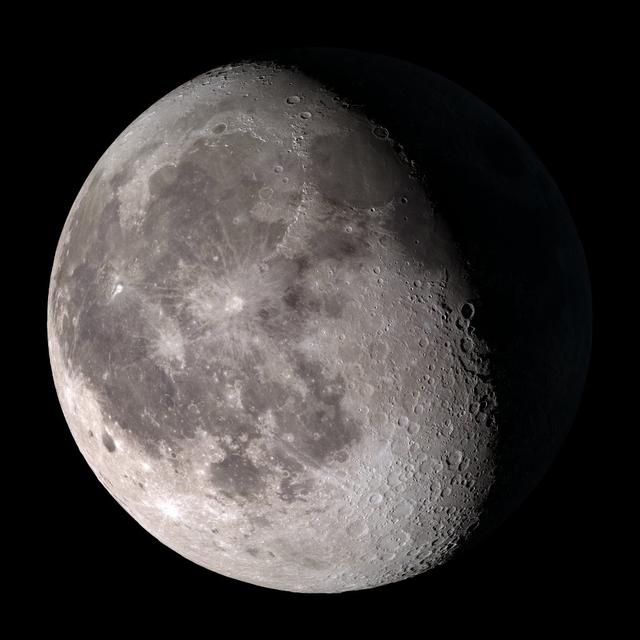
Waning gibbous. Rises after sunset, high in the sky after midnight, visible to the southwest after sunrise. NASA's Lunar Reconnaissance Orbiter (LRO) has been in orbit around the Moon since the summer of 2009. Its laser altimeter (LOLA) and camera (LROC) are recording the rugged, airless lunar terrain in exceptional detail, making it possible to visualize the Moon with unprecedented fidelity. This is especially evident in the long shadows cast near the terminator, or day-night line. The pummeled, craggy landscape thrown into high relief at the terminator would be impossible to recreate in the computer without global terrain maps like those from LRO. To download, learn more about this visualization, or to see what the Moon will look like at any hour in 2015, visit <a href="http://svs.gsfc.nasa.gov/goto?4236" rel="nofollow">svs.gsfc.nasa.gov/goto?4236</a> <b><a href="http://www.nasa.gov/audience/formedia/features/MP_Photo_Guidelines.html" rel="nofollow">NASA image use policy.</a></b> <b><a href="http://www.nasa.gov/centers/goddard/home/index.html" rel="nofollow">NASA Goddard Space Flight Center</a></b> enables NASA’s mission through four scientific endeavors: Earth Science, Heliophysics, Solar System Exploration, and Astrophysics. Goddard plays a leading role in NASA’s accomplishments by contributing compelling scientific knowledge to advance the Agency’s mission. <b>Follow us on <a href="http://twitter.com/NASAGoddardPix" rel="nofollow">Twitter</a></b> <b>Like us on <a href="http://www.facebook.com/pages/Greenbelt-MD/NASA-Goddard/395013845897?ref=tsd" rel="nofollow">Facebook</a></b> <b>Find us on <a href="http://instagram.com/nasagoddard?vm=grid" rel="nofollow">Instagram</a></b>
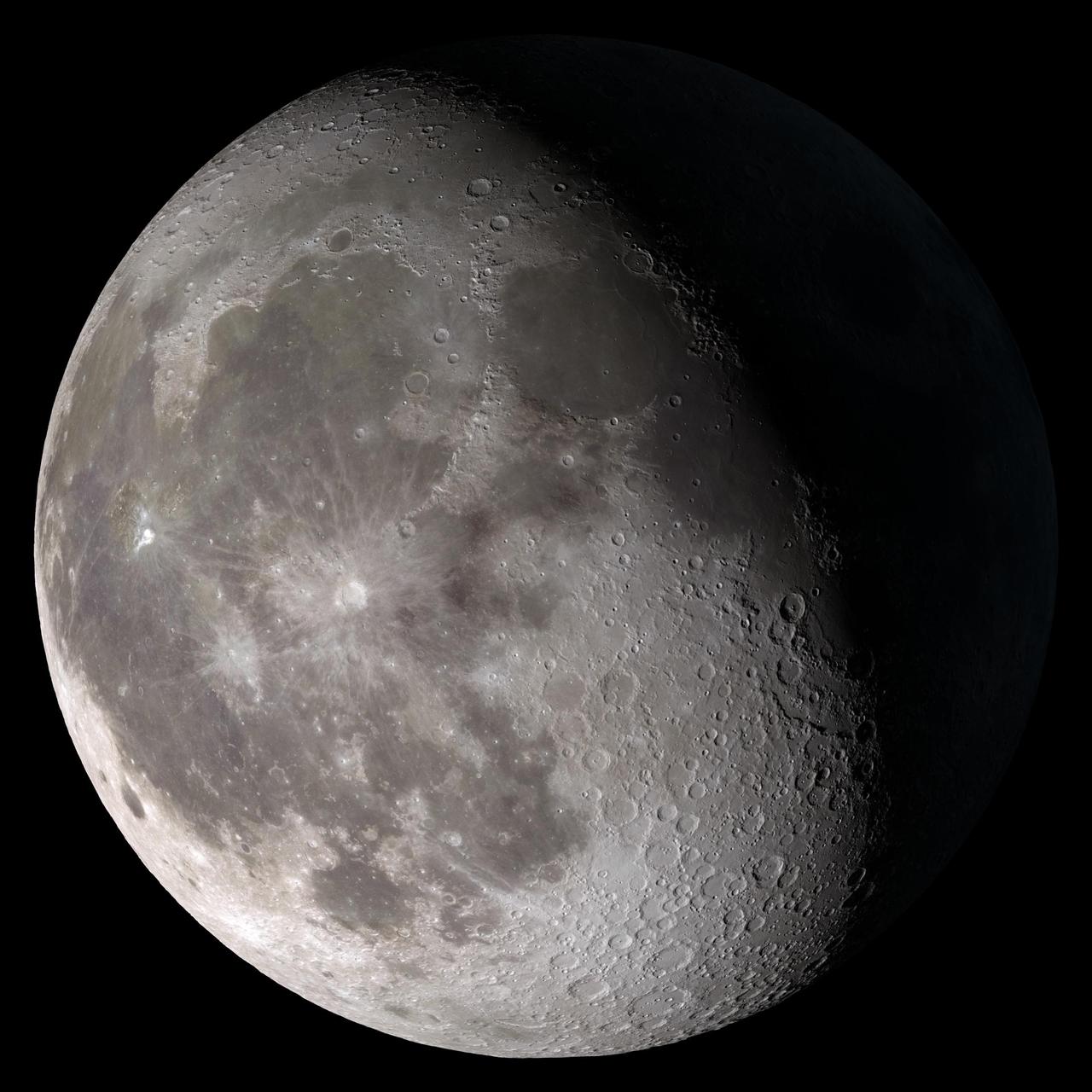
Waning gibbous. Rises after sunset, high in the sky after midnight, visible to the southwest after sunrise. This marks the first time that accurate shadows at this level of detail are possible in such a computer simulation. The shadows are based on the global elevation map being developed from measurements by the Lunar Orbiter Laser Altimeter (LOLA) aboard the Lunar Reconnaissance Orbiter (LRO). LOLA has already taken more than 10 times as many elevation measurements as all previous missions combined. The Moon always keeps the same face to us, but not exactly the same face. Because of the tilt and shape of its orbit, we see the Moon from slightly different angles over the course of a month. When a month is compressed into 12 seconds, as it is in this animation, our changing view of the Moon makes it look like it's wobbling. This wobble is called libration. The word comes from the Latin for "balance scale" (as does the name of the zodiac constellation Libra) and refers to the way such a scale tips up and down on alternating sides. The sub-Earth point gives the amount of libration in longitude and latitude. The sub-Earth point is also the apparent center of the Moon's disk and the location on the Moon where the Earth is directly overhead. The Moon is subject to other motions as well. It appears to roll back and forth around the sub-Earth point. The roll angle is given by the position angle of the axis, which is the angle of the Moon's north pole relative to celestial north. The Moon also approaches and recedes from us, appearing to grow and shrink. The two extremes, called perigee (near) and apogee (far), differ by more than 10%. The most noticed monthly variation in the Moon's appearance is the cycle of phases, caused by the changing angle of the Sun as the Moon orbits the Earth. The cycle begins with the waxing (growing) crescent Moon visible in the west just after sunset. By first quarter, the Moon is high in the sky at sunset and sets around midnight. The full Moon rises at sunset and is high in the sky at midnight. The third quarter Moon is often surprisingly conspicuous in the daylit western sky long after sunrise. Celestial north is up in these images, corresponding to the view from the northern hemisphere. The descriptions of the print resolution stills also assume a northern hemisphere orientation. To adjust for southern hemisphere views, rotate the images 180 degrees, and substitute "north" for "south" in the descriptions. Credit: <a href="http://svs.gsfc.nasa.gov/index.html" rel="nofollow">NASA/Goddard Space Flight Center Scientific Visualization Studio</a> <b><a href="http://www.nasa.gov/centers/goddard/home/index.html" rel="nofollow">NASA Goddard Space Flight Center</a></b> enables NASA’s mission through four scientific endeavors: Earth Science, Heliophysics, Solar System Exploration, and Astrophysics. Goddard plays a leading role in NASA’s accomplishments by contributing compelling scientific knowledge to advance the Agency’s mission. <b>Follow us on <a href="http://twitter.com/NASA_GoddardPix" rel="nofollow">Twitter</a></b> <b>Join us on <a href="http://www.facebook.com/pages/Greenbelt-MD/NASA-Goddard/395013845897?ref=tsd" rel="nofollow">Facebook</a></b> <b>Find us on <a href="http://web.stagram.com/n/nasagoddard/?vm=grid" rel="nofollow">Instagram</a></b>
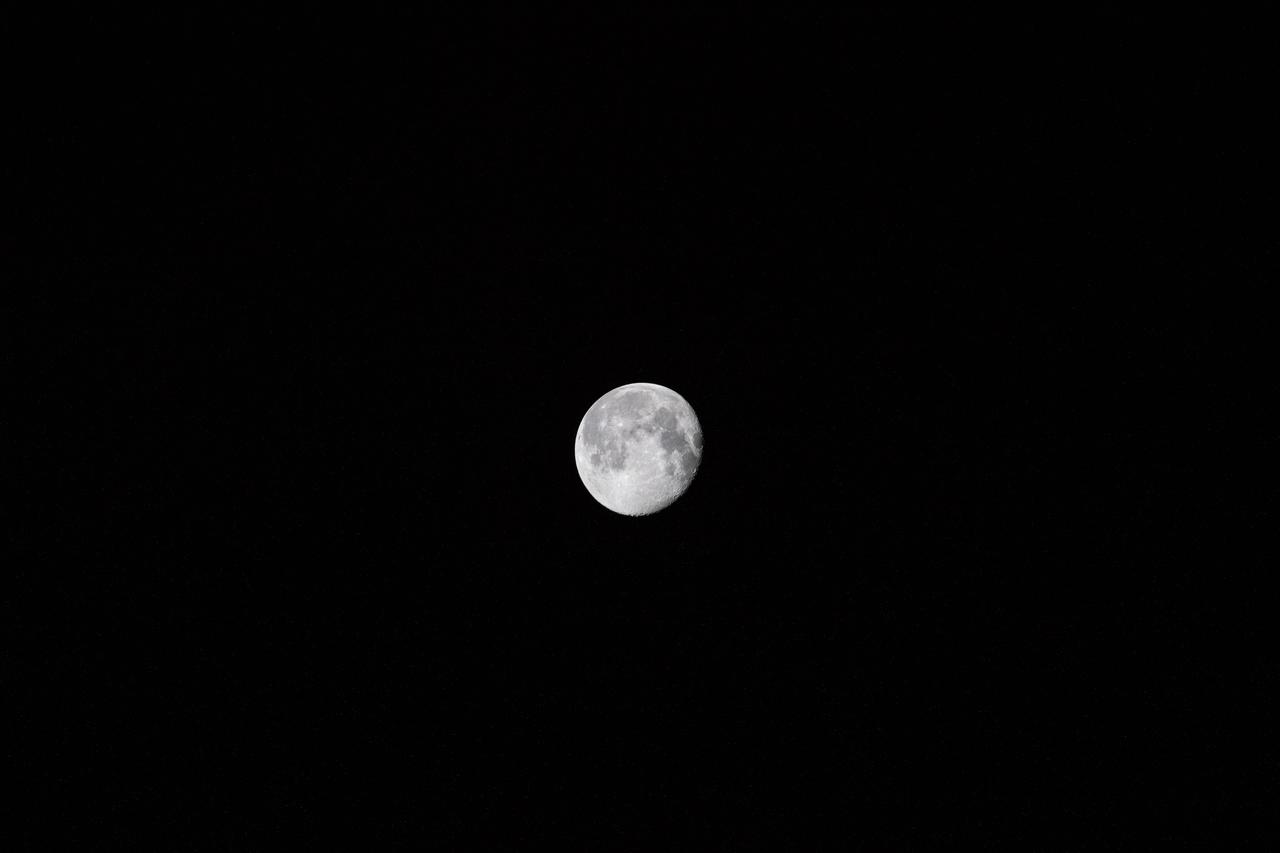
iss058e024106 (Feb. 21, 2019) --- The Earth's moon is photographed from the International Space Station in its waning gibbous stage.
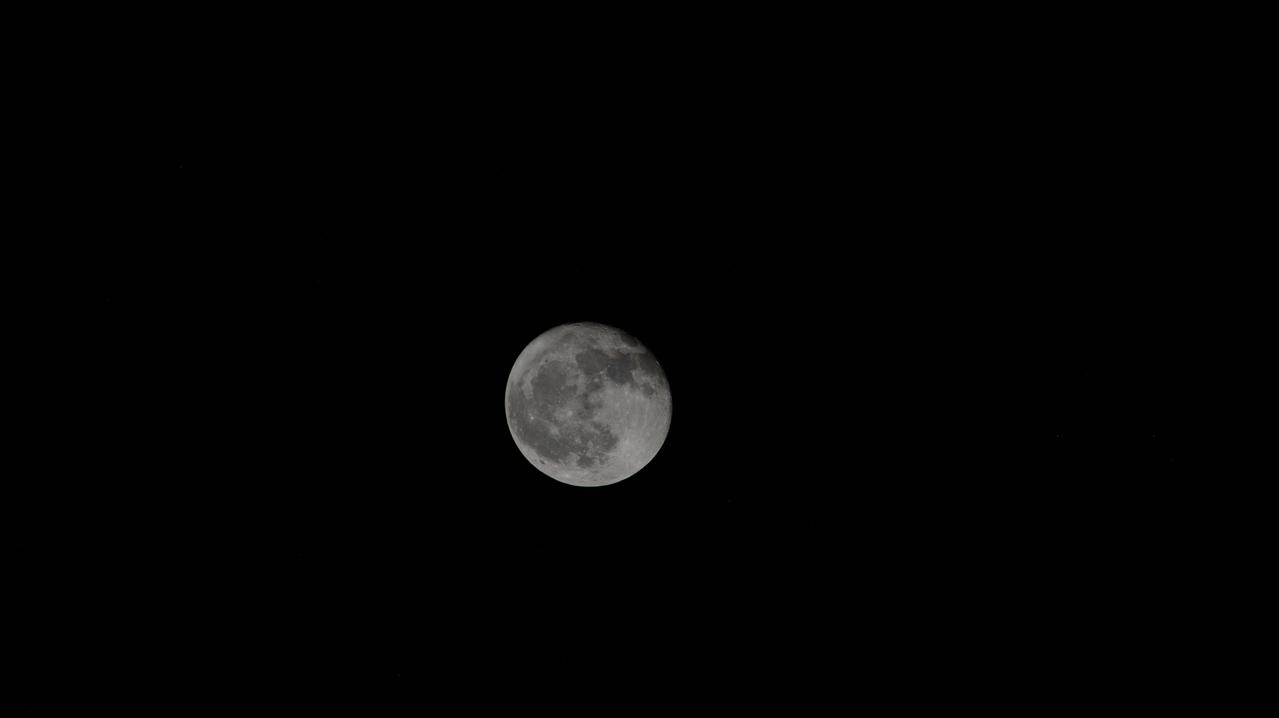
iss071e113312 (May 25, 2024) -- A waning gibbous moon illuminates against the black of space as the International Space Station orbited 256 miles above the Atlantic Ocean.

The waning gibbous Moon sets behind a flag at NASA’s Michoud Assembly Facility in New Orleans just after sunrise on Wednesday, March 19, 2025. Image credit: NASA/Michael DeMocker

iss071e045749 (April 26, 2024) -- An illuminated waning gibbous moon contrasts the deep black of space as the International Space Station soared 270 miles over the Southern Ocean.
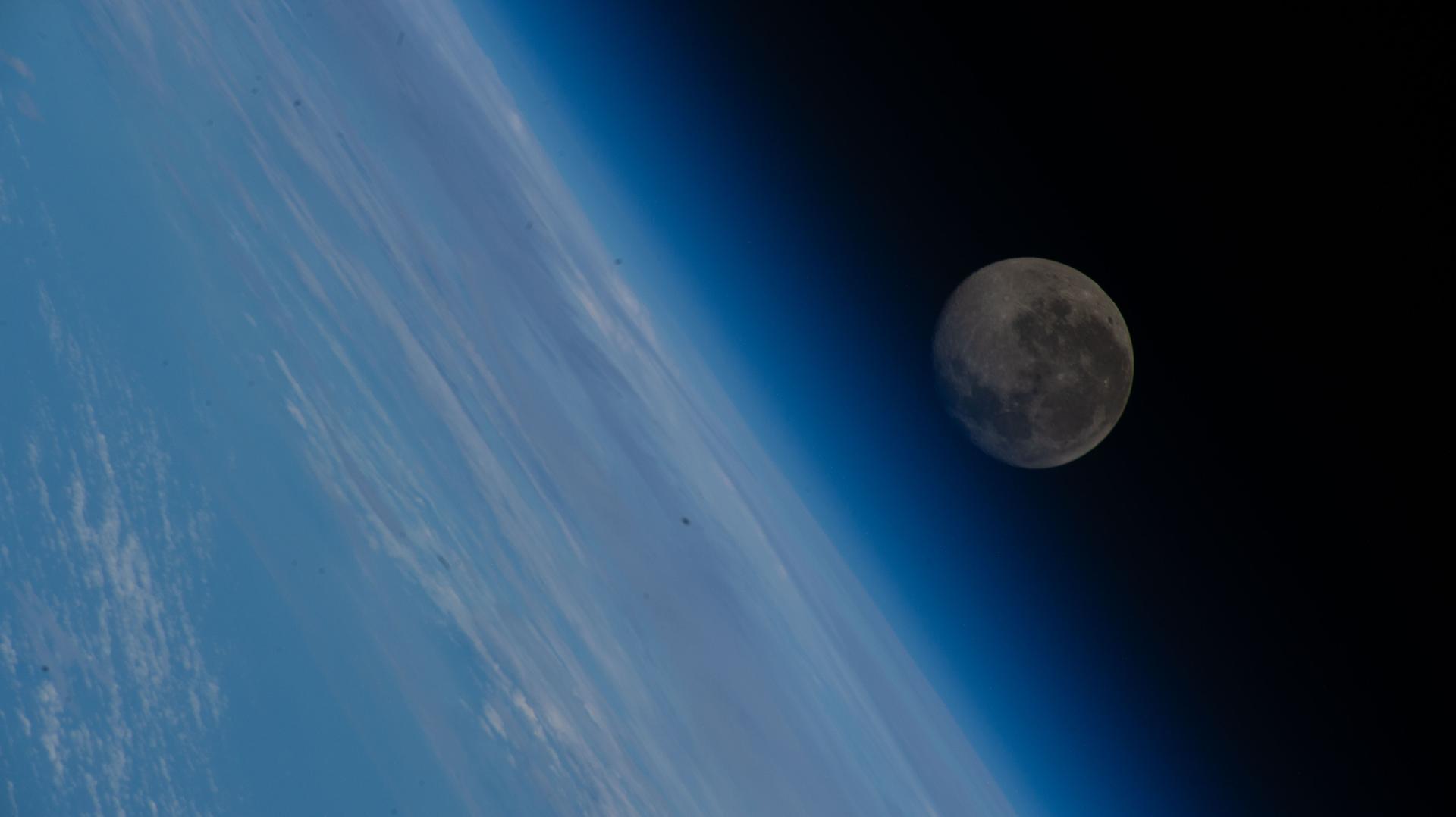
iss075e0085685 (Aug. 30, 2026) --- The waning gibbous Moon appears above Earth’s blue atmosphere in this image taken from the International Space Station while orbiting 258 miles above the coast of Hong Kong, China. Credit: NASA
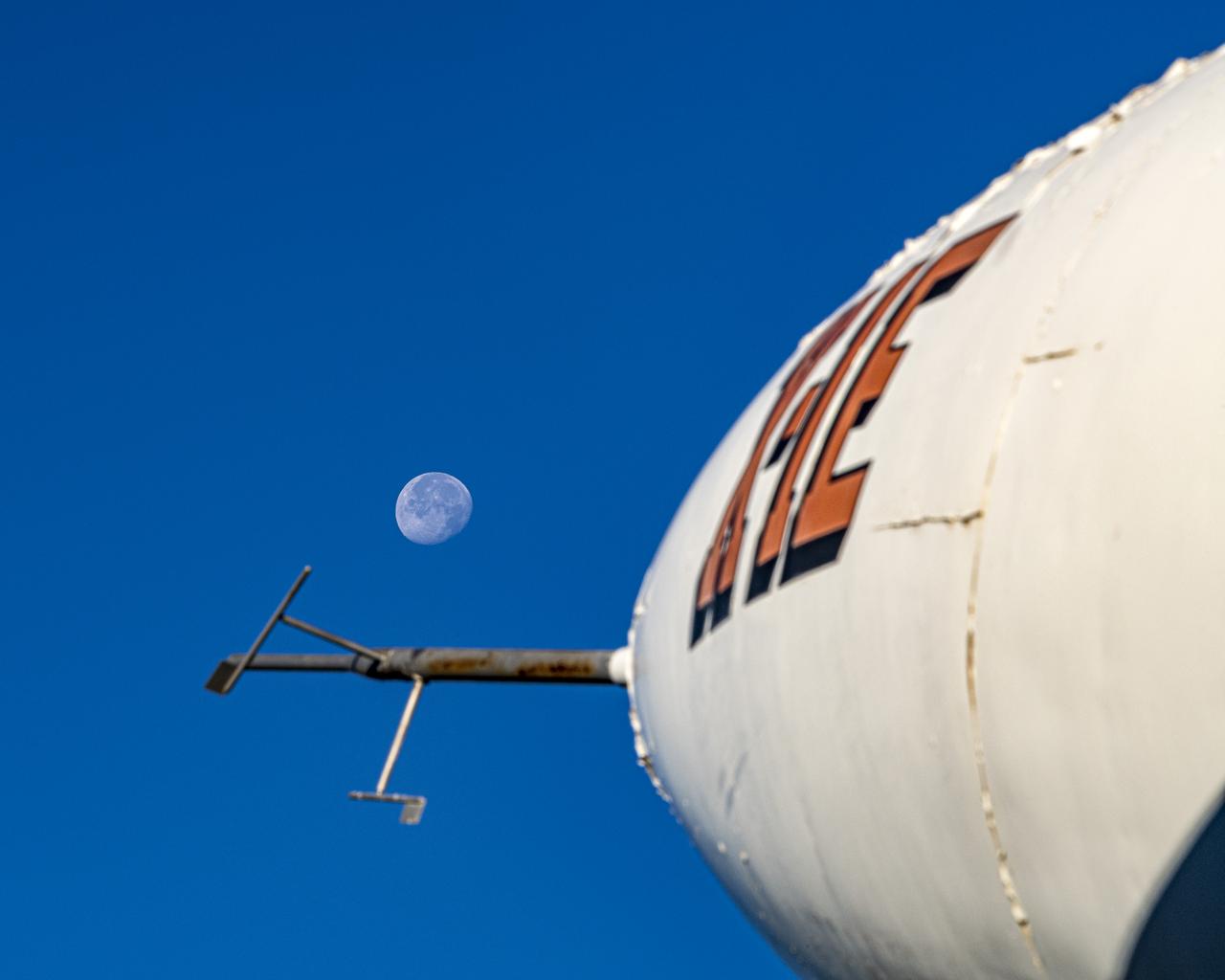
This is a forward-looking view of the X-1E that stands on static display in front of the main office building at NASA's Armstrong Flight Research Center in Edwards, California. Captured in the background of the image is the Waning Gibbous Moon on November 22, 2021. Visible off the nose of the X-1E is the air data probe with alpha and beta vanes which measured vertical and horizontal motion.
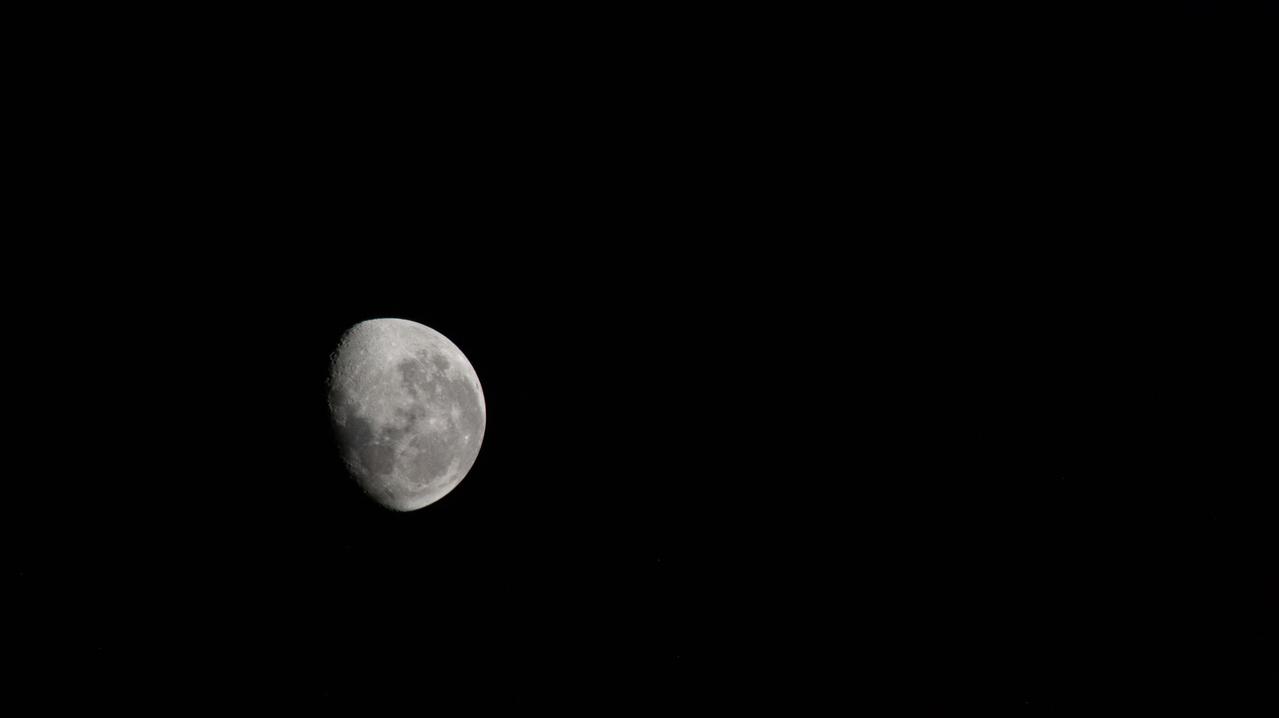
iss065e011352 (May 3, 2021) --- An external high-definition camera on the International Space Station captured this view of a waning gibbous Moon.
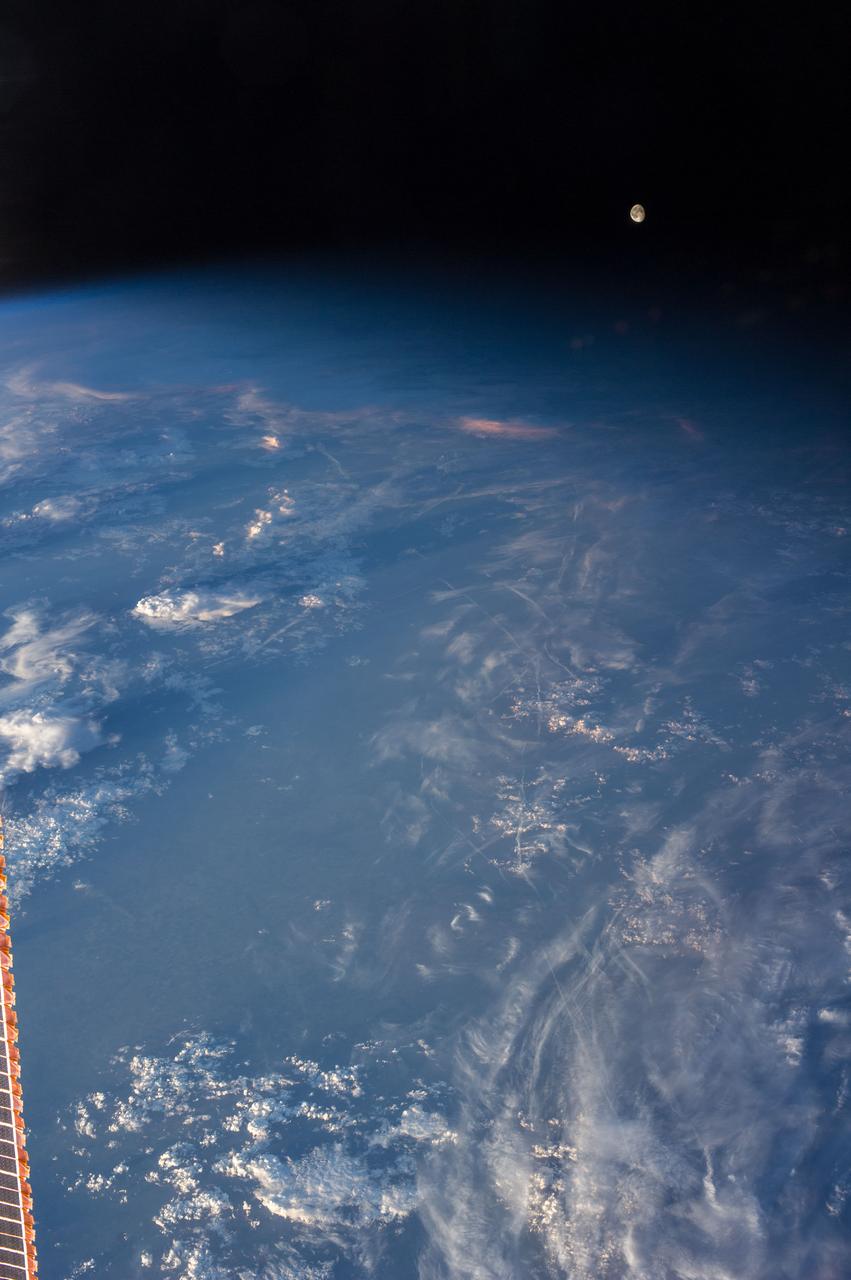
Earth observation taken during a day pass by the Expedition 36 crew. Per Twitter message: The waning gibbous moon and the Earth's terminator.
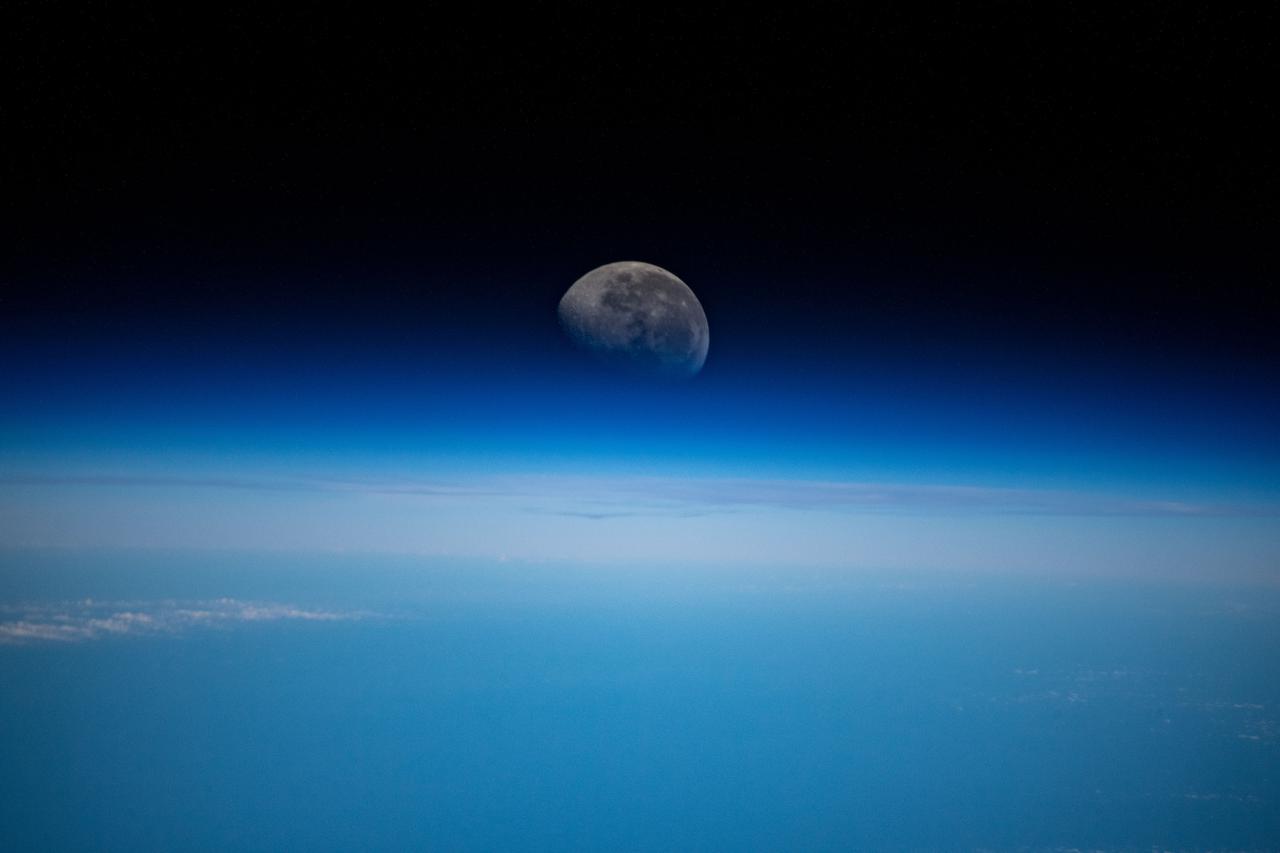
iss065e084062 (May 30, 2021) --- A waning gibbous Moon is pictured over Earth's horizon as the International Space Station soared 261 miles above the Pacific Ocean.
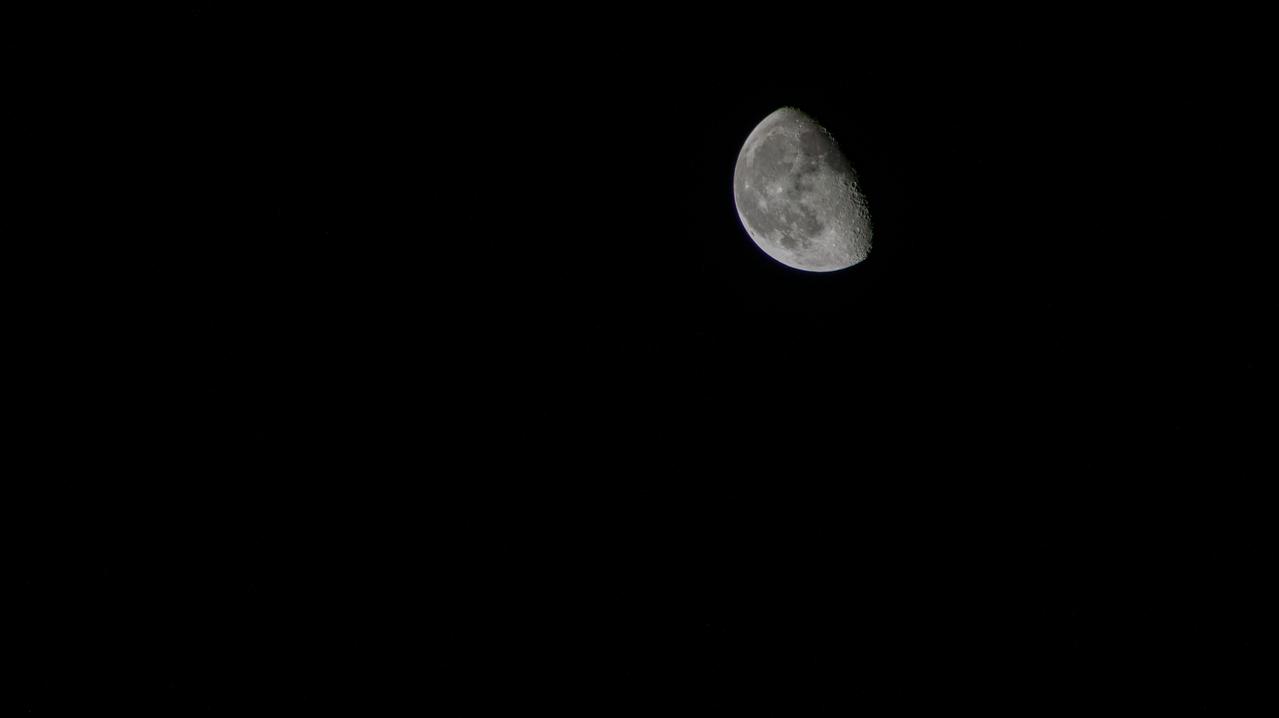
iss067e362262 (Sept. 15, 2022) --- The waning gibbous Moon is pictured from the International Space Station as it orbited 263 miles above Asia.
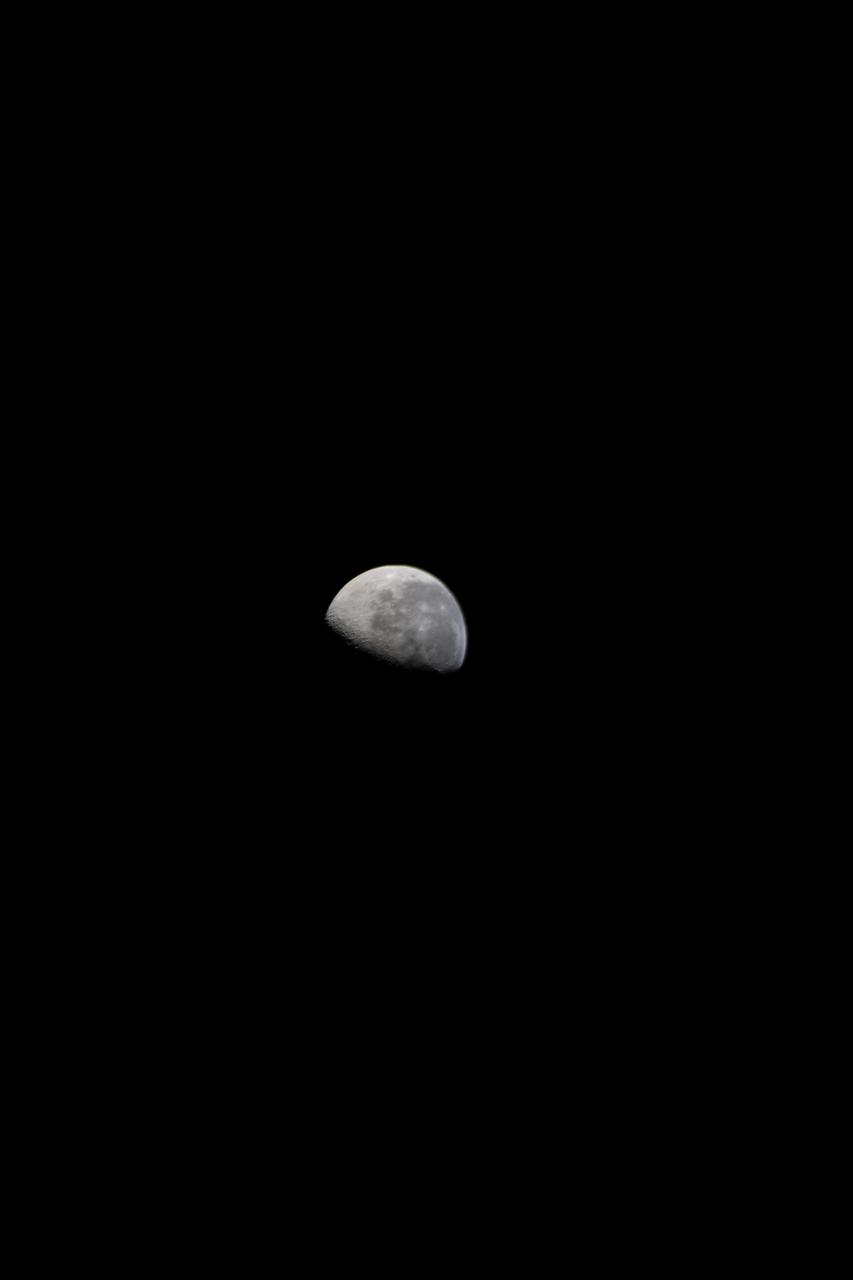
iss068e029662 (Dec. 14, 2022) --- The waning gibbous Moon is photographed from the International Space Station as it orbited 270 miles above the Indian Ocean.
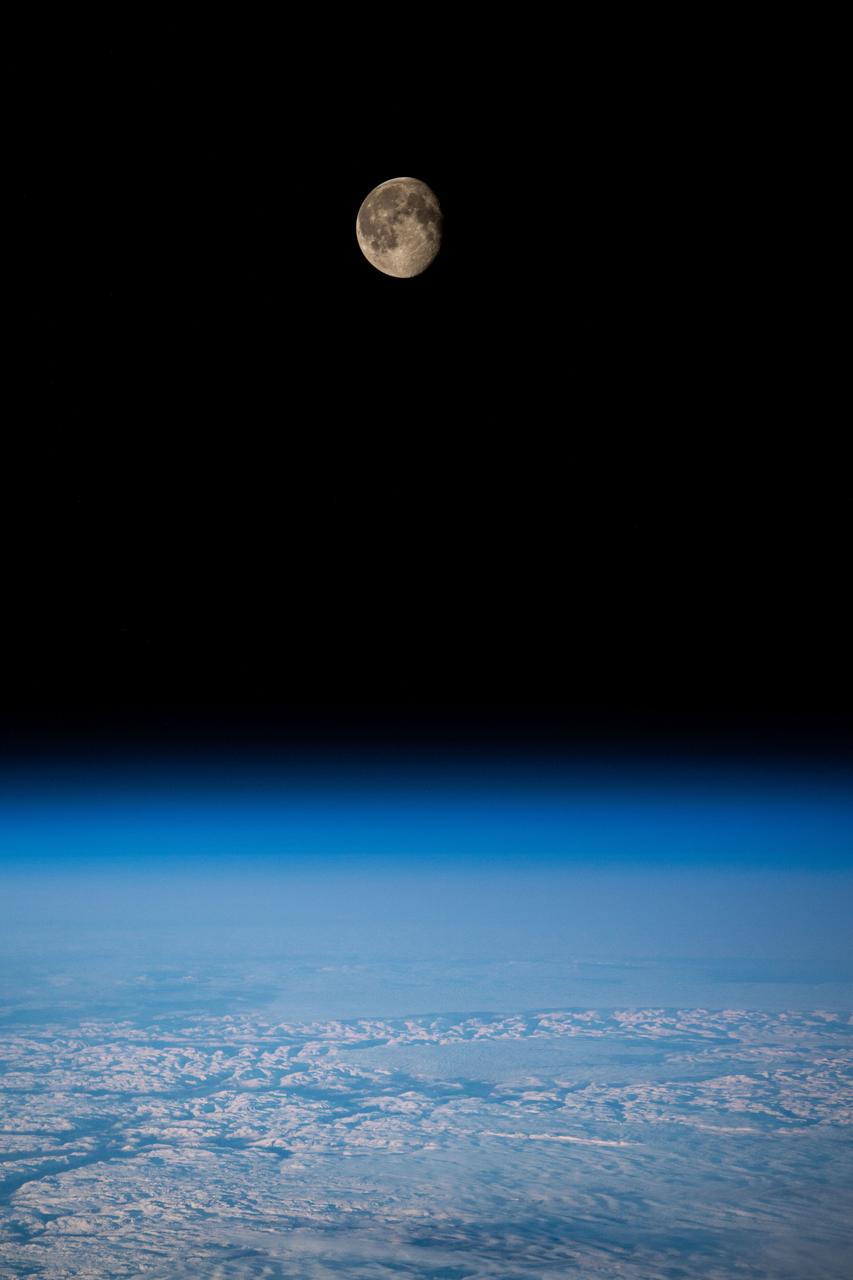
iss070e034731 (Nov. 30, 2023) --- The waning gibbous Moon is pictured from the International Space Station as it orbited 262 miles above the Swiss Alps.
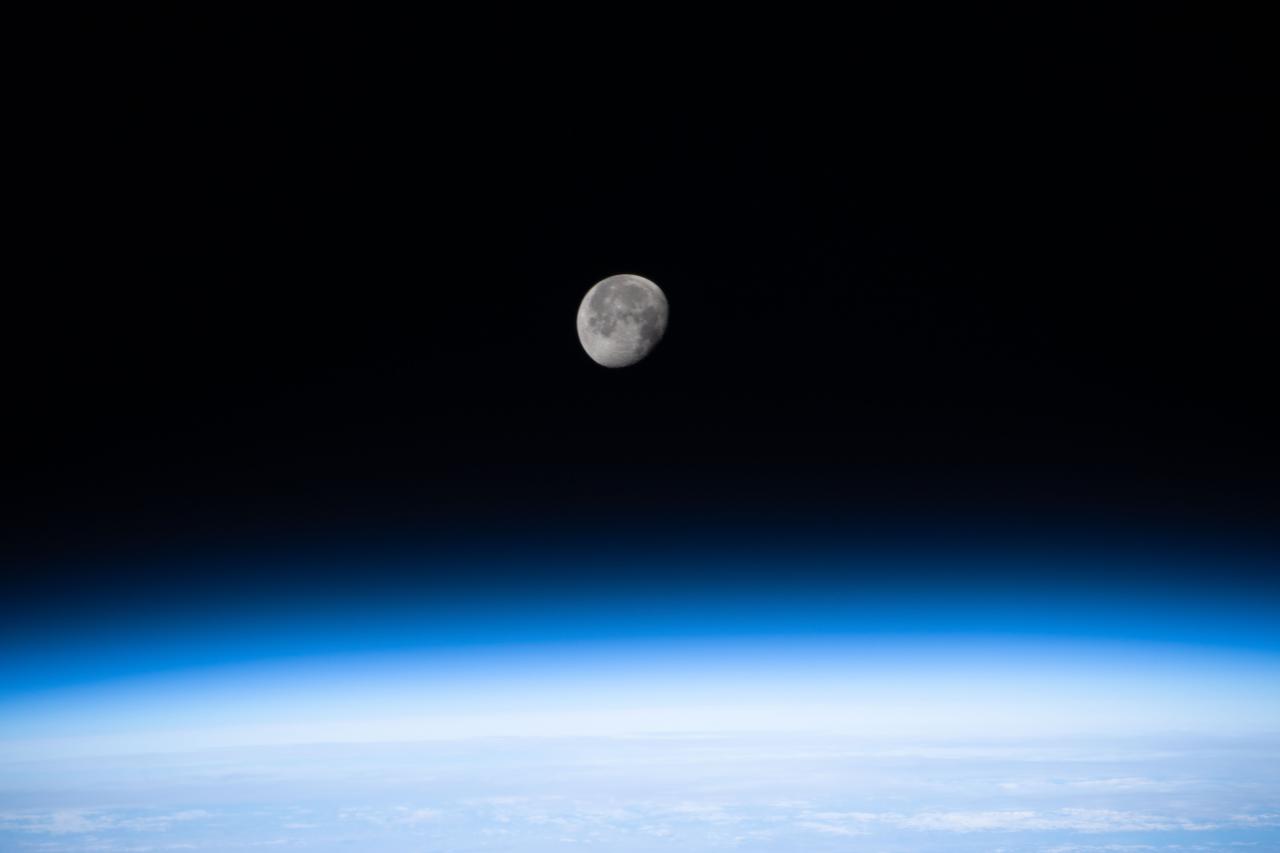
iss066e010452 (Oct. 24, 2021) --- The waning gibbous Moon is pictured above the Earth's horizon as the International Space Station orbited 262 miles above eastern China.

iss070e000820 (Sept. 30, 2023) --- The waning gibbous Moon is pictured above Earth from the International Space Station as it soared into an orbital nighttime 260 miles above the Atlantic Ocean near the northeast coast of South America.
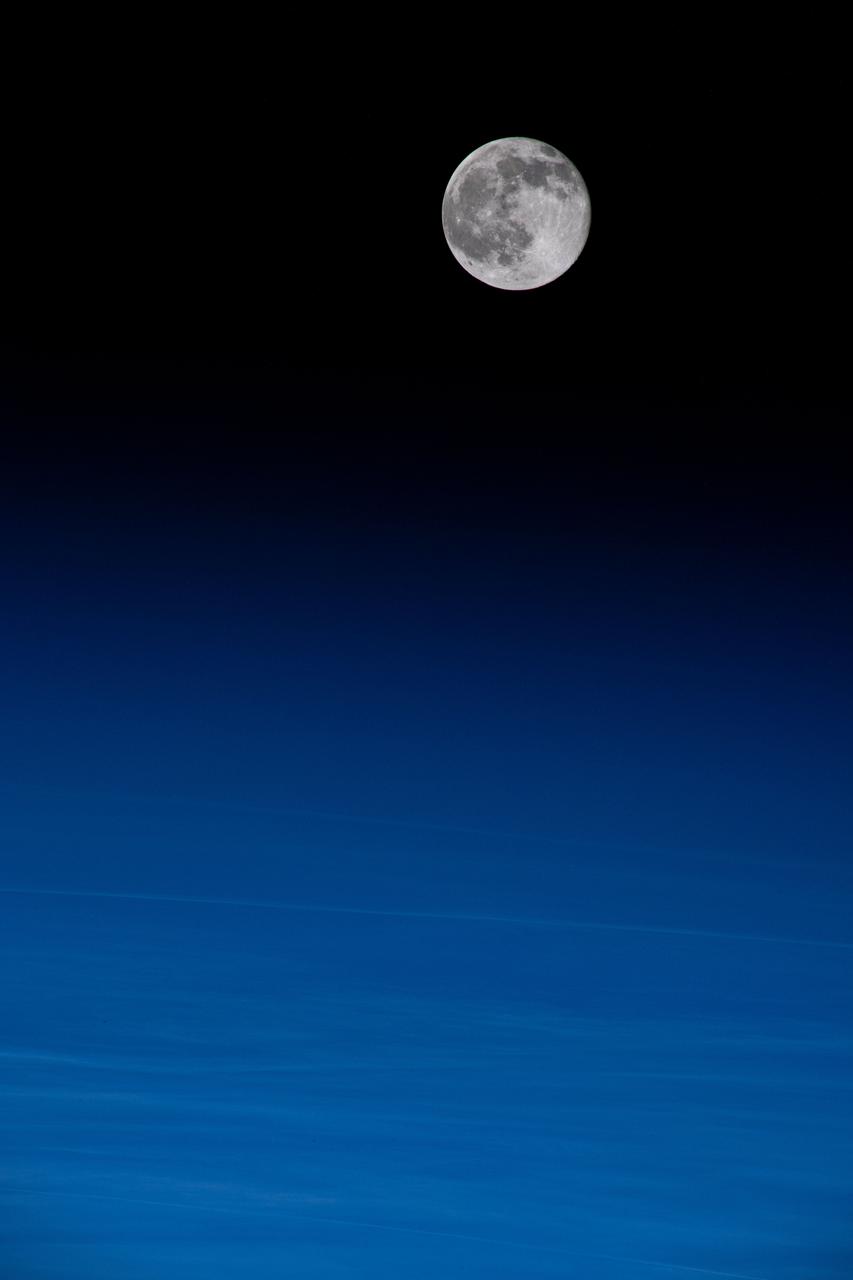
iss064e027825 (Jan. 29, 2021) --- The waning gibbous moon is pictured the day after its full Moon phase as the International Space Station orbited 264 miles above China near the Mongolian border.

iss064e048655 (March 30, 2021) --- A waning gibbous Moon is pictured above the Earth's horizon as the International Space Station orbited 269 miles above the Atlantic Ocean off the coast of Argentina.
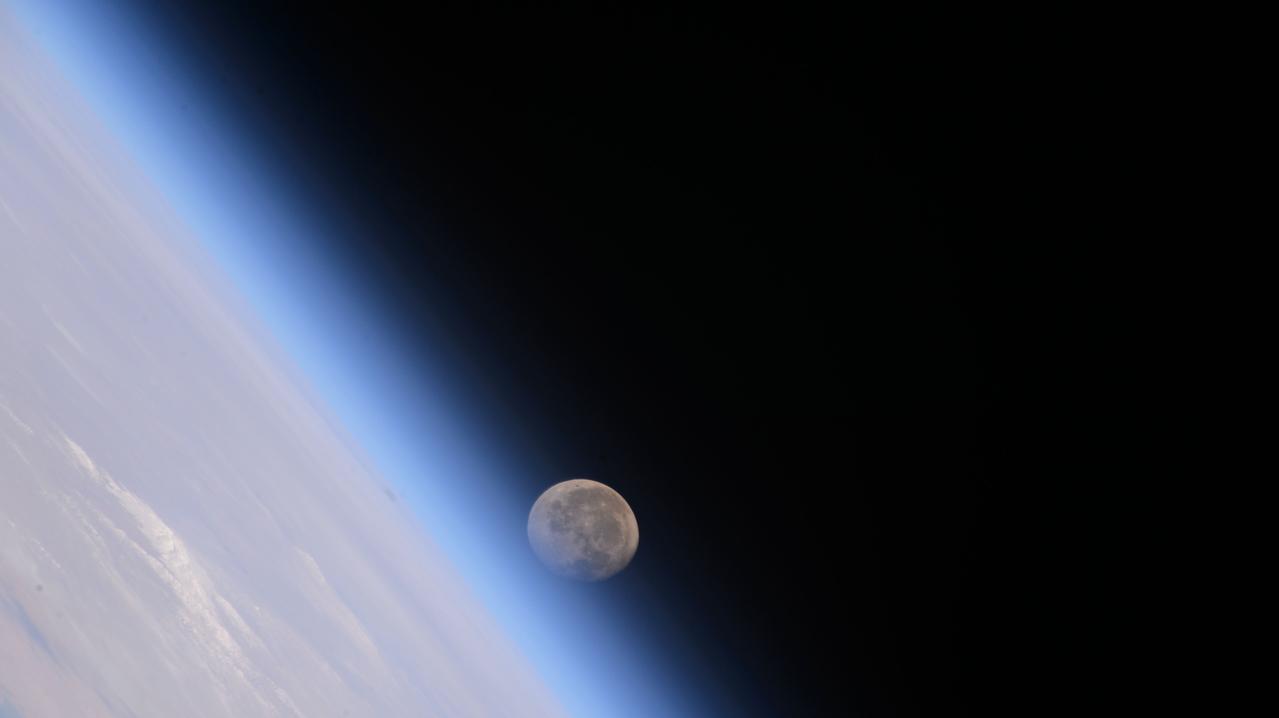
iss071e046097 (April 27, 2024) --- The waning gibbous Moon begins setting below Earth's horizon in this photograph from the International Space Station as it orbited 258 miles above China.
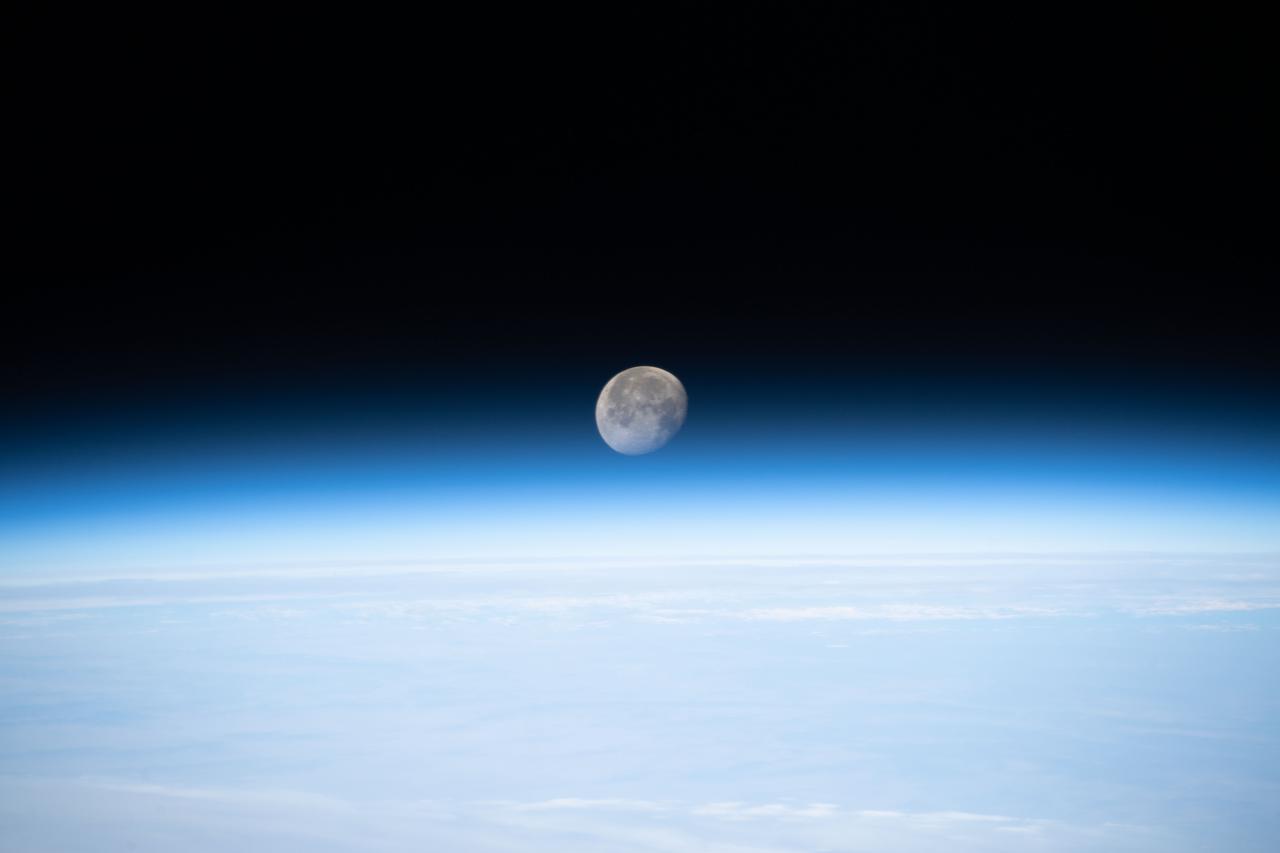
iss066e010463 (Oct. 24, 2021) --- The waning gibbous Moon is pictured just above Earth's horizon as the International Space Station orbited 261 miles above eastern China.
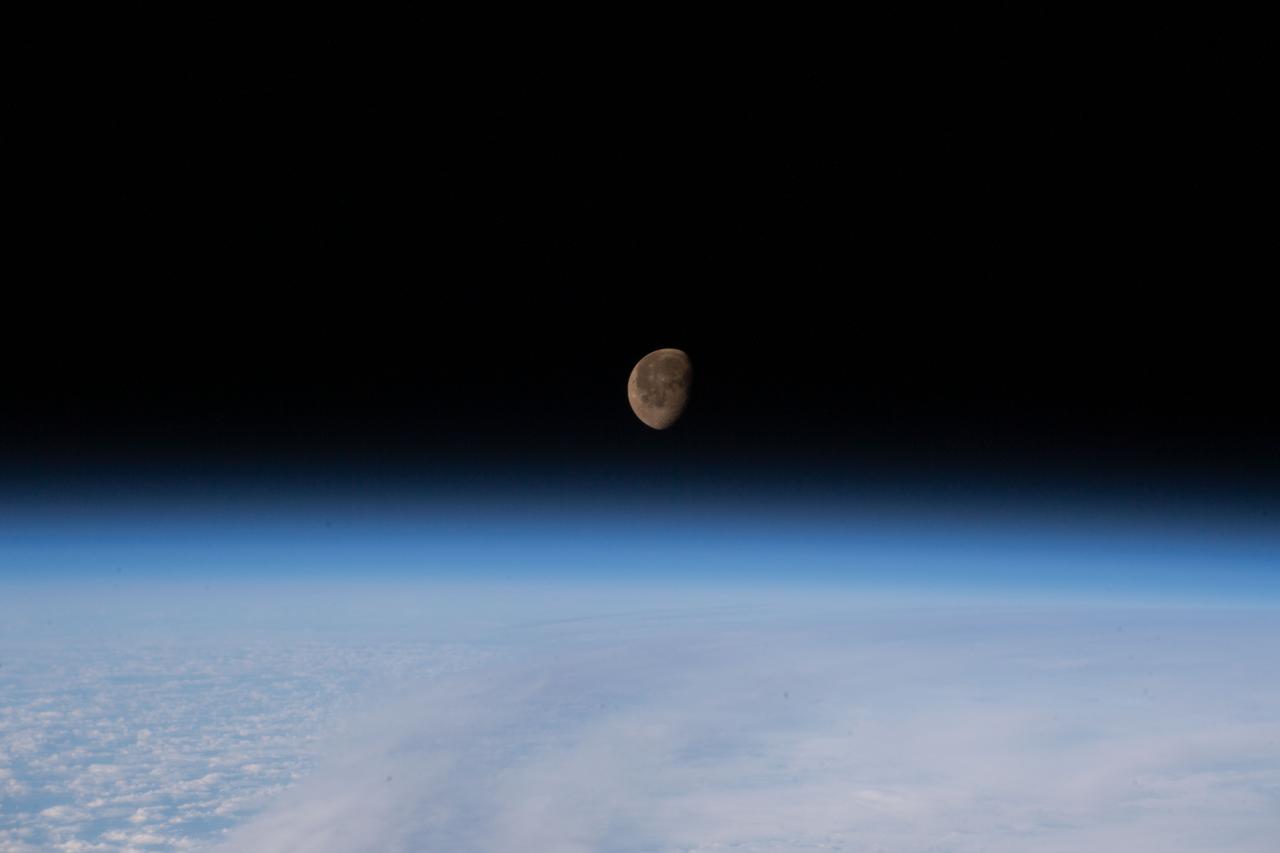
iss068e053263 (Feb. 10, 2023) --- The waning gibbous Moon is pictured above Earth's horizon as the International Space Station orbited 264 miles above the Pacific Ocean south of the Alaskan coast.
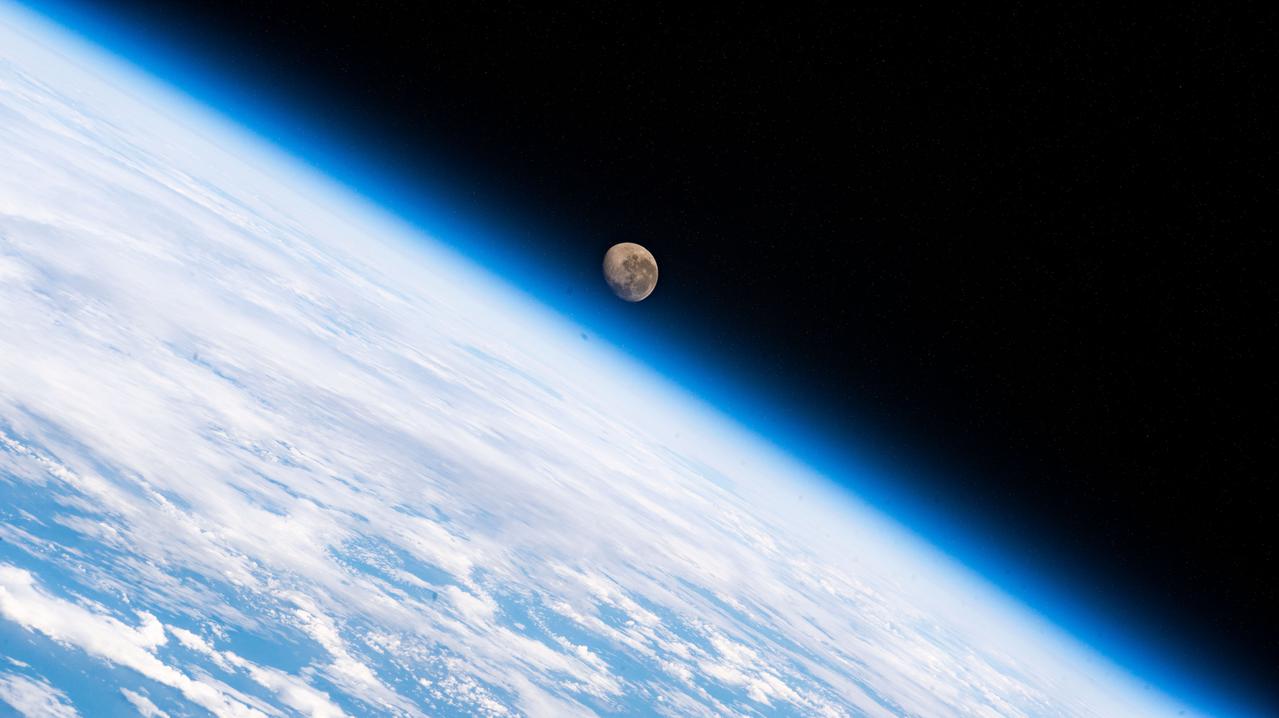
iss066e123388 (Jan. 21, 2022) --- The waning gibbous Moon is pictured above the Earth's horizon as the International Space Station orbited 272 miles above the Atlantic Ocean in betweenthe tips of South America and South Africa.
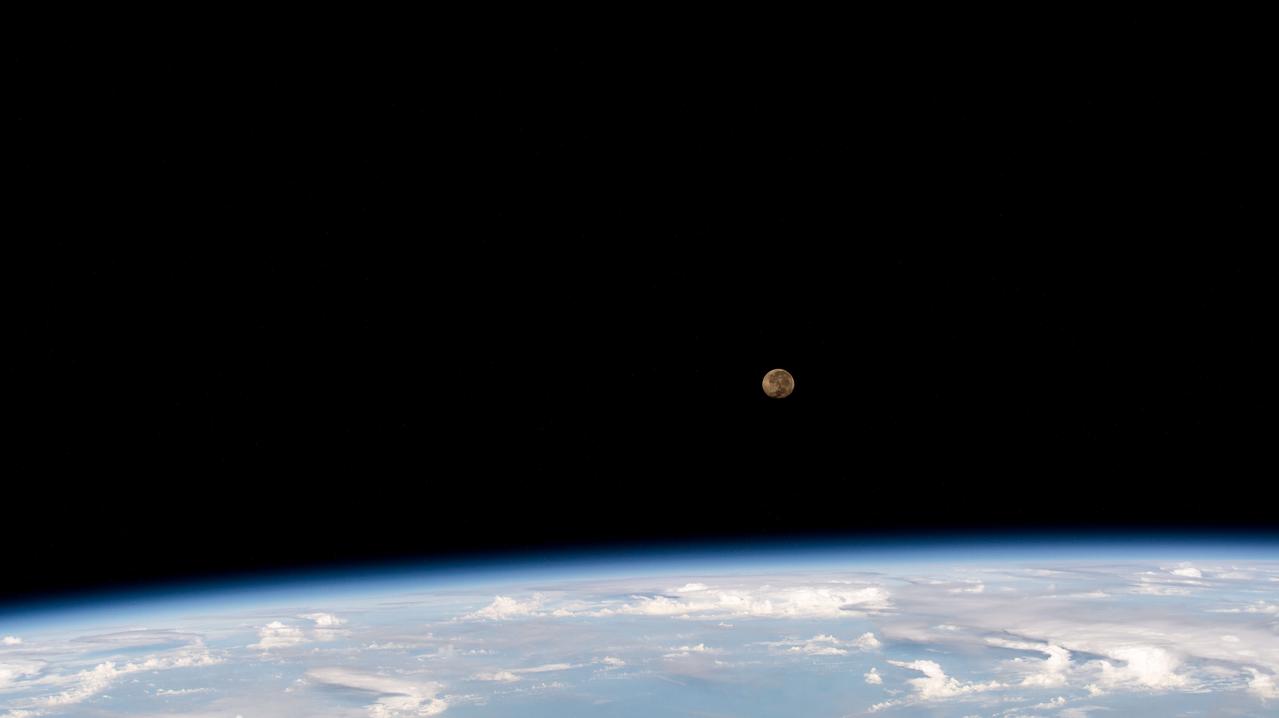
iss069e018196 (June 6, 2023) --- The waning gibbous Moon is pictured above Earth's horizon as the International Space Station was orbiting 257 miles over the Celebes Sea off the coast of Malaysia.
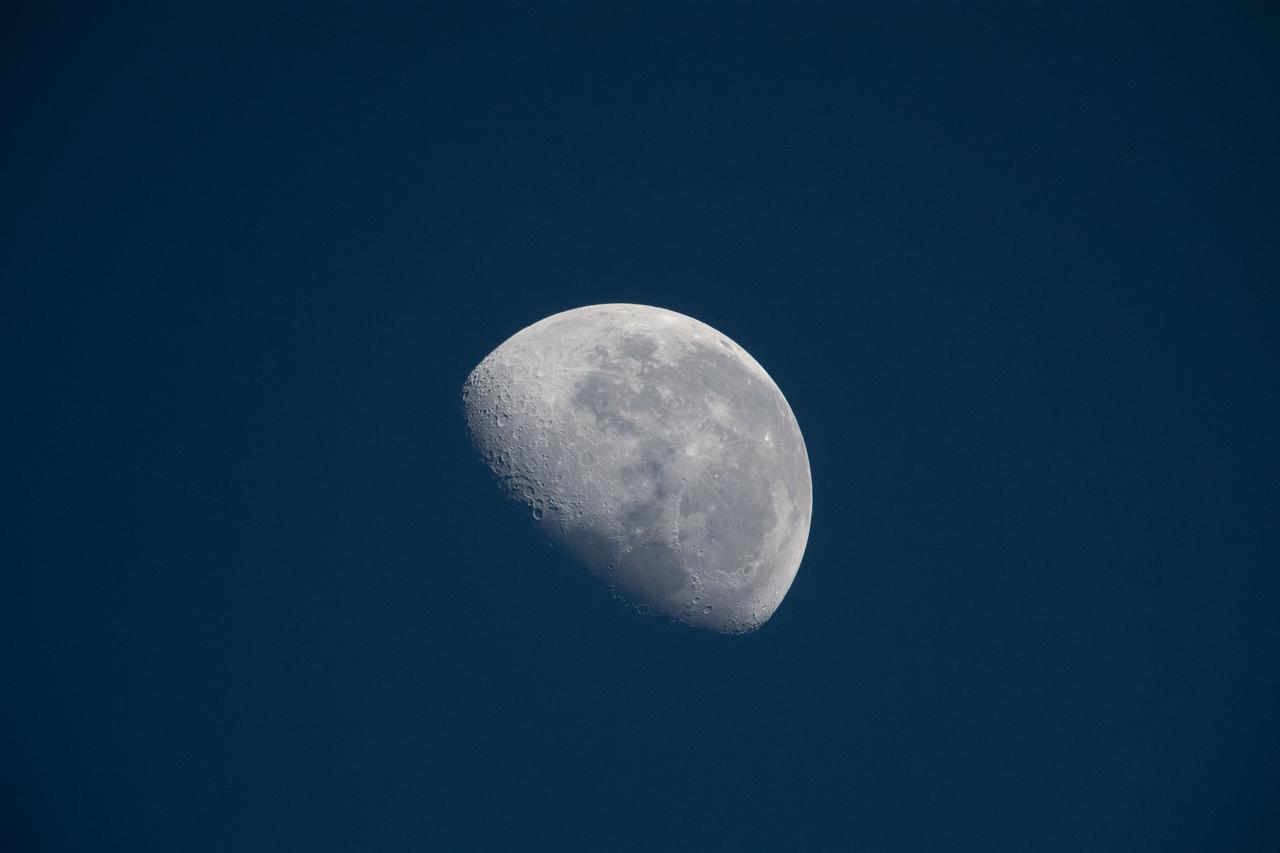
iss065e018847 (May 1, 2021) --- The waning gibbous Moon was pictured from the International Space Station while orbiting 264 miles above the Pacific Ocean in between Fiji and American Samoa.
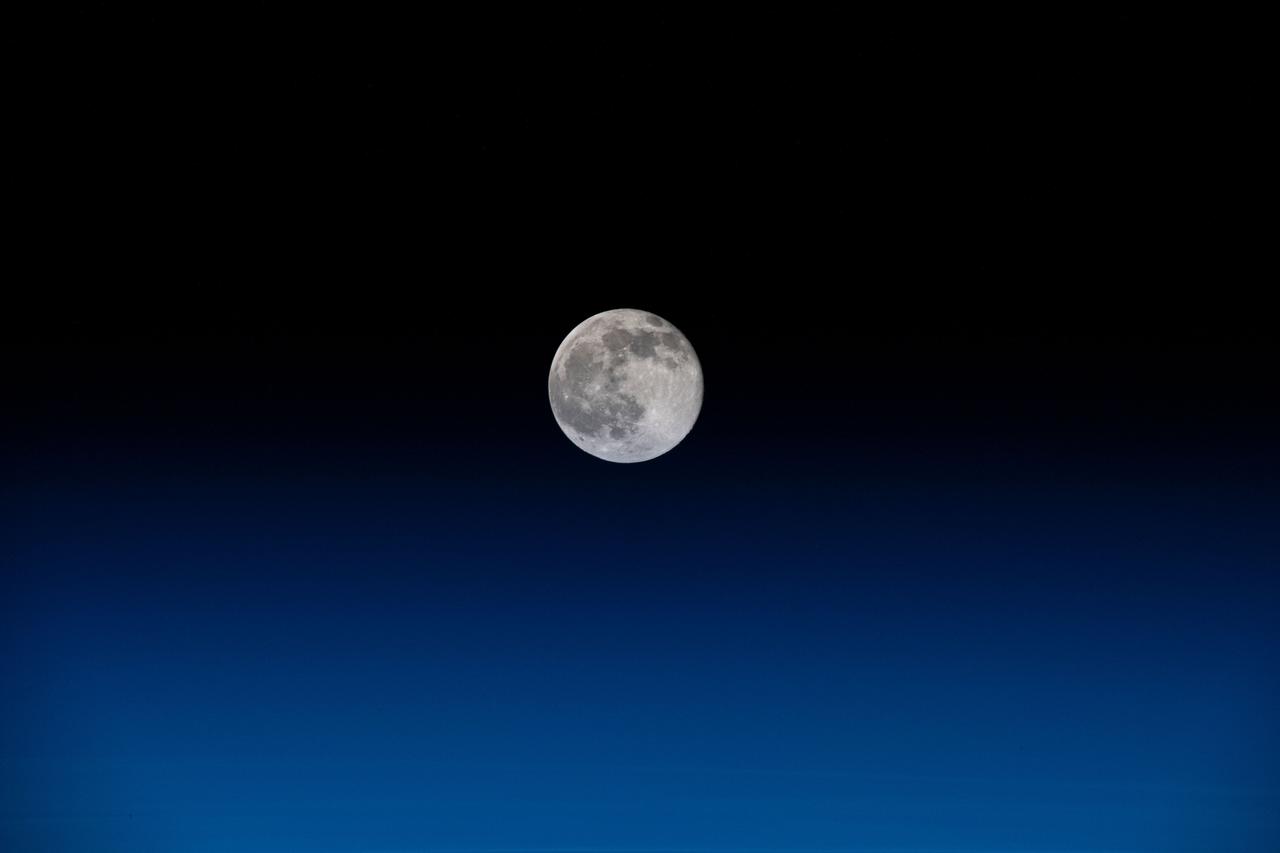
iss064e027820 (Jan. 29, 2021) --- The waning gibbous moon is pictured the day after its full Moon phase as the International Space Station orbited 264 miles above China near the Mongolian border.
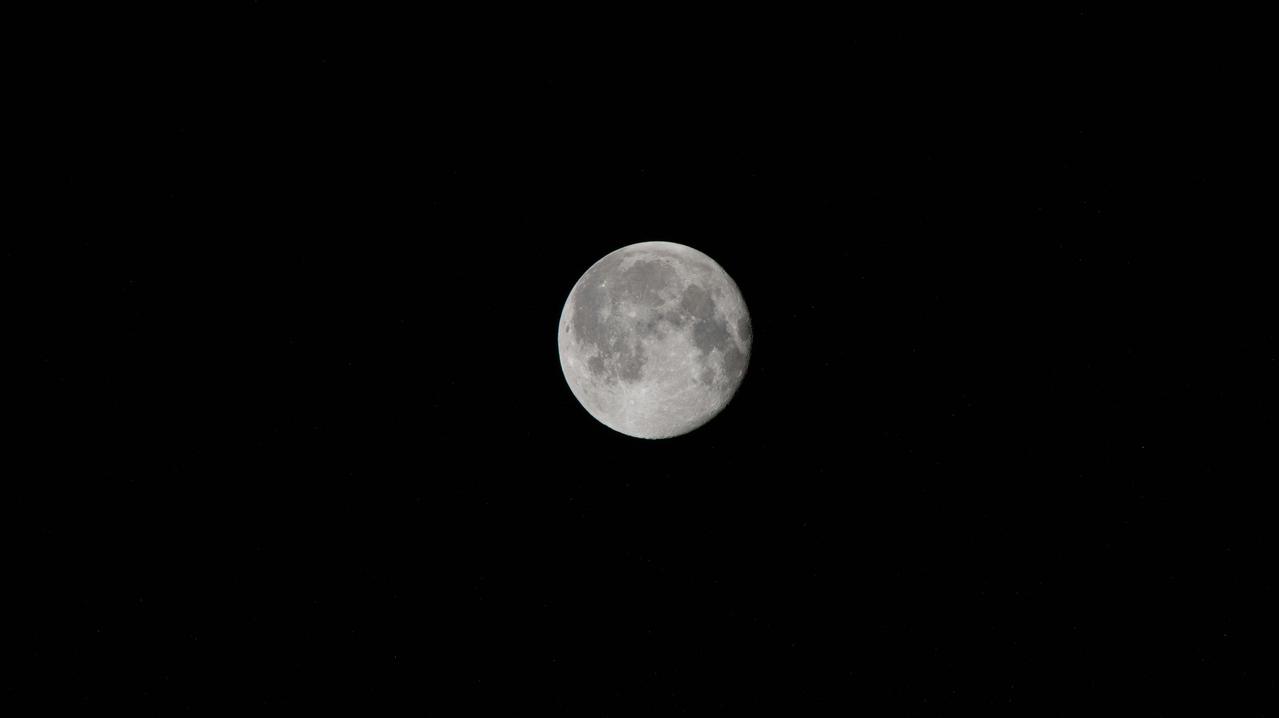
iss067e016750 (April 18 , 2022) --- The waning gibbous Moon, at about 97% visibility, is pictured from the International Space Station as it orbited 271 miles above the south Atlantic Ocean.
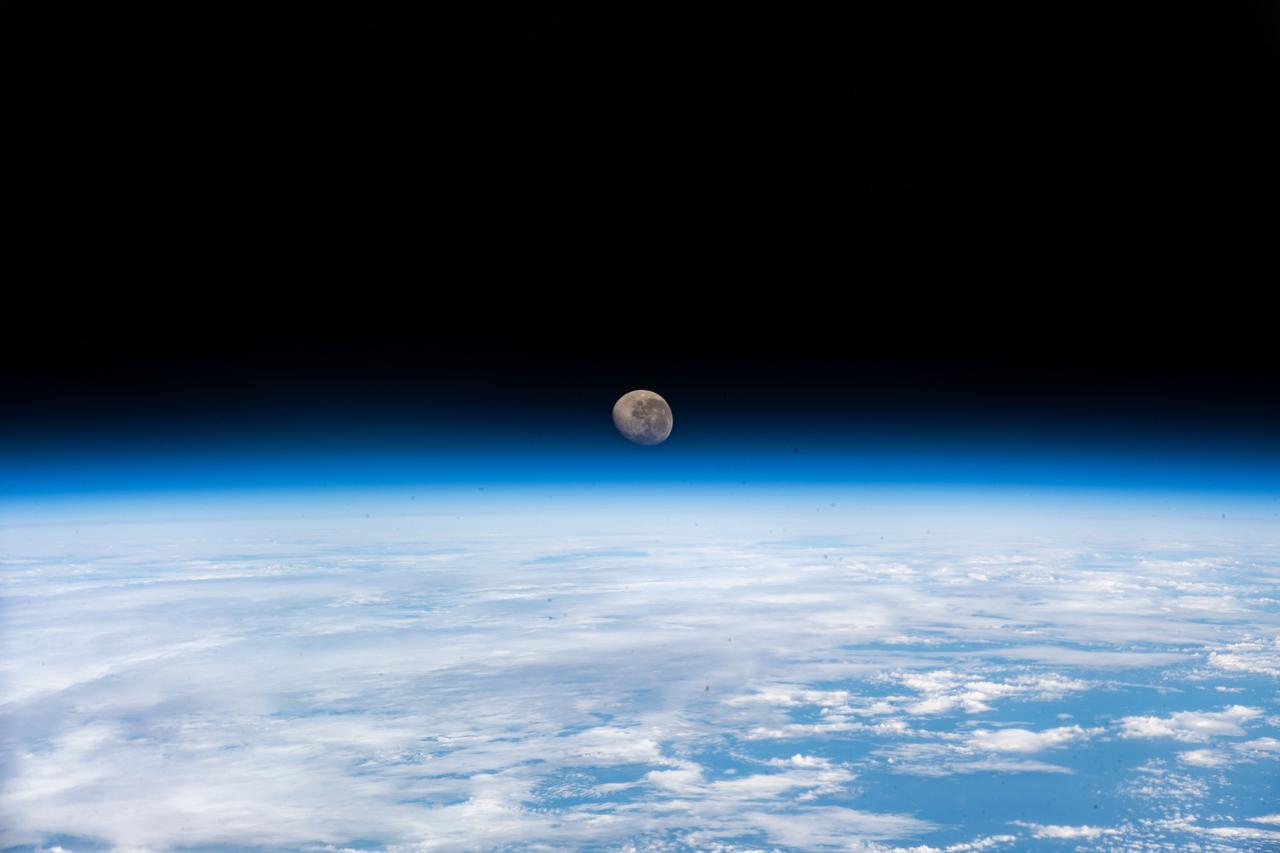
iss066e124140 (Jan. 21, 2022) --- The waning gibbous Moon is pictured above the Earth's horizon as the International Space Station orbited 272 miles above the Atlantic Ocean in bnetween the tips of South America and South Africa.
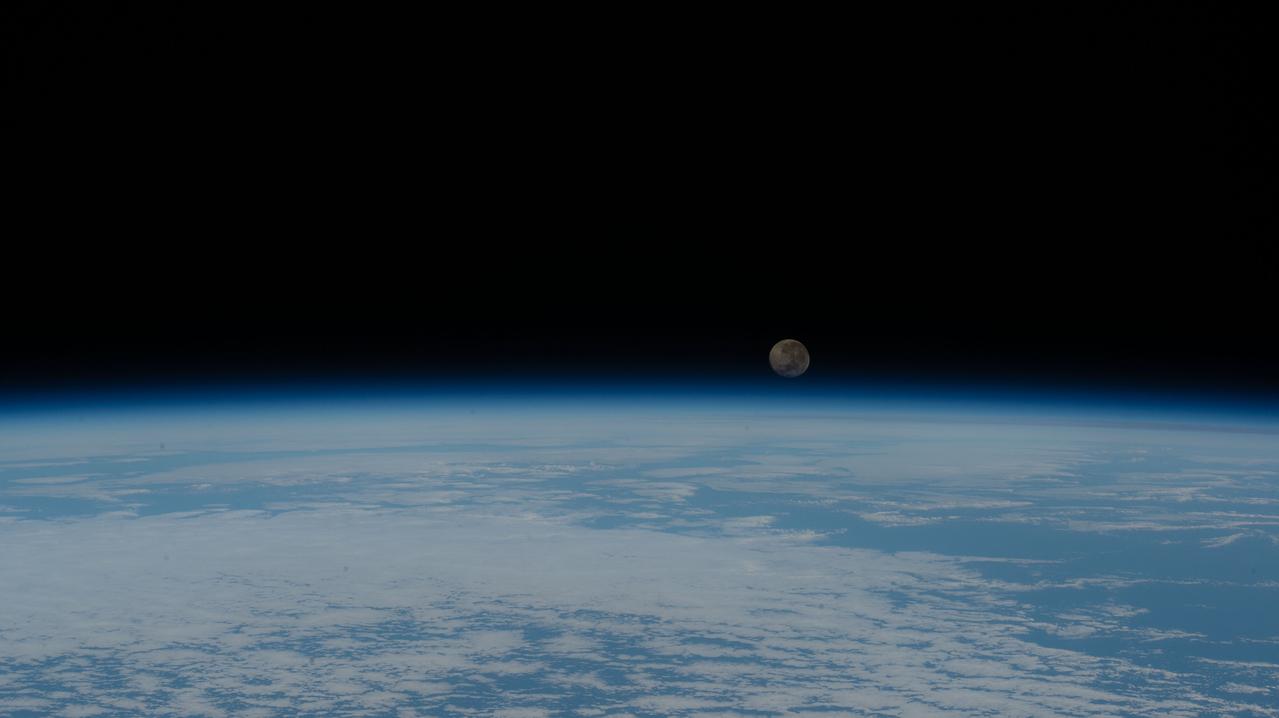
iss063e025498 (June 7, 2020) --- A waning gibbous Moon is pictured just above the Earth's horizon as the International Space Station orbited over the Atlantic Ocean just off the coast of the African nation of Angola.
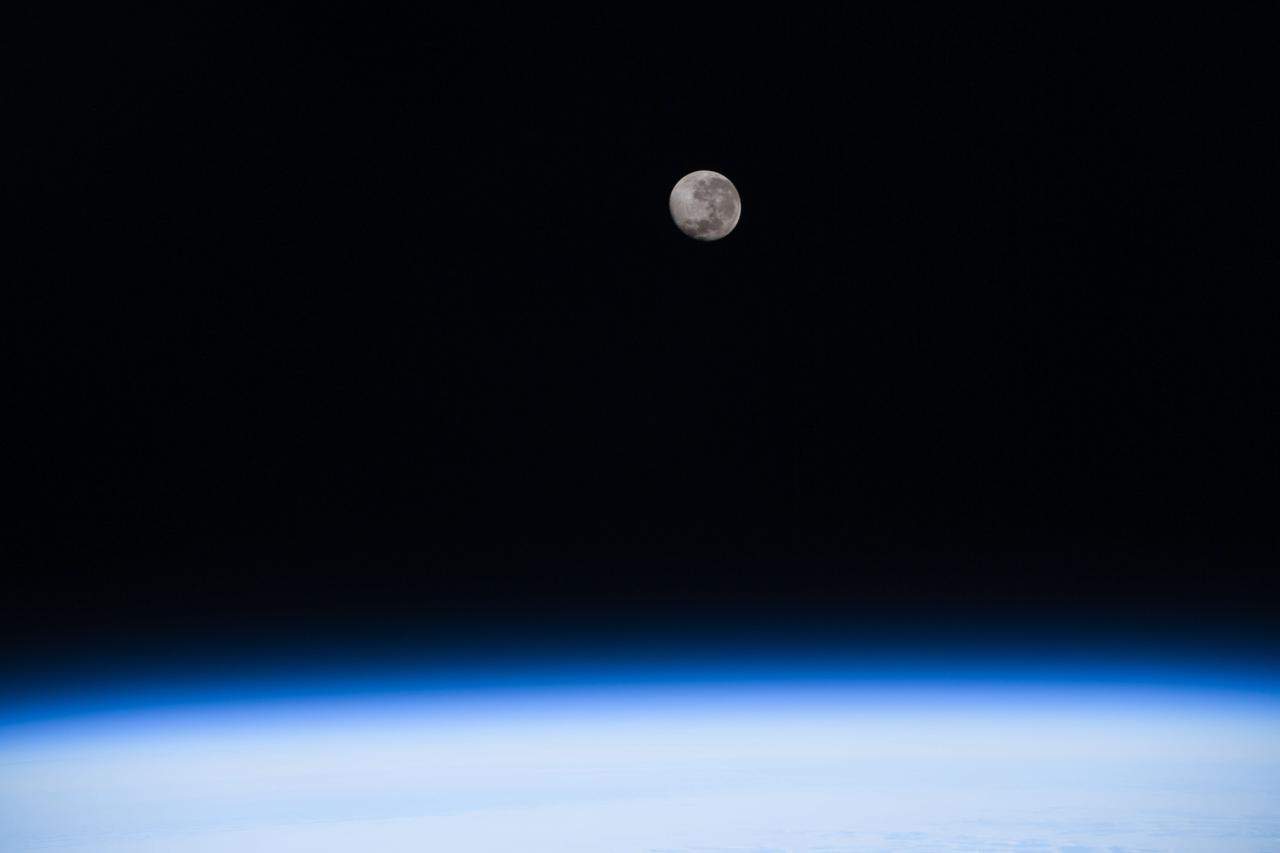
iss064e049348 (March 30, 2021) --- A waning gibbous Moon is pictured above the Earth's horizon as the International Space Station orbited 270 miles above the Atlantic Ocean off the coast of Argentina.
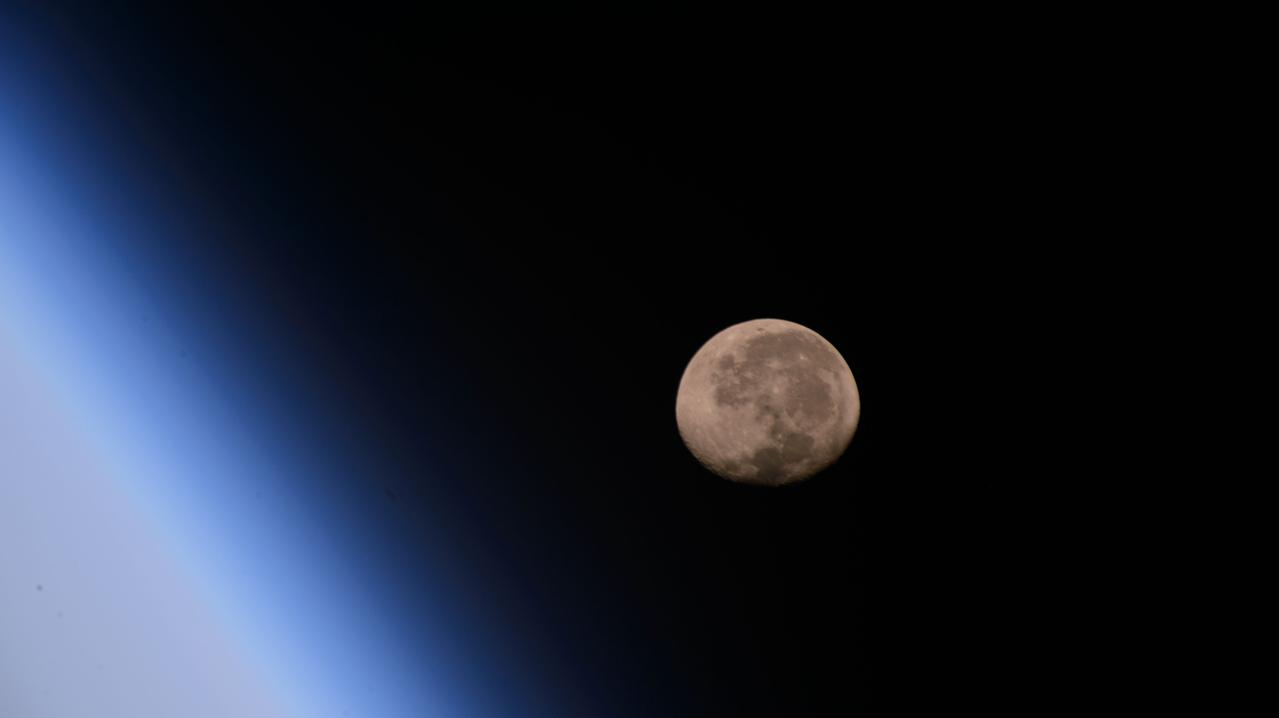
iss071e046090 (April 26, 2024) --- The waning gibbous Moon is pictured above Earth's horizon from the International Space Station as it orbited 258 miles above the Pacific Ocean northeast of Japan.
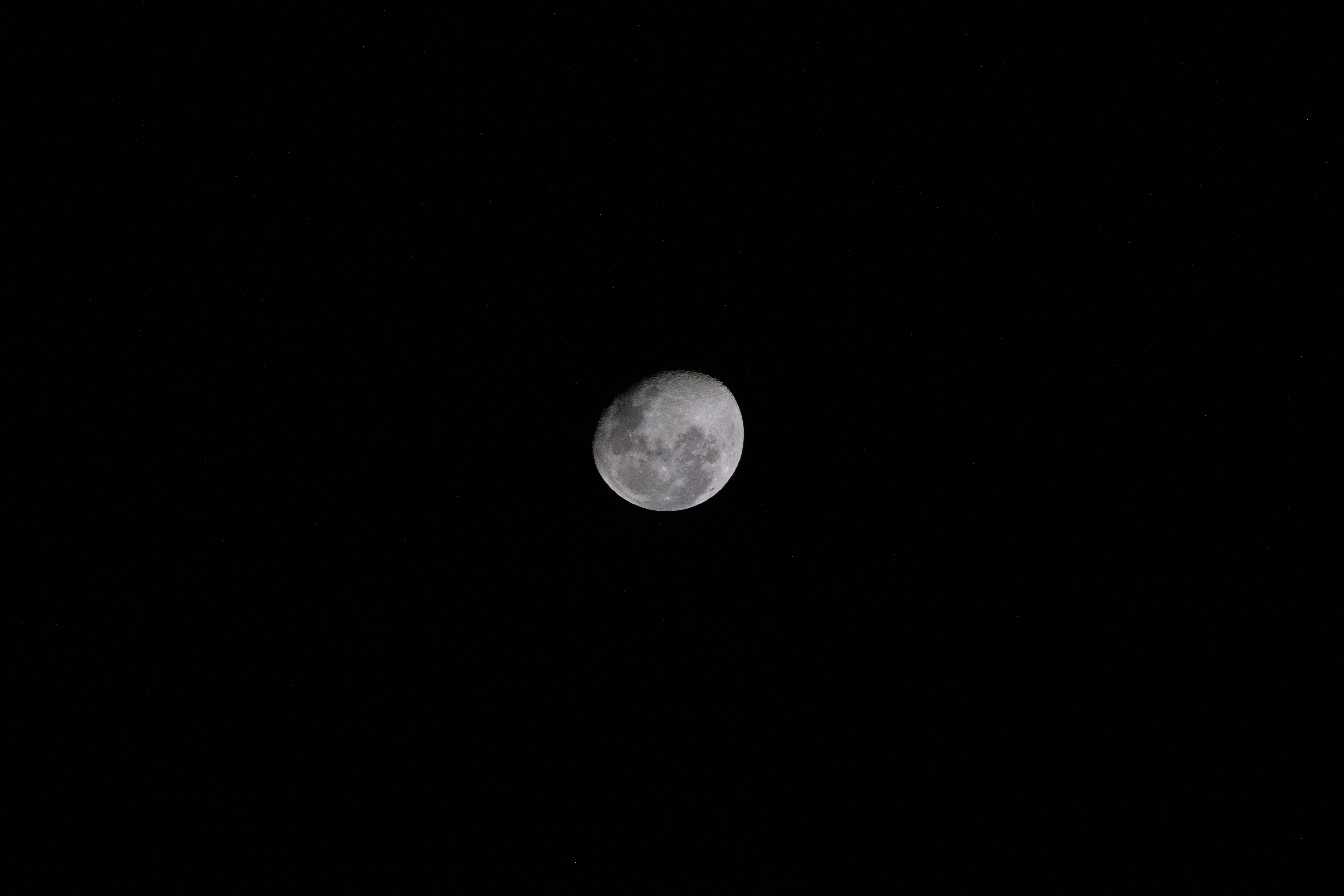
iss068e028629 (Dec. 11, 2022) --- The waning gibbous Moon is photographed from the International Space Station as it orbited 263 miles above the Indian Ocean off the coast of Western Australia.
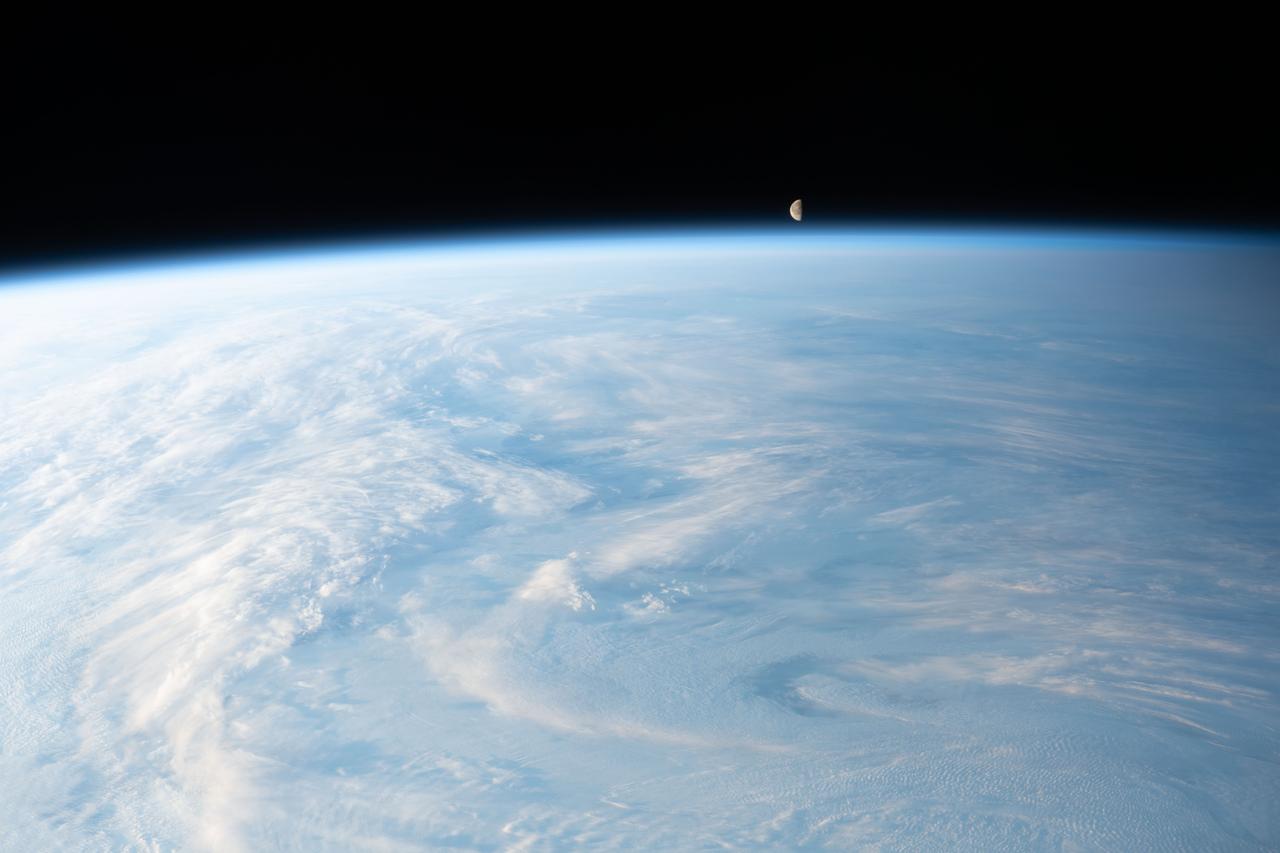
iss070e035253 (Dec. 4, 2023) --- The waning gibbous Moon is pictured just above Earth's horizon in this photograph from the International Space Station as it orbited 262 miles above a cloudy central Asia.

iss066e123392 (Jan. 21, 2022) --- The waning gibbous Moon is pictured above the Earth's horizon as the International Space Station orbited 272 miles above the Atlantic Ocean off the coast of southern Argentina.
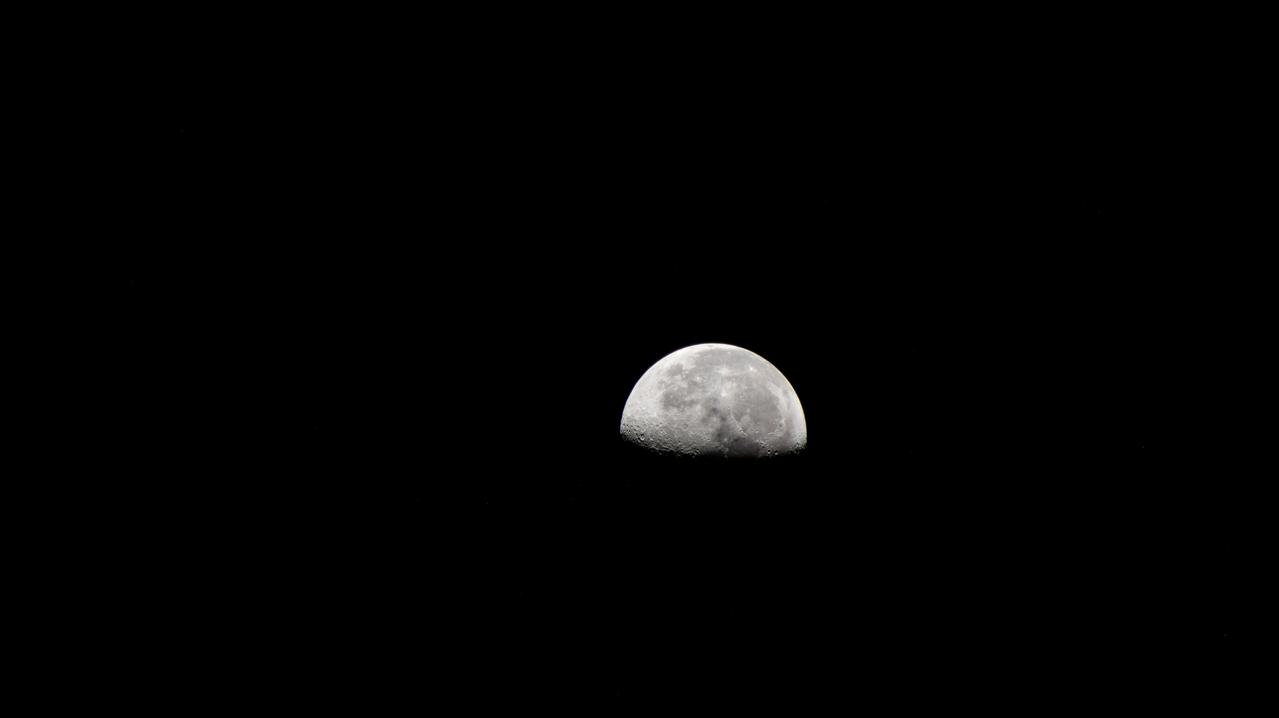
iss065e084929 (June 1, 2021) --- The waning gibbous Moon is pictured from the International Space Station as it orbited 263 miles above the Atlantic Ocean off the coast of Brazil.
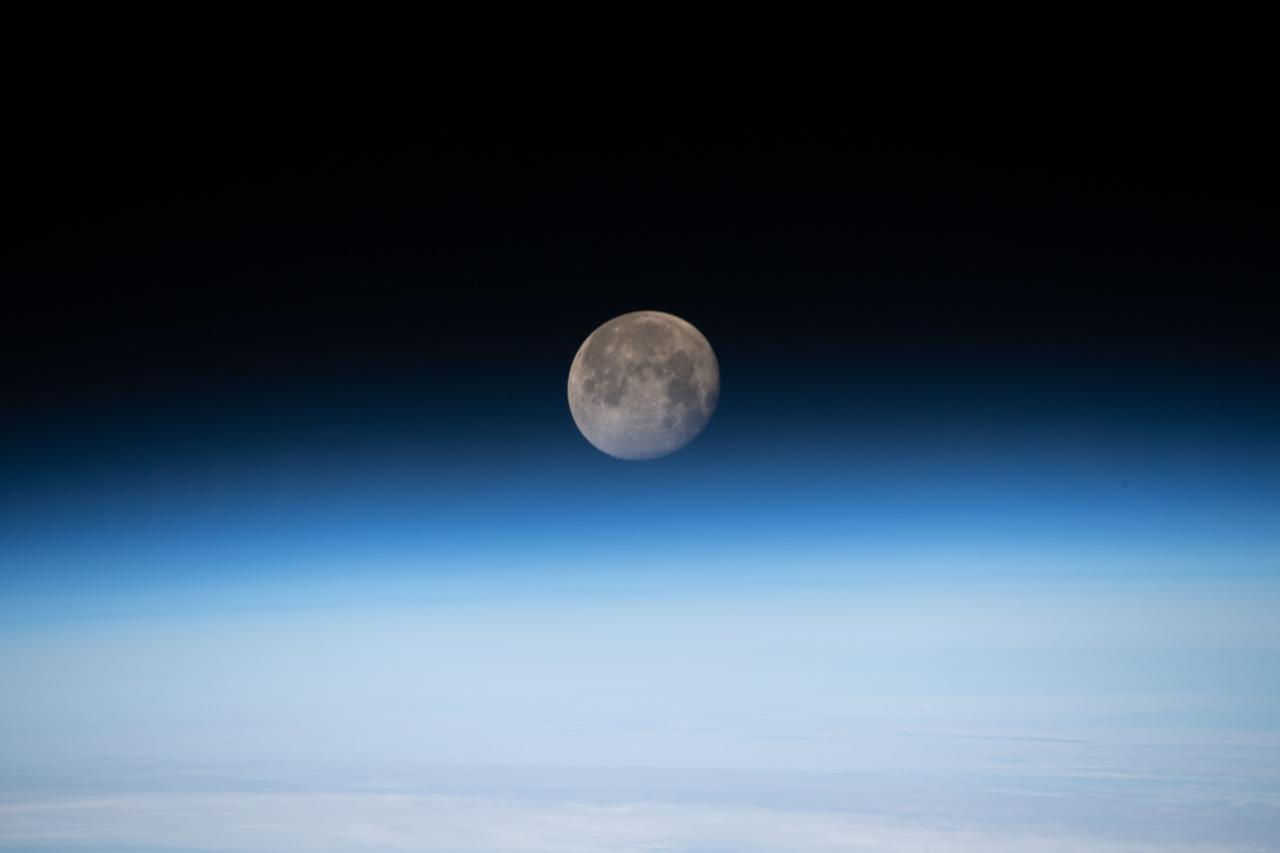
iss059e027725 (April 21, 2019) --- The moon is photographed in its waning gibbous phase just above the Earth's limb as the International Space Station orbited 258 miles above the North Atlantic Ocean just off the Canadian-American coast.
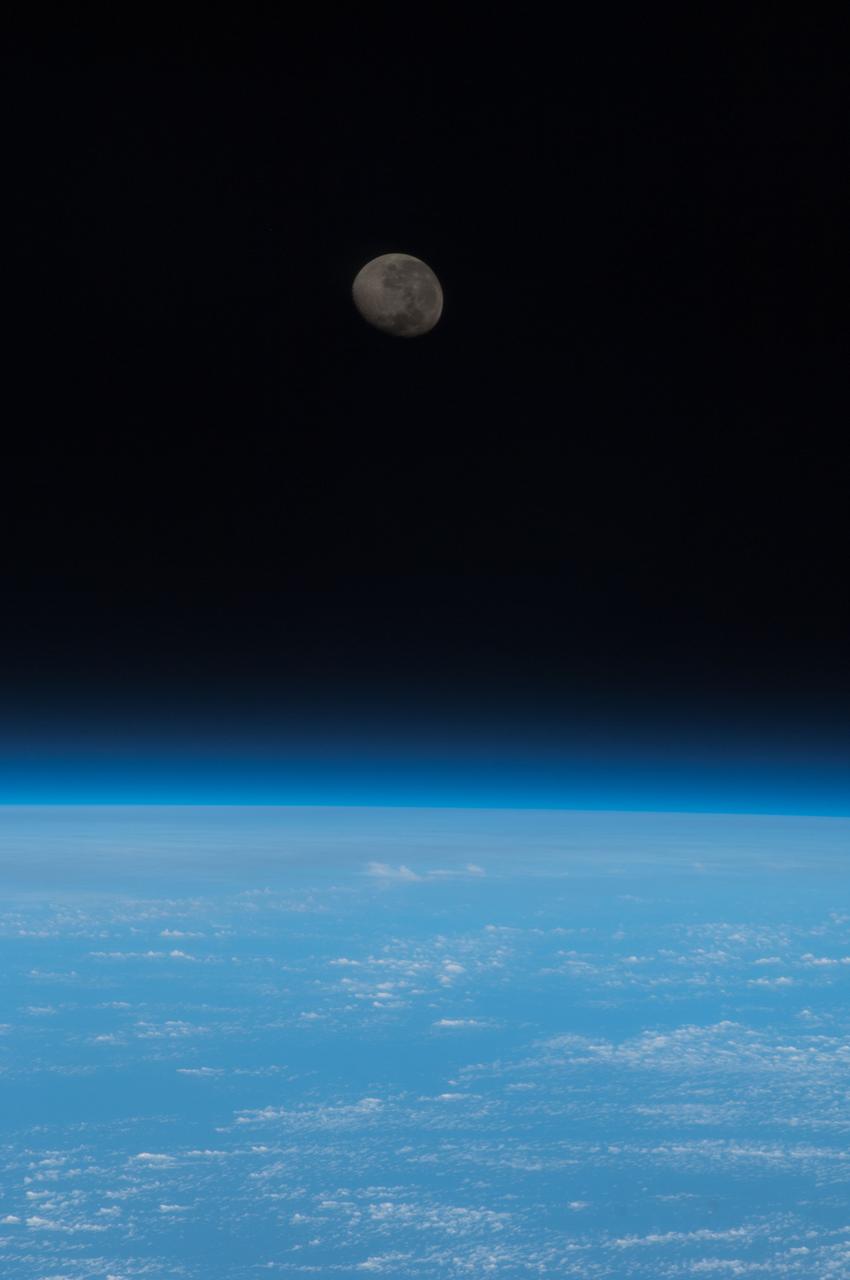
ISS036-E-012464 (26 June 2013) --- One of the Expedition 36 crew members aboard the Earth-orbiting International Space Station captured this image of a waning gibbous moon from a point 225 miles above a position on Earth located near the Equator and the Atlantic coast of northern Africa.
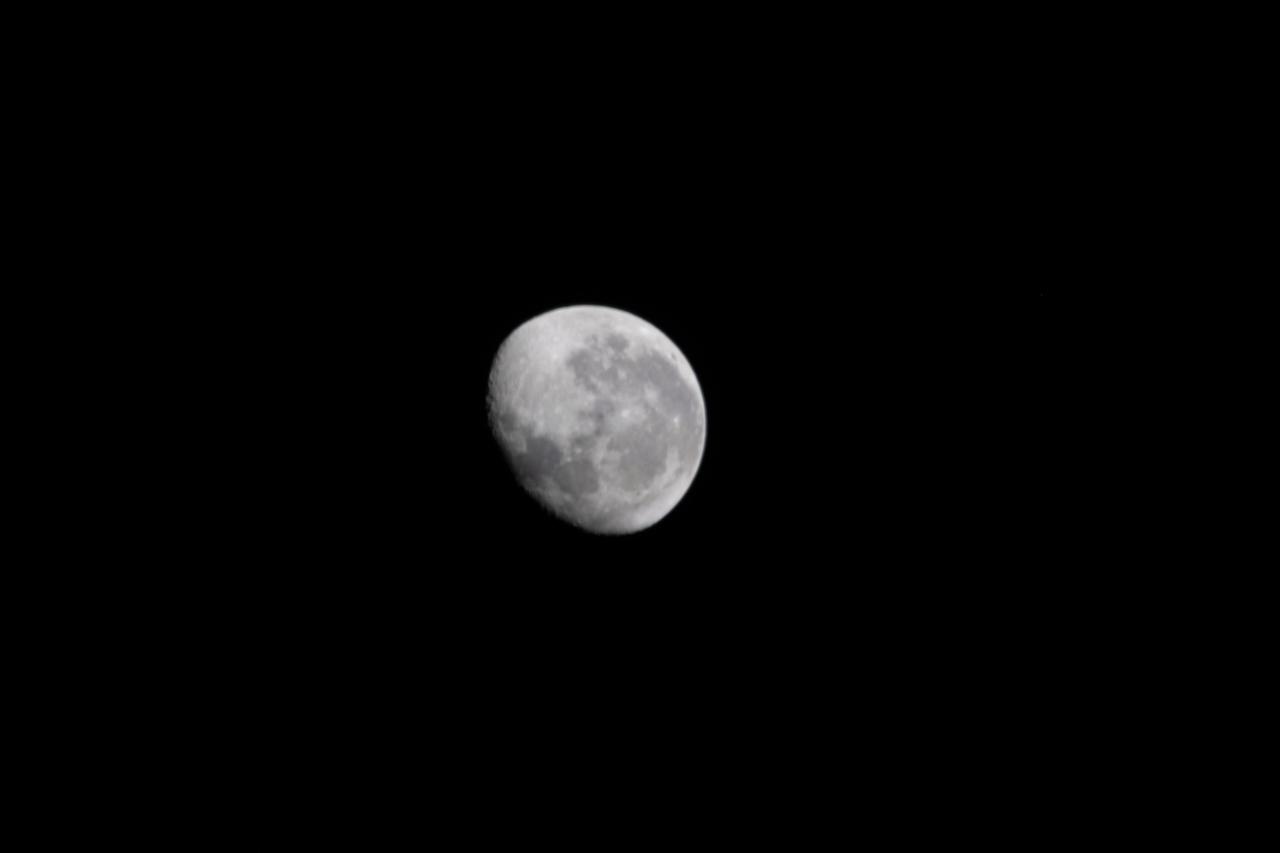
iss060e013617 (July 20, 2019) --- A waning gibbous Moon is pictured from the International Space Station on the 50th anniversary of NASA landing humans on the lunar surface for the first time. Three new Expedition 60 Flight Engineers, Drew Morgan of NASA, Luca Parmitano of the European Space Agency and Alexander Skvortsov of Roscosmos, were about to launch to the orbiting laboratory on this historic day.
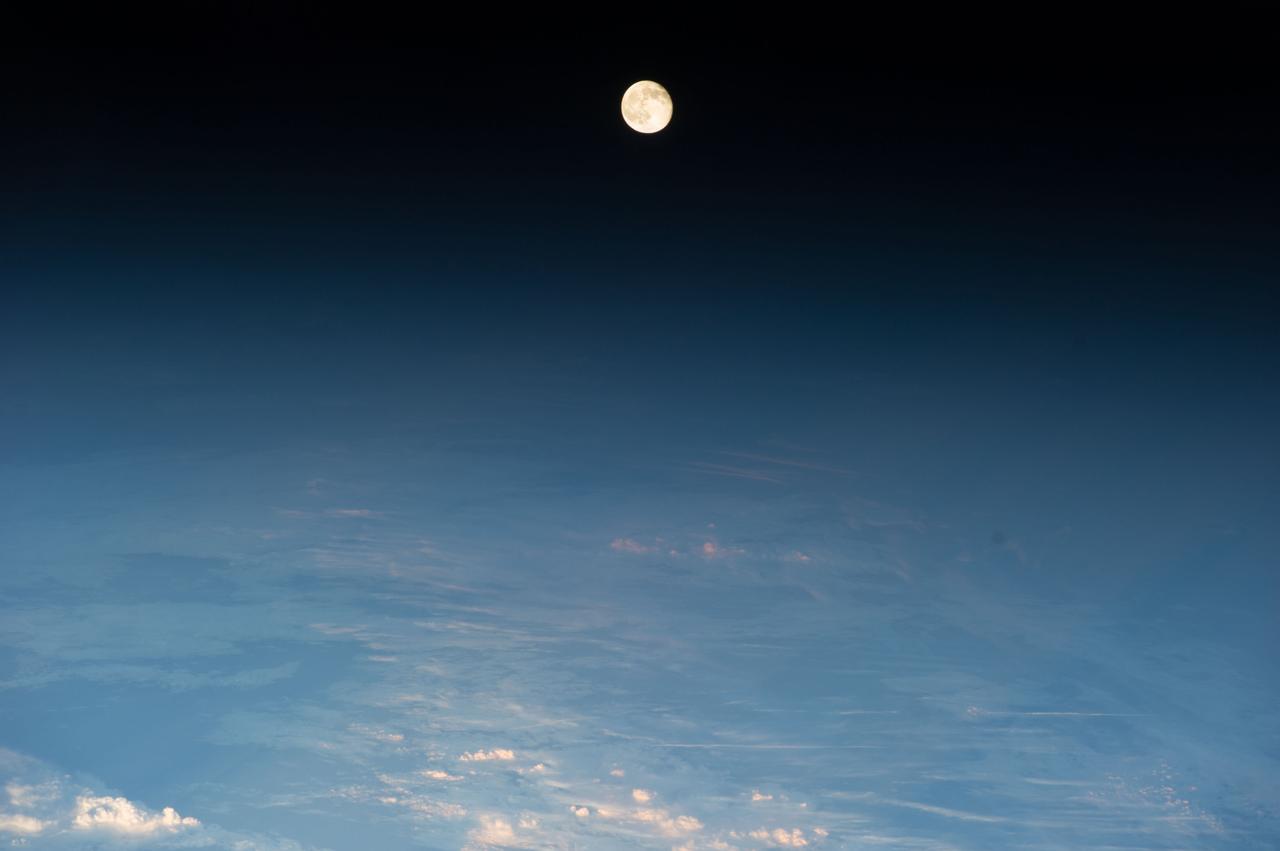
ISS040-E-012007 (14 June 2014) --- A waning gibbous moon is the central focus of this image taken by one of the Expedition 40 crew members aboard the Earth-orbiting International Space Station while the outpost was flying at an altitude of 219 nautical miles above eastern Europe. This image and the adjacent photograph (frame no. ISS04e012006) were taken only seconds apart but the moon appears larger in this frame because a 160mm focal length was used for this image and an 80mm lens was utilized for the other one.
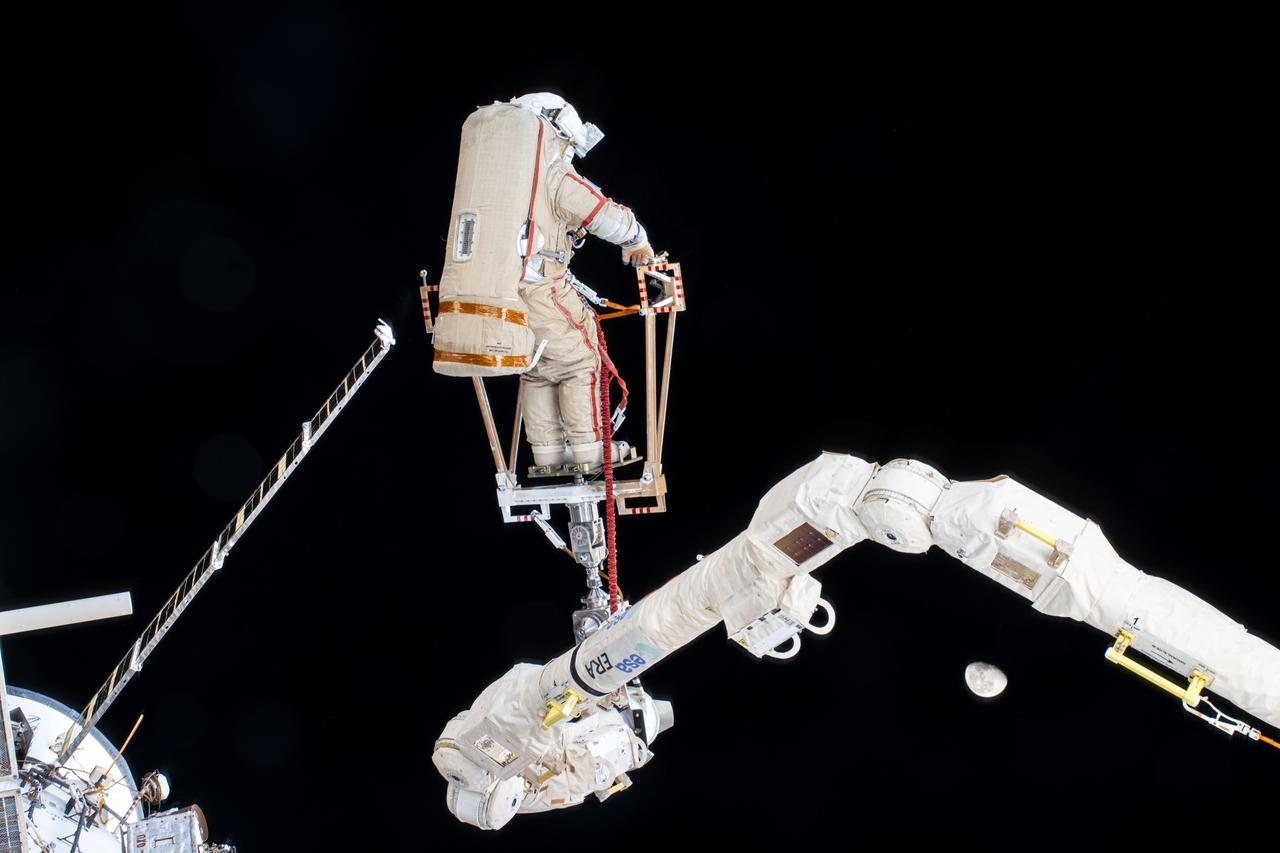
iss072e397366 (Dec. 19, 2024) --- Roscosmos cosmonaut and Expedition 72 Flight Engineer Alexey Ovchinin is maneuvered using the European robotic arm during a seven-hour and 17-minute spacewalk. He and fellow Flight Engineer Ivan Vagner (not pictured) partnered together in the vacuum of space on Dec.19 installing a celestial X-ray experiment and removng other scientific hardware on the exterior of the International Space Station. The waning gibbous Moon is at lower right as the orbital outpost soared 262 miles above the Pacific Ocean.

ISS034-E-035548 (28 Jan. 2013) --- A nighttime view of the Reno, Nevada metropolitan area is featured in this image photographed by an Expedition 34 crew member on the International Space Station. Known as ?the biggest little city in the world?, the city of Reno is located in Truckee Meadows along the eastern foothills of the Sierra Nevada near the California border. It forms part of the Reno-Sparks metropolitan area?the largest such area in northern Nevada, and the second largest in the state after Las Vegas. Lake Tahoe, a major destination for skiing and other outdoor recreational activities, is located less than 50 kilometers to the southwest of the Reno-Sparks metro area. The relatively isolated nature of the metropolitan area within the surrounding terrain is highlighted in this nighttime image. The major industrial and commercial areas of both Reno and Sparks are brightly lit at center. The major street grid is visible as orange linear features adjacent to the industrial/commercial areas. Residential areas appear dark in contrast. The Reno-Tahoe International Airport (center) is visible as a dark, dagger-shaped region in the southeast quarter of the metropolitan area. At the time this photograph was taken, the moon was in a waning gibbous phase (98 percent of a full moon). Moonlight provided enough illumination of the ground surface such that the topography, accentuated by snow cover, surrounding the Reno-Sparks area is clearly visible (upper right, lower right) following color enhancement.