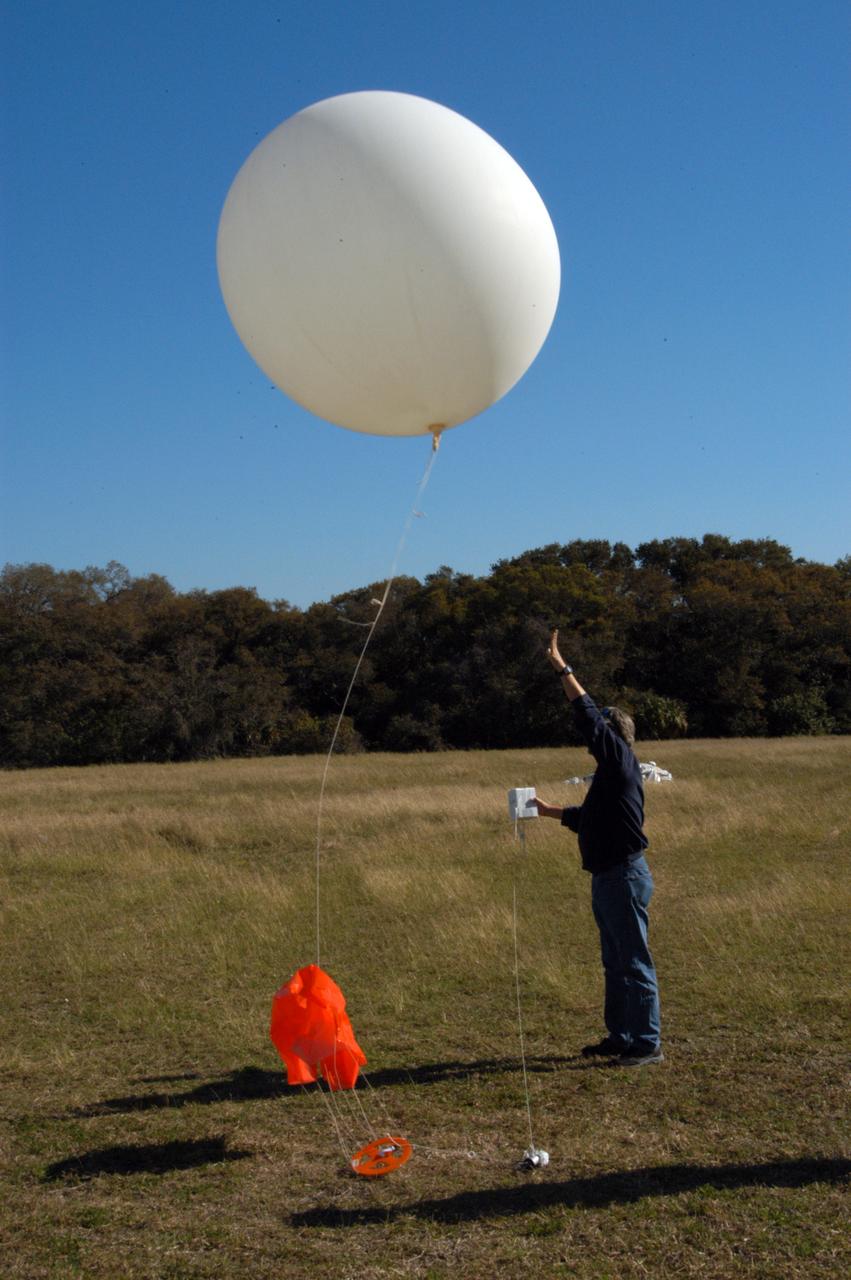
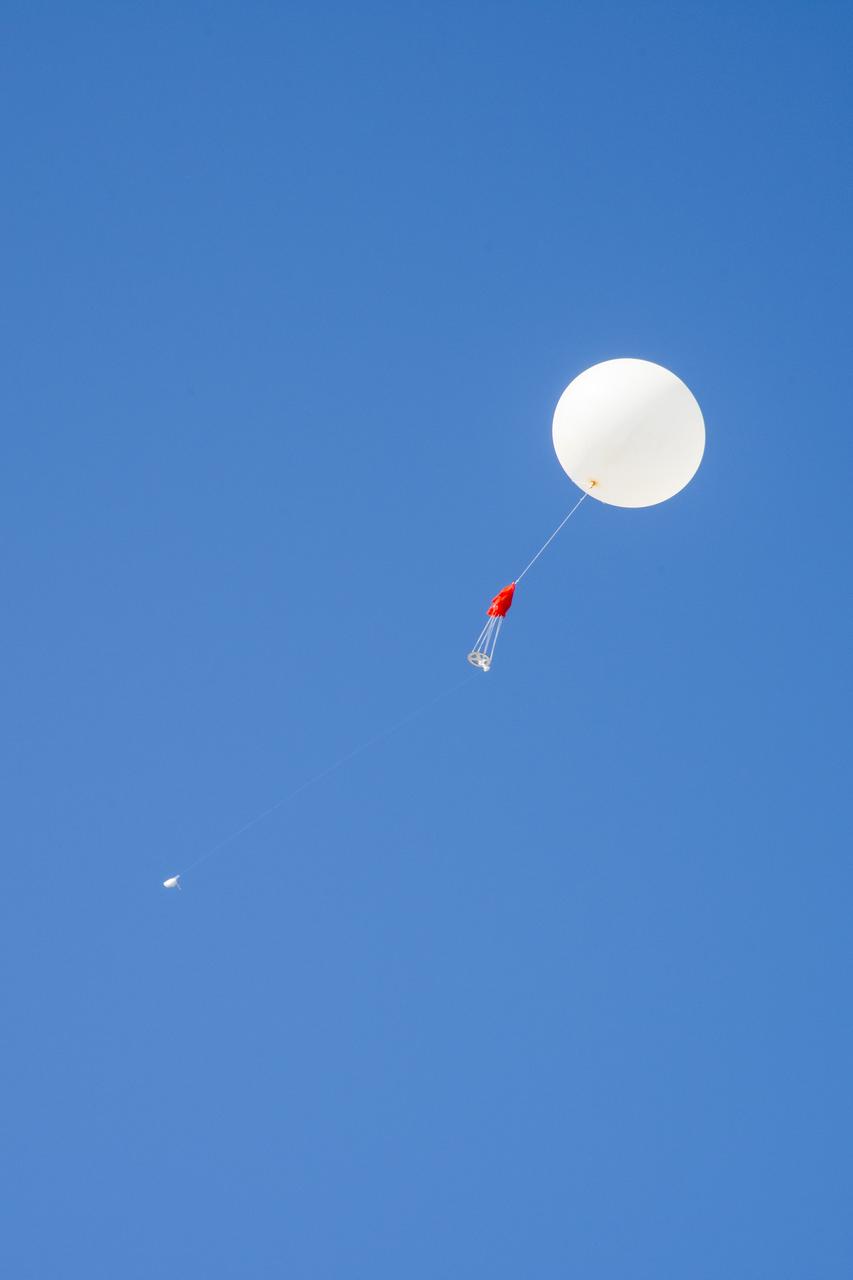
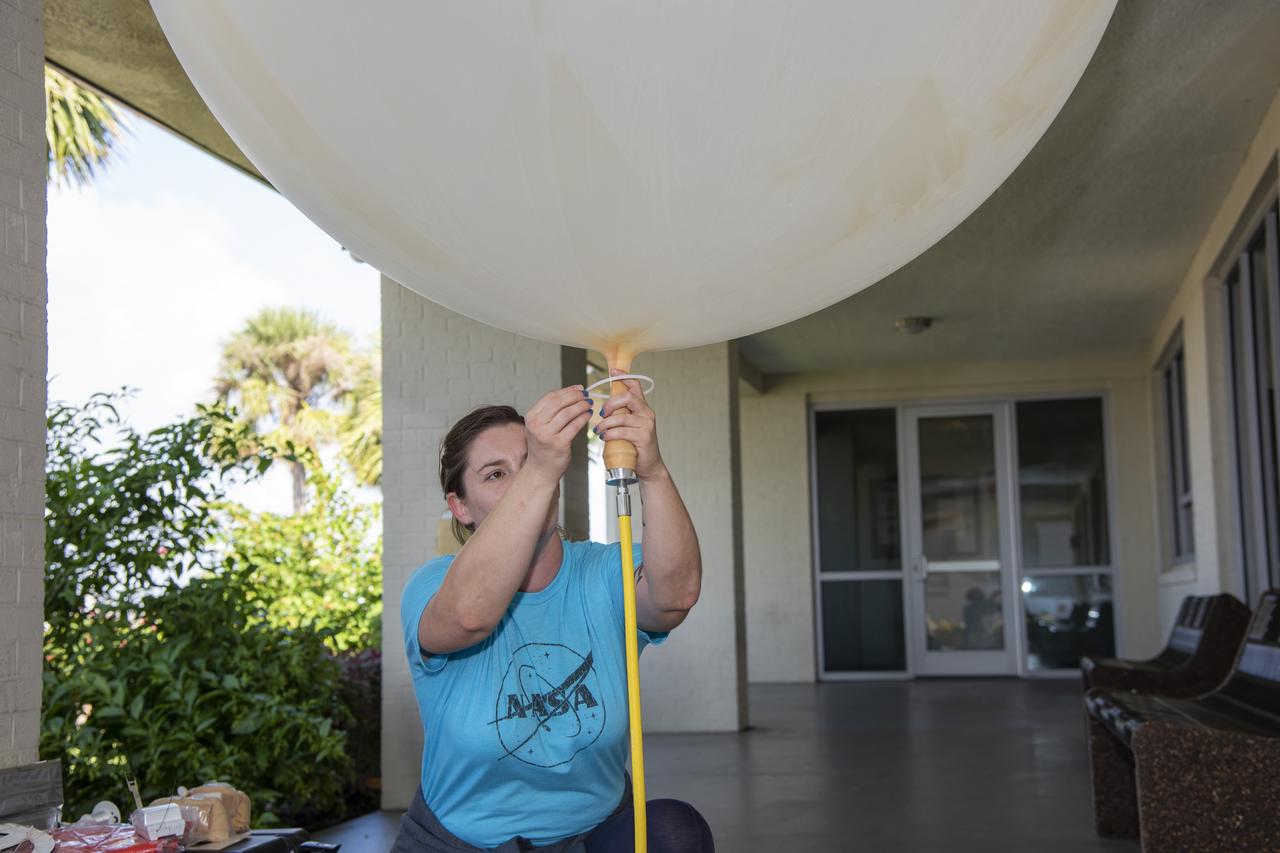
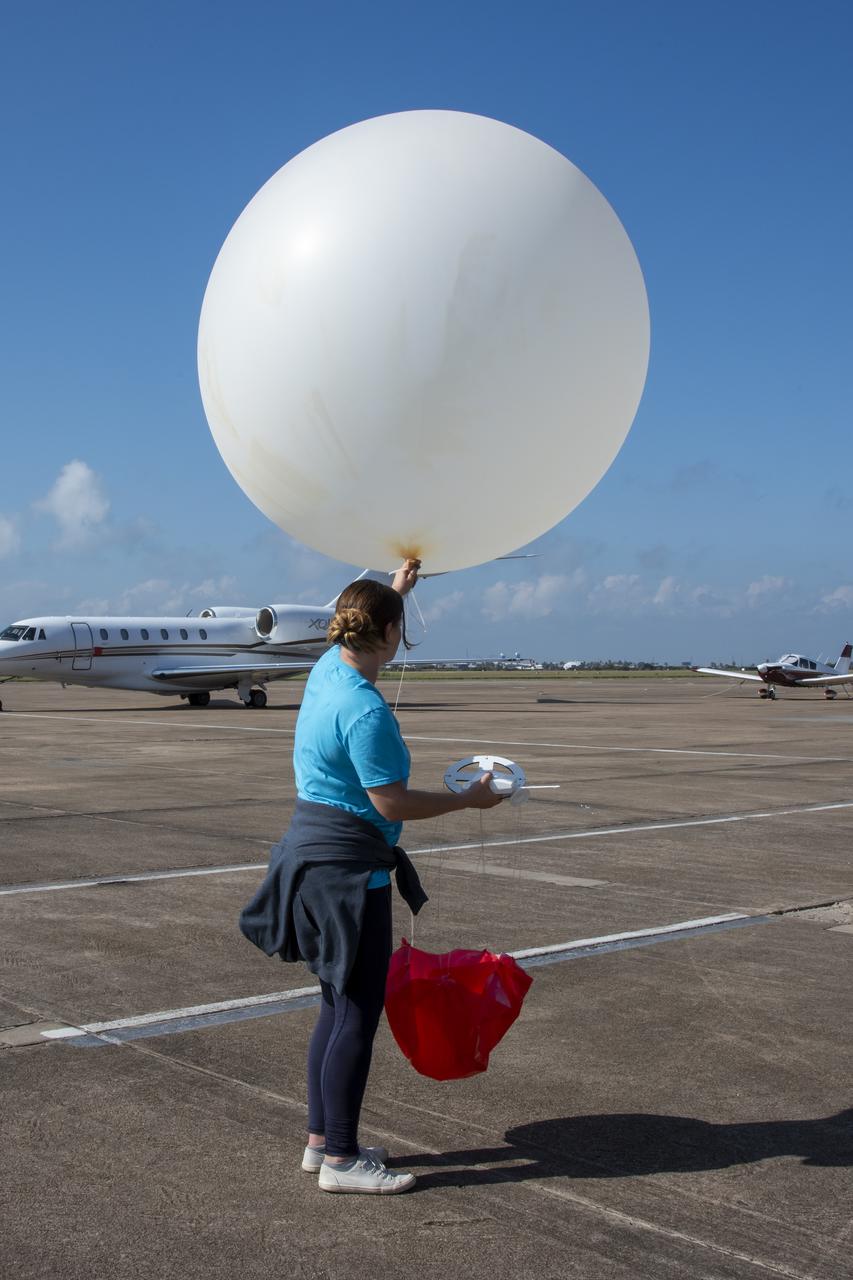
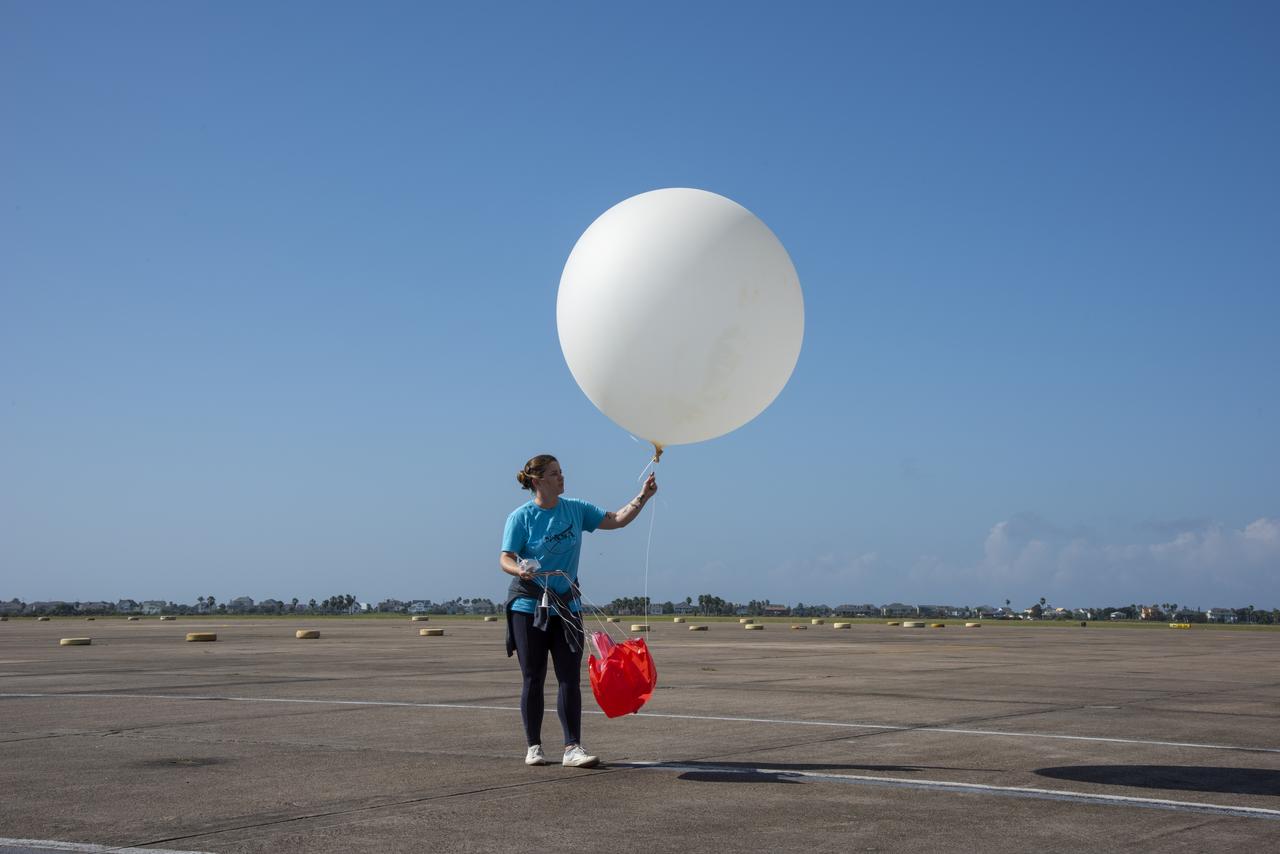
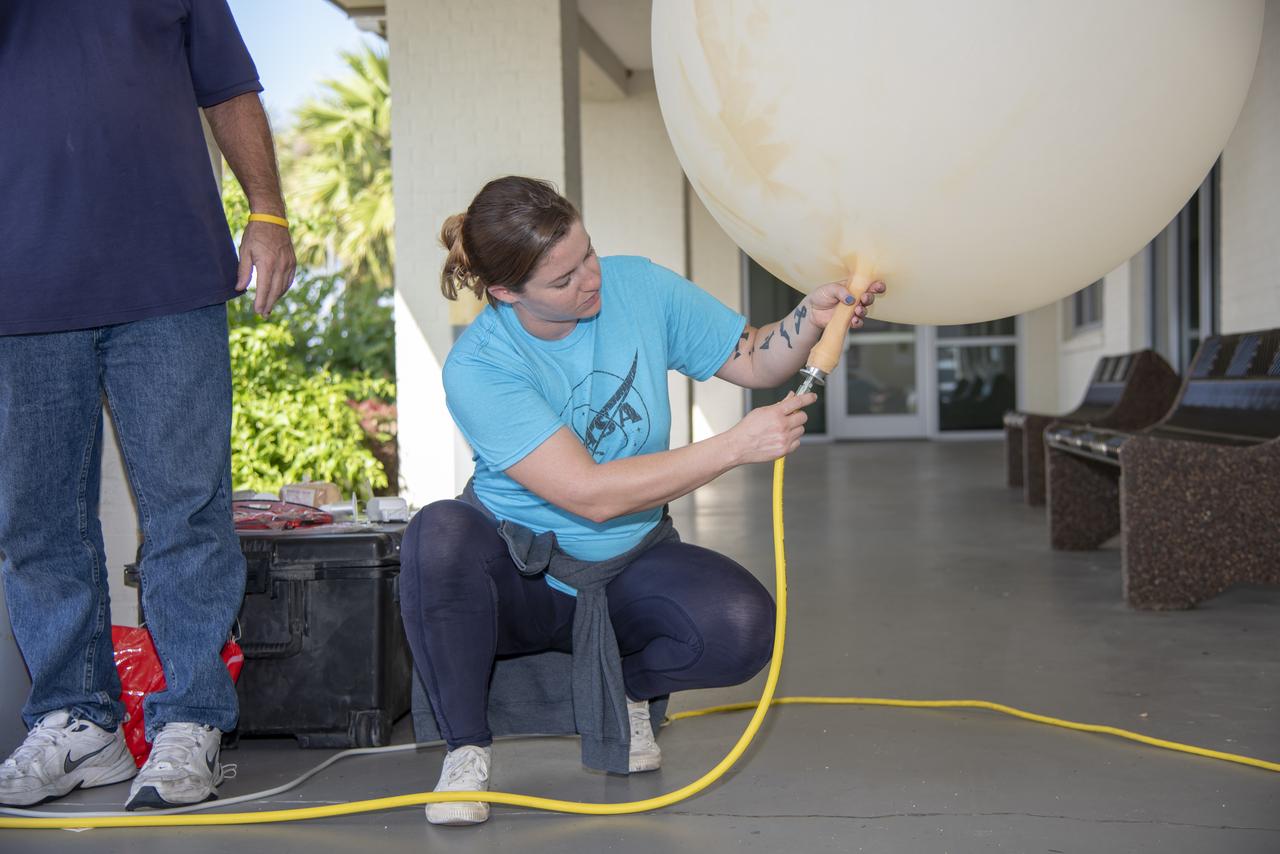
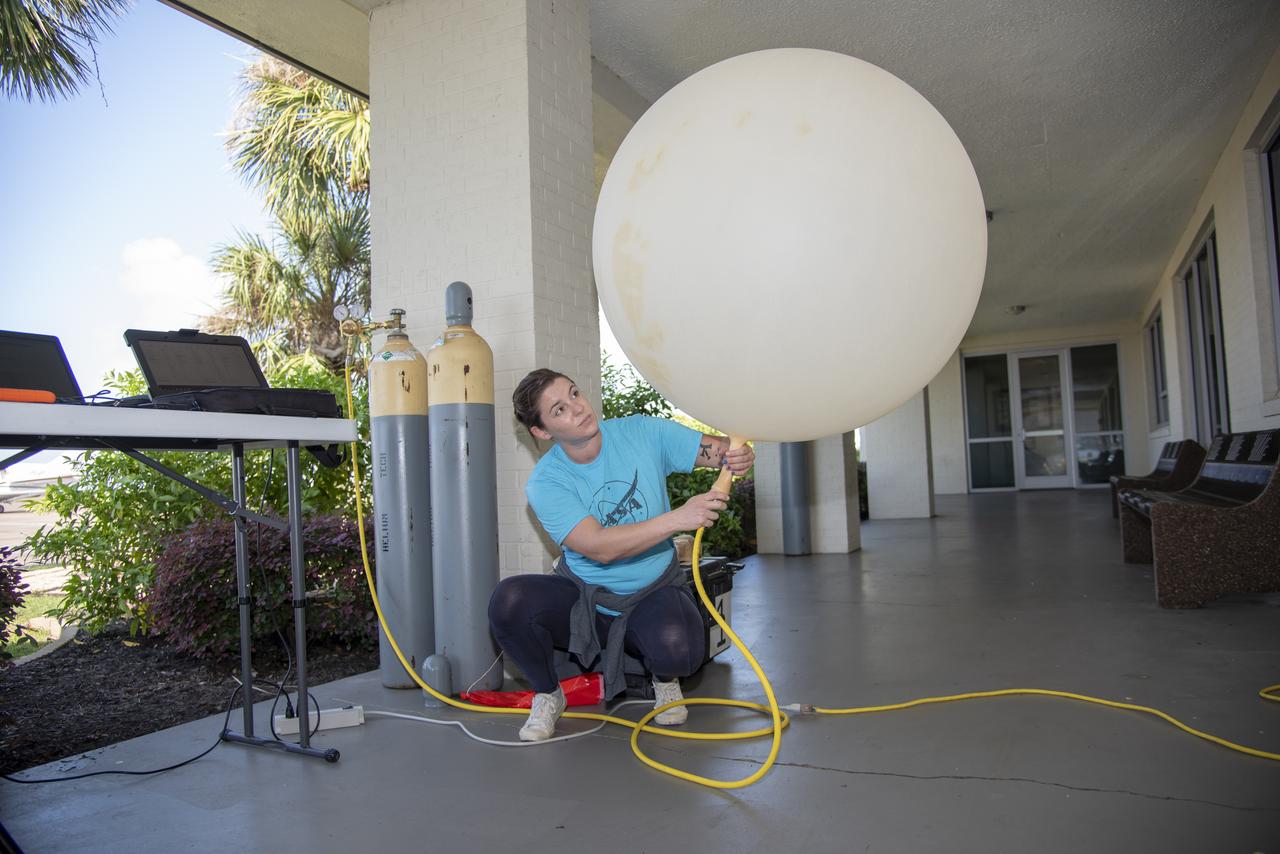
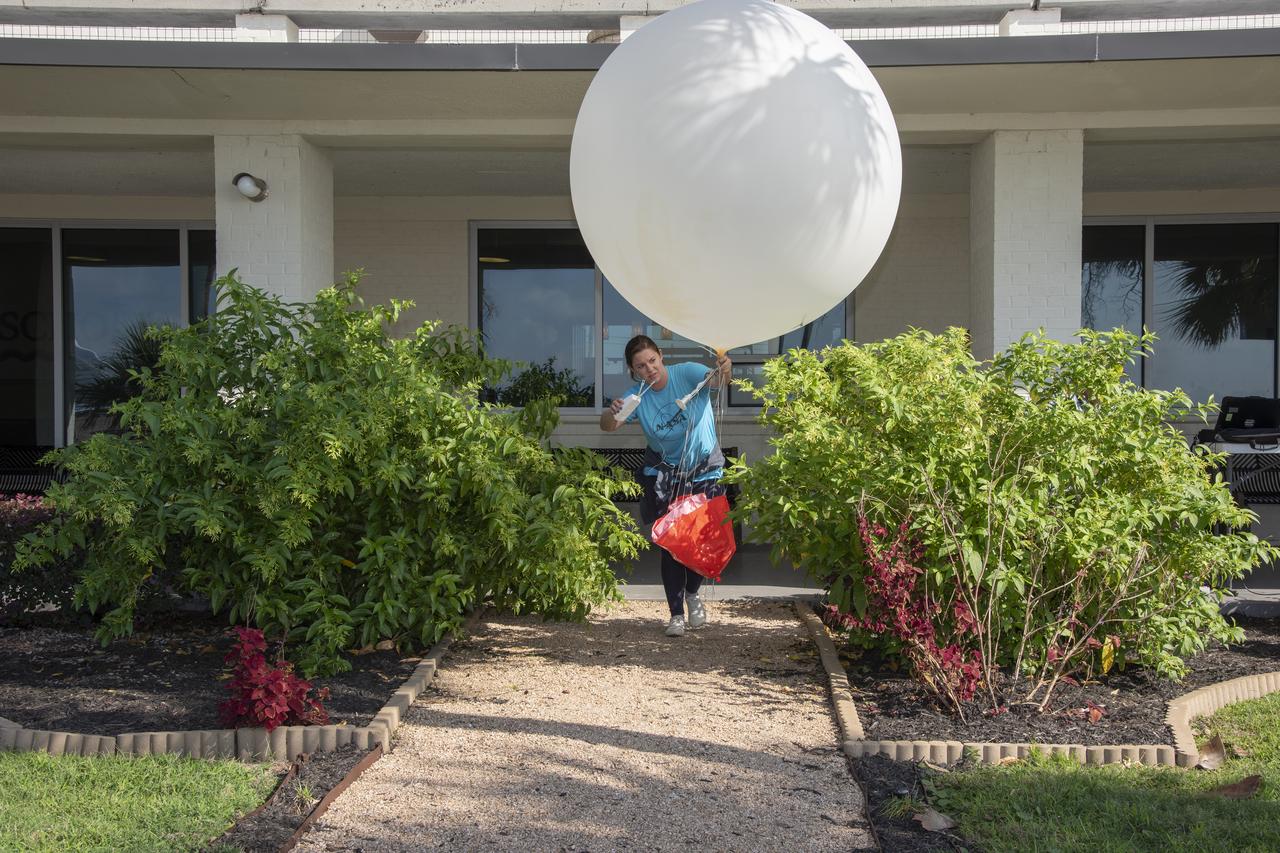
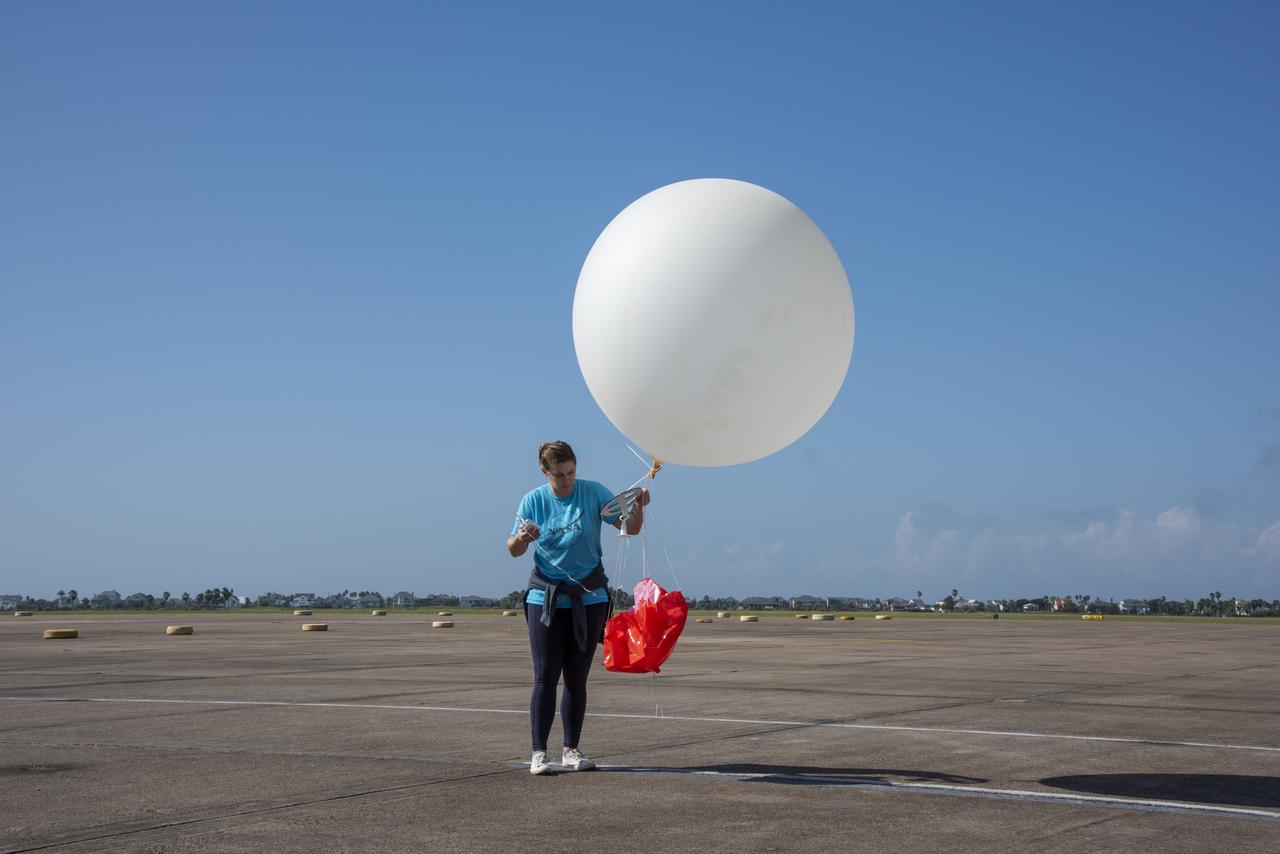
A worker releases a weather balloon at the Cape Canaveral Air Force Station weather station. The balloon is equipped with a radiosonde, an instrument that transmits measurements on atmospheric pressure, humidity, temperature and winds as it ascends. The data will be used to determine if conditions are acceptable for the launch of NASA's THEMIS mission. THEMIS, an acronym for Time History of Events and Macroscale Interactions during Substorms, consists of five identical probes that will track violent, colorful eruptions near the North Pole. This will be the largest number of scientific satellites NASA has ever launched into orbit aboard a single rocket. The THEMIS mission aims to unravel the mystery behind auroral substorms, an avalanche of magnetic energy powered by the solar wind that intensifies the northern and southern lights. The mission will investigate what causes auroras in the Earth’s atmosphere to dramatically change from slowly shimmering waves of light to wildly shifting streaks of bright color. Launch is planned from Pad 17-B in a window that extends from 6:01 to 6:19 p.m. EST.
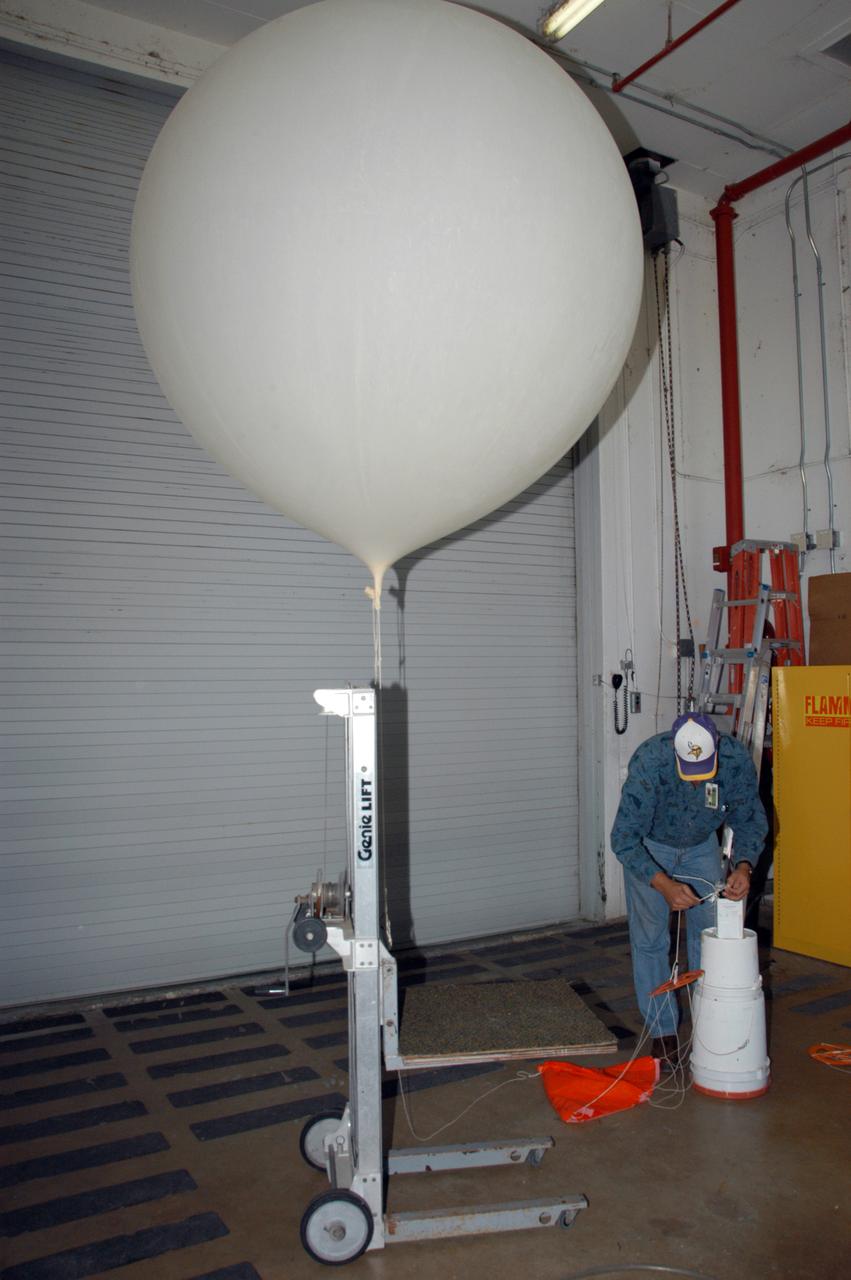
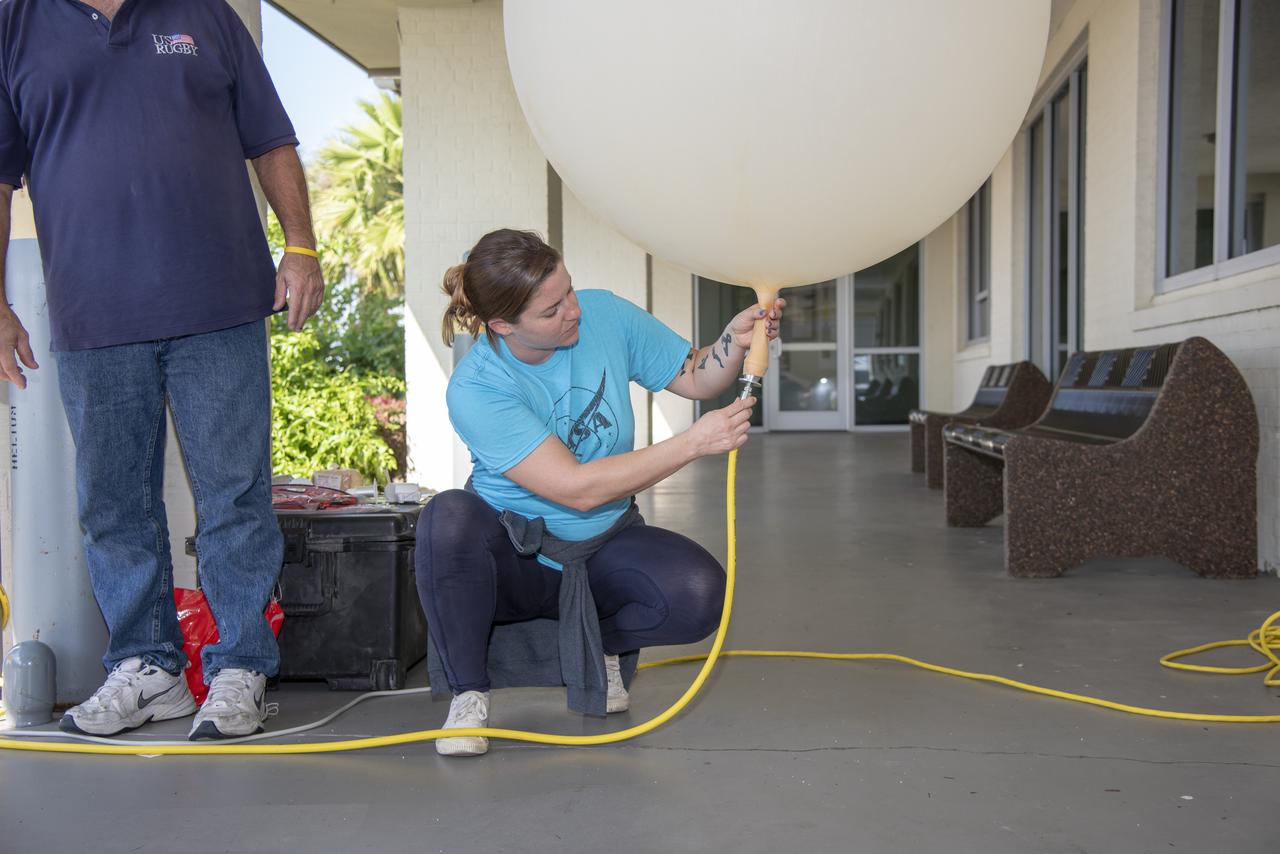
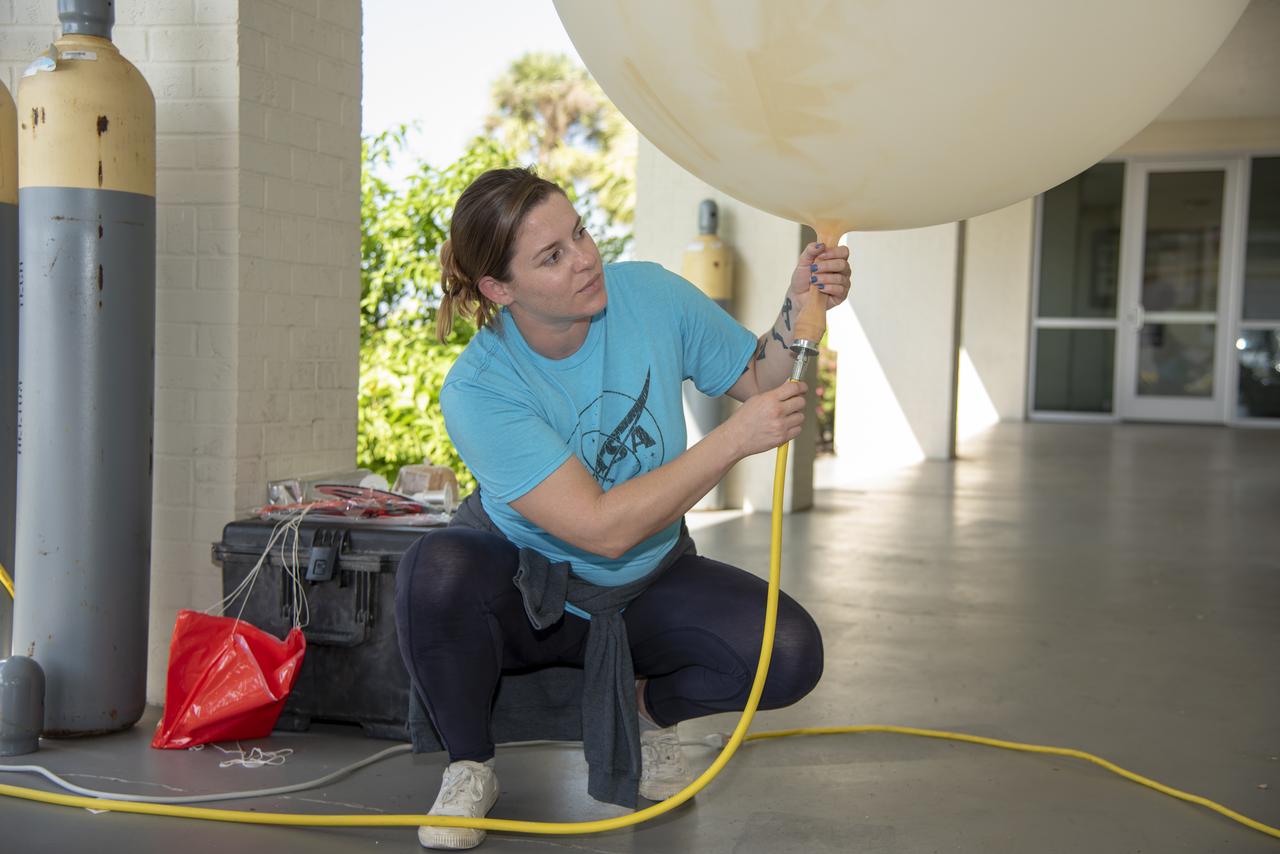
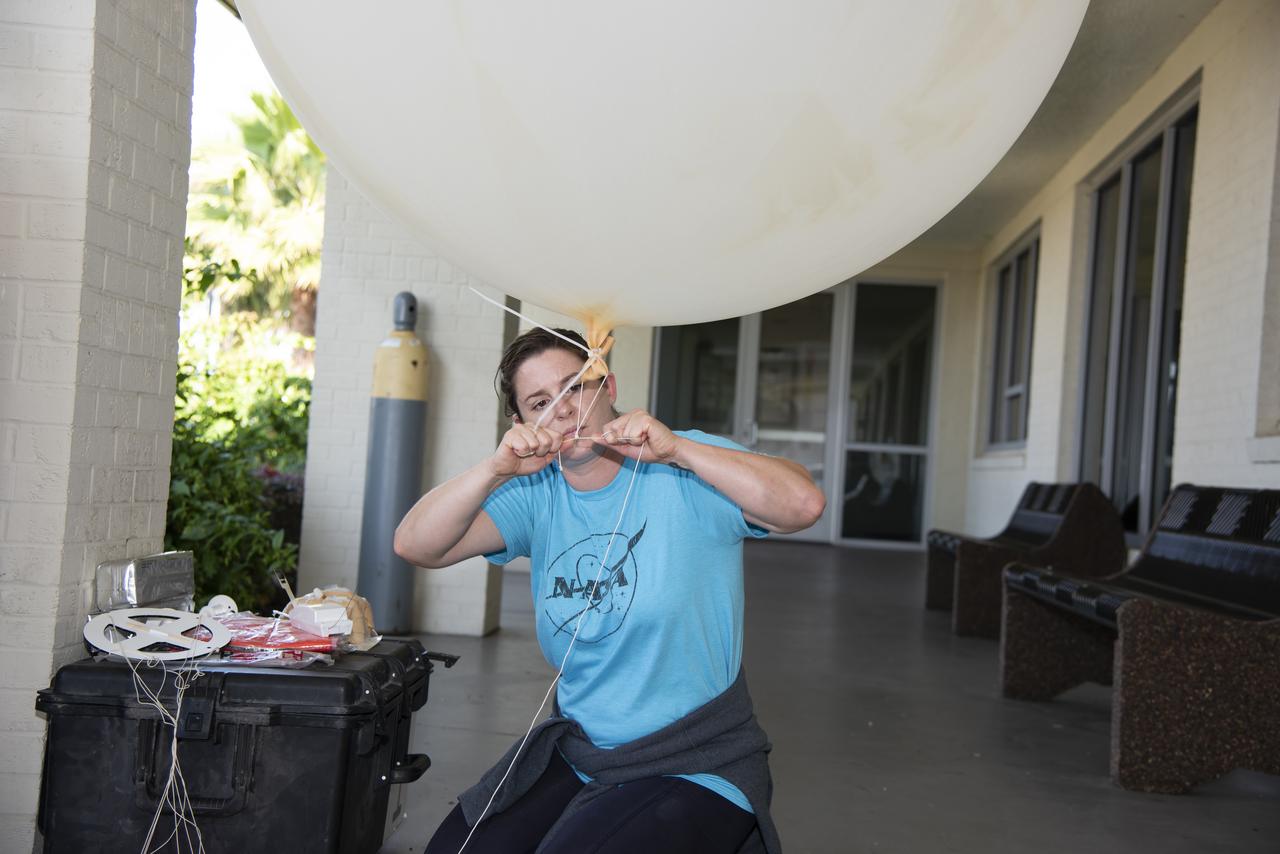
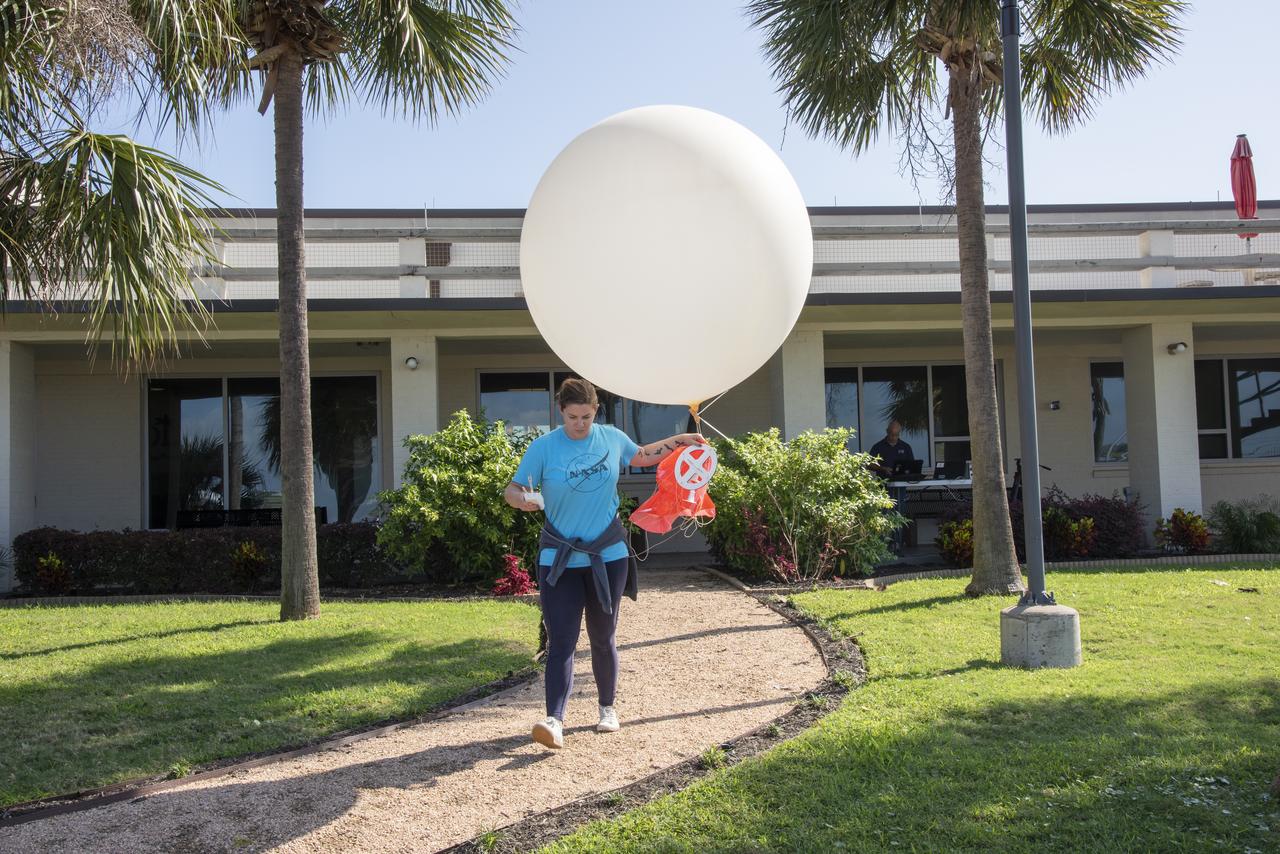
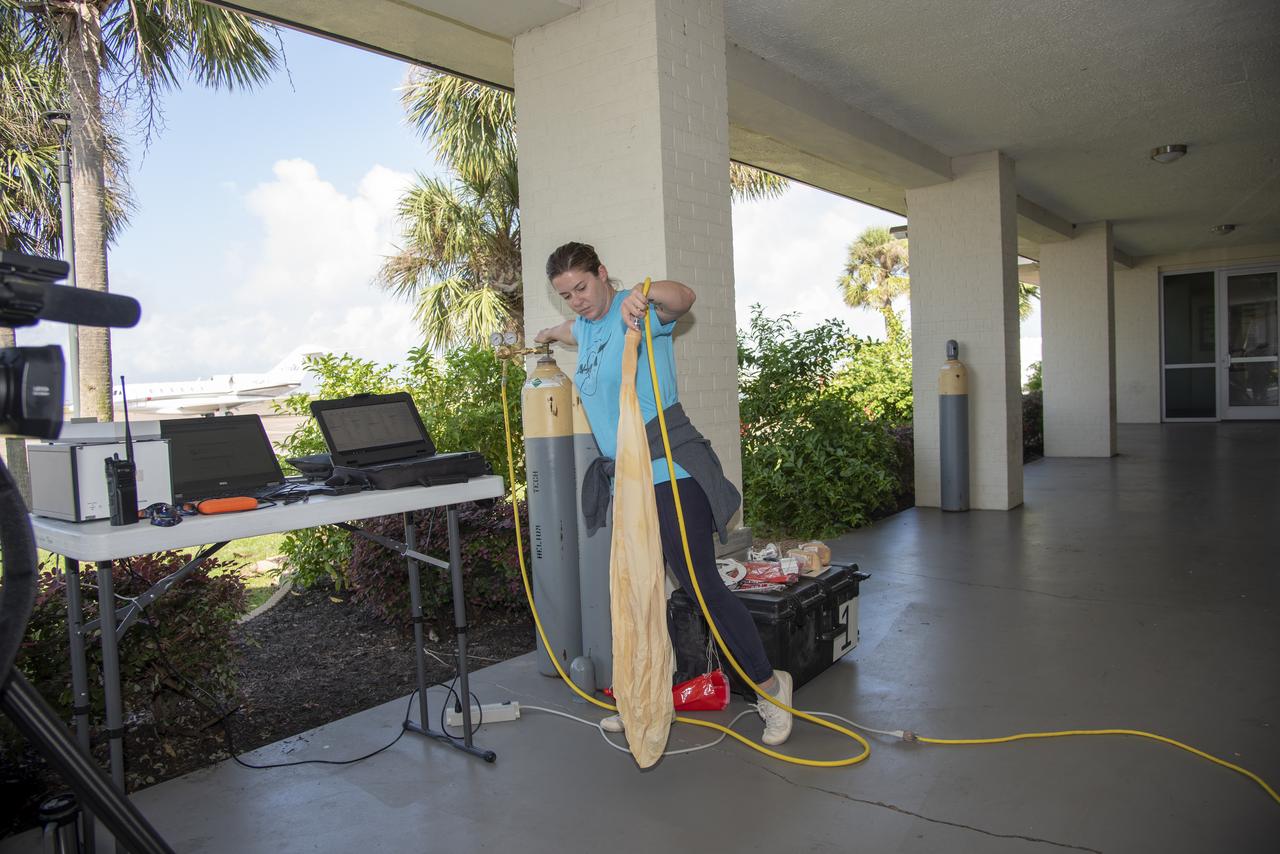
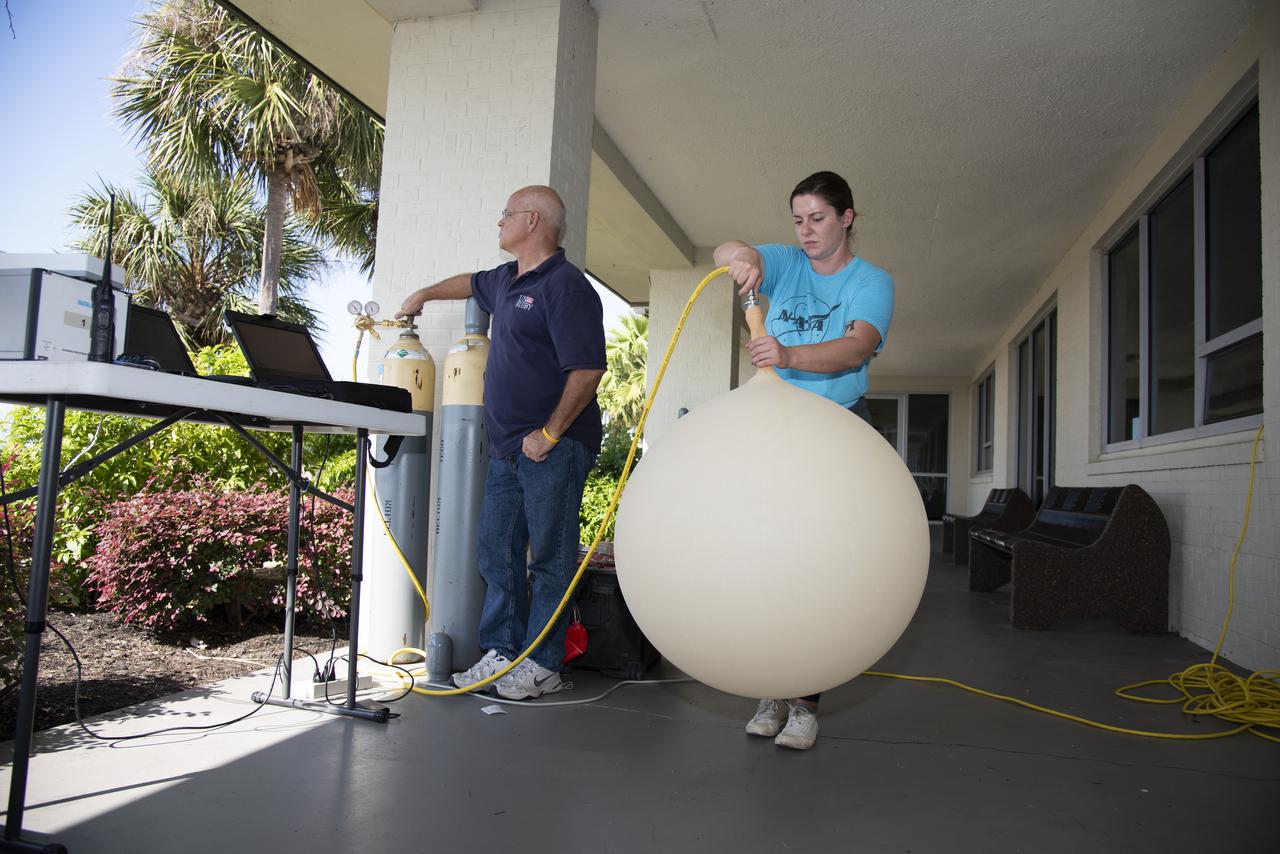
A weather balloon is prepared for release at the Cape Canaveral Air Force Station weather station. The balloon is equipped with a radiosonde, an instrument that transmits measurements on atmospheric pressure, humidity, temperature and winds as it ascends. The data will be used to determine if conditions are acceptable for the launch of NASA's THEMIS mission. THEMIS, an acronym for Time History of Events and Macroscale Interactions during Substorms, consists of five identical probes that will track violent, colorful eruptions near the North Pole. This will be the largest number of scientific satellites NASA has ever launched into orbit aboard a single rocket. The THEMIS mission aims to unravel the mystery behind auroral substorms, an avalanche of magnetic energy powered by the solar wind that intensifies the northern and southern lights. The mission will investigate what causes auroras in the Earth’s atmosphere to dramatically change from slowly shimmering waves of light to wildly shifting streaks of bright color. Launch is planned from Pad 17-B in a window that extends from 6:01 to 6:19 p.m. EST.
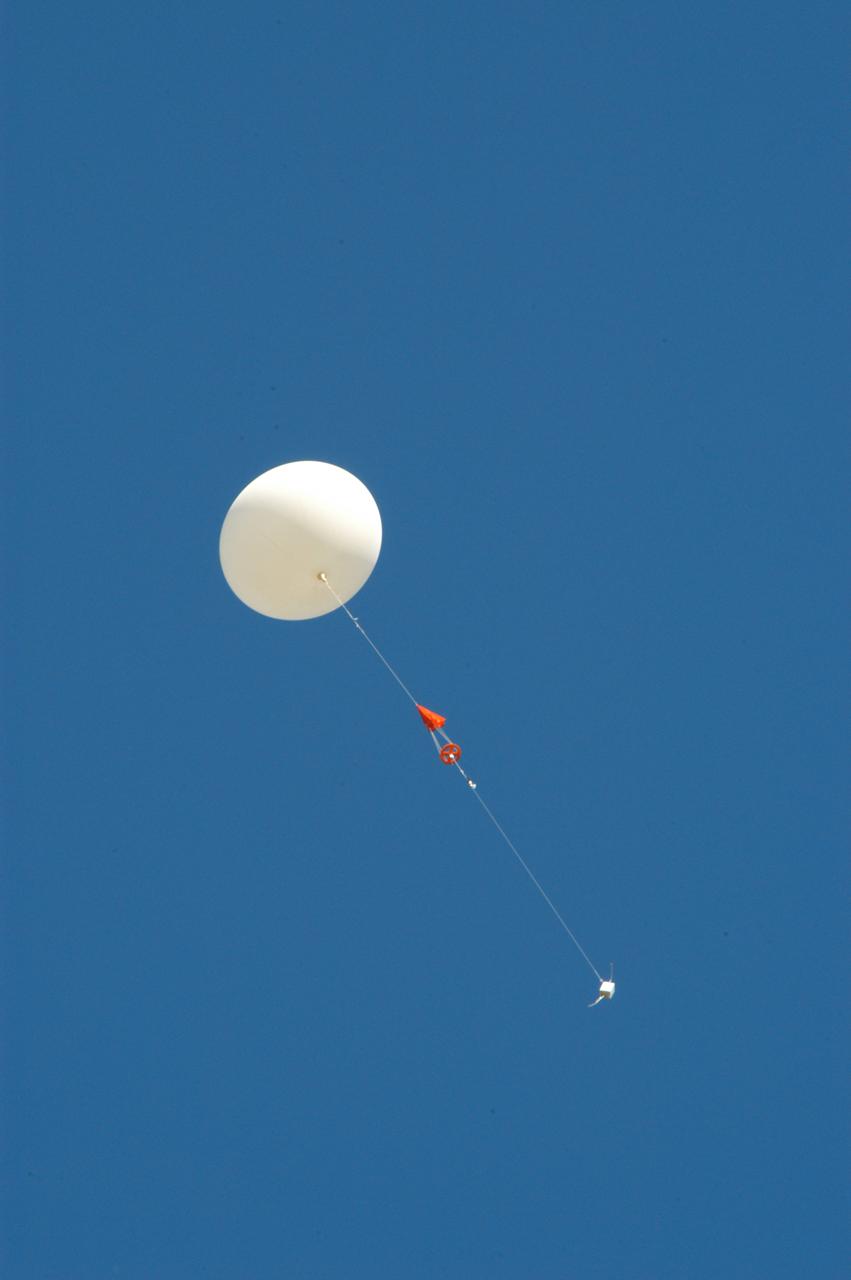
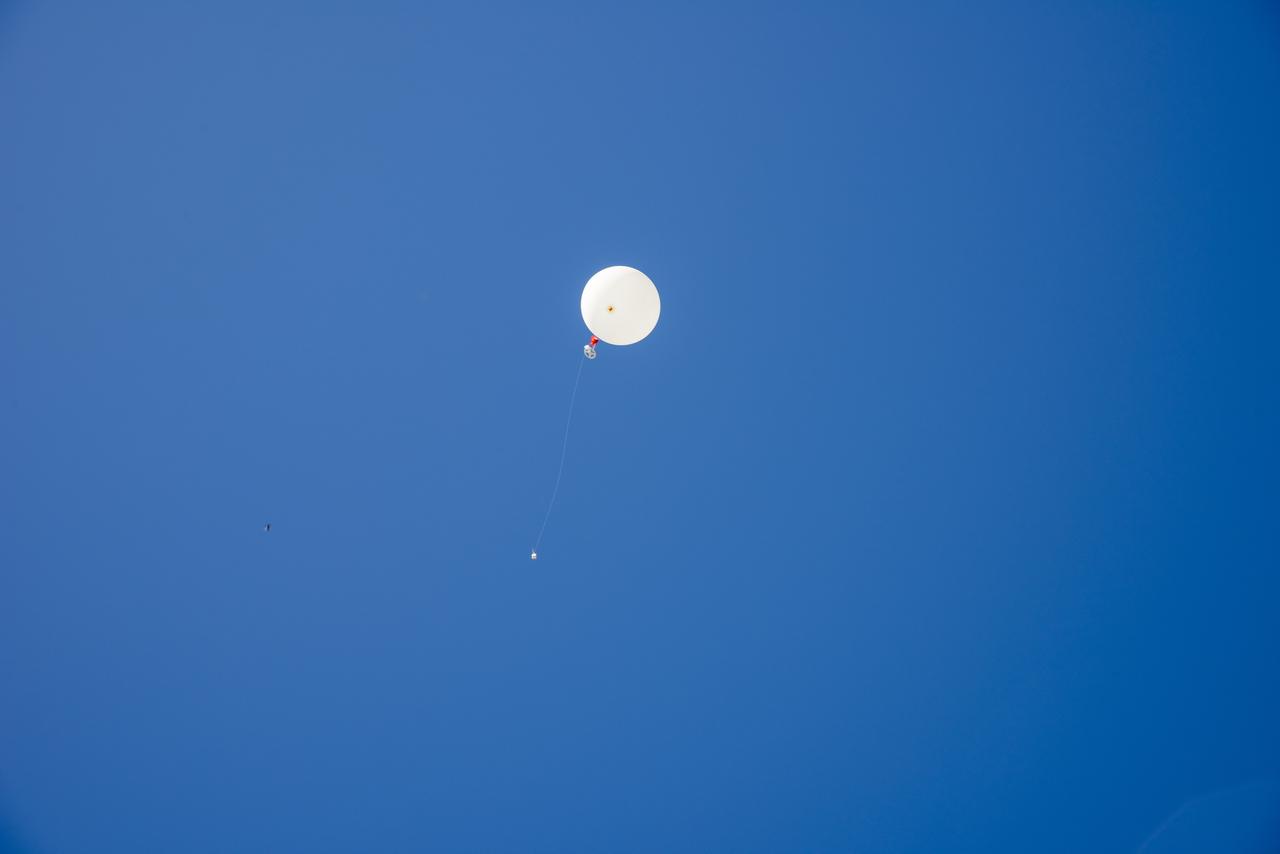
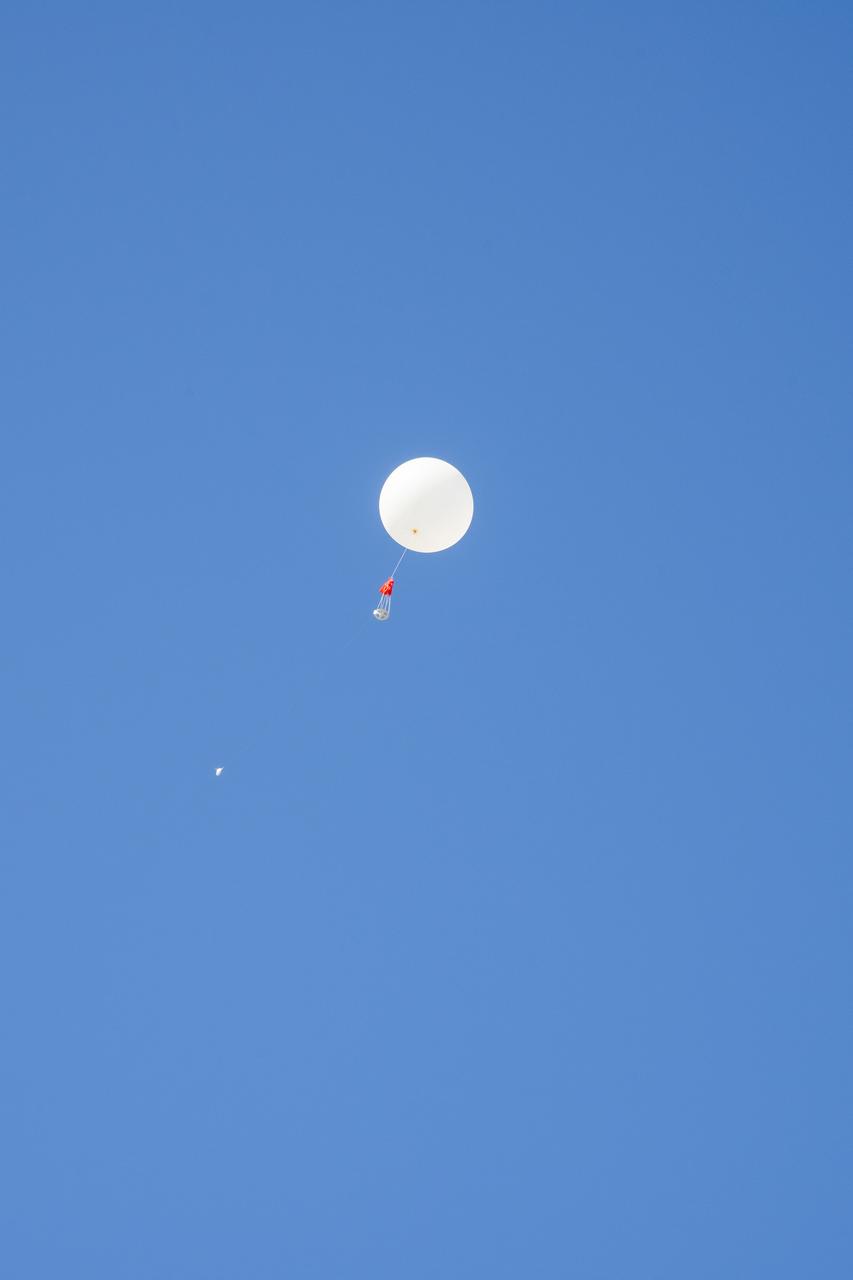
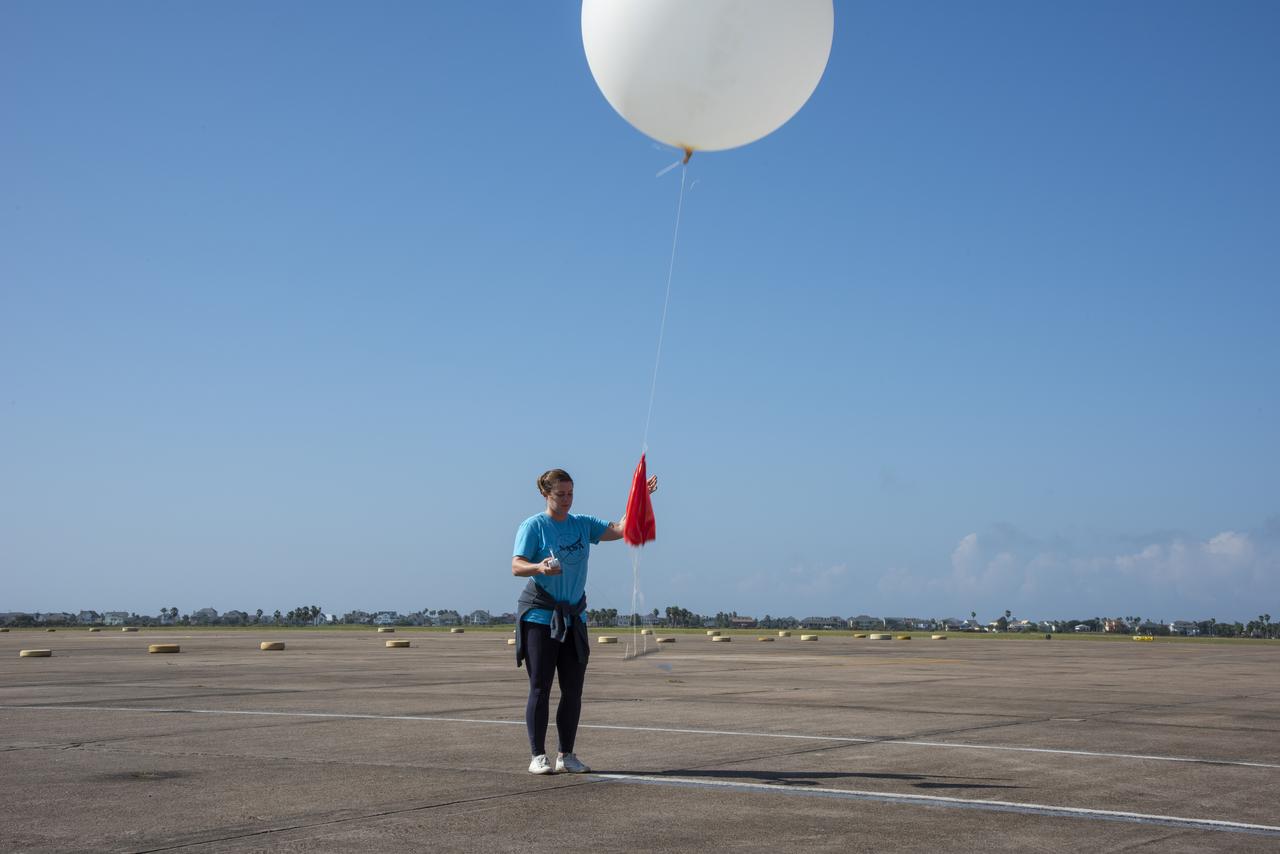
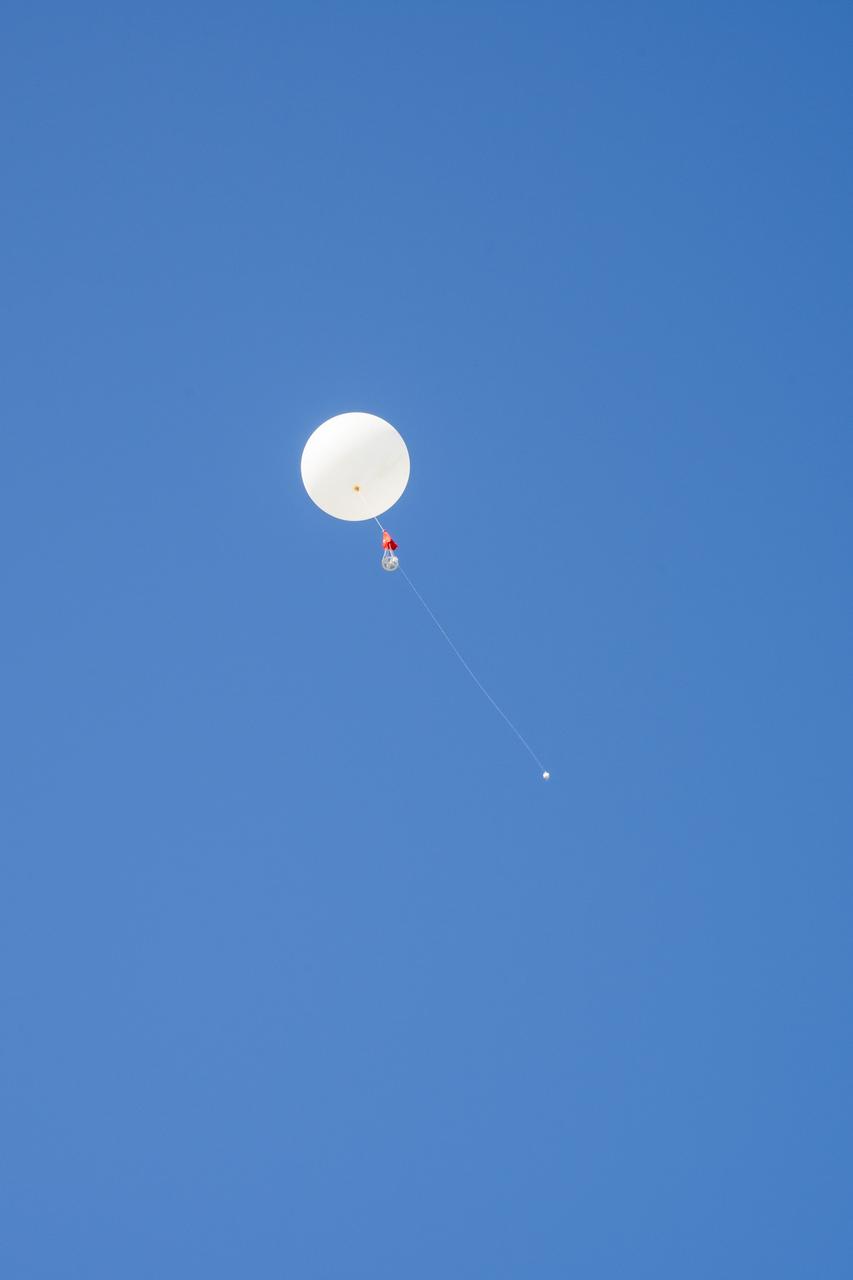
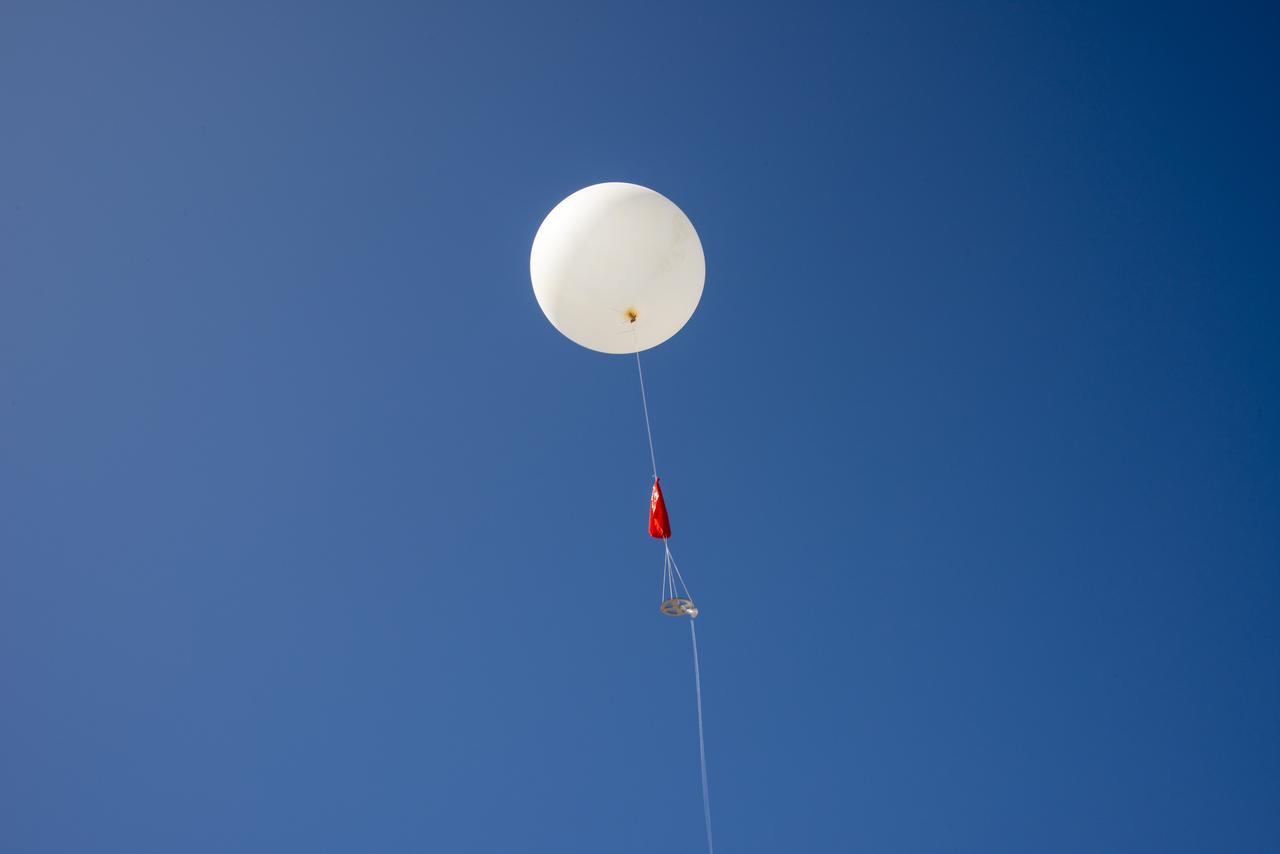
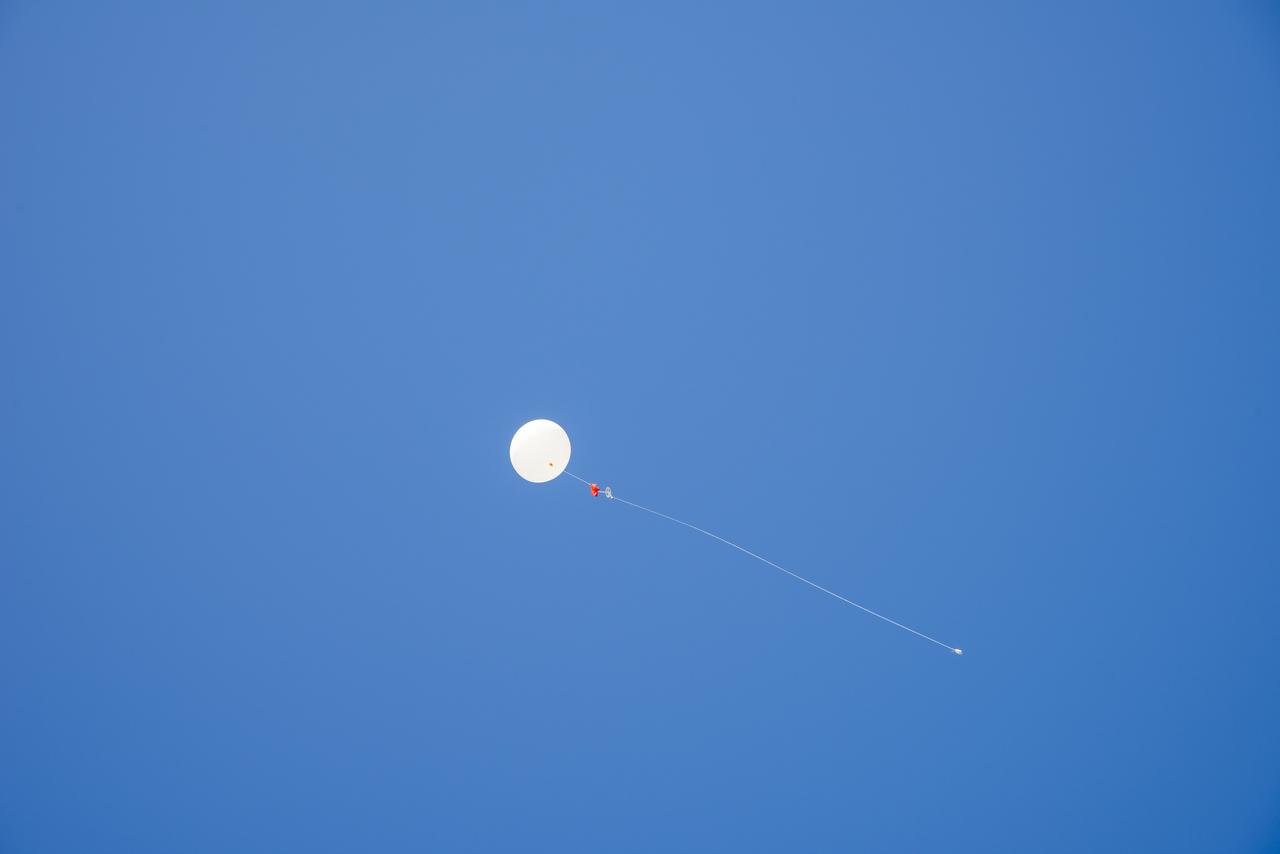
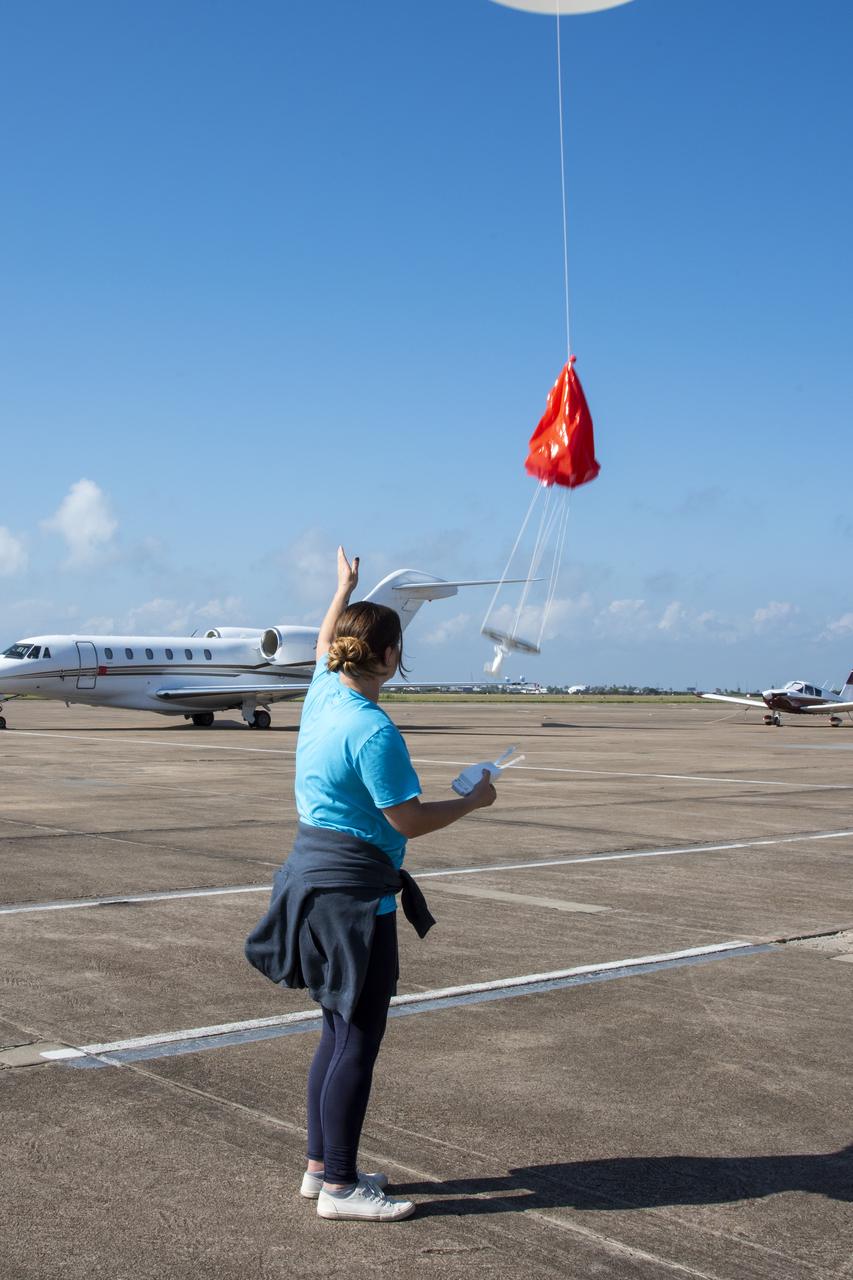
A weather balloon takes flight from the Cape Canaveral Air Force Station weather station. The balloon is equipped with a radiosonde, an instrument that transmits measurements on atmospheric pressure, humidity, temperature and winds as it ascends. The data will be used to determine if conditions are acceptable for the launch of NASA's THEMIS mission. THEMIS, an acronym for Time History of Events and Macroscale Interactions during Substorms, consists of five identical probes that will track violent, colorful eruptions near the North Pole. This will be the largest number of scientific satellites NASA has ever launched into orbit aboard a single rocket. The THEMIS mission aims to unravel the mystery behind auroral substorms, an avalanche of magnetic energy powered by the solar wind that intensifies the northern and southern lights. The mission will investigate what causes auroras in the Earth’s atmosphere to dramatically change from slowly shimmering waves of light to wildly shifting streaks of bright color. Launch is planned from Pad 17-B in a window that extends from 6:01 to 6:19 p.m. EST.
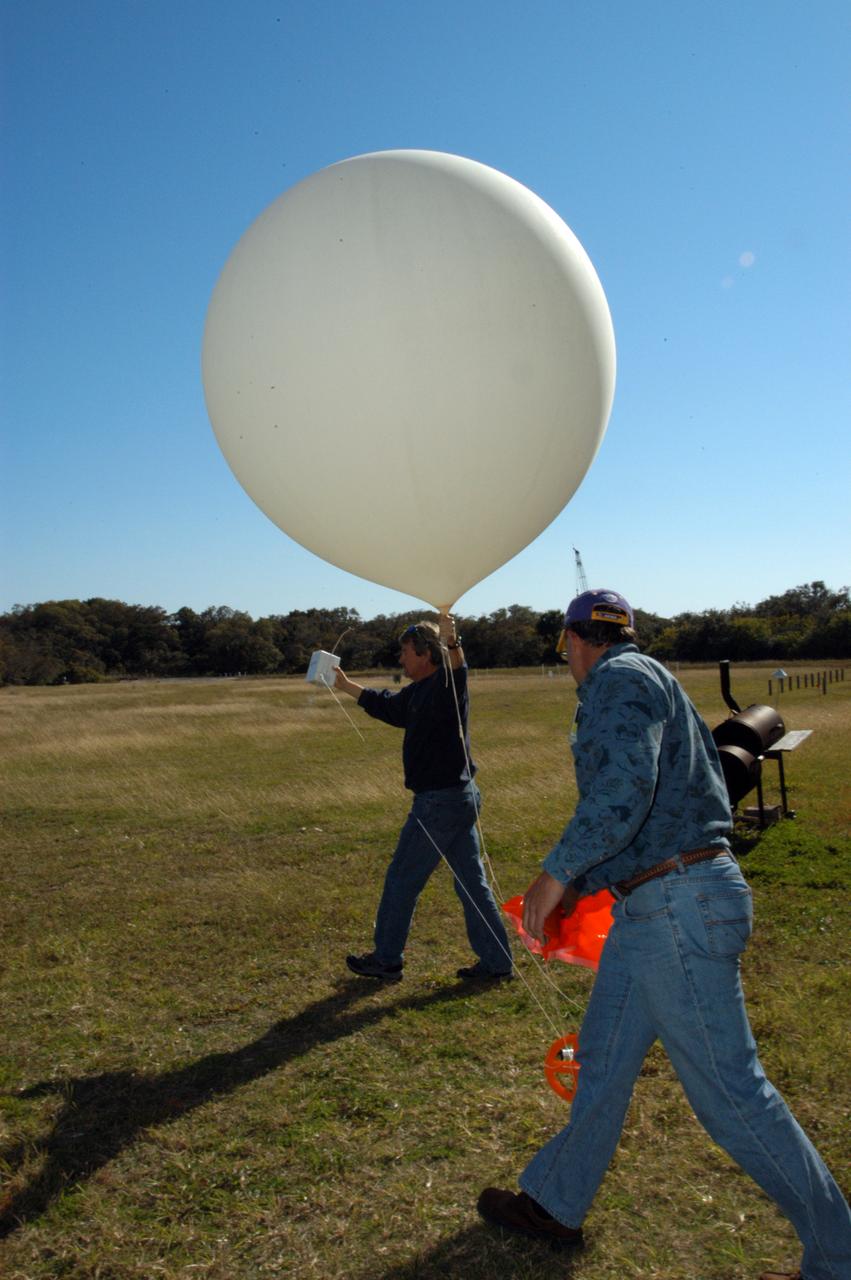
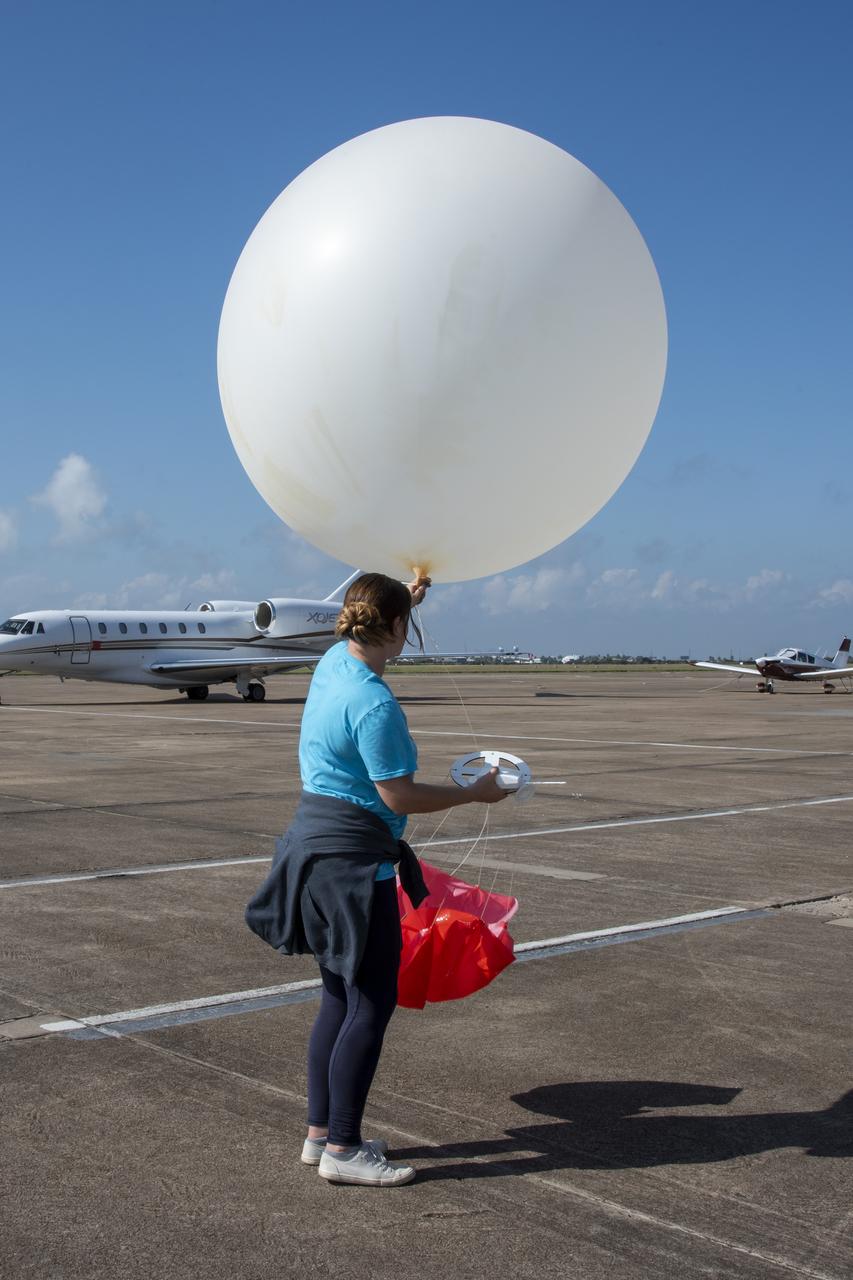
A worker releases a weather balloon at the Cape Canaveral Air Force Station weather station. The balloon is equipped with a radiosonde, an instrument that transmits measurements on atmospheric pressure, humidity, temperature and winds as it ascends. The data will be used to determine if conditions are acceptable for the launch of NASA's THEMIS mission. THEMIS, an acronym for Time History of Events and Macroscale Interactions during Substorms, consists of five identical probes that will track violent, colorful eruptions near the North Pole. This will be the largest number of scientific satellites NASA has ever launched into orbit aboard a single rocket. The THEMIS mission aims to unravel the mystery behind auroral substorms, an avalanche of magnetic energy powered by the solar wind that intensifies the northern and southern lights. The mission will investigate what causes auroras in the Earth’s atmosphere to dramatically change from slowly shimmering waves of light to wildly shifting streaks of bright color. Launch is planned from Pad 17-B in a window that extends from 6:01 to 6:19 p.m. EST.
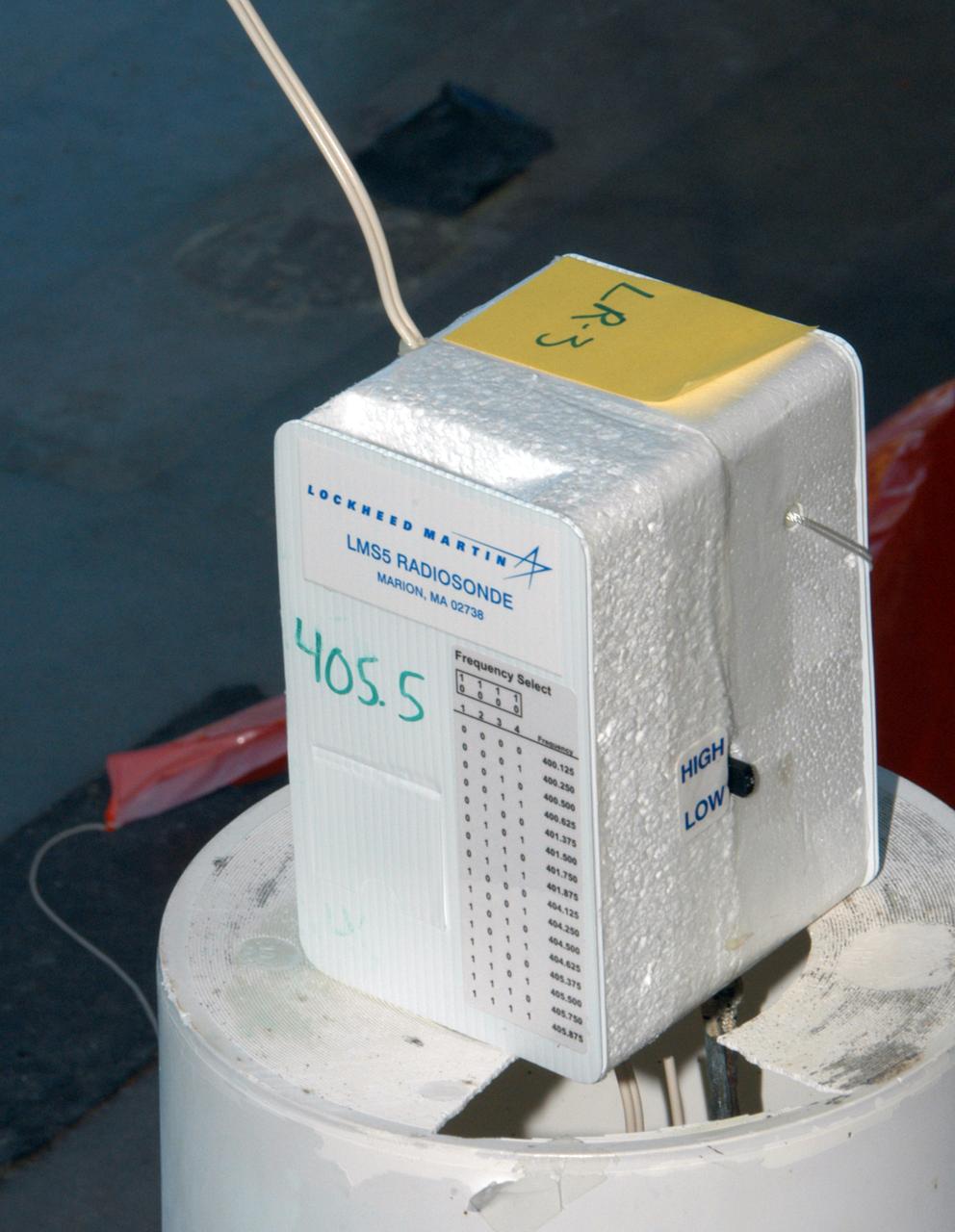
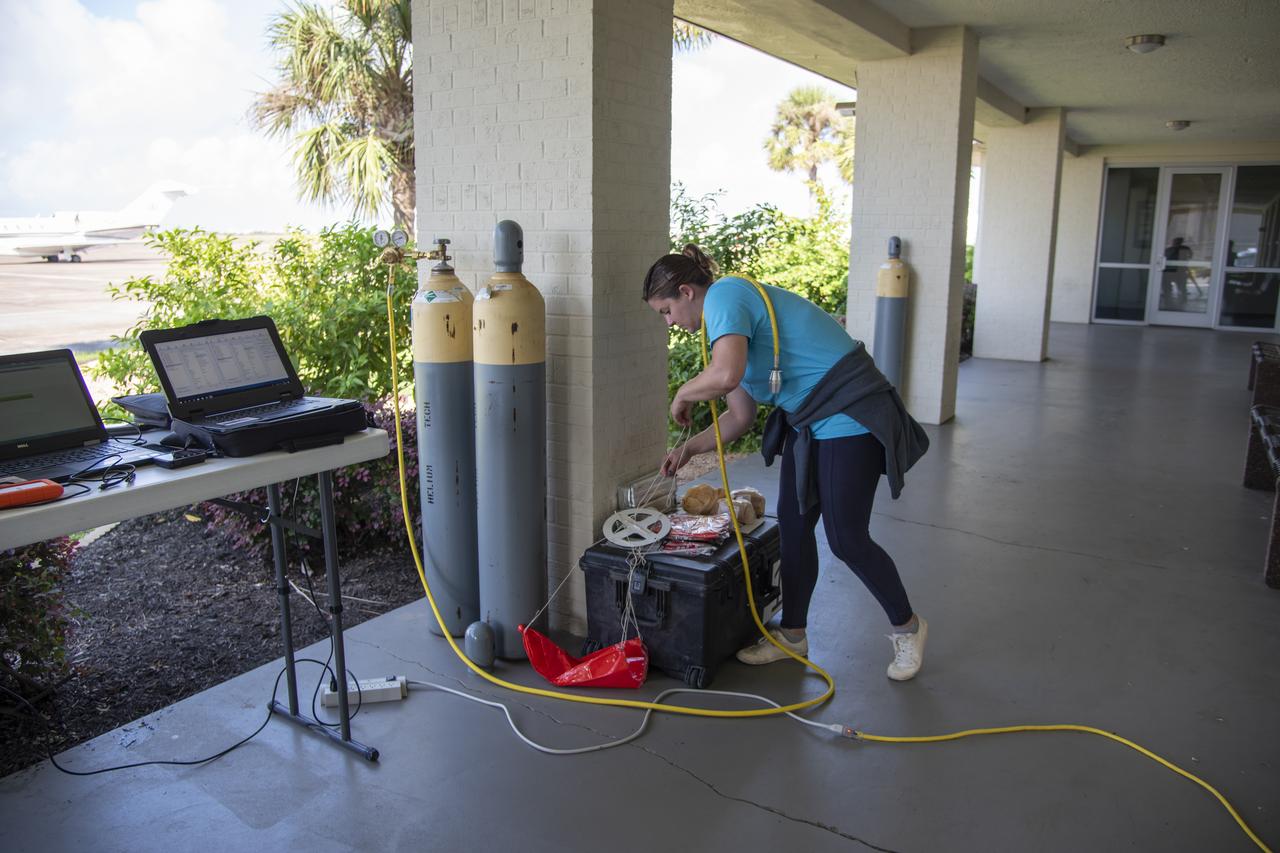
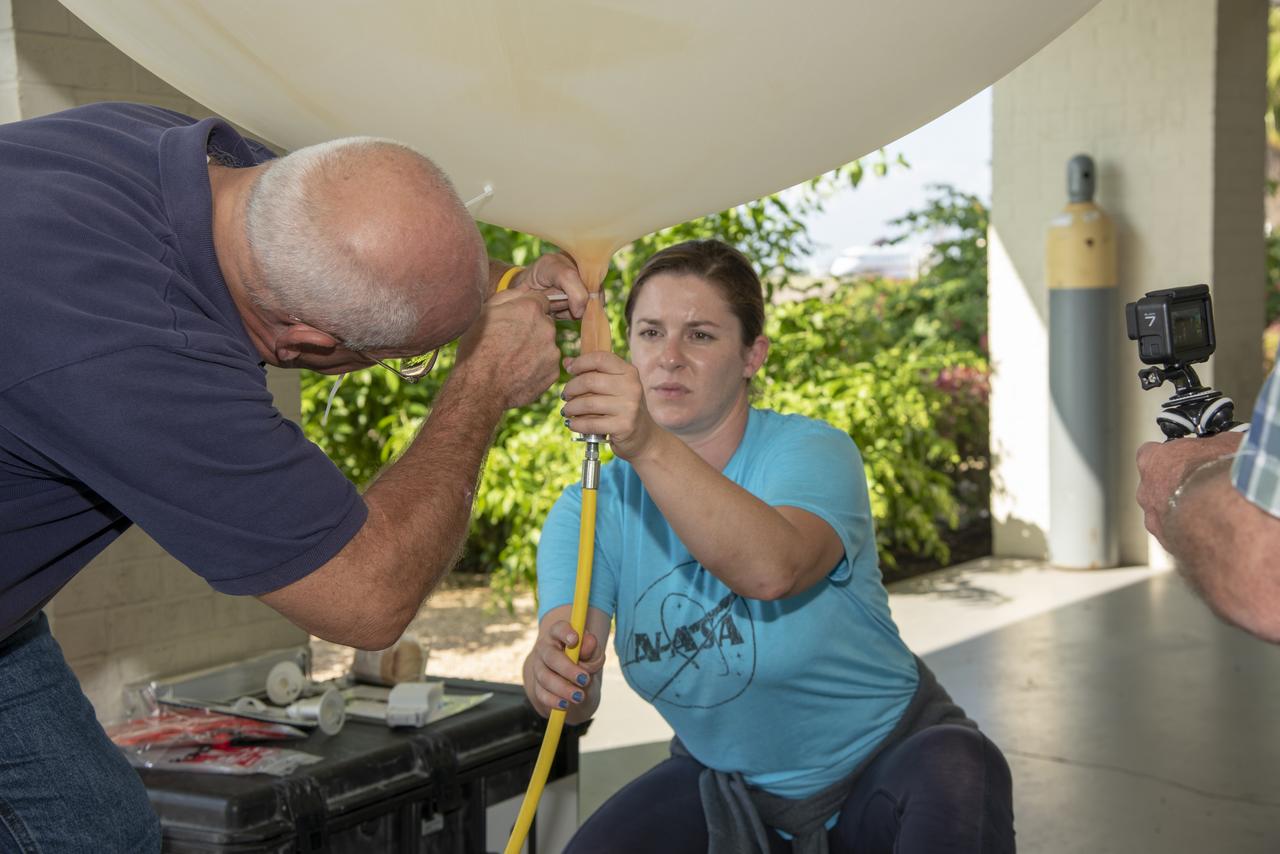
A radiosonde, an instrument that transmits measurements on atmospheric pressure, humidity, temperature and winds, is prepared for use on a weather balloon at the Cape Canaveral Air Force Station weather station. The data it returns will be used to determine if conditions are acceptable for the launch of NASA's THEMIS mission. THEMIS, an acronym for Time History of Events and Macroscale Interactions during Substorms, consists of five identical probes that will track violent, colorful eruptions near the North Pole. This will be the largest number of scientific satellites NASA has ever launched into orbit aboard a single rocket. The THEMIS mission aims to unravel the mystery behind auroral substorms, an avalanche of magnetic energy powered by the solar wind that intensifies the northern and southern lights. The mission will investigate what causes auroras in the Earth’s atmosphere to dramatically change from slowly shimmering waves of light to wildly shifting streaks of bright color. Launch is planned from Pad 17-B in a window that extends from 6:01 to 6:19 p.m. EST.
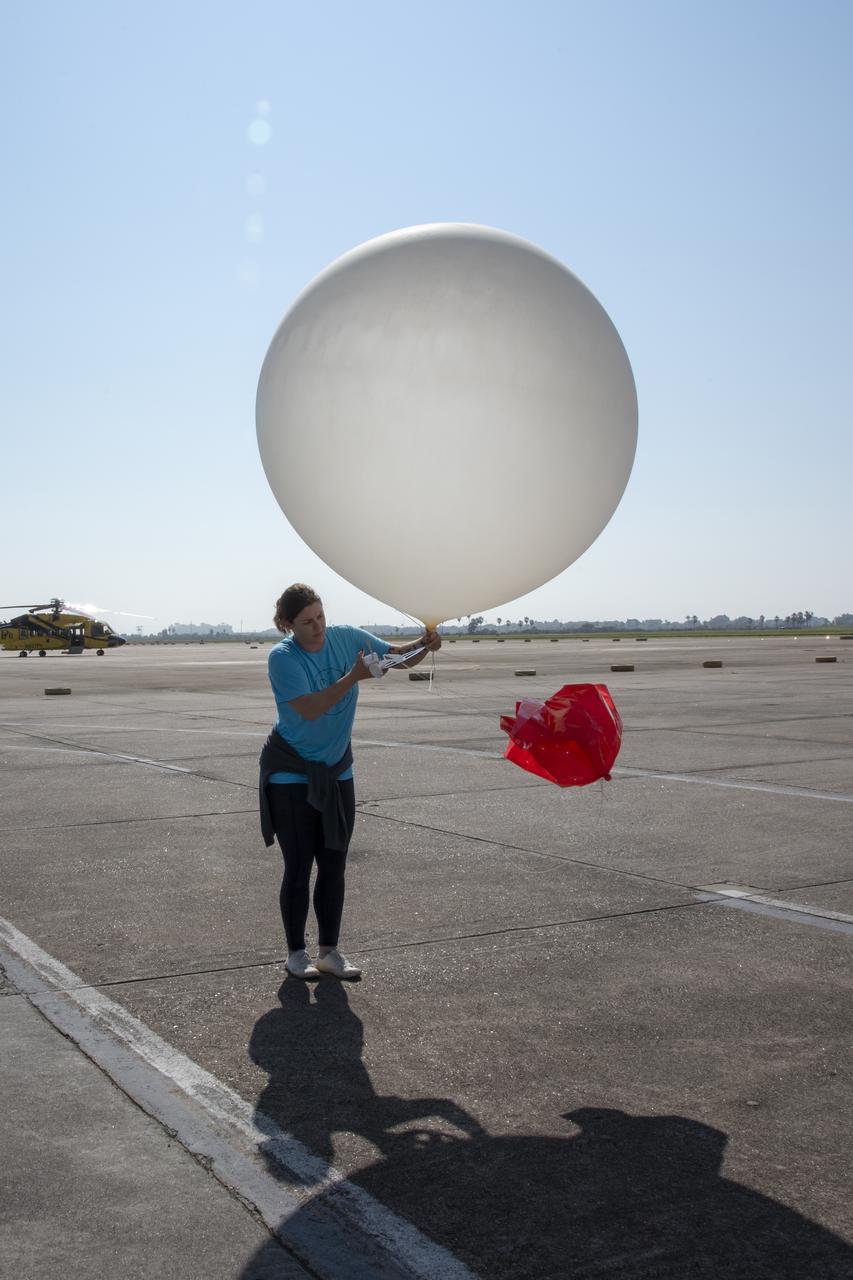
In order to make sure weather conditions are acceptable at multiple altitudes, NASA meteorologists on the ground conduct constant monitoring operations, and launch weather balloons to get accurate data for aircraft and pilot.
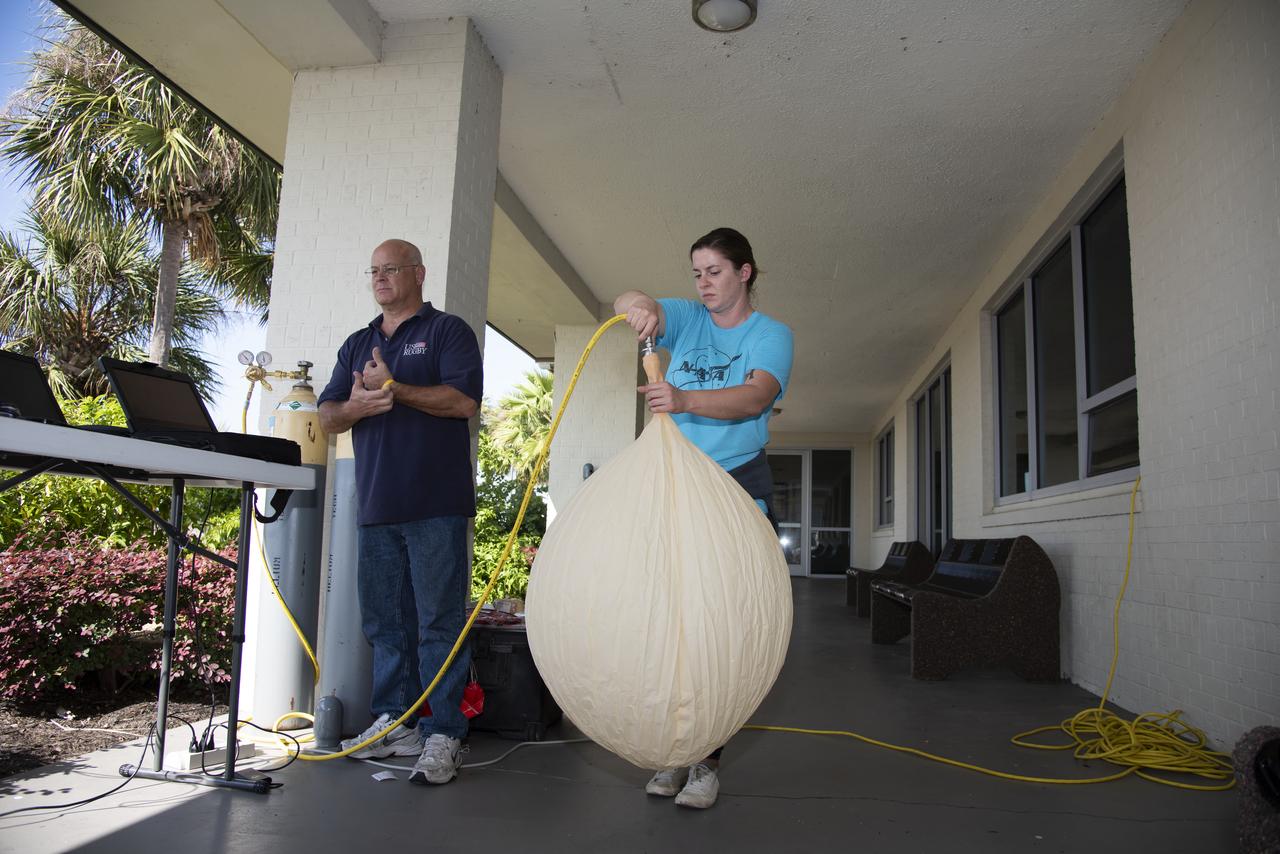
In order to make sure weather conditions are acceptable at multiple altitudes, NASA meteorologists on the ground conduct constant monitoring operations, and launch weather balloons to get accurate data for aircraft and pilot.
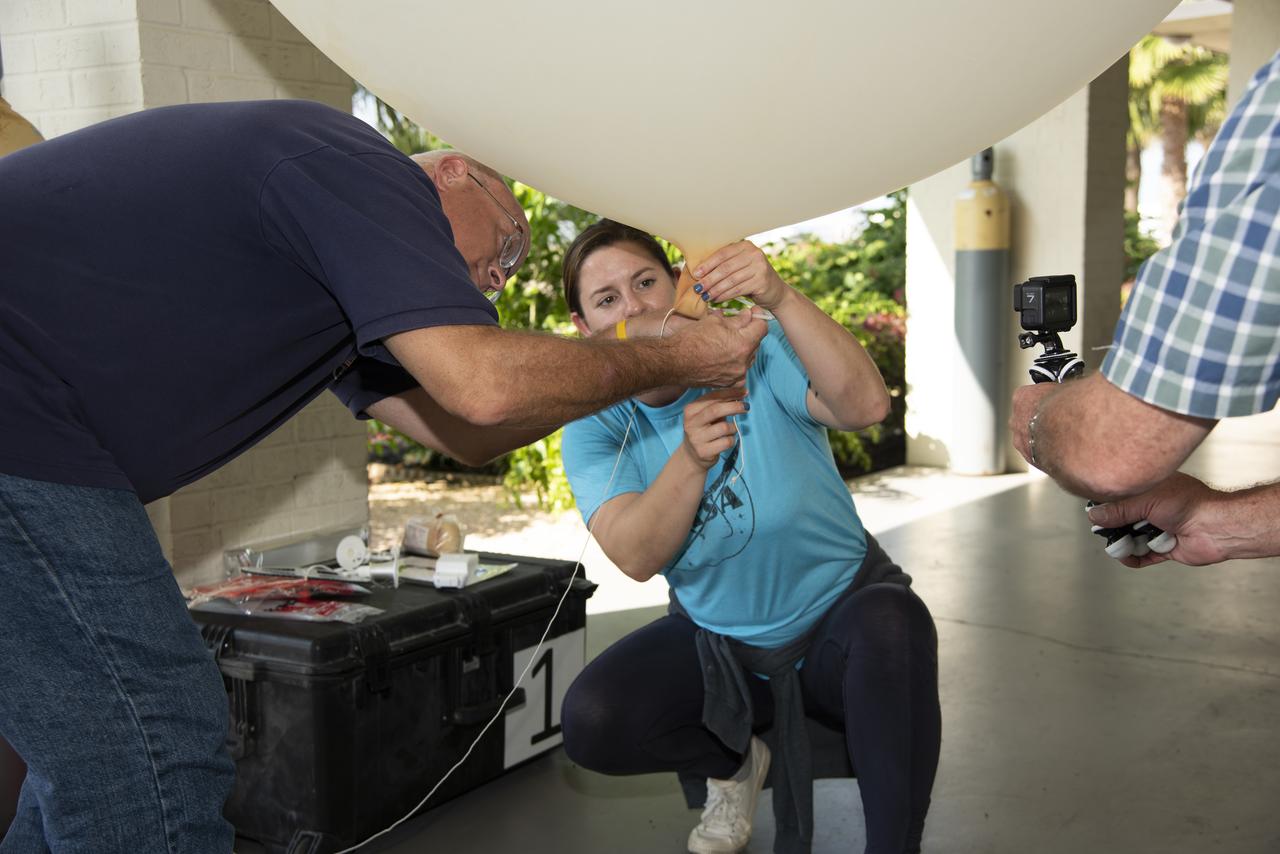
In order to make sure weather conditions are acceptable at multiple altitudes, NASA meteorologists on the ground conduct constant monitoring operations, and launch weather balloons to get accurate data for aircraft and pilot.
In order to make sure weather conditions are acceptable at multiple altitudes, NASA meteorologists on the ground conduct constant monitoring operations, and launch weather balloons to get accurate data for aircraft and pilot.
In order to make sure weather conditions are acceptable at multiple altitudes, NASA meteorologists on the ground conduct constant monitoring operations, and launch weather balloons to get accurate data for aircraft and pilot.
In order to make sure weather conditions are acceptable at multiple altitudes, NASA meteorologists on the ground conduct constant monitoring operations, and launch weather balloons to get accurate data for aircraft and pilot.
In order to make sure weather conditions are acceptable at multiple altitudes, NASA meteorologists on the ground conduct constant monitoring operations, and launch weather balloons to get accurate data for aircraft and pilot.
In order to make sure weather conditions are acceptable at multiple altitudes, NASA meteorologists on the ground conduct constant monitoring operations, and launch weather balloons to get accurate data for aircraft and pilot.
In order to make sure weather conditions are acceptable at multiple altitudes, NASA meteorologists on the ground conduct constant monitoring operations, and launch weather balloons to get accurate data for aircraft and pilot.
In order to make sure weather conditions are acceptable at multiple altitudes, NASA meteorologists on the ground conduct constant monitoring operations, and launch weather balloons to get accurate data for aircraft and pilot.

In order to make sure weather conditions are acceptable at multiple altitudes, NASA meteorologists on the ground conduct constant monitoring operations, and launch weather balloons to get accurate data for aircraft and pilot.
In order to make sure weather conditions are acceptable at multiple altitudes, NASA meteorologists on the ground conduct constant monitoring operations, and launch weather balloons to get accurate data for aircraft and pilot.
In order to make sure weather conditions are acceptable at multiple altitudes, NASA meteorologists on the ground conduct constant monitoring operations, and launch weather balloons to get accurate data for aircraft and pilot.
In order to make sure weather conditions are acceptable at multiple altitudes, NASA meteorologists on the ground conduct constant monitoring operations, and launch weather balloons to get accurate data for aircraft and pilot.
In order to make sure weather conditions are acceptable at multiple altitudes, NASA meteorologists on the ground conduct constant monitoring operations, and launch weather balloons to get accurate data for aircraft and pilot.
In order to make sure weather conditions are acceptable at multiple altitudes, NASA meteorologists on the ground conduct constant monitoring operations, and launch weather balloons to get accurate data for aircraft and pilot.
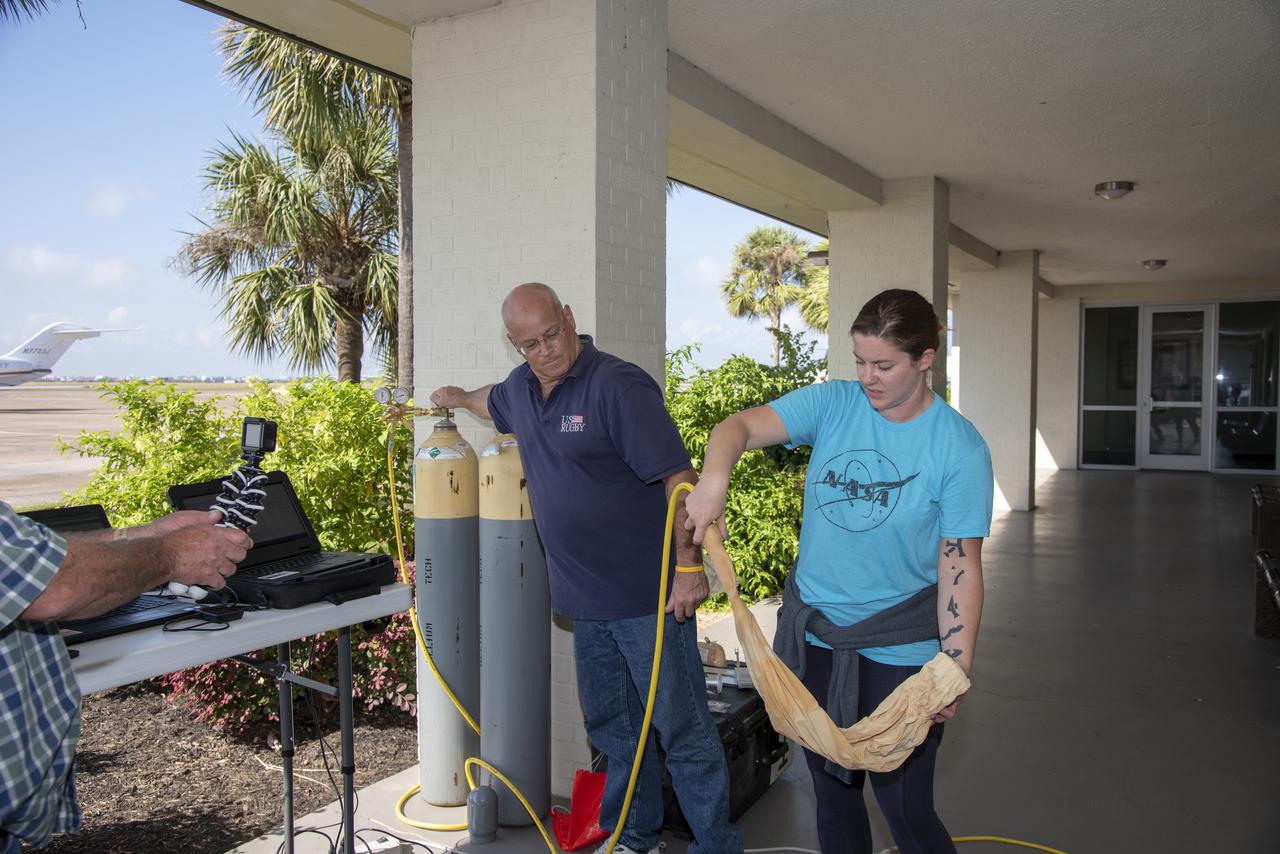
In order to make sure weather conditions are acceptable at multiple altitudes, NASA meteorologists on the ground conduct constant monitoring operations, and launch weather balloons to get accurate data for aircraft and pilot.
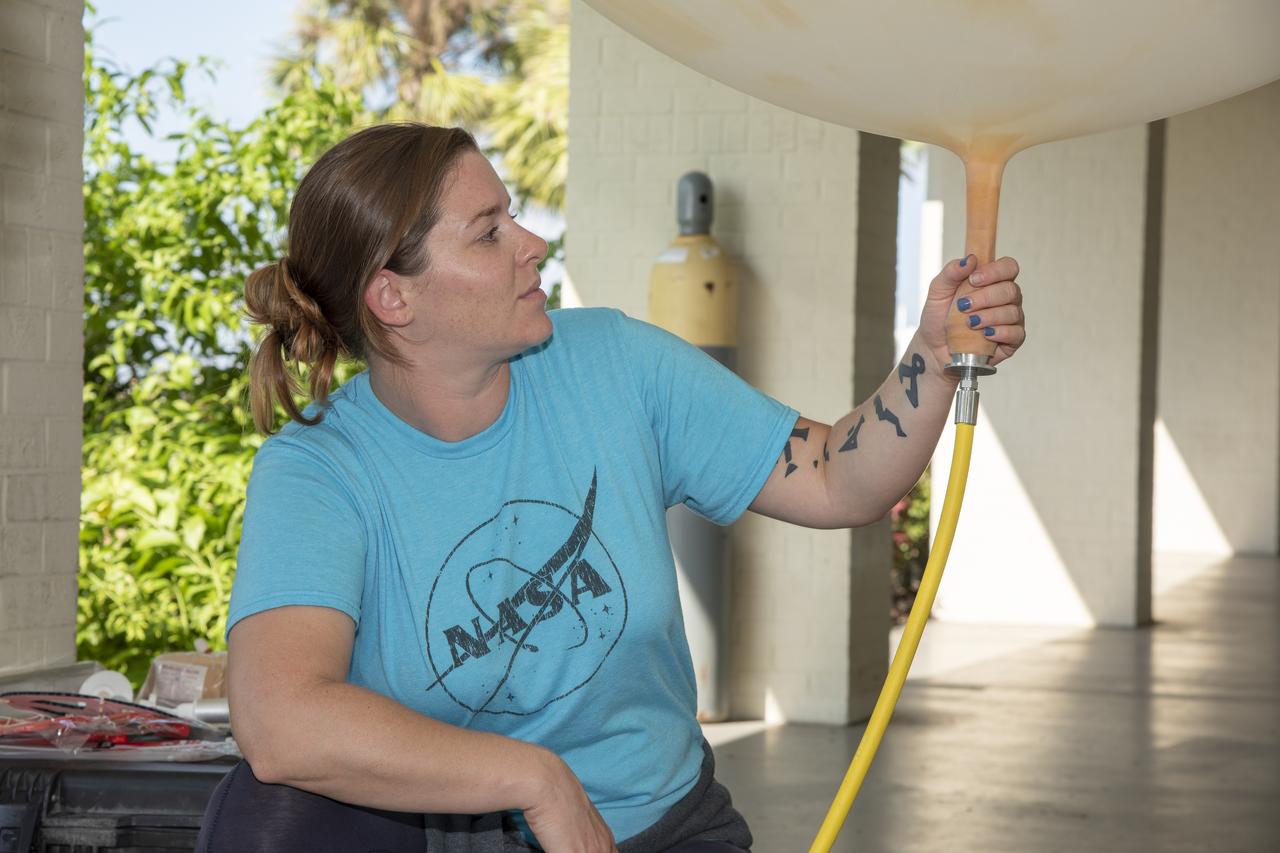
In order to make sure weather conditions are acceptable at multiple altitudes, NASA meteorologists on the ground conduct constant monitoring operations, and launch weather balloons to get accurate data for aircraft and pilot.
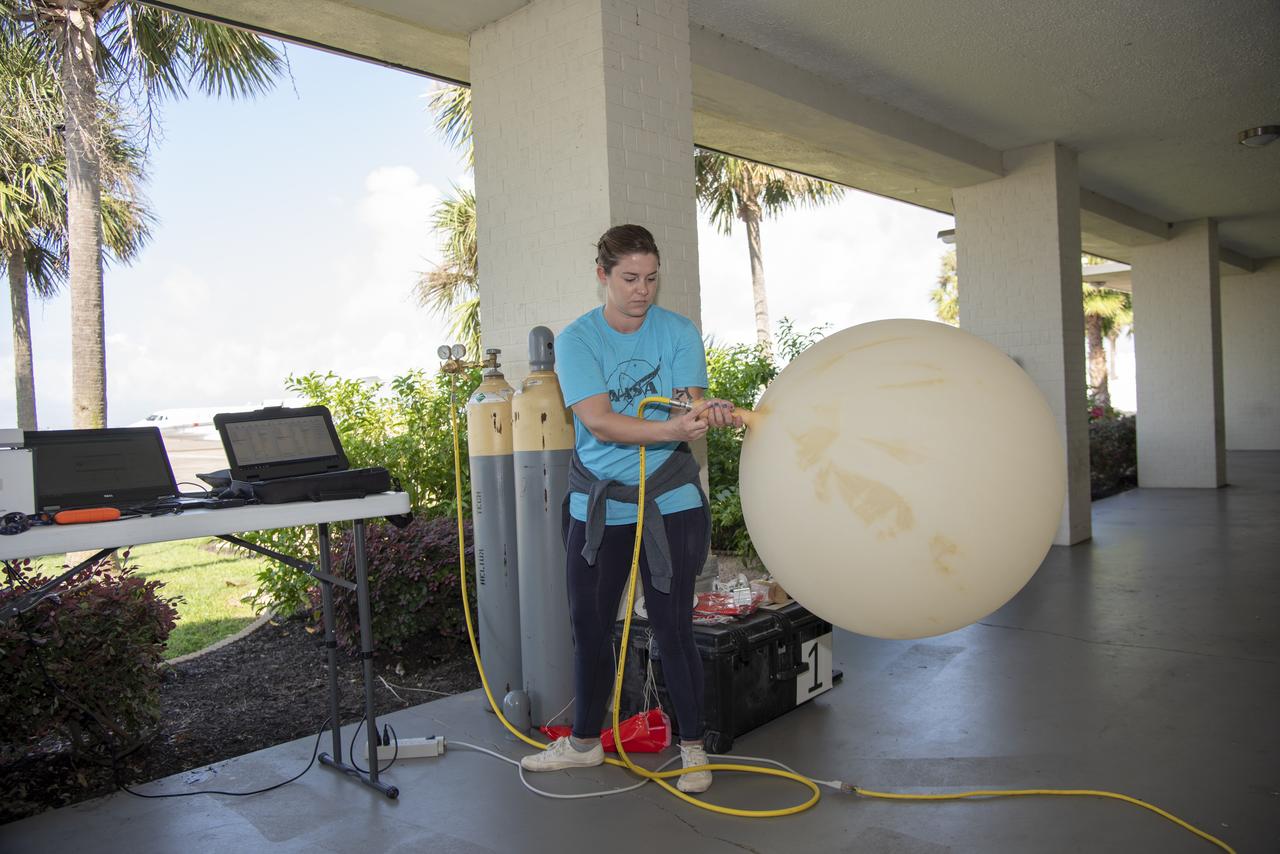
In order to make sure weather conditions are acceptable at multiple altitudes, NASA meteorologists on the ground conduct constant monitoring operations, and launch weather balloons to get accurate data for aircraft and pilot.
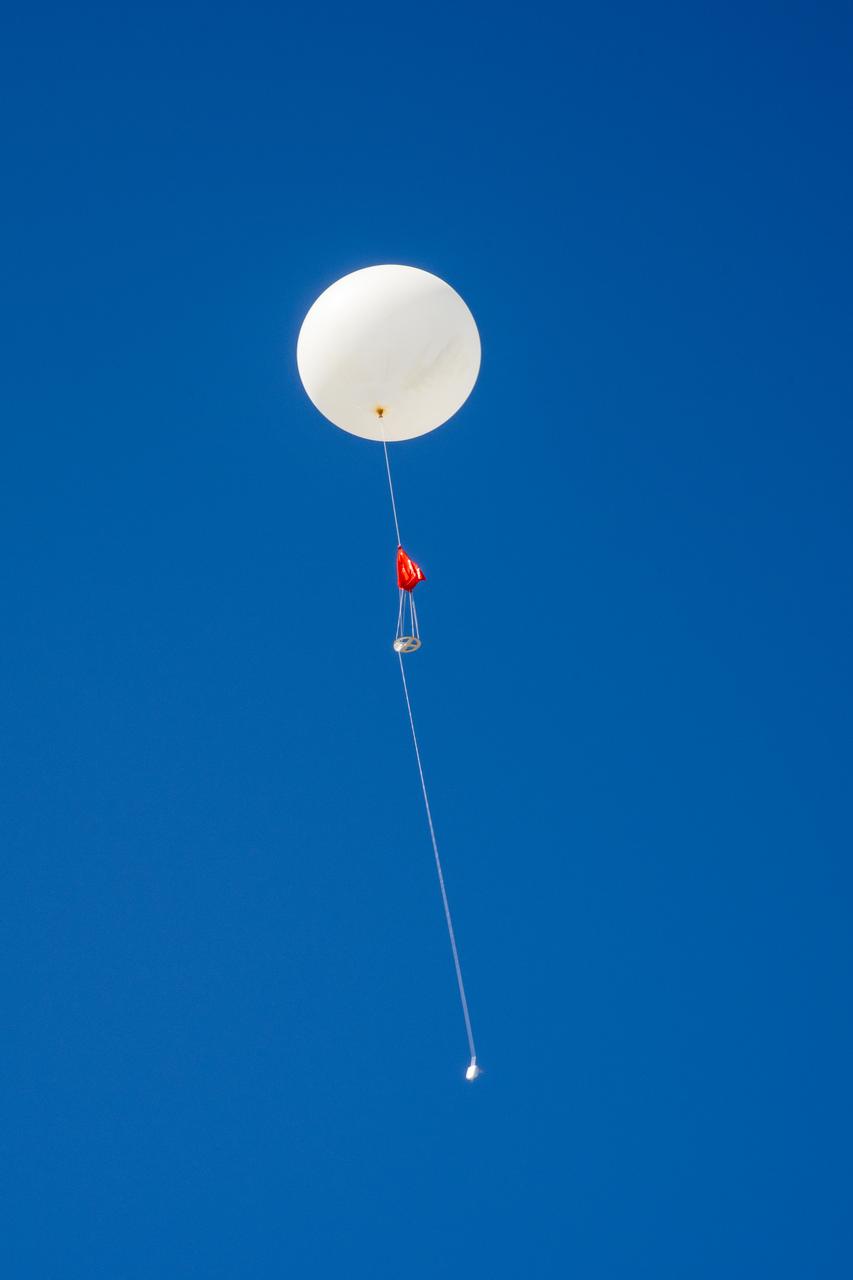
In order to make sure weather conditions are acceptable at multiple altitudes, NASA meteorologists on the ground conduct constant monitoring operations, and launch weather balloons to get accurate data for aircraft and pilot.
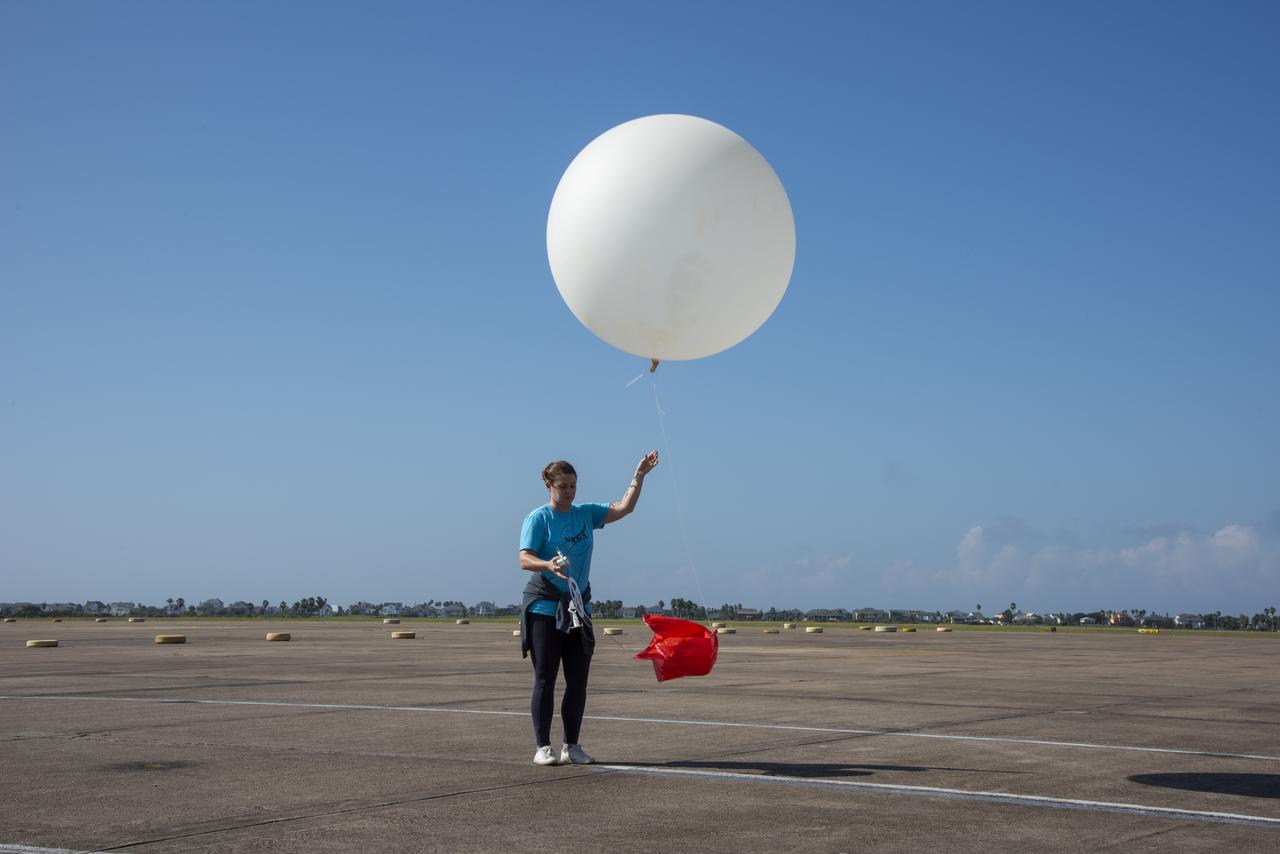
In order to make sure weather conditions are acceptable at multiple altitudes, NASA meteorologists on the ground conduct constant monitoring operations, and launch weather balloons to get accurate data for aircraft and pilot.
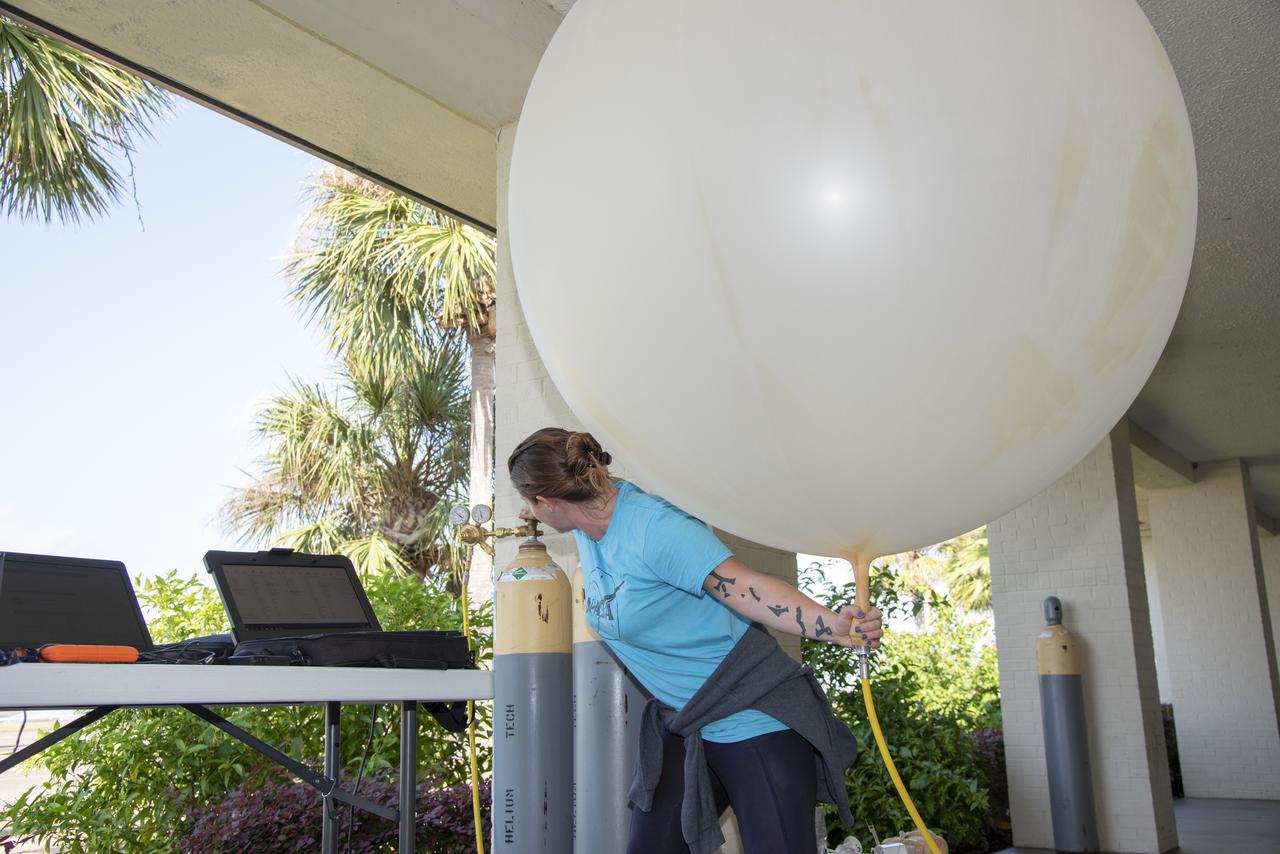
In order to make sure weather conditions are acceptable at multiple altitudes, NASA meteorologists on the ground conduct constant monitoring operations, and launch weather balloons to get accurate data for aircraft and pilot.
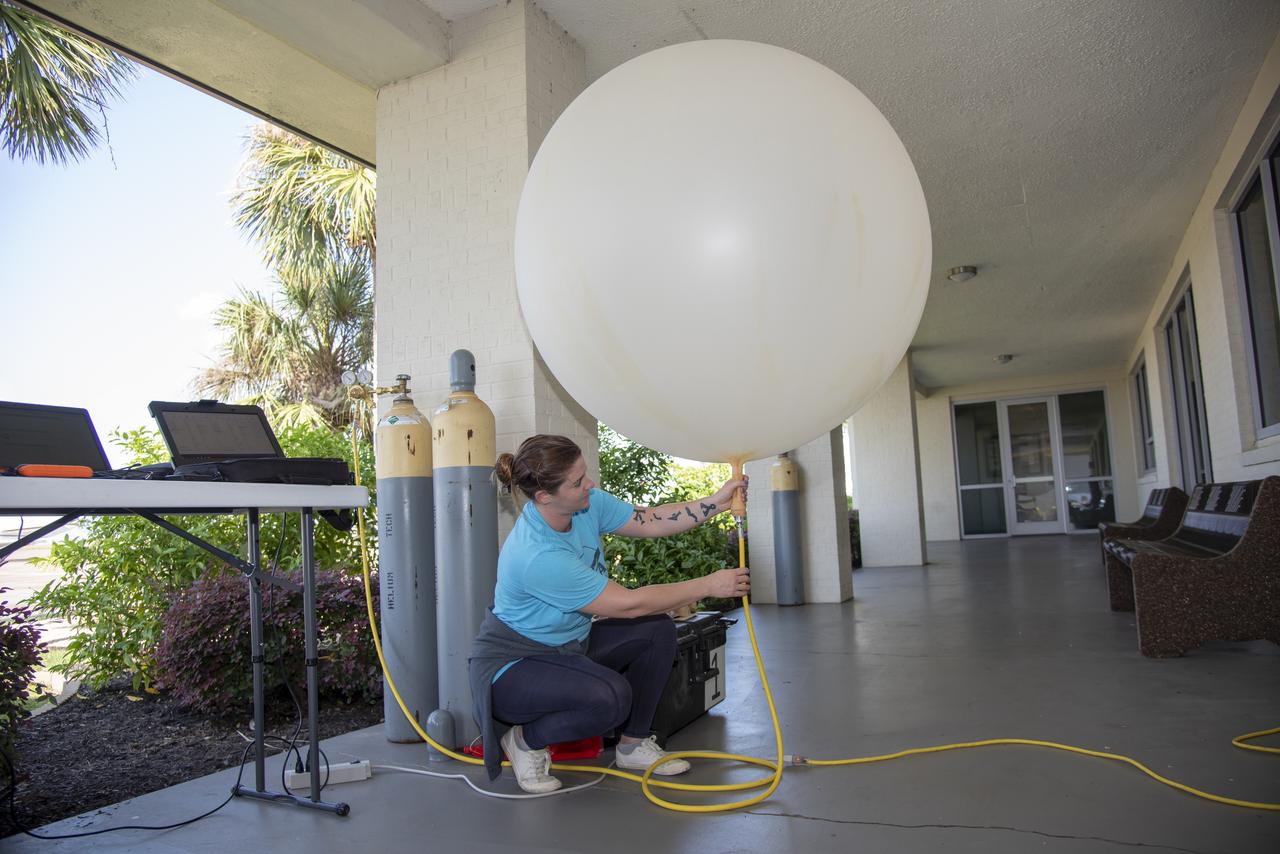
In order to make sure weather conditions are acceptable at multiple altitudes, NASA meteorologists on the ground conduct constant monitoring operations, and launch weather balloons to get accurate data for aircraft and pilot.
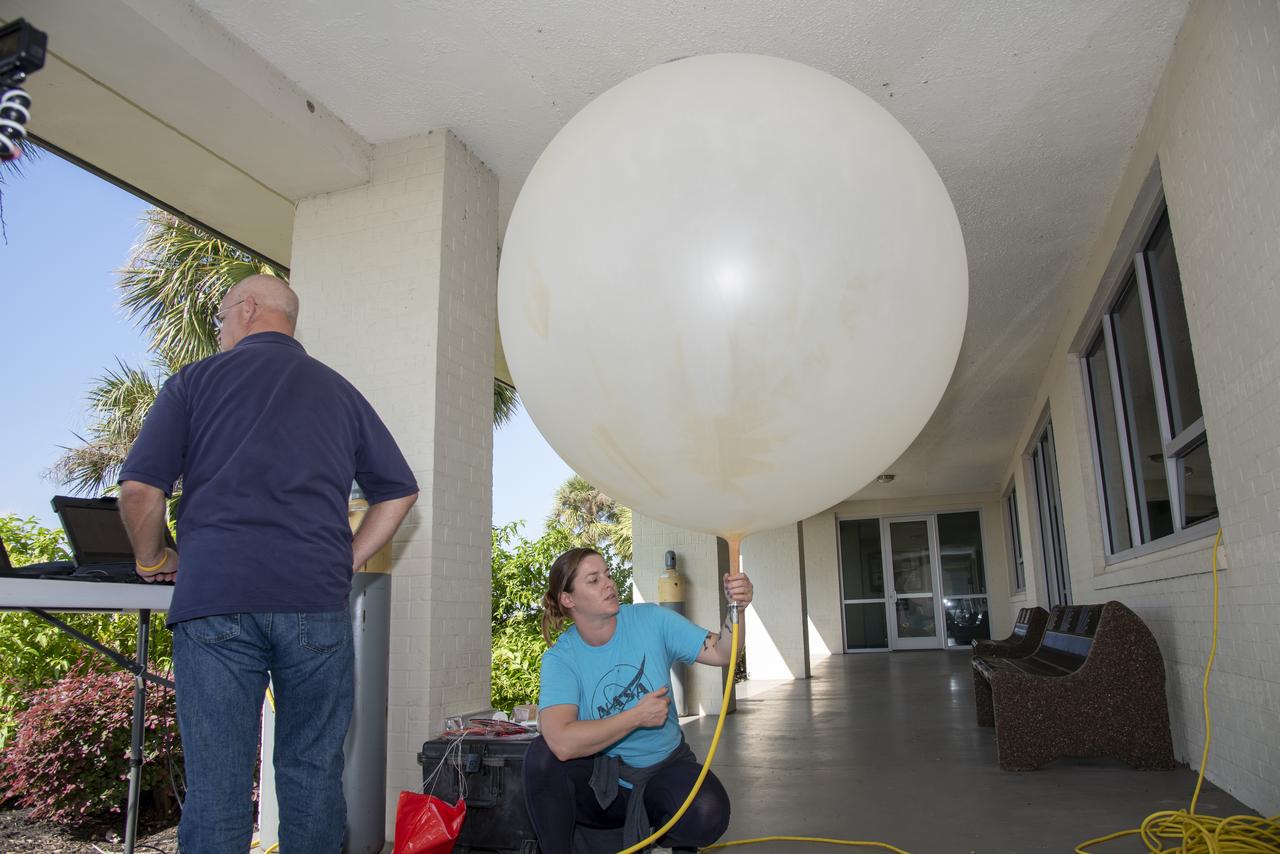
In order to make sure weather conditions are acceptable at multiple altitudes, NASA meteorologists on the ground conduct constant monitoring operations, and launch weather balloons to get accurate data for aircraft and pilot.
In order to make sure weather conditions are acceptable at multiple altitudes, NASA meteorologists on the ground conduct constant monitoring operations, and launch weather balloons to get accurate data for aircraft and pilot.
In order to make sure weather conditions are acceptable at multiple altitudes, NASA meteorologists on the ground conduct constant monitoring operations, and launch weather balloons to get accurate data for aircraft and pilot.
In order to make sure weather conditions are acceptable at multiple altitudes, NASA meteorologists on the ground conduct constant monitoring operations, and launch weather balloons to get accurate data for aircraft and pilot.
In order to make sure weather conditions are acceptable at multiple altitudes, NASA meteorologists on the ground conduct constant monitoring operations, and launch weather balloons to get accurate data for aircraft and pilot.
In order to make sure weather conditions are acceptable at multiple altitudes, NASA meteorologists on the ground conduct constant monitoring operations, and launch weather balloons to get accurate data for aircraft and pilot.
In order to make sure weather conditions are acceptable at multiple altitudes, NASA meteorologists on the ground conduct constant monitoring operations, and launch weather balloons to get accurate data for aircraft and pilot.
In order to make sure weather conditions are acceptable at multiple altitudes, NASA meteorologists on the ground conduct constant monitoring operations, and launch weather balloons to get accurate data for aircraft and pilot.
In order to make sure weather conditions are acceptable at multiple altitudes, NASA meteorologists on the ground conduct constant monitoring operations, and launch weather balloons to get accurate data for aircraft and pilot.
In order to make sure weather conditions are acceptable at multiple altitudes, NASA meteorologists on the ground conduct constant monitoring operations, and launch weather balloons to get accurate data for aircraft and pilot.
In order to make sure weather conditions are acceptable at multiple altitudes, NASA meteorologists on the ground conduct constant monitoring operations, and launch weather balloons to get accurate data for aircraft and pilot.
In order to make sure weather conditions are acceptable at multiple altitudes, NASA meteorologists on the ground conduct constant monitoring operations, and launch weather balloons to get accurate data for aircraft and pilot.
In order to make sure weather conditions are acceptable at multiple altitudes, NASA meteorologists on the ground conduct constant monitoring operations, and launch weather balloons to get accurate data for aircraft and pilot.

In order to make sure weather conditions are acceptable at multiple altitudes, NASA meteorologists on the ground conduct constant monitoring operations, and launch weather balloons to get accurate data for aircraft and pilot.

Meteorological Data Specialist Michael Boyer prepares weather balloons for release at the Cape Canaveral Space Force Station (CCSFS) Weather Station in preparation for an Artemis I weather simulation on Nov. 3, 2021. The event involved teams from CCSFS, Kennedy Space Center, Johnson Space Center in Texas, and Marshall Space Flight Center in Alabama. Weather balloons provided data below 6,000 feet and above 62,000 feet, while Kennedy’s Tropospheric Doppler Radar Wind Profiler delivered data from 6,000 to 62,000 feet. The radar wind profiler will be used as the primary upper level wind instrument for NASA’s Artemis missions, including Artemis I, the first launch of the agency’s Space Launch System rocket and the Orion spacecraft on a flight beyond the Moon.
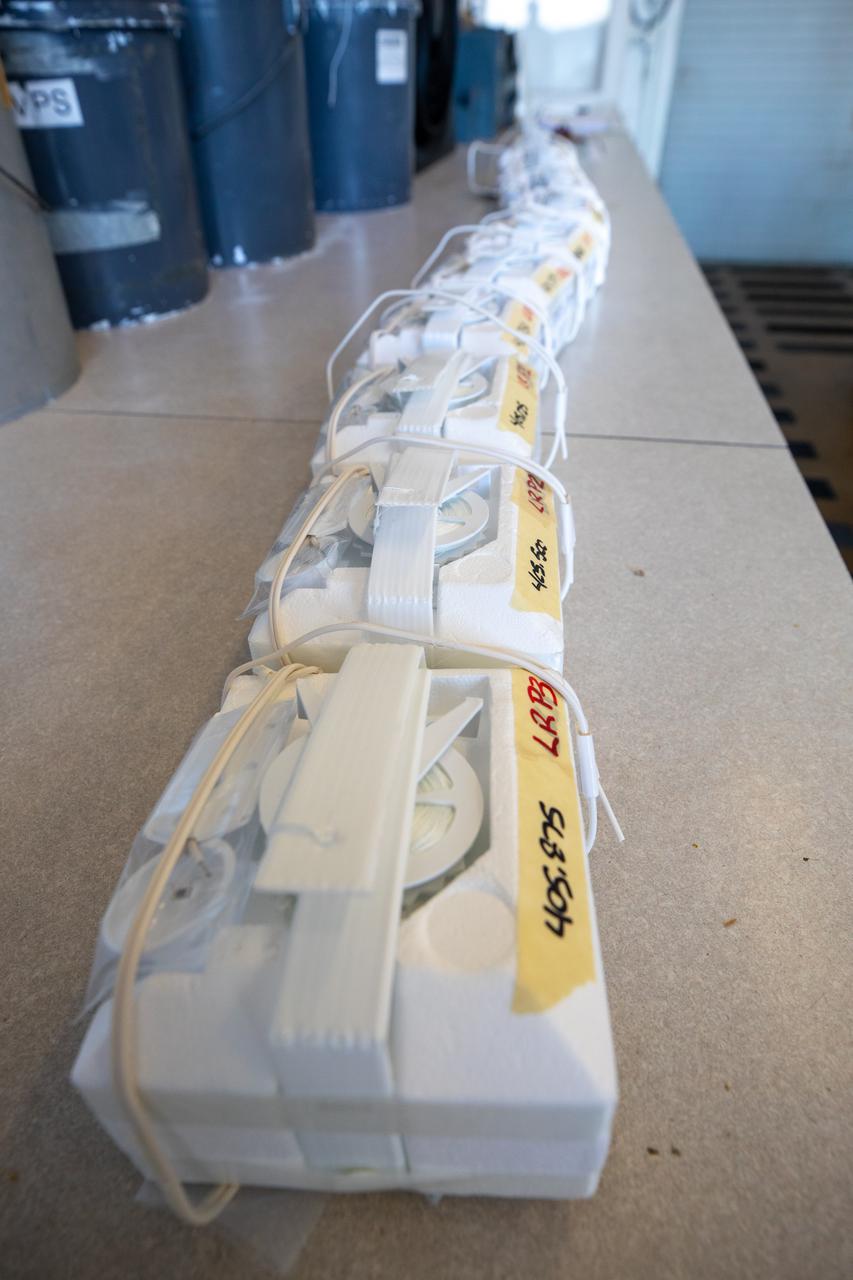
Weather balloons are lined up prior to release at the Cape Canaveral Space Force Station (CCSFS) Weather Station in preparation for an Artemis I weather simulation on Nov. 3, 2021. The event involved teams from CCSFS, Kennedy Space Center, Johnson Space Center in Texas, and Marshall Space Flight Center in Alabama. Weather balloons provided data below 6,000 feet and above 62,000 feet, while Kennedy’s Tropospheric Doppler Radar Wind Profiler delivered data from 6,000 to 62,000 feet. The radar wind profiler will be used as the primary upper level wind instrument for NASA’s Artemis missions, including Artemis I, the first launch of the agency’s Space Launch System rocket and the Orion spacecraft on a flight beyond the Moon.
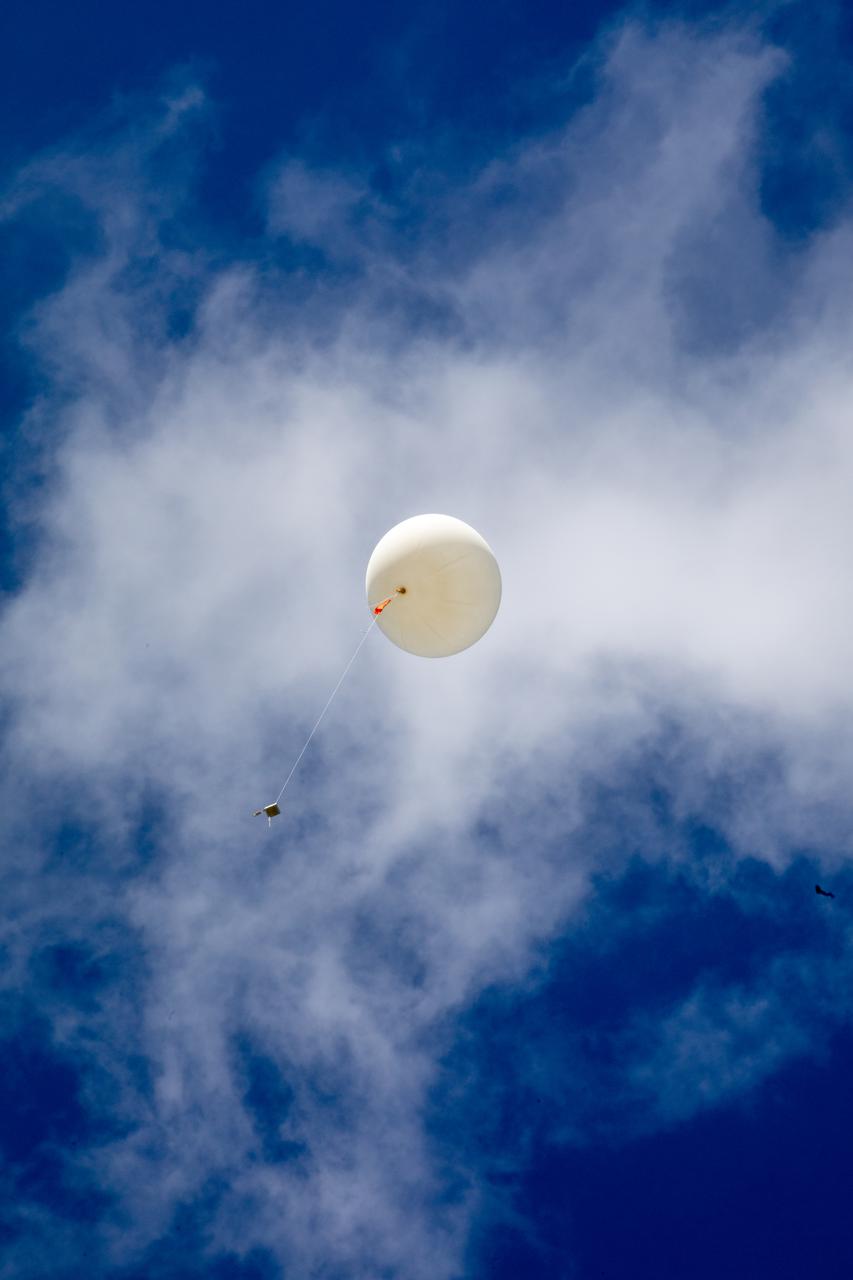
Meteorological Data Specialist Michael Boyer releases a weather balloon at the Cape Canaveral Space Force Station (CCSFS) Weather Station during an Artemis I weather simulation on Nov. 3, 2021. The event involved teams from CCSFS, Kennedy Space Center, Johnson Space Center in Texas, and Marshall Space Flight Center in Alabama. Weather balloons provided data below 6,000 feet and above 62,000 feet, while Kennedy’s Tropospheric Doppler Radar Wind Profiler delivered data from 6,000 to 62,000 feet. The radar wind profiler will be used as the primary upper level wind instrument for NASA’s Artemis missions, including Artemis I, the first launch of the agency’s Space Launch System rocket and the Orion spacecraft on a flight beyond the Moon.
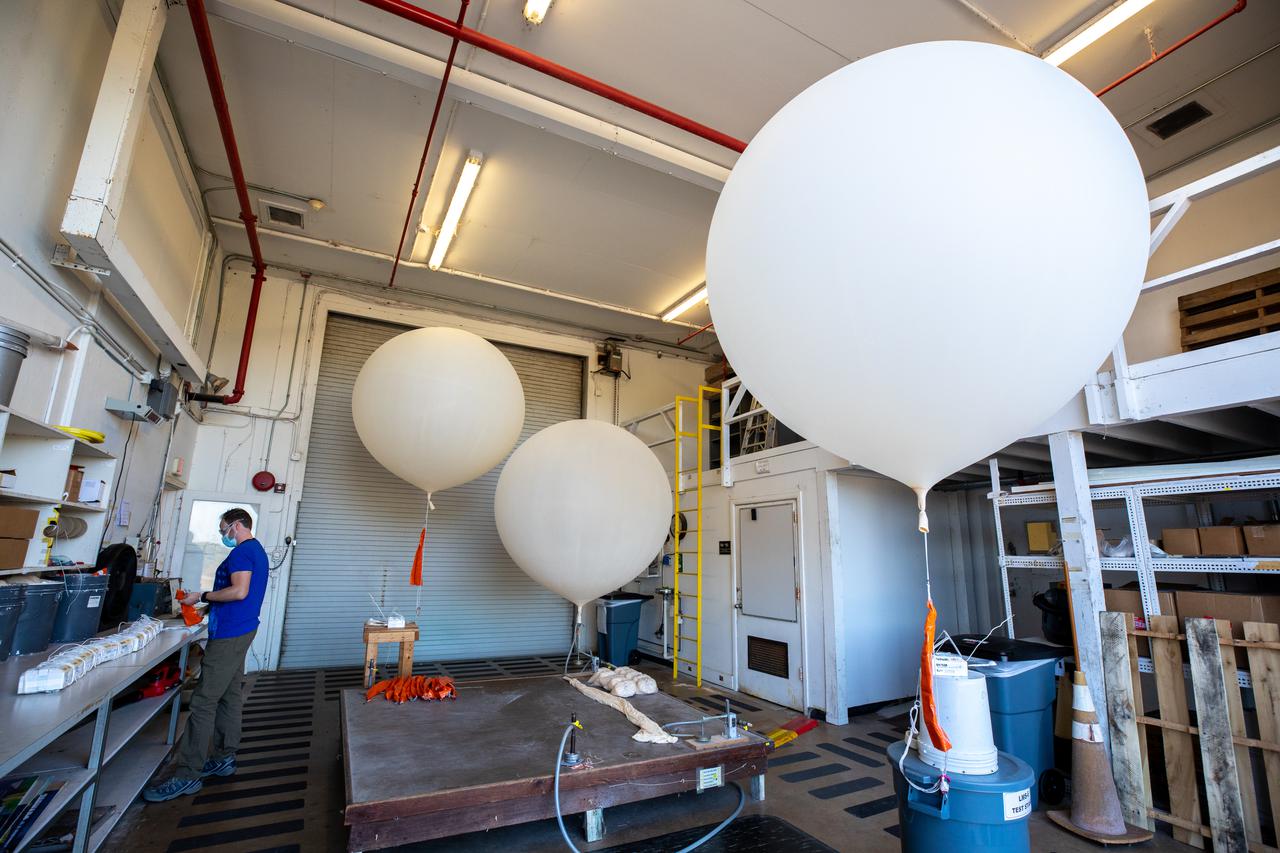
Meteorological Data Specialist Michael Boyer prepares weather balloons for release at the Cape Canaveral Space Force Station (CCSFS) Weather Station in preparation for an Artemis I weather simulation on Nov. 3, 2021. The event involved teams from CCSFS, Kennedy Space Center, Johnson Space Center in Texas, and Marshall Space Flight Center in Alabama. Weather balloons provided data below 6,000 feet and above 62,000 feet, while Kennedy’s Tropospheric Doppler Radar Wind Profiler delivered data from 6,000 to 62,000 feet. The radar wind profiler will be used as the primary upper level wind instrument for NASA’s Artemis missions, including Artemis I, the first launch of the agency’s Space Launch System rocket and the Orion spacecraft on a flight beyond the Moon.
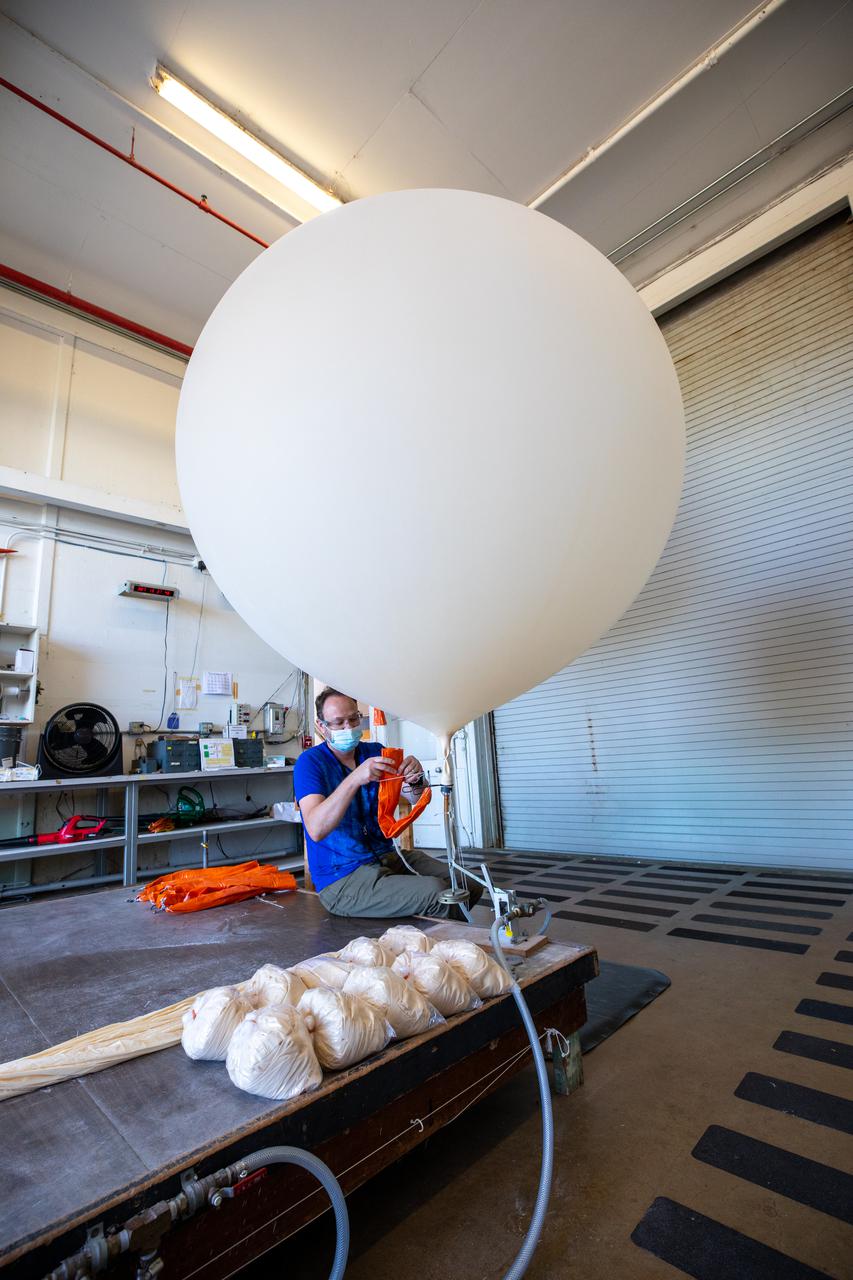
Meteorological Data Specialist Michael Boyer prepares weather balloons for release at the Cape Canaveral Space Force Station (CCSFS) Weather Station in preparation for an Artemis I weather simulation on Nov. 3, 2021. The event involved teams from CCSFS, Kennedy Space Center, Johnson Space Center in Texas, and Marshall Space Flight Center in Alabama. Weather balloons provided data below 6,000 feet and above 62,000 feet, while Kennedy’s Tropospheric Doppler Radar Wind Profiler delivered data from 6,000 to 62,000 feet. The radar wind profiler will be used as the primary upper level wind instrument for NASA’s Artemis missions, including Artemis I, the first launch of the agency’s Space Launch System rocket and the Orion spacecraft on a flight beyond the Moon.

Meteorological Data Specialist Michael Boyer prepares to release a weather balloon at the Cape Canaveral Space Force Station (CCSFS) Weather Station during an Artemis I weather simulation on Nov. 3, 2021. The event involved teams from CCSFS, Kennedy Space Center, Johnson Space Center in Texas, and Marshall Space Flight Center in Alabama. Weather balloons provided data below 6,000 feet and above 62,000 feet, while Kennedy’s Tropospheric Doppler Radar Wind Profiler delivered data from 6,000 to 62,000 feet. The radar wind profiler will be used as the primary upper level wind instrument for NASA’s Artemis missions, including Artemis I, the first launch of the agency’s Space Launch System rocket and the Orion spacecraft on a flight beyond the Moon.

Meteorological Data Specialist Michael Boyer releases a weather balloon at the Cape Canaveral Space Force Station (CCSFS) Weather Station during an Artemis I weather simulation on Nov. 3, 2021. The event involved teams from CCSFS, Kennedy Space Center, Johnson Space Center in Texas, and Marshall Space Flight Center in Alabama. Weather balloons provided data below 6,000 feet and above 62,000 feet, while Kennedy’s Tropospheric Doppler Radar Wind Profiler delivered data from 6,000 to 62,000 feet. The radar wind profiler will be used as the primary upper level wind instrument for NASA’s Artemis missions, including Artemis I, the first launch of the agency’s Space Launch System rocket and the Orion spacecraft on a flight beyond the Moon.
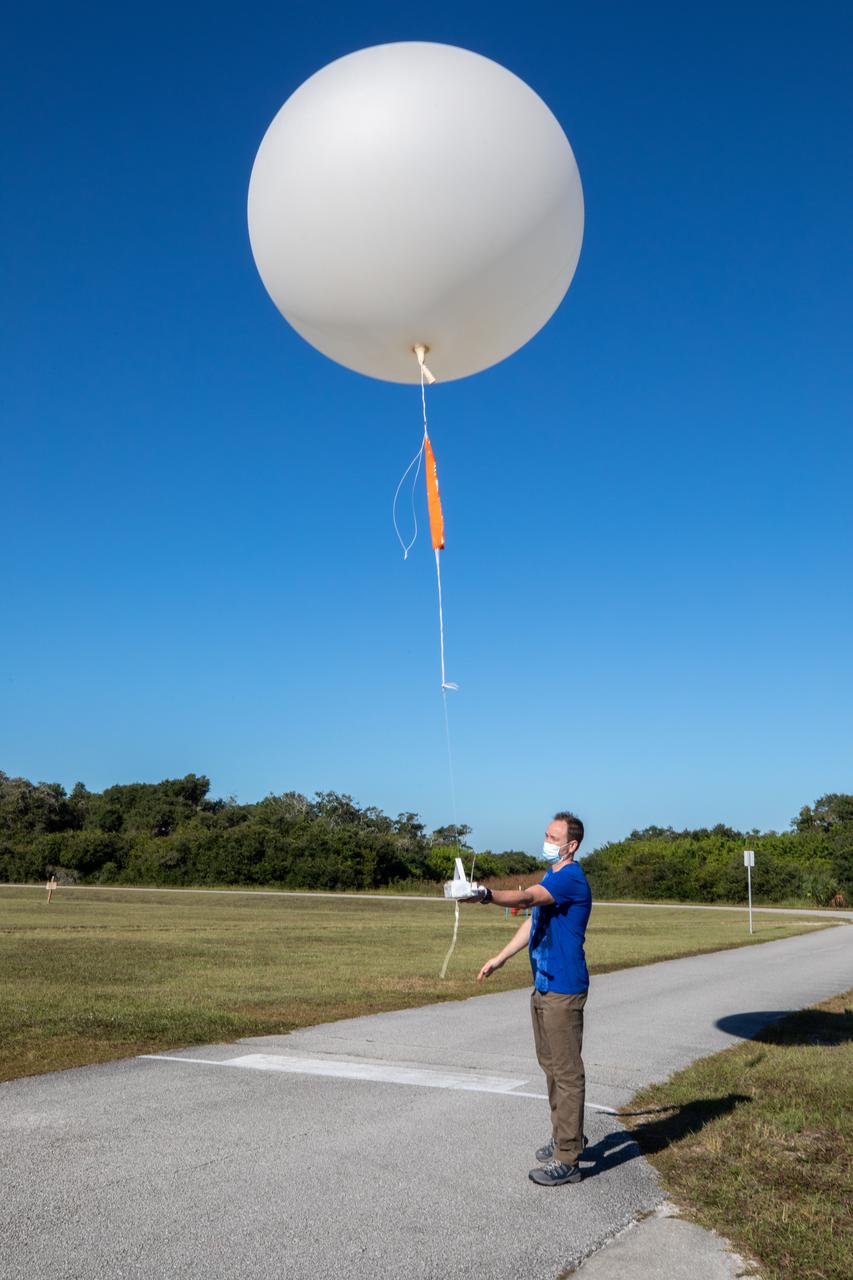
Meteorological Data Specialist Michael Boyer releases a weather balloon at the Cape Canaveral Space Force Station (CCSFS) Weather Station during an Artemis I weather simulation on Nov. 3, 2021. The event involved teams from CCSFS, Kennedy Space Center, Johnson Space Center in Texas, and Marshall Space Flight Center in Alabama. Weather balloons provided data below 6,000 feet and above 62,000 feet, while Kennedy’s Tropospheric Doppler Radar Wind Profiler delivered data from 6,000 to 62,000 feet. The radar wind profiler will be used as the primary upper level wind instrument for NASA’s Artemis missions, including Artemis I, the first launch of the agency’s Space Launch System rocket and the Orion spacecraft on a flight beyond the Moon.
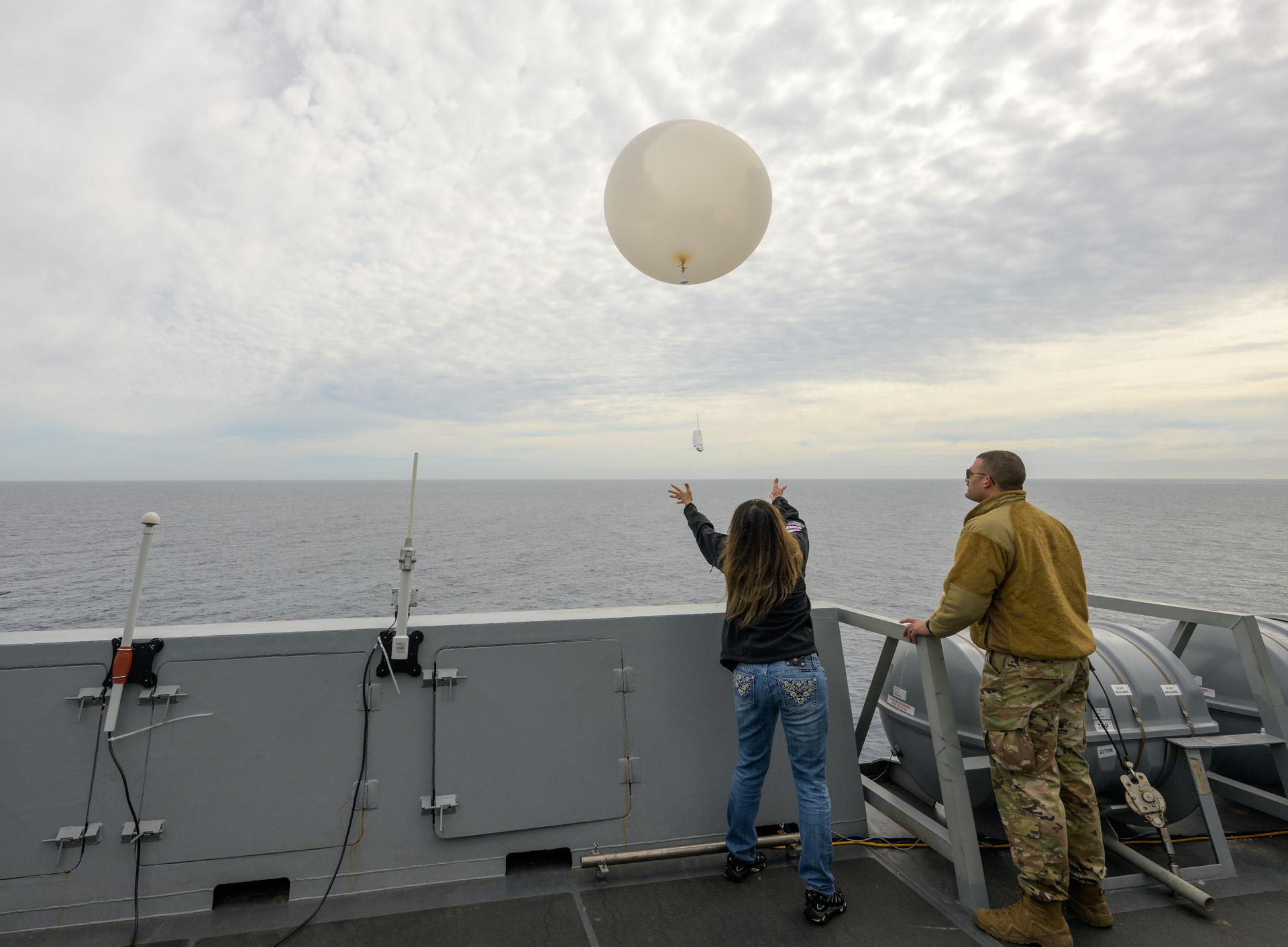
Lisa Seiler, Artemis Landing and Recovery Deputy Director, and airmen of the 45th Weather Squadron release a weather balloon for launch as NASA, U.S. Navy, and U.S. Air Force teams continue to prepare for the the return of the Artemis II crewmembers to Earth, Thursday, April 9, 2026, onboard USS John P. Murtha in the Pacific Ocean off the coast of California. NASA’s Artemis II mission is taking NASA astronauts Reid Wiseman, commander; Victor Glover, pilot; Christina Koch, mission specialist; and CSA (Canadian Space Agency) astronaut Jeremy Hansen, mission specialist on a 10-day journey around the Moon and back aboard their Orion spacecraft. Wiseman, Glover, Koch, and Hansen are scheduled to splash down off the coast of San Diego at approximately 5:07 p.m. PDT (8:07 p.m. EDT) on Friday, April 10. Photo Credit: (NASA/Bill Ingalls)

KENNEDY SPACE CENTER, FLA. -- Stephen Ezell, meteorological systems operator at Weather Station A, Cape Canaveral Air Force Station, releases a weather balloon. Such balloons are released twice a day. The package at the bottom is a radio sonde that collects temperature and humidity data as the balloon rises. The data is released to agencies nationwide, including the 45th Space Wing, which uses the data for its daily weather reports. The weather station provides additional data to NASA for launches -- releasing 12 balloons in eight hours prior to liftoff - and landings - releasing 5 balloons in six and a half hours before expected touchdown.
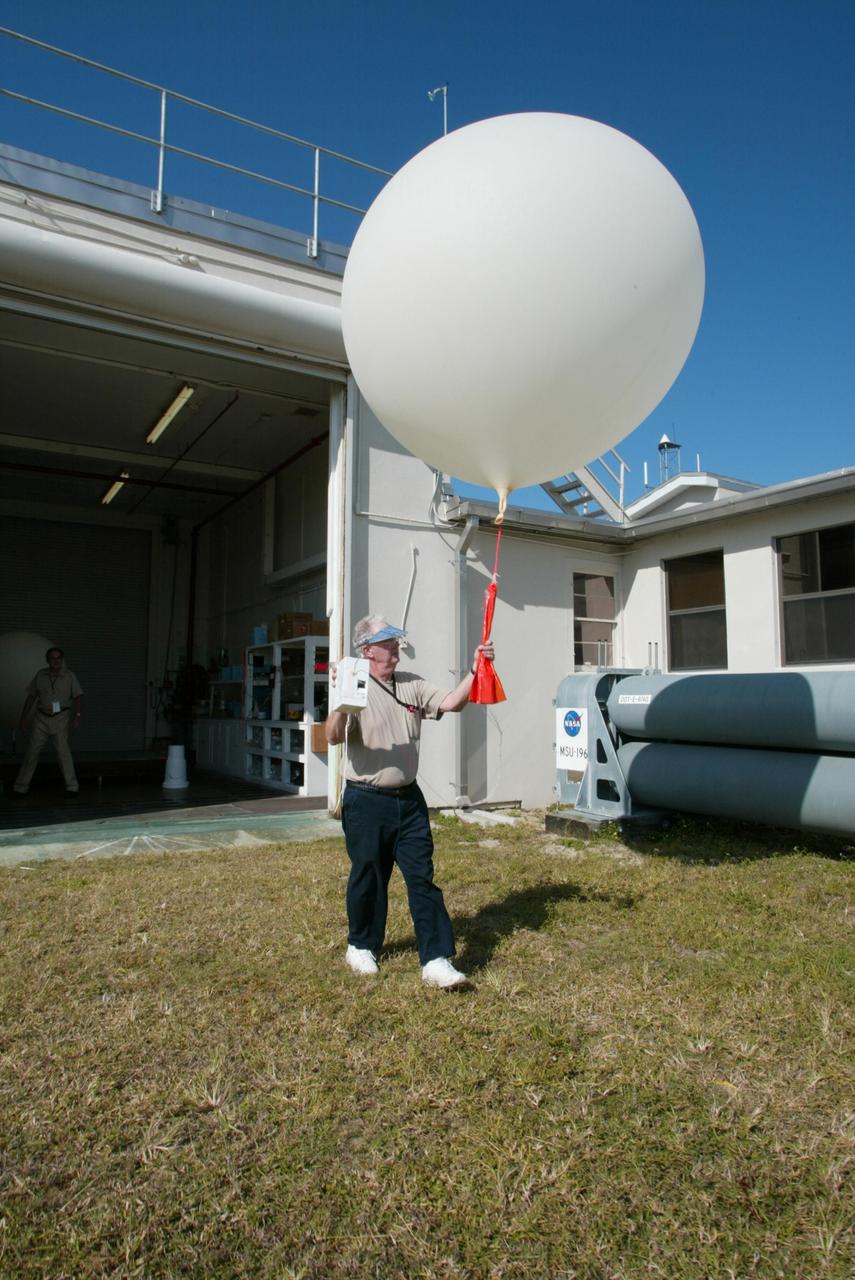
KENNEDY SPACE CENTER, FLA. - Stephen Ezell, meteorological systems operator at Weather Station A, Cape Canaveral Air Force Station, gets ready to release a weather balloon. Such balloons are released twice a day. The package in Ezell's hand is a radio sonde that collects temperature and humidity data as the balloon rises. The data is released to agencies nationwide, including the 45th Space Wing, which uses the data for its daily weather reports. The weather station provides additional data to NASA for launches -- releasing 12 balloons in eight hours prior to liftoff - and landings - releasing 5 balloons in six and a half hours before expected touchdown.
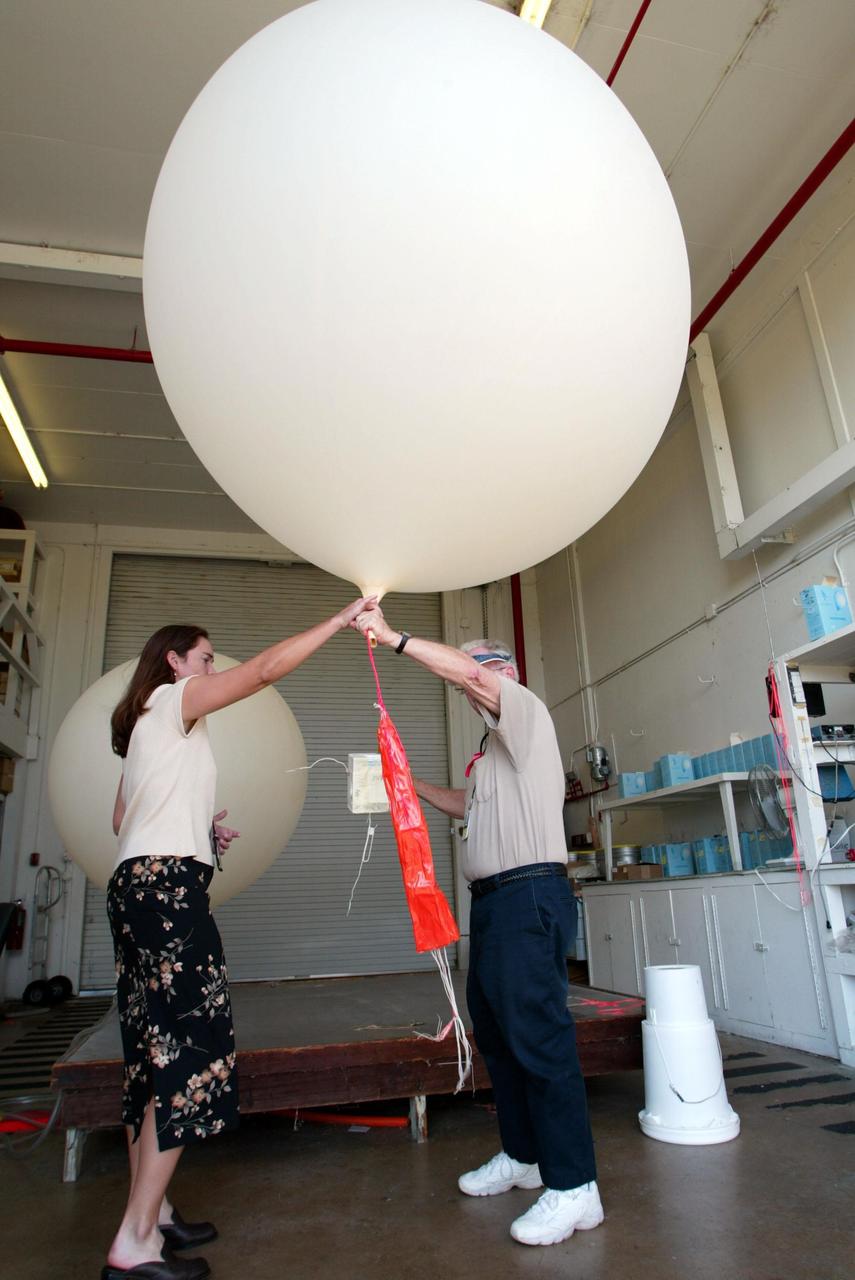
KENNEDY SPACE CENTER, FLA. - At Weather Station A, Cape Canaveral Air Force Station, Judy Kelley, supervisor of Meteorology Operations, and Stephen Ezell, meteorological systems operator, get ready to release a weather balloon. Such balloons are released twice a day. The package at the bottom is a radio sonde that collects temperature and humidity data as the balloon rises. The data is released to agencies nationwide, including the 45th Space Wing, which uses the data for its daily weather reports. The weather station provides additional data to NASA for launches -- releasing 12 balloons in eight hours prior to liftoff - and landings - releasing 5 balloons in six and a half hours before expected touchdown.
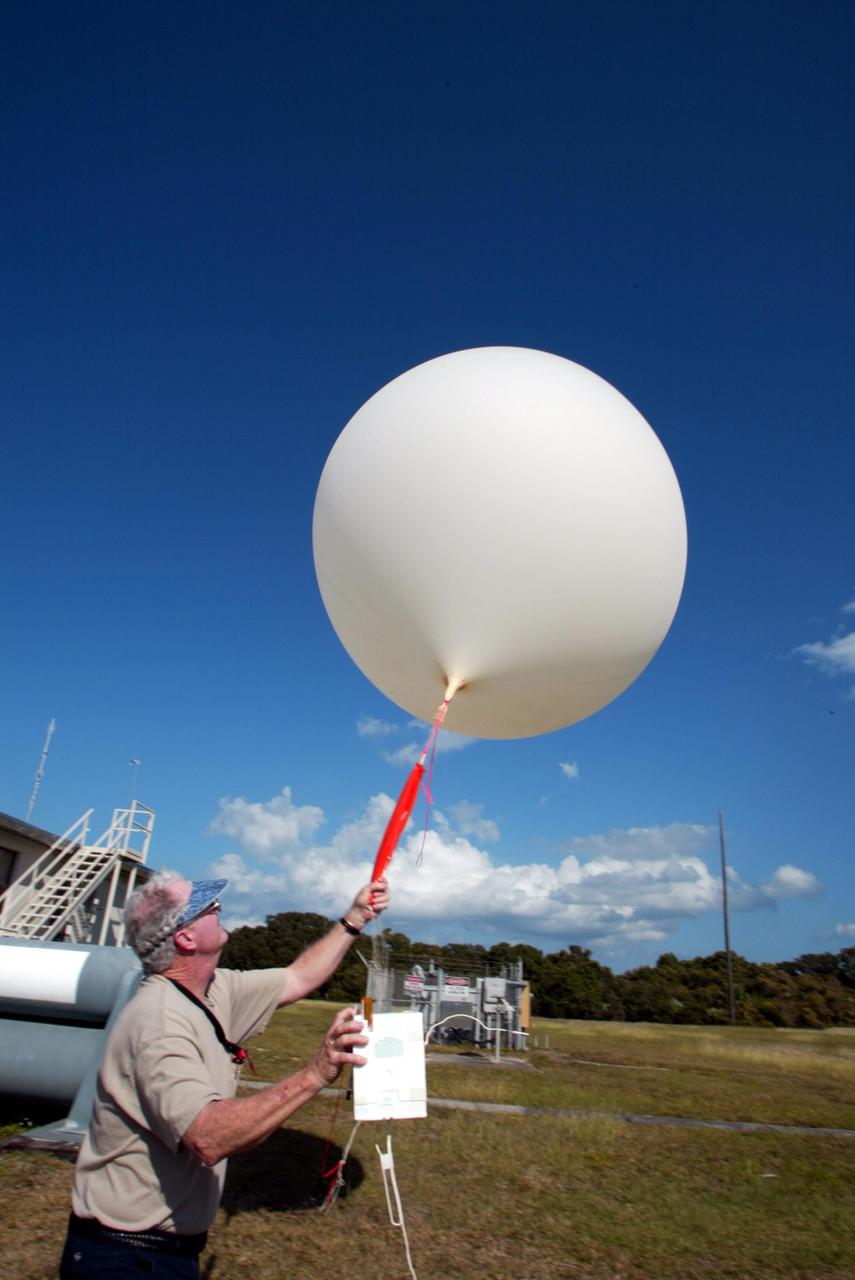
KENNEDY SPACE CENTER, FLA. - Stephen Ezell, meteorological systems operator at Weather Station A, Cape Canaveral Air Force Station, gets ready to release a weather balloon. Such balloons are released twice a day. The package in Ezell's hand is a radio sonde that collects temperature and humidity data as the balloon rises. The data is released to agencies nationwide, including the 45th Space Wing, which uses the data for its daily weather reports. The weather station provides additional data to NASA for launches -- releasing 12 balloons in eight hours prior to liftoff - and landings - releasing 5 balloons in six and a half hours before expected touchdown.
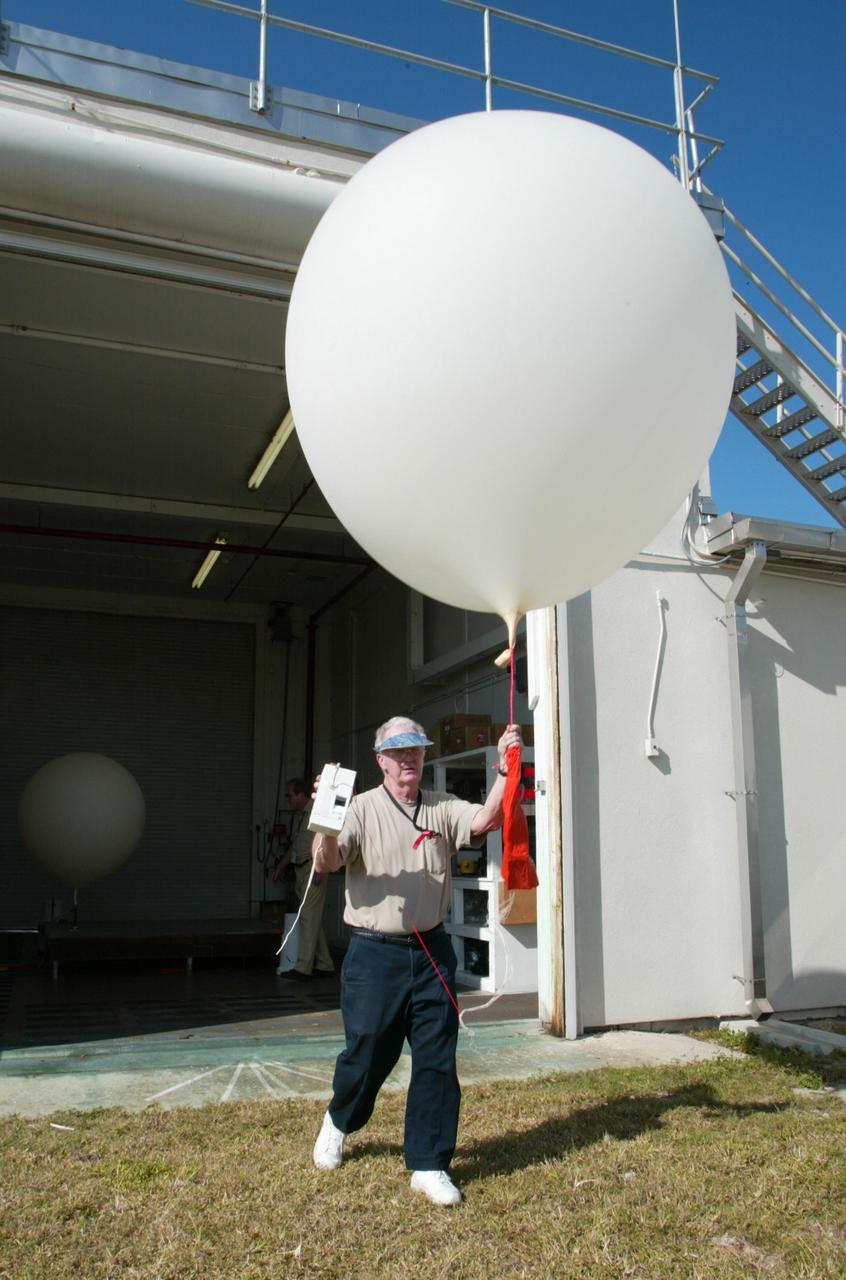
KENNEDY SPACE CENTER, FLA. - Stephen Ezell, meteorological systems operator at Weather Station A, Cape Canaveral Air Force Station, walks out with a weather balloon that he will release. Such balloons are released twice a day. The package in Ezell's hand is a radio sonde that collects temperature and humidity data as the balloon rises. The data is released to agencies nationwide, including the 45th Space Wing which uses the data for its daily weather reports. The weather station provides additional data to NASA for launches - releasing 12 balloons in eight hours prior to liftoff - and landings - releasing 5 balloons in six and a half hours before expected touchdown.
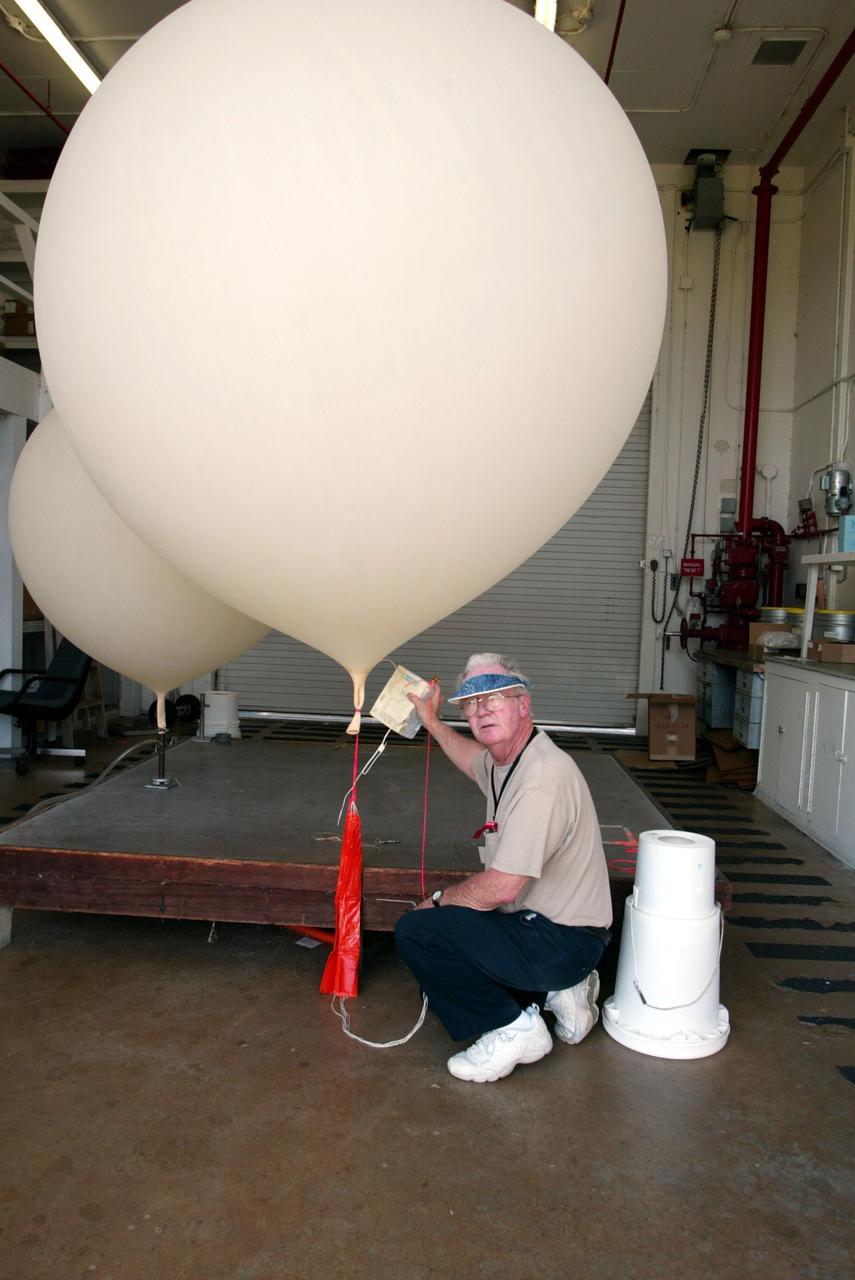
KENNEDY SPACE CENTER, FLA. - Stephen Ezell, meteorological systems operator at Weather Station A, Cape Canaveral Air Force Station, gets ready to release a weather balloon. Such balloons are released twice a day collecting data such as temperature and humidity as they rise. The data is released to agencies nationwide, including the 45th Space Wing which uses the data for its daily weather reports. The weather station provides additional data to NASA for launches -- releasing 12 balloons in eight hours prior to liftoff - and landings - releasing 5 balloons in six and a half hours before expected touchdown.
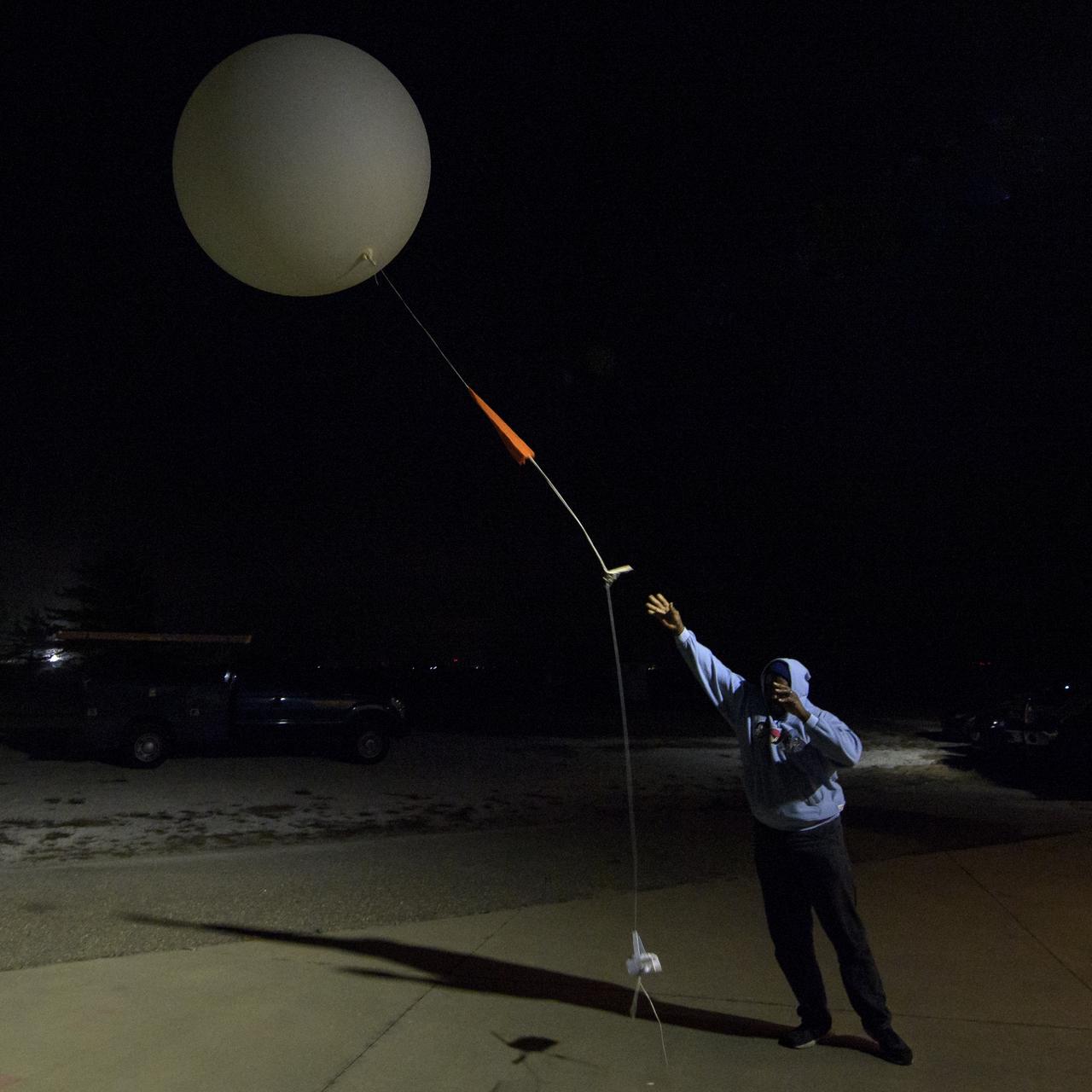
Isiah Toran releases a weather balloon to help measure atmospheric conditions ahead of the launch of the NASA Ice, Cloud and land Elevation Satellite-2 (ICESat-2), Saturday, Sept. 15, 2018, Vandenberg Air Force Base in California. The ICESat-2 mission will measure the changing height of Earth's ice. Photo Credit: (NASA/Bill Ingalls)
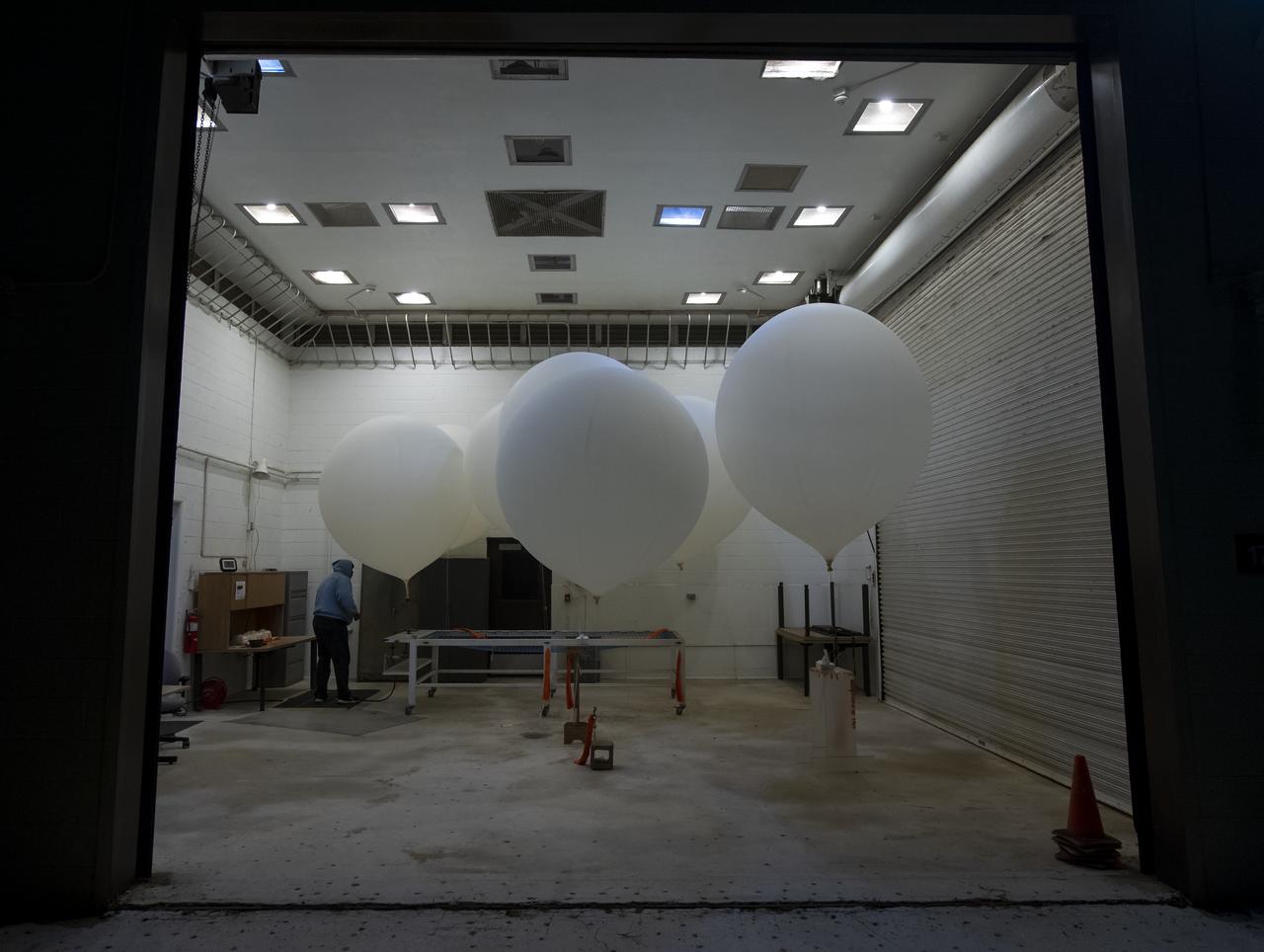
Weather balloons are prepared for release to help measure atmospheric conditions ahead of the launch of the NASA Ice, Cloud and land Elevation Satellite-2 (ICESat-2), Saturday, Sept. 15, 2018, Vandenberg Air Force Base in California. The ICESat-2 mission will measure the changing height of Earth's ice. Photo Credit: (NASA/Bill Ingalls)
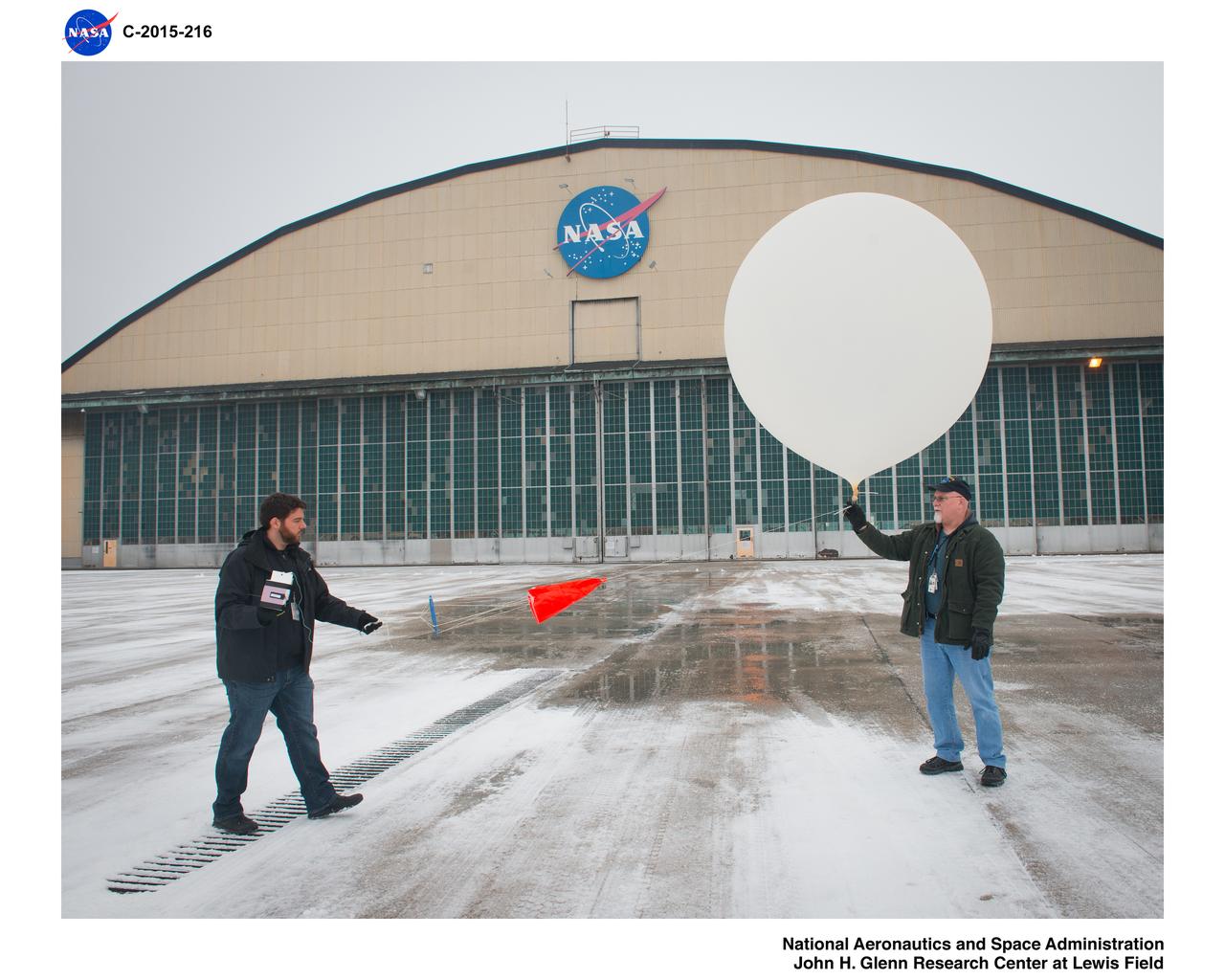
Glenn Weather Balloon Icing Research Activities
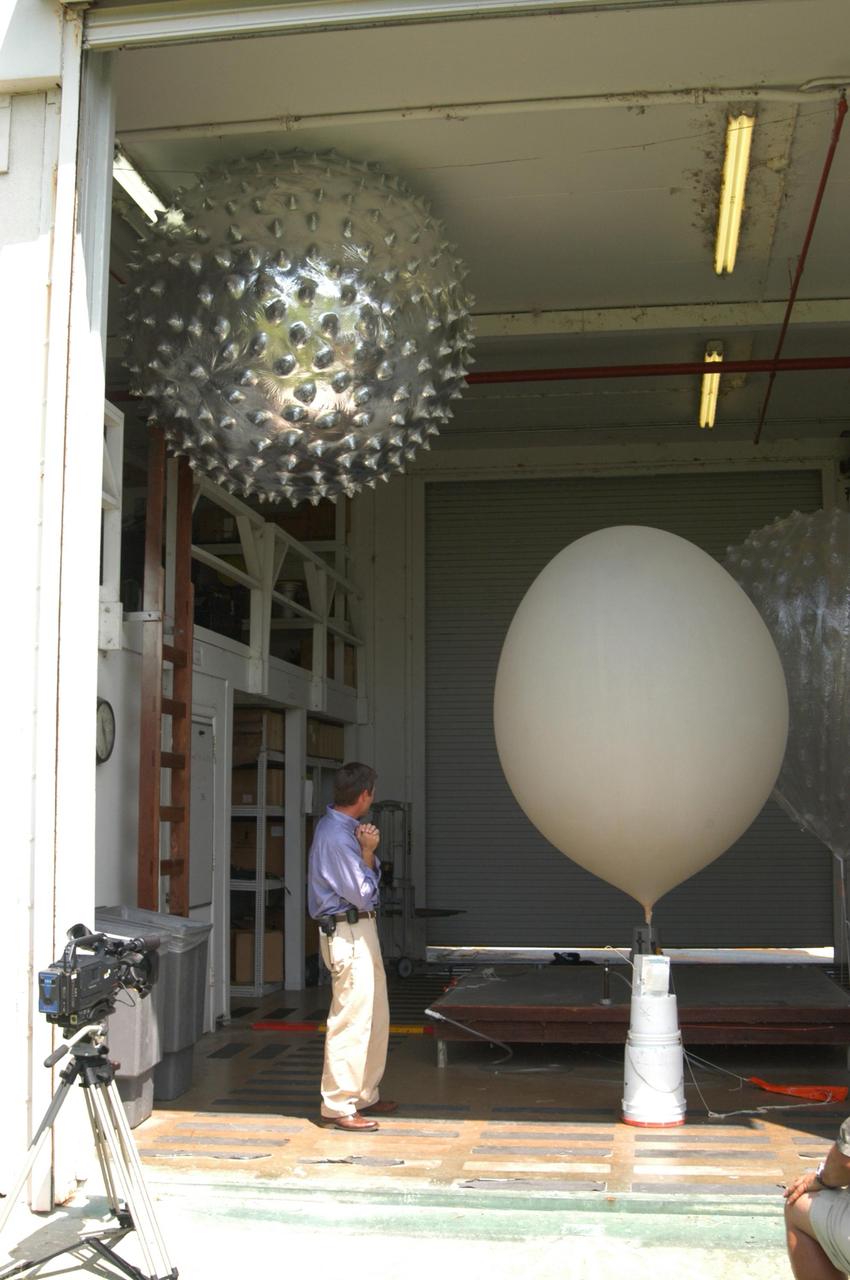
KENNEDY SPACE CENTER, FLA. - At the Cape Canaveral weather station in Florida, a member of the weather team looks over the weather balloons inside. The release of a Rawinsonde weather balloon was planned as part of a media tour prior to the launch of Space Shuttle Discovery on mission STS-121 July 1. At the facility, which is operated by the U.S. Air Force 45th Weather Squadron, media saw the tools used by the weather team to create the forecast for launch day. They received a briefing on how the launch weather forecast is developed by Shuttle Weather Officer Kathy Winters and met the forecasters for the space shuttle and the expendable launch vehicles. Also participating were members of the Applied Meteorology Unit who provide special expertise to the forecasters by analyzing and interpreting unusual or inconsistent weather data. The media were able to see the release of the Rawinsonde weather balloon carrying instruments aloft to be used as part of developing the forecast. Photo credit: NASA/George Shelton
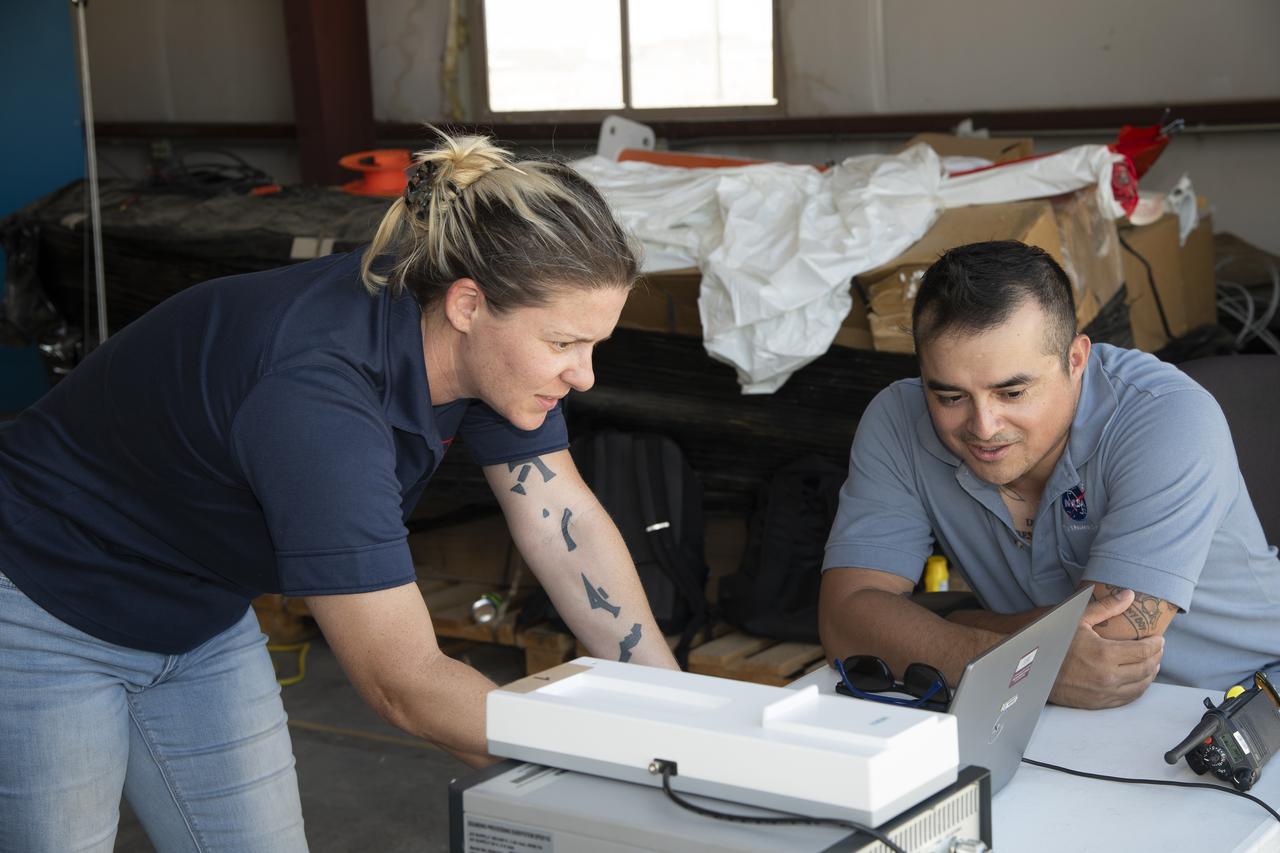
Tegan French and Rocky Garcia are at a weather balloon system’s ground station monitoring temperature, humidity, pressure, and winds transmitted from an instrument package on the balloon as it ascends. The balloon is part of the different methods to collect wind and weather data for the Advanced Exploration of Reliable Operation at Low Altitudes: Meteorology, Simulation and Technology campaign. The weather study was at NASA’s Armstrong Flight Research Center in Edwards, California. The focus was to study wind from the ground to 2,000 feet to provide data to assist future drones to safely land on rooftop hubs called vertiports and to potentially improve weather prediction.
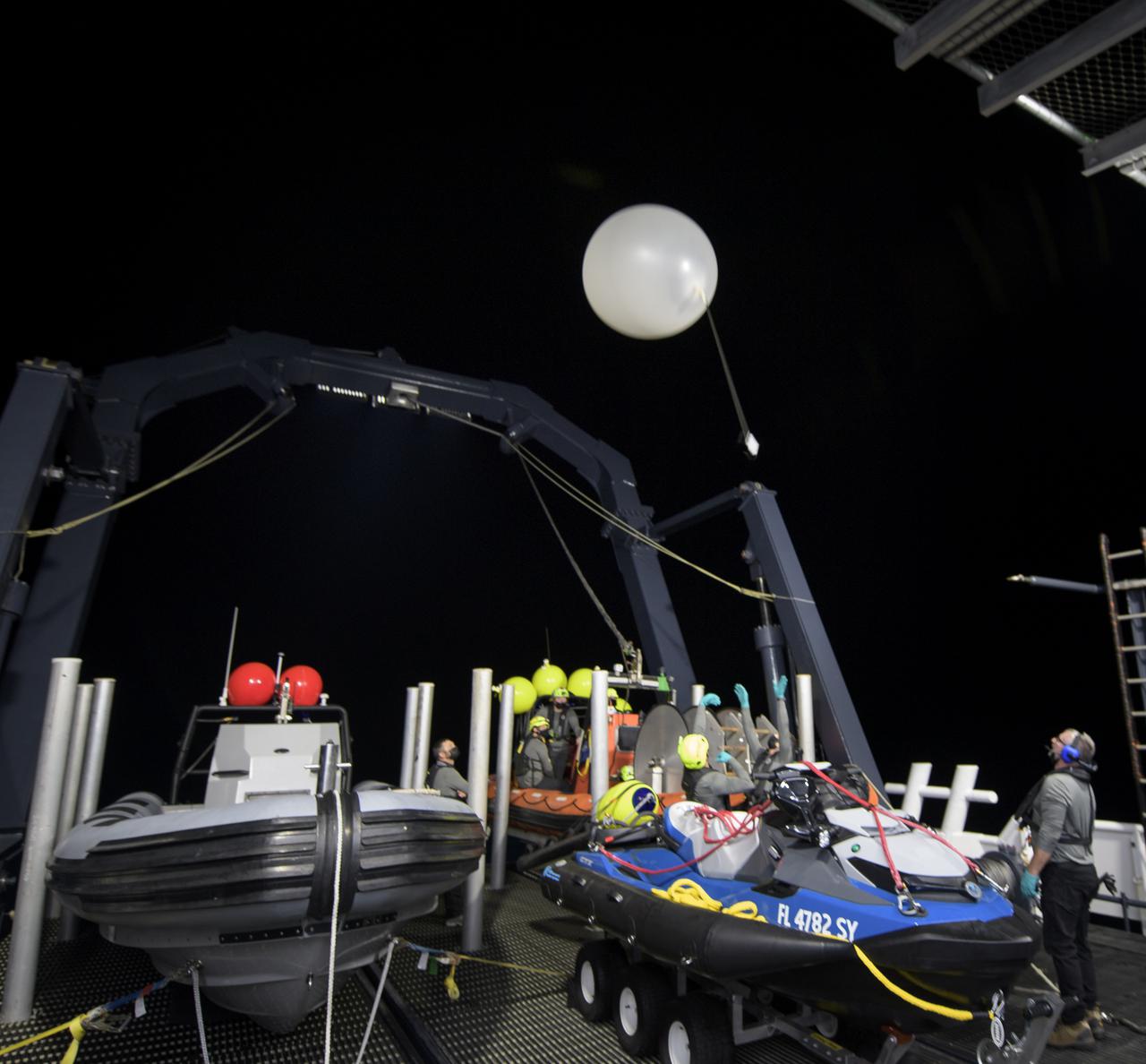
SpaceX support teams onboard the SpaceX GO Navigator recovery launch a weather balloon ahead of the landing of the SpaceX Crew Dragon Resilience spacecraft with NASA astronauts Mike Hopkins, Shannon Walker, and Victor Glover, and Japan Aerospace Exploration Agency (JAXA) astronaut Soichi Noguchi aboard in the Gulf of Mexico off the coast of Panama City, Florida, Saturday, May 1, 2021. NASA’s SpaceX Crew-1 mission is the first crew rotation flight of the SpaceX Crew Dragon spacecraft and Falcon 9 rocket with astronauts to the International Space Station as part of the agency’s Commercial Crew Program. Photo Credit: (NASA/Bill Ingalls)
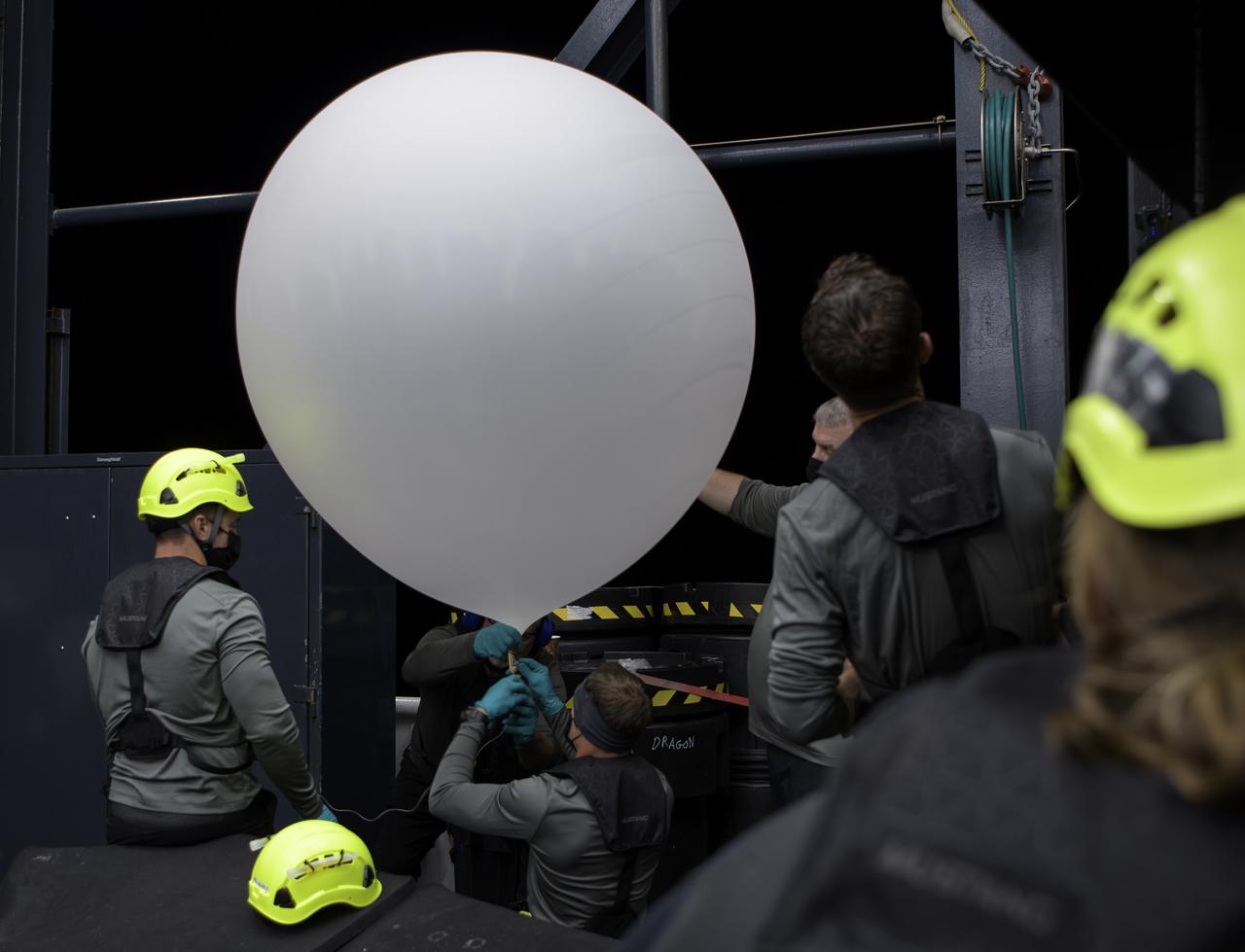
SpaceX support teams onboard the SpaceX GO Navigator recovery ship prepare to launch a weather balloon ahead of the landing of the SpaceX Crew Dragon Resilience spacecraft with NASA astronauts Mike Hopkins, Shannon Walker, and Victor Glover, and Japan Aerospace Exploration Agency (JAXA) astronaut Soichi Noguchi aboard in the Gulf of Mexico off the coast of Panama City, Florida, Saturday, May 1, 2021. NASA’s SpaceX Crew-1 mission is the first crew rotation flight of the SpaceX Crew Dragon spacecraft and Falcon 9 rocket with astronauts to the International Space Station as part of the agency’s Commercial Crew Program. Photo Credit: (NASA/Bill Ingalls)
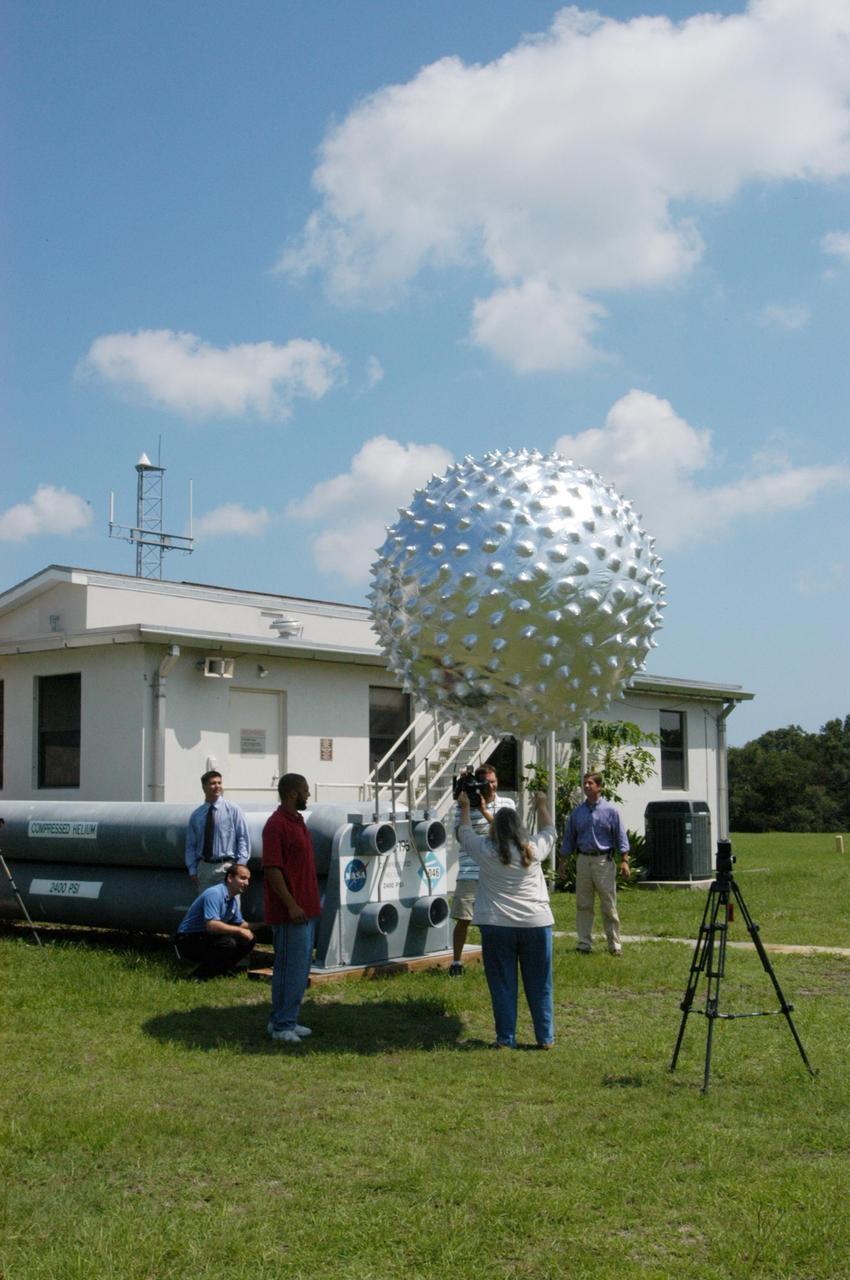
KENNEDY SPACE CENTER, FLA. - At the Cape Canaveral weather station in Florida, workers release an upper-level weather balloon while several newscasters watch. The release of the balloon was part of a media tour prior to the launch of Space Shuttle Discovery on mission STS-121 July 1. The radar-tracked balloon detects wind shears that can affect a shuttle launch. At the facility, which is operated by the U.S. Air Force 45th Weather Squadron, media saw the tools used by the weather team to create the forecast for launch day. They received a briefing on how the launch weather forecast is developed by Shuttle Weather Officer Kathy Winters and met the forecasters for the space shuttle and the expendable launch vehicles. Also participating were members of the Applied Meteorology Unit who provide special expertise to the forecasters by analyzing and interpreting unusual or inconsistent weather data. The media were able to see the release of the Rawinsonde weather balloon carrying instruments aloft to be used as part of developing the forecast. Photo credit: NASA/George Shelton
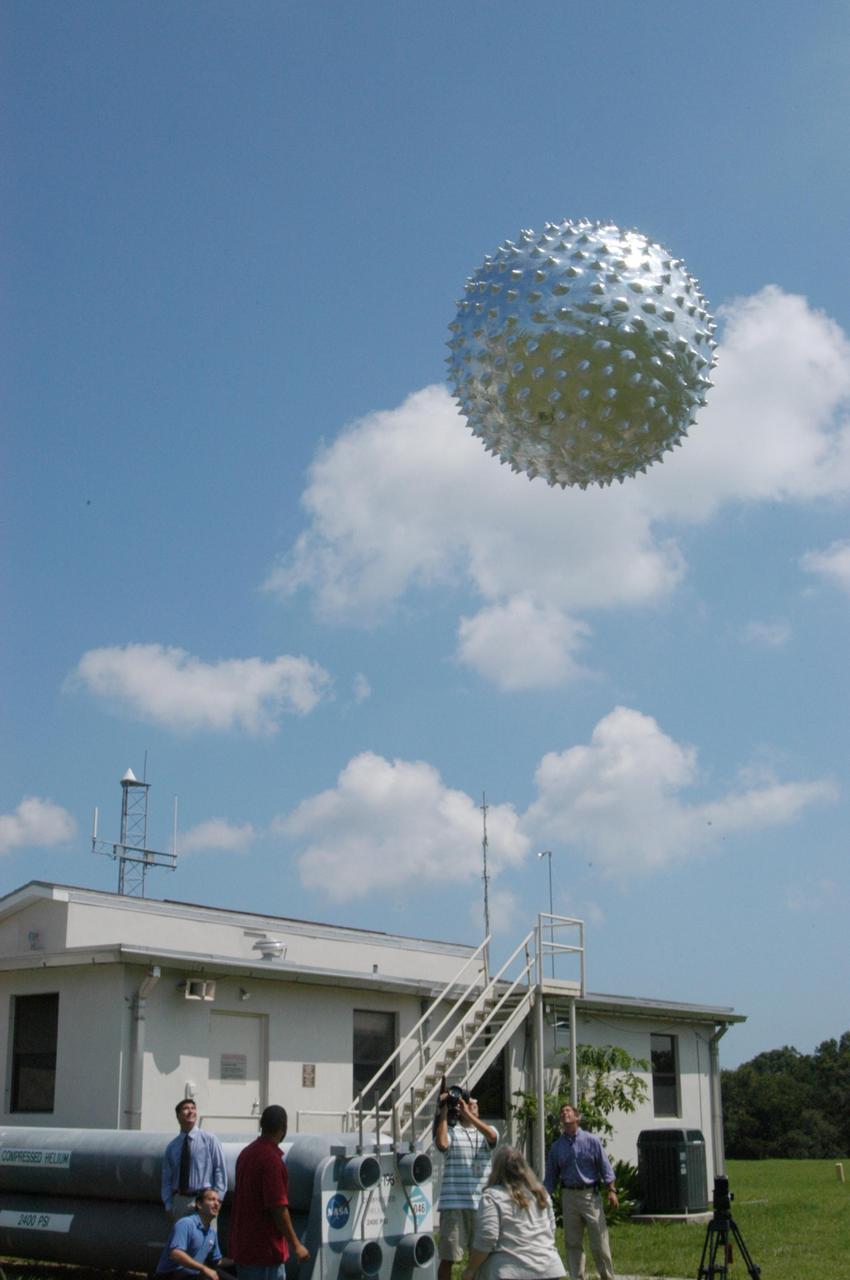
KENNEDY SPACE CENTER, FLA. - Under the watchful eyes of the media, an upper-level weather balloon begins its lift into the sky. The release of the balloon at the Cape Canaveral weather station in Florida was part of a media tour prior to the launch of Space Shuttle Discovery on mission STS-121 July 1. The radar-tracked balloon detects wind shears that can affect a shuttle launch. At the facility, which is operated by the U.S. Air Force 45th Weather Squadron, media saw the tools used by the weather team to create the forecast for launch day. They received a briefing on how the launch weather forecast is developed by Shuttle Weather Officer Kathy Winters and met the forecasters for the space shuttle and the expendable launch vehicles. Also participating were members of the Applied Meteorology Unit who provide special expertise to the forecasters by analyzing and interpreting unusual or inconsistent weather data. The media were able to see the release of the Rawinsonde weather balloon carrying instruments aloft to be used as part of developing the forecast. Photo credit: NASA/George Shelton
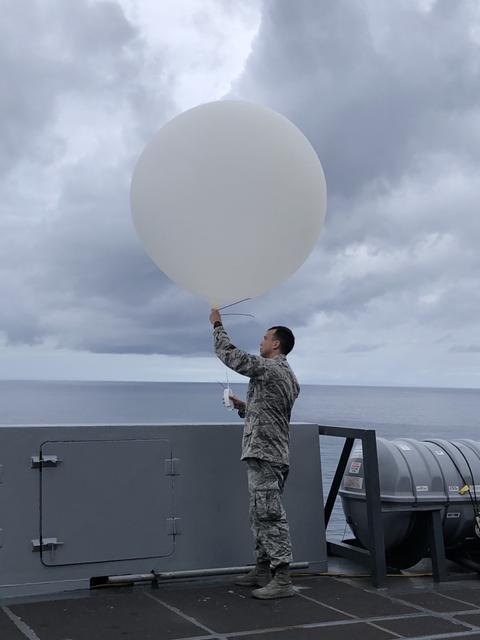
Senior Airman Kyle Boyes of the U.S. Air Force’s 45th Weather Squadron out of Patrick Air Force Base in Florida releases a weather balloon during Underway Recovery Test-8 in the Pacific Ocean in March 2020. Winds data gathered from weather balloons will help inform the course of the U.S. Navy ship carrying NASA’s Landing and Recovery team based out of Exploration Ground Systems at Kennedy Space Center, as it heads to where Orion will splash down following Artemis missions.
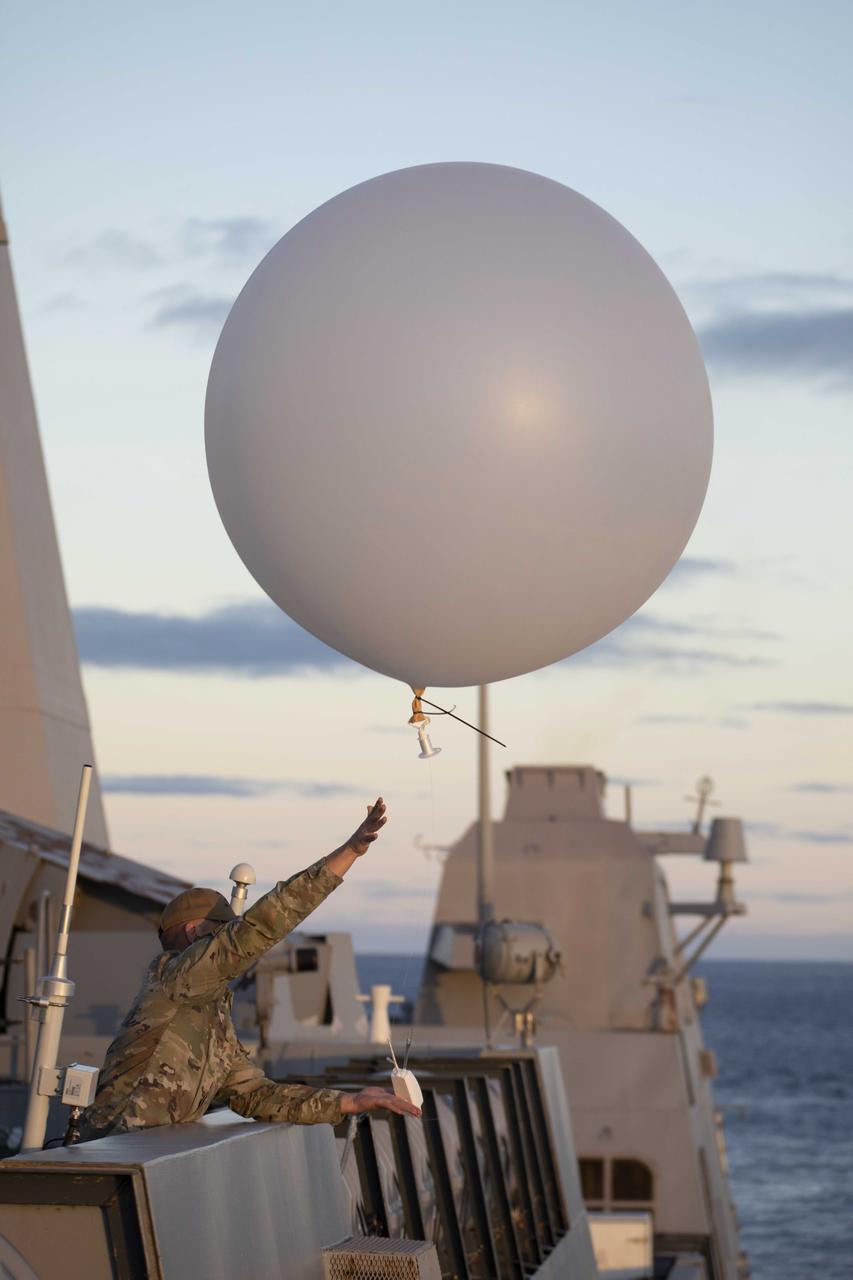
A member of the 45th Weather Squadron out of Patrick Space Force Base releases a weather balloon from the deck of USS Portland prior to splashdown of the NASA’s Orion spacecraft for the Artemis I mission on Dec. 11, 2022.
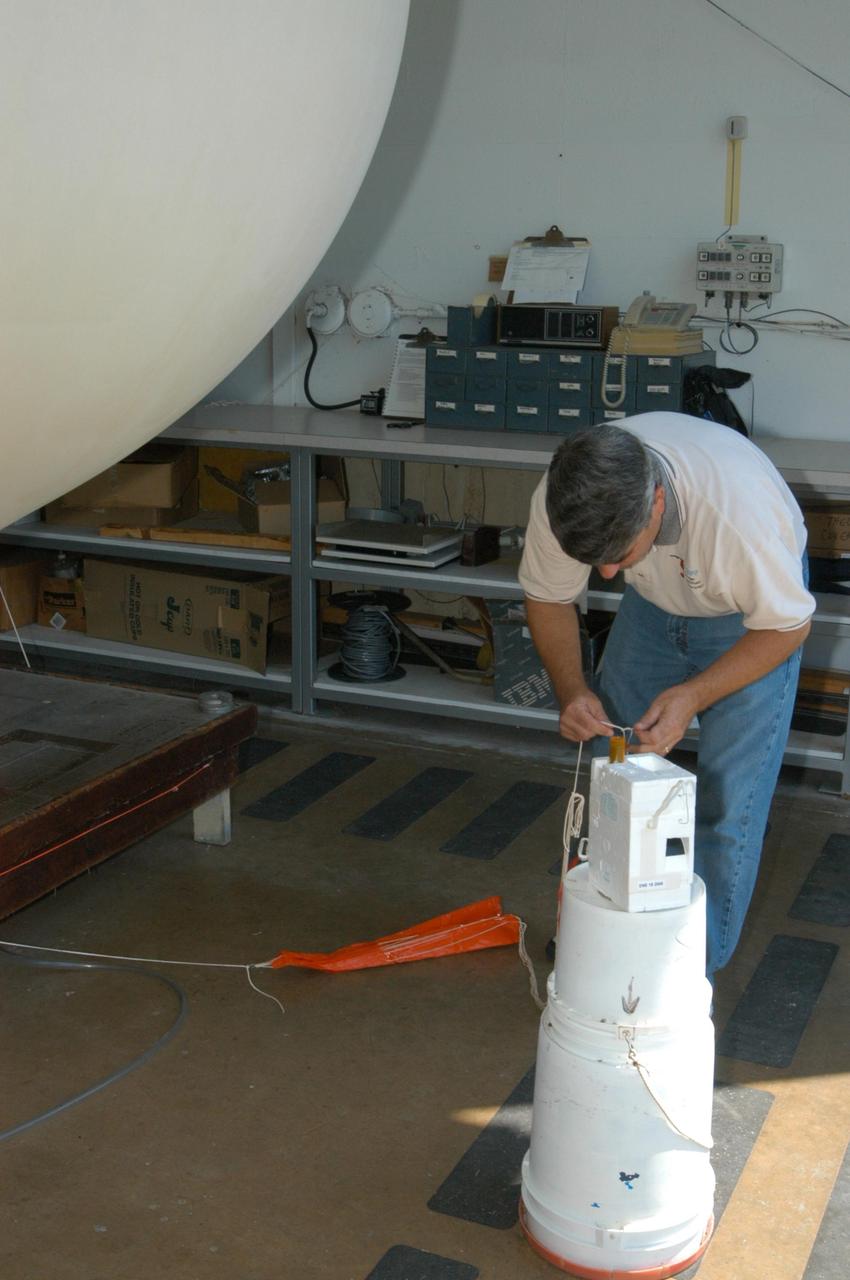
KENNEDY SPACE CENTER, FLA. - At the Cape Canaveral weather station in Florida, a member of the weather team prepares a Rawinsonde weather balloon for release. The release was planned as part of a media tour prior to the launch of Space Shuttle Discovery on mission STS-121 July 1. At the facility, which is operated by the U.S. Air Force 45th Weather Squadron, media saw the tools used by the weather team to create the forecast for launch day. They received a briefing on how the launch weather forecast is developed by Shuttle Weather Officer Kathy Winters and met the forecasters for the space shuttle and the expendable launch vehicles. Also participating were members of the Applied Meteorology Unit who provide special expertise to the forecasters by analyzing and interpreting unusual or inconsistent weather data. The media were able to see the release of the Rawinsonde weather balloon carrying instruments aloft to be used as part of developing the forecast. Photo credit: NASA/George Shelton
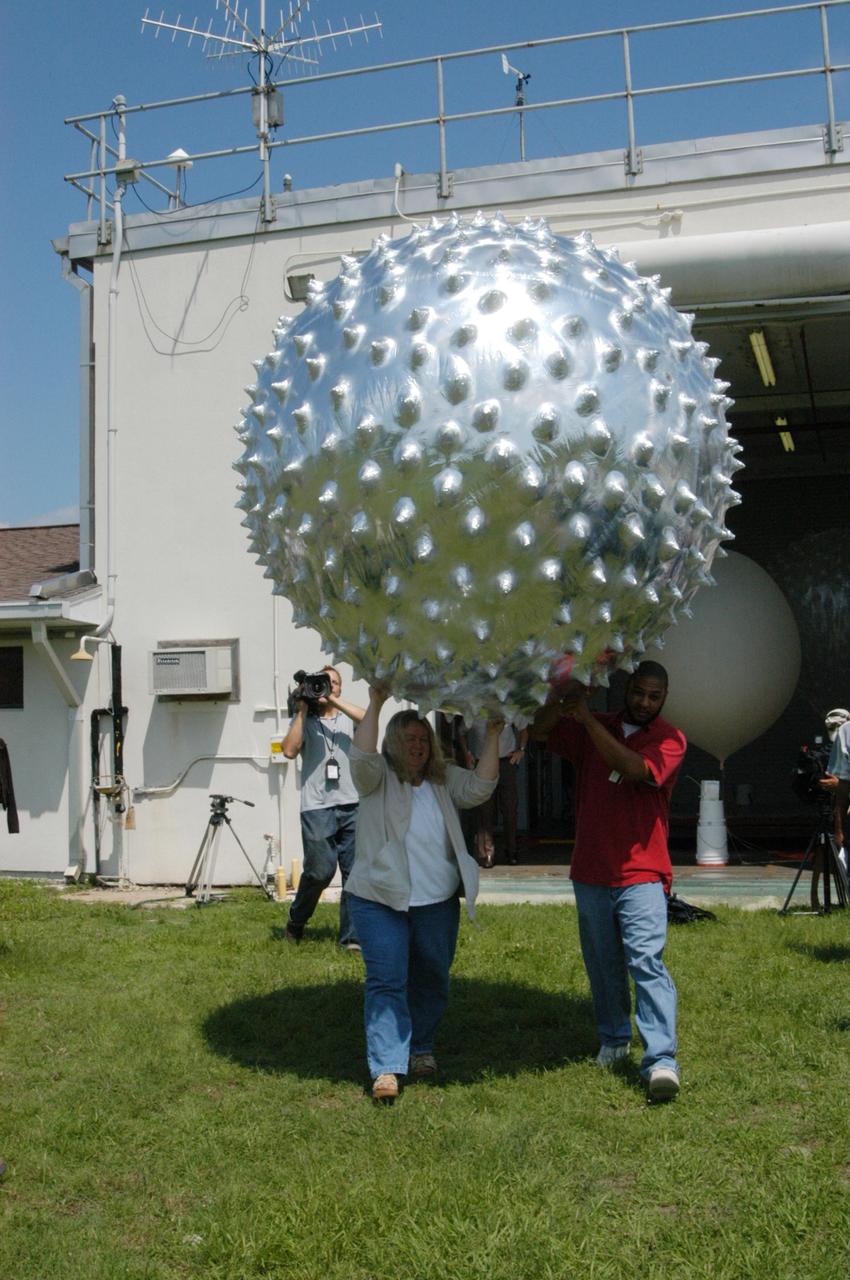
KENNEDY SPACE CENTER, FLA. - At the Cape Canaveral weather station in Florida, workers carry an upper-level weather balloon outside for release. The release was part of a media tour prior to the launch of Space Shuttle Discovery on mission STS-121 July 1. The radar-tracked balloon detects wind shears that can affect a shuttle launch. At the facility, which is operated by the U.S. Air Force 45th Weather Squadron, media saw the tools used by the weather team to create the forecast for launch day. They received a briefing on how the launch weather forecast is developed by Shuttle Weather Officer Kathy Winters and met the forecasters for the space shuttle and the expendable launch vehicles. Also participating were members of the Applied Meteorology Unit who provide special expertise to the forecasters by analyzing and interpreting unusual or inconsistent weather data. The media were able to see the release of the Rawinsonde weather balloon carrying instruments aloft to be used as part of developing the forecast. Photo credit: NASA/George Shelton
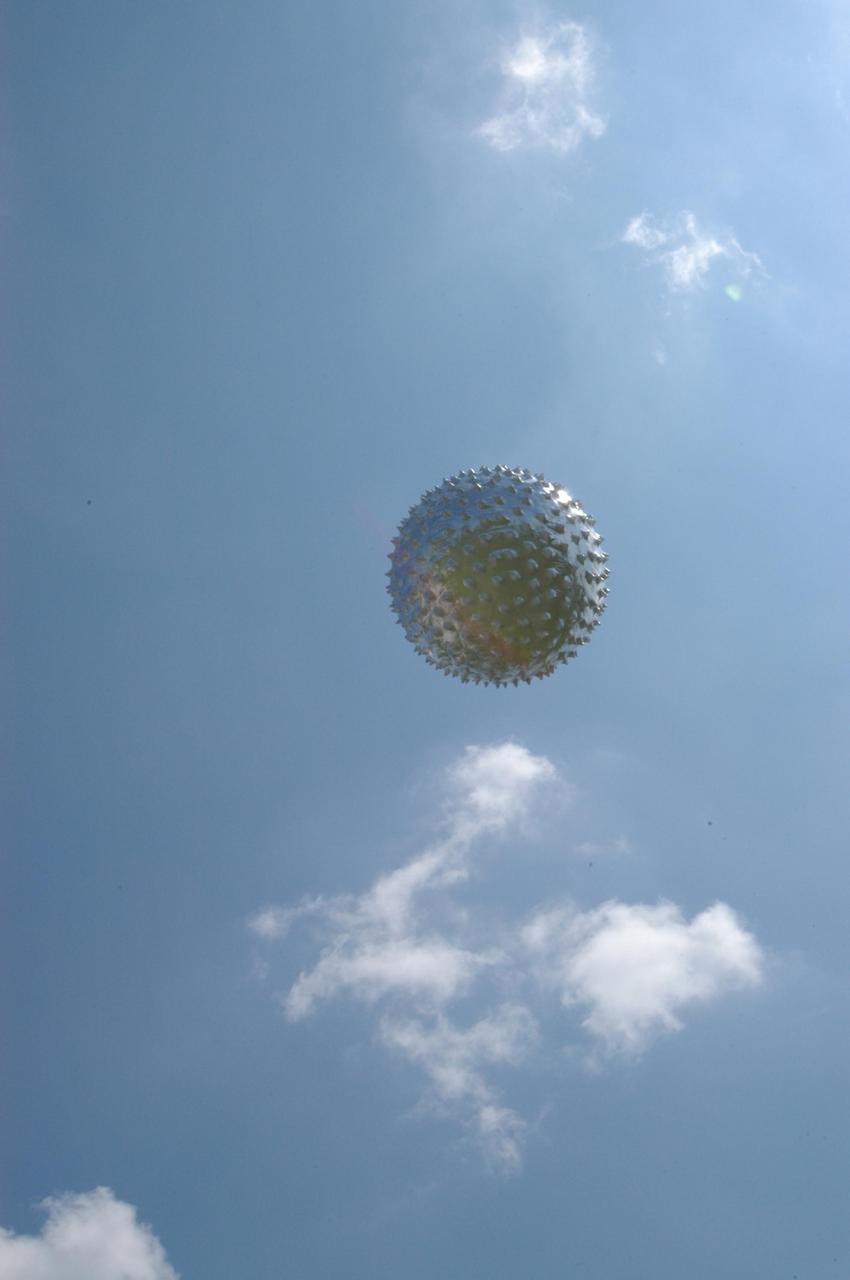
KENNEDY SPACE CENTER, FLA. - An upper-level weather balloon sails into the sky after release from the Cape Canaveral weather station in Florida. The release was planned as part of a media tour prior to the launch of Space Shuttle Discovery on mission STS-121 July 1. The radar-tracked balloon detects wind shears that can affect a shuttle launch. At the facility, which is operated by the U.S. Air Force 45th Weather Squadron, media saw the tools used by the weather team to create the forecast for launch day. They received a briefing on how the launch weather forecast is developed by Shuttle Weather Officer Kathy Winters and met the forecasters for the space shuttle and the expendable launch vehicles. Also participating were members of the Applied Meteorology Unit who provide special expertise to the forecasters by analyzing and interpreting unusual or inconsistent weather data. The media were able to see the release of the Rawinsonde weather balloon carrying instruments aloft to be used as part of developing the forecast. Photo credit: NASA/George Shelton
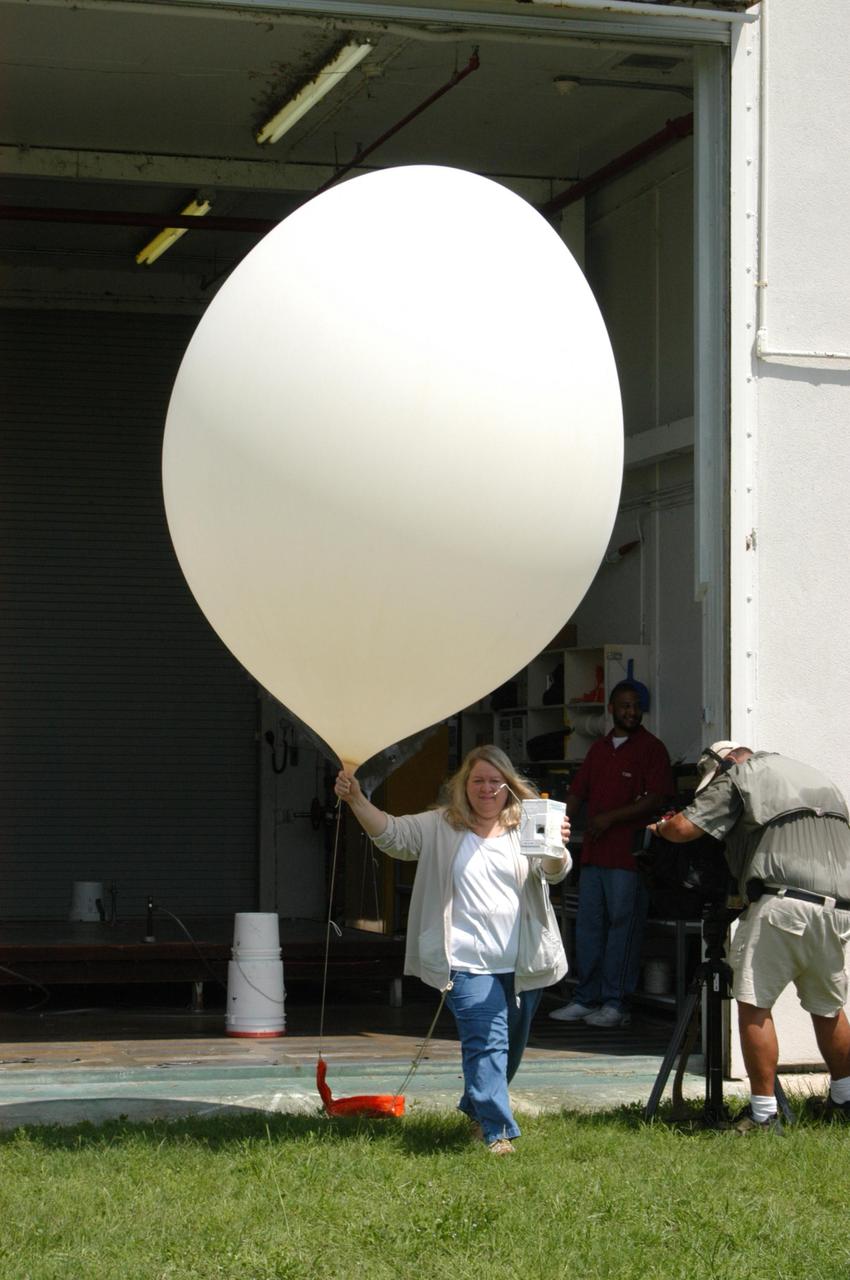
KENNEDY SPACE CENTER, FLA. - At the Cape Canaveral forecast facility in Florida, a worker carries a Rawinsonde weather balloon outside for release. Rawinsonde balloons are GPS-tracked and can collect such data as atmospheric pressure, temperature, humidity and wind speed and direction up to 100,000 feet. The release was planned as part of a media tour prior to the launch of Space Shuttle Discovery on mission STS-121 July 1. At the facility, which is operated by the U.S. Air Force 45th Weather Squadron, media saw the tools used by the weather team to create the forecast for launch day. They received a briefing on how the launch weather forecast is developed by Shuttle Weather Officer Kathy Winters and met the forecasters for the space shuttle and the expendable launch vehicles. Also participating were members of the Applied Meteorology Unit who provide special expertise to the forecasters by analyzing and interpreting unusual or inconsistent weather data. The media were able to see the release of the Rawinsonde weather balloon carrying instruments aloft to be used as part of developing the forecast. Photo credit: NASA/George Shelton
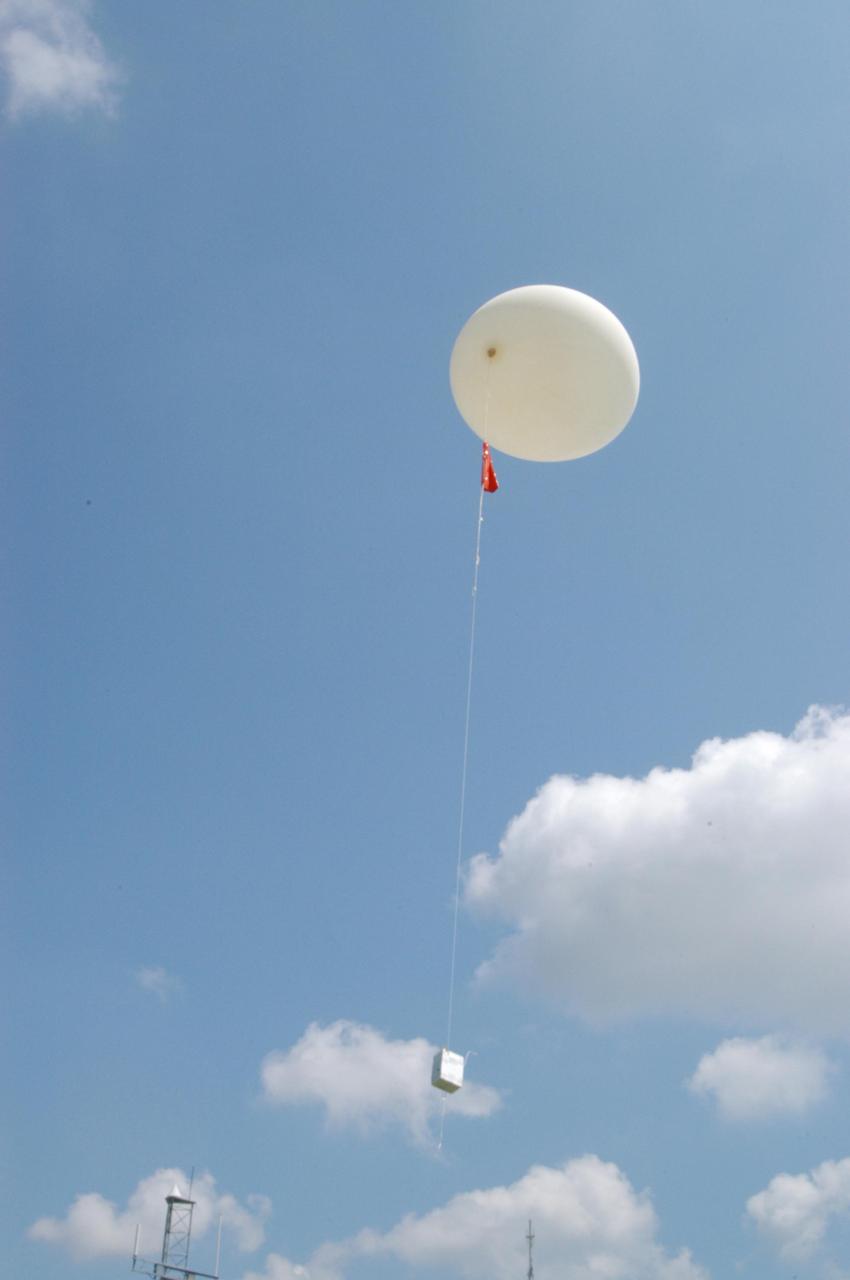
KENNEDY SPACE CENTER, FLA. - A Rawinsonde weather balloon sails into the sky after release from the Cape Canaveral forecast facility in Florida. The release was planned as part of a media tour prior to the launch of Space Shuttle Discovery on mission STS-121 July 1. Rawinsonde balloons are GPS-tracked and can collect such data as atmospheric pressure, temperature, humidity and wind speed and direction up to 100,000 feet. At the facility, which is operated by the U.S. Air Force 45th Weather Squadron, media saw the tools used by the weather team to create the forecast for launch day. They received a briefing on how the launch weather forecast is developed by Shuttle Weather Officer Kathy Winters and met the forecasters for the space shuttle and the expendable launch vehicles. Also participating were members of the Applied Meteorology Unit who provide special expertise to the forecasters by analyzing and interpreting unusual or inconsistent weather data. The media were able to see the release of the Rawinsonde weather balloon carrying instruments aloft to be used as part of developing the forecast. Photo credit: NASA/George Shelton

KENNEDY SPACE CENTER, FLA. - At the Cape Canaveral forecast facility in Florida, a worker releases a Rawinsonde weather balloon outside for release. Rawinsonde balloons are GPS-tracked and can collect such data as atmospheric pressure, temperature, humidity and wind speed and direction up to 100,000 feet. The release was planned as part of a media tour prior to the launch of Space Shuttle Discovery on mission STS-121 July 1. At the facility, which is operated by the U.S. Air Force 45th Weather Squadron, media saw the tools used by the weather team to create the forecast for launch day. They received a briefing on how the launch weather forecast is developed by Shuttle Weather Officer Kathy Winters and met the forecasters for the space shuttle and the expendable launch vehicles. Also participating were members of the Applied Meteorology Unit who provide special expertise to the forecasters by analyzing and interpreting unusual or inconsistent weather data. The media were able to see the release of the Rawinsonde weather balloon carrying instruments aloft to be used as part of developing the forecast. Photo credit: NASA/George Shelton

Astronaut Shannon Walker prepares to release a weather balloon from the deck of the USS Portland alongside members of the U.S. Space Force 45th Weather Squadron ahead of the splashdown of the Orion spacecraft on Dec. 11. NASA's Landing and Recovery team works alongside the DoD to safely recover Orion after Artemis missions to the Moon.
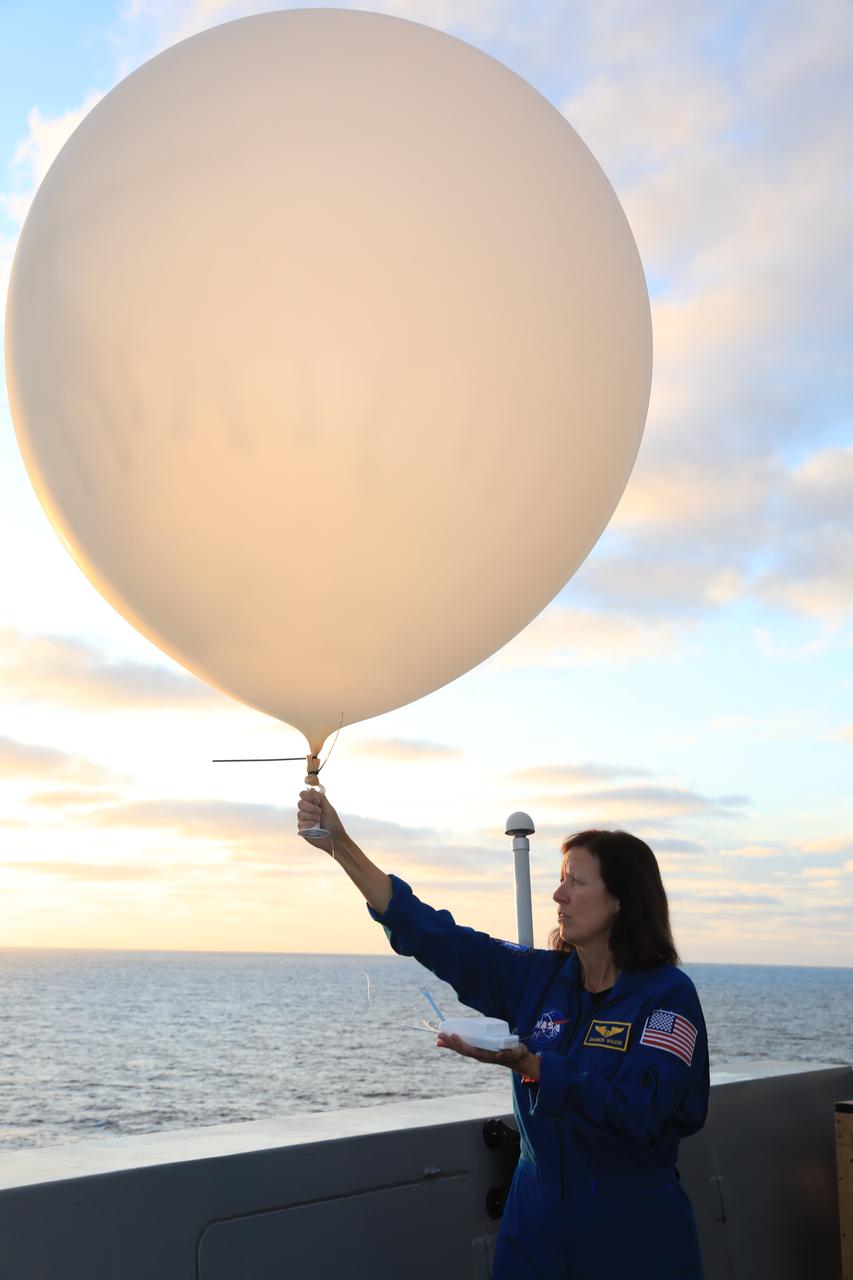
Astronaut Shannon Walker prepares to release a weather balloon from the deck of the USS Portland alongside members of the U.S. Space Force 45th Weather Squadron ahead of the splashdown of the Orion spacecraft on Dec. 11. NASA's Landing and Recovery team works alongside the DoD to safely recover Orion after Artemis missions to the Moon.
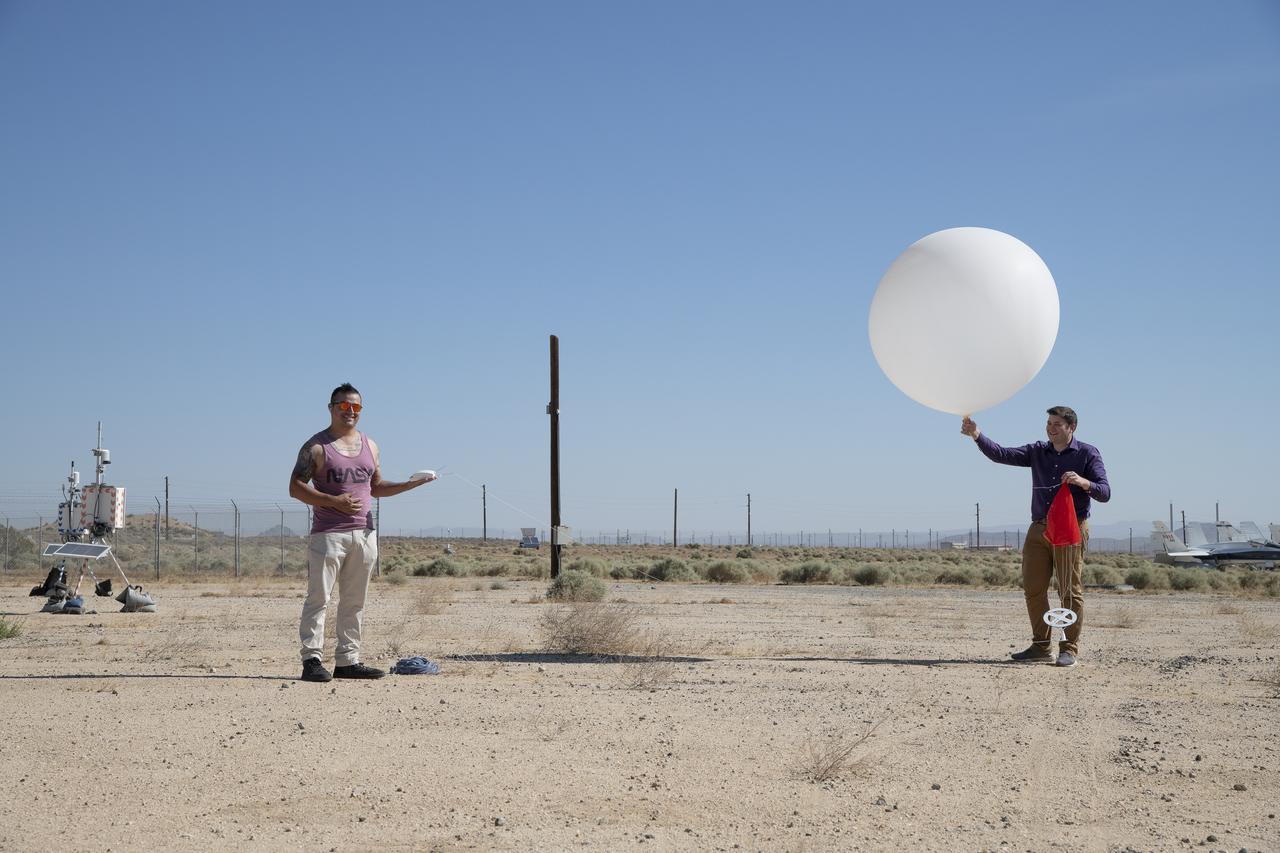
Rocky Garcia and Wesley James prepare a weather balloon to collect wind data for the Advanced Exploration of Reliable Operation at Low Altitudes: Meteorology, Simulation and Technology campaign. The weather study was at NASA’s Armstrong Flight Research Center in Edwards, California. The focus was to study wind from the ground to 2,000 feet to provide data to assist future drones to safely land on rooftop hubs called vertiports and to potentially improve weather prediction.
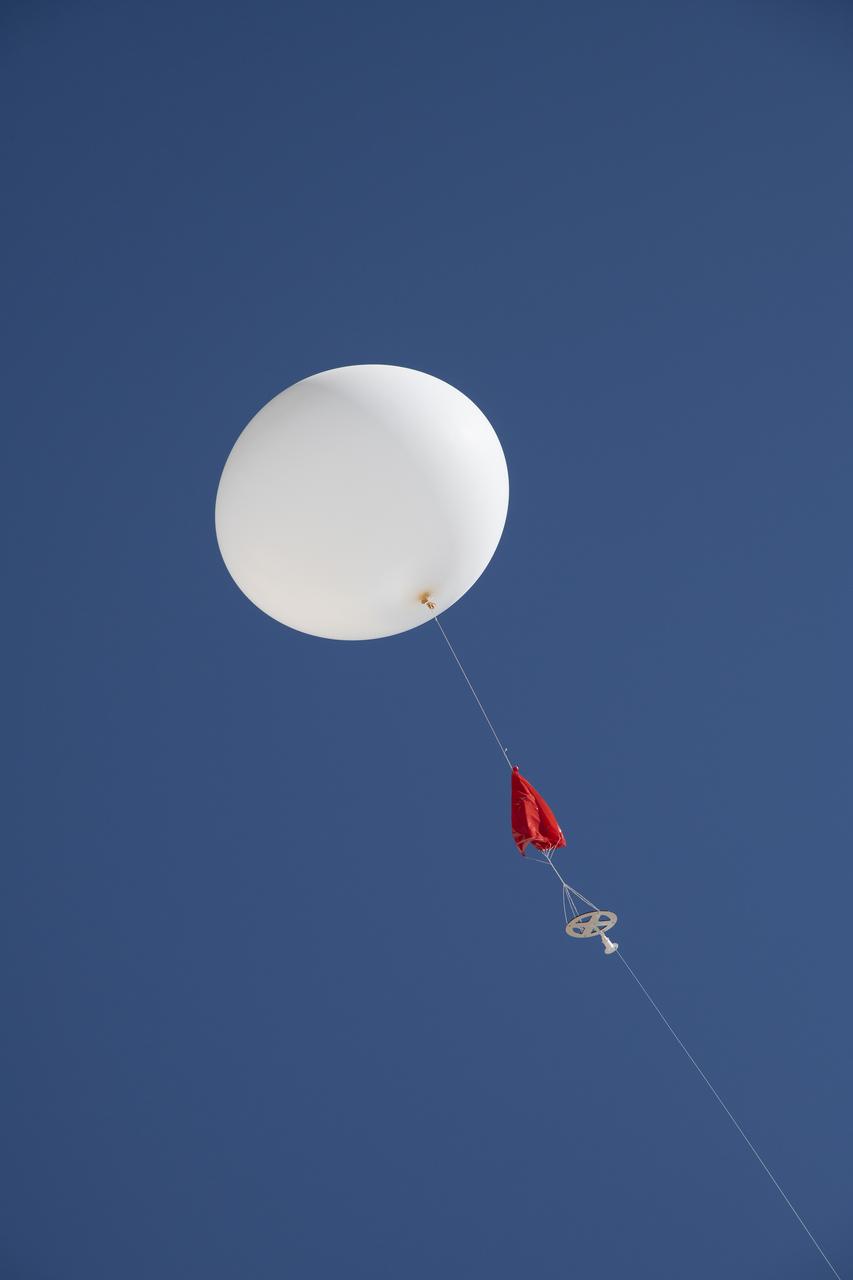
A weather balloon is launched to collect wind data for the Advanced Exploration of Reliable Operation at Low Altitudes: Meteorology, Simulation and Technology campaign. The weather study was at NASA’s Armstrong Flight Research Center in Edwards, California. The focus was to study wind from the ground to 2,000 feet to provide data to assist future drones to safely land on rooftop hubs called vertiports and to potentially improve weather prediction.
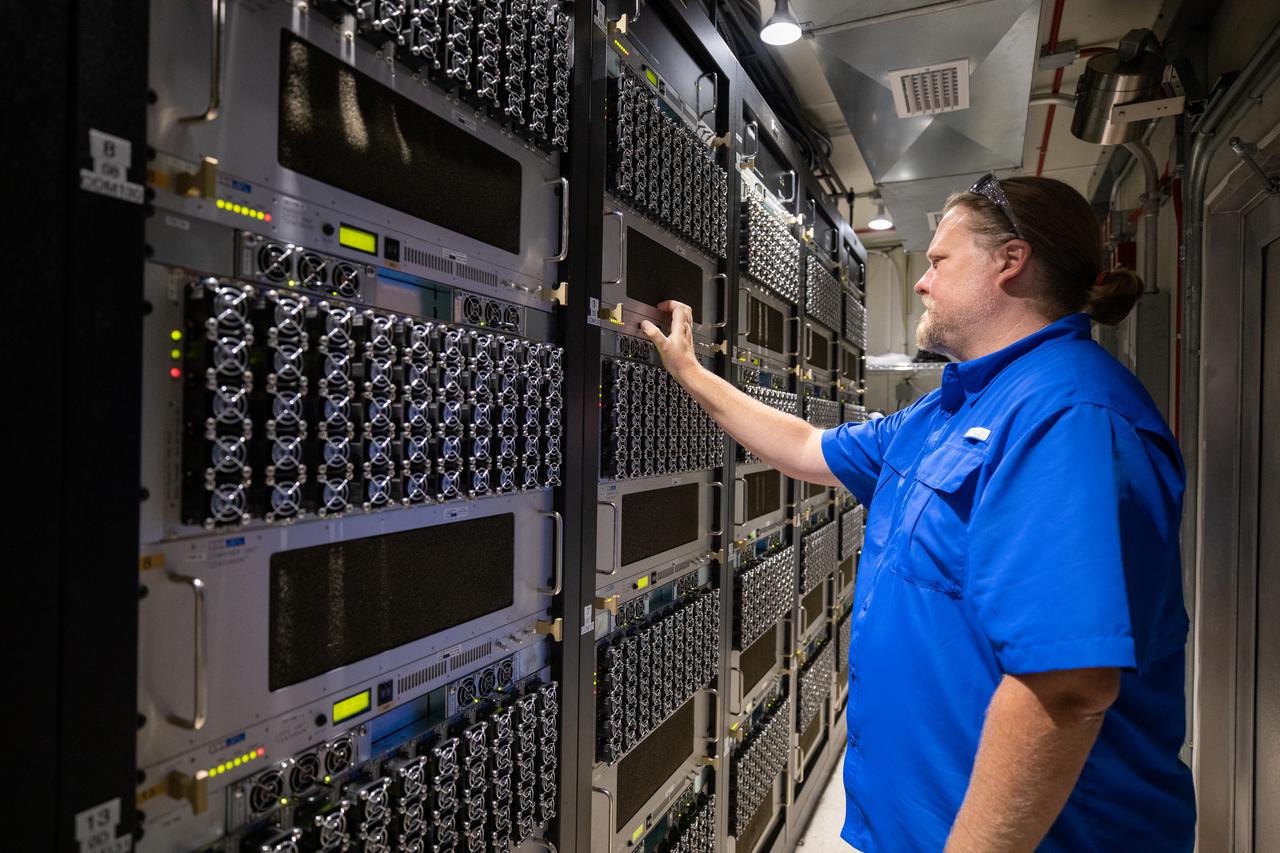
Weather Instrumentation Engineer Nick O’Connor works with the Tropospheric Doppler Radar Wind Profiler at Kennedy Space Center in Florida during an Artemis I weather simulation on Nov. 3, 2021. The simulation involved teams from Kennedy, Cape Canaveral Space Force Station, Johnson Space Center in Texas, and Marshall Space Flight Center in Alabama. The radar wind profiler delivers data – from 6,000 to 62,000 feet – every five minutes. It will be used as the primary upper level wind instrument for NASA’s Artemis missions, including Artemis I, the first launch of the agency’s Space Launch System rocket and the Orion spacecraft on a flight beyond the Moon.
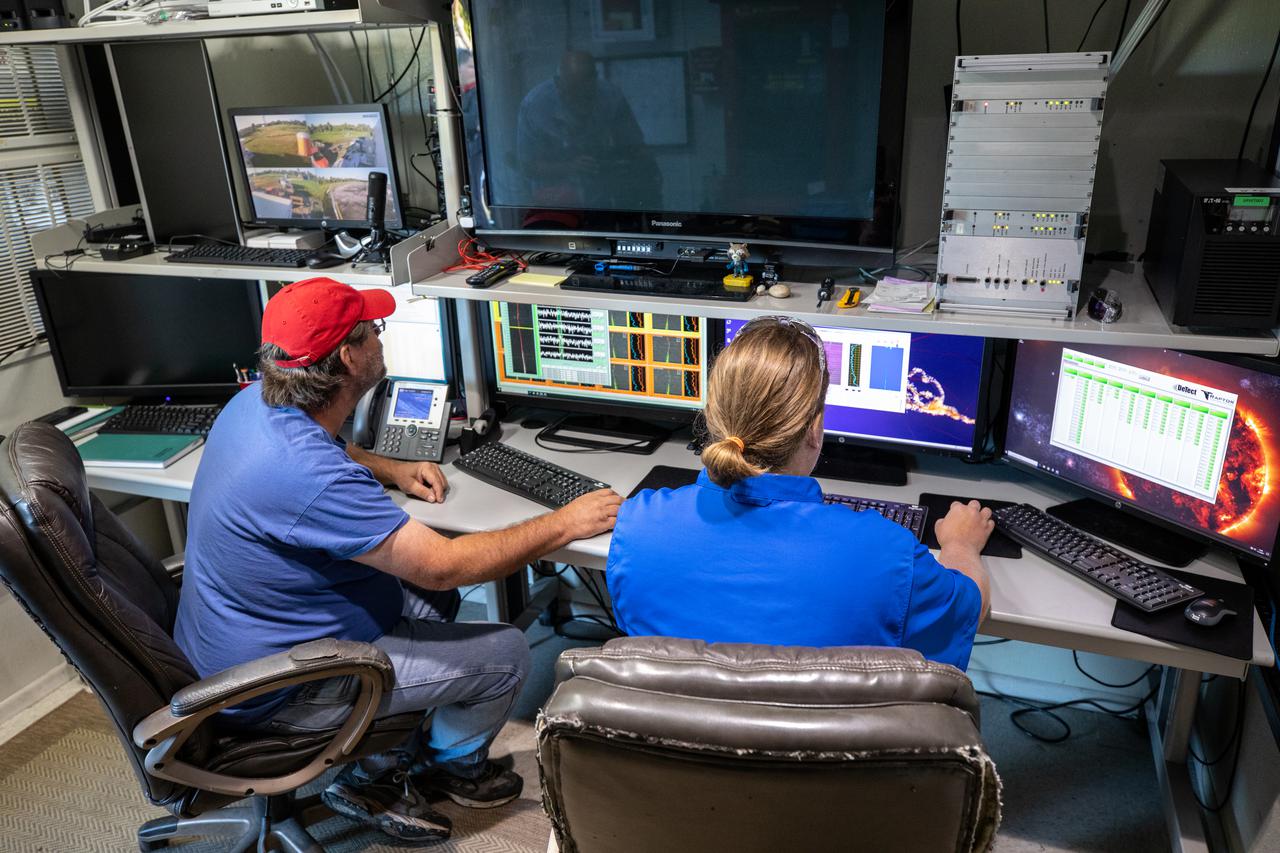
Weather Instrumentation Technician Gavin Oglesby, left, and Weather Instrumentation Engineer Nick O’Connor work with the Tropospheric Doppler Radar Wind Profiler at Kennedy Space Center in Florida during an Artemis I weather simulation on Nov. 3, 2021. The simulation involved teams from Kennedy, Cape Canaveral Space Force Station, Johnson Space Center in Texas, and Marshall Space Flight Center in Alabama. The radar wind profiler delivers data – from 6,000 to 62,000 feet – every five minutes. It will be used as the primary upper level wind instrument for NASA’s Artemis missions, including Artemis I, the first launch of the agency’s Space Launch System rocket and the Orion spacecraft on a flight beyond the Moon.
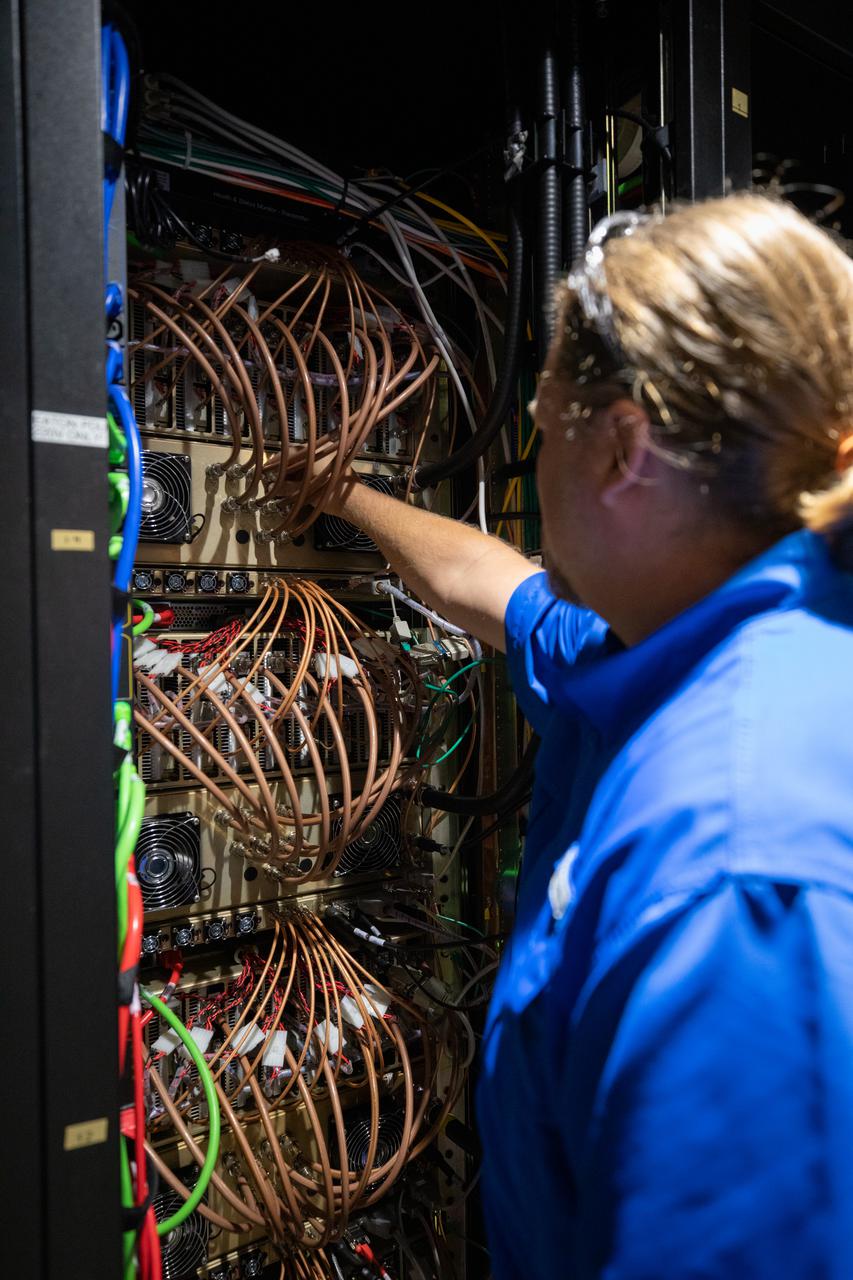
Weather Instrumentation Engineer Nick O’Connor works with the Tropospheric Doppler Radar Wind Profiler at Kennedy Space Center in Florida during an Artemis I weather simulation on Nov. 3, 2021. The simulation involved teams from Kennedy, Cape Canaveral Space Force Station, Johnson Space Center in Texas, and Marshall Space Flight Center in Alabama. The radar wind profiler delivers data – from 6,000 to 62,000 feet – every five minutes. It will be used as the primary upper level wind instrument for NASA’s Artemis missions, including Artemis I, the first launch of the agency’s Space Launch System rocket and the Orion spacecraft on a flight beyond the Moon.
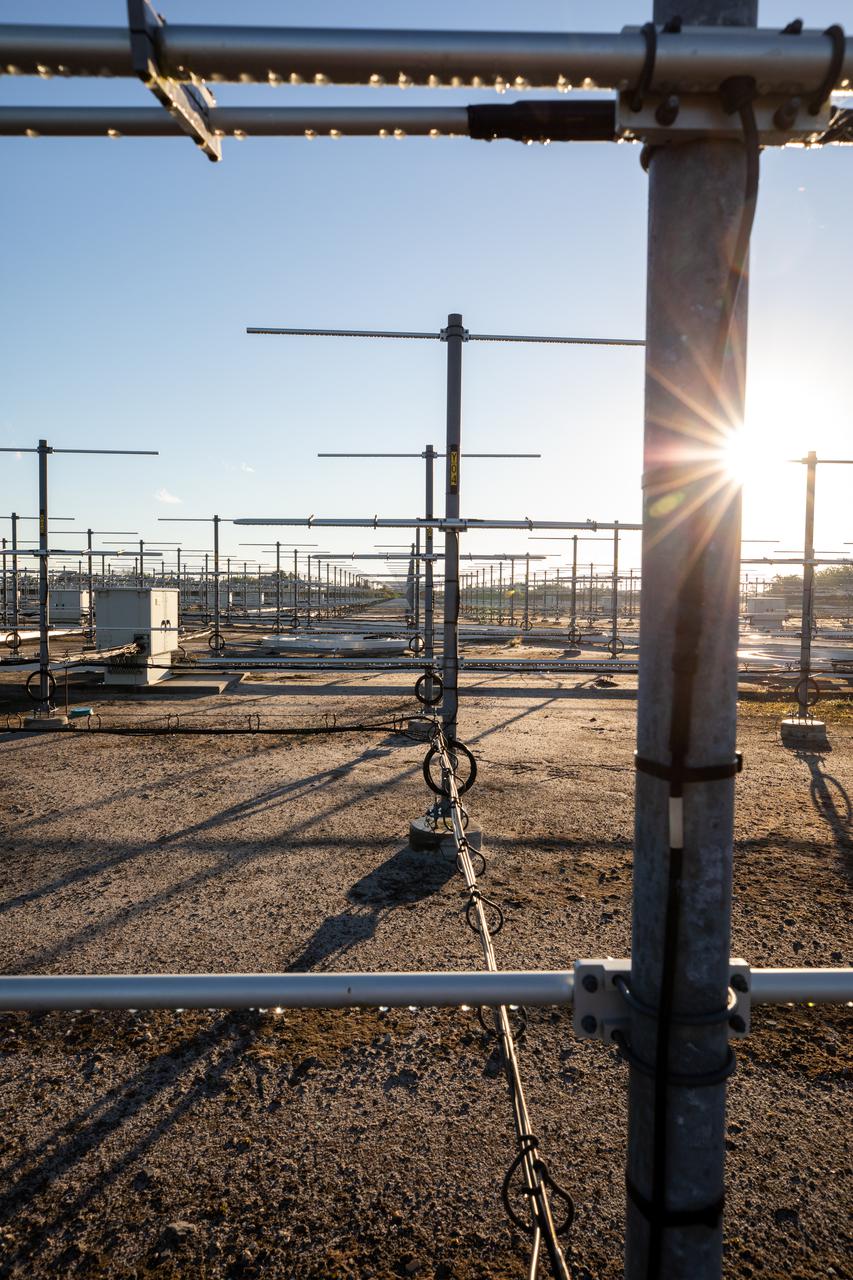
The Tropospheric Doppler Radar Wind Profiler, located on five acres near the Launch and Landing Facility at Kennedy Space Center in Florida, is shown during an Artemis I weather simulation on Nov. 3, 2021. The simulation involved teams from Kennedy, Cape Canaveral Space Force Station, Johnson Space Center in Texas, and Marshall Space Flight Center in Alabama. The radar wind profiler consists of 640 antennae and delivers data – from 6,000 to 62,000 feet – every five minutes. The instrument will be used as the primary upper level wind instrument for NASA’s Artemis missions, including Artemis I, the first launch of the agency’s Space Launch System rocket and the Orion spacecraft on a flight beyond the Moon.
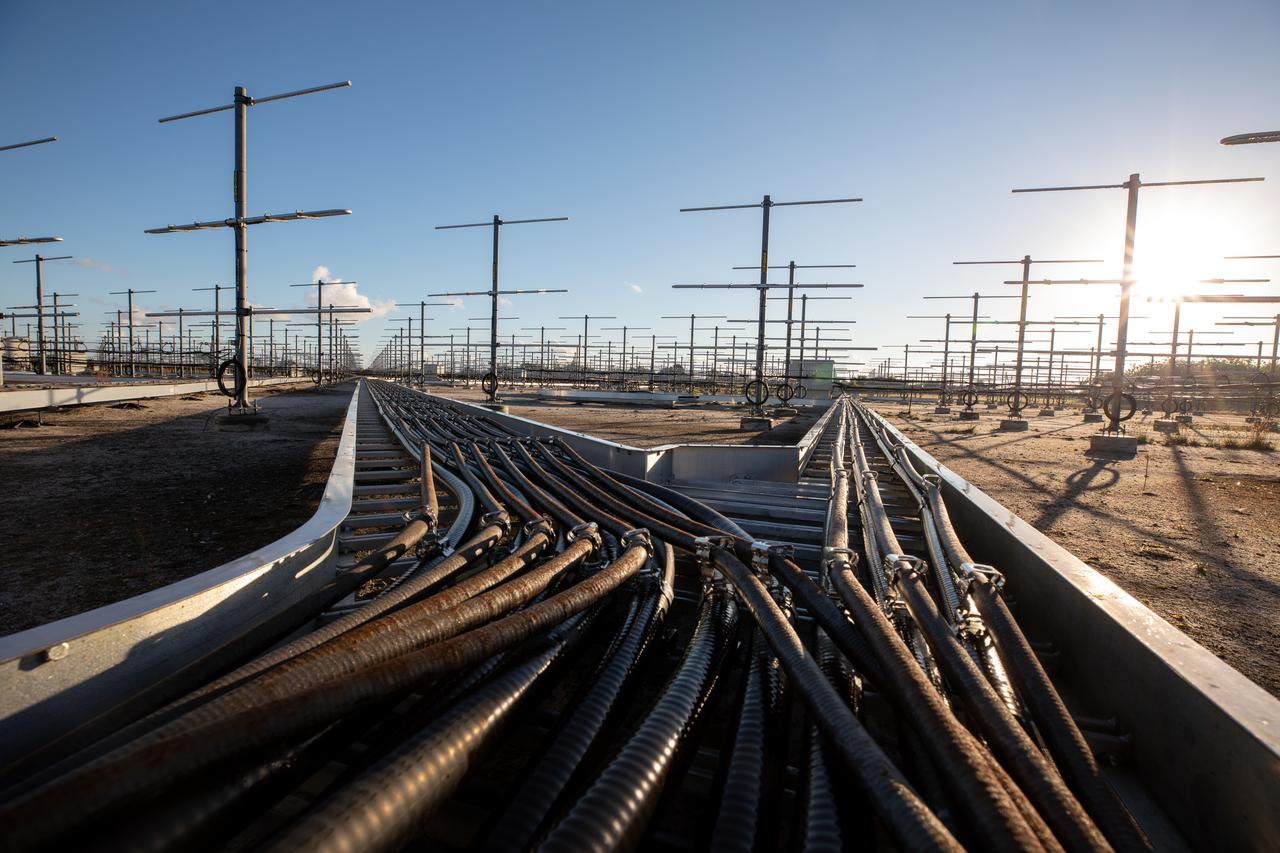
The Tropospheric Doppler Radar Wind Profiler, located on five acres near the Launch and Landing Facility at Kennedy Space Center in Florida, is shown during an Artemis I weather simulation on Nov. 3, 2021. The simulation involved teams from Kennedy, Cape Canaveral Space Force Station, Johnson Space Center in Texas, and Marshall Space Flight Center in Alabama. The radar wind profiler consists of 640 antennae and delivers data – from 6,000 to 62,000 feet – every five minutes. The instrument will be used as the primary upper level wind instrument for NASA’s Artemis missions, including Artemis I, the first launch of the agency’s Space Launch System rocket and the Orion spacecraft on a flight beyond the Moon.
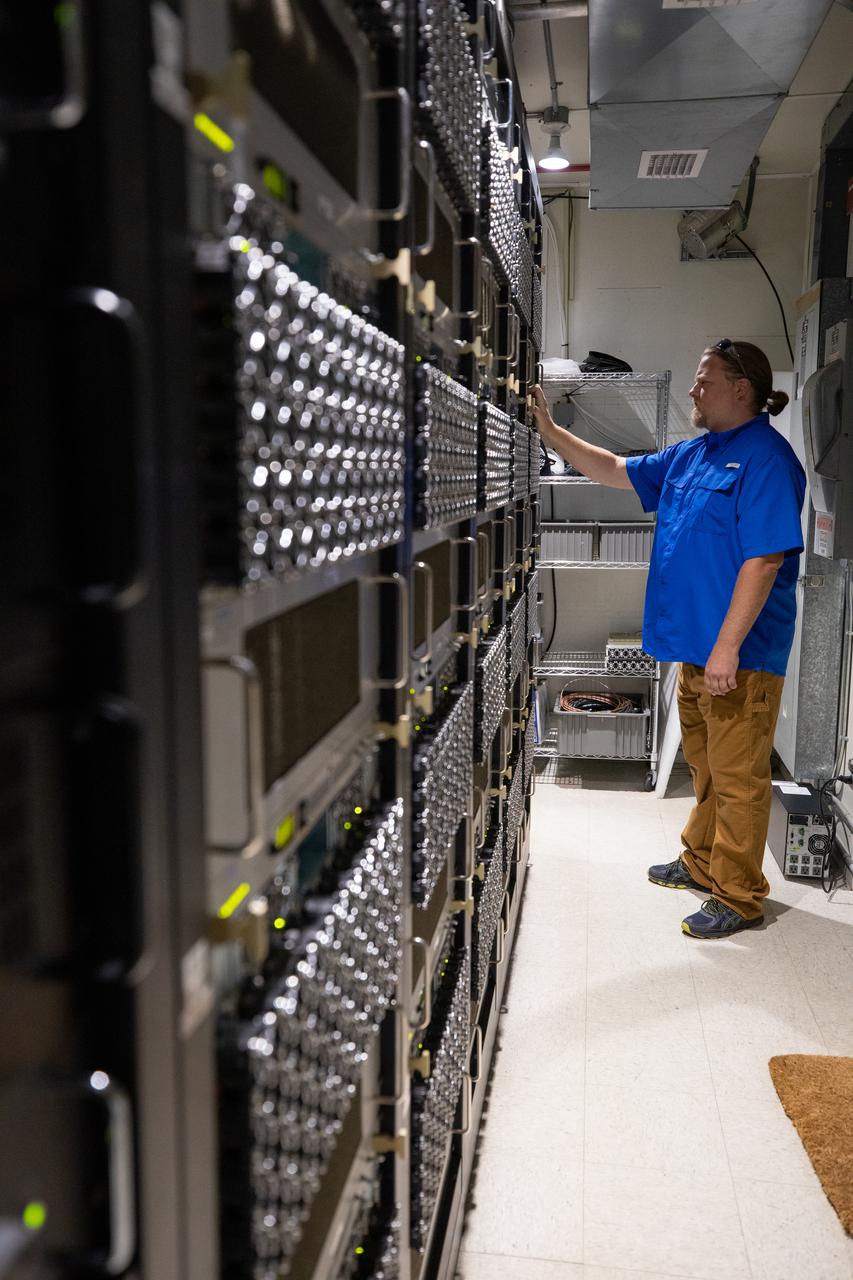
Weather Instrumentation Engineer Nick O’Connor works with the Tropospheric Doppler Radar Wind Profiler at Kennedy Space Center in Florida during an Artemis I weather simulation on Nov. 3, 2021. The simulation involved teams from Kennedy, Cape Canaveral Space Force Station, Johnson Space Center in Texas, and Marshall Space Flight Center in Alabama. The radar wind profiler delivers data – from 6,000 to 62,000 feet – every five minutes. It will be used as the primary upper level wind instrument for NASA’s Artemis missions, including Artemis I, the first launch of the agency’s Space Launch System rocket and the Orion spacecraft on a flight beyond the Moon.
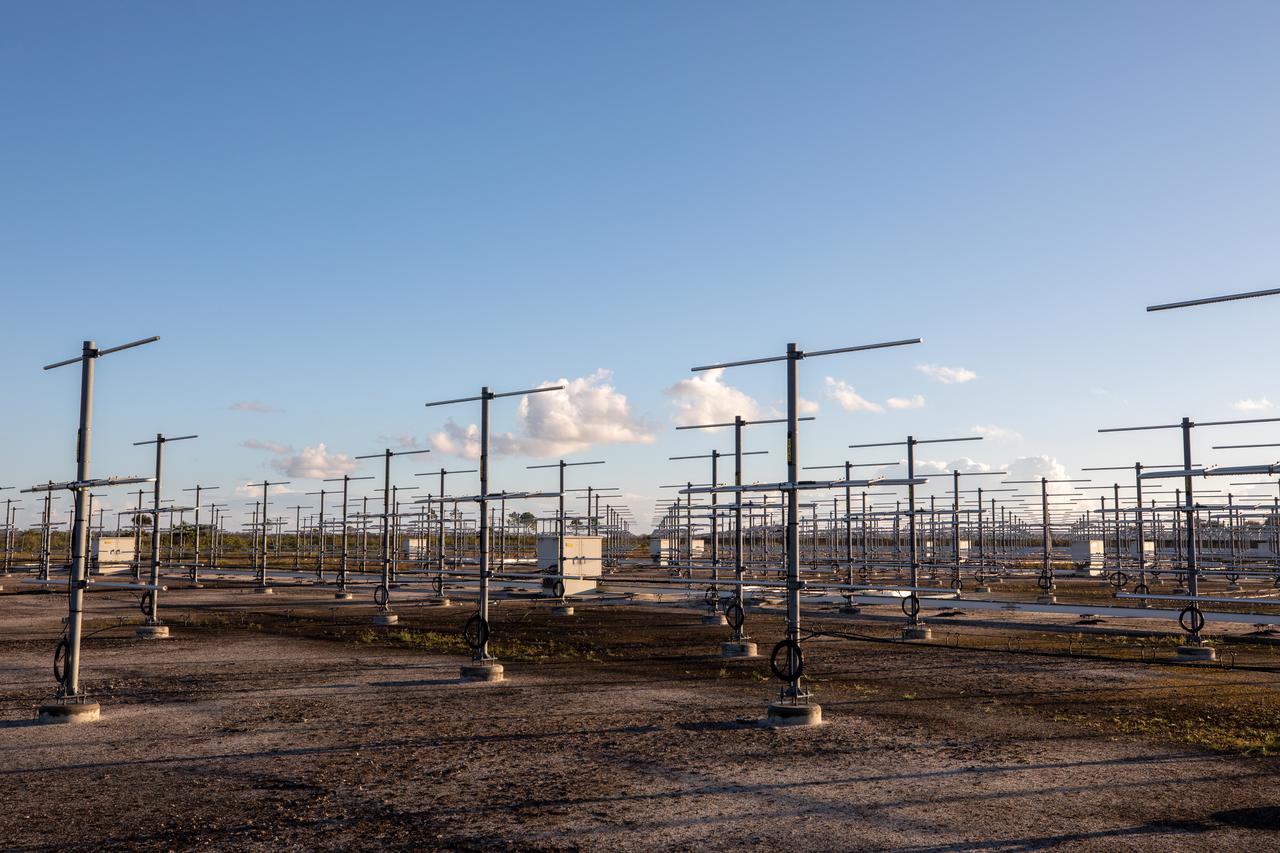
The Tropospheric Doppler Radar Wind Profiler, located on five acres near the Launch and Landing Facility at Kennedy Space Center in Florida, is shown during an Artemis I weather simulation on Nov. 3, 2021. The simulation involved teams from Kennedy, Cape Canaveral Space Force Station, Johnson Space Center in Texas, and Marshall Space Flight Center in Alabama. The radar wind profiler consists of 640 antennae and delivers data – from 6,000 to 62,000 feet – every five minutes. The instrument will be used as the primary upper level wind instrument for NASA’s Artemis missions, including Artemis I, the first launch of the agency’s Space Launch System rocket and the Orion spacecraft on a flight beyond the Moon.
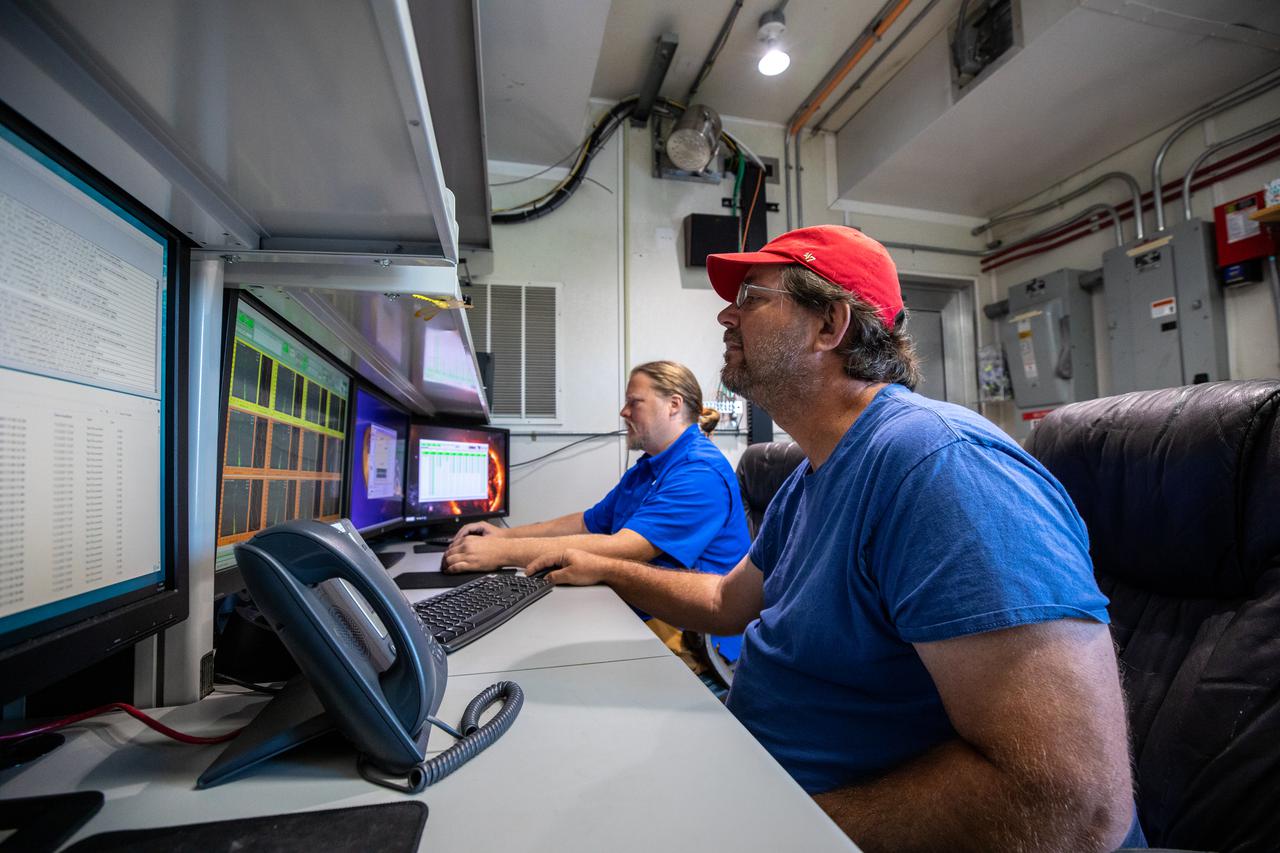
Weather Instrumentation Technician Gavin Oglesby, left, and Weather Instrumentation Engineer Nick O’Connor work with the Tropospheric Doppler Radar Wind Profiler at Kennedy Space Center in Florida during an Artemis I weather simulation on Nov. 3, 2021. The simulation involved teams from Kennedy, Cape Canaveral Space Force Station, Johnson Space Center in Texas, and Marshall Space Flight Center in Alabama. The radar wind profiler delivers data – from 6,000 to 62,000 feet – every five minutes. It will be used as the primary upper level wind instrument for NASA’s Artemis missions, including Artemis I, the first launch of the agency’s Space Launch System rocket and the Orion spacecraft on a flight beyond the Moon.

Surging to take advantage of near-perfect launch conditions, NASA’s Scientific Balloon Team launched two balloons within 24 hours Sept. 27-28 from the Agency’s launch site at Fort Sumner, New Mexico. Clear, calm weather paved the way for launching a balloon technology test flight at 8:20 a.m. MDT, Sept. 28, via a 29.47 million-cubic-foot scientific balloon. Just less than 24 hours earlier, the balloon team launched the Jet Propulsion Laboratory (JPL) Remote payload via a 29.47-million-cubic-foot scientific balloon at 8:28 a.m. MDT, Sept. 27. Technicians successfully completed the JPL Remote mission at 10:28 p.m. MDT, Sept. 27, issuing flight termination commands to safely return the balloon material and payload back to Earth. “An enormous amount of planning, coordination, and labor goes into every balloon launch,” said Debbie Fairbrother, NASA’s Balloon Program Office chief. “To do two in a day’s time is nothing short of phenomenal work by an incredible team.” Read more: <a href="http://go.nasa.gov/2cLgslt" rel="nofollow">go.nasa.gov/2cLgslt</a> Credit: NASA/Wallops/Jeremy Eggers <b><a href="http://www.nasa.gov/audience/formedia/features/MP_Photo_Guidelines.html" rel="nofollow">NASA image use policy.</a></b> <b><a href="http://www.nasa.gov/centers/goddard/home/index.html" rel="nofollow">NASA Goddard Space Flight Center</a></b> enables NASA’s mission through four scientific endeavors: Earth Science, Heliophysics, Solar System Exploration, and Astrophysics. Goddard plays a leading role in NASA’s accomplishments by contributing compelling scientific knowledge to advance the Agency’s mission. <b>Follow us on <a href="http://twitter.com/NASAGoddardPix" rel="nofollow">Twitter</a></b> <b>Like us on <a href="http://www.facebook.com/pages/Greenbelt-MD/NASA-Goddard/395013845897?ref=tsd" rel="nofollow">Facebook</a></b> <b>Find us on <a href="http://instagrid.me/nasagoddard/?vm=grid" rel="nofollow">Instagram</a></b>
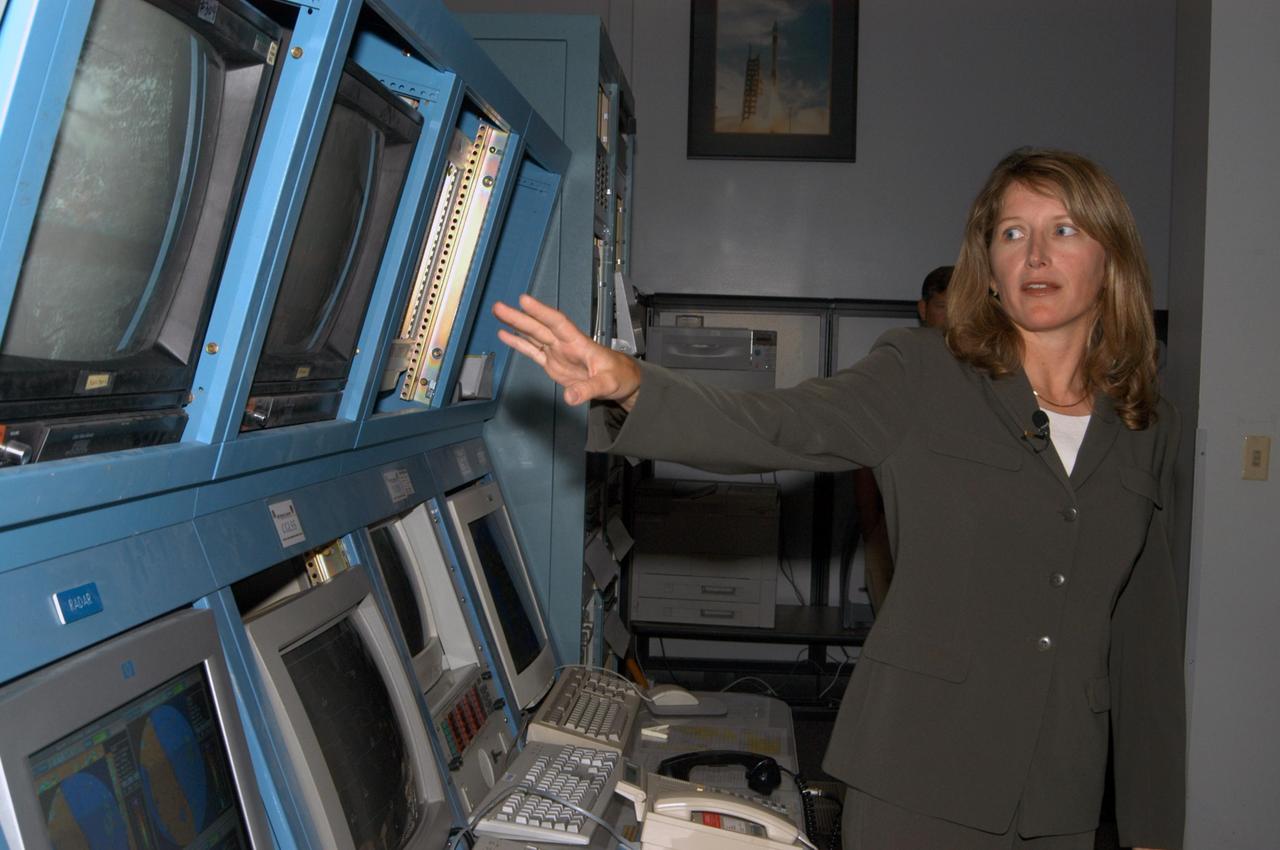
KENNEDY SPACE CENTER, FLA. - At the Cape Canaveral forecast facility in Florida, Shuttle Weather Officer Kathy Winters briefs the media on how the launch weather forecast is developed. Attendees also were able to meet the forecasters for the space shuttle and the expendable launch vehicles. Also participating were members of the Applied Meteorology Unit who provide special expertise to the forecasters by analyzing and interpreting unusual or inconsistent weather data. The media were able to see the release of the Rawinsonde weather balloon carrying instruments aloft to be used as part of developing the forecast. Photo credit: NASA/George Shelton

Sergeant Huff of the 45 weather squadron deploys a weather balloon during Underway Recovery Test-12 onboard USS Somerset off the coast of California, Thursday, March 27, 2025. During the test, NASA and Department of Defense teams are practicing to ensure recovery procedures are validated as NASA plans to send Artemis II astronauts around the Moon and splashdown in the Pacific Ocean. Photo Credit: (NASA/Bill Ingalls)
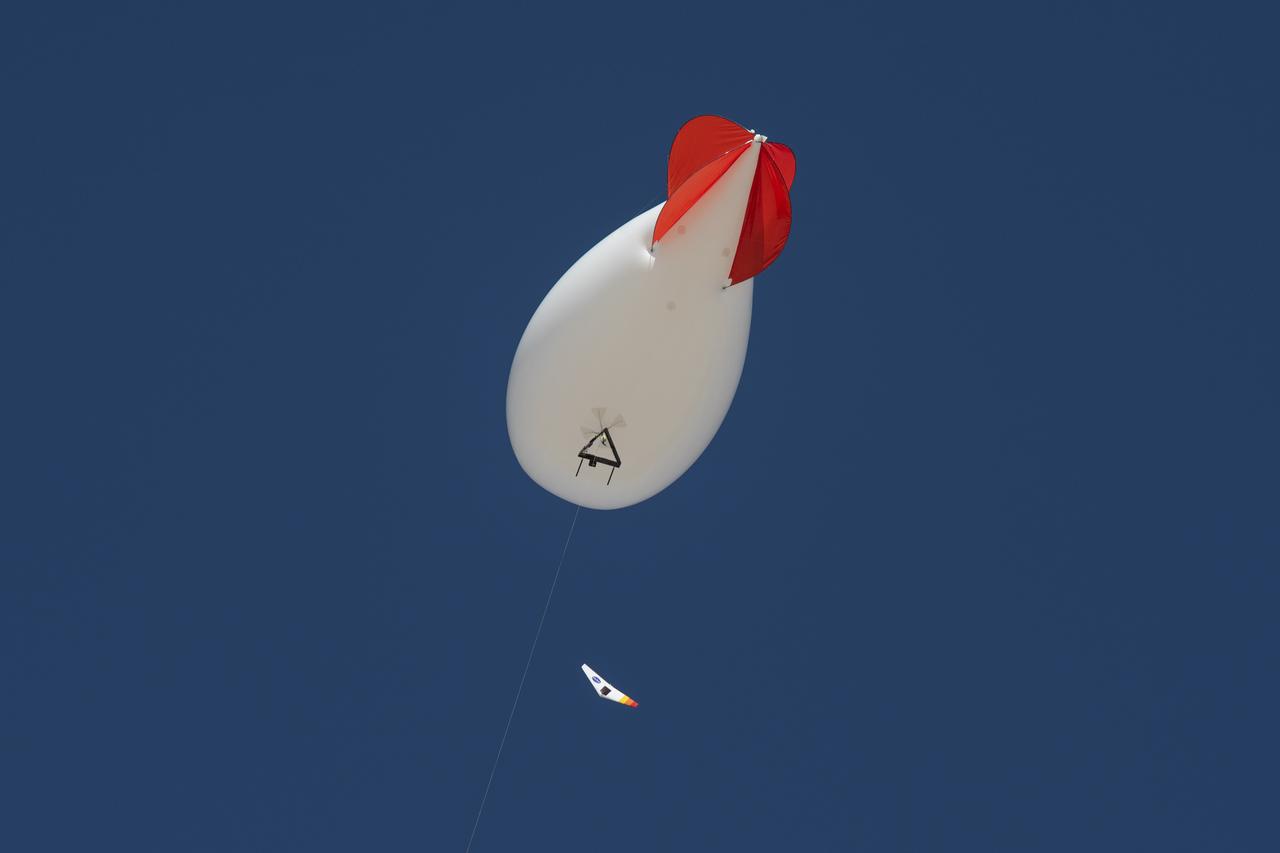
The first of three Prandtl-M prototype aircraft was air launched Aug. 16, 2019, from an Aerostat blimp at NASA’s Armstrong Flight Research Center in California. Three different prototypes of varying size, two still in development, eventually will be air launched from a weather balloon at 100,000 feet to simulate the atmosphere on Mars. The validated Prandtl-M could give scientists options to fly sensors in the Martian atmosphere to collect weather and landing site information for future human exploration of Mars.

Some of the BARREL balloon launches took place at the South African National Antarctic Expedition Research base, called SANAE IV, the others at Halley Research Station. This balloon is taking flight at SANAE IV. Credit: NASA --- In Antarctica in January, 2013 – the summer at the South Pole – scientists launched 20 balloons up into the air to study an enduring mystery of space weather: when the giant radiation belts surrounding Earth lose material, where do the extra particles actually go? The mission is called BARREL (Balloon Array for Radiation belt Relativistic Electron Losses) and it is led by physicist Robyn Millan of Dartmouth College in Hanover, NH. Millan provided photographs from the team’s time in Antarctica. The team launched a balloon every day or two into the circumpolar winds that circulate around the pole. Each balloon floated for anywhere from 3 to 40 days, measuring X-rays produced by fast-moving electrons high up in the atmosphere. BARREL works hand in hand with another NASA mission called the Van Allen Probes, which travels through the Van Allen radiation belts surrounding Earth. The belts wax and wane over time in response to incoming energy and material from the sun, sometimes intensifying the radiation through which satellites must travel. Scientists wish to understand this process better, and even provide forecasts of this space weather, in order to protect our spacecraft. As the Van Allen Probes were observing what was happening in the belts, BARREL tracked electrons that precipitated out of the belts and hurtled down Earth’s magnetic field lines toward the poles. By comparing data, scientists will be able to track how what’s happening in the belts correlates to the loss of particles – information that can help us understand this mysterious, dynamic region that can impact spacecraft. Having launched balloons in early 2013, the team is back at home building the next set of payloads. They will launch 20 more balloons in 2014. <b><a href="http://www.nasa.gov/audience/formedia/features/MP_Photo_Guidelines.html" rel="nofollow">NASA image use policy.</a></b> <b><a href="http://www.nasa.gov/centers/goddard/home/index.html" rel="nofollow">NASA Goddard Space Flight Center</a></b> enables NASA’s mission through four scientific endeavors: Earth Science, Heliophysics, Solar System Exploration, and Astrophysics. Goddard plays a leading role in NASA’s accomplishments by contributing compelling scientific knowledge to advance the Agency’s mission. <b>Follow us on <a href="http://twitter.com/NASA_GoddardPix" rel="nofollow">Twitter</a></b> <b>Like us on <a href="http://www.facebook.com/pages/Greenbelt-MD/NASA-Goddard/395013845897?ref=tsd" rel="nofollow">Facebook</a></b> <b>Find us on <a href="http://instagram.com/nasagoddard?vm=grid" rel="nofollow">Instagram</a></b>
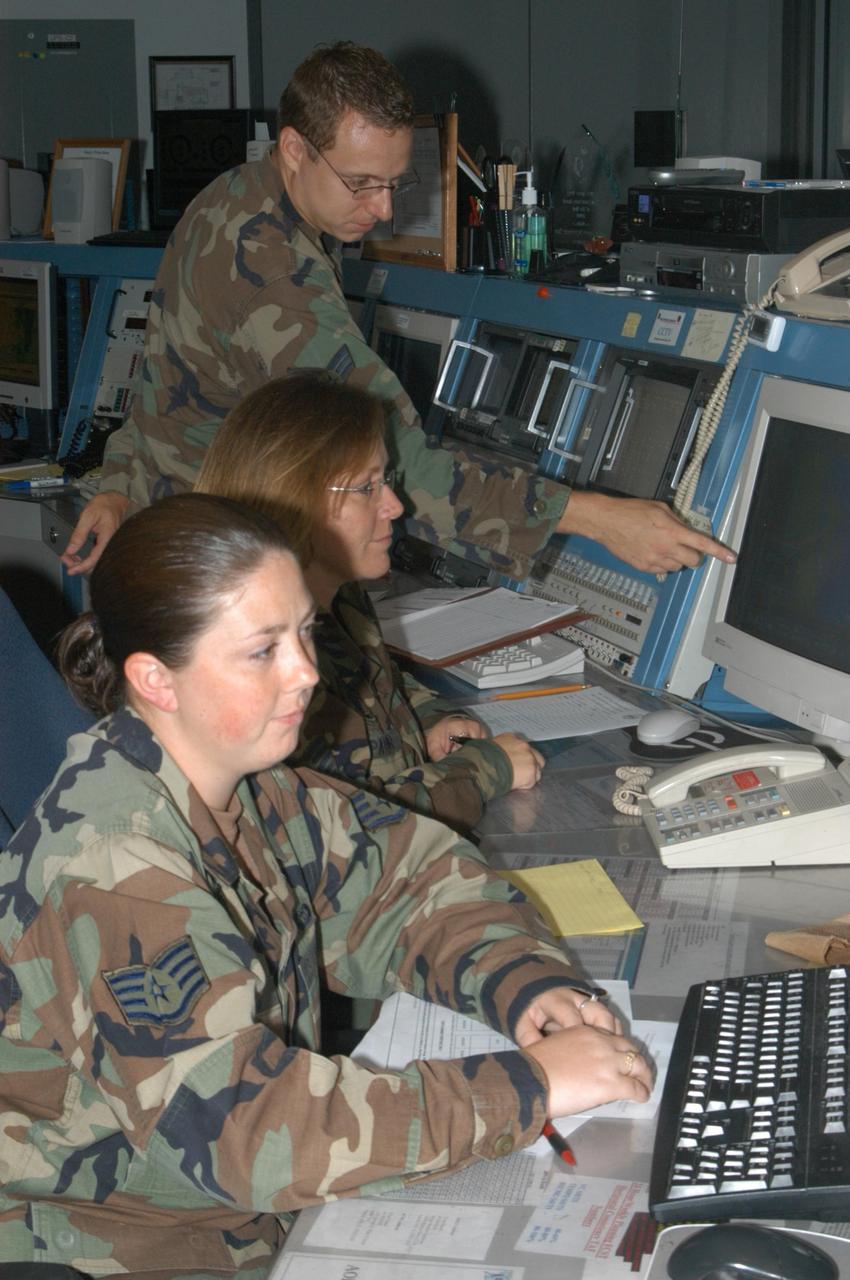
KENNEDY SPACE CENTER, FLA. - At the Cape Canaveral forecast facility in Florida, media were able to meet members of the weather team who review data used for forecasts as part of a tour of the facility. The team will play a role in the July 1 launch of Space Shuttle Discovery on mission STS-121. At the facility, which is operated by the U.S. Air Force 45th Weather Squadron, received a briefing on how the launch weather forecast is developed by Shuttle Weather Officer Kathy Winters and met the forecasters for the space shuttle and the expendable launch vehicles. Also participating were members of the Applied Meteorology Unit who provide special expertise to the forecasters by analyzing and interpreting unusual or inconsistent weather data. The media were able to see the release of the Rawinsonde weather balloon carrying instruments aloft to be used as part of developing the forecast. Photo credit: NASA/George Shelton
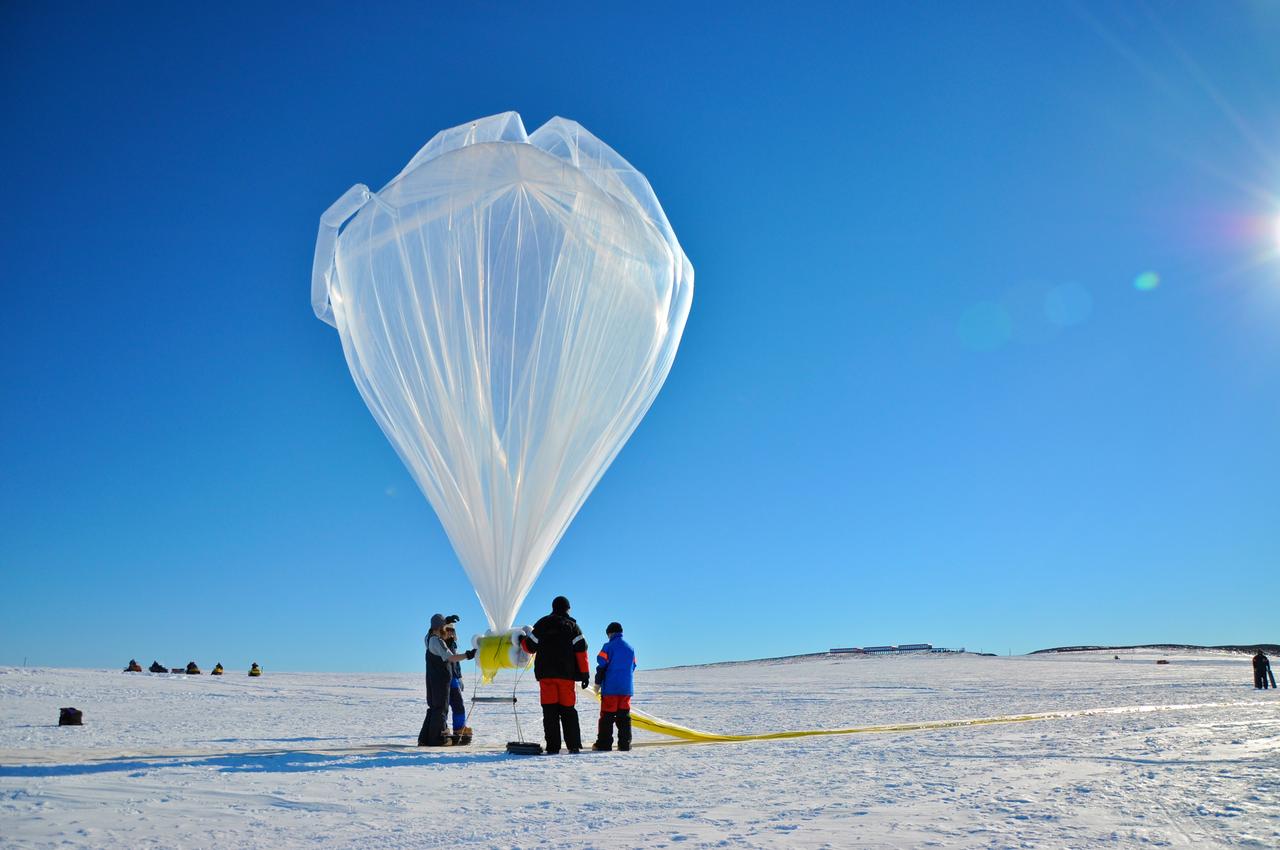
A BARREL balloon floats into the sky as it is partially filled. When fully inflated, each balloon is 90 feet in diameter and carries an instrument suite that weighs 50 pounds. This is small for an Antarctica balloon launch, which can have balloons Typical balloons l the size of a football field with payloads of some 3,000 pounds. Credit: NASA --- In Antarctica in January, 2013 – the summer at the South Pole – scientists launched 20 balloons up into the air to study an enduring mystery of space weather: when the giant radiation belts surrounding Earth lose material, where do the extra particles actually go? The mission is called BARREL (Balloon Array for Radiation belt Relativistic Electron Losses) and it is led by physicist Robyn Millan of Dartmouth College in Hanover, NH. Millan provided photographs from the team’s time in Antarctica. The team launched a balloon every day or two into the circumpolar winds that circulate around the pole. Each balloon floated for anywhere from 3 to 40 days, measuring X-rays produced by fast-moving electrons high up in the atmosphere. BARREL works hand in hand with another NASA mission called the Van Allen Probes, which travels through the Van Allen radiation belts surrounding Earth. The belts wax and wane over time in response to incoming energy and material from the sun, sometimes intensifying the radiation through which satellites must travel. Scientists wish to understand this process better, and even provide forecasts of this space weather, in order to protect our spacecraft. As the Van Allen Probes were observing what was happening in the belts, BARREL tracked electrons that precipitated out of the belts and hurtled down Earth’s magnetic field lines toward the poles. By comparing data, scientists will be able to track how what’s happening in the belts correlates to the loss of particles – information that can help us understand this mysterious, dynamic region that can impact spacecraft. Having launched balloons in early 2013, the team is back at home building the next set of payloads. They will launch 20 more balloons in 2014. <b><a href="http://www.nasa.gov/audience/formedia/features/MP_Photo_Guidelines.html" rel="nofollow">NASA image use policy.</a></b> <b><a href="http://www.nasa.gov/centers/goddard/home/index.html" rel="nofollow">NASA Goddard Space Flight Center</a></b> enables NASA’s mission through four scientific endeavors: Earth Science, Heliophysics, Solar System Exploration, and Astrophysics. Goddard plays a leading role in NASA’s accomplishments by contributing compelling scientific knowledge to advance the Agency’s mission. <b>Follow us on <a href="http://twitter.com/NASA_GoddardPix" rel="nofollow">Twitter</a></b> <b>Like us on <a href="http://www.facebook.com/pages/Greenbelt-MD/NASA-Goddard/395013845897?ref=tsd" rel="nofollow">Facebook</a></b> <b>Find us on <a href="http://instagram.com/nasagoddard?vm=grid" rel="nofollow">Instagram</a></b>

Pumping helium into the first BARREL balloon to launch from Halley Research Satation. Credit: NASA --- In Antarctica in January, 2013 – the summer at the South Pole – scientists launched 20 balloons up into the air to study an enduring mystery of space weather: when the giant radiation belts surrounding Earth lose material, where do the extra particles actually go? The mission is called BARREL (Balloon Array for Radiation belt Relativistic Electron Losses) and it is led by physicist Robyn Millan of Dartmouth College in Hanover, NH. Millan provided photographs from the team’s time in Antarctica. The team launched a balloon every day or two into the circumpolar winds that circulate around the pole. Each balloon floated for anywhere from 3 to 40 days, measuring X-rays produced by fast-moving electrons high up in the atmosphere. BARREL works hand in hand with another NASA mission called the Van Allen Probes, which travels through the Van Allen radiation belts surrounding Earth. The belts wax and wane over time in response to incoming energy and material from the sun, sometimes intensifying the radiation through which satellites must travel. Scientists wish to understand this process better, and even provide forecasts of this space weather, in order to protect our spacecraft. As the Van Allen Probes were observing what was happening in the belts, BARREL tracked electrons that precipitated out of the belts and hurtled down Earth’s magnetic field lines toward the poles. By comparing data, scientists will be able to track how what’s happening in the belts correlates to the loss of particles – information that can help us understand this mysterious, dynamic region that can impact spacecraft. Having launched balloons in early 2013, the team is back at home building the next set of payloads. They will launch 20 more balloons in 2014. <b><a href="http://www.nasa.gov/audience/formedia/features/MP_Photo_Guidelines.html" rel="nofollow">NASA image use policy.</a></b> <b><a href="http://www.nasa.gov/centers/goddard/home/index.html" rel="nofollow">NASA Goddard Space Flight Center</a></b> enables NASA’s mission through four scientific endeavors: Earth Science, Heliophysics, Solar System Exploration, and Astrophysics. Goddard plays a leading role in NASA’s accomplishments by contributing compelling scientific knowledge to advance the Agency’s mission. <b>Follow us on <a href="http://twitter.com/NASA_GoddardPix" rel="nofollow">Twitter</a></b> <b>Like us on <a href="http://www.facebook.com/pages/Greenbelt-MD/NASA-Goddard/395013845897?ref=tsd" rel="nofollow">Facebook</a></b> <b>Find us on <a href="http://instagram.com/nasagoddard?vm=grid" rel="nofollow">Instagram</a></b>

A crane lowers two BARREL balloon payloads onto the platform at Halley Research Station in Antarctica. Credit: NASA --- In Antarctica in January, 2013 – the summer at the South Pole – scientists launched 20 balloons up into the air to study an enduring mystery of space weather: when the giant radiation belts surrounding Earth lose material, where do the extra particles actually go? The mission is called BARREL (Balloon Array for Radiation belt Relativistic Electron Losses) and it is led by physicist Robyn Millan of Dartmouth College in Hanover, NH. Millan provided photographs from the team’s time in Antarctica. The team launched a balloon every day or two into the circumpolar winds that circulate around the pole. Each balloon floated for anywhere from 3 to 40 days, measuring X-rays produced by fast-moving electrons high up in the atmosphere. BARREL works hand in hand with another NASA mission called the Van Allen Probes, which travels through the Van Allen radiation belts surrounding Earth. The belts wax and wane over time in response to incoming energy and material from the sun, sometimes intensifying the radiation through which satellites must travel. Scientists wish to understand this process better, and even provide forecasts of this space weather, in order to protect our spacecraft. As the Van Allen Probes were observing what was happening in the belts, BARREL tracked electrons that precipitated out of the belts and hurtled down Earth’s magnetic field lines toward the poles. By comparing data, scientists will be able to track how what’s happening in the belts correlates to the loss of particles – information that can help us understand this mysterious, dynamic region that can impact spacecraft. Having launched balloons in early 2013, the team is back at home building the next set of payloads. They will launch 20 more balloons in 2014. <b><a href="http://www.nasa.gov/audience/formedia/features/MP_Photo_Guidelines.html" rel="nofollow">NASA image use policy.</a></b> <b><a href="http://www.nasa.gov/centers/goddard/home/index.html" rel="nofollow">NASA Goddard Space Flight Center</a></b> enables NASA’s mission through four scientific endeavors: Earth Science, Heliophysics, Solar System Exploration, and Astrophysics. Goddard plays a leading role in NASA’s accomplishments by contributing compelling scientific knowledge to advance the Agency’s mission. <b>Follow us on <a href="http://twitter.com/NASA_GoddardPix" rel="nofollow">Twitter</a></b> <b>Like us on <a href="http://www.facebook.com/pages/Greenbelt-MD/NASA-Goddard/395013845897?ref=tsd" rel="nofollow">Facebook</a></b> <b>Find us on <a href="http://instagram.com/nasagoddard?vm=grid" rel="nofollow">Instagram</a></b>
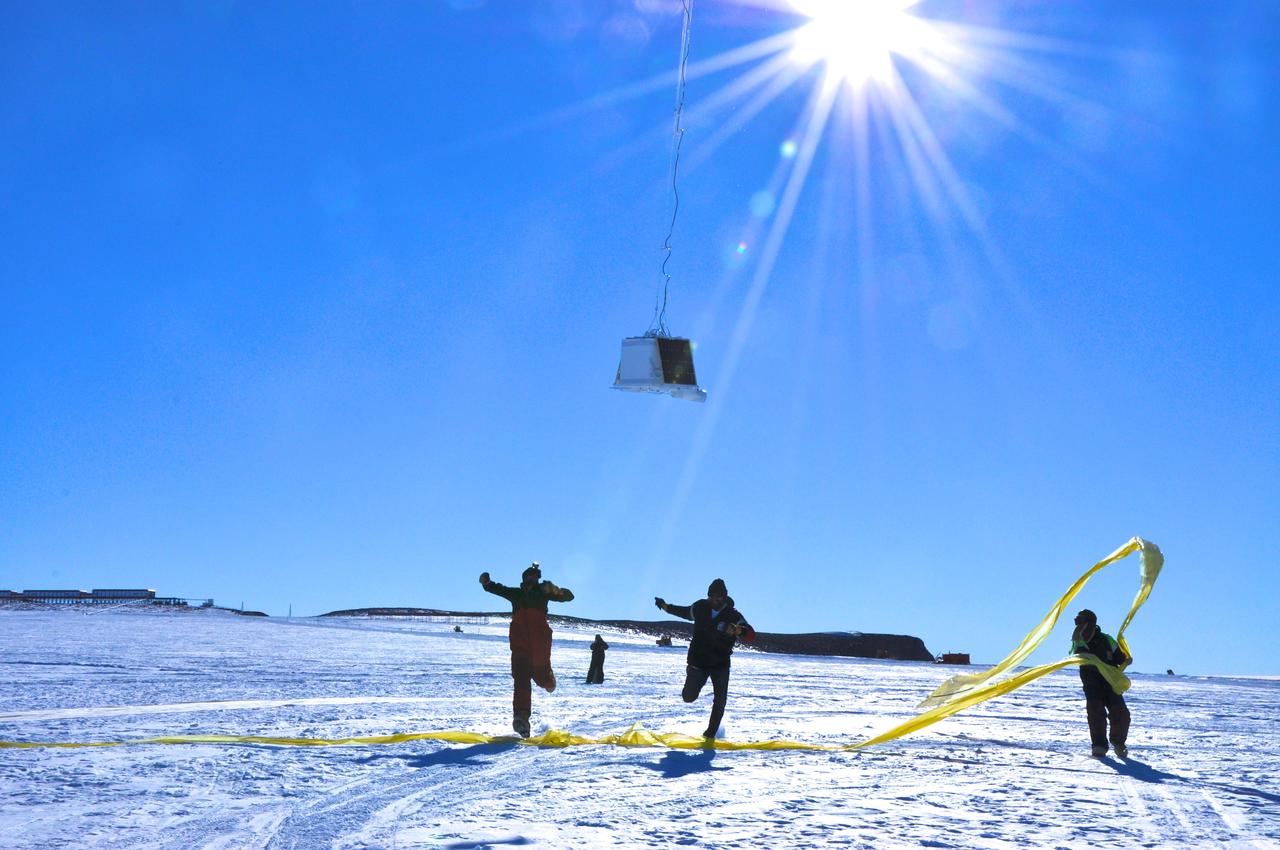
BARREL team members run under the payload as the balloon first takes flight at the SANAE IV research station in Antarctica. Credit: NASA --- In Antarctica in January, 2013 – the summer at the South Pole – scientists launched 20 balloons up into the air to study an enduring mystery of space weather: when the giant radiation belts surrounding Earth lose material, where do the extra particles actually go? The mission is called BARREL (Balloon Array for Radiation belt Relativistic Electron Losses) and it is led by physicist Robyn Millan of Dartmouth College in Hanover, NH. Millan provided photographs from the team’s time in Antarctica. The team launched a balloon every day or two into the circumpolar winds that circulate around the pole. Each balloon floated for anywhere from 3 to 40 days, measuring X-rays produced by fast-moving electrons high up in the atmosphere. BARREL works hand in hand with another NASA mission called the Van Allen Probes, which travels through the Van Allen radiation belts surrounding Earth. The belts wax and wane over time in response to incoming energy and material from the sun, sometimes intensifying the radiation through which satellites must travel. Scientists wish to understand this process better, and even provide forecasts of this space weather, in order to protect our spacecraft. As the Van Allen Probes were observing what was happening in the belts, BARREL tracked electrons that precipitated out of the belts and hurtled down Earth’s magnetic field lines toward the poles. By comparing data, scientists will be able to track how what’s happening in the belts correlates to the loss of particles – information that can help us understand this mysterious, dynamic region that can impact spacecraft. Having launched balloons in early 2013, the team is back at home building the next set of payloads. They will launch 20 more balloons in 2014. <b><a href="http://www.nasa.gov/audience/formedia/features/MP_Photo_Guidelines.html" rel="nofollow">NASA image use policy.</a></b> <b><a href="http://www.nasa.gov/centers/goddard/home/index.html" rel="nofollow">NASA Goddard Space Flight Center</a></b> enables NASA’s mission through four scientific endeavors: Earth Science, Heliophysics, Solar System Exploration, and Astrophysics. Goddard plays a leading role in NASA’s accomplishments by contributing compelling scientific knowledge to advance the Agency’s mission. <b>Follow us on <a href="http://twitter.com/NASA_GoddardPix" rel="nofollow">Twitter</a></b> <b>Like us on <a href="http://www.facebook.com/pages/Greenbelt-MD/NASA-Goddard/395013845897?ref=tsd" rel="nofollow">Facebook</a></b> <b>Find us on <a href="http://instagram.com/nasagoddard?vm=grid" rel="nofollow">Instagram</a></b>

Watching a BARREL balloon – and the instruments dangling below – float up over the SANAE IV research base in Antarctica. Credit: NASA --- In Antarctica in January, 2013 – the summer at the South Pole – scientists launched 20 balloons up into the air to study an enduring mystery of space weather: when the giant radiation belts surrounding Earth lose material, where do the extra particles actually go? The mission is called BARREL (Balloon Array for Radiation belt Relativistic Electron Losses) and it is led by physicist Robyn Millan of Dartmouth College in Hanover, NH. Millan provided photographs from the team’s time in Antarctica. The team launched a balloon every day or two into the circumpolar winds that circulate around the pole. Each balloon floated for anywhere from 3 to 40 days, measuring X-rays produced by fast-moving electrons high up in the atmosphere. BARREL works hand in hand with another NASA mission called the Van Allen Probes, which travels through the Van Allen radiation belts surrounding Earth. The belts wax and wane over time in response to incoming energy and material from the sun, sometimes intensifying the radiation through which satellites must travel. Scientists wish to understand this process better, and even provide forecasts of this space weather, in order to protect our spacecraft. As the Van Allen Probes were observing what was happening in the belts, BARREL tracked electrons that precipitated out of the belts and hurtled down Earth’s magnetic field lines toward the poles. By comparing data, scientists will be able to track how what’s happening in the belts correlates to the loss of particles – information that can help us understand this mysterious, dynamic region that can impact spacecraft. Having launched balloons in early 2013, the team is back at home building the next set of payloads. They will launch 20 more balloons in 2014. <b><a href="http://www.nasa.gov/audience/formedia/features/MP_Photo_Guidelines.html" rel="nofollow">NASA image use policy.</a></b> <b><a href="http://www.nasa.gov/centers/goddard/home/index.html" rel="nofollow">NASA Goddard Space Flight Center</a></b> enables NASA’s mission through four scientific endeavors: Earth Science, Heliophysics, Solar System Exploration, and Astrophysics. Goddard plays a leading role in NASA’s accomplishments by contributing compelling scientific knowledge to advance the Agency’s mission. <b>Follow us on <a href="http://twitter.com/NASA_GoddardPix" rel="nofollow">Twitter</a></b> <b>Like us on <a href="http://www.facebook.com/pages/Greenbelt-MD/NASA-Goddard/395013845897?ref=tsd" rel="nofollow">Facebook</a></b> <b>Find us on <a href="http://instagram.com/nasagoddard?vm=grid" rel="nofollow">Instagram</a></b>
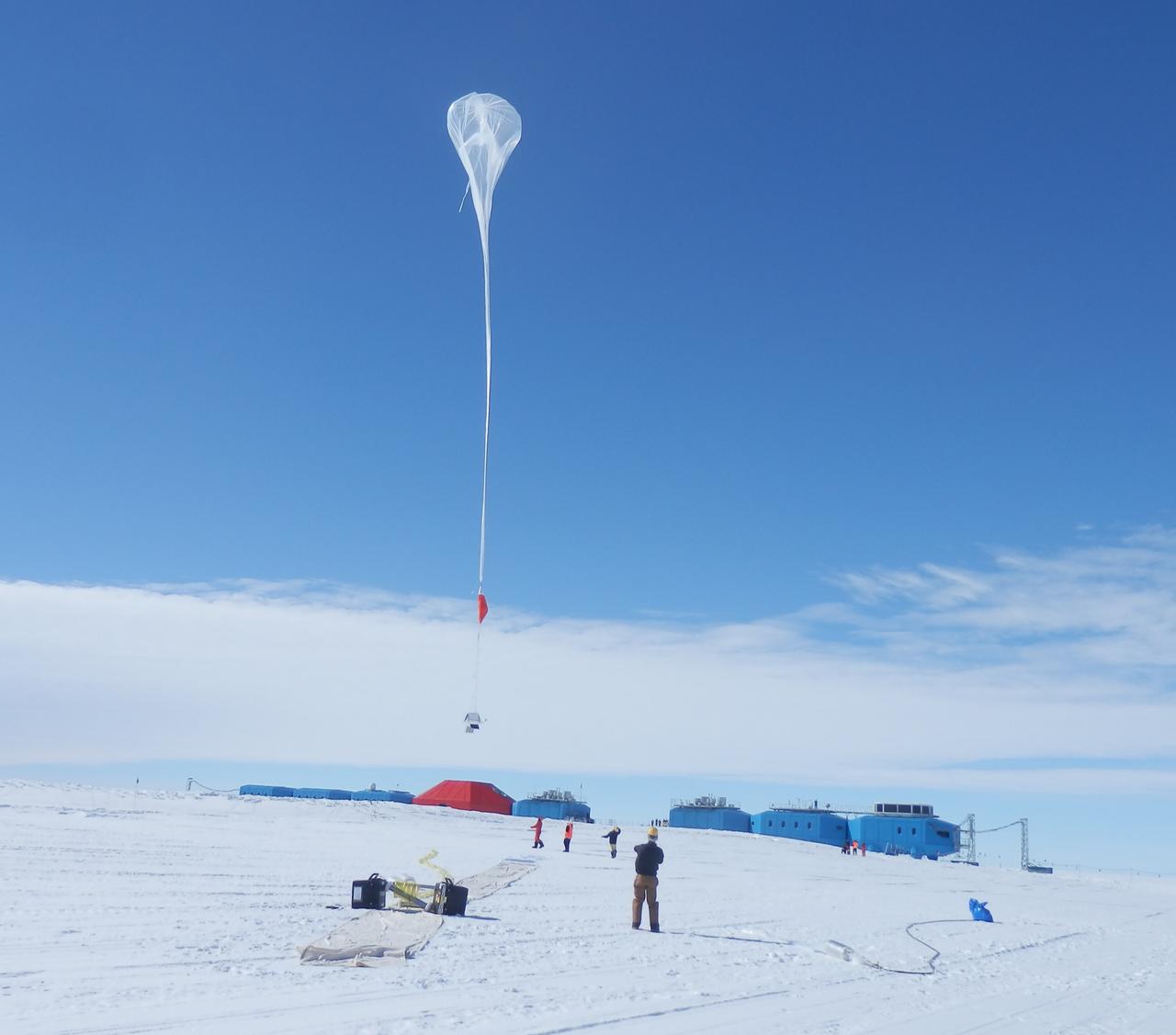
Liftoff! A balloon begins to rise over the brand new Halley VI Research Station, which had its grand opening in February 2013. Credit: NASA --- In Antarctica in January, 2013 – the summer at the South Pole – scientists launched 20 balloons up into the air to study an enduring mystery of space weather: when the giant radiation belts surrounding Earth lose material, where do the extra particles actually go? The mission is called BARREL (Balloon Array for Radiation belt Relativistic Electron Losses) and it is led by physicist Robyn Millan of Dartmouth College in Hanover, NH. Millan provided photographs from the team’s time in Antarctica. The team launched a balloon every day or two into the circumpolar winds that circulate around the pole. Each balloon floated for anywhere from 3 to 40 days, measuring X-rays produced by fast-moving electrons high up in the atmosphere. BARREL works hand in hand with another NASA mission called the Van Allen Probes, which travels through the Van Allen radiation belts surrounding Earth. The belts wax and wane over time in response to incoming energy and material from the sun, sometimes intensifying the radiation through which satellites must travel. Scientists wish to understand this process better, and even provide forecasts of this space weather, in order to protect our spacecraft. As the Van Allen Probes were observing what was happening in the belts, BARREL tracked electrons that precipitated out of the belts and hurtled down Earth’s magnetic field lines toward the poles. By comparing data, scientists will be able to track how what’s happening in the belts correlates to the loss of particles – information that can help us understand this mysterious, dynamic region that can impact spacecraft. Having launched balloons in early 2013, the team is back at home building the next set of payloads. They will launch 20 more balloons in 2014. <b><a href="http://www.nasa.gov/audience/formedia/features/MP_Photo_Guidelines.html" rel="nofollow">NASA image use policy.</a></b> <b><a href="http://www.nasa.gov/centers/goddard/home/index.html" rel="nofollow">NASA Goddard Space Flight Center</a></b> enables NASA’s mission through four scientific endeavors: Earth Science, Heliophysics, Solar System Exploration, and Astrophysics. Goddard plays a leading role in NASA’s accomplishments by contributing compelling scientific knowledge to advance the Agency’s mission. <b>Follow us on <a href="http://twitter.com/NASA_GoddardPix" rel="nofollow">Twitter</a></b> <b>Like us on <a href="http://www.facebook.com/pages/Greenbelt-MD/NASA-Goddard/395013845897?ref=tsd" rel="nofollow">Facebook</a></b> <b>Find us on <a href="http://instagram.com/nasagoddard?vm=grid" rel="nofollow">Instagram</a></b>
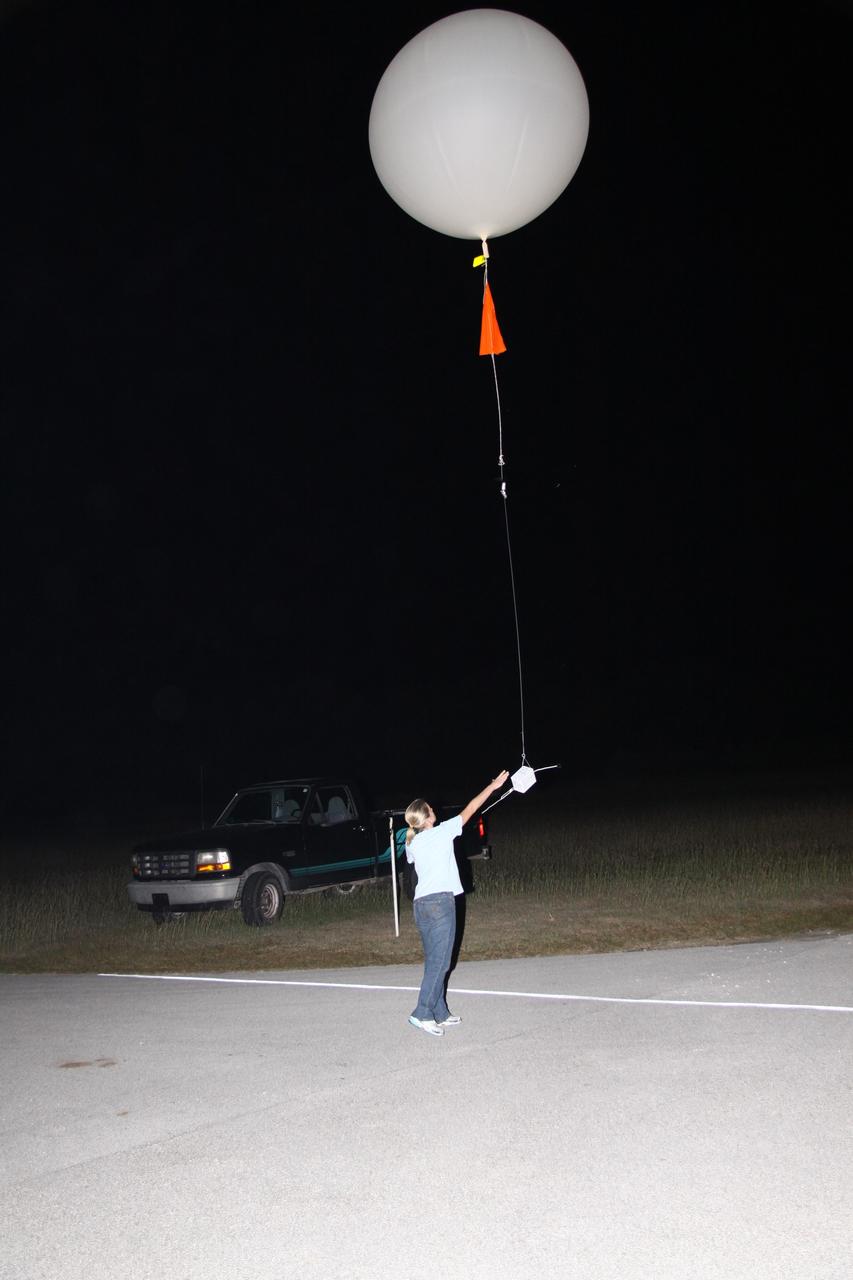
CAPE CANAVERAL, Fla. - At the weather station on Cape Canaveral Air Force Station in Florida, a meteorological data specialist releases a low resolution flight element rawinsonde to support the countdown for the flight test of NASA's Ares I-X rocket. A GPS-tracked weather balloon, a rawinsonde has a tethered instrument package which radios its altitude to the ground along with atmospheric data such as temperature, dewpoint and humidity, and wind speed and direction. Rawinsondes can reach altitudes up to 110,000 feet. For information on the Ares I-X vehicle and flight test, visit http://www.nasa.gov/aresIX. Photo credit: NASA/Jack Pfaller
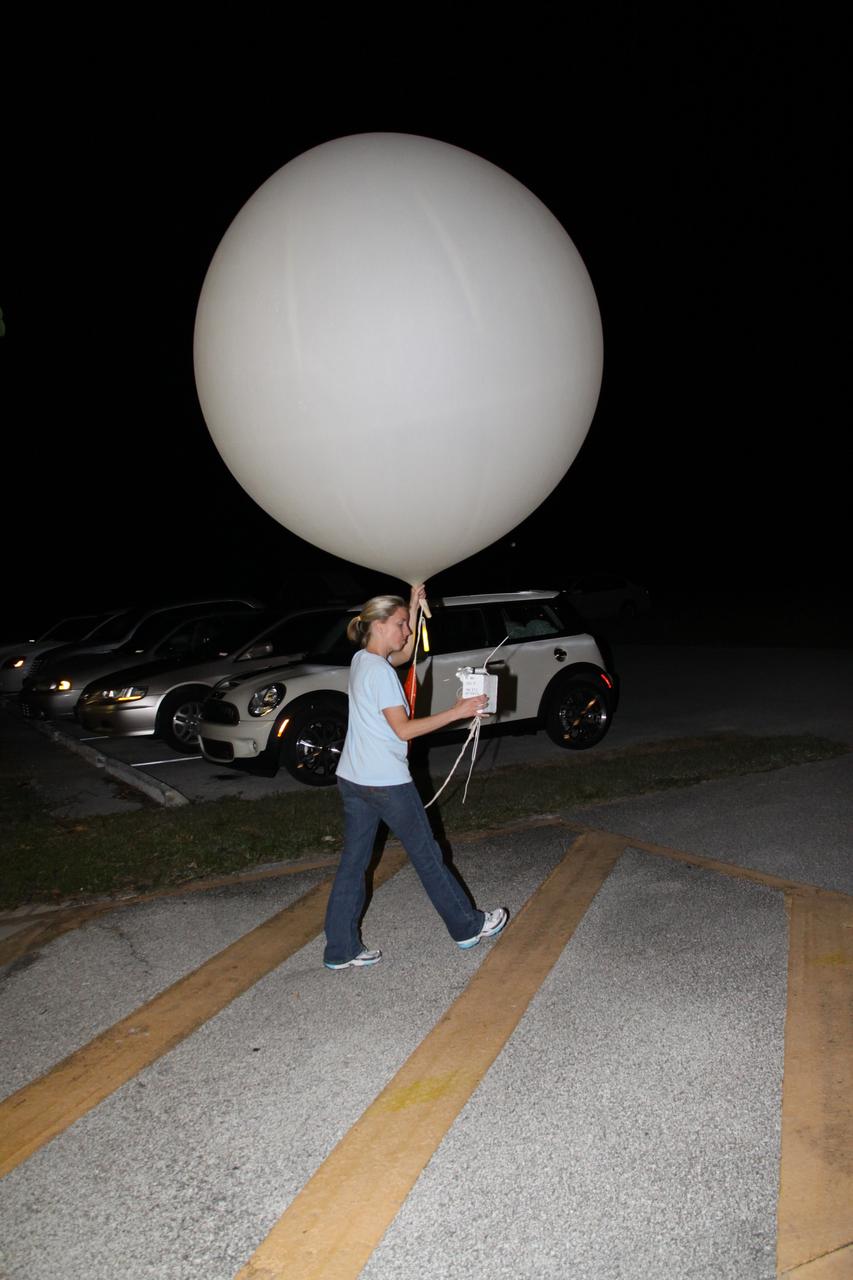
CAPE CANAVERAL, Fla. - At the weather station on Cape Canaveral Air Force Station in Florida, a meteorological data specialist prepares to release a low resolution flight element rawinsonde to support the countdown for the flight test of NASA's Ares I-X rocket. A GPS-tracked weather balloon, a rawinsonde has a tethered instrument package which radios its altitude to the ground along with atmospheric data such as temperature, dewpoint and humidity, and wind speed and direction. Rawinsondes can reach altitudes up to 110,000 feet. For information on the Ares I-X vehicle and flight test, visit http://www.nasa.gov/aresIX. Photo credit: NASA/Jack Pfaller