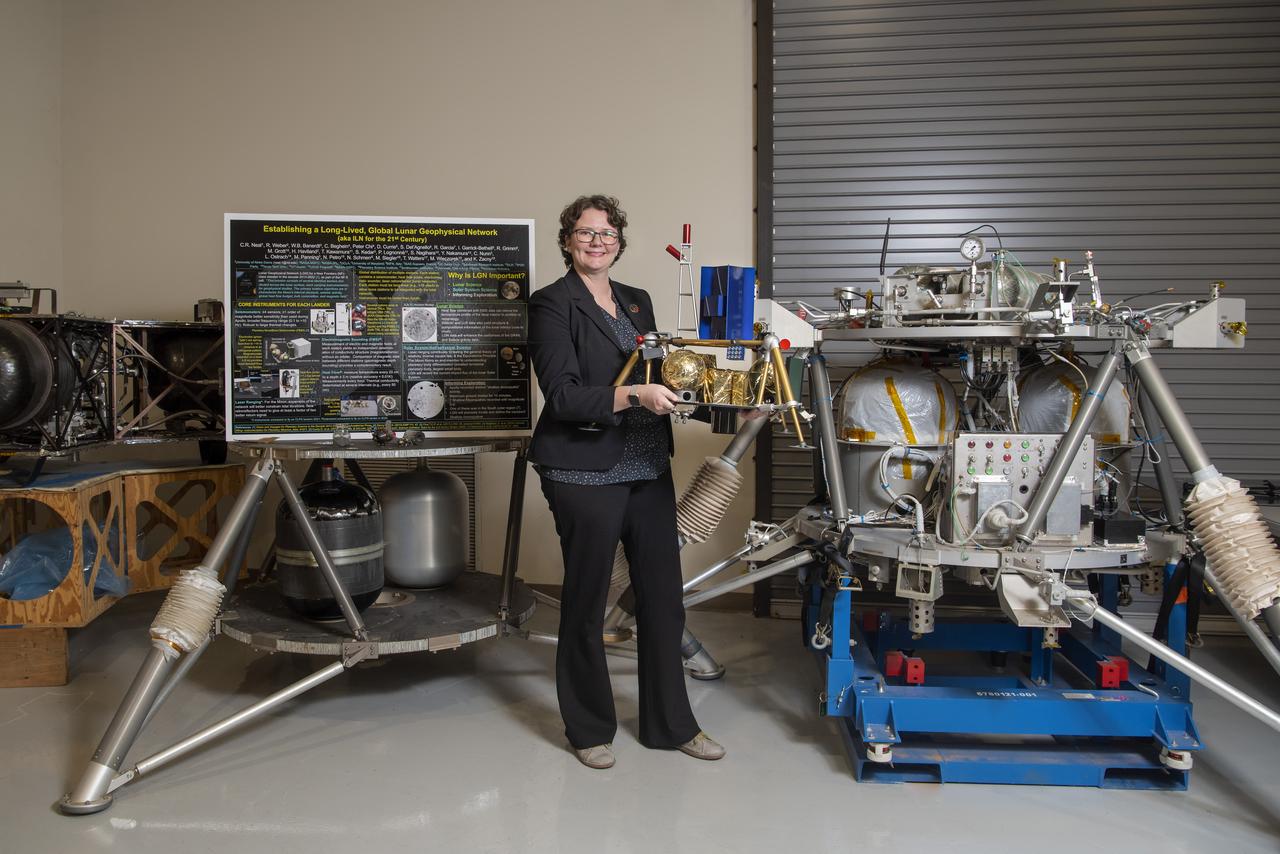
Environmental portrait of Renee Weber, commemorating her recent transition to the MSFC Chief Scientist position. Pictured with lunar lander models in the lander lab building 4747.
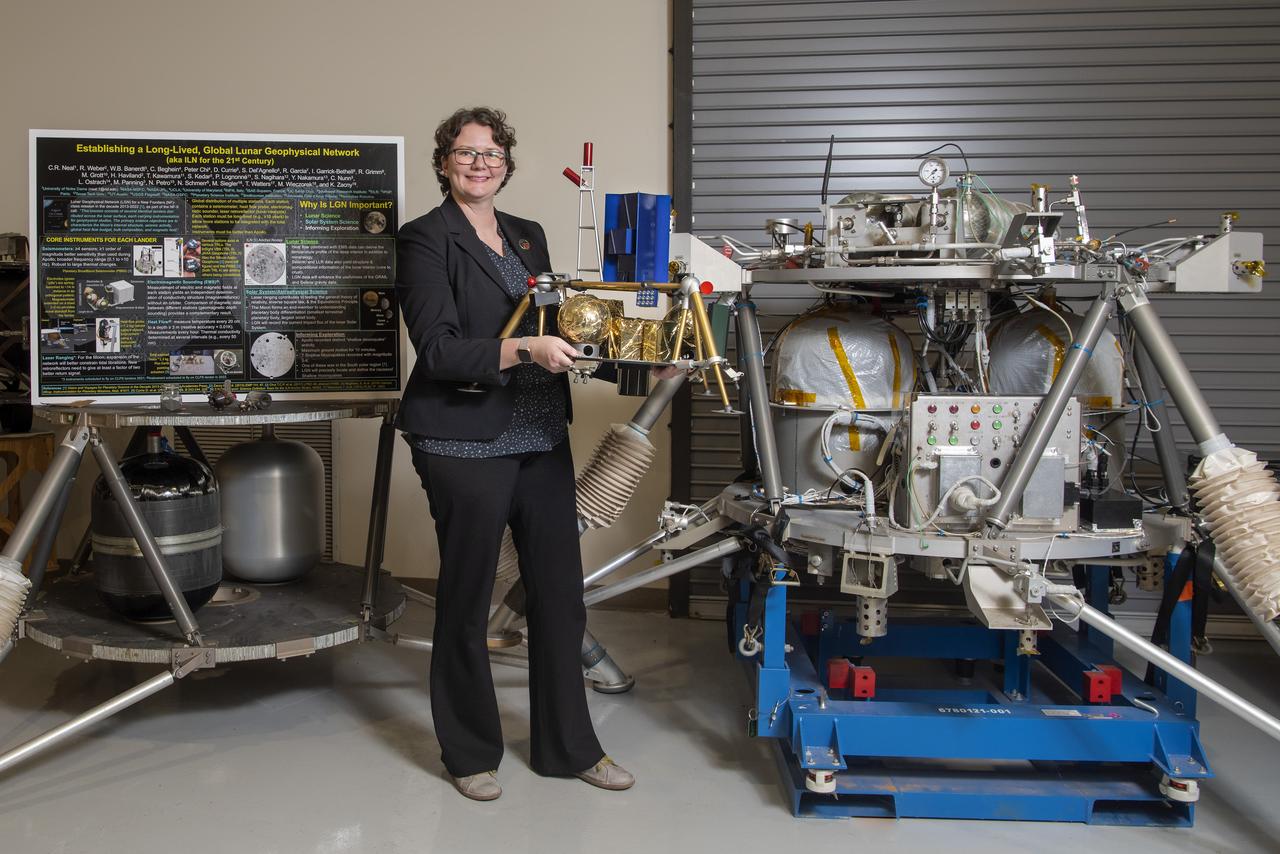
Environmental portrait of Renee Weber, commemorating her recent transition to the MSFC Chief Scientist position. Pictured with lunar lander models in the lander lab building 4747.
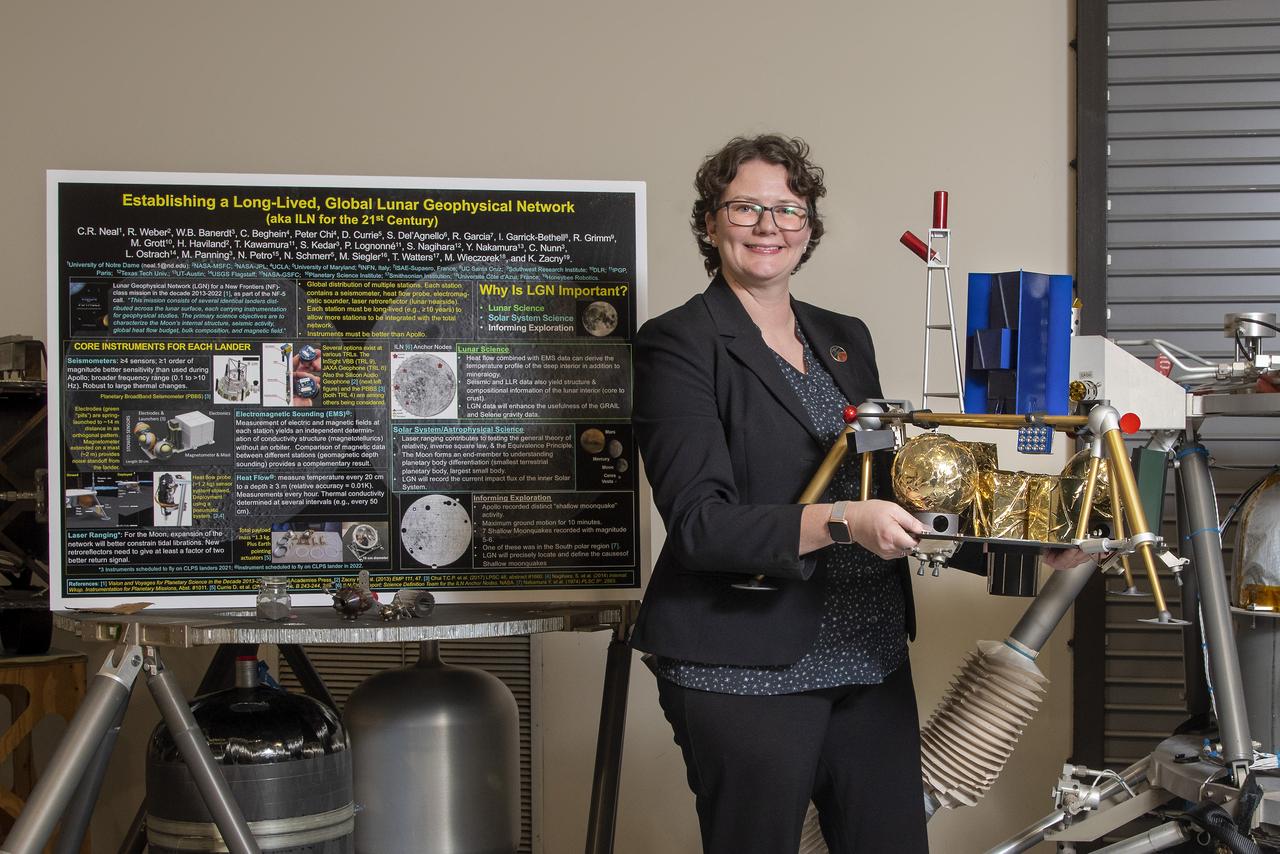
Environmental portrait of Renee Weber, commemorating her recent transition to the MSFC Chief Scientist position. Pictured with lunar lander models in the lander lab building 4747.
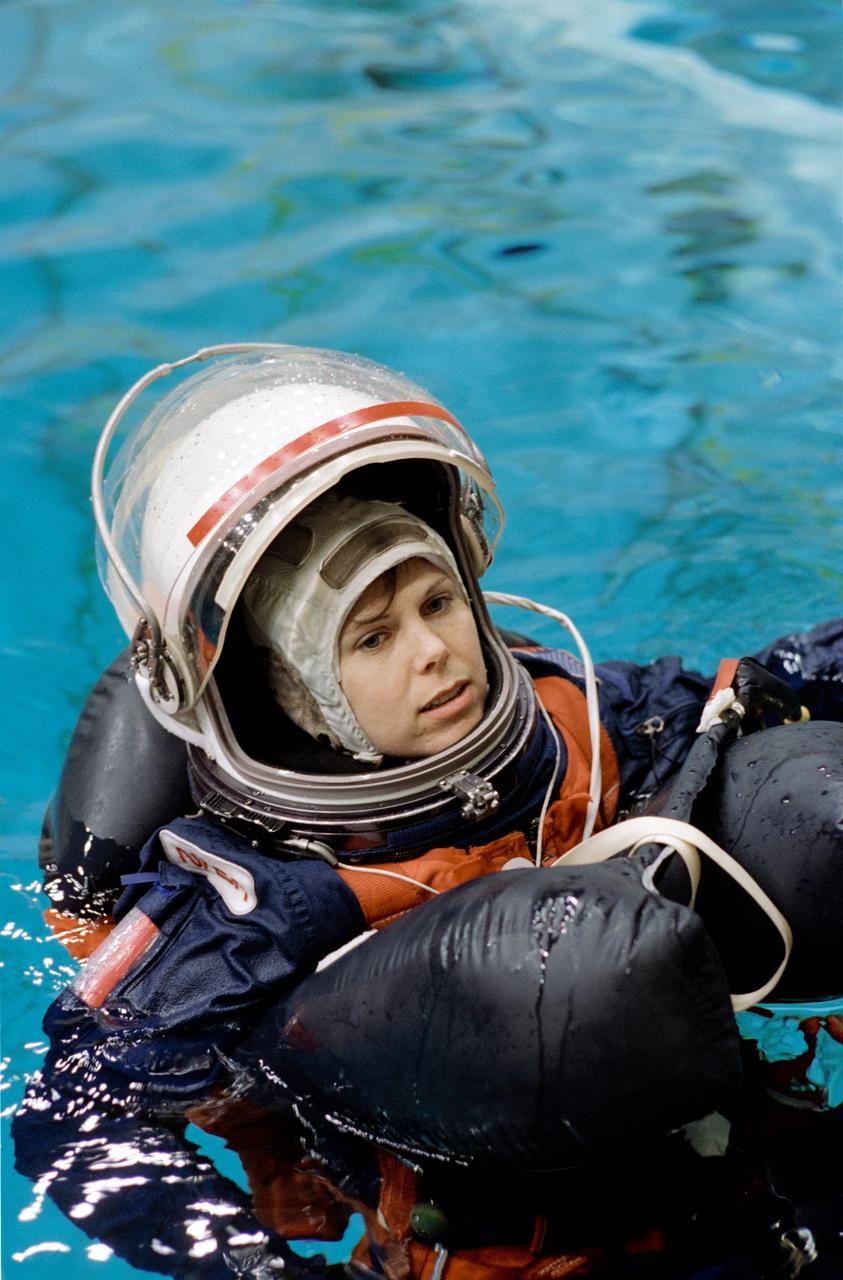
S95-03501 (16 FEB 1995) --- Astronaut Mary Ellen Weber prepares to deploy a life raft during a training session at the Johnson Space Center's (JSC) Weightless Environment Training Facility (WET-F). Training as a mission specialist for the STS-70 mission, Weber was joined by four crew mates in the emergency bailout rehearsal.
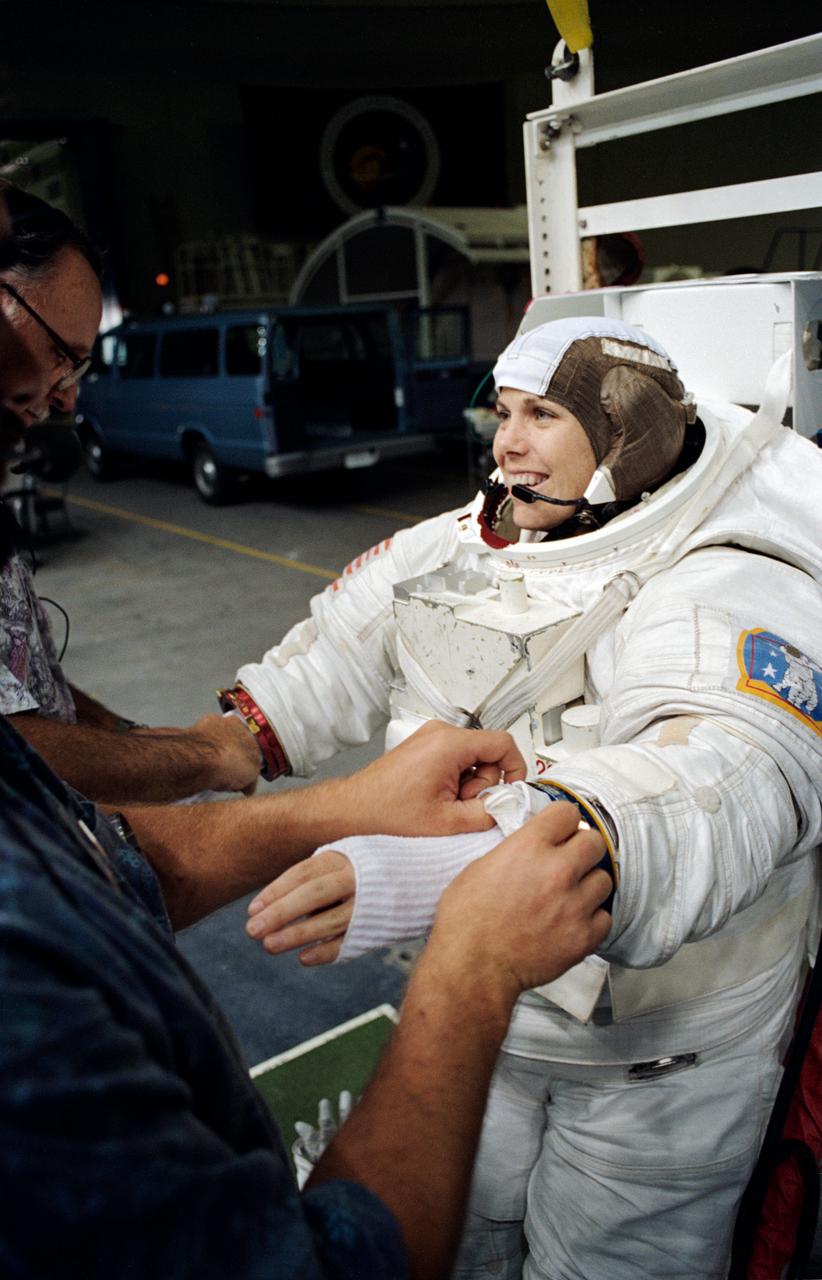
Attired in a training version of the Extravehicular Mobility Unit (EMU), astronaut Mary Ellen Weber gets help with the final touches of suit donning during a training session at JSC's Weightless Environment Training Facility (WETF). Training as a mission specialist for the STS-70 mission, Weber was about to rehearse a contingency space walk.
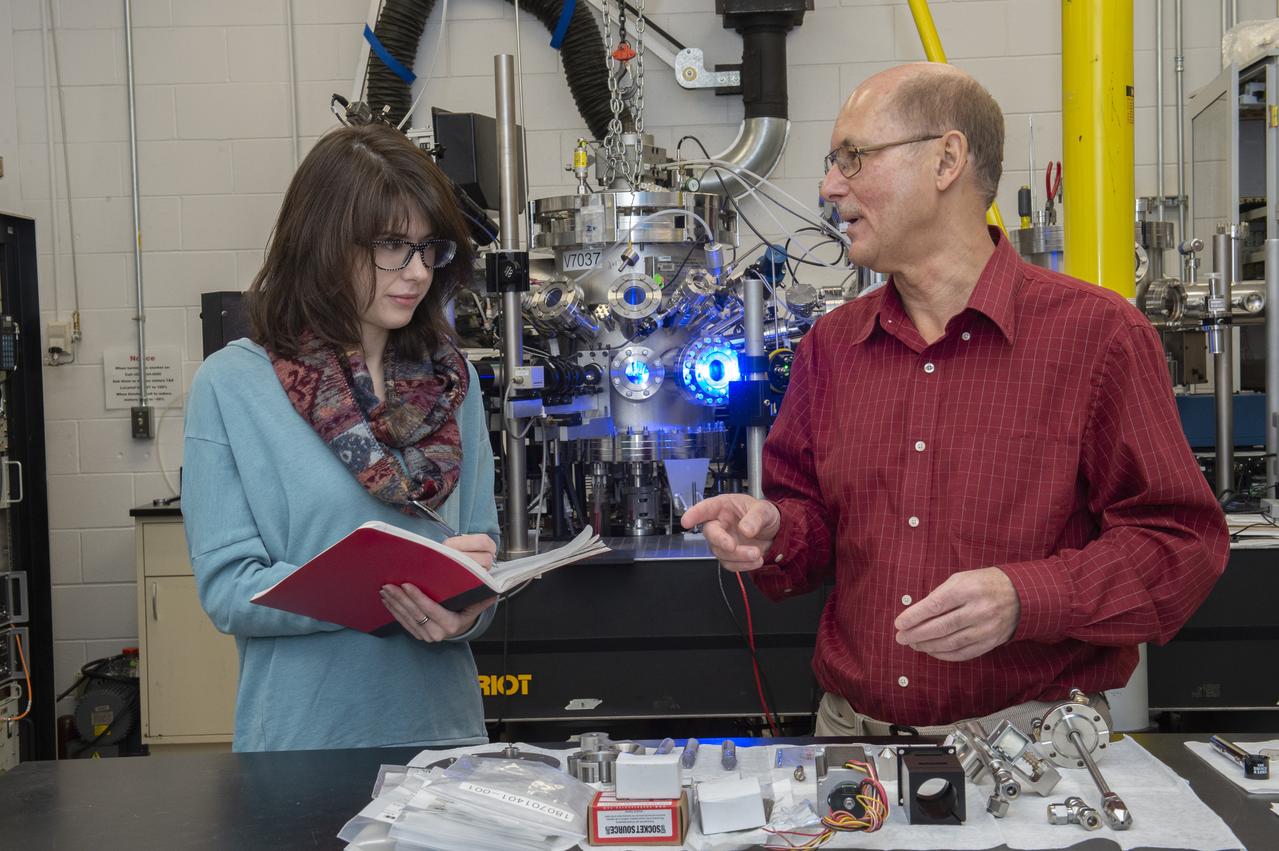
Dr. Richard Weber and Ms. Emma Clark from Materials Development Inc. during a visit to the MSFC electrostatic levitation (ESL) laboratory. Here they are preparing for ESL tests in support of Dr. Weber's NASA grant "Microgravity Investigation of Thermophysical Properties of Supercooled Molten Metal Oxides" (NNX17AH73G).
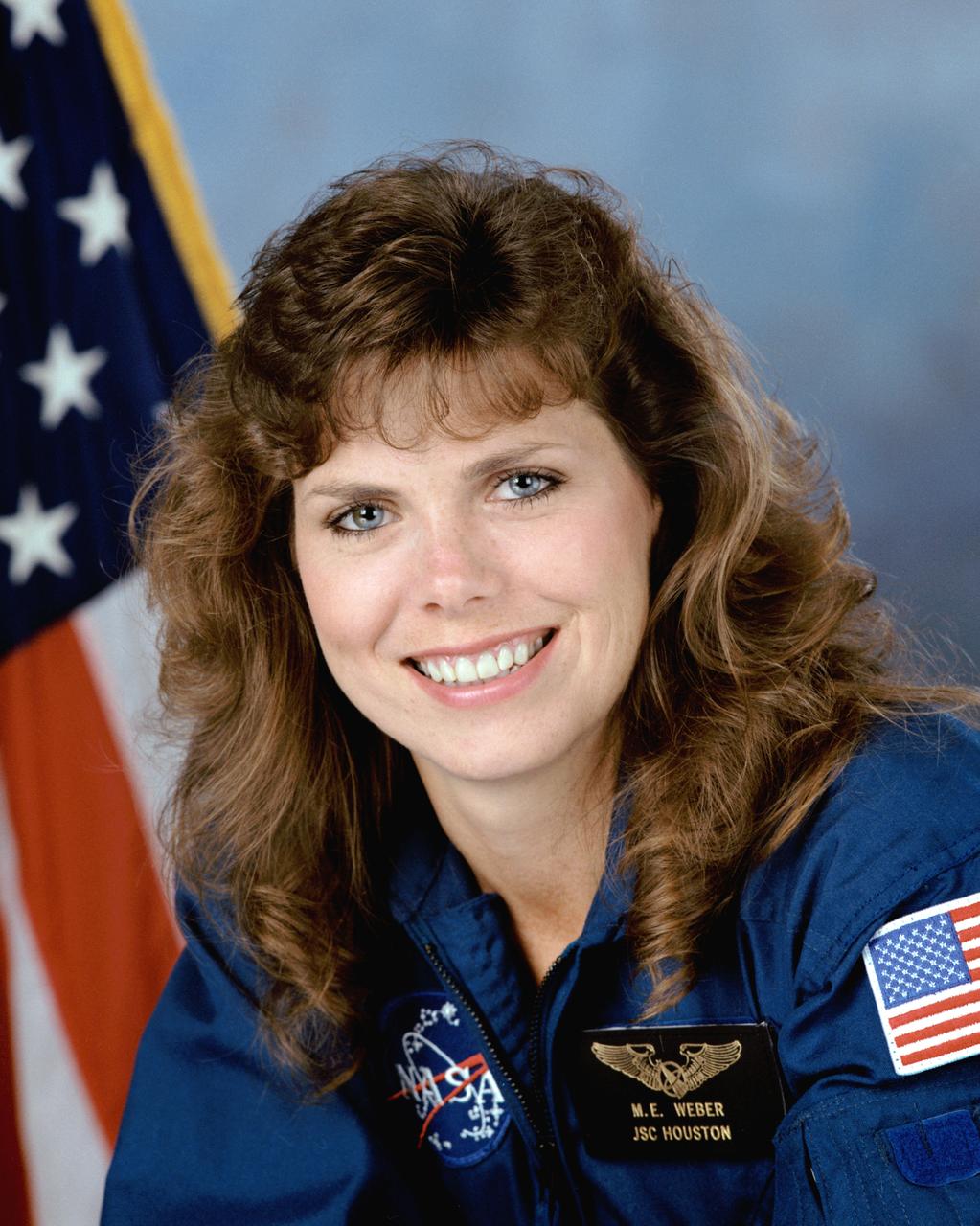
S92-45227 (11 Sept 1992) --- Astronaut Mary E. Weber, mission specialist
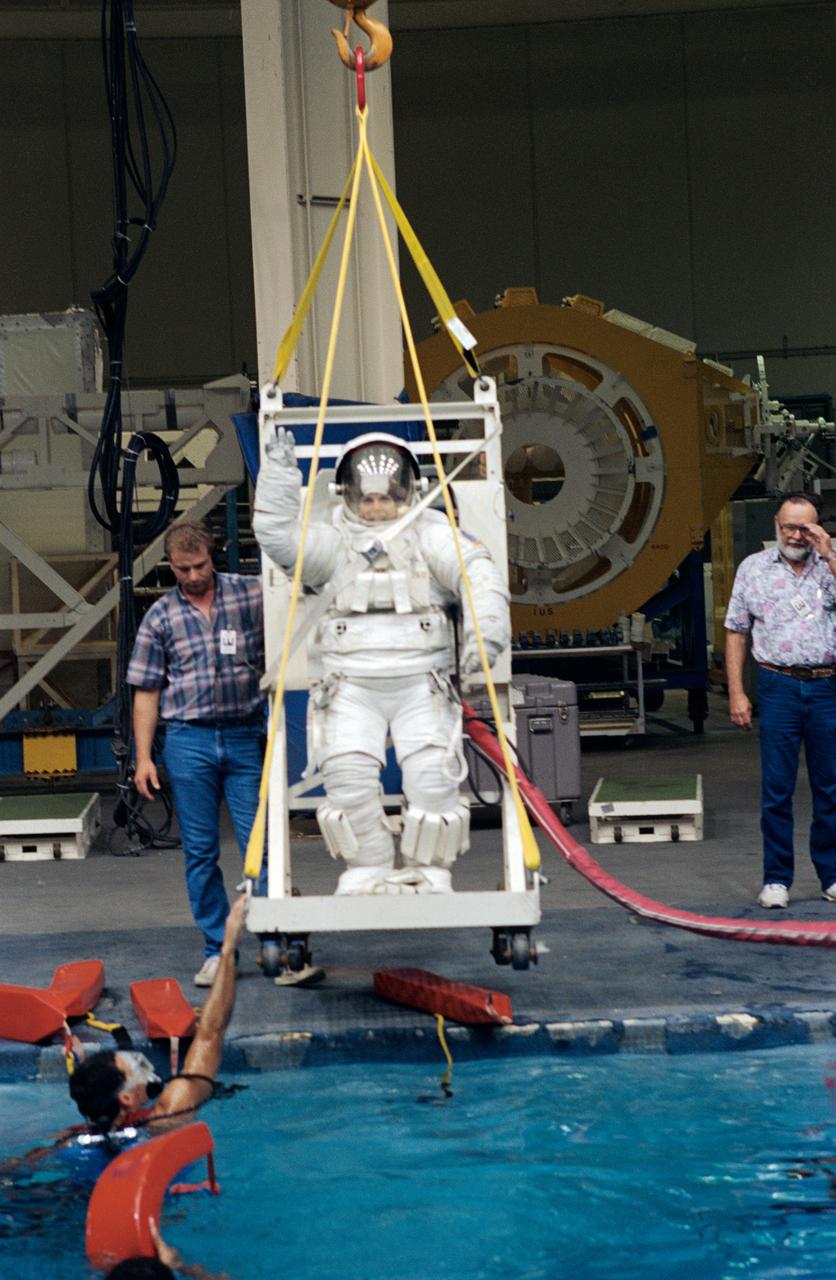
Attired in a training version of the Extravehicular Mobility Unit (EMU), Astronaut Mary Ellen Weber participates in a training session at JSC's Weightless Environment Training Facility (WETF). Training as a mission specialist for the STS-70 mission, Weber was about to rehearse a contingency space walk. One of several SCUBA-equipped divers waits to assist in the rehearsal in the water.
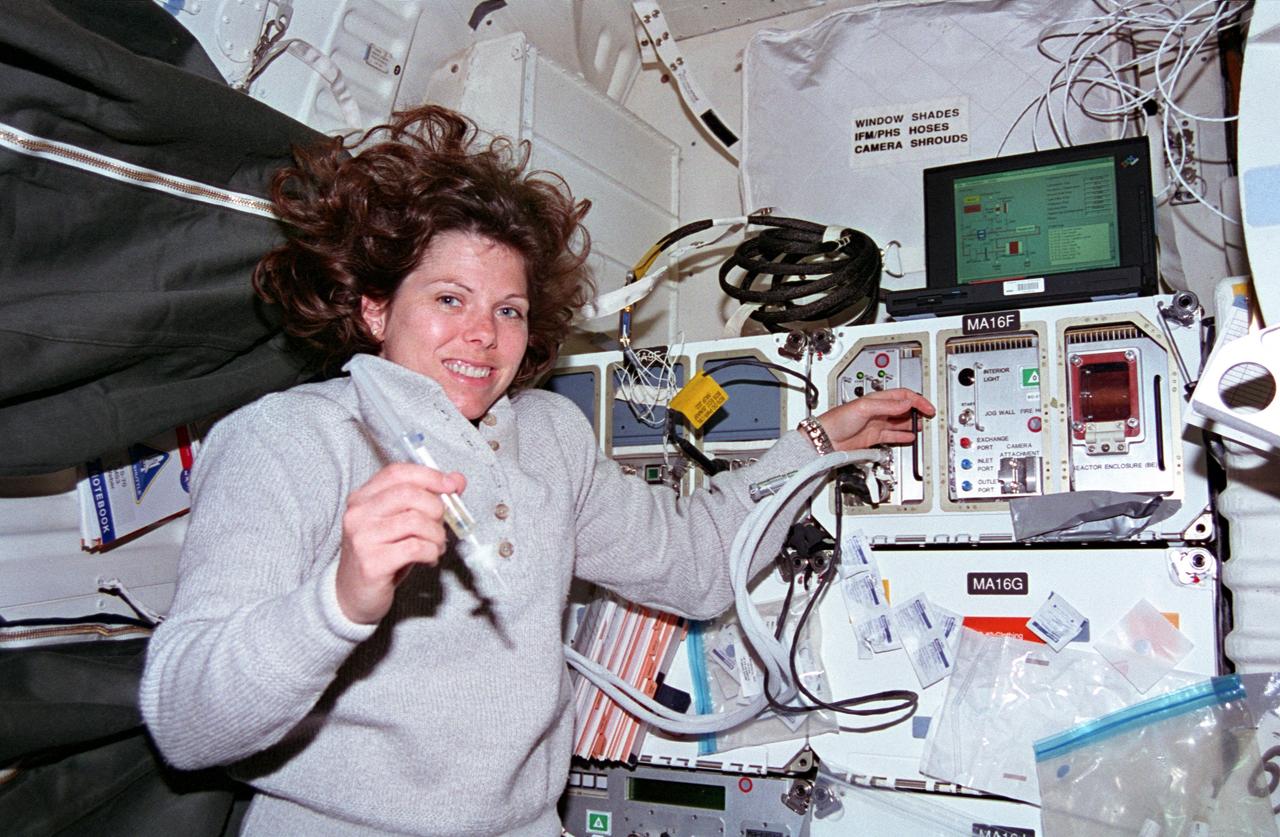
STS070-301-025 (13-22 July 1995) --- Astronaut Mary Ellen Weber works with a syringe related to the Bioreactor Development System (BDS). The almost weightless state of space travel provides life science researchers with the opportunity to grow cells into three-dimensional tissue pieces that are not achievable using conventional tissue culture methods on Earth. At specified times during the STS-70 mission, crew members injected color producing substances to document fluid movement in the reactor, and various-sized beads to estimate the tissue size that could be supported in the Bioreactor. The photo was among NASA's first release of still photography from the STS-70 mission. The mission was launched from the Kennedy Space Center (KSC) on July 13, 1995, and ended when Discovery landed on Runway 33 there on July 22, 1995. The crew members were astronauts Terence T. (Tom) Henricks, commander; Kevin R. Kregel, pilot; and Donald A. Thomas, Nancy J. Currie and Weber, all mission specialists.
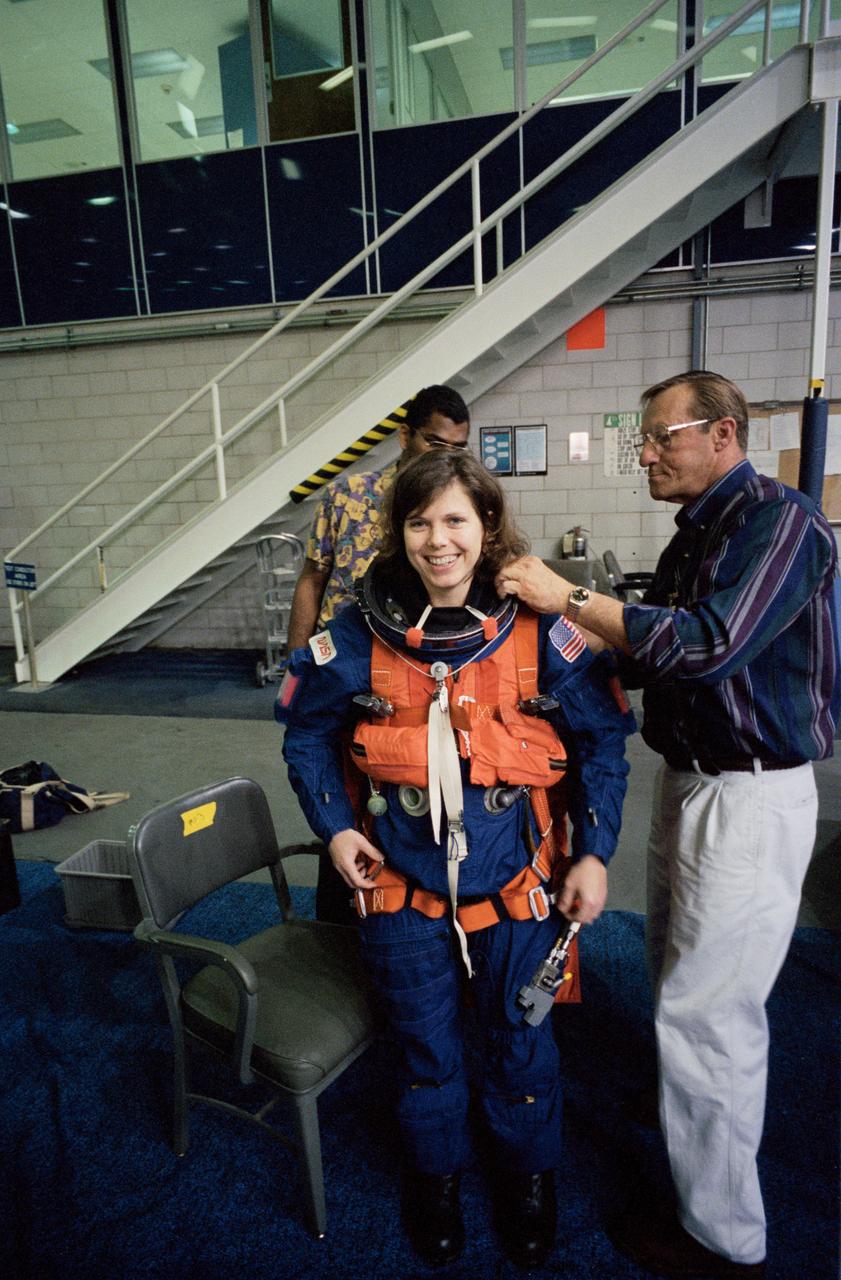
S95-03469 (16 FEB 1995) --- Attired in a training version of the Shuttle launch and entry garment, astronaut Mary Ellen Weber gets help with the final touches of suit donning during a training session at the Johnson Space Center's (JSC) Weightless Environment Training Facility (WET-F). Helping out is Rockwell's William L. Todd (right), while Staffon Isaacs looks on. Training as a mission specialist for the STS-70 mission, Weber was about to rehearse emergency bailout. The crew members made use of a nearby 25-feet deep pool to practice parachute landings in water and subsequent deployment of life rafts.
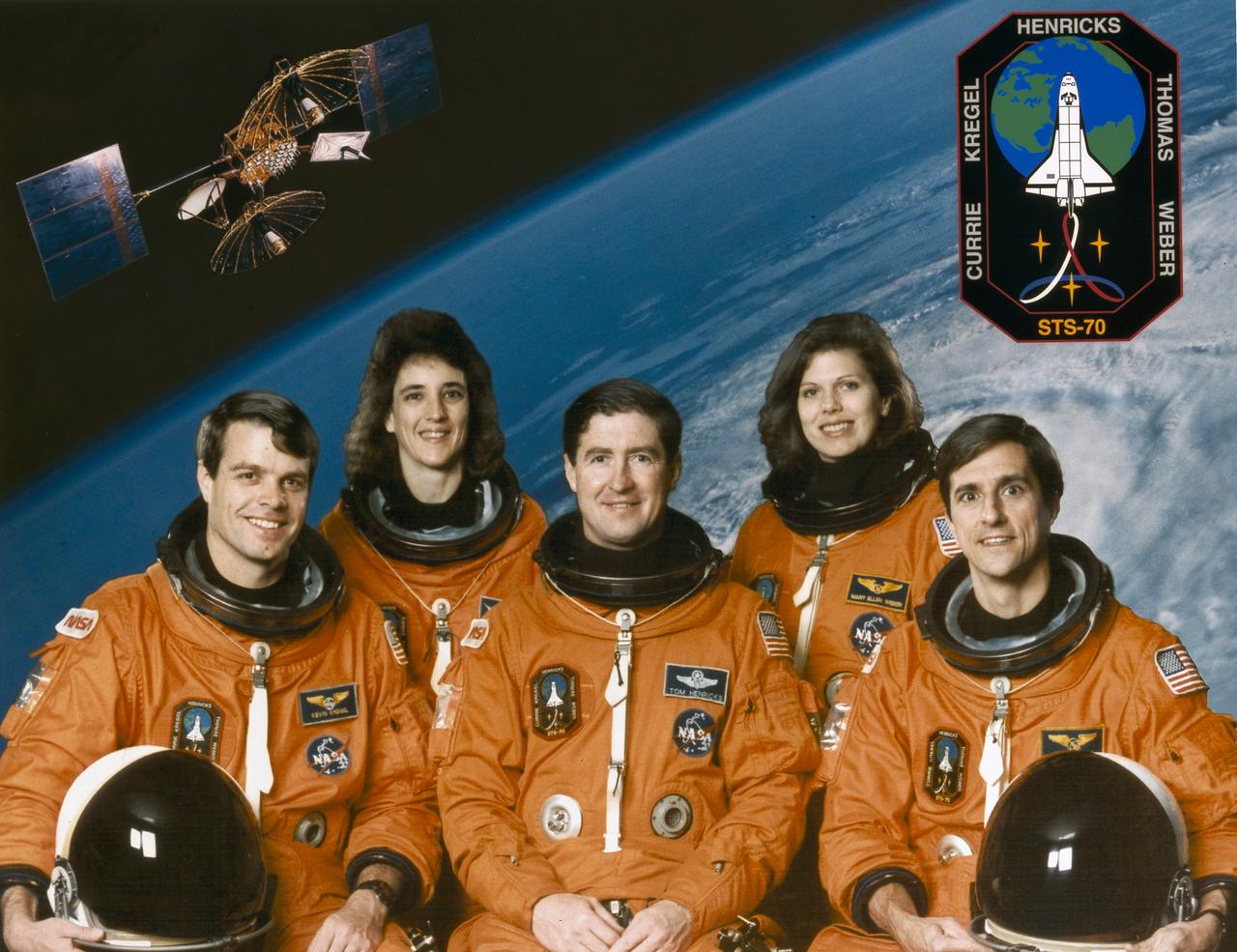
The crew assigned to the STS-70 mission included (front left to right) Kevin R. Kregel, pilot; Nancy J. Currie, mission specialist; Terrence T, Henricks, commander; Mary Ellen Weber, mission specialist, and Donald A. Thomas, mission specialist. Launched aboard the Space Shuttle Discovery on July 13,9:41:55.078 am (EDT), the STS-70 mission’s primary payload was the Tracking and Data Relay Satellite-G (TDRS-G).
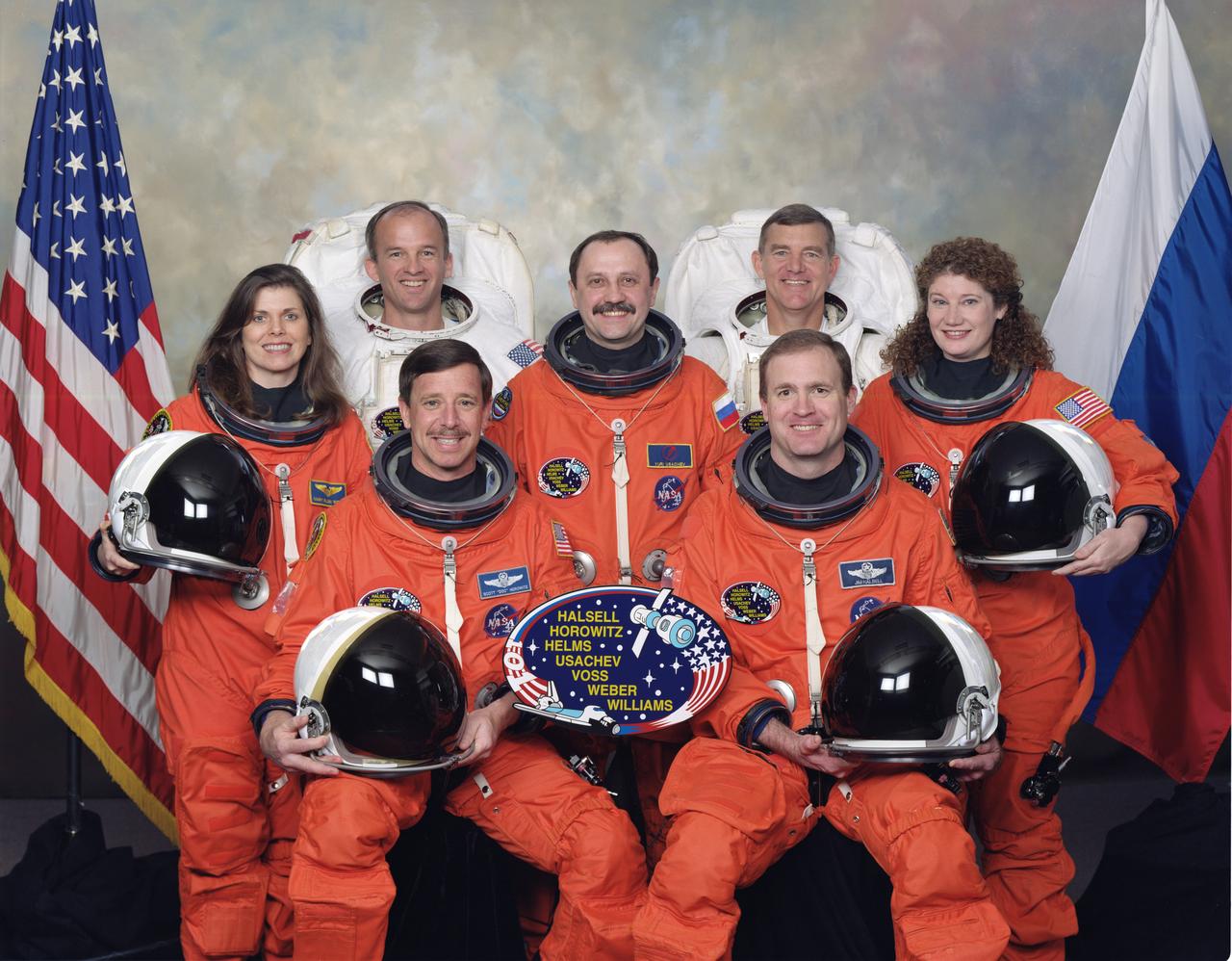
Six astronauts and a Russian cosmonaut comprised the STS-101 mission that launched aboard the Space Shuttle Atlantis on May 19, 2000 at 5:11 am (CDT). Seated in front are astronauts James D. Halsell (right), mission commander; and Scott J. Horowitz, pilot. Others, from the left, are Mary Ellen Weber, Jeffrey N. Williams, Yury V. Usachev, James S. Voss and Susan J. Helms, all mission specialists. Usachev represents the Russian Space Agency (RSA). The crew of the STS- 101 mission refurbished and replaced components in both the Zarya and Unity modules, with top priority being the Zarya module.
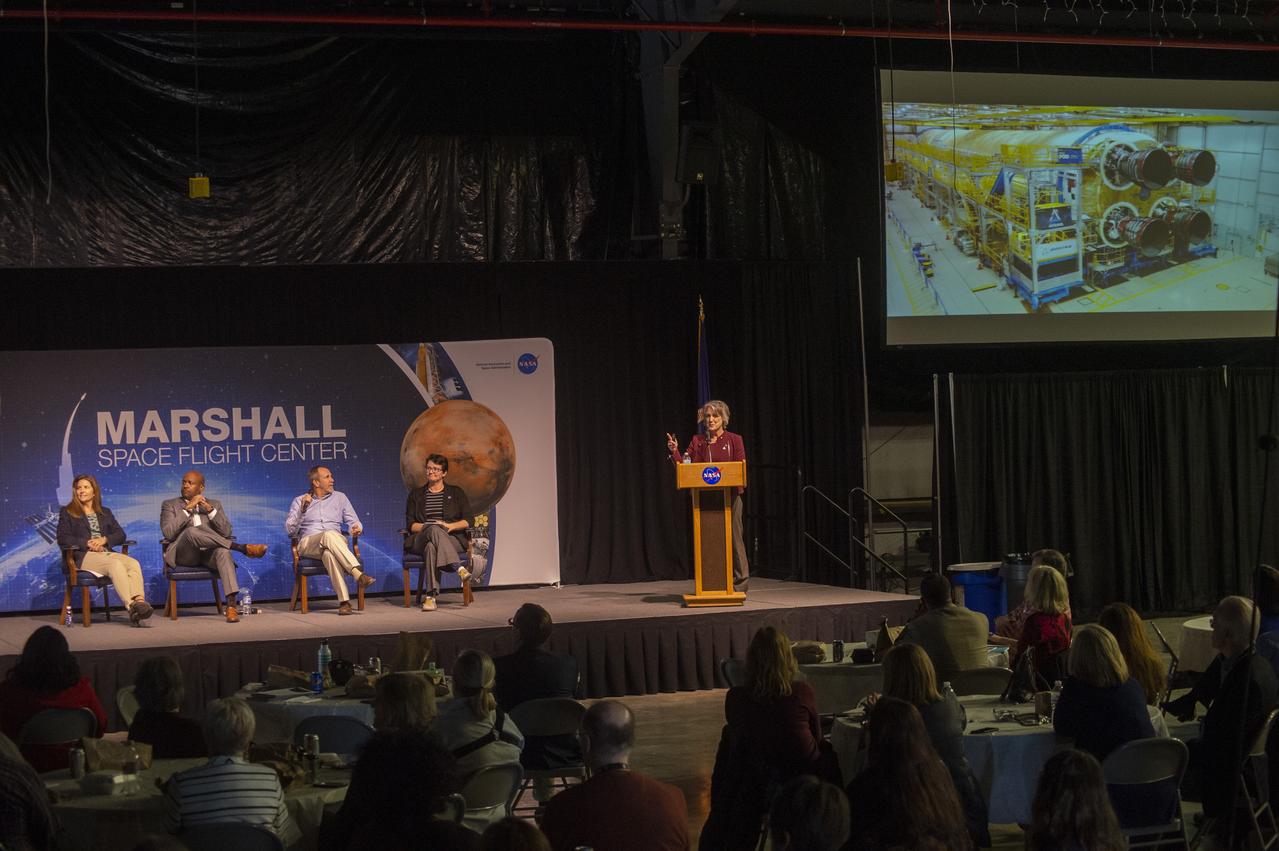
MARCIA LINDSTROM, AT PODIUM, FACILITATES ARTEMIS PROGRAM PANEL DISCUSSION AT NOVEMBER MARSHALL ASSOCIATION LUNCHEON. (L TO R), LISA WATSON-MORGAN, PROGRAM MANAGER, HUMAN LANDING SYSTEM; BOBBY WATKINS, DIRECTOR HUMAN EXPLORATION DEVELOPMENT & OPERATIONS OFFICE; DAVID BEAMAN, MANAGER, SYSTEMS ENGINEERING & INTEGRATION OFFICE, RENEE WEBER, ACTING CENTER CHIEF SCIENTIST
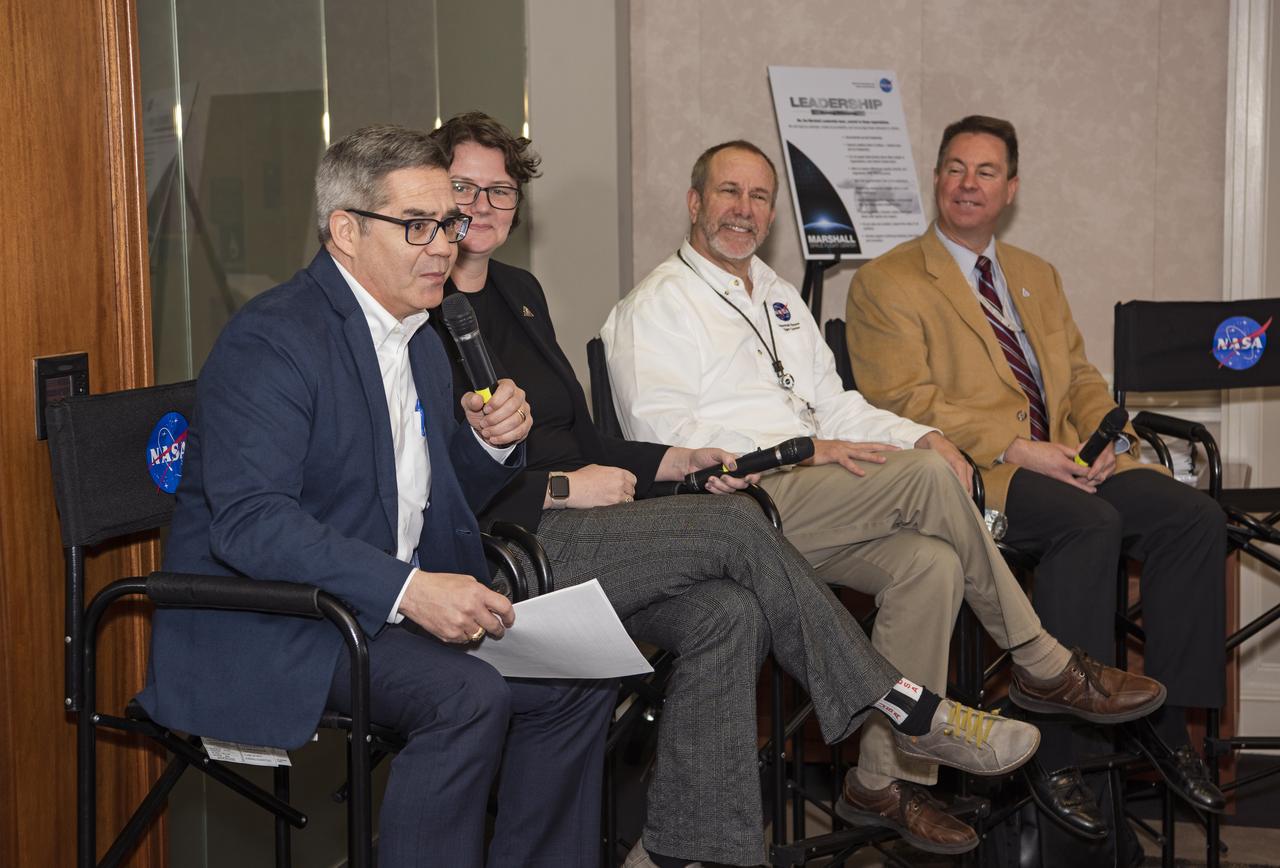
Sam Ortega, left, manager of the Partnerships Office at NASA’s Marshall Space Flight Center, moderates an Artemis Program panel featuring, second from left, Renee Weber, Marshall chief scientist; David Beaman, manager of Marshall’s Systems Engineering & Integration Office; and Don Krupp, associate program manager for the Human Landing System Program, during Universities of the Tennessee Valley Corridor activities Feb. 27 at Marshall. Leadership staff from eight universities and 10 junior colleges in Alabama, Tennessee and Kentucky also heard presentations on Office of STEM Engagement opportunities, partnership opportunities, Marshall’s Technology Transfer Office, the NASA software catalog and Marshall’s Advanced Concepts Office. The group toured several Marshall facilities to learn more about center capabilities.

Lori Glaze, acting director of NASA’s Planetary Science Division, right, visited NASA’s Marshall Space Flight Center March 7 to see firsthand the work done by center scientists. Glaze, along with Marshall planetary scientists Renee Weber, left, and Debra Needham, center, and intern James Mavo, second from right, toured multiple facilities at Marshall – including the Deep Space Habitat facility – to discuss how Marshall is working to support astronauts on long-duration missions.
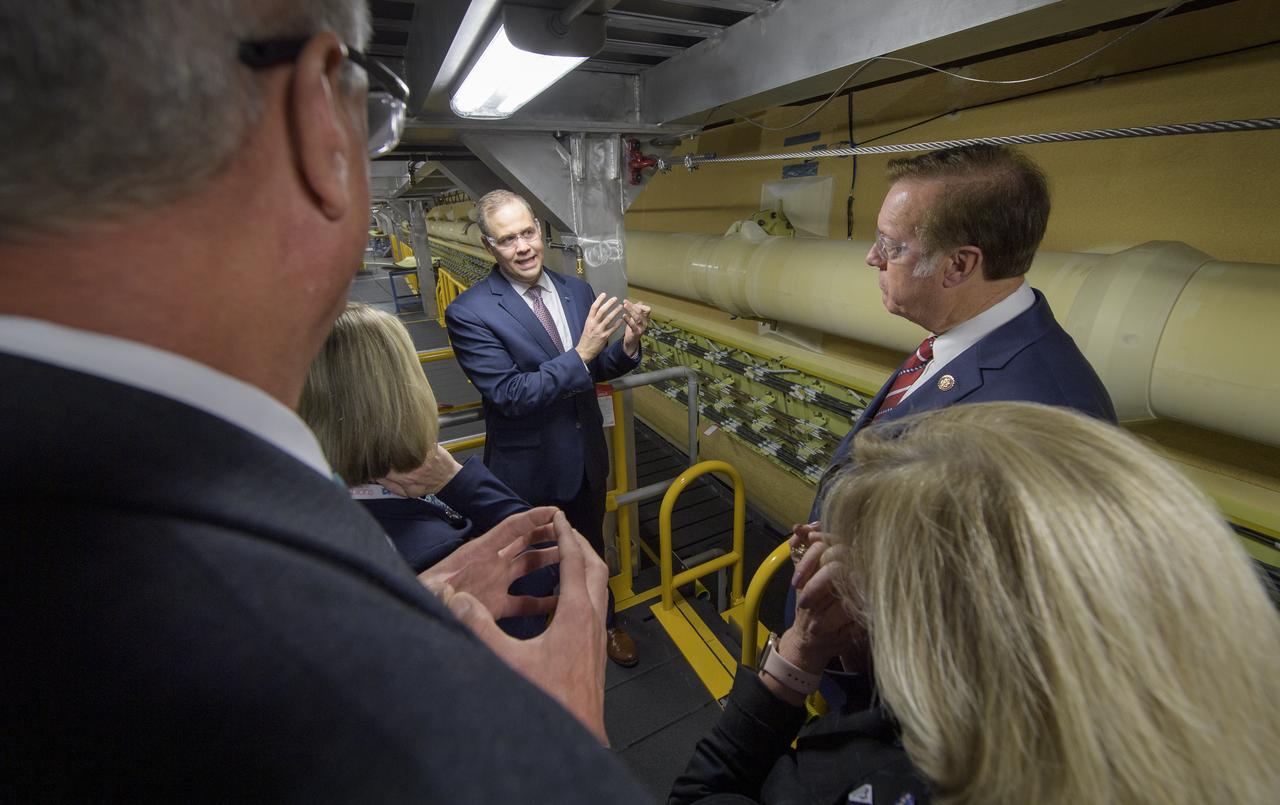
NASA Administrator Jim Bridenstine, left, along with U.S. Representative Randy Weber (R-TX), right, and other NASA and Boeing management view the core stage for NASA’s Space Launch System (SLS) rocket that will help power the first Artemis mission to the Moon, Monday, Dec. 9, 2019, at NASA’s Michoud Assembly Facility in New Orleans. Through Artemis NASA will land the first woman and next man on the Moon by 2024. Photo Credit: (NASA/Bill Ingalls)
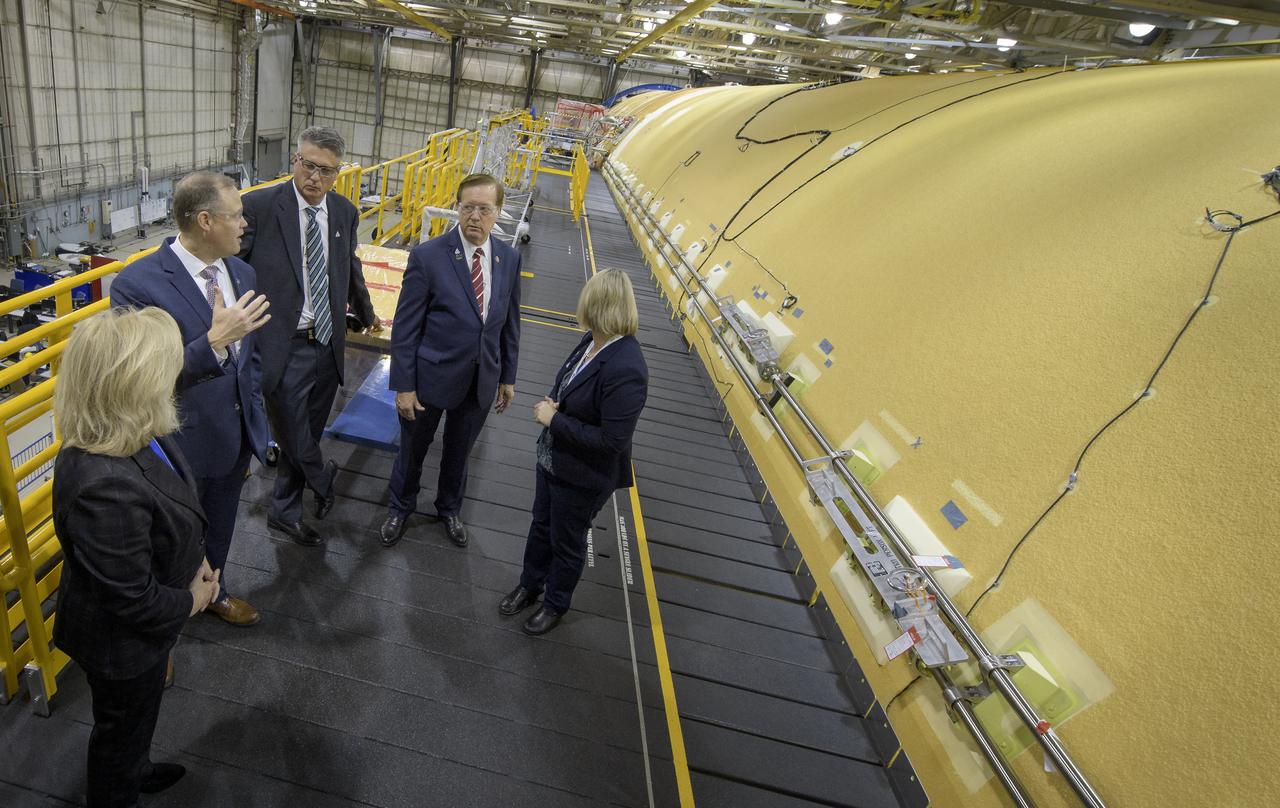
NASA Marshall Space Flight Center Director Jody Singer, left, NASA Administrator Jim Bridenstine, NASA Marshall Space Flight Center Deputy Program manager, Space Launch System Program, Chris Cianciola, U.S. Representative Randy Weber (R-TX), and Boeing Director of operations at Michoud Assembly Facility Jennifer Boland-Masterson, right, view the core stage for NASA’s Space Launch System (SLS) rocket that will help power the first Artemis mission to the Moon, Monday, Dec. 9, 2019, at NASA’s Michoud Assembly Facility in New Orleans. Through Artemis NASA will land the first woman and next man on the Moon by 2024. Photo Credit: (NASA/Bill Ingalls)
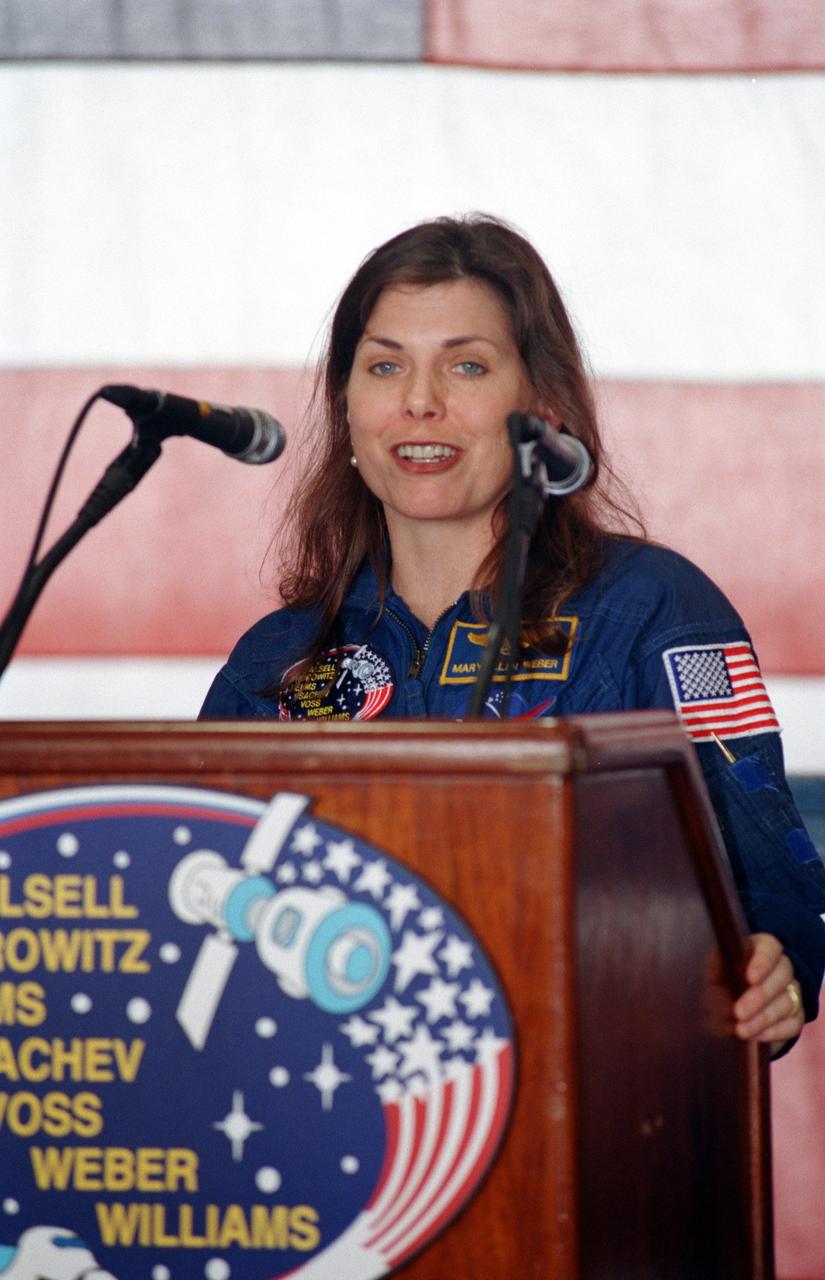
JSC2000-04605 (30 May 2000) --- Astronaut Mary Ellen Weber, mission specialist, speaks to a crowd at the crew-welcoming ceremony at Ellington Field on the day following the completion of the STS-101 mission.
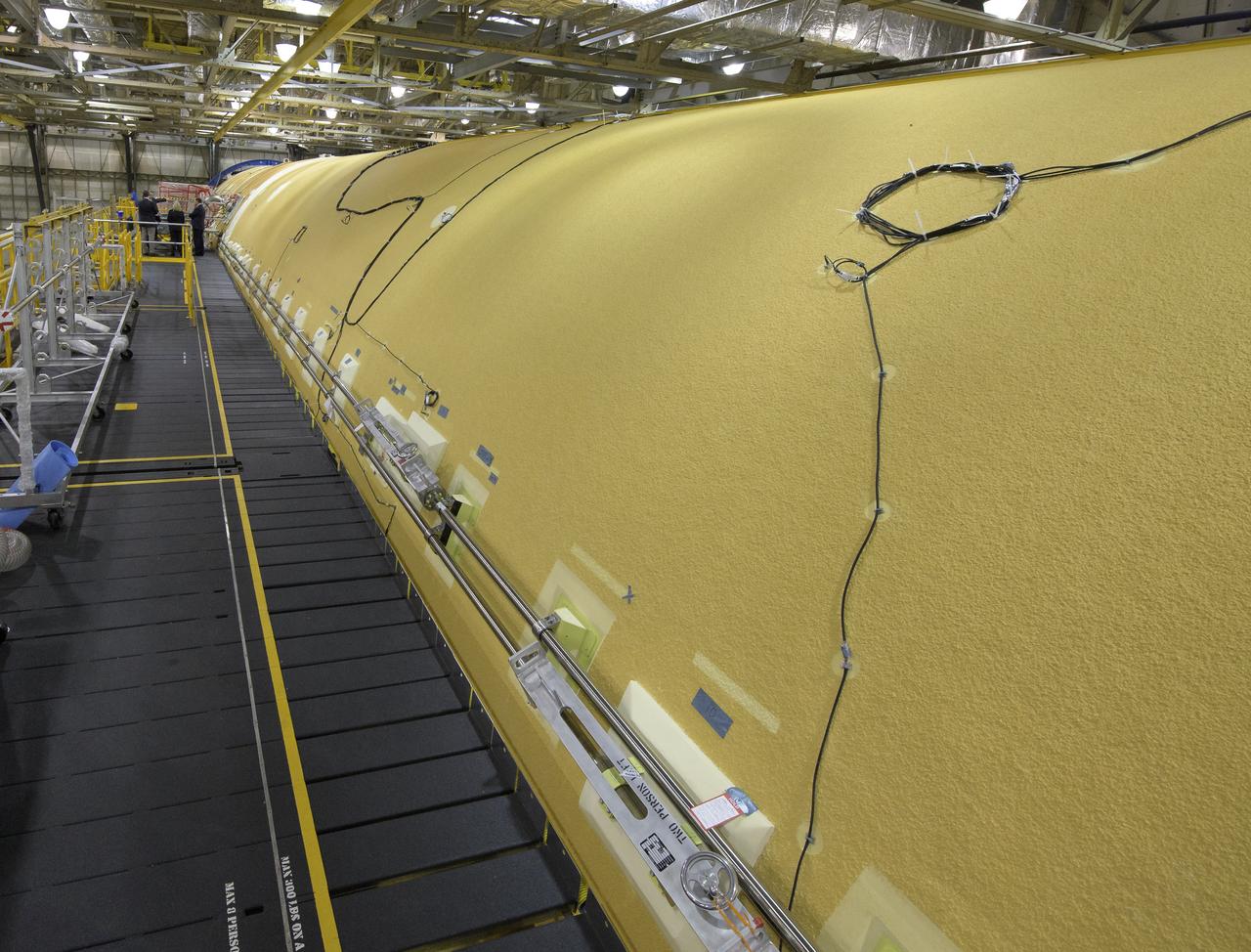
NASA Administrator Jim Bridenstine, NASA Marshall Space Flight Center Director Jody Singer, NASA Marshall Space Flight Center Deputy Program manager, Space Launch System Program, Chris Cianciola, Boeing Director of operations at Michoud Assembly Facility Jennifer Boland-Masterson, U.S. Representative Randy Weber (R-TX), and Dayne Cutrell, Chief of Staff for Alabama Senator Richard Shelby, background, view the core stage for NASA’s Space Launch System (SLS) rocket that will help power the first Artemis mission to the Moon, Monday, Dec. 9, 2019, at NASA’s Michoud Assembly Facility in New Orleans. Through Artemis NASA will land the first woman and next man on the Moon by 2024. Photo Credit: (NASA/Bill Ingalls)
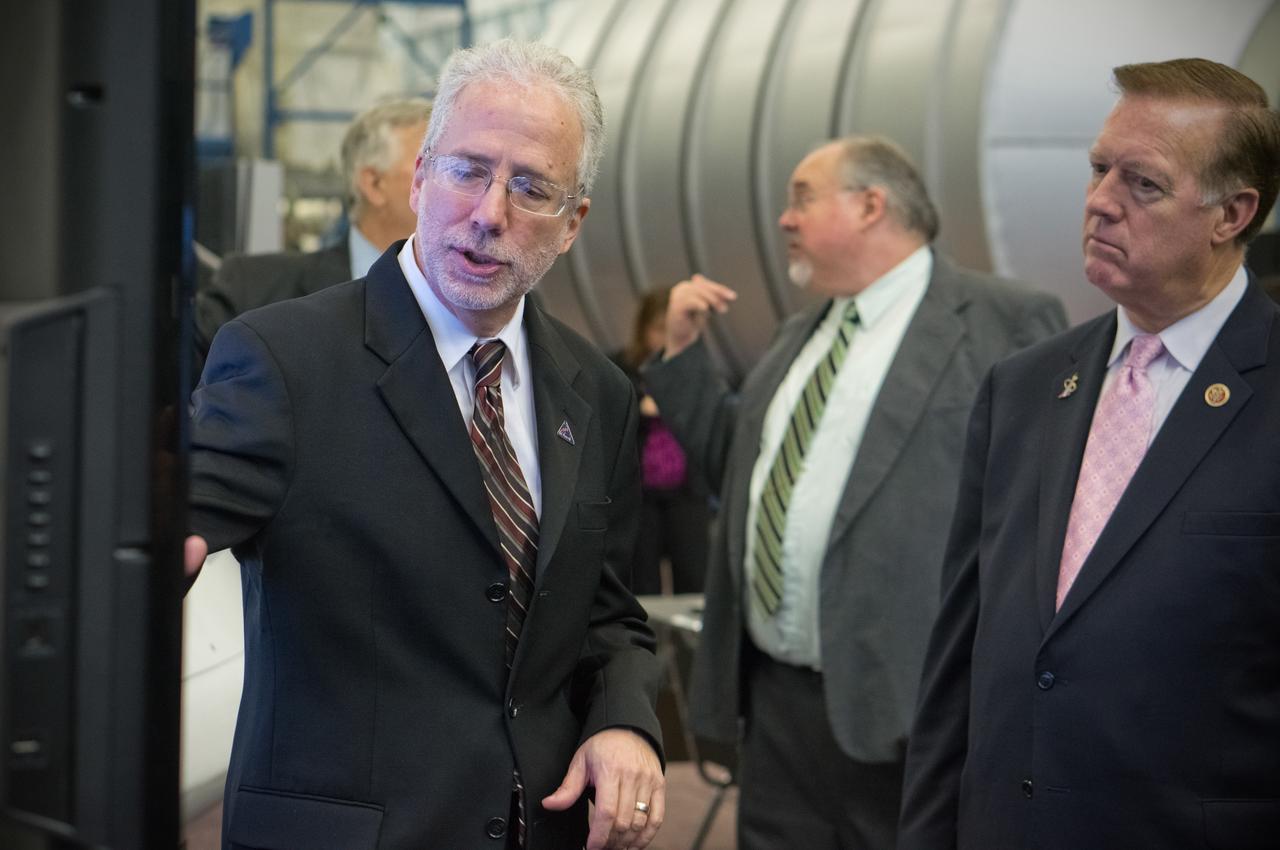
Congressman Steve Stockman, Texas 36th district, and Congressman Randy Weber, Texas 14th district, visit NASA’s Johnson Space Center in Houston on Feb. 20, 2013. Orion Program Manager Mark Geyer discussed the status and accomplishments of the Orion program. Part of Batch image transfer from Flickr.
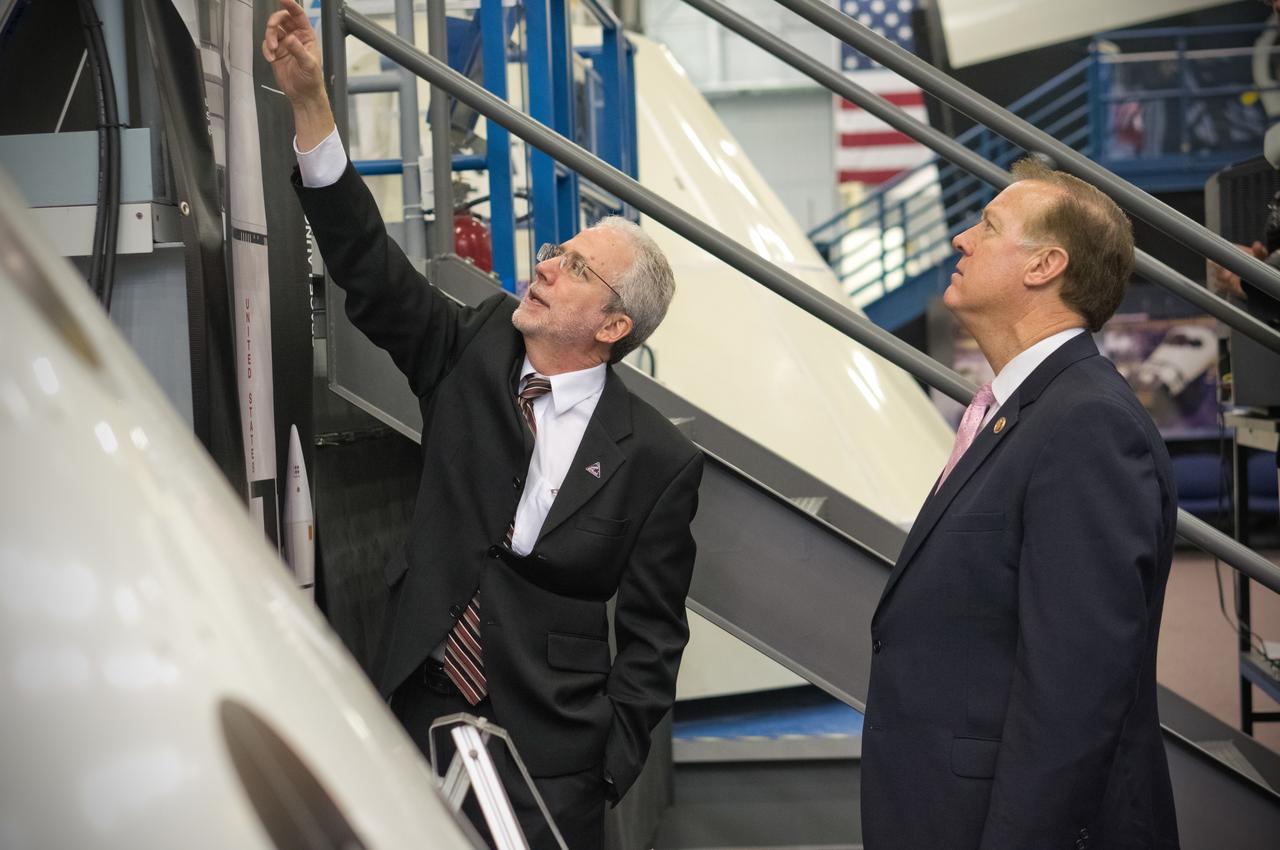
Congressman Steve Stockman, Texas 36th district, and Congressman Randy Weber, Texas 14th district, visit NASA’s Johnson Space Center in Houston on Feb. 20, 2013. Orion Program Manager Mark Geyer discussed the status and accomplishments of the Orion program. Part of Batch image transfer from Flickr.
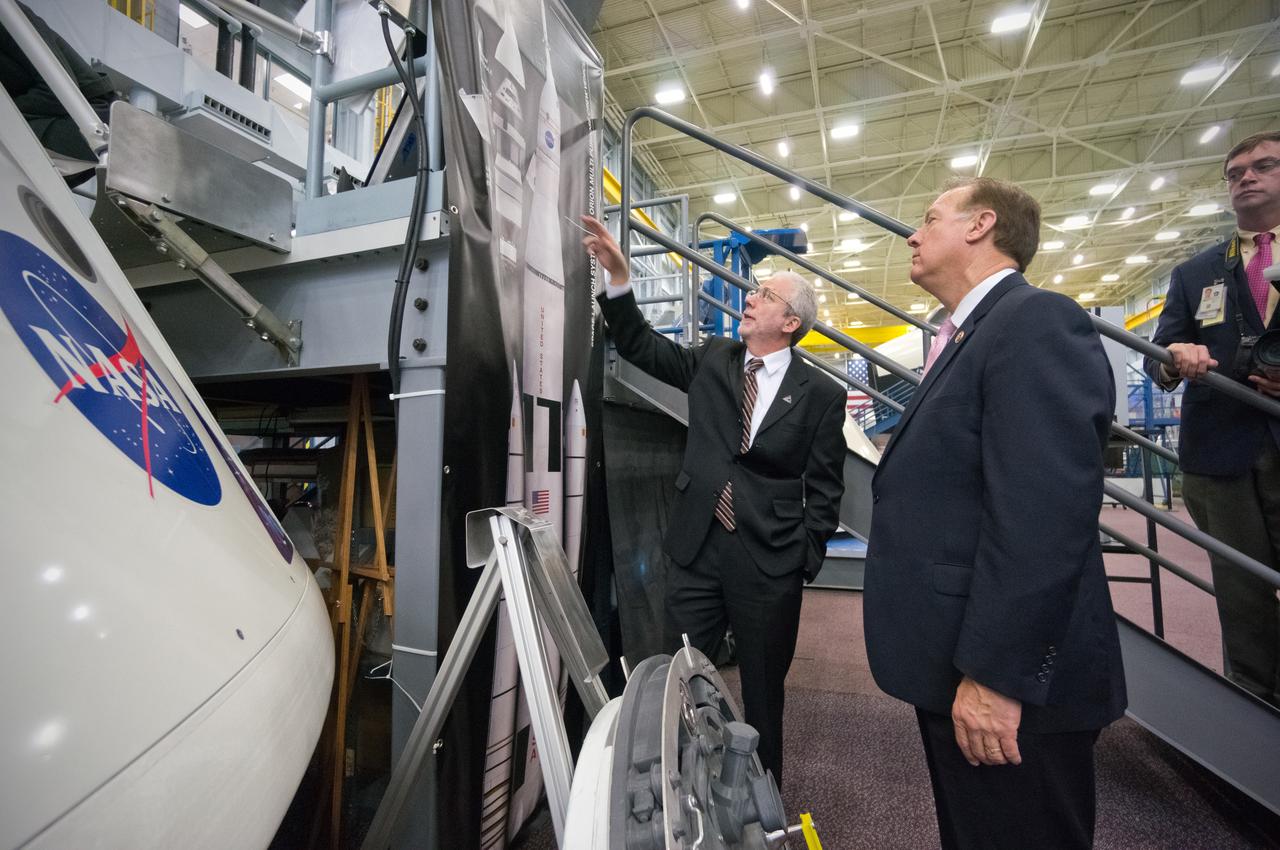
Congressman Steve Stockman, Texas 36th district, and Congressman Randy Weber, Texas 14th district, visit NASA’s Johnson Space Center in Houston on Feb. 20, 2013. Orion Program Manager Mark Geyer discussed the status and accomplishments of the Orion program. Part of Batch image transfer from Flickr.
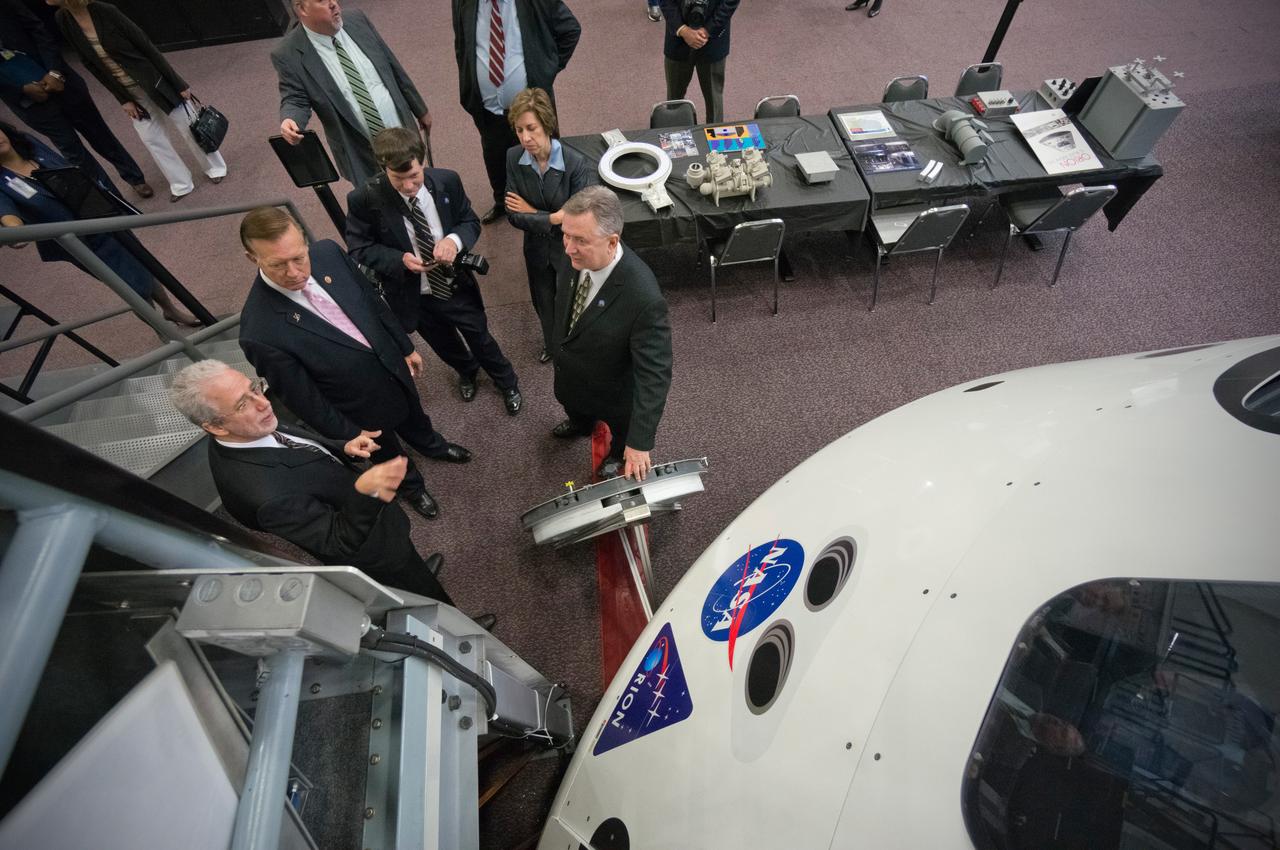
Congressman Steve Stockman, Texas 36th district, and Congressman Randy Weber, Texas 14th district, visit NASA’s Johnson Space Center in Houston on Feb. 20, 2013. Orion Program Manager Mark Geyer discussed the status and accomplishments of the Orion program. Part of Batch image transfer from Flickr.
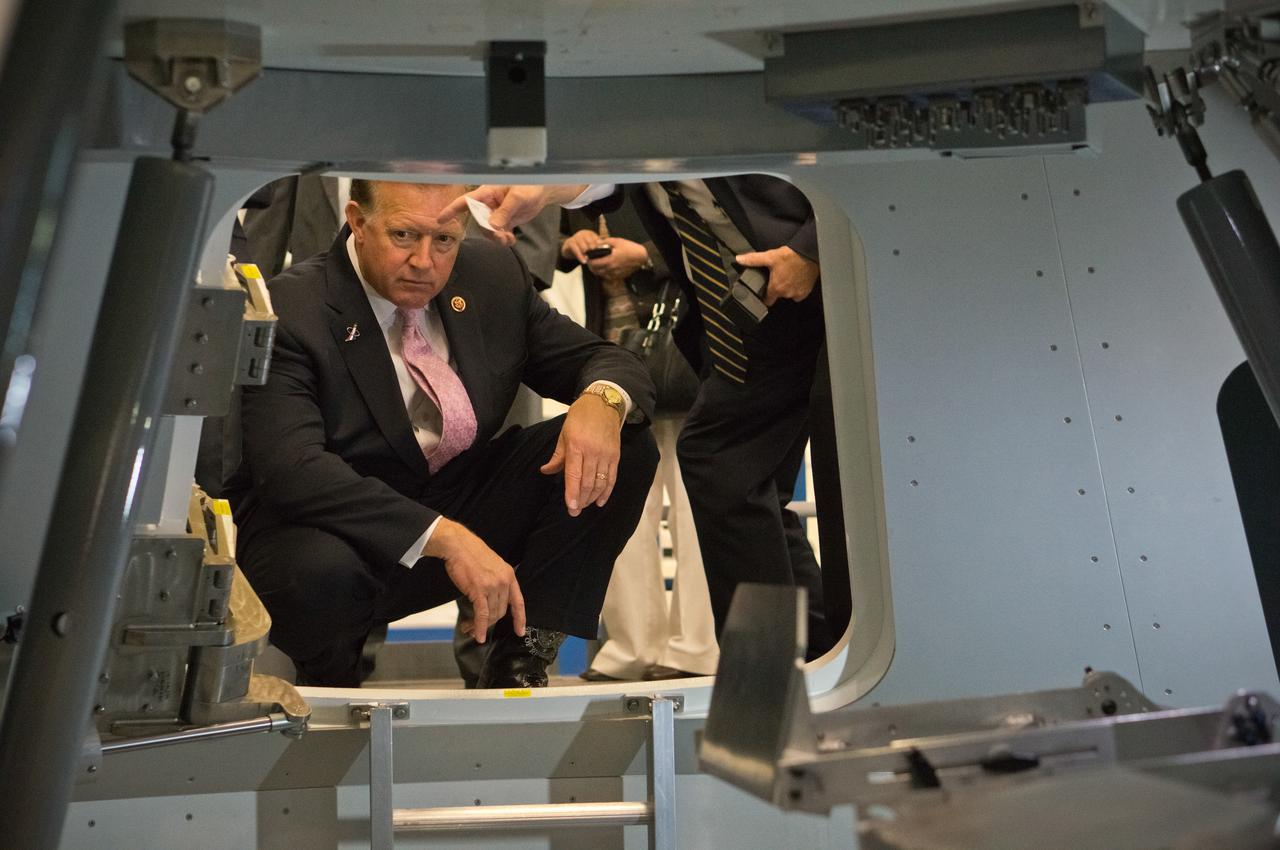
Congressman Steve Stockman, Texas 36th district, and Congressman Randy Weber, Texas 14th district, visit NASA’s Johnson Space Center in Houston on Feb. 20, 2013. Orion Program Manager Mark Geyer discussed the status and accomplishments of the Orion program. Part of Batch image transfer from Flickr.
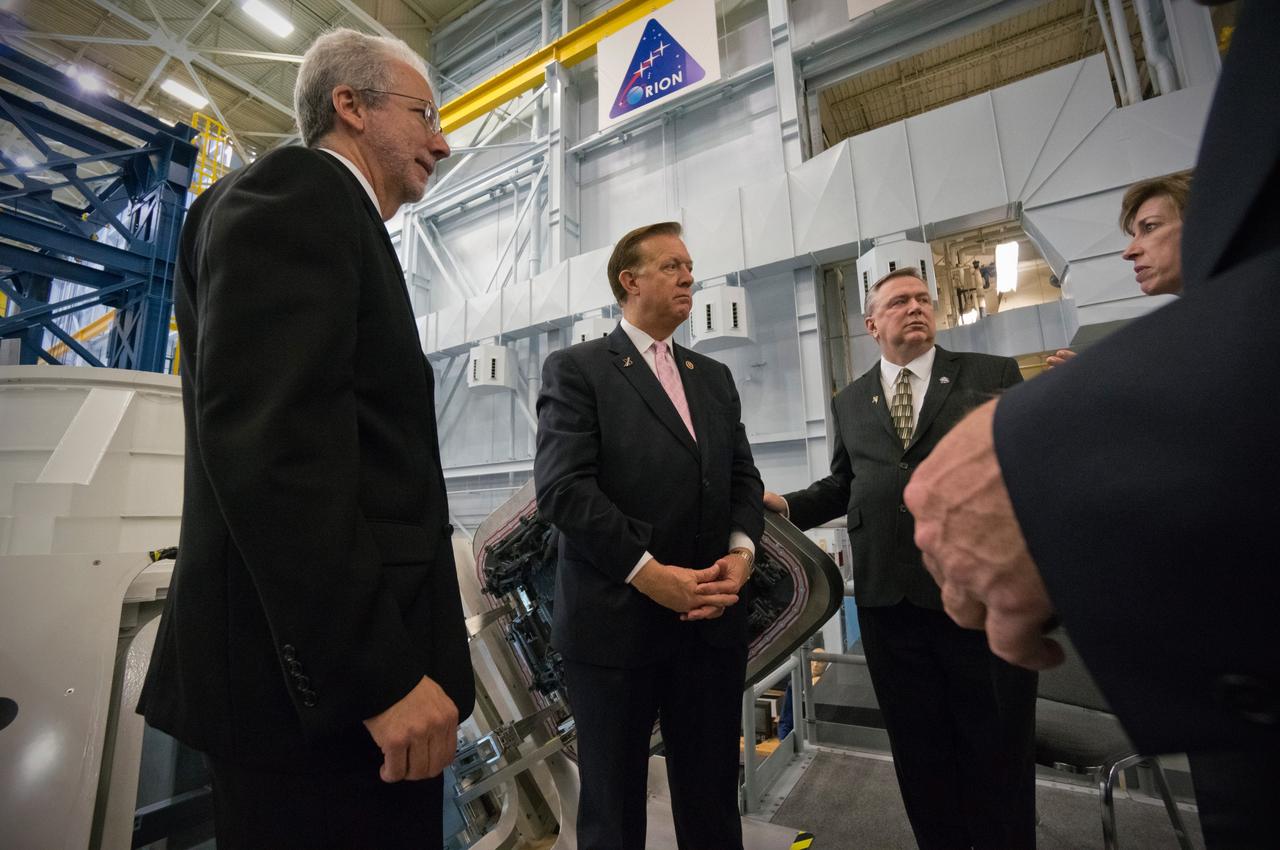
Congressman Steve Stockman, Texas 36th district, and Congressman Randy Weber, Texas 14th district, visit NASA’s Johnson Space Center in Houston on Feb. 20, 2013. Orion Program Manager Mark Geyer discussed the status and accomplishments of the Orion program. Part of Batch image transfer from Flickr.
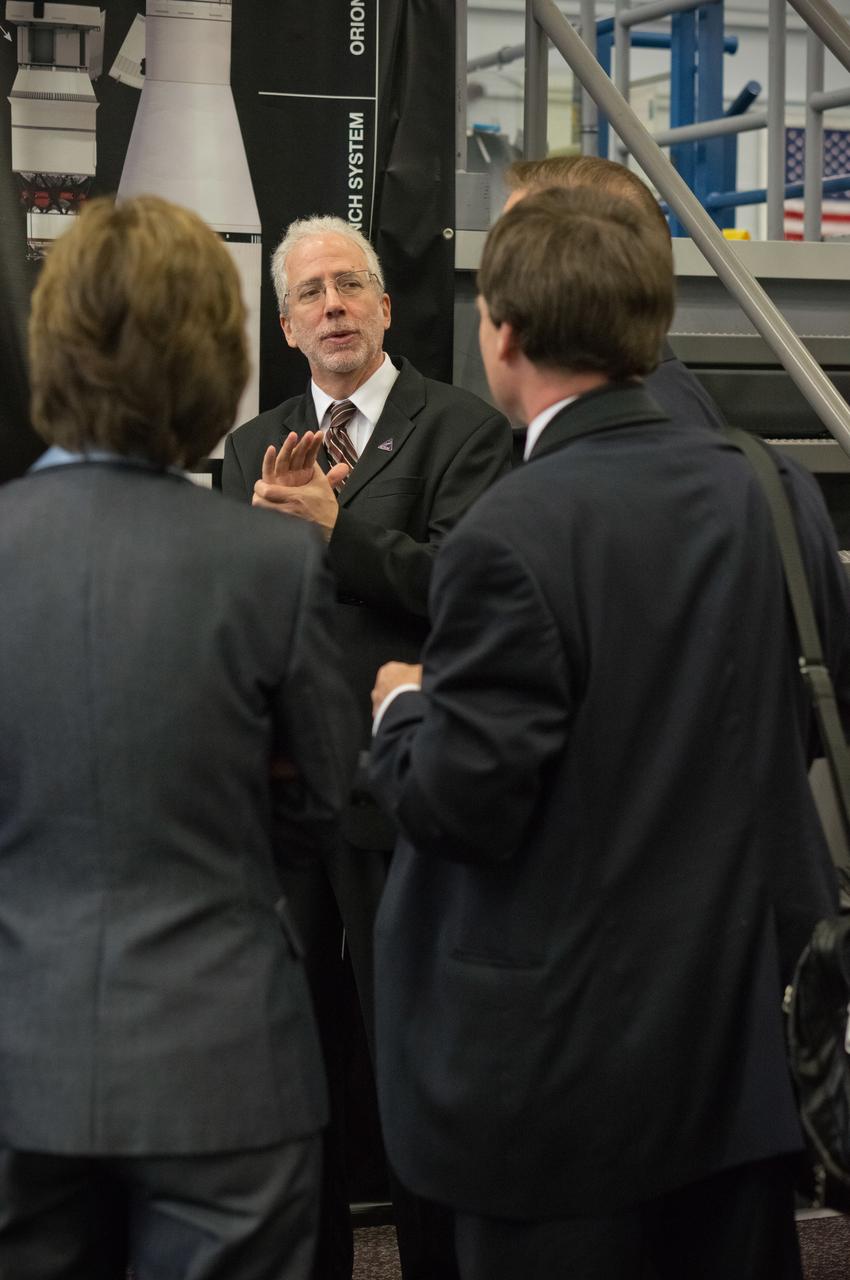
Congressman Steve Stockman, Texas 36th district, and Congressman Randy Weber, Texas 14th district, visit NASA’s Johnson Space Center in Houston on Feb. 20, 2013. Orion Program Manager Mark Geyer discussed the status and accomplishments of the Orion program. Part of Batch image transfer from Flickr.
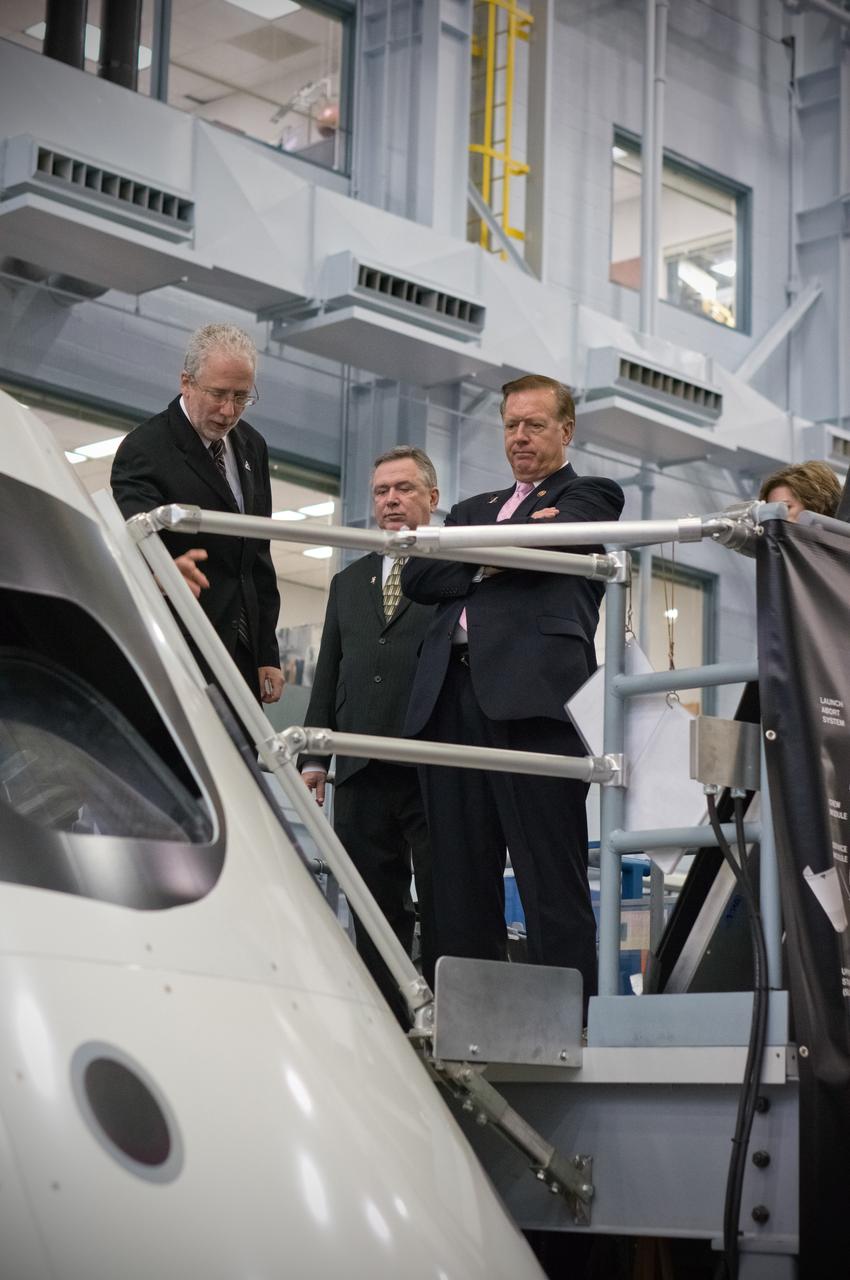
Congressman Steve Stockman, Texas 36th district, and Congressman Randy Weber, Texas 14th district, visit NASA’s Johnson Space Center in Houston on Feb. 20, 2013. Orion Program Manager Mark Geyer discussed the status and accomplishments of the Orion program. Part of Batch image transfer from Flickr.
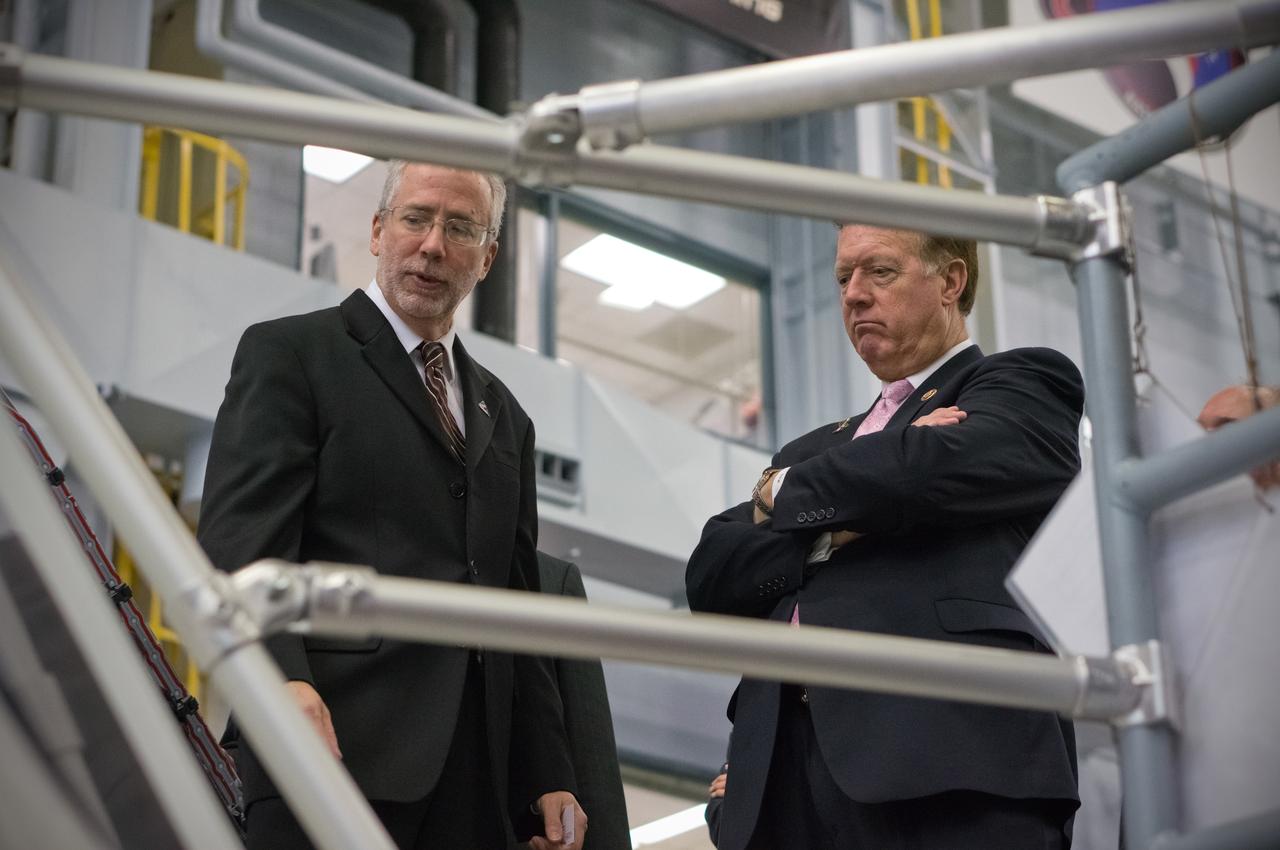
Congressman Steve Stockman, Texas 36th district, and Congressman Randy Weber, Texas 14th district, visit NASA’s Johnson Space Center in Houston on Feb. 20, 2013. Orion Program Manager Mark Geyer discussed the status and accomplishments of the Orion program. Part of Batch image transfer from Flickr.

Congressman Steve Stockman, Texas 36th district, and Congressman Randy Weber, Texas 14th district, visit NASA’s Johnson Space Center in Houston on Feb. 20, 2013. Orion Program Manager Mark Geyer discussed the status and accomplishments of the Orion program. Part of Batch image transfer from Flickr.
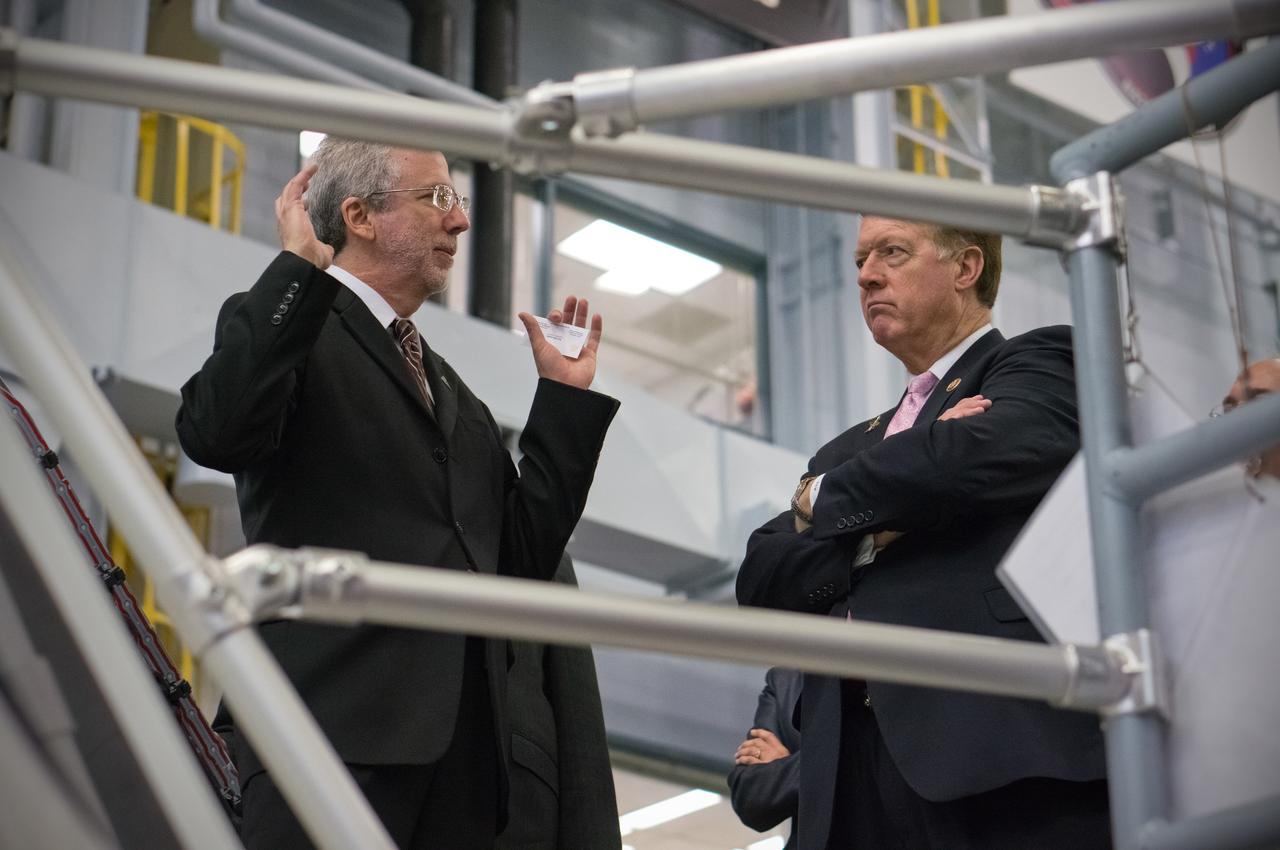
Congressman Steve Stockman, Texas 36th district, and Congressman Randy Weber, Texas 14th district, visit NASA’s Johnson Space Center in Houston on Feb. 20, 2013. Orion Program Manager Mark Geyer discussed the status and accomplishments of the Orion program. Part of Batch image transfer from Flickr.
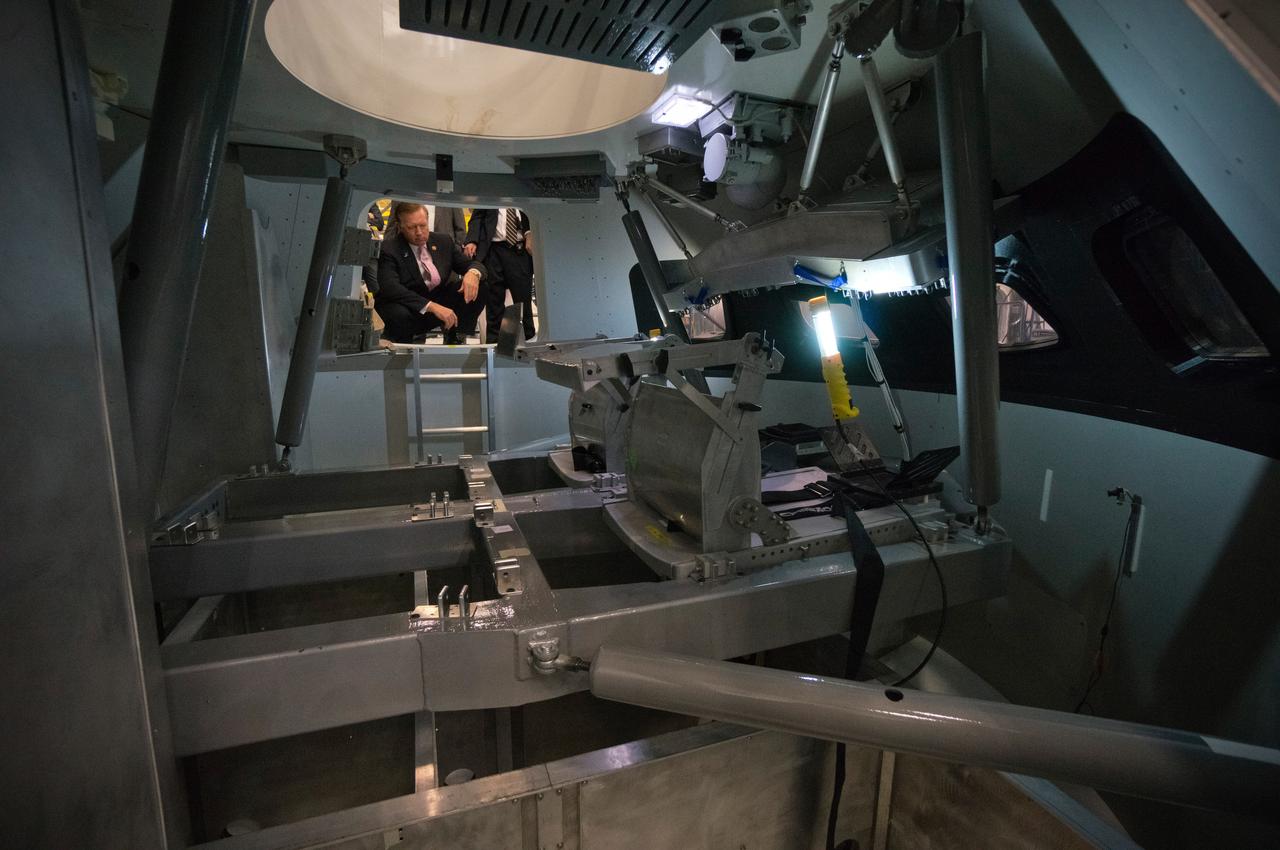
Congressman Steve Stockman, Texas 36th district, and Congressman Randy Weber, Texas 14th district, visit NASA’s Johnson Space Center in Houston on Feb. 20, 2013. Orion Program Manager Mark Geyer discussed the status and accomplishments of the Orion program. Part of Batch image transfer from Flickr.
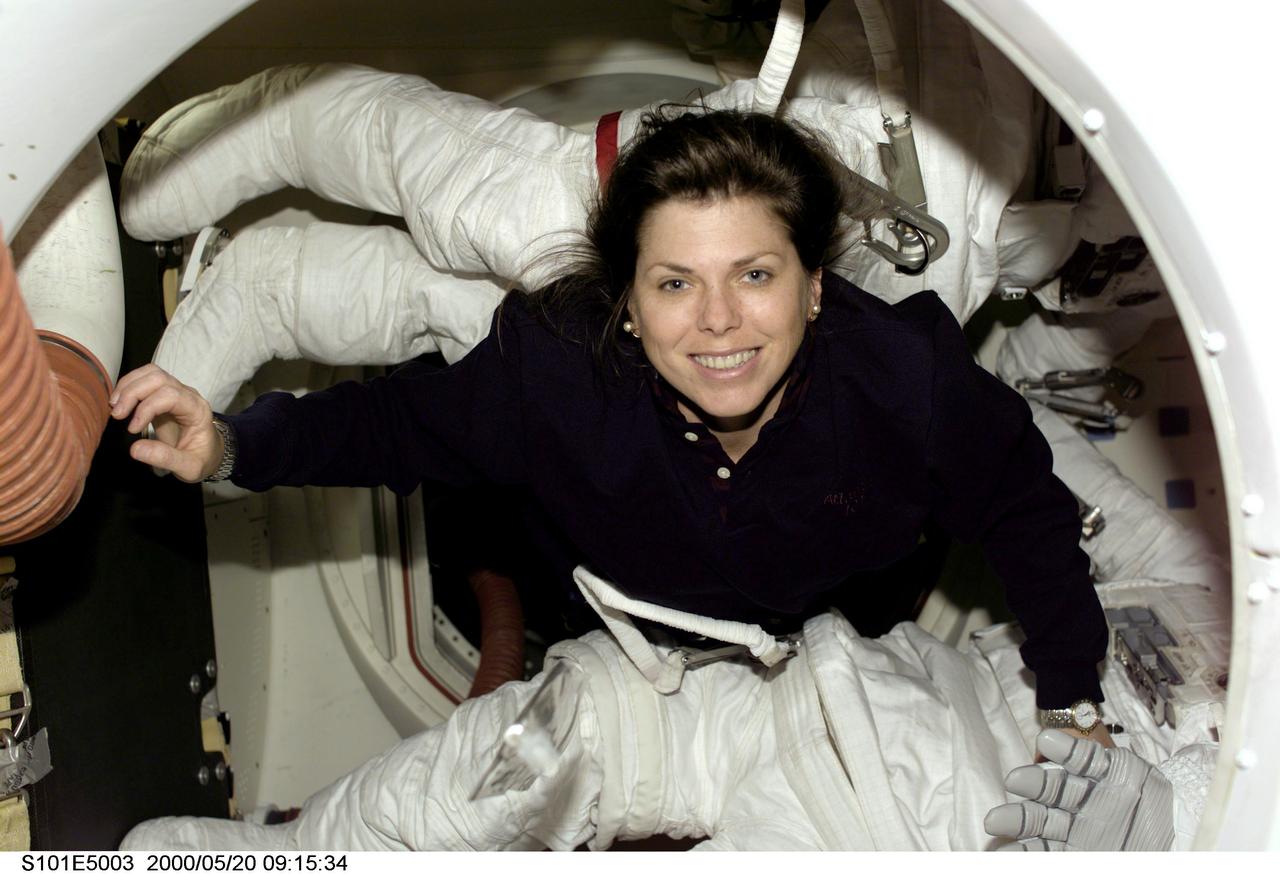
NASA JSC Electronic Imagery
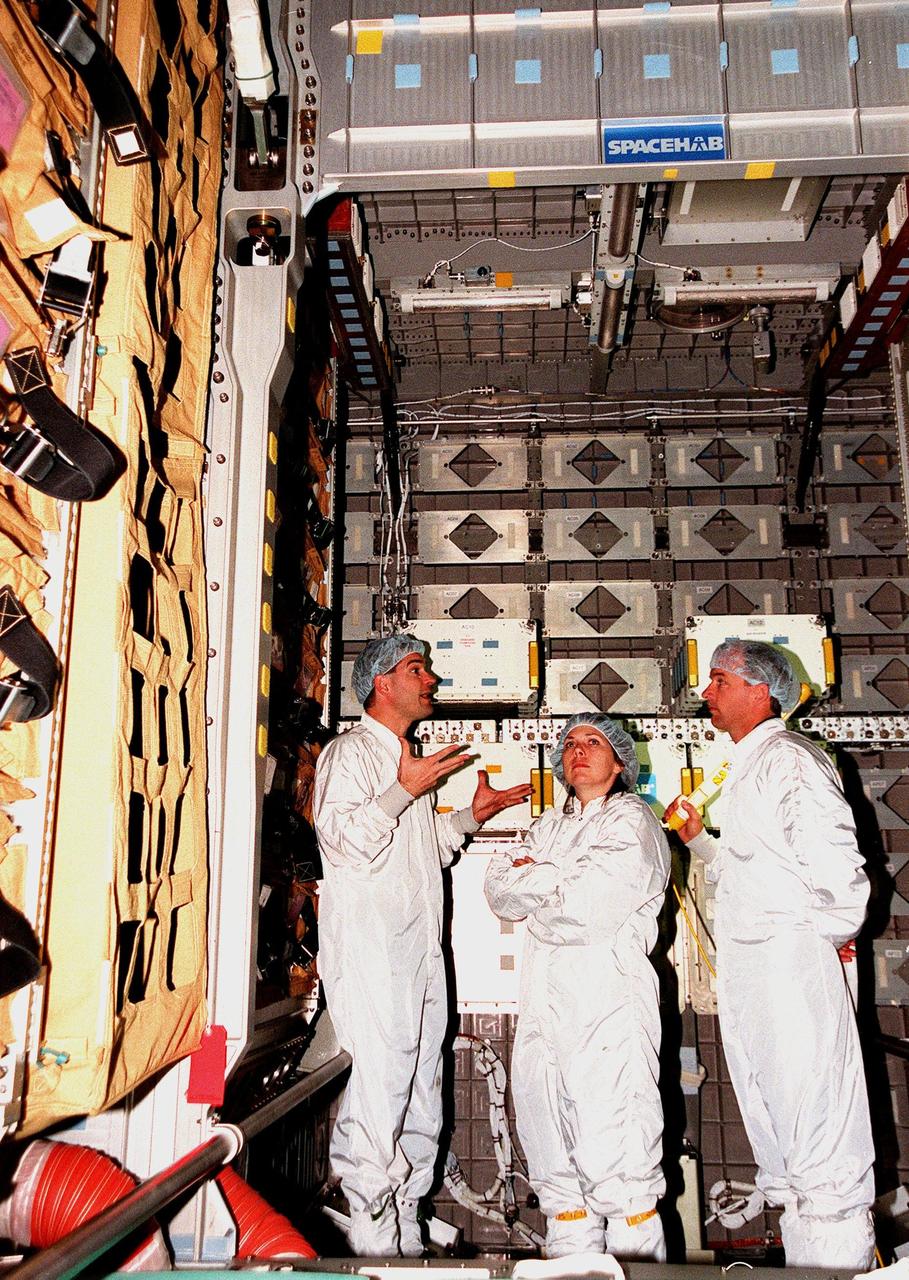
KENNEDY SPACE CENTER, FLA. -- Chris Jaskoika (left), with Boeing SPACEHAB, discusses the use of the SPACEHAB module with STS-101 Mission Specialists Mary Ellen Weber (center) and Jeffrey N. Williams (right). Part of the STS-101 crew are at SPACEHAB for familiarization activities. Mission STS-101 is the third flight in construction of the International Space Station. The 11-day mission is targeted for launch on December 2, 1999, at Launch Pad 39A
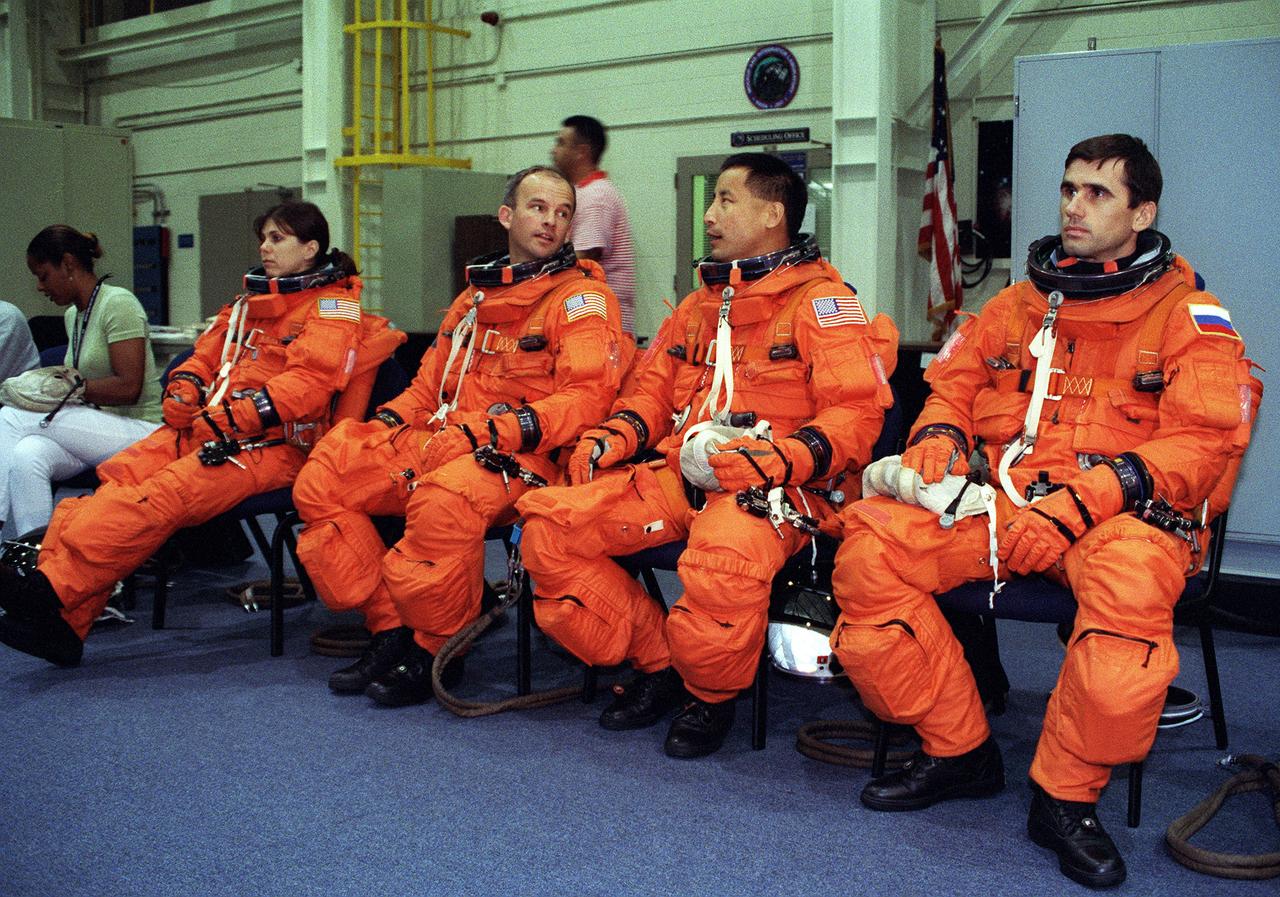
S99-06205 (25 June 1999) --- Three astronauts and a mission specialist representing the Russian Space Agency (RSA) await to be briefed by a member of the crew training staff (out of frame) during an emergency egress training session at the Johnson Space Center's Systems Integration Facility. From the left are astronauts Mary Ellen Weber, Jeffrey N. Williams and Edward T. Lu, along with cosmonaut Yuri I. Malenchenko. This group will join two other astronauts and a second cosmonaut for a scheduled January mission with the International Space Station (ISS).
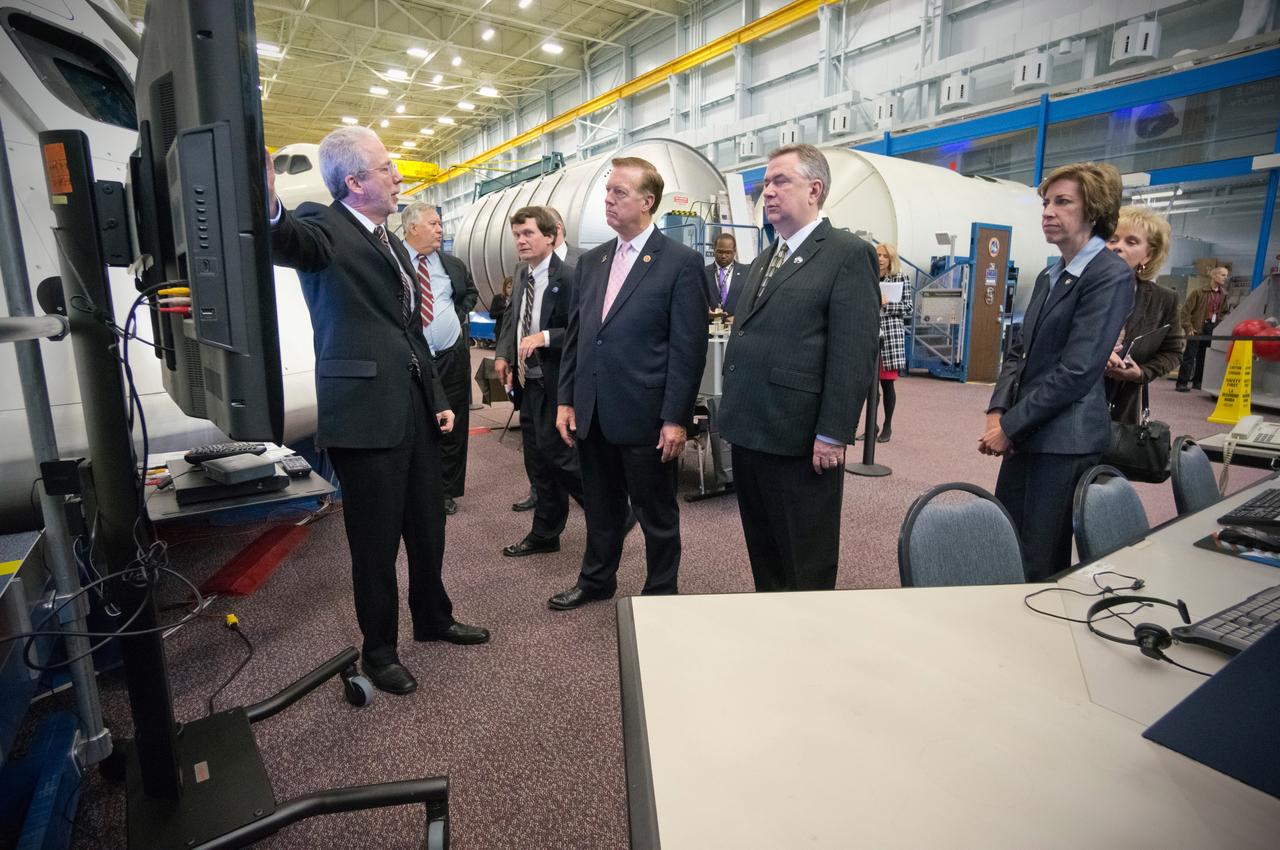
Congressman Steve Stockman, Texas 36th district, and Congressman Randy Weber, Texas 14th district, visit NASA’s Johnson Space Center in Houston on Feb. 20, 2013. Orion Program Manager Mark Geyer and Johnson Space Center Director Dr. Ellen Ochoa discussed the status and accomplishments of the Orion program. Part of Batch image transfer from Flickr.
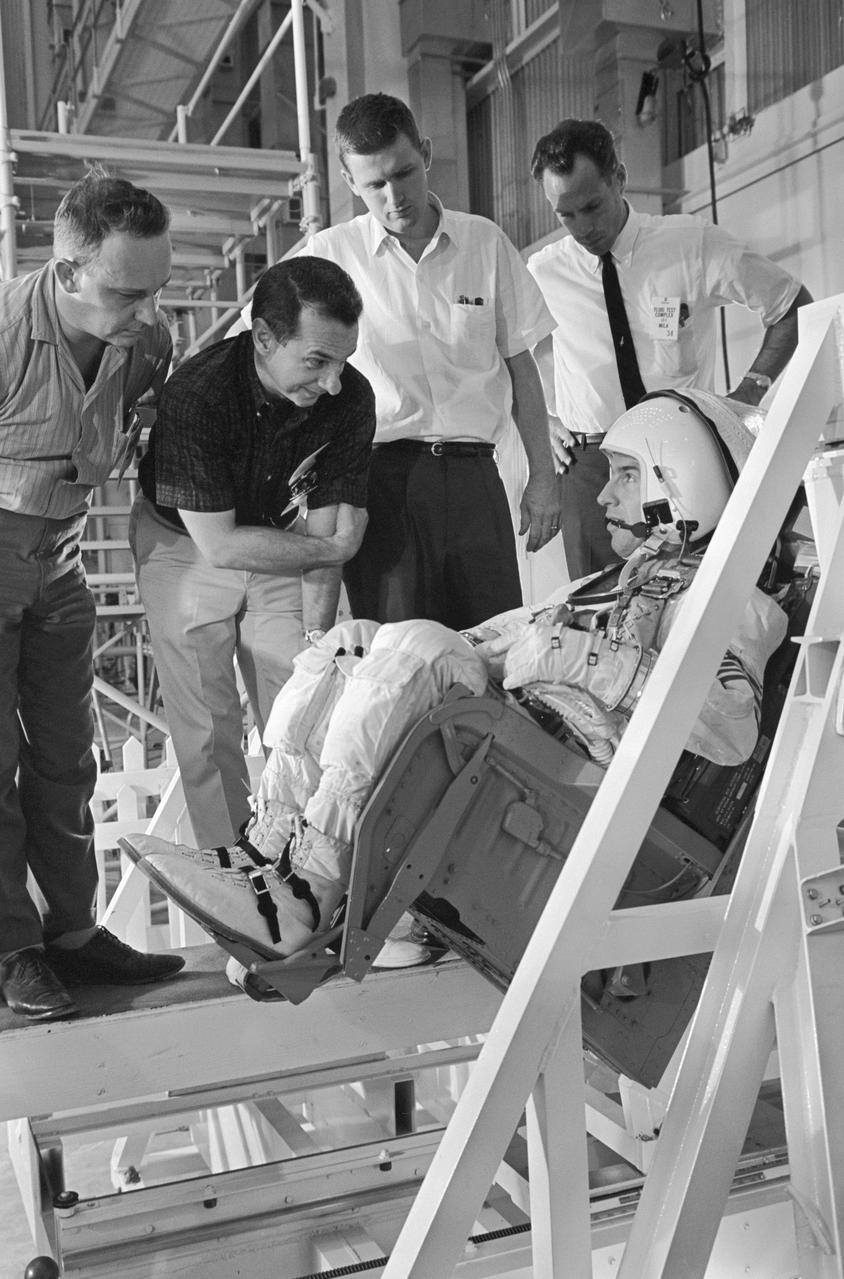
S65-57481 (25 Oct. 1965) --- Astronaut James A. Lovell Jr., pilot of the Gemini-7 spaceflight, undergoes weight and balance tests in the Pyrotechnic Installation Building, Merritt Island, Kennedy Space Center. Talking with Lovell are (left to right) Charlie Beaty, McDonnell Aircraft Corporation; Karl Stoien, MAC; NASA suit technician Al Rochferd; and Norm Batterson, Weber Aircraft Corporation. Photo credit: NASA
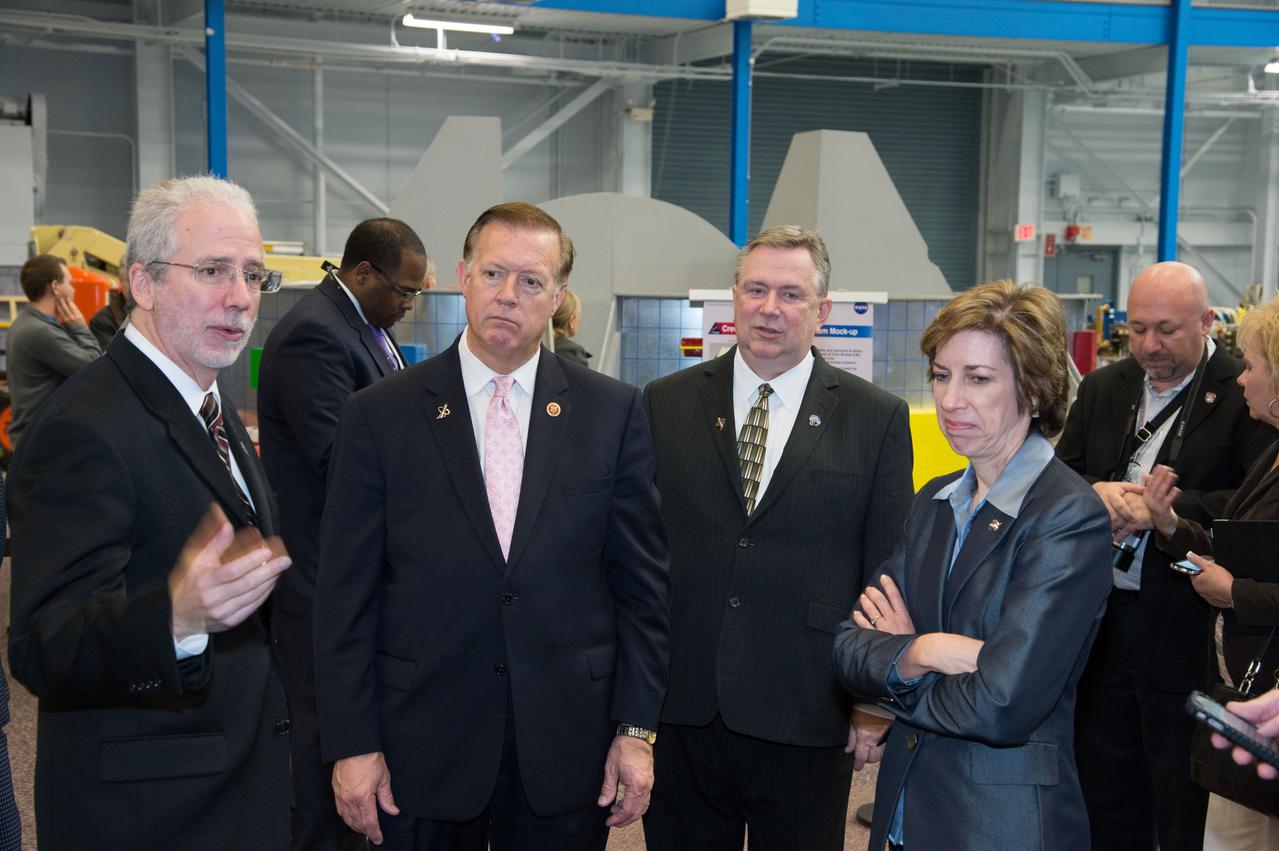
Congressman Steve Stockman, Texas 36th district, and Congressman Randy Weber, Texas 14th district, visit NASA’s Johnson Space Center in Houston on Feb. 20, 2013. Orion Program Manager Mark Geyer and Johnson Space Center Director Dr. Ellen Ochoa discussed the status and accomplishments of the Orion program. Part of Batch image transfer from Flickr.
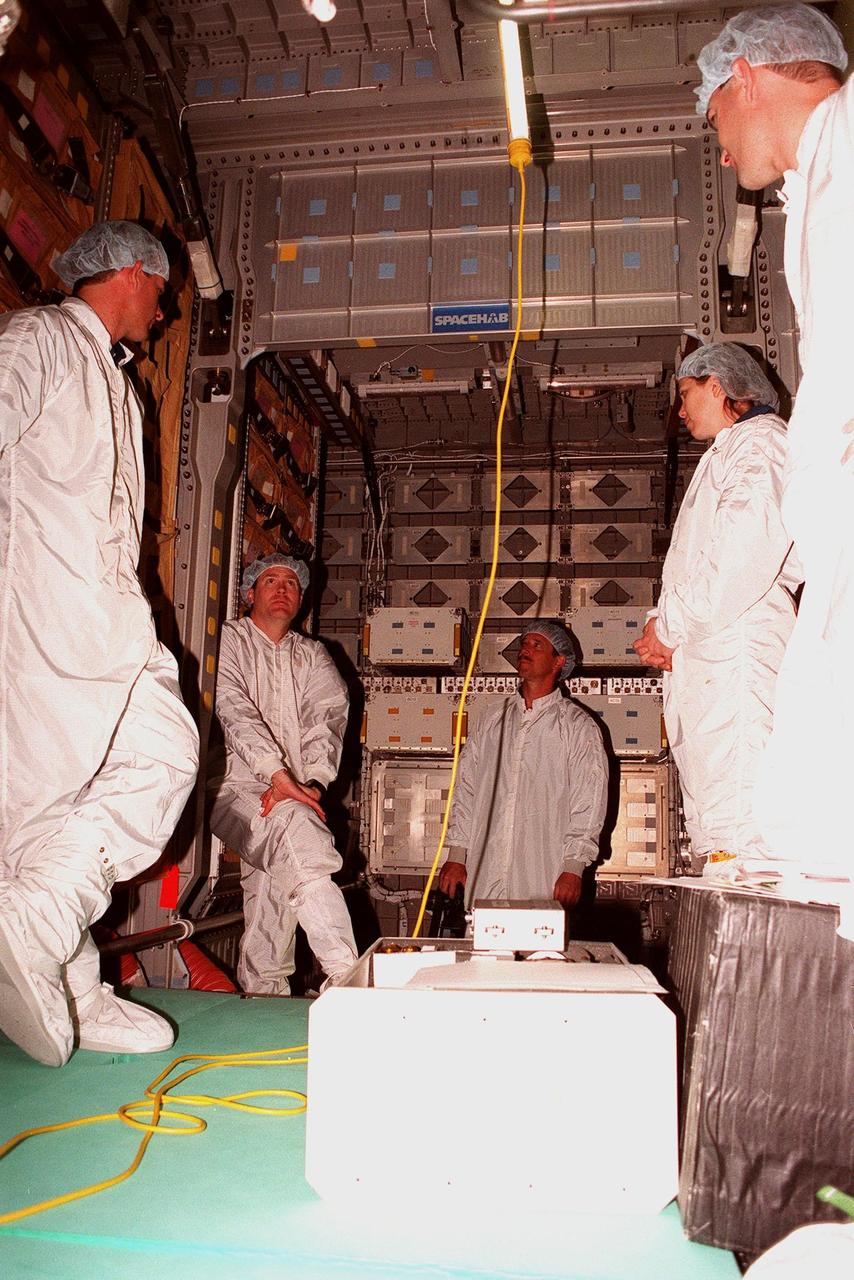
KENNEDY SPACE CENTER, FLA. -- Inside the SPACEHAB module, Chris Jaskoika (left), with Boeing SPACEHAB, works with members of the STS-101 crew during familiarization activities. Next to him are (left to right) Commander James Donald Halsell Jr., Pilot Scott "Doc" Horowitz (Ph.D.), and Mission Specialists Mary Ellen Weber (Ph.D.) and Jeffrey N. Williams. Mission STS-101 is the third flight in construction of the International Space Station. The 11-day mission is targeted for launch on December 2, 1999, at Launch Pad 39A
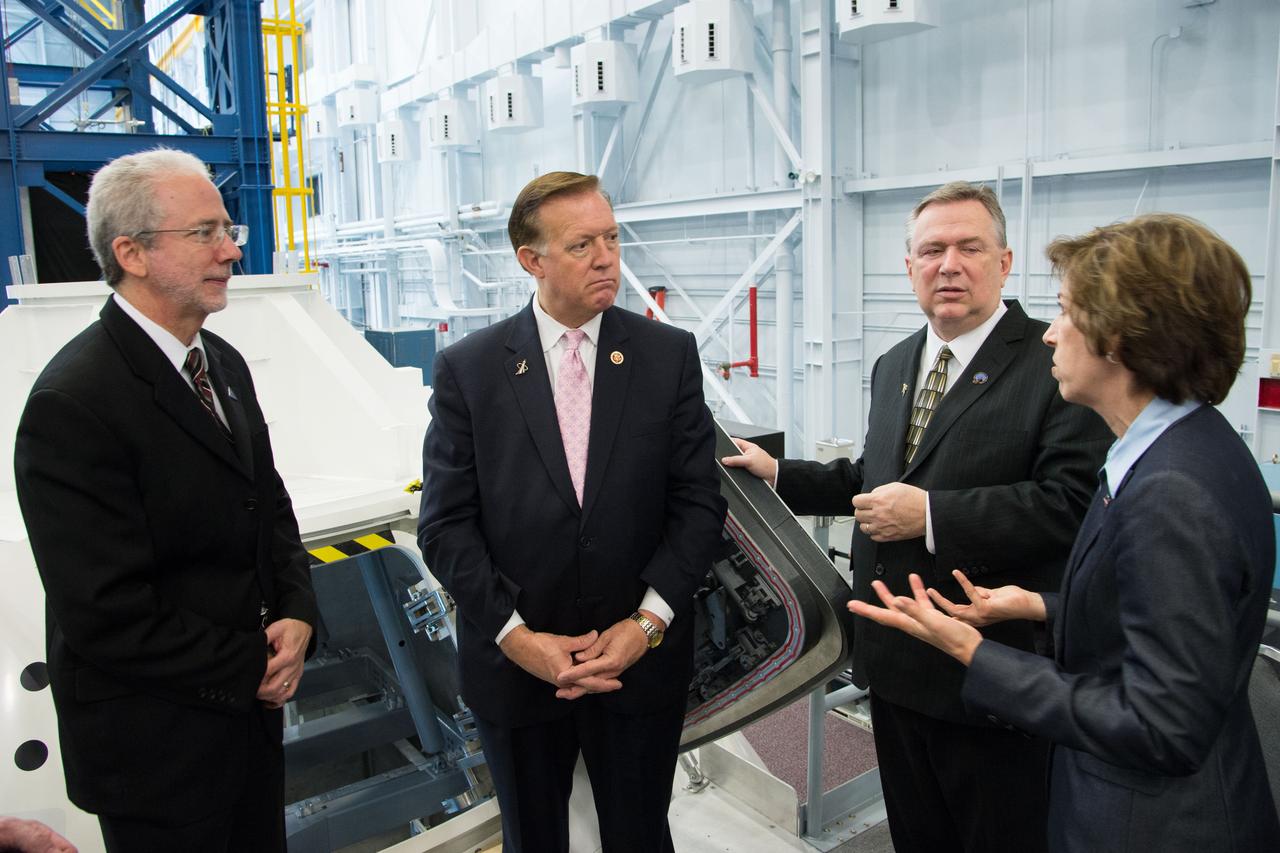
Congressman Steve Stockman, Texas 36th district, and Congressman Randy Weber, Texas 14th district, visit NASA’s Johnson Space Center in Houston on Feb. 20, 2013. Orion Program Manager Mark Geyer and Johnson Space Center Director Dr. Ellen Ochoa discussed the status and accomplishments of the Orion program. Part of Batch image transfer from Flickr.
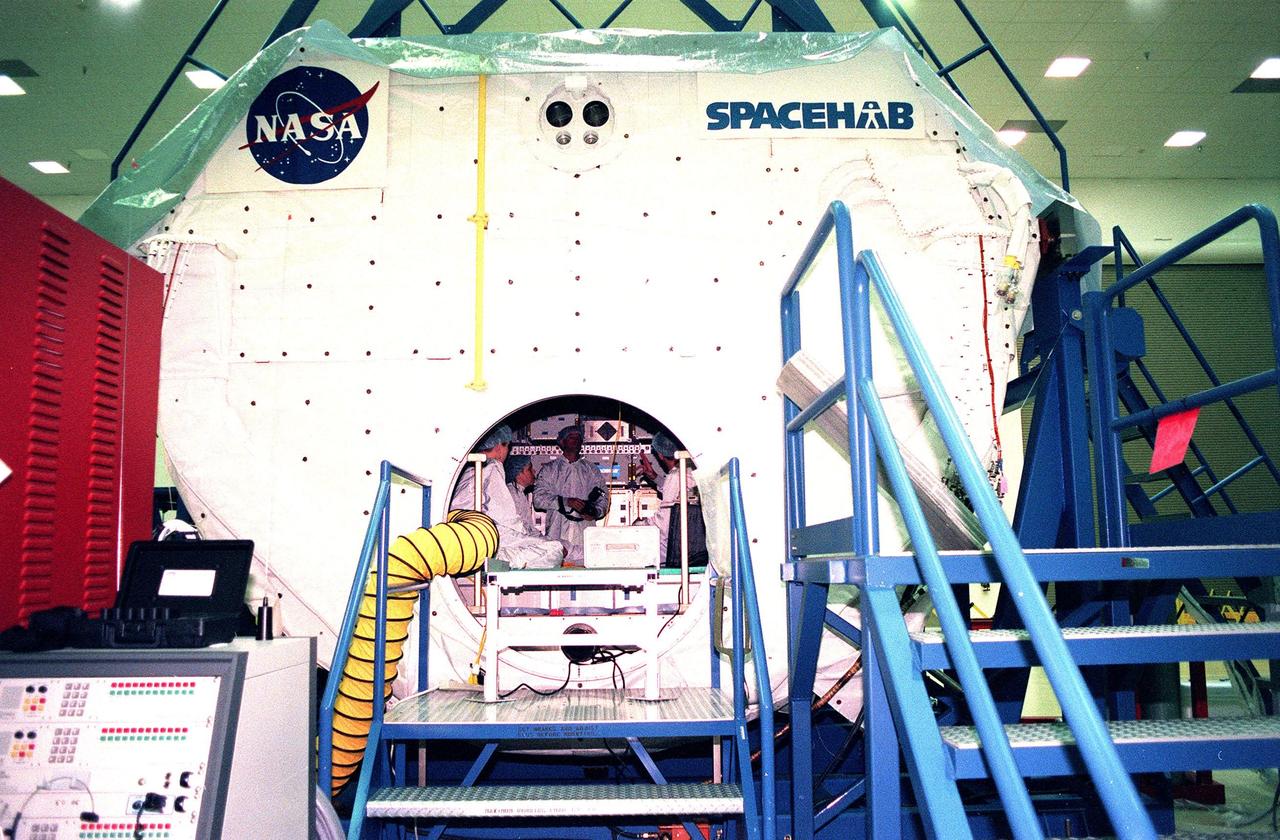
KENNEDY SPACE CENTER, FLA. -- Just inside the open hatch of the SPACEHAB module are (left to right) STS-101 crew members Mission Specialists Jeffrey N. Williams and Mary Ellen Weber (Ph.D.), Commander James Donald Halsell Jr., and Pilot Scott "Doc" Horowitz (Ph.D.). The crew is taking part in familiarization activities at the SPACEHAB facility. Mission STS-101 is the third flight in construction of the International Space Station. The 11-day mission is targeted for launch on December 2, 1999, at Launch Pad 39A
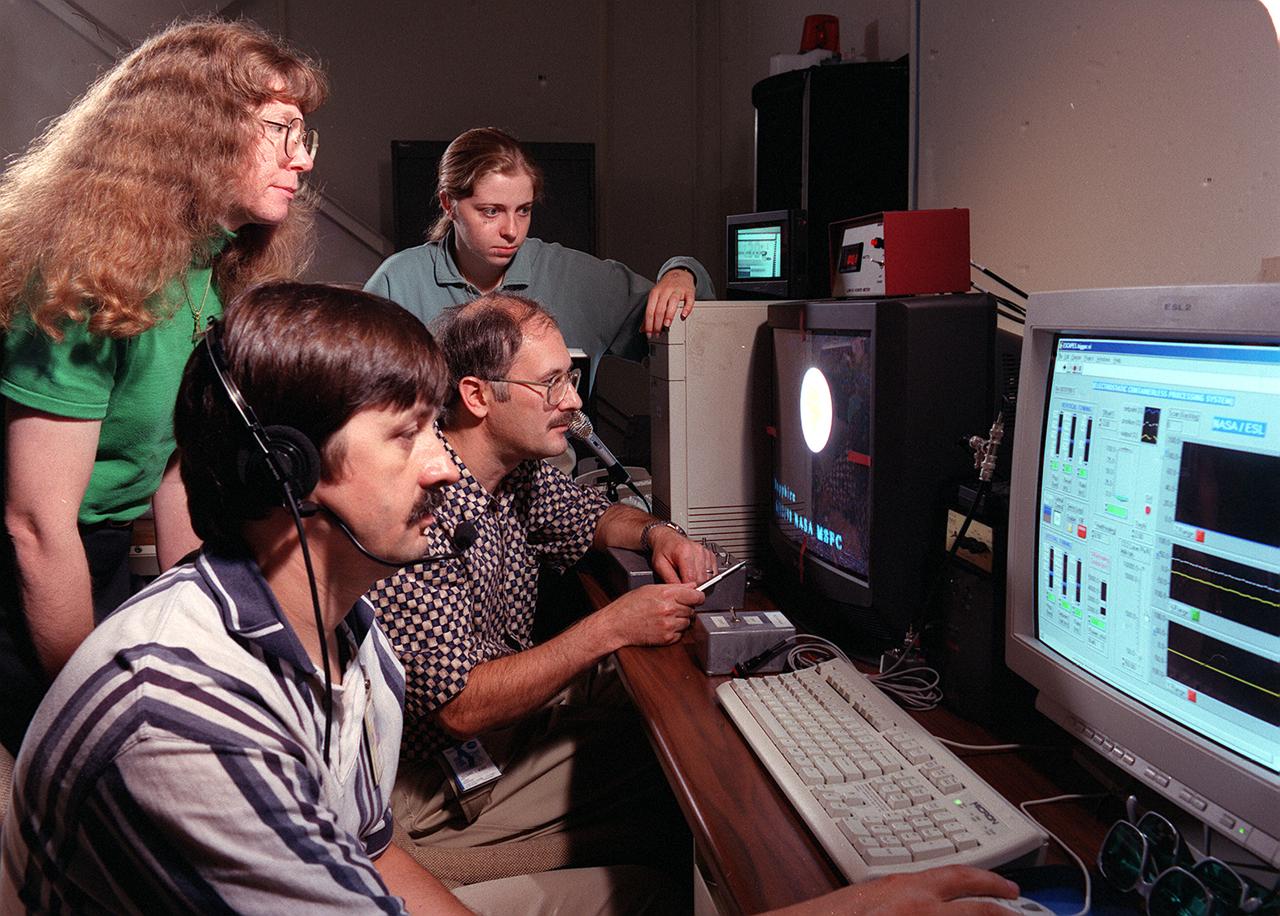
Dr. Jan Rogers (left) and Larry Savage (foreground) of the Science Directorate at NASA's Marshall Space Flight Center (MSFC) are joined by Dr. Richard Weber (center) and April Hixon of Containerless Research Inc. of Evanston, Ill., in conducting an experiment run of the Electrostatic Levitator (ESL) using insulating materials. Materials researchers use unique capabilities of the facility to levitate and study the properties of various materials important in manufacturing processes.

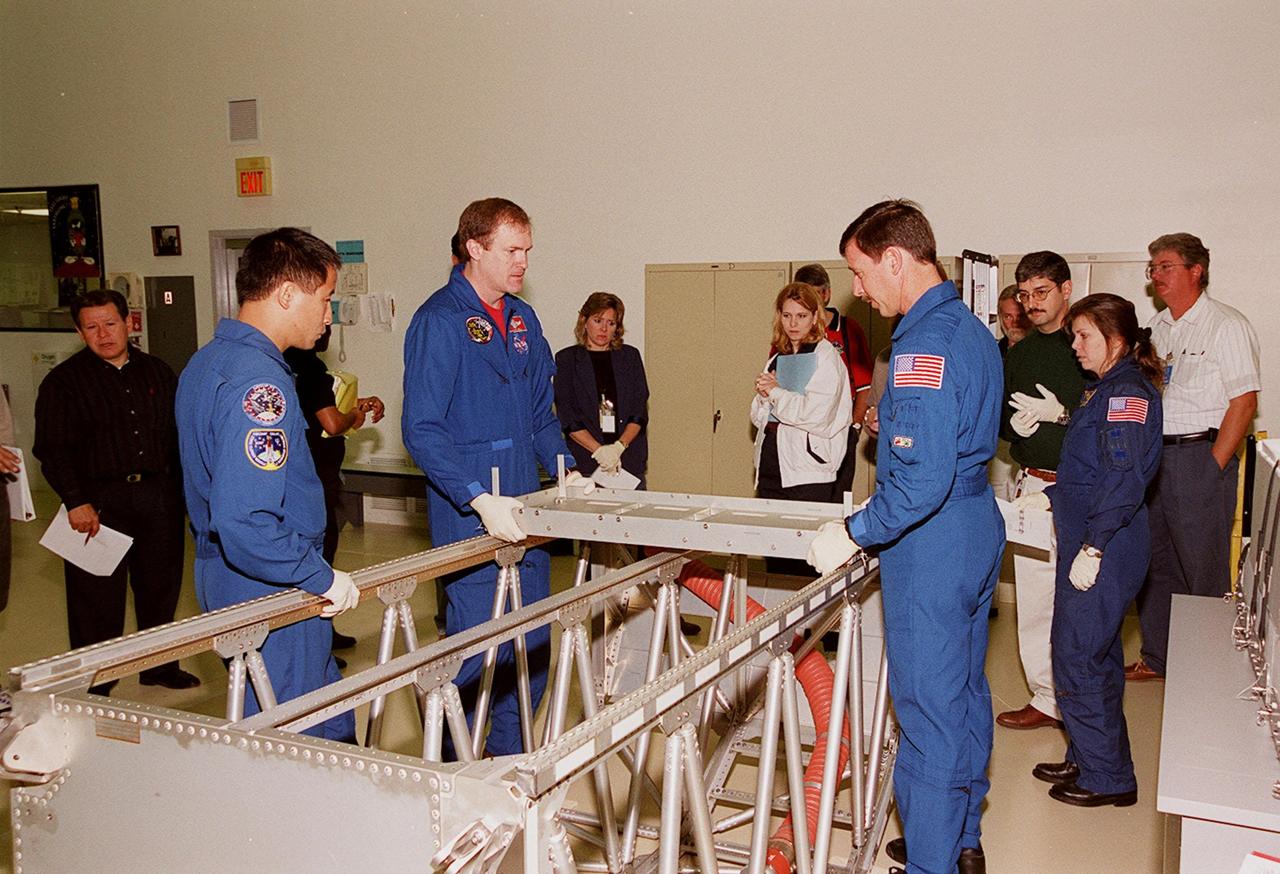
KENNEDY SPACE CENTER, FLA. -- At SPACEHAB, in Cape Canaveral, members of the STS-101 crew are taking part in a Crew Equipment Interface Test, which gives them an opportunity to look over equipment and payloads that will fly on the mission. At center are Mission Specialists Edward Tsang Lu and Mary Ellen Weber (Ph.D.). Space Shuttle Atlantis will be carrying the SPACEHAB Double Module, which carries internal logistics and resupply cargo for station outfitting. Launch of Atlantis on mission STS-101 is scheduled no earlier than April 13, 2000

KENNEDY SPACE CENTER, FLA. -- At SPACEHAB, in Cape Canaveral, members of the STS-101 crew are taking part in a Crew Equipment Interface Test, which gives them an opportunity to look over equipment and payloads that will fly on the mission. At center are Mission Specialists Edward Tsang Lu and Mary Ellen Weber (Ph.D.). Space Shuttle Atlantis will be carrying the SPACEHAB Double Module, which carries internal logistics and resupply cargo for station outfitting. Launch of Atlantis on mission STS-101 is scheduled no earlier than April 13, 2000
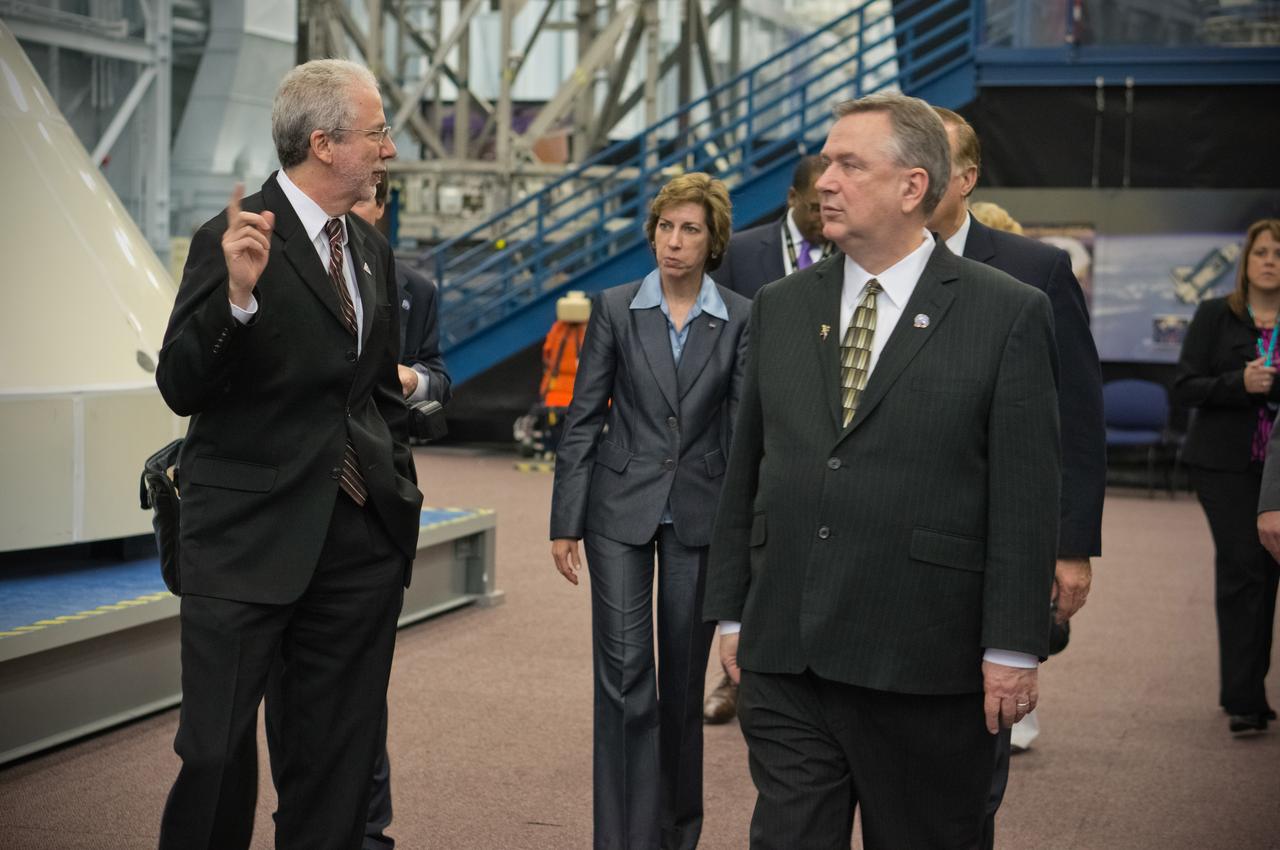
Congressman Steve Stockman, Texas 36th district, and Congressman Randy Weber, Texas 14th district, visit NASA’s Johnson Space Center in Houston on Feb. 20, 2013. Orion Program Manager Mark Geyer and Johnson Space Center Director Dr. Ellen Ochoa discussed the status and accomplishments of the Orion program. Part of Batch image transfer from Flickr.
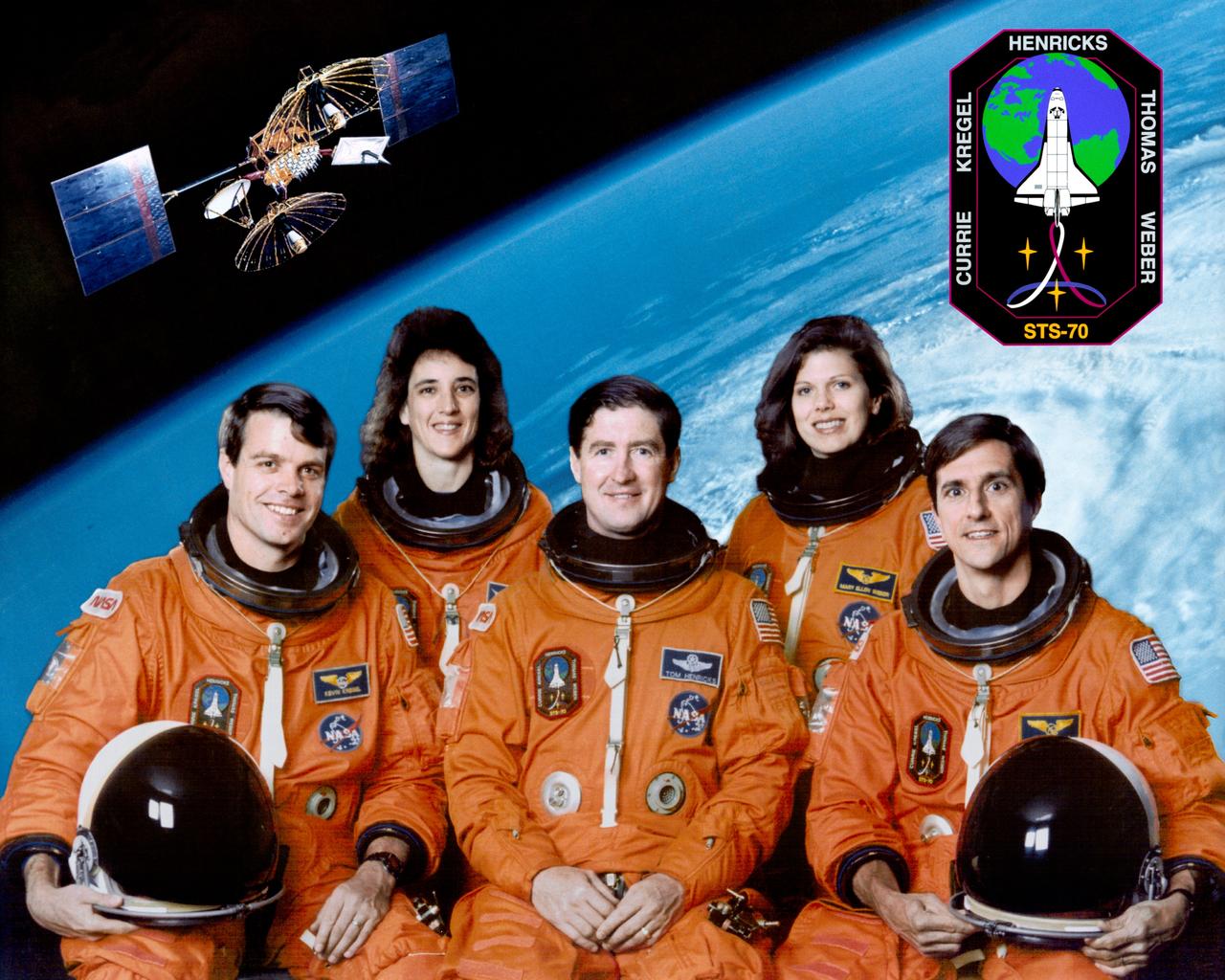
STS070-S-002 (May 1995) --- These five NASA astronauts are in training for the STS-70 mission aboard the Space Shuttle Discovery. Left to right are astronauts Kevin R. Kregel, Nancy J. Currie, Terence T. (Tom) Henricks, Mary Ellen Weber and Donald A. Thomas. Henricks and Kregel are commander and pilot, respectively. The other three are mission specialists. Among the tasks they are expected to perform is the deployment of another satellite in the network of the Tracking and Data Relay Satellite System (TDRSS).
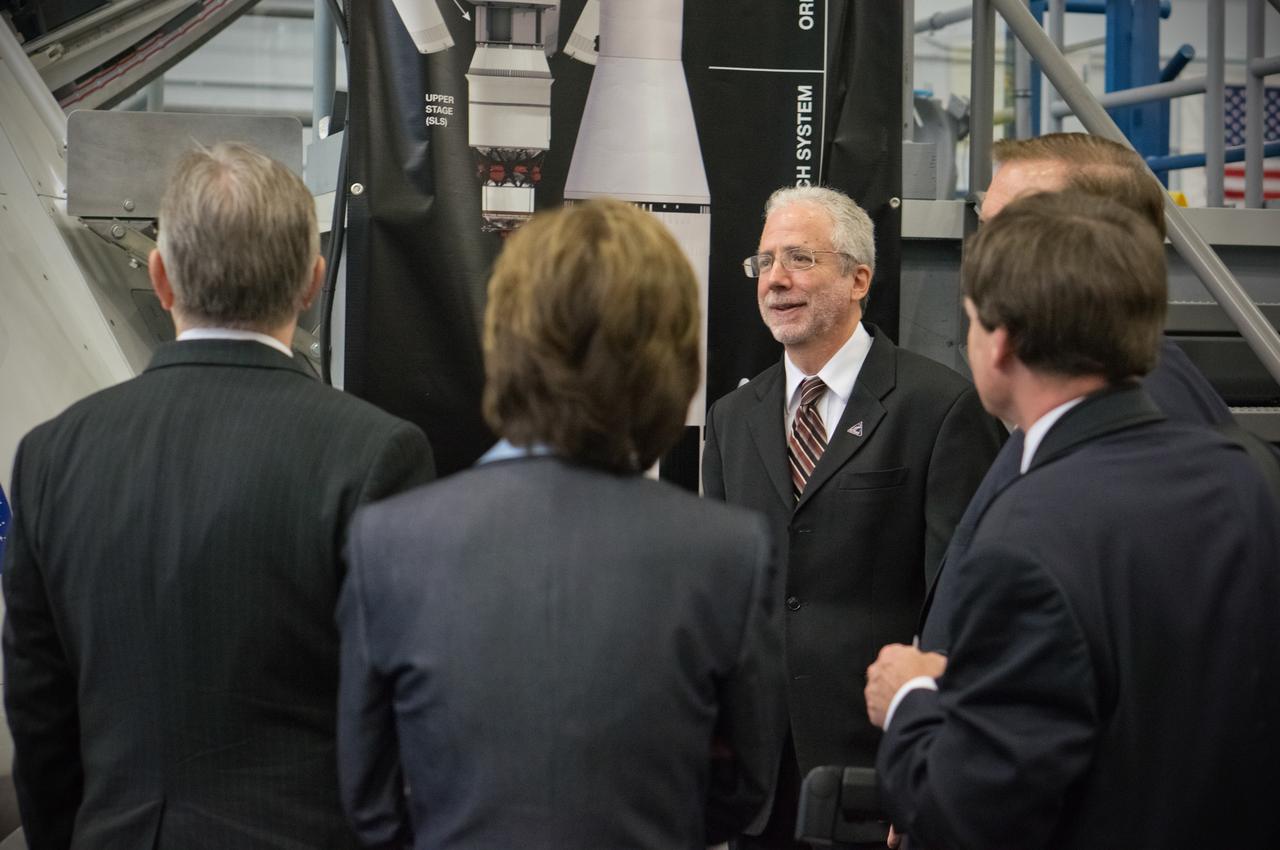
Congressman Steve Stockman, Texas 36th district, and Congressman Randy Weber, Texas 14th district, visit NASA’s Johnson Space Center in Houston on Feb. 20, 2013. Orion Program Manager Mark Geyer and Johnson Space Center Director Dr. Ellen Ochoa discussed the status and accomplishments of the Orion program. Part of Batch image transfer from Flickr.
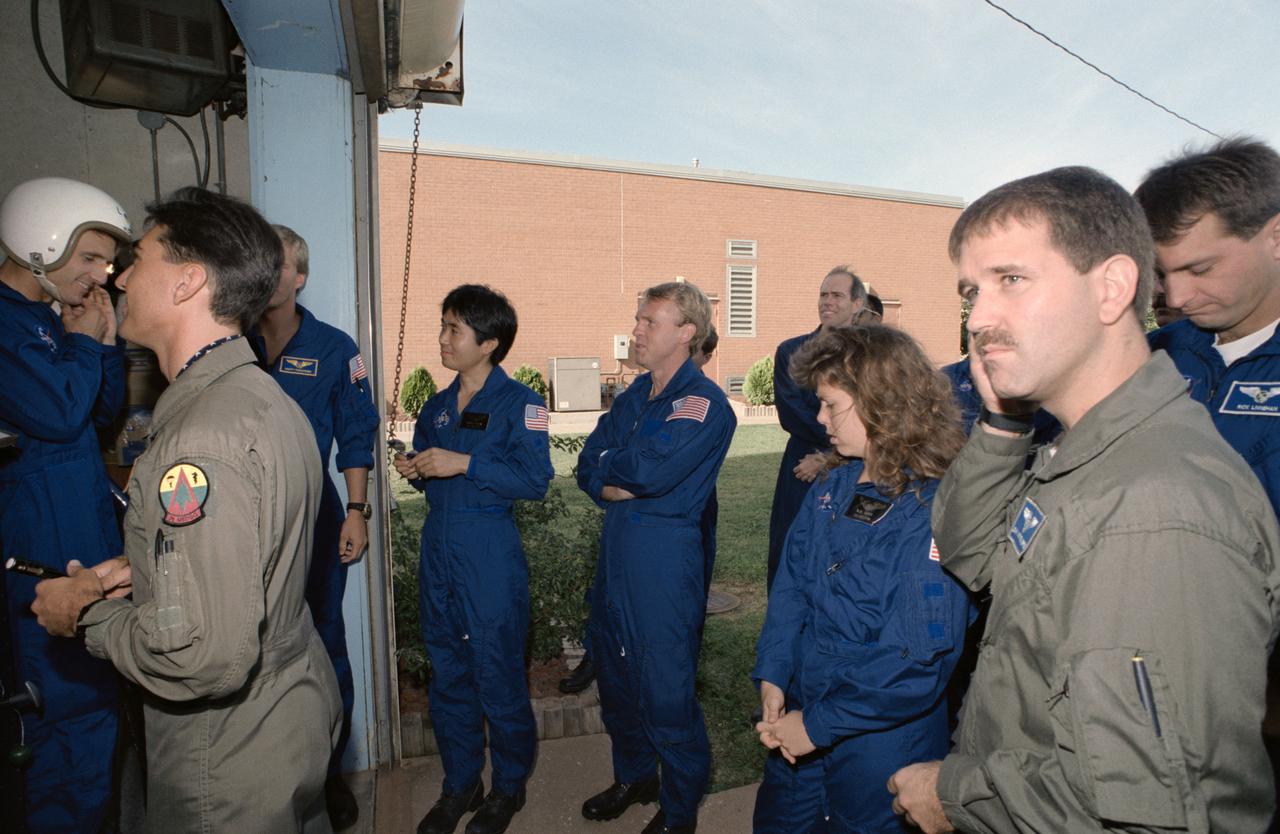
S95-00356 (14 September 1992) --- Several 1992 astronaut candidates wait in line to receive gear for one of several phases of parachute familiarization and survival training at Vance Air Force Base in Oklahoma. Recognizable in the picture are Jerry M. Linenger, Scott E. Parazynski, Koichi Wakata, Andrew S. W. Thomas, Mary Ellen Weber, Joseph R. Tanner, John M. Grunsfeld and Richard M. Linnehan.
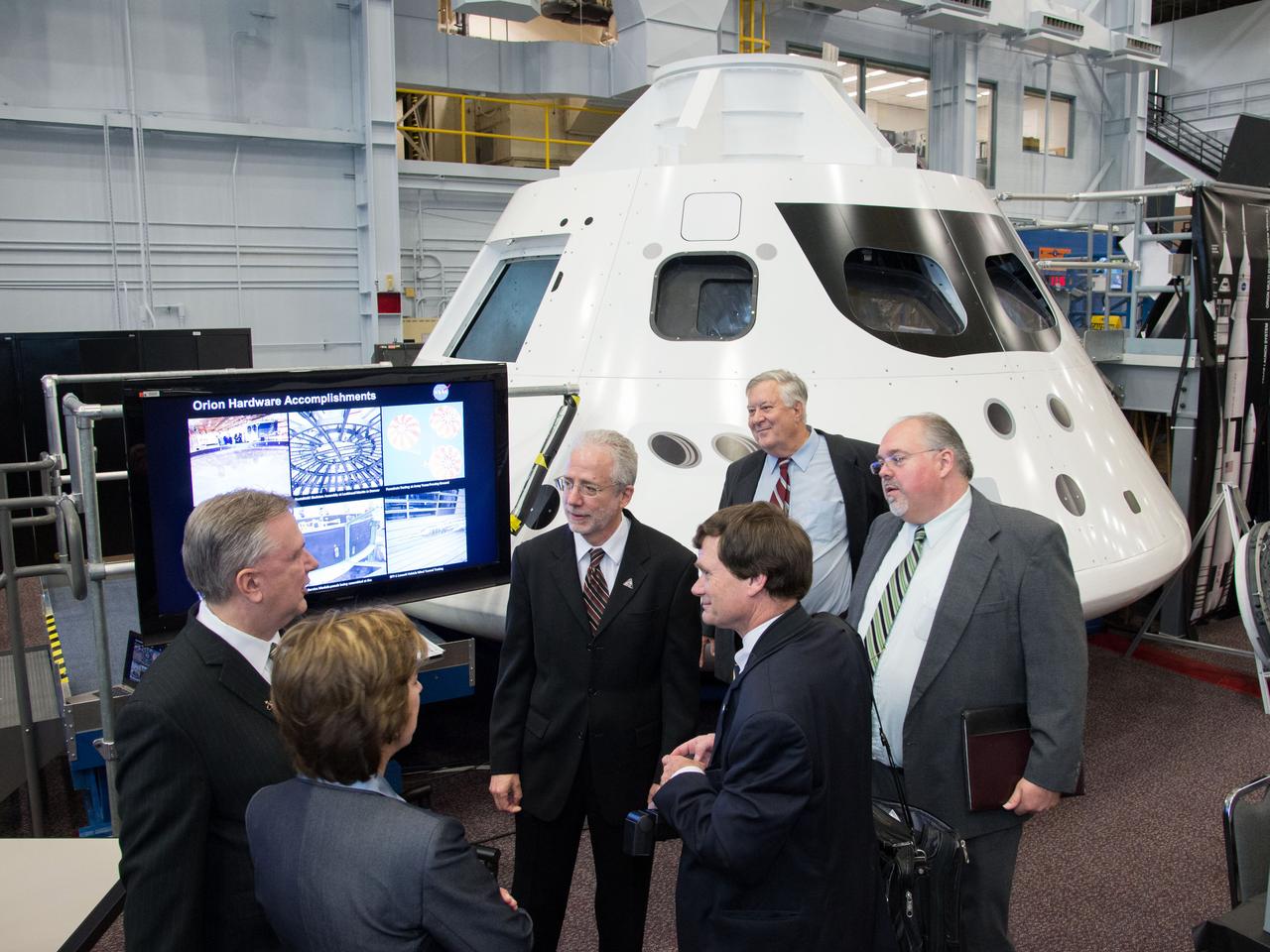
Congressman Steve Stockman, Texas 36th district, and Congressman Randy Weber, Texas 14th district, visit NASA’s Johnson Space Center in Houston on Feb. 20, 2013. Orion Program Manager Mark Geyer and Johnson Space Center Director Dr. Ellen Ochoa discussed the status and accomplishments of the Orion program. Part of Batch image transfer from Flickr.
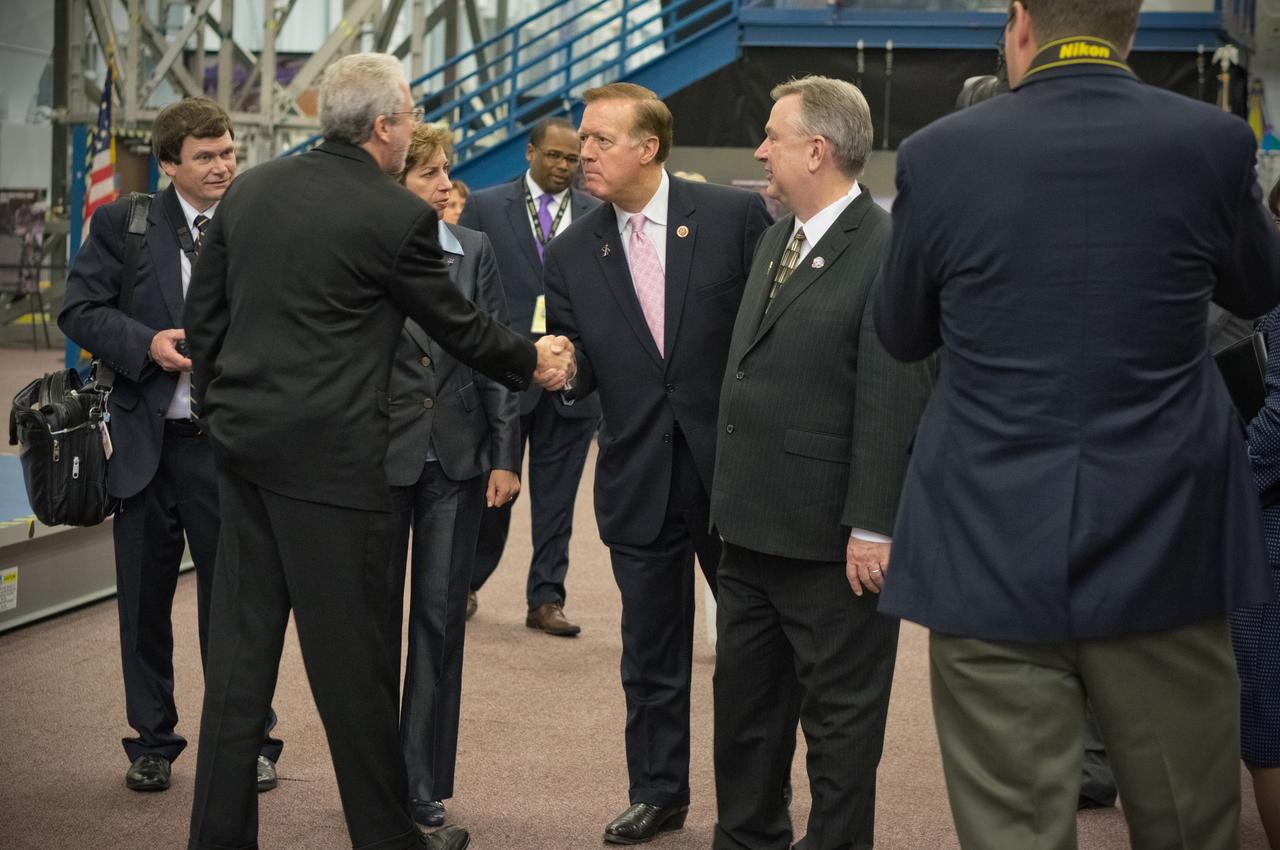
Congressman Steve Stockman, Texas 36th district, and Congressman Randy Weber, Texas 14th district, visit NASA’s Johnson Space Center in Houston on Feb. 20, 2013. Orion Program Manager Mark Geyer and Johnson Space Center Director Dr. Ellen Ochoa discussed the status and accomplishments of the Orion program. Part of Batch image transfer from Flickr.
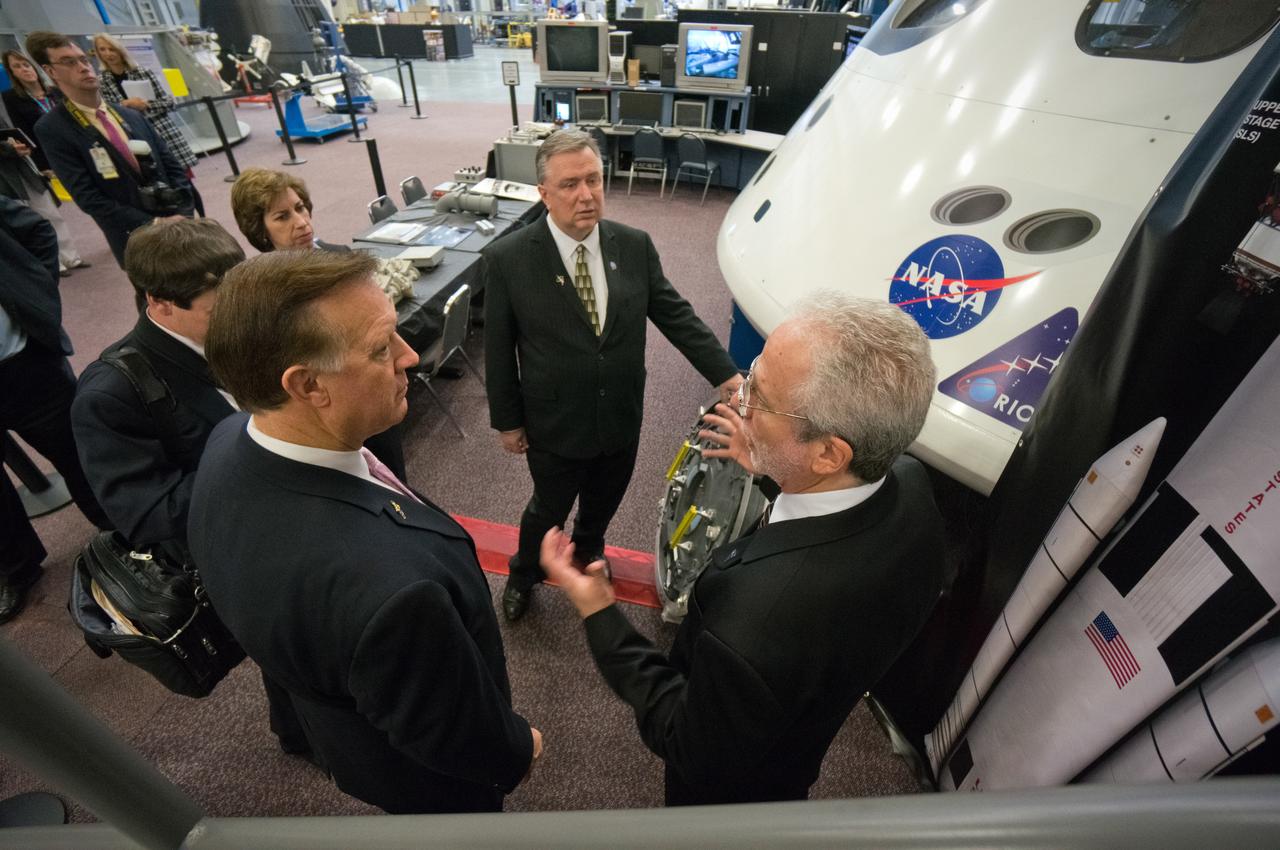
Congressman Steve Stockman, Texas 36th district, and Congressman Randy Weber, Texas 14th district, visit NASA’s Johnson Space Center in Houston on Feb. 20, 2013. Orion Program Manager Mark Geyer and Johnson Space Center Director Dr. Ellen Ochoa discussed the status and accomplishments of the Orion program. Part of Batch image transfer from Flickr.
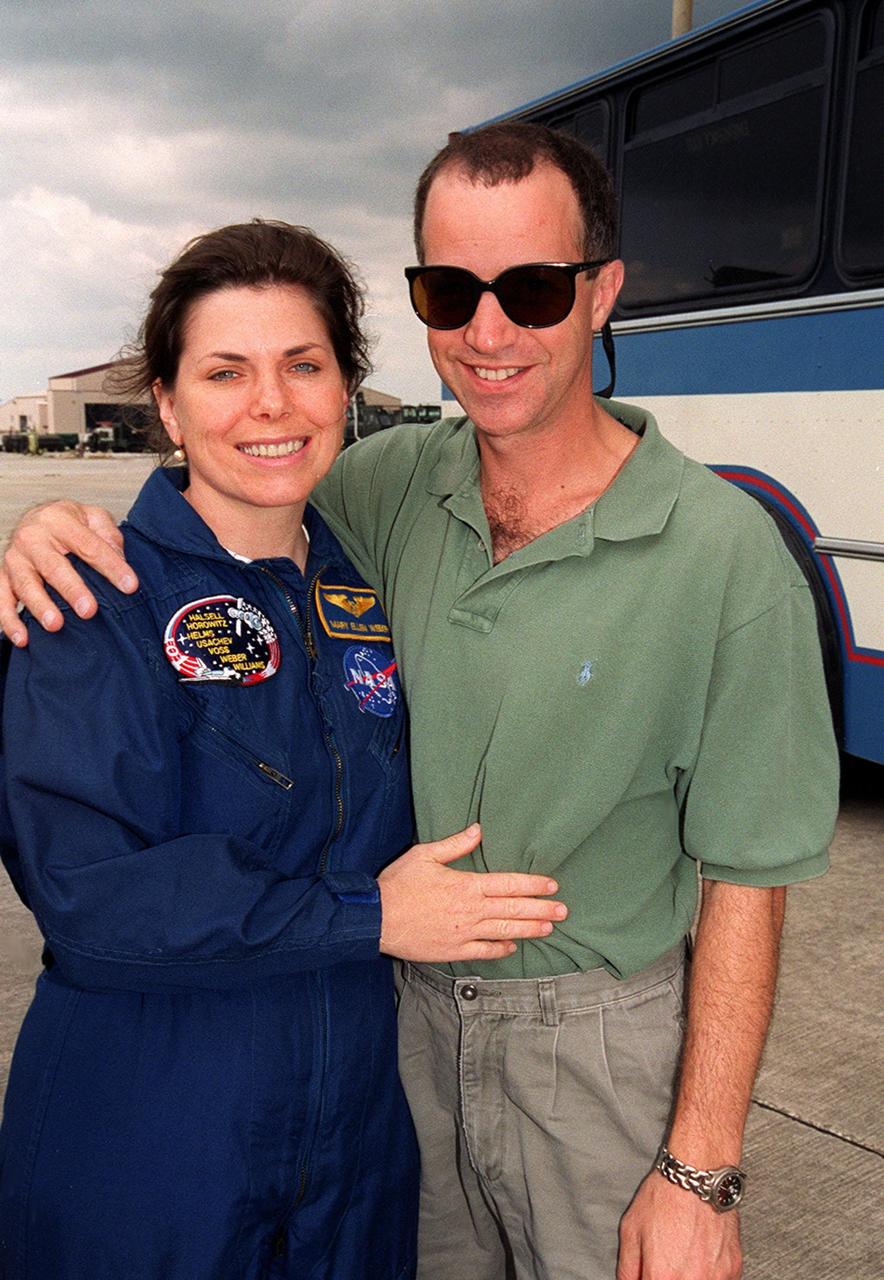
Members of the STS-101 crew gather with families and friends at Patrick Air Force Base before departure for Houston. Mission Specialist Mary Ellen Weber is joined by her husband, Dr. Jerome Elkind. After landing at 2:20 a.m. EDT May 29, the crew and their families enjoyed the Memorial Day holiday in Florida. The crew returned from the third flight to the International Space Station where they made repairs, transferred cargo and completed a space walk to install and connect several pieces of equipment on the outside of the Space Station
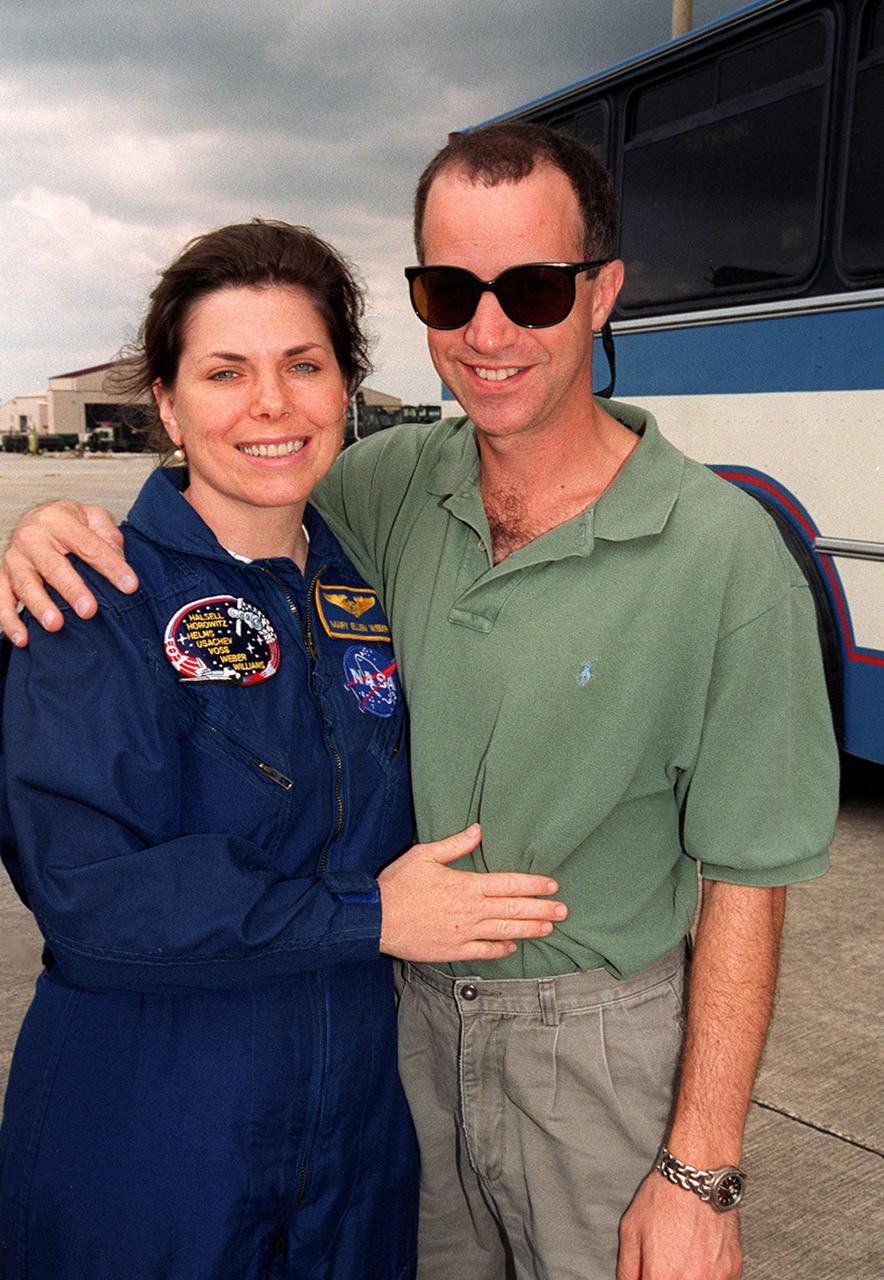
Members of the STS-101 crew gather with families and friends at Patrick Air Force Base before departure for Houston. Mission Specialist Mary Ellen Weber is joined by her husband, Dr. Jerome Elkind. After landing at 2:20 a.m. EDT May 29, the crew and their families enjoyed the Memorial Day holiday in Florida. The crew returned from the third flight to the International Space Station where they made repairs, transferred cargo and completed a space walk to install and connect several pieces of equipment on the outside of the Space Station
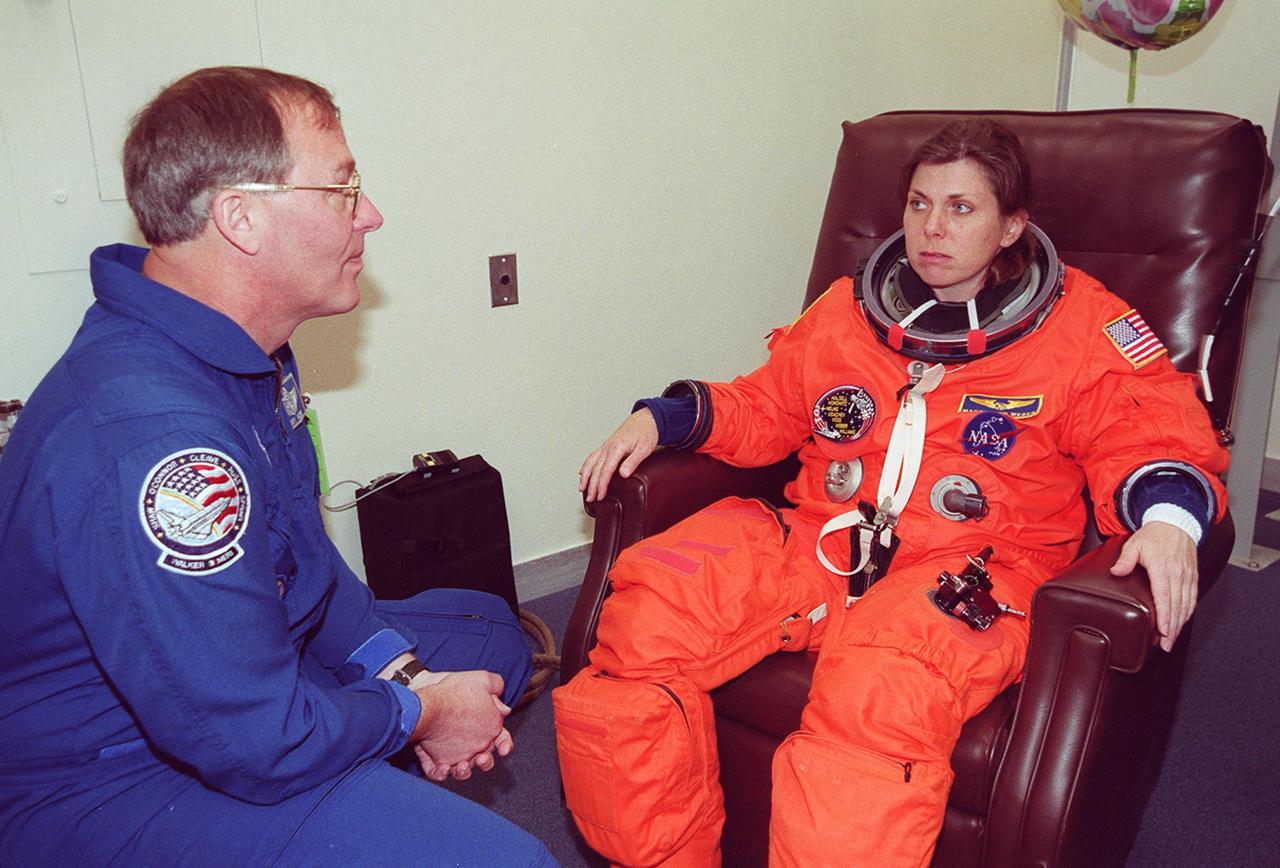
In the Operations and Checkout Building, STS-101 Mission Specialist Mary Ellen Weber talks with astronaut Jerry Ross while she waits to finish suiting up before heading to Launch Pad 39A and launch of Space Shuttle Atlantis. The mission will take the crew to the International Space Station to deliver logistics and supplies and to prepare the Station for the arrival of the Zvezda Service Module, expected to be launched by Russia in July 2000. Also, the crew will conduct one space walk. This will be the third assembly flight to the Space Station
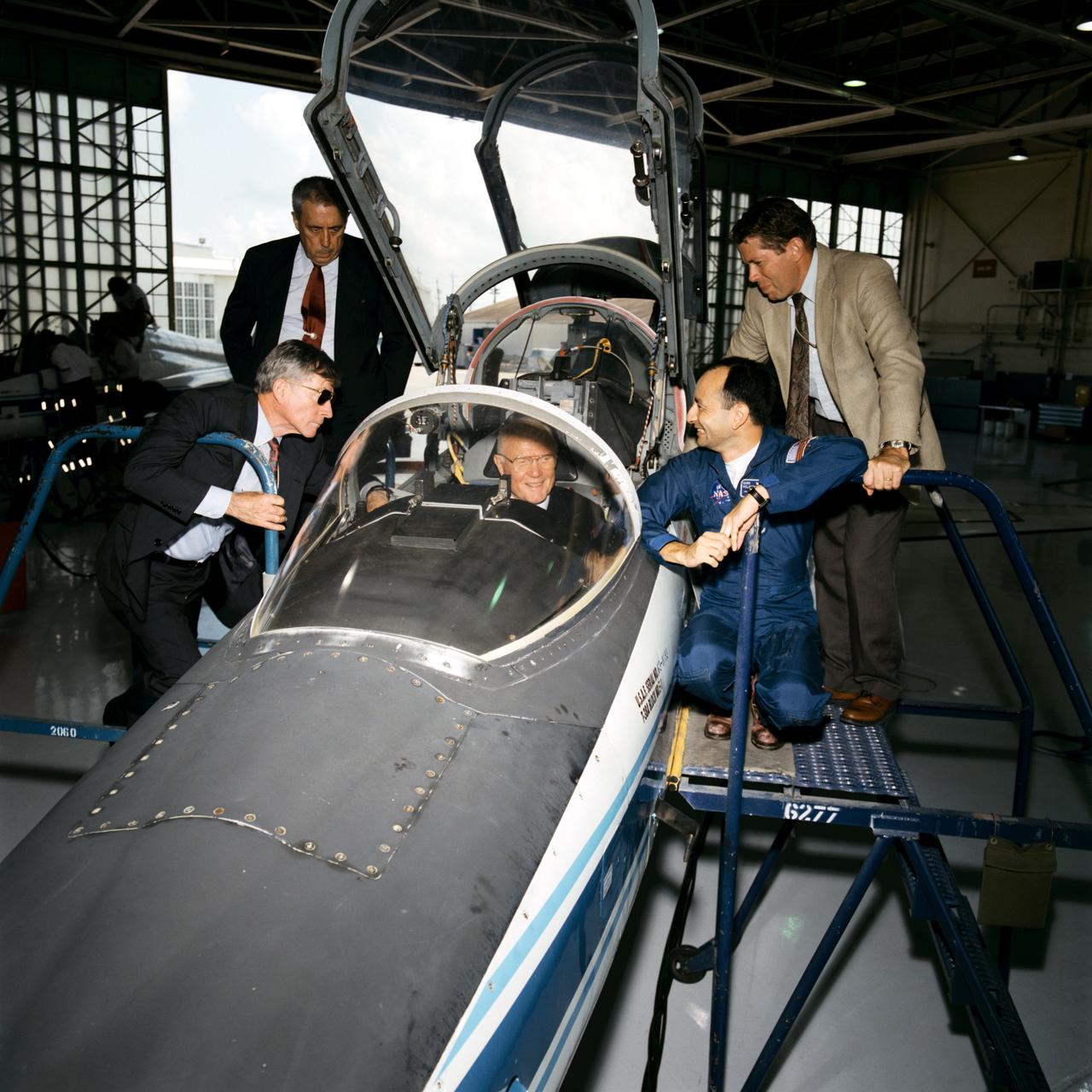
Senator John Glenn visit to Johnson Space Center (JSC). Views of Glenn sitting in cockpit of T-38 in Hangar 276 with John Young, George Abbey, David Leestma and Mark Polansky observing (11150). An engineer explains SPIFEX experiment hardware to Abby, Young and Glenn in Bldg 13 (11151, 11153). Glenn talks with astronaut Terrence T. Henricks and employees in Bldg 9C, Virtual reality lab (11152). Lunch in Bldg 17 Flight Crew support division with Dr. Ellen Baker, Robert "Hoot" Gibson and John Glenn (11154). Linda Godwin, Robert Cabana, Abbey, Young, Baker, Gibson and Glenn at lunch (11155). Astronaut Mark Lee shows Glenn and his aide how to use the virtural reality helmets (11156-7). Glenn shakes the hand of Franklin Chang-Diaz with his plasma rocket in the background in the Sonny Carter Training Facility (SCTF) (11158). Glenn in the Manipulator Development Facility (MDF) Remote Manipulator System (RMS) station mock-up in Bldg 9A with Abbey, Young and aide (11159, 11186). Glenn signs a book for Thomas D. Jones as Frederick Sturckow and Linda Godwin look on (11160). Glenn inside visual-vestibular trainer in Bldg 9B (11161). In conference room meeting with astronaut corps in Bldg 4S, Glenn shakes Robert Cabana's hand (11162). John Glenn and John Young pose for a group shot with Bldg 17 Food lab personnel (11163). Glenn thanks the food lab personnel (11164). Glenn visits Bldg 5 Fixed Base (FB) middeck simulator with astronauts Terrence Henricks and Mary Ellen Weber (11165). Glenn with Charles T. Bourland (11166). STS-70 crew Donald Thomas, Terrence Henricks, Mary Ellen Weber, Nancy Currie and Kevin Kregel with Glenn's advisor (11167). STS-70 crew Thomas, Henricks, Weber, Currie and Kregel with John Glenn (11175). Glenn with Thomas, Kregel, Weber, Henricks and trainer (11176-7). David J. Homan assists Glenn's aide with virtual reality goggles (11168) and Glenn (11174). John Young in Bldg 9C equilibrium trainer (11169). Glenn with Carl Walz in flight deck mock-up of MDF in Bldg 9NE (11170, 11187). Young, Abbey, aides, Glenn and Walz examine helium balloon in MDF (11171-2). Chang-Diaz shows Glenn's tour group the plasma rocket (11173). Glenn's presentation to astronaut corps (11178-81, 11184-5). Glenn is presented with framed picture of Sonny Carter Training Facility (SCTF) (11182) and framed picture of space station (11183).
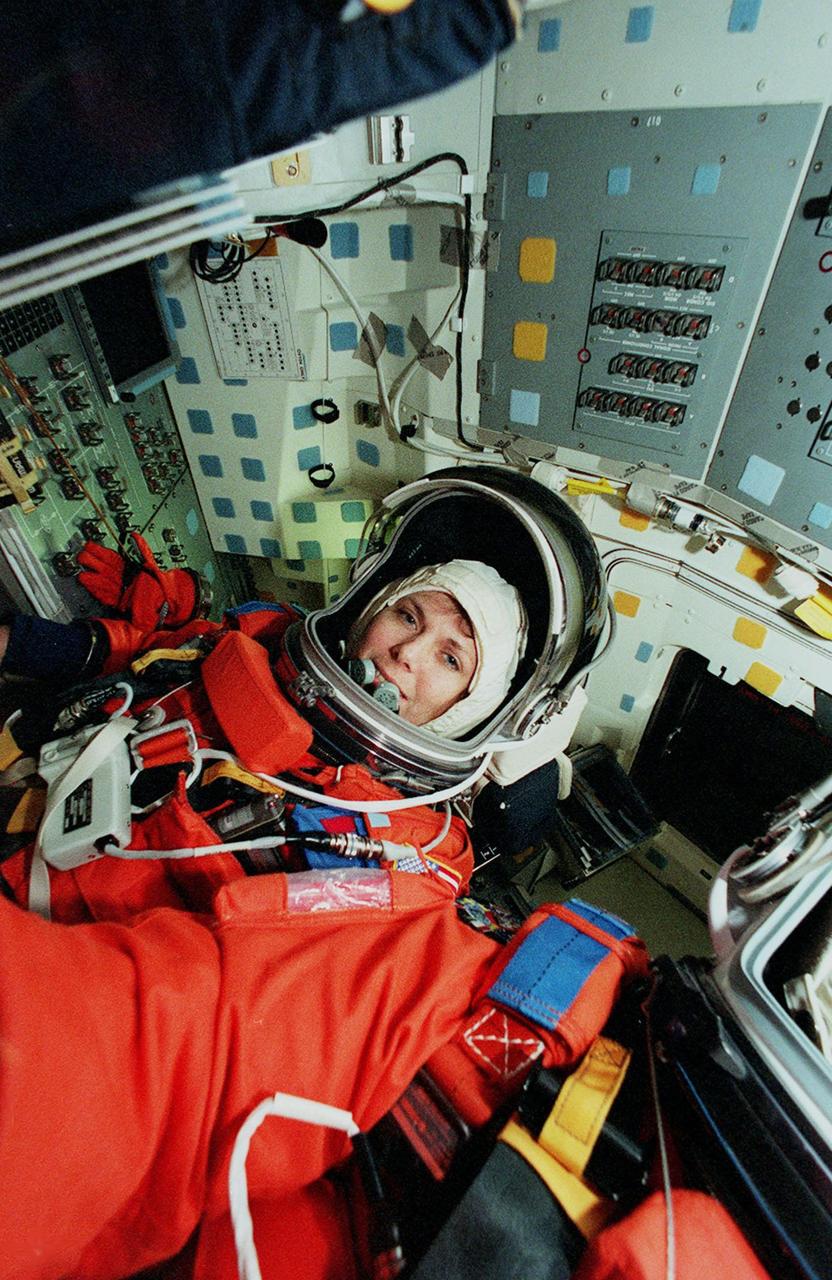
KENNEDY SPACE CENTER, FLA. -- STS-101 Mission Specialist Mary Ellen Weber takes her seat inside Space Shuttle Atlantis before taking part in a simulated launch countdown. The countdown is part of Terminal Countdown Demonstration Test (TCDT) activities that also include emergency egress training and familiarization with the payload. Other crew members taking part are Commander James D. Halsell Jr., Pilot Scott J. "Doc" Horowitz and Mission Specialists Mary Ellen Weber, James Voss, Jeffrey N. Williams, Susan Helms, and Yury Usachev of Russia. During their mission to the International Space Station, the STS-101 crew will be delivering logistics and supplies, plus preparing the Station for the arrival of the Zvezda Service Module, expected to be launched by Russia in July 2000. Also, the crew will conduct one space walk to perform maintenance on the Space Station. This will be the third assembly flight for the Space Station. STS-101 is scheduled to launch April 24 at 4:15 p.m. from Launch Pad 39A
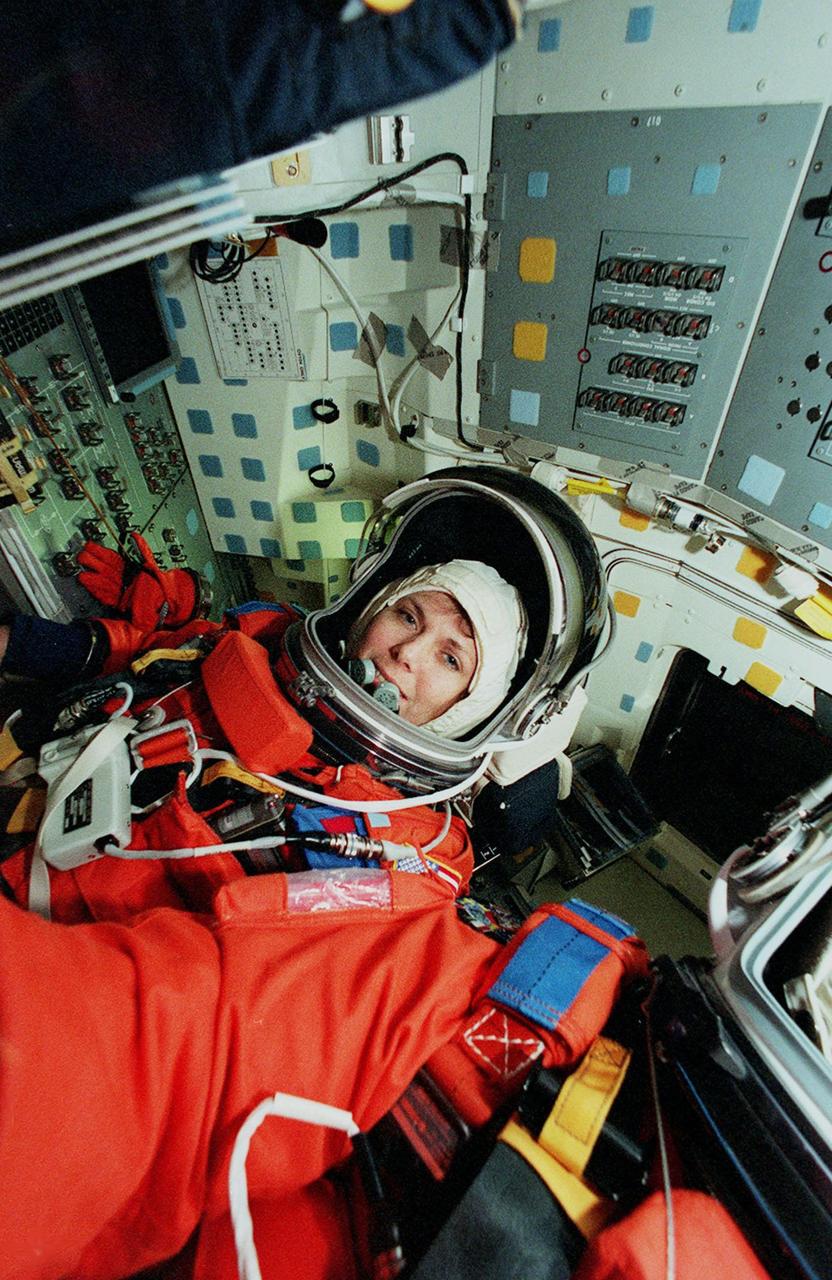
KENNEDY SPACE CENTER, FLA. -- STS-101 Mission Specialist Mary Ellen Weber takes her seat inside Space Shuttle Atlantis before taking part in a simulated launch countdown. The countdown is part of Terminal Countdown Demonstration Test (TCDT) activities that also include emergency egress training and familiarization with the payload. Other crew members taking part are Commander James D. Halsell Jr., Pilot Scott J. "Doc" Horowitz and Mission Specialists Mary Ellen Weber, James Voss, Jeffrey N. Williams, Susan Helms, and Yury Usachev of Russia. During their mission to the International Space Station, the STS-101 crew will be delivering logistics and supplies, plus preparing the Station for the arrival of the Zvezda Service Module, expected to be launched by Russia in July 2000. Also, the crew will conduct one space walk to perform maintenance on the Space Station. This will be the third assembly flight for the Space Station. STS-101 is scheduled to launch April 24 at 4:15 p.m. from Launch Pad 39A
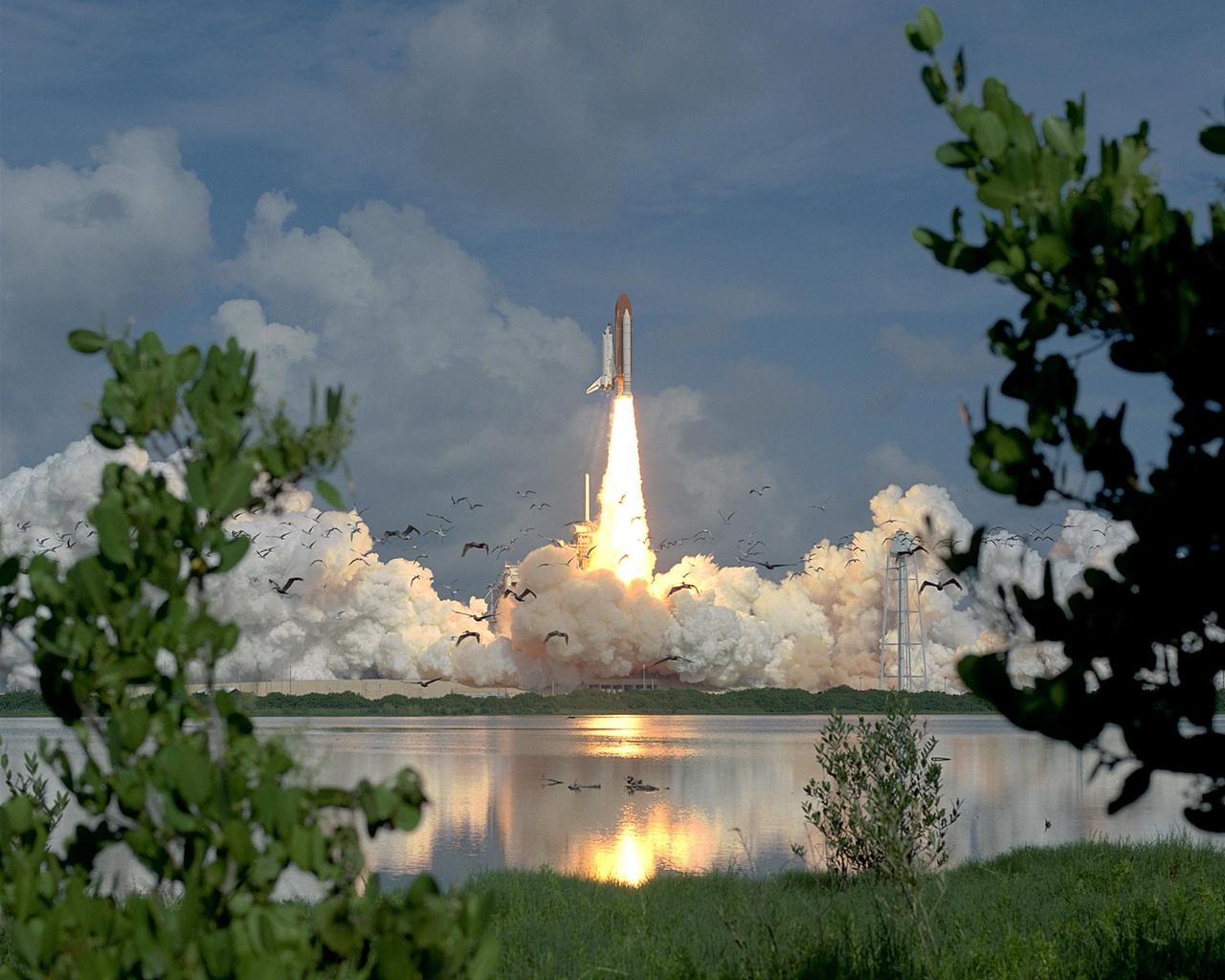
Startled birds scatter as the stillness of a summer morning is broken by a giant's roar. The Space Shuttle Discovery thundered into space from Launch Pad 39B at 9:41:55:078 a.m. EDT. STS-70 is the 70th Shuttle flight overall, the 21st for Discovery (OV-103), and the fourth Shuttle flight in 1995. On board for the nearly eight-day mission are a crew of five: Commander Terence "Tom" Henricks, Pilot Kevin R. Kregel, and Mission Specialists Nancy Jane Currie, Donald A. Thomas and Mary Ellen Weber. The crew's primary objective is to deploy the Tracking and Data Relay Satellite-G (TDRS-G), which will join a constellation of other TDRS spacecraft already on orbit
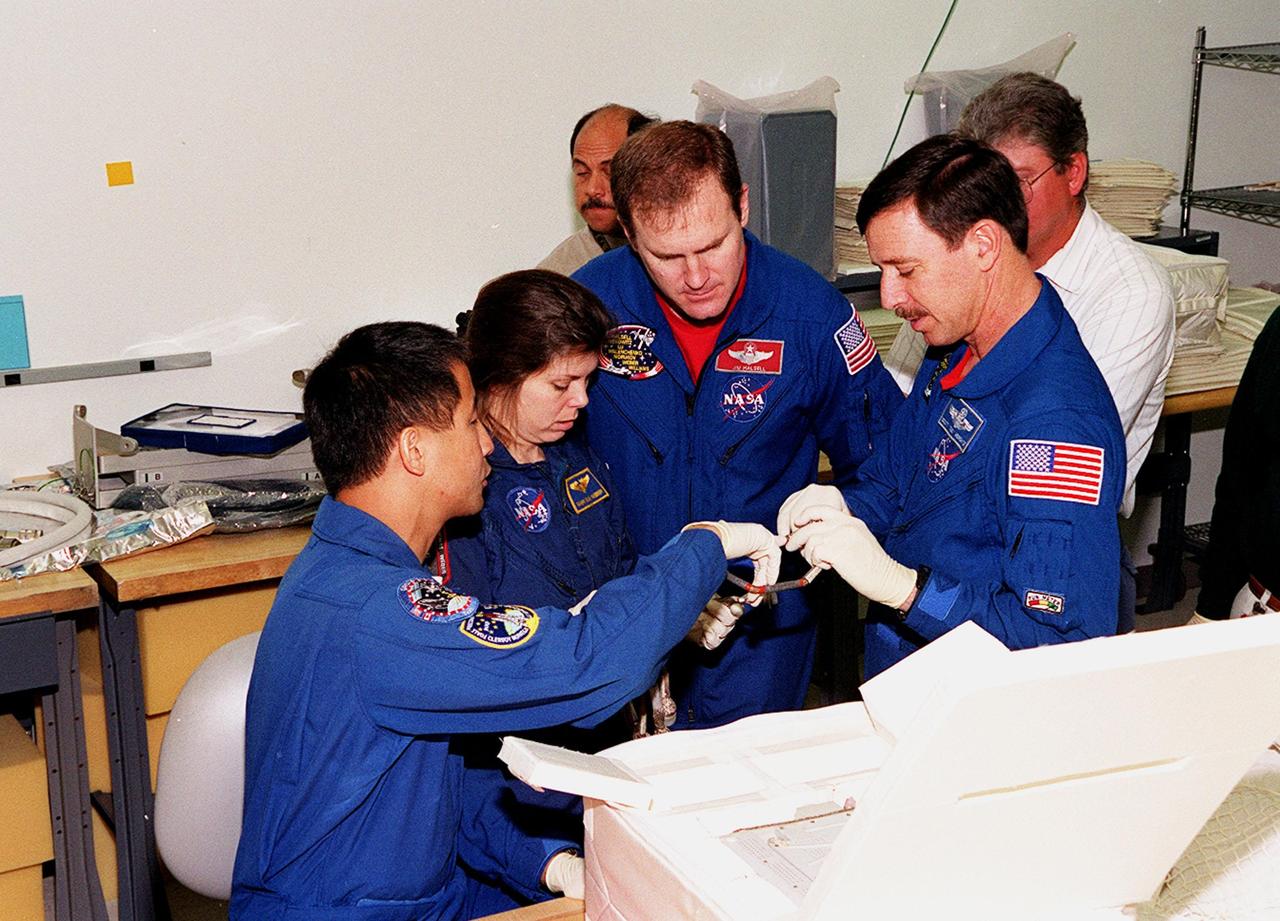
KENNEDY SPACE CENTER, FLA. -- At SPACEHAB, in Cape Canaveral, the STS-101 crew inspect equipment and payload for their mission. From left to right are Mission Specialist Edward Tsang Lu, Mary Ellen Weber (Ph.D.), Commander James D. Halsell Jr. and Pilot Scott J. "Doc" Horowitz (Ph.D). are taking part in a Crew Equipment Interface Test, which gives them an opportunity to look over equipment and payloads that will fly on the mission. Space Shuttle Atlantis will be carrying the SPACEHAB Double Module, which carries internal logistics and resupply cargo for station outfitting. Launch of Atlantis on mission STS-101 is scheduled no earlier than April 13, 2000
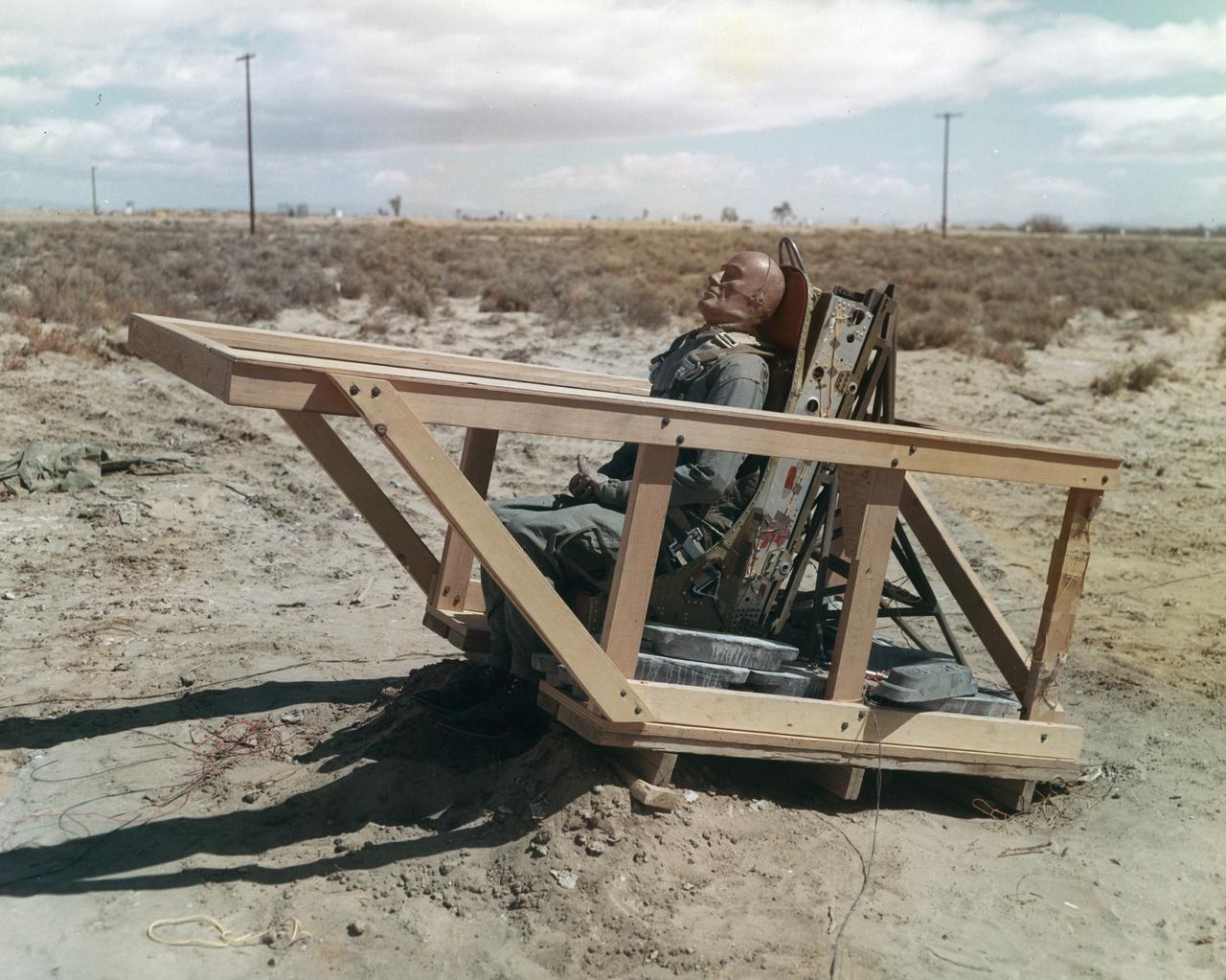
The M2-F1 was fitted with an ejection seat before the airtow flights began. The project selected the seat used in the T-37 as modified by the Weber Company to use a rocket rather than a ballistic charge for ejection. To test the ejection seat, the Flight Research Center's Dick Klein constructed a plywood mockup of the M2-F1's top deck and canopy. On the first firings, the test was unsuccessful, but on the final test the dummy in the seat landed safely. The M2-F1 ejection seat was later used in the two Lunar Landing Research Vehicles and the three Lunar Landing Training Vehicles. Three of them crashed, but in each case the pilot ejected from the vehicle successfully.
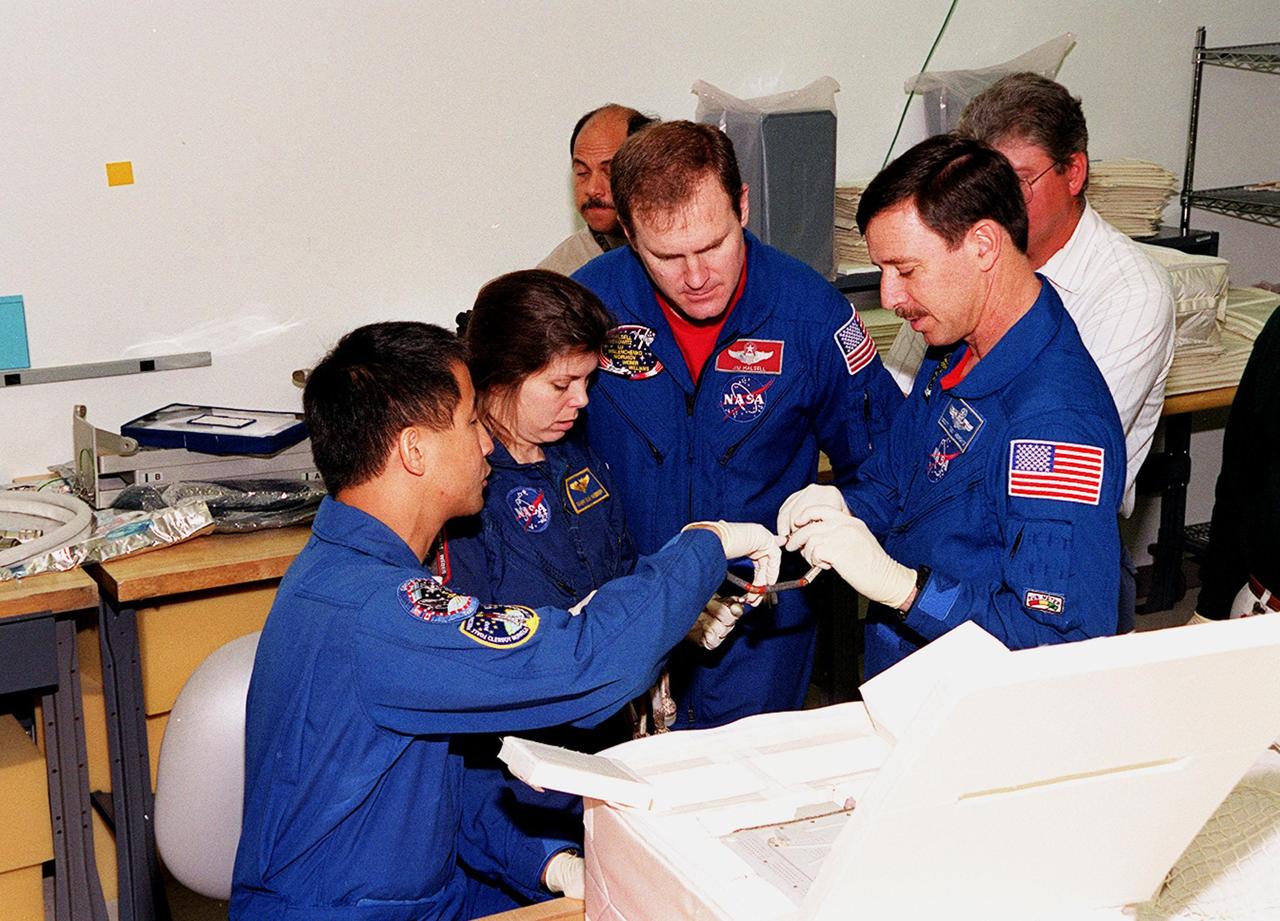
KENNEDY SPACE CENTER, FLA. -- At SPACEHAB, in Cape Canaveral, the STS-101 crew inspect equipment and payload for their mission. From left to right are Mission Specialist Edward Tsang Lu, Mary Ellen Weber (Ph.D.), Commander James D. Halsell Jr. and Pilot Scott J. "Doc" Horowitz (Ph.D). are taking part in a Crew Equipment Interface Test, which gives them an opportunity to look over equipment and payloads that will fly on the mission. Space Shuttle Atlantis will be carrying the SPACEHAB Double Module, which carries internal logistics and resupply cargo for station outfitting. Launch of Atlantis on mission STS-101 is scheduled no earlier than April 13, 2000
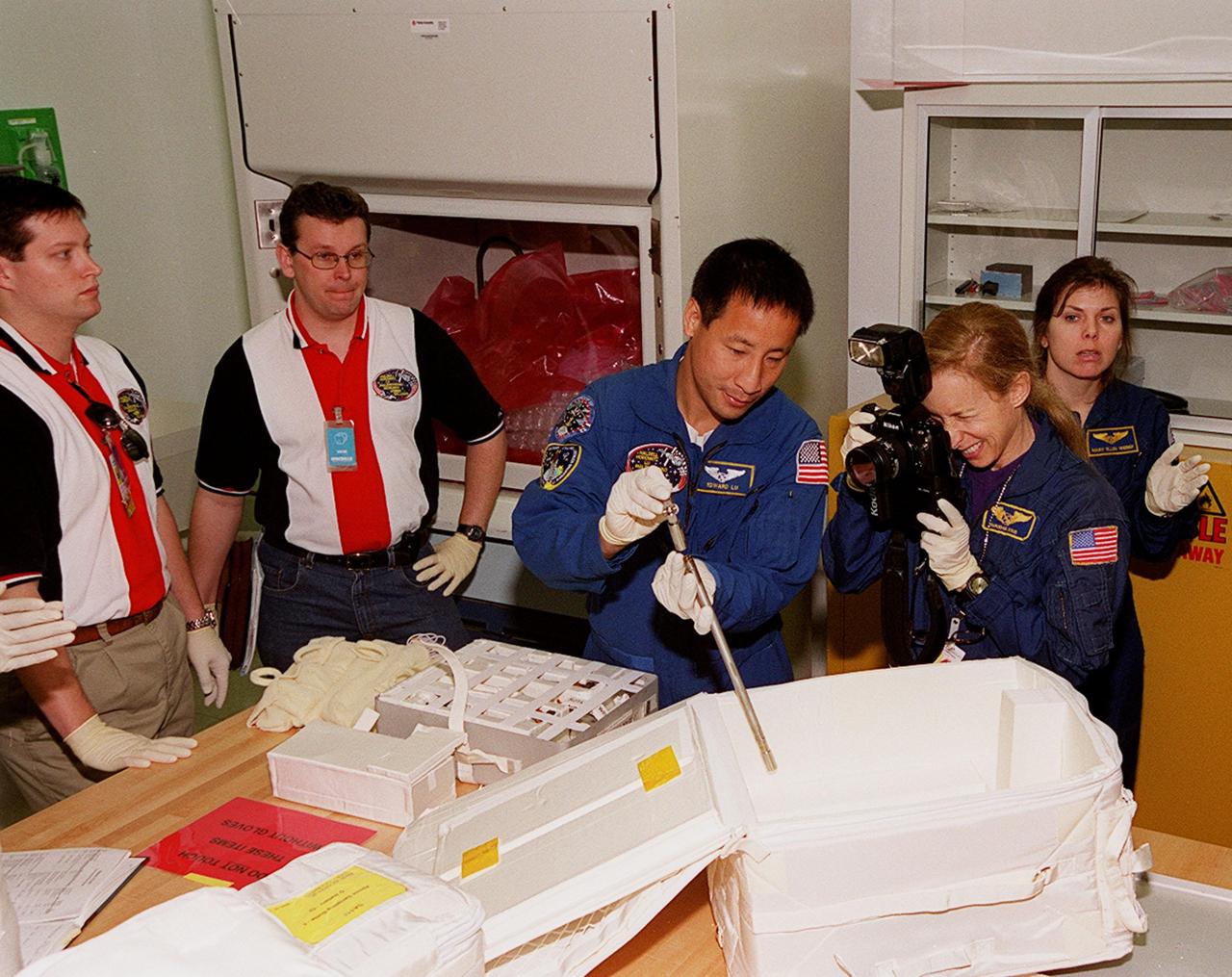
KENNEDY SPACE CENTER, FLA. -- At SPACEHAB, in Cape Canaveral, members of the STS-101 crew are taking part in a Crew Equipment Interface Test, which gives them an opportunity to look over equipment and payloads that will fly on the mission. At center is Mission Specialist Edward Tsang Lu; at right is Mission Specialist Mary Ellen Weber (Ph.D.). Between the, holding the camera, is astronaut Marsha Ivins, who is assigned to mission STS-98. On mission STS-101, Space Shuttle Atlantis will be carrying the SPACEHAB Double Module, which carries internal logistics and resupply cargo for station outfitting. Launch of Atlantis is scheduled no earlier than April 13, 2000
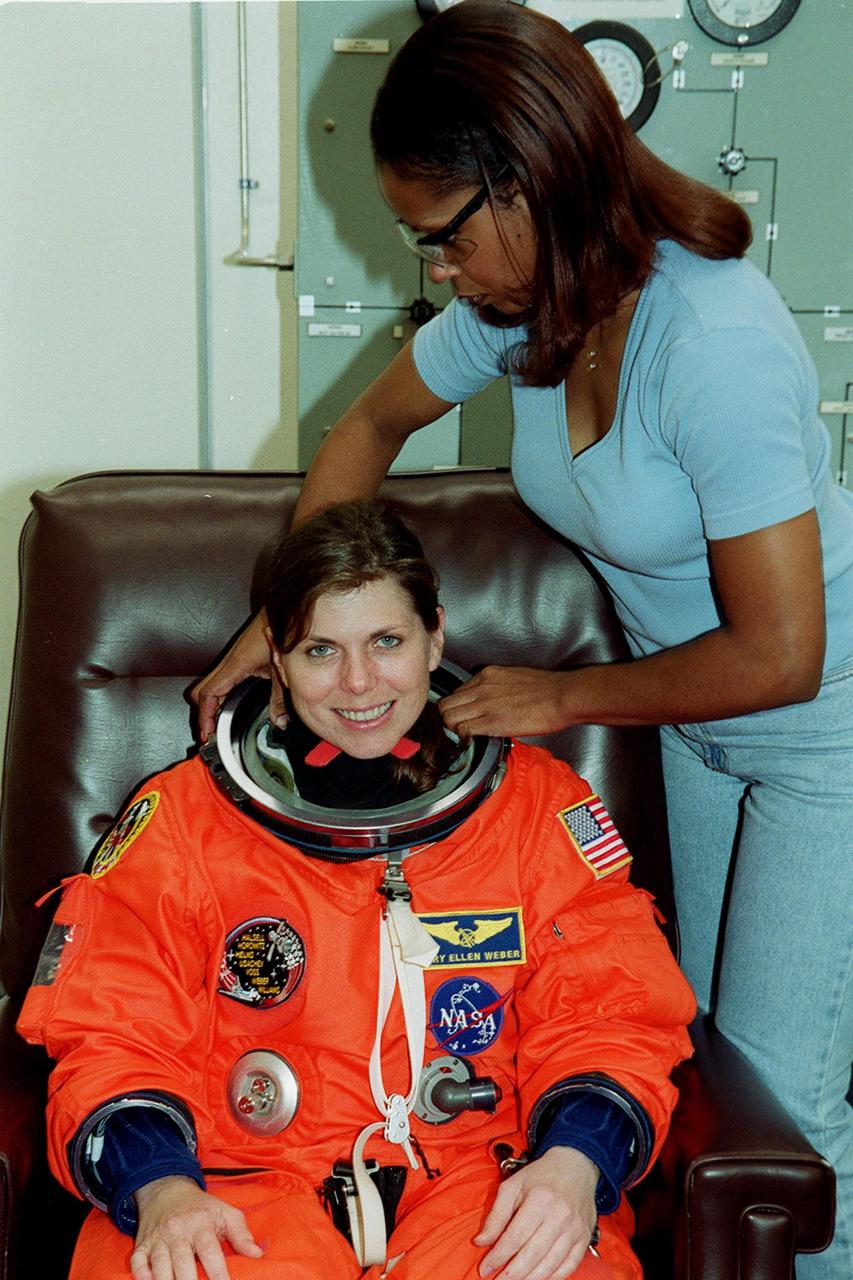
During pre-launch preparations in the Operations and Checkout Building, STS-101 Mission Specialist Mary Ellen Weber has her launch and entry suit checked by a technician. Mission STS-101 will take the crew to the International Space Station to deliver logistics and supplies, plus prepare the Station for the arrival of the Zvezda Service Module, expected to be launched by Russia in July 2000. The crew will conduct one space walk to perform maintenance on the Space Station as well. This will be the third assembly flight for the Space Station. Launch is targeted for April 24 at about 4:15 p.m. EDT from Launch Pad 39A
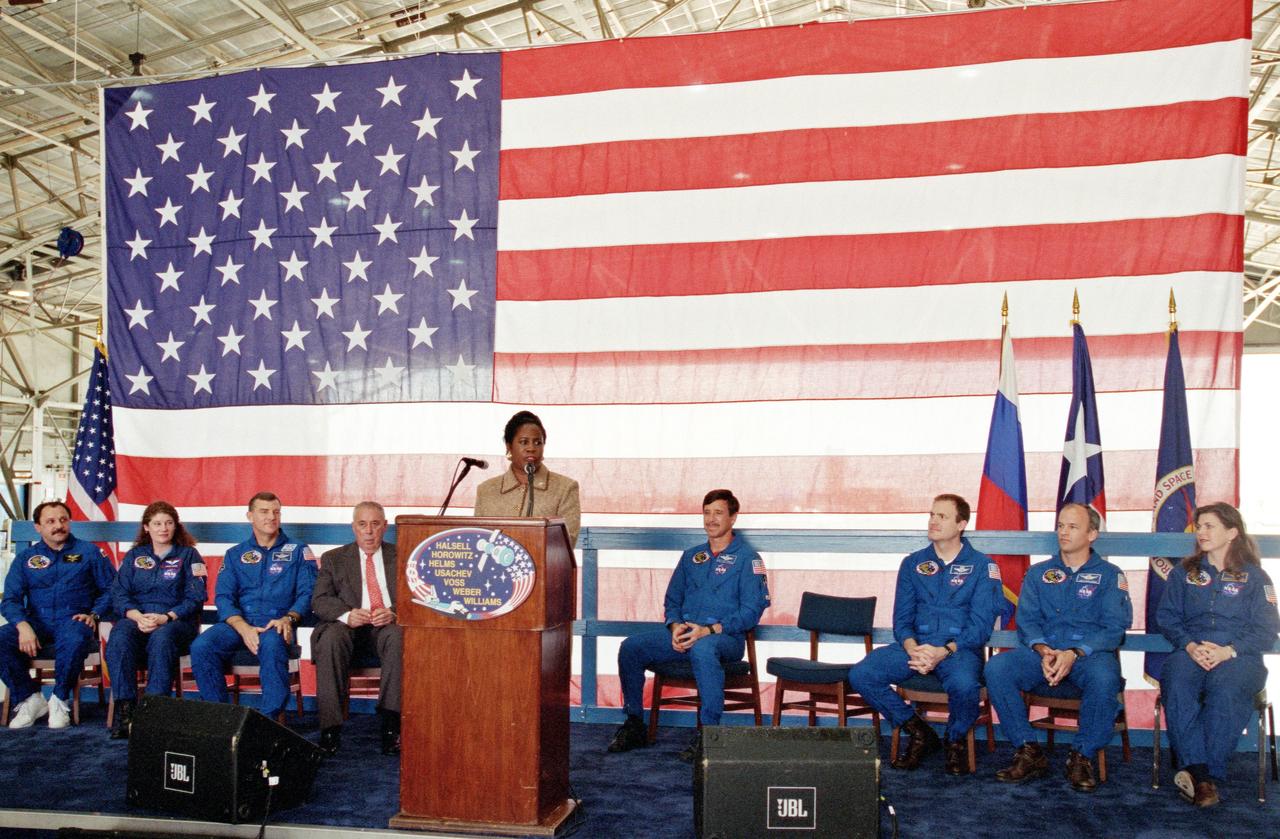
JSC2000-04603 (30 May 2000) --- U.S. Congresswoman Sheila Jackson Lee (D.-Houston) speaks to a crowd at the crew-welcoming ceremony at Ellington Field on the day following the completion of the STS-101 mission. Other speakers, seated behind the lecturn, are (from the left) cosmonaut Yury V. Usachev, representing the Russian Aviation and Space Agency; Susan J. Helms and James S. Voss, all mission specialists; JSC Director George W.S. Abbey; astronaut Scott J. Horowitz, pilot; along with astronauts James D. Halsell, Jr., mission commander; and Jeffrey N. Williams and Mary Ellen Weber, both mission specialists.
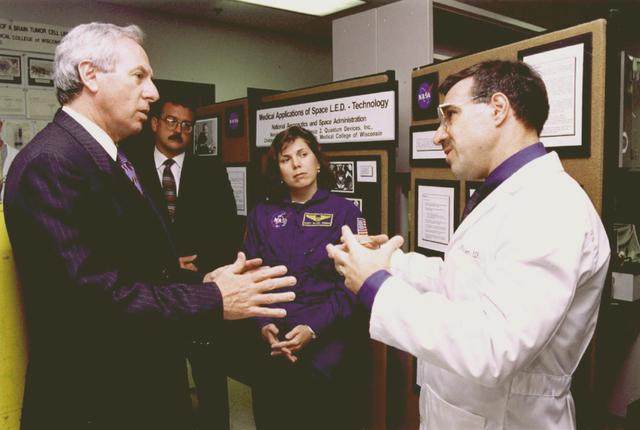
NASA Administrator Dan Goldin (left), during a visit at Children's Hospital of Wisconsin in Milwaukee, Wisconsin, discussed how NASA's special lighting technology may soon treat cancer. Goldin talked with Dr.Harry Whelan (right) and Dr. Kerneth Reichert (center left), both pediatric neurologists with the Hospital and professors at the Medical College of Wisconsin in Milwaukee. Accompanied by Astronaut Mary Ellen Weber, Goldin was shown this innovative treatment, called Photodynamic Therapy, a method used to destroy the tumor without damaging the delicate brain tissue around it. The treatment uses tiny pinhead-size Light Emitting Diodes (LEDs) developed for Space Product Development plant growth experiments.
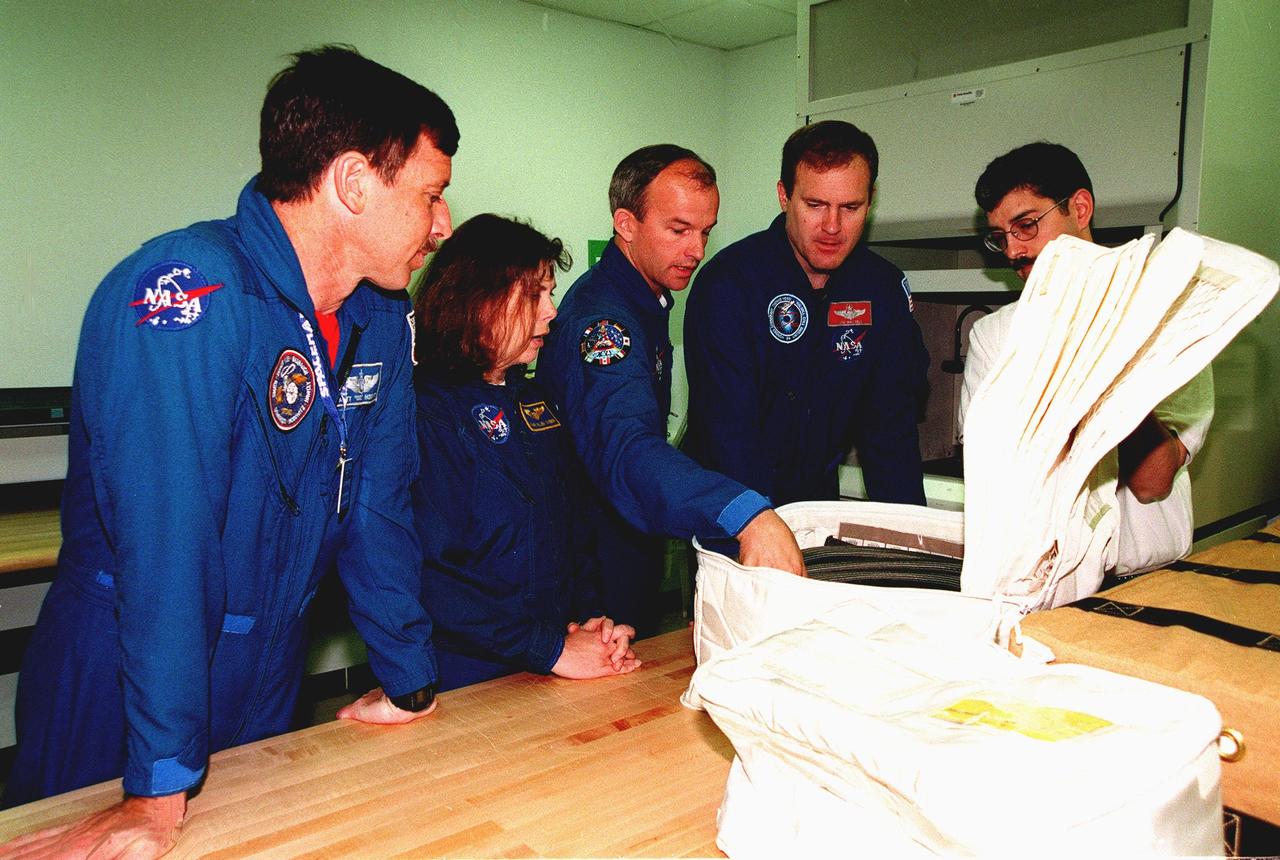
KENNEDY SPACE CENTER, FLA. -- At the SPACEHAB Facility, members of the STS-101 crew look over equipment during familiarization activities. From left are Pilot Scott J. "Doc" Horowitz (Ph.D.), Mission Specialists Mary Ellen Weber (Ph.D.) and Jeffrey N. Williams, and Commander James Donald Halsell Jr., plus Sean Hicks, with Boeing in Huntsville, Ala. Other crew members are Mission Specialists Edward Tsang Lu (Ph.D.), and Yuri Ivanovich Malenchenko and Boris Morukov, who represent the Russian Space Agency. Mission STS-101 is the third flight in construction of the International Space Station. The 11-day mission is targeted for launch on December 2, 1999, at Launch Pad 39A
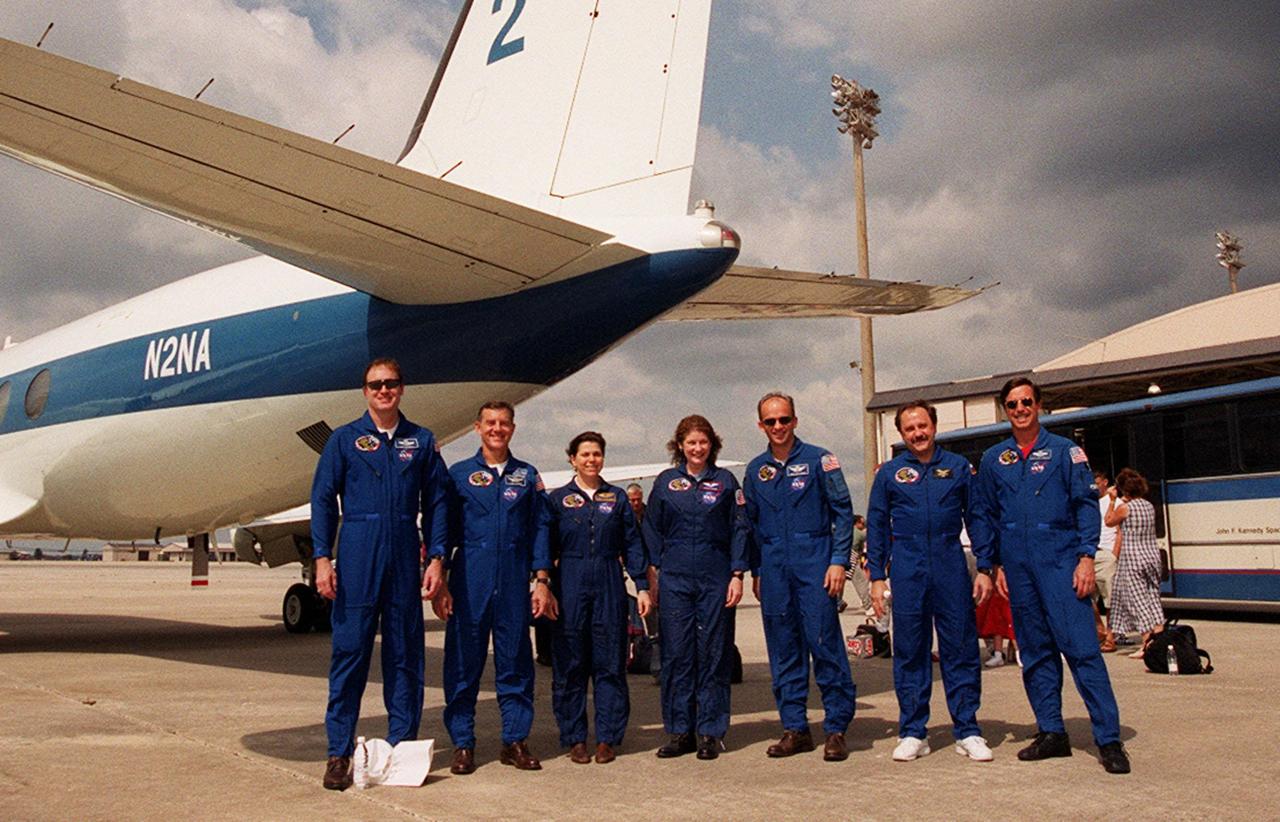
The STS-101 crew pose one more time before departing for Houston from Patrick Air Force Base. From left are Commander James D. Halsell Jr., Mission Specialists James S. Voss, Mary Ellen Weber, Susan J. Helms, Jeffrey N. Williams, Yury Usachev of Russia, and Pilot Scott “Doc” Horowitz. After landing at 2:20 a.m. EDT May 29, the crew and their families enjoyed the Memorial Day holiday in Florida. The crew returned from the third flight to the International Space Station where they made repairs, transferred cargo and completed a space walk to install and connect several pieces of equipment on the outside of the Space Station
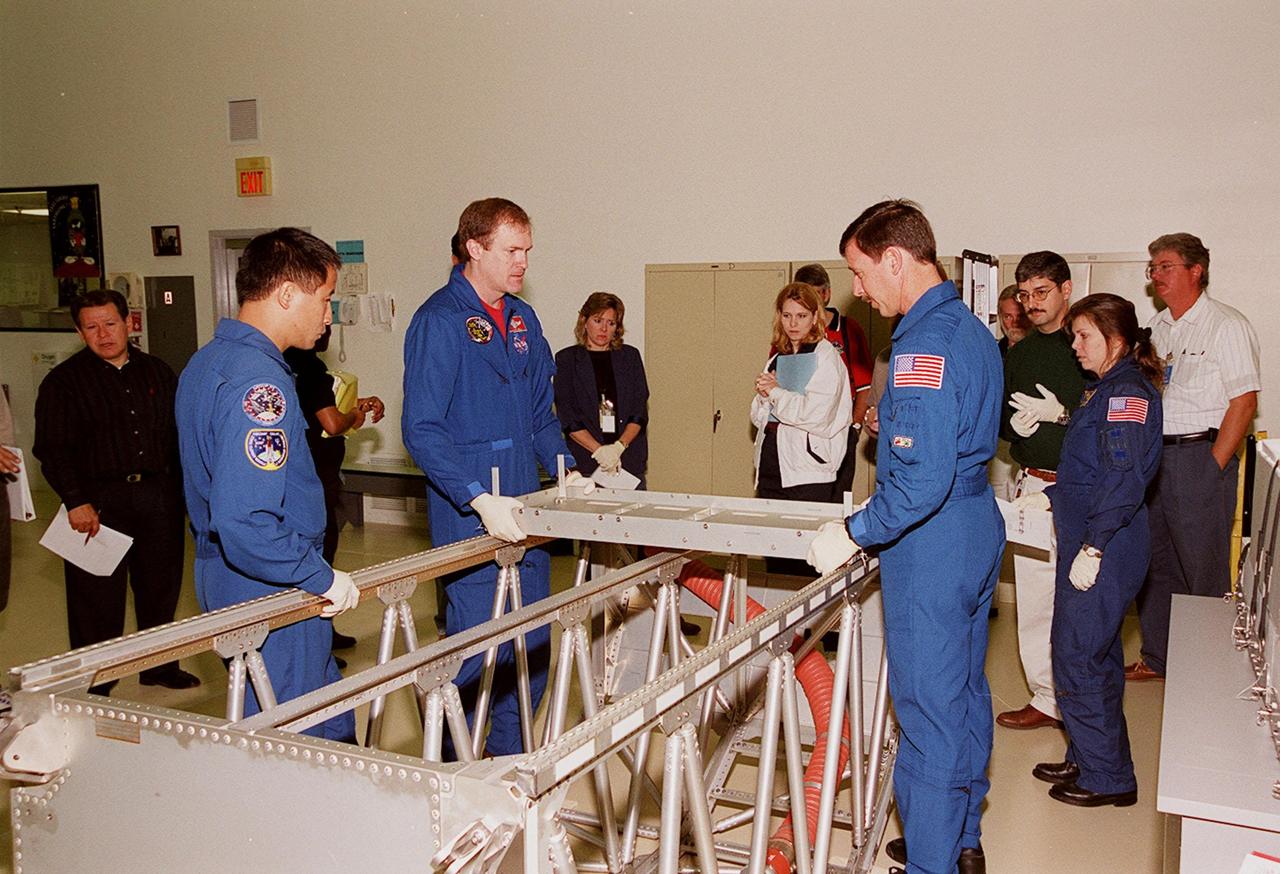
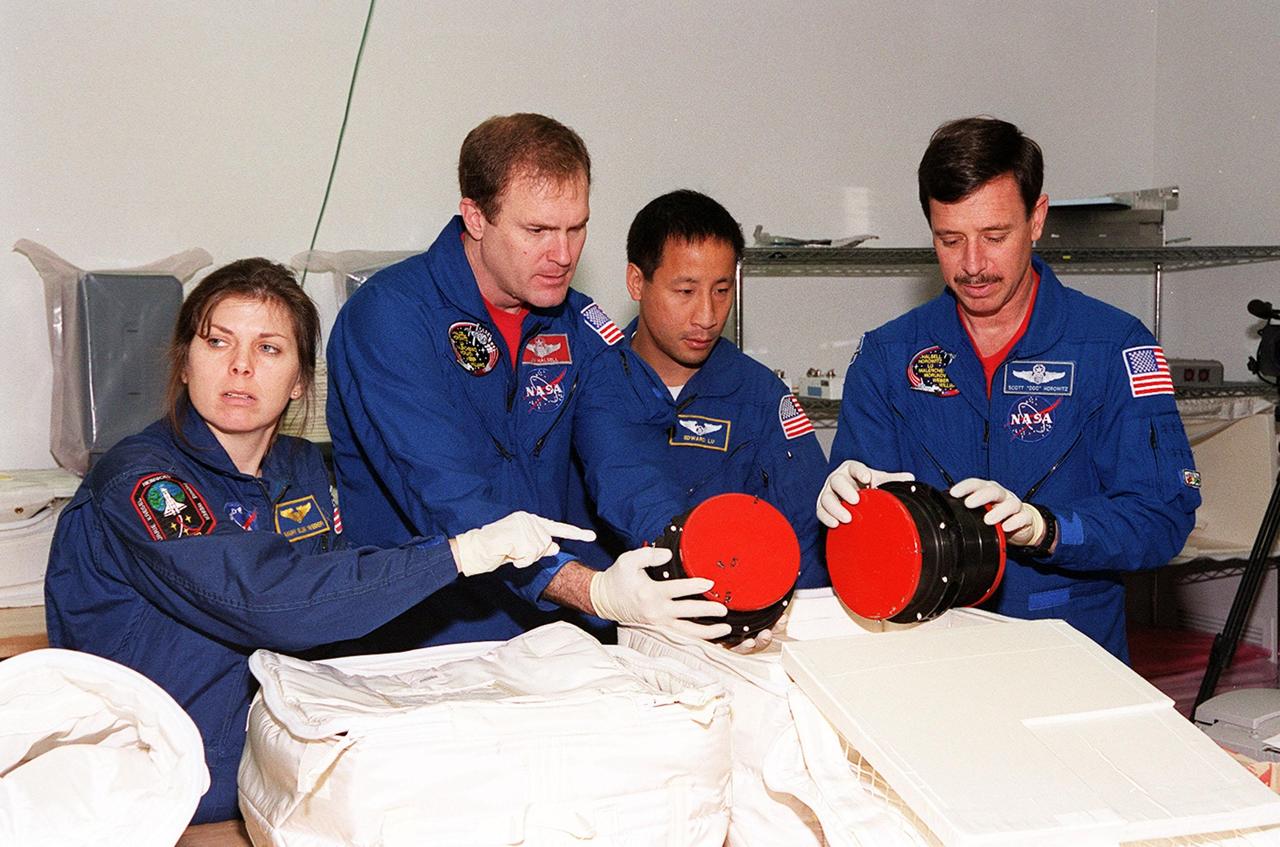
KENNEDY SPACE CENTER, FLA. -- At SPACEHAB, in Cape Canaveral, members of the STS-101 crew inspect equipment and payload for their mission. From left to right (in uniform) are Mission Specialist Edward Tsang Lu, Commander James D. Halsell Jr., Pilot Scott J. "Doc" Horowitz (Ph.D) and Mission Specialist Mary Ellen Weber (Ph.D.). They are taking part in a Crew Equipment Interface Test, which gives them an opportunity to look over equipment and payloads that will fly on the mission. Space Shuttle Atlantis will be carrying the SPACEHAB Double Module, which carries internal logistics and resupply cargo for station outfitting. Launch of Atlantis on mission STS-101 is scheduled no earlier than April 13, 2000
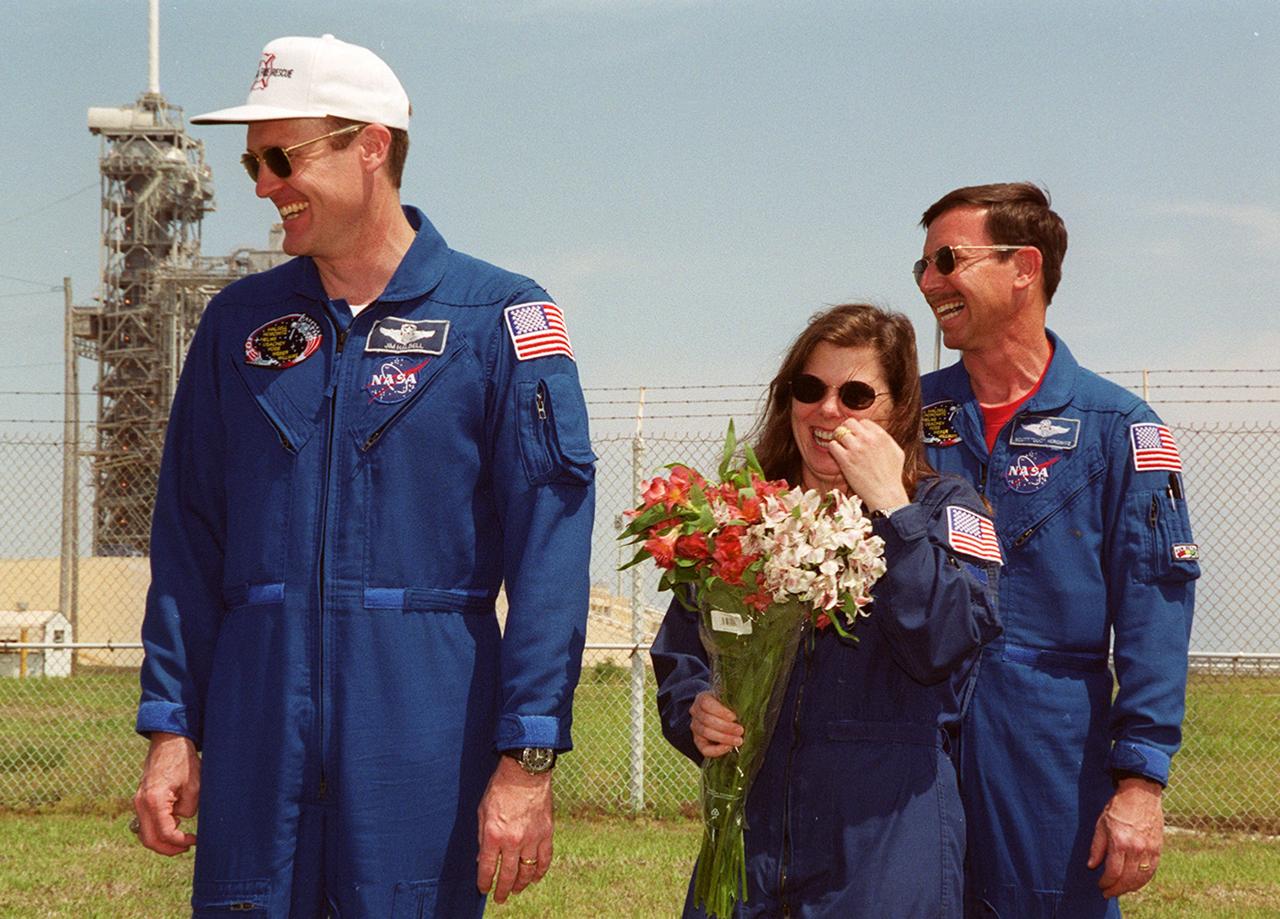
KENNEDY SPACE CENTER, FLA. -- A light-hearted moment during a meeting of the STS-101 crew with family and friends at Launch Pad 39A. From left are Commander James D. Halsell Jr., Mission Specialist Mary Ellen Weber and Pilot Scott J. Horowitz. Mission STS-101 will take the crew to the International Space Station to deliver logistics and supplies, plus prepare the Station for the arrival of the Zvezda Service Module, expected to be launched by Russia in July 2000. The crew will conduct one spacewalk to perform maintenance on the Space Station as well. This will be the third assembly flight for the Space Station. Launch is targeted for April 24 at about 4:15 p.m. EDT from Launch Pad 39A.

KENNEDY SPACE CENTER, FLA. -- At SPACEHAB, in Cape Canaveral, members of the STS-101 crew are taking part in a Crew Equipment Interface Test, which gives them an opportunity to look over equipment and payloads that will fly on the mission. At center is Mission Specialist Edward Tsang Lu; at right is Mission Specialist Mary Ellen Weber (Ph.D.). Between the, holding the camera, is astronaut Marsha Ivins, who is assigned to mission STS-98. On mission STS-101, Space Shuttle Atlantis will be carrying the SPACEHAB Double Module, which carries internal logistics and resupply cargo for station outfitting. Launch of Atlantis is scheduled no earlier than April 13, 2000
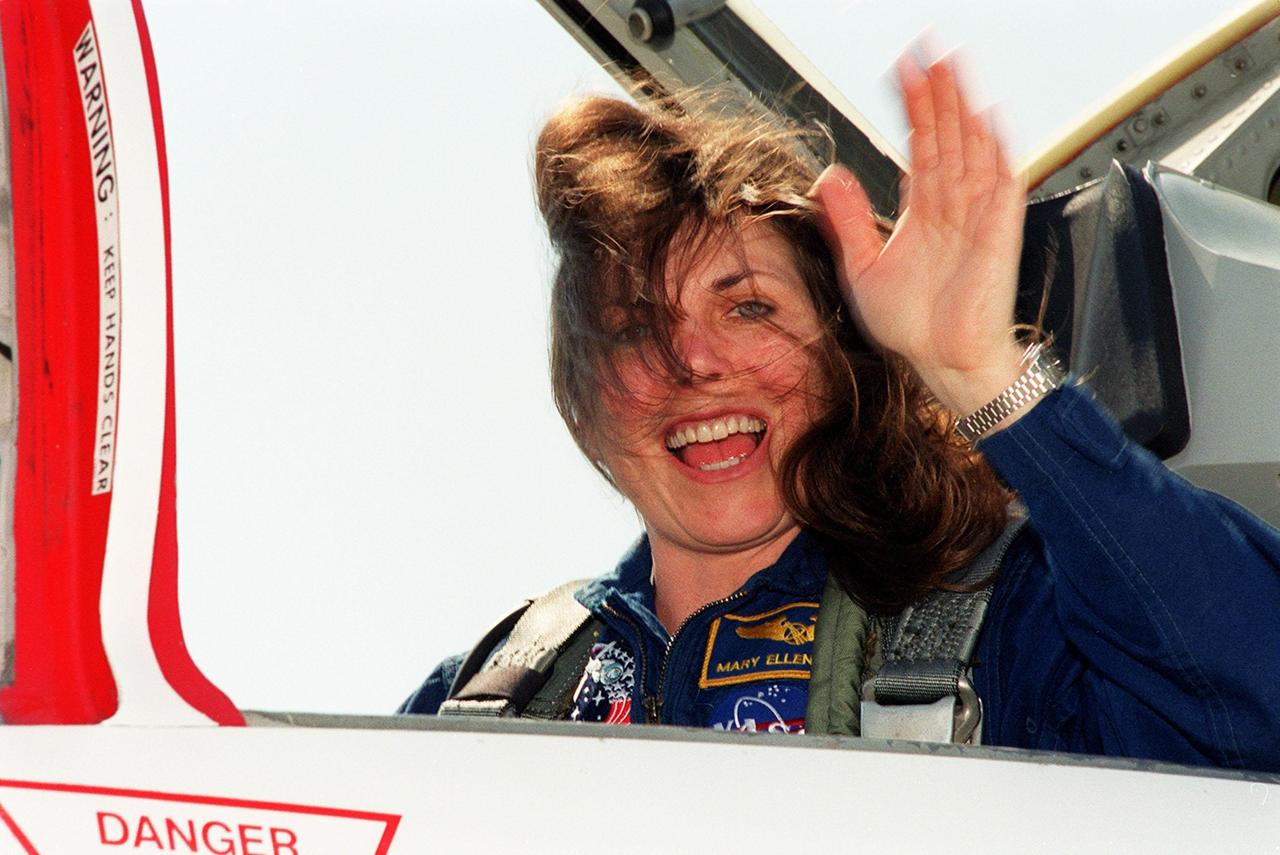
STS-101 Mission Specialist Mary Ellen Weber is confronted by a strong wind on her arrival at KSC's Shuttle Landing Facility. She and the rest of the crew are at KSC to get ready for their launch on April 24 about 4:15 p.m. EDT from Launch Pad 39A. During their mission to the International Space Station, the STS-101 crew will be delivering logistics and supplies, plus preparing the Station for the arrival of the Zvezda Service Module, expected to be launched by Russia in July 2000. Also, the crew will conduct one space walk to perform maintenance on the Space Station. This will be the third assembly flight for the Space Station
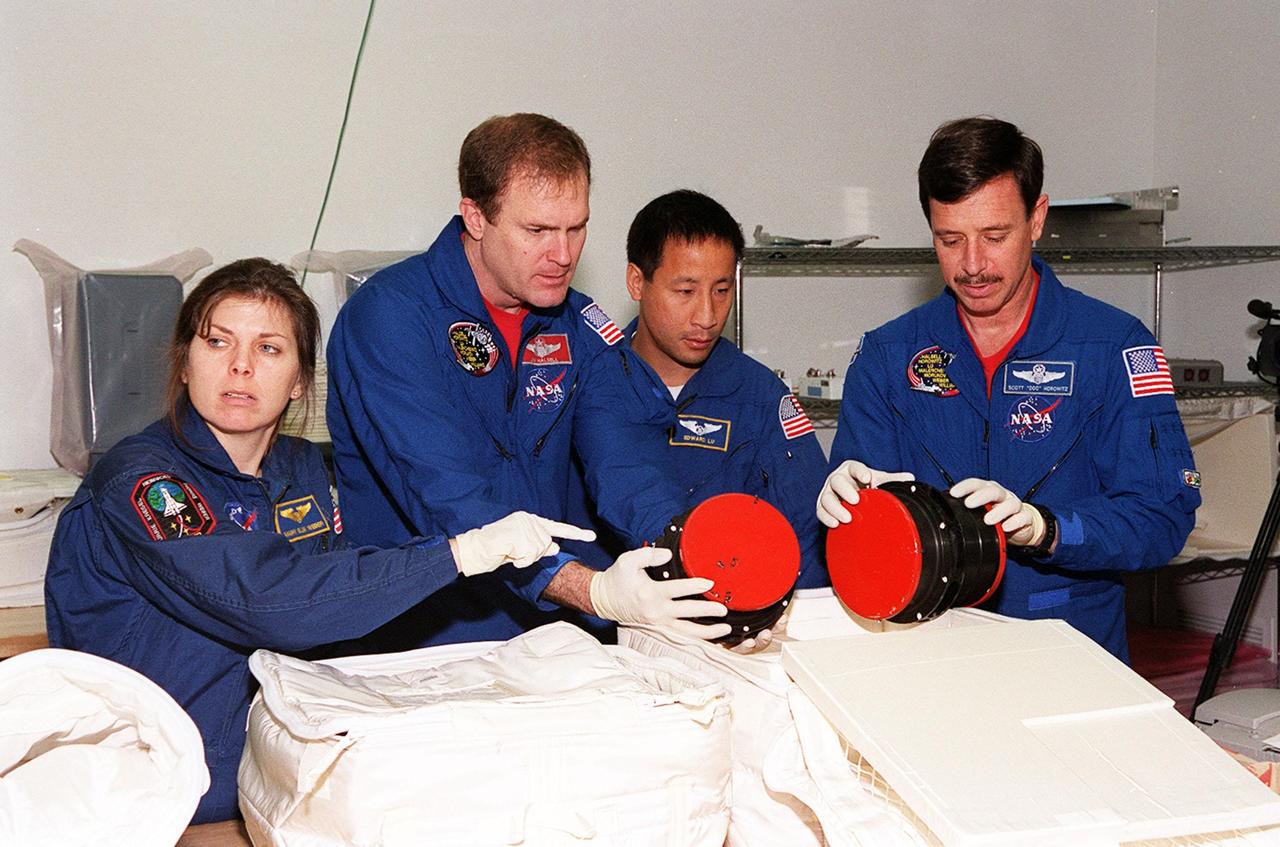
KENNEDY SPACE CENTER, FLA. -- At SPACEHAB, in Cape Canaveral, the STS-101 crew inspect equipment and payload for their mission. From left to right are Mission Specialist Mary Ellen Weber (Ph.D.) , Commander James D. Halsell Jr., Mission Specialist Edward Tsang Lu and Pilot Scott J. "Doc" Horowitz (Ph.D.). They are taking part in a Crew Equipment Interface Test, which gives them an opportunity to look over equipment and payloads that will fly on the mission. Space Shuttle Atlantis will be carrying the SPACEHAB Double Module, which carries internal logistics and resupply cargo for station outfitting. Launch of Atlantis on mission STS-101 is scheduled no earlier than April 13, 2000
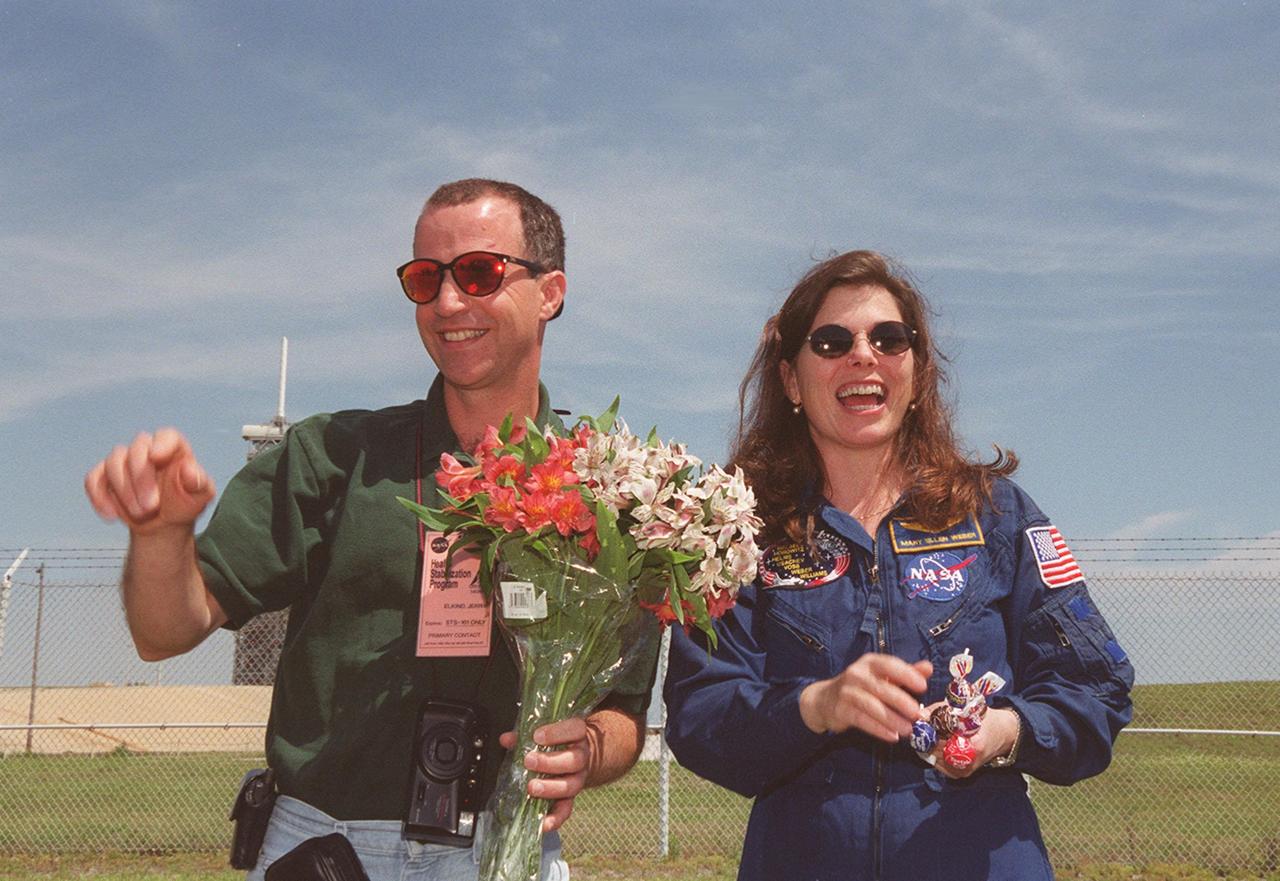
STS-101 Mission Specialist Mary Ellen Weber and her husband Jerome Elkind during a meeting of the STS-101 crew with family and friends at Launch Pad 39A. Mission STS-101 will take the crew to the International Space Station to deliver logistics and supplies, plus prepare the Station for the arrival of the Zvezda Service Module, expected to be launched by Russia in July 2000. The crew will conduct one space walk to perform maintenance on the Space Station as well. This will be the third assembly flight for the Space Station. Launch is targeted for April 24 at about 4:15 p.m. EDT from Launch Pad 39A
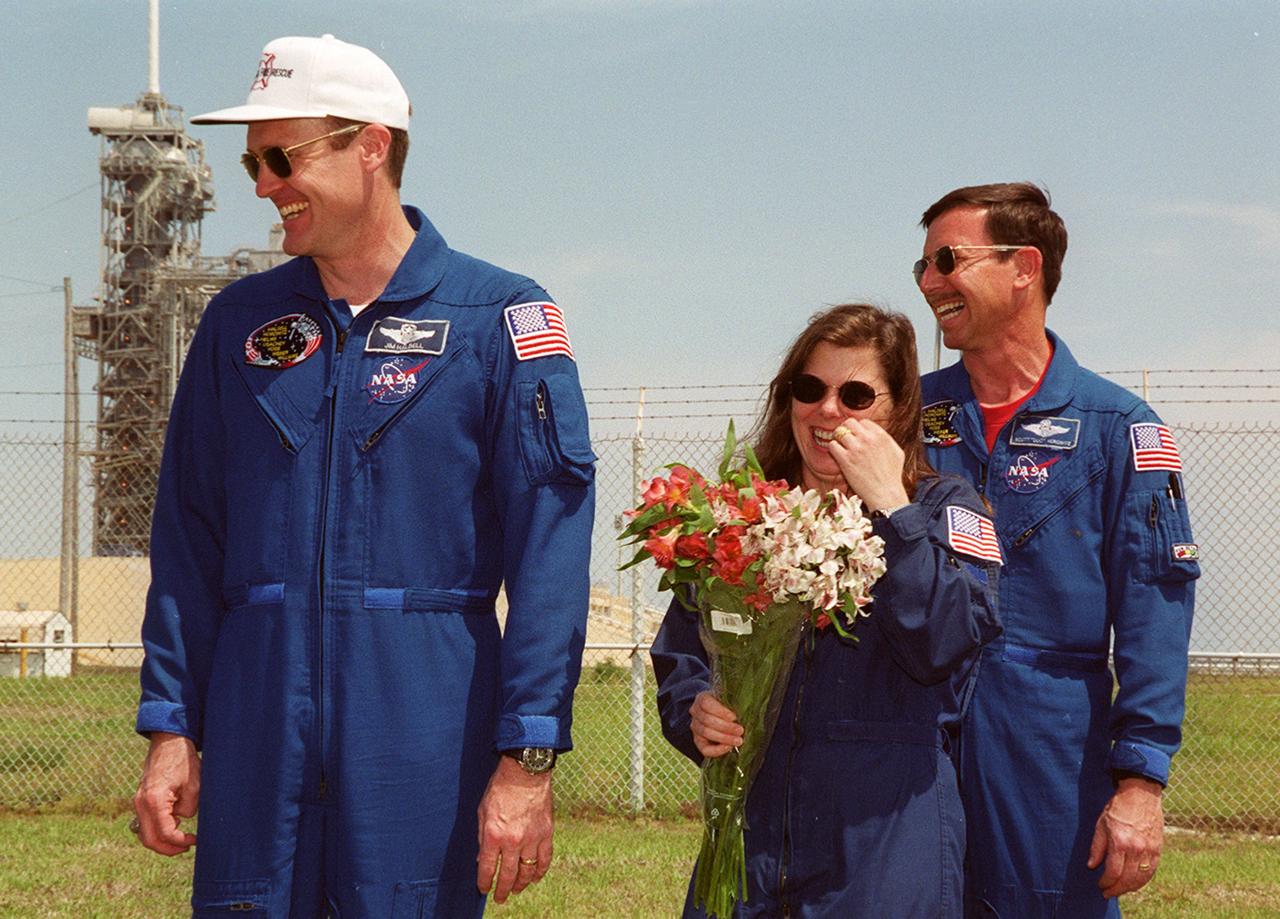
KENNEDY SPACE CENTER, FLA. -- A light-hearted moment during a meeting of the STS-101 crew with family and friends at Launch Pad 39A. From left are Commander James D. Halsell Jr., Mission Specialist Mary Ellen Weber and Pilot Scott J. Horowitz. Mission STS-101 will take the crew to the International Space Station to deliver logistics and supplies, plus prepare the Station for the arrival of the Zvezda Service Module, expected to be launched by Russia in July 2000. The crew will conduct one spacewalk to perform maintenance on the Space Station as well. This will be the third assembly flight for the Space Station. Launch is targeted for April 24 at about 4:15 p.m. EDT from Launch Pad 39A.
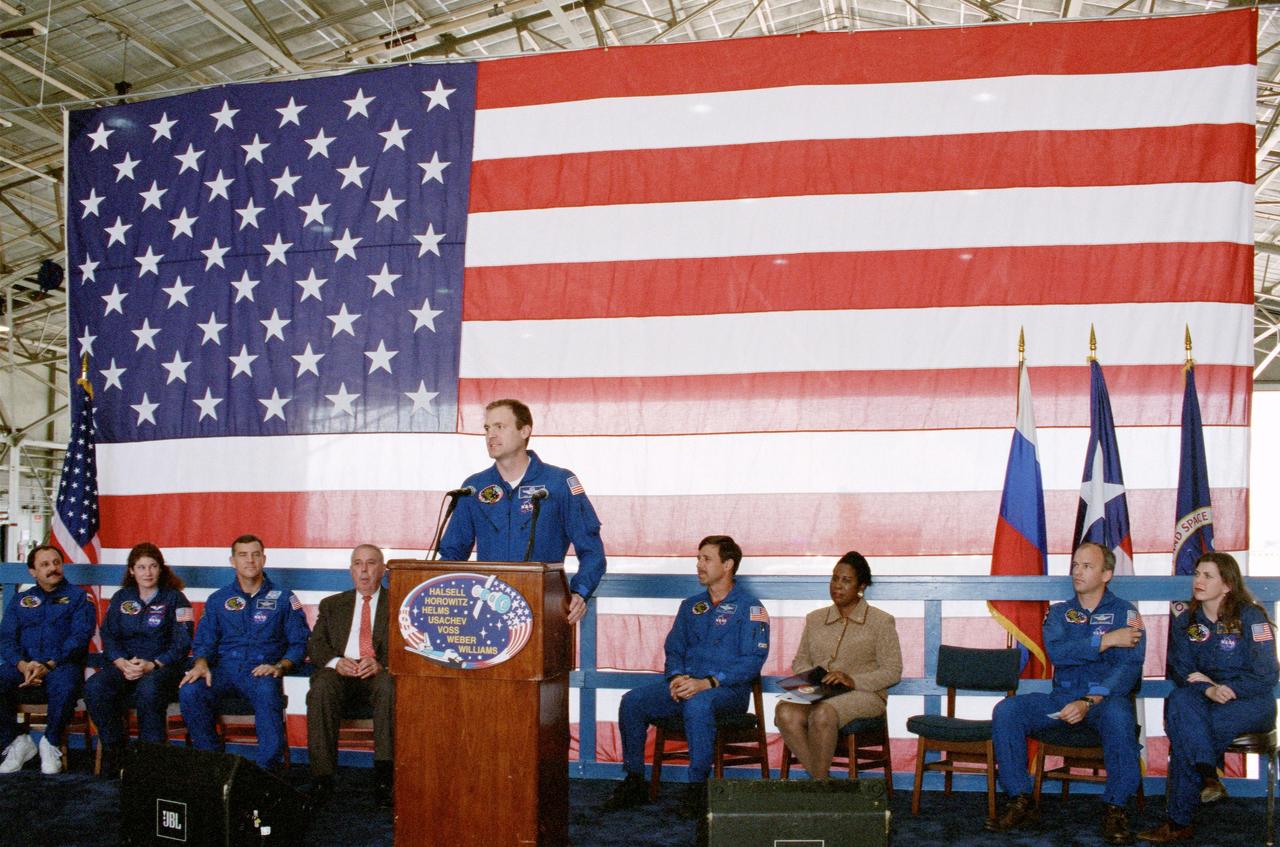
JSC2000-04607 (30 May 2000) --- Astronaut James D. Halsell, Jr., mission commander, speaks to a crowd at the crew-welcoming ceremony at Ellington Field on the day following the completion of the STS-101 mission. Other speakers, seated behind the lecturn, are (from the left) cosmonaut Yury V. Usachev, representing the Russian Aviation and Space Agency; Susan J. Helms and James S. Voss, all mission specialists; JSC Director George W.S. Abbey; astronaut Scott J. Horowitz, pilot; U.S. Congresswoman Sheila Jackson Lee (D.-Houston); along with astronauts Jeffrey N. Williams and Mary Ellen Weber, both mission specialists.
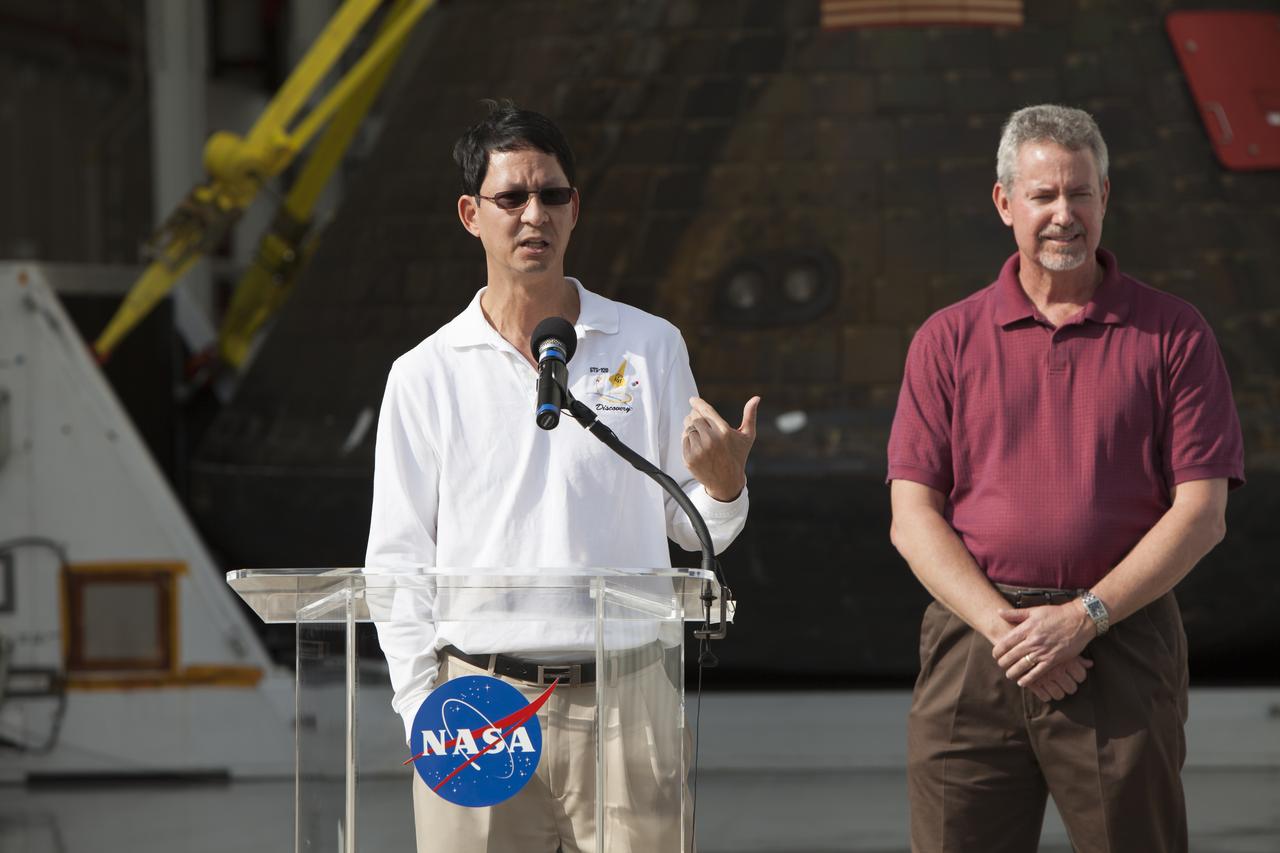
NASA's Orion spacecraft is viewed by members of the media at the Launch Abort System Facility at NASA's Kennedy Space Center in Florida. Speaking to the media during the viewing opportunity is Glenn Chin, Orion Production Operations. To his right is Phil Weber, with the Ground Systems Development and Operations Program, or GSDO. Orion made the 8-day, 2,700 mile overland trip back to Kennedy from Naval Base San Diego in California. Analysis of date obtained during its two-orbit, four-and-a-half hour mission Dec. 5 will provide engineers with detailed information on how the spacecraft fared. GSDO led the recovery, offload and transportation efforts.
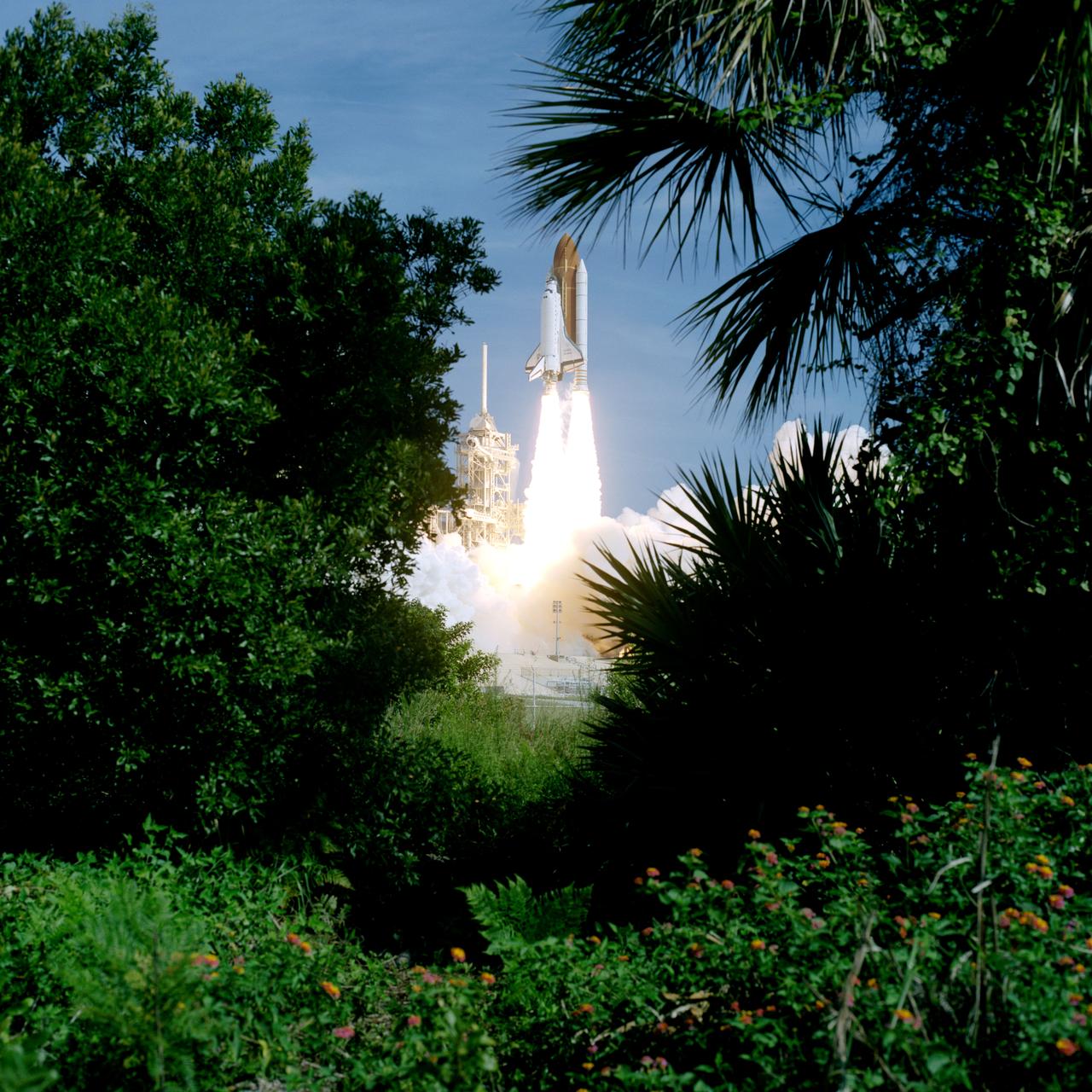
STS070-S-003 (13 JULY 1995) --- Framed by Florida foliage, the Space Shuttle Discovery begins its 21st Spaceflight. Five NASA astronauts and a Tracking and Data Relay Satellite (TDRS) were aboard for the liftoff, which occurred at 9:41:55 a.m. (EDT), July 13, 1995 from Launch Pad 39B. Onboard were astronauts Terence T. (Tom) Henricks, Kevin R. Kregel, Nancy J. Curie, Donald A. Thomas and Mary Ellen Weber. This mission also marks the maiden flight of the new Block I Space Shuttle Main Engine configuration designed to increase engine performance as well as safety and reliability.
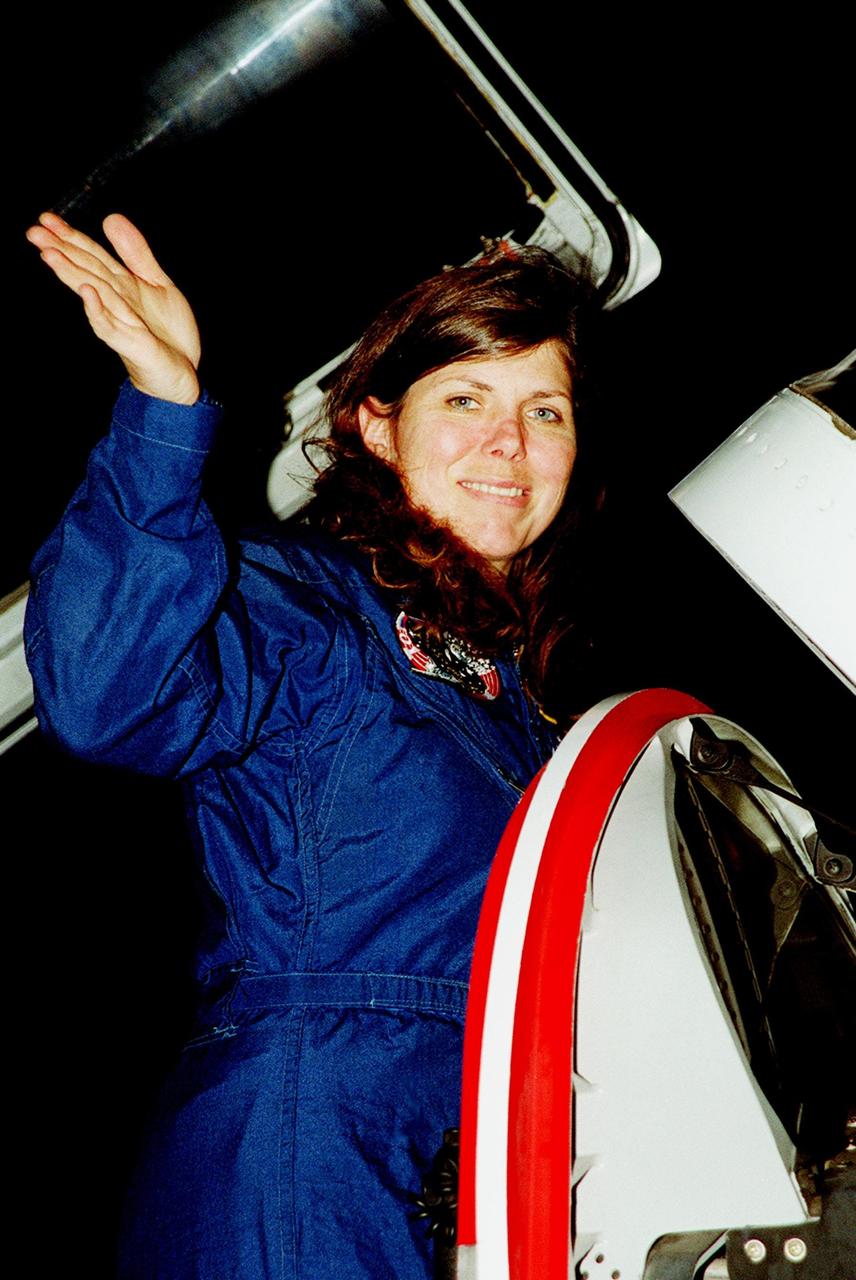
KENNEDY SPACE CENTER, FLA. -- STS-101 Mission Specialist Mary Ellen Weber waves before climbing out of a T-38 jet aircraft at KSC's Shuttle Landing Facility. She and the rest of the crew will be preparing for the launch on May 18. The mission will take the crew of seven to the International Space Station, delivering logistics and supplies, plus preparing the Station for the arrival of the Zvezda Service Module, expected to be launched by Russia in July 2000. Also, the crew will conduct one space walk to perform maintenance on the Space Station. This will be the third assembly flight for the Space Station. STS-101 is targeted for liftoff at 6:38 a.m. EDT from Launch Pad 39A
The STS-101 crew pose one more time before departing for Houston from Patrick Air Force Base. From left are Commander James D. Halsell Jr., Mission Specialists James S. Voss, Mary Ellen Weber, Susan J. Helms, Jeffrey N. Williams, Yury Usachev of Russia, and Pilot Scott “Doc” Horowitz. After landing at 2:20 a.m. EDT May 29, the crew and their families enjoyed the Memorial Day holiday in Florida. The crew returned from the third flight to the International Space Station where they made repairs, transferred cargo and completed a space walk to install and connect several pieces of equipment on the outside of the Space Station
KENNEDY SPACE CENTER, FLA. -- At SPACEHAB, in Cape Canaveral, members of the STS-101 crew inspect equipment and payload for their mission. From left to right (in uniform) are Mission Specialist Edward Tsang Lu, Commander James D. Halsell Jr., Pilot Scott J. "Doc" Horowitz (Ph.D) and Mission Specialist Mary Ellen Weber (Ph.D.). They are taking part in a Crew Equipment Interface Test, which gives them an opportunity to look over equipment and payloads that will fly on the mission. Space Shuttle Atlantis will be carrying the SPACEHAB Double Module, which carries internal logistics and resupply cargo for station outfitting. Launch of Atlantis on mission STS-101 is scheduled no earlier than April 13, 2000
KENNEDY SPACE CENTER, FLA. -- At SPACEHAB, in Cape Canaveral, the STS-101 crew inspect equipment and payload for their mission. From left to right are Mission Specialist Mary Ellen Weber (Ph.D.) , Commander James D. Halsell Jr., Mission Specialist Edward Tsang Lu and Pilot Scott J. "Doc" Horowitz (Ph.D.). They are taking part in a Crew Equipment Interface Test, which gives them an opportunity to look over equipment and payloads that will fly on the mission. Space Shuttle Atlantis will be carrying the SPACEHAB Double Module, which carries internal logistics and resupply cargo for station outfitting. Launch of Atlantis on mission STS-101 is scheduled no earlier than April 13, 2000

STS-101 Mission Specialist Mary Ellen Weber is confronted by a strong wind on her arrival at KSC's Shuttle Landing Facility. She and the rest of the crew are at KSC to get ready for their launch on April 24 about 4:15 p.m. EDT from Launch Pad 39A. During their mission to the International Space Station, the STS-101 crew will be delivering logistics and supplies, plus preparing the Station for the arrival of the Zvezda Service Module, expected to be launched by Russia in July 2000. Also, the crew will conduct one space walk to perform maintenance on the Space Station. This will be the third assembly flight for the Space Station
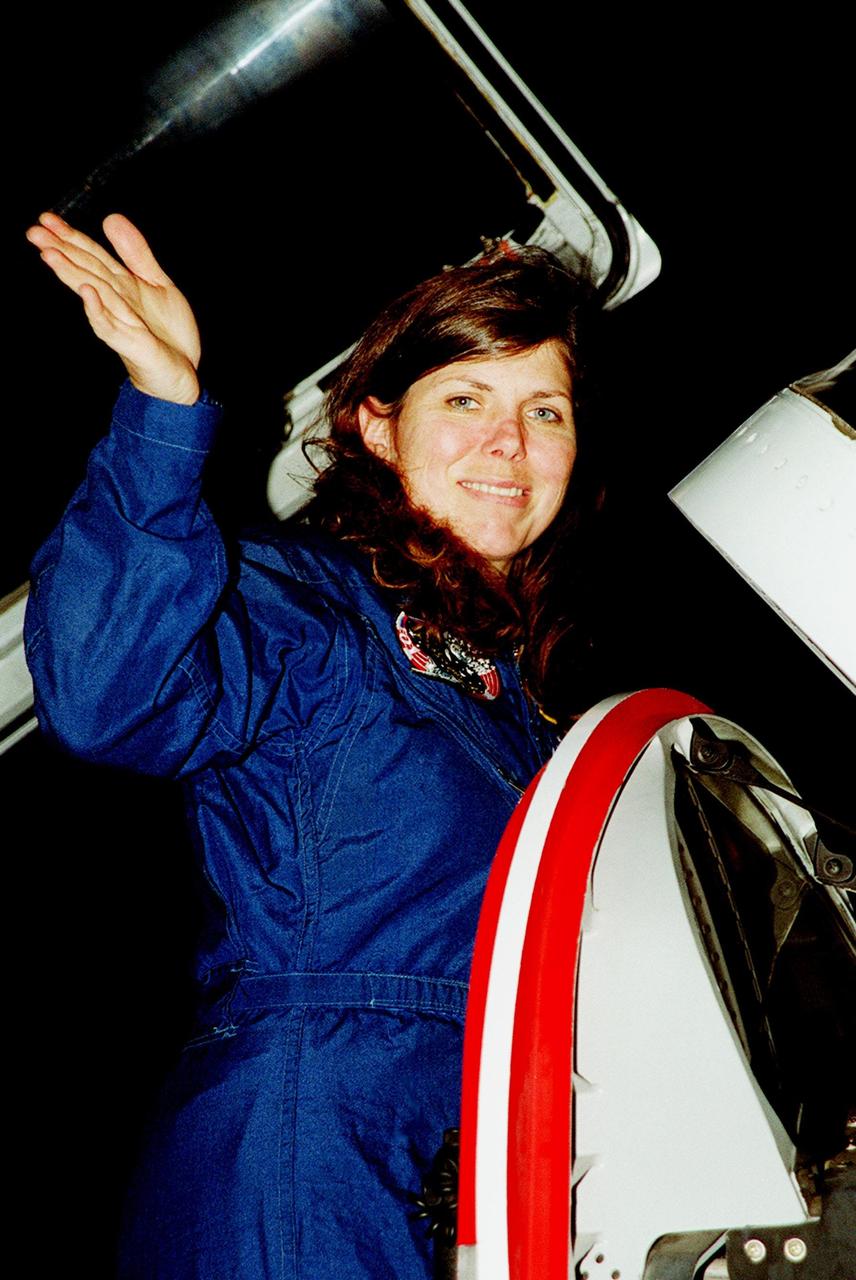
KENNEDY SPACE CENTER, FLA. -- STS-101 Mission Specialist Mary Ellen Weber waves before climbing out of a T-38 jet aircraft at KSC's Shuttle Landing Facility. She and the rest of the crew will be preparing for the launch on May 18. The mission will take the crew of seven to the International Space Station, delivering logistics and supplies, plus preparing the Station for the arrival of the Zvezda Service Module, expected to be launched by Russia in July 2000. Also, the crew will conduct one space walk to perform maintenance on the Space Station. This will be the third assembly flight for the Space Station. STS-101 is targeted for liftoff at 6:38 a.m. EDT from Launch Pad 39A
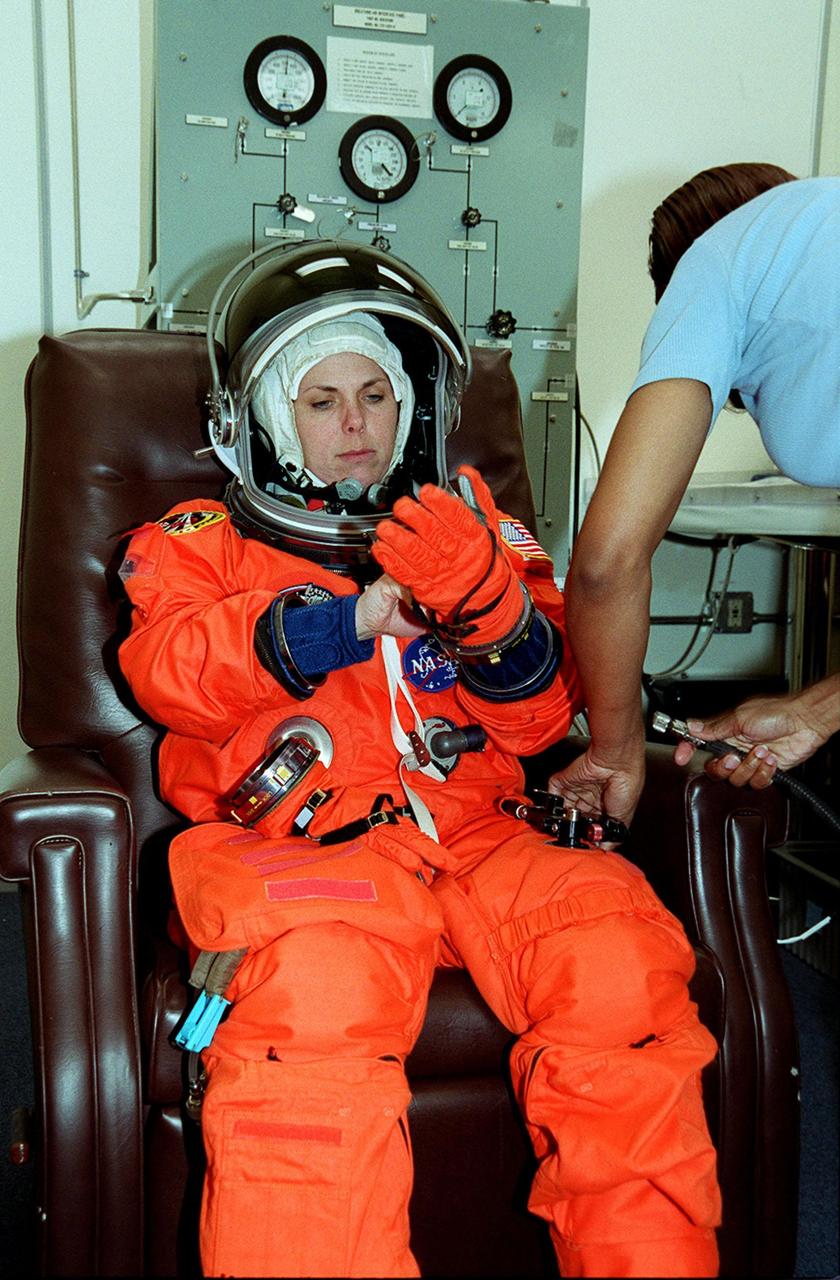
During pre-launch preparations in the Operations and Checkout Building, STS-101 Mission Specialist Mary Ellen Weber adjusts her glove during suit check. Mission STS-101 will take the crew to the International Space Station to deliver logistics and supplies, plus prepare the Station for the arrival of the Zvezda Service Module, expected to be launched by Russia in July 2000. The crew will conduct one space walk to perform maintenance on the Space Station as well. This will be the third assembly flight for the Space Station. Launch is targeted for April 24 at about 4:15 p.m. EDT from Launch Pad 39A
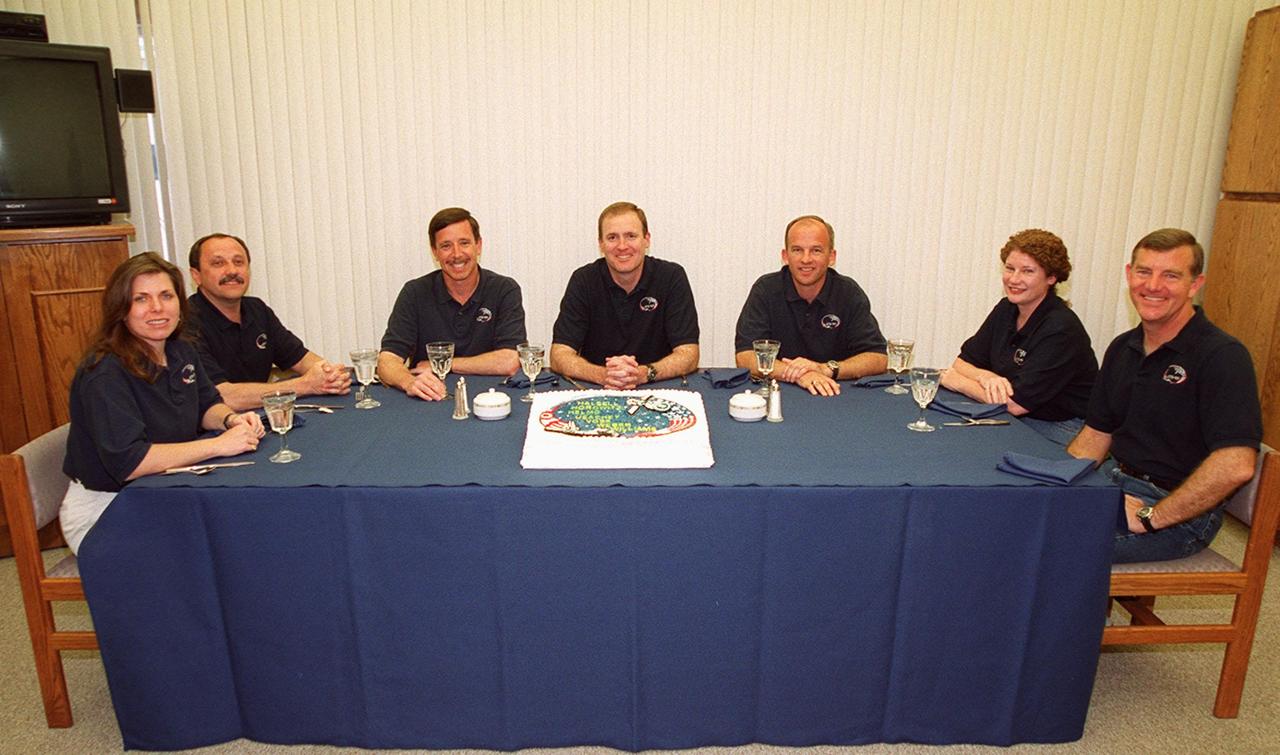
In the Operations and Checkout Building, the STS-101 crew gathers for a snack before suiting up for launch. From left are Mission Specialists Mary Ellen Weber and Yury Usachev of Russia; Pilot Scott J. Horowitz; Commander James D. Halsell Jr.; and Mission Specialists Jeffrey N. Williams, Susan J. Helms and James S. Voss. The mission will take the crew to the International Space Station to deliver logistics and supplies and prepare the Station for the arrival of the Zvezda Service Module, expected to be launched by Russia in July 2000. Also, the crew will conduct one space walk. This will be the third assembly flight to the Space Station

The STS-101 crew wave to onlookers as they leave the Operations and Checkout Building enroute to Launch Pad 39A and liftoff of Space Shuttle Atlantis, targeted for 4:15 p.m. EDT. In their orange launch and entry suits, they are (front line) Pilot Scott J. Horowitz and Commander James D. Halsell Jr.; (second line) Mission Specialists Mary Ellen Weber and Jeffrey N. Williams; and (third line) Mission Specialists Susan Helms, Yuri Usachev of Russia and James S. Voss. The mission will take the crew to the International Space Station to deliver logistics and supplies and to prepare the Station for the arrival of the Zvezda Service Module, expected to be launched by Russia in July 2000. Also, the crew will conduct one space walk. This will be the third assembly flight to the Space Station. The mission is expected to last about 10 days, with Atlantis landing at KSC Thursday, May 4, about 11:23 a.m. EDT
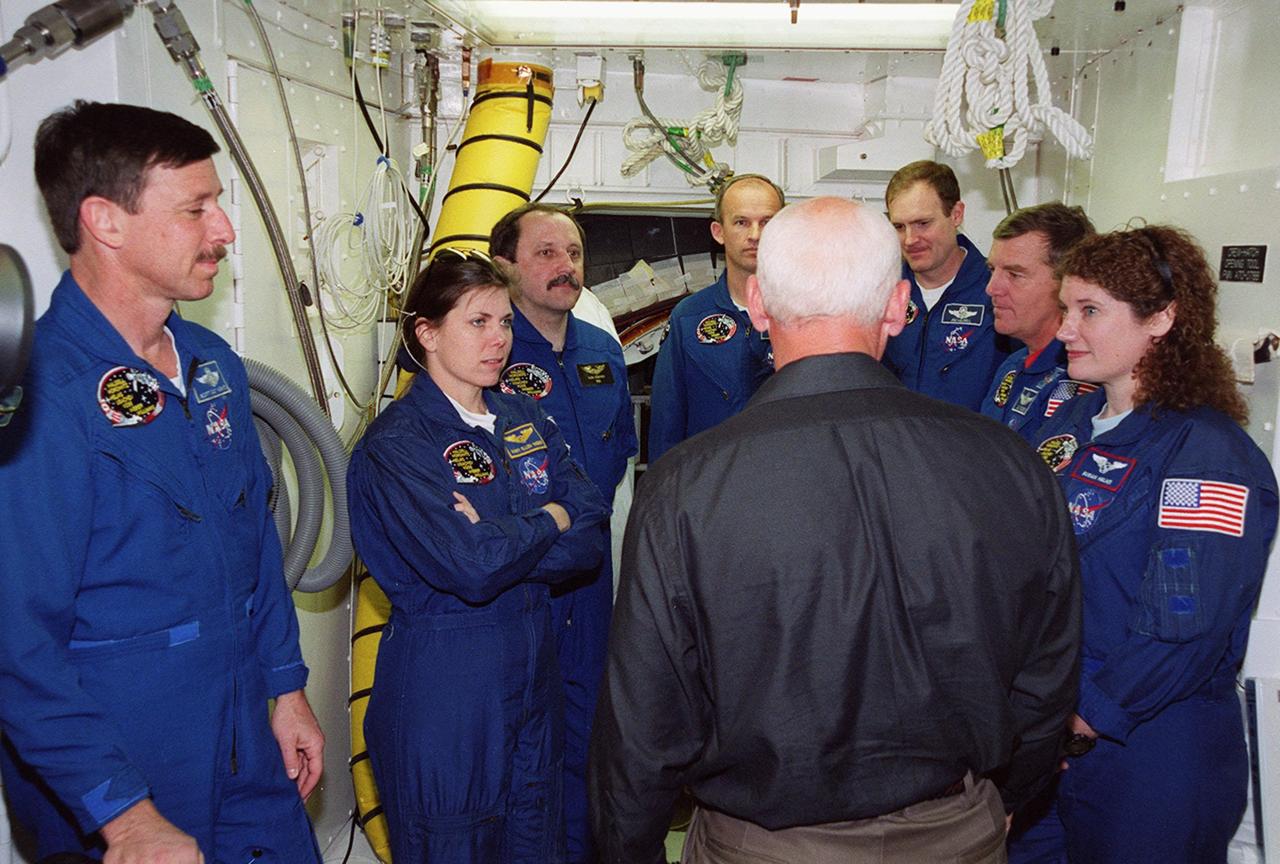
Inside the White Room at Launch Pad 39A, the STS-101 crew take part in training during a Terminal Countdown Demonstration Test (TCDT). Activities during TCDT include emergency egress from the orbiter and a dress rehearsal for launch. Standing left to right are Pilot Scott Horowitz, Mission Specialists Mary Ellen Weber, Yury Usachev and Jeffrey Williams, Commander James Halsell, and Mission Specialists James Voss and Susan Helms. During their mission to the International Space Station, the STS-101 crew will be delivering logistics and supplies, plus preparing the Station for the arrival of the Zvezda Service Module, expected to be launched by Russia in July 2000. Also, the crew will conduct one space walk to perform maintenance on the Space Station. This will be the third assembly flight for the Space Station. STS-101 is scheduled to launch April 24 at 4:15 p.m. from Launch Pad 39A
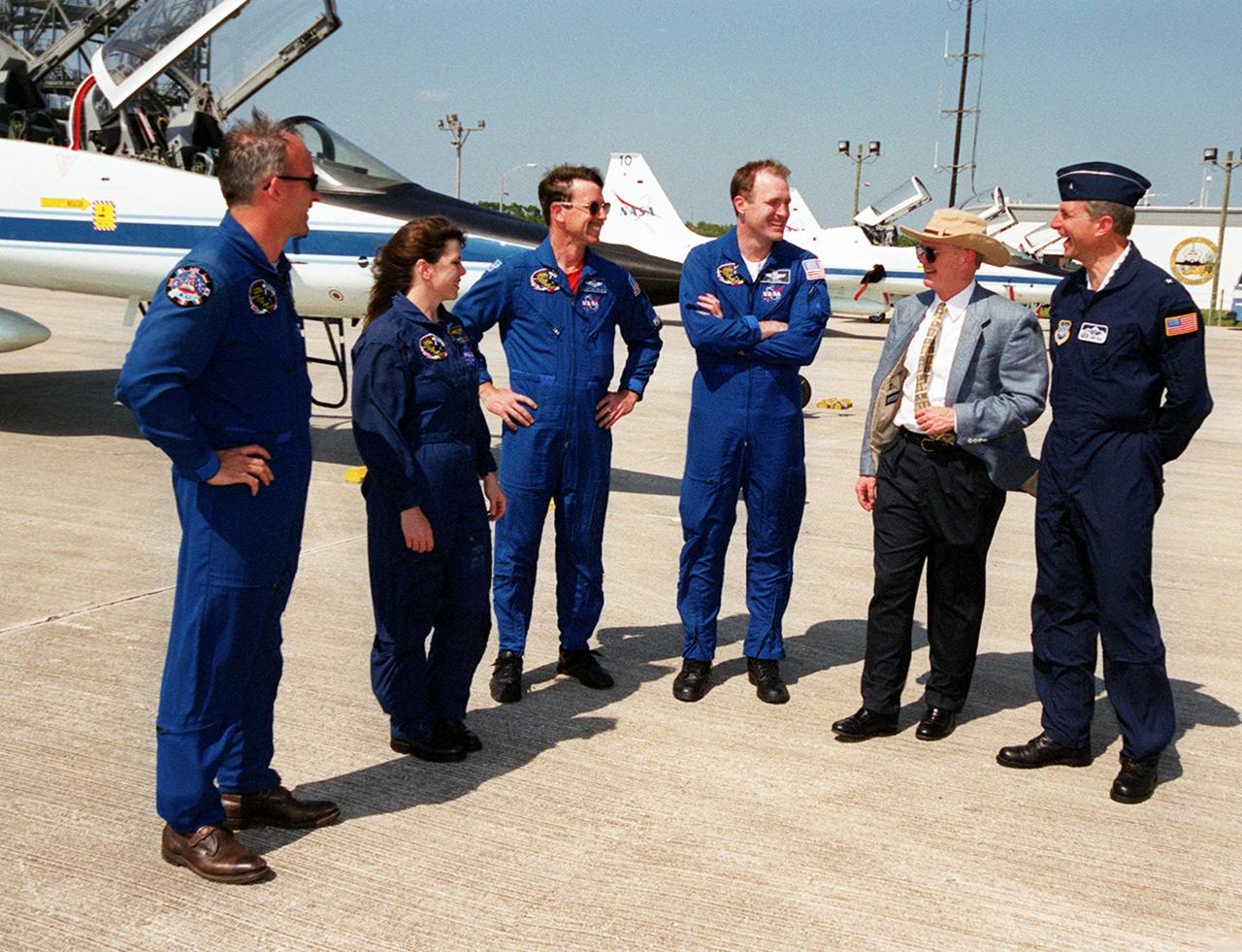
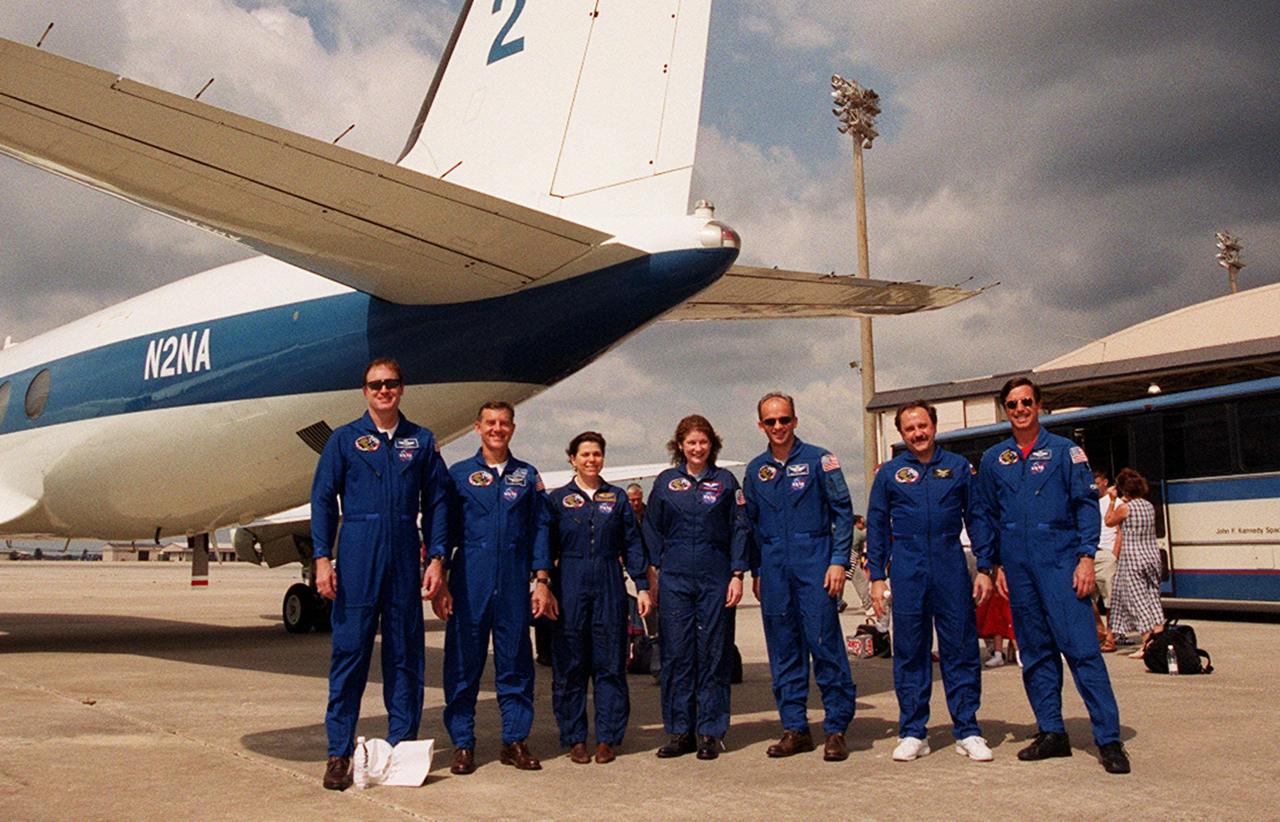
The STS-101 crew is greeted by Center Director Roy Bridges and USAF Brig. Gen. Ron Sega, after the crew's arrival at the Shuttle Landing Facility to get ready for launch. Standing (left to right) on the tarmac are Mission Specialists Jeffrey Williams and Mary Ellen Weber, Pilot Scott "Doc" Horowitz, Commander James Halsell, Bridges and Gen. Sega. Other crew members not shown are Mission Specialists James Voss, Susan Helms and Yury Usachev of Russia. The mission will take the crew to the International Space Station, delivering logistics and supplies, plus preparing the Station for the arrival of the Zvezda Service Module, expected to be launched by Russia in July 2000. Also, the crew will conduct one space walk to perform maintenance on the Space Station. This will be the third assembly flight for the Space Station. Launch is targeted for April 24 at about 4:15 p.m. EDT from Launch Pad 39A
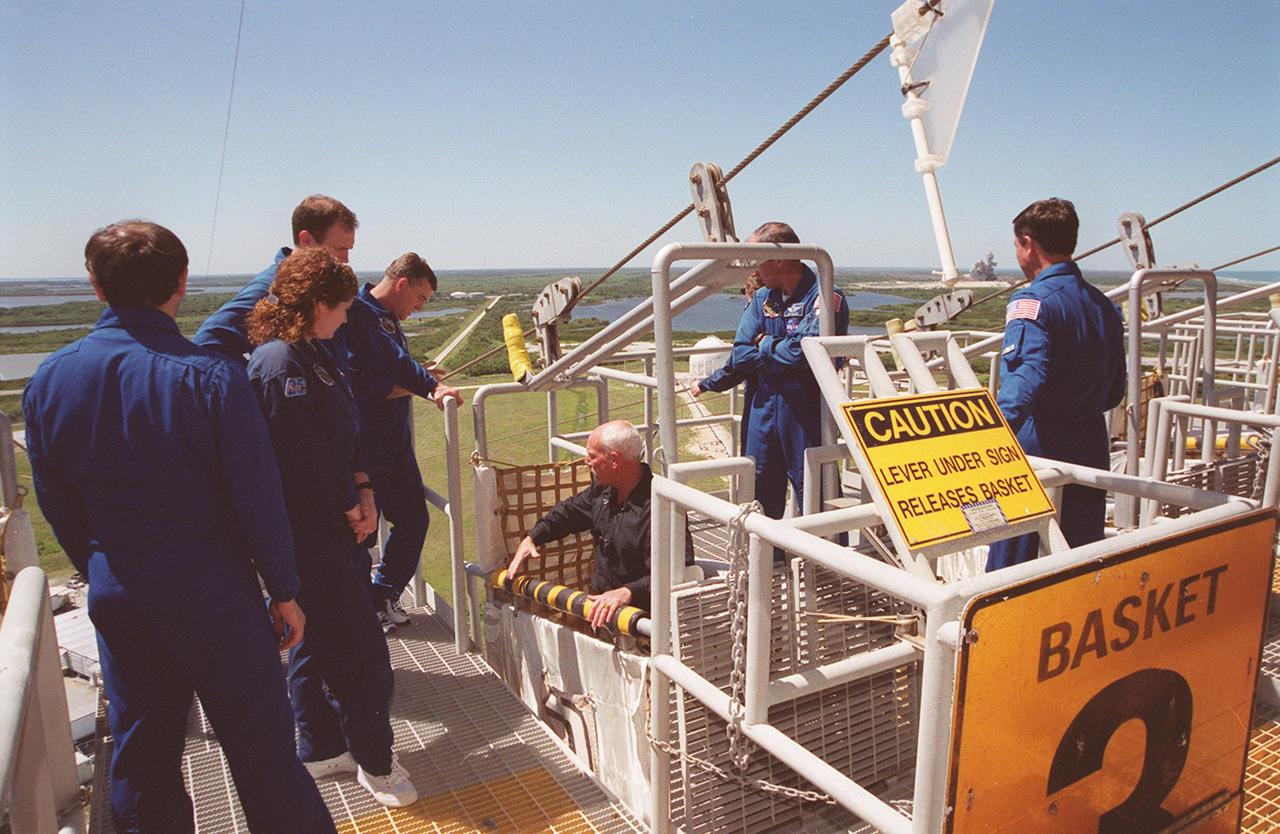
KENNEDY SPACE CENTER, Fla. -- At the 195-foot level of the Fixed Service Structure on Launch Pad 39A, the STS-101 crew get instruction in emergency egress in a slidewire basket during a Terminal Countdown Demonstration Test (TCDT). From left are Mission Specialist Yury Usachev and Susan Helms; Commander James Halsell; Mission Specialists James Voss, Mary Ellen Weber standing behind Jeffrey Williams; and Pilot Scott Horowitz. During their mission to the International Space Station, the STS-101 crew will be delivering logistics and supplies, plus preparing the Station for the arrival of the Zvezda Service Module, expected to be launched by Russia in July 2000. Also, the crew will conduct one space walk to perform maintenance on the Space Station. This will be the third assembly flight for the Space Station. STS-101 is scheduled to launch April 24 at 4:15 p.m. from Launch Pad 39A

In the Operations and Checkout Building, the STS-101 crew gathers for a snack before suiting up for launch for the second time. The previous day's launch attempt was scrubbed due to high cross winds at the Shuttle Landing Facility. From left are Mission Specialists Mary Ellen Weber and Yury Usachev of Russia; Pilot Scott J. Horowitz; Commander James D. Halsell Jr.; and Mission Specialists Jeffrey N. Williams, Susan J. Helms and James S. Voss. The mission will take the crew to the International Space Station to deliver logistics and supplies and prepare the Station for the arrival of the Zvezda Service Module, expected to be launched by Russia in July 2000. Also, the crew will conduct one space walk. This will be the third assembly flight to the Space Station
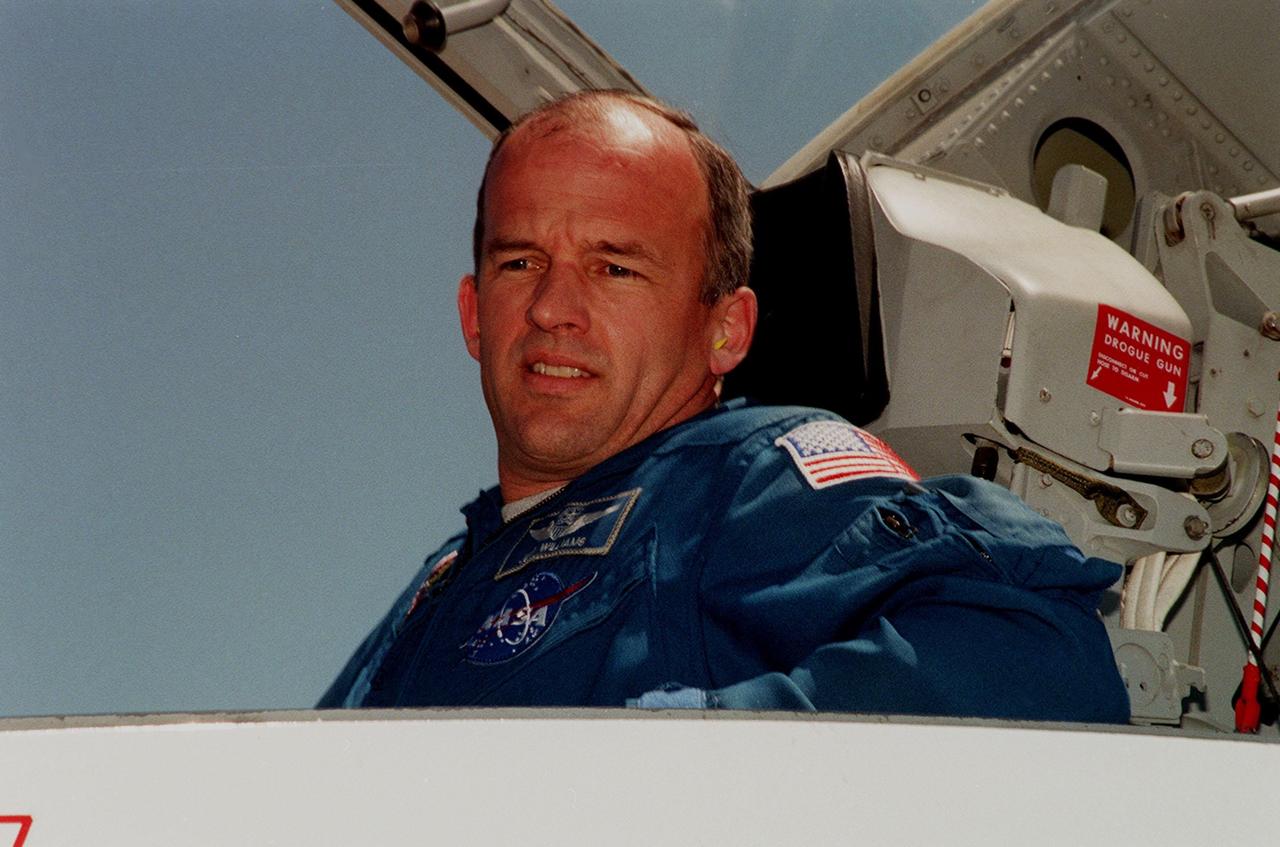
STS-101 Mission Specialist Jeffrey Williams arrives at KSC's Shuttle Landing Facility aboard a T-38 jet aircraft flown by STS-101 Pilot Scott Horowitz. They and the rest of the crew are at KSC to take part in Terminal Countdown Demonstration Test (TCDT) activities that include emergency egress training and a dress rehearsal for launch. The other crew members are Commander James Halsell and Mission Specialists Mary Ellen Weber, James Voss, Susan Helms and Yury Usachev. During their mission to the International Space Station, the STS-101 crew will be delivering logistics and supplies, plus preparing the Station for the arrival of the Zvezda Service Module, expected to be launched by Russia in July 2000. Also, the crew will conduct one space walk to perform maintenance on the Space Station. This will be the third assembly flight for the Space Station. STS-101 is scheduled to launch April 24 at 4:15 p.m. from Launch Pad 39A
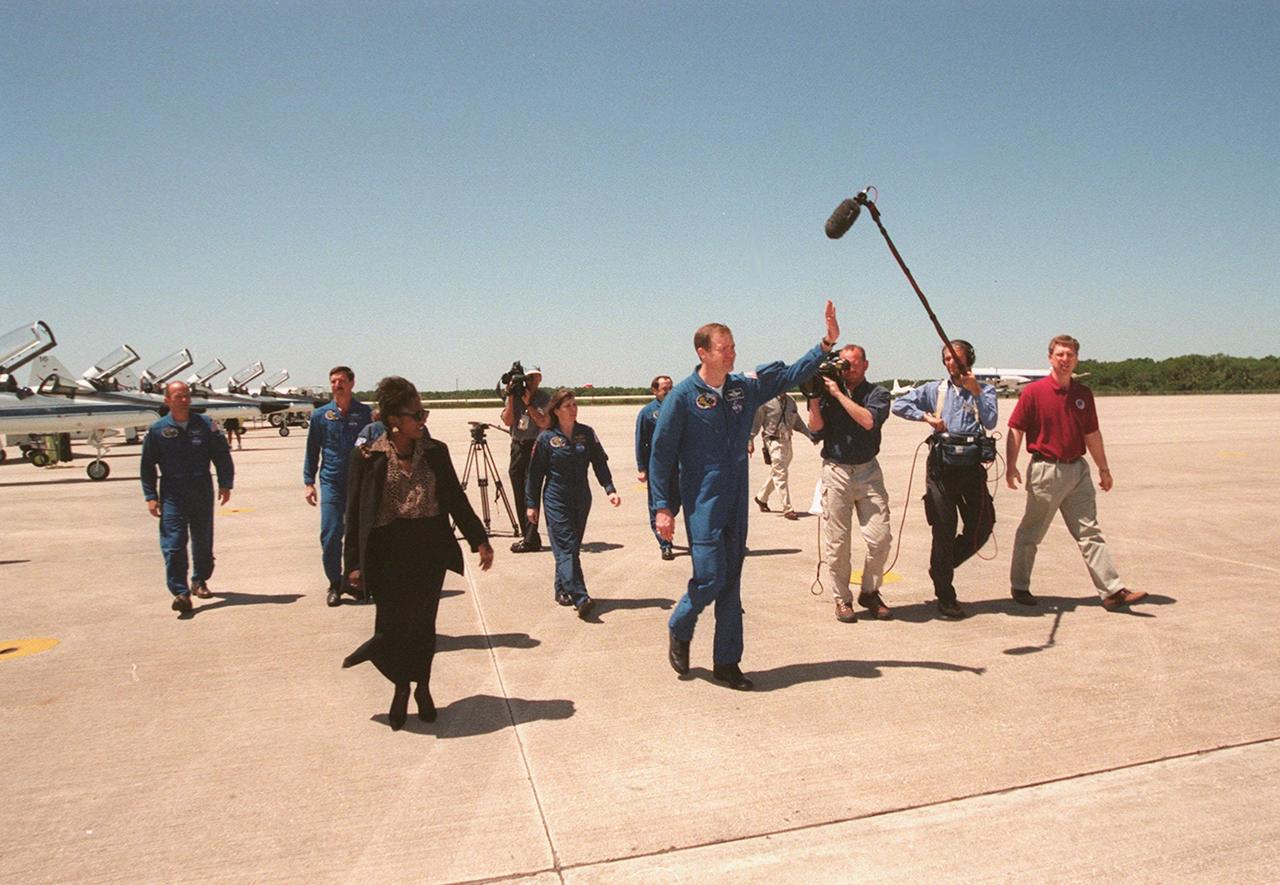
KENNEDY SPACE CENTER, FLA. -- At the Shuttle Landing Facility, STS-101 Commander James Halsell waves to the media as he and other crew members cross the tarmac to a waiting bus. At right is a film crew; in the foreground at left is Delores Green, flight crew support specialist lead for the astronaut crew quarters. Other crew members in the background are Mission Specialist Jeffrey Williams, Pilot Scott Horowitz, and Mission Specialists Mary Ellen Weber and Yury Usachev. Not visible in the photo is Mission Specialist Susan Helms. During their mission to the International Space Station, the STS-101 crew will be delivering logistics and supplies, plus preparing the Station for the arrival of the Zvezda Service Module, expected to be launched by Russia in July 2000. Also, the crew will conduct one space walk to perform maintenance on the Space Station. This will be the third assembly flight for the Space Station. STS-101 is scheduled to launch April 24 at 4:15 p.m. from Launch Pad 39A
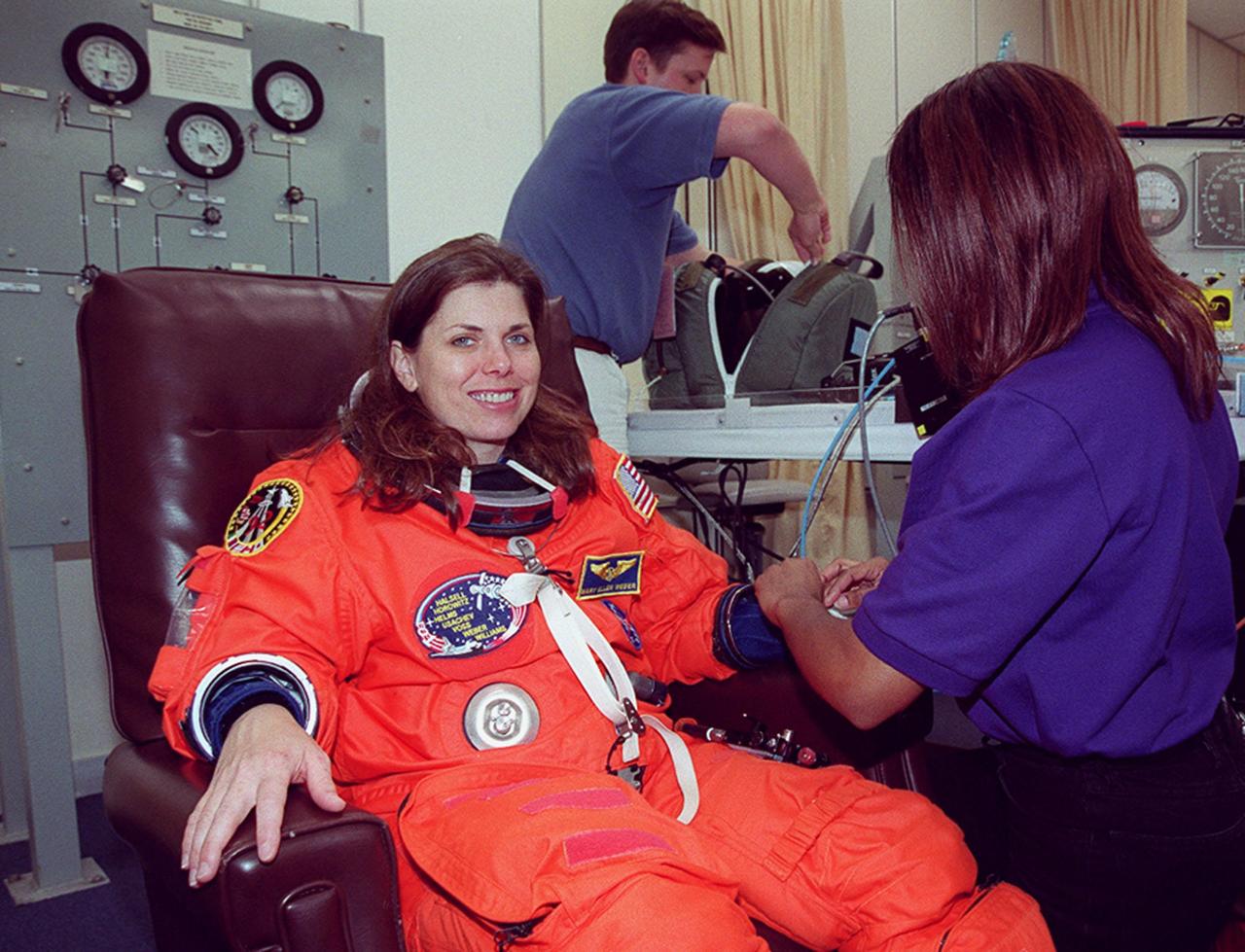
In the Operations and Checkout Building, STS-101 Mission Specialist Mary Ellen Weber is helped to suit up before heading for a second time to Launch Pad 39A and launch of Space Shuttle Atlantis. The previous day's launch attempt was scrubbed due to high cross winds at the Shuttle Landing Facility. The mission will take the crew to the International Space Station to deliver logistics and supplies and to prepare the Station for the arrival of the Zvezda Service Module, expected to be launched by Russia in July 2000. Also, the crew will conduct one space walk. This will be the third assembly flight to the Space Station. Liftoff is targeted for 3:52 p.m. EDT. The mission is expected to last about 10 days, with Atlantis landing at KSC Saturday, May 6, about 11:53 a.m. EDT
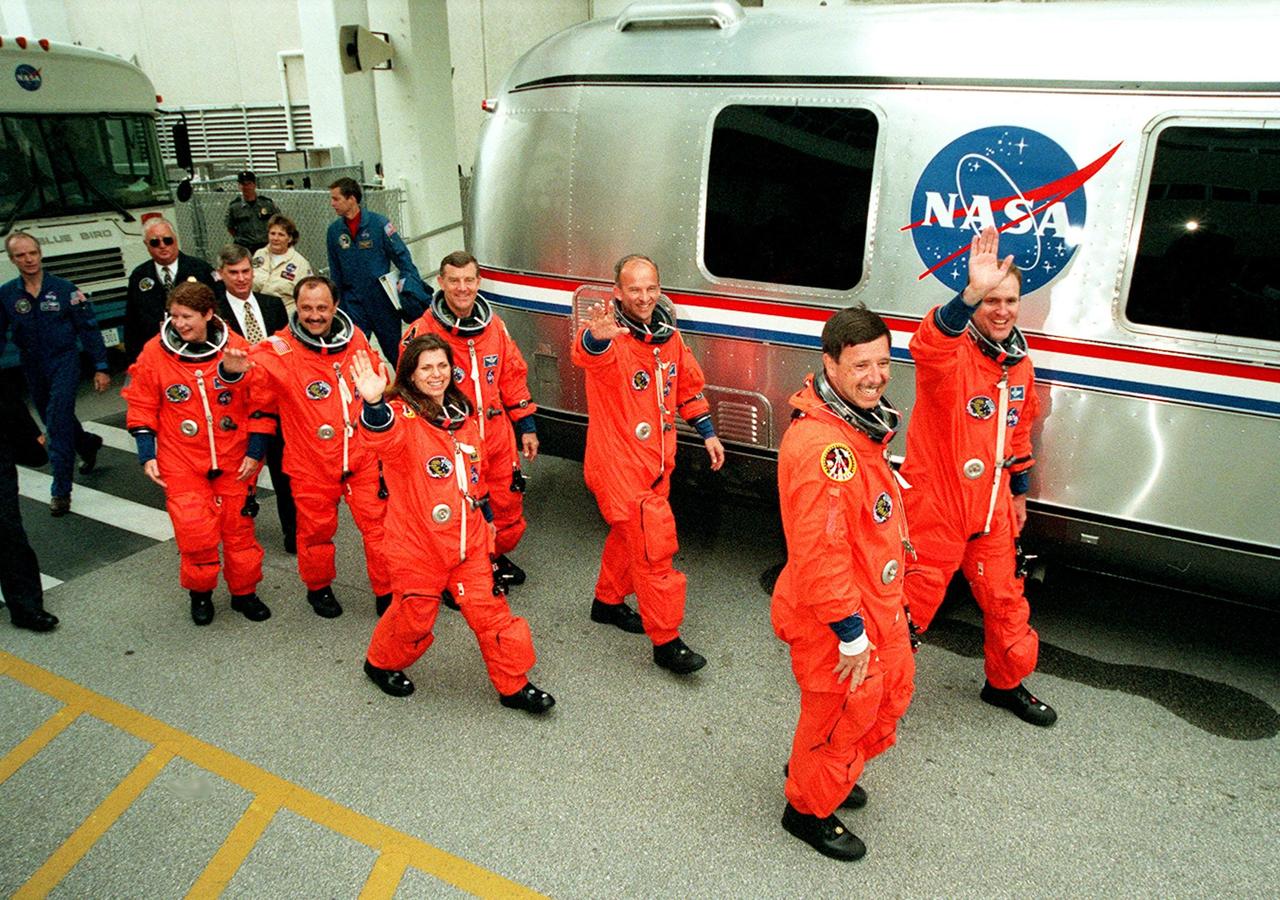
Waving to onlookers, the STS-101 crew eagerly walk to the waiting Astrovan that will take them to Launch Pad 39A and liftoff of Space Shuttle Atlantis, targeted for 4:15 p.m. EDT. In their orange launch and entry suits, they are (in the f ront, left to right) Mission Specialists Susan Helms, Yuri Usachev of Russia and Mary Ellen Weber, plus Pilot Scott J. Horowitz; (in the rear, left to right) Mission Specialists James S. Voss and Jeffrey N. Williams, plus Commander James D. Halsell Jr. The mission will take the crew to the International Space Station to deliver logistics and supplies and to prepare the Station for the arrival of the Zvezda Service Module, expected to be launched by Russia in July 2000. Also, the crew will conduct one space walk. This will be the third assembly flight to the Space Station. The mission is expected to last about 10 days, with Atlantis landing at KSC Thursday, May 4, about 11:23 a.m. EDT
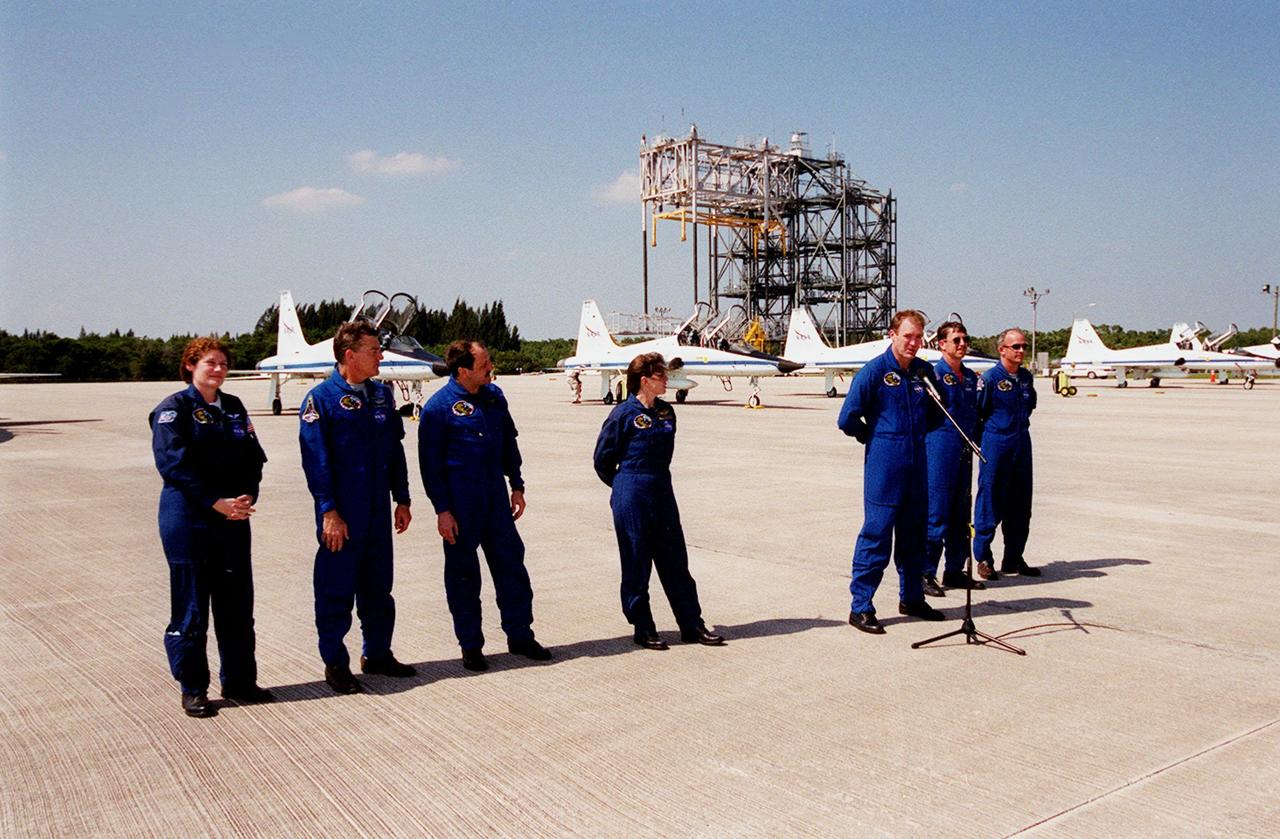
After arriving at the Shuttle Landing Facility for launch preparations, the STS-101 crew pauses to greet the media. Standing (left to right) are Mission Specialists Susan Helms, James Voss, Yury Usachev of Russia and Mary Ellen Weber; Commander James Halsell; Pilot Scott "Doc" Horowitz; and Mission Specialist Jeffrey Williams. The mission will take the crew to the International Space Station, delivering logistics and supplies, plus preparing the Station for the arrival of the Zvezda Service Module, expected to be launched by Russia in July 2000. Also, the crew will conduct one space walk to perform maintenance on the Space Station. This will be the third assembly flight for the Space Station. Launch is targeted for April 24 at about 4:15 p.m. EDT from Launch Pad 39A
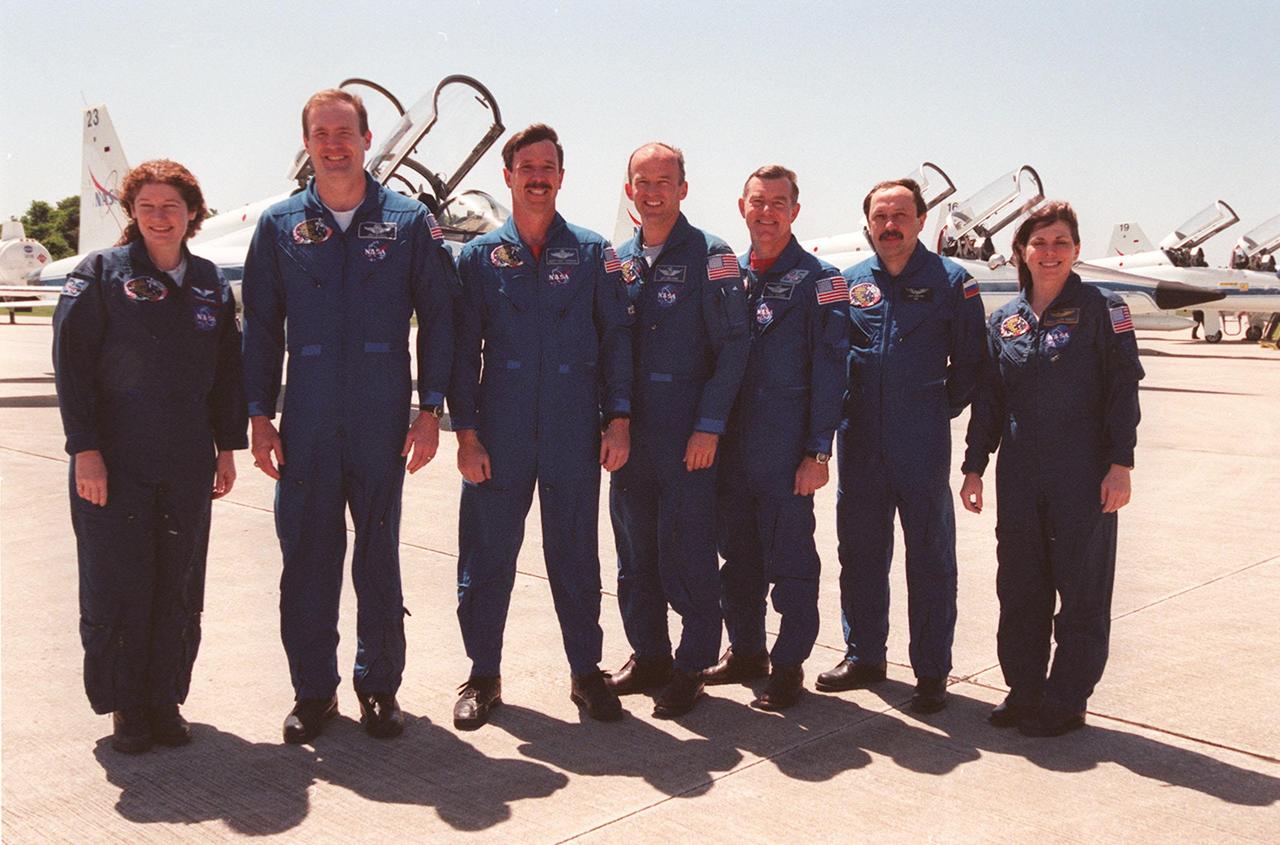
KENNEDY SPACE CENTER, FLA. -- The STS-101 crew poses on the tarmac at the Shuttle Landing Facility after arriving to take part in a Terminal Countdown Demonstration Test (TCDT). The two days of activities include emergency egress training and a dress rehearsal for launch. Standing left to right are Mission Specialist Susan Helms, Commander James Halsell, Pilot Scott Horowitz, and Mission Speciaists Jeffrey Williams, James Voss, Yury Usachev and Mary Ellen Weber. During their mission to the International Space Station, the STS-101 crew will be delivering logistics and supplies, plus preparing the Station for the arrival of the Zvezda Service Module, expected to be launched by Russia in July 2000. Also, the crew will conduct one space walk to perform maintenance on the Space Station. This will be the third assembly flight for the Space Station. STS-101 is scheduled to launch April 24 at 4:15 p.m. from Launch Pad 39A
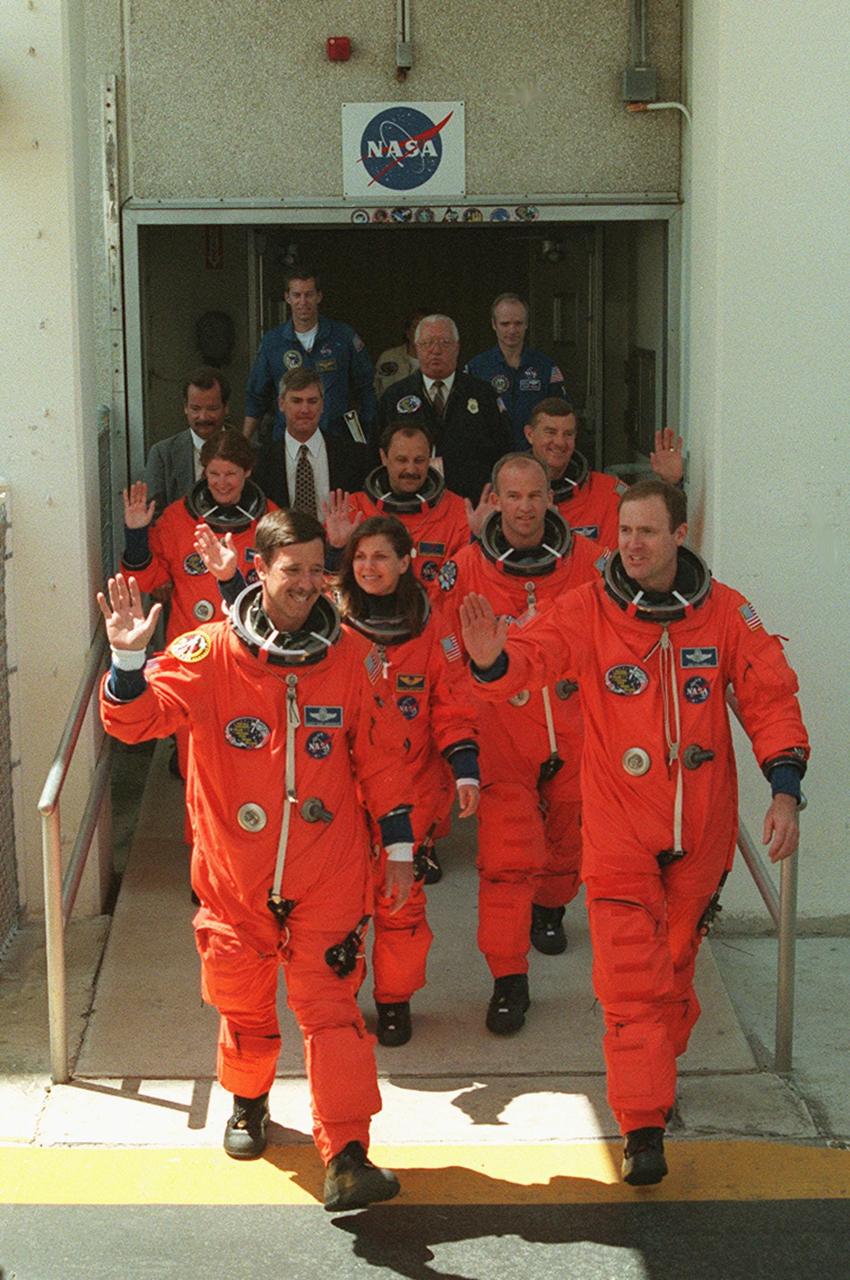
The STS-101 crew wave to onlookers as they leave the Operations and Checkout Building enroute a third time to Launch Pad 39A for launch of Space Shuttle Atlantis. The previous two launch attempts were scrubbed due to high cross winds at the Shuttle Landing Facility. They are (front) Pilot Scott J. Horowitz (left) and Commander James D. Halsell Jr.; (middle) Mission Specialists Mary Ellen Weber and Jeffrey N. Williams; (back) Mission Specialists Susan J. Helms, Yury Usachev of Russia and James S. Voss. The mission will take the crew to the International Space Station to deliver logistics and supplies and to prepare the Station for the arrival of the Zvezda Service Module, expected to be launched by Russia in July 2000. Also, the crew will conduct one space walk. This is the third assembly flight to the Space Station. After the 10-day mission, Atlantis is expected to land at KSC May 6 at about 12:03 p.m. EDT
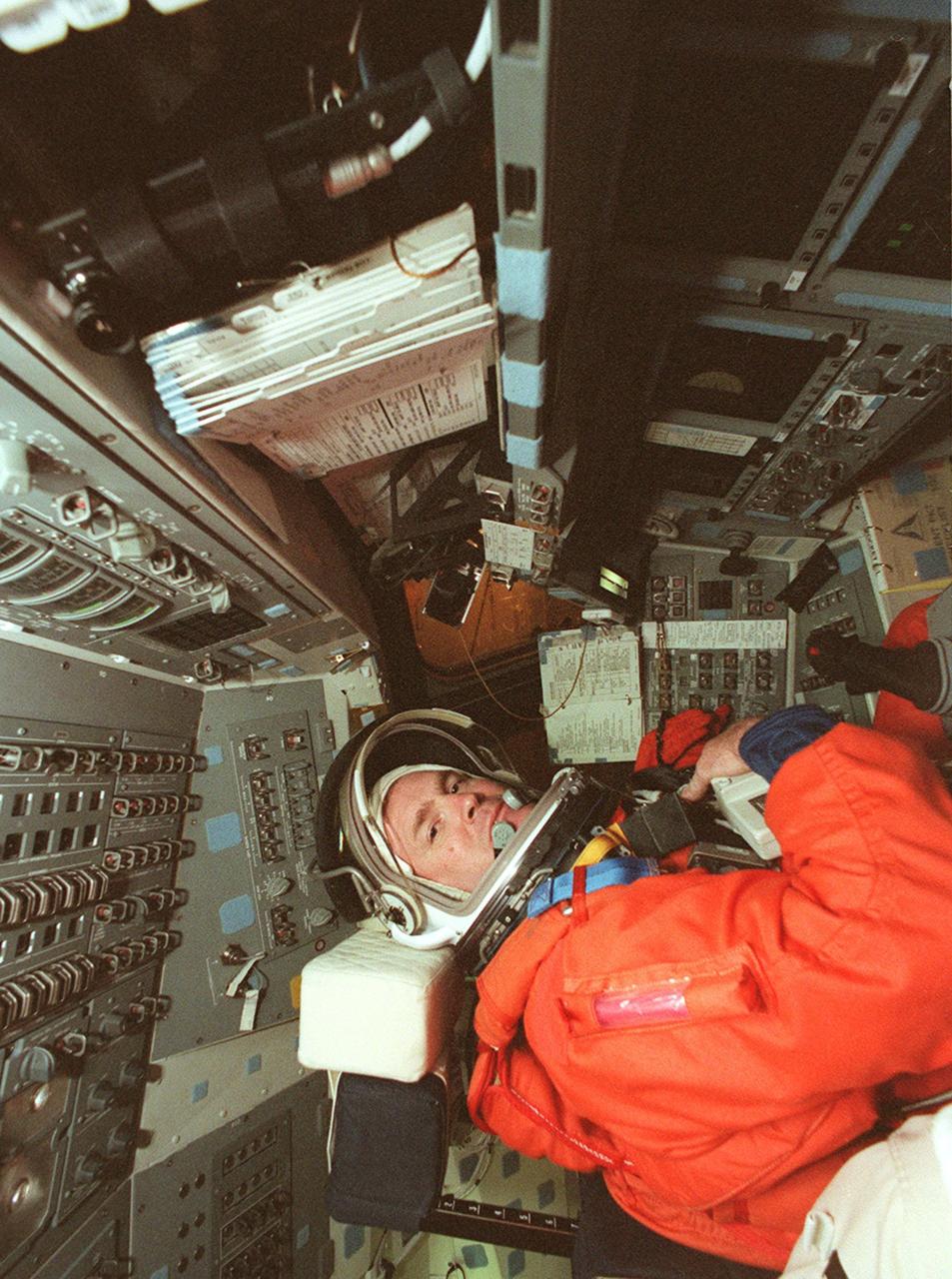
KENNEDY SPACE CENTER, FLA. -- STS-101 Commander James D. Halsell Jr. takes his seat inside Space Shuttle Atlantis for a simulated launch countdown. The countdown is part of Terminal Countdown Demonstration Test (TCDT) activities that also include emergency egress training and familiarization with the payload. Other crew members taking part are Pilot Scott J. "Doc" Horowitz and Mission Specialists Mary Ellen Weber, James Voss, Jeffrey N. Williams, Susan Helms, and Yury Usachev of Russia. During their mission to the International Space Station, the STS-101 crew will be delivering logistics and supplies, plus preparing the Station for the arrival of the Zvezda Service Module, expected to be launched by Russia in July 2000. Also, the crew will conduct one space walk to perform maintenance on the Space Station. This will be the third assembly flight for the Space Station. STS-101 is scheduled to launch April 24 at 4:15 p.m. from Launch Pad 39A
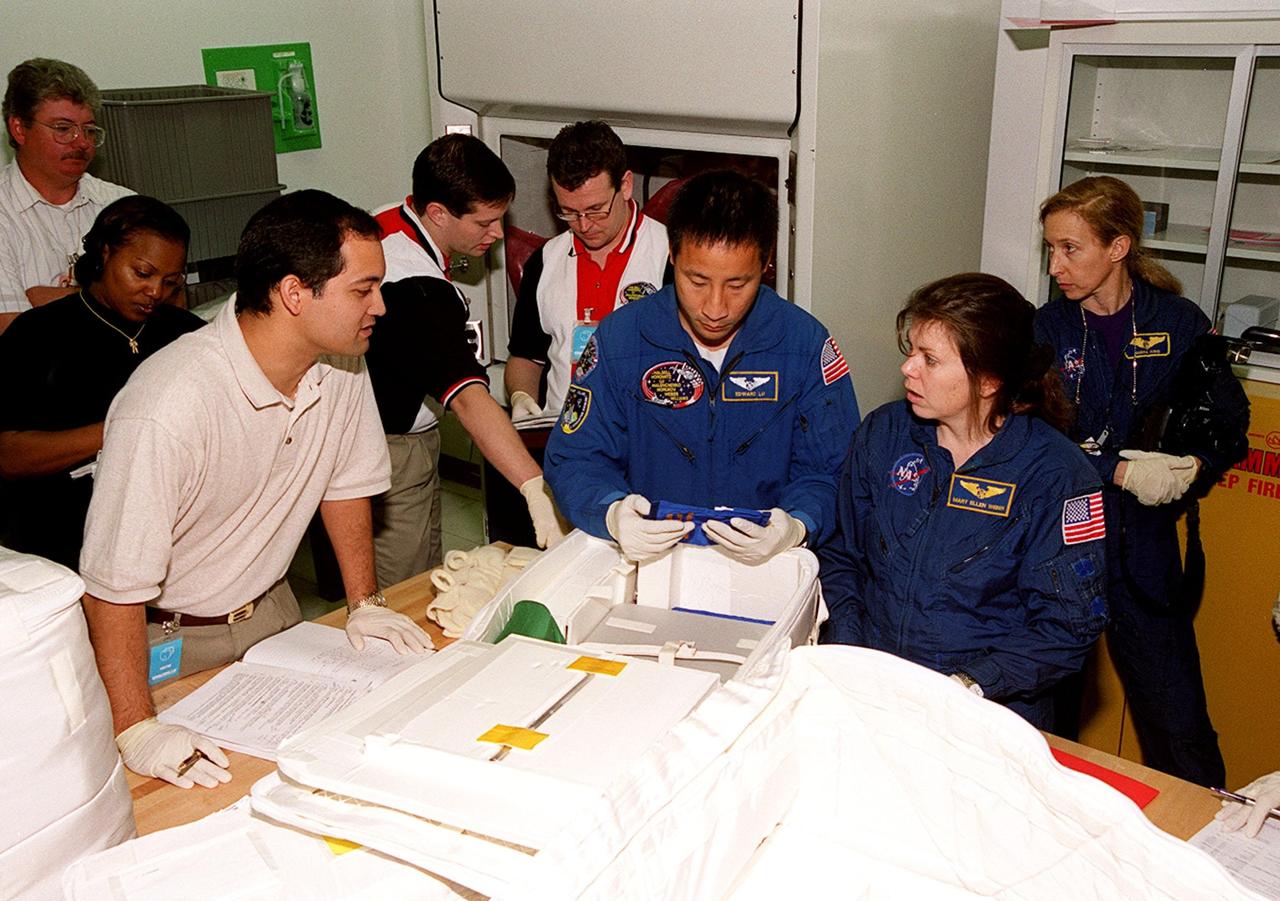
KENNEDY SPACE CENTER, FLA. -- With help from technicians at SPACEHAB, in Cape Canaveral, members of the STS-101 crew take part in a Crew Equipment Interface Test, which gives them an opportunity to look over equipment and payloads that will fly on the mission. In the center is Mission Specialist Edward Tsang Lu; at right is Mission Specialist Mary Ellen Weber (Ph.D.); in the background right is astronaut Marsha Ivins, who is assigned to mission STS-98 and is a veteran of four space flights. Her last flight, STS-81, including docking with the Russian Mir, and carrying the SPACEHAB double module to transfer tons of food and other cargo. On mission STS-101, Space Shuttle Atlantis will also be carrying the SPACEHAB Double Module, which will carry internal logistics and resupply cargo for station outfitting. Launch of Atlantis is scheduled no earlier than April 13, 2000
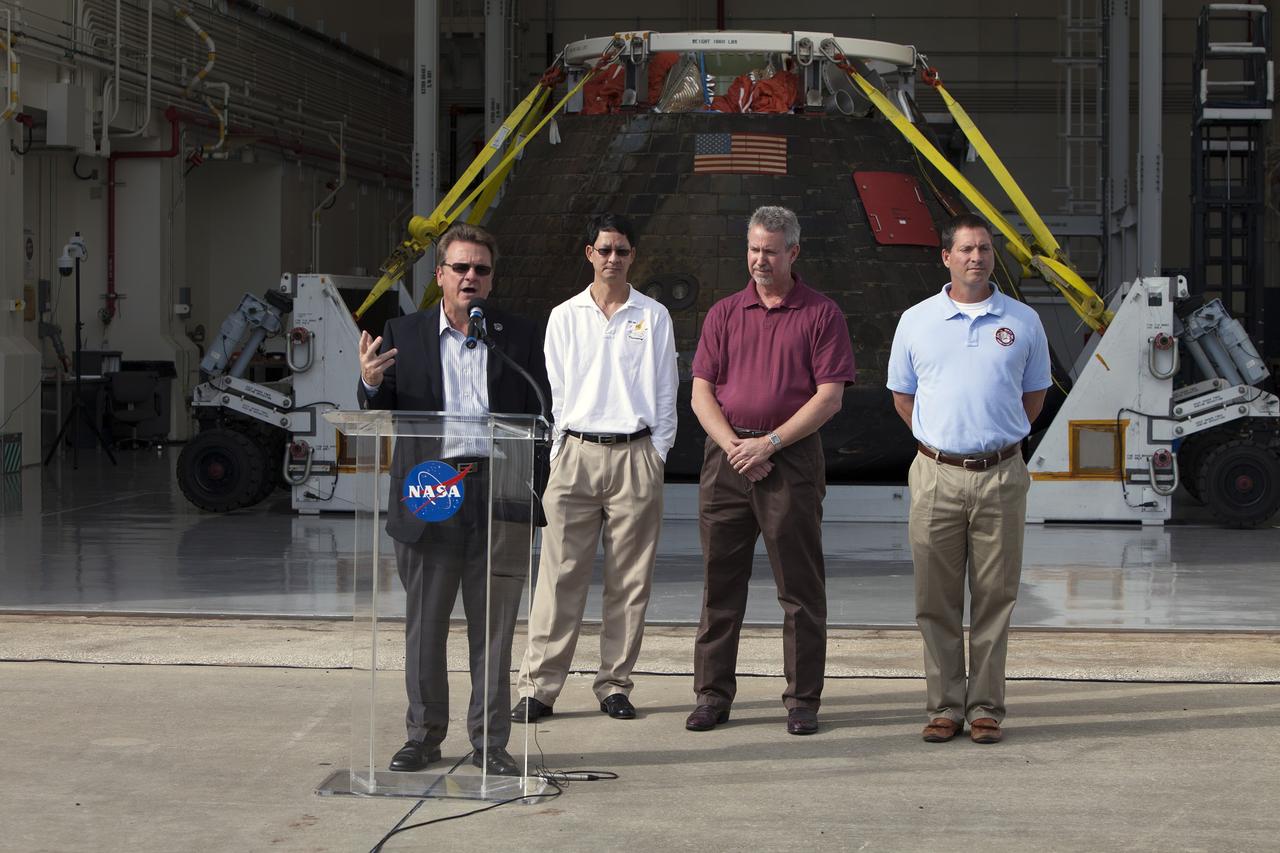
CAPE CANAVERAL, Fla. -- NASA's Orion spacecraft is viewed by members of the media at the Launch Abort System Facility at NASA's Kennedy Space Center in Florida. Speaking to the media during the viewing opportunity is Jules Schneider, Lockheed Martin Manager. Behind him, from left, are Glenn Chin, Orion Production Operations manager and Phil Weber and Lou Garcia, with the Ground Systems Development and Operations Program, or GSDO. Orion made the 8-day, 2,700 mile overland trip back to Kennedy from Naval Base San Diego in California. Analysis of date obtained during its two-orbit, four-and-a-half hour mission Dec. 5 will provide engineers with detailed information on how the spacecraft fared. GSDO led the recovery, offload and transportation efforts. For more information, visit www.nasa.gov/orion. Photo credit: NASA/Dimitri Gerondidakis

The STS-101 crew wave to onlookers as they leave the Operations and Checkout Building enroute to Launch Pad 39A and liftoff of Space Shuttle Atlantis, targeted for 4:15 p.m. EDT. In their orange launch and entry suits, they are (front line) Pilot Scott J. Horowitz and Commander James D. Halsell Jr.; (second line) Mission Specialists Mary Ellen Weber and Jeffrey N. Williams; and (third line) Mission Specialists Susan Helms, Yuri Usachev of Russia and James S. Voss. The mission will take the crew to the International Space Station to deliver logistics and supplies and to prepare the Station for the arrival of the Zvezda Service Module, expected to be launched by Russia in July 2000. Also, the crew will conduct one space walk. This will be the third assembly flight to the Space Station. The mission is expected to last about 10 days, with Atlantis landing at KSC Thursday, May 4, about 11:23 a.m. EDT