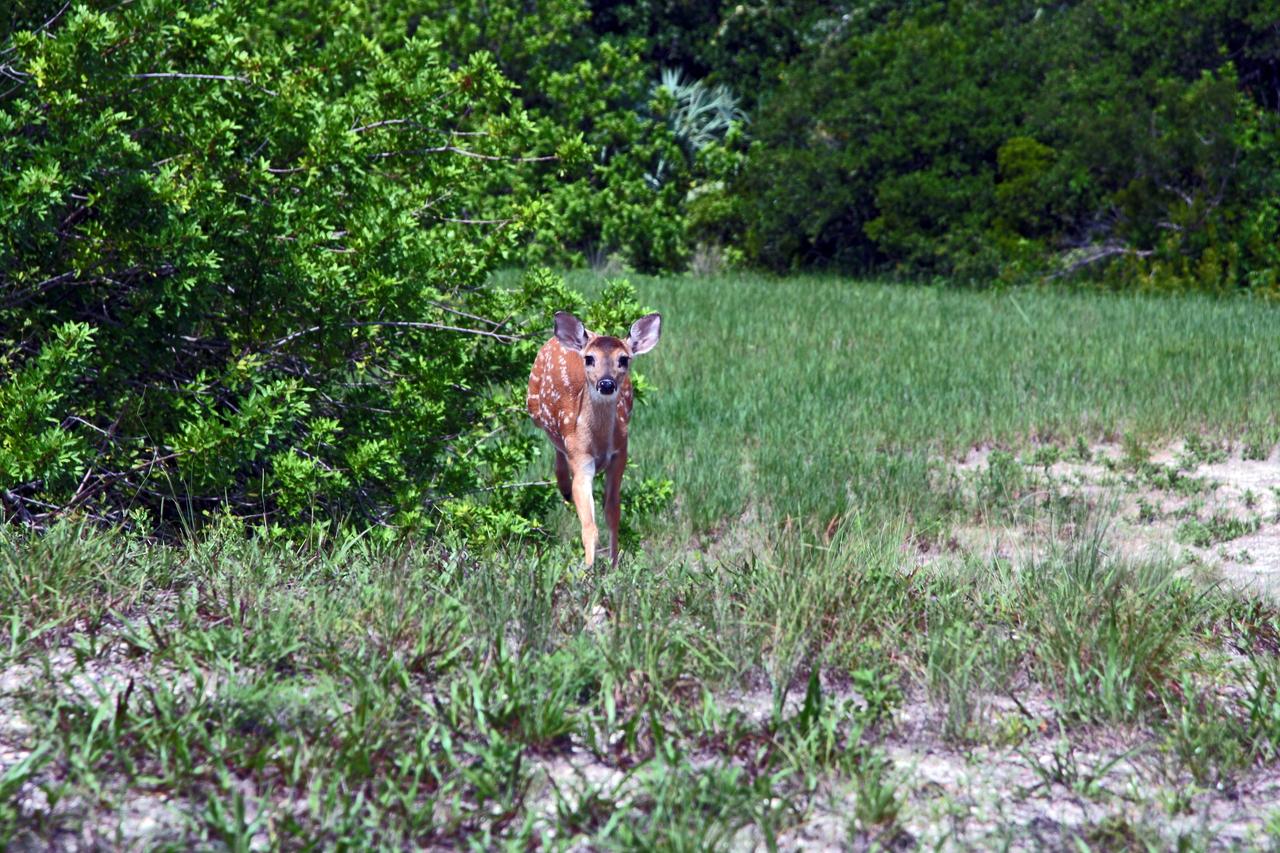
CAPE CANAVERAL, Fla. – A young white-tailed deer is spotted in the brush near Launch Complex 14 at Cape Canaveral Air Force Station, Fla., adjacent to NASA's Kennedy Space Center. White-tailed deer are found in forest edge habitats statewide. They feed primarily on twigs and leaves. Their diet also includes acorns, fruits and mushrooms. Kennedy shares a boundary with the Merritt Island National Wildlife Refuge, which encompasses 92,000 acres that are a habitat for more than 330 species of birds, 25 mammals, 117 fishes and 65 amphibians and reptiles. Photo credit: NASA/Dimitri Gerondidakis
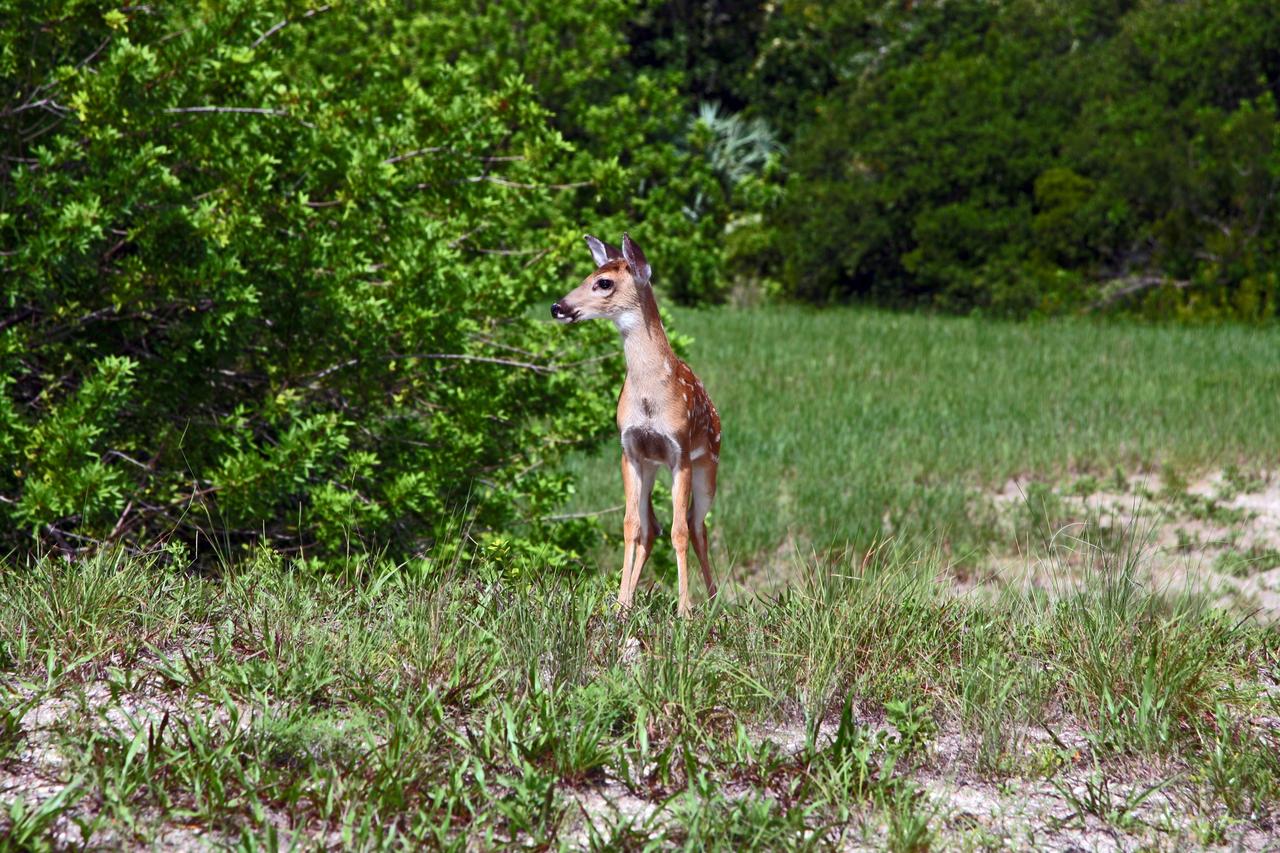
CAPE CANAVERAL, Fla. – A young white-tailed deer is spotted in the brush near Launch Complex 14 at Cape Canaveral Air Force Station, Fla., adjacent to NASA's Kennedy Space Center. White-tailed deer are found in forest edge habitats statewide. They feed primarily on twigs and leaves. Their diet also includes acorns, fruits and mushrooms. Kennedy shares a boundary with the Merritt Island National Wildlife Refuge, which encompasses 92,000 acres that are a habitat for more than 330 species of birds, 25 mammals, 117 fishes and 65 amphibians and reptiles. Photo credit: NASA/Dimitri Gerondidakis
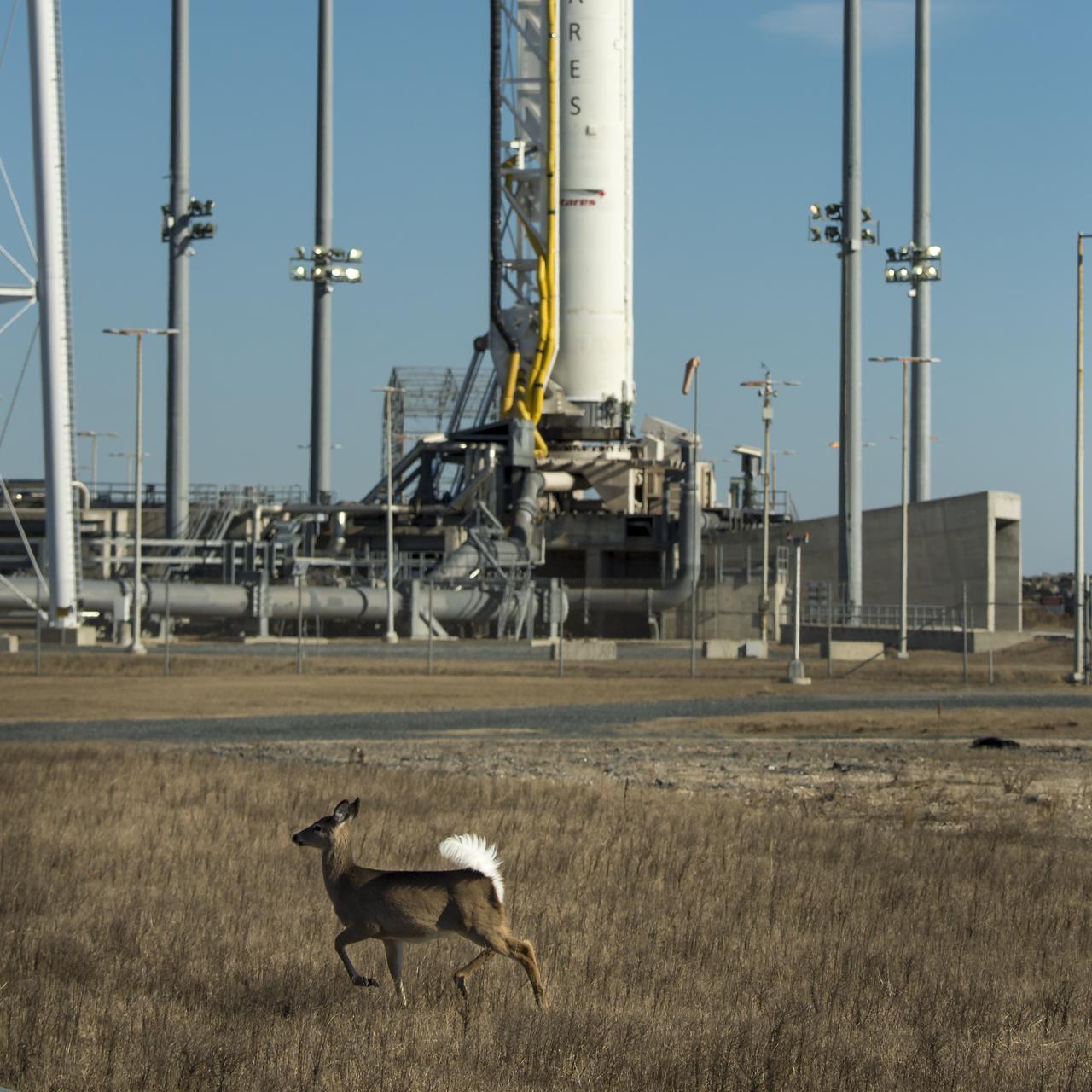
White-tailed deer graze near the Orbital Sciences Corporation Antares rocket, launch Pad-0A, at NASA's Wallops Flight Facility, Wednesday, January 8, 2014, Wallops Island, VA. Photo Credit: (NASA/Bill Ingalls)
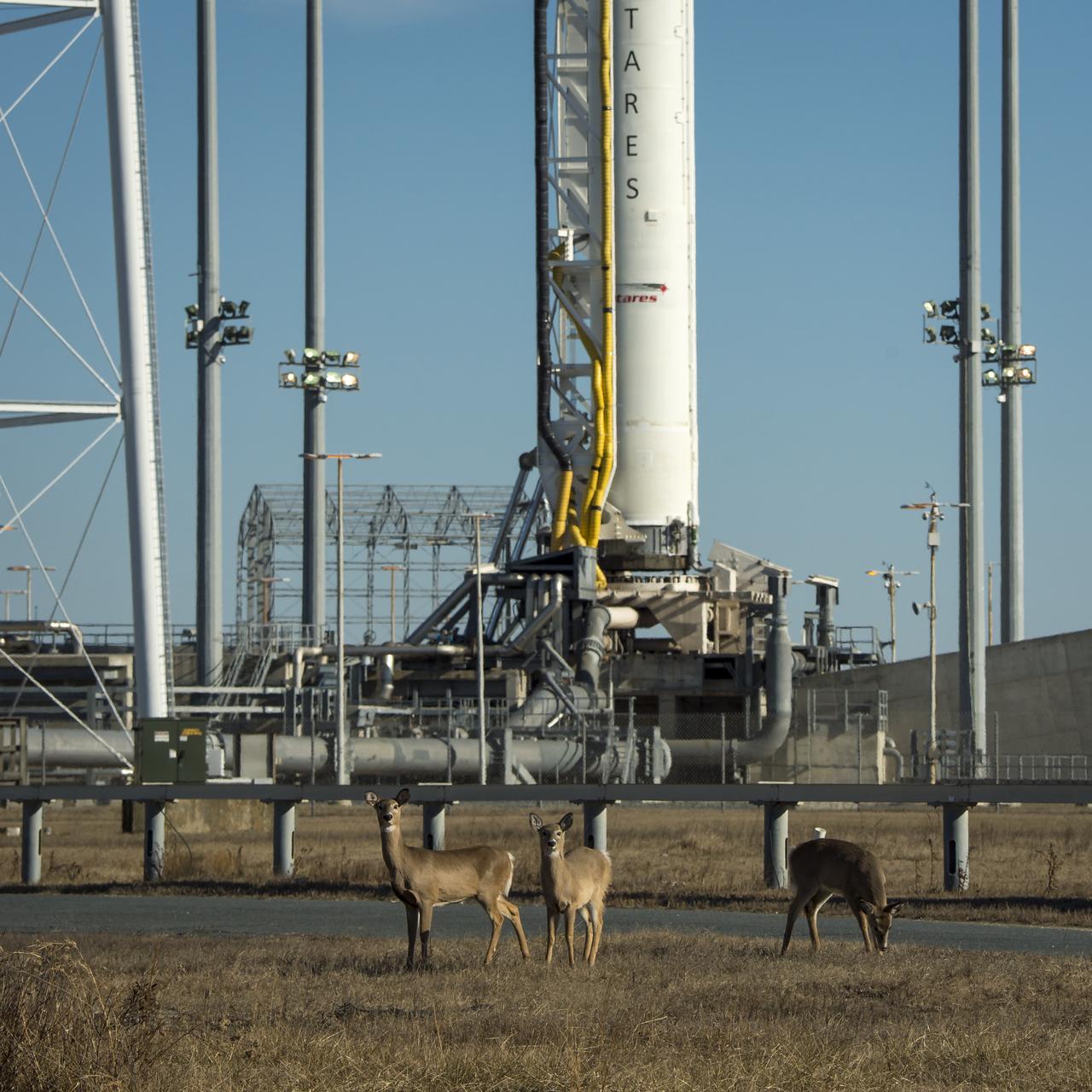
White-tailed deer graze near the Orbital Sciences Corporation Antares rocket, launch Pad-0A, at NASA's Wallops Flight Facility, Wednesday, January 8, 2014, Wallops Island, VA. Photo Credit: (NASA/Bill Ingalls)
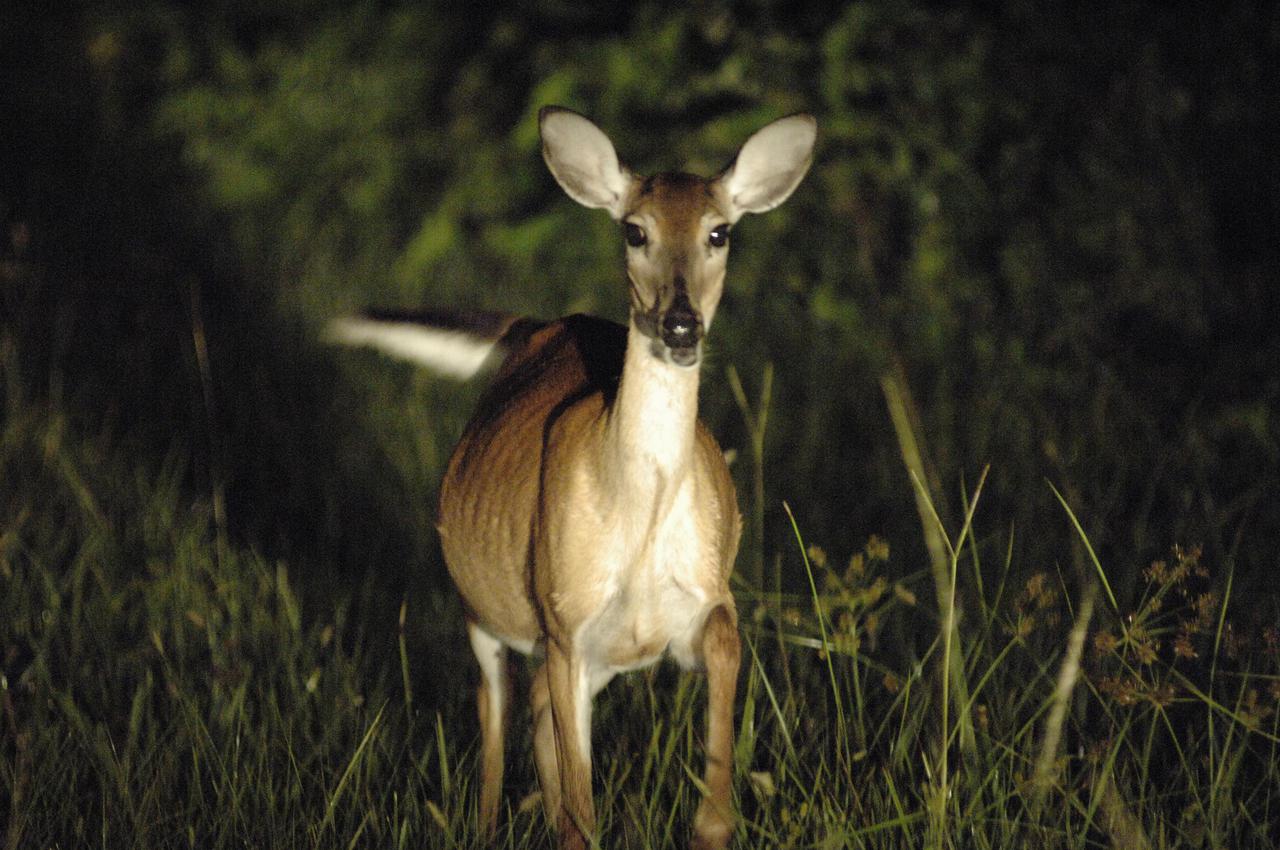
KENNEDY SPACE CENTER, FLA. - In the pre-dawn hours, a pregnant white-tailed deer is watchful as she browses for food on the west end of NASA Kennedy Space Center’s Shuttle Landing Facility. The deer would have had an enviable position to watch the landing of Space Shuttle Discovery if the landing had not been postponed. White-tailed deer are found in forest edge habitats statewide. Their color ranges from gray- to russet-brown with a white neck, chest, underside and underneath the tail. The deer stand 55 inches to 80 inches high, have large ears, a large tail and long slender legs. They feed primarily on twigs and leaves. Their diet also includes acorns, fruits and mushrooms. Most browsing is done at night or on overcast days.
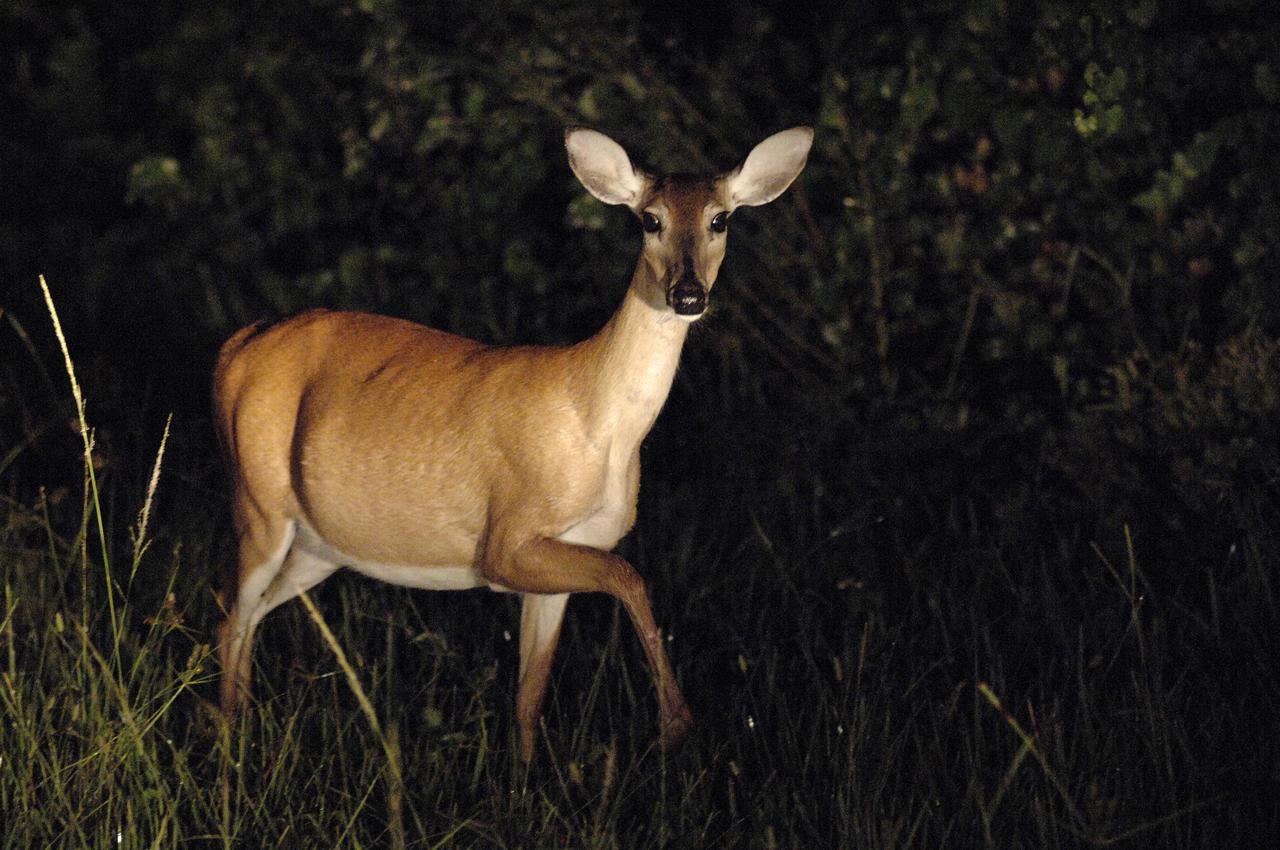
KENNEDY SPACE CENTER, FLA. - In the pre-dawn hours, a pregnant white-tailed deer is watchful as she browses for food on the west end of NASA Kennedy Space Center’s Shuttle Landing Facility. The deer would have had an enviable position to watch the landing of Space Shuttle Discovery if the landing had not been postponed. White-tailed deer are found in forest edge habitats statewide. Their color ranges from gray- to russet-brown with a white neck, chest, underside and underneath the tail. The deer stand 55 inches to 80 inches high, have large ears, a large tail and long slender legs. They feed primarily on twigs and leaves. Their diet also includes acorns, fruits and mushrooms. Most browsing is done at night or on overcast days.
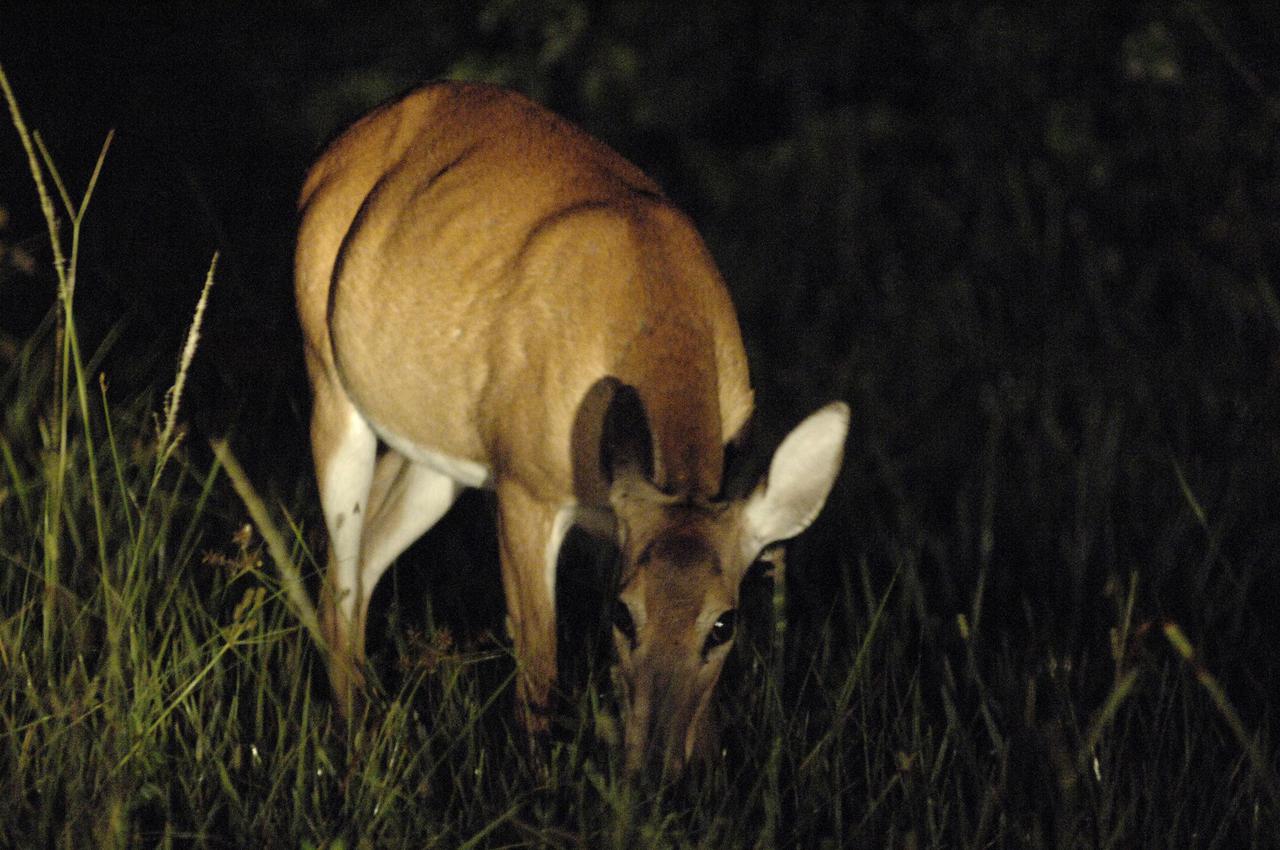
KENNEDY SPACE CENTER, FLA. - In the pre-dawn hours, a pregnant white-tailed deer browses for food on the west end of NASA Kennedy Space Center’s Shuttle Landing Facility. The deer would have had an enviable position to watch the landing of Space Shuttle Discovery if the landing had not been postponed. White-tailed deer are found in forest edge habitats statewide. Their color ranges from gray- to russet-brown with a white neck, chest, underside and underneath the tail. The deer stand 55 inches to 80 inches high, have large ears, a large tail and long slender legs. They feed primarily on twigs and leaves. Their diet also includes acorns, fruits and mushrooms. Most browsing is done at night or on overcast days.
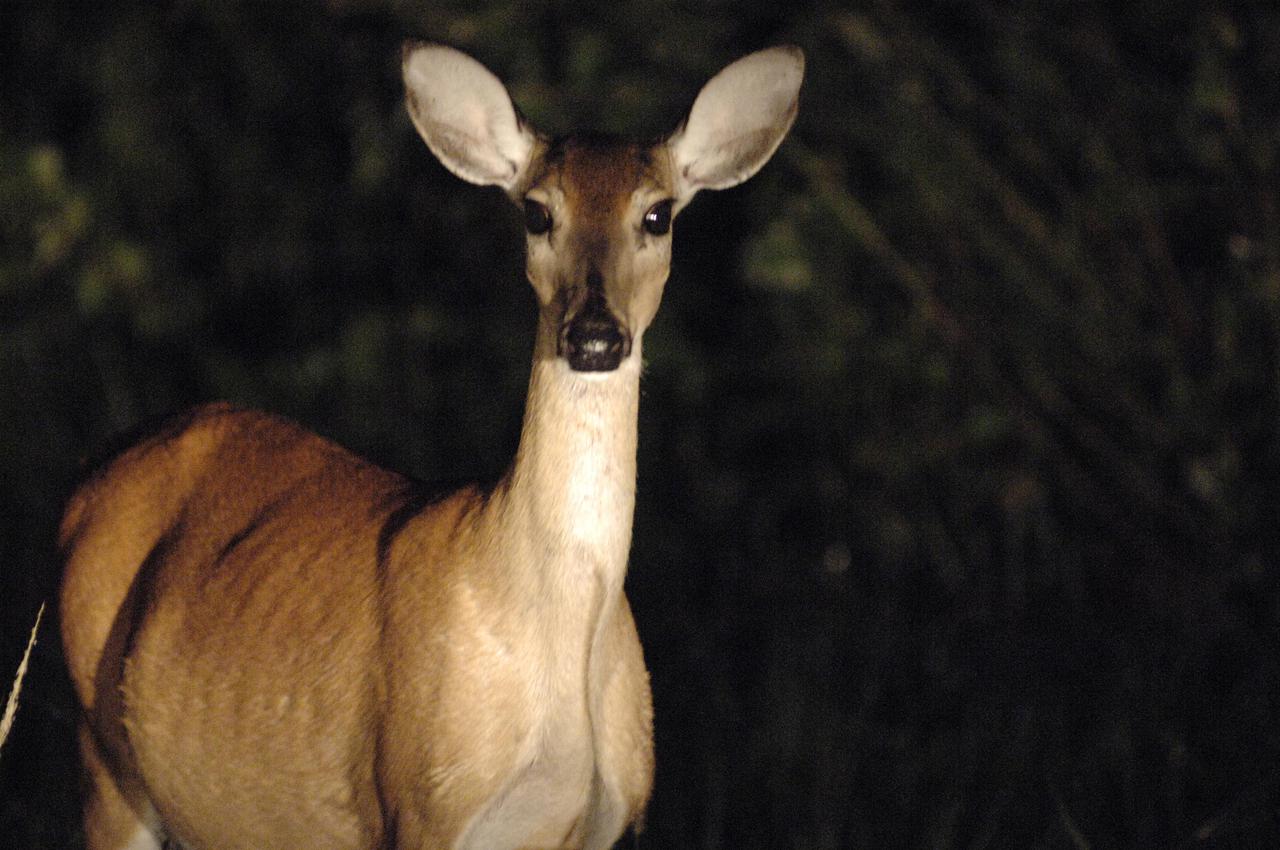
KENNEDY SPACE CENTER, FLA. - In the pre-dawn hours, a pregnant white-tailed deer is watchful as she browses for food on the west end of NASA Kennedy Space Center’s Shuttle Landing Facility. The deer would have had an enviable position to watch the landing of Space Shuttle Discovery if the landing had not been postponed. White-tailed deer are found in forest edge habitats statewide. Their color ranges from gray- to russet-brown with a white neck, chest, underside and underneath the tail. The deer stand 55 inches to 80 inches high, have large ears, a large tail and long slender legs. They feed primarily on twigs and leaves. Their diet also includes acorns, fruits and mushrooms. Most browsing is done at night or on overcast days.
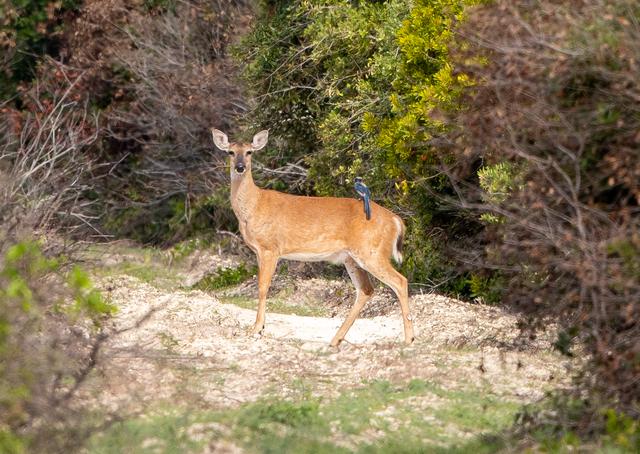
A Florida Scrub-Jay perches on the back of a white-tailed deer in the woods at NASA’s Kennedy Space Center in Florida on June 15, 2021. The Florida Scrub-Jay is one of the species of scrub-jay native to North America. The center shares a border with the Merritt Island National Wildlife Refuge. More than 330 native and migratory bird species, along with 25 mammal, 117 fish, and 65 amphibian and reptile species call Kennedy and the wildlife refuge home.