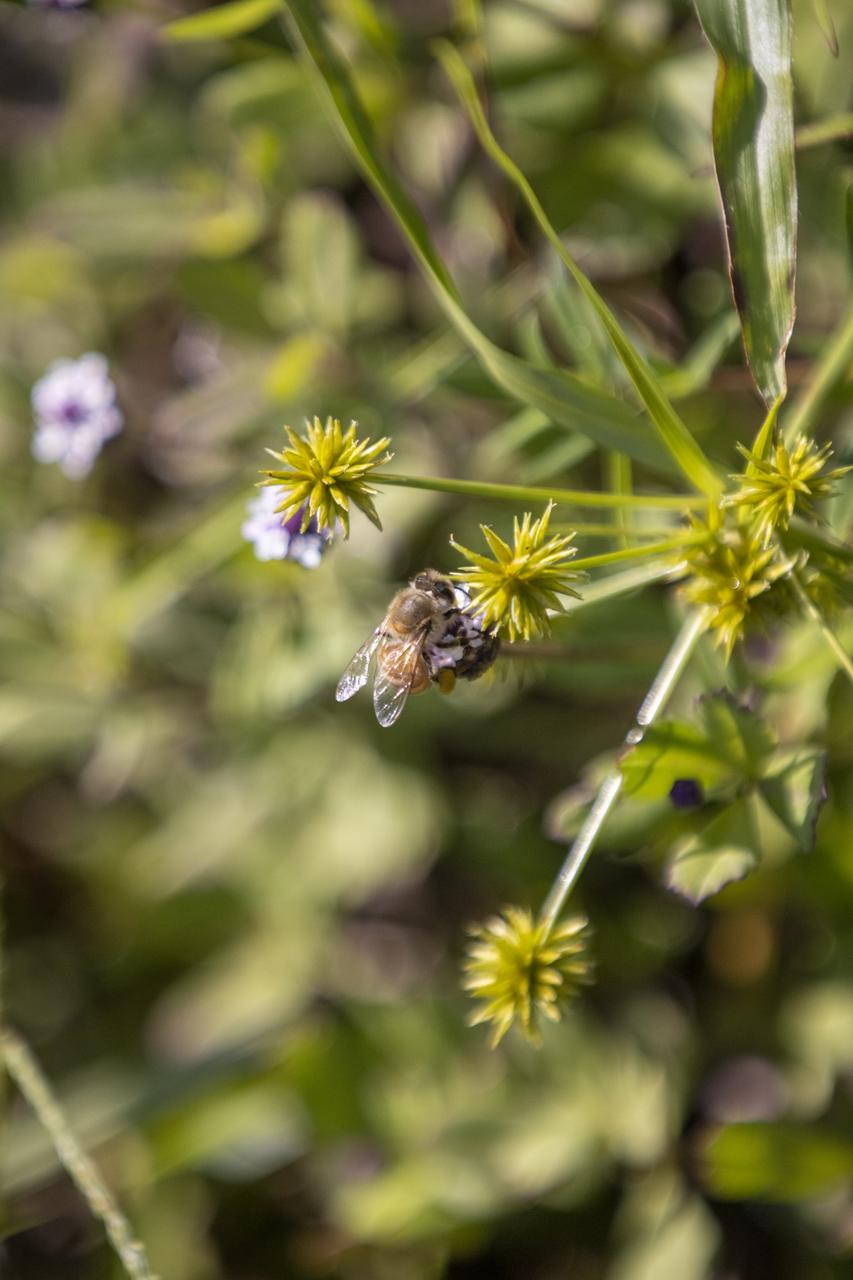
Wildflowers are in view in a field at NASA’s John F. Kennedy Space Center in Florida on May 19, 2023. The center shares a border with the Merritt Island National Wildlife Refuge. More than 330 native and migratory bird species, along with 65 amphibian and reptile species, call Kennedy and the wildlife refuge home.
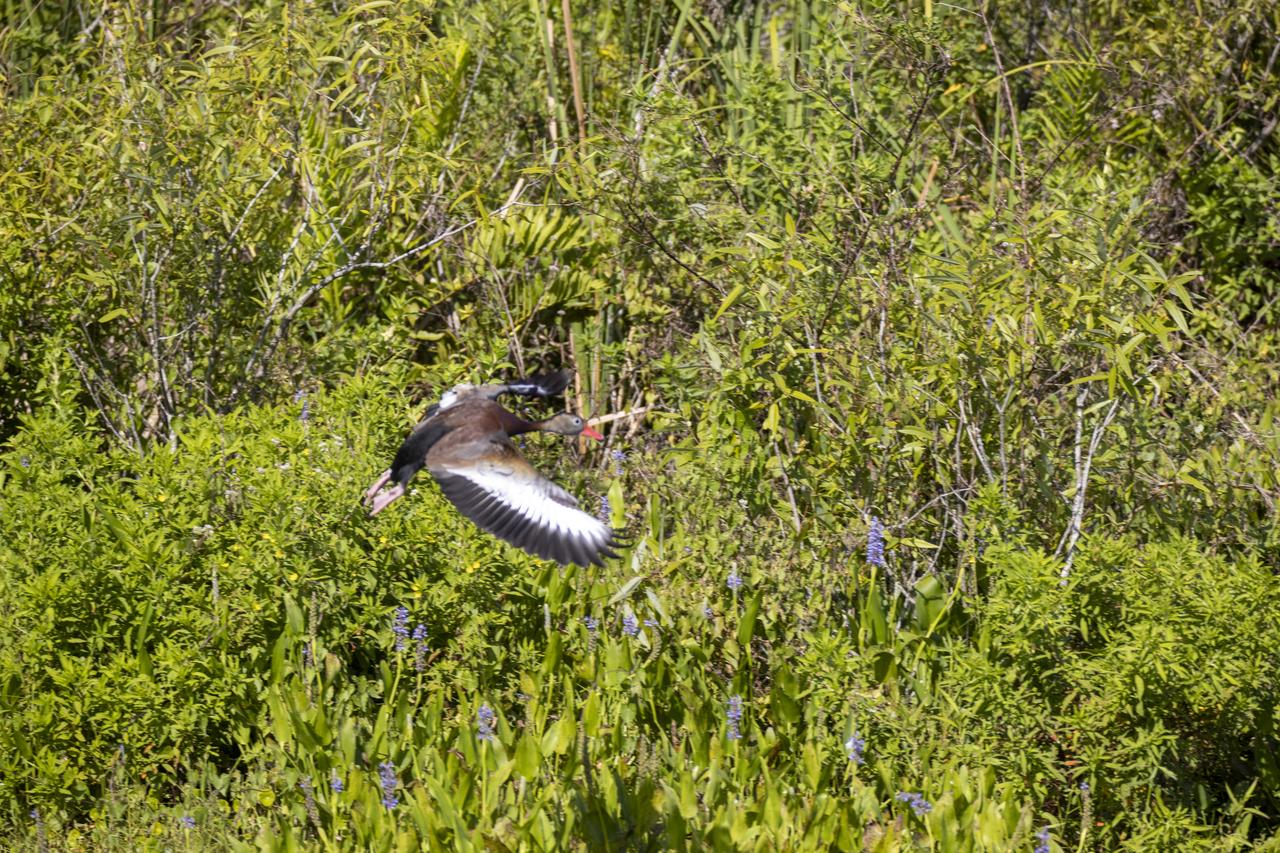
Framed by wildflowers, a black-bellied whistling duck takes flight near a marsh at NASA’s John F. Kennedy Space Center in Florida on May 19, 2023. The center shares a border with the Merritt Island National Wildlife Refuge. More than 330 native and migratory bird species call Kennedy and the wildlife refuge home.
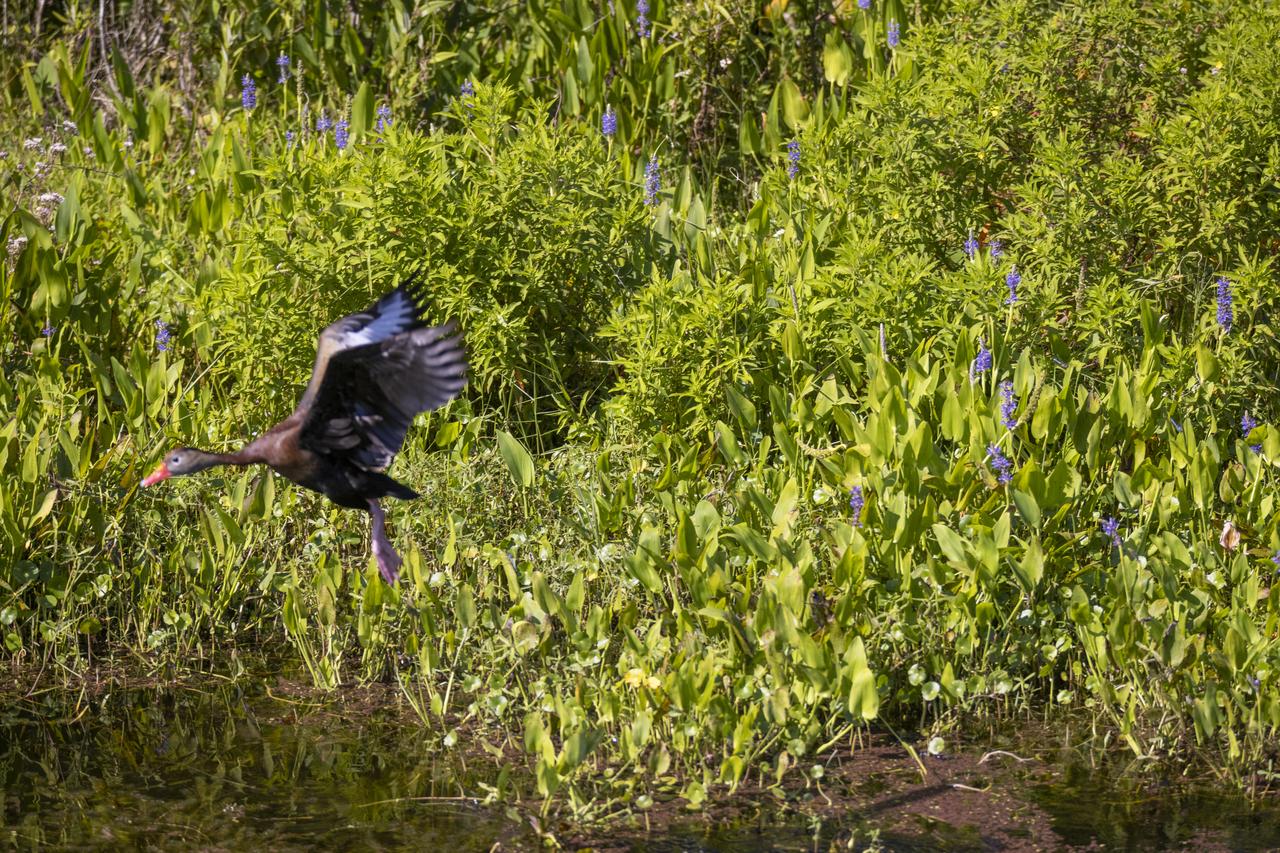
Framed by wildflowers, a black-bellied whistling duck takes flight near a marsh at NASA’s John F. Kennedy Space Center in Florida on May 19, 2023. The center shares a border with the Merritt Island National Wildlife Refuge. More than 330 native and migratory bird species call Kennedy and the wildlife refuge home.
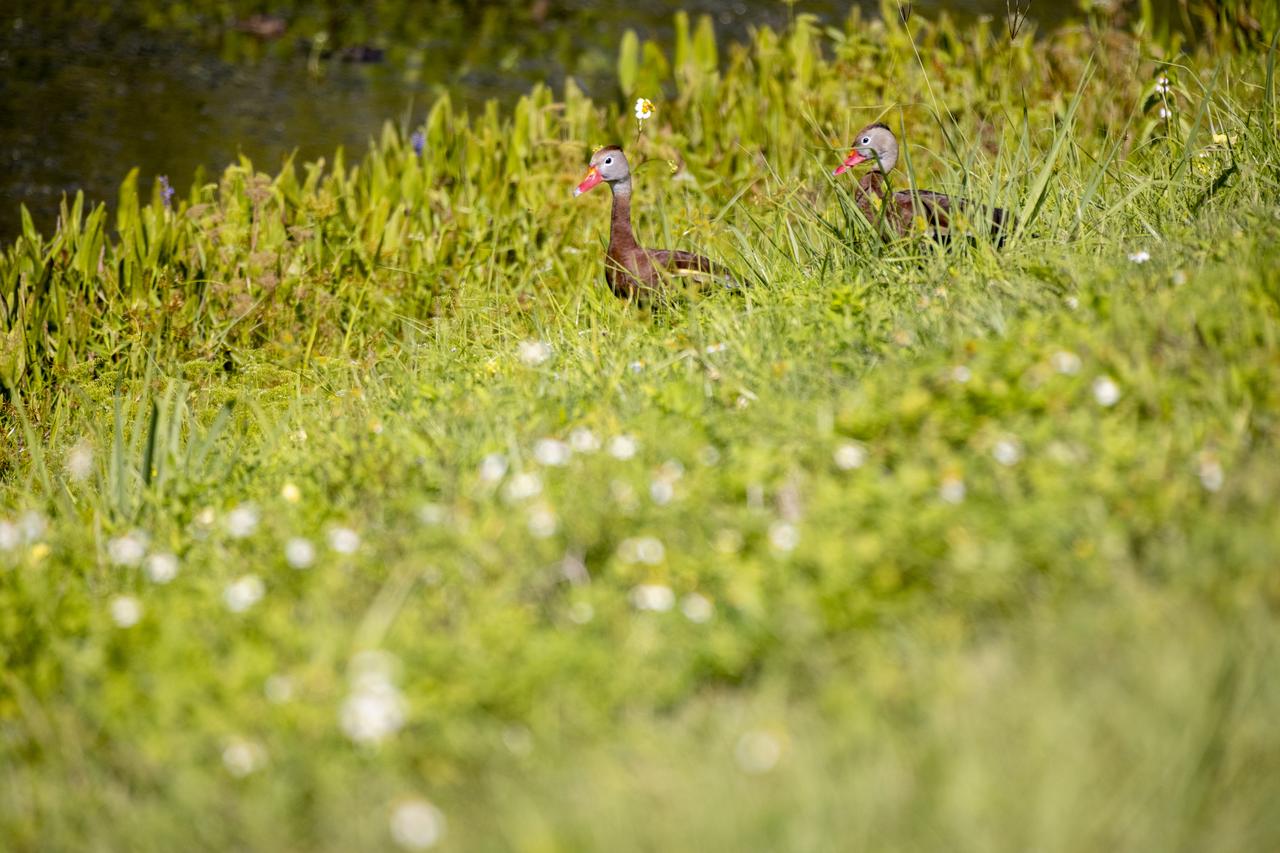
Two black-bellied whistling ducks walk through a field of wildflowers at NASA’s John F. Kennedy Space Center in Florida on May 19, 2023. The center shares a border with the Merritt Island National Wildlife Refuge. More than 330 native and migratory bird species call Kennedy and the wildlife refuge home.
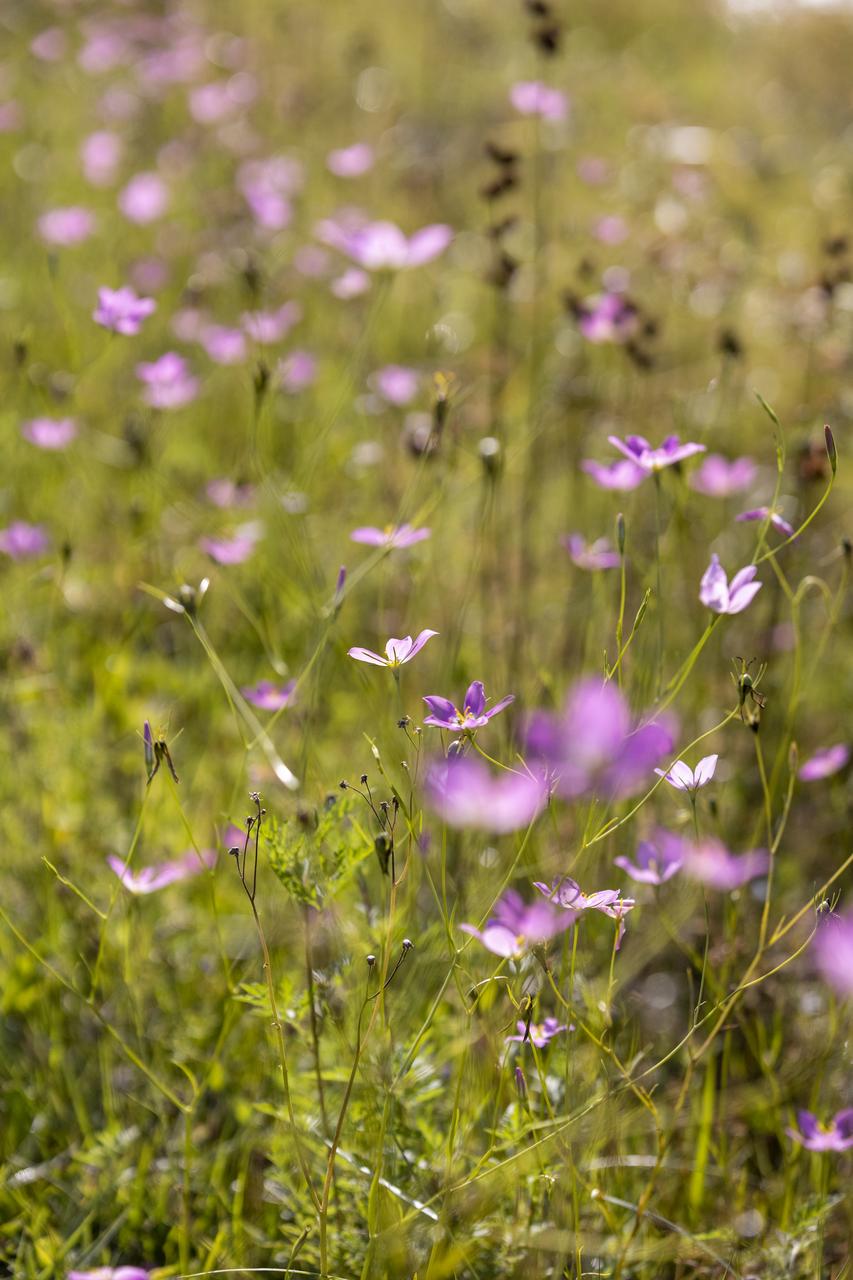
Wildflowers are in view in a field at NASA’s John F. Kennedy Space Center in Florida on May 19, 2023. The center shares a border with the Merritt Island National Wildlife Refuge. More than 330 native and migratory bird species, along with 65 amphibian and reptile species, call Kennedy and the wildlife refuge home.
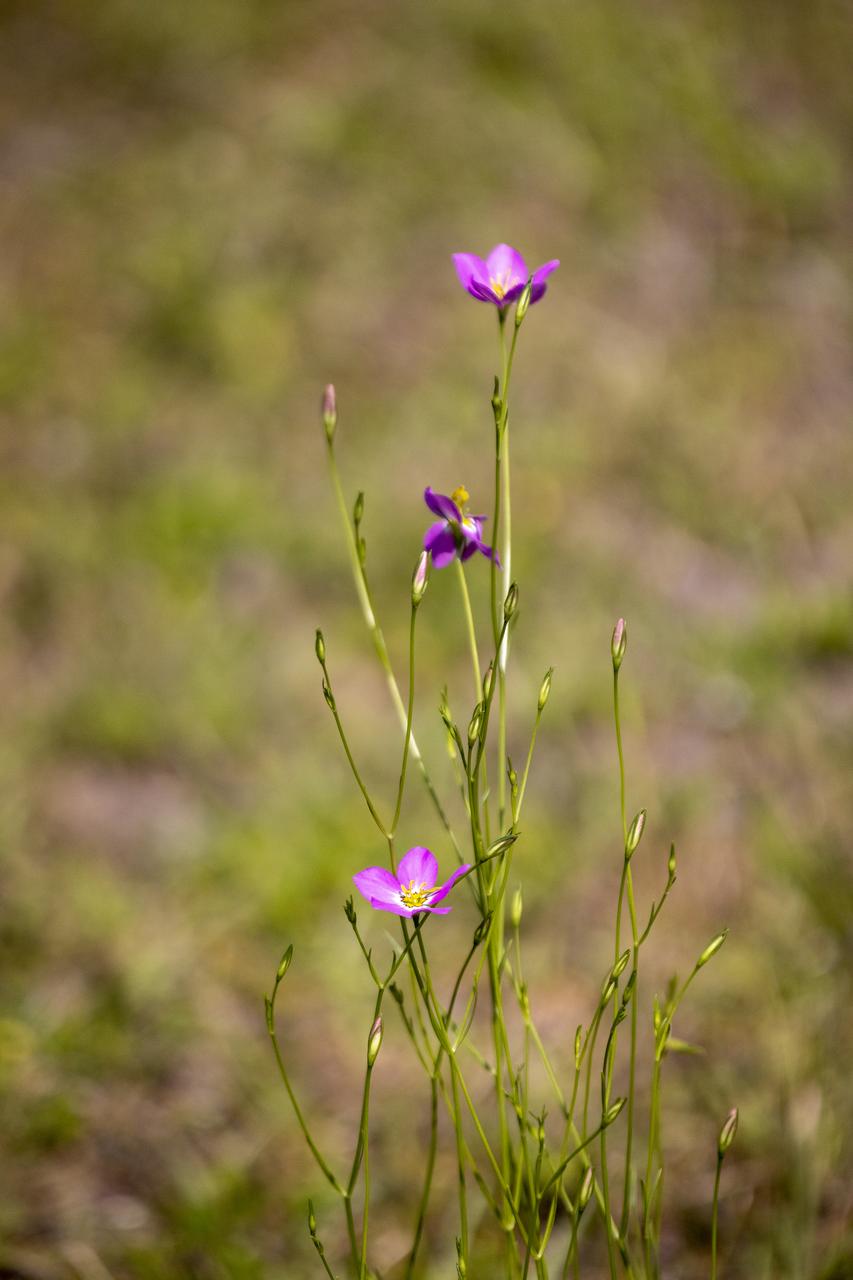
Wildflowers are in view in a field at NASA’s John F. Kennedy Space Center in Florida on May 19, 2023. The center shares a border with the Merritt Island National Wildlife Refuge. More than 330 native and migratory bird species, along with 65 amphibian and reptile species, call Kennedy and the wildlife refuge home.
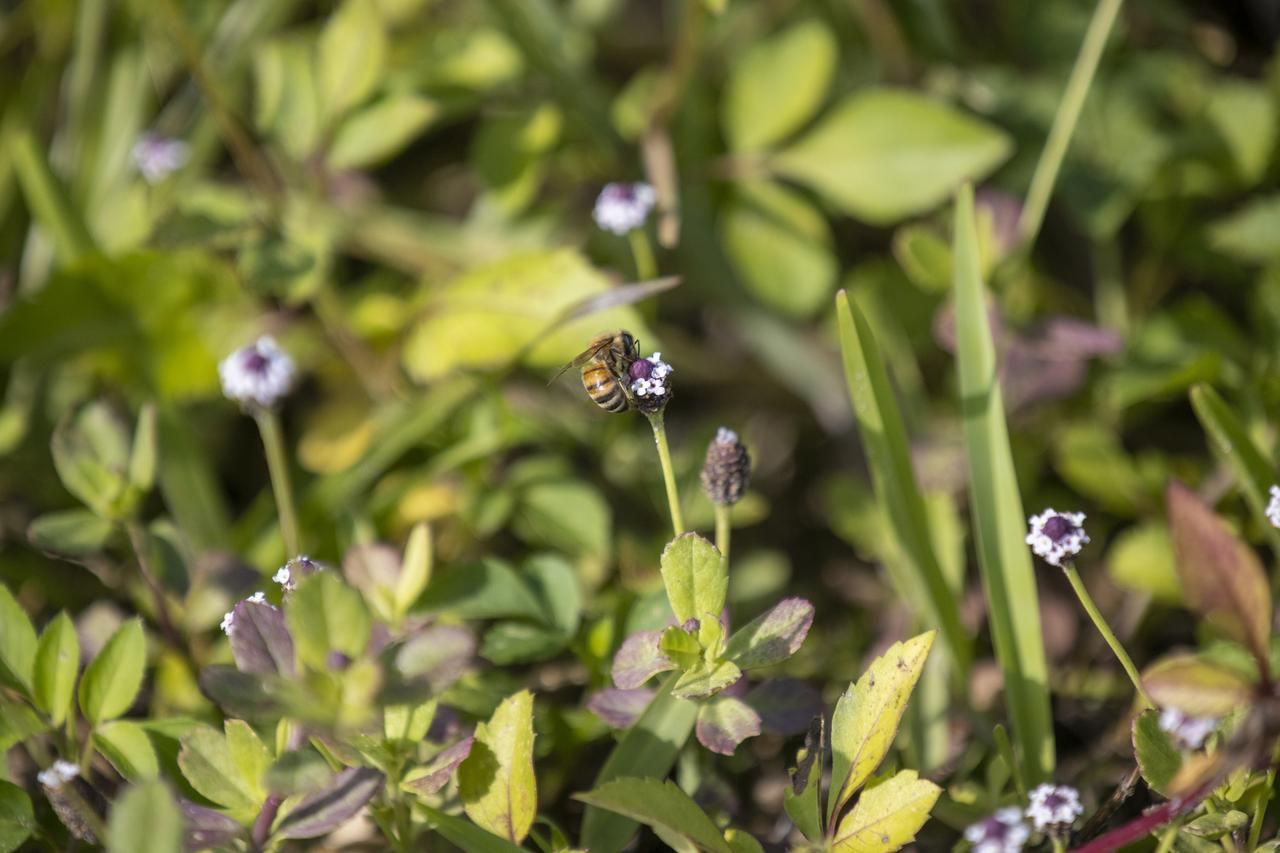
Wildflowers are in view in a field at NASA’s John F. Kennedy Space Center in Florida on May 19, 2023. The center shares a border with the Merritt Island National Wildlife Refuge. More than 330 native and migratory bird species, along with 65 amphibian and reptile species, call Kennedy and the wildlife refuge home.
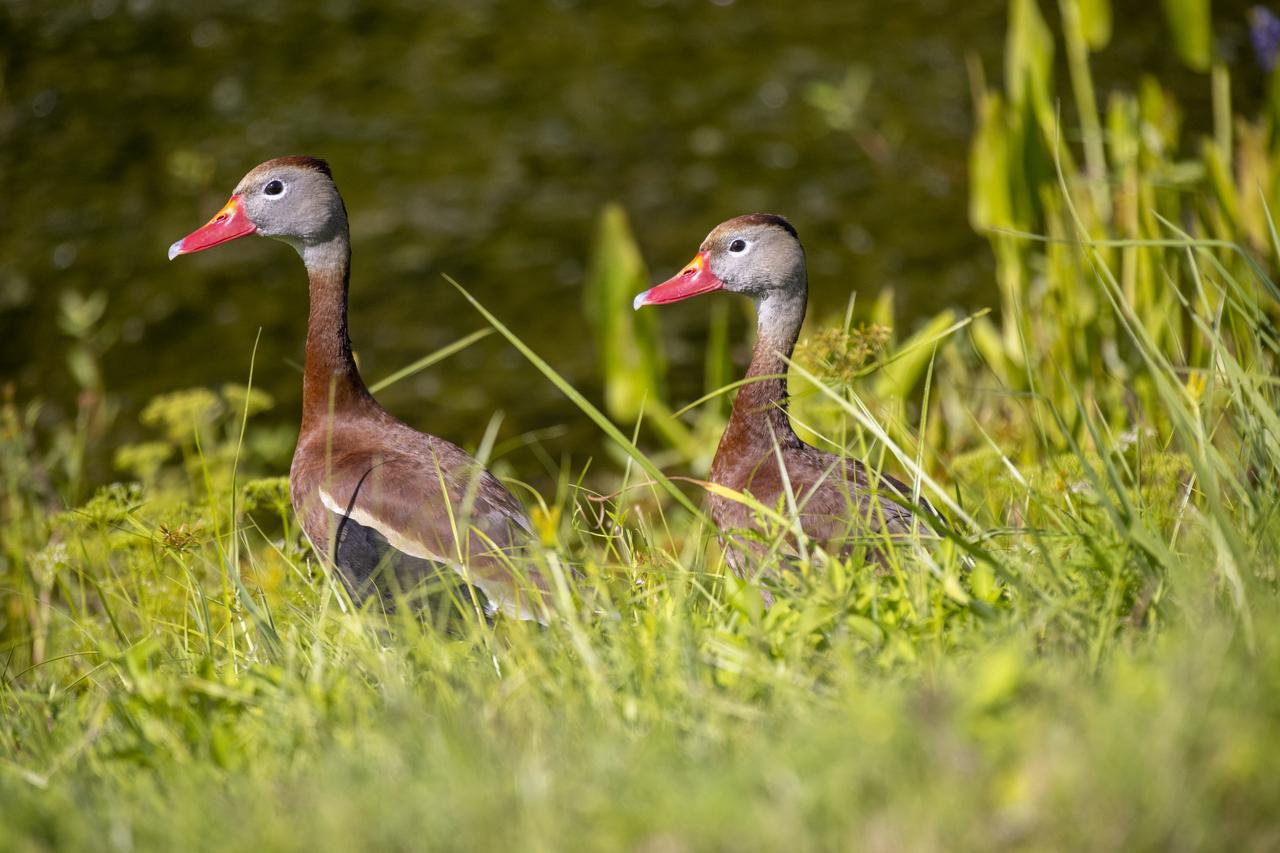
Two black-bellied whistling ducks walk through a field of wildflowers at NASA’s John F. Kennedy Space Center in Florida on May 19, 2023. The center shares a border with the Merritt Island National Wildlife Refuge. More than 330 native and migratory bird species call Kennedy and the wildlife refuge home.
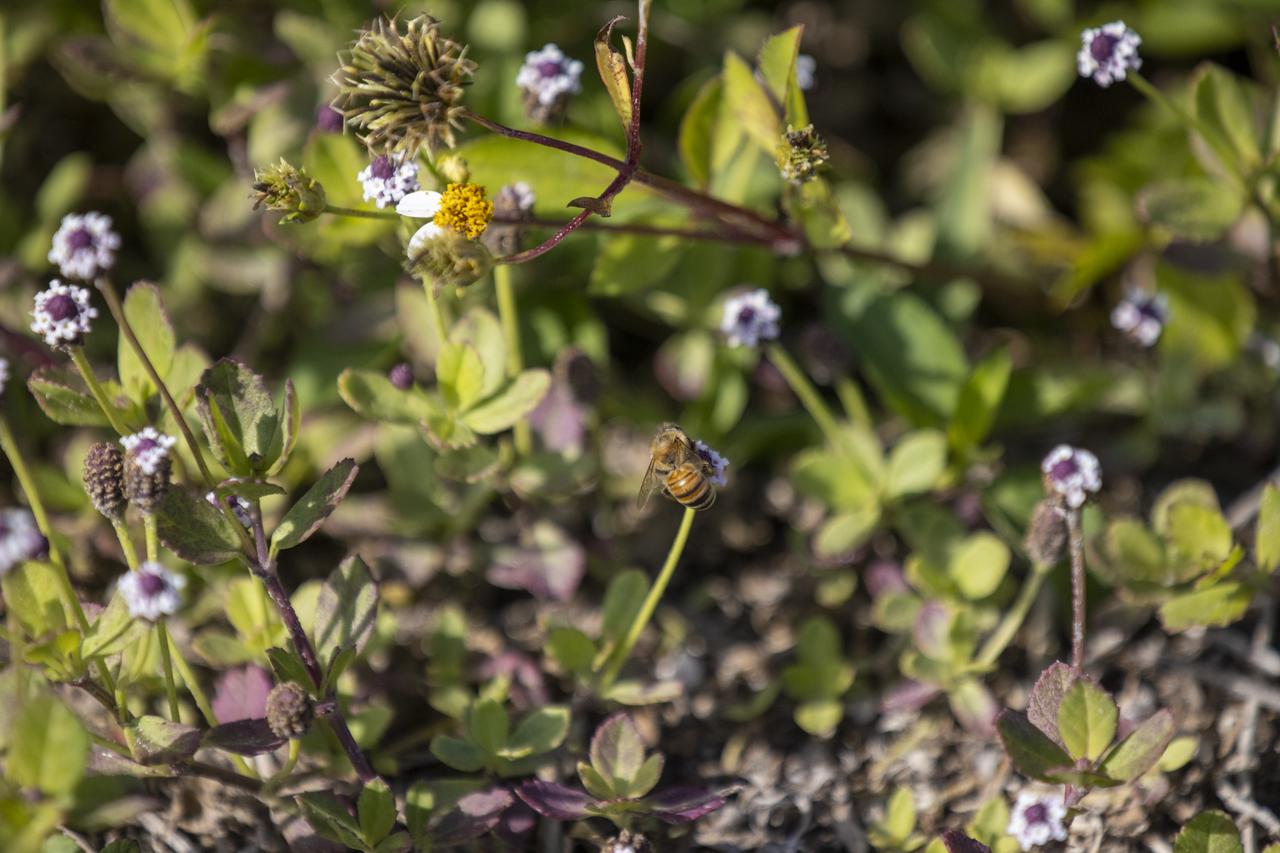
Wildflowers are in view in a field at NASA’s John F. Kennedy Space Center in Florida on May 19, 2023. The center shares a border with the Merritt Island National Wildlife Refuge. More than 330 native and migratory bird species, along with 65 amphibian and reptile species, call Kennedy and the wildlife refuge home.
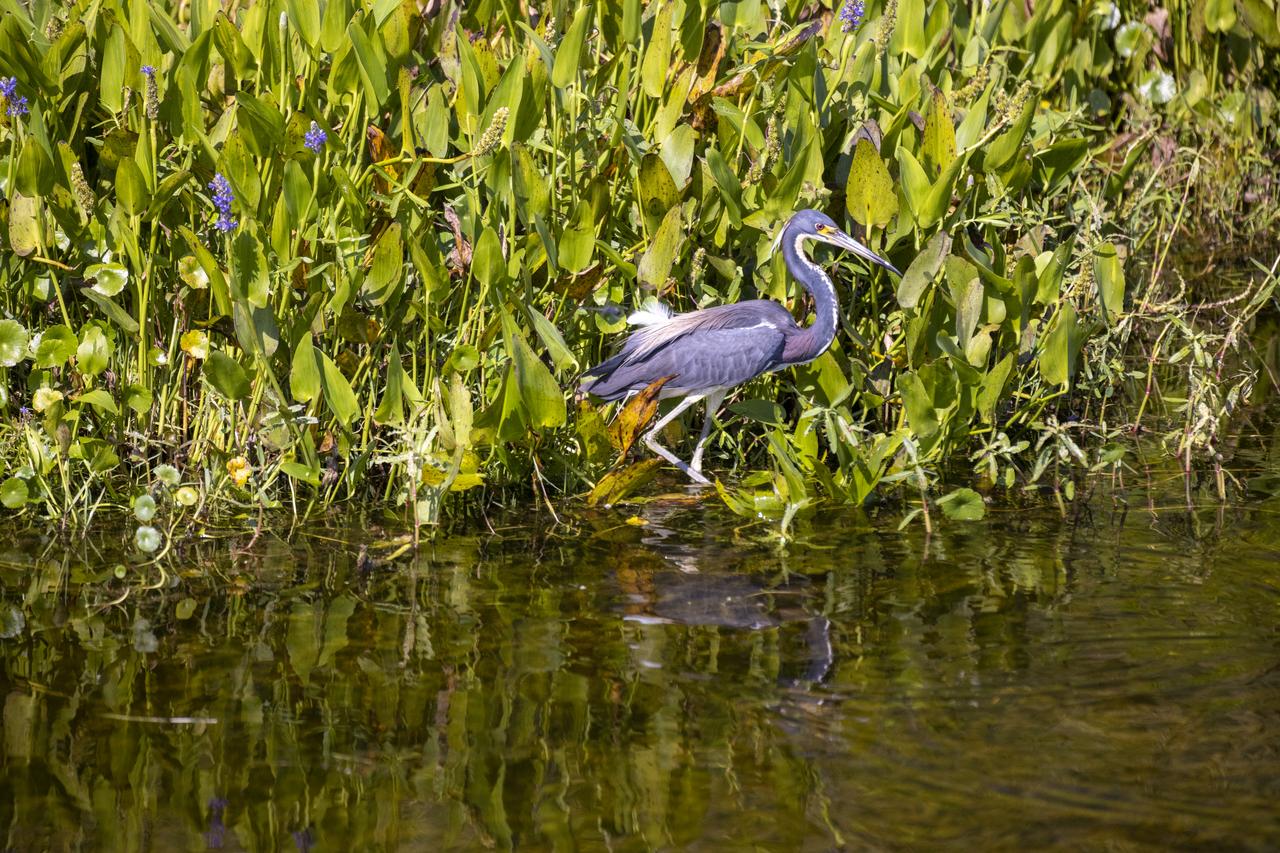
Framed by wildflowers, a tricolored heron wades in a waterway at NASA’s John F. Kennedy Space Center in Florida on May 19, 2023. The center shares a border with the Merritt Island National Wildlife Refuge. More than 330 native and migratory bird species call Kennedy and the wildlife refuge home.
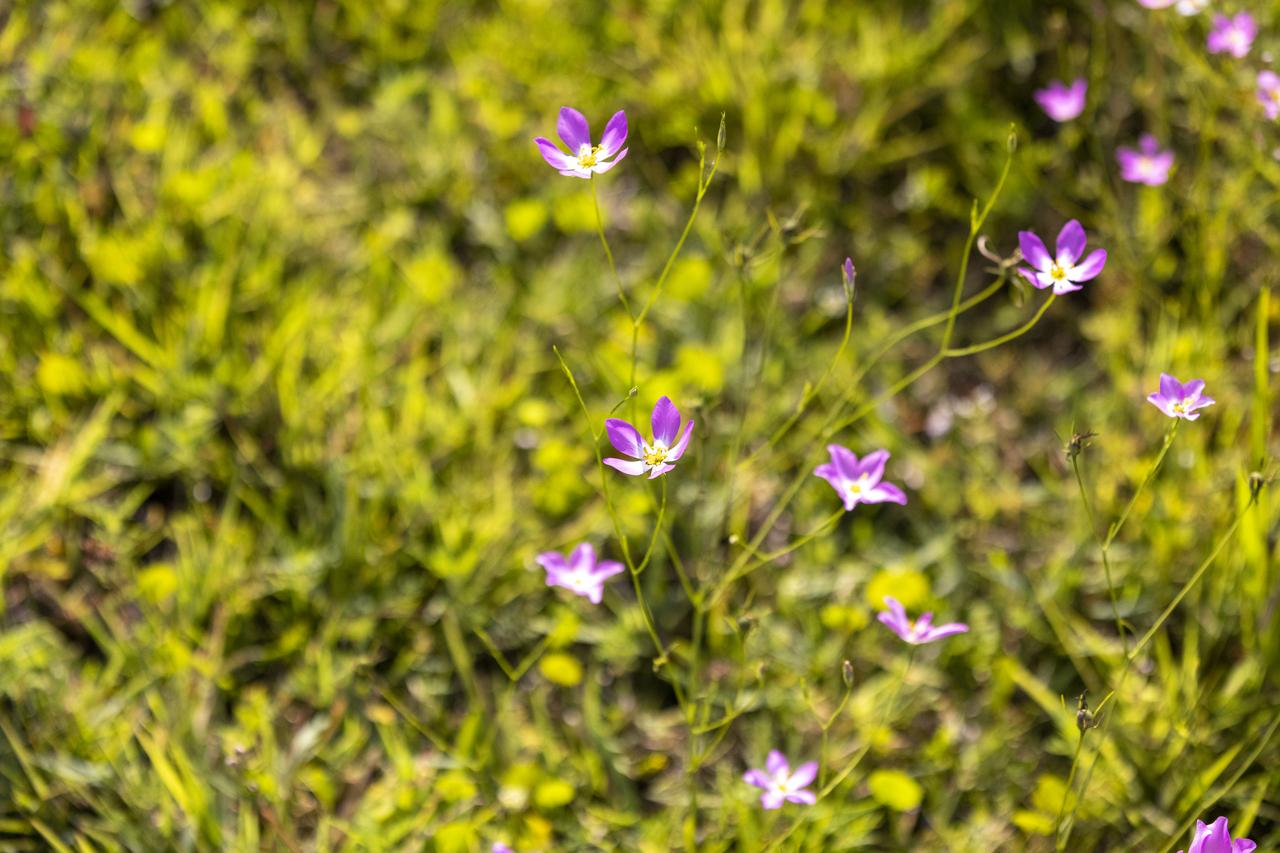
Wildflowers are in view in a field at NASA’s John F. Kennedy Space Center in Florida on May 19, 2023. The center shares a border with the Merritt Island National Wildlife Refuge. More than 330 native and migratory bird species, along with 65 amphibian and reptile species, call Kennedy and the wildlife refuge home.
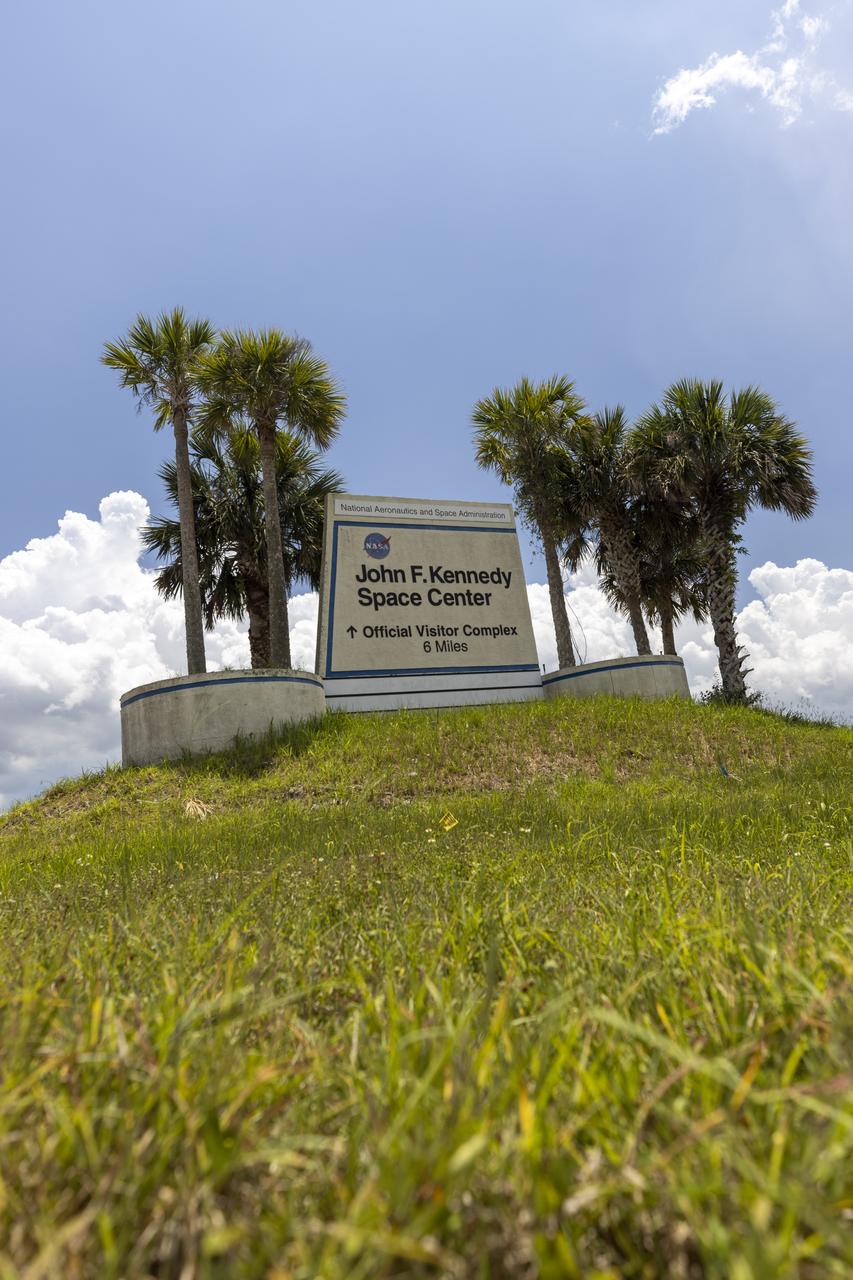
Wildflowers and palm trees are in view near a sign marking the entrance to NASA’s John F. Kennedy Space Center in Florida on May 19, 2023. The center shares a border with the Merritt Island National Wildlife Refuge. More than 330 native and migratory bird species, along with 65 amphibian and reptile species, call Kennedy and the wildlife refuge home.
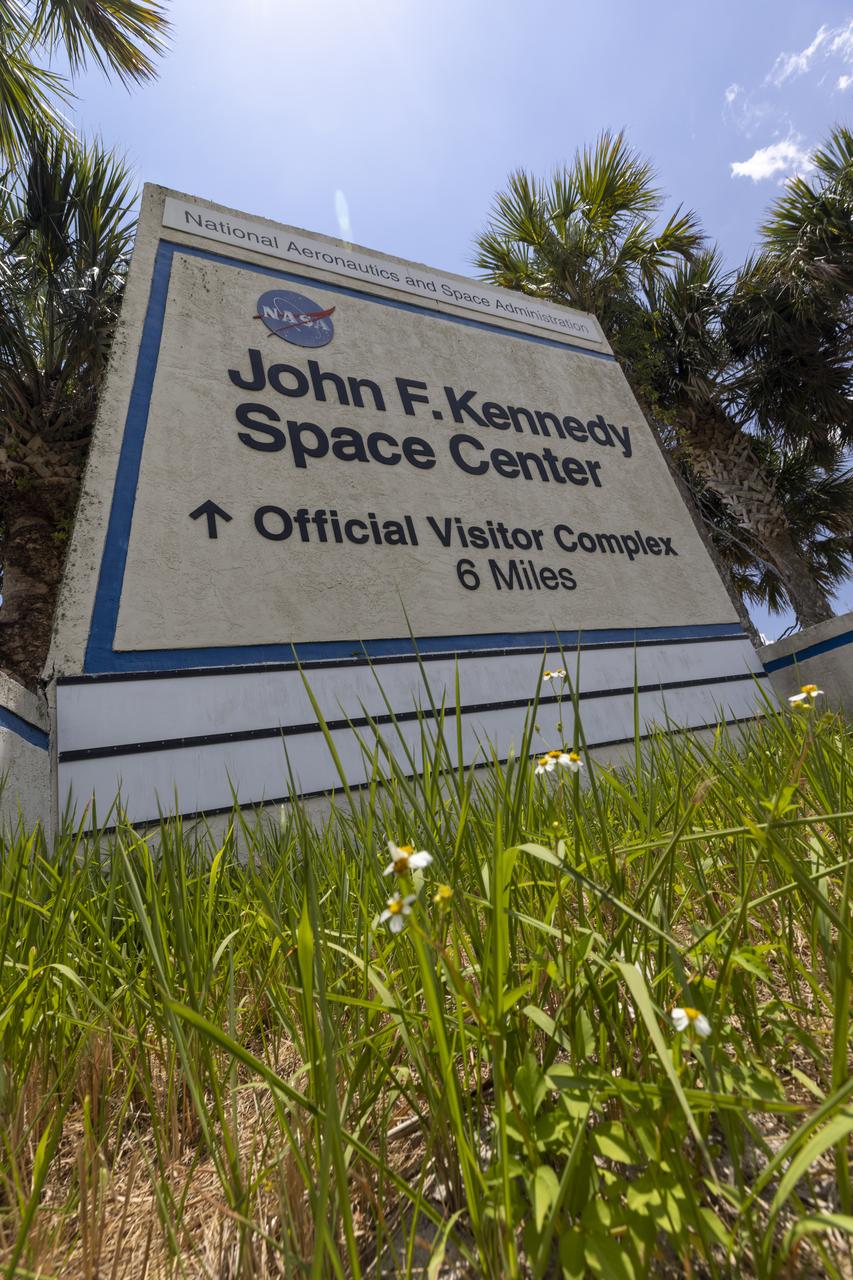
Wildflowers and palm trees are in view near a sign marking the entrance to NASA’s John F. Kennedy Space Center in Florida on May 19, 2023. The center shares a border with the Merritt Island National Wildlife Refuge. More than 330 native and migratory bird species, along with 65 amphibian and reptile species, call Kennedy and the wildlife refuge home.
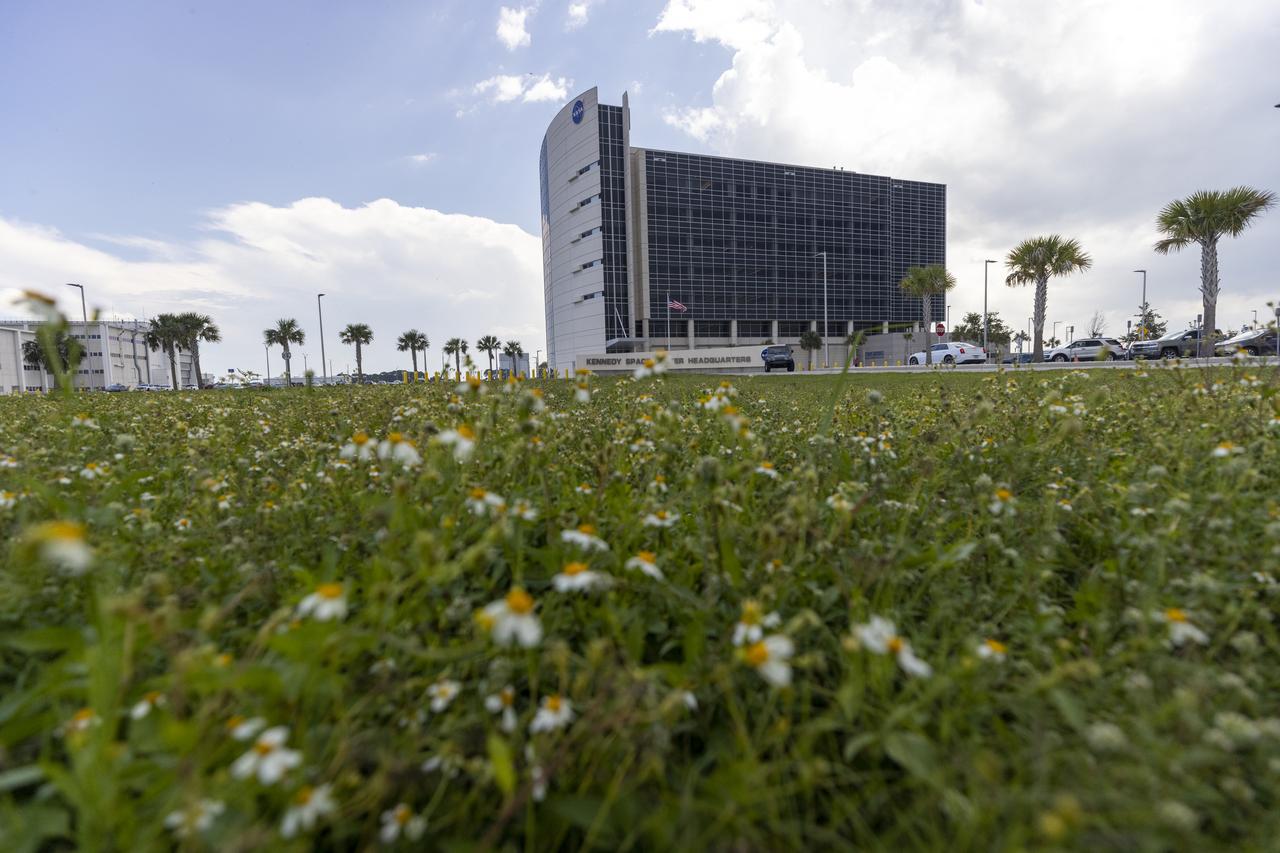
Wildflowers and palm trees are in view near the Central Campus Headquarters Building at NASA’s John F. Kennedy Space Center in Florida on May 19, 2023. The center shares a border with the Merritt Island National Wildlife Refuge. More than 330 native and migratory bird species, along with 65 amphibian and reptile species, call Kennedy and the wildlife refuge home.
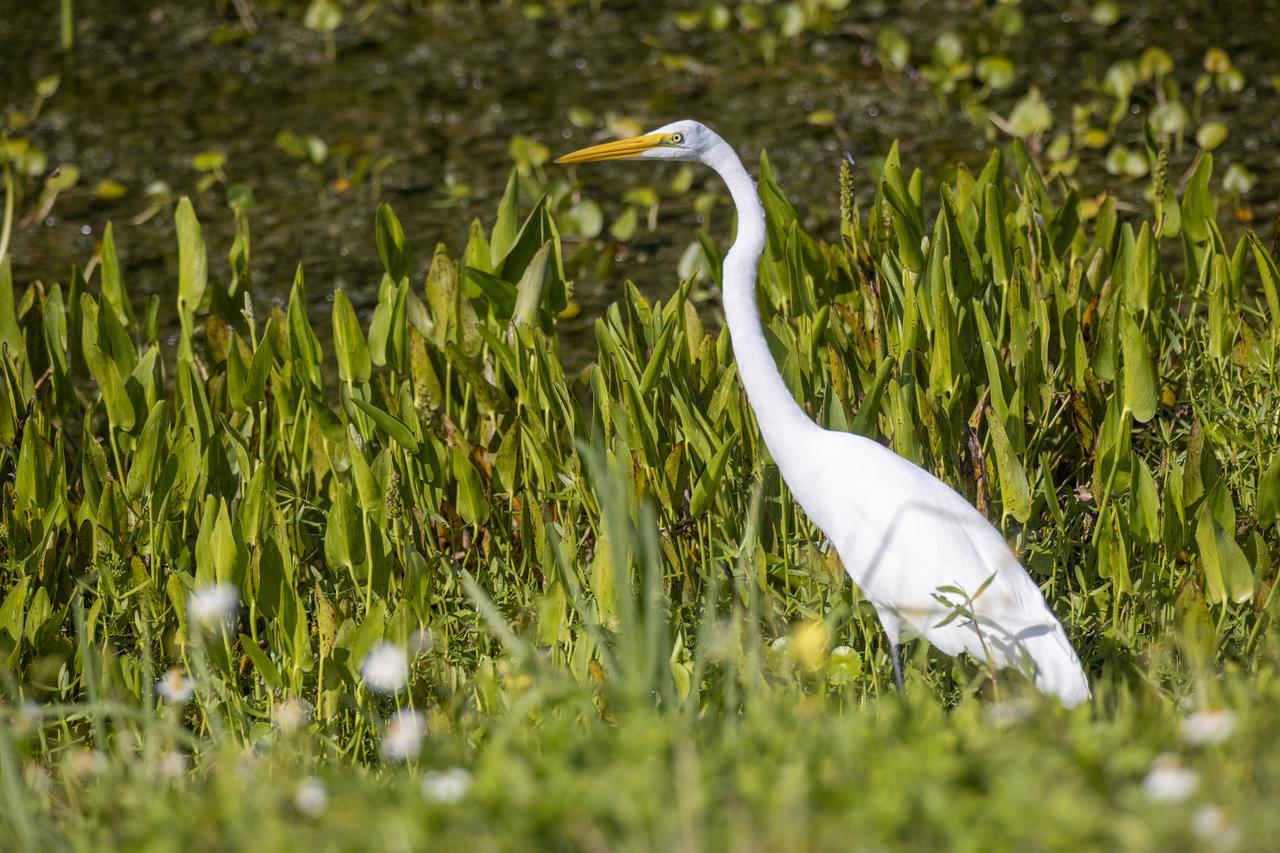
A great egret wades through a marsh filled with wildflowers at NASA’s John F. Kennedy Space Center in Florida on May 19, 2023. The center shares a border with the Merritt Island National Wildlife Refuge. More than 330 native and migratory bird species, along with 65 amphibian and reptile species, call Kennedy and the wildlife refuge home.
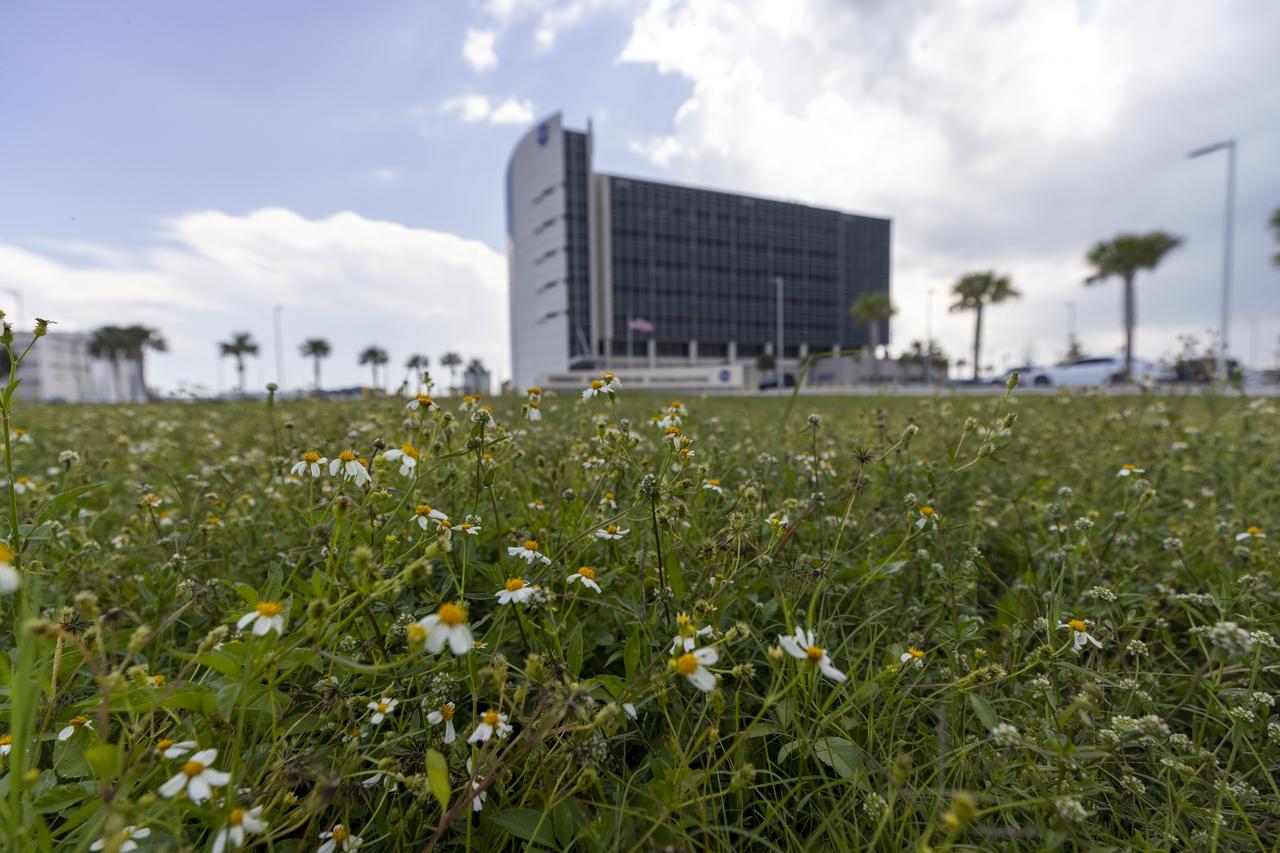
Wildflowers and palm trees are in view near the Central Campus Headquarters Building at NASA’s John F. Kennedy Space Center in Florida on May 19, 2023. The center shares a border with the Merritt Island National Wildlife Refuge. More than 330 native and migratory bird species, along with 65 amphibian and reptile species, call Kennedy and the wildlife refuge home.
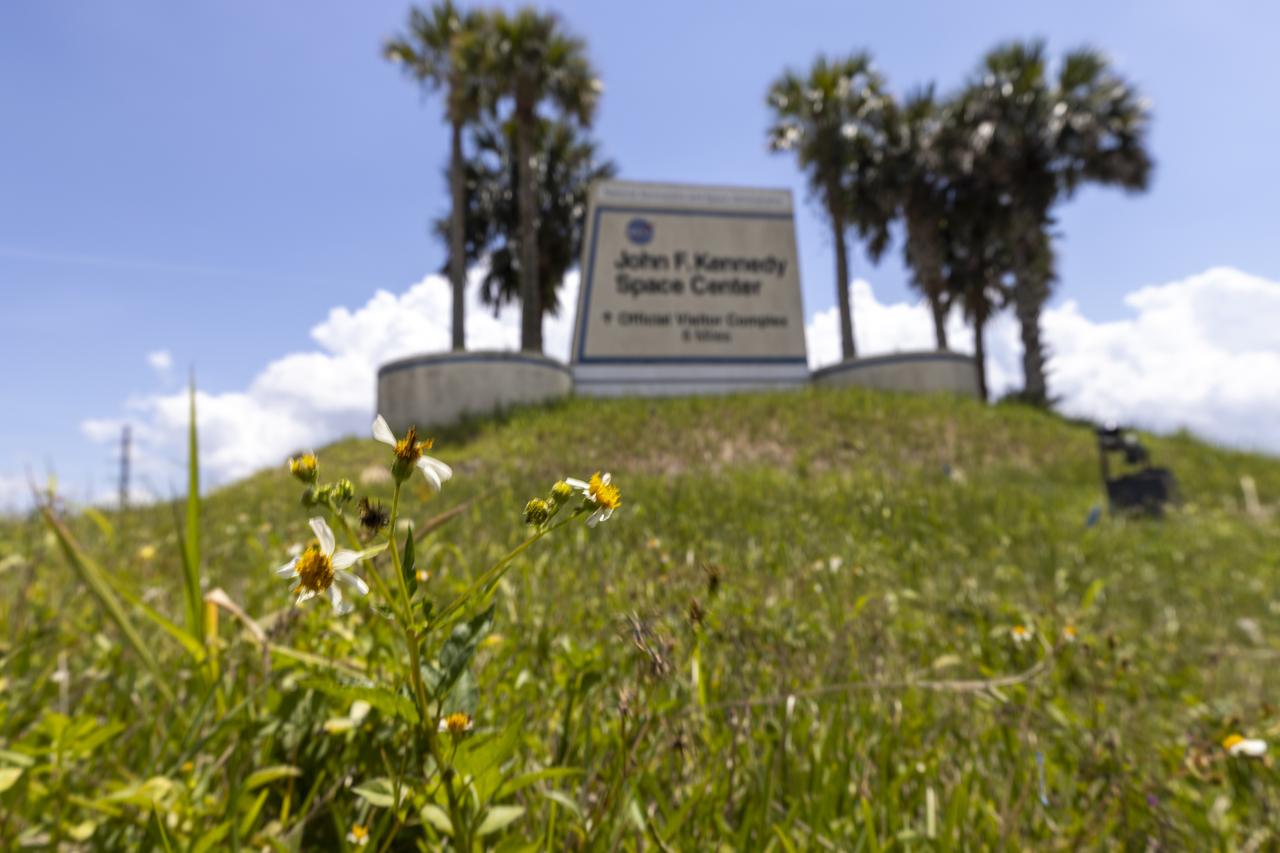
Wildflowers and palm trees are in view near a sign marking the entrance to NASA’s John F. Kennedy Space Center in Florida on May 19, 2023. The center shares a border with the Merritt Island National Wildlife Refuge. More than 330 native and migratory bird species, along with 65 amphibian and reptile species, call Kennedy and the wildlife refuge home.
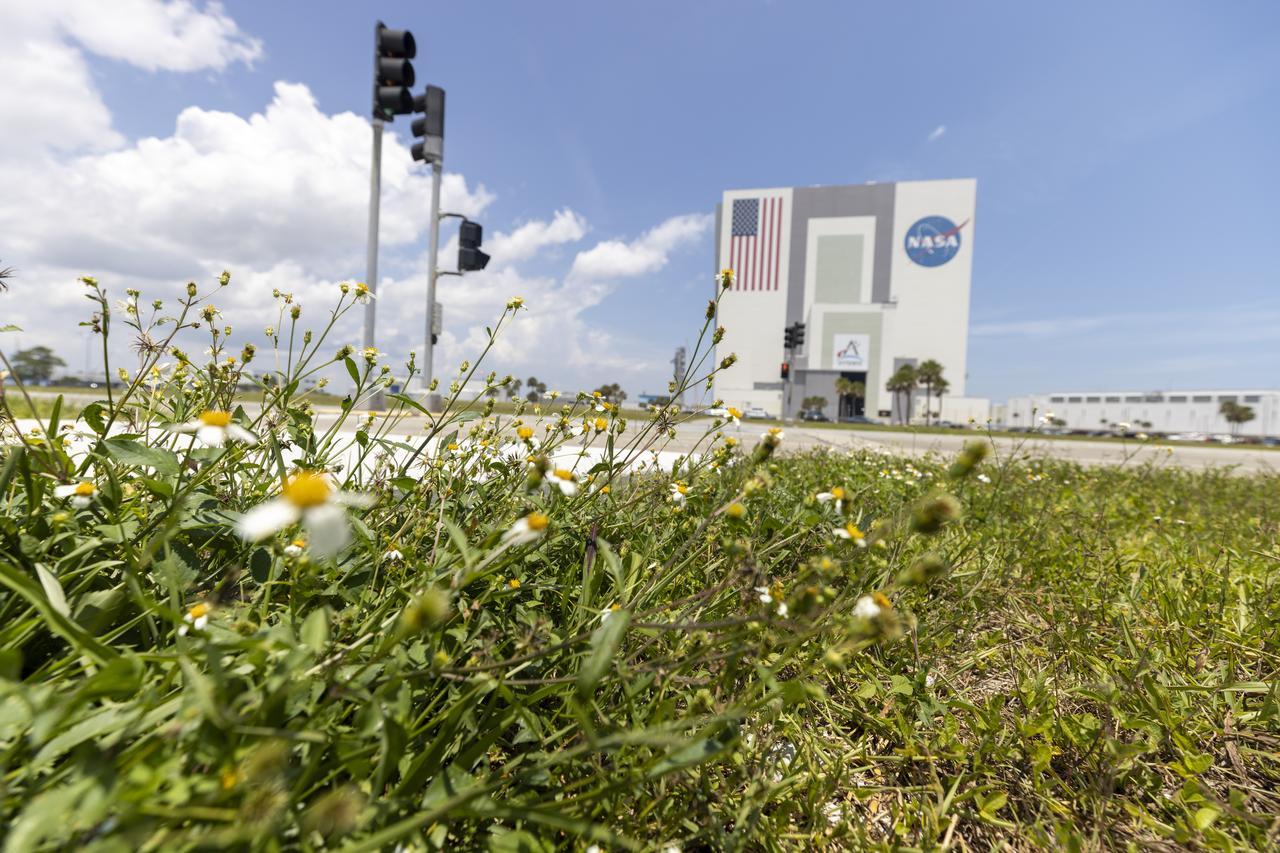
Wildflowers are in view near a road leading to the Vehicle Assembly Building at NASA’s John F. Kennedy Space Center in Florida on May 19, 2023. The center shares a border with the Merritt Island National Wildlife Refuge. More than 330 native and migratory bird species, along with 65 amphibian and reptile species, call Kennedy and the wildlife refuge home.
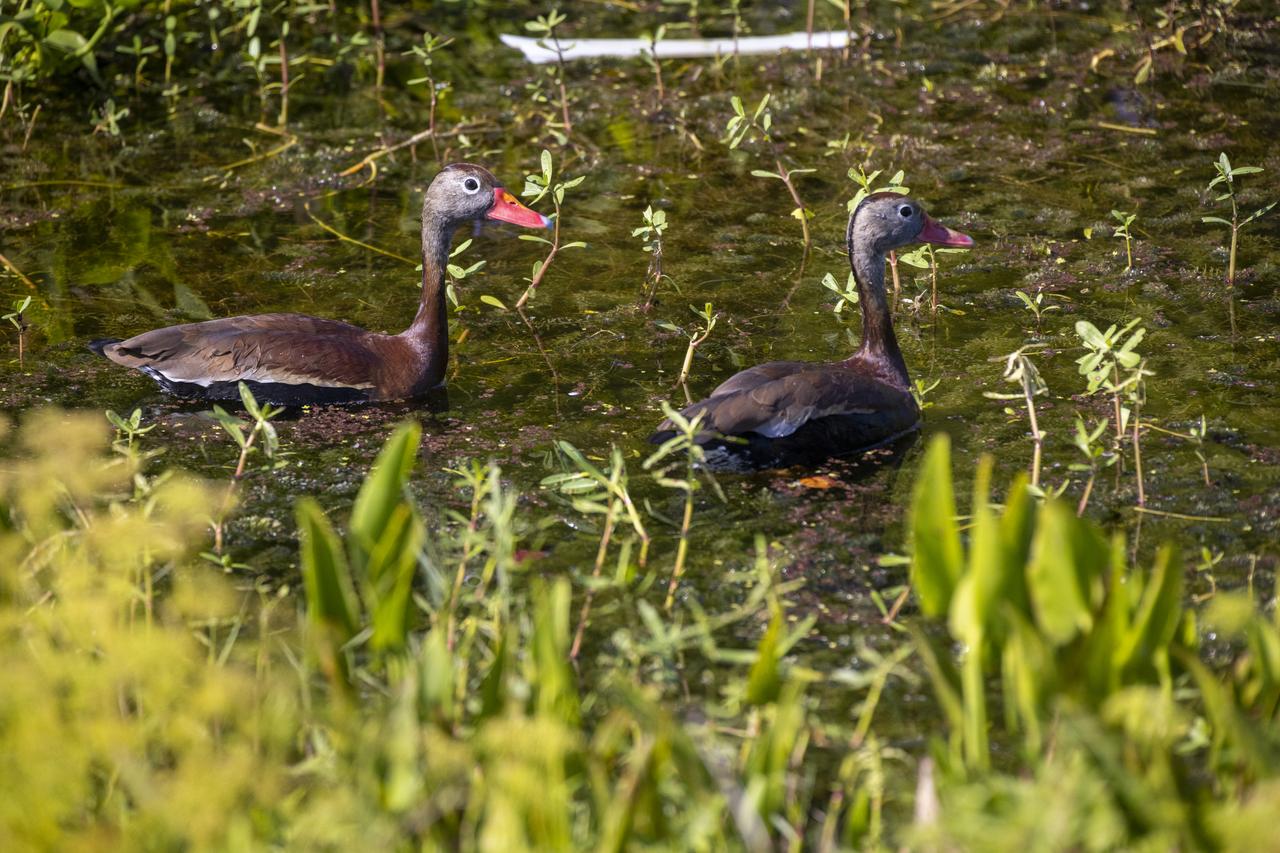
Two black-bellied whistling ducks wade in a marsh at NASA’s John F. Kennedy Space Center in Florida on May 19, 2023. The center shares a border with the Merritt Island National Wildlife Refuge. More than 330 native and migratory bird species call Kennedy and the wildlife refuge home.
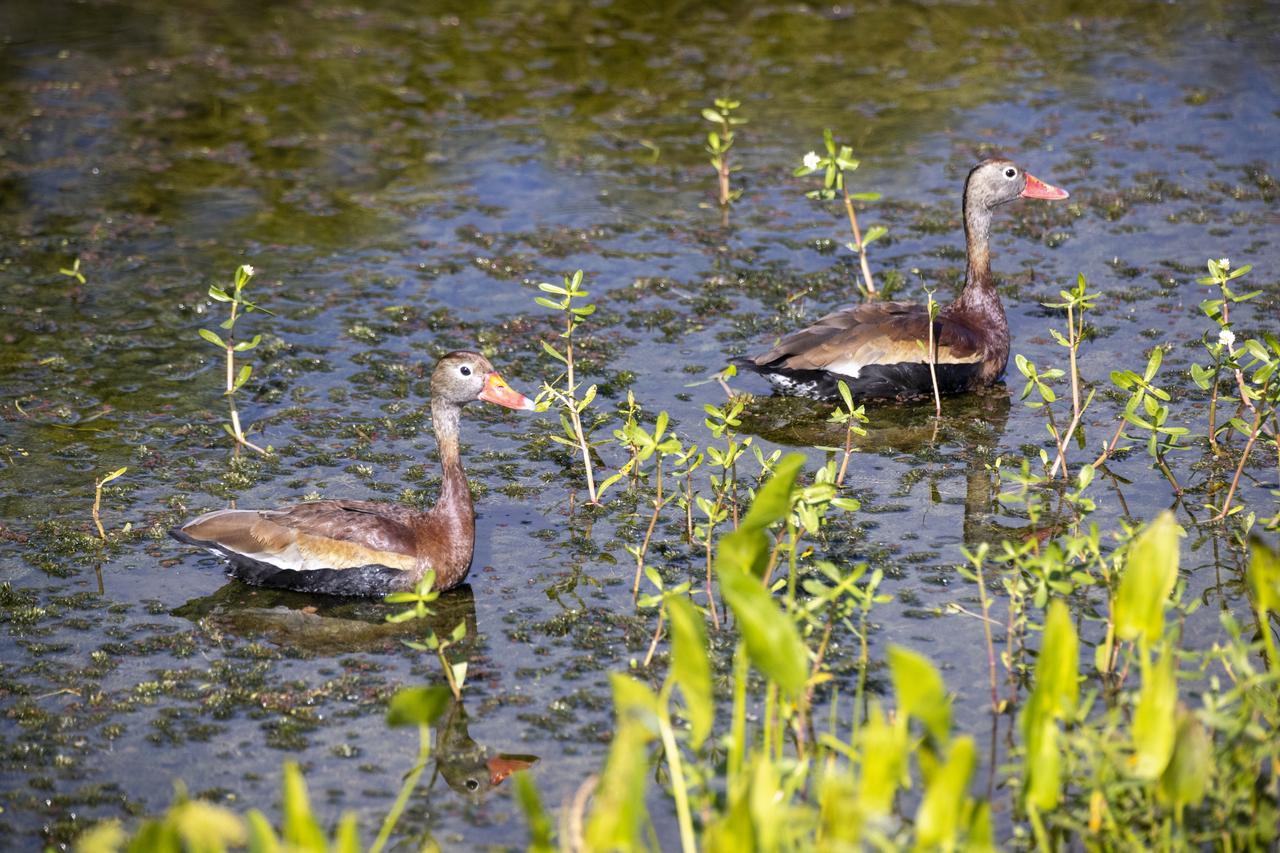
Two black-bellied whistling ducks wade in a marsh at NASA’s John F. Kennedy Space Center in Florida on May 19, 2023. The center shares a border with the Merritt Island National Wildlife Refuge. More than 330 native and migratory bird species call Kennedy and the wildlife refuge home.

A close-up view of a wildflower called Helianthus debilis (Dune sunflower) in a field at NASA’s Kennedy Space Center in Florida on June 13, 2023. The center shares a boundary with the Merritt Island National Wildlife Refuge. Along with wildflowers, Kennedy and the wildlife refuge are home to more than 300 native and migratory bird species, 65 amphibian and reptile species, and more than 1,000 different types of plants.
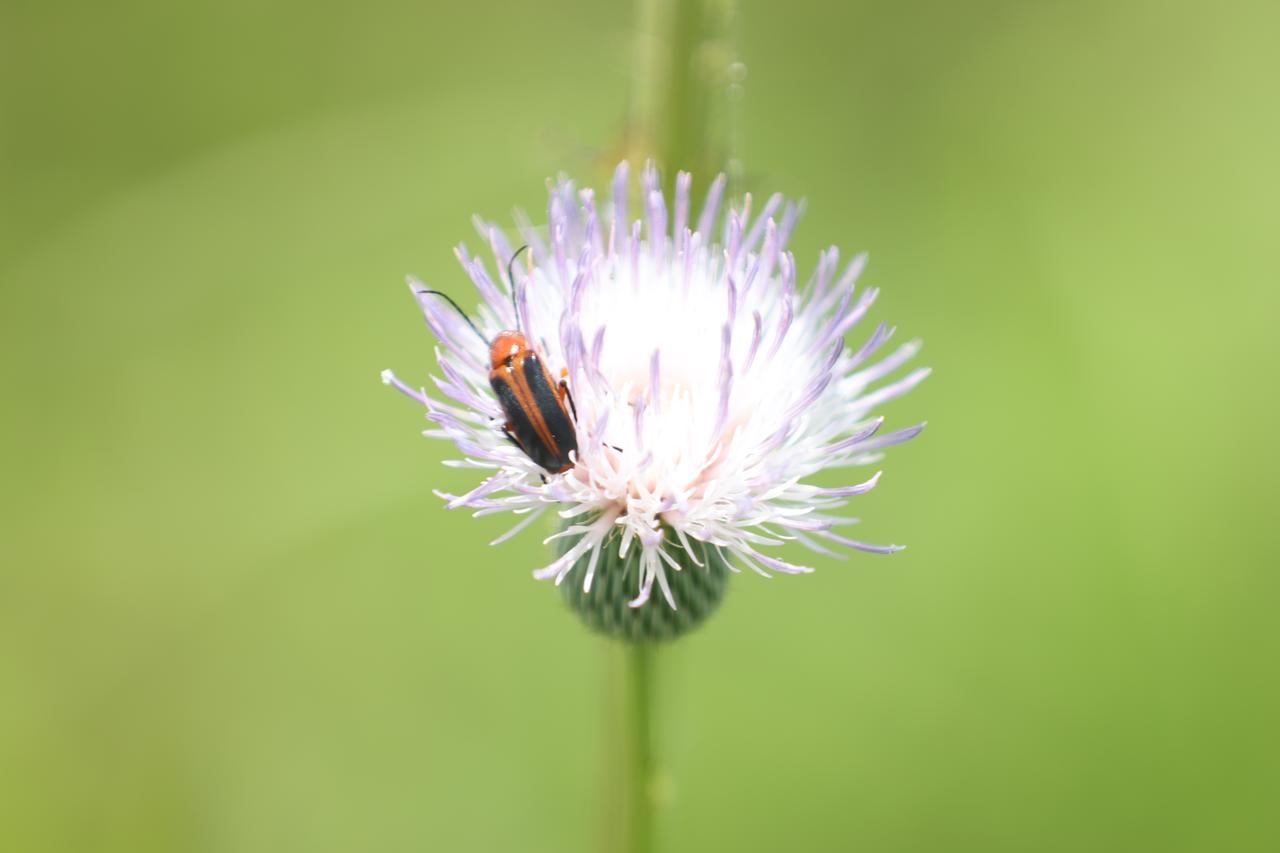
An orange blister beetle sits on a wildflower called Cirsium nuttallii (Nuttall’s thistle) in a field at NASA’s Kennedy Space Center in Florida on June 13, 2023. The center shares a boundary with the Merritt Island National Wildlife Refuge. Along with wildflowers, Kennedy and the wildlife refuge are home to more than 300 native and migratory bird species, 65 amphibian and reptile species, and more than 1,000 different types of plants.
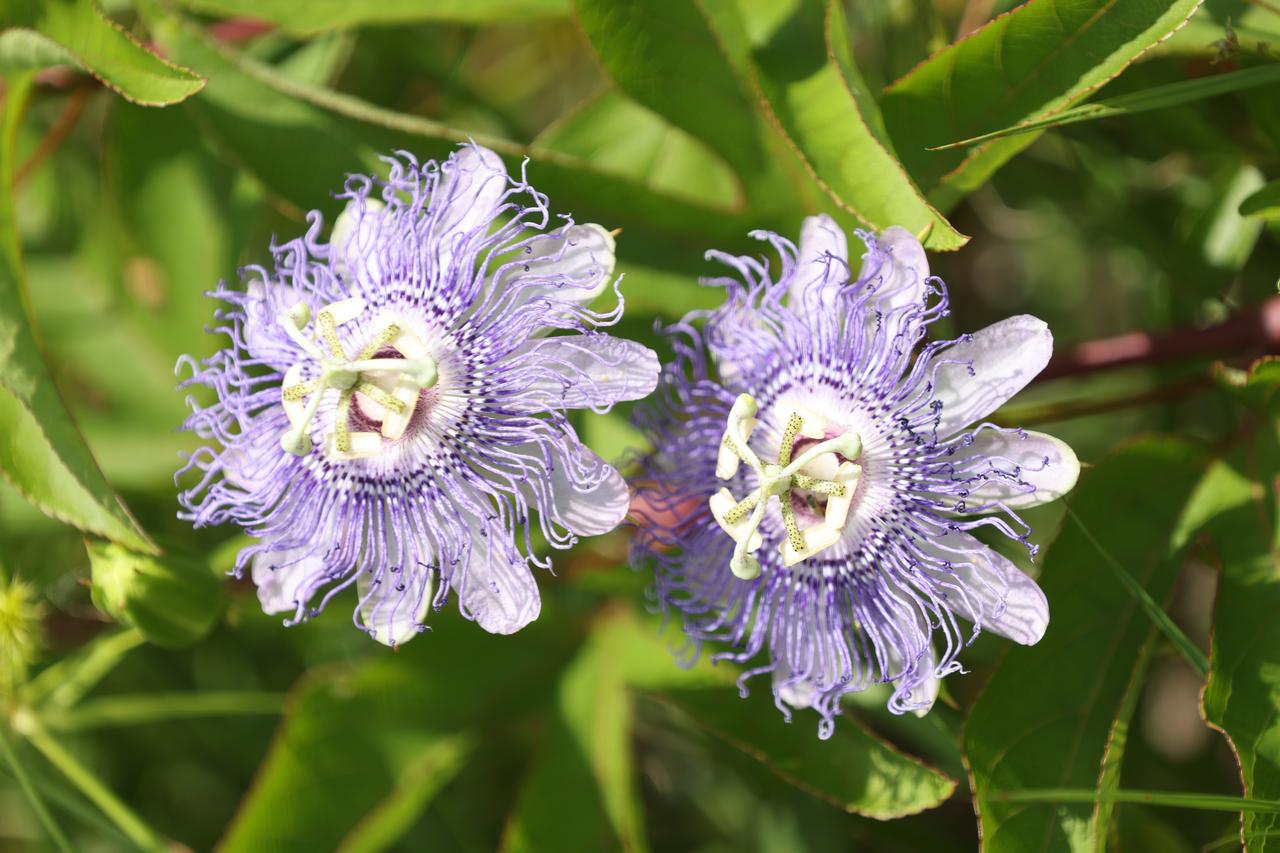
A close-up view of wildflowers called Passiflora incarnata (purple passionflower) in a field at NASA’s Kennedy Space Center in Florida on June 13, 2023. The center shares a boundary with the Merritt Island National Wildlife Refuge. Along with wildflowers, Kennedy and the wildlife refuge are home to more than 300 native and migratory bird species, 65 amphibian and reptile species, and more than 1,000 different types of plants.
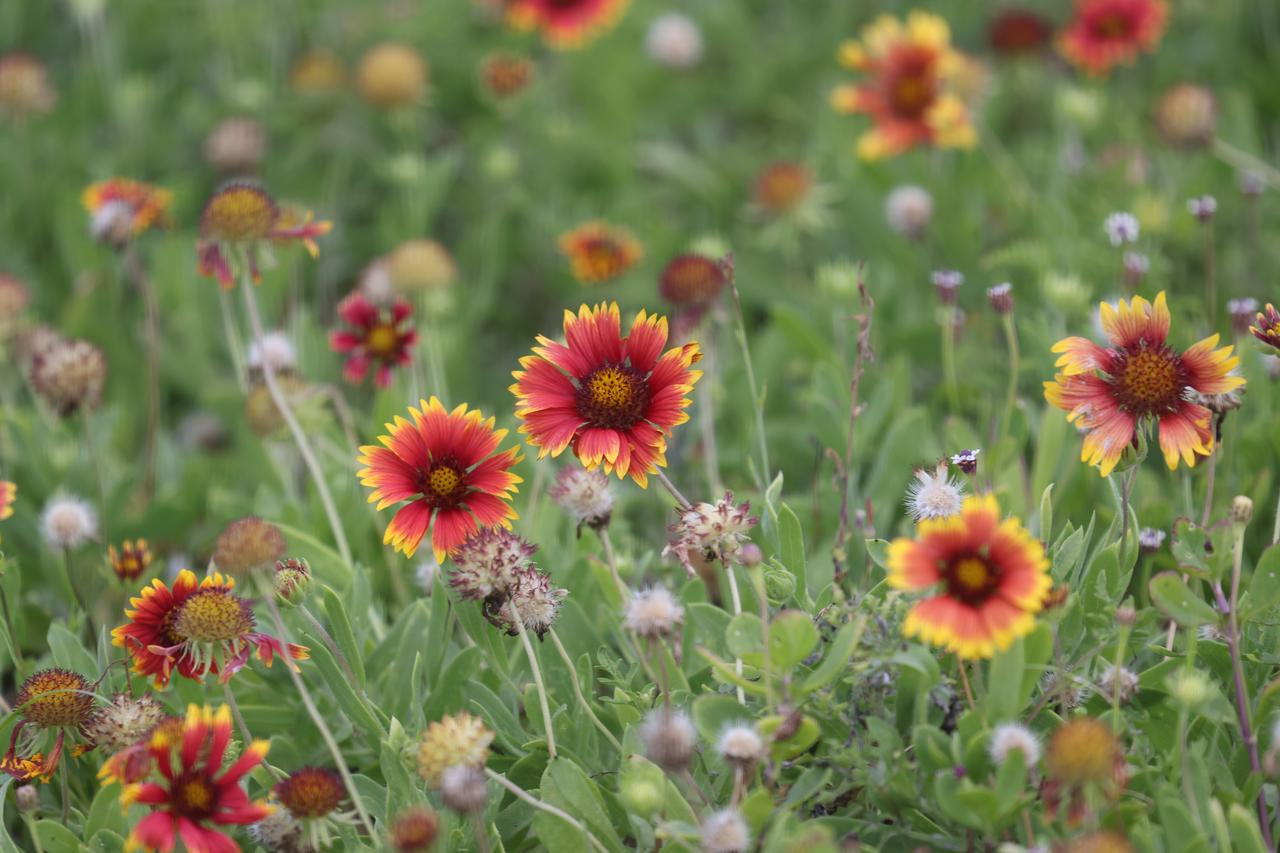
Wildflowers called Gaillardia pulchella (Firewheel) are in view in a field at NASA’s Kennedy Space Center in Florida on June 13, 2023. The center shares a boundary with the Merritt Island National Wildlife Refuge. Along with wildflowers, Kennedy and the wildlife refuge are home to more than 300 native and migratory bird species, 65 amphibian and reptile species, and more than 1,000 different types of plants.
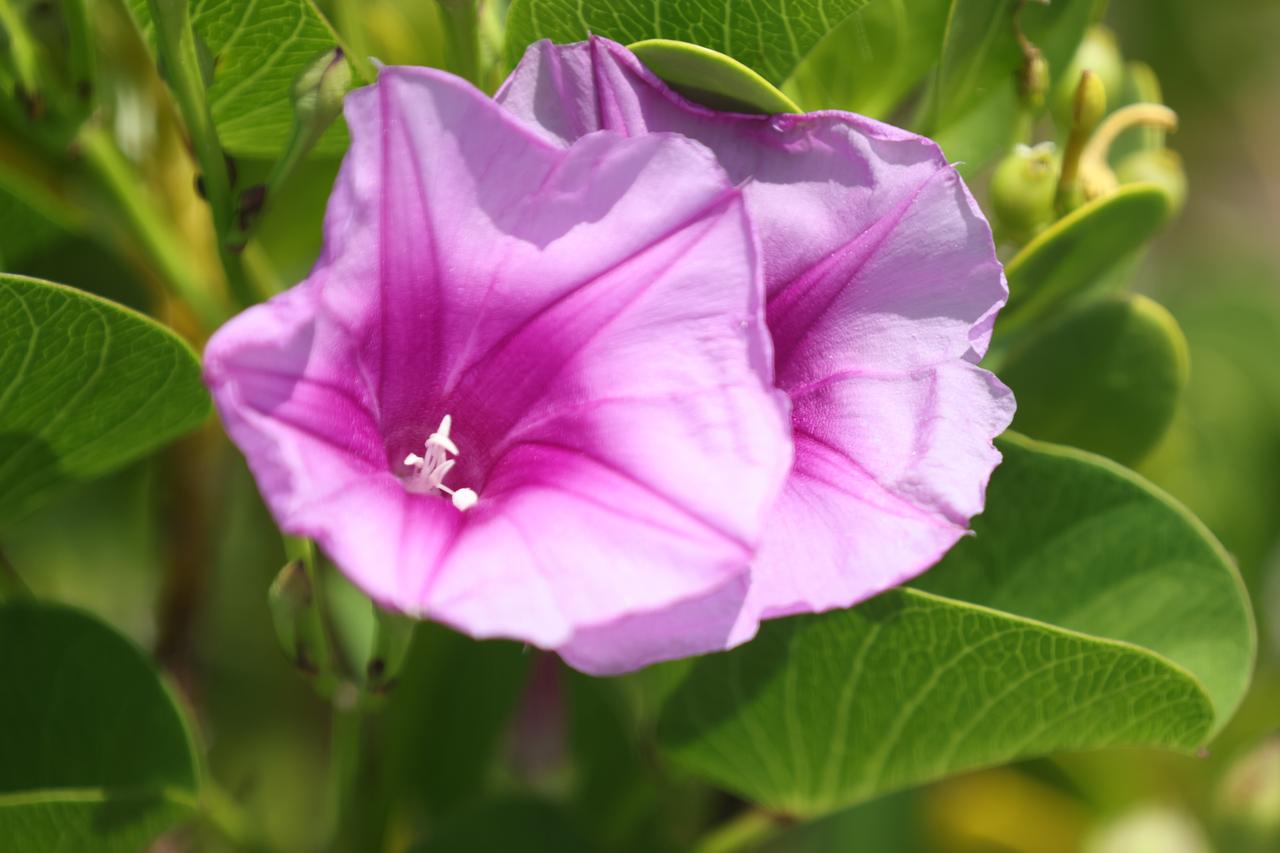
A close-up view of wildflowers called Ipomoea Pes-caprae (railroad vine) in a field at NASA’s Kennedy Space Center in Florida on June 13, 2023. The center shares a boundary with the Merritt Island National Wildlife Refuge. Along with wildflowers, Kennedy and the wildlife refuge are home to more than 300 native and migratory bird species, 65 amphibian and reptile species, and more than 1,000 different types of plants.
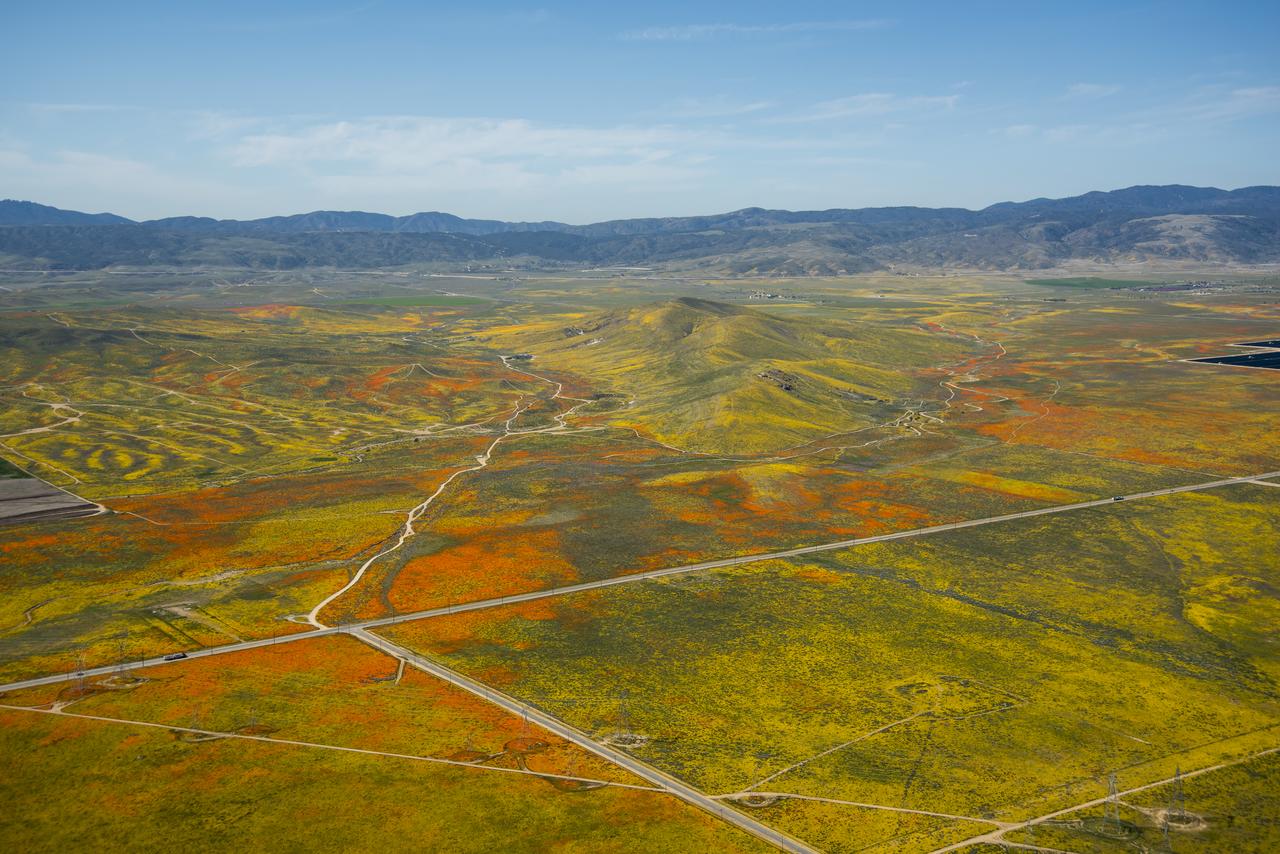
Image from a NASA aircraft, TG-14, over the Superbloom of wildflowers and poppies from the Antelope Valley in Southern California
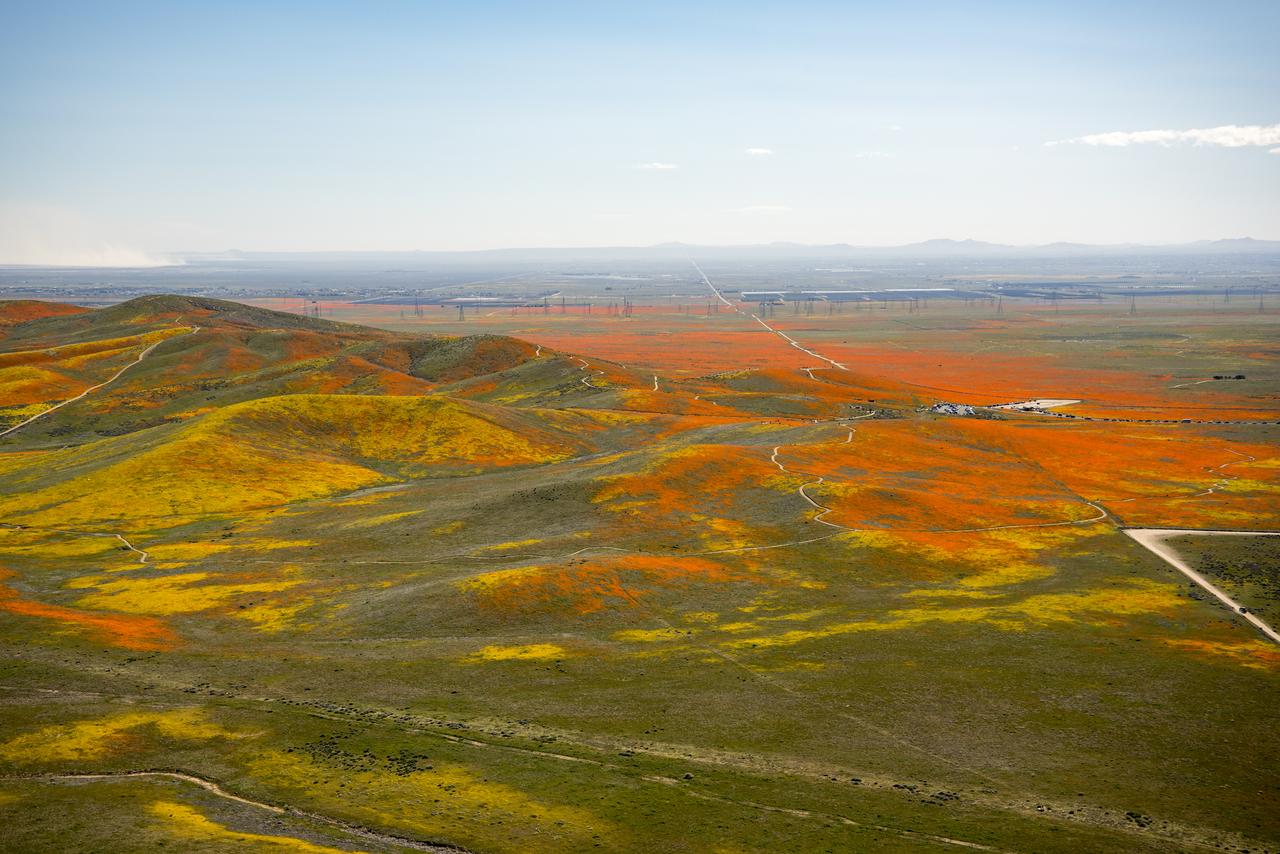
View from a NASA aircraft, TG-14, over the Superbloom of wildflowers and poppies from the Antelope Valley in Southern California, Poppy Reserve and solar panels are in the background.
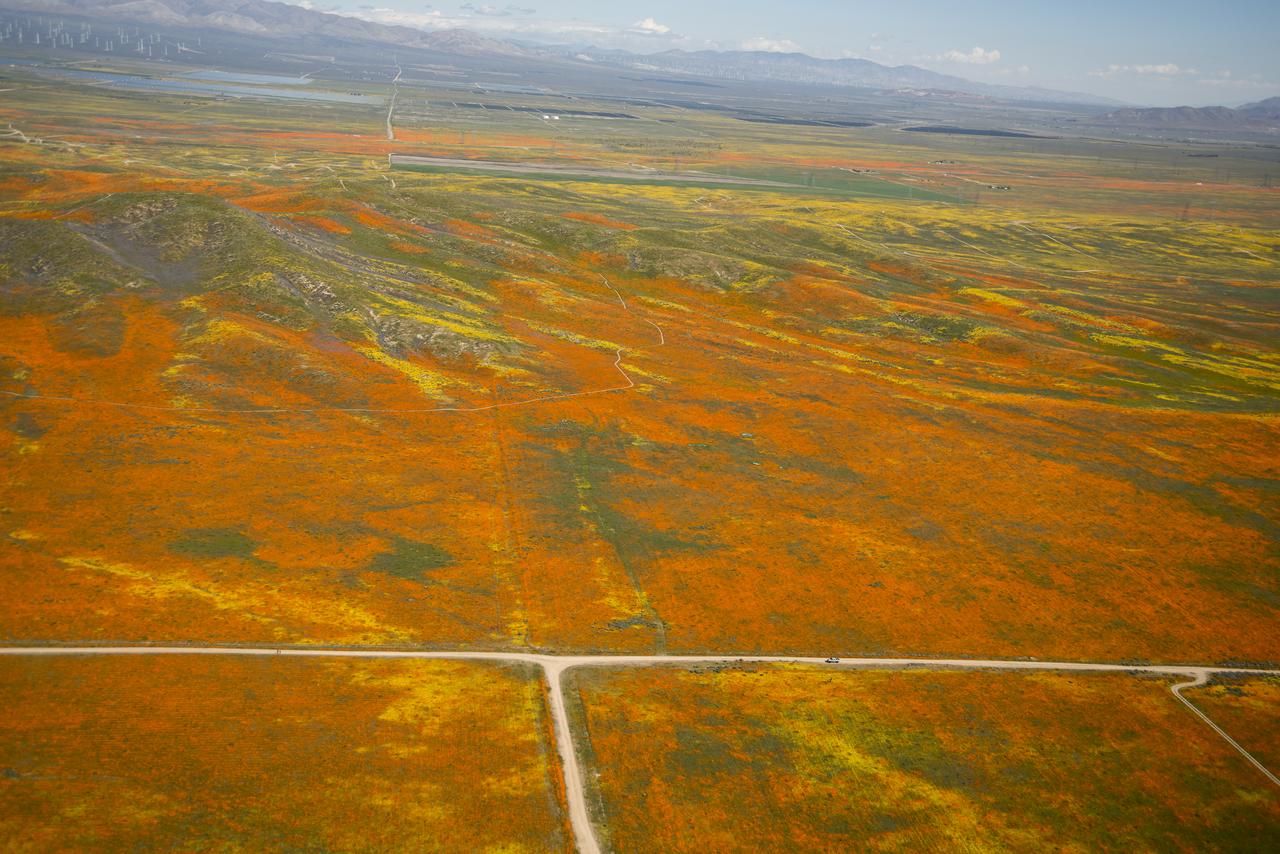
View from a NASA aircraft, TG-14, over the Superbloom of yellow wildflowers and orange poppies from the Antelope Valley in Southern California. The poppy is the state flower.

View from a NASA aircraft, TG-14, over the Superbloom of wildflowers and poppies from the Antelope Valley in Southern California and Poppy Reserve and solar panels in background
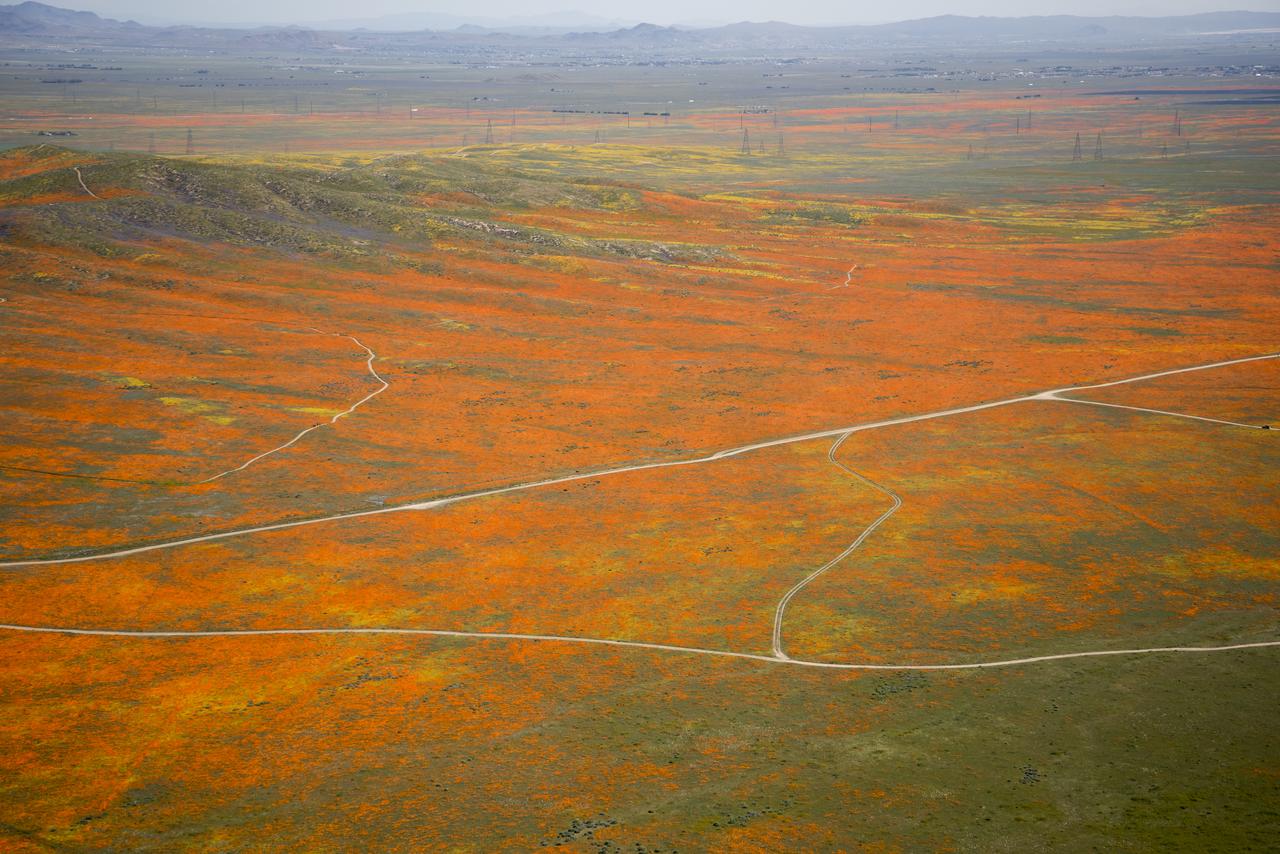
View from a NASA aircraft, TG-14, over the Superbloom of yellow wildflowers and orange poppies from the Antelope Valley in Southern California, Poppy Reserve and solar panels are in the background.
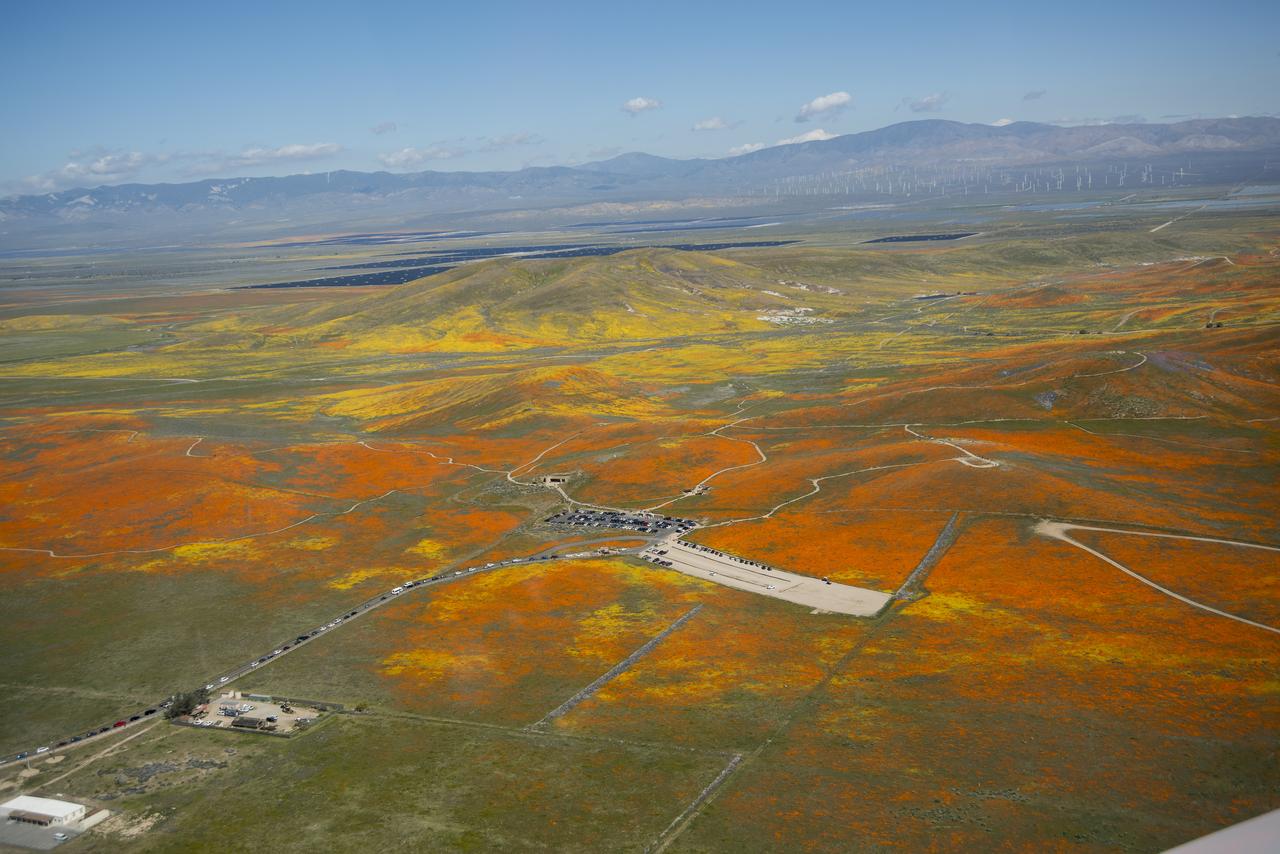
View from a NASA aircraft, TG-14, over the Superbloom of wildflowers and poppies from the Antelope Valley in Southern California. The Poppy Reserve is in the foreground and solar panels are in the background.
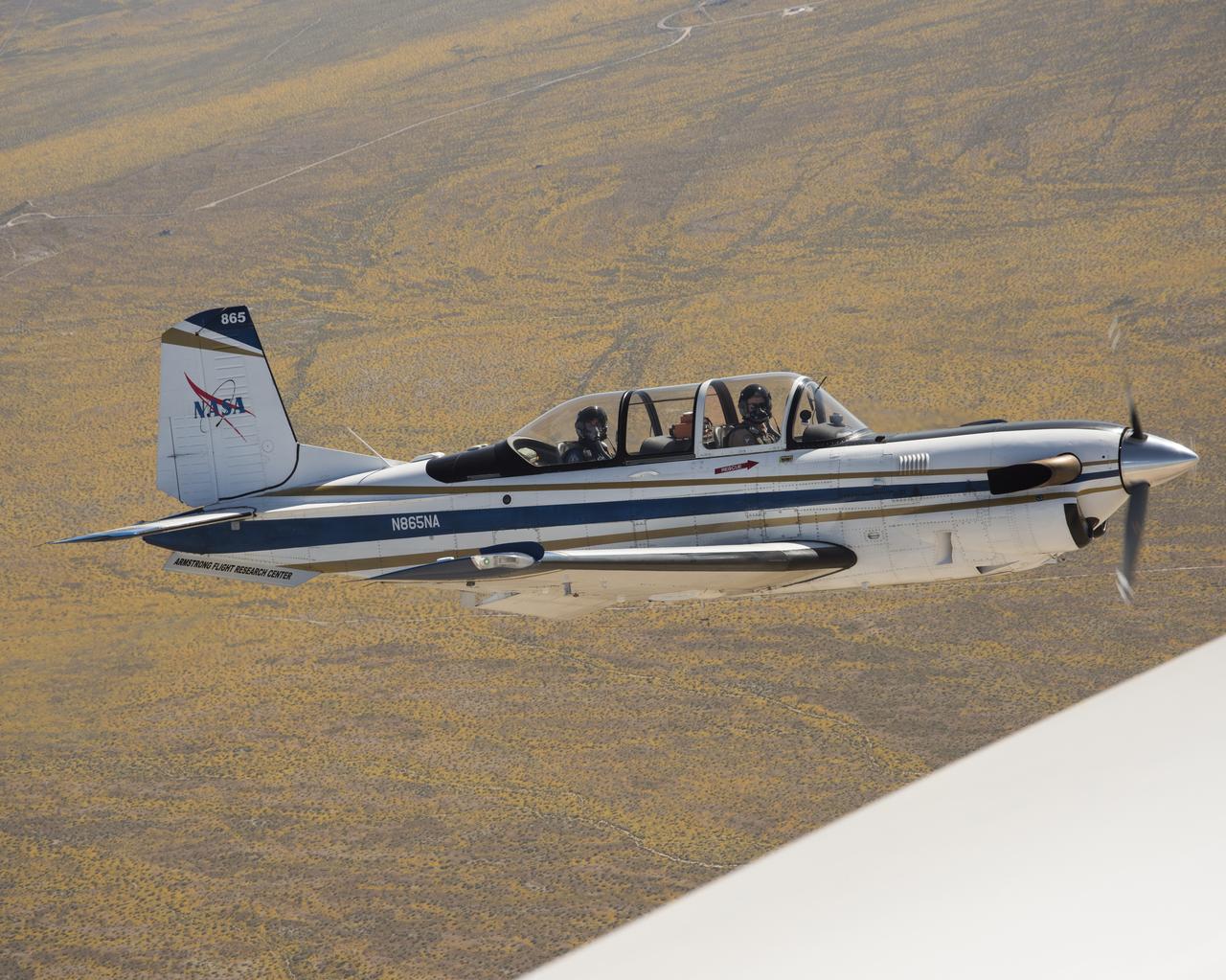
NASA’s T-34 aircraft flown from the agency’s Armstrong Flight Research Center aims the plane toward Southern California’s Antelope Valley Poppy Reserve flying over yellow wildflowers. The aircraft was flown from the agency’s Armstrong Flight Research Center.
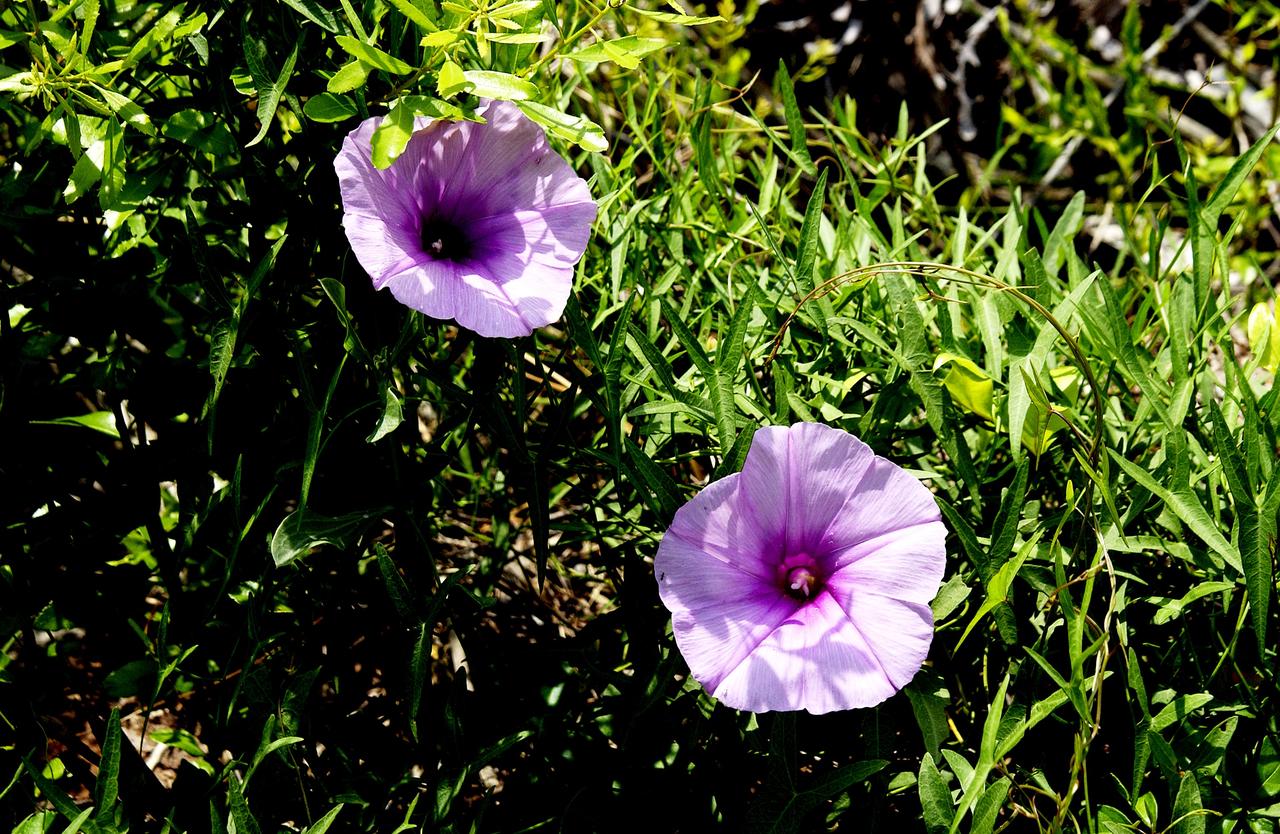
KENNEDY SPACE CENTER, FLA. - Wildflowers resembling petunias stand out against the deep green of the marsh foliage at KSC, which shares a boundary with the National Merritt Island Wildlife Refuge. Approximately one half of the Refuge's 140,000 acres consists of brackish estuaries and marshes. The remaining lands consist of coastal dunes, scrub oaks, pine forests and flatwoods, and palm and oak hammocks.
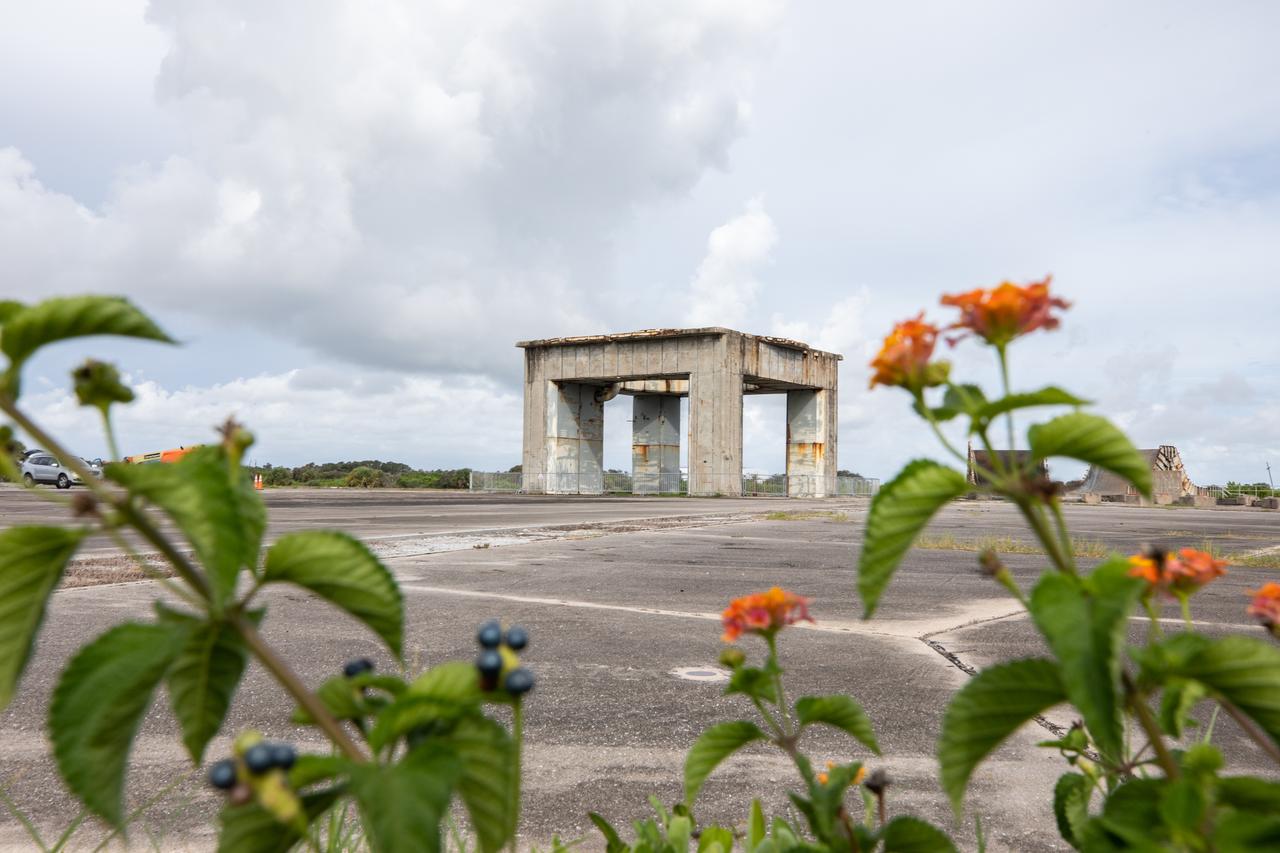
A view of the launch pedestal still standing at Launch Complex 34 with wildflowers in the foreground at Cape Canaveral Space Force Station in Florida on July 22, 2020. Work will soon begin to perform environmental contamination removal on the pedestal and the ground area surrounding the launch complex.
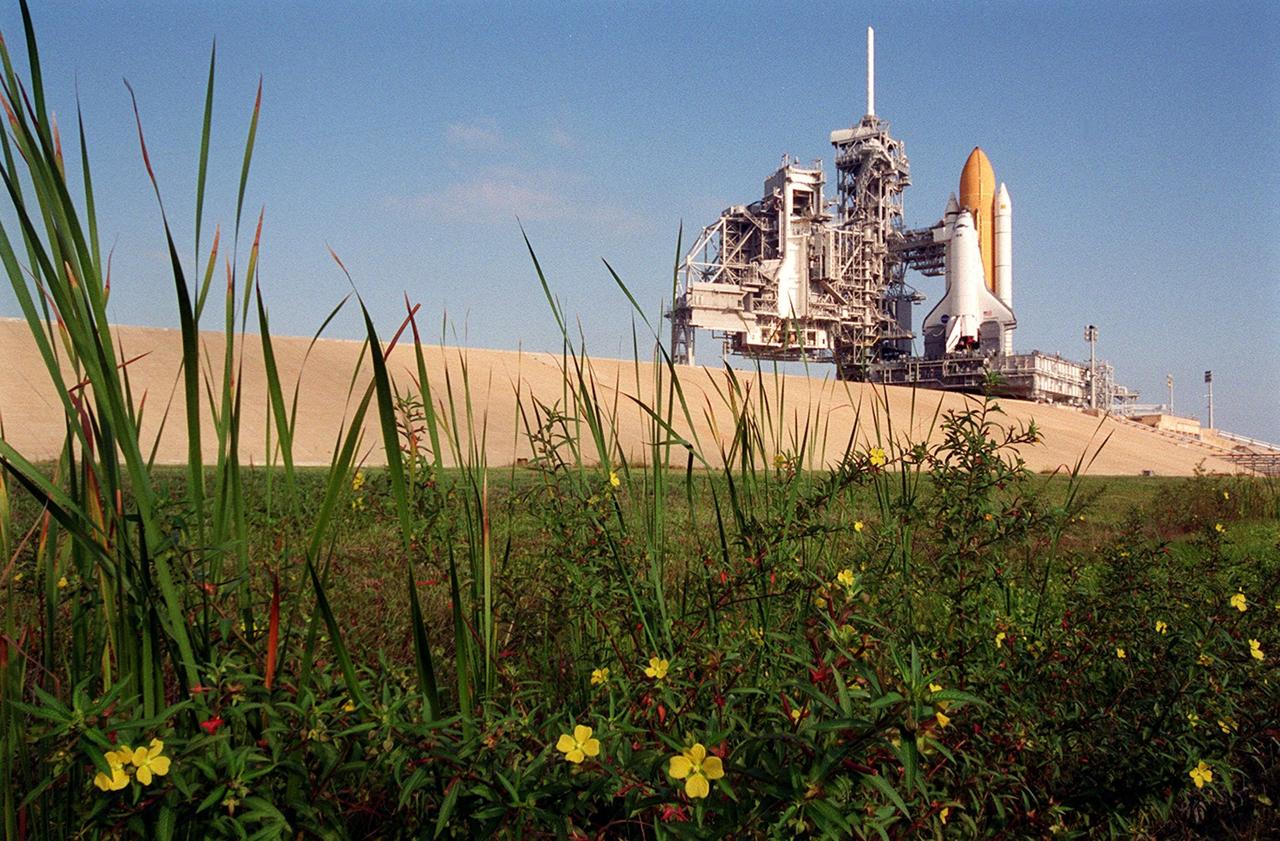
KENNEDY SPACE CENTER, FLA. -- Viewed across a field of wildflowers and other greenery, Space Shuttle Discovery rises above them on Launch Pad 39A. Discovery is undergoing final launch preparations of STS-92. Scheduled to lift off Oct. 5 at 9:38 p.m. EDT, Discovery will be making the 100th Space Shuttle mission launched from Kennedy Space Center. Discovery also will be making its 28th flight into space, more than any of the other orbiters to date. STS-92 is a mission to the International Space Station, carrying the Z1 truss, which is the first of 10 trusses on the Station, and the third Pressurized Mating Adapter
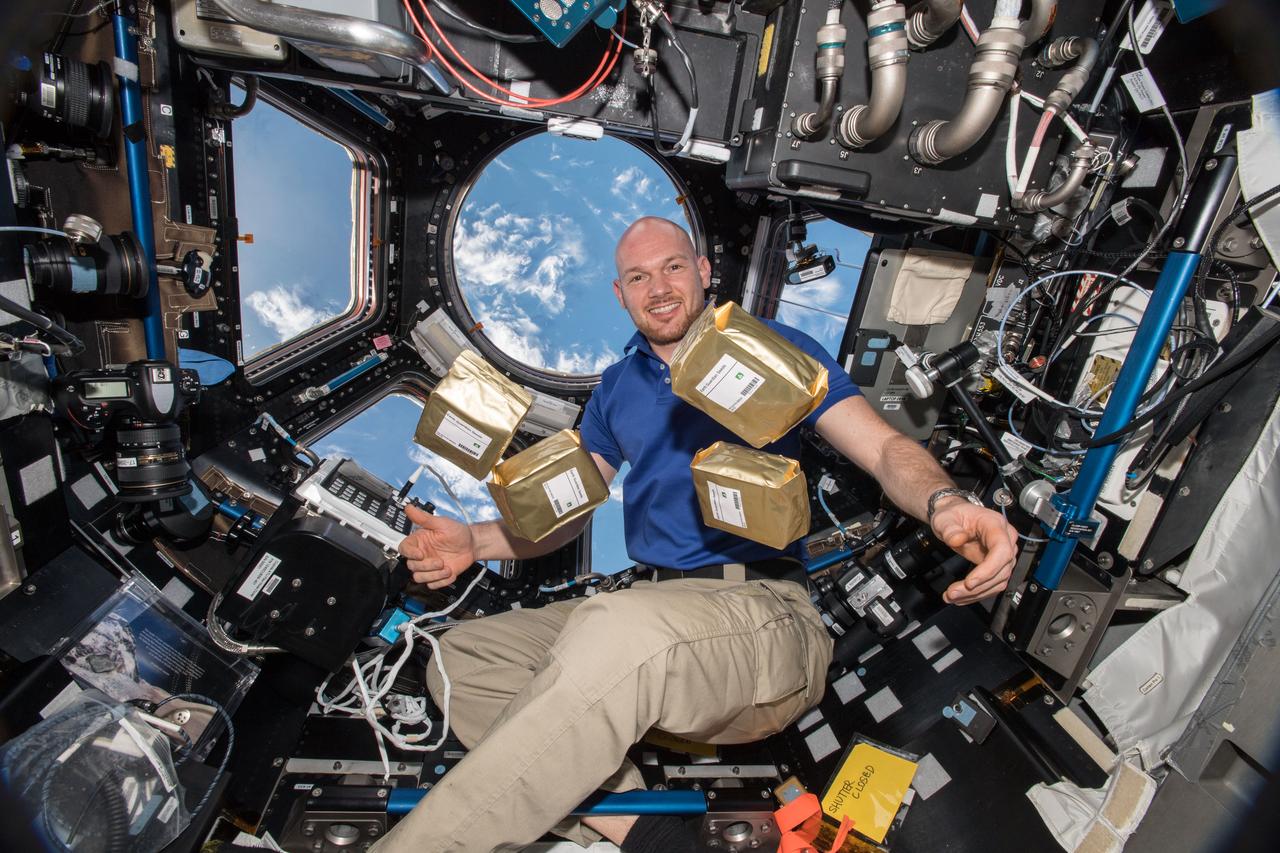
iss056e181703 (9/21/2018) --- European Space Agency (ESA) astronaut Alexander Gerst holding Earth Guardian Seeds, in the Cupola Module aboard the International Space Station (ISS). ESA-EPO-Gerst Earth Guardian Seeds (Earth Guardian Seeds) experiment is intended to teach students the importance of biodiversity and the protection of species, as well as, inspire curiosity for the natural and environmental sciences. Wildflower seeds are flown to the International Space Station (ISS), returned to Earth, and distributed to schools in Germany. The seeds are grown and their development is compared to grown seeds that remained on Earth.
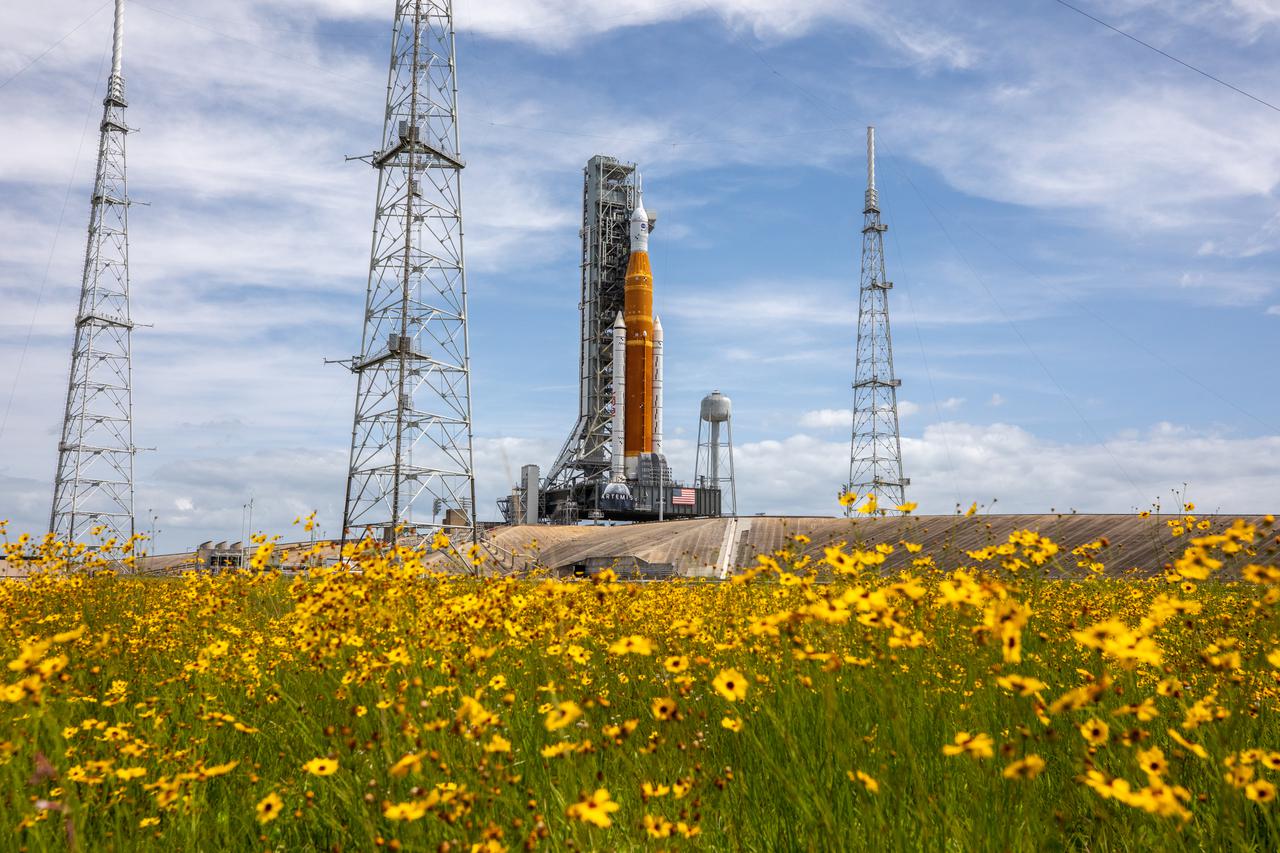
Wildflowers frame a view of the Artemis I Space Launch System (SLS) and Orion spacecraft on Launch Pad 39B at NASA’s Kennedy Space Center in Florida on April 21, 2022. Also in view are the three lightning protection towers and the water tower. The SLS and Orion atop the mobile launcher were transported to the pad on crawler-transporter 2 for a prelaunch test called a wet dress rehearsal. Artemis I will be the first integrated test of the SLS and Orion spacecraft. In future Artemis missions, NASA will land the first woman and the first person of color on the surface of the Moon, paving the way for a long-term lunar presence and serving as a steppingstone on the way to Mars.
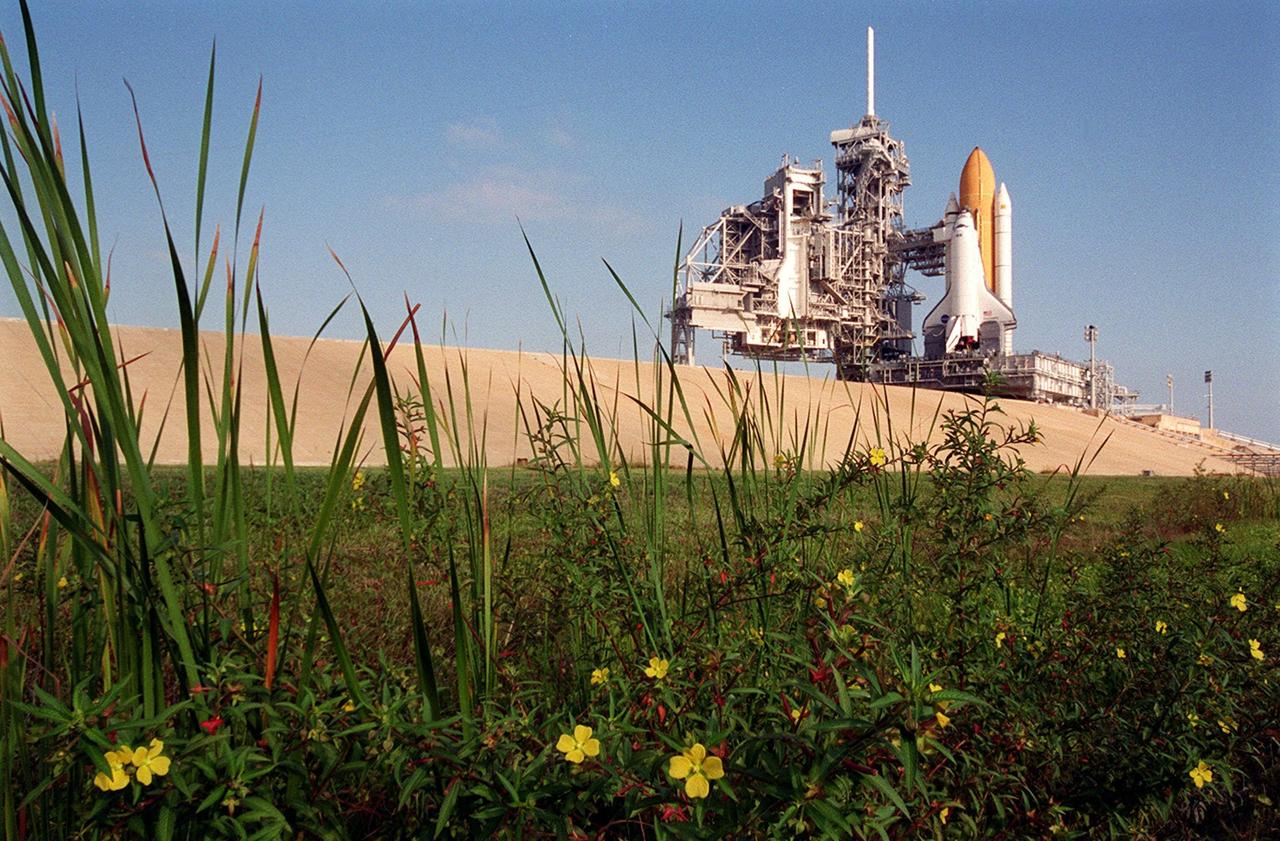
KENNEDY SPACE CENTER, FLA. -- Viewed across a field of wildflowers and other greenery, Space Shuttle Discovery rises above them on Launch Pad 39A. Discovery is undergoing final launch preparations of STS-92. Scheduled to lift off Oct. 5 at 9:38 p.m. EDT, Discovery will be making the 100th Space Shuttle mission launched from Kennedy Space Center. Discovery also will be making its 28th flight into space, more than any of the other orbiters to date. STS-92 is a mission to the International Space Station, carrying the Z1 truss, which is the first of 10 trusses on the Station, and the third Pressurized Mating Adapter
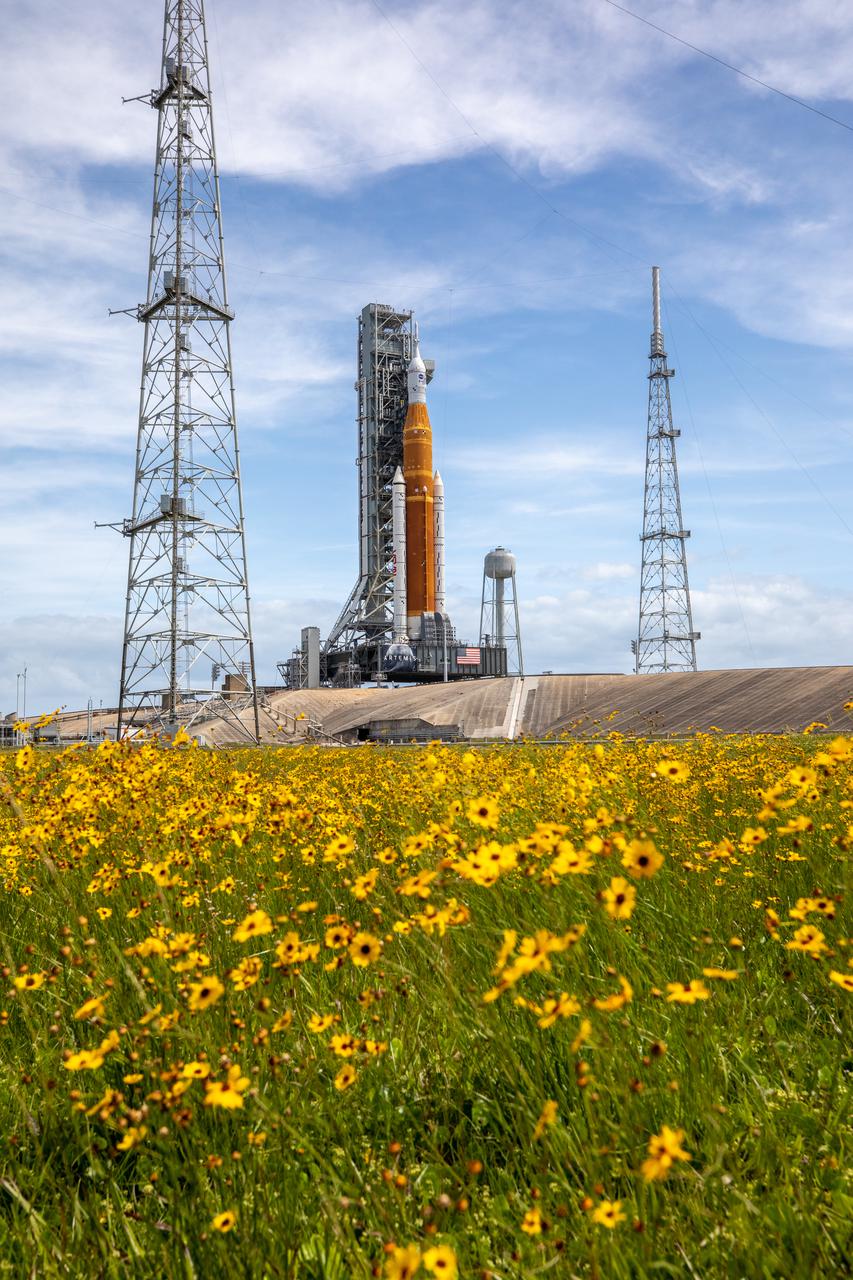
Wildflowers frame a view of the Artemis I Space Launch System (SLS) and Orion spacecraft on Launch Pad 39B at NASA’s Kennedy Space Center in Florida on April 21, 2022. Also in view are two of the three lightning protection towers and the water tower. The SLS and Orion atop the mobile launcher were transported to the pad on crawler-transporter 2 for a prelaunch test called a wet dress rehearsal. Artemis I will be the first integrated test of the SLS and Orion spacecraft. In future Artemis missions, NASA will land the first woman and the first person of color on the surface of the Moon, paving the way for a long-term lunar presence and serving as a steppingstone on the way to Mars.
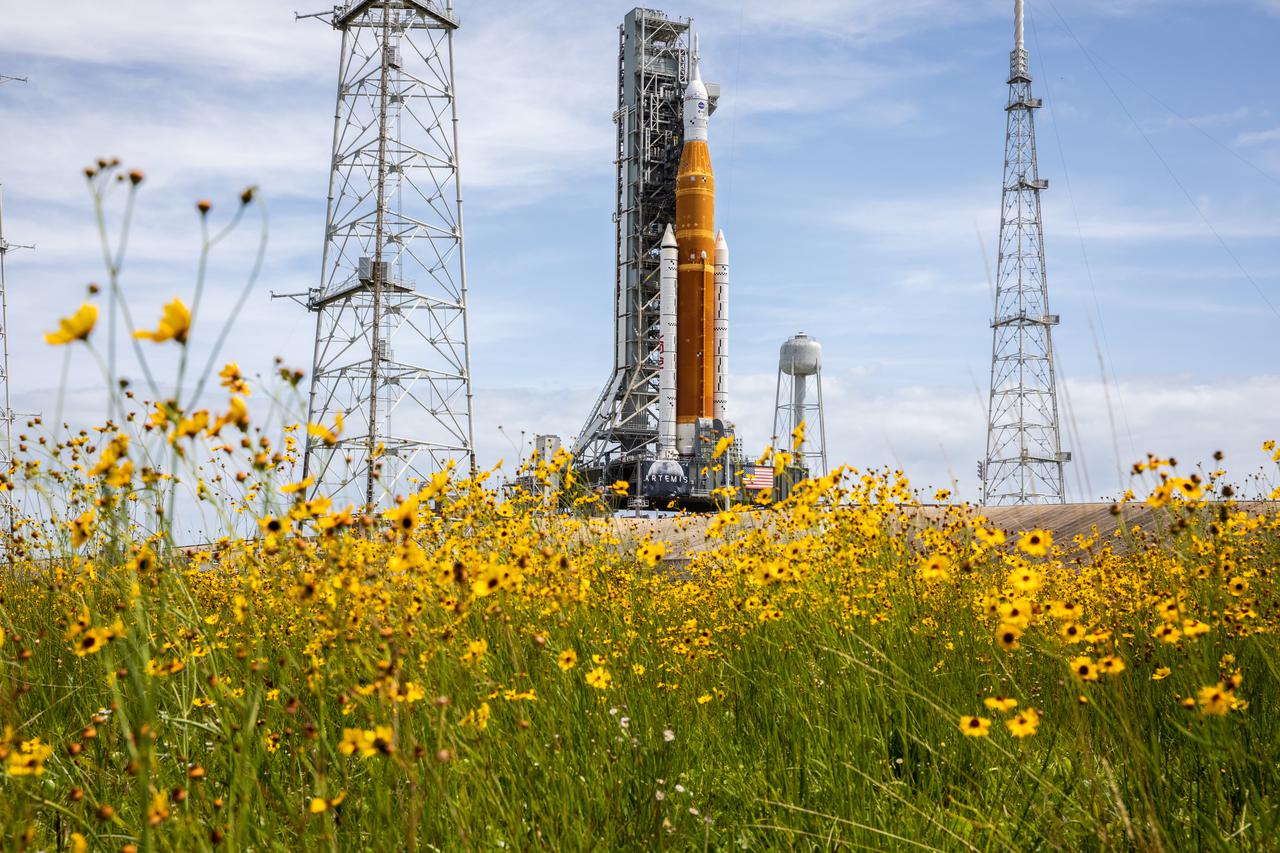
Wildflowers frame a view of the Artemis I Space Launch System (SLS) and Orion spacecraft on Launch Pad 39B at NASA’s Kennedy Space Center in Florida on April 21, 2022. Also in view are two of the three lightning protection towers and the water tower. The SLS and Orion atop the mobile launcher were transported to the pad on crawler-transporter 2 for a prelaunch test called a wet dress rehearsal. Artemis I will be the first integrated test of the SLS and Orion spacecraft. In future Artemis missions, NASA will land the first woman and the first person of color on the surface of the Moon, paving the way for a long-term lunar presence and serving as a steppingstone on the way to Mars.
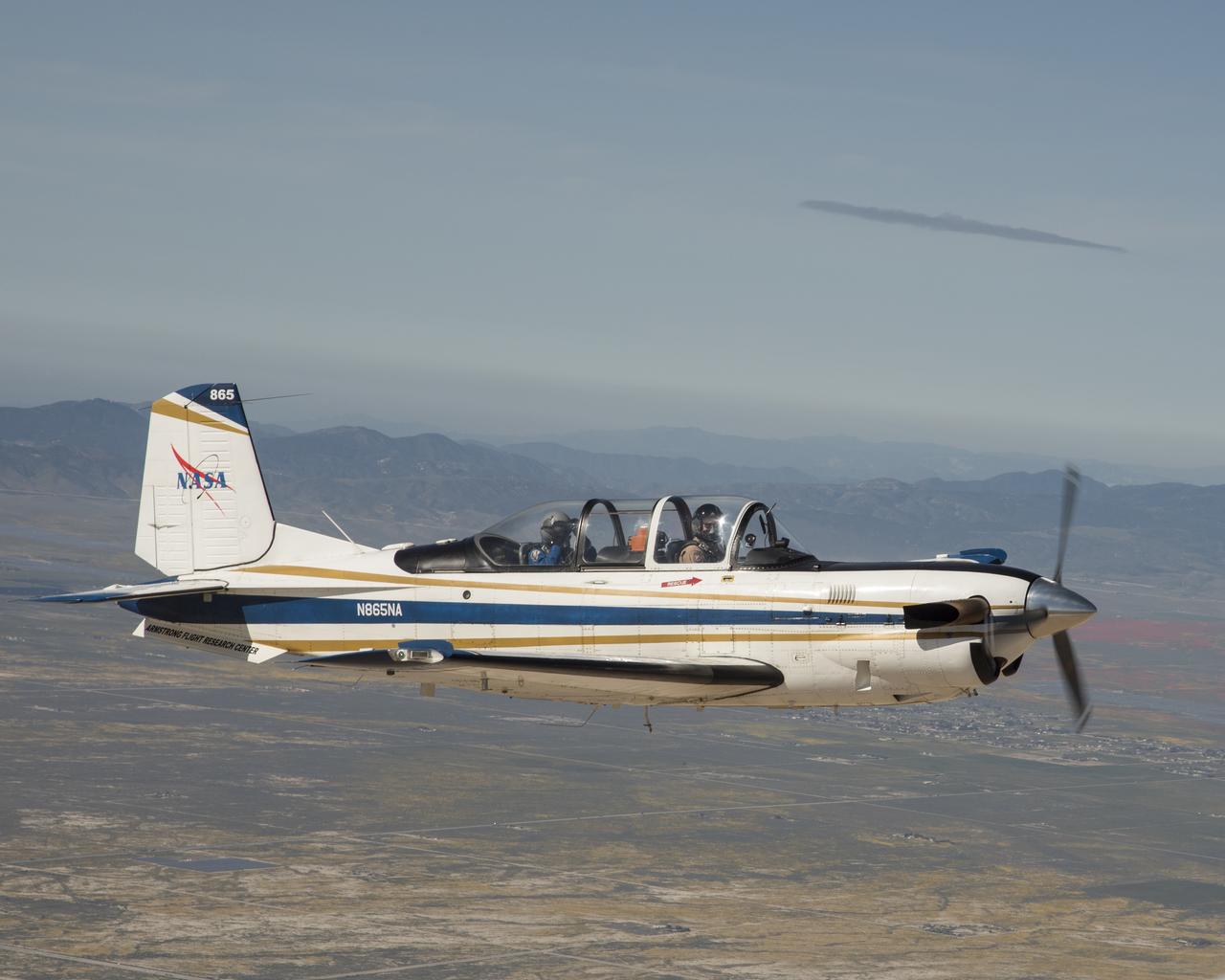
NASA’s T-34 aircraft flown from the agency’s Armstrong Flight Research Center heading toward Southern California’s Antelope Valley Poppy Reserve. The aircraft was flown from the agency’s Armstrong Flight Research Center.
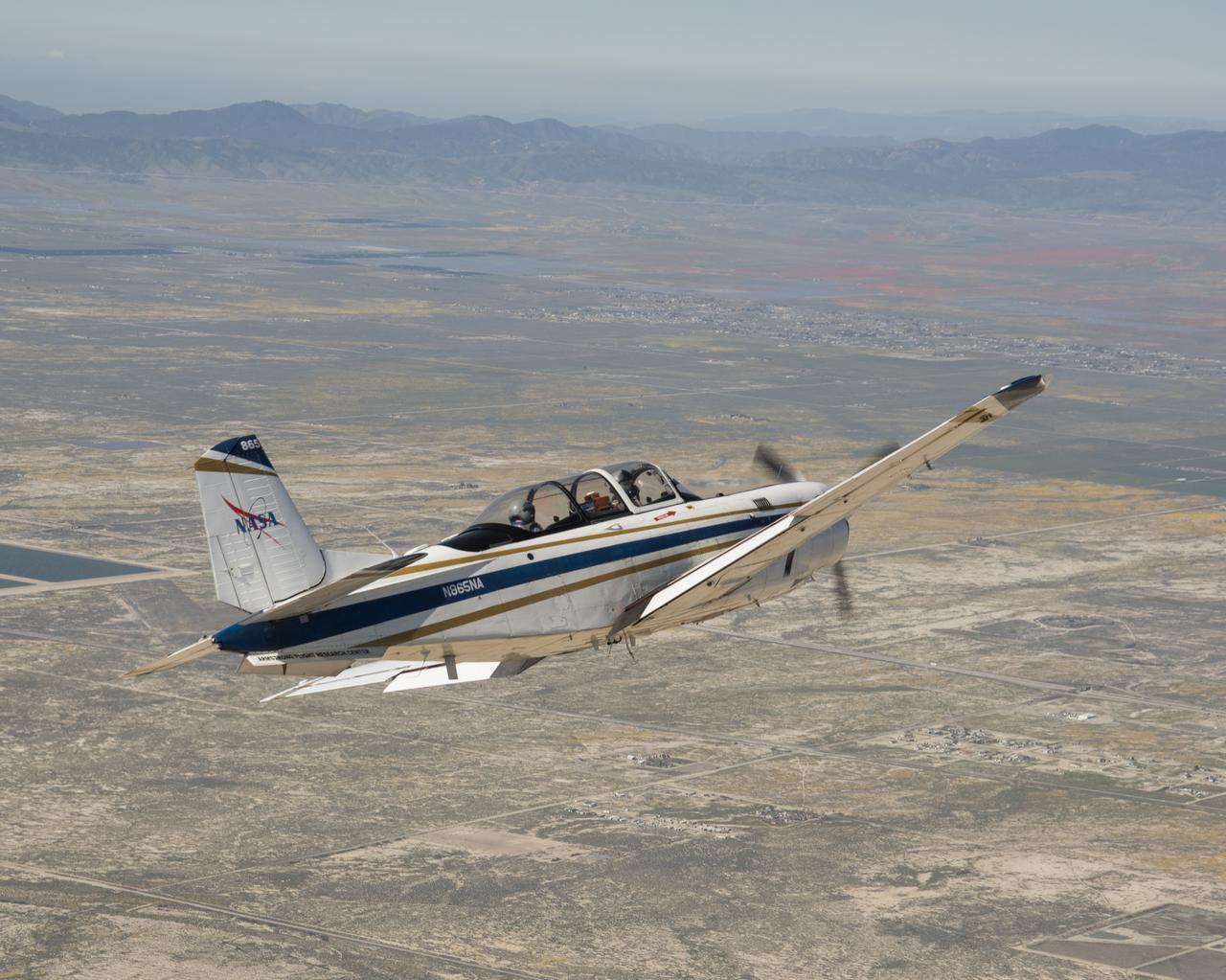
NASA's T-34 aircraft flown from the agency's Armstrong Flight Research Center aims the plane toward Southern California's Antelope Valley Poppy Reserve. The aircraft was flown from the agency's Armstrong Flight Research Center.
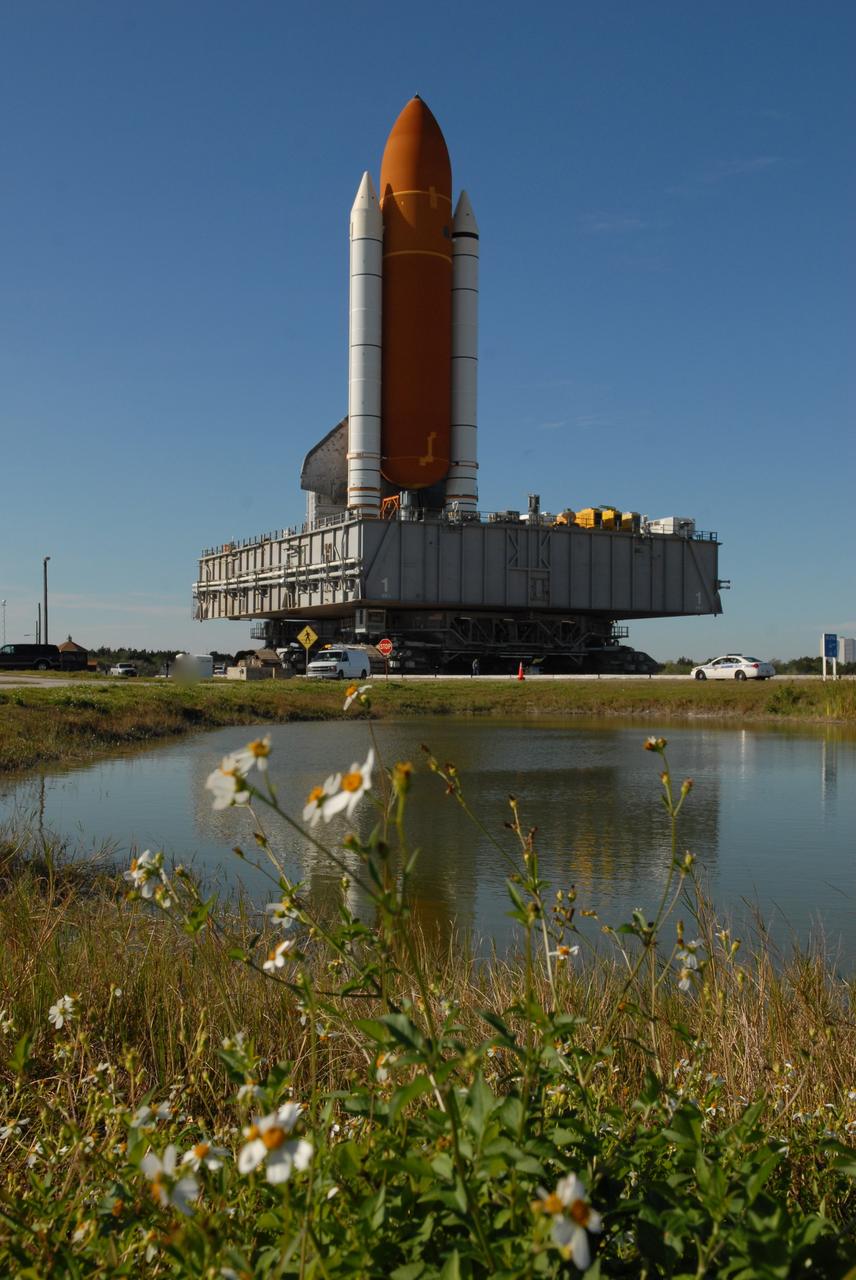
CAPE CANAVERAL, Fla. -- Space shuttle Discovery, atop the mobile launcher platform, wends its way past a wildflower-edged canal on the slow 3.4-mile journey to Launch Pad 39A at NASA's Kennedy Space Center in Florida. First motion out of the Vehicle Assembly Building was at 5:17 a.m. EST. Discovery was secured to the pad at 12:16 p.m. Discovery is targeted to launch to the International Space Station Feb. 12. During Discovery's 14-day mission, the crew will install the S6 truss segment and its solar arrays to the starboard side of the station, completing the station's backbone, or truss, enabling a six-person crew to live there starting in May. Photo credit: NASA/Troy Cryder
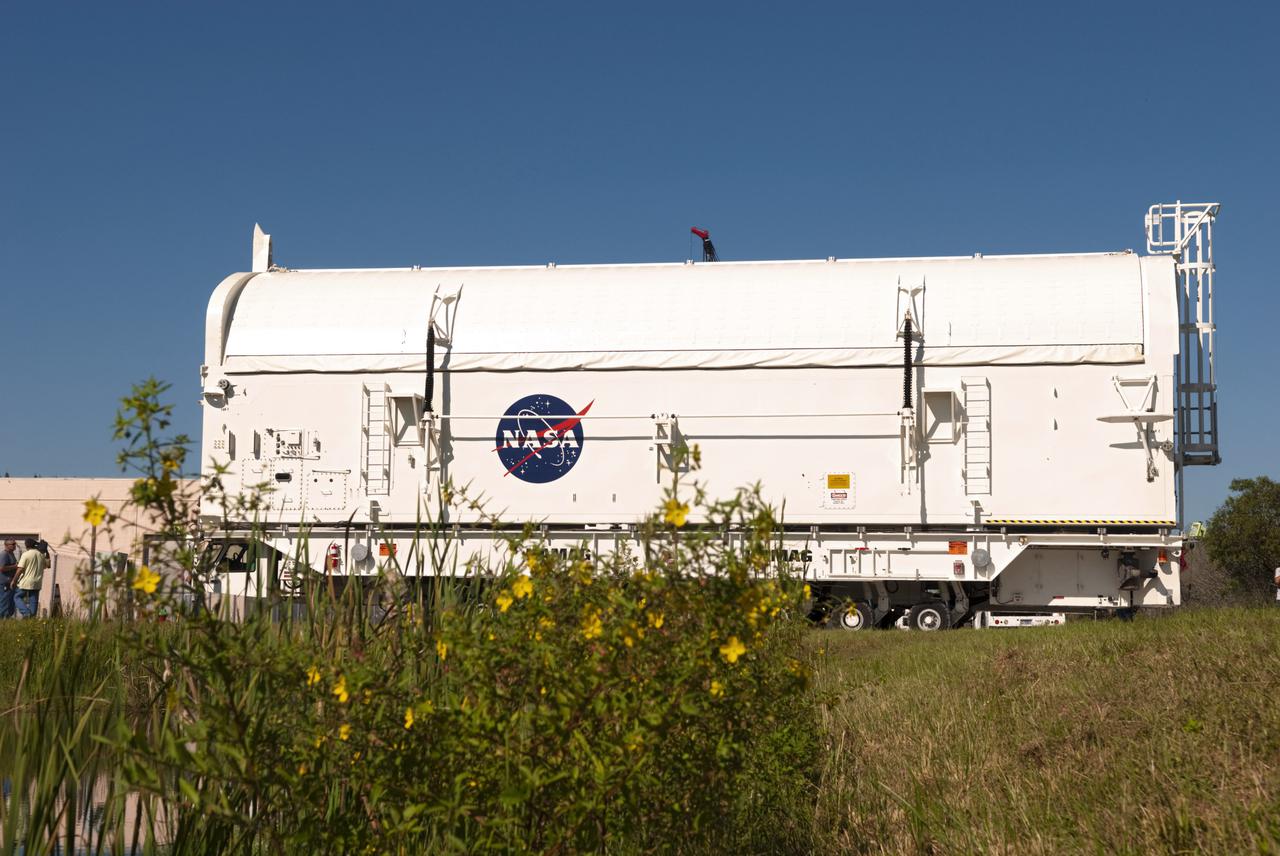
CAPE CANAVERAL, Fla. -- Wildflowers line the roadway along the route payload canister #2 is traveling between the Canister Rotation Facility and the Reutilization, Recycling and Marketing Facility on Ransom Road at NASA's Kennedy Space Center in Florida. The two payload canisters used to transport space shuttle payloads to the launch pad for installation in the shuttles' cargo bays are being decommissioned following the end of the Space Shuttle Program. Each canister weighs 110,000 pounds and is 65 feet long, 22 feet wide, and 18 feet, 7 inches high. The canisters were prescreened through NASA Headquarters as possible artifacts, but their size makes them difficult to transport to locations off the center. Federal and state agencies now will be given the opportunity to screen the canisters for potential use before a final decision is made on their disposition. For more information, visit http:__www.nasa.gov_centers_kennedy_pdf_167403main_CRF-06.pdf. Photo credit: NASA_Jim Grossmann
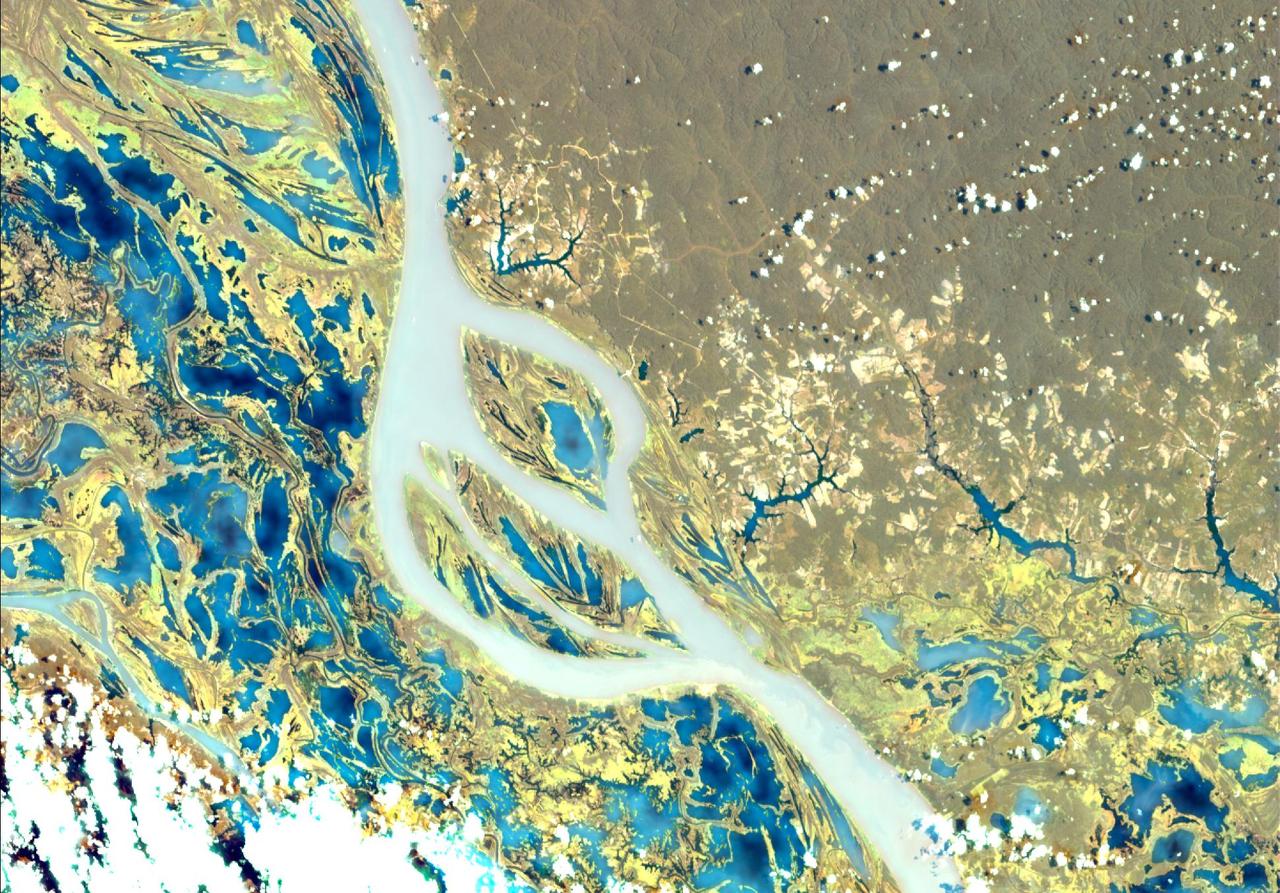
NASA's Earth Surface Mineral Dust Source Investigation (EMIT) collected this hyperspectral image of the Amazon River in the northern Brazilian state of Pará on June 30, 2024. The tan and yellow colors represent vegetated land, while the blue and turquoise hues signify water. Clouds are white. This image is part of a new dataset providing new information on global ecosystem biodiversity. EMIT, installed on the International Space Station in 2022, was originally tasked with mapping minerals over Earth's desert regions to help determine the cooling and heating effects that dust can have on regional and global climate. Since early 2024 the instrument has been on an extended mission in which its data is being used in research on a diverse range of topics including agricultural practices, snow hydrology, wildflower blooming, phytoplankton and carbon dynamics in inland waters, ecosystem biodiversity, and functional traits of forests. Imaging spectrometers like EMIT detect the light reflected from Earth and then separate visible and infrared light into hundreds of wavelength bands. Scientists use patterns of reflection and absorption at different wavelengths to determine the composition of whatever the instrument is observing. EMIT is laying the groundwork for NASA's future Surface Biology and Geology-Visible Shortwave Infrared satellite mission. SBG-VSWIR will cover Earth's land and coasts more frequently than EMIT, with finer spatial resolution. https://photojournal.jpl.nasa.gov/catalog/PIA26417
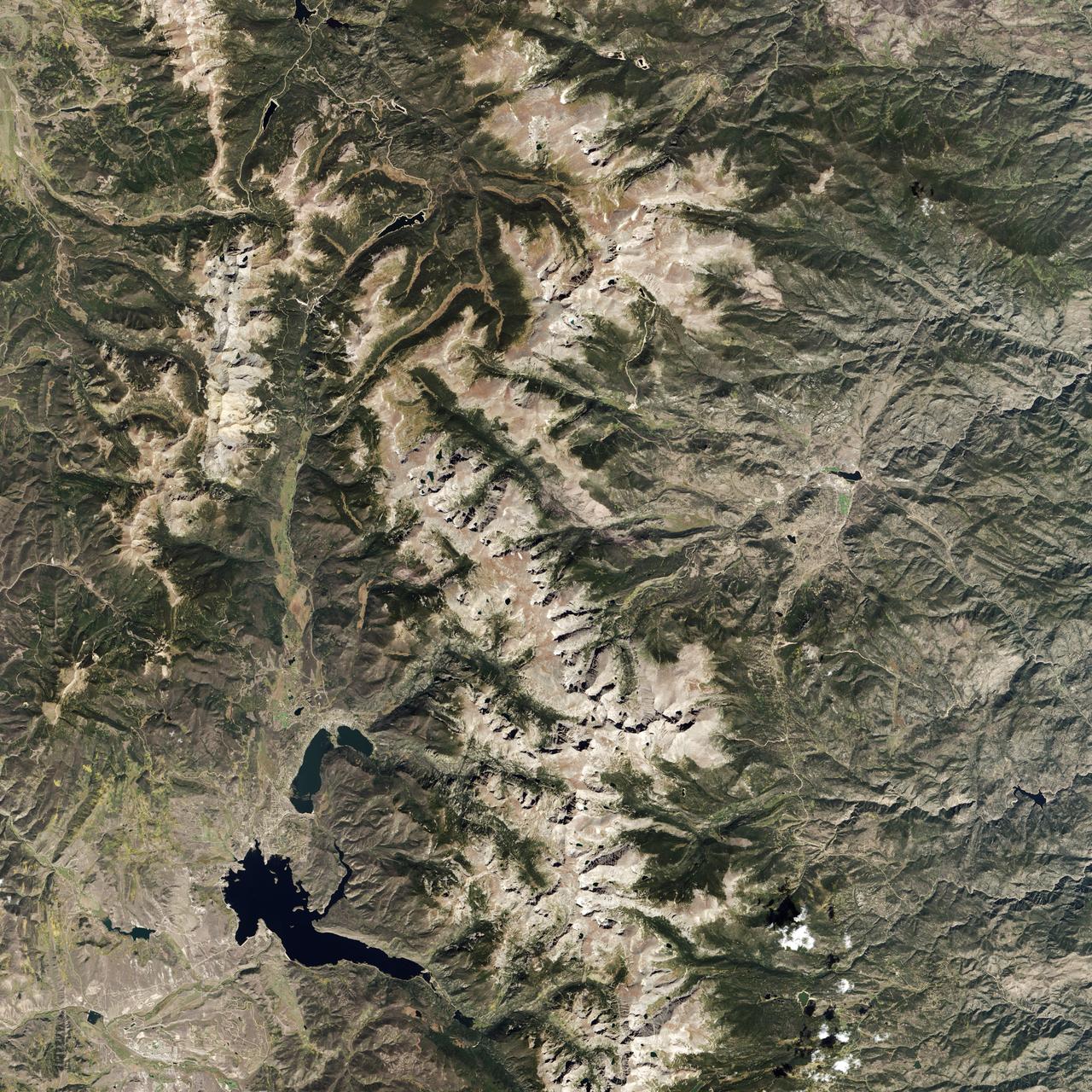
Colorado’s Rocky Mountain National Park presents a very different landscape in summertime than in wintertime. Snow retreats and gives way to blooms of wildflowers, even at high elevations. Roads and trails become accessible, allowing visitors easier access to the rugged mountain trails and vistas. The diversity of the park’s landscape is visible in this image, acquired on September 20, 2014, with the Operational Land Imager (OLI) on the Landsat 8 satellite. Except for a few patches, seasonal snow is mostly gone. Even the “Never Summer Mountains”—a range along the park’s northwest border known to receive snow any time of year—appears to be temporarily snow-free. Read more: <a href="http://go.nasa.gov/29Rmz4Y" rel="nofollow">go.nasa.gov/29Rmz4Y</a> Credit: NASA/Landsat8 <b><a href="http://www.nasa.gov/audience/formedia/features/MP_Photo_Guidelines.html" rel="nofollow">NASA image use policy.</a></b> <b><a href="http://www.nasa.gov/centers/goddard/home/index.html" rel="nofollow">NASA Goddard Space Flight Center</a></b> enables NASA’s mission through four scientific endeavors: Earth Science, Heliophysics, Solar System Exploration, and Astrophysics. Goddard plays a leading role in NASA’s accomplishments by contributing compelling scientific knowledge to advance the Agency’s mission. <b>Follow us on <a href="http://twitter.com/NASAGoddardPix" rel="nofollow">Twitter</a></b> <b>Like us on <a href="http://www.facebook.com/pages/Greenbelt-MD/NASA-Goddard/395013845897?ref=tsd" rel="nofollow">Facebook</a></b> <b>Find us on <a href="http://instagrid.me/nasagoddard/?vm=grid" rel="nofollow">Instagram</a></b>
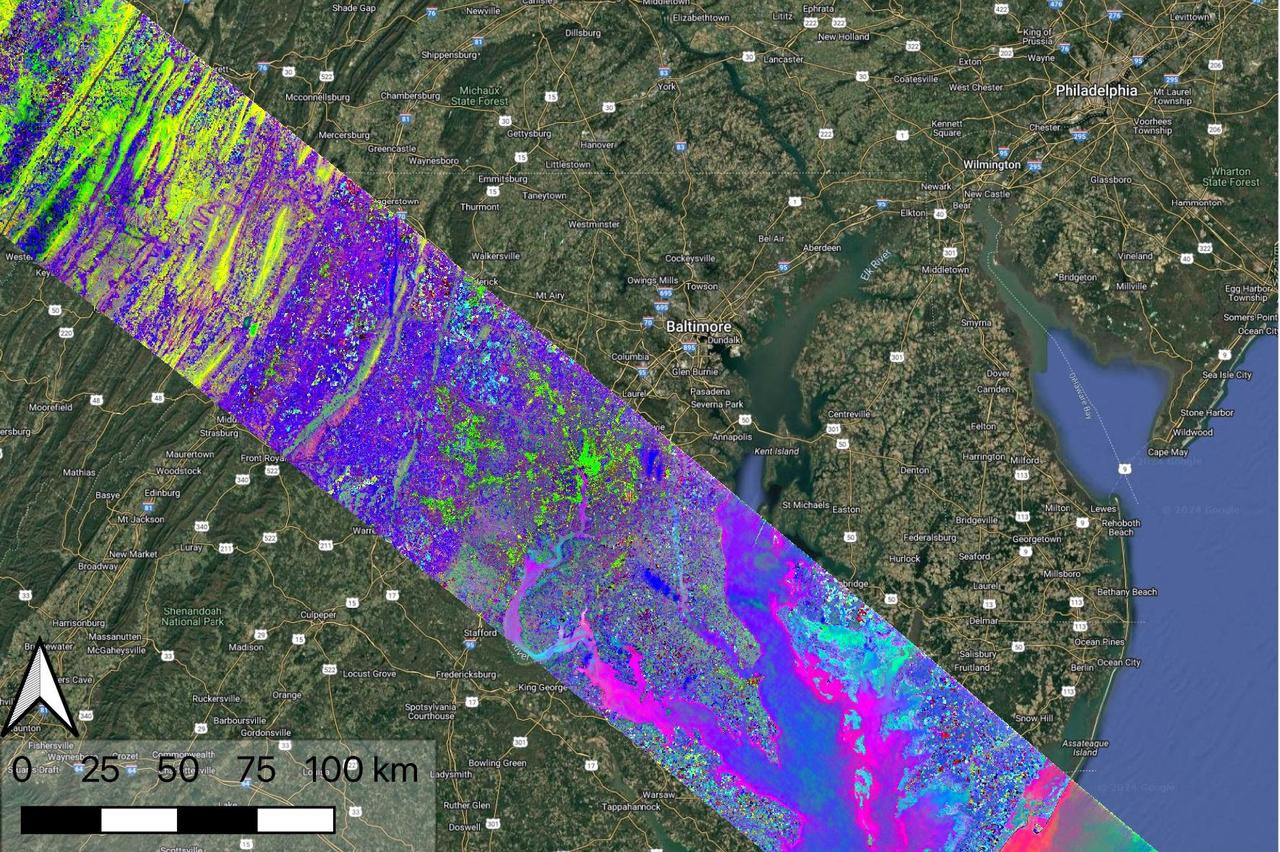
Data collected by NASA's Earth Surface Mineral Dust Source Investigation (EMIT) on April 23, 2024, indicates the location of a variety of planet communites across a swath of the mid-Atlantic United States. Overlain on a Google base map, each color represents a different type of natural biome or agricultural land. Hyperspectral data such as this is being analyzed in a range of NASA-funded research projects looking at the distribution and traits of plant communities, including agricultural crops. EMIT, installed on the International Space Station in 2022, was originally tasked with mapping minerals over Earth's desert regions to help determine the cooling and heating effects that dust can have on regional and global climate. Since early 2024 the instrument has been on an extended mission in which its data is being used in research on a diverse range of topics including agricultural practices, snow hydrology, wildflower blooming, phytoplankton and carbon dynamics in inland waters, ecosystem biodiversity, and functional traits of forests. Imaging spectrometers like EMIT detect the light reflected from Earth and then separate visible and infrared light into hundreds of wavelength bands. Scientists use patterns of reflection and absorption at different wavelengths to determine the composition of whatever the instrument is observing. EMIT is laying the groundwork for NASA's future Surface Biology and Geology-Visible Shortwave Infrared satellite mission. SBG-VSWIR will cover Earth's land and coasts more frequently than EMIT, with finer spatial resolution. https://photojournal.jpl.nasa.gov/catalog/PIA26418