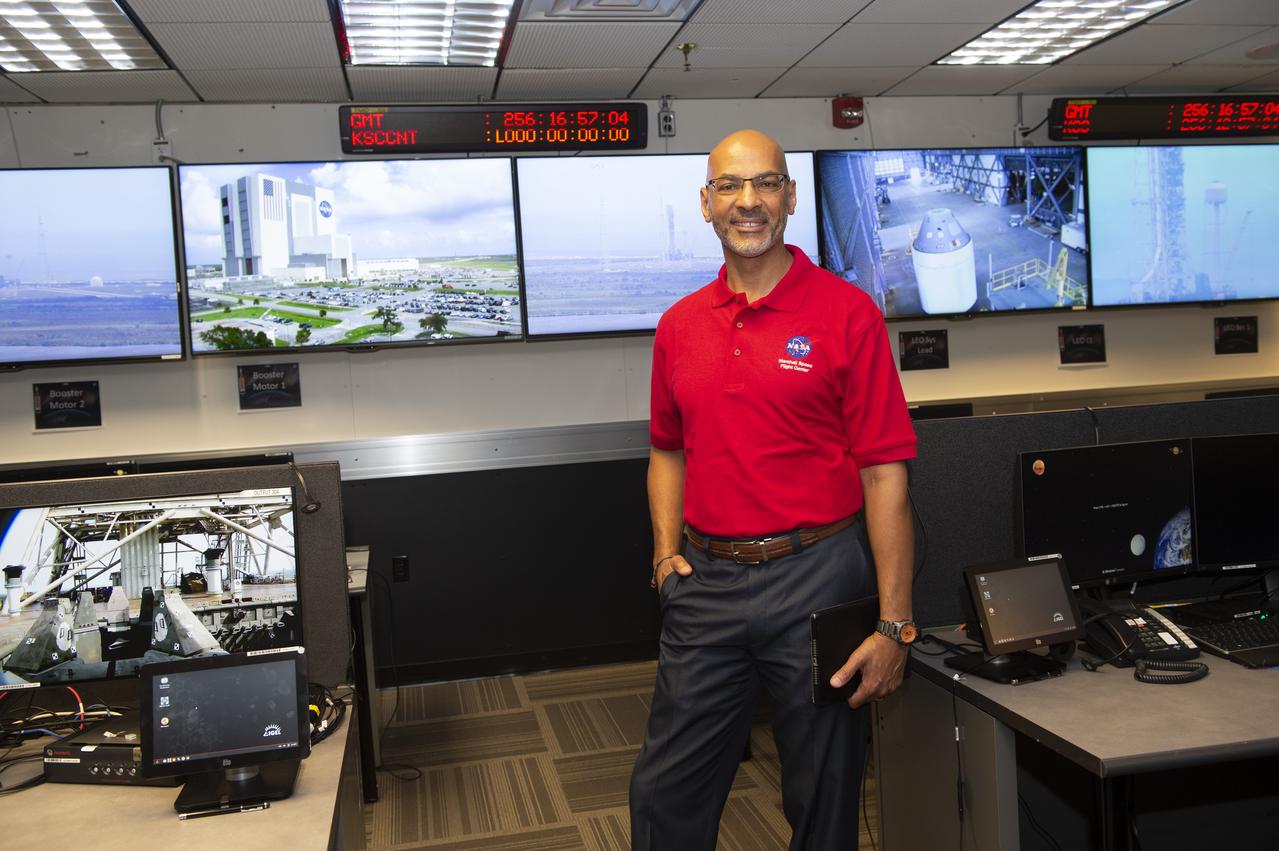
BRIAN BARLEY, PHOTO FOR “I AM BUILDING SLS” POSTER
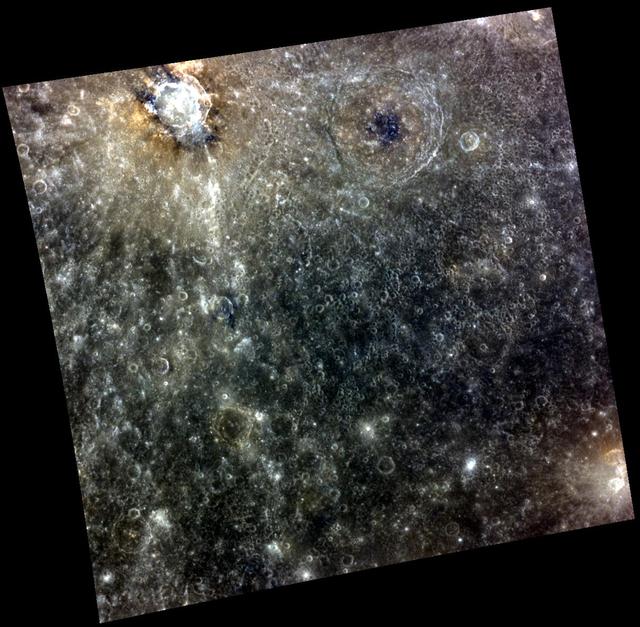
I am the MESSENGER, I Speak for the Craters. In the top left part of this image from NASA MESSENGER spacecraft is, a complex crater with hollows present on the crater floor. The hollows appear as bright blue-white features.

A test block of Avcoat undergoes heat pulse testing inside an arc jet test chamber at NASA’s Ames Research Center in California. The test article, configured with both permeable (upper) and non-permeable (lower) Avcoat sections for comparison, helped to confirm understanding of the root cause of the loss of charred Avcoat material that engineers saw on the Orion spacecraft after the Artemis I test flight beyond the Moon.
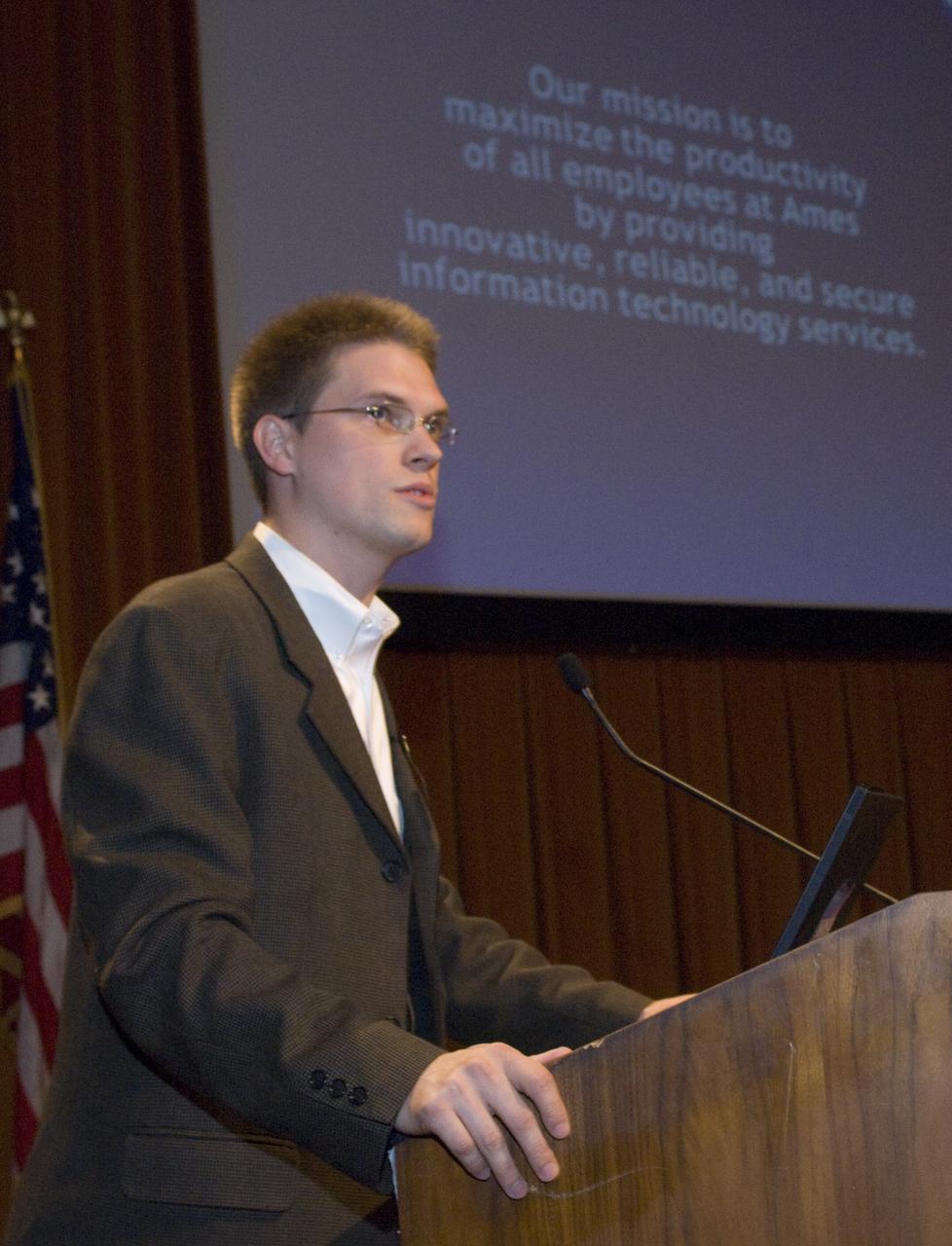
Chris Kemp introduces the New Code-I (information Technology Directorate) to the Ames staff (A total focus on increasing productivity at Ames Research Center)
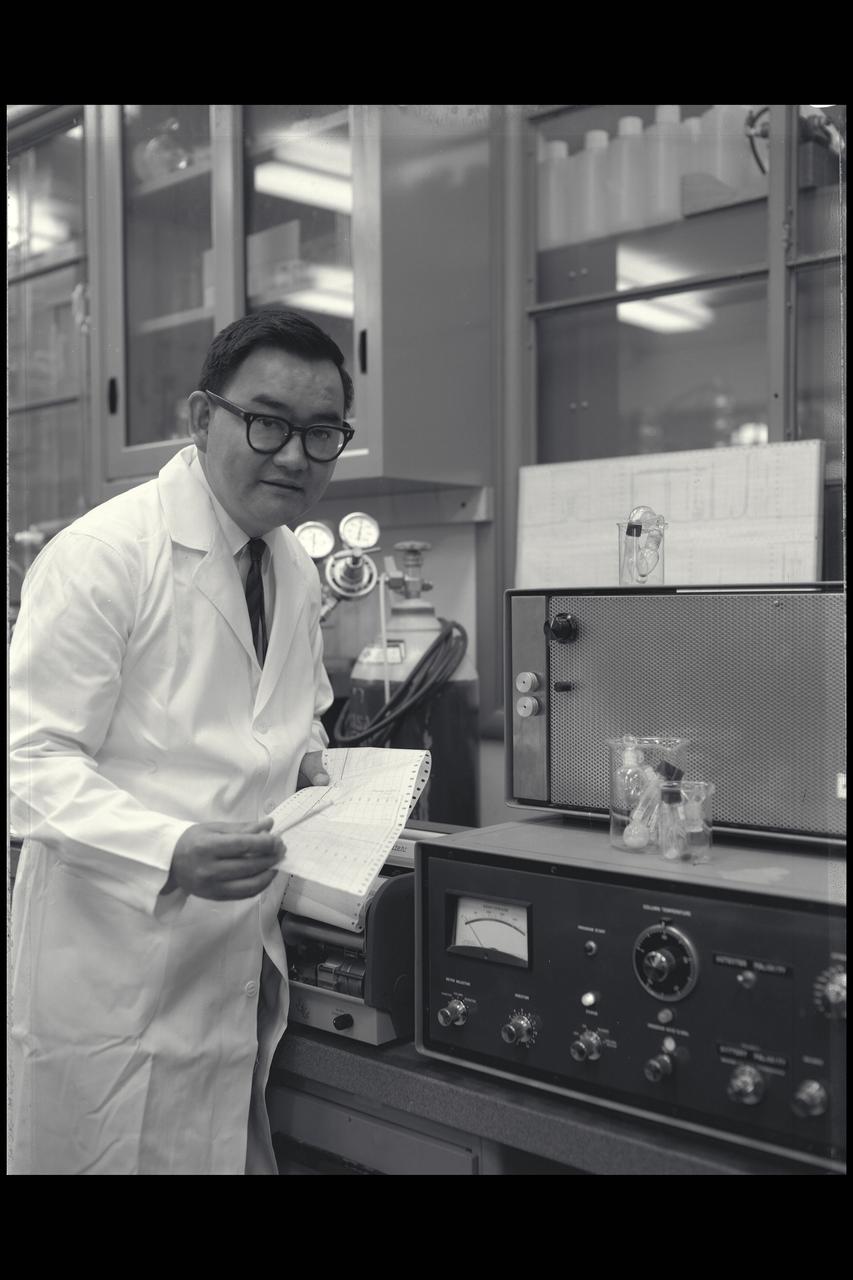
Vance I. Oyama at the Gas Chromatograph in Ames' life detection laboratory, Vance and his brother Jiro both pioneered new areas of life sciences research at Ames. Publication: Ames History; Atmosphere of Freedom; 60 yrs at NASA Ames NASA SP-2000-4314
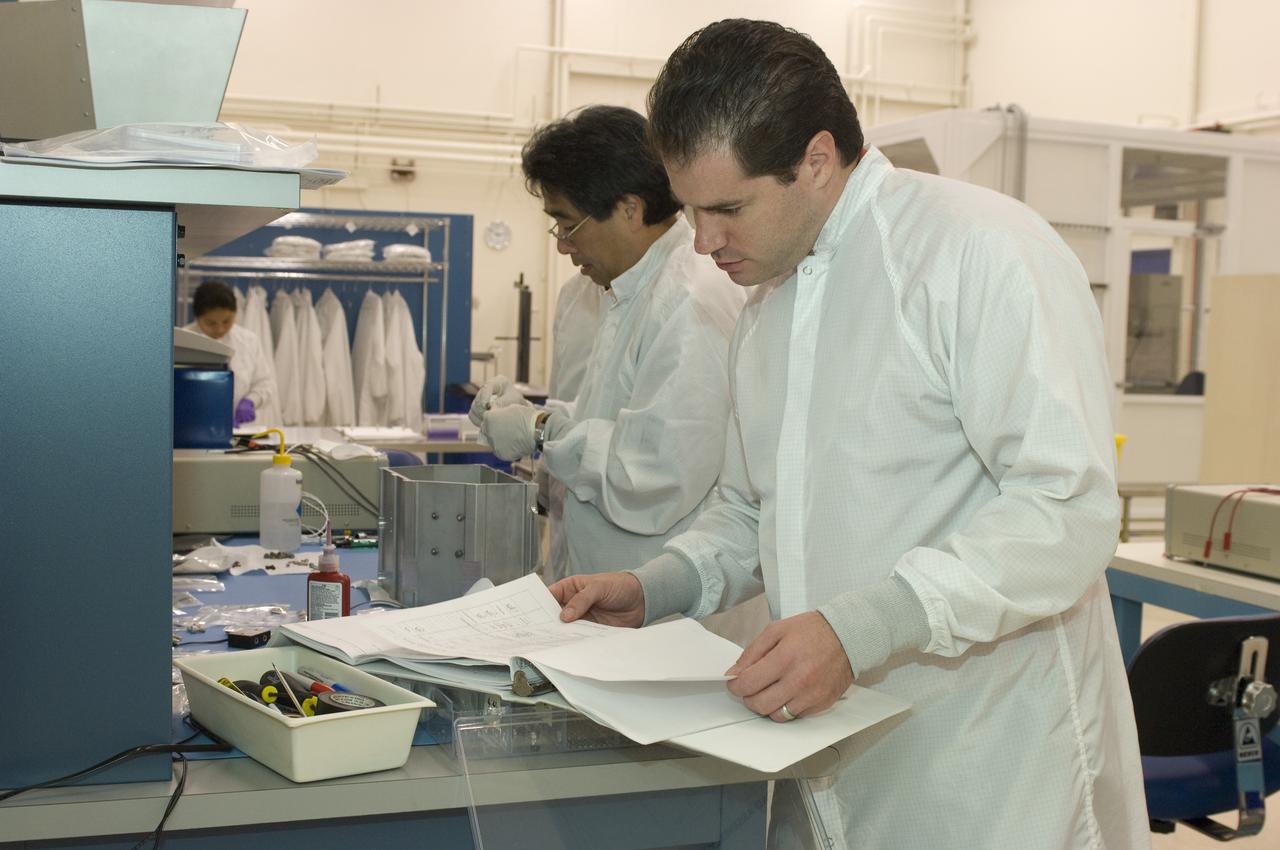
LCROSS flight hardware in clean room at Ames N-240. with P.I.'s and EEL personnel preforming various tasks, with P. I. Tony Colaprete ( Glen Sasaki of Ames, Engineering Evaluation lab in background)
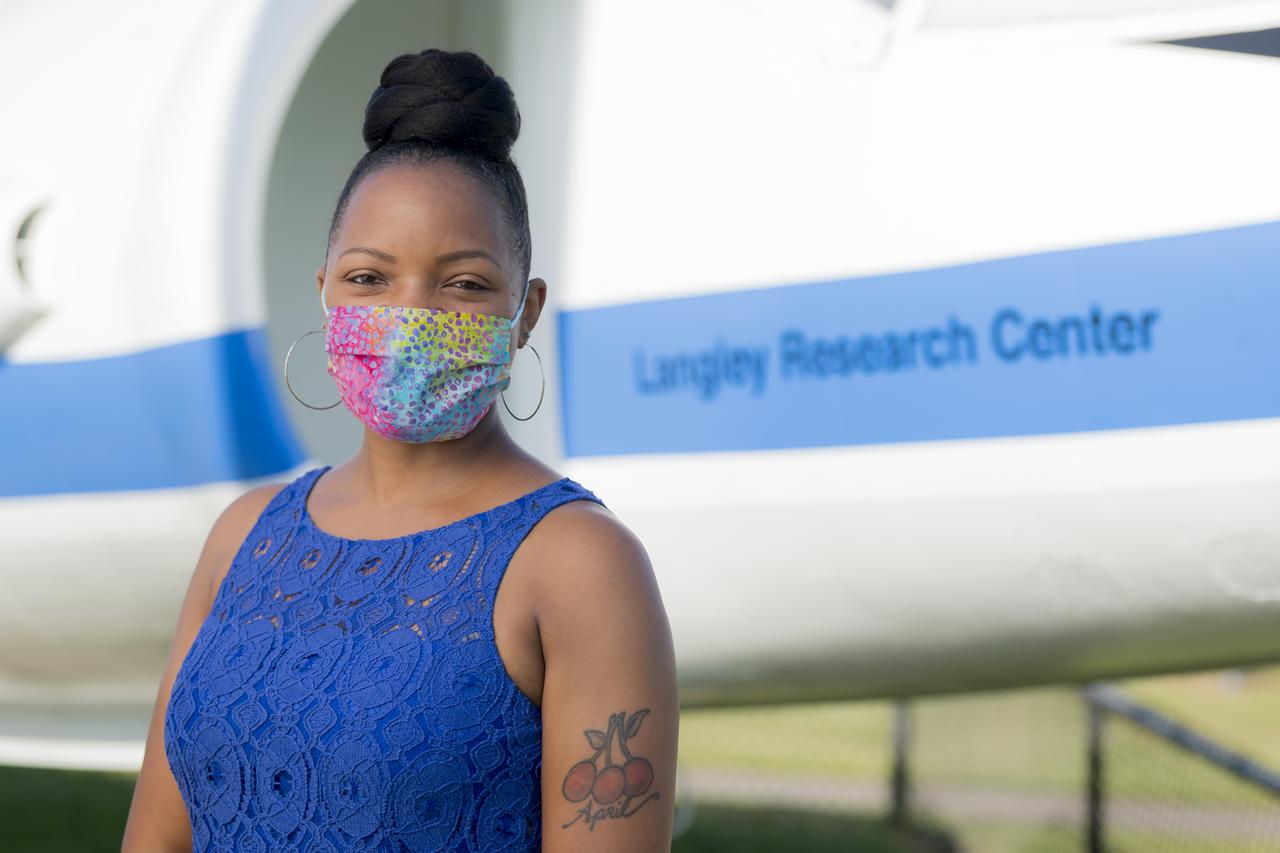
Portrait of April Albert in front of NASA Langley's Hawker Siddeley P-1127 on display at Air Power Park in Hampton, Virginia. Due to the COVID-19 pandemic, masks were mandated by Governor Northam in Virginia in public settings. This is for the faces of NASA project. "I am really made to feel like I am part of a family. I don’t feel like anybody is treated differently. We are all one team. To be a part of NASA, to me, is to be part of something special. There is nothing like the camaraderie of NASA. I feel like I’m where I belong.” — April Albert, Schedule Analyst, Langley Research Center
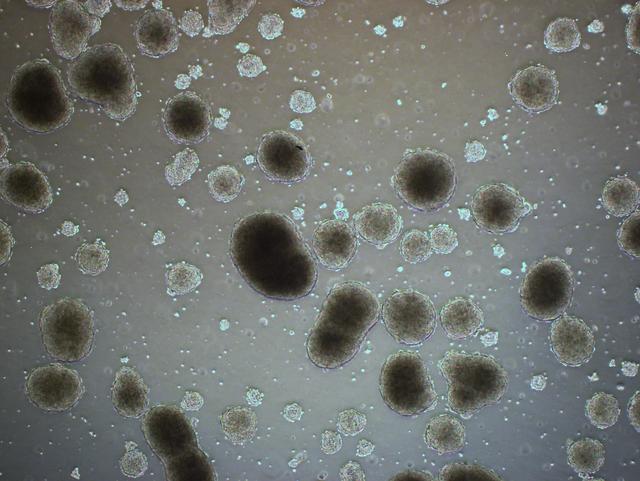
STS-131 payload; Ames Space Bio-Sciences Lab; Mouse embryoid cells, Dr Eduardo Almeida P. I.
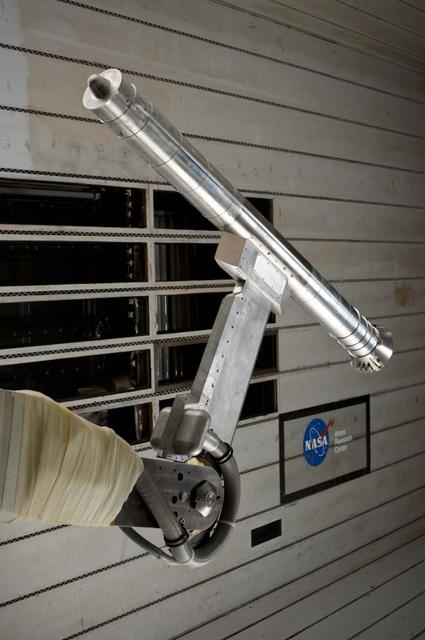
2.8% Scale Ares I acoustic model re-entry model in Ames 11ft. Supersonic Wind Tunnel test-11-0192
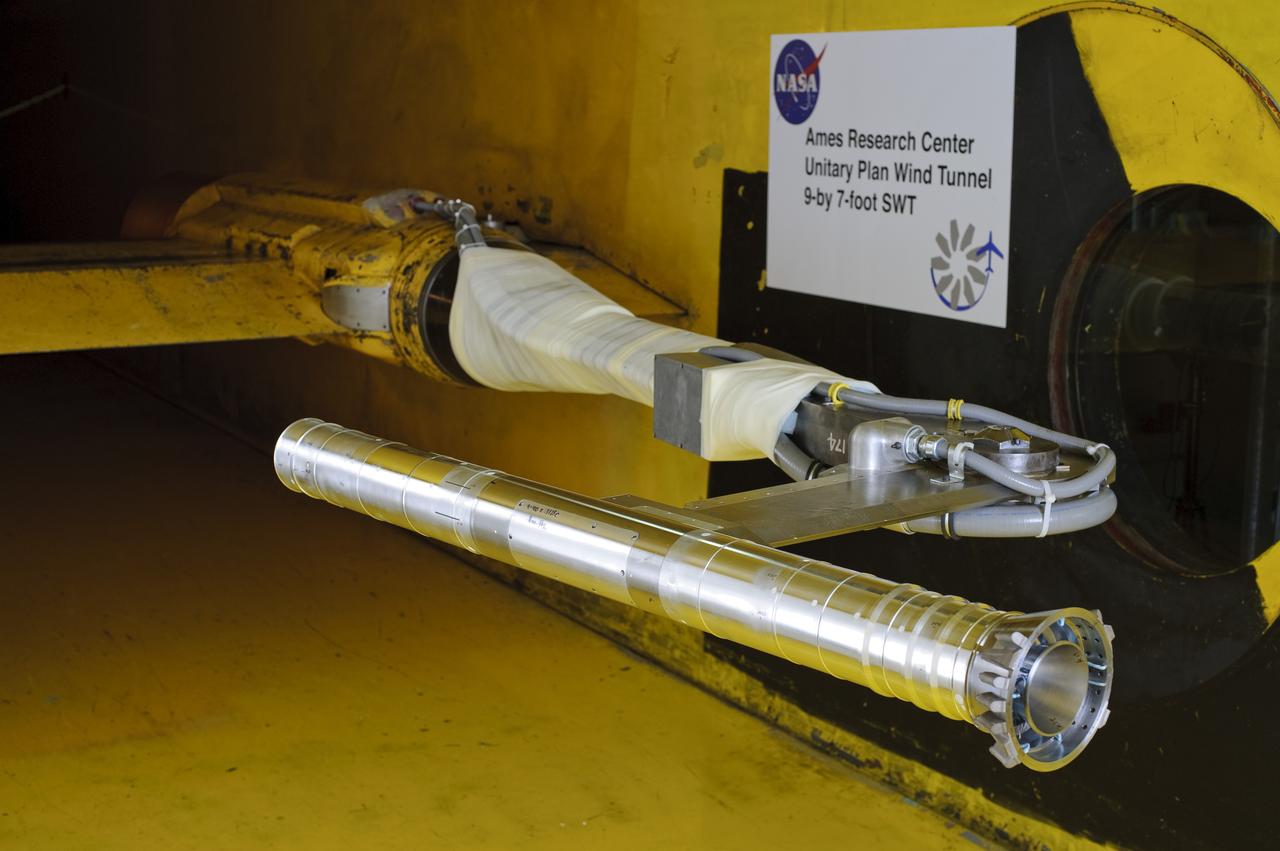
2.8% Ares I Acoustic Reentry Wind Tunnel Model in Ames 9X7ft Supersonic Wind Tunnel test-97-0193; model flying backwards in tunnel
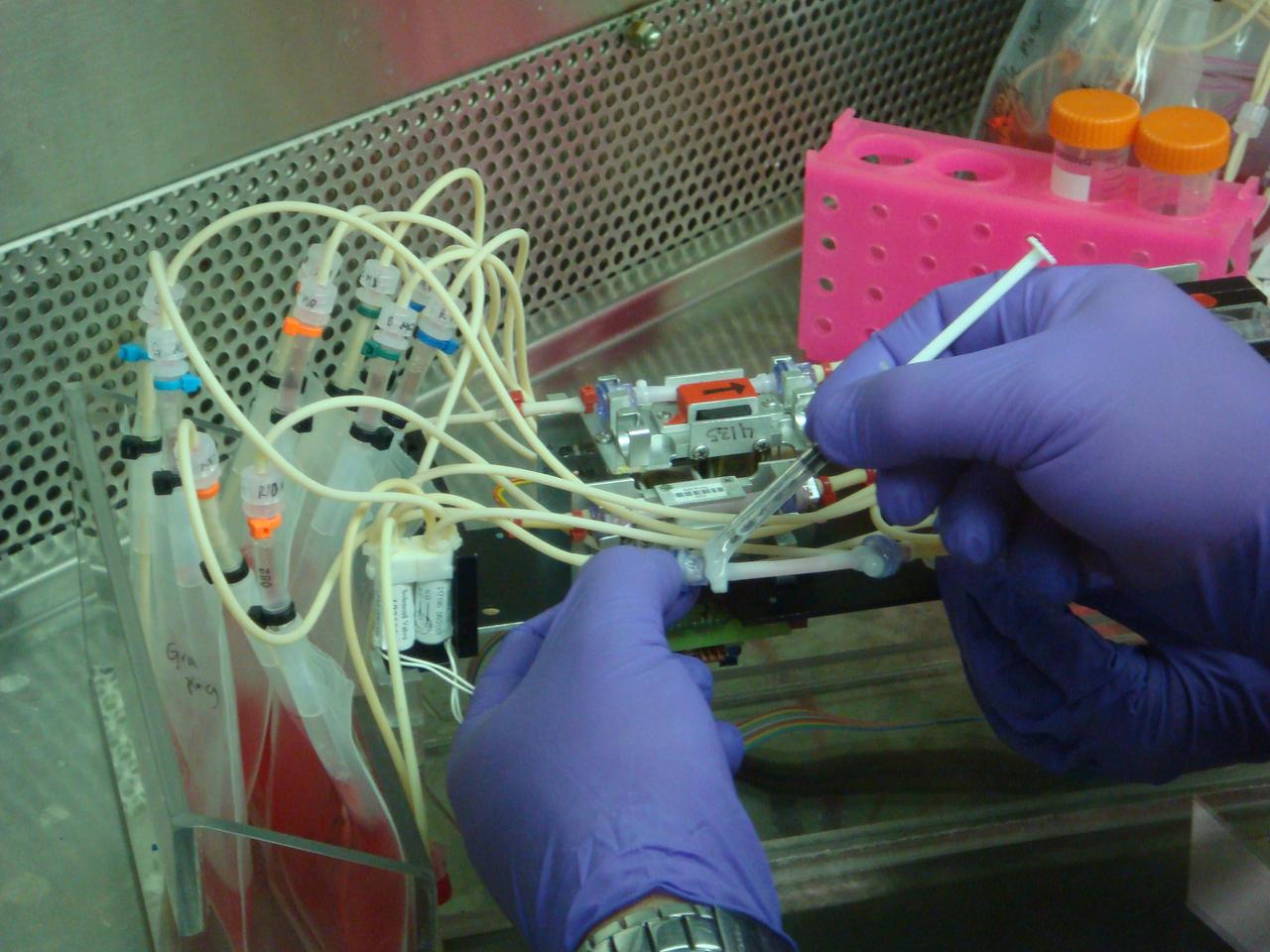
STS-131 payload; Ames Space Bio-Sciences Lab, Dr Eduardo Almeida P. I.; Assembly of Space Tissue Loss Hardware

STS-131 payload; Ames Space Bio-Sciences Lab, Dr Eduardo Almeida P. I.; complete cell bioreactor prior to connecting to rail

Space Shuttle 3% scale model to analyze removal of PAL ramp and other effects i the 9x7ft w.t. with Bill Van Zuylen, Ames
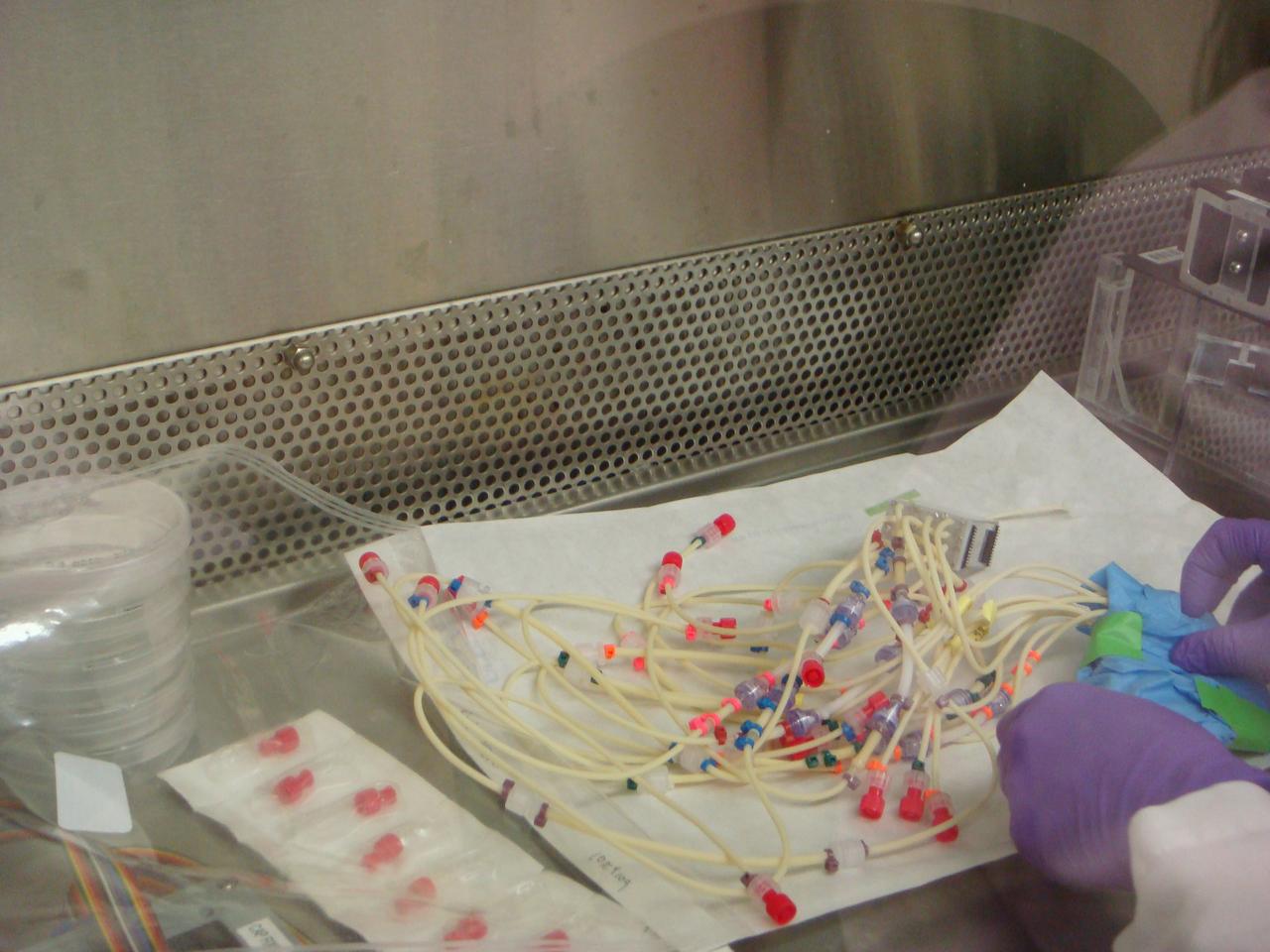
STS-131 payload; Ames Space Bio-Sciences Lab, Dr Eduardo Almeida P. I.; Assembly of Space Tissue Loss hardware
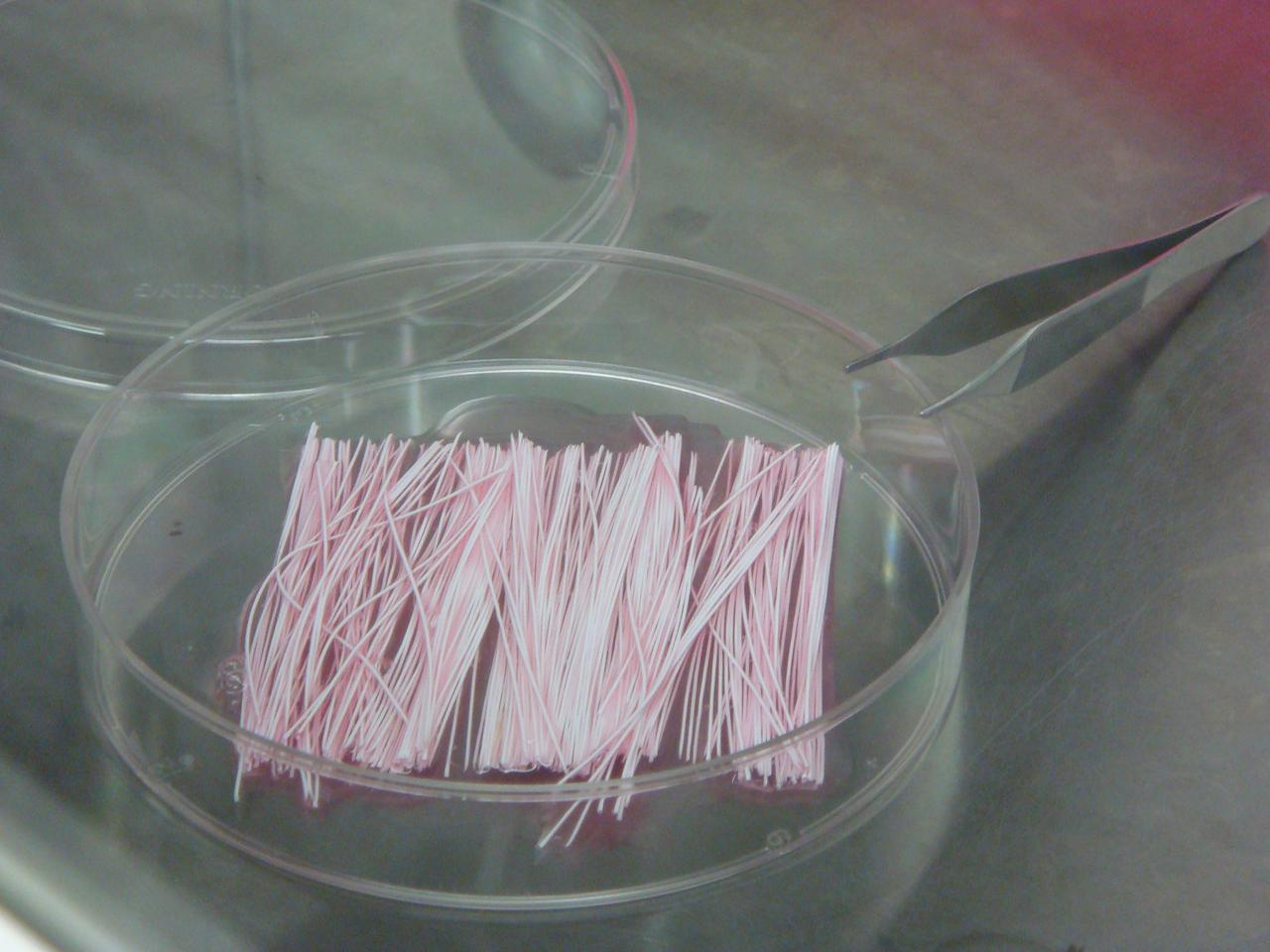
STS-131 payload; Ames Space Bio-Sciences Lab, Dr Eduardo Almeida P. I.; hollow fibers used in Cell Bioreactors

Space Shuttle 3% scale model to analyze removal of PAL ramp and other effects i the 9x7ft w.t. with Bill Van Zuylen, Ames
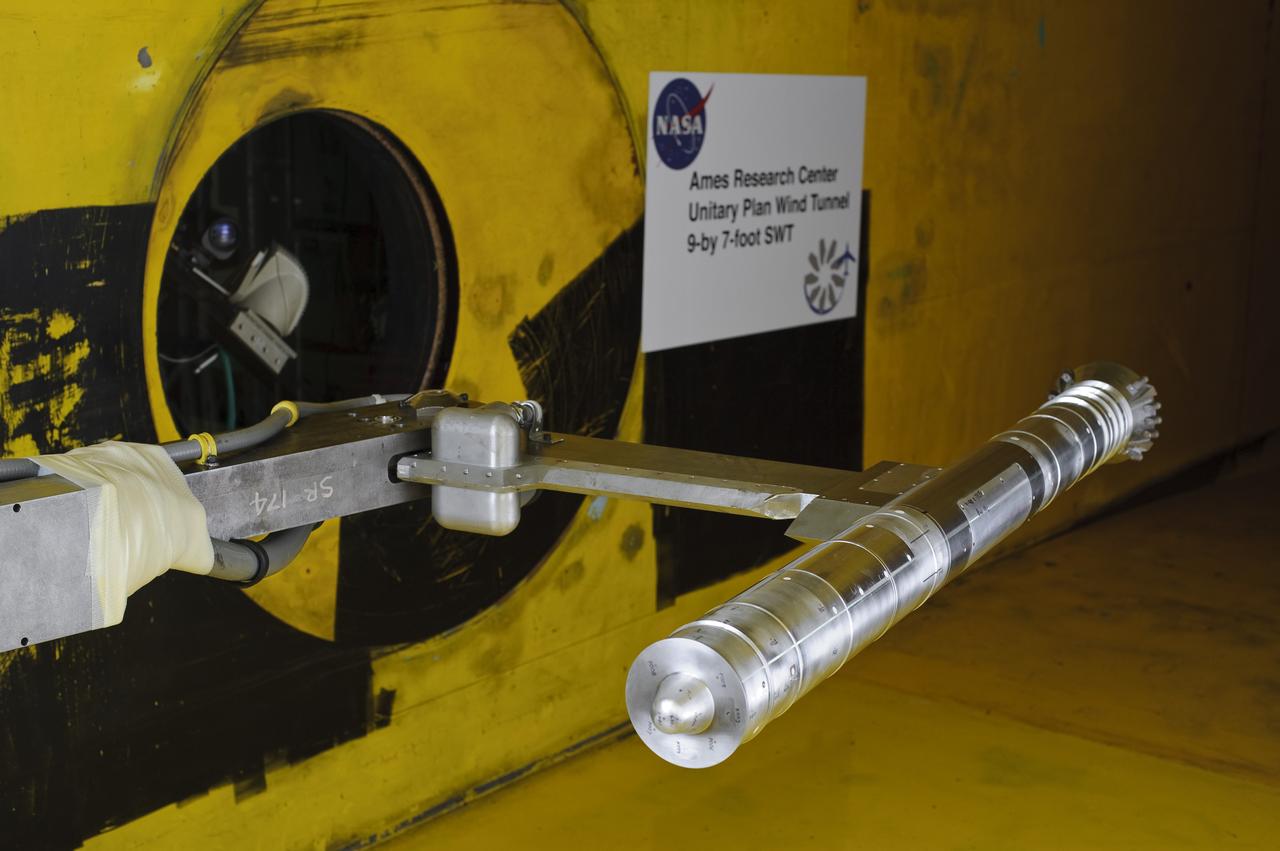
2.8% Ares I Acoustic Reentry Wind Tunnel Model in Ames 9X7ft Supersonic Wind Tunnel test-97-0193; model flying backwards in tunnel
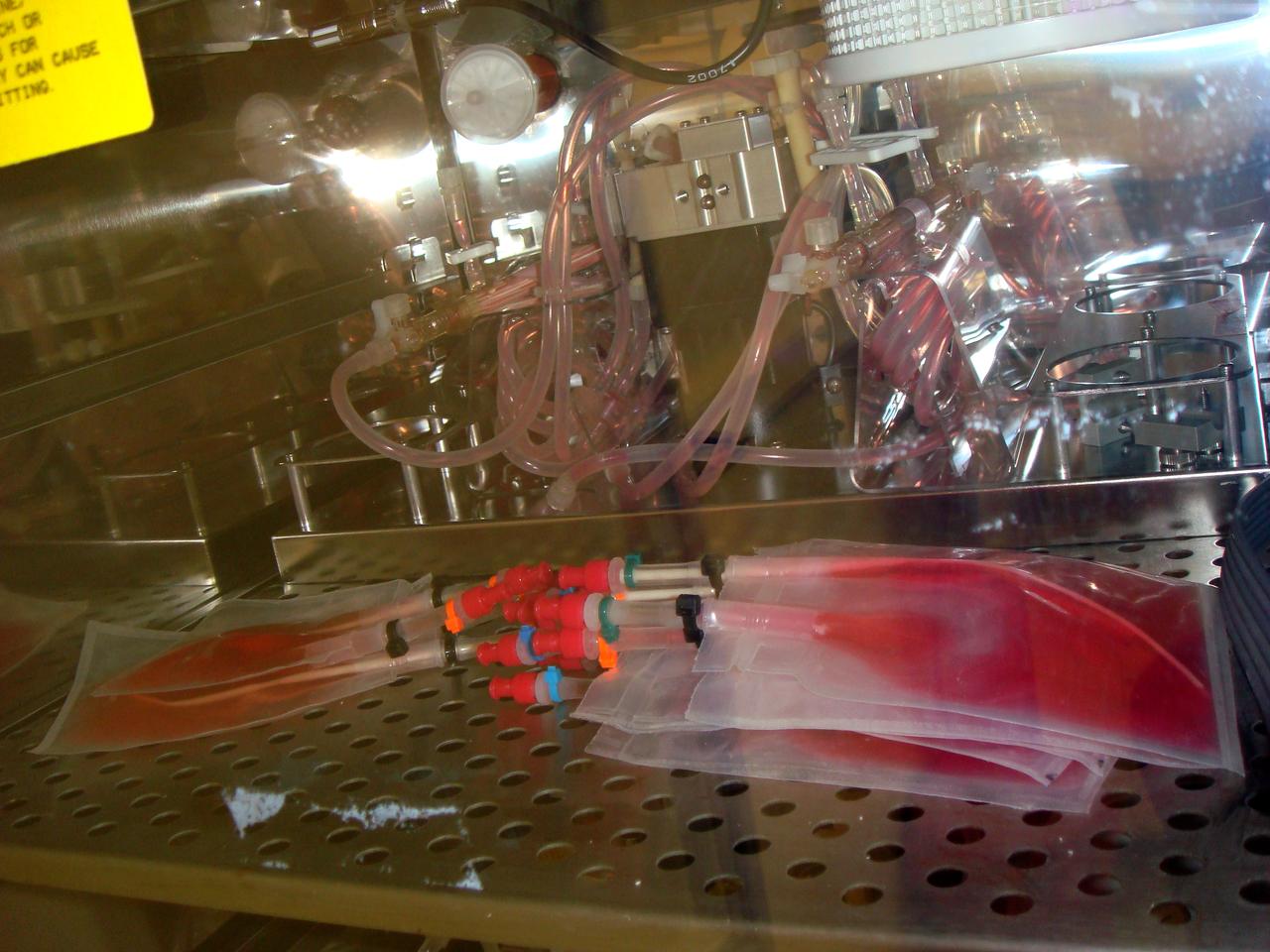
STS-131 payload; Ames Space Bio-Sciences Lab, Dr Eduardo Almeida P. I.; Media Bags: part of Space Tissue Loss hardware.
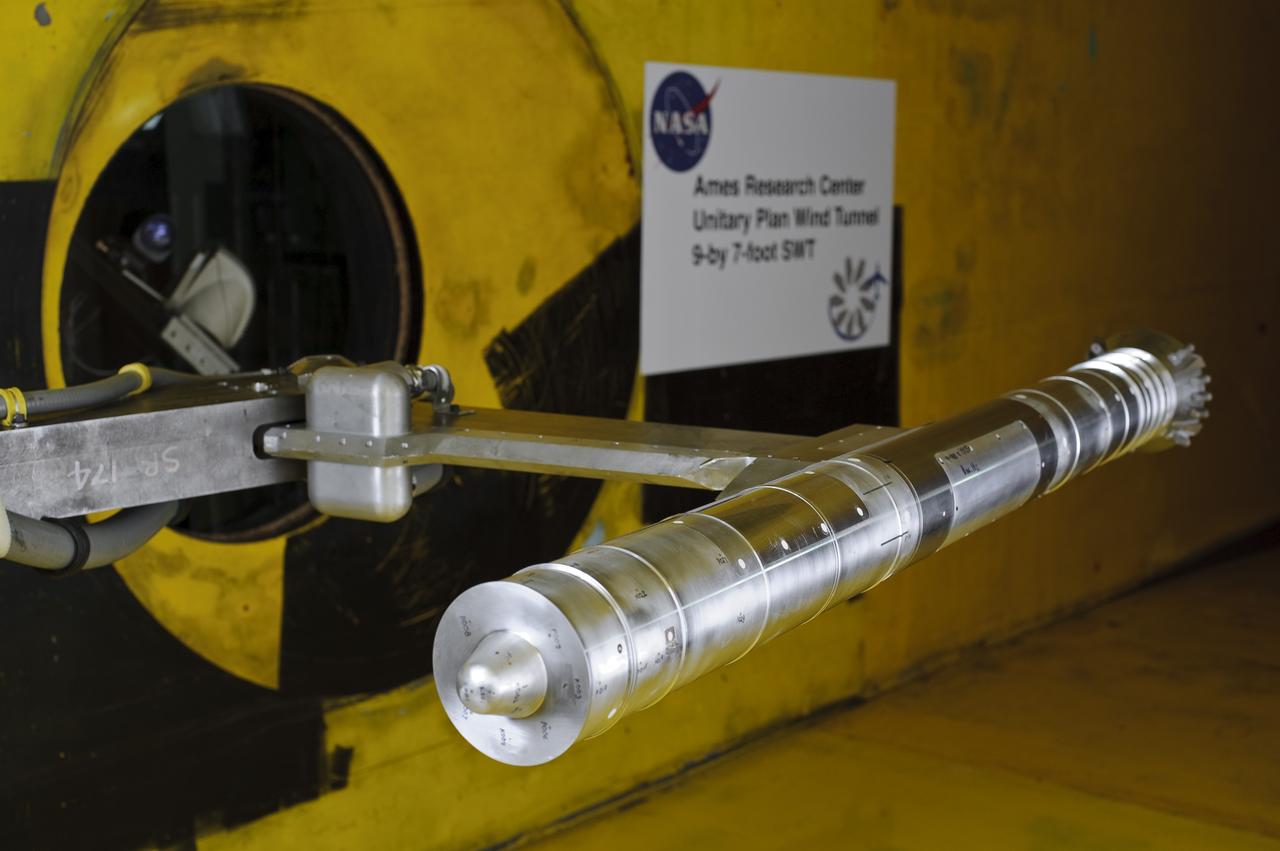
2.8% Ares I Acoustic Reentry Wind Tunnel Model in Ames 9X7ft Supersonic Wind Tunnel test-97-0193; model flying backwards in tunnel
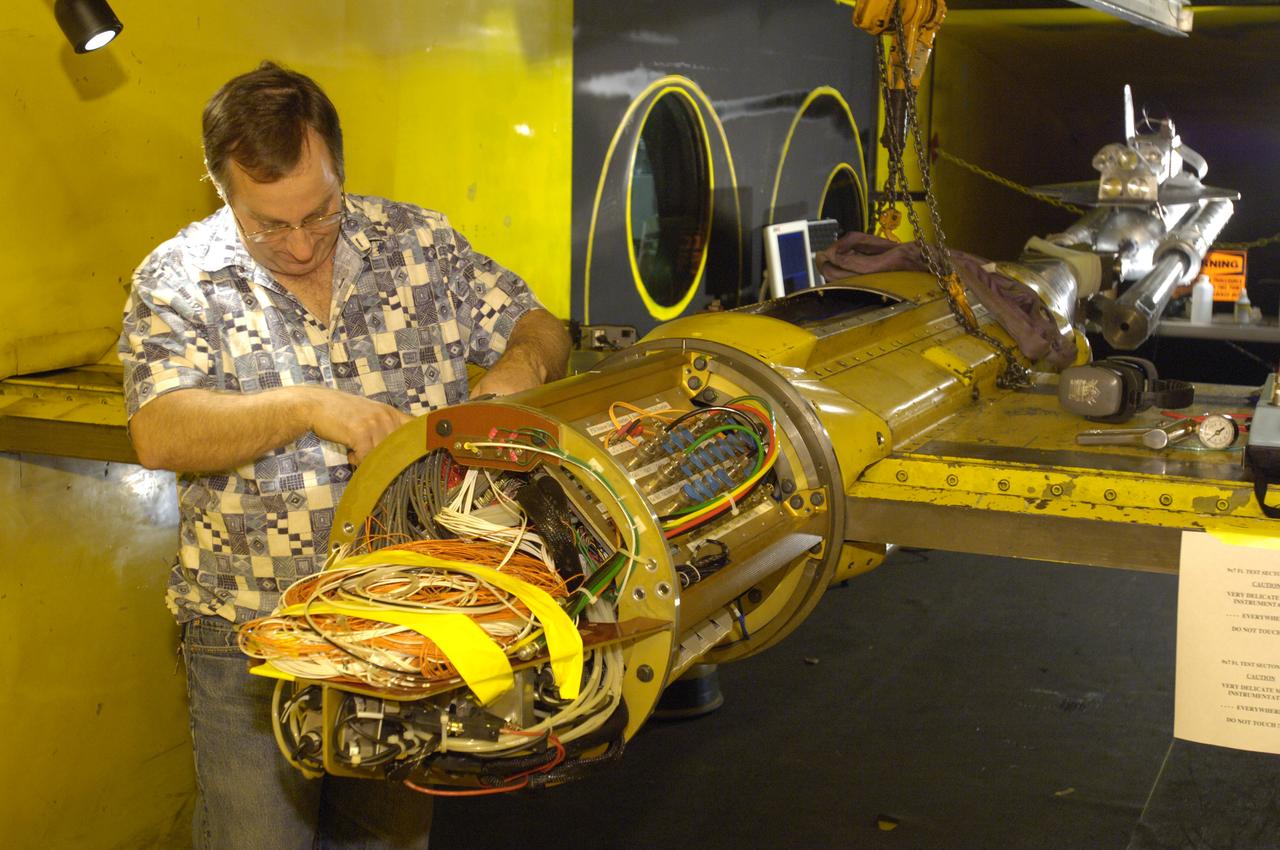
Space Shuttle 3% scale model to analyze removal of PAL ramp and other effects i the 9x7ft w.t. with Bill Van Zuylen, Ames
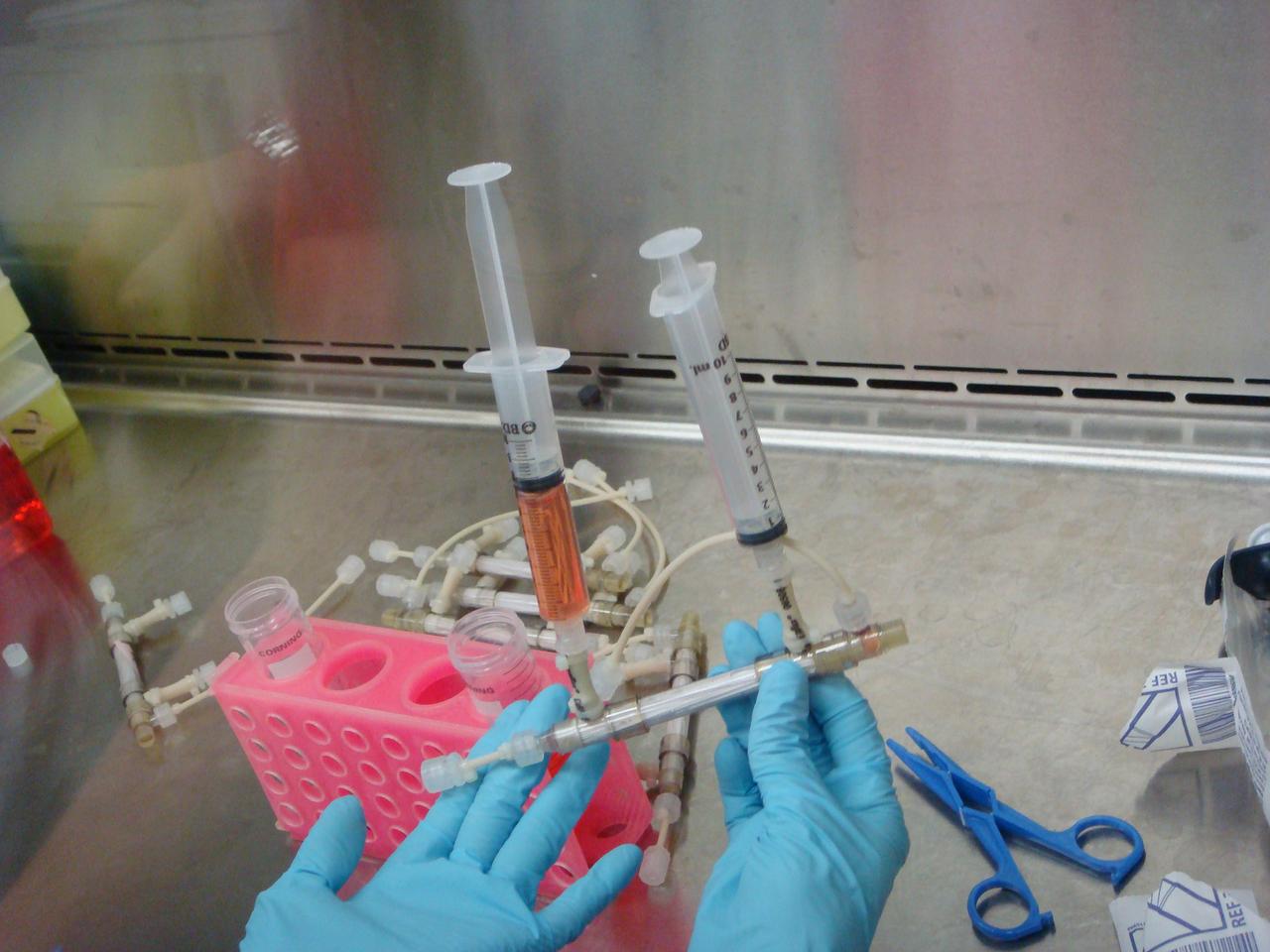
STS-131 payload; Ames Space Bio-Sciences Lab, Dr Eduardo Almeida P. I.; Cell Bioreactors with media syringes attached
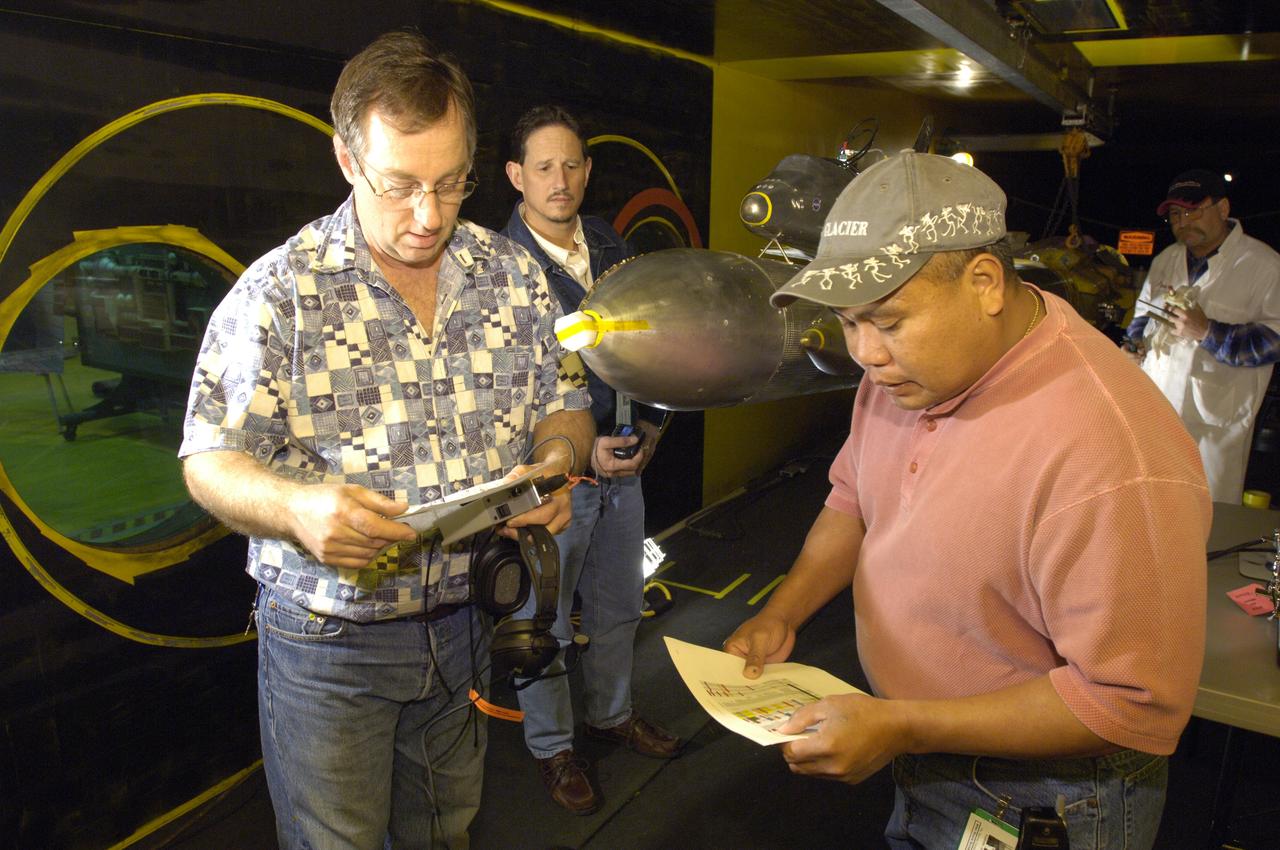
Space Shuttle 3% scale model to analyze removal of PAL ramp and other effects i the 9x7ft w.t. with from left Bill Van Zuylen, Ames, Phil Vourganas, Boeing and Jose Custodio, Boeing on right, at back is Tom Foster, Ames shop
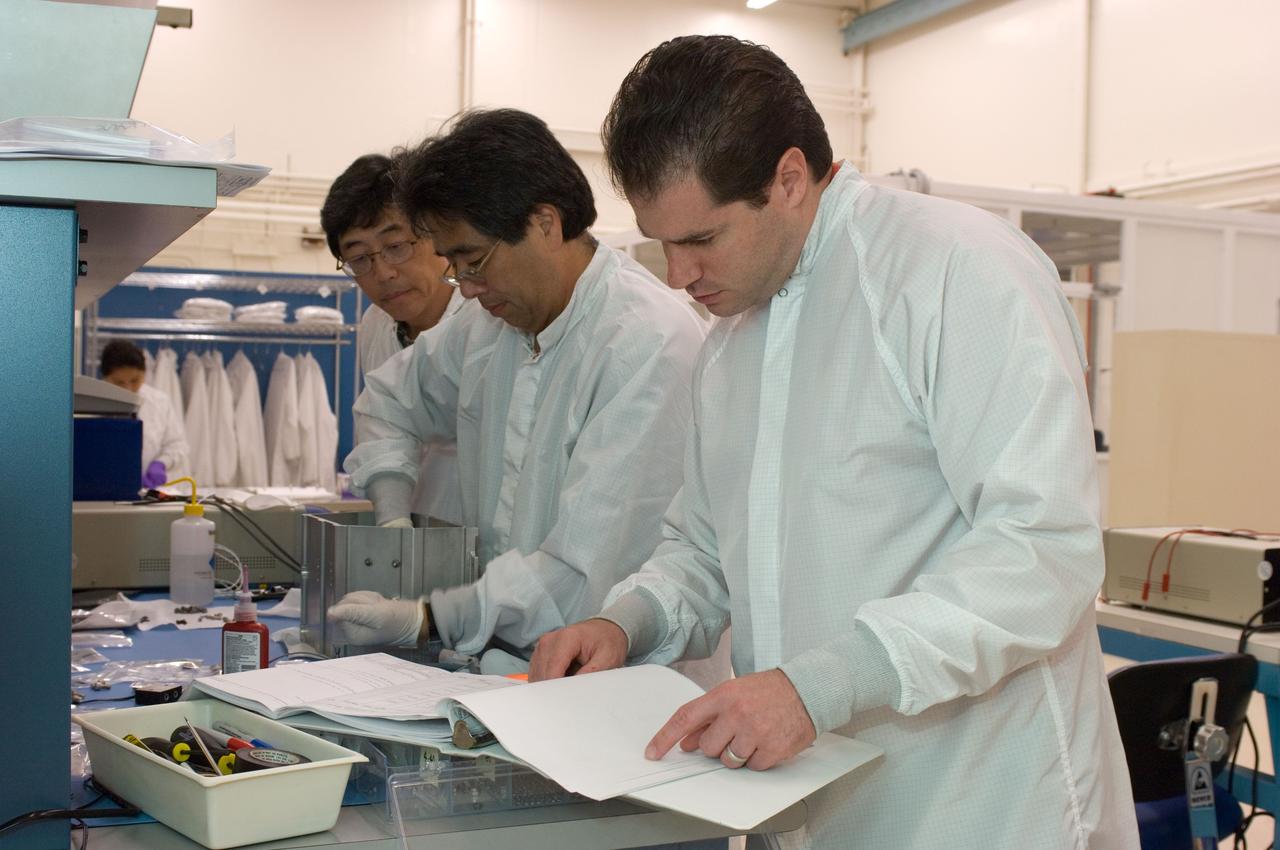
LCROSS flight hardware in clean room at Ames N-240. with P.I.'s and EEL personnel preforming various tasks. Tony Colaprete LCROSS P. I. in foreground, Glen Sasaki and Jerry Wang Ames Electrical Evaluation Lab
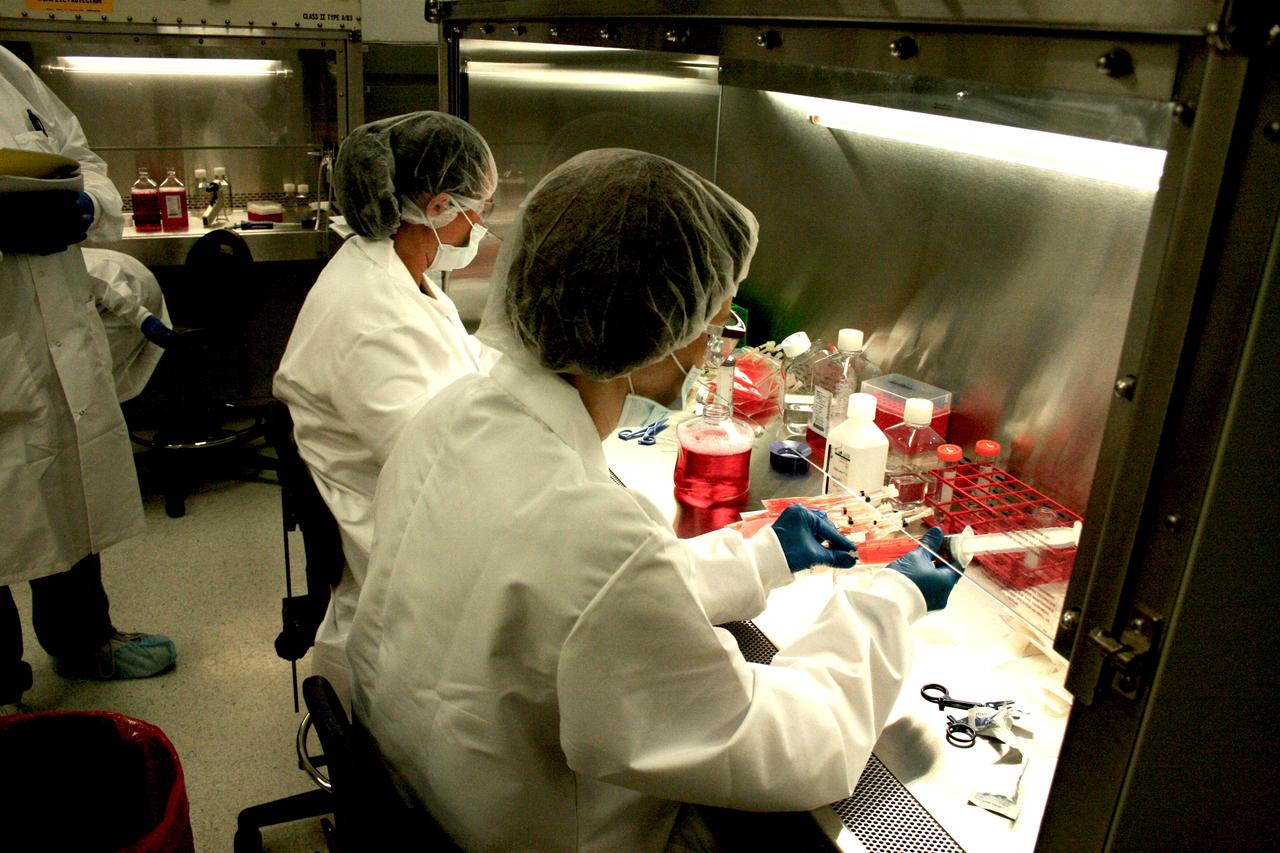
STS-131 payload; Ames Space Bio-Sciences Lab, Dr Eduardo Almeida P. I.; Scientists prepare cell bioreactors within glove box at Kennedy Space Center (KSC)
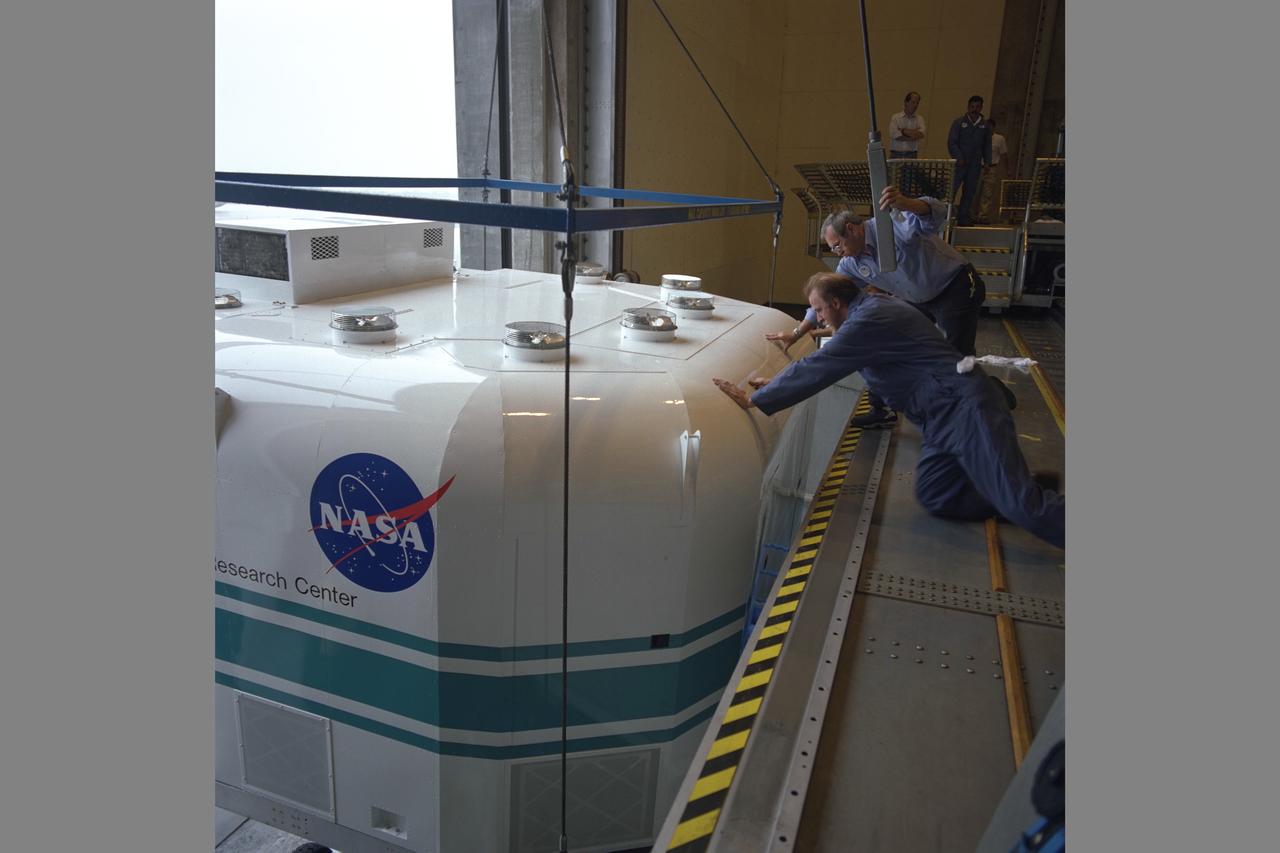
Tiltrotor Aircraft, Transport Aircraft T-Cab moving into NASA Ames Vertical Motion Simulaotor (VMS) from I-Cab Fixed Base Area in bldg. N-243 using trolly.
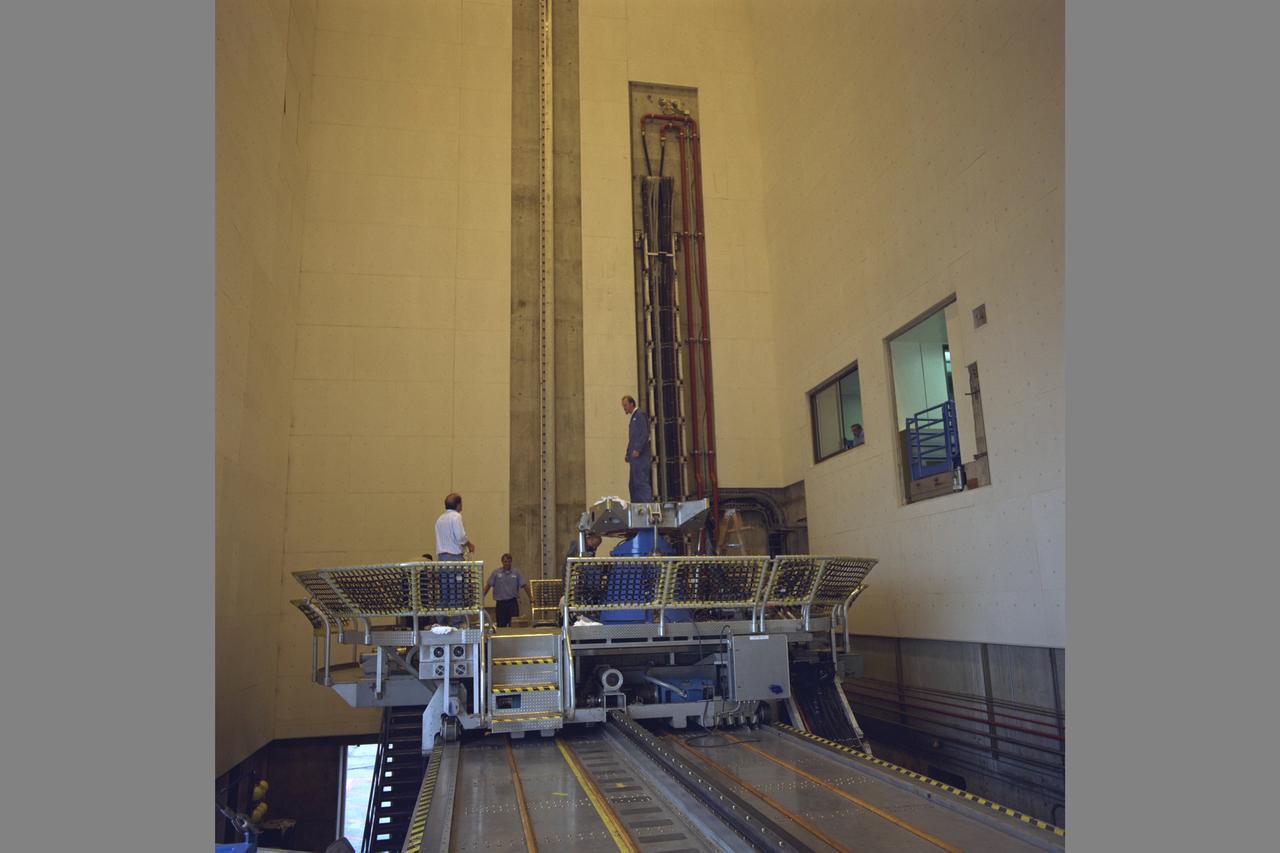
Tiltrotor Aircraft, Transport Aircraft T-Cab moving into NASA Ames Vertical Motion Simulaotor (VMS) from I-Cab Fixed Base Area in bldg. N-243 using trolly.
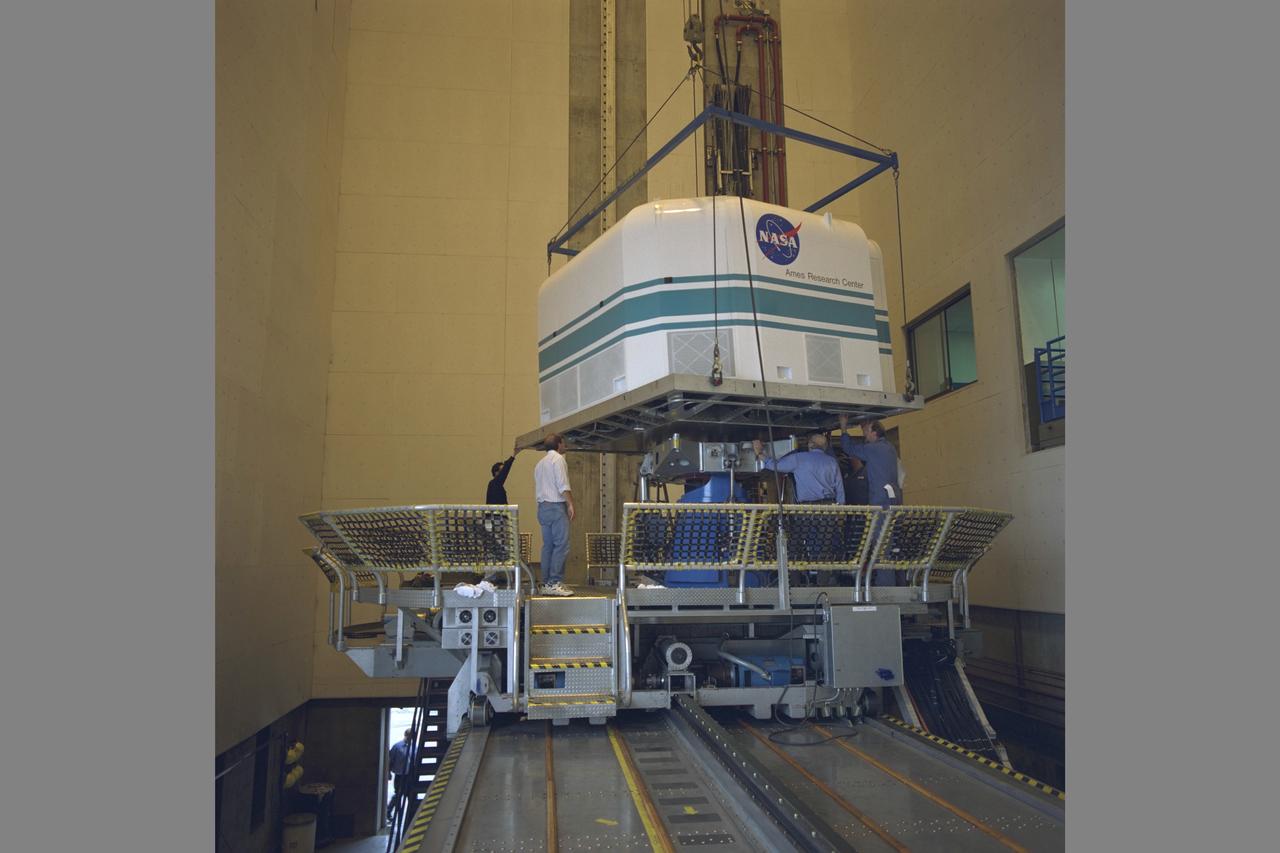
Tiltrotor Aircraft, Transport Aircraft T-Cab moving into NASA Ames Vertical Motion Simulaotor (VMS) from I-Cab Fixed Base Area in bldg. N-243 using trolly.
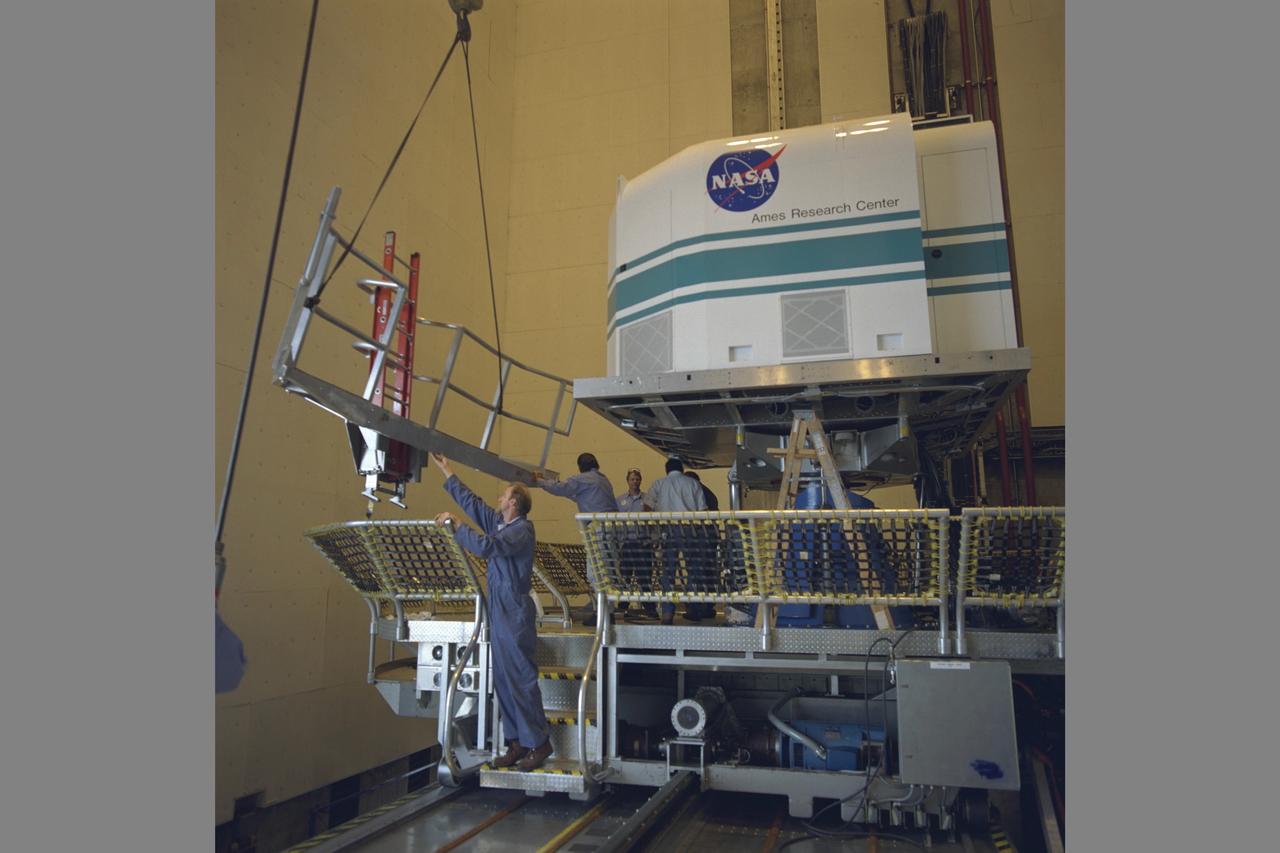
Tiltrotor Aircraft, Transport Aircraft T-Cab moving into NASA Ames Vertical Motion Simulaotor (VMS) from I-Cab Fixed Base Area in bldg. N-243 using trolly.
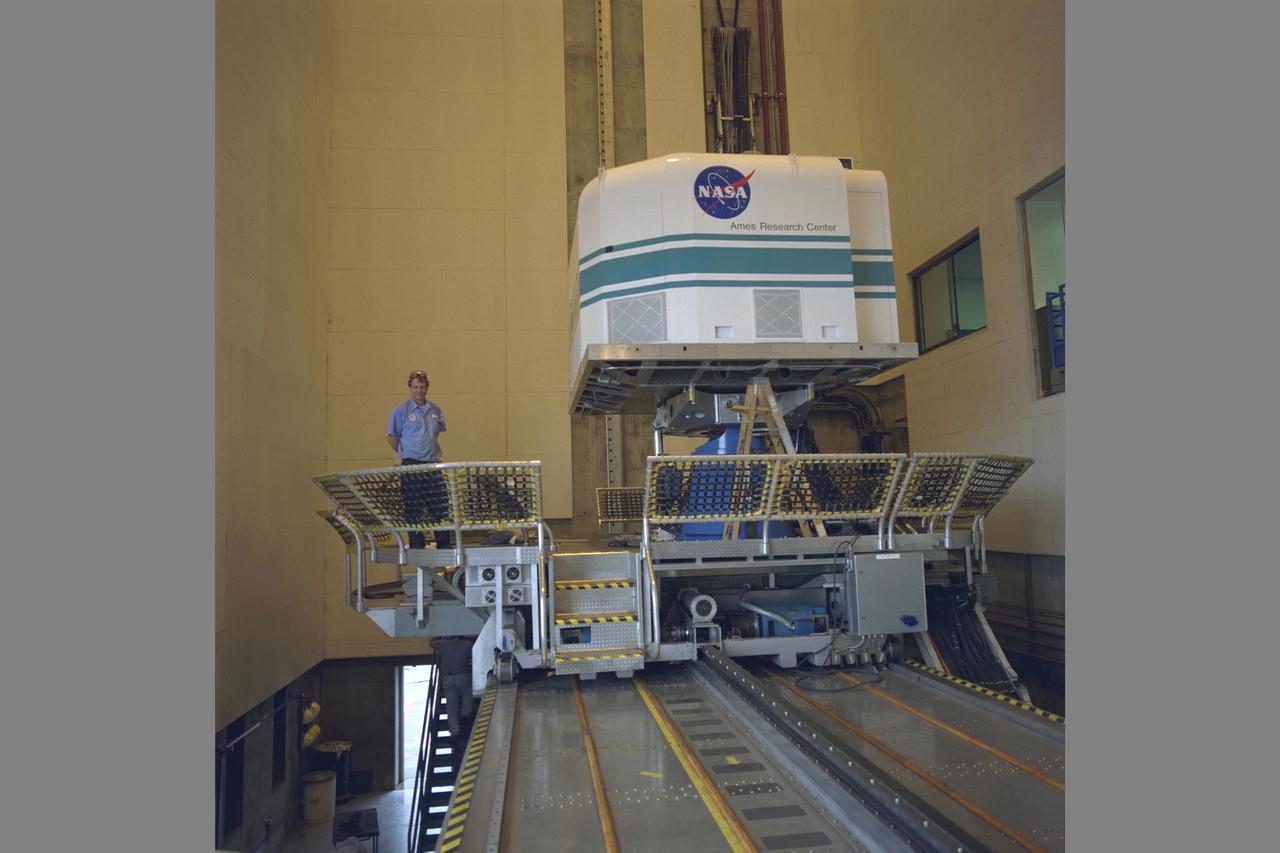
Tiltrotor Aircraft, Transport Aircraft T-Cab moving into NASA Ames Vertical Motion Simulaotor (VMS) from I-Cab Fixed Base Area in bldg. N-243 using trolly.
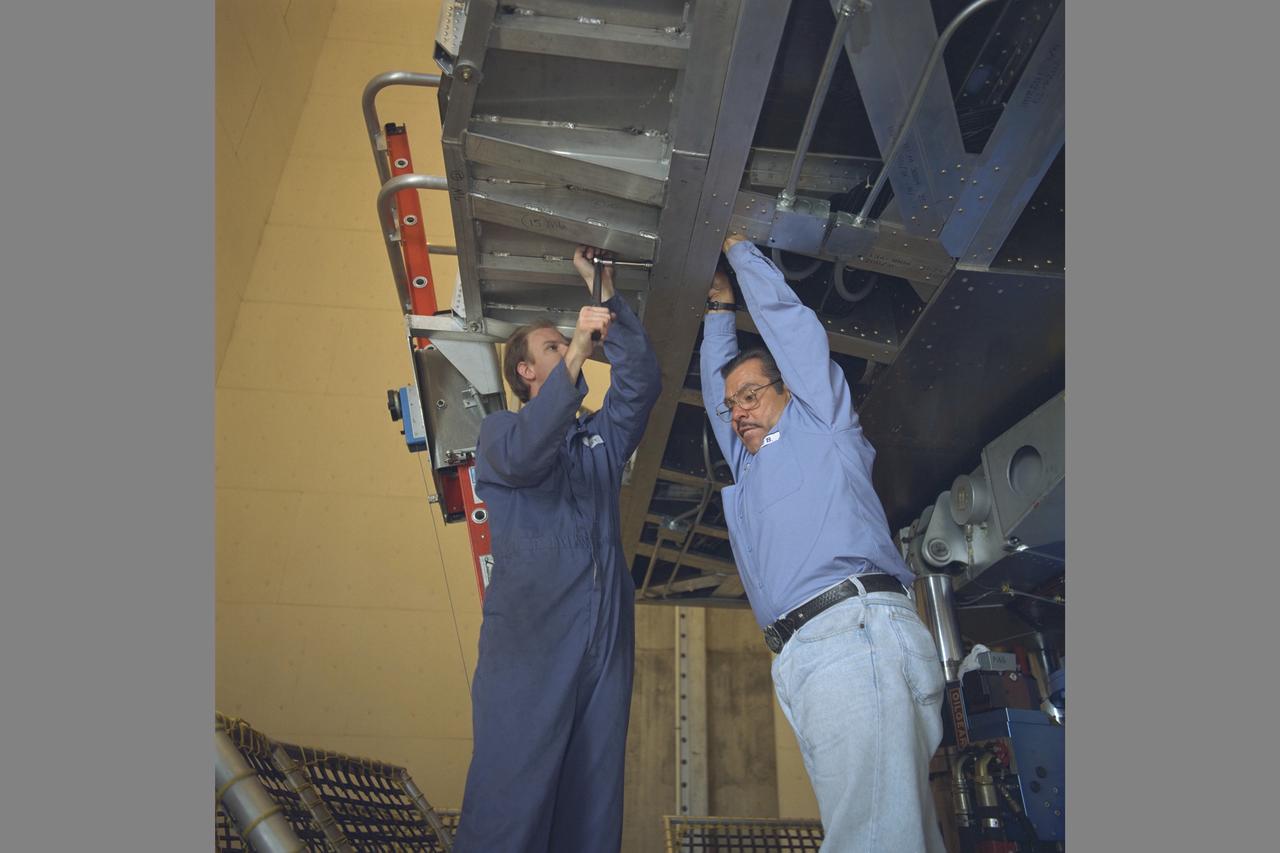
Tiltrotor Aircraft, Transport Aircraft T-Cab moving into NASA Ames Vertical Motion Simulaotor (VMS) from I-Cab Fixed Base Area in bldg. N-243 using trolly.
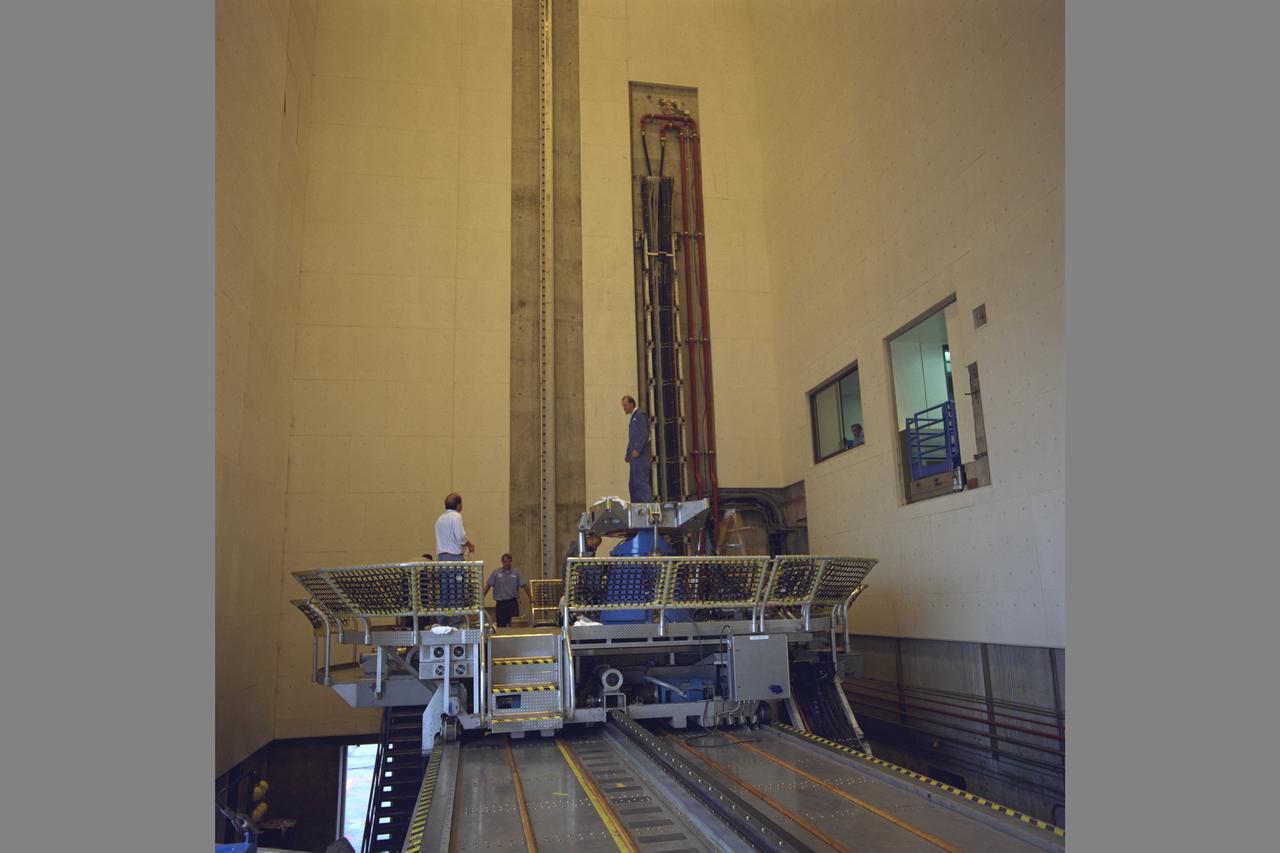
Tiltrotor Aircraft, Transport Aircraft T-Cab moving into NASA Ames Vertical Motion Simulaotor (VMS) from I-Cab Fixed Base Area in bldg. N-243 using trolly.
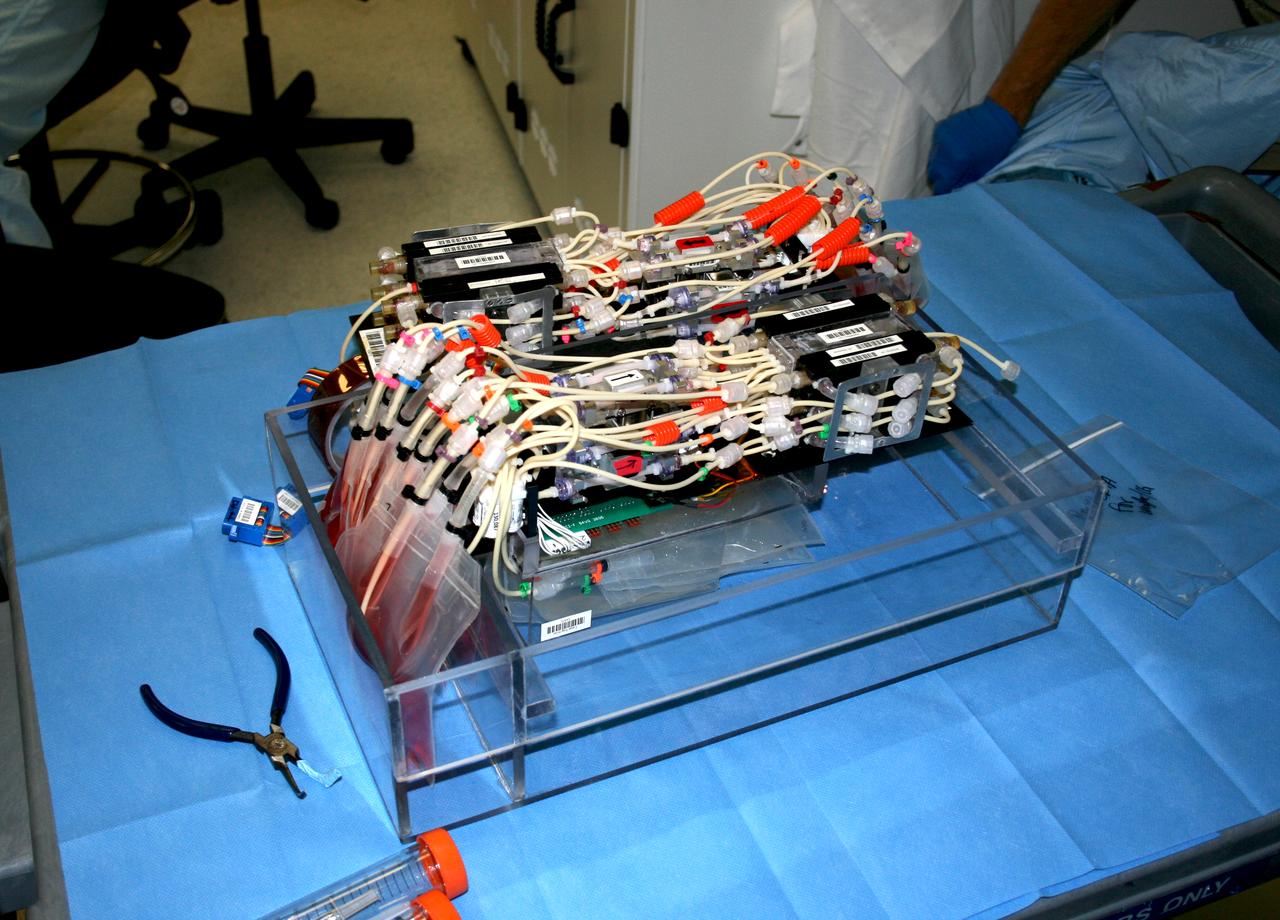
STS-131 payload; Ames Space Bio-Sciences Lab, Dr Eduardo Almeida P. I.; 3 of 4 rail assemblies prior to insertion into Space Tussue Loss container
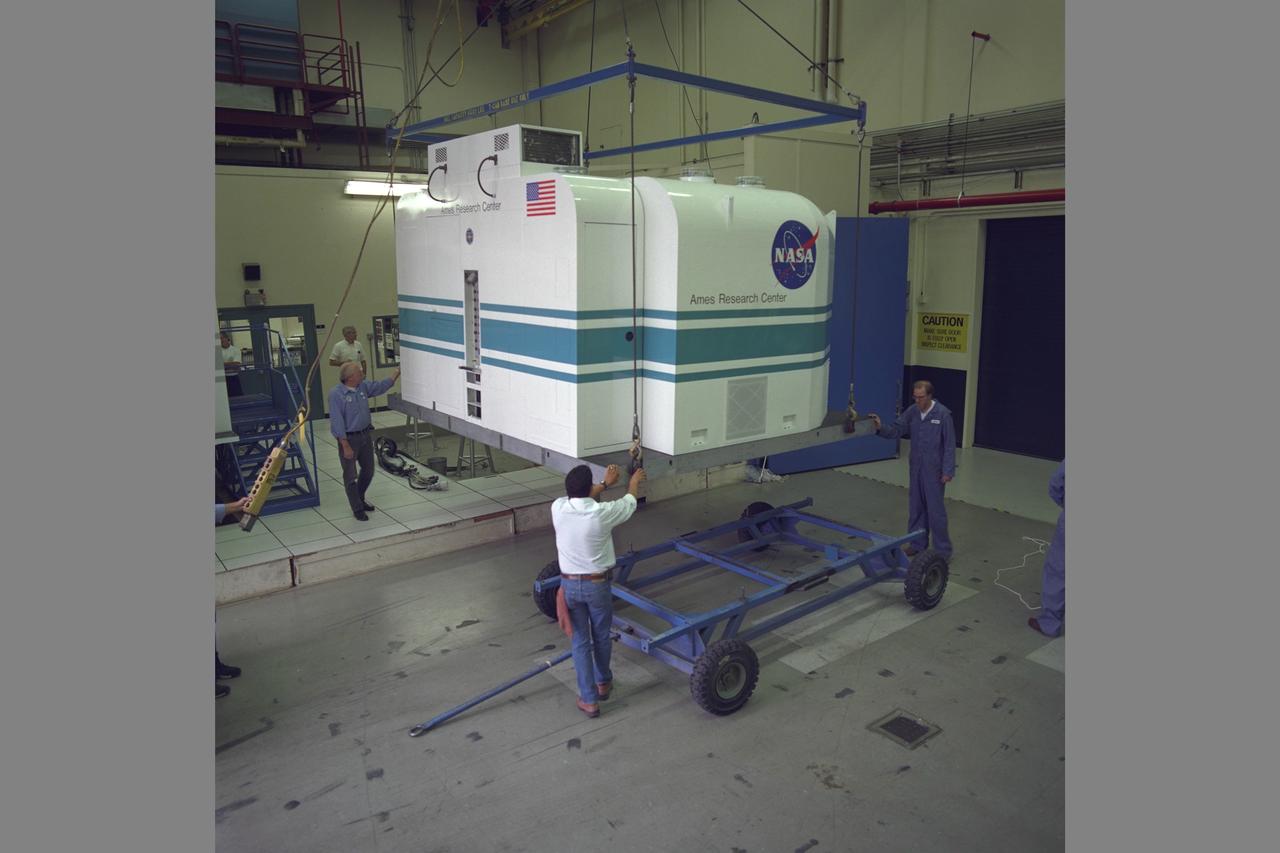
Tiltrotor Aircraft, Transport Aircraft T-Cab moving into NASA Ames Vertical Motion Simulaotor (VMS) from I-Cab Fixed Base Area in bldg. N-243 using trolly.

Space Shuttle 3% scale model to analyze removal of PAL ramp and other effects i the 9x7ft w.t. with Bill Van Zuylen, Ames and Jose Custodio, Boeing on right

Tiltrotor Aircraft, Transport Aircraft T-Cab moving into NASA Ames Vertical Motion Simulaotor (VMS) from I-Cab Fixed Base Area in bldg. N-243 using trolly.
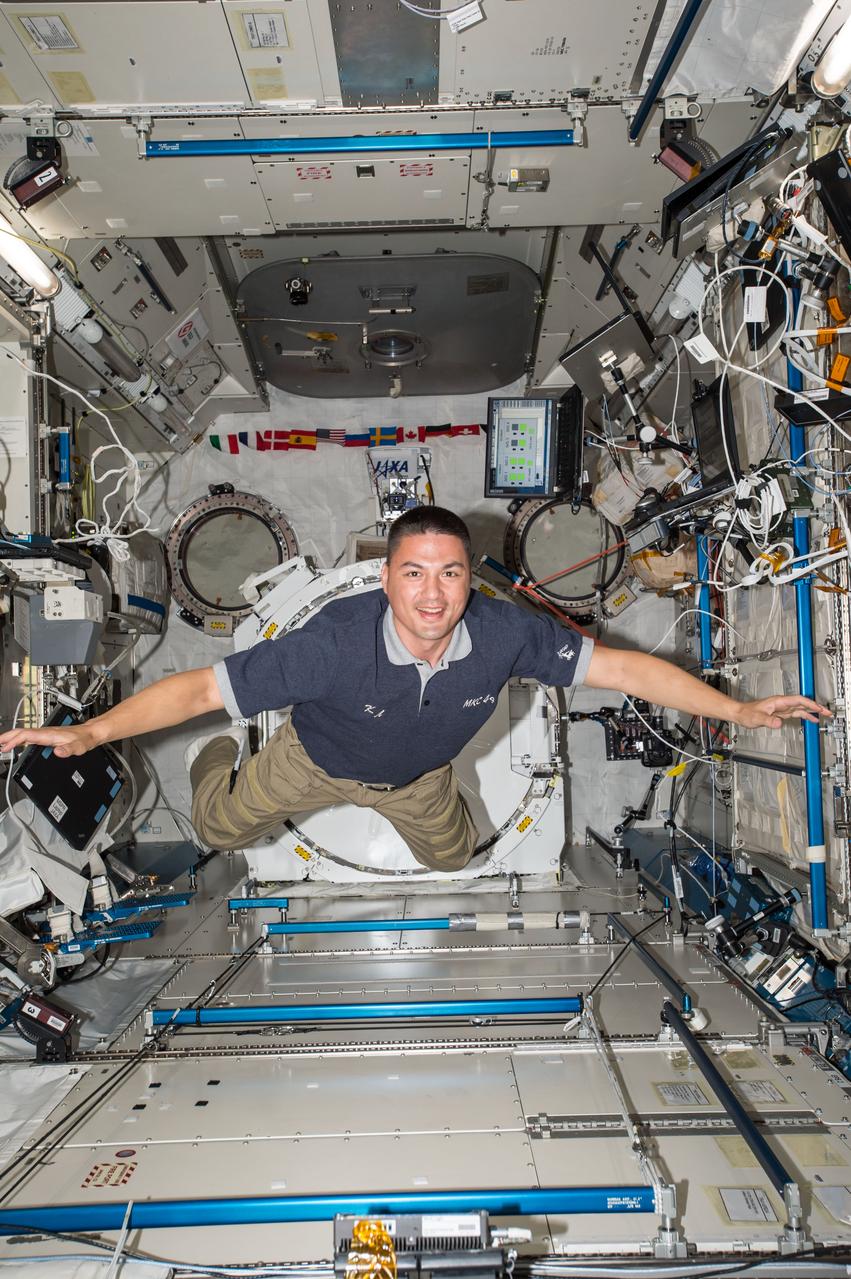
View of astronaut Kjell Lindgren flying in the Kibo module of the ISS. Sent as part of Twitter message: It's already been a week! Time is flying...and so am I!
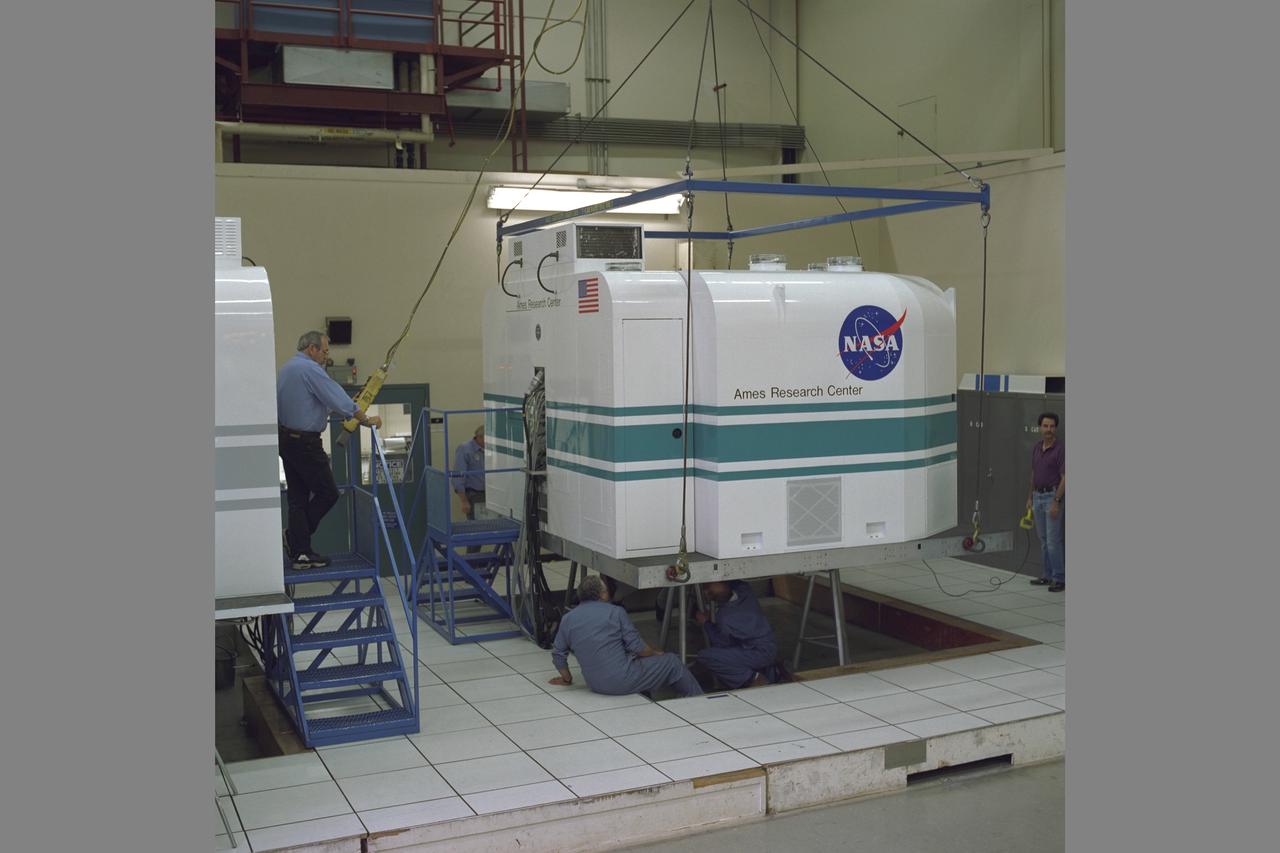
Tiltrotor Aircraft, Transport Aircraft T-Cab moving into NASA Ames Vertical Motion Simulaotor (VMS) from I-Cab Fixed Base Area in bldg. N-243 using trolly.
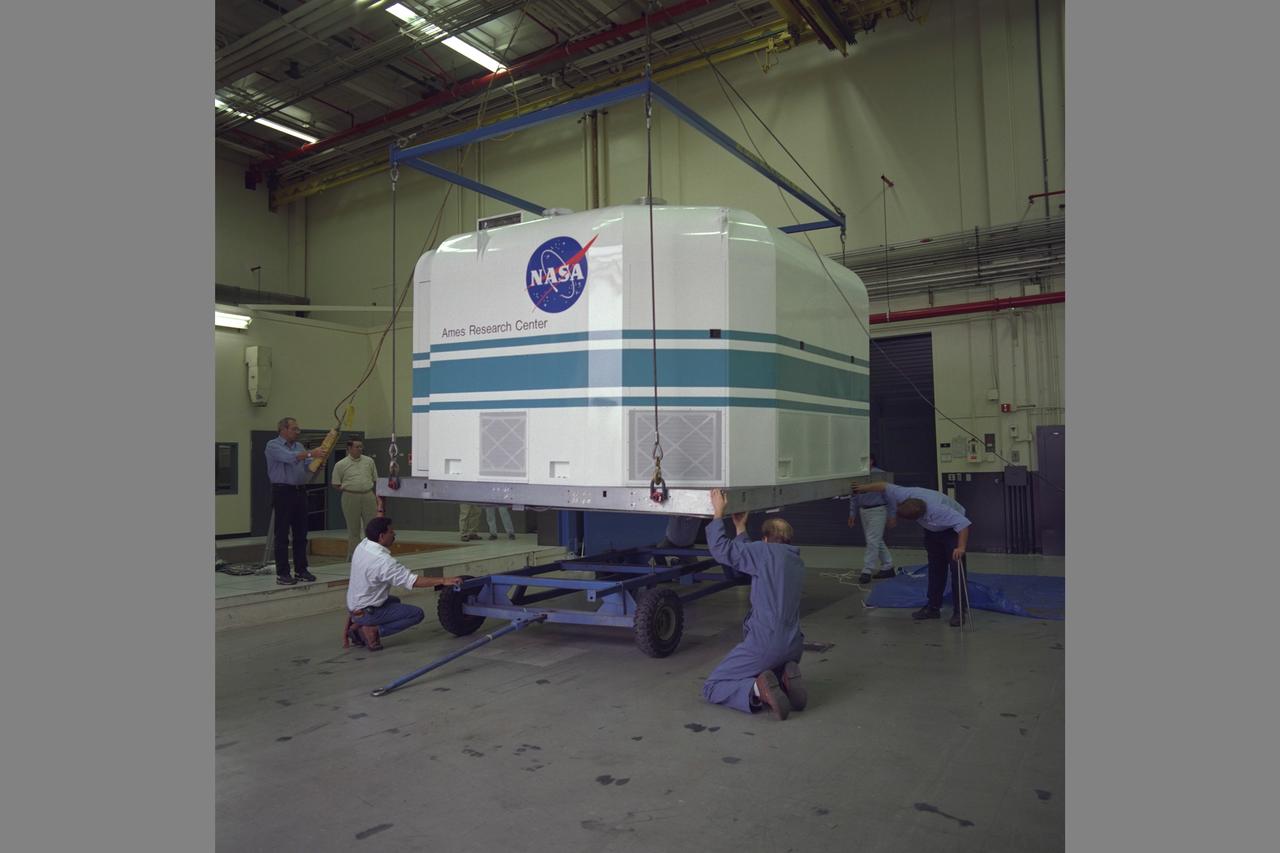
Tiltrotor Aircraft, Transport Aircraft T-Cab moving into NASA Ames Vertical Motion Simulaotor (VMS) from I-Cab Fixed Base Area in bldg. N-243 using trolly.
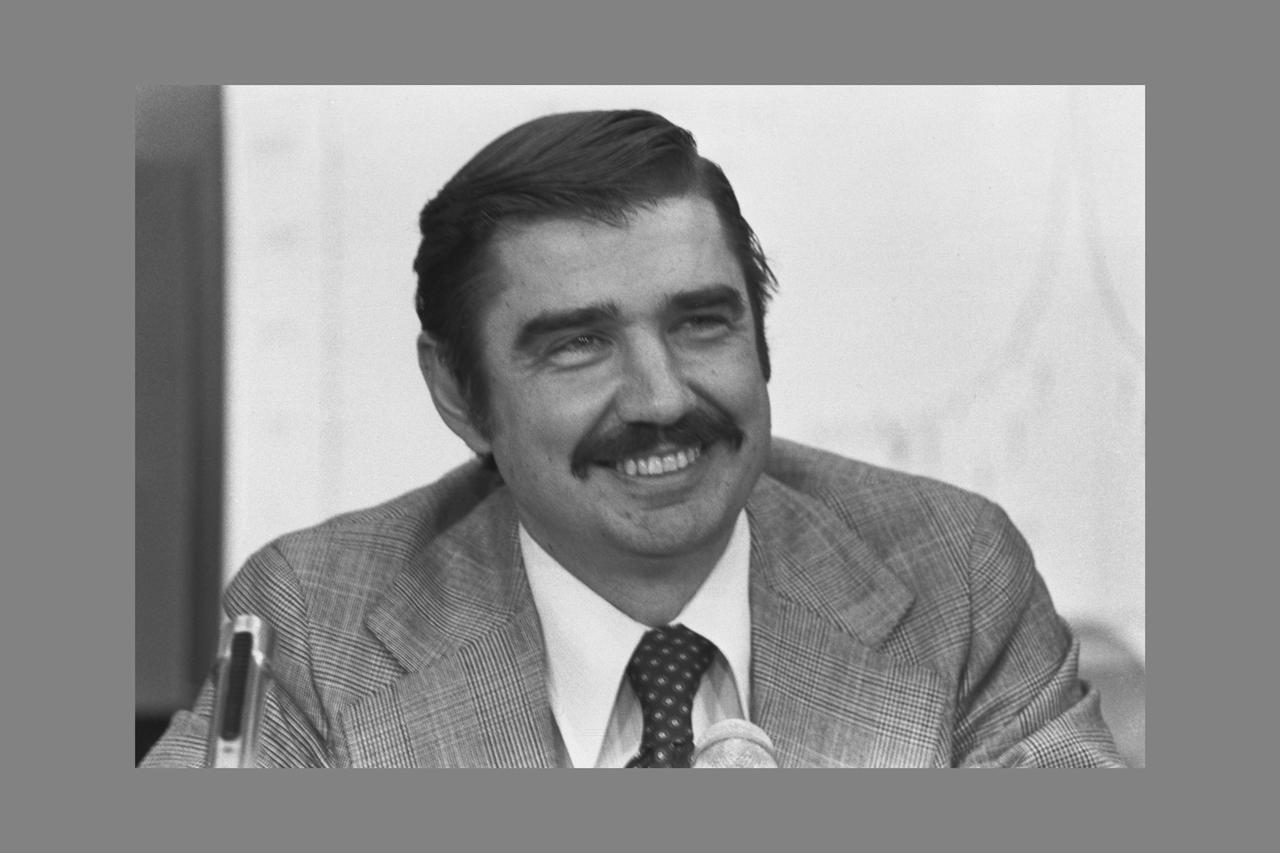
Photographs and Captions courtesy of Joseph and Donna Roizen Telegen, Palo Alto, CA (from) Pioneer 10 and 11 Missions Jupiter encounters - Activities at Ames Research Center December 1973 and December 1974 - As a memento of the highly successful Pioneer 10 and 11 missions to Jupiter, this collection of photographs represents a sampling of those taken at Ames Research Center during the Jupiter encounter periods in December 1973 and December 1974. The captions for these photographs are meant to suggest the lighter side of the intense activities that took place during these periods. I would like to express my gratitude to all participants in the Pioneer 10/11 program for their teamwork in accomplishing the scientific and technical objectives of the Pioneer 10 and 11 missions to Jupiter. (signed) Charles F. Hall - Manager, Pioneer Project Dr. Darrell l Judge 'I hope they are giving prizes for the best looking man at this conference because I finally got my moustache looking perfect.'
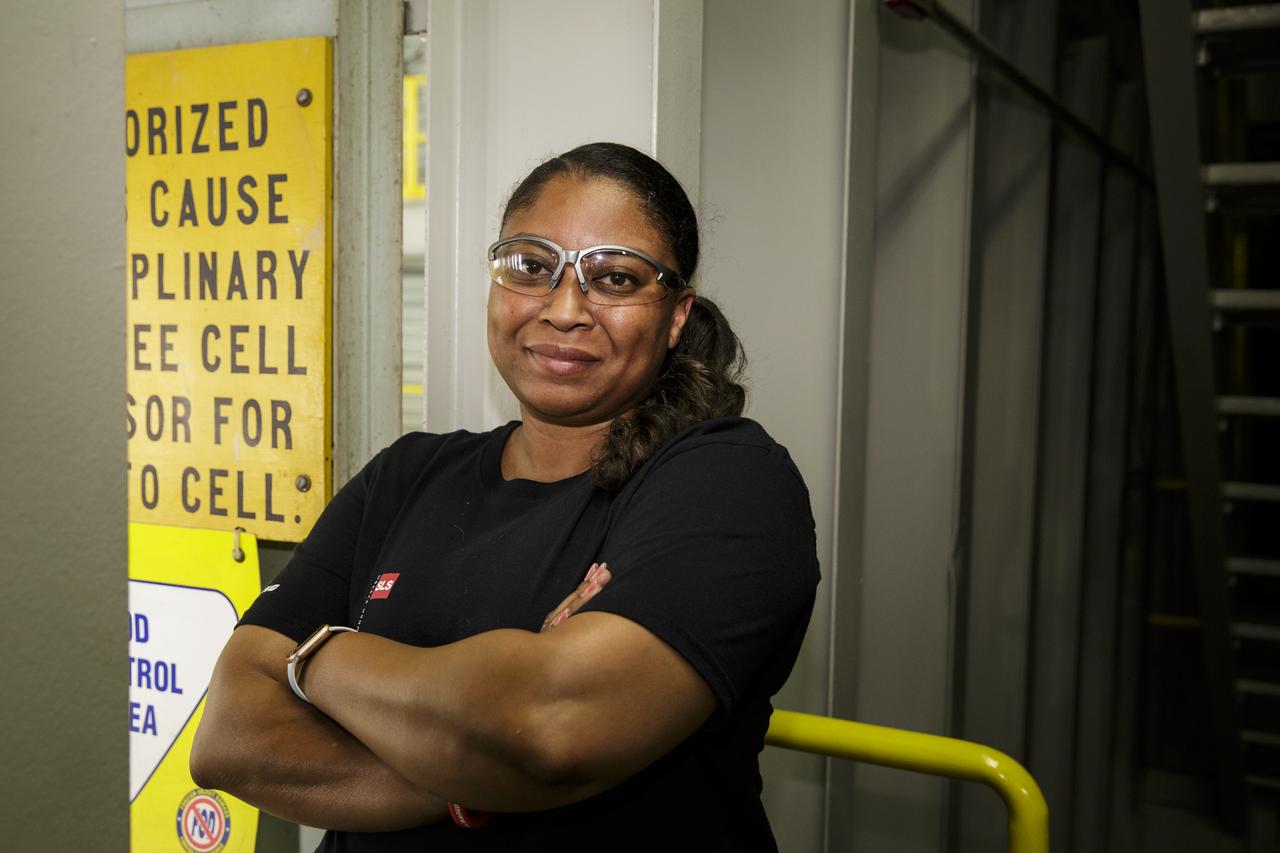
"On my first day, I felt like I did not belong. I felt like I was unqualified. That’s the thing: the people around here, I don’t know if it’s just the culture or the area where we are, but these people around here, they just encourage you: 'You can do it!' and 'Let me show you this, there’s nothing to it!' I mean, really, they forced me out of my element, even into where I am right now. I belong now. I definitely belong now. I don’t feel out of place. I feel like I have a better handle on things compared to when I was younger and easily intimidated. I feel like I belong now. "My goal right now is to find a need and fill it. That’s my thing. And that’s all through life. Any job, any position. That’s the goal. Find the need. Find what you’re good at. And you fill that need." Candis Hills, Facilities and Asset Management, Boeing, Friday, June 28, 2019 at Michoud Assembly Facility, New Orleans, LA. Photo Credit: (NASA/Aubrey Gemignani)
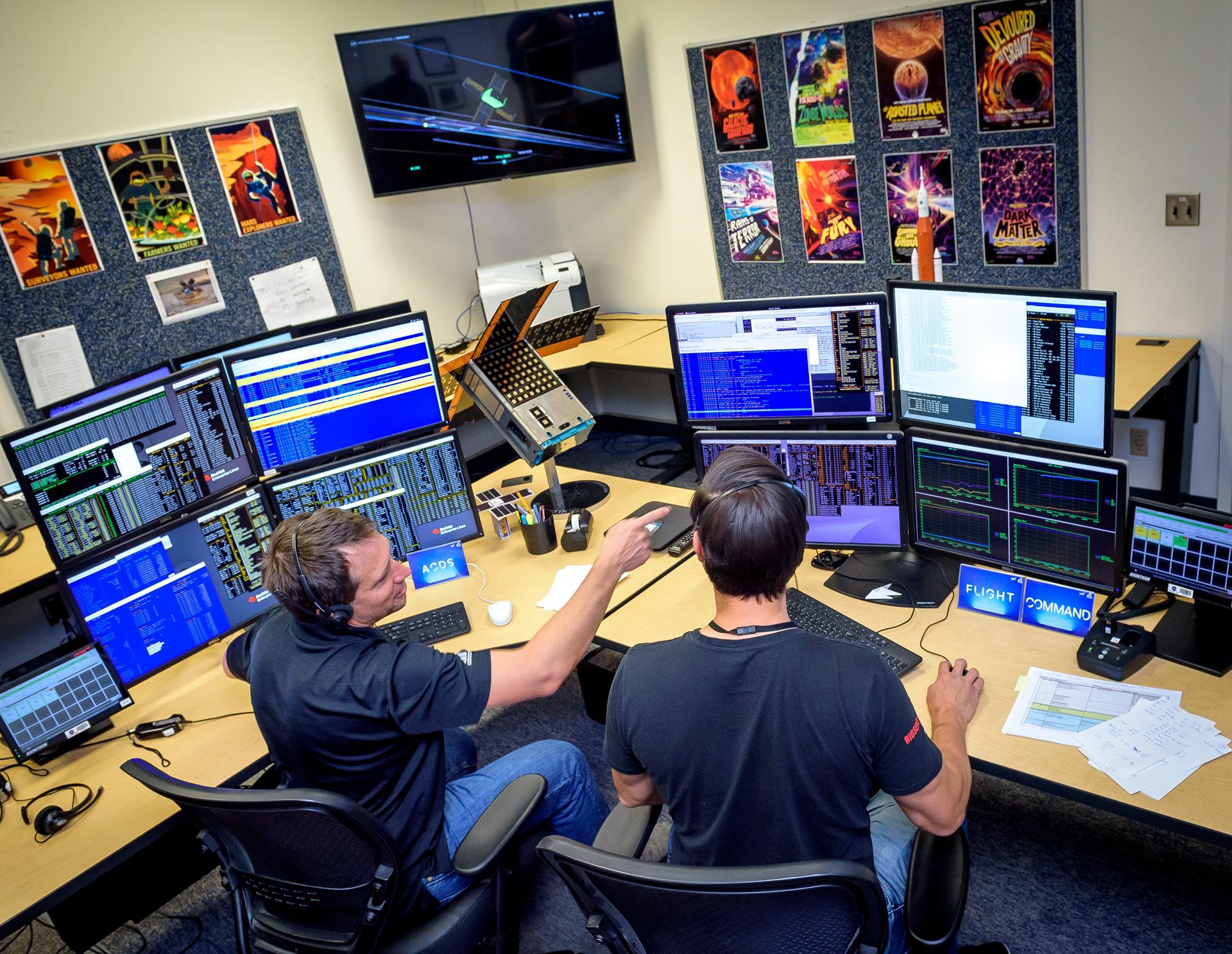
Jesse Fusco, left, and James Milsk at the BioSentinel command console in the Ames Multi-Mission Operations Center (MMOC), N240 Annex, Ceres control room 172, receiving spacecraft telemetry at the 3-year anniversary since launch on Artemis I.
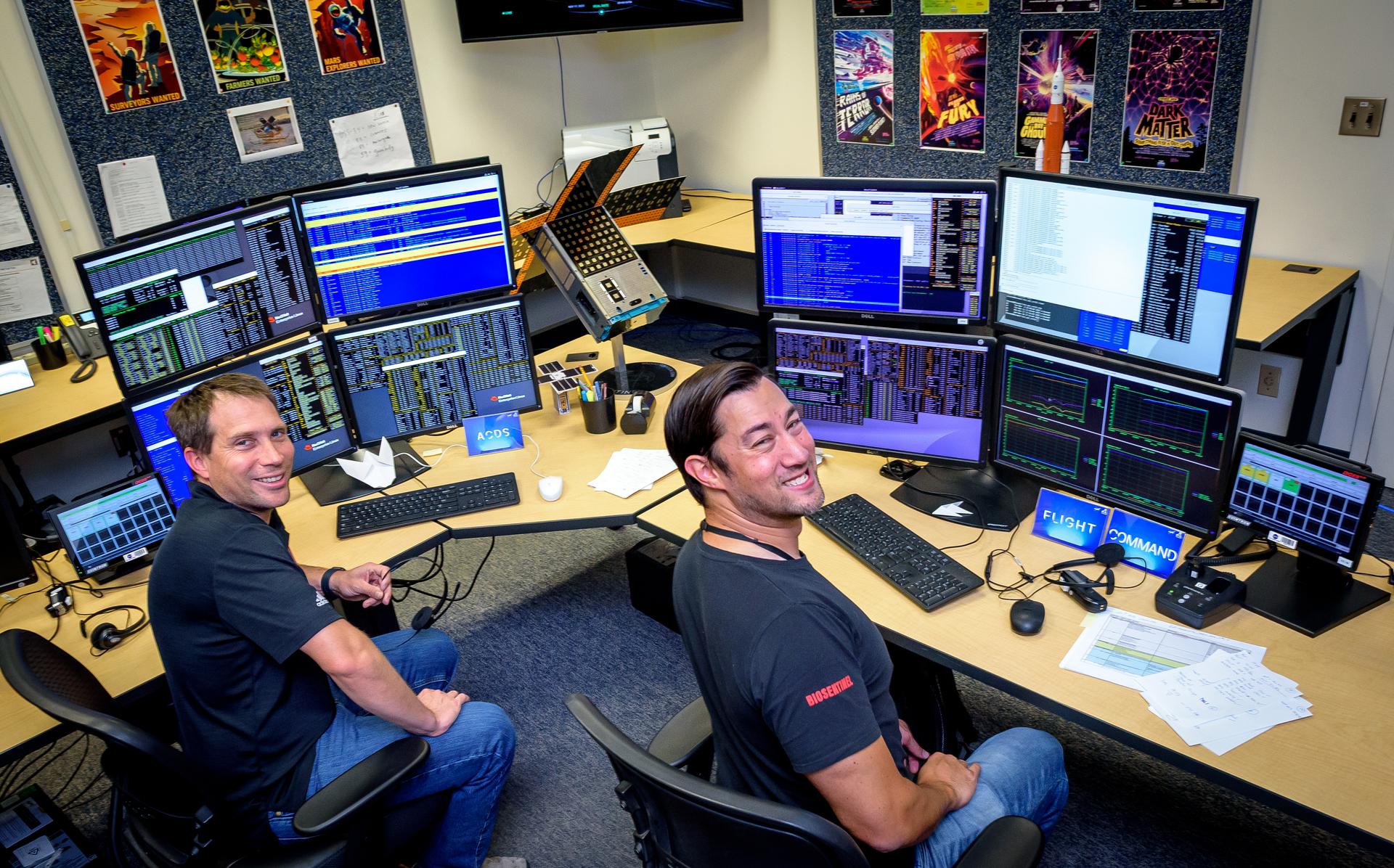
Jesse Fusco, left, and James Milsk at the BioSentinel command console in the Ames Multi-Mission Operations Center (MMOC), N240 Annex, Ceres control room 172, receiving spacecraft telemetry at the 3-year anniversary since launch on Artemis I.
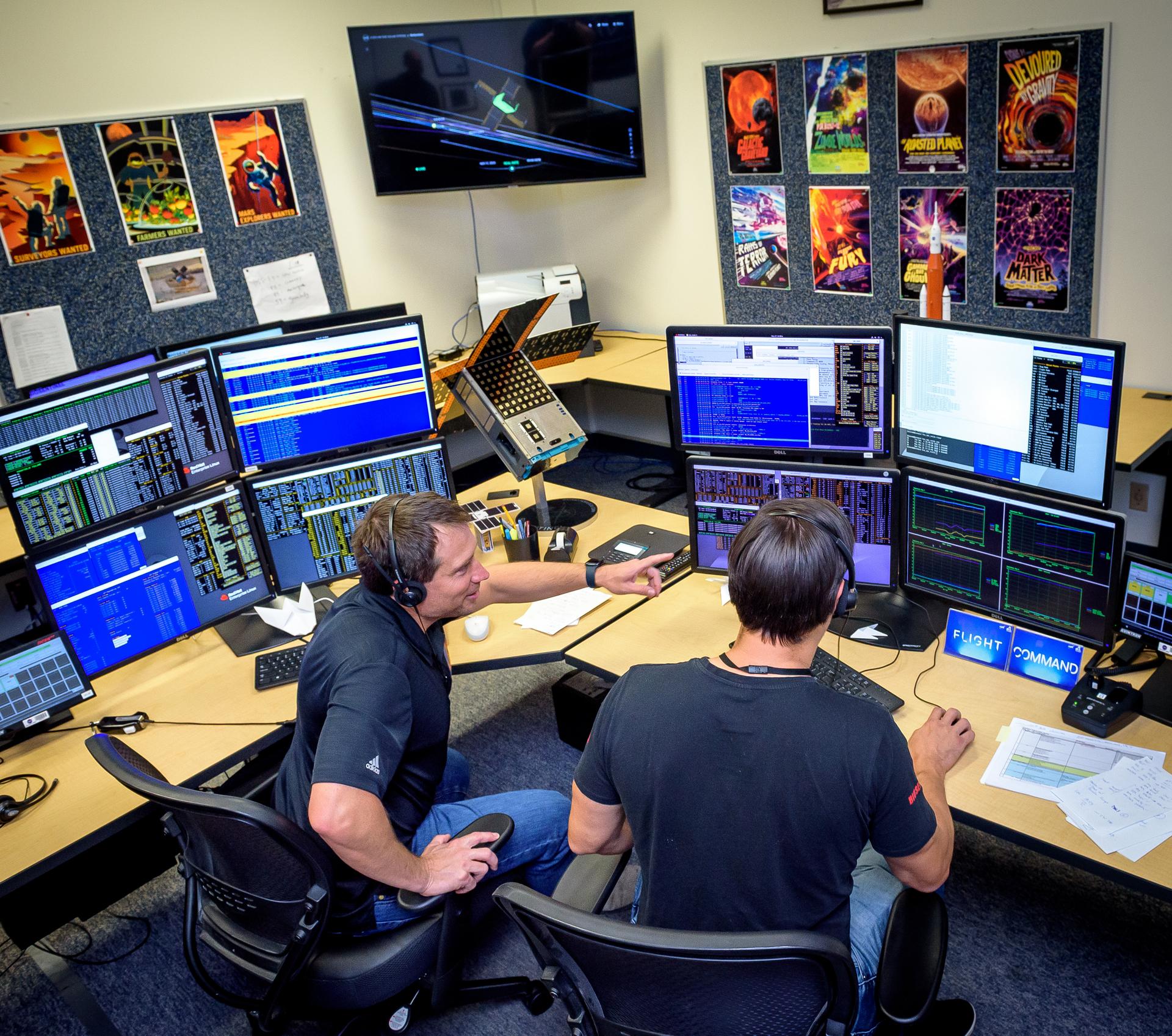
Jesse Fusco, left, and James Milsk at the BioSentinel command console in the Ames Multi-Mission Operations Center (MMOC), N240 Annex, Ceres control room 172, receiving spacecraft telemetry at the 3-year anniversary since launch on Artemis I.
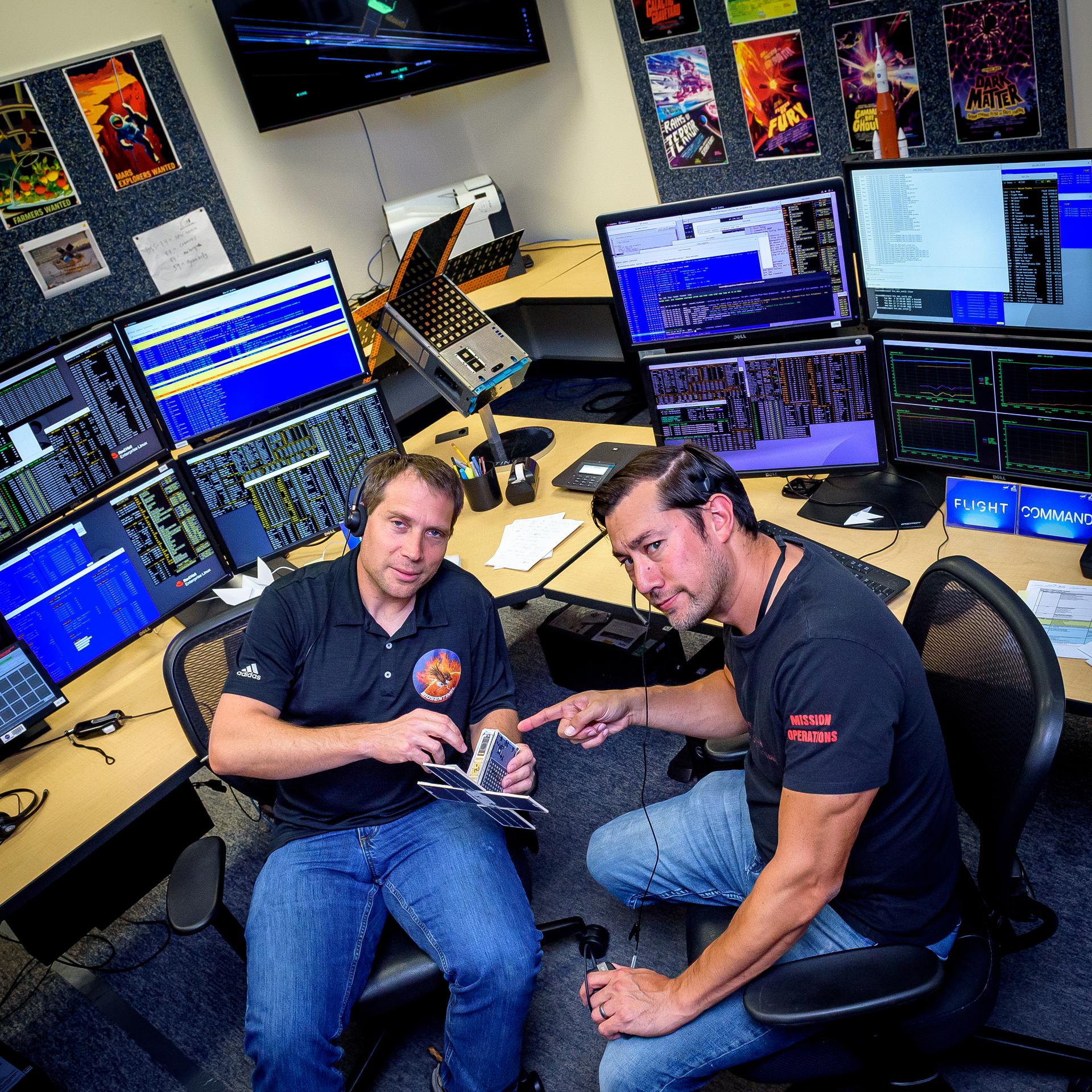
Jesse Fusco, left, and James Milsk at the BioSentinel command console in the Ames Multi-Mission Operations Center (MMOC), N240 Annex, Ceres control room 172, receiving spacecraft telemetry at the 3-year anniversary since launch on Artemis I.
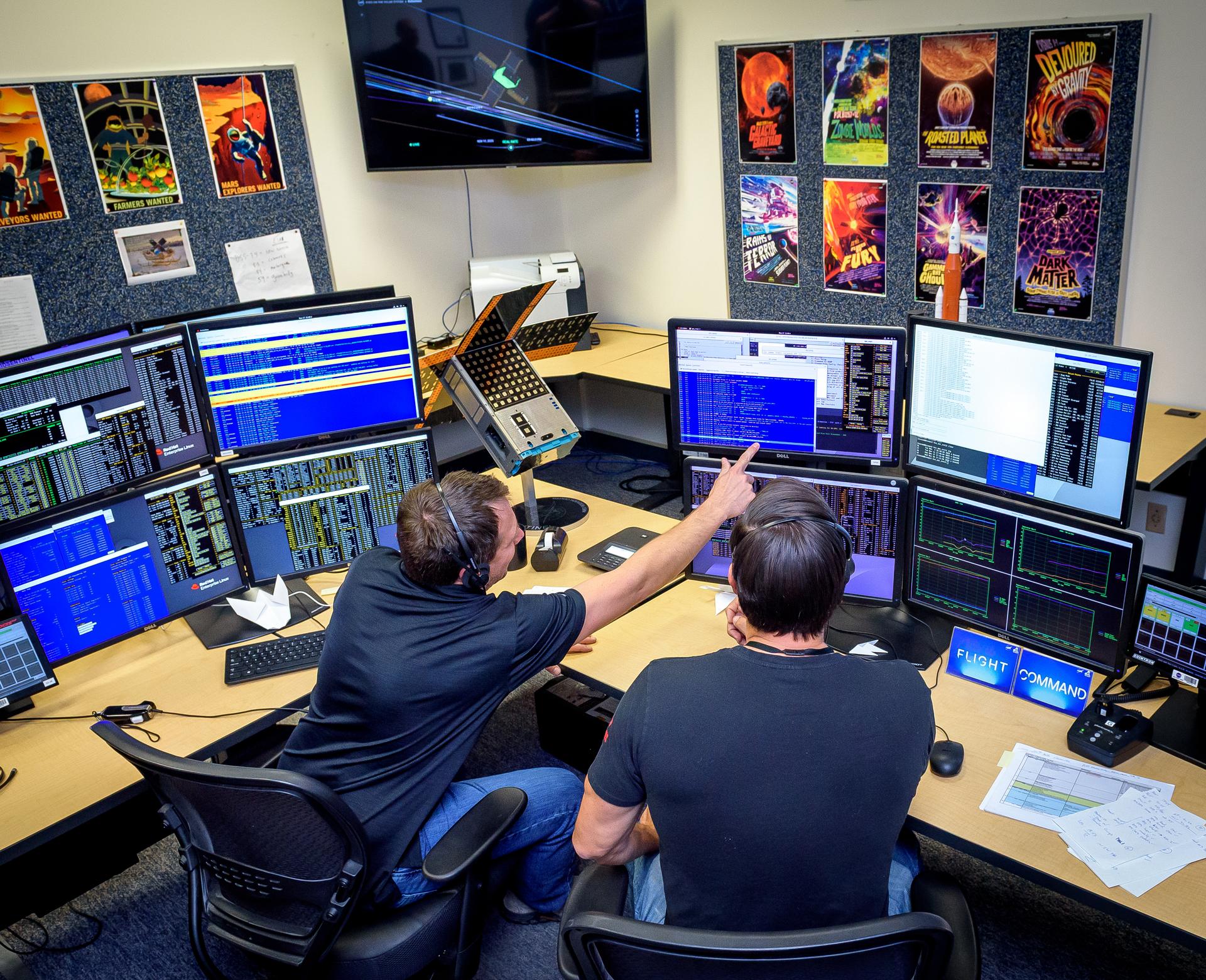
Jesse Fusco, left, and James Milsk at the BioSentinel command console in the Ames Multi-Mission Operations Center (MMOC), N240 Annex, Ceres control room 172, receiving spacecraft telemetry at the 3-year anniversary since launch on Artemis I.
![“At the end of the day people won't remember what you said or did. They will remember how you made them feel.’ [This quote] resonates with me because I feel my job in public engagement is creating unique experiences for people, so when they walk away you’ve touched them in a way that leaves a meaningful impression. “[The ceremony] was more than just a street renaming. In my mind, I was thinking, who am I doing this for? I am doing this for any person who feels that he or she was not valued, or perhaps they were not seen or not heard. What will people think when they walk up and see Hidden Figures Way? Will they think of those times in their life where they weren't seen, or they felt they didn't have a voice? “It was a time to make that [street] meaningful and to leave a lasting impression with people to see that name and feel proud to be part of it. That was a really proud moment for me to be charged with bringing [the ceremony] together and creating this memorable experience.” Chief of the Public Engagement Division at NASA Headquarters, Cindy Steele, poses for a portrait, Monday, February 8, 2021 at NASA Headquarters in Washington. Photo Credit: (NASA/Aubrey Gemignani)](https://images-assets.nasa.gov/image/NHQ202102090001/NHQ202102090001~medium.jpg)
“At the end of the day people won't remember what you said or did. They will remember how you made them feel.’ [This quote] resonates with me because I feel my job in public engagement is creating unique experiences for people, so when they walk away you’ve touched them in a way that leaves a meaningful impression. “[The ceremony] was more than just a street renaming. In my mind, I was thinking, who am I doing this for? I am doing this for any person who feels that he or she was not valued, or perhaps they were not seen or not heard. What will people think when they walk up and see Hidden Figures Way? Will they think of those times in their life where they weren't seen, or they felt they didn't have a voice? “It was a time to make that [street] meaningful and to leave a lasting impression with people to see that name and feel proud to be part of it. That was a really proud moment for me to be charged with bringing [the ceremony] together and creating this memorable experience.” Chief of the Public Engagement Division at NASA Headquarters, Cindy Steele, poses for a portrait, Monday, February 8, 2021 at NASA Headquarters in Washington. Photo Credit: (NASA/Aubrey Gemignani)
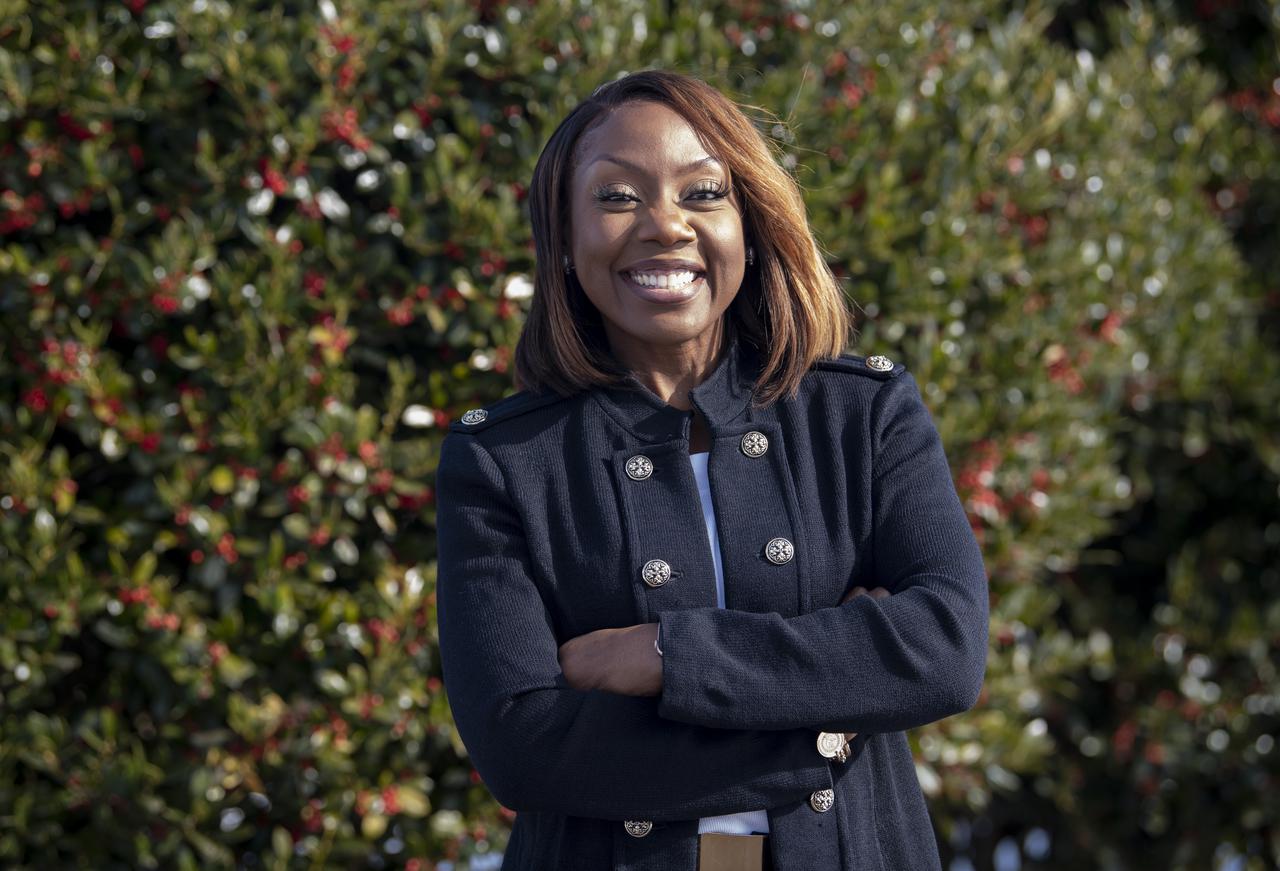
"I still can't get over the fact that I actually work at NASA. If you had told the little girl years ago who was watching the shuttle launches from our family room in Uganda, I could never believe it would be possible. "It’s been such a great journey because the rejection along the way instilled in me the humility and determination I needed to work harder and believe in myself. I learned that if I believed in myself and not take it personally, great things will come my way. I’ve worked with people who felt comfortable teaching me new things and letting me explore. Legacy is really important to me. Many who came before gave me the opportunity to have a seat at the table. Now that I am here, I want to ensure I do my best so others can get access to more opportunities and those at the table can see past their differences, and are not looked at as just a woman, or as a woman of color, but as a person who actually knows what they’re talking about." Tabisa Taliwaku Kalisa, Communications Manager in the Office of Procurement at NASA Headquarters, poses for a portrait, Thursday, Feb. 4, 2021, in Virginia. Photo Credit: (NASA/Joel Kowsky)
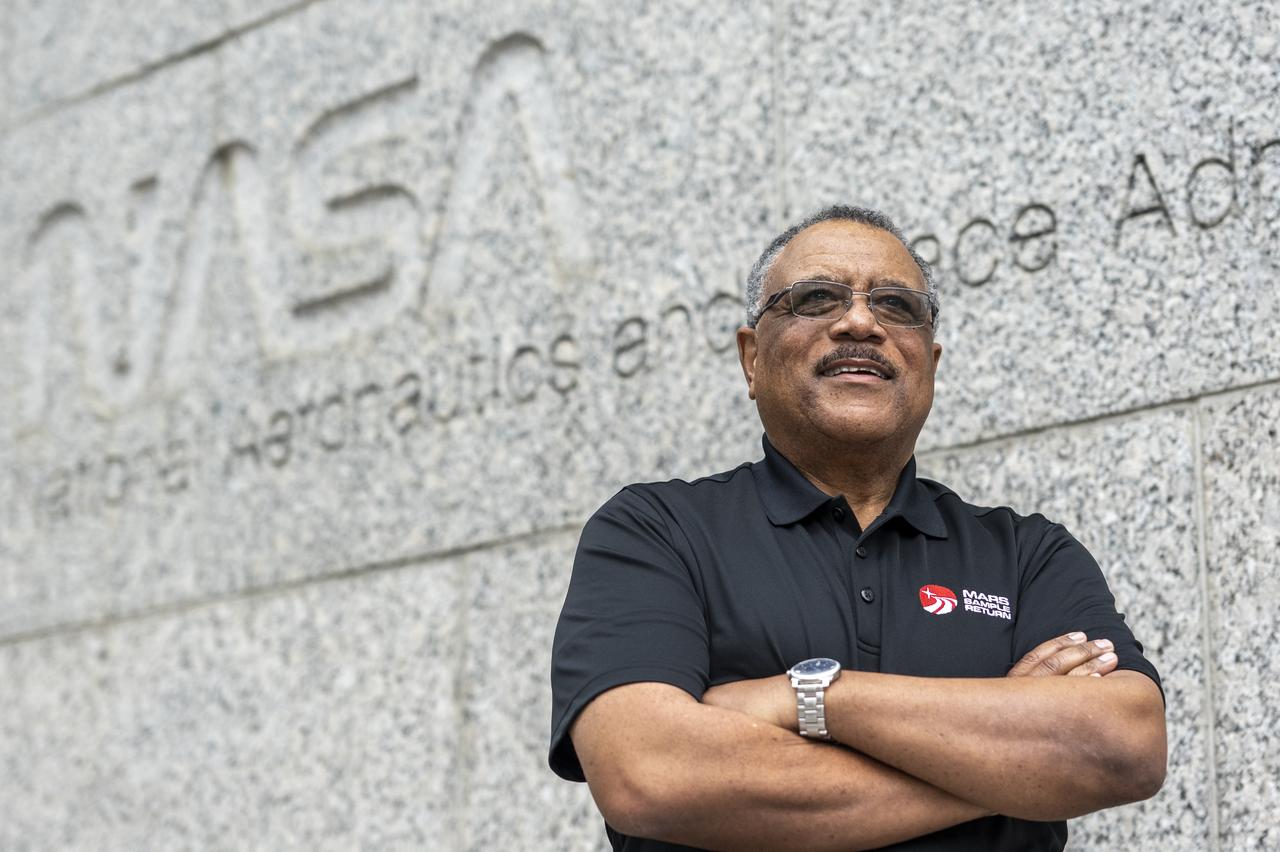
ÒIf you just invest a little time and a little effort in people, you will get so much more back. Not only will you feel good about it and get satisfaction above and beyond anything you can imagine, but the task or the mission you are trying to accomplish will also benefit tremendously. IÕve seen this happen many times when I have given someone an assignment. I am careful not to restrict their creativity. Often, theyÕre able to accomplish the task or mission better than I expected. ÒMy brotherÕs a professional artist, and I learned that from him. If you tell an artist what to paint, they will paint it. But, if you tell them what youÕre looking for, theyÕll paint that Ð and thereÕs a difference. People appreciate that, the openness to be able to create. Another big one is that thereÕs no such thing as a perfect person. So, the day you start thinking everythingÕs going to be perfect, you are in trouble. ÒI remember when I went on my first visit to NASAÕs Jet Propulsion Laboratory to talk about the Mars Sample Return campaign. I sat down with the communications team and said, ÔLook, if you are thinking we are going to do this perfectly and everythingÕs going to go as smoothly as it can, I want to change that mindset right now. We are going to have our challenges. But it is our job to work through those challenges, that is how we succeed. ÒI believe that whenever I am in a leadership position it is my call, my responsibility to create an environment in which all who work around me can be at their most efficient. I have been in situations before in which coworkers have said, ÔThat could not have turned out any better.Õ I believe you have to create the environment in which people can thrive and be their best. ThatÕs a big deal to me and I want people to treat me that way too. IÕve always felt from before I was a teenager that if I do something good, it will go to the next person and the next person, and before you know it, it goes around the world and comes back to me. I have truly believed that all my life, and I still think that today.Ó Dewayne Washington, Mars Sample Return Senior Communications Manager, poses for a portrait, Wednesday, Jan. 25, 2023, at the Mary W. Jackson NASA Headquarters building in Washington. Photo Credit: (NASA/Keegan Barber)
![“Starting to host live broadcasts [brought up] so many emotions: terrified, excited, proud. And people have told me, ‘Oh my goodness, I feel like I would freeze up when the camera’s on,’ but that was the most natural position for me because I felt, just a little bit, like I was back on stage, cheerleading. You’re standing on the stage, the lights are off, you're in your head. And then the lights turn on, the music drops, and you’re on a world stage in front of thousands of people doing an incredibly difficult three-minute routine and who knows, you might even be injured right now, but you don't have an option. When those lights and that music comes on, it's almost like something bigger than yourself takes over and you just have to go. And that is the exact same feeling when they're counting you down for a live broadcast: “3, 2, 1. Hello, welcome to NASA. My name is Tahira Allen!” Before something like that happens, I am terrified. I am sitting here thinking, what is about to come out of my mouth? But just like with cheer, whatever you do, you keep moving. I don't know what's going to come out my mouth. But I need to keep talking and just embrace fear. Embrace being uncomfortable.” …You cannot grow without approaching the fear, embracing the fear, and then pushing past it.Science Mission Directorate Digital Lead Tahira Allen poses for a portrait Wednesday, Feb. 8, 2023, at the Mary W. Jackson NASA Headquarters building in Washington. Photo Credit: (NASA/Keegan Barber)](https://images-assets.nasa.gov/image/NHQ202302080001/NHQ202302080001~medium.jpg)
“Starting to host live broadcasts [brought up] so many emotions: terrified, excited, proud. And people have told me, ‘Oh my goodness, I feel like I would freeze up when the camera’s on,’ but that was the most natural position for me because I felt, just a little bit, like I was back on stage, cheerleading. You’re standing on the stage, the lights are off, you're in your head. And then the lights turn on, the music drops, and you’re on a world stage in front of thousands of people doing an incredibly difficult three-minute routine and who knows, you might even be injured right now, but you don't have an option. When those lights and that music comes on, it's almost like something bigger than yourself takes over and you just have to go. And that is the exact same feeling when they're counting you down for a live broadcast: “3, 2, 1. Hello, welcome to NASA. My name is Tahira Allen!” Before something like that happens, I am terrified. I am sitting here thinking, what is about to come out of my mouth? But just like with cheer, whatever you do, you keep moving. I don't know what's going to come out my mouth. But I need to keep talking and just embrace fear. Embrace being uncomfortable.” …You cannot grow without approaching the fear, embracing the fear, and then pushing past it.Science Mission Directorate Digital Lead Tahira Allen poses for a portrait Wednesday, Feb. 8, 2023, at the Mary W. Jackson NASA Headquarters building in Washington. Photo Credit: (NASA/Keegan Barber)
![“I came [to the United States] in ’83 and in ’98, I was invited to go back to Costa Rica. The first Hispanic astronaut that NASA ever had is a Costa Rican — Franklin Chang Diaz. So everyone was talking about Franklin. At that point I had been working for NASA for seven years. All of a sudden, I had little girls and women coming to me, wanting to ask me about engineering. I resisted it at first, because I thought, they only care about the astronauts. That’s what ran through my head at first. I didn’t think I had done anything at that point. I didn’t think that I could be a role model. But as time went on, people started to hear about me more in Costa Rica, and eventually throughout Latin America. I got requests to travel all over to give talks — all the way from Mexico down to Chile. I cannot tell you when it was, but I realized, there are so many men in this field. When a little kid draws an engineer or a scientist, they tend to draw men. But here I am. And maybe I haven’t accomplished everything I want to do. But I can show little girls and little boys out there that it doesn’t matter where you come from. You can be anything that you want to, even when you have had a very difficult upbringing.” Earth Science Deputy Division Director in the Science Mission Directorate, Sandra Cauffman, poses for a portrait, Friday, Sept. 17, 2021 at NASA Headquarters in Washington. Photo Credit: (NASA/Aubrey Gemignani)](https://images-assets.nasa.gov/image/NHQ202109170001/NHQ202109170001~medium.jpg)
“I came [to the United States] in ’83 and in ’98, I was invited to go back to Costa Rica. The first Hispanic astronaut that NASA ever had is a Costa Rican — Franklin Chang Diaz. So everyone was talking about Franklin. At that point I had been working for NASA for seven years. All of a sudden, I had little girls and women coming to me, wanting to ask me about engineering. I resisted it at first, because I thought, they only care about the astronauts. That’s what ran through my head at first. I didn’t think I had done anything at that point. I didn’t think that I could be a role model. But as time went on, people started to hear about me more in Costa Rica, and eventually throughout Latin America. I got requests to travel all over to give talks — all the way from Mexico down to Chile. I cannot tell you when it was, but I realized, there are so many men in this field. When a little kid draws an engineer or a scientist, they tend to draw men. But here I am. And maybe I haven’t accomplished everything I want to do. But I can show little girls and little boys out there that it doesn’t matter where you come from. You can be anything that you want to, even when you have had a very difficult upbringing.” Earth Science Deputy Division Director in the Science Mission Directorate, Sandra Cauffman, poses for a portrait, Friday, Sept. 17, 2021 at NASA Headquarters in Washington. Photo Credit: (NASA/Aubrey Gemignani)
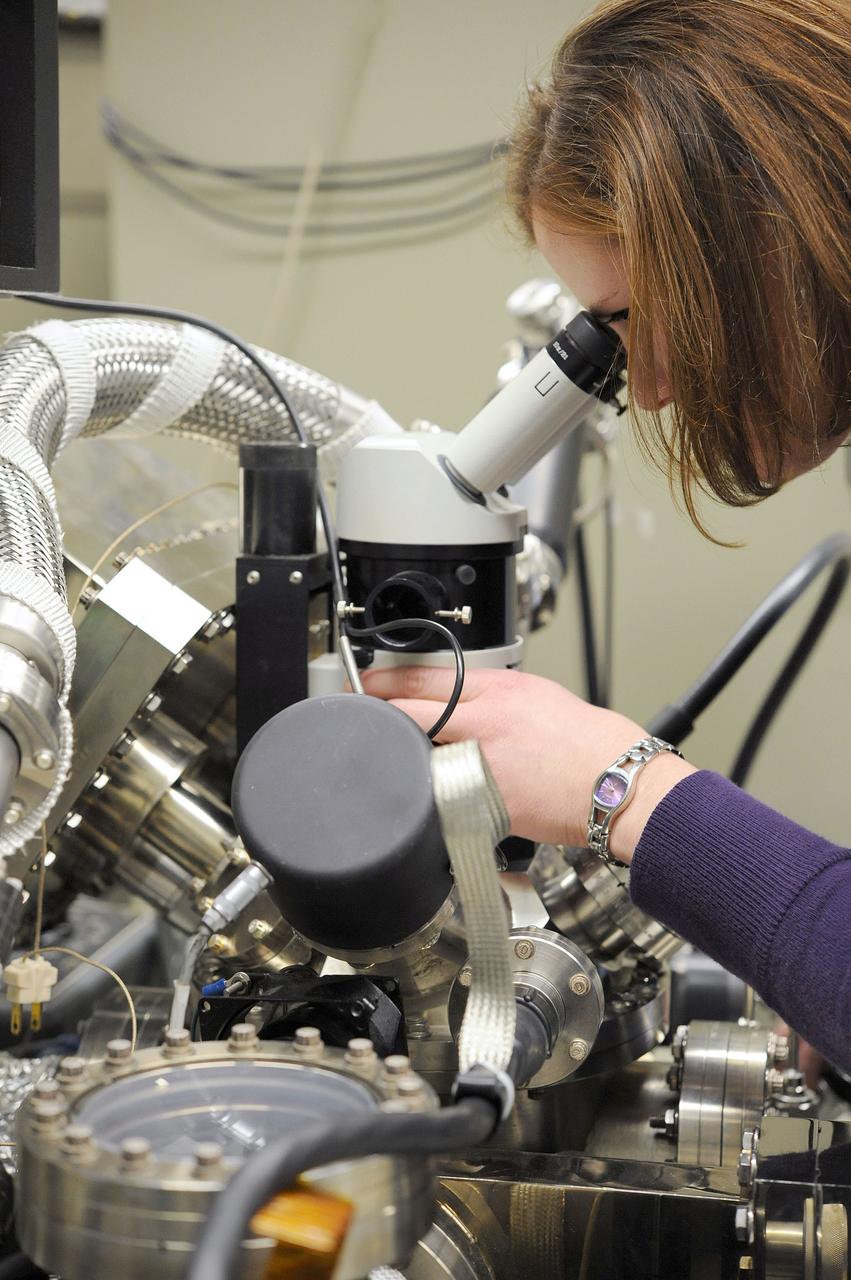
The name of the instrument is X-Ray Photoelecton Spectrometer (acronymed XPS); the lab is in the Materials Engineering Branch and aptly titled the X-Ray Photoelectron Spectrometry Lab. XPS is a non-destructive surface analysis technique that provides an elemental composition of the surface. It is capable of detecting any element with the exception of hydrogen and helium. In the picture, I am analyzing a piece of the film that the History Detectives believed was from the Echo II Project. I was looking for the presence of chromium, which would help confirm that the exterior of the film had a chromium conversion coating. PHOTO CREDIT: NASA/Debbie Mccallum
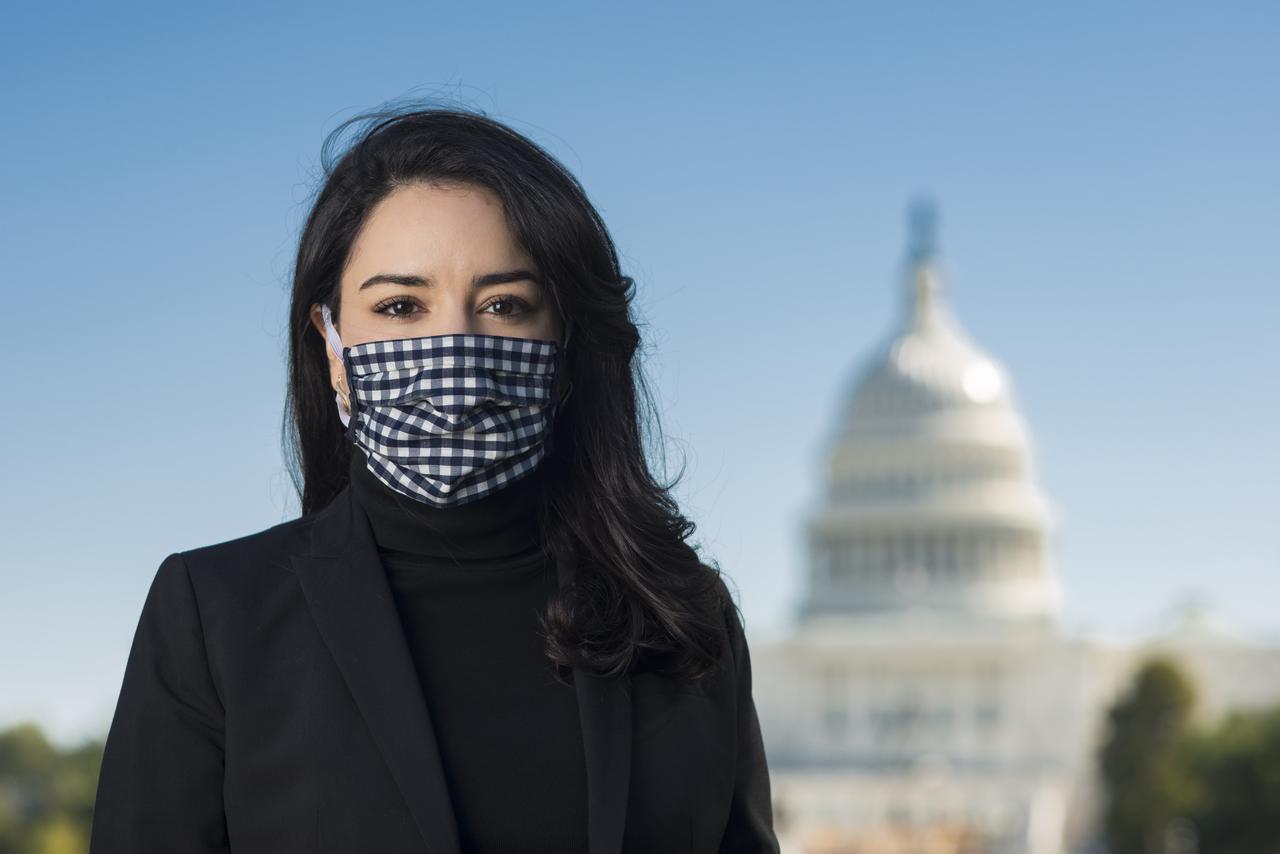
“I have to be honest, NASA had not really been on my radar until it just was. I went to grad school and in graduate school I actually studied myotonic dystrophy. At the end of my graduate school years I decided I want to go into public service. I applied for this thing called the Presidential Management Fellowship and NASA had an opening! I thought to myself ‘Oh this could be so interesting! They run so many technology and science programs. I'll apply and see what happens.’ “Lo and behold, I got an interview! I was so excited and the idea of working at an agency at NASA blew me out of the water and I said, ‘I am totally taking this.’ “I had a mentor say something to me that I think rings really true. He said, ‘when you work in public service, there’s no doubt that you’re doing the right thing.’ I think that idea drove me to public service. When you work for a company -- there’s absolutely nothing wrong with that, but you’re really helping the company to meet its bottom line. When you work for a federal agency or a state agency, you’re working to ensure the needs are met for the public. You're really doing something to benefit others. It’s not to benefit the company and many times it’s not just for yourself, so you always know you’re doing the right thing. I think what drove me was the idea of being able to do something that felt intrinsically fulfilling.” Dr. Ruth Siboni, executive officer for the Human Exploration and Operations (HEO) mission directorate poses for a photo, Monday, October 5, 2020 on the National Mall in Washington, DC. Photo Credit: (NASA/Aubrey Gemignani)

“When I first joined Twitter in 2009, one of the first accounts I followed was NASA. I knew they were doing NASA ‘Tweetups’ (now called Socials) where members of the public could apply, go behind the scenes of a NASA facility and potentially attend a launch. “I was selected for the STS-135 Tweetup — the final launch of the Space Shuttle, July 2011. The Tweetup gave me access that I never in my life thought I’d be able to experience. Being inside the Vehicle Assembly Building, where Saturn rockets were assembled, where the Space Shuttle was stacked and now where the SLS is going to be stacked… that for me, was incredible. “We got to Kennedy for the launch on July 7. There were severe thunderstorms and lightning all around. The weather was not looking good for the next day. “The next morning, we get to the press site, and the weather continues to look like it’s going to prevent the launch. There was a 30% chance. I didn’t think it was going to happen. “And then, there was a break in the clouds. And at 11:28 am, the Shuttle launches. It was such a physical, emotional experience. I remember feeling the sound waves. I was just so excited, so thrilled, so overcome by seeing all these people put in so many hours on something that was bigger than themselves, working toward making this mission a success. And that was the culmination of it: 5 million pounds of thrust lifting this vehicle 250 miles off the planet. “I thought, ‘wow, Atlantis took off with just a 30% chance.’ So, I try to take that with me whenever I face a challenging situation. And that’s kind of why I was teetering on not applying for my first NASA internship in 2013. But I thought to myself, ‘well, that vehicle took off in not-so-ideal conditions. Things aren’t impossible.’ That’s what led me to pursue this career at NASA.” Portrait, Andres Almeida, Thursday, September 19, 2019 at NASA Headquarters in Washington. Photo Credit: (NASA/Aubrey Gemignani)
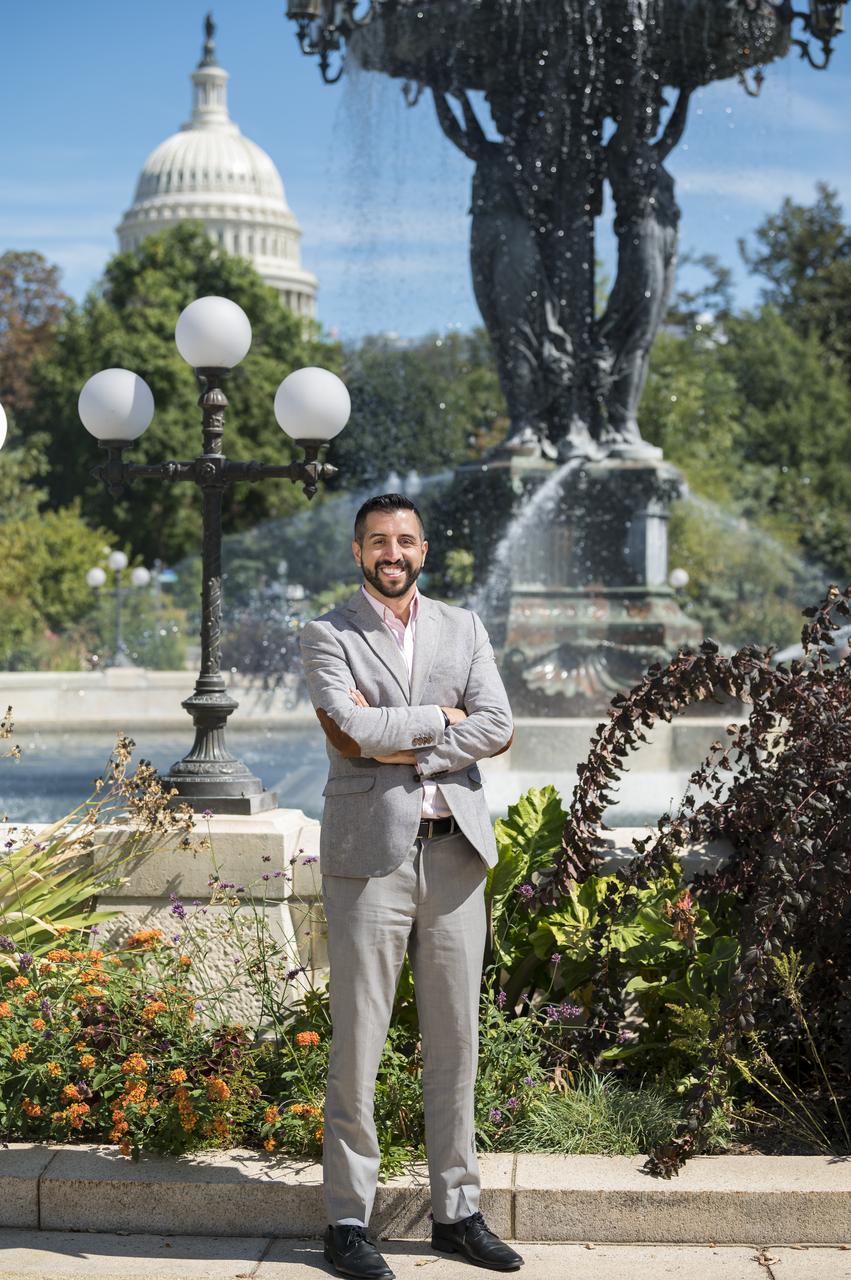
“When I first joined Twitter in 2009, one of the first accounts I followed was NASA. I knew they were doing NASA ‘Tweetups’ (now called Socials) where members of the public could apply, go behind the scenes of a NASA facility and potentially attend a launch. “I was selected for the STS-135 Tweetup — the final launch of the Space Shuttle, July 2011. The Tweetup gave me access that I never in my life thought I’d be able to experience. Being inside the Vehicle Assembly Building, where Saturn rockets were assembled, where the Space Shuttle was stacked and now where the SLS is going to be stacked… that for me, was incredible. “We got to Kennedy for the launch on July 7. There were severe thunderstorms and lightning all around. The weather was not looking good for the next day. “The next morning, we get to the press site, and the weather continues to look like it’s going to prevent the launch. There was a 30% chance. I didn’t think it was going to happen. “And then, there was a break in the clouds. And at 11:28 am, the Shuttle launches. It was such a physical, emotional experience. I remember feeling the sound waves. I was just so excited, so thrilled, so overcome by seeing all these people put in so many hours on something that was bigger than themselves, working toward making this mission a success. And that was the culmination of it: 5 million pounds of thrust lifting this vehicle 250 miles off the planet. “I thought, ‘wow, Atlantis took off with just a 30% chance.’ So, I try to take that with me whenever I face a challenging situation. And that’s kind of why I was teetering on not applying for my first NASA internship in 2013. But I thought to myself, ‘well, that vehicle took off in not-so-ideal conditions. Things aren’t impossible.’ That’s what led me to pursue this career at NASA.” Portrait, Andres Almeida, Thursday, September 19, 2019 at NASA Headquarters in Washington. Photo Credit: (NASA/Aubrey Gemignani)
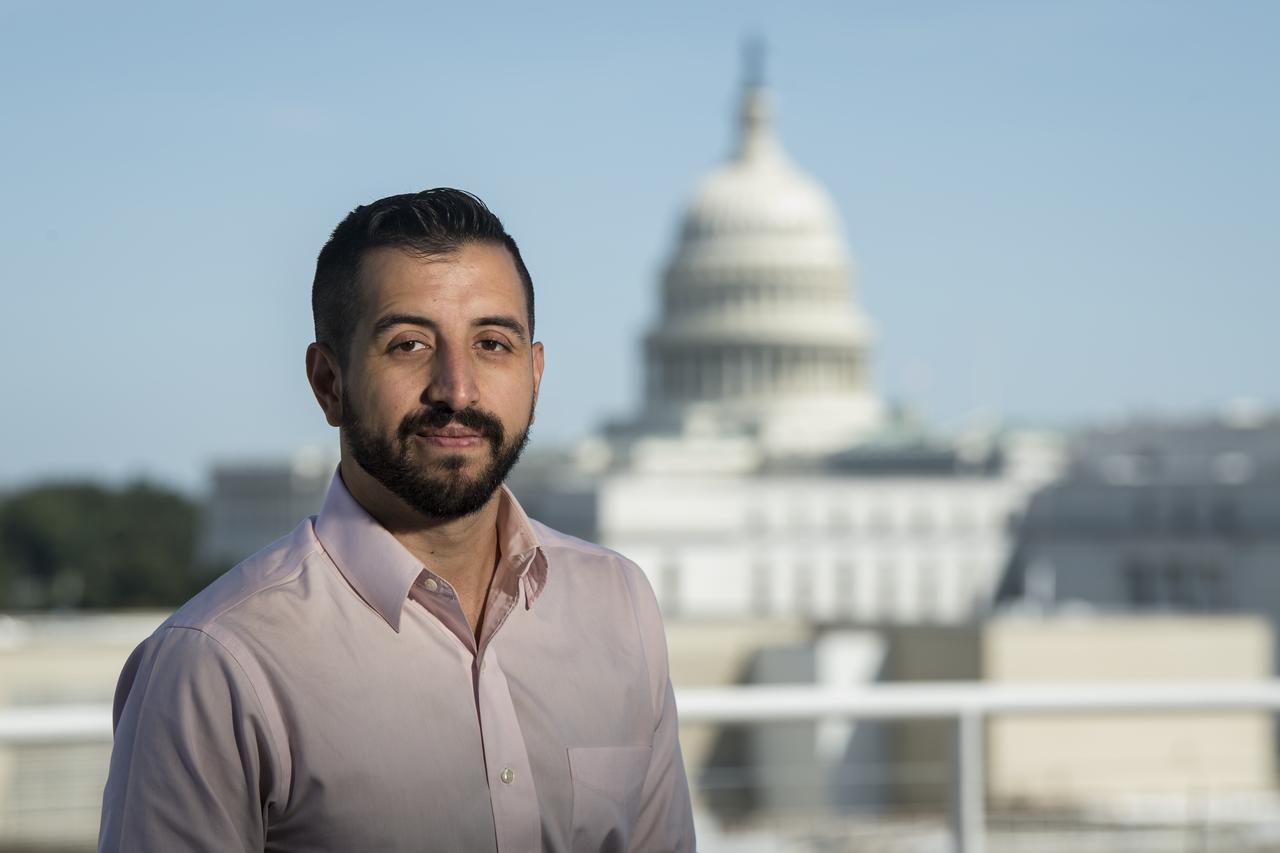
“When I first joined Twitter in 2009, one of the first accounts I followed was NASA. I knew they were doing NASA ‘Tweetups’ (now called Socials) where members of the public could apply, go behind the scenes of a NASA facility and potentially attend a launch. “I was selected for the STS-135 Tweetup — the final launch of the Space Shuttle, July 2011. The Tweetup gave me access that I never in my life thought I’d be able to experience. Being inside the Vehicle Assembly Building, where Saturn rockets were assembled, where the Space Shuttle was stacked and now where the SLS is going to be stacked… that for me, was incredible. “We got to Kennedy for the launch on July 7. There were severe thunderstorms and lightning all around. The weather was not looking good for the next day. “The next morning, we get to the press site, and the weather continues to look like it’s going to prevent the launch. There was a 30% chance. I didn’t think it was going to happen. “And then, there was a break in the clouds. And at 11:28 am, the Shuttle launches. It was such a physical, emotional experience. I remember feeling the sound waves. I was just so excited, so thrilled, so overcome by seeing all these people put in so many hours on something that was bigger than themselves, working toward making this mission a success. And that was the culmination of it: 5 million pounds of thrust lifting this vehicle 250 miles off the planet. “I thought, ‘wow, Atlantis took off with just a 30% chance.’ So, I try to take that with me whenever I face a challenging situation. And that’s kind of why I was teetering on not applying for my first NASA internship in 2013. But I thought to myself, ‘well, that vehicle took off in not-so-ideal conditions. Things aren’t impossible.’ That’s what led me to pursue this career at NASA.” Portrait, Andres Almeida, Thursday, September 19, 2019 at NASA Headquarters in Washington. Photo Credit: (NASA/Aubrey Gemignani)
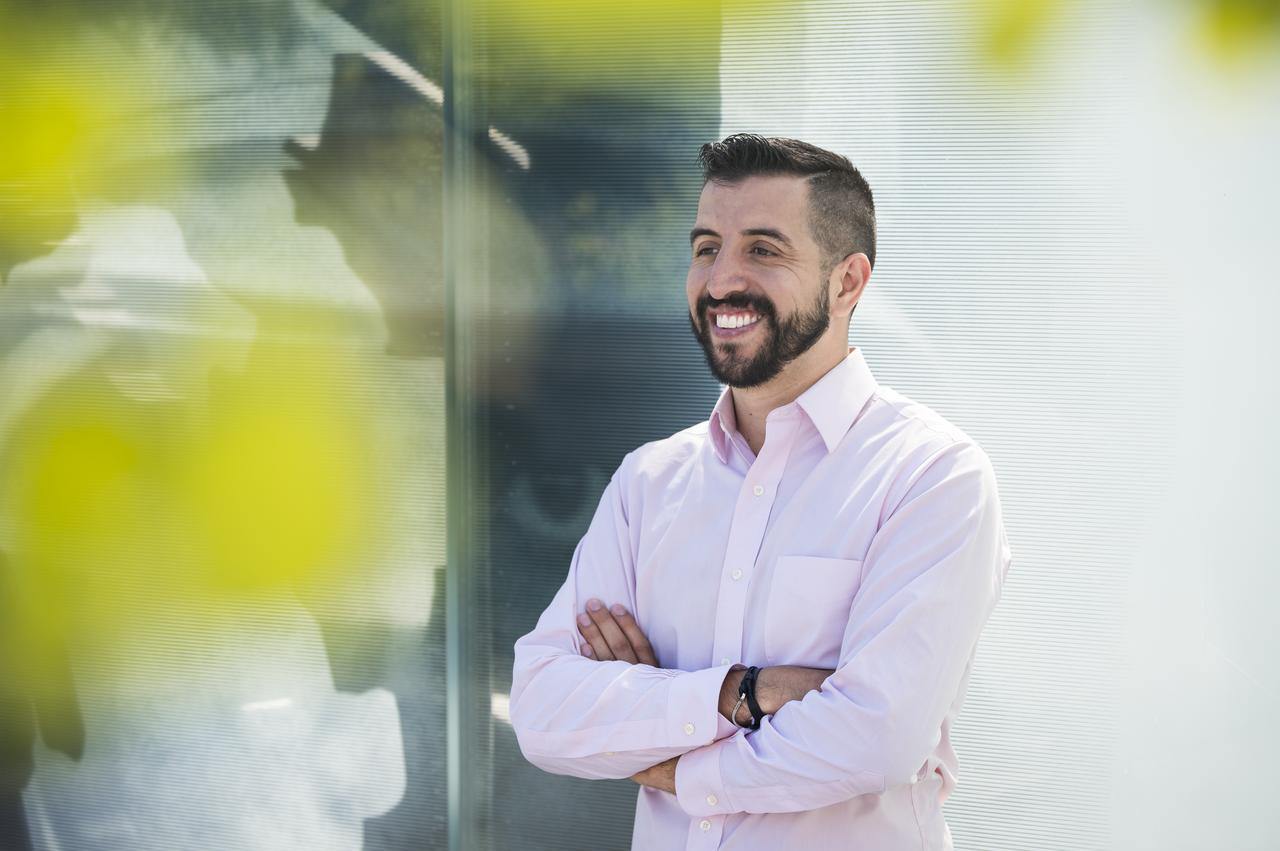
“When I first joined Twitter in 2009, one of the first accounts I followed was NASA. I knew they were doing NASA ‘Tweetups’ (now called Socials) where members of the public could apply, go behind the scenes of a NASA facility and potentially attend a launch. “I was selected for the STS-135 Tweetup — the final launch of the Space Shuttle, July 2011. The Tweetup gave me access that I never in my life thought I’d be able to experience. Being inside the Vehicle Assembly Building, where Saturn rockets were assembled, where the Space Shuttle was stacked and now where the SLS is going to be stacked… that for me, was incredible. “We got to Kennedy for the launch on July 7. There were severe thunderstorms and lightning all around. The weather was not looking good for the next day. “The next morning, we get to the press site, and the weather continues to look like it’s going to prevent the launch. There was a 30% chance. I didn’t think it was going to happen. “And then, there was a break in the clouds. And at 11:28 am, the Shuttle launches. It was such a physical, emotional experience. I remember feeling the sound waves. I was just so excited, so thrilled, so overcome by seeing all these people put in so many hours on something that was bigger than themselves, working toward making this mission a success. And that was the culmination of it: 5 million pounds of thrust lifting this vehicle 250 miles off the planet. “I thought, ‘wow, Atlantis took off with just a 30% chance.’ So, I try to take that with me whenever I face a challenging situation. And that’s kind of why I was teetering on not applying for my first NASA internship in 2013. But I thought to myself, ‘well, that vehicle took off in not-so-ideal conditions. Things aren’t impossible.’ That’s what led me to pursue this career at NASA.” Portrait, Andres Almeida, Thursday, September 19, 2019 at NASA Headquarters in Washington. Photo Credit: (NASA/Aubrey Gemignani)
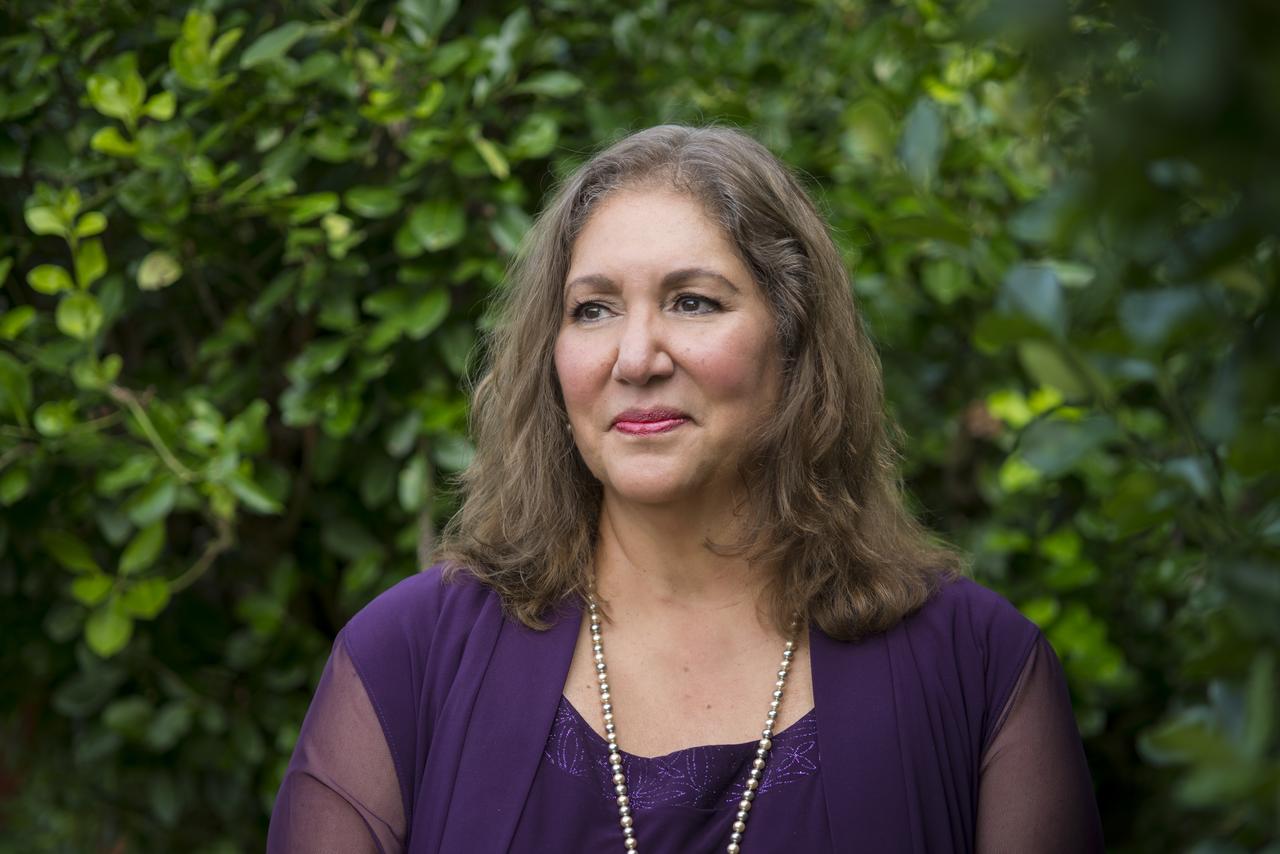
“I grew up in Venezuela and studied in the military high school Gran Mariscal de Ayacucho. They would frequently bring in speakers, usually professional that were doing important work. Here comes Dr. Humberto Fernandez-Moran, a Venezuelan scientist working at NASA He was speaking to us about teamwork and he told an anecdote about this janitor that was mopping the floors in one of the NASA installations, when someone asked the man what he was doing. The janitor turned around and said “I’m sending people to the Moon.” In that moment I thought, “Wow, NASA is a really inclusive place to work because they value all the contributions of the people that work for them.” When I immigrated to the United States, I didn’t start my career at NASA. I worked in various positions in the private and public sector. When I saw this position open and applied, I was reminded of that story. Later on, I worked for NASA as part of the new employee orientation team for a little over a year I would share that story with the new hires to let them know that NASA was extremely inclusive and that their work would matter. Regardless of the scope of their contribution you were part of a team working toward the same goal. When someone asks me about my job? I respond with immense pride I am part of the Office of the General Counsel – International Law Practice Group and I send astronauts into space." NASA Legal Administrative Specialist, Linda Perozo, poses for a portrait outside her home in Maryland, Wednesday, Sept. 16, 2020. Photo Credit: (NASA/Aubrey Gemignani)
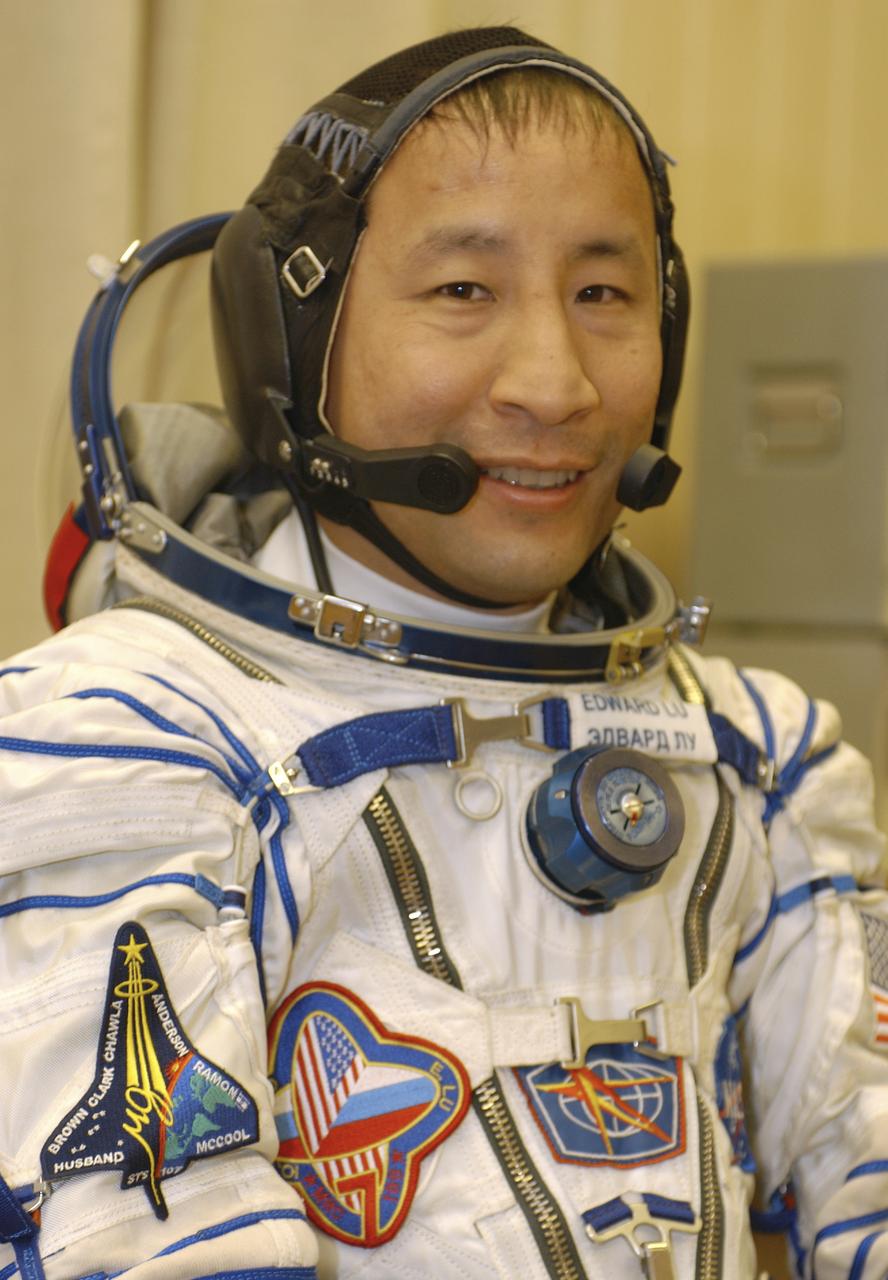
Edward T. Lu, Expedition 7 NASA International Space Station Science Officer and Flight Engineer, wearing his Russian Sokol suit, is pictured prior to his launch with Commander Yuri I. Malenchenko aboard the Soyuz rocket at 9:53 am from Baikonur, Kazakhstan, Saturday, April 26, 2003. Photo credit: (NASA/Bill Ingalls)
!["Where I grew up [on my family farm] 100% shaped who I am. In fact, my son and I were talking about high schools and how big his is. His high school population is double the population of the town I grew up in. I had 20 kids in my graduating class, and three of them were foreign exchange students. He asked me, 'Do you wish you would have gone to a bigger school like us?' And I said, 'Actually, no, I don't.' I loved where I grew up. I absolutely cherish what it instilled in me, and that's something I carry with me all the time. "The earliest lesson was that you are part of something much bigger than yourself. Everybody has an important role in what they're doing, no matter how small. I remember when we were bringing in the corn. Right now, everybody buys it, but I didn't buy corn until maybe college because it was a whole family thing. We went and picked the corn. The little kids would shuck it, pulling off all the silk. The grown-ups would shave it off the cob and then push it off to the side, and then the older kids would bag it up into plastic bags. And then everybody went home. It was always about a team. You can be the youngest person or the lowest-ranking person, but you always bring something important to that table. "Everywhere I've been since I got commissioned [as an Air Force officer], my very first office in 1997, I hang an aerial picture of our farm on my wall because it's [a reminder to] remember where you came from, remember home, and don't get too big for your britches. No matter what, you could be part of something huge, and I look at that picture and say, 'I have always been part of something much bigger than myself.' All the little, tiny moments in life that build upon themselves trace back to that family farm for me." Alana Johnson, Senior Communications Specialist, poses for a portrait, Wednesday, Feb. 7, 2024, at the Mary W. Jackson NASA Headquarters building in Washington. Photo Credit: (NASA/Joel Kowsky)](https://images-assets.nasa.gov/image/NHQ202402070011/NHQ202402070011~medium.jpg)
"Where I grew up [on my family farm] 100% shaped who I am. In fact, my son and I were talking about high schools and how big his is. His high school population is double the population of the town I grew up in. I had 20 kids in my graduating class, and three of them were foreign exchange students. He asked me, 'Do you wish you would have gone to a bigger school like us?' And I said, 'Actually, no, I don't.' I loved where I grew up. I absolutely cherish what it instilled in me, and that's something I carry with me all the time. "The earliest lesson was that you are part of something much bigger than yourself. Everybody has an important role in what they're doing, no matter how small. I remember when we were bringing in the corn. Right now, everybody buys it, but I didn't buy corn until maybe college because it was a whole family thing. We went and picked the corn. The little kids would shuck it, pulling off all the silk. The grown-ups would shave it off the cob and then push it off to the side, and then the older kids would bag it up into plastic bags. And then everybody went home. It was always about a team. You can be the youngest person or the lowest-ranking person, but you always bring something important to that table. "Everywhere I've been since I got commissioned [as an Air Force officer], my very first office in 1997, I hang an aerial picture of our farm on my wall because it's [a reminder to] remember where you came from, remember home, and don't get too big for your britches. No matter what, you could be part of something huge, and I look at that picture and say, 'I have always been part of something much bigger than myself.' All the little, tiny moments in life that build upon themselves trace back to that family farm for me." Alana Johnson, Senior Communications Specialist, poses for a portrait, Wednesday, Feb. 7, 2024, at the Mary W. Jackson NASA Headquarters building in Washington. Photo Credit: (NASA/Joel Kowsky)
![jsc2020e041336 (Sep 21, 2020) - “There are obvious highlights [about my job] and then there are some highlights that I didn’t really see coming. It’s such an honor to be just one person behind the scenes supporting the crewmembers while they’re up in space and focusing on their missions. It’s such an honor to be a part of them accomplishing their mission. The first time I got a call from space was a major highlight. Every call I’ve gotten from space since then has never gotten less exciting. The fact that I am continuously communicating with people who are living and working on the International Space Station — it’s just very surreal, it’s very mind-blowing still to this day even though I’ve been in this role for several years now. "But one of the highlights that I didn’t necessarily see coming is that a lot of the crewmembers have become mentors to me now. I look up to them for so many different reasons. And we have such a diverse corps that there’s really unlimited wisdom that I can take from listening to each crewmember’s story and from working with each crewmember. They show so much humility and perseverance. Hearing stories about their failures and their successes, watching them problem-solve and even problem-solving with them, has made me grow to be the kind of individual that I think I always wanted to become. I just never knew that I would have the opportunity to have these kinds of mentors to actually help me become that person.” — Stephanie Fernandez, Social Media and Outreach Specialist for the Astronaut Office, Johnson Space Center Image Credit: NASA / James Blair Interviewer: NASA / Thalia Patrinos](https://images-assets.nasa.gov/image/jsc2020e041336/jsc2020e041336~medium.jpg)
jsc2020e041336 (Sep 21, 2020) - “There are obvious highlights [about my job] and then there are some highlights that I didn’t really see coming. It’s such an honor to be just one person behind the scenes supporting the crewmembers while they’re up in space and focusing on their missions. It’s such an honor to be a part of them accomplishing their mission. The first time I got a call from space was a major highlight. Every call I’ve gotten from space since then has never gotten less exciting. The fact that I am continuously communicating with people who are living and working on the International Space Station — it’s just very surreal, it’s very mind-blowing still to this day even though I’ve been in this role for several years now. "But one of the highlights that I didn’t necessarily see coming is that a lot of the crewmembers have become mentors to me now. I look up to them for so many different reasons. And we have such a diverse corps that there’s really unlimited wisdom that I can take from listening to each crewmember’s story and from working with each crewmember. They show so much humility and perseverance. Hearing stories about their failures and their successes, watching them problem-solve and even problem-solving with them, has made me grow to be the kind of individual that I think I always wanted to become. I just never knew that I would have the opportunity to have these kinds of mentors to actually help me become that person.” — Stephanie Fernandez, Social Media and Outreach Specialist for the Astronaut Office, Johnson Space Center Image Credit: NASA / James Blair Interviewer: NASA / Thalia Patrinos
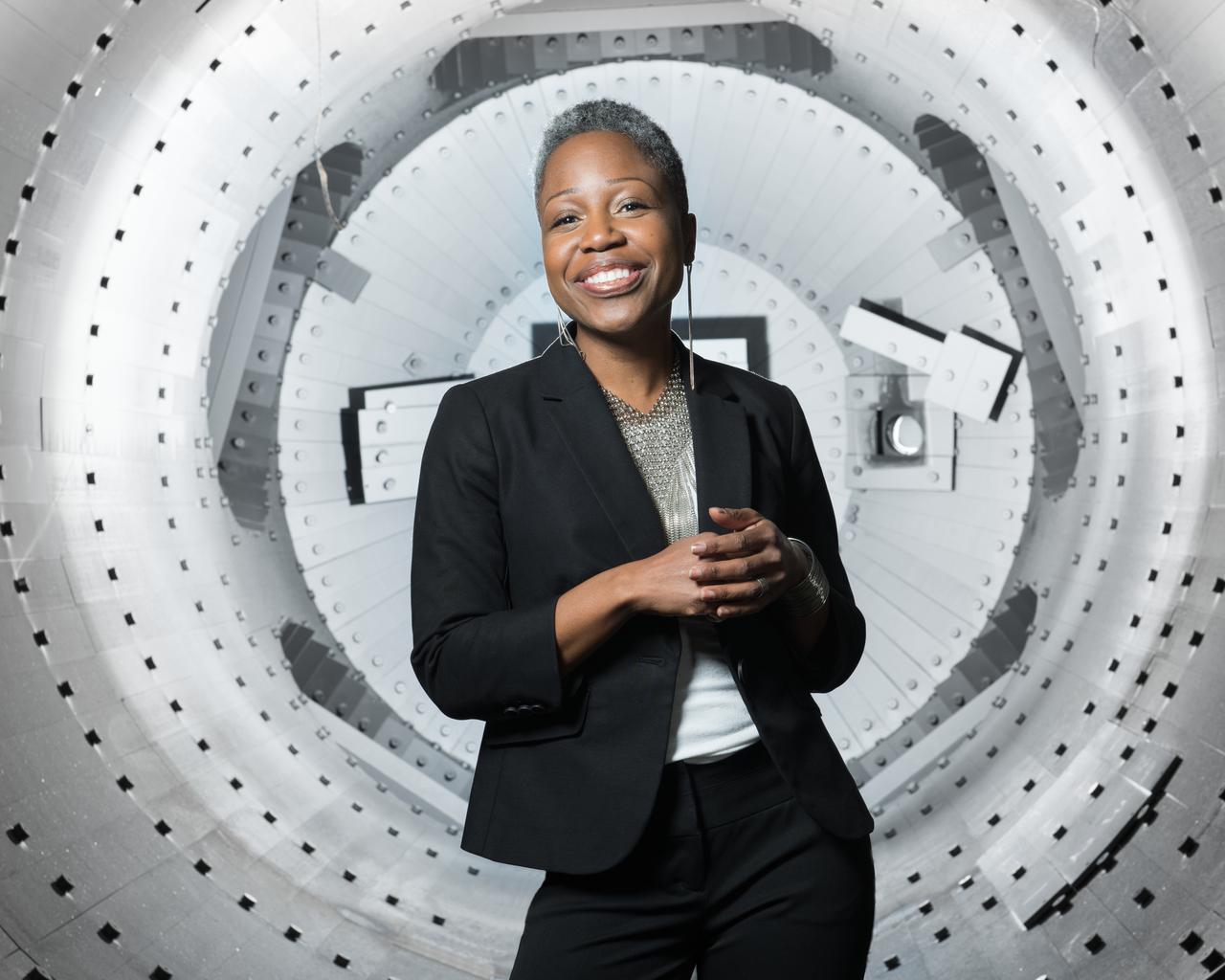
“I am a Black woman in STEM. And when I was growing up, I cannot say that I saw a lot of faces that looked like mine in STEM careers. I had some limited exposure to some notables, like Dr. Mae Jemison. But the names were few and far between of the great scientists or engineers that were Black — let alone Black females. So for me, if anybody sees my picture and says ‘yes, I see someone who looks like me working in STEM’ — that right there is very fulfilling. Just to be seen and to be visible makes a difference. "I also must provide words of encouragement because being in STEM can be difficult as is, let alone having to face the challenges of being a female in a male-dominated field. Or even being a double minority in the workplace. "It’s a matter of being really self-assured that you can do it, despite the fact that you’re going to have failures, that you’re going to have setbacks, and that you’re going have people who may not believe in you, for whatever reason. You have to be self-assured that this is what you want to do and that it can be done. This 4’11” Black woman achieved this, not knowing that STEM was going to be my path or that I was going to end up at NASA — I did it, and I believe that you can do it too — but you have to believe it for yourself.” — Mary Lobo, Director of Office of Technology Incubation and Innovation, Glenn Research Center The Facility Manager for the Space Simulation Facilities at Glenn Research Center, poses inside Vacuum Facility 16 (VF-16) for an Environmental Portrait. The lighting used in this portrait depicts the chamber as having an almost white interior when the chamber is actually almost black in color.
![“Some people [may say], 'You have too many cooks in the kitchen,’ but I think there's a line. It's good to have a lot of input because people bring many different perspectives that you would never even consider if you just pushed an idea forward with one person. This is especially true in the area we work in with digital [communications], which is changing so frequently; you constantly have to innovate, so including diverse voices and thoughts is important. “I'm an older sister, and I don't know if some of that [leadership style] comes from when we were kids, always making sure that I involved her. My sister had trouble pronouncing words when she was younger, so I was her translator, ensuring people could understand what she wanted or needed. And maybe that translated into who I am, making sure people have voices and are heard [at NASA]...I've achieved a lot that I didn't even know I wanted to accomplish because I couldn't have imagined this career progression for myself. “But now that I'm here, I would like to achieve more in terms of what NASA looks like internally, especially after getting involved with the NASA Science IDEA working group and diversity efforts. I would love to one, help people outside of NASA realize that they could work here and two, push people internally to the forefront so that they can be considered for higher-level things and progress.” NASA Science Mission Directorate Digital Manager Emily Furfaro poses for a portrait on Thursday, Aug. 22, 2024, at the Mary W. Jackson NASA Headquarters building in Washington. Photo Credit: (NASA/Keegan Barber)](https://images-assets.nasa.gov/image/NHQ202408220001/NHQ202408220001~medium.jpg)
“Some people [may say], 'You have too many cooks in the kitchen,’ but I think there's a line. It's good to have a lot of input because people bring many different perspectives that you would never even consider if you just pushed an idea forward with one person. This is especially true in the area we work in with digital [communications], which is changing so frequently; you constantly have to innovate, so including diverse voices and thoughts is important. “I'm an older sister, and I don't know if some of that [leadership style] comes from when we were kids, always making sure that I involved her. My sister had trouble pronouncing words when she was younger, so I was her translator, ensuring people could understand what she wanted or needed. And maybe that translated into who I am, making sure people have voices and are heard [at NASA]...I've achieved a lot that I didn't even know I wanted to accomplish because I couldn't have imagined this career progression for myself. “But now that I'm here, I would like to achieve more in terms of what NASA looks like internally, especially after getting involved with the NASA Science IDEA working group and diversity efforts. I would love to one, help people outside of NASA realize that they could work here and two, push people internally to the forefront so that they can be considered for higher-level things and progress.” NASA Science Mission Directorate Digital Manager Emily Furfaro poses for a portrait on Thursday, Aug. 22, 2024, at the Mary W. Jackson NASA Headquarters building in Washington. Photo Credit: (NASA/Keegan Barber)
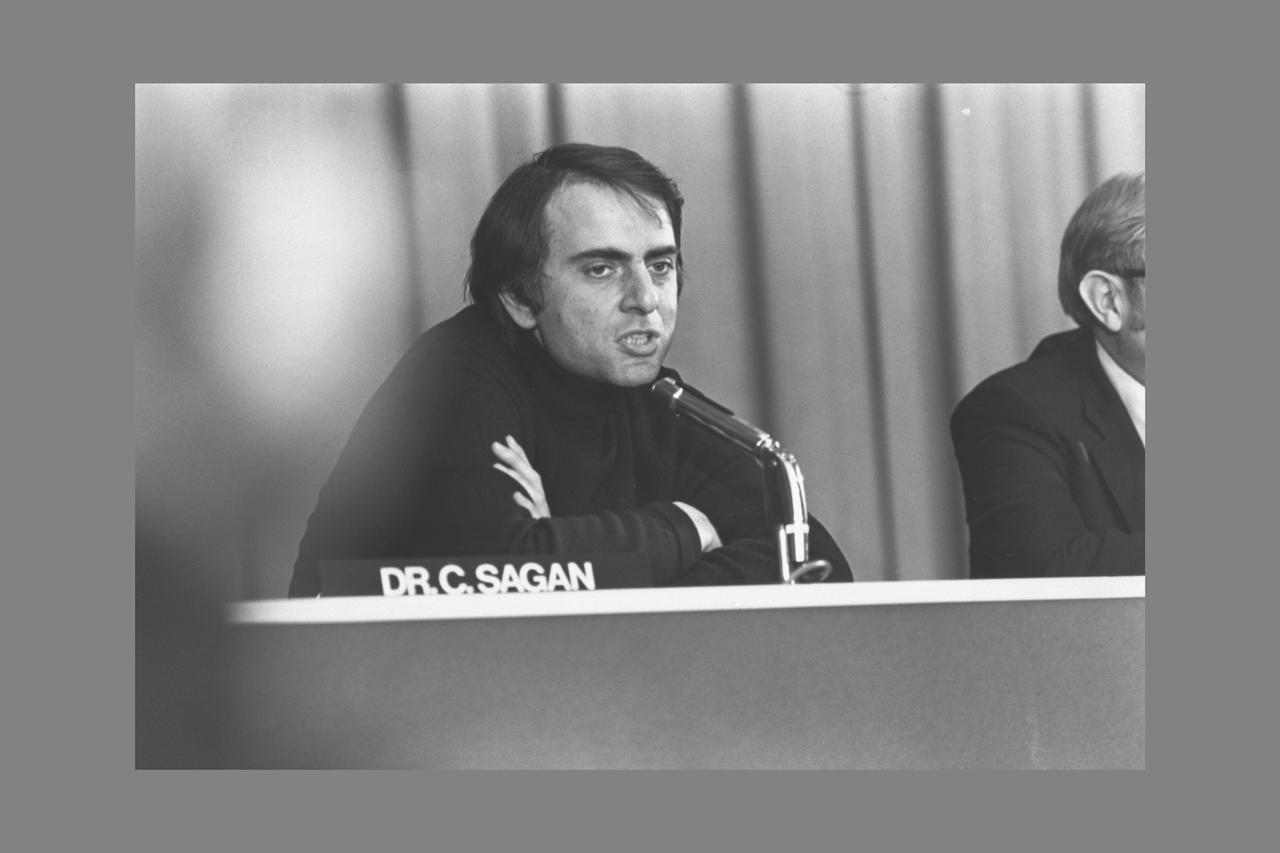
NASA Photographs and Captions courtesy of Joseph and Donna Roizen Telegen, Palo Alto, CA (from) Pioneer 10 and 11 Missions Jupiter encounters - Activities at Ames Research Center December 1973 and December 1974 - As a memento of the highly successful Pioneer 10 and 11 missions to Jupiter, this collection of photographs represents a sampling of those taken at Ames Research Center during the Jupiter encounter periods in December 1973 and December 1974. The captions for these photographs are meant to suggest the lighter side of the intense activities that took place during these periods. I would like to express my gratitude to all participants in the Pioneer 10/11 program for their teamwork in accomplishing the scientific and technical objectives of the Pioneer 10 and 11 missions to Jupiter. (signed) Charles F. Hall - Manager, Pioneer Project Dr. Carl Sagan 'Anybody who doesn't believe there are frogs in the Jovian atmosphere is going t hear from me.'
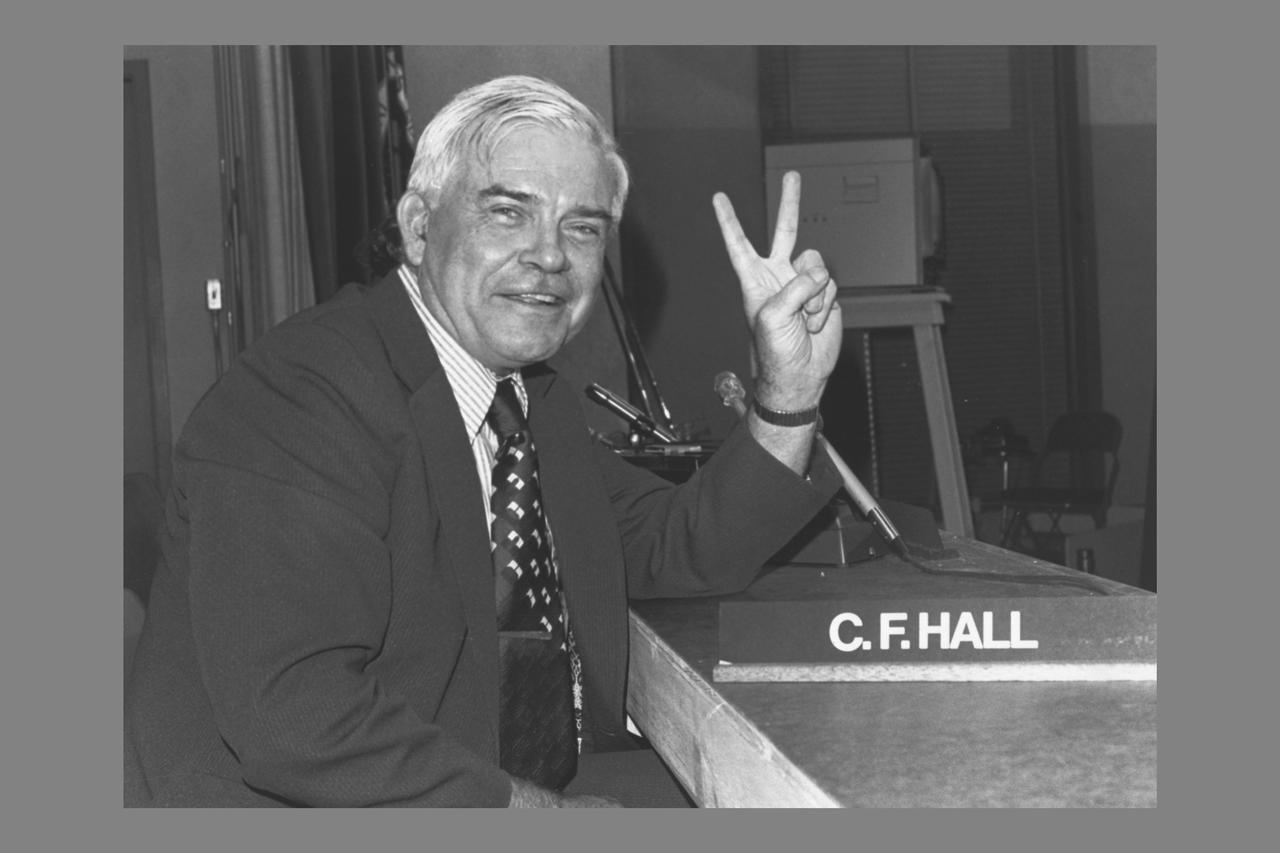
Photographs and Captions courtesy of Joseph and Donna Roizen Telegen, Palo Alto, CA (from) Pioneer 10 and 11 Missions Jupiter encounters - Activities at Ames Research Center December 1973 and December 1974 - As a memento of the highly successful Pioneer 10 and 11 missions to Jupiter, this collection of photographs represents a sampling of those taken at Ames Research Center during the Jupiter encounter periods in December 1973 and December 1974. The captions for these photographs are meant to suggest the lighter side of the intense activities that took place during these periods. I would like to express my gratitude to all participants in the Pioneer 10/11 program for their teamwork in accomplishing the scientific and technical objectives of the Pioneer 10 and 11 missions to Jupiter. (signed) Charles F. Hall - Manager, Pioneer Project Charles F. Hall ' Pioneers 10 and 11 not only made schedule, but they got 51,326.149 miles per gallon and met EPA environment pollution limits.'
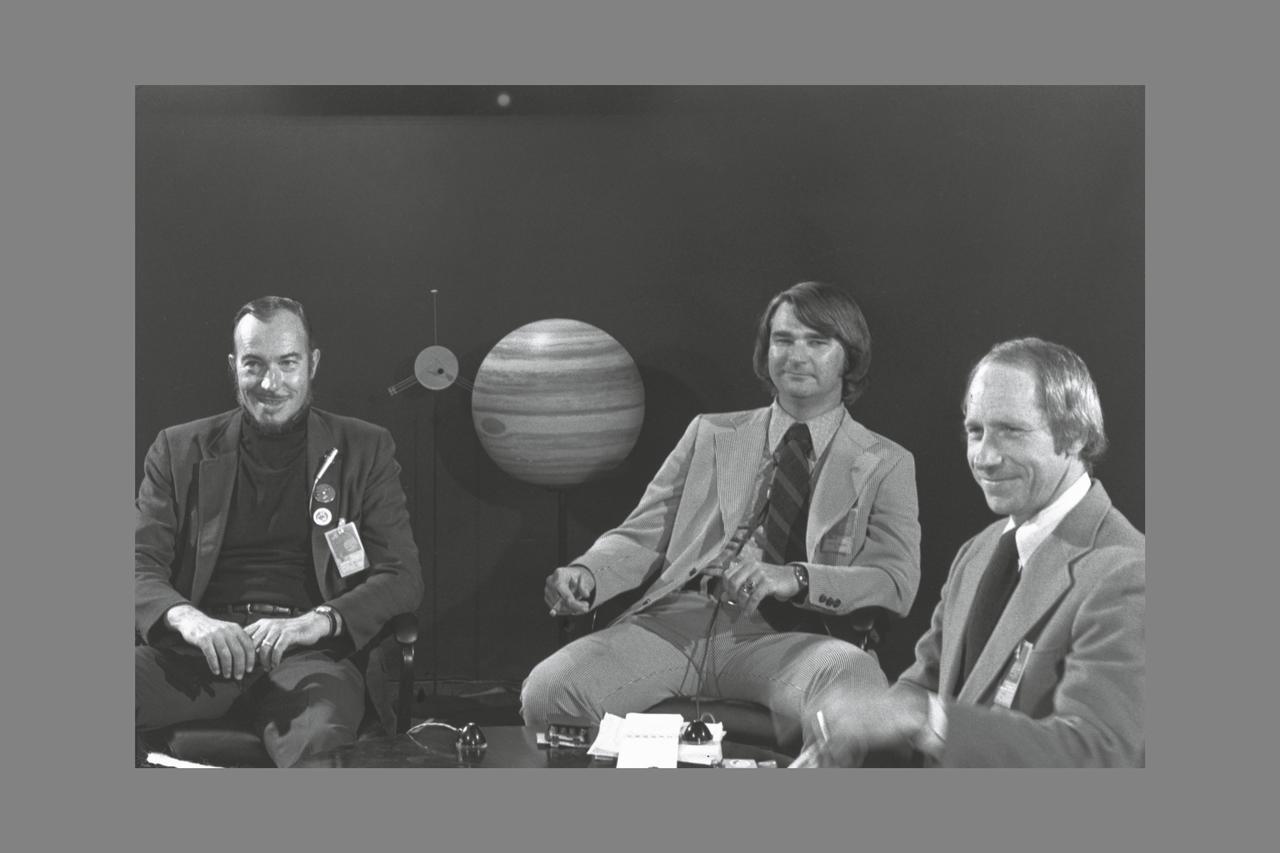
Pioneer 10 and 11 Missions Jupiter encounters - Activities at Ames Research Center December 1973 and December 1974 - As a memento of the highly successful Pioneer 10 and 11 missions to Jupiter, this collection of photographs represents a sampling of those taken at Ames Research Center during the Jupiter encounter periods in December 1973 and December 1974. The captions for these photographs are meant to suggest the lighter side of the intense activities that took place during these periods. I would like to express my gratitude to all participants in the Pioneer 10/11 program for their teamwork in accomplishing the scientific and technical objectives of the Pioneer 10 and 11 missions to Jupiter. (signed) Charles F. Hall - Manager, Pioneer Project L-R: Dr. John H Wolfe, Robert R Nunamaker, Alfred M. Worden
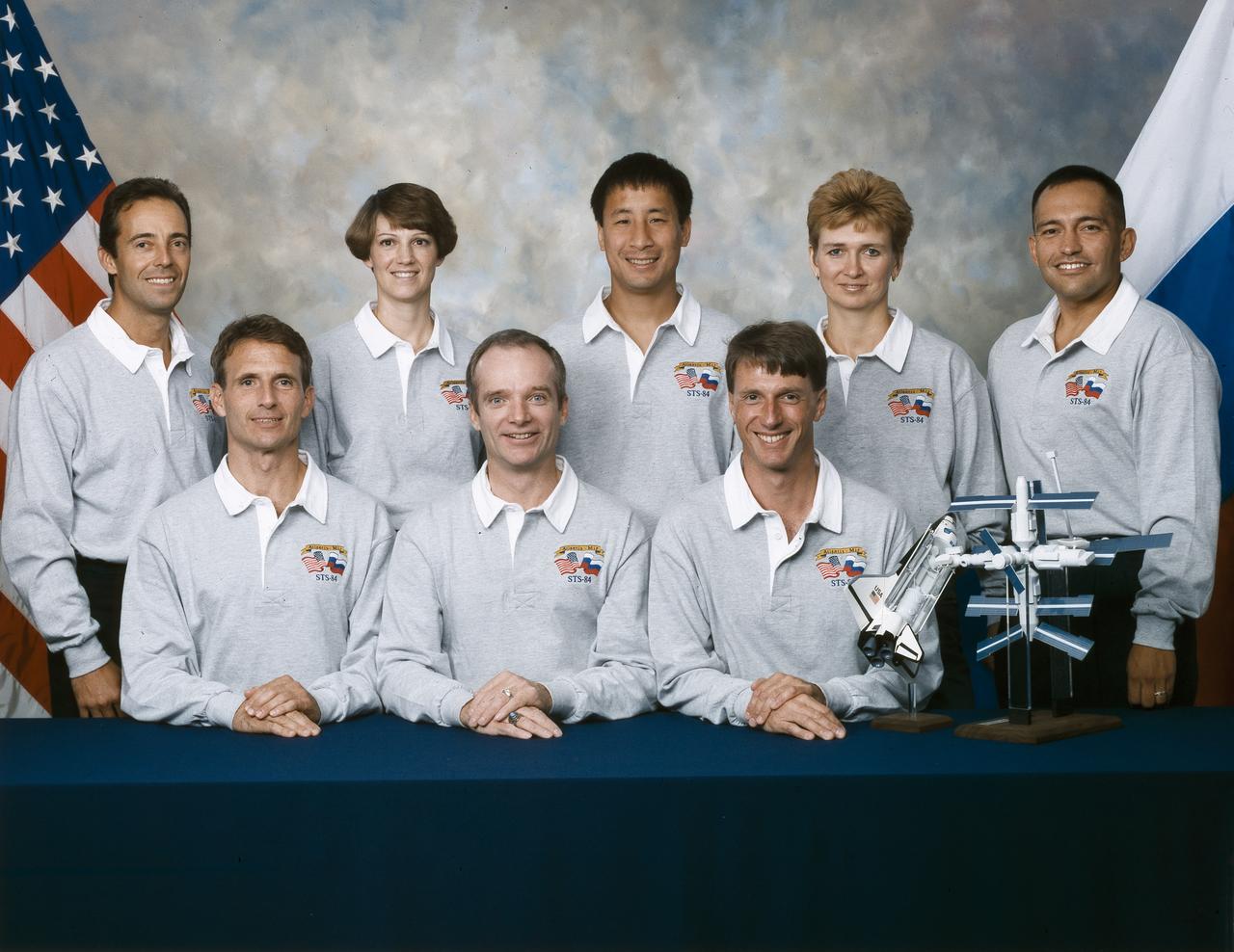
The crew assigned to the STS-84 mission included (seated front left to right) Jerry M Linenger, mission specialist; Charles J. Precourt, commander; and C. Michael Foale, mission specialist. On the back row (left to right) are Jean-Francois Clervoy (ESA), mission specialist; Eileen M. Collins, pilot; Edward T. Lu, mission specialist; Elena V. Kondakova (RSA), mission specialist; and Carlos I. Noriega, mission specialist. Launched aboard the Space Shuttle Atlantis on May 15, 1997 at 4:07:48 am (EDT), the STS-84 mission served as the sixth U.S. Space Shuttle-Russian Space Station Mir docking.

Oddly enough, an elongated coronal hole (the darker area near the center) seems to shape itself into a single, recognizable question mark over the period of one day (Dec. 21-22, 2017). Coronal holes are areas of open magnetic field that appear darker in extreme ultraviolet light, as is seen here. These holes are the source of streaming plasma that we call solar wind. While this exercise is akin to seeing shapes in clouds, it is fun to consider what the sun might be asking? Perhaps what the new year will bring? Guess what I am going to do next? Movies are available at https://photojournal.jpl.nasa.gov/catalog/PIA22197
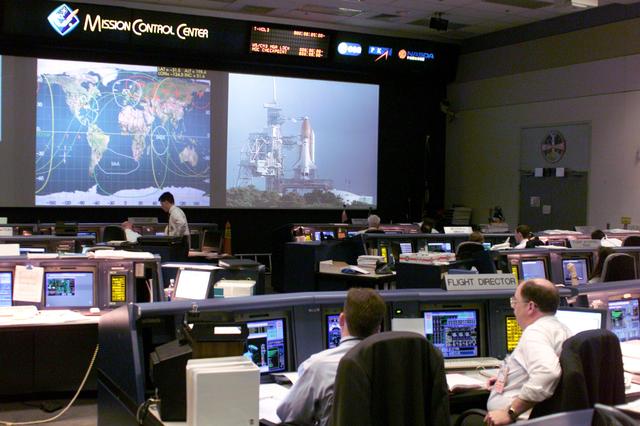
JSC2000-E-22286 (8 September 2000) --- An overall shot in Houston's Mission Control Center (MCC) shows flight controllers awaiting the launch of the Space Shuttle Atlantis from the Kennedy Space Center (KSC) in Florida. The vehicle later launched on schedule, at 8:46 a.m. (EDT), September 8, 2000, as the Johnson Space Center (JSC) flight control team took the baton from KSC's launch controllers. According to flight director Bill Reeves, "The picture referenced was taken less than an hour before launch for STS-106, before we changed the front screens for ascent operations. Wayne Hale (in glasses) is the Flight director for ascent and LeRoy Cain seated to his left was serving as "Weather Flight" for Wayne. The console in the front right corner of the room next to the screens is the Ground Control position, where I was supporting at this time. The man with white hair is Norn Talbott, who will be retiring after this flight with more than 35 years at NASA. Ray Grossman is next to him, who is training to take his place on the GC Ascent Team. I am in fron of and slightly to the right of Ray. As you can see by the boxes at the consoel behind us (Mechanical), we come well prepared for all contingencies, including donuts for early morning shifts. We were on console by 2:00 am central time for the 7:45 am launch." Reference: https://spaceflight.nasa.gov/feedback/expert/answer/mcc/sts-106/09_14_09_35_19.html
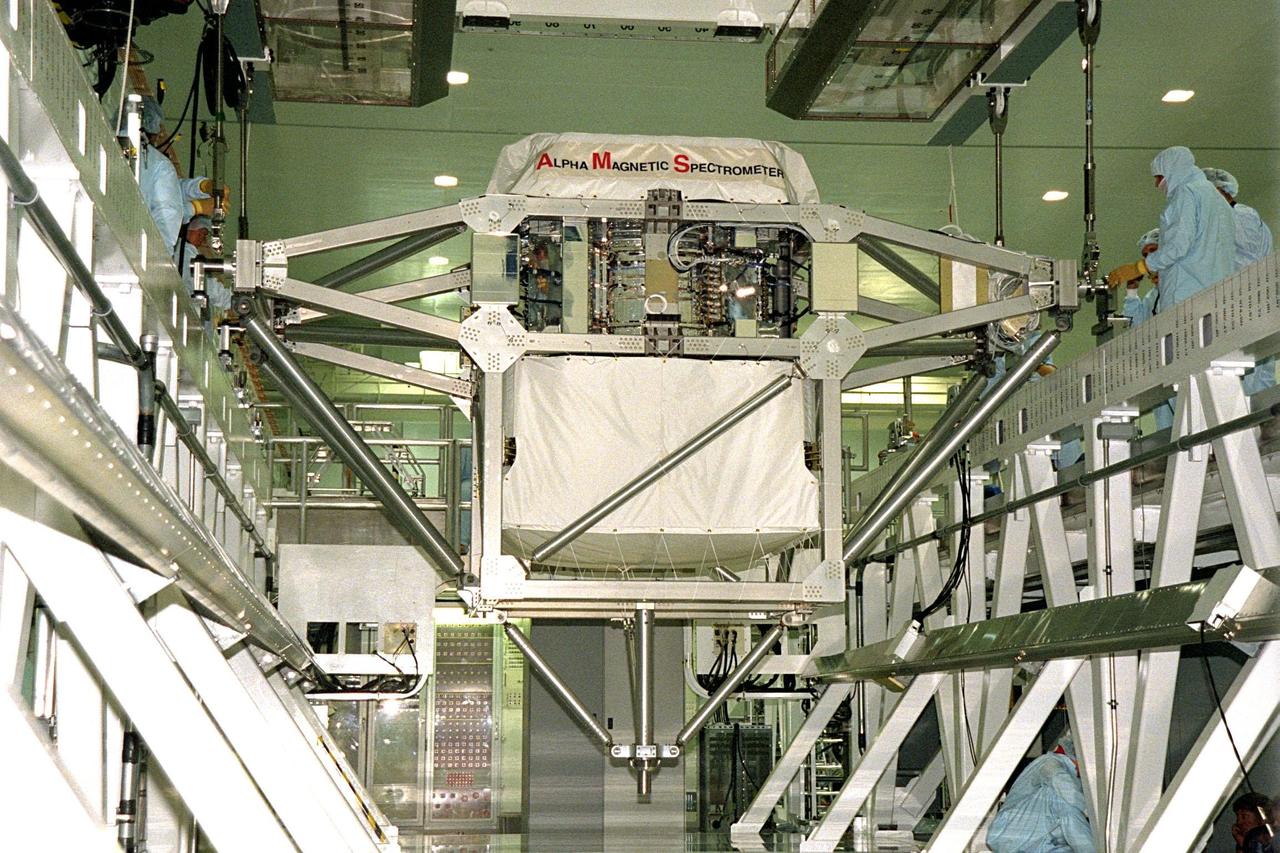
Under the supervision of Boeing technicians, the Alpha Magnetic Spectrometer (AMS), a payload slated to fly on STS-91, is undergoing a final weight and balance check on the Launch Package Integration Stand in the Space Station Processing Facility (SSPF). Next, it will be placed in the Payload Canister and transported to Launch Complex 39A where it will be installed into Space Shuttle Discovery's payload bay. Weighing in at approximately three tons, the AMS is a major particle physics experiment that will look for cosmic antimatter originating from outside our galaxy. The data it gathers could also give clues about the mysterious "dark matter" that may make up 90 percent or more of the universe. STS-91 is scheduled to be launched on June 2 with a launch window opening around 6:10 p.m. EDT. The mission will also feature the ninth Shuttle docking with the Russian Space Station Mir, the first Mir docking for Discovery, and the conclusion of Phase I of the joint U.S.-Russian International Space Station Program. The STS-91 flight crew includes Commander Charles Precourt; Pilot Dominic Gorie; and Mission Specialists Wendy B. Lawrence; Franklin Chang-Diaz, Ph.D.; Janet Kavandi, Ph.D.; and Valery Ryumin, with the Russian Space Agency. Andrew Thomas, Ph.D., will be returning to Earth with the crew after living more than four months aboard Mir
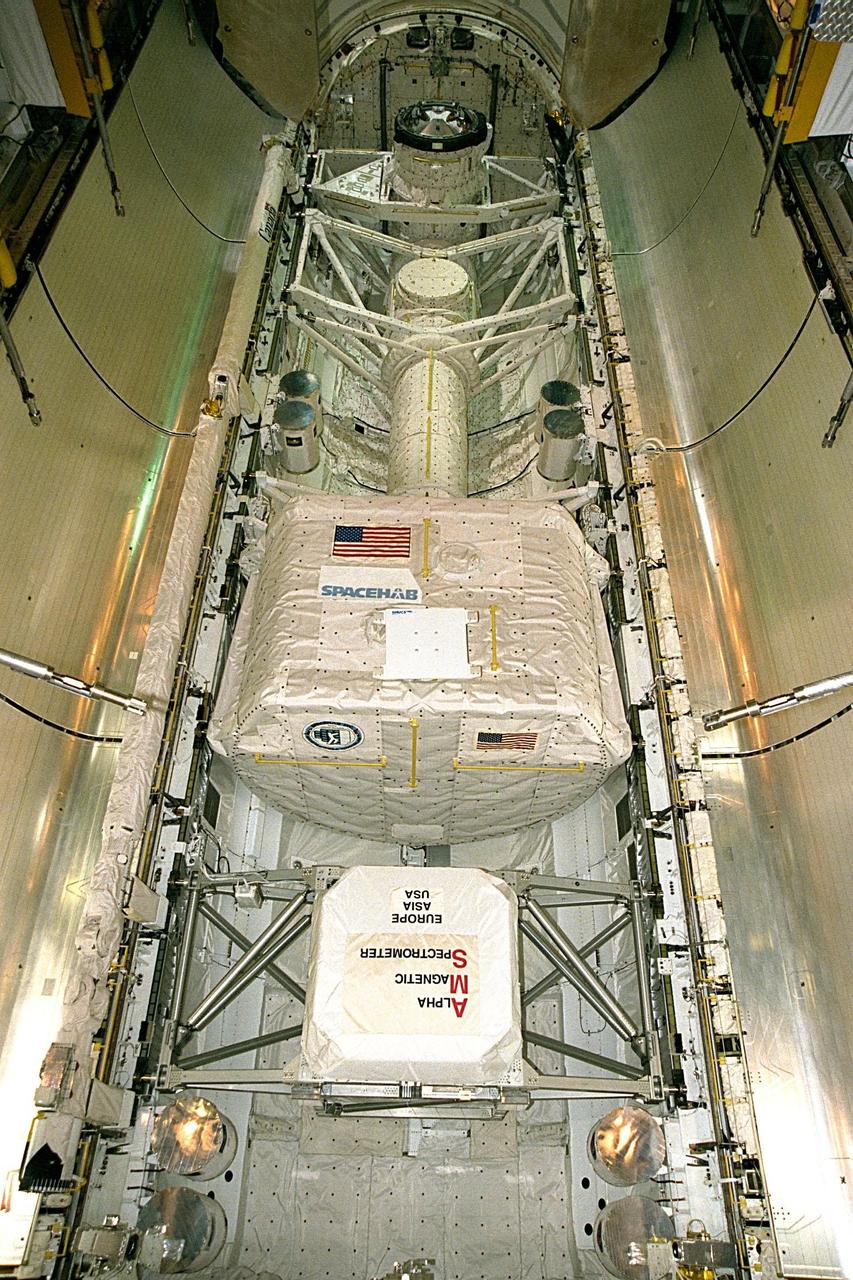
A SPACEHAB Single Module (top) and the Alpha Magnetic Spectrometer (AMS) experiment are secure in Discovery's payload bay shortly before the payload bay doors are closed for the flight of STS-91 at Launch Pad 39A. Launch is planned for June 2 with a window opening around 6:10 p.m. EDT. The single SPACEHAB module houses experiments to be performed by the astronauts and serves as a cargo carrier for items to be transferred to and from the Russian Space Station Mir. The AMS experiment is the first of a new generation of space-based experiments which will use particles, instead of light, to study the Universe and will search for both antimatter and "dark matter," as well as measure normal matter cosmic and gamma rays. STS-91 will also feature the ninth Shuttle docking with the Russian Space Station Mir, the first Mir docking for Discovery, the conclusion of Phase I of the joint U.S.-Russian International Space Station Program, and the first flight of the new Space Shuttle super lightweight external tank. The STS-91 flight crew includes Commander Charles Precourt; Pilot Dominic Gorie; and Mission Specialists Wendy B. Lawrence; Franklin Chang-Diaz, Ph.D.; Janet Kavandi, Ph.D.; and Valery Ryumin, with the Russian Space Agency. Andrew Thomas, Ph.D., will be returning to Earth with the crew after living more than four months aboard Mir
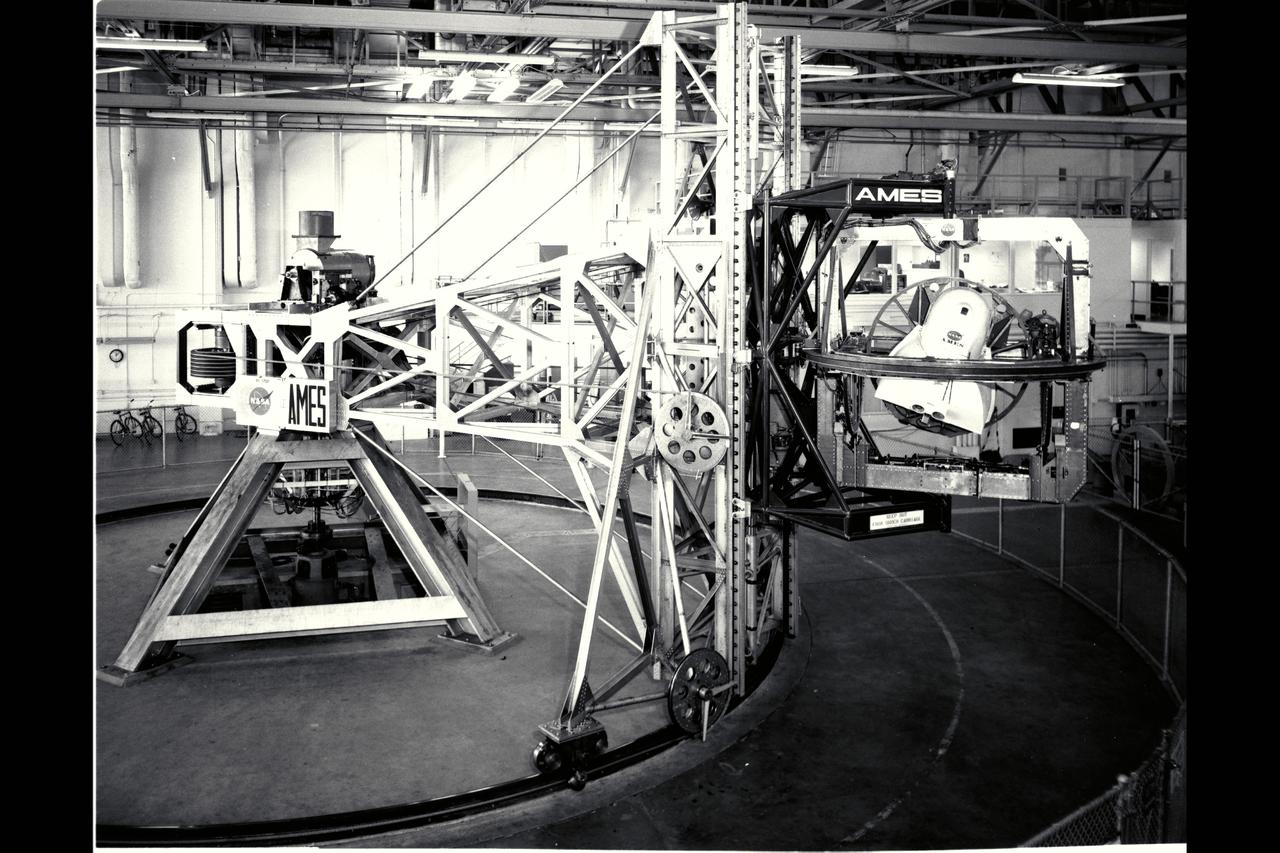
Ames 5 degrees-of-freedom motion simulator: This simulator incorporated a centrifuge of 30ft radius. The simulatored cockpit, located intn a hooded cab at the end of the centrifuge arm, was driven by motors, as required by the simulation, about each of its three axes (itch, roll, and yaw). The cab was also driven through a limited range of motion along the vertical axis and of course was driven by the centrifuge arm along a curved path of fixed radius in the horizontal plane. Thus the motions that could be simulated i the cab were three angular motions, one translational motion, and a curvilinear combination of the remaining two translational motions. The curvilinear motions, and associated accelerations, were, of course, fairly representative of airplane flight. The simulator was placed in operation early in 1961. ref: Adventures in Research (pg 341/341) NASA SP-4302
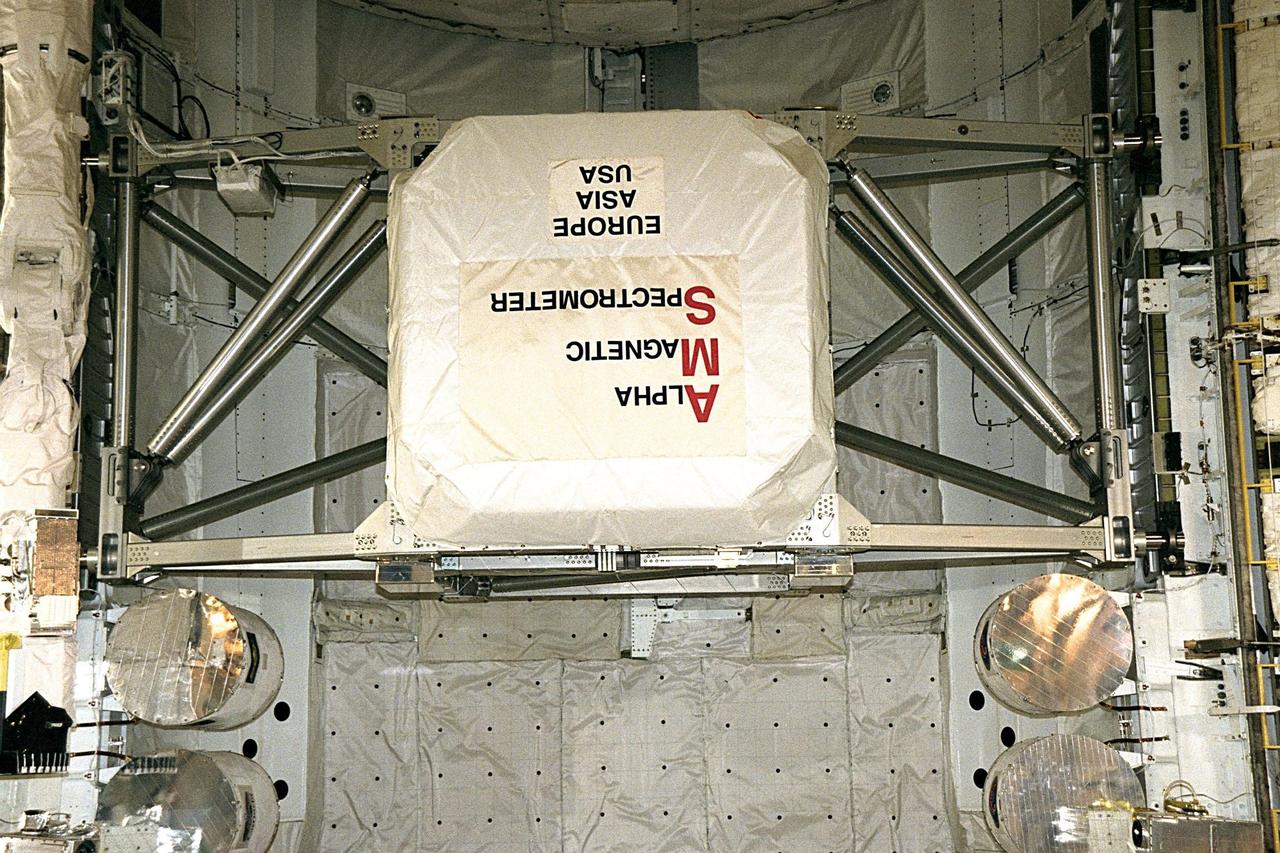
The Alpha Magnetic Spectrometer (AMS) experiment and four Get Away Special (GAS) payload canisters are secure in Discovery's payload bay shortly before the payload bay doors are closed for the flight of STS-91 at Launch Pad 39A. Launch is planned for June 2 with a window opening around 6:10 p.m. EDT. The AMS experiment is the first of a new generation of space-based experiments which will use particles, instead of light, to study the Universe and will search for both antimatter and "dark matter," as well as measure normal matter cosmic and gamma rays. The GAS Program, initiated to provide extremely low-cost access to space, is managed by the Shuttle Small Payloads Project at NASA's Goddard Space Flight Center. Eight GAS experiments will be conducted on STS-91. The mission will also feature the ninth Shuttle docking with the Russian Space Station Mir, the first Mir docking for Discovery, the conclusion of Phase I of the joint U.S.-Russian International Space Station Program, and the first flight of the new Space Shuttle super lightweight external tank. The STS-91 flight crew includes Commander Charles Precourt; Pilot Dominic Gorie; and Mission Specialists Wendy B. Lawrence; Franklin Chang-Diaz, Ph.D.; Janet Kavandi, Ph.D.; and Valery Ryumin, with the Russian Space Agency. Andrew Thomas, Ph.D., will be returning to Earth with the crew after living more than four months aboard Mir
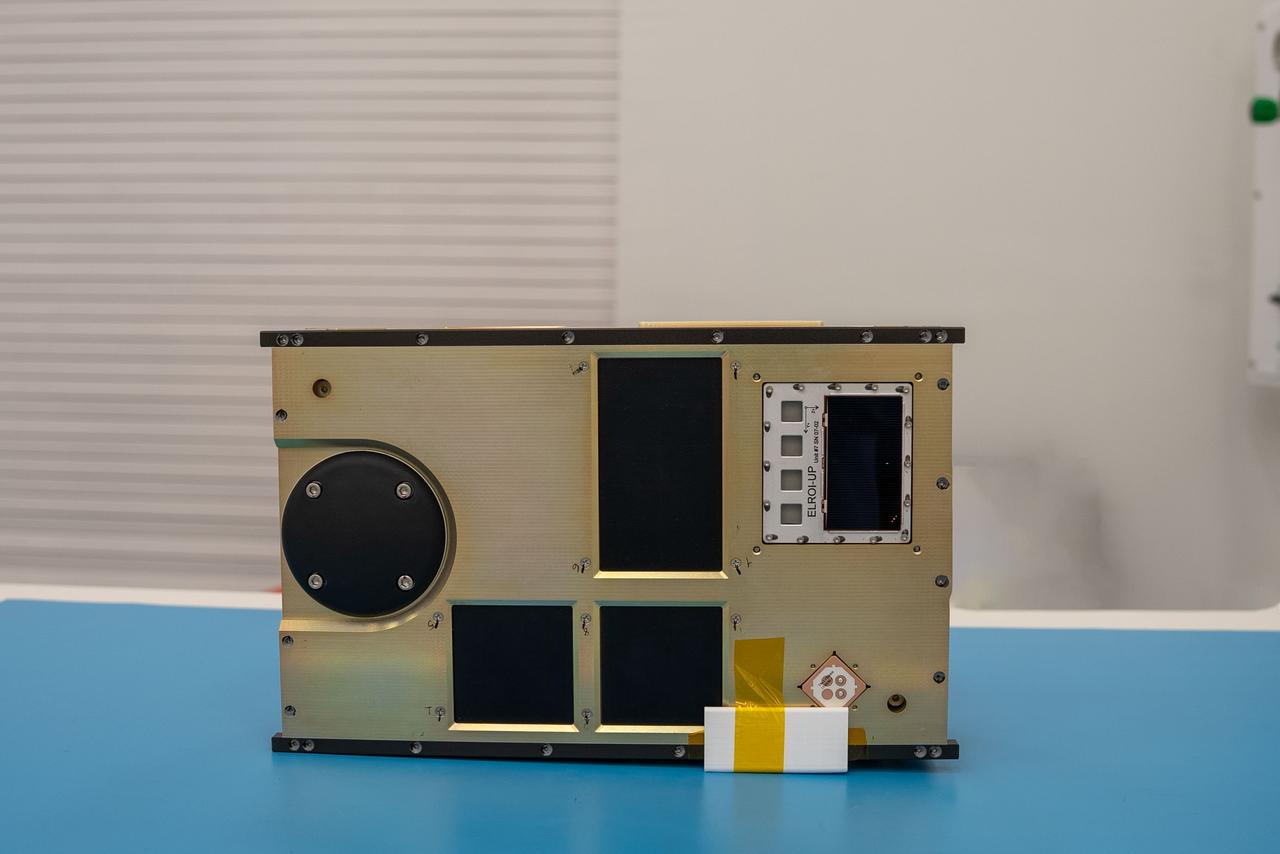
NASA’s CubeSat R5 Spacecraft 4 (R5-S4) awaits integration at Firefly’s Payload Processing Facility at Vandenberg Space Force Base, California on Wednesday, April 24, 2024. R5-S4, along with several other CubeSats, will launch to space on an Alpha rocket during NASA’s Educational Launch of Nanosatellites (ELaNa) 43 mission as part of the agency’s CubeSat Launch Initiative and Firefly’s Venture-Class Launch Services Demonstration 2 contract.
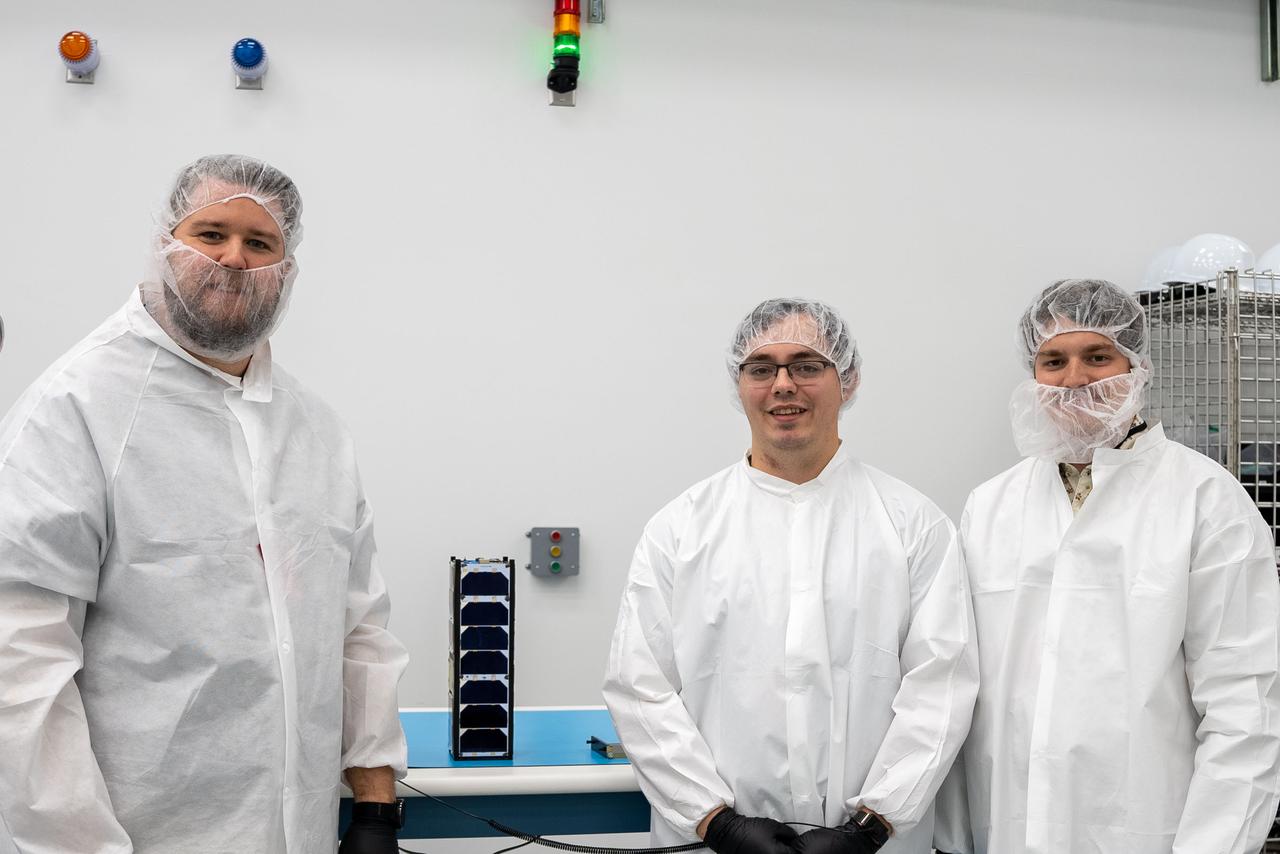
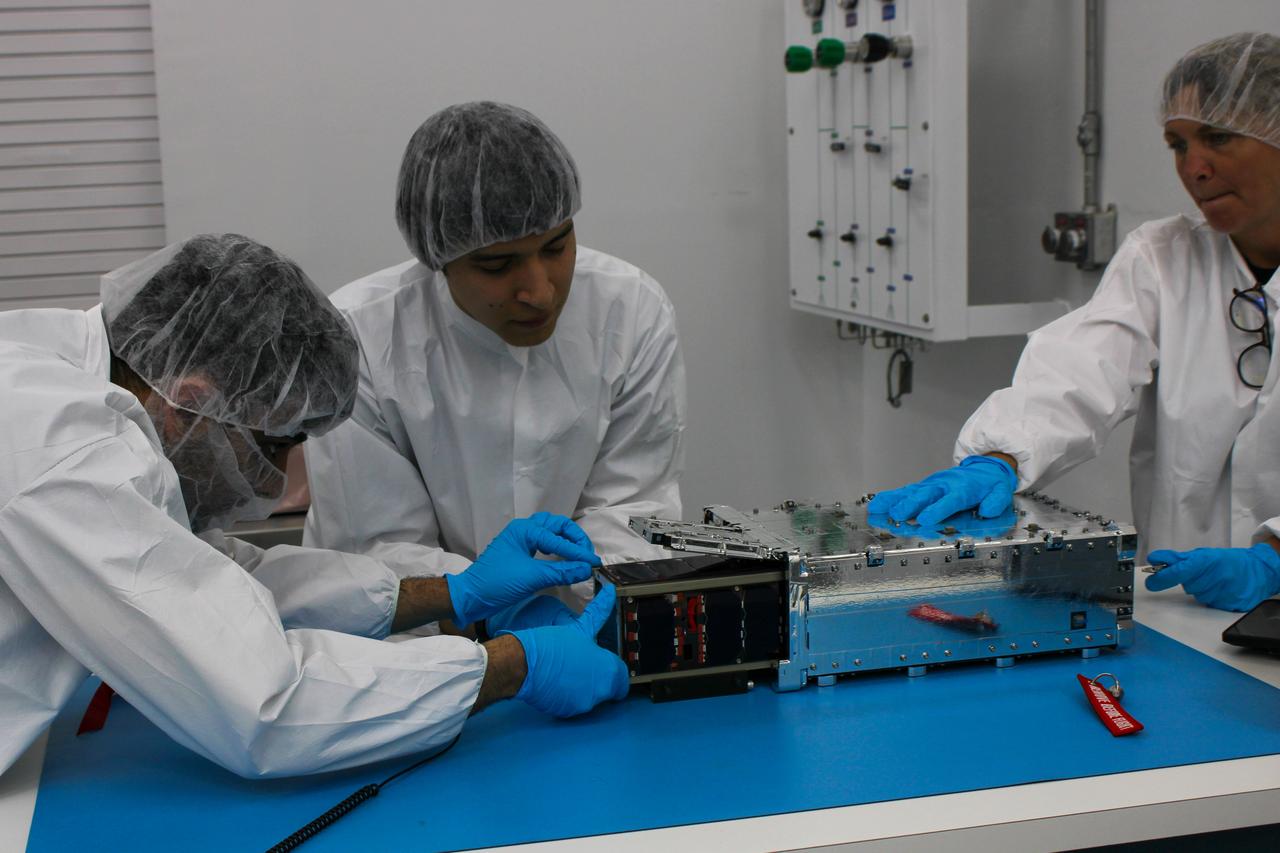
Technicians with the University of Kansas prepare their KUbeSat-1 for integration at Firefly’s Payload Processing Facility at Vandenberg Space Force Base, California on Thursday, April 25, 2024. KUbeSat-1, along with several other CubeSats, will launch to space on an Alpha rocket during NASA’s Educational Launch of Nanosatellites (ELaNa) 43 mission as part of the agency’s CubeSat Launch Initiative and Firefly’s Venture-Class Launch Services Demonstration 2 contract.
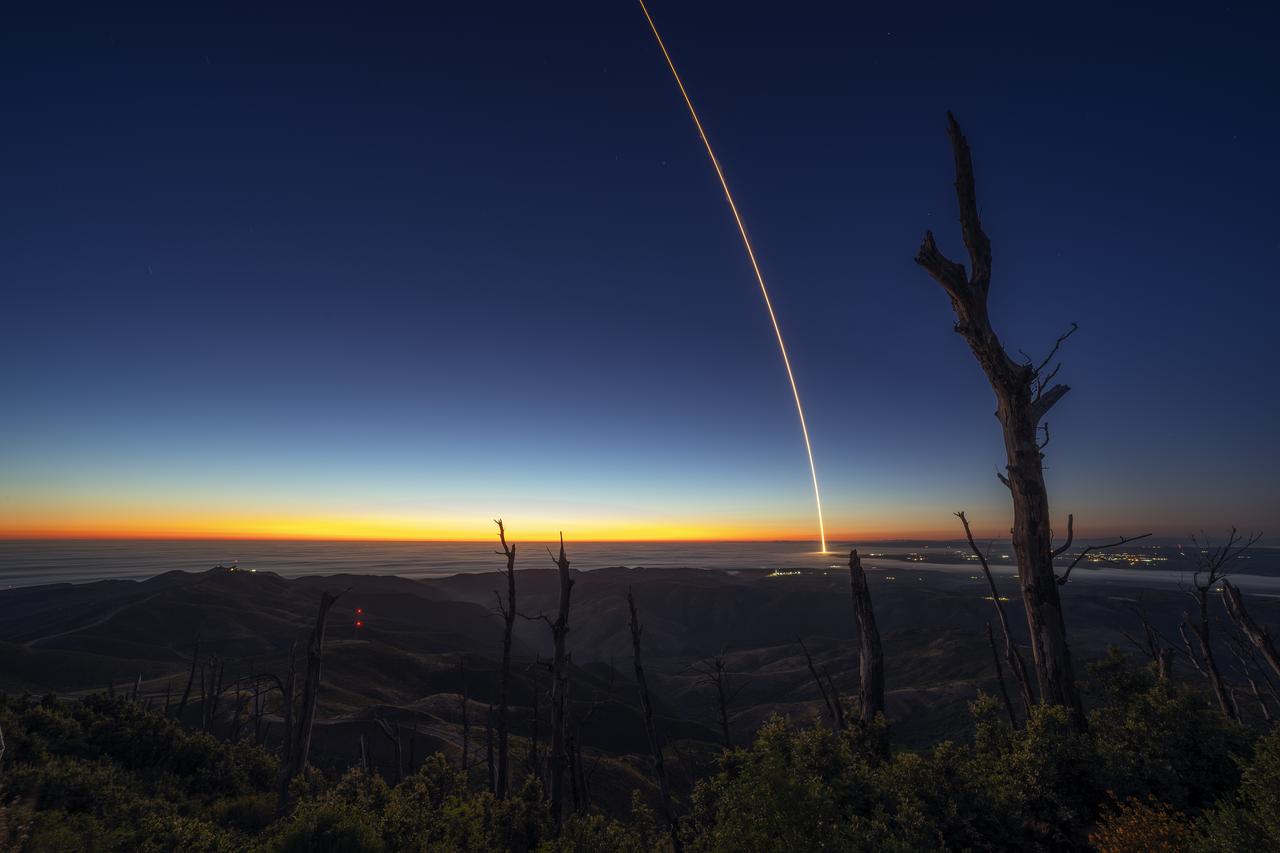
Firefly Aerospace’s Alpha rocket carrying eight CubeSats as part of NASA’s CubeSat Launch Initiative (CSLI) lifts off from Space Launch Complex 2 at Vandenberg Space Force Base in California at 9:04 p.m. PDT Wednesday, July 3, 2024. The successful launch of the rocket, named “Noise of Summer,” completed the company’s Venture-Class Launch Services Demonstration 2 (VCLS Demo 2) contract with the agency. The CubeSat missions were designed by universities and NASA centers to conduct climate studies, satellite technology development, and educational outreach to students.
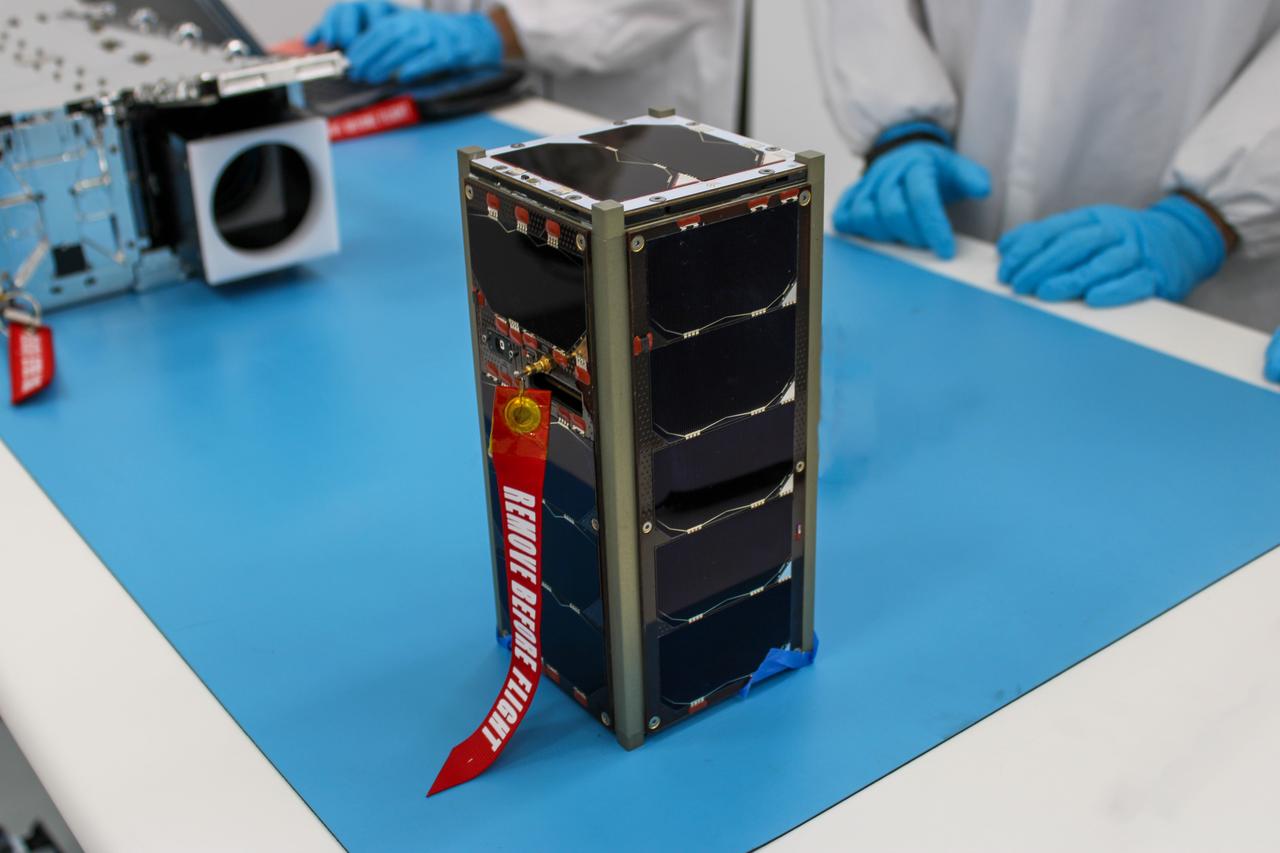
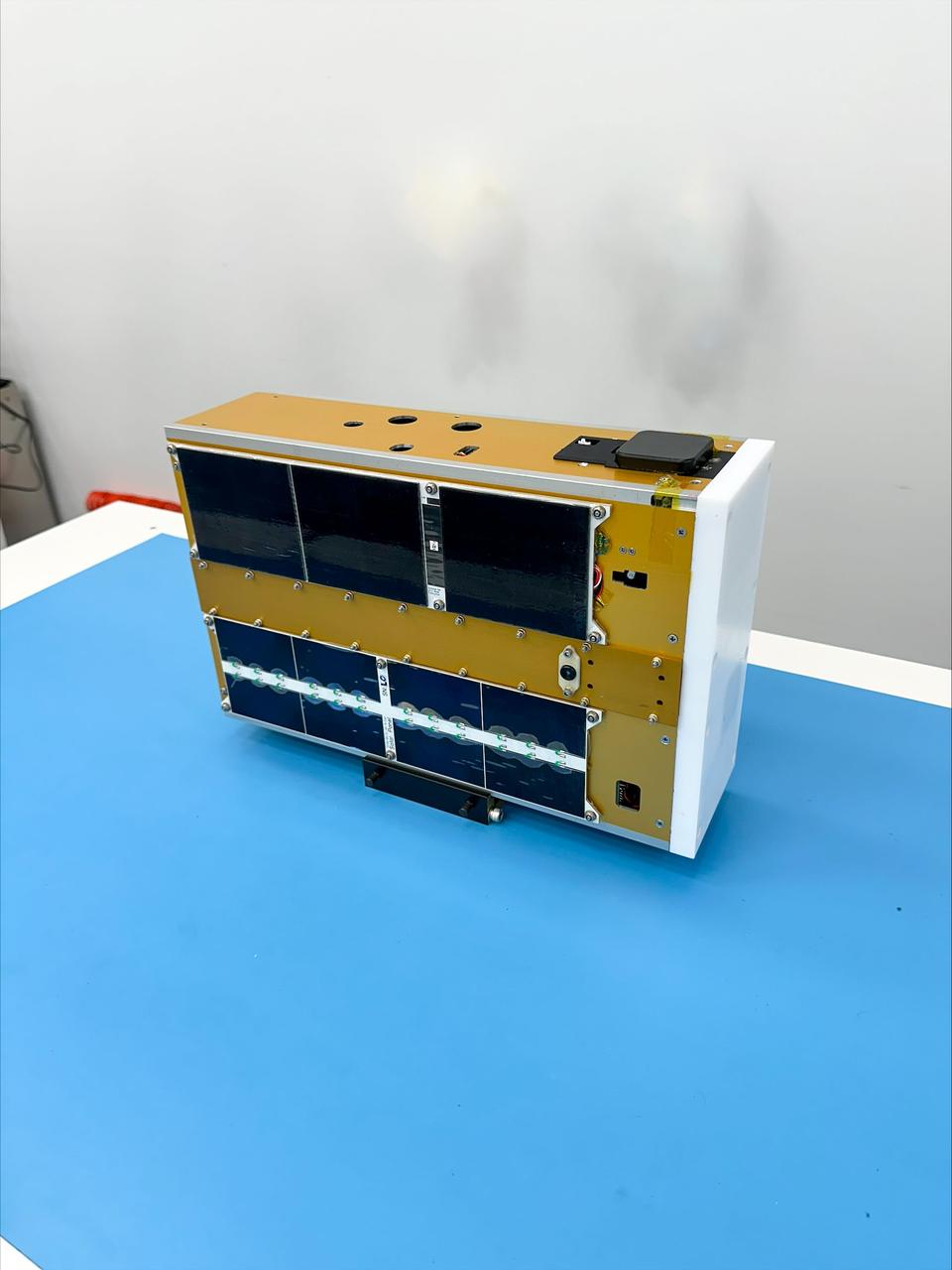
A Satellite for Optimal Control and Imaging (SOC-i) CubeSat awaits integration at Firefly’s Payload Processing Facility at Vandenberg Space Force Base, California on Thursday, June 6, 2024. SOC-i, along with several other CubeSats, will launch to space on an Alpha rocket during NASA’s Educational Launch of Nanosatellites (ELaNa) 43 mission as part of the agency’s CubeSat Launch Initiative and Firefly’s Venture-Class Launch Services Demonstration 2 contract.
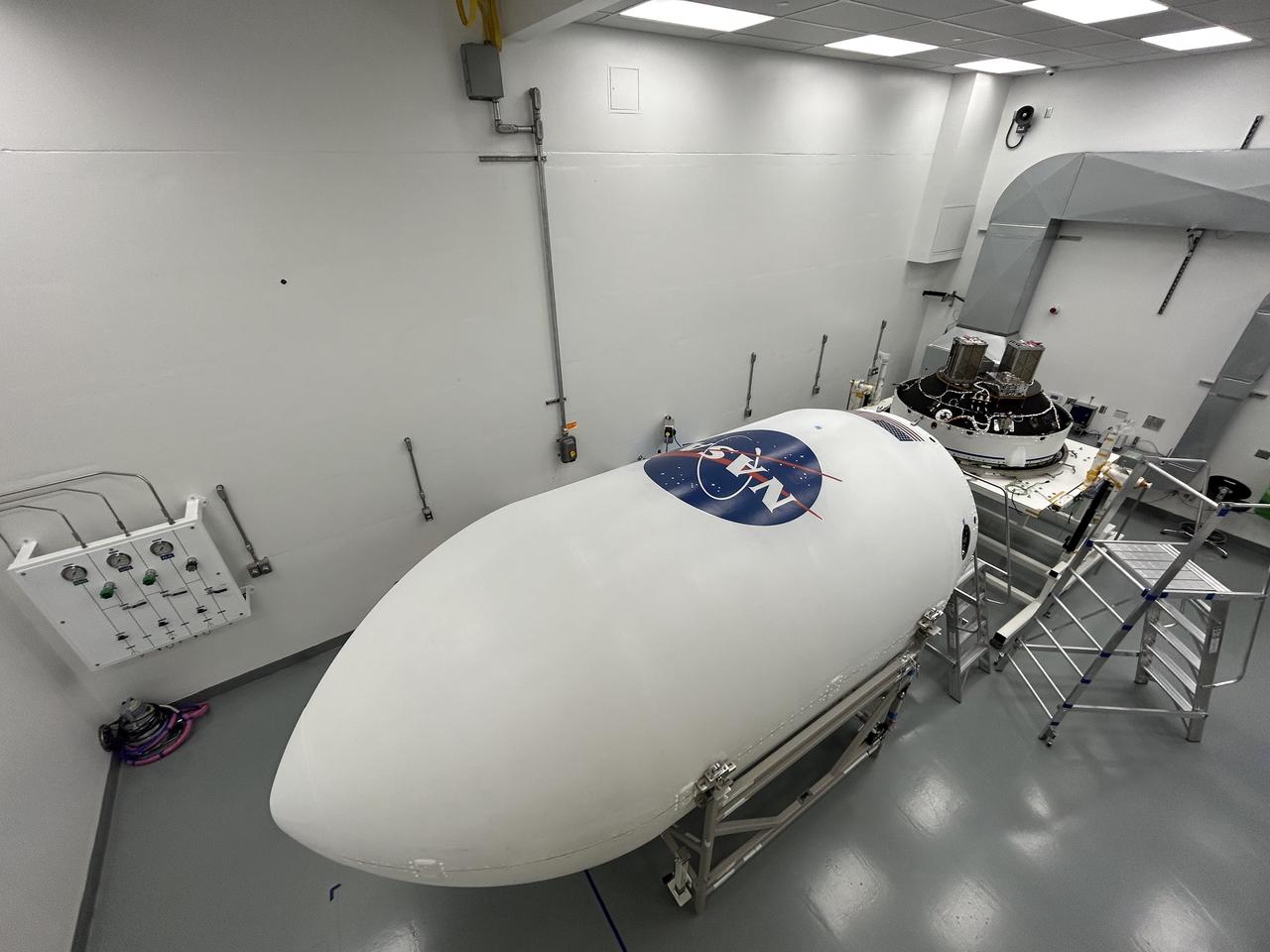
Technicians inside Firefly Aerospace’s Payload Processing Facility at Vandenberg Space Force Base, California, integrate eight CubeSats as part of NASA’s CubeSat Launch Initiative’s (CSLI) ELaNa (Educational Launch of Nanosatellites) 43 mission into payload fairings on Sunday, June 30, 2024. The mission will launch on the company’s Alpha rocket from Vandenberg’s Space Launch Complex 2. Firefly Aerospace is one of three companies selected to fly small satellites to space under NASA’s Launch Services Program Venture-Class Launch Services Demonstration 2 (VCLS Demo 2) contract awarded in December 2020.
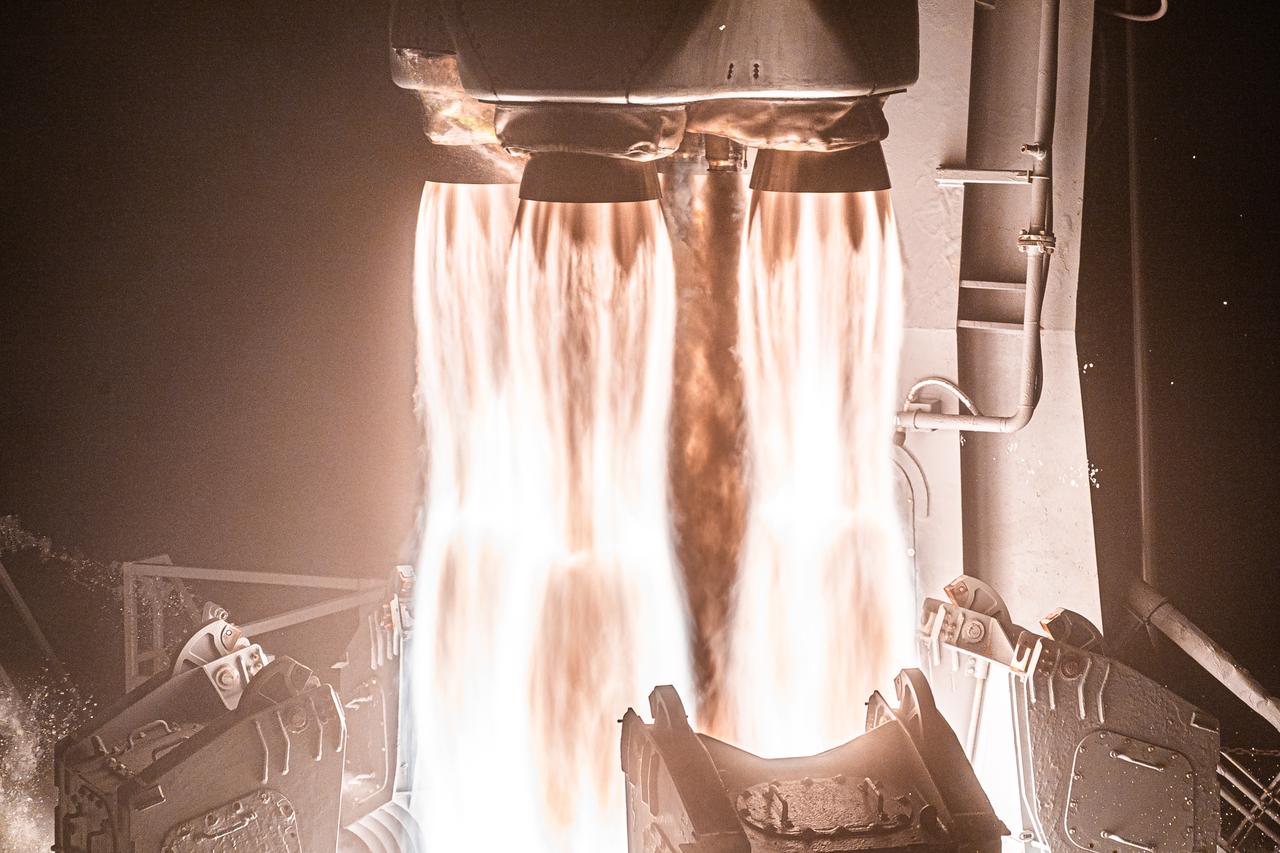
Firefly Aerospace’s Alpha rocket carrying eight CubeSats as part of NASA’s CubeSat Launch Initiative (CSLI) lifts off from Space Launch Complex 2 at Vandenberg Space Force Base in California at 9:04 p.m. PDT Wednesday, July 3, 2024. The successful launch of the rocket, named “Noise of Summer,” completed the company’s Venture-Class Launch Services Demonstration 2 (VCLS Demo 2) contract with the agency. The CubeSat missions were designed by universities and NASA centers to conduct climate studies, satellite technology development, and educational outreach to students.
A Satellite for Optimal Control and Imaging (SOC-i) CubeSat awaits integration at Firefly’s Payload Processing Facility at Vandenberg Space Force Base, California on Thursday, June 6, 2024. SOC-i, along with several other CubeSats, will launch to space on an Alpha rocket during NASA’s Educational Launch of Nanosatellites (ELaNa) 43 mission as part of the agency’s CubeSat Launch Initiative and Firefly’s Venture-Class Launch Services Demonstration 2 contract.
NASA’s TechEdSat-11 (TES-11) CubeSat awaits integration at Firefly’s Payload Processing Facility at Vandenberg Space Force Base, California on Saturday, June 8, 2024. Serenity, along with several other CubeSats, will launch to space on an Alpha rocket during NASA’s Educational Launch of Nanosatellites (ELaNa) 43 mission as part of the agency’s CubeSat Launch Initiative and Firefly’s Venture-Class Launch Services Demonstration 2 contract.
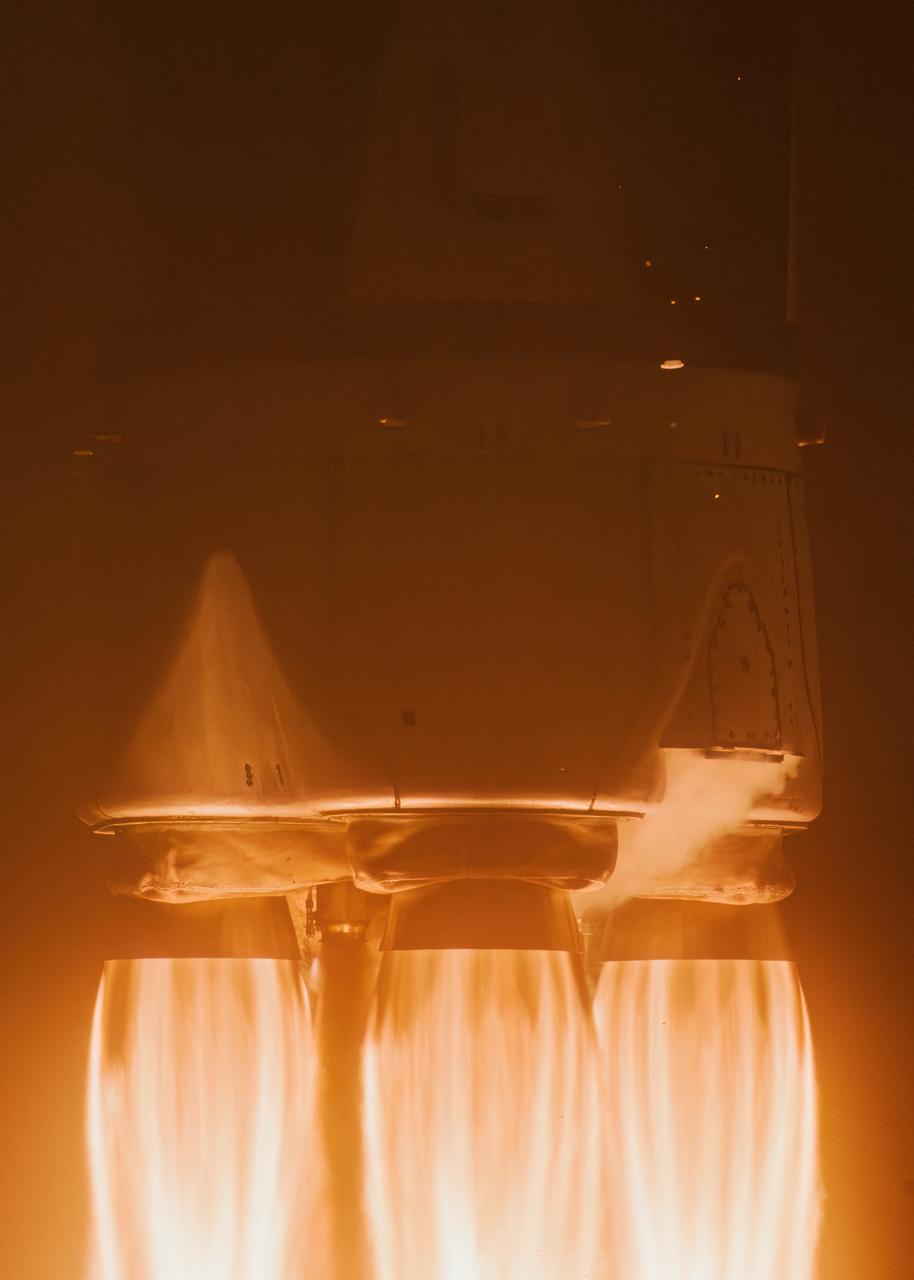
Firefly Aerospace’s Alpha rocket carrying eight CubeSats as part of NASA’s CubeSat Launch Initiative (CSLI) lifts off from Space Launch Complex 2 at Vandenberg Space Force Base in California at 9:04 p.m. PDT Wednesday, July 3, 2024. The successful launch of the rocket, named “Noise of Summer,” completed the company’s Venture-Class Launch Services Demonstration 2 (VCLS Demo 2) contract with the agency. The CubeSat missions were designed by universities and NASA centers to conduct climate studies, satellite technology development, and educational outreach to students.
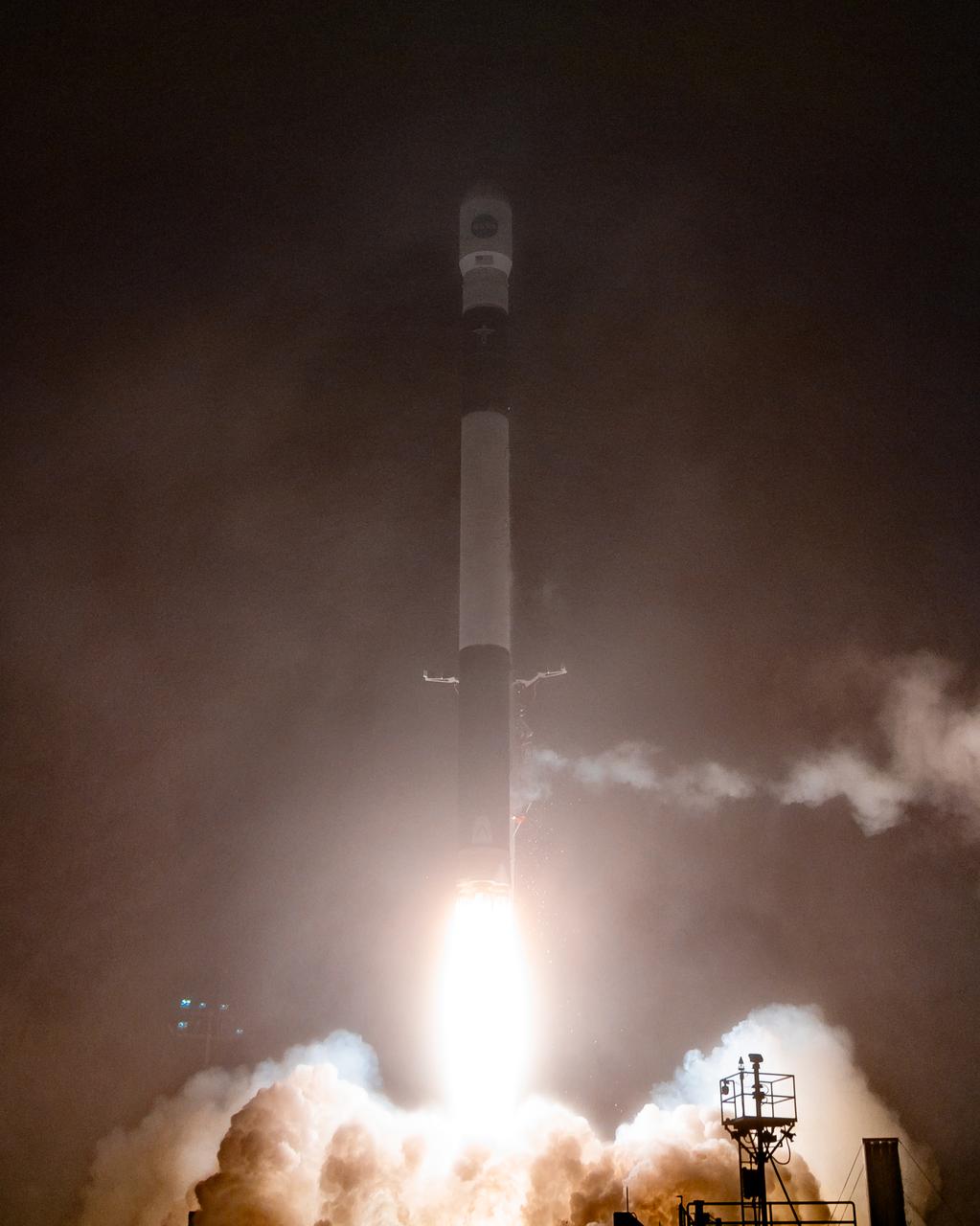
Firefly Aerospace’s Alpha rocket carrying eight CubeSats as part of NASA’s CubeSat Launch Initiative (CSLI) lifts off from Space Launch Complex 2 at Vandenberg Space Force Base in California at 9:04 p.m. PDT Wednesday, July 3, 2024. The successful launch of the rocket, named “Noise of Summer,” completed the company’s Venture-Class Launch Services Demonstration 2 (VCLS Demo 2) contract with the agency. The CubeSat missions were designed by universities and NASA centers to conduct climate studies, satellite technology development, and educational outreach to students.
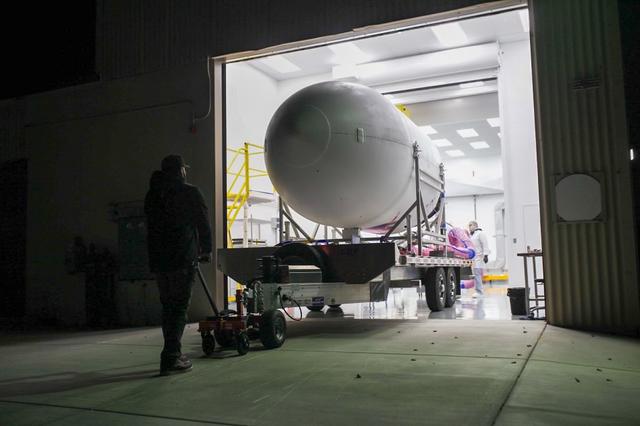
Firefly Aerospace’s Alpha rocket carrying eight CubeSats as part of NASA’s CubeSat Launch Initiative’s (CSLI) ELaNa (Educational Launch of Nanosatellites) 43 mission rolls out of the company’s Payload Processing Facility to Space Launch Complex 2 at Vandenberg Space Force Base, California, on Sunday, June 30, 2024. Firefly Aerospace is one of three companies selected to fly small satellites to space under NASA’s Launch Services Program Venture-Class Launch Services Demonstration 2 (VCLS Demo 2) contract awarded in December 2020.
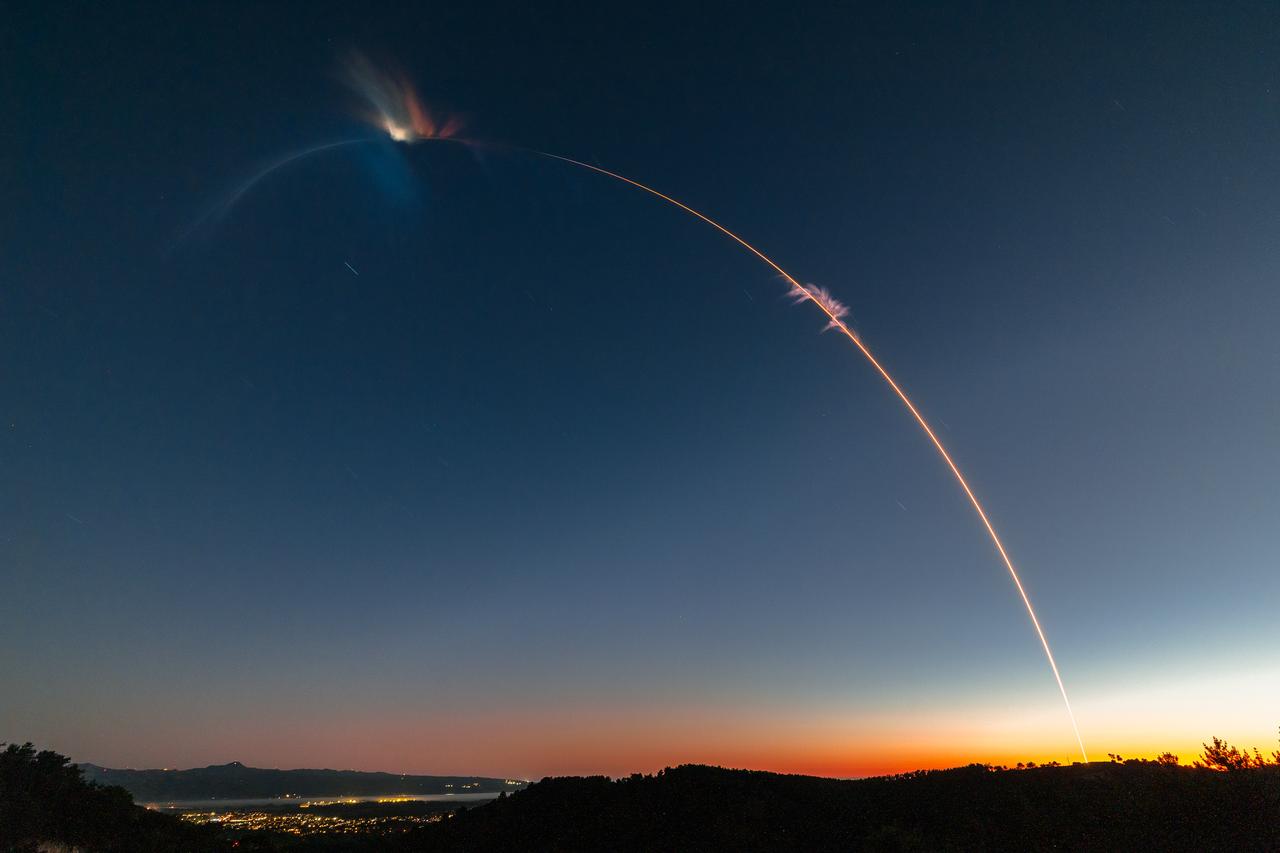
Firefly Aerospace’s Alpha rocket carrying eight CubeSats as part of NASA’s CubeSat Launch Initiative (CSLI) lifts off from Space Launch Complex 2 at Vandenberg Space Force Base in California at 9:04 p.m. PDT Wednesday, July 3, 2024. The successful launch of the rocket, named “Noise of Summer,” completed the company’s Venture-Class Launch Services Demonstration 2 (VCLS Demo 2) contract with the agency. The CubeSat missions were designed by universities and NASA centers to conduct climate studies, satellite technology development, and educational outreach to students.
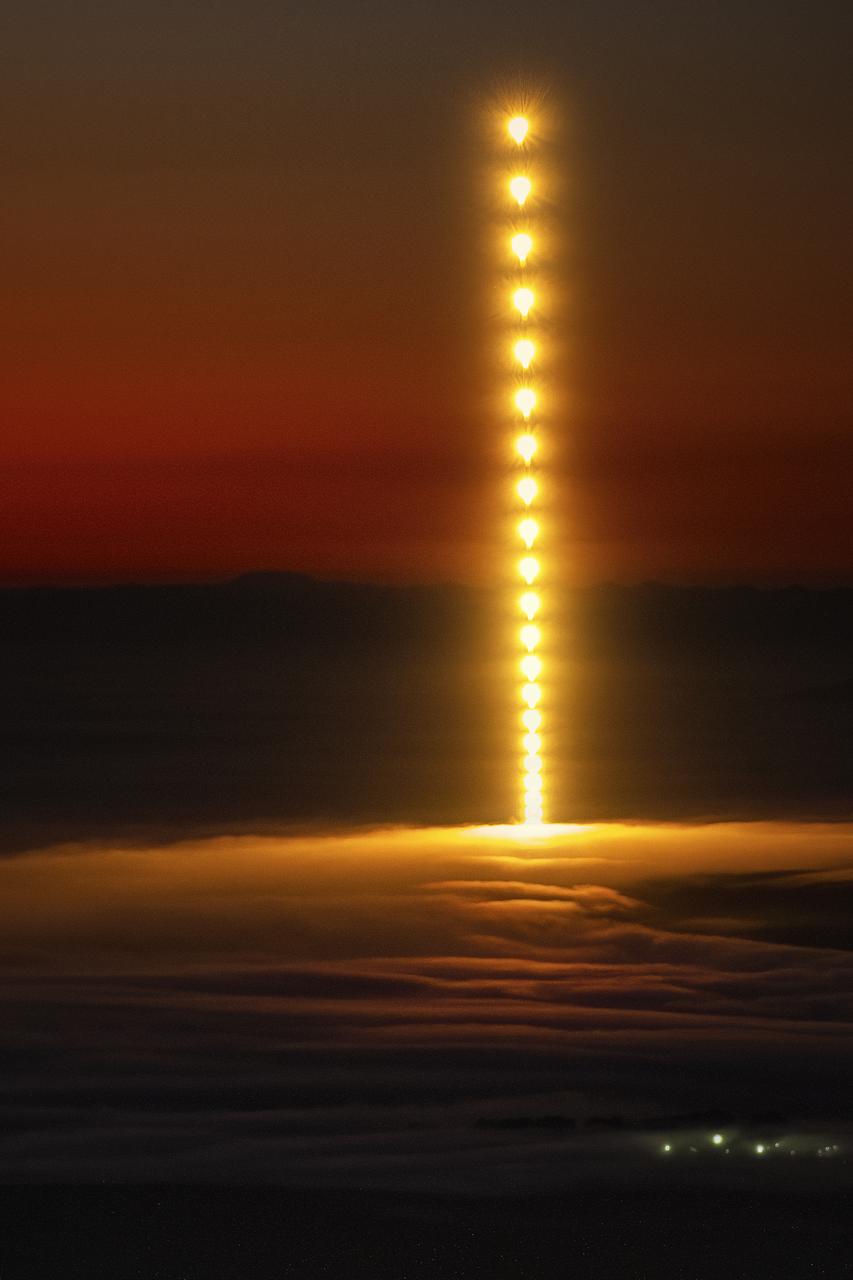
Firefly Aerospace’s Alpha rocket carrying eight CubeSats as part of NASA’s CubeSat Launch Initiative (CSLI) lifts off from Space Launch Complex 2 at Vandenberg Space Force Base in California at 9:04 p.m. PDT Wednesday, July 3, 2024. The successful launch of the rocket, named “Noise of Summer,” completed the company’s Venture-Class Launch Services Demonstration 2 (VCLS Demo 2) contract with the agency. The CubeSat missions were designed by universities and NASA centers to conduct climate studies, satellite technology development, and educational outreach to students.
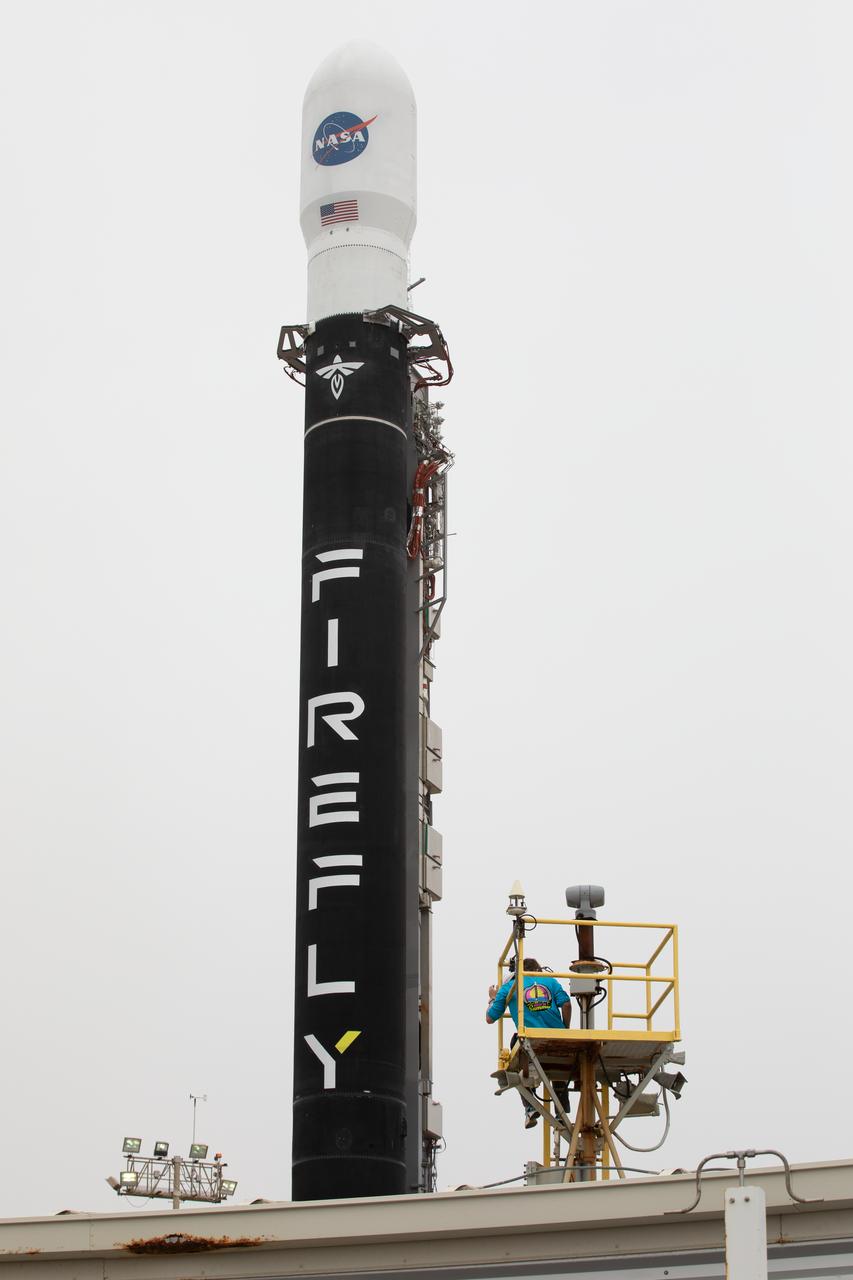
Firefly Aerospace’s Alpha rocket carrying eight CubeSats as part of NASA’s CubeSat Launch Initiative’s (CSLI) ELaNa 43 (Educational Launch of Nanosatellites) mission stands vertical at Space Launch Complex 2 at Vandenberg Space Force Base, California, on Monday, July 1, 2024. Firefly Aerospace is one of three companies selected to fly small satellites to space under NASA’s Launch Services Program Venture-Class Launch Services Demonstration 2 (VCLS Demo 2) contract awarded in December 2020.
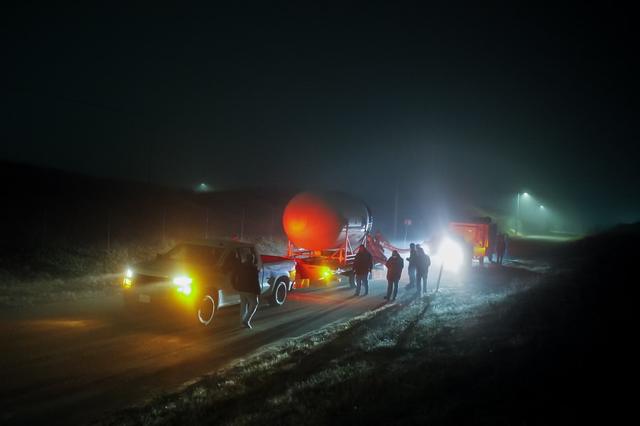
Firefly Aerospace’s Alpha rocket carrying eight CubeSats as part of NASA’s CubeSat Launch Initiative’s (CSLI) ELaNa (Educational Launch of Nanosatellites) 43 mission rolls out of the company’s Payload Processing Facility to Space Launch Complex 2 at Vandenberg Space Force Base, California, on Sunday, June 30, 2024. Firefly Aerospace is one of three companies selected to fly small satellites to space under NASA’s Launch Services Program Venture-Class Launch Services Demonstration 2 (VCLS Demo 2) contract awarded in December 2020.
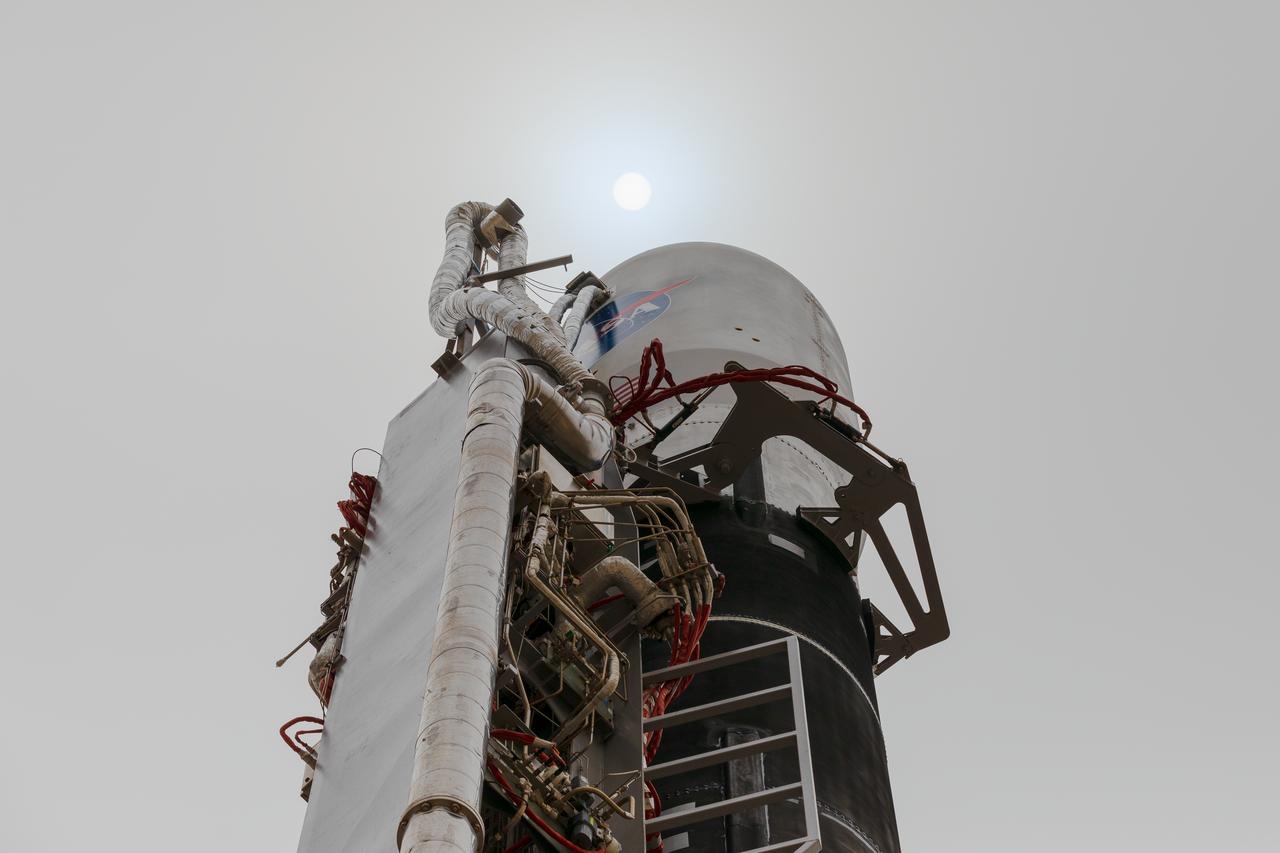
Firefly Aerospace’s Alpha rocket carrying eight CubeSats as part of NASA’s CubeSat Launch Initiative’s (CSLI) ELaNa 43 (Educational Launch of Nanosatellites) mission stands vertical at Space Launch Complex 2 at Vandenberg Space Force Base, California, on Monday, July 1, 2024. Firefly Aerospace is one of three companies selected to fly small satellites to space under NASA’s Launch Services Program Venture-Class Launch Services Demonstration 2 (VCLS Demo 2) contract awarded in December 2020.
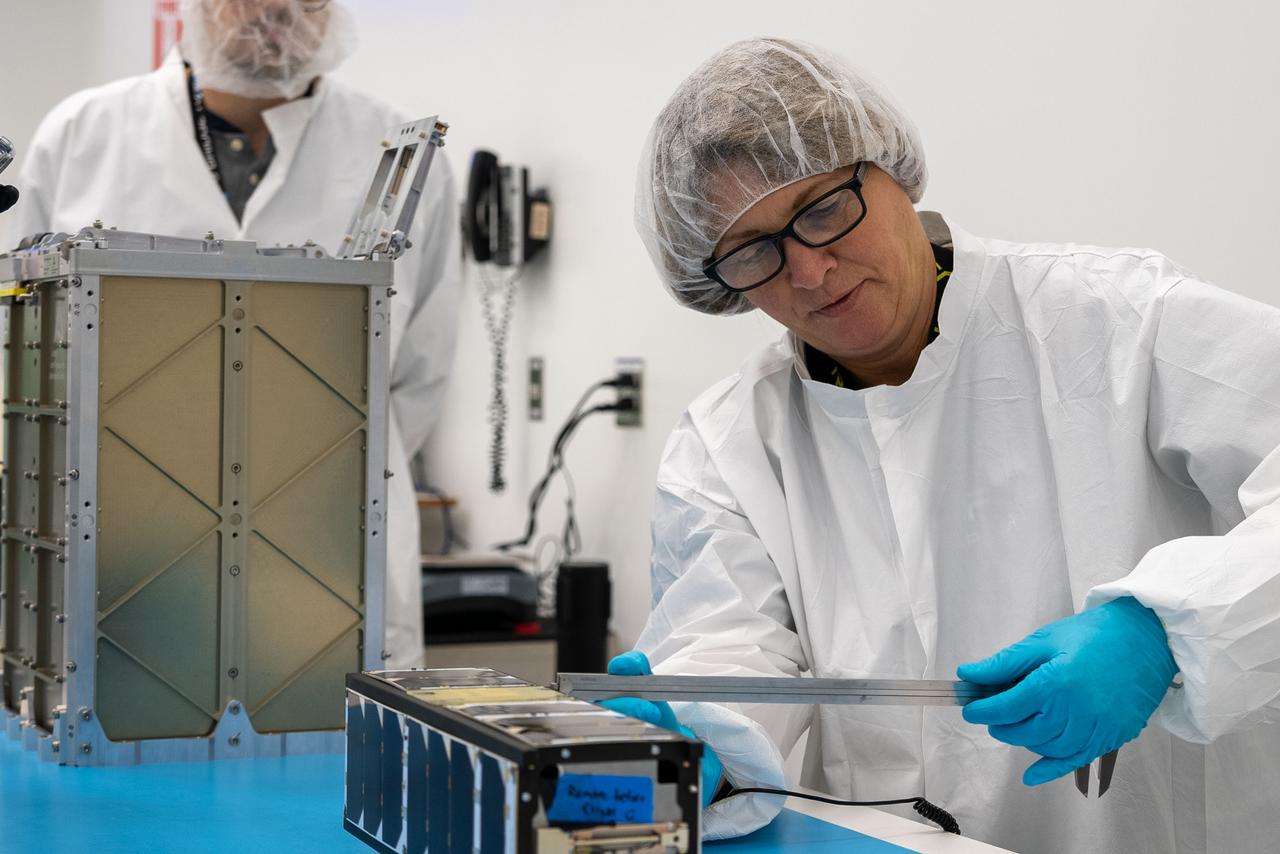
Technicians with the University of Kansas prepare their KUbeSat-1 for integration at Firefly’s Payload Processing Facility at Vandenberg Space Force Base, California on Thursday, April 25, 2024. KUbeSat-1, along with several other CubeSats, will launch to space on an Alpha rocket during NASA’s Educational Launch of Nanosatellites (ELaNa) 43 mission as part of the agency’s CubeSat Launch Initiative and Firefly’s Venture-Class Launch Services Demonstration 2 contract.
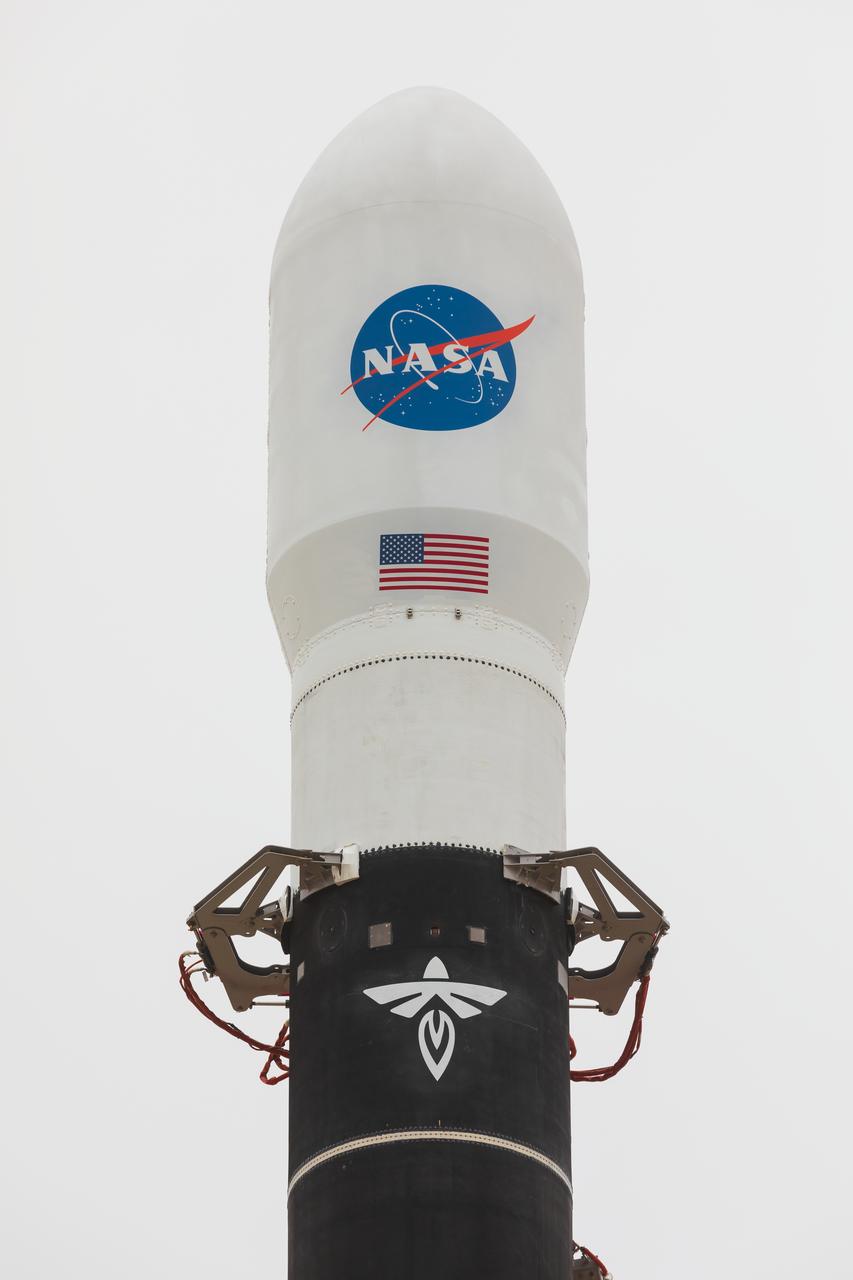
Firefly Aerospace’s Alpha rocket carrying eight CubeSats as part of NASA’s CubeSat Launch Initiative’s (CSLI) ELaNa 43 (Educational Launch of Nanosatellites) mission stands vertical at Space Launch Complex 2 at Vandenberg Space Force Base, California, on Monday, July 1, 2024. Firefly Aerospace is one of three companies selected to fly small satellites to space under NASA’s Launch Services Program Venture-Class Launch Services Demonstration 2 (VCLS Demo 2) contract awarded in December 2020.
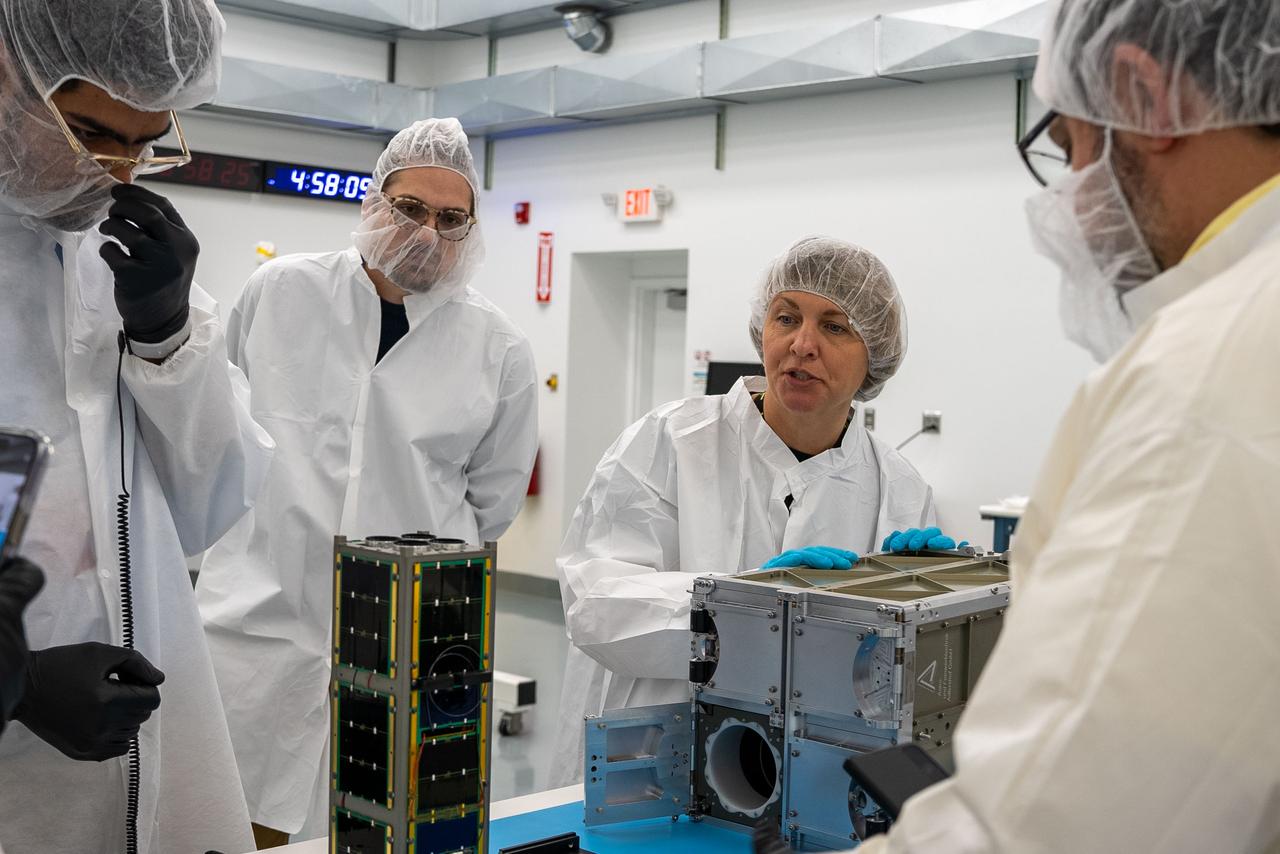
Technicians from the University of Maine prepare CubeSat MESAT-1 for integration at Firefly’s Payload Processing Facility at Vandenberg Space Force Base, California on Monday, April 22, 2024. MESAT-1, along with seven other payloads, will be integrated into a Firefly Aerospace Alpha rocket for NASA’s Educational Launch of Nanosatellites (ELaNa) 43 mission as part of the agency’s CubeSat Launch Initiative and Firefly’s Venture-Class Launch Services Demonstration 2 contract.
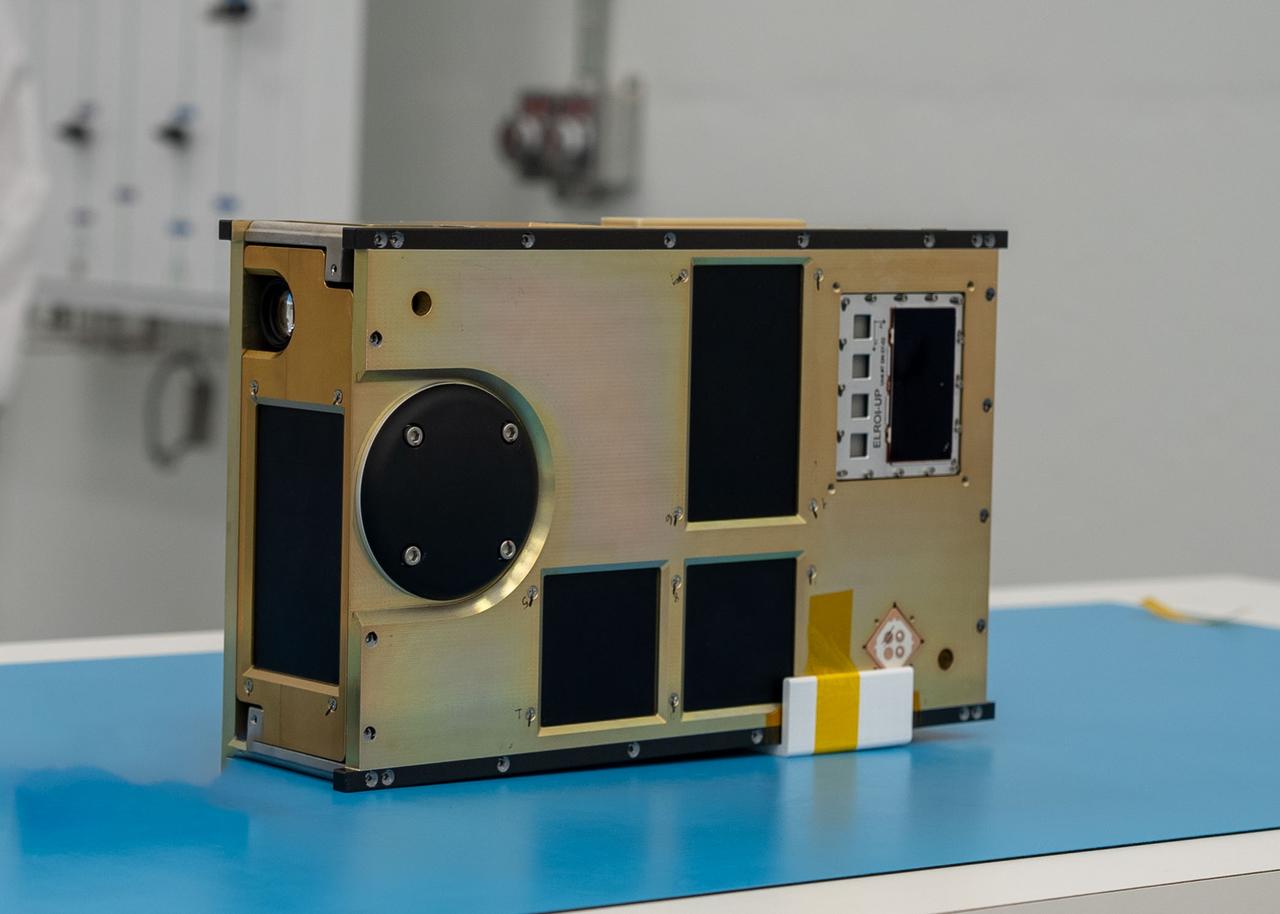
NASA’s CubeSat R5 Spacecraft 4 (R5-S4) awaits integration at Firefly’s Payload Processing Facility at Vandenberg Space Force Base, California on Wednesday, April 24, 2024. R5-S4, along with several other CubeSats, will launch to space on an Alpha rocket during NASA’s Educational Launch of Nanosatellites (ELaNa) 43 mission as part of the agency’s CubeSat Launch Initiative and Firefly’s Venture-Class Launch Services Demonstration 2 contract.
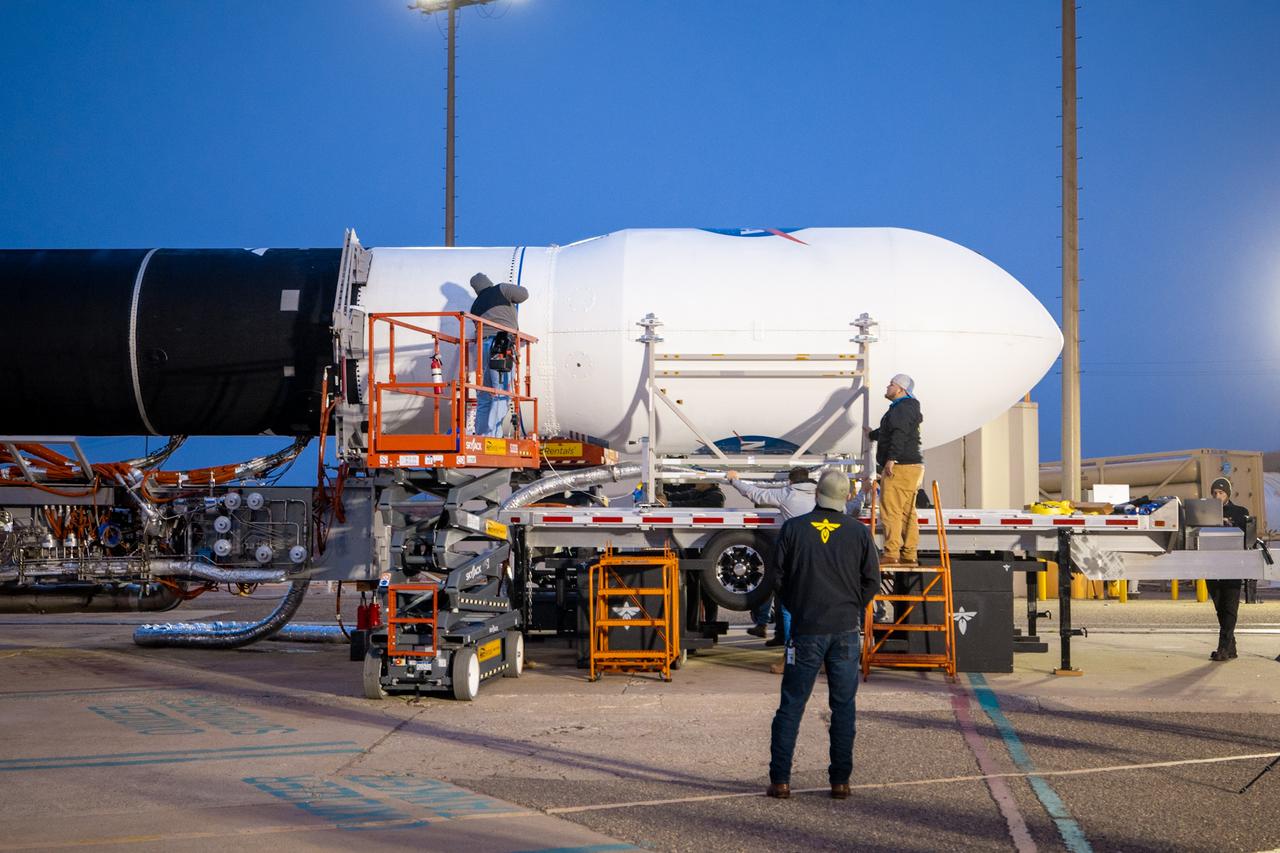
Firefly Aerospace’s Alpha rocket carrying eight CubeSats as part of NASA’s CubeSat Launch Initiative’s (CSLI) ELaNa (Educational Launch of Nanosatellites) 43 mission rolls out of the company’s Payload Processing Facility to Space Launch Complex 2 at Vandenberg Space Force Base, California, on Sunday, June 30, 2024. Firefly Aerospace is one of three companies selected to fly small satellites to space under NASA’s Launch Services Program Venture-Class Launch Services Demonstration 2 (VCLS Demo 2) contract awarded in December 2020.
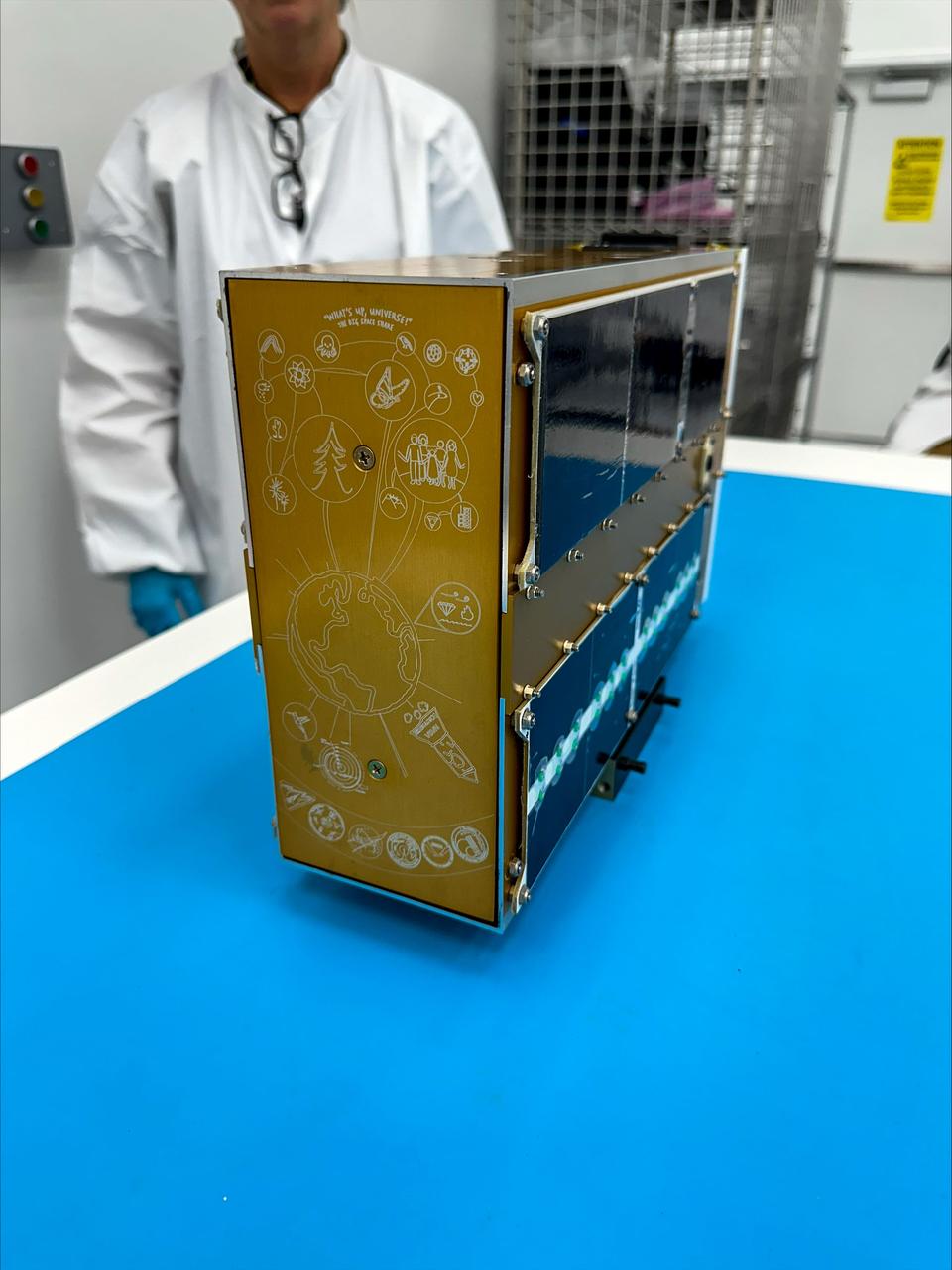
NASA’s TechEdSat-11 (TES-11) CubeSat awaits integration at Firefly’s Payload Processing Facility at Vandenberg Space Force Base, California on Saturday, June 8, 2024. Serenity, along with several other CubeSats, will launch to space on an Alpha rocket during NASA’s Educational Launch of Nanosatellites (ELaNa) 43 mission as part of the agency’s CubeSat Launch Initiative and Firefly’s Venture-Class Launch Services Demonstration 2 contract.
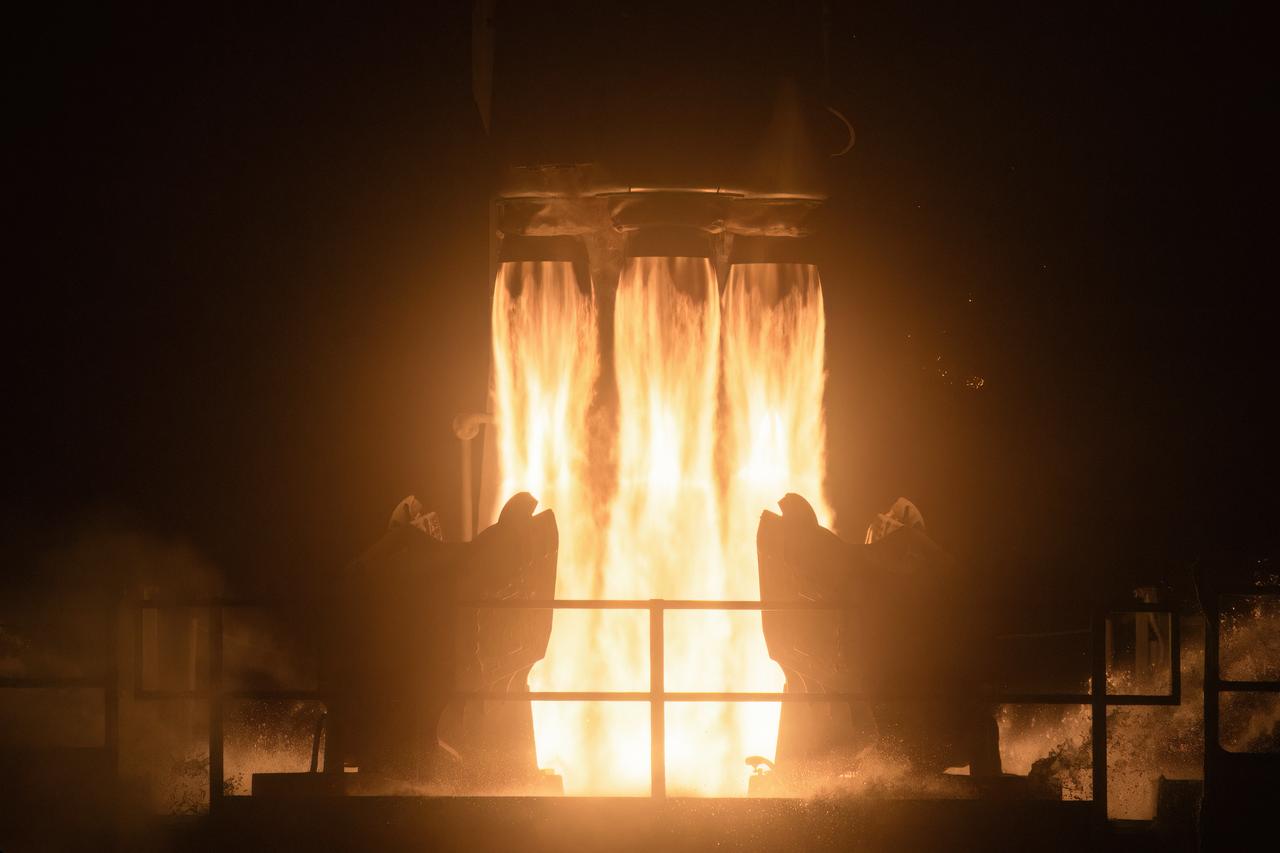
Firefly Aerospace’s Alpha rocket carrying eight CubeSats as part of NASA’s CubeSat Launch Initiative (CSLI) lifts off from Space Launch Complex 2 at Vandenberg Space Force Base in California at 9:04 p.m. PDT Wednesday, July 3, 2024. The successful launch of the rocket, named “Noise of Summer,” completed the company’s Venture-Class Launch Services Demonstration 2 (VCLS Demo 2) contract with the agency. The CubeSat missions were designed by universities and NASA centers to conduct climate studies, satellite technology development, and educational outreach to students.
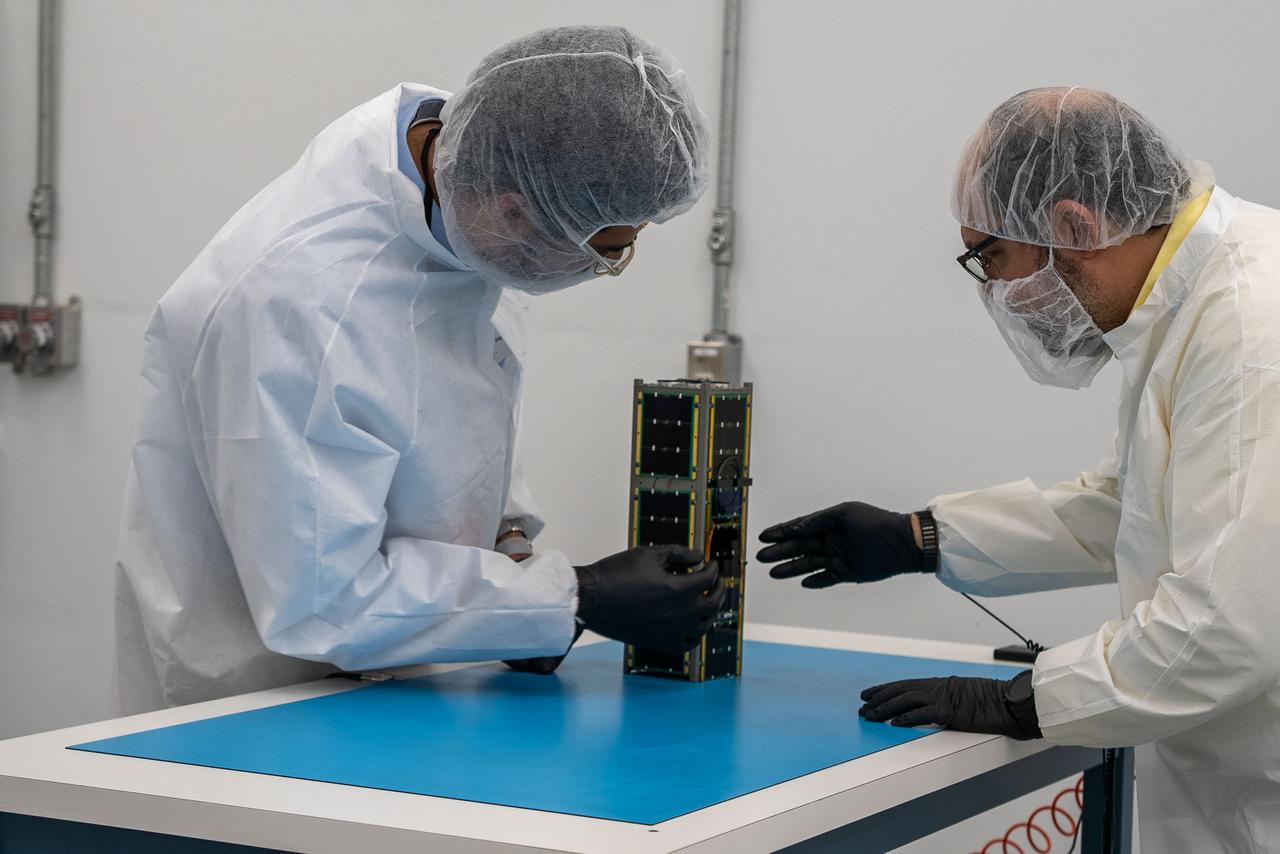
Technicians from the University of Maine prepare CubeSat MESAT-1 for integration at Firefly’s Payload Processing Facility at Vandenberg Space Force Base, California on Monday, April 22, 2024. MESAT-1, along with seven other payloads, will be integrated into a Firefly Aerospace Alpha rocket for NASA’s Educational Launch of Nanosatellites (ELaNa) 43 mission as part of the agency’s CubeSat Launch Initiative and Firefly’s Venture-Class Launch Services Demonstration 2 contract.
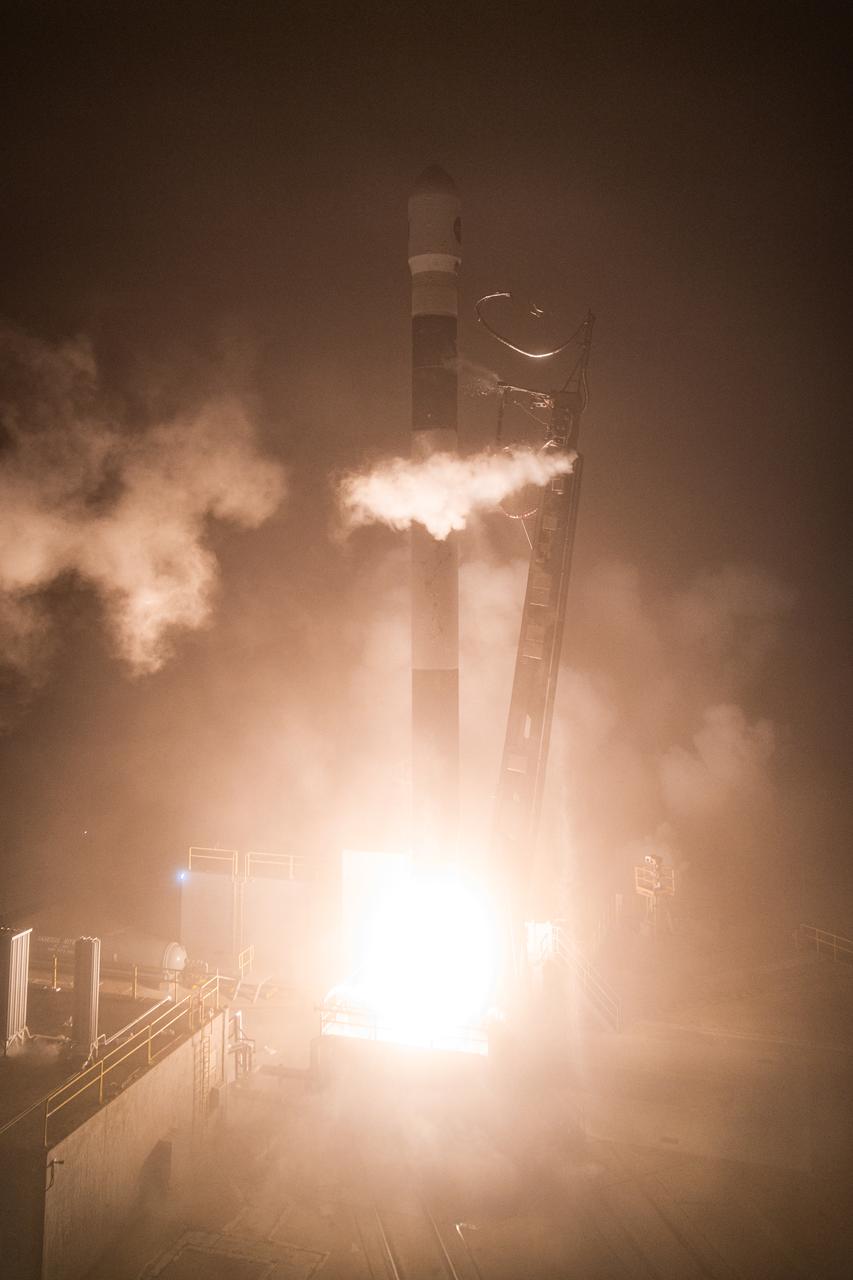
Firefly Aerospace’s Alpha rocket carrying eight CubeSats as part of NASA’s CubeSat Launch Initiative (CSLI) lifts off from Space Launch Complex 2 at Vandenberg Space Force Base in California at 9:04 p.m. PDT Wednesday, July 3, 2024. The successful launch of the rocket, named “Noise of Summer,” completed the company’s Venture-Class Launch Services Demonstration 2 (VCLS Demo 2) contract with the agency. The CubeSat missions were designed by universities and NASA centers to conduct climate studies, satellite technology development, and educational outreach to students.
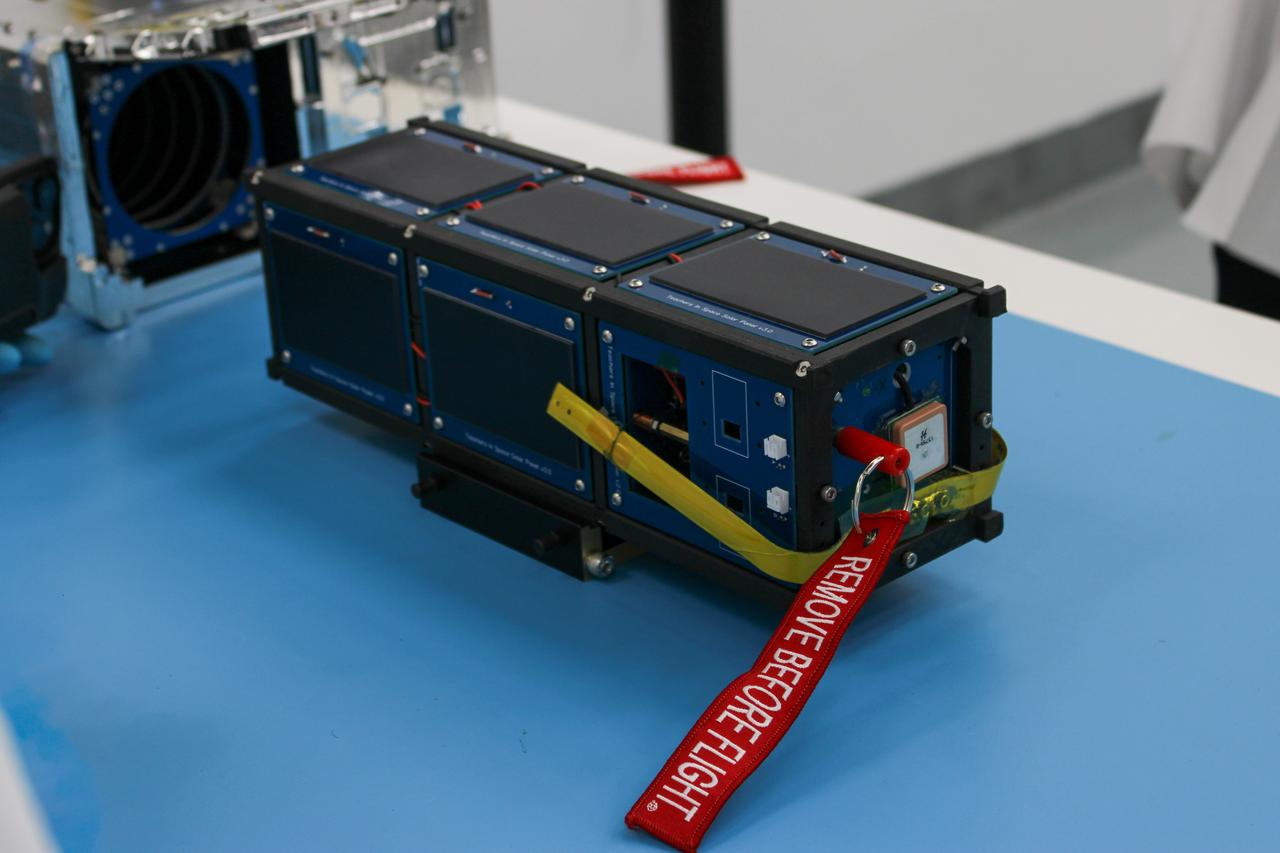
Serenity, a 3U CubeSat, awaits integration at Firefly’s Payload Processing Facility at Vandenberg Space Force Base, California on Friday, June 7, 2024. Serenity, along with several other CubeSats, will launch to space on an Alpha rocket during NASA’s Educational Launch of Nanosatellites (ELaNa) 43 mission as part of the agency’s CubeSat Launch Initiative and Firefly’s Venture-Class Launch Services Demonstration 2 contract.
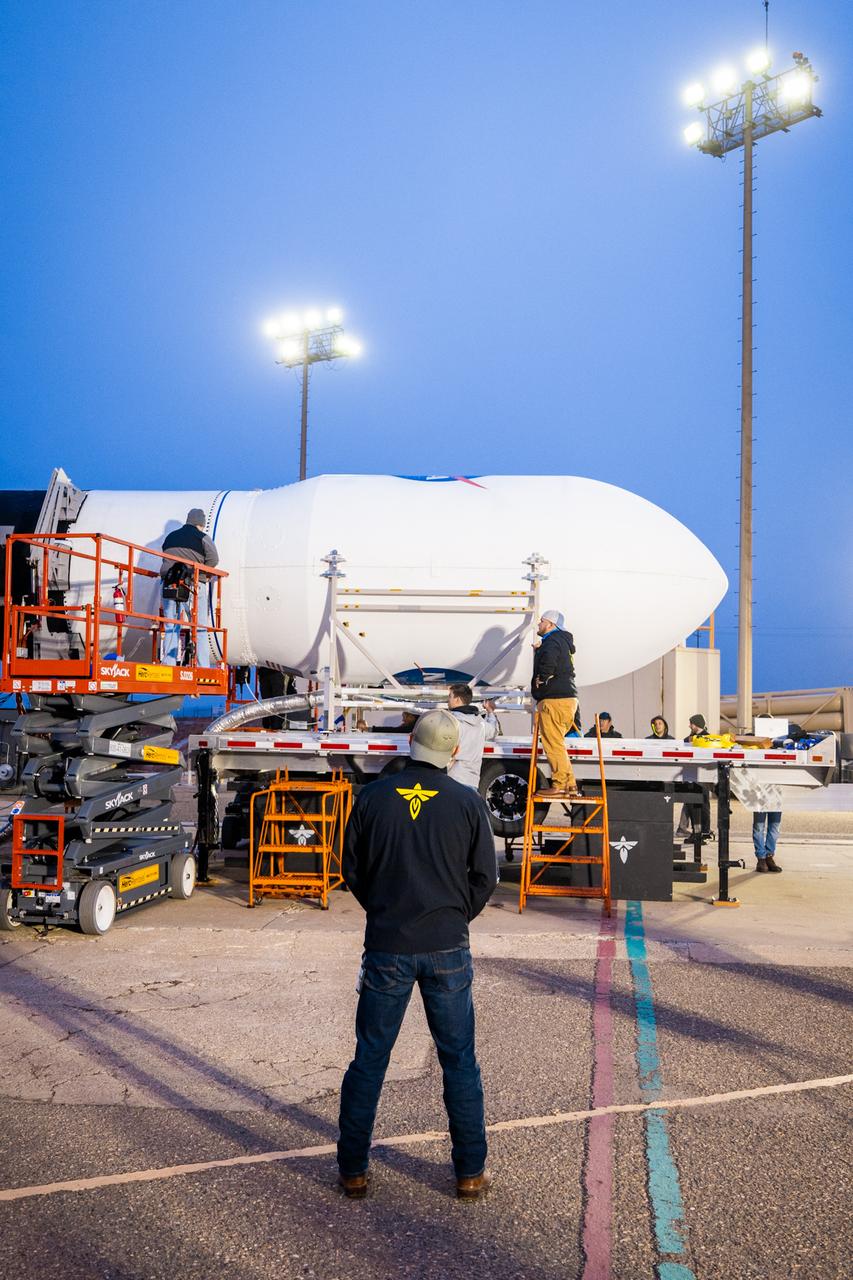
Firefly Aerospace’s Alpha rocket carrying eight CubeSats as part of NASA’s CubeSat Launch Initiative’s (CSLI) ELaNa (Educational Launch of Nanosatellites) 43 mission rolls out of the company’s Payload Processing Facility to Space Launch Complex 2 at Vandenberg Space Force Base, California, on Sunday, June 30, 2024. Firefly Aerospace is one of three companies selected to fly small satellites to space under NASA’s Launch Services Program Venture-Class Launch Services Demonstration 2 (VCLS Demo 2) contract awarded in December 2020.
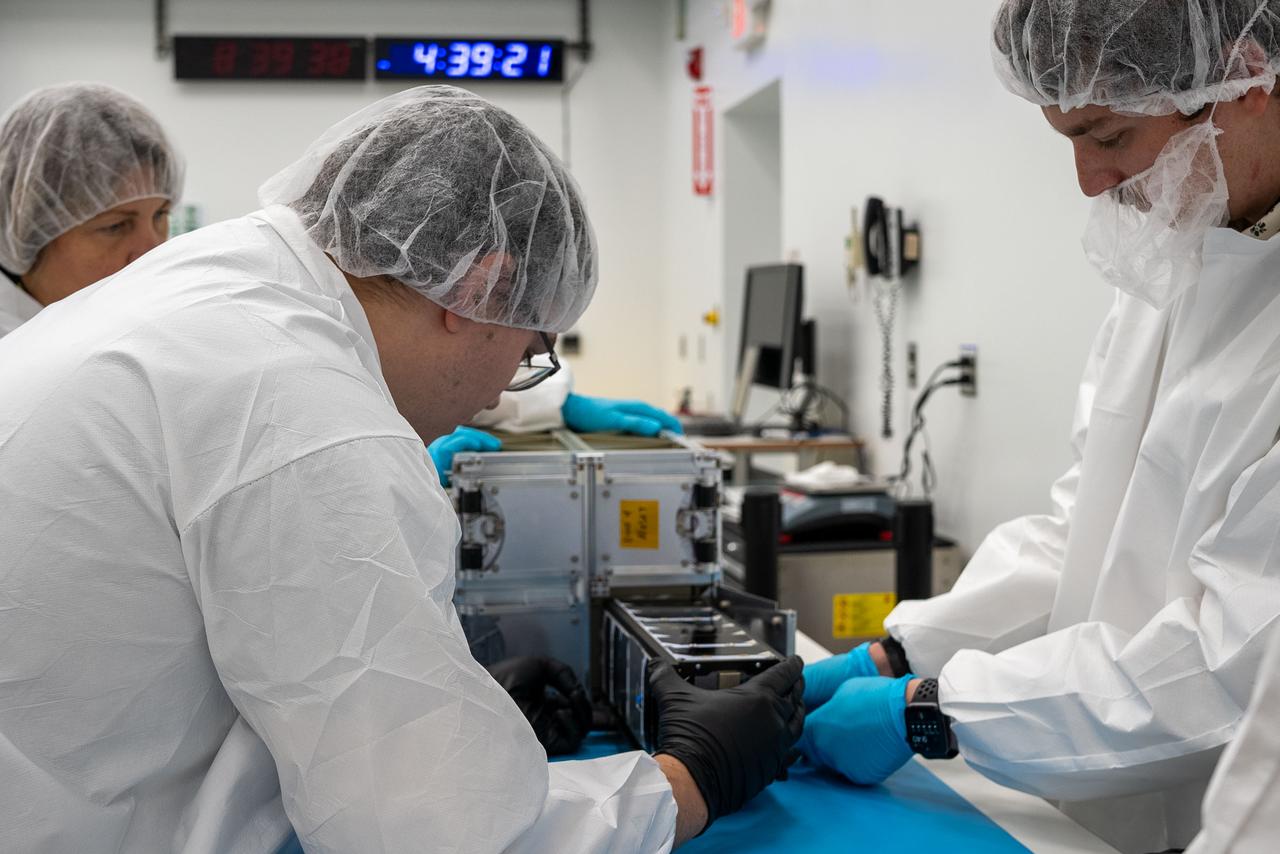
Technicians with the University of Kansas prepare their KUbeSat-1 for integration at Firefly’s Payload Processing Facility at Vandenberg Space Force Base, California on Thursday, April 25, 2024. KUbeSat-1, along with several other CubeSats, will launch to space on an Alpha rocket during NASA’s Educational Launch of Nanosatellites (ELaNa) 43 mission as part of the agency’s CubeSat Launch Initiative and Firefly’s Venture-Class Launch Services Demonstration 2 contract.