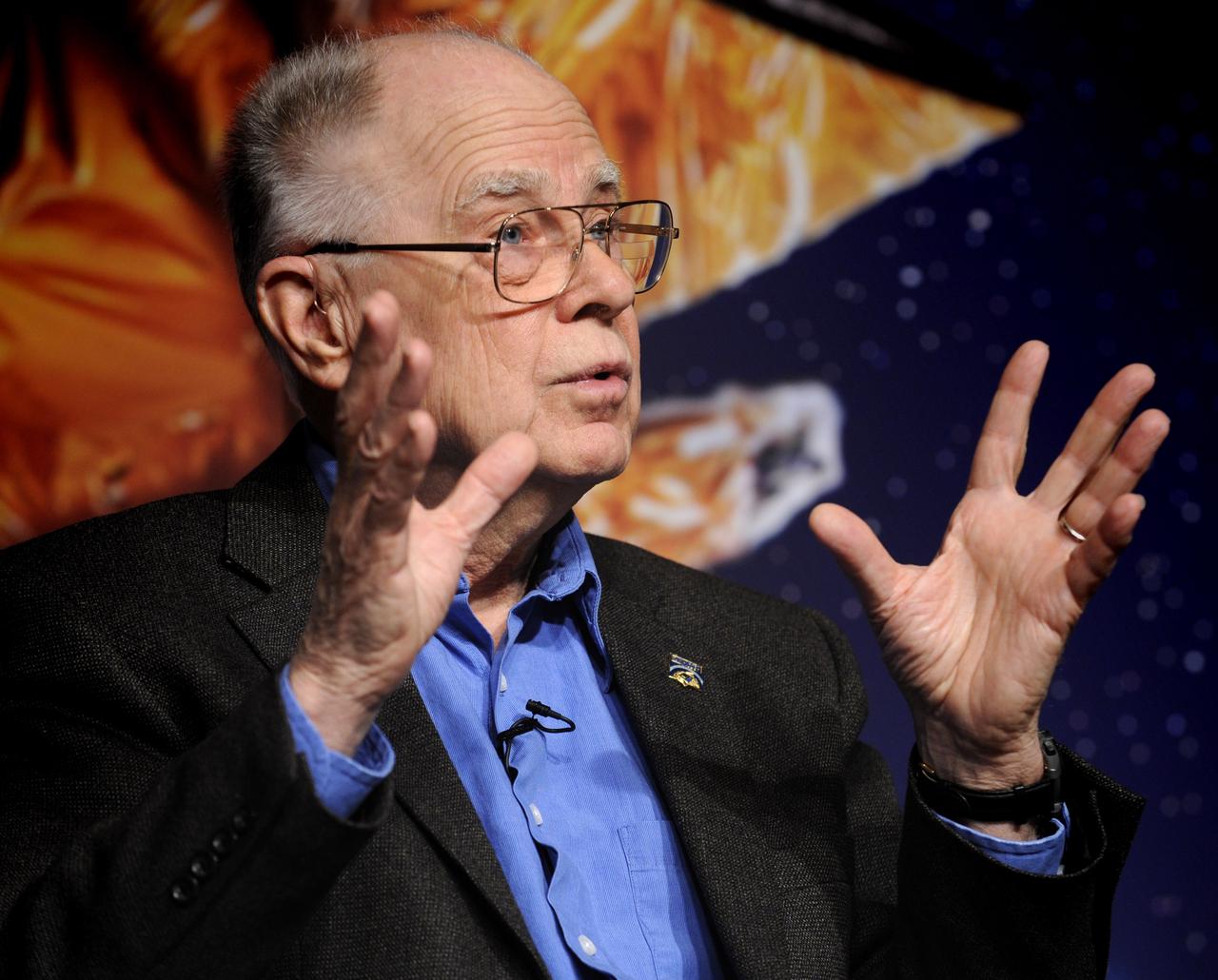
William Borucki, principal investigator for Kepler Science at Ames Research Center, Moffett Field, Calif., talks about the Kepler mission during a media briefing, Thursday, Feb. 19, 2008, at NASA Headquarters in Washington. Kepler, the first mission with the ability to find planets like earth, is scheduled to launch on March 5, 2009 from Cape Canaveral Air Force Station, Fla. aboard a Delta II rocket. Photo Credit: (NASA/Paul. E. Alers)
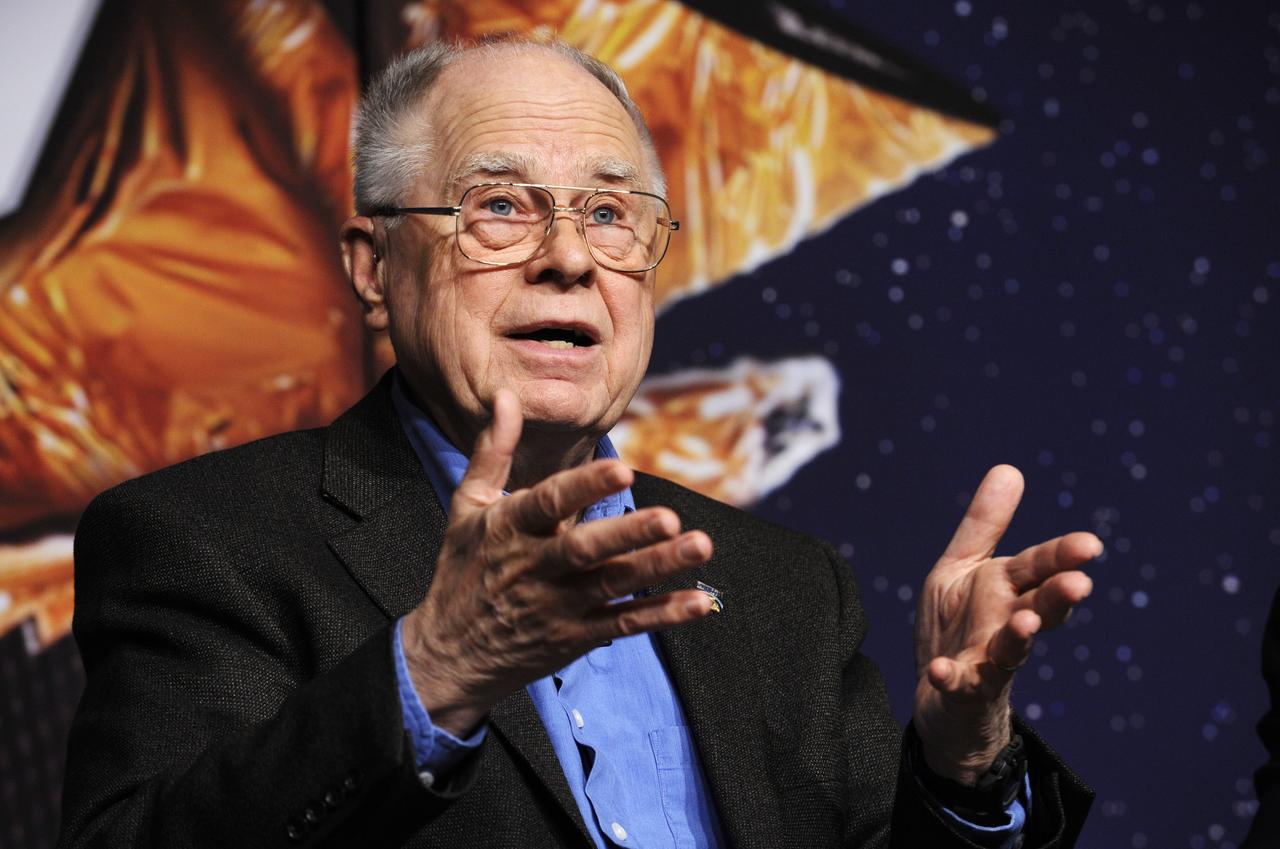
William Borucki, principal investigator for Kepler Science at Ames Research Center, Moffett Field, Calif., talks about the Kepler mission during a media briefing, Thursday, Feb. 19, 2008, at NASA Headquarters in Washington. Kepler, the first mission with the ability to find planets like earth, is scheduled to launch on March 5, 2009 from Cape Canaveral Air Force Station, Fla. aboard a Delta II rocket. Photo Credit: (NASA/Paul. E. Alers)

The Kepler Mission Science Principal Investigator Dr William 'Bill' Borucki in his office at NASA Ames Research center.

The Kepler Mission Science Principal Investigator Dr William 'Bill' Borucki in his office at NASA Ames Research center.
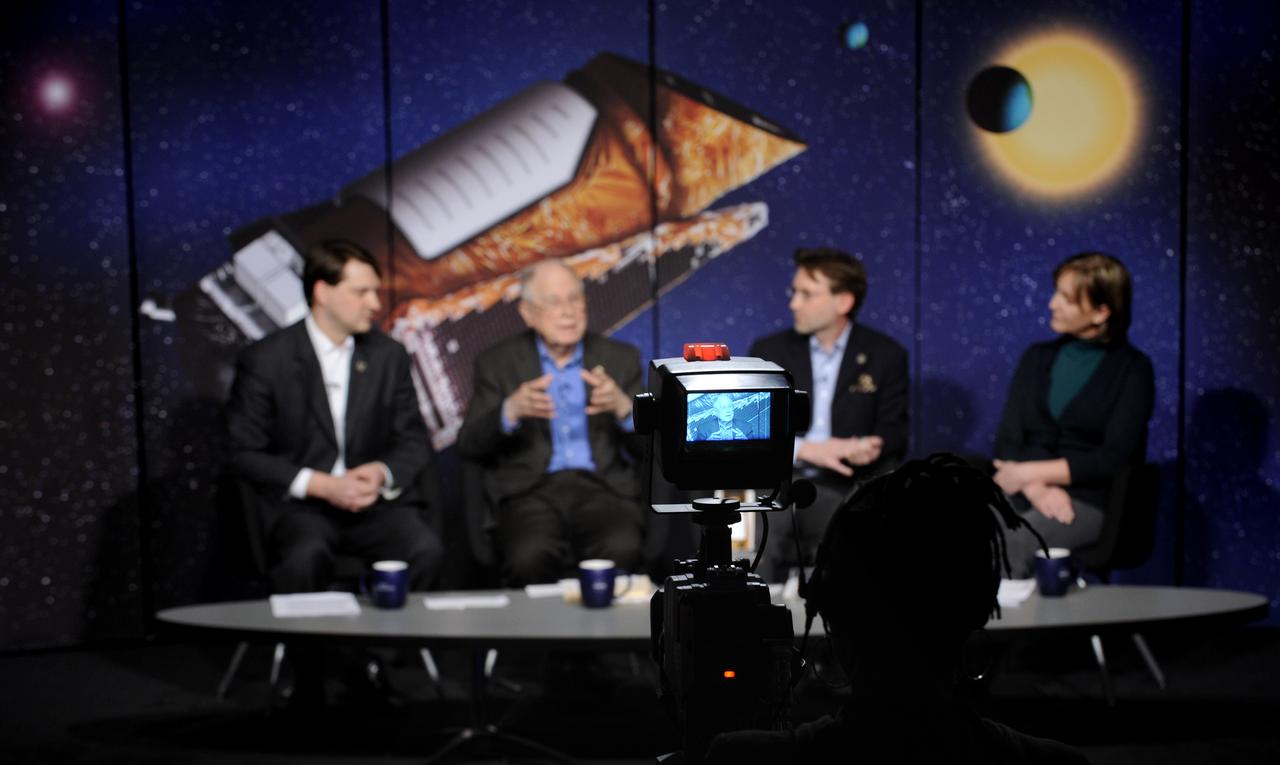
William Borucki, principal investigator for Kepler Science at Ames Research Center, Moffett Field, Calif., second from left, is seen through a television camer monitor as he talks about the Kepler mission during a media briefing, Thursday, Feb. 19, 2008, at NASA Headquarters in Washington. Kepler, the first mission with the ability to find planets like earth, is scheduled to launch on March 5, 2009 from Cape Canaveral Air Force Station, Fla. aboard a Delta II rocket. Photo Credit: (NASA/Paul. E. Alers)
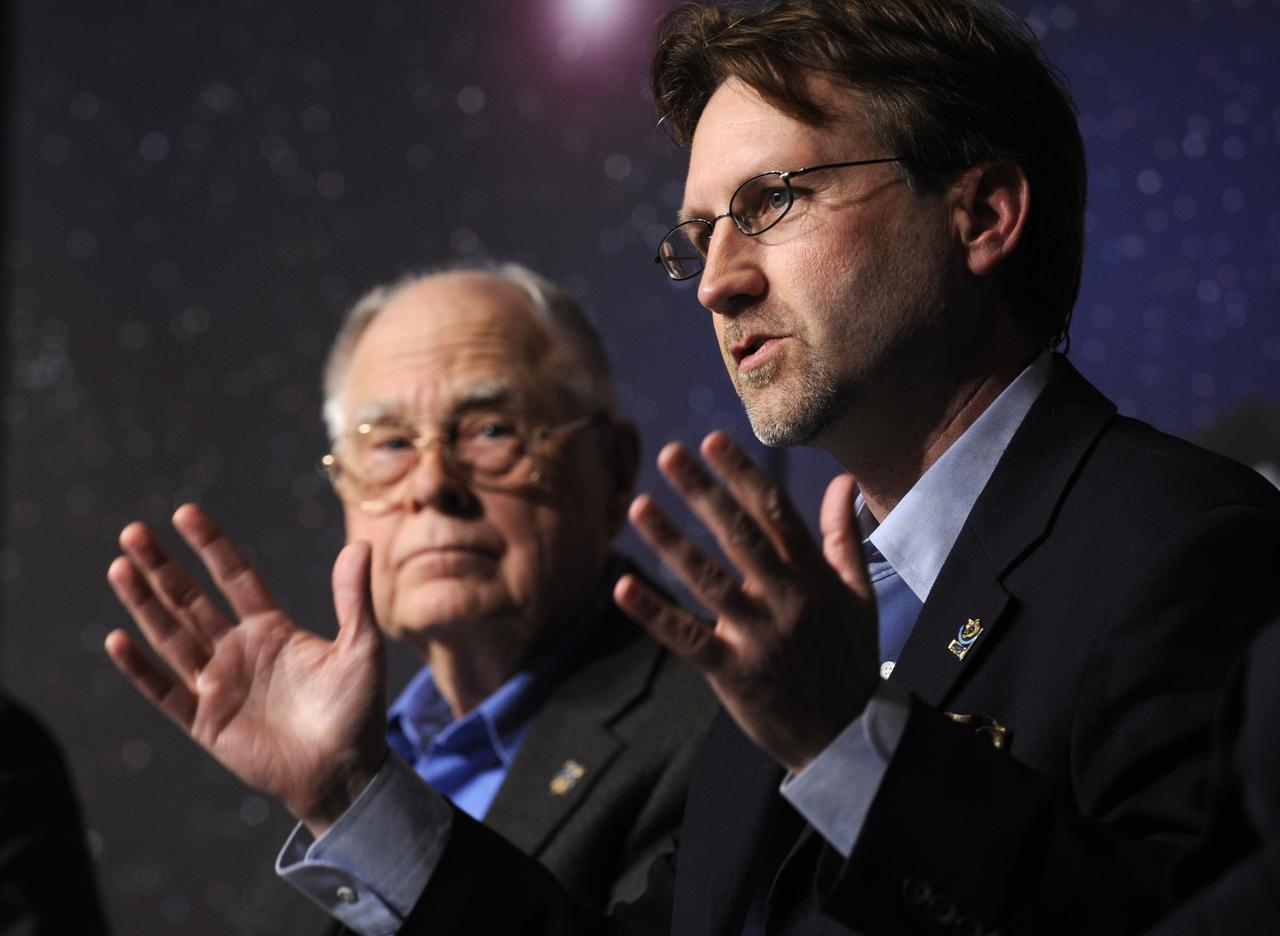
Jim Fanson, Kepler project manager, right, talks about the Kepler mission as William Borucki, left, listens during a media briefing, Thursday, Feb. 19, 2008, at NASA Headquarters in Washington. Kepler, the first mission with the ability to find planets like earth, is scheduled to launch on March 5, 2009 from Cape Canaveral Air Force Station, Fla. aboard a Delta II rocket. Photo Credit: (NASA/Paul. E. Alers)
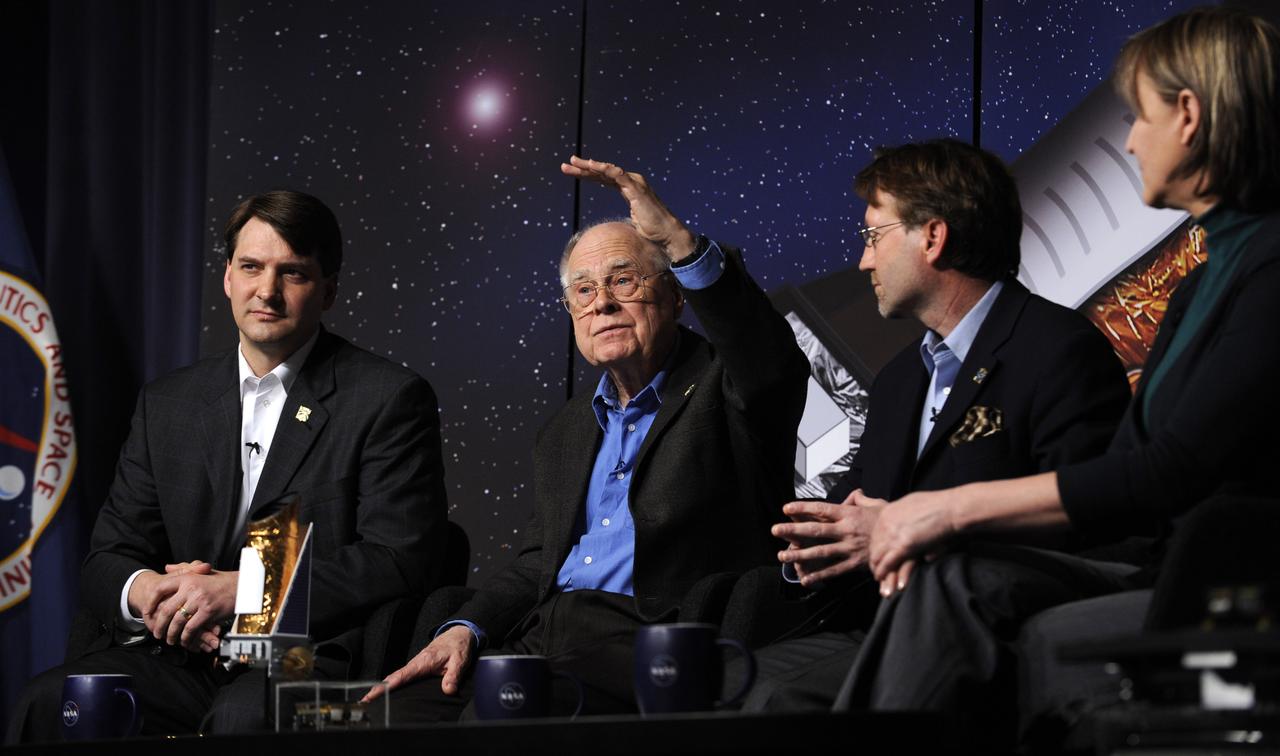
William Borucki, principal investigator for Kepler Science at Ames Research Center, Moffett Field, Calif.,, second from left, talks about the Kepler mission during a media briefing, Thursday, Feb. 19, 2008, at NASA Headquarters in Washington. Kepler, the first mission with the ability to find planets like earth, is scheduled to launch on March 5, 2009 from Cape Canaveral Air Force Station, Fla. aboard a Delta II rocket. Joining Borucki at the briefing were Jon Morse, director, Astrophysics Division, NASA Headquarters, Jim Fanson, Kepler project manager at the Jet Propulsion Laboratory and Debra Fischer, a professor of Astronomy at San Francisco State University. Photo Credit: (NASA/Paul. E. Alers)
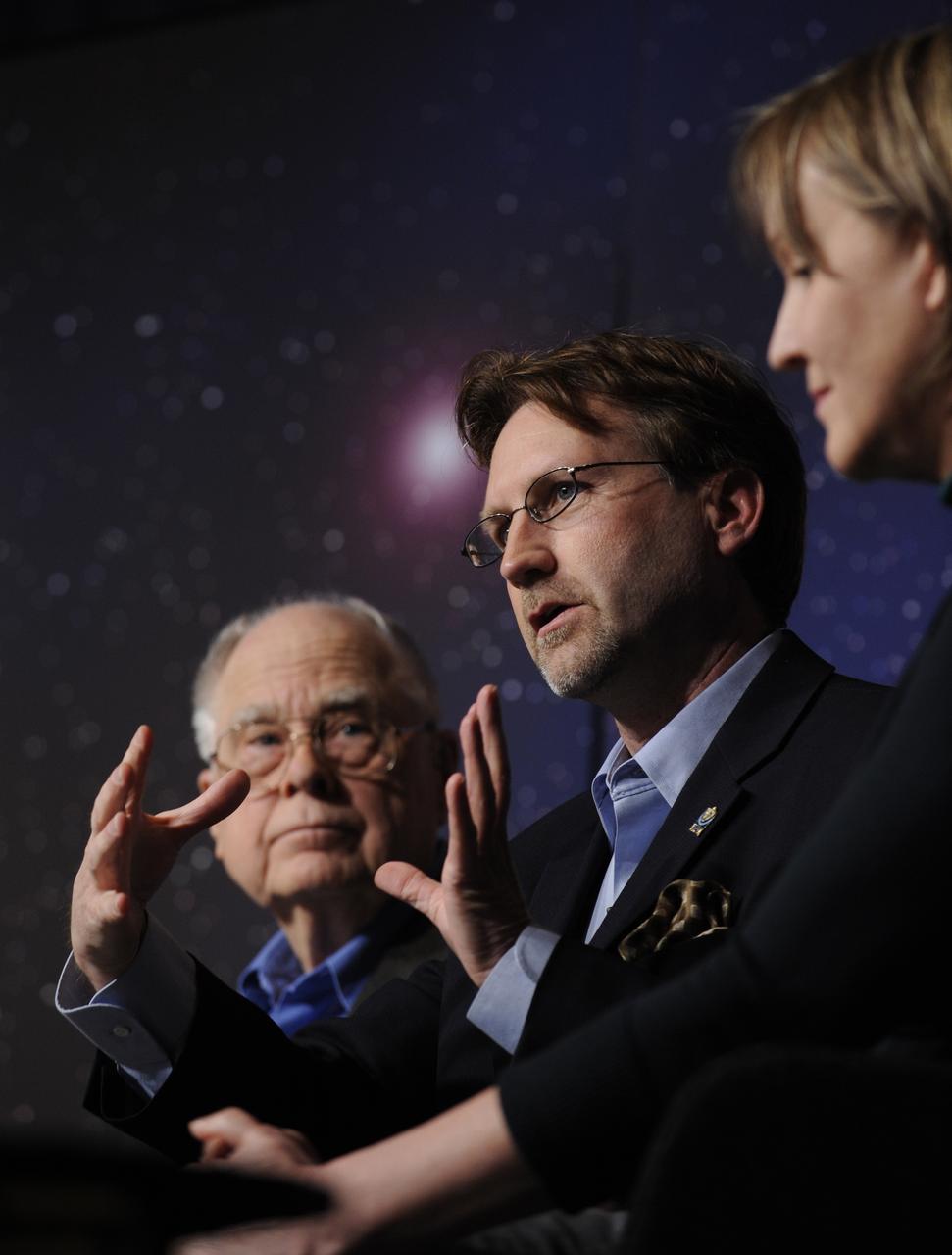
Jim Fanson, Kepler project manager, center, talks about the Kepler mission as William Borucki, left, and Debra Fischer, right, listen during a media briefing, Thursday, Feb. 19, 2008, at NASA Headquarters in Washington. Kepler, the first mission with the ability to find planets like earth, is scheduled to launch on March 5, 2009 from Cape Canaveral Air Force Station, Fla. aboard a Delta II rocket. Photo Credit: (NASA/Paul. E. Alers)
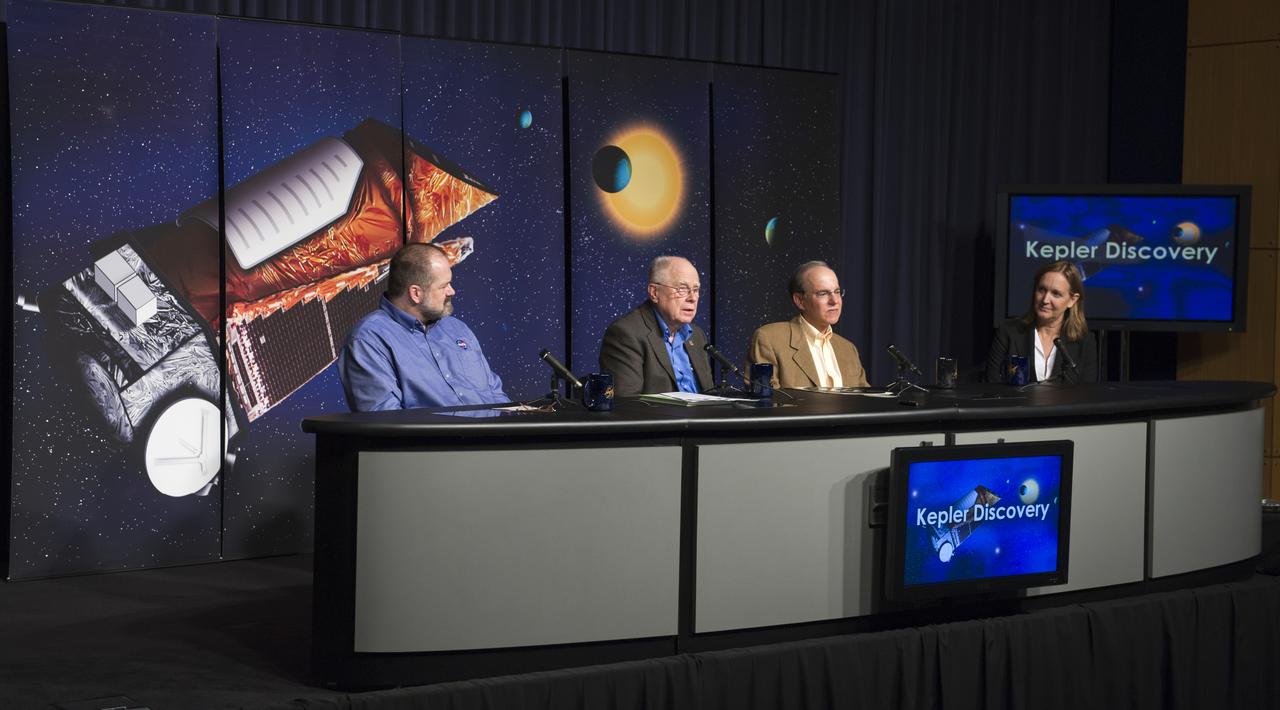
William Borucki, Kepler Science Principal Investigator from NASA's Ames Research Center, second from left, speaks during a news conference, Wednesday, Feb. 2, 2010, at NASA Headquarters in Washington as Douglas Hudgins, left, Jack Lissauer and Debra Fischer, far right, look on. Scientists using NASA's Kepler, a space telescope, recently discovered six planets made of a mix of rock and gases orbiting a single sun-like star, known as Kepler-11, which is located approximately 2,000 light years from Earth. Photo Credit: (NASA/Paul E. Alers)
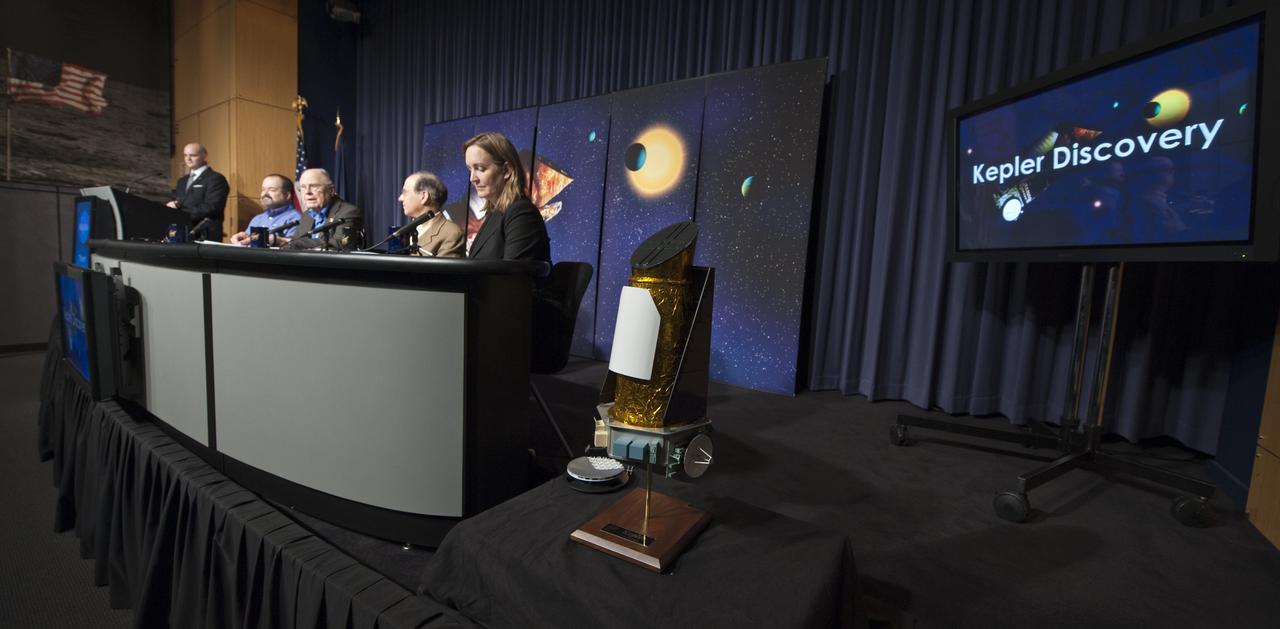
William Borucki, Kepler Science Principal Investigator from NASA's Ames Research Center, second from left, speaks during a news conference, Wednesday, Feb. 2, 2010, at NASA Headquarters in Washington as Douglas Hudgins, left, Jack Lissauer and Debra Fischer, far right, look on. Scientists using NASA's Kepler, a space telescope, recently discovered six planets made of a mix of rock and gases orbiting a single sun-like star, known as Kepler-11, which is located approximately 2,000 light years from Earth. Photo Credit: (NASA/Paul E. Alers)
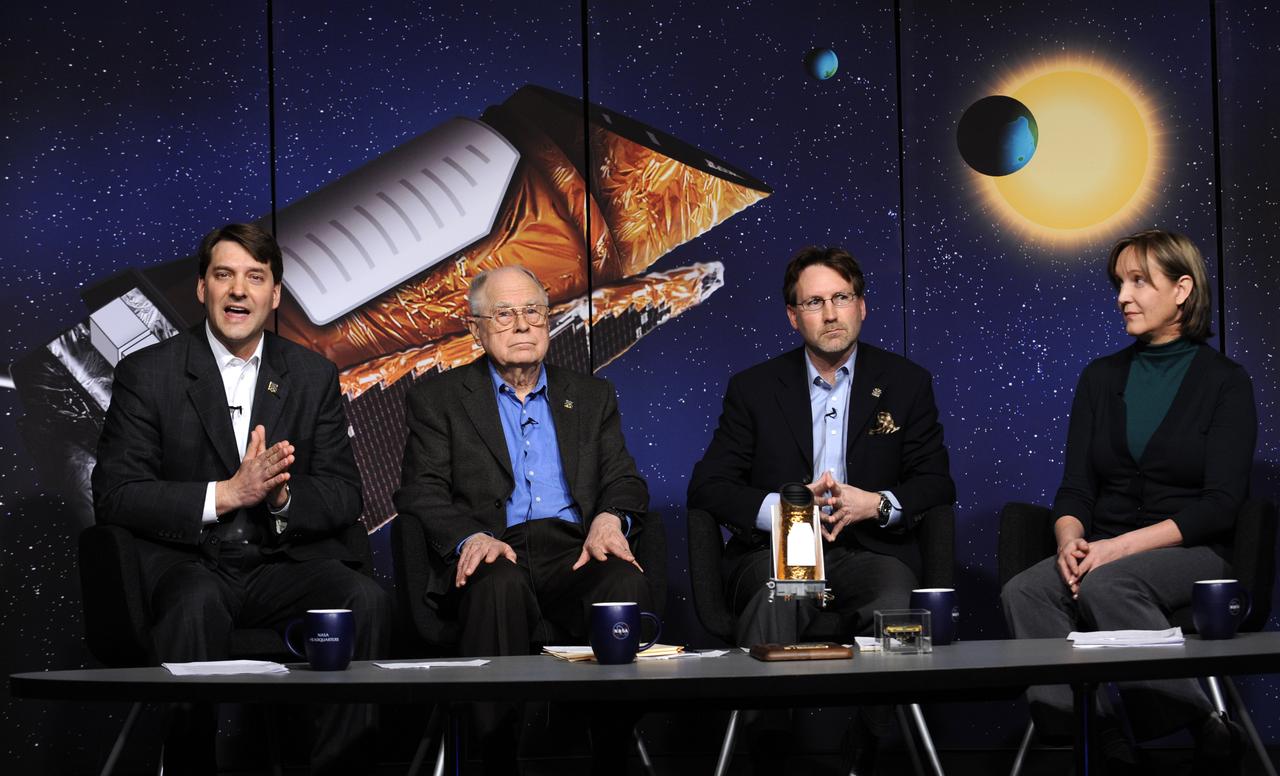
Jon Morse, Director, Astrophysics Division, at NASA Headquarters, left, talks about the Kepler mission during a media briefing, Thursday, Feb. 19, 2008, at NASA Headquarters in Washington. Morse was joined at the briefing by William Borucki, principal investigator for Kepler Science at Ames Research Center, second left, Jim Fanson, Kepler Project Manager at the Jet Propulsion Laboratory and Debra Fischer, professor of Astronomy at San Francisco State University, right. Kepler is scheduled to launch on March 5, 2009 from Cape Canaveral Air Force Station, Fla. aboard a Delta II rocket. Photo Credit: (NASA/Paul. E. Alers)
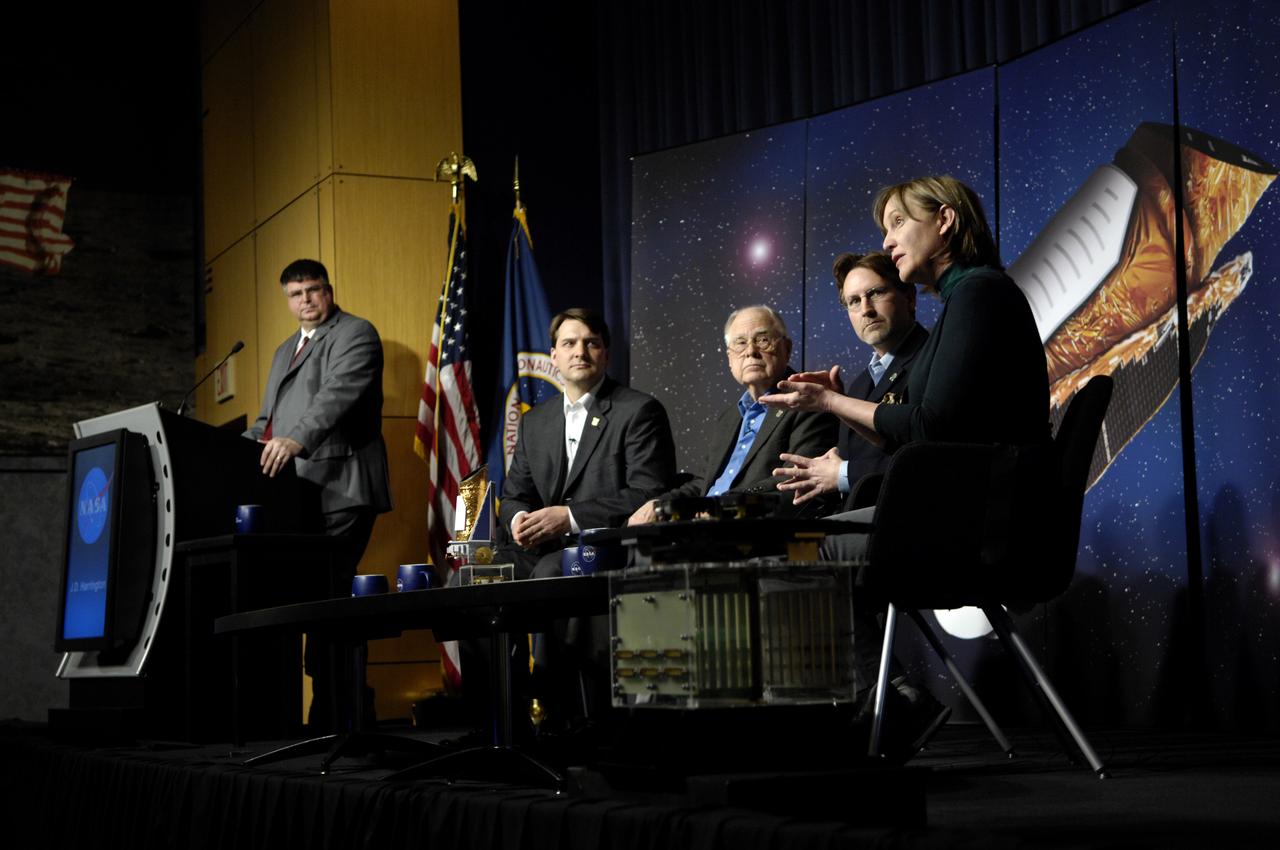
Debra Fischer, a professor of Astronomy at San Francisco State University, right, makes a comment, as Jim Fanson, William Borucki and Jon Morse, fourth from right, look on during a media briefing on the Kepler mission, Thursday, Feb. 19, 2008, at NASA Headquarters in Washington. Kepler, the first mission with the ability to find planets like earth, is scheduled to launch on March 5, 2009 from Cape Canaveral Air Force Station, Fla. aboard a Delta II rocket. At far left is J.D. Harrington. Photo Credit: (NASA/Paul. E. Alers)

Dr. William 'Bill' Borucki

Environmental portrait of William 'Bill' Borucki, Principal Investigator for the Kepler Mission at NASA's Ames Research Center.

Environmental portrait of William 'Bill' Borucki, Principal Investigator for the Kepler Mission at NASA's Ames Research Center.

Dr William 'Bill' Borucki being interview on NBC KNTV's program Press Here on the KEPLER mission by a panel of reporters. L-R: Dr Borucki, NASA Ames Research Center, Jon Swartz, USA today, Elizabeth Corcoran, Forbes Executive Editor and host Scott McGrew, NBC KNTV.

Dr William 'Bill' Borucki being interview on NBC KNTV's program Press Here on the KEPLER mission by a panel of reporters. L-R: Dr Borucki, NASA Ames Research Center, Jon Swartz, USA today, Elizabeth Corcoran, Forbes Executive Editor and host Scott McGrew, NBC KNTV.

Dr William 'Bill' Borucki being interview on NBC KNTV's program Press Here on the KEPLER mission by a panel of reporters. L-R: Dr Borucki, NASA Ames Research Center, Jon Swartz, USA today, Elizabeth Corcoran, Forbes Executive Editor and host Scott McGrew, NBC KNTV.
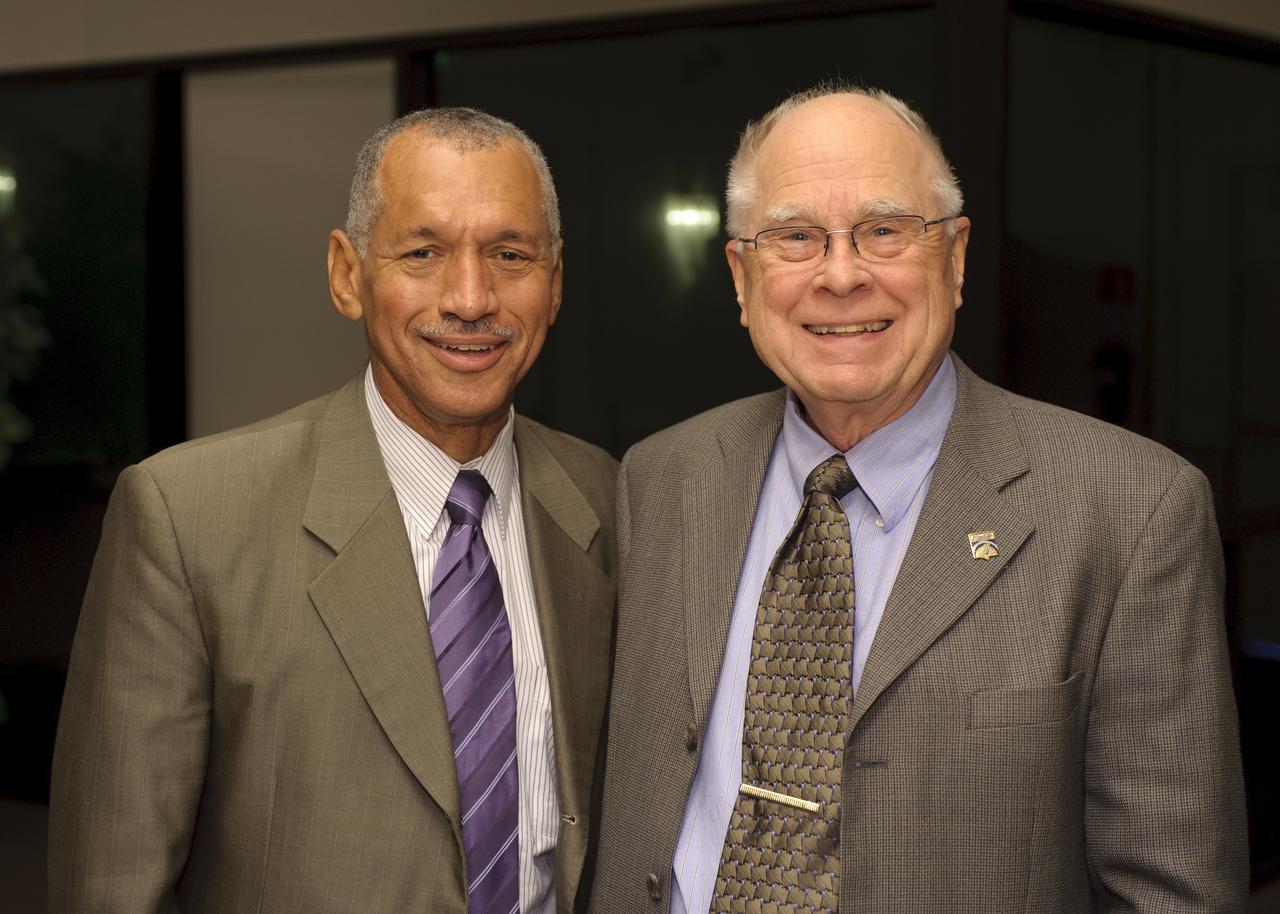
NASA Advisory Council Meeting at NASA Ames Research Center NRP Conference Center. Charlie Bolden, NASA Administrator (left) and William 'Bill' Borucki, Kepler PI
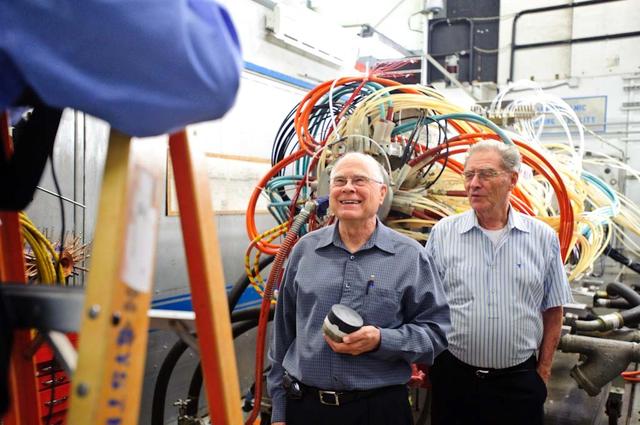
Dr William 'Bill' Borucki, NASA Ames Scientist on the Kepler Mission and John W. 'Jack' Boyd, NASA Ames Historian at the Ames Arc Jet Complex, Aerodynamic Heating Facility talking with a Mercury News photographer about the Kepler Mission and the 40th Anniversary of the Apollo 11 Mission.
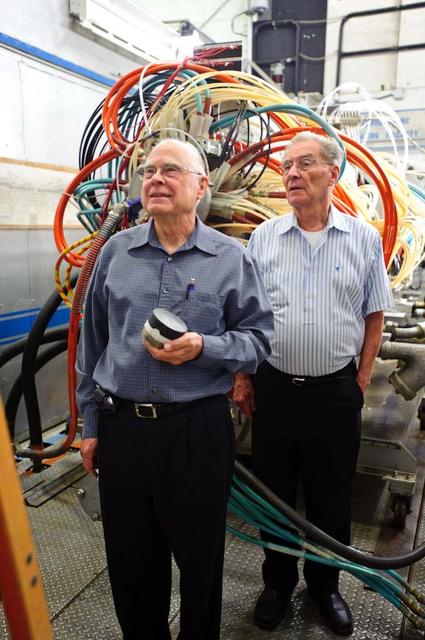
Dr William 'Bill' Borucki, NASA Ames Scientist on the Kepler Mission and John W. 'Jack' Boyd, NASA Ames Historian at the Ames Arc Jet Complex, Aerodynamic Heating Facility talking with a Mercury News photographer about the Kepler Mission and the 40th Anniversary of the Apollo 11 Mission.