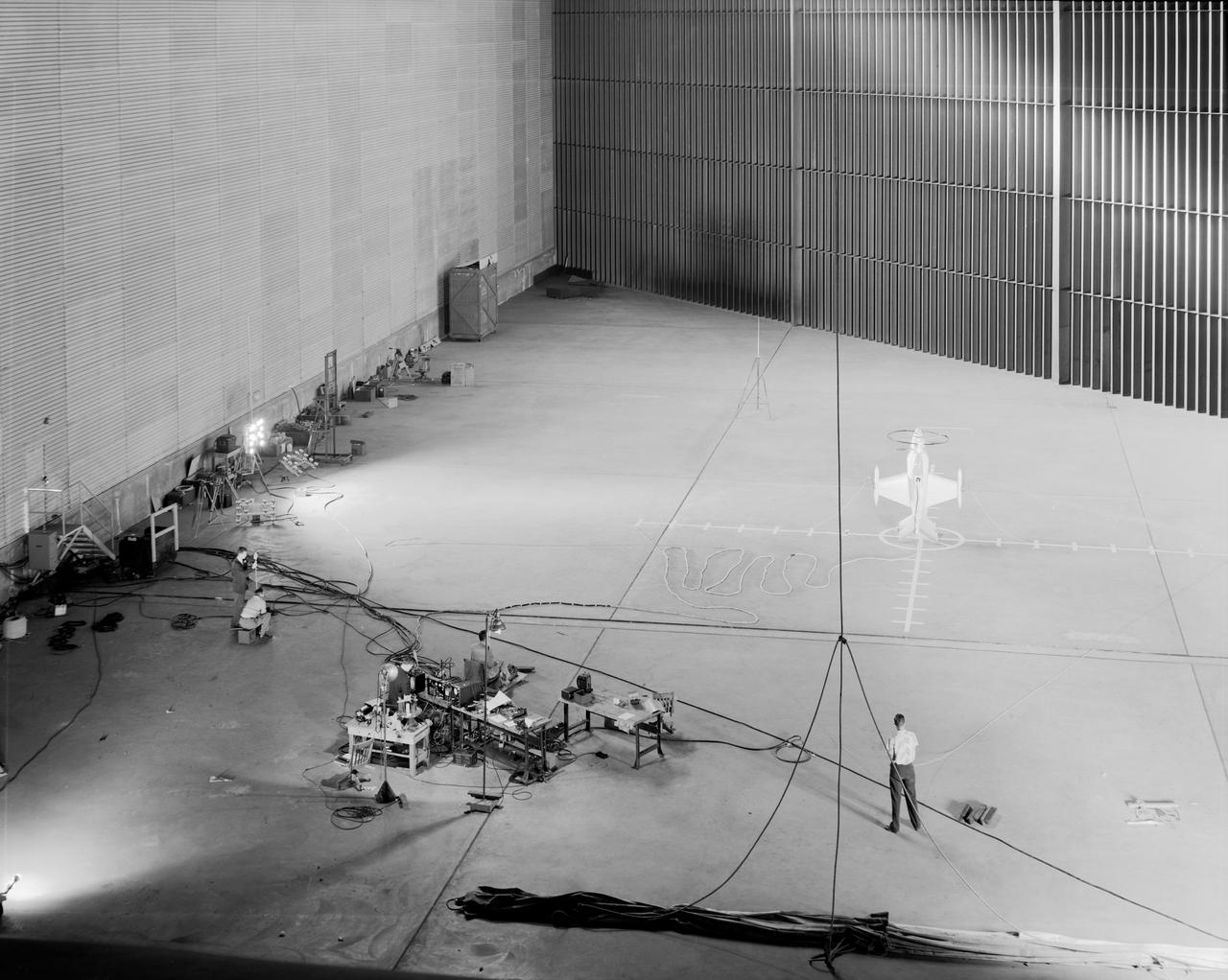
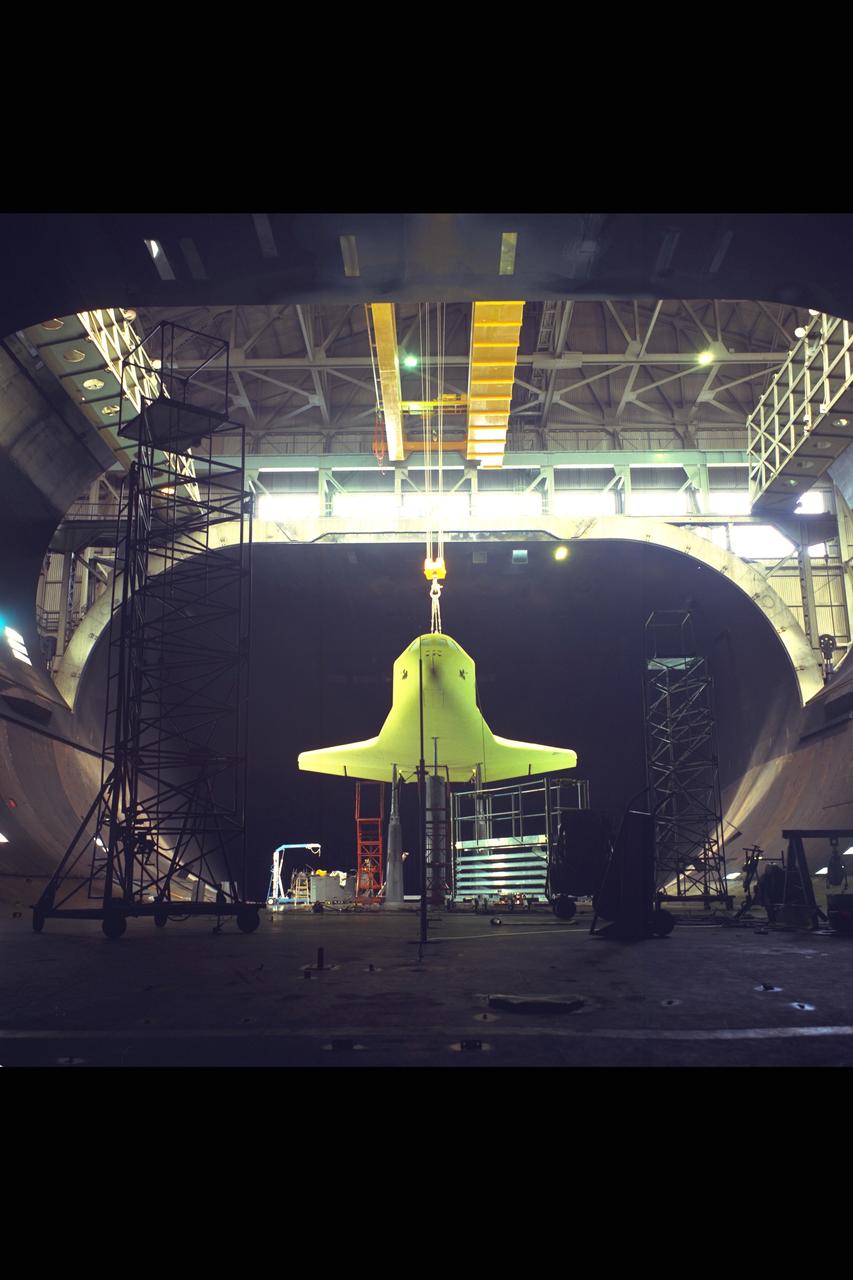
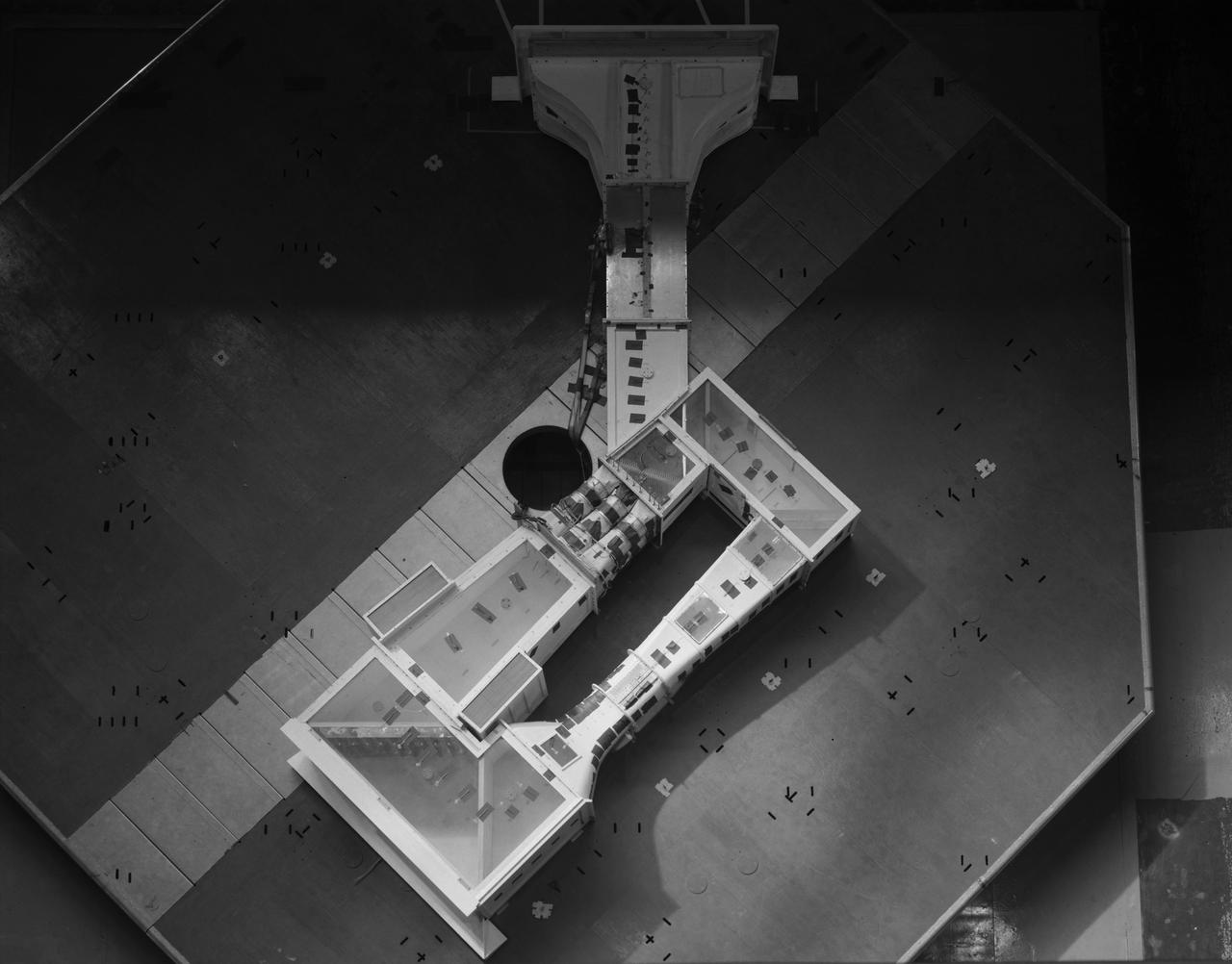
(03/12/1976) Overhead view of 1/50 scale model of the 80x120 foot wind tunnel model (NFAC) in the test section of the 40x80 wind tunnel at NASA Ames. Model mounted on a rotating ground board designed for this test.
1/50 Scale Model Of The 80X120 Foot Wind Tunnel Model (NFAC) In The Test Section Of The 40X80 Wind Tunnel At Nasa Ames.
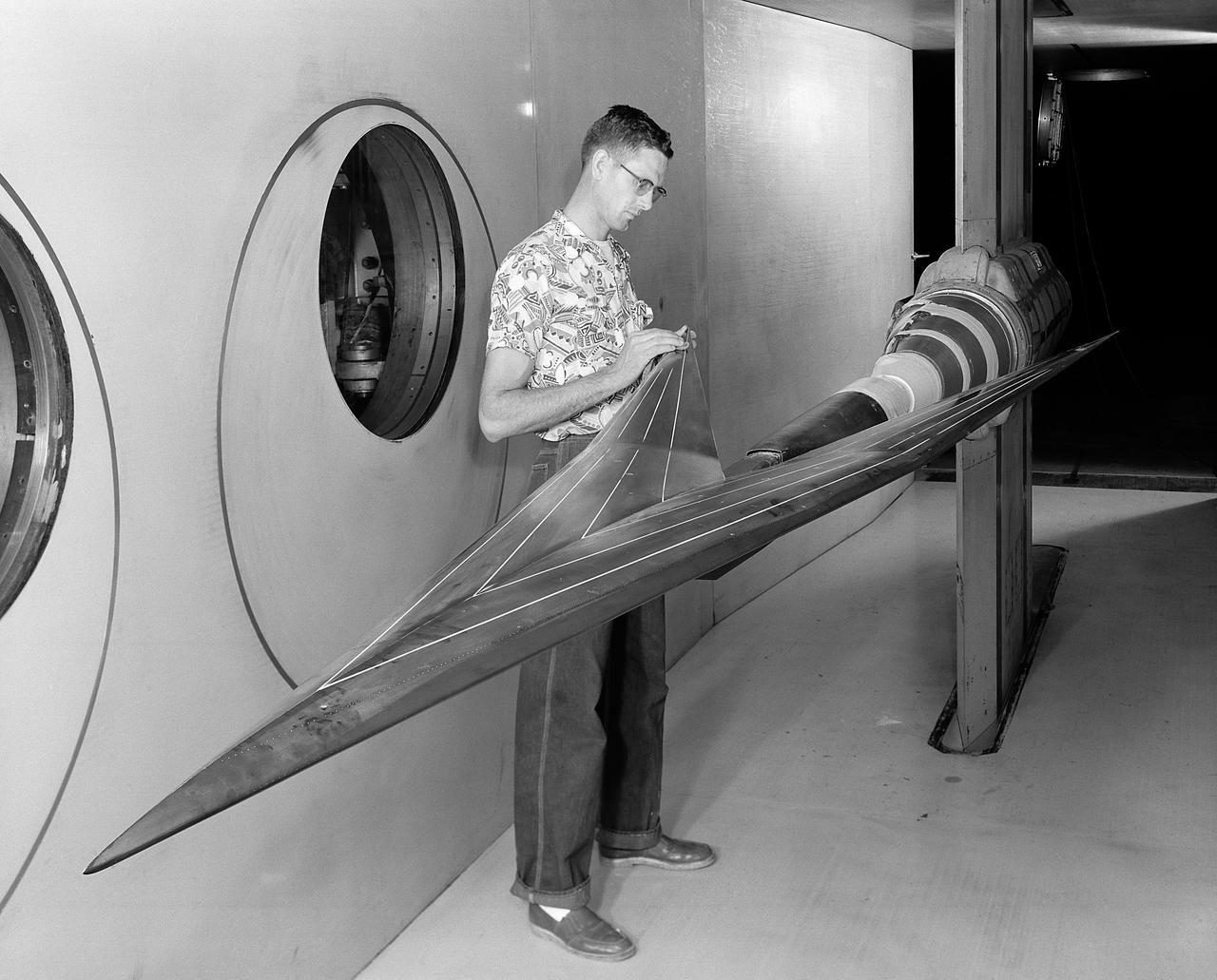
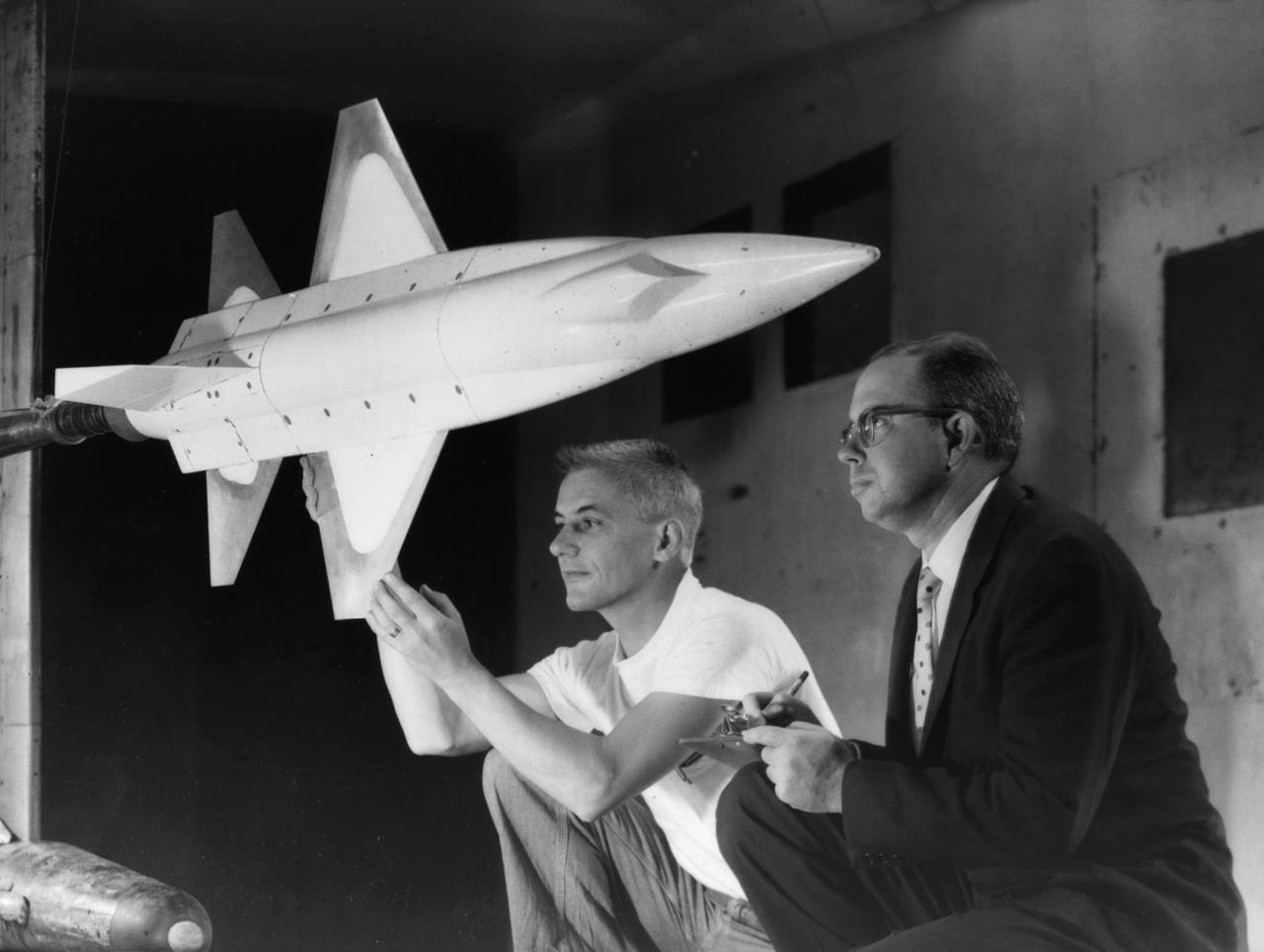
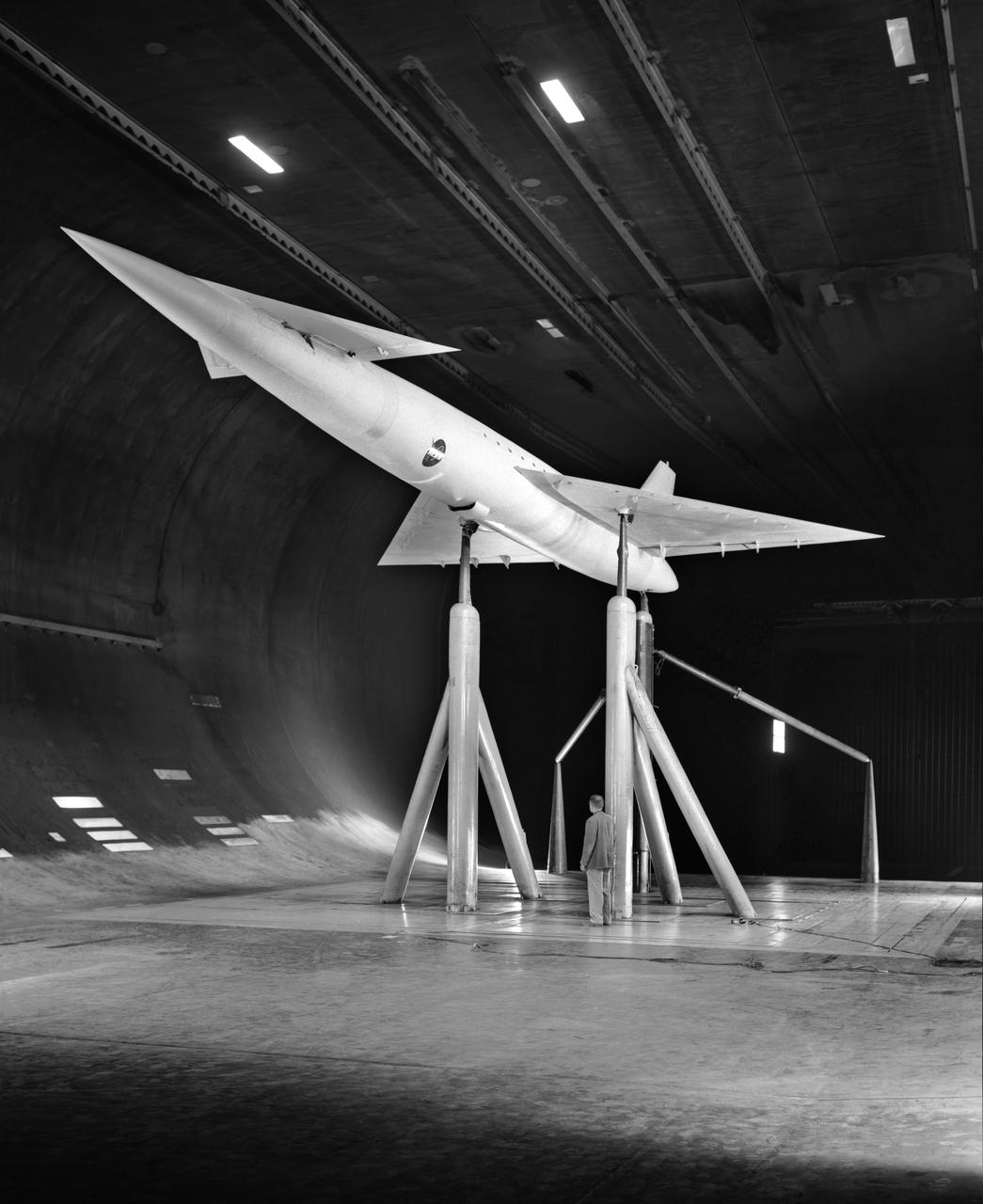
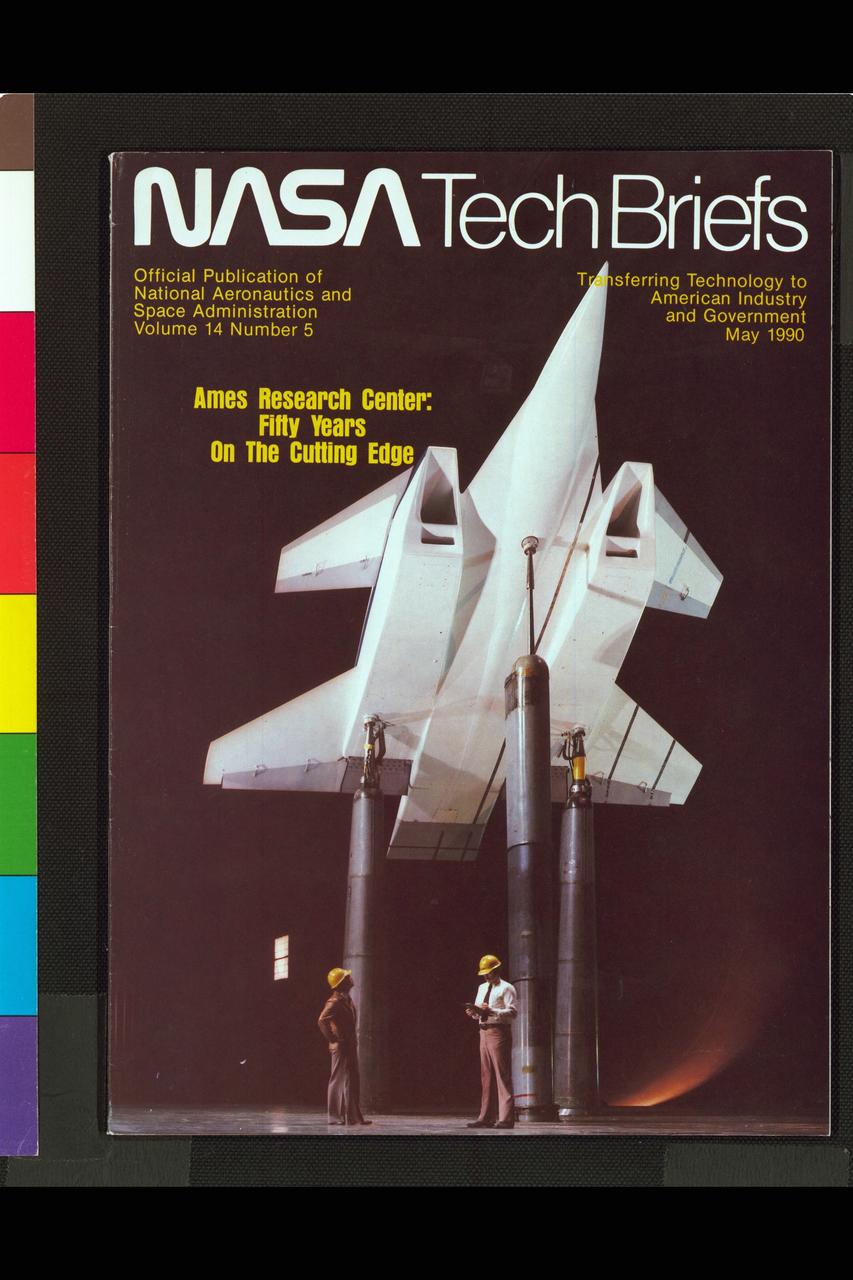
A chambered and twisted wing-body. Arrow wing hypersonic model tested in the 6x6 foot wind tunnel at the NASA Ames Research Center.
Arrow Wing Model in the 6x6 Foot Wind Tunnel at NASA Ames.
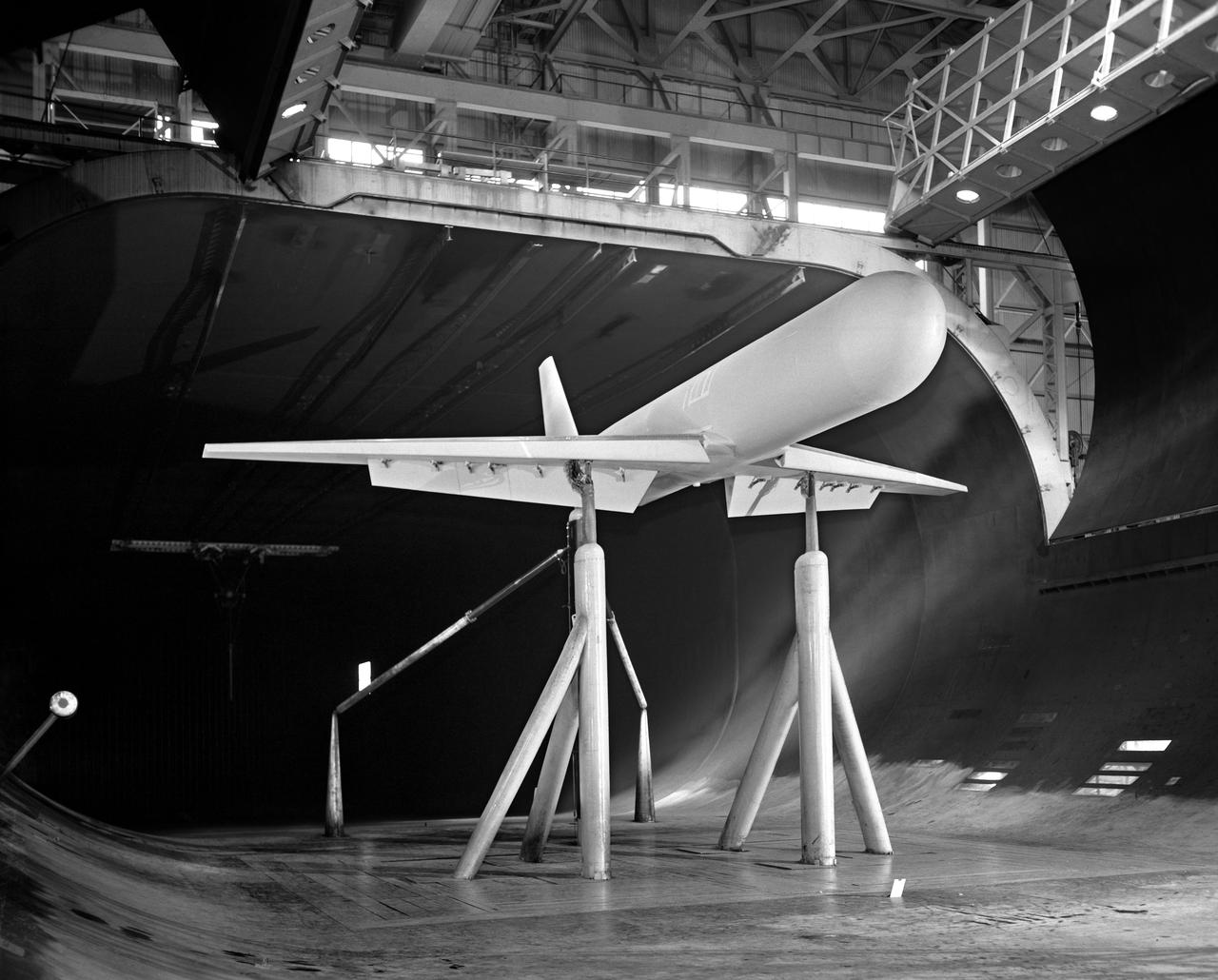
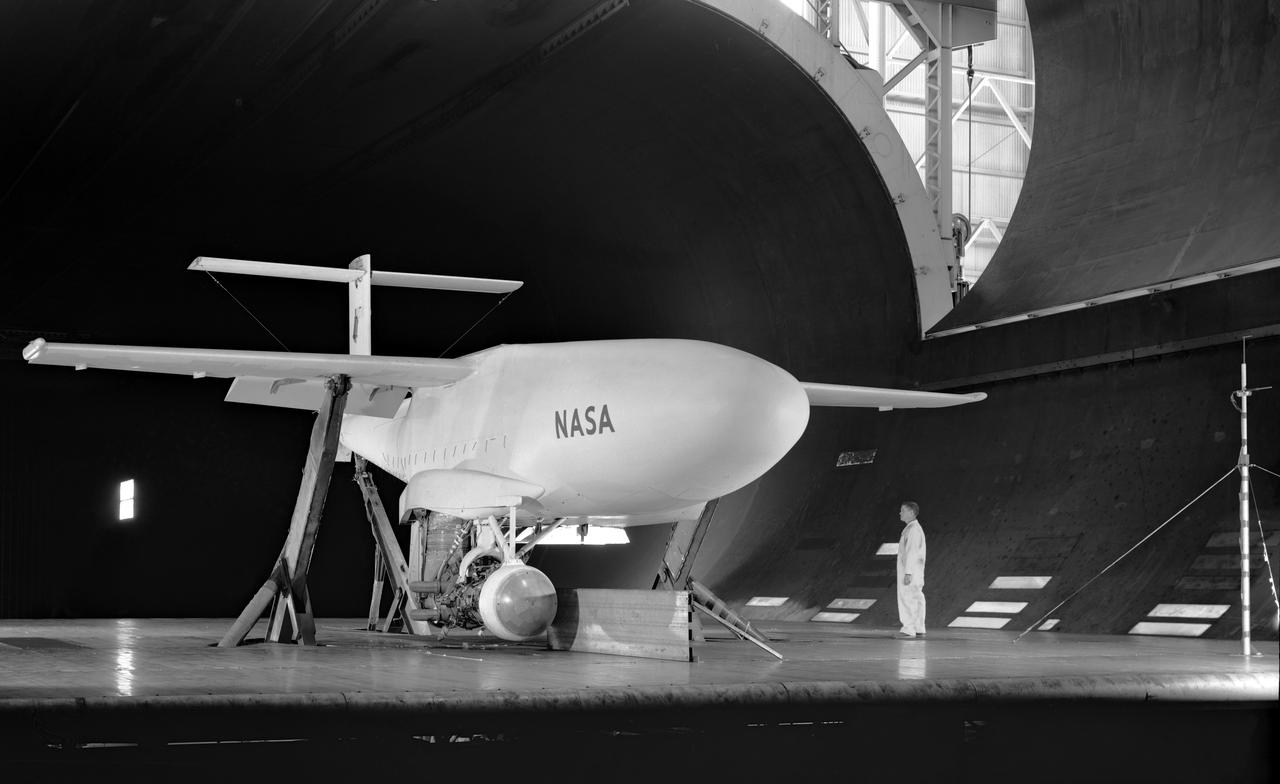
3/4 front view of model without nacelles on regular struts. Generalized Subsonic Jet Transport model with leading edge and trailing edge blowing BLC in the 40x80 foot wind tunnel at NASA Ames.
Generalized Subsonic Jet Transport in 40x80 Foot Wind Tunnel at NASA Ames.
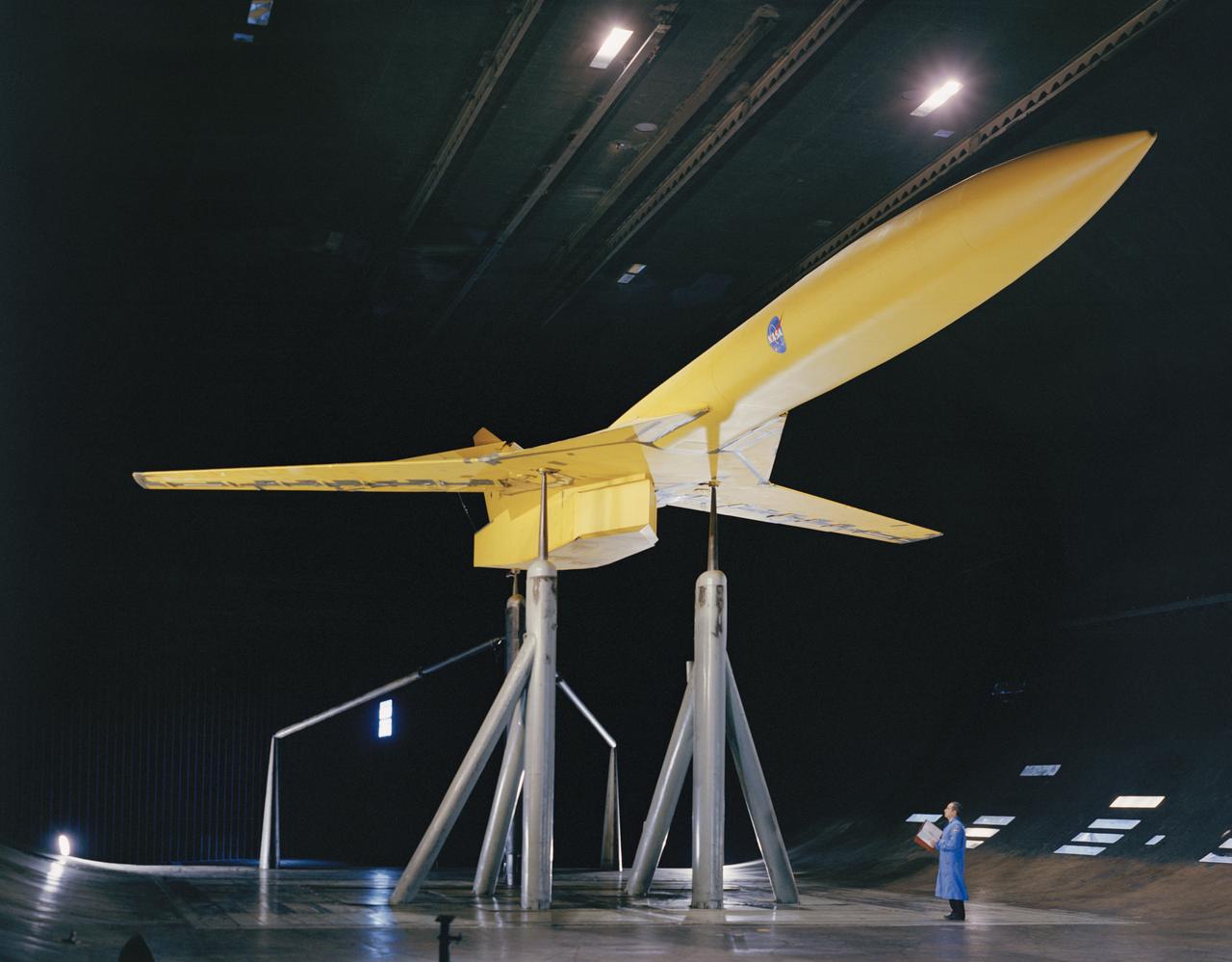
3/4 view of model in cruise configuration with 25 deg. Sweep, AR=6.9. SCAT-16; Variable Sweep Model in 40x80 Wind Tunnel at NASA Ames.
SCAT-16; Variable Sweep Model in 40x80 Wind Tunnel at NASA Ames.
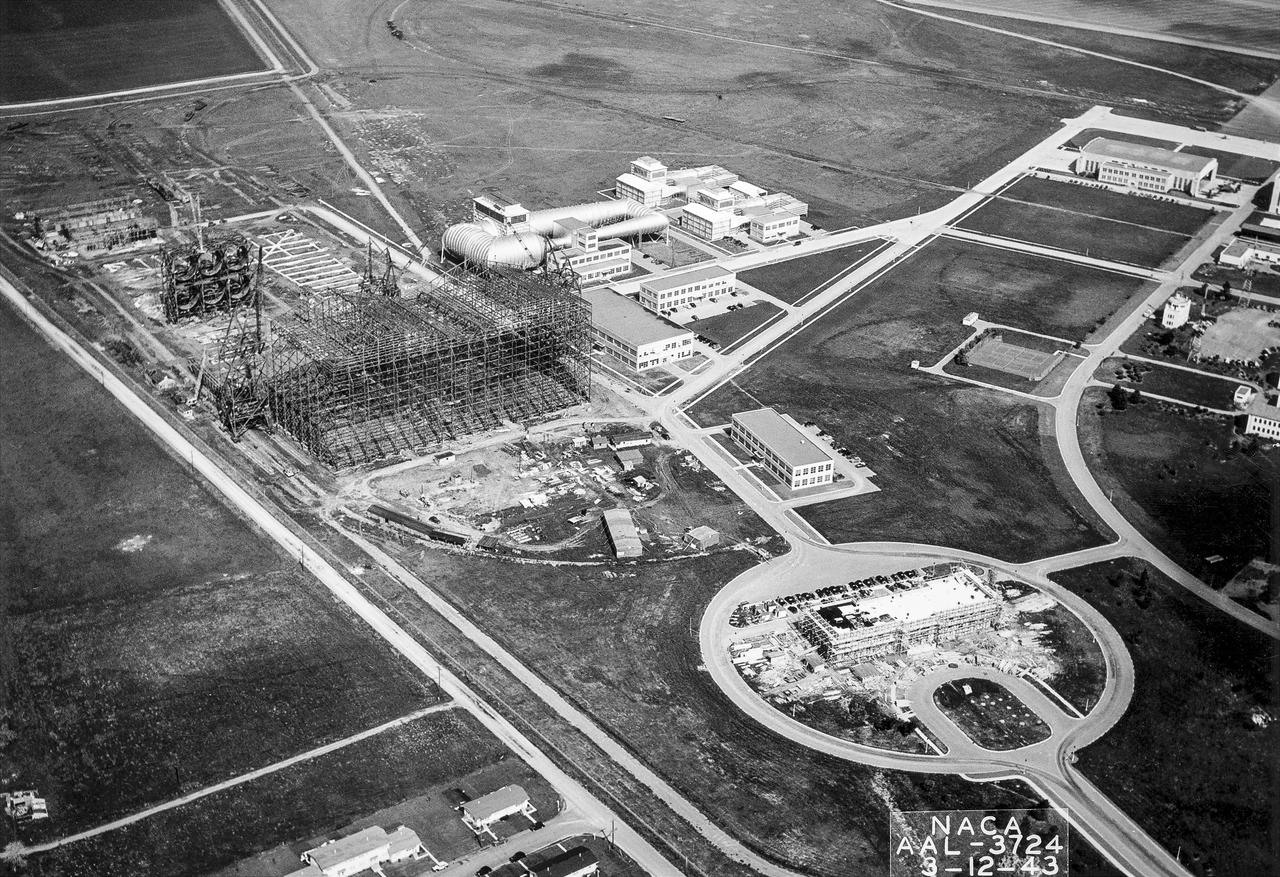
(03/12/1943) Aerial view of the site from the 40x80 wind tunnel At NASA Ames Research Center. Site includes the 16 foot and 7x10 wind tunnels in the background.  Building 200 also under construction.  Framing for the drive fans of the 40x80 in scene.
Aerial View Of The Site From The 40x80 Foot Wind Tunnel At Nasa Ames Research Center.
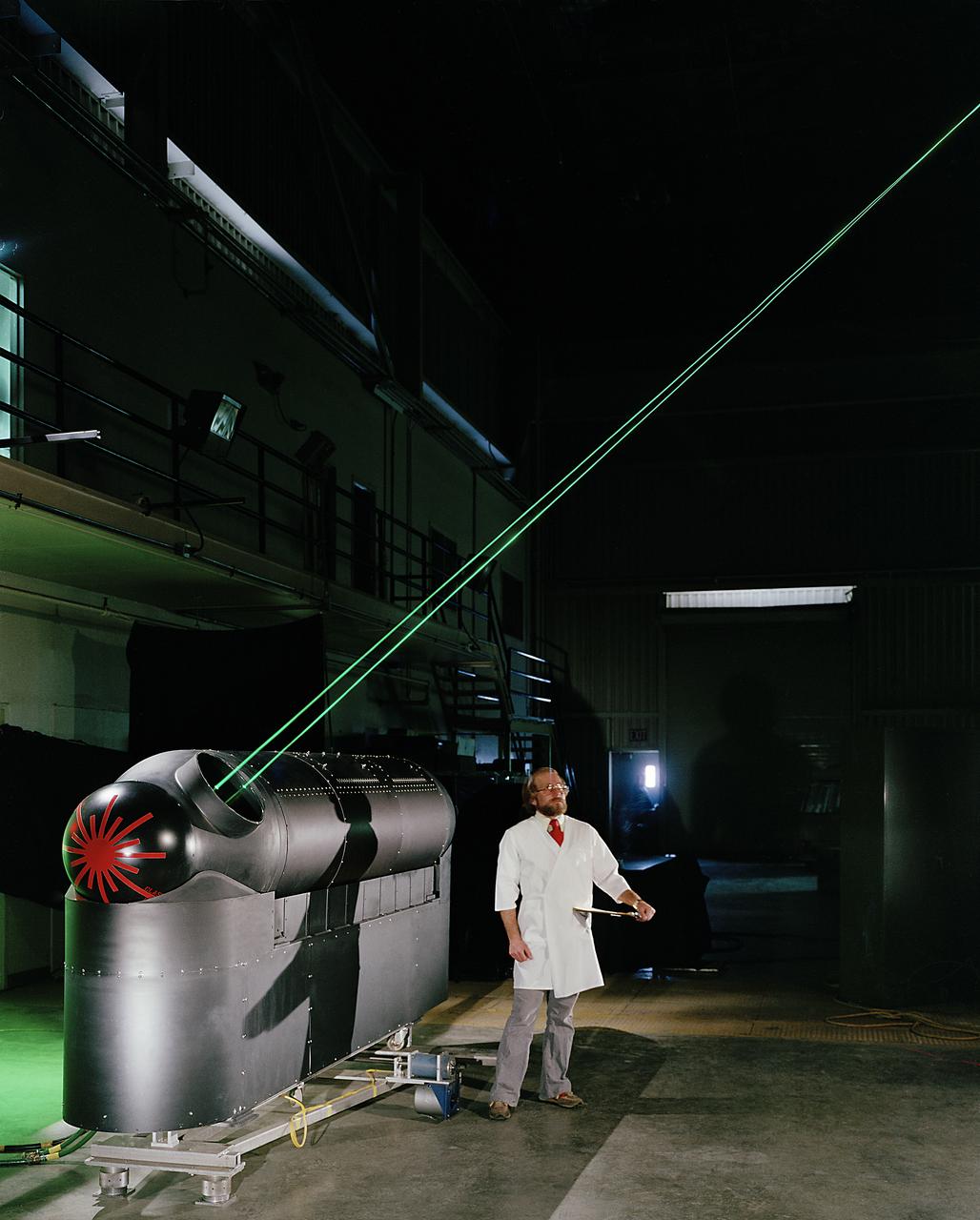
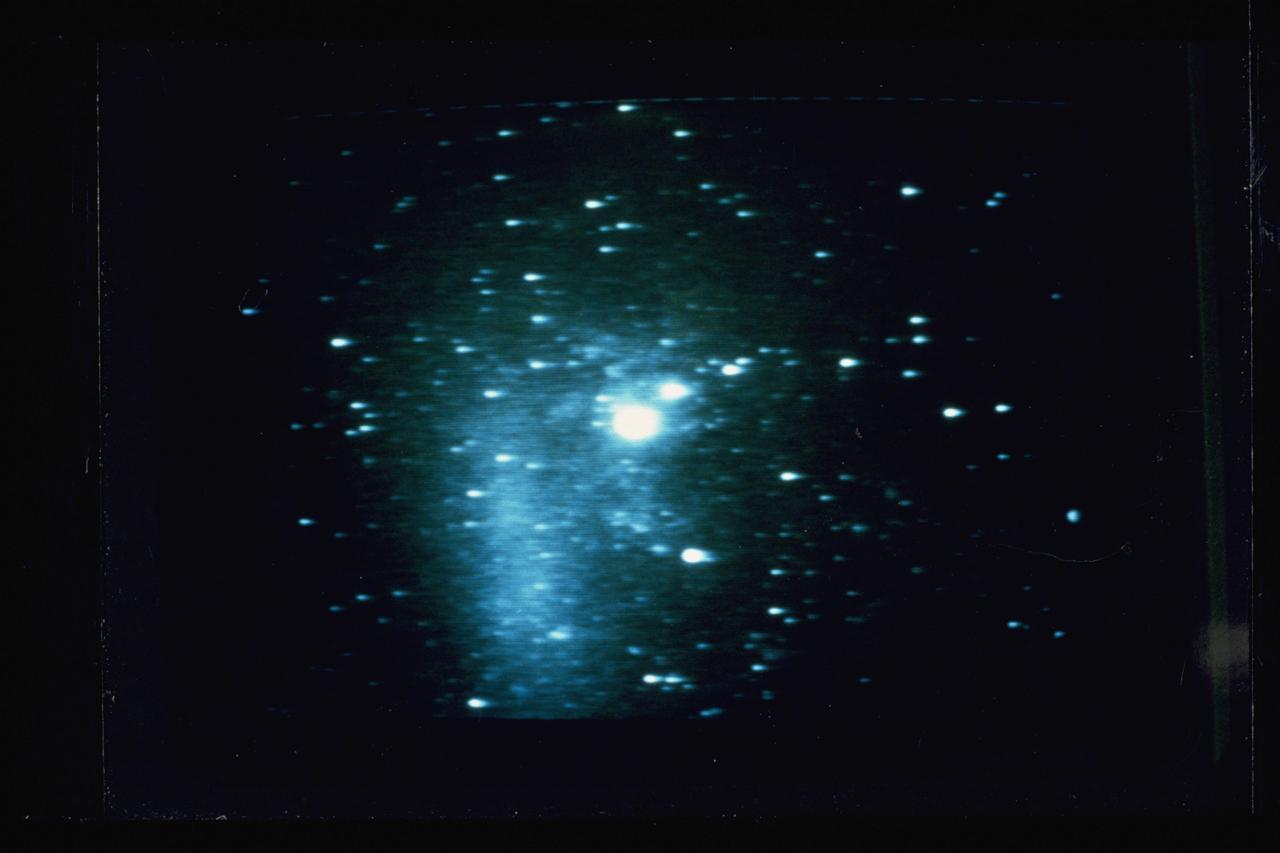
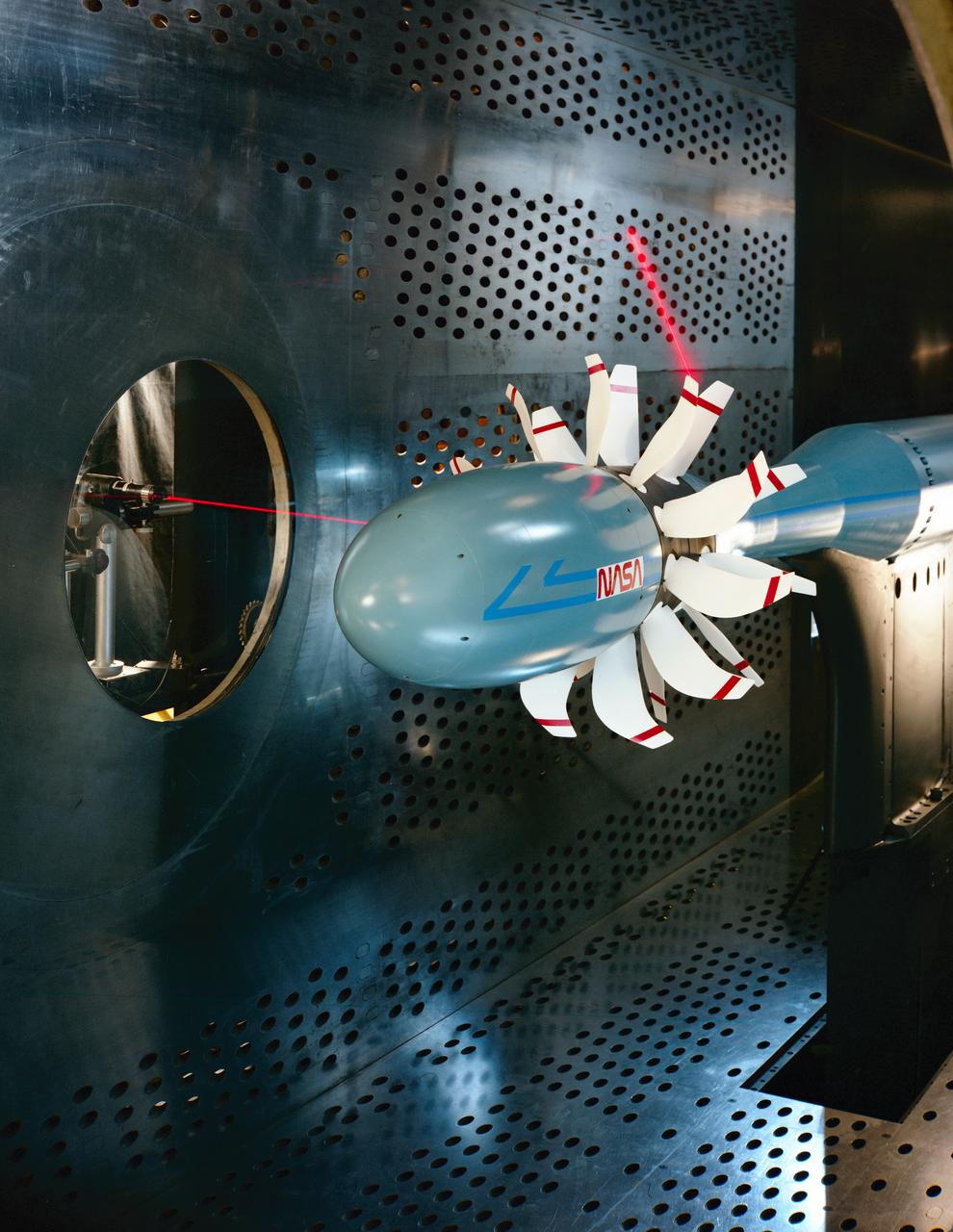
Long Range Laser Velocimeter in 40x80x120 Foot Wind Tunnel at NASA Ames. For use in NFAC.
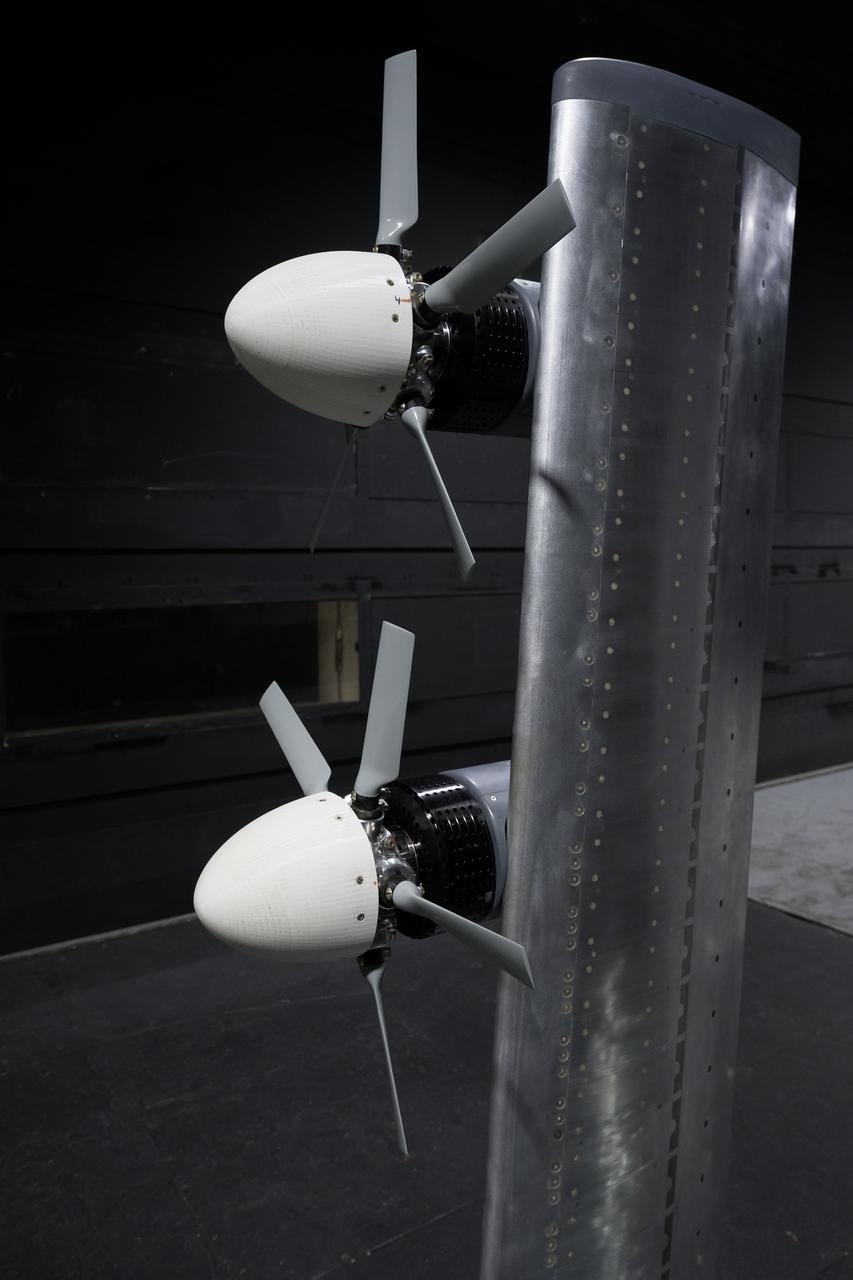
In May and June, NASA researchers tested a 7-foot wing model in the 14-by-22-Foot Subsonic Wind Tunnel at NASA’s Langley Research Center in Hampton, Virginia. The team collected data on critical propeller-wing interactions over the course of several weeks
NASA Tests Advanced Air Mobility Aircraft Wing in Langley Wind Tunnel
The 10- by 10-Foot Supersonic Wind Tunnel (10×10) is the largest and fastest wind tunnel facility at NASA’s Glenn Research Center and is specifically designed to test supersonic propulsion components from inlets and nozzles to full-scale jet and rocket engines.
10 x 10 Wind Tunnel
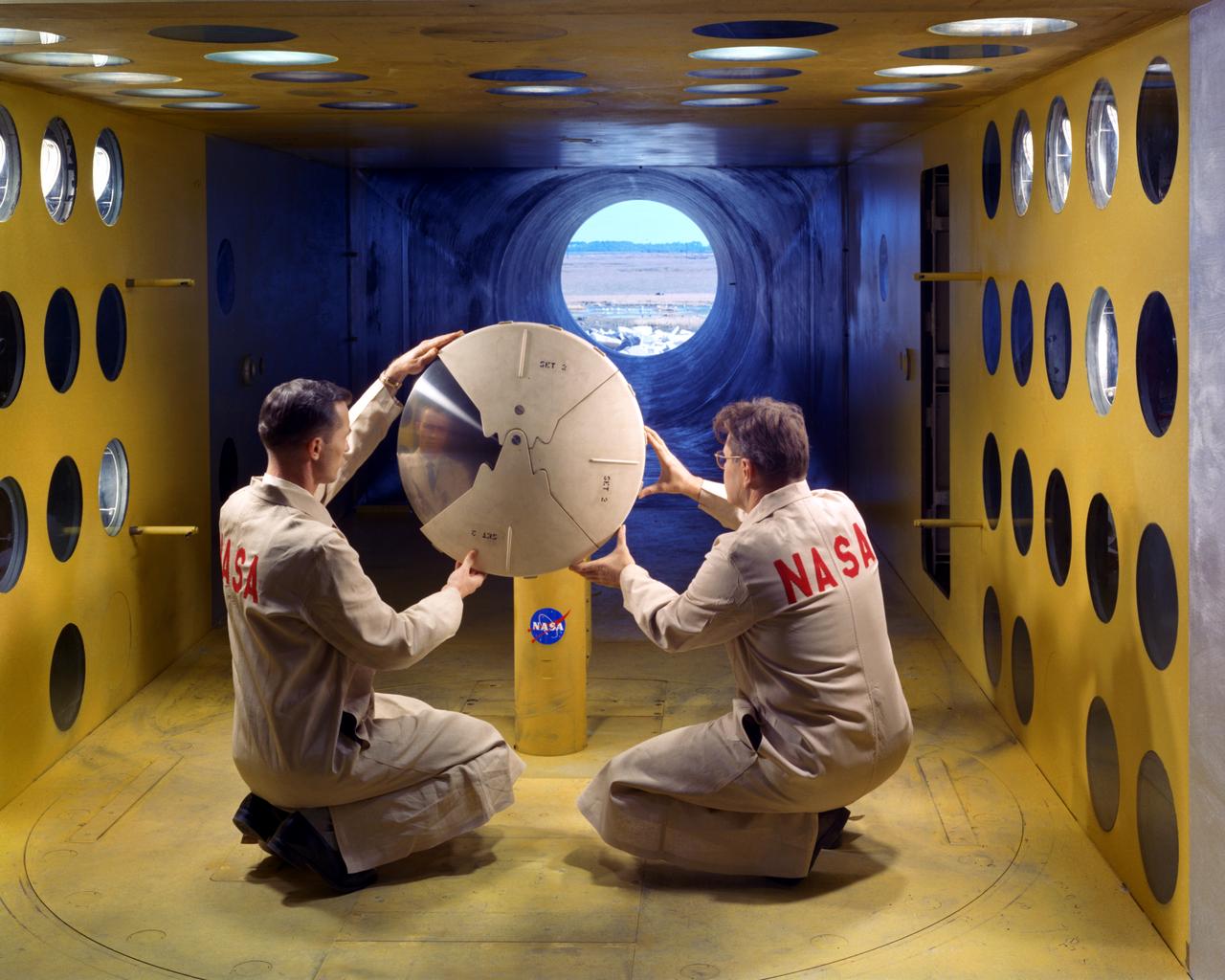
NASA employees Broderic J. Gonzalez, left, and David W. Shank, right, install pieces of a 7-foot wing model in preparation for testing in the 14-by-22-Foot Subsonic Wind Tunnel at NASA's Langley Research Center in Hampton, Virginia, in May 2025. The lessons learned from this testing will be shared with the public to support advanced air mobility aircraft development.
NASA Tests Advanced Air Mobility Aircraft Wing in Langley Wind Tunnel
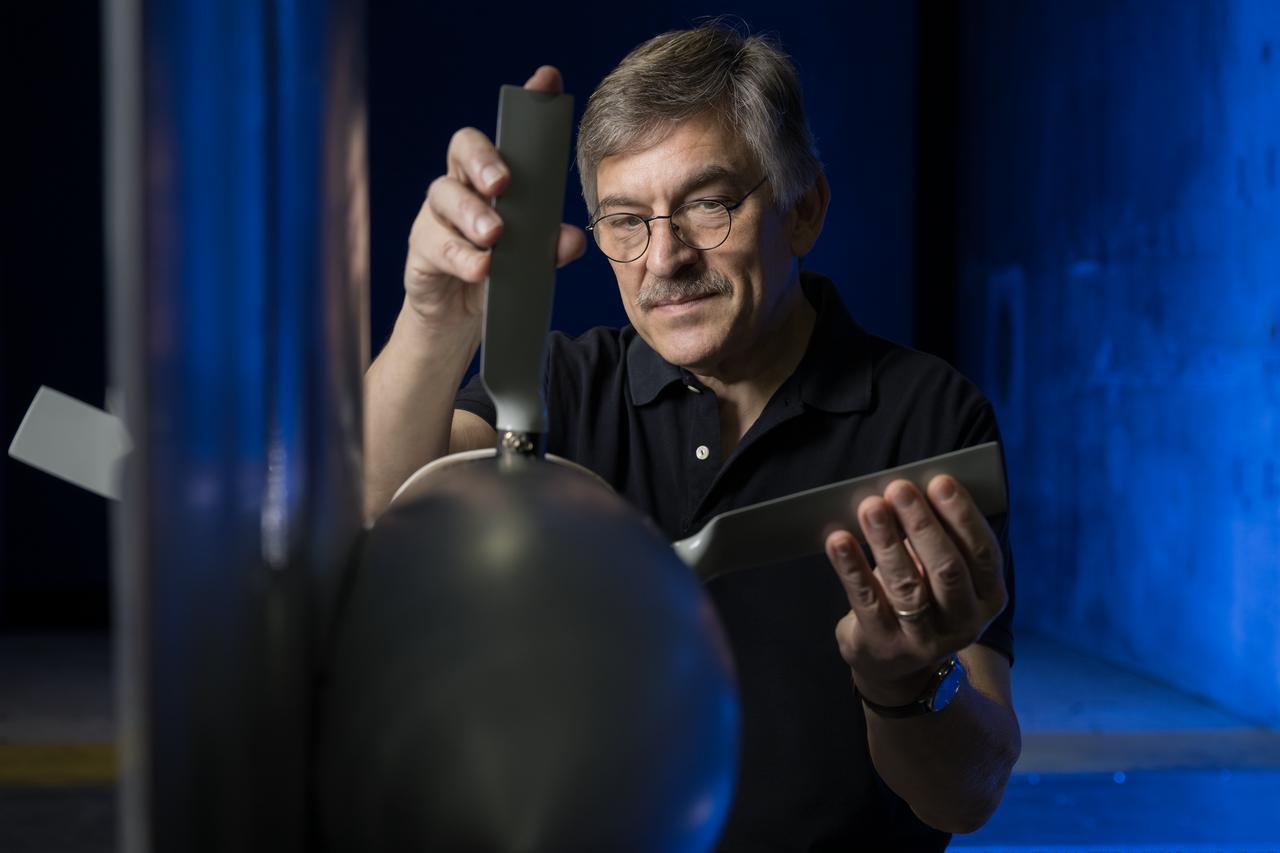
NASA researcher Norman W. Schaeffler adjusts a propellor, which is part of a 7-foot wing model that was recently tested at NASA’s Langley Research Center in Hampton, Virginia. In May and June, NASA researchers tested the wing in the 14-by-22-Foot Subsonic Wind Tunnel to collect data on critical propeller-wing interactions. The lessons learned from this testing will be shared with the public to support advanced air mobility aircraft development.
NASA Tests Advanced Air Mobility Aircraft Wing in Langley Wind Tunnel
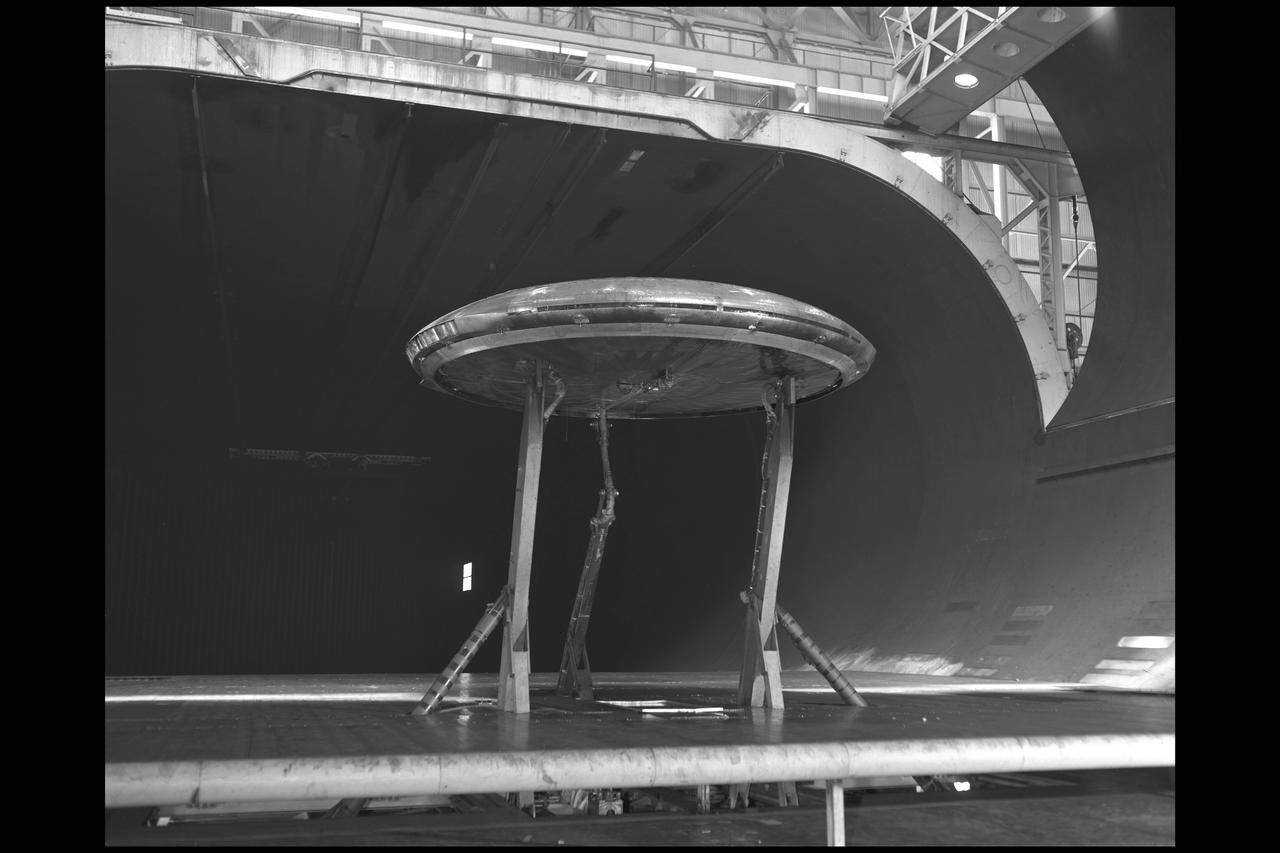
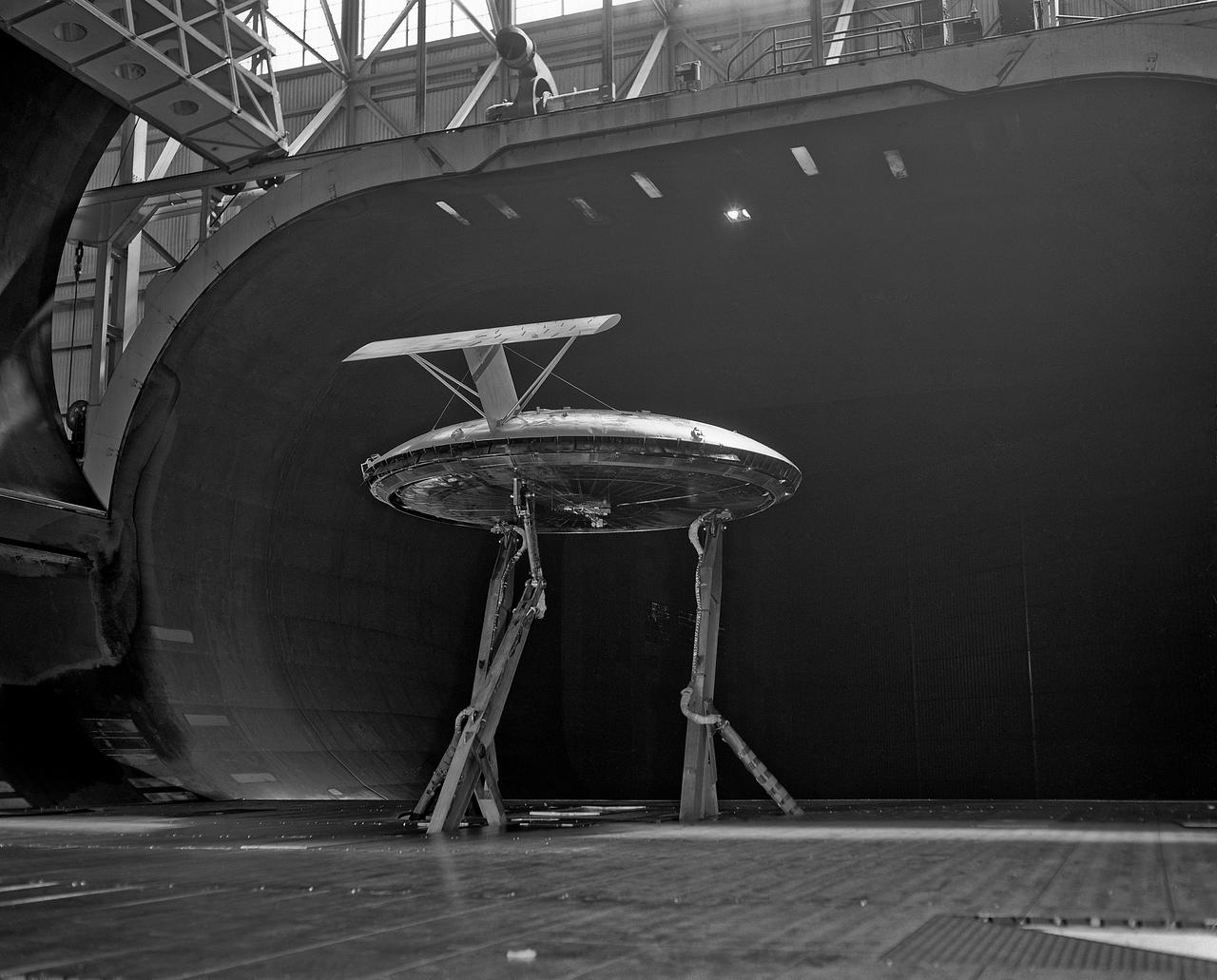
Front view of the Avrocar on variable height struts in 40x 80 wind tunnel with overhead doors open.
AVROCAR tested in the NASA Ames 40x80ft Wind Tunnel
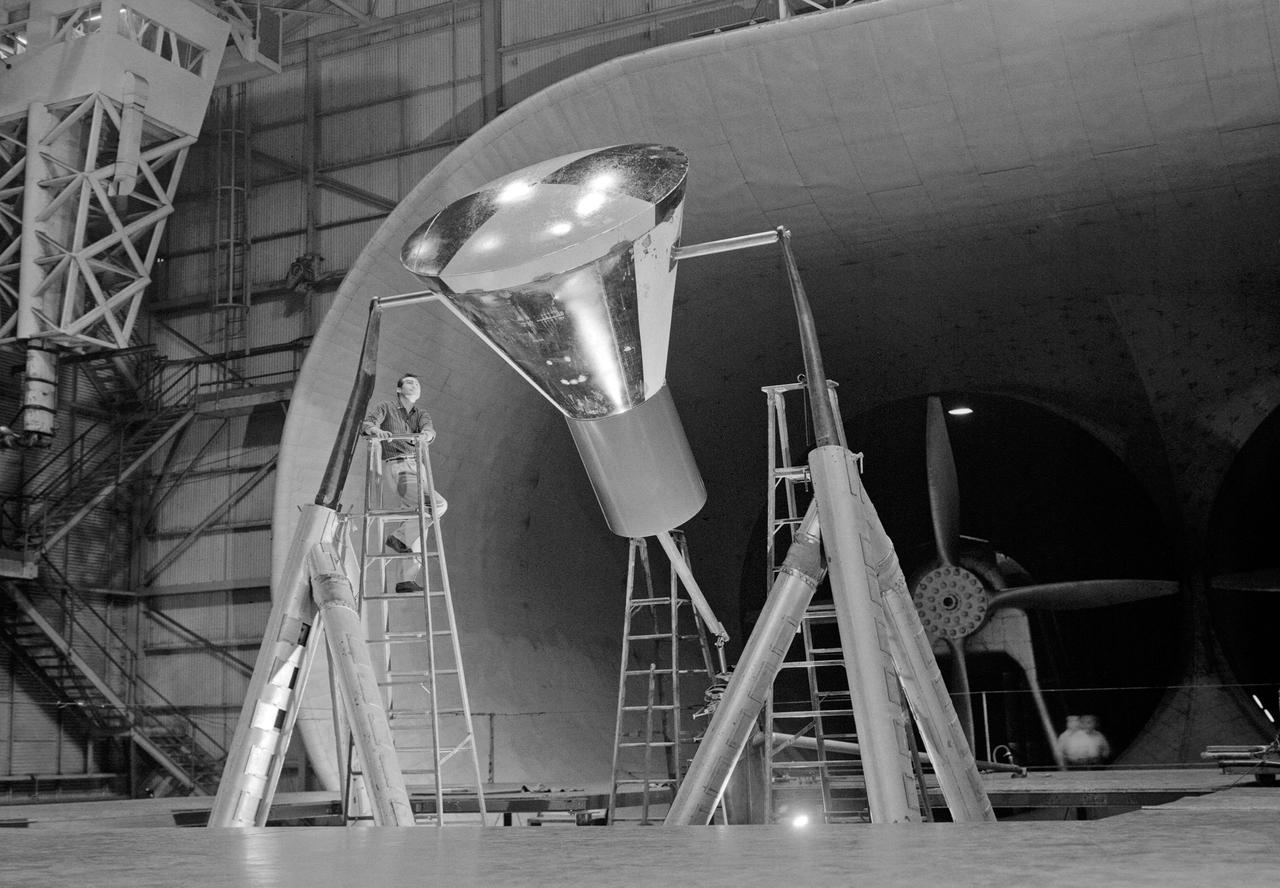
The Mercury space capsule undergoing tests in Full Scale Wind Tunnel, January 1959. Photograph published in Winds of Change, 75th Anniversary NASA publication, page 75, by James Schultz. Also Photograph published in Engineer in Charge: A History of the Langley Aeronautical Laboratory, 1917-1958, page 389, by James R. Hansen.
Space capsule mounted in the Full Scale Wind Tunnel
A 1/10th Scale Model of the X-15 research plane is prepared in Langley's 7 x 10 Foot Wind Tunnel for studies relating to spin characteristics. -- Photograph published in Winds of Change, 75th Anniversary NASA publication (page 66), by James Schultz.
1/10th Scale Model X-15
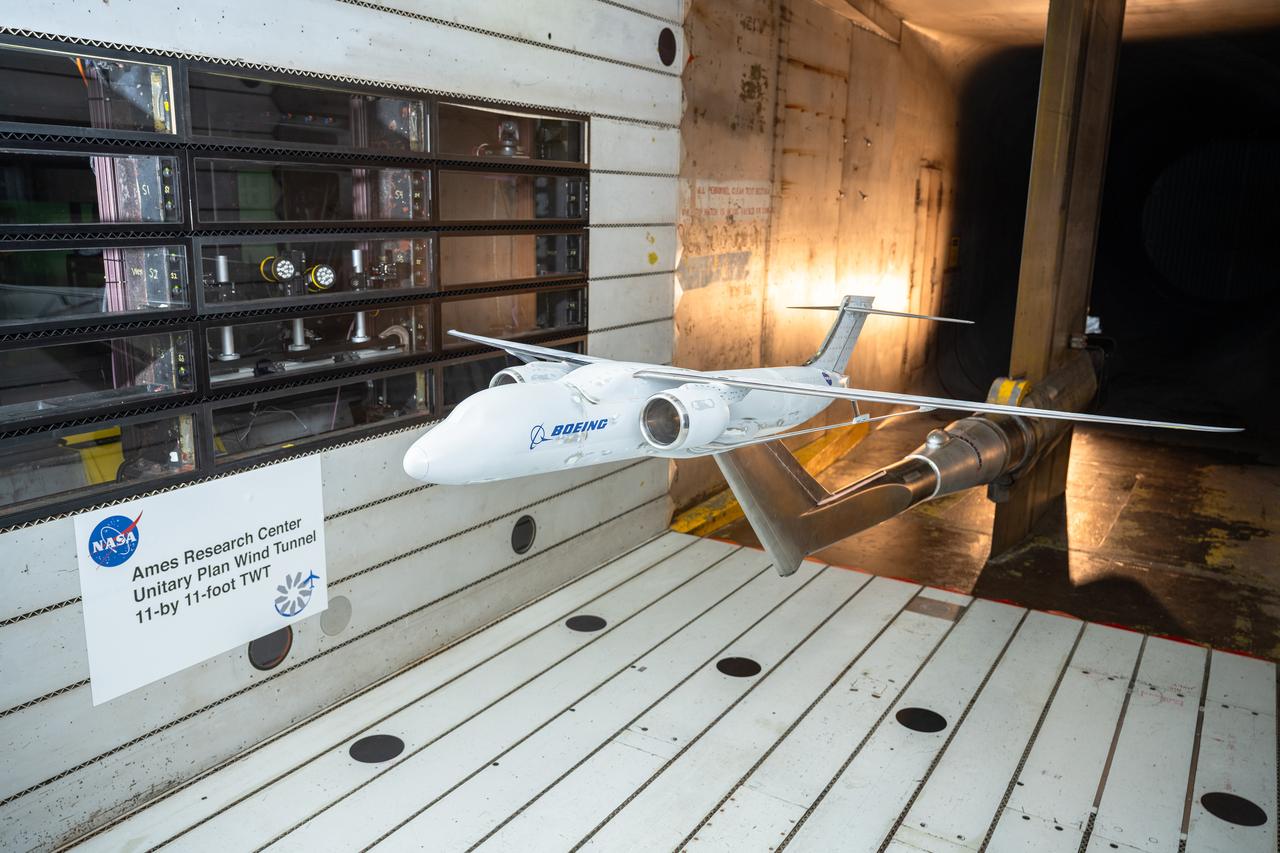
NASA’s Sustainable Flight Demonstrator project completed wind tunnel tests on a Boeing-built X-66 full-span model during a 13-week campaign between January and March 2025. The tests were completed in the 11-Foot Transonic Unitary Plan Facility at NASA’s Ames Research Center in California’s Silicon Valley. The model underwent tests in expected flight conditions to obtain engineering data to help improve the aircraft’s design and flight simulators.
NASA’s X-66 Completes Full-Span Wind Tunnel Test
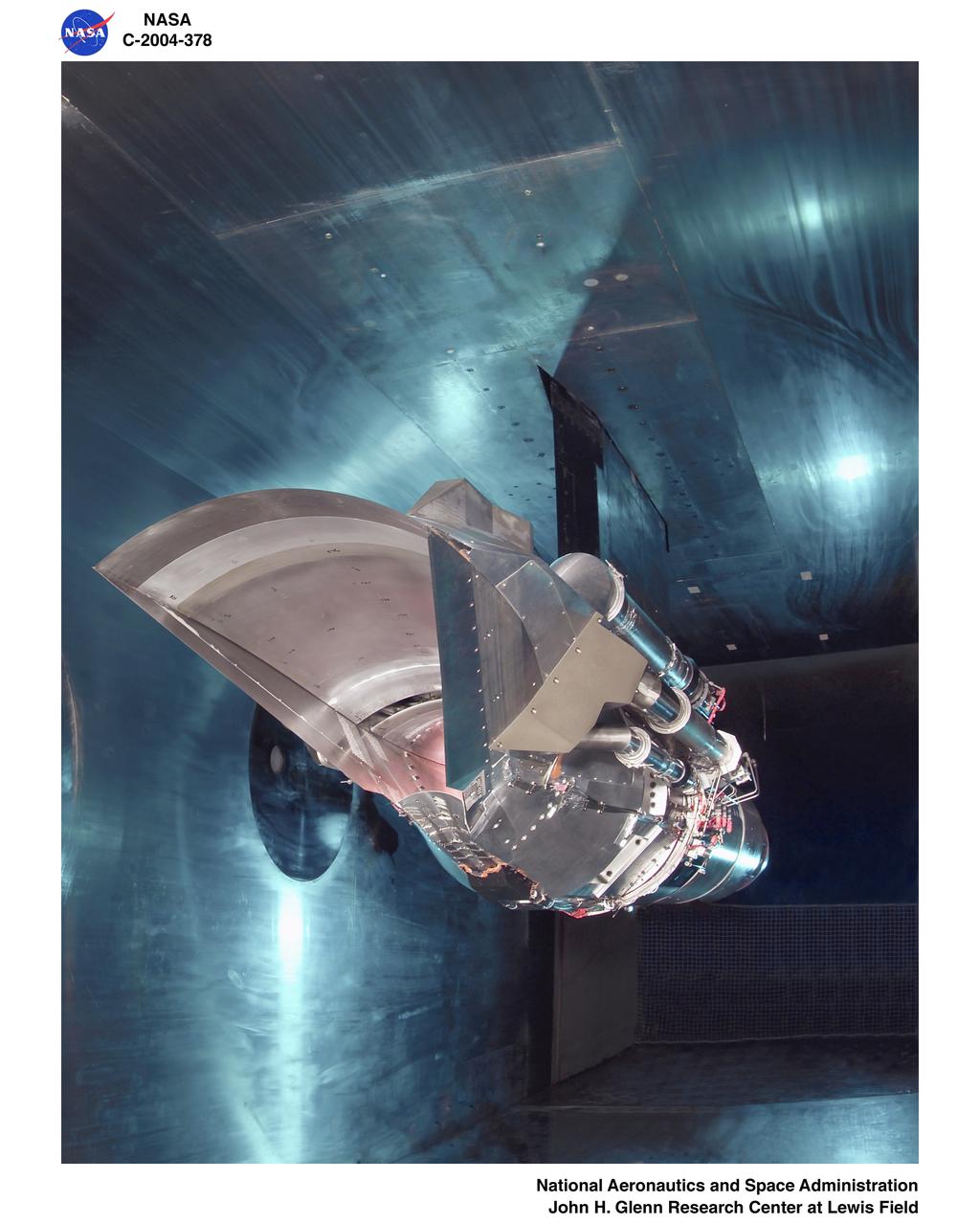
Parametric Inlet Model in 10x10 Wind Tunnel
GRC-2004-C-00378
Rear view of the Avrocar with tail, mounted on variable height struts.  Overhead doors of the wind tunnel test section open.
AVROCAR Test in the NASA Ames 40x80 foot Wind Tunnel.
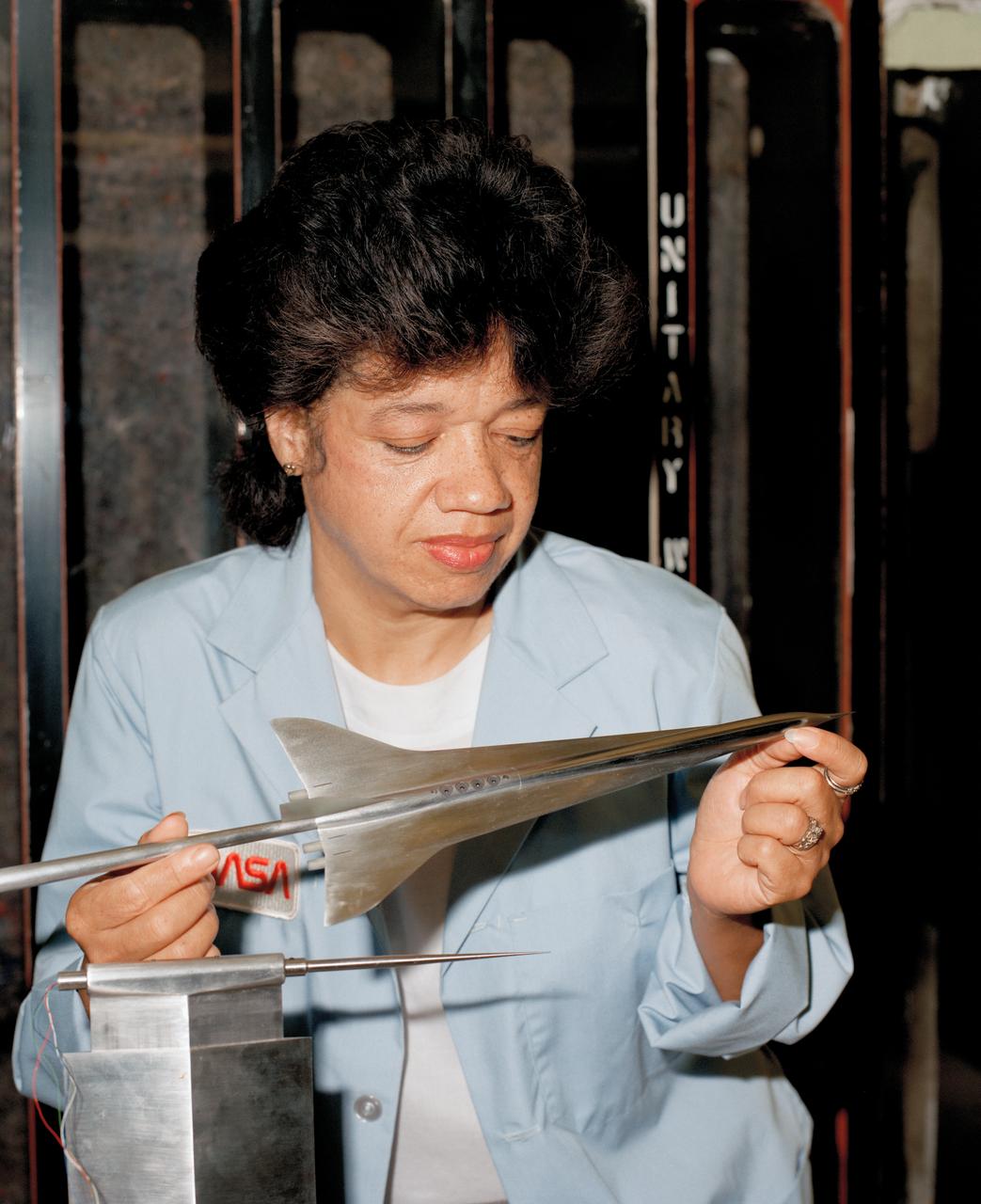
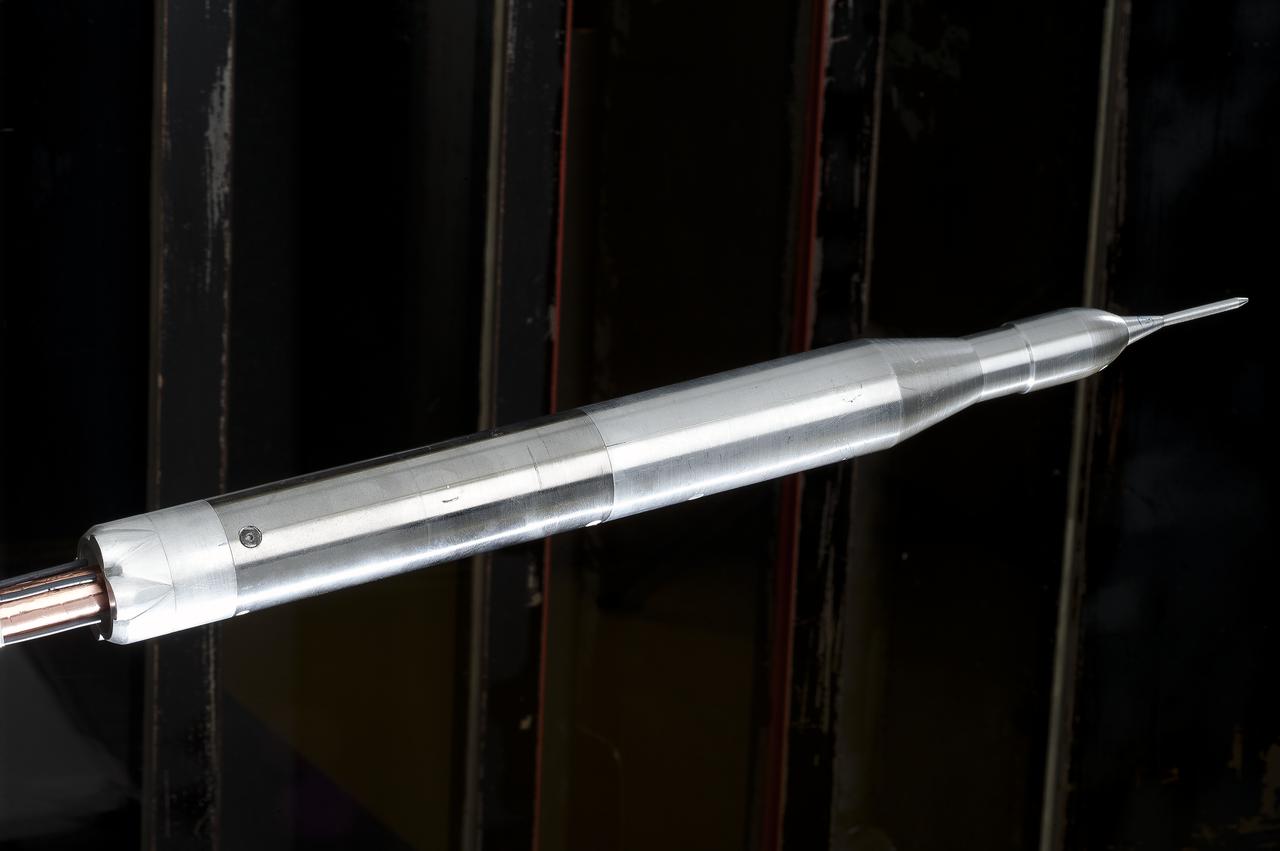
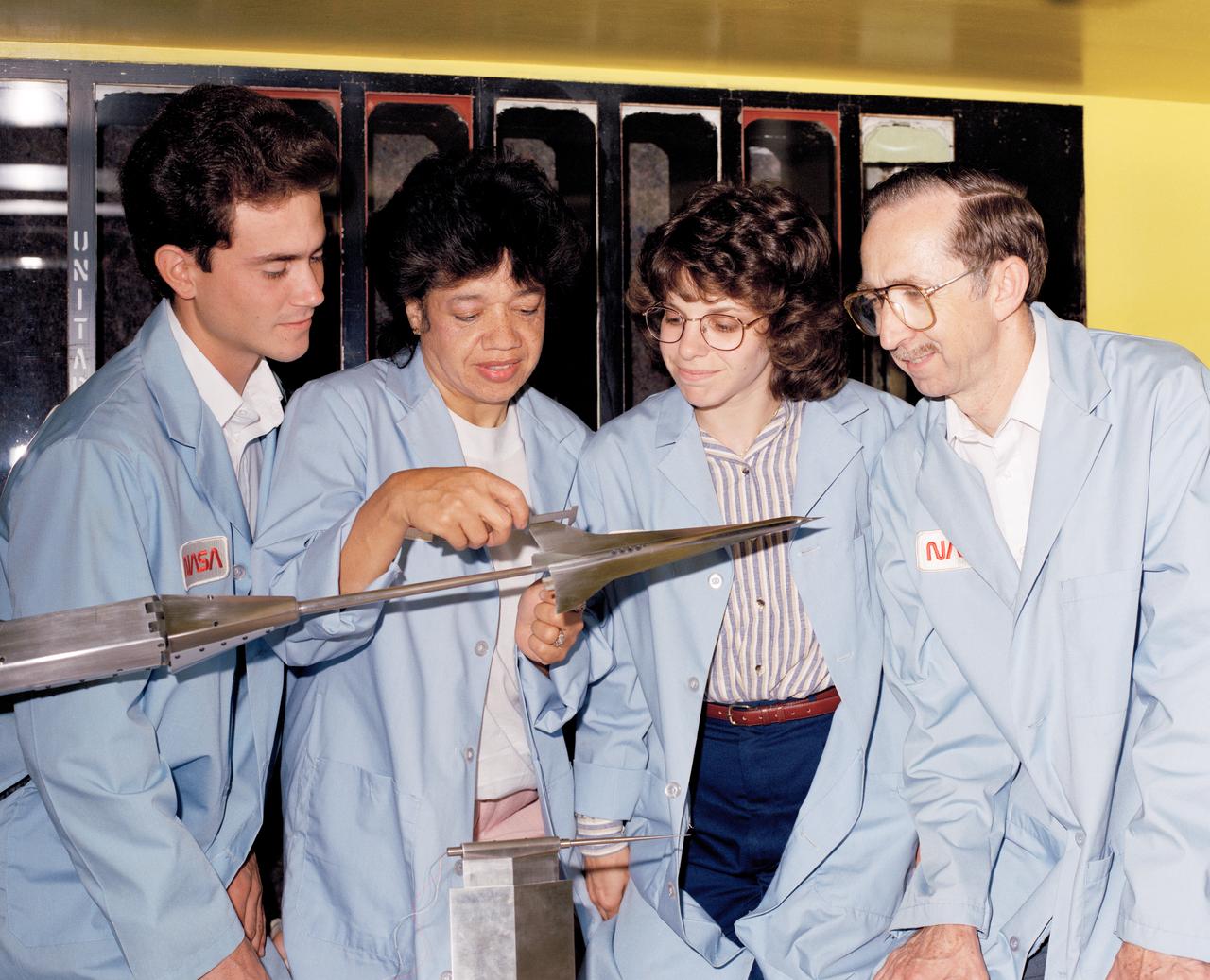
NASA Staff Dr.Darden, Matthew Overhold, Kathy Needleman, Robert Mack. Mach 3 Sonic Boom Model Wind Tunnel
Sonic Boom Model
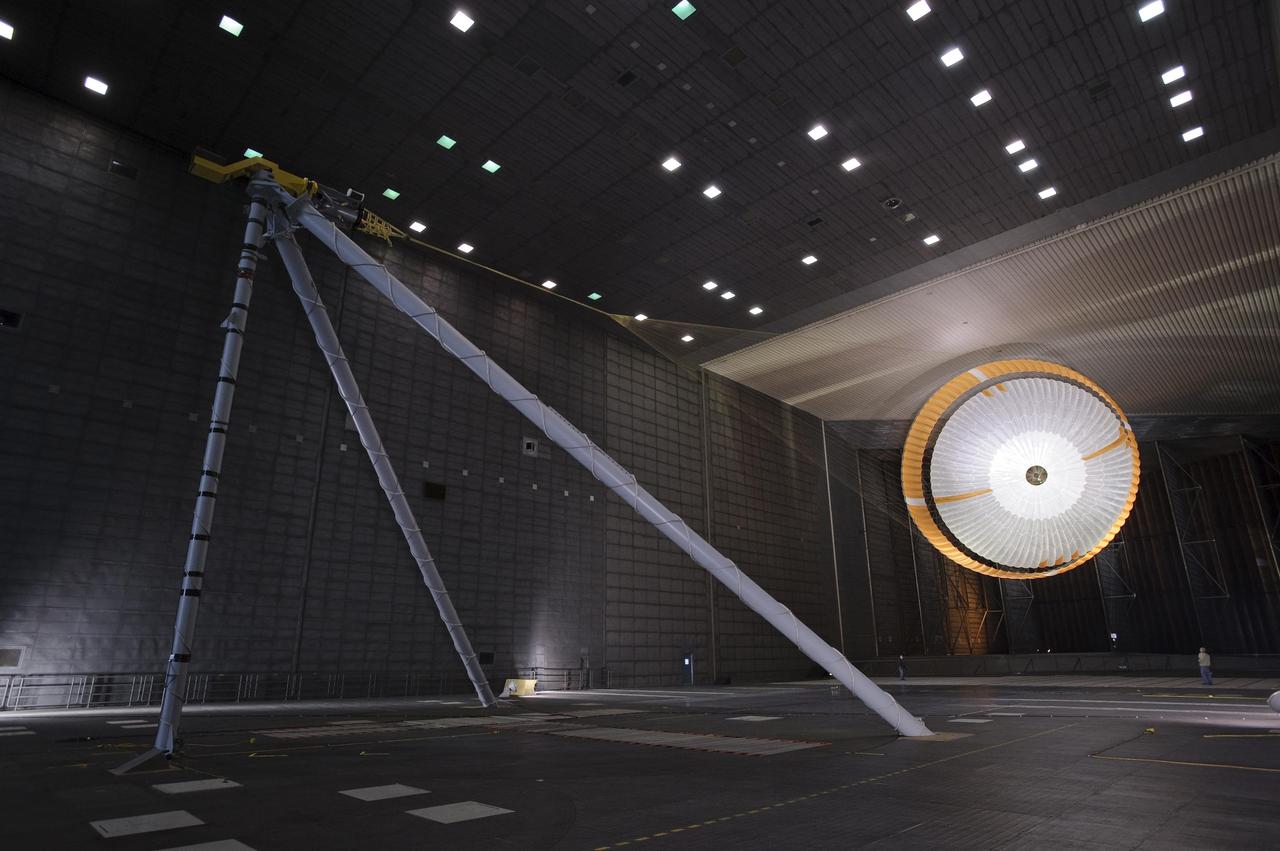
NASA Mars Exploration Rover parachute deployment testing in the world largest wind tunnel at NASA Ames Research Center, Moffet Field, Calif.
Parachute Test
X-15 launch techniques were investigated using on-twentieth scale models mounted in the 7x10 FT Tunnel. -- Photograph published in Winds of Change, 75th Anniversary NASA publication (page 67), by James Schultz. -- Photograph also published in Sixty Years of Aeronautical Research 1917-1977 - a NASA publication (page 49), by David A. Anderton.
X-15 Model in 7x10 FT Tunnel
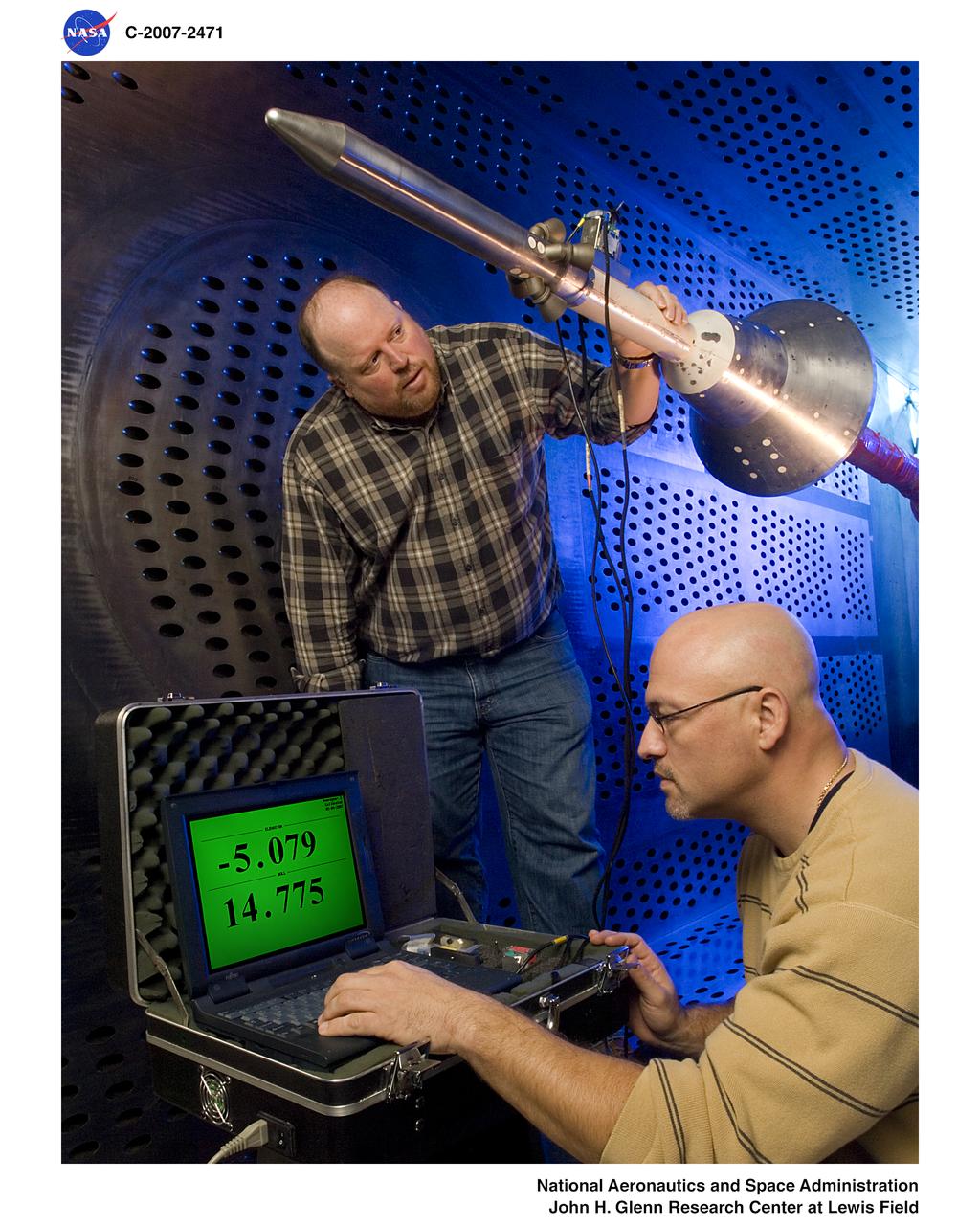
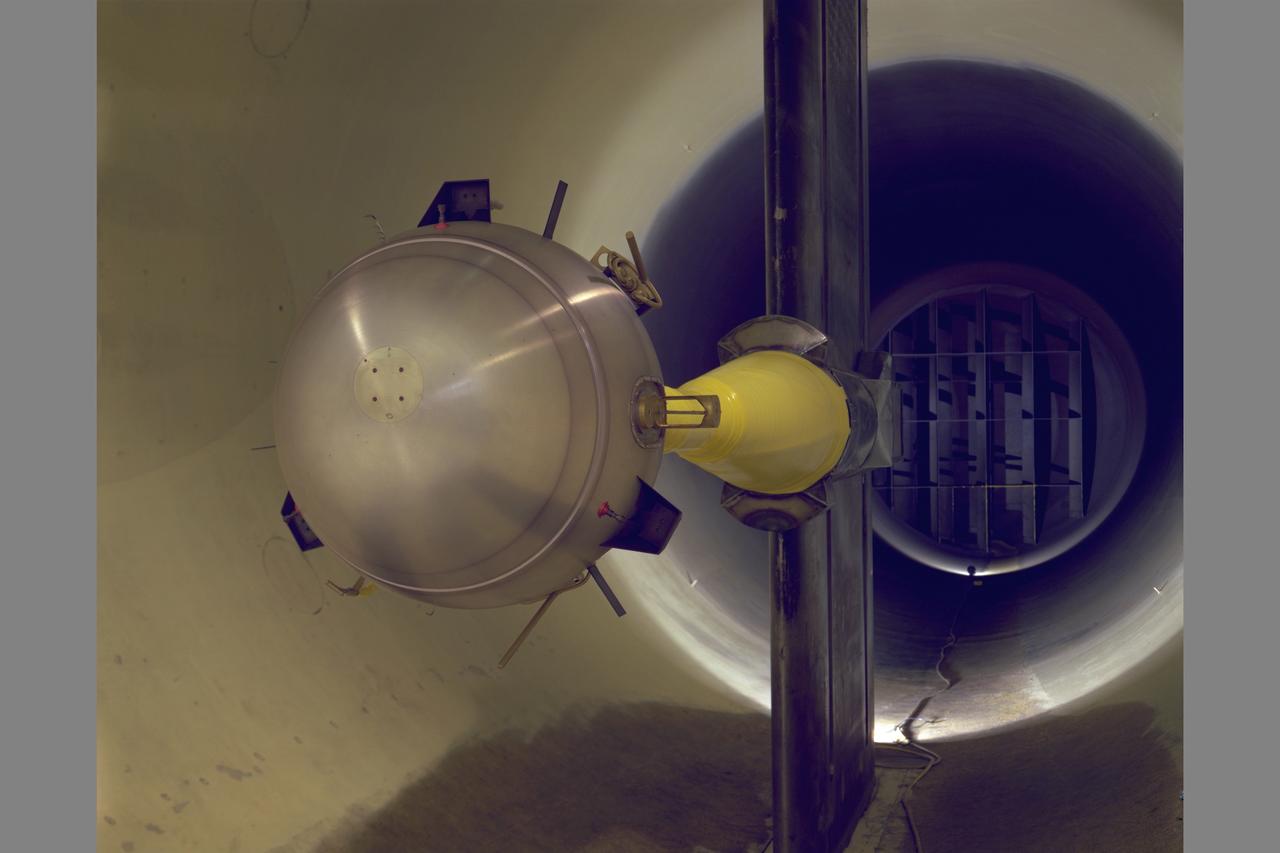
Orion Capsule and Launch Abort System (LAS) installed in the NASA Glenn 8x6 Supersonic Wind Tunnel for testing.  This test is an Aero Acoustic test of the LAS.  Pictured is the calibration of the model's angle of attack
Orion Capsule and Launch Abort System (LAS) installed in the NASA Glenn 8x6 Supersonic Wind Tunnel for testing. This test is an Aero Acoustic test of the LAS. Pictured is the calibration of the model's angle of attack
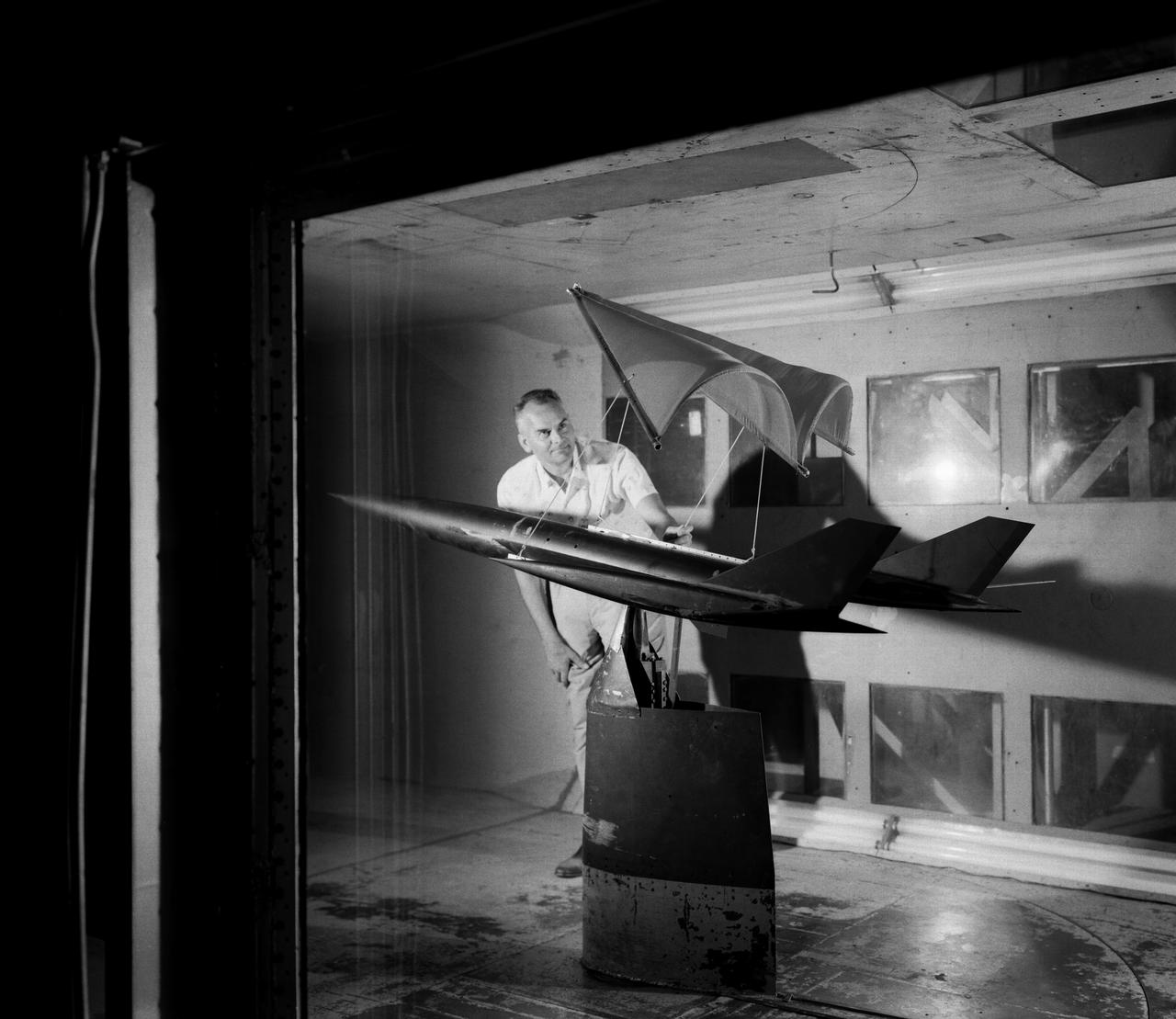
On June 26, 1959, then-Langley-research Francis Rogallo examined the Rogallo wing in the 7x10 FT Tunnel. Originally conceived as a means of bringing manned spacecraft to controlled, soft landings, Rogallo's concept was avidly embraced by later generations of hang-gliding enthusiasts. -- Photograph published in Winds of Change, 75th Anniversary NASA publication (page 18), by James Schultz.
Flex-I-Kite flying in 7 x 10 LST (outboard tail model)
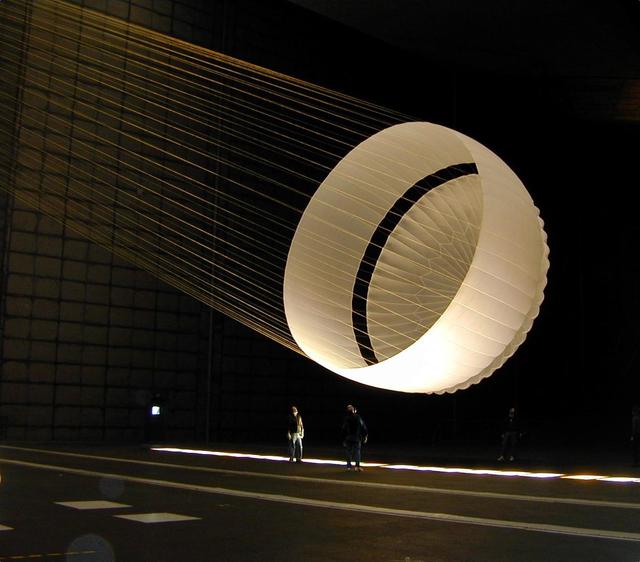
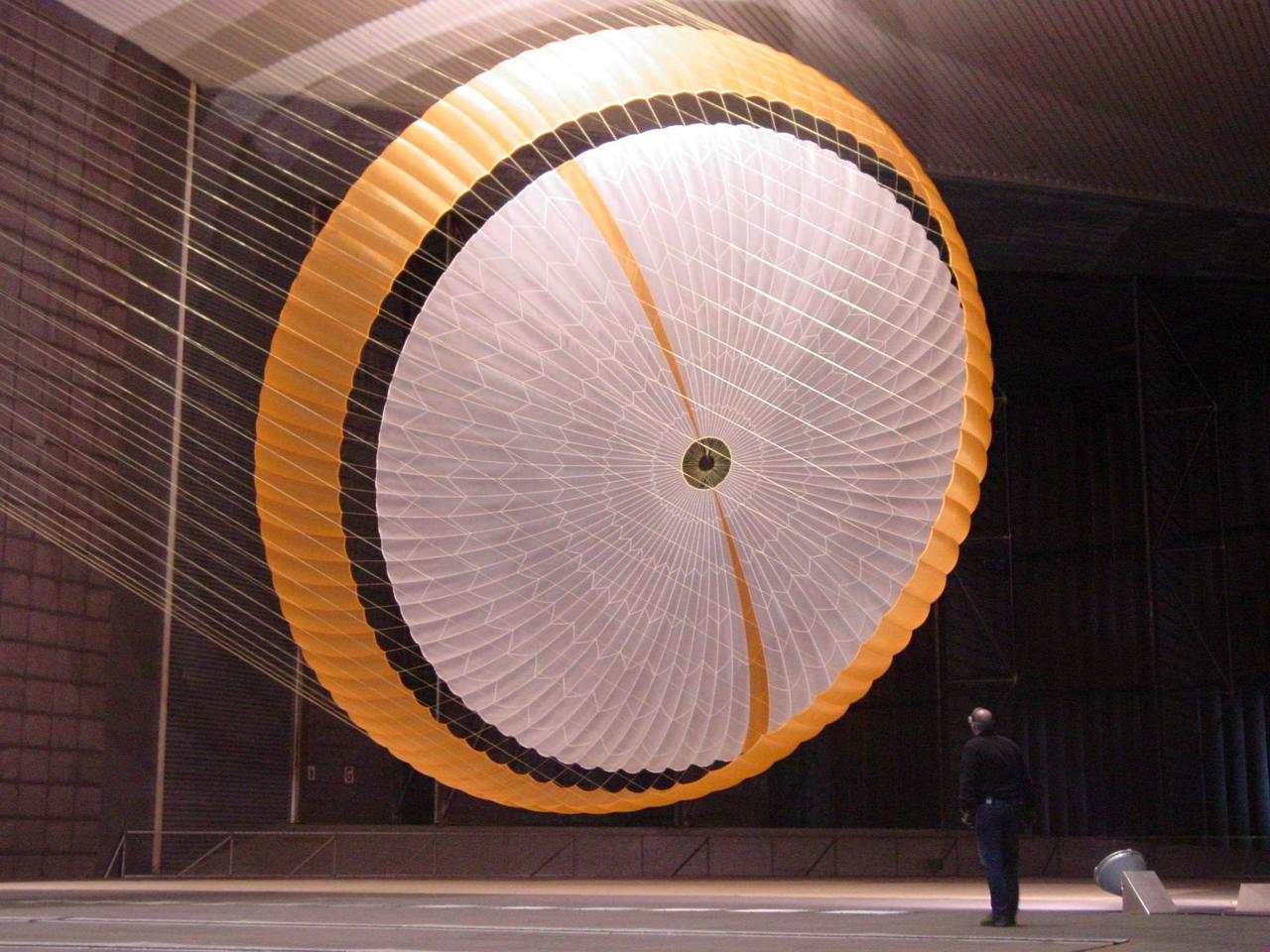
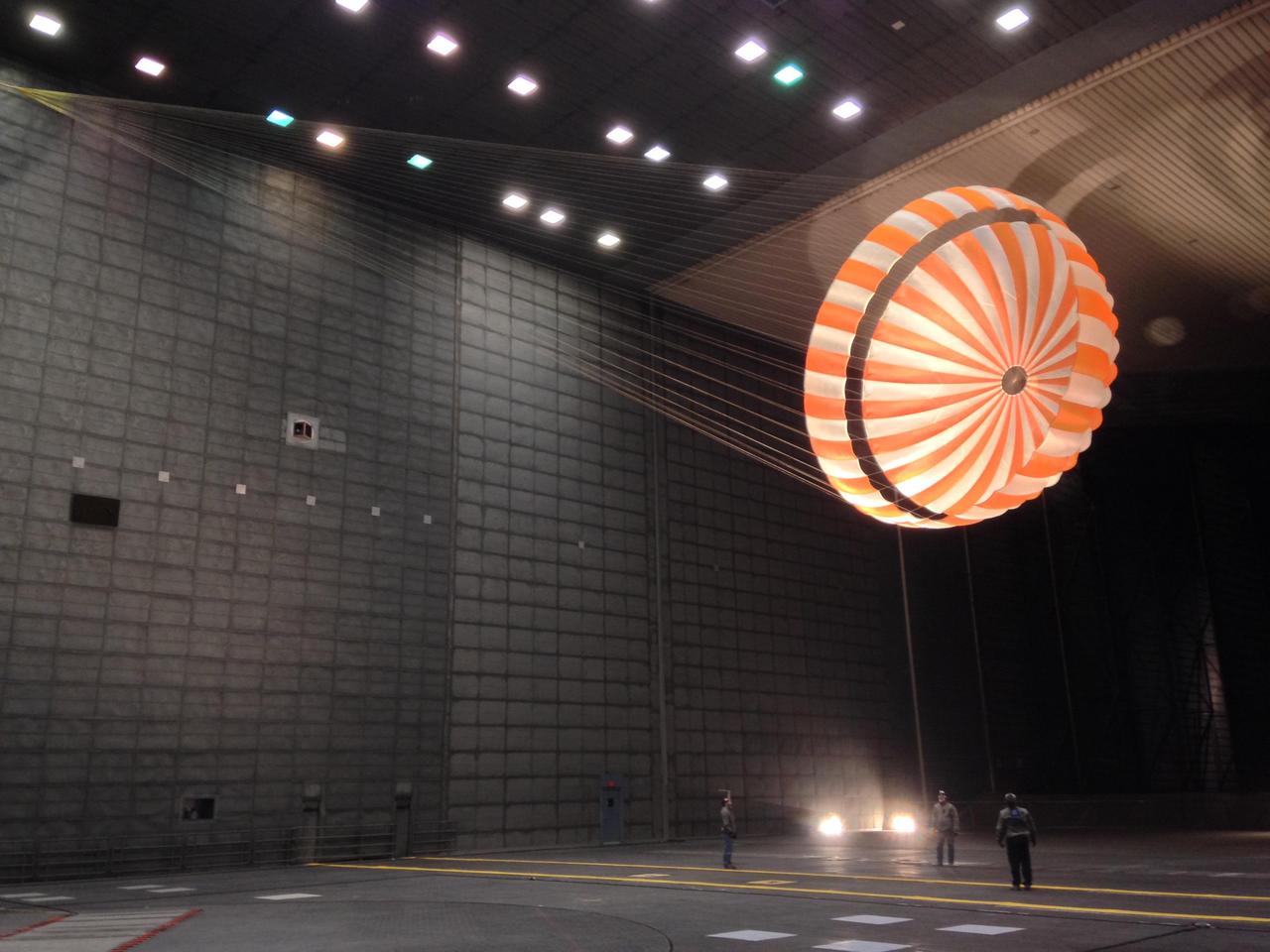
The parachute for NASA Mars Science Laboratory passed flight-qualification testing in March and April 2009 inside the world largest wind tunnel, at NASA Ames Research Center, Moffett Field, Calif.
Mars Science Laboratory Parachute Qualification Testing
The team developing the landing system for NASA Mars Science Laboratory tested the deployment of an early parachute design in mid-October 2007 inside the world largest wind tunnel, at NASA Ames Research Center, Moffett Field, California.
Parachute Testing for Mars Science Laboratory
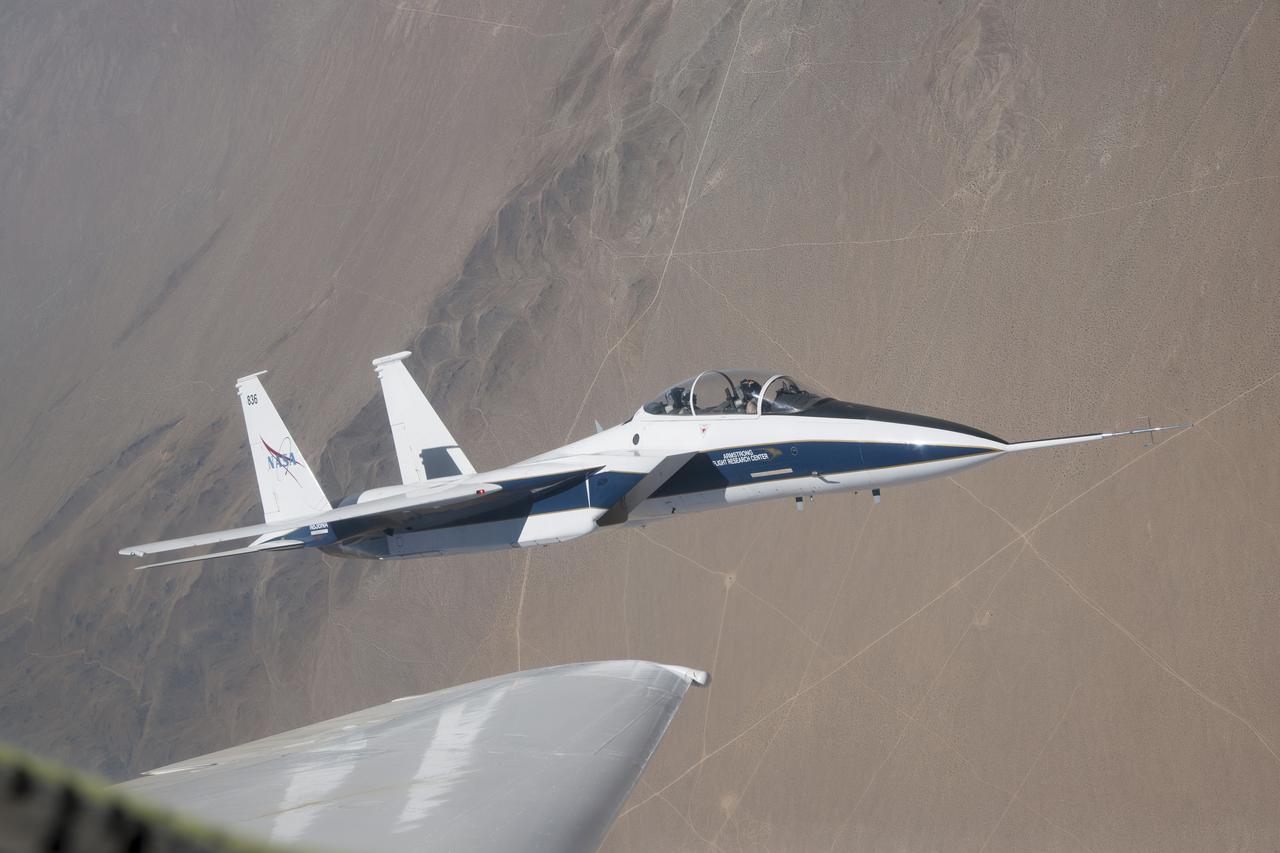
NASA’s F-15 research test bed will expose the Swept Wing Laminar Flow test article to speeds up to Mach 2, matching conditions presented during wind tunnel testing at NASA’s Langley Research Center.
AFRC2016-0364-11
The team developing the landing system for NASA Mars Science Laboratory tested the deployment of an early parachute design in mid-October 2007 inside the world largest wind tunnel, at NASA Ames Research Center, Moffett Field, California.
Testing a Parachute for Mars in World Largest Wind Tunnel
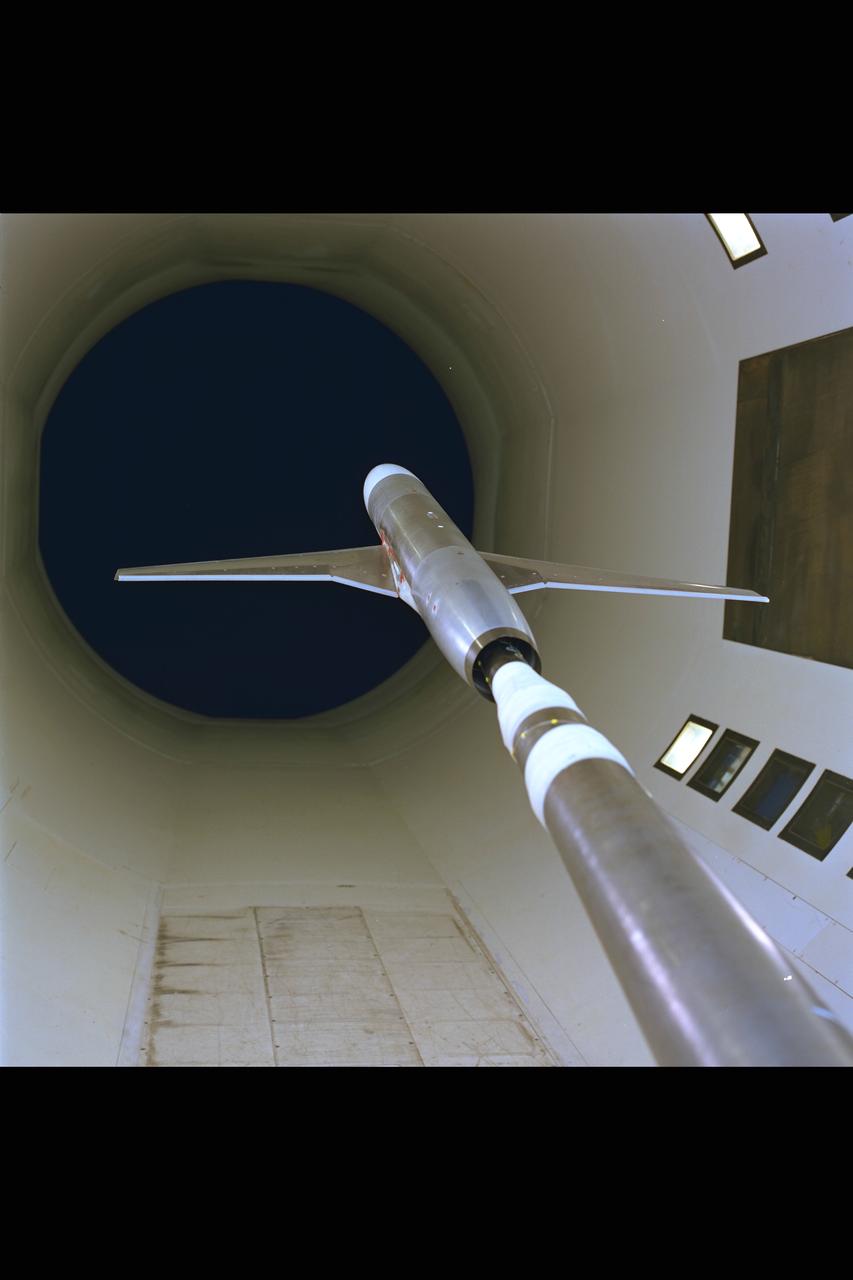
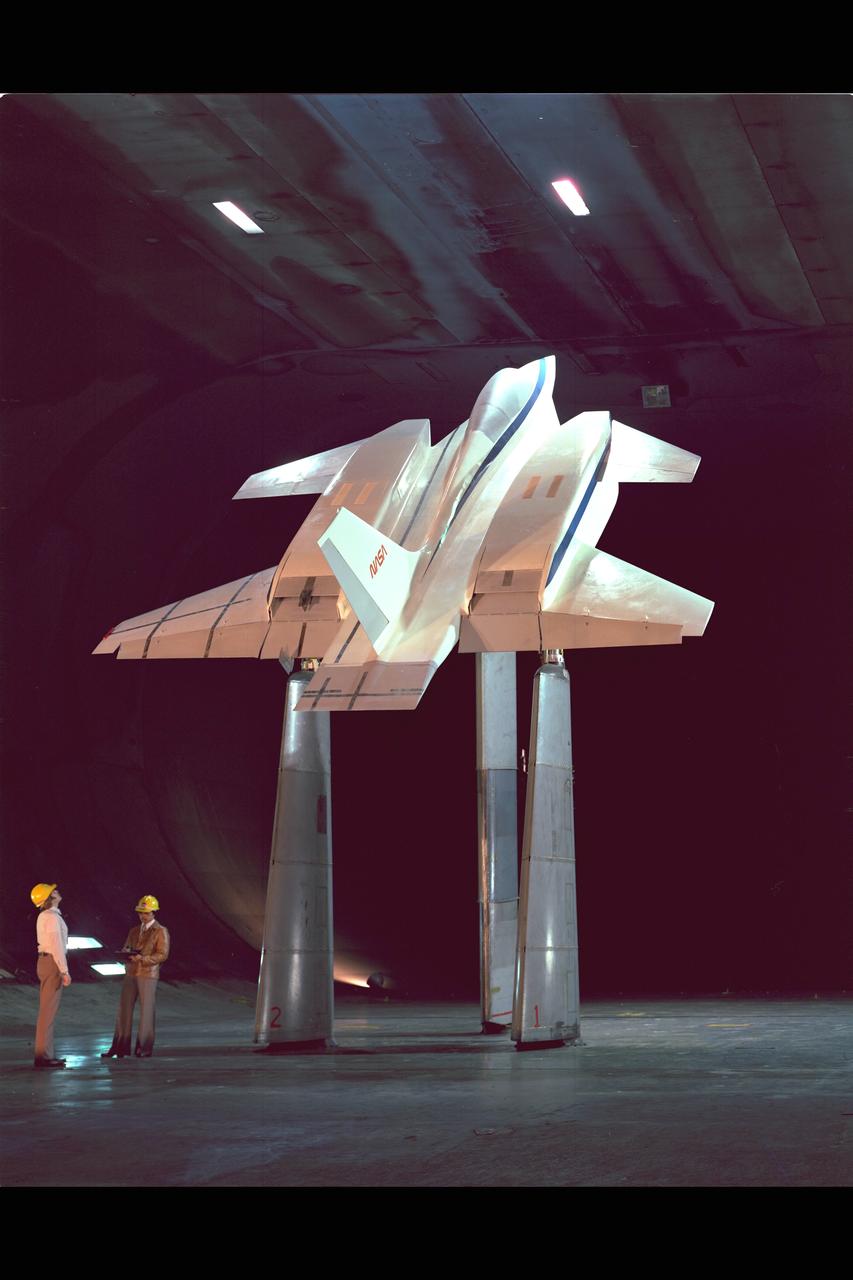
3/4 rear view of SCAT-17 supersonic transport with thrust reverser installed and trailing edge flaps deflected at 30 deg.
SCAT-17 Supersonic Transport in the 40x80 foot wind tunnel at NASA Ames.
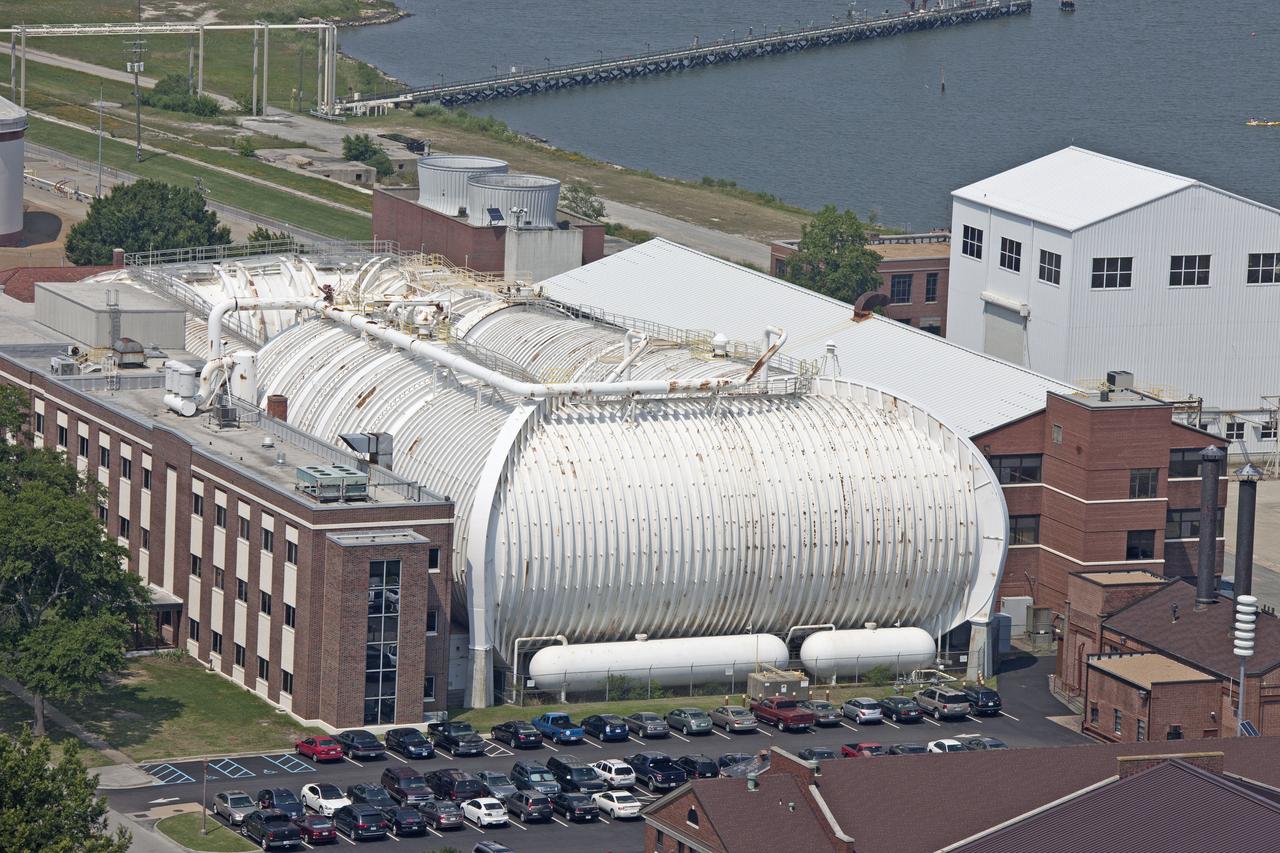
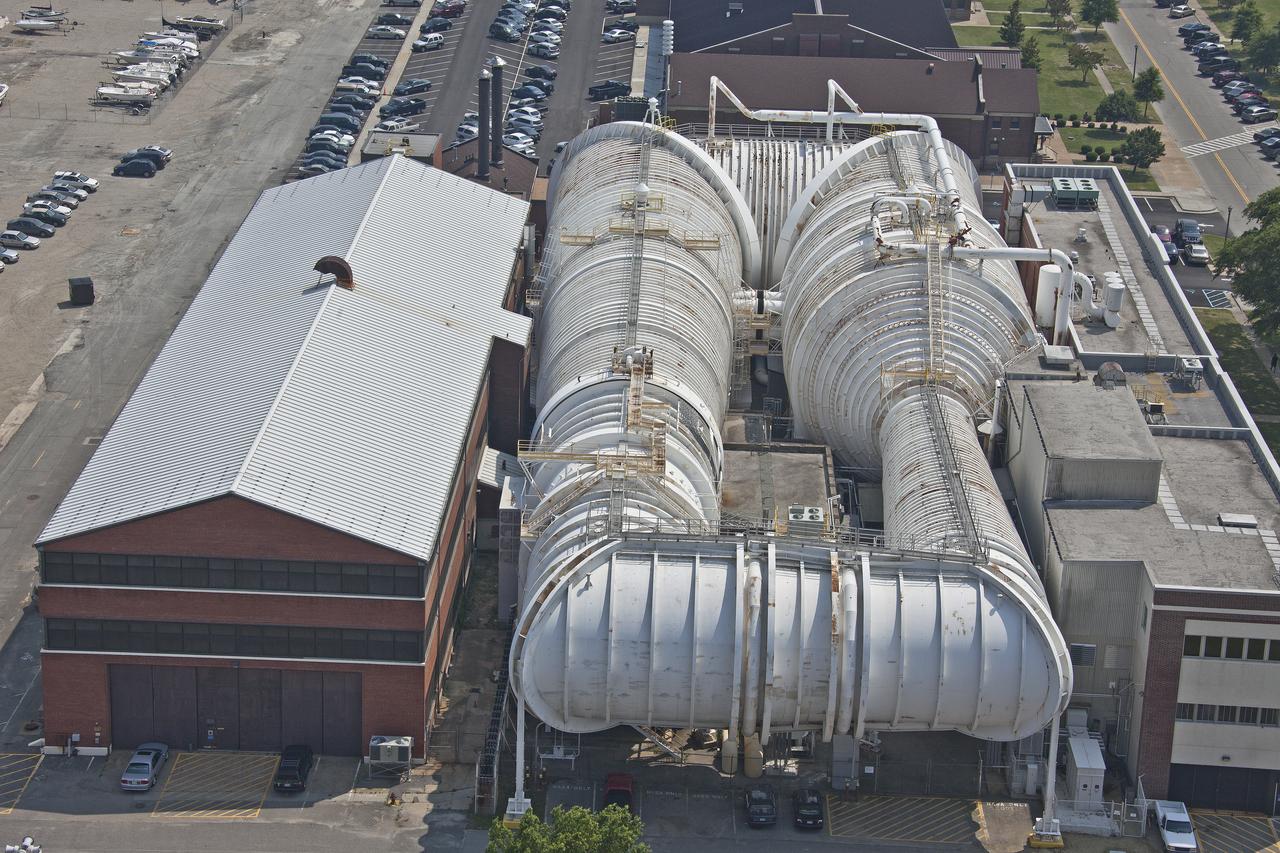
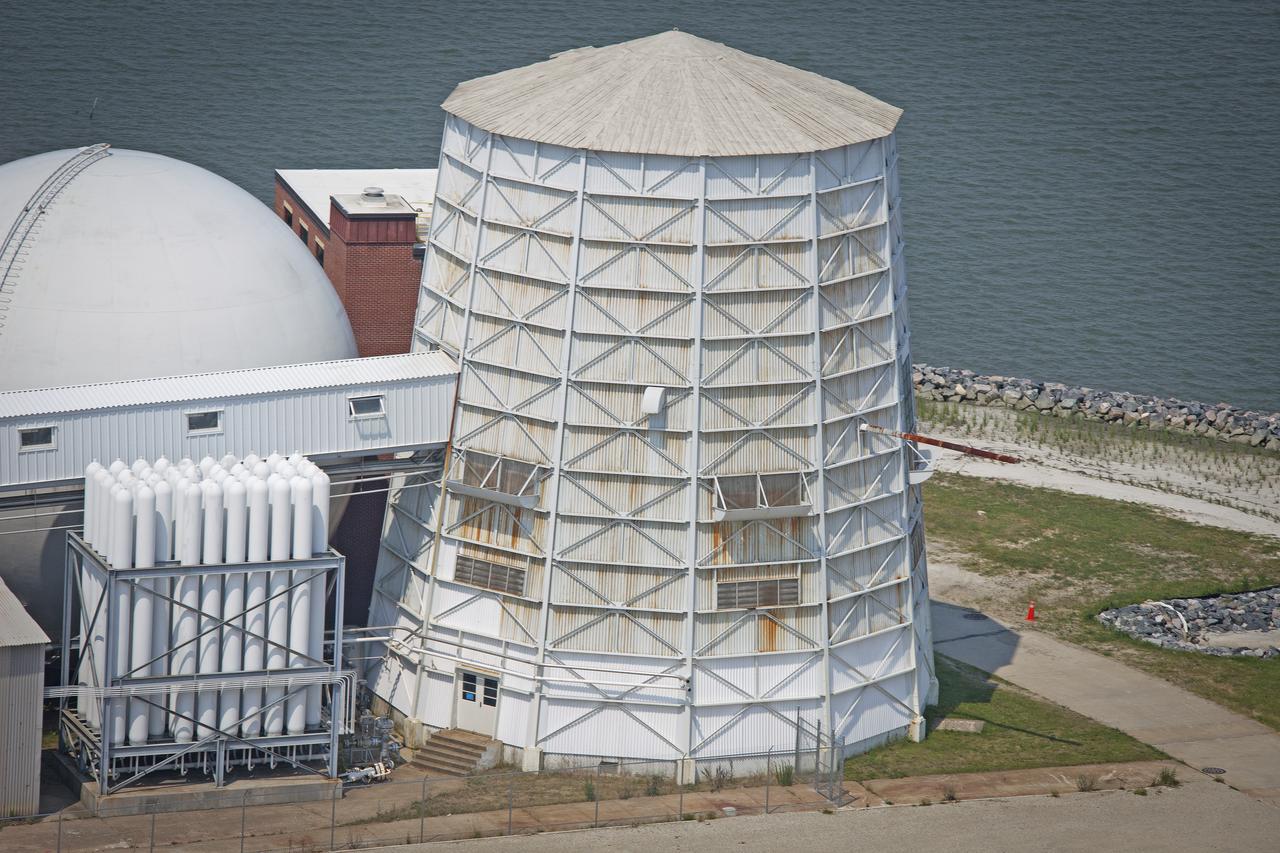
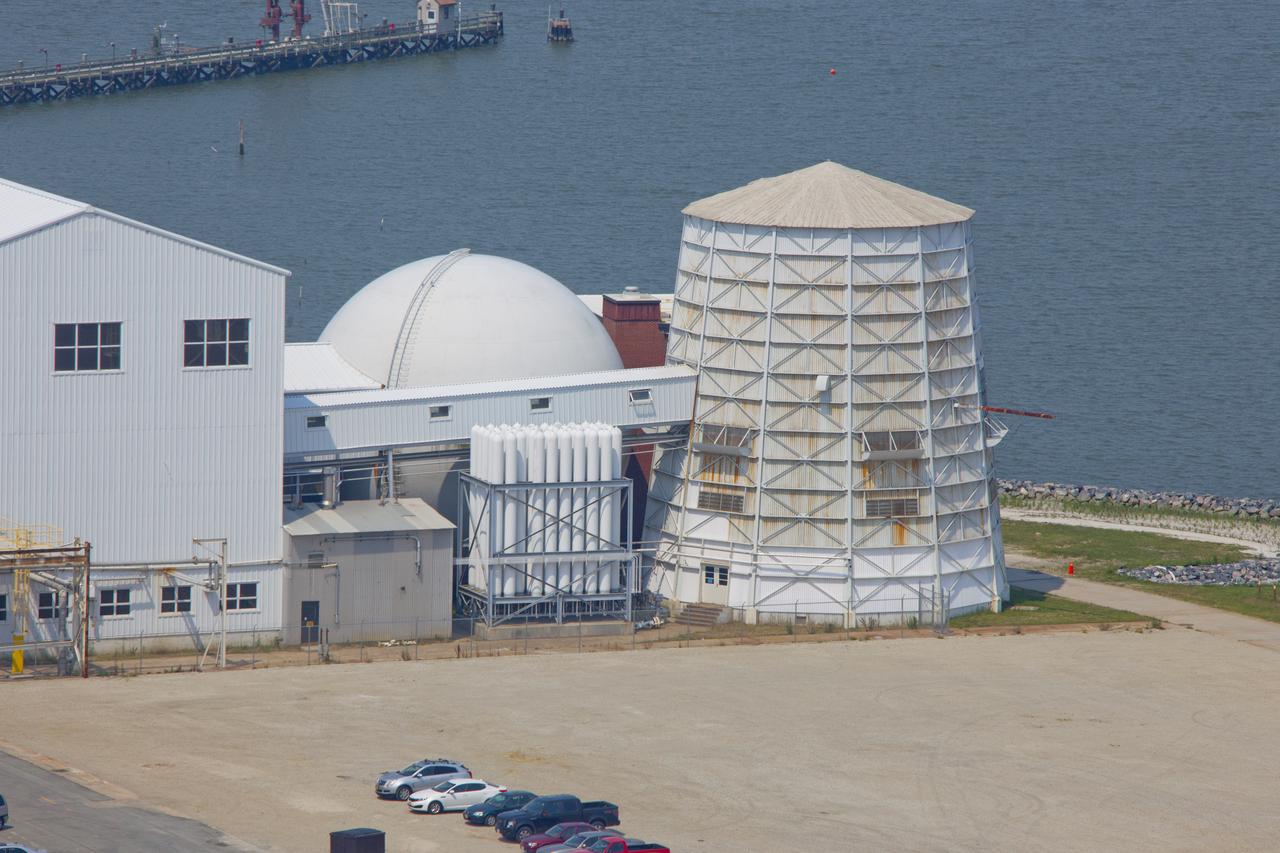
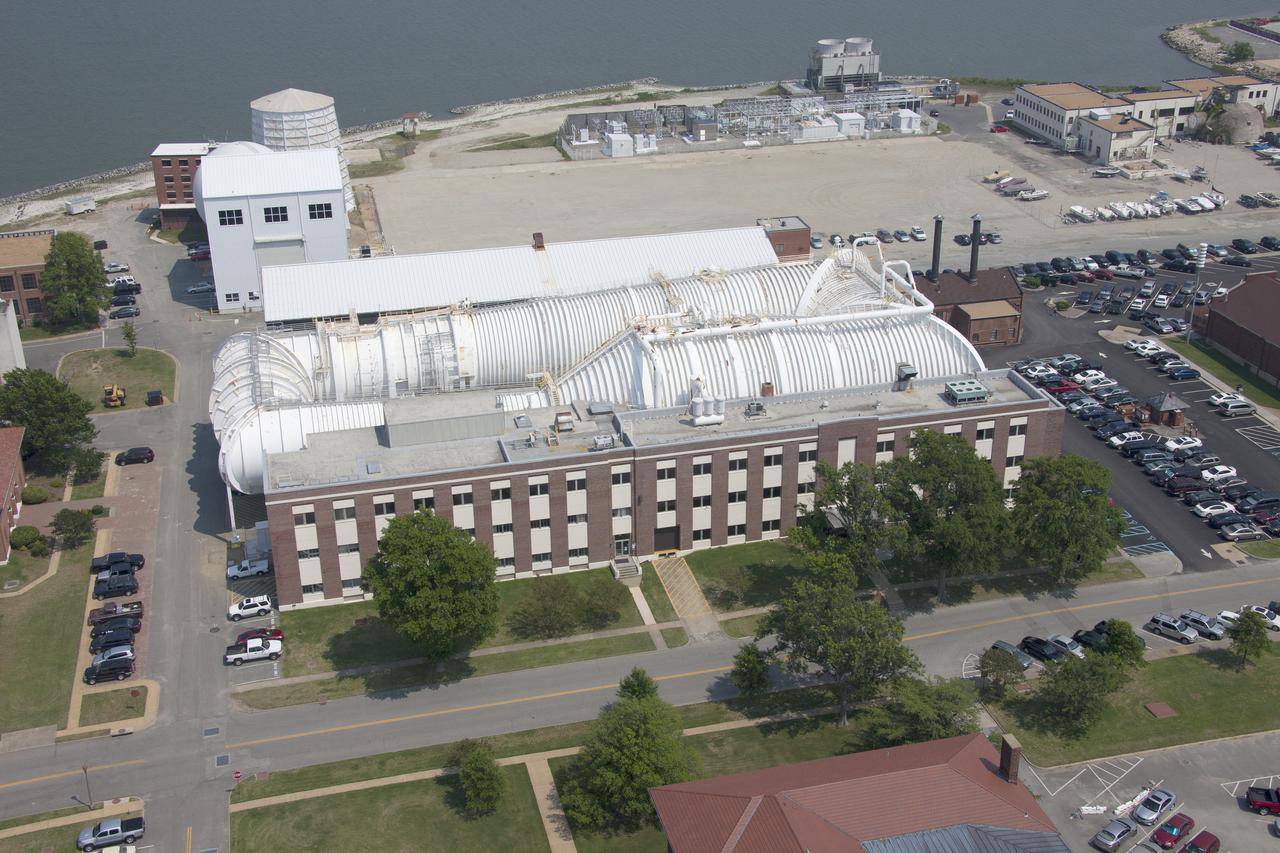
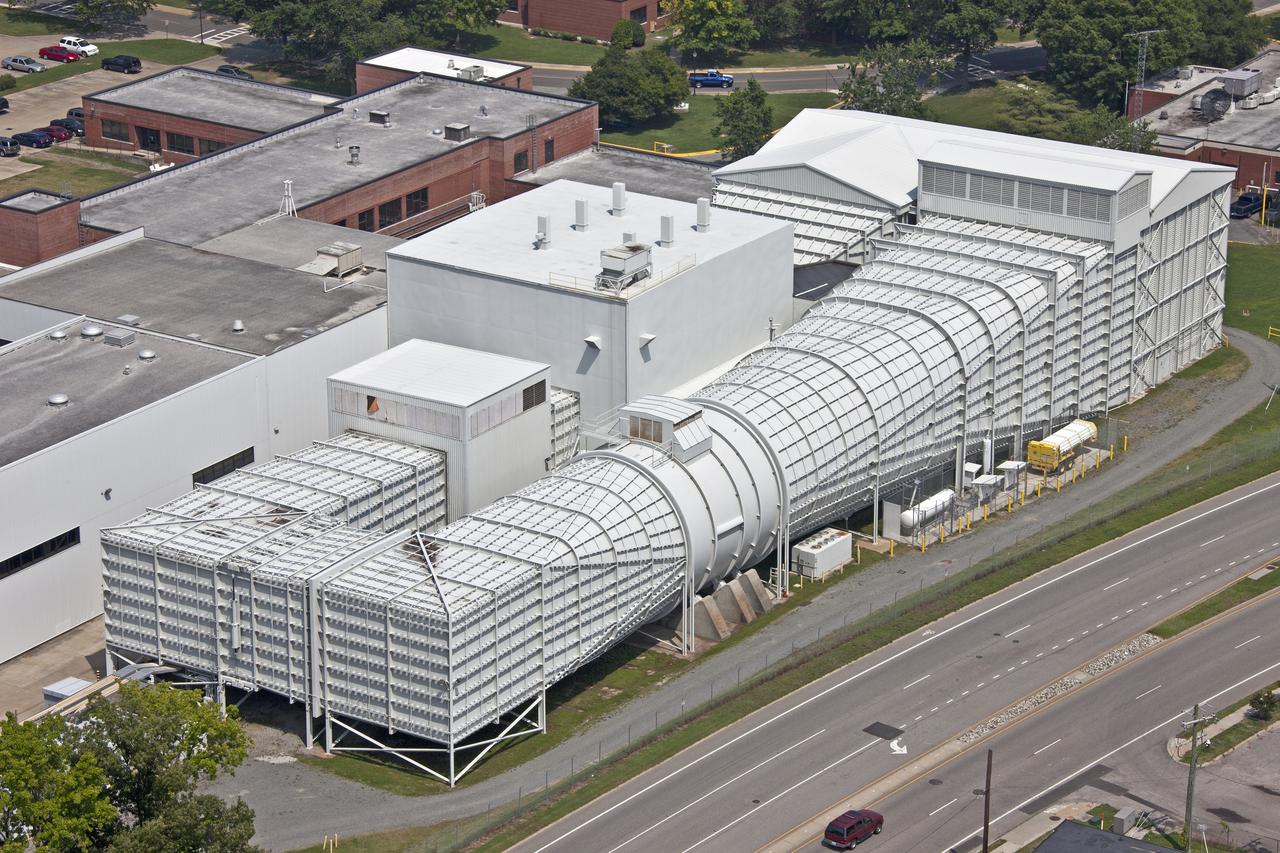
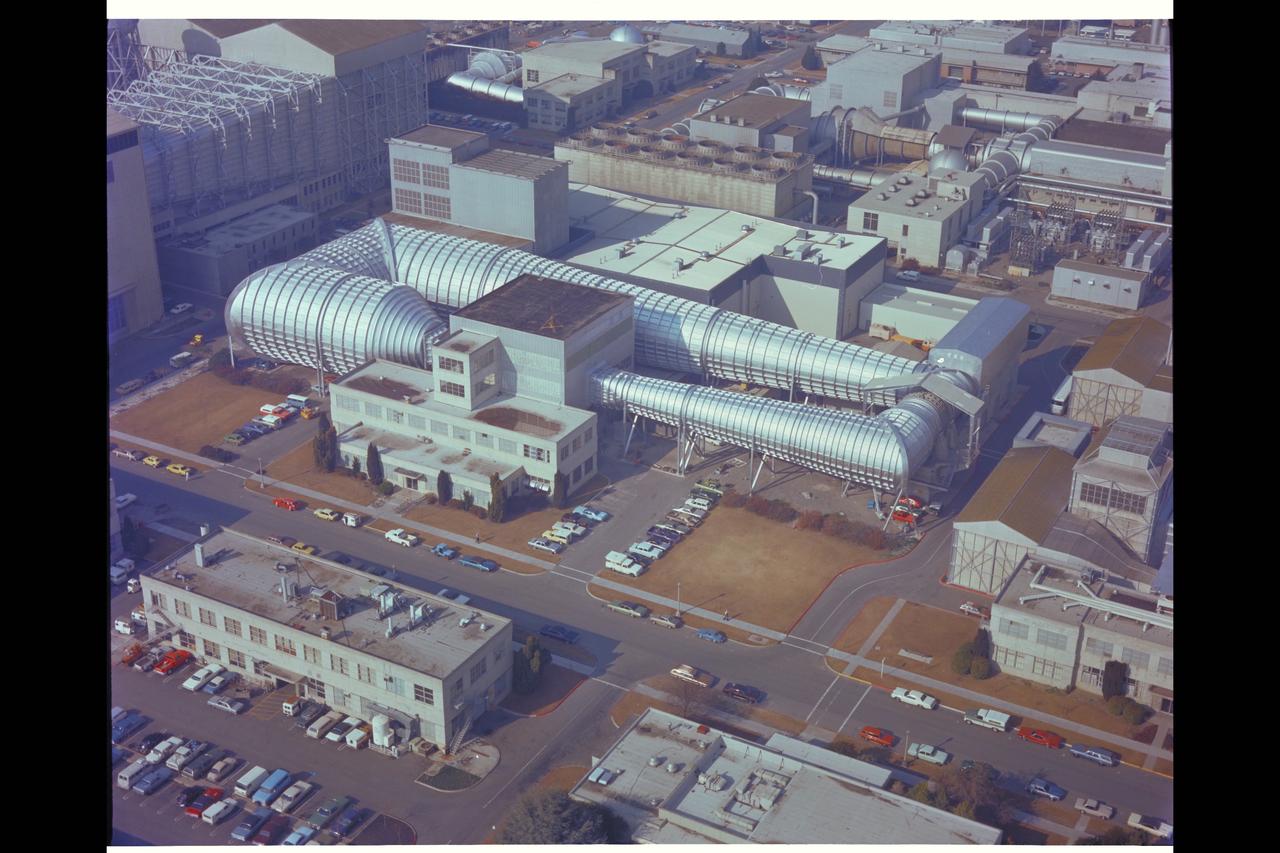
Aerial of NASA Langley East side spin tunnel and wind tunnel
Aerials of NASA Langley Research Center
Aerial of NASA Langley East side spin tunnel and wind tunnel
Aerials of NASA Langley Research Center
Aerial of NASA Langley East side spin tunnel and wind tunnel
Aerials of NASA Langley Research Center
Aerial of NASA Langley East side spin tunnel and wind tunnel
Aerials of NASA Langley Research Center
Aerial of NASA Langley East side spin tunnel and wind tunnel
Aerials of NASA Langley Research Center
Aerial of NASA Langley East side spin tunnel and wind tunnel
Aerials of NASA Langley Research Center
Aerial of NASA Langley East side spin tunnel and wind tunnel
Aerials of NASA Langley Research Center
Aerial of NASA Langley East side spin tunnel and wind tunnel
Aerials of NASA Langley Research Center
In this June 2017 photo, the supersonic parachute design that will land NASA's Perseverance rover on Mars on Feb. 18, 2021, undergoes testing in a wind tunnel at NASA's Ames Research Center in California's Silicon Valley.  https://photojournal.jpl.nasa.gov/catalog/PIA23916
Wind Tunnel Testing Perseverance's Parachute
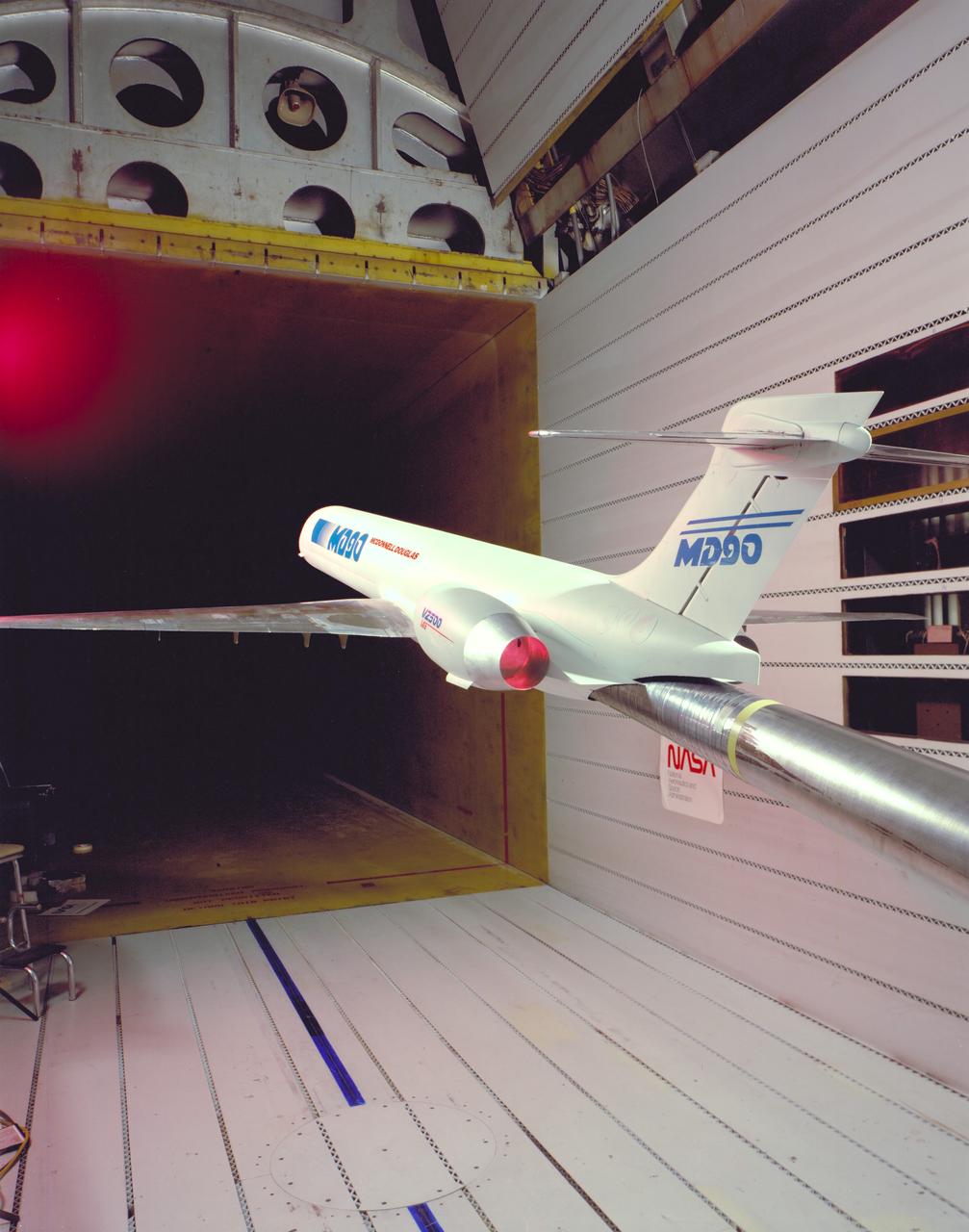
MD-90 Model in NASA Ames Research Center 11ft. Transonic Wind Tunnel  part of the Unitary Plan Wind Tunnel Complex Test-091-1-11
ARC-1990-AC90-0481-8
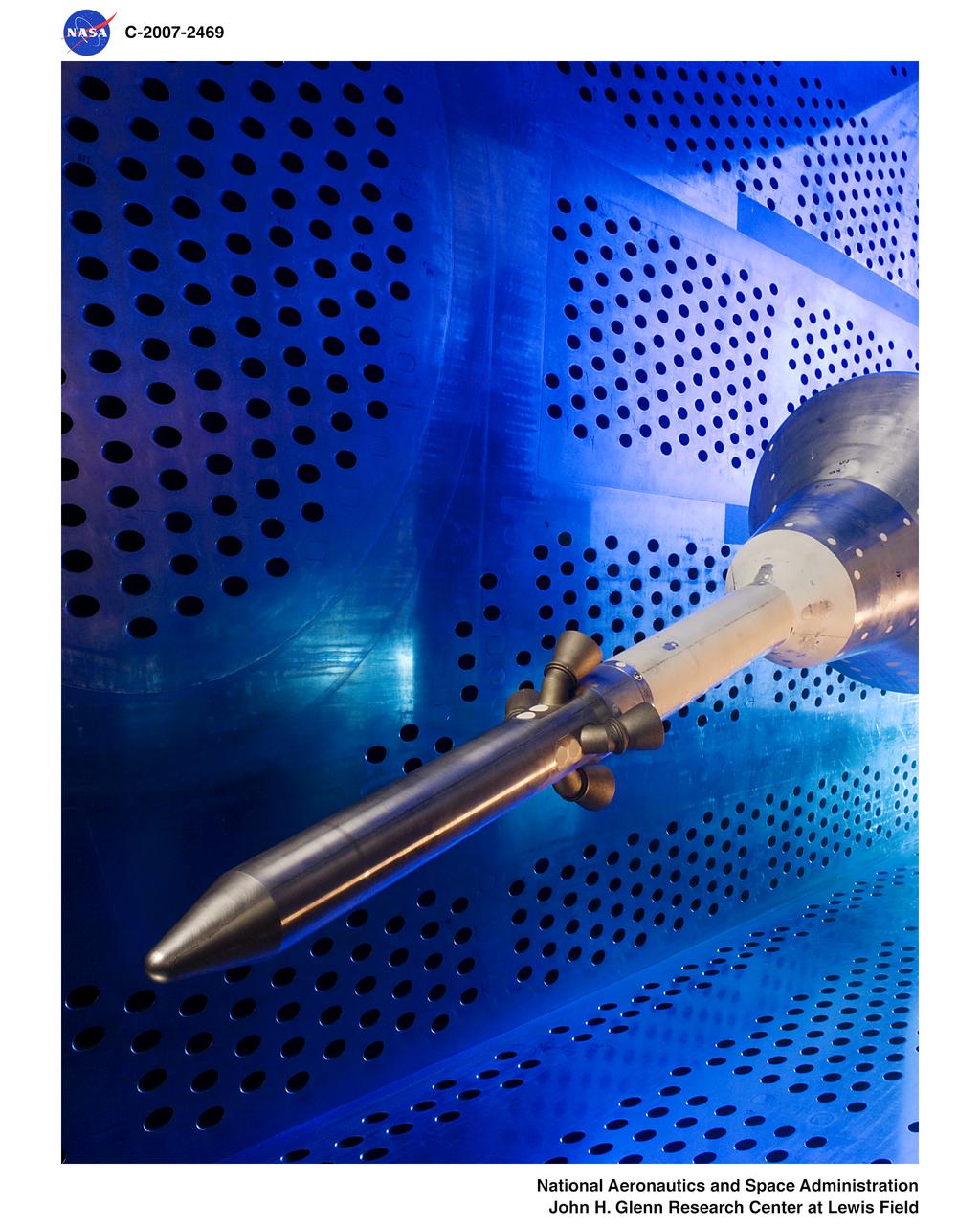
Orion Capsule and Launch Abort System (LAS) installed in the NASA Glenn 8x6 Supersonic Wind Tunnel (SWT) for testing. 8x6 supersonic wind tunnel test section with the launch abort system for the Orion capsule
GRC-2007-C-02469
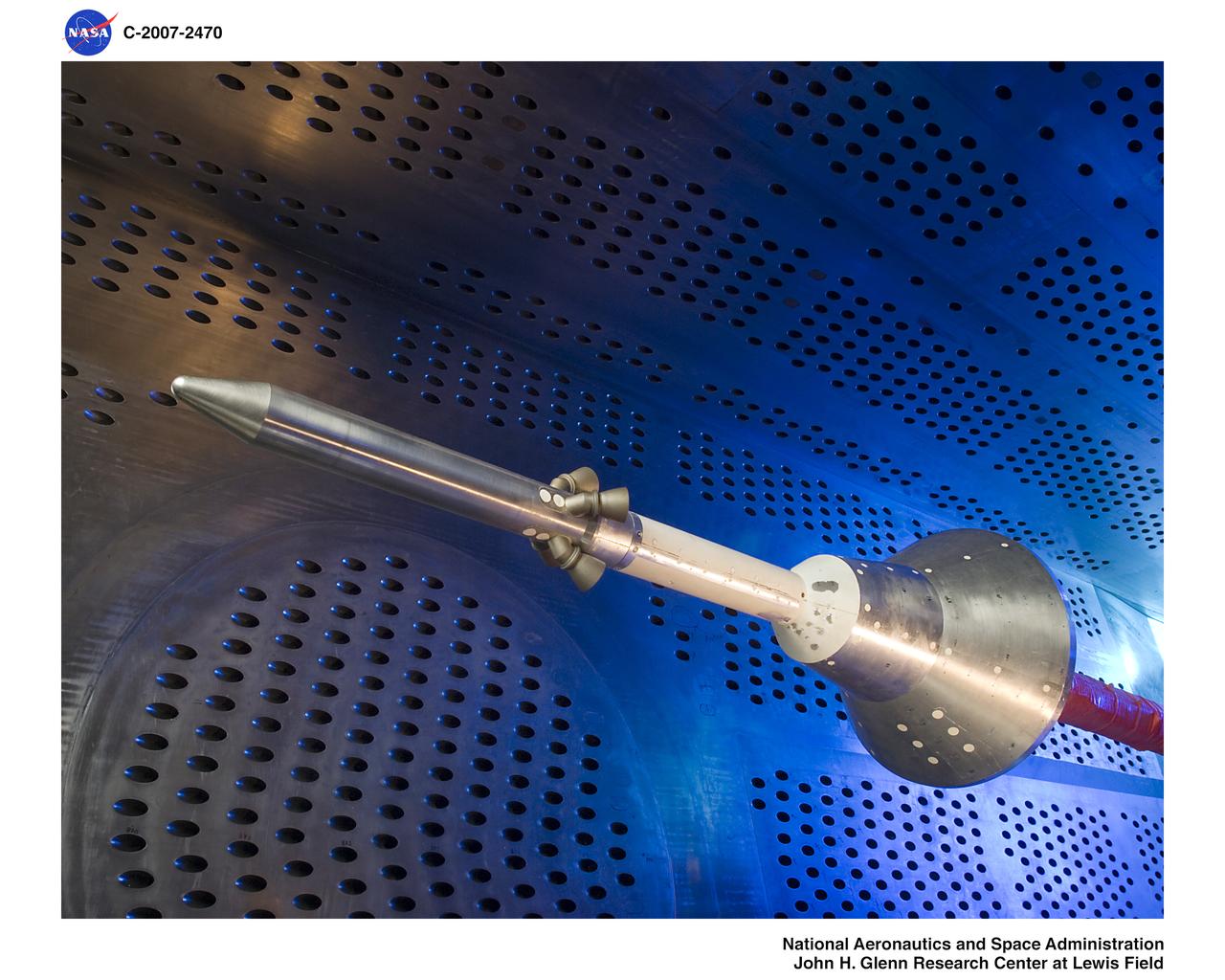
Orion Capsule and Launch Abort System (LAS) installed in the NASA Glenn 8x6 Supersonic Wind Tunnel (SWT) for testing.  This test is an Aero Acoustic test of the LAS. 8x6 supersonic wind tunnel test section
GRC-2007-C-02470
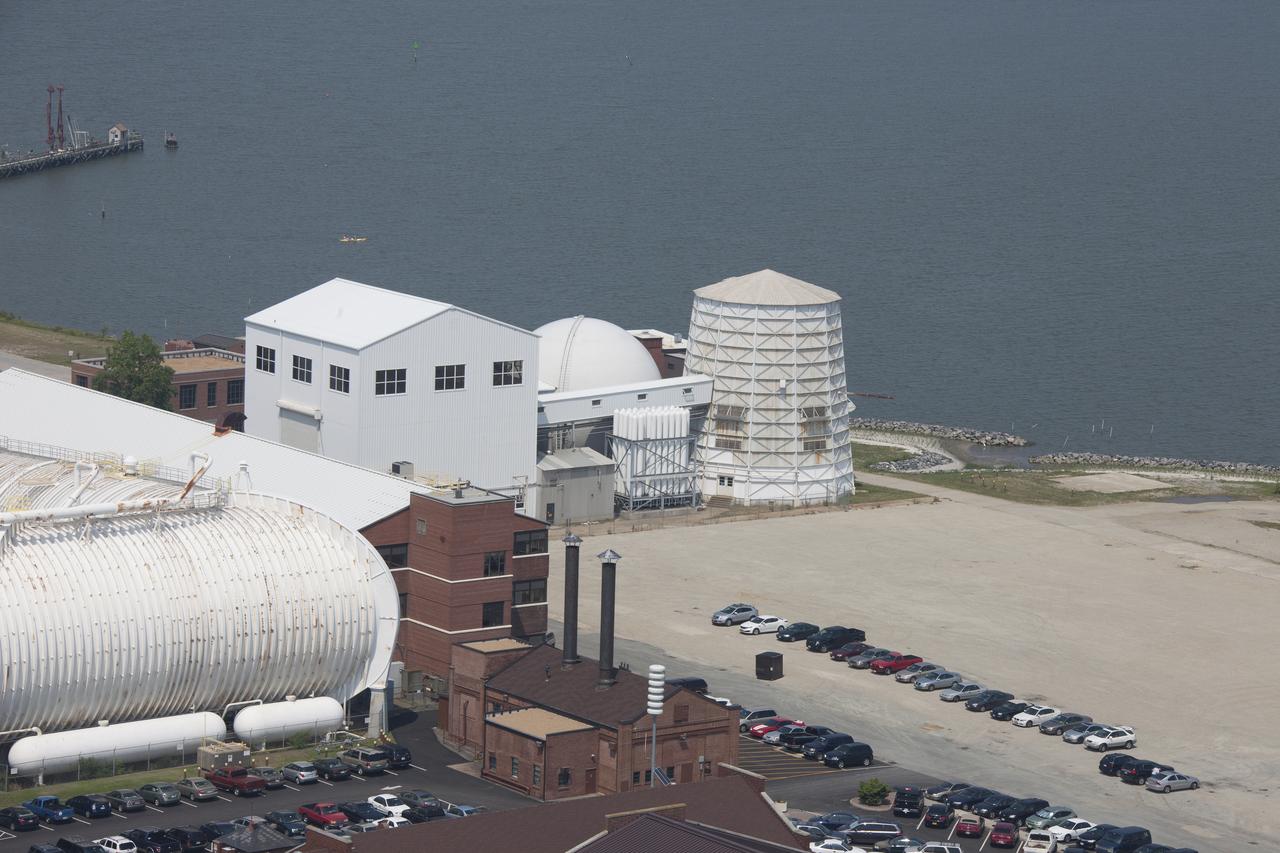
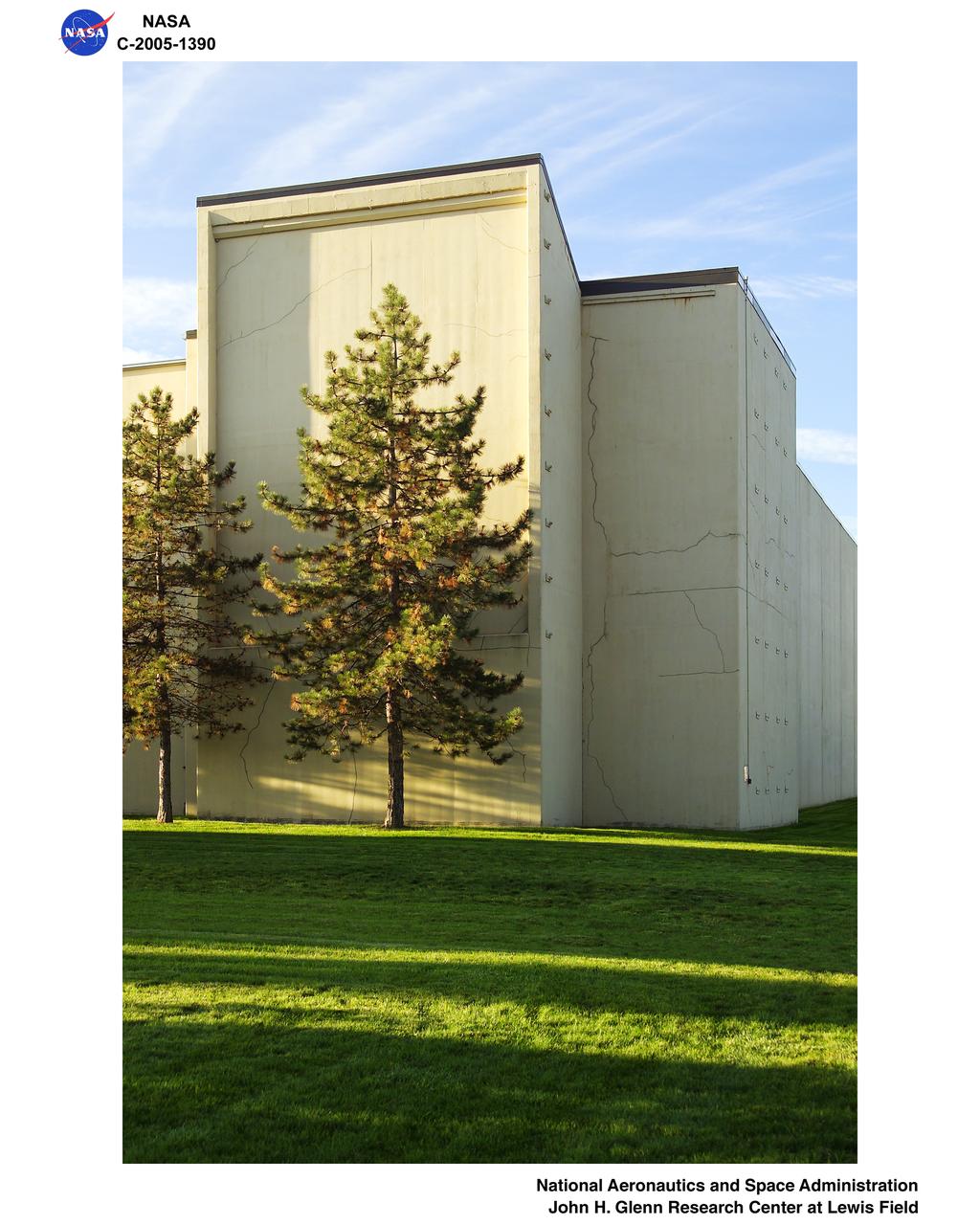
North and West-facing facades of the 8x6 Supersonic Wind Tunnel in the early morning light. Caption:  In the early morning light, the strong geometric lines behind the soft pine trees caught the eye of a photographer at Glenn Research Center.  Behind the commanding facade lies the 8- by 6-Foot Supersonic Wind Tunnel (8x6 SWT), an atmospheric tunnel with perforated stainless steel walls that provide boundary control during transonic operations. It is NASA's only transonic propulsion wind tunnel.  http://facilities.grc.nasa.gov/8x6/8x6_quick.html
GRC-2005-C-01390
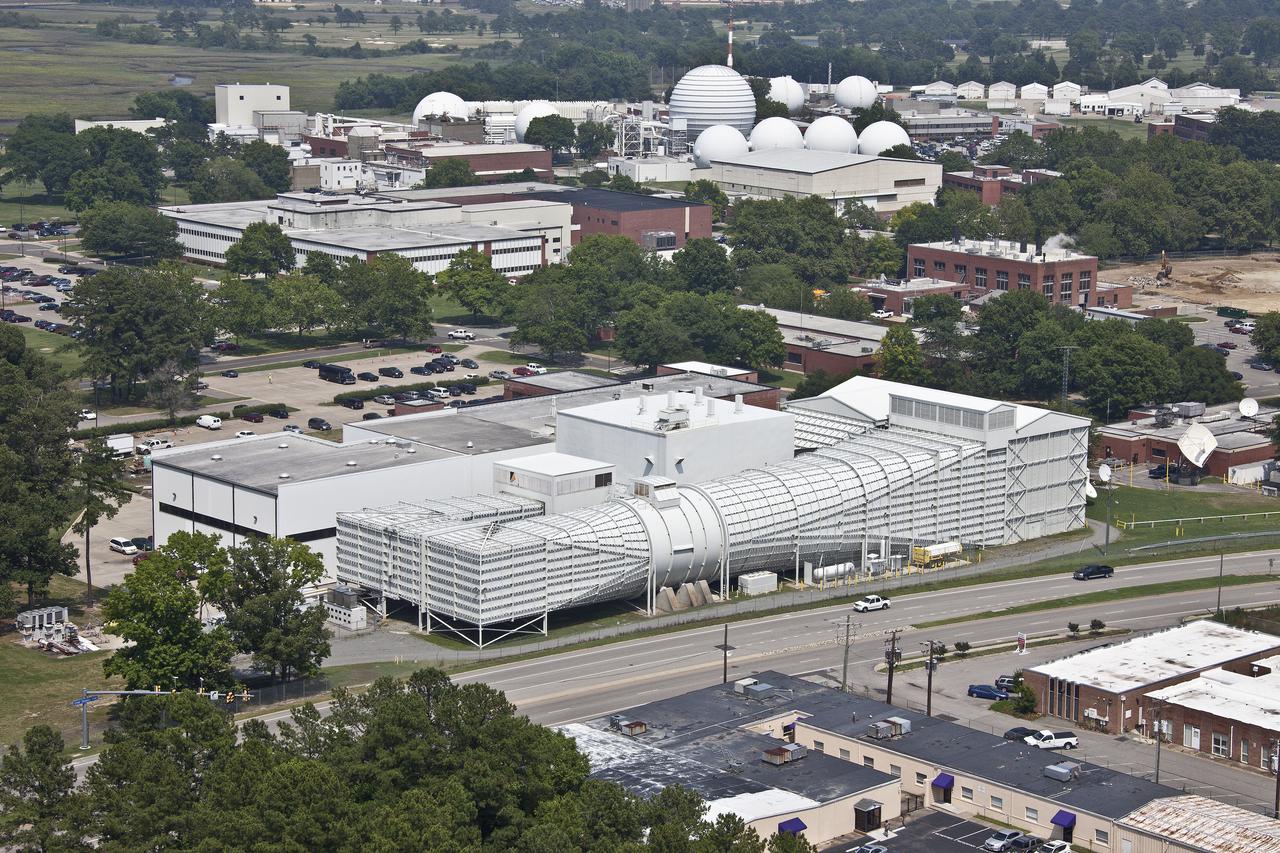
Aerial of NASA Langley Wind Tunnel
Aerials of NASA Langley Research Center
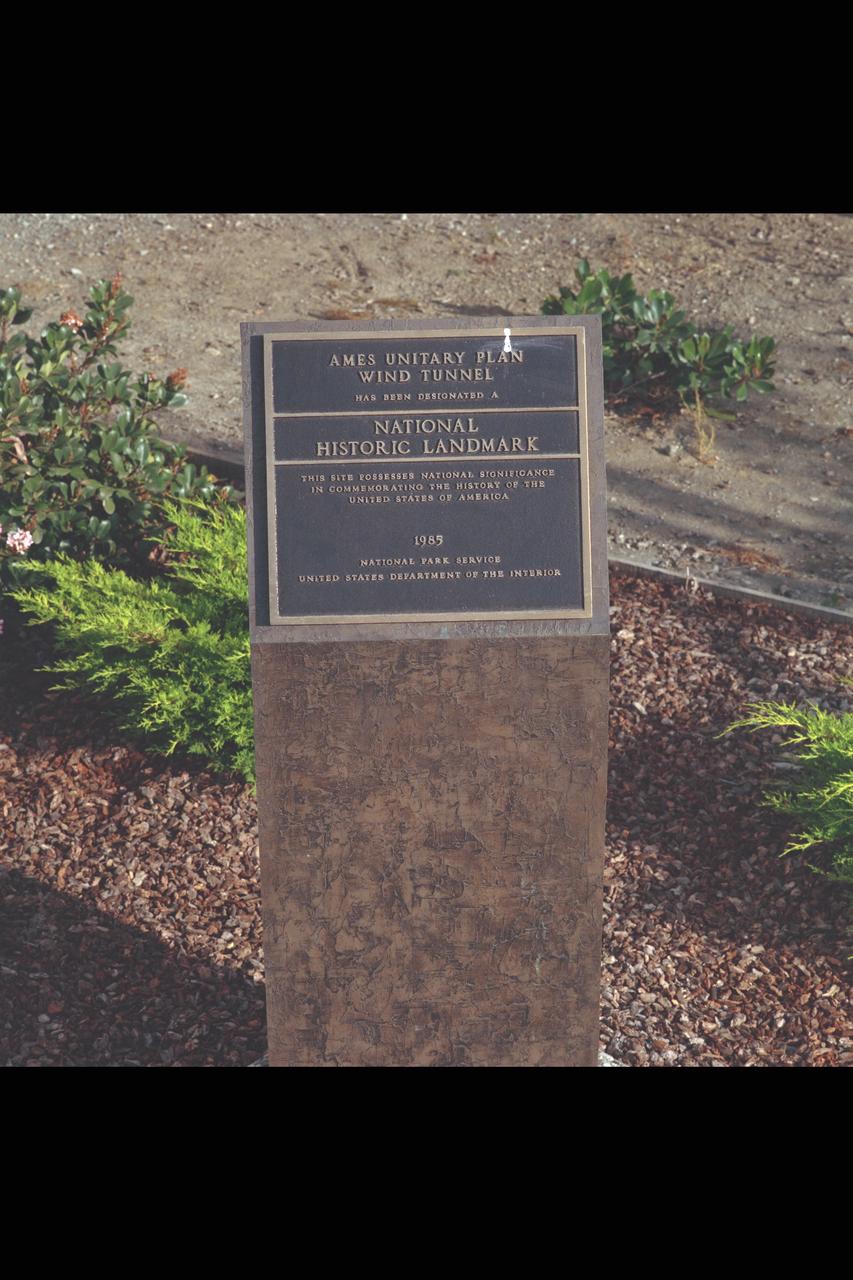
Unitary wind tunnels historical land mark site plaque (types of Aricraft Tested) (NASA Seal on tunnel)
ARC-1991-AC91-0534-2
Aerial of NASA Langley Research Center Wind Tunnel
Aerials of NASA Langley Research Center
This parachute testing for NASA's InSight mission to Mars was conducted inside the world's largest wind tunnel, at NASA Ames Research Center, Moffett Field, California, in February 2015.  The wind tunnel is 80 feet (24 meters) tall and 120 feet (37 meters) wide. It is part of the National Full-Scale Aerodynamics Complex, operated by the Arnold Engineering Development Center of the U.S. Air Force.  Note: After thorough examination, NASA managers have decided to suspend the planned March 2016 launch of the Interior Exploration using Seismic Investigations Geodesy and Heat Transport (InSight) mission. The decision follows unsuccessful attempts to repair a leak in a section of the prime instrument in the science payload.  http://photojournal.jpl.nasa.gov/catalog/PIA19405
Parachute Testing for NASA InSight Mission
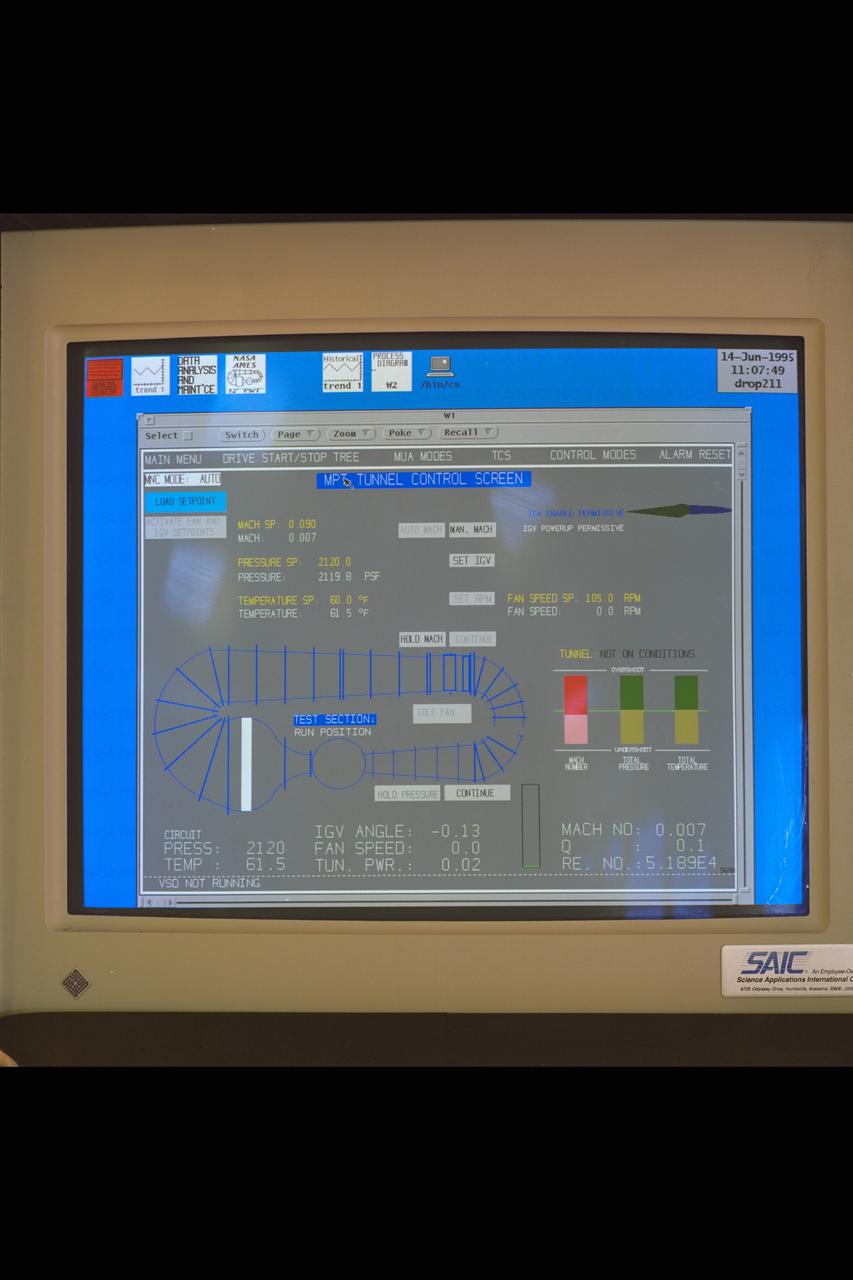
New renovated NASA Ames Research Center 12ft Pressure Wind Tunnel view of control room benchboard operations with tunnel control screen (computer system)
ARC-1995-AC95-0203-5
As part of the project FIRE study, technicians ready materials to be subjected to high temperatures that will simulate the effects of re-entry heating. Tests of various space capsule materials for Project FIRE were conducted. Photographed in the 9 X 6 Foot Thermal Structures Tunnel. Photograph published in Winds of Change, 75th Anniversary NASA publication, by James Schultz (page 78). Photograph also published in Engineer in Charge: A History of the Langley Aeronautical Laboratory, 1917-1958 by James R. Hansen (page 476).  Also Published in the book " A Century at Langley" by Joseph Chambers. Pg. 92
Project FIRE Flight Investigation Reentry Environment- Winds of Change
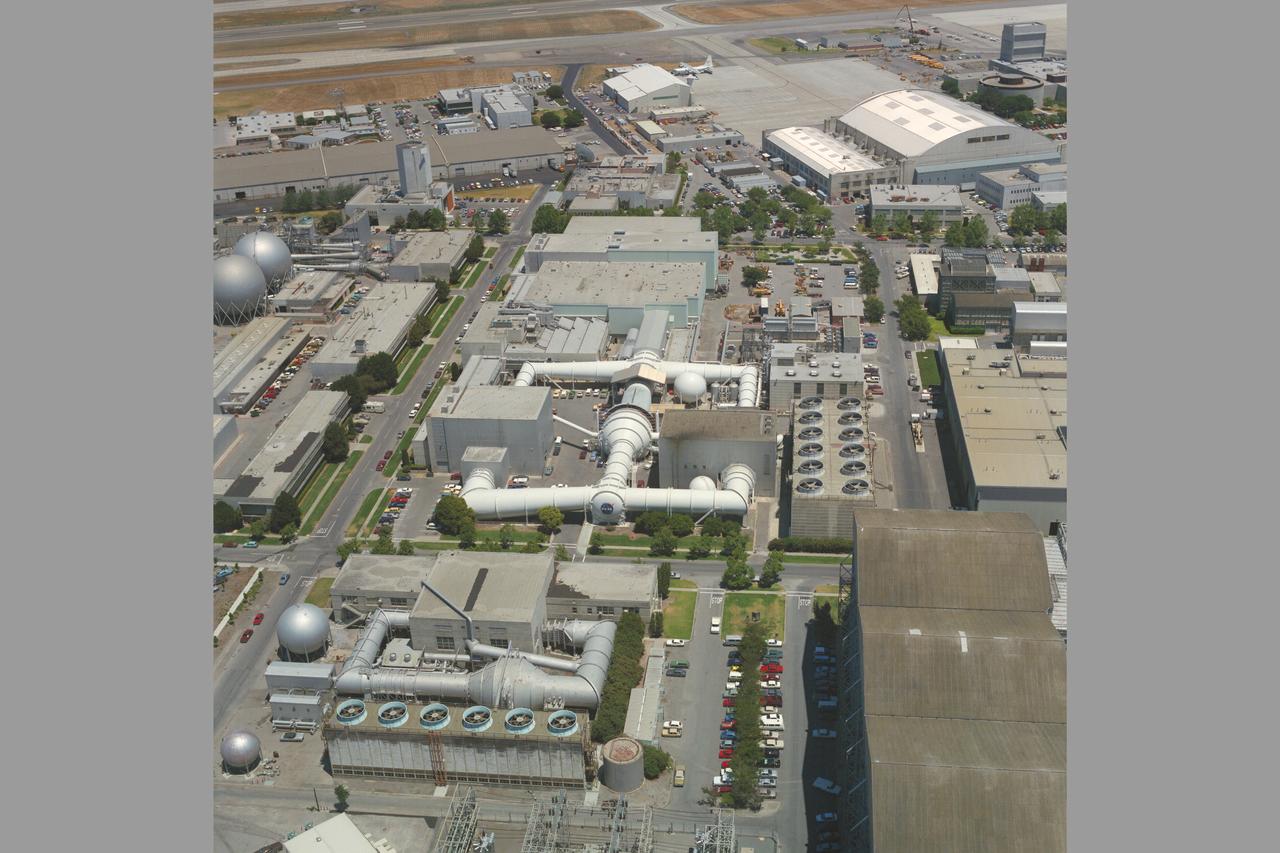
Aerial view of Unitary Plan Wind Tunnel complex with NASA insignia
ARC-1989-AC89-4024-36
New renovated NASA Ames Research Center 12ft Pressure Wind Tunnel
ARC-1995-AC95-0203-18
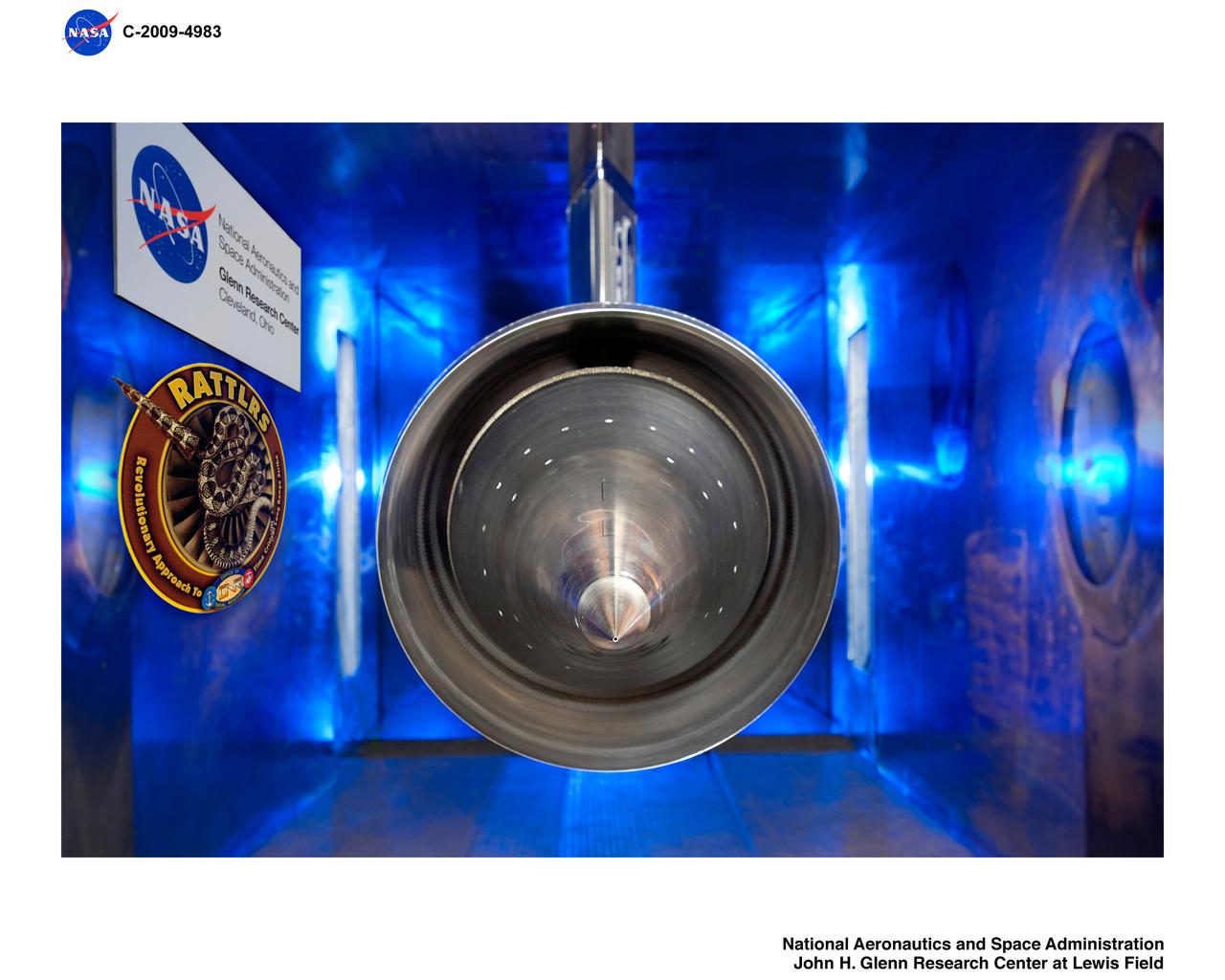
hardware test in the 10x10 wind tunnel at NASA Glenn Research Center
GRC-2009-C-04983
NASA Staff Dr.Darden, Mach 3 Sonic Boom Model Wind Tunnel
Sonic Boom Model
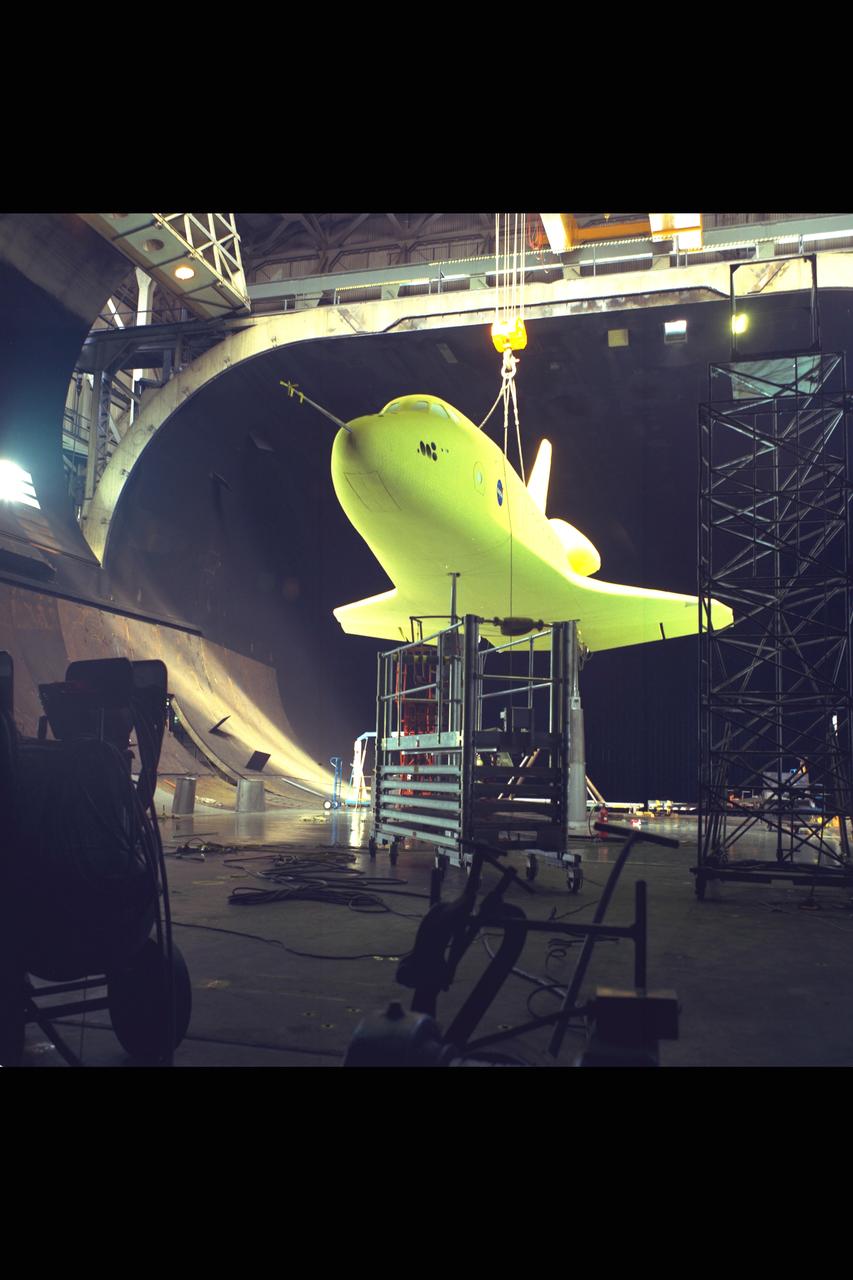
Space Shuttle A-100 installation in the NASA Ames 40x80ft Supsonic Wind Tunnel.
ARC-1975-AC75-2583
NASA Ames Research Center 14-foot Transonic Wind Tunnel
ARC-1977-AC77-0846-11
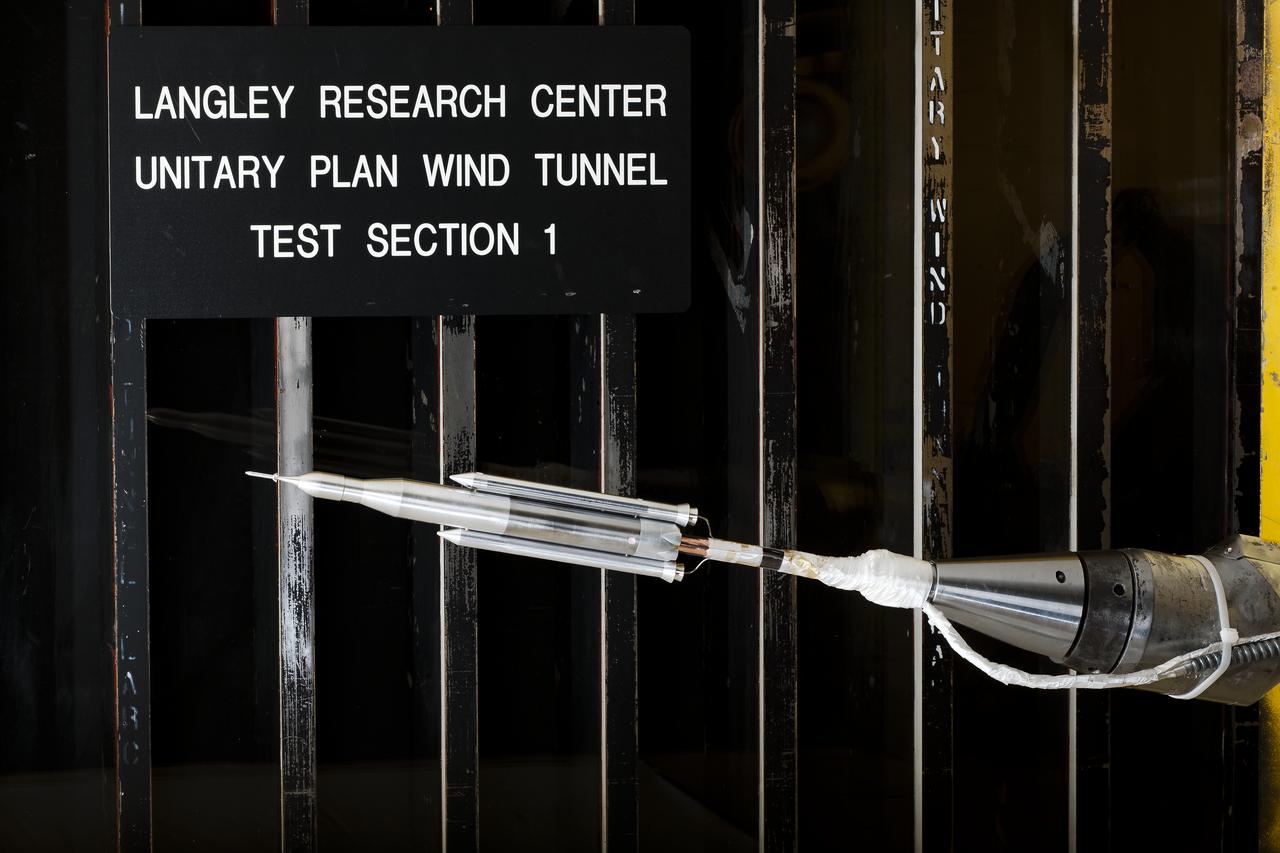
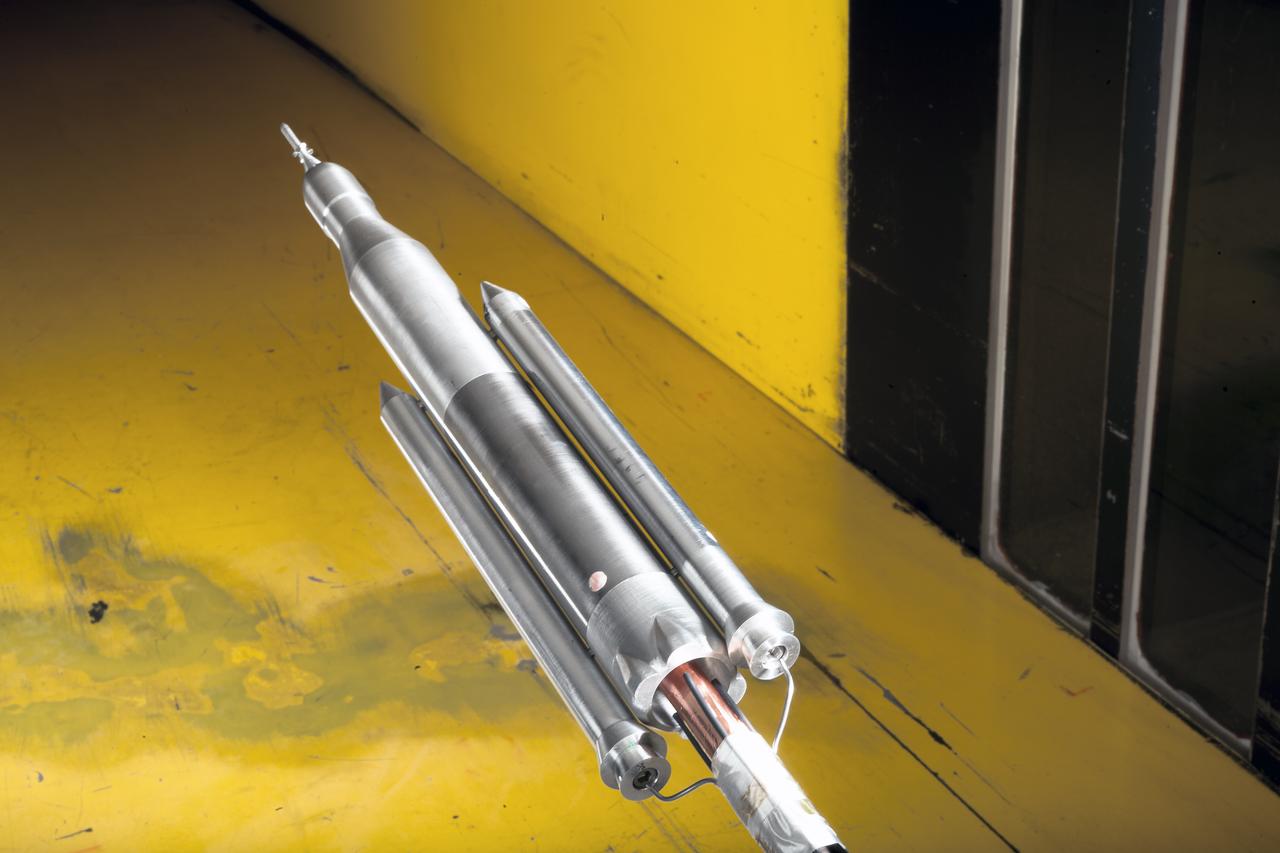
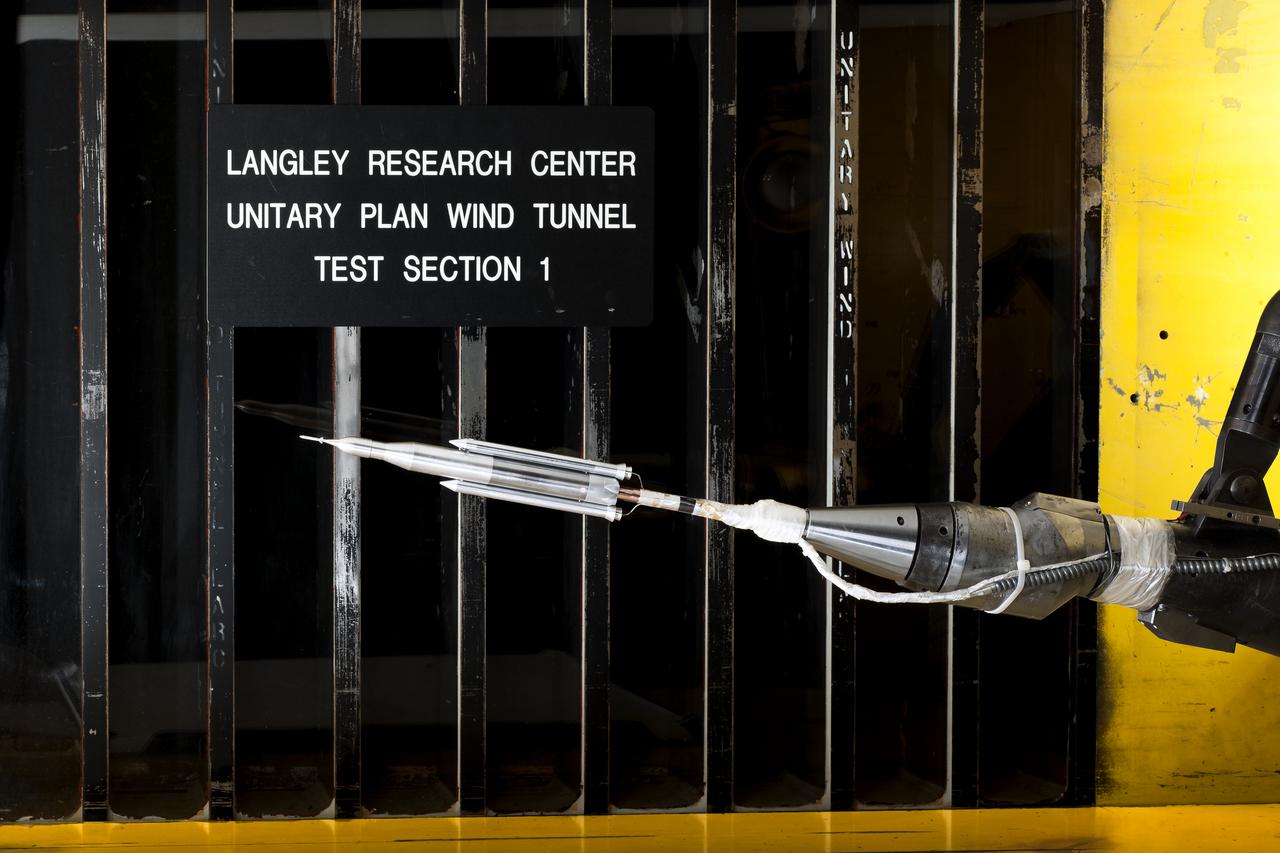
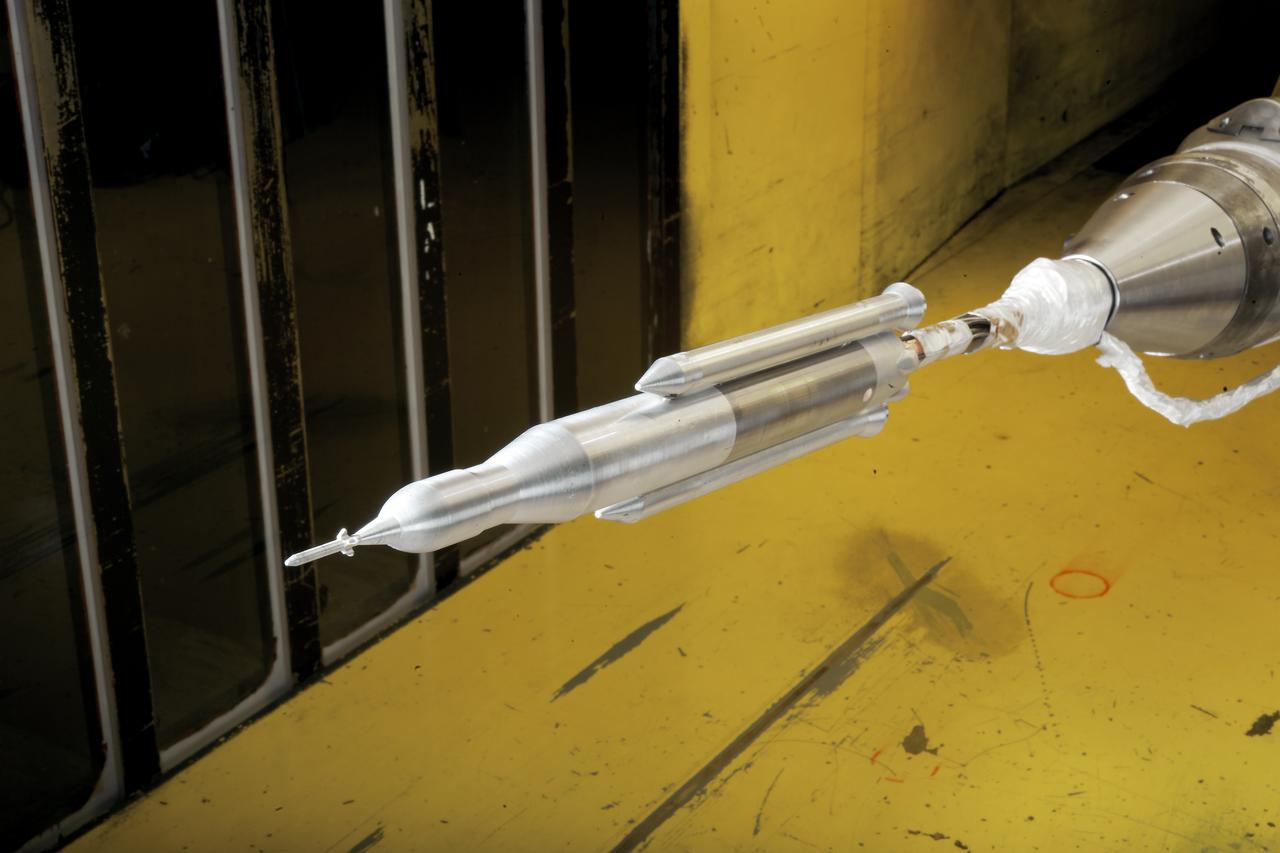
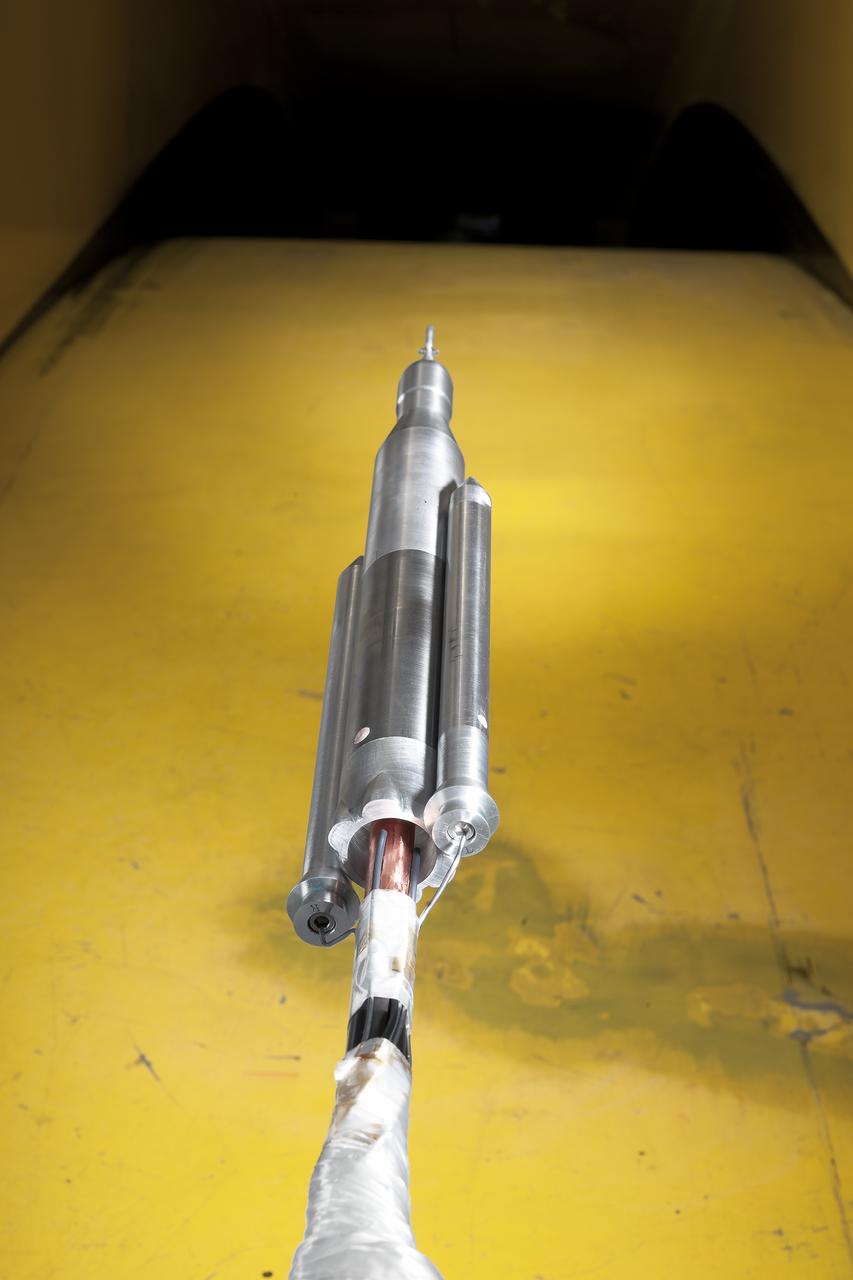
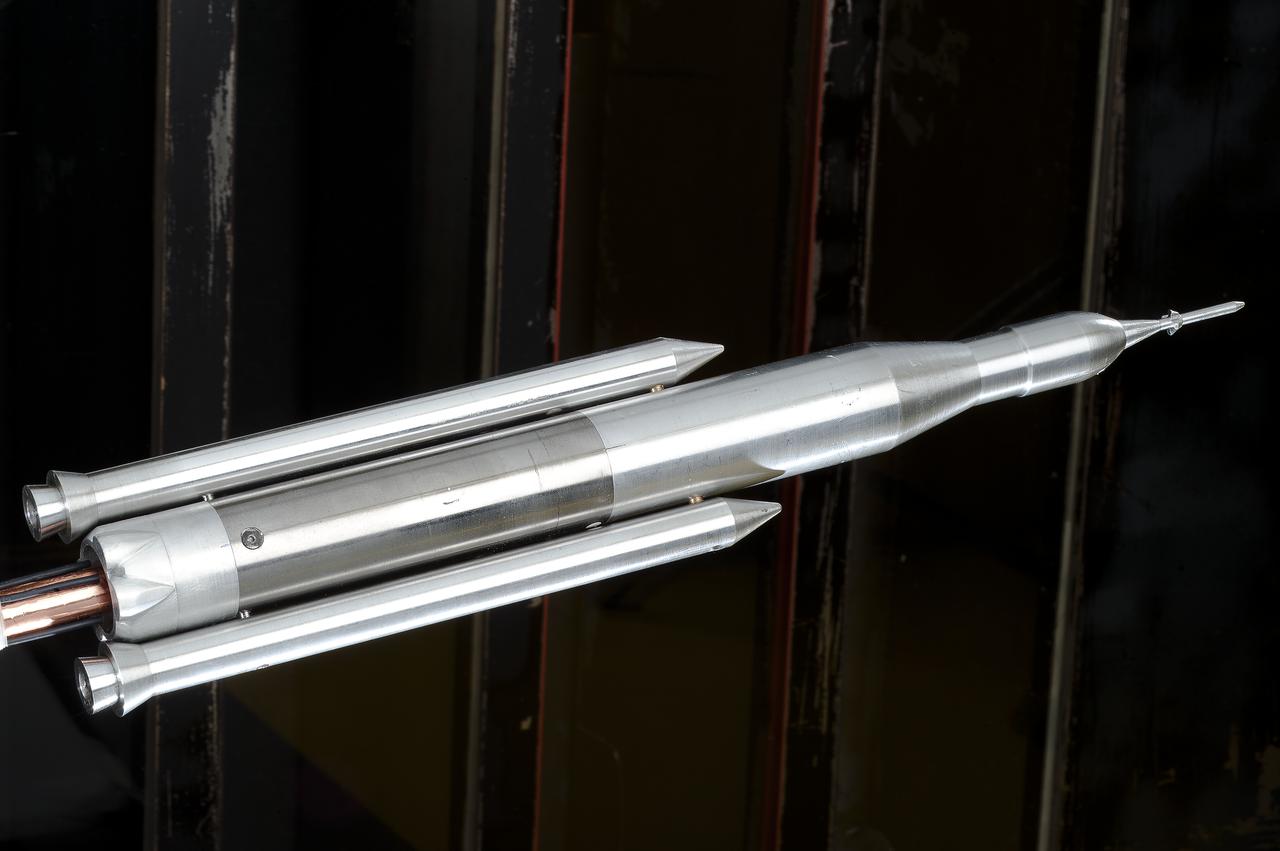
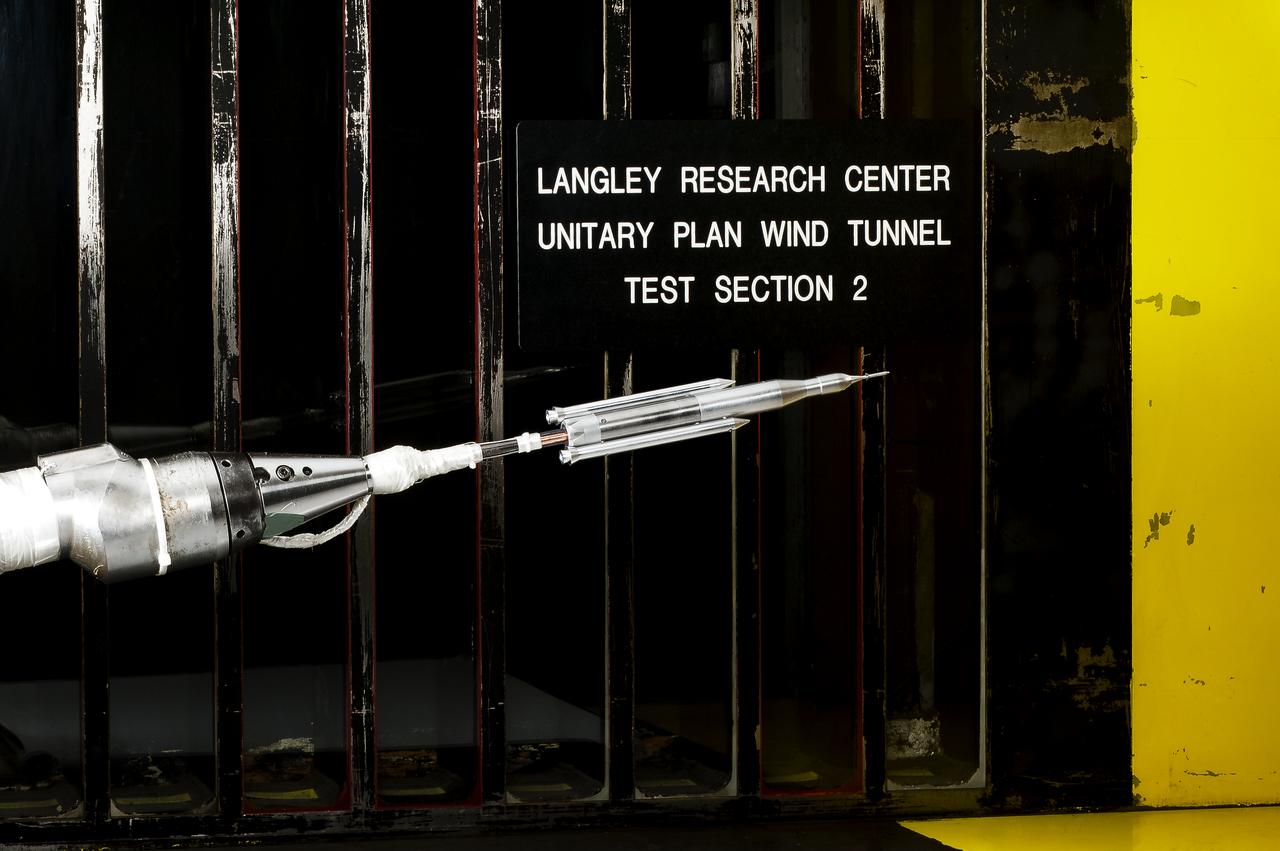
0.4 Percent Scale Space Launch System Wind Tunnel Test  0.4 Percent Scale SLS model installed in the NASA Langley Research Center Unitary Plan Wind Tunnel Test Section 1 for aerodynamic force and movement testing.
0.4 Percent Scale Space Launch System Wind Tunnel Test
0.4 Percent Scale Space Launch System Wind Tunnel Test  0.4 Percent Scale SLS model installed in the NASA Langley Research Center Unitary Plan Wind Tunnel Test Section 1 for aerodynamic force and movement testing.
0.4 Percent Scale Space Launch System Wind Tunnel Test
0.4 Percent Scale Space Launch System Wind Tunnel Test  0.4 Percent Scale SLS model installed in the NASA Langley Research Center Unitary Plan Wind Tunnel Test Section 1 for aerodynamic force and movement testing.
0.4 Percent Scale Space Launch System Wind Tunnel Test
0.4 Percent Scale Space Launch System Wind Tunnel Test  0.4 Percent Scale SLS model installed in the NASA Langley Research Center Unitary Plan Wind Tunnel Test Section 1 for aerodynamic force and movement testing.
0.4 Percent Scale Space Launch System Wind Tunnel Test
0.4 Percent Scale Space Launch System Wind Tunnel Test  0.4 Percent Scale SLS model installed in the NASA Langley Research Center Unitary Plan Wind Tunnel Test Section 1 for aerodynamic force and movement testing.
0.4 Percent Scale Space Launch System Wind Tunnel Test
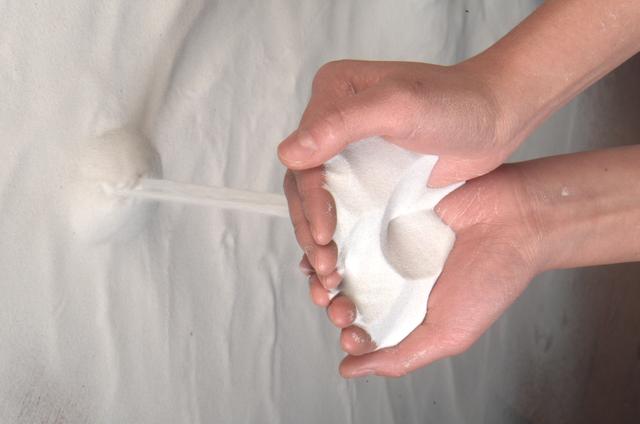
Ames Mars Wind Tunnel Facility N-245: NASA is simulating small martian 'dust devils' and wind in a laboraotry to determine how they may affect the landscape and environment of the red planet. Dust Devils on Mars are often a great deal biggger than those on Earth and can at times cover the whole planet. Martian winds & dust devils, big and little, collectively are a great force that is constantly changing the planet's environment.   shown here: Silica Sand (Oklahoma 90) particles used in vortex generatory and Mars Wind Tunnel
ARC-2005-ACD05-0022-017
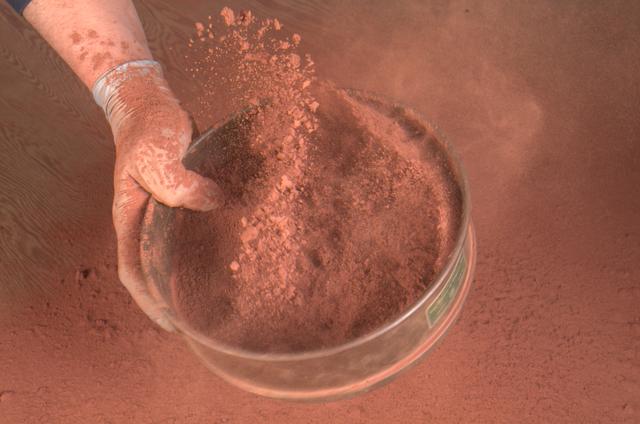
Ames Mars Wind Tunnel Facility N-245: NASA is simulating small martian 'dust devils' and wind in a laboraotry to determine how they may affect the landscape and environment of the red planet. Dust Devils on Mars are often a great deal biggger than those on Earth and can at times cover the whole planet. Martian winds & dust devils, big and little, collectively are a great force that is constantly changing the planet's environment.   shown here: Carbondale Red Clay dust used in vortex generatory and Mars Wind Tunnel
ARC-2005-ACD05-0022-019
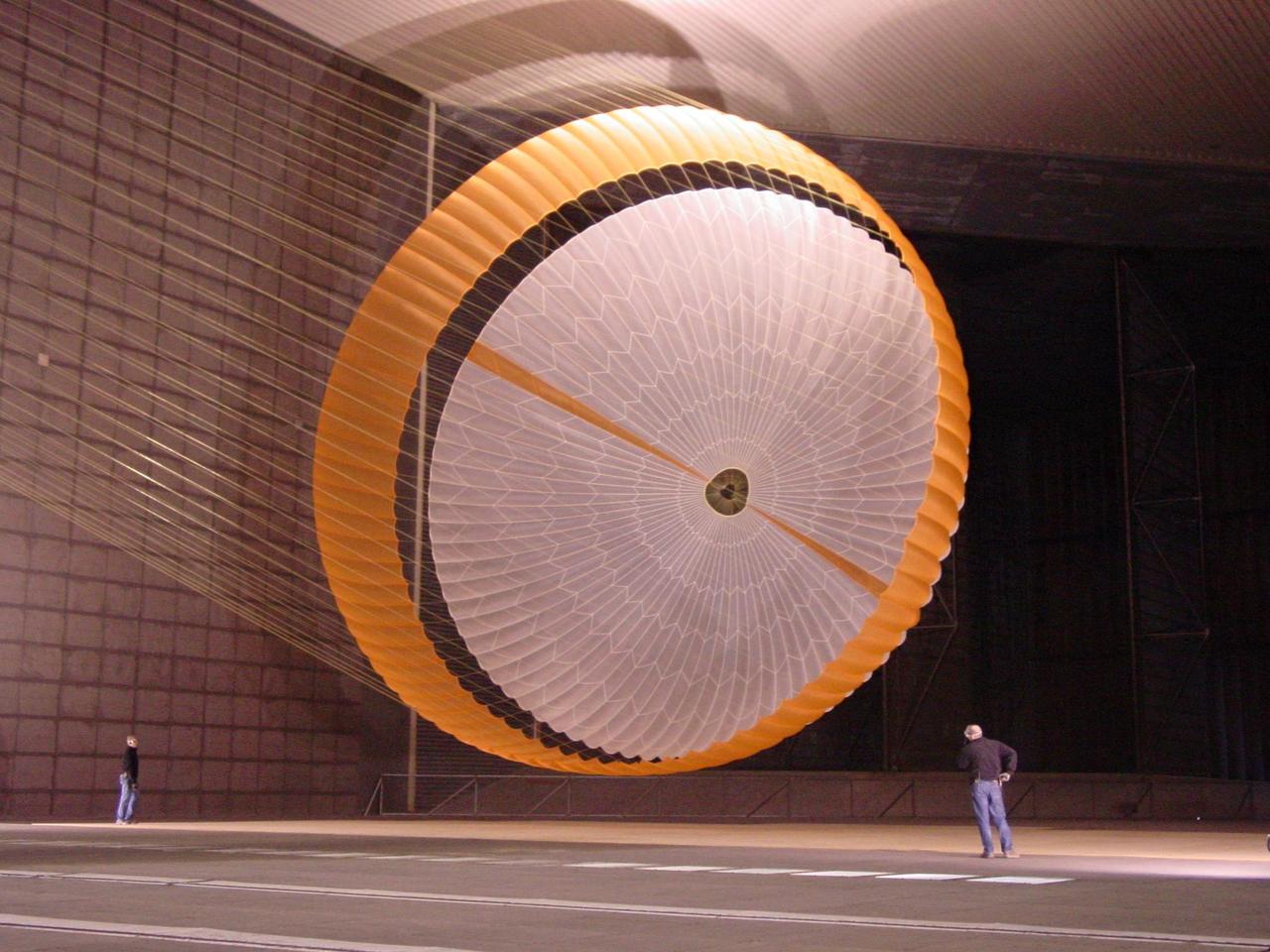
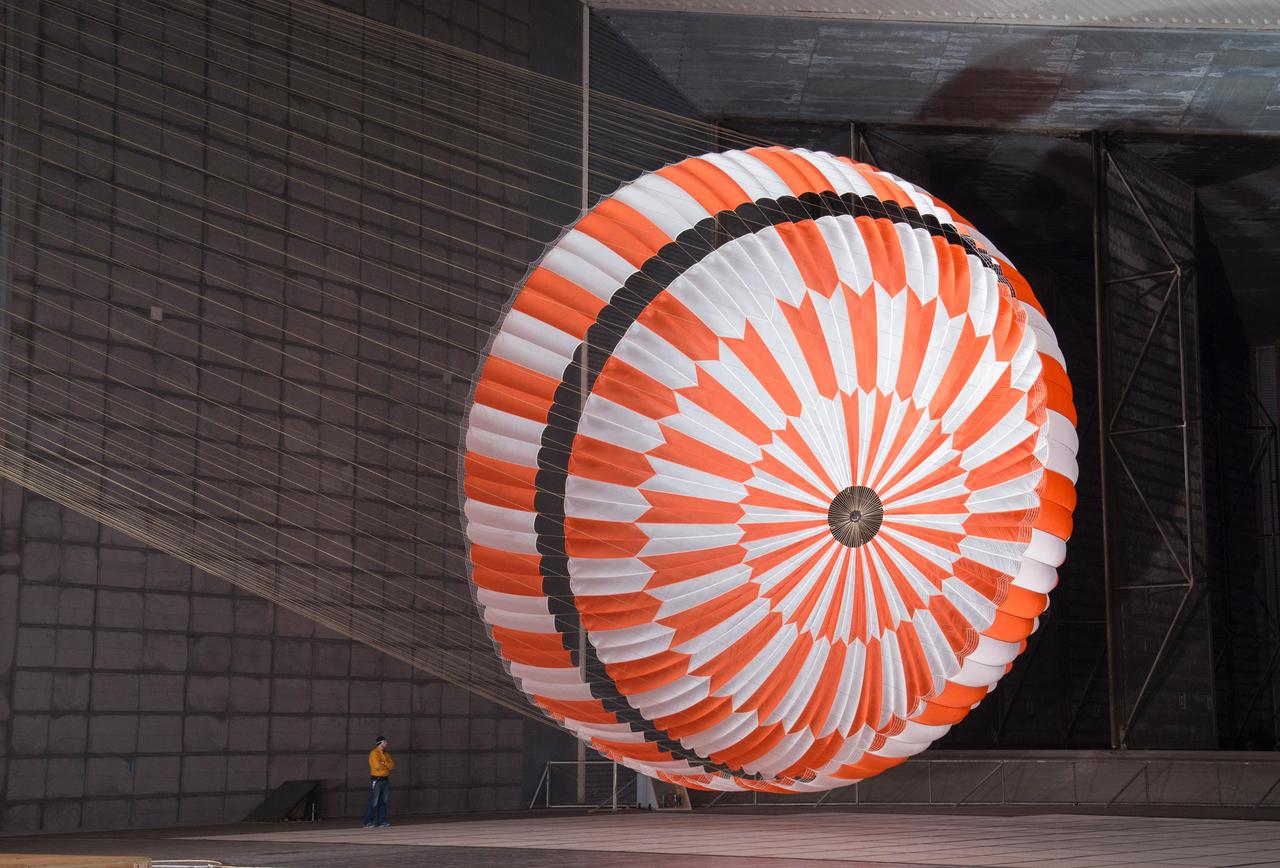
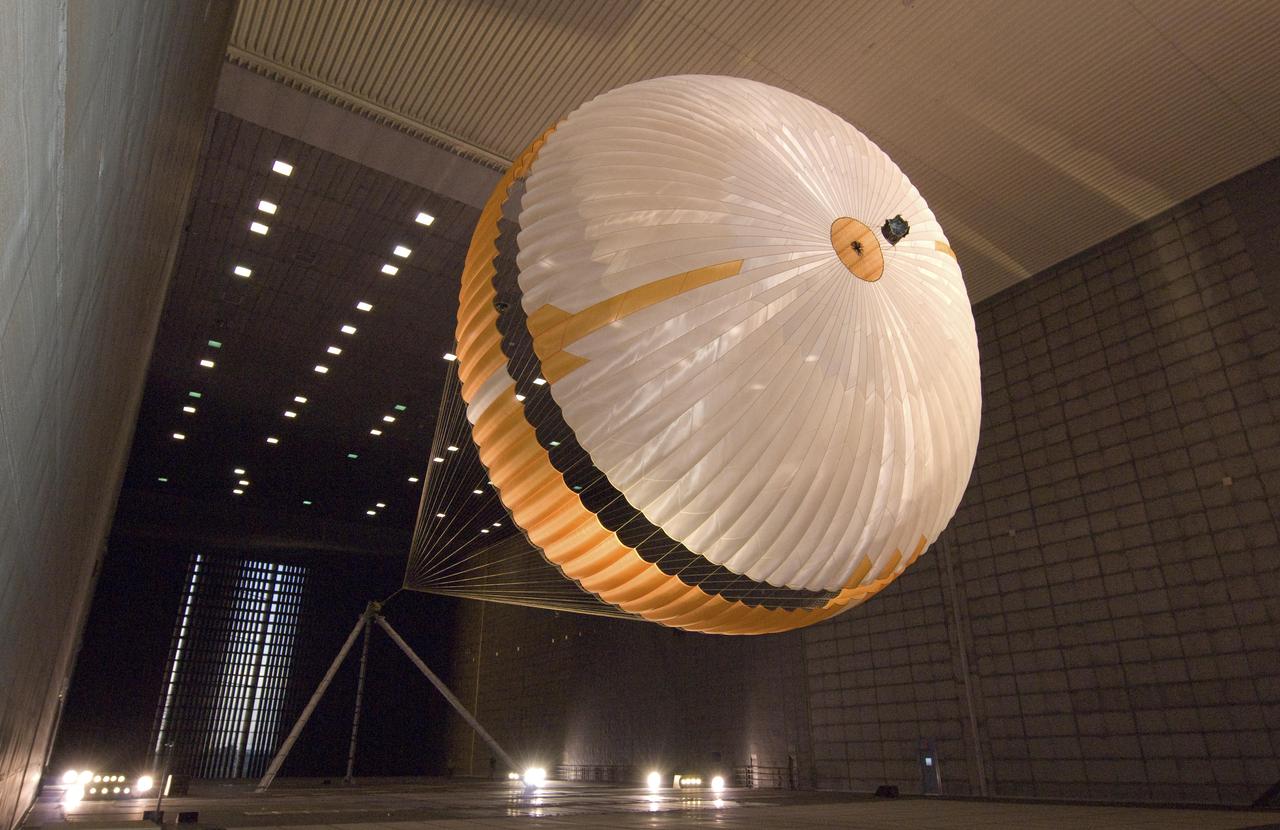
The parachute for NASA next mission to Mars passed flight-qualification testing in March and April 2009 inside the world largest wind tunnel, at NASA Ames Research Center, Moffett Field, Calif.  NASA's Mars Science Laboratory mission, to be launched in 2011 and land on Mars in 2012, will use the largest parachute ever built to fly on an extraterrestrial mission.  This image shows a duplicate qualification-test parachute inflated in an 80-mile-per-hour (36-meter-per-second) wind inside the test facility. The parachute uses a configuration called disk-gap-band. It has 80 suspension lines, measures more than 50 meters (165 feet) in length, and opens to a diameter of nearly 16 meters (51 feet). Most of the orange and white fabric is nylon, though a small disk of heavier polyester is used near the vent in the apex of the canopy due to higher stresses there. It is designed to survive deployment at Mach 2.2 in the Martian atmosphere, where it will generate up to 65,000 pounds of drag force.  The wind tunnel is 24 meters (80 feet) tall and 37 meters (120 feet) wide, big enough to house a Boeing 737. It is part of the National Full-Scale Aerodynamics Complex, operated by the Arnold Engineering Development Center of the U.S. Air Force.  http://photojournal.jpl.nasa.gov/catalog/PIA11995
Mars Parachute Testing in World Largest Wind Tunnel
New renovated NASA Ames Research Center 12ft Pressure Wind Tunnel view from back of test section with model LB-435, showing tunnel closed
ARC-1995-AC95-0203-10
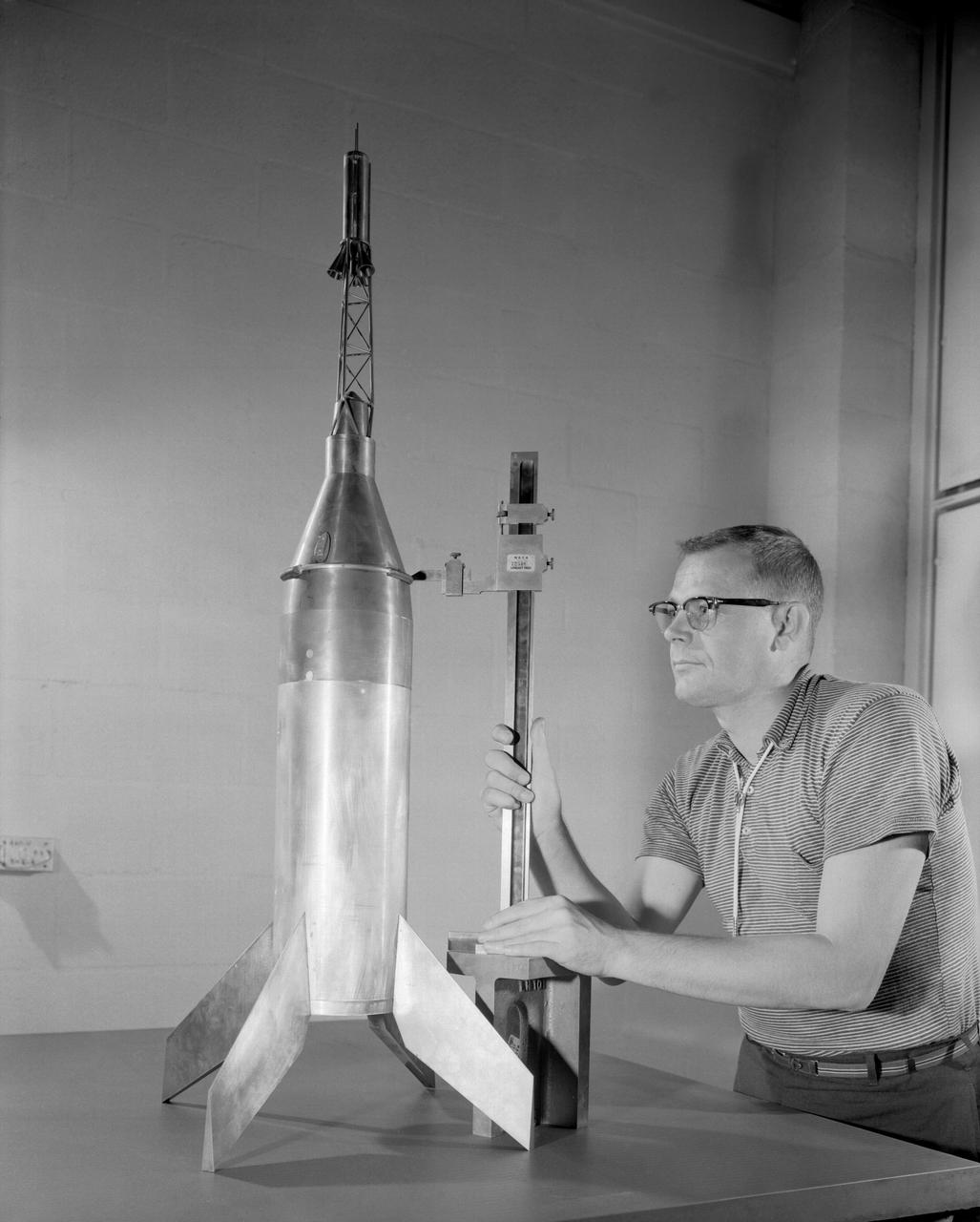
Publicity photograph of a technician measuring a wind tunnel model of the Little Joe test vehicle. Joseph Shortal noted that (vol. 3, p. 29):  The largest project at Wallops in support of Mercury was the Little Joe project, designed to qualify the abort-escape system under flight conditions.  James Hansen (p. 47) writes:  STG engineers Max Faget and Paul Purser, then of Langley's PARD, had conceived Little Joe as a space capsule test vehicle even before the establishment of NASA and the formation of the STG. Girlruth understood the importance of the Little Joe tests:  We had to be sure there were no serious performance and operational problems that we had simply not thought of in such a new and radical type of flight vehicle.  -- Published in James R. Hansen, Spaceflight Revolution: NASA Langley Research Center From Sputnik to Apollo, (Washington: NASA, 1995), p. 47  Joseph A. Shortal, History of Wallops Station: Origins and Activities Through 1949, (Wallops Island, VA: National Aeronautics and Space Administration, Wallops Station, nd), Comment Edition.
Little Joe Model Mercury Project
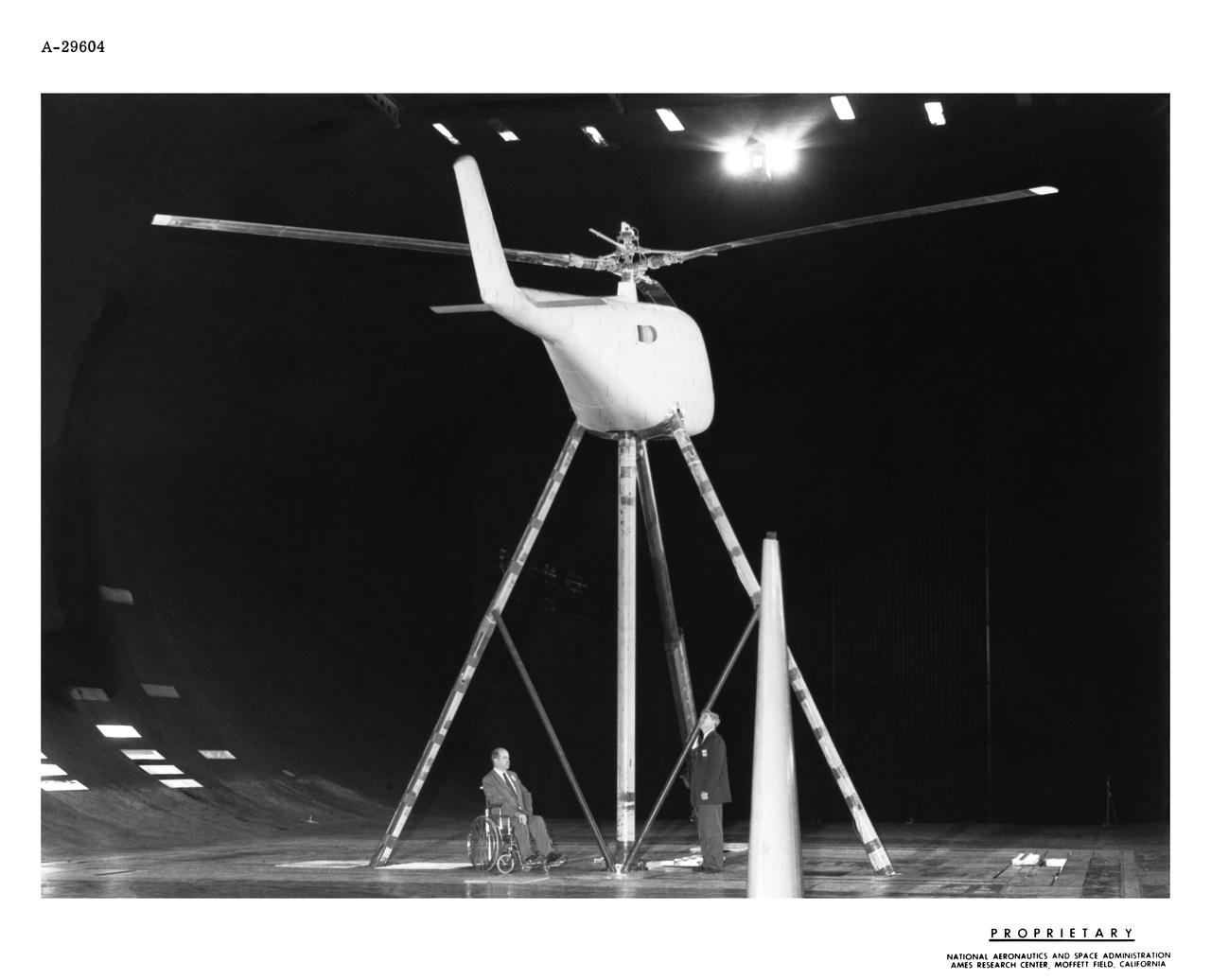
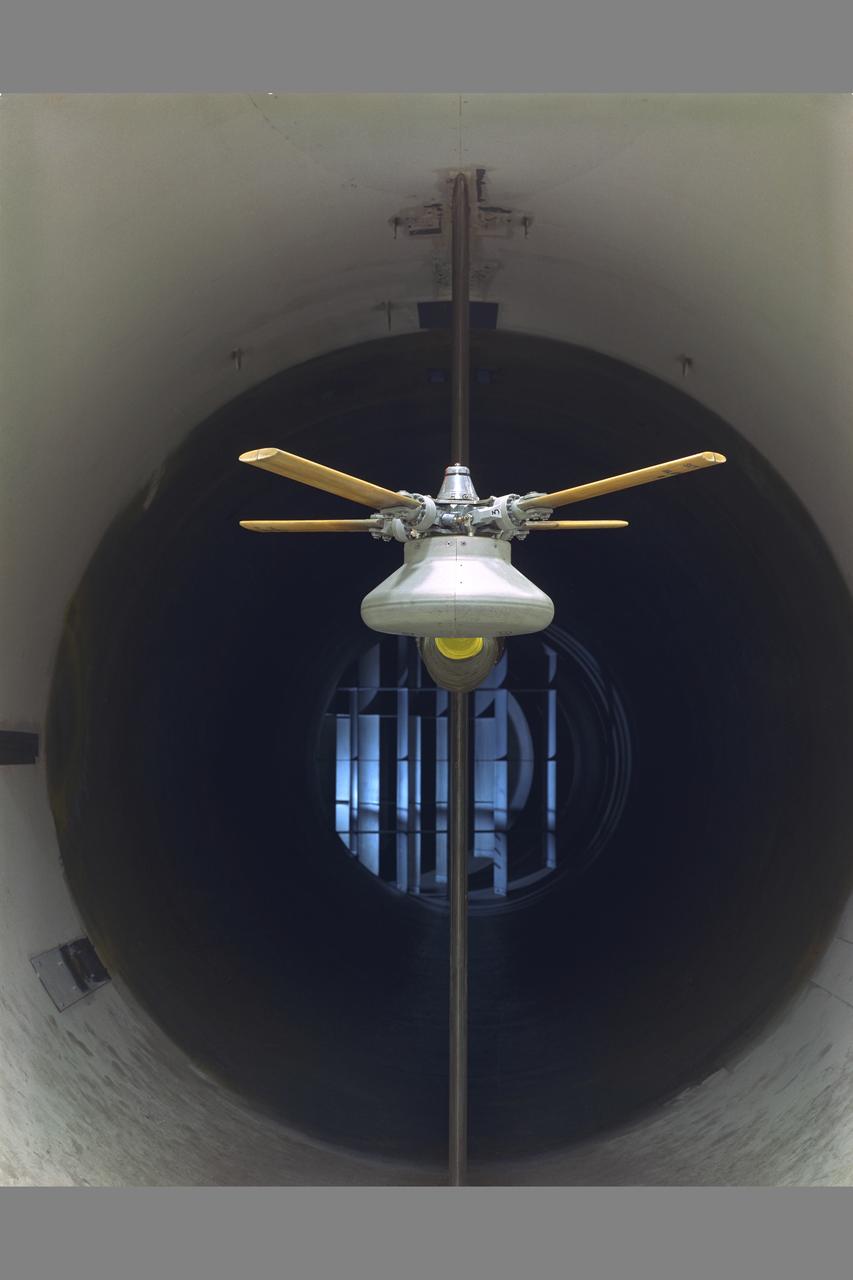
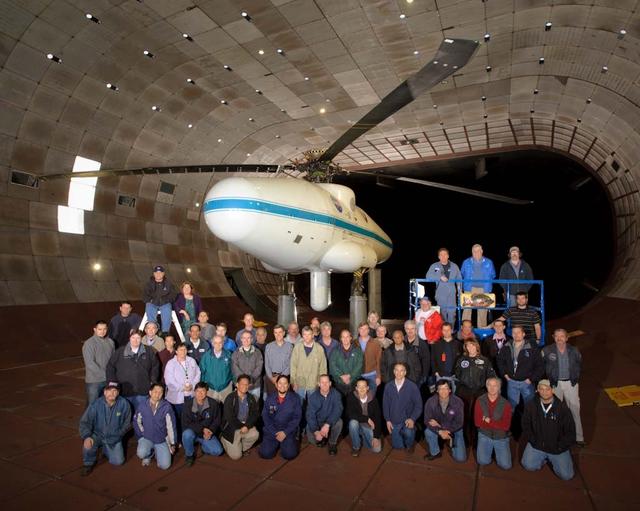
Lockheed XH-51 Experimental Rigid Rotors, no hinges, in Ames 40x80 foot wind tunnel. John McCloud (left sitting) Jack Rabbot (Right).
Lockheed XH-51 Helicopter with Experimental Rigid Rotors in the 40x80 Foot Wind Tunnel at NASA Ames.
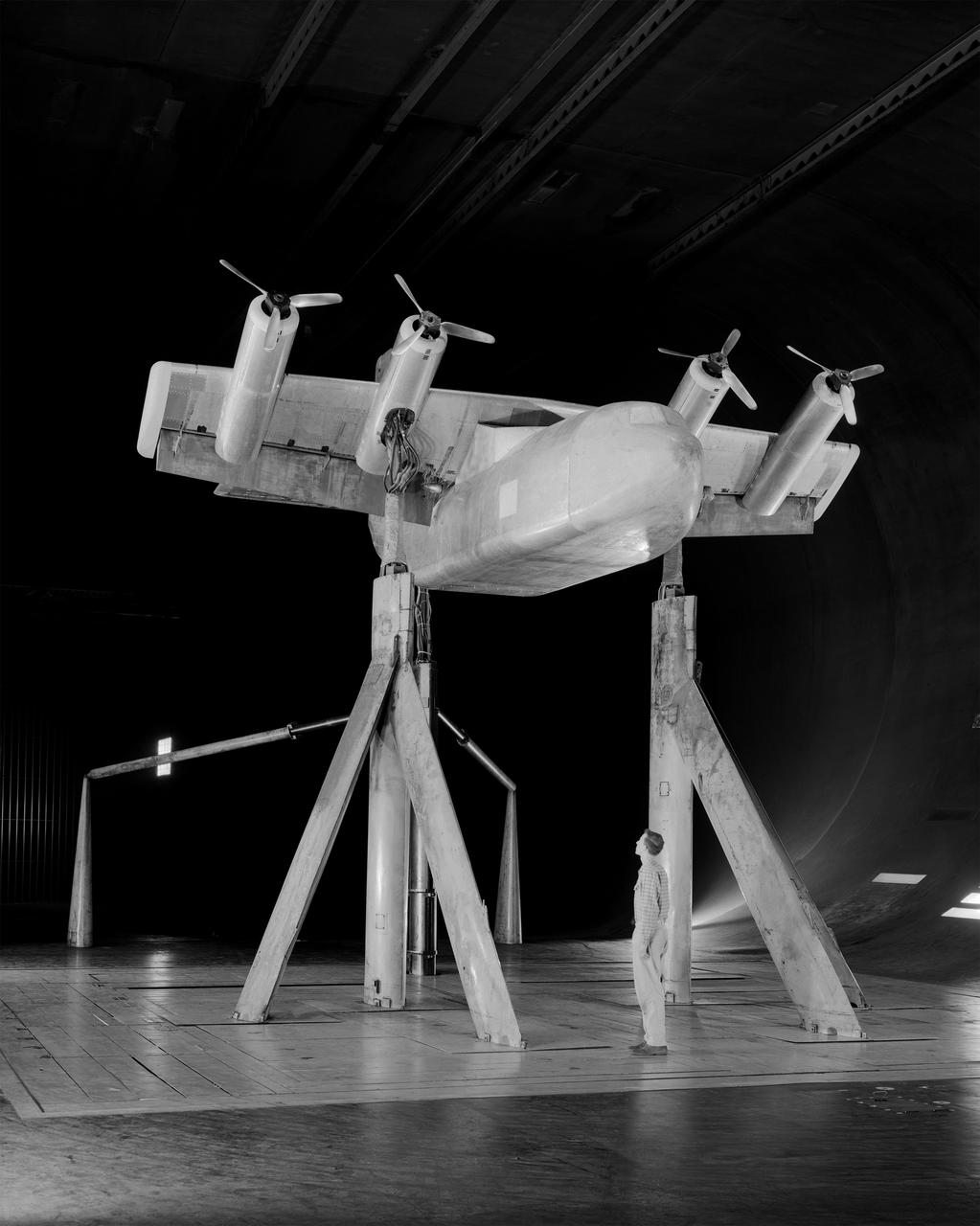
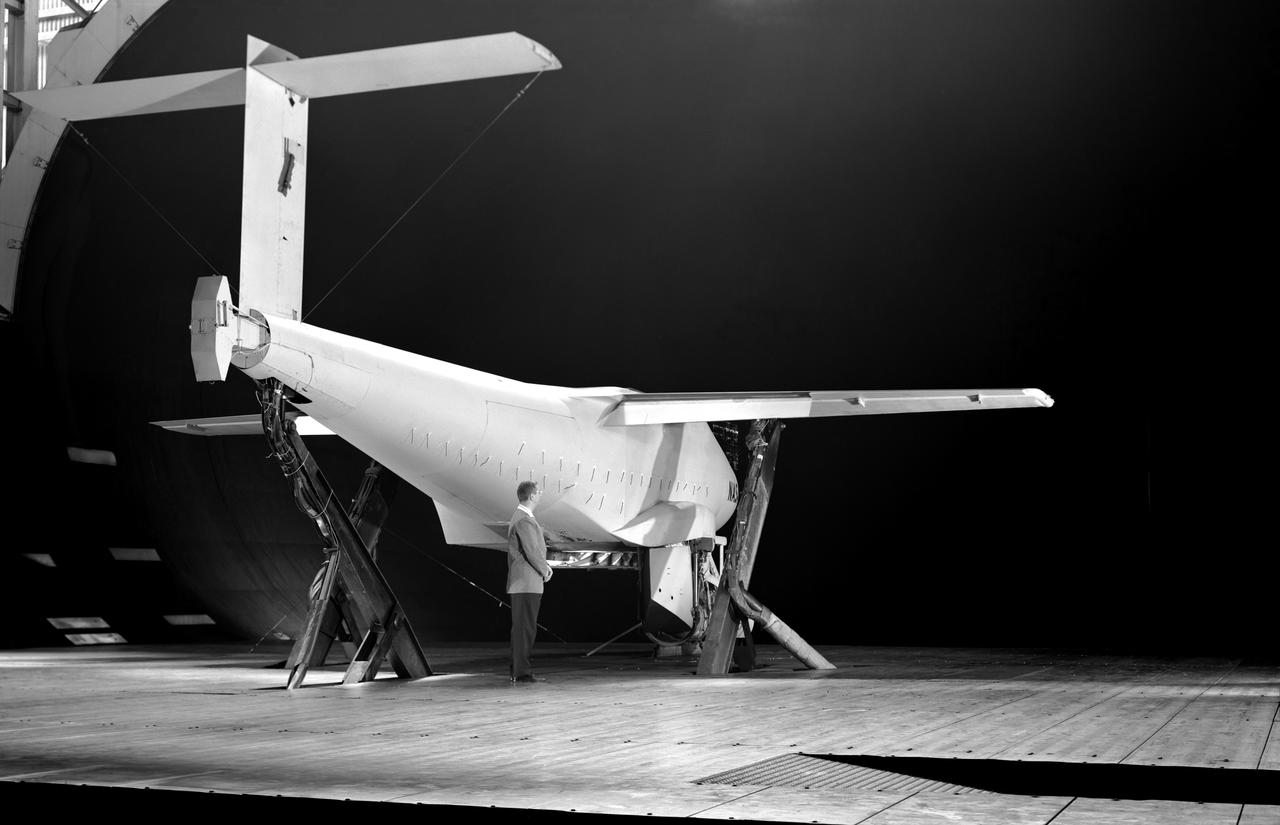
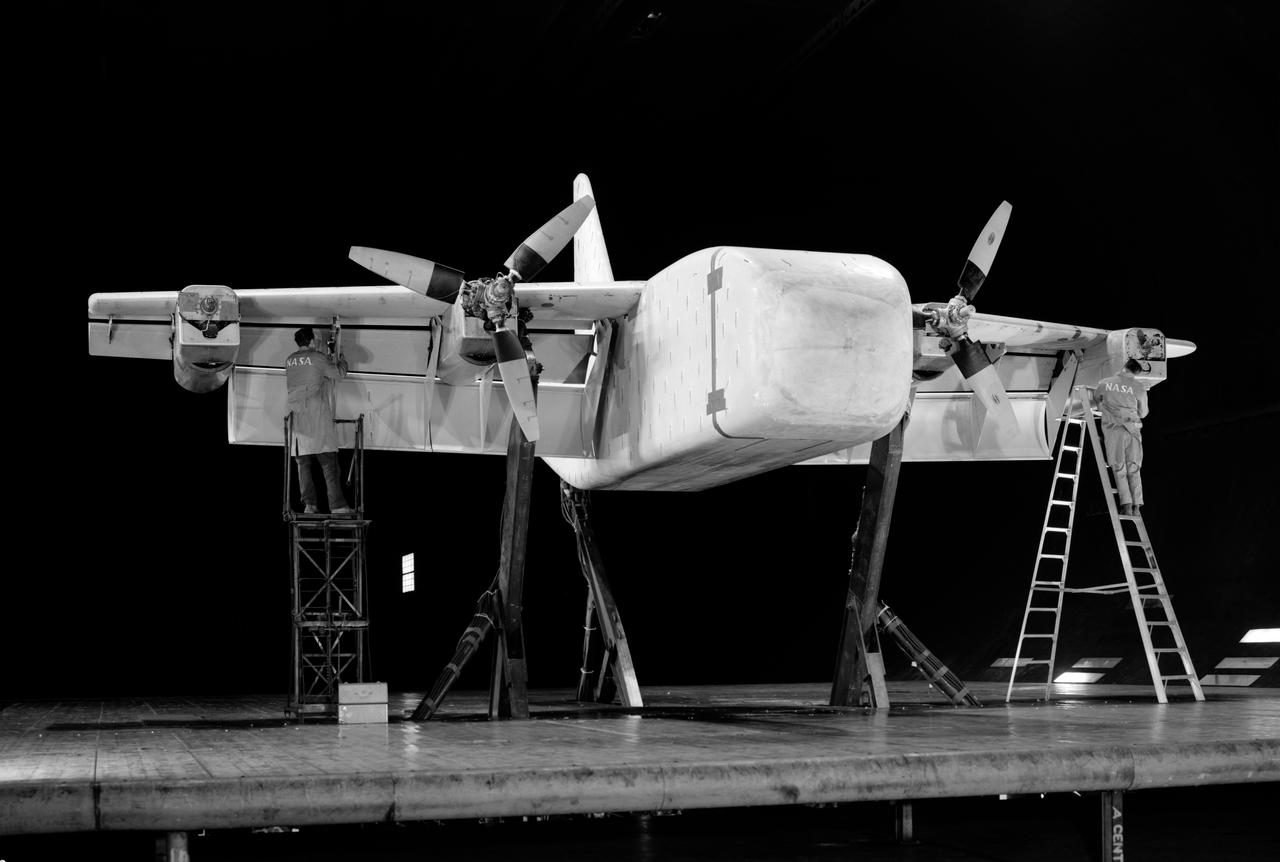
4 propeller Tilt Wing. Pictured with Tommy Wills wind tunnel mechanic in the 40x80 foot wind tunnel.
Tilt-Wing/Propeller Model With Blowing Flaps Tested in the 40x80 foot Wind Tunnel at NASA Ames.
Low Speed investigation of a supersonic transport model in the 40x80 Wind Tunnel.  03/01/1961  R 975 T  Zero angel of attack. Supersonic transport with delta wing and delta conard. 3/4 front view.
Low Speed Investigation of a Supersonic Transport Model in the 40x80 Wind Tunnel at NASA Ames.
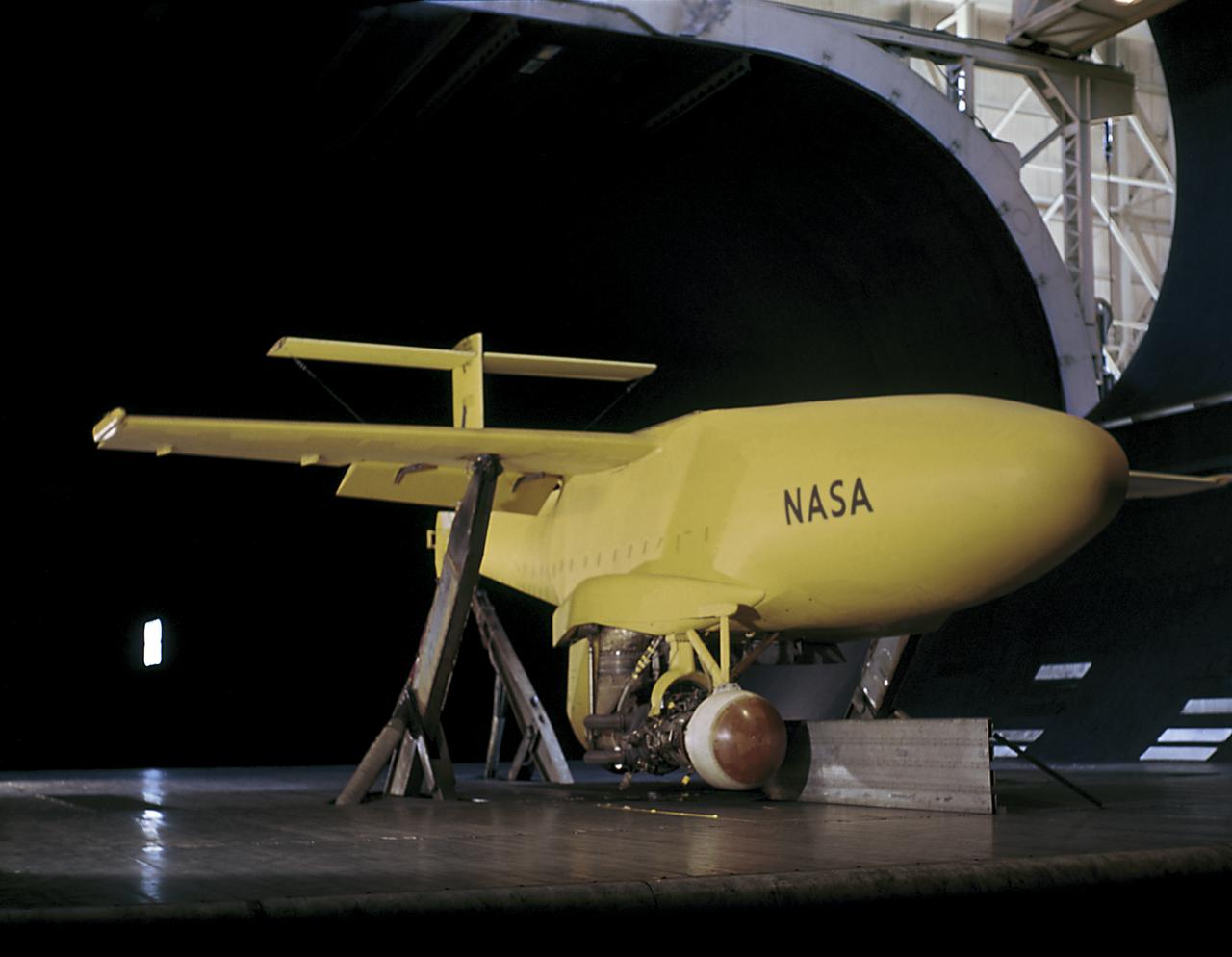
G.E. Fan-in-fuselage model (lifting). 3/4 front view of fan at low G.P. position.  Lift fan on variable height strut for ground effects studies. T-Tail
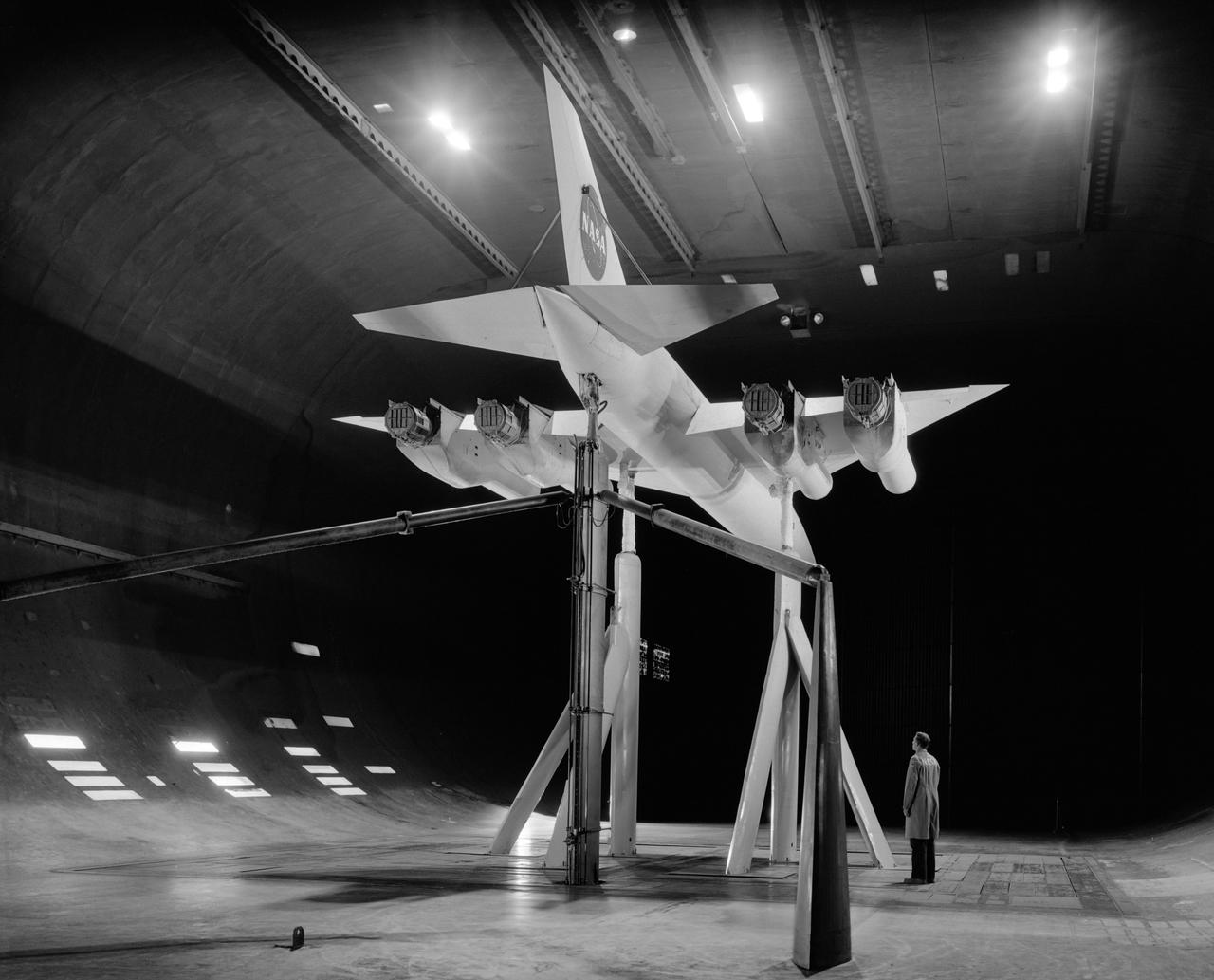
General Electric Fan-In-Fuselage model in the 40x80 Foot Wind Tunnel at NASA Ames.
Wide shot of 40x 80 wind tunnel settling chamber with Lockheed XFV-1 model.  Project engineer Mark Kelly (not shown). Remote controlled model flown in the settling chamber of the 40x80 wind tunnel. Electric motors in the model, controlled the counter-rotating propellers to test vertical takeoff. Test no. 71
Lockheed XFV-1 model in the 40x80 foot wind tunnel at NASA Ames Research Center
3/4 front right side only with Tim Wills on right and Charles Greco, mechanic. Large flaps on Variable height struts.  XC-142 was a tri-service tiltwing experimental aircraft designed to investigate the operational suitability of vertical/short takeoff and landing (V/STOL) transports.
XC-142 Tilt Wing; 0.6 Scale Model in the 40x80 Foot Wind Tunnel at NASA Ames Research Center.
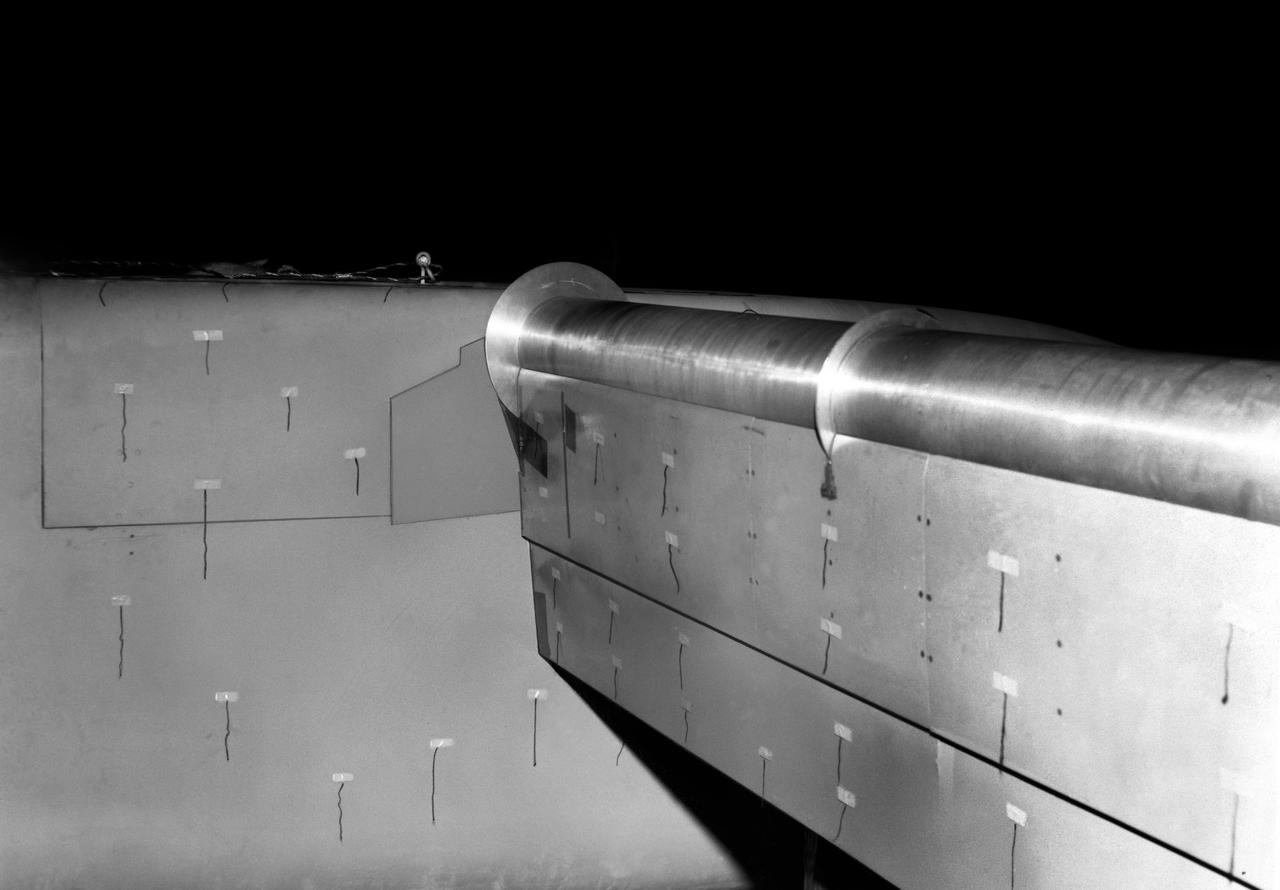
Detail view of 4 propeller model rotating cylinder flap at 90 degrees with yarn tufts attached.
Detail View of Rotating Cylinder Flap in 40x80 Foot Wind Tunnel at NASA Ames.
G.E fan-in-fuselage model (lifting) 3/4 front view of fan at low G.P. position
General Electric Fan-In-Fuselage Model in the 40x80 Foot Wind Tunnel at NASA Ames.
G.E. Fan-in-fuselage model (lifting). 3/4 rear view of fan at low G.P. position.  Lift fan on variable height strut for ground effects studies with reaction control. T-Tail.
General Electric Fan-In-Fuselage Lifting Model in the 40x80 Foot Wind Tunnel at NASA Ames.
Space Shuttle Orbiter 101 model installation in the NASA Ames 40x80ft Subsonic Wind Tunnel. Test-462
ARC-1975-AC75-2584
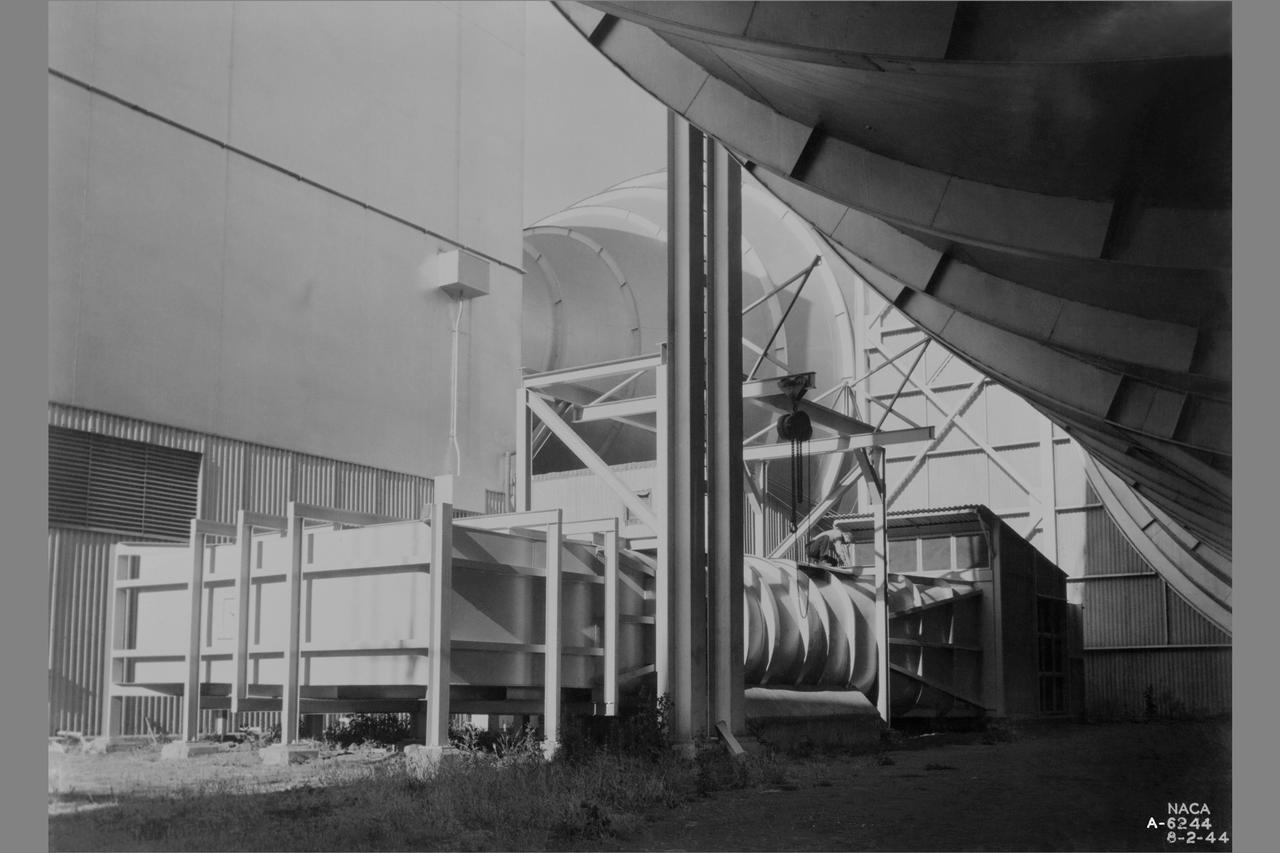
NASA Ames Research Center's 1x3 1/2 ft wind tunnel (to illustrate 1946 budget)
ARC-1944-A-6245
0.4% Scale (SLS) Space Launch System Model Test In NASA LaRC Unitary Plan Wind Tunnel
0.4% Scale (SLS) Space Launch System Model Test In NASA LaRC Uni
NASA/Army UH-60 Individual Blade Control (IBC) test on LRTA in 40x80ft. Wind Tunnel at Ames Research Center
ARC-2009-ACD09-0020-020
F-18 HICL II model in NASA Ames Research Center 12ft Pressure Wind Tunnel 12ft w.t.
ARC-1976-A76-0697
0.4% Scale (SLS) Space Launch System Model Test In NASA LaRC Unitary Plan Wind Tunnel
0.4% Scale (SLS) Space Launch System Model Test In NASA LaRC Uni
NASA Ames Research Center's 1x3 1/2ft wind tunnel (to illustrate 1946 budget)
ARC-1944-A-6244
0.4% Scale (SLS) Space Launch System Model Test In NASA LaRC Unitary Plan Wind Tunnel
0.4% Scale (SLS) Space Launch System Model Test In NASA LaRC Uni
NASA Staff Dr.Darden, Matthew Overhold, Kathy Needleman, Robert Mack. Mach 3 Sonic Boom Model Wind Tunnel
Sonic Boom Model
0.4% Scale (SLS) Space Launch System Model Test In NASA LaRC Unitary Plan Wind Tunnel
0.4% Scale (SLS) Space Launch System Model Test In NASA LaRC Uni
New renovated NASA Ames Research Center 12ft Pressure Wind Tunnel view of mode prep area
ARC-1995-AC95-0203-1
Space Shuttle Orbitor Model (A-100) testing in the NASA Ames Research Center 40x80ft Subsonic Wind Tunnel
ARC-1975-AC75-1161-4
Rotary Entry Vehicle model in  NASA Ames Reseach Center 12ft Pressure Wind Tunnel
ARC-1966-A-37013
New renovated NASA Ames Research Center 12ft Pressure Wind Tunnel view of control room
ARC-1995-AC95-0203-2
New renovated NASA Ames Research Center 12 foot Pressure Wind Tunnel, vanes
ARC-1995-AC95-0203-53
0.4% Scale (SLS) Space Launch System Model Test In NASA LaRC Unitary Plan Wind Tunnel
0.4% Scale (SLS) Space Launch System Model Test In NASA LaRC Uni
0.4% Scale (SLS) Space Launch System Model Test In NASA LaRC Unitary Plan Wind Tunnel
0.4% Scale (SLS) Space Launch System Model Test In NASA LaRC Uni
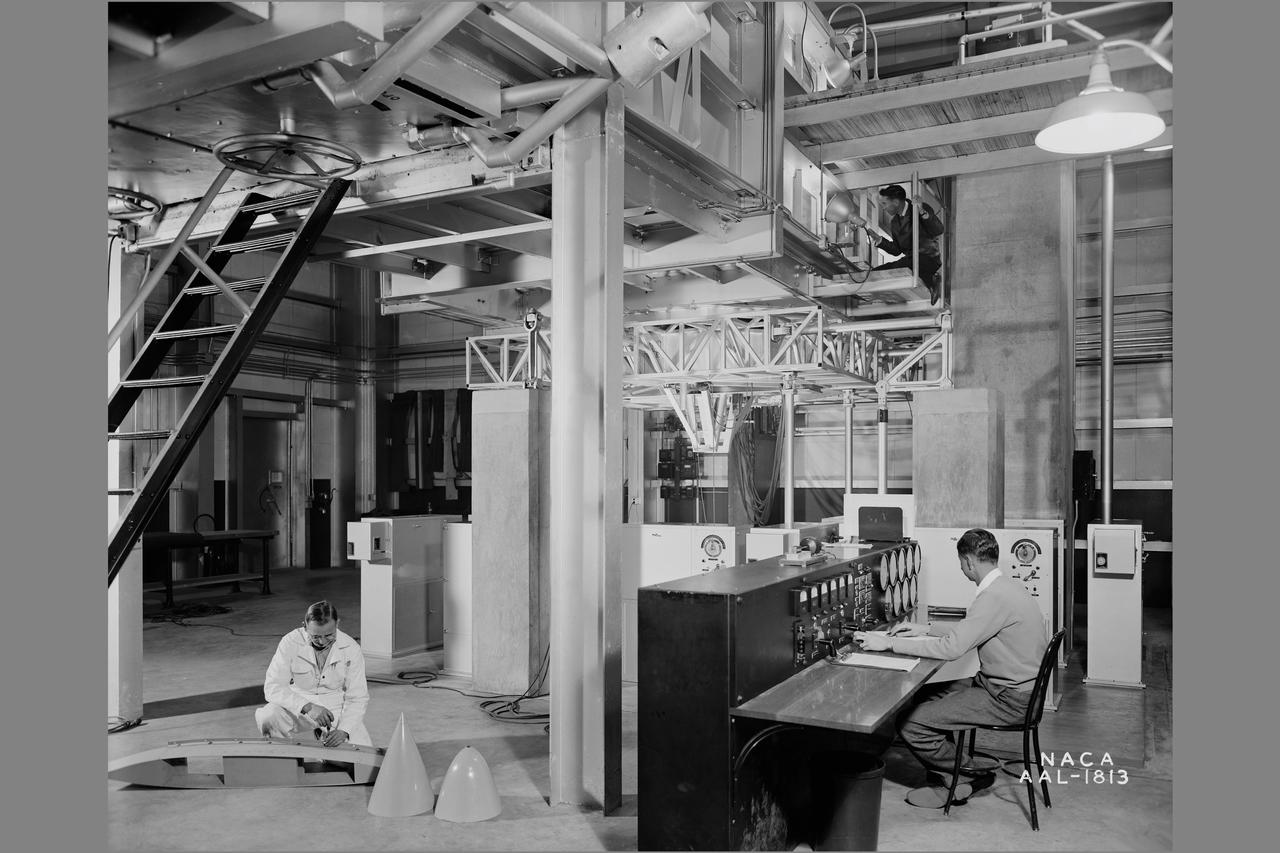
NACA photographer General view test chamber in the 7x10ft wind tunnel at NASA Ames Research center with test engineers
ARC-1942-AAL-1813
Galileo Probe test-358 in NASA Ames Research Center12ft Pressure Wind Tunnel
ARC-1981-AC81-0483-1
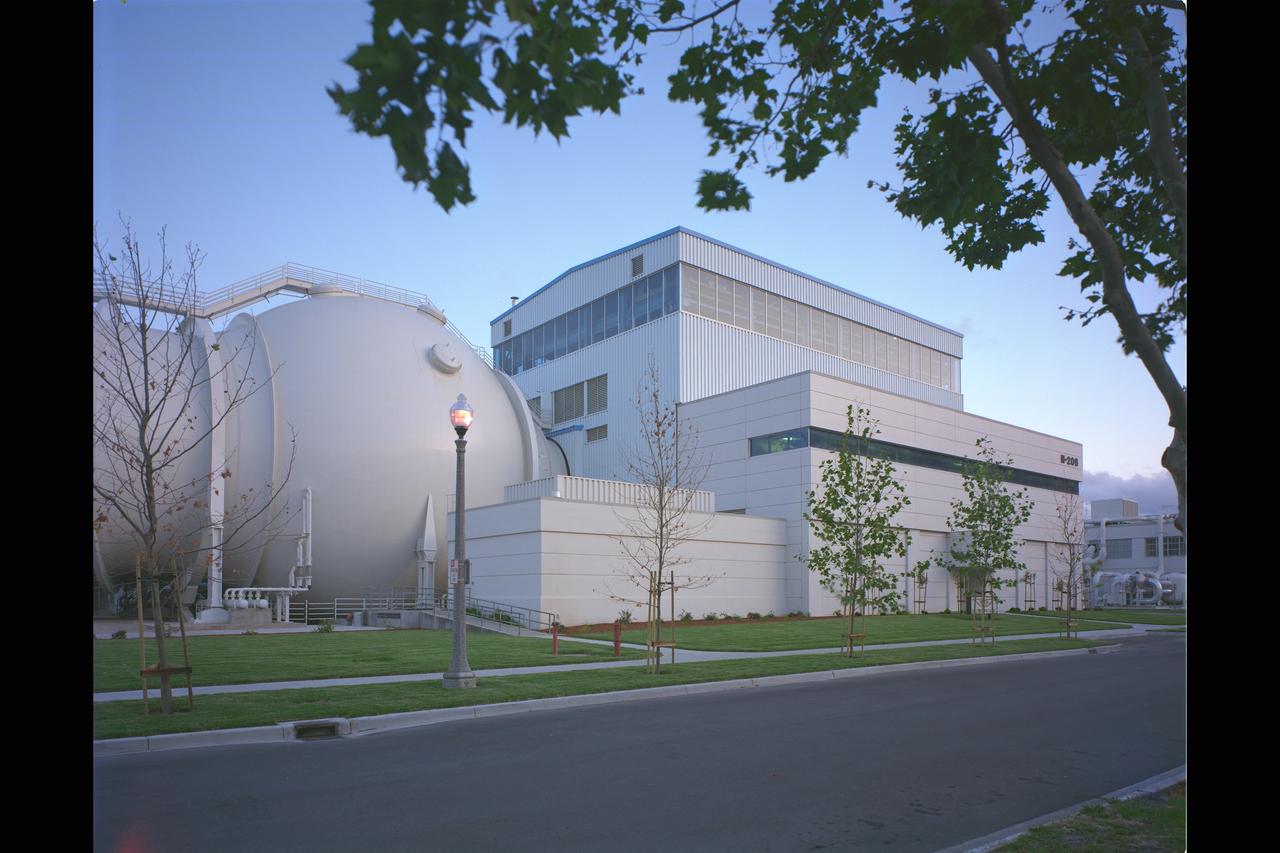
New renovated NASA Ames Research Center 12ft Pressure Wind Tunnel at dusk
ARC-1995-AC95-0203-19
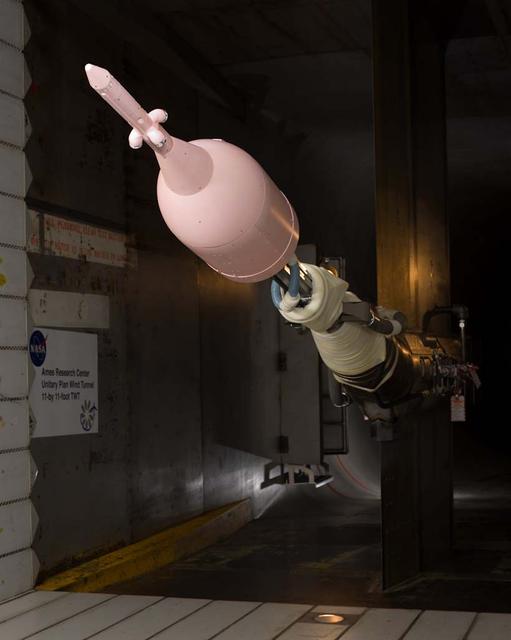
Crew Exploration Vehicle CEV-26AA with service module in 11_foot NASA Ames Transonic Wind Tunnel Test-11-0197
ARC-2010-AD10-0132-003
New renovated NASA Ames Research Center 12ft Pressure Wind Tunnel (with clouds)
ARC-1995-AC95-0203-17
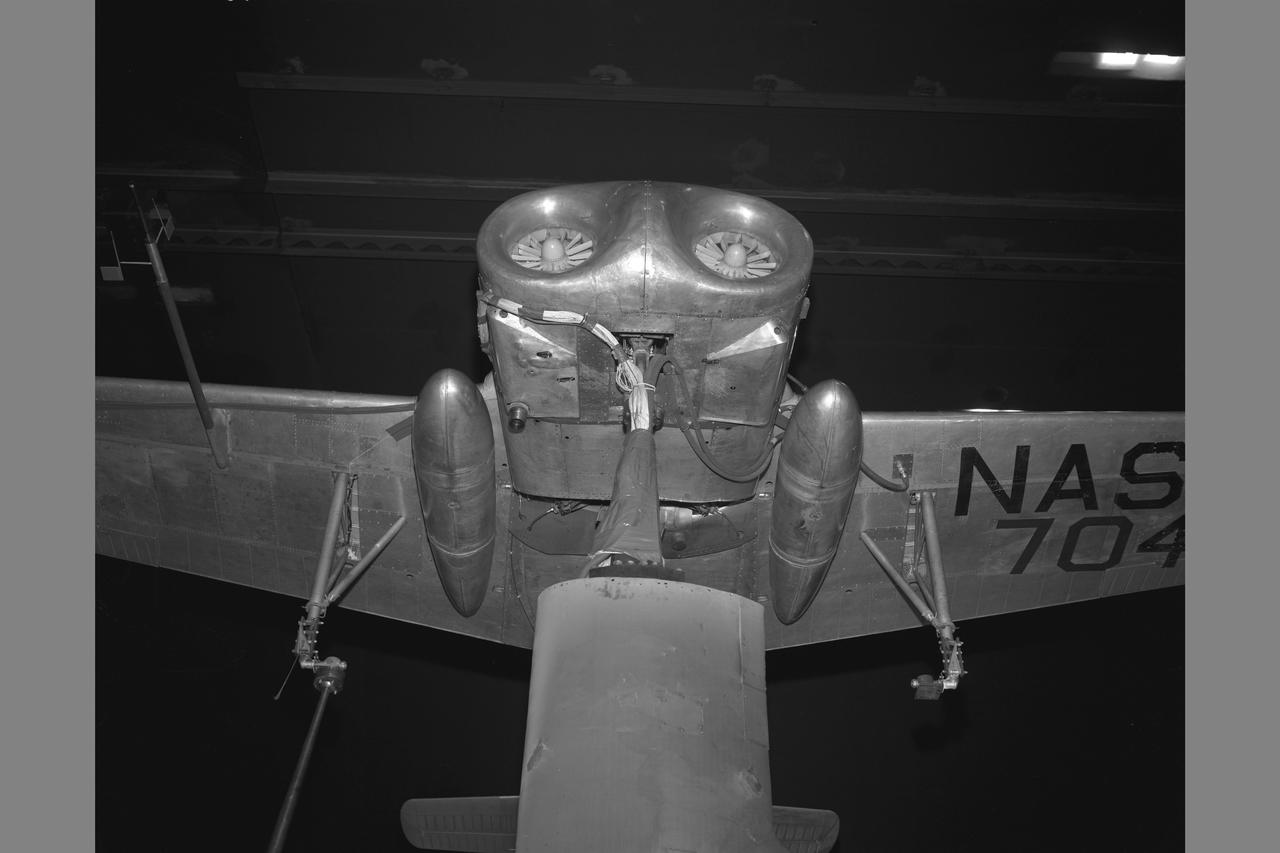
X-14 NASA 704 Full Scale Airplane tests in  40x80ft. Wind Tunnel (NORMAL MOUNTING) jet inlets
ARC-1967-A-38763
New renovated NASA Ames Research Center 12ft Pressure Wind Tunnel view model prep area
ARC-1995-AC95-0203-6
Counter Rotating Propeller Model in the NASA Glenn 8x6-Foot Supersonic Wind Tunnel
Counter Rotating Propeller Model in the NASA Glenn 8x6-Foot Supe
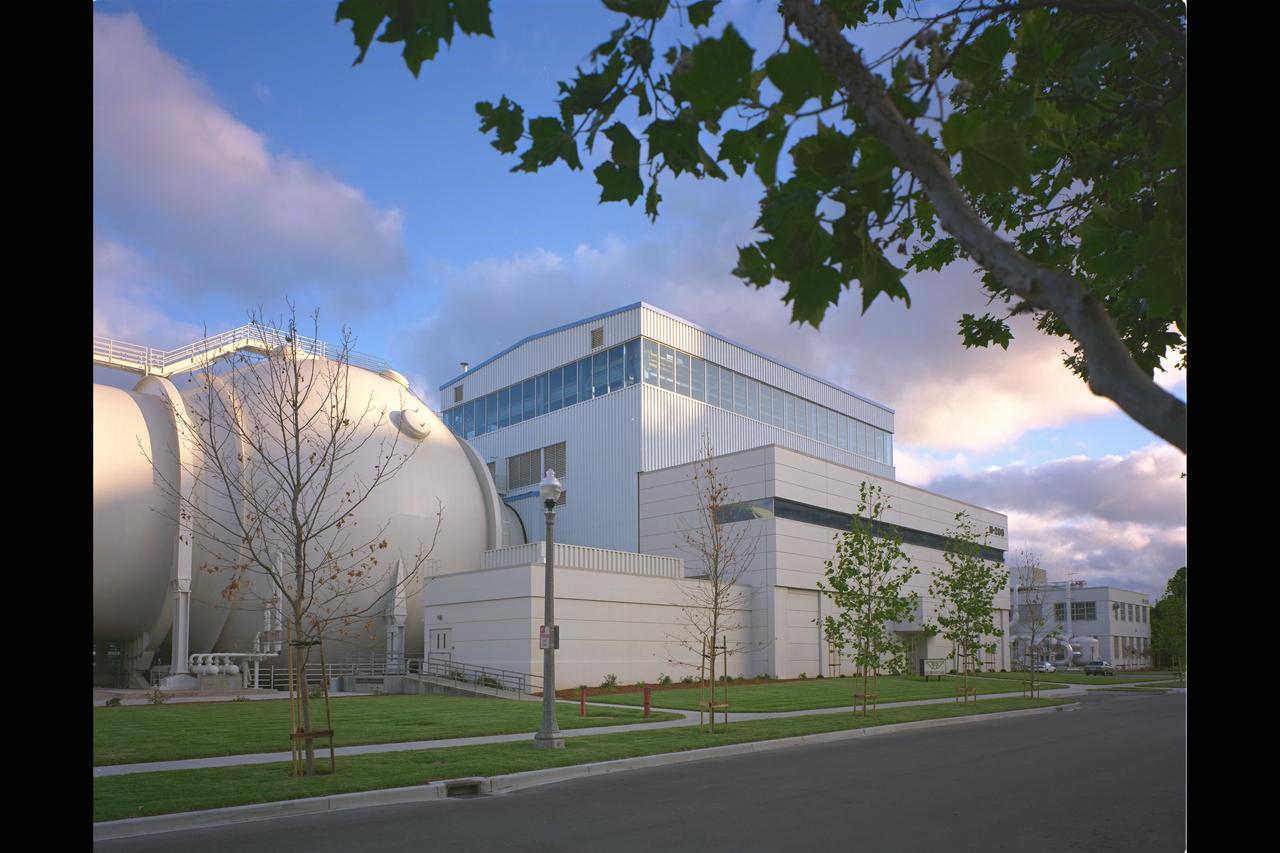
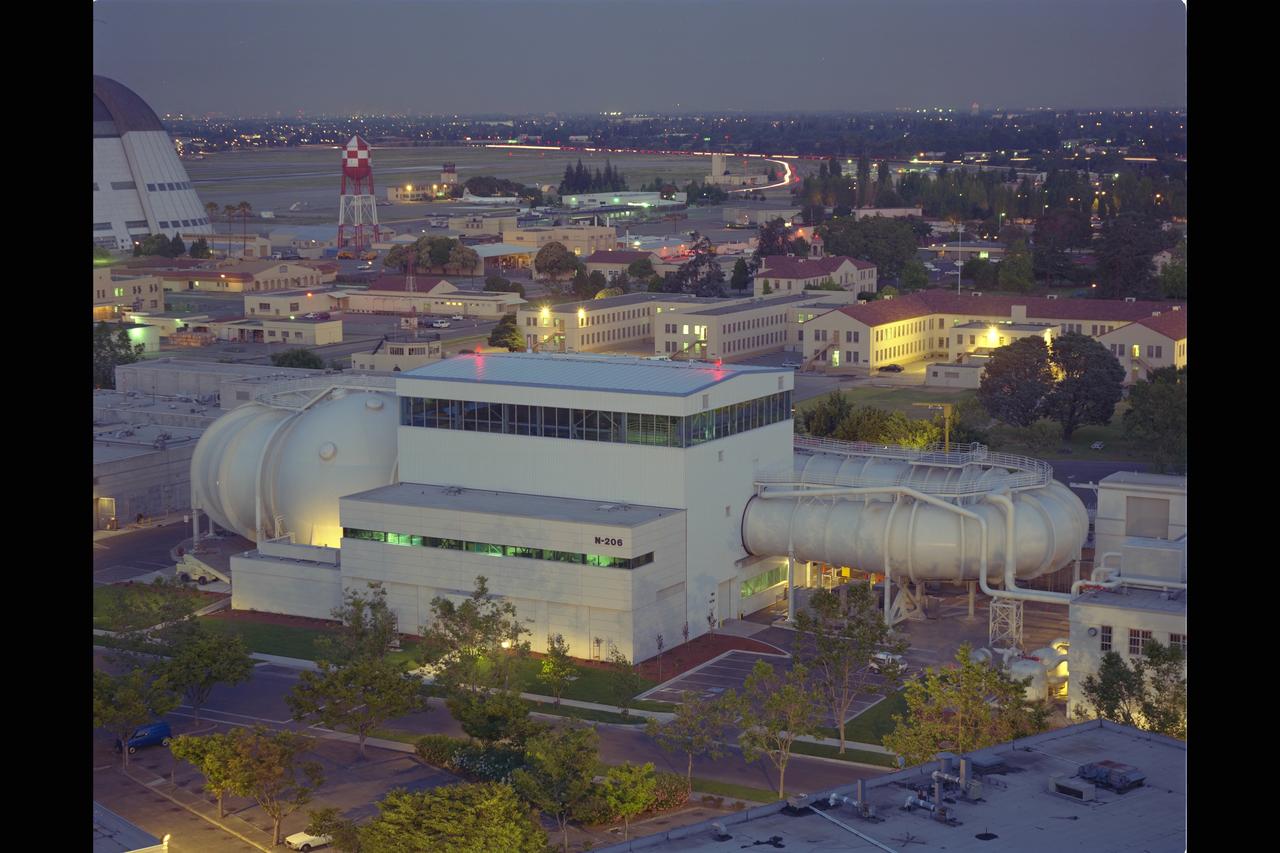
N-206 NASA Ames Research Center 12ft Pressure Wind Tunnel. reconstruction - test section door
ARC-1993-AC93-4026-21
New renovated NASA Ames Research Center Ames 12ft Pressure Wind Tunnel view of test section
ARC-1995-AC95-0203-15
VSTOL Fighter Model in the NASA Ames 40x80ft Subsonic Wind Tunnel. Test-537 with Mike Falarski & Ray Hafalia
ARC-1979-AC79-0110-2
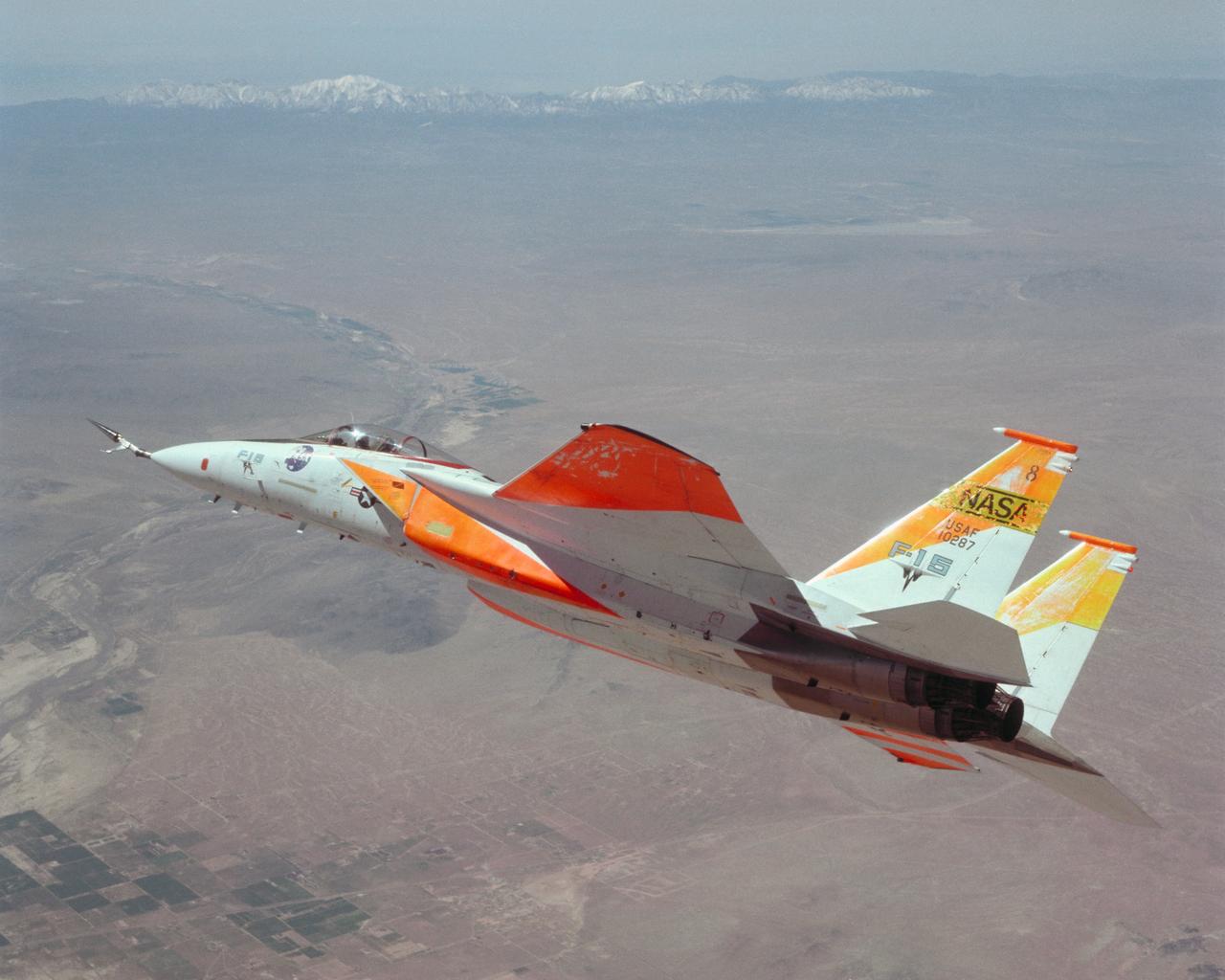
An in-flight photo of the NASA F-15A with a 10 degree cone to collect aerodynamic information to calibrate data from wind tunnels.
F-15A #287 in flight
VSTOL Fighter Model in the NASA Ames 40x80ft Subsonic Wind Tunnel. Test-537 with Mike Falarski & Ray Hafalia
ARC-1979-AC79-0110-1