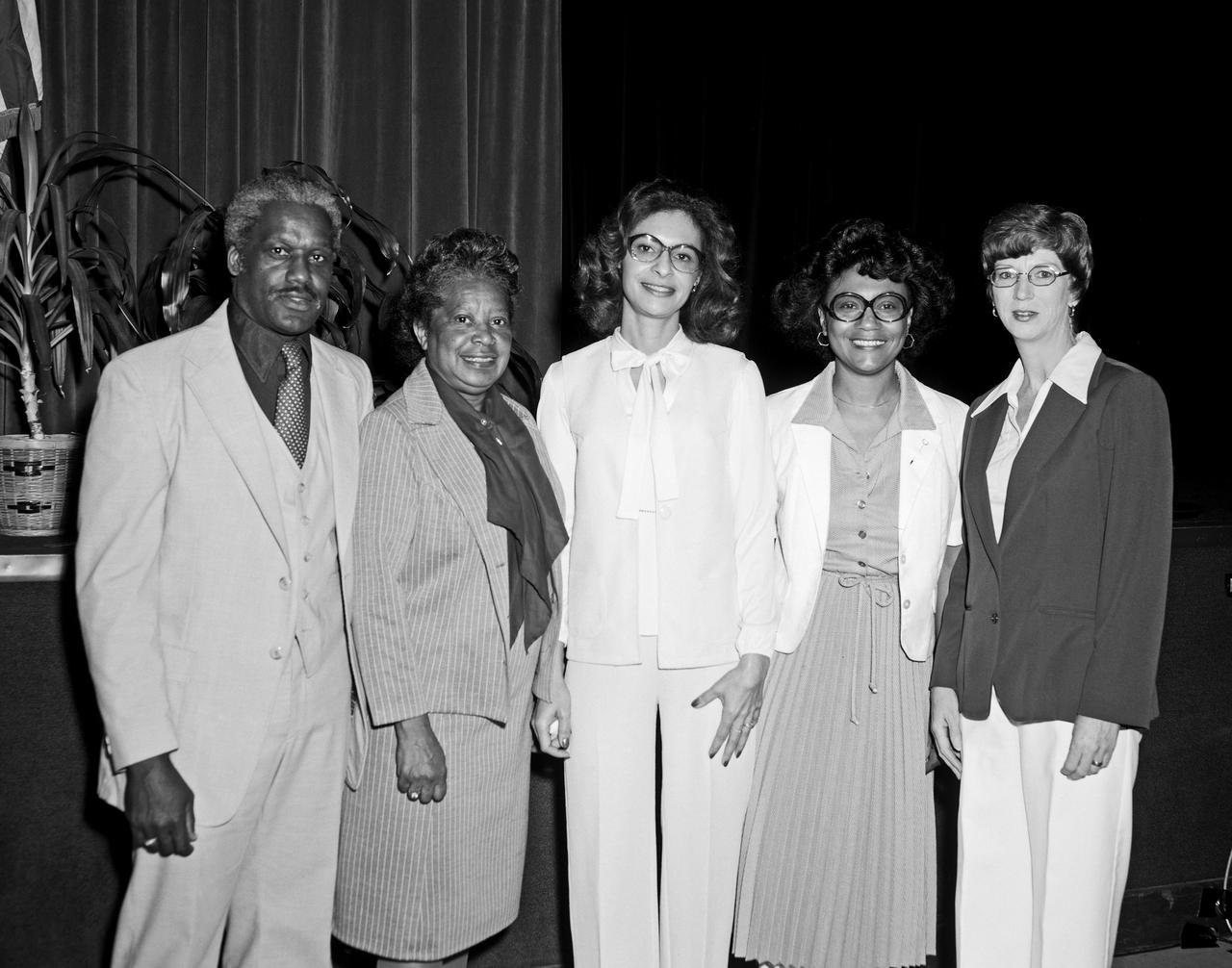
Federal Woman's Week, 1980 Various speakers, lecture groups, Mary Jackson in second from the left in this photo.
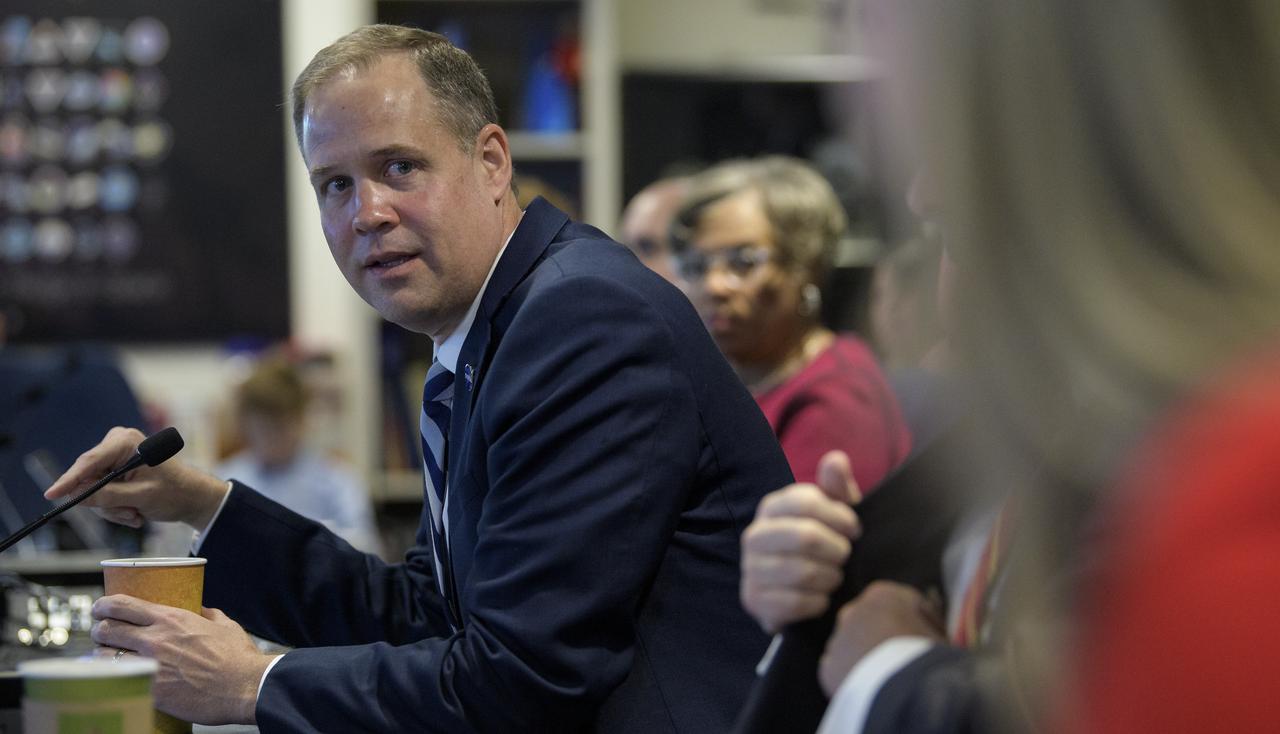
NASA Administrator Jim Bridenstine speaks to members of Congress as they watch the beginning of the first all-woman spacewalk on Friday, Oct. 18, 2019, from the Space Operations Center at NASA Headquarters in Washington. The first all-woman spacewalk in history began at 7:38am EDT with NASA astronauts Christina Koch and Jessica Meir venturing outside the International Space Station to replace a failed battery charge-discharge unit. This is the fourth spacewalk for Koch and Meir’s first. Photo Credit: (NASA/Joel Kowsky)
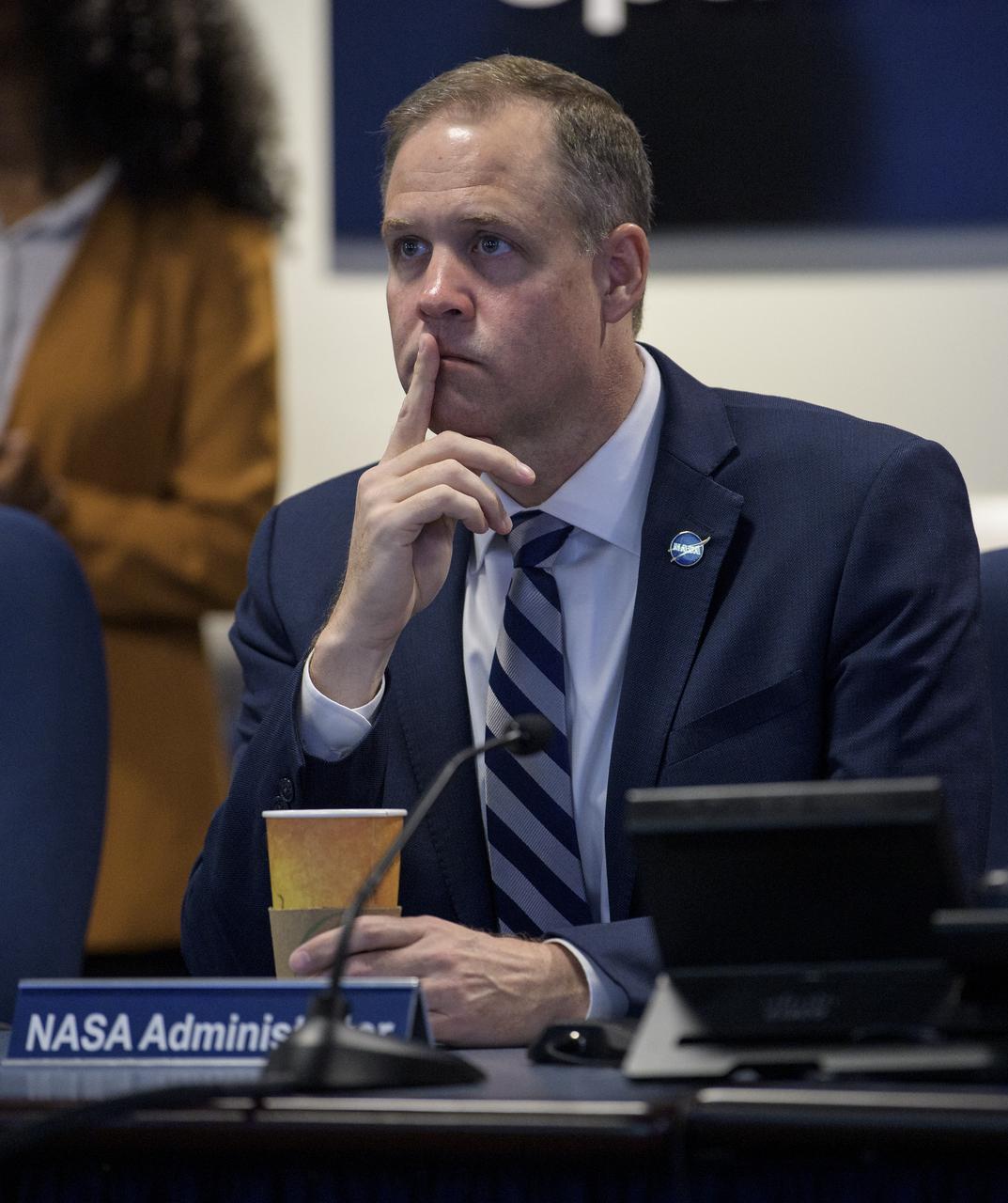
NASA Administrator Jim Bridenstine is seen as he watches the beginning of the first all-woman spacewalk on Friday, Oct. 18, 2019, from the Space Operations Center at NASA Headquarters in Washington. The first all-woman spacewalk in history began at 7:38am EDT with NASA astronauts Christina Koch and Jessica Meir venturing outside the International Space Station to replace a failed battery charge-discharge unit. This is the fourth spacewalk for Koch and Meir’s first. Photo Credit: (NASA/Joel Kowsky)
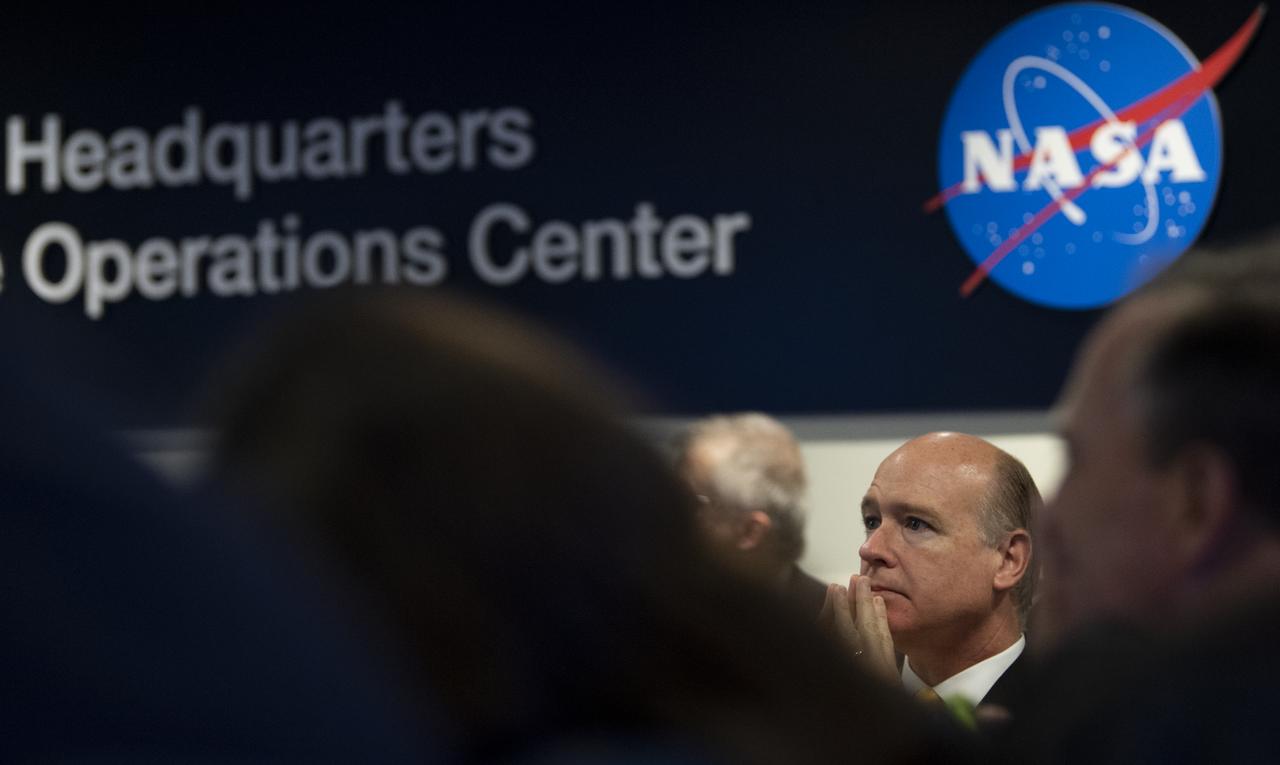
Rep. Robert Aderholt, R-Ala., is seen as he watches the beginning of the first all-woman spacewalk on Friday, Oct. 18, 2019, from the Space Operations Center at NASA Headquarters in Washington. The first all-woman spacewalk in history began at 7:38am EDT with NASA astronauts Christina Koch and Jessica Meir venturing outside the International Space Station to replace a failed battery charge-discharge unit. This is the fourth spacewalk for Koch and Meir’s first. Photo Credit: (NASA/Joel Kowsky)
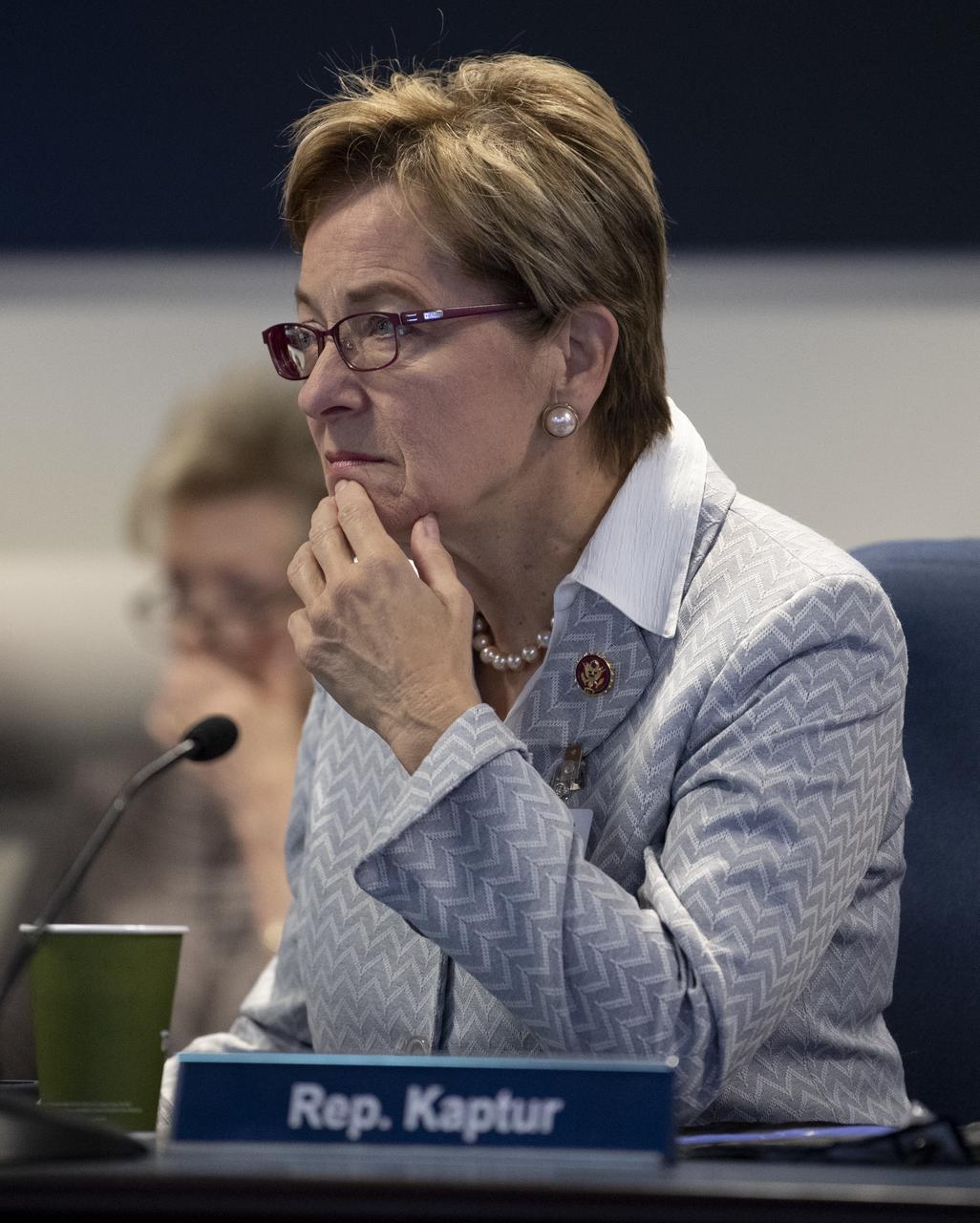
Rep. Marcy Kaptur, D-Ohio, watches the beginning of the first all-woman spacewalk on Friday, Oct. 18, 2019, from the Space Operations Center at NASA Headquarters in Washington. The first all-woman spacewalk in history began at 7:38am EDT with NASA astronauts Christina Koch and Jessica Meir venturing outside the International Space Station to replace a failed battery charge-discharge unit. This is the fourth spacewalk for Koch and Meir’s first. Photo Credit: (NASA/Joel Kowsky)
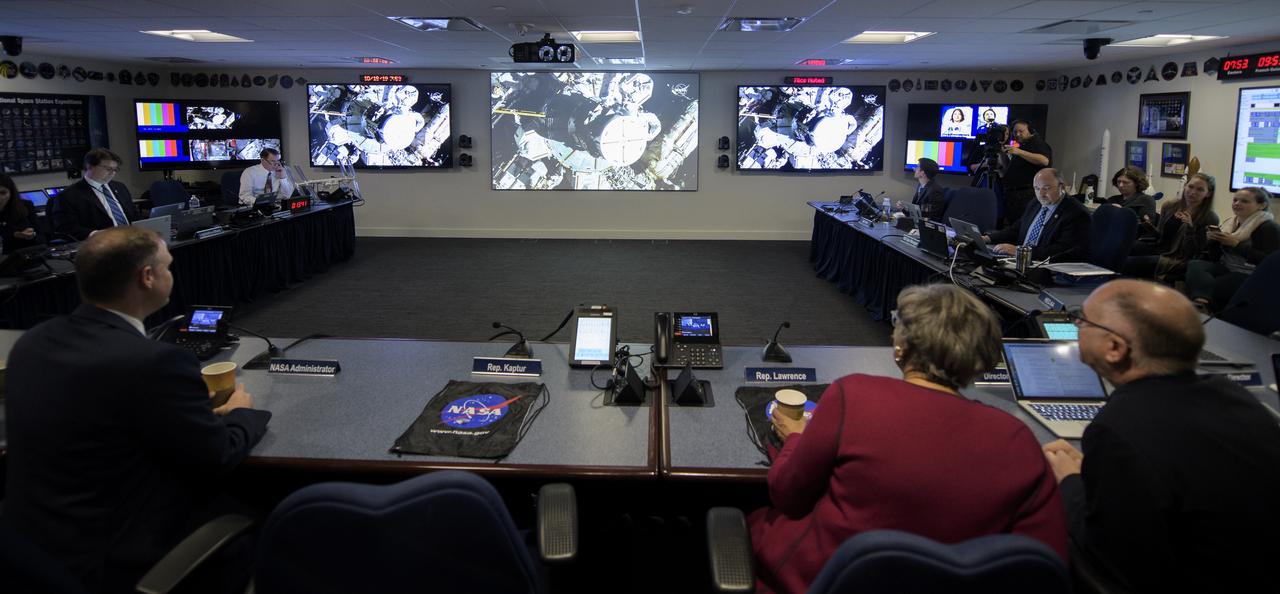
NASA Administrator Jim Bridenstine, NASA management and members of Congess watch the beginning of the first all-woman spacewalk on Friday, Oct. 18, 2019, from the Space Operations Center at NASA Headquarters in Washington. The first all-woman spacewalk in history began at 7:38am EDT with NASA astronauts Christina Koch and Jessica Meir venturing outside the International Space Station to replace a failed battery charge-discharge unit. This is the fourth spacewalk for Koch and Meir’s first. Photo Credit: (NASA/Joel Kowsky)

President Donald Trump gives remarks after speaking with NASA astronauts Christina Koch and Jessica Meir during the first all-woman spacewalk on Friday, Oct. 18, 2019, from the Roosevelt Room of the White House in Washington. The first all-woman spacewalk in history began at 7:38am EDT with Koch and Meir venturing outside the International Space Station to replace a failed battery charge-discharge unit. This is the fourth spacewalk for Koch and Meir’s first. Photo Credit: (NASA/Bill Ingalls)
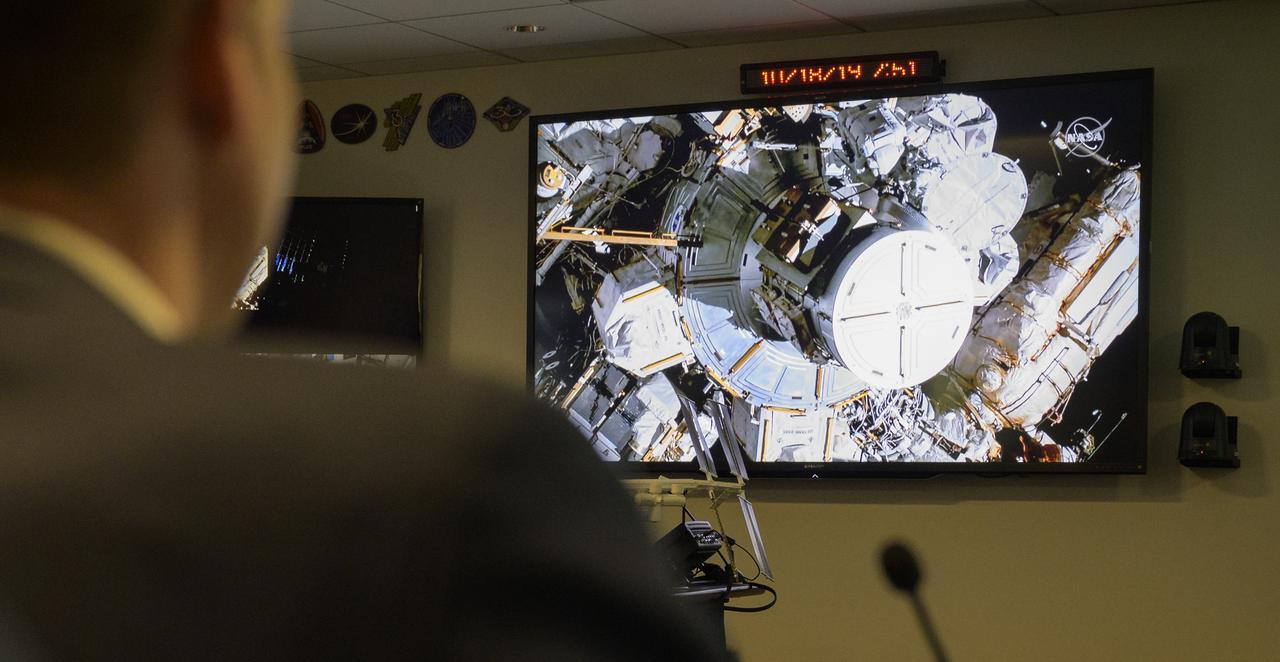
NASA Administrator Jim Bridenstine watches the beginning of the first all-woman spacewalk on Friday, Oct. 18, 2019, from the Space Operations Center at NASA Headquarters in Washington. The first all-woman spacewalk in history began at 7:38am EDT with NASA astronauts Christina Koch and Jessica Meir venturing outside the International Space Station to replace a failed battery charge-discharge unit. This is the fourth spacewalk for Koch and Meir’s first. Photo Credit: (NASA/Joel Kowsky)

President Donald Trump gives remarks after speaking with NASA astronauts Christina Koch and Jessica Meir during the first all-woman spacewalk on Friday, Oct. 18, 2019, from the Roosevelt Room of the White House in Washington. The first all-woman spacewalk in history began at 7:38am EDT with Koch and Meir venturing outside the International Space Station to replace a failed battery charge-discharge unit. This is the fourth spacewalk for Koch and Meir’s first. Photo Credit: (NASA/Bill Ingalls)
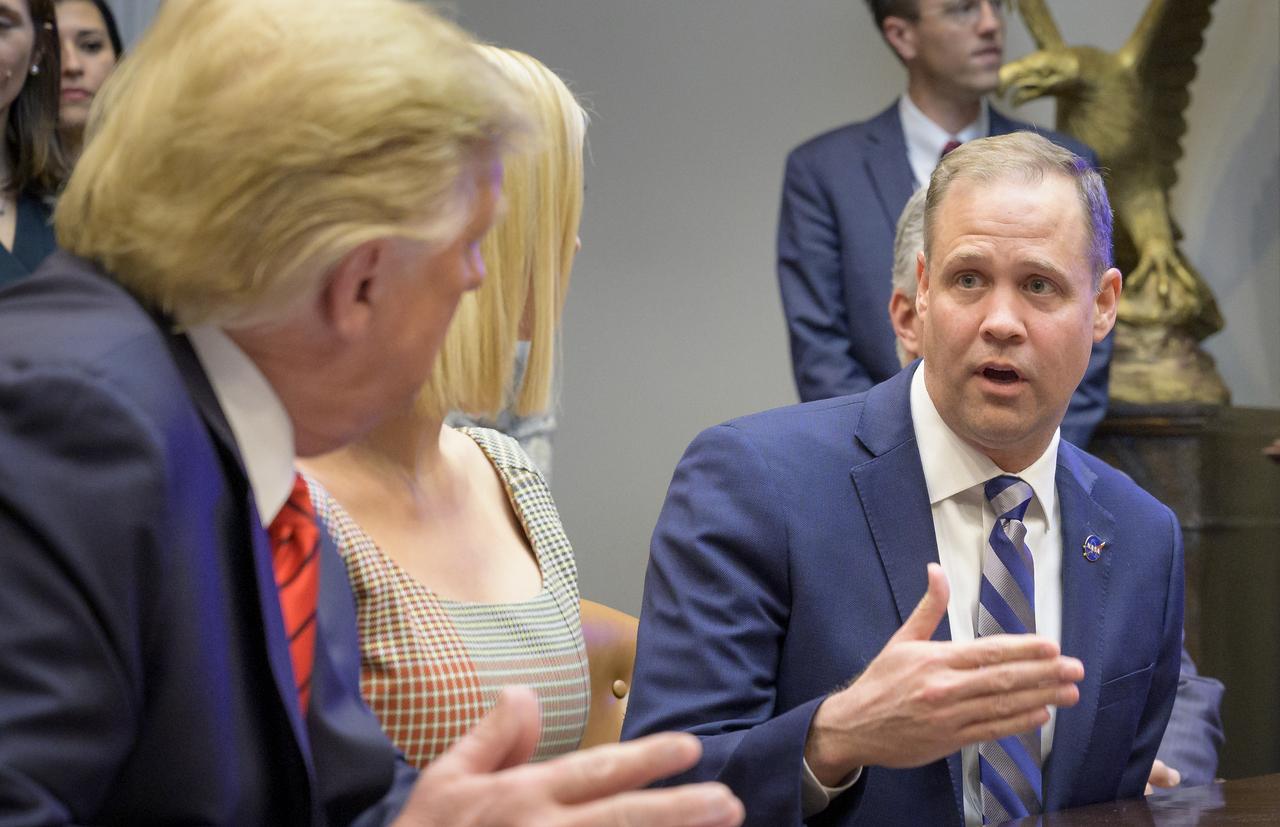
President Donald Trump, left, listens as NASA Administrator Jim Bridenstine talks about the first all-woman spacewalk, Friday, Oct. 18, 2019, from the Roosevelt Room of the White House in Washington. The first all-woman spacewalk in history began at 7:38am EDT with NASA astronauts Christina Koch and Jessica Meir venturing outside the International Space Station to replace a failed battery charge-discharge unit. This is the fourth spacewalk for Koch and Meir’s first. Photo Credit: (NASA/Bill Ingalls)
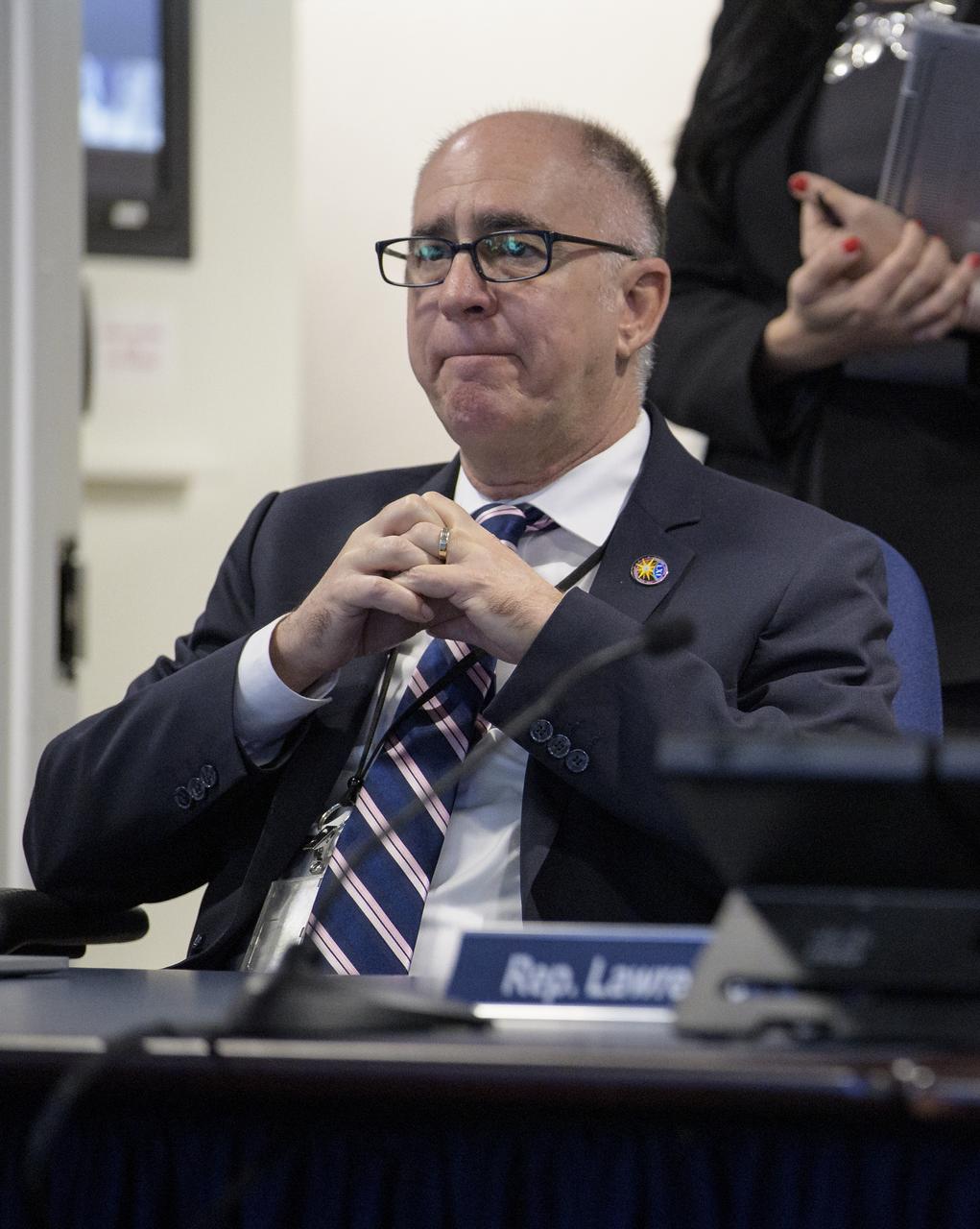
Sam Scimemi, Director of NASA’s International Space Station Division is seen as he watches the beginning of the first all-woman spacewalk on Friday, Oct. 18, 2019, from the Space Operations Center at NASA Headquarters in Washington. The first all-woman spacewalk in history began at 7:38am EDT with NASA astronauts Christina Koch and Jessica Meir venturing outside the International Space Station to replace a failed battery charge-discharge unit. This is the fourth spacewalk for Koch and Meir’s first. Photo Credit: (NASA/Joel Kowsky)
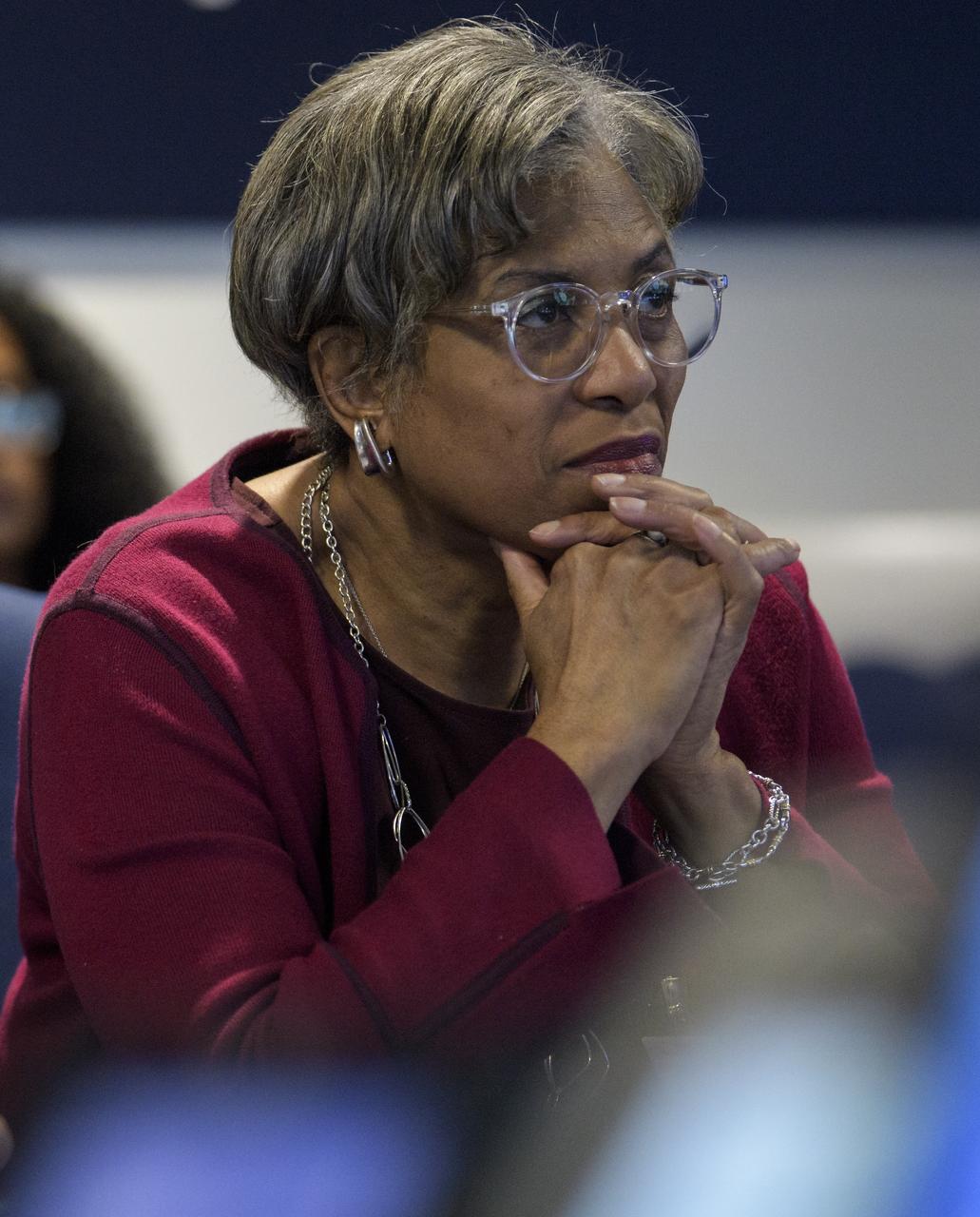
Rep. Brenda Lawrence, D-Mich., watches the beginning of the first all-woman spacewalk on Friday, Oct. 18, 2019, from the Space Operations Center at NASA Headquarters in Washington. The first all-woman spacewalk in history began at 7:38am EDT with NASA astronauts Christina Koch and Jessica Meir venturing outside the International Space Station to replace a failed battery charge-discharge unit. This is the fourth spacewalk for Koch and Meir’s first. Photo Credit: (NASA/Joel Kowsky)
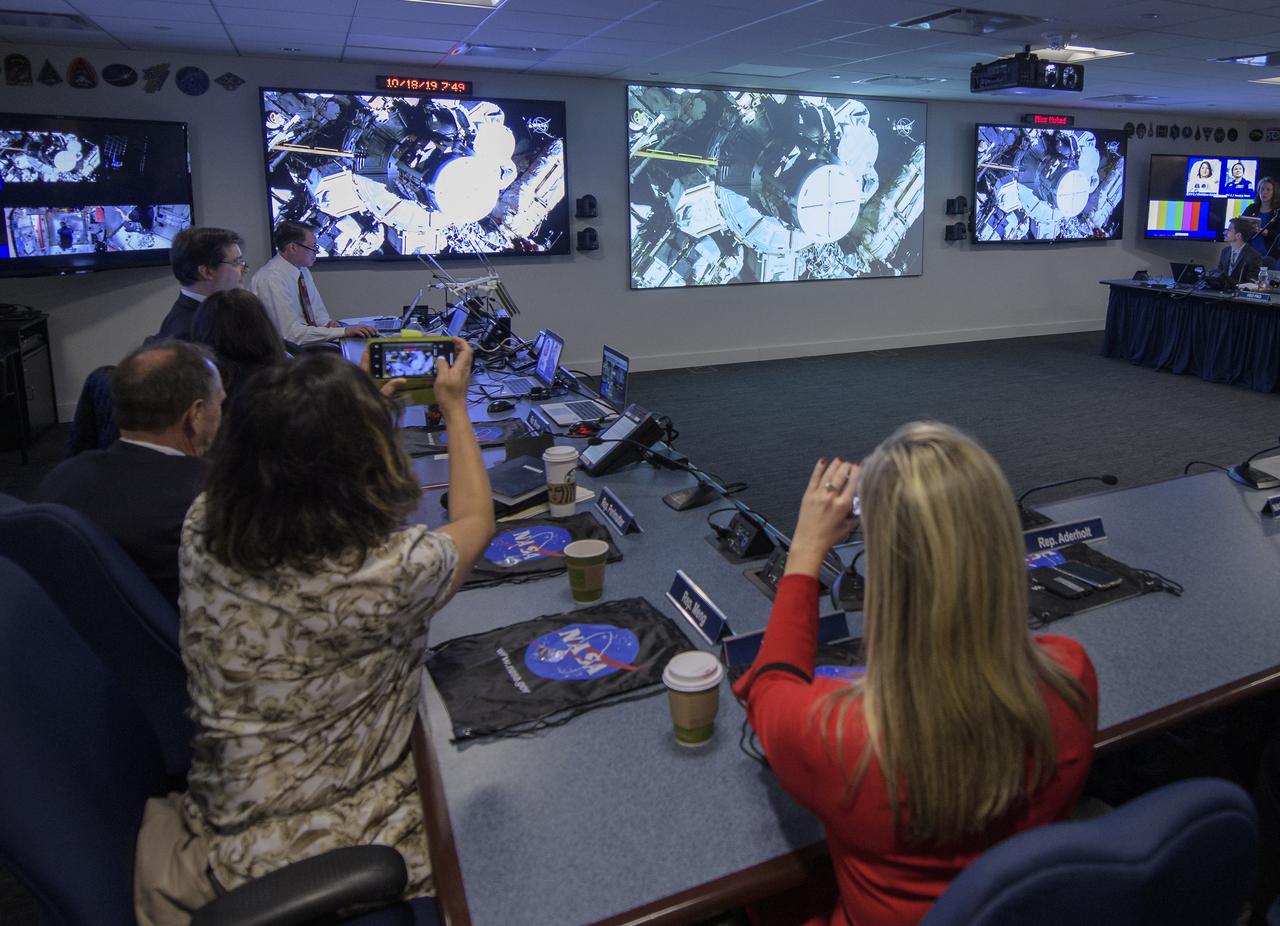
Rep. Kendra Horn, D-Okla., right, and Rep. Grace Meng, D-N.Y., are seen as they watch the beginning of the first all-woman spacewalk on Friday, Oct. 18, 2019, from the Space Operations Center at NASA Headquarters in Washington. The first all-woman spacewalk in history began at 7:38am EDT with NASA astronauts Christina Koch and Jessica Meir venturing outside the International Space Station to replace a failed battery charge-discharge unit. This is the fourth spacewalk for Koch and Meir’s first. Photo Credit: (NASA/Joel Kowsky)
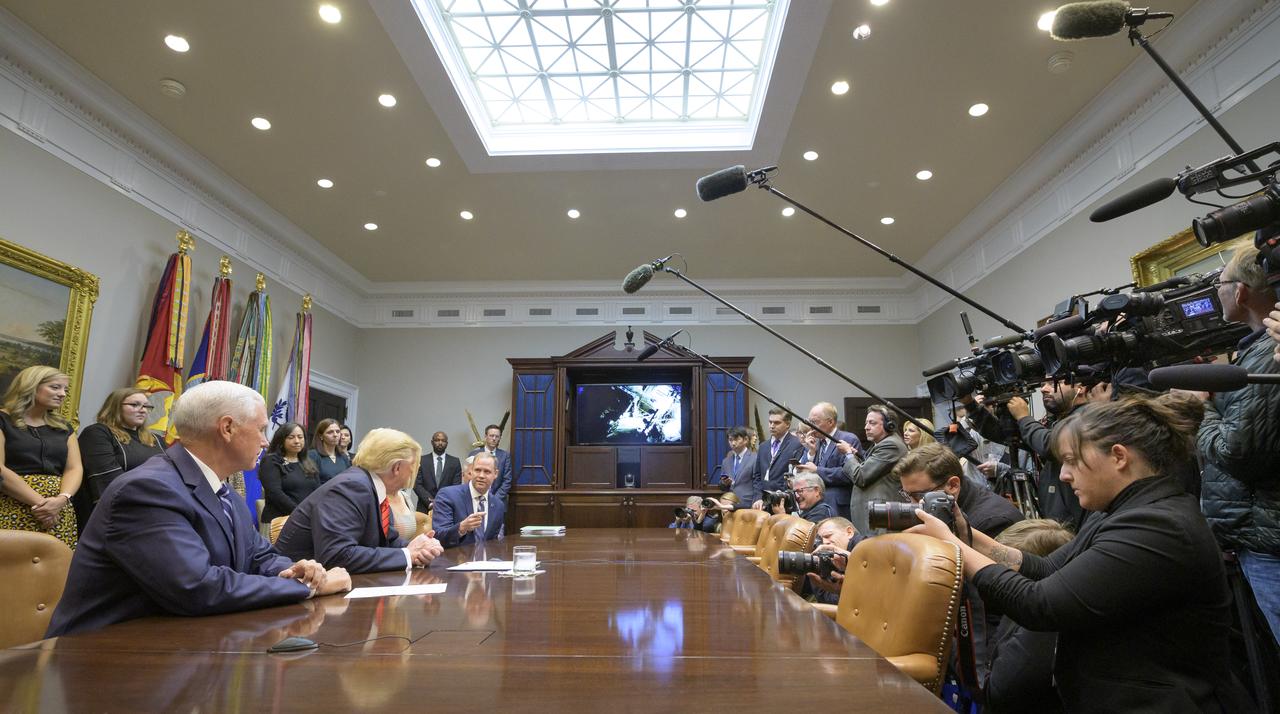
President Donald Trump, 2nd from left, joined by Vice President Mike Pence, left, Advisor to the President Ivanka Trump, listens as NASA Administrator Jim Bridenstine talks about the first all-woman spacewalk, Friday, Oct. 18, 2019, from the Roosevelt Room of the White House in Washington. The first all-woman spacewalk in history began at 7:38am EDT with NASA astronauts Christina Koch and Jessica Meir venturing outside the International Space Station to replace a failed battery charge-discharge unit. This is the fourth spacewalk for Koch and Meir’s first. Photo Credit: (NASA/Bill Ingalls)
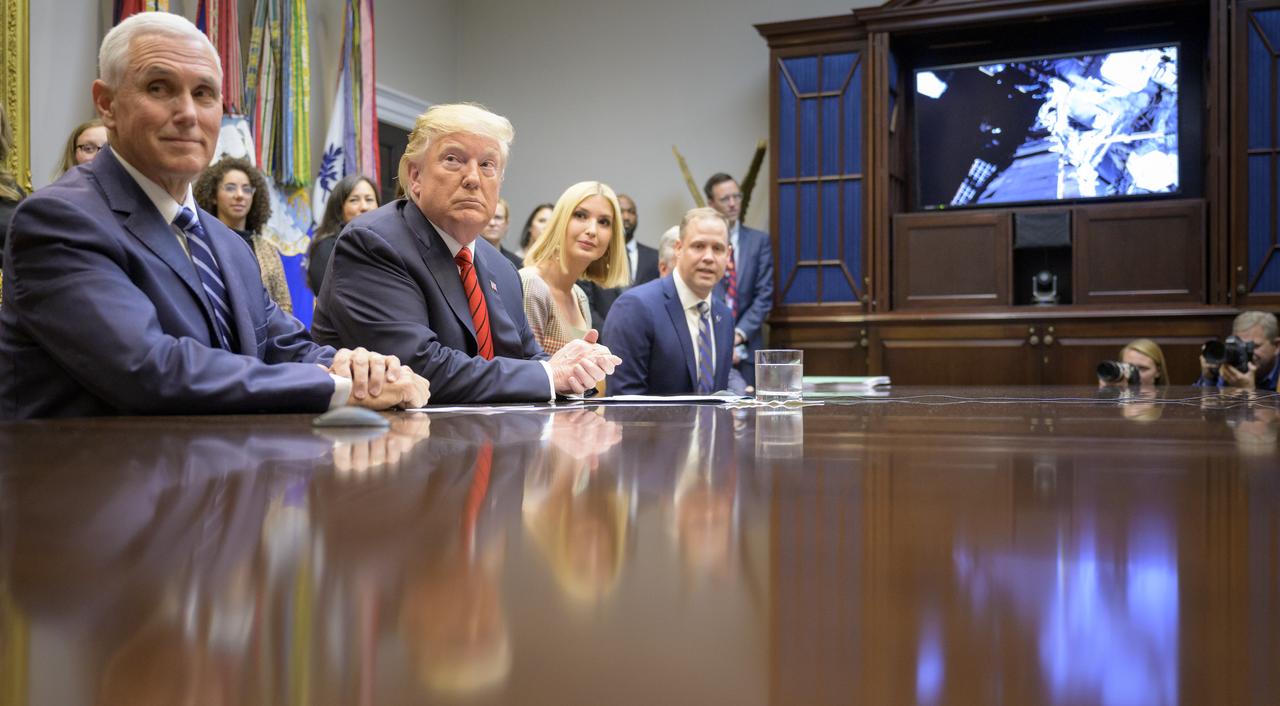
President Donald Trump, 2nd from left, joined by Vice President Mike Pence, left, Advisor to the President Ivanka Trump, and NASA Administrator Jim Bridenstine, right, speaks with NASA astronauts Christina Koch and Jessica Meir during the first all-woman spacewalk on Friday, Oct. 18, 2019, from the Roosevelt Room of the White House in Washington. The first all-woman spacewalk in history began at 7:38am EDT with Koch and Meir venturing outside the International Space Station to replace a failed battery charge-discharge unit. This is the fourth spacewalk for Koch and Meir’s first. Photo Credit: (NASA/Bill Ingalls)
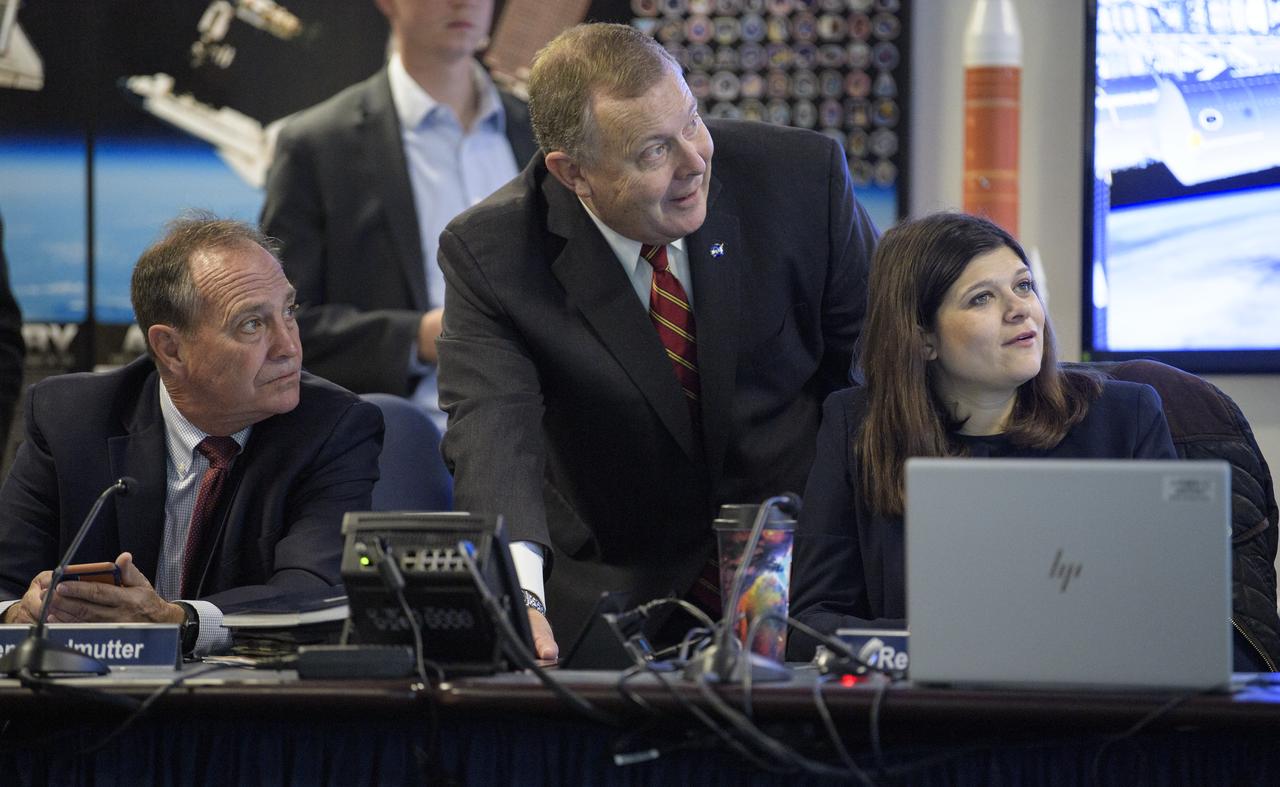
NASA Deputy Administrator Jim Morhard, center, is seen with Rep. Ed Perlmutter, D-Col., left, and Rep. Haley Stevens, D-Mich., as they watch the beginning of the first all-woman spacewalk on Friday, Oct. 18, 2019, from the Space Operations Center at NASA Headquarters in Washington. The first all-woman spacewalk in history began at 7:38am EDT with NASA astronauts Christina Koch and Jessica Meir venturing outside the International Space Station to replace a failed battery charge-discharge unit. This is the fourth spacewalk for Koch and Meir’s first. Photo Credit: (NASA/Joel Kowsky)
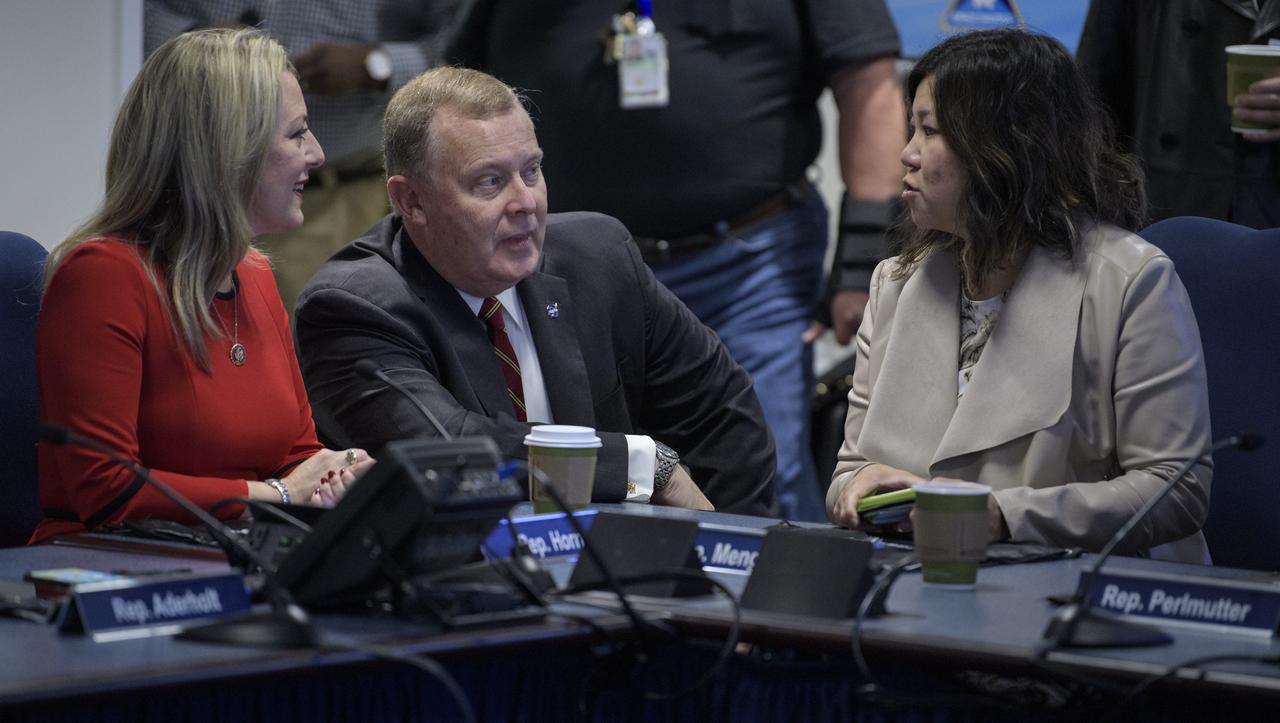
NASA Deputy Administrator Jim Morhard, center, speaks with Rep. Kendra Horn, D-Okla., left, and Rep. Grace Meng, D-N.Y., as they watch the beginning of the first all-woman spacewalk on Friday, Oct. 18, 2019, from the Space Operations Center at NASA Headquarters in Washington. The first all-woman spacewalk in history began at 7:38am EDT with NASA astronauts Christina Koch and Jessica Meir venturing outside the International Space Station to replace a failed battery charge-discharge unit. This is the fourth spacewalk for Koch and Meir’s first. Photo Credit: (NASA/Joel Kowsky)
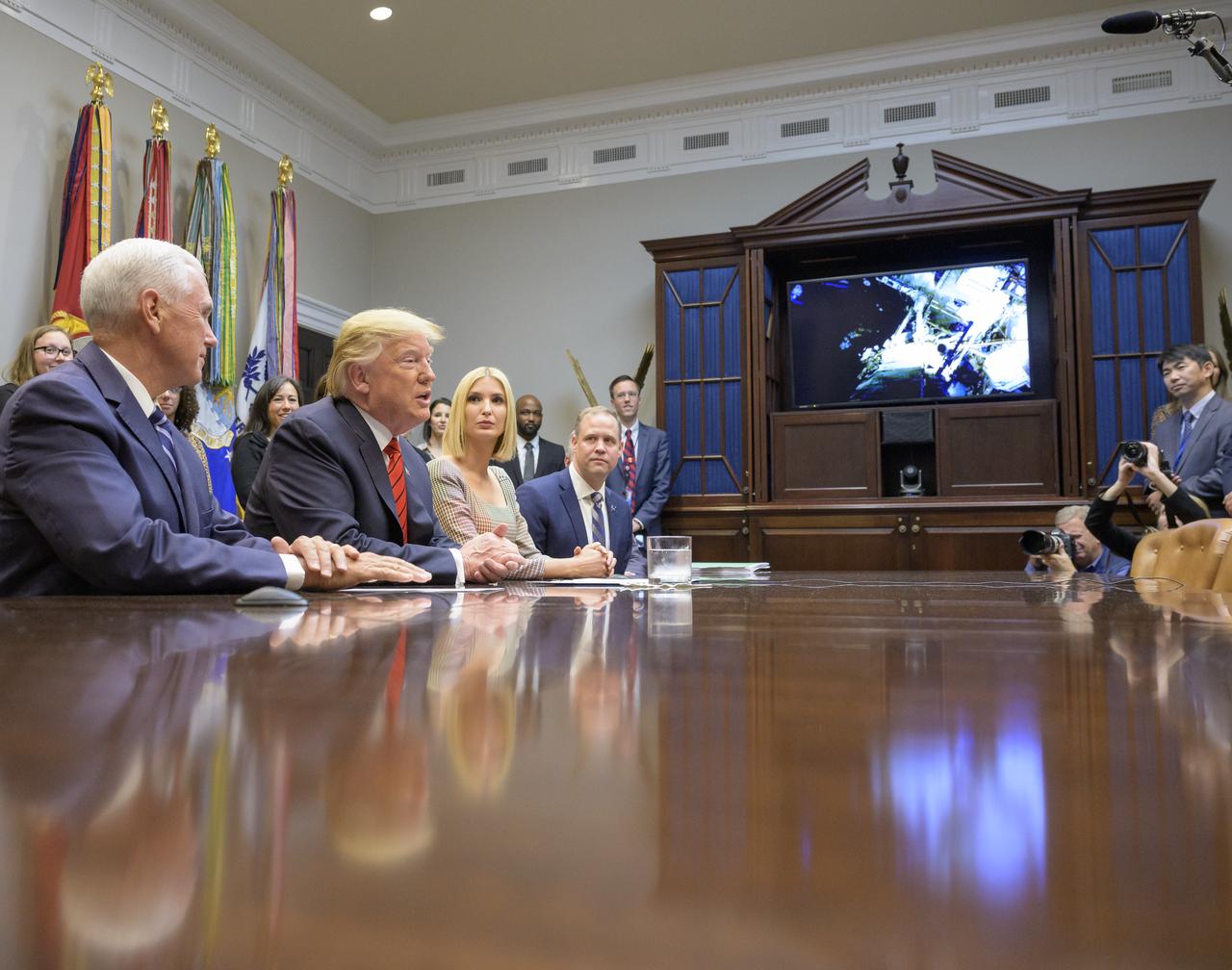
President Donald Trump, 2nd from left, joined by Vice President Mike Pence, left, Advisor to the President Ivanka Trump, and NASA Administrator Jim Bridenstine, right, speaks with NASA astronauts Christina Koch and Jessica Meir during the first all-woman spacewalk on Friday, Oct. 18, 2019, from the Roosevelt Room of the White House in Washington. The first all-woman spacewalk in history began at 7:38am EDT with Koch and Meir venturing outside the International Space Station to replace a failed battery charge-discharge unit. This is the fourth spacewalk for Koch and Meir’s first. Photo Credit: (NASA/Bill Ingalls)
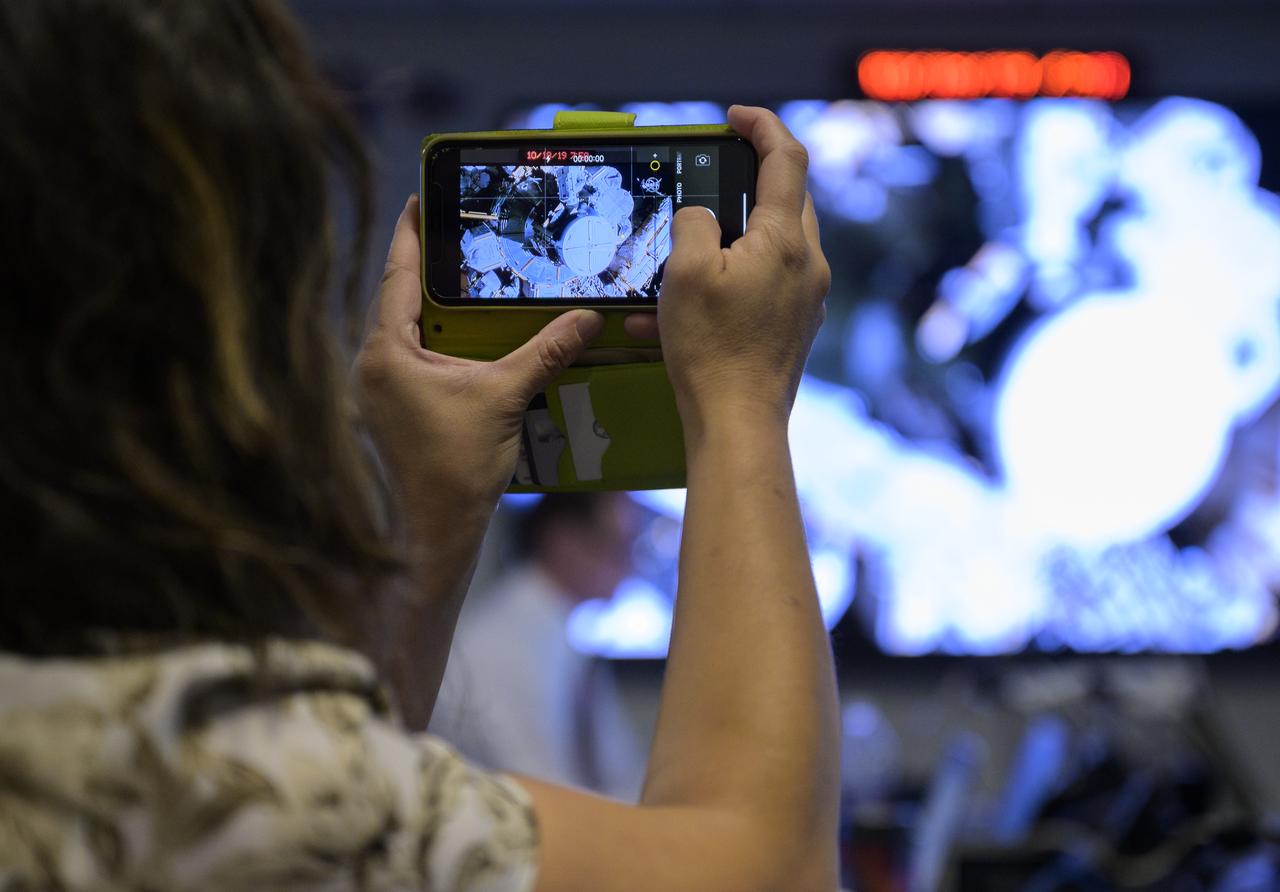
Rep. Grace Meng, D-N.Y., takes a video of a screen showing NASA astronauts Christina Koch and Jessica Meir as they venture outside the International Space Station beginning the first all-woman spacewalk on Friday, Oct. 18, 2019, in the Space Operations Center at NASA Headquarters in Washington. The first all-woman spacewalk in history began at 7:38am EDT with NASA astronauts Christina Koch and Jessica Meir venturing outside the International Space Station to replace a failed battery charge-discharge unit. This is the fourth spacewalk for Koch and Meir’s first. Photo Credit: (NASA/Joel Kowsky)

President Donald Trump, 2nd from left, joined by Vice President Mike Pence, left, Advisor to the President Ivanka Trump, and NASA Administrator Jim Bridenstine, right, speaks with NASA astronauts Christina Koch and Jessica Meir during the first all-woman spacewalk on Friday, Oct. 18, 2019, from the Roosevelt Room of the White House in Washington. The first all-woman spacewalk in history began at 7:38am EDT with Koch and Meir venturing outside the International Space Station to replace a failed battery charge-discharge unit. This is the fourth spacewalk for Koch and Meir’s first. Photo Credit: (NASA/Bill Ingalls)

ADVISORY COMMITTEE: The Federal Women’ s Program Advisory Committee has been established to assist in the implementation of the Federal Women’ s Program at the Center. In an effort to define the specific problems of women employees at Langley, the committee is preparing a self-evaluation and discrimination questionnaire which will soon be distributed to all female employees. Members of the committee are (from left): Lorraine F. Satchell, Carmen, E. Batten, Patricia D. Hurt, Jane s. Hess, Chairman, Sallie M. Harvey, Eloise McGeehee, Mary W. Jackson, and Eunice G. Smith. Absent when the photograph was taken was Jeanette W. George. Photo published in the Langley Researcher, May 11,1973 page 5.
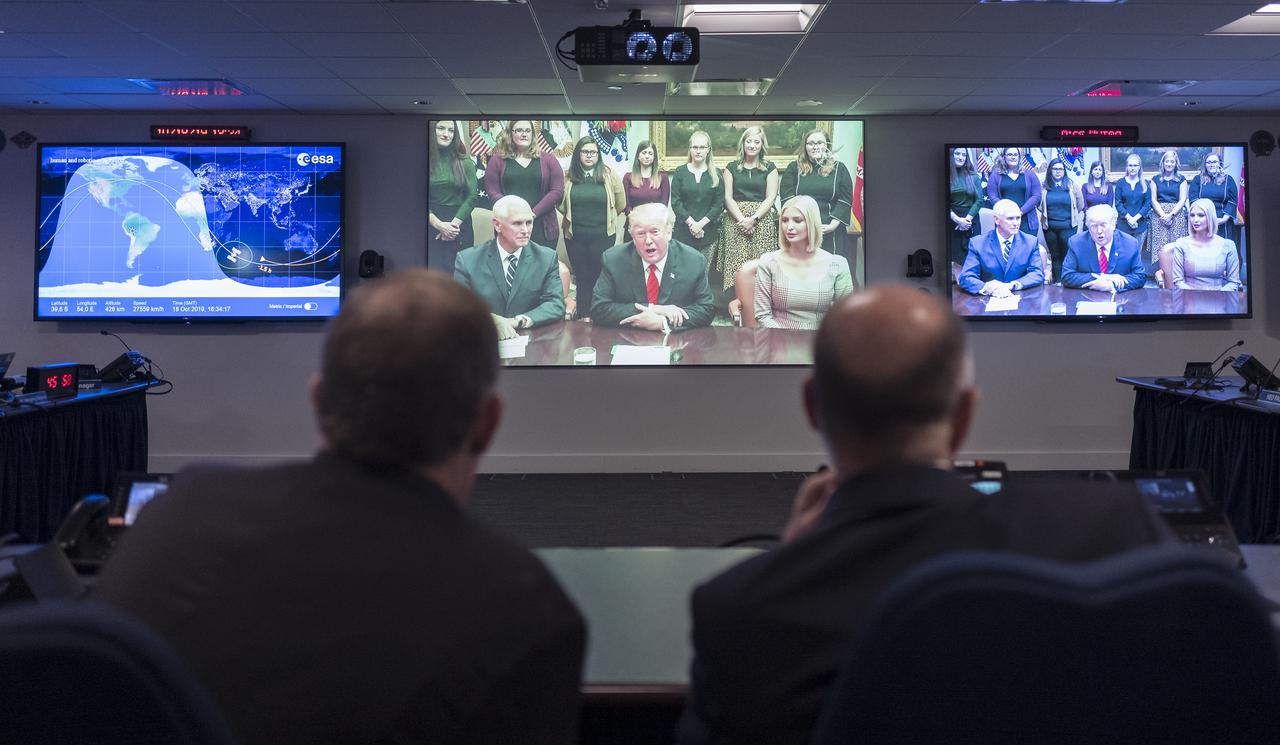
NASA Deputy Administrator Jim Morhard and Sam Scimemi, Director of NASA’s International Space Station Division, watch from the Space Operations Center at NASA Headquarters as President Donald Trump, joined by Vice President Mike Pence, Advisor to the President Ivanka Trump and NASA Administrator Jim Bridenstine, talks to NASA astronauts Christina Koch and Jessica Meir from the Roosevelt Room of the White House as they conduct the first all-woman spacewalk on Friday, Oct. 18, 2019, in Washington. The first all-woman spacewalk in history began at 7:38am EDT with NASA astronauts Christina Koch and Jessica Meir venturing outside the International Space Station to replace a failed battery charge-discharge unit. This is the fourth spacewalk for Koch and Meir’s first. Photo Credit: (NASA/Joel Kowsky)

Kennedy Space Center employees attend “The Legacy of Sally Ride: The First American Woman in Space” event at Kennedy Space Center in Florida on June 15, 2023. Forty years ago, Ride made her trailblazing flight into space. A hero to millions, Ride was a steadfast advocate for inclusion in STEM (science, technology, engineering, mathematics) – especially for girls and young women – until her death in 2012 from pancreatic cancer.
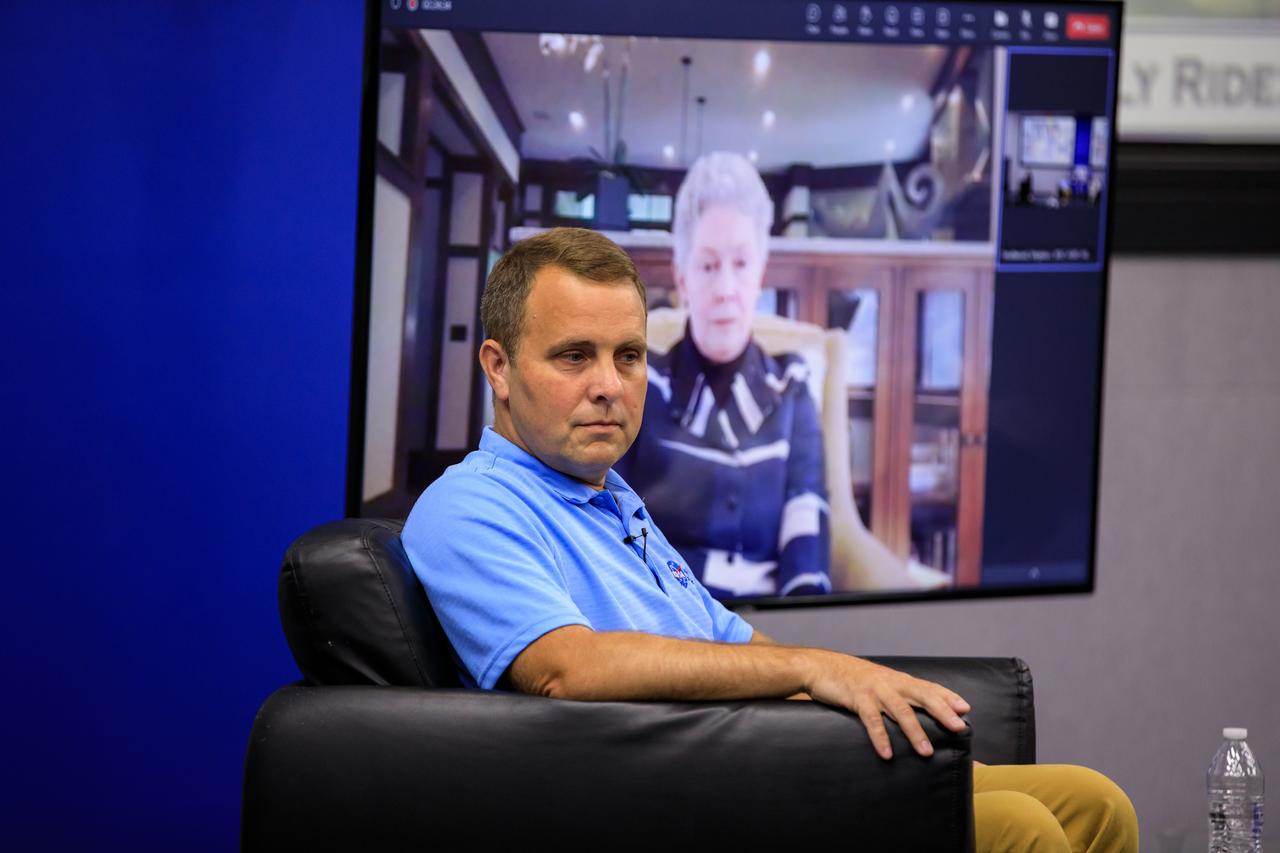
NASA Chief Historian Brian Odom moderates “The Legacy of Sally Ride: The First American Woman in Space” event at Kennedy Space Center in Florida on June 15, 2023. Forty years ago, Ride made her trailblazing flight into space. A hero to millions, Ride was a steadfast advocate for inclusion in STEM (science, technology, engineering, mathematics) – especially for girls and young women – until her death in 2012 from pancreatic cancer. Appearing on the monitor in the background is Sally Ride’s life partner of 27 years, Tam O’Shaughnessy.
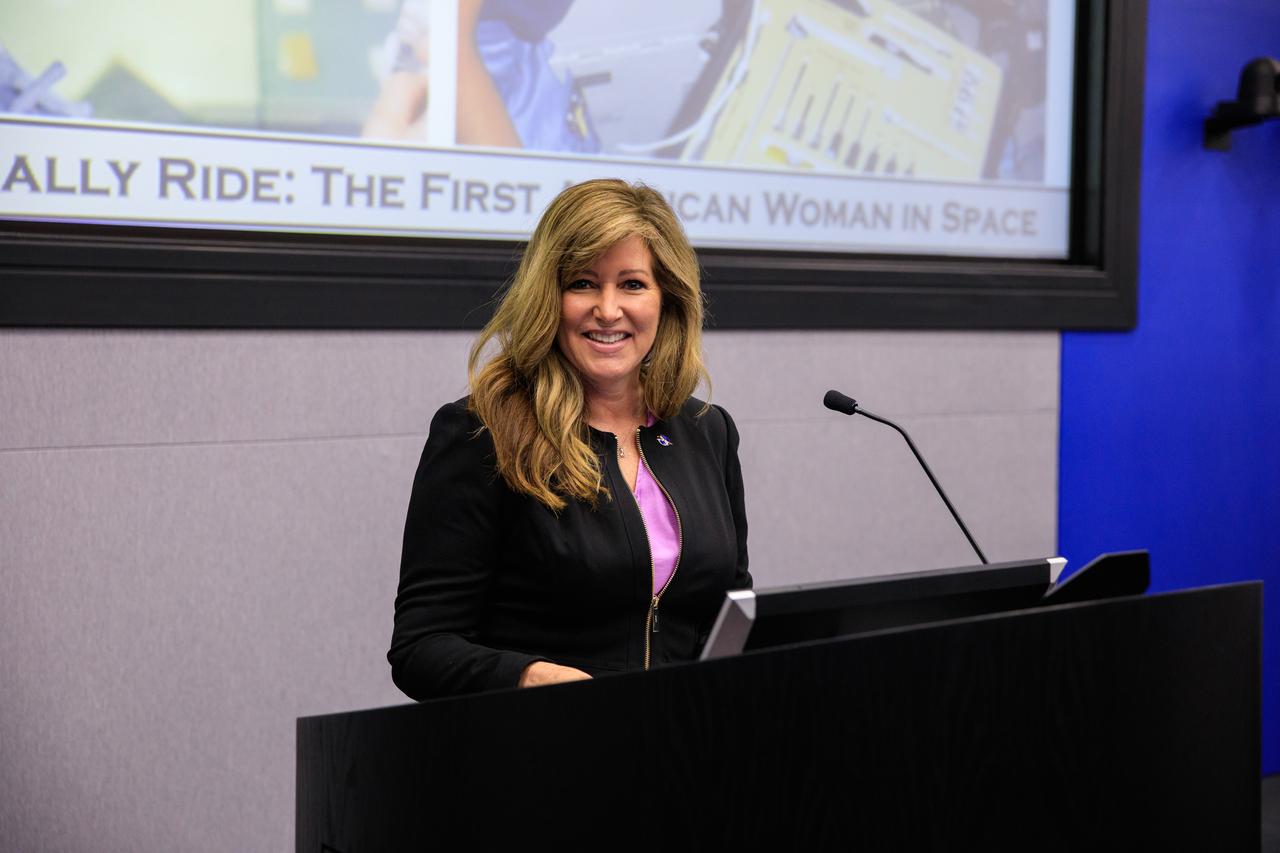
Jennifer Kunz, associate director, technical, at NASA’s Kennedy Space Center, addresses the audience at “The Legacy of Sally Ride: The First American Woman in Space” event at the Florida spaceport on June 15, 2023. Forty years ago, Ride made her trailblazing flight into space. A hero to millions, Ride was a steadfast advocate for inclusion in STEM (science, technology, engineering, mathematics) – especially for girls and young women – until her death in 2012 from pancreatic cancer.
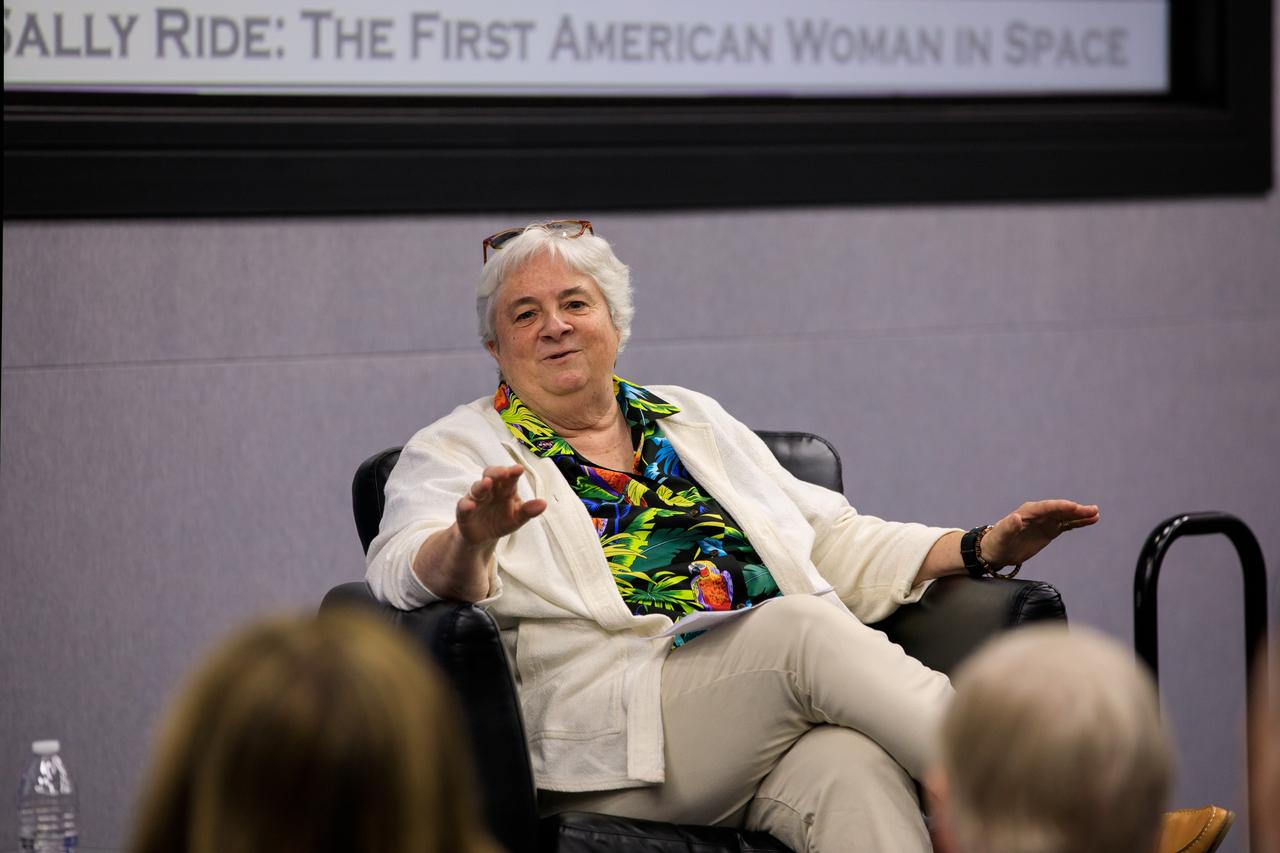
Bear Ride, the sister of pioneering astronaut Sally Ride, speaks during “The Legacy of Sally Ride: The First American Woman in Space” event at Kennedy Space Center in Florida on June 15, 2023. Forty years ago, Ride made her trailblazing flight into space. A hero to millions, Ride was a steadfast advocate for inclusion in STEM (science, technology, engineering, mathematics) – especially for girls and young women – until her death in 2012 from pancreatic cancer.
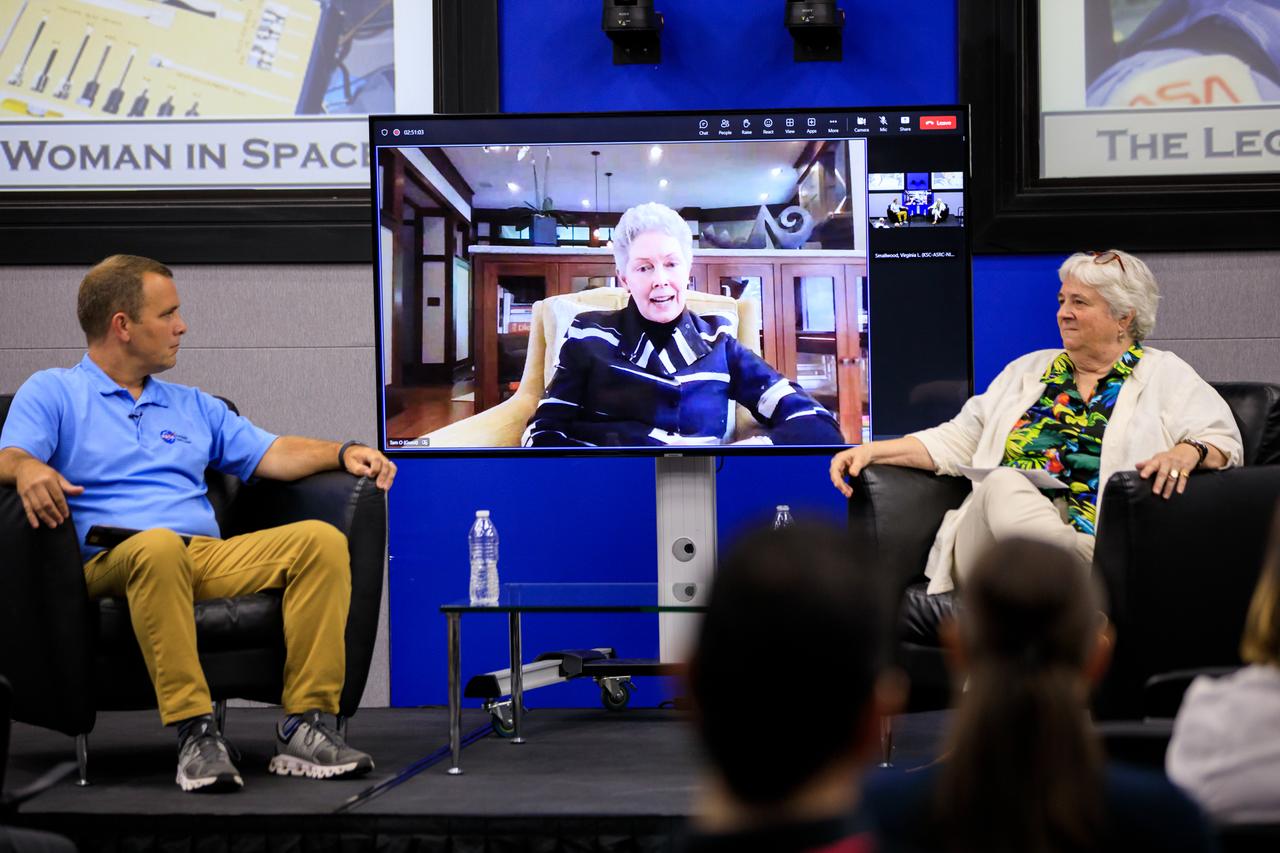
Tam O’Shaughnessy, center (on the monitor), speaks during “The Legacy of Sally Ride: The First American Woman in Space” event at Kennedy Space Center in Florida on June 15, 2023. O’Shaughnessy was Ride’s lifetime partner for 27 years, until the pioneering astronaut died in 2012 at age 61 from pancreatic cancer. NASA Chief Historian Brian Odom, left, and Bear Ride, Sally Ride’s sister, also participated in the event. Forty years ago, Ride made her trailblazing flight into space. She also was a physicist and a steadfast advocate for inclusion in STEM (science, technology, engineering, mathematics) – especially for girls and young women.
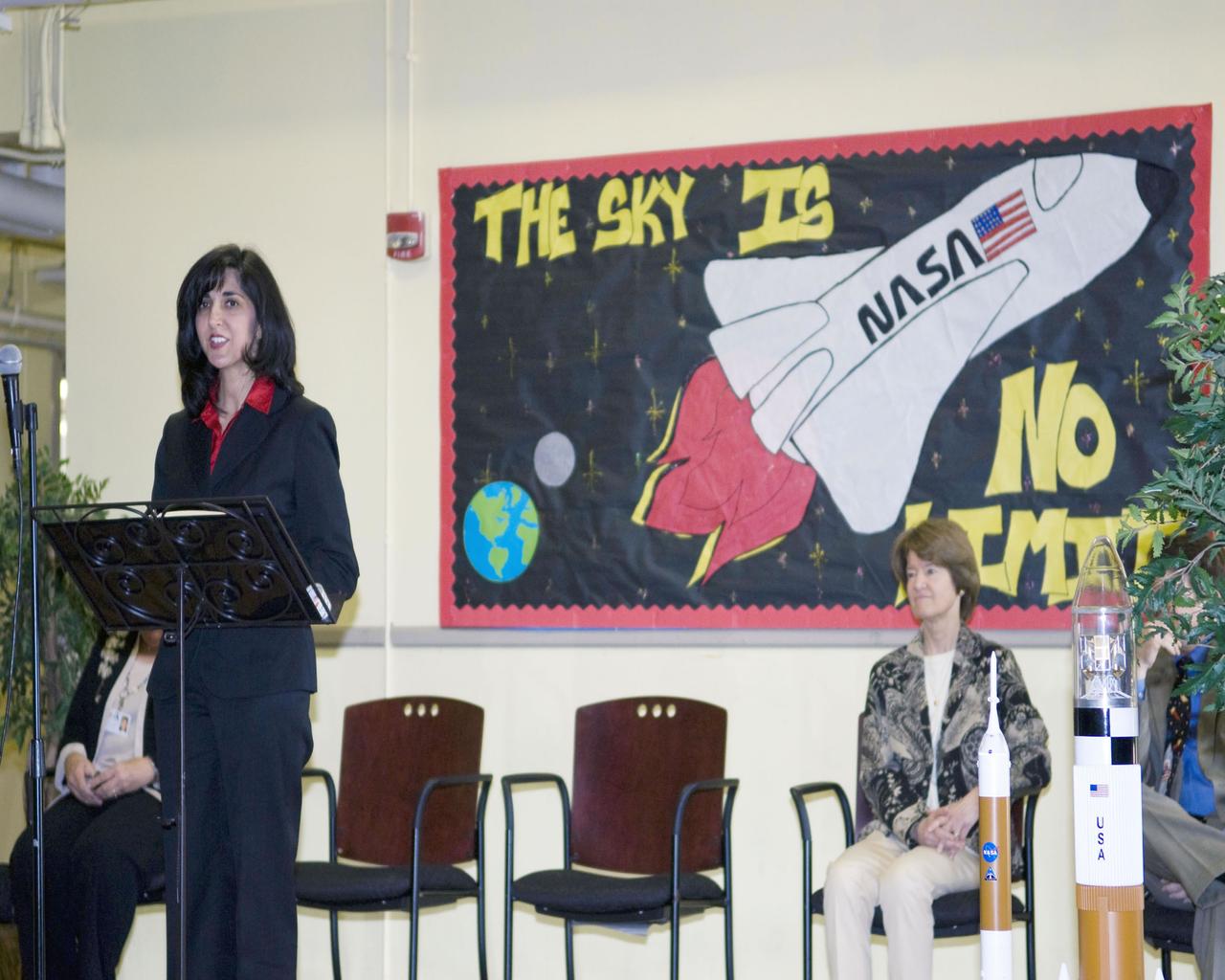
Louisiana First Lady Supriya Jindal (left) speaks to teachers and students at A.P. Tureaud Elementary School in New Orleans during a March 19 visit. At the school, Jindal was joined by retired NASA astronaut Sally Ride, the first American woman in space. Ride was a crew member on space shuttle Challenger during its STS-7 mission in 1983. She also was a crew member of space shuttle discovery on the STS-41 mission in 1984.

A spectator is seen photographing the space shuttle Endeavour as it is moved to its new home at the California Science Center in Los Angeles, Friday, Oct. 12, 2012. Endeavour, built as a replacement for space shuttle Challenger, completed 25 missions, spent 299 days in orbit, and orbited Earth 4,671 times while traveling 122,883,151 miles. Beginning Oct. 30, the shuttle will be on display in the CSC’s Samuel Oschin Space Shuttle Endeavour Display Pavilion, embarking on its new mission to commemorate past achievements in space and educate and inspire future generations of explorers. Photo Credit: (NASA/Bill Ingalls)
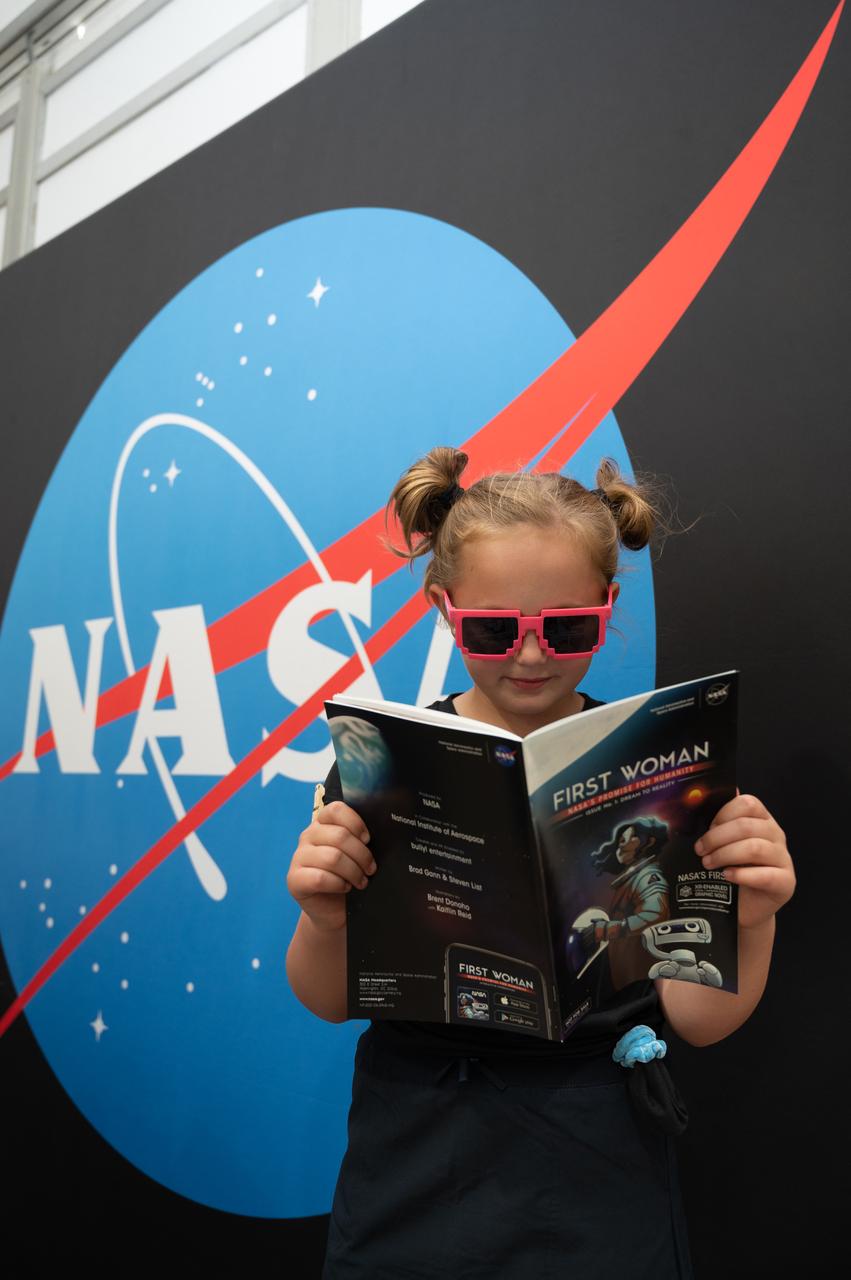
Ruby Flottum reads the first issue of NASA's "First Woman" graphic novel, entitled "Dream to Reality," on Monday, July 25, 2022 at AirVenture at Oshkosh.
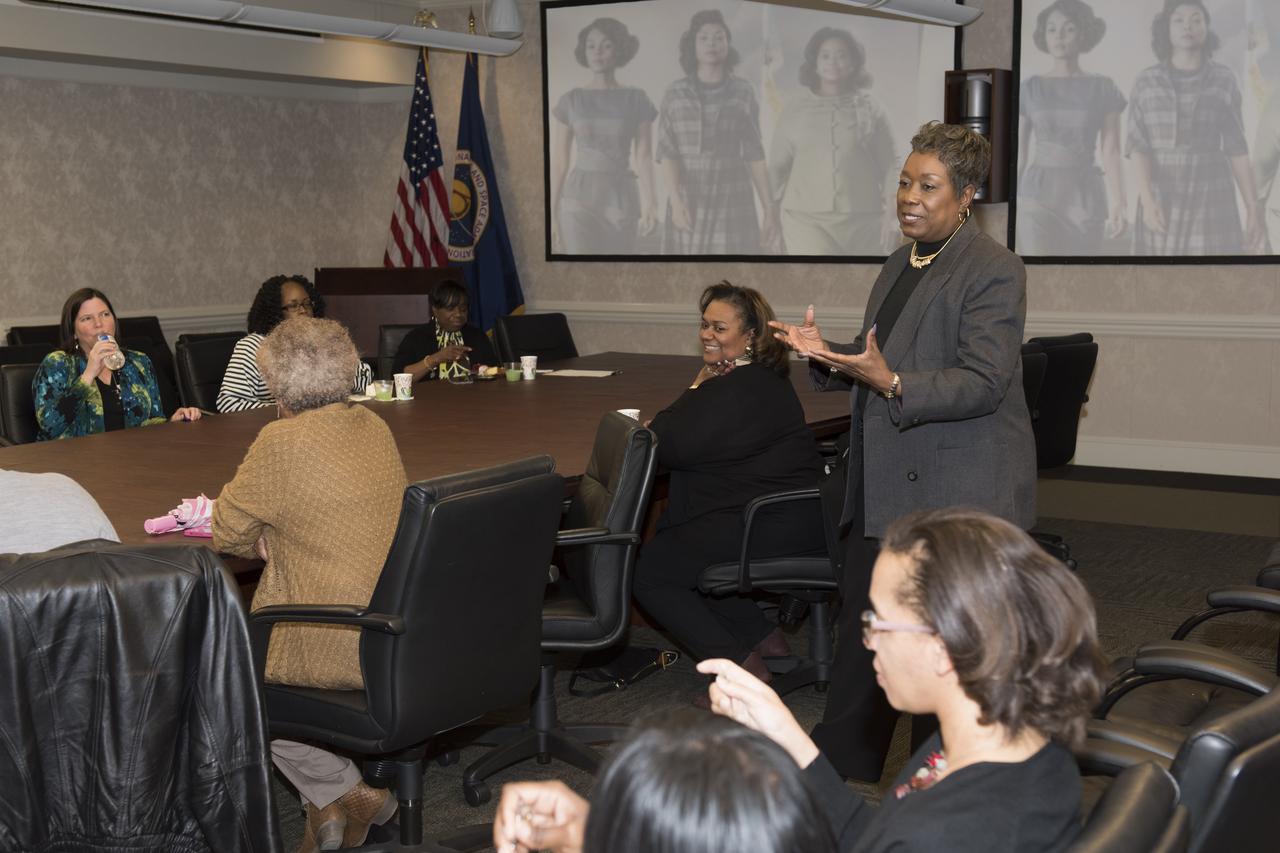
DIANE CAIN, STANDING NEAR CENTER, OF NASA MARSHALL SPACE FLIGHT CENTER'S OFFICE OF HUMAN CAPITAL, SPEAKS TO AN AUDIENCE GATHERED FOR AN AGENCY-WIDE LIVESTREAM PRESENTATION BY AUTHOR MARGOT LEE SHETTERLY FROM NASA'S LANGLEY RESEARCH CENTER ON MARCH 7
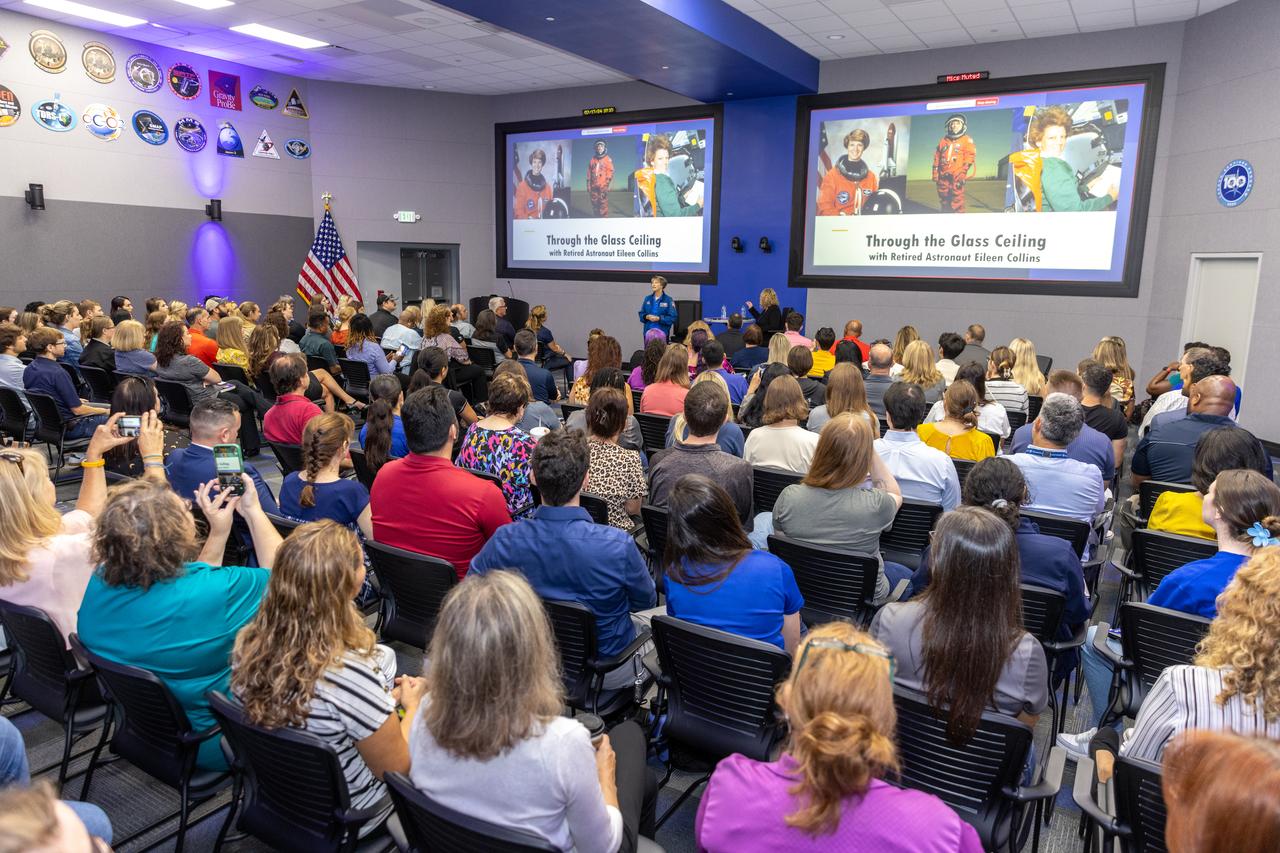
Retired NASA astronaut Eileen Collins participates in a special presentation and question and answer session inside the Neil A. Armstrong Operations and Checkout Building’s Mission Briefing Room at the agency’s Kennedy Space Center in Florida on Wednesday, July 17, 2024. Collins visited NASA Kennedy in celebration of the 25th anniversary of becoming the first woman to command a space mission during STS-93, in which space shuttle Columbia lifted off from the spaceport’s Launch Complex 39B on July 23, 1999.
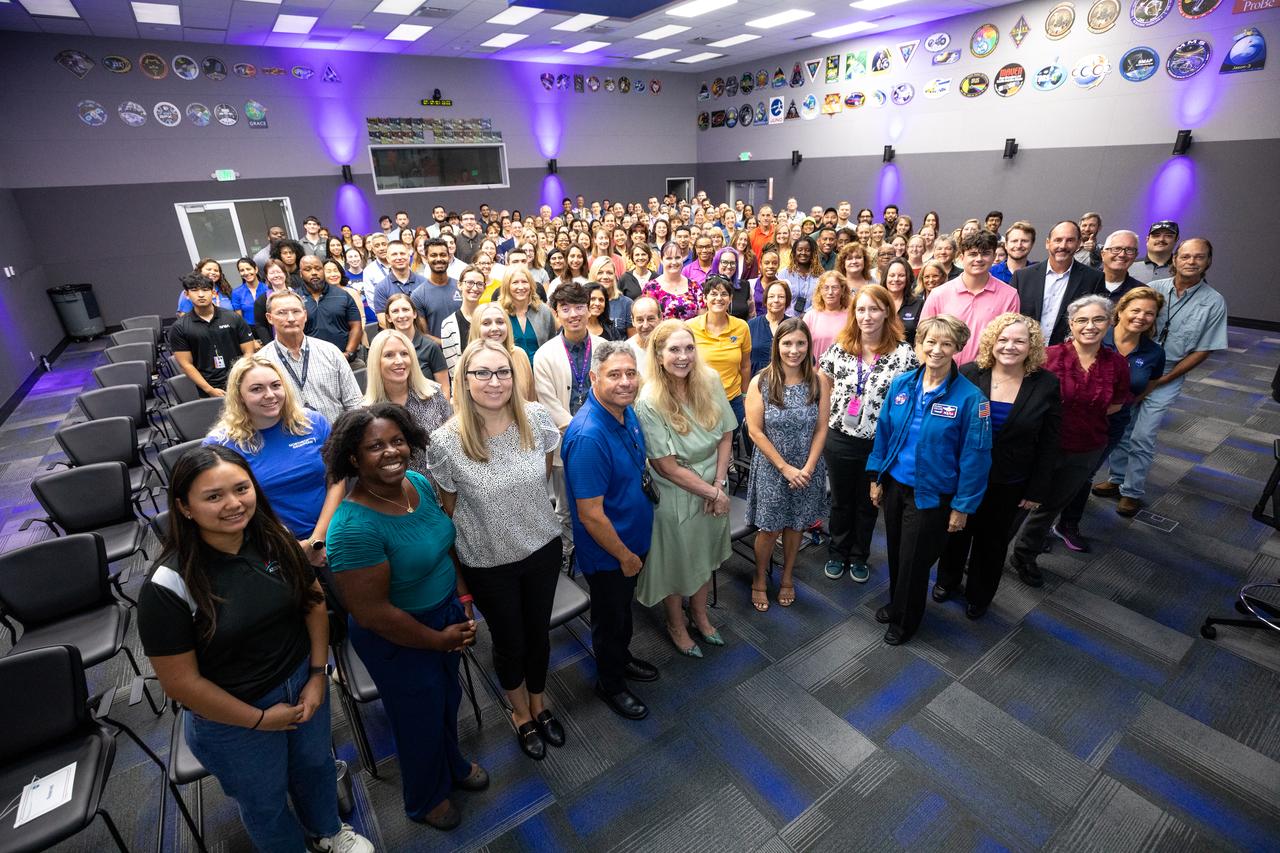
Retired NASA astronaut Eileen Collins poses with NASA employees and contractors after participating in a special presentation and question and answer session inside the Neil A. Armstrong Operations and Checkout Building’s Mission Briefing Room at the agency’s Kennedy Space Center in Florida on Wednesday, July 17, 2024. Collins visited NASA Kennedy in celebration of the 25th anniversary of becoming the first woman to command a space mission during STS-93, in which space shuttle Columbia lifted off from the spaceport’s Launch Complex 39B on July 23, 1999.
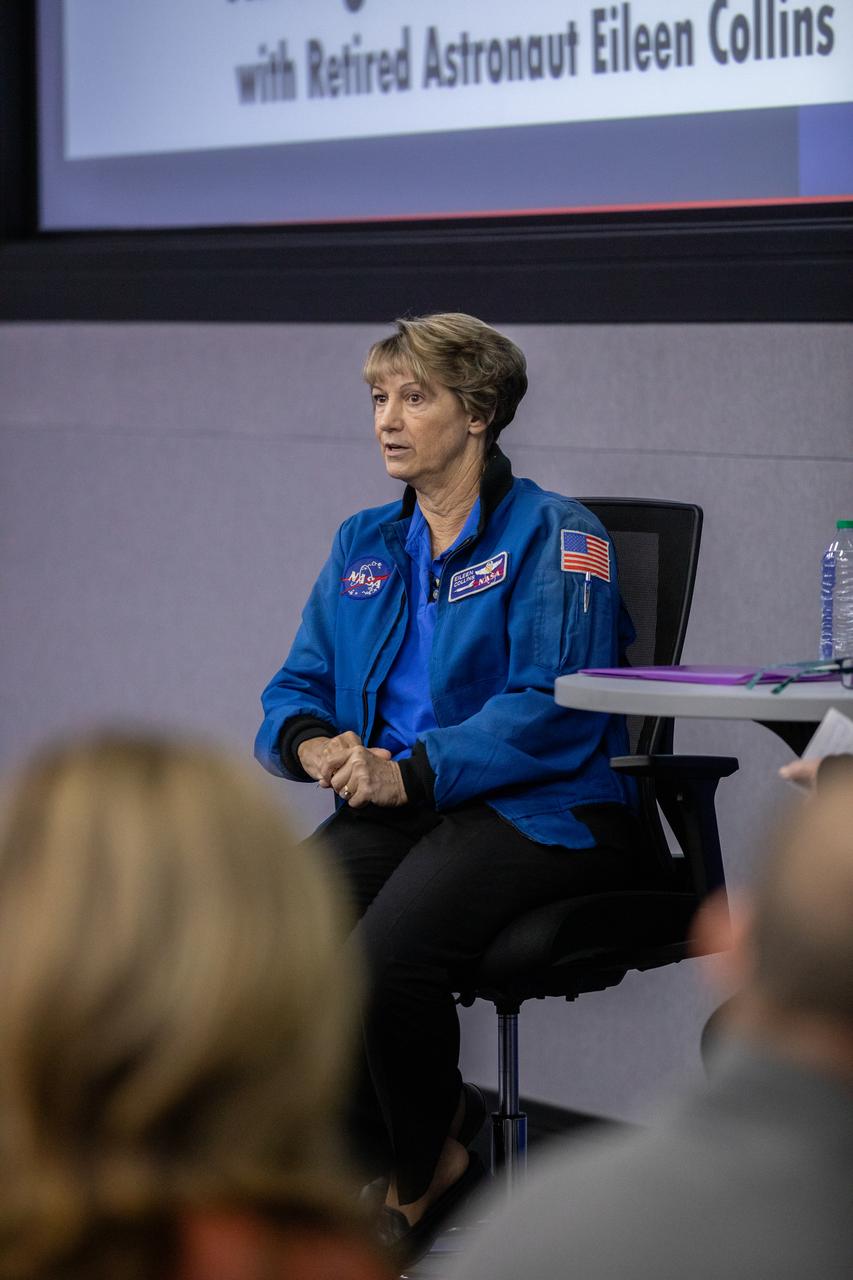
Retired NASA astronaut Eileen Collins participates in a special presentation and question and answer session inside the Neil A. Armstrong Operations and Checkout Building’s Mission Briefing Room at the agency’s Kennedy Space Center in Florida on Wednesday, July 17, 2024. Collins visited NASA Kennedy in celebration of the 25th anniversary of becoming the first woman to command a space mission during STS-93, in which space shuttle Columbia lifted off from the spaceport’s Launch Complex 39B on July 23, 1999.
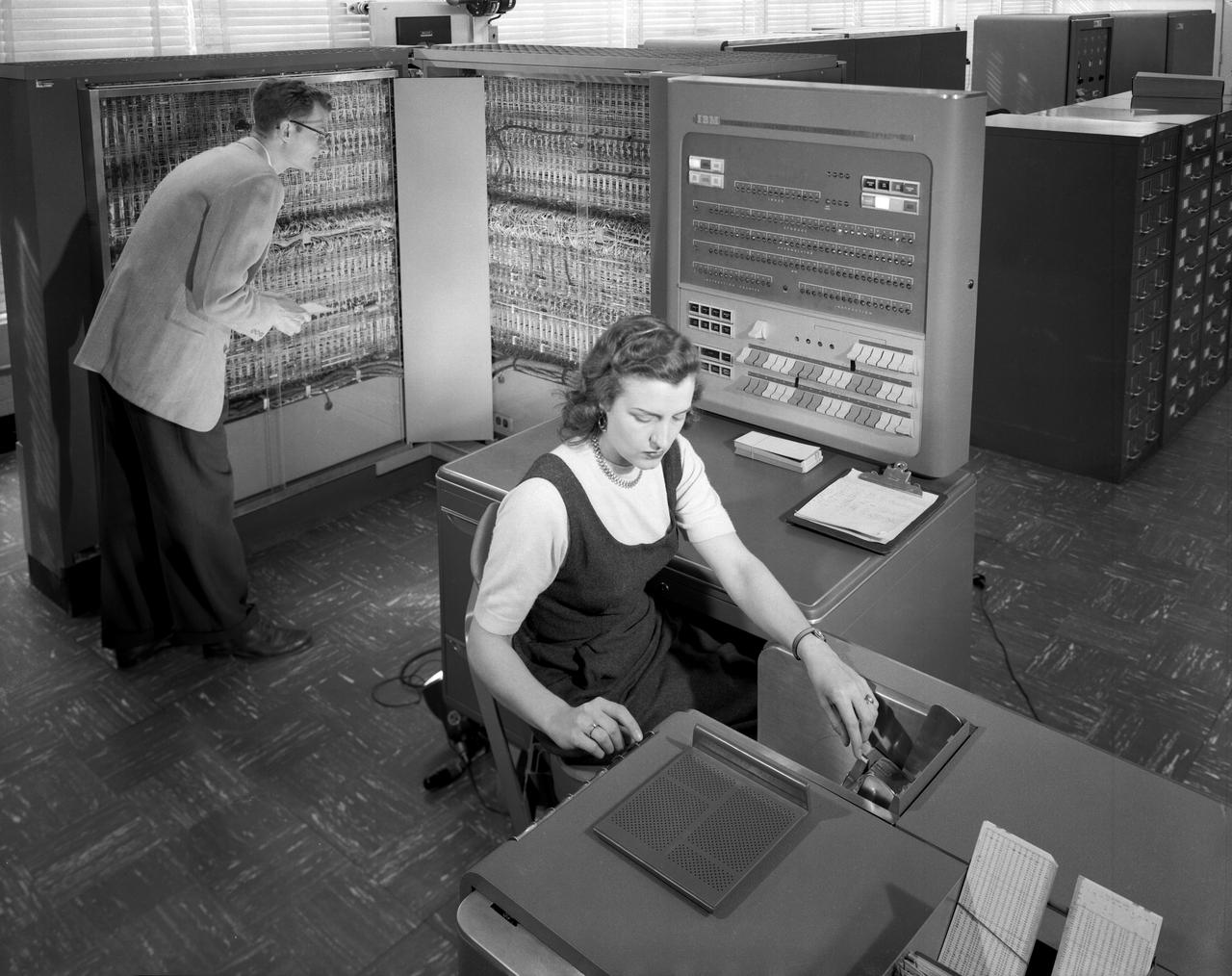
L57-989: Man and woman shown working with IBM type T04 electronic data processing machine.
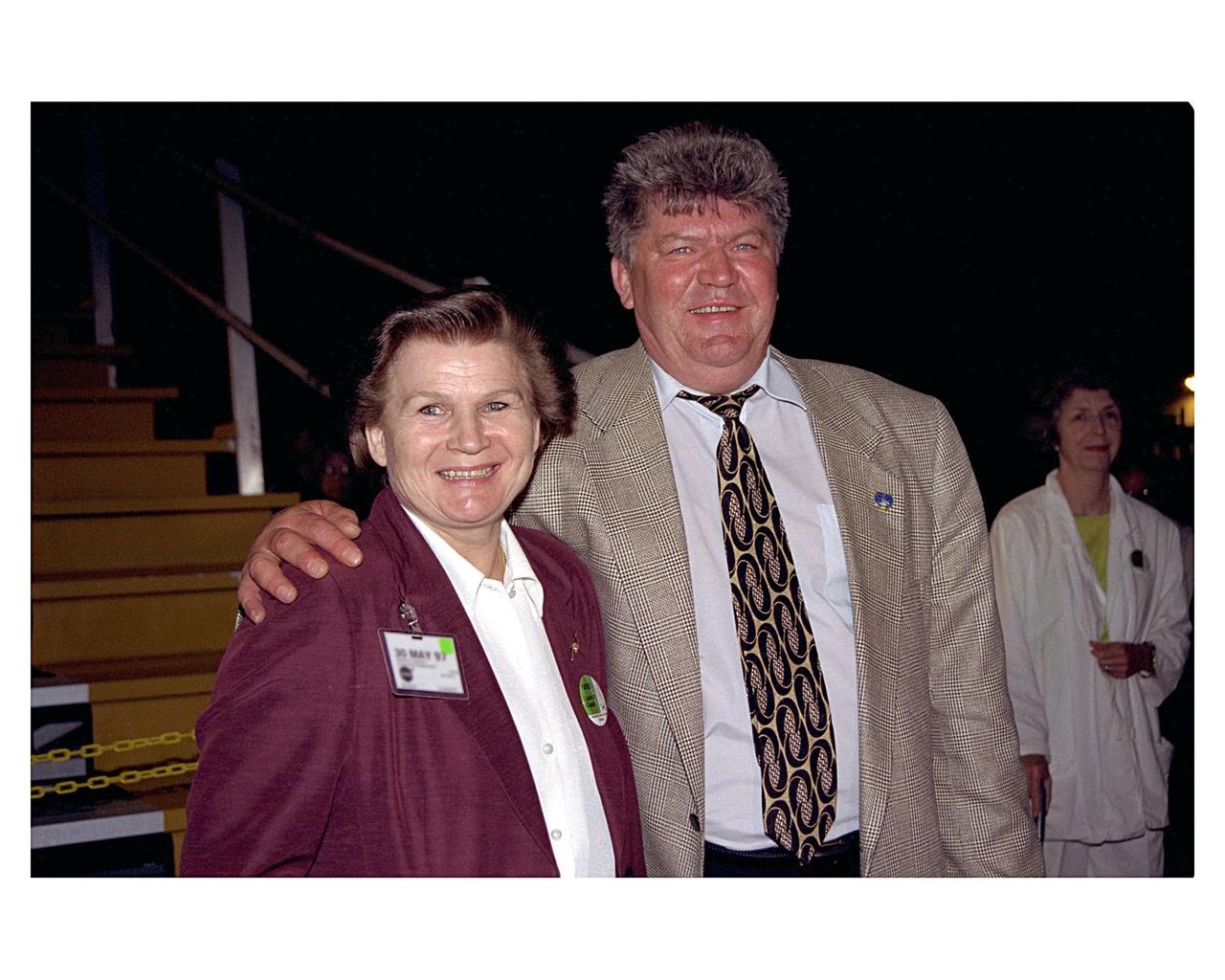
Valentina Terestkova, the first woman in space, and Valeri Ryumin, Phase One Director, RSC Energia, view the STS-84 launch at VIP site
Flight patch logo for Rhodium Scientific, a woman-owned small business founded in 2014 by Olivia Gámez Holzhaus. Image courtesy of Rhodium Scientific.
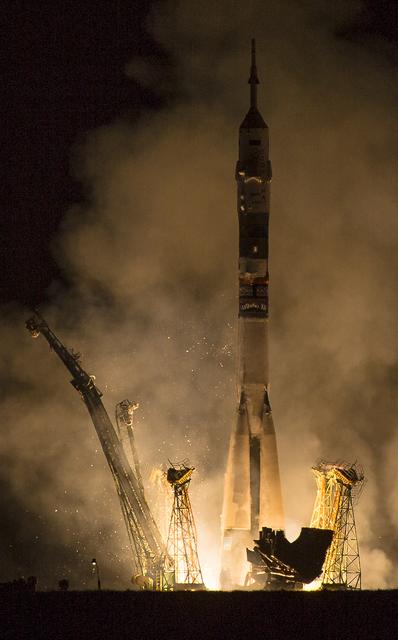
The Soyuz TMA-14M rocket is launched with Expedition 41 Soyuz Commander Alexander Samokutyaev of the Russian Federal Space Agency (Roscosmos) Flight Engineer Elena Serova of Roscosmos, and Flight Engineer Barry Wilmore of NASA, Friday, September 26, 2014 at the Baikonur Cosmodrome in Kazakhstan. Samokutyaev, Serova, and Wilmore will spend the next five and a half months aboard the International Space Station. Serova will become the fourth Russian woman to fly in space and the first Russian woman to live and work on the station. Photo Credit: (NASA/Joel Kowsky)
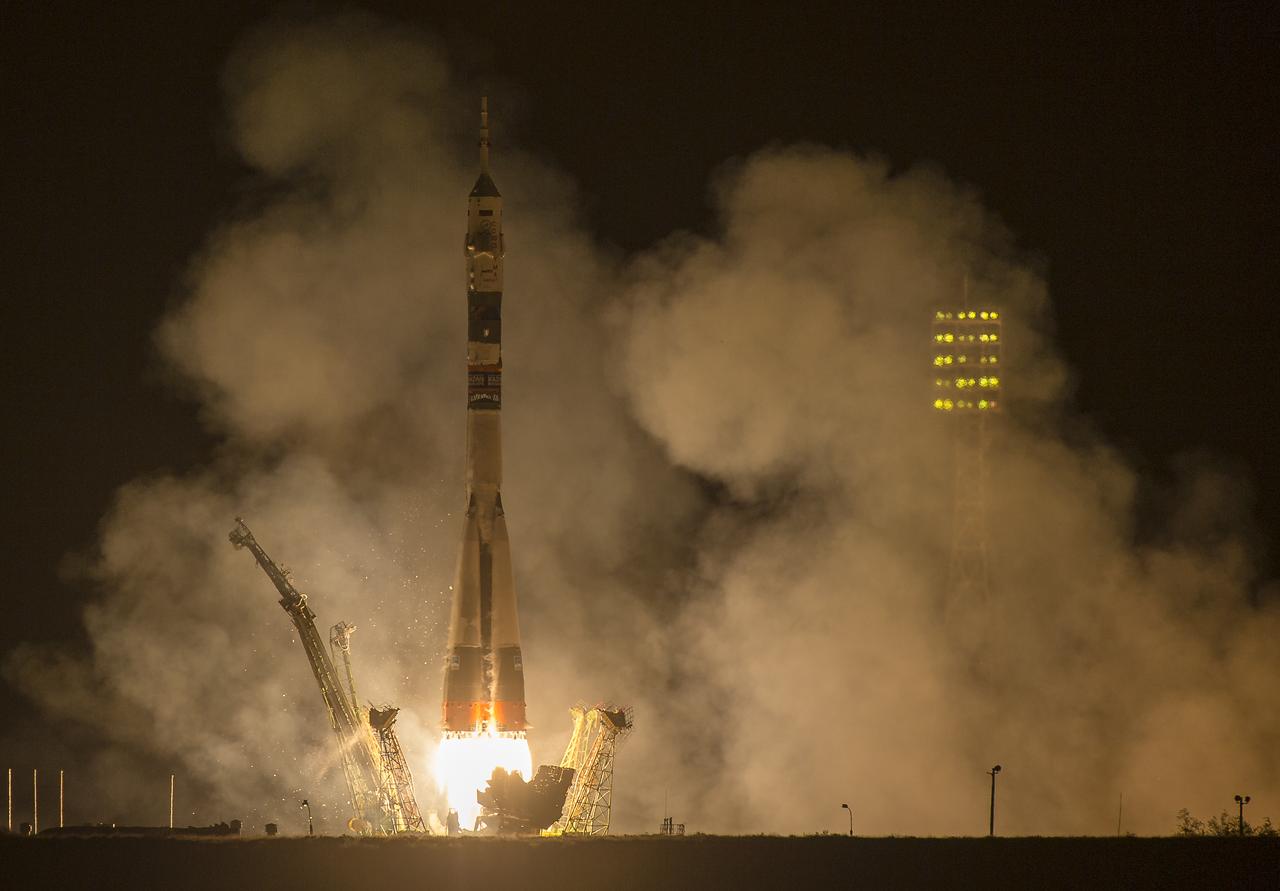
The Soyuz TMA-14M rocket is launched with Expedition 41 Soyuz Commander Alexander Samokutyaev of the Russian Federal Space Agency (Roscosmos) Flight Engineer Elena Serova of Roscosmos, and Flight Engineer Barry Wilmore of NASA, Friday, September 26, 2014 at the Baikonur Cosmodrome in Kazakhstan. Samokutyaev, Serova, and Wilmore will spend the next five and a half months aboard the International Space Station. Serova will become the fourth Russian woman to fly in space and the first Russian woman to live and work on the station. Photo Credit: (NASA/Joel Kowsky)
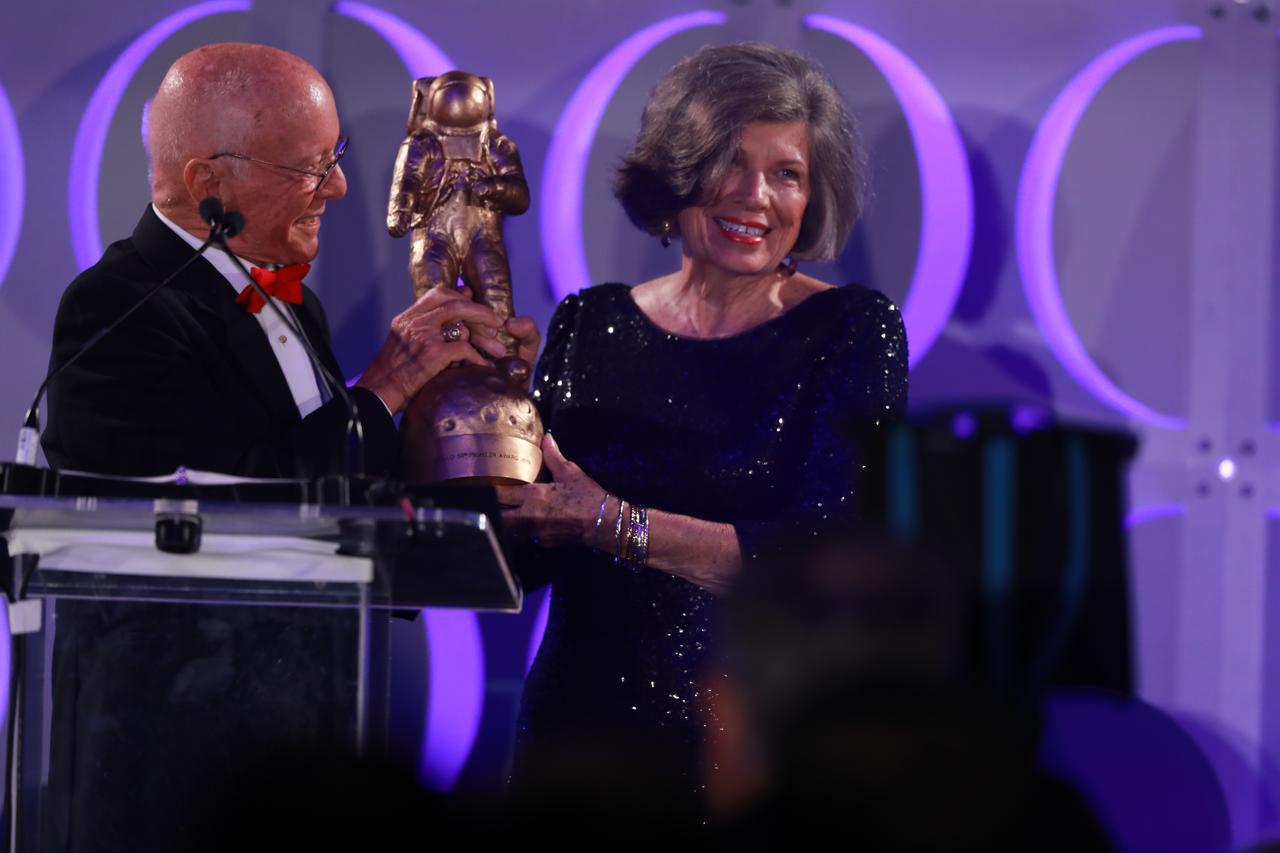
Gerry Griffin, Apollo flight director, left, presents the Pioneer Award to JoAnn Morgan, retired NASA engineer, during the Apollo 11 50th Gala, on July 16, 2019. The gala, presented by Northrop Grumman, was held inside the Apollo/Saturn V Center at the Kennedy Space Center Visitor Comples in Florida. Morgan was the first woman engineer on console at Kennedy Space Center and the only woman in the firing room during the Apollo 11 launch countdown and launch.
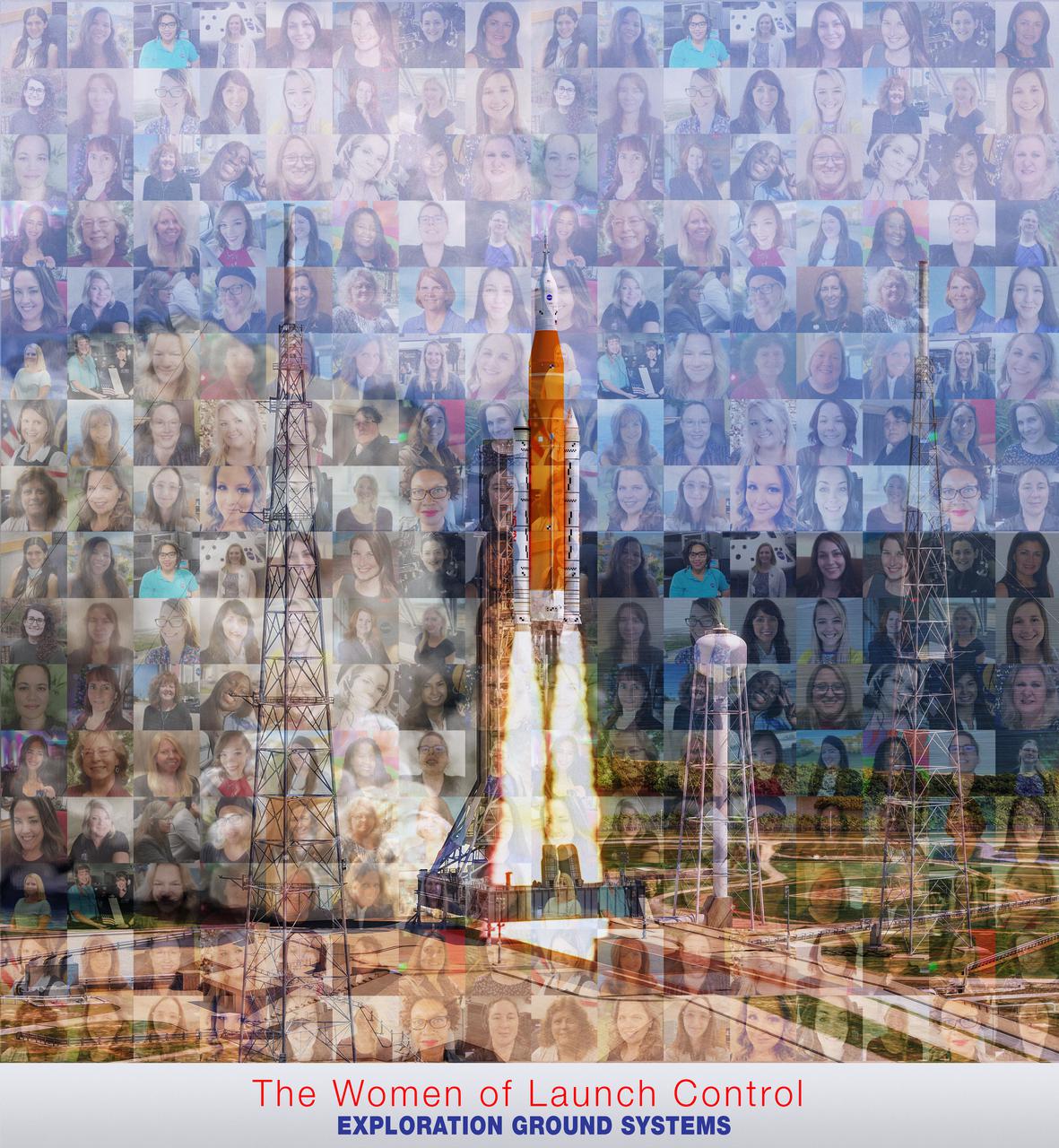
NASA has come a long way since the Apollo program when there was only one woman — JoAnn Morgan — working in Firing Room 1 of Kennedy Space Center’s Launch Control Center. Now, about 30% of the staff responsible for launching and monitoring the Space Launch System (SLS) rocket and Orion spacecraft for the Artemis program are women. Under the Artemis program, NASA will launch the first woman and next man to the lunar surface, using the Moon as a testing ground before venturing on to Mars.
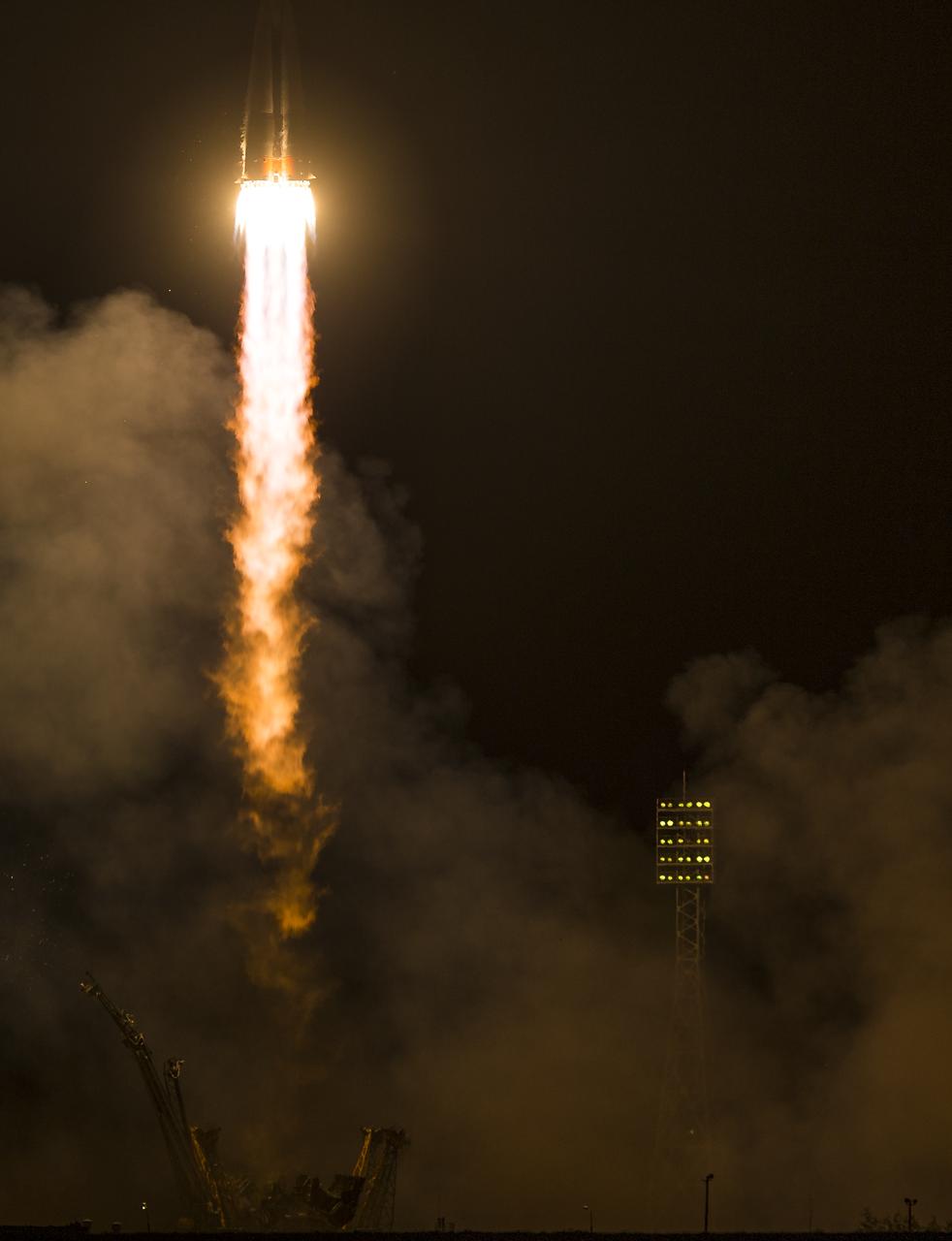
The Soyuz TMA-14M rocket is launched with Expedition 41 Soyuz Commander Alexander Samokutyaev of the Russian Federal Space Agency (Roscosmos) Flight Engineer Elena Serova of Roscosmos, and Flight Engineer Barry Wilmore of NASA, Friday, September 26, 2014 at the Baikonur Cosmodrome in Kazakhstan. Samokutyaev, Serova, and Wilmore will spend the next five and a half months aboard the International Space Station. Serova will become the fourth Russian woman to fly in space and the first Russian woman to live and work on the station. Photo Credit: (NASA/Joel Kowsky)
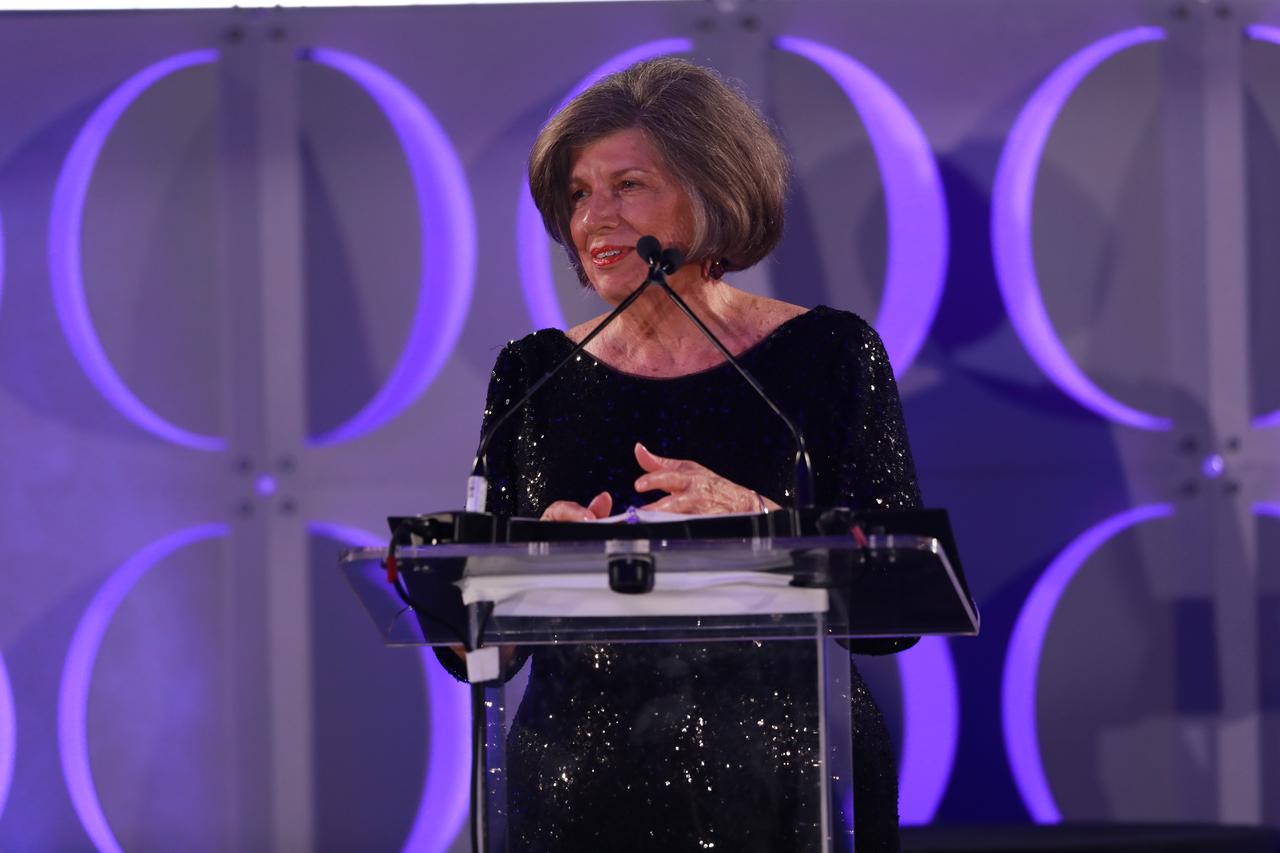
JoAnn Morgan, retired NASA engineer, makes remarks after receiving the Pioneer Award during the Apollo 11 50th Gala on July 16, 2019. The gala, presented by Northrop Grumman, was held inside the Apollo/Saturn V Center at the Kennedy Space Center Visitor Complex in Florida. Morgan was the first woman engineer on console at Kennedy Space Center and the only woman in the firing room during the Apollo 11 launch countdown and launch.
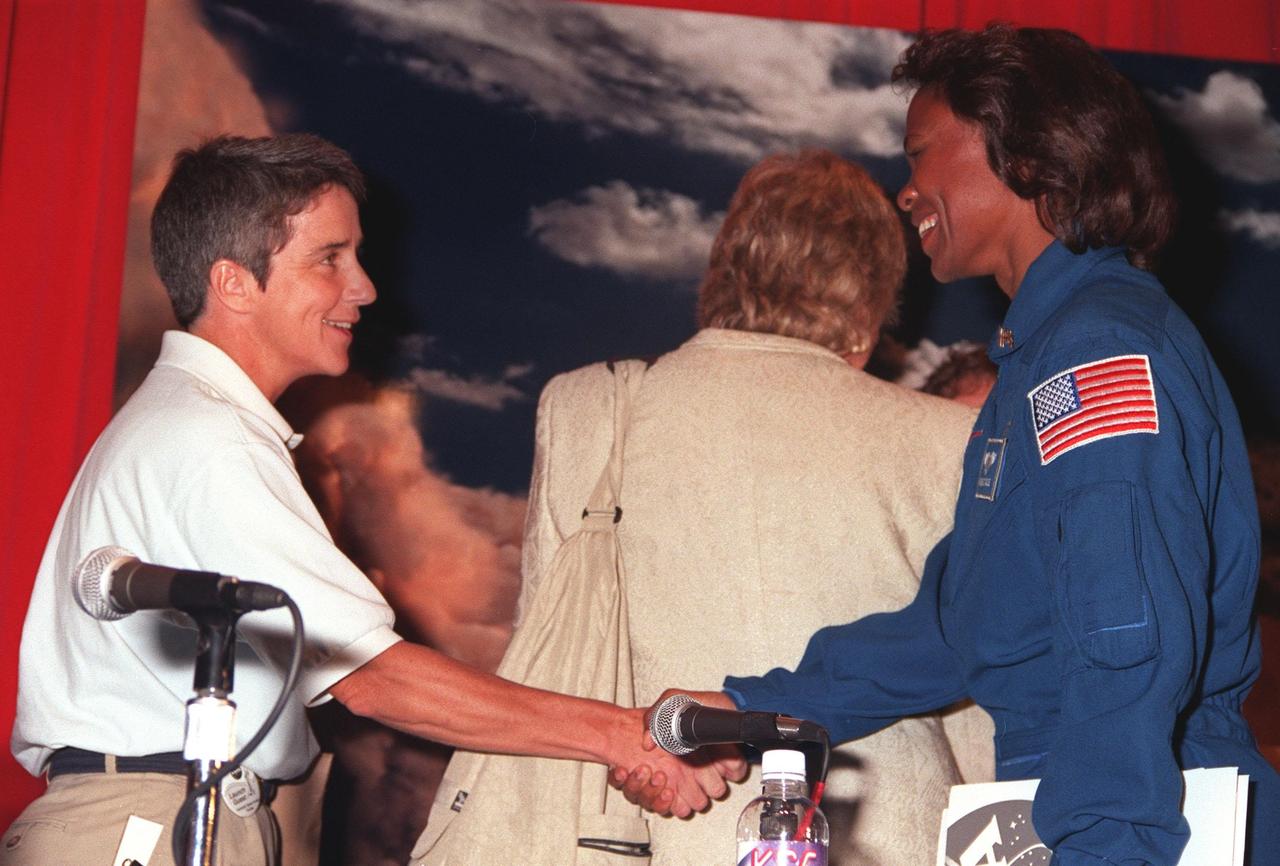
KENNEDY SPACE CENTER, Fla. -- At a women's forum held in the Apollo/Saturn V Center, Marta Bohn-Meyer, the first woman to pilot an SR-71, greets astronaut Yvonne Cagle. They participated in the panel discussion about "Past, Present and Future of Space," along with Kathryn Sullivan, Ph.D., the first American woman to walk in space; Donna Shirley, Ph.D., the first woman leading the Mars Exploration Program; Jennifer Harris, the Mars 2001 Operations System Development Manager at the Jet Propulsion Laboratory; and astronaut Ellen Ochoa, the first Hispanic female in space and member of the President's commission on the Celebration of Women in American History. The forum included a welcome by Center Director Roy Bridges and remarks by Donna Shalala, secretary of Department of Health and Human Services. The attendees are planning to view the launch of STS-93 at the Banana Creek viewing site. Much attention has been generated over the launch due to Commander Eileen M. Collins, the first woman to serve as commander of a Shuttle mission. The primary payload of the five-day mission is the Chandra X-ray Observatory, which will allow scientists from around the world to study some of the most distant, powerful and dynamic objects in the universe. Liftoff is scheduled for July 20 at 12:36 a.m. EDT
jsc2021e048041 (10/22/2021) --- Flight patch logo for Rhodium Scientific, a woman-owned small business founded in 2014 by Olivia Gámez Holzhaus. Image courtesy of Rhodium Scientific.
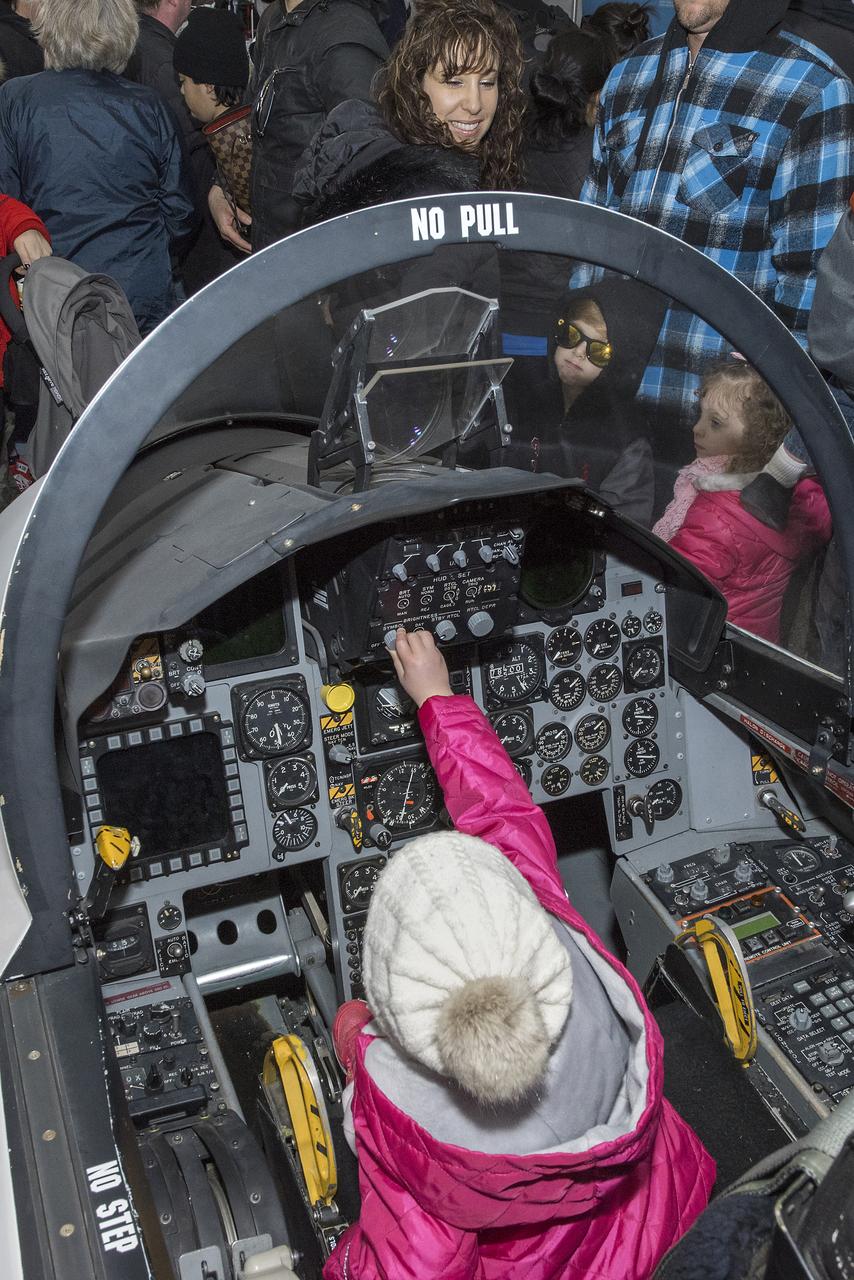
A young woman tries her hand at “piloting” a high-performance jet. The representation of a jet cockpit is a popular display at NASA Armstrong-supported air shows and festivals across the nation.
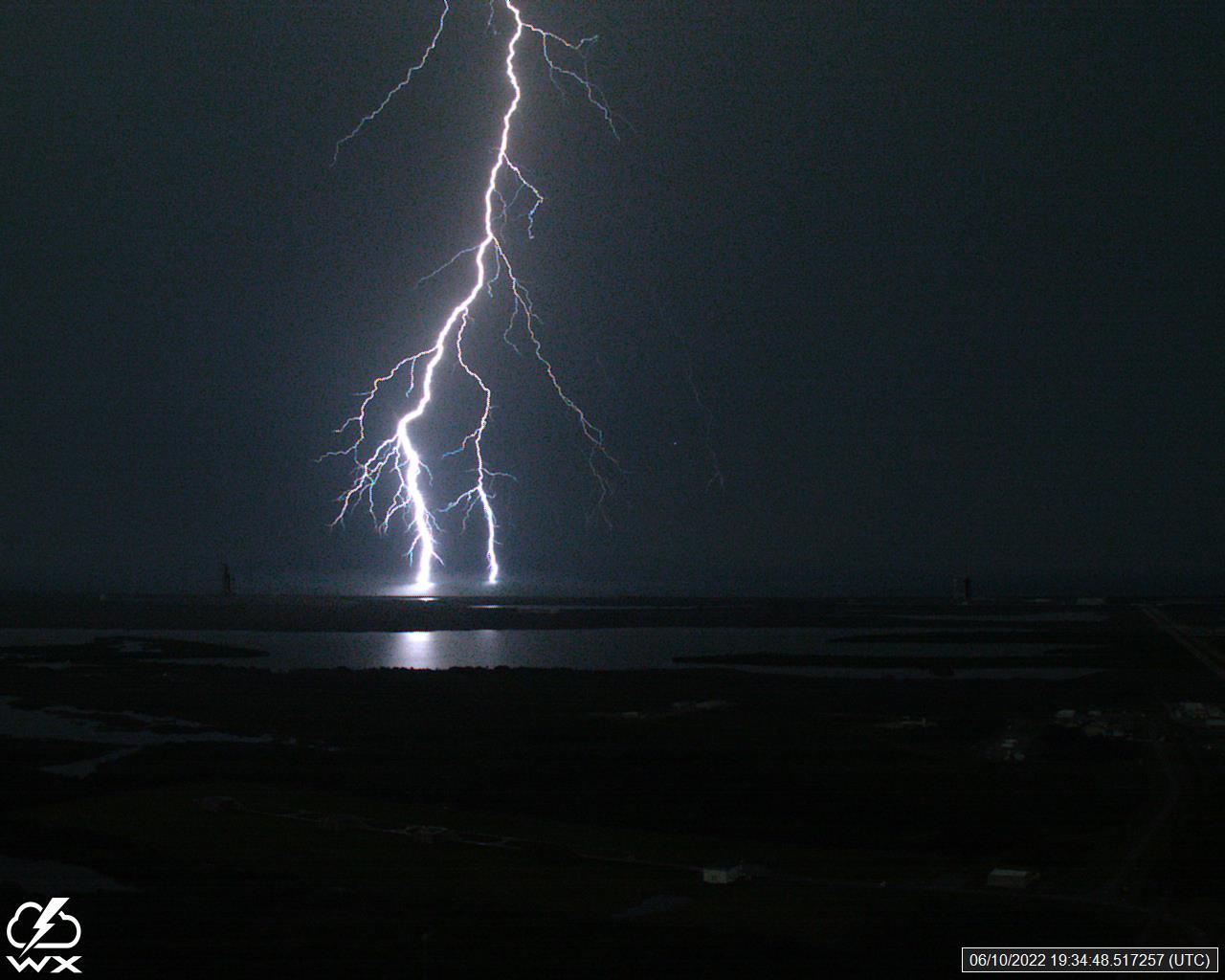
A lightning strike was recorded at Launch Complex 39B at NASA’s Kennedy Space Center in Florida on June 10, 2022. NASA’s Space Launch System (SLS) and Orion spacecraft atop the mobile launcher are on the launch pad in preparation for the Artemis I mission. The lightning strike was recorded by cameras stationed at the pad and mobile launcher using a special filter called a “clear day frame,” which provides an overlay of the raw frame on a reference image. Artemis I will be the first integrated test of the SLS and Orion spacecraft. In later missions, NASA will land the first woman and the first woman of color on the surface of the Moon, paving the way for a long-term lunar presence and serving as a steppingstone on the way to Mars.
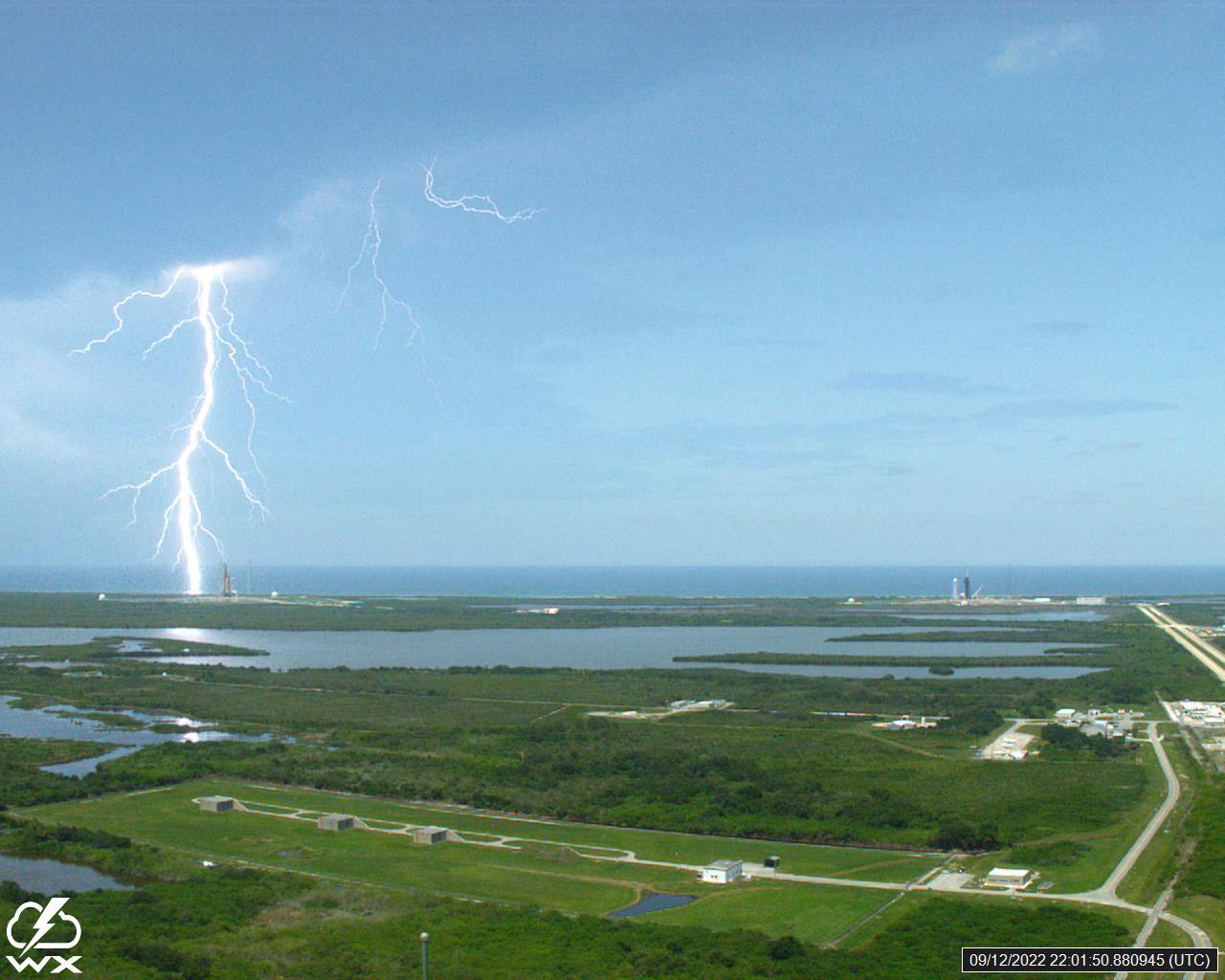
A lightning strike was recorded at Launch Complex 39B at NASA’s Kennedy Space Center in Florida on Sept. 12, 2022. NASA’s Space Launch System (SLS) and Orion spacecraft atop the mobile launcher are on the launch pad in preparation for the Artemis I mission. The lightning strike was recorded by cameras stationed at the pad and mobile launcher using a special filter called a “clear day frame,” which provides an overlay of the raw frame on a reference image. Artemis I will be the first integrated test of the SLS and Orion spacecraft. In later missions, NASA will land the first woman and the first woman of color on the surface of the Moon, paving the way for a long-term lunar presence and serving as a steppingstone on the way to Mars.
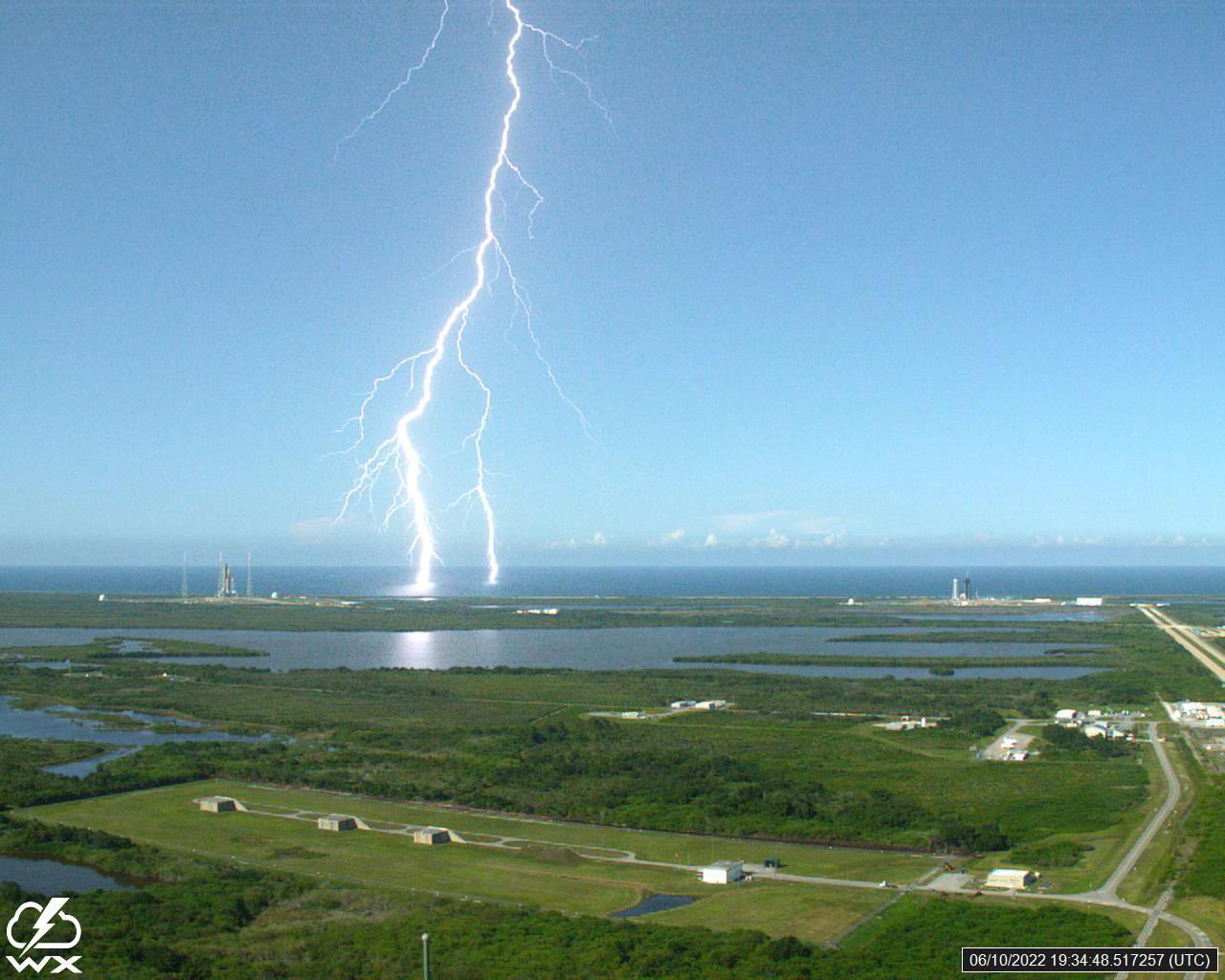
A lightning strike was recorded at Launch Complex 39B at NASA’s Kennedy Space Center in Florida on June 10, 2022. NASA’s Space Launch System (SLS) and Orion spacecraft atop the mobile launcher are on the launch pad in preparation for the Artemis I mission. The lightning strike was recorded by cameras stationed at the pad and mobile launcher using a special filter called a “clear day frame,” which provides an overlay of the raw frame on a reference image. Artemis I will be the first integrated test of the SLS and Orion spacecraft. In later missions, NASA will land the first woman and the first woman of color on the surface of the Moon, paving the way for a long-term lunar presence and serving as a steppingstone on the way to Mars.
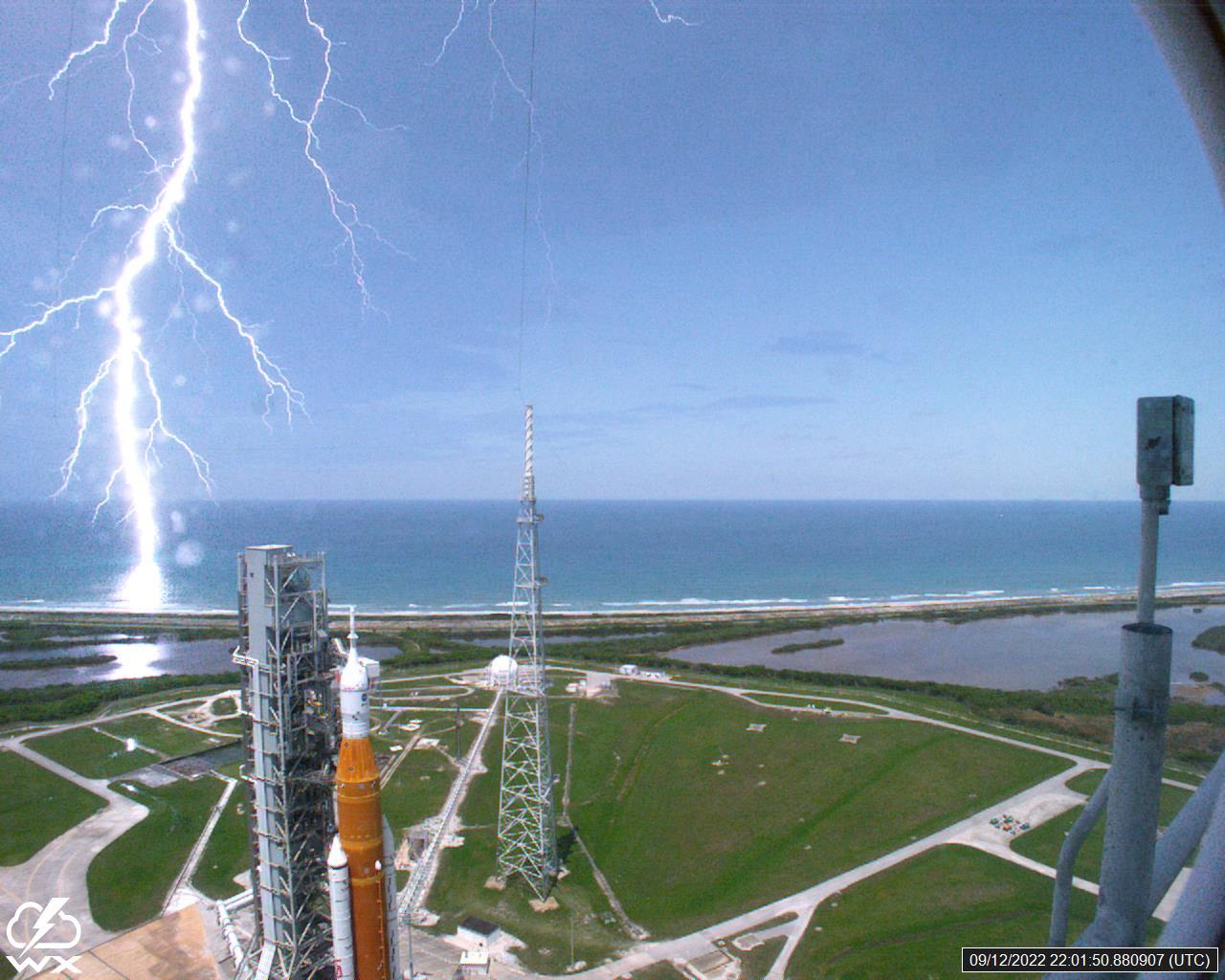
A lightning strike was recorded at Launch Complex 39B at NASA’s Kennedy Space Center in Florida on Sept. 12, 2022. NASA’s Space Launch System (SLS) and Orion spacecraft atop the mobile launcher are in view on the launch pad in preparation for the Artemis I mission. The lightning strike was recorded by cameras stationed at the pad and mobile launcher using a special filter called a “clear day frame,” which provides an overlay of the raw frame on a reference image. Artemis I will be the first integrated test of the SLS and Orion spacecraft. In later missions, NASA will land the first woman and the first woman of color on the surface of the Moon, paving the way for a long-term lunar presence and serving as a steppingstone on the way to Mars.
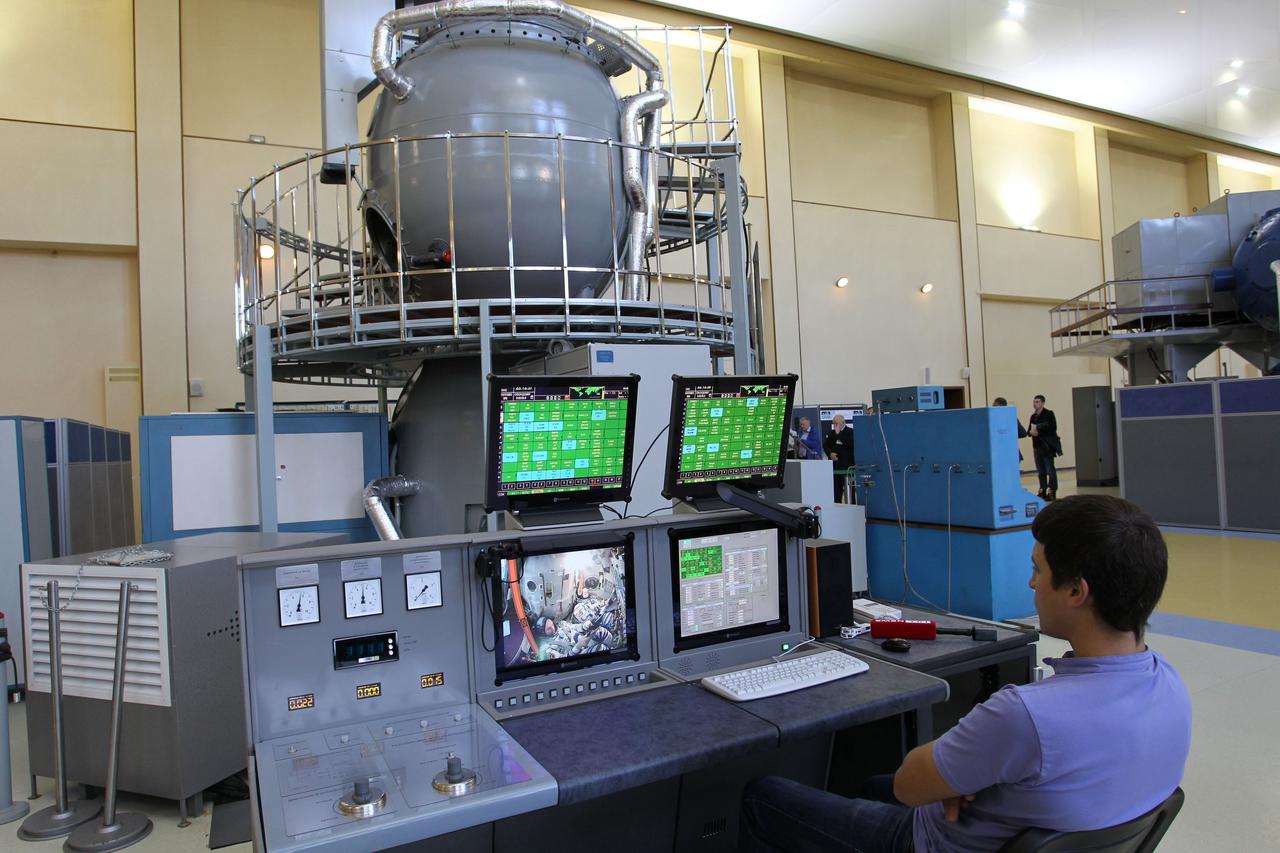
2130: At the Gagarin Cosmonaut Training Center in Star City, Russia, a trainer keeps an eye on monitors as the Expedition 41/42 crew --- Barry Wilmore of NASA and Alexander Samokutyaev and Elena Serova of the Russian Federal Space Agency (Roscosmos) --- conduct a qualification exam run in a nearby Soyuz spacecraft simulator. Wilmore, Samokutyaev and Serova will launch from the Baikonur Cosmodrome in Kazakhstan, Sept. 26, Kazakh time, in their Soyuz TMA-14M spacecraft for a 5 ½ month mission on the International Space Station. Serova will become the fourth Russian woman to fly in space and the first Russian woman to conduct a long duration mission on the station. NASA/Stephanie Stoll
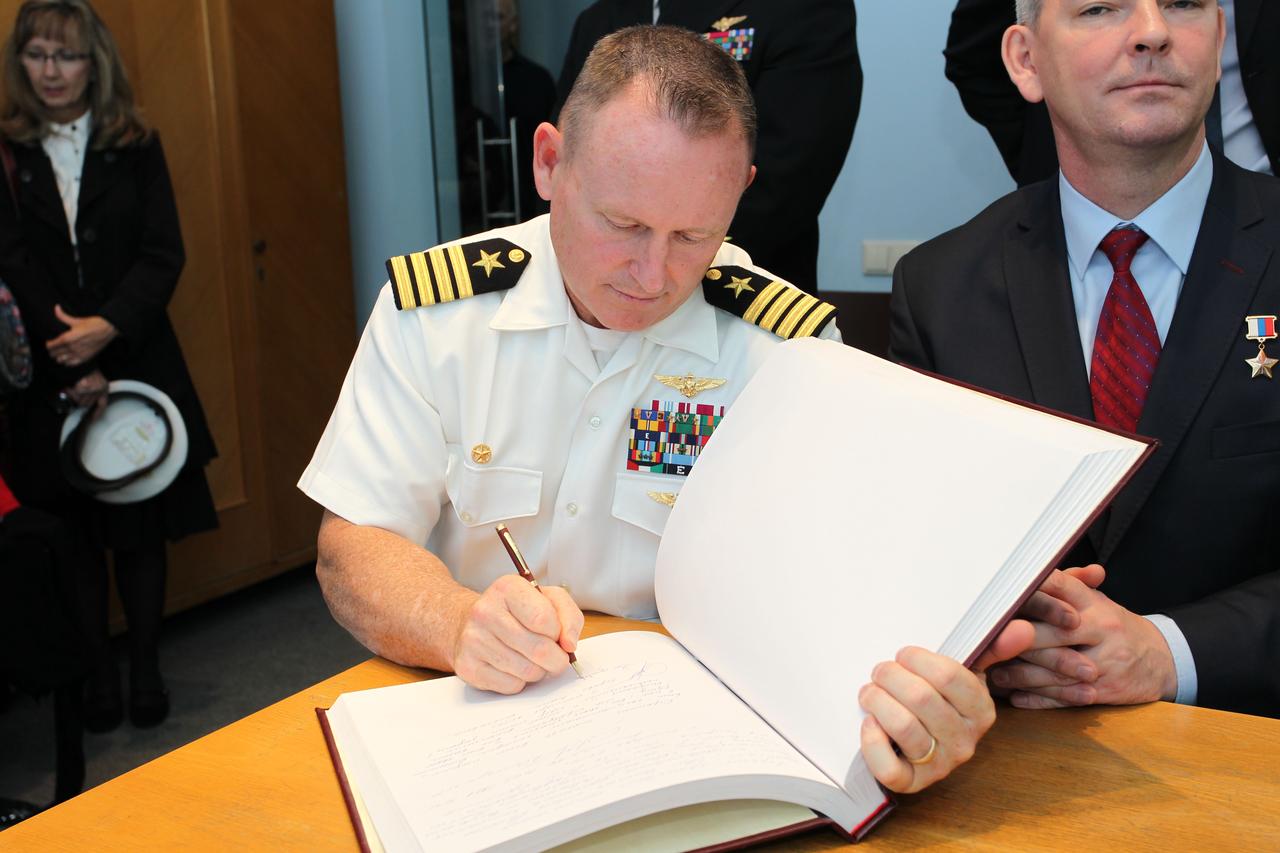
2381: At the Gagarin Cosmonaut Training Center in Star City, Russia, Expedition 41/42 Flight Engineer Barry Wilmore of NASA signs a welcome book at the Gagarin Museum Sept. 5 in a traditional ceremony. Wilmore, Elena Serova of the Russian Federal Space Agency (Roscosmos) and Soyuz Commander Alexander Samokutyaev of Roscosmos (right) will launch from the Baikonur Cosmodrome in Kazakhstan on Sept. 26, Kazakh time, in their Soyuz TMA-14M spacecraft for a 5 ½ month mission on the International Space Station. Serova will become the fourth Russian woman to fly in space and the first Russian woman to conduct a long duration mission on the station. NASA/Stephanie Stoll
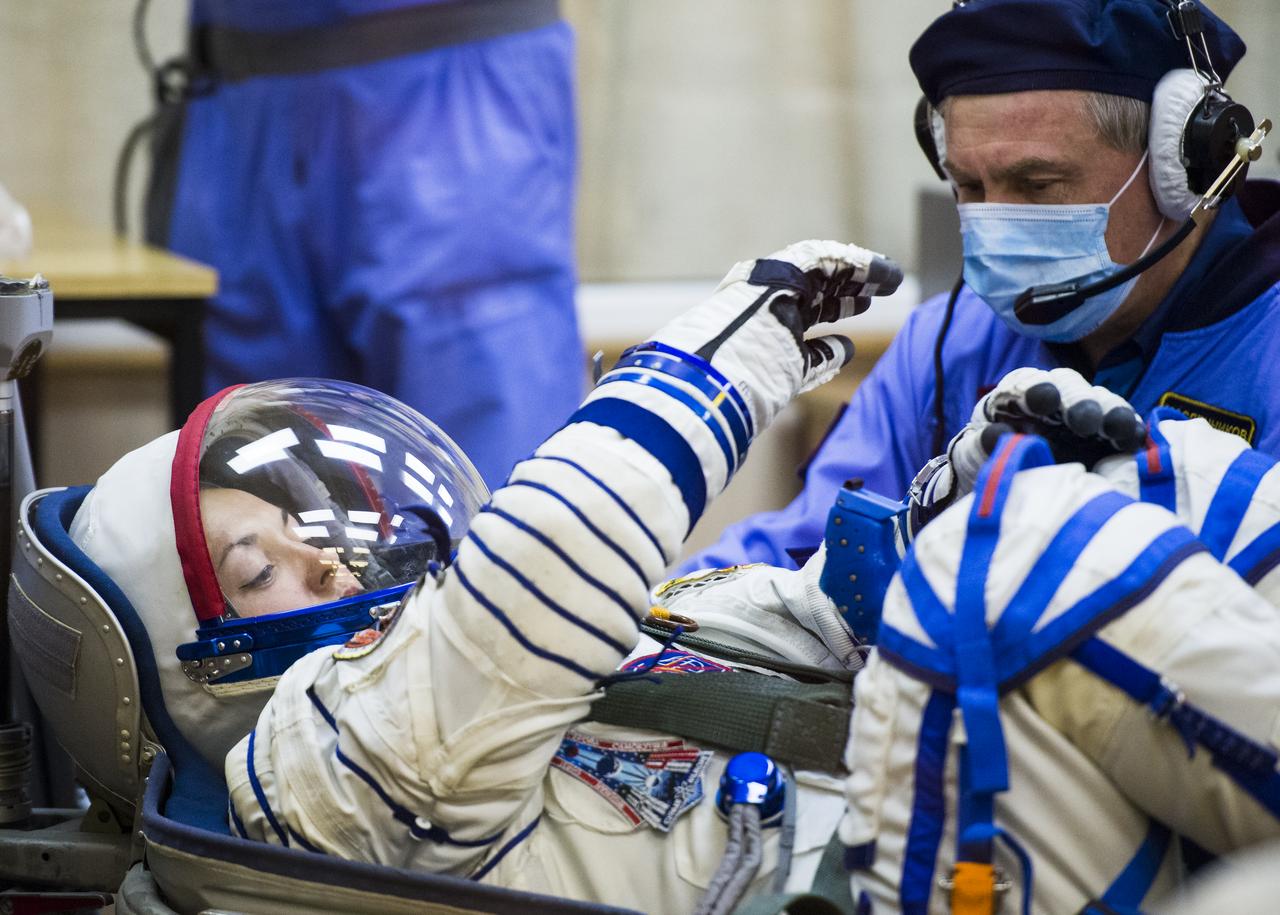
Expedition 41 Flight Engineer Elena Serova of the Russian Federal Space Agency (Roscosmos) has her Russian Sokol suit pressure checked in preparation for her launch onboard the Soyuz TMA-14M spacecraft on Thursday, September 25, 2014, at the Baikonur Cosmodrome in Kazakhstan. The Soyuz spacecraft with Serova, Expedition 41 Soyuz Commander Alexander Samokutyaev of Roscosmos and Flight Engineer Barry WIlmore of NASA is scheduled to launch at 2:25 a.m. Kazakhstan Time on Friday, September 26. Serova will become the fourth Russian woman to fly in space and the first Russian woman to live and work on the station. Photo Credit: (NASA/Joel Kowsky)
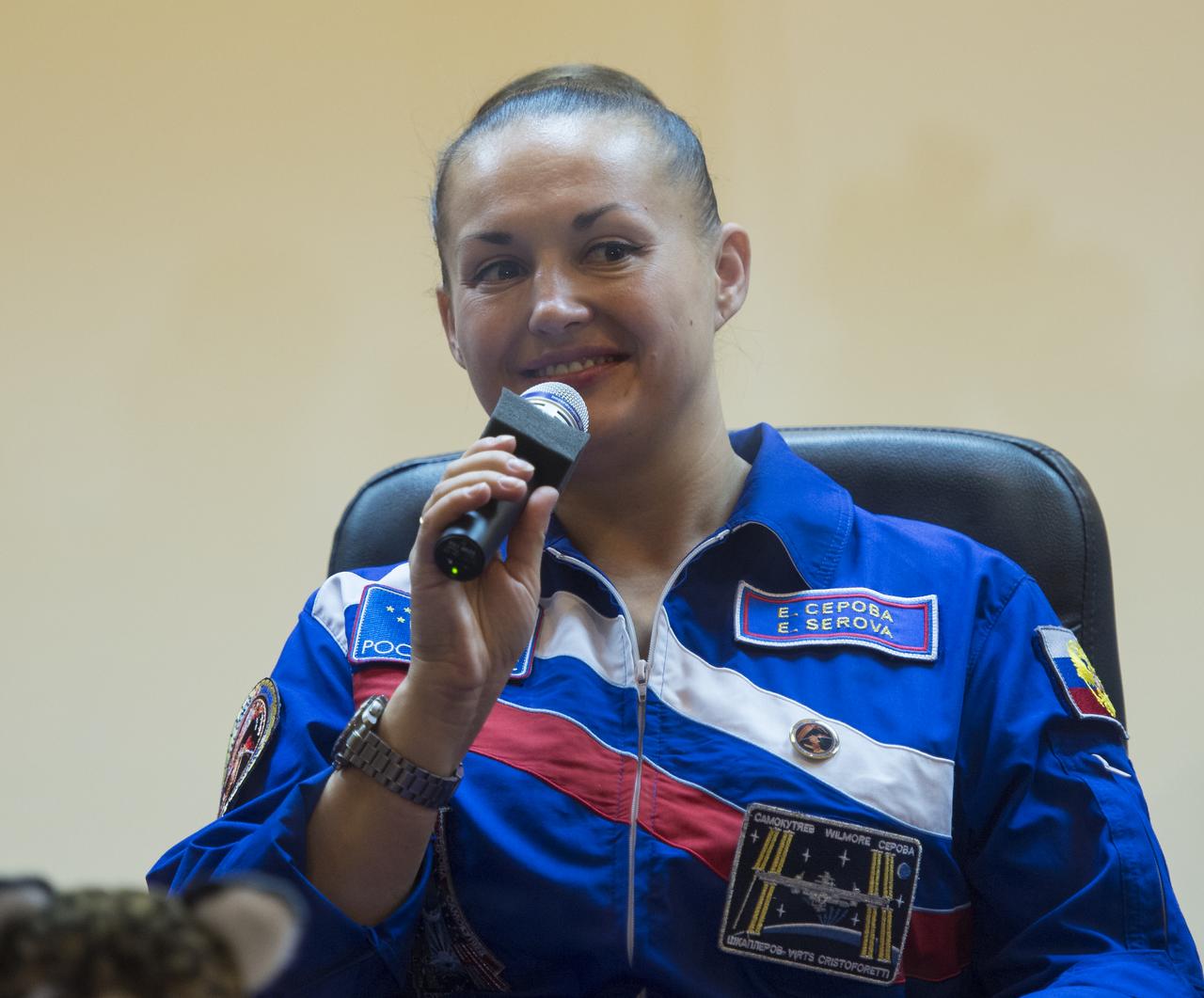
Expedition 41 Flight Engineer Elena Serova of the Russian Federal Space Agency (Roscosmos), answers a question during a press conference on Wednesday, Sept. 24, 2014, at the Cosmonaut Hotel in Baikonur, Kazakhstan. Launch of the Soyuz rocket is scheduled for Sept. 26 and will carry Serova, Soyuz Commander Alexander Samokutyaev of Roscosmos, and Flight Engineer Barry Wilmore of NASA into orbit to begin their five and a half month mission on the International Space Station. Serova will become the fourth Russian woman to fly in space and the first Russian woman to live and work on the station. Photo Credit: (NASA/Aubrey Gemignani)
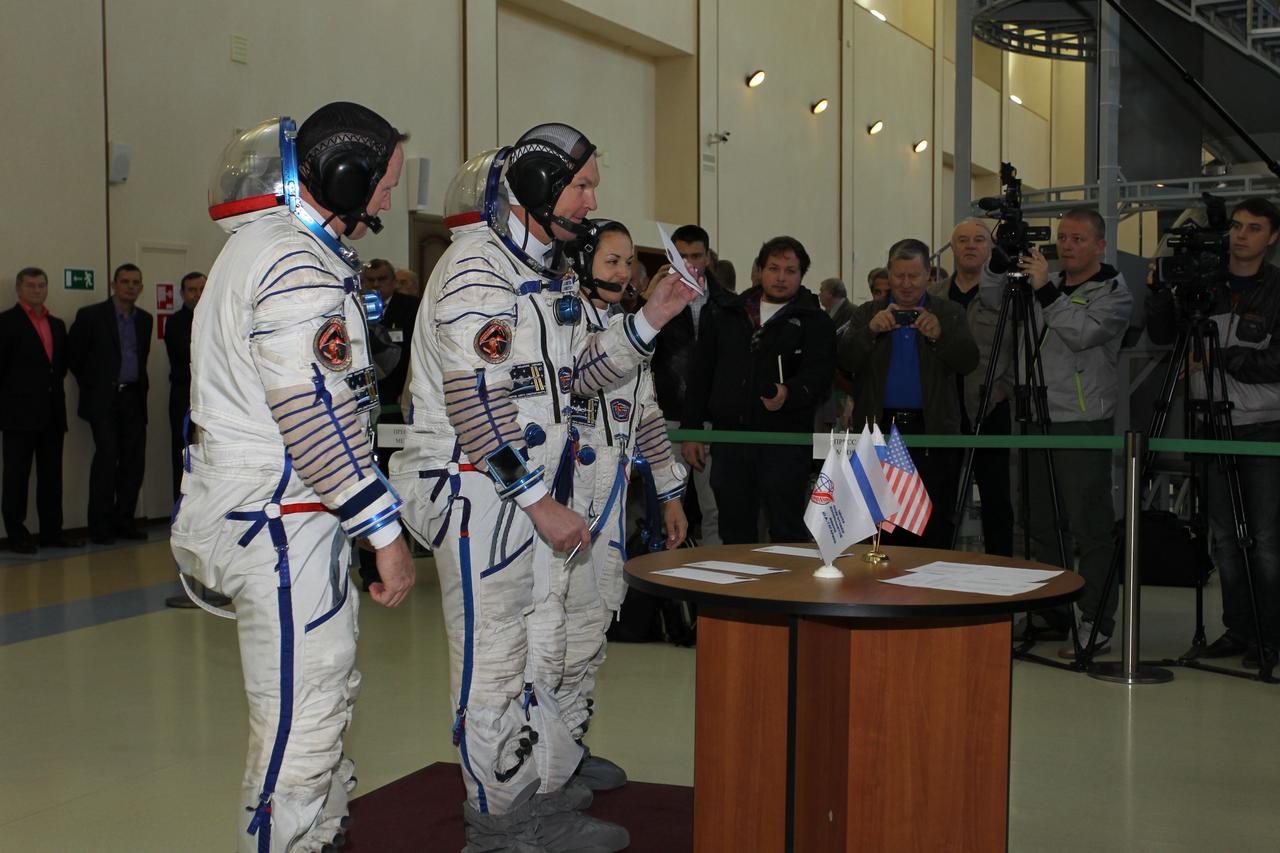
2044: At the Gagarin Cosmonaut Training Center in Star City, Russia, Expedition 41/42 Soyuz Commander Alexander Samokutyaev of the Russian Federal Space Agency (Roscosmos, center) holds up a sign-in card September 4 at the start of the second day of final qualification exams. Looking on are crewmates Barry Wilmore of NASA (left) and Elena Serova of Roscosmos (right). The trio will launch from the Baikonur Cosmodrome in Kazakhstan, Sept. 26, Kazakh time, in their Soyuz TMA-14M spacecraft for a 5 ½ month mission on the International Space Station. Serova will become the fourth Russian woman to fly in space and the first Russian woman to conduct a long duration mission on the station. NASA/Stephanie Stoll
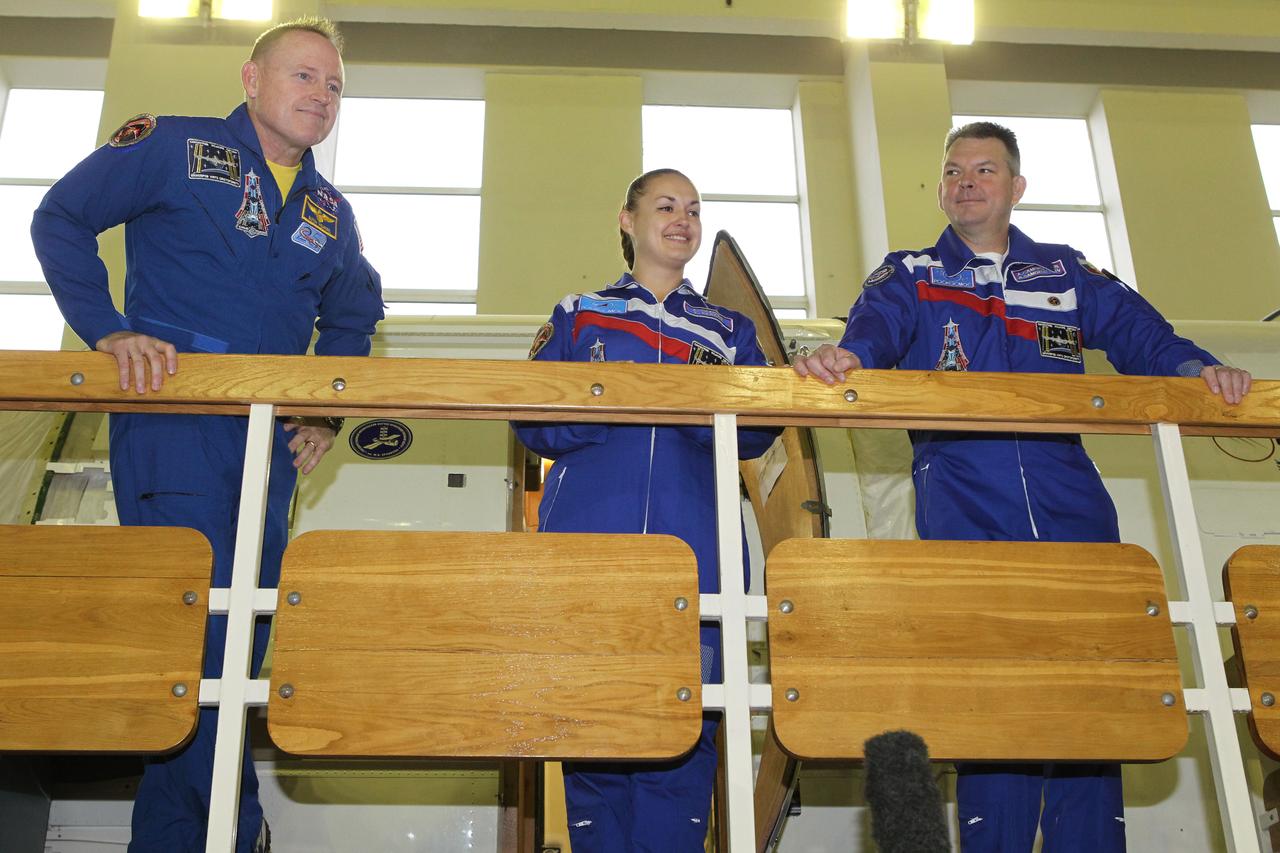
1929: At the Gagarin Cosmonaut Training Center in Star City, Russia, Expedition 41/42 prime crewmembers Barry Wilmore of NASA (left), Elena Serova of the Russian Federal Space Agency (Roscosmos, center) and Alexander Samokutyaev of Roscosmos (right) pose for pictures and answer reporters’ questions September 3 at the start of final qualification exams. They will launch September 26 from the Baikonur Cosmodrome in Kazakhstan, Kazakh time, in the Soyuz TMA-14M spacecraft for a 5 ½ month mission on the International Space Station. Serova will become only the fourth Russian woman to fly in space and the first Russian woman to conduct a long duration mission on the station. NASA/Stephanie Stoll
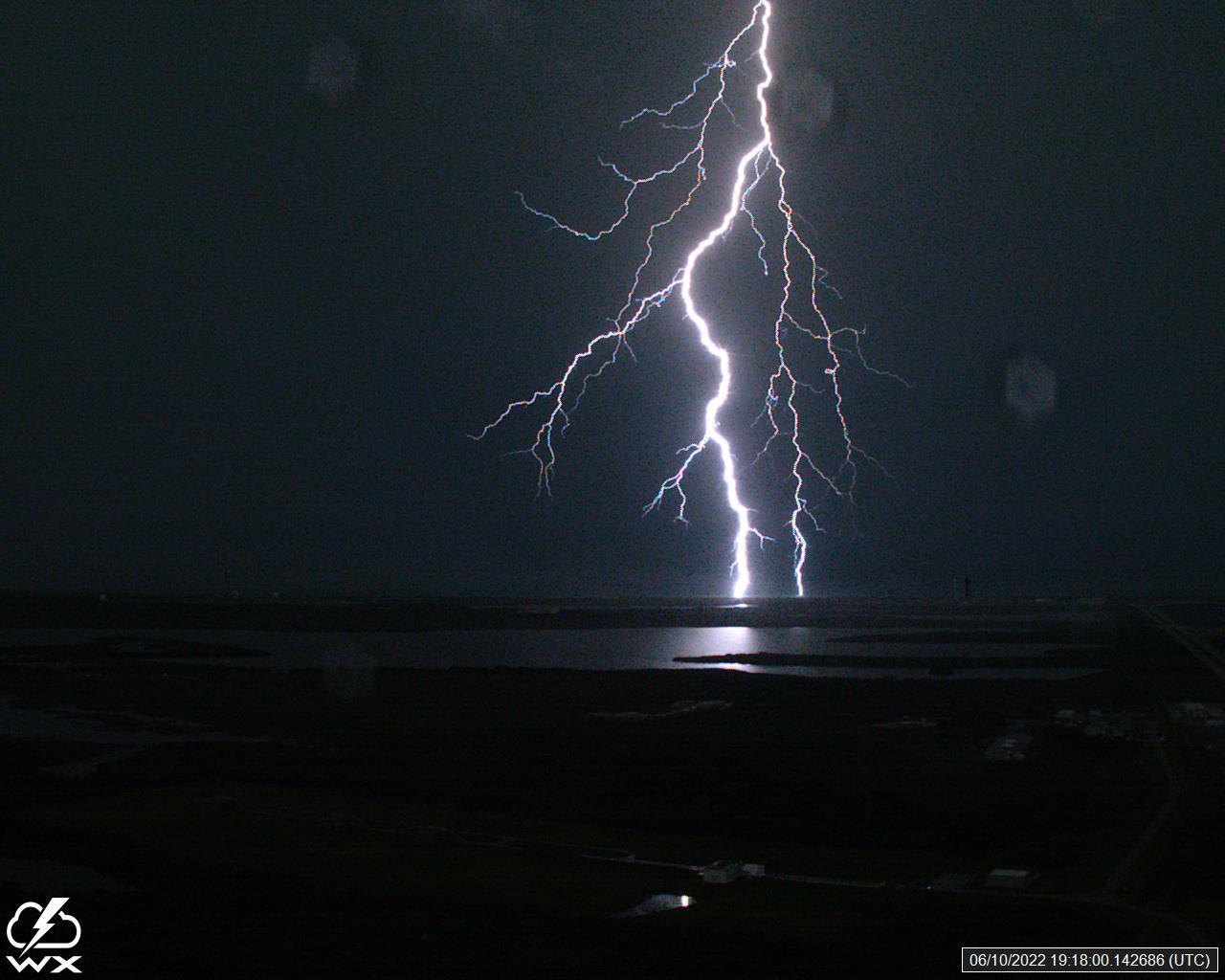
A lightning strike was recorded at Launch Complex 39B at NASA’s Kennedy Space Center in Florida on June 10, 2022. NASA’s Space Launch System (SLS) and Orion spacecraft atop the mobile launcher are on the launch pad in preparation for the Artemis I mission. The lightning strike was recorded by cameras stationed at the pad and mobile launcher using a special filter called a “clear day frame,” which provides an overlay of the raw frame on a reference image. Artemis I will be the first integrated test of the SLS and Orion spacecraft. In later missions, NASA will land the first woman and the first woman of color on the surface of the Moon, paving the way for a long-term lunar presence and serving as a steppingstone on the way to Mars.
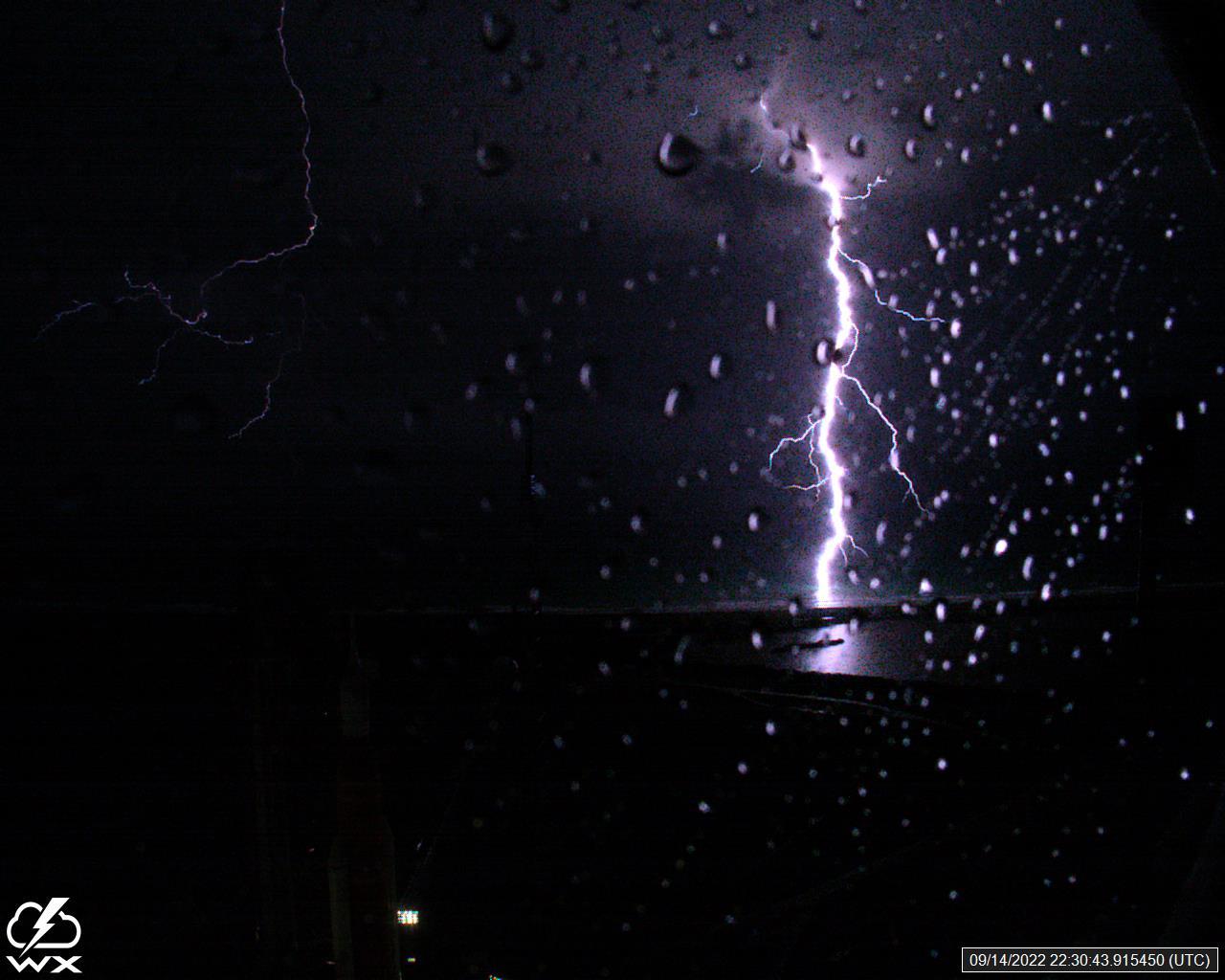
A lightning strike was recorded at Launch Complex 39B at NASA’s Kennedy Space Center in Florida on Sept. 14, 2022. NASA’s Space Launch System (SLS) and Orion spacecraft atop the mobile launcher are on the launch pad in preparation for the Artemis I mission. The lightning strike was recorded by cameras stationed at the pad and mobile launcher using a special filter called a “clear day frame,” which provides an overlay of the raw frame on a reference image. Artemis I will be the first integrated test of the SLS and Orion spacecraft. In later missions, NASA will land the first woman and the first woman of color on the surface of the Moon, paving the way for a long-term lunar presence and serving as a steppingstone on the way to Mars.
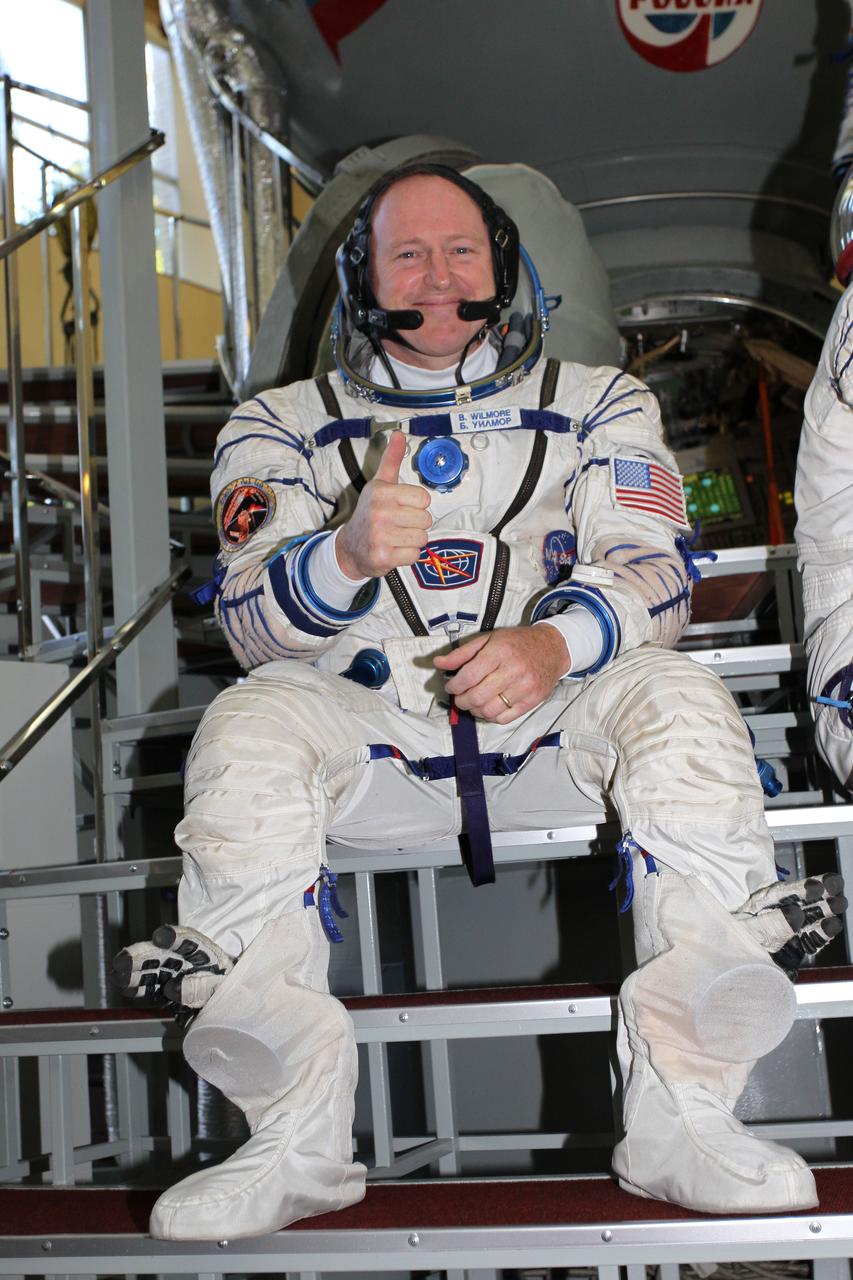
2112: At the Gagarin Cosmonaut Training Center in Star City, Russia, Expedition 41/42 Flight Engineer Barry Wilmore of NASA flashes a thumbs up sign September 4 at the start of the second day of final qualification exams. Wilmore, Soyuz Commander Alexander Samokutyaev of the Russian Federal Space Agency (Roscosmos) and Flight Engineer Elena Serova of Roscosmos will launch from the Baikonur Cosmodrome in Kazakhstan, Sept. 26, Kazakh time, in their Soyuz TMA-14M spacecraft for a 5 ½ month mission on the International Space Station. Serova will become the fourth Russian woman to fly in space and the first Russian woman to conduct a long duration mission on the station. NASA/Stephanie Stoll
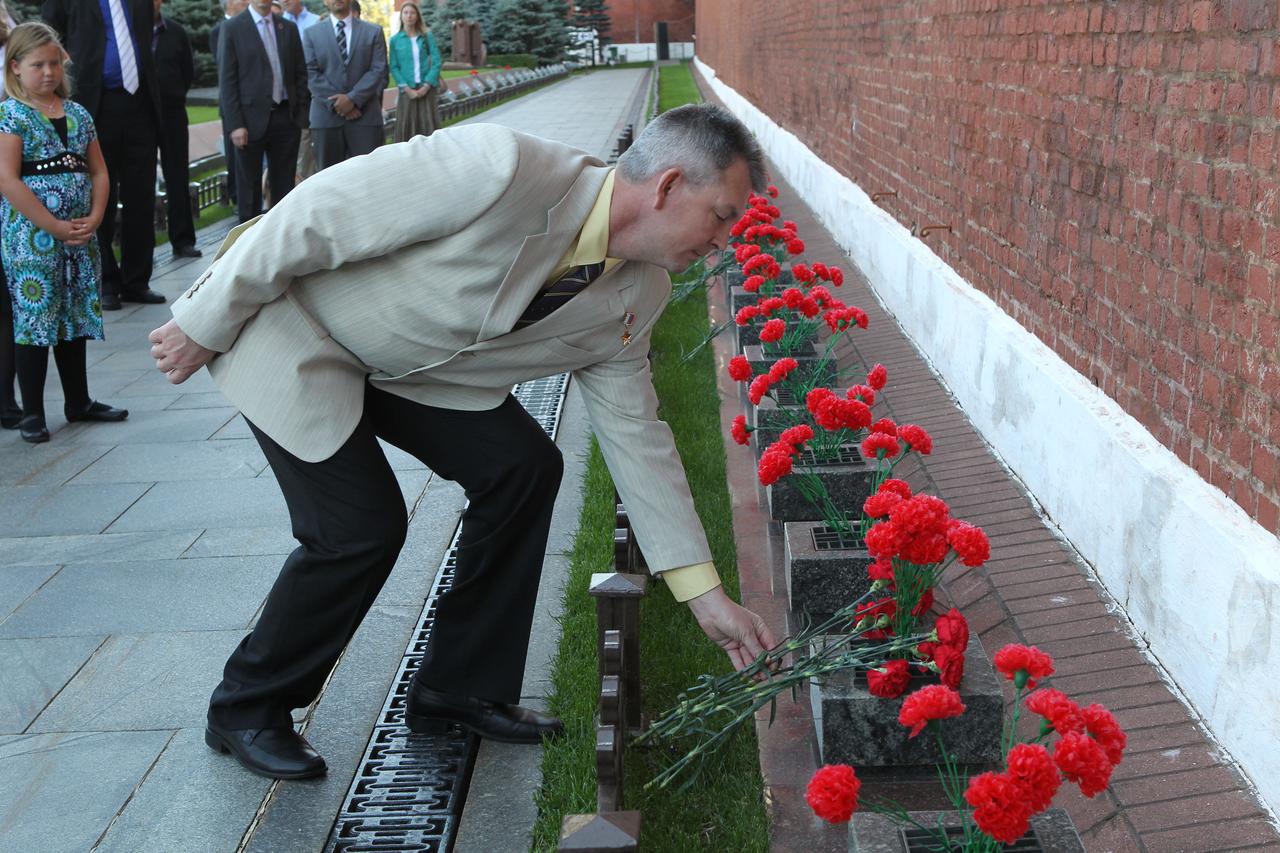
2596: At the Kremlin Wall in Moscow’s Red Square, Expedition 41/42 Soyuz Commander Alexander Samokutyaev of the Russian Federal Space Agency (Roscosmos) lays flowers where Russian space icons are interred in a traditional ceremony Sept. 5. Samokutyaev, Flight Engineer Barry Wilmore of NASA and Elena Serova of Roscosmos will launch from the Baikonur Cosmodrome in Kazakhstan on Sept. 26, Kazakh time, in their Soyuz TMA-14M spacecraft for a 5 ½ month mission on the International Space Station. Serova will become the fourth Russian woman to fly in space and the first Russian woman to conduct a long duration mission on the station. NASA/Stephanie Stoll
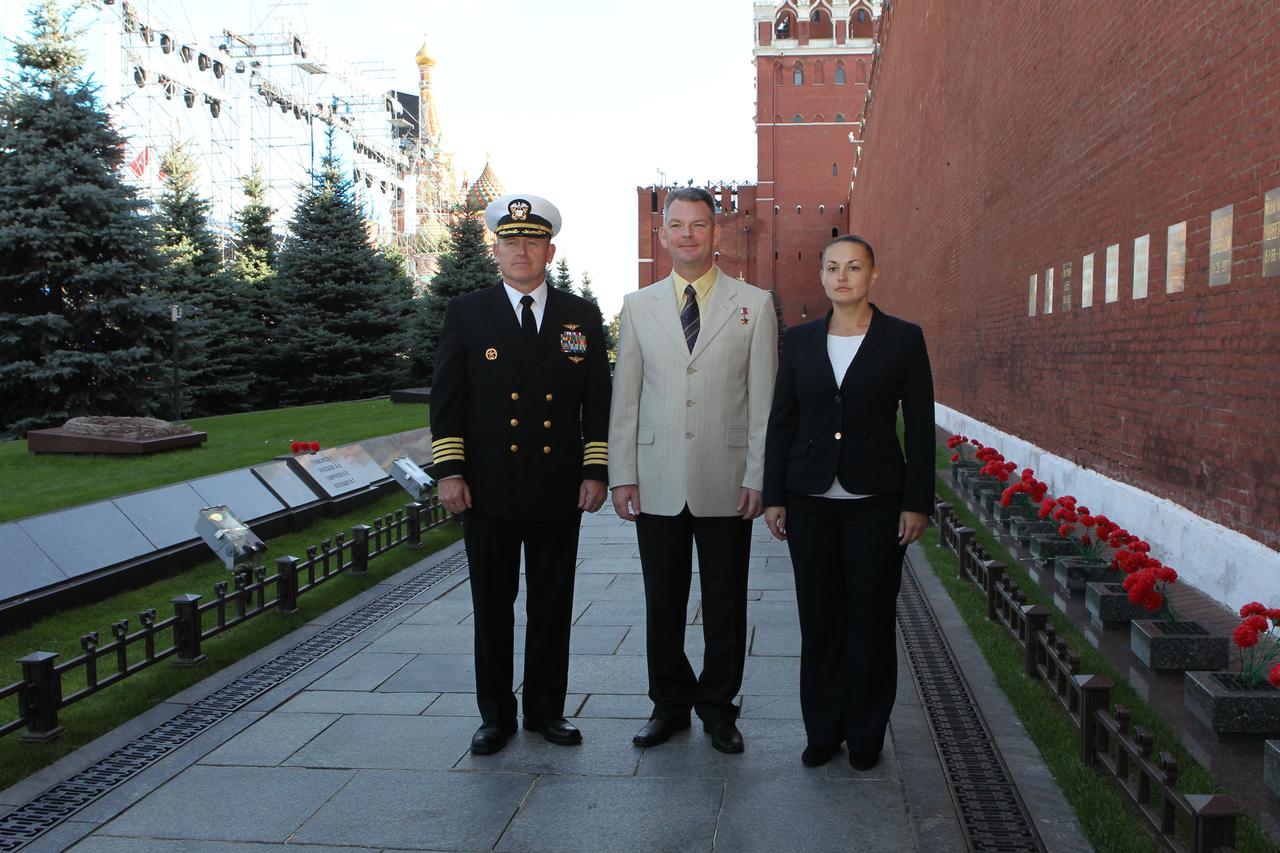
2612: Expedition 41/42 Flight Engineer Barry Wilmore of NASA (left), Soyuz Commander Alexander Samokutyaev of the Russian Federal Space Agency (Roscosmos, center) and Elena Serova of Roscosmos (right) pose for pictures at the Kremlin Wall in Moscow’s Red Square Sept. 5 where they laid flowers at the sites where Russian space icons are interred in a traditional ceremony. The trio will launch from the Baikonur Cosmodrome in Kazakhstan on Sept. 26, Kazakh time, in their Soyuz TMA-14M spacecraft for a 5 ½ month mission on the International Space Station. Serova will become the fourth Russian woman to fly in space and the first Russian woman to conduct a long duration mission on the station. NASA/Stephanie Stoll

2562a: At the Kremlin Wall in Moscow’s Red Square, Expedition 41/42 Flight Engineer Barry Wilmore of NASA raises his arm to salute after laying flowers where Russian space icons are interred in a traditional ceremony Sept. 5. Wilmore, Soyuz Commander Alexander Samokutyaev of the Russian Federal Space Agency (Roscosmos) and Elena Serova of Roscosmos will launch from the Baikonur Cosmodrome in Kazakhstan on Sept. 26, Kazakh time, in their Soyuz TMA-14M spacecraft for a 5 ½ month mission on the International Space Station. Serova will become the fourth Russian woman to fly in space and the first Russian woman to conduct a long duration mission on the station. NASA/Stephanie Stoll
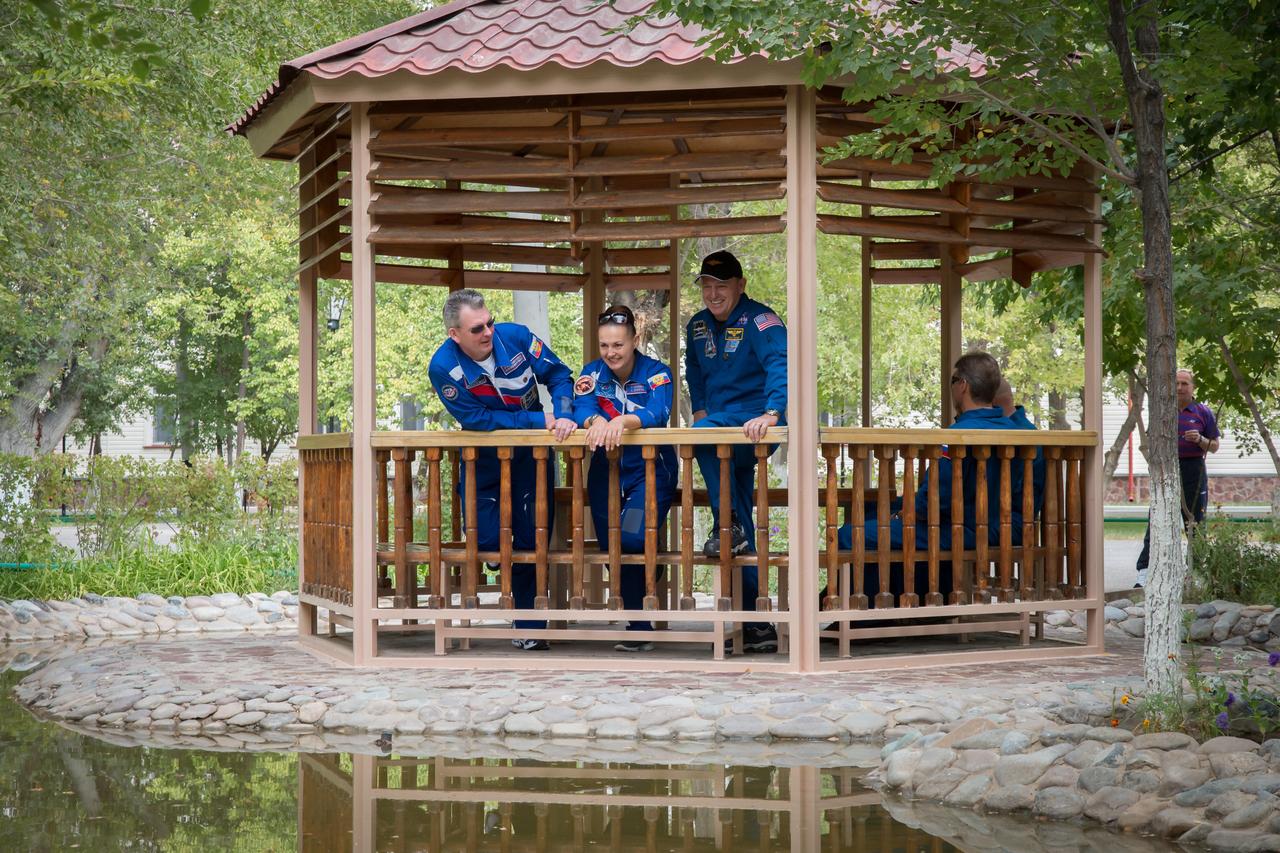
17-14-11-48: (17 Sept. 2014) --- Expedition 41/42 Soyuz Commander Alexander Samokutyaev of the Russian Federal Space Agency (Roscosmos), left; Flight Engineer Elena Serova of Roscosmos (center) and NASA Flight Engineer Barry Wilmore enjoy a moment of relaxation at a gazebo adjacent to their Cosmonaut Hotel crew quarters in Baikonur, Kazakhstan Sept. 17. The trio will launch from the Baikonur Cosmodrome Sept. 26, Kazakh time, in the Soyuz TMA-14M spacecraft for a 5 ½ month mission on the International Space Station. Serova will become the fourth Russian woman to fly in space and the first Russian woman to live and work on the station. Photo credit: NASA/Victor Zelentsov
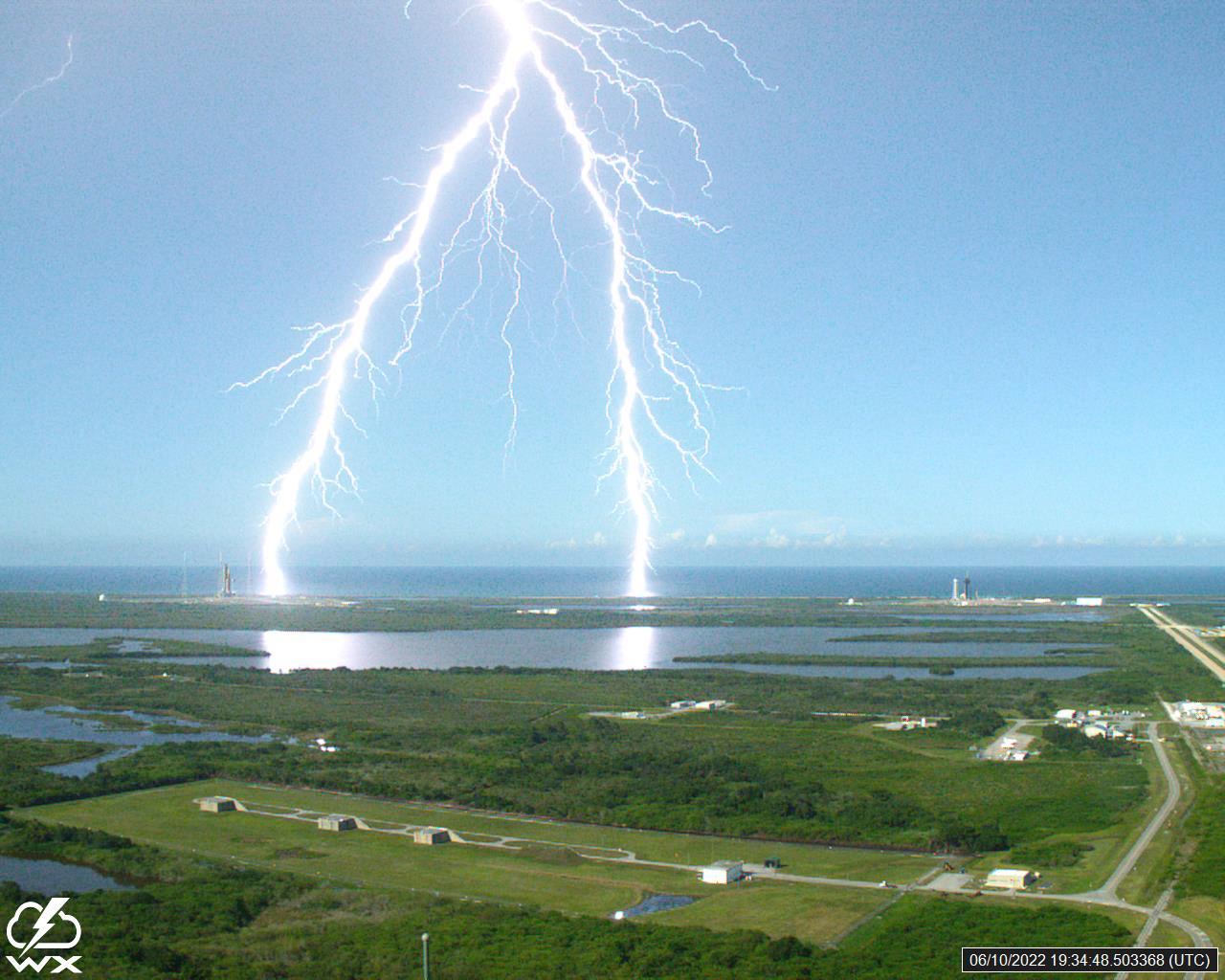
A lightning strike was recorded at Launch Complex 39B at NASA’s Kennedy Space Center in Florida on June 10, 2022. NASA’s Space Launch System (SLS) and Orion spacecraft atop the mobile launcher are on the launch pad in preparation for the Artemis I mission. The lightning strike was recorded by cameras stationed at the pad and mobile launcher using a special filter called a “clear day frame,” which provides an overlay of the raw frame on a reference image. Artemis I will be the first integrated test of the SLS and Orion spacecraft. In later missions, NASA will land the first woman and the first woman of color on the surface of the Moon, paving the way for a long-term lunar presence and serving as a steppingstone on the way to Mars.
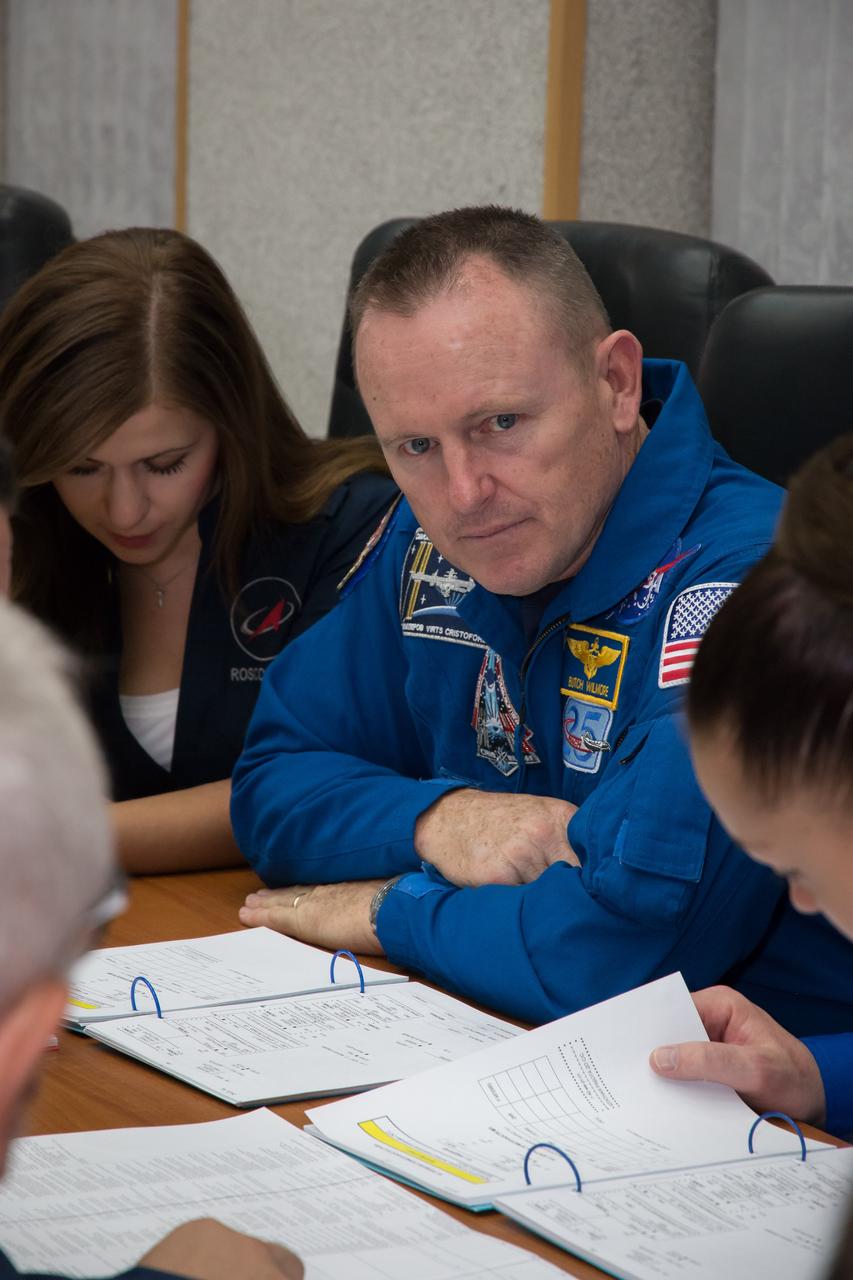
17-11-26-12: (17 Sept. 2014) --- At the Cosmonaut Hotel crew quarters in Baikonur, Kazakhstan, Expedition 41 Flight Engineer Barry Wilmore looks on intently as he and his crewmates review flight procedures Sept. 17 for their upcoming launch. Wilmore, Flight Engineer Elena Serova of the Russian Federal Space Agency (Roscosmos) and Soyuz Commander Alexander Samokutyaev of Roscosmos will launch from the Baikonur Cosmodrome Sept. 26, Kazakh time, in the Soyuz TMA-14M spacecraft for a 5 ½ month mission on the International Space Station. Serova will become the fourth Russian woman to fly in space and the first Russian woman to live and work on the station. Photo credit: NASA/Victor Zelentsov
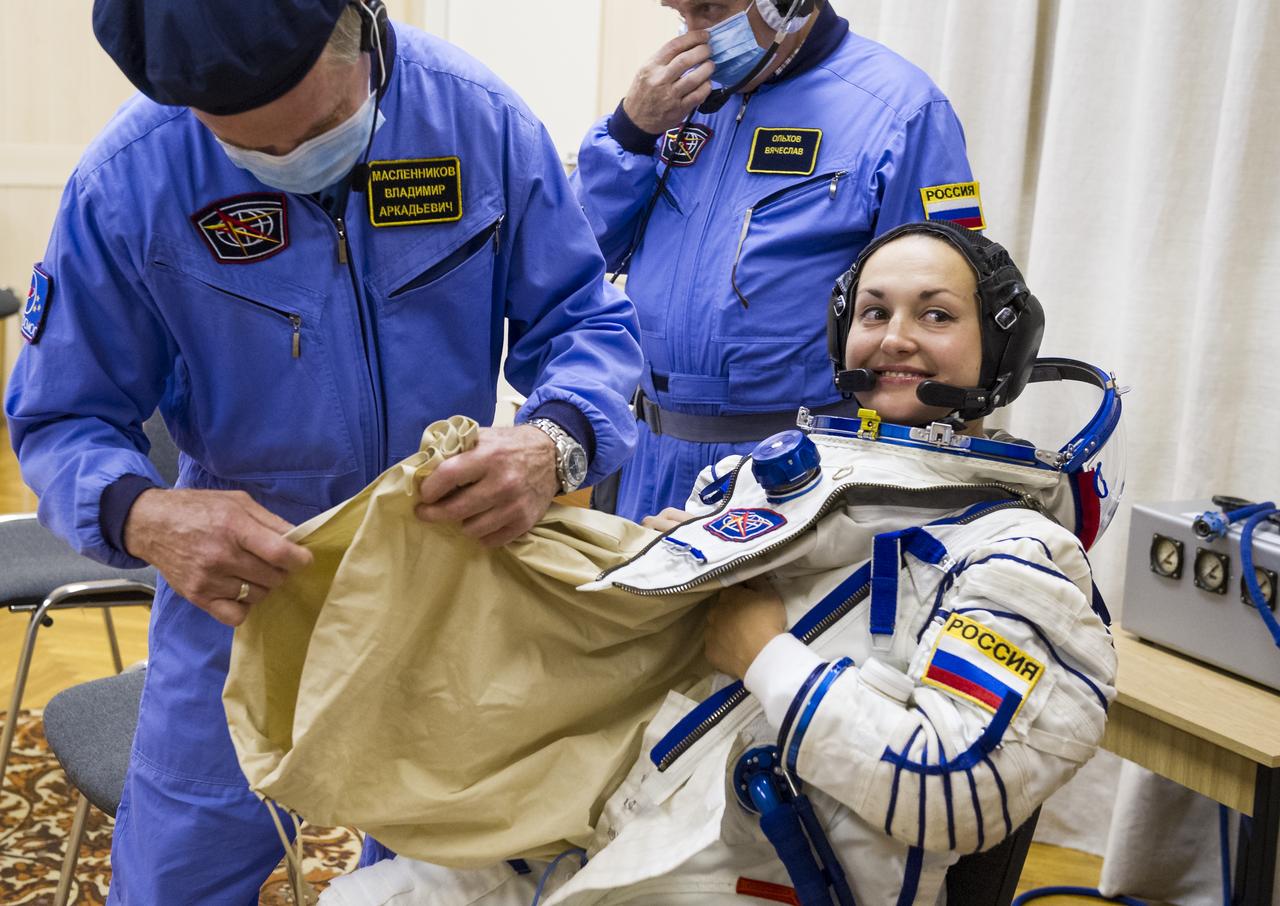
Expedition 41 Flight Engineer Elena Serova of the Russian Federal Space Agency (Roscosmos) is helped into her Russian Sokol suit as she and fellow crewmates, Soyuz Commander Alexander Samokutyaev of Roscosmos, and Flight Engineer Barry Wilmore of NASA prepare for their Soyuz launch to the International Space Station, on Thursday, Sept. 25, 2014, at the Baikonur Cosmodrome in Baikonur, Kazakhstan. Launch of the Soyuz rocket is scheduled for the early hours of Sept. 26 and will carry Serova, Wilmore, and Samokutyaev into orbit to begin their five and a half month mission on the International Space Station. Serova will become the fourth Russian woman to fly in space and the first Russian woman to live and work on the station. Photo Credit: (NASA/GCTC/Andrey Shelepin)
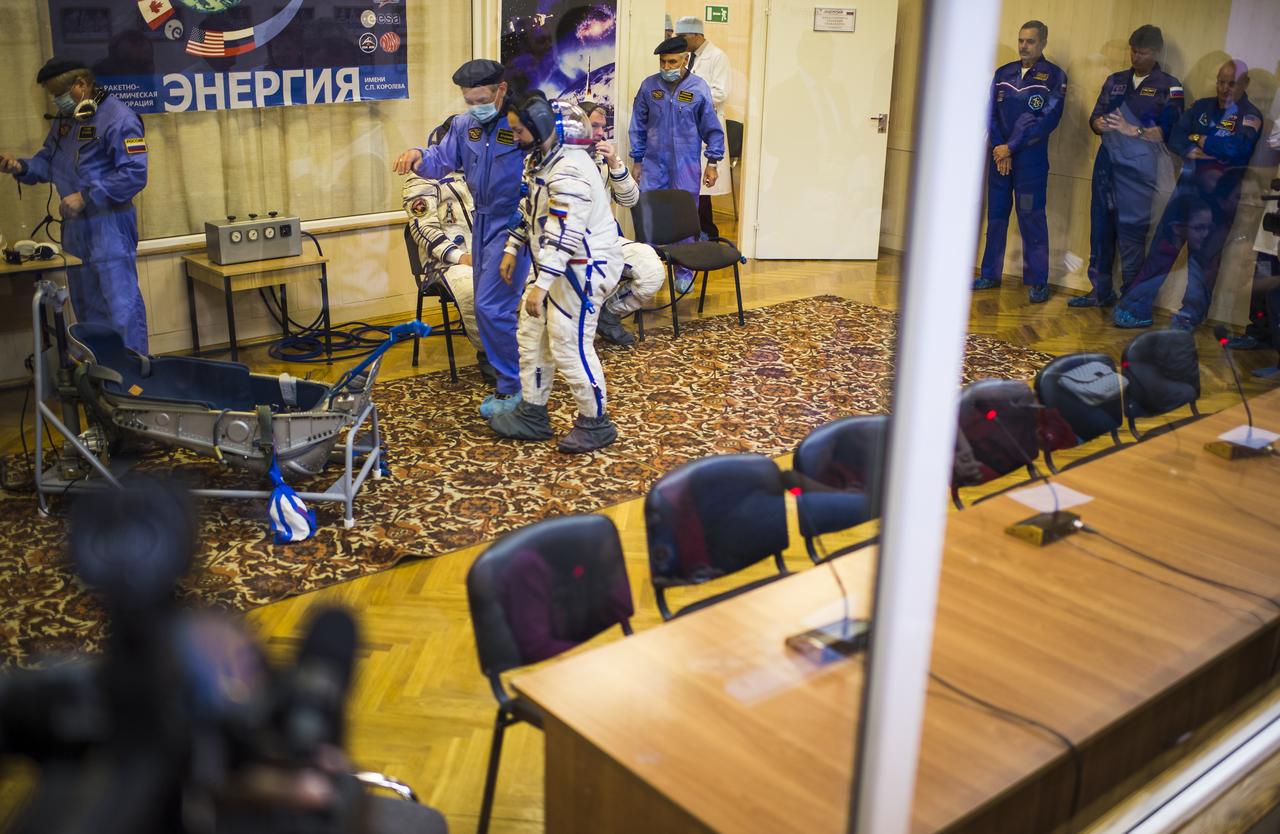
Expedition 41 Flight Engineer Elena Serova of the Russian Federal Space Agency (Roscosmos), prepares to have her Russian Sokol suit pressure checked in preparation for her launch onboard the Soyuz TMA-14M spacecraft on Thursday, September 25, 2014, at the Baikonur Cosmodrome in Kazakhstan. The Soyuz spacecraft with Serova, Expedition 41 Soyuz Commander Alexander Samokutyaev of Roscosmos and Flight Engineer Barry WIlmore of NASA is scheduled to launch at 2:25 a.m. Kazakhstan Time on Friday, September 26. Serova will become the fourth Russian woman to fly in space and the first Russian woman to live and work on the station. Photo Credit: (NASA/Joel Kowsky)

2151: At the Gagarin Cosmonaut Training Center in Star City, Russia, a trainer keeps an eye on monitors as the Expedition 41/42 crew --- Barry Wilmore of NASA and Alexander Samokutyaev and Elena Serova of the Russian Federal Space Agency (Roscosmos) --- conduct a qualification exam run in a nearby Soyuz spacecraft simulator. Wilmore, Samokutyaev and Serova will launch from the Baikonur Cosmodrome in Kazakhstan, Sept. 26, Kazakh time, in their Soyuz TMA-14M spacecraft for a 5 ½ month mission on the International Space Station. Serova will become the fourth Russian woman to fly in space and the first Russian woman to conduct a long duration mission on the station. NASA/Stephanie Stoll

A lightning strike was recorded at Launch Complex 39B at NASA’s Kennedy Space Center in Florida on Sept. 14, 2022. NASA’s Space Launch System (SLS) and Orion spacecraft atop the mobile launcher are on the launch pad in preparation for the Artemis I mission. The lightning strike was recorded by cameras stationed at the pad and mobile launcher using a special filter called a “clear day frame,” which provides an overlay of the raw frame on a reference image. Artemis I will be the first integrated test of the SLS and Orion spacecraft. In later missions, NASA will land the first woman and the first woman of color on the surface of the Moon, paving the way for a long-term lunar presence and serving as a steppingstone on the way to Mars.
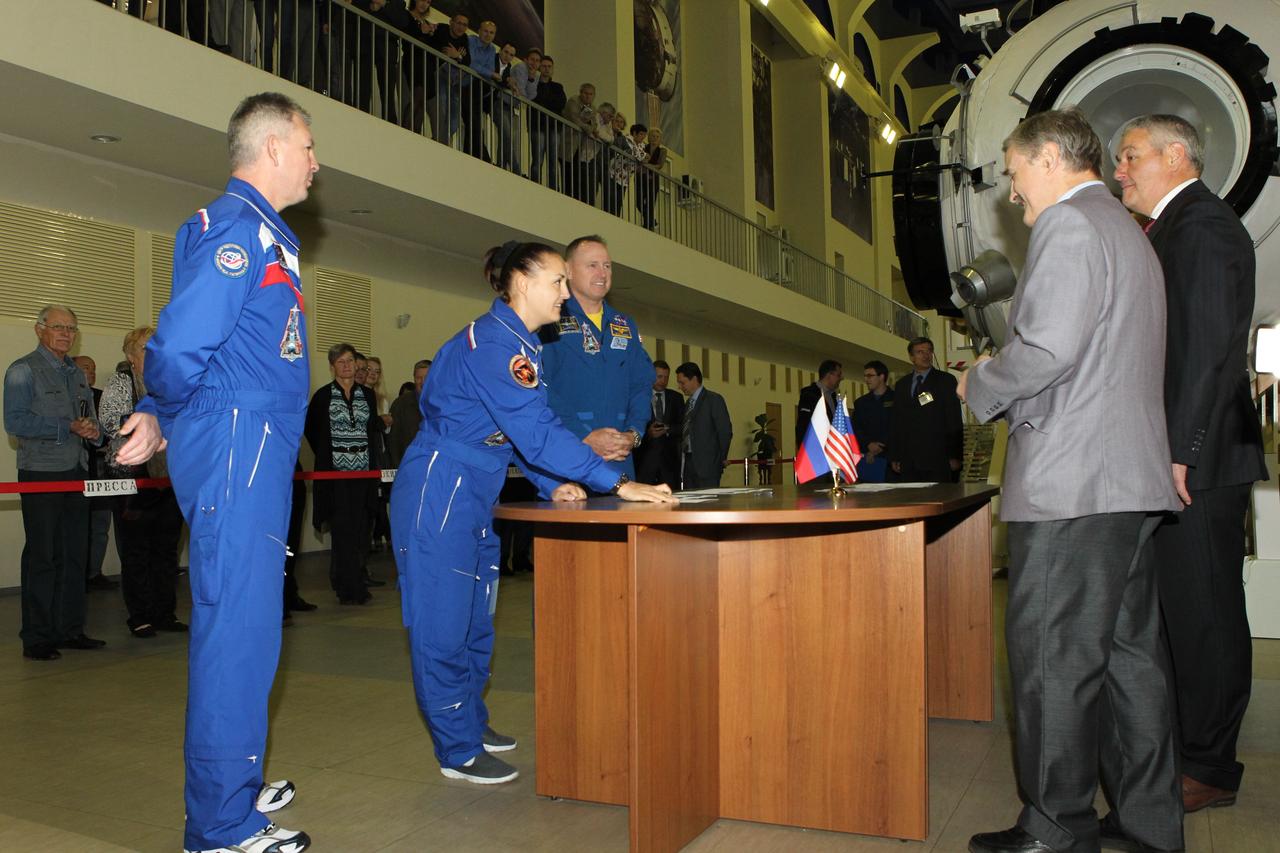
1898: At the Gagarin Cosmonaut Training Center in Star City, Russia, Expedition 41/42 Flight Engineer Elena Serova of the Russian Federal Space Agency (Roscosmos, center) signs in at the start of final qualification exams September 3 as her crewmates, Alexander Samokutyaev of Roscosmos (left) and Barry Wilmore of NASA (right) look on. They will launch September 26 from the Baikonur Cosmodrome in Kazakhstan, Kazakh time, in the Soyuz TMA-14M spacecraft for a 5 ½ month mission on the International Space Station. Serova will become only the fourth Russian woman to fly in space and the first Russian woman to conduct a long duration mission on the station. NASA/Stephanie Stoll
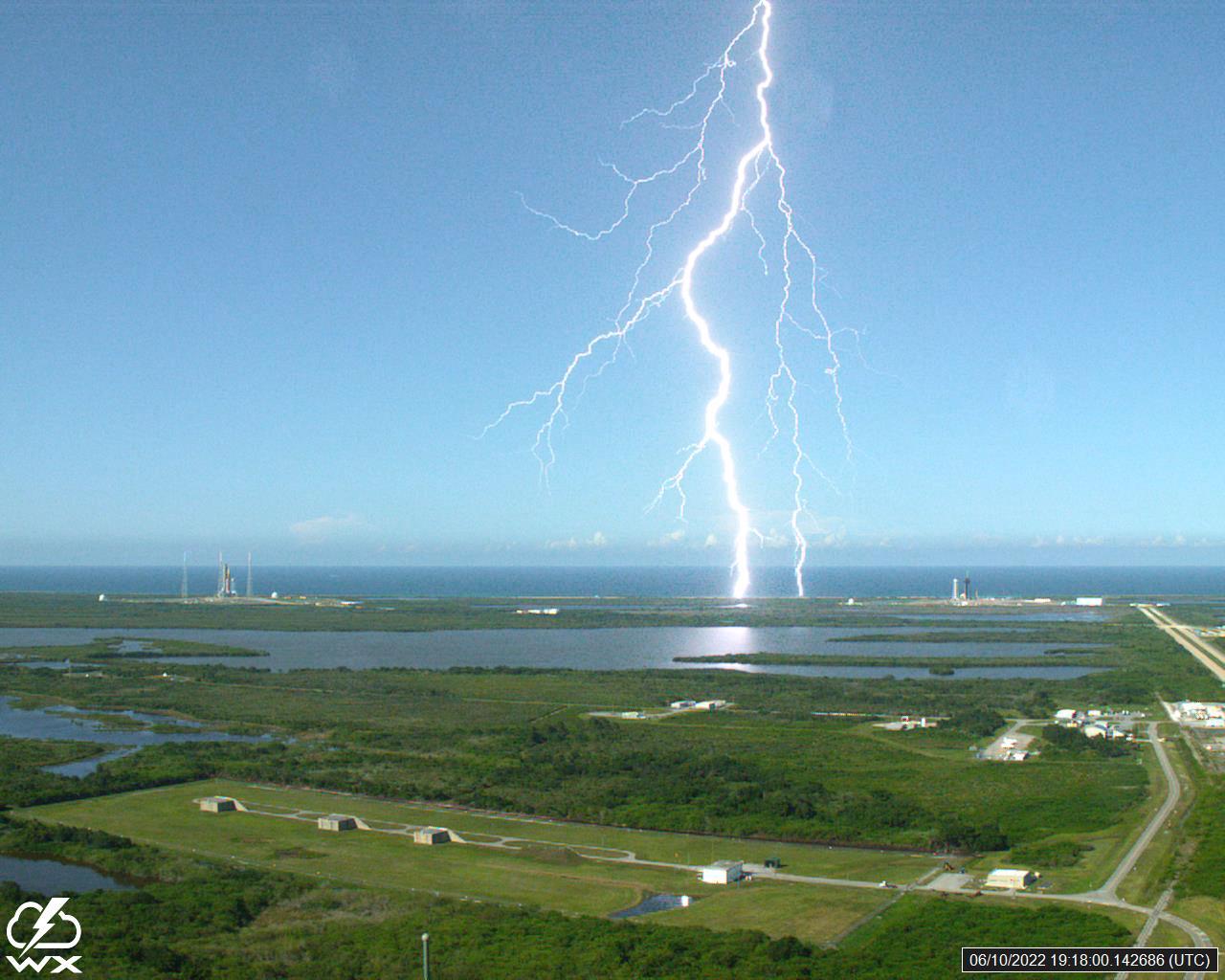
A lightning strike was recorded at Launch Complex 39B at NASA’s Kennedy Space Center in Florida on June 10, 2022. NASA’s Space Launch System (SLS) and Orion spacecraft atop the mobile launcher are on the launch pad in preparation for the Artemis I mission. The lightning strike was recorded by cameras stationed at the pad and mobile launcher using a special filter called a “clear day frame,” which provides an overlay of the raw frame on a reference image. Artemis I will be the first integrated test of the SLS and Orion spacecraft. In later missions, NASA will land the first woman and the first woman of color on the surface of the Moon, paving the way for a long-term lunar presence and serving as a steppingstone on the way to Mars.
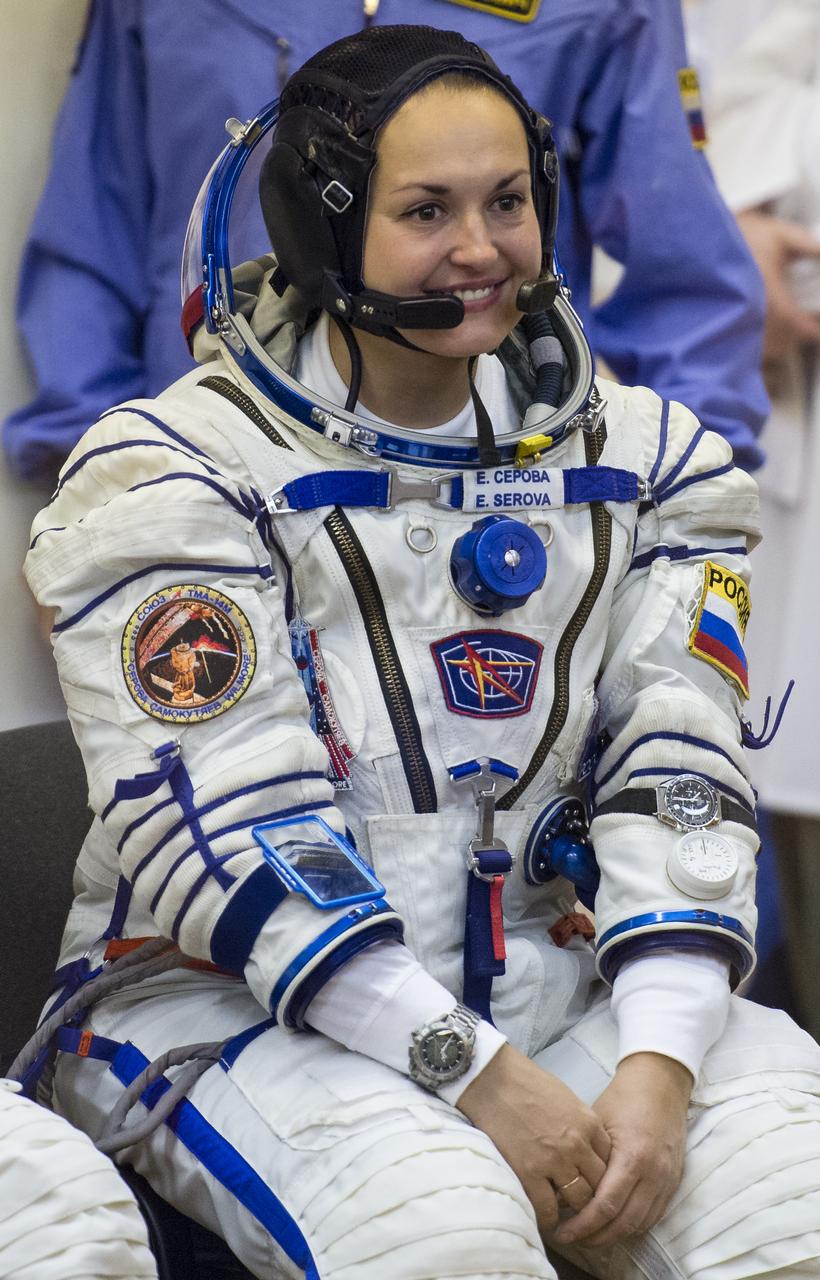
Expedition 41 Flight Engineer Elena Serova of the Russian Federal Space Agency (Roscosmos) is seen prior to having her Russian Sokol suit pressure checked in preparation for her launch onboard the Soyuz TMA-14M spacecraft on Thursday, September 25, 2014, at the Baikonur Cosmodrome in Kazakhstan. The Soyuz spacecraft with Serova, Expedition 41 Soyuz Commander Alexander Samokutyaev of Roscosmos and Flight Engineer Barry WIlmore of NASA is scheduled to launch at 2:25 a.m. Kazakhstan Time on Friday, September 26. Serova will become the fourth Russian woman to fly in space and the first Russian woman to live and work on the station. Photo Credit: (NASA/Joel Kowsky)

2299a: At the Gagarin Cosmonaut Training Center in Star City, Russia, Expedition 41/42 Flight Engineer Barry Wilmore of NASA (left), Soyuz Commander Alexander Samokutyaev of the Russian Federal Space Agency (Roscosmos, center) and Elena Serova of Roscosmos (right) clasp hands at a news conference Sept. 5. The trio will launch from the Baikonur Cosmodrome in Kazakhstan on Sept. 26, Kazakh time, in their Soyuz TMA-14M spacecraft for a 5 ½ month mission on the International Space Station. Serova will become the fourth Russian woman to fly in space and the first Russian woman to conduct a long duration mission on the station. NASA/Stephanie Stoll
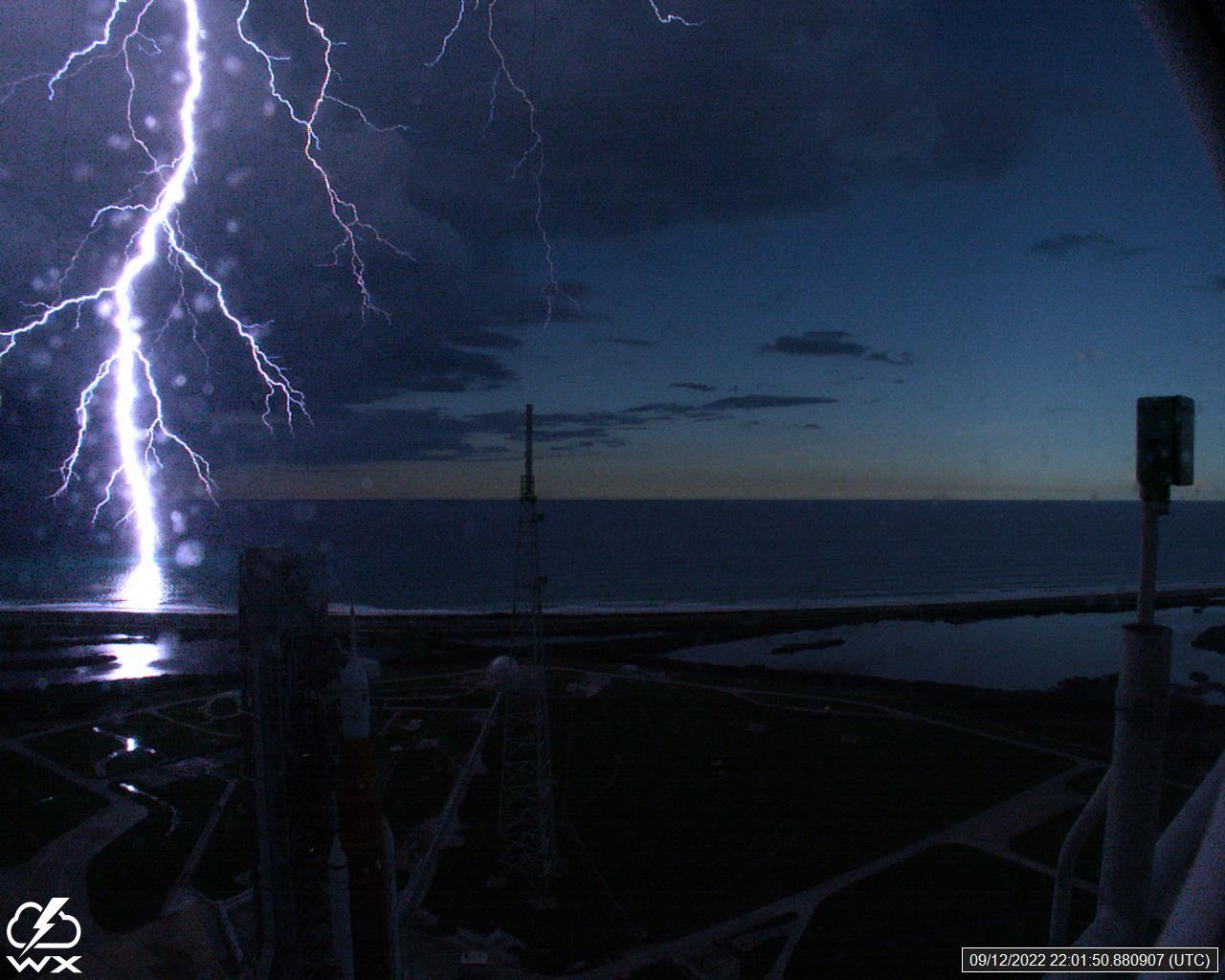
A lightning strike was recorded at Launch Complex 39B at NASA’s Kennedy Space Center in Florida on Sept. 12, 2022. NASA’s Space Launch System (SLS) and Orion spacecraft atop the mobile launcher are on the launch pad in preparation for the Artemis I mission. The lightning strike was recorded by cameras stationed at the pad and mobile launcher using a special filter called a “clear day frame,” which provides an overlay of the raw frame on a reference image. Artemis I will be the first integrated test of the SLS and Orion spacecraft. In later missions, NASA will land the first woman and the first woman of color on the surface of the Moon, paving the way for a long-term lunar presence and serving as a steppingstone on the way to Mars.
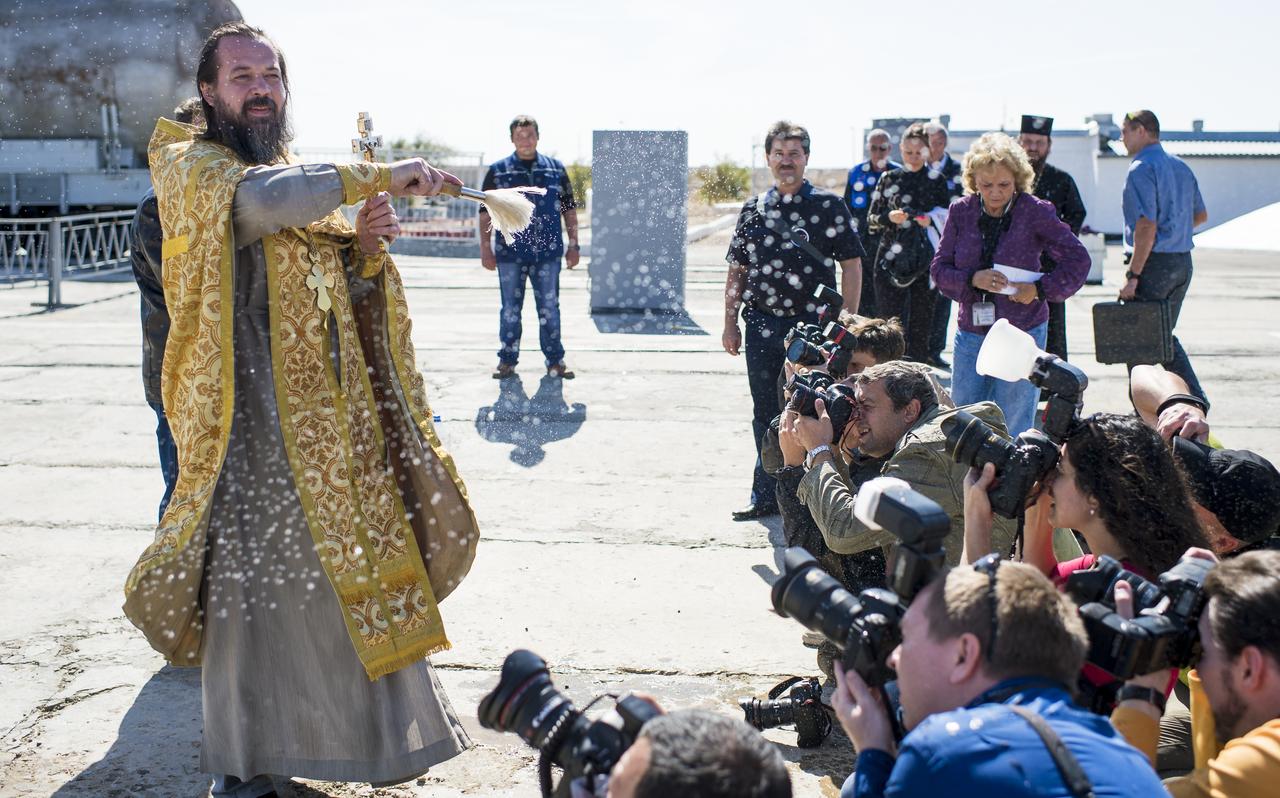
An Orthodox priest blesses members of the media at the Baikonur Cosmodrome launch pad on Wednesday, September 24, 2014 in Kazakhstan. Launch of the Soyuz rocket is scheduled for September 26 and will send Expedition 41 Soyuz Commander Alexander Samokutyaev of the Russian Federal Space Agency (Roscosmos), Flight Engineer Elena Serova of Roscosmos, and Flight Engineer Barry Wilmore of NASA on a five and a half month mission aboard the International Space Station. Serova will become the fourth Russian woman to fly in space and the first Russian woman to live and work on the station. Photo Credit: (NASA/Joel Kowsky)
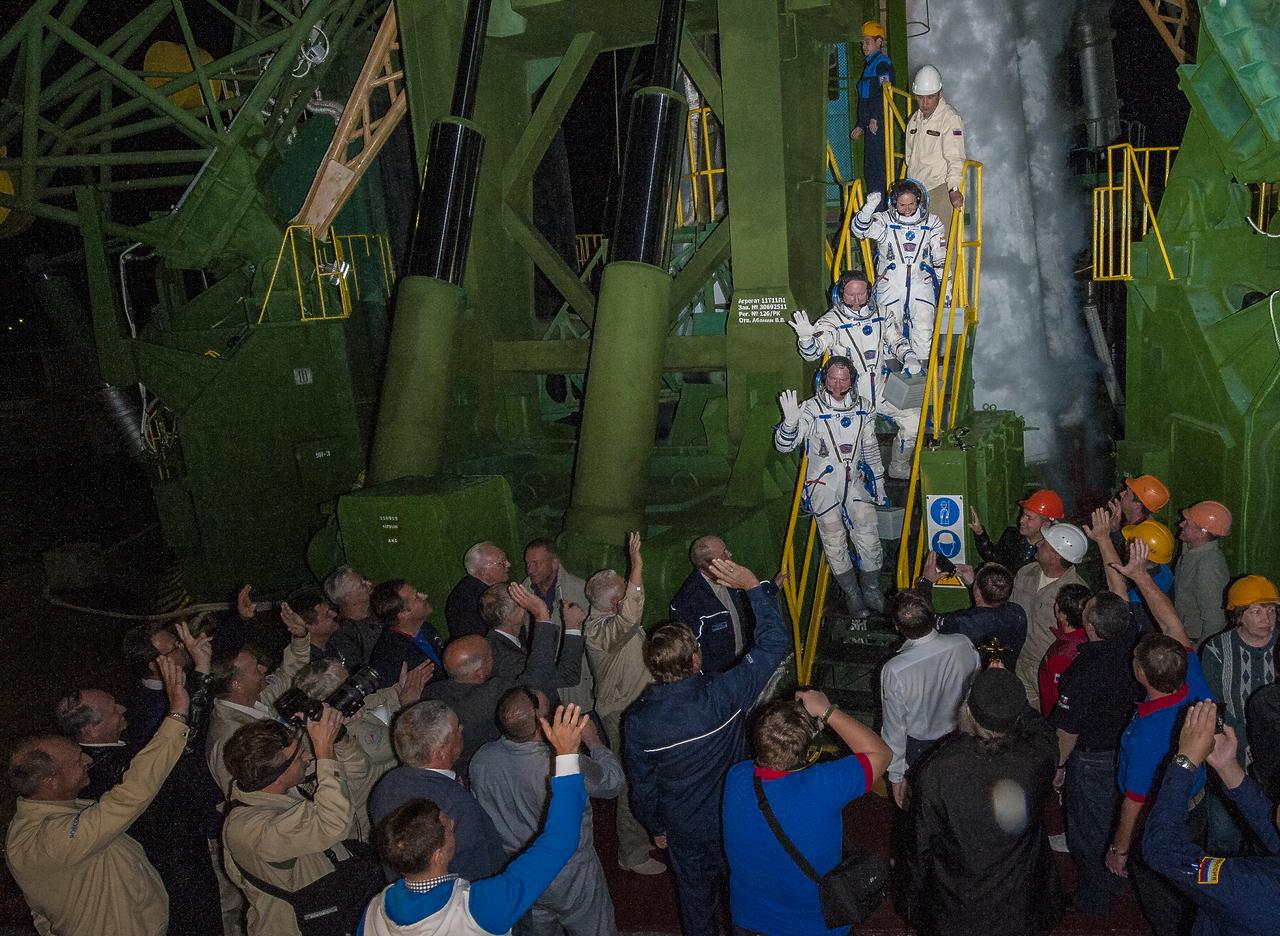
Expedition 41 Soyuz Commander Alexander Samokutyaev of the Russian Federal Space Agency (Roscosmos), bottom, Flight Engineer Barry Wilmore of NASA, middle, and Flight Engineer Elena Serova of Roscosmos, top, wave farewell prior to boarding the Soyuz TMA-14M rocket for launch, Thursday, Sept. 25, 2014 at the Baikonur Cosmodrome in Kazakhstan. Samokutyaev, Serova, and Wilmore will spend the next five and a half months aboard the International Space Station. Serova will become the fourth Russian woman to fly in space and the first Russian woman to live and work on the station. Photo Credit: (NASA/Joel Kowsky)
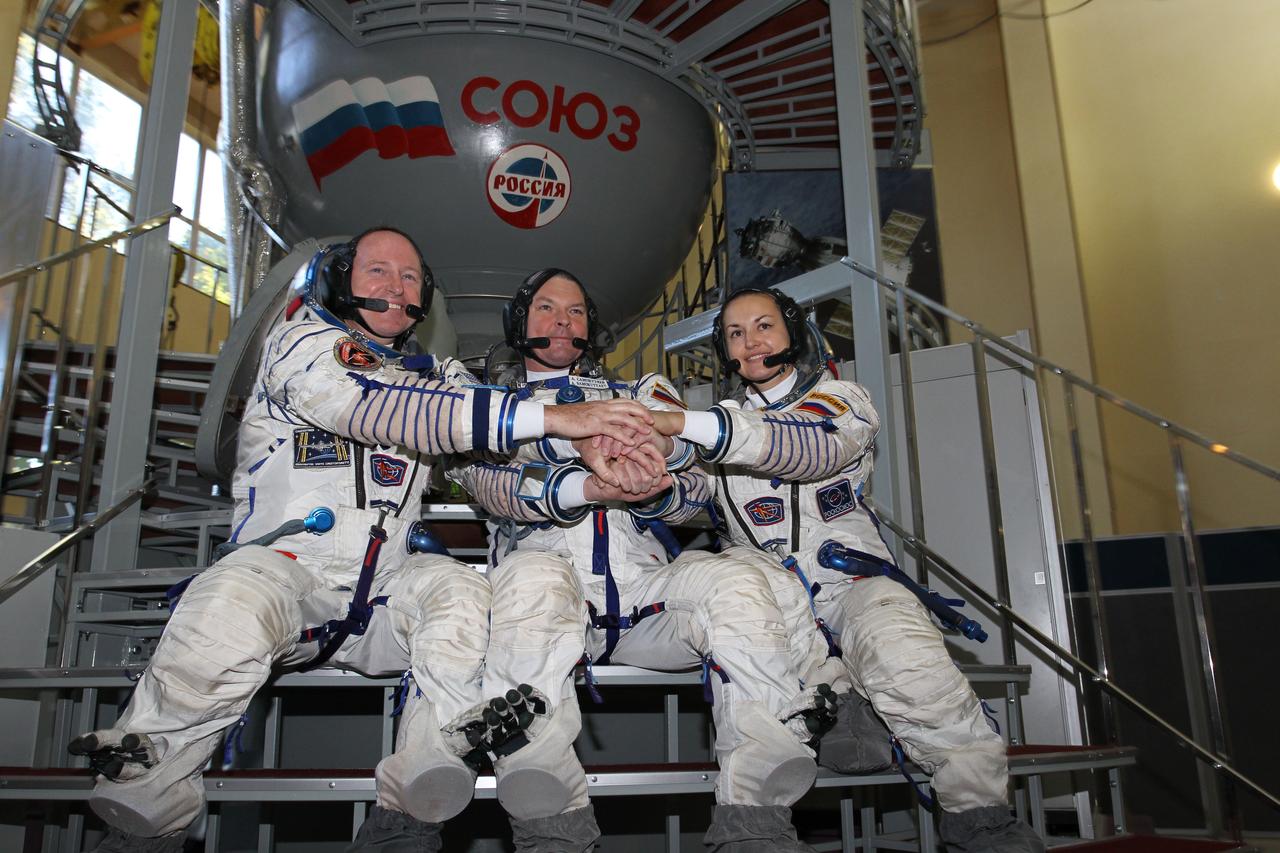
2097: At the Gagarin Cosmonaut Training Center in Star City, Russia, Expedition 41/42 prime crewmembers Barry Wilmore of NASA (left), Alexander Samokutyaev of the Russian Federal Space Agency (Roscosmos, center) and Elena Serova of Roscosmos (right) clasp hands during a photo opportunity September 4 at the start of the second day of final qualification exams. The trio will launch from the Baikonur Cosmodrome in Kazakhstan, Sept. 26, Kazakh time, in their Soyuz TMA-14M spacecraft for a 5 ½ month mission on the International Space Station. Serova will become the fourth Russian woman to fly in space and the first Russian woman to conduct a long duration mission on the station. NASA/Stephanie Stoll
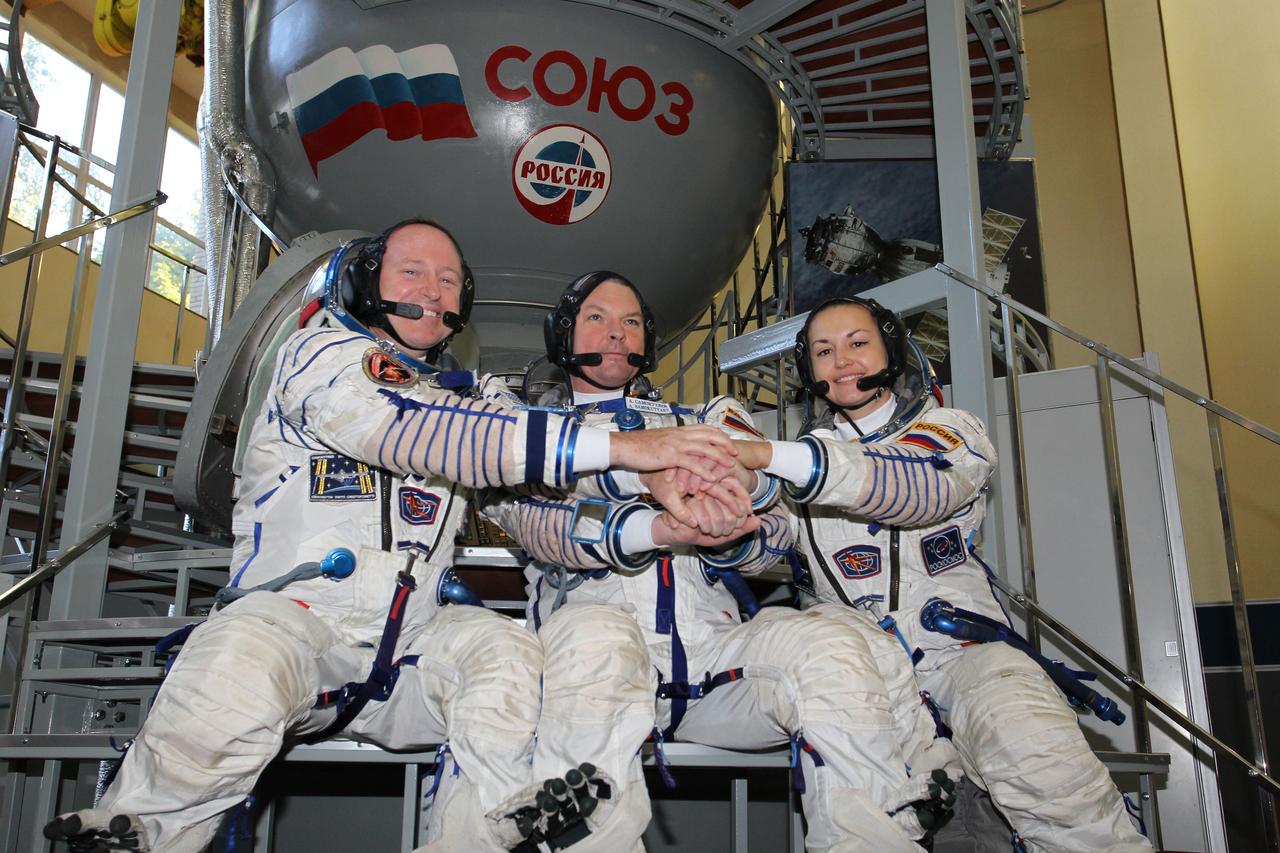
2094: At the Gagarin Cosmonaut Training Center in Star City, Russia, Expedition 41/42 prime crewmembers Barry Wilmore of NASA (left), Alexander Samokutyaev of the Russian Federal Space Agency (Roscosmos, center) and Elena Serova of Roscosmos (right) clasp hands during a photo opportunity September 4 at the start of the second day of final qualification exams. The trio will launch from the Baikonur Cosmodrome in Kazakhstan, Sept. 26, Kazakh time, in their Soyuz TMA-14M spacecraft for a 5 ½ month mission on the International Space Station. Serova will become the fourth Russian woman to fly in space and the first Russian woman to conduct a long duration mission on the station. NASA/Stephanie Stoll

1910: At the Gagarin Cosmonaut Training Center in Star City, Russia, Expedition 41/42 prime crewmembers Alexander Samokutyaev of the Russian Federal Space Agency (left), Elena Serova of Roscosmos (center) and NASA’s Barry Wilmore (right) listen to instructions from officials September 3 at the start of final qualification exams. They will launch September 26 from the Baikonur Cosmodrome in Kazakhstan, Kazakh time, in the Soyuz TMA-14M spacecraft for a 5 ½ month mission on the International Space Station. Serova will become only the fourth Russian woman to fly in space and the first Russian woman to conduct a long duration mission on the station. NASA/Stephanie Stoll
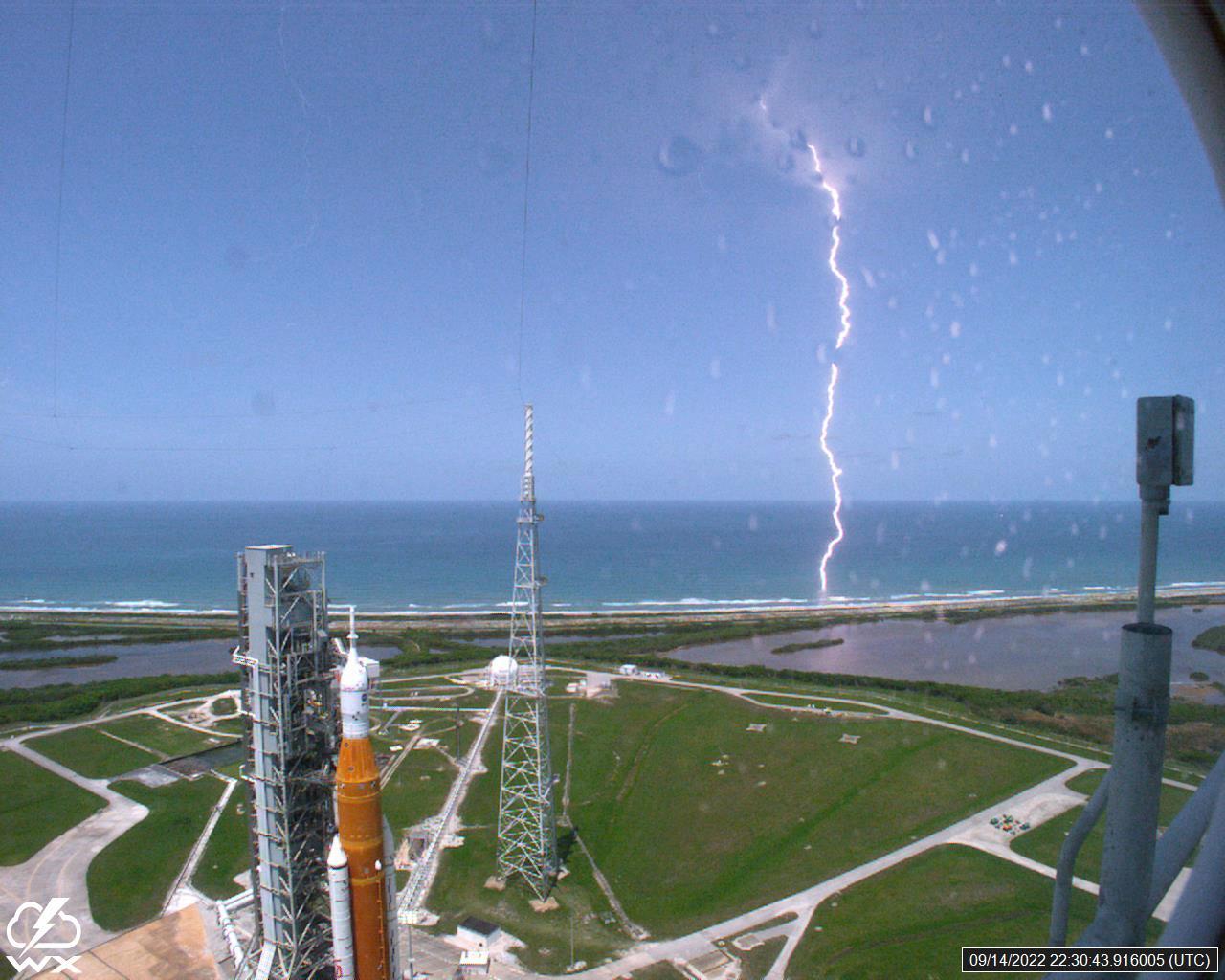
A lightning strike was recorded at Launch Complex 39B at NASA’s Kennedy Space Center in Florida on Sept. 14, 2022. NASA’s Space Launch System (SLS) and Orion spacecraft atop the mobile launcher are in view on the launch pad in preparation for the Artemis I mission. The lightning strike was recorded by cameras stationed at the pad and mobile launcher using a special filter called a “clear day frame,” which provides an overlay of the raw frame on a reference image. Artemis I will be the first integrated test of the SLS and Orion spacecraft. In later missions, NASA will land the first woman and the first woman of color on the surface of the Moon, paving the way for a long-term lunar presence and serving as a steppingstone on the way to Mars.
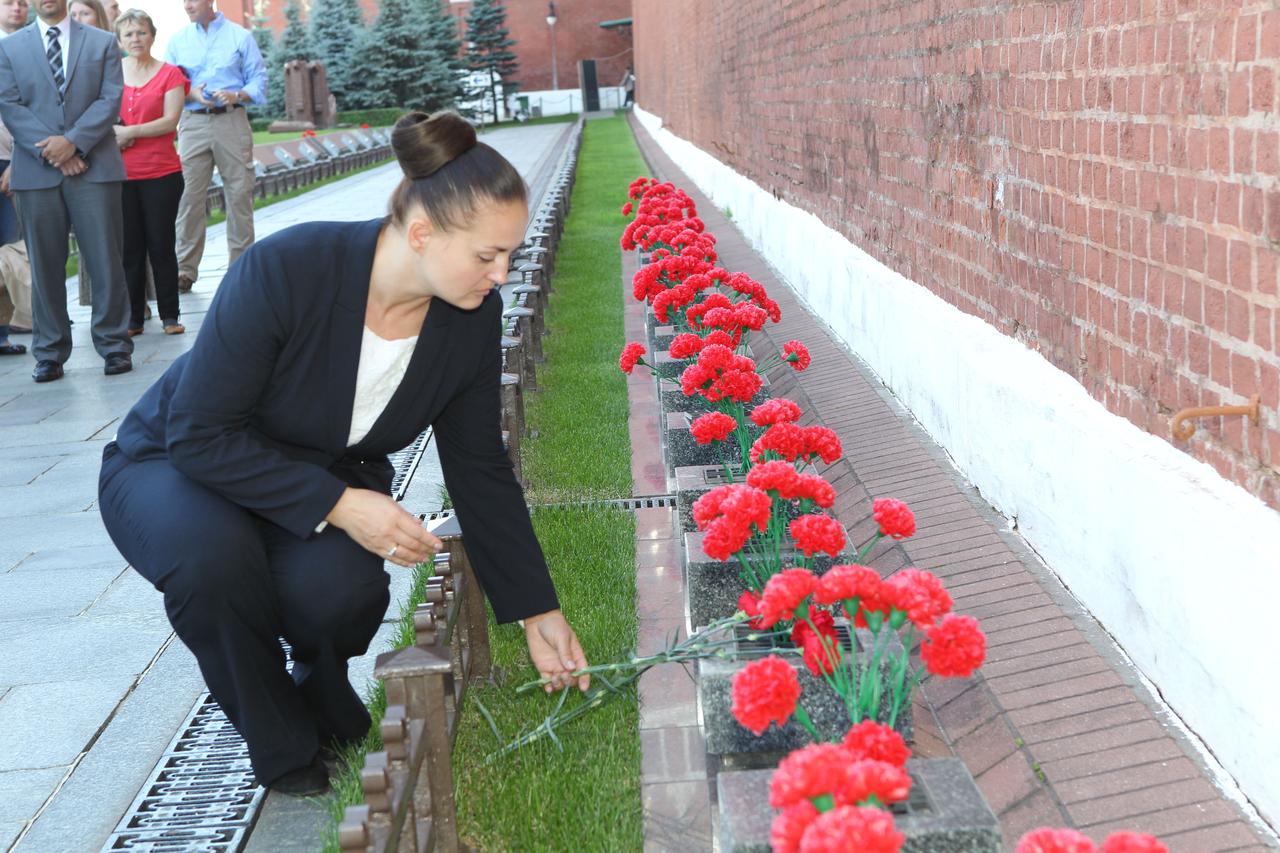
2550: Expedition 41/42 Flight Engineer Elena Serova of the Russian Federal Space Agency (Roscosmos) lays flowers at the Kremlin Wall in Moscow’s Red Square where Russian space icons are interred in a traditional ceremony Sept. 5. Serova, Soyuz Commander Alexander Samokutyaev of Roscosmos and NASA Flight Engineer Barry Wilmore will launch from the Baikonur Cosmodrome in Kazakhstan on Sept. 26, Kazakh time, in their Soyuz TMA-14M spacecraft for a 5 ½ month mission on the International Space Station. Serova will become the fourth Russian woman to fly in space and the first Russian woman to conduct a long duration mission on the station. NASA/Stephanie Stoll
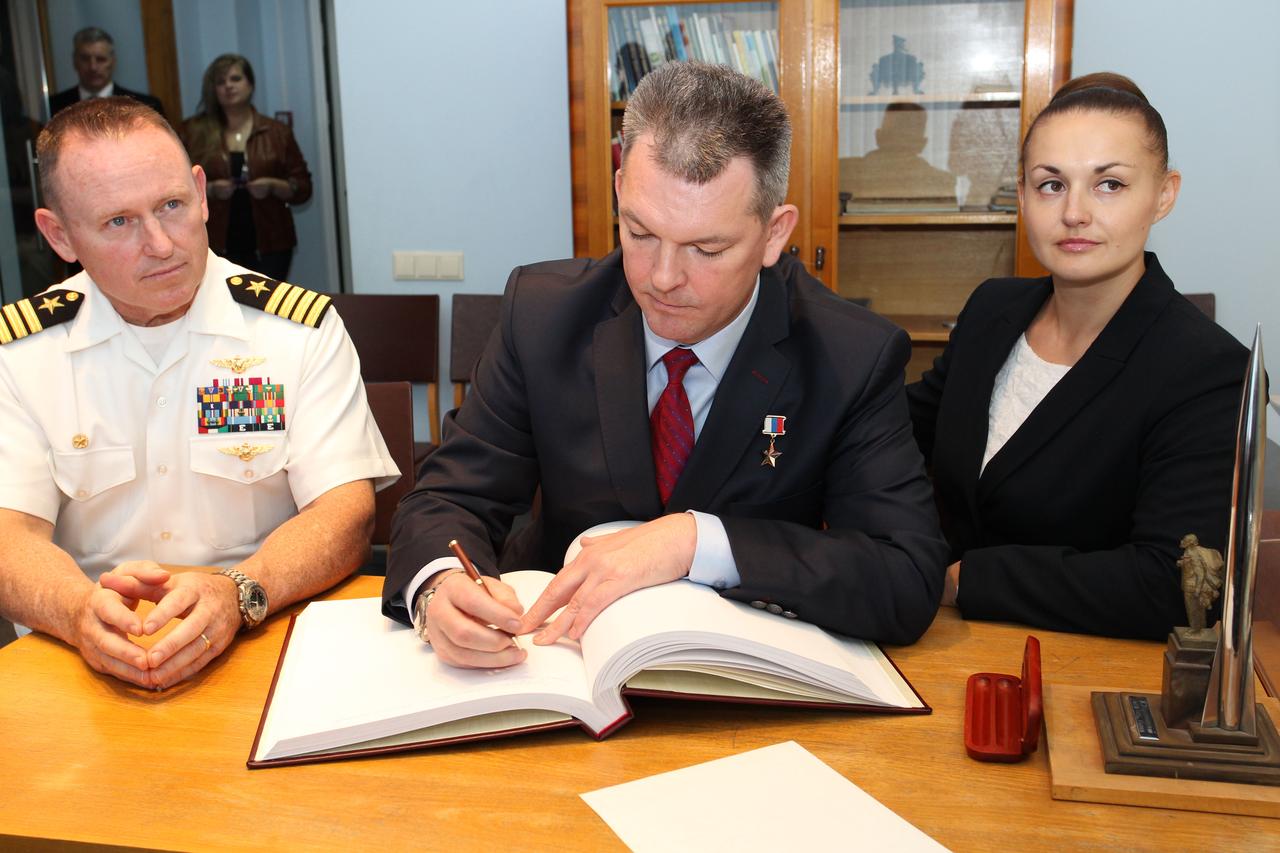
2329: At the Gagarin Cosmonaut Training Center in Star City, Russia, Expedition 41/42 Soyuz Commander Alexander Samokutyaev of the Russian Federal Space Agency (Roscosmos, center) signs a welcome book at the Gagarin Museum Sept. 5 in a traditional ceremony as his crewmates, NASA’s Barry Wilmore (left) and Elena Serova of Roscosmos (right) look on. The trio will launch from the Baikonur Cosmodrome in Kazakhstan on Sept. 26, Kazakh time, in their Soyuz TMA-14M spacecraft for a 5 ½ month mission on the International Space Station. Serova will become the fourth Russian woman to fly in space and the first Russian woman to conduct a long duration mission on the station. NASA/Stephanie Stoll
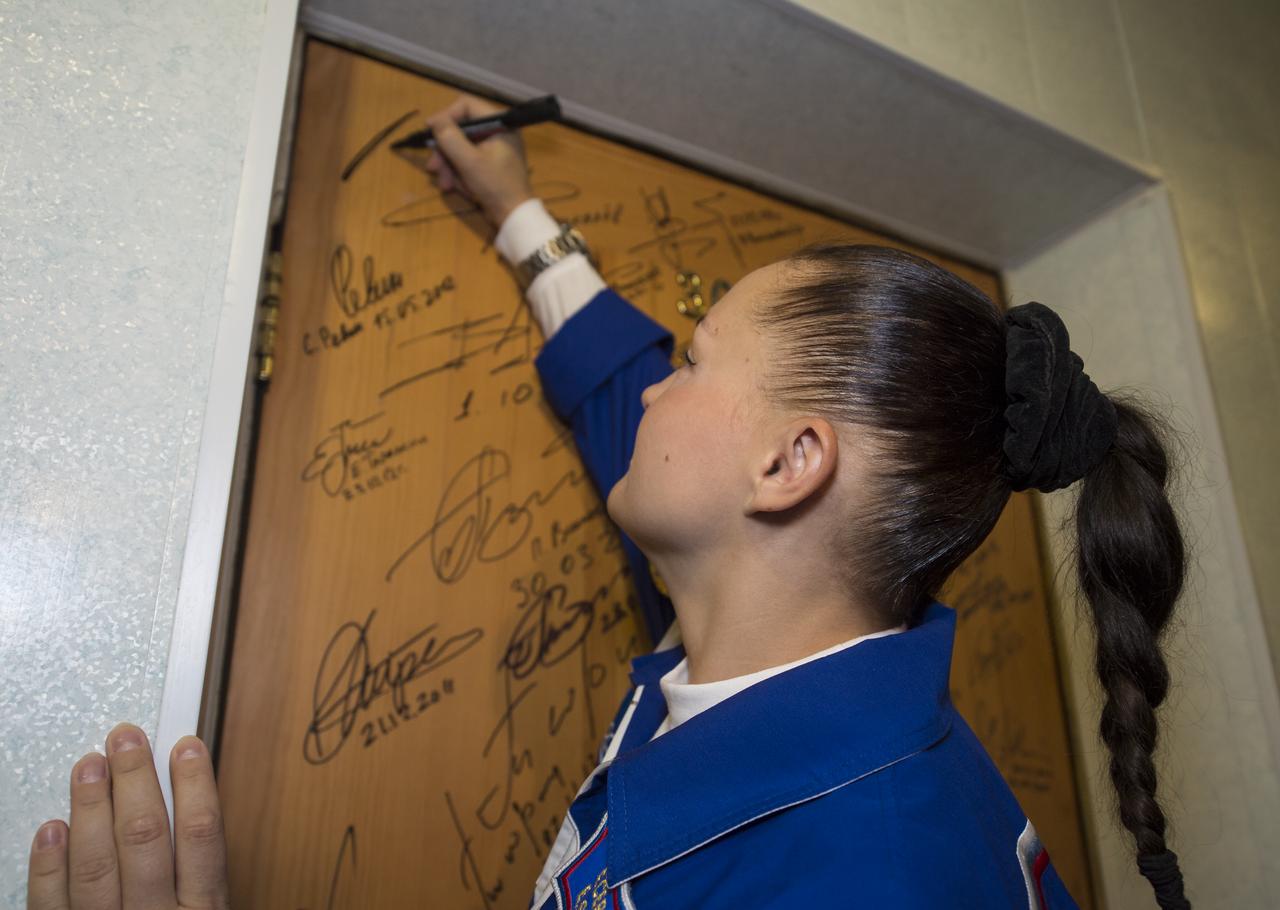
Expedition 41 Flight Engineer Elena Serova of the Russian Federal Space Agency (Roscosmos), performs the traditional door signing at the Cosmonaut Hotel prior to departing the hotel for launch in a Soyuz rocket with fellow crew mates, Soyuz Commander Alexander Samokutyaev of Roscosmos and Flight Engineer Barry Wilmore of NASA, Thursday, Sept. 25, 2014 in Baikonur, Kazakhstan. Launch of the Soyuz rocket is scheduled for the early hours of Sept. 26 Kazakhstan time and will carry Serova, Wilmore, and Samokutyaev into orbit to begin their five and a half month mission on the International Space Station. Serova will become the fourth Russian woman to fly in space and the first Russian woman to live and work on the station. Photo Credit (NASA/Aubrey Gemignani)
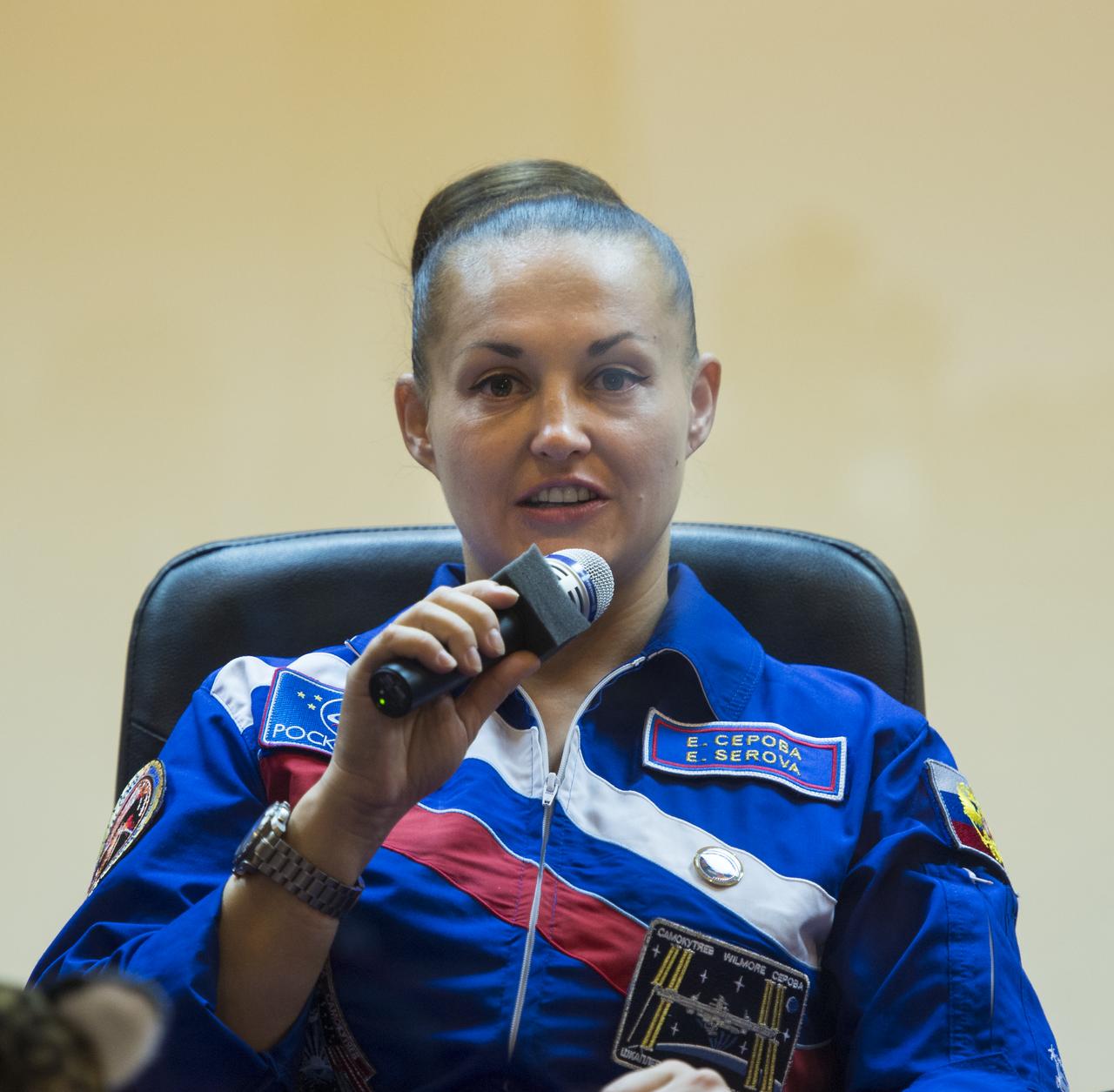
Expedition 41 Flight Engineer Elena Serova of the Russian Federal Space Agency (Roscosmos), answers a question during a press conference on Wednesday, Sept. 24, 2014, at the Cosmonaut Hotel in Baikonur, Kazakhstan. Launch of the Soyuz rocket is scheduled for Sept. 26 and will carry Serova, Soyuz Commander Alexander Samokutyaev of Roscosmos, and Flight Engineer Barry Wilmore of NASA into orbit to begin their five and a half month mission on the International Space Station. Serova will become the fourth Russian woman to fly in space and the first Russian woman to live and work on the station. Photo Credit: (NASA/Aubrey Gemignani)

2187: At the Gagarin Cosmonaut Training Center in Star City, Russia, Expedition 41/42 Flight Engineer Barry Wilmore of NASA is introduced to the media Sept. 5 at a crew news conference. His crewmates, Soyuz Commander Alexander Samokutyaev of the Russian Federal Space Agency (Roscosmos, 2nd from right) and Elena Serova of Roscosmos (far right) look on. The trio will launch from the Baikonur Cosmodrome in Kazakhstan on Sept. 26, Kazakh time, in their Soyuz TMA-14M spacecraft for a 5 ½ month mission on the International Space Station. Serova will become the fourth Russian woman to fly in space and the first Russian woman to conduct a long duration mission on the station. NASA/Stephanie Stoll
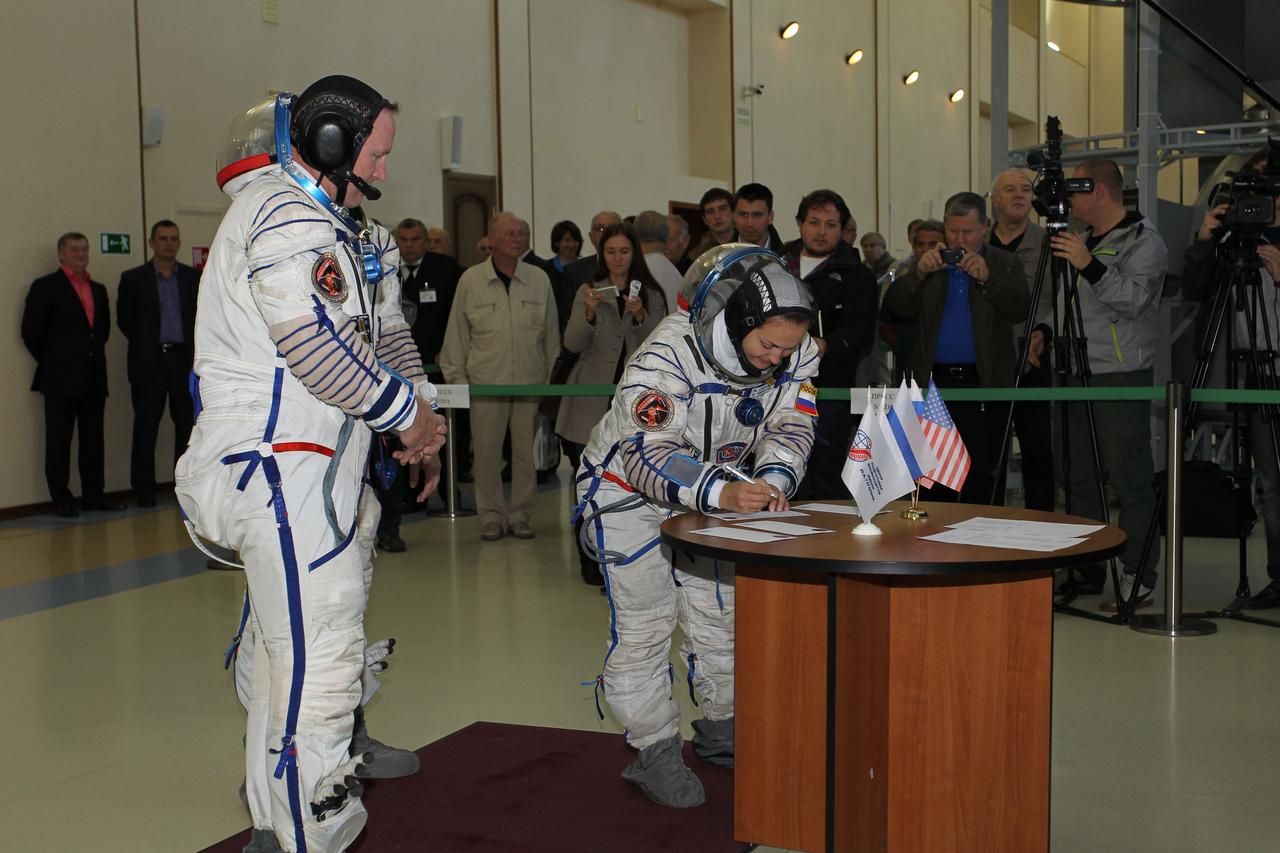
2059: At the Gagarin Cosmonaut Training Center in Star City, Russia, Expedition 41/42 Flight Engineer Elena Serova of the Russian Federal Space Agency (Roscosmos) signs in September 4 at the start of the second day of final qualification exams. Looking on is crewmate Barry Wilmore of NASA (left). Soyuz Commander Alexander Samokutyaev of Roscosmos is hidden from view. The trio will launch from the Baikonur Cosmodrome in Kazakhstan, Sept. 26, Kazakh time, in their Soyuz TMA-14M spacecraft for a 5 ½ month mission on the International Space Station. Serova will become the fourth Russian woman to fly in space and the first Russian woman to conduct a long duration mission on the station. NASA/Stephanie Stoll
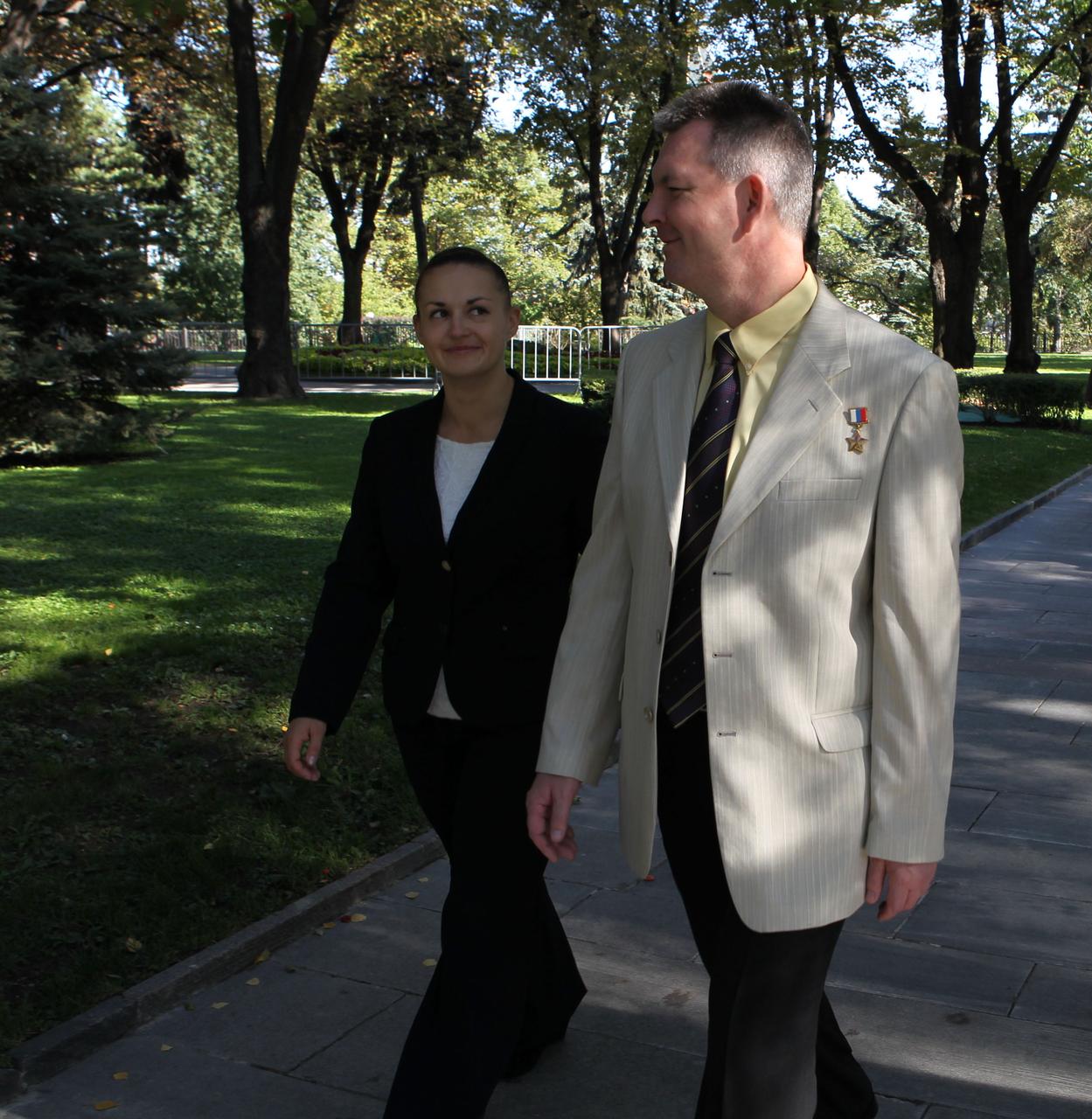
2722a: Expedition 41/42 Flight Engineer Elena Serova of the Russian Federal Space Agency (Roscosmos, left) and Soyuz Commander Alexander Samokutyaev of Roscosmos (right) stroll through the Kremlin grounds in Moscow Sept. 5 after laying flowers at the site where Russian space icons are interred in a traditional ceremony. Serova, Samokutyaev and NASA Flight Engineer Barry Wilmore will launch from the Baikonur Cosmodrome in Kazakhstan on Sept. 26, Kazakh time, in their Soyuz TMA-14M spacecraft for a 5 ½ month mission on the International Space Station. Serova will become the fourth Russian woman to fly in space and the first Russian woman to conduct a long duration mission on the station. NASA/Stephanie Stoll
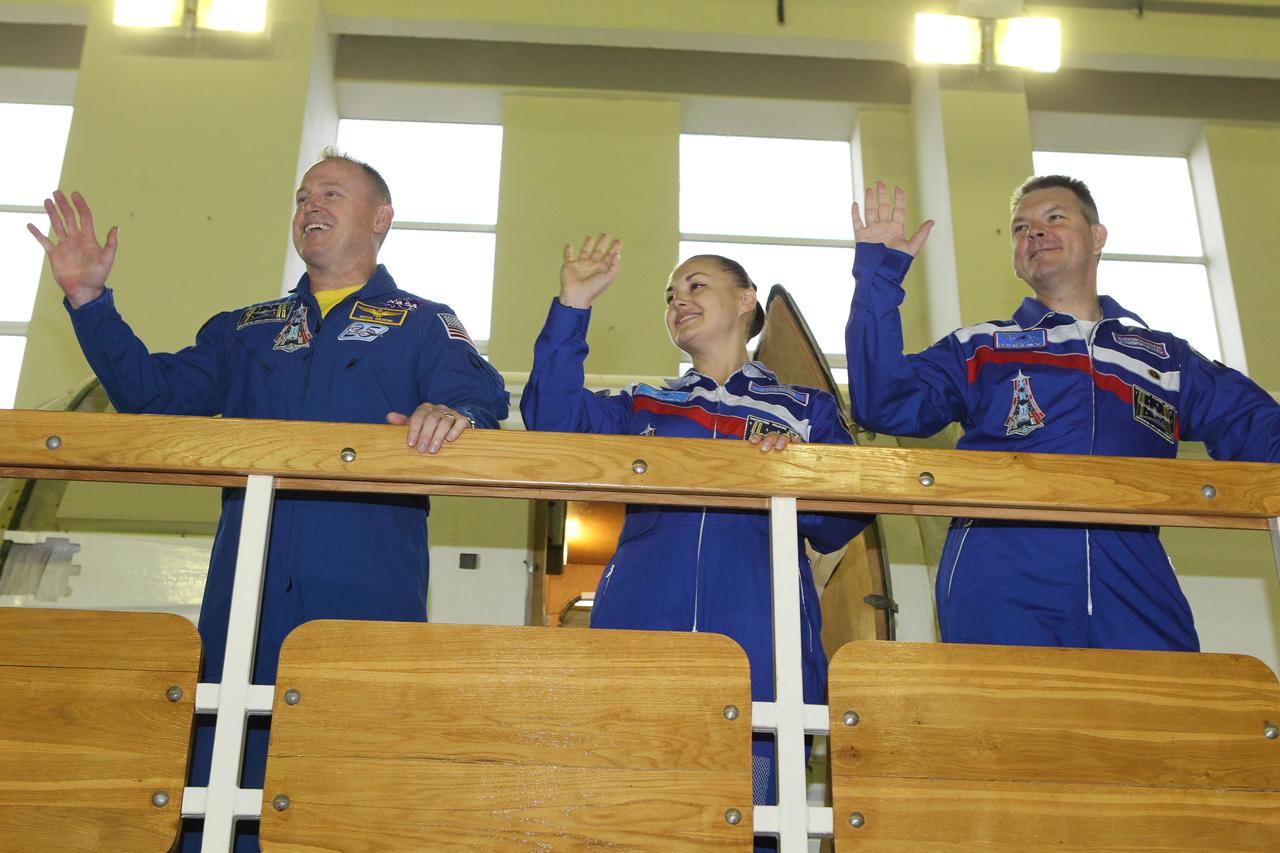
1944: At the Gagarin Cosmonaut Training Center in Star City, Russia, Expedition 41/42 prime crewmembers Barry Wilmore of NASA (left), Elena Serova of the Russian Federal Space Agency (Roscosmos, center) and Alexander Samokutyaev of Roscosmos (right) pose for pictures and wave to reporters and well-wishers September 3 at the start of final qualification exams. They will launch September 26 from the Baikonur Cosmodrome in Kazakhstan, Kazakh time, in the Soyuz TMA-14M spacecraft for a 5 ½ month mission on the International Space Station. Serova will become only the fourth Russian woman to fly in space and the first Russian woman to conduct a long duration mission on the station. NASA/Stephanie Stoll
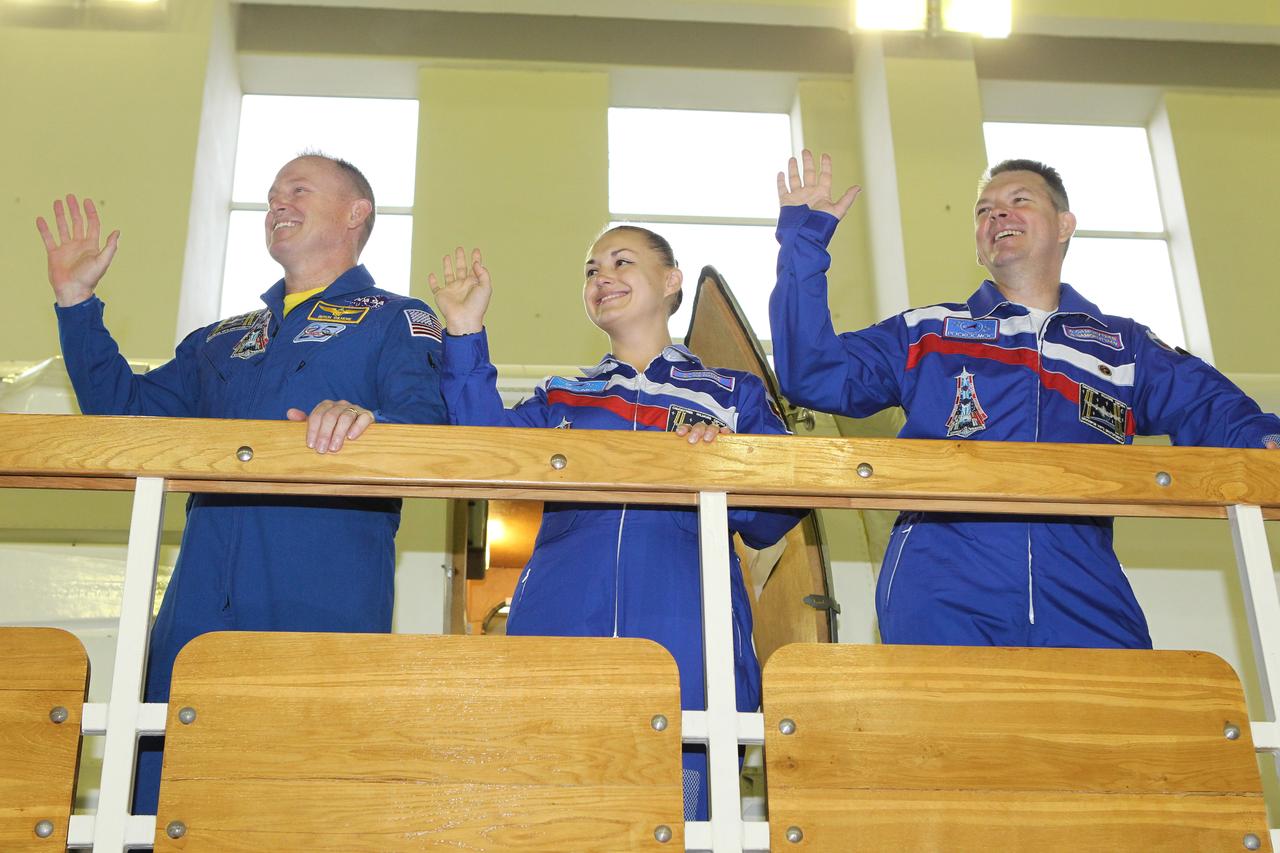
1952: At the Gagarin Cosmonaut Training Center in Star City, Russia, Expedition 41/42 prime crewmembers Barry Wilmore of NASA (left), Elena Serova of the Russian Federal Space Agency (Roscosmos, center) and Alexander Samokutyaev of Roscosmos (right) pose for pictures and wave to reporters and well-wishers September 3 at the start of final qualification exams. They will launch September 26 from the Baikonur Cosmodrome in Kazakhstan, Kazakh time, in the Soyuz TMA-14M spacecraft for a 5 ½ month mission on the International Space Station. Serova will become only the fourth Russian woman to fly in space and the first Russian woman to conduct a long duration mission on the station. NASA/Stephanie Stoll
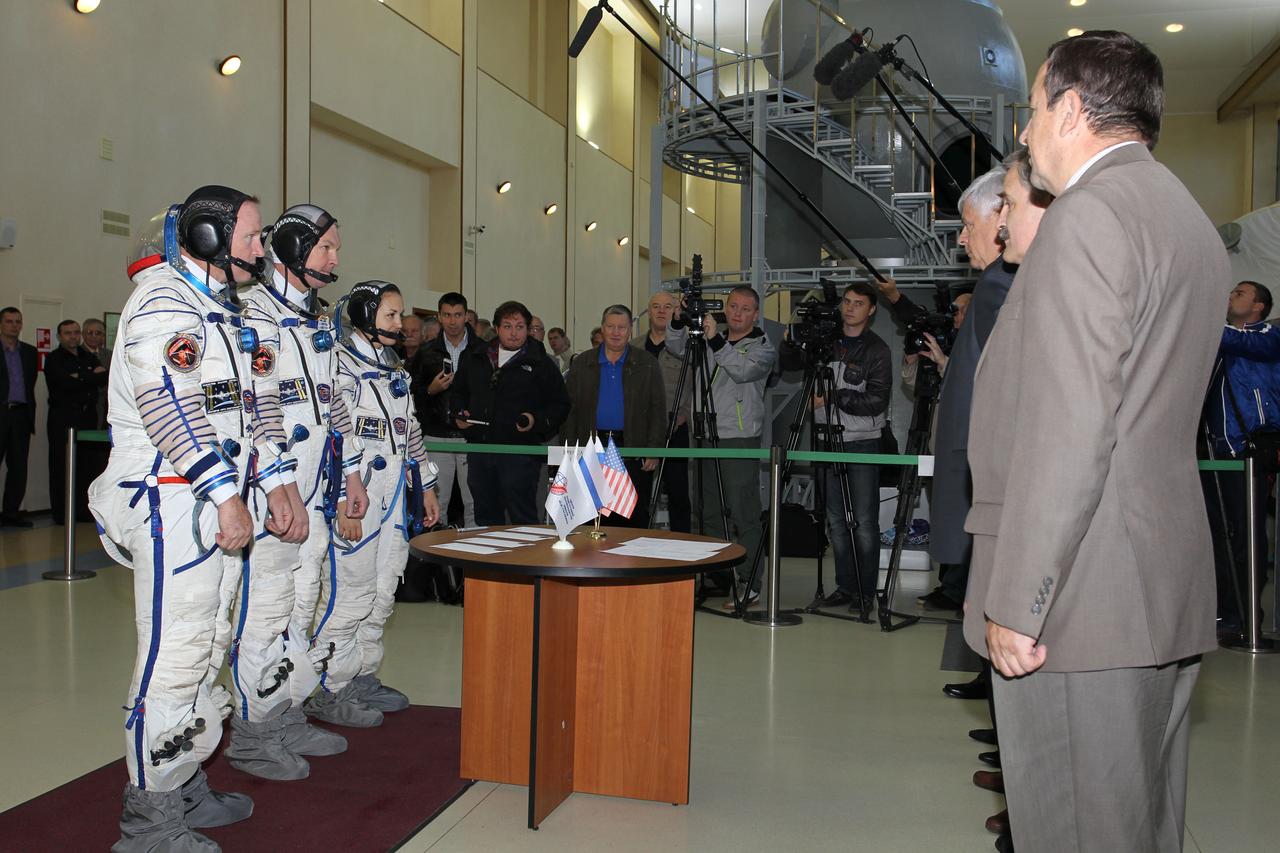
2037: At the Gagarin Cosmonaut Training Center in Star City, Russia, Expedition 41/42 prime crewmembers Barry Wilmore of NASA (left), Alexander Samokutyaev of the Russian Federal Space Agency (Roscosmos, center) and Elena Serova of Roscosmos (right) listen to instructions from officials September 4 at the start of the second day of final qualification exams. The trio will launch from the Baikonur Cosmodrome in Kazakhstan, Sept. 26, Kazakh time, in their Soyuz TMA-14M spacecraft for a 5 ½ month mission on the International Space Station. Serova will become the fourth Russian woman to fly in space and the first Russian woman to conduct a long duration mission on the station. NASA/Stephanie Stoll
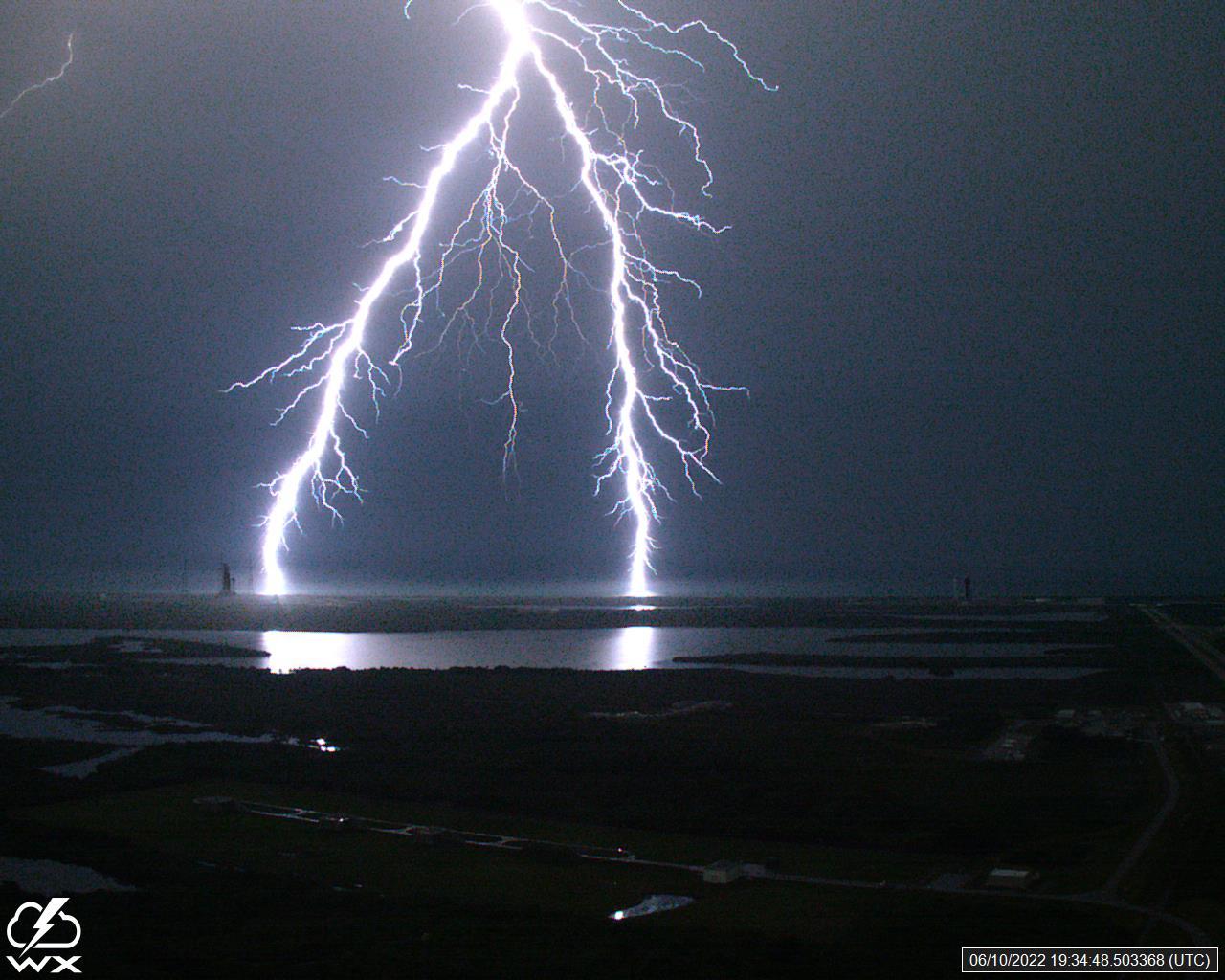
A lightning strike was recorded at Launch Complex 39B at NASA’s Kennedy Space Center in Florida on June 10, 2022. NASA’s Space Launch System (SLS) and Orion spacecraft atop the mobile launcher are on the launch pad in preparation for the Artemis I mission. The lightning strike was recorded by cameras stationed at the pad and mobile launcher using a special filter called a “clear day frame,” which provides an overlay of the raw frame on a reference image. Artemis I will be the first integrated test of the SLS and Orion spacecraft. In later missions, NASA will land the first woman and the first woman of color on the surface of the Moon, paving the way for a long-term lunar presence and serving as a steppingstone on the way to Mars.
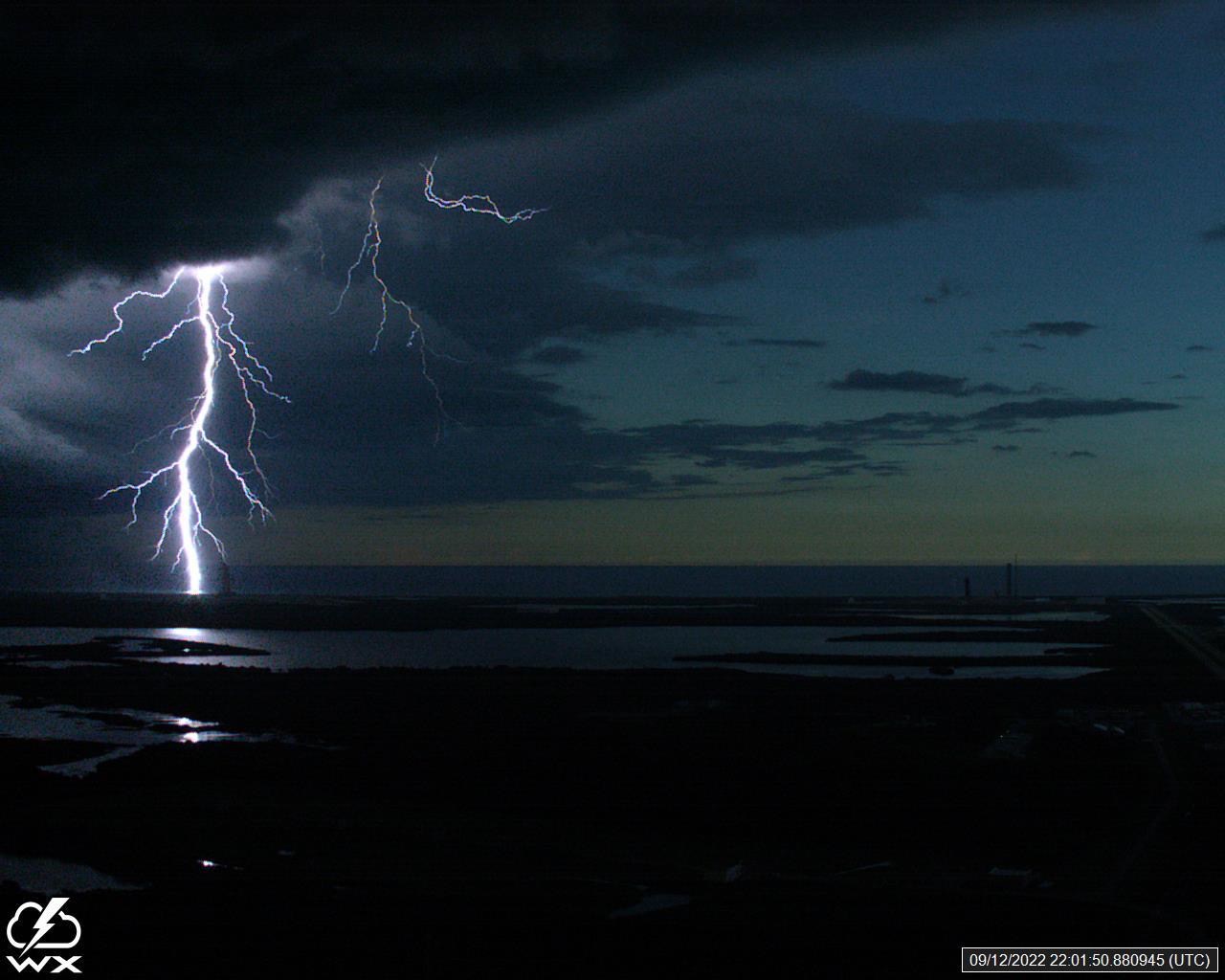
A lightning strike was recorded at Launch Complex 39B at NASA’s Kennedy Space Center in Florida on Sept. 12, 2022. NASA’s Space Launch System (SLS) and Orion spacecraft atop the mobile launcher are on the launch pad in preparation for the Artemis I mission. The lightning strike was recorded by cameras stationed at the pad and mobile launcher using a special filter called a “clear day frame,” which provides an overlay of the raw frame on a reference image. Artemis I will be the first integrated test of the SLS and Orion spacecraft. In later missions, NASA will land the first woman and the first woman of color on the surface of the Moon, paving the way for a long-term lunar presence and serving as a steppingstone on the way to Mars.

A lightning strike was recorded at Launch Complex 39B at NASA’s Kennedy Space Center in Florida on June 10, 2022. NASA’s Space Launch System (SLS) and Orion spacecraft atop the mobile launcher are on the launch pad in preparation for the Artemis I mission. The lightning strike was recorded by cameras stationed at the pad and mobile launcher using a special filter called a “clear day frame,” which provides an overlay of the raw frame on a reference image. Artemis I will be the first integrated test of the SLS and Orion spacecraft. In later missions, NASA will land the first woman and the first woman of color on the surface of the Moon, paving the way for a long-term lunar presence and serving as a steppingstone on the way to Mars.
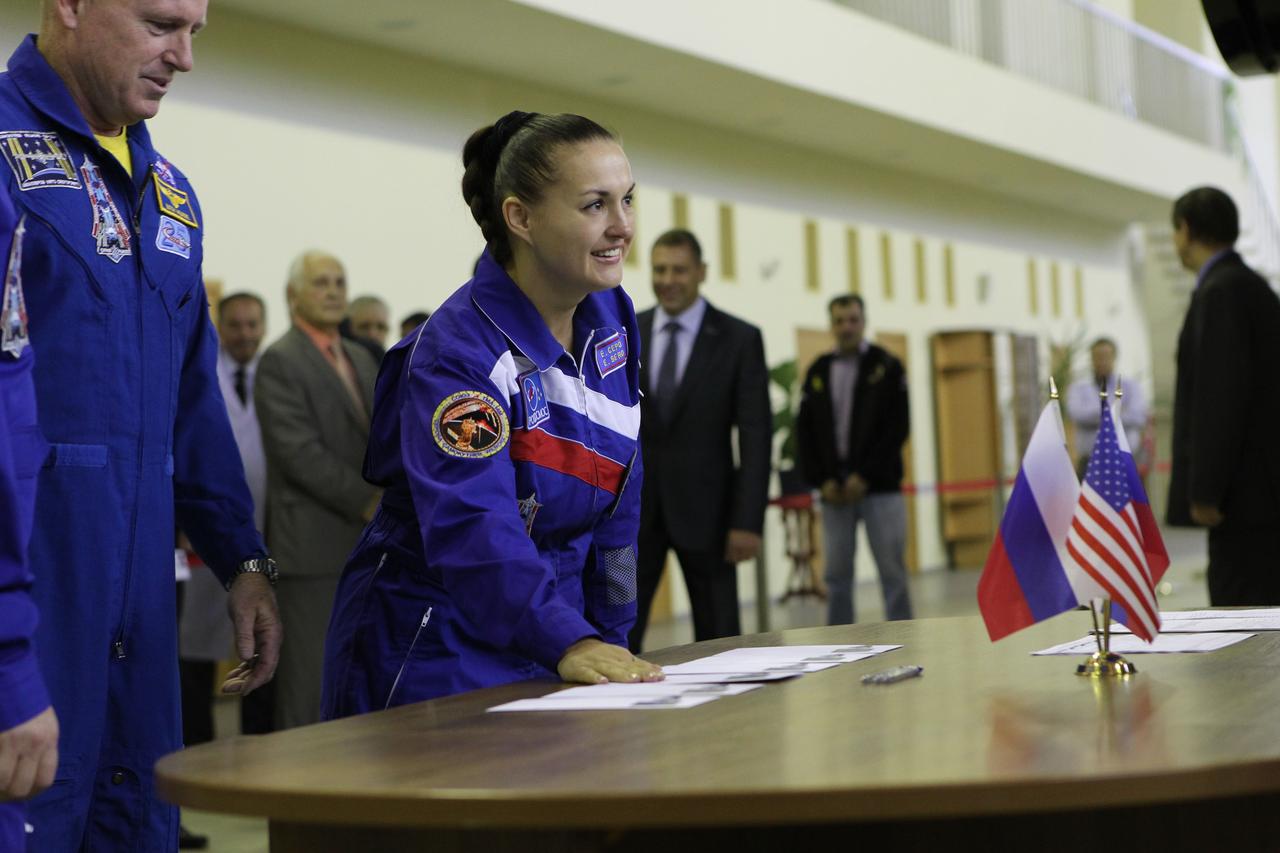
1867: At the Gagarin Cosmonaut Training Center in Star City, Russia, Expedition 41/42 Flight Engineer Elena Serova of the Russian Federal Space Agency (right) flashes a smile September 3 as NASA’s Barry Wilmore (left) looks on at the start of final qualification exams. Along with Alexander Samokutyaev of Roscosmos, they will launch September 26 from the Baikonur Cosmodrome in Kazakhstan, Kazakh time, in the Soyuz TMA-14M spacecraft for a 5 ½ month mission on the International Space Station. Serova will become only the fourth Russian woman to fly in space and the first Russian woman to conduct a long duration mission on the station. NASA/Stephanie Stoll
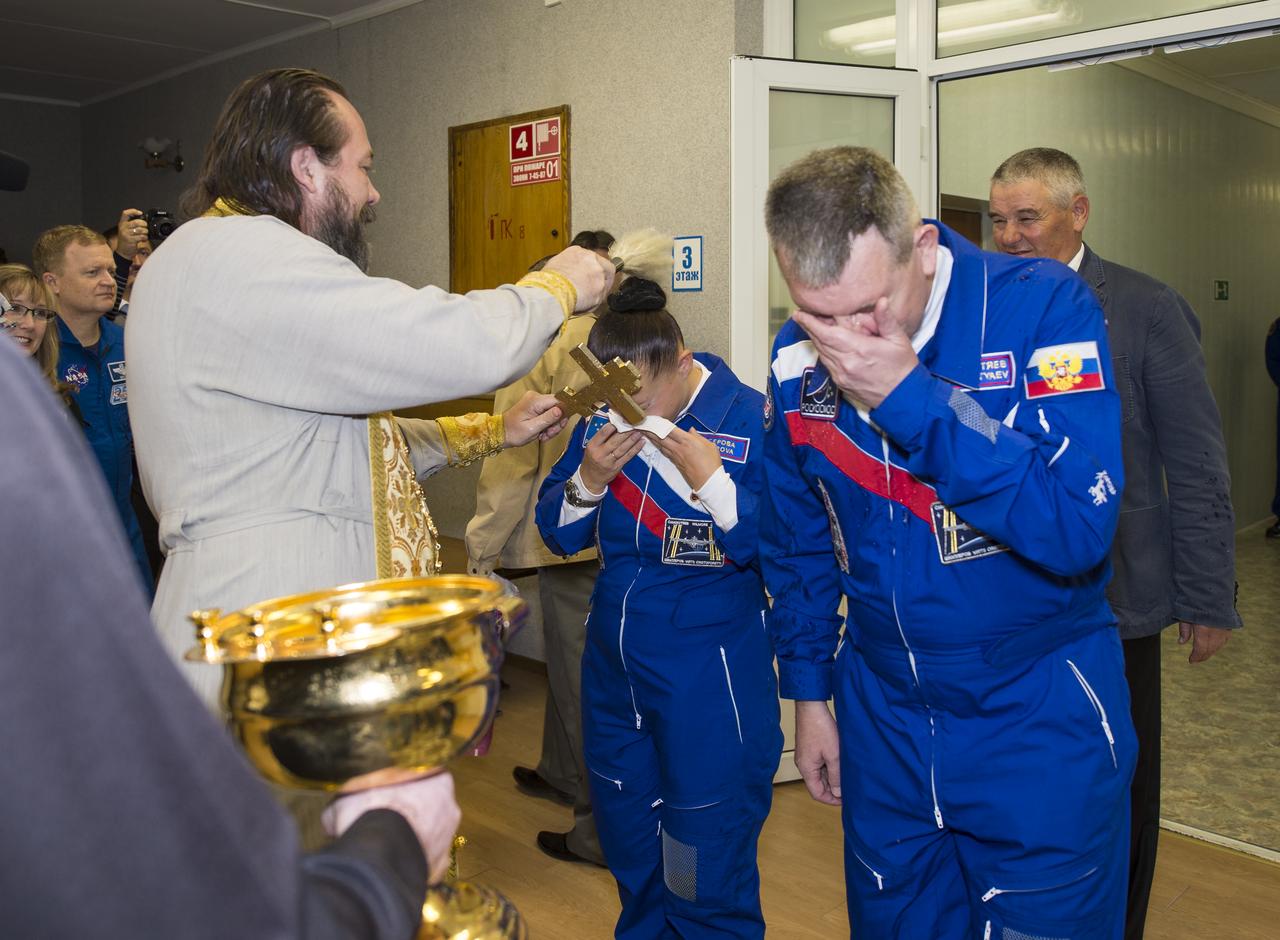
Expedition 41 Flight Engineer Elena Serova of the Russian Federal Space Agency (Roscosmos), left, receives the traditional blessing from a Russian Orthodox priest at the Cosmonaut Hotel prior to her launch on the Soyuz rocket to the International Space Station (ISS), Thursday, Sept. 25, 2014, in Baikonur, Kazakhstan. She and fellow crew mates, Soyuz Commander Alexander Samokutyaev of Roscosmos, right, and Flight Engineer Barry Wilmore of NASA, not pictured, will spend the next five and a half months living and working aboard the ISS. Wilmore chose not to participate in the blessing. Serova will become the fourth Russian woman to fly in space and the first Russian woman to live and work on the station. Photo Credit: (NASA/Aubrey Gemignani)
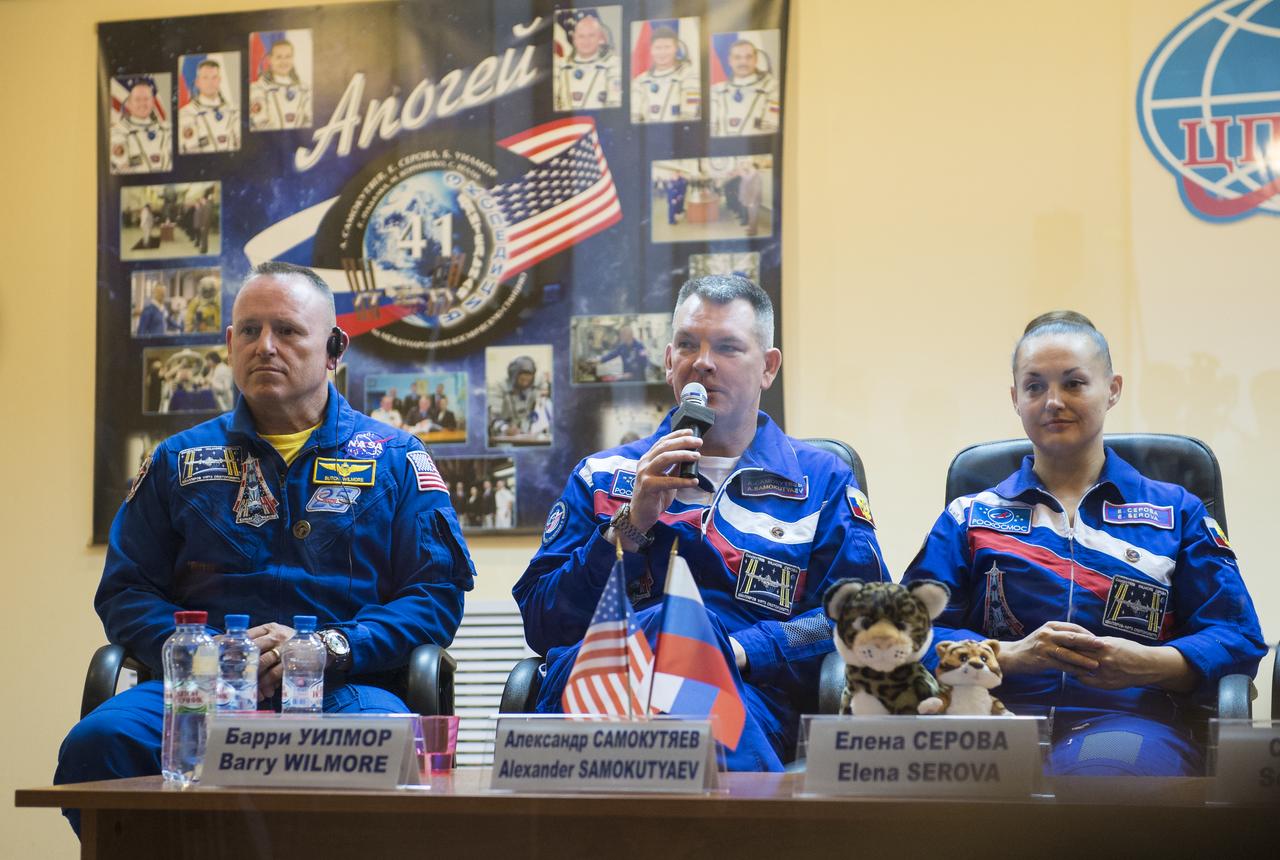
Expedition 41 Soyuz Commander, Alexander Samokutyaev of the Russian Federal Space Agency (Roscosmos), center, answers a question during a press conference on Wednesday, Sept. 24, 2014, at the Cosmonaut Hotel in Baikonur, Kazakhstan. He is seen with Flight Engineer Barry Wilmore of NASA, left, and Flight Engineer Elena Serova of Roscosmos, right. Launch of the Soyuz rocket is scheduled for Sept. 26 and will carry Samokutyaev, Wilmore, and Serova into orbit to begin their five and a half month mission on the International Space Station. Serova will become the fourth Russian woman to fly in space and the first Russian woman to live and work on the station. Photo Credit: (NASA/Aubrey Gemignani)
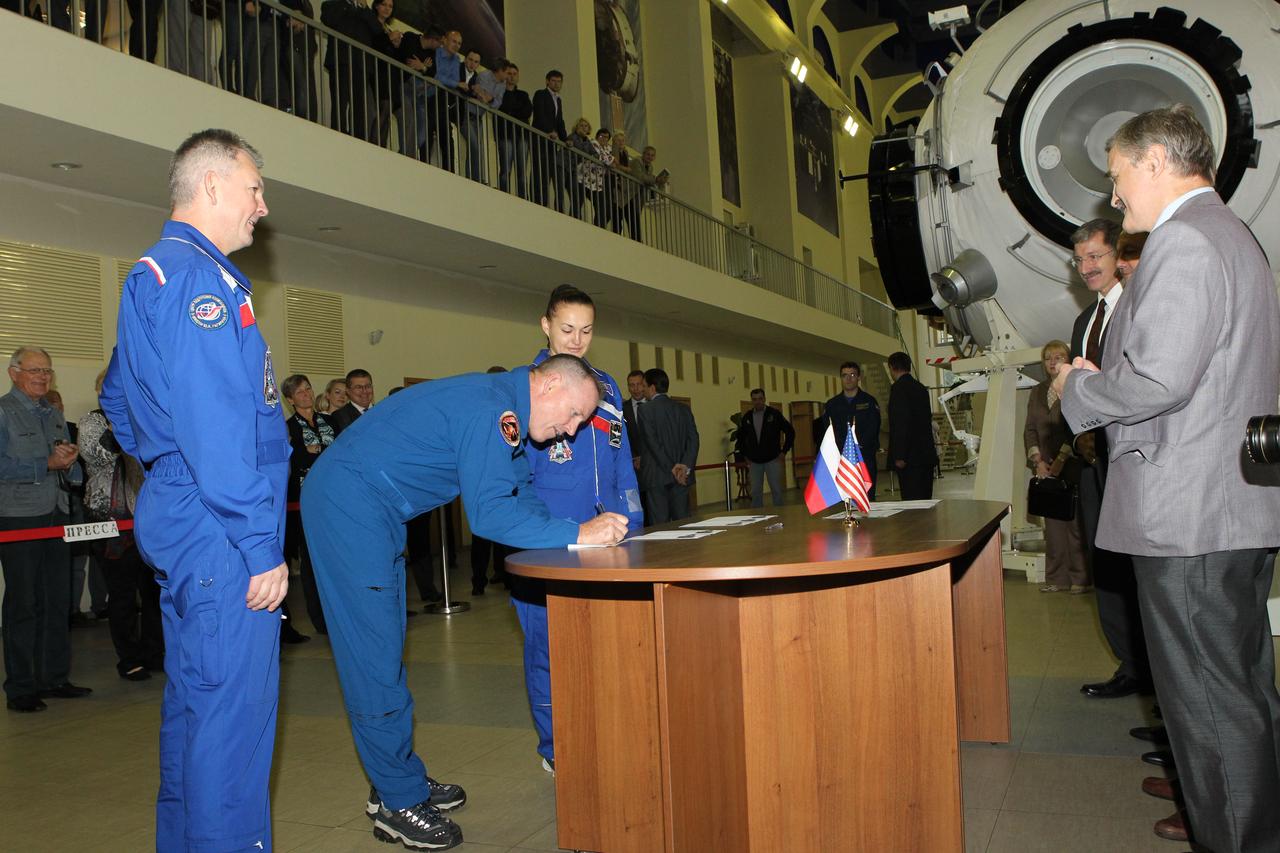
1881: At the Gagarin Cosmonaut Training Center in Star City, Russia, Expedition 41/42 Flight Engineer Barry Wilmore of NASA (center) signs in at the start of final qualification exams September 3 as his crewmates, Alexander Samokutyaev of the Russian Federal Space Agency (Roscosmos, left) and Elena Serova of Roscosmos (right) look on. They will launch September 26 from the Baikonur Cosmodrome in Kazakhstan, Kazakh time, in the Soyuz TMA-14M spacecraft for a 5 ½ month mission on the International Space Station. Serova will become only the fourth Russian woman to fly in space and the first Russian woman to conduct a long duration mission on the station. NASA/Stephanie Stoll
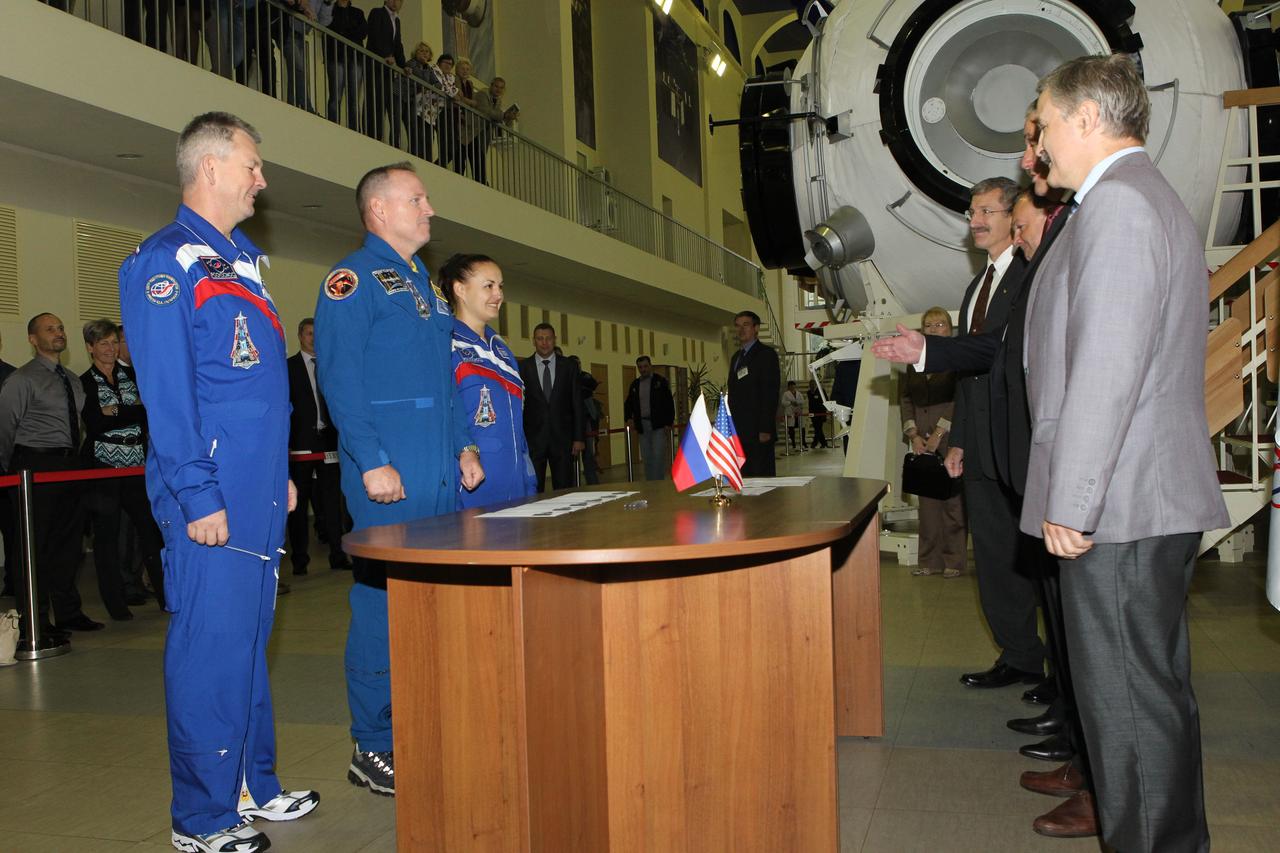
1863: At the Gagarin Cosmonaut Training Center in Star City, Russia, Expedition 41/42 prime crewmembers Alexander Samokutyaev of the Russian Federal Space Agency (left), NASA’s Barry Wilmore (center) and Elena Serova of Roscosmos (right) listen to instructions from officials September 3 at the start of final qualification exams. They will launch September 26 from the Baikonur Cosmodrome in Kazakhstan, Kazakh time, in the Soyuz TMA-14M spacecraft for a 5 ½ month mission on the International Space Station. Serova will become only the fourth Russian woman to fly in space and the first Russian woman to conduct a long duration mission on the station. NASA/Stephanie Stoll
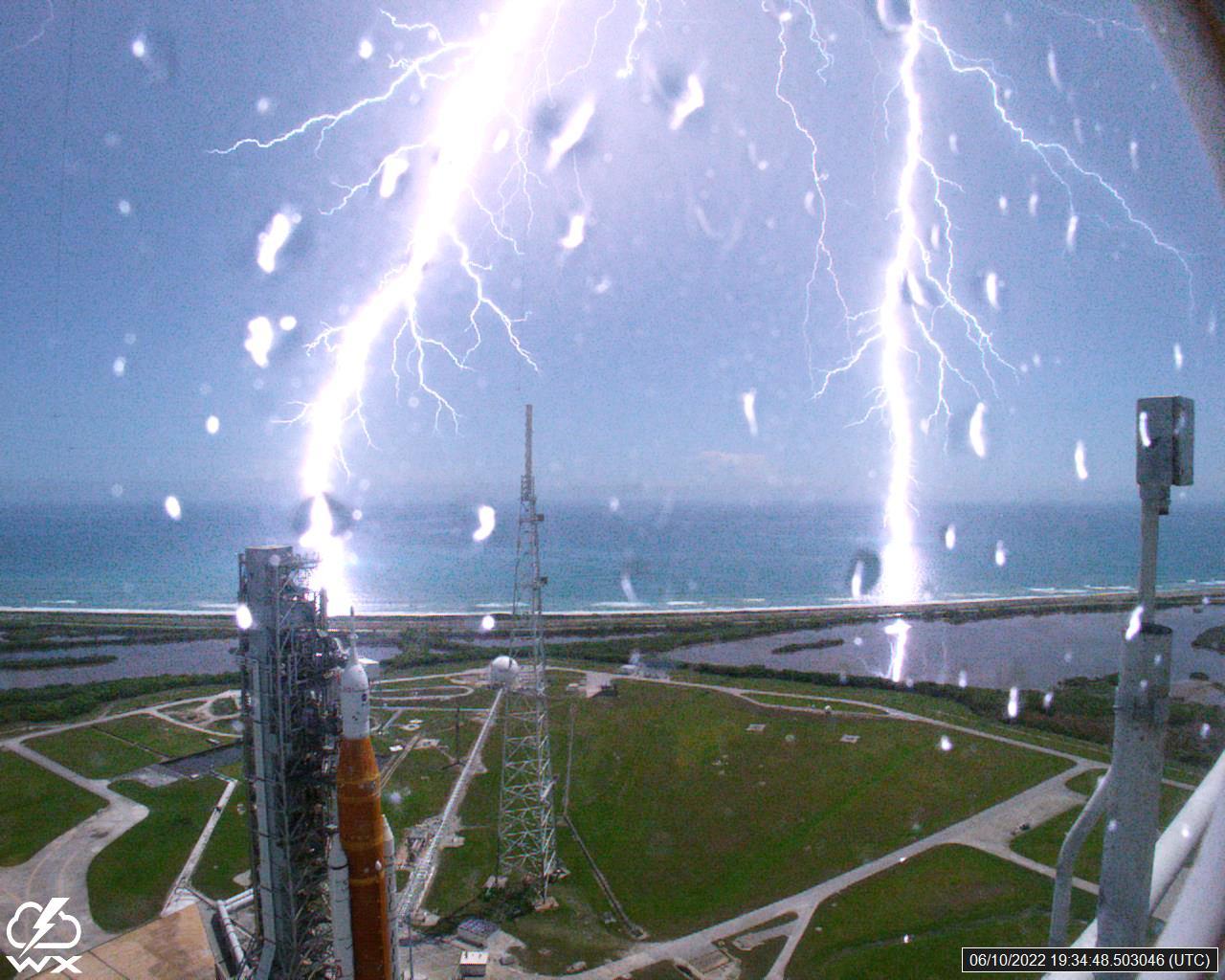
Lightning strikes were recorded at Launch Complex 39B at NASA’s Kennedy Space Center in Florida on June 10, 2022. NASA’s Space Launch System (SLS) and Orion spacecraft atop the mobile launcher are in view on the launch pad in preparation for the Artemis I mission. The lightning strike was recorded by cameras stationed at the pad and mobile launcher using a special filter called a “clear day frame,” which provides an overlay of the raw frame on a reference image. Artemis I will be the first integrated test of the SLS and Orion spacecraft. In later missions, NASA will land the first woman and the first woman of color on the surface of the Moon, paving the way for a long-term lunar presence and serving as a steppingstone on the way to Mars.
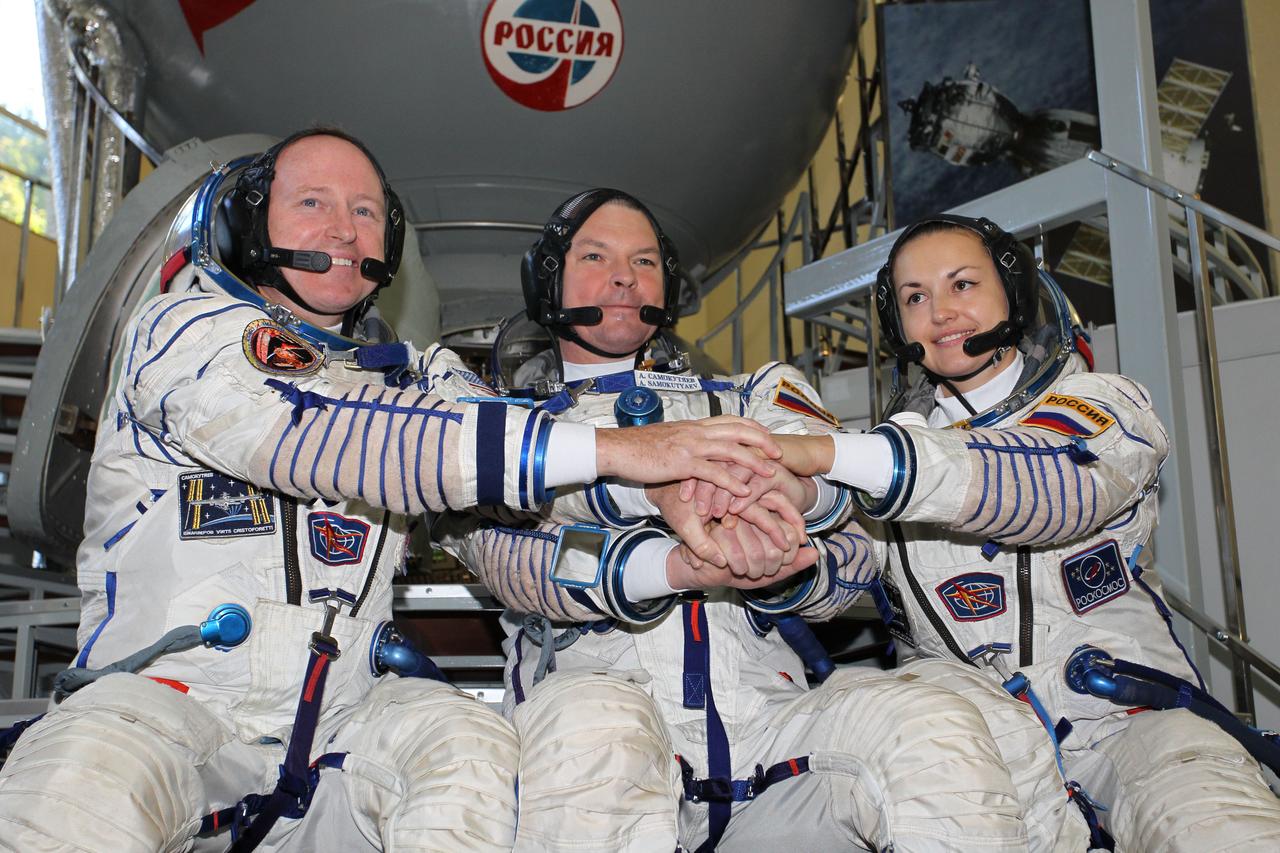
2102: At the Gagarin Cosmonaut Training Center in Star City, Russia, Expedition 41/42 prime crewmembers Barry Wilmore of NASA (left), Alexander Samokutyaev of the Russian Federal Space Agency (Roscosmos, center) and Elena Serova of Roscosmos (right) clasp hands during a photo opportunity September 4 at the start of the second day of final qualification exams. The trio will launch from the Baikonur Cosmodrome in Kazakhstan, Sept. 26, Kazakh time, in their Soyuz TMA-14M spacecraft for a 5 ½ month mission on the International Space Station. Serova will become the fourth Russian woman to fly in space and the first Russian woman to conduct a long duration mission on the station. NASA/Stephanie Stoll