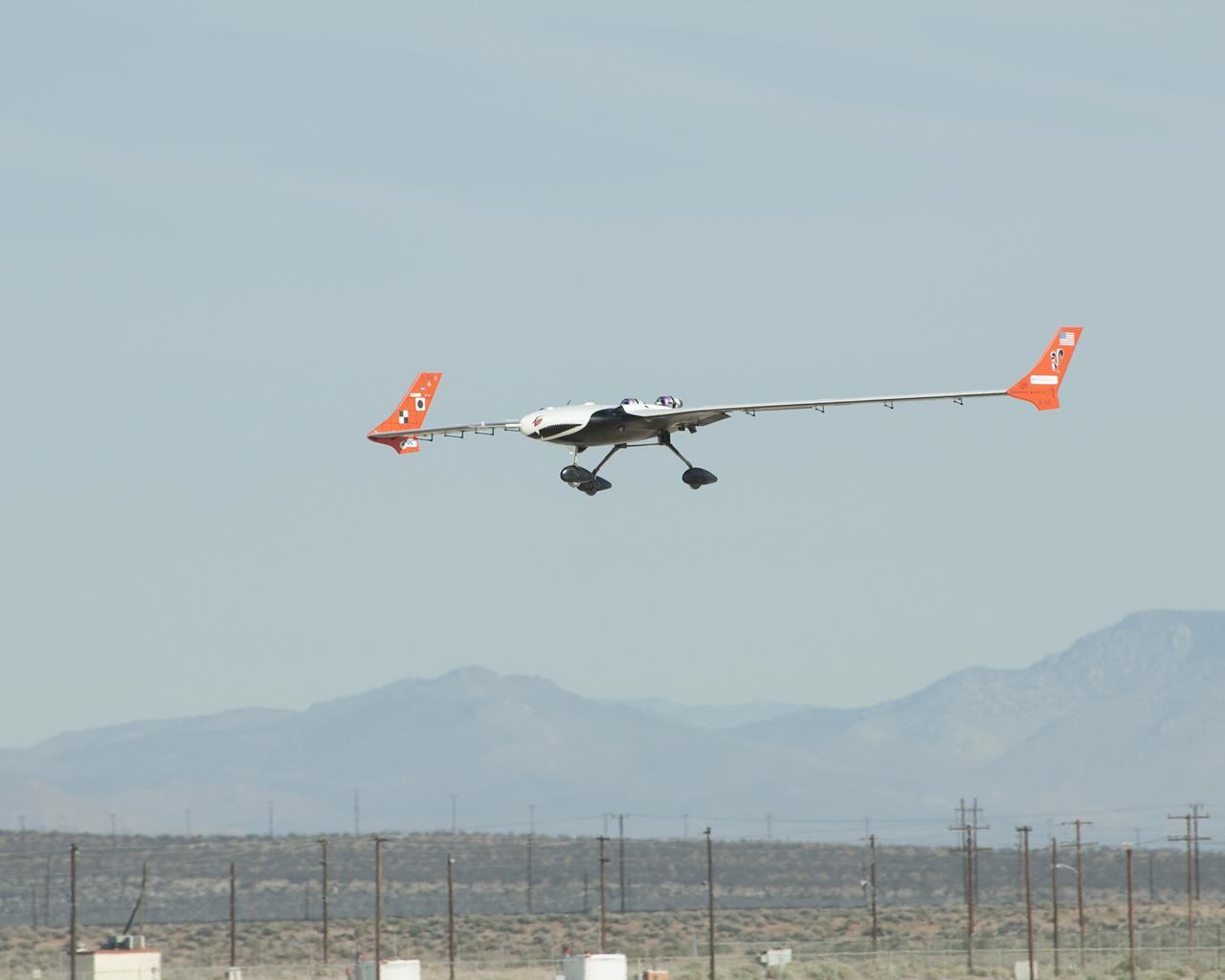
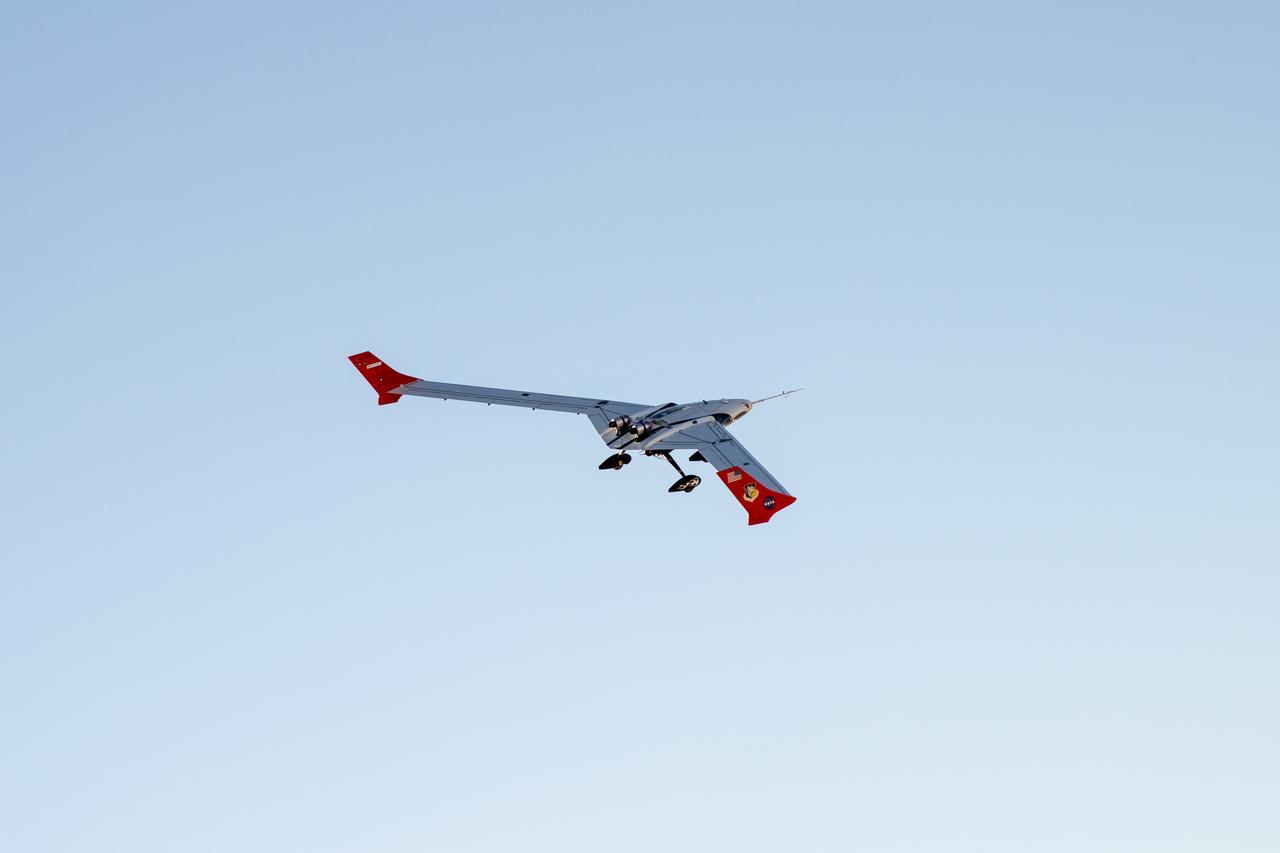
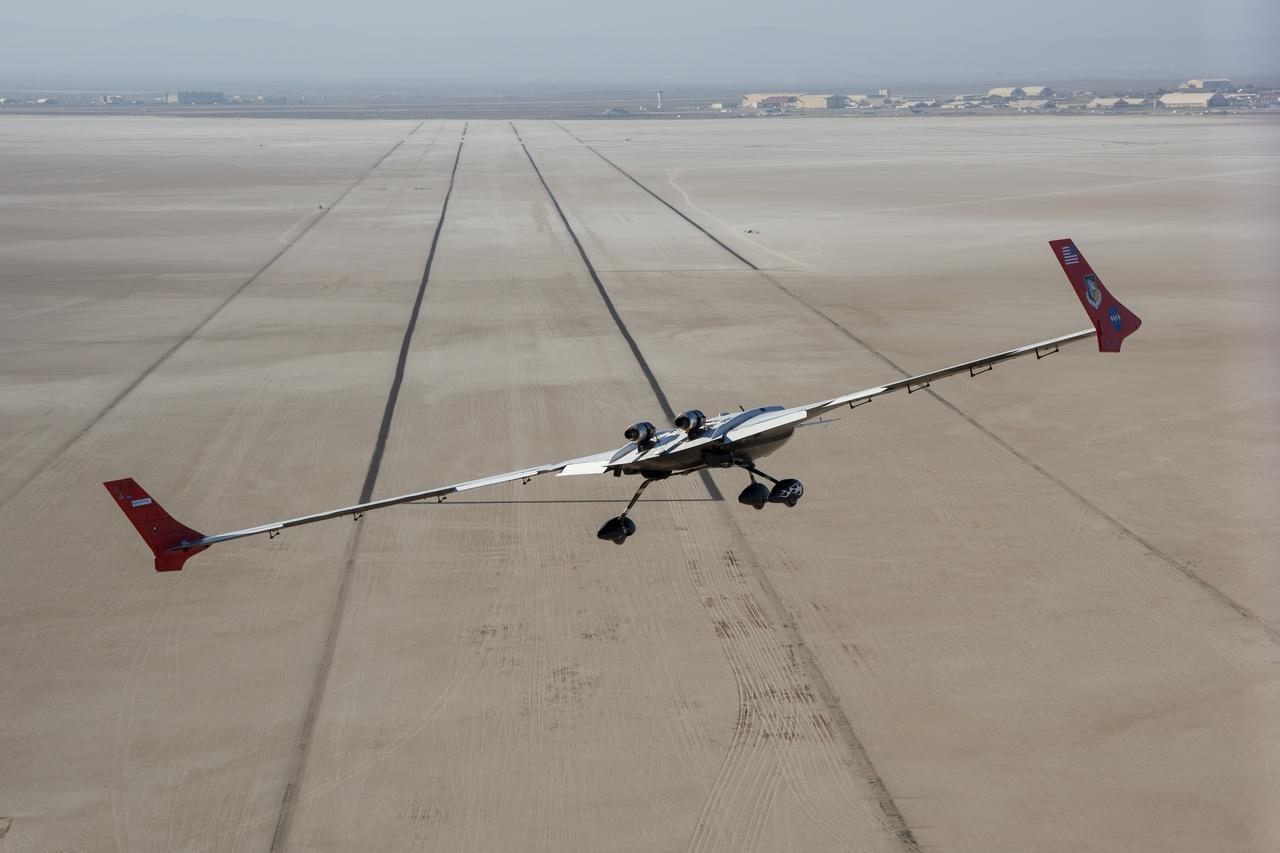
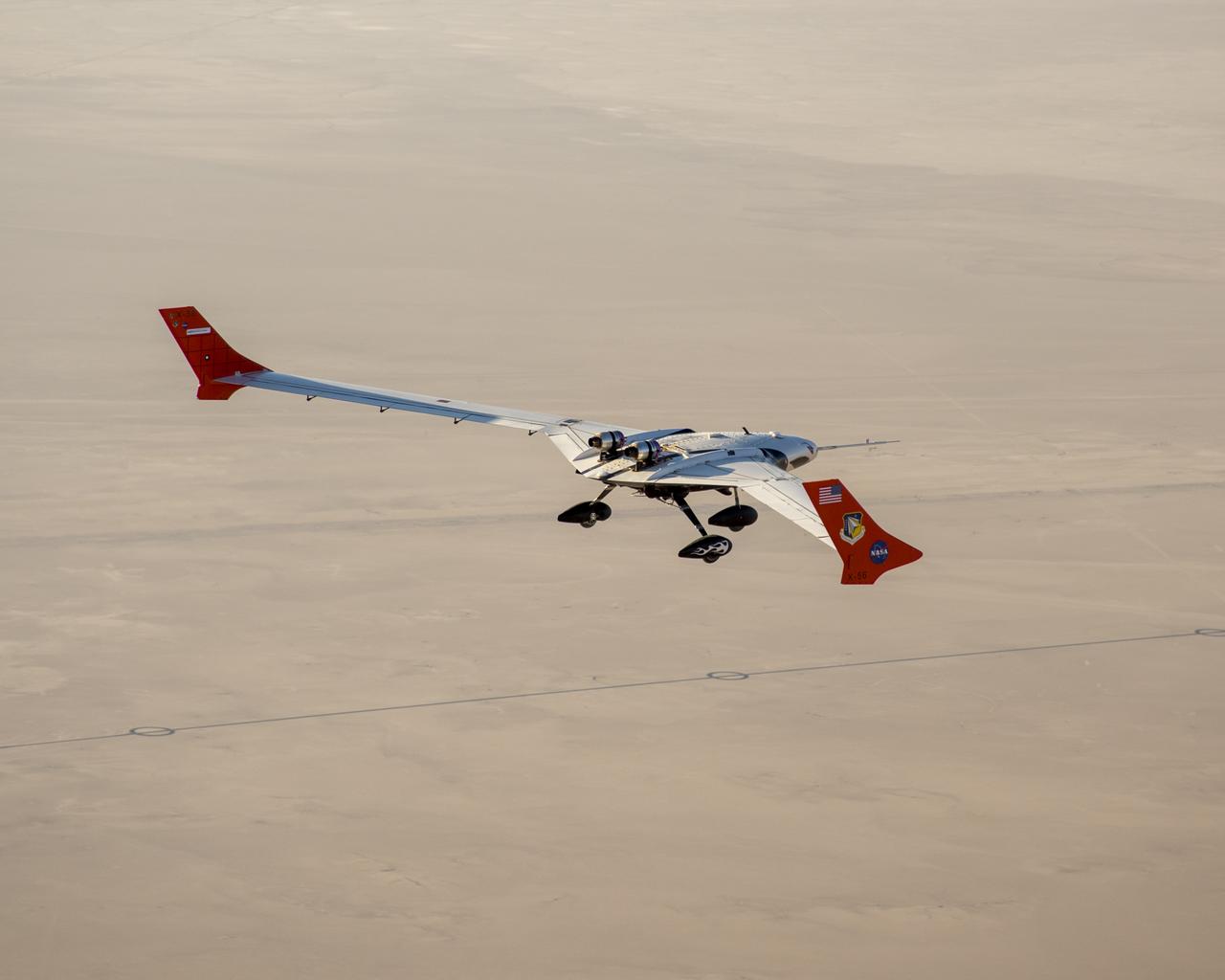
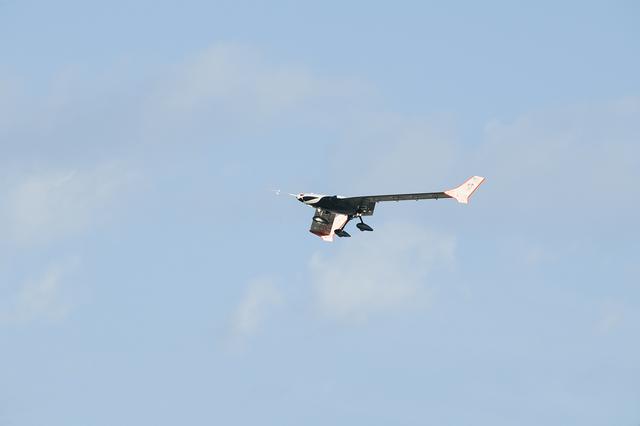
The X-56A takes off on its maiden flight from NASA Armstrong Flight Research Center, Edwards, California.
Second X-56A MUTT Makes First Flight
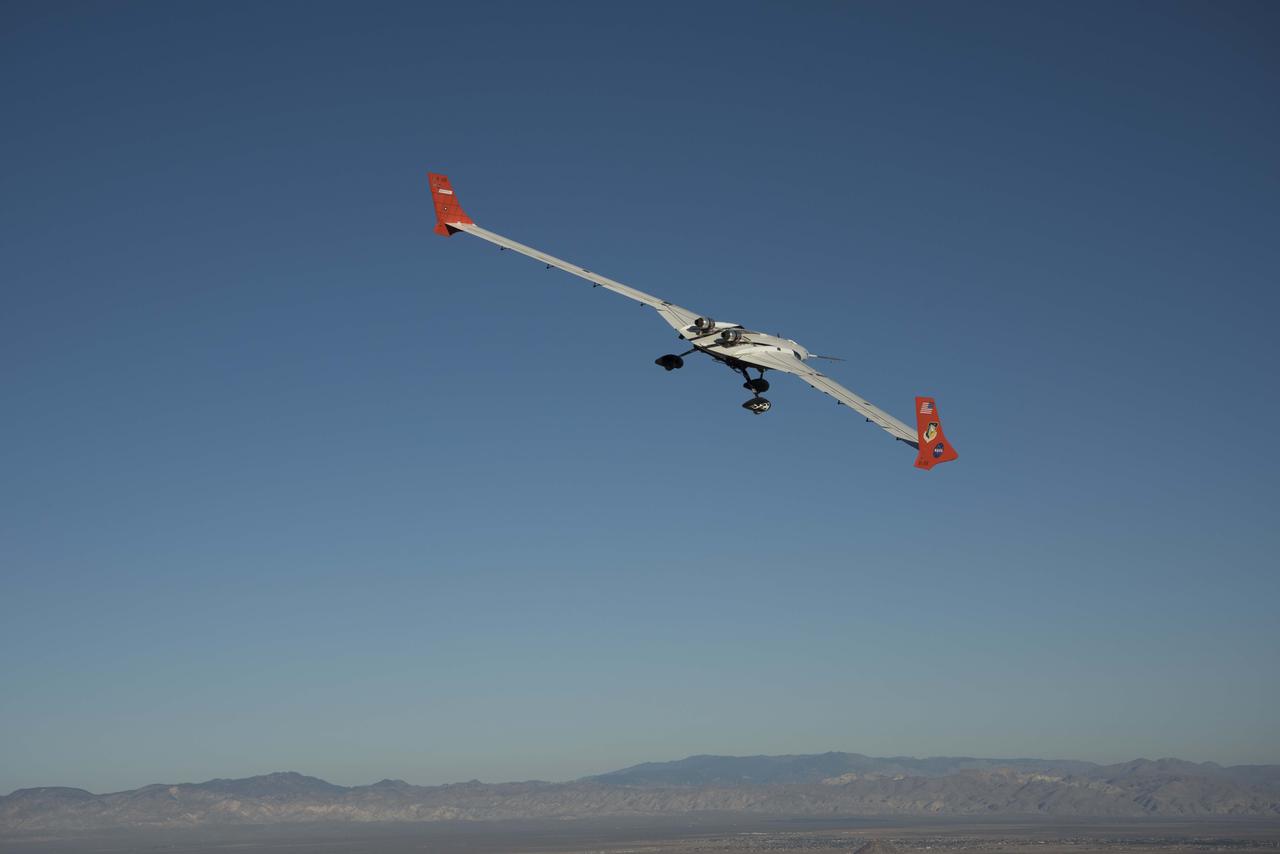
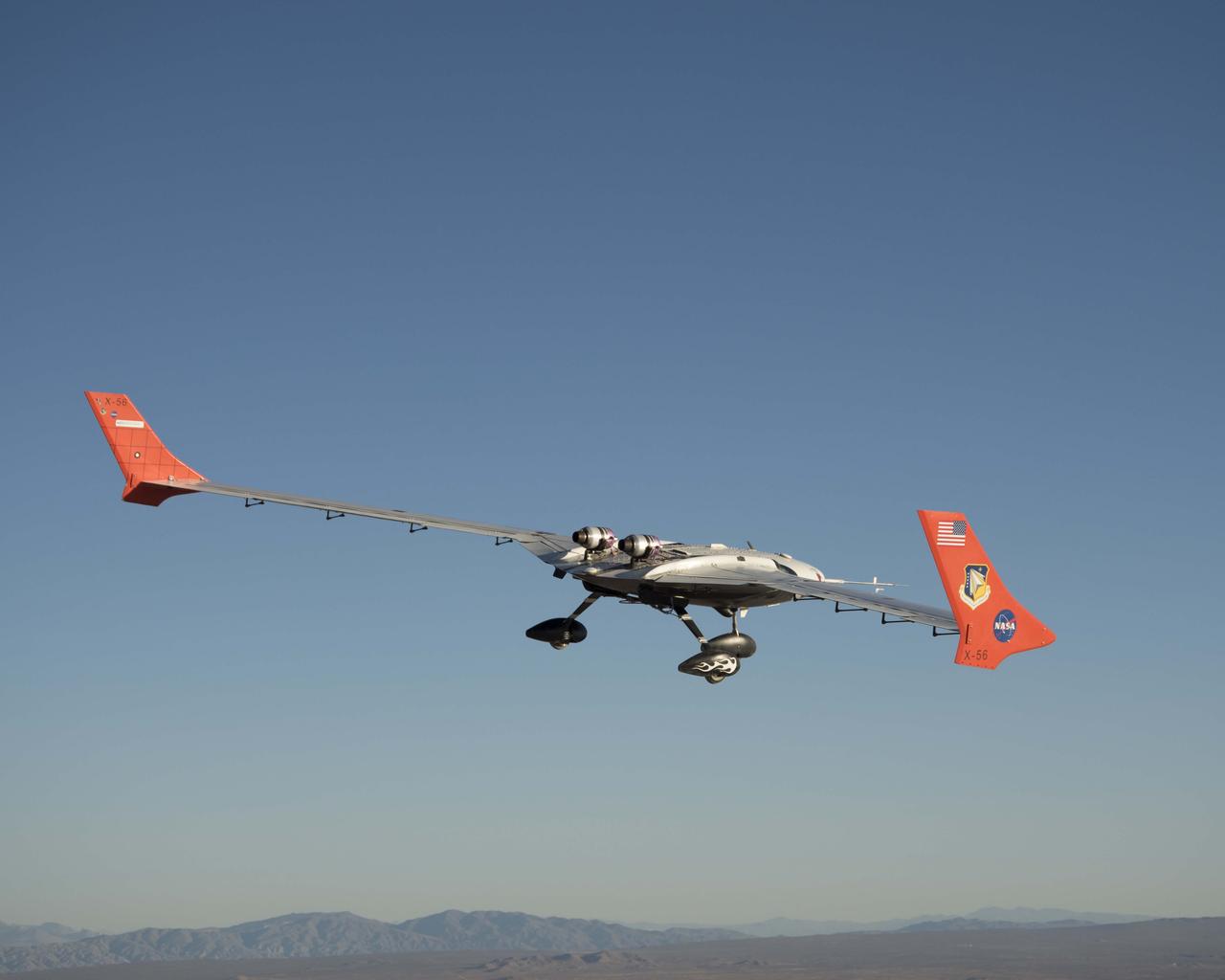
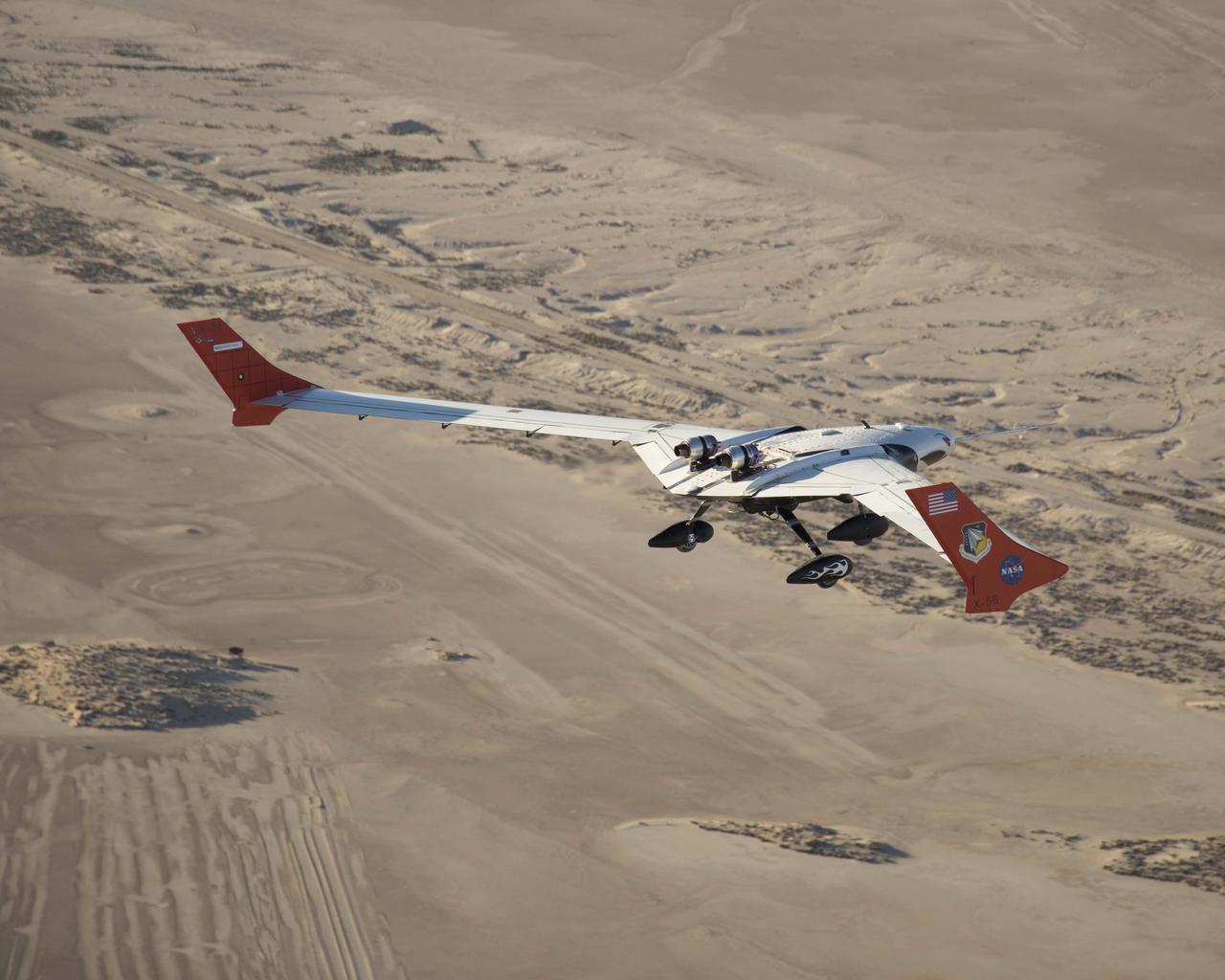
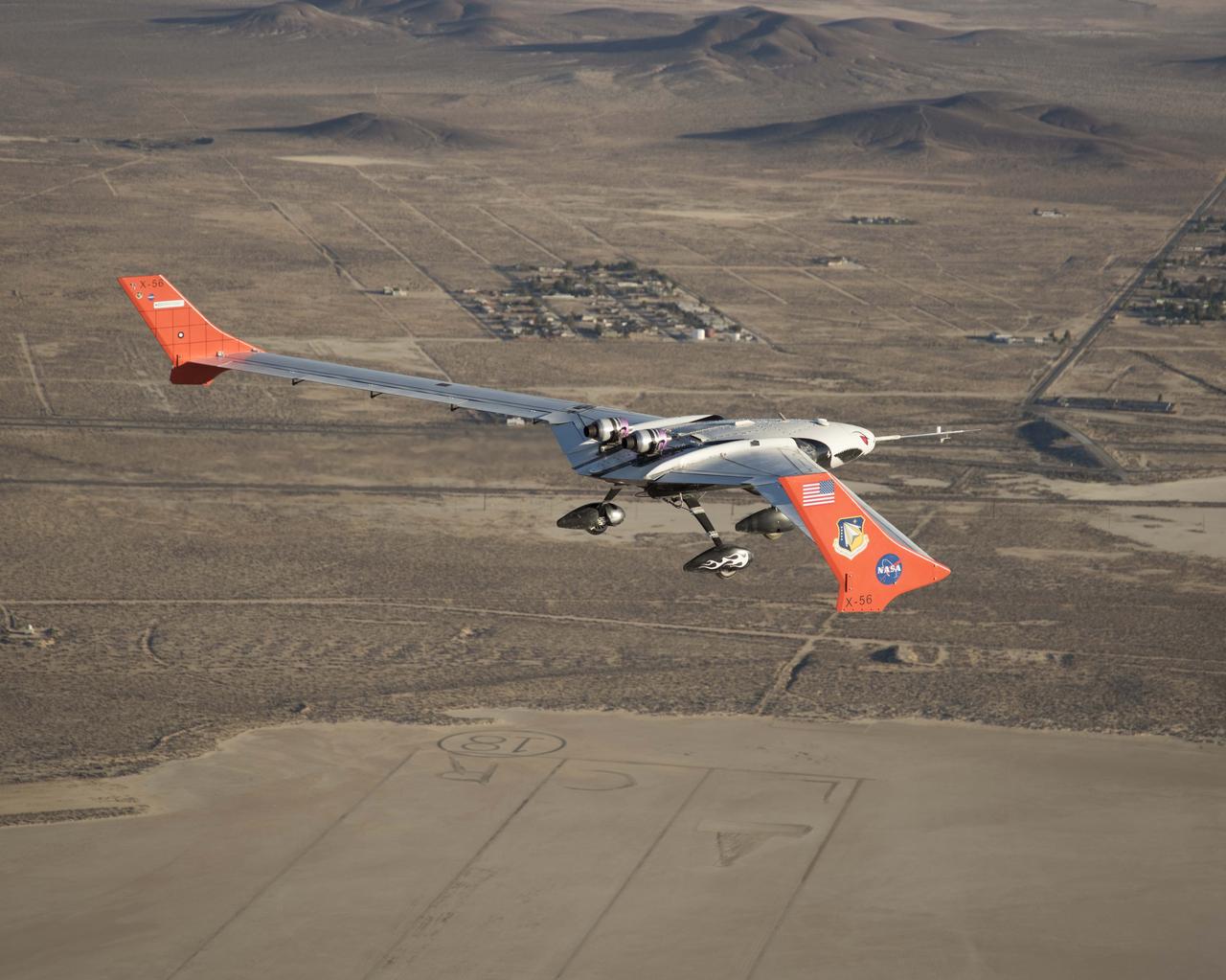
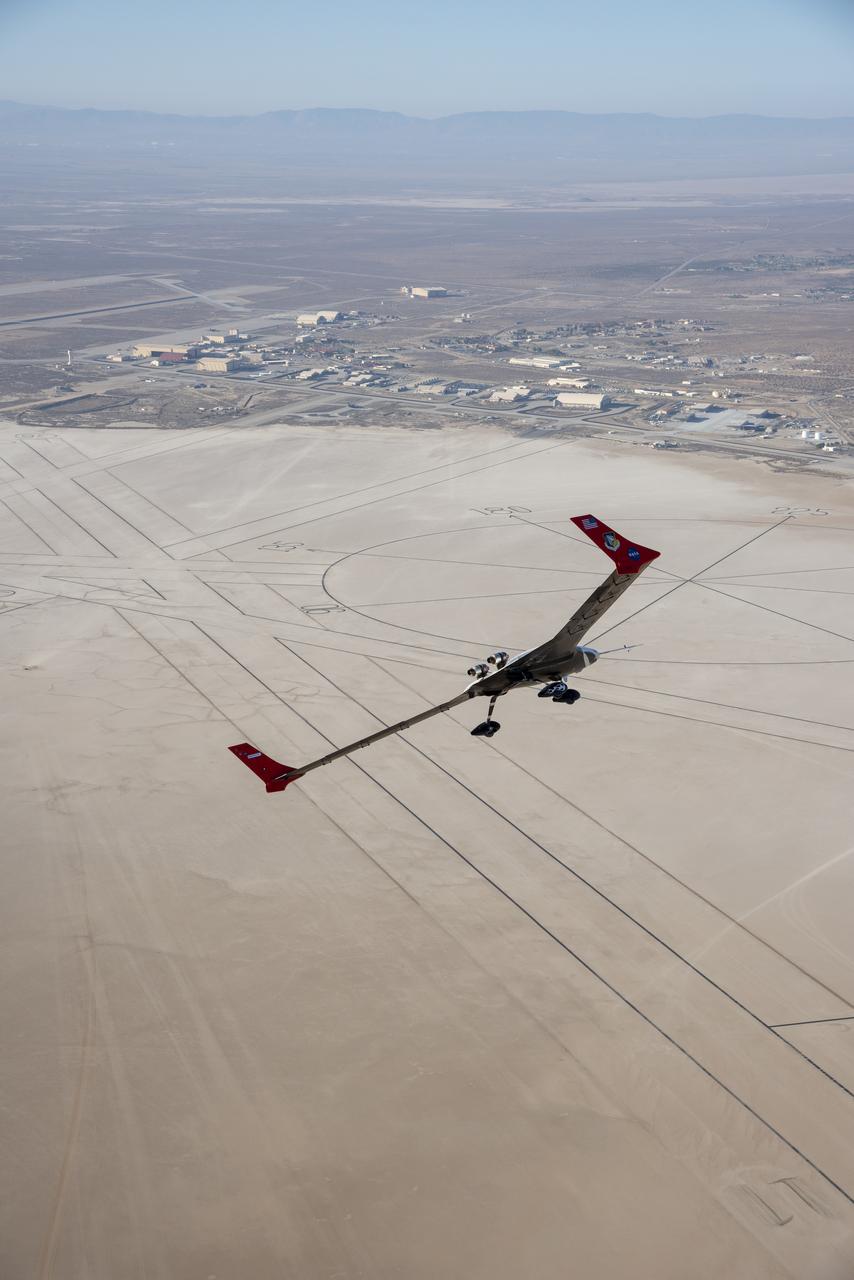
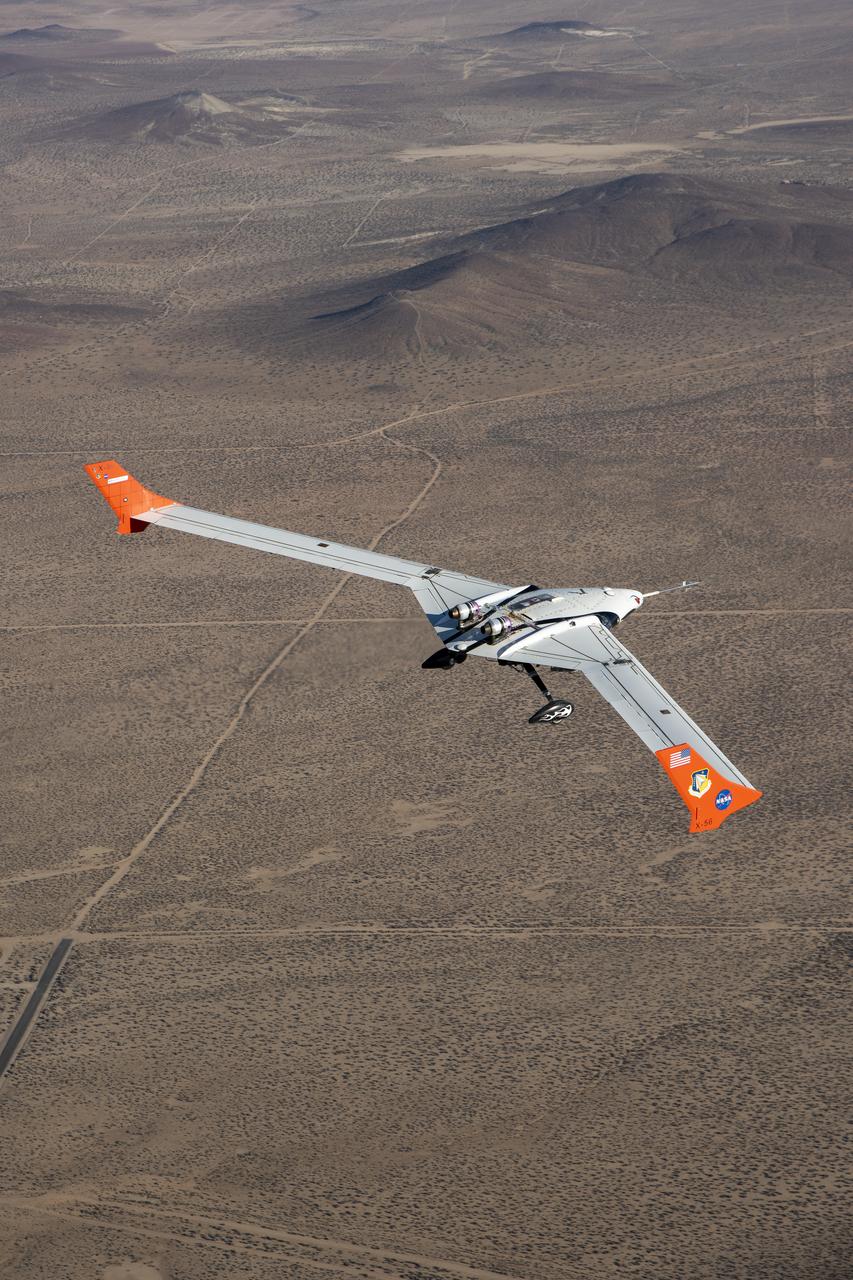
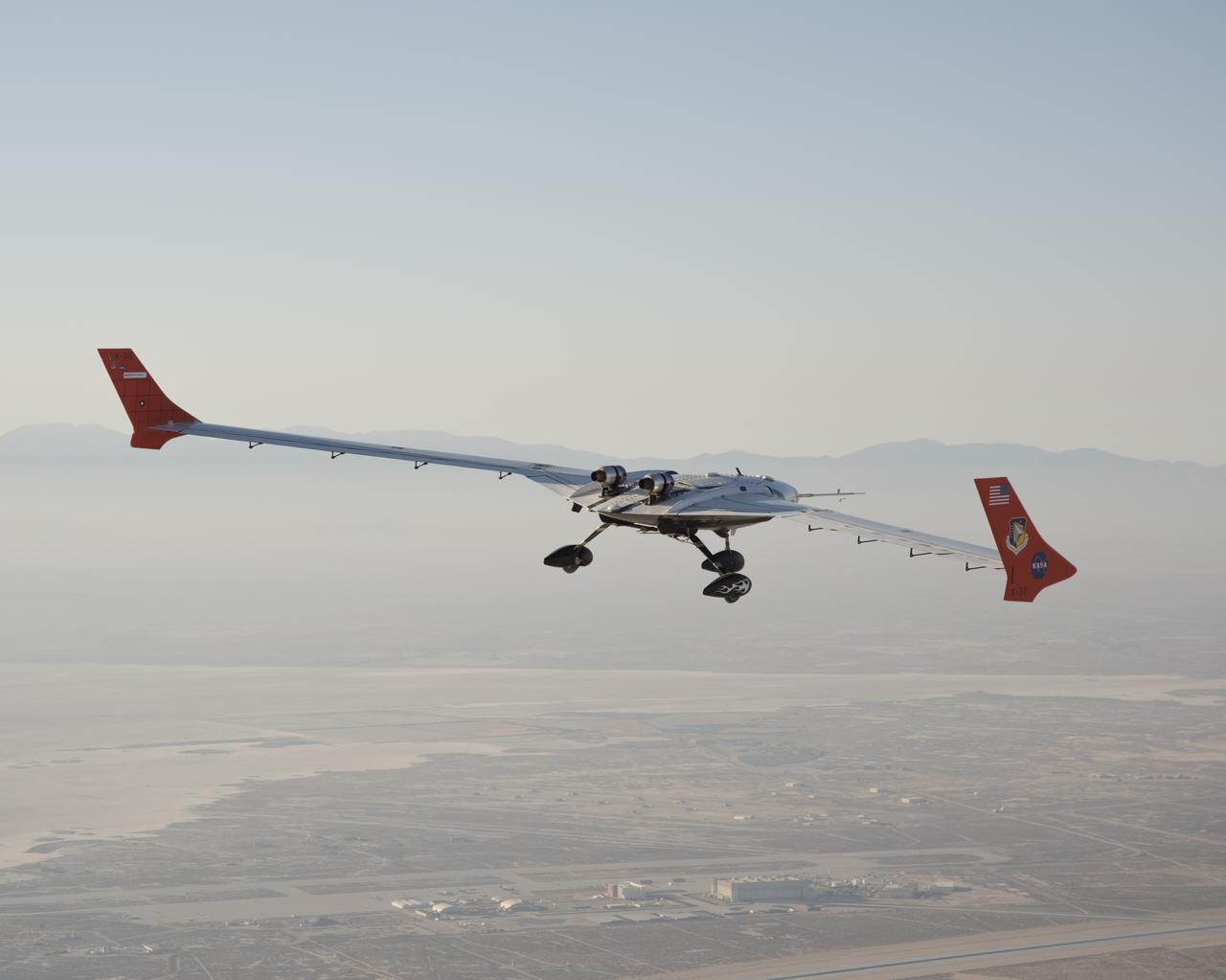
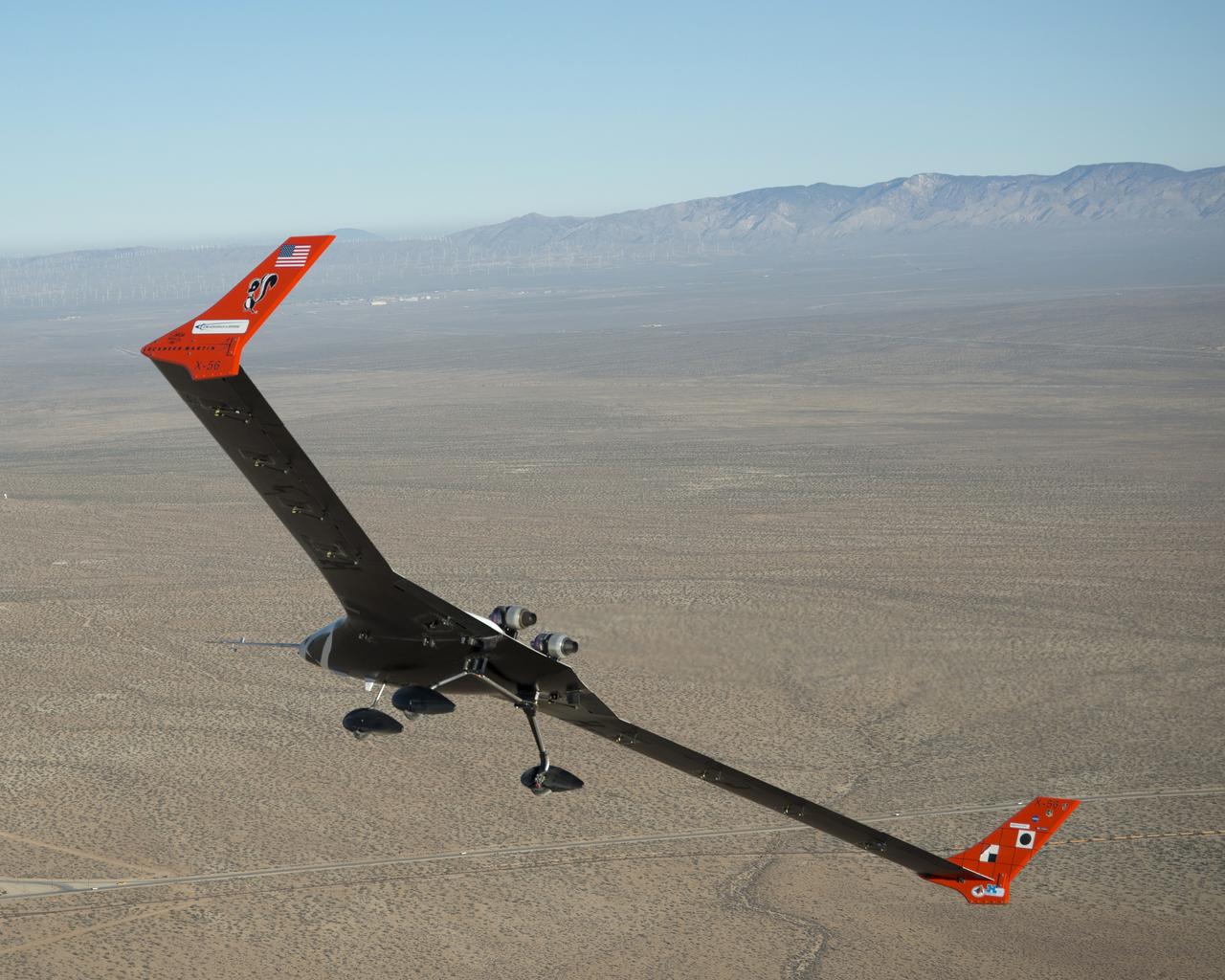
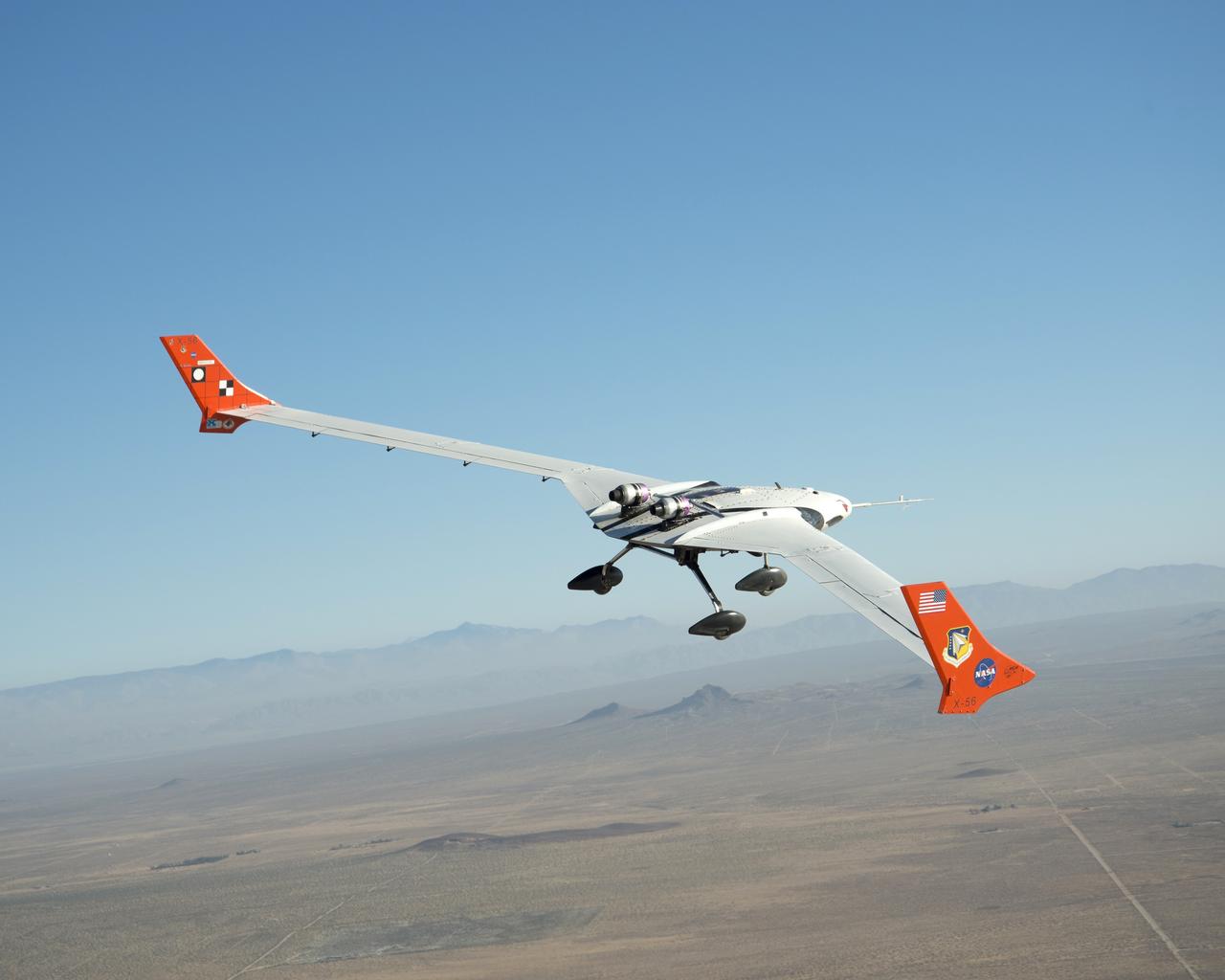
NASA researchers are using the X-56A, a low-cost, modular, remotely piloted aerial vehicle, to explore the behavior of lightweight, flexible aircraft structures.
Second X-56A MUTT Makes First Flight
The X-56A flies a mission Oct. 18, 2018.
X-56A Flights Continue
The X-56A flies a mission Oct. 18, 2018.
X-56A Flights Continue
The X-56A flies a mission Oct. 18, 2018.
X-56A Flights Continue
The X-56A flies a mission Oct. 18, 2018.
X-56A Flights Continue
Cheng Moua, X-56A project manager, prepares for an X-56A mission in the control room.
X-56A Has a Busy Control Room
The X-56A flies a mission Oct. 23, 2018.
X-56A Advances Toward Milestones
The X-56A flies a mission Oct. 23, 2018.
X-56A Advances Toward Milestones
The X-56A flies a mission Oct. 23, 2018.
X-56A Advances Toward Milestones
The X-56A flies a mission Oct. 23, 2018.
X-56A Advances Toward Milestones
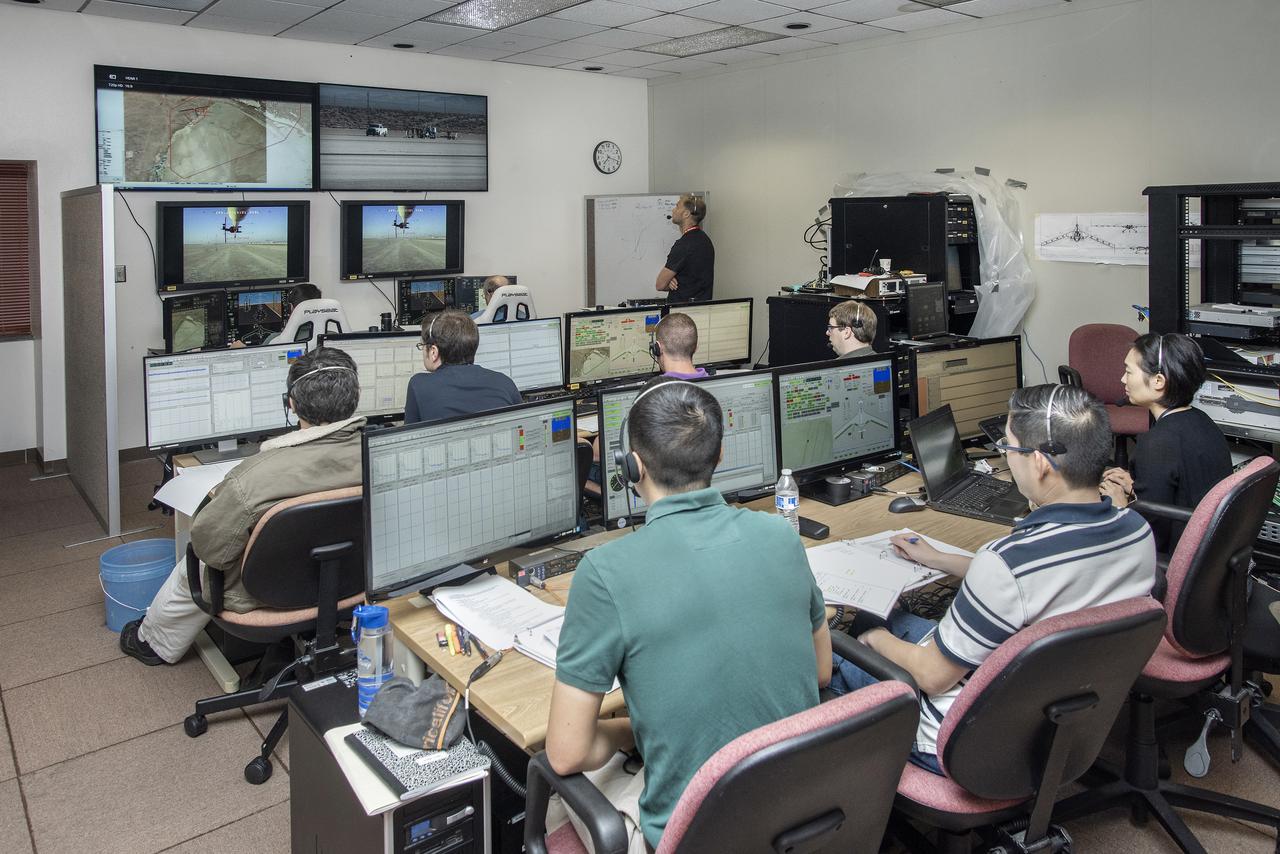
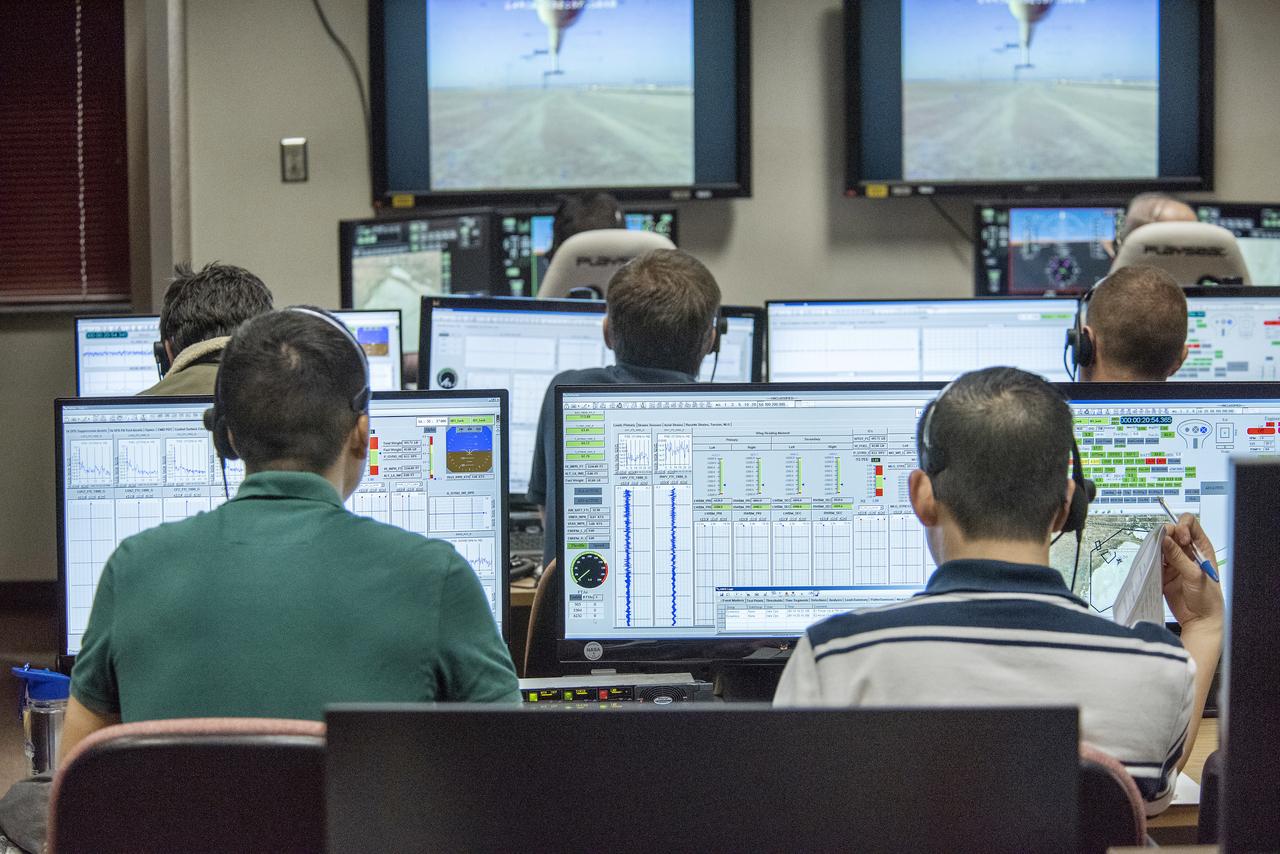
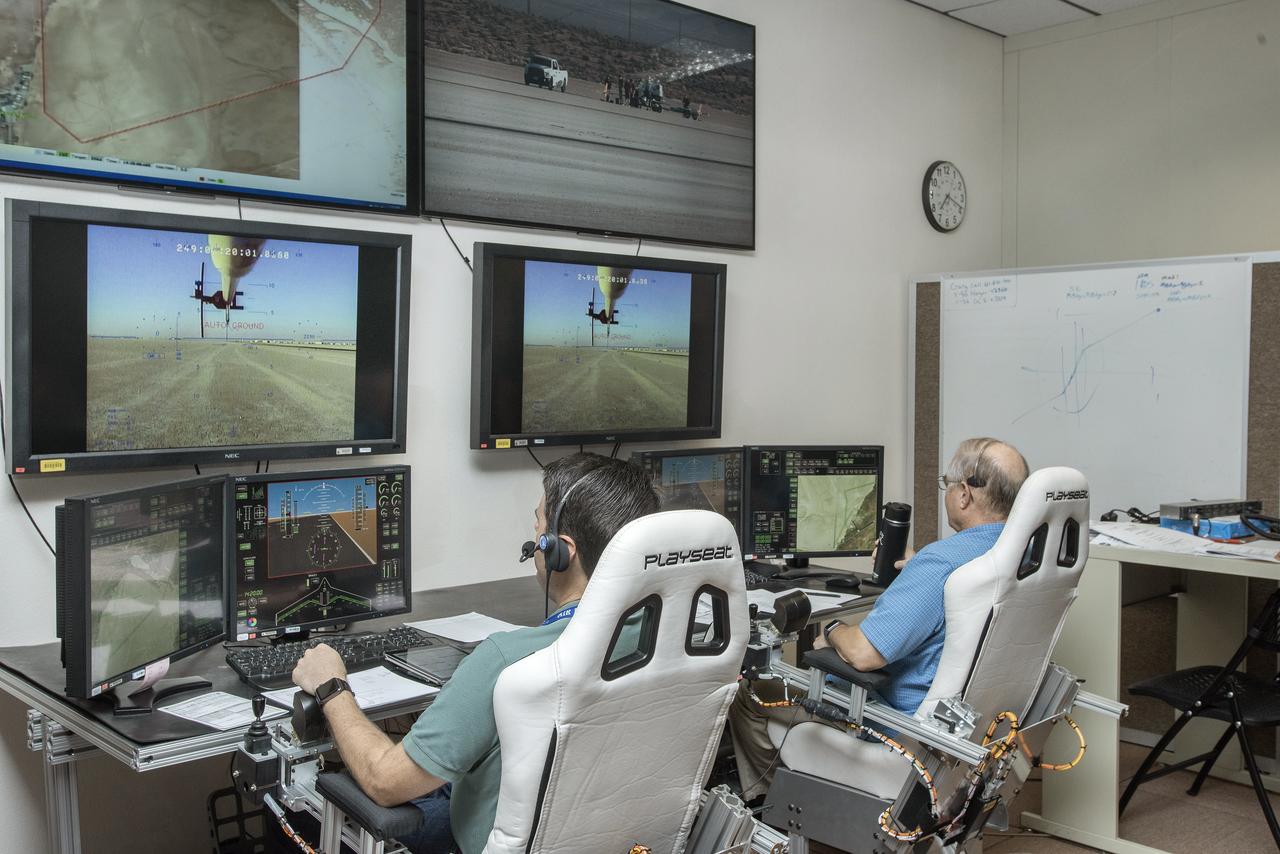
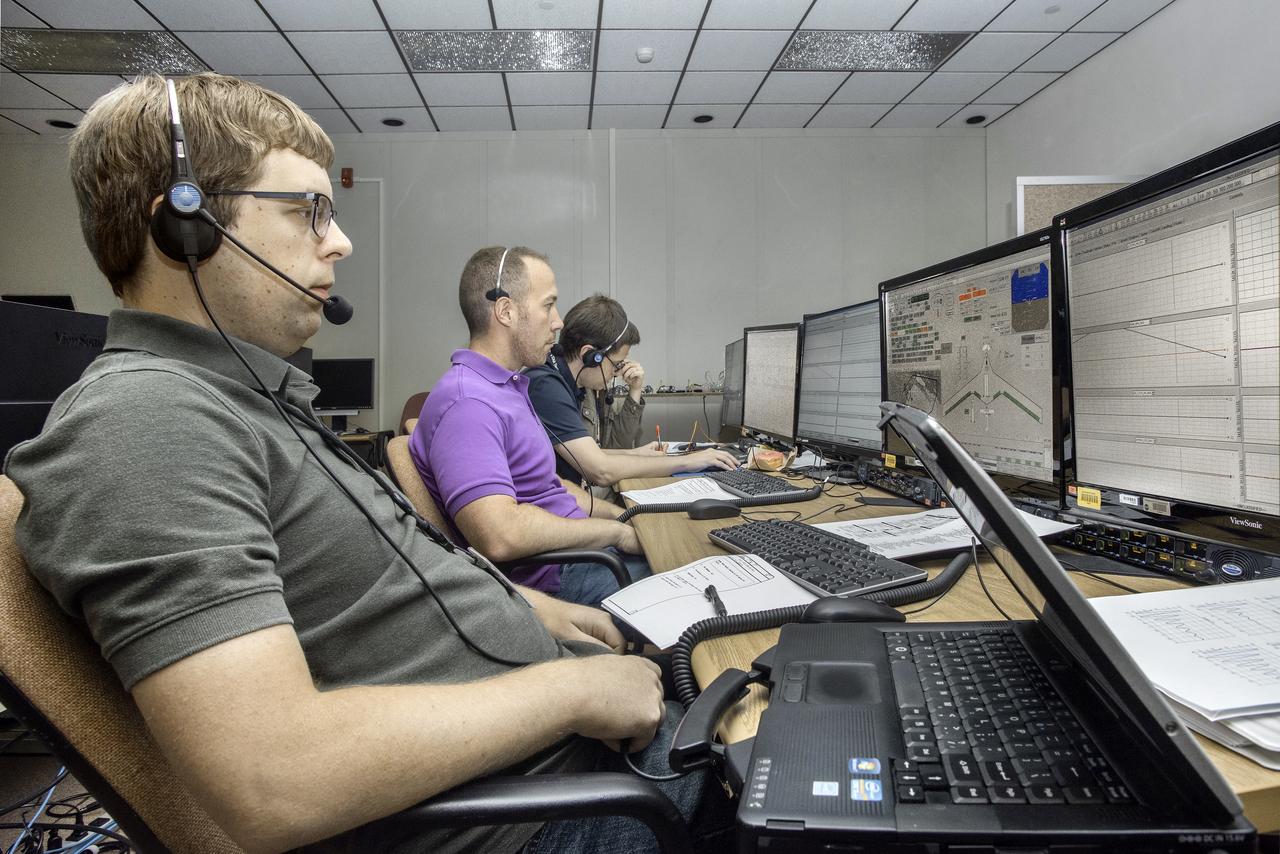
The control room for the remotely piloted X-56A has a feature that most do not – the pilot and co-pilot are in the front of the room, seen at left. The X-56A team has successfully suppressed flutter, which is a potentially destructive oscillation, with a classical and a modern controller. The controllers are essentially mathematical ways of directing the aircraft.
X-56A Control Room is Uncommon
Peter Suh and Jeff Ouellette complete preflight checks of the remotely piloted X-56A.
X-56A Has a Busy Control Room
The X-56A flies a research flight in the skies above Edwards Air Force Base.
X-56A Has a Busy Control Room
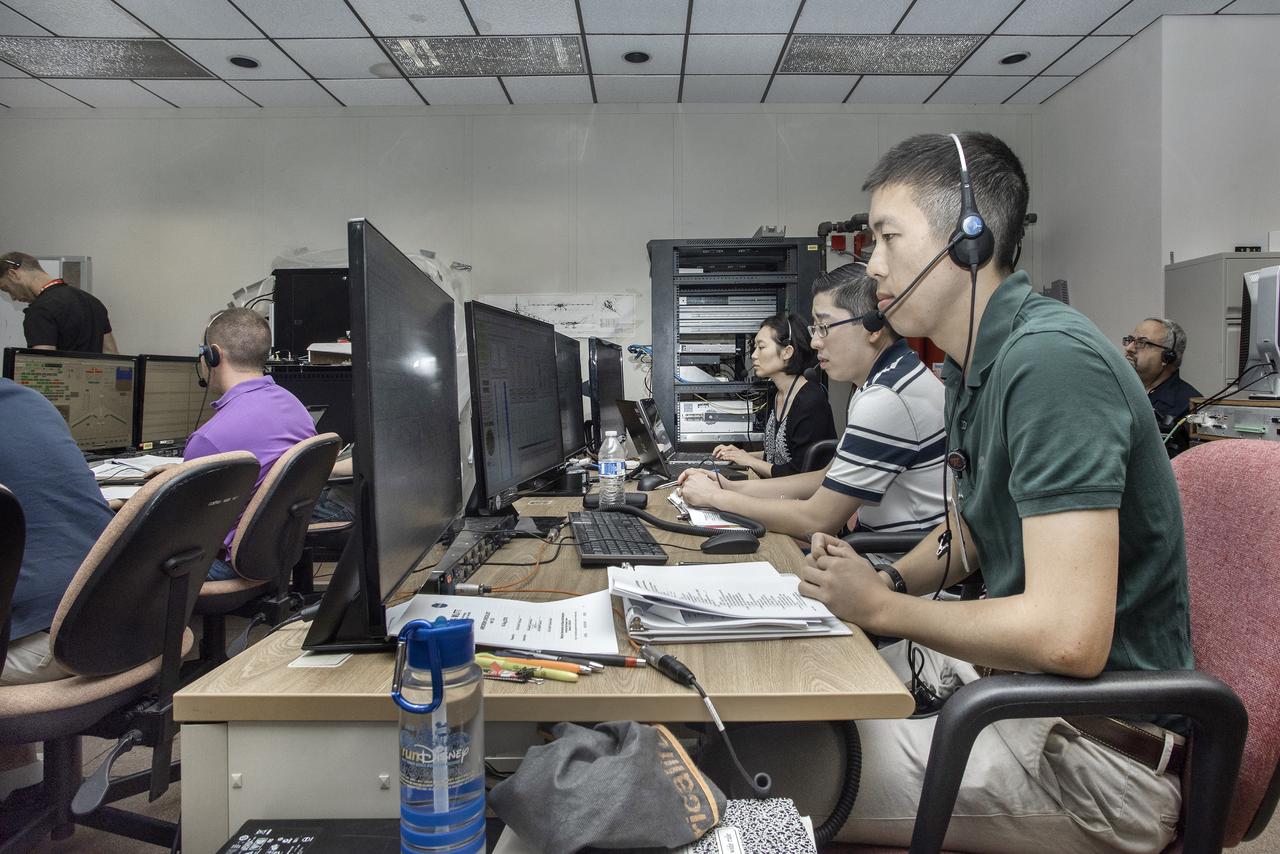
Alex Chin, Samson Truong and Mei Franz prepare for a flight of the remotely piloted X-56A
X-56A Has a Busy Control Room
The X-56A flies a research flight in the skies above Edwards Air Force Base.
X-56A Has a Busy Control Room
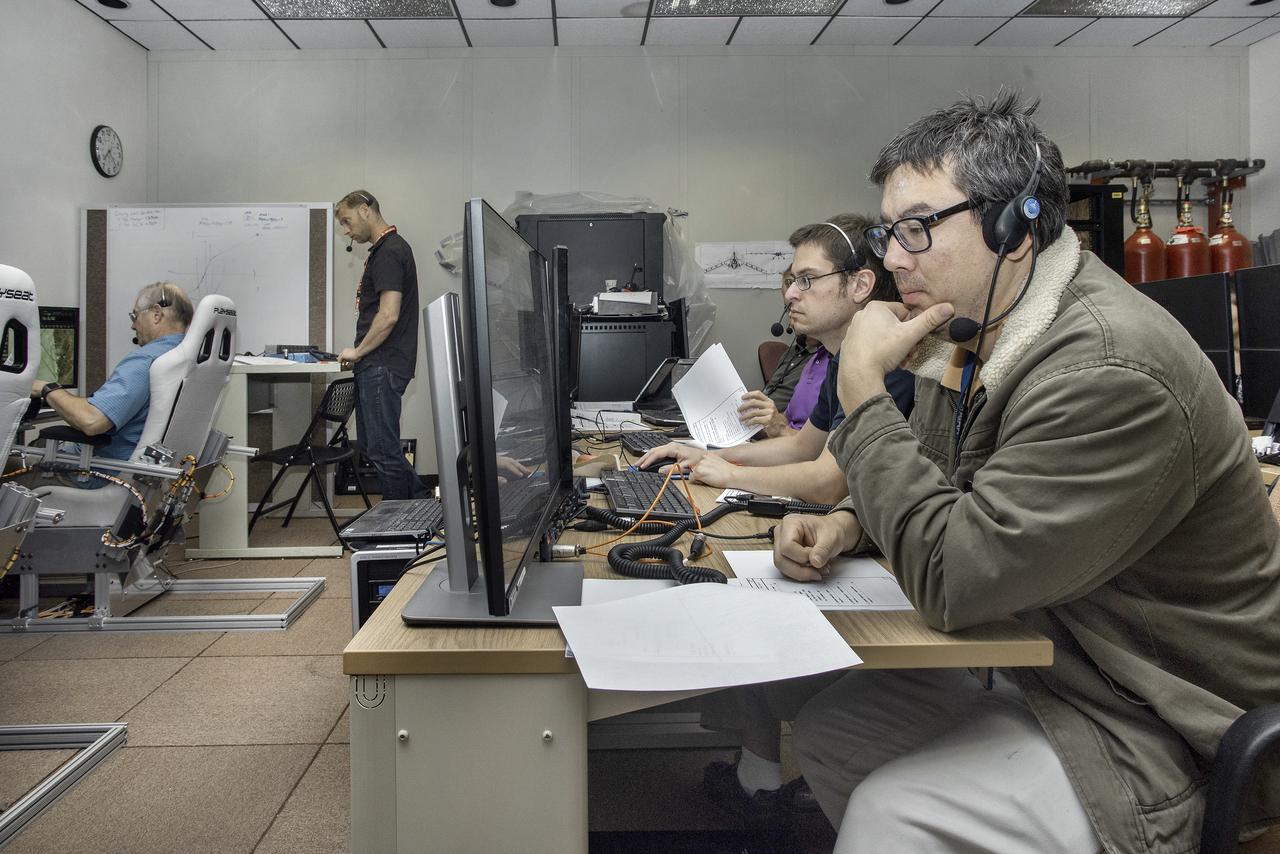
The X-56A has a busy control room with about a dozen people contributing to a mission.
X-56A Has a Busy Control Room
Mai Franz, Samson Truong and Alex Chin continue preparations for flight of the remotely piloted X-56A.
X-56A Has a Busy Control Room
Scott Howe, X-56A chief pilot, and Dana Purifoy, co-pilot, complete preflight checks from a ground cockpit in the control room.
X-56A Has a Busy Control Room
The X-56A flies over the desert near NASA Armstrong Flight Research Center, Edwards, California.  NASA researchers are using the remotely piloted X-56A to explore the behavior of lightweight, flexible aircraft structures.
ED15-0241-05
The X-56A flies over the desert near NASA Armstrong Flight Research Center, Edwards, California.  NASA researchers are using the remotely piloted X-56A to explore the behavior of lightweight, flexible aircraft structures.
ED15-0241-21
Jake Schaefer, left, looks over control information on a monitor in front of him for the X-56A before flight. Next to him are Matt Boucher, Jeff Ouellette and Peter Suh.
X-56A Has a Busy Control Room
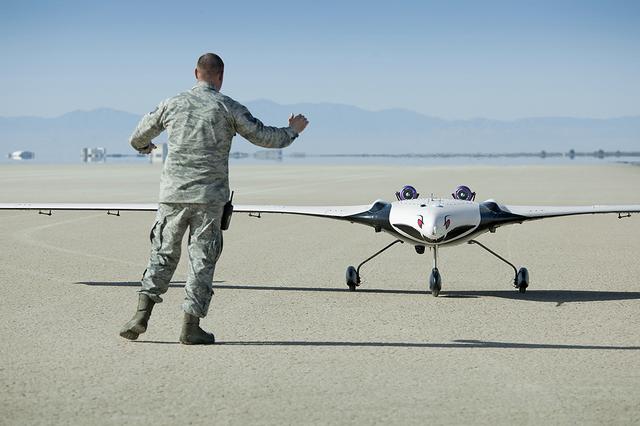
The X-56A Multi-Utility Technology Testbed (MUTT) is greeted on an Edwards Air Force Base runway by a U.S. Air Force Research Laboratory (AFRL) team member. NASA’s Armstrong Flight Research Center and the AFRL, along with participants from Langley Research Center and Glenn Research Center, and support from Lockheed Martin, are using the second X-56A (dubbed “Buckeye”) to check out aircraft systems, evaluate handling qualities, characterize and expand the airplane’s performance envelope, and verify pre-flight predictions regarding aircraft behavior. The 20-minute flight marked the beginning of a research effort designed to yield significant advances in aeroservoelastic technology using a low-cost, modular, remotely piloted aerial vehicle.
ED15-0104-78
Long, thin, high-aspect-ratio wings are considered crucial to the design of future long-range aircraft, including fuel-efficient airliners and cargo transports. Unlike the short, stiff wings found on most aircraft today, slender, flexible airfoils are susceptible to uncontrollable vibrations, known as flutter, and may be stressed by bending forces from wind gusts and atmospheric turbulence. To improve ride quality, efficiency, safety, and the long-term health of flexible aircraft structures, NASA is using the X-56A Multi-Utility Technology Testbed (MUTT) to investigate key technologies for active flutter suppression and gust-load alleviation.
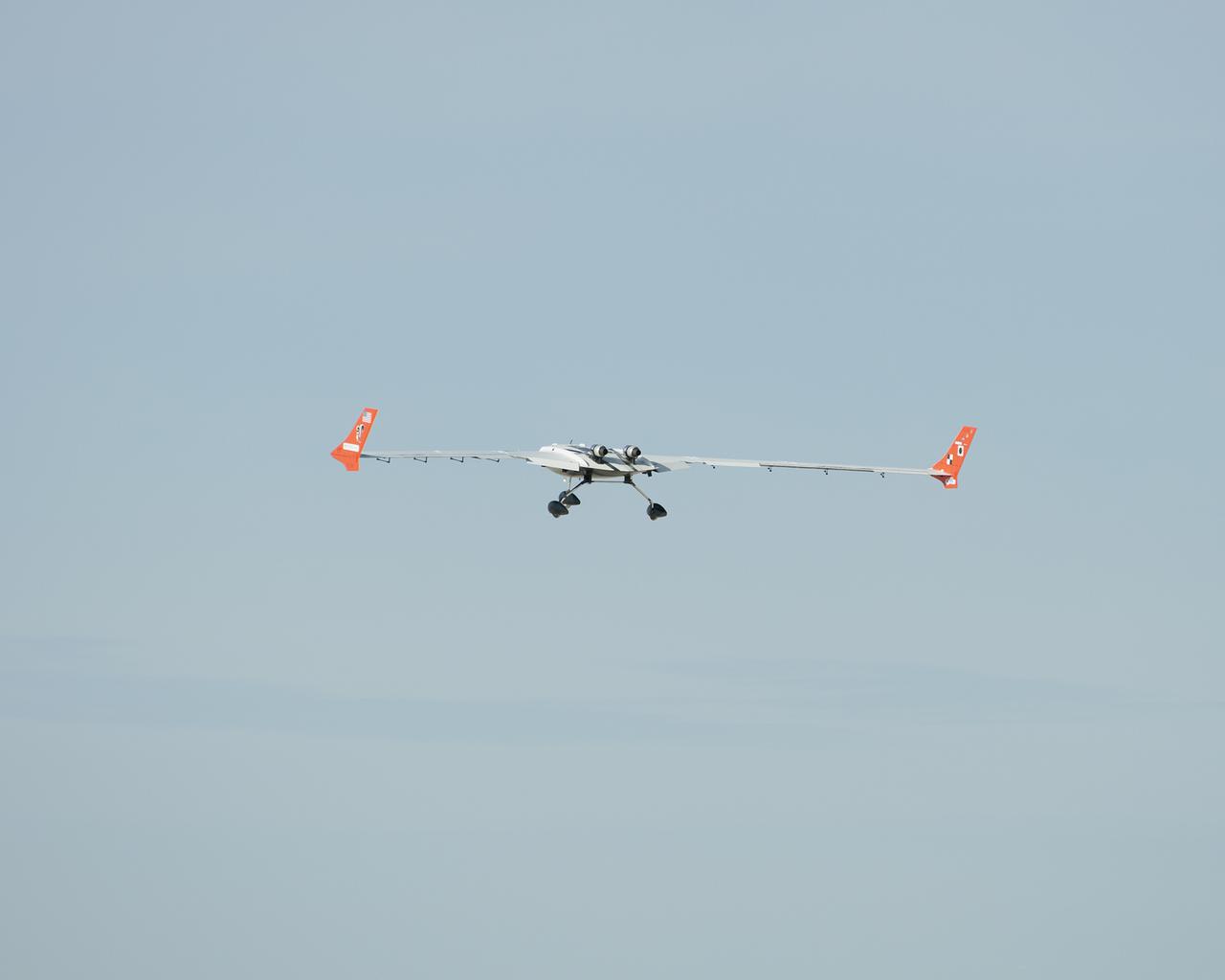
ED13-0325-025
Chris Miller, who was test conductor on this X-56 A flight, prepares for the start of the mission.
X-56A Has a Busy Control Room
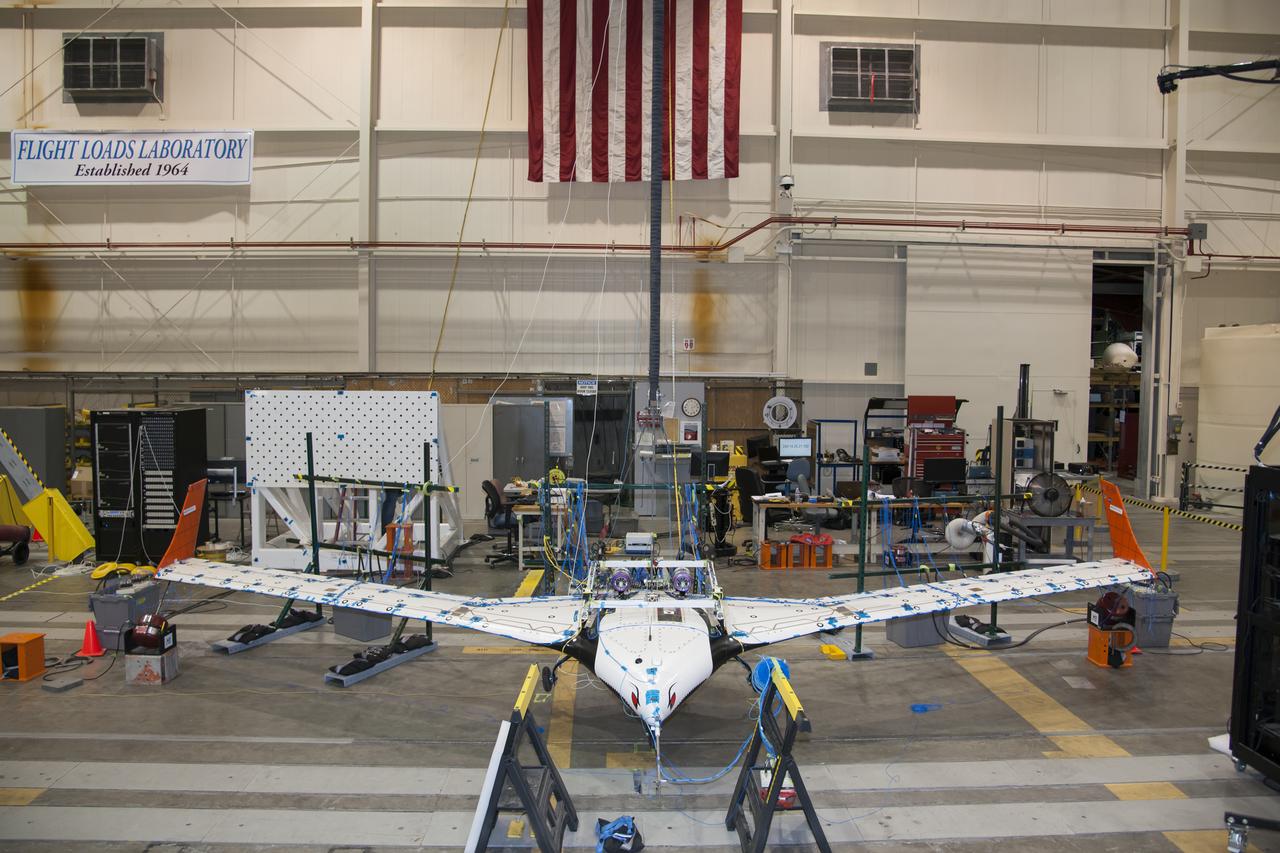
The X-56 Multi-Utility Technology Testbed (MUTT) undergoes ground vibration tests in Armstrong's Flight Loads Laboratory.
AFRC2016-0258-123
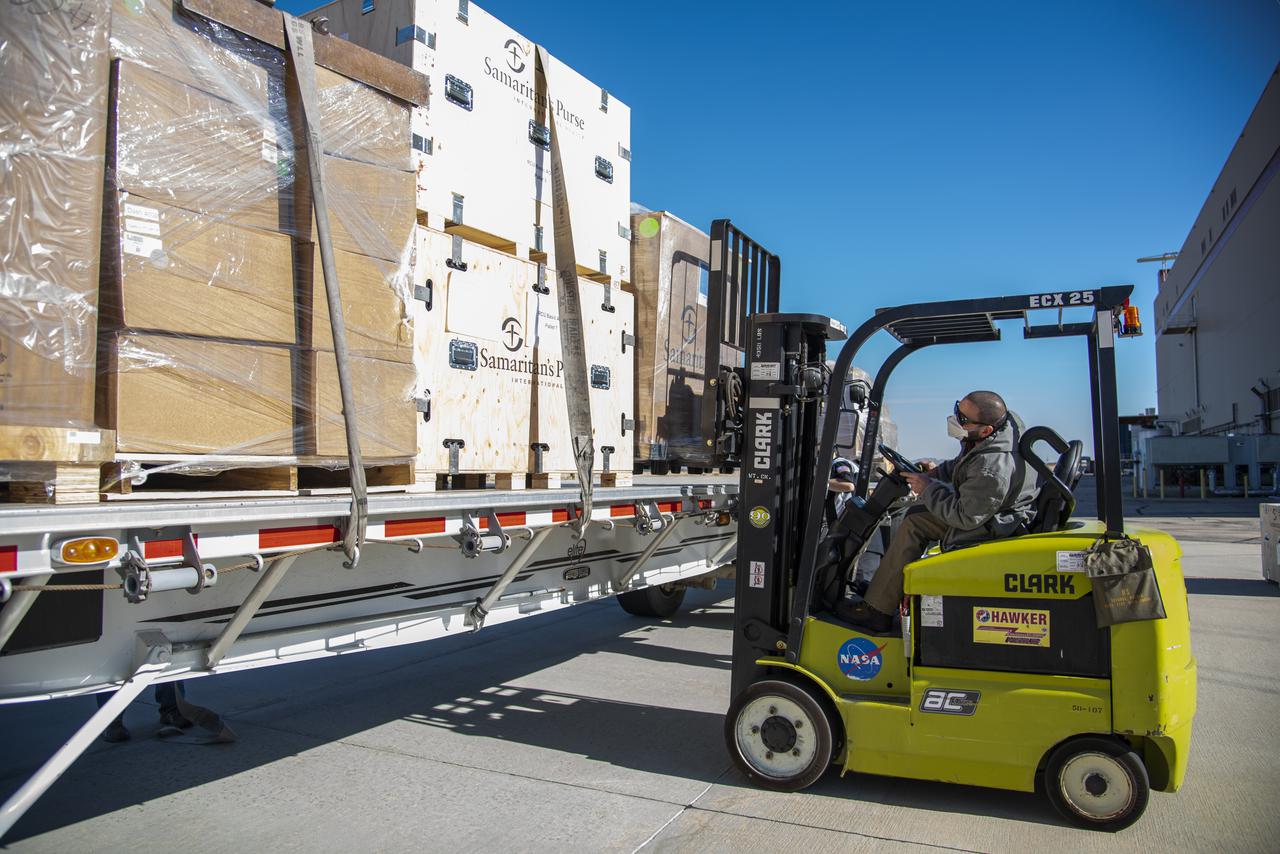
Marlon Espinoza uses a forklift at NASA's Armstrong Flight Research Center Building 703 in Palmdale, California, to assist in Samaritan Purse's COVID-19 aid work. The supplies were unloaded from a DC-8 and loaded onto a truck.
NASA Armstrong Supports Samaritan Purse's COVID-19 Aid Work
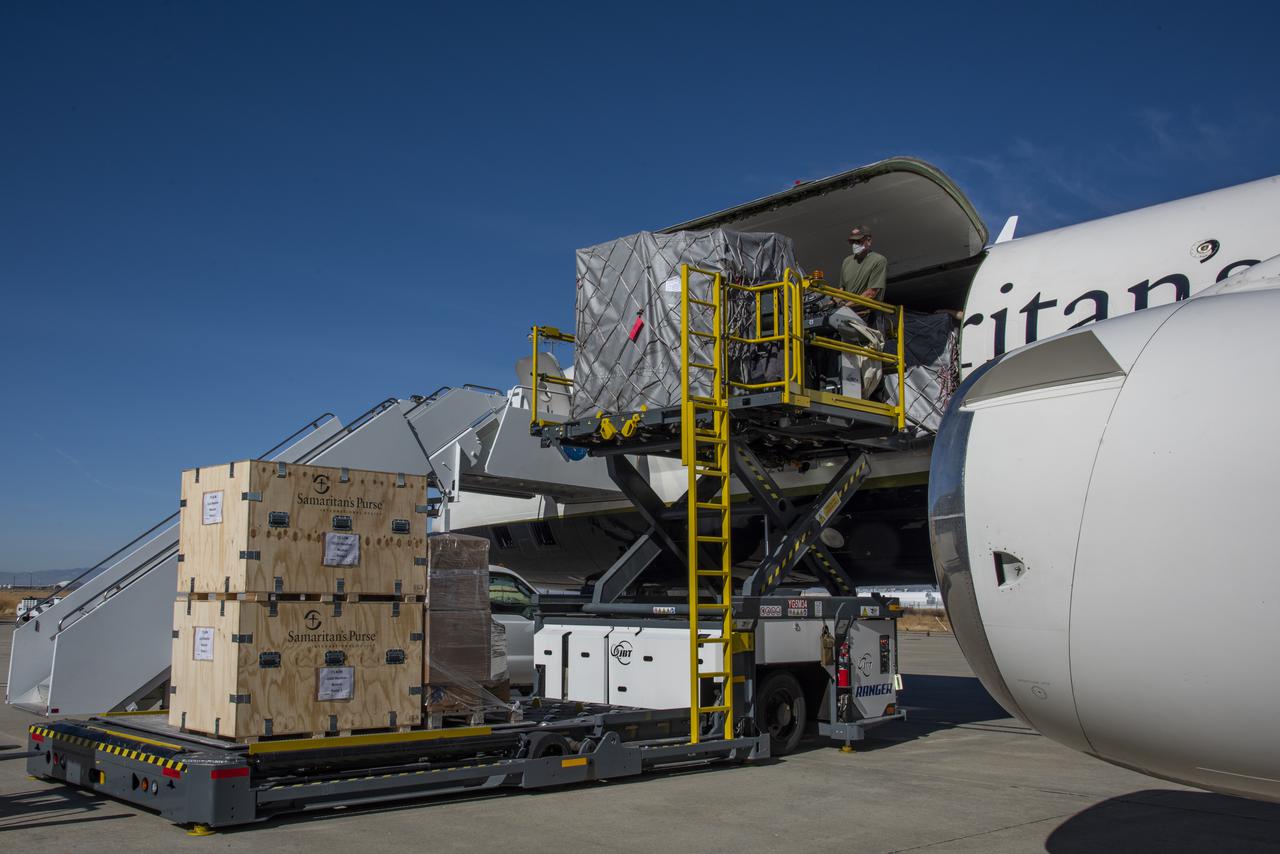
Samaritan Purse landed its DC-8 at NASA's Armstrong Flight Research Center Building 703 in Palmdale, California, to deliver supplies needed to meet the demands of the COVID-19 pandemic. NASA Armstrong personnel assisted in unloading the aircraft.
NASA Armstrong Supports Samaritan Purse's COVID-19 Aid Work