
NASA's Hyper-x Program Manager, Vince Rausch talks about the upcoming launch of the X43A vehicle over the Pacific Ocean later this month from his office at NASA Langley Research Center in Hampton, VA. Hyper X is a high risk, high payoff program. The flight of the X43 A will demonstrated in flight for the first time, air breathing hypersonic propulsion technology. (Photo by Jeff Caplan)
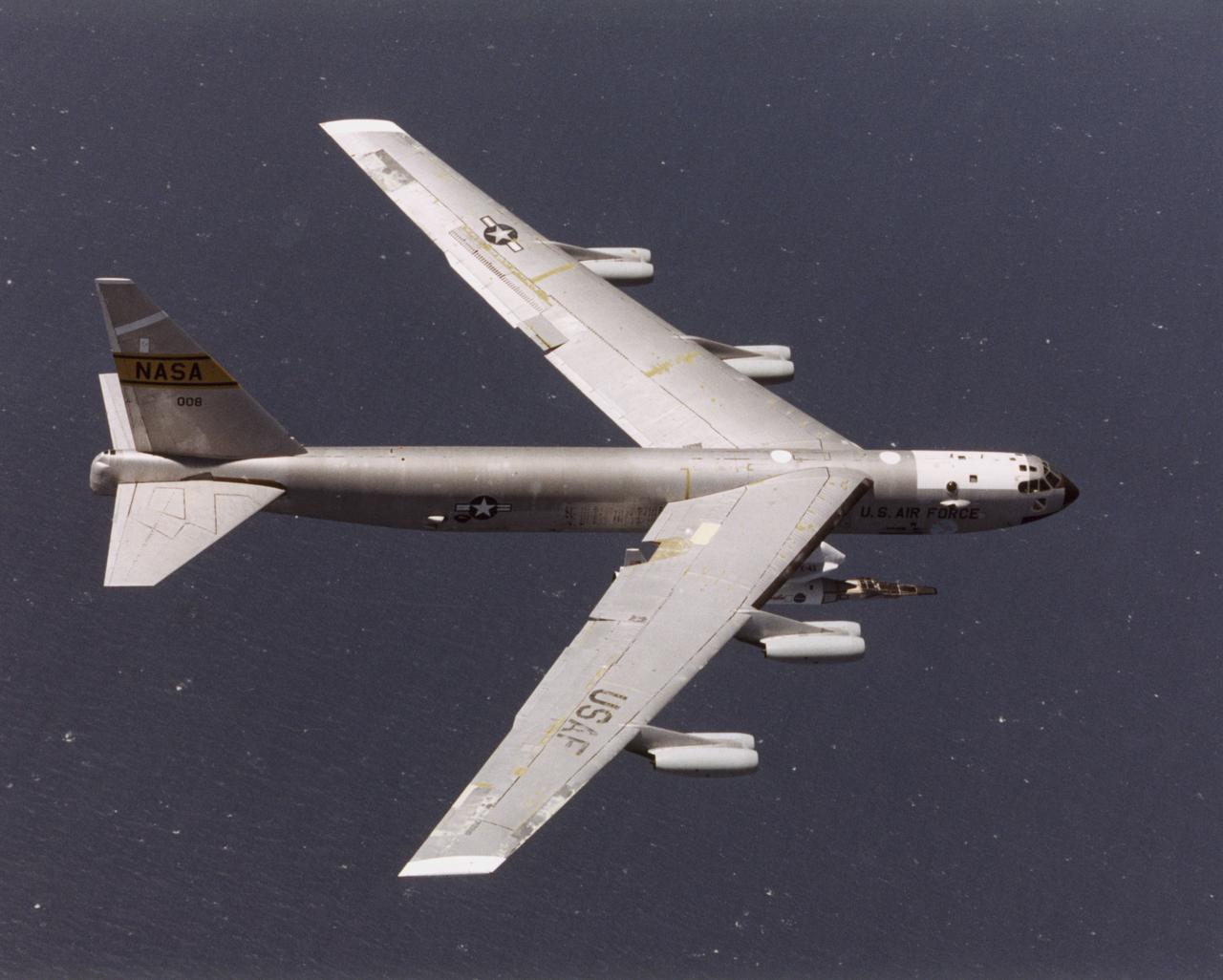
The NASA X-43A hypersonic research vehicle and its Pegasus booster rocket, mounted beneath the wing of their B-52 mothership, had a successful first captive-carry flight on April 28, 2001, Basically a dress rehearsal for a subsequent free flight, the captive-carry flight kept the X-43A-and-Pegasus combination attached to the B-52's wing pylon throughout the almost two-hour mission from NASA's Dryden Flight Research Center, Edwards, Calif., over the Pacific Missile Test Range, and back to Dryden.
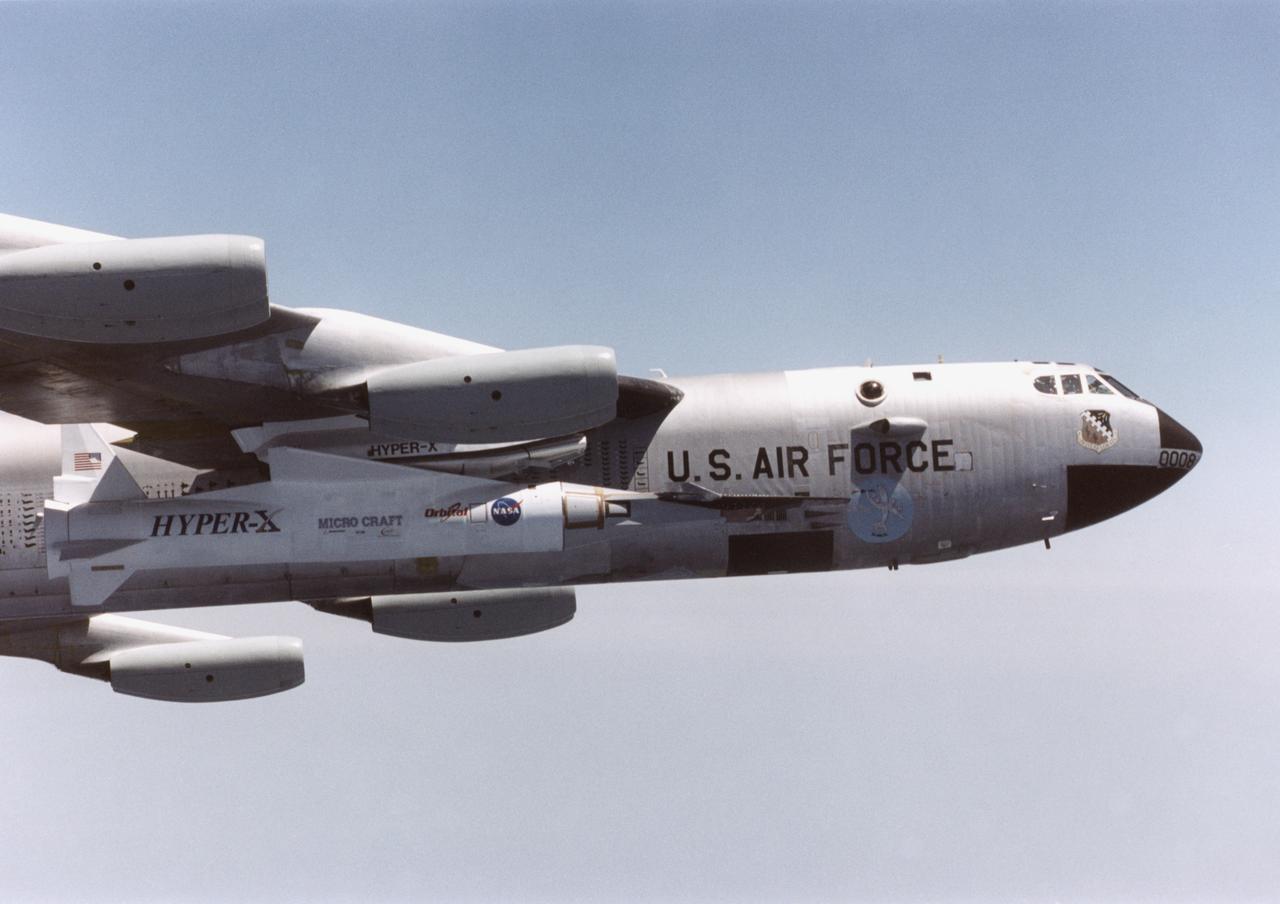
The NASA X-43A hypersonic research vehicle and its Pegasus booster rocket, mounted beneath the wing of their B-52 mothership, had a successful first captive-carry flight on April 28, 2001, Basically a dress rehearsal for a subsequent free flight, the captive-carry flight kept the X-43A-and-Pegasus combination attached to the B-52's wing pylon throughout the almost two-hour mission from NASA's Dryden Flight Research Center, Edwards, Calif., over the Pacific Missile Test Range, and back to Dryden.
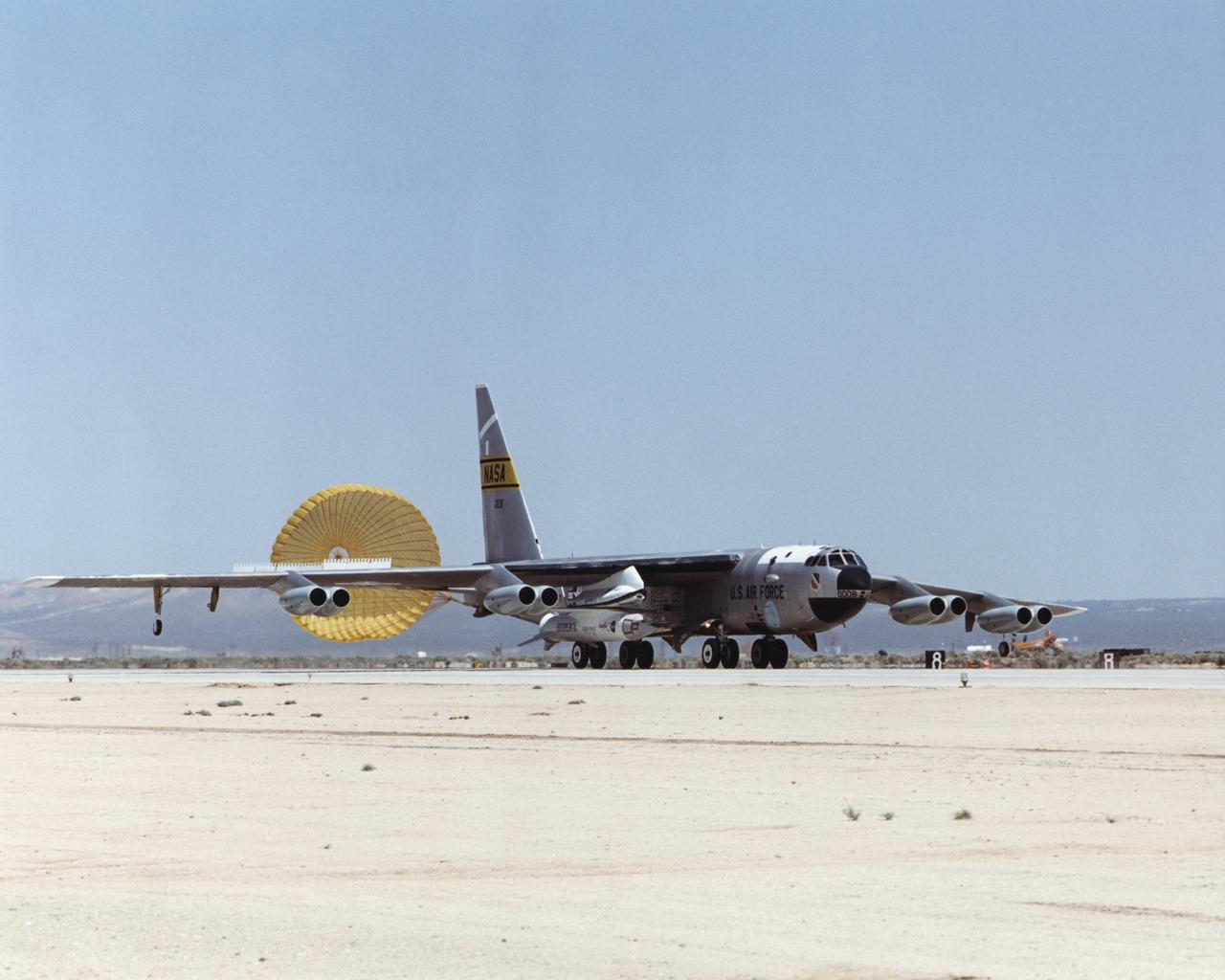
The NASA X-43A hypersonic research vehicle and its Pegasus booster rocket, mounted beneath the wing of their B-52 mothership, had a successful first captive-carry flight on April 28, 2001, Basically a dress rehearsal for a subsequent free flight, the captive-carry flight kept the X-43A-and-Pegasus combination attached to the B-52's wing pylon throughout the almost two-hour mission from NASA's Dryden Flight Research Center, Edwards, Calif., over the Pacific Missile Test Range, and back to Dryden.
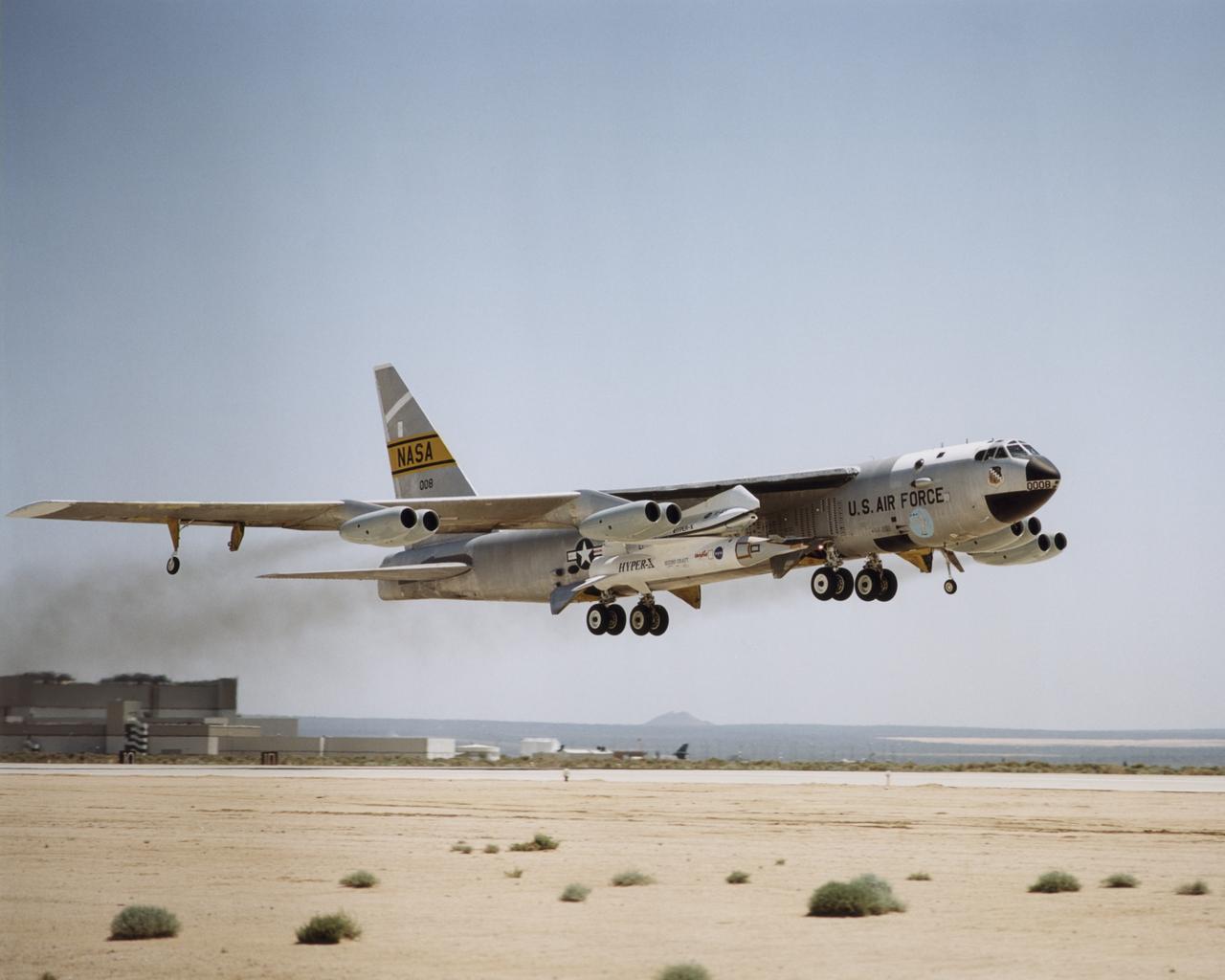
The NASA X-43A hypersonic research vehicle and its Pegasus booster rocket, mounted beneath the wing of their B-52 mothership, had a successful first captive-carry flight on April 28, 2001, Basically a dress rehearsal for a subsequent free flight, the captive-carry flight kept the X-43A-and-Pegasus combination attached to the B-52's wing pylon throughout the almost two-hour mission from NASA's Dryden Flight Research Center, Edwards, Calif., over the Pacific Missile Test Range, and back to Dryden.