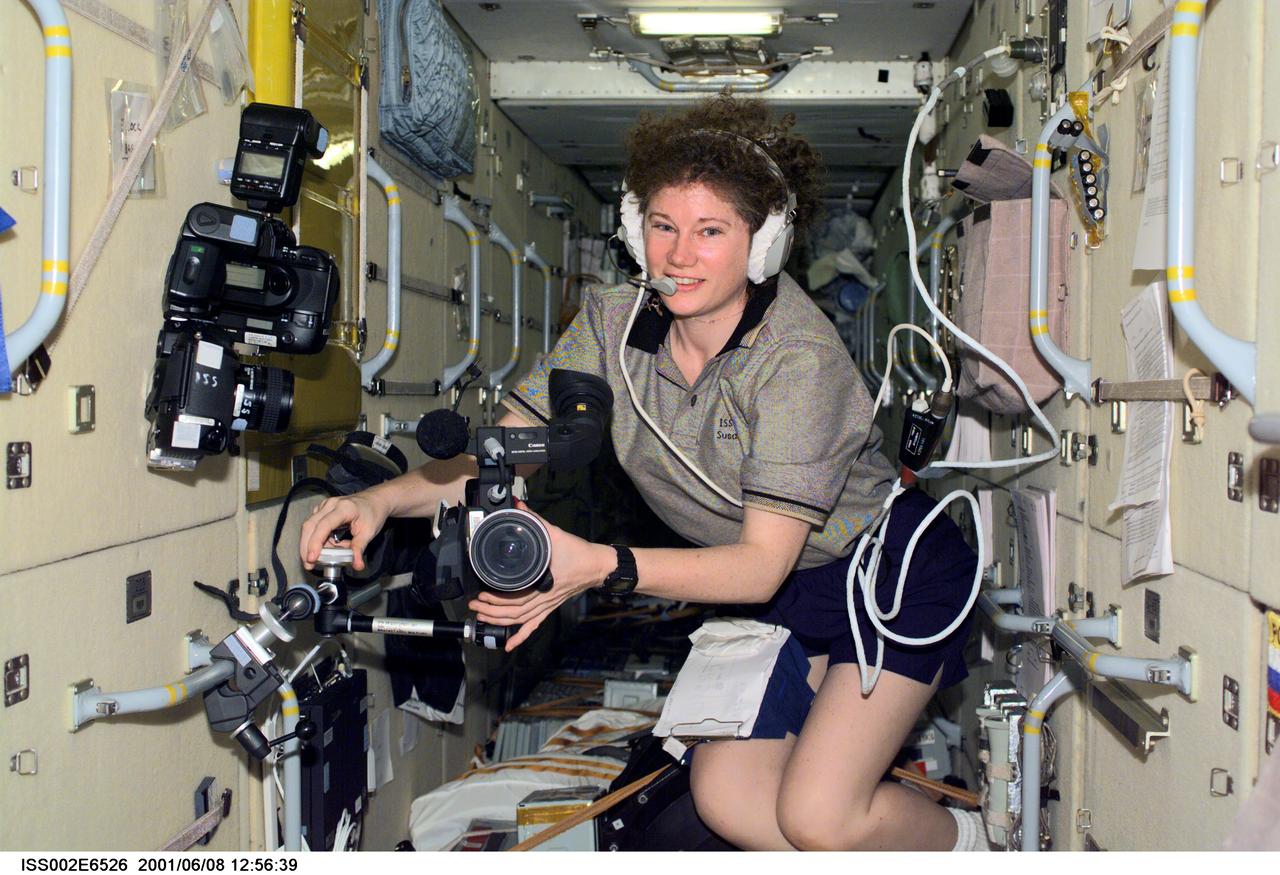
ISS002-E-6526 (8 June 2001) --- Astronaut Susan J. Helms, Expedition Two flight engineer, mounts a video camera onto a bracket in the Zarya or Functional Cargo Block (FGB) of the International Space Station (ISS). The image was recorded with a digital still camera. Alternate NASA ID of 0202499.
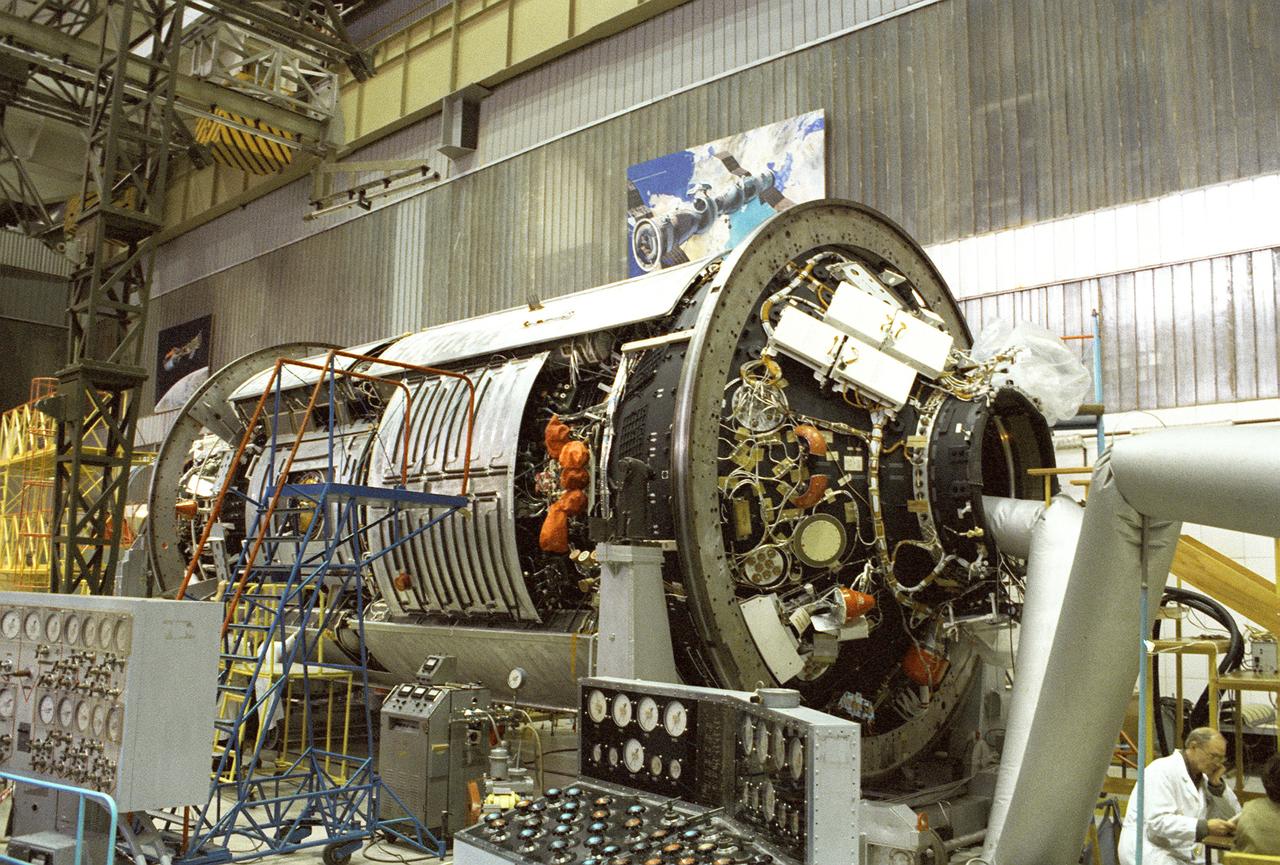
In this photograph, Russians are working on the aft portion of the United States-funded, Russian-built Functional Cargo Bay (FGB) also known as Zarya (Russian for sunrise). Built at Khrunichev, the FGB began pre-launch testing shortly after this photo was taken. Launched by a Russian Proton rocket from the Baikonu Cosmodrome on November 20, 1998, Zarya was the first element of the International Space Station (ISS) followed by the U.S. Unity Node. The aft docking mechanism, Pirs, on the far right with ventilation ducting rurning through it, will be docked with the third Station element, the Russian Service Module, or Zvezda.
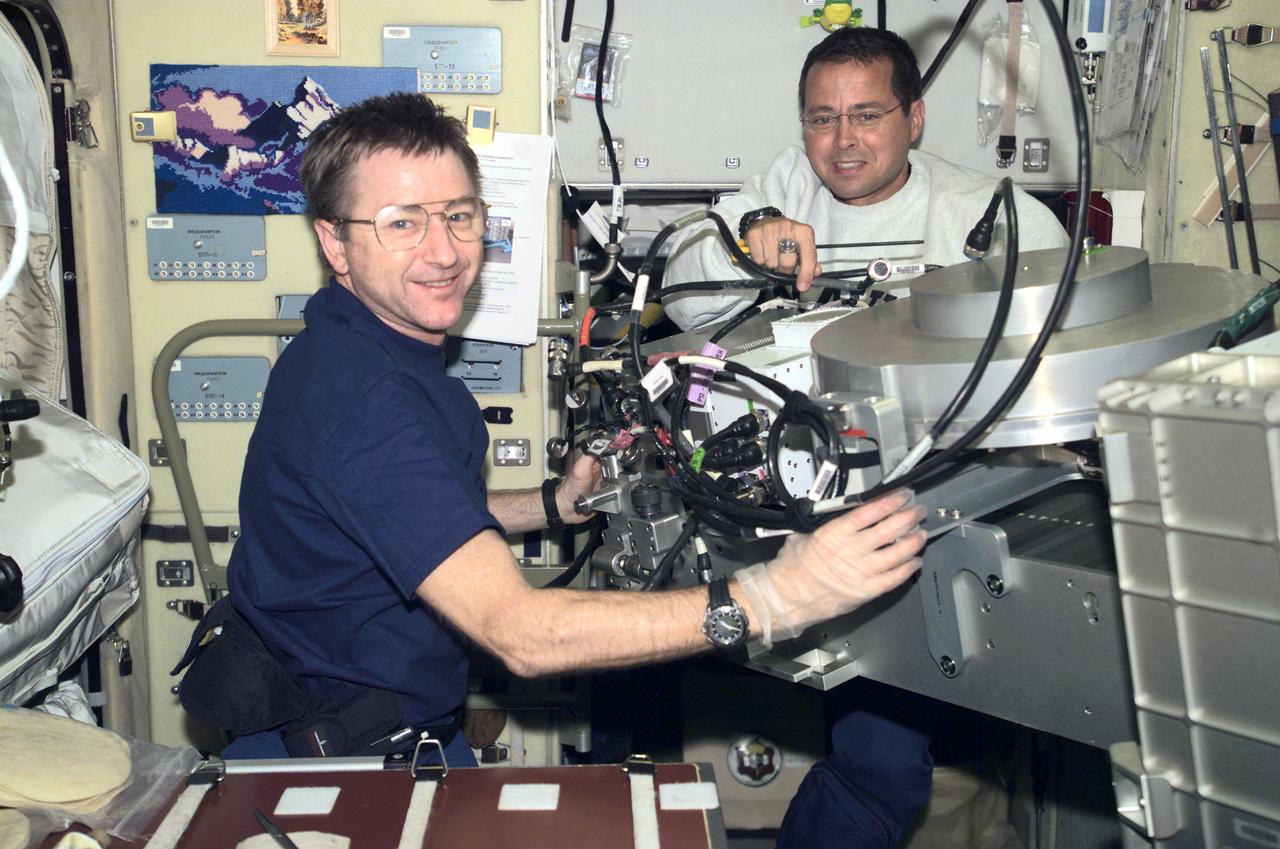
Astronauts Frank L. Culbertson, Jr. (left), Expedition Three mission commander, and Daniel W. Bursch, Expedition Four flight engineer, work in the Russian Zvezda Service Module on the International Space Station (ISS). Zvezda is linked to the Russian built Functional Cargo Block (FGB), or Zarya, the first component of the ISS. Zarya was launched on a Russian Proton rocket prior to the launch of Unity. The third component of the ISS, Zvezda (Russian word for star), the primary Russian contribution to the ISS, was launched by a three-stage Proton rocket on July 12, 2000. Zvezda serves as the cornerstone for early human habitation of the Station, providing living quarters, a life support system, electrical power distribution, a data processing system, a flight control system, and a propulsion system. It also provides a communications system that includes remote command capabilities from ground flight controllers. The 42,000 pound module measures 43 feet in length and has a wing span of 98 feet. Similar in layout to the core module of Russia's Mir space station, it contains 3 pressurized compartments and 13 windows that allow ultimate viewing of Earth and space.
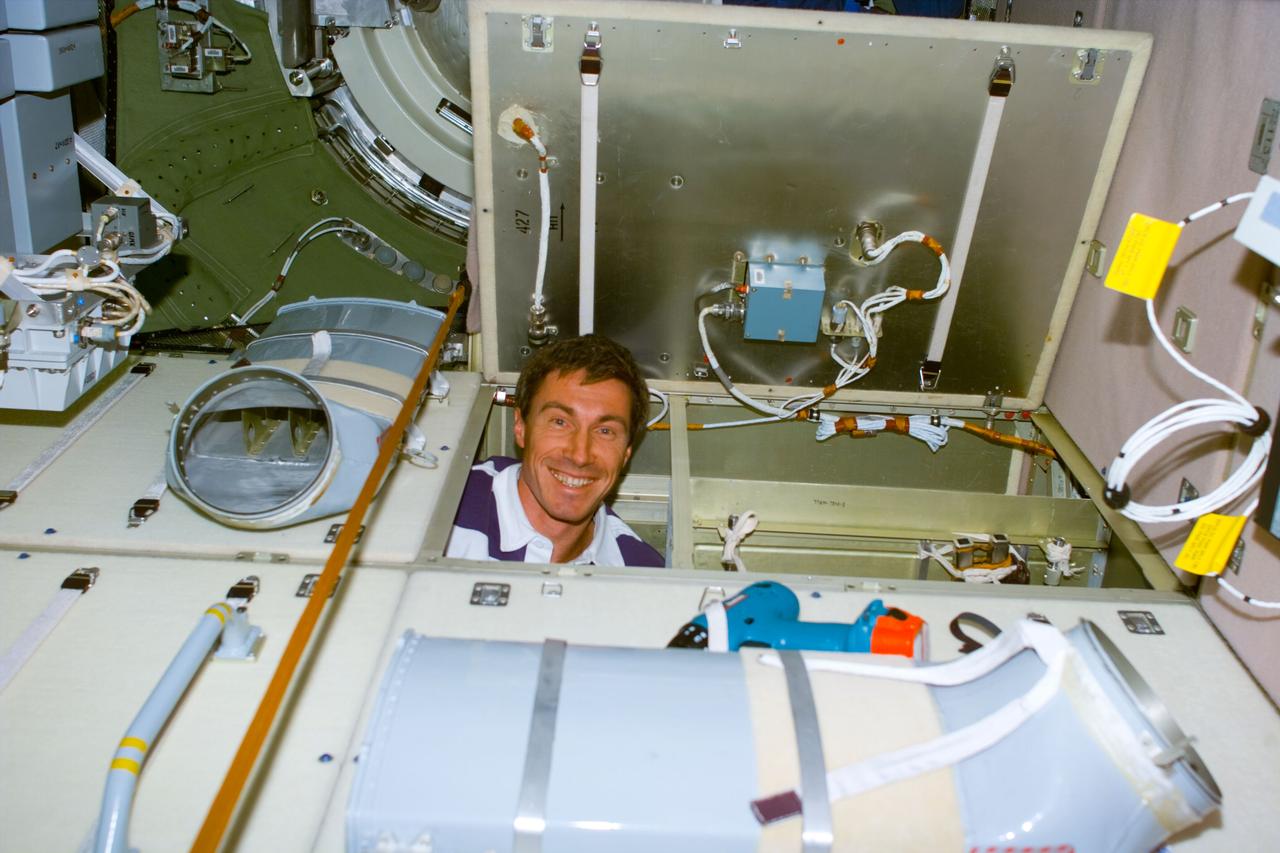
S88-E-5086 (12-11-98) --- Sergei Krikalev, mission specialist representing the Russian Space Agency (RSA), pokes his head up from inside one of the bays inside the walls on the Russian-built Zarya module. Krikalev and astronaut Nancy J. Currie replaced a faulty unit which controls the discharging of stored energy from one of Zarya's six batteries. The photo was taken with an electronic still camera (ESC) at 05:41:18 GMT, Dec. 11.
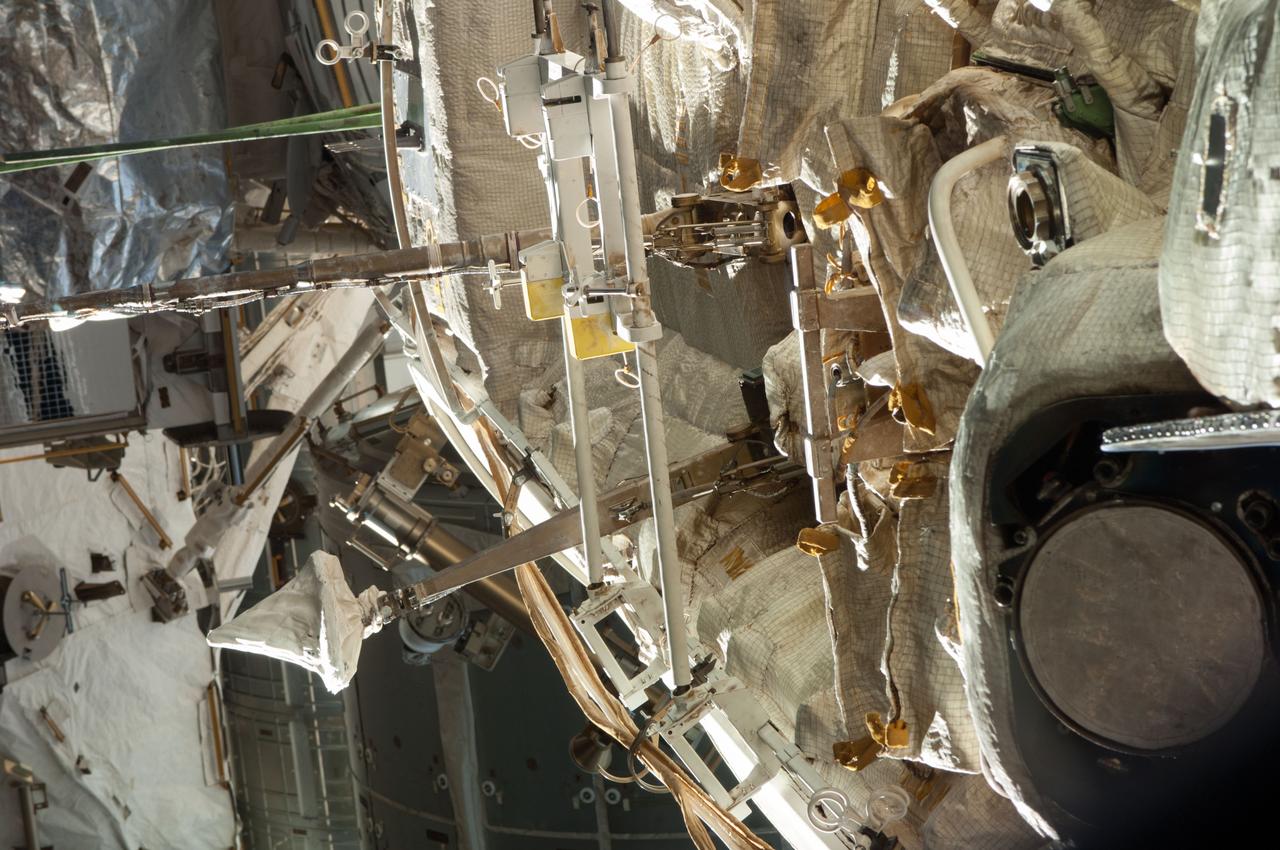
Survey view of a portion of the Zarya Functional Cargo Block (FGB) taken through a window in the Russian segment of the ISS during Expedition 35. Portions of the S0 and Z1 Truss segments are also in view.
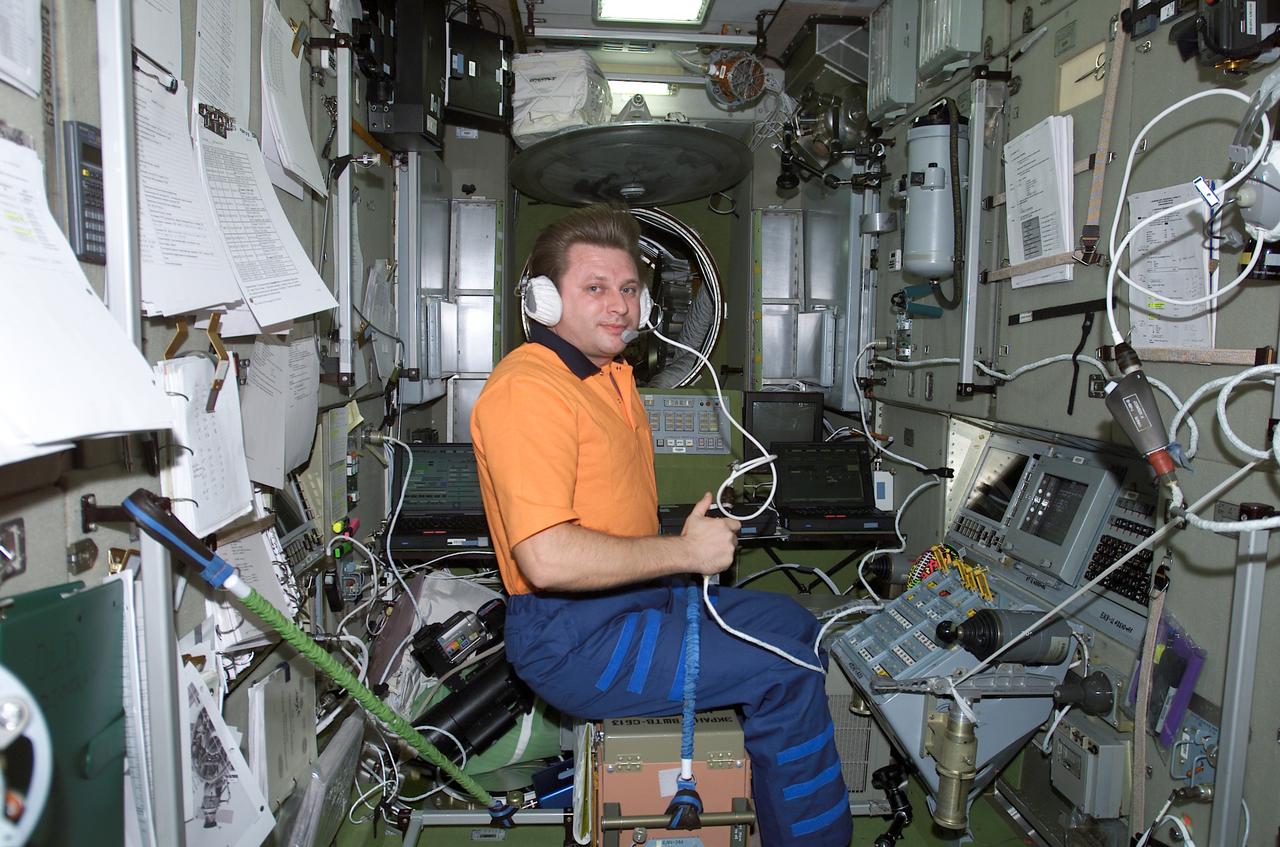
Cosmonaut Yury I. Onufrienko, Expedition Four mission commander, uses a communication system in the Russian Zvezda Service Module on the International Space Station (ISS). The Zvezda is linked to the Russian-built Functional Cargo Block (FGB) or Zarya, the first component of the ISS. Zarya was launched on a Russian Proton rocket prior to the launch of Unity. The third component of the ISS, Zvezda (Russian word for star), the primary Russian contribution to the ISS, was launched by a three-stage Proton rocket on July 12, 2000. Zvezda serves as the cornerstone for early human habitation of the station, providing living quarters, a life support system, electrical power distribution, a data processing system, flight control system, and propulsion system. It also provides a communications system that includes remote command capabilities from ground flight controllers. The 42,000-pound module measures 43 feet in length and has a wing span of 98 feet. Similar in layout to the core module of Russia's Mir space station, it contains 3 pressurized compartments and 13 windows that allow ultimate viewing of Earth and space.
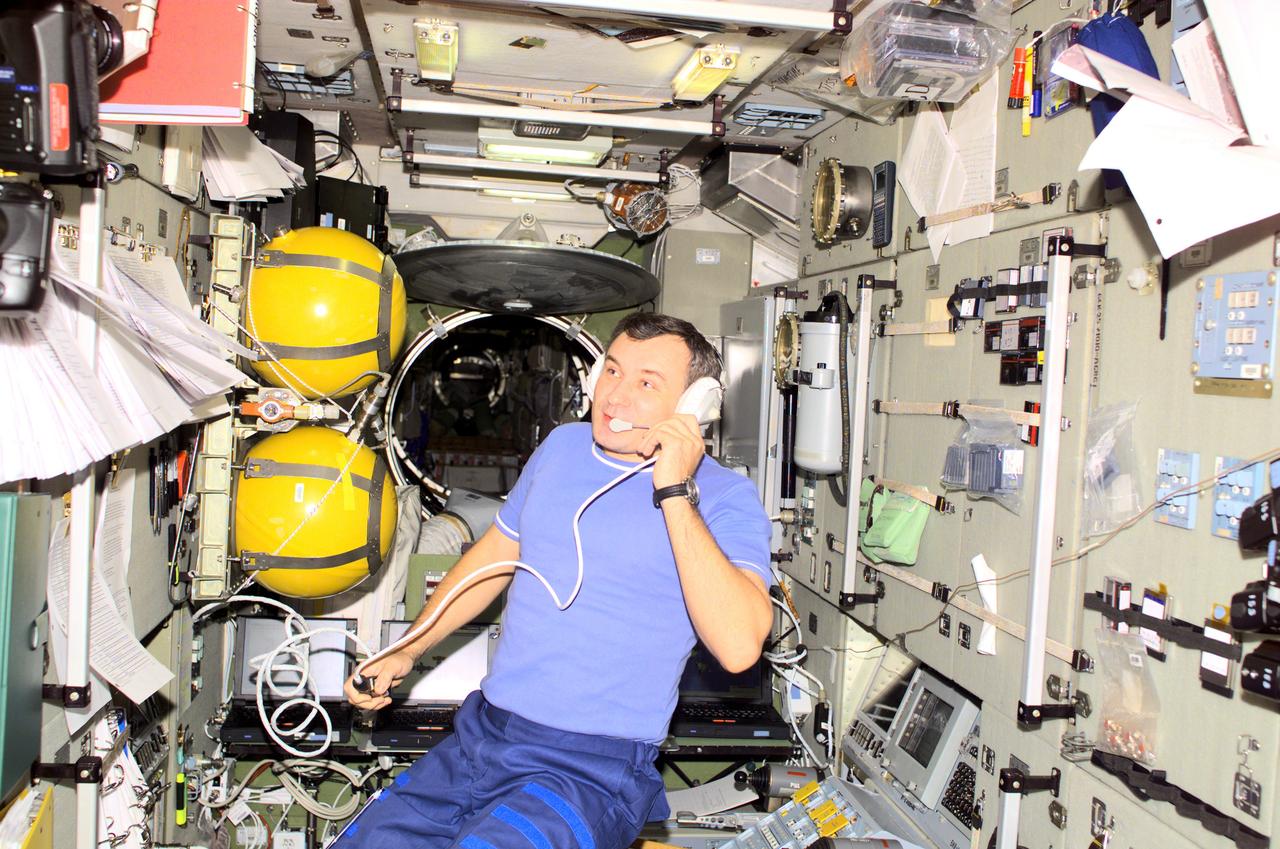
Aboard the International Space Station (ISS), Cosmonaut and Expedition Three flight engineer Vladimir N. Dezhurov, representing Rosaviakosmos, talks with flight controllers from the Zvezda Service Module. Russian-built Zvezda is linked to the Functional Cargo Block (FGB), or Zarya, the first component of the ISS. Zarya was launched on a Russian Proton rocket prior to the launch of Unity. The third component of the ISS, Zvezda (Russian word for star), the primary Russian contribution to the ISS, was launched by a three-stage Proton rocket on July 12, 2000. Zvezda serves as the cornerstone for early human habitation of the Station, providing living quarters, a life support system, electrical power distribution, a data processing system, flight control system, and propulsion system. It also provides a communications system that includes remote command capabilities from ground flight controllers. The 42,000-pound module measures 43 feet in length and has a wing span of 98 feet. Similar in layout to the core module of Russia's Mir space station, it contains 3 pressurized compartments and 13 windows that allow ultimate viewing of Earth and space.

STS088-359-029 (4-15 Dec. 1998) --- Astronauts James H. Newman and Nancy J. Currie, both mission specialists, work in the FGB or Zarya Module of the International Space Station (ISS). The two were using the computers to confer with ground controllers about tasks they were attempting to perform in Zarya.
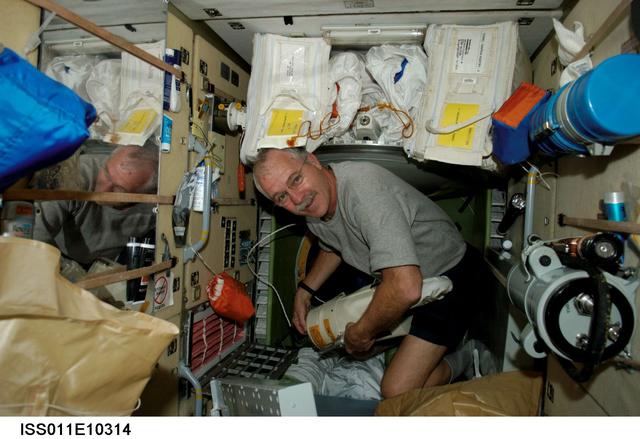
ISS011-E-10314 (4 May 2005) --- Astronaut John L. Phillips, Expedition 11 NASA Space Station science officer and flight engineer, assembles a vacuum cleaner in the functional cargo block (FGB) or Zarya on the International Space Station.
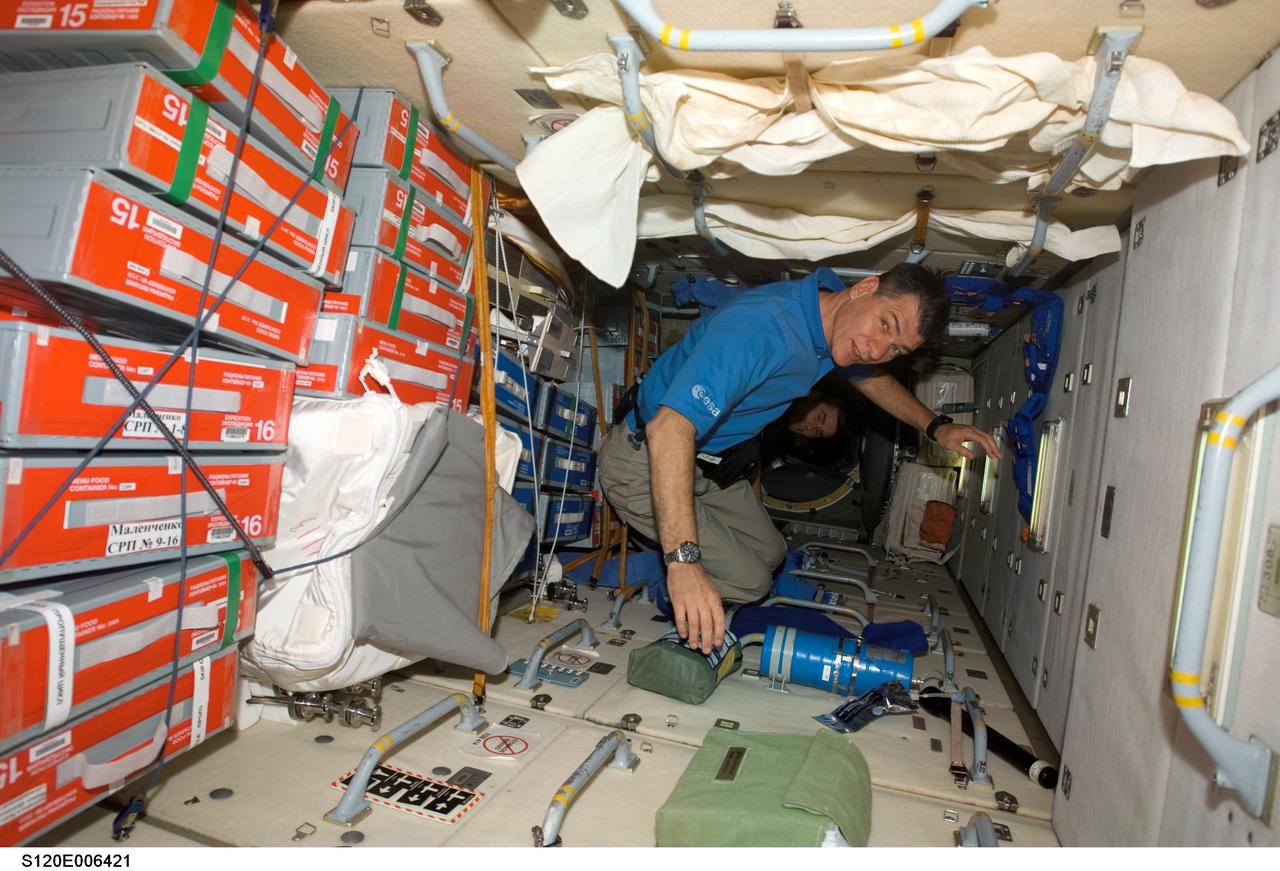
S120-E-006421 (25 Oct. 2007) --- European Space Agency (ESA) astronaut Paolo Nespoli, STS-120 mission specialist, photographed in the Zarya module of the International Space Station while Space Shuttle Discovery is docked with the station. Various food stowage cases are visible at left.
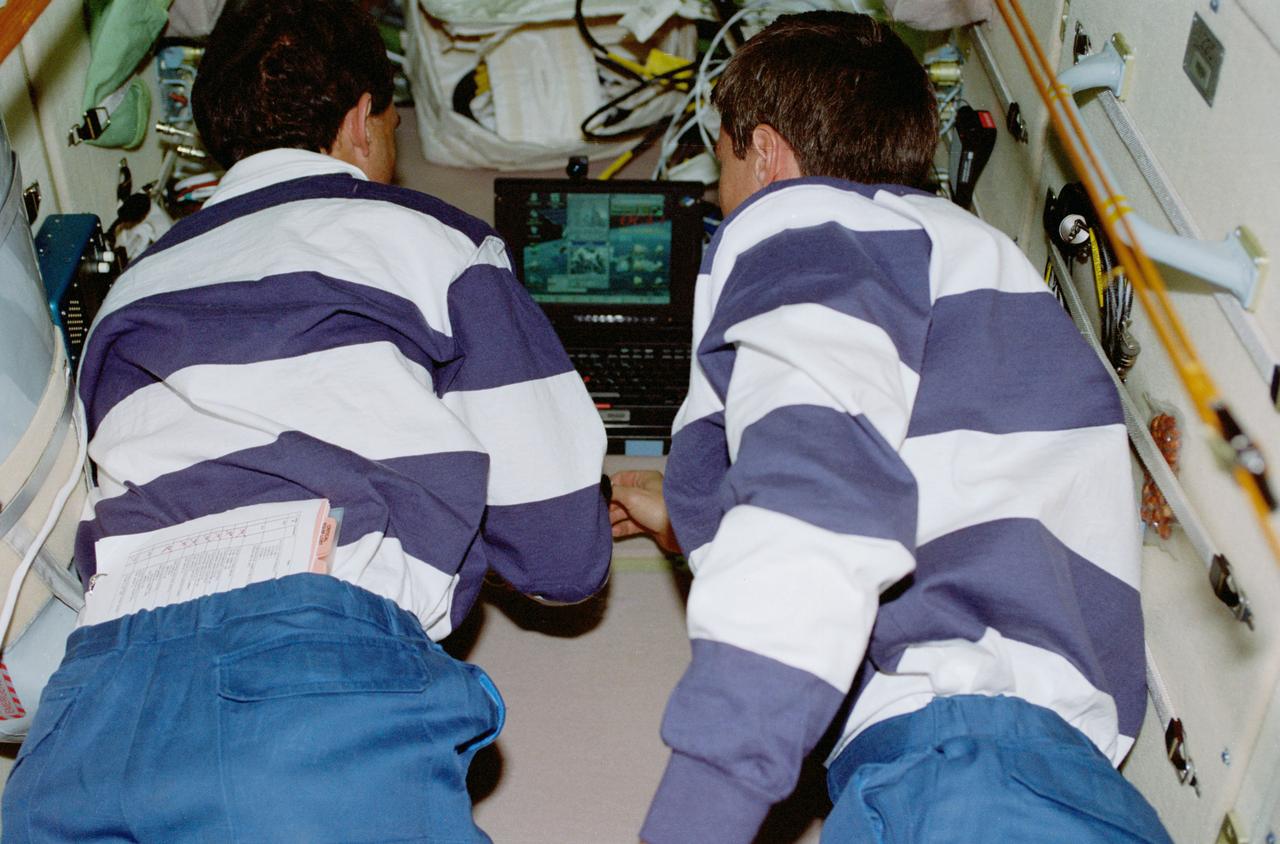
STS088-359-005 (4-15 Dec. 1998) --- Cosmonaut Sergei K. Krikalev (right), mission specialist representing the Russian Space Agency (RSA), and astronaut James H. Newman, mission specialist, participate in video teleconference with ground controllers while working in the Russian-built FGB or Zarya Module. Zarya is docked with the United States-built Unity (Node 1) Module, which is temporarily docked in Space Shuttle Endeavour?s cargo bay. The mission specialists, along with other members of the crew, were in the process of setting up interior systems of Zarya.
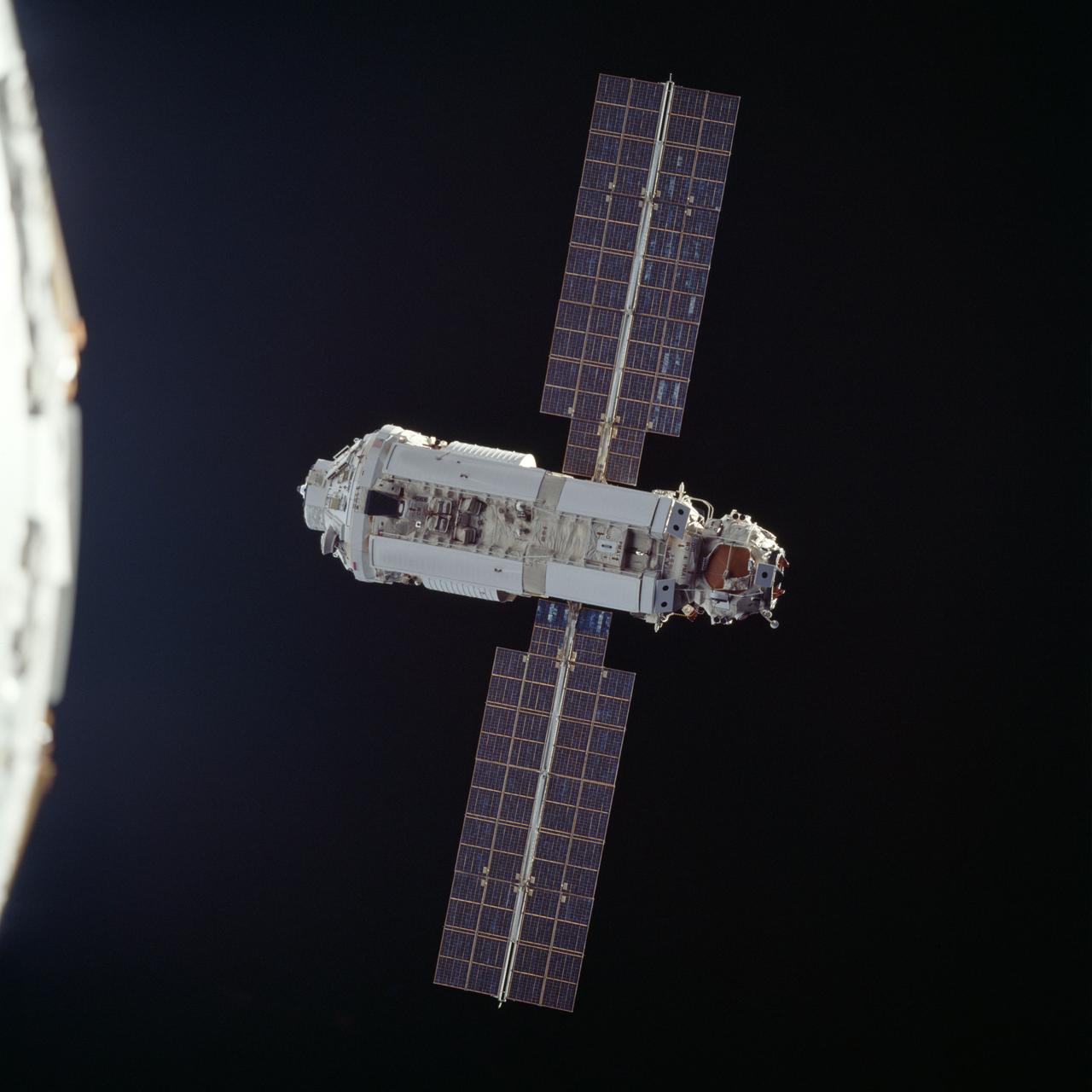
STS088-719-059 (6 Dec. 1998) --- Backdropped against the darkness of space, the Russian-built FGB, also called Zarya, approaches the out-of-frame Space Shuttle Endeavour and the U.S.-built Node 1, also called Unity. Inside Endeavour's cabin, the STS-88 crew readied the remote manipulator system (RMS) for Zarya capture as they awaited the rendezvous.
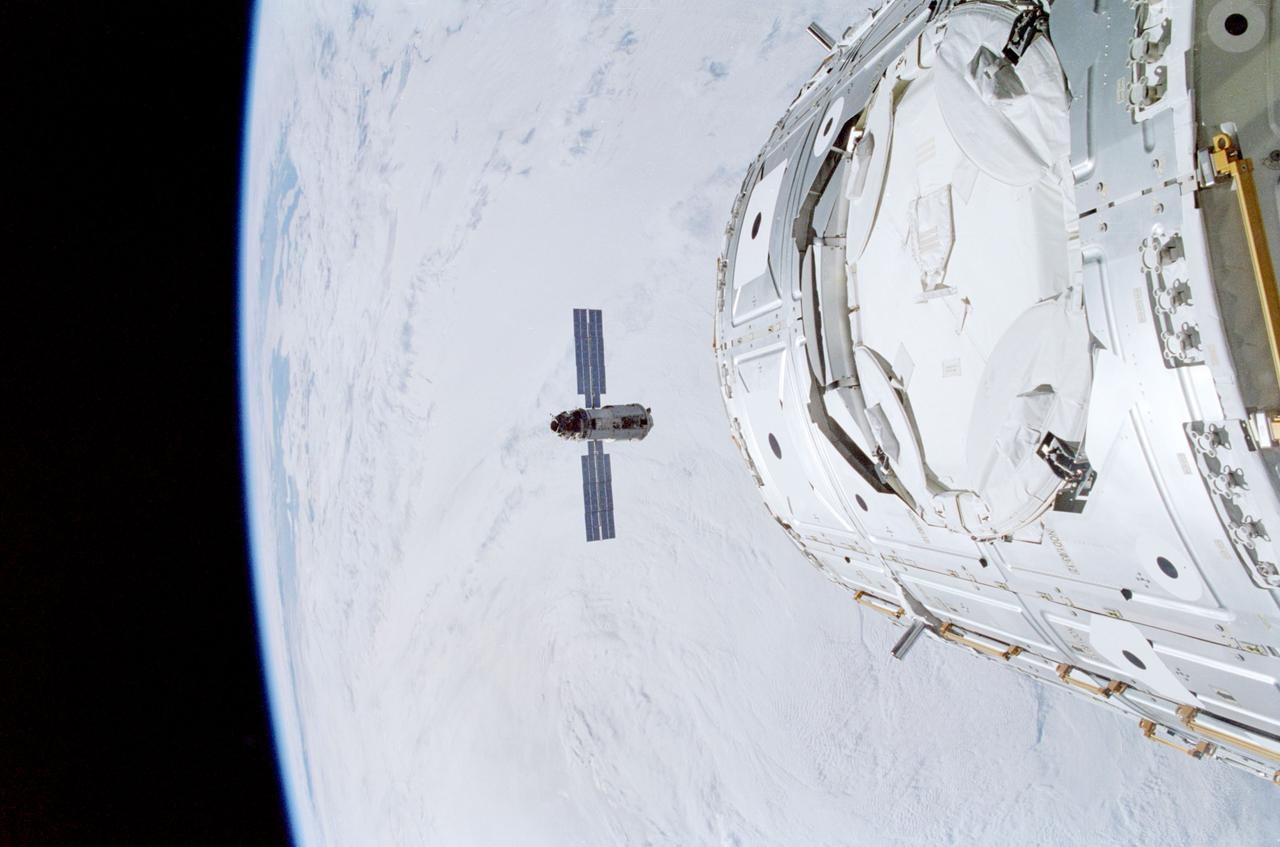
STS088-341-015 (6 Dec. 1998) --- Backdropped against a blanket of heavy cloud cover, the Russian-built FGB, also called Zarya, approaches the Space Shuttle Endeavour and the U.S.-built Node 1, also called Unity (foreground). Inside Endeavour's cabin, the STS-88 crew readied the remote manipulator system (RMS) for Zarya capture as they awaited the rendezvous.
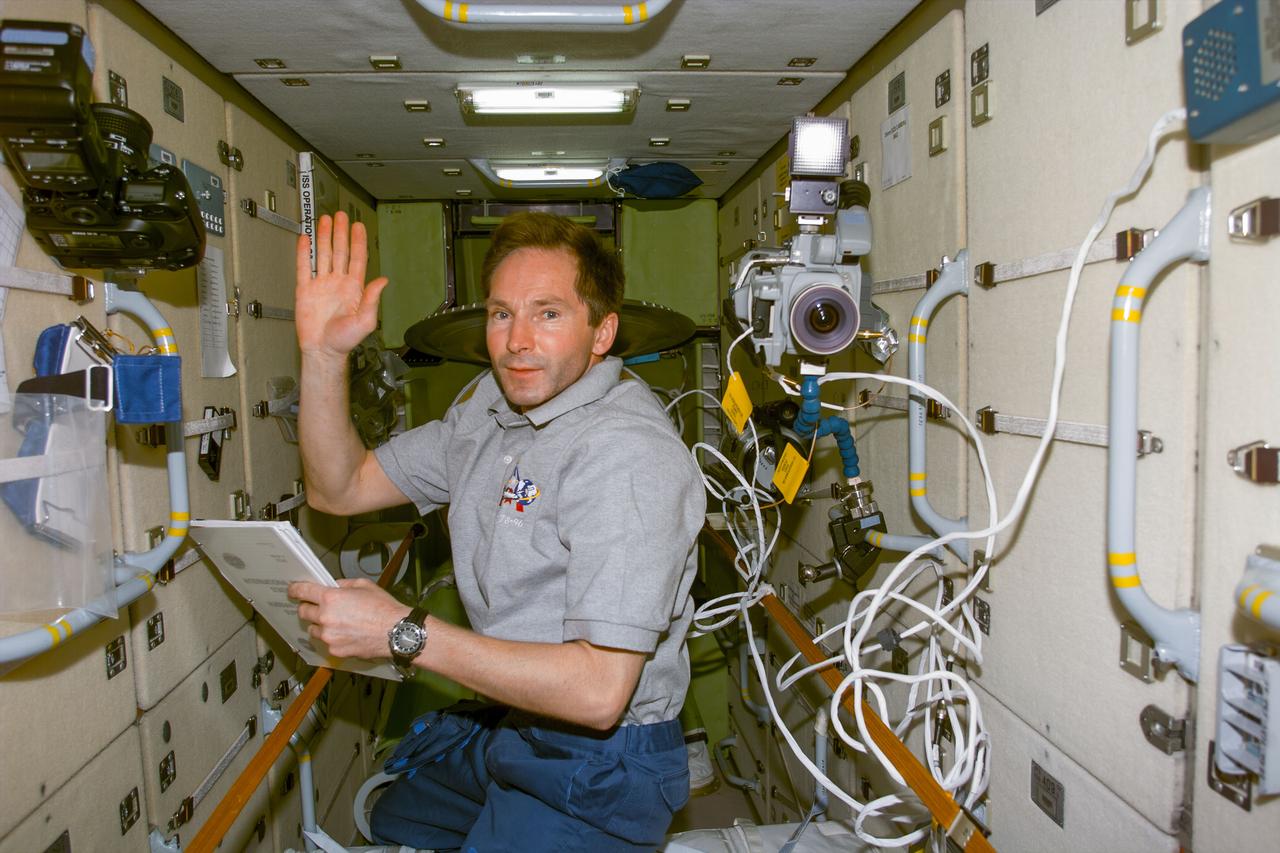
S96-E-5123 (1 June 1999) --- Cosmonaut Valery I. Tokarev waves at a crewmate during work in the Russian-built Zarya on Flight Day 6. The photo was recorded with an electronic still camera (ESC) at 07:47:59 GMT, June 1, 1999.
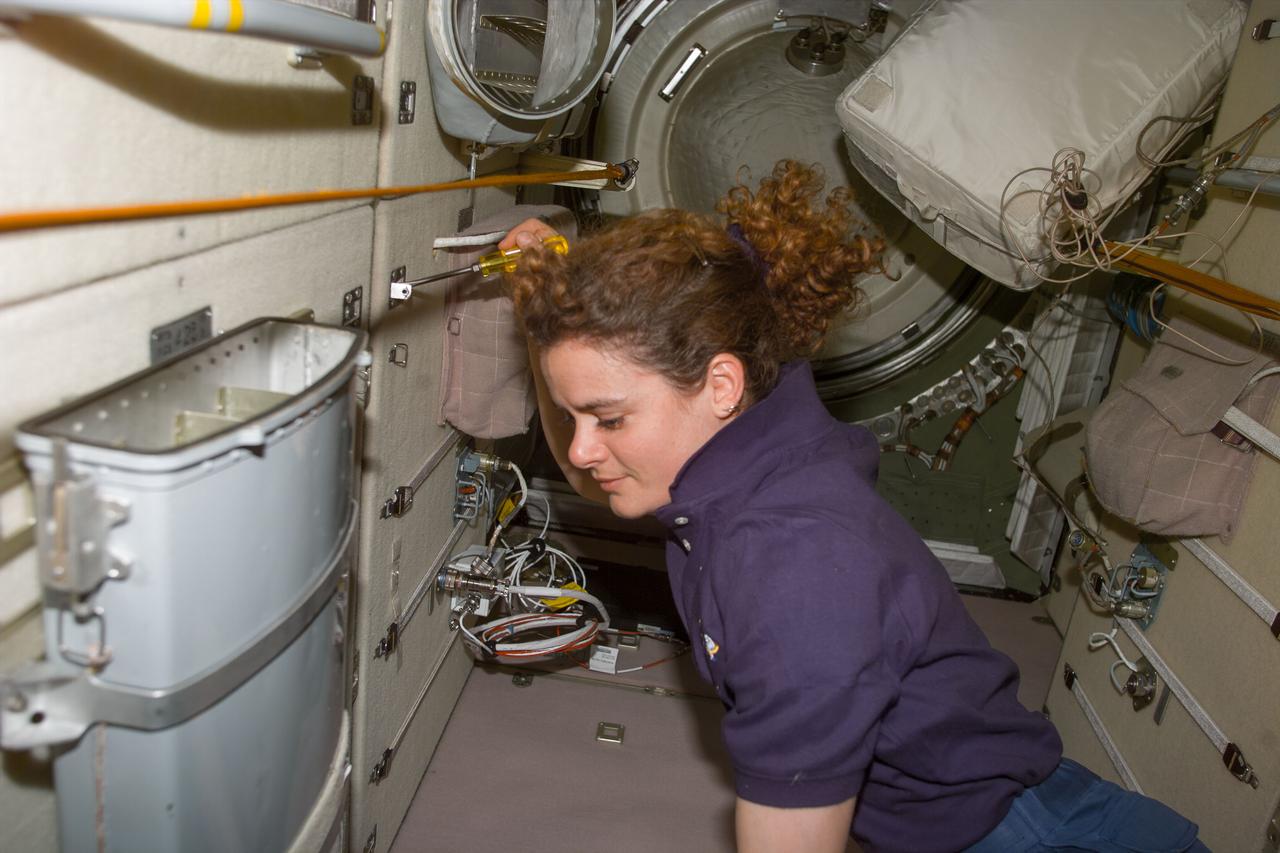
S96-E-5122 (1 June 1999) --- Astronaut Julie Payette uses a conventional screw driver while performing a Flight Day 6 task in the Russian-built Zarya module. The photo was recorded with an electronic still camera (ESC) at 07:47:47 GMT, June 1, 1999.
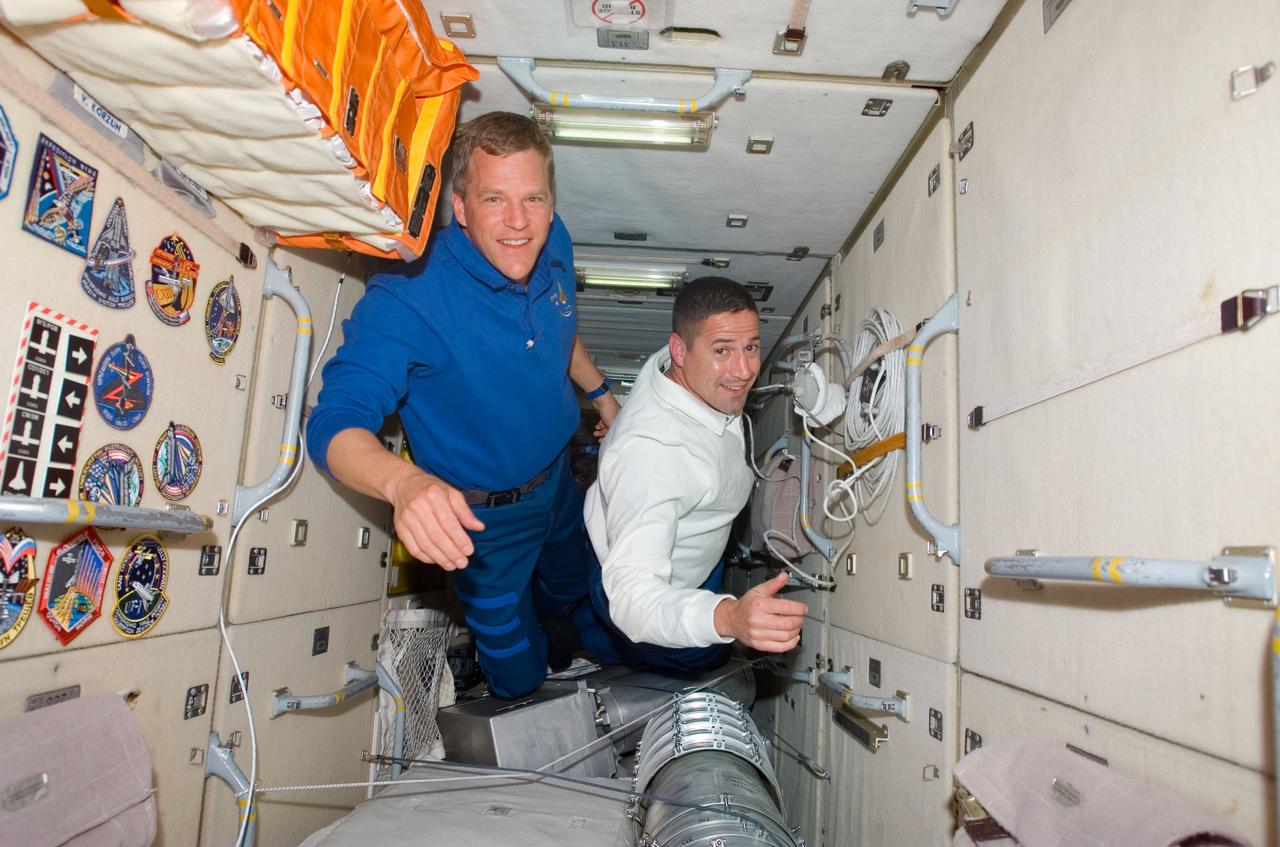
S120-E-006416 (25 Oct. 2007) --- Astronauts Scott Parazynski (left) and George Zamka, STS-120 mission specialist and pilot, respectively, float in the Zarya module of the International Space Station while Space Shuttle Discovery is docked with the station.
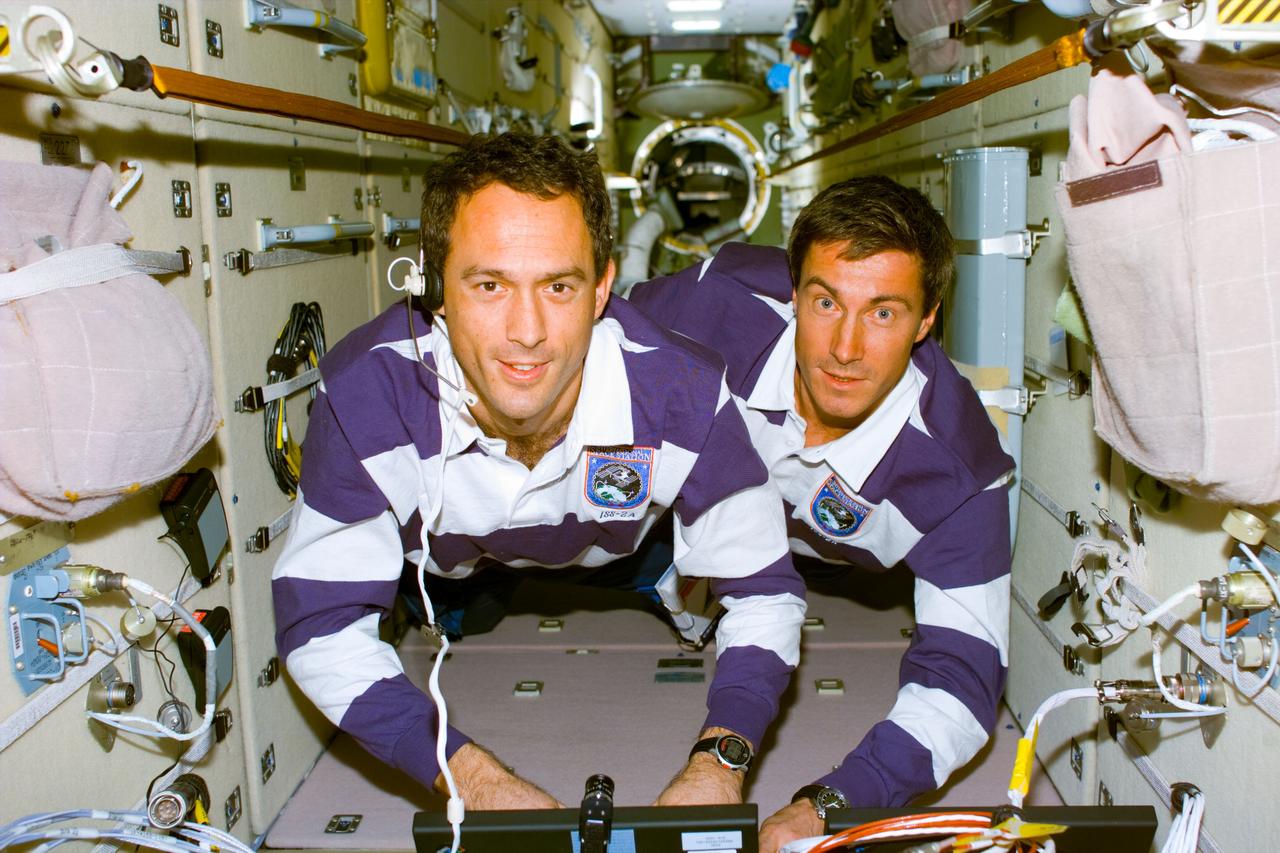
S88-E-5081 (12-11-98) --- James H. Newman (left) and Sergei Krikalev are in communications with ground controllers while working aboard Zarya. The two are mission specialists, with Krikalev representing the Russian Space Agency (RSA). The photo was taken with an electronic still camera (ESC) at 05:23:01 GMT, Dec. 11.
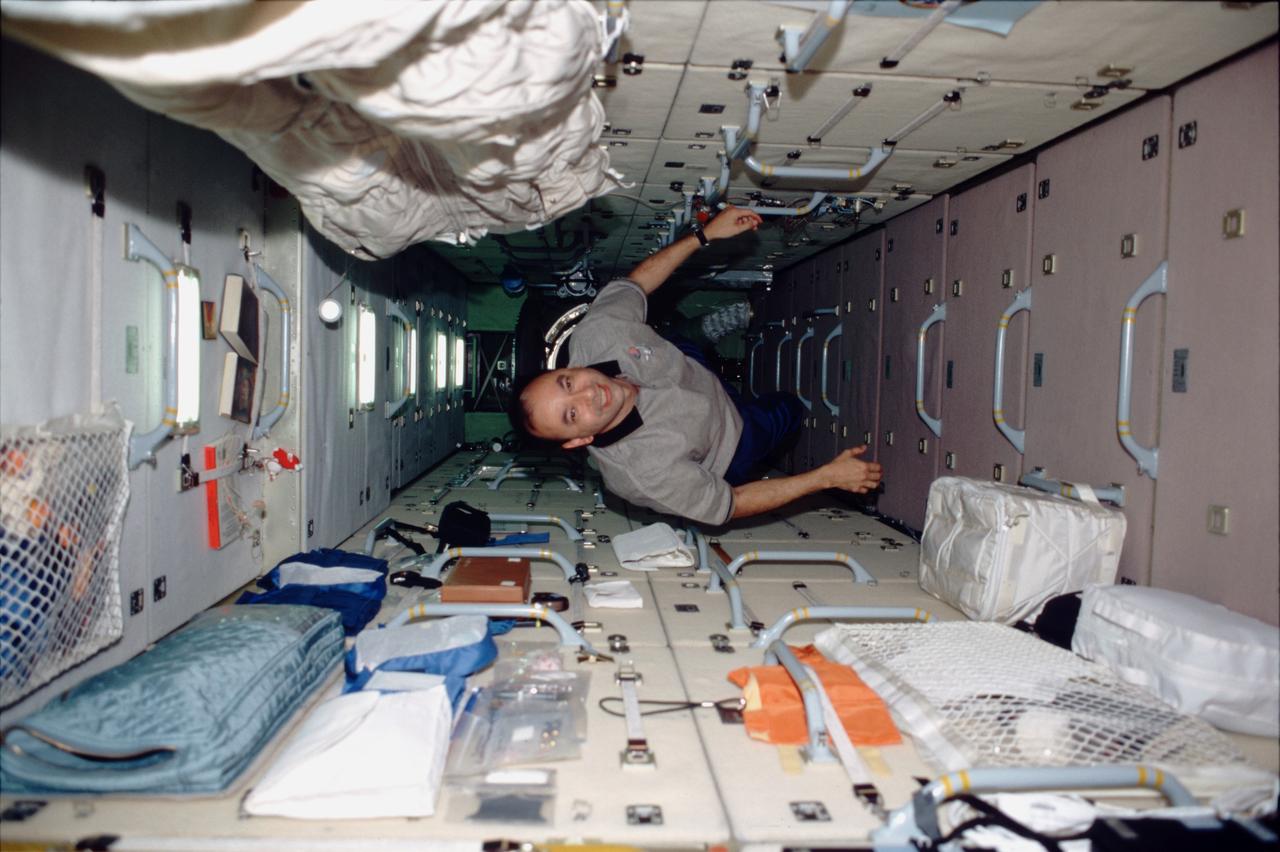
STS098-320-008 (7-20 February 2001) --- Astronaut Mark L. Polansky, STS-98 pilot, translates through the Zarya functional cargo block (FGB) while visiting and working aboard the International Space Station (ISS).
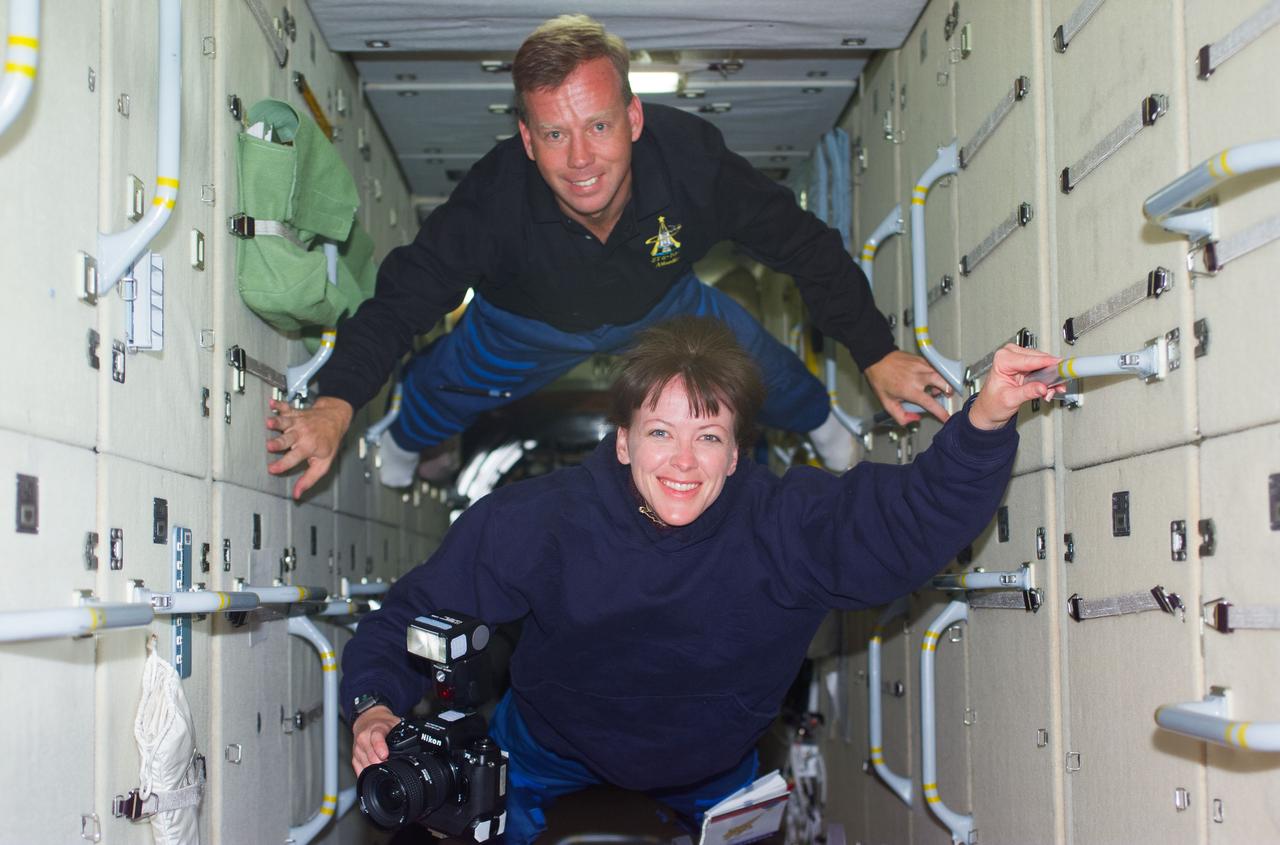
S104-E-5058 (14 July 2001) --- STS-104 crewmembers Steven W. Lindsey, mission commander, and Janet L. Kavandi, mission specialist, travel through the Zarya module during their visit to the International Space Station (ISS).
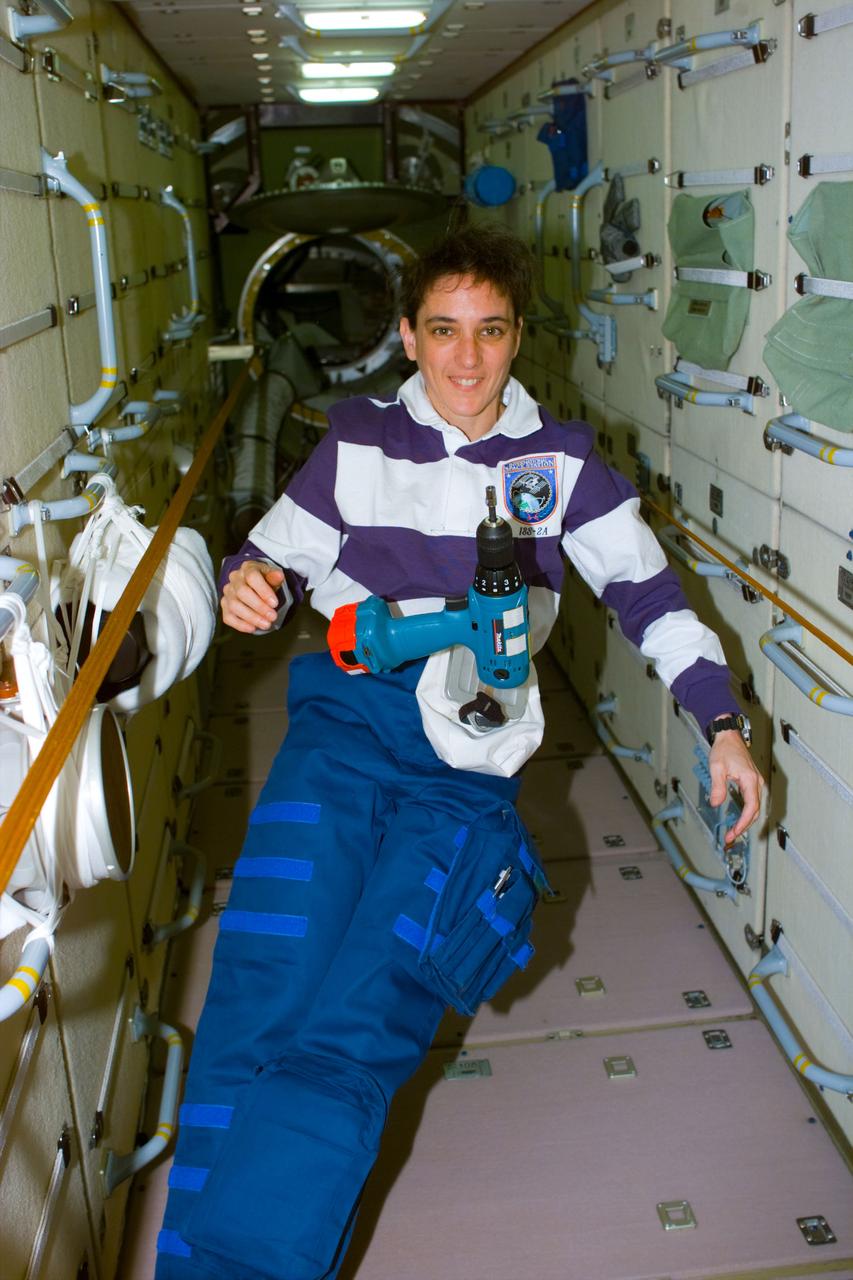
S88-E-5083 (12-11-98) --- Astronaut Nancy J. Currie, mission specialist, with a rechargeable power tool on Zarya. One of Currie's tasks was to replace a faulty unit which controls the discharging of stored energy from one of the Russian-built module's six batteries. The photo was taken with an electronic still camera (ESC) at 05:24:08 GMT, Dec. 11.
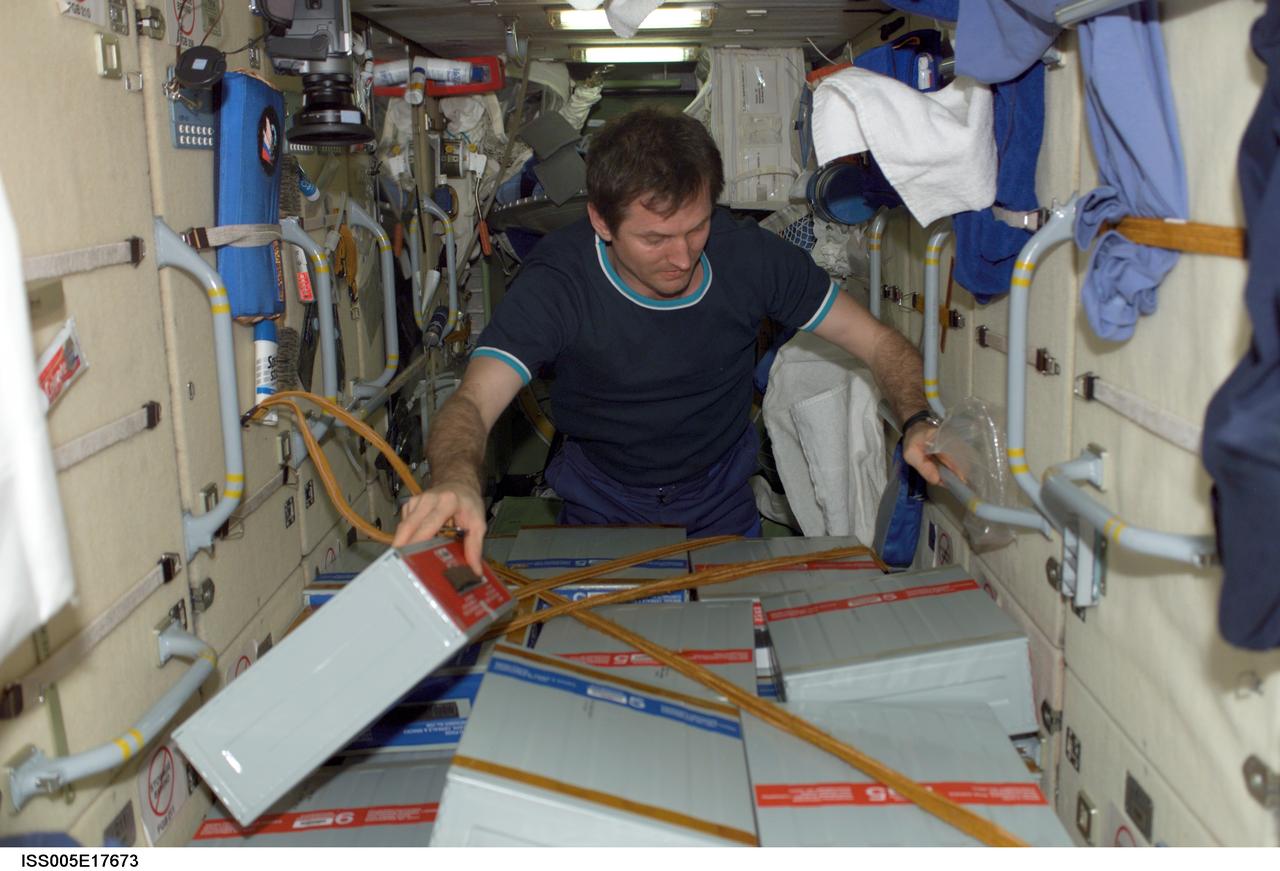
ISS005-E-17673 (17 October 2002) --- Cosmonaut Sergei Y. Treschev, Expedition Five flight engineer representing Rosaviakosmos, checks stowage boxes in the functional cargo block (FGB), or Zarya, on the International Space Station (ISS).
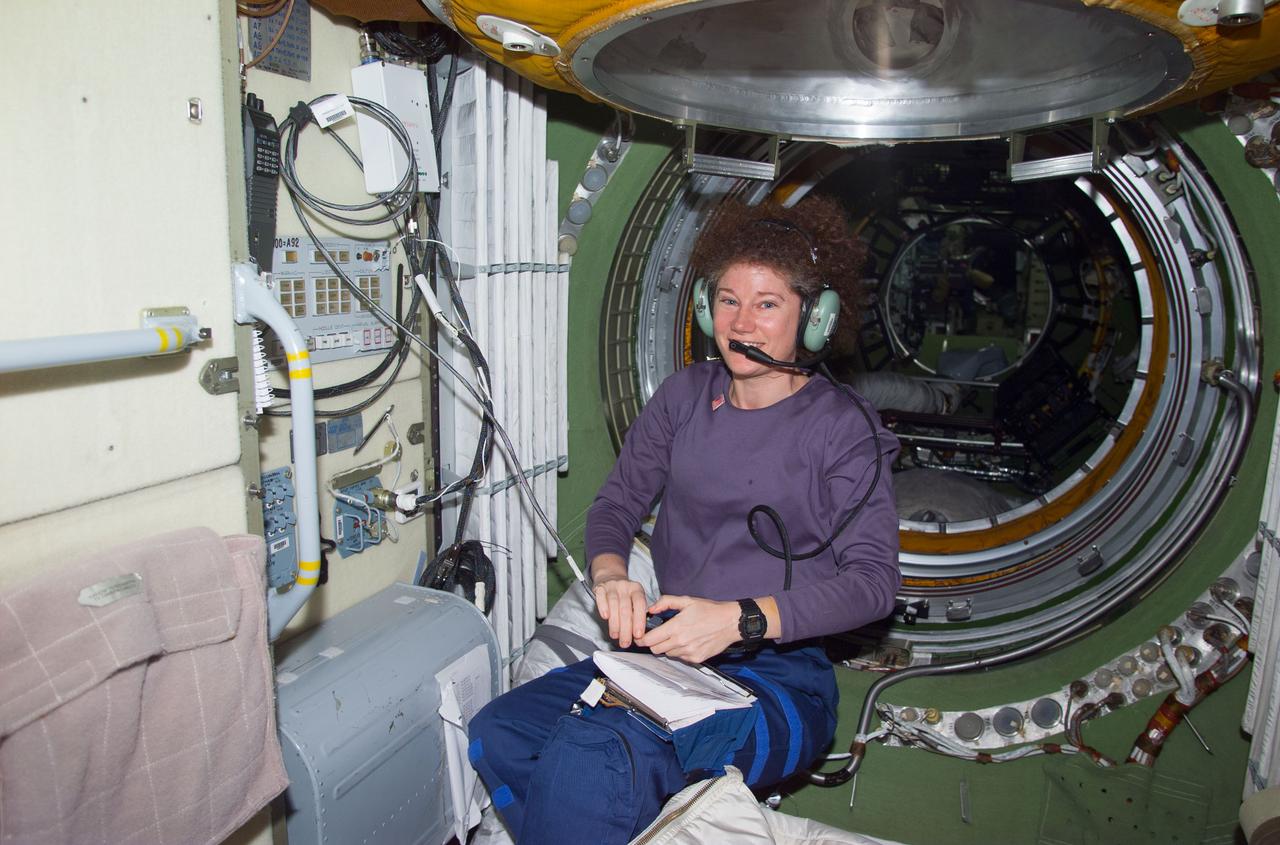
S104-E-5092 (16 July 2001) --- Susan J. Helms, Expedition Two flight engineer, talks to amateur radio operators on Earth from the HAM radio workstation in the Zarya module of the International Space Station (ISS).
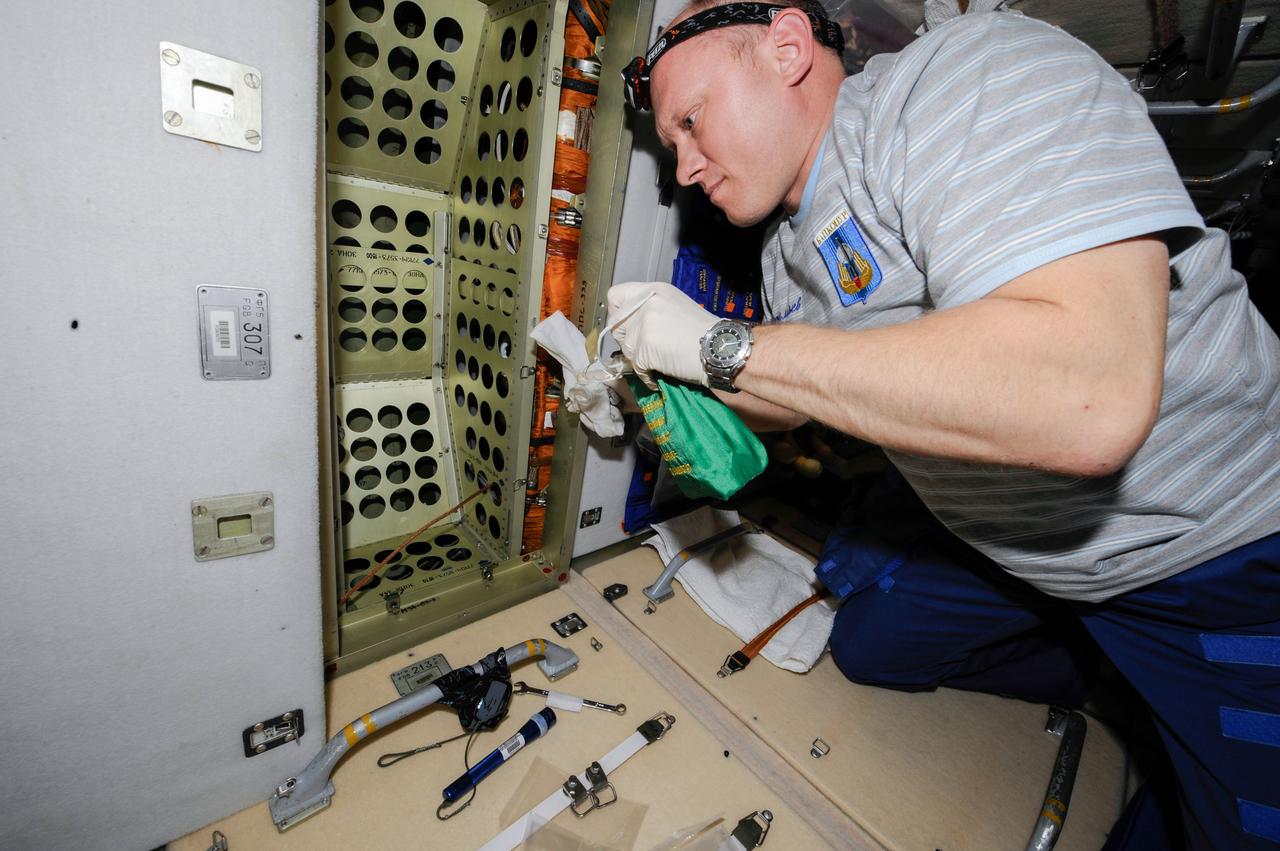
Expedition 39 flight engineer and Roscosmos cosmonaut Oleg Artemyev works to treat the area behind Panel 307 with a fungicide. Image was taken in the Zarya Functional Cargo Block (FGB).
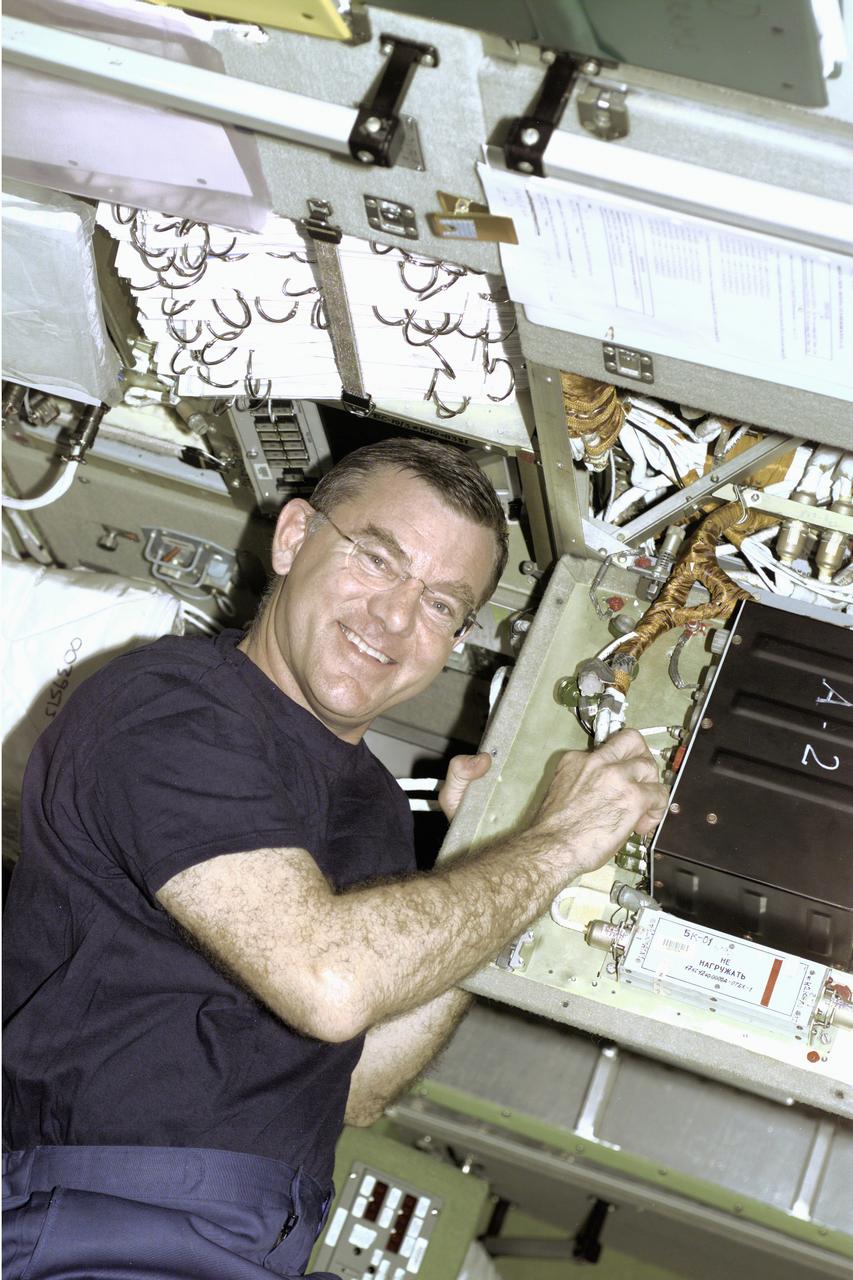
Astronaut James S. Voss, Expedition Two flight engineer, performs an electronics task in the Russian Zvezda Service Module on the International Space Station (ISS). Zvezda is linked to the Russian-built Functional Cargo Block (FGB), or Zarya, the first component of the ISS. Zarya was launched on a Russian Proton rocket prior to the launch of Unity, the first U.S.-built component to the ISS. Zvezda (Russian word for star), the third component of the ISS and the primary Russian contribution to the ISS, was launched by a three-stage Proton rocket on July 12, 2000. Zvezda serves as the cornerstone for early human habitation of the station, providing living quarters, a life support system, electrical power distribution, a data processing system, a flight control system, and a propulsion system. It also provides a communications system that includes remote command capabilities from ground flight controllers. The 42,000-pound module measures 43 feet in length and has a wing span of 98 feet. Similar in layout to the core module of Russia's Mir space station, it contains 3 pressurized compartments and 13 windows that allow ultimate viewing of Earth and space.
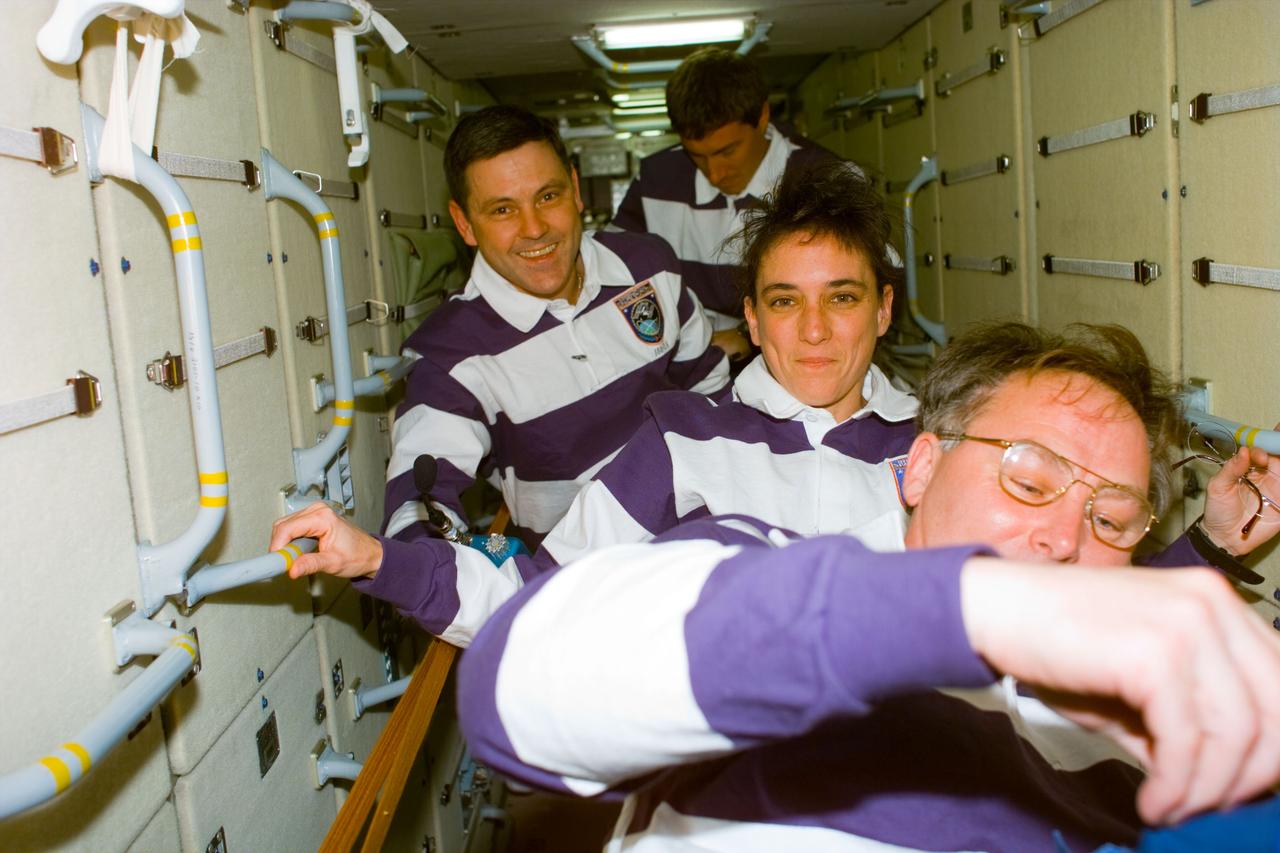
S88-E-5122 (12-10-98) --- From the front, Jerry L. Ross, Nancy J. Currie, Robert D. Cabana and Sergei Krikalev traverse single-file through the Russian-built Zarya module. Cabana, mission commander, and his crew commanders were busy readying Zarya for its ISS role. The other three pictured crew members are mission specialists, with Krikalev representing the Russian Space Agency (RSA). The photo was taken with an electronic still camera (ESC) at 21:30:37 GMT, Dec. 10.
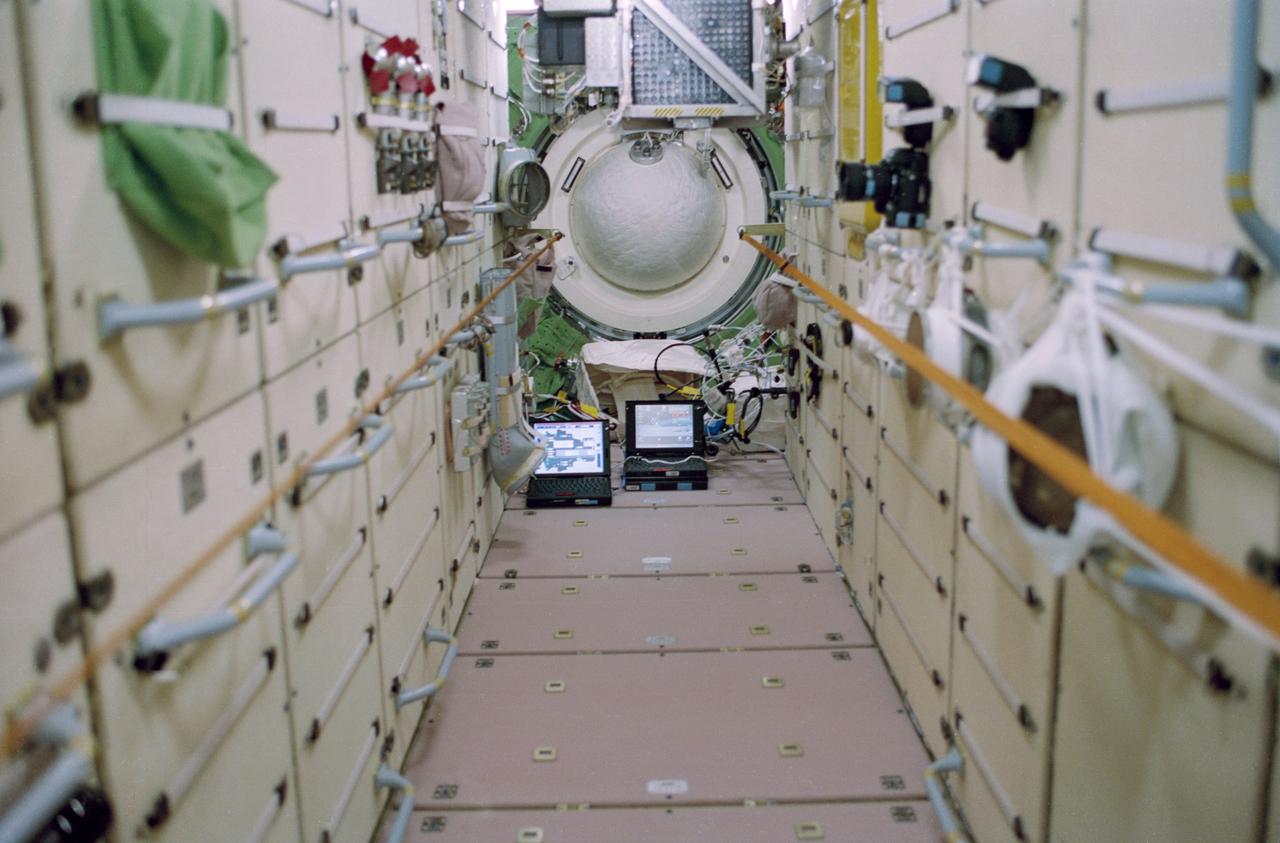
STS088-359-026 (4-15 Dec. 1998) --- An interior shot of the Russian-built FGB (called Zarya) module reveals the work of the crew who had earlier spent hours readying the International Space Station (ISS) module for its impending release. The crew members were in the midst of a video conference at the time the photo was taken. After devoting the major portion of its mission time to various tasks to ready Zarya and the docked United States-built node (called Unity), the six-member crew released the tandem from the Space Shuttle Endeavour?s cargo bay toward mission?s end.
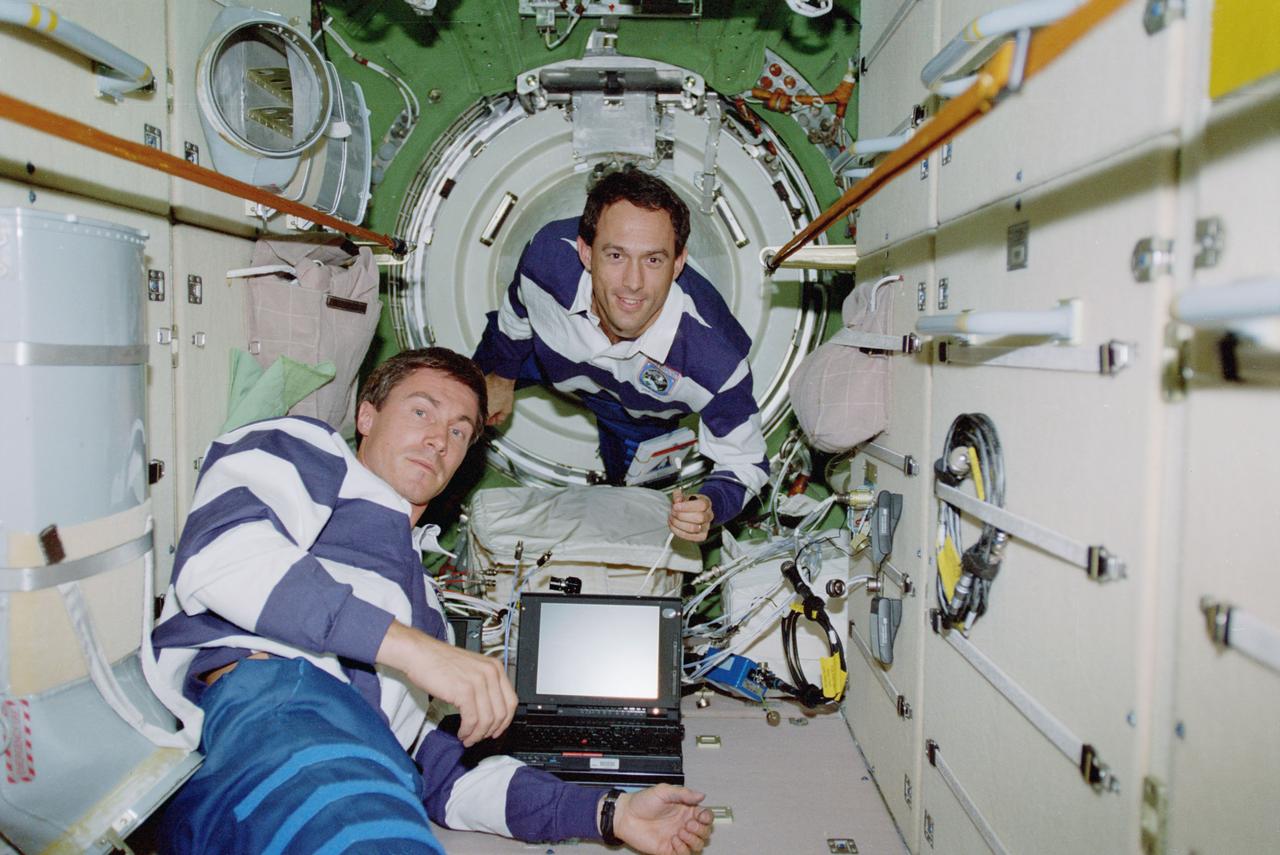
STS088-357-008 (4-15 Dec. 1998) --- Cosmonaut Sergei K. Krikalev (foreground), mission specialist representing the Russian Space Agency (RSA), and astronaut James H. Newman, mission specialist, participate in video teleconference with ground controllers while working in the Russian-built FGB or Zarya Module. At the time the photo was made, Zarya was docked with the United States-built Unity (Node 1) Module, which was temporarily connected to the Space Shuttle Endeavour?s cargo bay. The mission specialists, along with other members of the crew, were in the process of setting up interior systems of Zarya.
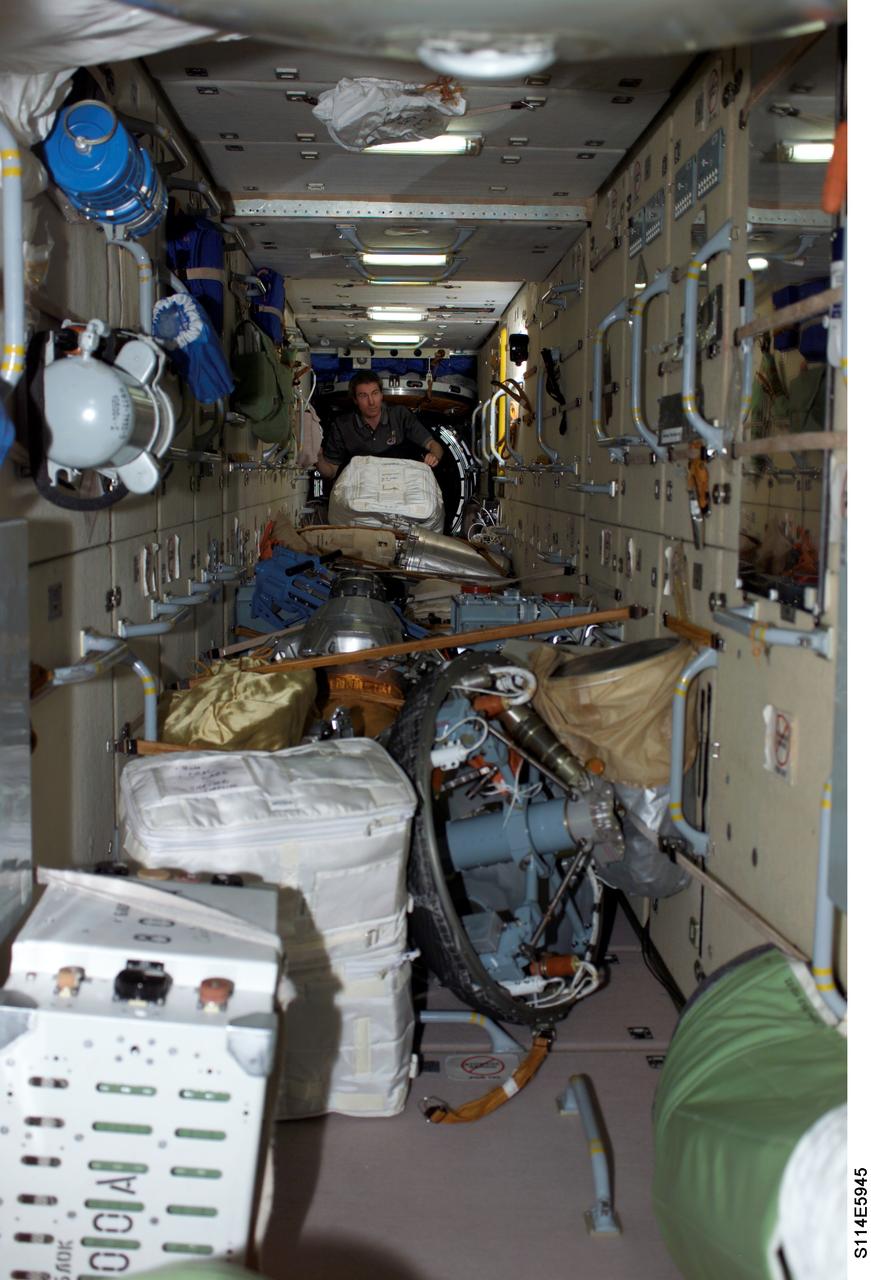
S114-E-5945 (31 July 2005) --- This scene in Zarya, the functional cargo block for the International Space Station, serves witness to the primary current emphasis onboard the orbital outpost. Transfers of additional water and supplies to the International Space Station continues on this Sunday as the crew aboard Space Shuttle Discovery begins Flight Day 6. Cosmonaut Sergei Krikalev of Russia's Federal Space Agency can be seen at the far end of the cluttered hallway.
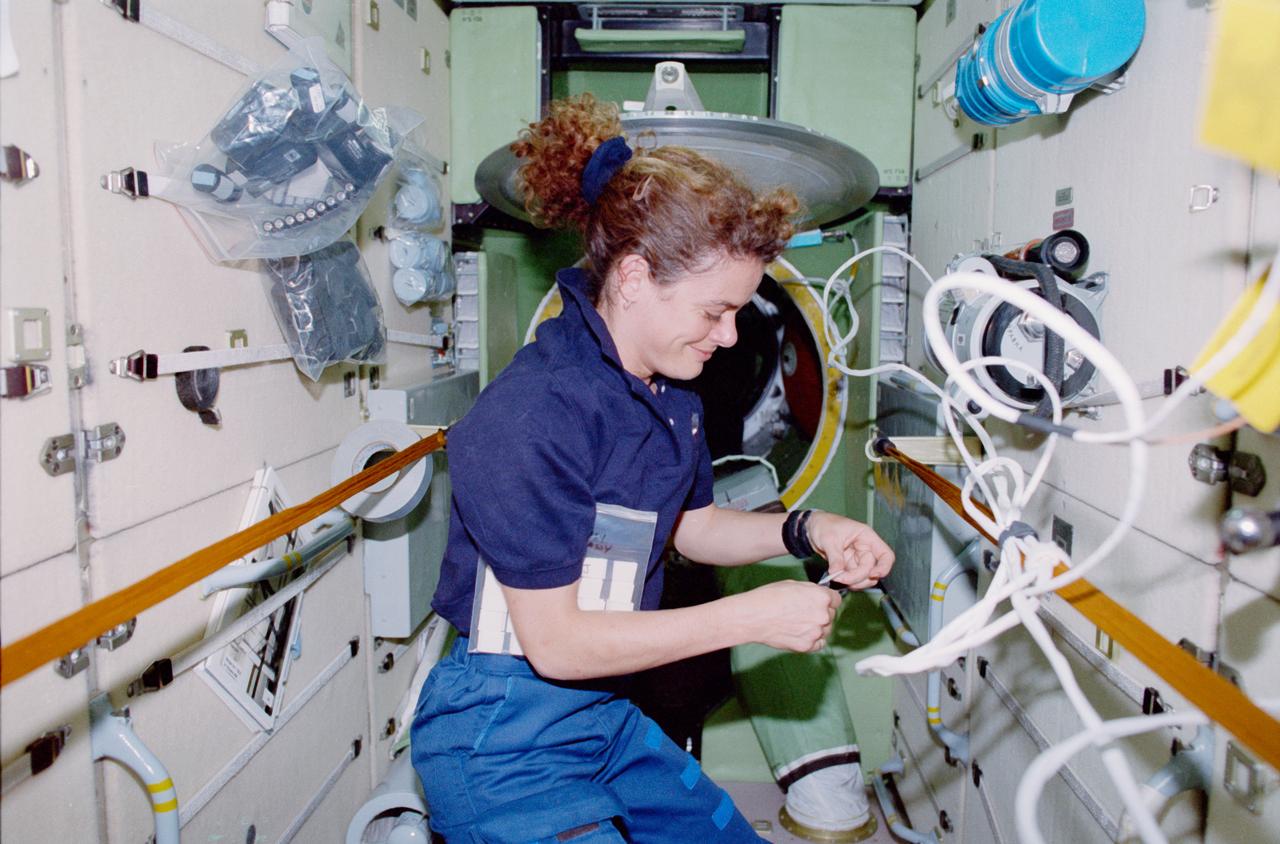
STS096-409-010 (27 May - 6 June 1999) --- Astronaut Julie Payette works inside the Russian-built Zarya module as she joins other members of the STS-96 crew (out of frame) in applying final touches on the elements of the International Space Station (ISS), which was docked with Discovery. Payette, an alumnus of the 1996 class of astronaut trainees, represents the Canadian Space Agency (CSA).
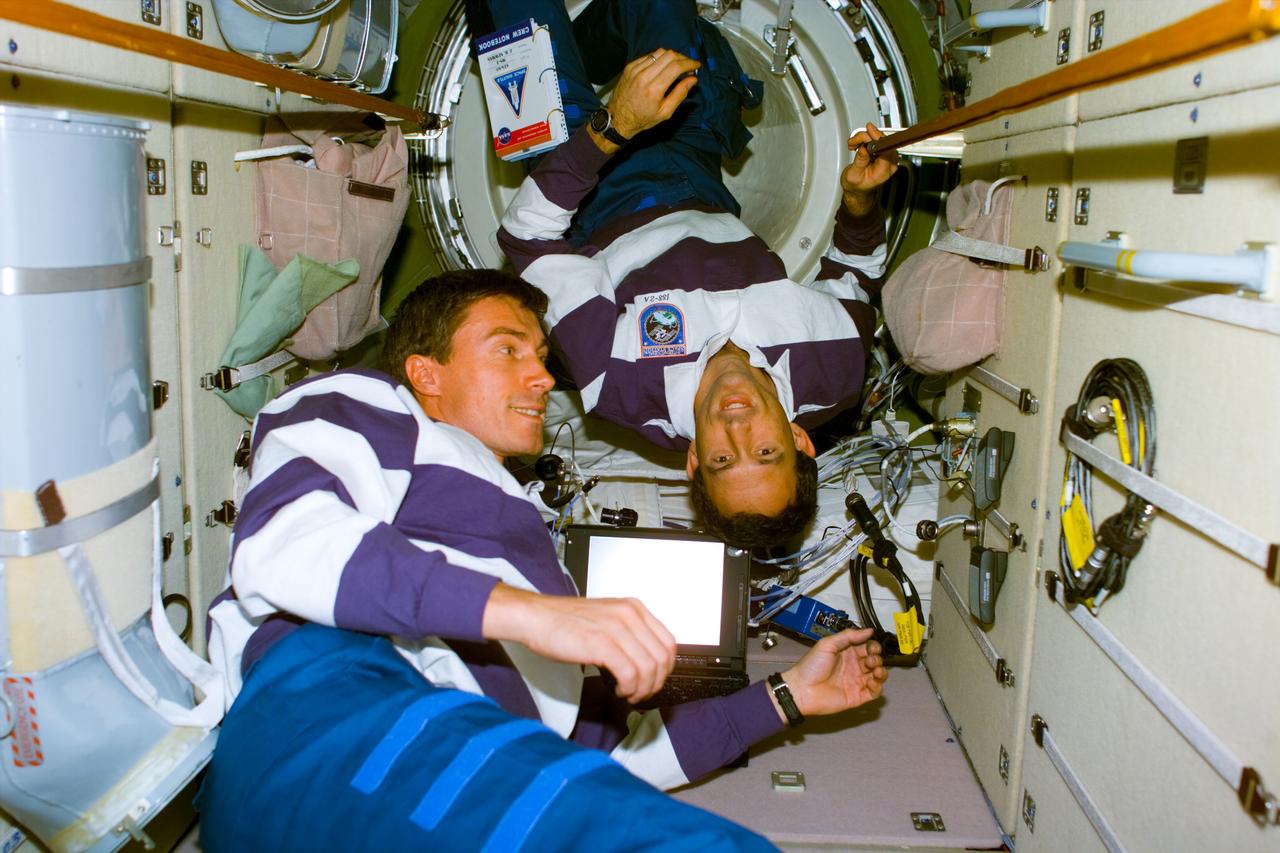
S88-E-5078 (12-11-98) --- Sergei Krikalev, left, and James H. Newman, both mission specialists, begin work in the Zarya. Krikalev, who has spent time in space on both Shuttle and Mir missions, represents the Russian Space Agency (RSA). The photo was taken with an electronic still camera (ESC) at 05:18:06, Dec. 11.
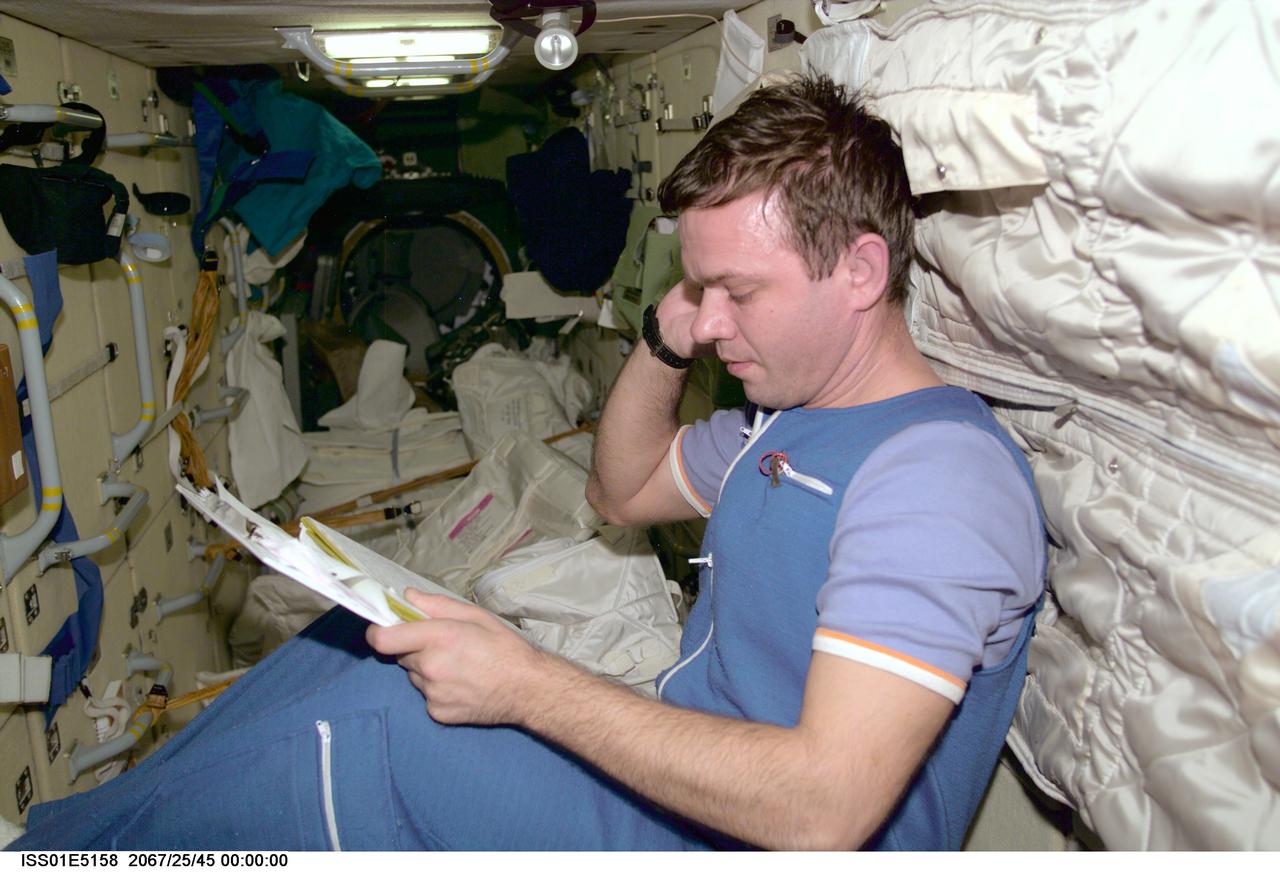
ISS01-E-5158 (December 2000) --- Cosmonaut Yuri P. Gidzenko, Expedition One Soyuz commander, looks over an ISS document on a clipboard in the Zarya Functional Cargo Block (FGB). The image was taken with a digital still camera and down linked from the station to ground controllers in Houston.
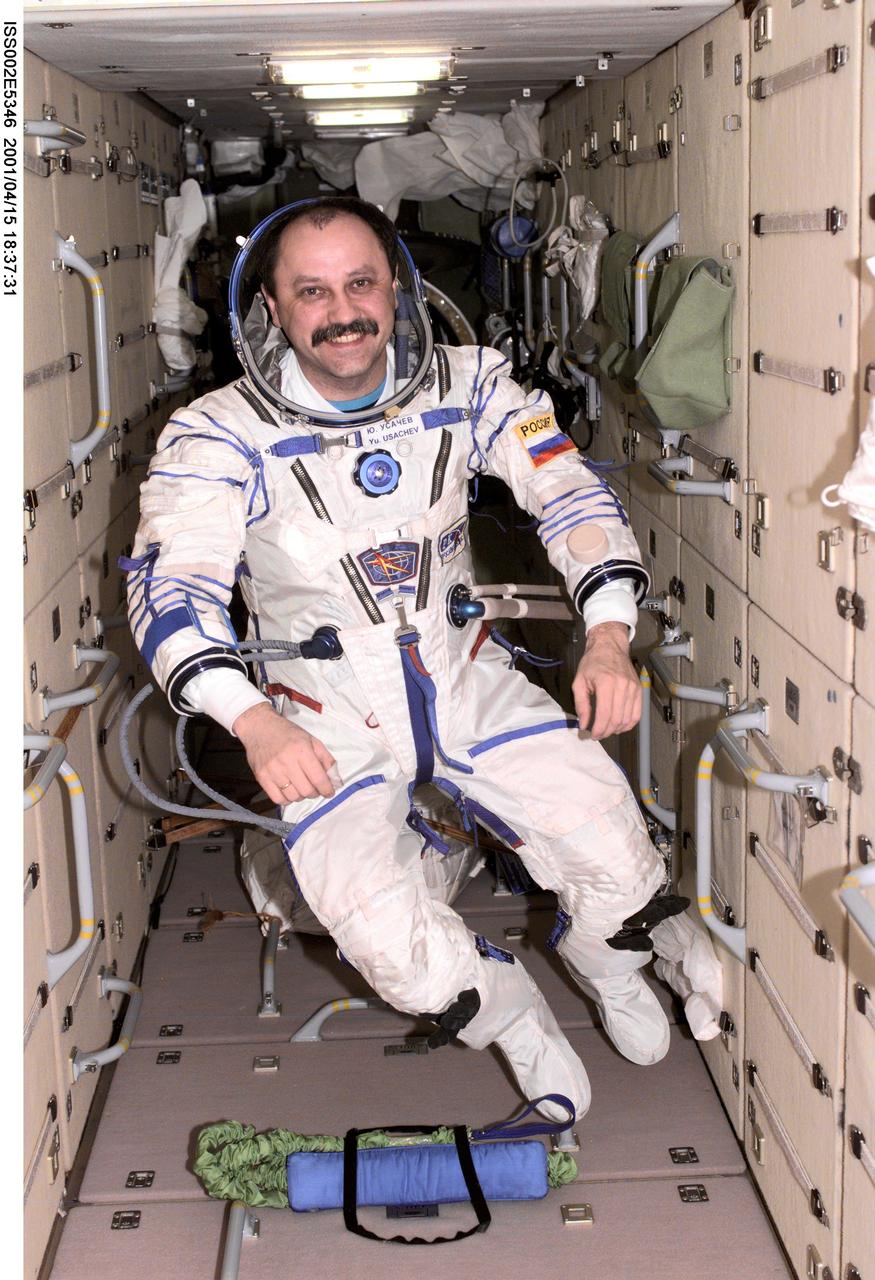
ISS002-E-5346 (15 April 2001) --- Cosmonaut Yury V. Usachev, Expedition Two mission commander, dons a Russian Sokol suit in the Zarya / Functional Cargo Block (FGB) of the International Space Station (ISS). This image was recorded with a digital still camera.
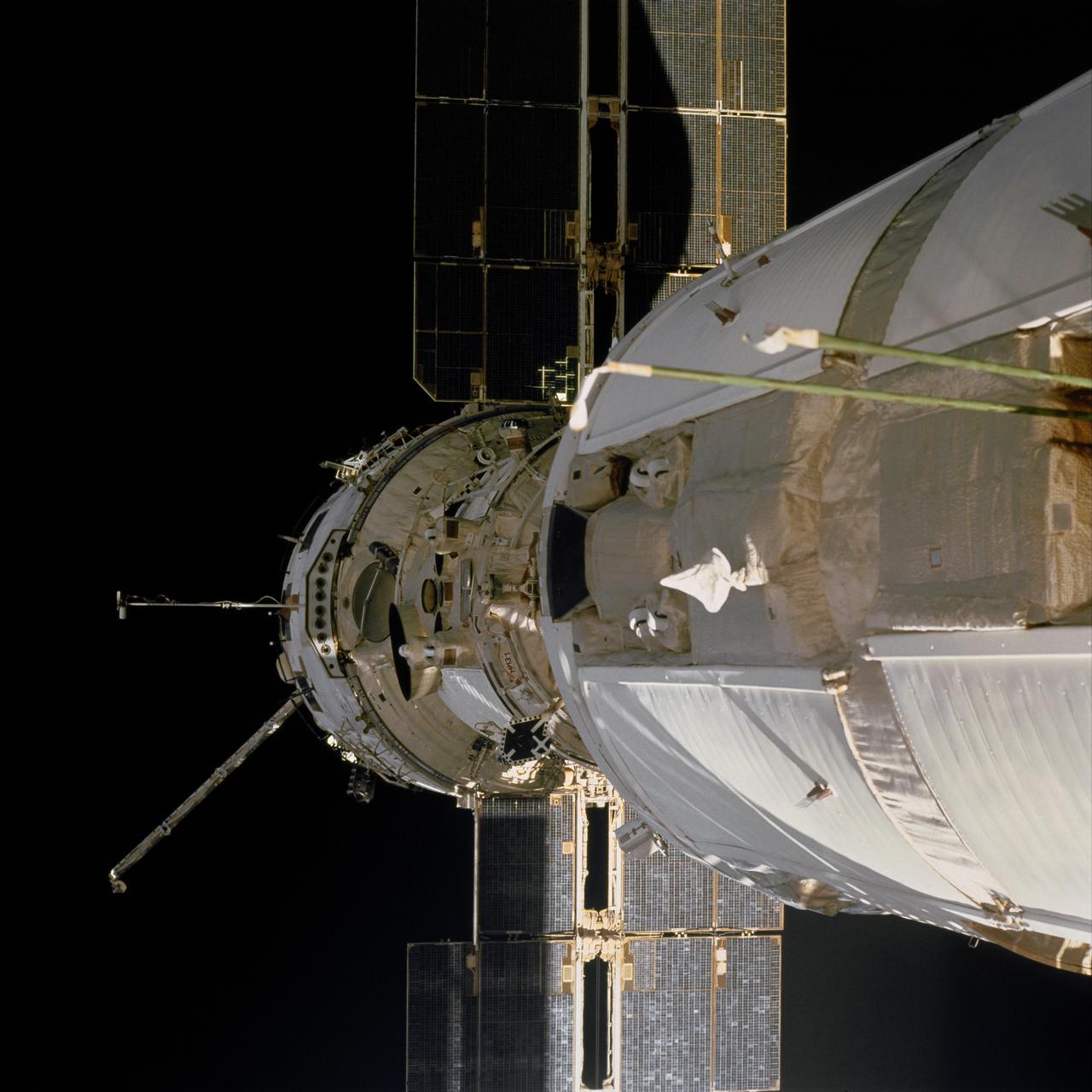
STS097-702-092 (30 Nov.-11 Dec. 2000) --- The Functional Cargo Block (FGB)/Zarya and the Zvezda/Service Module on the International Space Station (ISS) is backdropped against the blackness of space in this close-up 70mm frame, exposed from the aft flight deck of the Space Shuttle Endeavour.
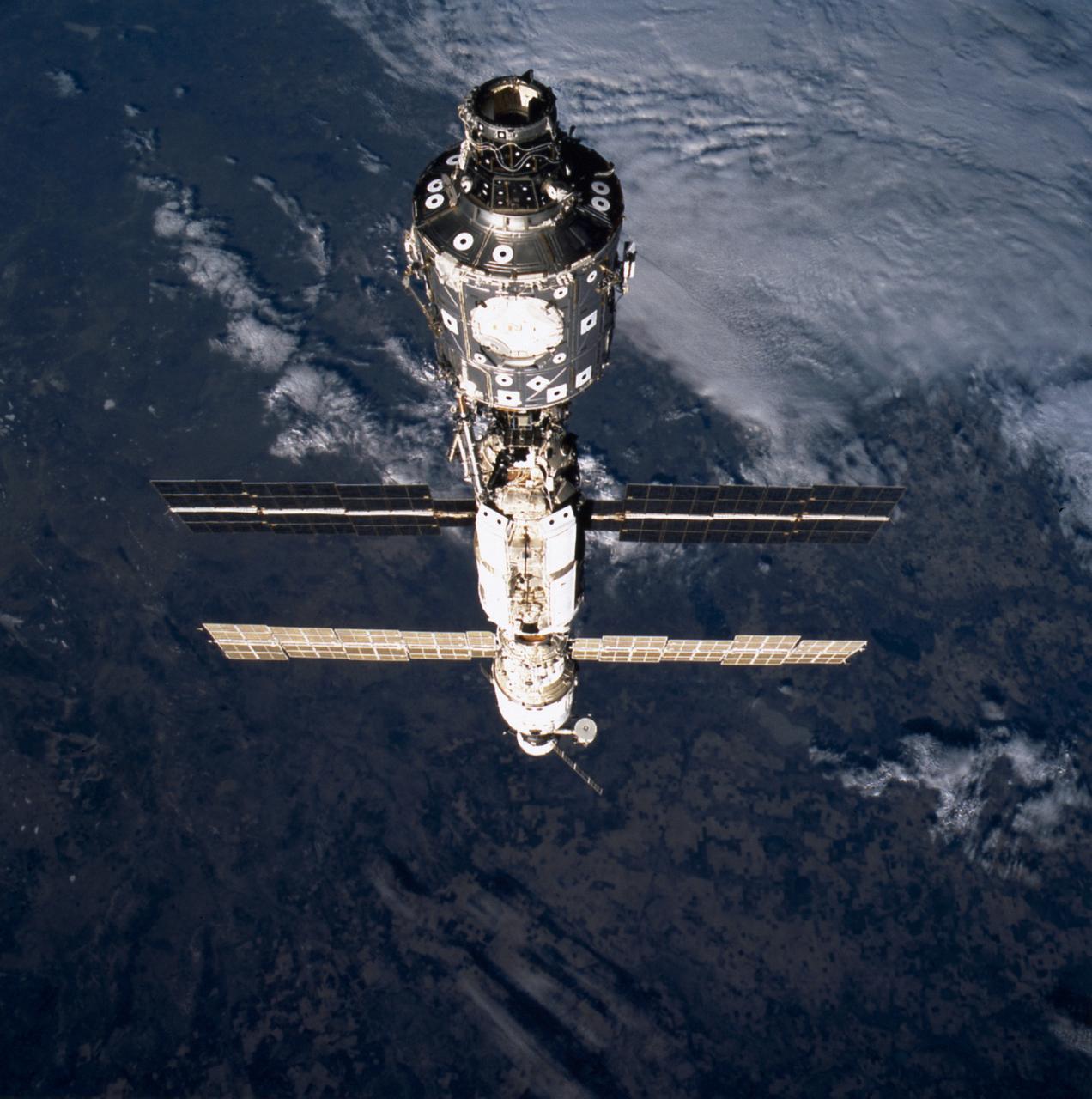
This image of the International Space Station (ISS) was taken during the STS-106 mission. The ISS component nearest the camera is the U.S. built Node 1 or Unity module, which cornected with the Russian built Functional Cargo Block (FGB) or Zarya. The FGB was linked with the Service Module or Zvezda. On the far end is the Russian Progress supply ship.
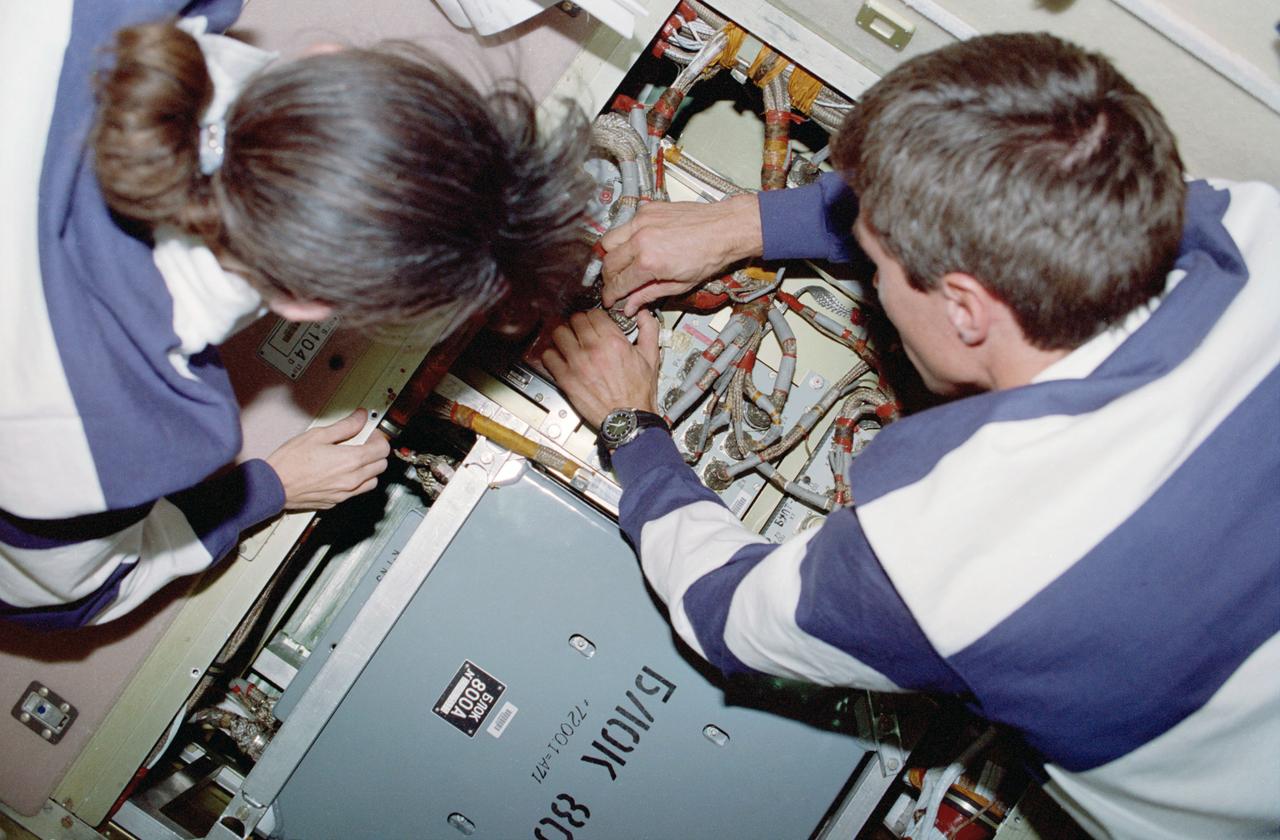
STS088-334-029 (4-15 Dec. 1998) --- Astronaut Nancy J. Currie, mission specialist, and cosmonaut Sergei K. Krikalev, mission specialist representing the Russian Space Agency (RSA), perform an in-flight maintenance on a battery charging unit on the Russian-built FGB Module (Zarya). One of Zarya's six batteries had experienced a problem discharging stored energy in its automatic configuration. Krikalev had swapped out an identical component during two previous flights on the Russia?s Mir Space Station.
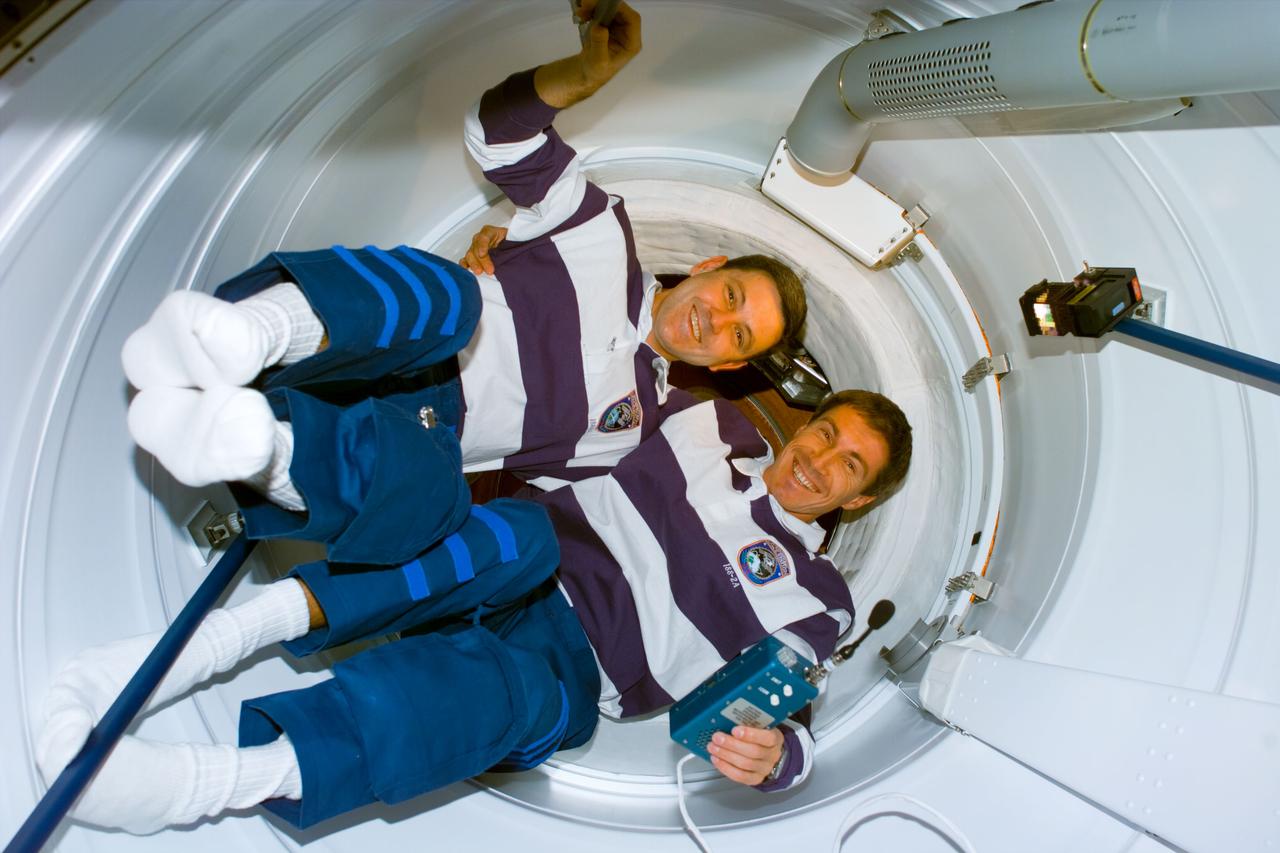
S88-E-5118 (12-10-98) --- The attire of Robert D. Cabana, left, and Sergei Krikalev stands out brightly against the whiteness of the pressurized mating adapter (PMA) connected to the Russian-built Zarya module. Cabana, mission commander, and the mission specialist representing the Russian Space Agency (RSA) were joined by crew mates on this day in installing needed equipment aboard Zarya and the U.S.-built Unity connecting module. The photo was taken with an electronic still camera (ESC) at 21:14:41 GMT, Dec. 10.
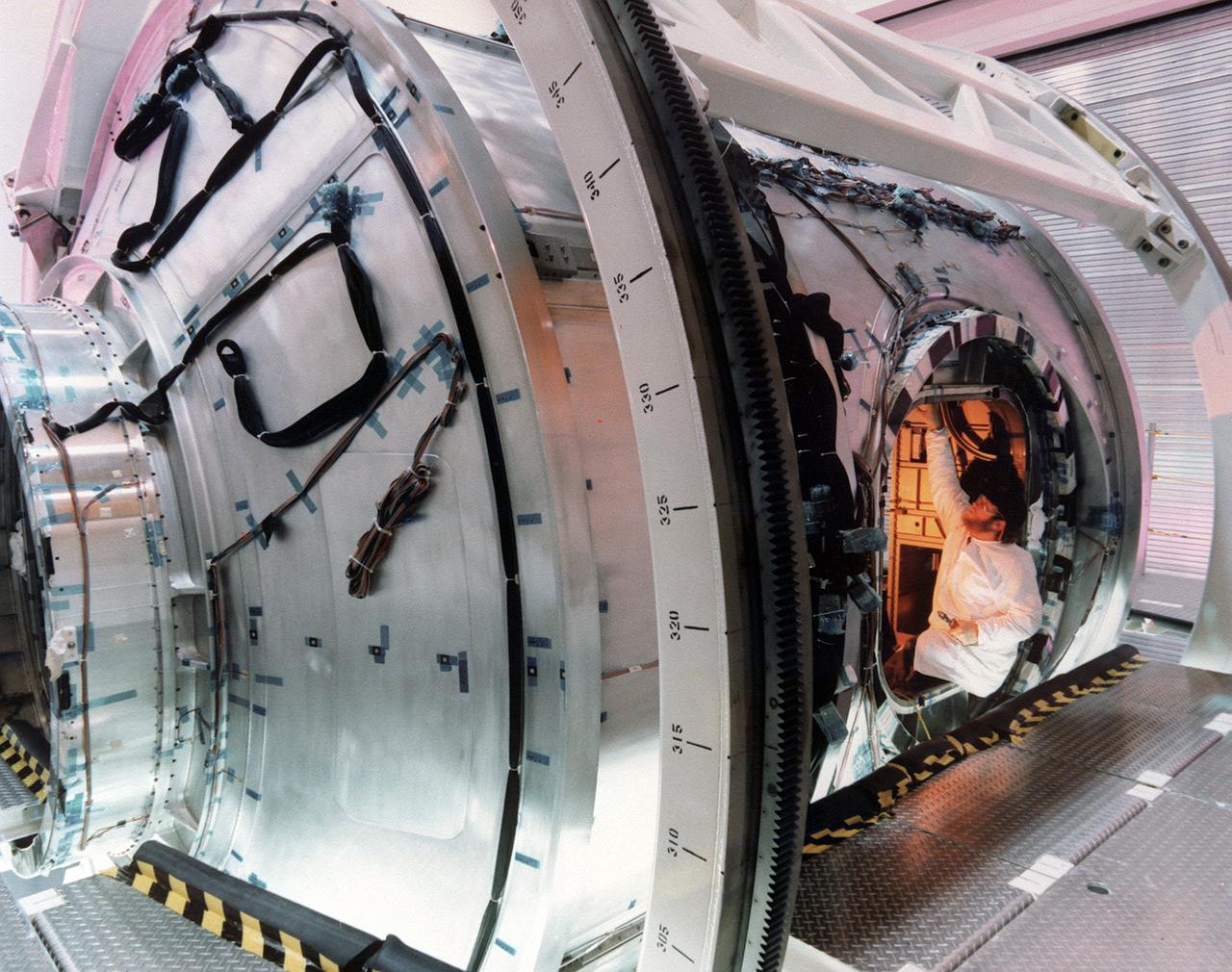
This photograph, taken by the Boeing Company,shows Boeing technicians preparing to install one of six hatches or doors to the Node 1 (also called Unity), the first U.S. Module for the International Space Station (ISS). The Node 1, or Unity, serves as a cornecting passageway to Space Station modules and was manufactured by the Boeing Company at the Marshall Space Flight Center from 1994 to 1997. The U.S. built Unity module was launched aboard the orbiter Endeavour (STS-88 mission) on December 4, 1998 and connected to the Zarya, the Russian-built Functional Energy Block (FGB). The Zarya was launched on a Russian proton rocket prior to the launch of the Unity. The ISS is a multidisciplinary laboratory, technology test bed, and observatory that will provide unprecedented undertakings in scientific, technological, and international experimentation.
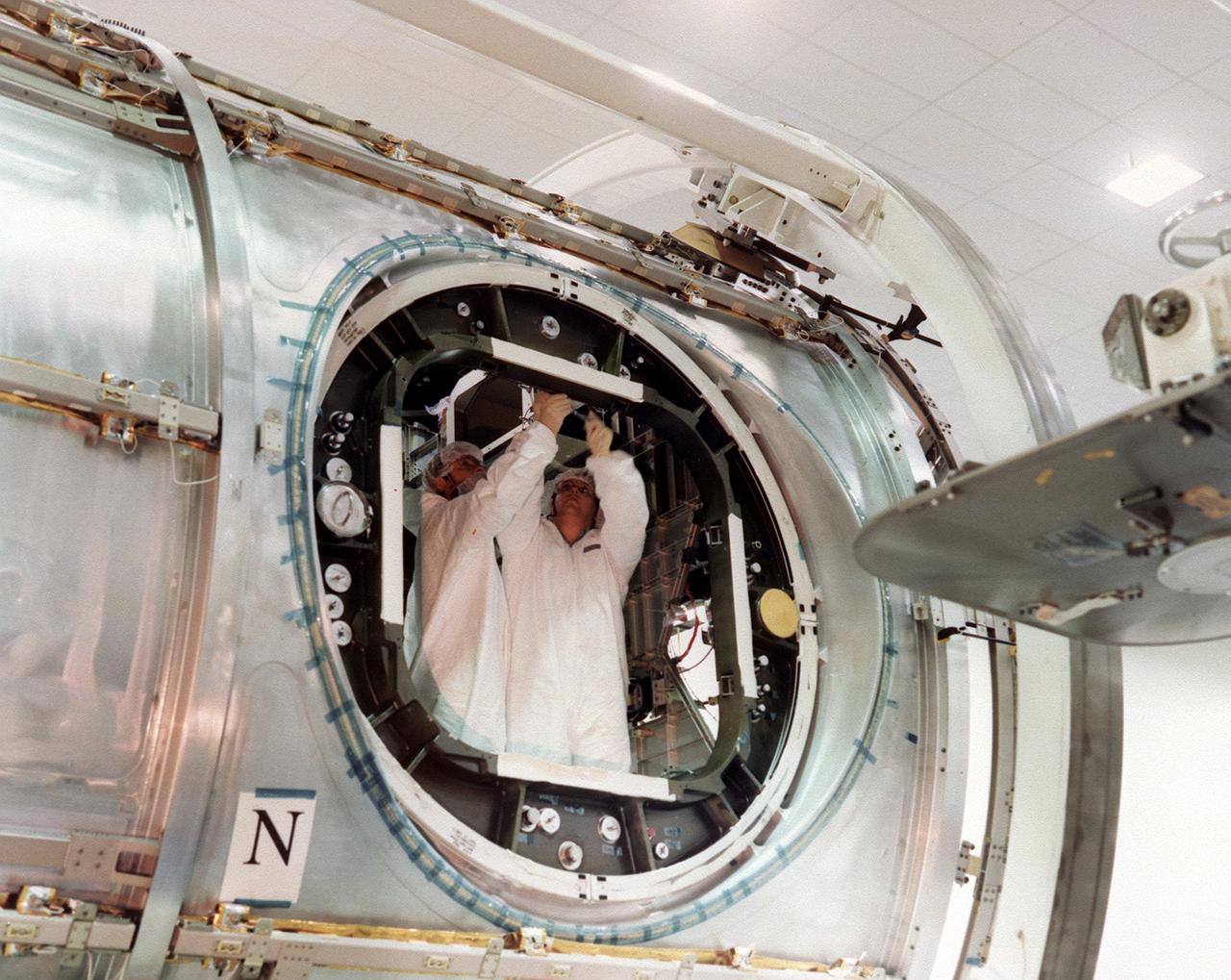
This photograph, taken by the Boeing Company, shows Boeing technicians preparing to install one of six hatches or doors to the Node 1 (also called Unity), the first U.S. Module for the International Space Station (ISS). The Node 1, or Unity, serves as a cornecting passageway to Space Station modules and was manufactured by the Boeing Company at the Marshall Space Flight Center from 1994 to 1997. The U.S. built Unity module was launched aboard the orbiter Endeavour (STS-88 mission) on December 4, 1998 and connected to the Zarya, the Russian-built Functional Energy Block (FGB). The Zarya was launched on a Russian proton rocket prior to the launch of the Unity. The ISS is a multidisciplinary laboratory, technology test bed, and observatory that will provide unprecedented undertakings in scientific, technological, and international experimentation.
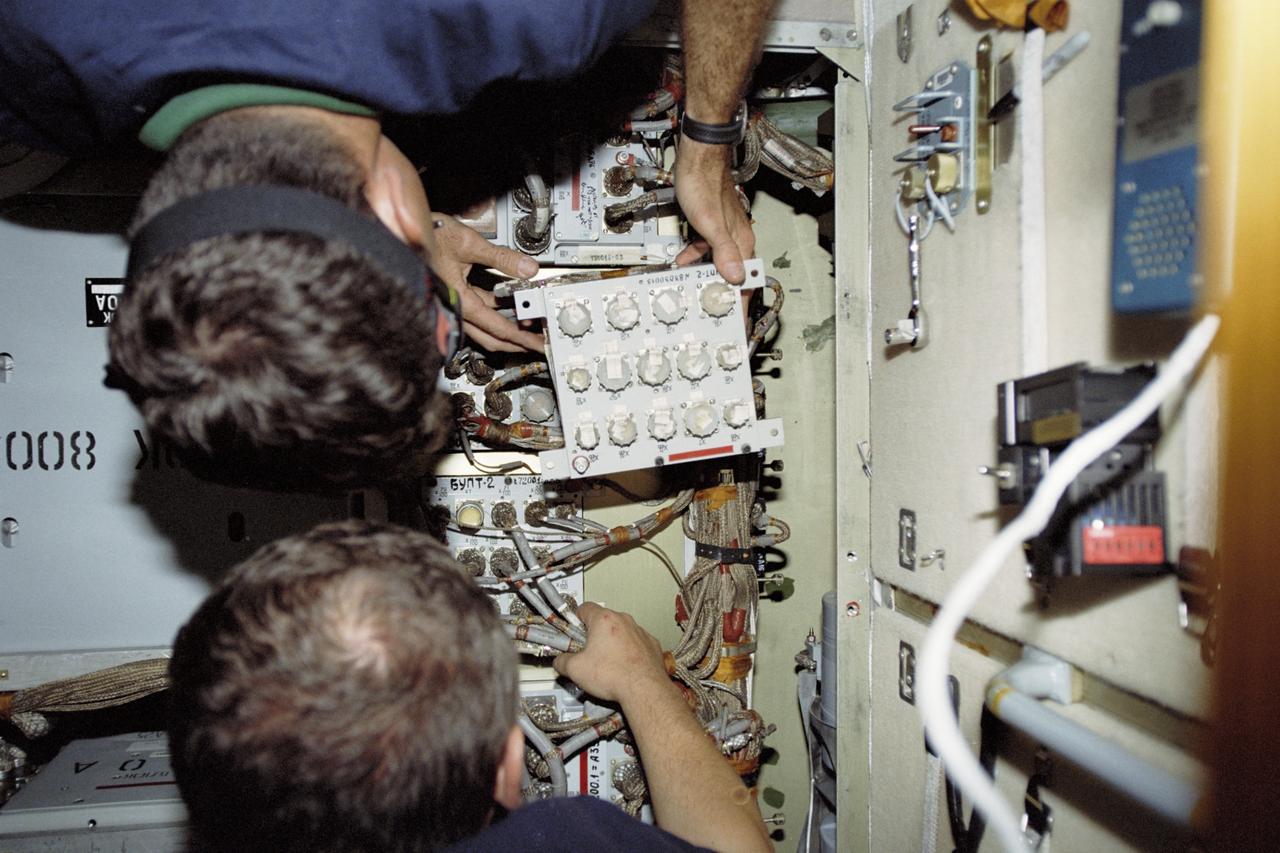
STS-106 Mission Specialist (MS) Daniel Burbank (with headband light) and MS / cosmonaut Boris Morukov work on the storage batteries in the Functional Cargo Block (FGB) / Zarya.
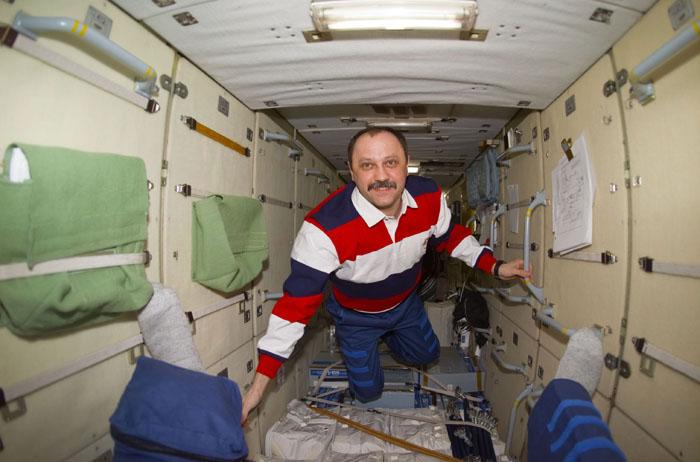
STS105-E-5357 (20 August 2001) --- Yury V. Usachev of Rosaviakosmos, Expedition Two mission commander, drifts through the Zarya module of the International Space Station (ISS) toward the end of his five-month residence onboard the orbital outpost. With the arrival of Expedition Three, Usachev and Expedition Two flight engineers Susan J. Helms and James S. Voss will return to Earth with the STS-105 crew. The image was taken with a digital still camera.
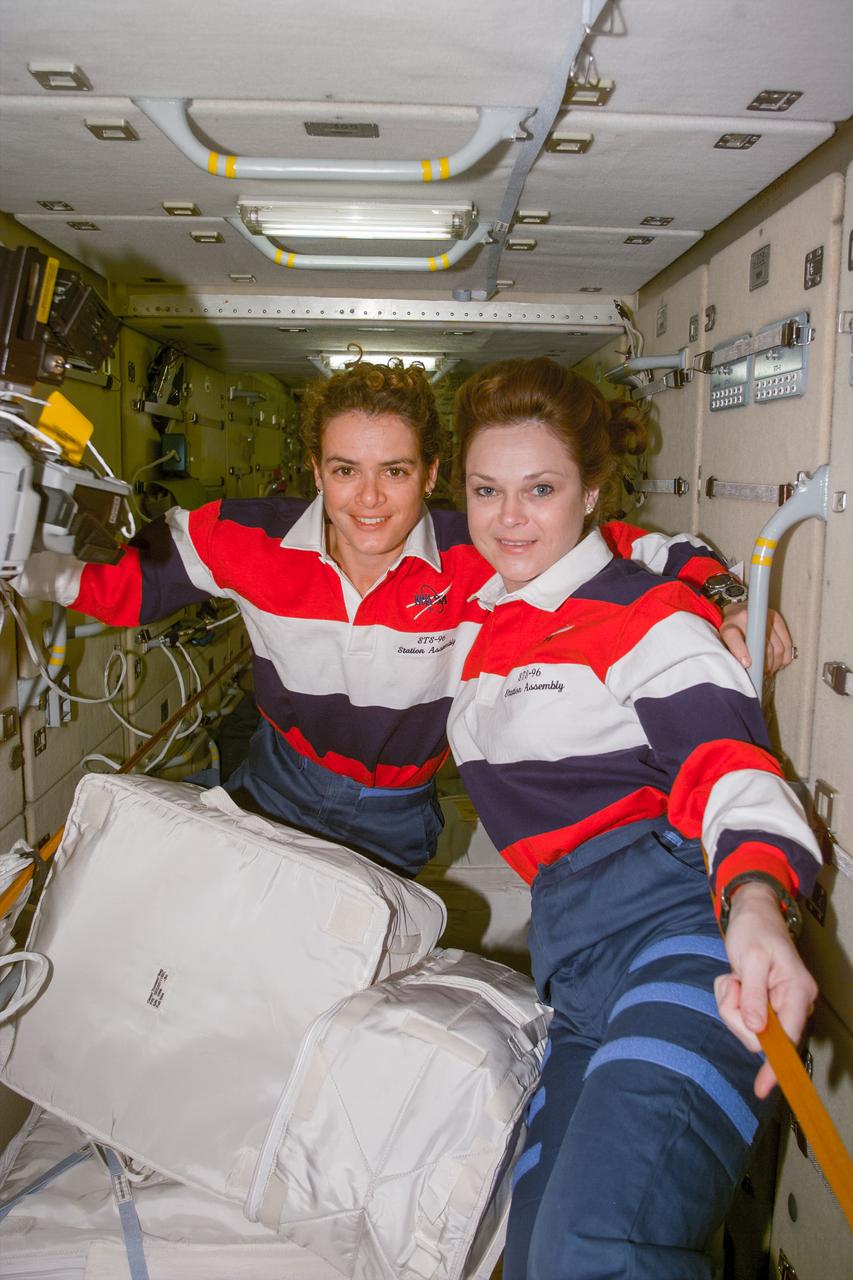
S96-E-5161 (2 June 1999) --- Astronauts Jule Payette (left) and Tamara E. Jernigan, mission specialists, participate in the final hours of tasks designed to prepare the International Space Station (ISS) for business. Here, on the Russian-built Zarya module, the two are seen with a small part of the supplies brought up by the Space Shuttle Discovery. The photo was taken with an electronic still camera (ESC) at 05:58:37 GMT, June 2, 1999.
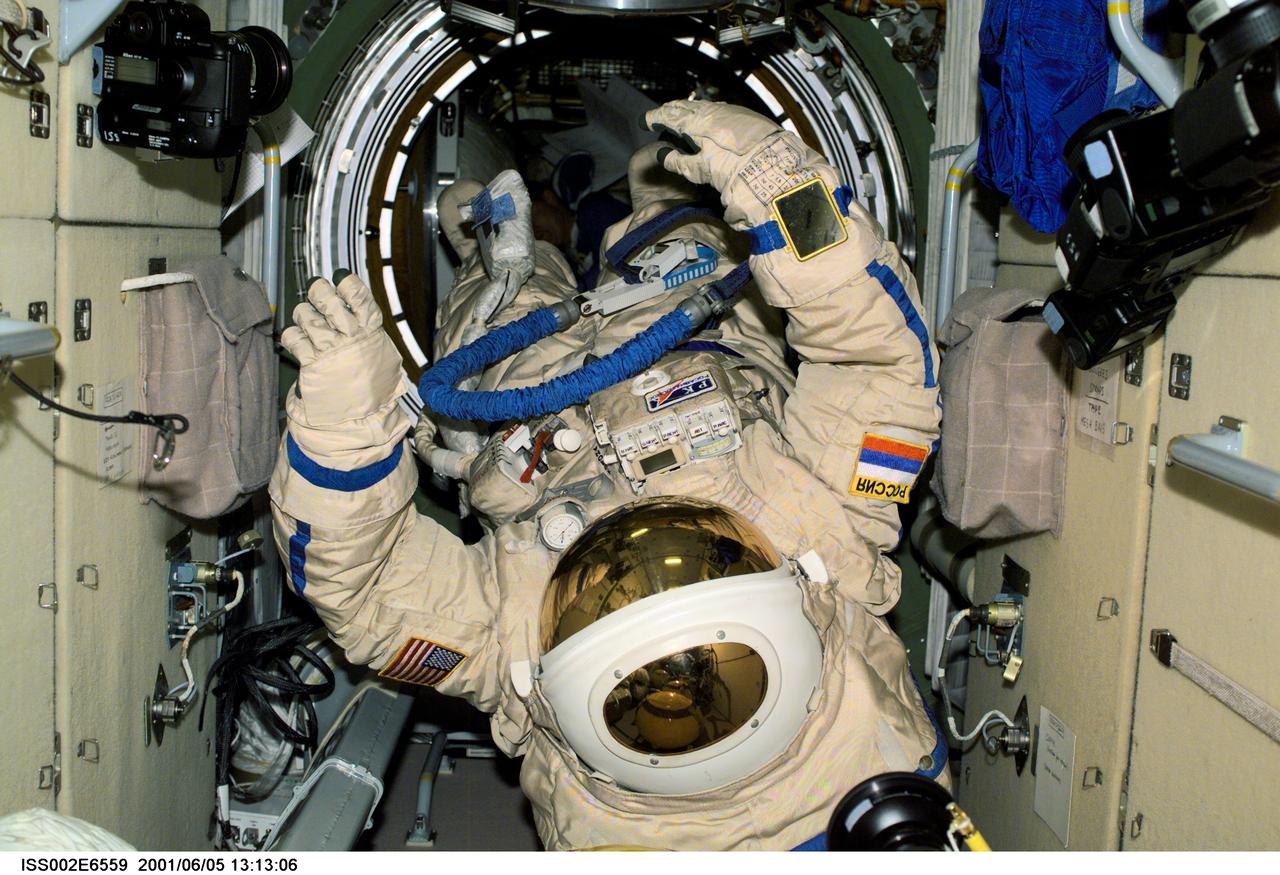
ISS002-E-6559 (5 June 2001) --- View of Russian Orlan space suits drifting in the Zarya module of the International Space Station (ISS). These Orlan spacesuits were used by Yury V. Usachev of Rosaviakosmos, Expedition Two mission commander, and James S. Voss, Expedition Two flight engineer, for their June 8, 2001, space walk. The image was recorded with a digital still camera.
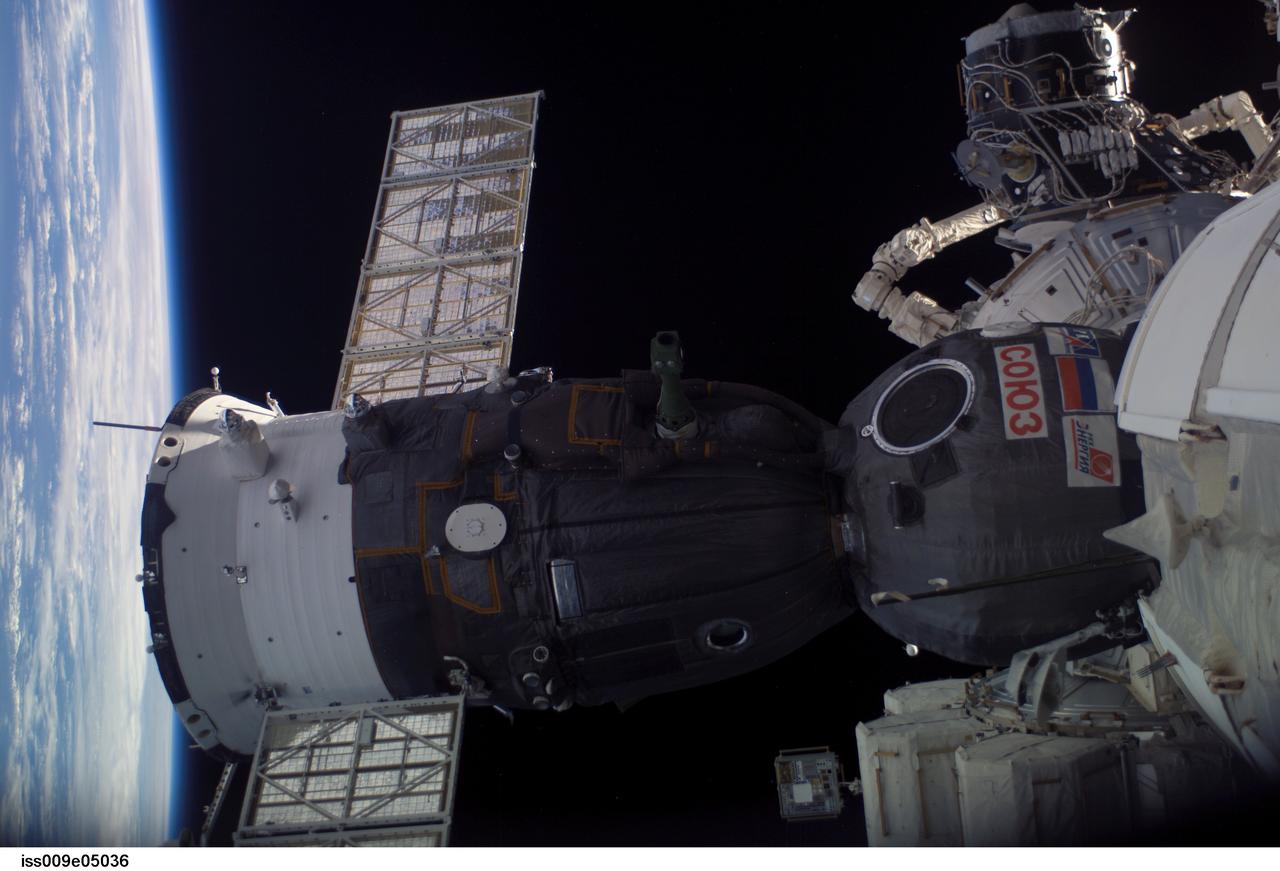
ISS009-E-05036 (29 April 2004) --- The blackness of space and Earth’s horizon provide the backdrop for this scene of the Soyuz TMA-4 spacecraft, docked to the Zarya functional cargo block (FGB) nadir port on the International Space Station (ISS). The scene was photographed by an Expedition 9 crewmember.
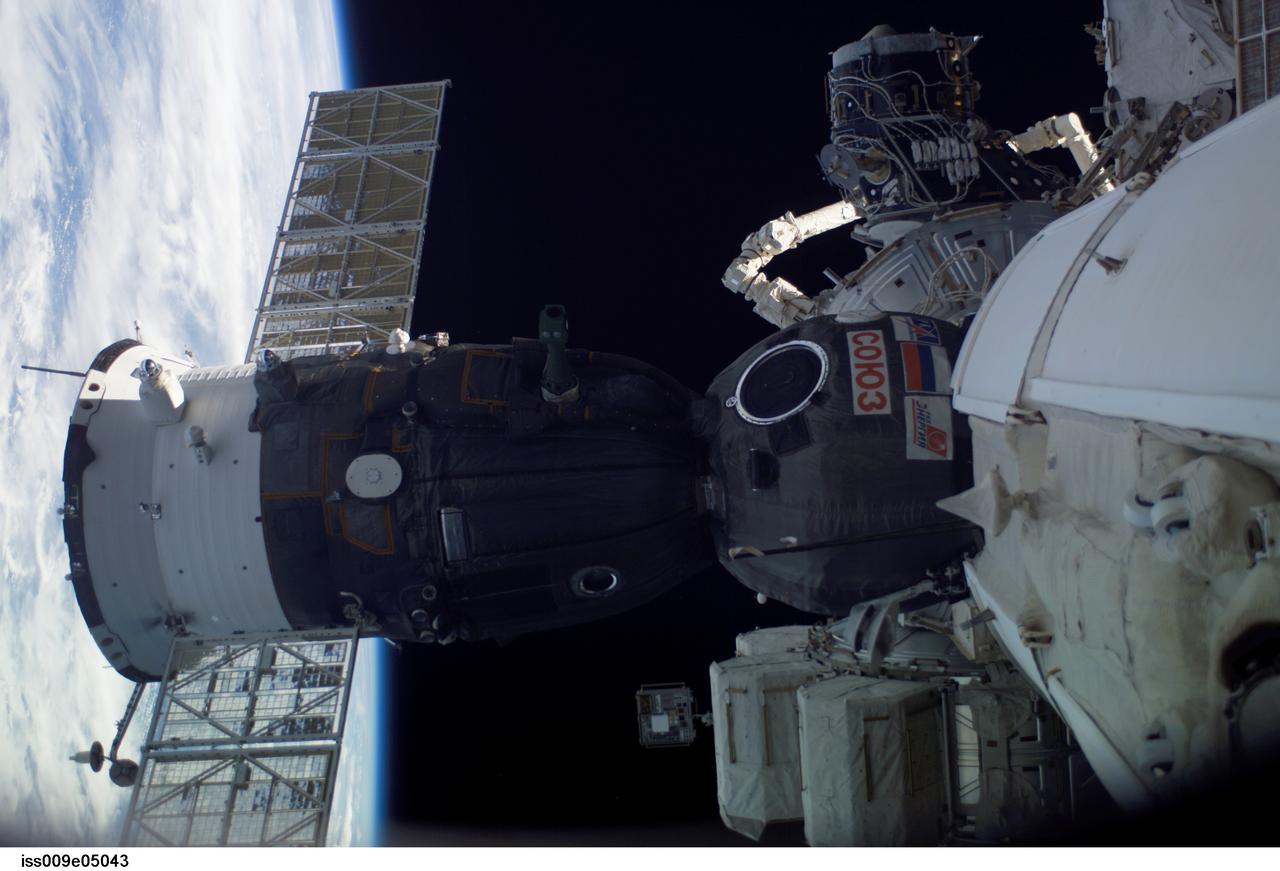
ISS009-E-05043 (29 April 2004) --- The blackness of space and Earth’s horizon provide the backdrop for this scene of the Soyuz TMA-4 spacecraft, docked to the Zarya functional cargo block (FGB) nadir port on the International Space Station (ISS). The scene was photographed by an Expedition 9 crewmember.
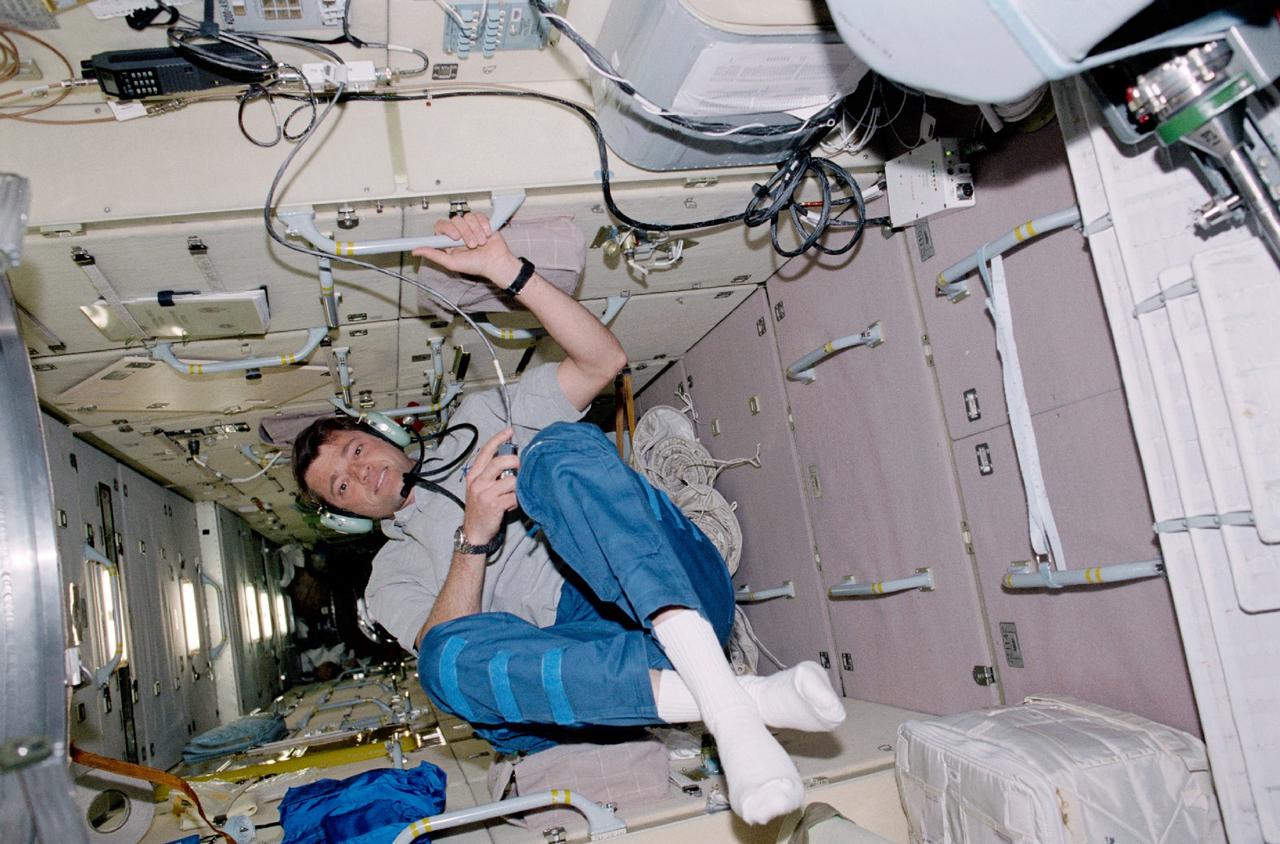
STS100-345-015 (19 April-1 May 2001) --- Astronaut Jeffrey S. Ashby, STS-100 pilot, talks to amateur radio operators on the ground from a special work station on the functional cargo block (FGB) or Zarya module of the International Space Station (ISS).
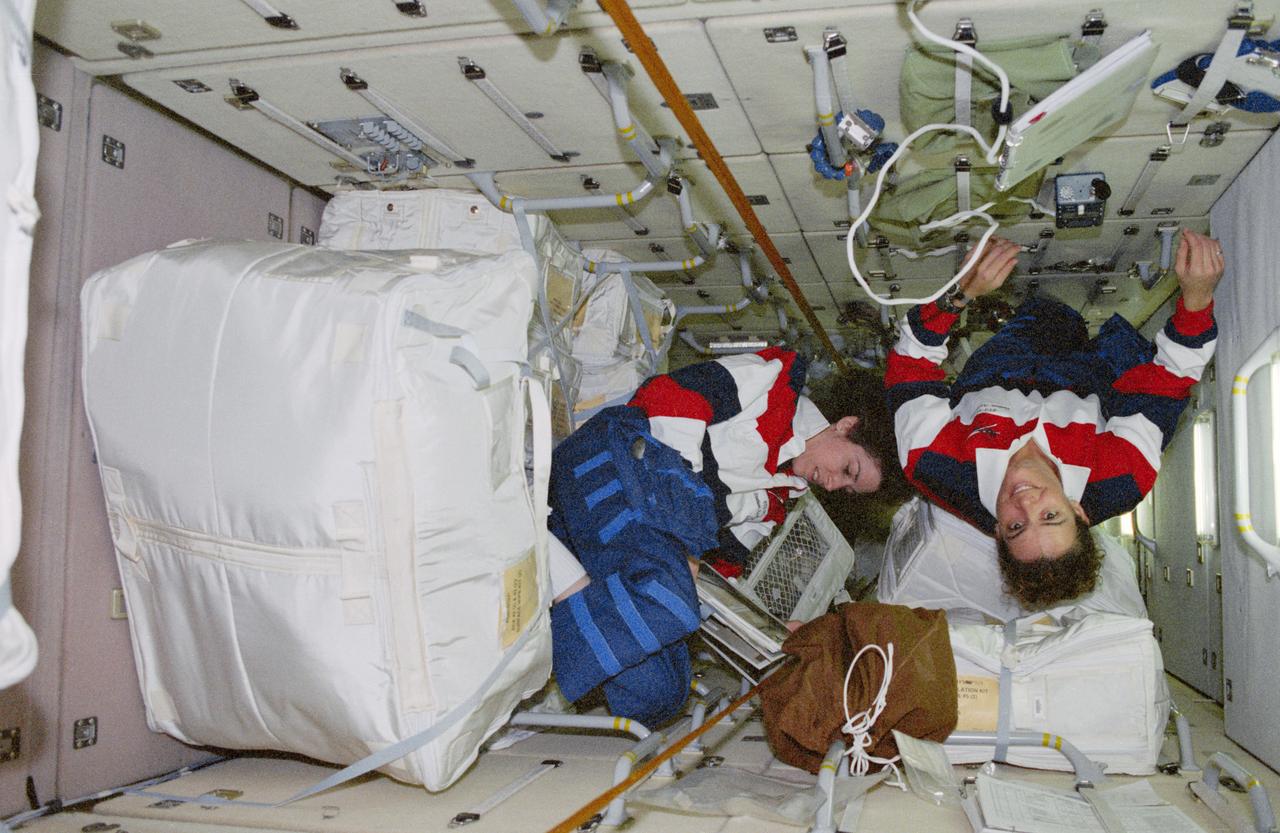
STS096-364-015 (27 May - 6 June 1999) --- Onboard the Russian-built Zarya module, astronauts Julie Payette (left) and Ellen Ochoa handle a portion of the supplies which have been moved over from the docked Discovery. Payette represents the Canadian Space Agency (CSA).
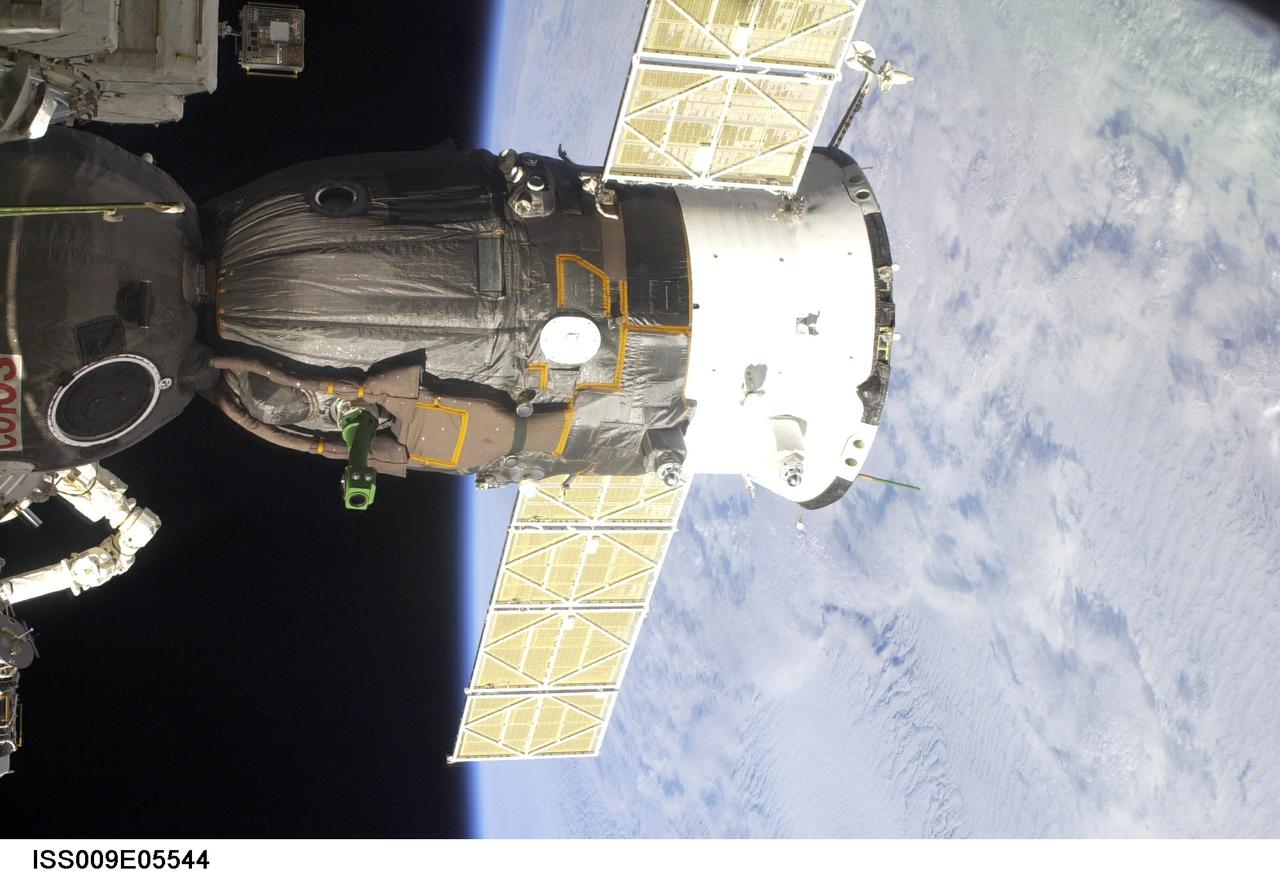
ISS009-E-05544 (May 2004) --- The blackness of space and Earth’s horizon provide the backdrop for this scene of the Soyuz TMA-4 spacecraft, docked to the Zarya functional cargo block (FGB) nadir port on the International Space Station (ISS). The scene was photographed by an Expedition 9 crewmember.
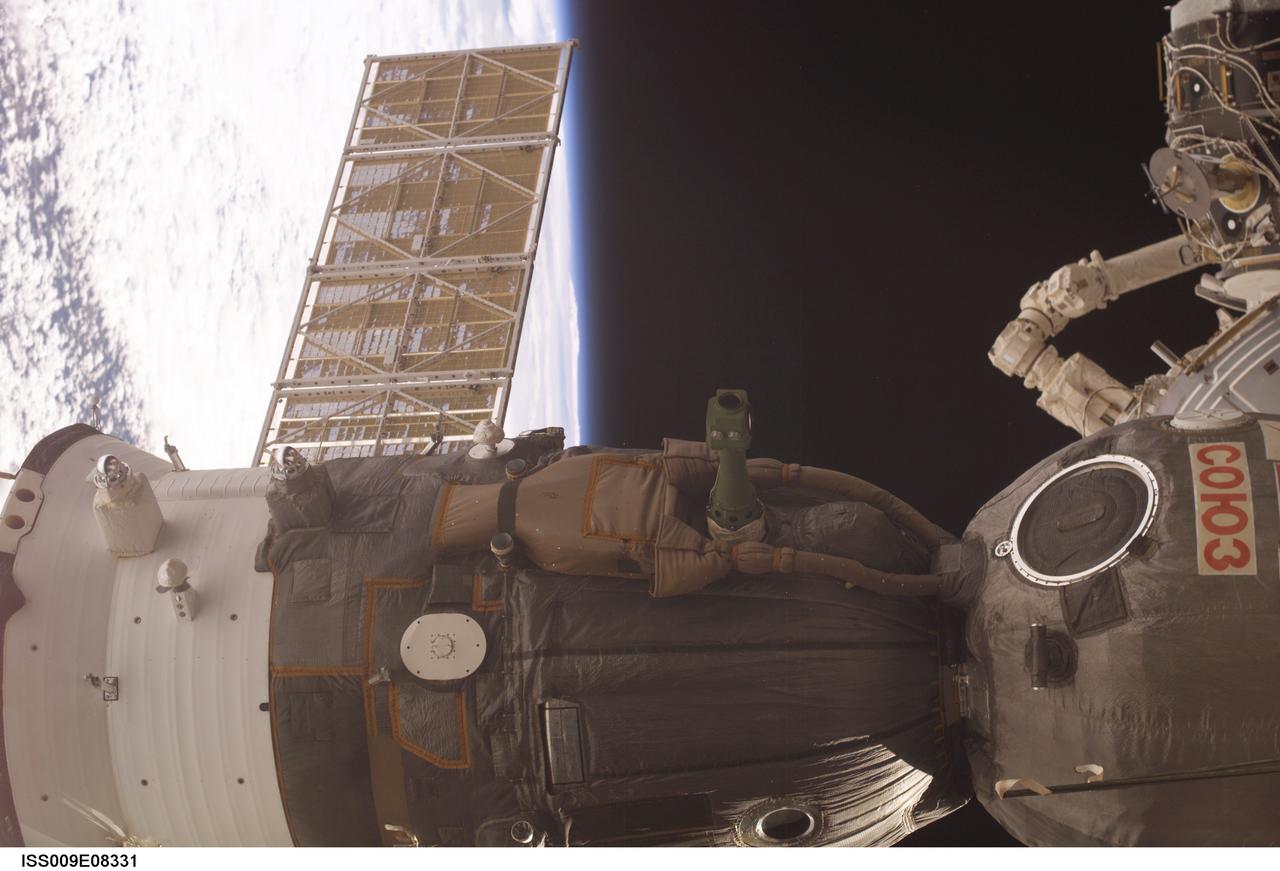
ISS009-E-08331 (24 May 2004) --- The blackness of space and Earth’s horizon provide the backdrop for this scene of the Soyuz TMA-4 spacecraft, docked to the Zarya functional cargo block (FGB) nadir port of the International Space Station (ISS). The scene was photographed by an Expedition 9 crewmember.
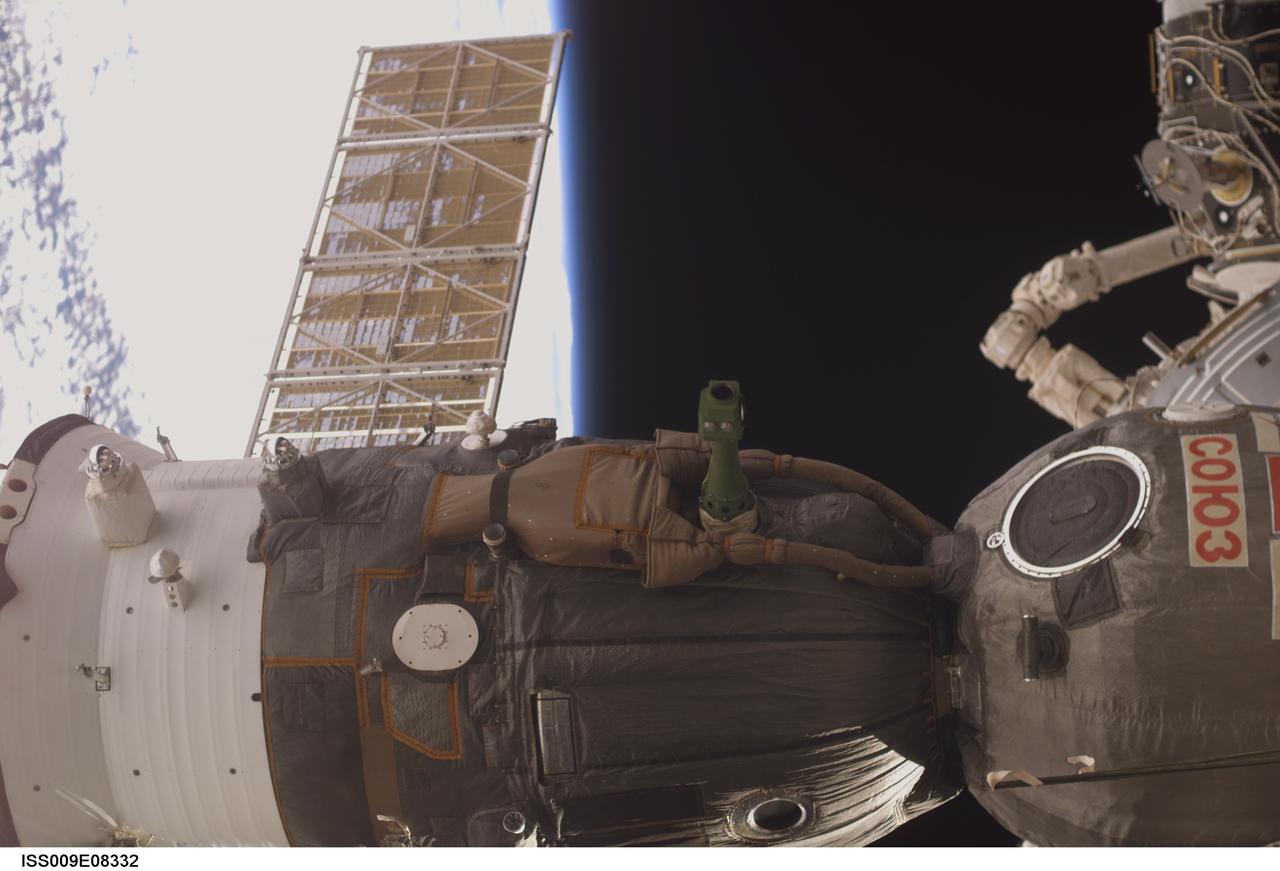
ISS009-E-08332 (24 May 2004) --- The blackness of space and Earth’s horizon provide the backdrop for this scene of the Soyuz TMA-4 spacecraft, docked to the Zarya functional cargo block (FGB) nadir port of the International Space Station (ISS). The scene was photographed by an Expedition 9 crewmember.
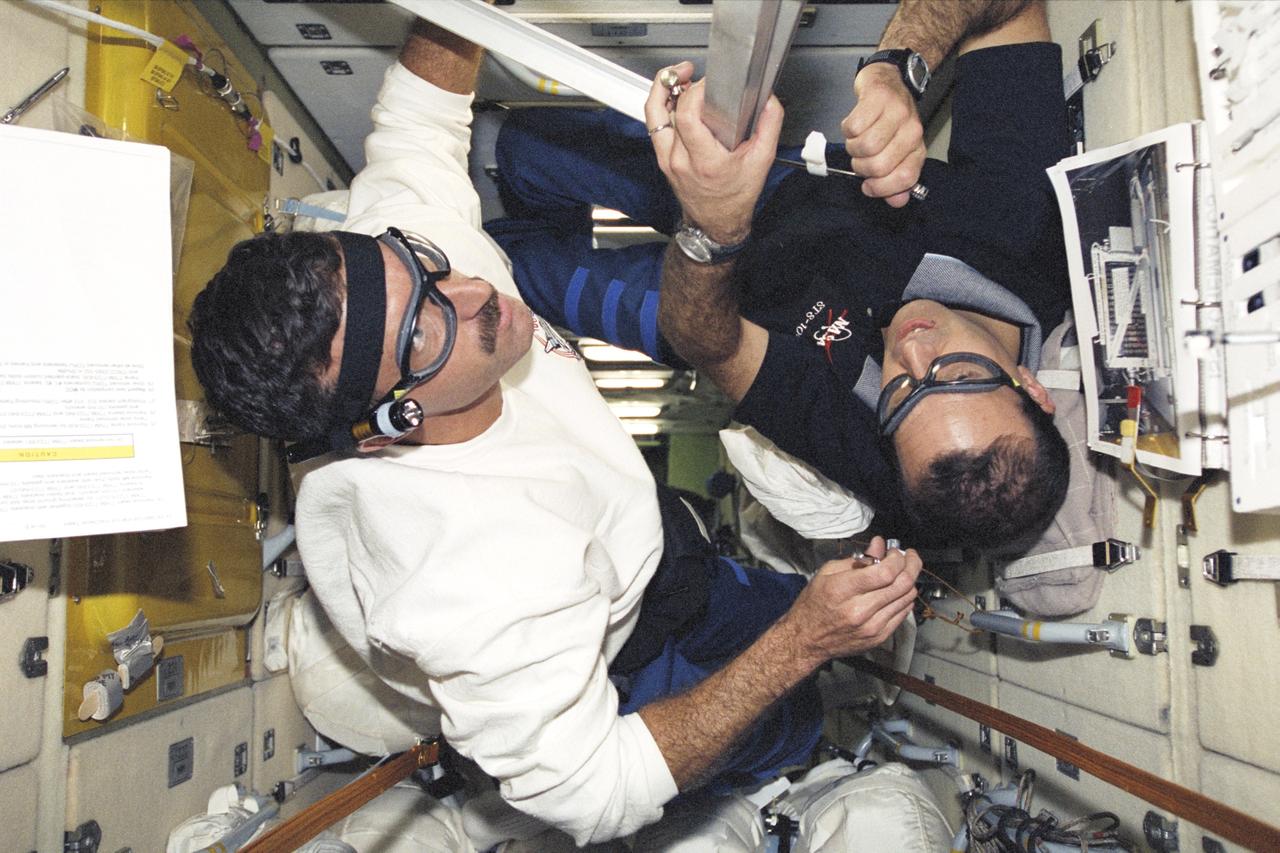
STS106-389-009 (8-20 September 2000) --- Astronauts Daniel C. Burbank (white shirt) and Richard A. Mastracchio, both mission specialists, work with equipment in the functional cargo block (FGB) or Zarya on the International Space Station (ISS).
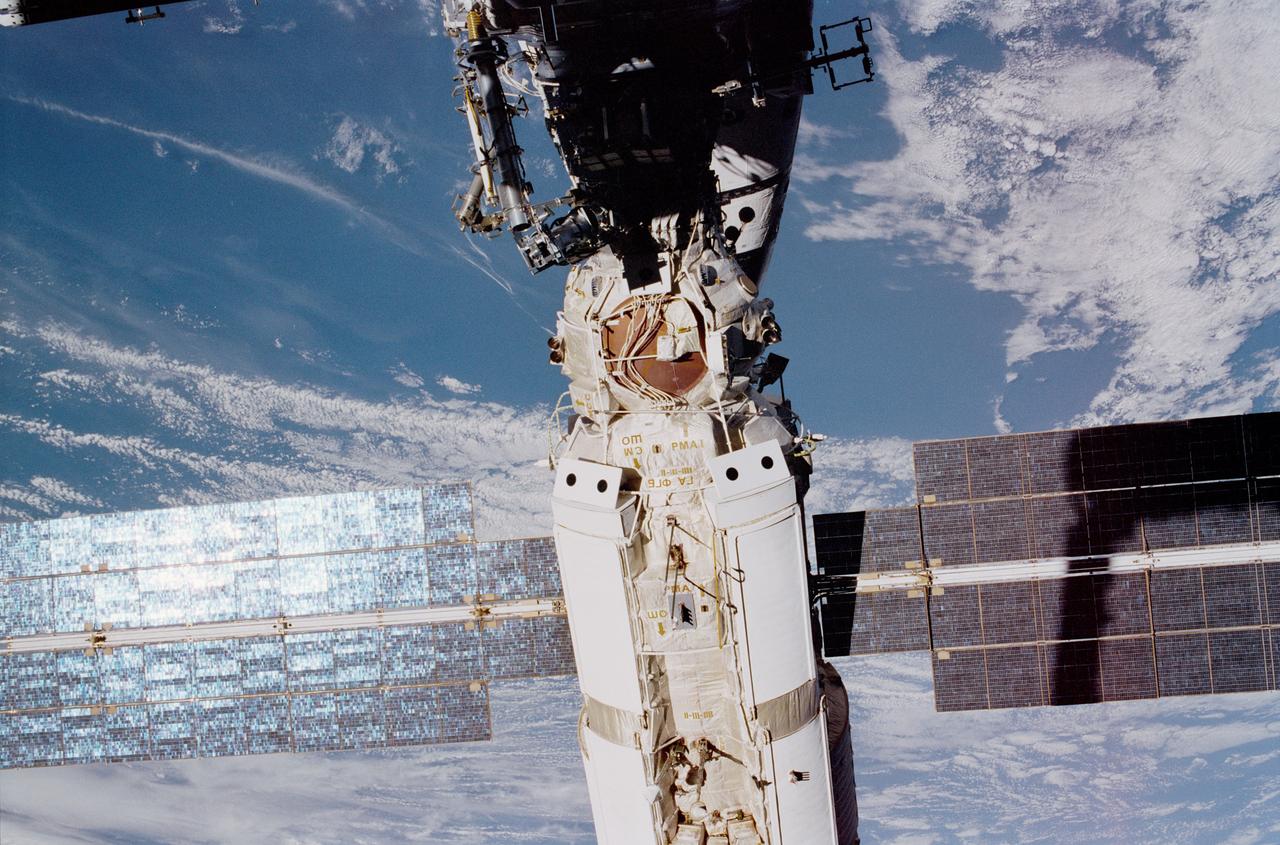
STS097-374-024 (3 December 2000) --- Backdropped by the Earth with partial cloud cover, the Functional Cargo Block (FGB) or Zarya is photographed with sunglint on the array. The photo was taken by astronaut Joseph R. Tanner during the first STS-97 space walk.
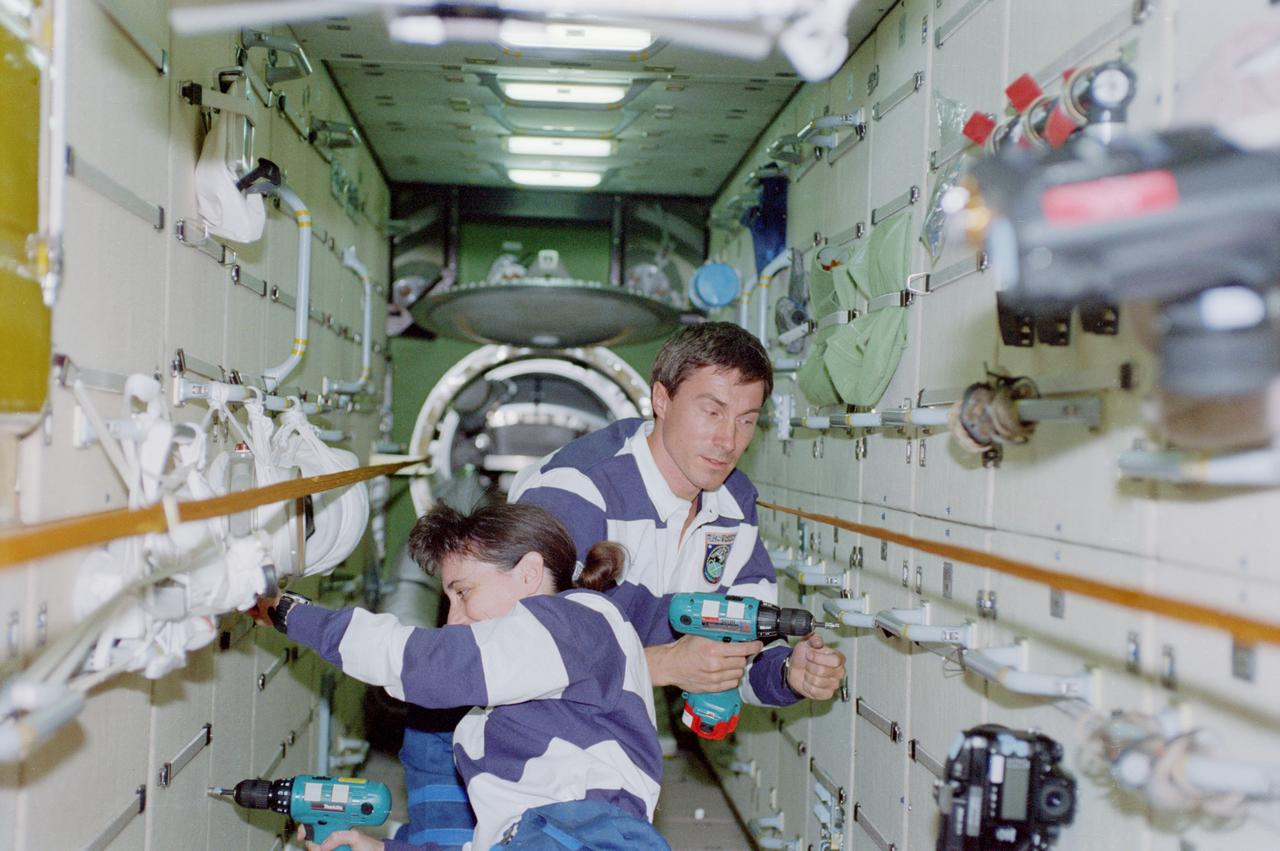
STS088-357-011 (4-15 Dec. 1998) --- Astronaut Nancy J. Currie, mission specialist, and cosmonaut Sergei K. Krikalev, mission specialist representing the Russian Space Agency (RSA), work in the FGB or Zarya Module of the International Space Station (ISS). The two are using battery powered tools to extract bolts.
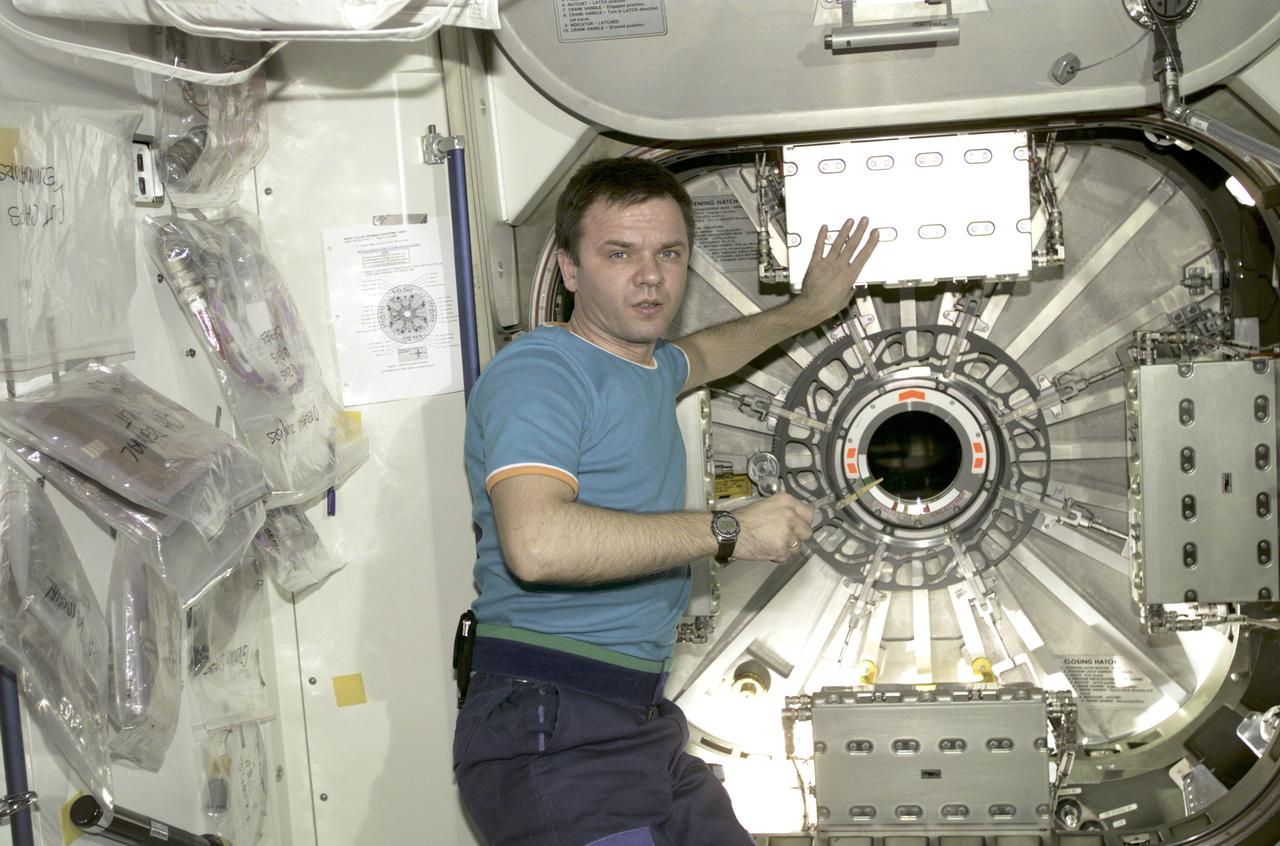
Cosmonaut Yuri P. Gidzenko, Expedition One Soyuz commander, stands near the hatch leading from the Unity node into the newly-attached Destiny laboratory aboard the International Space Station (ISS). The Node 1, or Unity, serves as a cornecting passageway to Space Station modules. The U.S.-built Unity module was launched aboard the Orbiter Endeavour (STS-88 mission) on December 4, 1998, and connected to Zarya, the Russian-built Functional Cargo Block (FGB). The U.S. Laboratory (Destiny) module is the centerpiece of the ISS, where science experiments will be performed in the near-zero gravity in space. The Destiny Module was launched aboard the Space Shuttle Orbiter Atlantis (STS-98 mission) on February 7, 2001. The aluminum module is 8.5 meters (28 feet) long and 4.3 meters (14 feet) in diameter. The laboratory consists of three cylindrical sections and two endcones with hatches that will be mated to other station components. A 50.9-centimeter- (20-inch-) diameter window is located on one side of the center module segment. This pressurized module is designed to accommodate pressurized payloads. It has a capacity of 24 rack locations, and payload racks will occupy 13 locations especially designed to support experiments.
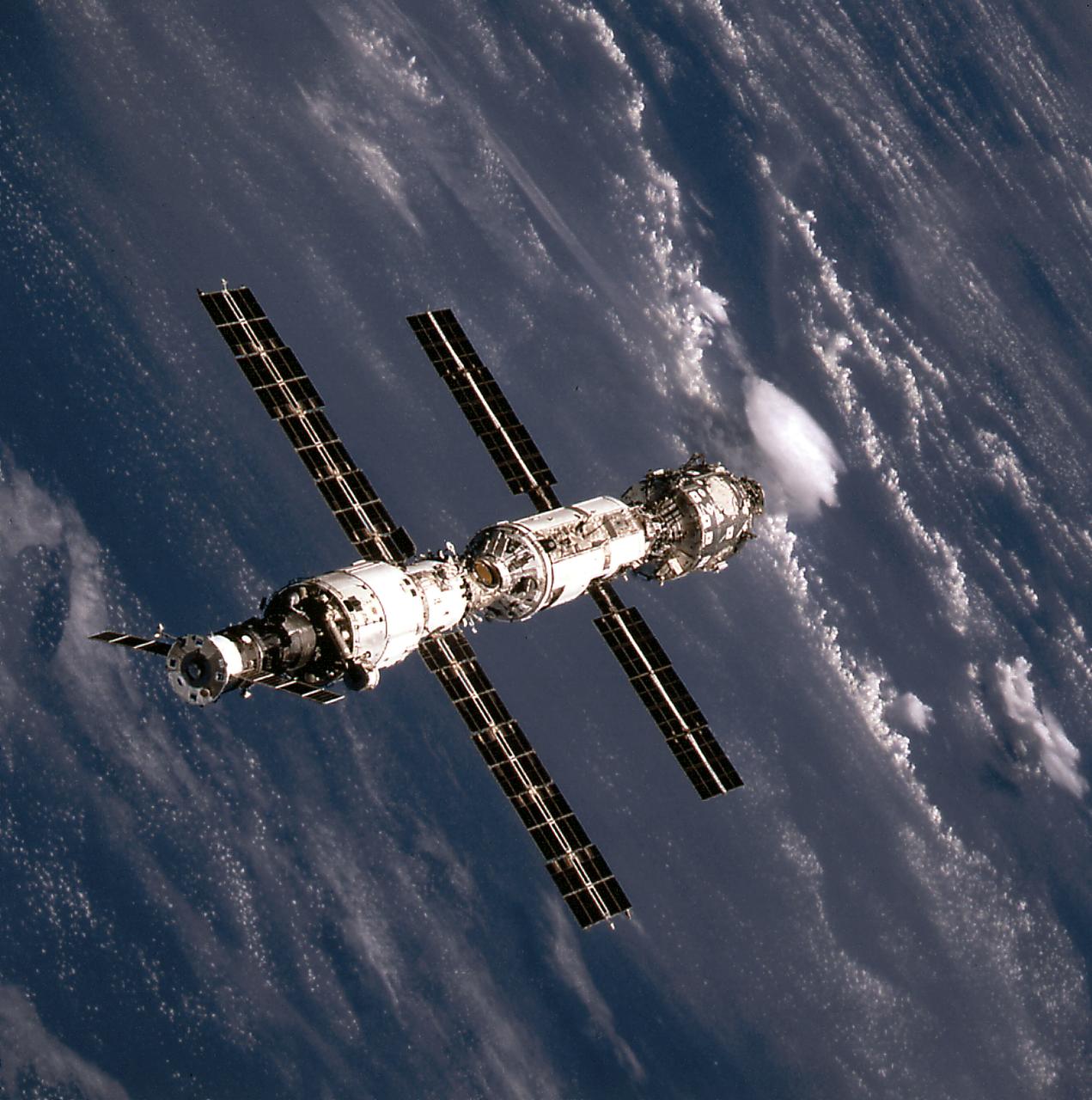
This image of the International Space Station (ISS) was taken when Space Shuttle Atlantis (STS-106 mission) approached the ISS for docking. At the top is the Russian Progress supply ship that is linked with the Russian built Service Module or Zvezda. The Zvezda is cornected with the Russian built Functional Cargo Block (FGB) or Zarya. The U.S. built Node 1 or Unity module is seen at the bottom.
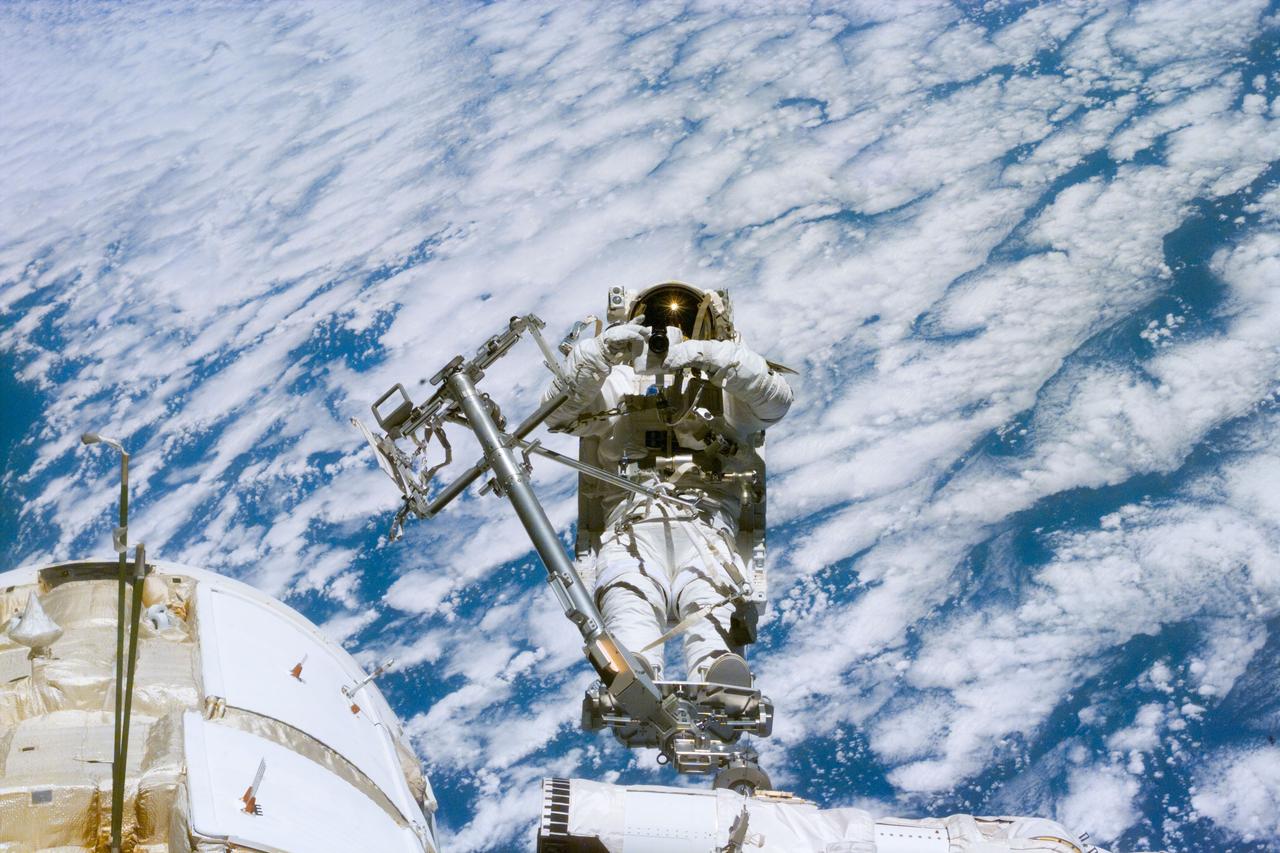
S88-E-5102 (12-10-98) --- Astronaut James H. Newman, mission specialist, is backdropped against a blue and white Earth while standing on a mobile foot restraint attached to Endeavour's remote manipulator system (RMS). Astronaut Jerry L. Ross, mission specialist, is out of frame at left. Part of Zarya is in the lower left corner. The photo was taken with an electronic still camera (ESC) at 02:23:47 GMT, Dec. 10
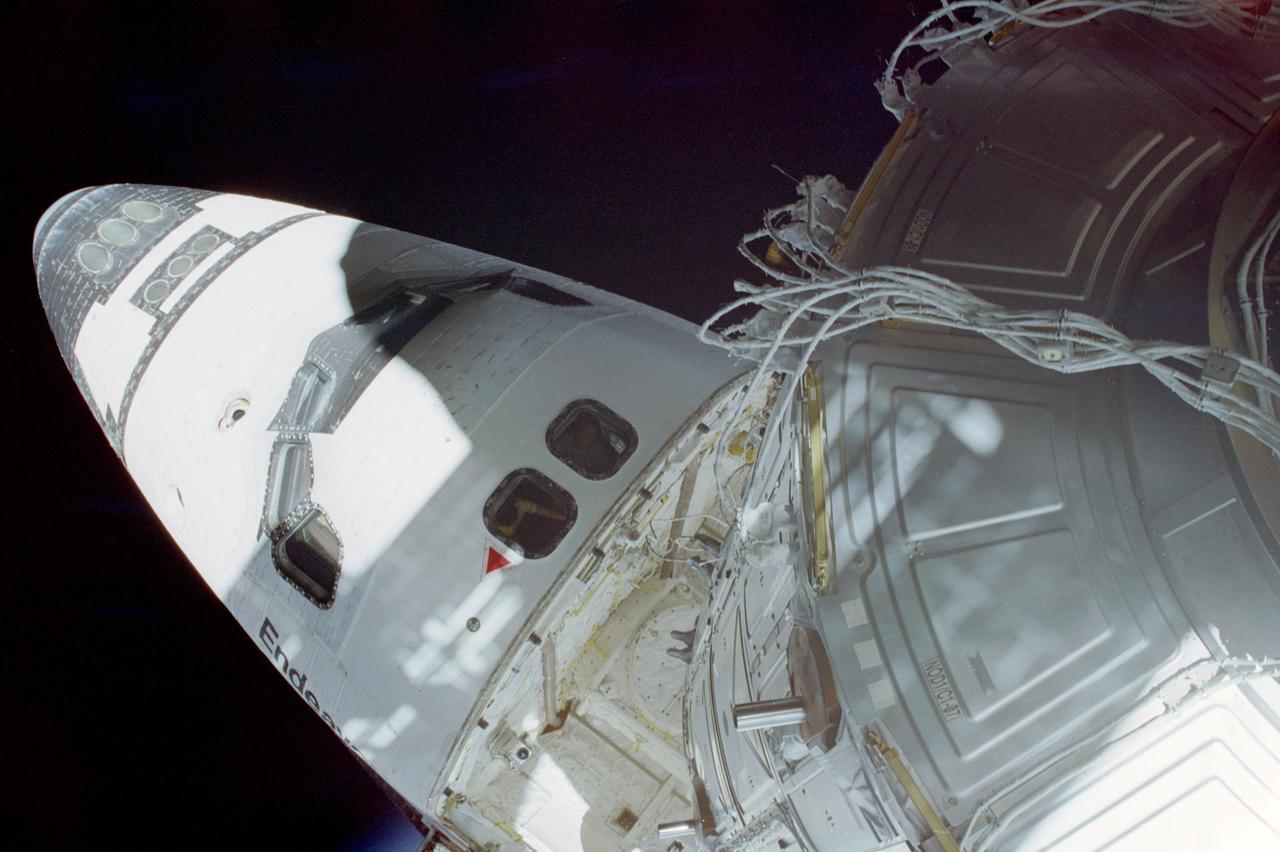
STS088-344-016 (4-15 Dec. 1998) --- This scene photographed from the top of Node 1 shows the nose of the Space Shuttle Endeavour, during one of three Extravehicular Activities (EVA) by astronaut Jerry L. Ross and James H. Newman (both out of frame). The EVA was part of the overall effort to ready for release the recently-joined Russian-built Zarya Module (FGB) and the United States-built Unity (Node 1) Module.
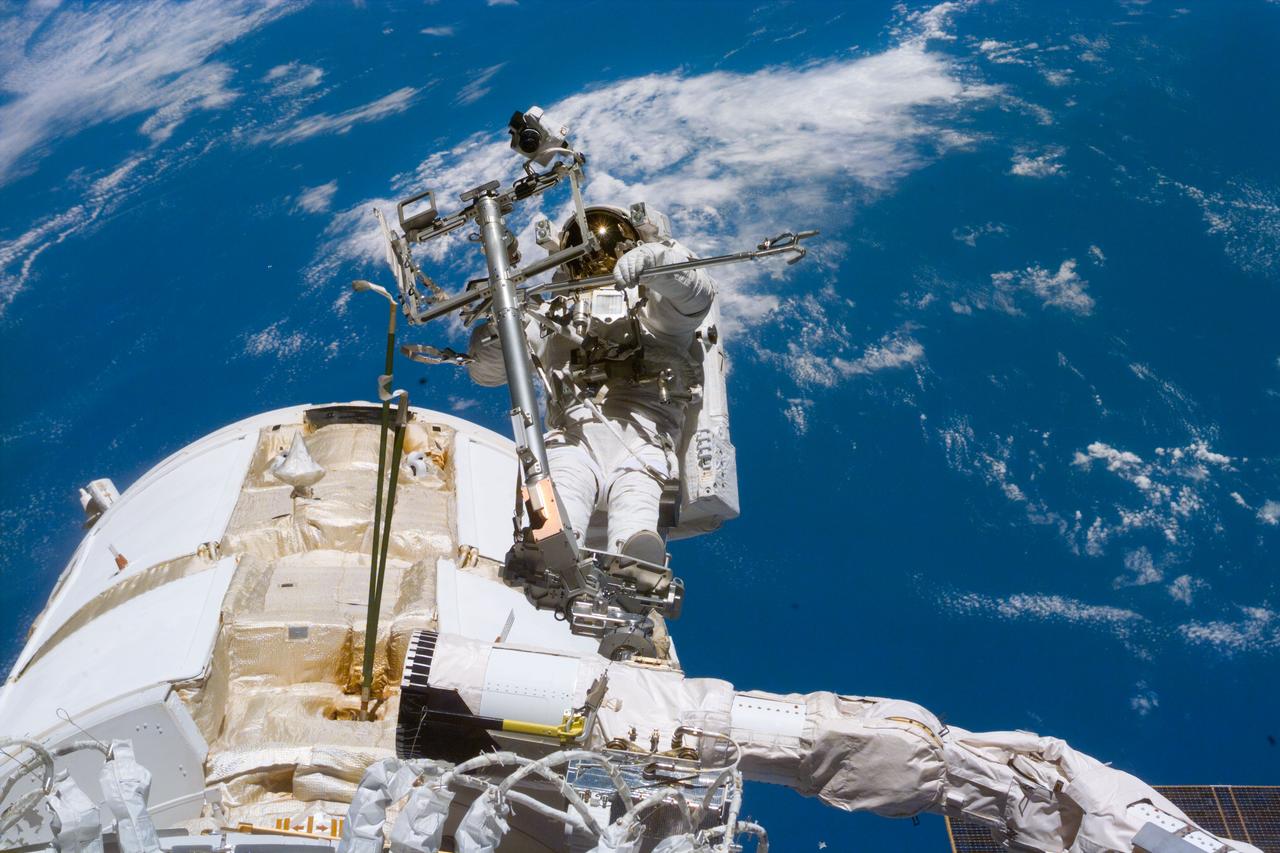
S88-E-5096 (12-10-98) --- Astronaut James H. Newman, mission specialist, is pictured on the end of Endeavour's remote manipulator system (RMS) arm during extravehicular activity (EVA) on Flight Day 8. The Russian-built Zarya module is in the background. The photo was taken with an electronic still camera (ESC) at 02:20:25 GMT, Dec. 10.
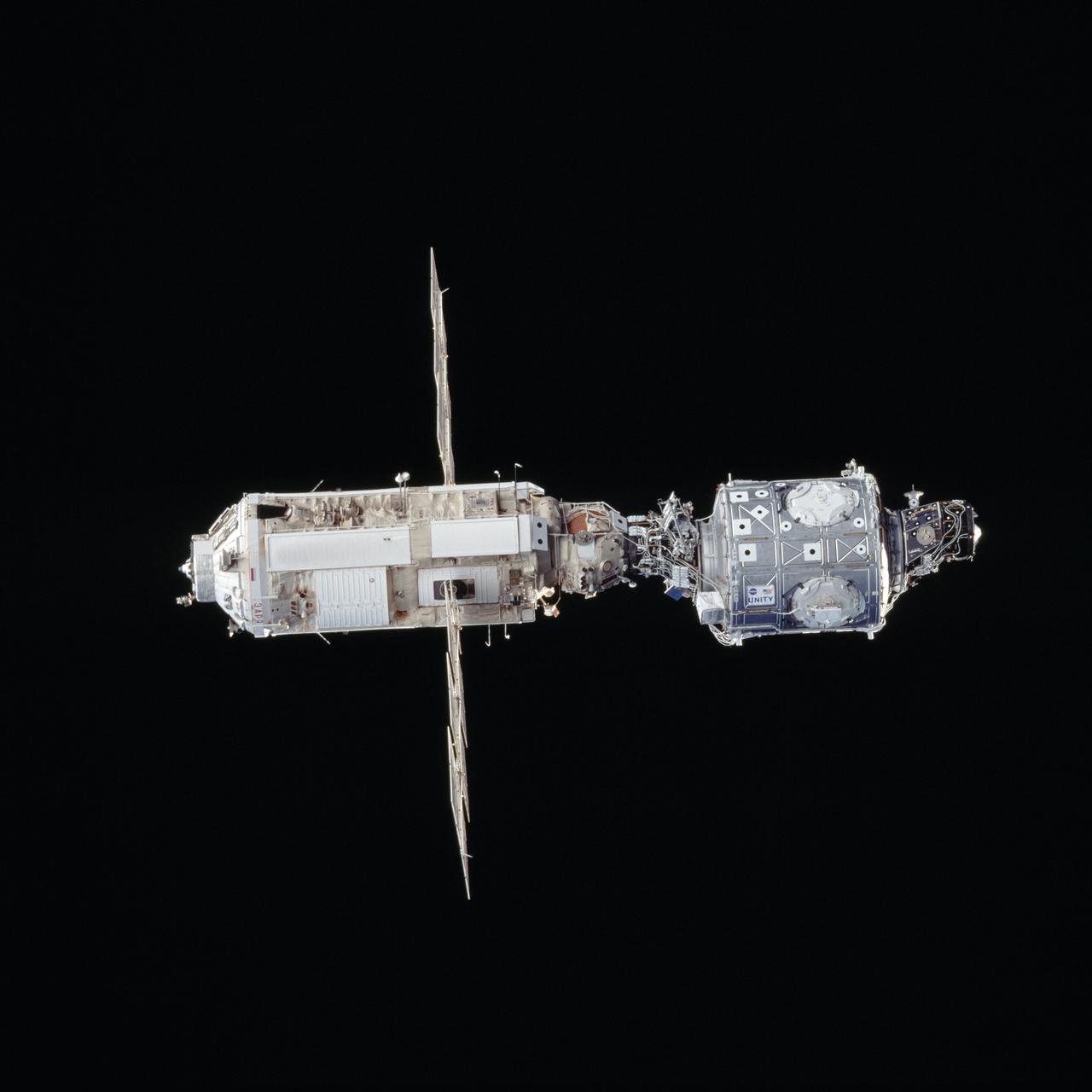
STS088-703-019 (4-15 Dec. 1998) --- The U.S.-built Unity connecting module (bottom) and the Russian-built Zarya module are backdropped against the blackness of space in this 70mm photograph taken from the Space Shuttle Endeavour. After devoting the major portion of its mission time to various tasks to ready the two docked modules for their International Space Station (ISS) roles, the six-member STS-88 crew released the tandem and performed a fly-around survey of the hardware.
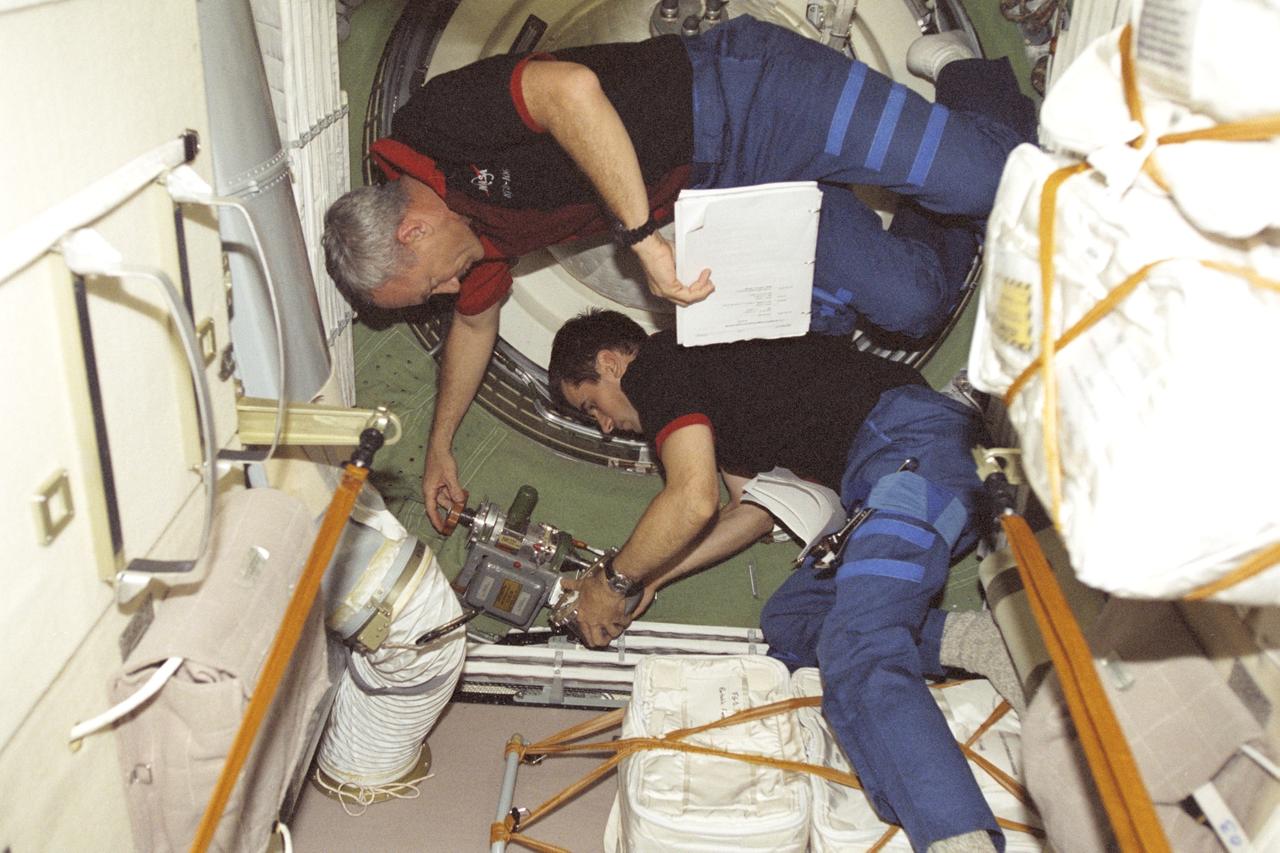
STS106-322-026 (17 September 2000) --- Astronaut Terrence W. Wilcutt (right), STS-106 mission commander, and cosmonaut Yuri I. Malenchenko, mission specialist, in the functional cargo block (FGB) or Zarya on the International Space Station (ISS), work on preparations for undocking between the Space Shuttle Atlantis and the station. Separation took place on September 17, 2000 at 10:46 p.m. (CDT). Malenchenko represents Rosaviakosmos.
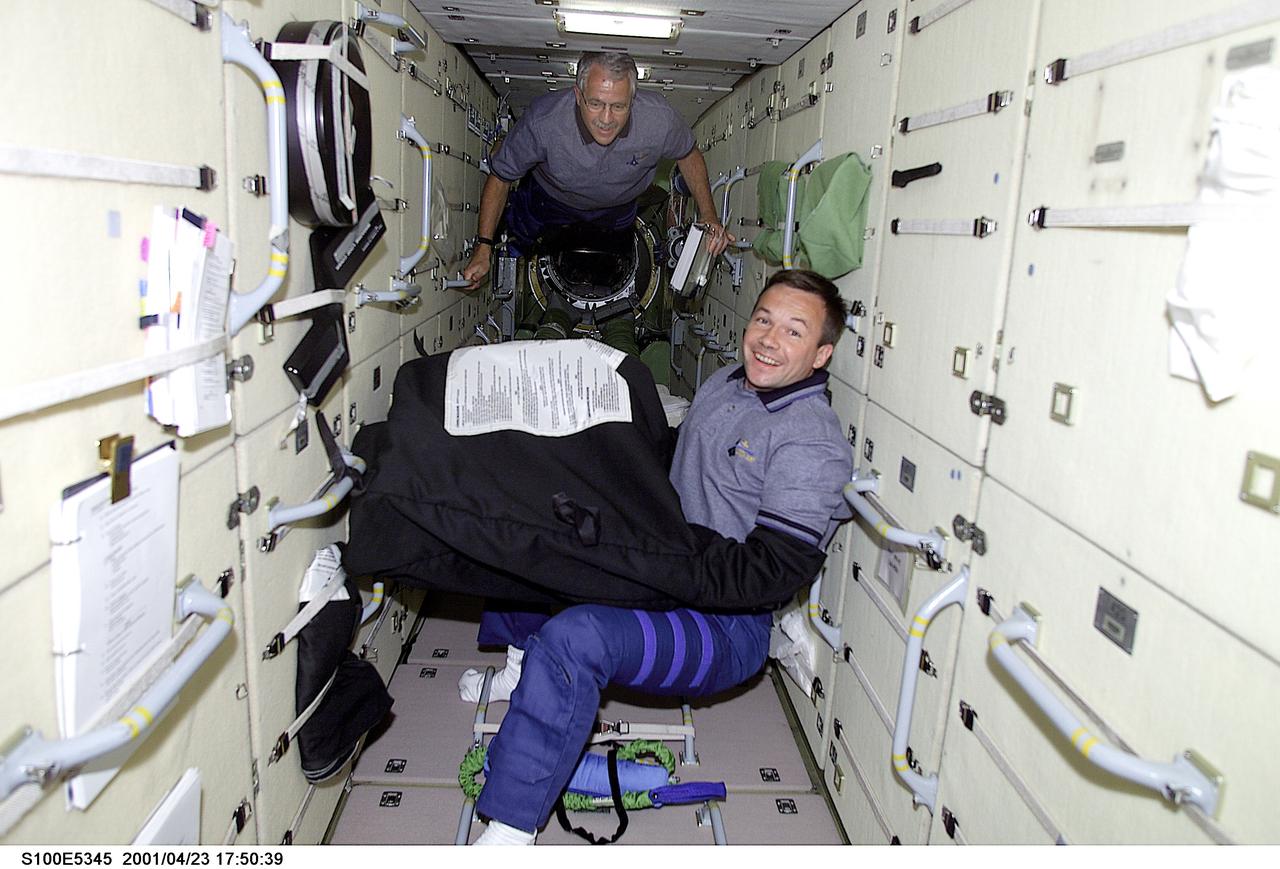
S100-E-5345 (23 April 2001) --- Cosmonaut Yuri V. Lonchakov, STS-100 mission specialist representing Rosaviakosmos, changes out a film magazine on an IMAX camera in the Functional Cargo Block (FGB) or Zarya aboard the International Space Station (ISS). Astronaut John L. Phillips, mission specialist, is in the background. The scene was recorded with a digital still camera.
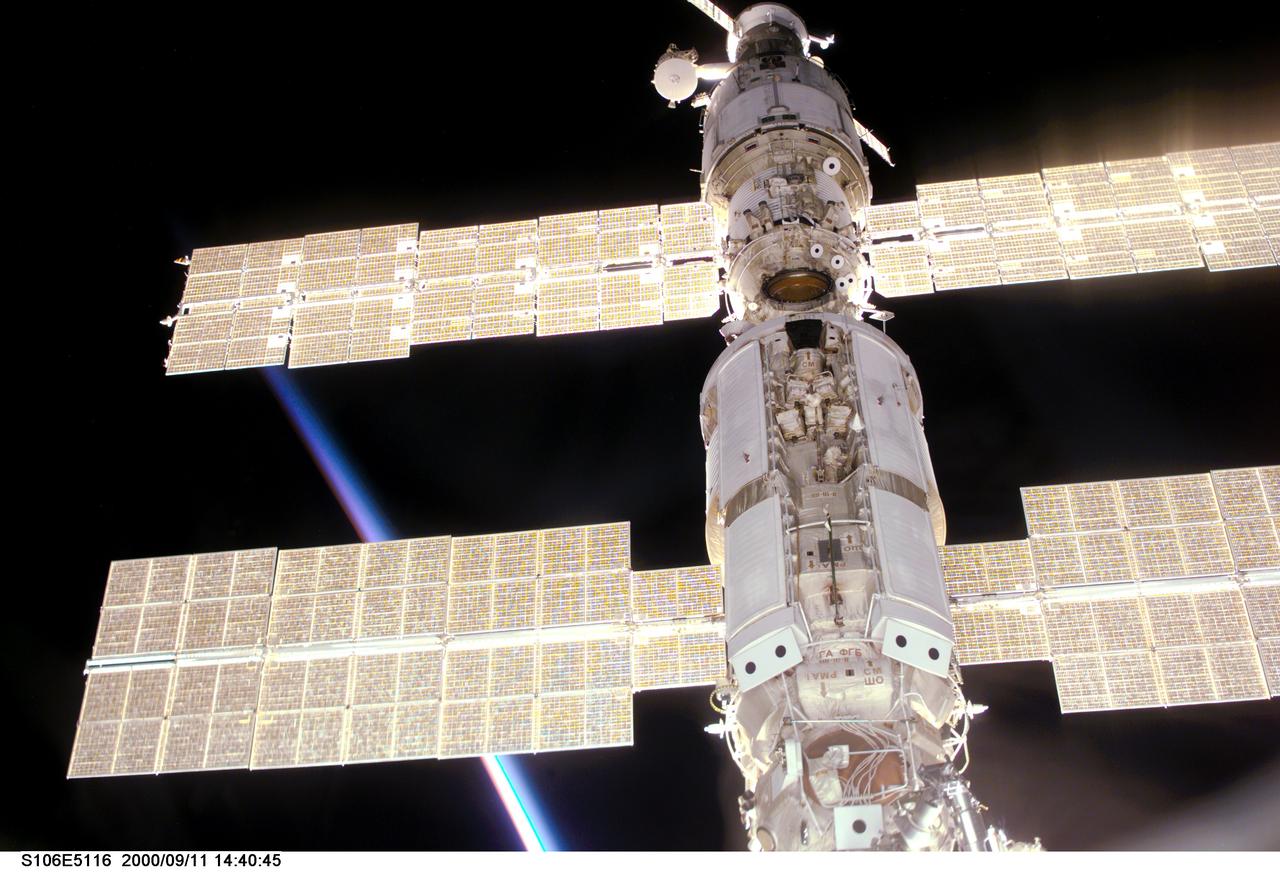
S106-E-5116 (11 September 2000) --- This view of the International Space Station (ISS) was taken while it was docked with the Space Shuttle Atlantis and shows parts of all but one of the current components. From the top are the Progress supply vehicle, the Zvezda service module, and the Zarya functional cargo block (FGB). The Unity, now linked to the docking system of the Atlantis in the cargo bay, is out of view at bottom. A multicolored layer signals a sunset or sunrise on Earth at bottom left.
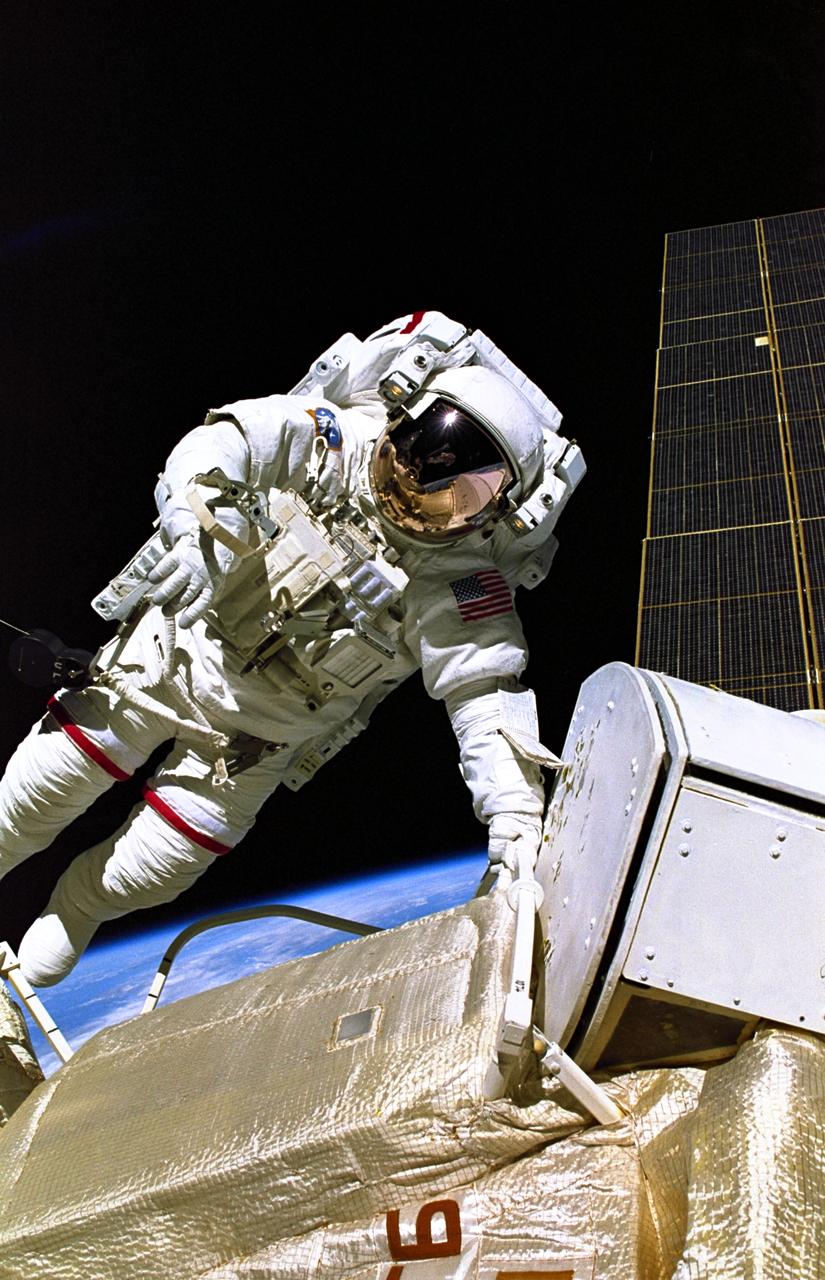
STS088-355-015 (4-15 Dec. 1998) --- Astronaut Jerry L. Ross, STS-88 mission specialist, is pictured during one of three space walks which were conducted on the eleven-day mission. Perched on the end of Endeavour's remote manipulator system (RMS) arm, astronaut James H. Newman, mission specialist, recorded this image. Newman can be seen reflected in Ross' helmet visor. The solar array panel for the Russian-built Zarya module can be seen along right edge.
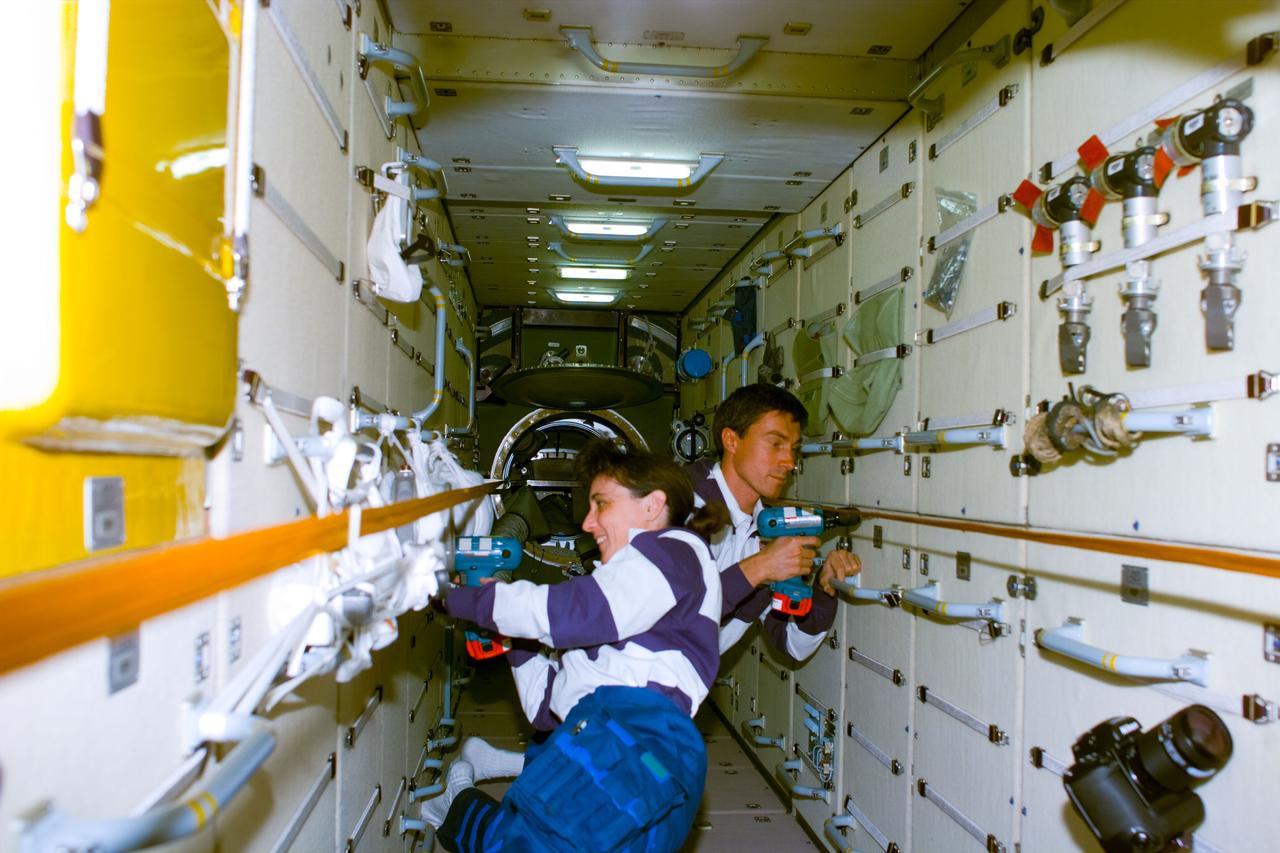
S88-E-5085 (12-11-98) --- Nancy J. Currie and Sergei Krikalev use rechargeable power tools to tighten and loosen nuts onboard the Russian-built Zarya module which they entered on Flight Day 8. The two are mission specialists, with Krikalev representing the Russian Space Agency (RSA). The photo was taken with an electronic still camera (ESC) at 05:28:53 GMT, Dec. 11.
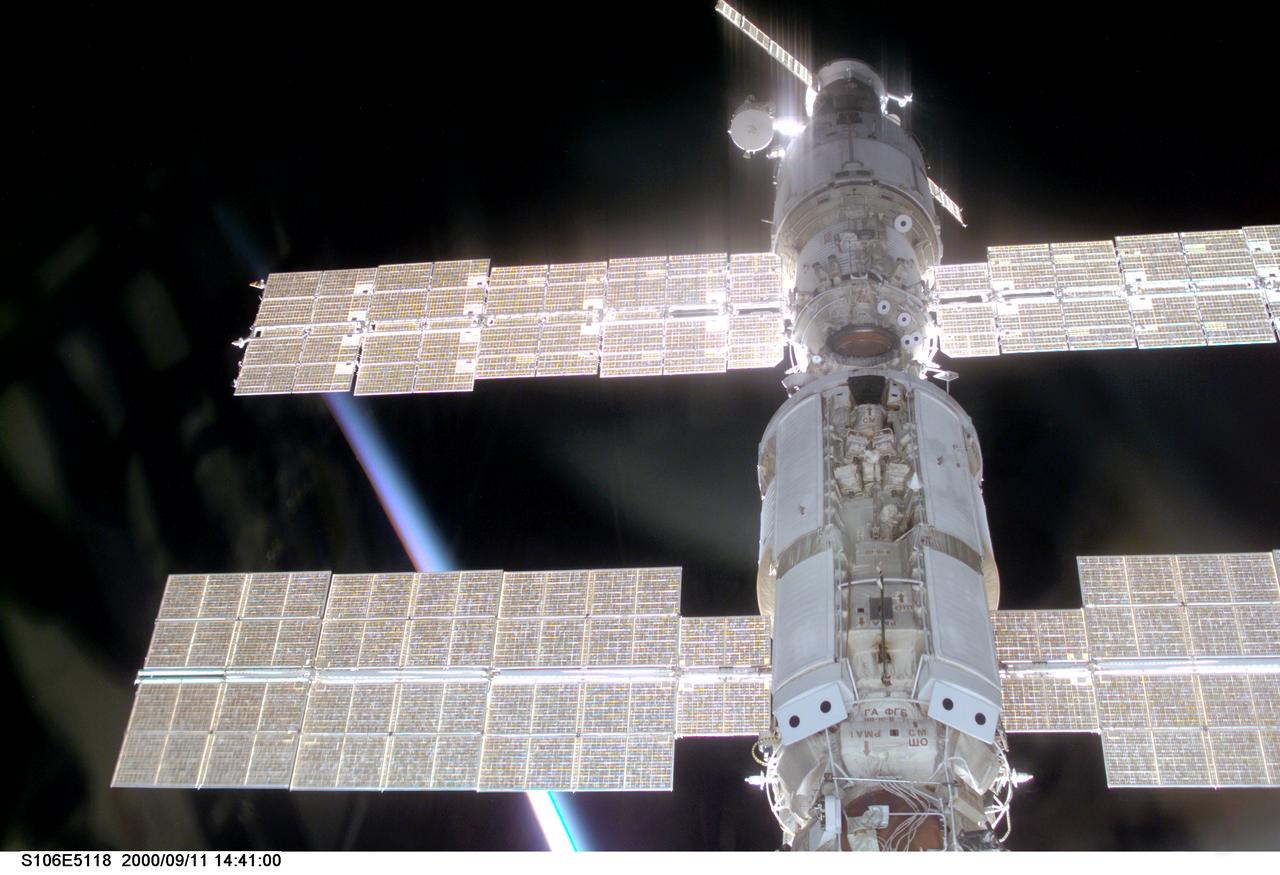
S106-E-5116 (11 September 2000) --- This view of the International Space Station (ISS) was taken while it was docked with the Space Shuttle Atlantis and shows parts of all but one of the current components. From the top are the Progress supply vehicle, the Zvezda service module, and the Zarya functional cargo block (FGB). The Unity, now linked to the docking system of the Atlantis in the cargo bay, is out of view at bottom. A multicolored layer signals a sunset or sunrise on Earth at bottom left.
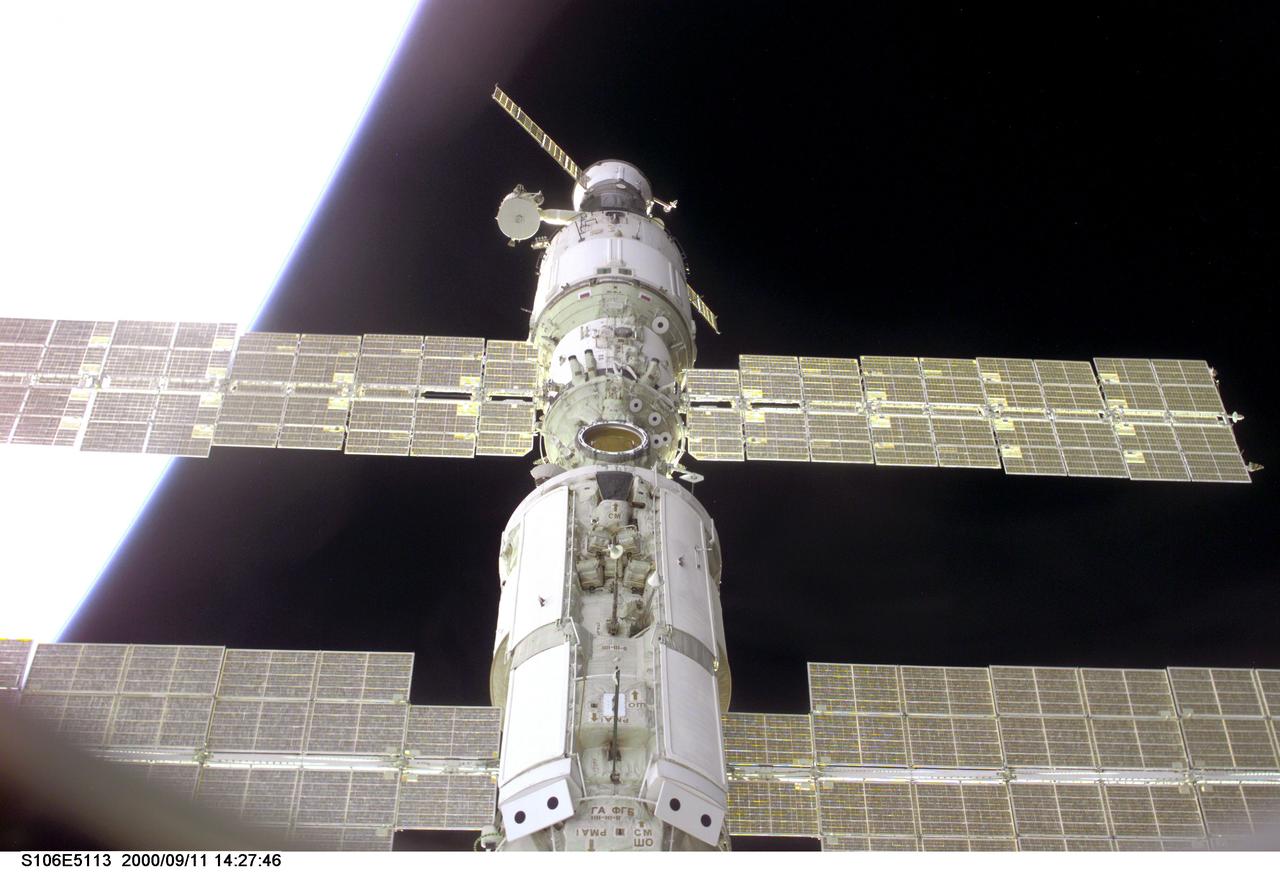
S106-E-5113 (11 September 2000) --- This view of the International Space Station (ISS) was taken while it was docked with the Space Shuttle Atlantis and shows parts of all but one of the current components. From the top are the Progress supply vehicle, the Zvezda service module, and the Zarya functional cargo block (FGB). The Unity, now linked to the docking system of the Atlantis in the cargo bay, is out of view at bottom. A thin blue line represents Earth's atmosphere at left.
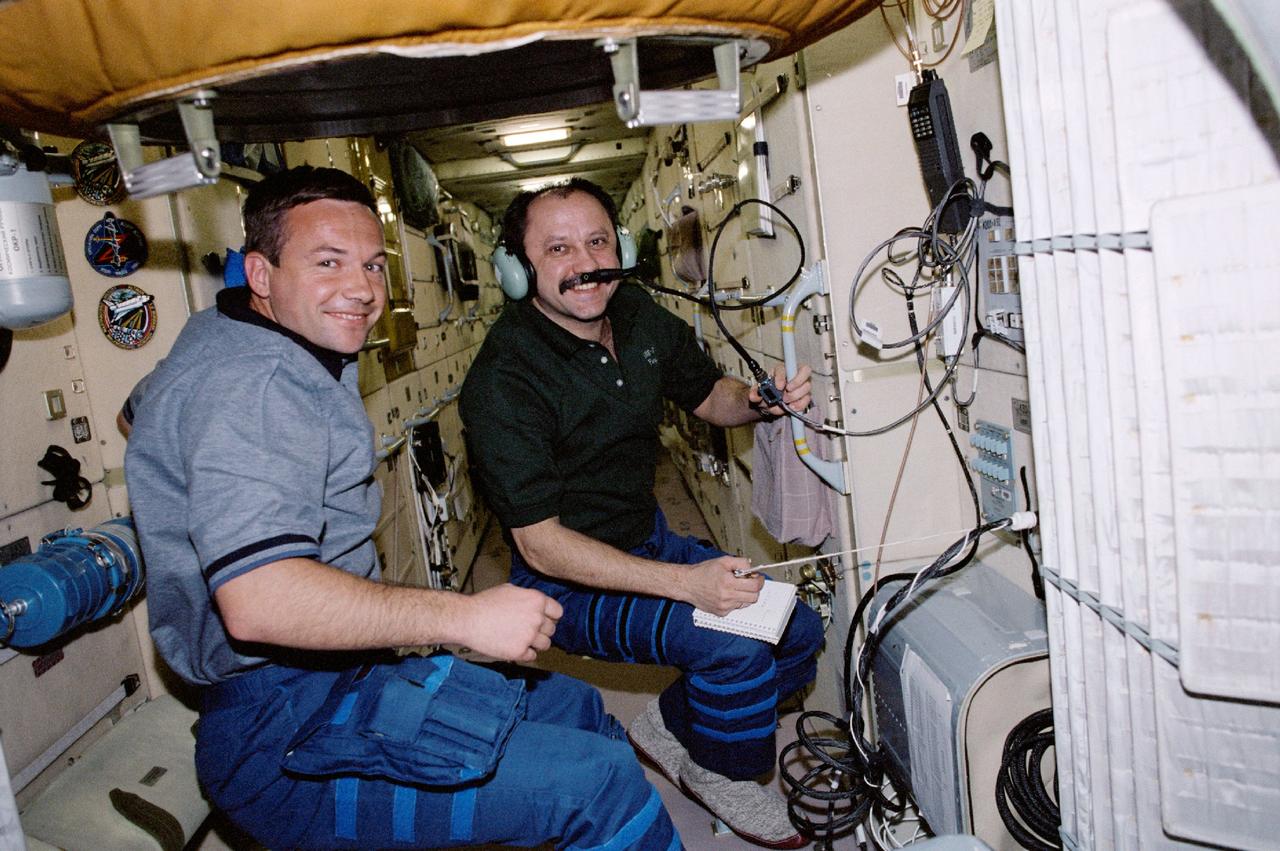
STS100-343-020 (19 April-1 May 2001) --- Cosmonaut Yuri V. Lonchakov (left), STS-100 mission specialist, observes as Yury V. Usachev, Expedition Two commander, talks to amateur radio operators on the ground from a special work station on the functional cargo block (FGB) or Zarya module of the International Space Station (ISS). The two represent Rosaviakosmos.
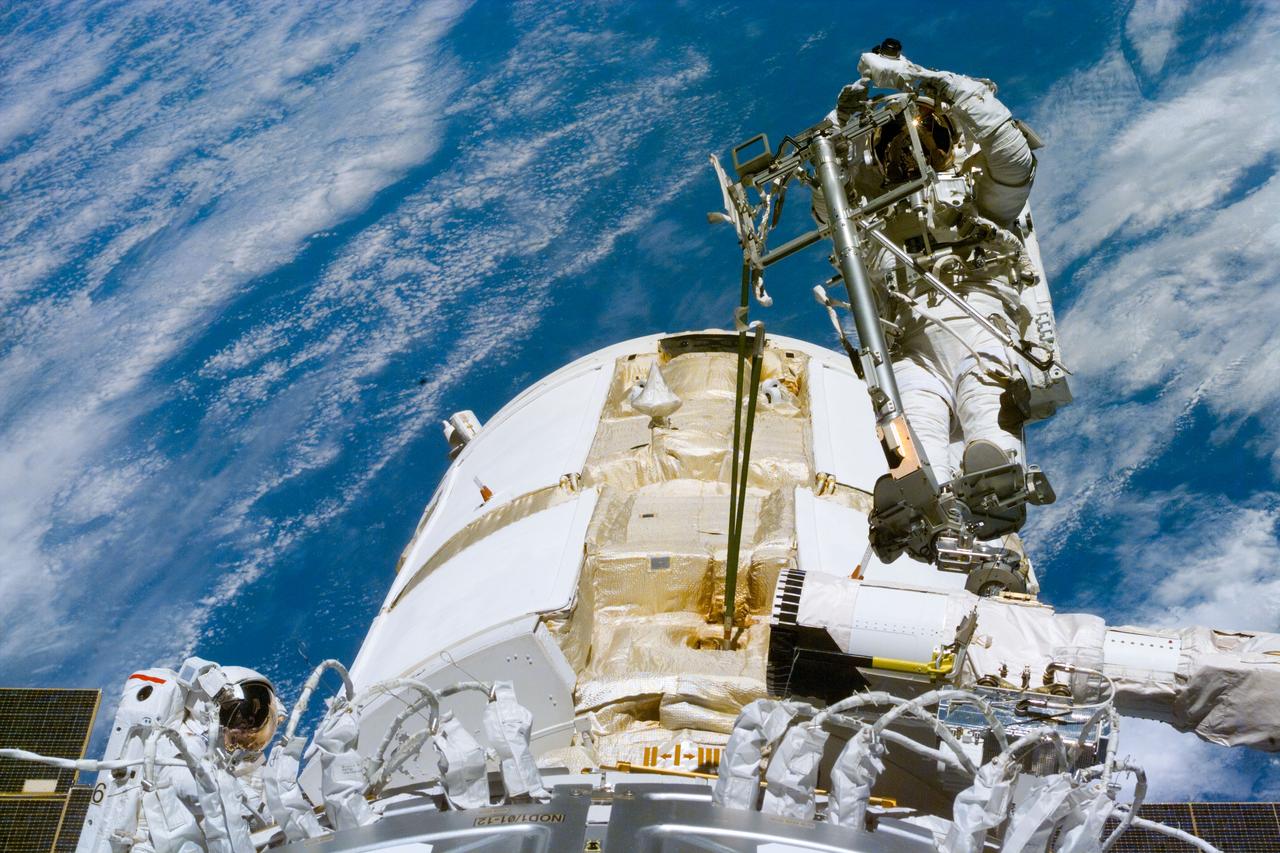
S88-E-5101 (12-10-98) --- Astronaut James H. Newman, mission specialist, is backdropped against a blue and white Earth while standing on a mobile foot restraint attached to Endeavour's remote manipulator system (RMS). Astronaut Jerry L. Ross, mission specialist, is at left. Part of the Russian-built Zarya module is in the center of the frame. The photo was taken with an electronic still camera (ESC) at 02:21:27 GMT, Dec. 10
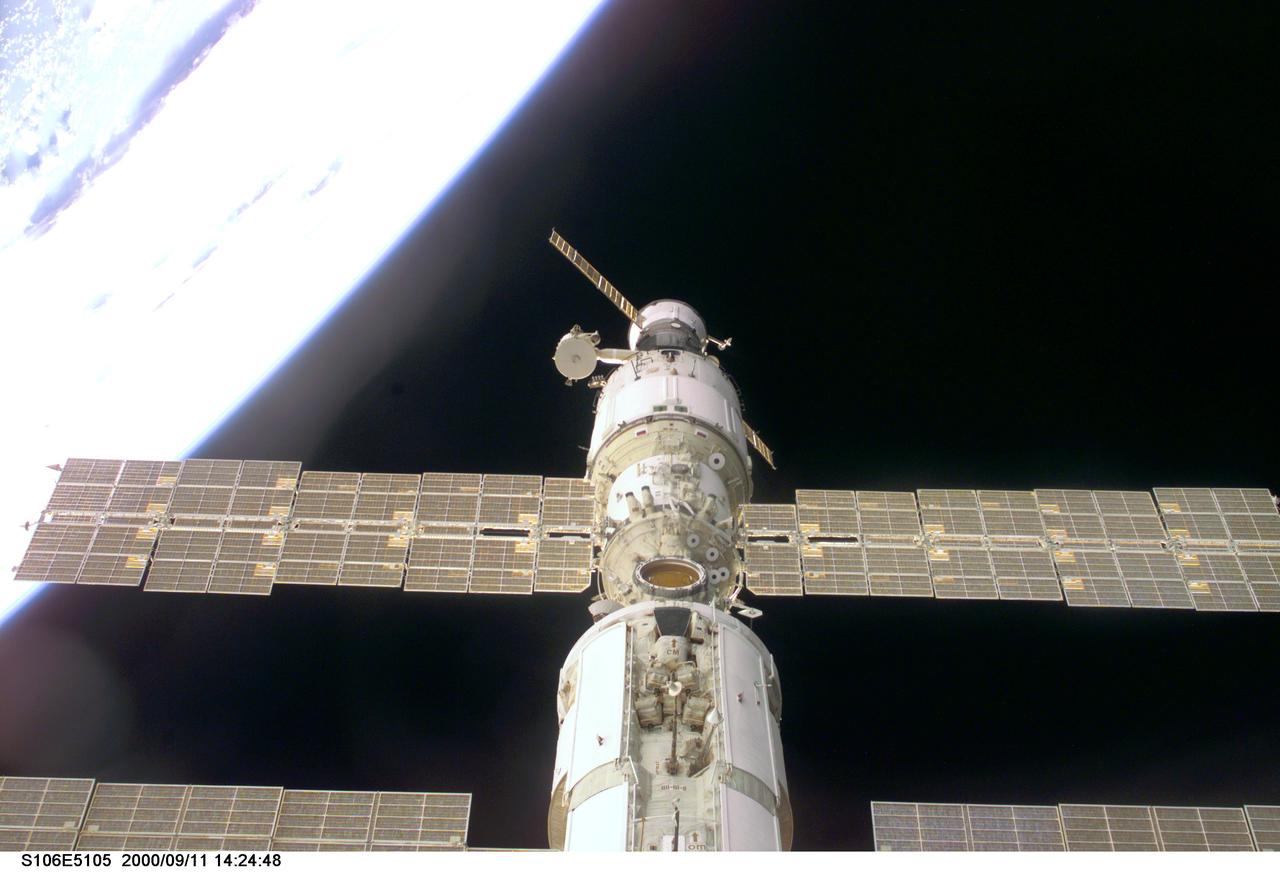
S106-E-5105 (11 September 2000) --- This view of the International Space Station (ISS) was taken while it was docked with the Space Shuttle Atlantis and shows parts of all but one of the current components. From the top are the Progress supply vehicle, the Zvezda service module, and the Zarya functional cargo block (FGB). The Unity, now linked to the docking system of the Atlantis in the cargo bay, is out of view at bottom.
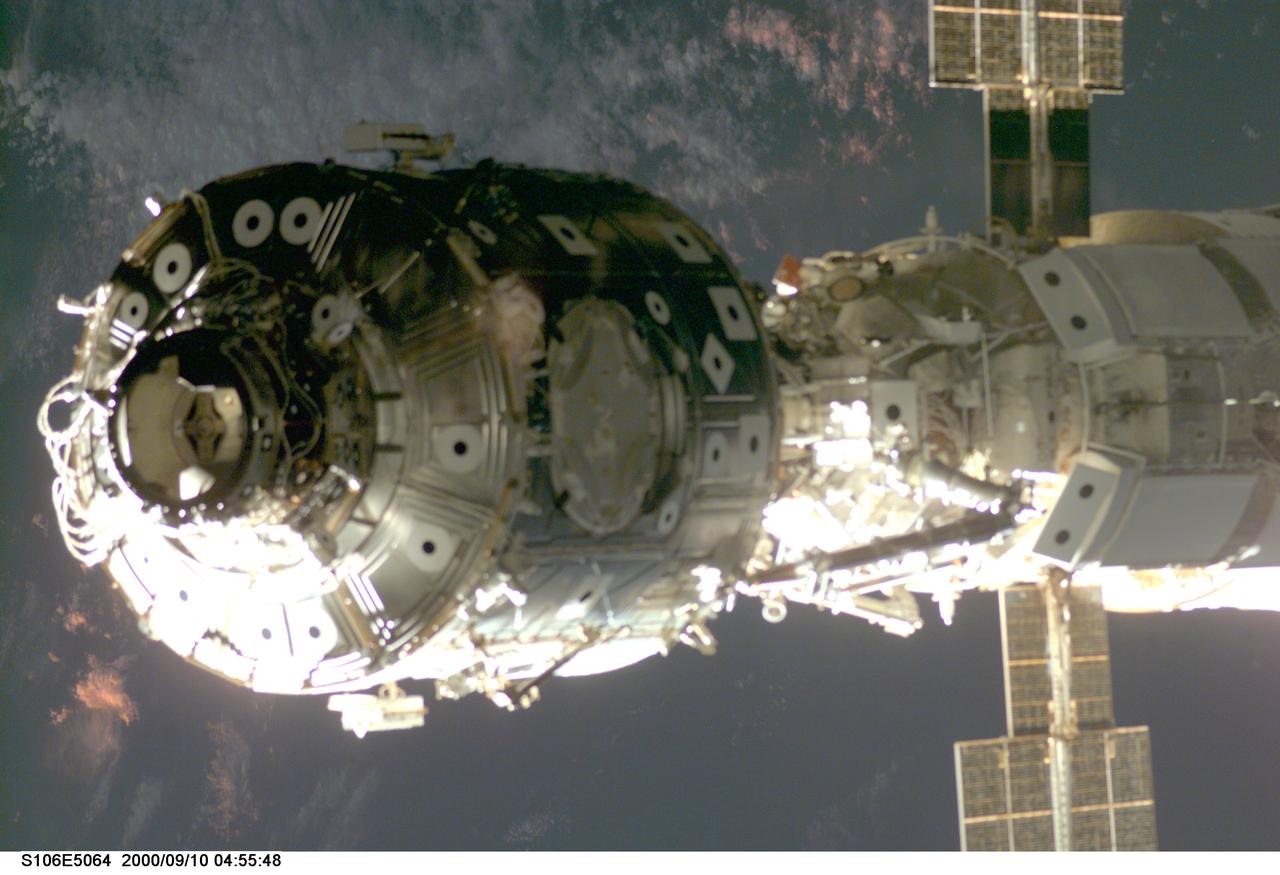
S106-E-5064 (10 September 2000) --- The U.S.-built Unity node and part of the Russian-built Zarya or functional cargo block (FGB) are featured in this electronic still camera's (ESC) view, recorded during rendezvous operations by the Space Shuttle Atlantis. The Zvezda service module and a Progress supply vehicle are out of frame at right.
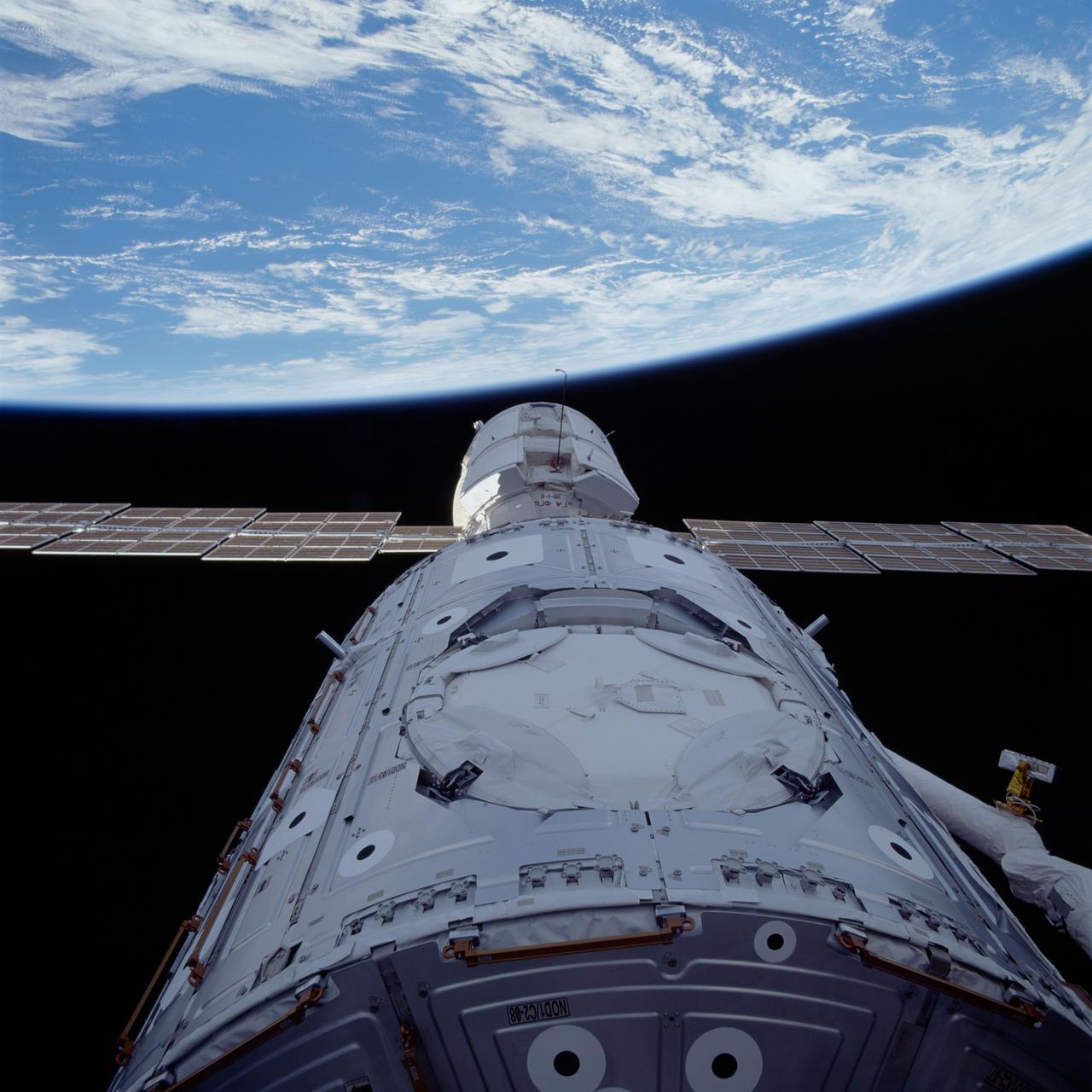
STS088-719-071 (6 Dec. 1998) --- Just a few feet away from a 70mm camera onboard the Space Shuttle Endeavour, the Russian-built control module and the U.S.-built Unity connecting module are mated in the shuttle's cargo bay. Using Endeavour's 50-ft. long Canadian-built Remote Manipulator System (RMS) robot arm, astronaut Nancy J. Currie working from the aft flight deck, plucked Zarya out of orbit at 5:47 p.m. (CST), December 6. The craft had been orbiting Earth for a little over 16 days prior to grapple and subsequent docking to Unity.
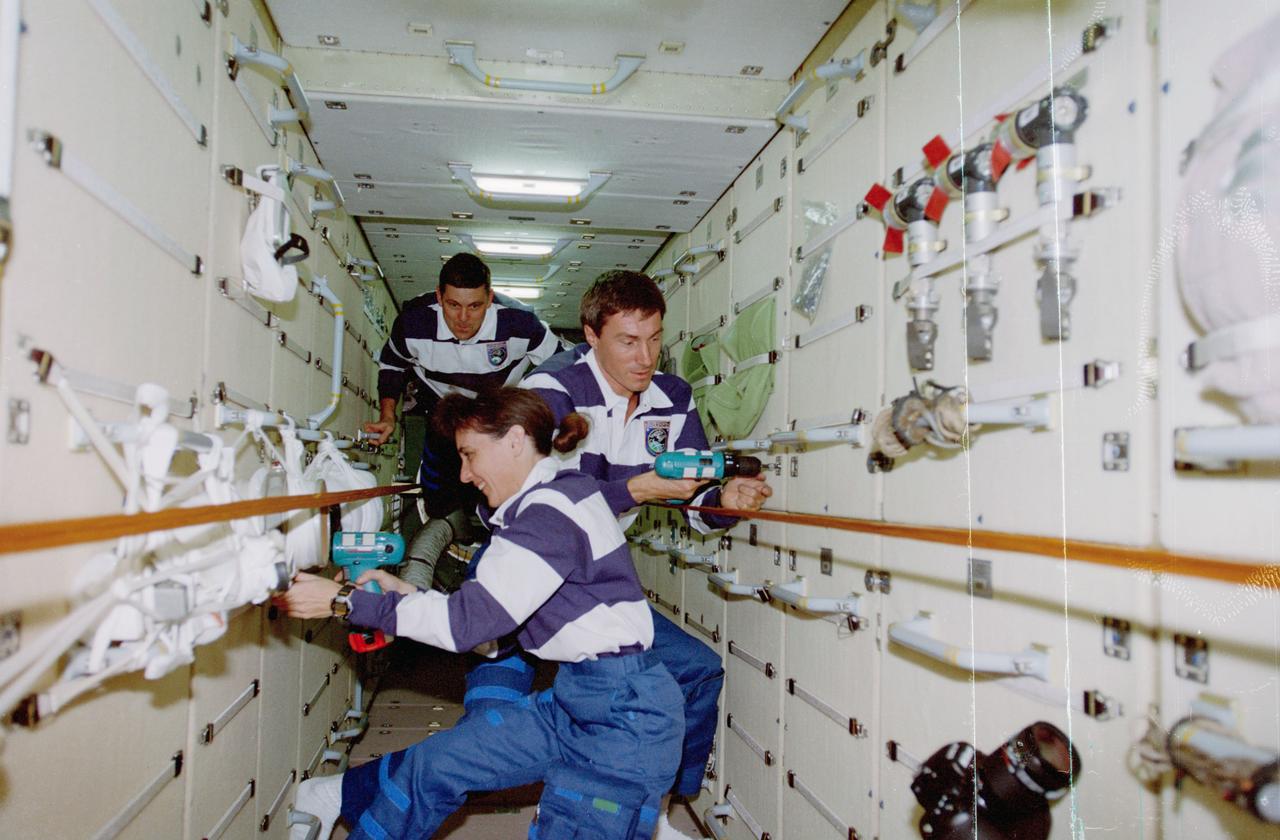
STS088-359-037 (4-15 Dec. 1998) --- Astronaut Nancy J. Currie and cosmonaut Sergei K. Krikalev, both mission specialists, use rechargeable power tools to manipulate nuts and bolts on the Russian-built Zarya module. Astronaut Robert D. Cabana, mission commander, translates along the rail network in the background. The six STS-88 crew members had earlier entered the module through the U.S.-built Unity connecting module. Rails, straps and tools indicate the crewmembers had been working awhile when this photo was taken. Krikalev, representing the Russian Space Agency (RSA), has been assigned as a member of the three-man initial International Space Station (ISS) crew.
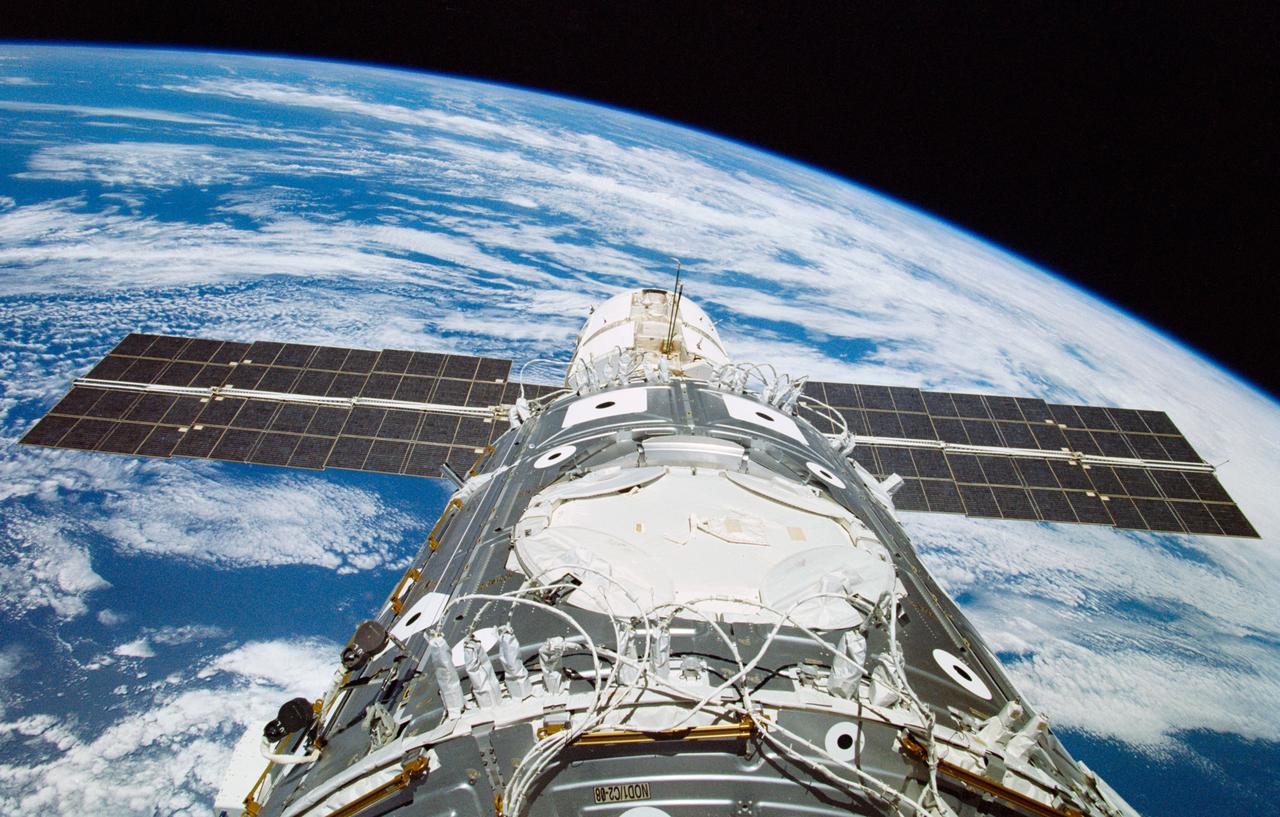
STS088-363-023 (4-15 Dec. 1998) --- Wires and cables on the Unity module (foreground) are telltale clues that the space walking astronauts of STS-88 had performed their first extravehicular activity (EVA) when this 35mm frame was exposed from the aft windows of Endeavour. The Zarya module can be seen mated to the top end of Unity.
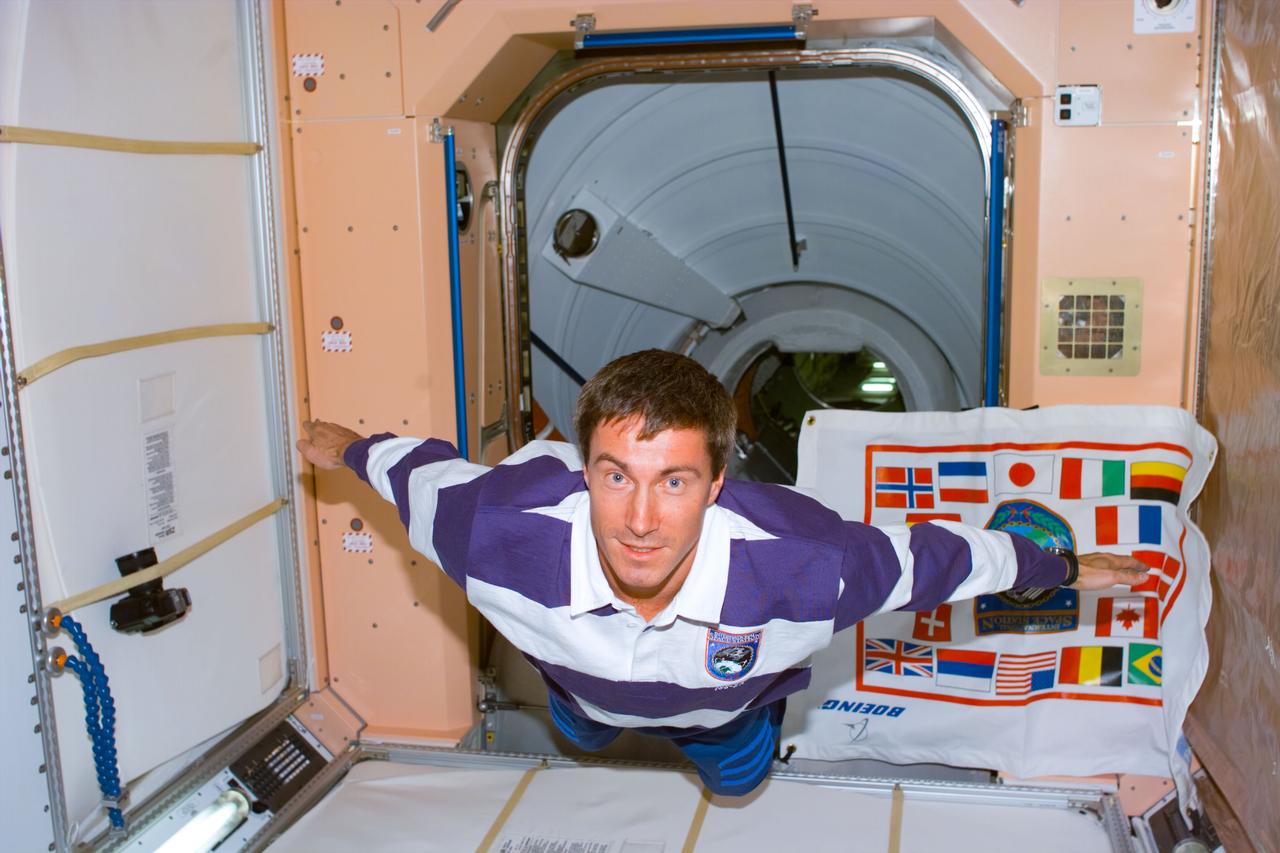
S88-E-5089 (12-11-98) --- Sergei Krikalev, mission specialist representing the Russian Space Agency (RSA), floats in the Unity module on Flight Day 8. A banner displaying the flags of all the ISS participants is at right.

iss023e044919 (May 17, 2010) --- The main portion of the station's first module, the Zarya cargo module, is pictured from bottom to top center. The solar arrays of the Zvezda service module, which is attached to the rear Zarya, are seen along with the Poisk Mini-Research Module-2 that hosts the docked Soyuz TMA-18 crew craft. The Zarya cargo module was placed into orbit Nov. 20, 1998.

JSC2006-E-43476 (November 1998) --- Computer-generated artist's rendering of the International Space Station after flight 1A/R. The functional cargo block (FGB) or Zarya Control Module was launched atop a Russian Proton rocket. Zarya provides battery power and fuel storage.

STS088-353-008 (4-15 Dec. 1998) --- Astronaut James H. Newman, mission specialist, translates along a hand rail on the Russian-built Zarya Module in this Extravehicular Activity (EVA) photograph taken by astronaut Jerry L. Ross, mission specialist. Ross and Newman shared three space walks altogether to perform cable connection tasks and to put finishing touches on the exteriors of the recently-joined Zarya and the United States-built Unity (Node 1) modules. Unity is partially visible beneath Zarya, as is most of the cargo bay of the Space Shuttle Endeavour. The Canadian-built Remote Manipulator System (RMS) arm is partially visible, also.
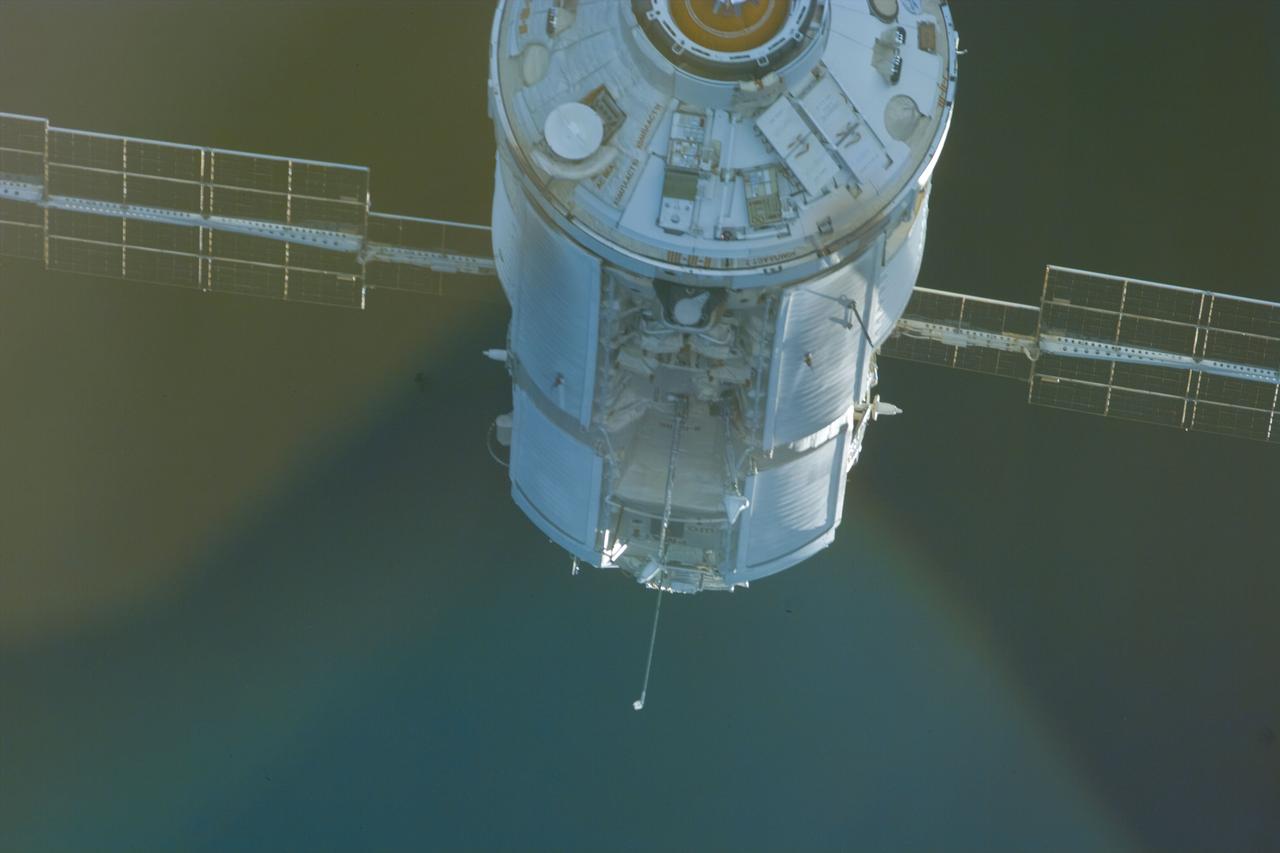
S88-E-5044 (12-06-98) --- With Endeavour's astronauts waiting to mate the Russian-built Zarya control module with the U.S.-built Unity connecting module, an electronic still camera (ESC) was used to record this image of the approaching Zarya. Using the shuttle's 50-ft.-long Canadian-built robot arm, astronaut Nancy J. Currie, working from Endeavour's aft flight deck, plucked Zarya out of orbit at 5:47 p.m. (CST), Dec. 6. The craft had been orbiting Earth for a little over 16 days prior to the grapple and subsequent docking to Unity. This image was recorded at 22:53:55 GMT, Dec. 6.
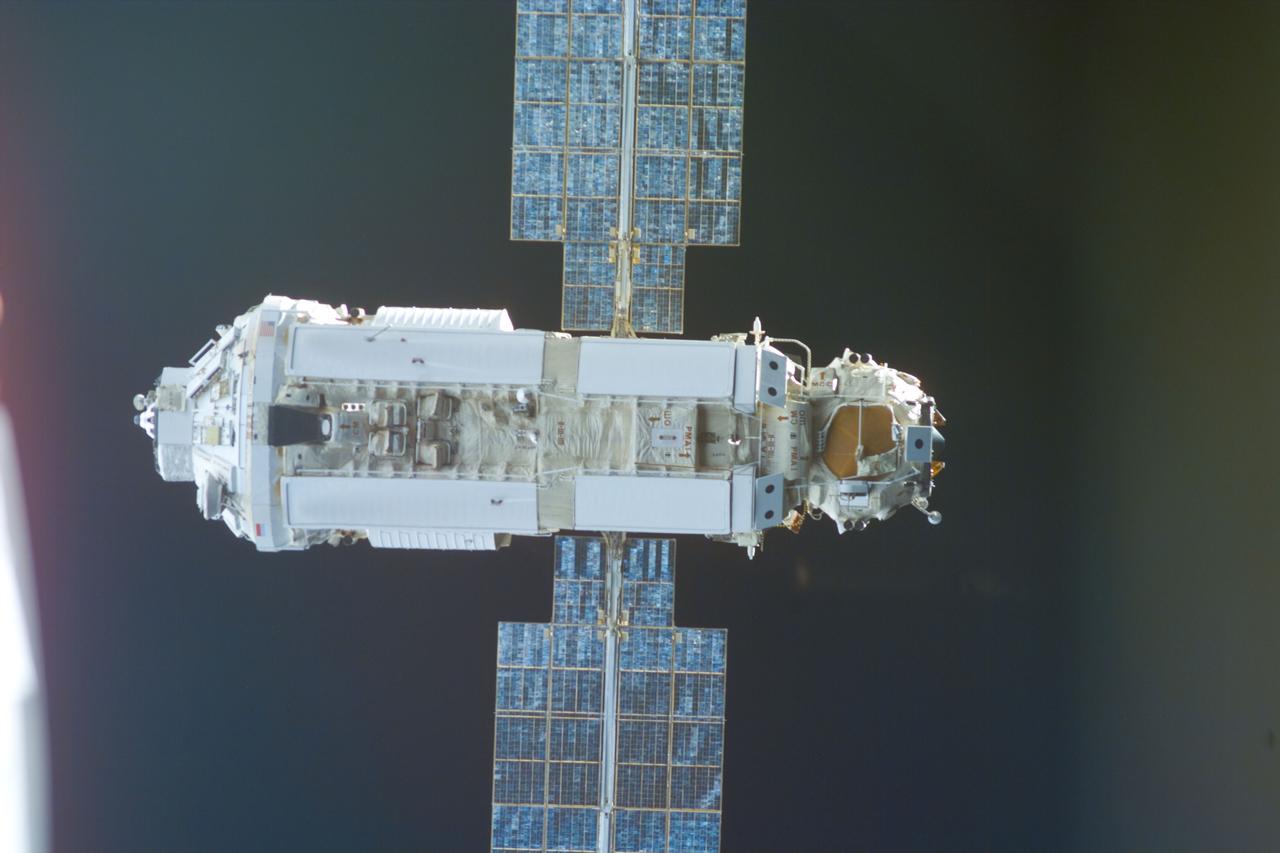
S88-E-5045 (12-06-98) --- With Endeavour's astronauts waiting to mate the Russian-built Zarya control module with the U.S.-built Unity connecting module, an electronic still camera (ESC) was used to record this image of the approaching Zarya. Using the shuttle's 50-ft.-long Canadian-built robot arm, astronaut Nancy J. Currie, working from Endeavour's aft flight deck, plucked Zarya out of orbit at 5:47 p.m. (CST), Dec. 6. The craft had been orbiting Earth for a little over 16 days prior to the grapple and subsequent docking to Unity. This image was recorded at 23:02:06 GMT, Dec. 6.
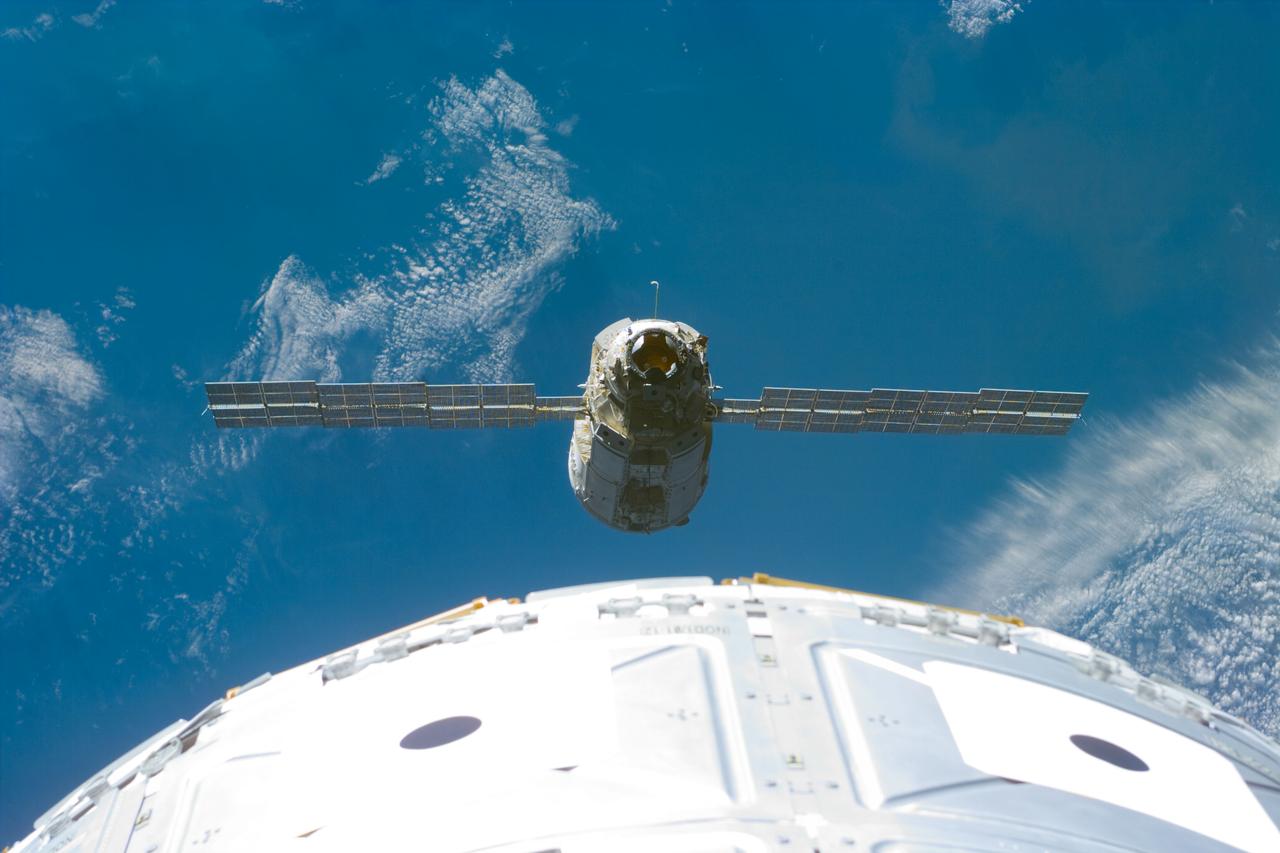
S88-E-5047 (12-06-98) --- With Endeavour's astronauts waiting to mate the Russian-built Zarya control module with the U.S.-built Unity connecting module, an electronic still camera (ESC) was used to record this image of the approaching Zarya. A portion of Unity is in the foreground. Using the shuttle's 50-ft.-long Canadian-built robot arm, astronaut Nancy J. Currie, working from Endeavour's aft flight deck, plucked Zarya out of orbit at 5:47 p.m. (CST), Dec. 6. The craft had been orbiting Earth for a little over 16 days prior to the grapple and subsequent docking to Unity. This image was recorded at 23:11:05 GMT, Dec. 6.
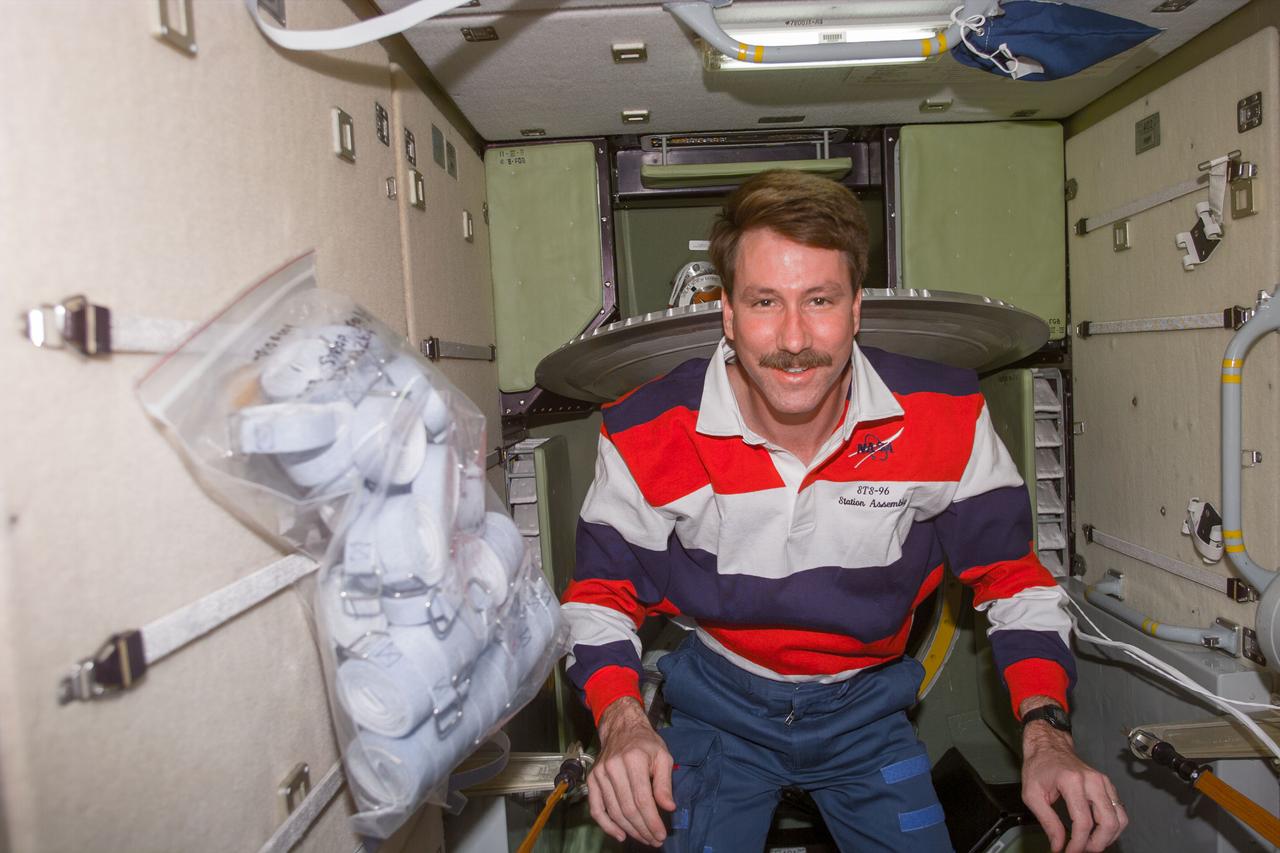
S96-E-5162 (2 June 1999) --- Astronaut Kent V. Rominger, mission commander, eyes the end of chores designed to prepare the International Space Station (ISS) for occupation. The photo was taken with an electronic still camera (ESC) at 05:58:53 GMT, June 2, 1999.
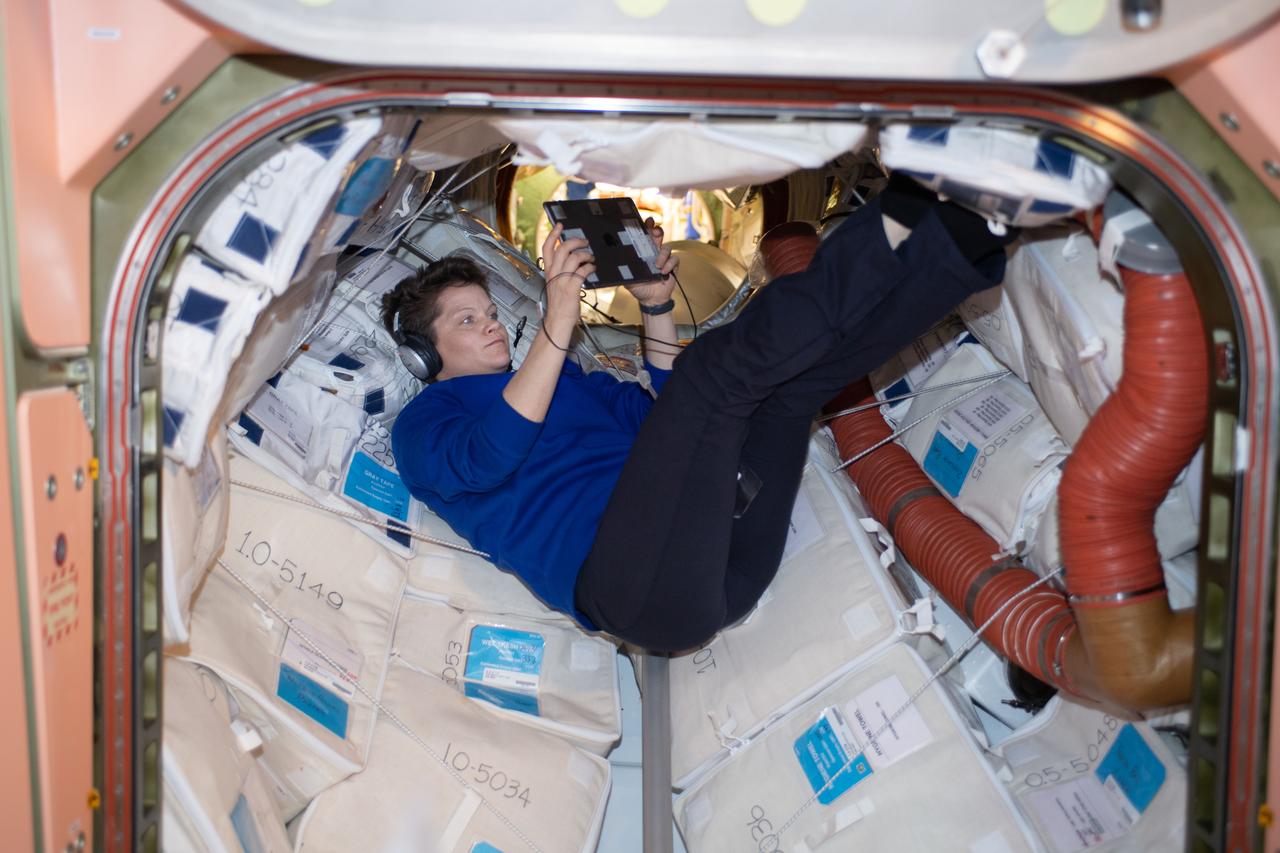
iss059e027379 (April 21, 2019) --- NASA astronaut Anne McClain relaxes with an electronic tablet on a Sunday morning inside the vestibule that connects the Unity module to the Zarya module.
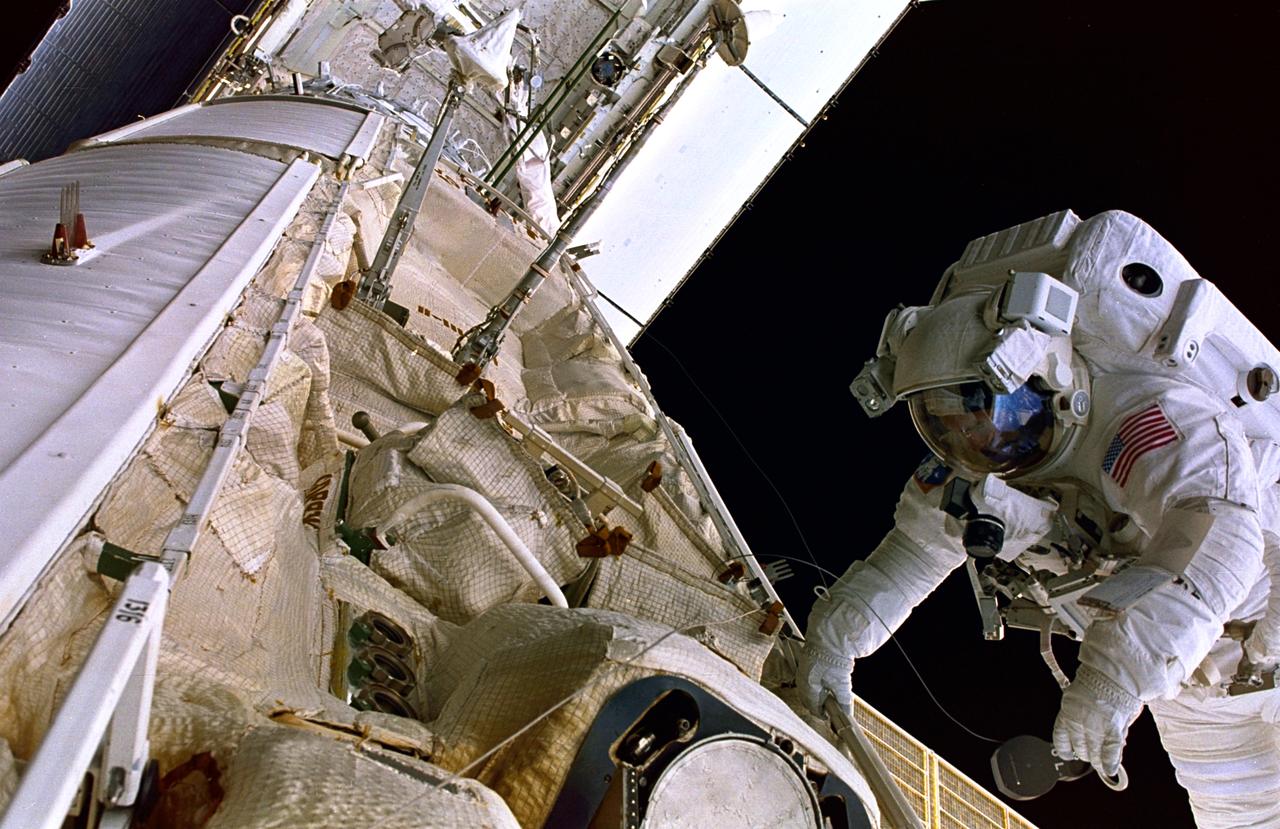
STS088-353-006 (4 -15 Dec. 1998) --- Astronaut James H. Newman, mission specialist, holds onto a handrail on Zarya while conducting a space walk at the top of the Unity-Zarya stack in the cargo bay of the Earth-orbiting Space Shuttle Endeavour. The open payload doors and part of the cargo bay, including the Ku-band antenna, are seen in upper left.
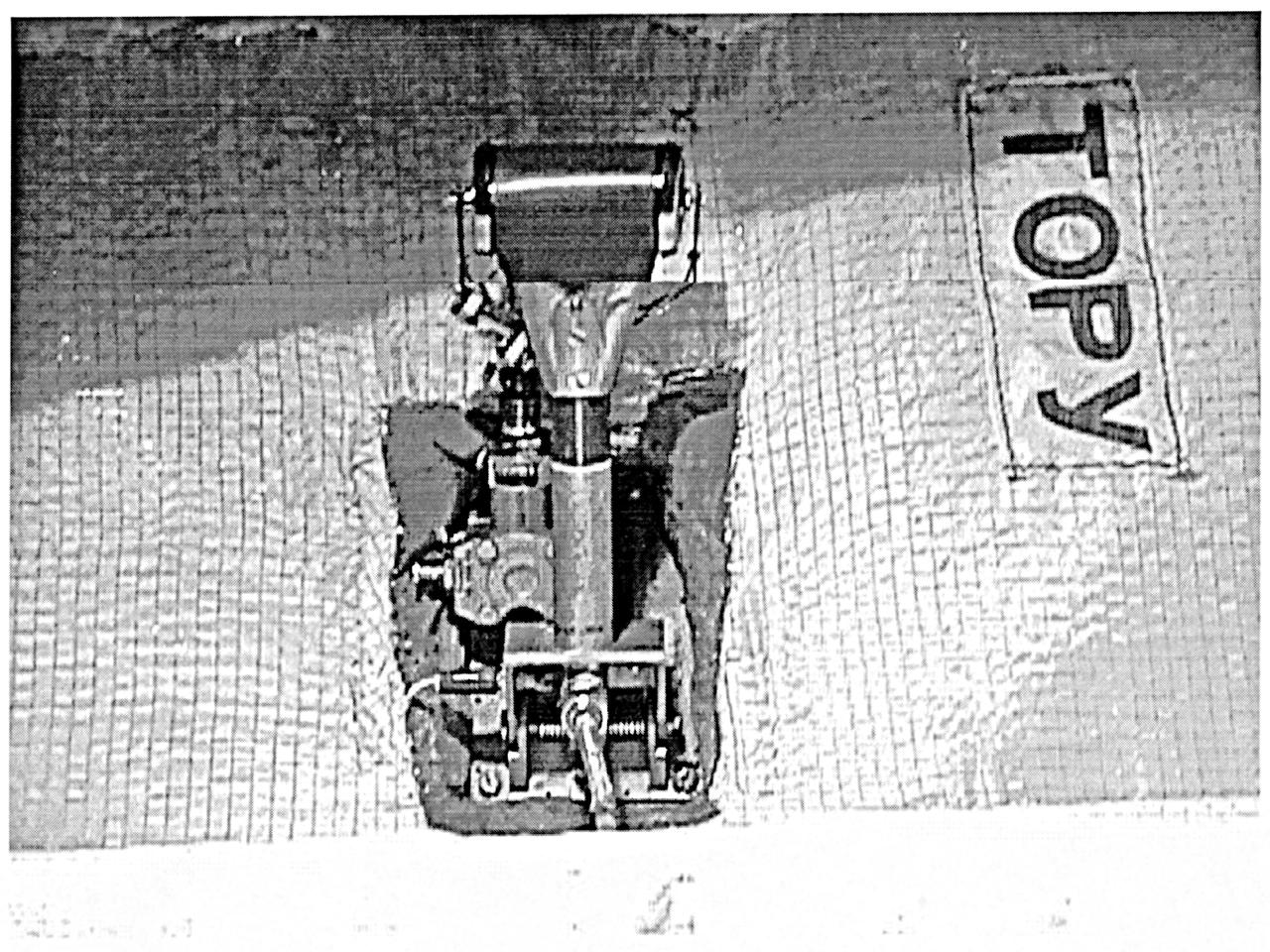
S98-E-09732 (Nov. 1998) --- Closeup view of part of the antenna system for the Teleoperator Control System (TORU) manual docking system on Zarya. This photograph was taken prior to Zarya's deployment. Recent activities showed an indication of a possible failure to deploy of two small antennae elements in the TORU. Accompanying image shows pre-flight closeout closeup image of the second small element.
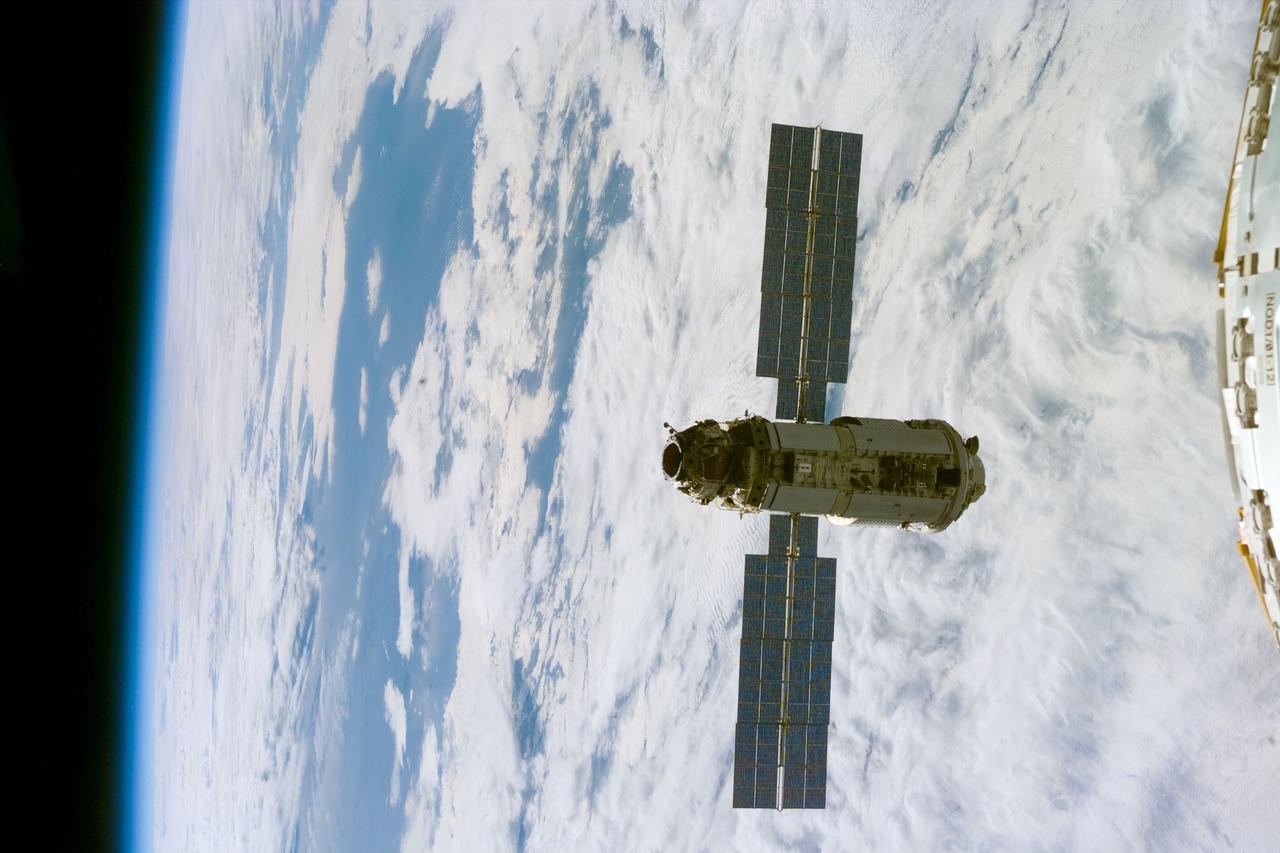
S88-E-5046 (12-06-98) --- With Endeavour's astronauts waiting to mate the Russian-built Zarya control module with the U.S.-built Unity connecting module, an electronic still camera (ESC) was used to record this image of the approaching Zarya, backdropped over a blue and white Earth. A small part of Unity can be seen (in uncropped versions of the photo) at right. Using the shuttle's 50-ft.-long Canadian-built robot arm, astronaut Nancy J. Currie, working from Endeavour's aft flight deck, plucked Zarya out of orbit at 5:47 p.m. (CST), Dec. 6. The craft had been orbiting Earth for a little over 16 days prior to the grapple and subsequent docking to Unity. This image was recorded at 23:06:12 GMT, Dec. 6.
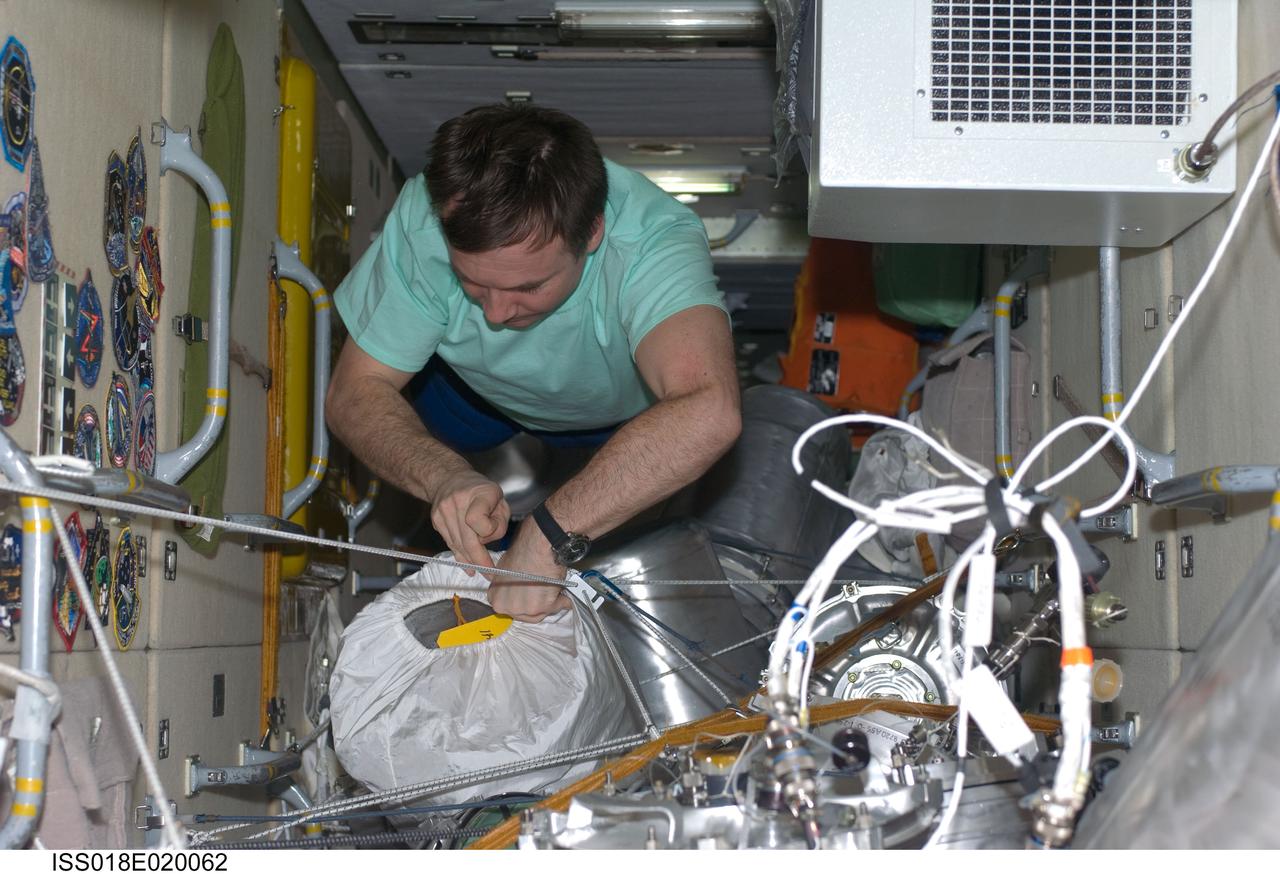
ISS018-E-020062 (14 Jan. 2009) --- Cosmonaut Yury Lonchakov, Expedition 18 flight engineer, works with supplies and equipment stowed in the functional cargo block (FGB) or Zarya of the International Space Station.
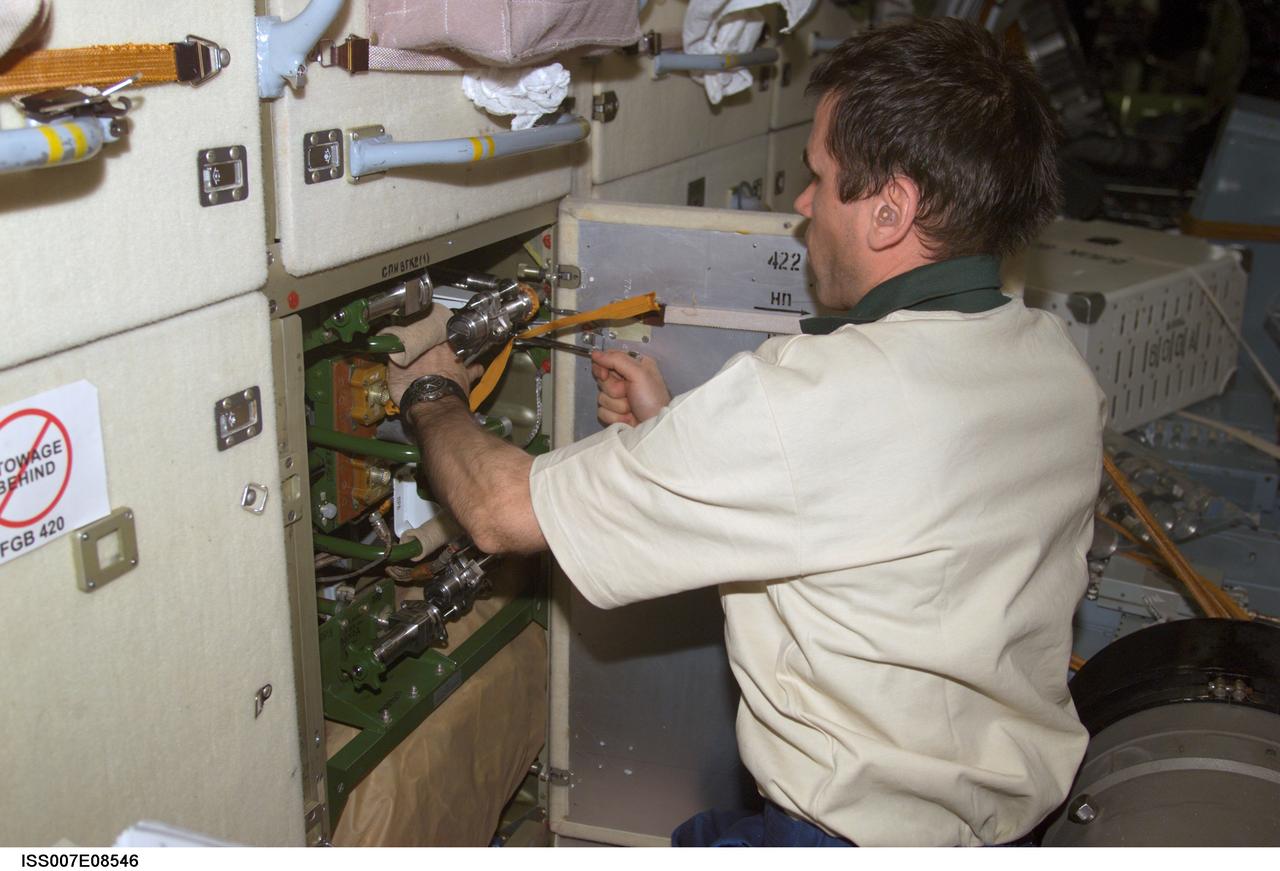
ISS007-E-08546 (24 June 2003) --- Cosmonaut Yuri I. Malenchenko, Expedition 7 mission commander, works in the functional cargo block (FGB), or Zarya, on the International Space Station (ISS). Malenchenko represents Rosaviakosmos.
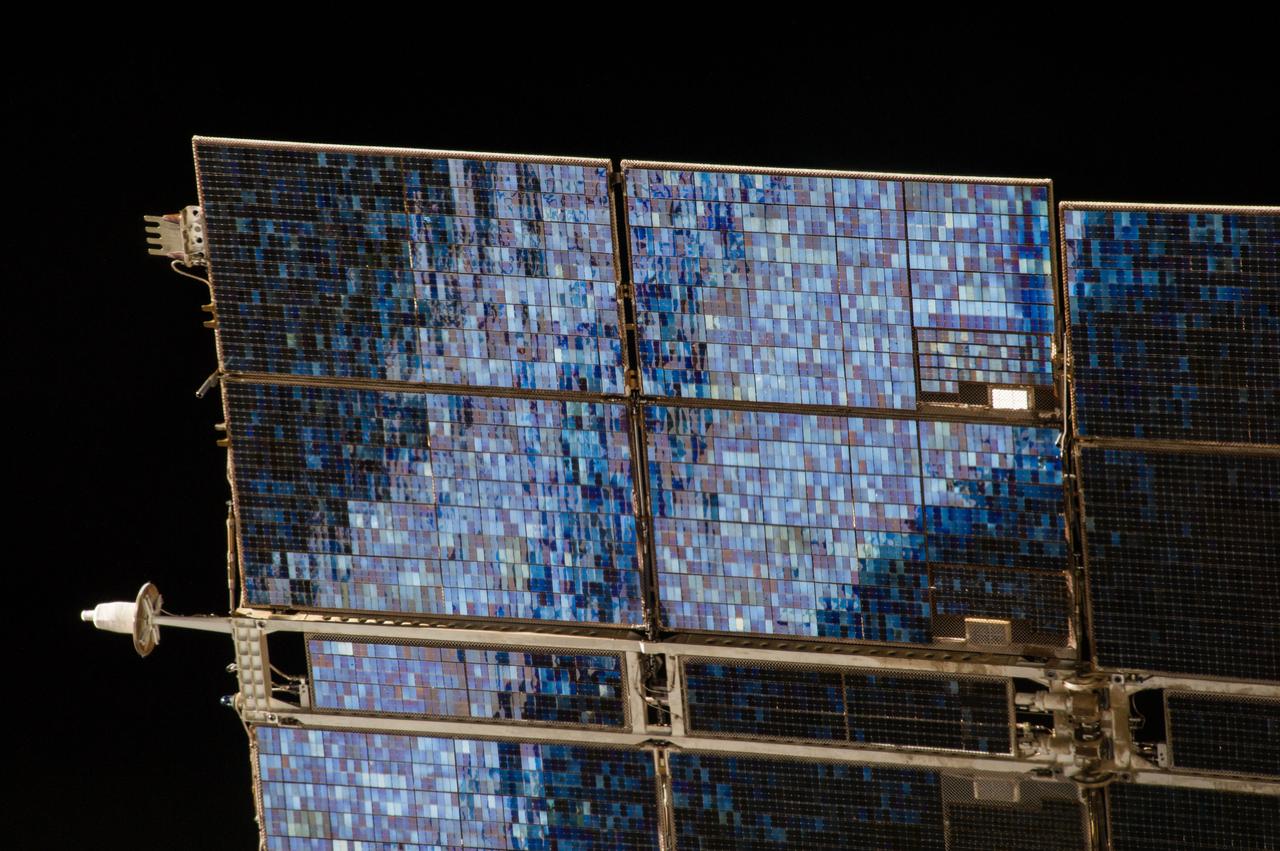
ISS040-E-008074 (6 June 2014) --- A portion of the solar array panels on the Zarya Functional Cargo Block (FGB) is featured in this image photographed by an Expedition 40 crew member aboard the International Space Station.
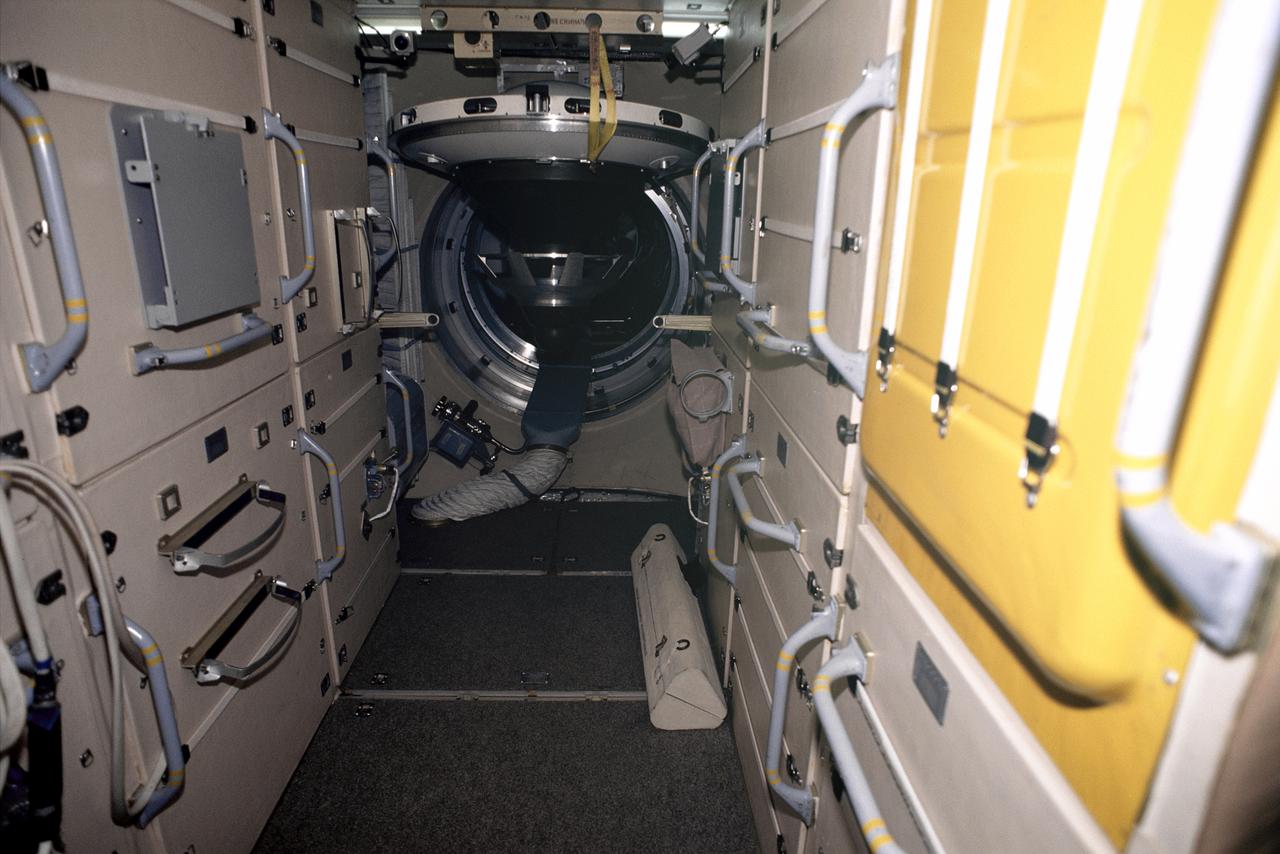
JSC2000-E-18632 (June 2000) --- An interior shot of the Zarya Functional Cargo Bay (FGB) trainer/mockup at the Gagarin Cosmonaut Training Center in Russia. This photo was taken prior to a training session by the Expedition One crew.
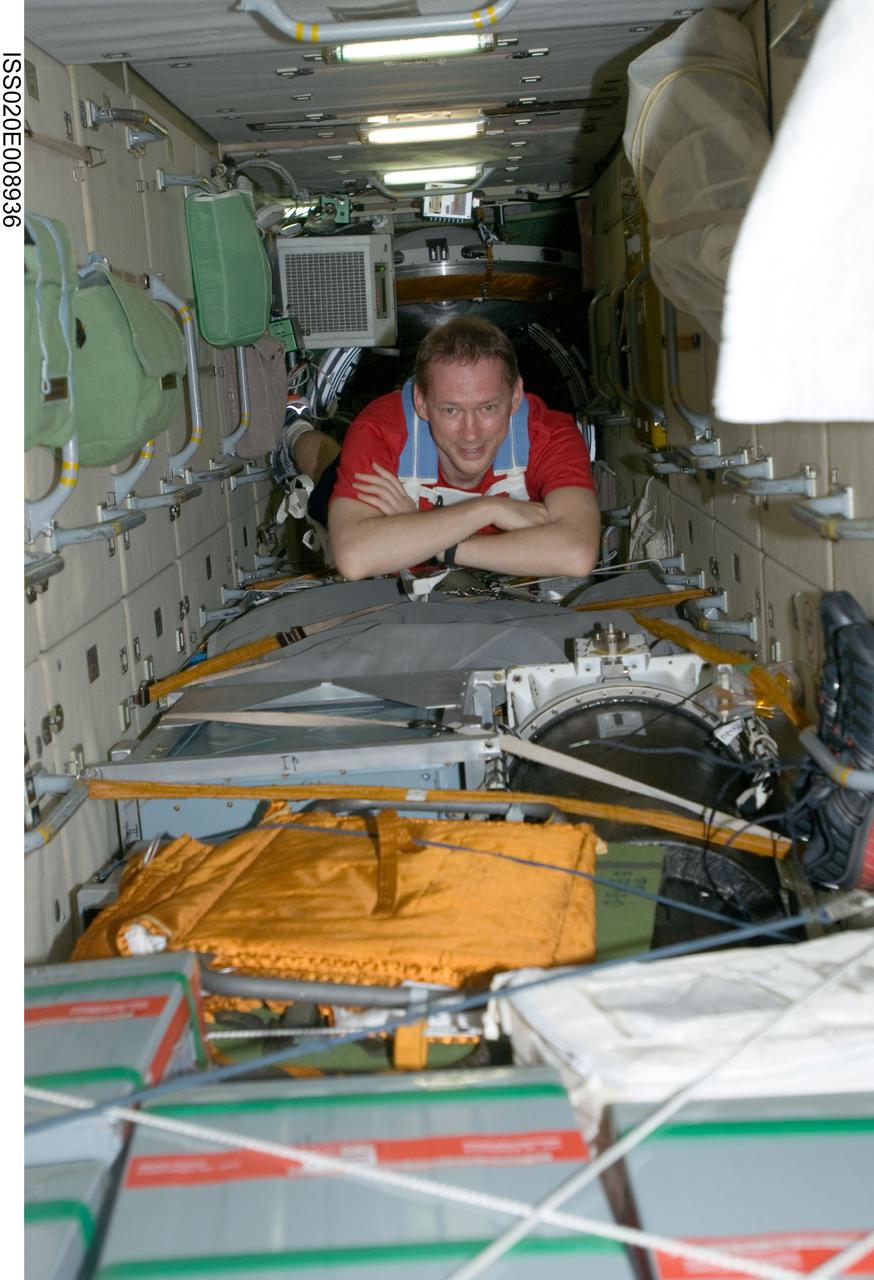
ISS020-E-008936 (14 June 2009) --- European Space Agency astronaut Frank De Winne, Expedition 20 flight engineer, floats through the Zarya functional cargo block (FGB) of the International Space Station.
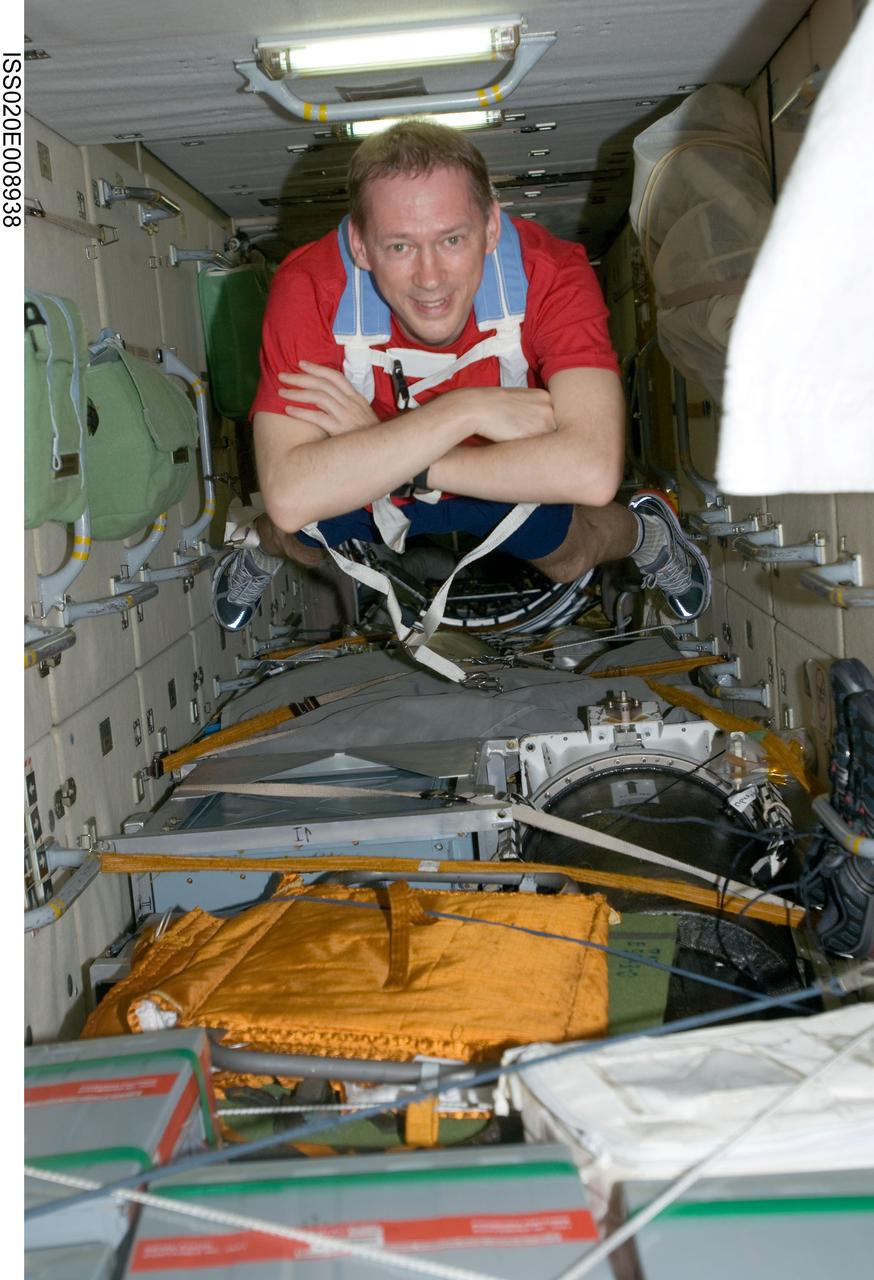
ISS020-E-008938 (14 June 2009) --- European Space Agency astronaut Frank De Winne, Expedition 20 flight engineer, floats through the Zarya functional cargo block (FGB) of the International Space Station.
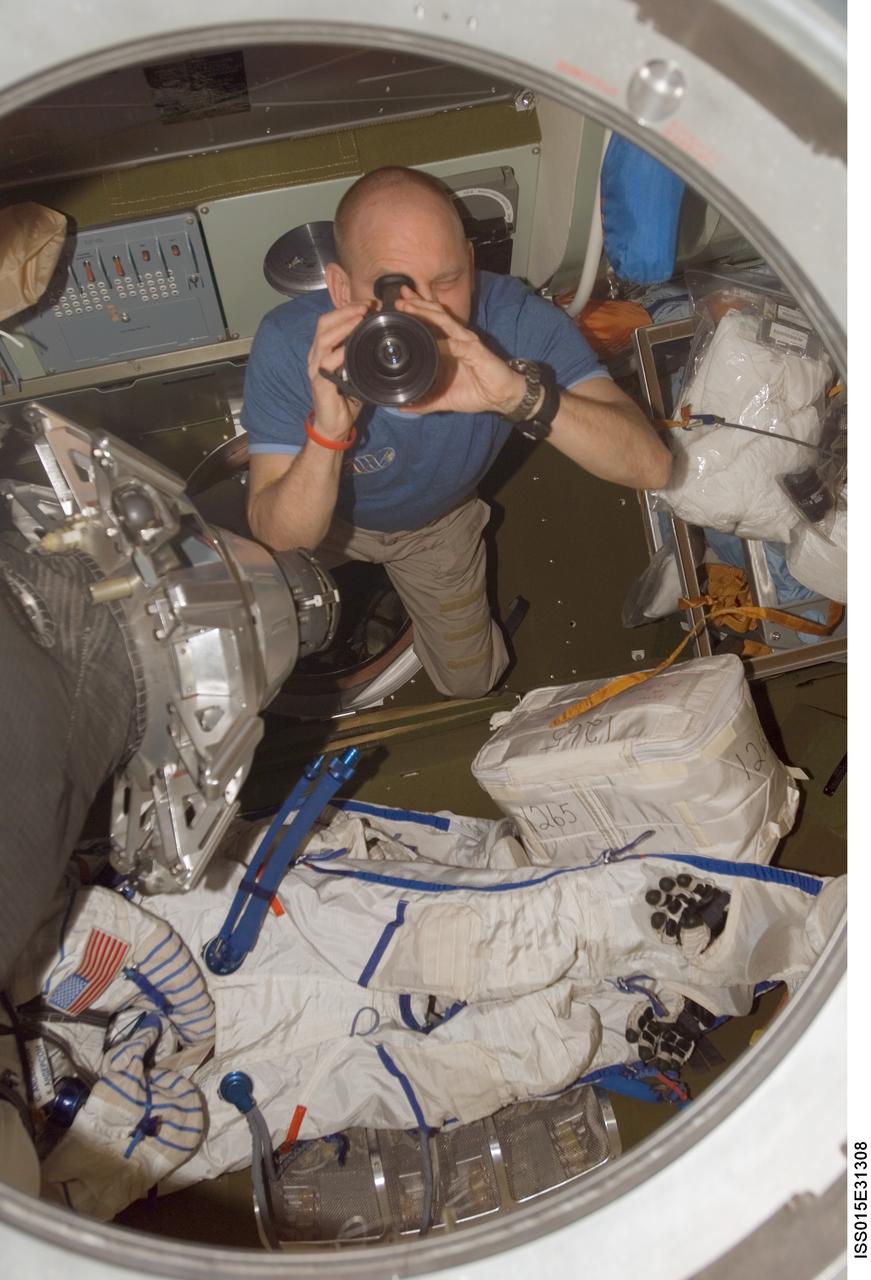
ISS015-E-31308 (27 Sept. 2007) --- Astronaut Clay Anderson, Expedition 15 flight engineer, uses a camera in the Soyuz TMA-10 spacecraft docked to the Zarya module nadir port of the International Space Station.
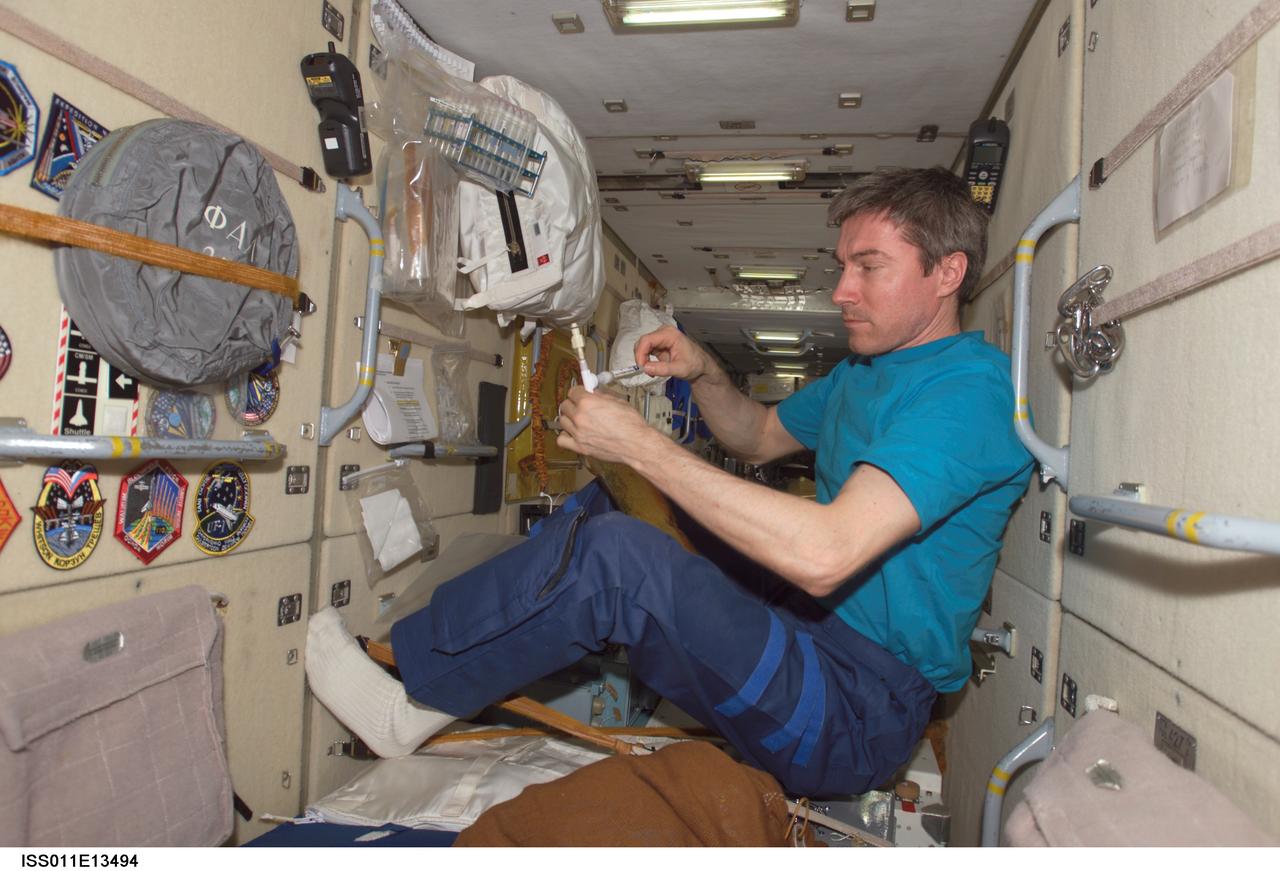
ISS011-E-13494 (22 September 2005) --- Cosmonaut Sergei K. Krikalev, Expedition 11 commander representing Russia's Federal Space Agency, inserts a syringe into a bag while working in the Zarya module of the international space station.
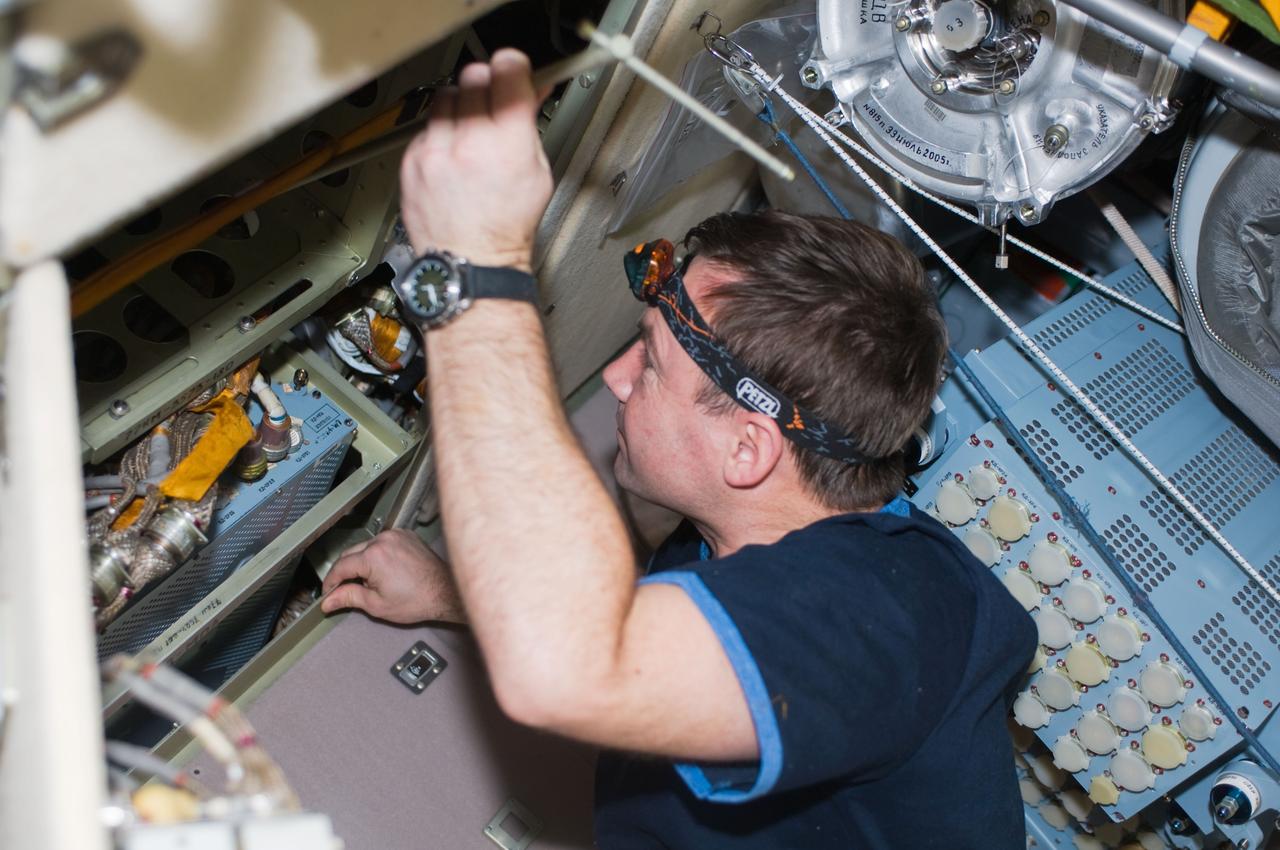
ISS018-E-007610 (5 Nov. 2008) --- Cosmonaut Yury Lonchakov, Expedition 18 flight engineer, performs in-flight maintenance on the Komparus A3 System in the Zarya module of the International Space Station.
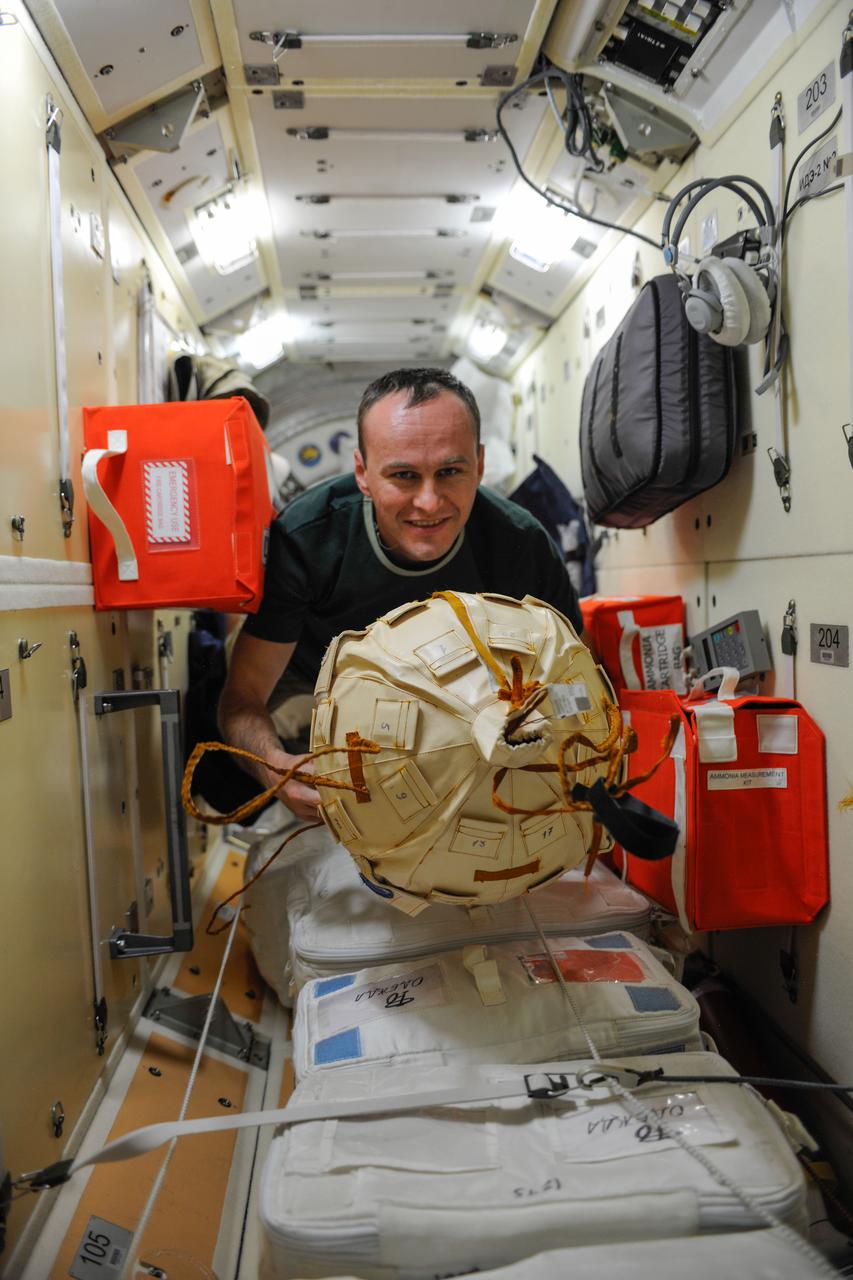
ISS037-E-003211 (27 Sept. 2013) --- Russian cosmonaut Sergey Ryazanskiy, Expedition 37 flight engineer, moves cargo in the Zarya Functional Cargo Block (FGB) of the International Space Station.
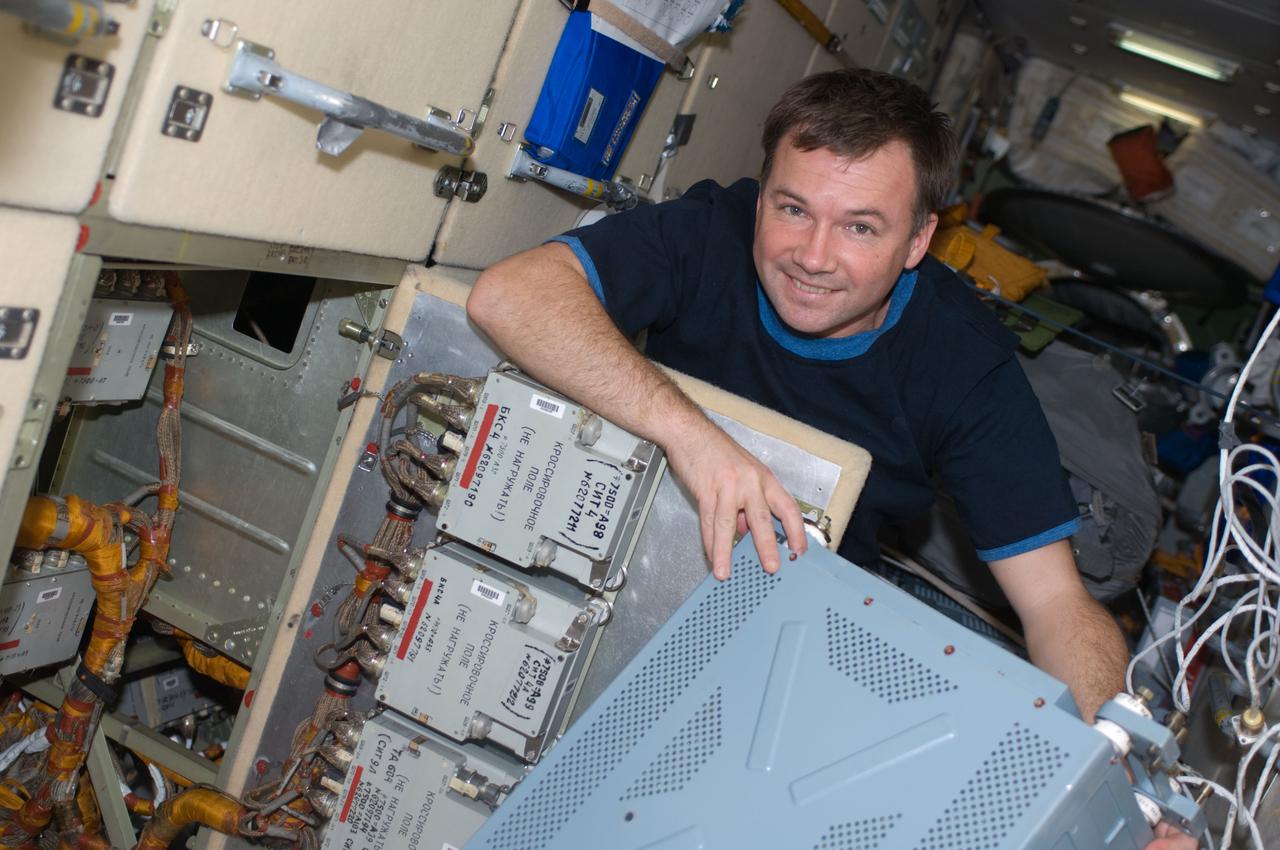
ISS018-E-007623 (5 Nov. 2008) --- Cosmonaut Yury Lonchakov, Expedition 18 flight engineer, takes a moment for a photo while performing in-flight maintenance on the Komparus A3 System in the Zarya module of the International Space Station.
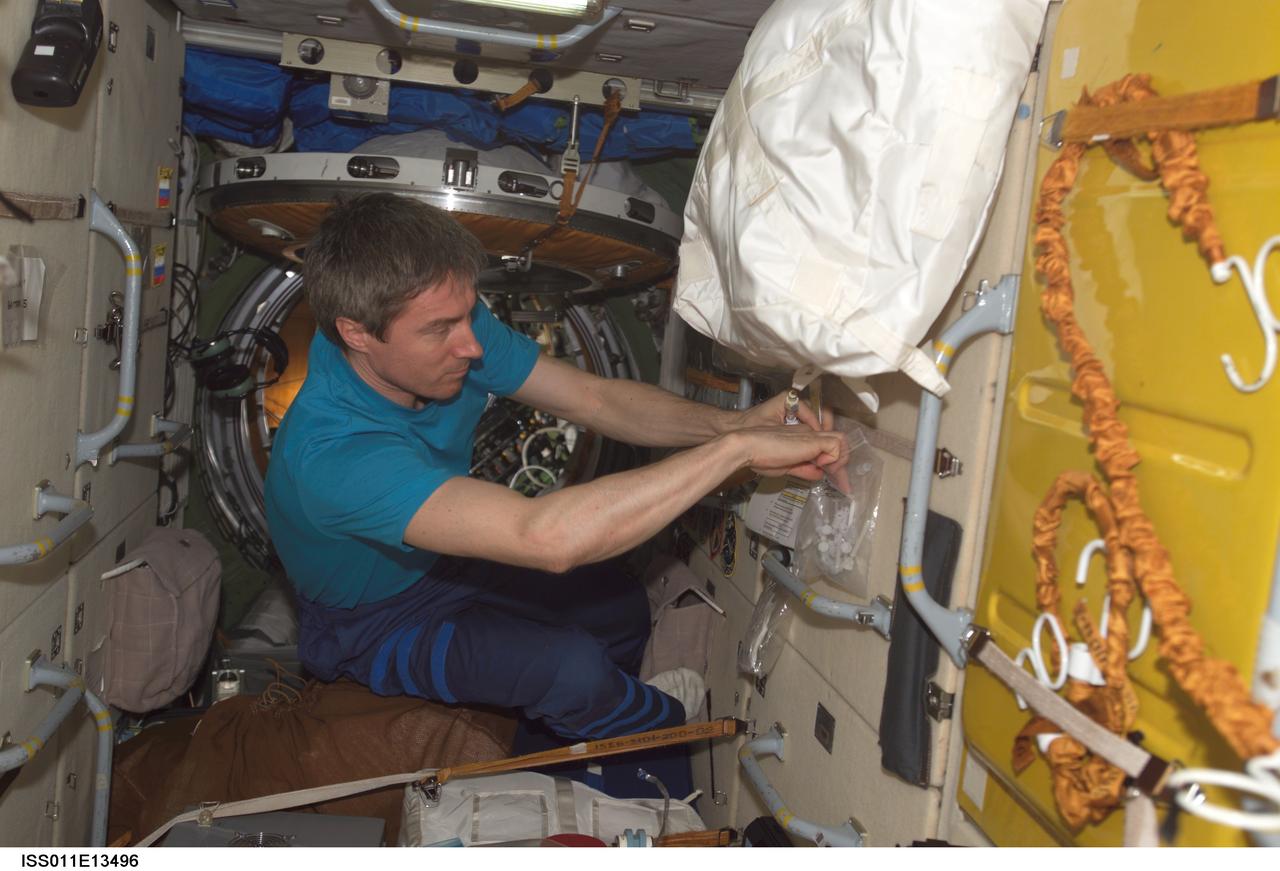
ISS011-E-13496 (22 September 2005) --- Cosmonaut Sergei K. Krikalev, Expedition 11 commander representing Russia's Federal Space Agency, reaches into a bag for supplies in the Zarya module of the international space station.
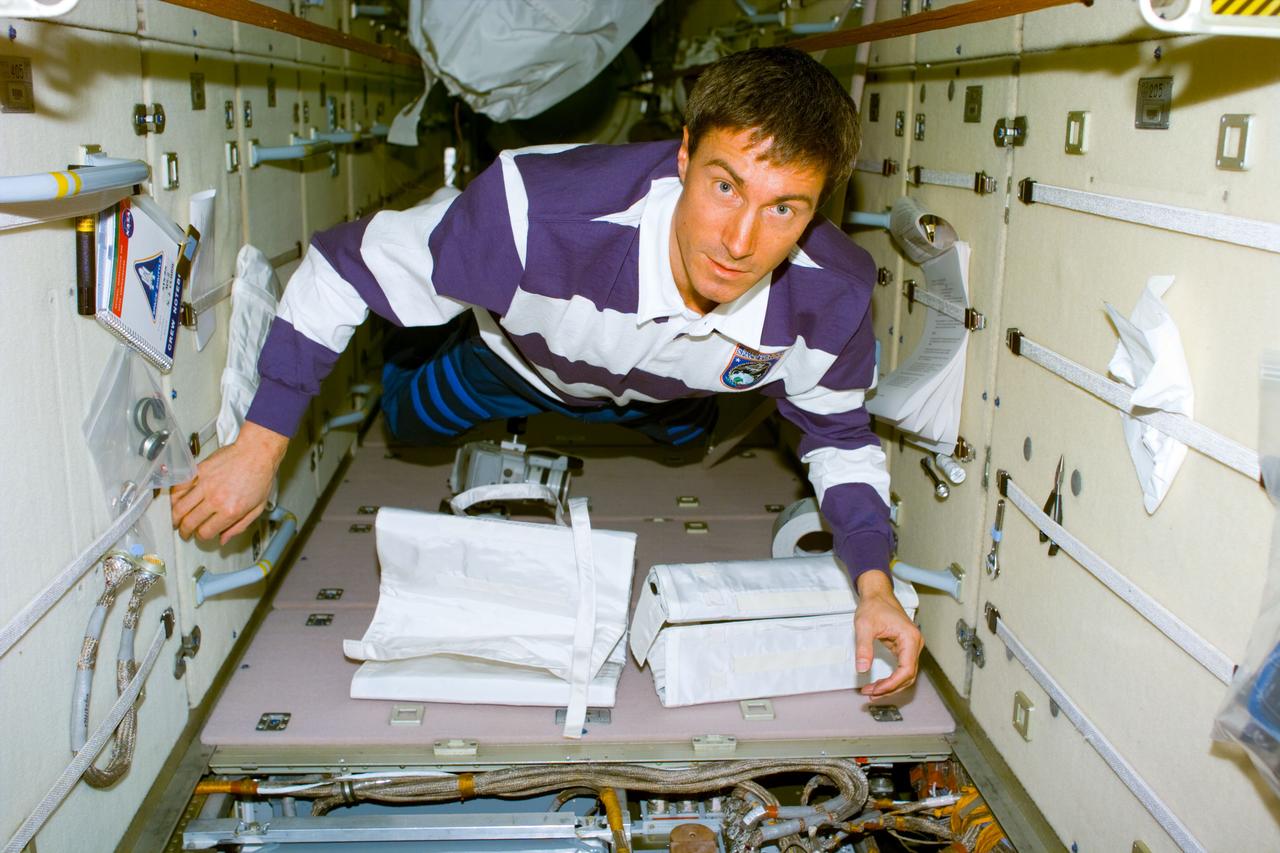
S88-E-5072 (12-11-98) --- Sergei Krikalev, mission specialist representing the Russian Space Agency (RSA), onboard Zarya. The photo was taken with an electronic still camera at 01:54:25 GMT, Dec. 11.
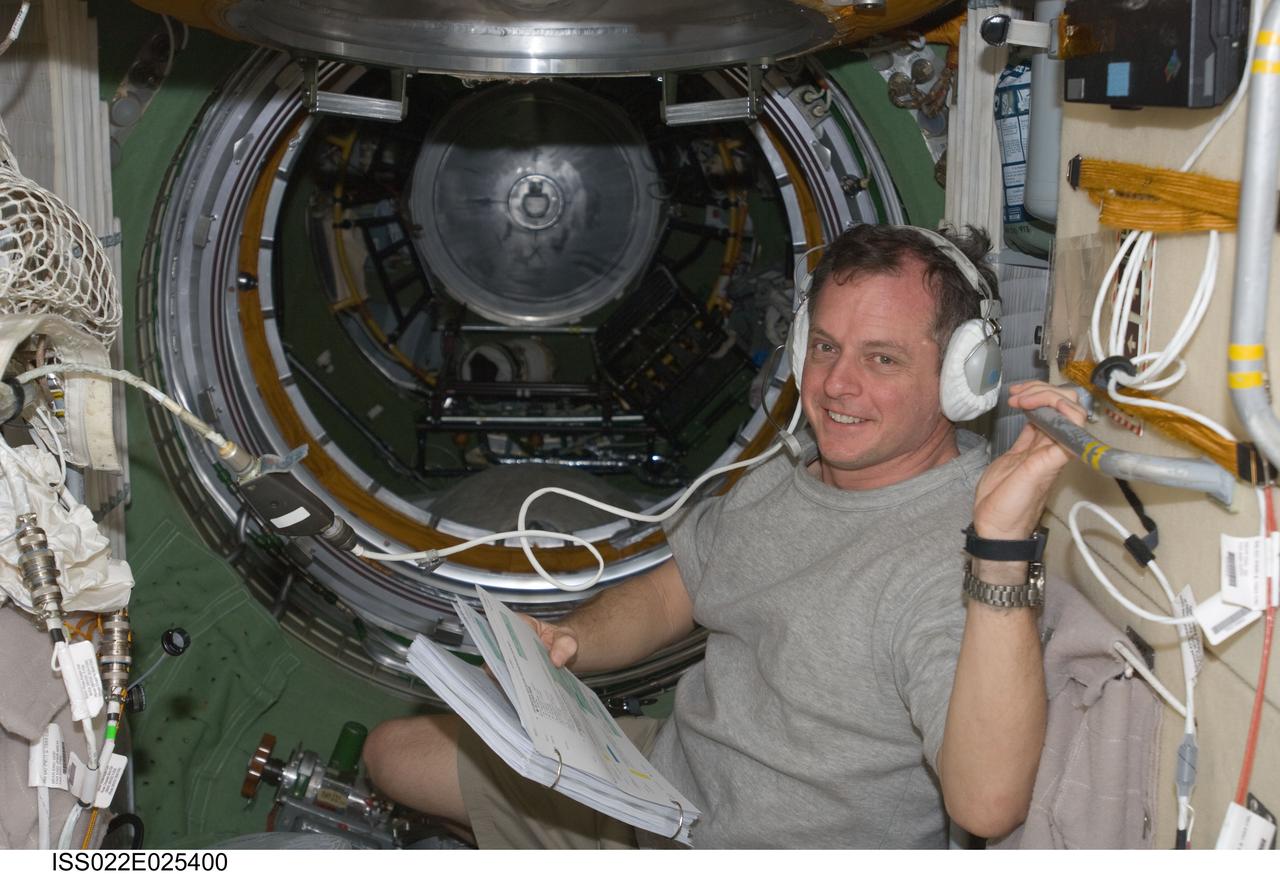
ISS022-E-025400 (14 Jan. 2010) --- NASA astronaut T.J. Creamer, Expedition 22 flight engineer, uses a communication system in the Zarya Functional Cargo Block (FGB) of the International Space Station.
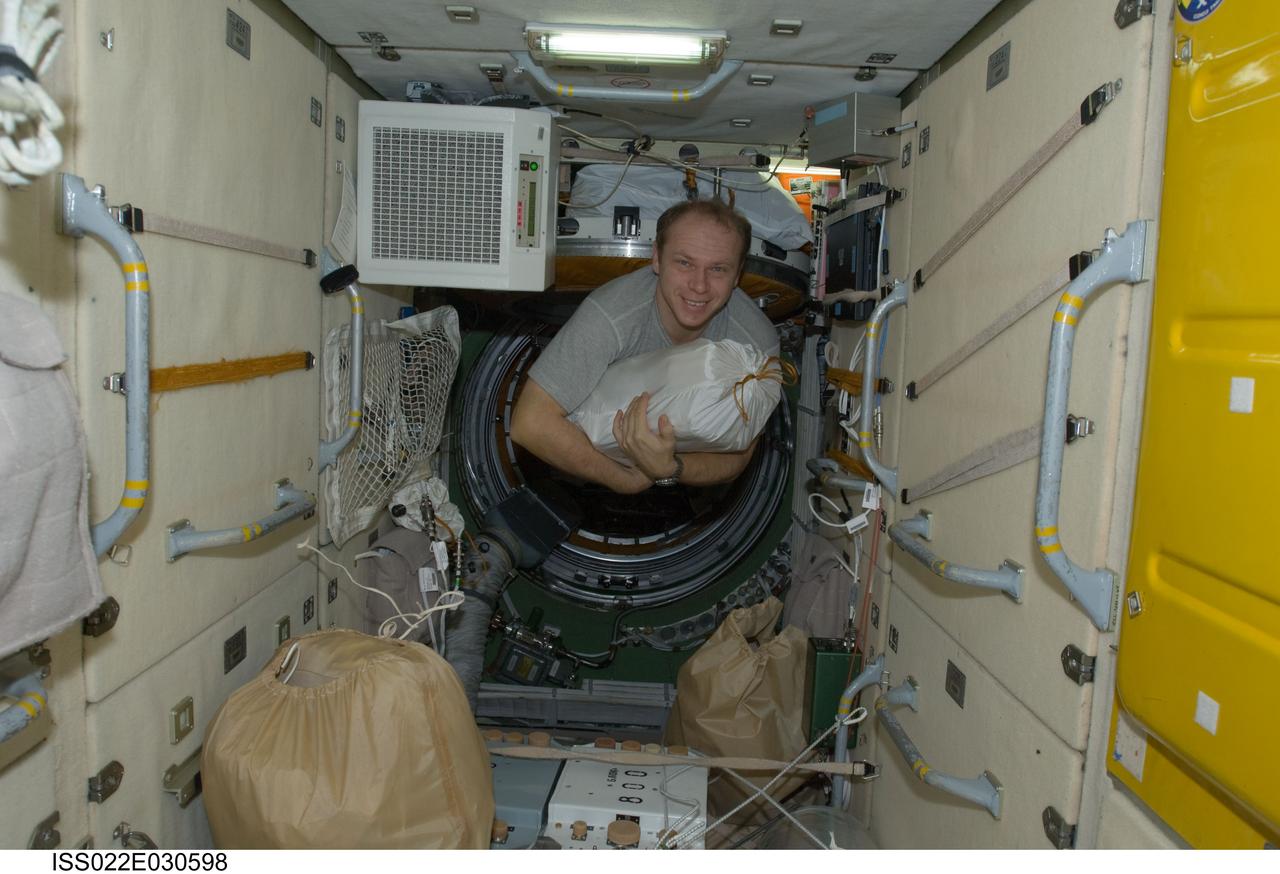
ISS022-E-030598 (19 Jan. 2010) --- Russian cosmonaut Oleg Kotov, Expedition 22 flight engineer, moves a stowage bag in the Zarya Functional Cargo Block (FGB) of the International Space Station.
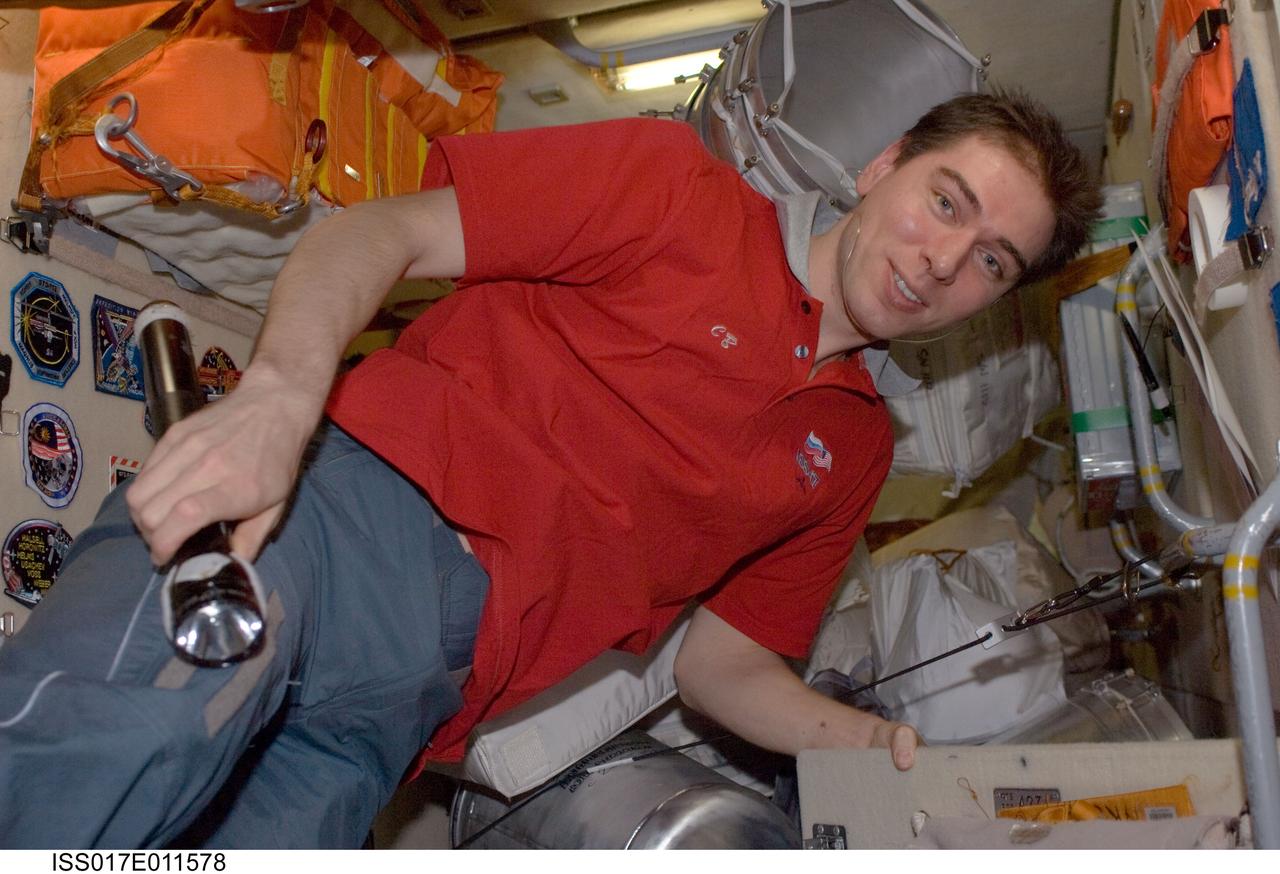
ISS017-E-011578 (17 July 2008) --- Russian Federal Space Agency cosmonaut Sergei Volkov, Expedition 17 commander, takes a moment for a photo as he works with equipment in the Zarya module of the International Space Station.