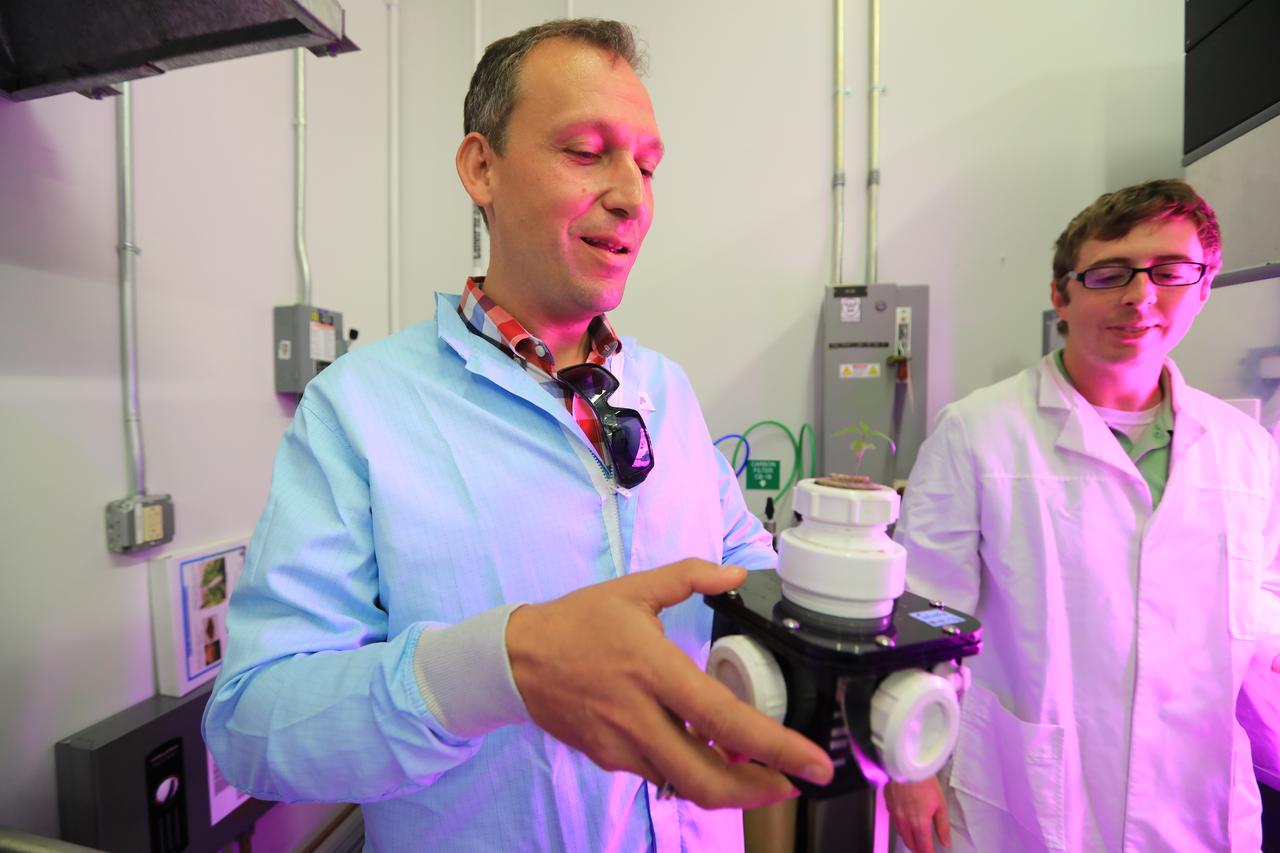
While touring the Space Station Processing Facility at NASA's Kennedy Space Center in Florida, Thomas Zurbuchen, in plaid shirt, NASA's associate administrator for the Science Mission Directorate, examines a device to grow plants in space.
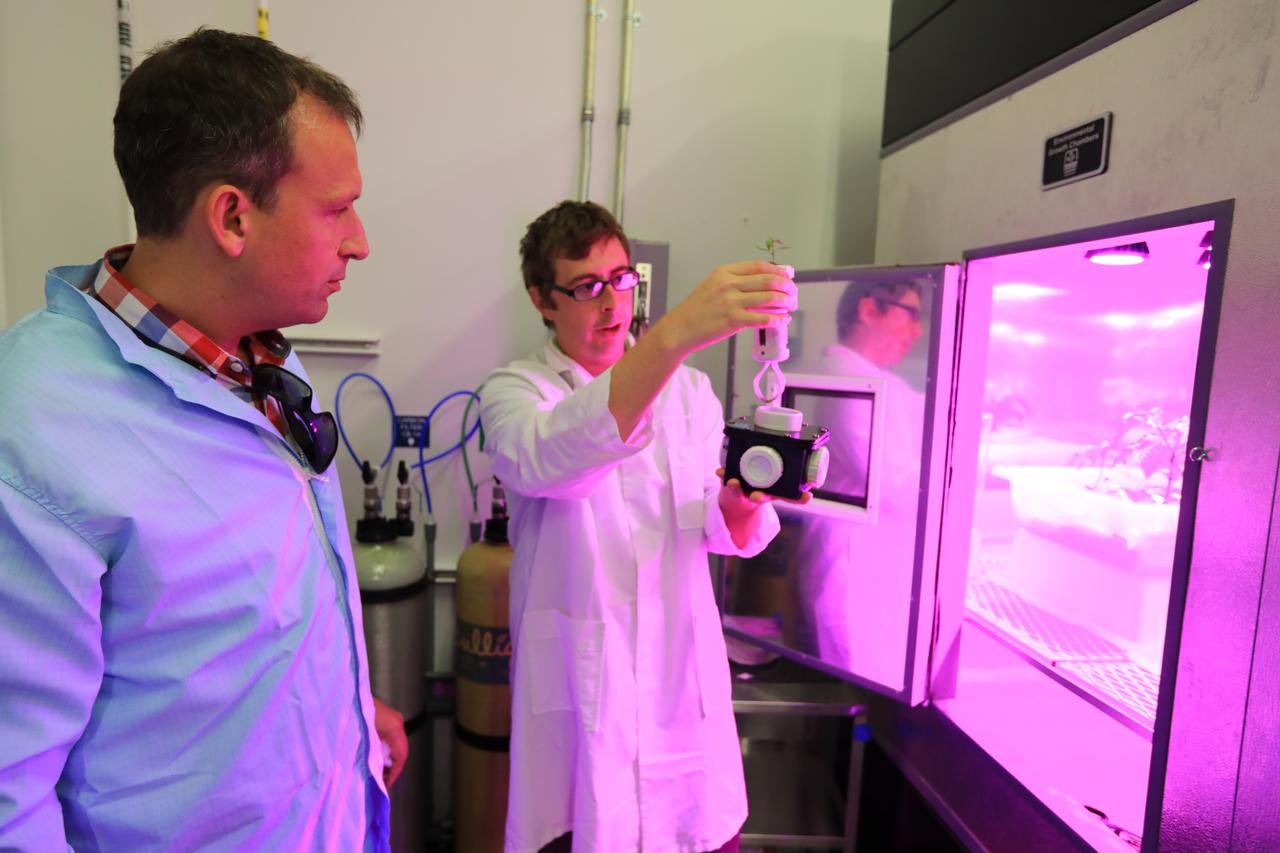
Thomas Zurbuchen, in plaid shirt, NASA's associate administrator for the Science Mission Directorate, listens to a presentation at the Space Station Processing Facility at NASA's Kennedy Space Center in Florida.
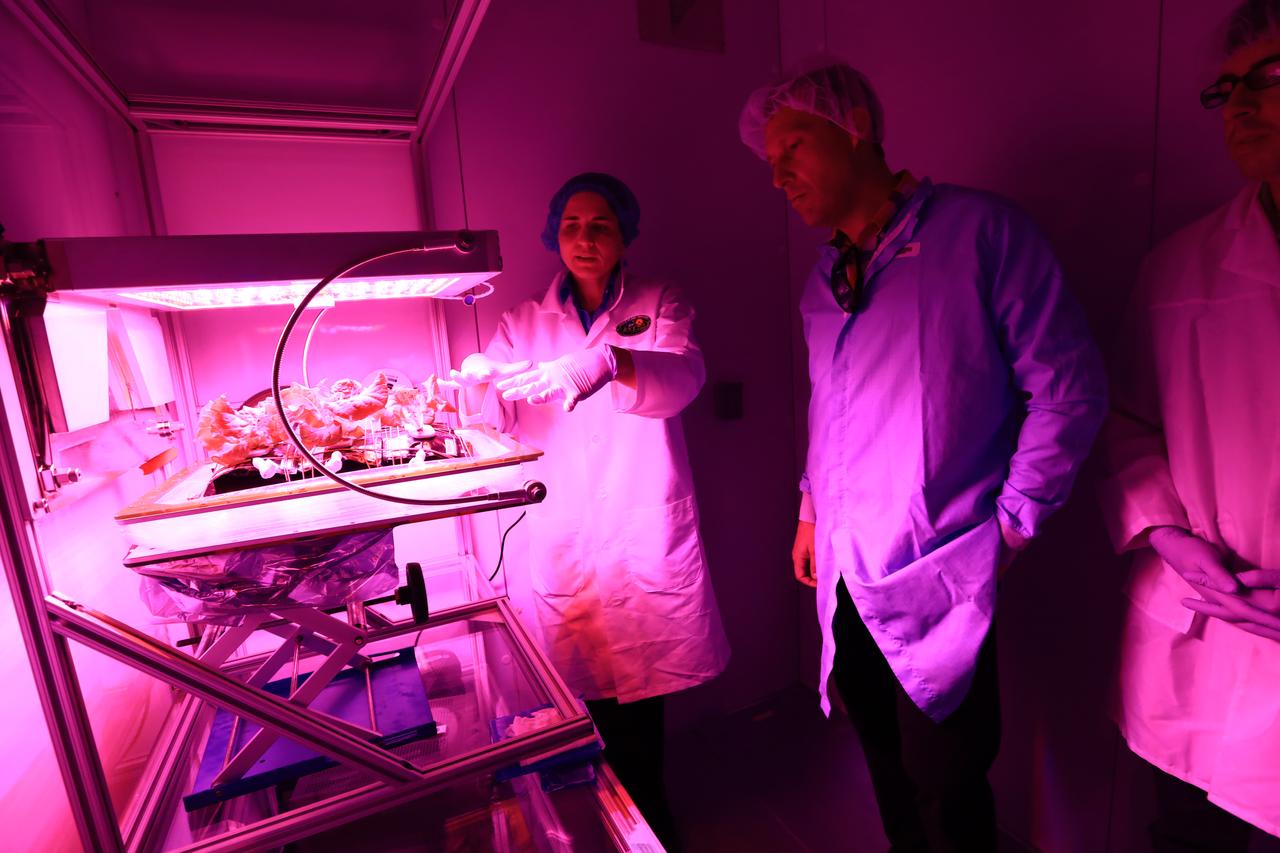
Thomas Zurbuchen, in plaid shirt, NASA's associate administrator for the Science Mission Directorate, listens to a presentation at the Space Station Processing Facility at NASA's Kennedy Space Center in Florida.
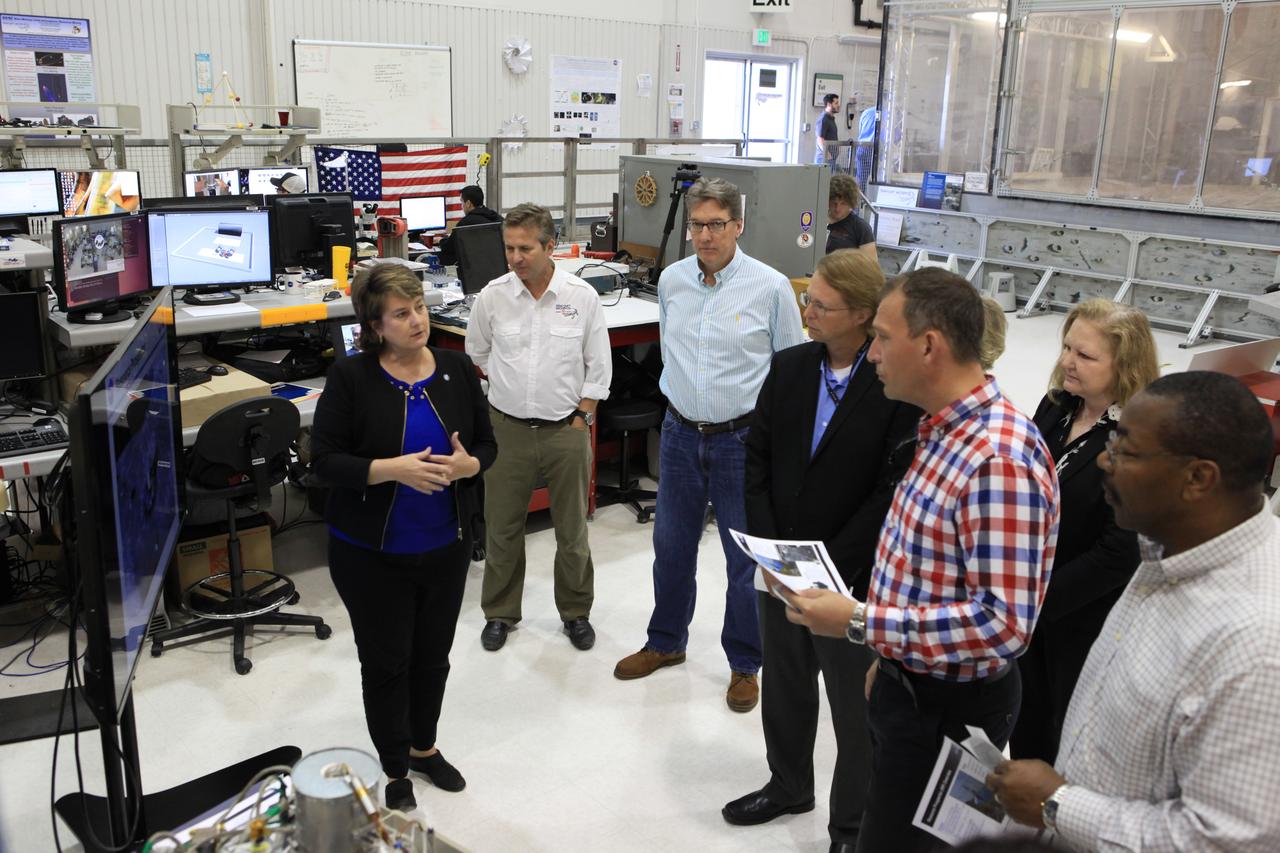
Thomas Zurbuchen, in plaid shirt, NASA's associate administrator for the Science Mission Directorate, listens to a presentation at the Swamp Works facility at NASA's Kennedy Space Center in Florida.
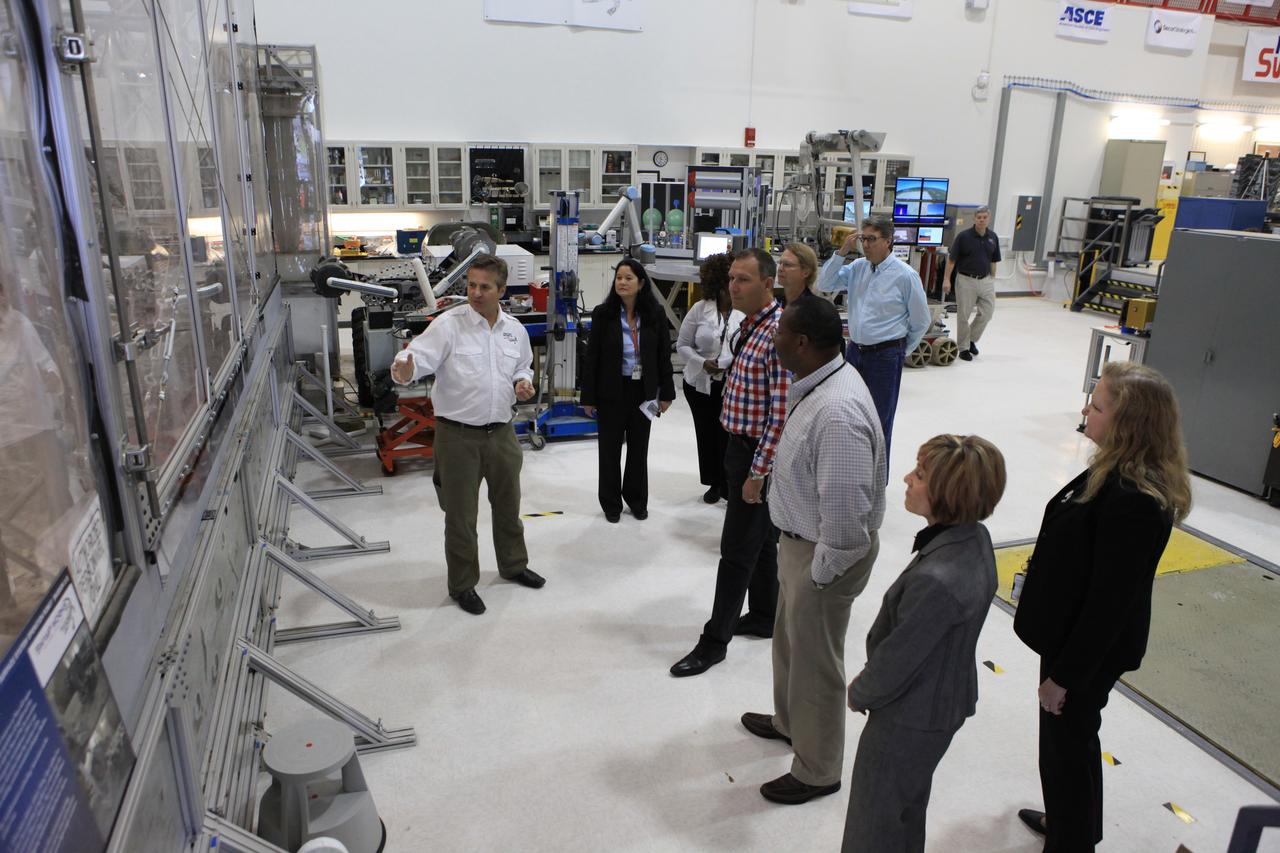
Thomas Zurbuchen, in plaid shirt, NASA's associate administrator for the Science Mission Directorate, listens to a presentation at the Swamp Works facility at NASA's Kennedy Space Center in Florida.
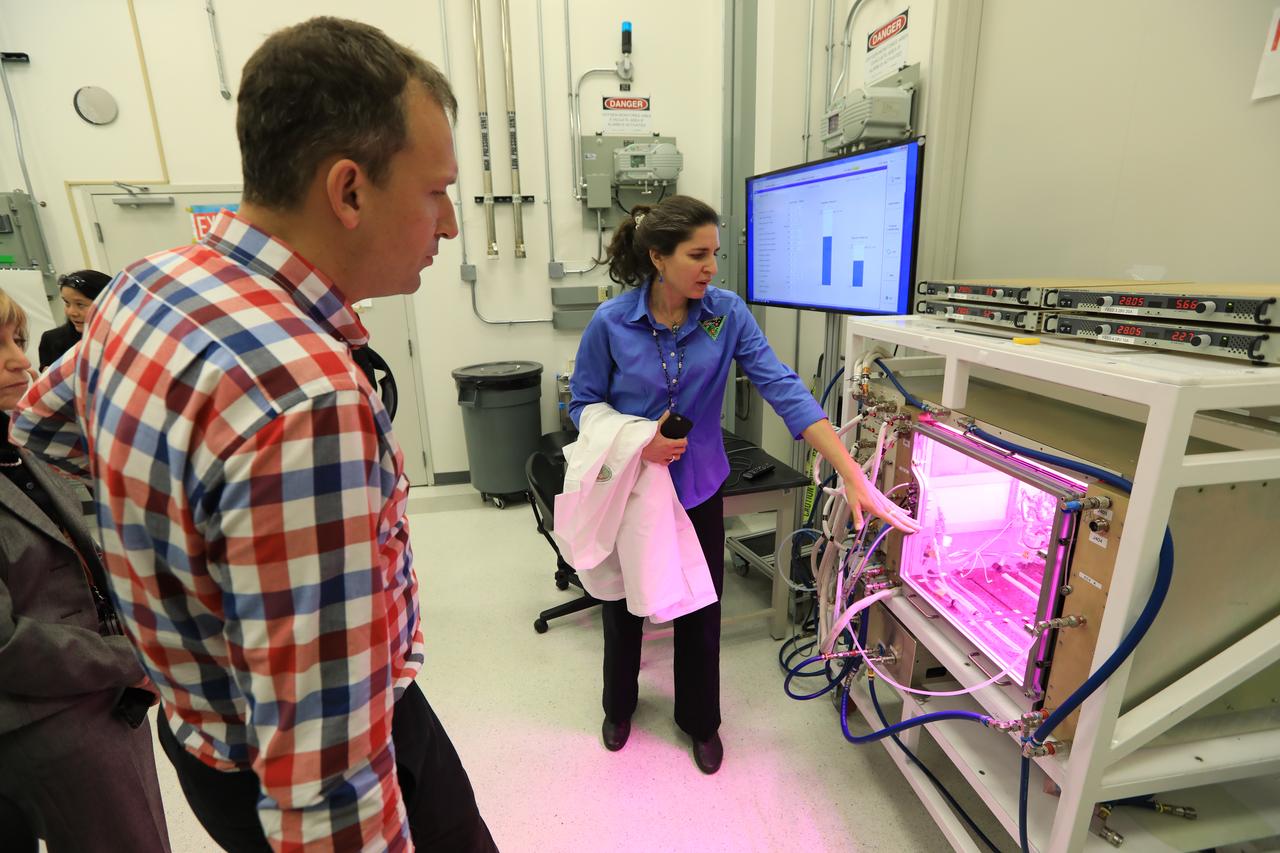
While touring the Space Station Processing Facility at NASA's Kennedy Space Center in Florida, Thomas Zurbuchen, in plaid shirt, NASA's associate administrator for the Science Mission Directorate, learns about the advanced plant habitat used to grow plants in space.
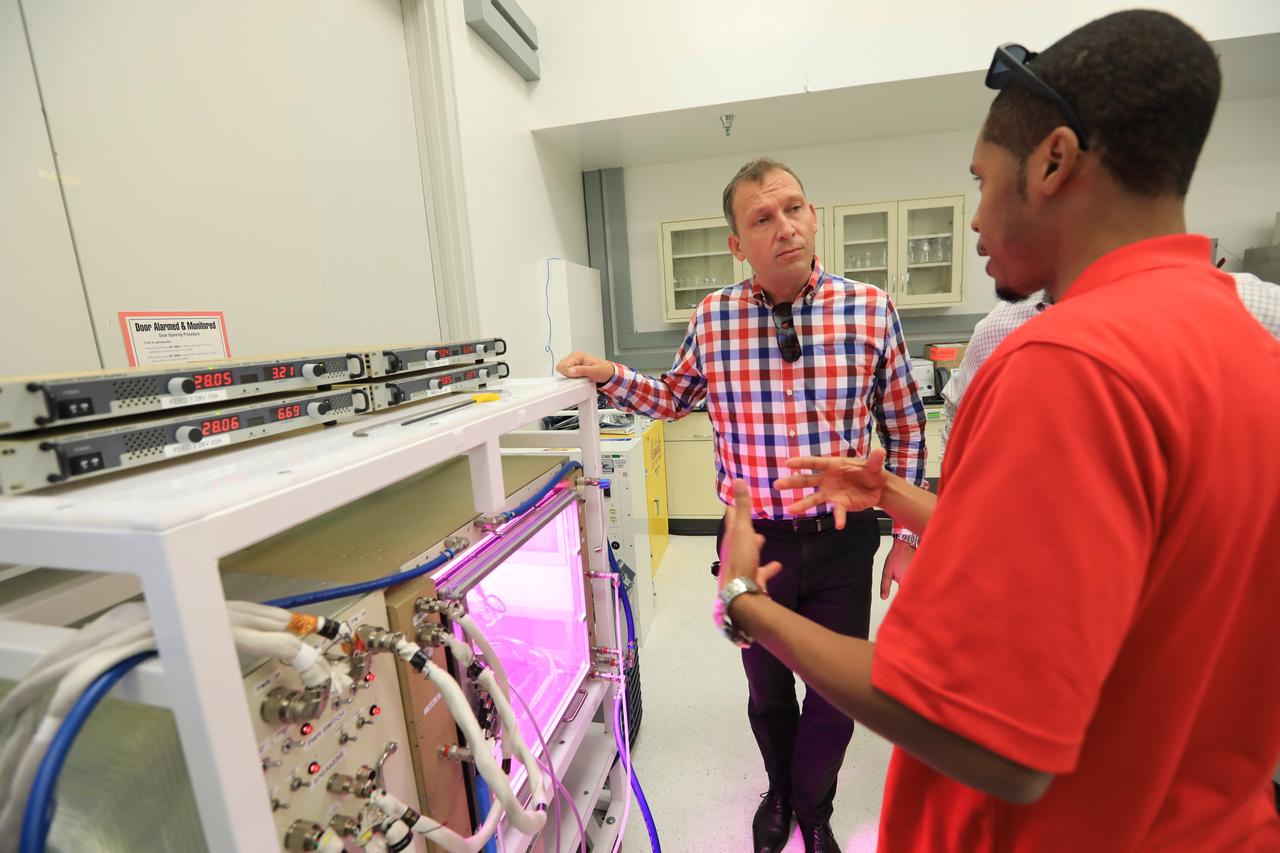
While touring the Space Station Processing Facility at NASA's Kennedy Space Center in Florida, Thomas Zurbuchen, in plaid shirt, NASA's associate administrator for the Science Mission Directorate, learns about the advanced plant habitat used to grow plants in space.
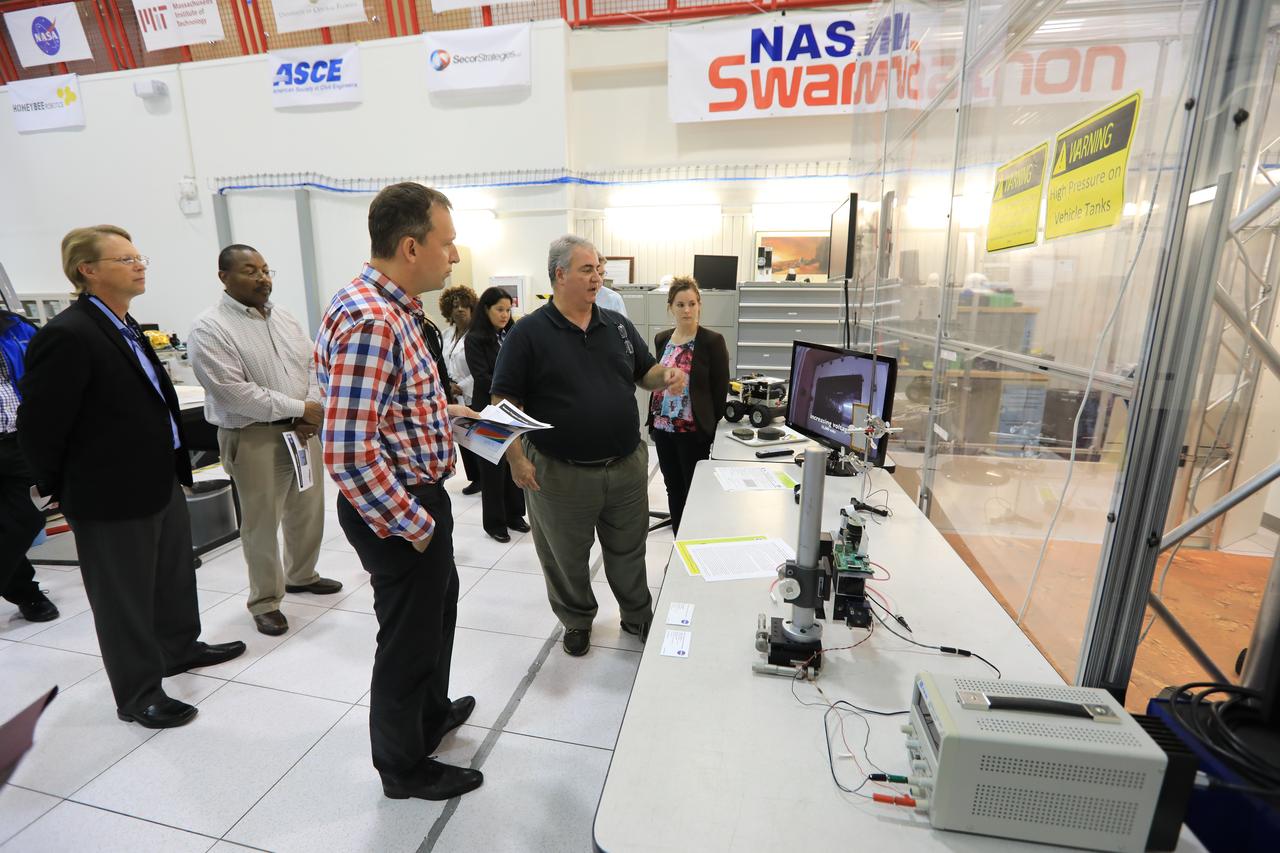
Thomas Zurbuchen, in plaid shirt, NASA's associate administrator for the Science Mission Directorate, listens to a presentation at the Swamp Works facility at NASA's Kennedy Space Center in Florida. In the foreground is a prototype robotic exploration vehicle.
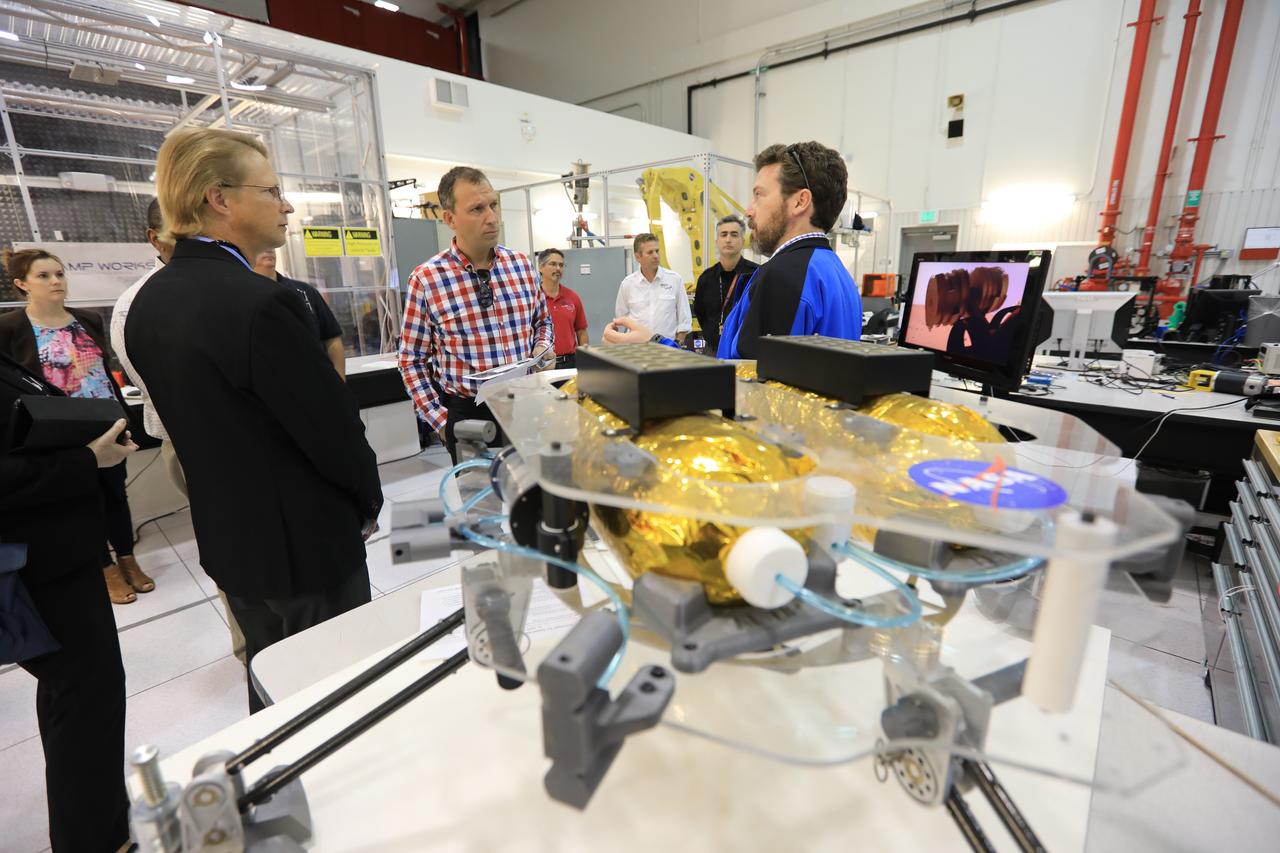
Thomas Zurbuchen, in plaid shirt, NASA's associate administrator for the Science Mission Directorate, listens to a presentation at the Swamp Works facility at NASA's Kennedy Space Center in Florida. In the foreground is a prototype robotic exploration vehicle.
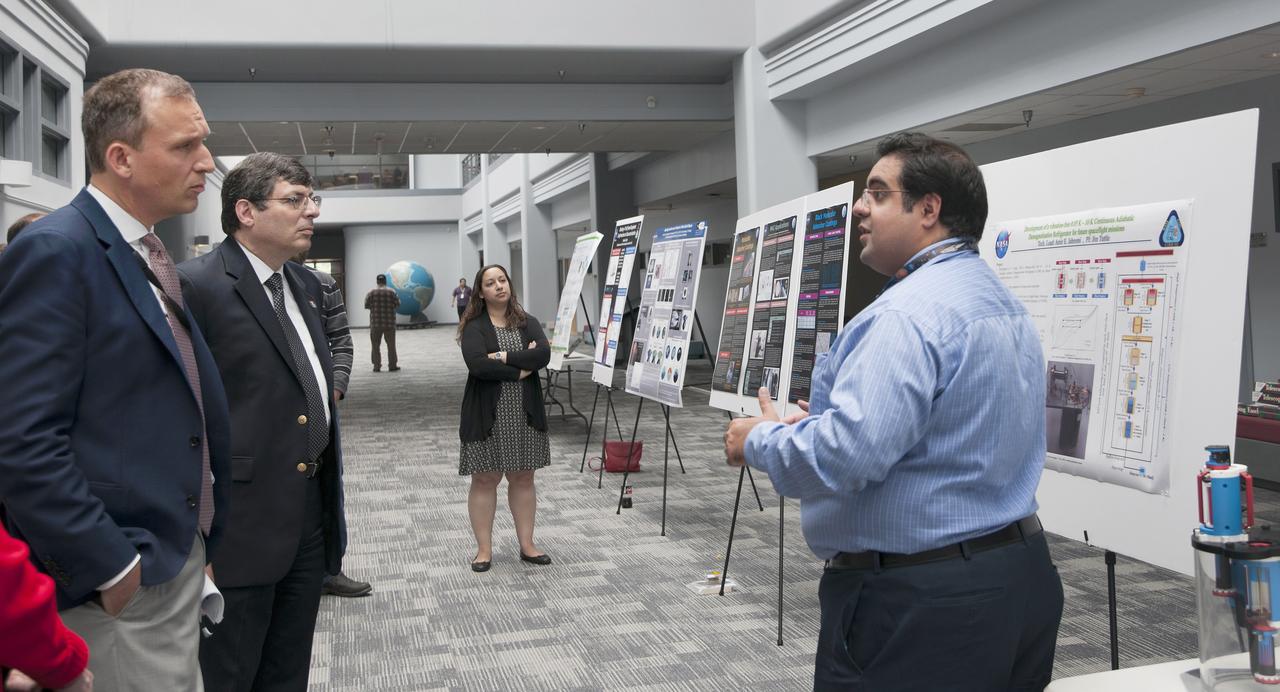
Dr. Thomas Zurbuchen Associate Administrator for Science Mission Directorate Hqs visited Goddard on May 29 2018
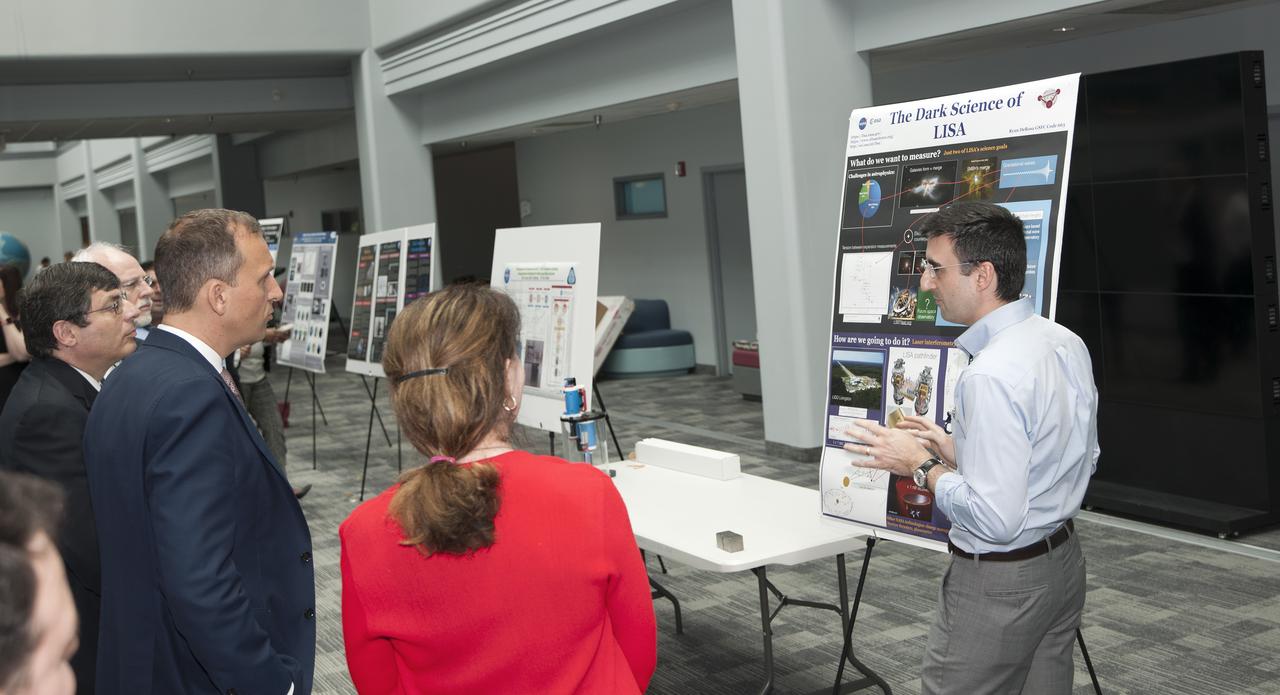
Dr. Thomas Zurbuchen ASsociate Administrator for Science Mission Directorate visited Goddard on May 29, 2018
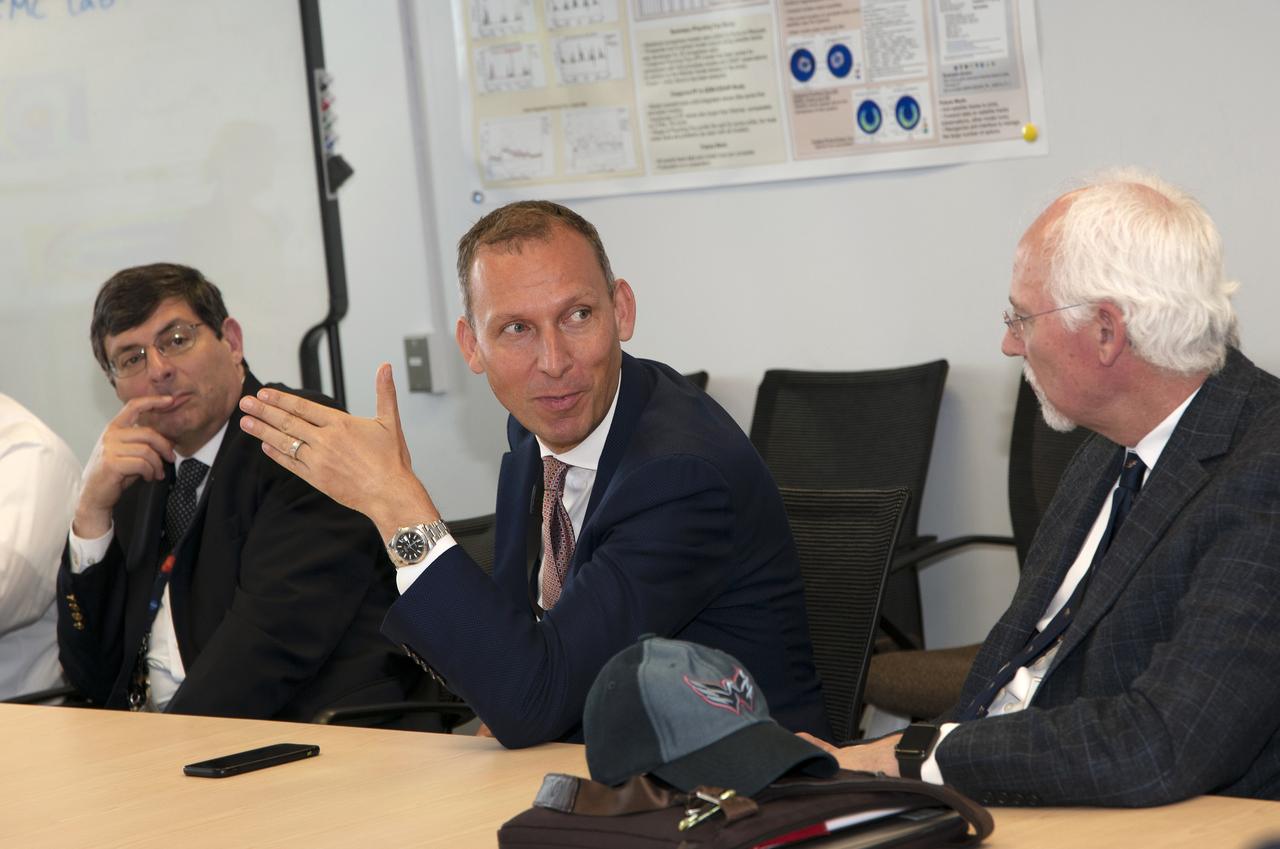
Dr. Thomas Zurbuchen Associate Administrator for Science Mission Directorate Hqs visited Goddard on May 29, 2018
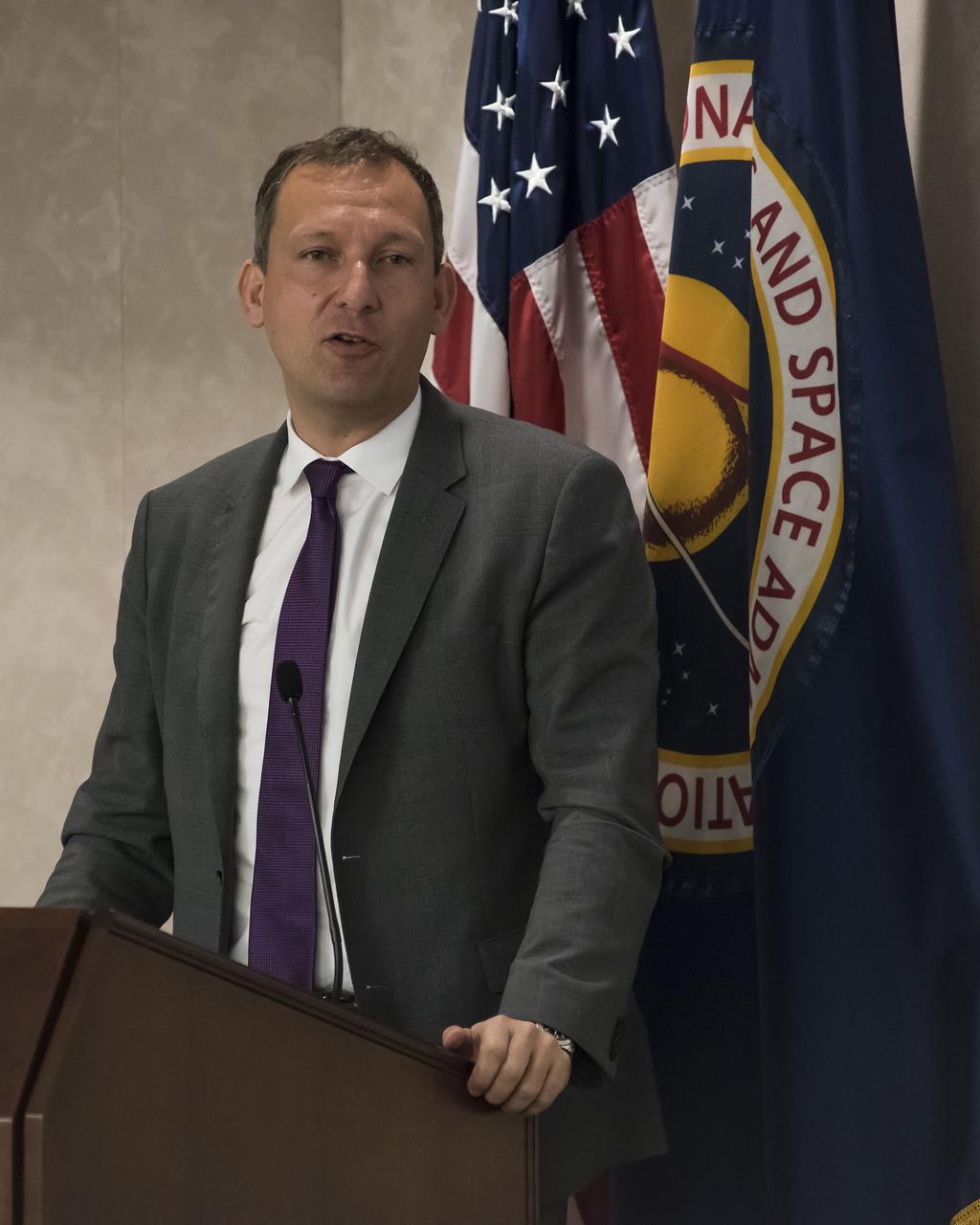
THOMAS ZURBUCHEN, NASA ASSOCIATE ADMINISTRATOR FOR THE SCIENCE MISSION DIRECTORATE, ADDRESSES THE MARCH 21 LUNCHEON MEETING OF THE MARSHALL ASSOCIATION IN BUILDING 4200, ROOM P110. ZURBUCHEN, WHO TOOK ON HIS NEW ROLE IN OCTOBER 2016, PROVIDED THE KEYNOTE ADDRESS FOR THE LUNCHEON BEFORE TOURING KEY MARSHALL SPACE FLIGHT CENTER MANUFACTURING AND TEST FACILITIES. THE MARSHALL ASSOCIATION IS THE CENTER’S PROFESSIONAL, EMPLOYEE SERVICE ORGANIZATION.
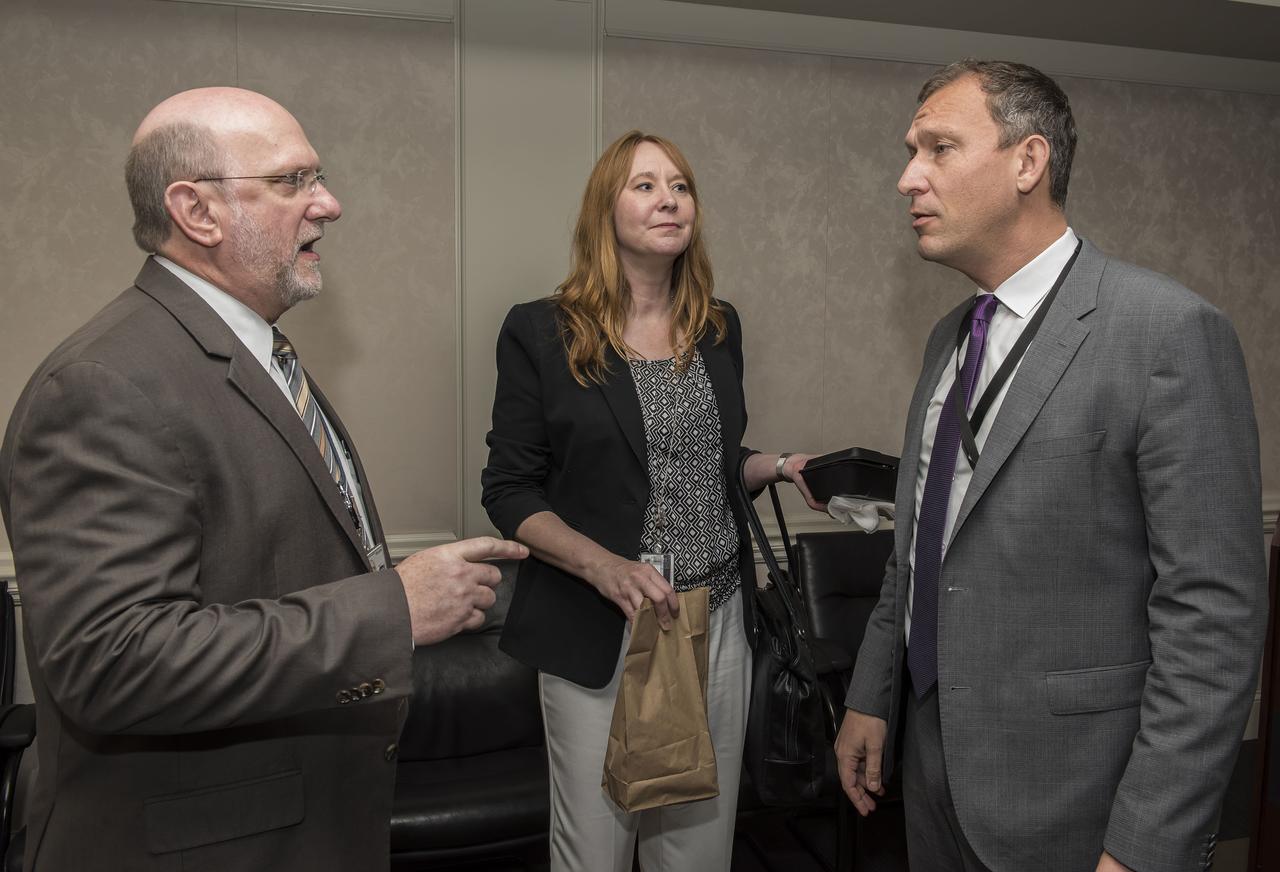
THOMAS ZURBUCHEN, RIGHT, NASA ASSOCIATE ADMINISTRATOR FOR THE SCIENCE MISSION DIRECTORATE, SPEAKS WITH DENNON CLARDY, LEFT, DEPUTY MANAGER OF THE SCIENCE & TECHNOLOGY OFFICE AT NASA’S MARSHALL SPACE FLIGHT CENTER IN HUNTSVILLE, ALABAMA, AND SHAWN MCINERY, AFTER HIS KEYNOTE ADDRESS AT THE MARCH 21 LUNCHEON MEETING OF THE MARSHALL ASSOCIATION. ZURBUCHEN, WHO ASSUMED HIS NEW ROLE IN OCTOBER 2016, ALSO TOURED KEY MARSHALL MANUFACTURING AND TEST FACILITIES. THE MARSHALL ASSOCIATION IS THE CENTER’S PROFESSIONAL, EMPLOYEE SERVICE ORGANIZATION.

NASA Associate Administrator for Science Thomas Zurbuchen answers a reporter’s question during a media gaggle, Wednesday, June 2, 2021, at NASA Headquarters Mary W. Jackson Building in Washington. Zurbuchen, along with NASA Administrator Bill Nelson and other NASA leadership, answered reporters questions following a State of NASA event where Nelson remarked on his long history with NASA, and among other topics, discussed the agency’s plans for future Earth-focused missions to address climate change and a robotic and human return to the Moon through the Artemis program, as well as announcing two new planetary science missions to Venus – VERITAS and DAVINCI+. Photo Credit: (NASA/Bill Ingalls)
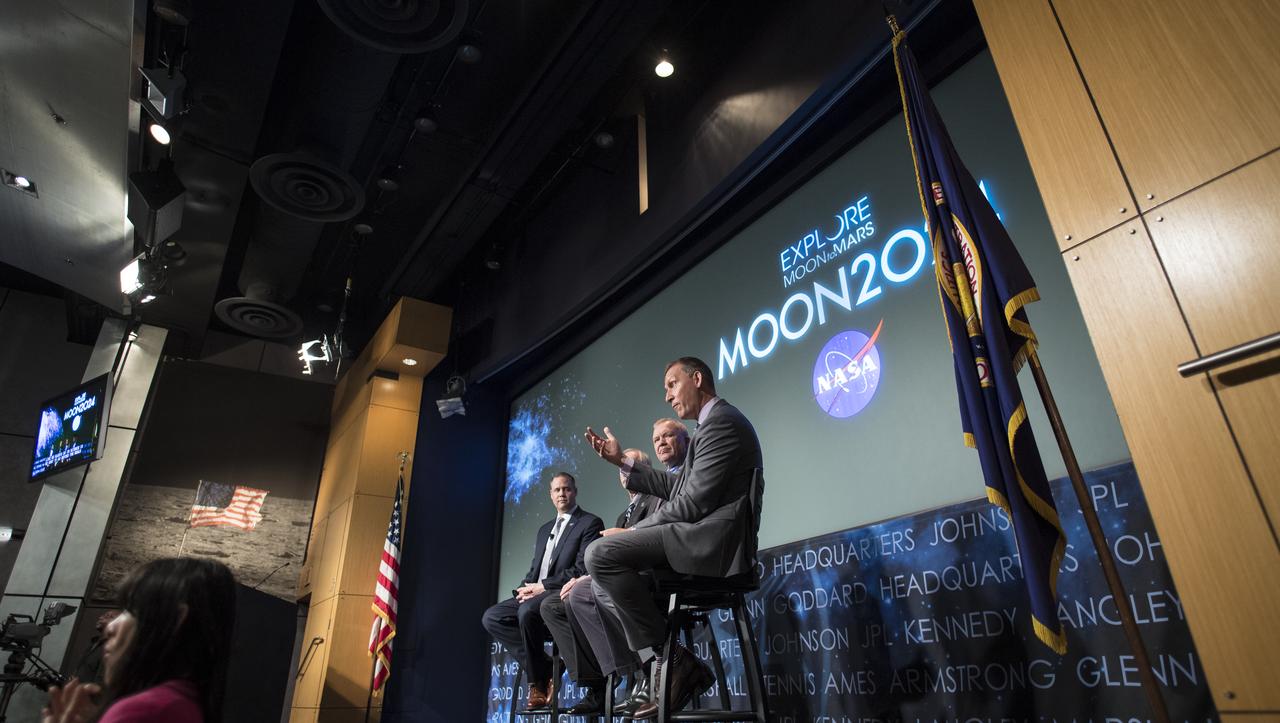
Associate Administrator for NASA's Science Mission Directorate Thomas Zurbuchen is seen during a NASA town hall on the amendment to the fiscal year 2020 budget request that supports the agency’s plan to land astronauts on the Moon by 2024, Tuesday, May 14, 2019 at NASA Headquarters in Washington, DC. Photo Credit: (NASA/Joel Kowsky)

The socks of NASA Associate Administrator for Science Thomas Zurbuchen are seen as he answers a reporter’s question during a media gaggle, Wednesday, June 2, 2021, at NASA Headquarters Mary W. Jackson Building in Washington. Zurbuchen, along with NASA Administrator Bill Nelson and other NASA leadership, answered reporters questions following a State of NASA event where Nelson remarked on his long history with NASA, and among other topics, discussed the agency’s plans for future Earth-focused missions to address climate change and a robotic and human return to the Moon through the Artemis program, as well as announcing two new planetary science missions to Venus – VERITAS and DAVINCI+. Photo Credit: (NASA/Bill Ingalls)
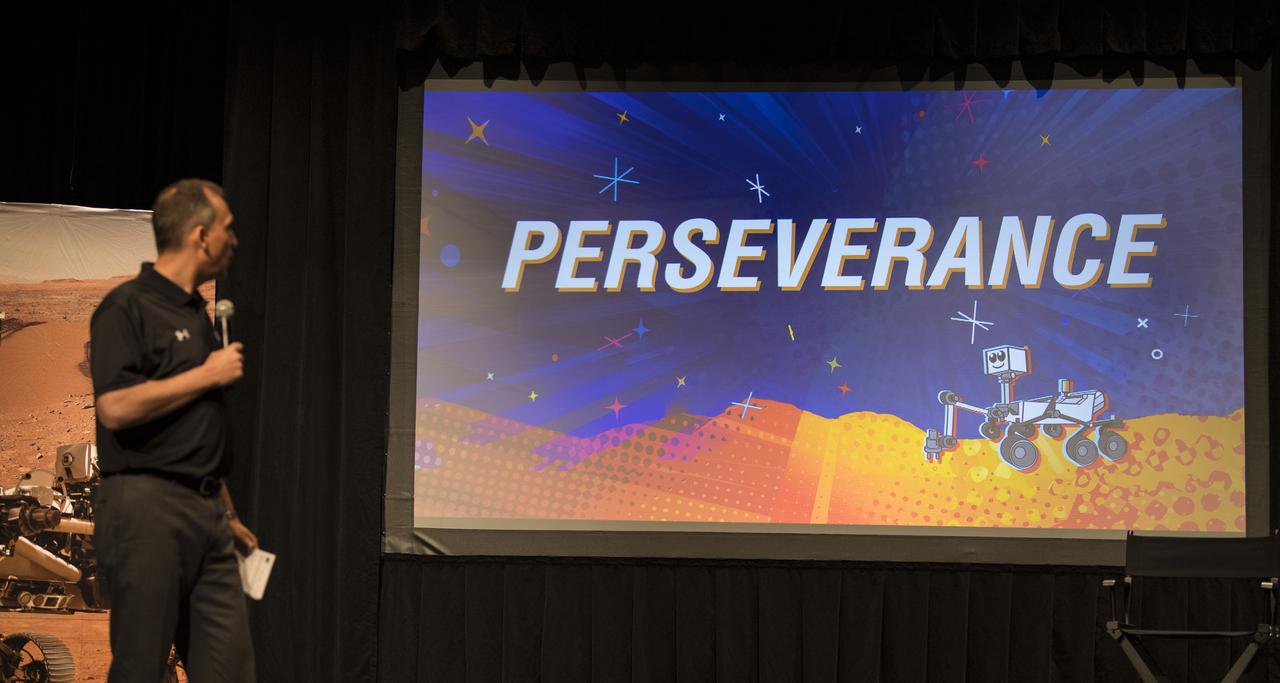
Associate Administrator of NASA's Science Mission Directorate, Thomas Zurbuchen, announces the official name, Perseverance, for the rover formerly known as Mars 2020, Thursday, March 5, 2020, at Lake Braddock Secondary School in Burke, Va. Zurbuchen made the final selection of the new name following a nationwide naming contest conducted in 2019 that drew more than 28,000 essays by K-12 students from every U.S. state and territory. Perseverance is currently at NASA's Kennedy Space Center in Florida being prepared for launch this summer. Photo Credit: (NASA/Aubrey Gemignani)
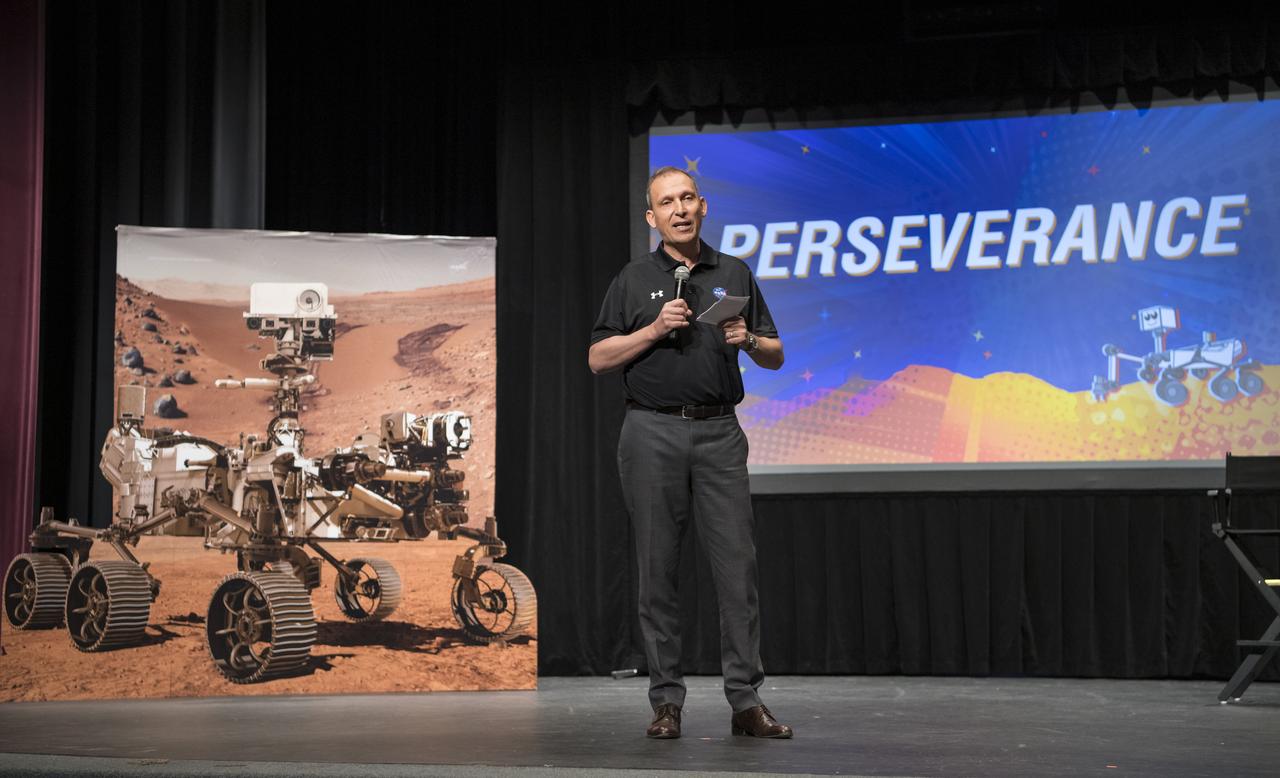
Associate Administrator of NASA's Science Mission Directorate, Thomas Zurbuchen, speaks after announcing the official name, Perseverance, for the rover formerly known as Mars 2020, Thursday, March 5, 2020, at Lake Braddock Secondary School in Burke, Va. Zurbuchen made the final selection of the new name following a nationwide naming contest conducted in 2019 that drew more than 28,000 essays by K-12 students from every U.S. state and territory. Perseverance is currently at NASA's Kennedy Space Center in Florida being prepared for launch this summer. Photo Credit: (NASA/Aubrey Gemignani)
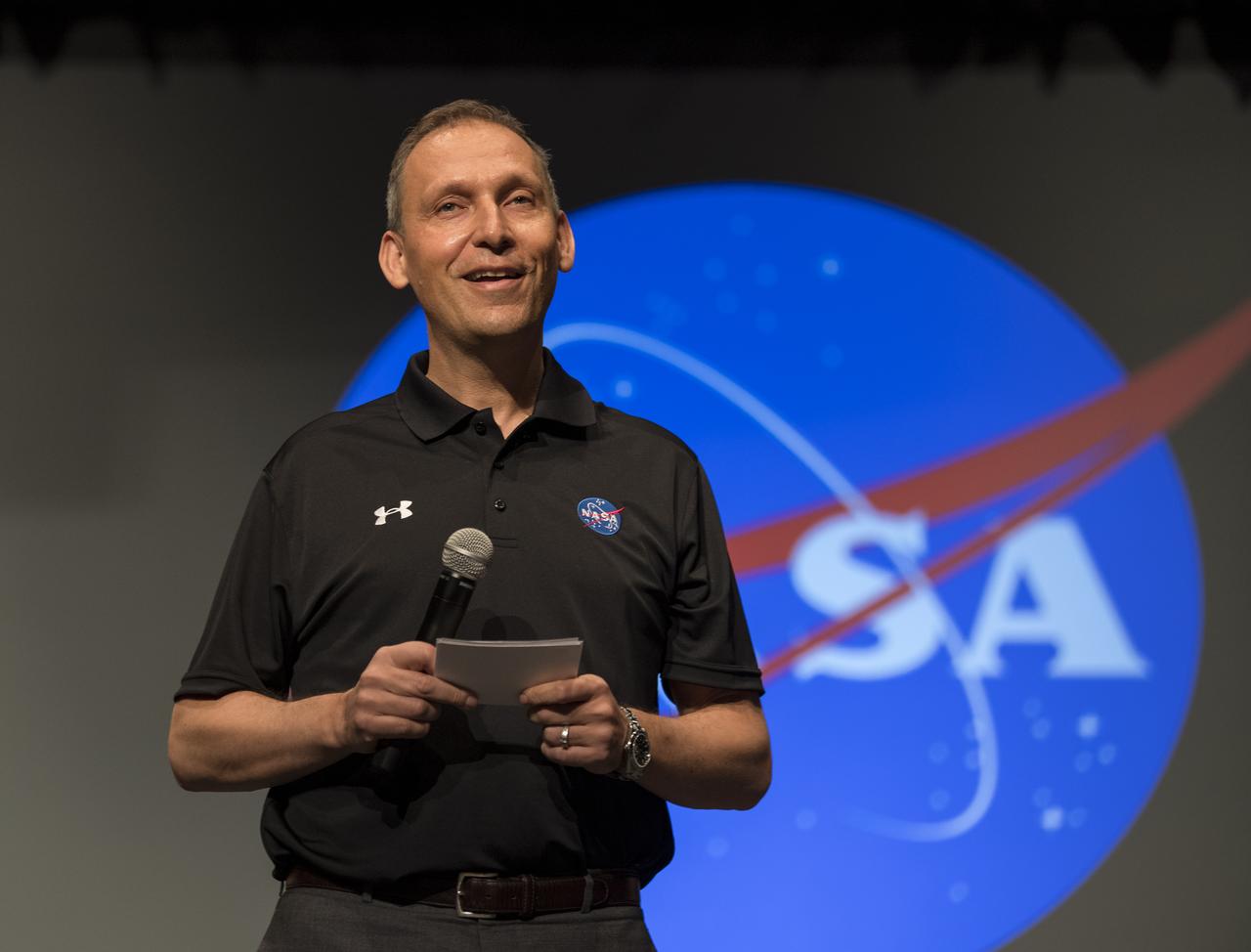
Associate Administrator of NASA's Science Mission Directorate, Thomas Zurbuchen, announces the official name, Perseverance, for the rover formerly known as Mars 2020, Thursday, March 5, 2020, at Lake Braddock Secondary School in Burke, Va. Zurbuchen made the final selection of the new name following a nationwide naming contest conducted in 2019 that drew more than 28,000 essays by K-12 students from every U.S. state and territory. Perseverance is currently at NASA's Kennedy Space Center in Florida being prepared for launch this summer. Photo Credit: (NASA/Aubrey Gemignani)
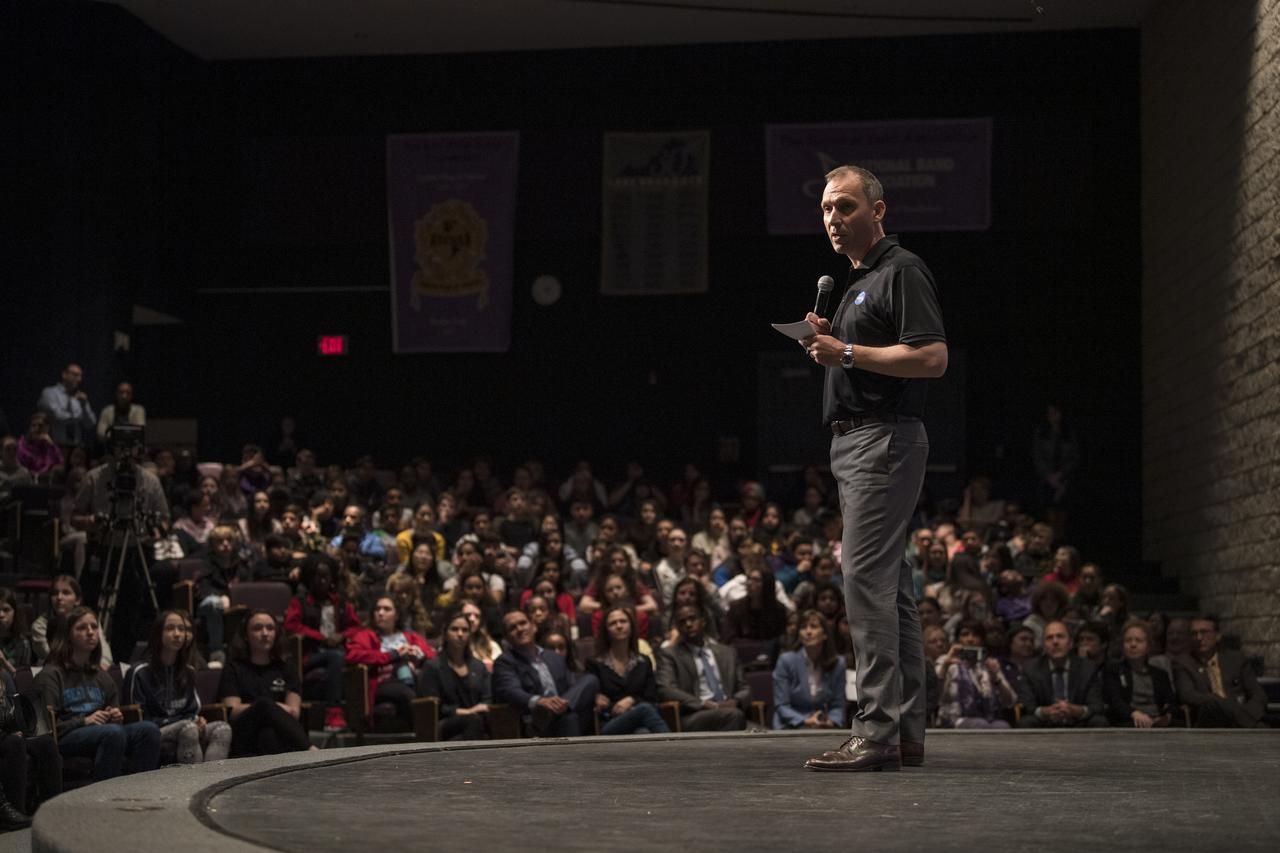
Associate Administrator of NASA's Science Mission Directorate, Thomas Zurbuchen, announces the official name, Perseverance, for the rover formerly known as Mars 2020, Thursday, March 5, 2020, at Lake Braddock Secondary School in Burke, Va. Zurbuchen made the final selection of the new name following a nationwide naming contest conducted in 2019 that drew more than 28,000 essays by K-12 students from every U.S. state and territory. Perseverance is currently at NASA's Kennedy Space Center in Florida being prepared for launch this summer. Photo Credit: (NASA/Aubrey Gemignani)
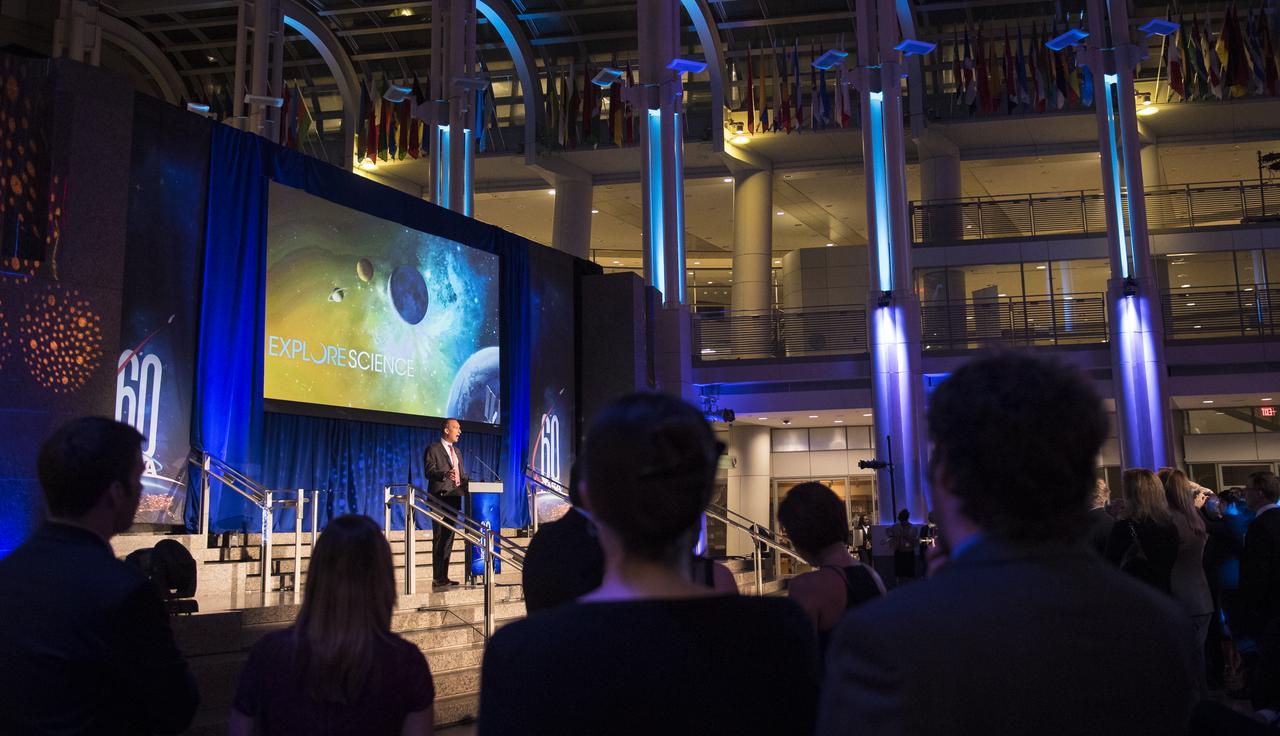
NASA Associate Administrator for the Science Mission Directorate Thomas Zurbuchen speaks during a reception hosted by the American Institute of Aeronautics and Astronautics (AIAA) to celebrate NASA's 60th anniversary, Thursday, Sept. 20, 2018 at the Ronald Reagan Building and International Trade Center in Washington, DC. Photo Credit: (NASA/Joel Kowsky)

Associate Administrator for NASA's Science Mission Directorate Thomas Zurbuchen is seen during a New Horizons briefing, Monday, Dec. 31, 2018 at Johns Hopkins University Applied Physics Laboratory (APL) in Laurel, Maryland. Photo Credit: (NASA/Bill Ingalls)

NASA Associate Administrator for the Science Mission Directorate Thomas Zurbuchen speaks during a reception hosted by the American Institute of Aeronautics and Astronautics (AIAA) to celebrate NASA's 60th anniversary, Thursday, Sept. 20, 2018 at the Ronald Reagan Building and International Trade Center in Washington, DC. Photo Credit: (NASA/Joel Kowsky)
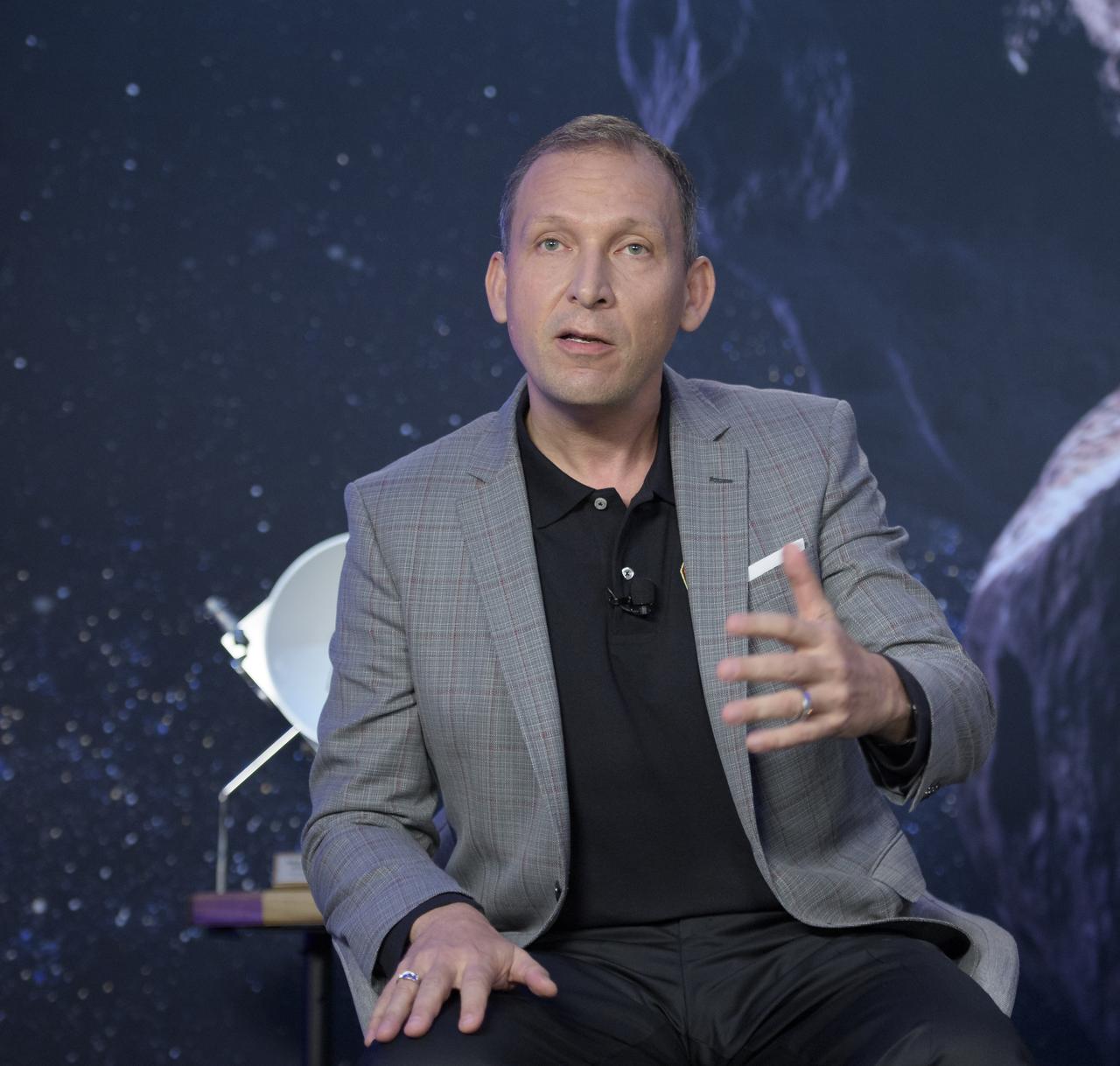
Associate Administrator for NASA's Science Mission Directorate Thomas Zurbuchen is seen during a New Horizons briefing, Monday, Dec. 31, 2018 at Johns Hopkins University Applied Physics Laboratory (APL) in Laurel, Maryland. Photo Credit: (NASA/Bill Ingalls)
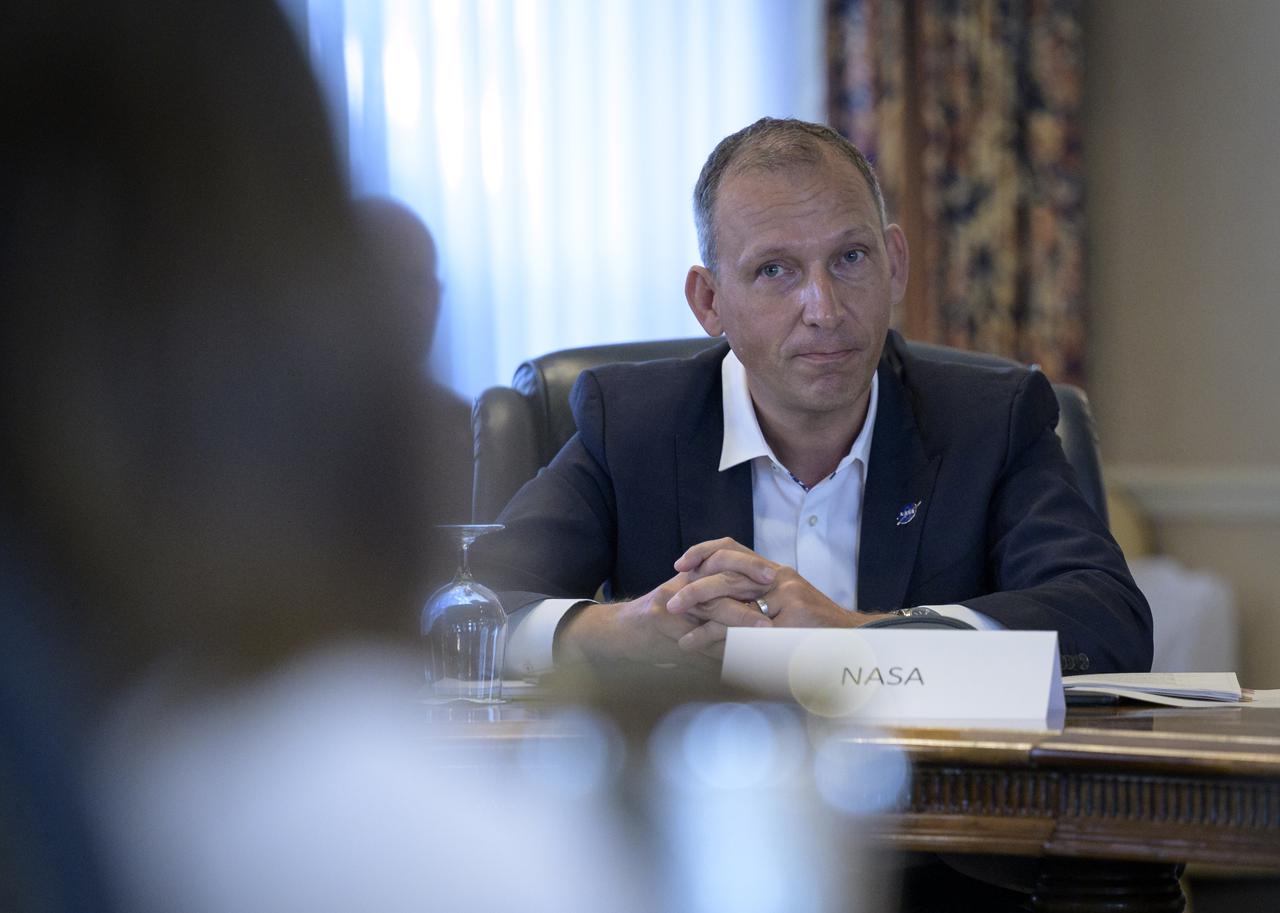
NASA Associate Administrator for Science Thomas Zurbuchen listens to Lisa Campbell, President, Canadian Space Agency (CSA) in a bilateral meeting during the 36th 36th Space Symposium, Monday, Aug. 23, 2021, in Colorado Springs, Colorado. Photo Credit: (NASA/Bill Ingalls)

Thomas Zurbuchen, Associate Administrator of NASA's Science Mission Directorate, left, speaks with Hansjörg Dittus, Executive Board Member for Space Research and Technology at the German Aerospace Center (DLR) during a meeting at the 70th International Astronautical Congress, Wednesday, Oct. 23, 2019 in Washington. Photo Credit: (NASA/Joel Kowsky)
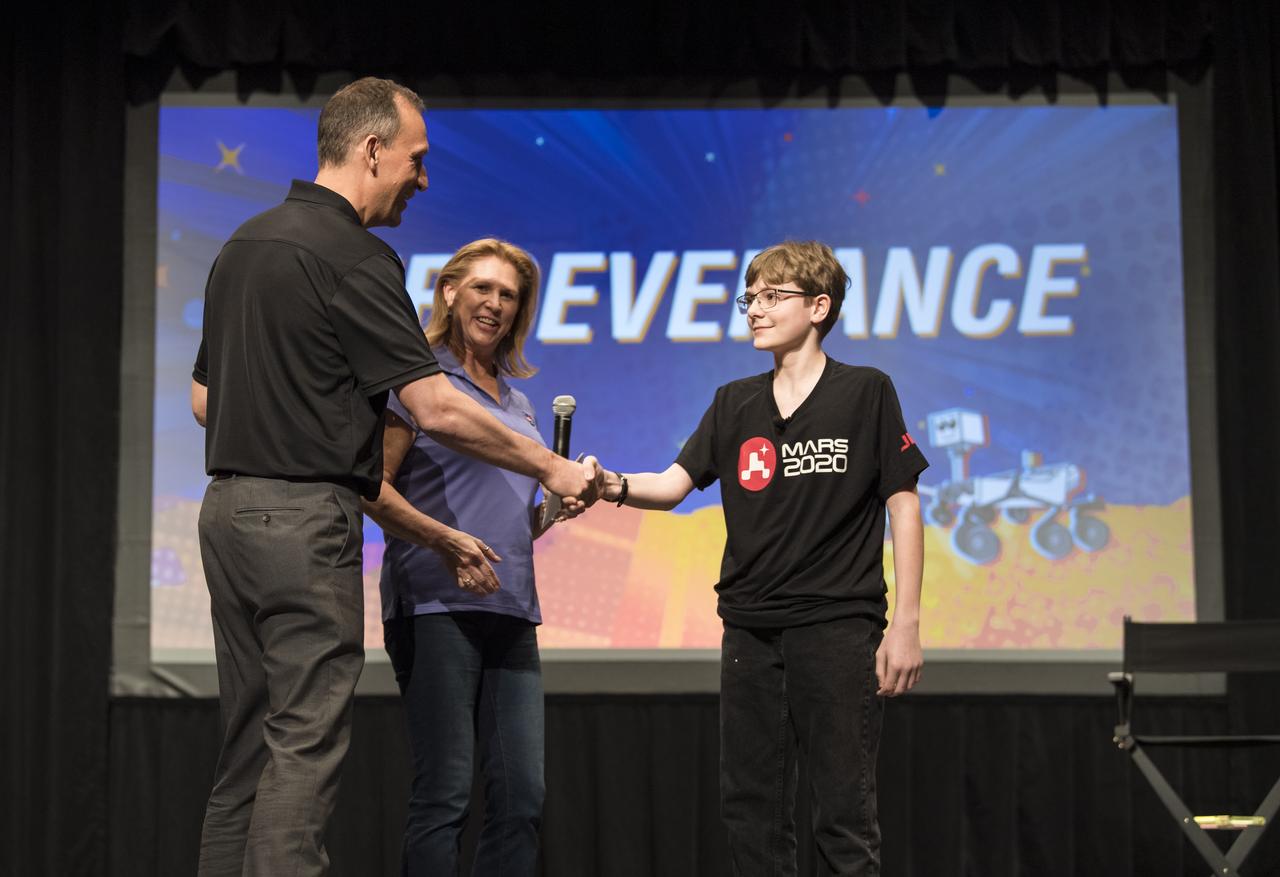
Associate Administrator of NASA's Science Mission Directorate, Thomas Zurbuchen, shakes hands with Alex Mather, the student whose submission, Perseverance, was chosen as the official name of the Mars 2020 rover, Thursday, March 5, 2020, at Lake Braddock Secondary School in Burke, Va. The final selection of the new name was made by Zurbuchen following a nationwide naming contest conducted in 2019 that drew more than 28,000 essays by K-12 students from every U.S. state and territory. Perseverance is currently at NASA's Kennedy Space Center in Florida being prepared for launch this summer. Photo Credit: (NASA/Aubrey Gemignani)
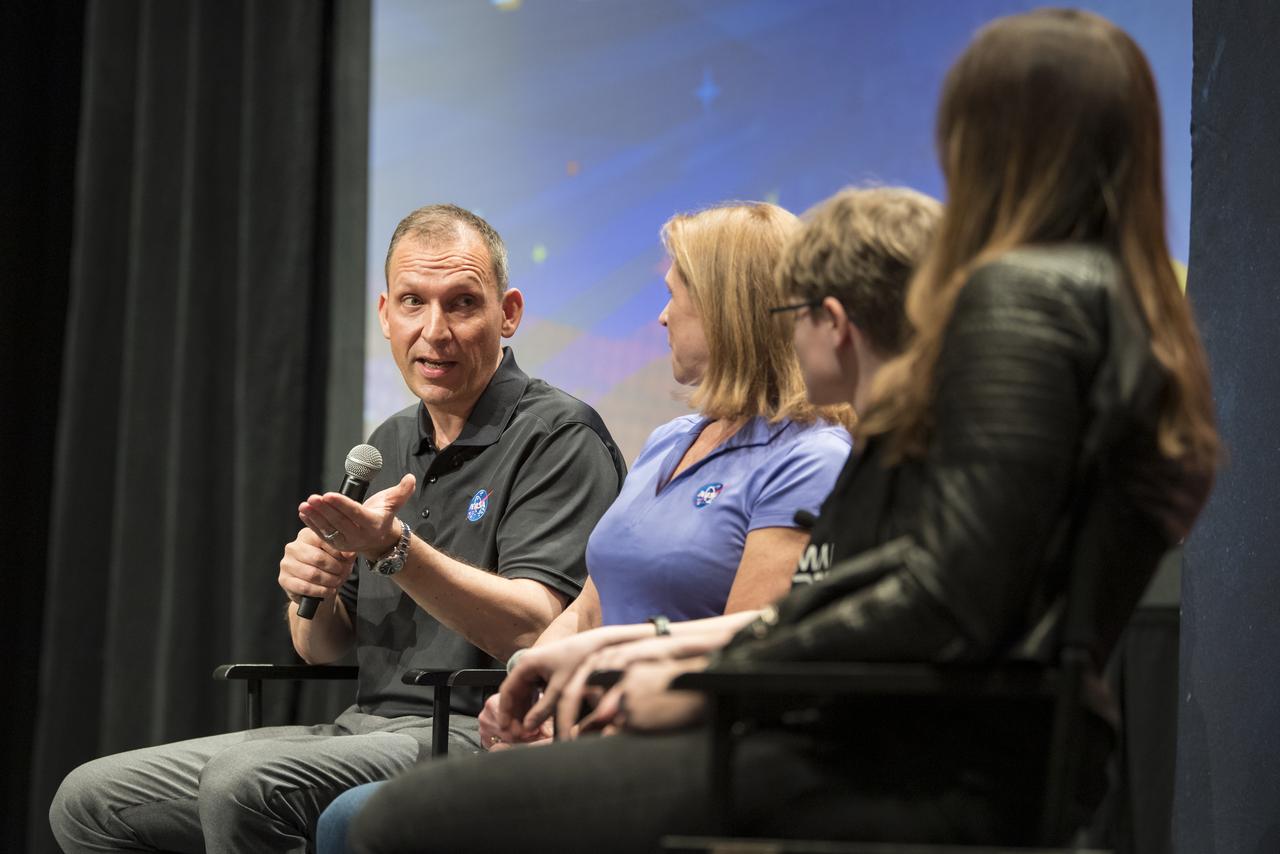
Associate Administrator of NASA's Science Mission Directorate, Thomas Zurbuchen, left, answers a question from Alex Mather, the student whose submission, Perseverance, was chosen as the official name of the Mars 2020 rover, second from right, Thursday, March 5, 2020, at Lake Braddock Secondary School in Burke, Va. The final selection of the new name was made by Zurbuchen, following a nationwide naming contest conducted in 2019 that drew more than 28,000 essays by K-12 students from every U.S. state and territory. Perseverance is currently at NASA's Kennedy Space Center in Florida being prepared for launch this summer. Photo Credit: (NASA/Aubrey Gemignani)
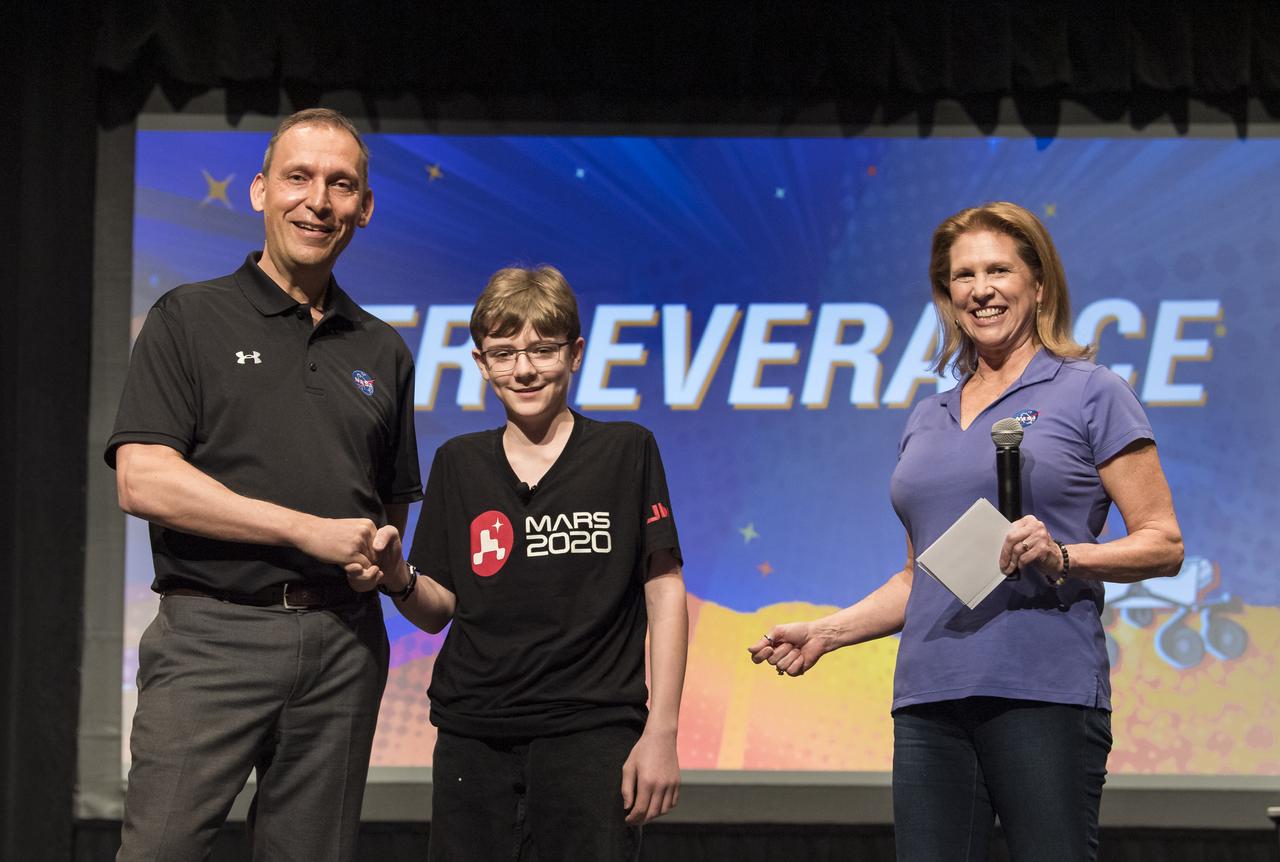
Associate Administrator of NASA's Science Mission Directorate, Thomas Zurbuchen, shakes hands with Alex Mather, the student whose submission, Perseverance, was chosen as the official name of the Mars 2020 rover, Thursday, March 5, 2020, at Lake Braddock Secondary School in Burke, Va. The final selection of the new name was made by Zurbuchen following a nationwide naming contest conducted in 2019 that drew more than 28,000 essays by K-12 students from every U.S. state and territory. Perseverance is currently at NASA's Kennedy Space Center in Florida being prepared for launch this summer. Photo Credit: (NASA/Aubrey Gemignani)

Thomas Zurbuchen, Associate Administrator for NASA's Science Mission Directorate, speaks during the 2019 Annual Earth Science Applications Showcase, Thursday, Aug. 1, 2019 at NASA Headquarters in Washington, DC. Every summer students and young professionals from NASA’s Applied Sciences’ DEVELOP National Program come to NASA Headquarters and present their research projects. DEVELOP is a training and development program where students work on Earth science research projects, mentored by science advisers from NASA and partner agencies, and extend research results to local communities. Photo Credit: (NASA/Joel Kowsky)

Thomas Zurbuchen, Associate Administrator for NASA's Science Mission Directorate, speaks during the 2019 Annual Earth Science Applications Showcase, Thursday, Aug. 1, 2019 at NASA Headquarters in Washington, DC. Every summer students and young professionals from NASA’s Applied Sciences’ DEVELOP National Program come to NASA Headquarters and present their research projects. DEVELOP is a training and development program where students work on Earth science research projects, mentored by science advisers from NASA and partner agencies, and extend research results to local communities. Photo Credit: (NASA/Joel Kowsky)
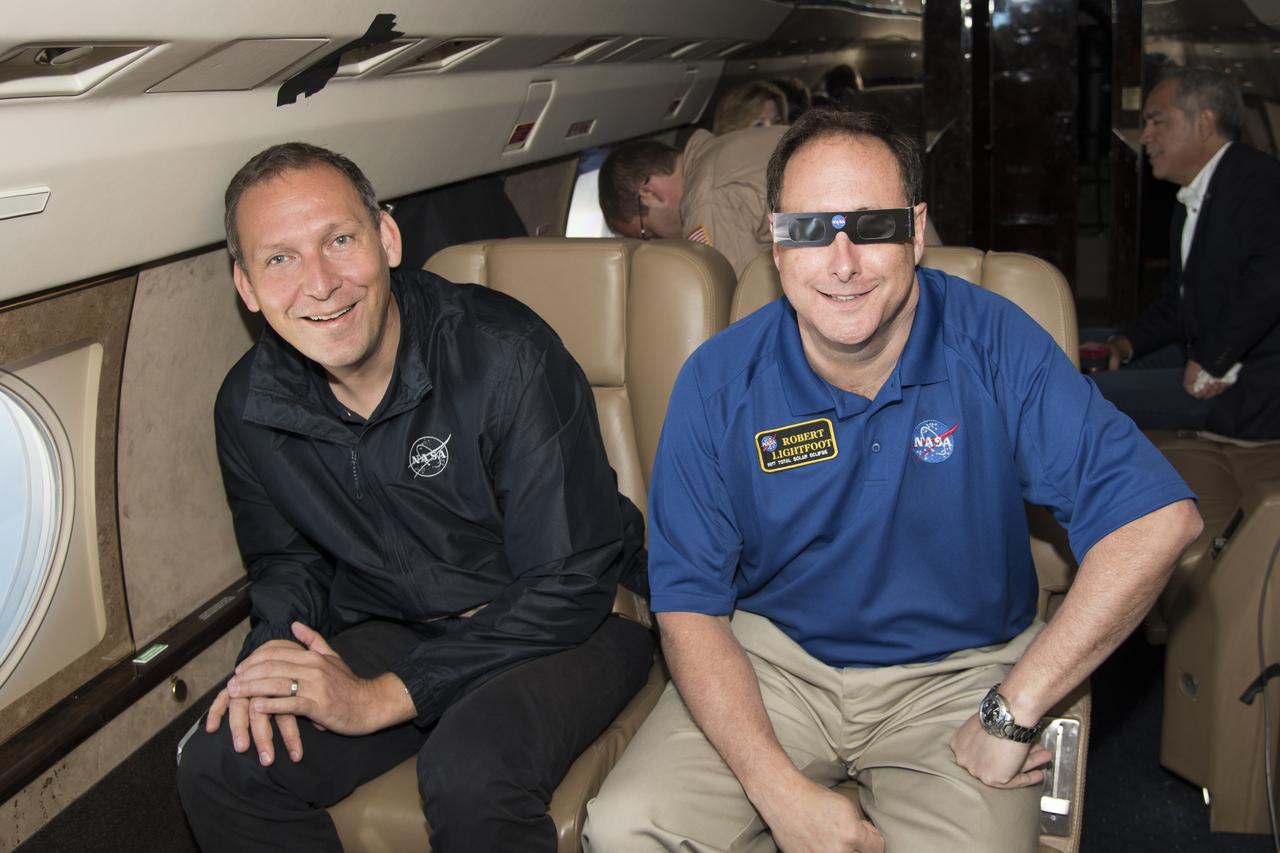
NASA's Thomas Zurbuchen, AA for science missiond directorate and NASA's Robert Lightfoot, acting administrator, waiting for partial eclipse to occur. Photo Credit: (NASA/Carla Thomas)
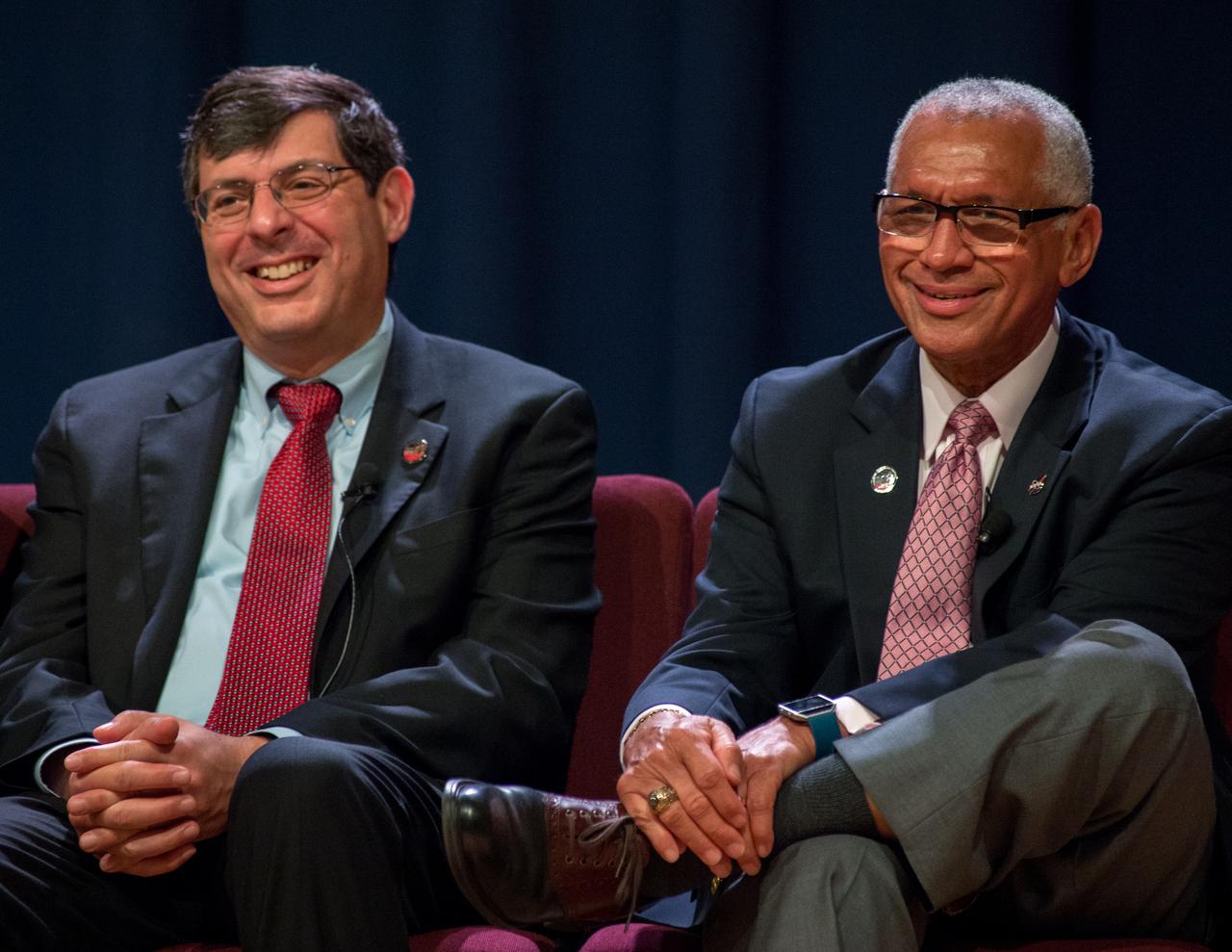
James Webb Space Telescope (JWST) Town Hall - Panel question and answer - Bill Ochs; Dr. John Mather; Dr. Eric Smith; Thomas Zurbuchen; Center Director Chris Scolese; NASA Administrator Charlie Bolden.
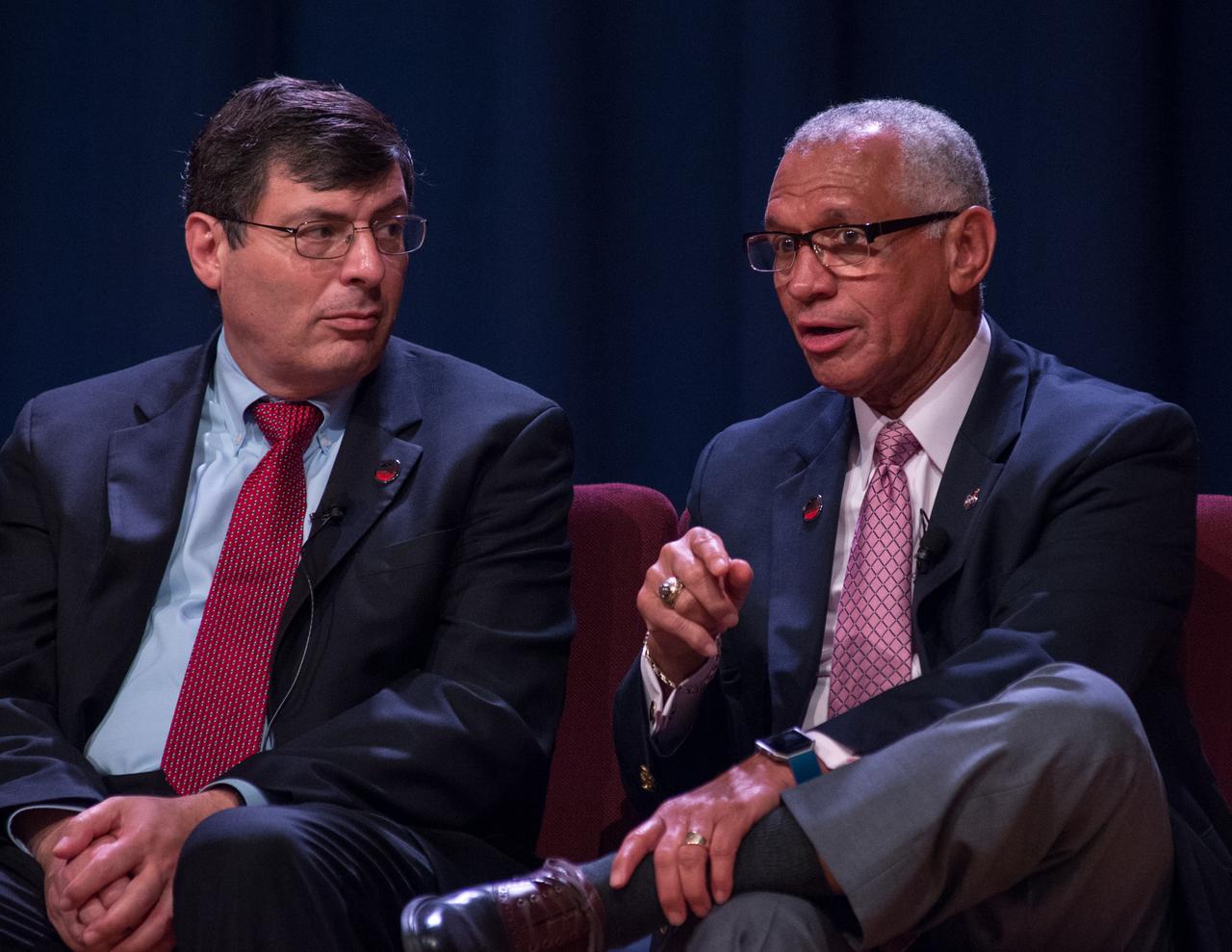
James Webb Space Telescope (JWST) Town Hall - Panel question and answer - Bill Ochs; Dr. John Mather; Dr. Eric Smith; Thomas Zurbuchen; Center Director Chris Scolese; NASA Administrator Charlie Bolden.
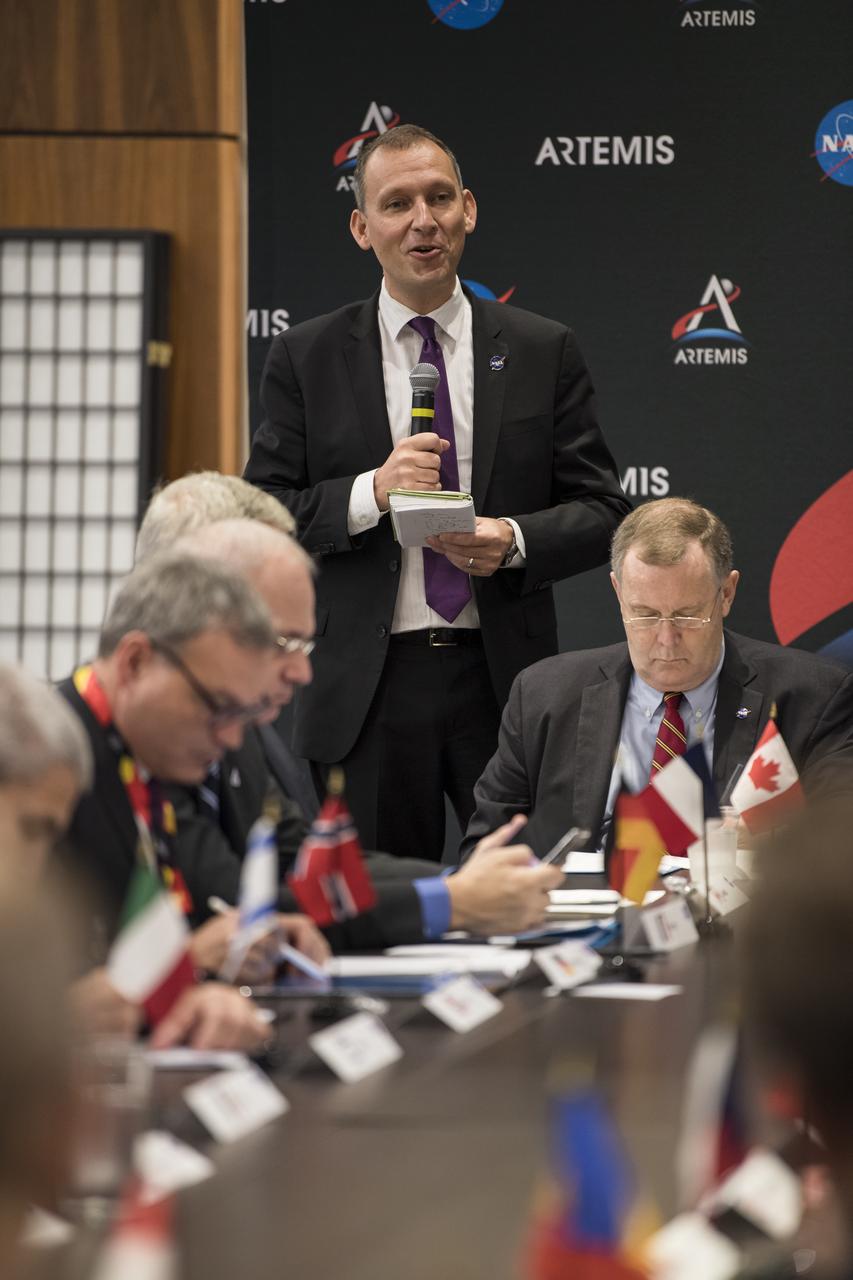
NASA Associate Administrator for the Science Mission Directorate, Dr. Thomas Zurbuchen, speaks during a multilateral meeting of the heads of space agencies at the 70th International Astronautical Congress, Tuesday, Oct. 22, 2019 in Washington. Photo Credit: (NASA/Aubrey Gemignani)
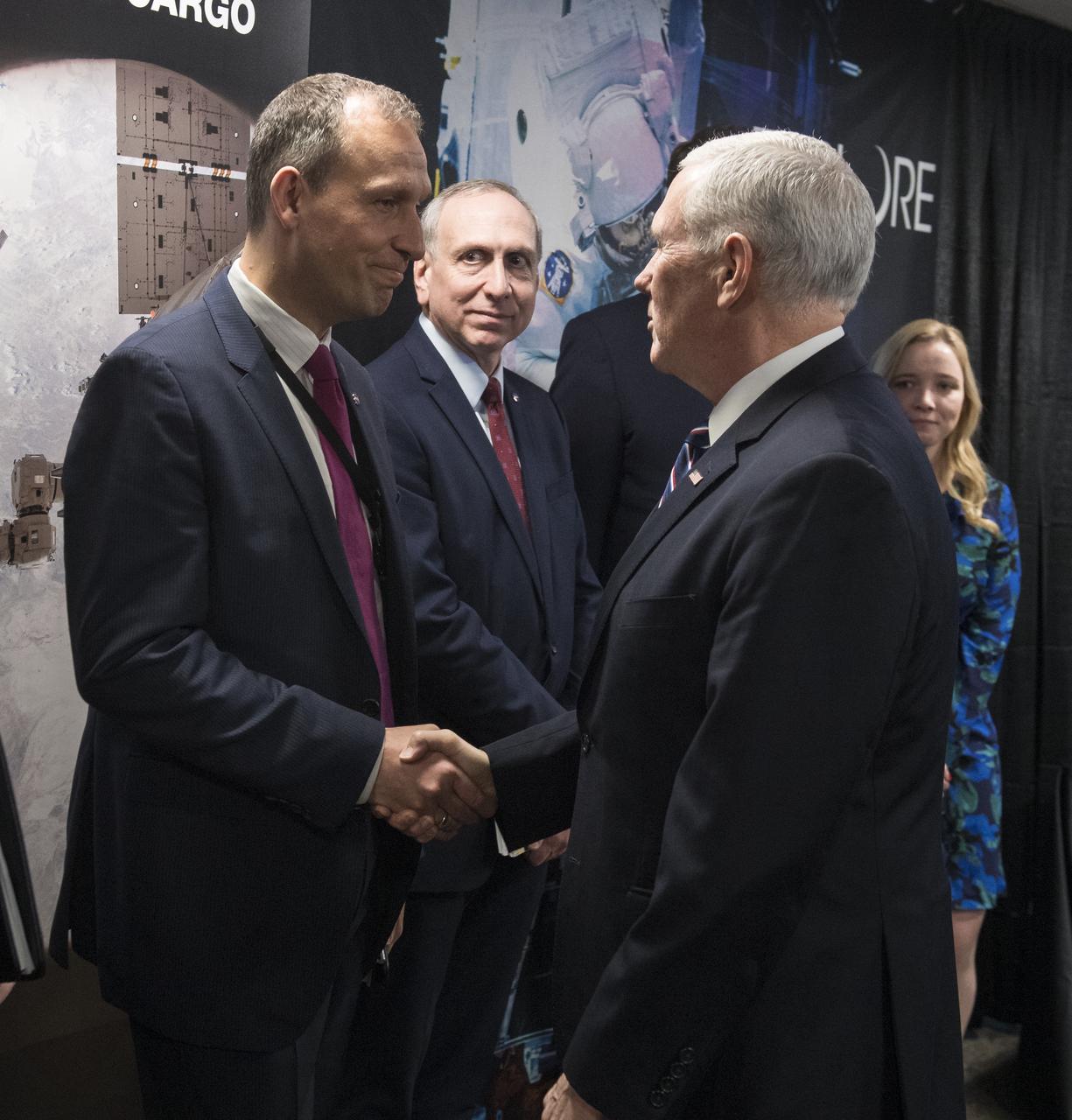
Vice President Mike Pence shakes hands with Thomas Zurbuchen, associate administrator, Science Mission Directorate, NASA, after a discussion about the progress on Space Policy Directive 1 (SPD-1), Wednesday, Dec. 12, 2018 at NASA Headquarters in Washington. Photo Credit: (NASA/Aubrey Gemignani)

Associate Administrator of NASA's Science Mission Directorate, Thomas Zurbuchen, gives remarks during a NASA Perseverance rover mission post-landing update, Thursday, Feb. 18, 2021, at NASA's Jet Propulsion Laboratory in Pasadena, California. A key objective for Perseverance’s mission on Mars is astrobiology, including the search for signs of ancient microbial life. The rover will characterize the planet’s geology and past climate, pave the way for human exploration of the Red Planet, and be the first mission to collect and cache Martian rock and regolith. Photo Credit: (NASA/Bill Ingalls)

Thomas Zurbuchen, NASA associate administrator, Science Mission Directorate, speaks on a panel at an event to celebrate the 40th Anniversary of the launch of the Voyager 1 and 2 missions, Tuesday, September 5, 2017 at National Geographic Society Headquarters in Washington. Voyager 1 was launched September 5, 1977, with a mission to study Jupiter and Saturn, but now the twin Voyager spacecrafts are on a journey into interstellar space to search for the heliopause, a region never reached by any other spacecraft. Photo Credit: (NASA/Aubrey Gemignani)
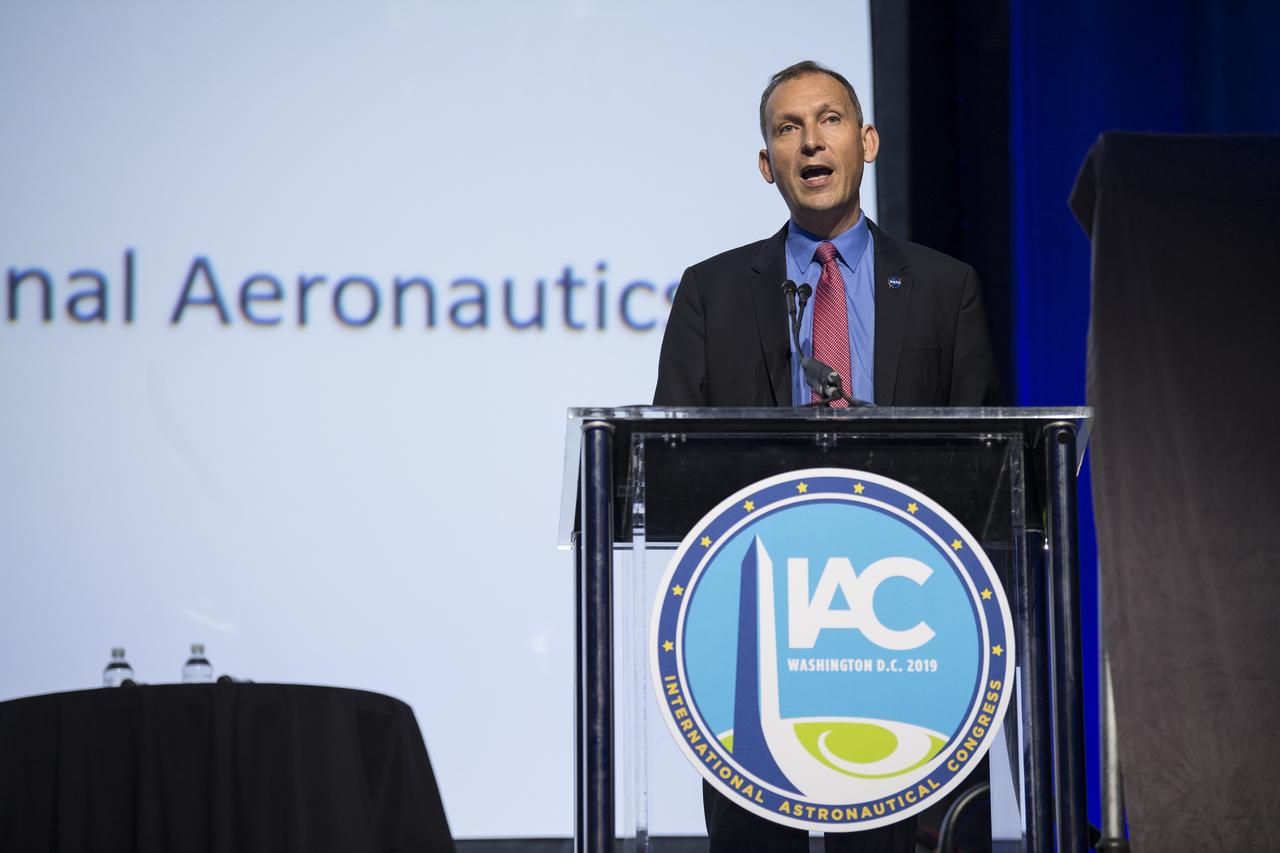
NASA Associate Administrator, Science Mission Directorate, Thomas Zurbuchen, introduces Nicola Fox, director of the Heliophysics division for the Science Mission Directorate, to give a presentation titled, “The Challenge of Exploring Our Sun - the 60-Year Odyssey to Parker Solar Probe,” during the 70th International Astronautical Congress, Wednesday, Oct. 23, 2019, at the Walter E. Washington Convention Center in Washington. Photo credit: (NASA/Aubrey Gemignani)

Thomas Zurbuchen, NASA associate administrator, Science Mission Directorate, gives opening remarks at an event to celebrate the 40th Anniversary of the launch of the Voyager 1 and 2 missions, Tuesday, September 5, 2017 at Smithsonian's National Air and Space Museum in Washington. Voyager 1 was launched September 5, 1977, with a mission to study Jupiter and Saturn, but now the twin Voyager spacecrafts are on a journey into interstellar space to search for the heliopause, a region never reached by any other spacecraft. Photo Credit: (NASA/Aubrey Gemignani)
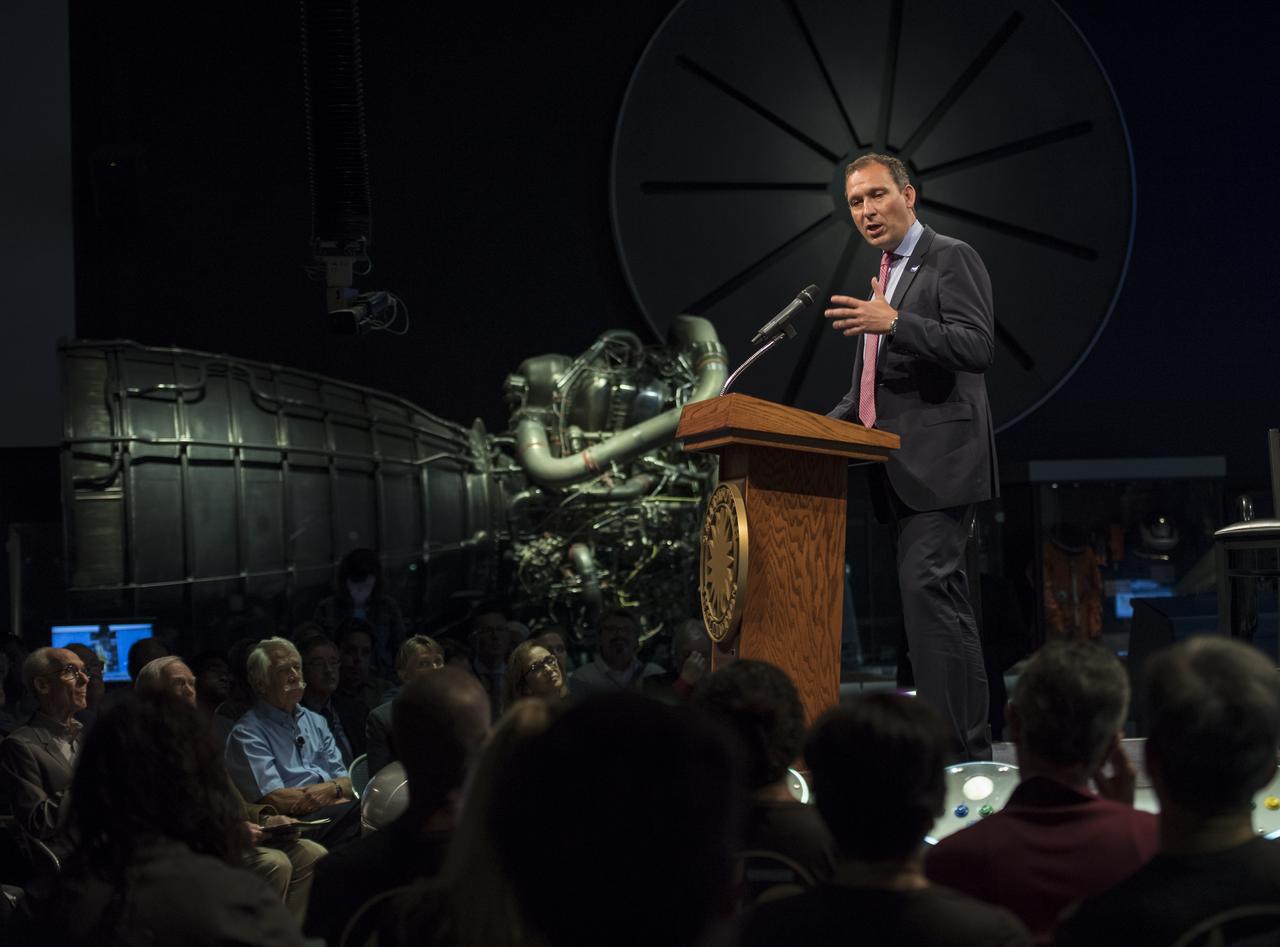
Thomas Zurbuchen, NASA associate administrator, Science Mission Directorate, gives opening remarks at an event to celebrate the 40th Anniversary of the launch of the Voyager 1 and 2 missions, Tuesday, September 5, 2017 at Smithsonian's National Air and Space Museum in Washington. Voyager 1 was launched September 5, 1977, with a mission to study Jupiter and Saturn, but now the twin Voyager spacecrafts are on a journey into interstellar space to search for the heliopause, a region never reached by any other spacecraft. Photo Credit: (NASA/Aubrey Gemignani)
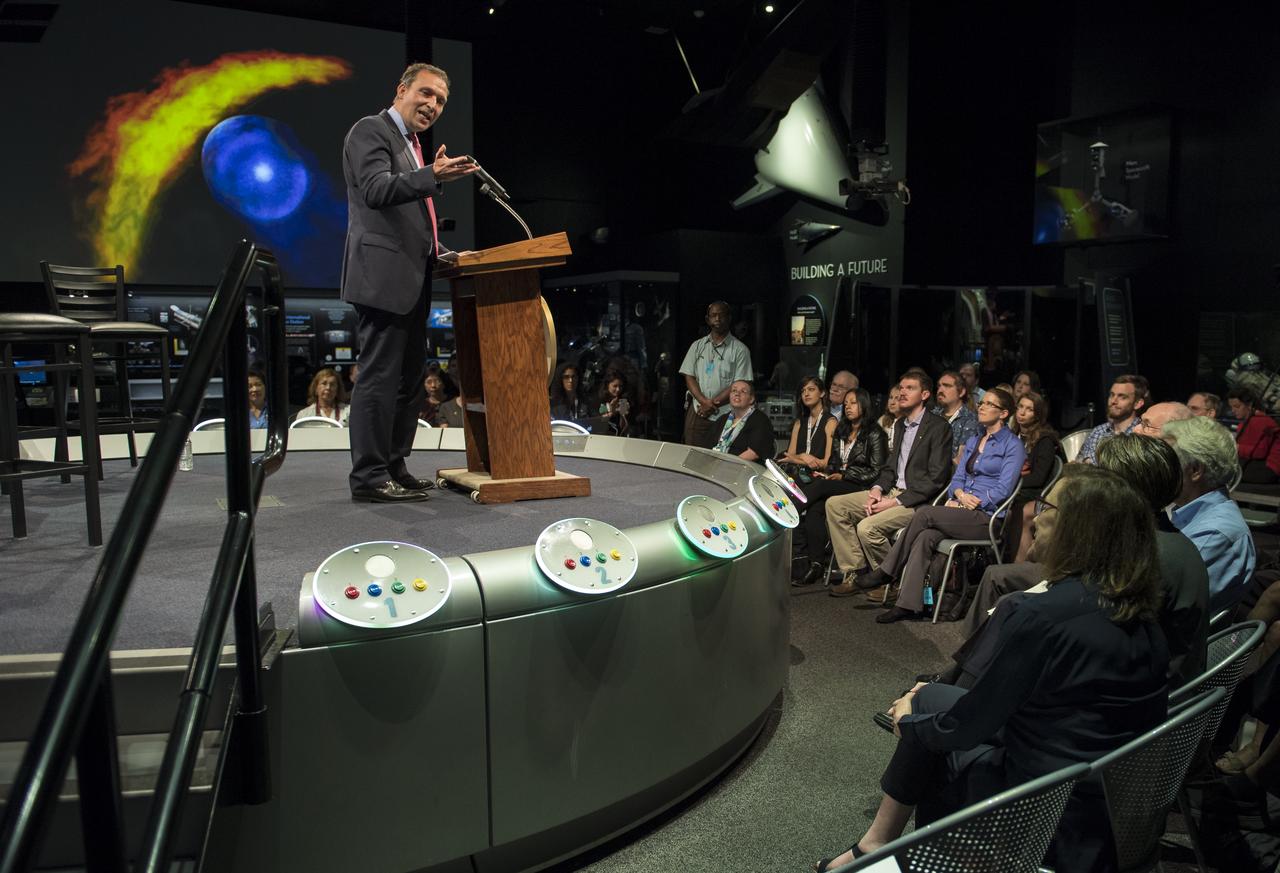
Thomas Zurbuchen, NASA associate administrator, Science Mission Directorate, gives opening remarks at an event to celebrate the 40th Anniversary of the launch of the Voyager 1 and 2 missions, Tuesday, September 5, 2017 at Smithsonian's National Air and Space Museum in Washington. Voyager 1 was launched September 5, 1977, with a mission to study Jupiter and Saturn, but now the twin Voyager spacecrafts are on a journey into interstellar space to search for the heliopause, a region never reached by any other spacecraft. Photo Credit: (NASA/Aubrey Gemignani)
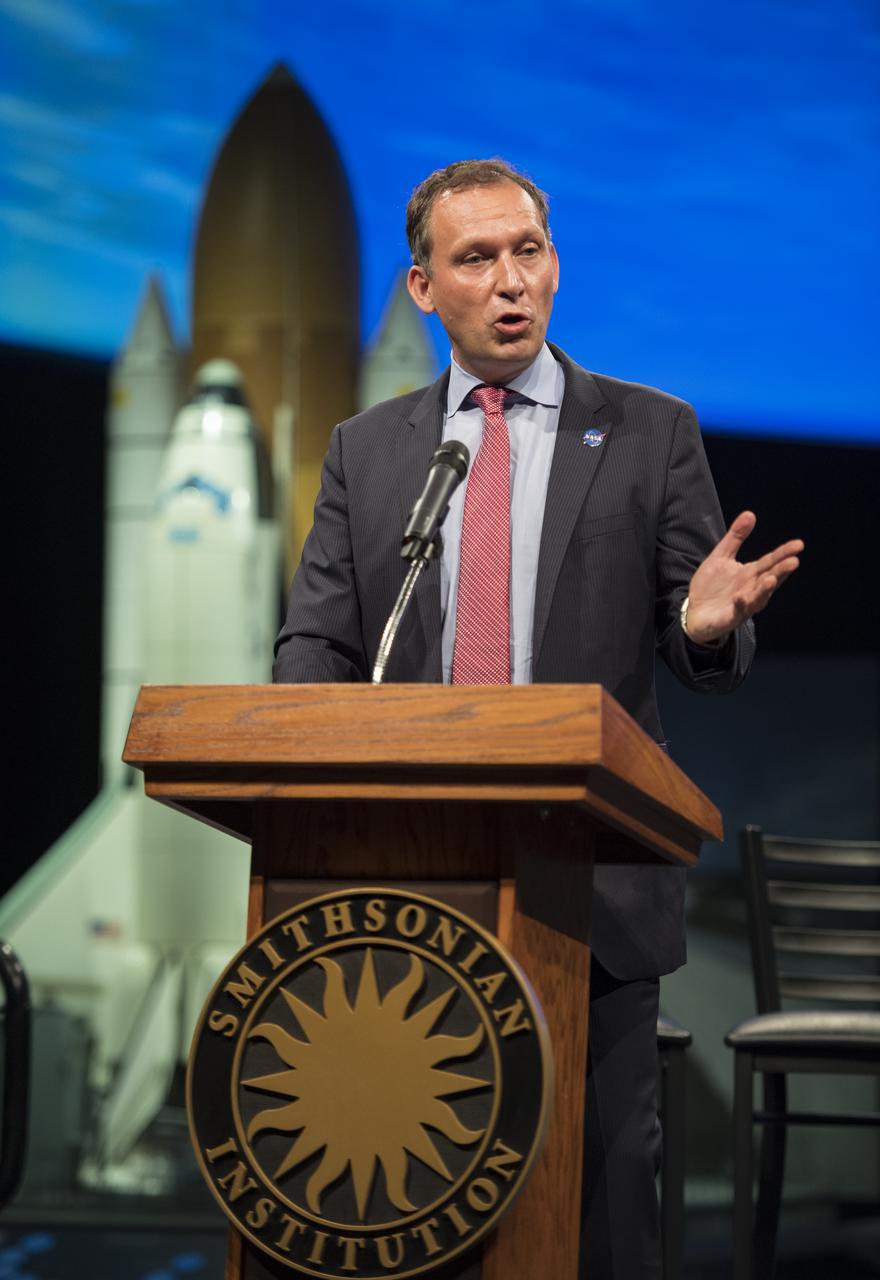
Thomas Zurbuchen, NASA associate administrator, Science Mission Directorate, gives opening remarks at an event to celebrate the 40th Anniversary of the launch of the Voyager 1 and 2 missions, Tuesday, September 5, 2017 at Smithsonian's National Air and Space Museum in Washington. Voyager 1 was launched September 5, 1977, with a mission to study Jupiter and Saturn, but now the twin Voyager spacecrafts are on a journey into interstellar space to search for the heliopause, a region never reached by any other spacecraft. Photo Credit: (NASA/Aubrey Gemignani)
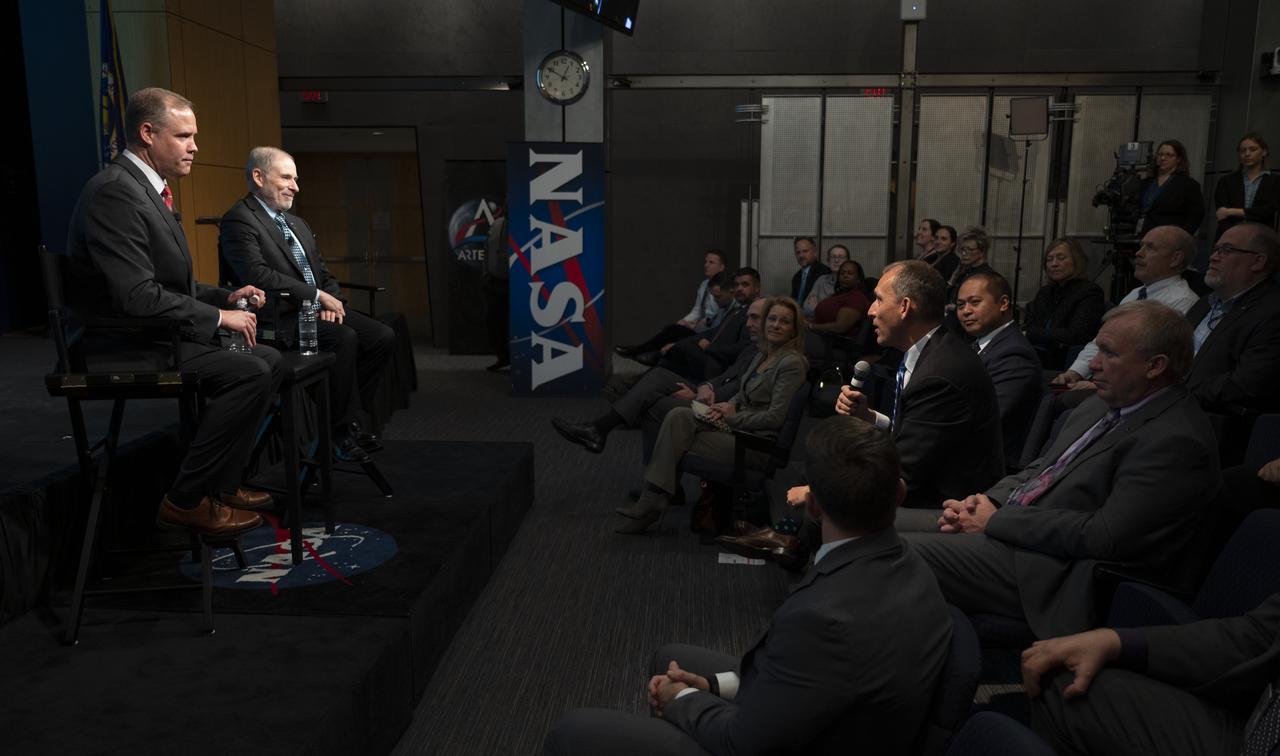
NASA Associate Administrator for the Science Mission Directorate Thomas Zurbuchen, right, asks a question during a NASA town hall event with NASA Administrator Jim Bridenstine and NASA Associate Administrator for the Human Exploration and Operations Mission Directorate Douglas Loverro, Tuesday, Dec. 3, 2019, at NASA Headquarters in Washington. Photo Credit: (NASA/Joel Kowsky)
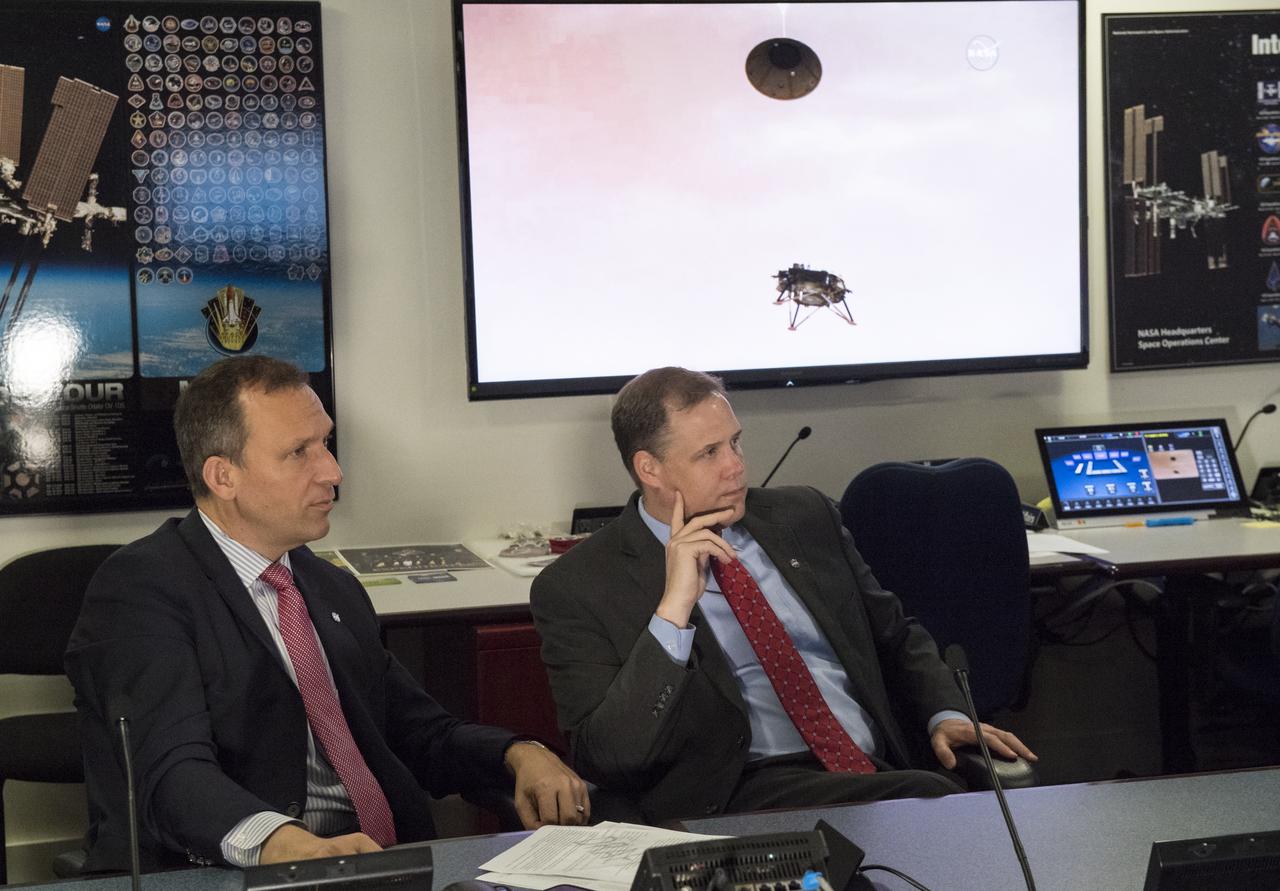
NASA Administrator Jim Bridenstine, right, and NASA Associate Administrator for the Science Mission Directorate, Thomas Zurbuchen, watch monitors following the launch of NASA's InSight spacecraft on a United Launch Alliance (ULA) Atlas-V rocket Saturday, May 5, 2018 at NASA Headquarters in Washington. InSight, short for Interior Exploration using Seismic Investigations, Geodesy and Heat Transport, is a Mars lander designed to study the "inner space" of Mars: its crust, mantle, and core. Photo Credit: (NASA/Aubrey Gemignani)

Associate Administrator of NASA's Science Mission Directorate, Thomas Zurbuchen, gives remarks during a NASA Perseverance rover mission post-landing update, Thursday, Feb. 18, 2021, at NASA's Jet Propulsion Laboratory in Pasadena, California. A key objective for Perseverance’s mission on Mars is astrobiology, including the search for signs of ancient microbial life. The rover will characterize the planet’s geology and past climate, pave the way for human exploration of the Red Planet, and be the first mission to collect and cache Martian rock and regolith. Photo Credit: (NASA/Bill Ingalls)
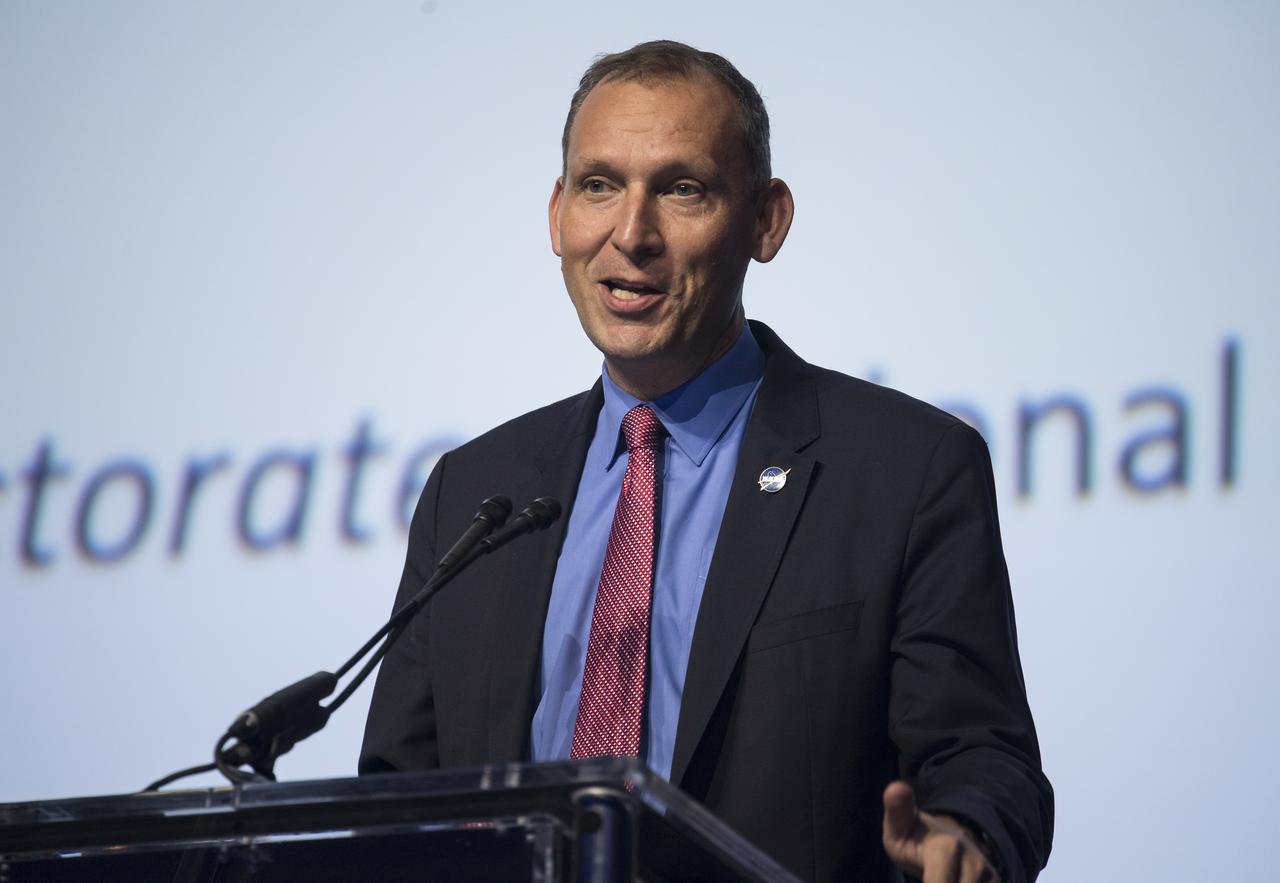
NASA Associate Administrator, Science Mission Directorate, Thomas Zurbuchen, introduces Nicola Fox, director of the Heliophysics division for the Science Mission Directorate, to give a presentation titled, “The Challenge of Exploring Our Sun - the 60-Year Odyssey to Parker Solar Probe,” during the 70th International Astronautical Congress, Wednesday, Oct. 23, 2019, at the Walter E. Washington Convention Center in Washington. Photo credit: (NASA/Aubrey Gemignani)

Thomas Zurbuchen, NASA associate administrator, Science Mission Directorate, is interviewed prior to serving on a panel at an event to celebrate the 40th Anniversary of the launch of the Voyager 1 and 2 missions, Tuesday, September 5, 2017 at National Geographic Society Headquarters in Washington. Voyager 1 was launched September 5, 1977, with a mission to study Jupiter and Saturn, but now the twin Voyager spacecrafts are on a journey into interstellar space to search for the heliopause, a region never reached by any other spacecraft. Photo Credit: (NASA/Aubrey Gemignani)
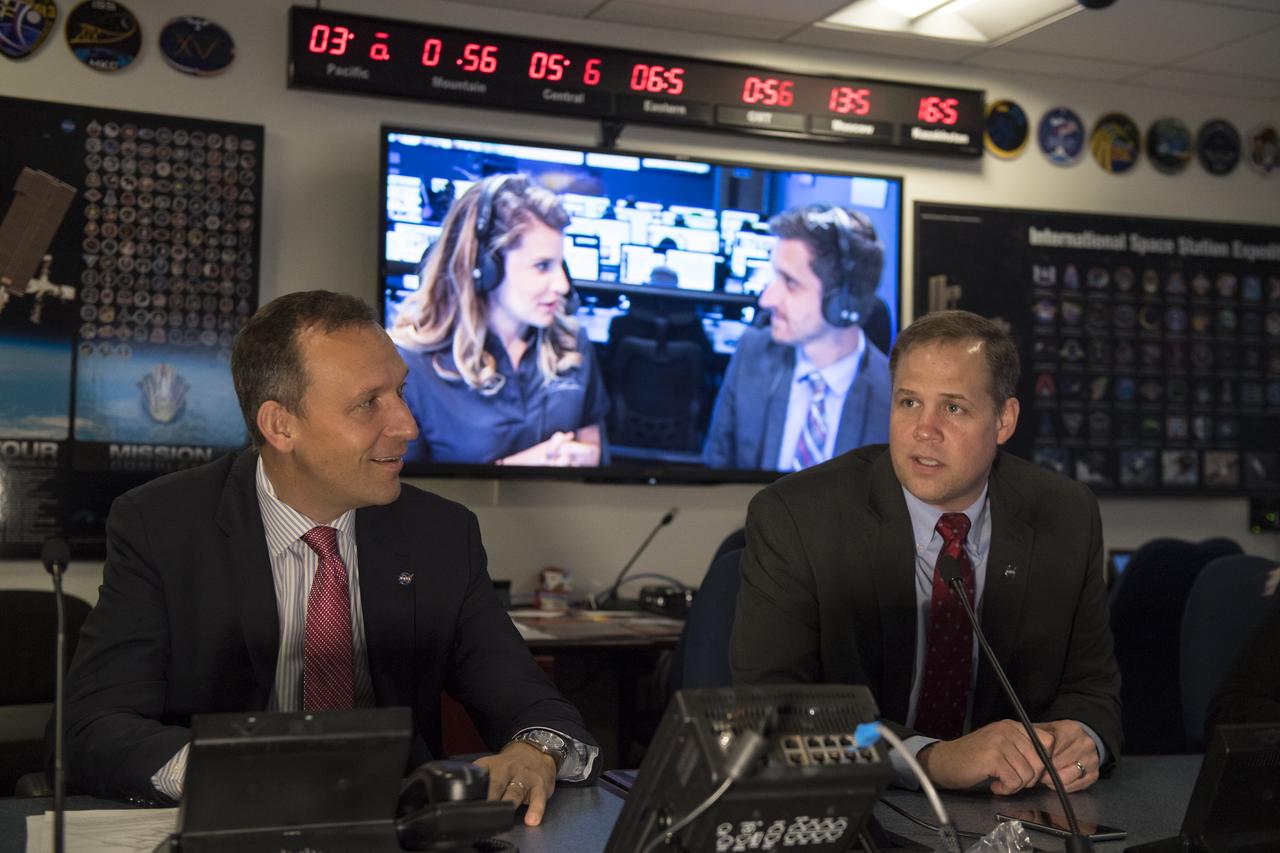
NASA Administrator Jim Bridenstine, right, and NASA Associate Administrator for the Science Mission Directorate, Thomas Zurbuchen, watch the launch of NASA's InSight spacecraft on a United Launch Alliance (ULA) Atlas-V rocket Saturday, May 5, 2018 at NASA Headquarters in Washington. InSight, short for Interior Exploration using Seismic Investigations, Geodesy and Heat Transport, is a Mars lander designed to study the "inner space" of Mars: its crust, mantle, and core. Photo Credit: (NASA/Aubrey Gemignani)
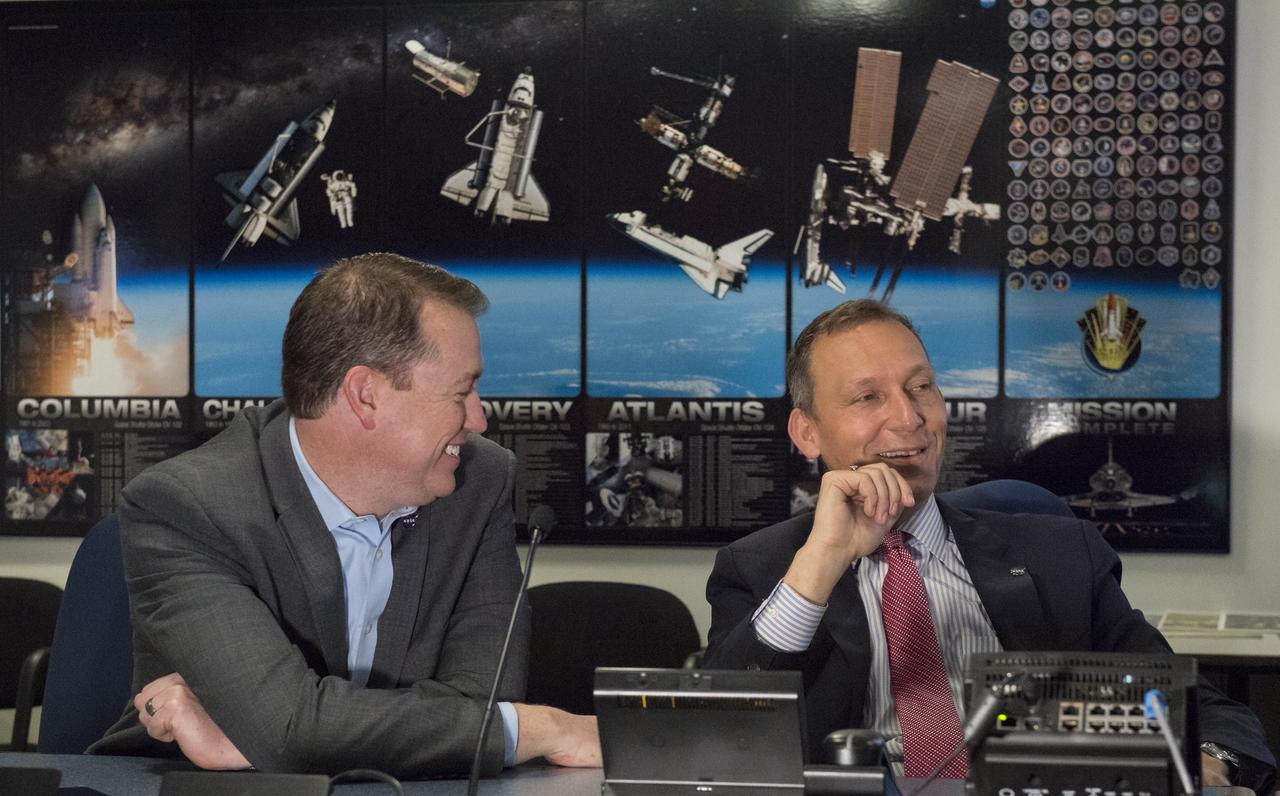
NASA Chief Financial Officer, Jeff DeWit, left, talks to NASA Associate Administrator for the Science Mission Directorate, Thomas Zurbuchen after the launch of NASA's InSight spacecraft on a United Launch Alliance (ULA) Atlas-V rocket Saturday, May 5, 2018 at NASA Headquarters in Washington. InSight, short for Interior Exploration using Seismic Investigations, Geodesy and Heat Transport, is a Mars lander designed to study the "inner space" of Mars: its crust, mantle, and core. Photo Credit: (NASA/Aubrey Gemignani)
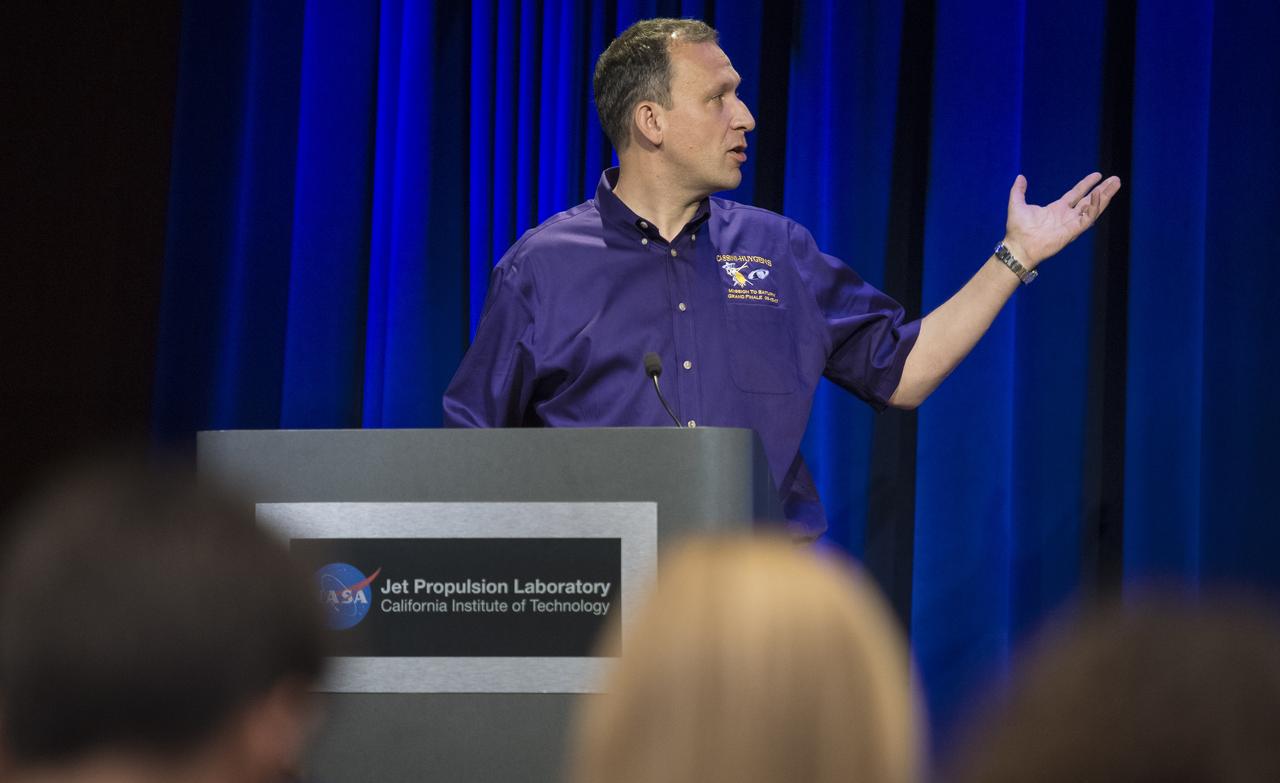
Associate administrator for NASA's Science Mission Directorate Thomas Zurbuchen speaks during a press conference held after the end of the Cassini mission, Friday, Sept. 15, 2017 at NASA's Jet Propulsion Laboratory in Pasadena, California. Since its arrival in 2004, the Cassini-Huygens mission has been a discovery machine, revolutionizing our knowledge of the Saturn system and captivating us with data and images never before obtained with such detail and clarity. On Sept. 15, 2017, operators deliberately plunged the spacecraft into Saturn, as Cassini gathered science until the end. Loss of contact with the Cassini spacecraft occurred at 7:55 a.m. EDT (4:55 a.m. PDT). The “plunge” ensures Saturn’s moons will remain pristine for future exploration. During Cassini’s final days, mission team members from all around the world gathered at NASA’s Jet Propulsion Laboratory, Pasadena, California, to celebrate the achievements of this historic mission. Photo Credit: (NASA/Joel Kowsky)
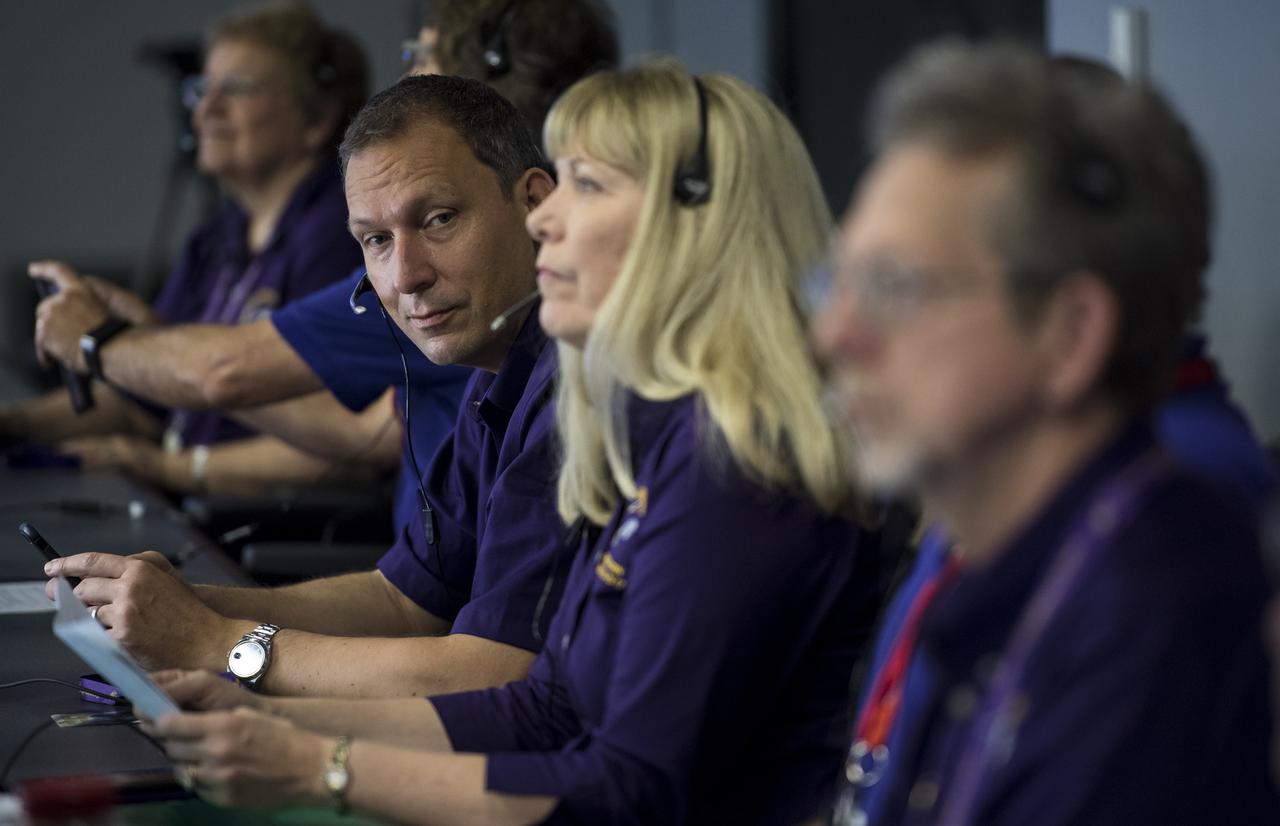
Associate administrator for NASA's Science Mission Directorate Thomas Zurbuchen is seen in the mission control room, Friday, Sept. 15, 2017 at NASA's Jet Propulsion Laboratory in Pasadena, California. Since its arrival in 2004, the Cassini-Huygens mission has been a discovery machine, revolutionizing our knowledge of the Saturn system and captivating us with data and images never before obtained with such detail and clarity. On Sept. 15, 2017, operators deliberately plunged the spacecraft into Saturn, as Cassini gathered science until the end. Loss of contact with the Cassini spacecraft occurred at 7:55 a.m. EDT (4:55 a.m. PDT). The “plunge” ensures Saturn’s moons will remain pristine for future exploration. During Cassini’s final days, mission team members from all around the world gathered at NASA’s Jet Propulsion Laboratory, Pasadena, California, to celebrate the achievements of this historic mission. Photo Credit: (NASA/Joel Kowsky)
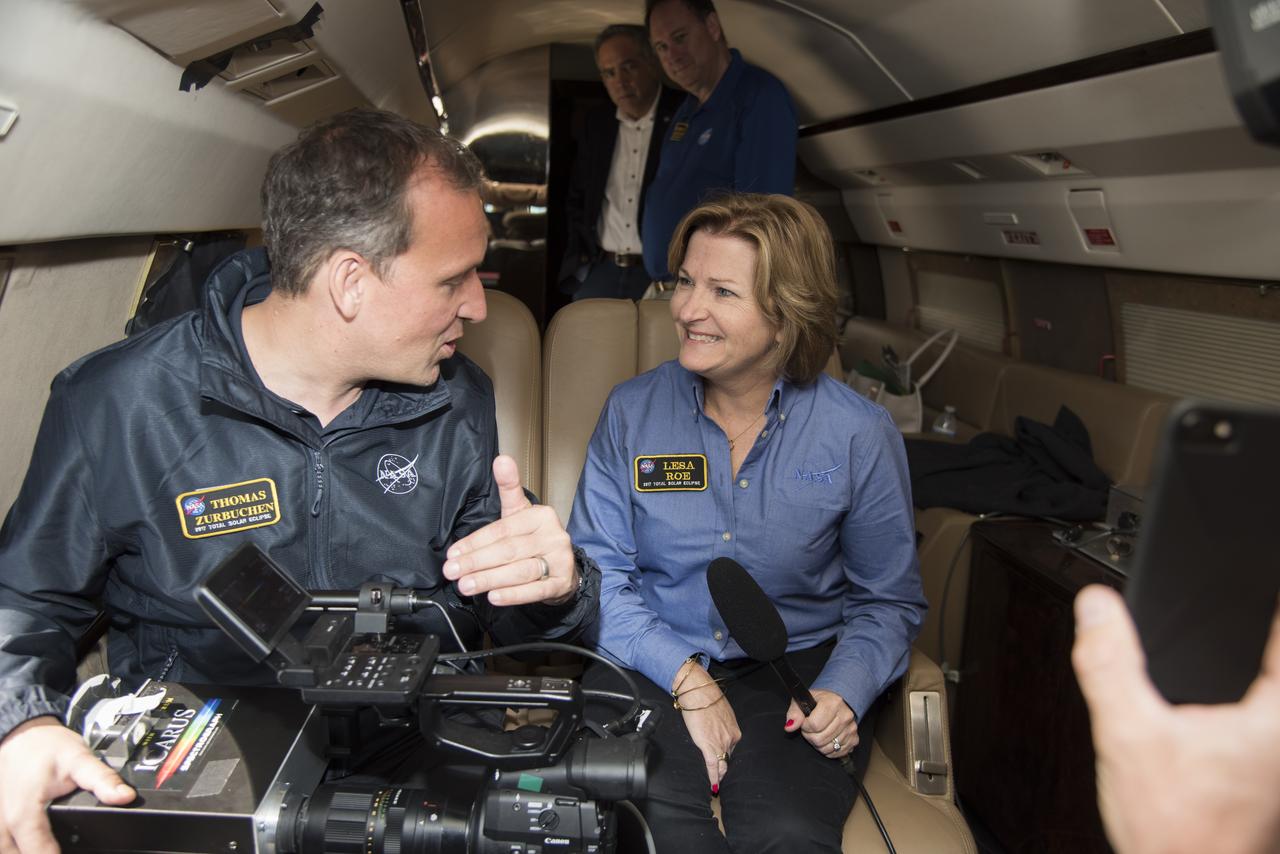
NASA's Thomas Zurbuchen, AA for science mission directorate explains to Lesa Roe, acting deputy administrator, how the spectrograph showing different colors correlate to different elements, such as helium, in the Sun's atmosphere. Photo Credit: (NASA/Carla Thomas)
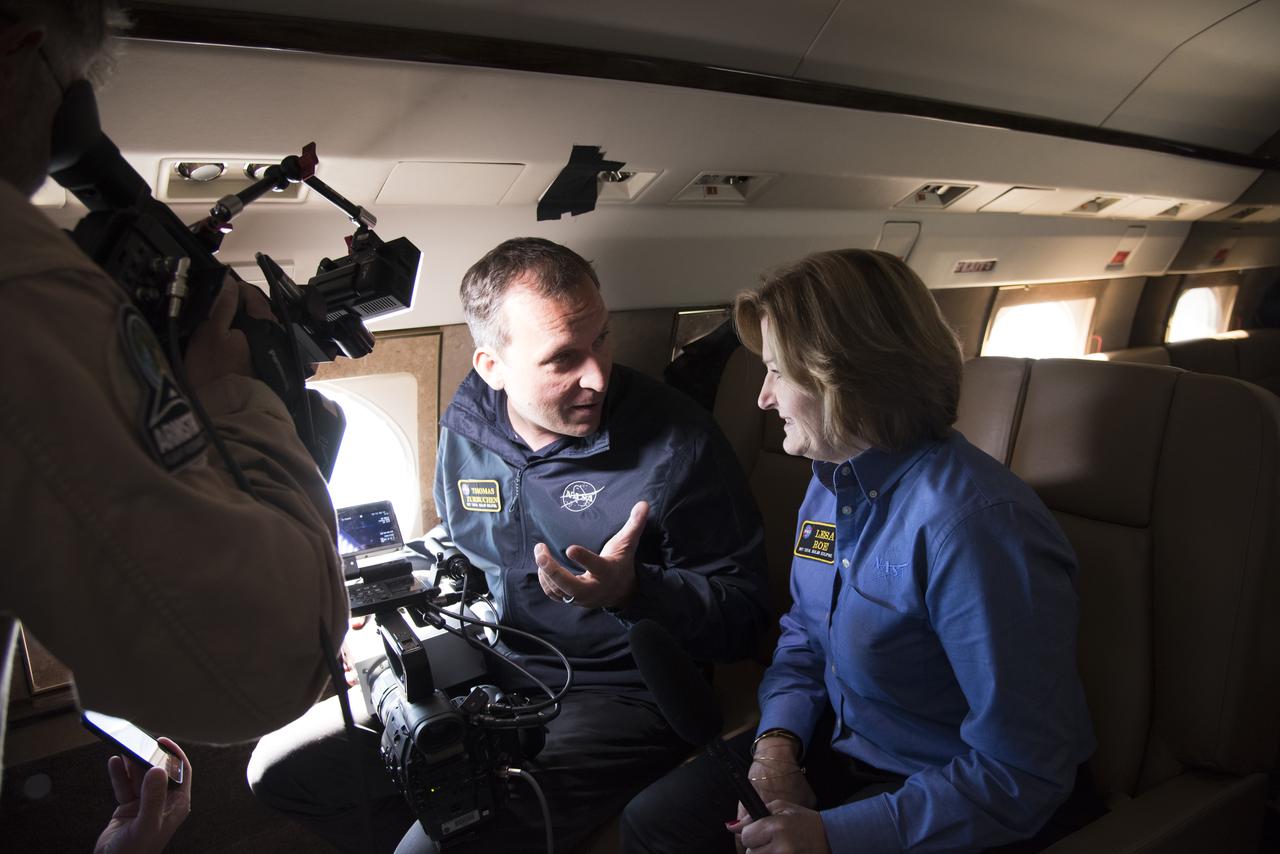
NASA's Thomas Zurbuchen, AA for science mission directorate explains to Lesa Roe, acting deputy administrator, how the spectrograph showing different colors correlate to different elements, such as helium, in the Sun's atmosphere. Photo Credit: (NASA/Carla Thomas)
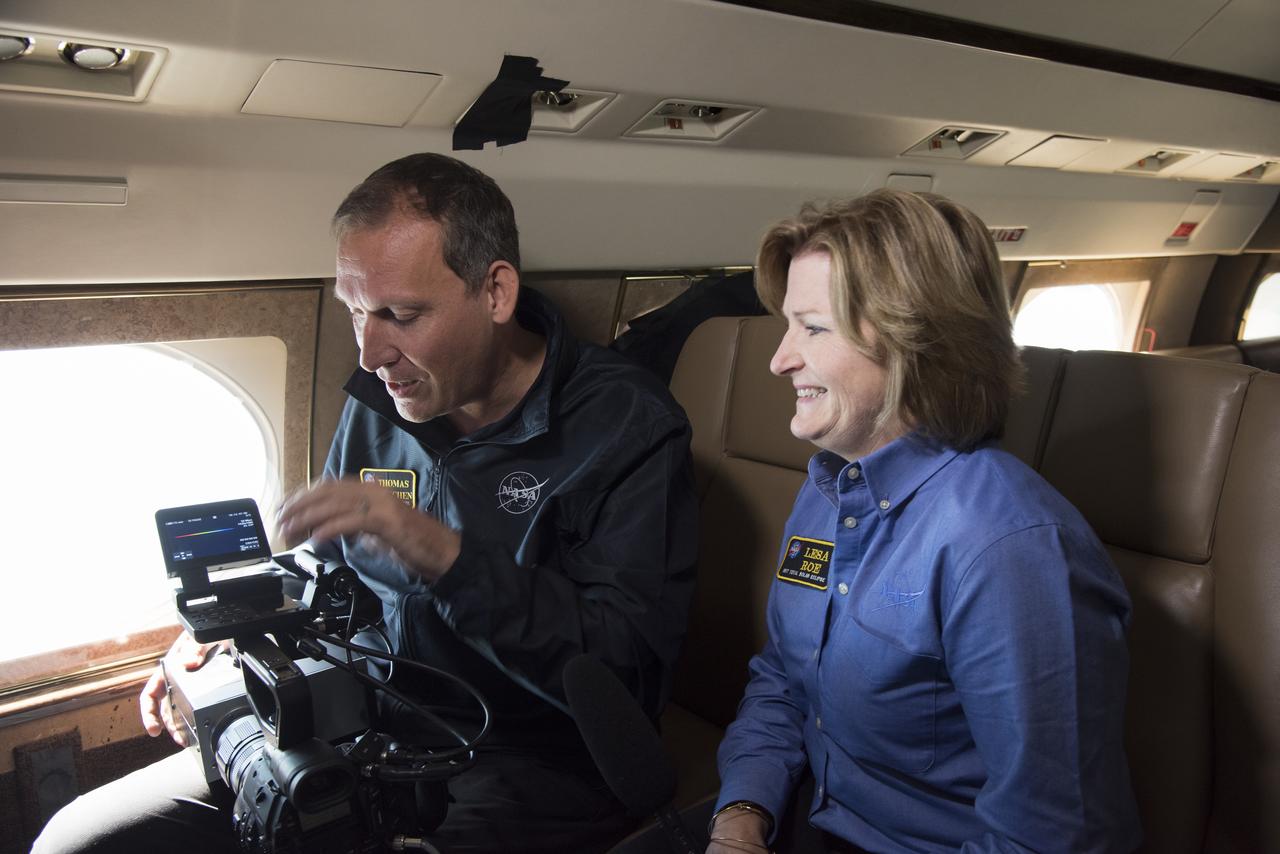
NASA's Thomas Zurbuchen, AA for science mission directorate explains to Lesa Roe, acting deputy administrator, how the spectrograph showing different colors correlate to different elements, such as helium, in the Sun's atmosphere. Photo Credit: (NASA/Carla Thomas)
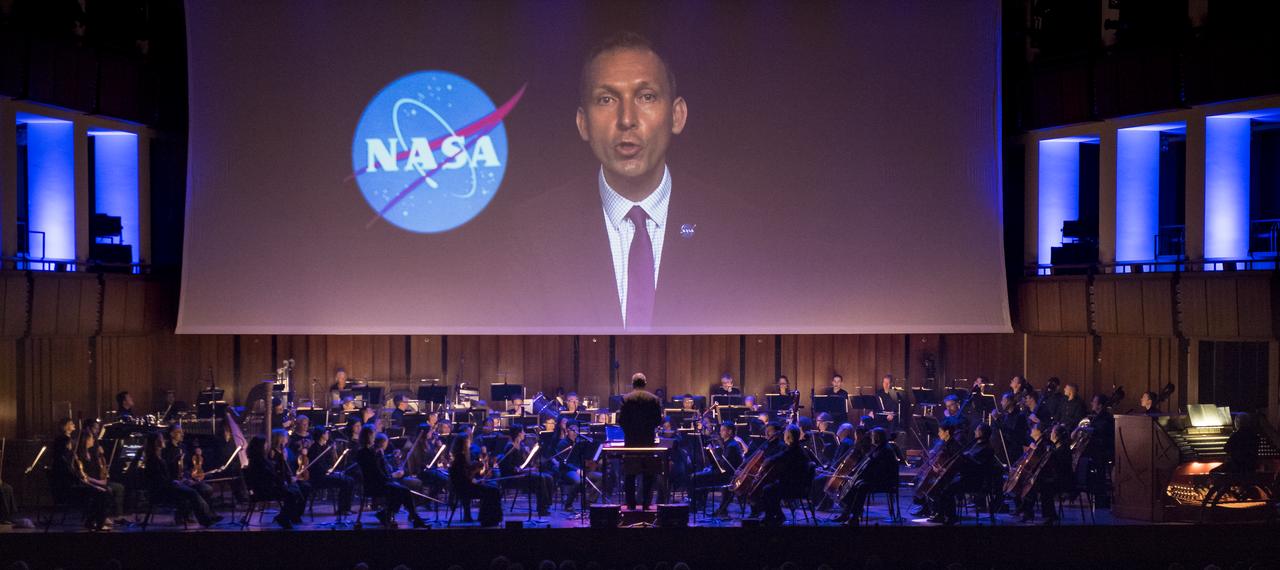
NASA's Associate Administrator for the Science Mission Directorate, Thomas Zurbuchen, is seen in a video message during the "National Symphony Orchestra Pops: Space, the Next Frontier" event celebrating NASA's 60th Anniversary, Friday, June 1, 2018 at the John F. Kennedy Center for the Performing Arts in Washington. The event featured music inspired by space including artists will.i.am, Grace Potter, Coheed & Cambria, John Cho, and guest Nick Sagan, son of Carl Sagan. Photo Credit: (NASA/Aubrey Gemignani)
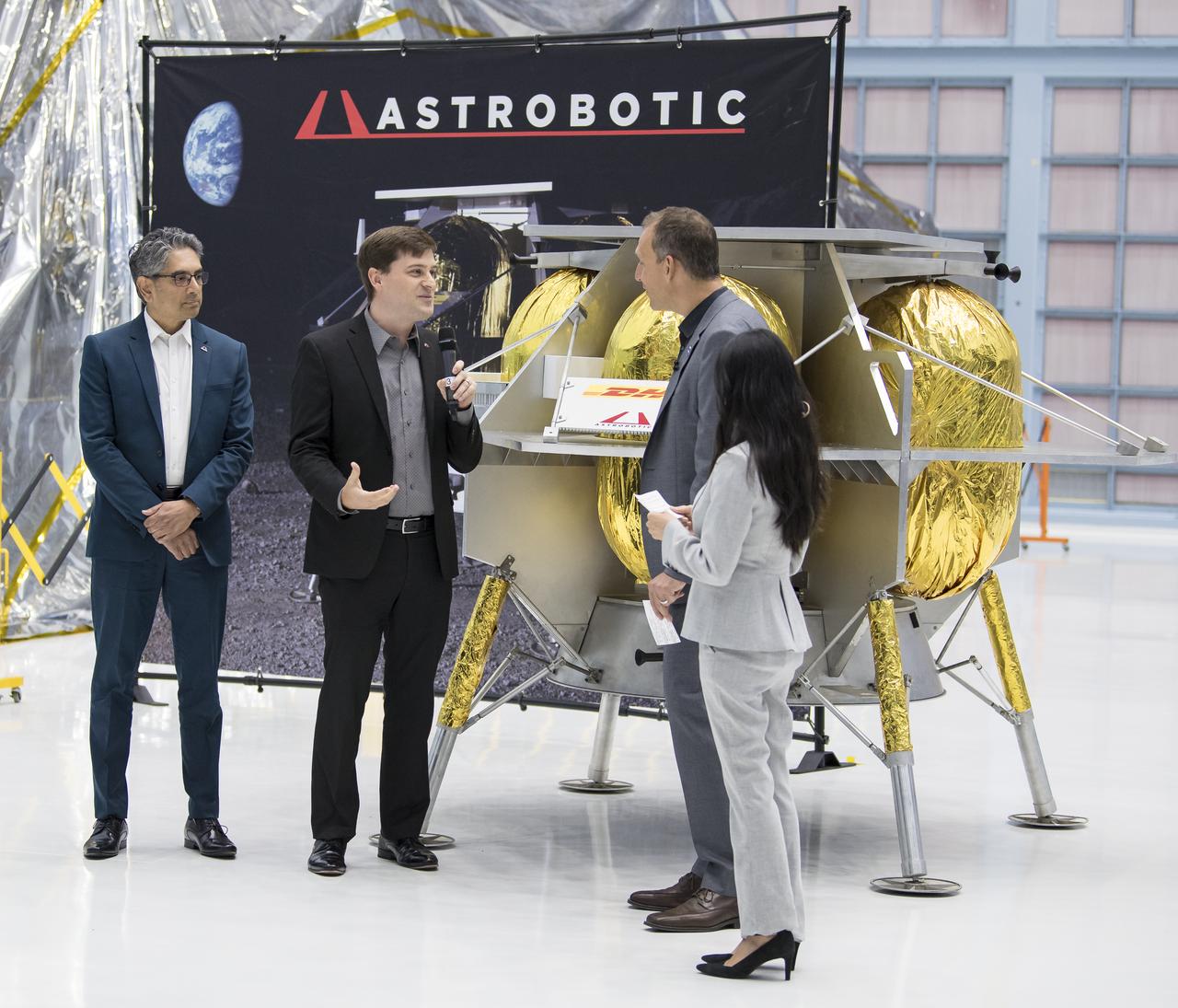
NASA Associate Administrator, Science Mission Directorate, Thomas Zurbuchen, second from right, speaks to Astrobotic CEO, John Thornton, second from left, and Astrobotic Mission Director, Sharad Bhaskaran, left, about their lunar lander, Friday, May 31, 2019, at Goddard Space Flight Center in Md. Astrobotic, Intuitive Machines, and Orbit Beyond have been selected to provide the first lunar landers for the Artemis program's lunar surface exploration. Photo credit: (NASA/Aubrey Gemignani)
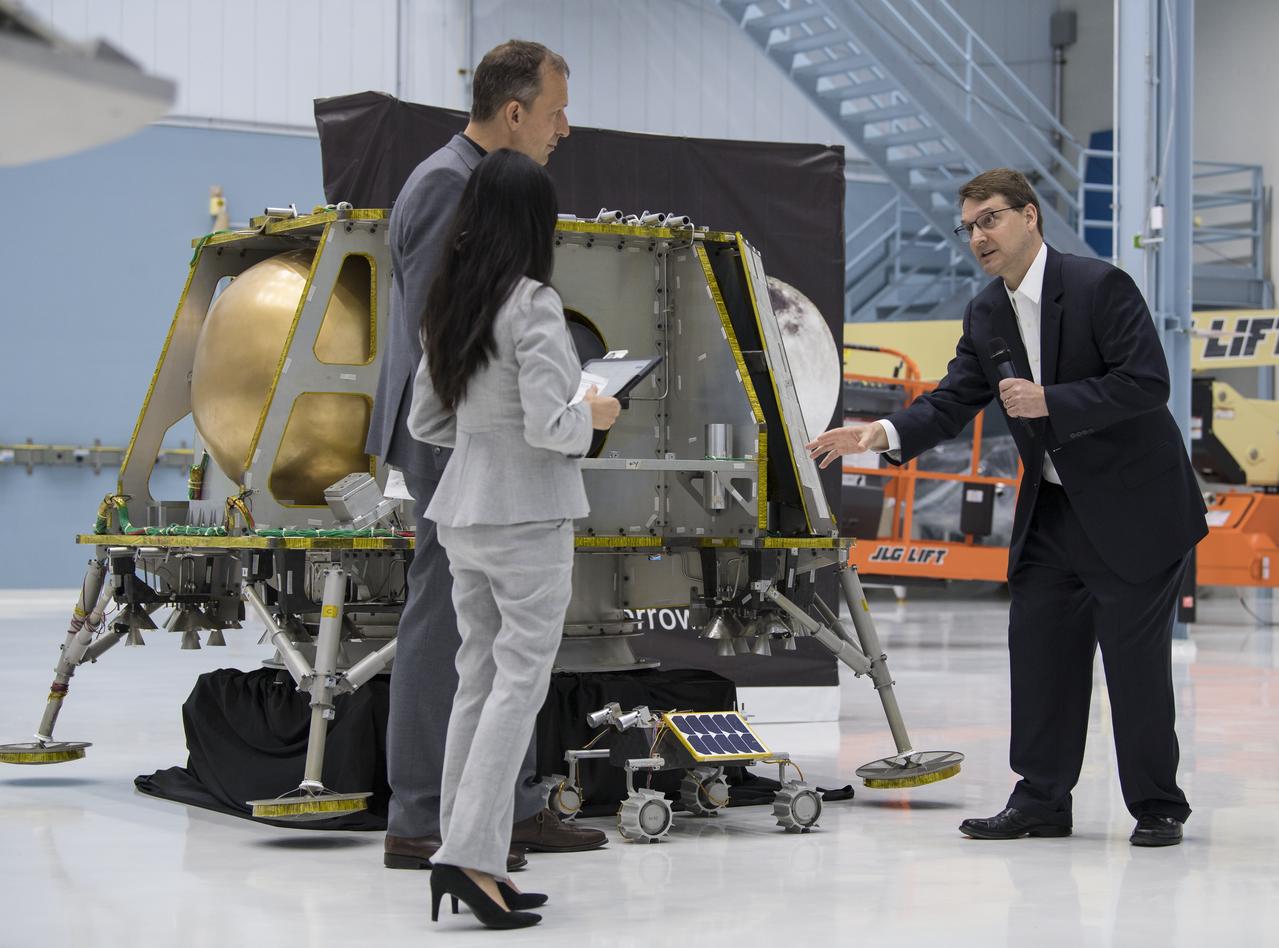
NASA Associate Administrator, Science Mission Directorate, Thomas Zurbuchen, second left, listens as Chief Science Officer, OrbitBeyond, Jon Morse, speaks about their lunar lander, Friday, May 31, 2019, at Goddard Space Flight Center in Md. Astrobotic, Intuitive Machines, and OrbitBeyond have been selected to provide the first lunar landers for the Artemis program's lunar surface exploration. Photo credit: (NASA/Aubrey Gemignani)
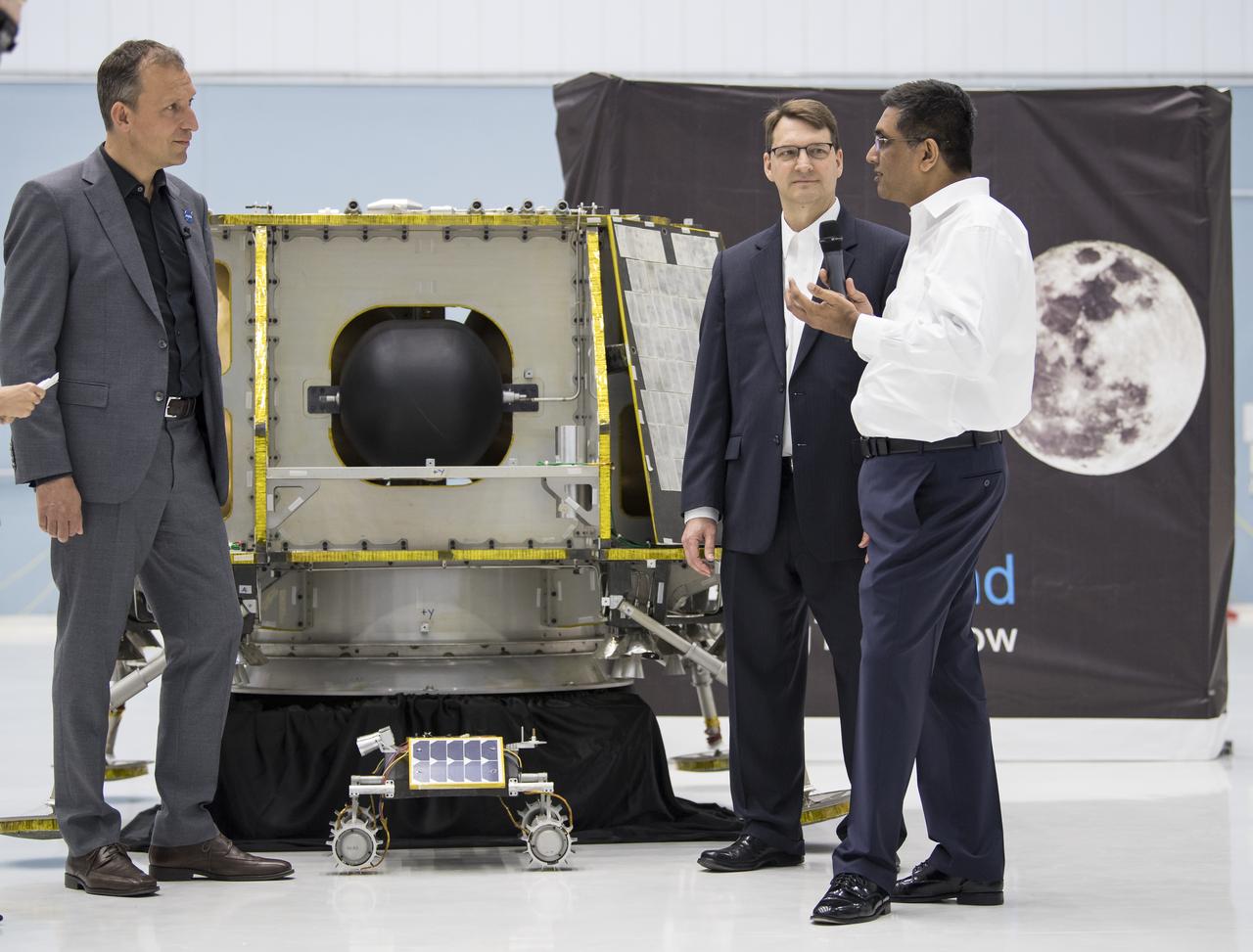
NASA Associate Administrator, Science Mission Directorate, Thomas Zurbuchen, left, speaks to, President and CEO of OrbitBeyond, Siba Padhi, right, and Chief Science Officer, OrbitBeyond, Jon Morse, about their lunar lander, Friday, May 31, 2019, at Goddard Space Flight Center in Md. Astrobotic, Intuitive Machines, and Orbit Beyond have been selected to provide the first lunar landers for the Artemis program's lunar surface exploration. Photo credit: (NASA/Aubrey Gemignani)
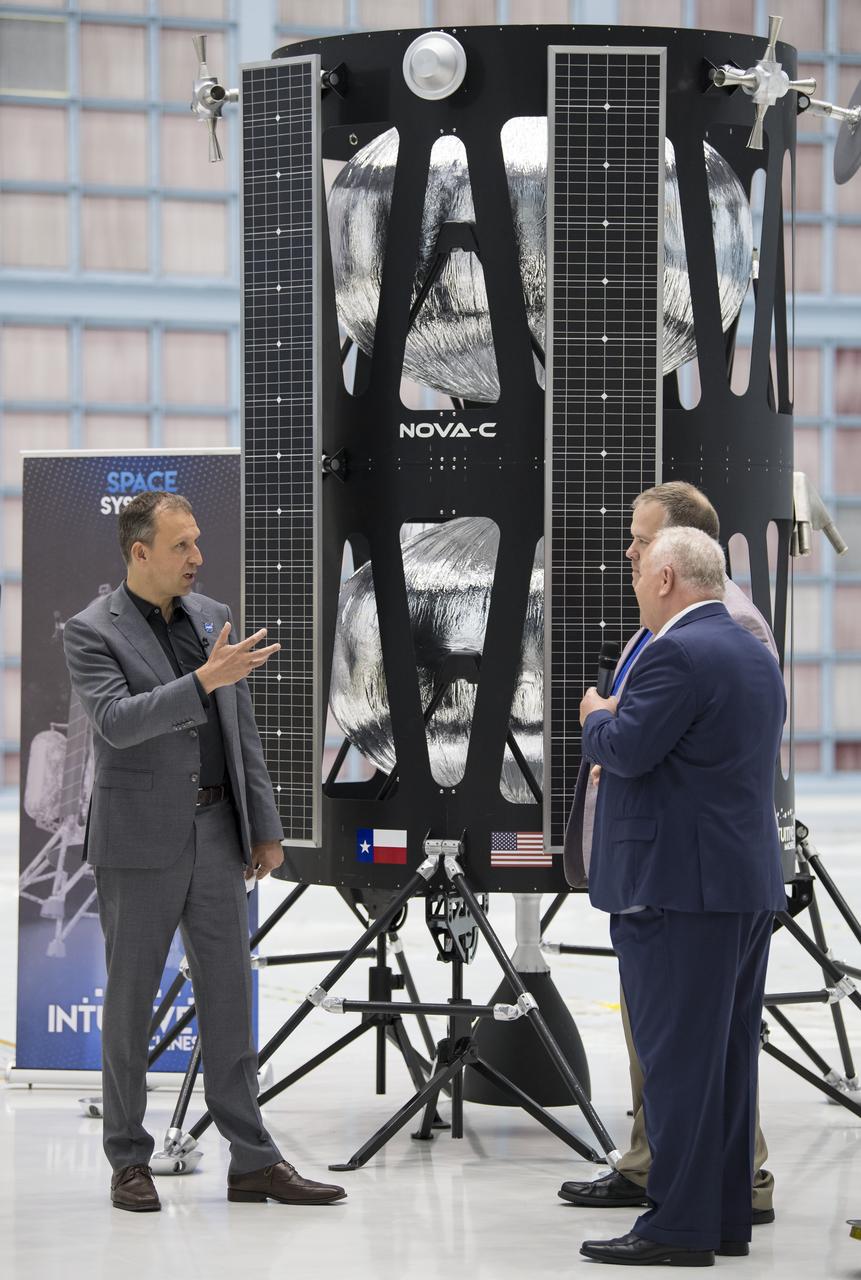
NASA Associate Administrator, Science Mission Directorate, Thomas Zurbuchen, left, speaks to, Chairman of the Board of Intuitive Machines, Kam Ghaffarian, right, and VP of Research and Development of Intuitive Machines, Tim Crain, second from right, about their lunar lander, Friday, May 31, 2019, at Goddard Space Flight Center in Md. Astrobotic, Intuitive Machines, and Orbit Beyond have been selected to provide the first lunar landers for the Artemis program's lunar surface exploration. Photo credit: (NASA/Aubrey Gemignani)

Thomas Zurbuchen, Associate Administrator of NASA’s Science Mission Directorate, NASA Headquarters and other Mars InSight team members monitor the status of the lander prior to it touching down on Mars, Monday, Nov. 26, 2018 inside the Mission Support Area at NASA's Jet Propulsion Laboratory in Pasadena, California. InSight, short for Interior Exploration using Seismic Investigations, Geodesy and Heat Transport, is a Mars lander designed to study the "inner space" of Mars: its crust, mantle, and core. Photo Credit: (NASA/Bill Ingalls)
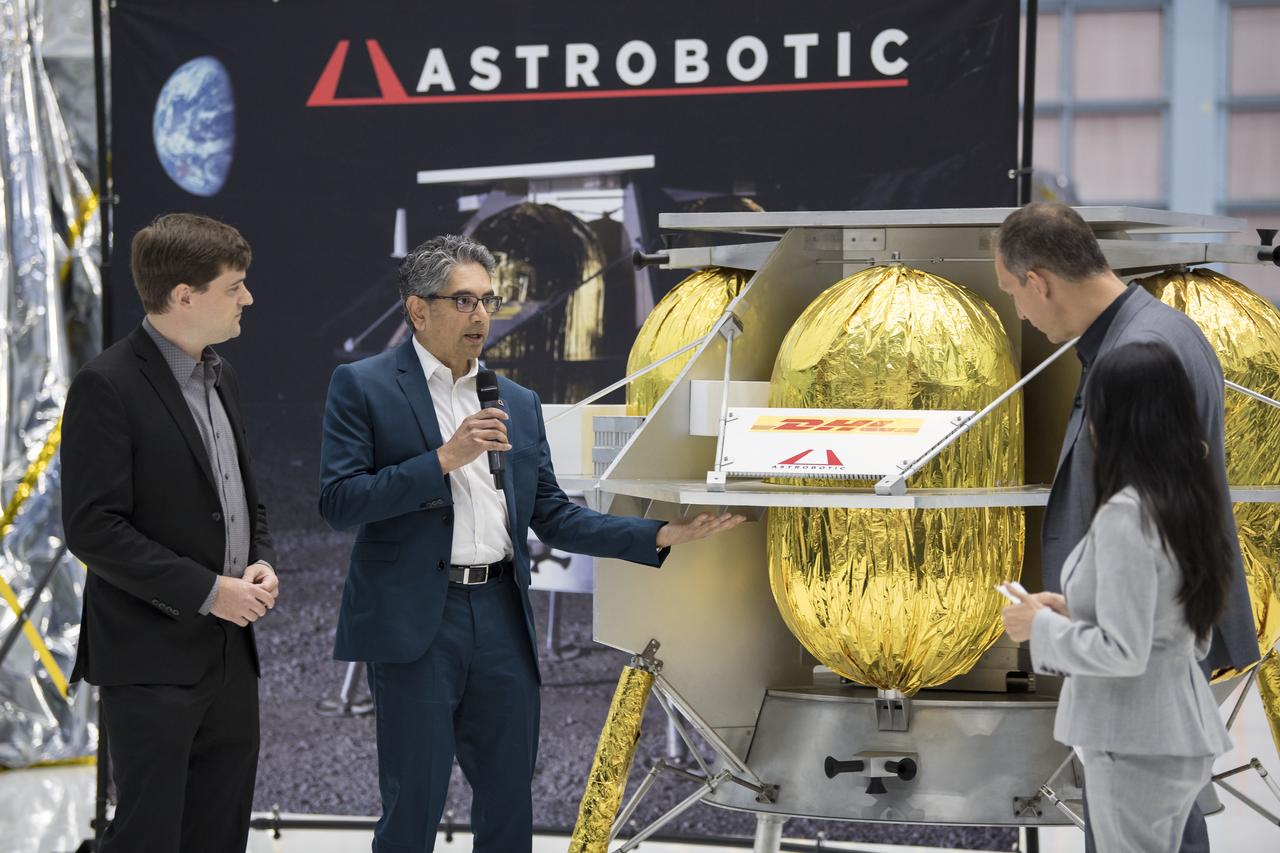
NASA Associate Administrator, Science Mission Directorate, Thomas Zurbuchen, second from right, speaks to Astrobotic CEO, John Thornton, left, and Astrobotic Mission Director, Sharad Bhaskaran, second from left, about their lunar lander, Friday, May 31, 2019, at Goddard Space Flight Center in Md. Astrobotic, Intuitive Machines, and Orbit Beyond have been selected to provide the first lunar landers for the Artemis program's lunar surface exploration. Photo credit: (NASA/Aubrey Gemignani)
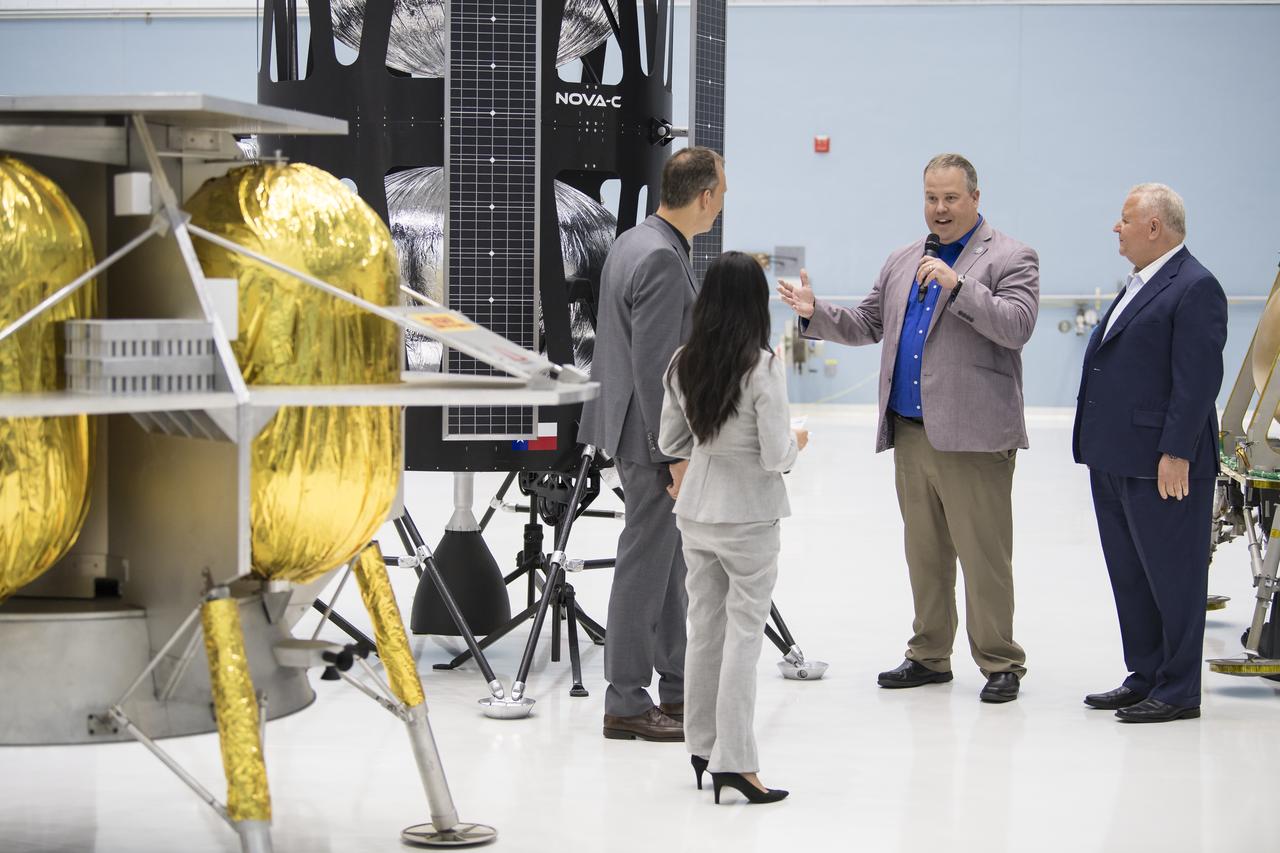
VP of Research and Development of Intuitive Machines, Tim Crain, second from right, speaks with NASA Associate Administrator, Science Mission Directorate, Thomas Zurbuchen, second from left, about their lunar lander, Friday, May 31, 2019, at Goddard Space Flight Center in Md. Astrobotic, Intuitive Machines, and Orbit Beyond have been selected to provide the first lunar landers for the Artemis program's lunar surface exploration. Photo credit: (NASA/Aubrey Gemignani)
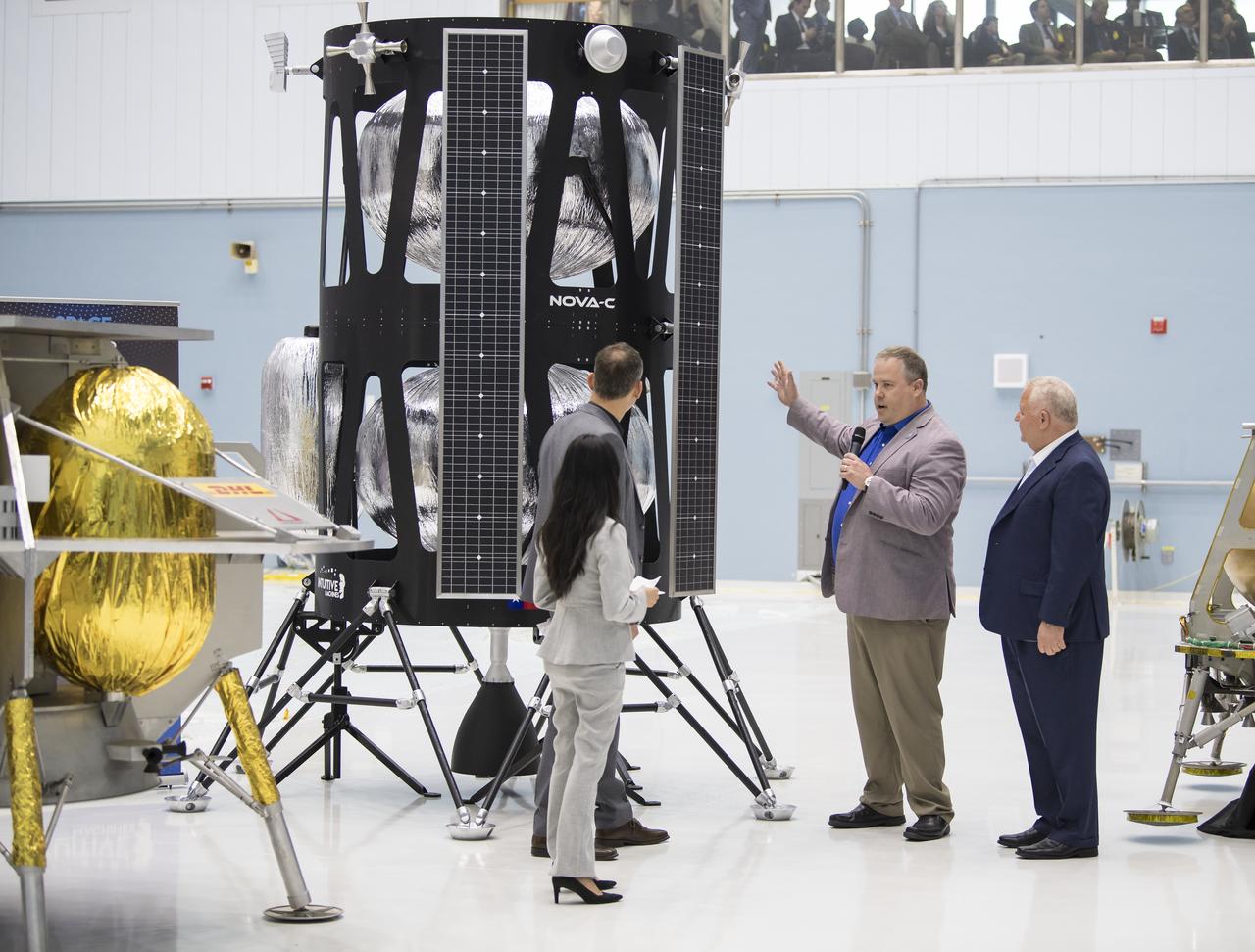
VP of Research and Development of Intuitive Machines, Tim Crain, second from right, speaks with NASA Associate Administrator, Science Mission Directorate, Thomas Zurbuchen, second from left, about their lunar lander, Friday, May 31, 2019, at Goddard Space Flight Center in Md. Astrobotic, Intuitive Machines, and Orbit Beyond have been selected to provide the first lunar landers for the Artemis program's lunar surface exploration. Photo credit: (NASA/Aubrey Gemignani)
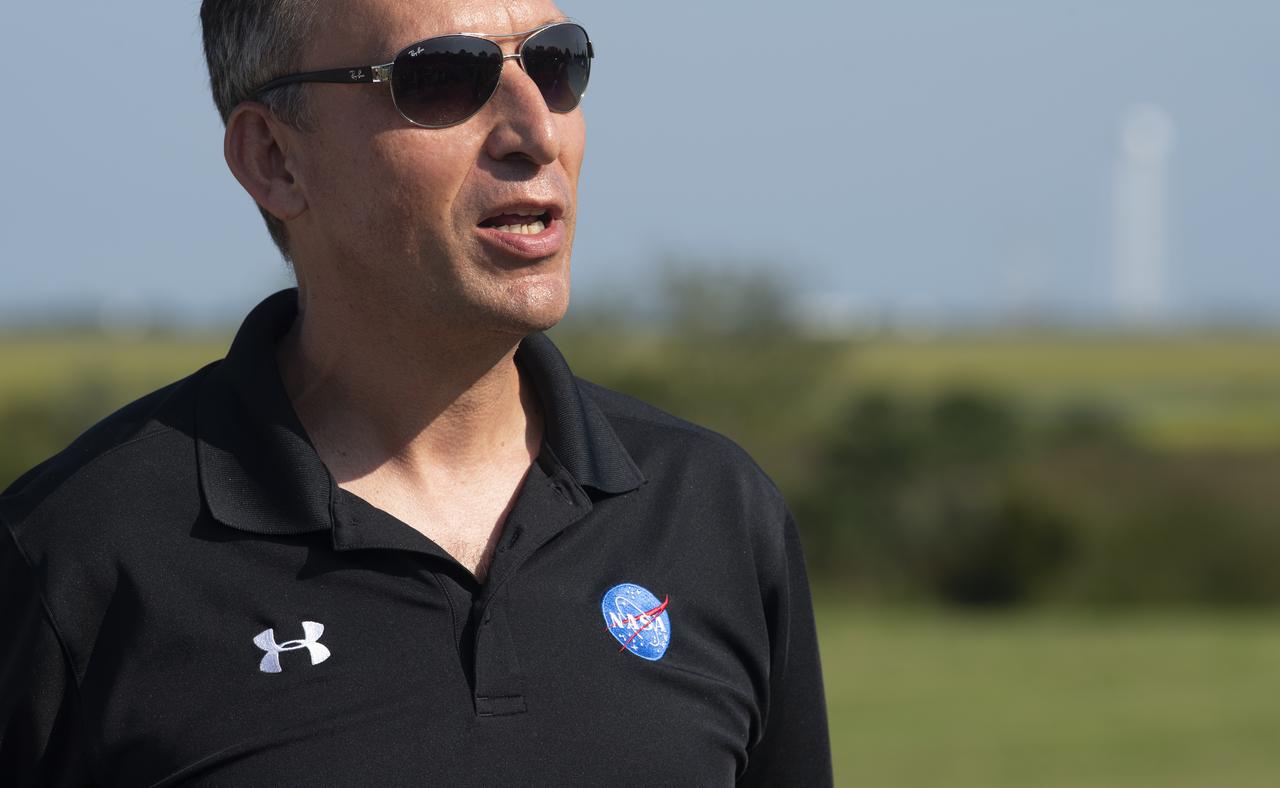
Thomas Zurbuchen, associate administrator for NASA’s Science Mission Directorate, speaks to members of the media prior to the launch of a Northrop Grumman Antares rocket carrying a Cygnus resupply spacecraft, Tuesday, Aug. 10, 2021, at NASA's Wallops Flight Facility in Virginia. Northrop Grumman’s 16th contracted cargo resupply mission for NASA launched at 6:01 p.m. EDT and will deliver nearly 8,200 pounds of science and research, crew supplies and vehicle hardware to the International Space Station and its crew. Photo Credit: (NASA/Joel Kowsky)

Associate Administrator of NASA's Science Mission Directorate, Thomas Zurbuchen, gives remarks during a NASA Perseverance rover mission engineering and technology overview, Tuesday, Feb. 16, 2021, at NASA's Jet Propulsion Laboratory in Pasadena, California. The Perseverance Mars rover is due to land on Mars Thursday, Feb. 18, 2021. A key objective for Perseverance’s mission on Mars is astrobiology, including the search for signs of ancient microbial life. The rover will characterize the planet’s geology and past climate, pave the way for human exploration of the Red Planet, and be the first mission to collect and cache Martian rock and regolith. Photo Credit: (NASA/Bill Ingalls)
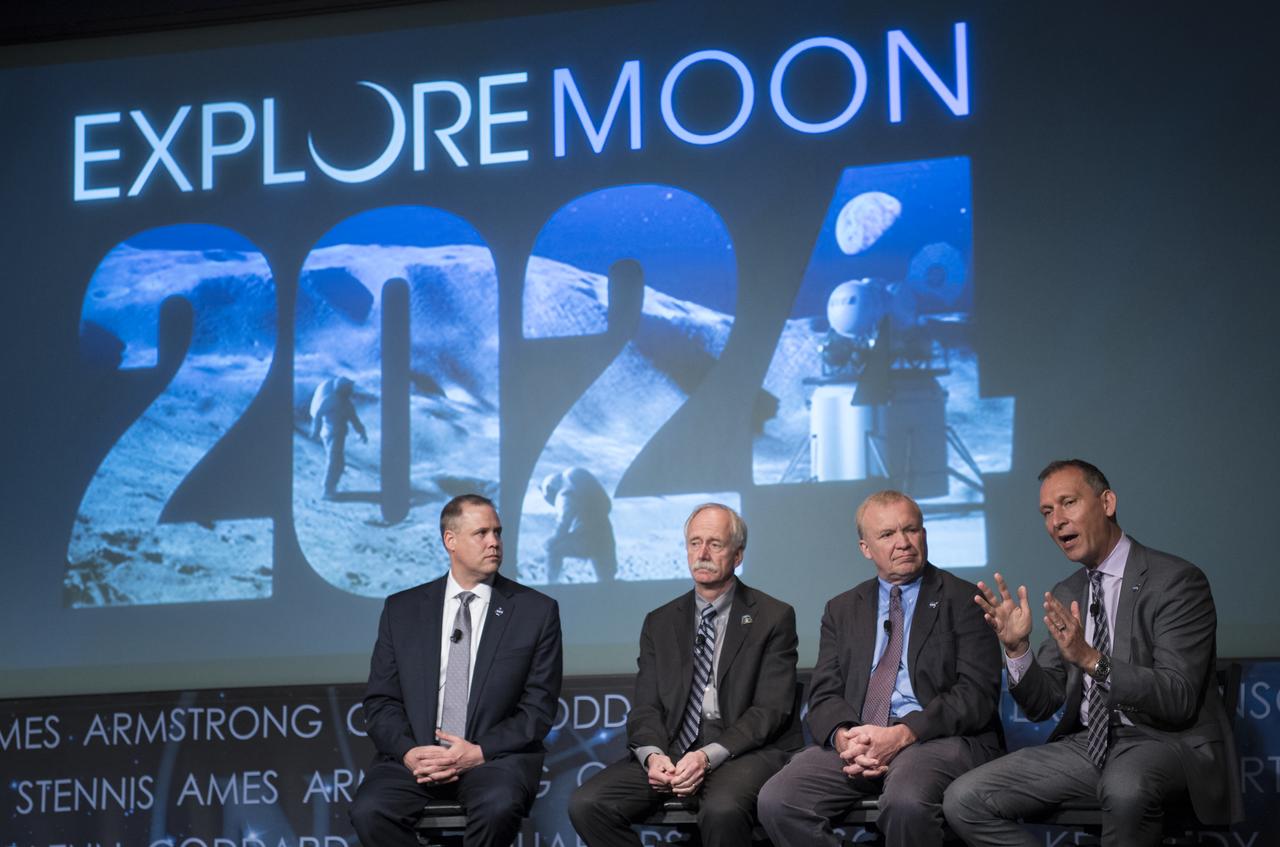
NASA Administrator Jim Bridenstine, left, NASA Associate Administrator for Human Exploration and Operations William Gerstenmaier, second from left, acting Associate Administrator for NASA's Space Technology Mission Directorate, second from right, acting Associate Administrator for NASA's Science Mission Directorate Thomas Zurbuchen, right, are seen during a NASA town hall on the amendment to the fiscal year 2020 budget request that supports the agency’s plan to land astronauts on the Moon by 2024, Tuesday, May 14, 2019 at NASA Headquarters in Washington, DC. Photo Credit: (NASA/Joel Kowsky)
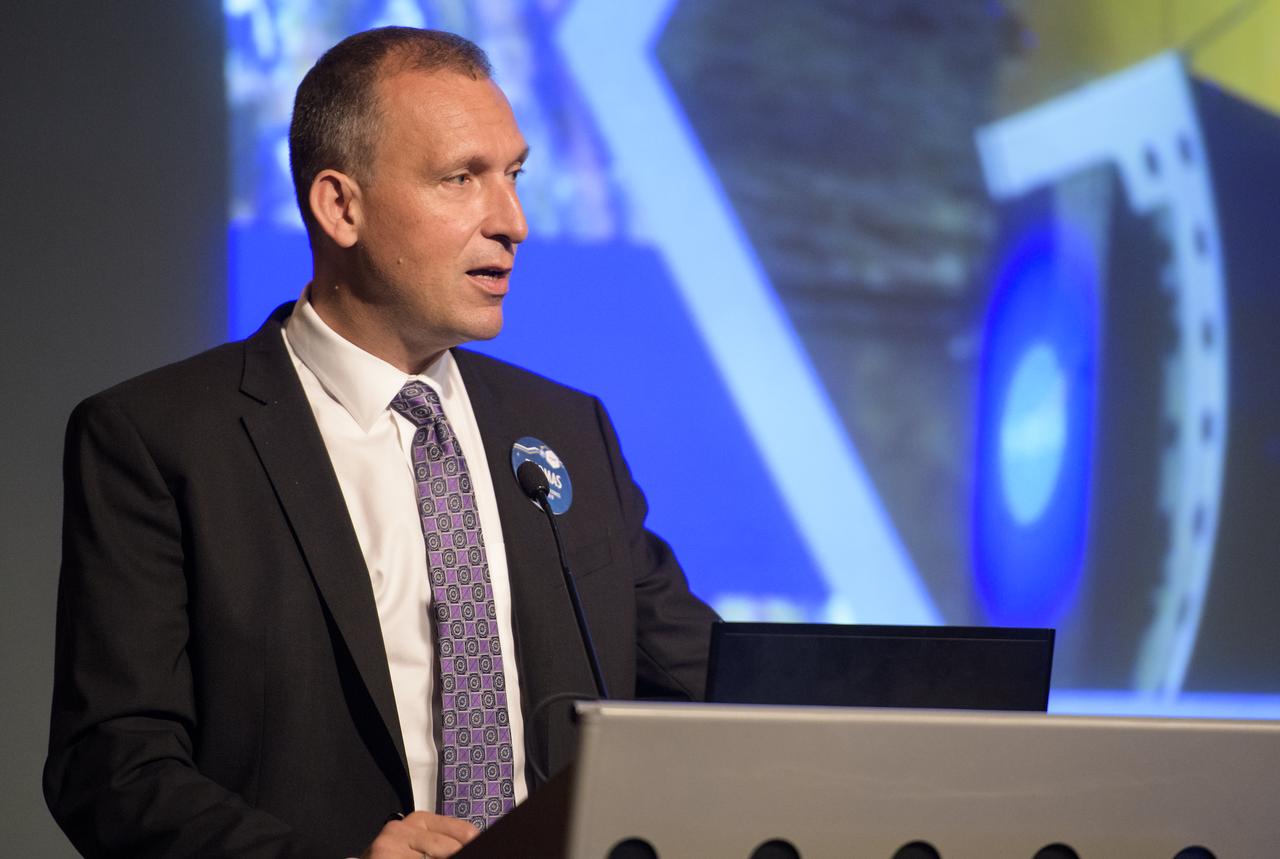
Thomas Zurbuchen, Associate Administrator for NASA's Science Mission Directorate, speaks during the 2018 Annual Earth Science Applications Showcase, Wednesday, Aug. 1, 2018 at NASA Headquarters in Washington. Every summer students and young professionals from NASA’s Applied Sciences’ DEVELOP National Program come to NASA Headquarters and present their research projects. DEVELOP is a training and development program where students work on Earth science research projects, mentored by science advisers from NASA and partner agencies, and extend research results to local communities. Photo Credit: (NASA/Joel Kowsky)
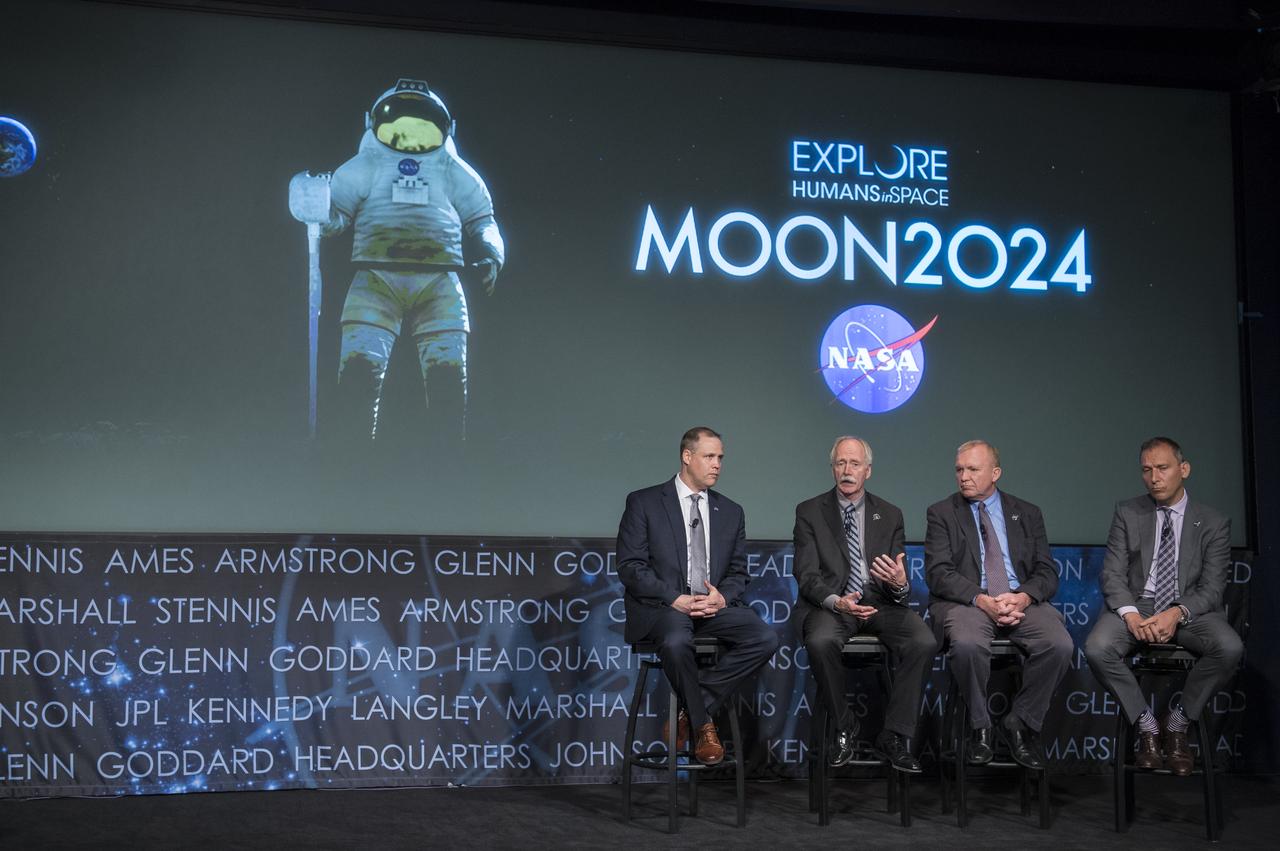
NASA Administrator Jim Bridenstine, left, NASA Associate Administrator for Human Exploration and Operations William Gerstenmaier, second from left, acting Associate Administrator for NASA's Space Technology Mission Directorate, second from right, acting Associate Administrator for NASA's Science Mission Directorate Thomas Zurbuchen, right, are seen during a NASA town hall on the amendment to the fiscal year 2020 budget request that supports the agency’s plan to land astronauts on the Moon by 2024, Tuesday, May 14, 2019 at NASA Headquarters in Washington, DC. Photo Credit: (NASA/Joel Kowsky)

Associate Administrator of NASA's Science Mission Directorate, Thomas Zurbuchen, gives remarks during a NASA Perseverance rover mission engineering and technology overview, Tuesday, Feb. 16, 2021, at NASA's Jet Propulsion Laboratory in Pasadena, California. The Perseverance Mars rover is due to land on Mars Thursday, Feb. 18, 2021. A key objective for Perseverance’s mission on Mars is astrobiology, including the search for signs of ancient microbial life. The rover will characterize the planet’s geology and past climate, pave the way for human exploration of the Red Planet, and be the first mission to collect and cache Martian rock and regolith. Photo Credit: (NASA/Bill Ingalls)
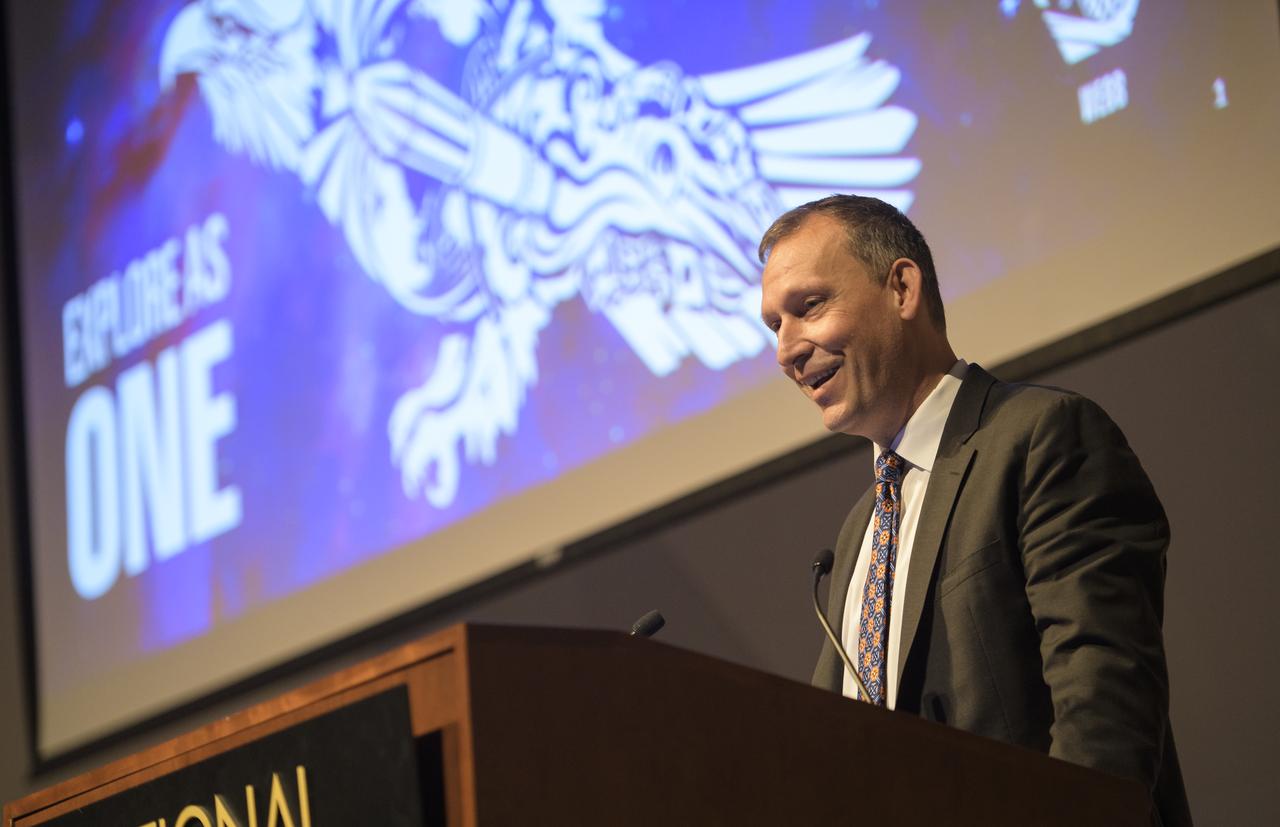
Thomas Zurbuchen, Associate Administrator for NASA's Science Mission Directorate, speaks during an event celebrating the 60th Anniversary of the Explorer 1 mission and the discovery of Earth's radiation belts, Wednesday, Jan. 31, 2018, at the National Academy of Sciences in Washington. The first U.S. satellite, Explorer 1, was launched from Cape Canaveral on January 31, 1958. The 30-pound satellite would yield a major scientific discovery, the Van Allen radiation belts circling our planet, and begin six decades of groundbreaking space science and human exploration. (NASA/Joel Kowsky)
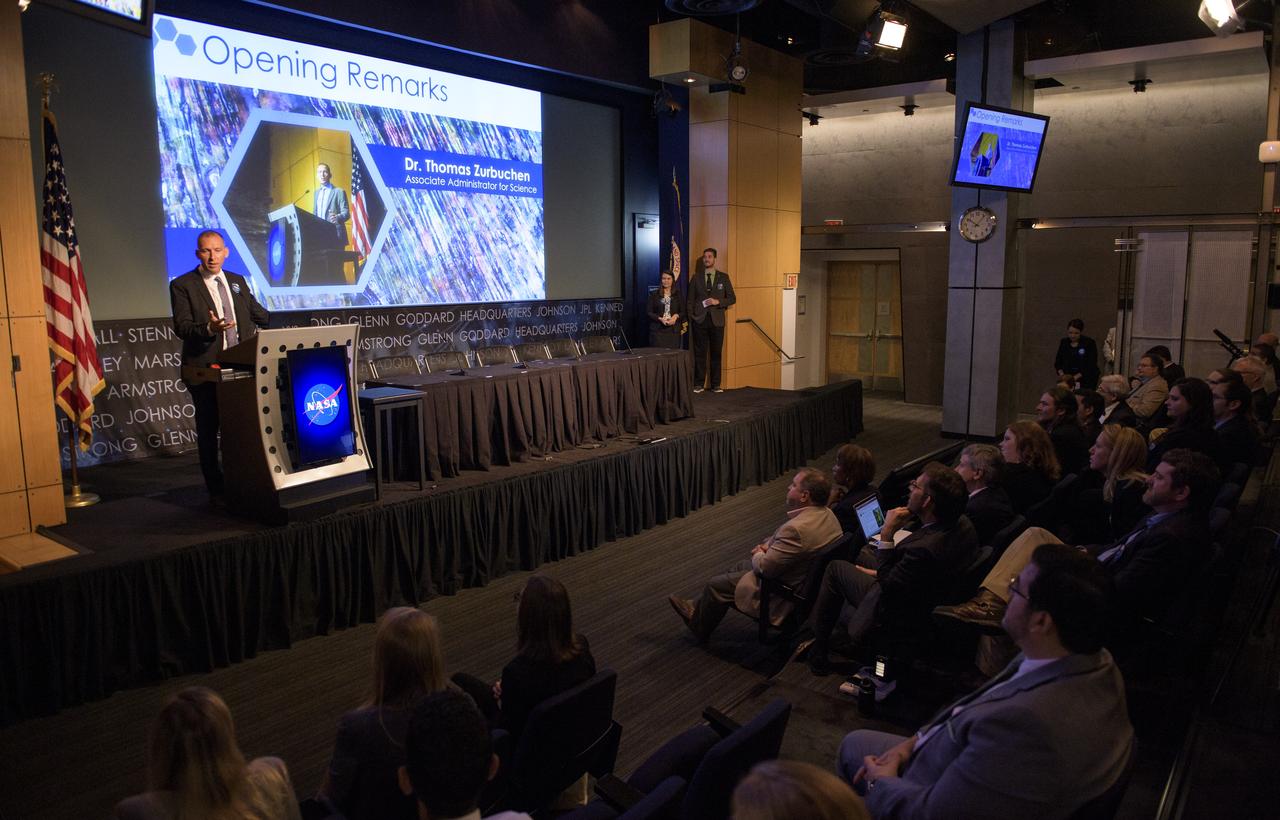
Thomas Zurbuchen, Associate Administrator for NASA's Science Mission Directorate, speaks during the 2016 Annual Earth Science Applications Showcase, Wednesday, Aug. 1, 2018 at NASA Headquarters in Washington. Every summer students and young professionals from NASA’s Applied Sciences’ DEVELOP National Program come to NASA Headquarters and present their research projects. DEVELOP is a training and development program where students work on Earth science research projects, mentored by science advisers from NASA and partner agencies, and extend research results to local communities. Photo Credit: (NASA/Joel Kowsky)

Associate Administrator of NASA's Science Mission Directorate, Thomas Zurbuchen, gives remarks during a NASA Perseverance rover mission engineering and technology overview, Tuesday, Feb. 16, 2021, at NASA's Jet Propulsion Laboratory in Pasadena, California. The Perseverance Mars rover is due to land on Mars Thursday, Feb. 18, 2021. A key objective for Perseverance’s mission on Mars is astrobiology, including the search for signs of ancient microbial life. The rover will characterize the planet’s geology and past climate, pave the way for human exploration of the Red Planet, and be the first mission to collect and cache Martian rock and regolith. Photo Credit: (NASA/Bill Ingalls)
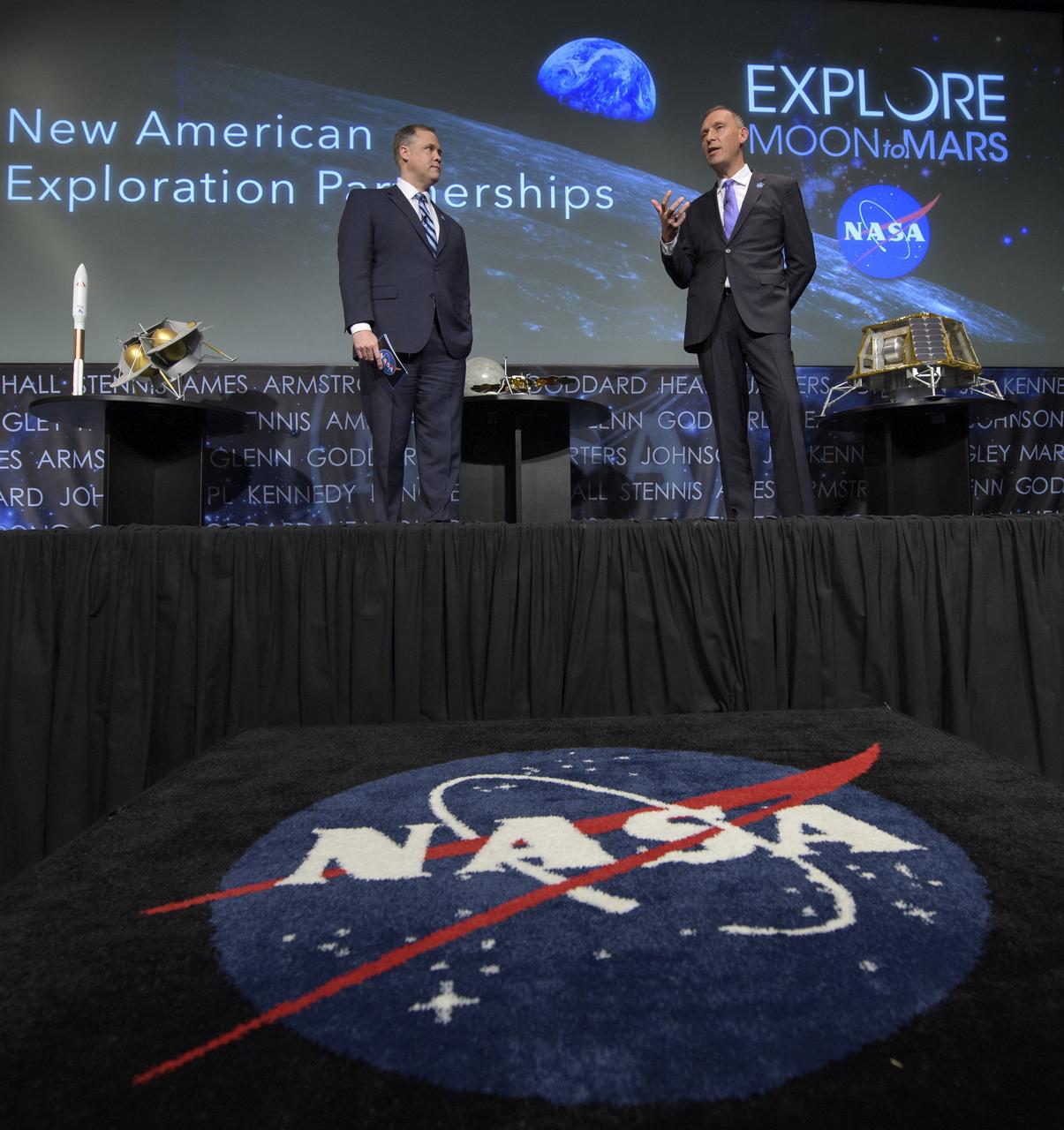
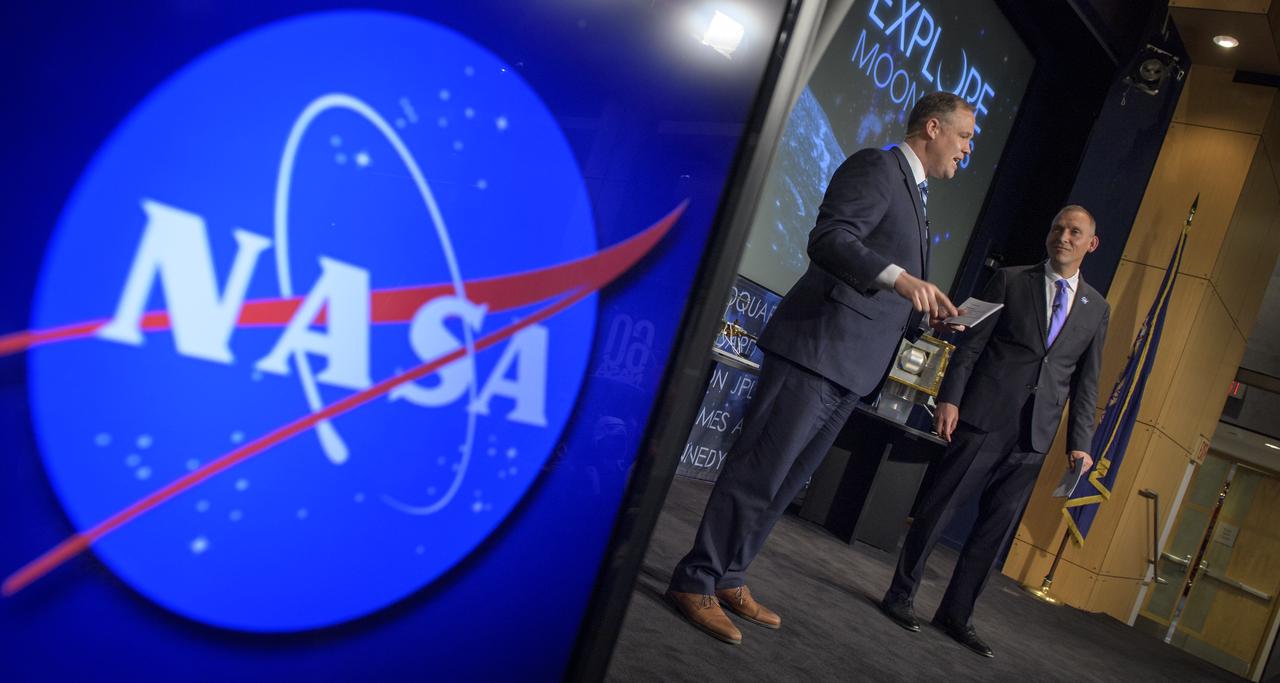
NASA Administrator Jim Bridenstine, left, and NASA Associate Administrator for the Science Mission Directorate, Thomas Zurbuchen, answer questions during an event where nine U.S. companies where named as eligible to bid on NASA delivery services to the lunar surface through Commercial Lunar Payload Services (CLPS) contracts, Thursday, Nov. 29, 2018 at NASA Headquarters in Washington. The companies will be able to bid on delivering science and technology payloads for NASA, including payload integration and operations, launching from Earth and landing on the surface of the Moon. NASA expects to be one of many customers that will use these commercial landing services. Photo Credit: (NASA/Bill Ingalls)
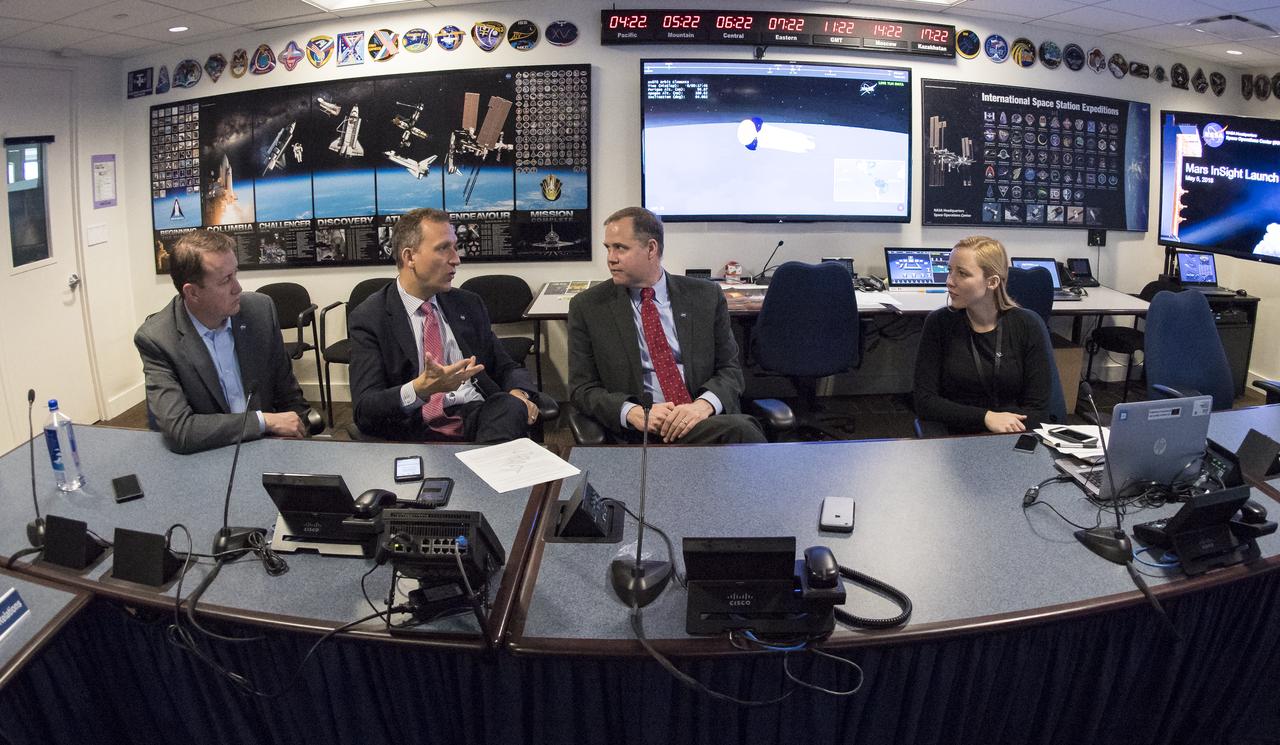
NASA Associate Administrator for the Science Mission Directorate, Thomas Zurbuchen, center, speaks with NASA Administrator Jim Bridenstine, second from right, and NASA Chief Financial Officer, Jeff DeWit, left, after watching the launch of NASA's InSight spacecraft on a United Launch Alliance (ULA) Atlas-V rocket Saturday, May 5, 2018 at NASA Headquarters in Washington. InSight, short for Interior Exploration using Seismic Investigations, Geodesy and Heat Transport, is a Mars lander designed to study the "inner space" of Mars: its crust, mantle, and core. Photo Credit: (NASA/Aubrey Gemignani)
NASA Administrator Jim Bridenstine, left, and NASA Associate Administrator for the Science Mission Directorate, Thomas Zurbuchen, answer questions during an event where nine U.S. companies where named as eligible to bid on NASA delivery services to the lunar surface through Commercial Lunar Payload Services (CLPS) contracts, Thursday, Nov. 29, 2018 at NASA Headquarters in Washington. The companies will be able to bid on delivering science and technology payloads for NASA, including payload integration and operations, launching from Earth and landing on the surface of the Moon. NASA expects to be one of many customers that will use these commercial landing services. Photo Credit: (NASA/Bill Ingalls)
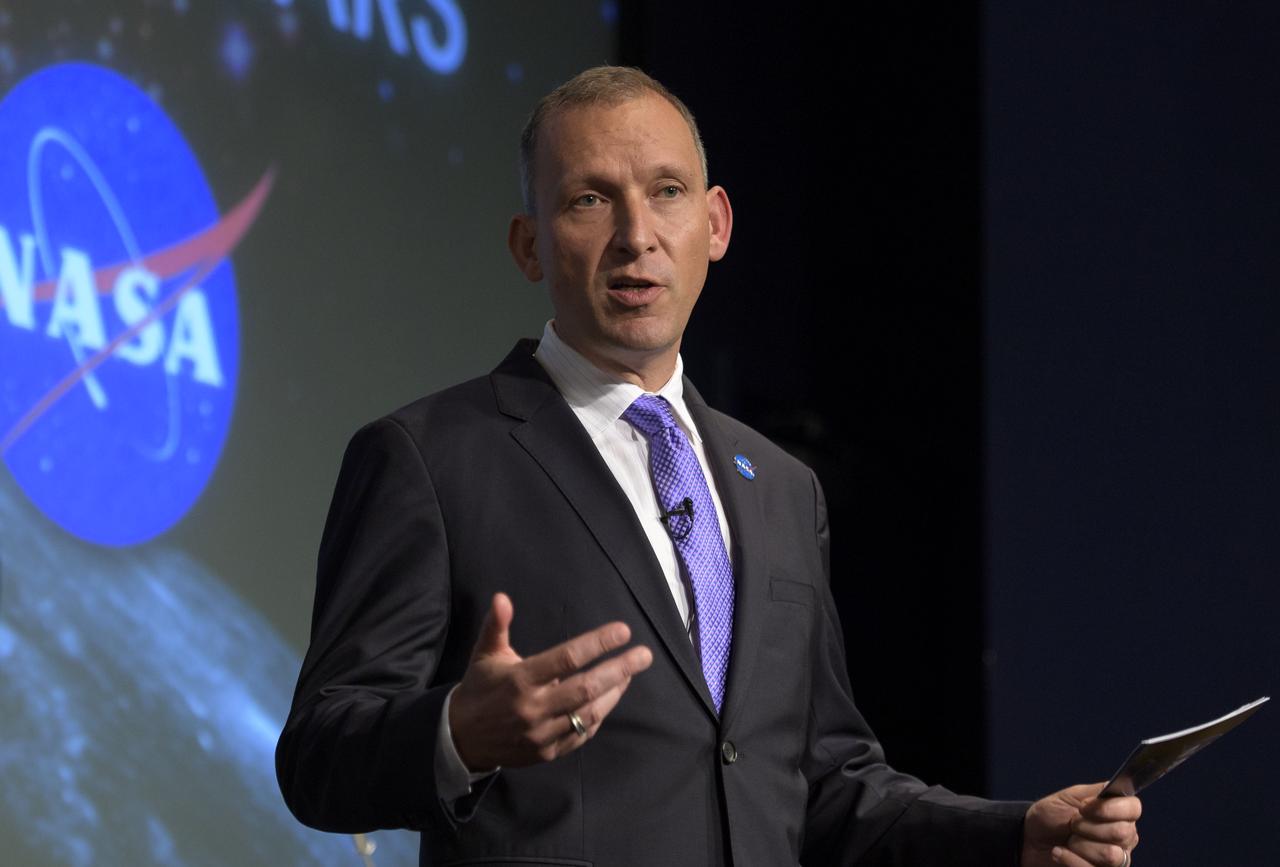
NASA Associate Administrator for the Science Mission Directorate, Thomas Zurbuchen, answers questions during an event where nine U.S. companies where named as eligible to bid on NASA delivery services to the lunar surface through Commercial Lunar Payload Services (CLPS) contracts, Thursday, Nov. 29, 2018 at NASA Headquarters in Washington. The companies will be able to bid on delivering science and technology payloads for NASA, including payload integration and operations, launching from Earth and landing on the surface of the Moon. NASA expects to be one of many customers that will use these commercial landing services. Photo Credit: (NASA/Bill Ingalls)
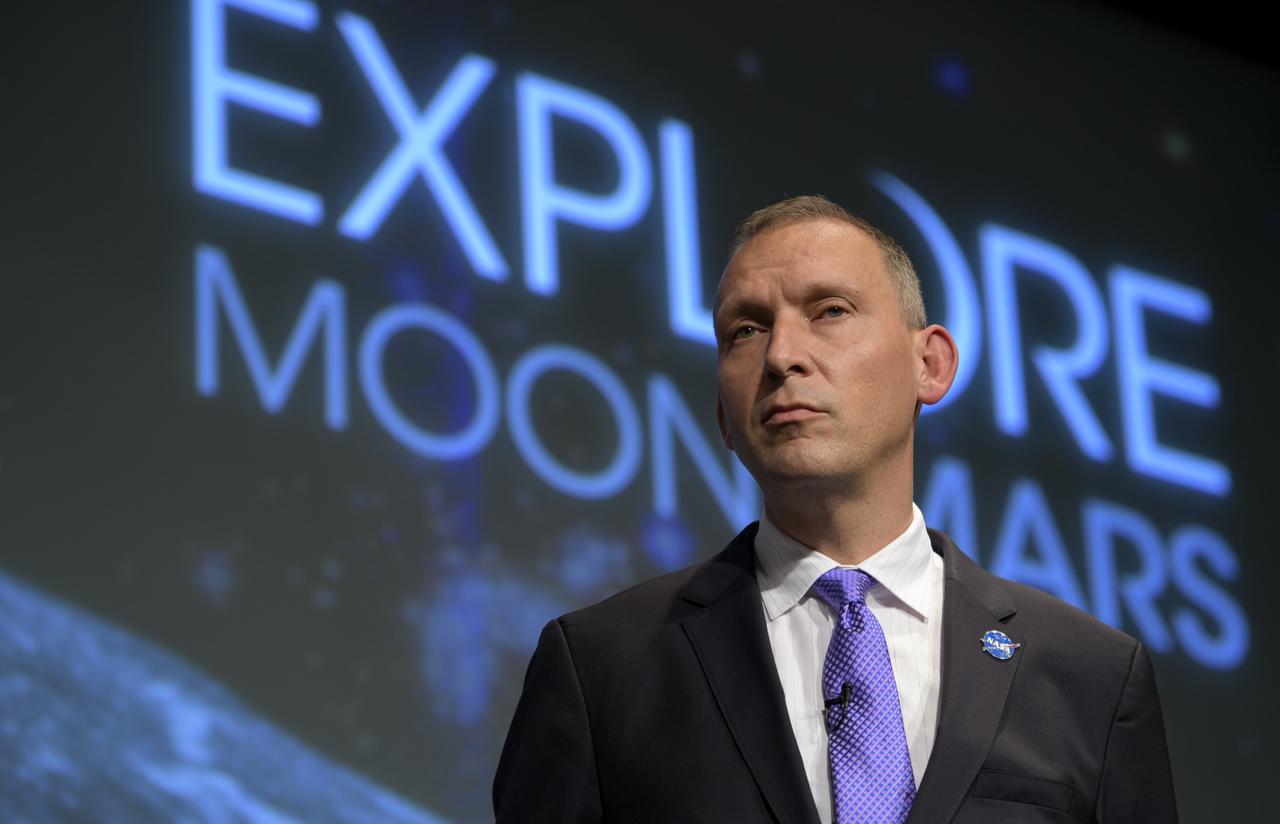
NASA Associate Administrator for the Science Mission Directorate, Thomas Zurbuchen, answers questions during an event where nine U.S. companies where named as eligible to bid on NASA delivery services to the lunar surface through Commercial Lunar Payload Services (CLPS) contracts, Thursday, Nov. 29, 2018 at NASA Headquarters in Washington. The companies will be able to bid on delivering science and technology payloads for NASA, including payload integration and operations, launching from Earth and landing on the surface of the Moon. NASA expects to be one of many customers that will use these commercial landing services. Photo Credit: (NASA/Bill Ingalls)

NASA Associate Administrator for Science Thomas Zurbuchen gives remarks after the 2022 John L. “Jack” Swigert, Jr., Award for Space Exploration was presented to the OSIRIS-REx team by the Space Foundation during the 37th Space Symposium, Monday, April 4, 2022, in Colorado Springs, Colorado. The John L. “Jack” Swigert, Jr., Award for Space Exploration recognizes extraordinary accomplishments by a company, space agency, or consortium of organizations in the realm of space exploration and discovery. The award honors the memory of astronaut John L. “Jack” Swigert, Jr., one of the inspirations for the creation of Space Foundation. Photo Credit: (NASA/Bill Ingalls)
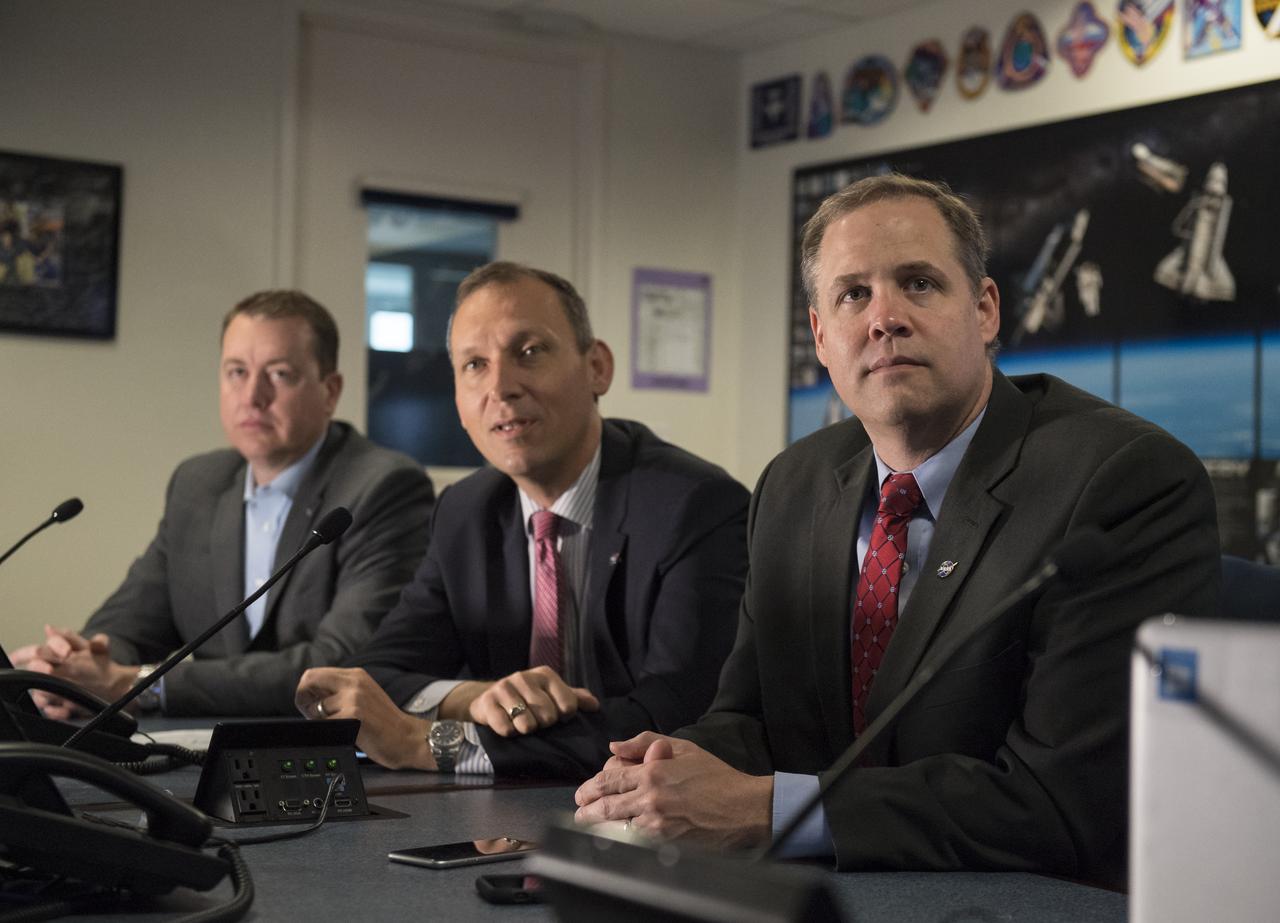
NASA Administrator Jim Bridenstine, right, NASA Associate Administrator for the Science Mission Directorate, Thomas Zurbuchen, center, and NASA Chief Financial Officer, Jeff DeWit, watch the launch of NASA's InSight spacecraft on a United Launch Alliance (ULA) Atlas-V rocket Saturday, May 5, 2018 at NASA Headquarters in Washington. InSight, short for Interior Exploration using Seismic Investigations, Geodesy and Heat Transport, is a Mars lander designed to study the "inner space" of Mars: its crust, mantle, and core. Photo Credit: (NASA/Aubrey Gemignani)
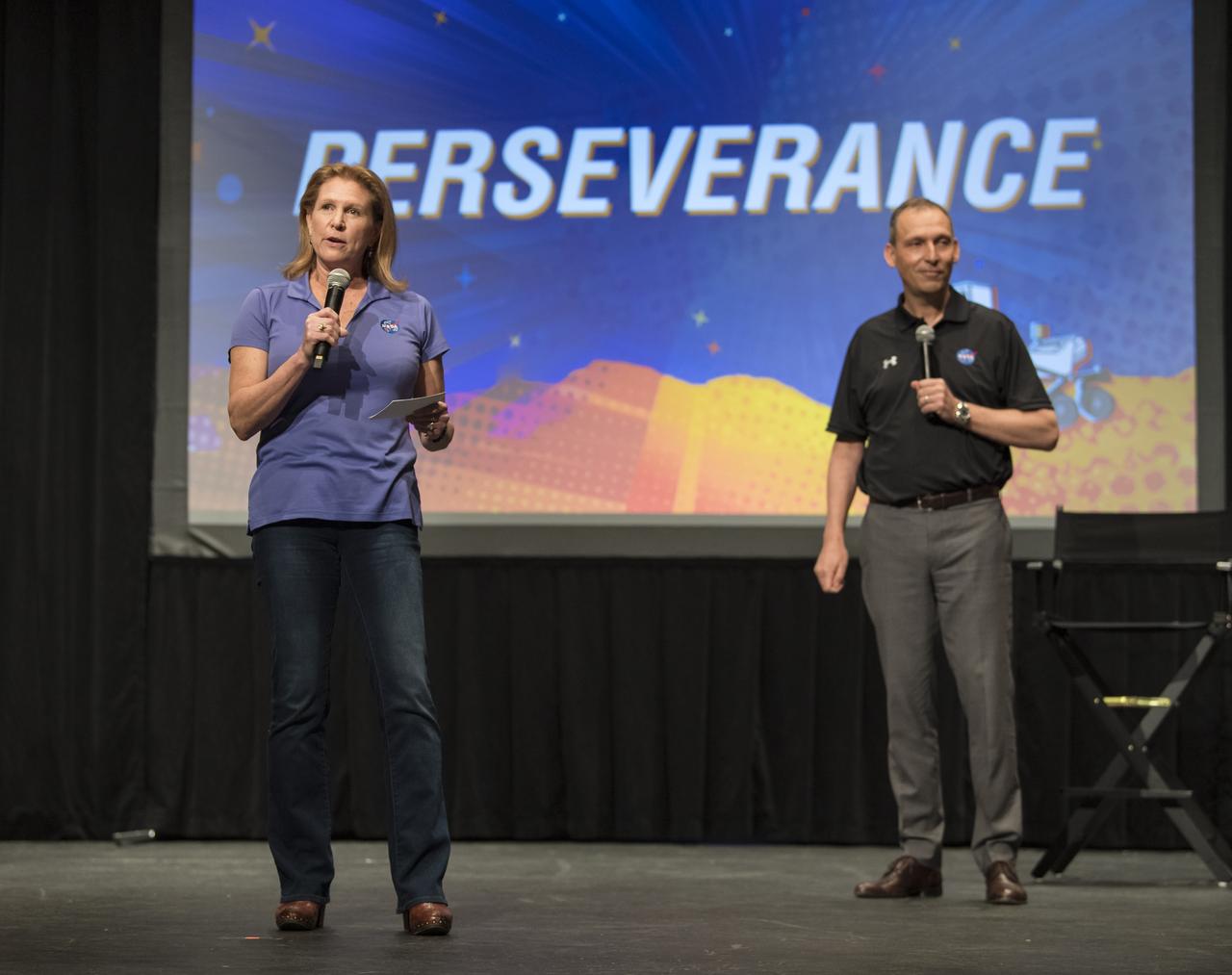
Director of NASA's Science Mission Directorate’s Planetary Science Division, Lori Glaze, left, speaks after the announcement of the official name, Perseverance, for the rover formerly known as Mars 2020, Thursday, March 5, 2020, at Lake Braddock Secondary School in Burke, Va. The final selection of the new name was made by Associate Administrator of NASA's Science Mission Directorate, Thomas Zurbuchen, following a nationwide naming contest conducted in 2019 that drew more than 28,000 essays by K-12 students from every U.S. state and territory. Perseverance is currently at NASA's Kennedy Space Center in Florida being prepared for launch this summer. Photo Credit: (NASA/Aubrey Gemignani)
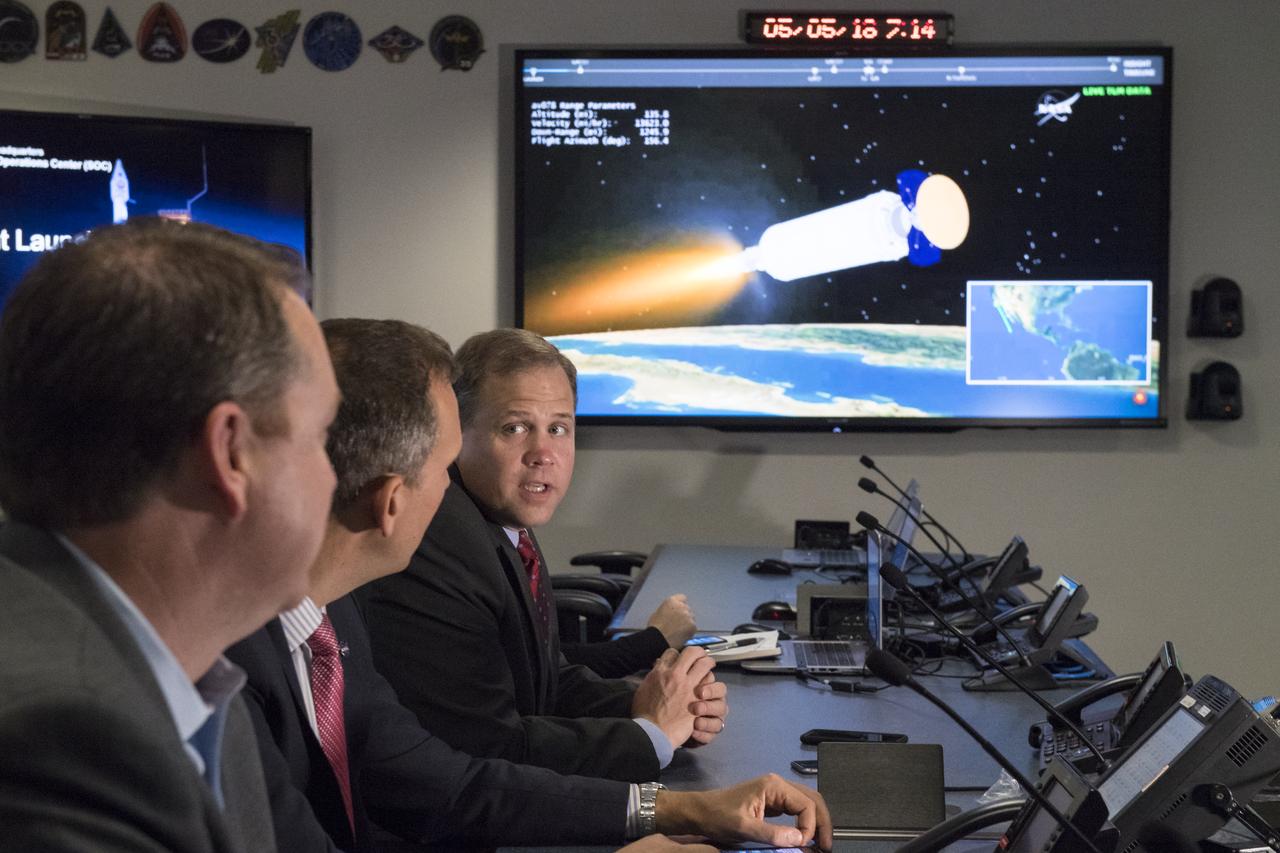
NASA Administrator Jim Bridenstine, right, speaks to NASA Associate Administrator for the Science Mission Directorate, Thomas Zurbuchen, center, and NASA Chief Financial Officer, Jeff DeWit, following the launch of NASA's InSight spacecraft on a United Launch Alliance (ULA) Atlas-V rocket Saturday, May 5, 2018 at NASA Headquarters in Washington. InSight, short for Interior Exploration using Seismic Investigations, Geodesy and Heat Transport, is a Mars lander designed to study the "inner space" of Mars: its crust, mantle, and core. Photo Credit: (NASA/Aubrey Gemignani)
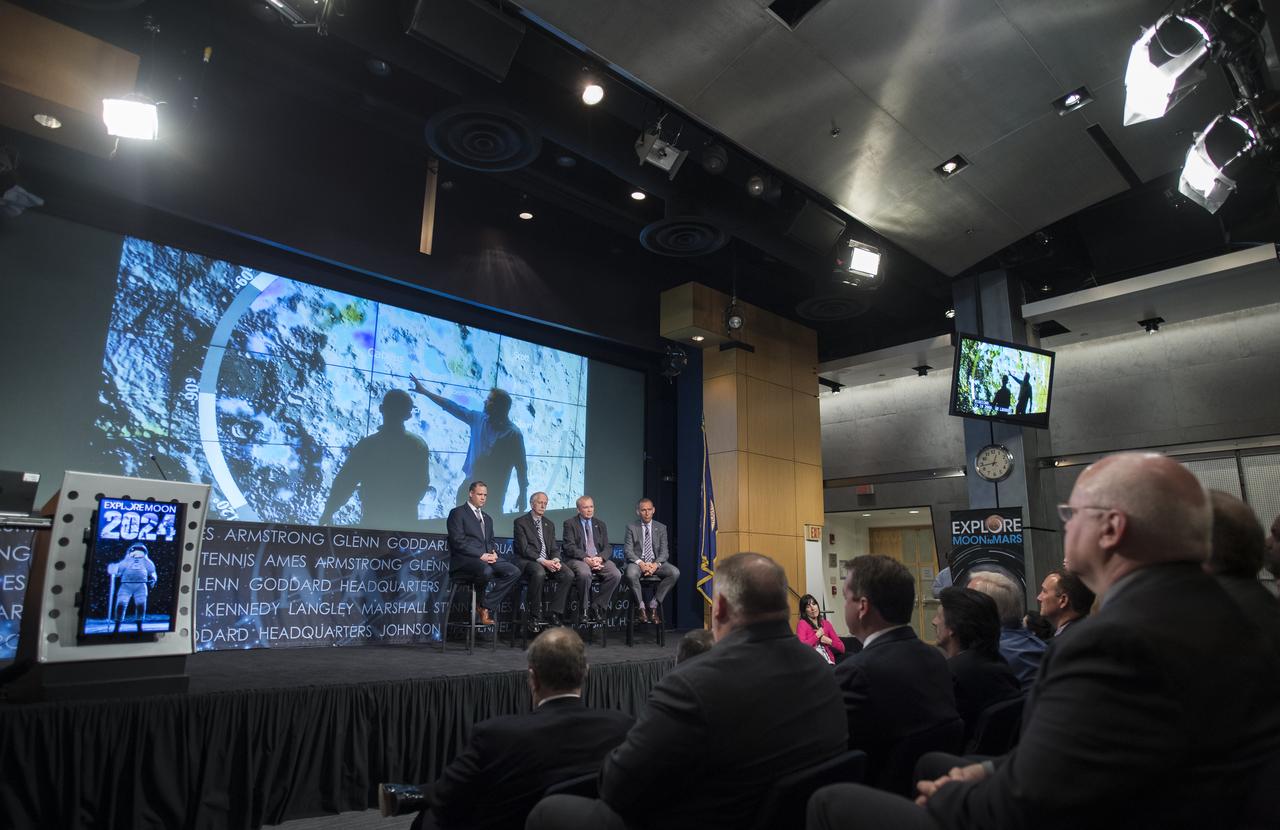
NASA Administrator Jim Bridenstine, left, NASA Associate Administrator for Human Exploration and Operations William Gerstenmaier, second from left, acting Associate Administrator for NASA's Space Technology Mission Directorate, second from right, acting Associate Administrator for NASA's Science Mission Directorate Thomas Zurbuchen, right, are seen during a NASA town hall on the amendment to the fiscal year 2020 budget request that supports the agency’s plan to land astronauts on the Moon by 2024, Tuesday, May 14, 2019 at NASA Headquarters in Washington, DC. Photo Credit: (NASA/Joel Kowsky)
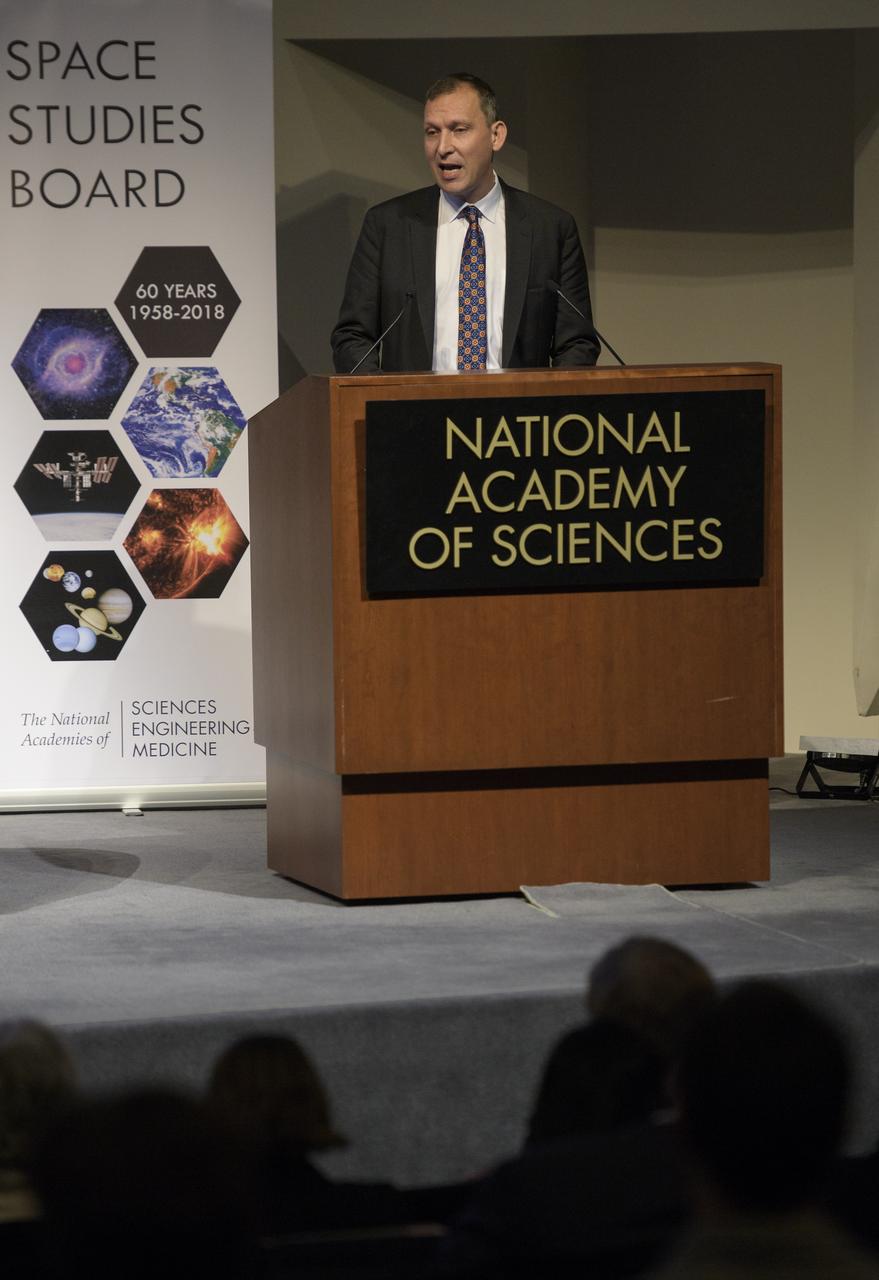
Thomas Zurbuchen, Associate Administrator for NASA's Science Mission Directorate, speaks during an event celebrating the 60th Anniversary of the Explorer 1 mission and the discovery of Earth's radiation belts, Wednesday, Jan. 31, 2018, at the National Academy of Sciences in Washington. The first U.S. satellite, Explorer 1, was launched from Cape Canaveral on January 31, 1958. The 30-pound satellite would yield a major scientific discovery, the Van Allen radiation belts circling our planet, and begin six decades of groundbreaking space science and human exploration. (NASA/Joel Kowsky)
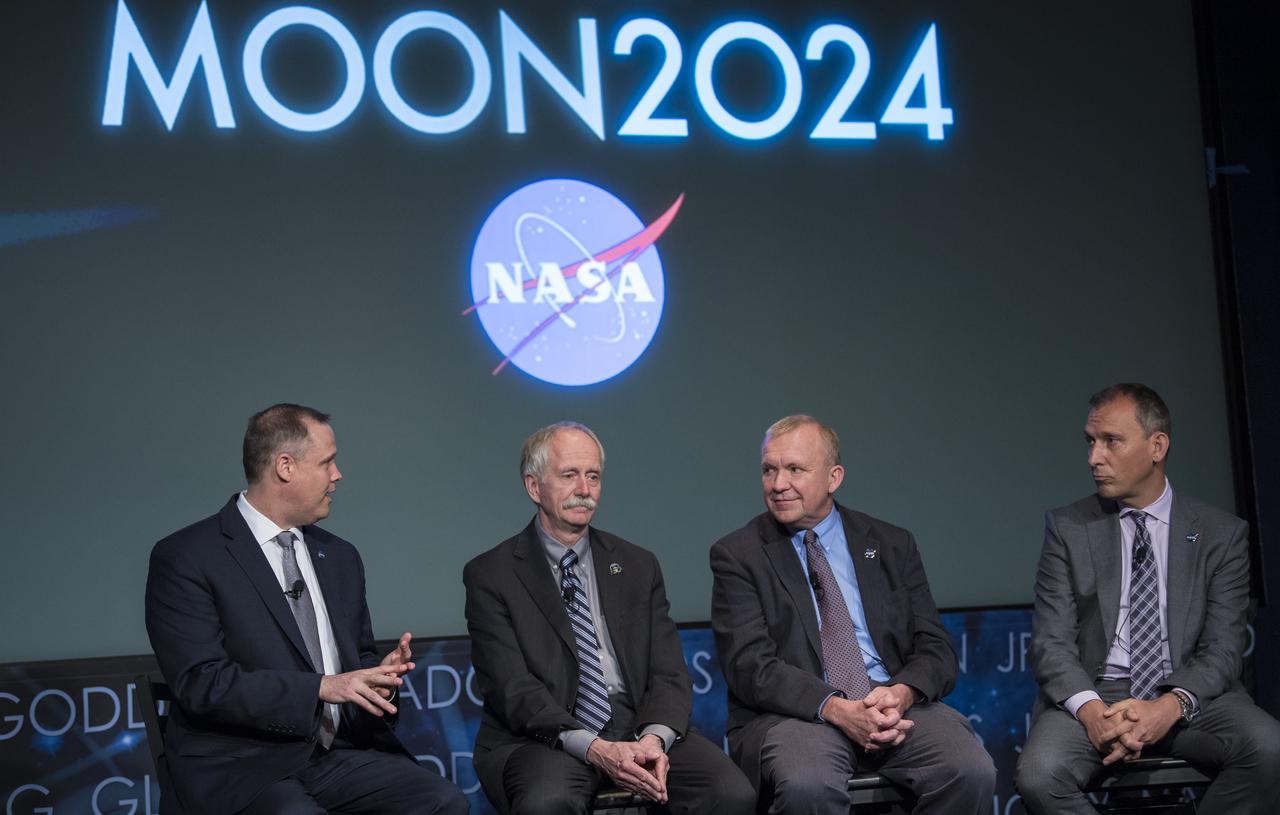
NASA Administrator Jim Bridenstine, left, NASA Associate Administrator for Human Exploration and Operations William Gerstenmaier, second from left, acting Associate Administrator for NASA's Space Technology Mission Directorate, second from right, acting Associate Administrator for NASA's Science Mission Directorate Thomas Zurbuchen, right, are seen during a NASA town hall on the amendment to the fiscal year 2020 budget request that supports the agency’s plan to land astronauts on the Moon by 2024, Tuesday, May 14, 2019 at NASA Headquarters in Washington, DC. Photo Credit: (NASA/Joel Kowsky)
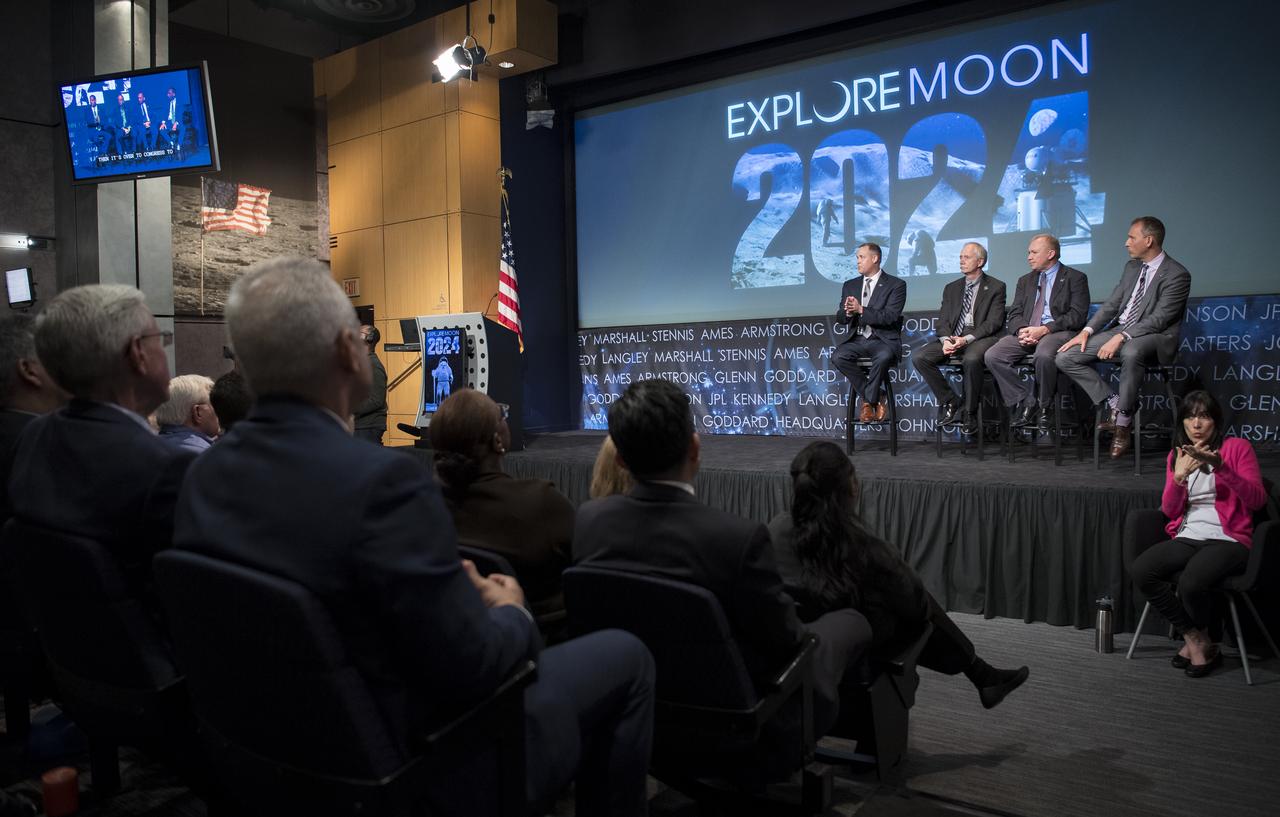
NASA Administrator Jim Bridenstine, left, NASA Associate Administrator for Human Exploration and Operations William Gerstenmaier, second from left, acting Associate Administrator for NASA's Space Technology Mission Directorate, second from right, acting Associate Administrator for NASA's Science Mission Directorate Thomas Zurbuchen, right, are seen as they answer questions during a NASA town hall on the amendment to the fiscal year 2020 budget request that supports the agency’s plan to land astronauts on the Moon by 2024, Tuesday, May 14, 2019 at NASA Headquarters in Washington, DC. Photo Credit: (NASA/Joel Kowsky)
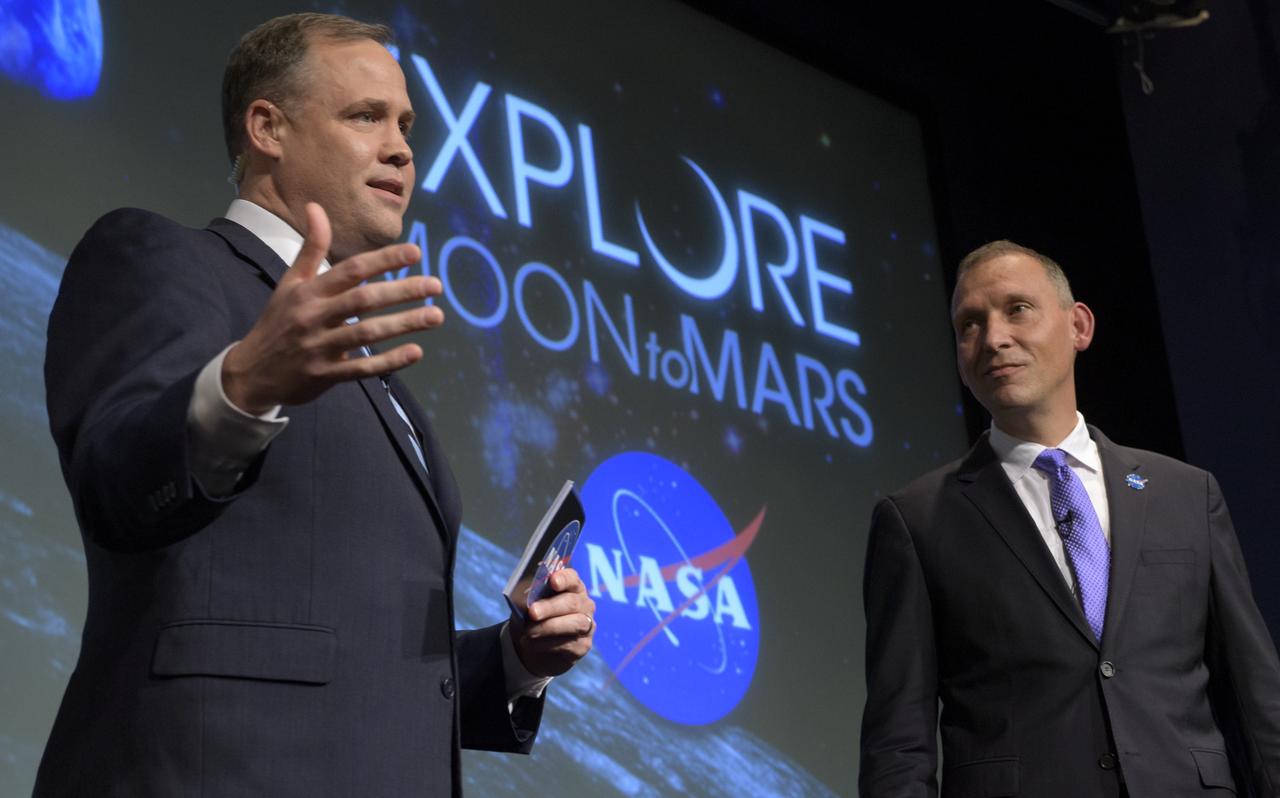
NASA Administrator Jim Bridenstine, left, and NASA Associate Administrator for the Science Mission Directorate, Thomas Zurbuchen, answer questions during an event where nine U.S. companies where named as eligible to bid on NASA delivery services to the lunar surface through Commercial Lunar Payload Services (CLPS) contracts, Thursday, Nov. 29, 2018 at NASA Headquarters in Washington. The companies will be able to bid on delivering science and technology payloads for NASA, including payload integration and operations, launching from Earth and landing on the surface of the Moon. NASA expects to be one of many customers that will use these commercial landing services. Photo Credit: (NASA/Bill Ingalls)

Associate Administrator of NASA's Science Mission Directorate, Thomas Zurbuchen, tears apart the contingency plan during a NASA Perseverance rover mission post-landing update, Thursday, Feb. 18, 2021, at NASA's Jet Propulsion Laboratory in Pasadena, California. A key objective for Perseverance’s mission on Mars is astrobiology, including the search for signs of ancient microbial life. The rover will characterize the planet’s geology and past climate, pave the way for human exploration of the Red Planet, and be the first mission to collect and cache Martian rock and regolith. Photo Credit: (NASA/Bill Ingalls)
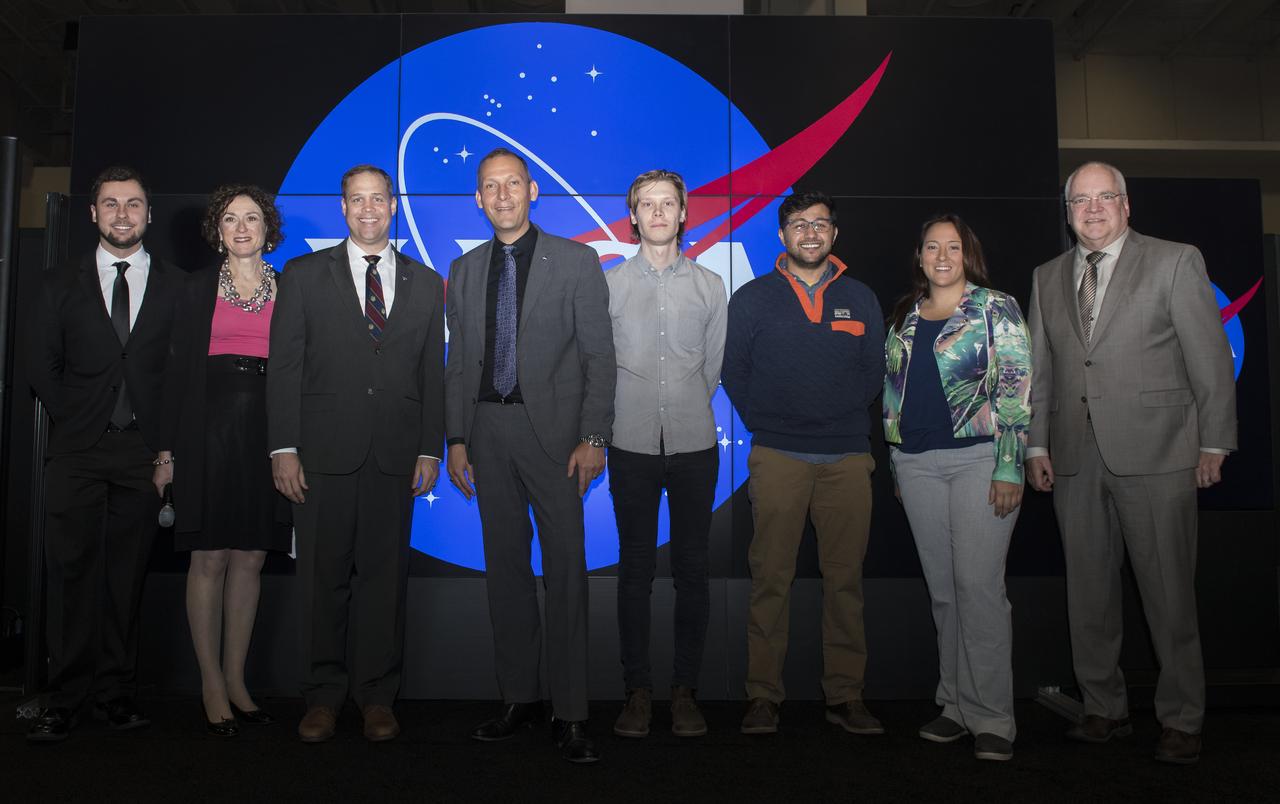
Christine McEntee, American Geophysical Union (AGU) Executive Director and Chief Executive Officer, second from left; NASA Administrator Jim Bridenstine, third from left; Thomas Zurbuchen, associate administrator, Science Mission Directorate, NASA, fourth from left; and Dennis Andrucyk, deputy associate administrator, Science Mission Directorate, NASA, right, pose for a photo with winners of the AGU Data Visualization Storytelling Competition at the annual AGU meeting, Tuesday, Dec. 11, 2018 at the Washington Convention Center in Washington. Photo Credit: (NASA/Aubrey Gemignani)
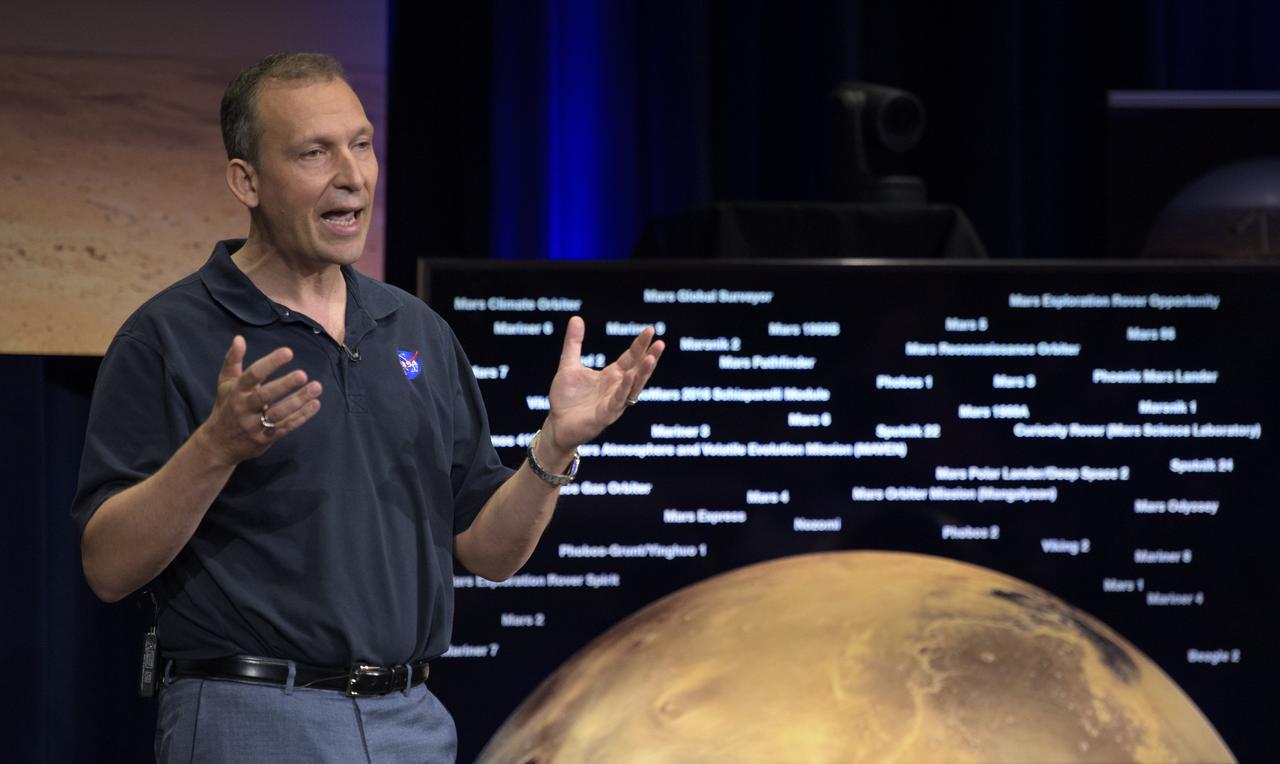
Thomas Zurbuchen, Associate Administrator of NASA’s Science Mission Directorate, NASA Headquarters talks about Mars InSight during a pre-landing briefing, Sunday, Nov. 25, 2018 at NASA's Jet Propulsion Laboratory in Pasadena, California. InSight, short for Interior Exploration using Seismic Investigations, Geodesy and Heat Transport, is a Mars lander designed to study the "inner space" of Mars: its crust, mantle, and core. InSight is scheduled to touch down on the Red Planet at approximately noon PST (3 p.m. EST) on Nov. 26. Photo Credit: (NASA/Bill Ingalls)
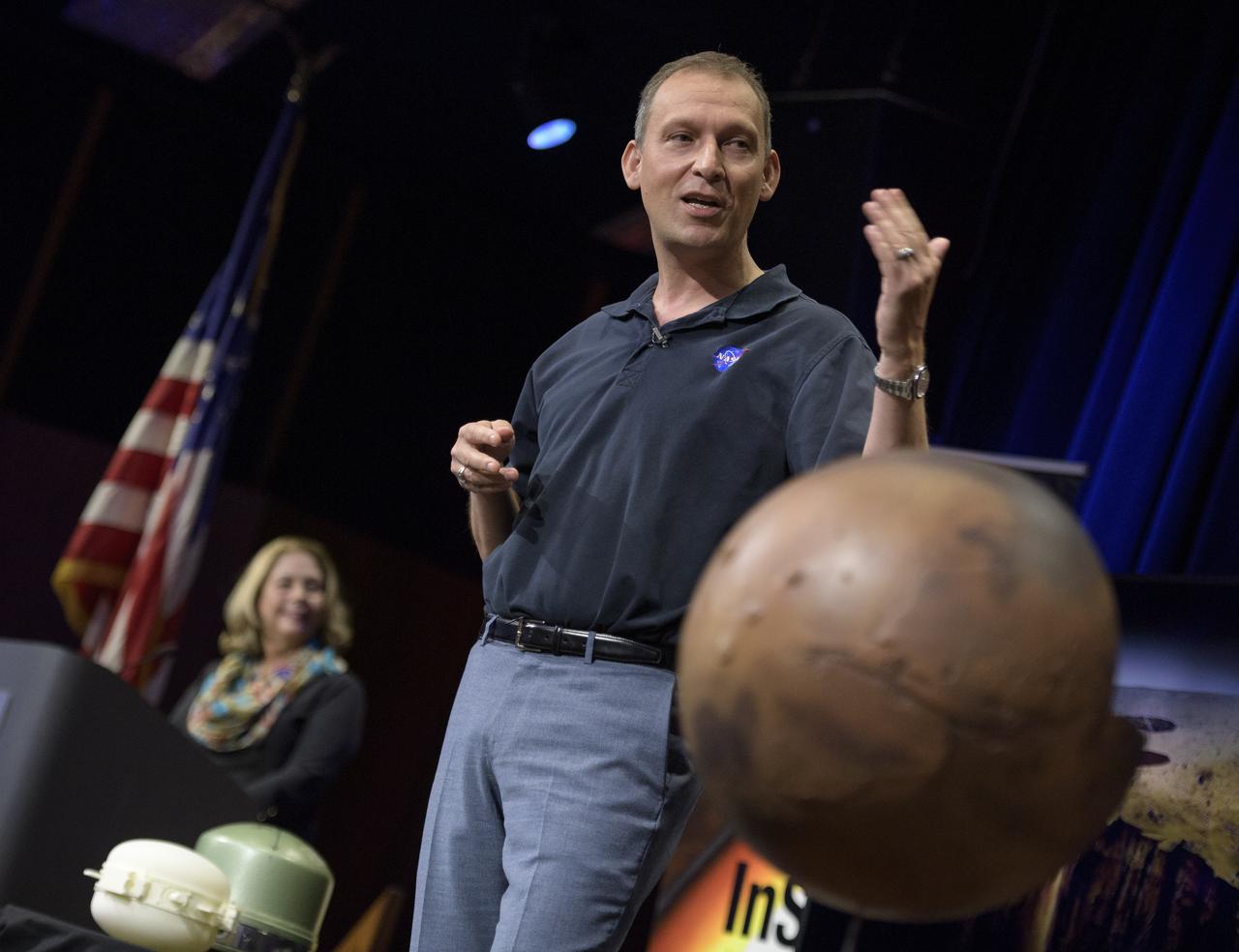
Thomas Zurbuchen, Associate Administrator of NASA’s Science Mission Directorate, NASA Headquarters, talks about Mars InSight during a pre-landing briefing, Sunday, Nov. 25, 2018 at NASA's Jet Propulsion Laboratory in Pasadena, California. InSight, short for Interior Exploration using Seismic Investigations, Geodesy and Heat Transport, is a Mars lander designed to study the "inner space" of Mars: its crust, mantle, and core. InSight is scheduled to touch down on the Red Planet at approximately noon PST (3 p.m. EST) on Nov. 26. Photo Credit: (NASA/Bill Ingalls)
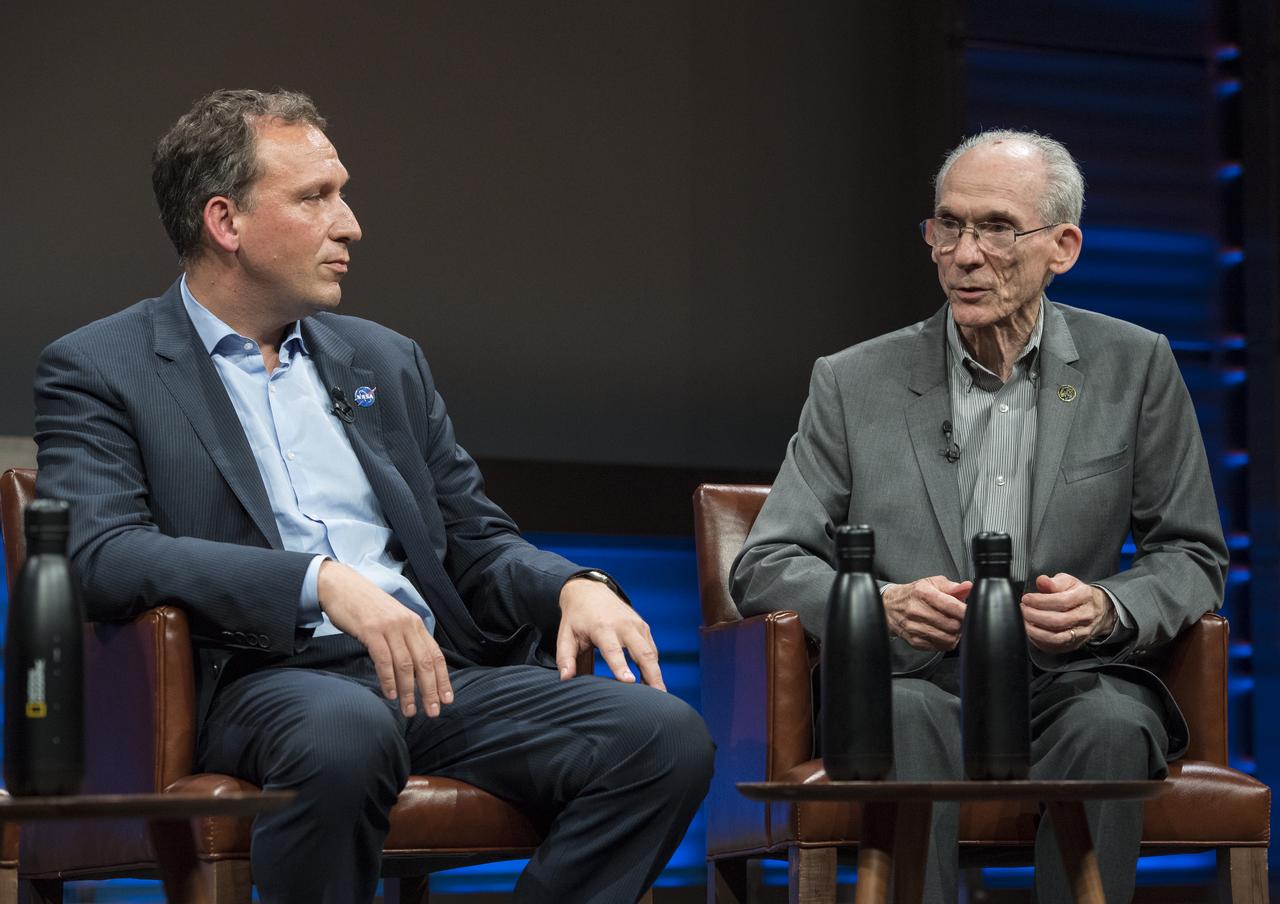
Ed Stone, Voyager project scientist, right, speaks on a panel with Thomas Zurbuchen, NASA associate administrator, Science Mission Directorate, left, at an event to celebrate the 40th Anniversary of the launch of the Voyager 1 and 2 missions, Tuesday, September 5, 2017 at National Geographic Society Headquarters in Washington. Voyager 1 was launched September 5, 1977, with a mission to study Jupiter and Saturn, but now the twin Voyager spacecrafts are on a journey into interstellar space to search for the heliopause, a region never reached by any other spacecraft. Photo Credit: (NASA/Aubrey Gemignani)
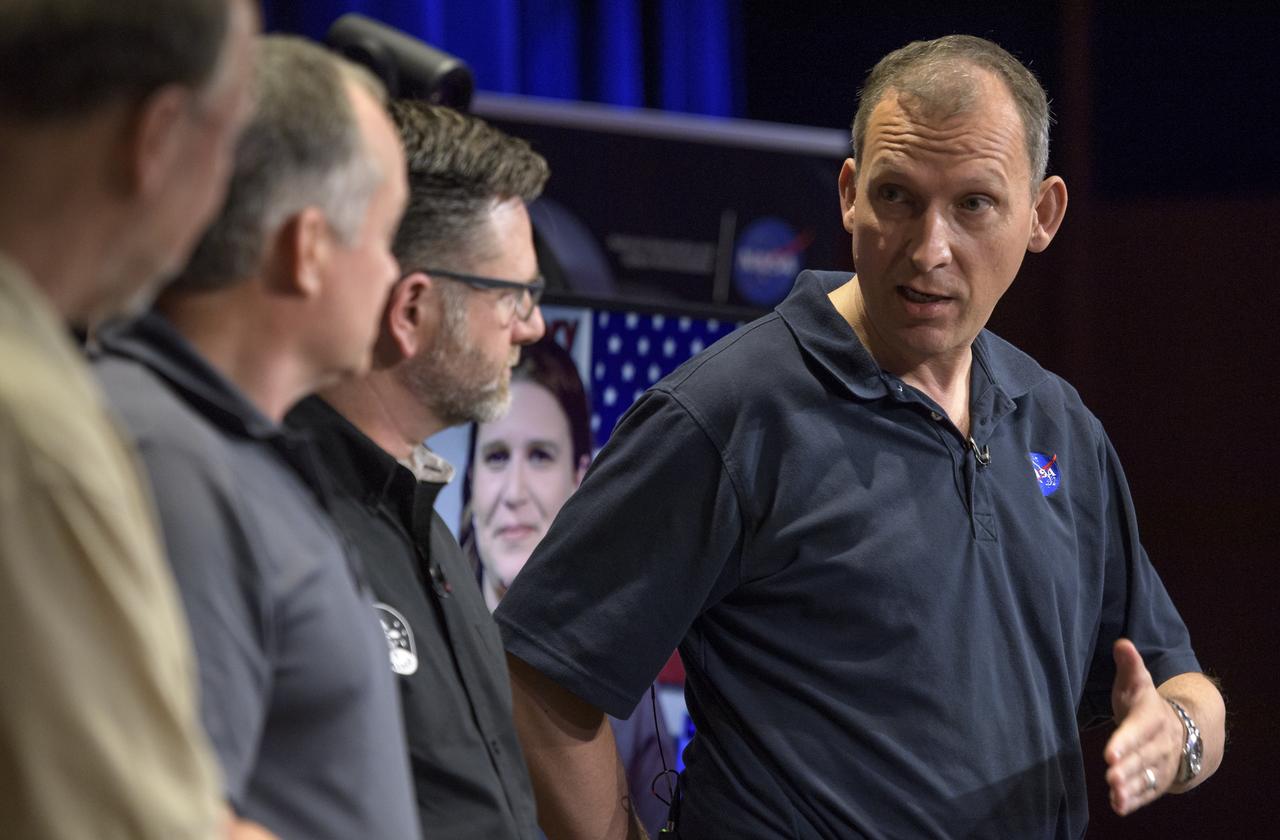
Thomas Zurbuchen, Associate Administrator of NASA’s Science Mission Directorate, NASA Headquarters, right, talks about Mars InSight during a pre-landing briefing, Sunday, Nov. 25, 2018 at NASA's Jet Propulsion Laboratory in Pasadena, California. InSight, short for Interior Exploration using Seismic Investigations, Geodesy and Heat Transport, is a Mars lander designed to study the "inner space" of Mars: its crust, mantle, and core. InSight is scheduled to touch down on the Red Planet at approximately noon PST (3 p.m. EST) on Nov. 26. Photo Credit: (NASA/Bill Ingalls)
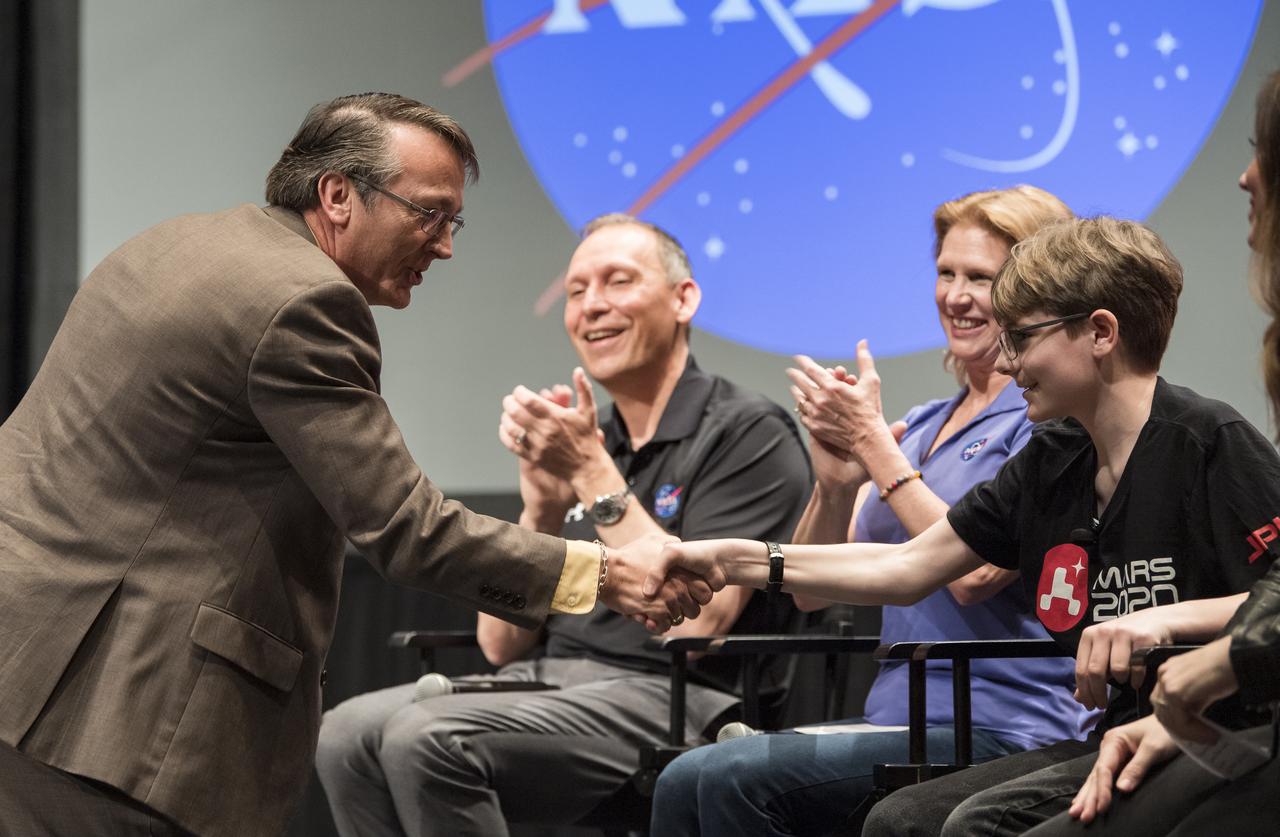
Fairfax County Division Superintendent Scott Brabrand shakes hands with Alex Mather, the student whose submission, Perseverance, was chosen as the official name of the Mars 2020 rover, Thursday, March 5, 2020, at Lake Braddock Secondary School in Burke, Va. The final selection of the new name was made by Zurbuchen following a nationwide naming contest conducted in 2019 that drew more than 28,000 essays by K-12 students from every U.S. state and territory. Perseverance is currently at NASA's Kennedy Space Center in Florida being prepared for launch this summer. Photo Credit: (NASA/Aubrey Gemignani)

Ann Druyan, writer/producer and golden record visionary, speaks on a panel with moderator Victoria Jaggard, National Geographic Magazine science editor, left, Thomas Zurbuchen, associate administrator for NASA's Science Mission Directorate, right; and Ed Stone, Voyager project scientist, not pictured, at an event to celebrate the 40th Anniversary of the launch of the Voyager 1 and 2 missions, Tuesday, September 5, 2017 at National Geographic Society Headquarters in Washington. Voyager 1 was launched September 5, 1977, with a mission to study Jupiter and Saturn, but now the twin Voyager spacecrafts are on a journey into interstellar space to search for the heliopause, a region never reached by any other spacecraft. Photo Credit: (NASA/Aubrey Gemignani)
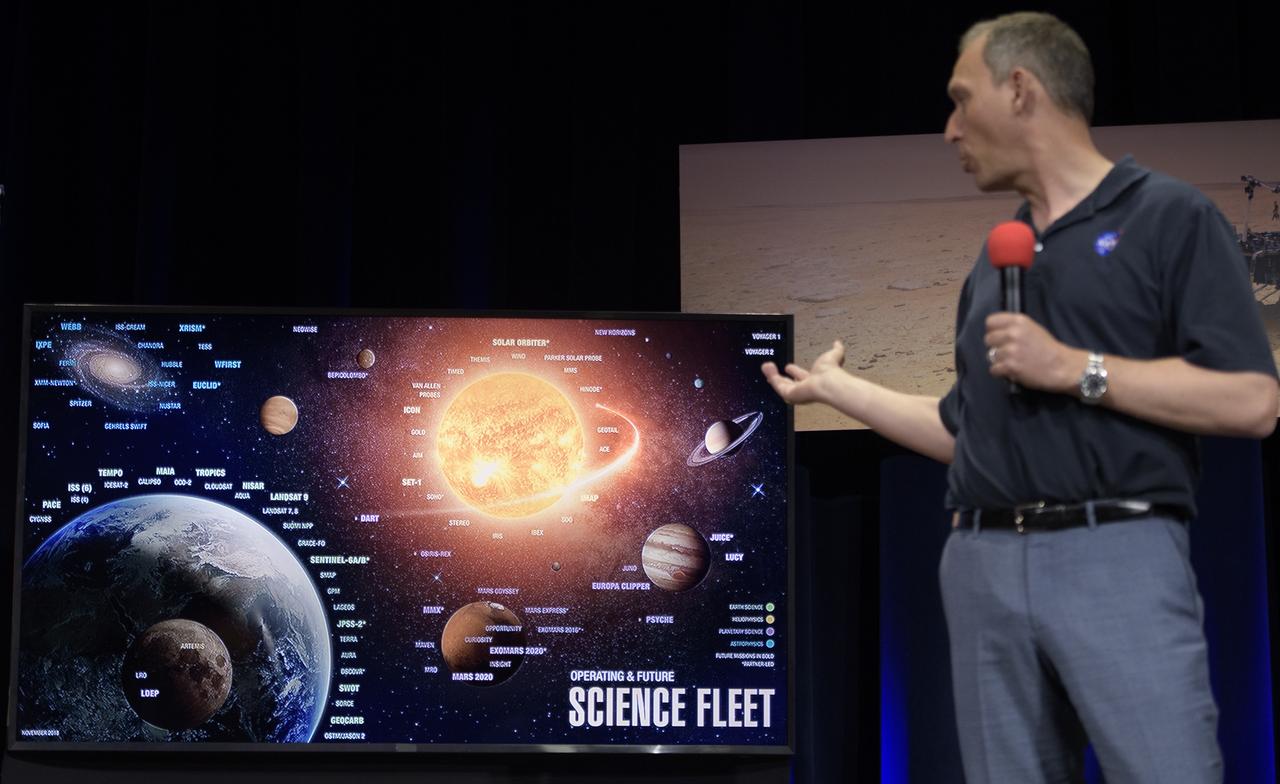
Thomas Zurbuchen, Associate Administrator of NASA’s Science Mission Directorate, NASA Headquarters talks about Mars InSight during a social media briefing, Sunday, Nov. 25, 2018 at NASA's Jet Propulsion Laboratory in Pasadena, California. InSight, short for Interior Exploration using Seismic Investigations, Geodesy and Heat Transport, is a Mars lander designed to study the "inner space" of Mars: its crust, mantle, and core. InSight is scheduled to touch down on the Red Planet at approximately noon PST (3 p.m. EST) on Nov. 26. Photo Credit: (NASA/Bill Ingalls)
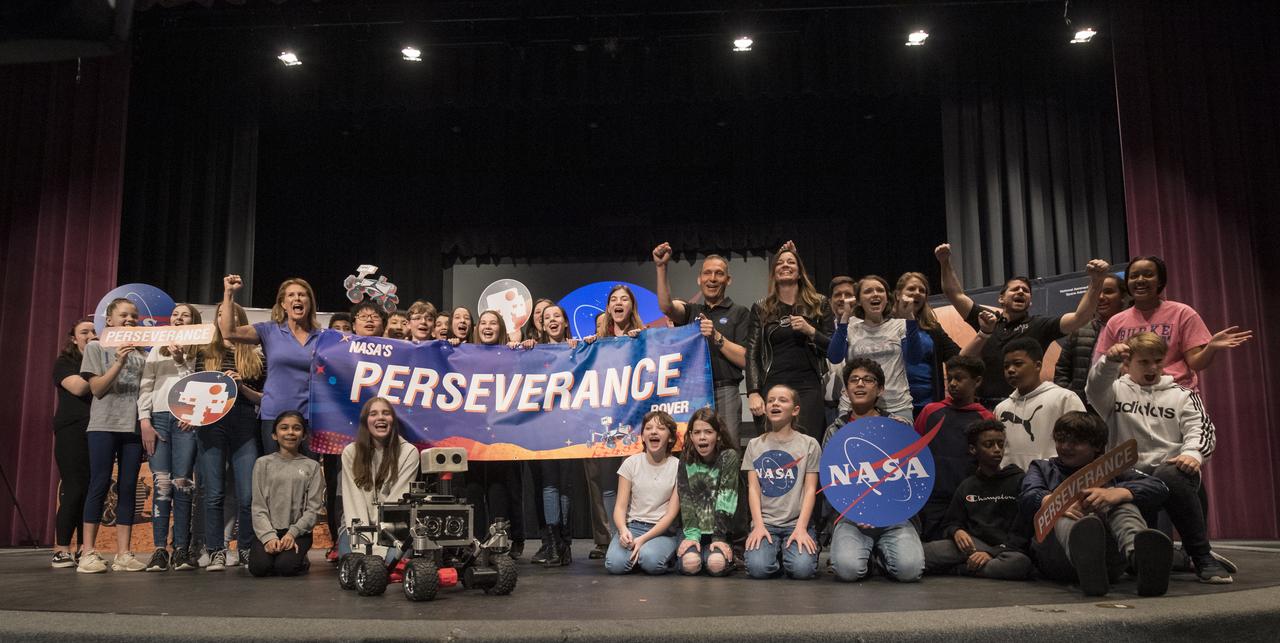
Students chant, “Go Perseverance!” during an event to announce the official name of the Mars 2020 rover, Thursday, March 5, 2020, at Lake Braddock Secondary School in Burke, Va. The final selection of the new name, Perseverance, was made by Associate Administrator of NASA's Science Mission Directorate, Thomas Zurbuchen, following a nationwide naming contest conducted in 2019 that drew more than 28,000 essays by K-12 students from every U.S. state and territory. The rover is currently at NASA's Kennedy Space Center in Florida being prepared for launch this summer. Photo Credit: (NASA/Aubrey Gemignani)
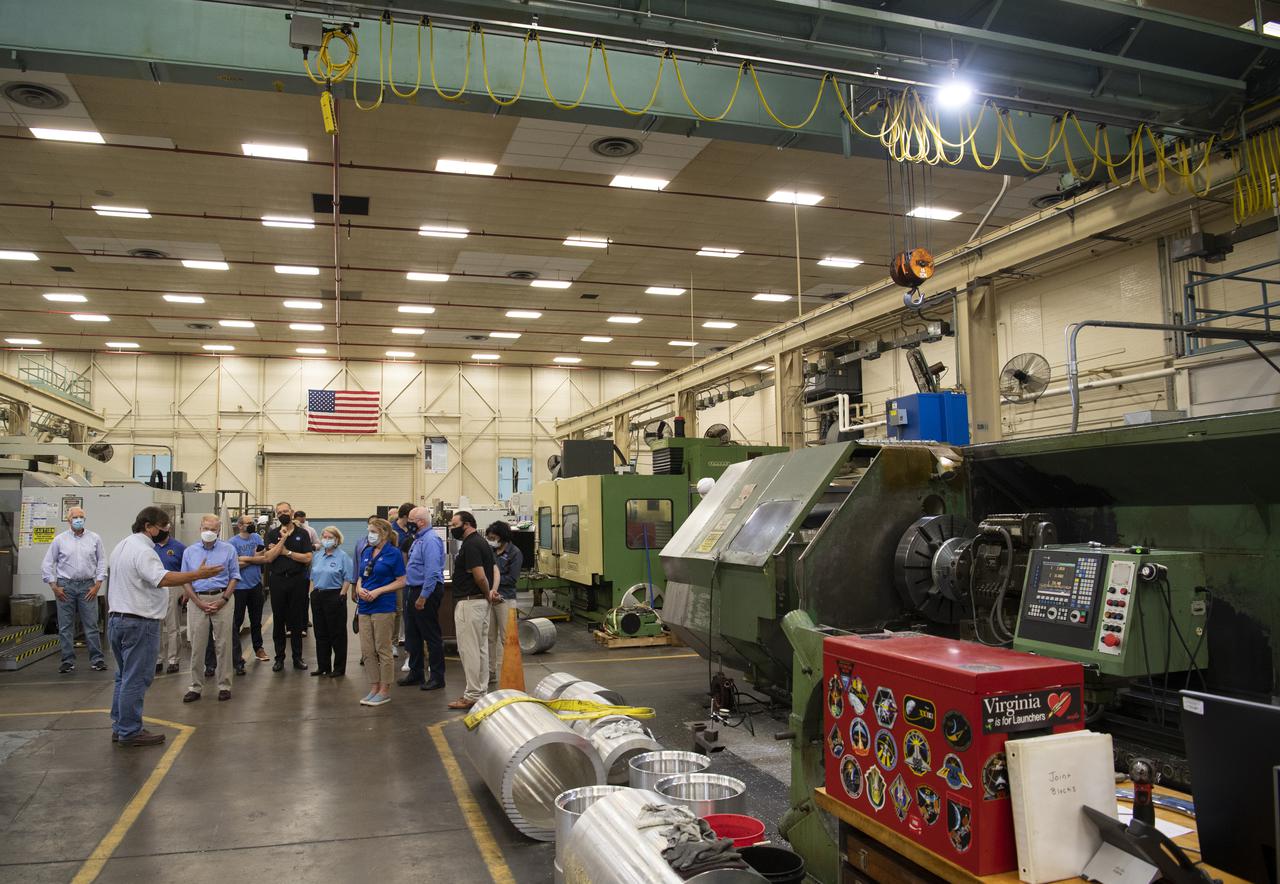
NASA Administrator Bill Nelson, NASA Deputy Administrator Pam Melroy, Thomas Zurbuchen, associate administrator for NASA's Science Mission Directorate, Dave Pierce, director of NASA's Wallops Flight Facility, and Dennis Andrucyk, director of NASA's Goddard Space Flight Center, are seen during a tour of the Sounding Rockets Machine Shop, Test and Evaluation Facility, Tuesday, Aug. 10, 2021, at NASA’s Wallops Flight Facility in Virginia. Photo Credit: (NASA/Joel Kowsky)
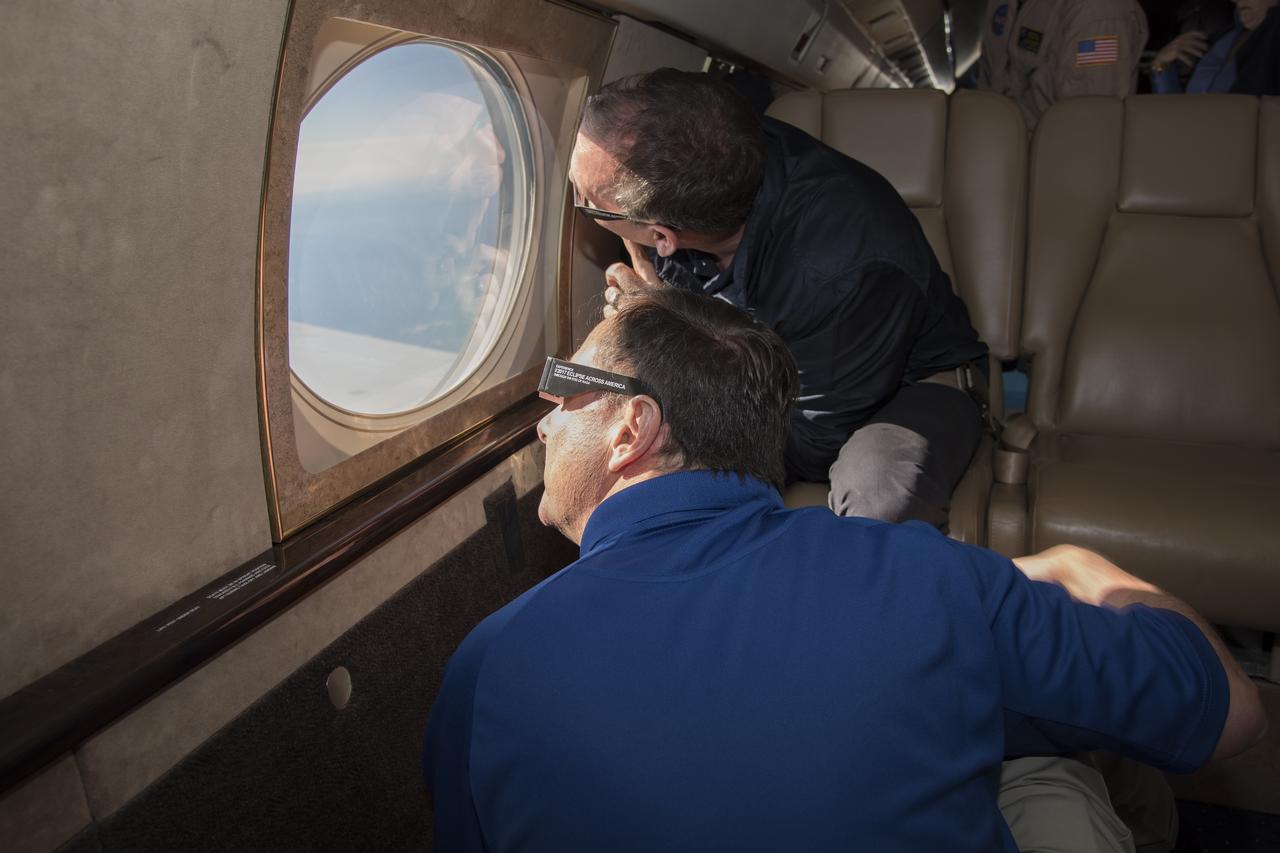
Robert Lightfoot, acting NASA administrator and Thomas Zurbuchen NASA AA for the science mission directorate view a partial eclipse solar eclipse Monday, August 21, 2017, from onboard a NASA Armstrong Flight Research Center’s Gulfstream III 35,000 feet above the Oregon Coast. A total solar eclipse swept across a narrow portion of the contiguous United States from Lincoln Beach, Oregon to Charleston, South Carolina. Photo Credit: (NASA/Carla Thomas)