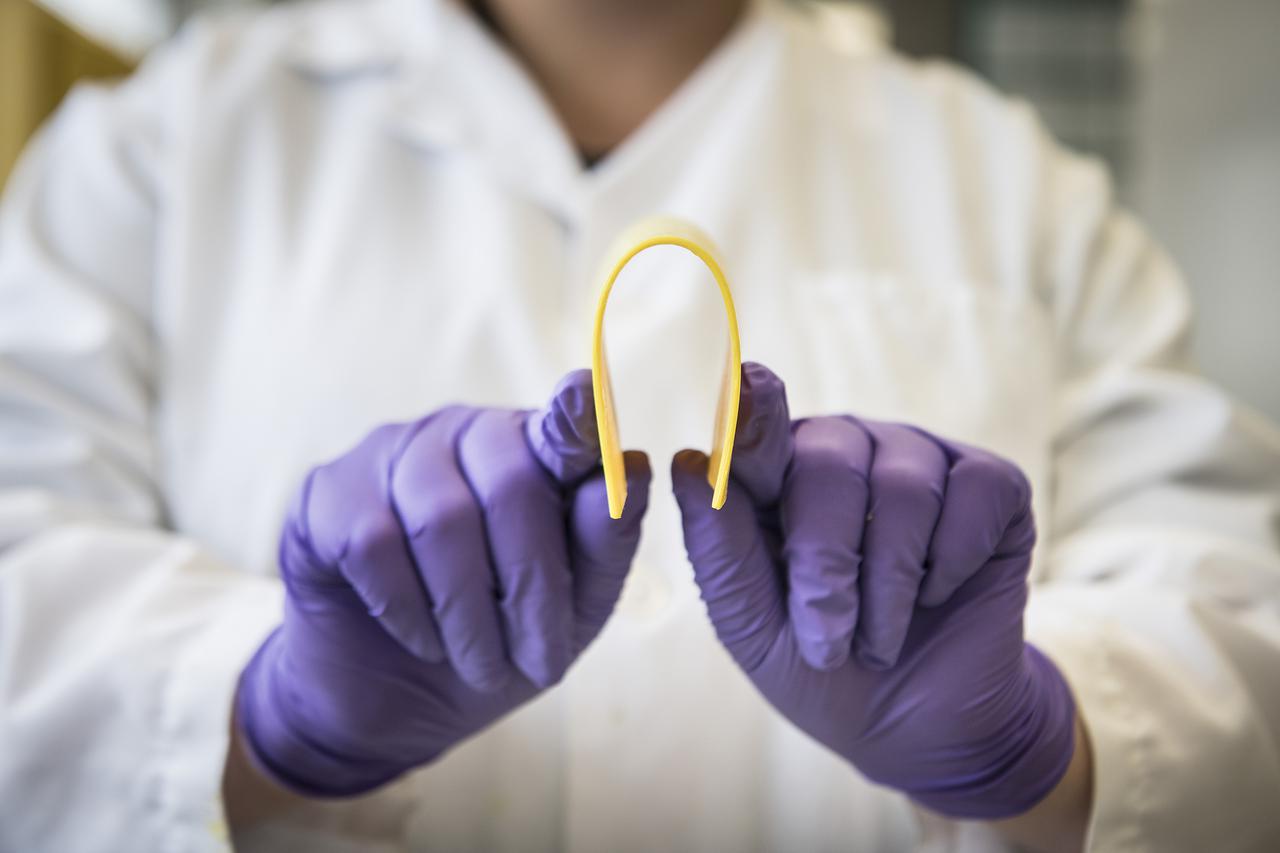
BAPx Flexible Aerogels
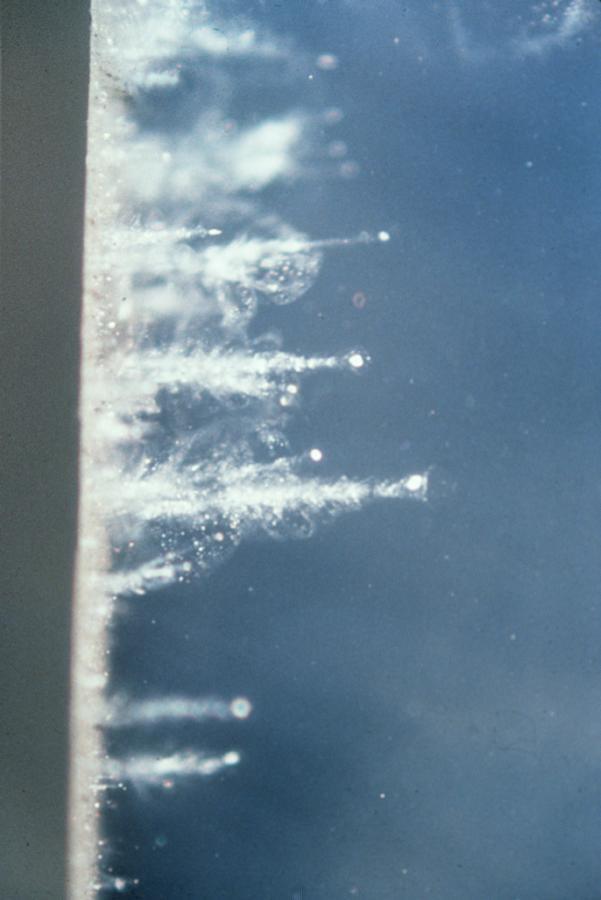
In an experiment using a special air gun, particles are shot into aerogel at high velocities. Closeup of particles leaving a carrot-shaped trail in the aerogel are shown here. Aerogel was used on NASA Stardust spacecraft.
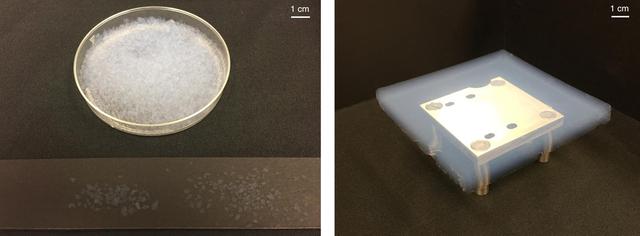
Scientists tested these samples of aerogel to see how they could be used as building materials on Mars. In an experiment, both the crushed and solid samples of aerogel were able to raise temperatures to melt water ice — ideal for a Martian greenhouse in which crops could grow. https://photojournal.jpl.nasa.gov/catalog/PIA23342
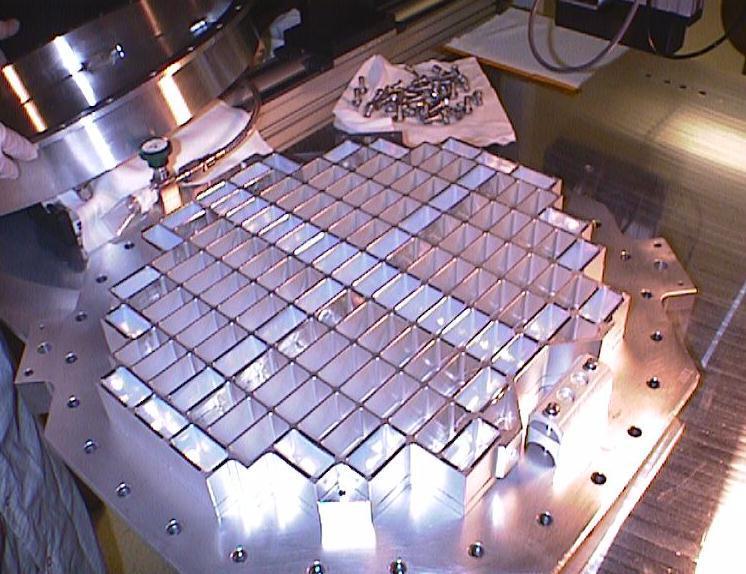
The aerogel dust collector, an instrument aboard NASA Stardust spacecraft.
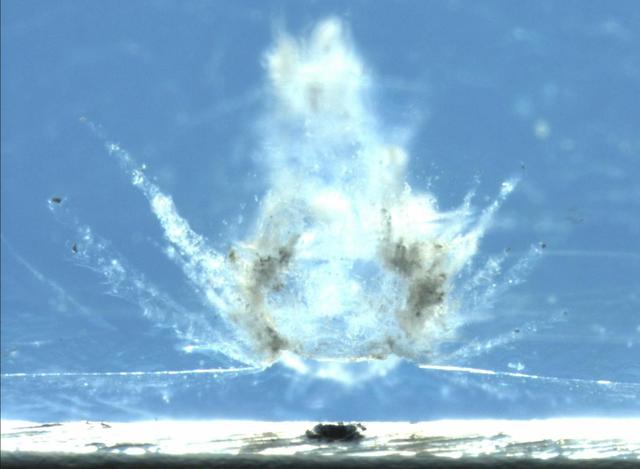
This image from NASA shows a particle impact on the aluminum frame that holds the aerogel tiles. The debris from the impact shot into the adjacent aerogel tile producing the explosion pattern of ejecta framents captured in the material.
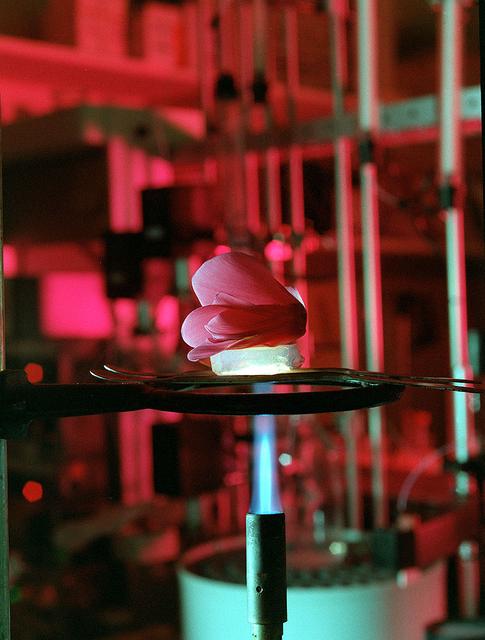
Scientists at Marshall Space Flight Center (MSFC) have been studying the properties of Aerogel for several years. Aerogel, the lightest solid known to man, has displayed a high quality for insulation. Because of its smoky countenance, it has yet to be used as an insulation on windows, but has been used in the space program on the rover Sojourner, and has been used as insulation in the walls of houses and in automobile engine compartments. As heat is applied to Aerogel, scientist Dr. David Noever of Space Sciences Laboratory, Principal Investigator of Aerogel, studies for its properties trying to uncover the secret to making Aerogel a clear substance. Once found, Aerogel will be a major component in the future of glass insulation.
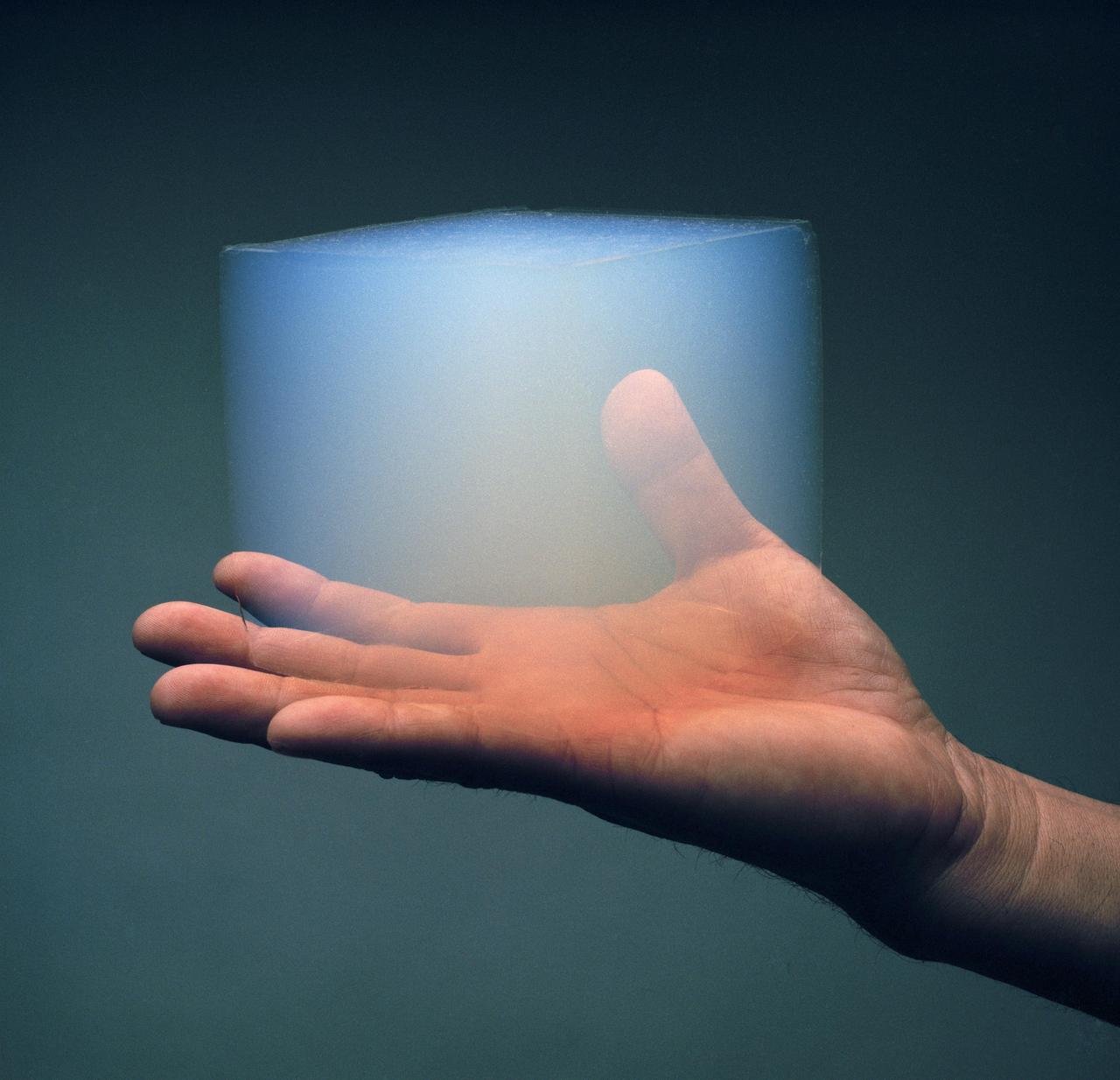
Scientists are exploring how aerogel, a translucent, Styrofoam-like material, could be used as a building material on Mars. Aerogel retains heat; structures built with it could raise temperatures enough to melt water ice on the Martian surface. https://photojournal.jpl.nasa.gov/catalog/PIA23343
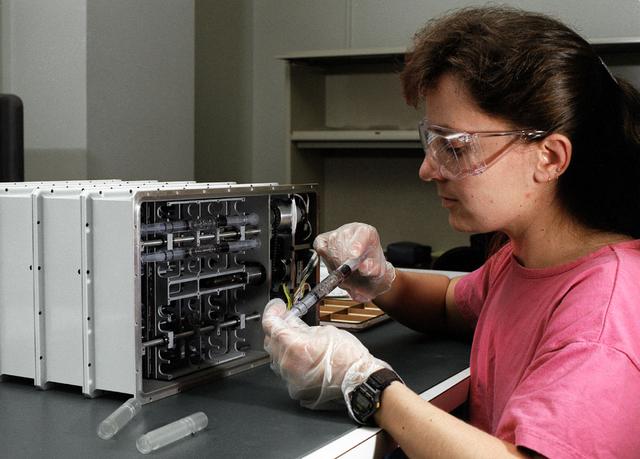
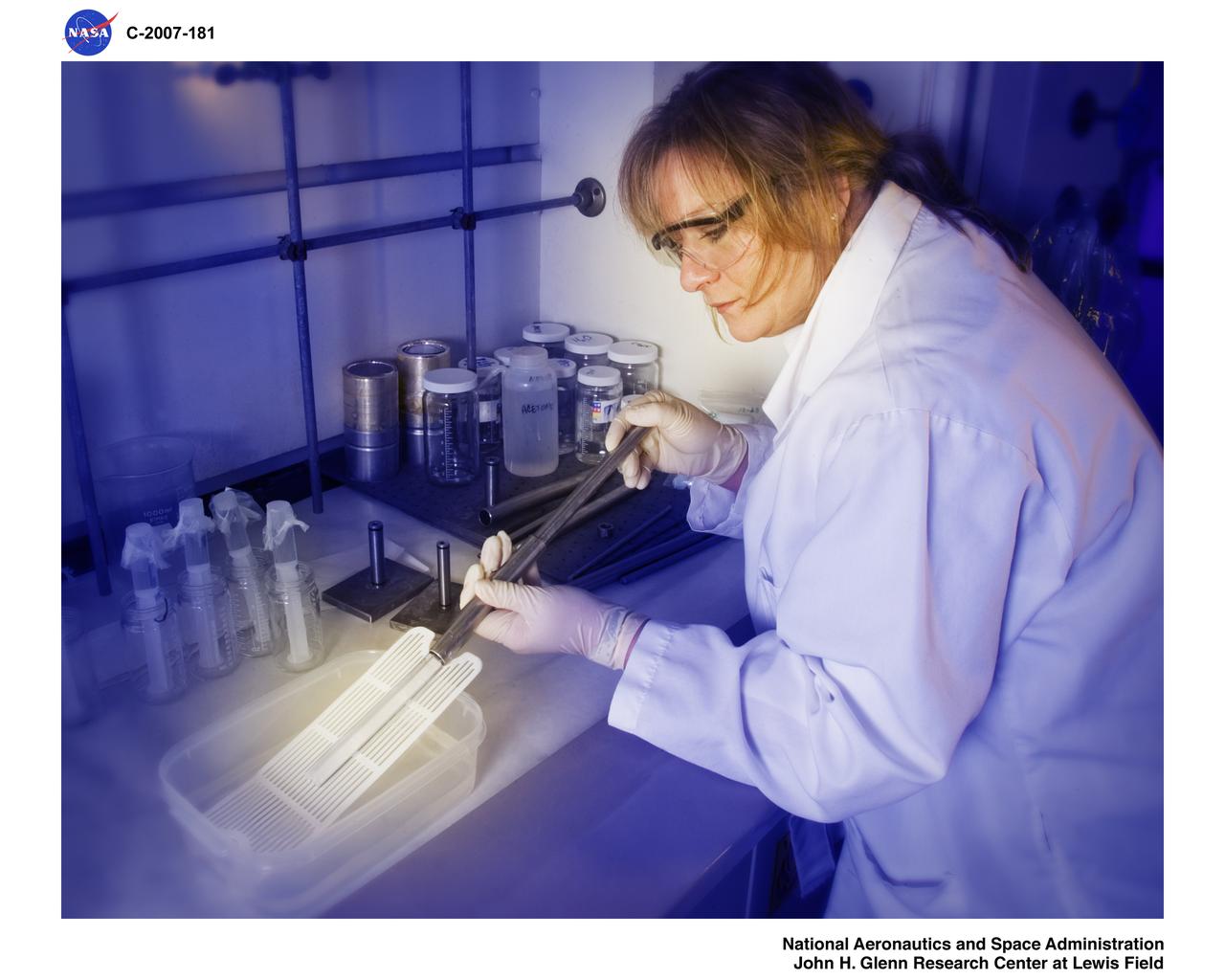
Karen Swofford working on Aerogel Syringe Assemblies loading process into mixing carriages of the Aerogel Flight Unit.
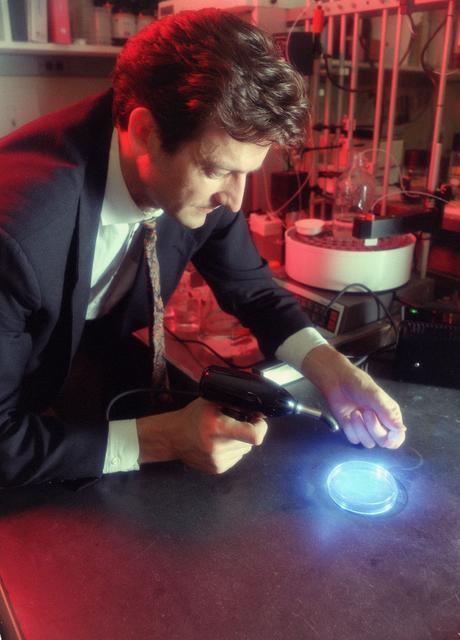
Scientists at MSFC have been studying the properties of Aerogel for several years. Aerogel, the lightest solid known to man, has displayed a high quality for insulation. Because of its smoky countenance it has yet to be used as an insulation on windows, but has been used to insulate the walls of houses and engine compartments in cars. It was also used in the space program as insulating material on the rover Sojourner, aboard the Mars Pathfinder. MSFC is one of the many research facilities conducting experiments to unlock the smoky properties of aerogel and make it a clear substance. MSFC researchers believe that by taking this research to space, they can resolve the problem of making aerogel transparent enough to see through. So far, recent space experiments have been encouraging. The samples produced in microgravity indicate a change in the microstructure of the material as compared to ground samples. MSFC scientists continue to study the effects of microgravity on Aerogel as their research is space continues.
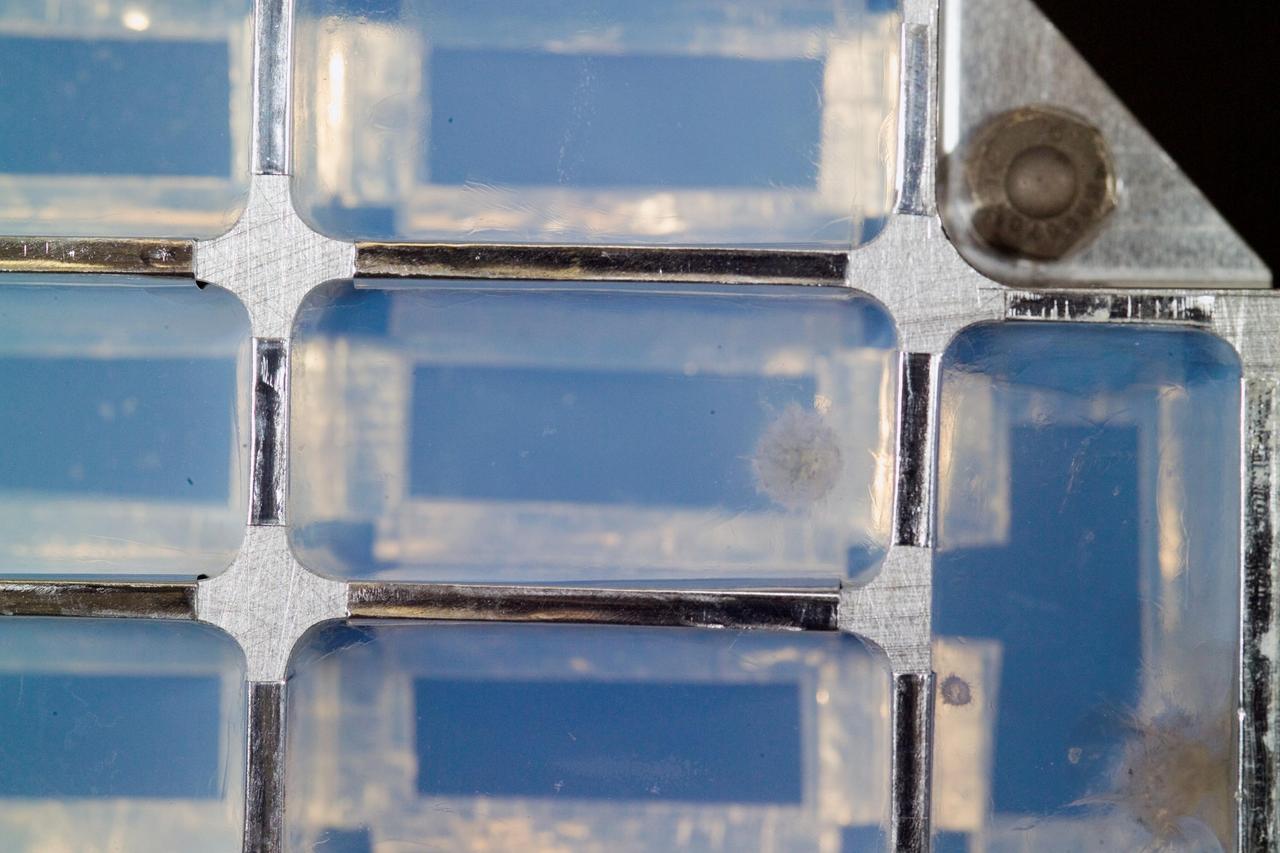
Closeup view of a cometary impact upper right into aerogel was inspected by scientists at a laboratory at the Johnson Space Center hours after NASA Stardust Sample Return Canister was delivered to the Johnson Space Center.
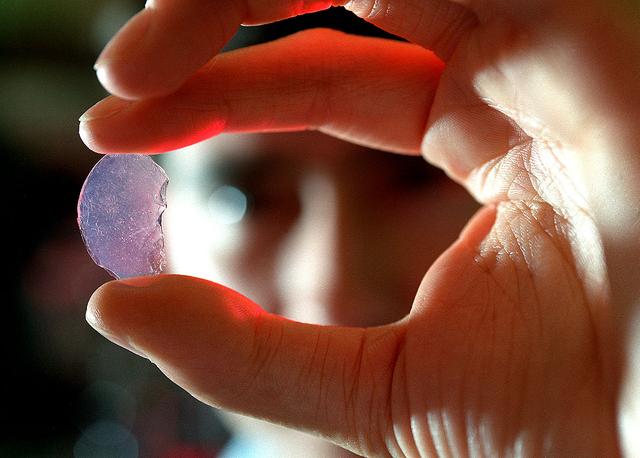
Sceintist at Marshall Space Flight Center have been studying the properties of Aerogel for several years. Aerogel, the lightest solid known to man, has displayed a high quality for insulation. Because of its smoky countenance, it has yet to be used as an insulation on windows, but has been used in the space program on the rover Sojourner, and has been used as insulation in the walls of houses and in automobile engine compartments. MSFC is one of the many research facilities conducting experiments to unlock the smoky properties of Aerogel and make it a clear substance. Recent experimentations in microgravity have resulted in the microstructure of the material. Research on these changes is being continued.
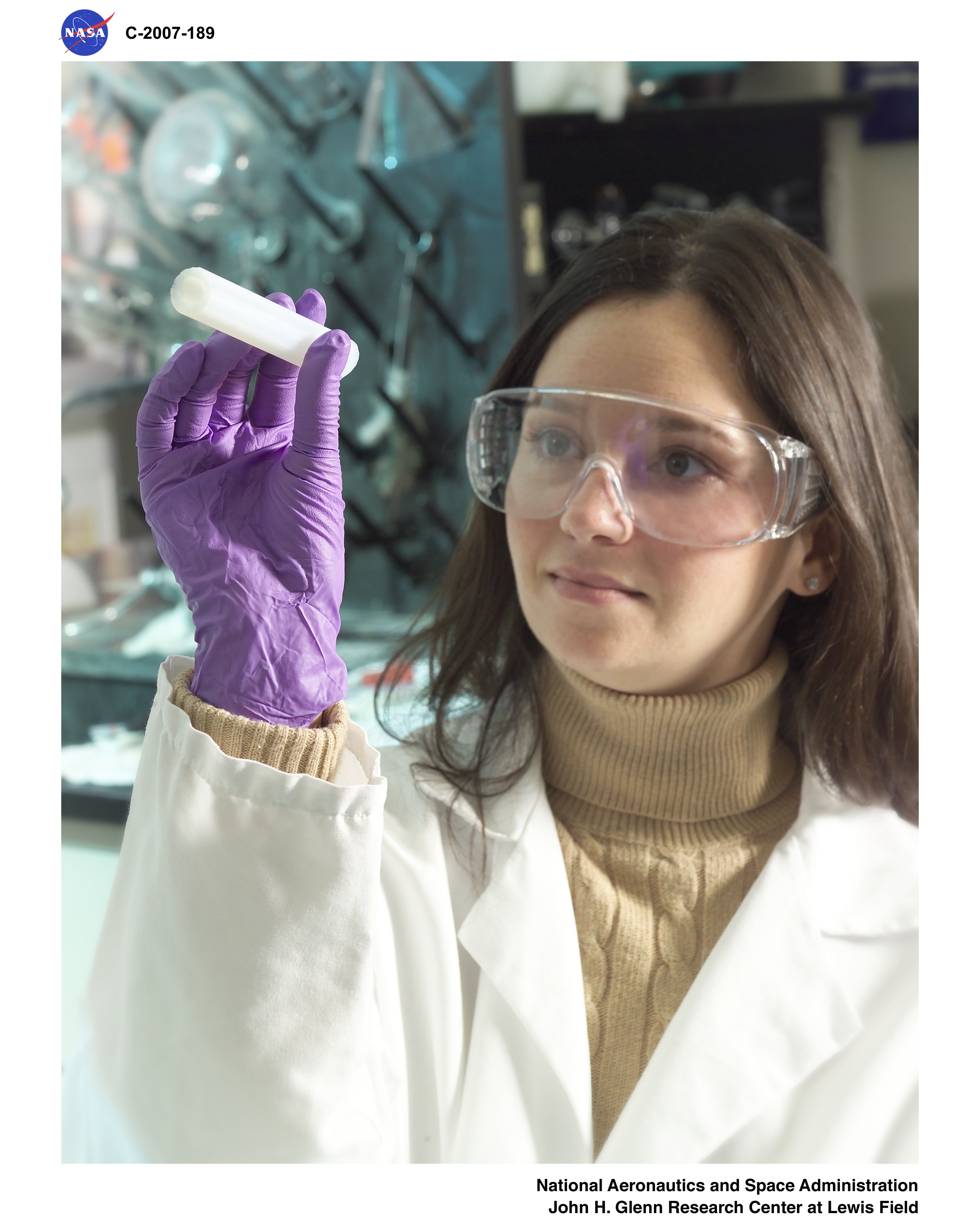
Researcher examines a tubular Aerogel material sample in its "green" state. Aerogels are among the lightest solid materials known to man. They are created by combining a polymer with a solvent to form a gel, and then removing the liquid from the gel and replacing it with air. Aerogels are extremely porous and very low in density. They are solid to the touch. This translucent material is considered one of the finest insulation materials available.
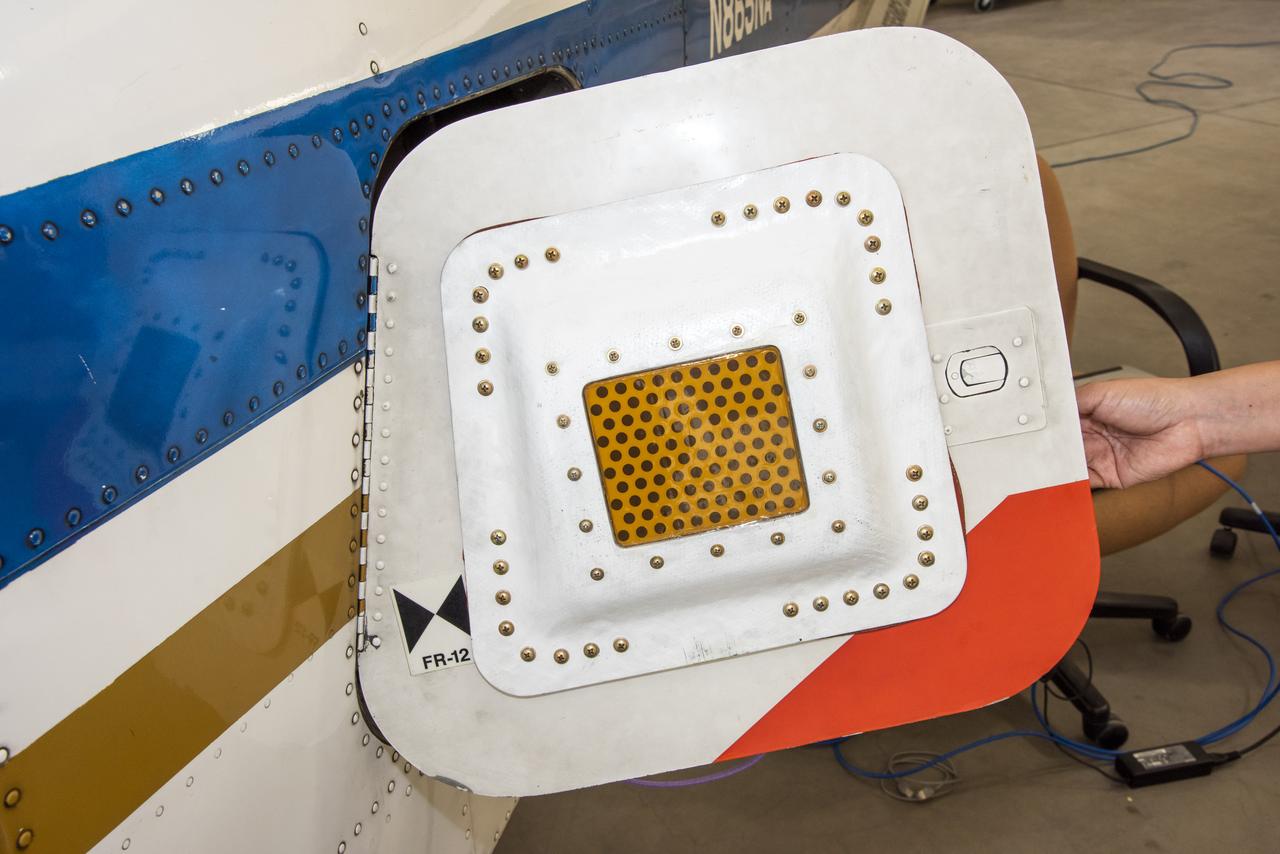
A photo of the conformal antenna installed on the door of T-34C aircraft. The conformal antenna was developed and designed by members of the Conformal Lightweight Antenna Structures for Aeronautical Communications Technologies activity within the Convergent Aeronautics Solutions project. The antenna is made of aerogels which have resulted in a thin, flexible antenna substrate with improved gain, bandwidth and efficiency.

James Fesmire, Ph.D., left, NASA lead engineer for the Cryogenics Testbed, holds a training session on Nov. 6, 2018, at the Cryogenics Laboratory at NASA's Kennedy Space Center in Florida. The training is for personnel who will be working to insulate pipes on the mobile launcher (ML). The ML is equipped with cryogenic fluid lines that will deliver hydrogen and oxygen to NASA's Space Launch System rocket. The lines must be kept well-insulated to maintain temperatures cold enough to keep fluids in a liquid state. In a new process, workers are learning how to pack spaces between pipes with aerogel granules in the same manner as they will on the ML.
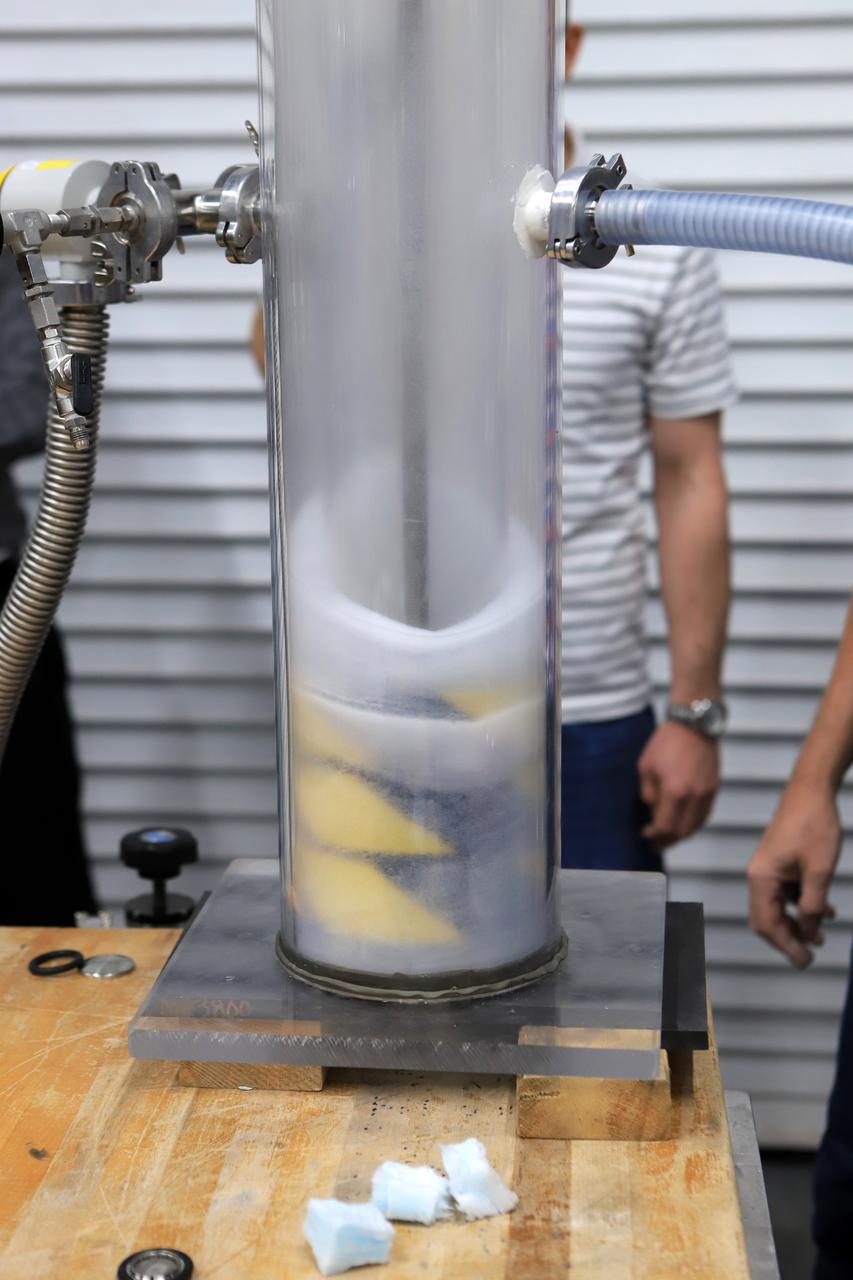
Workers attend a cryogenic insulation training session on Nov. 6, 2018, at the Cryogenics Laboratory at NASA's Kennedy Space Center in Florida. The training is for personnel who will be working to insulate pipes on the mobile launcher (ML). The ML is equipped with cryogenic fluid lines that will deliver hydrogen and oxygen to NASA's Space Launch System rocket. The lines must be kept well-insulated to maintain temperatures cold enough to keep fluids in a liquid state. In a new process, workers are learning how to pack spaces between pipes with aerogel granules in the same manner as they will on the ML.
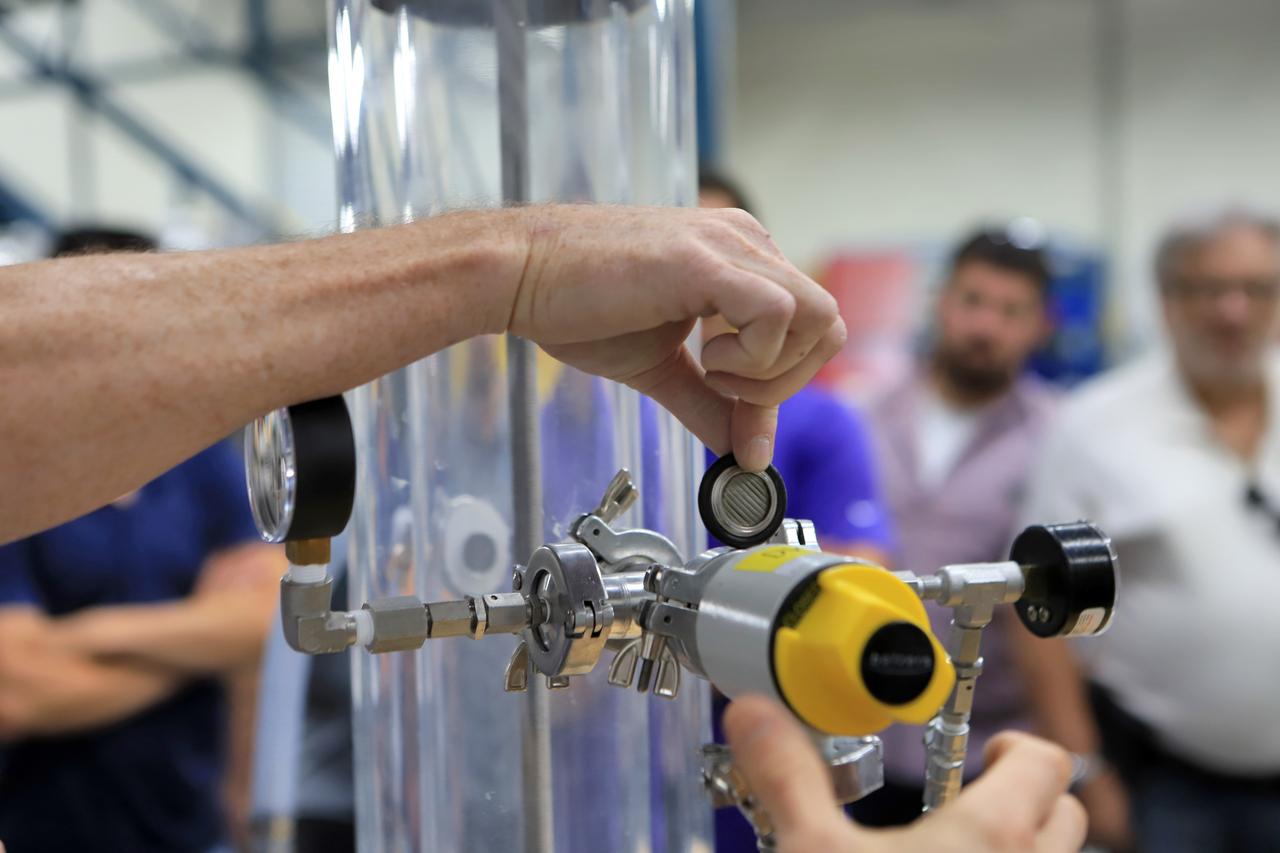
Workers attend a cryogenic insulation training session on Nov. 6, 2018, at the Cryogenics Laboratory at NASA's Kennedy Space Center in Florida. The training is for personnel who will be working to insulate pipes on the mobile launcher (ML). The ML is equipped with cryogenic fluid lines that will deliver hydrogen and oxygen to NASA's Space Launch System rocket. The lines must be kept well-insulated to maintain temperatures cold enough to keep fluids in a liquid state. In a new process, workers are learning how to pack spaces between pipes with aerogel granules in the same manner as they will on the ML.
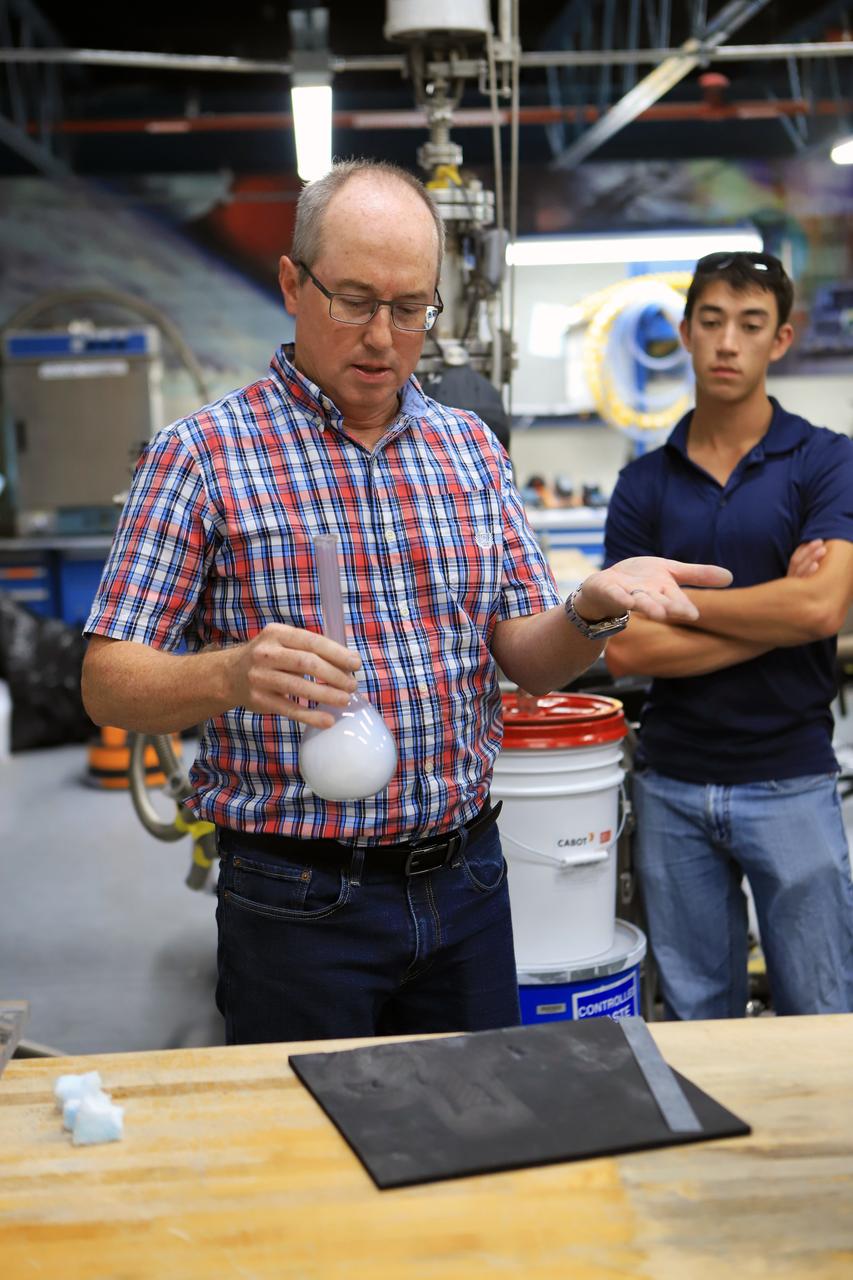
James Fesmire, Ph.D., left, NASA lead engineer for the Cryogenics Testbed, and Adam Swanger, cryogenics engineer, hold a training session on Nov. 6, 2018, at the Cryogenics Laboratory at NASA's Kennedy Space Center in Florida. The training is for personnel who will be working to insulate pipes on the mobile launcher (ML). The ML is equipped with cryogenic fluid lines that will deliver hydrogen and oxygen to NASA's Space Launch System rocket. The lines must be kept well-insulated to maintain temperatures cold enough to keep fluids in a liquid state. In a new process, workers are learning how to pack spaces between pipes with aerogel granules in the same manner as they will on the ML.
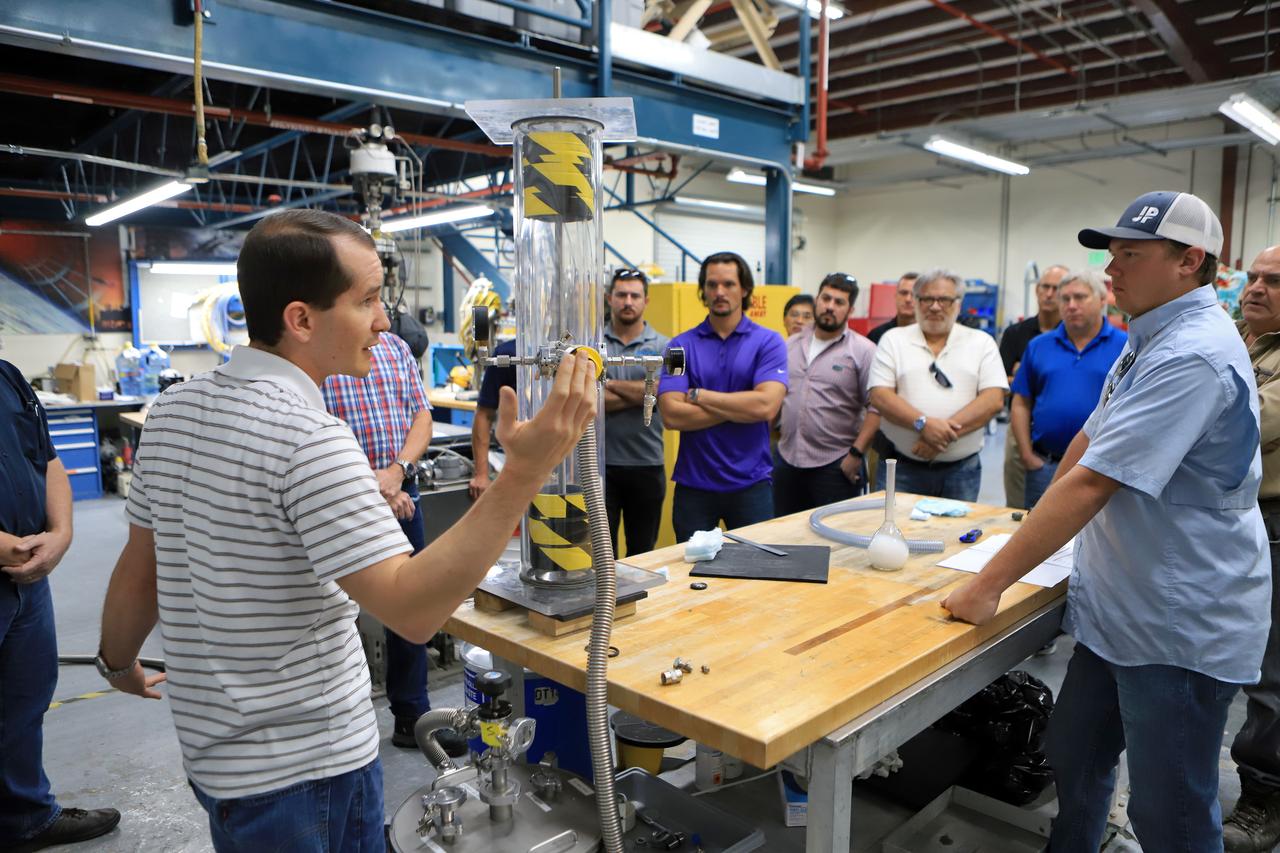
Workers attend a cryogenic insulation training session on Nov. 6, 2018, at the Cryogenics Laboratory at NASA's Kennedy Space Center in Florida. The training is for personnel who will be working to insulate pipes on the mobile launcher (ML). The ML is equipped with cryogenic fluid lines that will deliver hydrogen and oxygen to NASA's Space Launch System rocket. The lines must be kept well-insulated to maintain temperatures cold enough to keep fluids in a liquid state. In a new process, workers are learning how to pack spaces between pipes with aerogel granules in the same manner as they will on the ML.

Workers practice during a cryogenic insulation training session on Nov. 6, 2018, at the Cryogenics Laboratory at NASA's Kennedy Space Center in Florida. The training is for personnel who will be working to insulate pipes on the mobile launcher (ML). The ML is equipped with cryogenic fluid lines that will deliver hydrogen and oxygen to NASA's Space Launch System rocket. The lines must be kept well-insulated to maintain temperatures cold enough to keep fluids in a liquid state. In a new process, workers are learning how to pack spaces between pipes with aerogel granules in the same manner as they will on the ML.
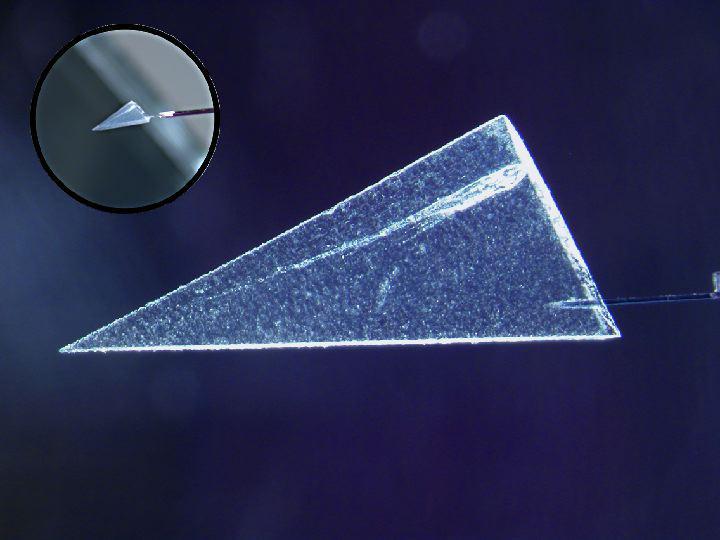
This image illustrates one of several ways scientists have begun extracting comet particles from NASAa Stardust spacecraft collector. First, a particle and its track are cut out of the collector material, called aerogel.
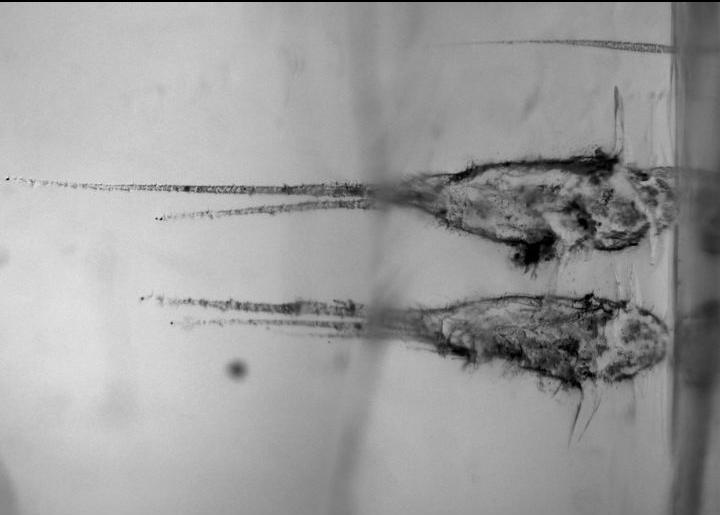
This image shows the tracks left by two comet particles after they impacted NASA Stardust spacecraft comet dust collector. The collector is made up of a low-density glass material called aerogel.
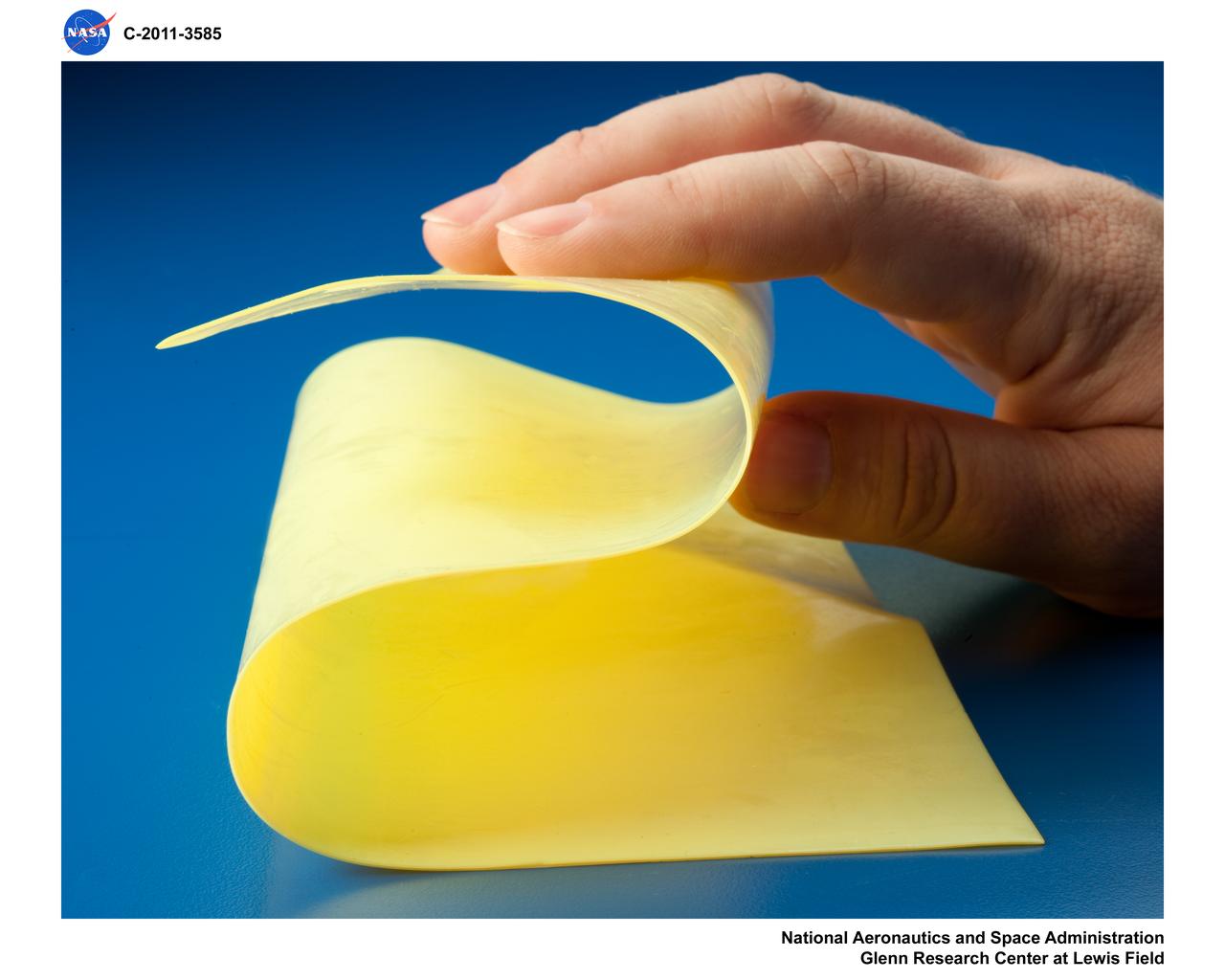
Polimide Aerogel Film

Polimide Aerogel Film
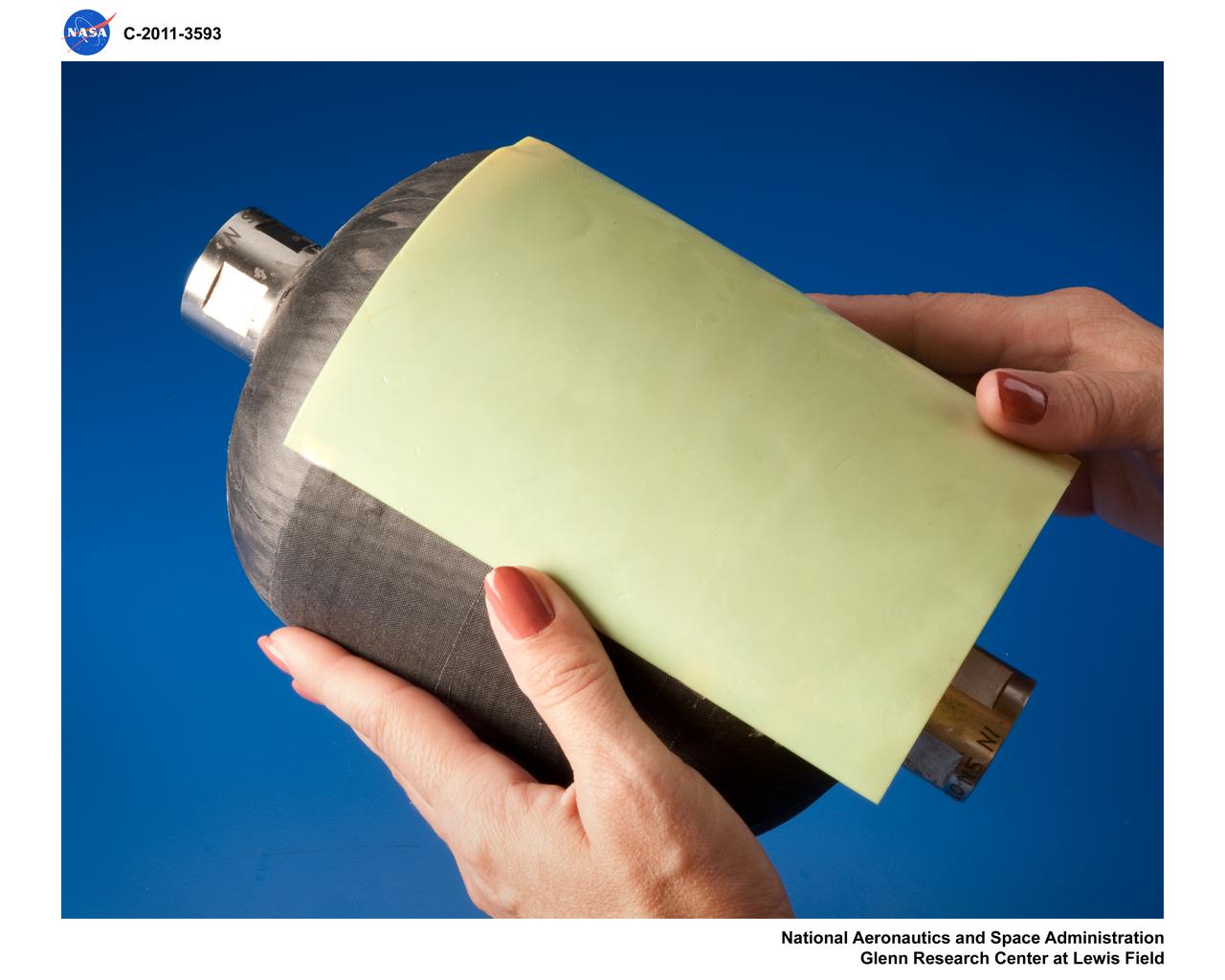
Polimide Aerogel Film
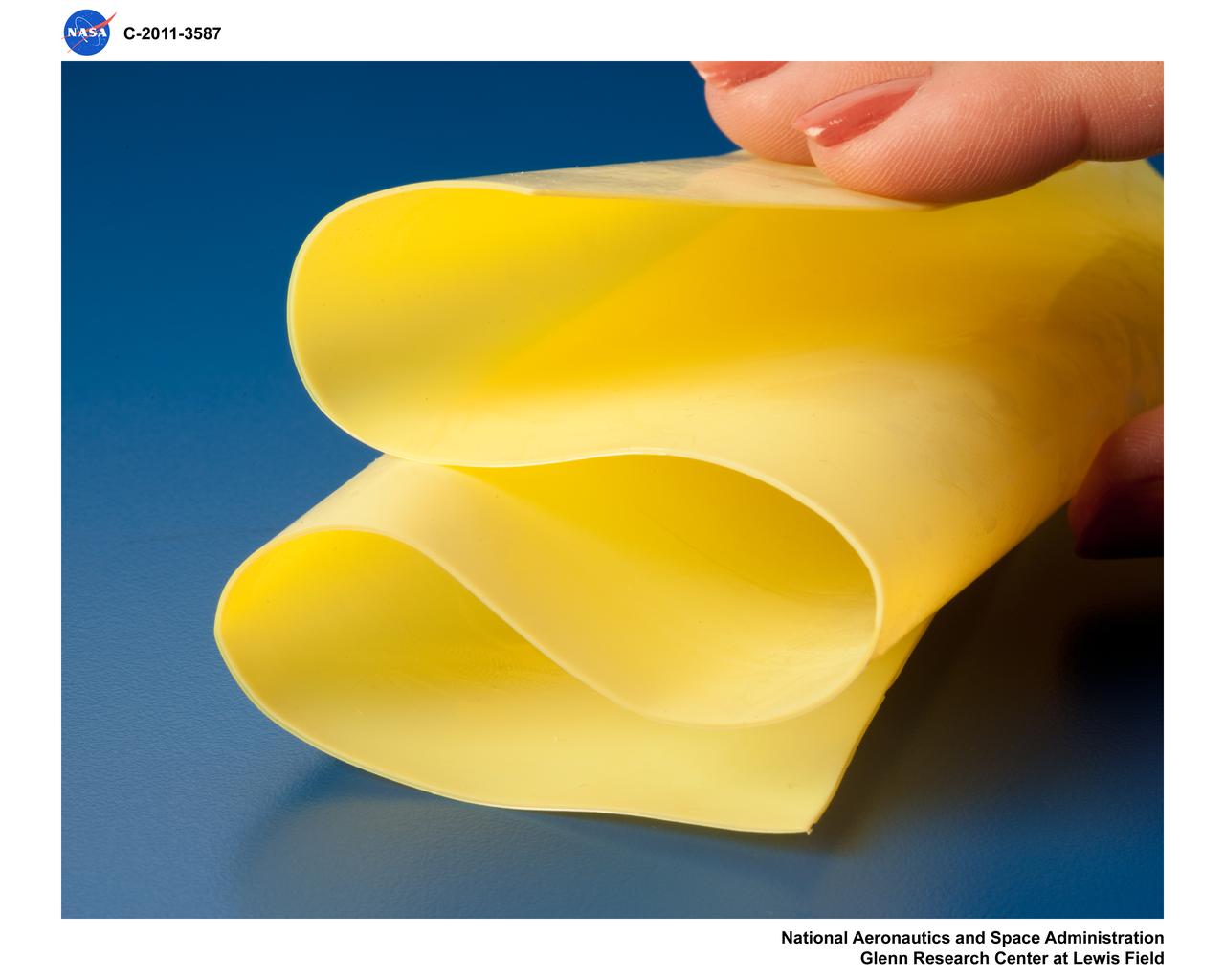
Polimide Aerogel Film
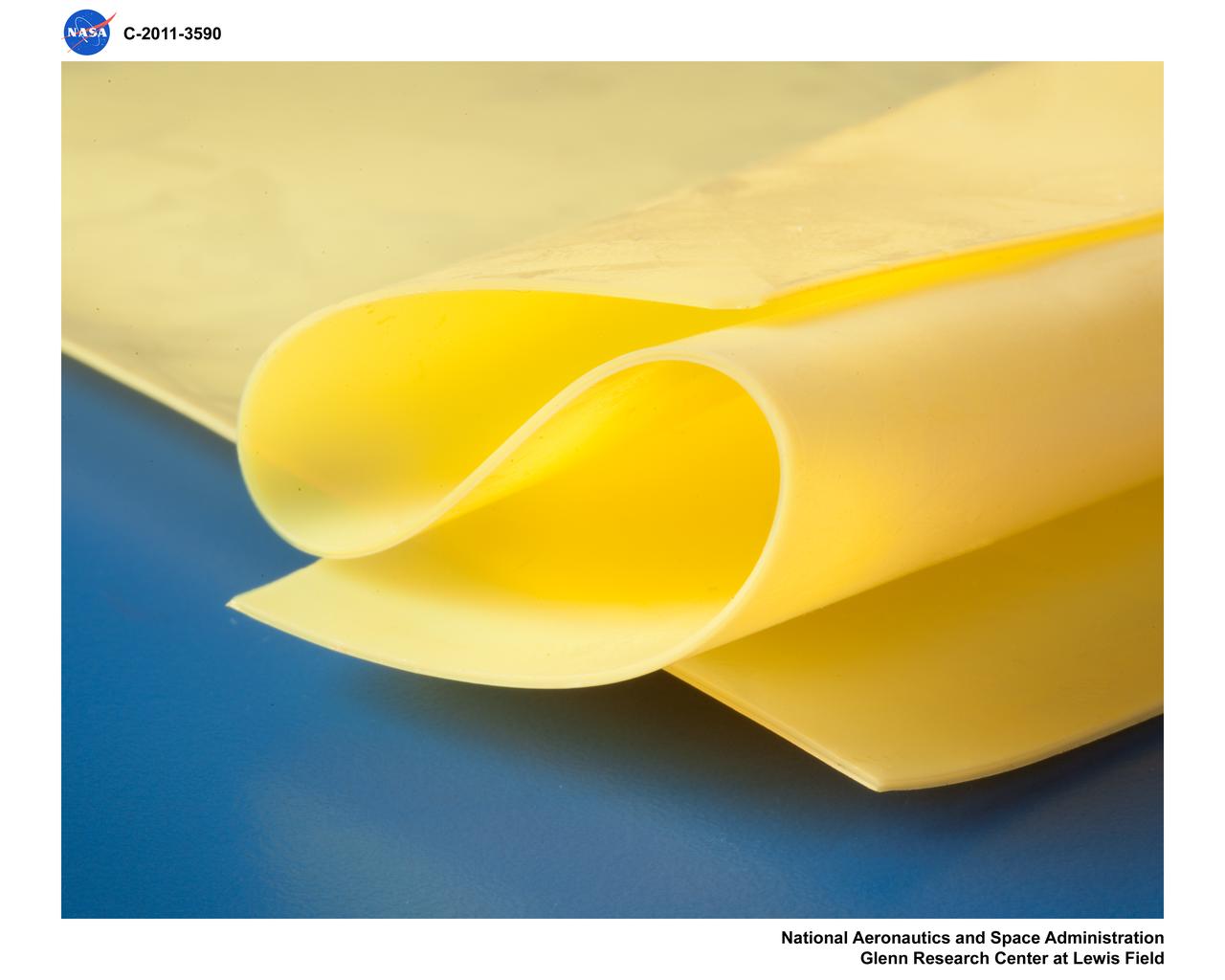
Polimide Aerogel Film
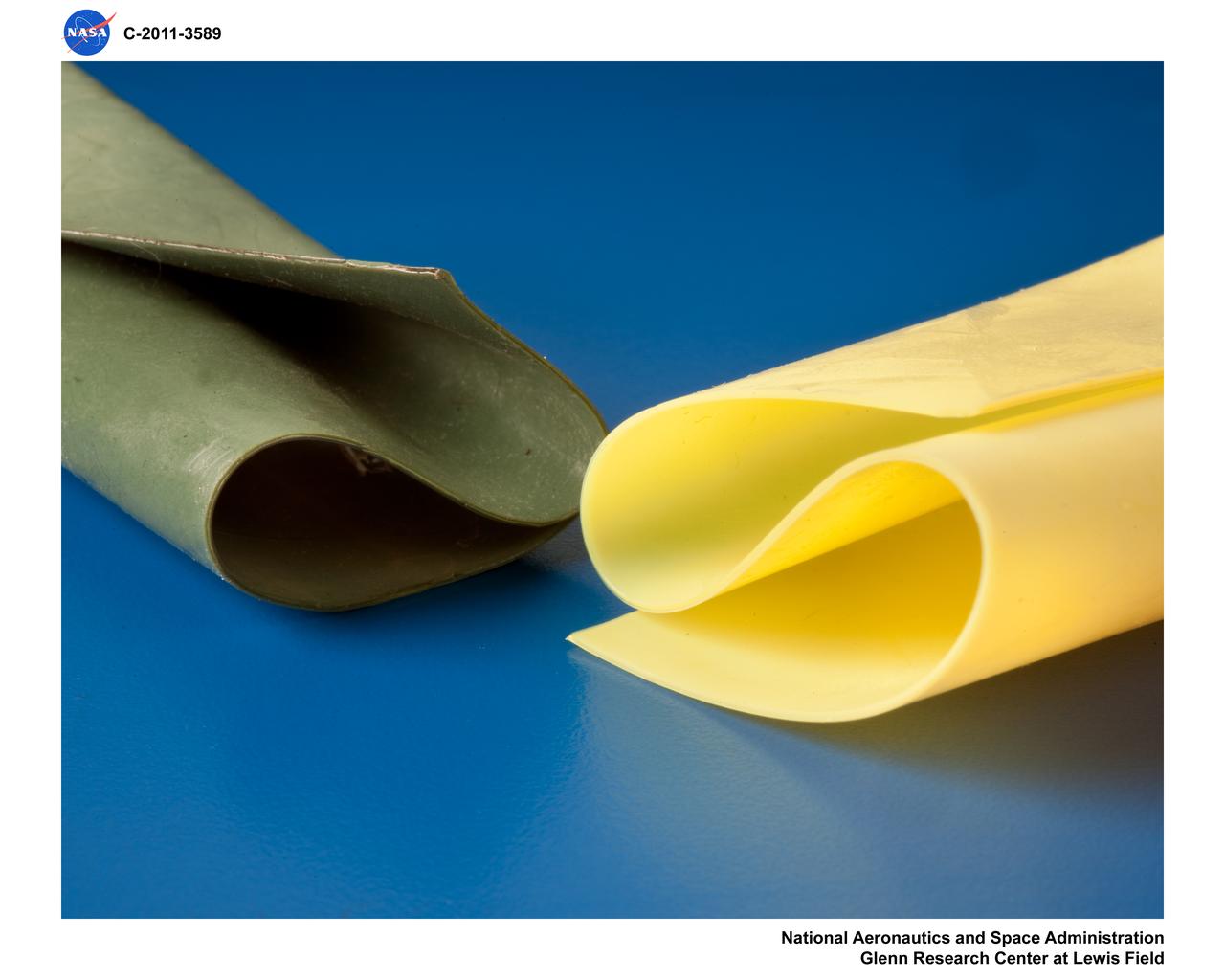
Polimide Aerogel Film
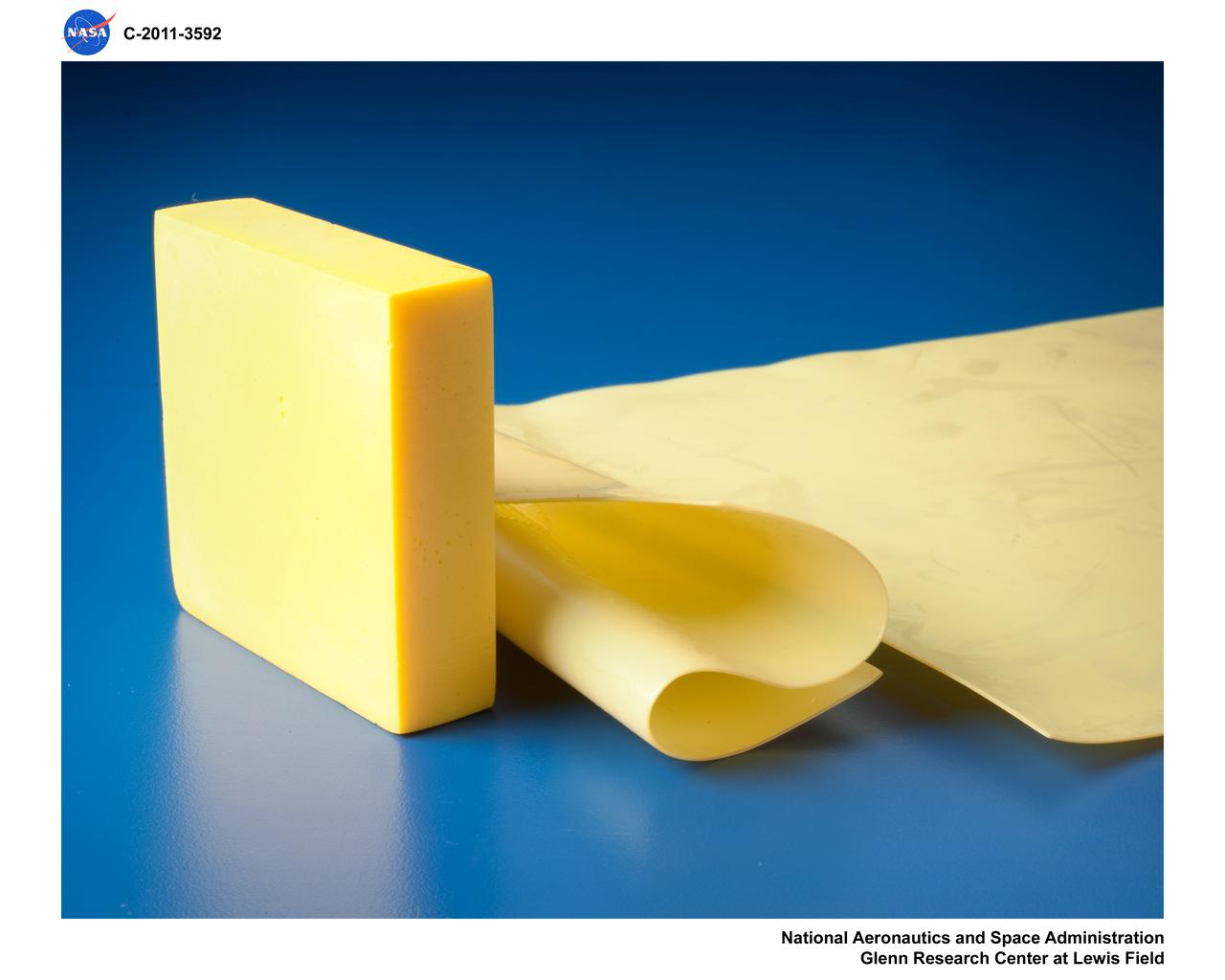
Polimide Aerogel Film

Polimide Aerogel Film
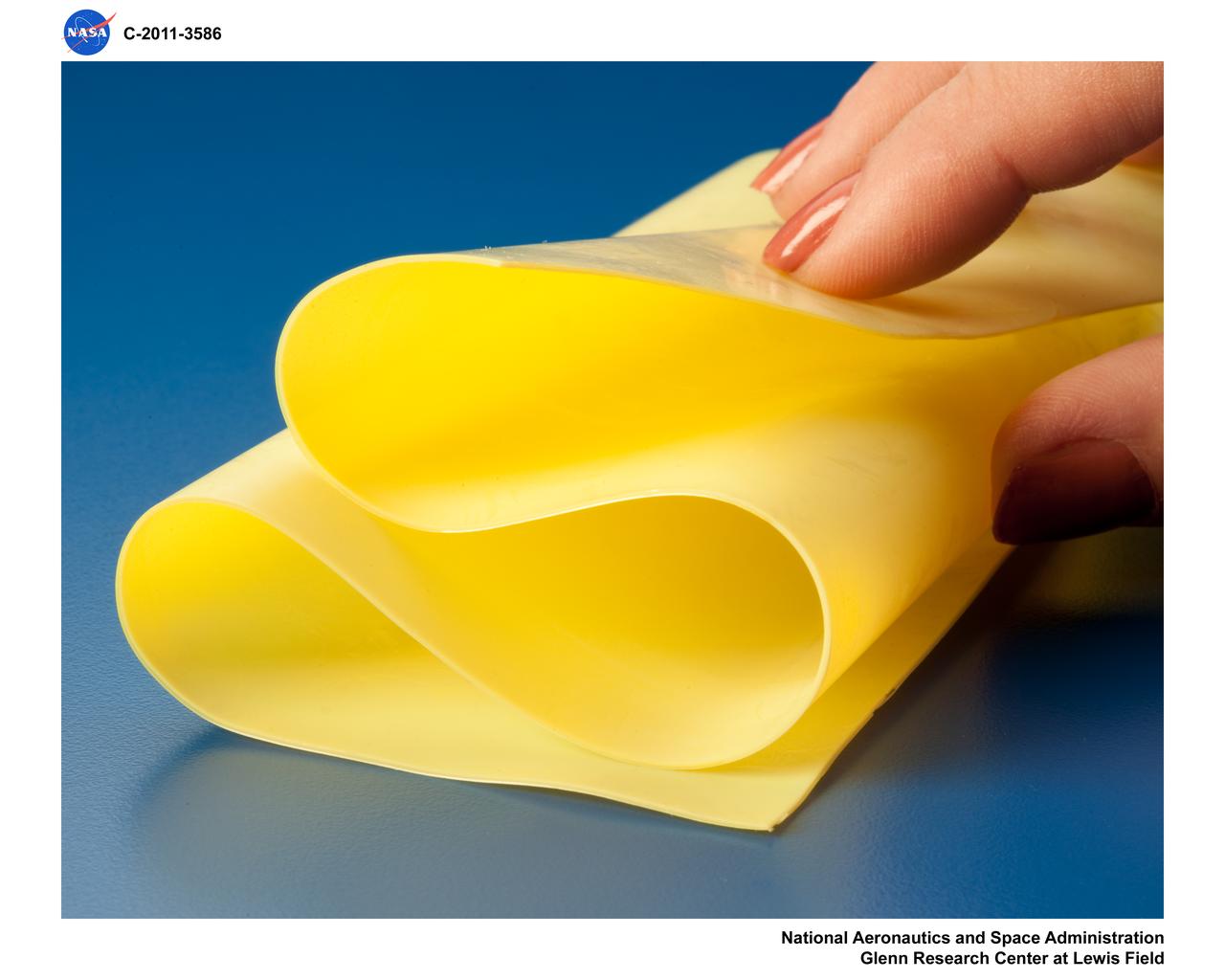
Polimide Aerogel Film
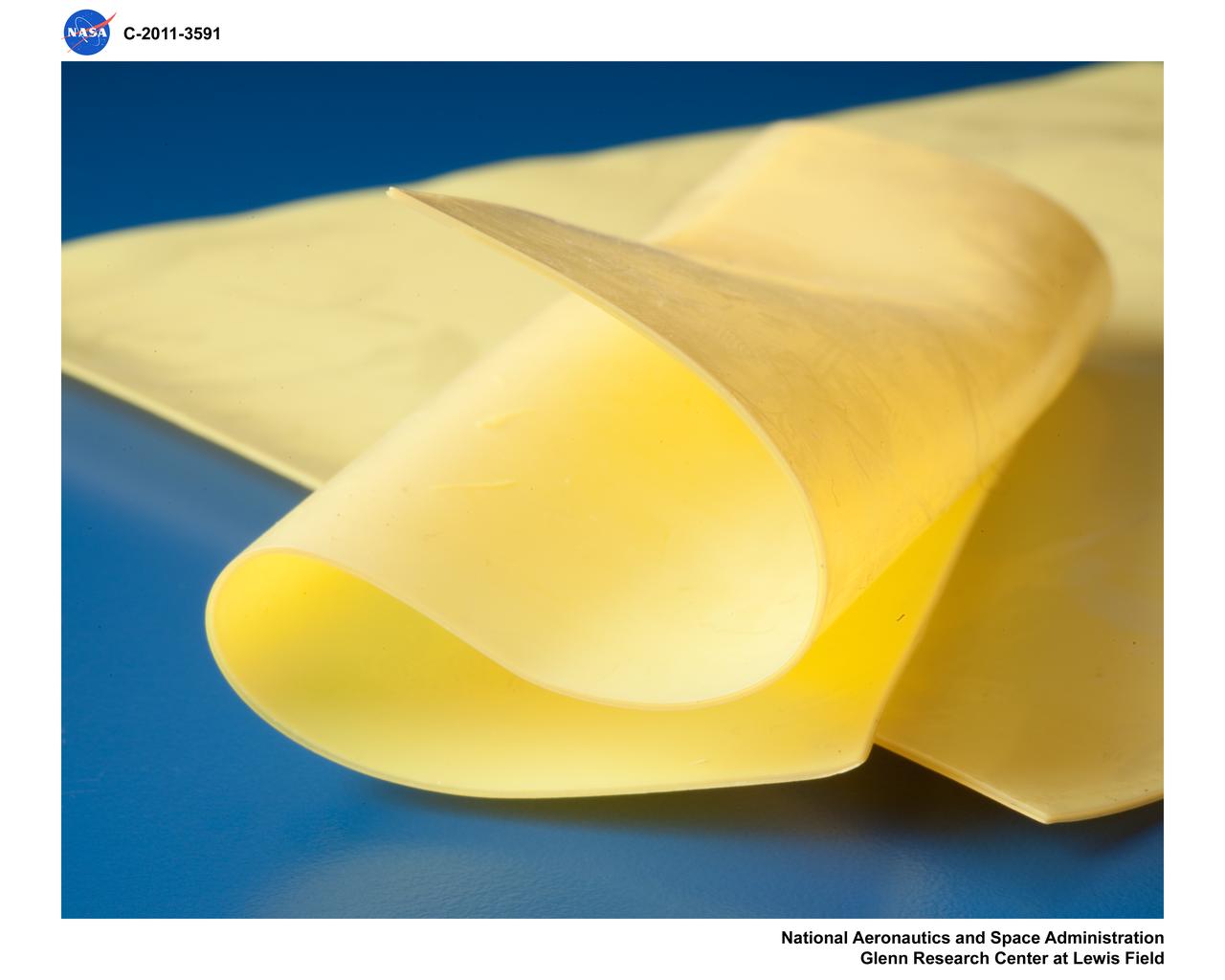
Polimide Aerogel Film
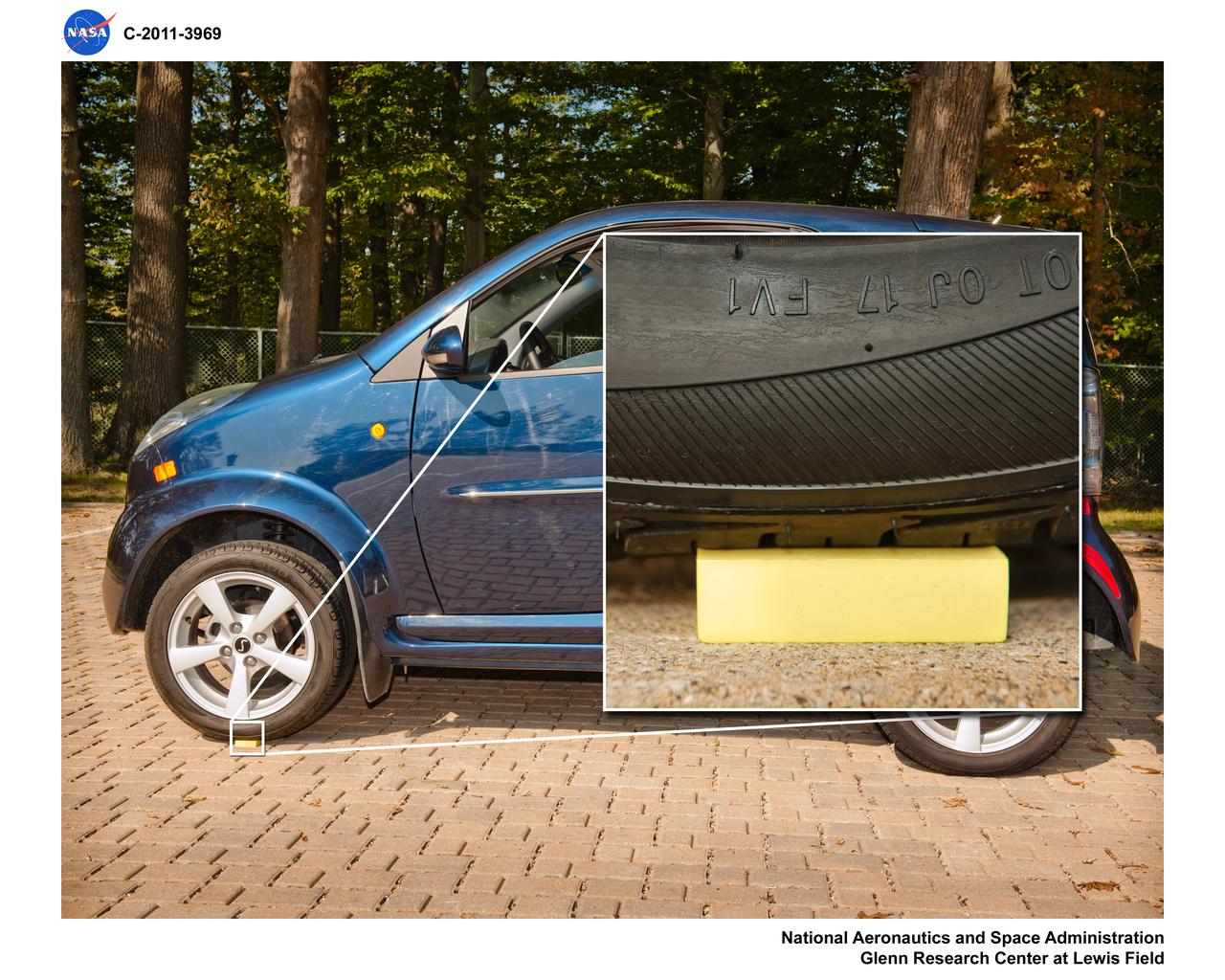
Polyimide Aerogel Material Sample under the weight of an Automobile Tire

A demonstration of the light scattering and light transmitting properties of an Aerogel material sample
Researcher extracts a tubular Aerogel material sample in its "green" state

An array of 4mm diameter Aerogel posts sandwiched between 1mm thick PMR-15, Polymer Matrix Composite panels
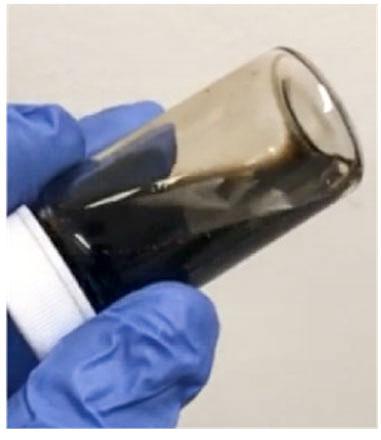
jsc2021e058716 (11/10/2021) --- A preflight image of Graphene oxide aqueous dispersion. Space-production of Lightweight 3D Graphene Aerogels ( SUBSA-ugGA ) examines graphene-based hydrogel production on Earth and in microgravity conditions, towards producing aerogels with improved microstructure uniformity and material properties for both Earth and space applications. Image courtesy of UC Berkeley, Prof. Maboudian.
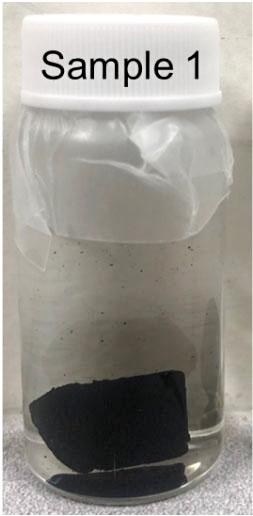
jsc2021e058717 (11/10/2021) --- A preflight image of graphene hydrogel in aqueous solution. Space-production of Lightweight 3D Graphene Aerogels ( SUBSA-ugGA ) examines graphene-based hydrogel production on Earth and in microgravity conditions, towards producing aerogels with improved microstructure uniformity and material properties for both Earth and space applications. Image courtesy of UC Berkeley, Prof. Maboudian.
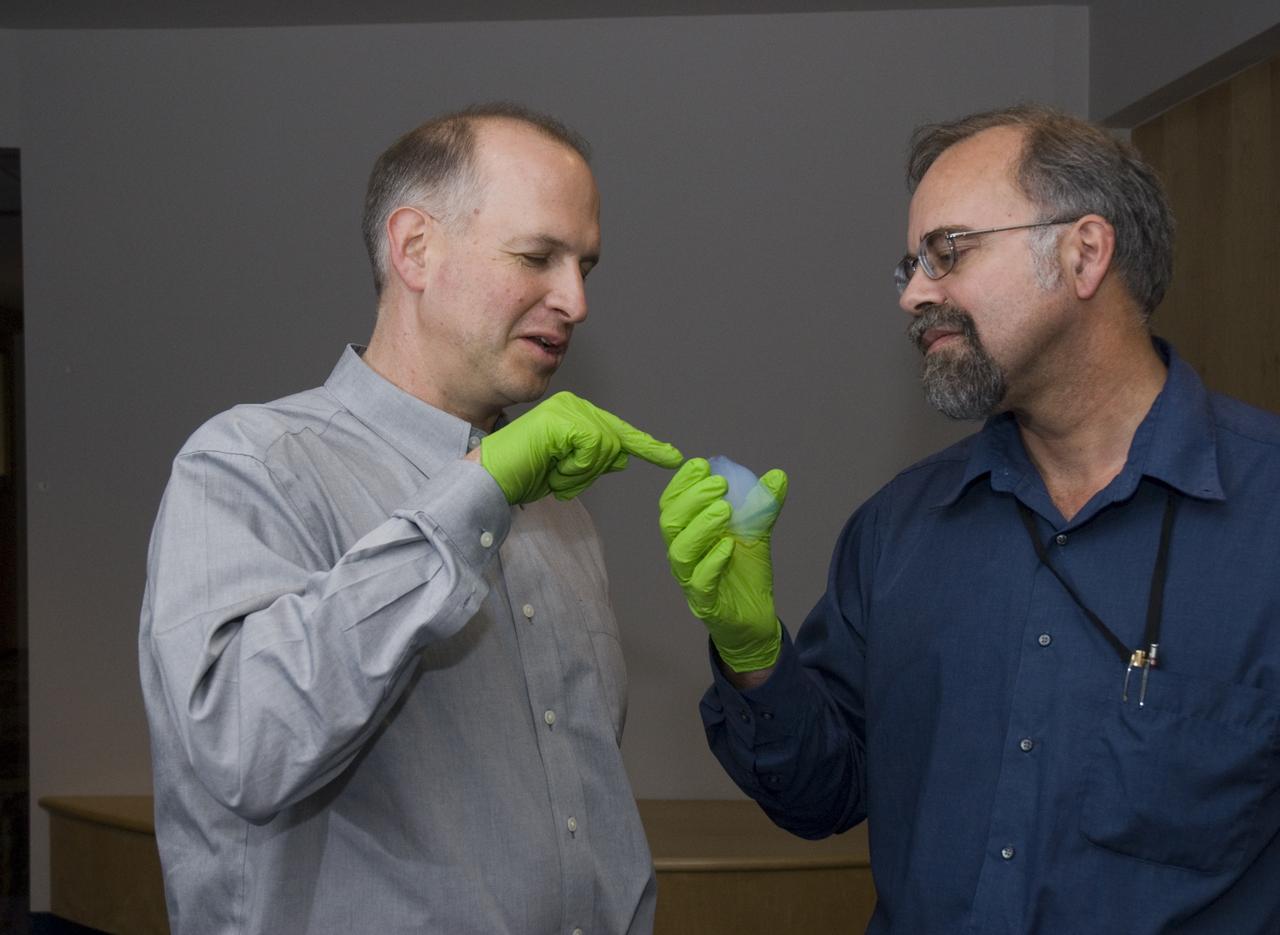
Stardust sample analysis @ UC Berkeley clean room - mission samples provided to UC Berkeley for analysis by NASA: Dr Andrew Westphal, Berkeley Physicist with Dr Scott Sandford, NASA Ames Astrophysicist holding a (aerogel) sample (Dr Sandford reports that 'My Colleagues Andrew Westphal, Christopher Snead and Zack Gainsforth have produced over 100 keystones from the Stardust comet aerogel
jsc2021e058715 (11/10/2021) --- SUBSA-ugGA Mission Patch. Space-production of Lightweight 3D Graphene Aerogels ( SUBSA-ugGA ) examines graphene-based hydrogel production on Earth and in microgravity conditions, towards producing aerogels with improved microstructure uniformity and material properties for both Earth and space applications. Design courtesy of Stanford University, Prof. Senesky.
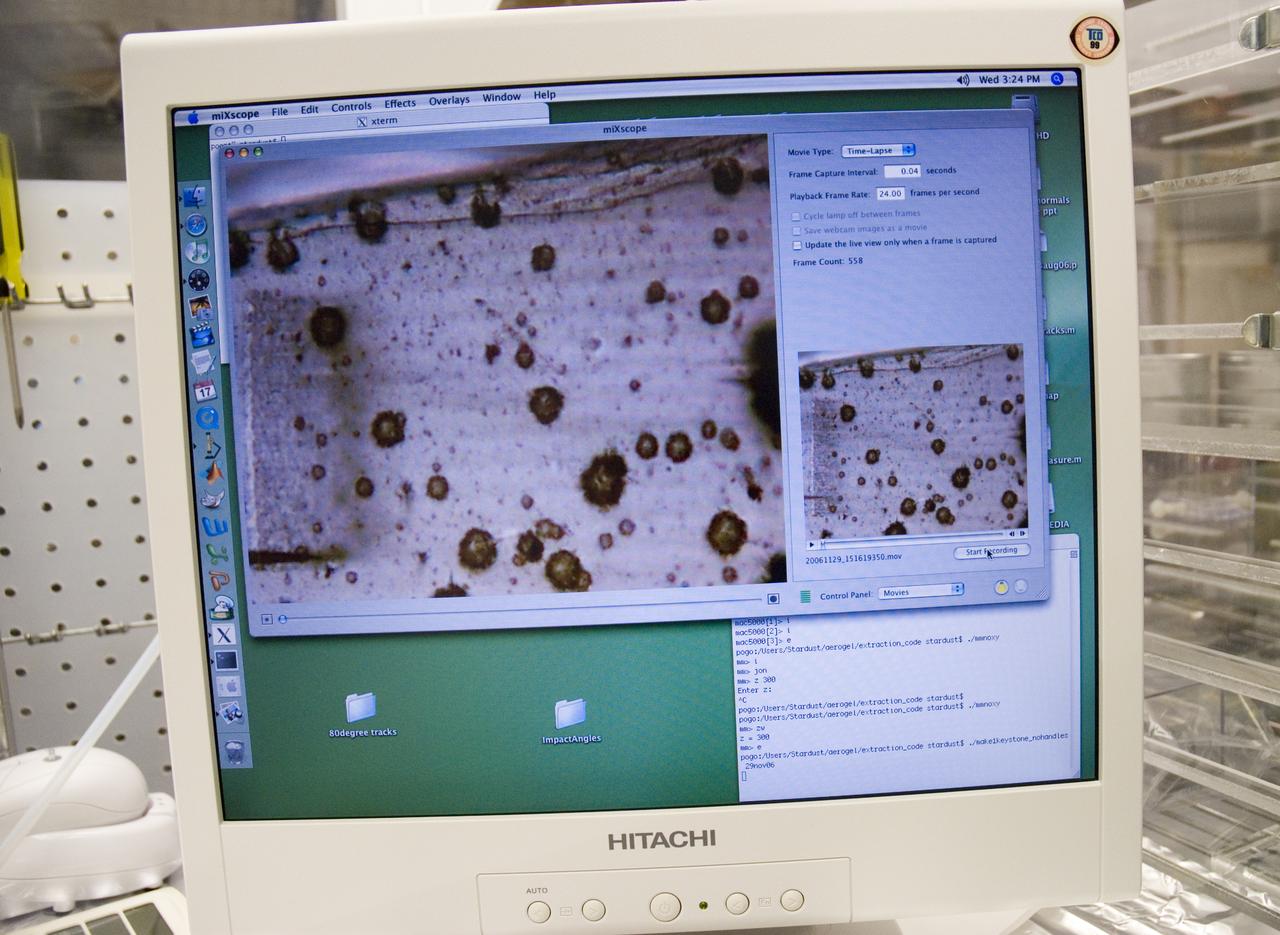
Stardust sample analysis @ UC Berkeley clean room with Dr Scott Sandford, NASA Ames Astrophysicist - mission aerogel samples provided to UC Berkeley for analysis by NASA are shown on computer screen during microscopic sampling
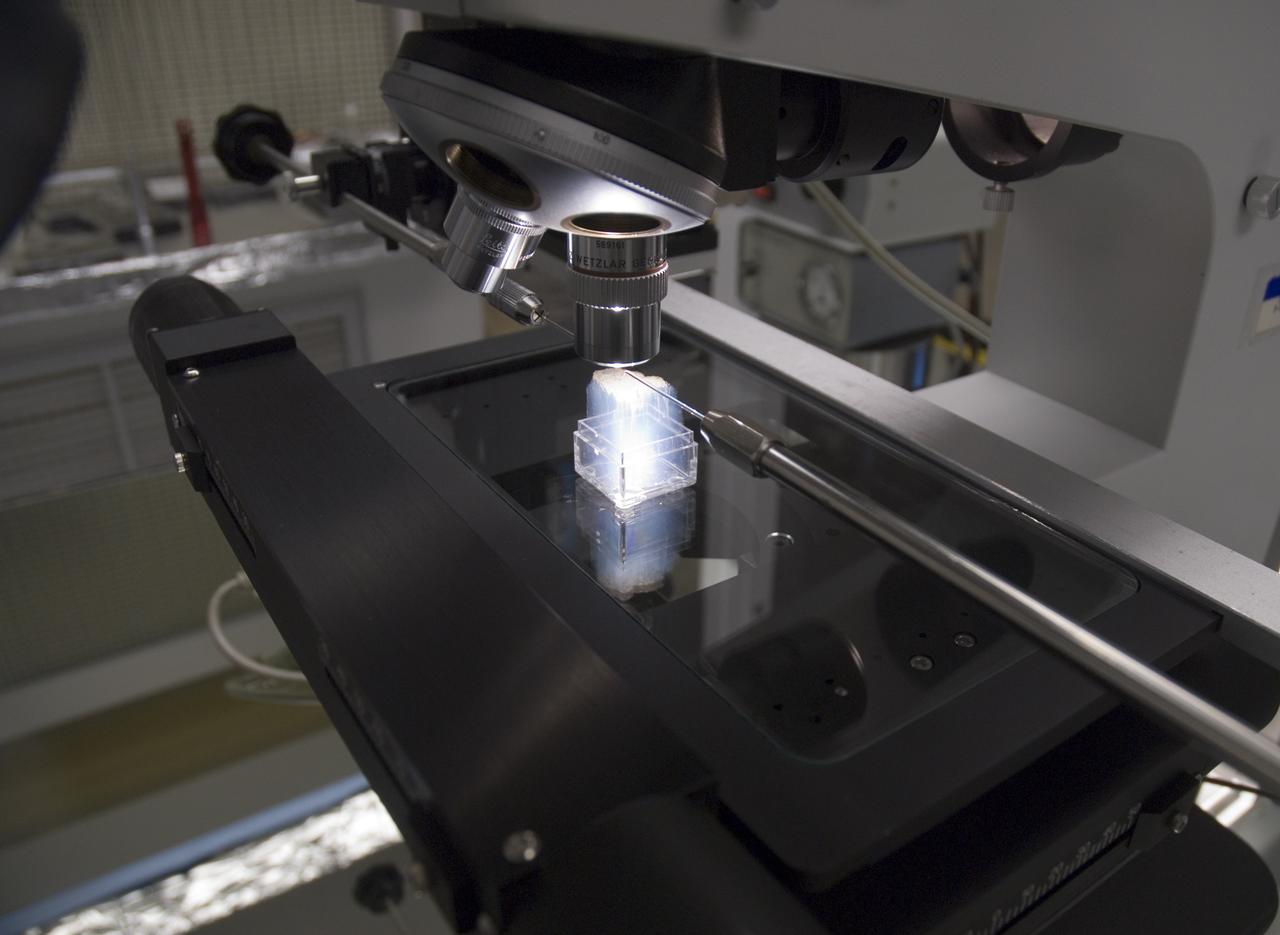
Stardust sample analysis @ UC Berkeley clean room with Dr Scott Sandford, NASA Ames Astrophysicist - mission aerogel samples provided to UC Berkeley for analysis by NASA on microscope
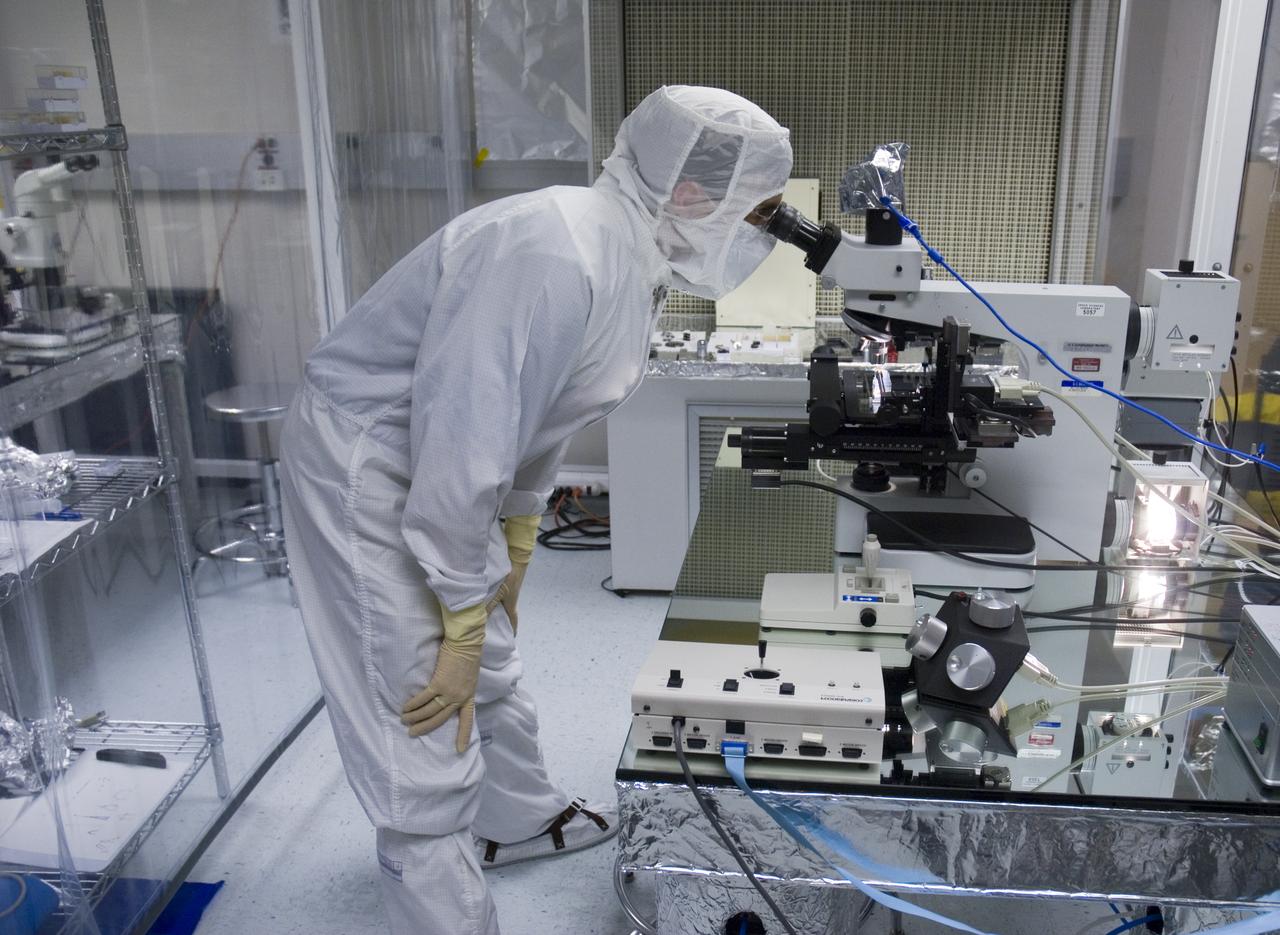
Stardust sample analysis @ UC Berkeley clean room - mission samples provided to UC Berkeley for analysis by NASA Berkeley researcher Chris Snead working with sample encased in aerogel
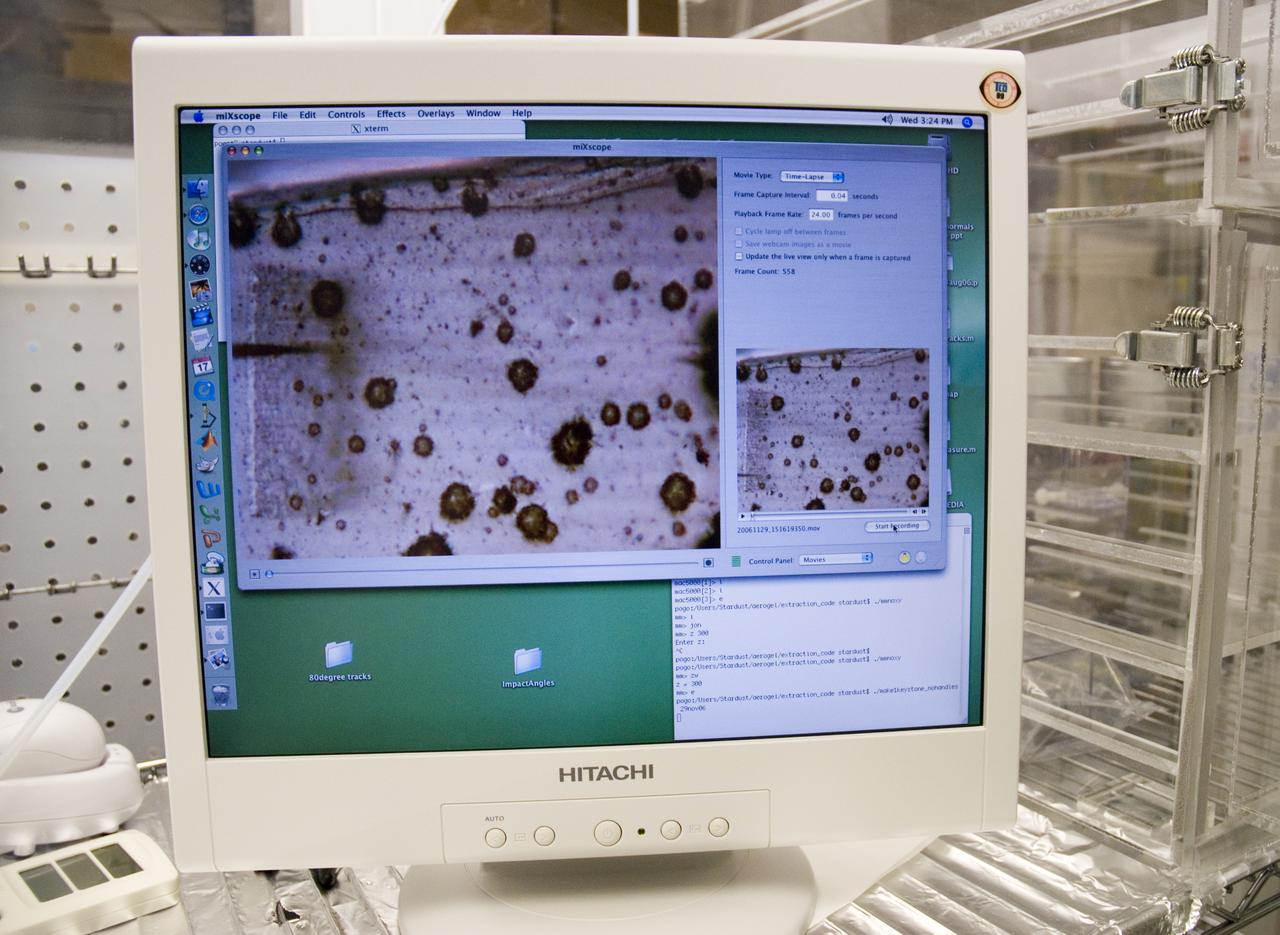
Stardust sample analysis @ UC Berkeley clean room with Dr Scott Sandford, NASA Ames Astrophysicist - mission aerogel samples provided to UC Berkeley for analysis by NASA are shown on computer screen during microscopic sampling
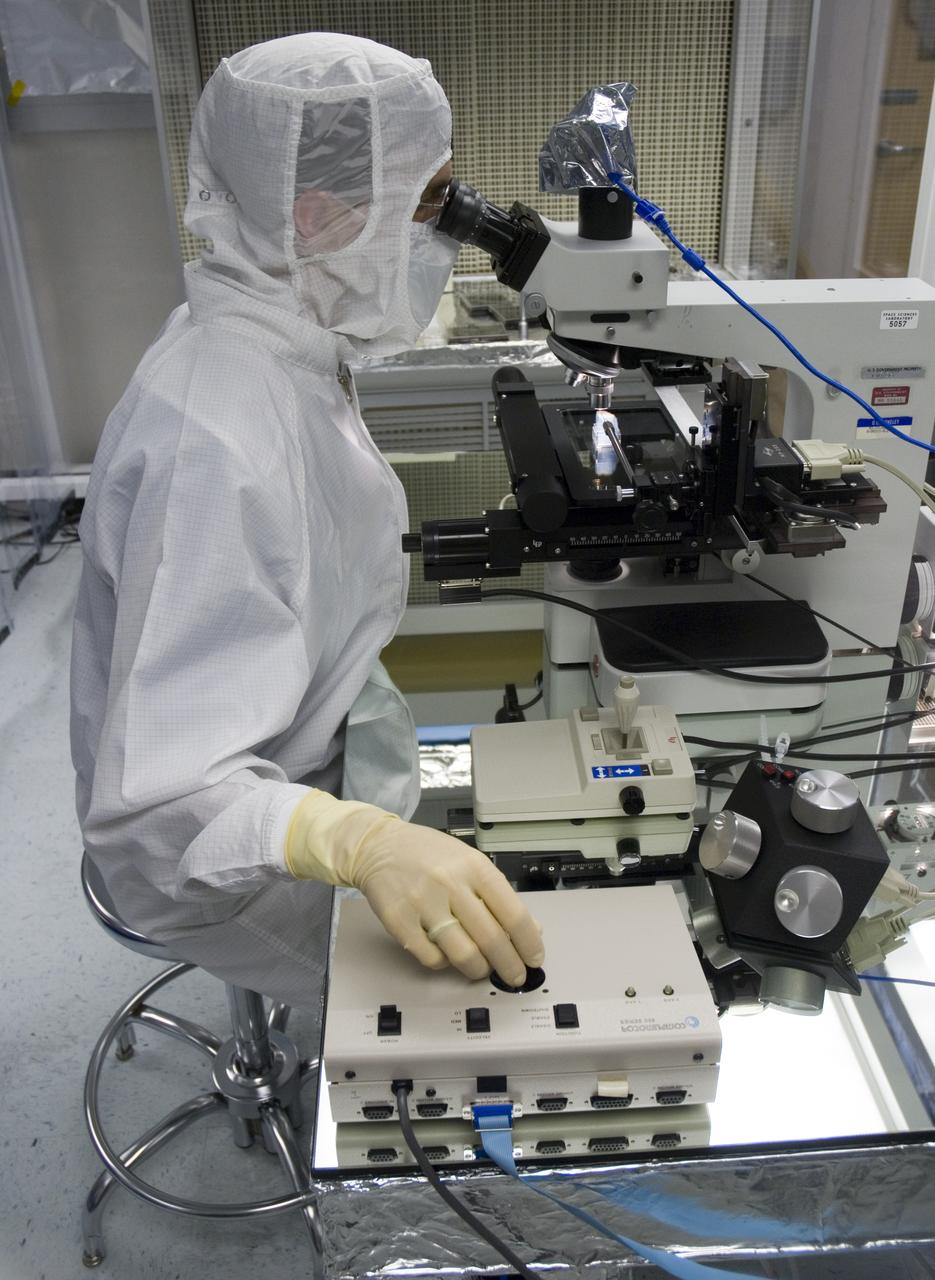
Stardust sample analysis @ UC Berkeley clean room - mission samples provided to UC Berkeley for analysis by NASA Berkeley researcher Chris Snead working with sample encased in aerogel
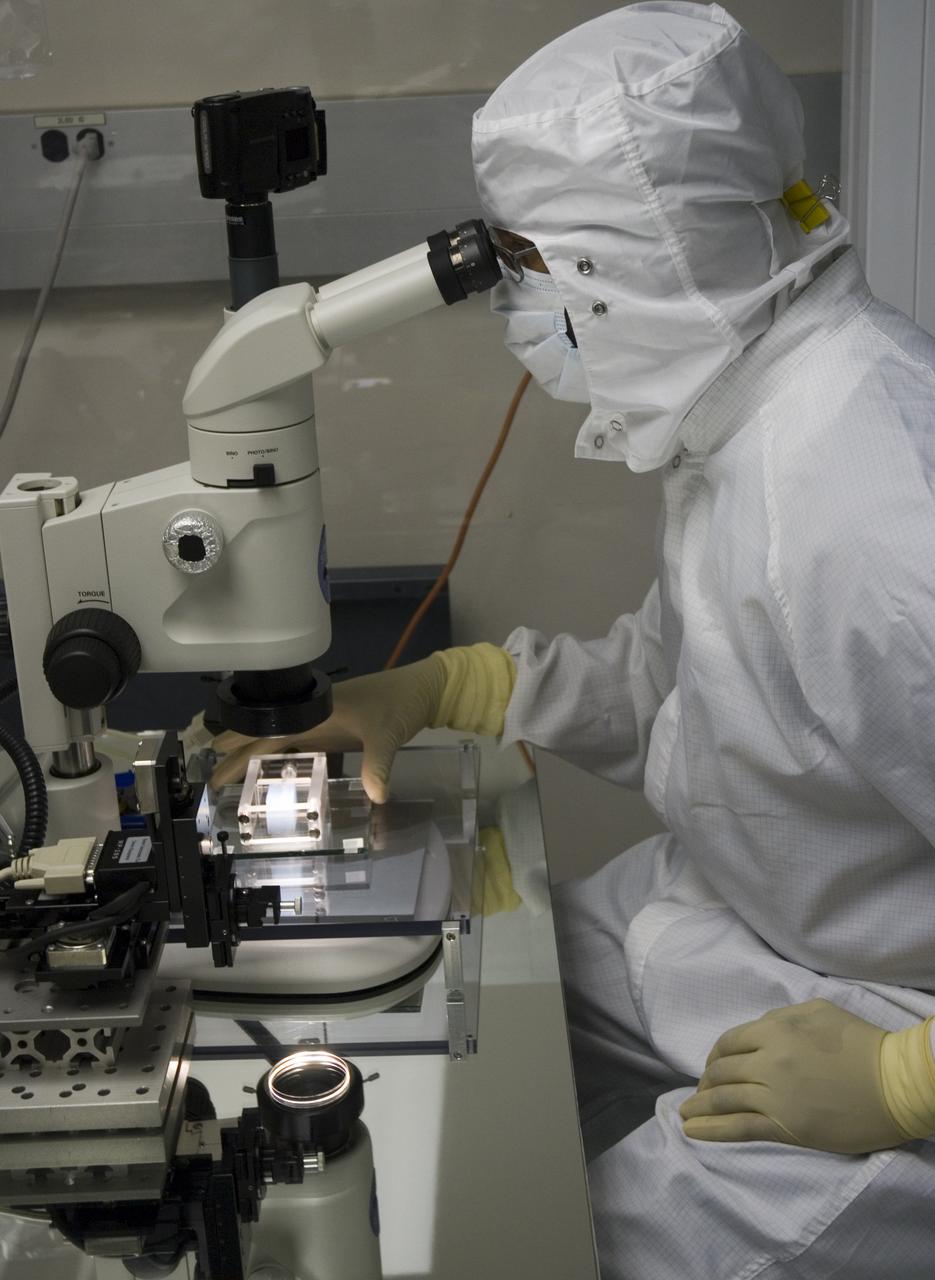
Stardust sample analysis @ UC Berkeley clean room with Dr Scott Sandford, NASA Ames Astrophysicist - mission samples provided to UC Berkeley for analysis by NASA Berkeley researcher Zack Gainsforth working with sample encased in aerogel
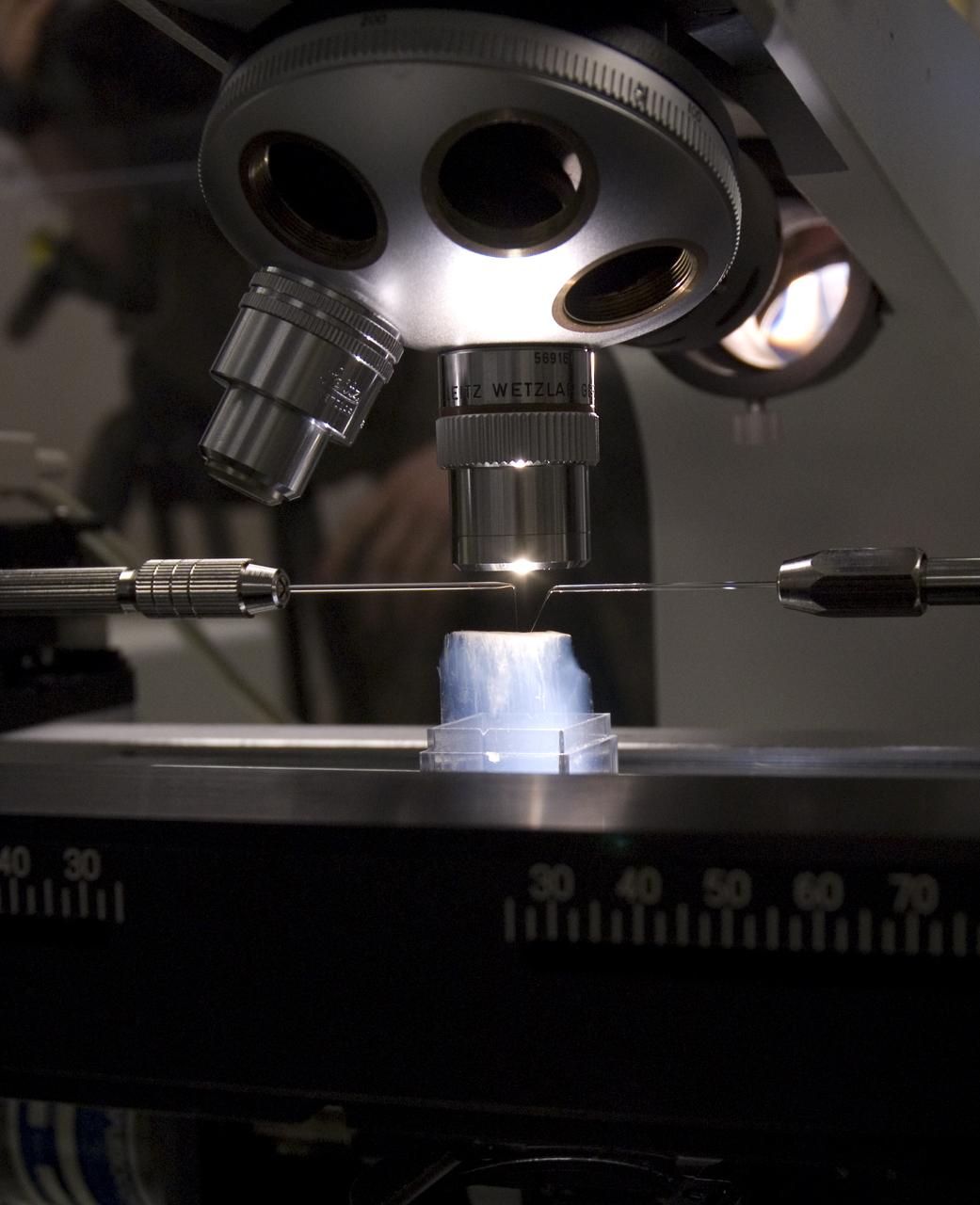
Stardust sample analysis @ UC Berkeley clean room with Dr Scott Sandford, NASA Ames Astrophysicist - mission aerogel samples provided to UC Berkeley for analysis by NASA on microscope
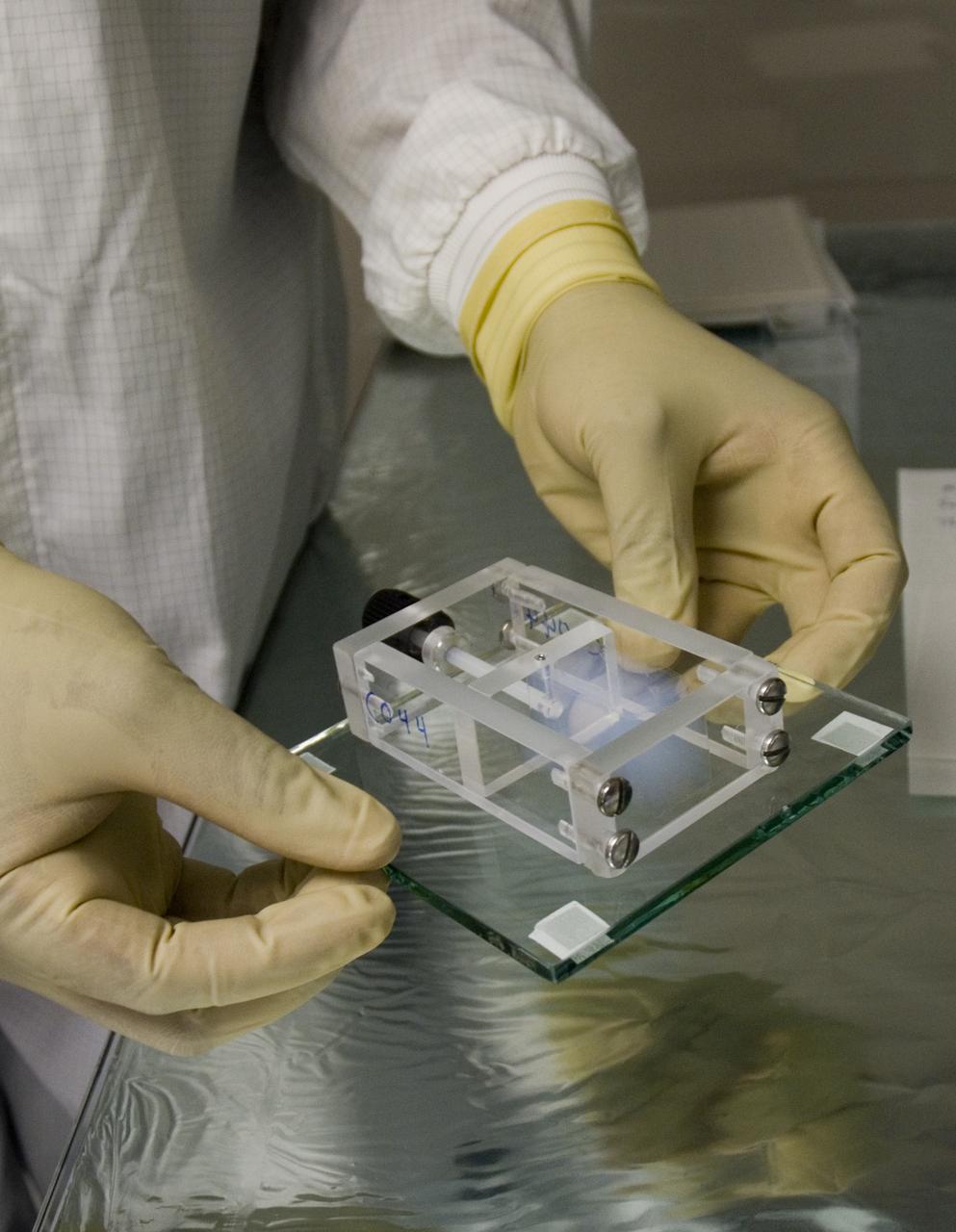
Stardust sample analysis @ UC Berkeley clean room with Dr Scott Sandford, NASA Ames Astrophysicist - mission samples provided to UC Berkeley for analysis by NASABerkeley researcher Zack Gainsforth working with sample encased in aerogel
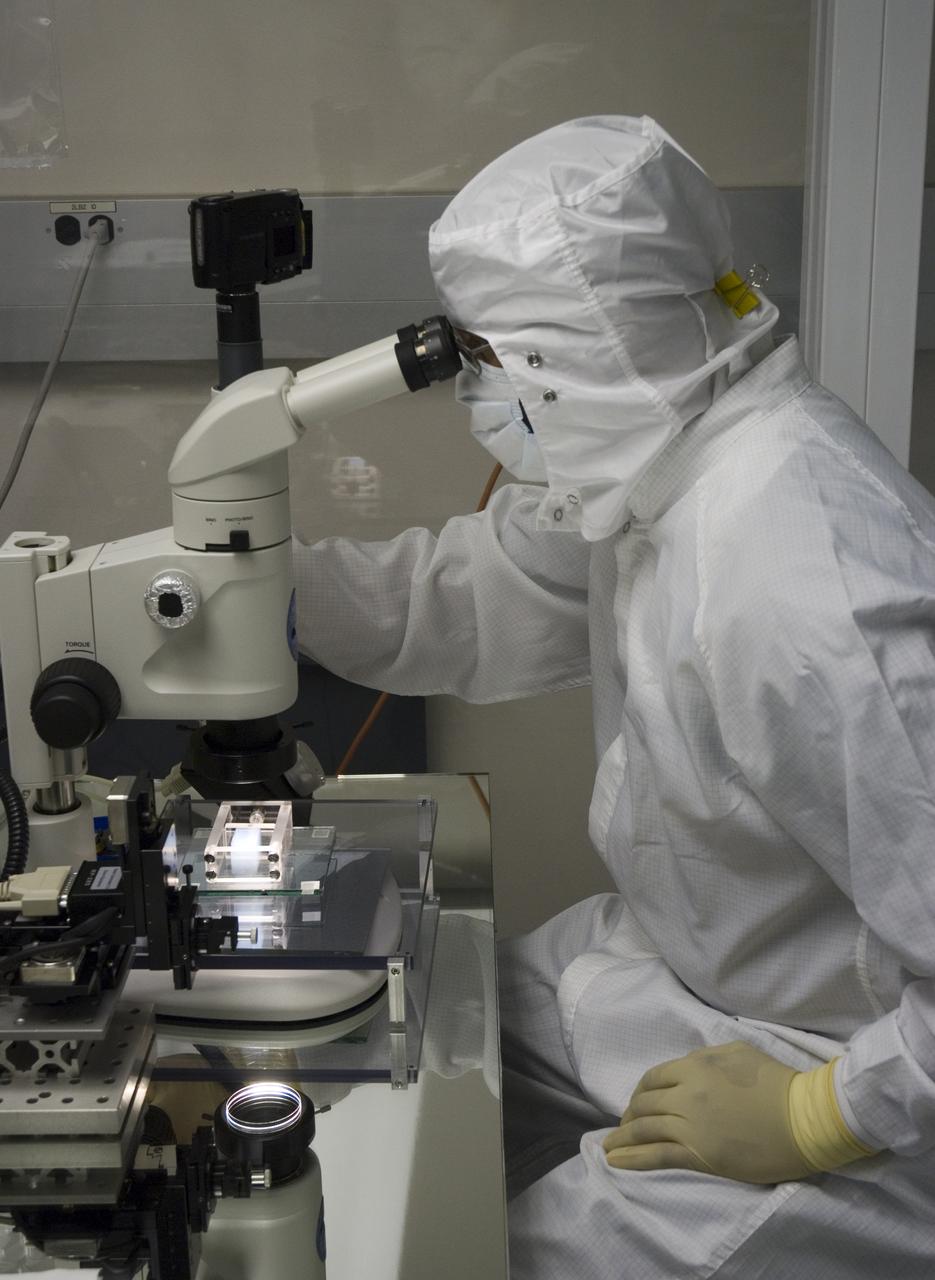
Stardust sample analysis @ UC Berkeley clean room with Dr Scott Sandford, NASA Ames Astrophysicist - mission samples provided to UC Berkeley for analysis by NASA Berkeley researcher Zack Gainsforth working with sample encased in aerogel

Stardust sample analysis @ UC Berkeley clean room with Dr Scott Sandford, NASA Ames Astrophysicist - mission samples provided to UC Berkeley for analysis by NASA Berkeley researchers Zack Gainsforth working with sample encased in aerogel

Stardust sample analysis @ UC Berkeley clean room with Dr Scott Sandford, NASA Ames Astrophysicist - mission samples provided to UC Berkeley for analysis by NASA Berkeley researcher Zack Gainsforth working with sample encased in aerogel
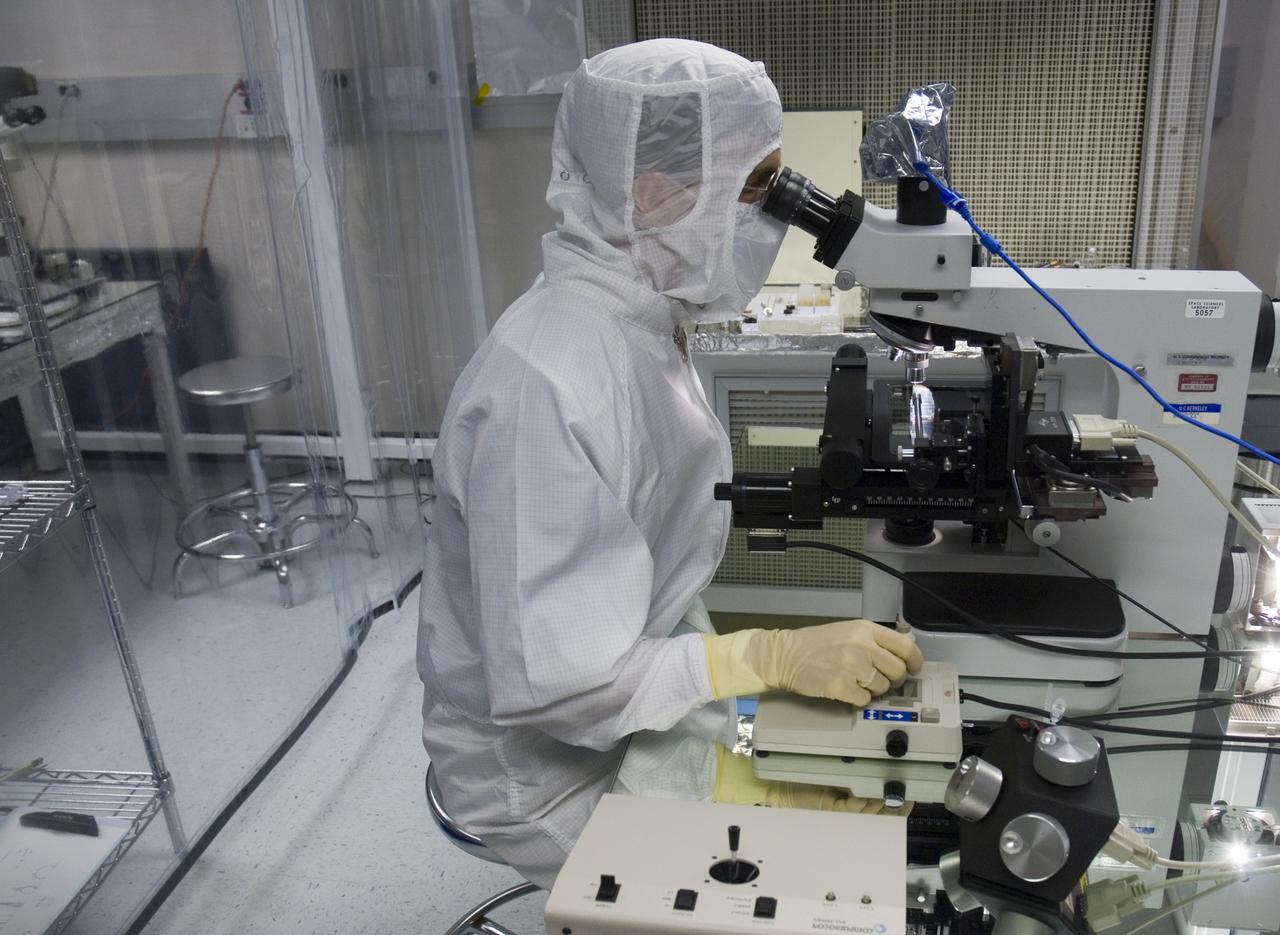
Stardust sample analysis @ UC Berkeley clean room - mission samples provided to UC Berkeley for analysis by NASA Berkeley researcher Chris Snead working with sample encased in aerogel
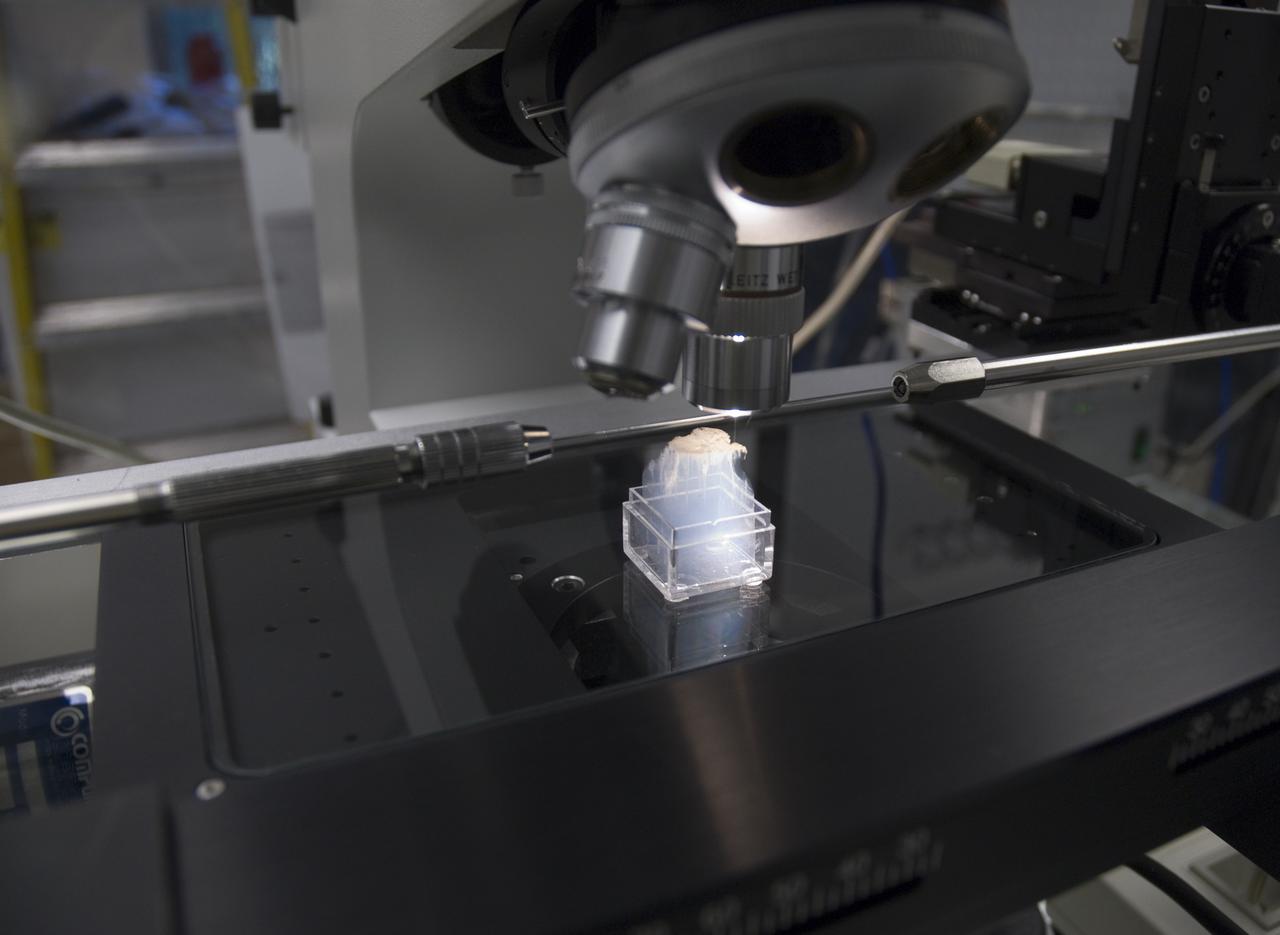
Stardust sample analysis @ UC Berkeley clean room with Dr Scott Sandford, NASA Ames Astrophysicist - mission aerogel samples provided to UC Berkeley for analysis by NASA on microscope
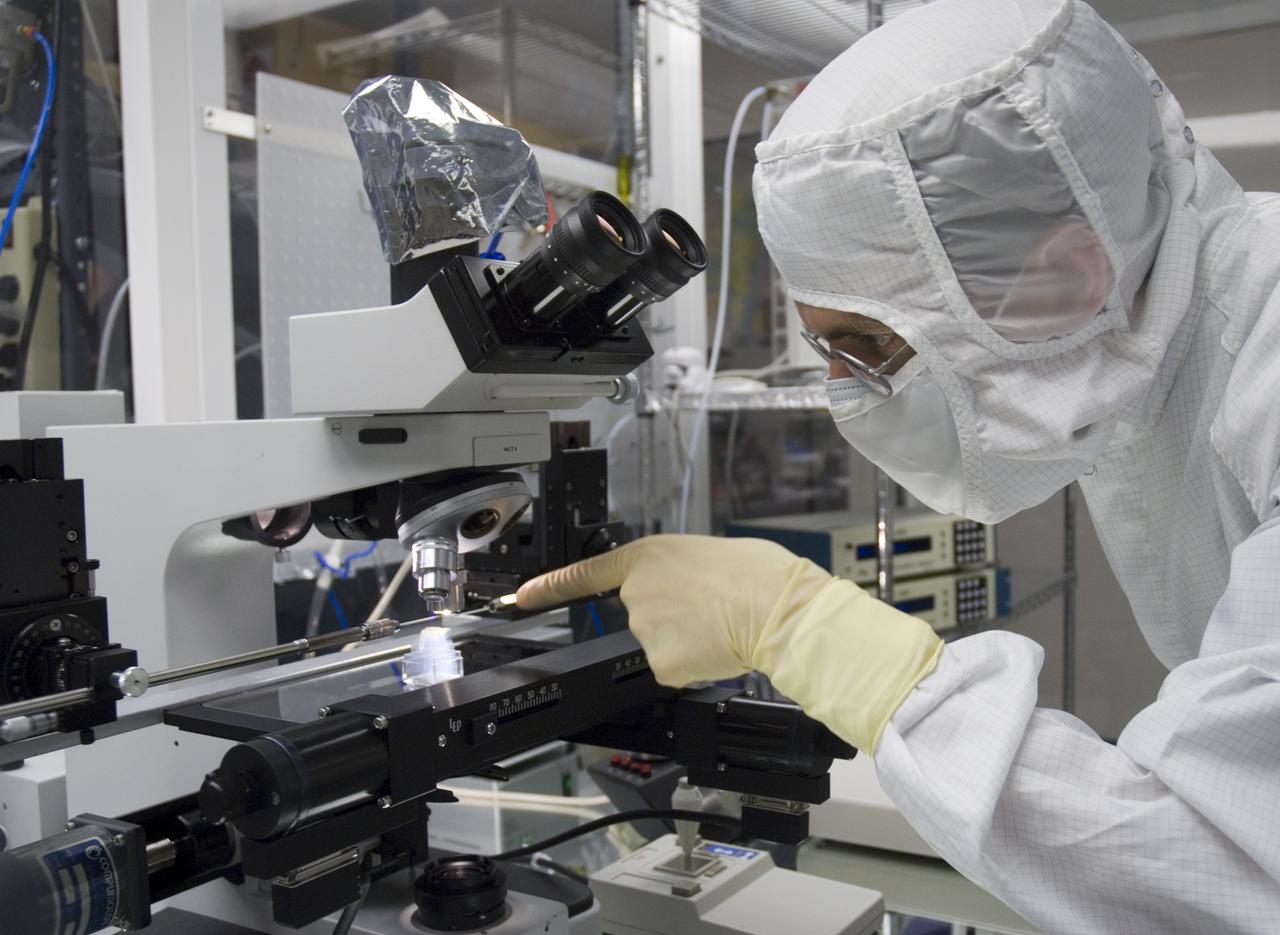
Stardust sample analysis @ UC Berkeley clean room - mission samples provided to UC Berkeley for analysis by NASA Berkeley researcher Chris Snead working with sample encased in aerogel
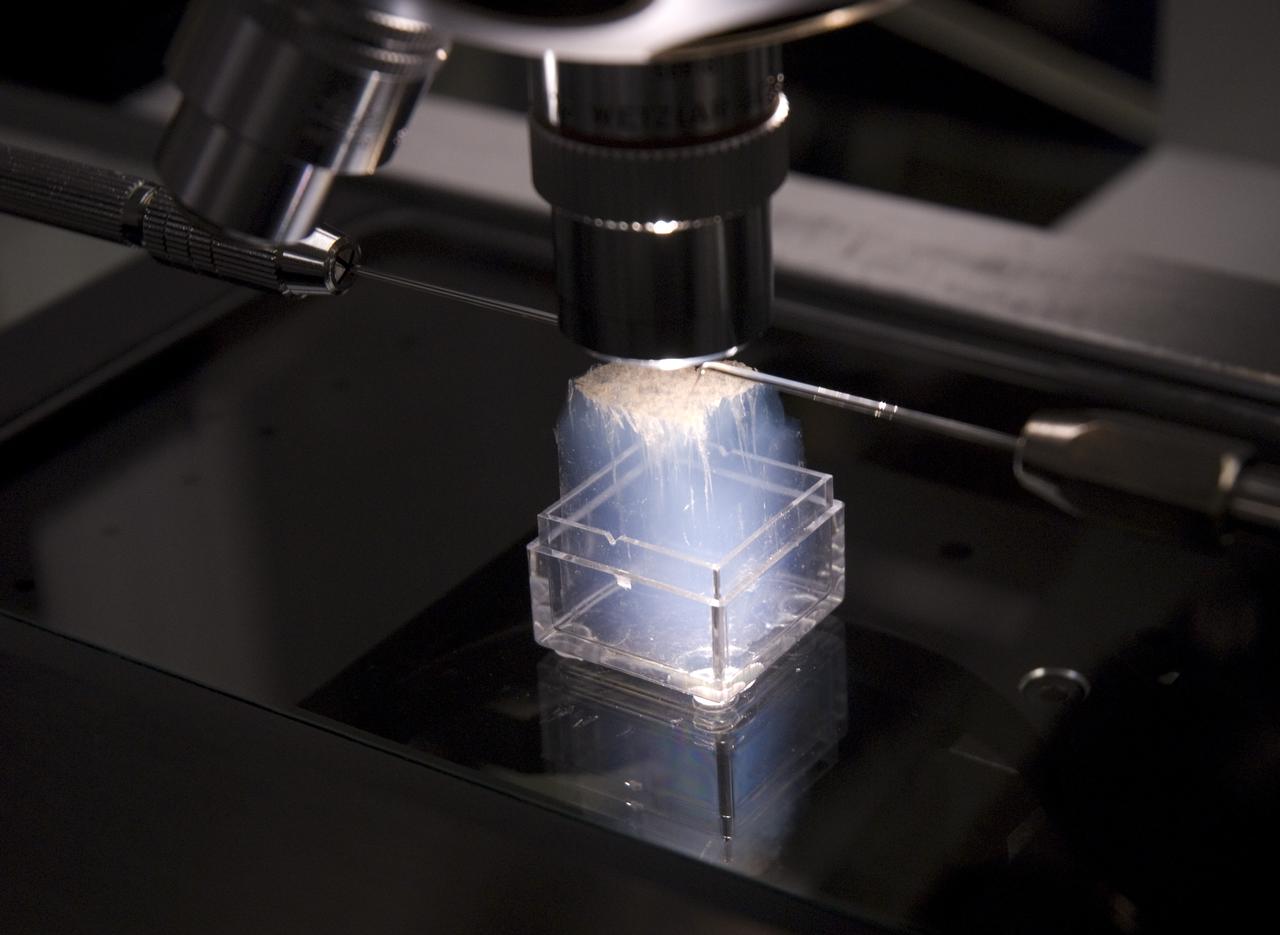
Stardust sample analysis @ UC Berkeley clean room with Dr Scott Sandford, NASA Ames Astrophysicist - mission aerogel samples provided to UC Berkeley for analysis by NASA on microscope
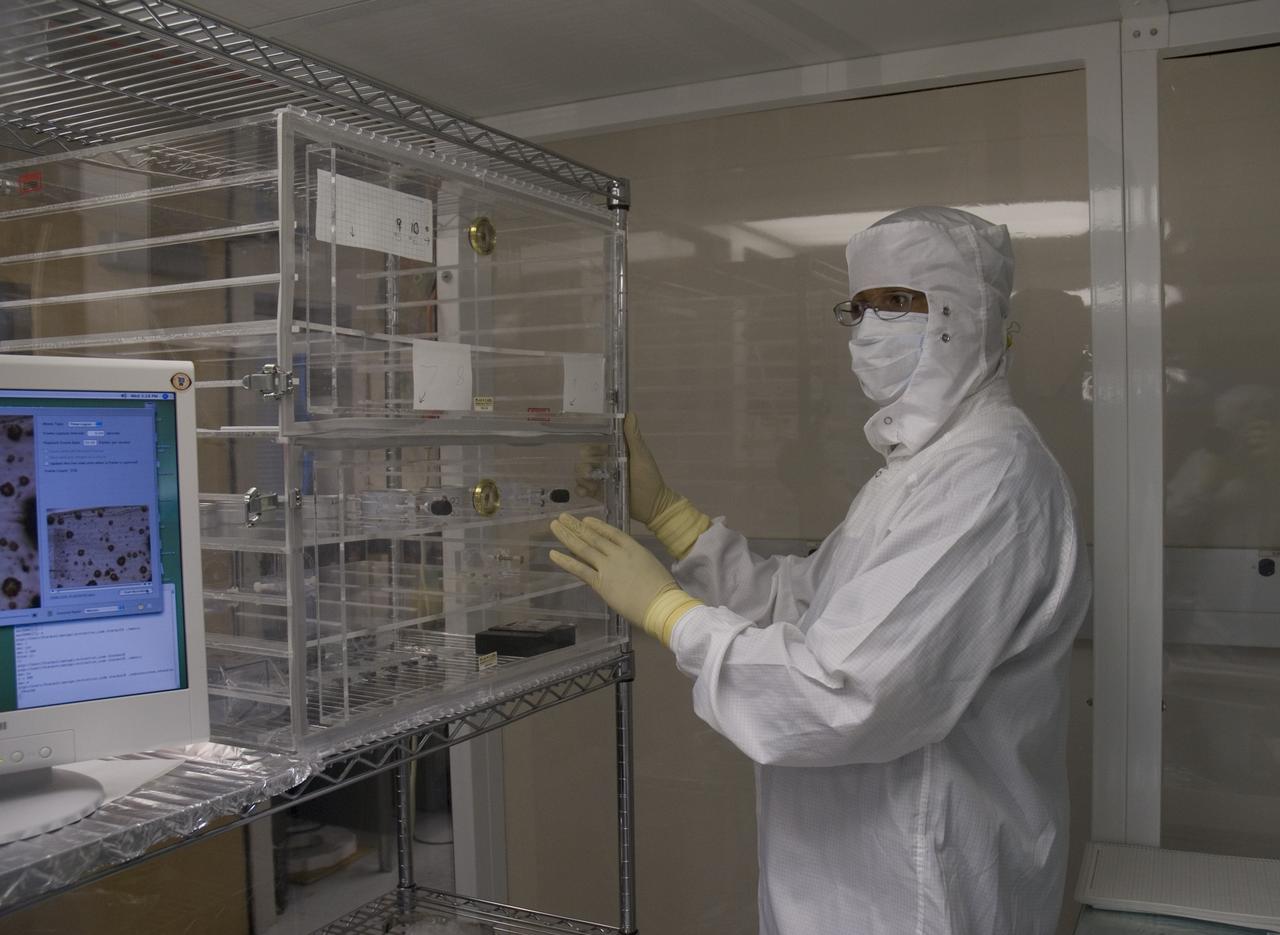
Stardust sample analysis @ UC Berkeley clean room with Dr Scott Sandford, NASA Ames Astrophysicist - mission samples provided to UC Berkeley for analysis by NASABerkeley researcher Zack Gainsforth working with sample encased in aerogel
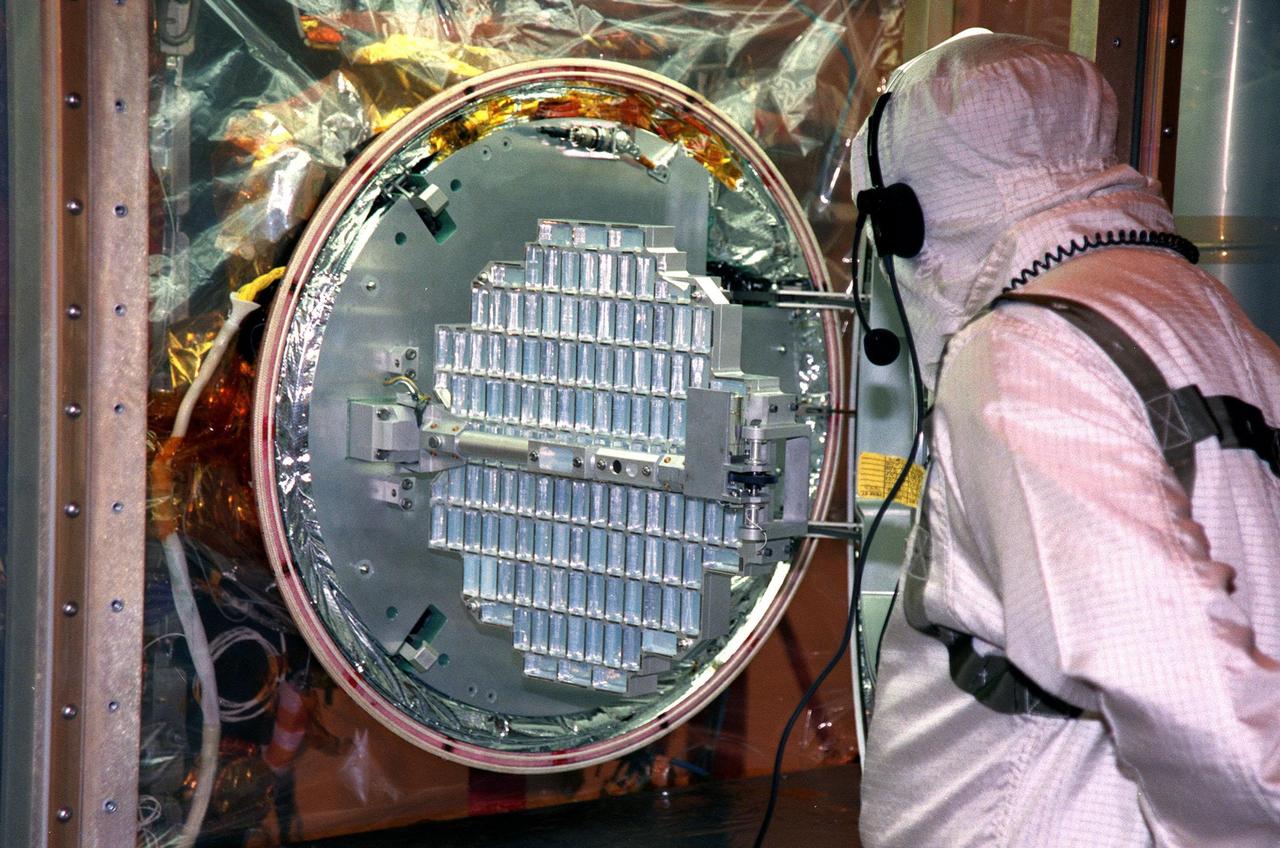
In the Payload Hazardous Servicing Facility, workers deploy an aerogel grid from the Stardust Sample Return Capsule (SRC) in the Class 100 Glove Box. Stardust will use a unique medium called aerogel to capture comet particles flying off the nucleus of comet Wild 2 in January 2004, plus collect interstellar dust for later analysis. The collected samples will return to Earth in the SRC to be jettisoned as it swings by Earth in January 2006. Stardust is scheduled to be launched aboard a Boeing Delta 7426 rocket from Complex 17, Cape Canaveral Air Station, on Feb. 6, 1999
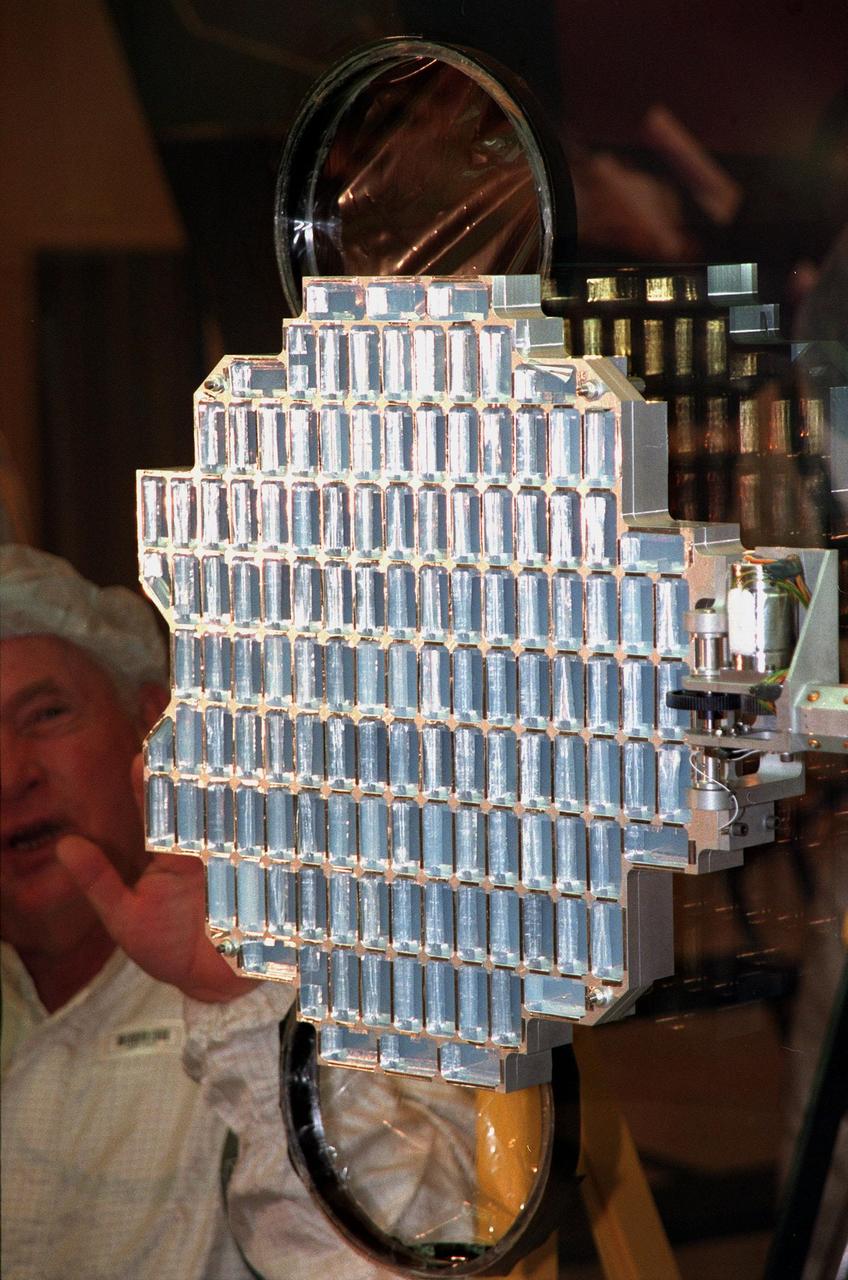
In the Payload Hazardous Servicing Facility, the aerogel grid is fully deployed from the Stardust Sample Return Capsule (SRC) for final closeout. Stardust will use a unique medium called aerogel to capture comet particles flying off the nucleus of comet Wild 2 in January 2004, plus collect interstellar dust for later analysis. The collected samples will return to Earth in the SRC to be jettisoned as it swings by Earth in January 2006. Stardust is scheduled to be launched aboard a Boeing Delta 7426 rocket from Complex 17, Cape Canaveral Air Station, on Feb. 6, 1999
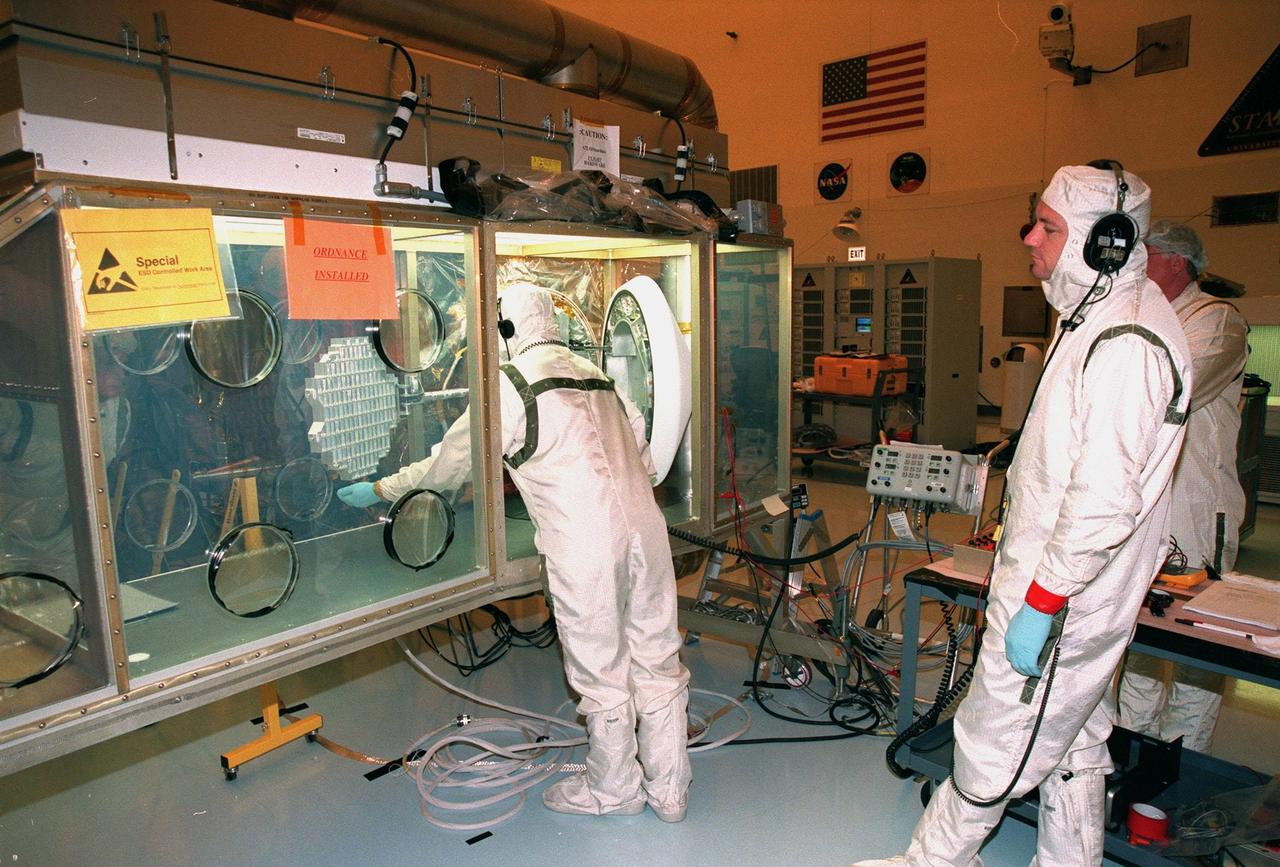
In the Payload Hazardous Servicing Facility, workers inspect the aerogel grid from the Stardust Sample Return Capsule (SRC) to the right of the worker. Stardust will use a unique medium called aerogel to capture comet particles flying off the nucleus of comet Wild 2 in January 2004, plus collect interstellar dust for later analysis. The collected samples will return to Earth in the SRC to be jettisoned as it swings by Earth in January 2006. Stardust is scheduled to be launched aboard a Boeing Delta 7426 rocket from Complex 17, Cape Canaveral Air Station, on Feb. 6, 1999
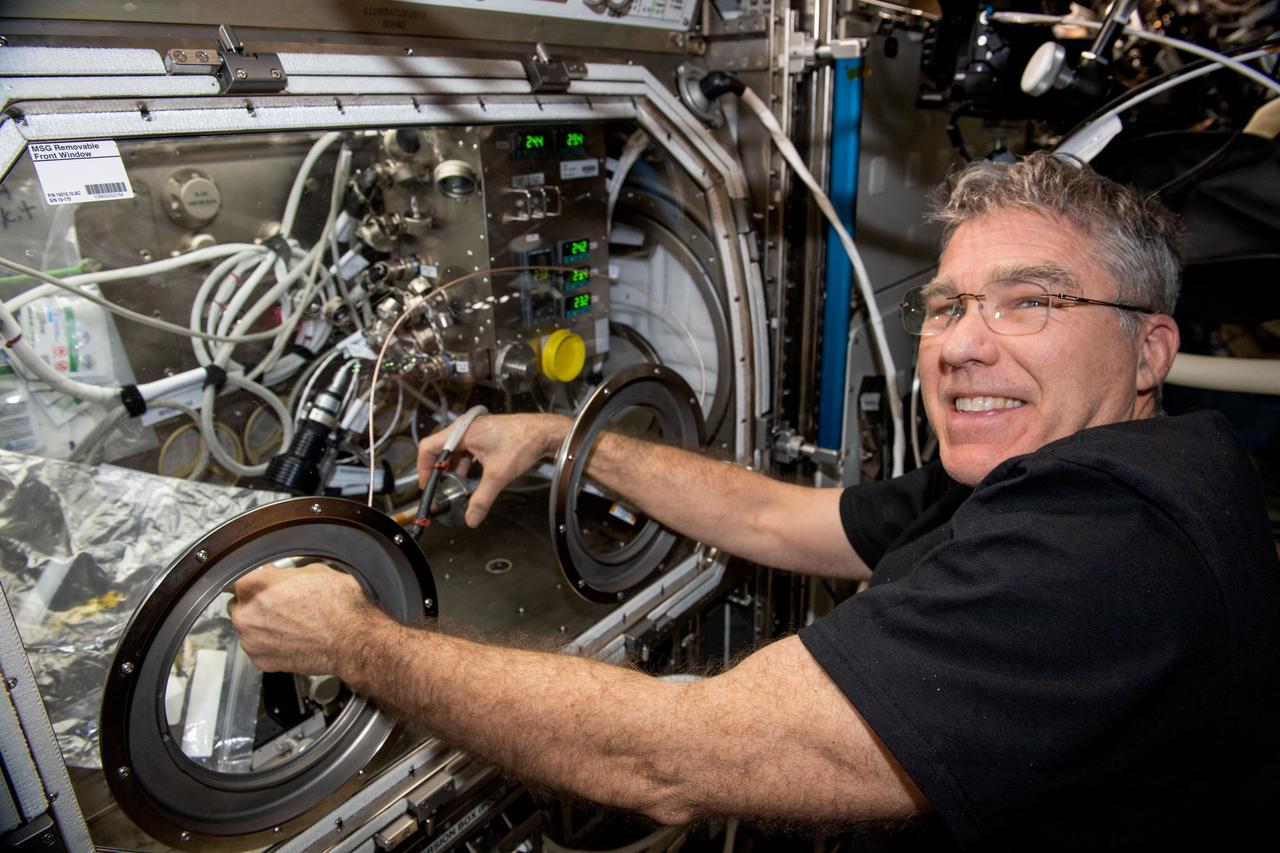
iss069e061597 (Aug. 17, 2023) --- NASA astronaut and Expedition 69 Flight Engineer Stephen Bowen works in the Microgravity Science Glovebox swapping graphene aerogel samples for a space manufacturing study. The physics investigation seeks to produce a superior, uniform material structure benefitting power storage, environmental protection, and chemical sensing.
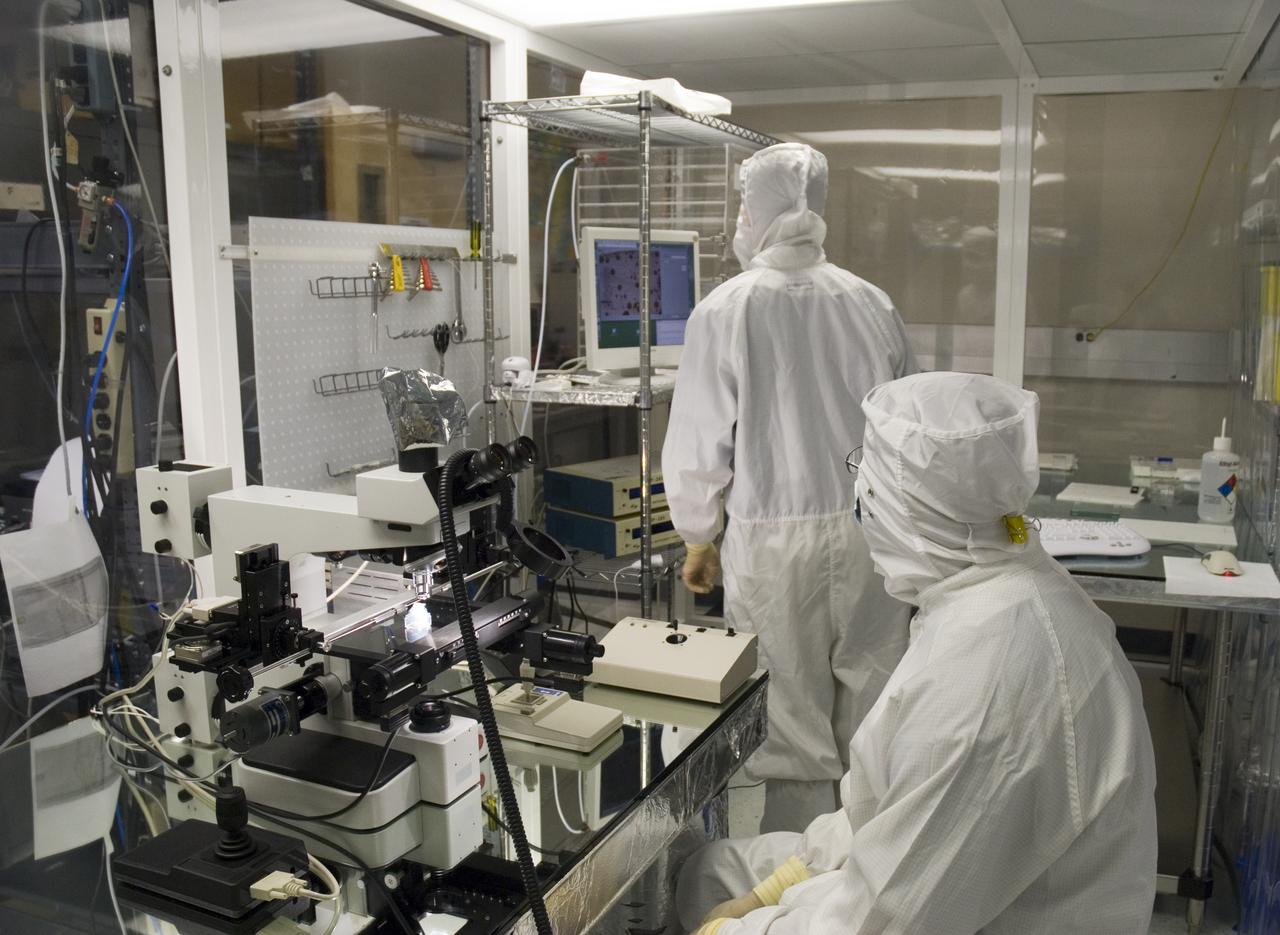
Stardust sample analysis @ UC Berkeley clean room with Dr Scott Sandford, NASA Ames Astrophysicist - mission samples provided to UC Berkeley for analysis by NASA Berkeley researchers Zack Gainsforth (seated) and Chris Snead working with sample encased in aerogel
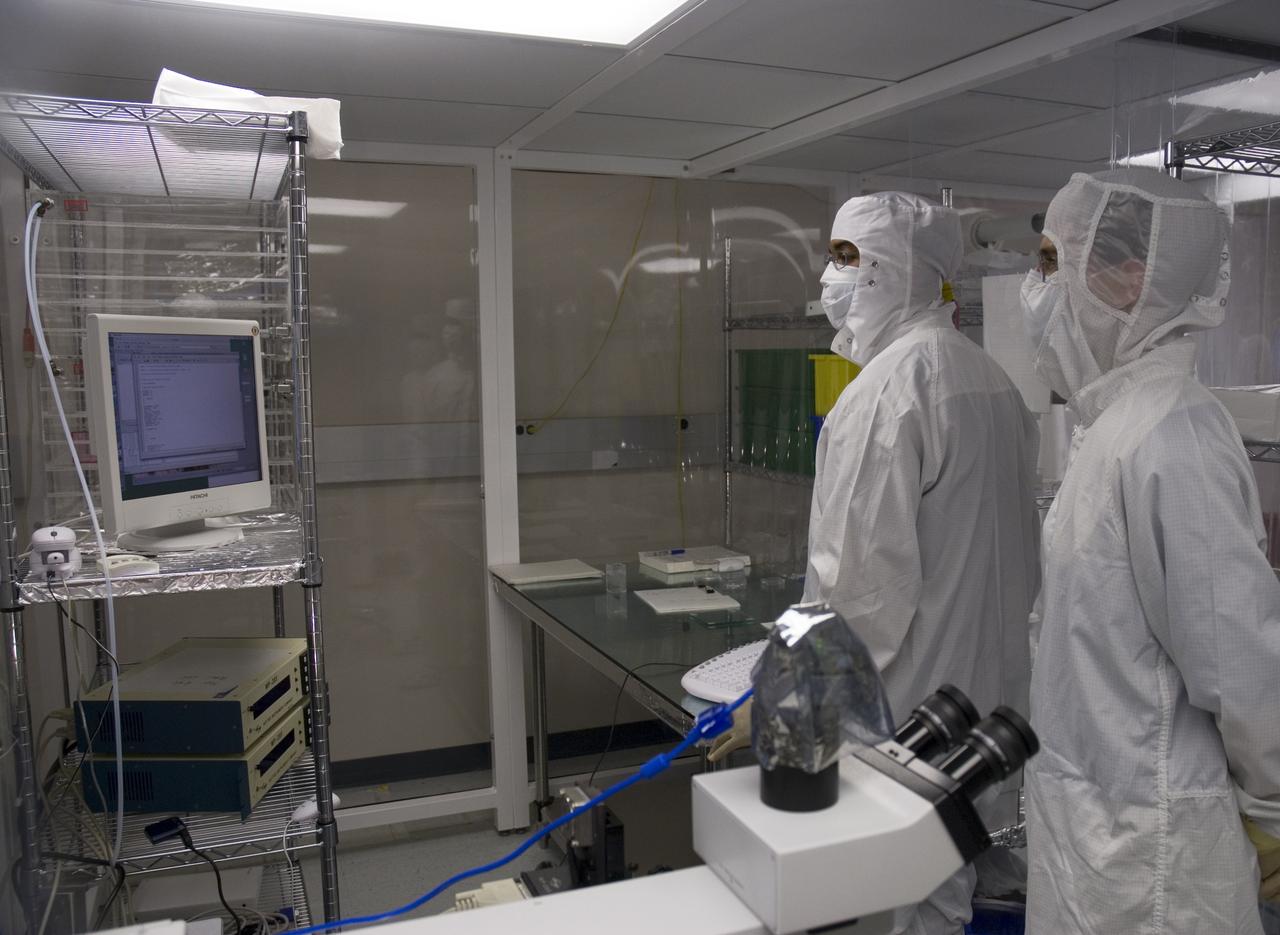
Stardust sample analysis @ UC Berkeley clean room with Dr Scott Sandford, NASA Ames Astrophysicist - mission samples provided to UC Berkeley for analysis by NASA Berkeley researchers Zack Gainsforth (seated) and Chris Snead working with sample encased in aerogel
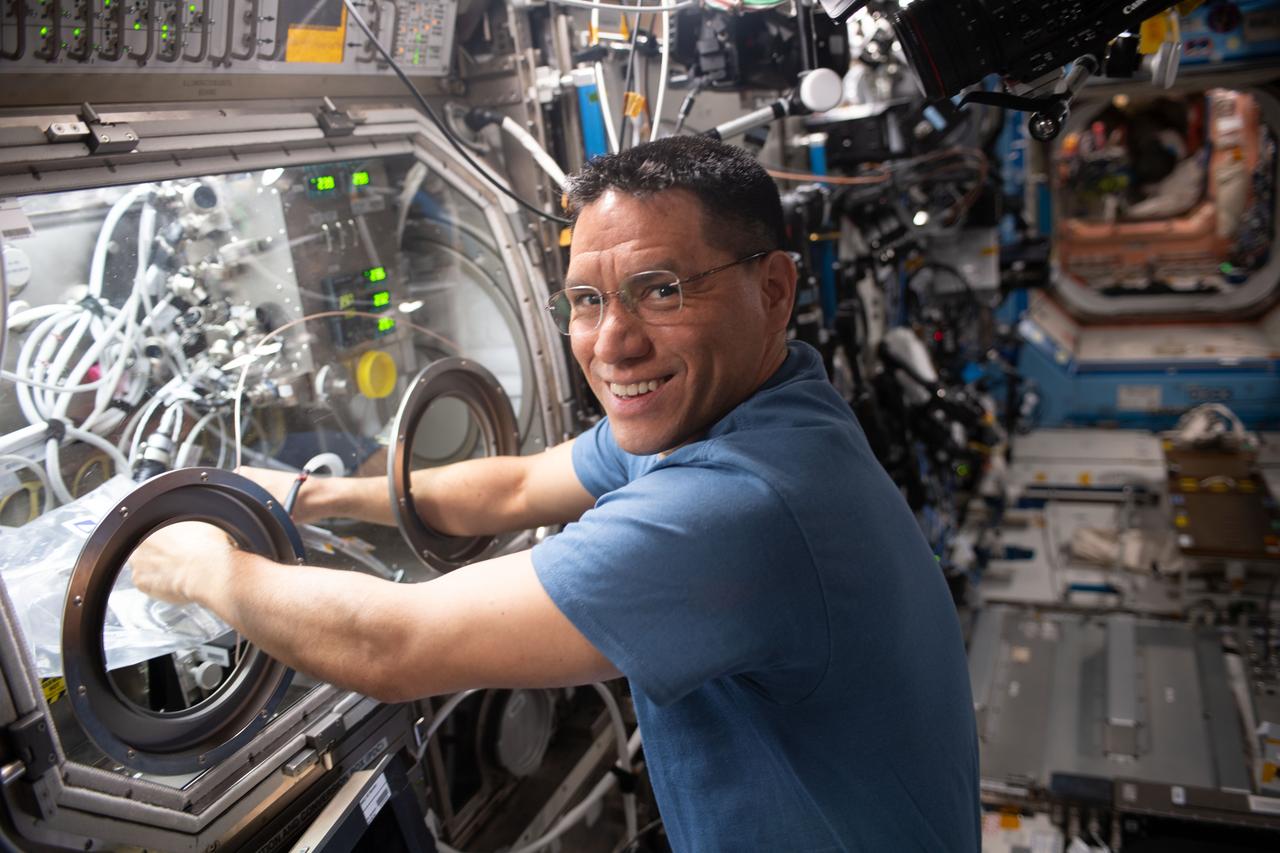
iss069e070724 (Aug. 21, 2023) --- NASA astronaut and Expedition 69 Flight Engineer Frank Rubio works in the Microgravity Science Glovebox swapping graphene aerogel samples for a space manufacturing study. The physics investigation seeks to produce a superior, uniform material structure benefitting power storage, environmental protection, and chemical sensing.

jsc2024e065152 (5/16/2024) --- Aerogel is one of the many samples and sensors that are included in the panel of the Space Experiment Study on Ageing of MatErial (SESAME) experiment, part of the Euro Material Ageing (EMA) investigation. The main objective of SESAME is to improve the selection of materials used on satellites, to improve their reliability and performance.
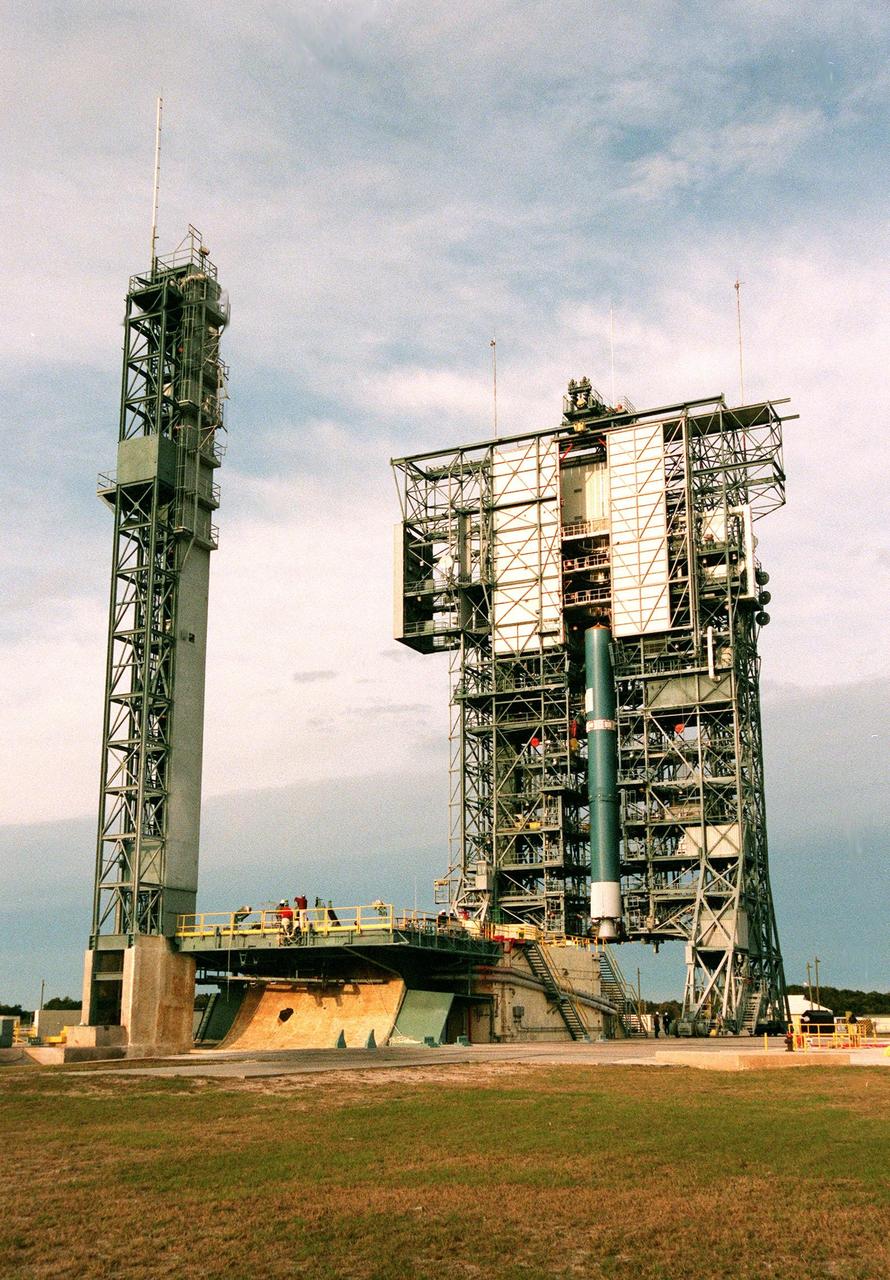
The first stage of a Boeing Delta II rocket is in position on the mobile tower (at right) at Launch Complex 17. At left is the launch tower. The rocket will carry the Stardust spacecraft into space for a close encounter with the comet Wild 2 in January 2004. Using a medium called aerogel, it will capture comet particles flying off the nucleus of the comet, plus collect interstellar dust for later analysis. The collected samples will return to Earth in a Sample Return Capsule to be jettisoned as Stardust swings by Earth in January 2006. Stardust is scheduled to be launched on Feb. 6, 1999
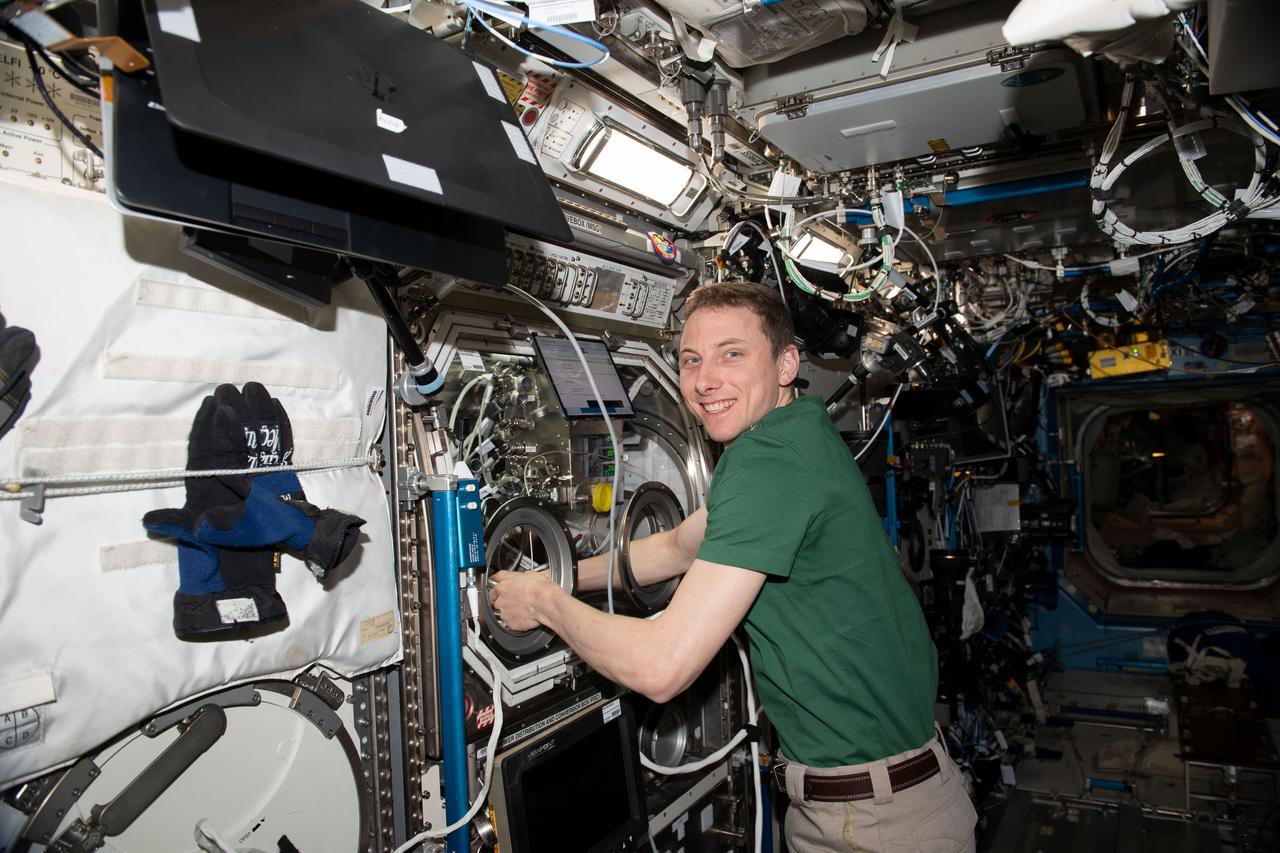
iss069e060236 (Aug. 14, 2023) --- NASA astronaut and Expedition 69 Flight Engineer Woody Hoburg works on physics research inside the Destiny laboratory module's Microgravity Science Glovebox. The SUBSA-μgGA investigation seeks to create a superior graphene aerogel, a synthetic material with high porosity and low density, in microgravity benefitting both Earth and space industries such as power storage, environmental protection, and chemical sensing.
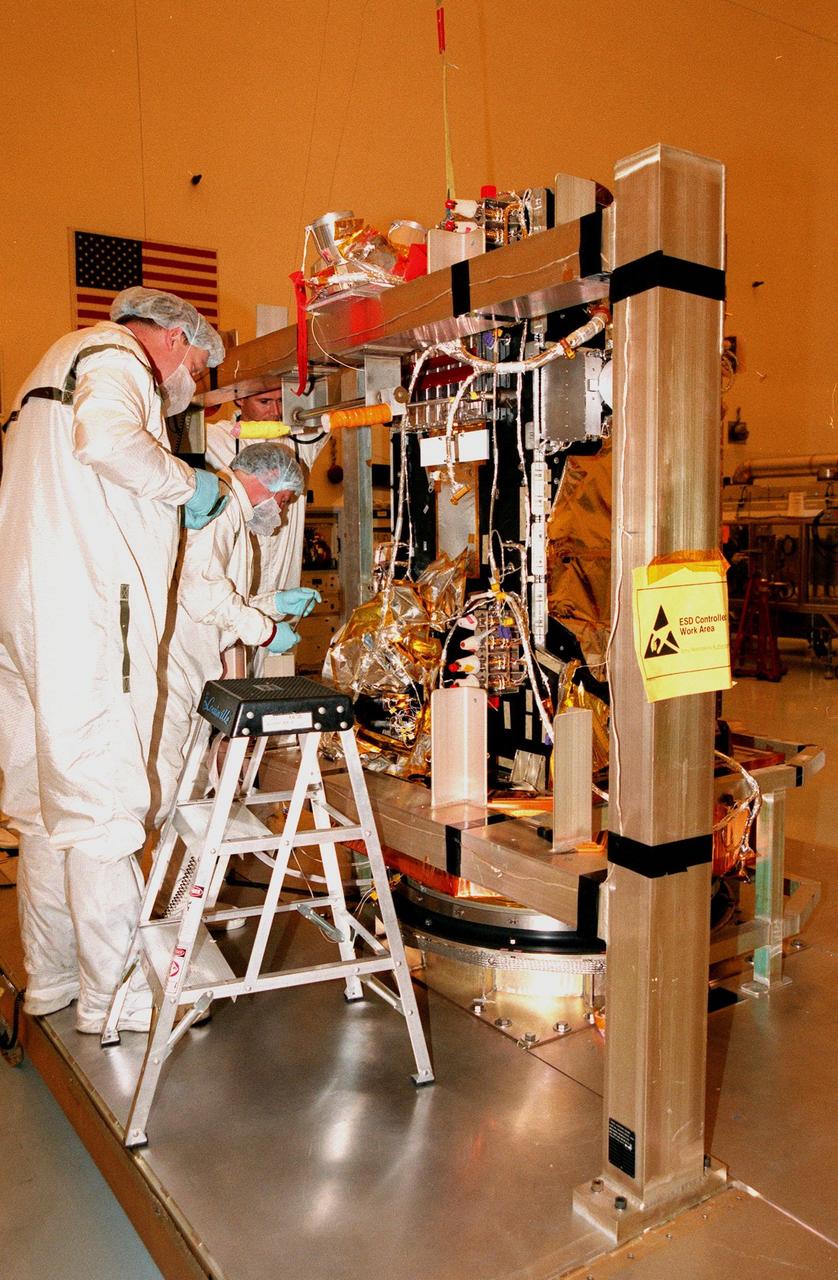
In the Payload Hazardous Servicing Facility, workers install a science panel on the spacecraft Stardust. Scheduled to be launched aboard a Boeing Delta 7426 rocket from Complex 17, Cape Canaveral Air Station, on Feb. 6, 1999, Stardust will use a unique medium called aerogel to capture comet particles flying off the nucleus of comet Wild 2 in January 2004, plus collect interstellar dust for later analysis. The collected samples will return to Earth in a re-entry capsule to be jettisoned as it swings by Earth in January 2006
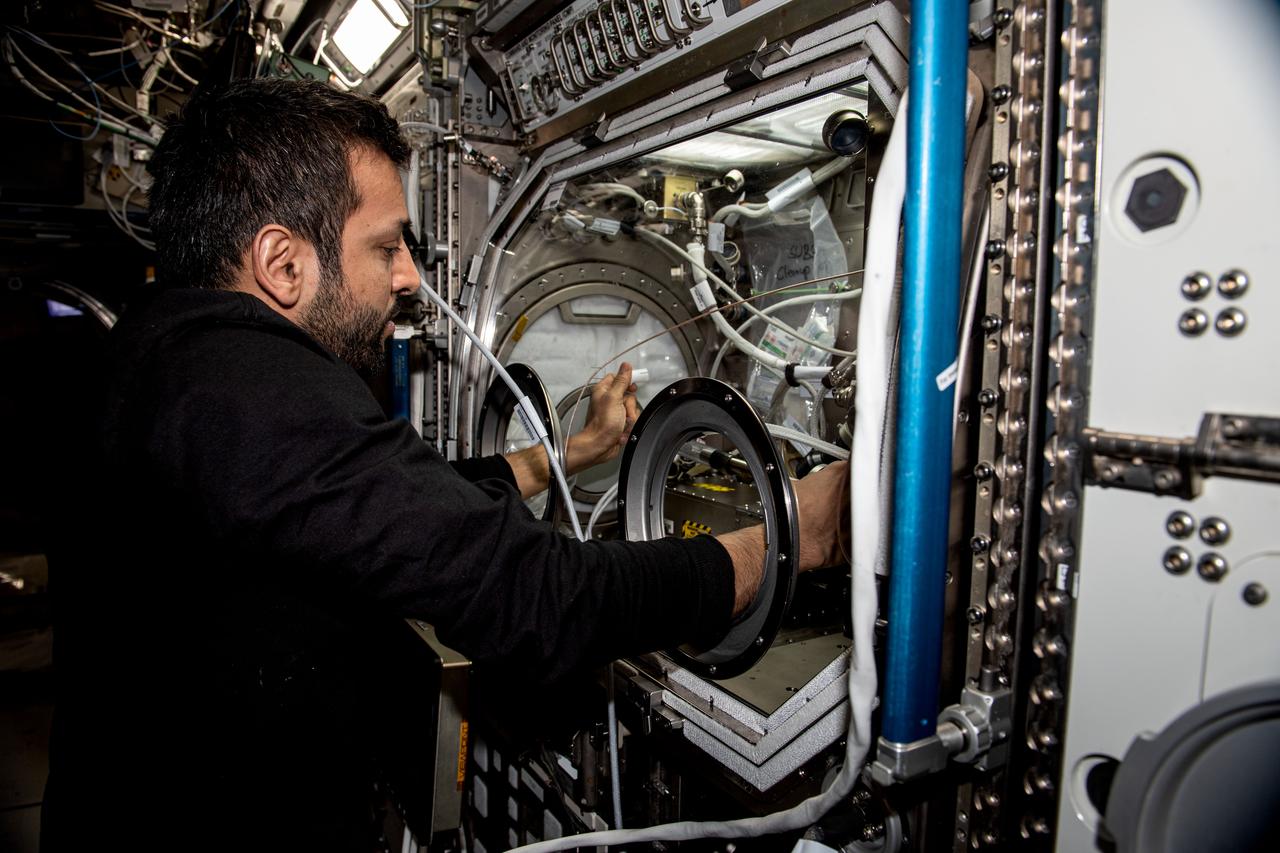
iss069e056648 (Aug. 11, 2023) --- UAE (United Arab Emirates) astronaut and Expedition 69 Flight Engineer Sultan Alneyadi works on physics research inside the Destiny laboratory module's Microgravity Science Glovebox. The SUBSA-μgGA investigation seeks to create a superior graphene aerogel, a synthetic material with high porosity and low density, in microgravity benefitting both Earth and space industries such as power storage, environmental protection, and chemical sensing.
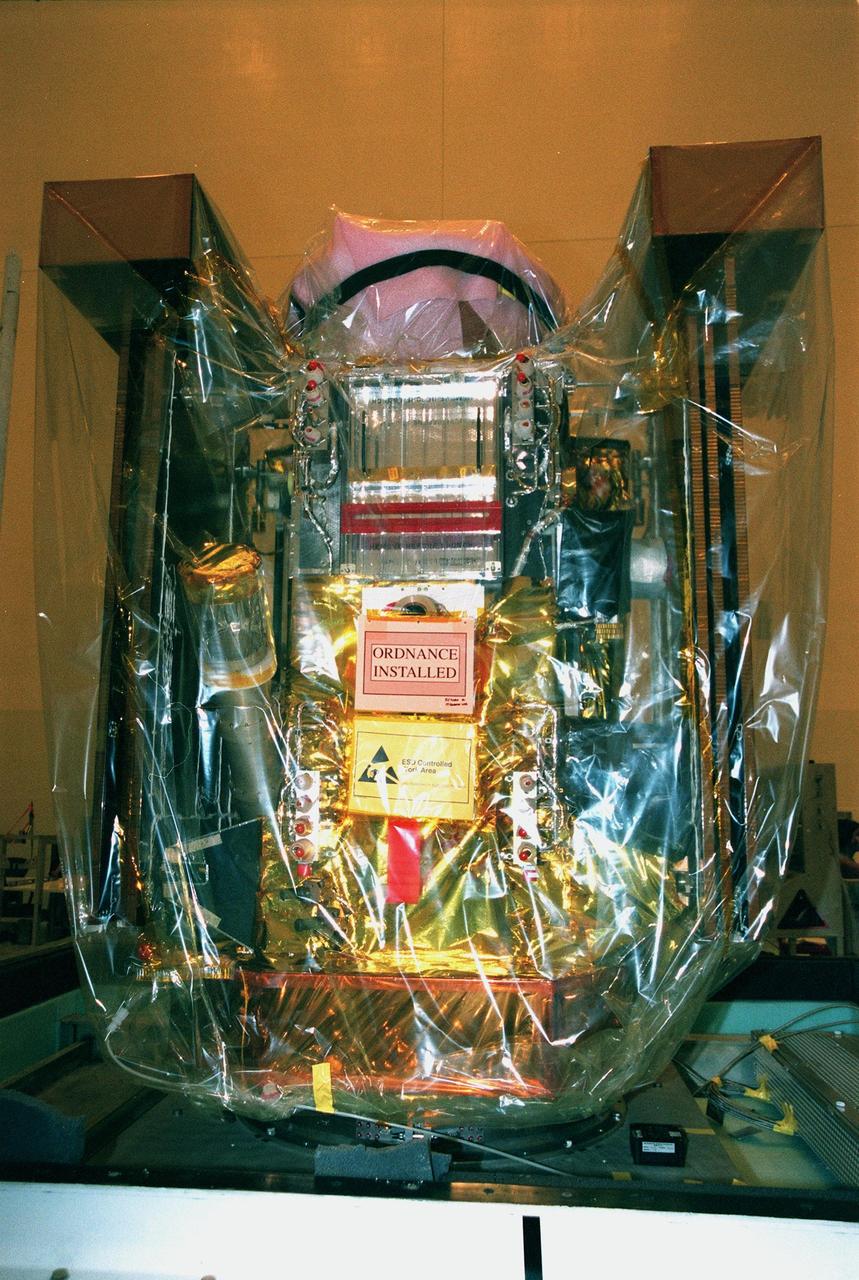
In the Payload Hazardous Service Facility, the Stardust spacecraft sits wrapped in plastic covering. Built by Lockheed Martin Astronautics near Denver, Colo., for the Jet Propulsion Laboratory (JPL) and NASA, the spacecraft Stardust will use a unique medium called aerogel to capture comet particles and interstellar dust for later analysis. Stardust will be launched aboard a Boeing Delta 7426 rocket targeted for Feb. 6, 1999. The collected samples will return to Earth in a re-entry capsule to be jettisoned from Stardust as it swings by Earth in January 2006
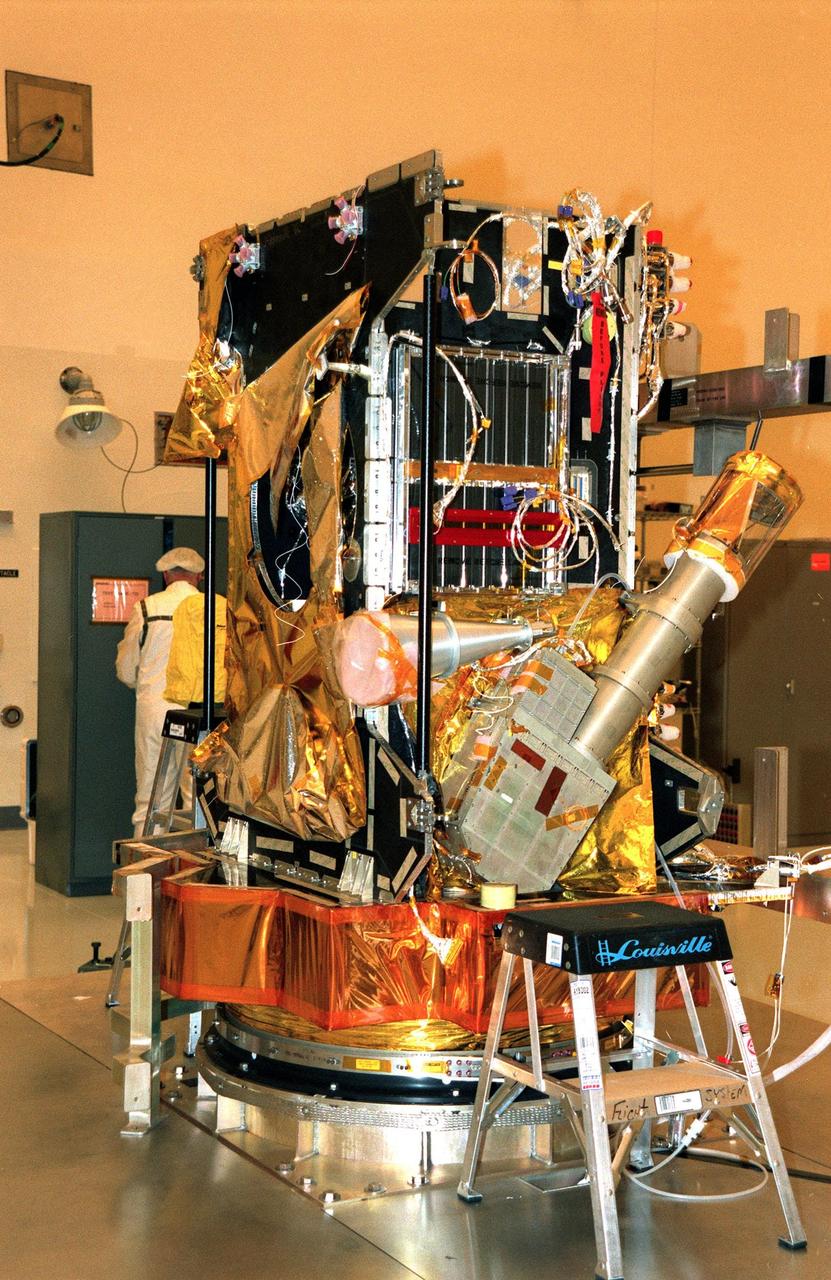
In the Payload Hazardous Servicing Facility, the Stardust spacecraft is ready for the sample return capsule to be attached. Stardust will use a unique medium called aerogel to capture comet particles flying off the nucleus of comet Wild 2 in January 2004, plus collect interstellar dust for later analysis. The collected samples will return to Earth in the re-entry capsule to be jettisoned as it swings by Earth in January 2006. Stardust is scheduled to be launched aboard a Boeing Delta 7426 rocket from Complex 17, Cape Canaveral Air Station, on Feb. 6, 1999
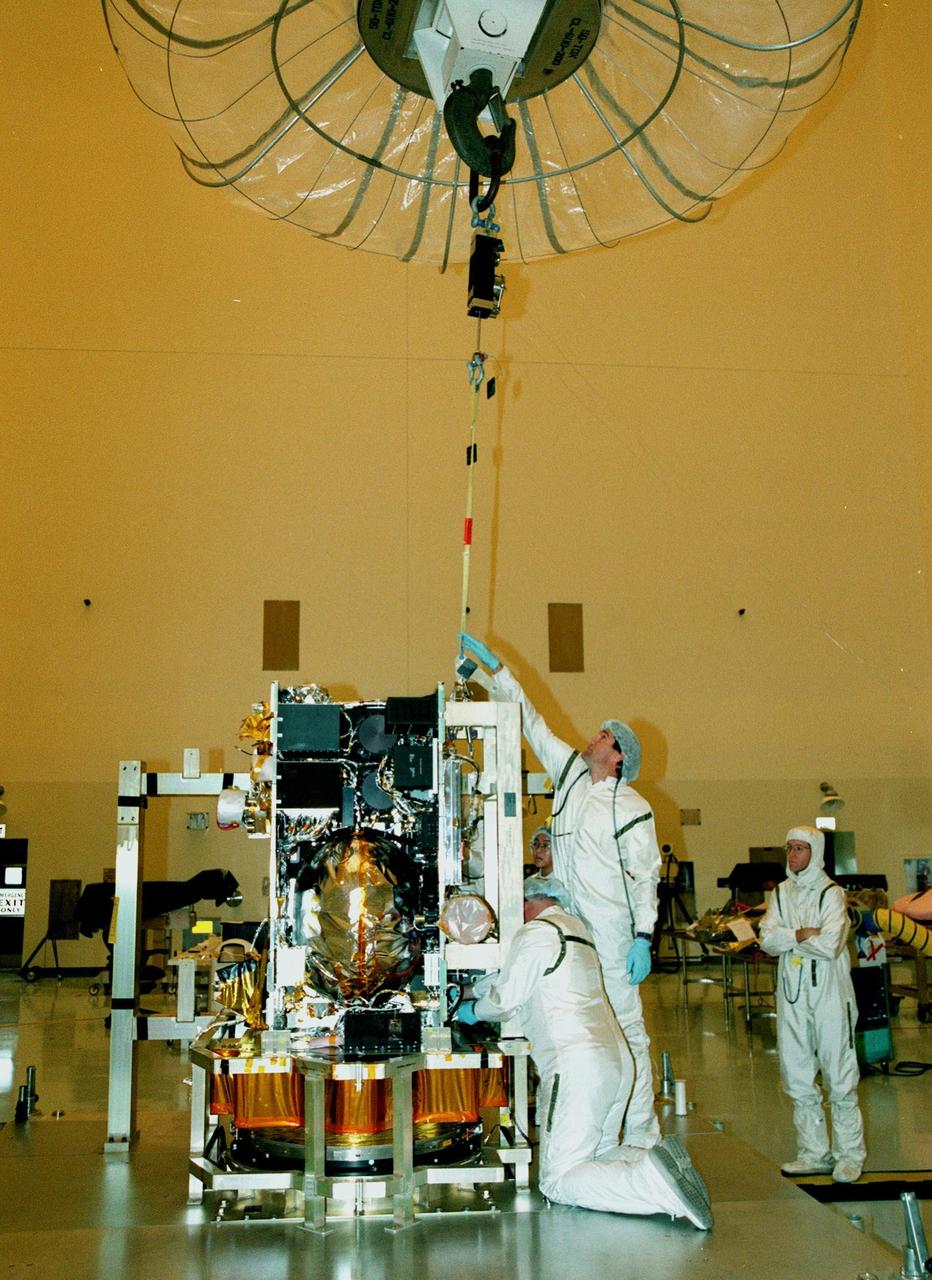
In the Payload Hazardous Servicing Facility, workers adjust a science panel they are installing on the spacecraft Stardust. Scheduled to be launched aboard a Boeing Delta 7426 rocket from Complex 17, Cape Canaveral Air Station, on Feb. 6, 1999, Stardust will use a unique medium called aerogel to capture comet particles flying off the nucleus of comet Wild 2 in January 2004, plus collect interstellar dust for later analysis. The collected samples will return to Earth in a re-entry capsule to be jettisoned as it swings by Earth in January 2006
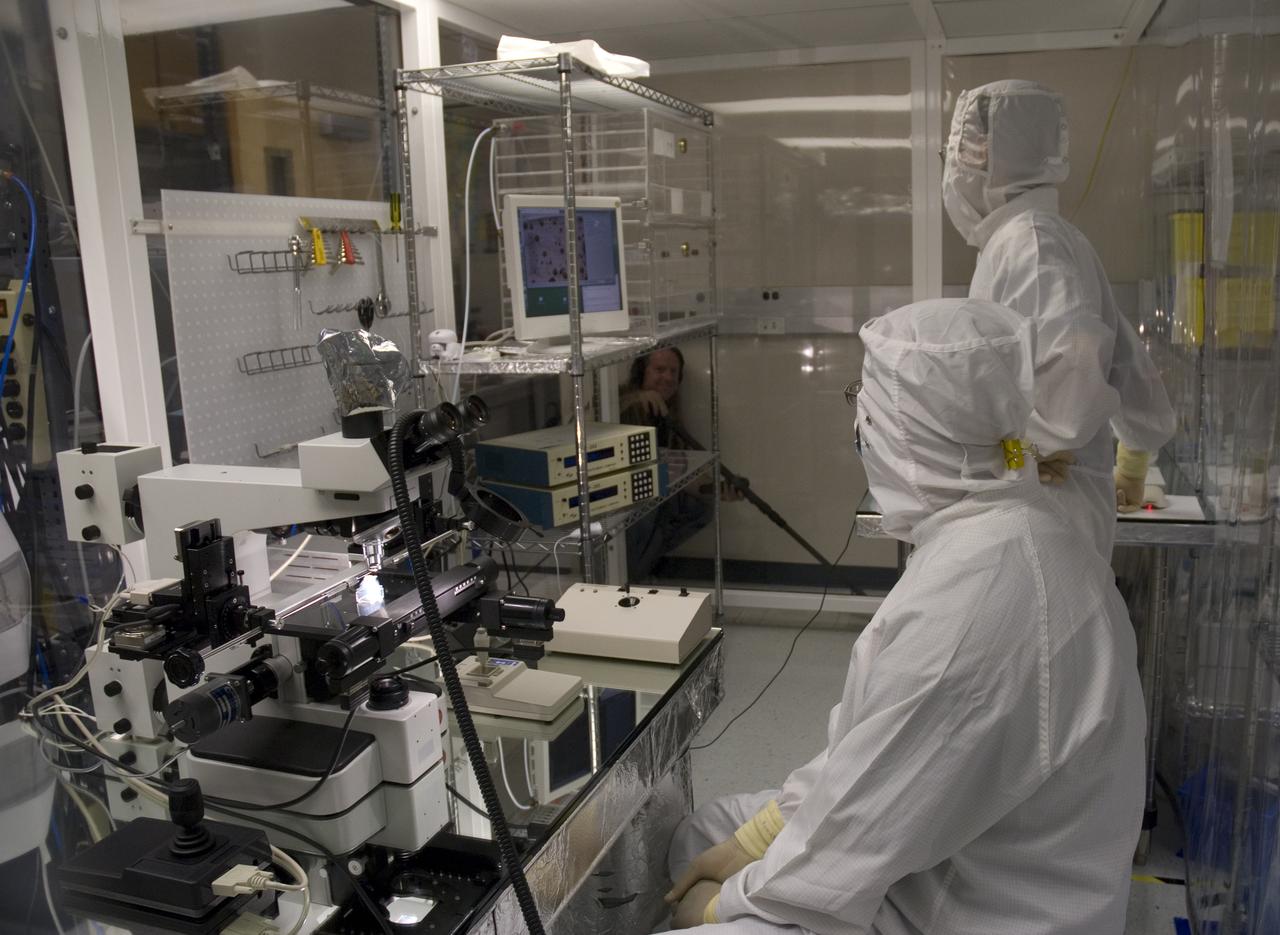
Stardust sample analysis @ UC Berkeley clean room with Dr Scott Sandford, NASA Ames Astrophysicist - mission samples provided to UC Berkeley for analysis by NASA Berkeley researchers Zack Gainsforth (seated) and Chris Snead working with sample encased in aerogel Note: Eric Land of NASA/AMES video crew in lower left corner providing sound support for event
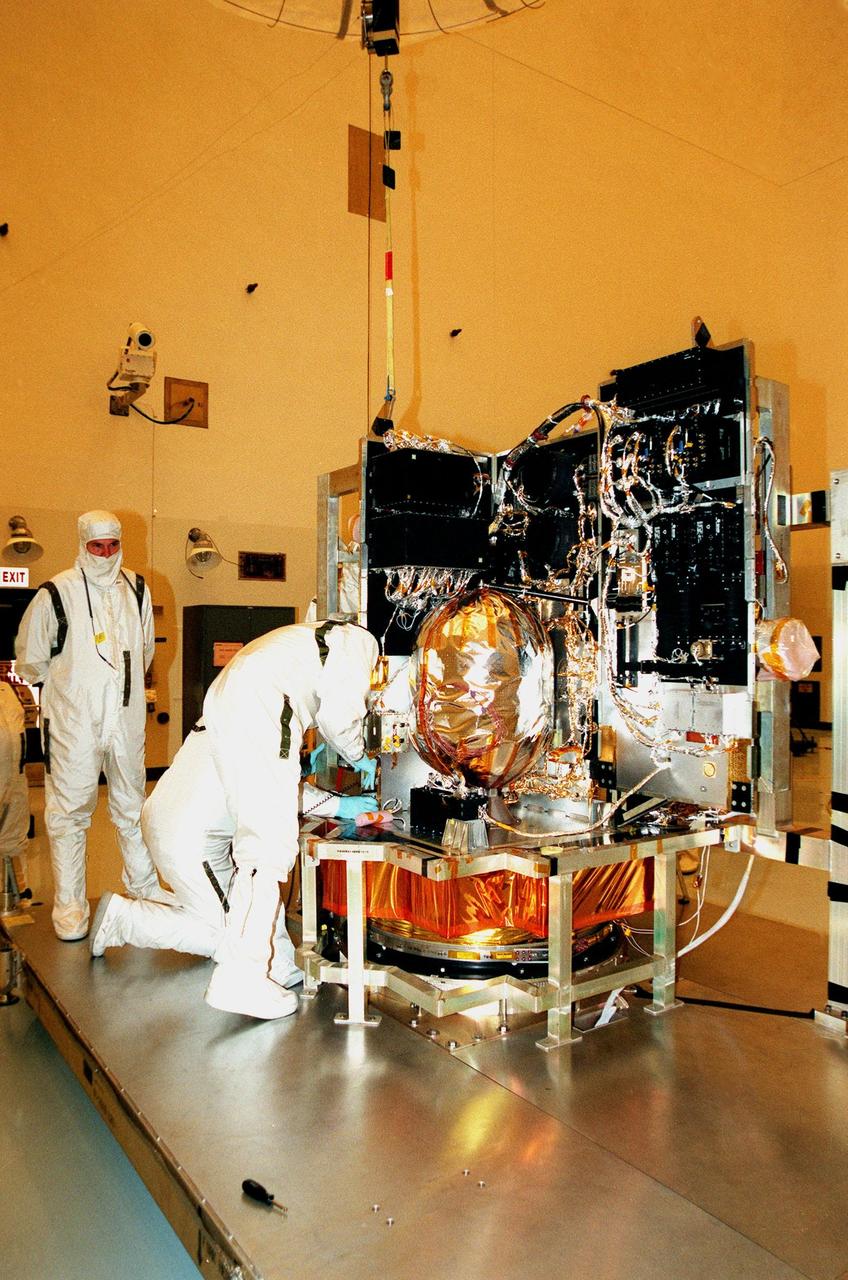
In the Payload Hazardous Servicing Facility, workers get ready to install a science panel on the spacecraft Stardust. Scheduled to be launched aboard a Boeing Delta 7426 rocket from Complex 17, Cape Canaveral Air Station, on Feb. 6, 1999, Stardust will use a unique medium called aerogel to capture comet particles flying off the nucleus of comet Wild 2 in January 2004, plus collect interstellar dust for later analysis. The collected samples will return to Earth in a re-entry capsule to be jettisoned as it swings by Earth in January 2006
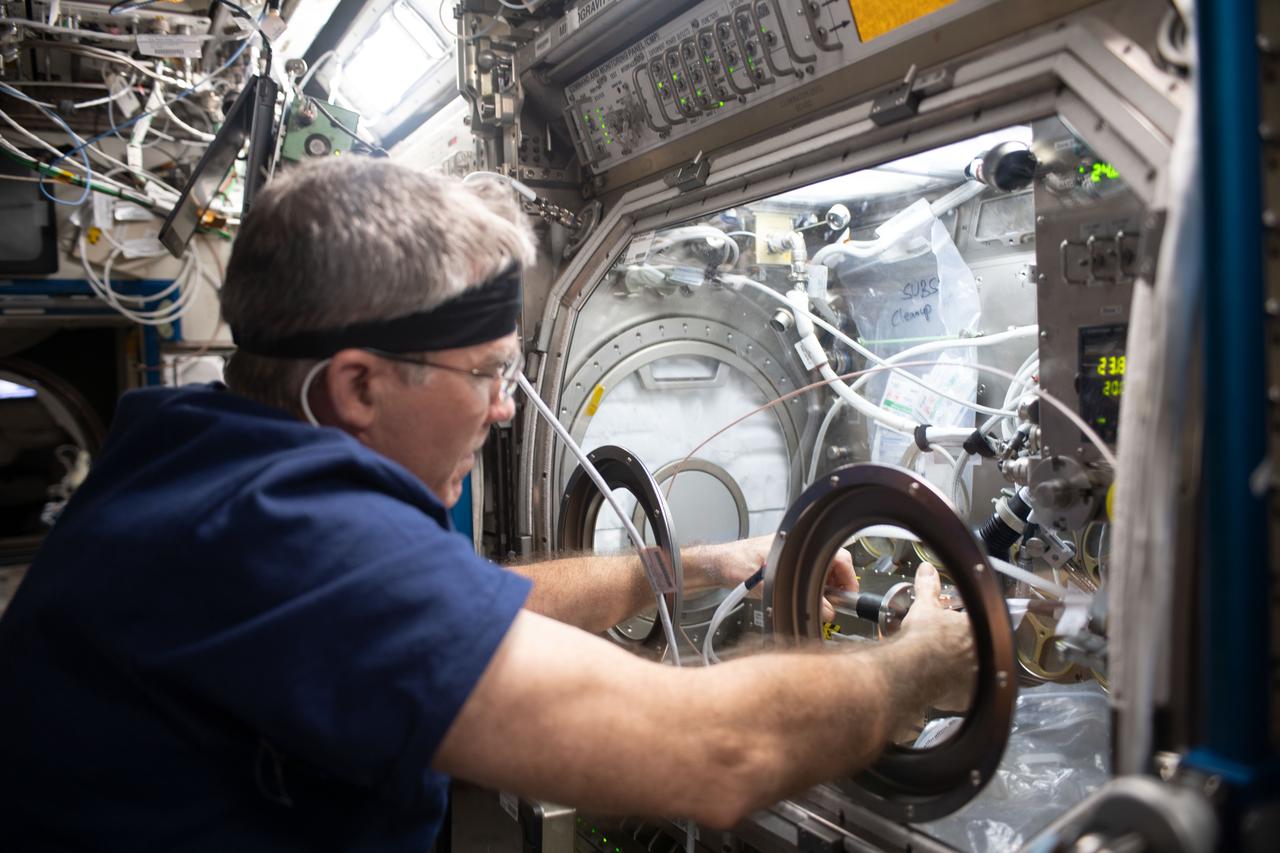
iss069e056172 (Aug. 11, 2023) --- NASA astronaut and Expedition 69 Flight Engineer Stephen Bowen works on physics research inside the Destiny laboratory module's Microgravity Science Glovebox. The SUBSA-μgGA investigation seeks to create a superior graphene aerogel, a synthetic material with high porosity and low density, in microgravity benefitting both Earth and space industries such as power storage, environmental protection, and chemical sensing.
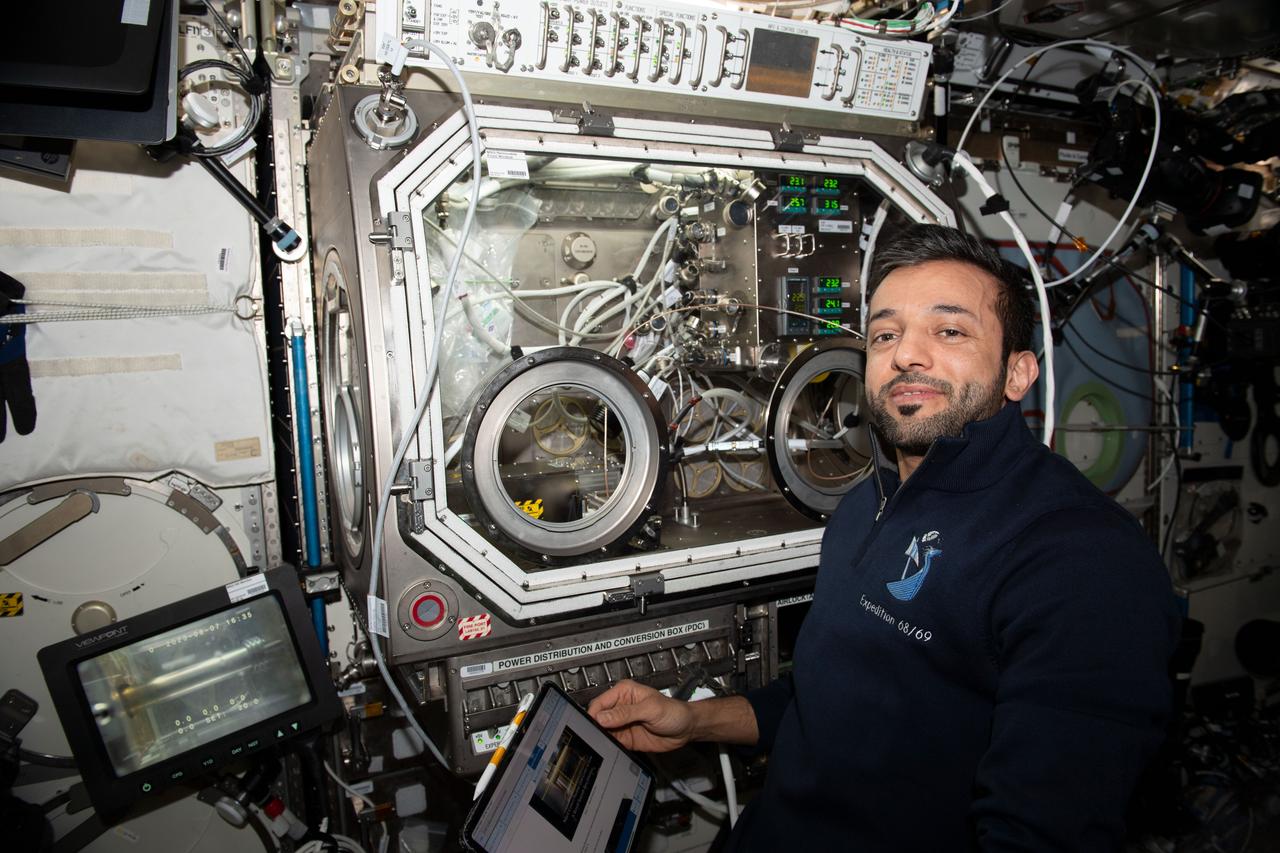
iss069e054948 (Aug. 7, 2023) --- UAE (United Arab Emirates) astronaut and Expedition 69 Flight Engineer Sultan Alneyadi sets up physics research hardware in the Destiny laboratory module's Microgravity Science Glovebox. The investigation seeks to create a superior graphene aerogel, a synthetic material with high porosity and low density, in microgravity benefitting both Earth and space industries such as power storage, environmental protection, and chemical sensing.
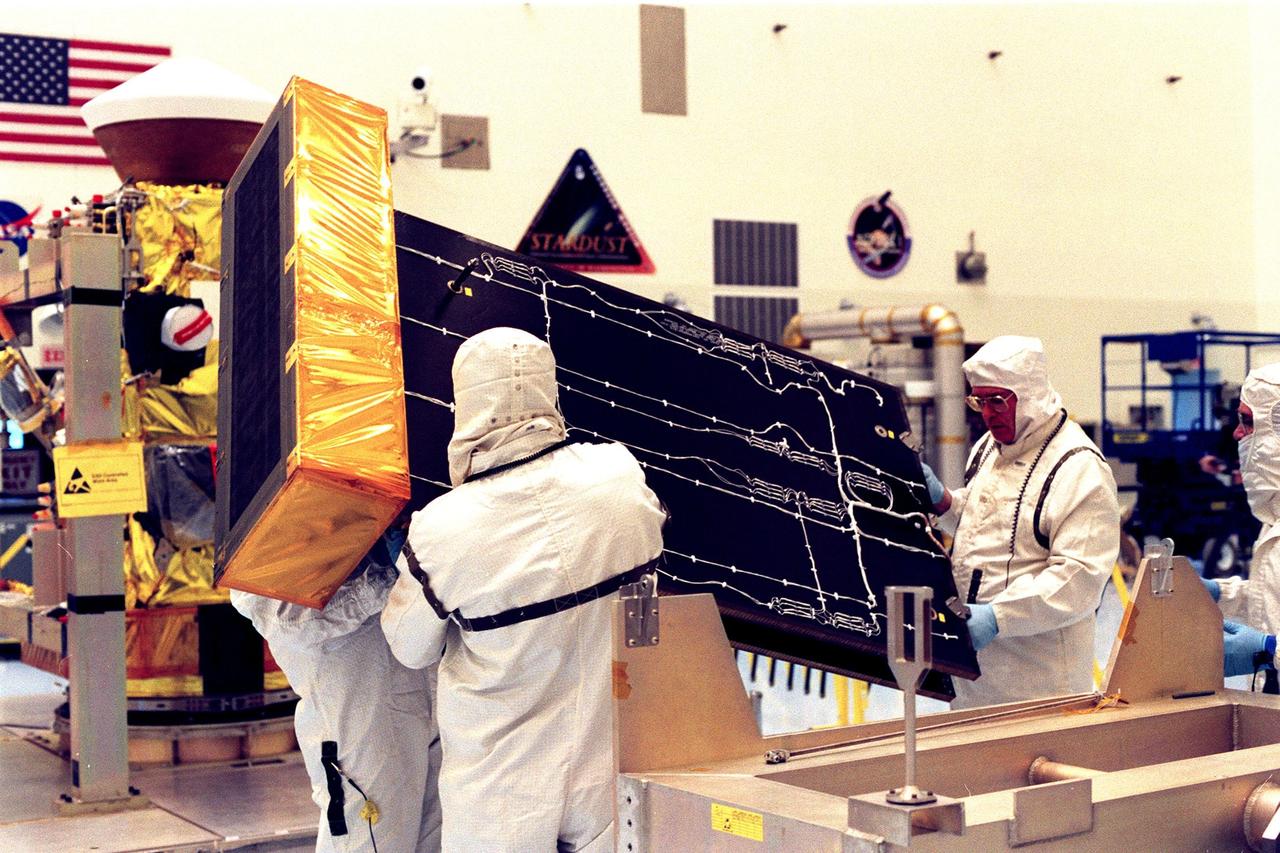
In the Payload Hazardous Servicing Facility, workers carry one of the Stardust solar panels removed for testing. The spacecraft Stardust will use a unique medium called aerogel to capture comet particles flying off the nucleus of comet Wild 2 in January 2004, plus collect interstellar dust for later analysis. Stardust will be launched aboard a Boeing Delta 7426 rocket from Complex 17, Cape Canaveral Air Station, targeted for Feb. 6, 1999. The collected samples will return to Earth in a re-entry capsule to be jettisoned from Stardust as it swings by Earth in January 2006
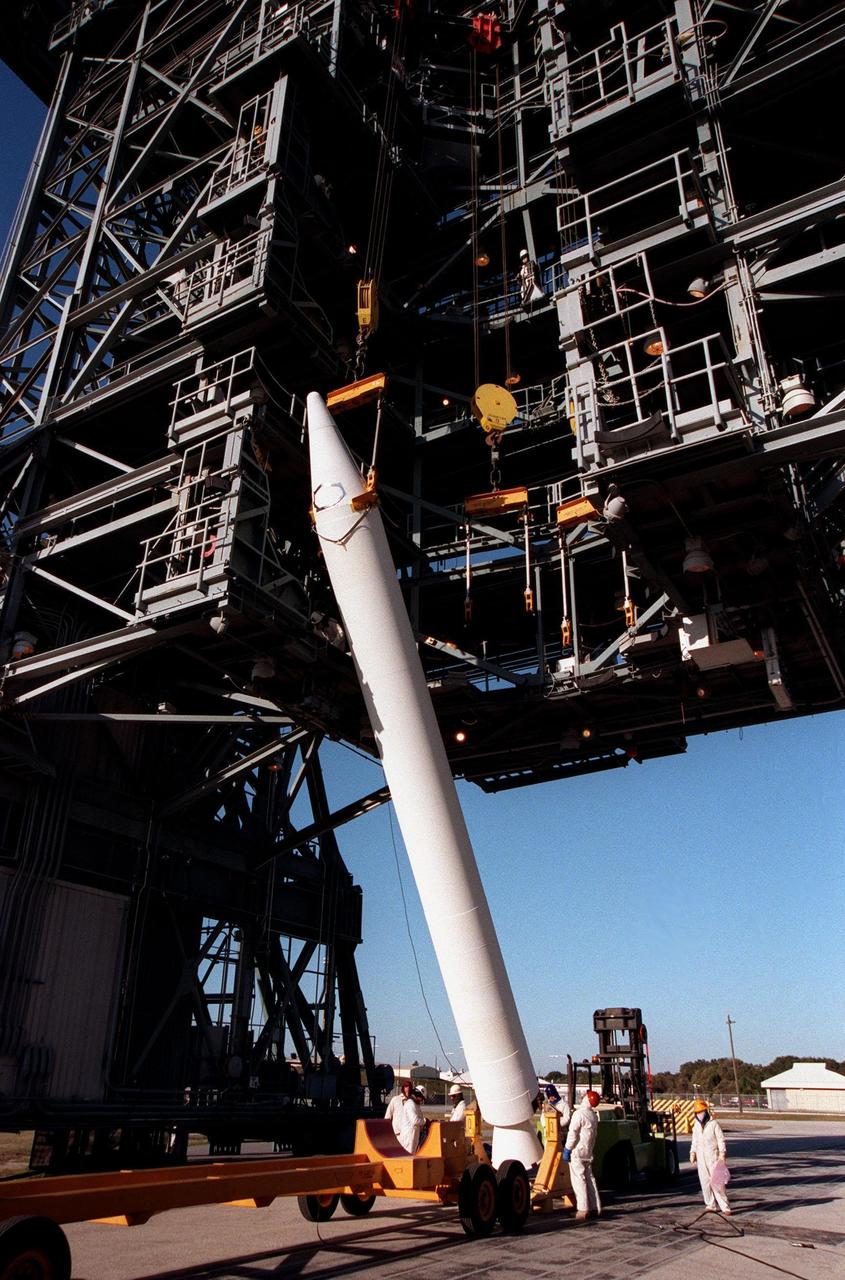
A solid rocket booster is raised to a vertical position before lifting it up the mobile launch tower at Pad 17A, Cape Canaveral Air Station. It will be mated with a Boeing Delta II rocket that will carry the Stardust spacecraft into space for a close encounter with the comet Wild 2 in January 2004. Using a medium called aerogel, Stardust will capture comet particles flying off the nucleus of the comet, plus collect interstellar dust for later analysis. The collected samples will return to Earth in a sample return capsule to be jettisoned as Stardust swings by Earth in January 2006. Stardust is scheduled to be launched on Feb. 6, 1999
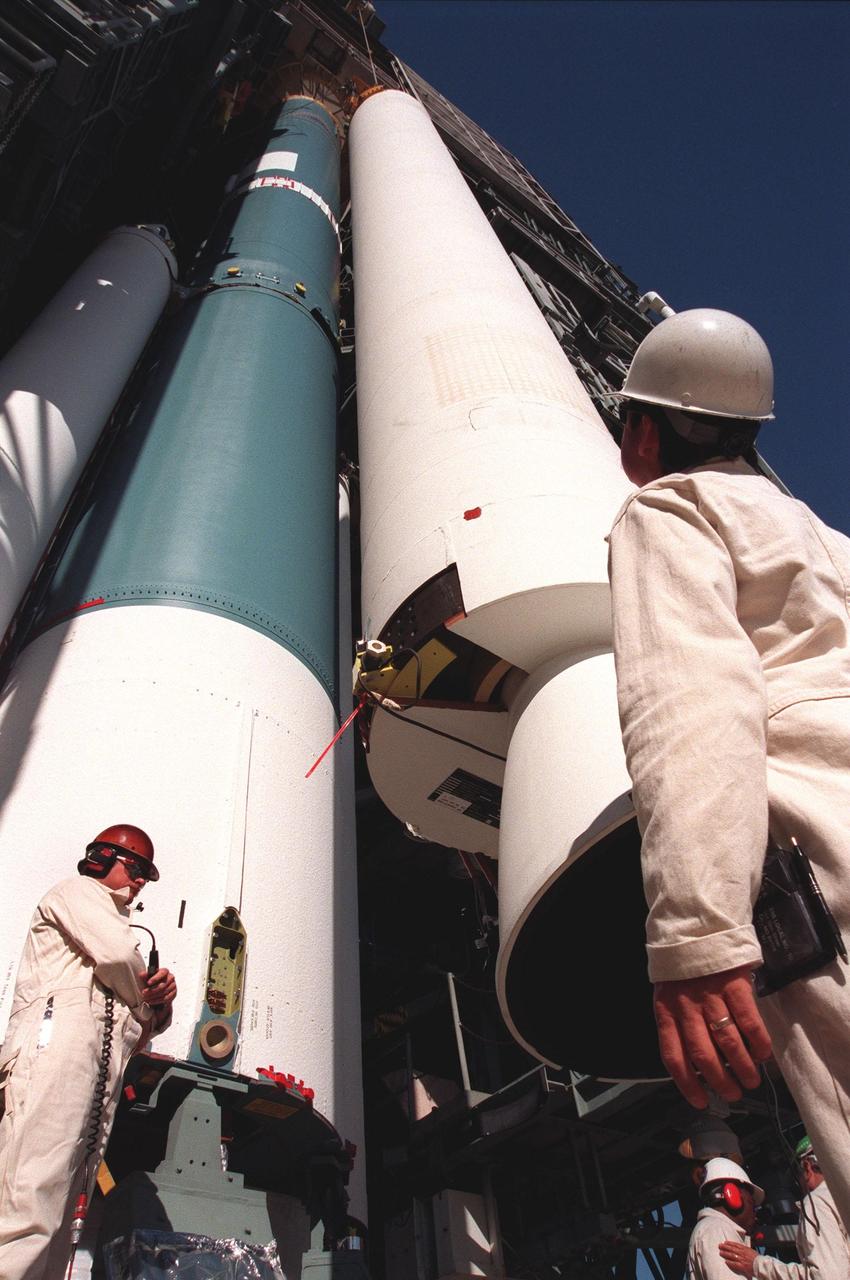
At Pad 17A, Cape Canaveral Air Station, workers keep watch on the placement of the fourth and final solid rocket booster (SRB) being mated with the Boeing Delta II rocket. The rocket will be aided by four SRBs to carry the Stardust satellite into space for a close encounter with the comet Wild 2 in January 2004. Using a medium called aerogel, Stardust will capture comet particles flying off the nucleus of the comet, plus collect interstellar dust for later analysis. The collected samples will return to Earth in a Sample Return Capsule to be jettisoned as Stardust swings by Earth in January 2006. Stardust is scheduled to be launched on Feb. 6, 1999

In the Payload Hazardous Servicing Facility, the fully extended solar panels of the <a href="http://www-pao.ksc.nasa.gov/kscpao/captions/subjects/stardust.htm"> Stardust</a>spacecraft undergo lighting tests. Stardust is scheduled to be launched aboard a Boeing Delta II rocket from Launch Pad 17A, Cape Canaveral Air Station, on Feb. 6, 1999, for a rendezvous with the comet Wild 2 in January 2004. Stardust will use a substance called aerogel to capture comet particles flying off the nucleus of the comet, plus collect interstellar dust for later analysis. The collected samples will return to Earth in a sample return capsule to be jettisoned as it swings by Earth in January 2006
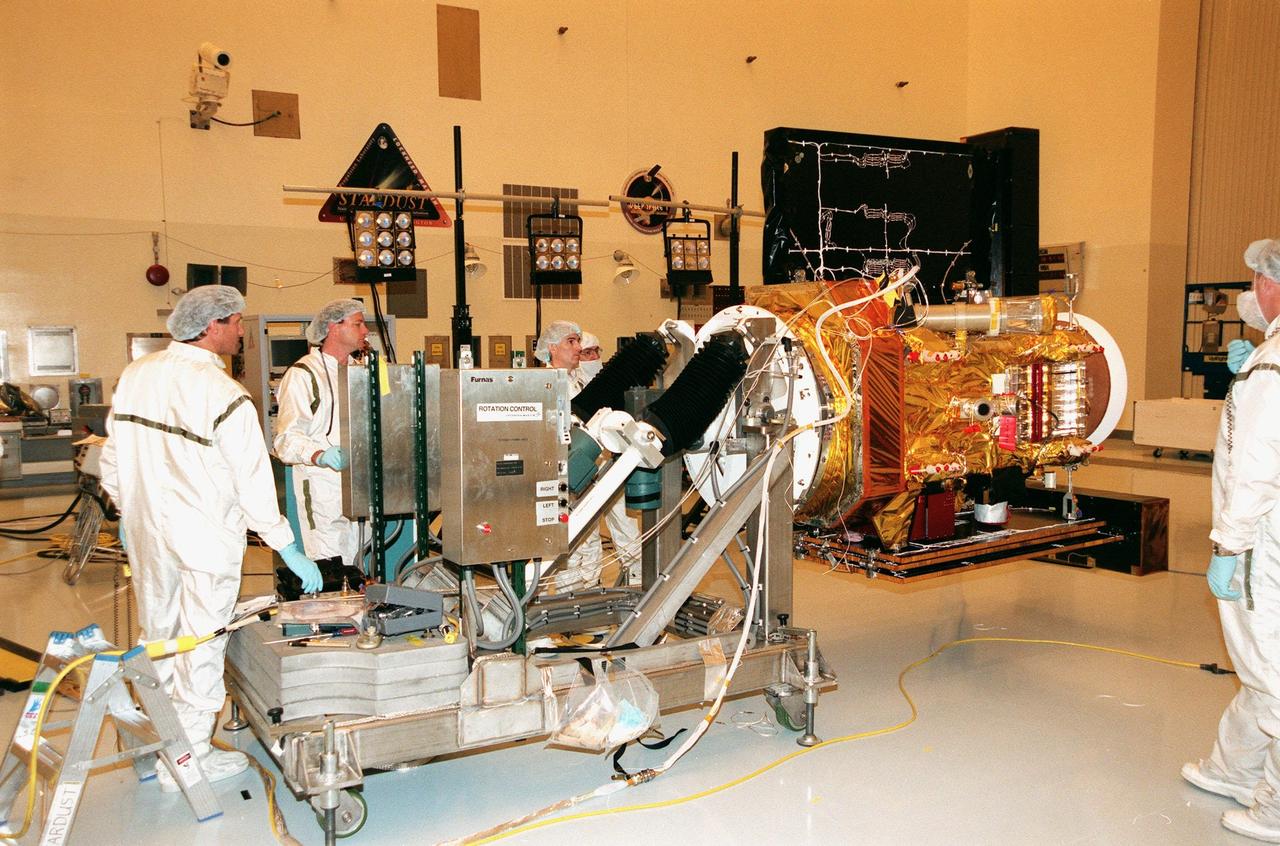
Workers in the Payload Hazardous Servicing Facility deploy a solar panel on the <a href="http://www-pao.ksc.nasa.gov/kscpao/captions/subjects/stardust.htm"> Stardust</a> spacecraft before performing lighting tests. Stardust is scheduled to be launched aboard a Boeing Delta II rocket from Launch Pad 17A, Cape Canaveral Air Station, on Feb. 6, 1999, for a rendezvous with the comet Wild 2 in January 2004. Stardust will use a substance called aerogel to capture comet particles flying off the nucleus of the comet, plus collect interstellar dust for later analysis. The collected samples will return to Earth in a sample return capsule to be jettisoned as it swings by Earth in January 2006
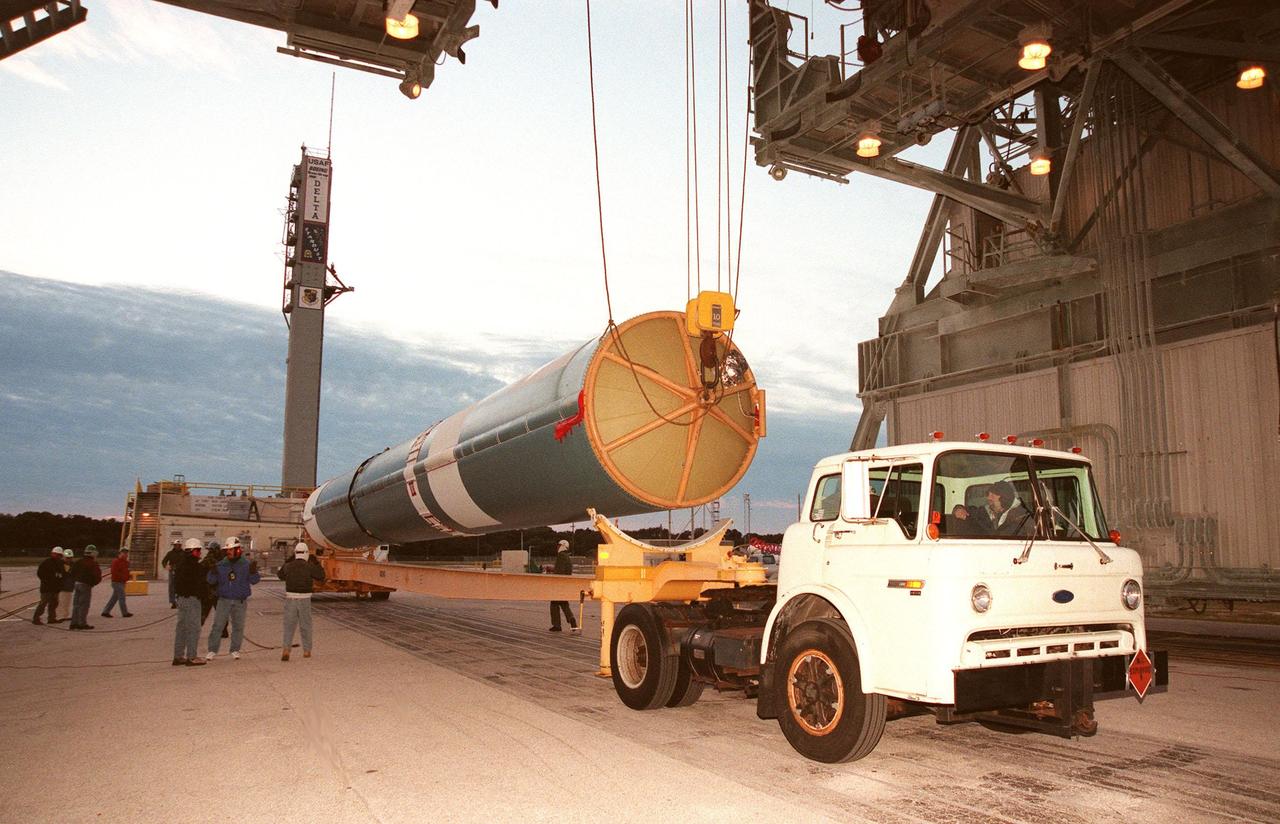
The first stage of a Boeing Delta II rocket is raised off a truck bed before being lifted into place on the tower at Launch Complex 17, Cape Canaveral Air Station. The rocket will carry the Stardust spacecraft into space for a close encounter with the comet Wild 2 in January 2004. Using a medium called aerogel, it will capture comet particles flying off the nucleus of the comet, plus collect interstellar dust for later analysis. The collected samples will return to Earth in a Sample Return Capsule to be jettisoned as Stardust swings by Earth in January 2006. Stardust is scheduled to be launched on Feb. 6, 1999
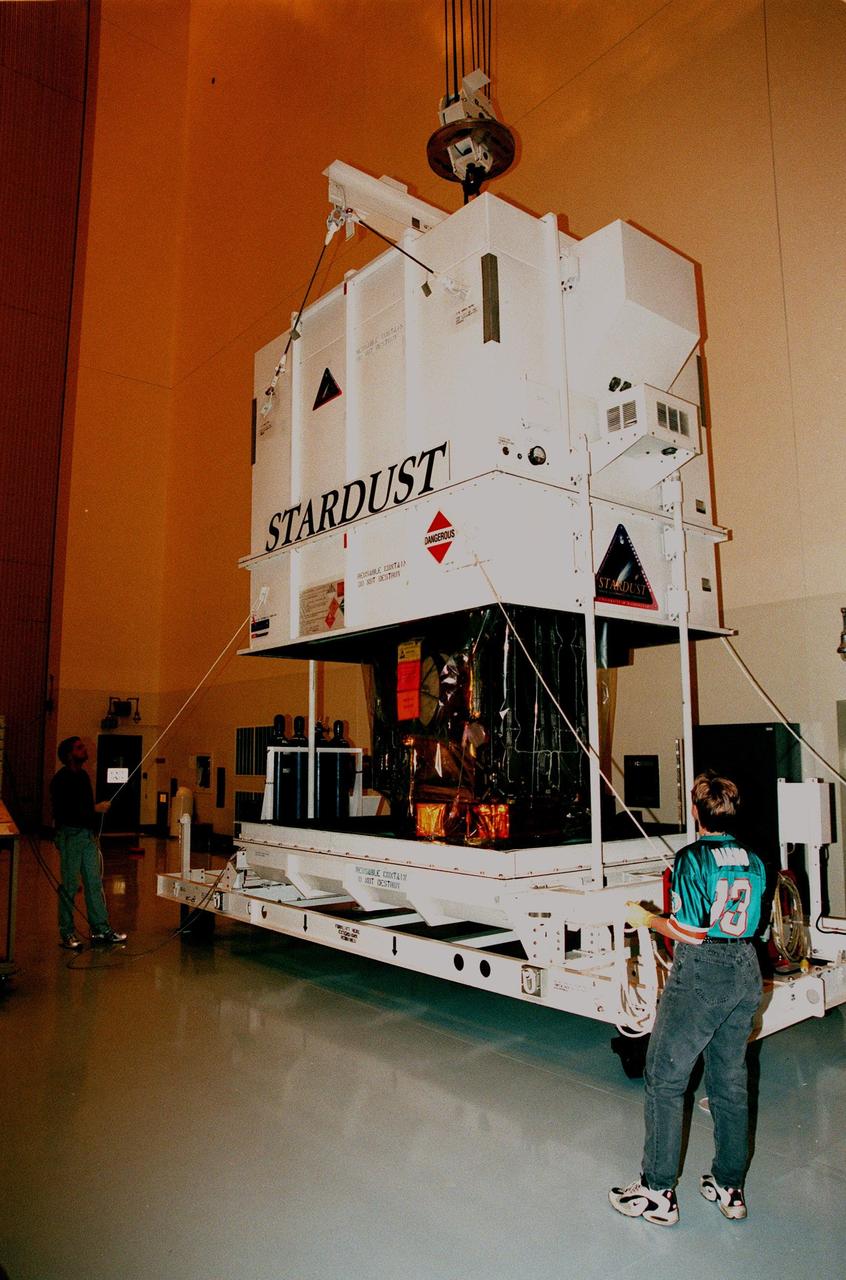
In the Payload Hazardous Service Facility, workers lift the cover that protected the Stardust spacecraft during its journey. Built by Lockheed Martin Astronautics near Denver, Colo., for the Jet Propulsion Laboratory (JPL) and NASA, the spacecraft Stardust will use a unique medium called aerogel to capture comet particles flying off the nucleus of comet Wild 2 in January 2004, plus collect interstellar dust for later analysis. Stardust will be launched aboard a Boeing Delta 7426 rocket from Complex 17, Cape Canaveral Air Station, targeted for Feb. 6, 1999. The collected samples will return to Earth in a re-entry capsule to be jettisoned from Stardust as it swings by in January 2006
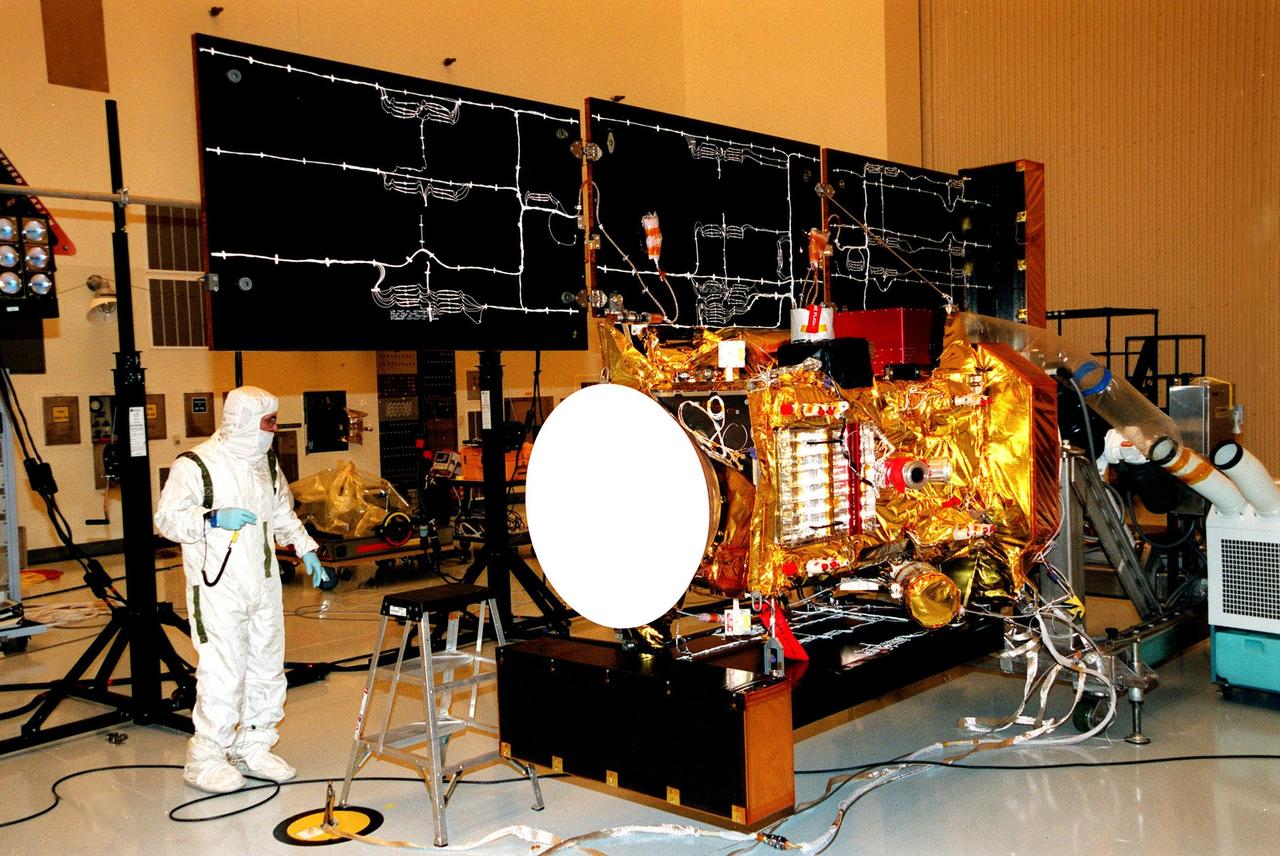
In the Payload Hazardous Servicing Facility, a worker looks over the solar panels of the <a href="http://www-pao.ksc.nasa.gov/kscpao/captions/subjects/stardust.htm"> Stardust</a> spacecraft before it undergoes lighting tests. Stardust is scheduled to be launched aboard a Boeing Delta II rocket from Launch Pad 17A, Cape Canaveral Air Station, on Feb. 6, 1999, for a rendezvous with the comet Wild 2 in January 2004. Stardust will use a substance called aerogel to capture comet particles flying off the nucleus of the comet, plus collect interstellar dust for later analysis. The collected samples will return to Earth in a sample return capsule (its white cap is seen on the left) to be jettisoned as it swings by Earth in January 2006
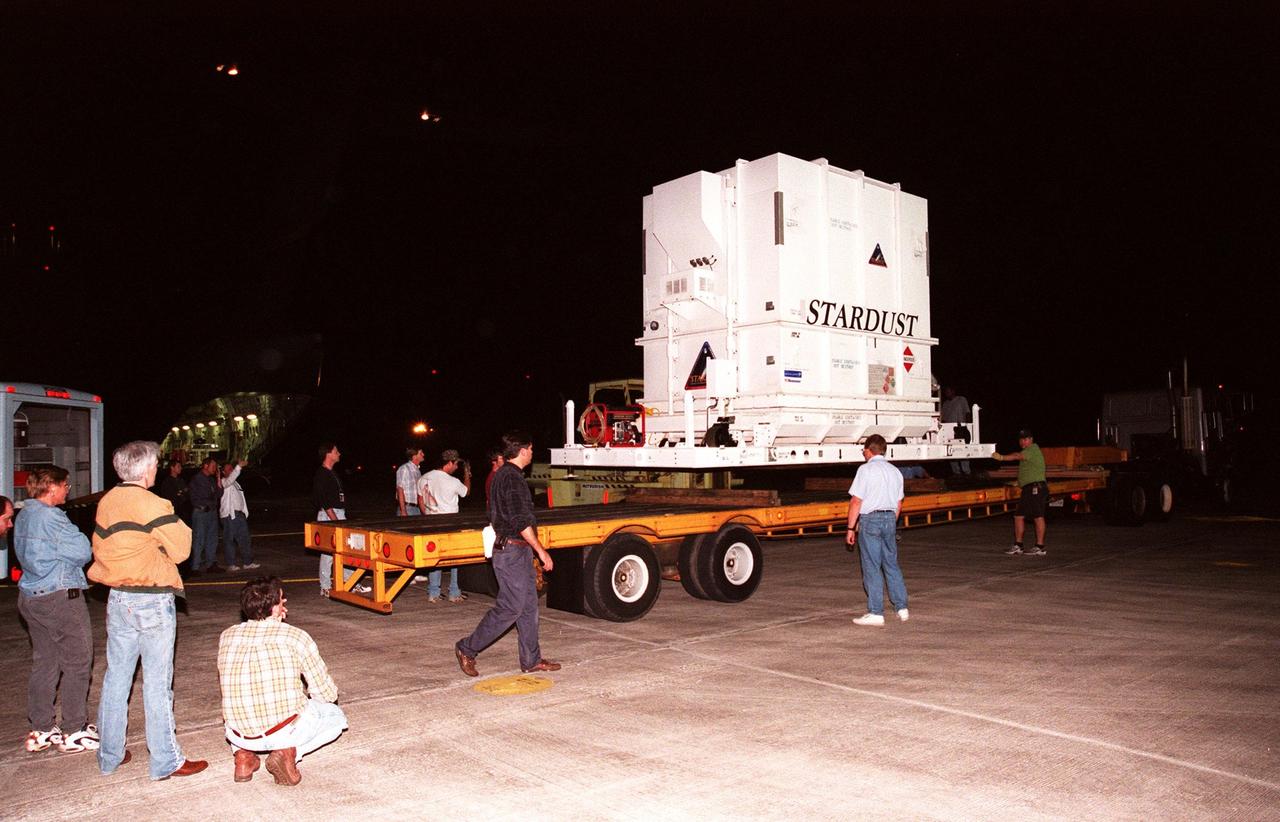
At the Shuttle Landing Facility, workers observe the loading of the crated Stardust spacecraft onto a trailer for transporting to the Payload Hazardous Service Facility. Built by Lockheed Martin Astronautics near Denver, Colo., for the Jet Propulsion Laboratory (JPL) and NASA, the spacecraft Stardust will use a unique medium called aerogel to capture comet particles flying off the nucleus of comet Wild 2 in January 20004, plus collect interstellar dust for later analysis. Stardust will be launched aboard a Boeing Delta 7426 rocket from Complex 17, Cape Canaveral Air Station, targeted for Feb. 6, 1999. The collected samples will return to Earth in a re-entry capsule to be jettisoned from Stardust as it swings by in January 2006

The first stage of a Boeing Delta II rocket is lifted to its vertical position on the tower at Launch Complex 17, Cape Canaveral Air Station. The rocket will carry the Stardust spacecraft into space for a close encounter with the comet Wild 2 in January 2004. Using a medium called aerogel, it will capture comet particles flying off the nucleus of the comet, plus collect interstellar dust for later analysis. The collected samples will return to Earth in a Sample Return Capsule to be jettisoned as Stardust swings by Earth in January 2006. Stardust is scheduled to be launched on Feb. 6, 1999
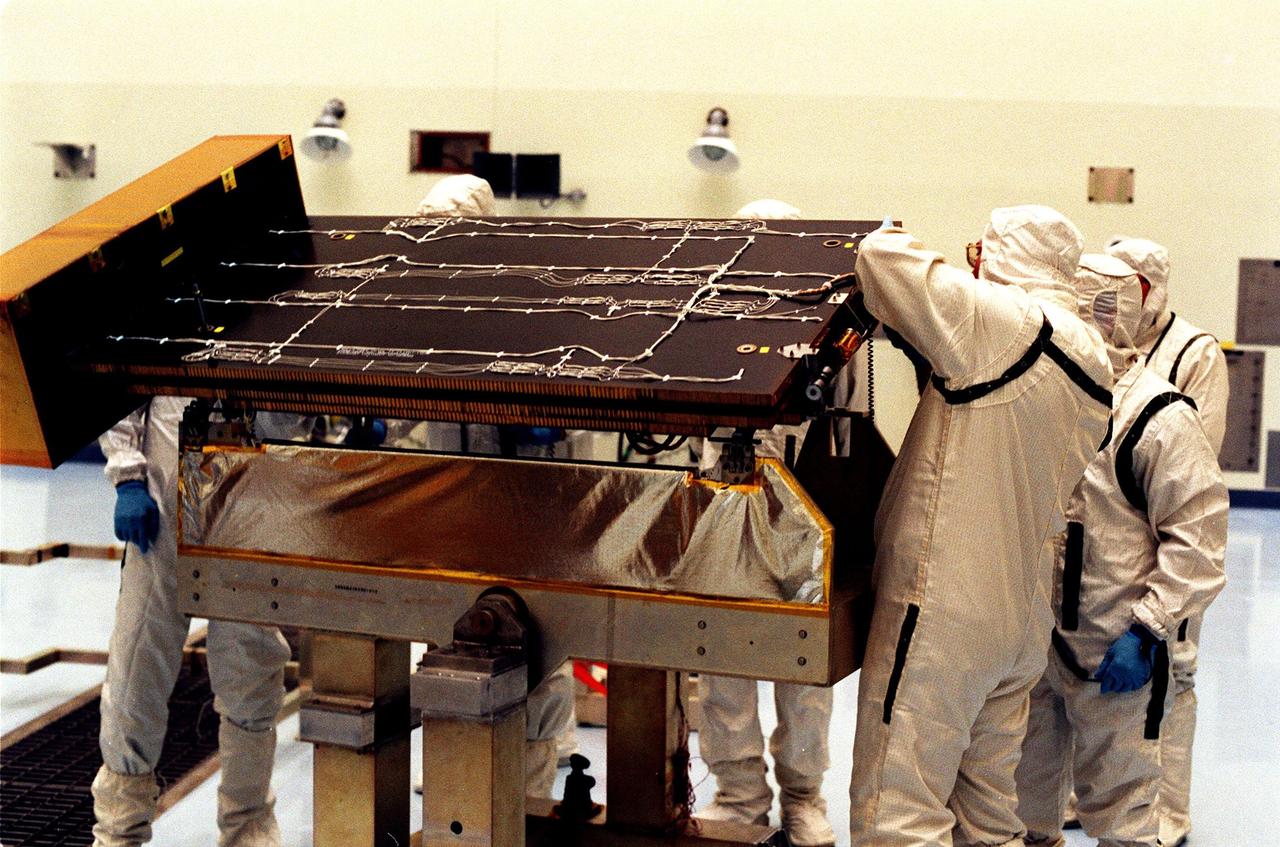
In the Payload Hazardous Servicing Facility, workers place one of the Stardust solar panels on a stand. The panels are being removed for testing. The spacecraft Stardust will use a unique medium called aerogel to capture comet particles flying off the nucleus of comet Wild 2 in January 2004, plus collect interstellar dust for later analysis. Stardust will be launched aboard a Boeing Delta 7426 rocket from Complex 17, Cape Canaveral Air Station, targeted for Feb. 6, 1999. The collected samples will return to Earth in a re-entry capsule to be jettisoned from Stardust as it swings by Earth in January 2006
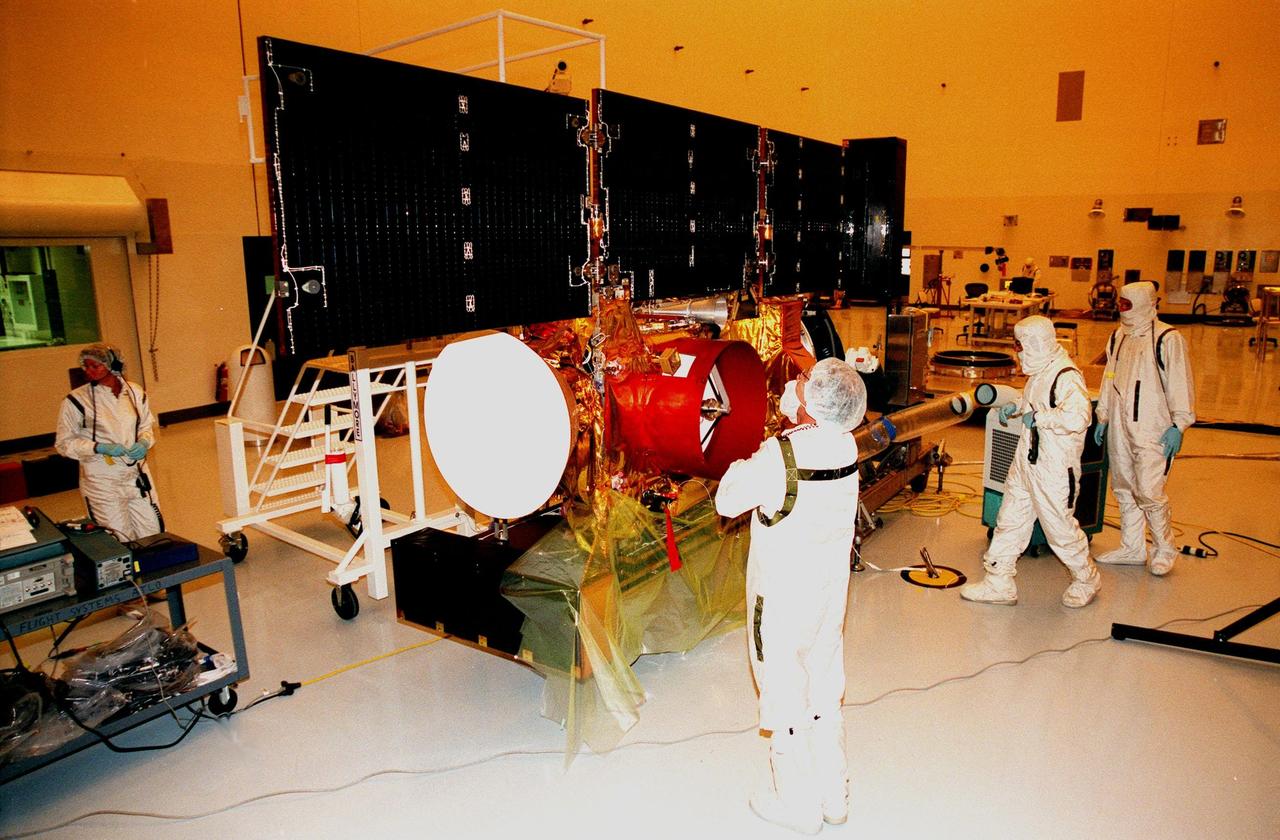
In the Payload Hazardous Servicing Facility, workers look over the solar panels on the <a href="http://www-pao.ksc.nasa.gov/kscpao/captions/subjects/stardust.htm"> Stardust</a> spacecraft that are deployed for lighting tests. Stardust is scheduled to be launched aboard a Boeing Delta II rocket from Launch Pad 17A, Cape Canaveral Air Station, on Feb. 6, 1999, for a rendezvous with the comet Wild 2 in January 2004. Stardust will use a substance called aerogel to capture comet particles flying off the nucleus of the comet, plus collect interstellar dust for later analysis. The collected samples will return to Earth in a sample return capsule to be jettisoned as it swings by Earth in January 2006
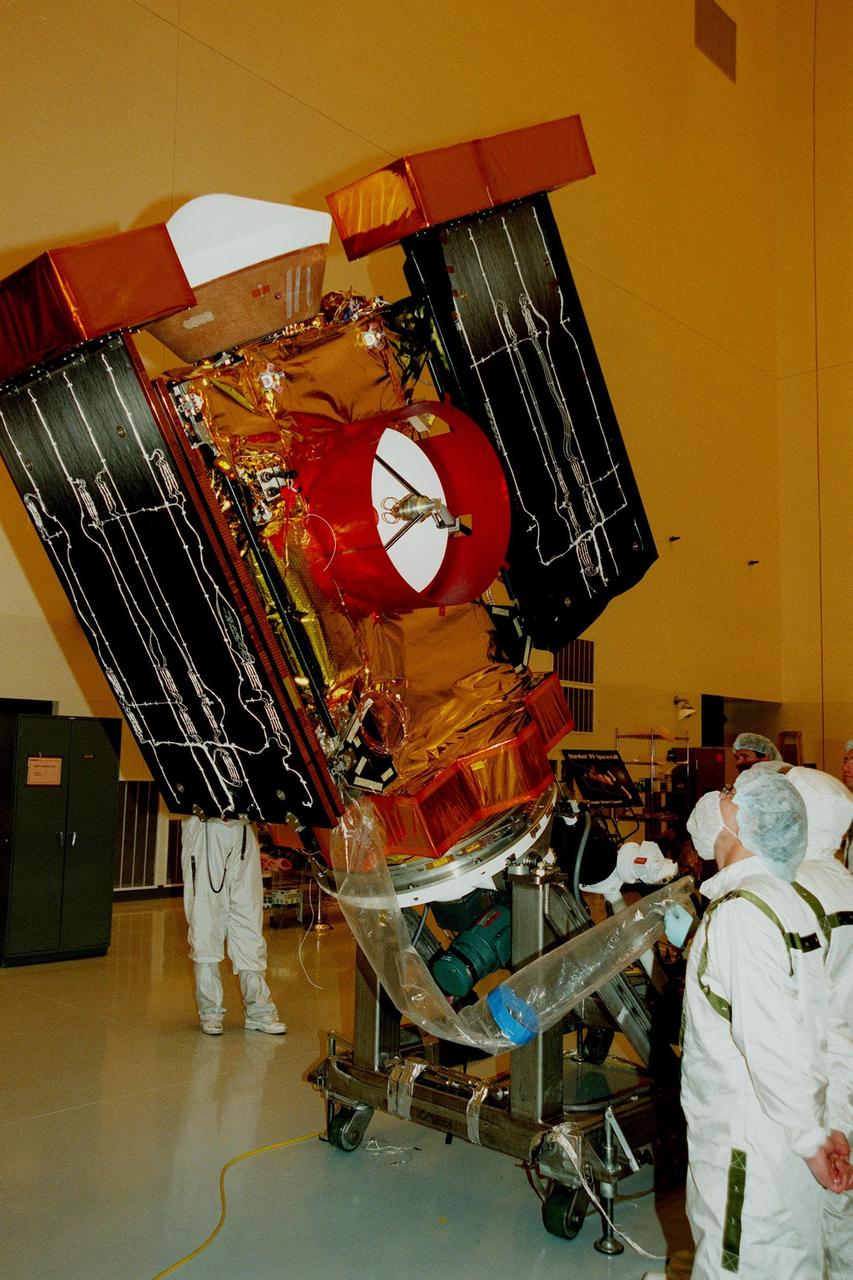
Workers in the Payload Hazardous Servicing Facility watch as the <a href="http://www-pao.ksc.nasa.gov/kscpao/captions/subjects/stardust.htm"> Stardust</a> spacecraft is rotated and lowered before deploying the solar panels for lighting tests. Stardust is scheduled to be launched aboard a Boeing Delta II rocket from Launch Pad 17A, Cape Canaveral Air Station, on Feb. 6, 1999, for a rendezvous with the comet Wild 2 in January 2004. Stardust will use a substance called aerogel to capture comet particles flying off the nucleus of the comet, plus collect interstellar dust for later analysis. The collected samples will return to Earth in a sample return capsule (seen on top of the spacecraft) to be jettisoned as it swings by Earth in January 2006

In the Payload Hazardous Servicing Facility, Randy Scott (left) and Pat Wedeman (right), with Lockheed Martin Astronautics, check the insulation on the <a href="http://www-pao.ksc.nasa.gov/kscpao/captions/subjects/stardust.htm">Stardust</a> spacecraft. Stardust will use a unique medium called aerogel to capture comet particles flying off the nucleus of comet Wild 2 in January 2004, plus collect interstellar dust for later analysis. The collected samples will return to Earth in the SRC to be jettisoned as it swings by Earth in January 2006. Stardust is scheduled to be launched aboard a Boeing Delta 7426 rocket from Complex 17, Cape Canaveral Air Station, on Feb. 6, 1999
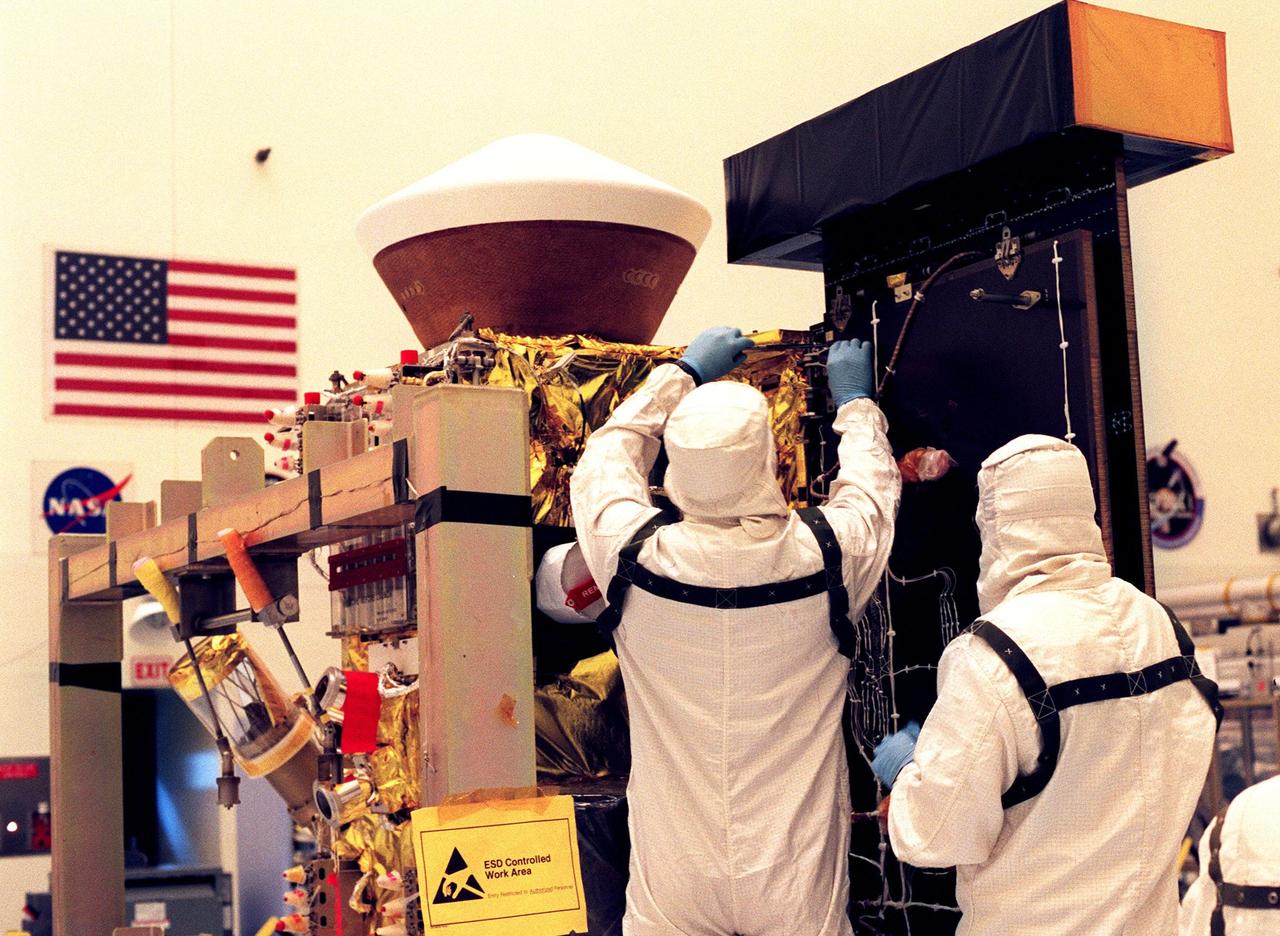
In the Payload Hazardous Servicing Facility, workers remove one of the Stardust solar panels for testing. The spacecraft Stardust will be launched aboard a Boeing Delta 7426 rocket from Complex 17, Cape Canaveral Air Station, targeted for Feb. 6, 1999. Stardust will use a unique medium called aerogel to capture comet particles flying off the nucleus of comet Wild 2 in January 2004, plus collect interstellar dust for later analysis. The collected samples will return to Earth in a re-entry capsule (seen on top, next to the solar panel) to be jettisoned from Stardust as it swings by Earth in January 2006

Workers at Cape Canaveral Air Station help guide the first stage of a Boeing Delta II rocket to its vertical position on the tower at Launch Complex 17. The rocket will carry the Stardust spacecraft into space for a close encounter with the comet Wild 2 in January 2004. Using a medium called aerogel, it will capture comet particles flying off the nucleus of the comet, plus collect interstellar dust for later analysis. The collected samples will return to Earth in a Sample Return Capsule to be jettisoned as Stardust swings by Earth in January 2006. Stardust is scheduled to be launched on Feb. 6, 1999
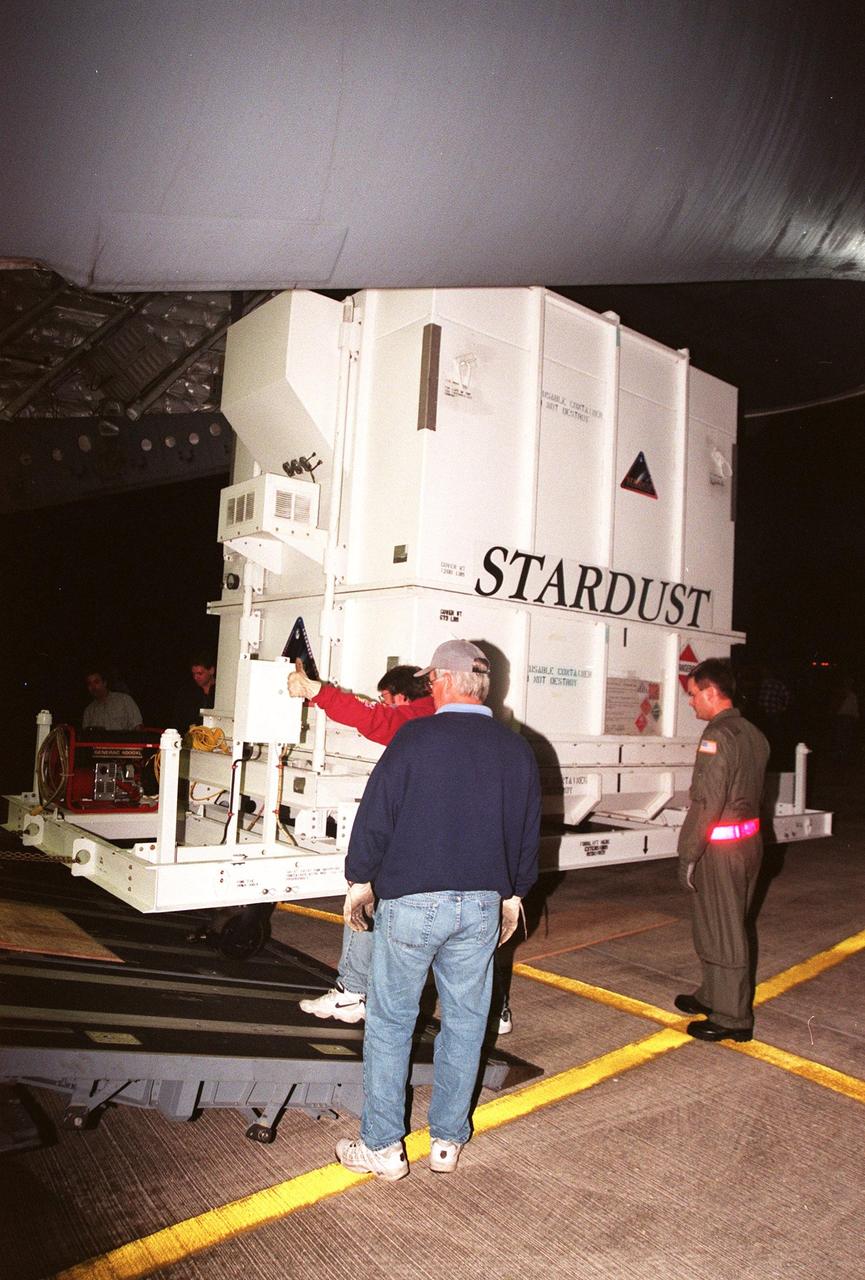
At the Shuttle Landing Facility, workers unload the crated Stardust spacecraft from the airplane before transporting to the Payload Hazardous Service Facility. Built by Lockheed Martin Astronautics near Denver, Colo., for the Jet Propulsion Laboratory (JPL) and NASA, the spacecraft Stardust will use a unique medium called aerogel to capture comet particles flying off the nucleus of comet Wild 2 in January 2004, plus collect interstellar dust for later analysis. Stardust will be launched aboard a Boeing Delta 7426 rocket from Complex 17, Cape Canaveral Air Station, targeted for Feb. 6, 1999. The collected samples will return to Earth in a re-entry capsule to be jettisoned from Stardust as it swings by in January 2006
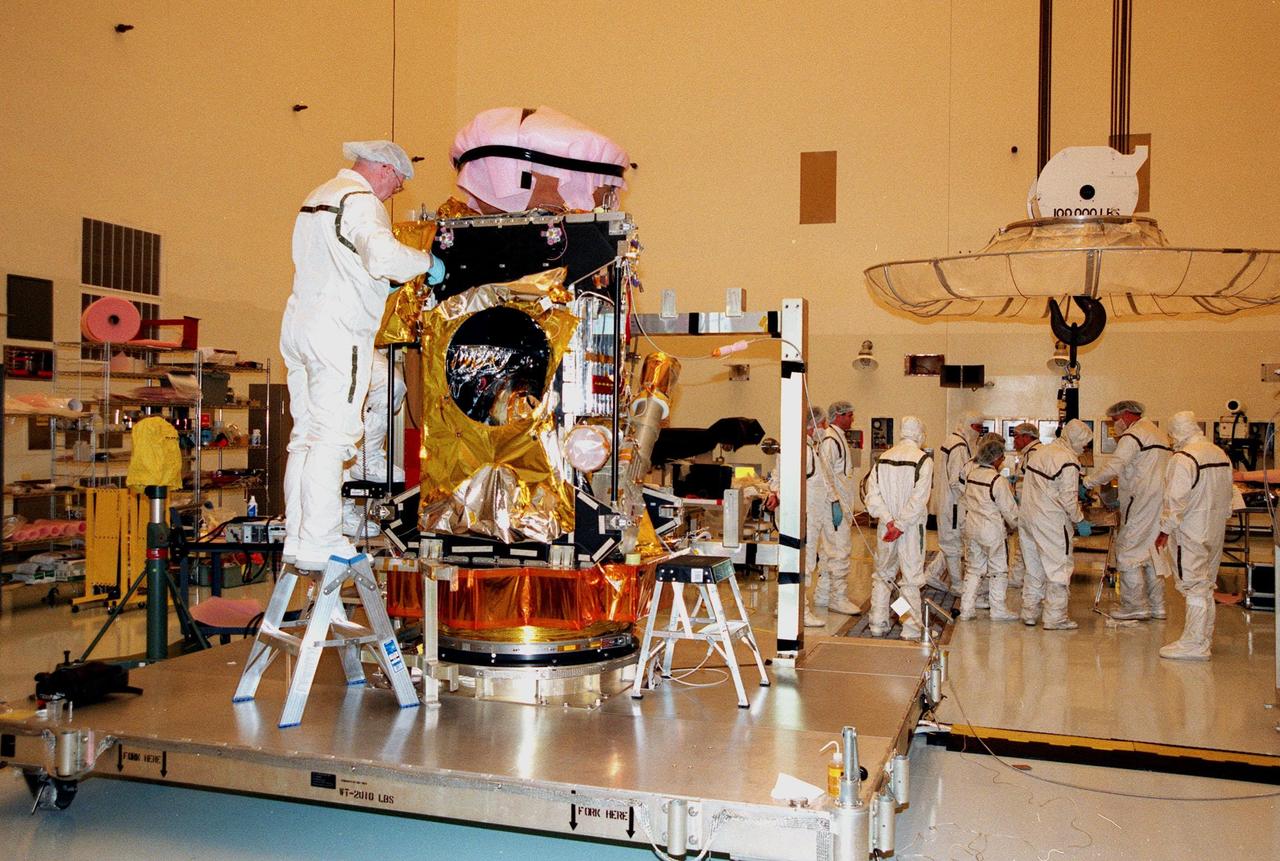
In the Payload Hazardous Servicing Facility, workers oversee closeout operations of the Stardust Sample Return Capsule (SRC) and -X spacecraft panel with the spacecraft bus. Stardust will use a unique medium called aerogel to capture comet particles flying off the nucleus of comet Wild 2 in January 2004, plus collect interstellar dust for later analysis. The collected samples will return to Earth in the SRC to be jettisoned as it swings by Earth in January 2006. Stardust is scheduled to be launched aboard a Boeing Delta 7426 rocket from Complex 17, Cape Canaveral Air Station, on Feb. 6, 1999

A solid rocket booster is lifted up the mobile launch tower at Pad 17A, Cape Canaveral Air Station. It will be mated with a Boeing Delta II rocket that will carry the Stardust spacecraft into space for a close encounter with the comet Wild 2 in January 2004. Using a medium called aerogel, Stardust will capture comet particles flying off the nucleus of the comet, plus collect interstellar dust for later analysis. The collected samples will return to Earth in a sample return capsule to be jettisoned as Stardust swings by Earth in January 2006. Stardust is scheduled to be launched on Feb. 6, 1999
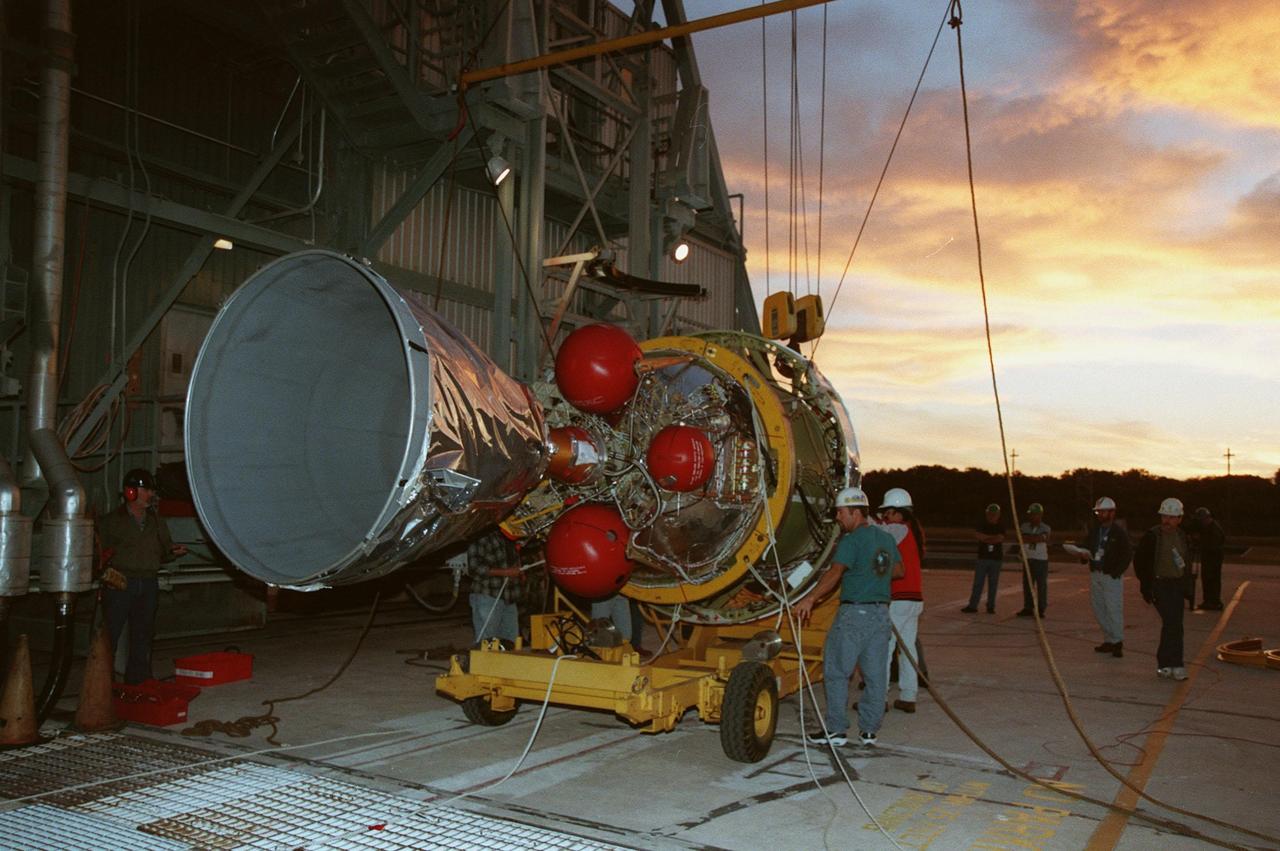
At Pad 17A, Cape Canaveral Air Station, the second stage of a Boeing Delta II rocket arrives for mating with the first stage. The rocket is targeted for launch on Feb. 6, carrying the <a href="http://www-pao.ksc.nasa.gov/kscpao/captions/subjects/stardust.htm">Stardust </a> spacecraft into space for a close encounter with the comet Wild 2 in January 2004. Using a substance called aerogel, Stardust will capture comet particles flying off the nucleus of the comet, plus collect interstellar dust for later analysis. The collected samples will return to Earth in a sample return capsule to be jettisoned as Stardust swings by Earth in January 2006
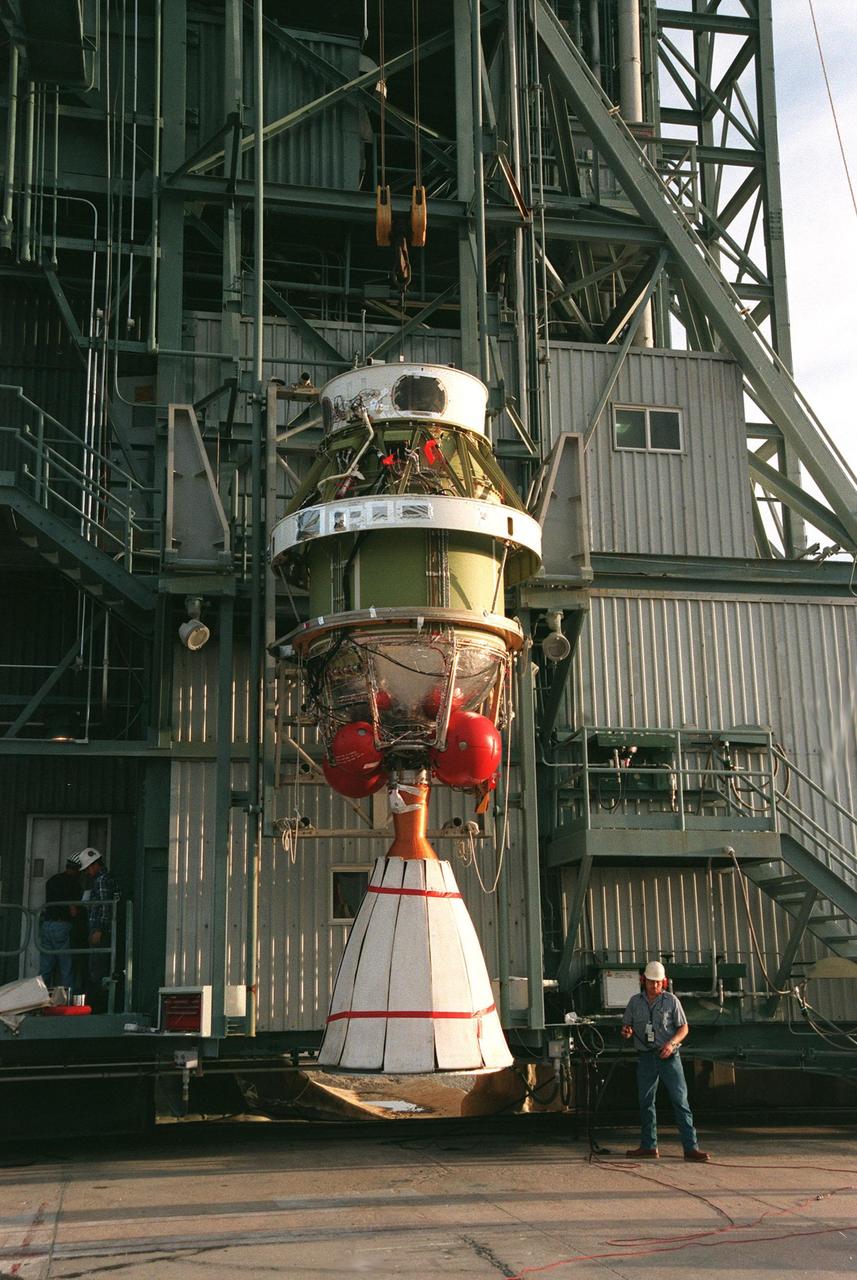
The second stage of a Boeing Delta II rocket begins its move up the tower at Pad 17A, Cape Canaveral Air Station, for mating with the first stage. The rocket is targeted for launch on Feb. 6, carrying the <a href="http://www-pao.ksc.nasa.gov/kscpao/captions/subjects/stardust.htm">Stardust </a> spacecraft into space for a close encounter with the comet Wild 2 in January 2004. Using a substance called aerogel, Stardust will capture comet particles flying off the nucleus of the comet, plus collect interstellar dust for later analysis. The collected samples will return to Earth in a sample return capsule to be jettisoned as Stardust swings by Earth in January 2006
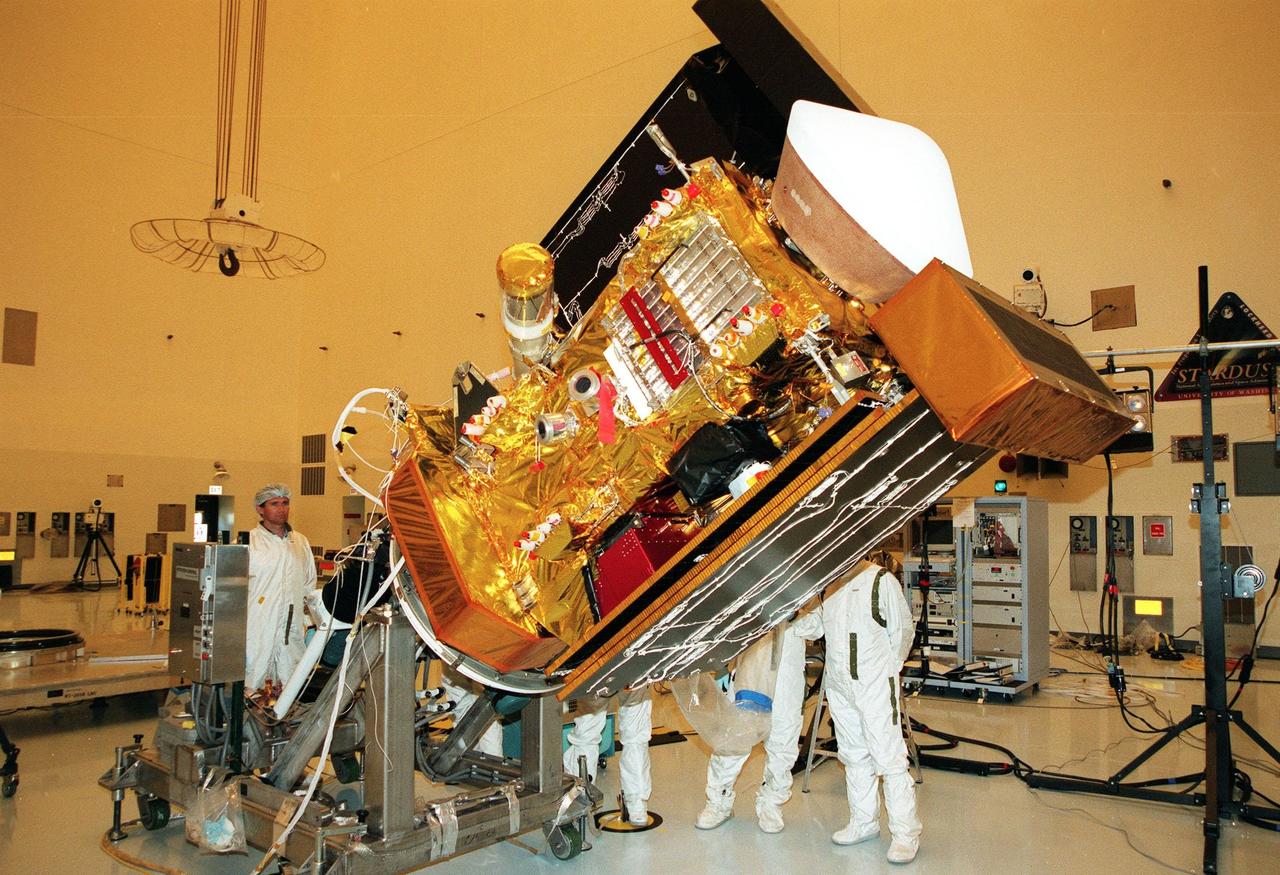
Workers in the Payload Hazardous Servicing Facility watch as the <a href="http://www-pao.ksc.nasa.gov/kscpao/captions/subjects/stardust.htm"> Stardust</a> spacecraft is lowered before deploying panels for lighting tests. Stardust is scheduled to be launched aboard a Boeing Delta II rocket from Launch Pad 17A, Cape Canaveral Air Station, on Feb. 6, 1999, for a rendezvous with the comet Wild 2 in January 2004. Stardust will use a substance called aerogel to capture comet particles flying off the nucleus of the comet, plus collect interstellar dust for later analysis. The collected samples will return to Earth in a sample return capsule (seen on top of the spacecraft) to be jettisoned as it swings by Earth in January 2006

Workers at the top of the tower at Pad 17A, Cape Canaveral Air Station, watch as the second stage of a Boeing Delta II rocket moves toward the opening through which it will be mated with the first stage. The rocket is targeted for launch on Feb. 6, carrying the <a href="http://www-pao.ksc.nasa.gov/kscpao/captions/subjects/stardust.htm">Stardust </a> spacecraft into space for a close encounter with the comet Wild 2 in January 2004. Using a substance called aerogel, Stardust will capture comet particles flying off the nucleus of the comet, plus collect interstellar dust for later analysis. The collected samples will return to Earth in a sample return capsule to be jettisoned as Stardust swings by Earth in January 2006

After arrival at the Shuttle Landing Facility in the early morning hours, the crated Stardust spacecraft waits to be unloaded from the aircraft. Built by Lockheed Martin Astronautics near Denver, Colo., for the Jet Propulsion Laboratory (JPL) NASA, the spacecraft Stardust will use a unique medium called aerogel to capture comet particles flying off the nucleus of comet Wild 2 in January 2004, plus collect interstellar dust for later analysis. Stardust will be launched aboard a Boeing Delta 7426 rocket from Complex 17, Cape Canaveral Air Station, targeted for Feb. 6, 1999. The collected samples will return to Earth in a re-entry capsule to be jettisoned from Stardust as it swings by in January 2006
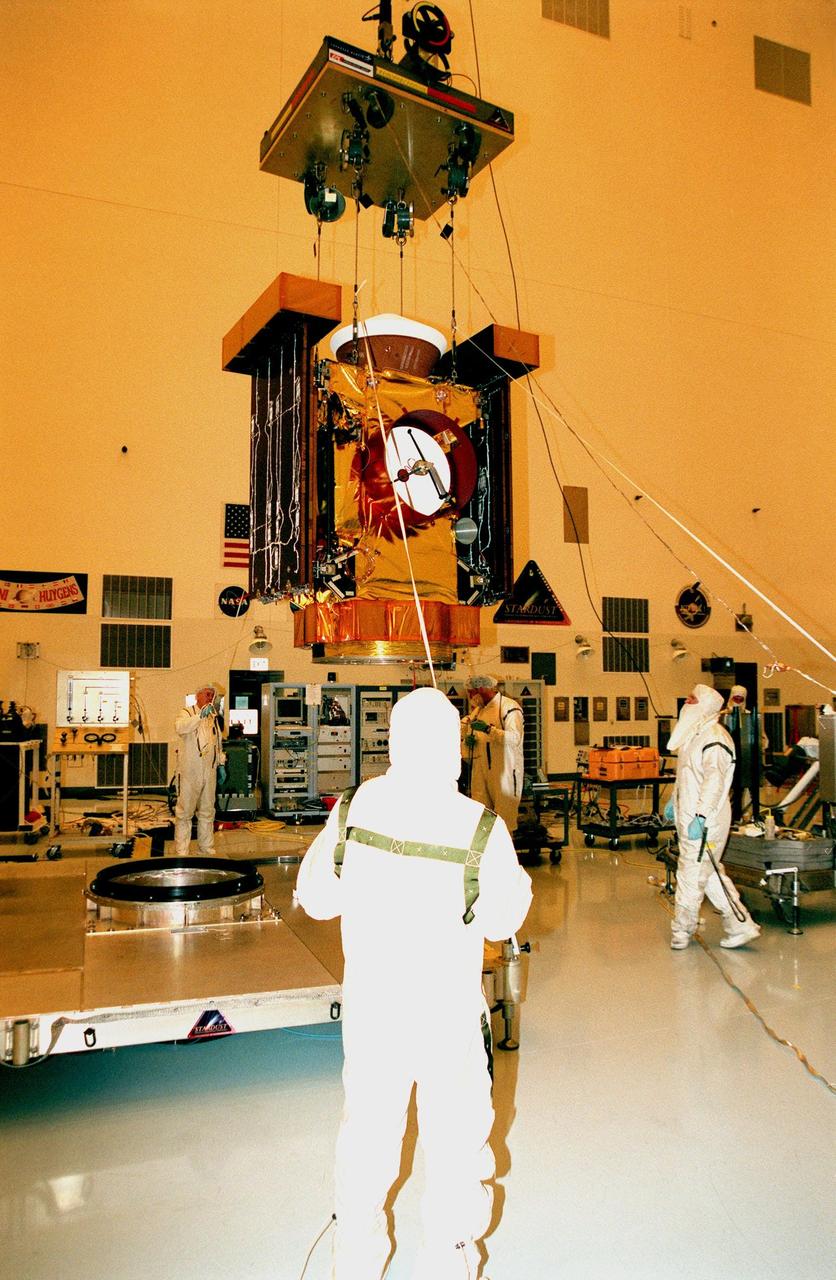
In the Payload Hazardous Servicing Facility, workers raise the <a href="http://www-pao.ksc.nasa.gov/kscpao/captions/subjects/stardust.htm"> Stardust</a> spacecraft from its workstand to move it to another area for lighting tests on the solar panels. Stardust is scheduled to be launched aboard a Boeing Delta II rocket from Launch Pad 17A, Cape Canaveral Air Station, on Feb. 6, 1999, for a rendezvous with the comet Wild 2 in January 2004. Stardust will use a substance called aerogel to capture comet particles flying off the nucleus of the comet, plus collect interstellar dust for later analysis. The collected samples will return to Earth in a sample return capsule to be jettisoned as it swings by Earth in January 2006
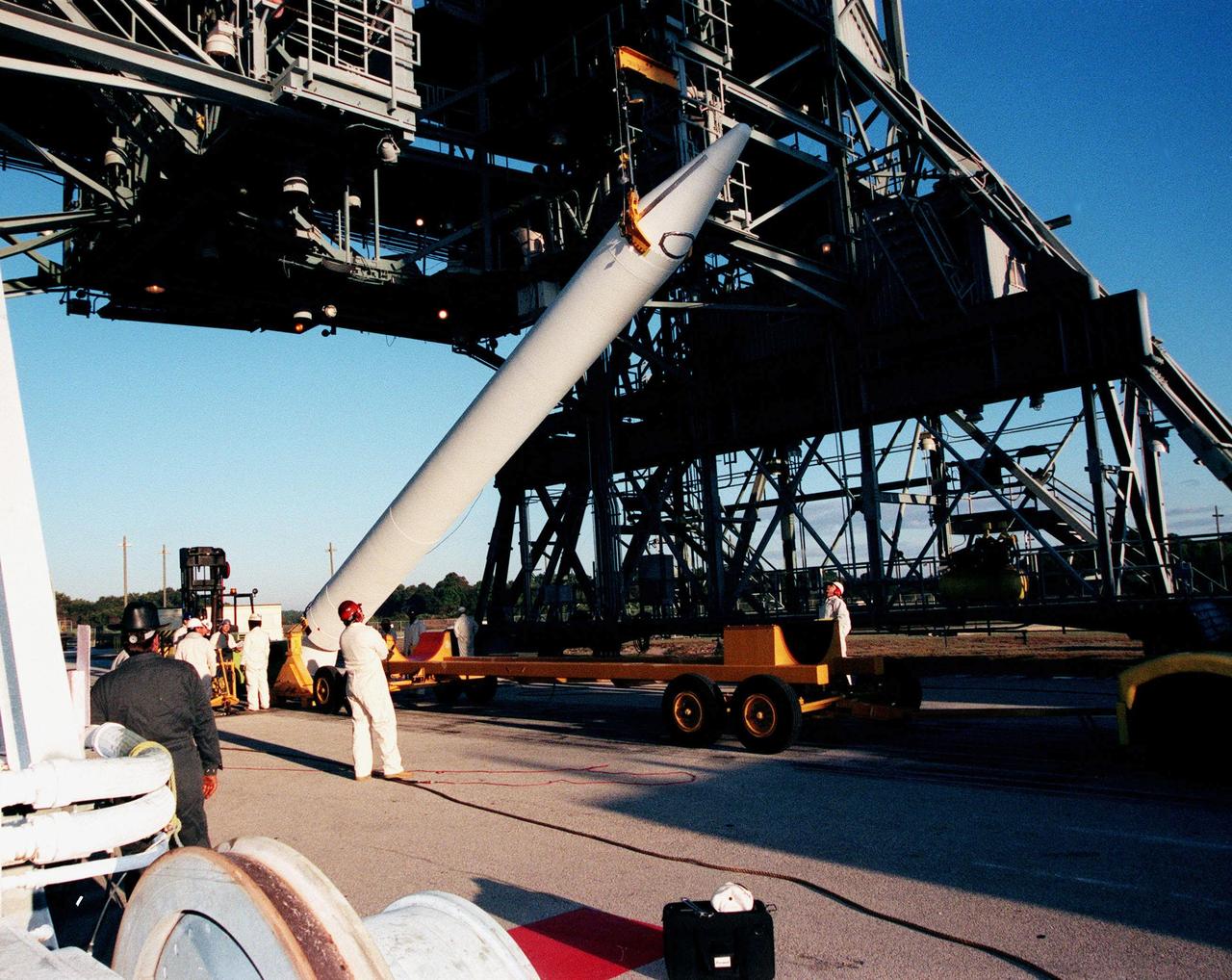
A fourth and final Solid Rocket Booster arrives at Pad 17A, Cape Canaveral Air Station to be mated with a Boeing Delta II rocket. The rocket will carry the Stardust satellite into space for a close encounter with the comet Wild 2 in January 2004. Using a medium called aerogel, Stardust will capture comet particles flying off the nucleus of the comet, plus collect interstellar dust for later analysis. The collected samples will return to Earth in a Sample Return Capsule to be jettisoned as Stardust swings by Earth in January 2006. Stardust is scheduled to be launched on Feb. 6, 1999