
Portrait of Orion Service Module Spacecraft Adapter Jettisonable (SAJ) Hardware Lead Engineer Lizalyn Smith. Ms. Smith participated in various 'Hidden Figures to Modern Figures' events sponsored by NASA Glenn Research Center to encourage students to pursue STEM-based careers.
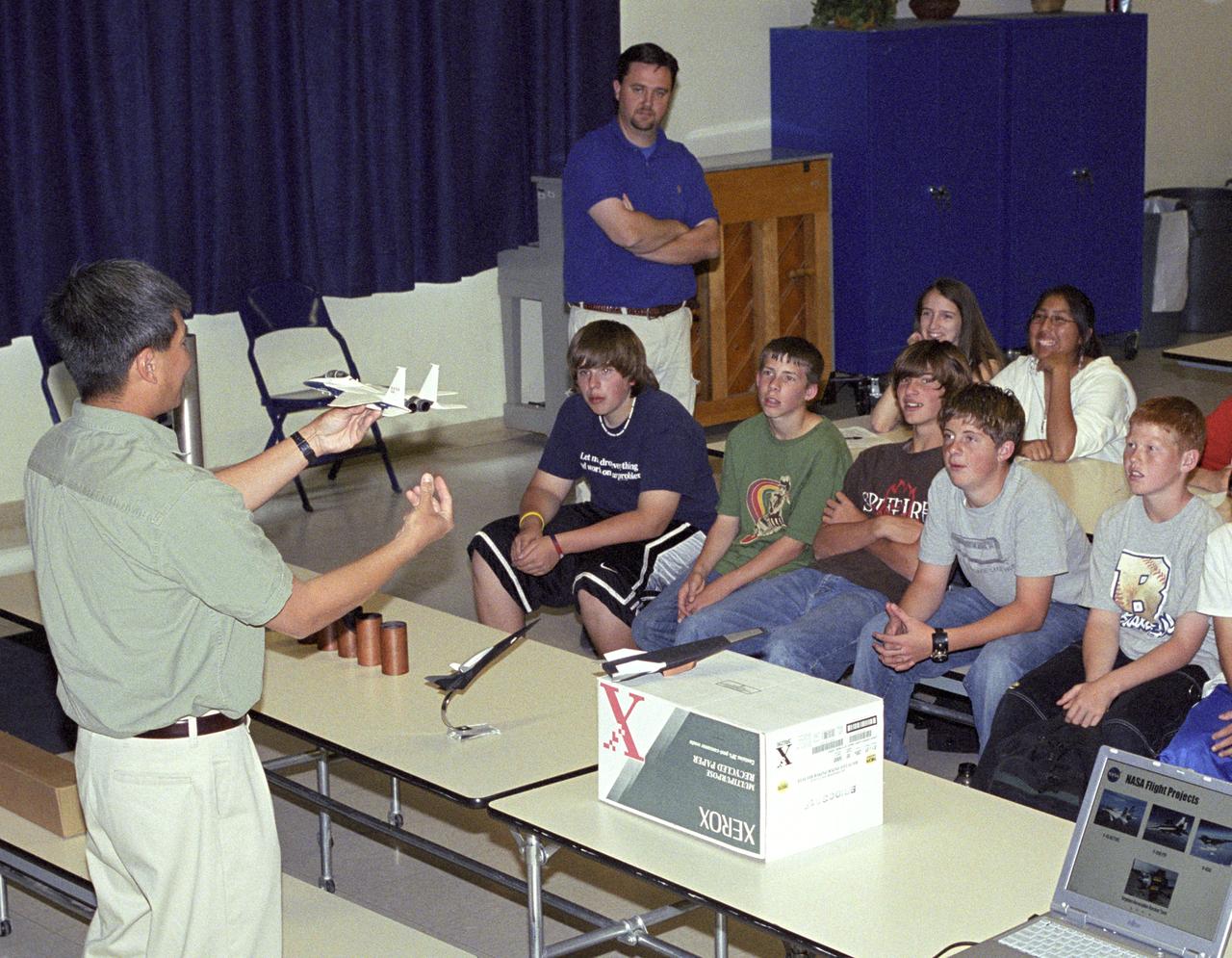
NASA Dryden aerospace engineer Trong Bui explains the dynamics of flight to a group of Edwards Middle School students during a recent Career Day presentation.
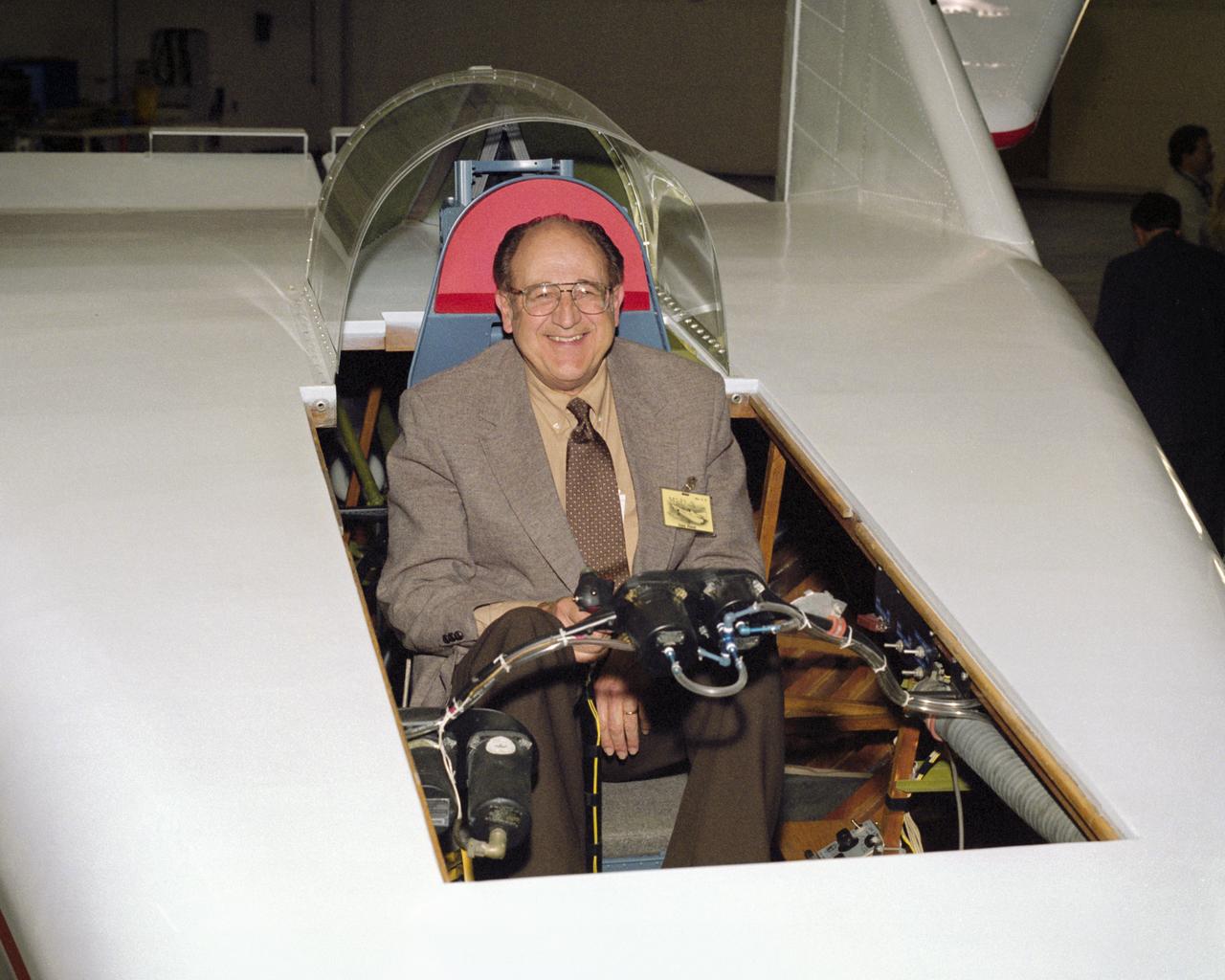
Often called the "Father of the Lifting Bodies," NASA aerospace engineer Dale Reed enjoys a moment in the cockpit of the restored wingless M2-F1 in 1997.
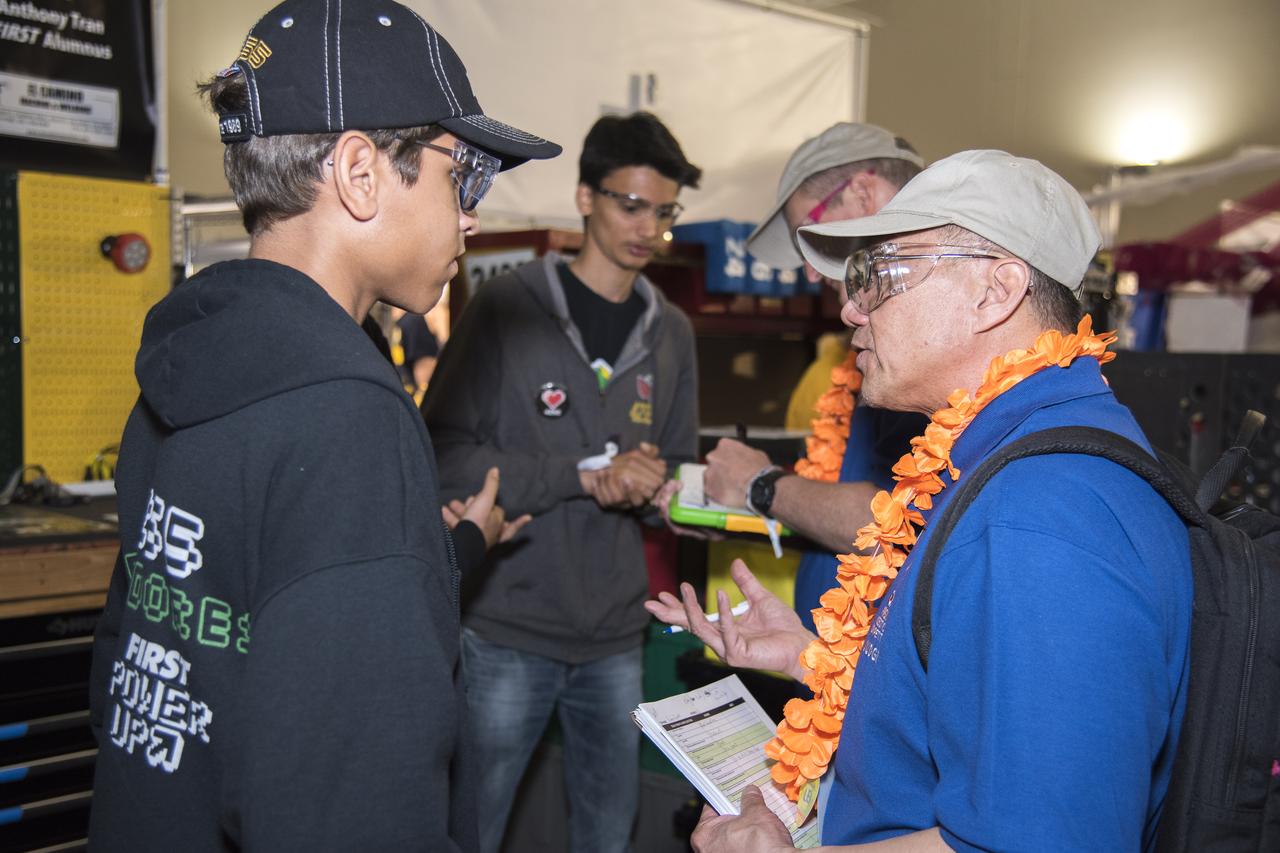
NASA systems engineer, Daniel Eng, right, talks with student participants at the 2019 Aerospace Valley Robotics Competition at the Palmdale Aerospace Academy in Palmdale, California.
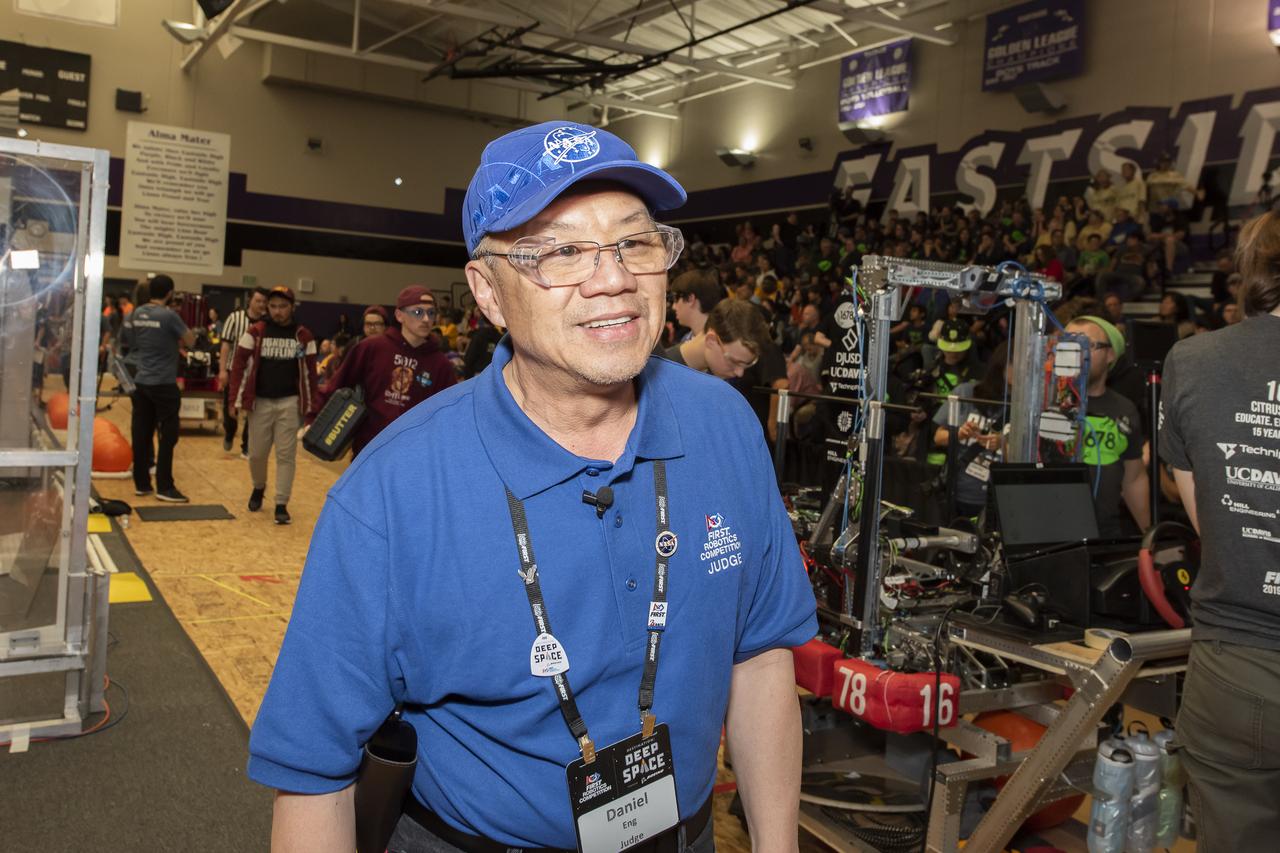
NASA Systems Engineer Daniel Eng serves his second year as a judge for the Aerospace Valley Robotics Competition at the Palmdale Aerospace Academy in Palmdale, California, in 2019.
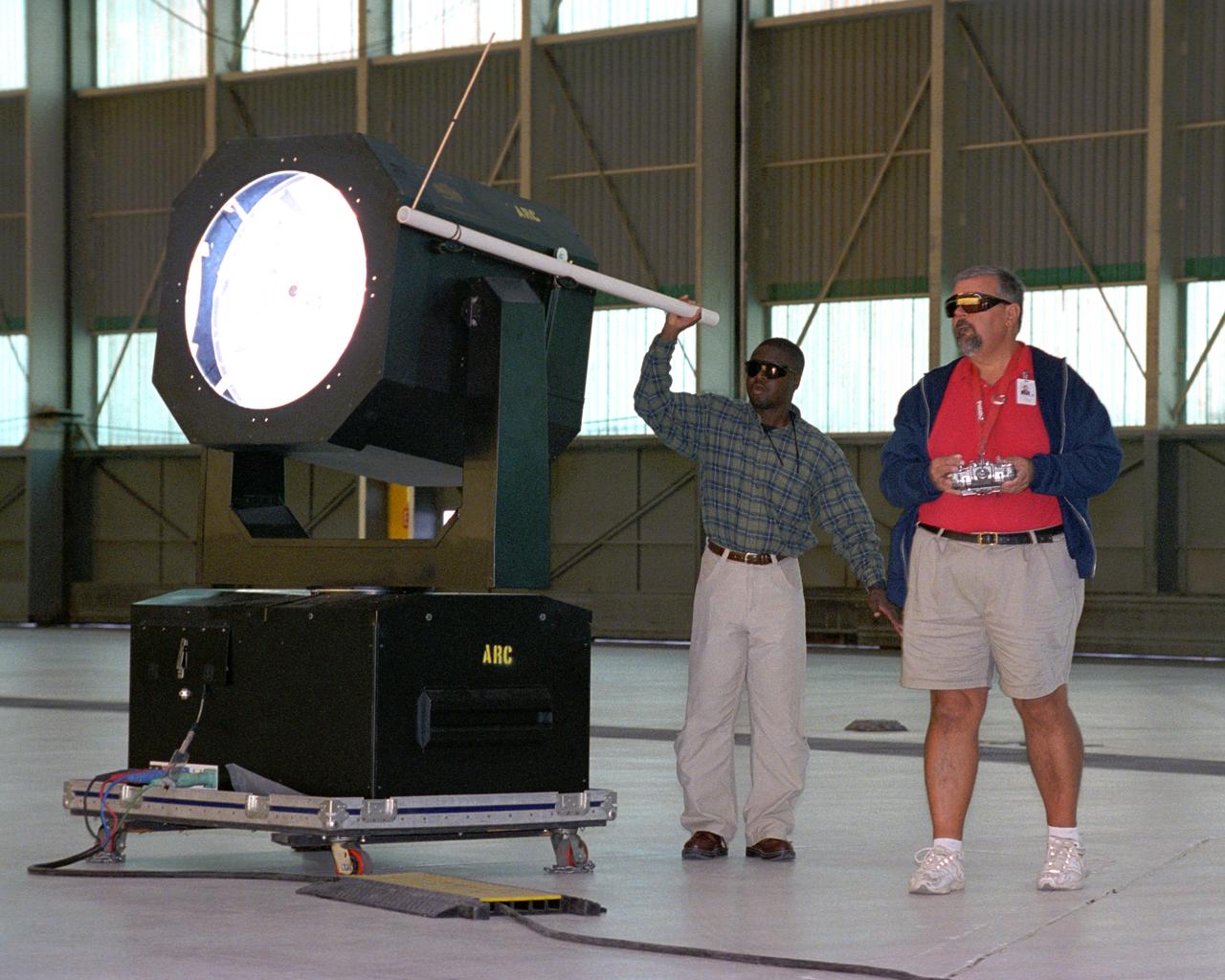
Dryden Model Shop's Tony Frakowiak remotely flies an experimental model aircraft being powered by a spotlight operated by Dryden aerospace engineer (code RA) Ryan Warner.
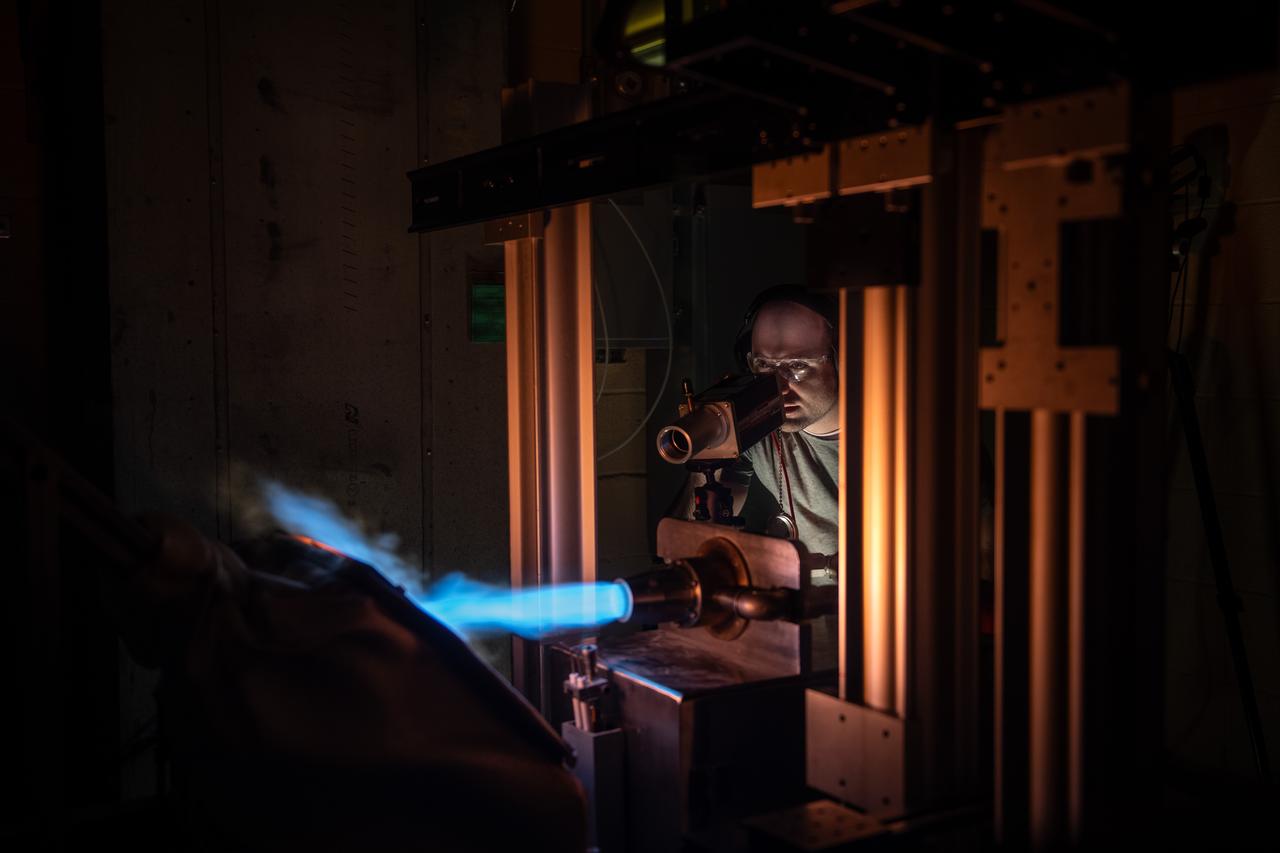
NASA Glenn’s Natural Gas/Oxygen Burner Rig is used to study the high temperature performance of various metal alloys, ceramics, and protective coatings for aero and space propulsion systems. The burner rig provides an easily accessible and economical method to simulate engine operating conditions to understand thermomechanical and thermochemical degradation of materials and structures. In the photo, Materials Research Engineer Michael Presby uses an infrared pyrometer to monitor the surface temperature of the material for a test on February 23, 2024. Photo Credit: (NASA/Sara Lowthian-Hanna)
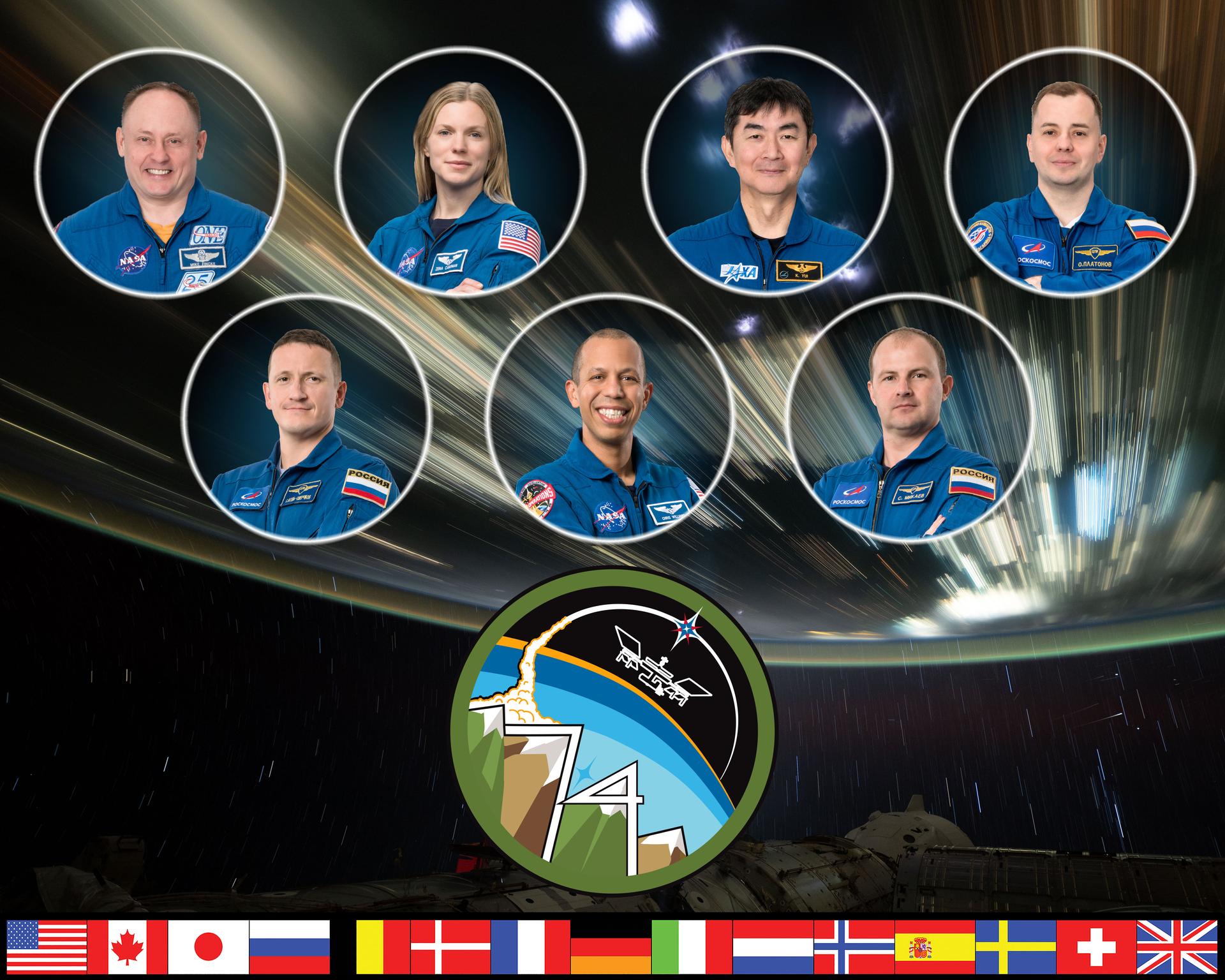
iss074-s-002 (Oct. 16, 2024) --- The official portrait of the Expedition 74 crew on the International Space Station. Top row from left, Commander Mike Fincke and Flight Engineer Zena Cardman, both NASA astronauts, JAXA (Japan Aerospace Exploration Agency) Flight Engineer Kimiya Yui, and Roscosmos Flight Engineer Oleg Platonov. Bottom row, Roscosmos Flight Engineer Sergey Kud-Sverchkov, NASA astronaut Chris Williams, and Roscosmos Flight Engineer Sergei Mikaev.
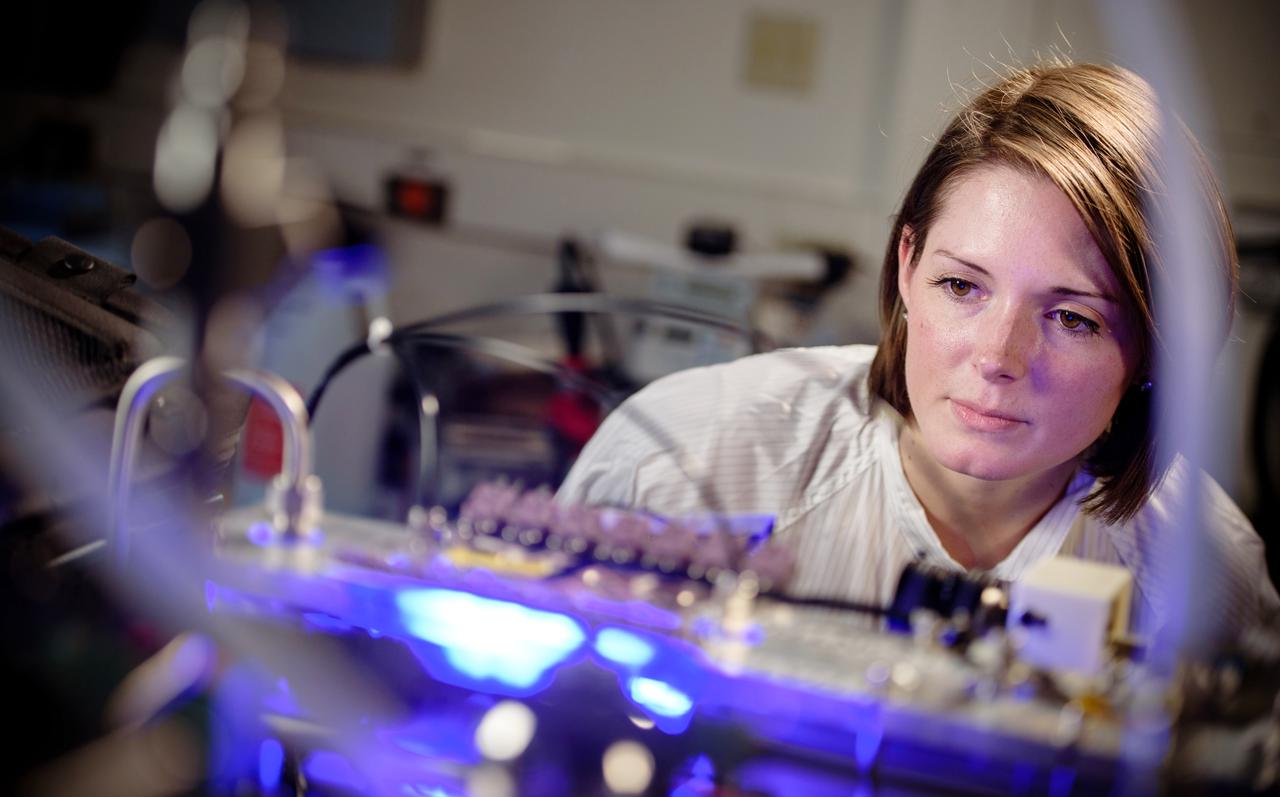
Grace Gaskin, an Aerospace Flight Systems Engineer Trainee, was sworn in as a civil servant in September 2017. After serving for 6 years in the U.S. Army she enrolled at Case Western Reserve University and will graduate in May 2018 with a degree in Chemical Engineering. As a Pathways Intern one of the many projects she has worked on is the Flow Boiling and Condensation Experiments (FBCE). The proposed research aims to develop an integrated two-phase flow boiling/condensation facility for the International Space Station (ISS) to serve as a primary platform for obtaining two-phase flow and heat transfer data in microgravity. By comparing the microgravity data against those obtained in Earth's gravity, it will be possible to ascertain the influence of body force on two-phase transport phenomena in pursuit of mechanistic models as well as correlations, and to help determine the minimum flow criteria to ensure gravity independent flow boiling and condensation.
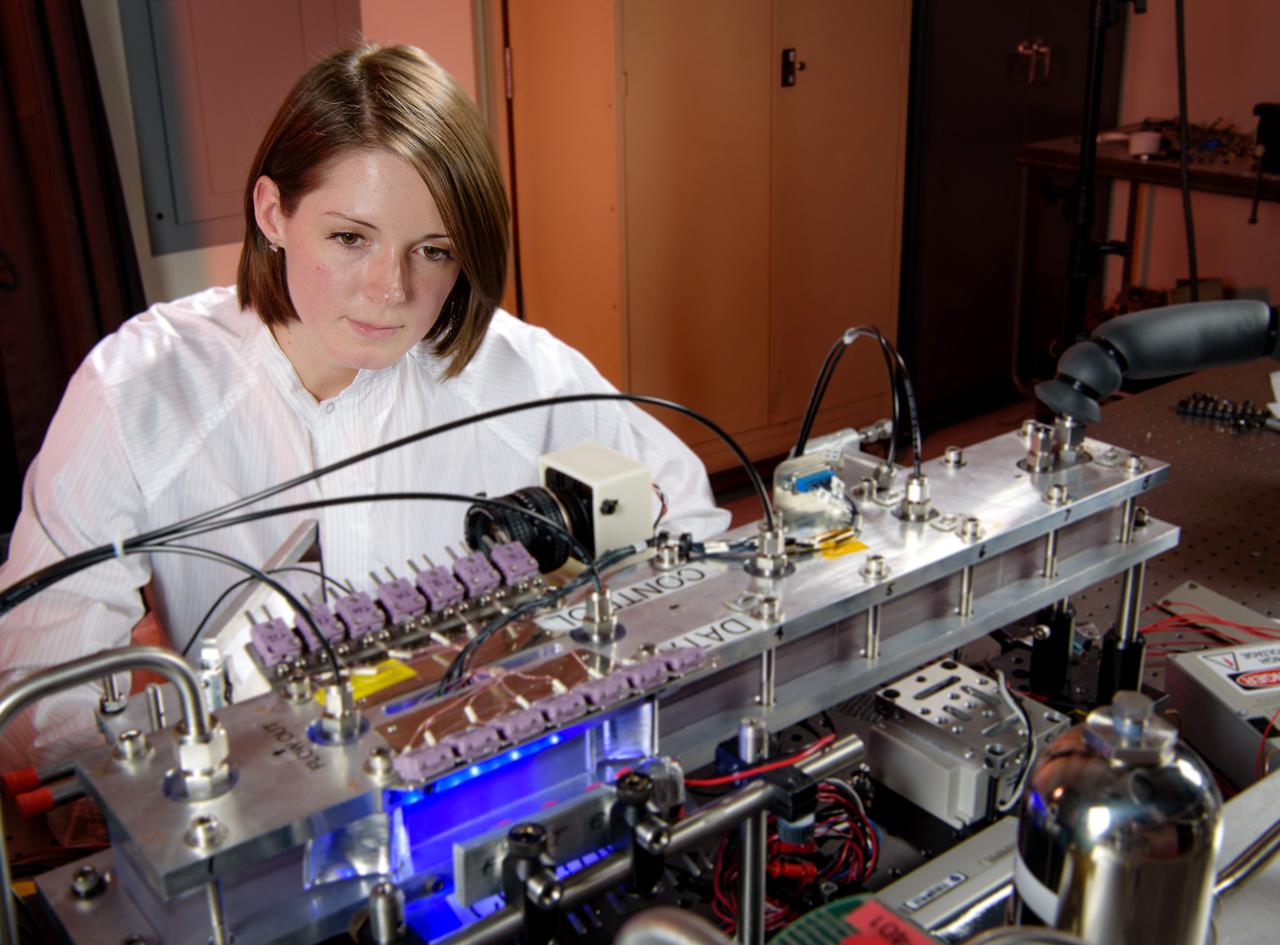
Grace Gaskin, an Aerospace Flight Systems Engineer Trainee, was sworn in as a civil servant in September 2017. After serving for 6 years in the U.S. Army she enrolled at Case Western Reserve University and will graduate in May 2018 with a degree in Chemical Engineering. As a Pathways Intern one of the many projects she has worked on is the Flow Boiling and Condensation Experiments (FBCE). The proposed research aims to develop an integrated two-phase flow boiling/condensation facility for the International Space Station (ISS) to serve as a primary platform for obtaining two-phase flow and heat transfer data in microgravity. By comparing the microgravity data against those obtained in Earth's gravity, it will be possible to ascertain the influence of body force on two-phase transport phenomena in pursuit of mechanistic models as well as correlations, and to help determine the minimum flow criteria to ensure gravity independent flow boiling and condensation.
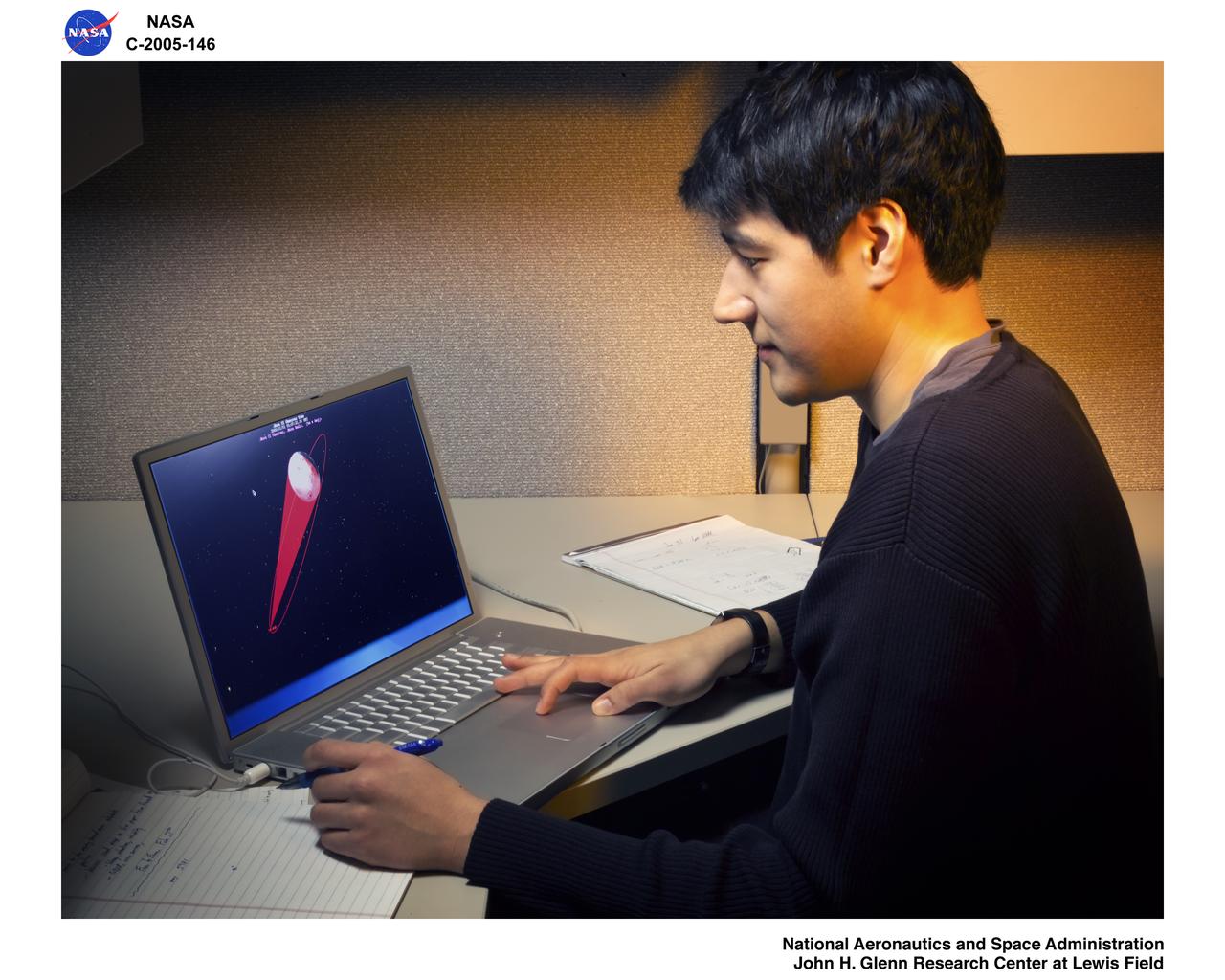
Aerospace Engineer at worksite
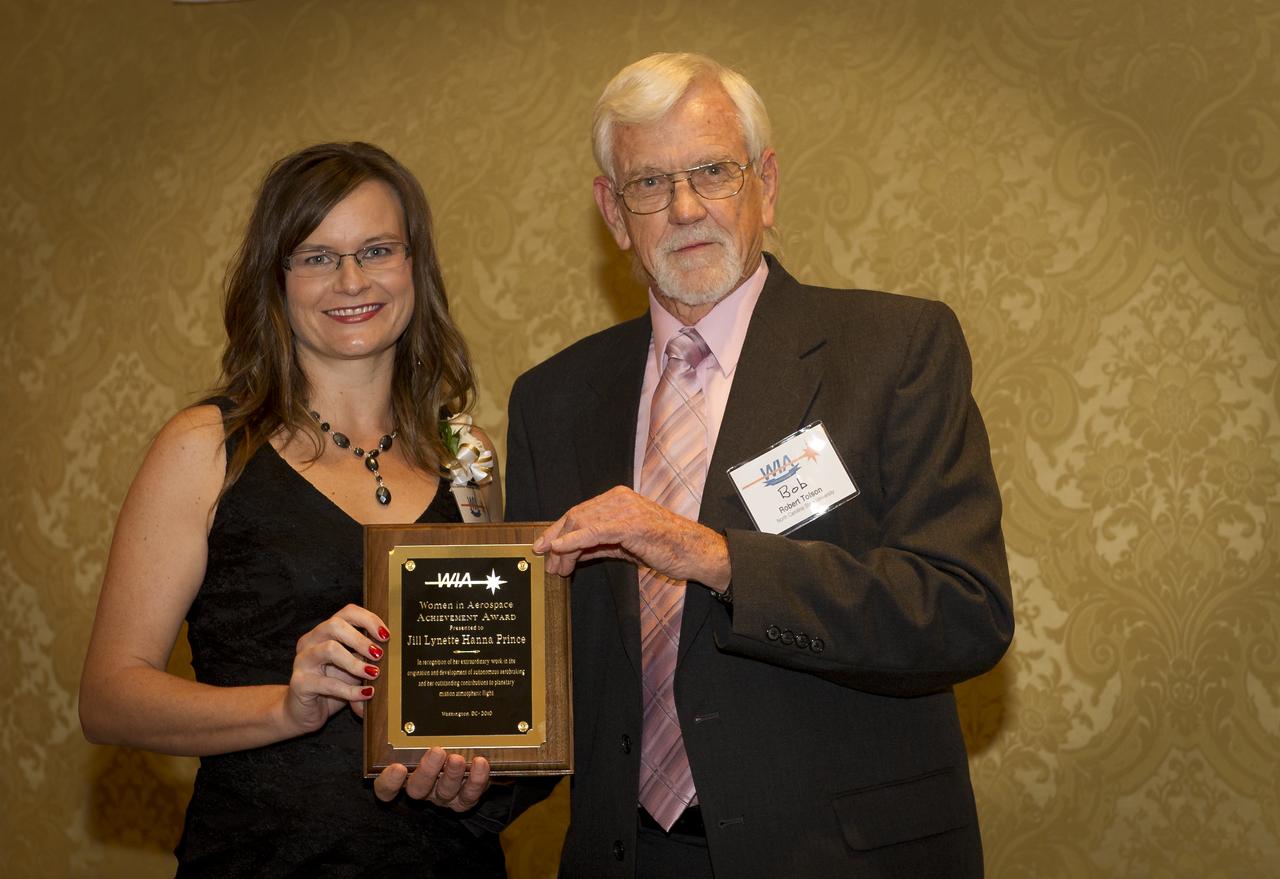
NASA Langley Aerospace Engineer Jill Lynette Hanna Prince receives the Women in Aerospace Achievement in Aerospace award from North Carolina State Professor Robert Tolson during the Women in Aerospace organization's annual awards ceremony and banquet held at the Ritz-Carlton Hotel in Arlington, VA on Tuesday, Oct. 26, 2010. Four current NASA leaders and one retiree were recognized for their work by Women in Aerospace. The event celebrates women's professional excellence in aerospace and honors women who have made outstanding contributions to the aerospace community. Photo Credit: (NASA/Bill Ingalls)
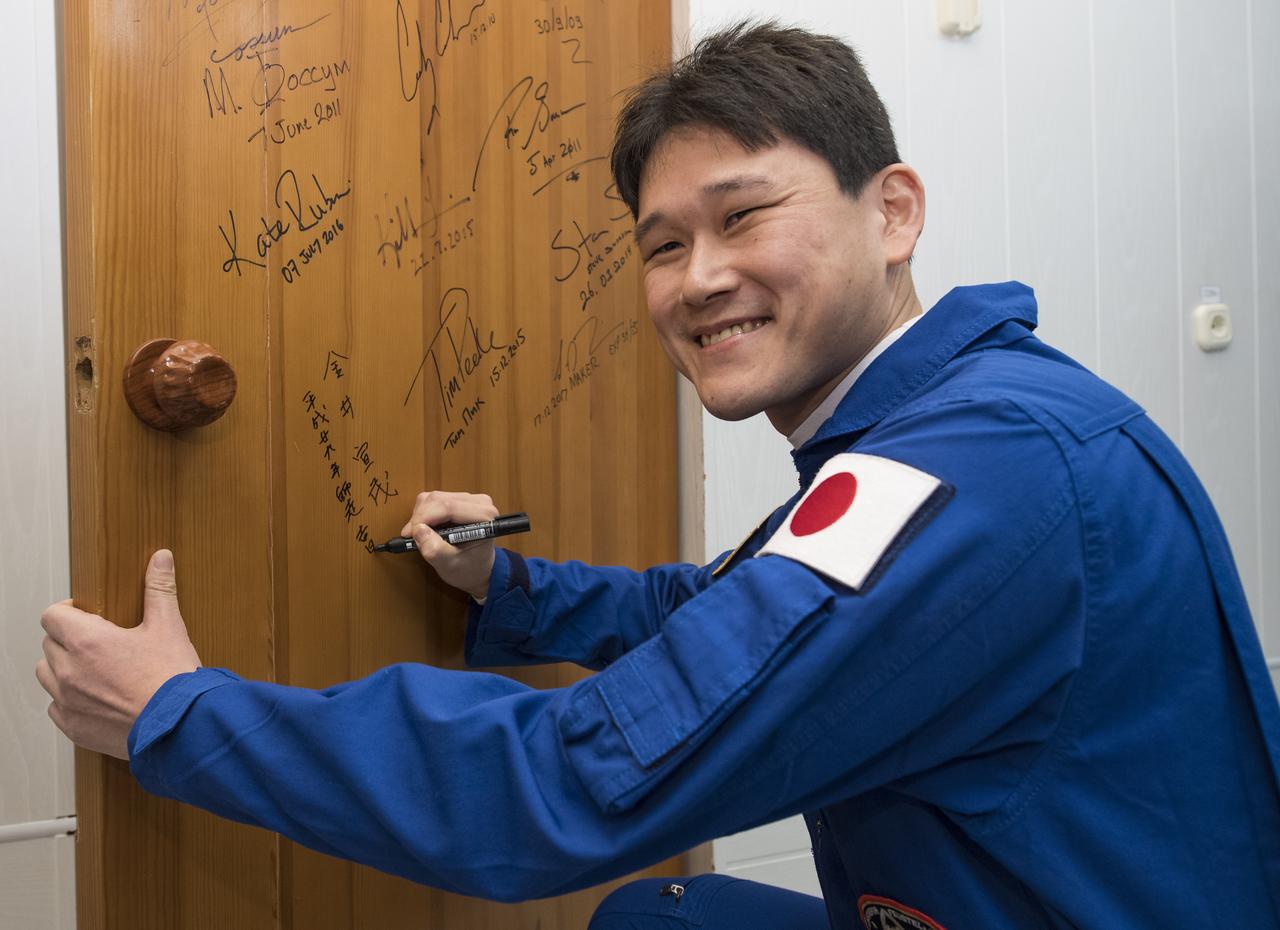
Expedition 54 flight engineer Norishige Kanai of the Japan Aerospace Exploration Agency (JAXA) performs the traditional door signing at the Cosmonaut Hotel prior to departing the hotel for launch on a Soyuz rocket with fellow cremates flight engineer Norishige Kanai of Japan Aerospace Exploration Agency (JAXA) and flight engineer Scott Tingle of NASA, Sunday, Dec. 17, 2017 in Baikonur, Kazakhstan. Kanai, Shkaplerov, and Tingle will launch in their Soyuz MS-07 to the International Space Station to begin a five month mission. Photo Credit: (NASA/Joel Kowsky)
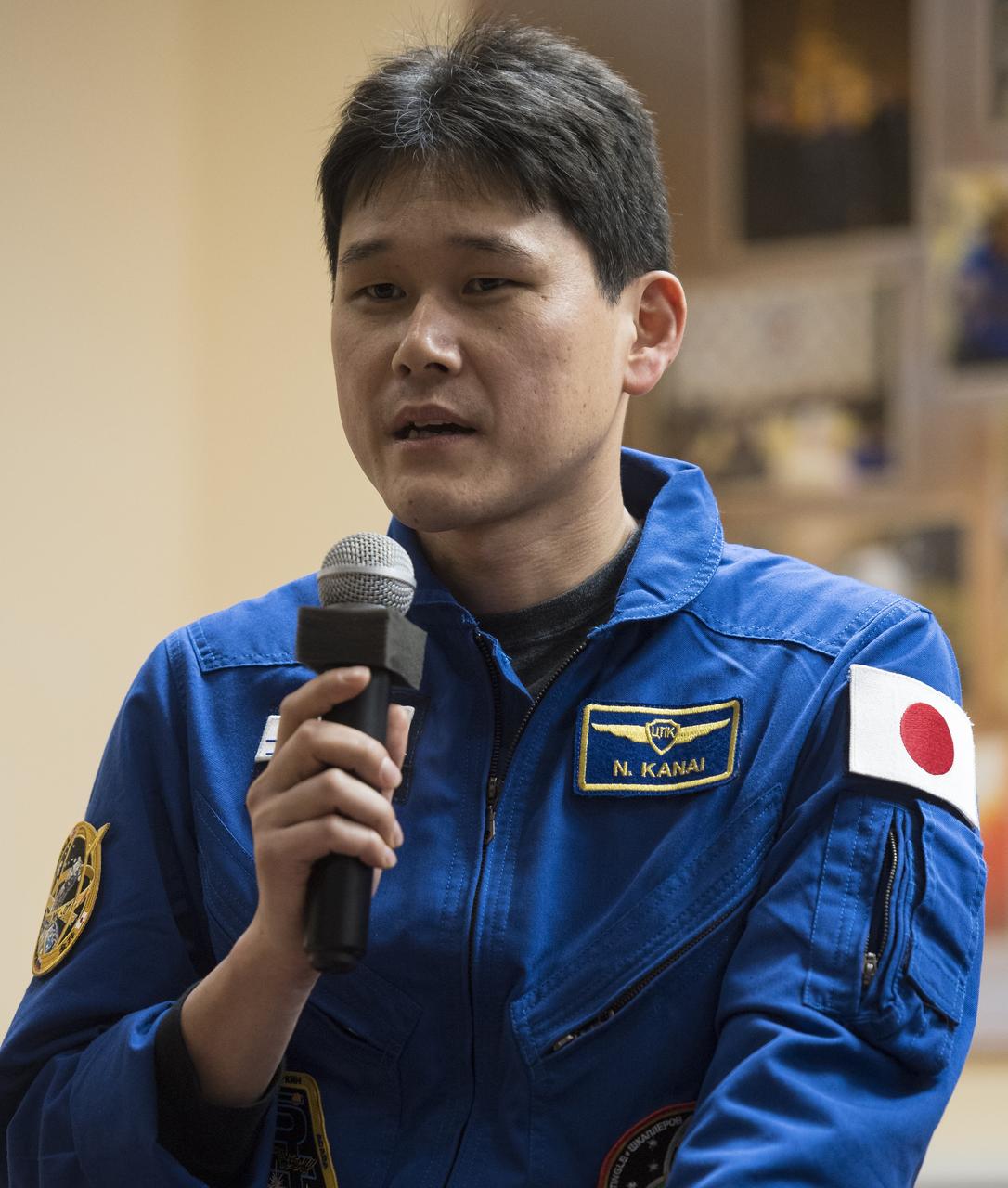
Expedition 54 flight engineer Norishige Kanai of the Japan Aerospace Exploration Agency (JAXA) answers a question during a press conference, Saturday, Dec. 16, 2017 at the Cosmonaut Hotel in Baikonur, Kazakhstan. Expedition 54 Soyuz Commander Anton Shkaplerov of Roscosmos, flight engineer Scott Tingle of NASA, and flight engineer Norishige Kanai of Japan Aerospace Exploration Agency (JAXA) are scheduled to launch to the International Space Station aboard the Soyuz spacecraft from the Baikonur Cosmodrome on December 17. Photo Credit: (NASA/Joel Kowsky)
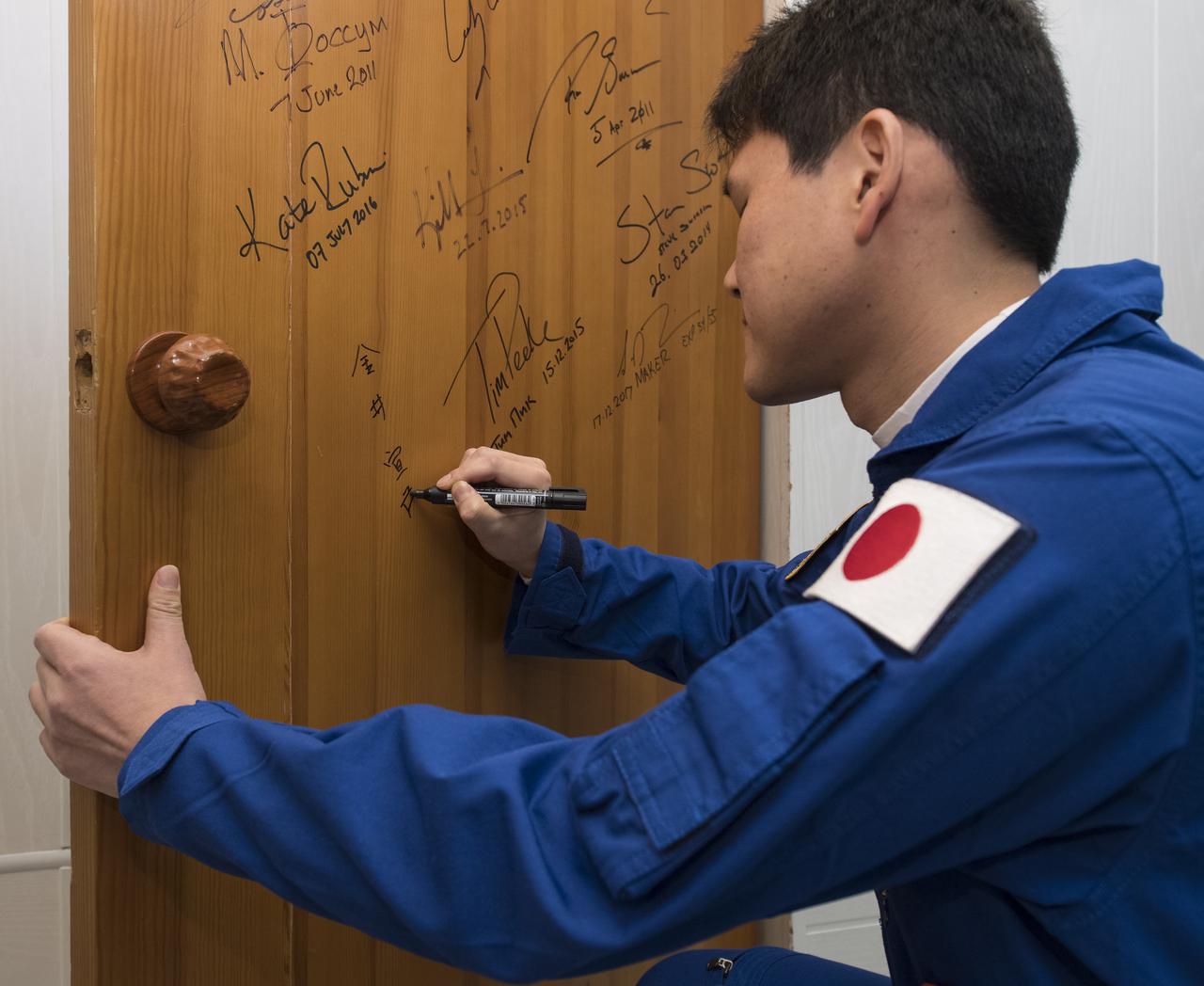
Expedition 54 flight engineer Norishige Kanai of the Japan Aerospace Exploration Agency (JAXA) performs the traditional door signing at the Cosmonaut Hotel prior to departing the hotel for launch on a Soyuz rocket with fellow cremates flight engineer Norishige Kanai of Japan Aerospace Exploration Agency (JAXA) and flight engineer Scott Tingle of NASA, Sunday, Dec. 17, 2017 in Baikonur, Kazakhstan. Kanai, Shkaplerov, and Tingle will launch in their Soyuz MS-07 to the International Space Station to begin a five month mission. Photo Credit: (NASA/Joel Kowsky)
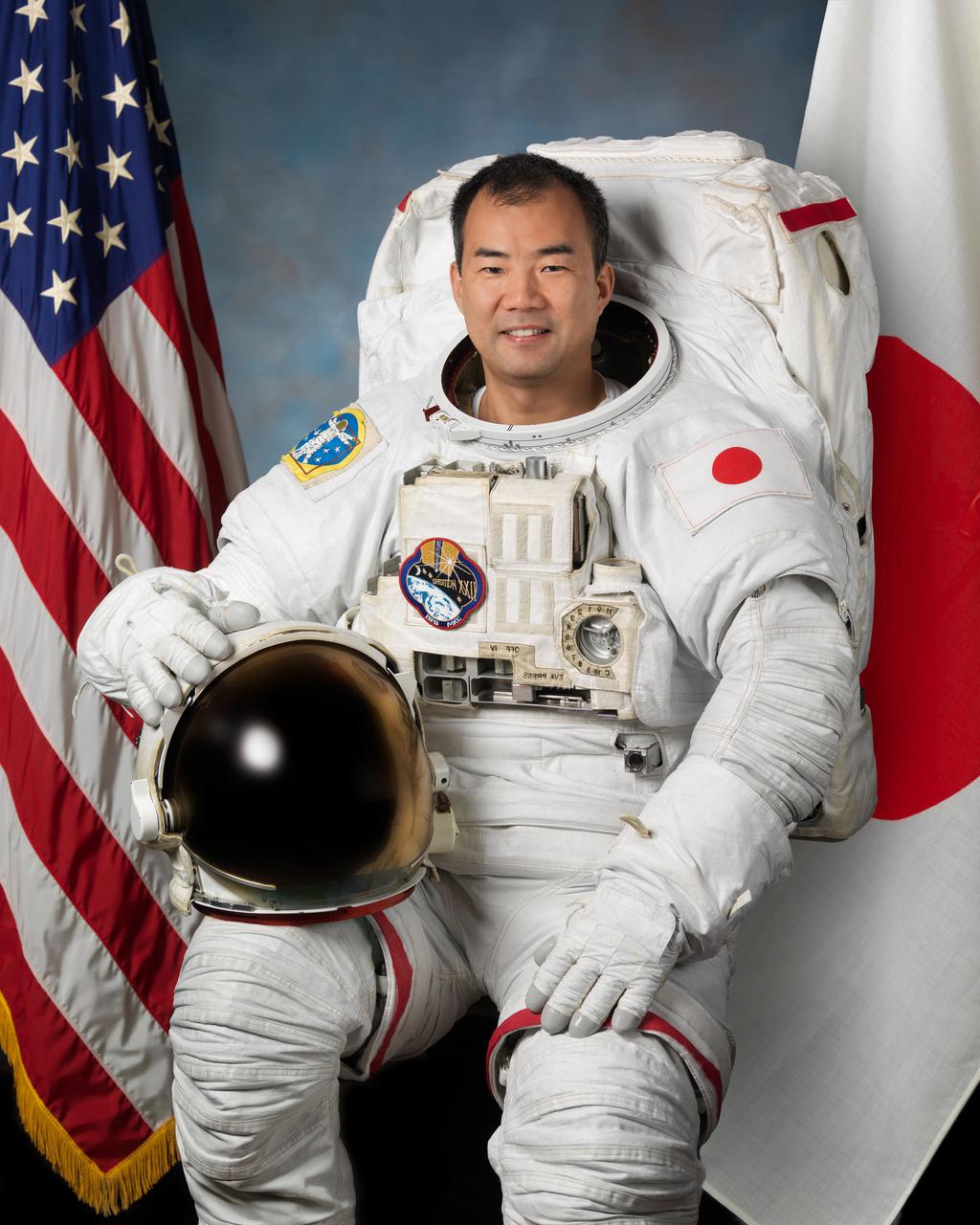
JSC2009-E-142092 (26 June 2009) --- Japan Aerospace Exploration Agency (JAXA) astronaut Soichi Noguchi, flight engineer.
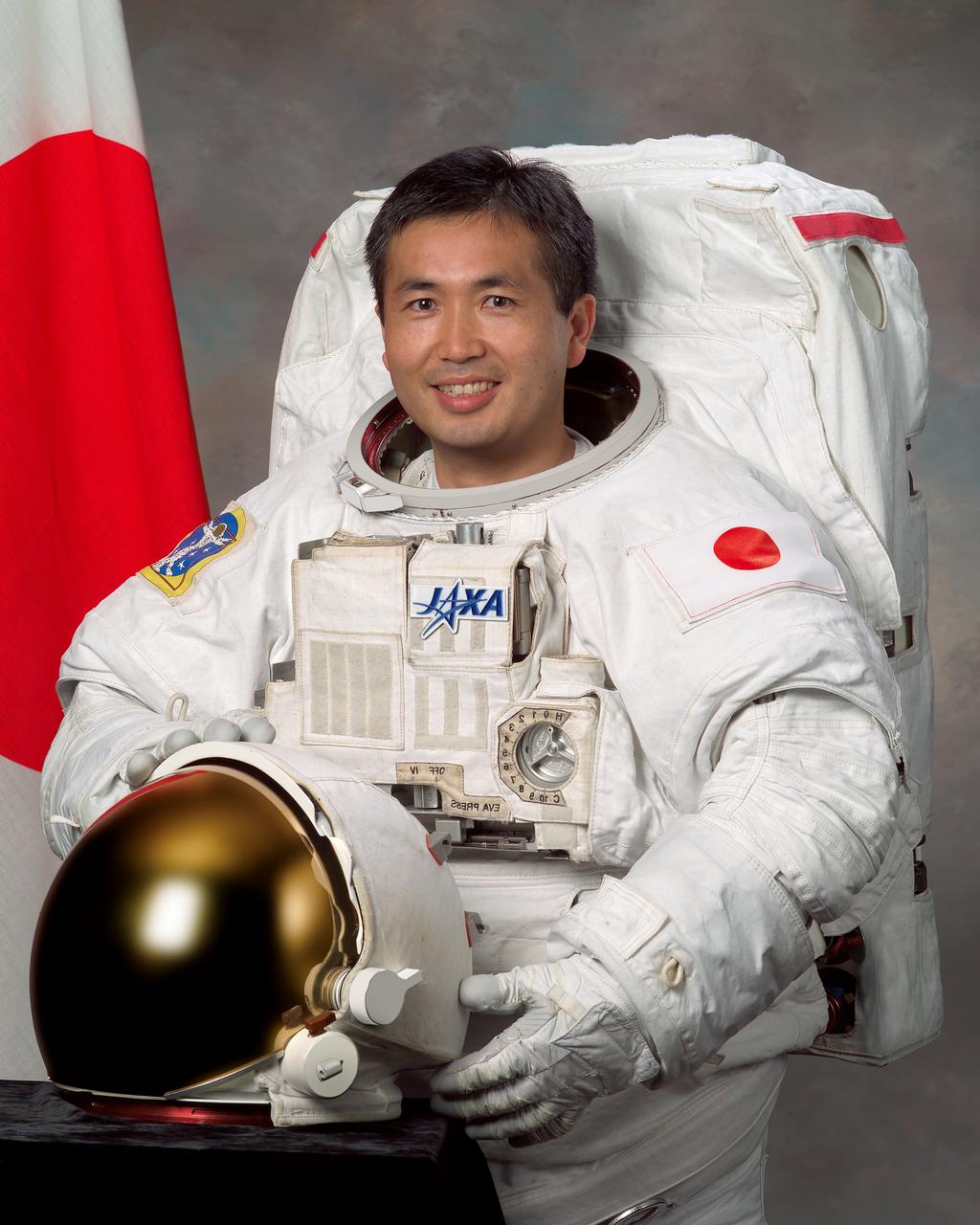
JSC2007-E-19403 (19 March 2007) --- Japan Aerospace Exploration Agency (JAXA) astronaut Koichi Wakata, flight engineer
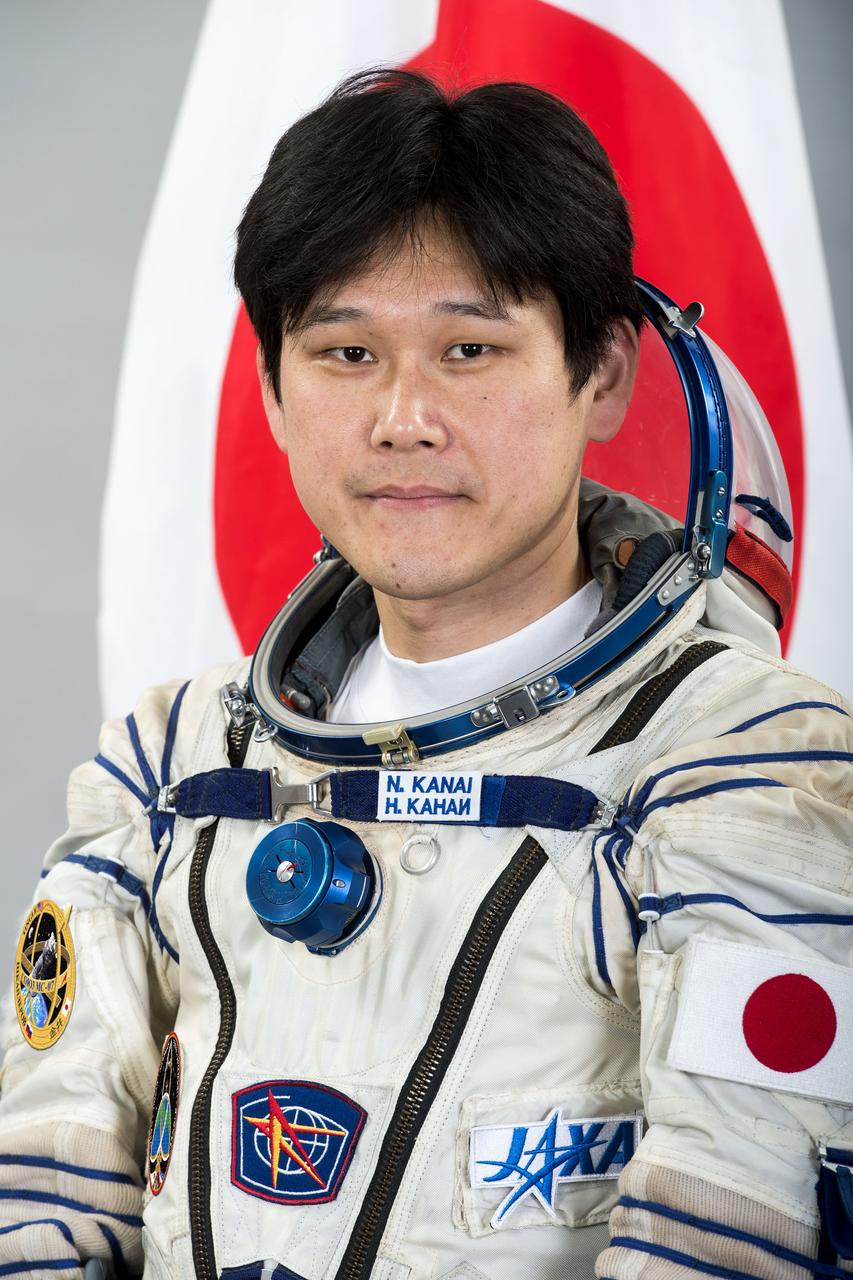
jsc2017e129519 (Jan. 18, 2017) --- Astronaut and Expedition 54-55 Flight Engineer Norishige Kanai of the Japan Aerospace Exploration Agency.
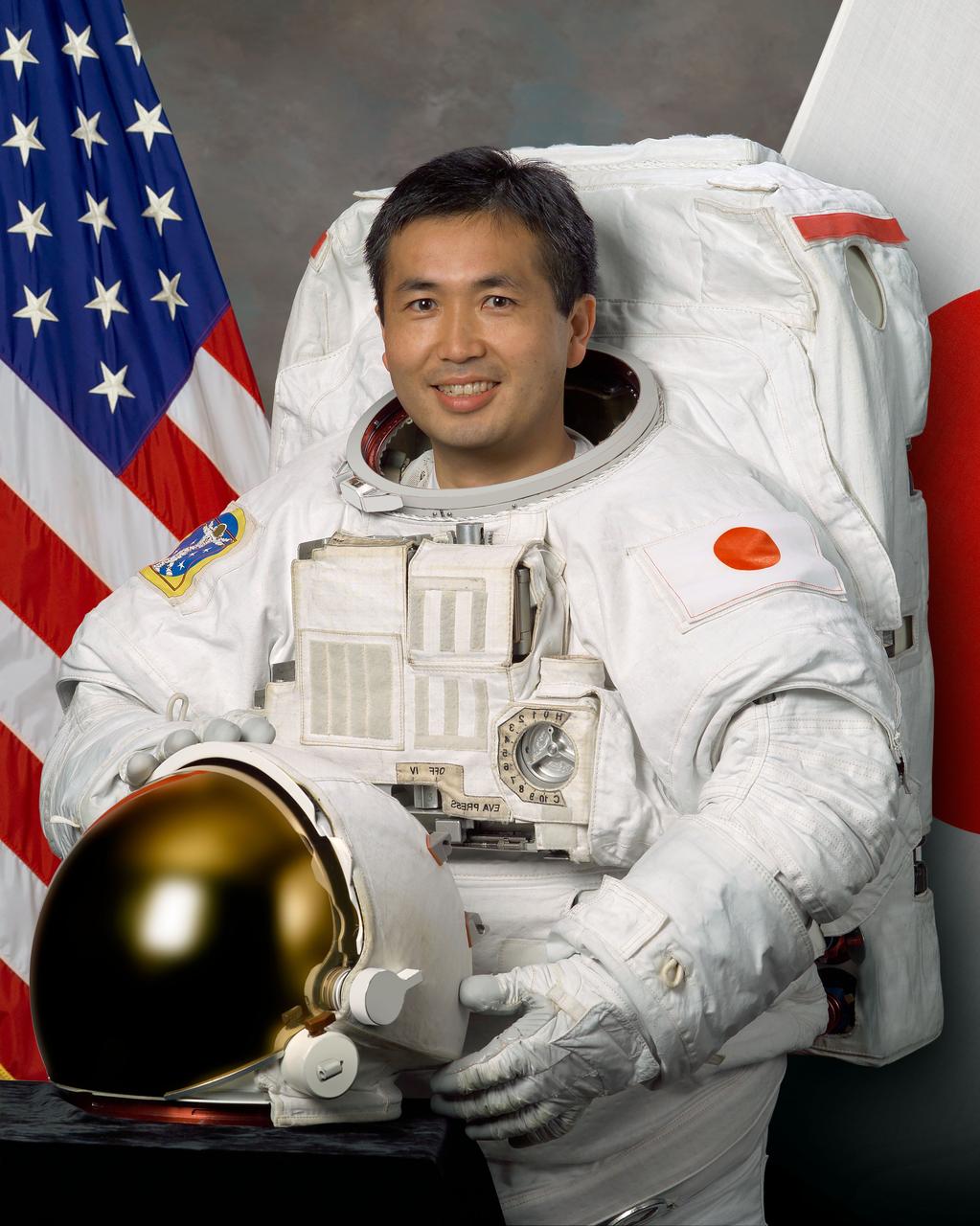
JSC2007-E-19404 (19 March 2007) --- Japan Aerospace Exploration Agency (JAXA) astronaut Koichi Wakata, flight engineer
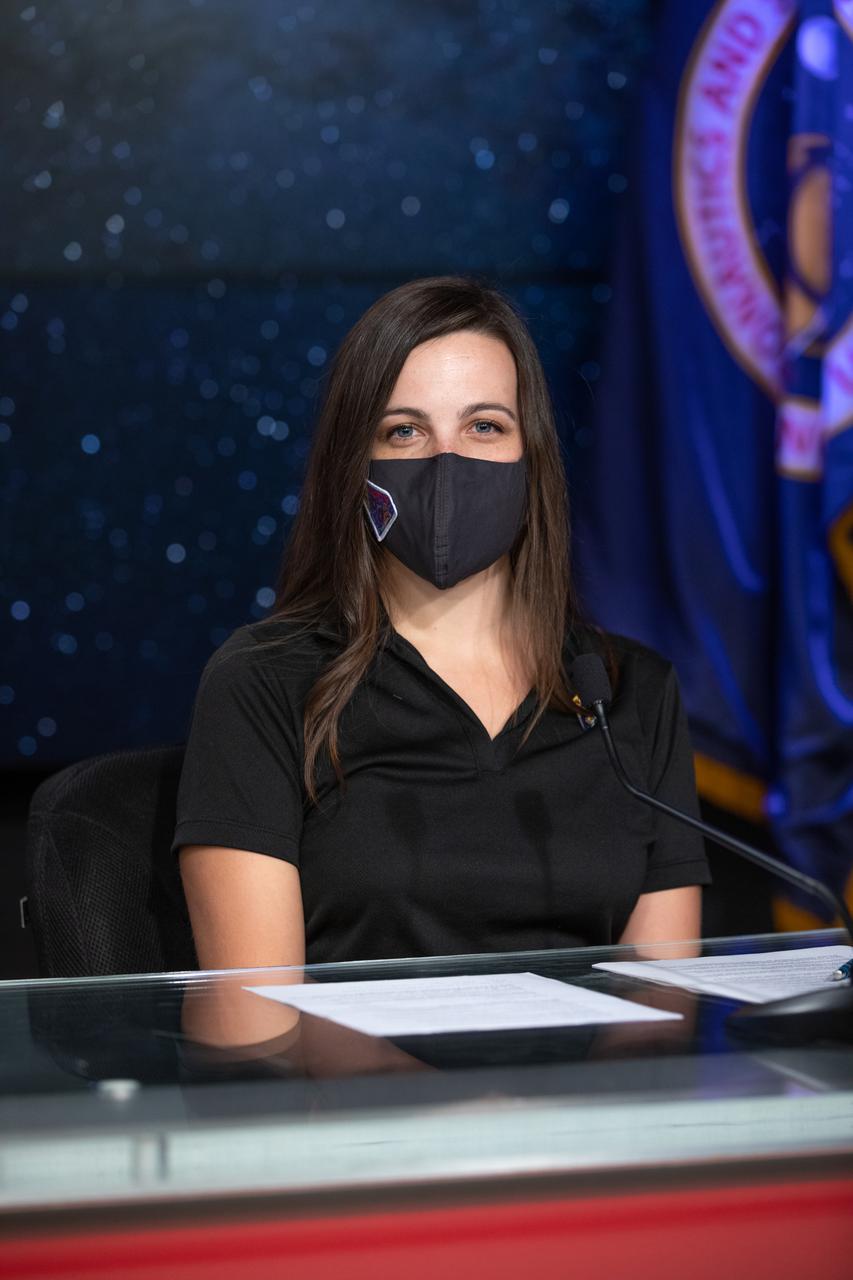
Deputy Navigation Team Chief Coralie Adam at KinetX Aerospace is introduced during an engineering briefing for the Lucy mission held inside the TV Auditorium at NASA’s Kennedy Space Center in Florida on Oct. 14, 2021. The mission is scheduled to launch at 5:34 a.m. EDT Saturday, Oct. 16, on a United Launch Alliance Atlas V 401 rocket from Space Launch Complex 41 at Cape Canaveral Space Force Station. NASA’s Launch Services Program, based at Kennedy, is managing the launch. During its 12-year primary mission, Lucy will explore a record-breaking number of asteroids, flying by one asteroid in the solar system’s main belt and seven Trojan asteroids. Additionally, Lucy’s path will circle back to Earth three times for gravity assists, making it the first spacecraft to return to the vicinity of Earth from the outer solar system.
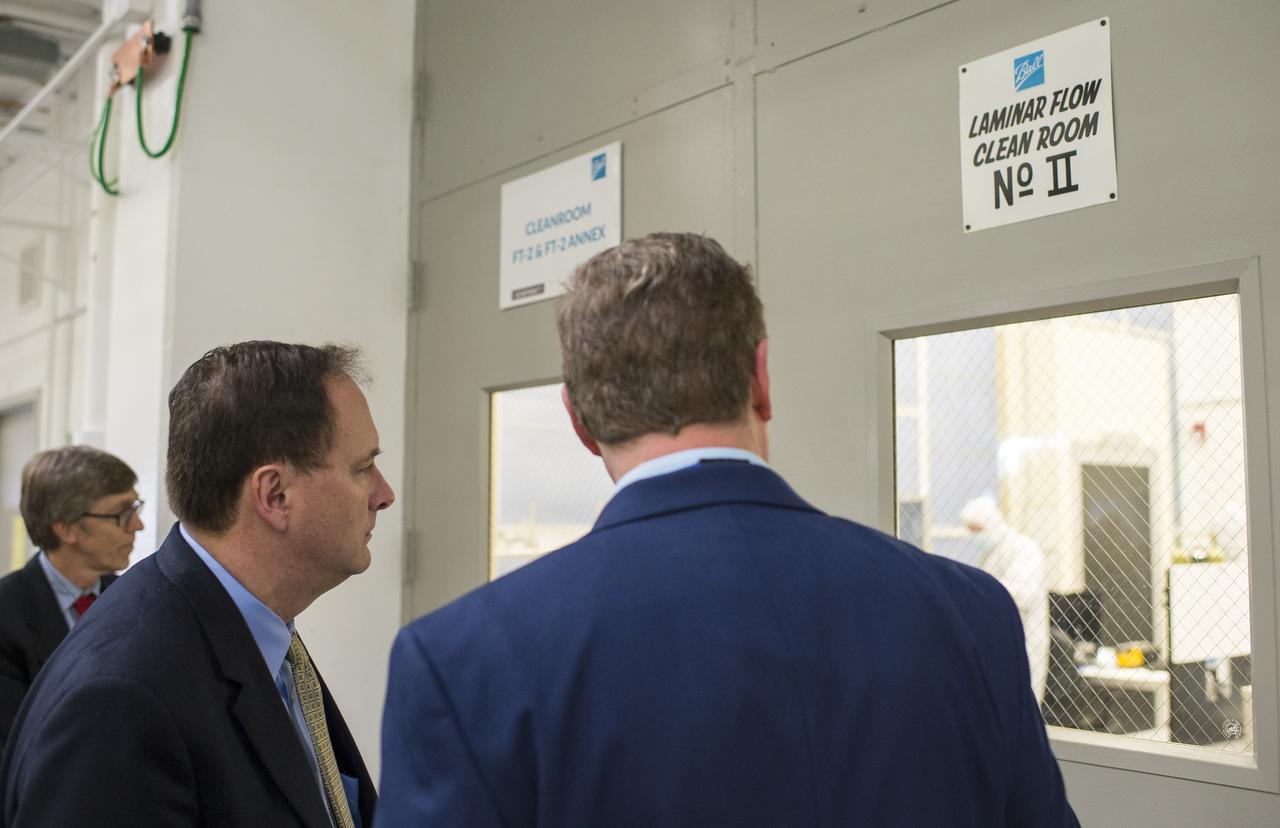
Acting NASA Administrator Robert Lightfoot, left, views a clean room with Tim Schoenweis, senior project engineer for the Ozone Mapping Profiler Suite (OMPS) at Ball Aerospace, right, Thursday, April 6, 2017 at Ball Aerospace in Boulder, Colo. Photo Credit: (NASA/Joel Kowsky)
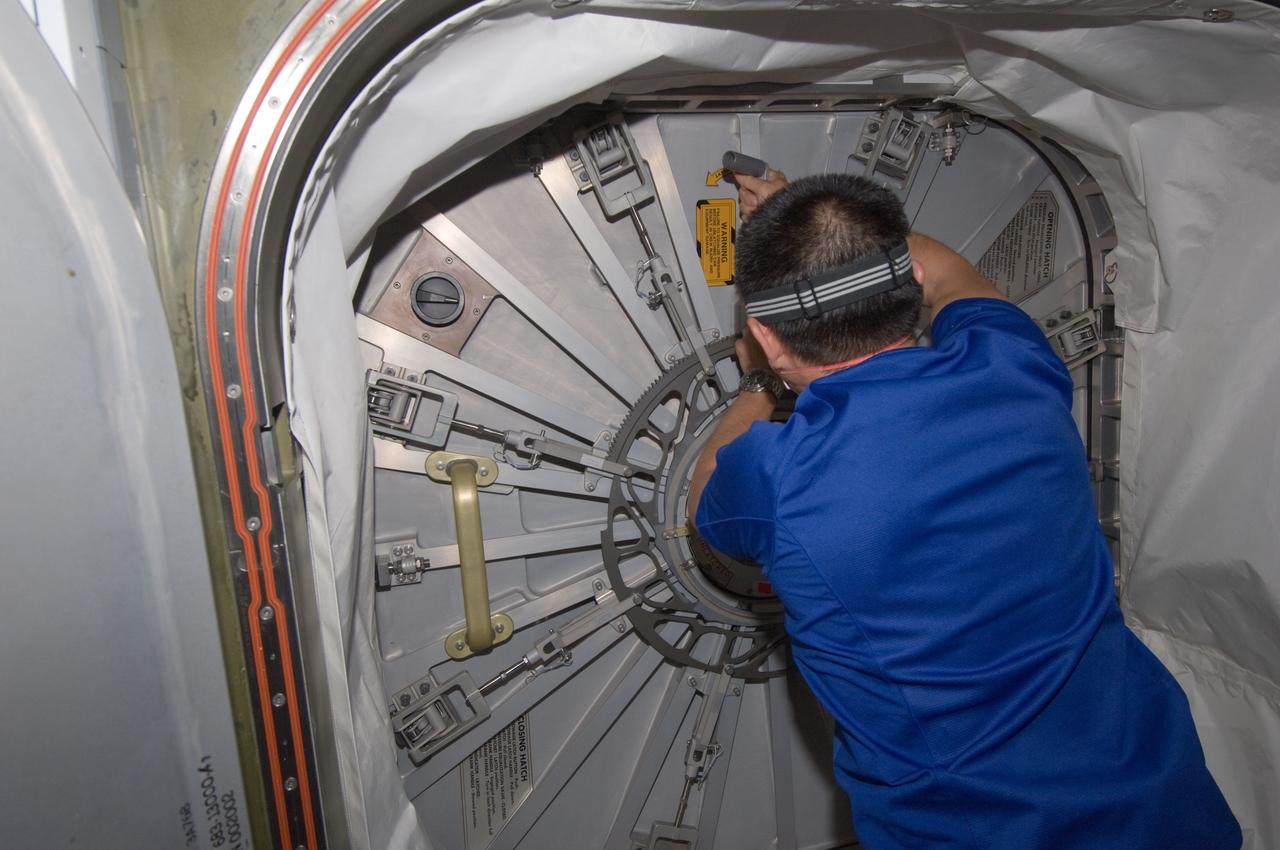
ISS032-E-011394 (28 July 2012) --- Japan Aerospace Exploration Agency astronaut Aki Hoshide, Expedition 32 flight engineer, prepares to open the hatch to the newly attached Japan Aerospace Exploration Agency (JAXA) H-II Transfer Vehicle (HTV-3) docked to the International Space Station’s Harmony node.
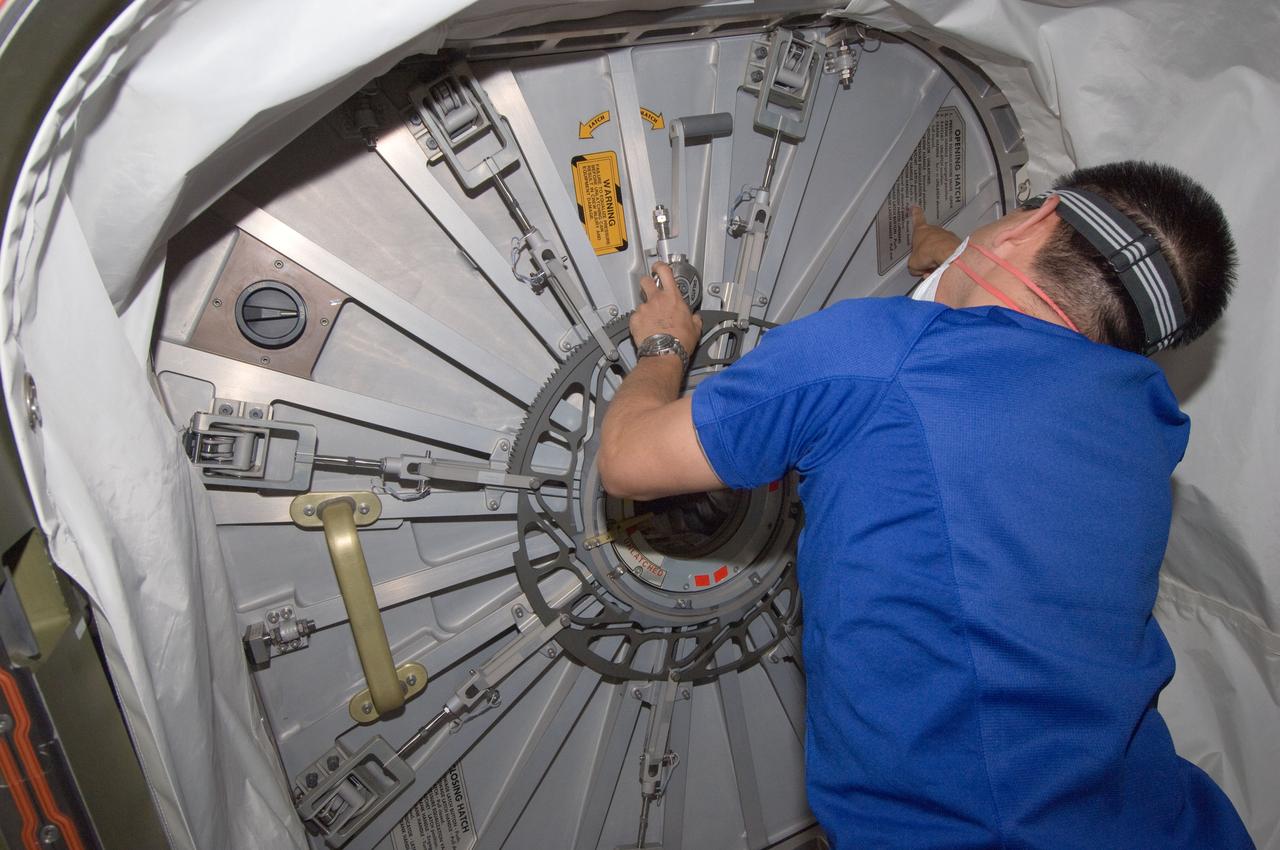
ISS032-E-011395 (28 July 2012) --- Japan Aerospace Exploration Agency astronaut Aki Hoshide, Expedition 32 flight engineer, prepares to open the hatch to the newly attached Japan Aerospace Exploration Agency (JAXA) H-II Transfer Vehicle (HTV-3) docked to the International Space Station?s Harmony node.
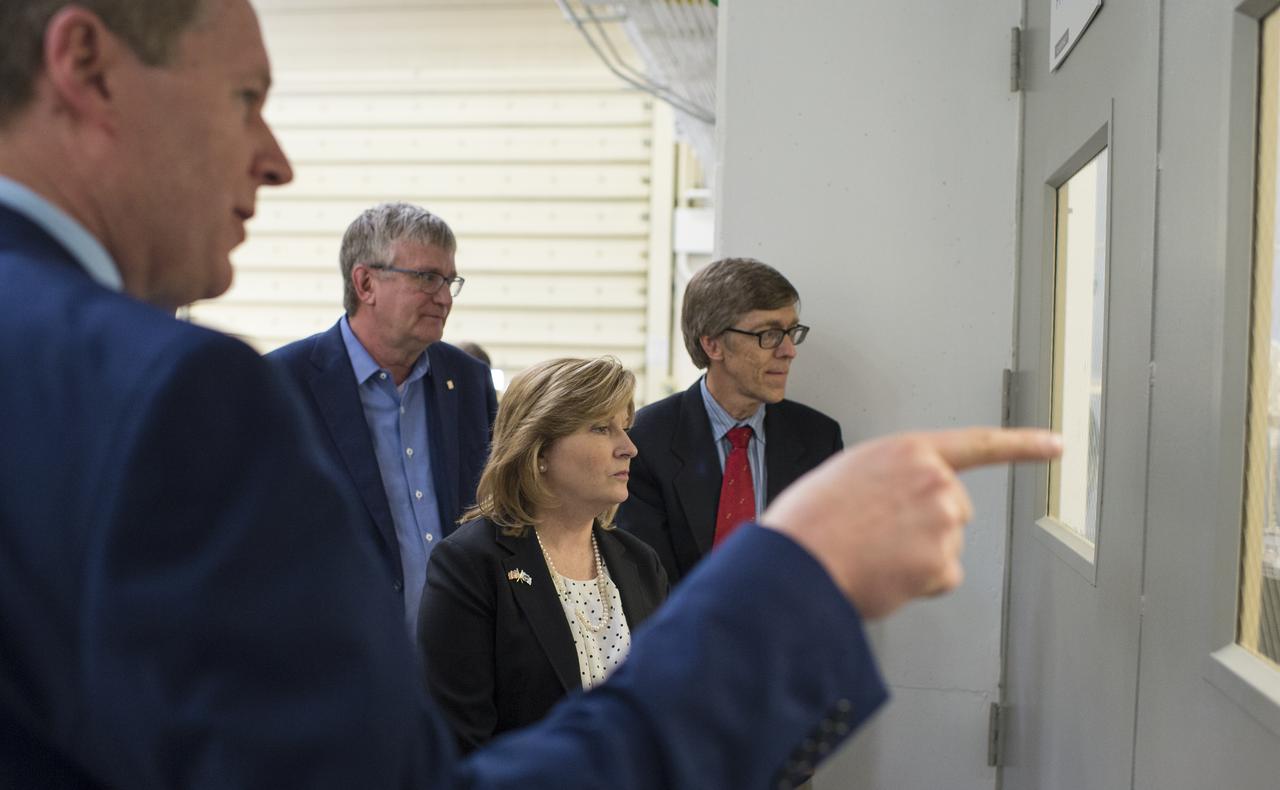
Acting NASA Deputy Administrator Lesa Roe, center, views a clean room with Tim Schoenweis, senior project engineer for the Ozone Mapping Profiler Suite (OMPS) at Ball Aerospace, left, Thursday, April 6, 2017 at Ball Aerospace in Boulder, Colo. Photo Credit: (NASA/Joel Kowsky)
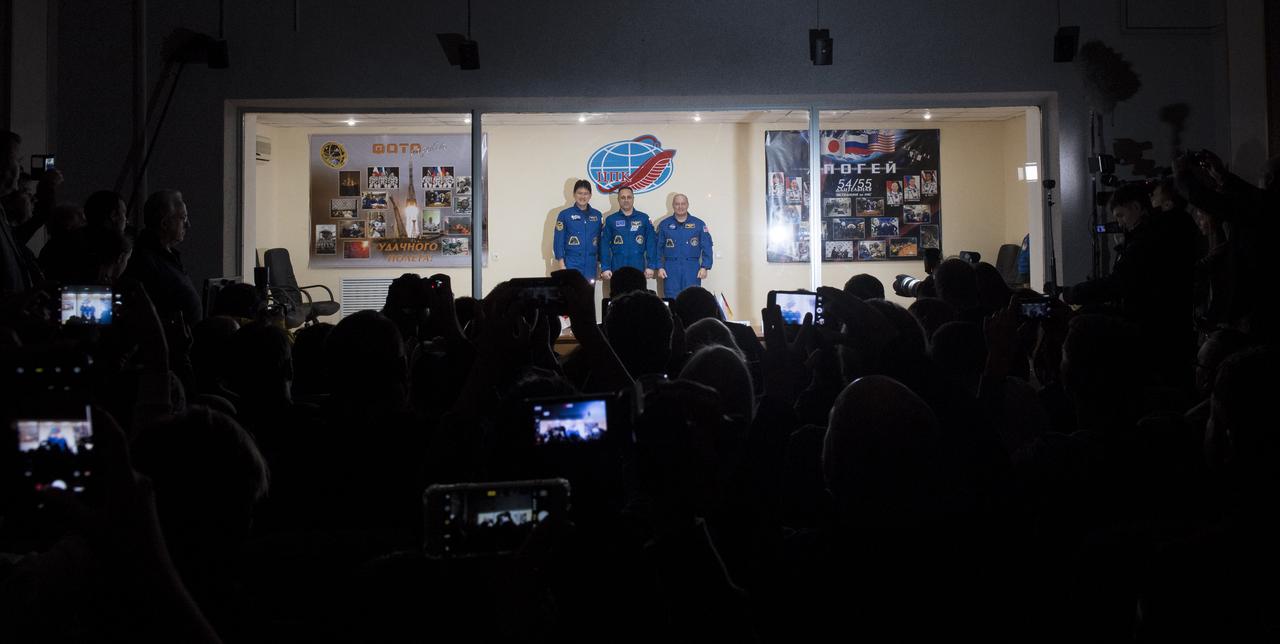
Expedition 54 prime crew members flight engineer Norishige Kanai of the Japan Aerospace Exploration Agency (JAXA), right, Soyuz Commander Anton Shkaplerov of Roscosmos, center, and flight engineer Scott Tingle of NASA, right, pose for a picture at the conclusion of a press conference, Saturday, Dec. 16, 2017 at the Cosmonaut Hotel in Baikonur, Kazakhstan. Expedition 54 Soyuz Commander Anton Shkaplerov of Roscosmos, flight engineer Scott Tingle of NASA, and flight engineer Norishige Kanai of Japan Aerospace Exploration Agency (JAXA) are scheduled to launch to the International Space Station aboard the Soyuz spacecraft from the Baikonur Cosmodrome on December 17. Photo Credit: (NASA/Joel Kowsky)
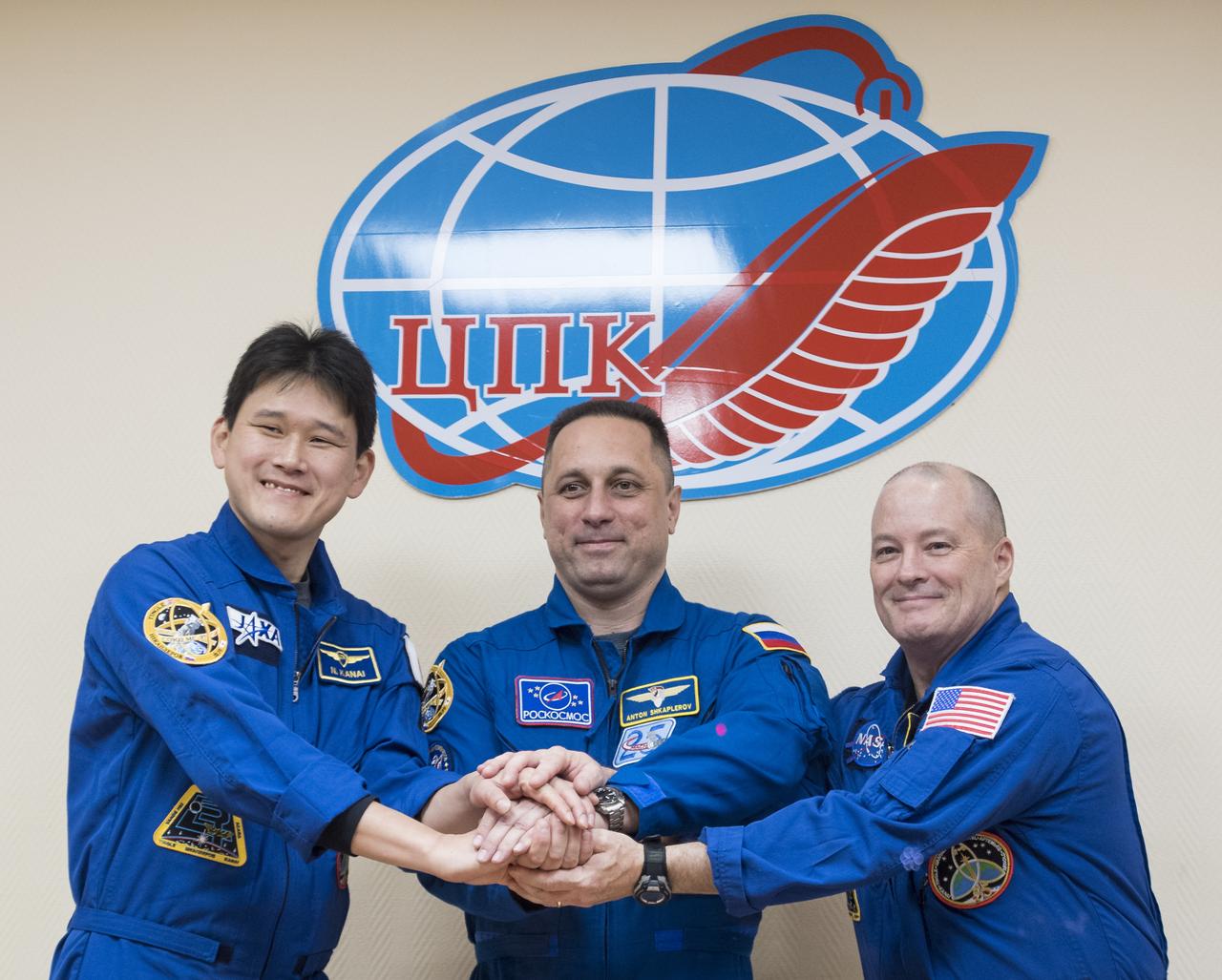
Expedition 54 prime crew members flight engineer Norishige Kanai of the Japan Aerospace Exploration Agency (JAXA), right, Soyuz Commander Anton Shkaplerov of Roscosmos, center, and flight engineer Scott Tingle of NASA, right, pose for a picture at the conclusion of a press conference, Saturday, Dec. 16, 2017 at the Cosmonaut Hotel in Baikonur, Kazakhstan. Expedition 54 Soyuz Commander Anton Shkaplerov of Roscosmos, flight engineer Scott Tingle of NASA, and flight engineer Norishige Kanai of Japan Aerospace Exploration Agency (JAXA) are scheduled to launch to the International Space Station aboard the Soyuz spacecraft from the Baikonur Cosmodrome on December 17. Photo Credit: (NASA/Joel Kowsky)
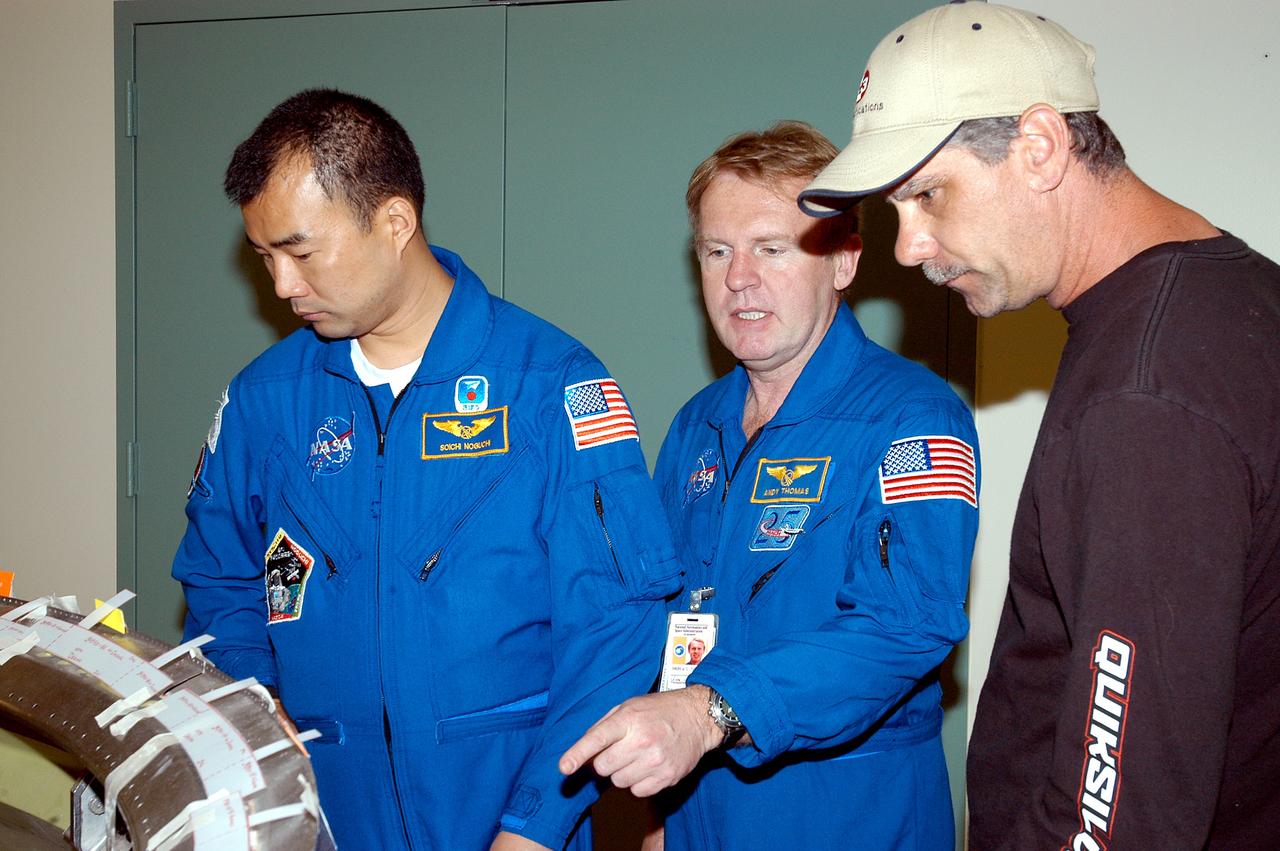
KENNEDY SPACE CENTER, FLA. - Members of the STS-114 crew spend time becoming familiar with Shuttle and mission equipment. Mission Specialists Soichi Noguchi (left) and Andrew Thomas (center) look at an engine eyelet, which serves as part of the thermal protection system on an orbiter. Noguchi is with the Japanese Aerospace Exploration Agency (JAXA). The mission is Logistics Flight 1, which is scheduled to deliver supplies and equipment and the external stowage platform to the International Space Station.
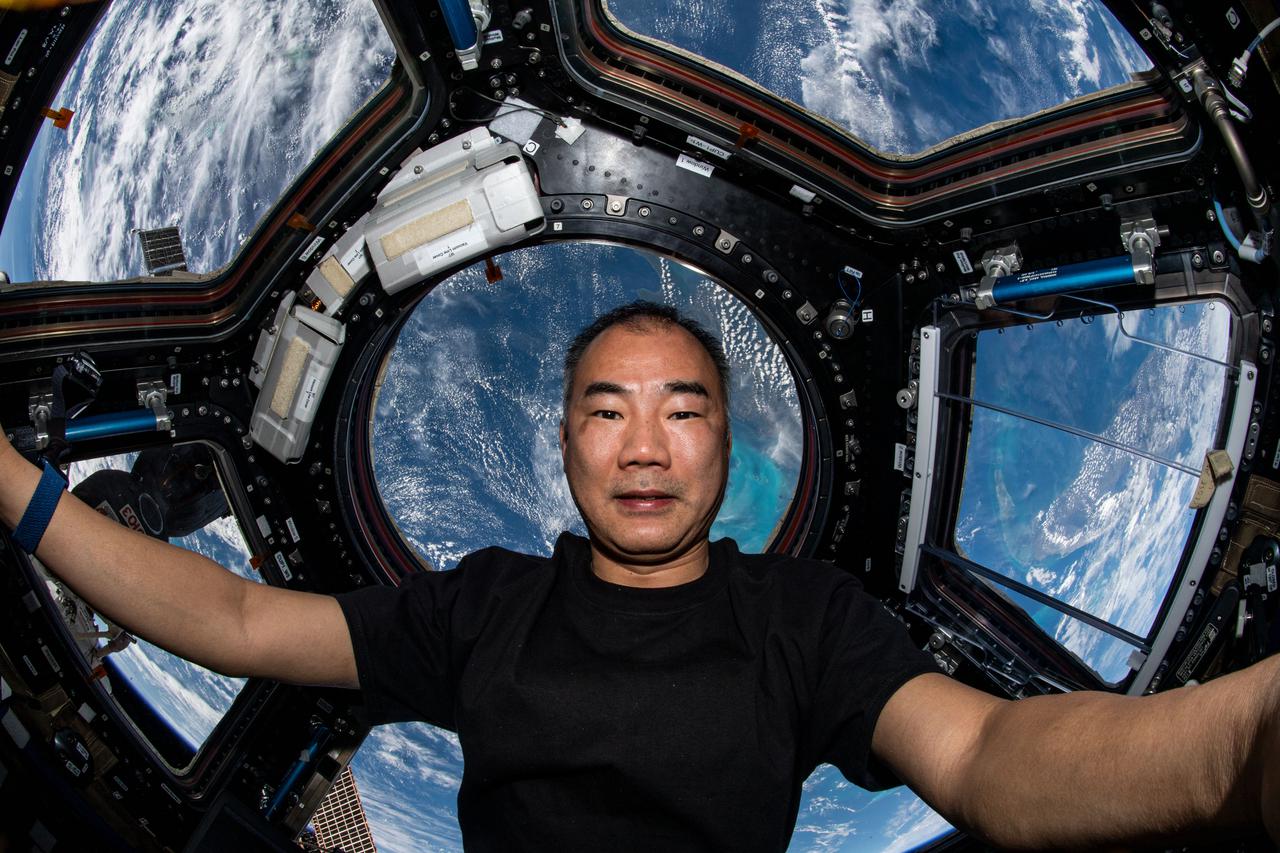
JAXA (Japan Aerospace Exploration Agency) astronaut and Expedition 64 Flight Engineer Soichi Noguchi is seen in the cupola of the International Space Station, with the Gulf of Mexico in the background.

NASA Dryden aerospace engineer Michael Allen hand-launches a model motorized sailplane during a study validating the use of heat thermals to extend flight time.
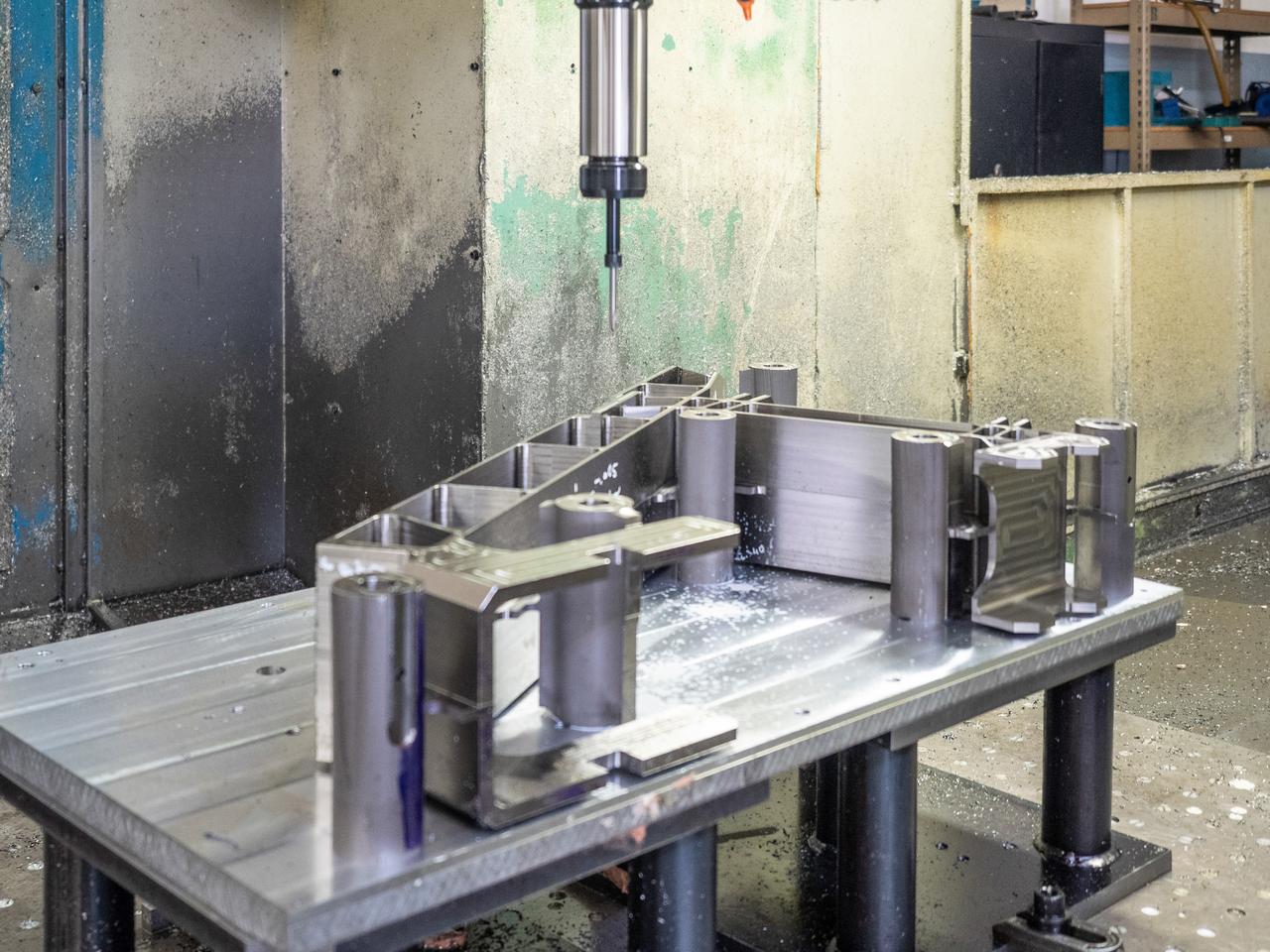
Parts for the Orion crew module which will carry astronauts on Artemis II are machined at Aerospace Engineering Corporation in California on June 18, 2018.
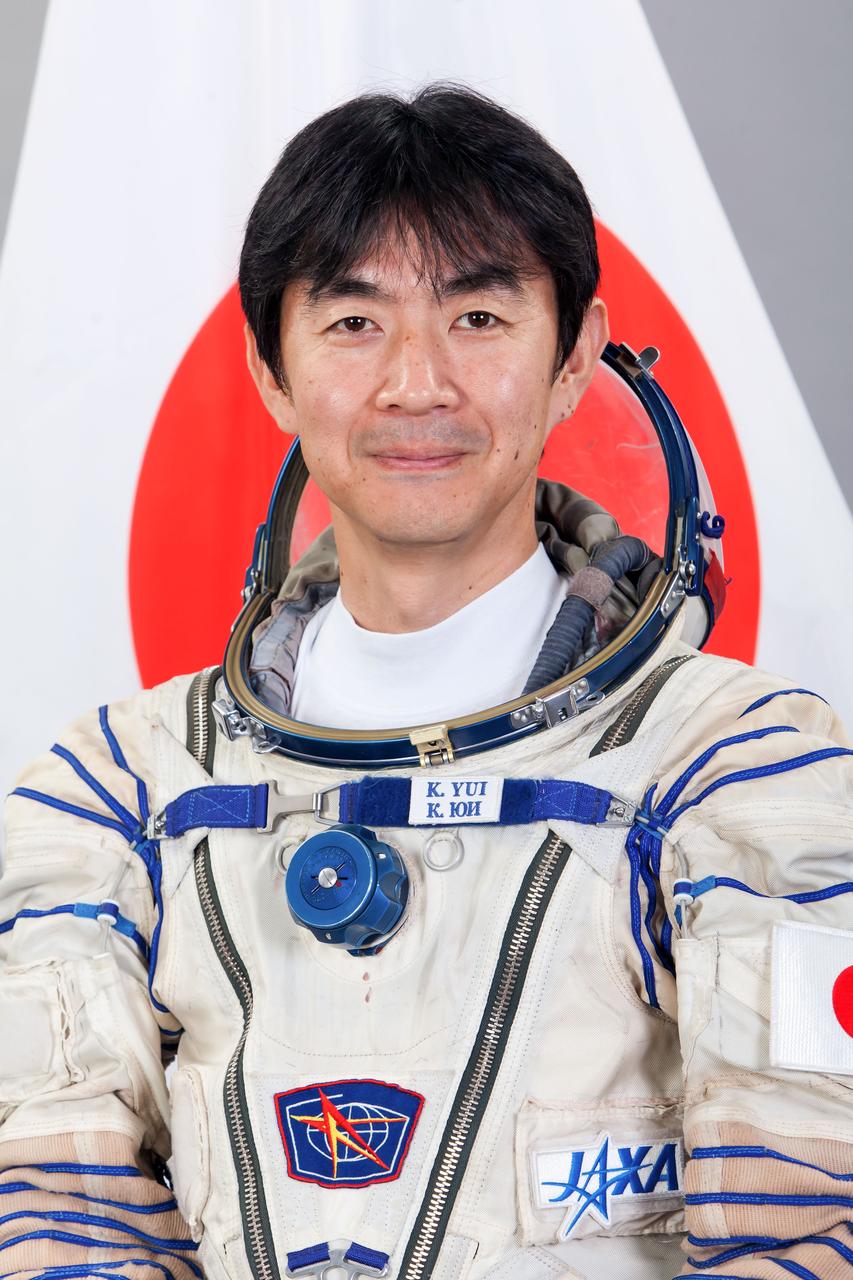
JSC2014E088150 (10/23/2014) --- Official Photograph of the Japan Aerospace Exploration Agency Astronaut Kimiya Yui, Flight Engineer on the International Space Station with Expedition 44.
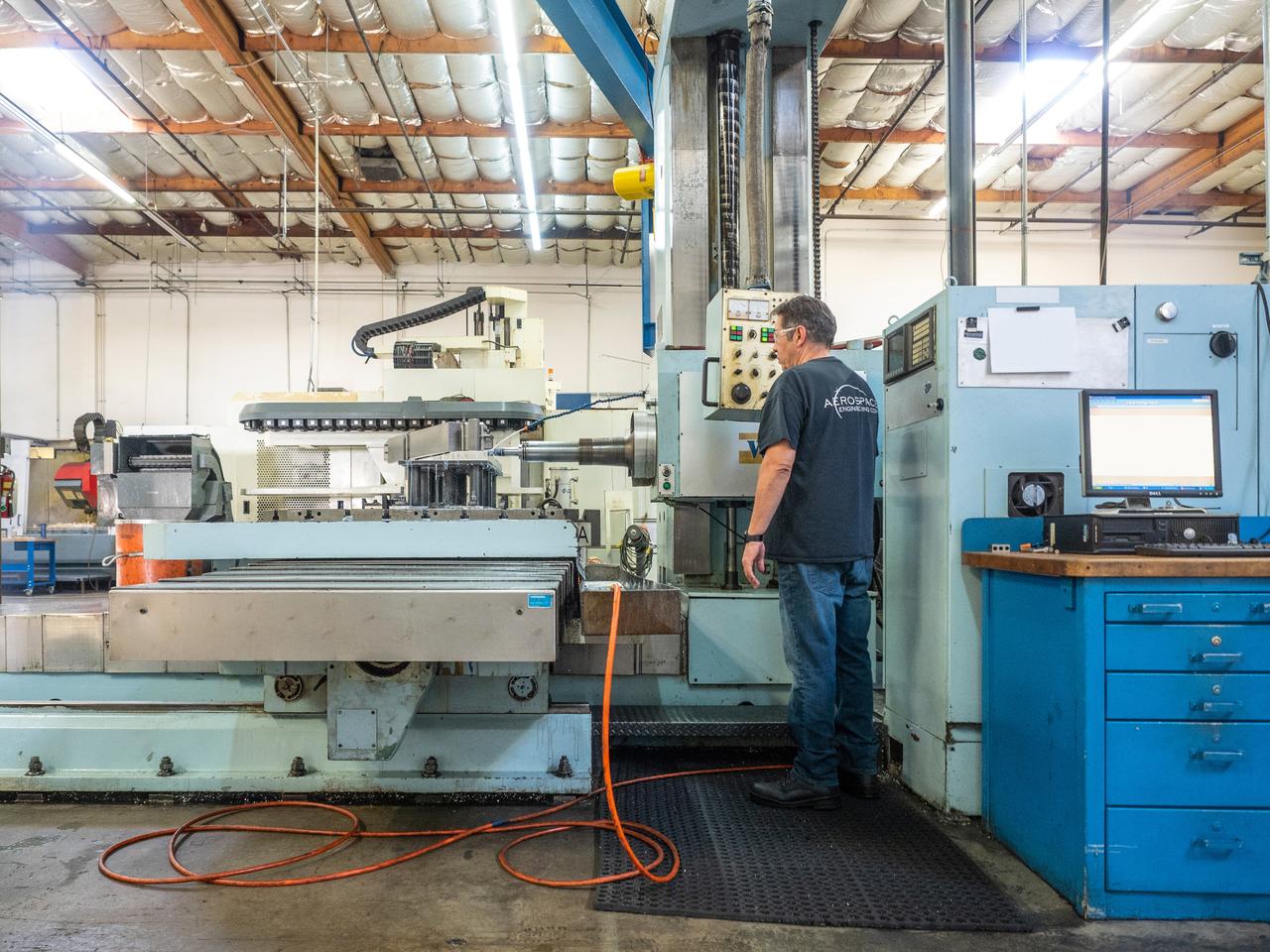
Parts for the Orion crew module which will carry astronauts on Artemis II are machined at Aerospace Engineering Corporation in California on June 18, 2018.
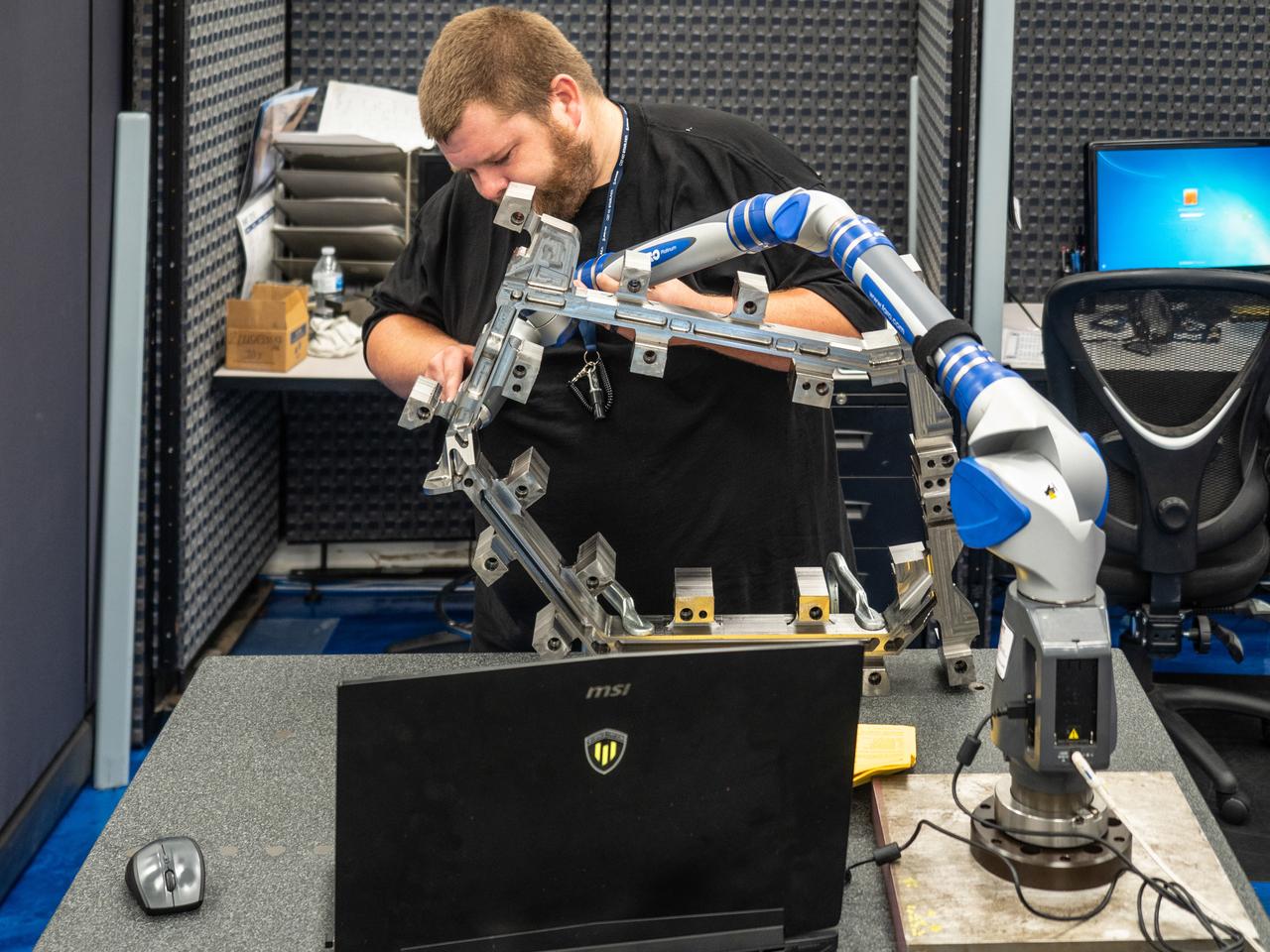
Parts for the Orion crew module which will carry astronauts on Artemis II are machined at Aerospace Engineering Corporation in California on June 18, 2018.
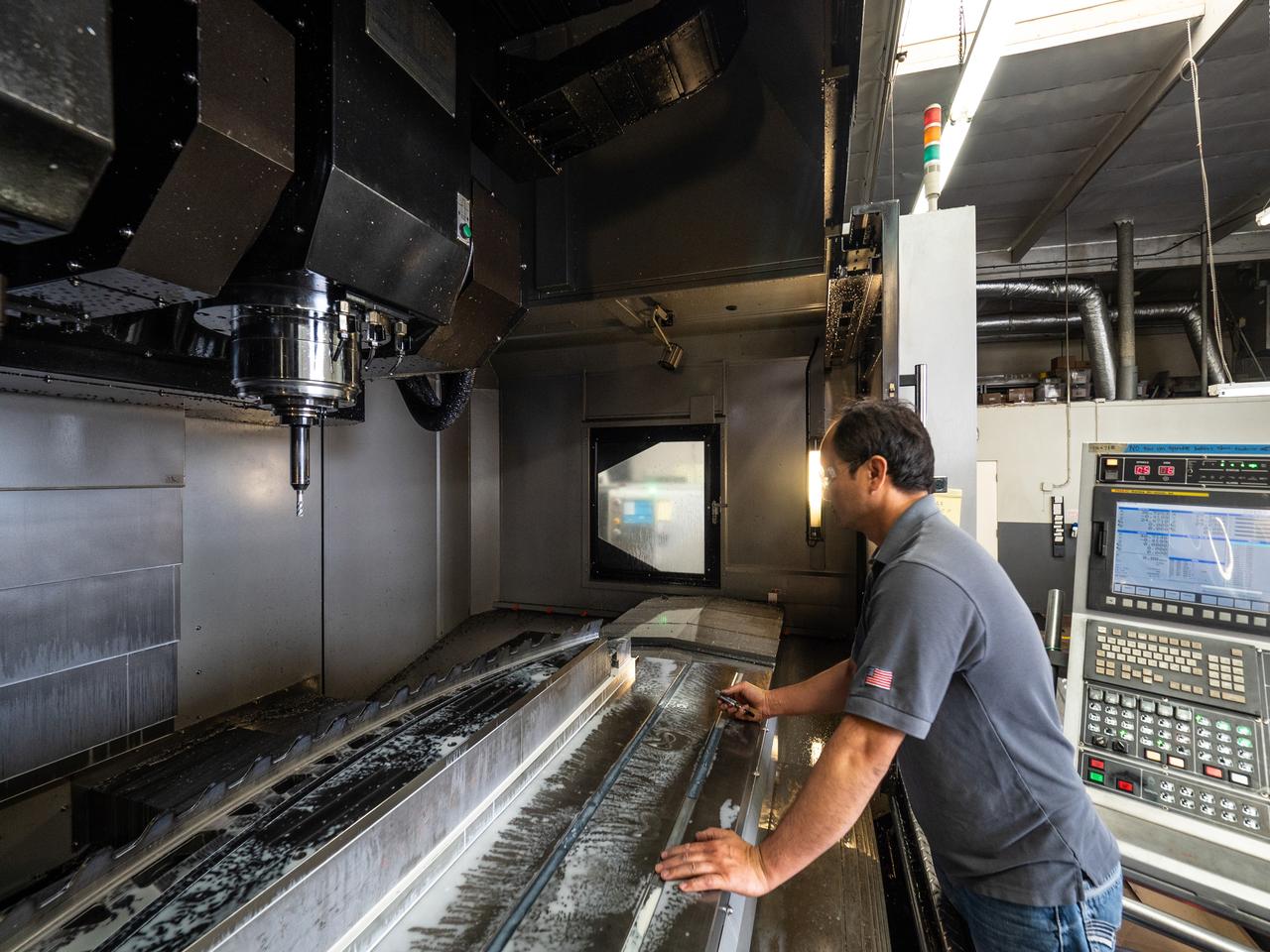
Parts for the Orion crew module which will carry astronauts on Artemis II are machined at Aerospace Engineering Corporation in California on June 18, 2018.
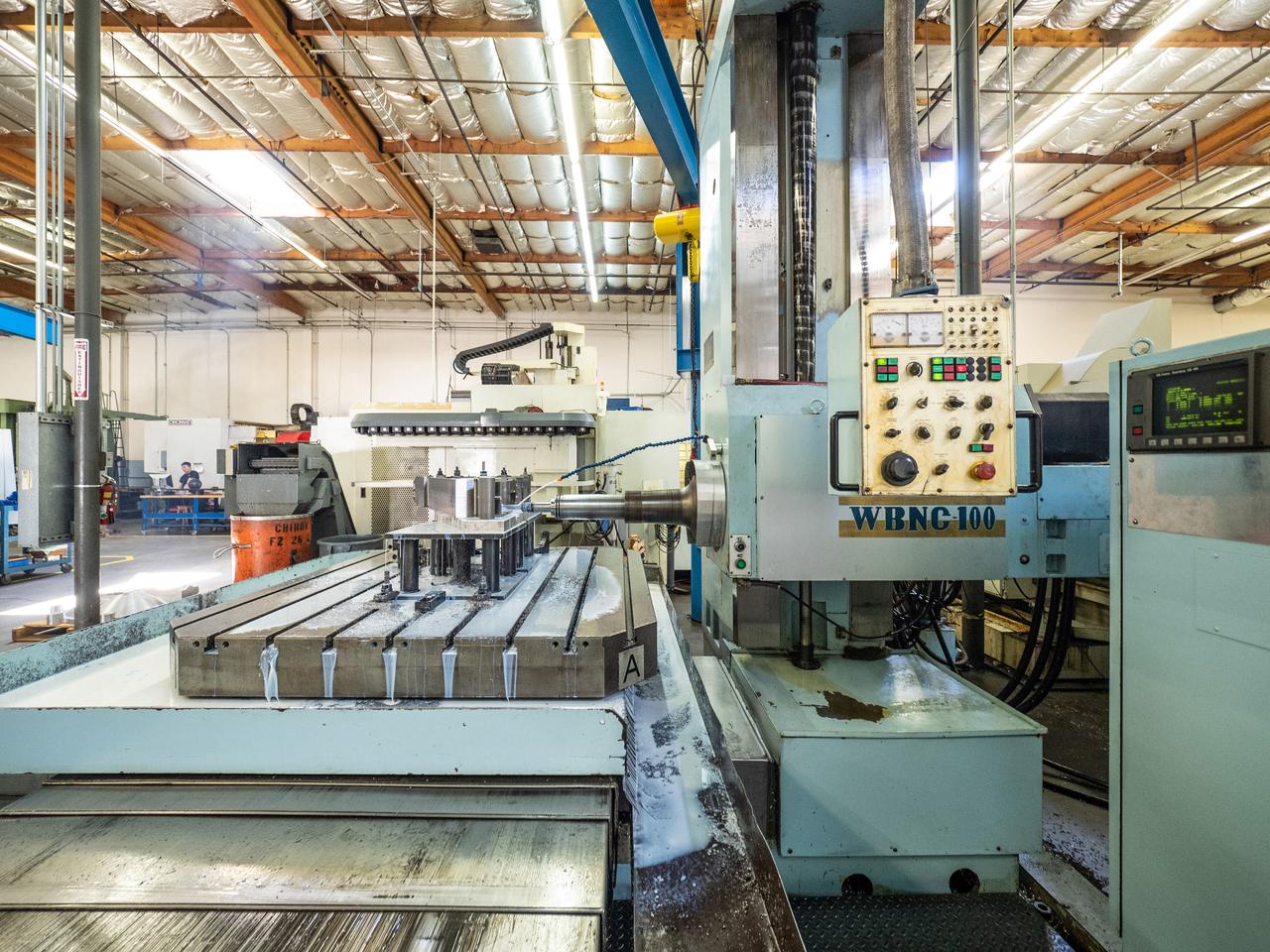
Parts for the Orion crew module which will carry astronauts on Artemis II are machined at Aerospace Engineering Corporation in California on June 18, 2018.
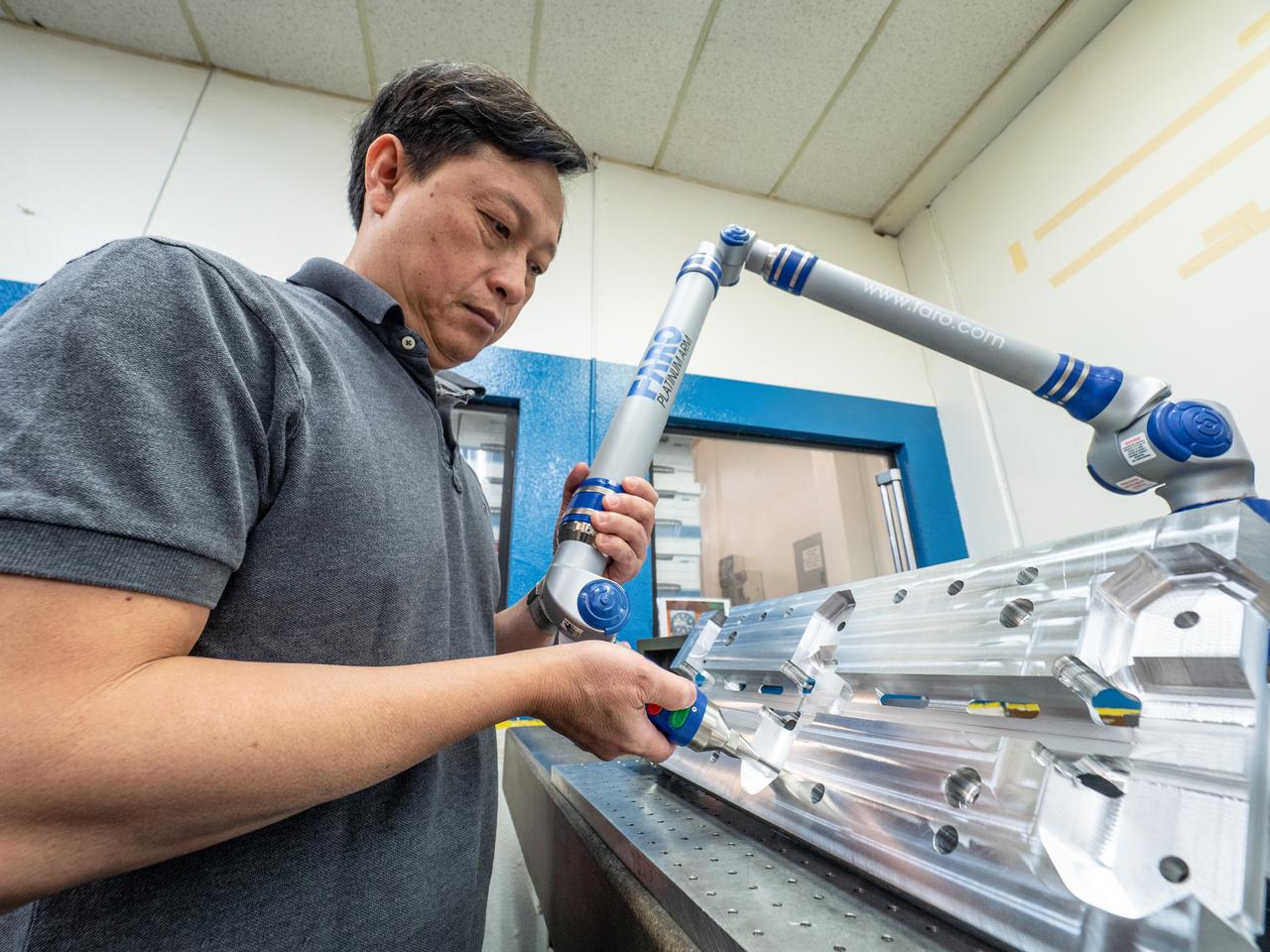
Parts for the Orion crew module which will carry astronauts on Artemis II are machined at Aerospace Engineering Corporation in California on June 18, 2018.
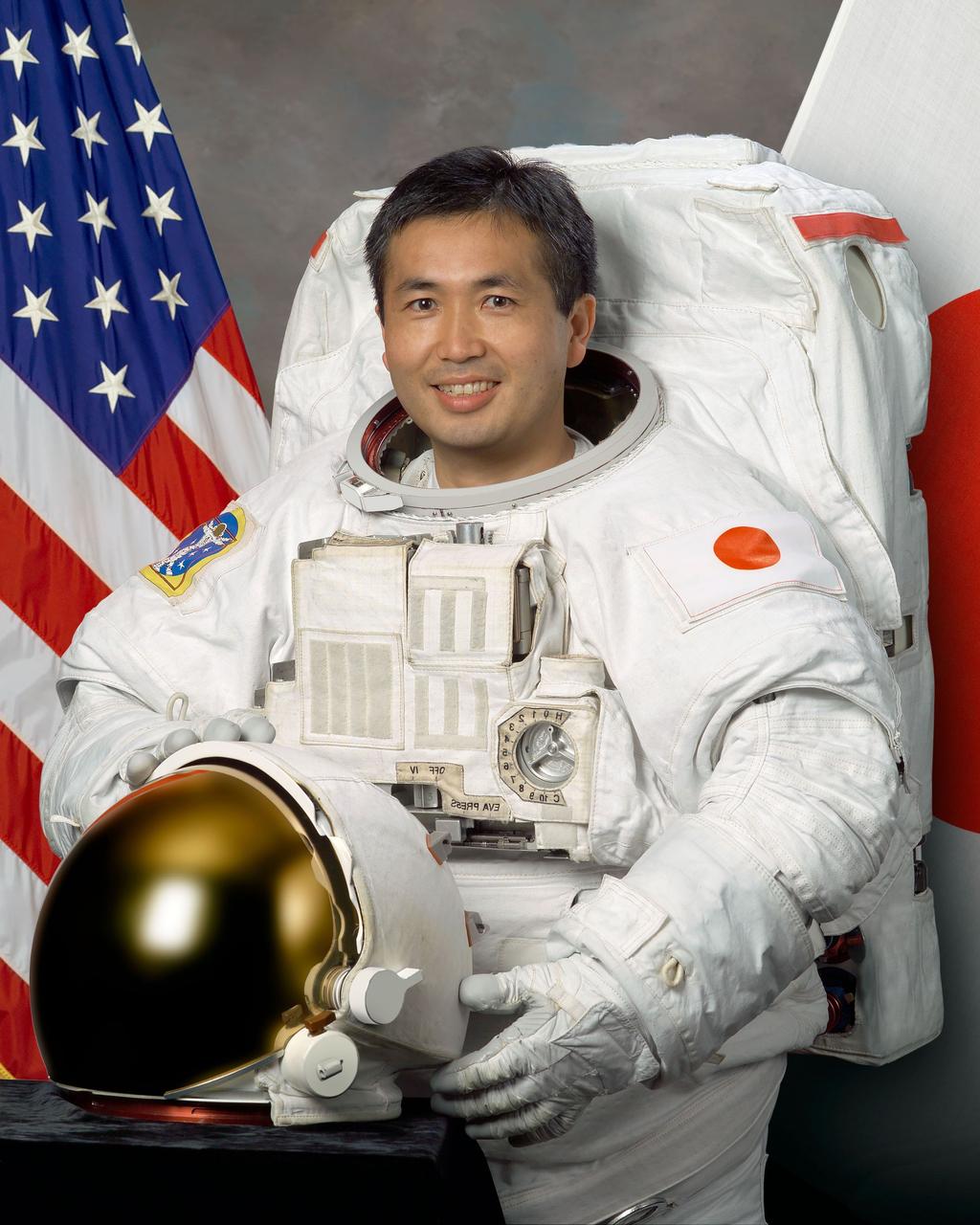
HOUSTON, Texas -- JSC2007-E-19404: Japan Aerospace Exploration Agency (JAXA) astronaut Koichi Wakata, flight engineer on mission STS-119.
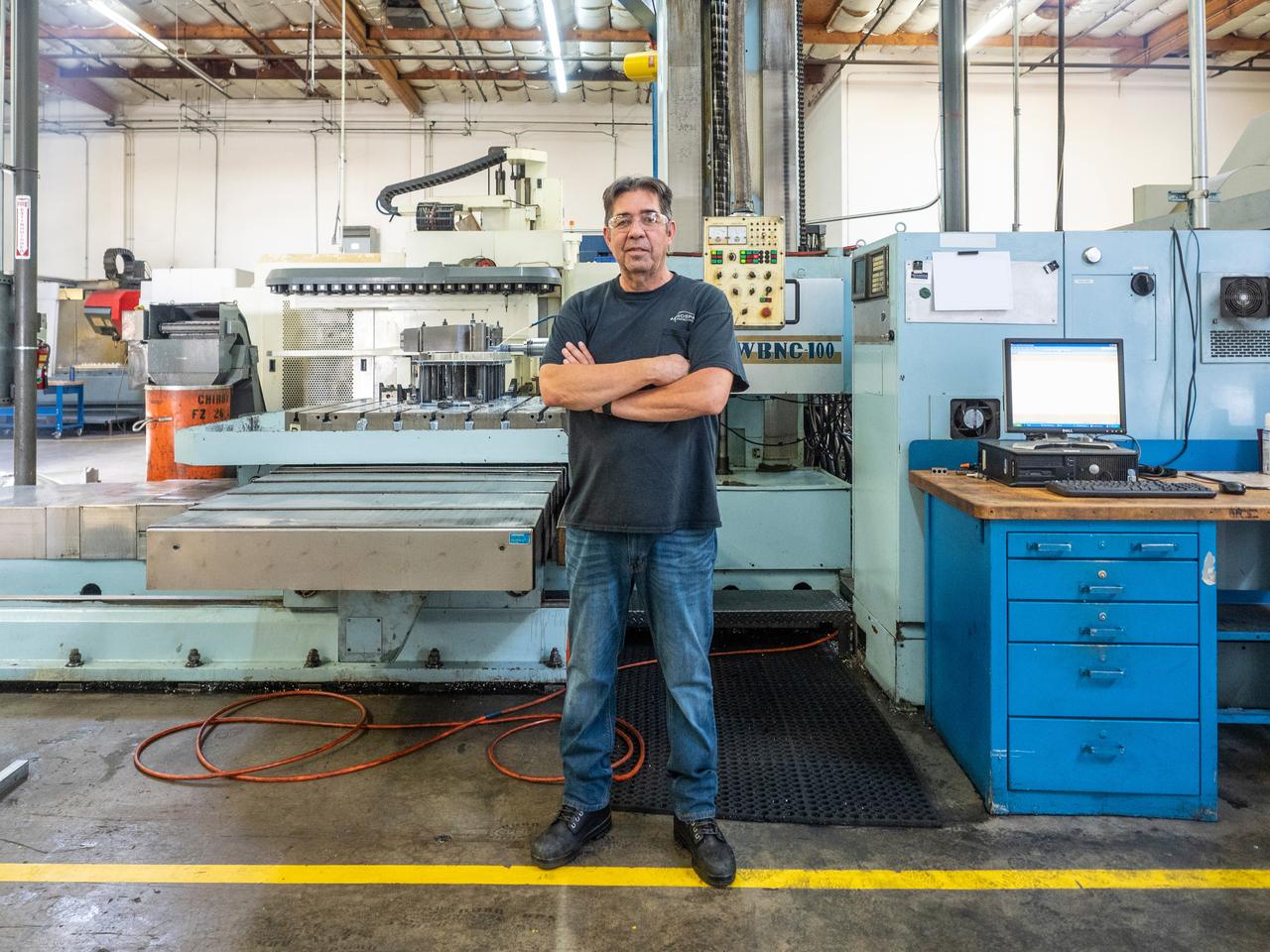
Parts for the Orion crew module which will carry astronauts on Artemis II are machined at Aerospace Engineering Corporation in California on June 18, 2018.
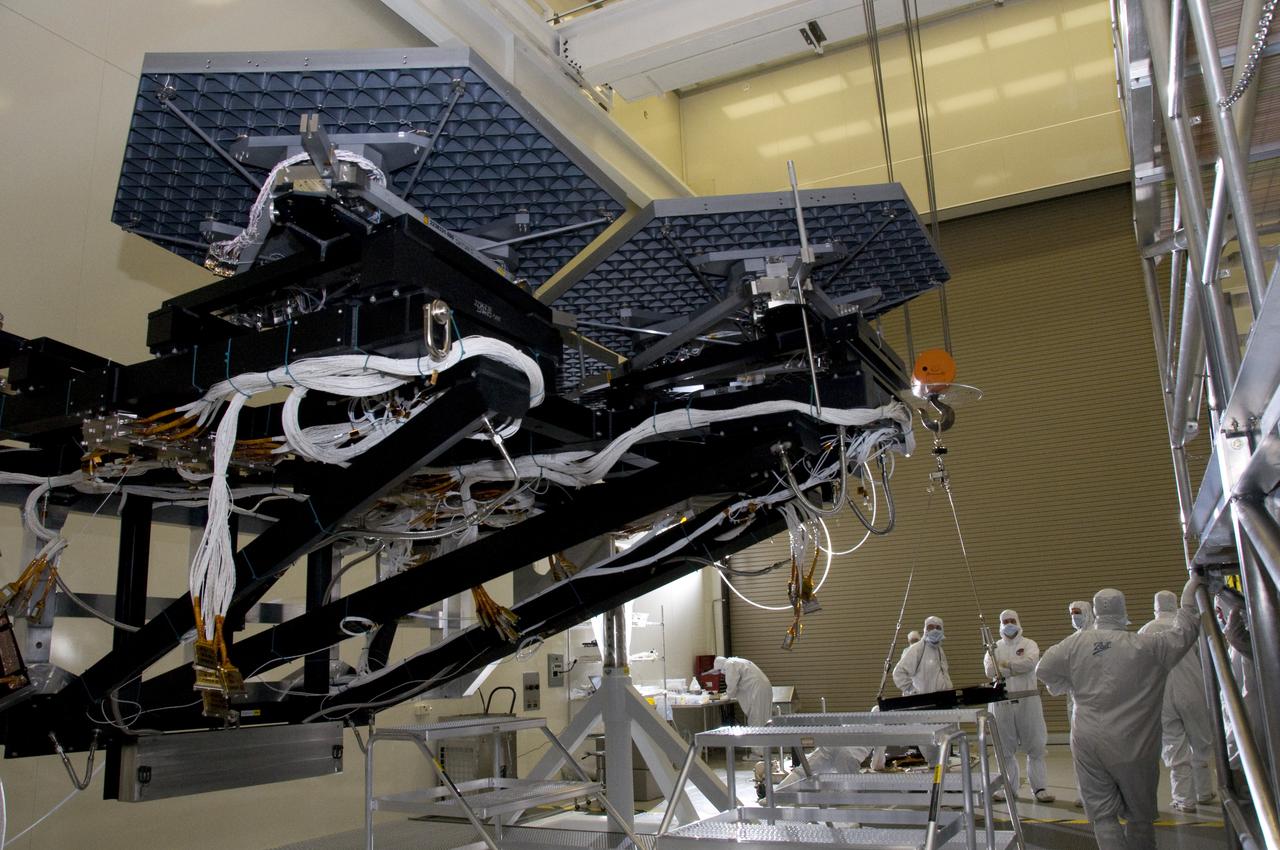
BALL AEROSPACE AND NASA ENGINEERS & TECHNICIANS INSTALL MIRRORS ON THE ROTATABLE CRYOGENIC OPTICAL TEST STAND IN MARSHALL SPACE FLIGHT CENTER’S XRCF CLEAN ROOM
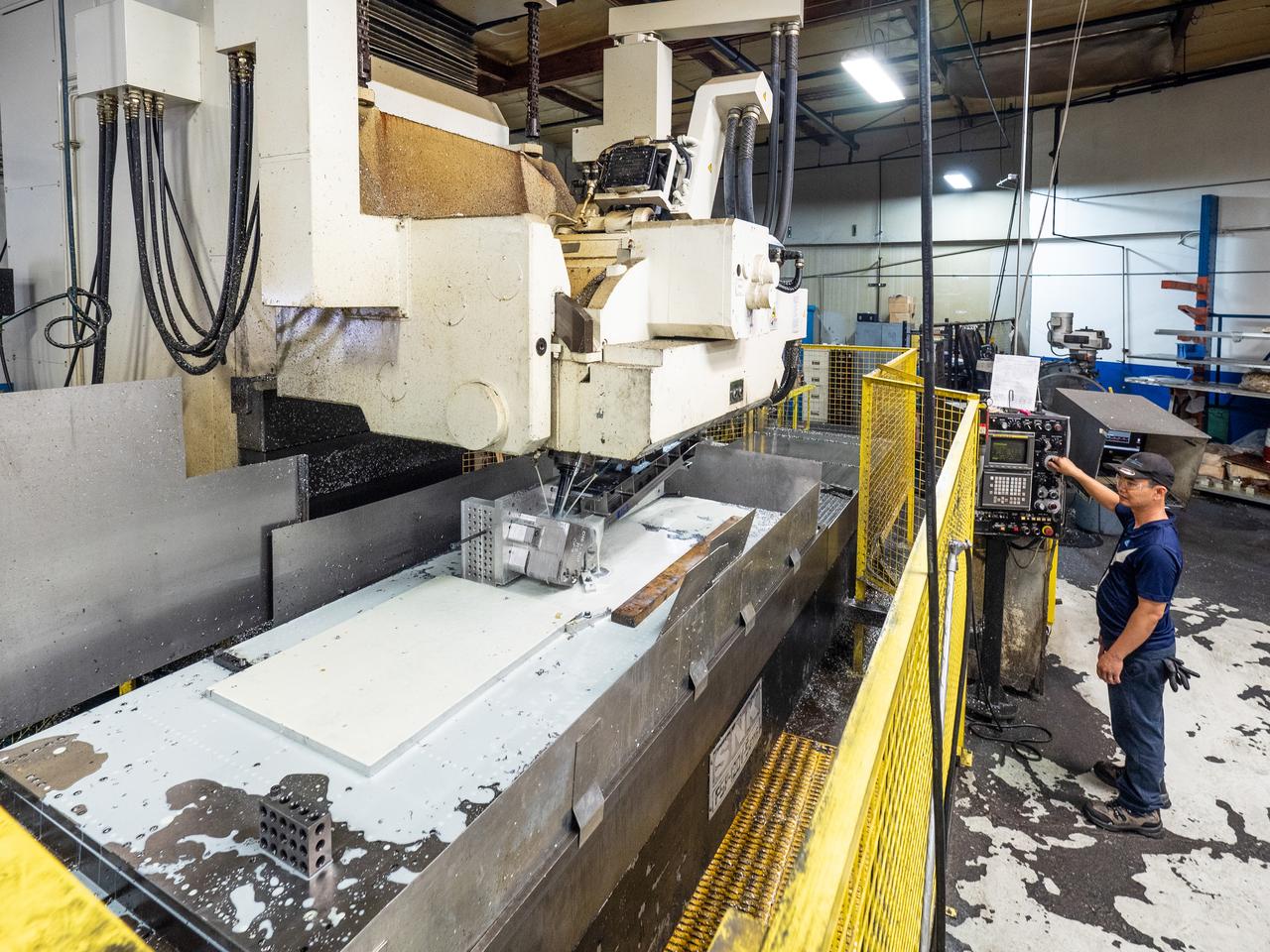
Parts for the Orion crew module which will carry astronauts on Artemis II are machined at Aerospace Engineering Corporation in California on June 18, 2018.
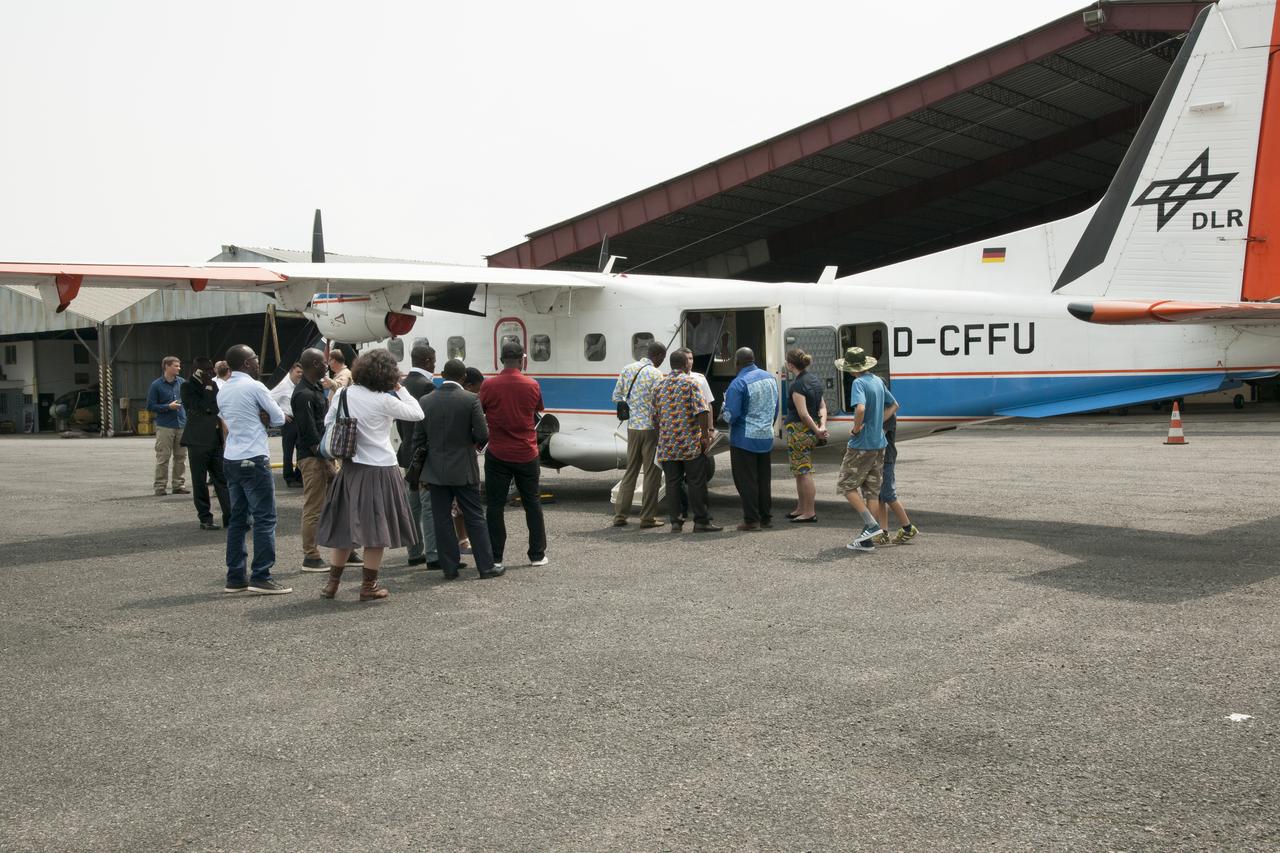
During an education outreach event in Gabon, Africa, students and educators, look at the German Aerospace Center Dornier DO-228 twin-engine turboprop aircraft.
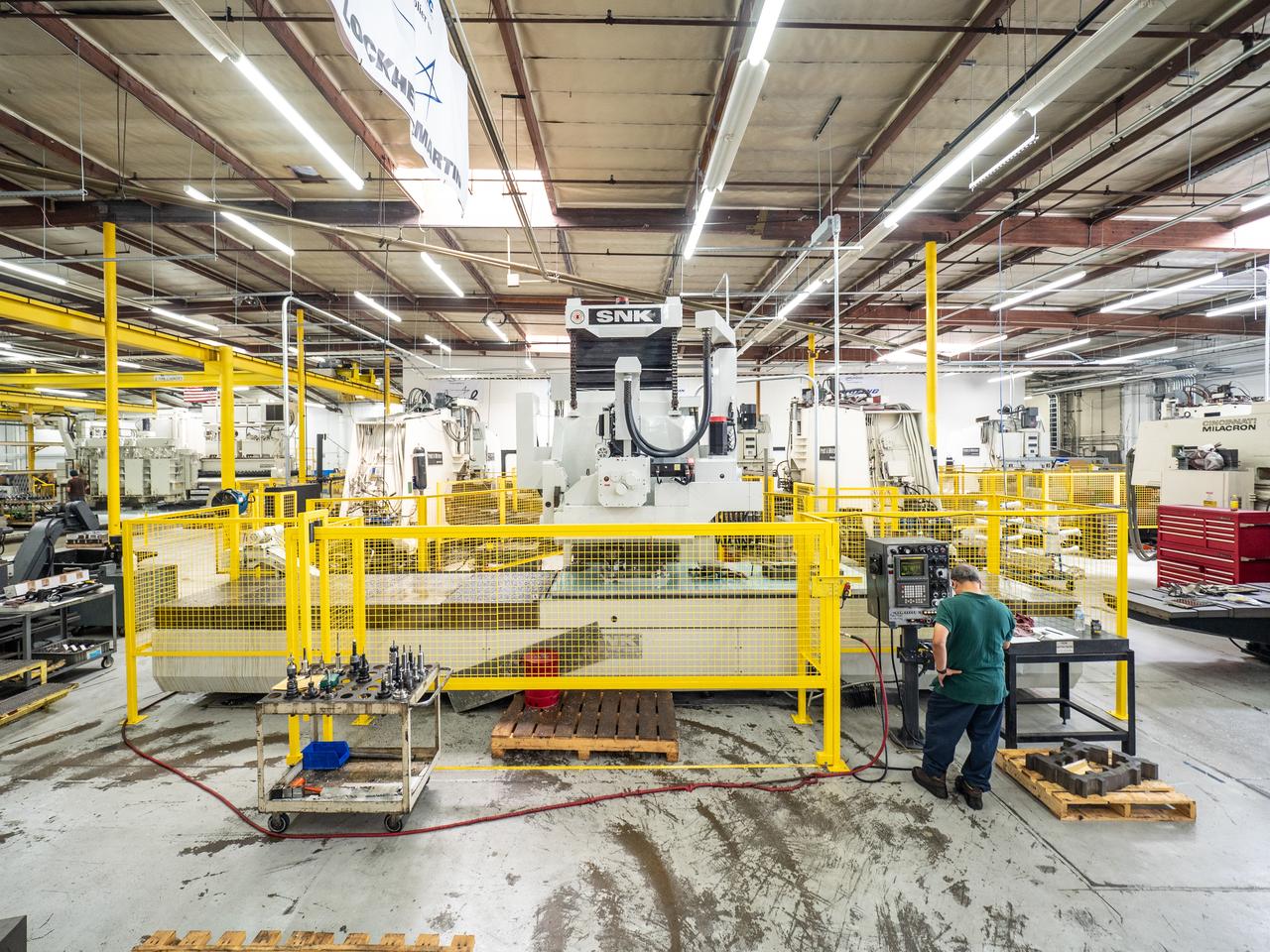
Parts for the Orion crew module which will carry astronauts on Artemis II are machined at Aerospace Engineering Corporation in California on June 18, 2018.
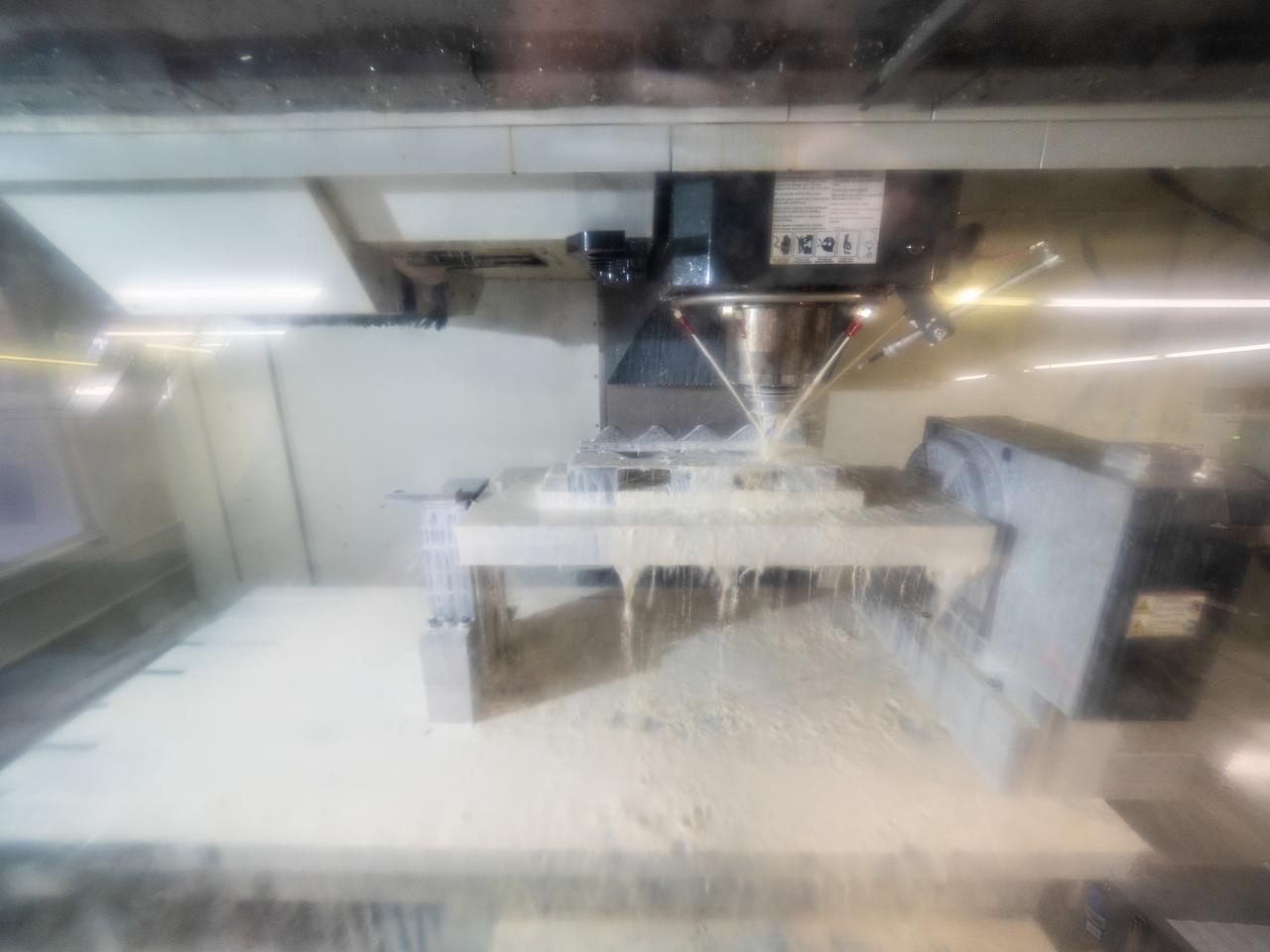
Parts for the Orion crew module which will carry astronauts on Artemis II are machined at Aerospace Engineering Corporation in California on June 18, 2018.
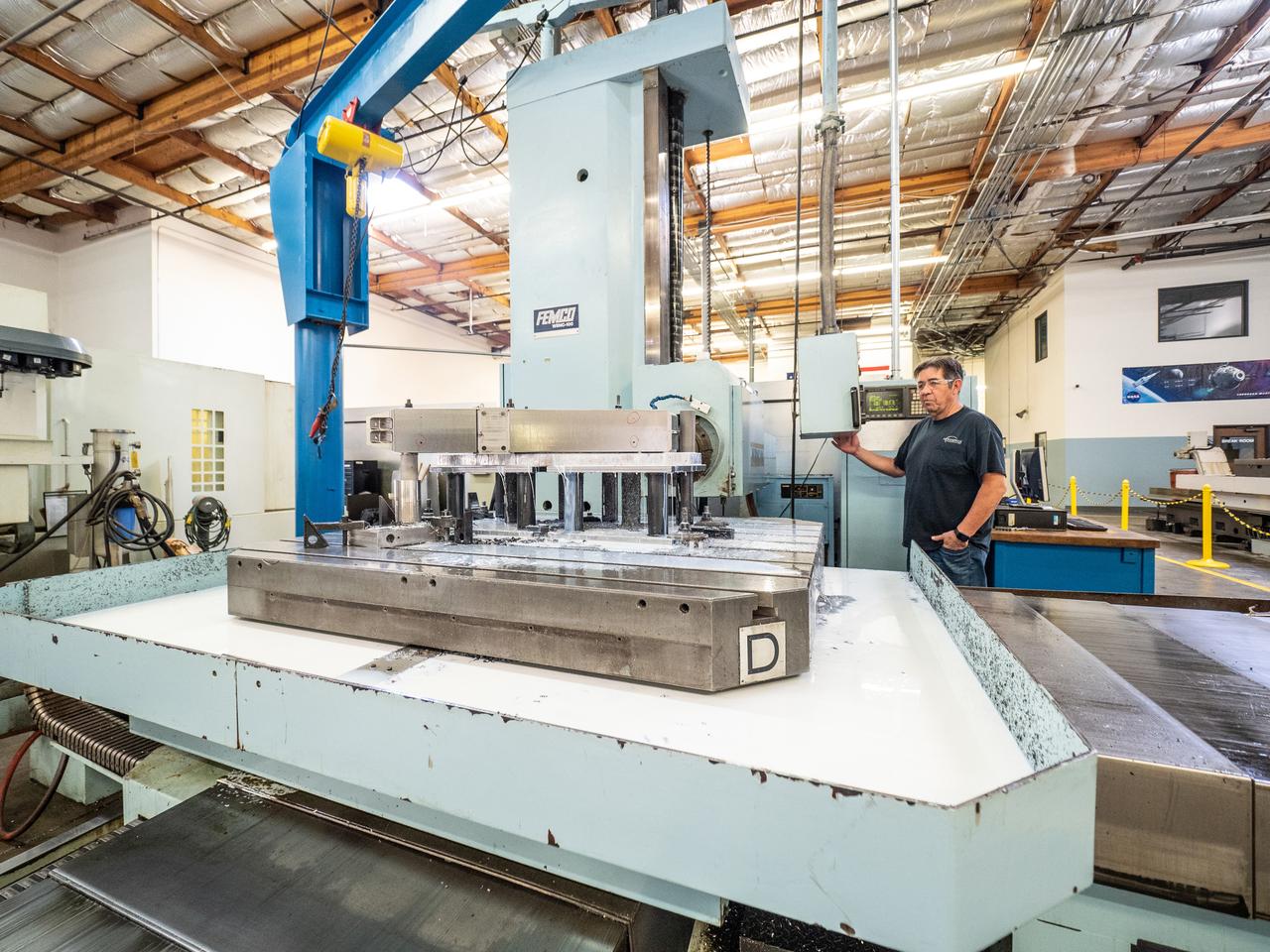
Parts for the Orion crew module which will carry astronauts on Artemis II are machined at Aerospace Engineering Corporation in California on June 18, 2018.
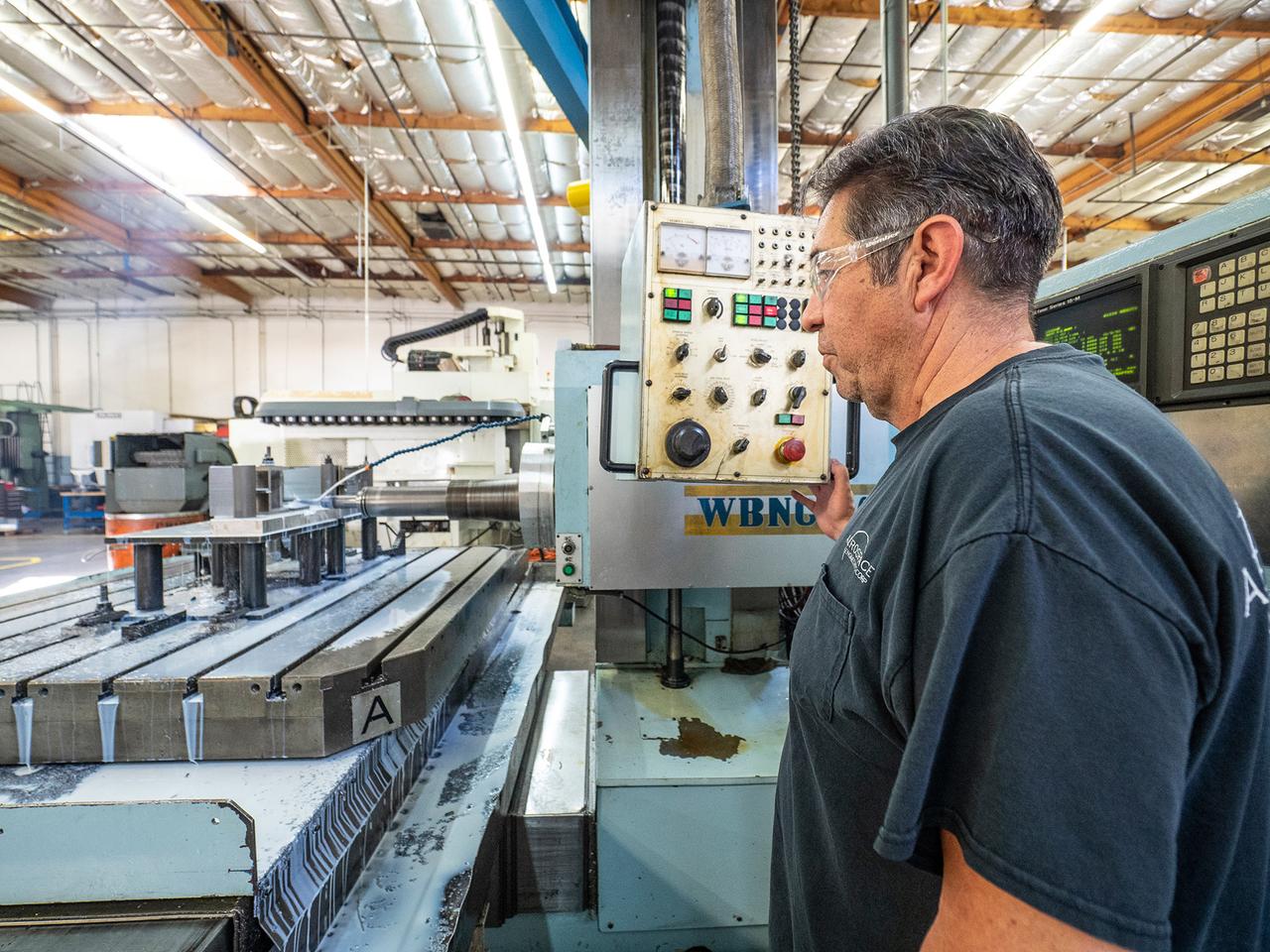
Parts for the Orion crew module which will carry astronauts on Artemis II are machined at Aerospace Engineering Corporation in California on June 18, 2018.
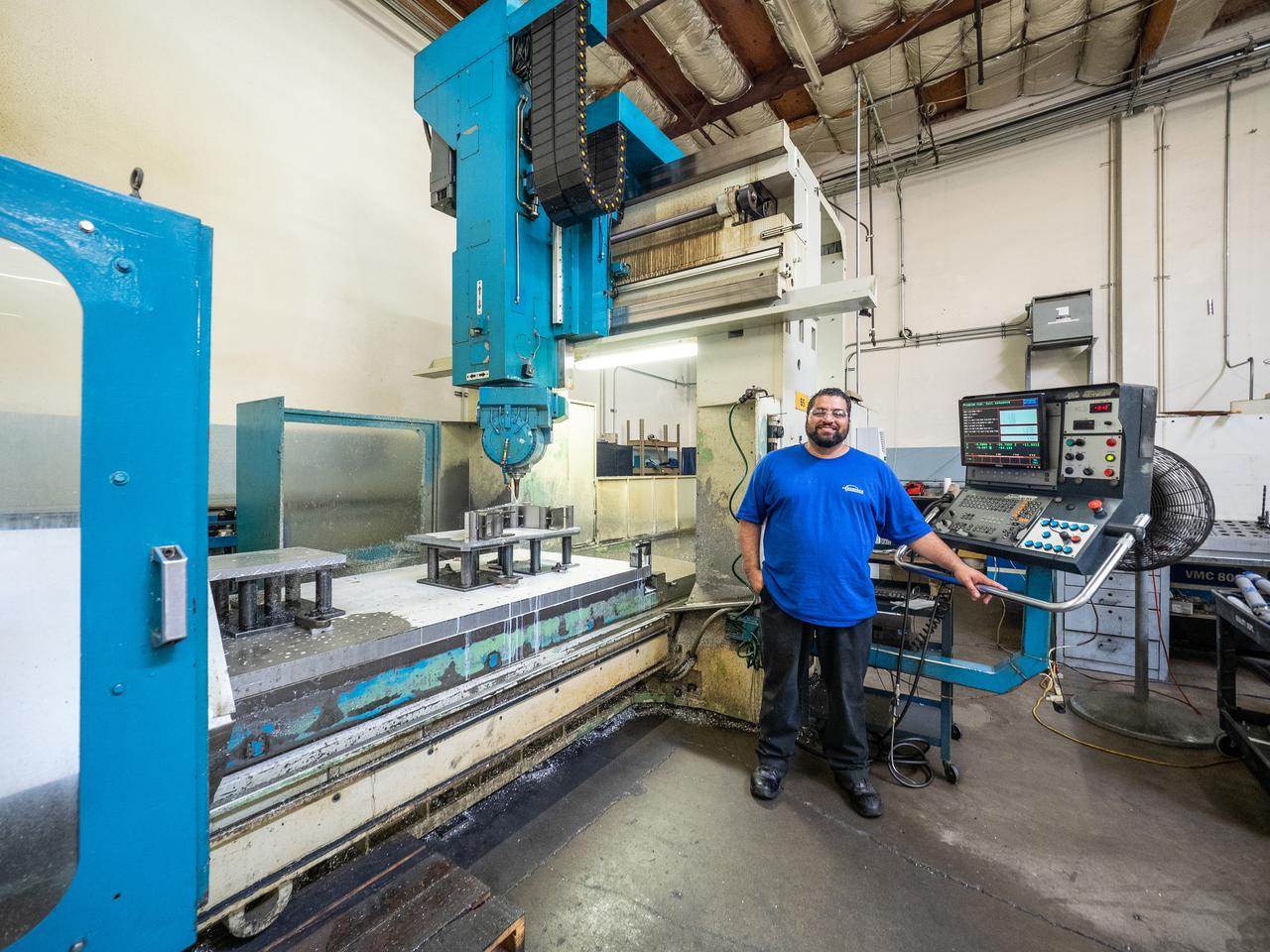
Parts for the Orion crew module which will carry astronauts on Artemis II are machined at Aerospace Engineering Corporation in California on June 18, 2018.
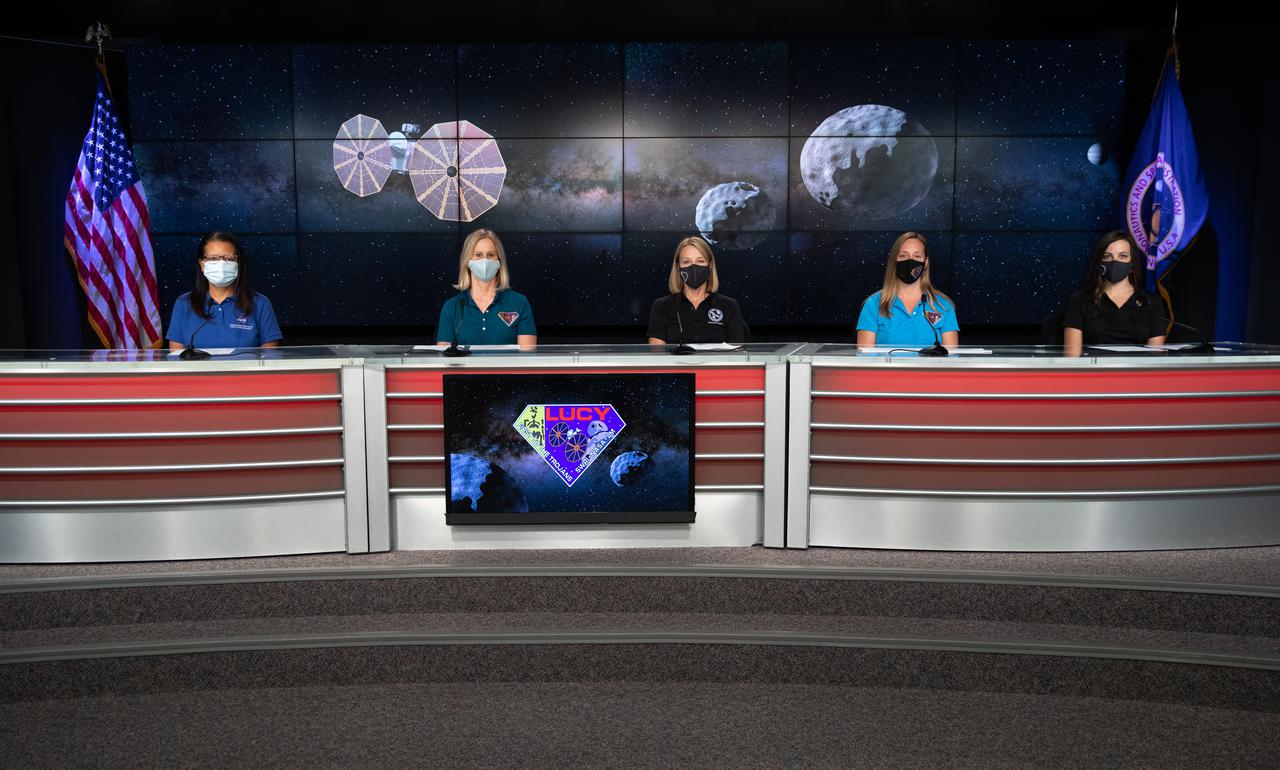
An engineering briefing for the Lucy mission is held inside the TV Auditorium at NASA’s Kennedy Space Center in Florida on Oct. 14, 2021. Participants included, from left to right, Nancy Jones, NASA Communications; Joan Salute, Planetary Science Division Associate Director, Flight Programs, NASA HQ; Katie Oakman, Lucy Structures and Mechanisms Lead, Lockheed Martin Space; Jessica Lounsbury, Lucy Project Systems Engineer at NASA’s Goddard Space Flight Center; and Coralie Adam, Deputy Navigation Team Chief, KinetX Aerospace. Lucy is scheduled to launch at 5:34 a.m. EDT Saturday, Oct. 16, on a United Launch Alliance Atlas V 401 rocket from Space Launch Complex 41 at Cape Canaveral Space Force Station. NASA’s Launch Services Program, based at Kennedy, is managing the launch. Lucy is the first space mission to study the Trojan asteroids, which hold vital clues to the formation of our solar system.
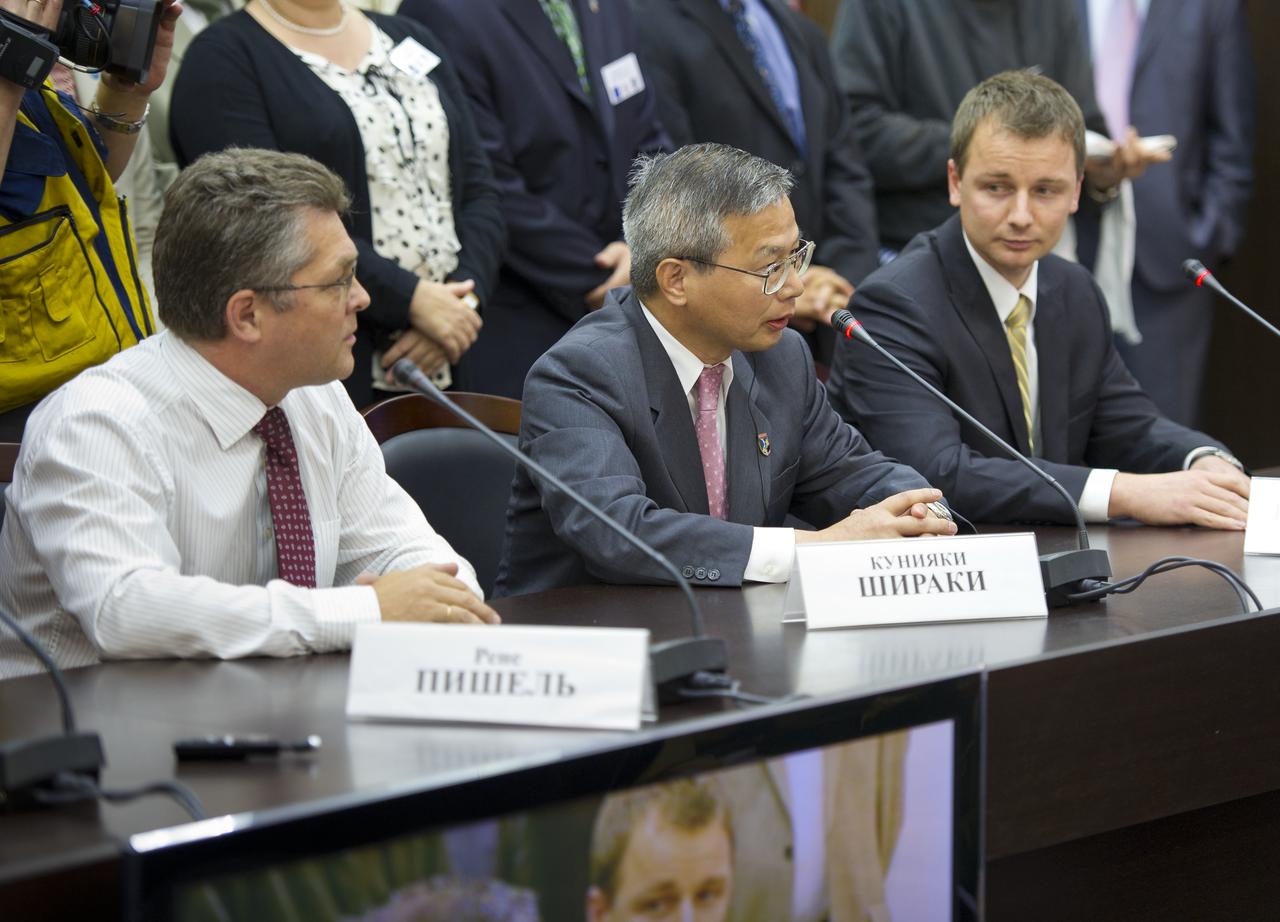
Kuniaki Shiraki, President of the Japan Aerospace Exploration Agency (JAXA), center, answers a reporter’s question during a Soyuz post-docking press conference at the Russian Mission Control Center in Korolev, Russia on Friday, June 10, 2011. The Soyuz TMA-02M docked to the International Space Station carrying Expedition 28 Soyuz Commander Sergei Volkov, NASA Flight Engineer Mike Fossum and JAXA (Japanase Aerospace Exploration Agency) Flight Engineer Satoshi Furukawa. Photo Credit: (NASA/Carla Cioffi)
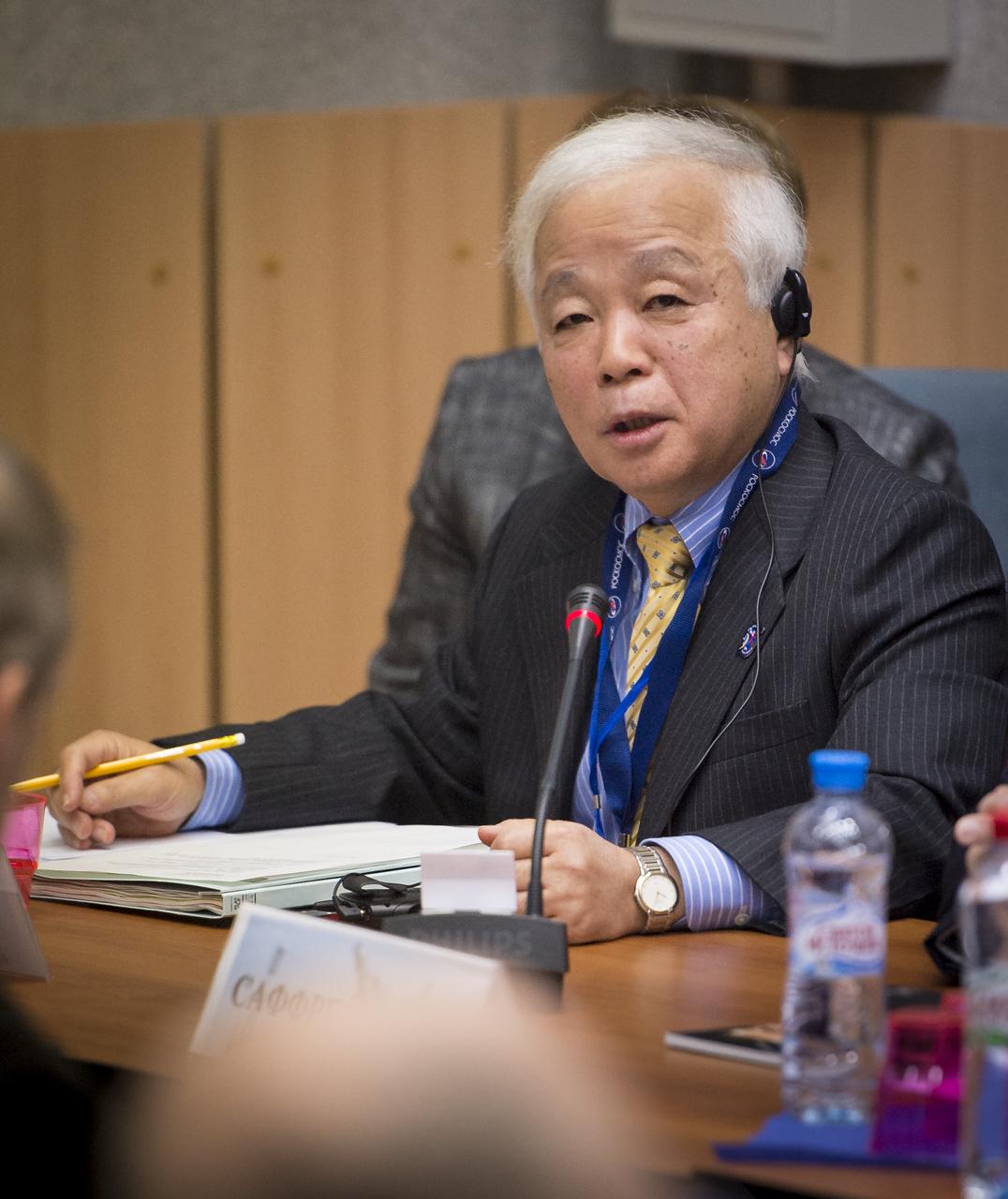
JAXA (Japan Aerospace Exploration Agency) President Naoki Okumura talks during the State Commission meeting to approve the Soyuz rocket launch of Expedition 38 Soyuz Commander Mikhail Tyurin of Roscosmos, Flight Engineer Koichi Wakata of the Japan Aerospace Exploration Agency, and, Flight Engineer Rick Mastracchio of NASA for a six month mission aboard the International Space Station, Wednesday, Nov. 6, 2013 at the Cosmonaut Hotel in Baikonur, Kazakhstan. Photo Credit: (NASA/Bill Ingalls)
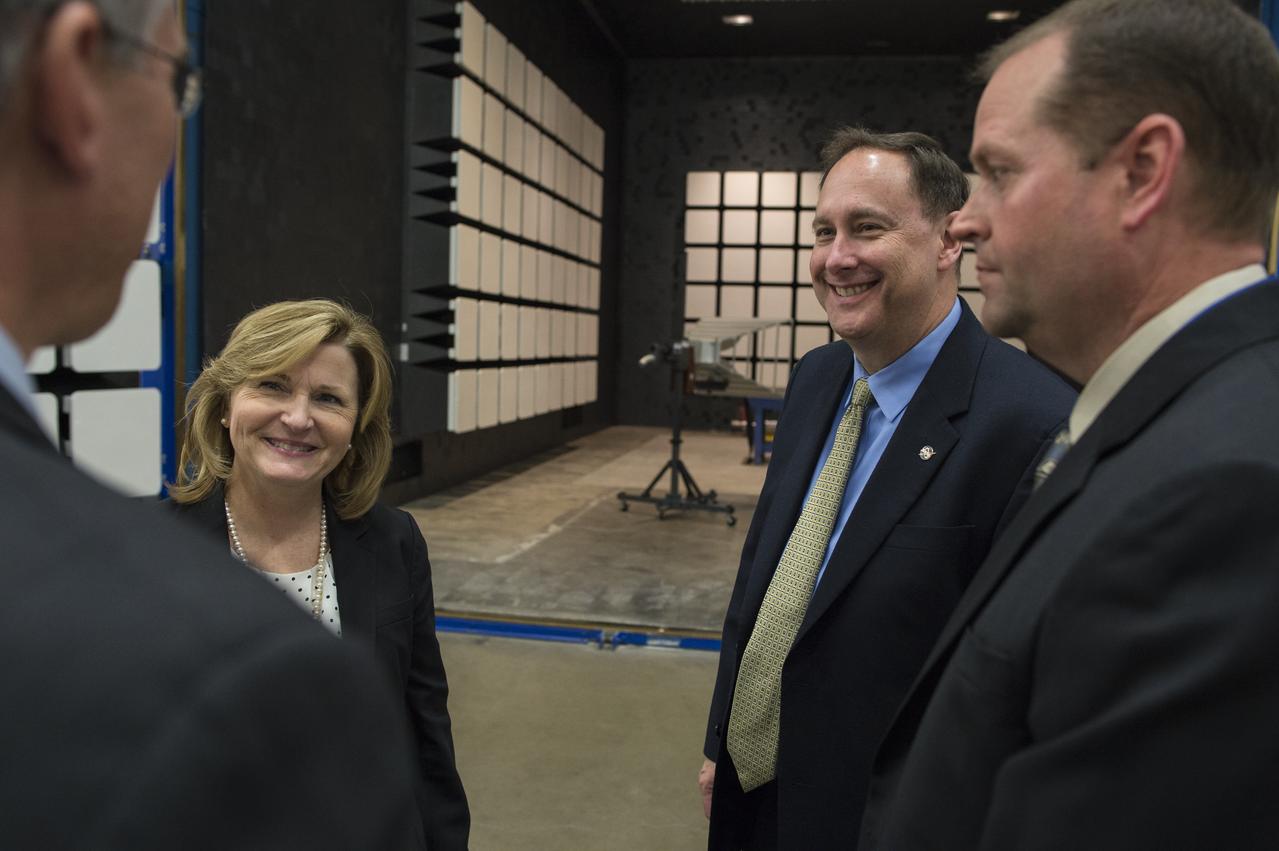
Acting NASA Deputy Administrator Lesa Roe, second from left, and acting NASA Administrator Robert Lightfoot, second from left, are seen with Mike Gazarik, vice president of Engineering at Ball Aerospace, left and Shawn Conley, test operations manager at Ball Aerospace, left, in front of the large semi-anechoic chamber, Thursday, April 6, 2017 during a visit to Ball Aerospace in Boulder, Colo. Photo Credit: (NASA/Joel Kowsky)
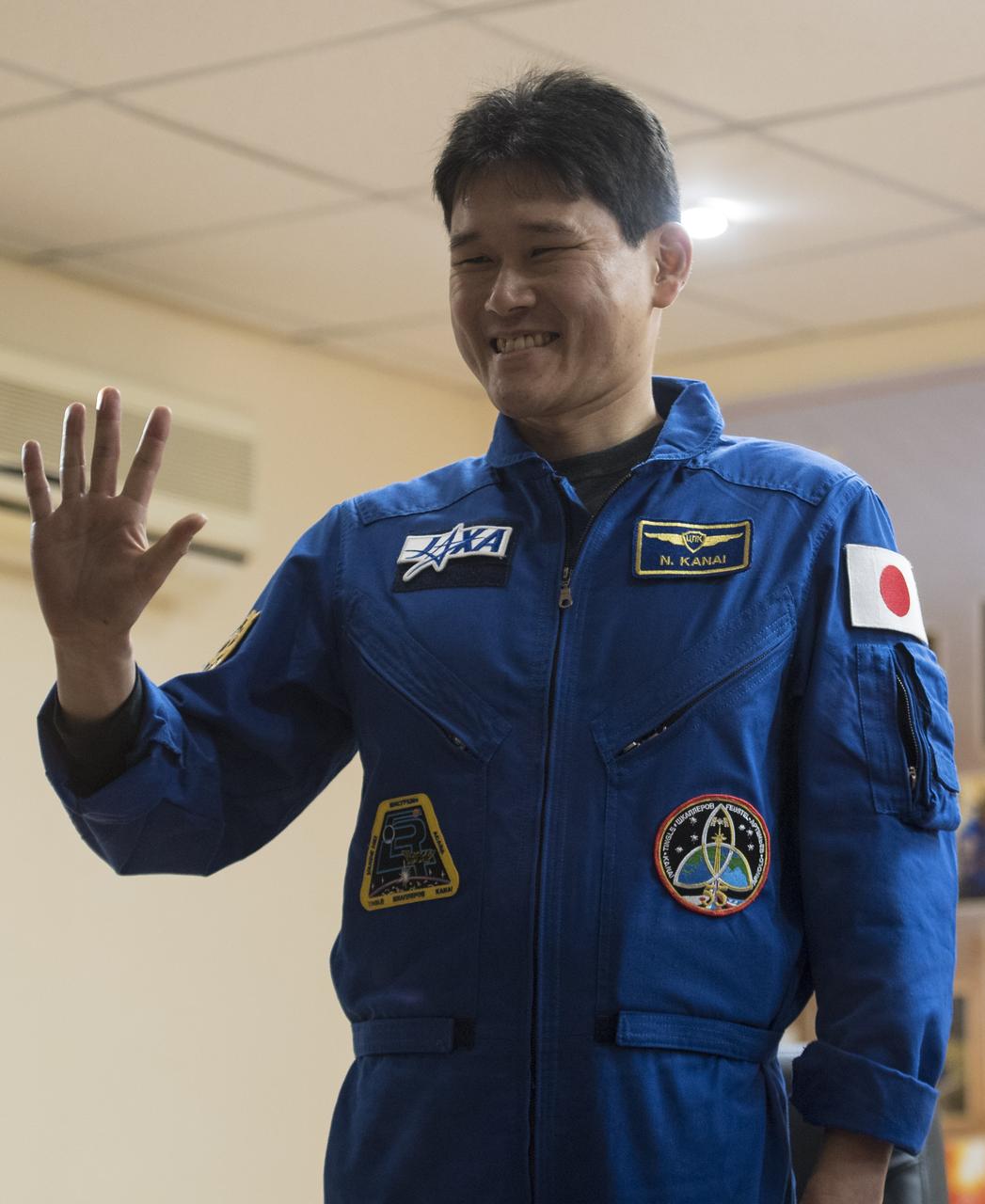
Expedition 54 flight engineer Norishige Kanai of the Japan Aerospace Exploration Agency (JAXA) is seen in quarantine, behind glass, during a press conference, Saturday, Dec. 16, 2017 at the Cosmonaut Hotel in Baikonur, Kazakhstan. Expedition 54 Soyuz Commander Anton Shkaplerov of Roscosmos, flight engineer Scott Tingle of NASA, and flight engineer Norishige Kanai of Japan Aerospace Exploration Agency (JAXA) are scheduled to launch to the International Space Station aboard the Soyuz spacecraft from the Baikonur Cosmodrome on December 17. Photo Credit: (NASA/Joel Kowsky)
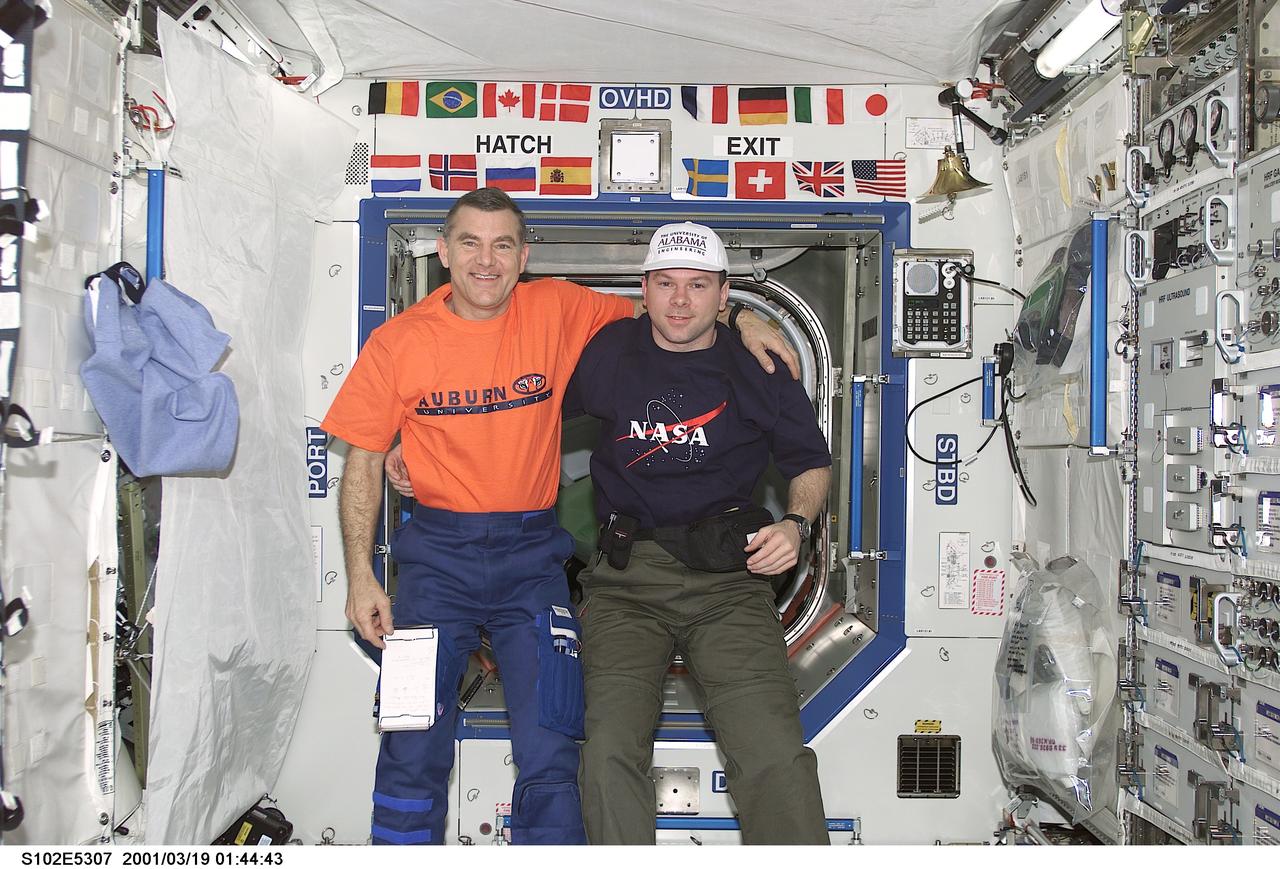
STS102-E-5307 (19 March 2001) --- Astronauts James S. Voss (left) and James M. Kelly share a friendly moment onboard the International Space Station's U.S. laboratory Destiny in spite of the long-standing academic/athletic rivalry between their respective alma maters--Auburn University and the University of Alabama. Voss, STS-102 mission specialist-turned Expedition Two flight engineer and a 1972 alumnus of Auburn with a bachelor of science degree in aerospace engineering, sports a T-shirt paying tribute to his university. Kelly, STS-102 pilot and masters of science degree graduate in aerospace engineering from the University of Alabama in 1996, is wearing a cap from that institution of higher learning.
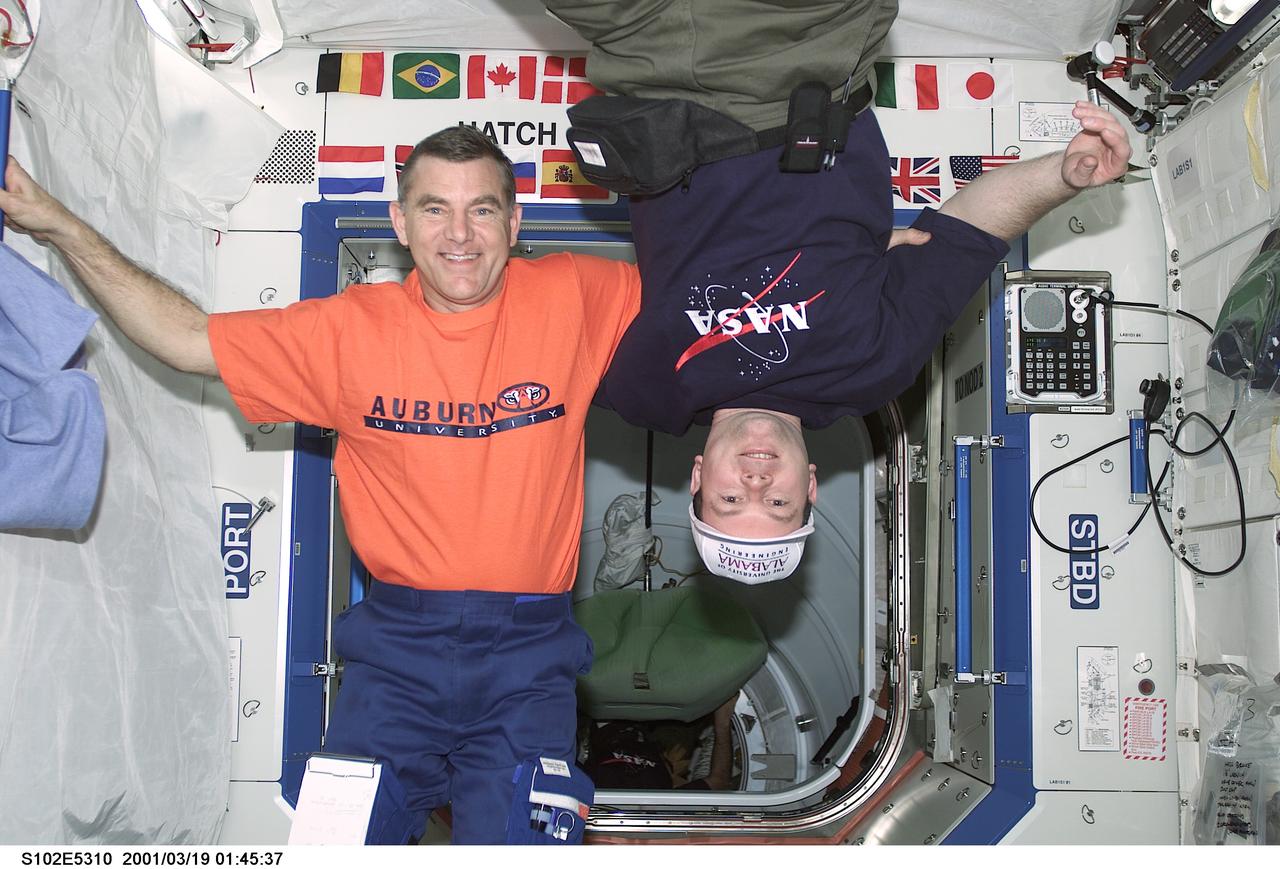
STS102-E-5310 (19 March 2001) --- Astronauts James S. Voss (left) and James M. Kelly share a friendly moment onboard the International Space Station's U.S. laboratory Destiny in spite of the long-standing academic/athletic rivalry between their respective alma maters--Auburn University and the University of Alabama. Voss, STS-102 mission specialist-turned Expedition Two flight engineer and a 1972 alumnus of Auburn with a bachelor of science degree in aerospace engineering, sports a T-shirt paying tribute to his university. Kelly, STS-102 pilot and masters of science degree graduate in aerospace engineering from the University of Alabama in 1996, is wearing a cap from that institution of higher learning.

Expedition 54 flight engineer Norishige Kanai of the Japan Aerospace Exploration Agency (JAXA) is seen in quarantine, behind glass, during a press conference, Saturday, Dec. 16, 2017 at the Cosmonaut Hotel in Baikonur, Kazakhstan. Expedition 54 Soyuz Commander Anton Shkaplerov of Roscosmos, flight engineer Scott Tingle of NASA, and flight engineer Norishige Kanai of Japan Aerospace Exploration Agency (JAXA) are scheduled to launch to the International Space Station aboard the Soyuz spacecraft from the Baikonur Cosmodrome on December 17. Photo Credit: (NASA/Joel Kowsky)
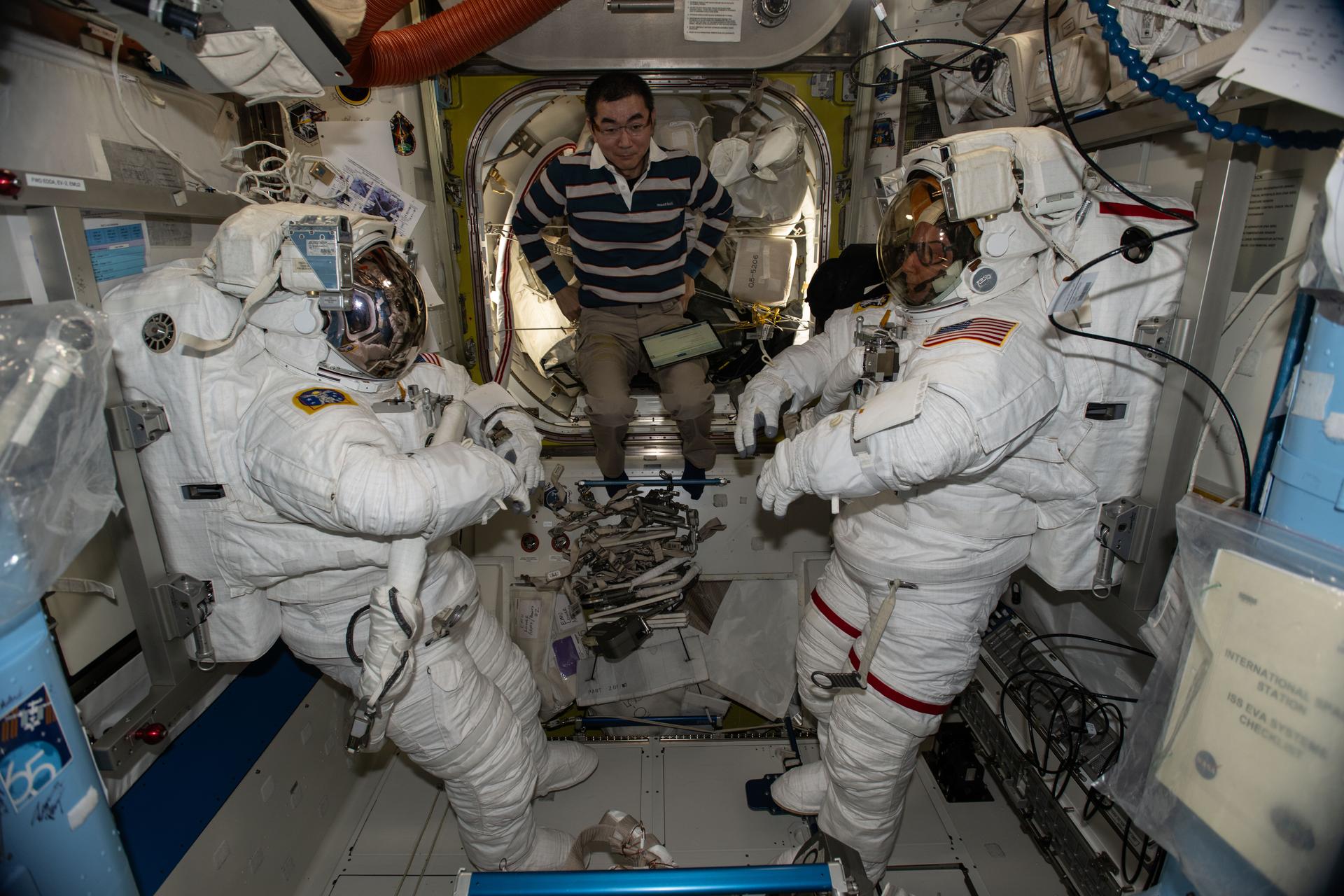
iss074e0007216 (Dec. 30,2025) --- At center, JAXA (Japan Aerospace Exploration Agency) astronaut and Expedition 74 Flight Engineer Kimiya Yui assists NASA astronauts Zena Cardman (left) and Mike Fincke (right), the station’s flight engineer and commander respectively, during spacesuit checks inside the International Space Station’s Quest airlock.
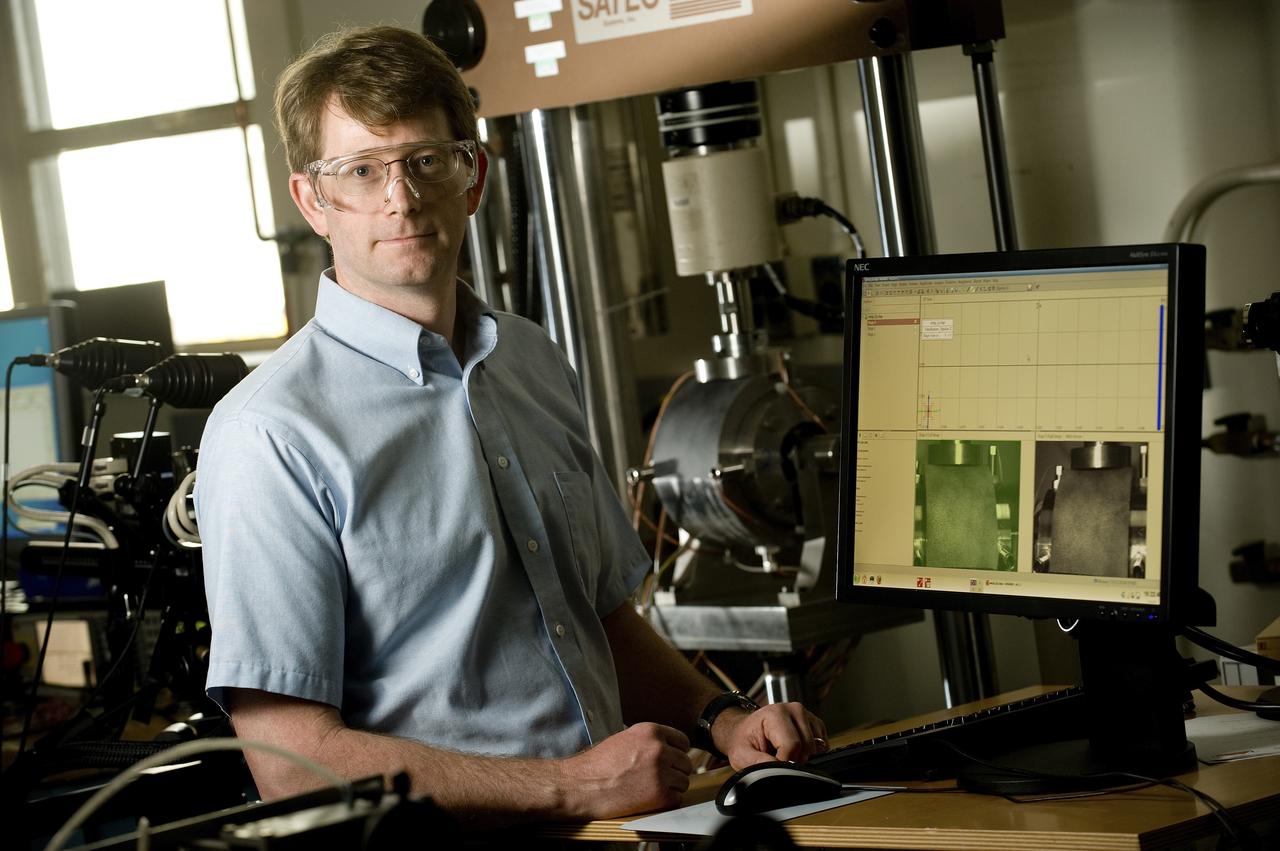
ERIC EARHART (AEROSPACE ENGINEER, ER41 PROPULSION STRUCTURAL & DYNAMICS ANALYSIS BRANCH) DISCUSSES DATA PRODUCED BY A UNIQUE MECHANICAL TEST SETUP THAT MEASURES STRAIN ON A SINGLE SAMPLE, USING TWO DIFFERENT TECHNIQUES AT THE SAME TIME. THE TEST FIXTURE HOLDS A SPECIMEN THAT REPRESENTS A LIQUID OXYGEN (LOX) BEARING FROM THE J2-X ENGINE
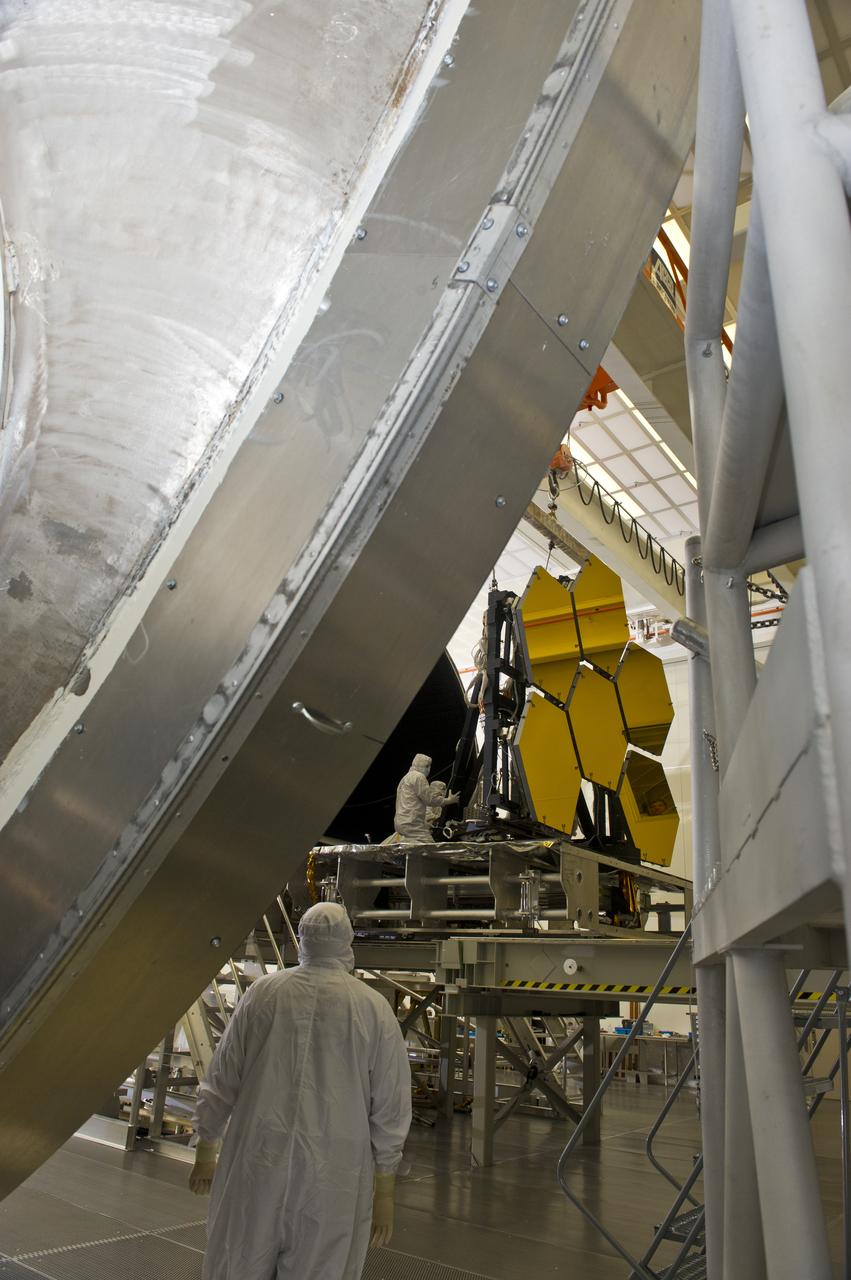
BALL AEROSPACE ENGINEER DAVE CHANEY, (L), AND MARSHALL ENGINEER HARLAN HAIGHT, (R), GUIDE ARRAY OF SIX GOLD-PLATED JAMES WEBB SPACE TELESCOPE MIRRORS AFTER FINAL ACCEPTANCE TESTING AT MARSHALL'S X-RAY AND CRYOGENIC FACILITY
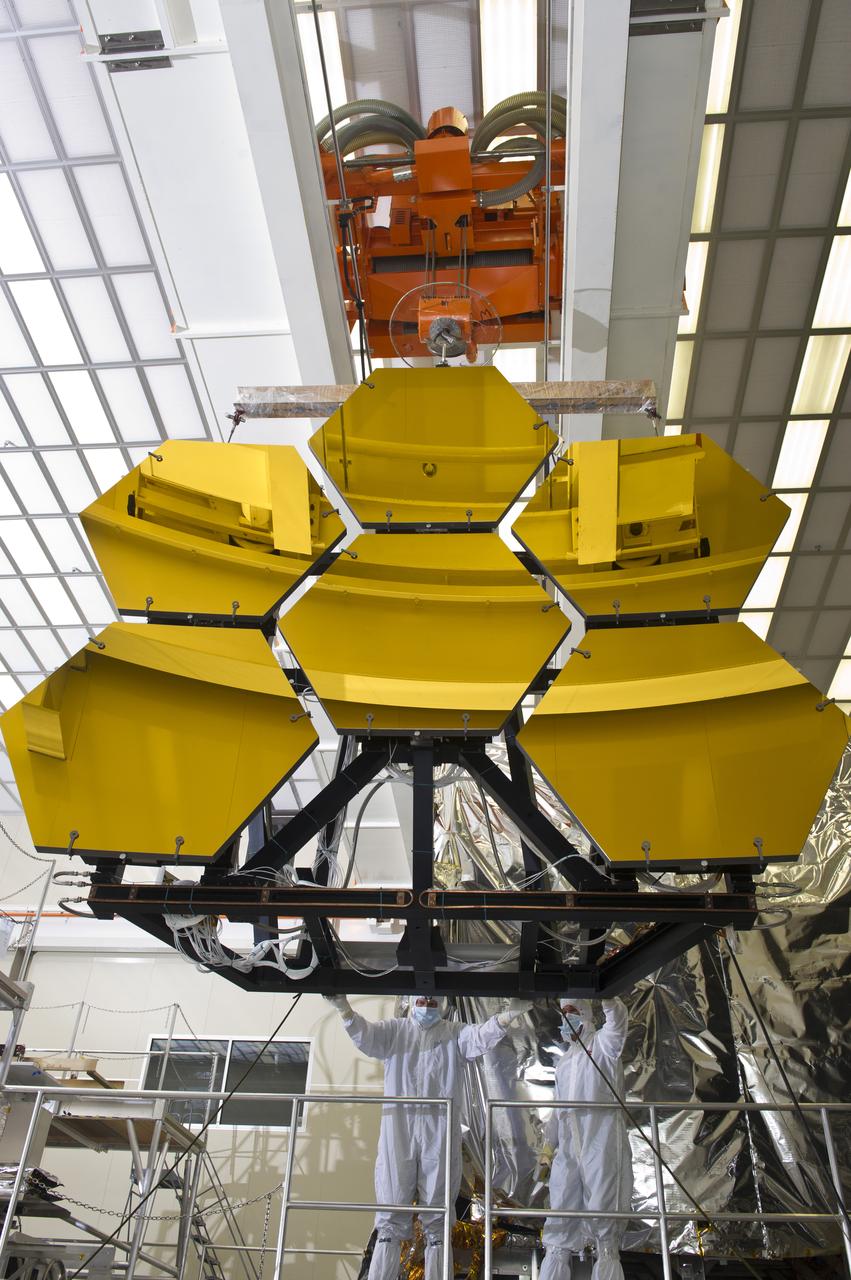
BALL AEROSPACE ENGINEER DAVE CHANEY, (L), AND MARSHALL ENGINEER HARLAN HAIGHT, (R), GUIDE ARRAY OF SIX GOLD-PLATED JAMES WEBB SPACE TELESCOPE MIRRORS AFTER FINAL ACCEPTANCE TESTING AT MARSHALL'S X-RAY AND CRYOGENIC FACILITY
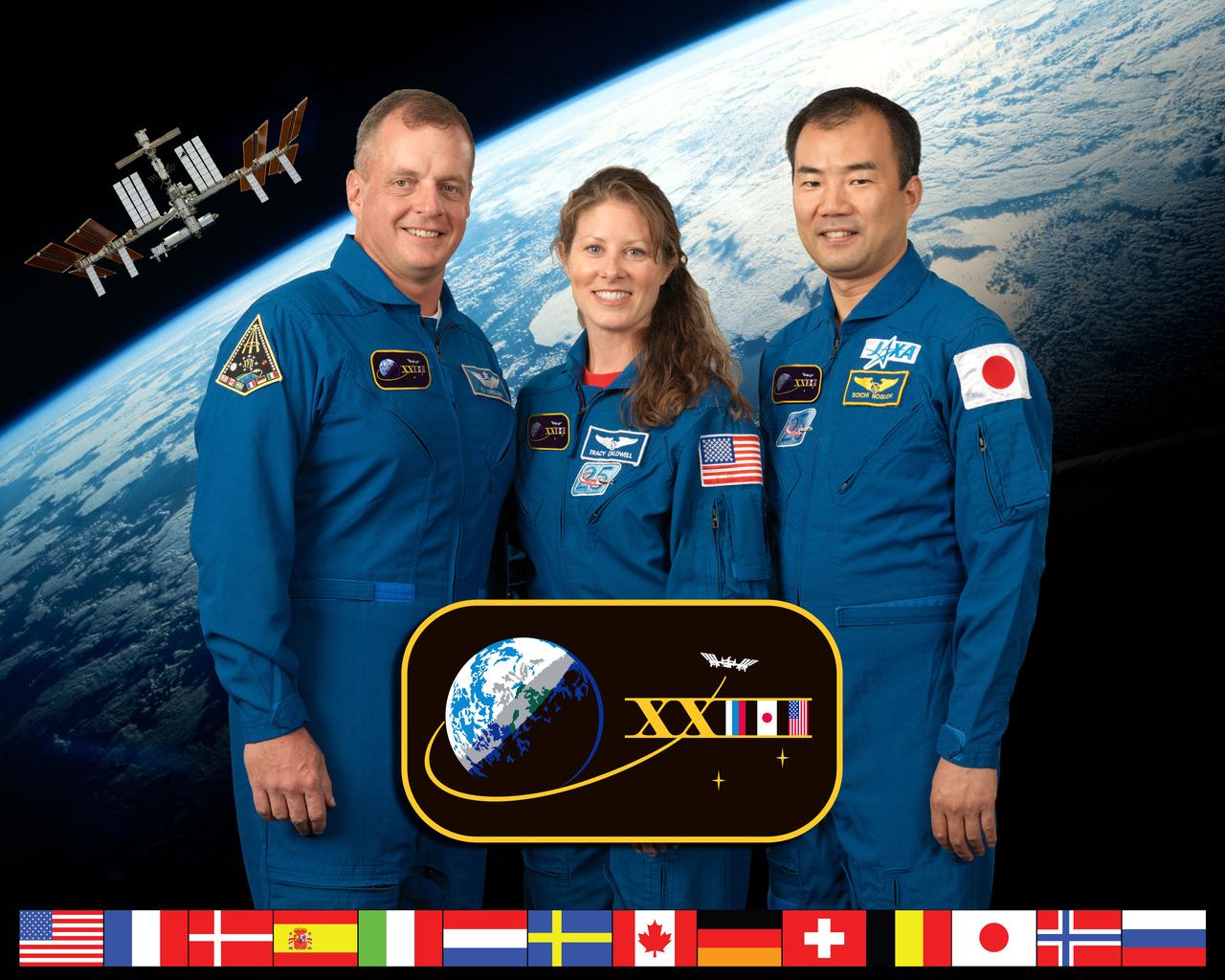
ISS023-S-002E (7 July 2009) --- NASA astronauts T.J. Creamer (left) and Tracy Caldwell Dyson, both Expedition 23 flight engineers; along with Japan Aerospace Exploration Agency (JAXA) astronaut Soichi Noguchi, flight engineer, take a break from training at NASA's Johnson Space Center to pose for a portrait.
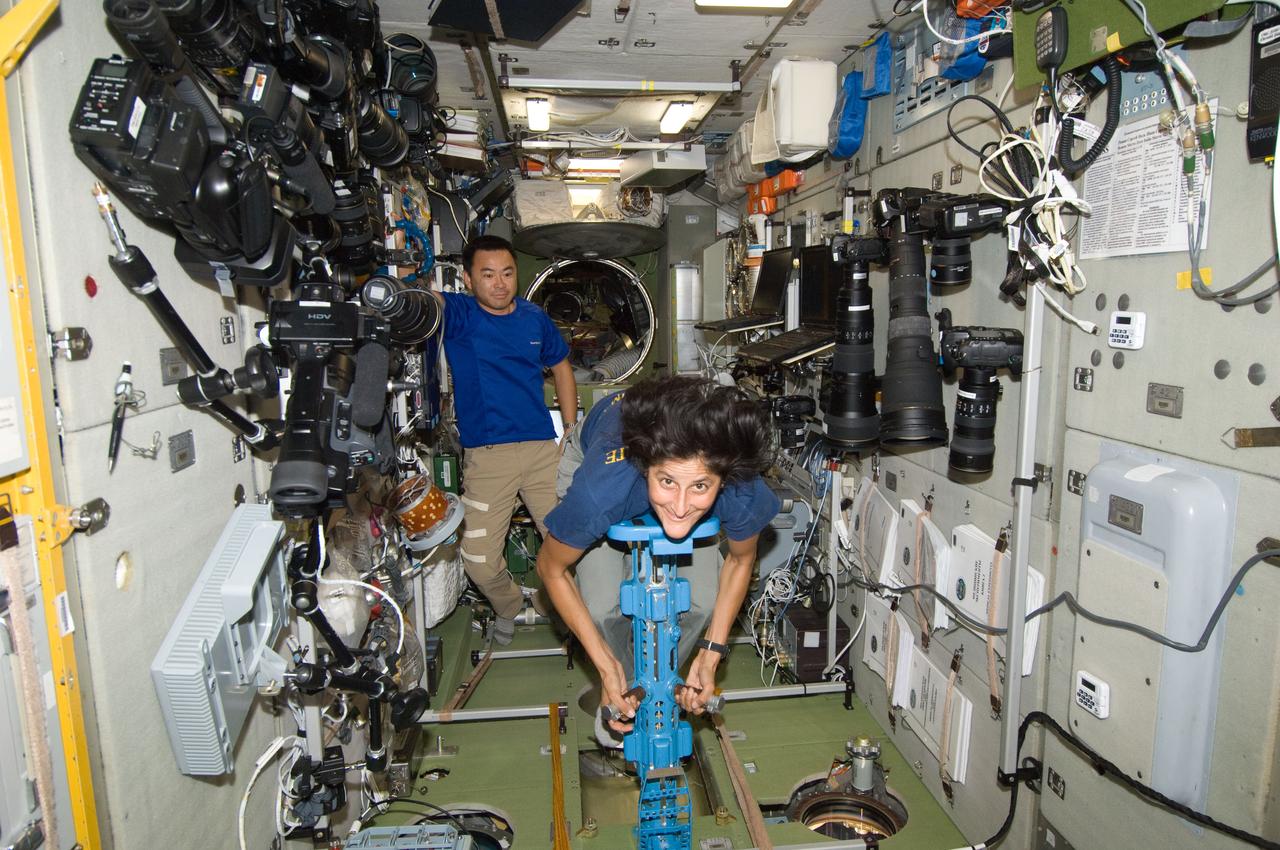
ISS032-E-010119 (27 July 2012) --- NASA astronaut Sunita Williams, Expedition 32 flight engineer, uses a body mass measurement device (BMMD) in the Zvezda Service Module of the International Space Station. Japan Aerospace Exploration Agency astronaut Aki Hoshide, flight engineer, is visible in the background.
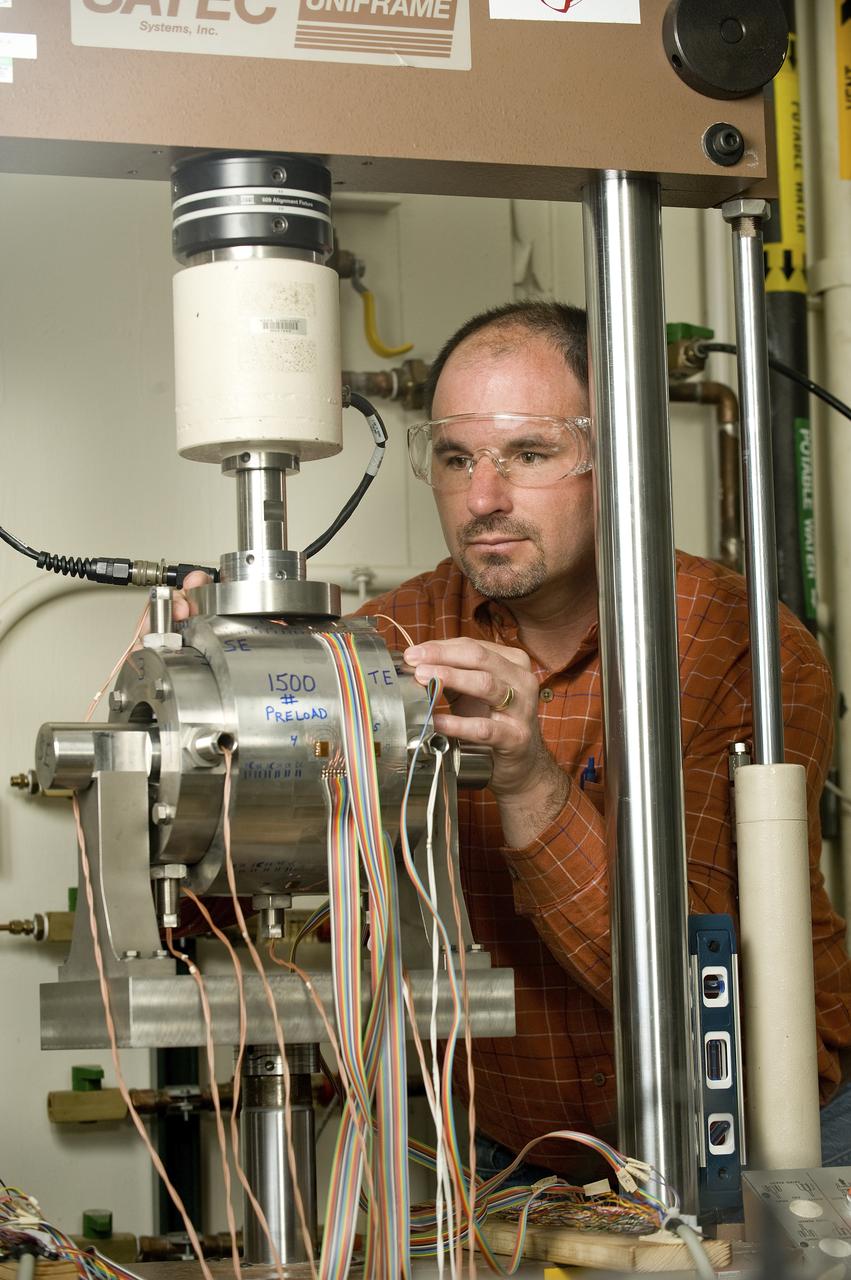
HORACE STORNG (AEROSPACE ENGINEER, ER31 PROPULSION TURBOMACHINERY DESIGN & DEVELOPMENT BRANCH) ADJUSTS A UNIQUE MECHANICAL TEST SETUP THAT MEASURES STRAIN ON A SINGLE SAMPLE, USING TWO DIFFERENT TECHNIQUES AT THE SAME TIME. THE TEST FIXTURE HOLDS A SPECIMEN THAT REPRESENTS A LIQUID OXYGEN (LOX) BEARING FROM THE J2-X ENGINE
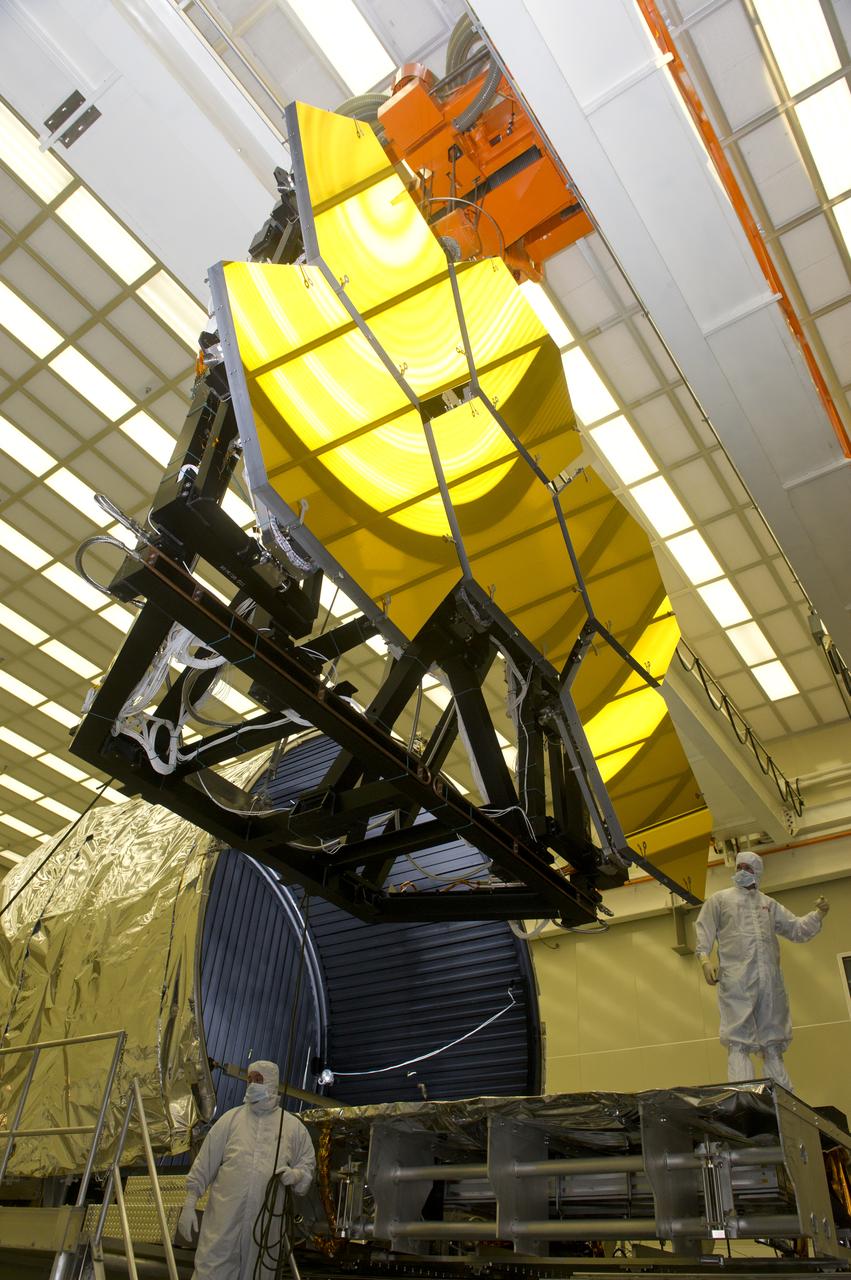
BALL AEROSPACE ENGINEER DAVE CHANEY, (L), AND MARSHALL ENGINEER HARLAN HAIGHT, (R), GUIDE ARRAY OF SIX GOLD-PLATED JAMES WEBB SPACE TELESCOPE MIRRORS AFTER FINAL ACCEPTANCE TESTING AT MARSHALL'S X-RAY AND CRYOGENIC FACILITY
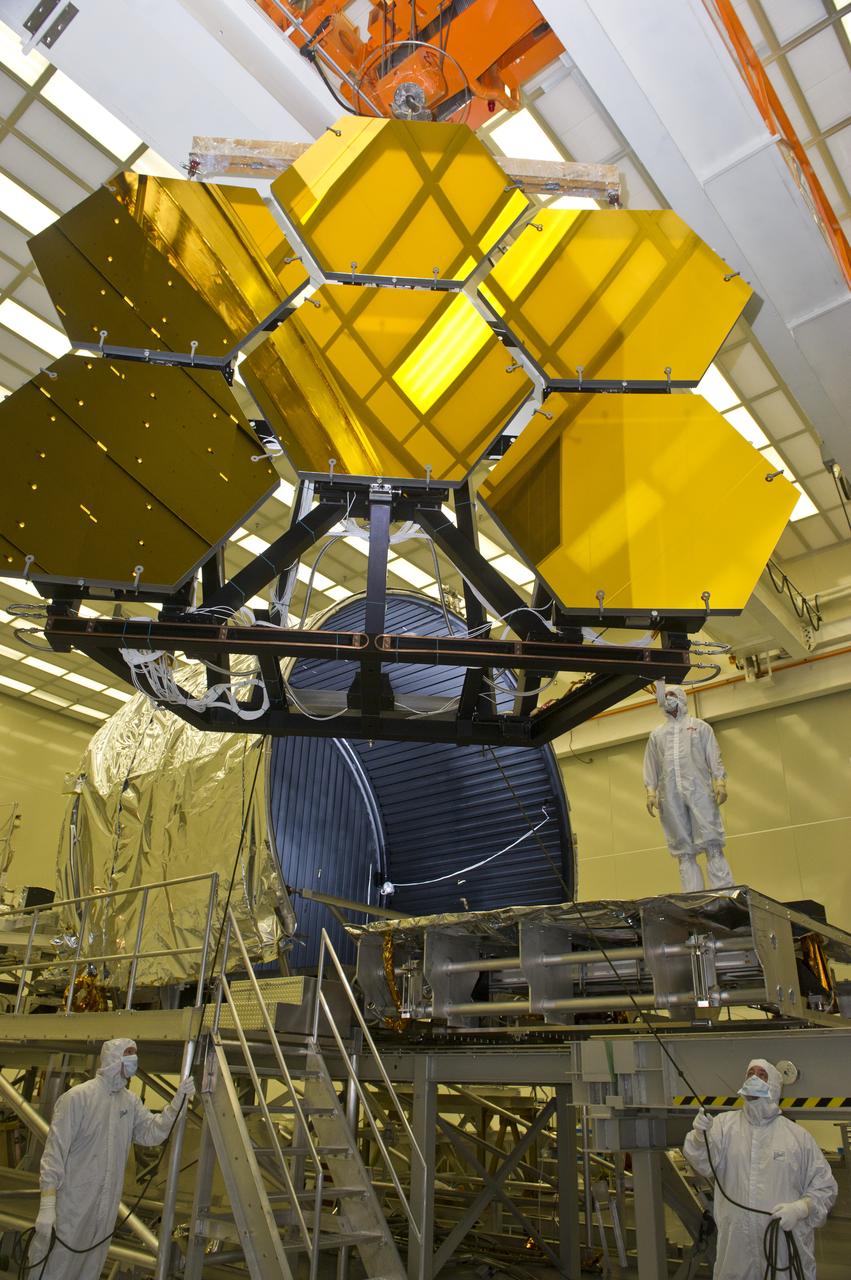
BALL AEROSPACE ENGINEER DAVE CHANEY, (L), AND MARSHALL ENGINEER HARLAN HAIGHT, (R), GUIDE ARRAY OF SIX GOLD-PLATED JAMES WEBB SPACE TELESCOPE MIRRORS AFTER FINAL ACCEPTANCE TESTING AT MARSHALL'S X-RAY AND CRYOGENIC FACILITY
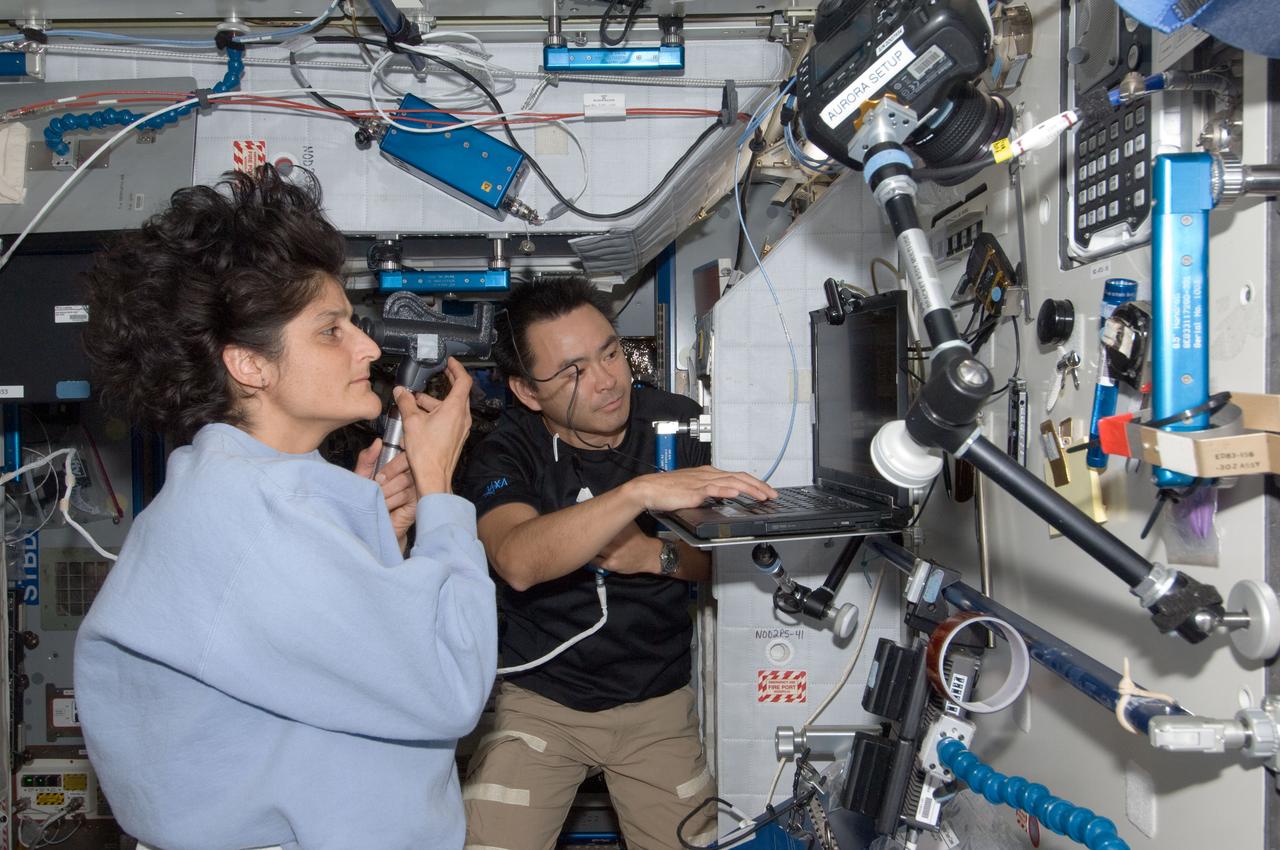
ISS032-E-018214 (14 Aug. 2012) --- NASA astronaut Sunita Williams, Expedition 32 flight engineer, performs the Health Maintenance System (HMS) Eye Exam - PanOptic in the Harmony node of the International Space Station. Japan Aerospace Exploration Agency astronaut Aki Hoshide, flight engineer, assisted Williams.
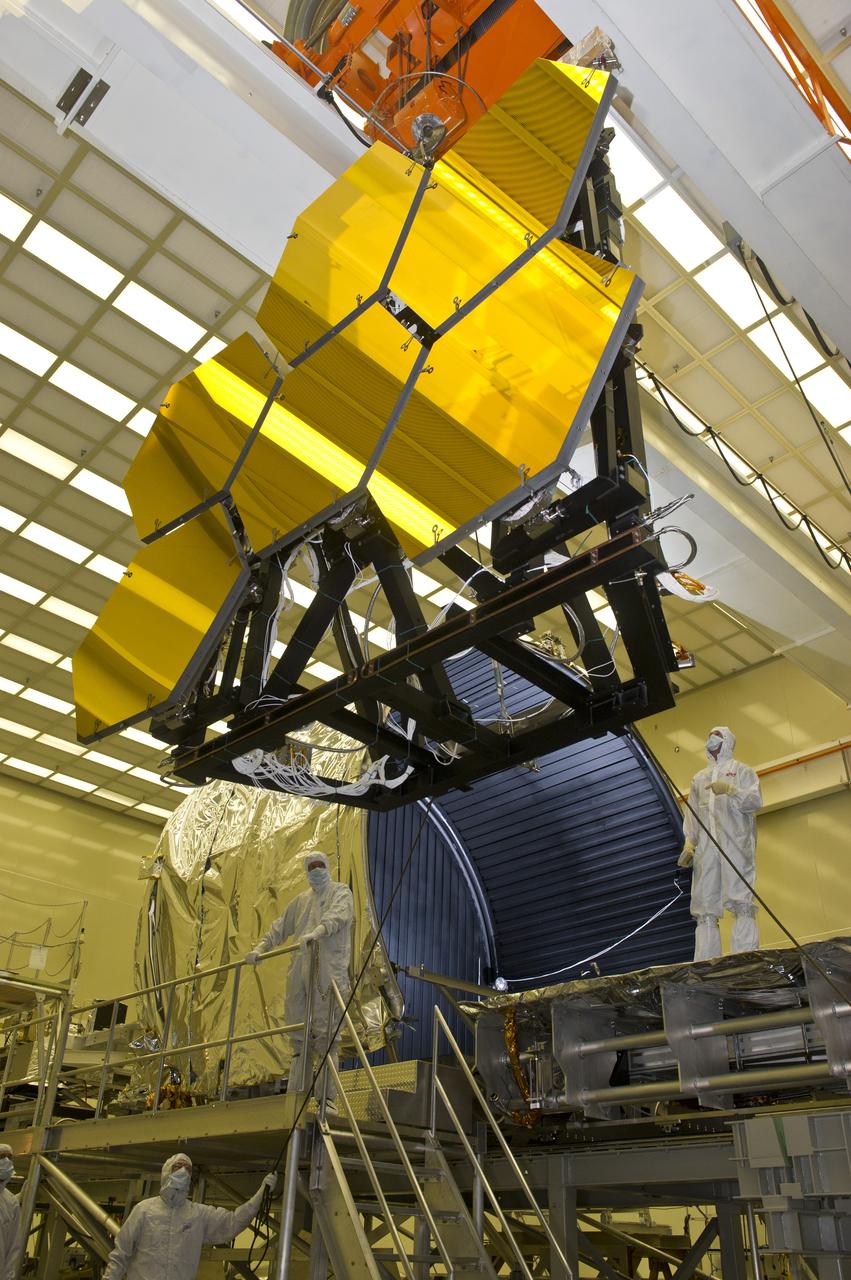
BALL AEROSPACE ENGINEER DAVE CHANEY, (L), AND MARSHALL ENGINEER HARLAN HAIGHT, (R), GUIDE ARRAY OF SIX GOLD-PLATED JAMES WEBB SPACE TELESCOPE MIRRORS AFTER FINAL ACCEPTANCE TESTING AT MARSHALL'S X-RAY AND CRYOGENIC FACILITY
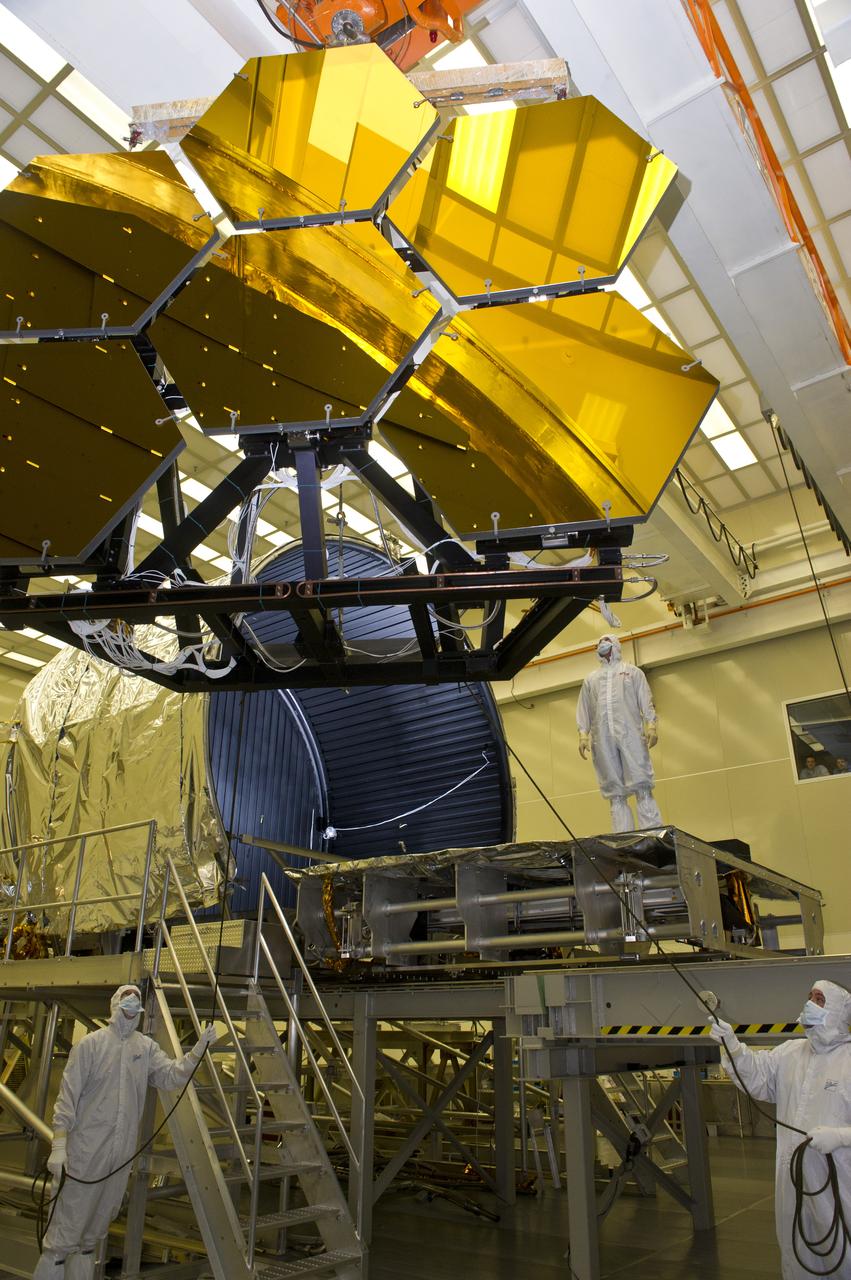
BALL AEROSPACE ENGINEER DAVE CHANEY, (L), AND MARSHALL ENGINEER HARLAN HAIGHT, (R), GUIDE ARRAY OF SIX GOLD-PLATED JAMES WEBB SPACE TELESCOPE MIRRORS AFTER FINAL ACCEPTANCE TESTING AT MARSHALL'S X-RAY AND CRYOGENIC FACILITY
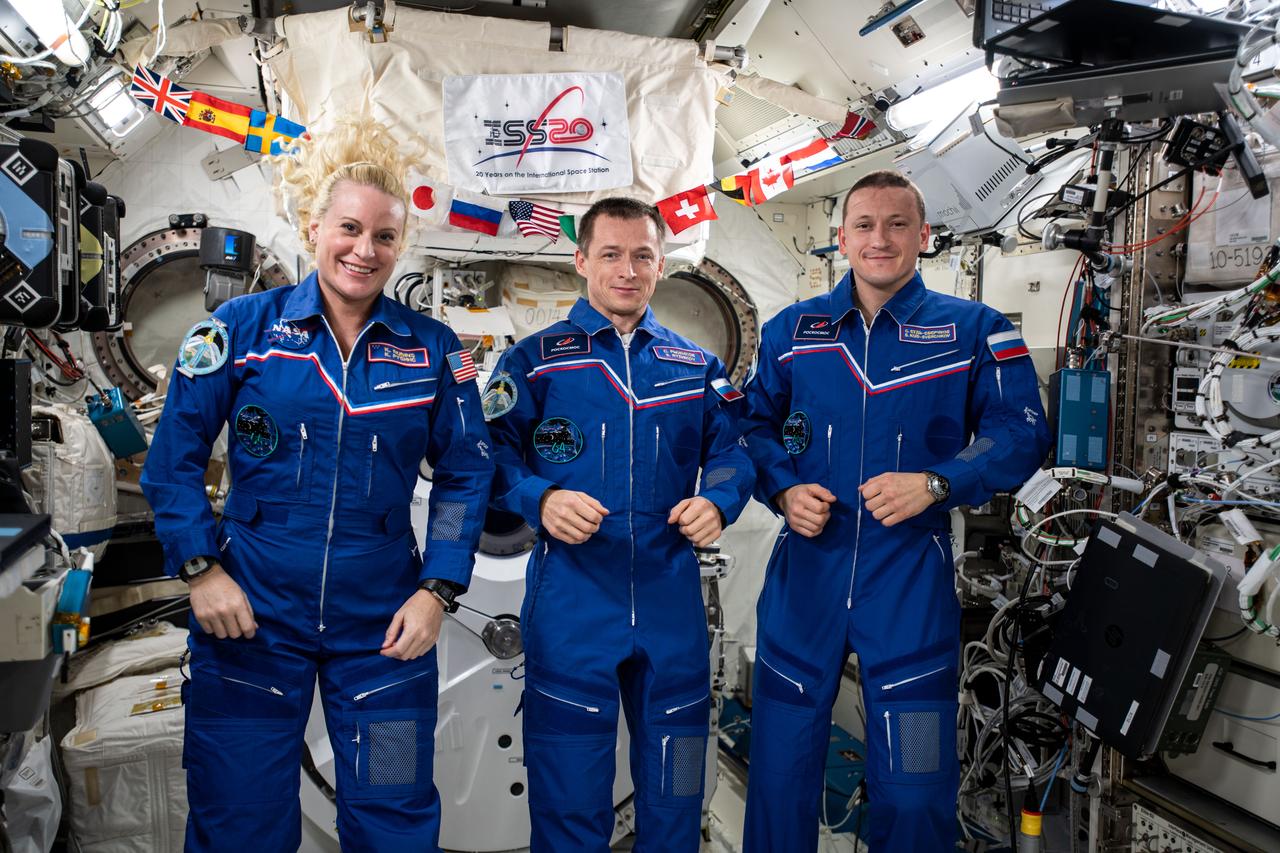
iss064e002617 (Oct. 30, 2020) --- The three-member Expedition 64 crew gathers for a portrait inside the Kibo laboratory module from JAXA (Japan Aerospace Exploration Agency). From left are, Flight Engineer Kate Rubins of NASA, Commander Sergey Ryzhikov of Roscosmos and Flight Engineer Sergey Kud-Sverchkov of Roscosmos.
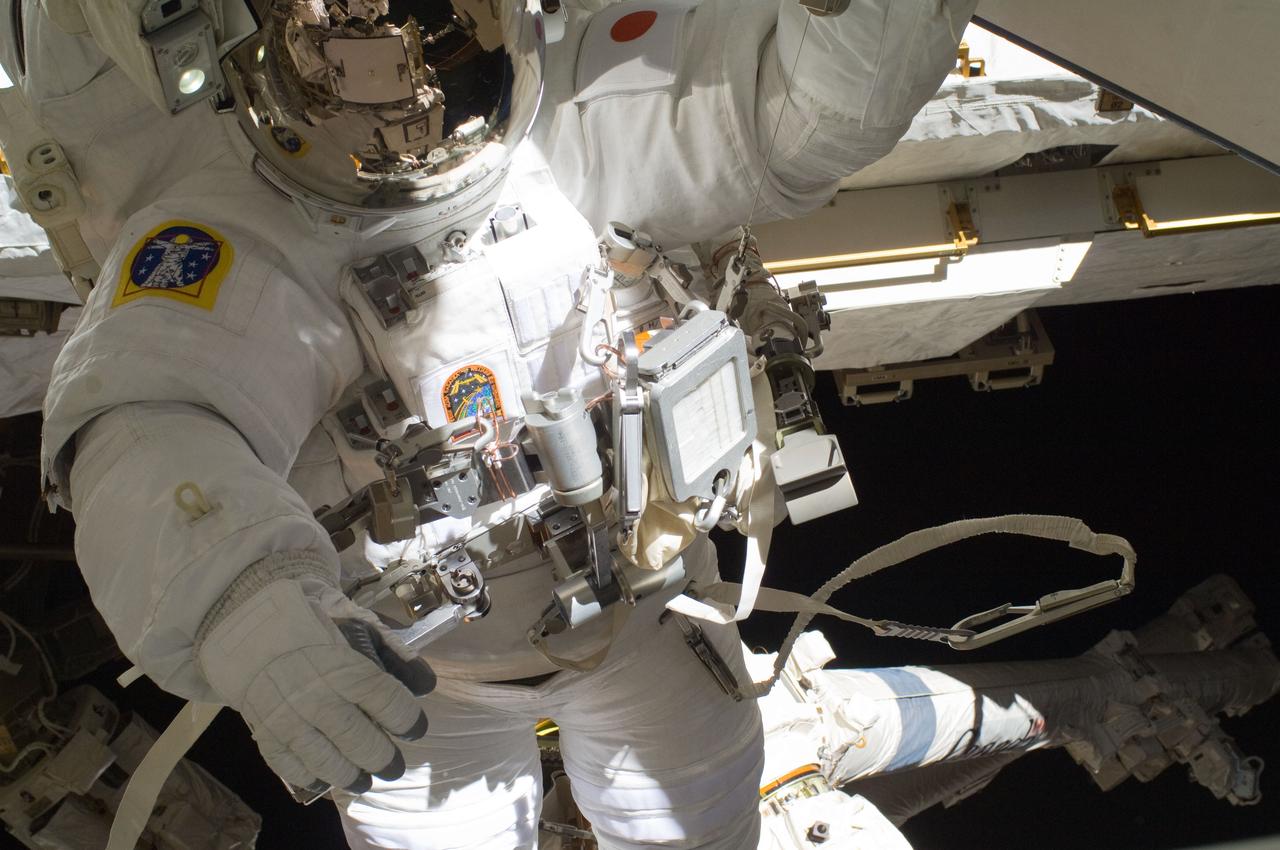
ISS032-E-024217 (30 Aug. 2012) --- Japan Aerospace Exploration Agency astronaut Aki Hoshide, Expedition 32 flight engineer, participates in a session of extravehicular activity (EVA) to continue outfitting the International Space Station. Fellow spacewalker NASA astronaut Sunita Williams, flight engineer, is out of frame.
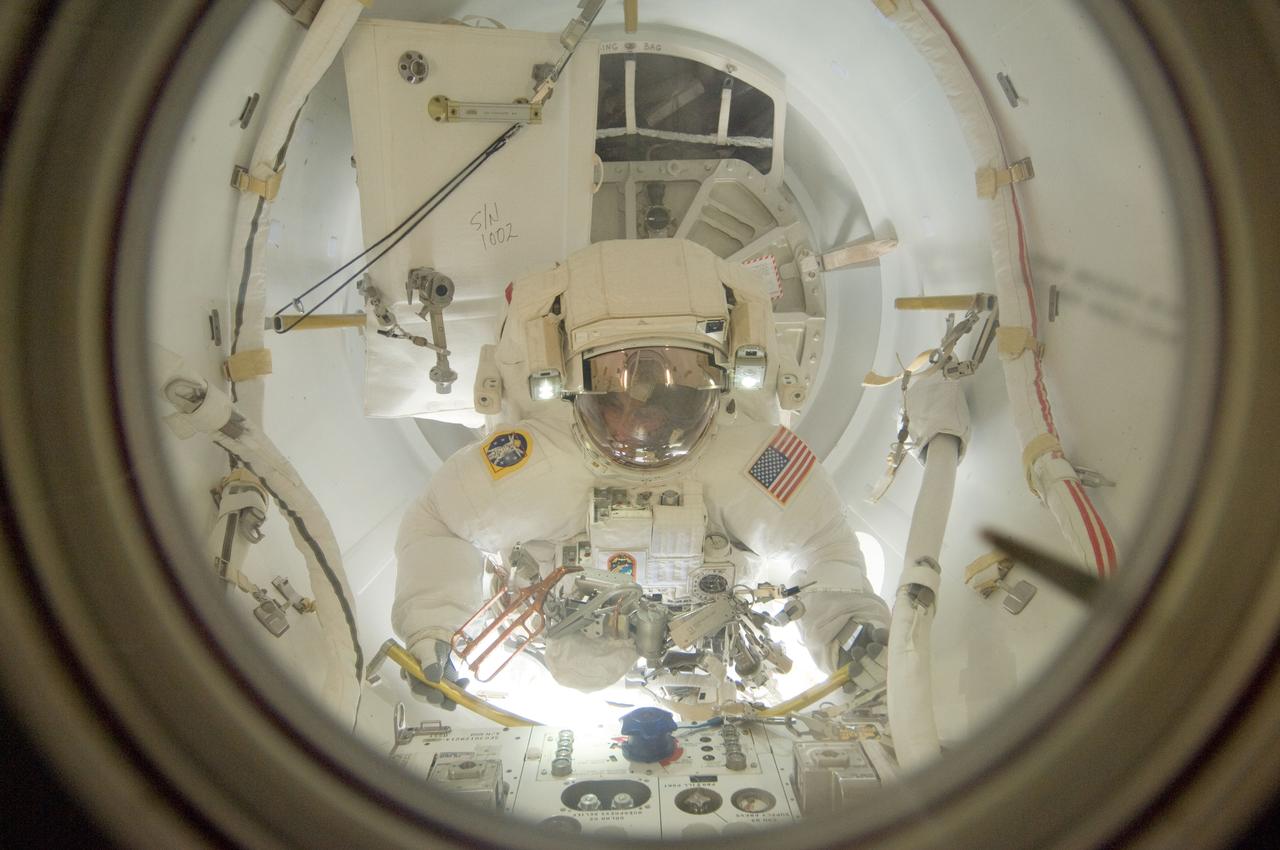
ISS032-E-024429 (30 Aug. 2012) --- NASA astronaut Sunita Williams, flight engineer, exits the International Space Station's Quest airlock to begin a session of extravehicular activity (EVA) for the Expedition 32 mission. Japan Aerospace Exploration Agency astronaut Aki Hoshide, flight engineer, joined Williams on the spacewalk.
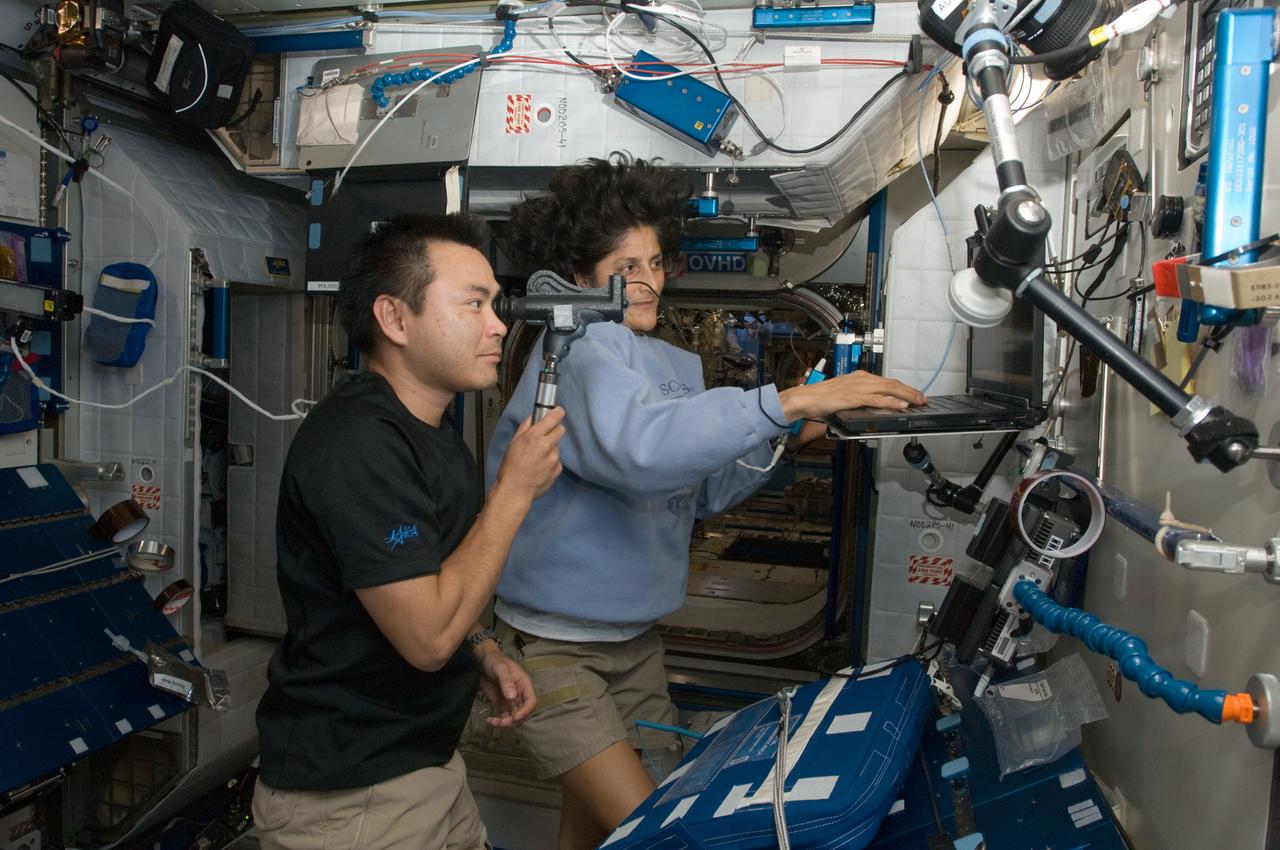
ISS032-E-018083 (15 Aug. 2012) --- Japan Aerospace Exploration Agency astronaut Aki Hoshide, Expedition 32 flight engineer, performs the Health Maintenance System (HMS) Eye Exam - PanOptic in the Harmony node of the International Space Station. NASA astronaut Sunita Williams, flight engineer, assisted Hoshide.
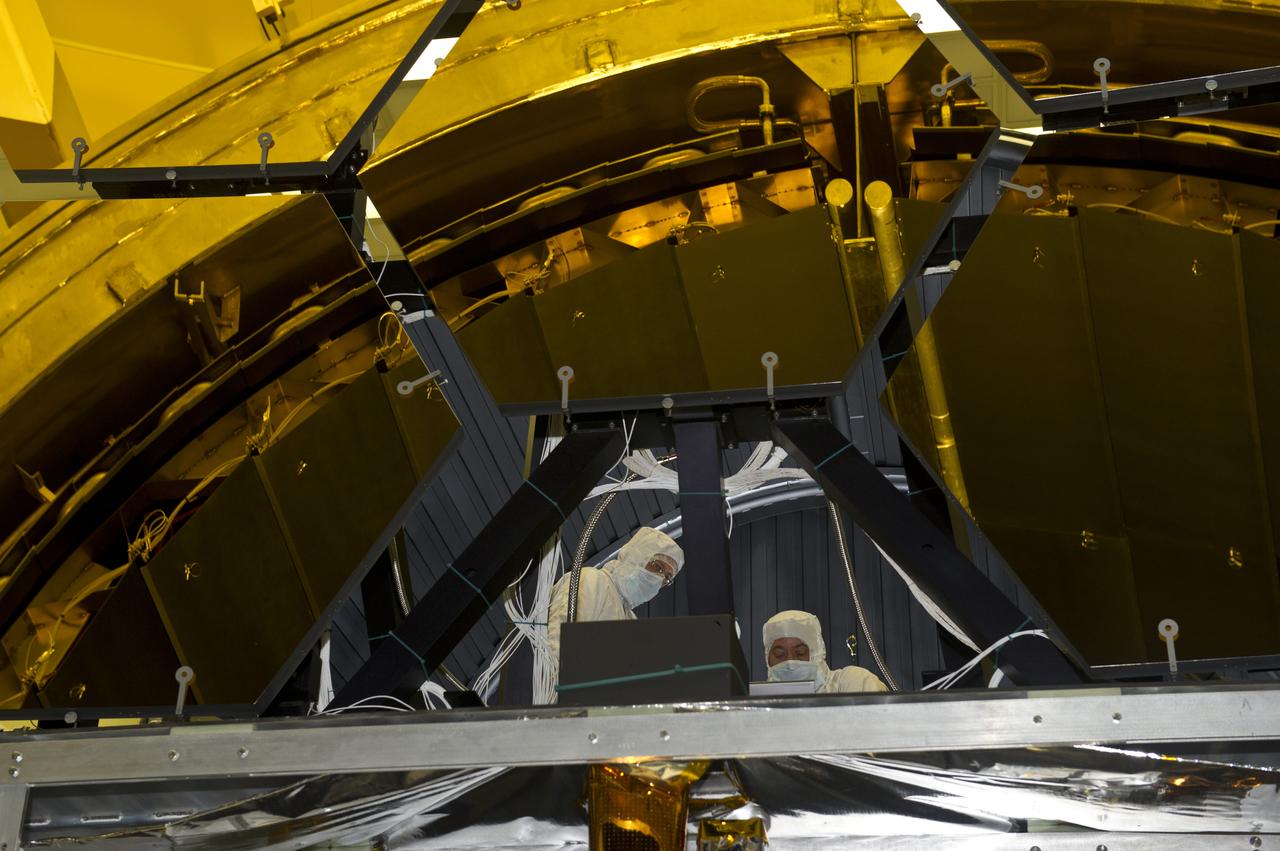
BALL AEROSPACE ENGINEER DAVE CHANEY, (L), AND MARSHALL ENGINEER HARLAN HAIGHT, (R), GUIDE ARRAY OF SIX GOLD-PLATED JAMES WEBB SPACE TELESCOPE MIRRORS AFTER FINAL ACCEPTANCE TESTING AT MARSHALL'S X-RAY AND CRYOGENIC FACILITY
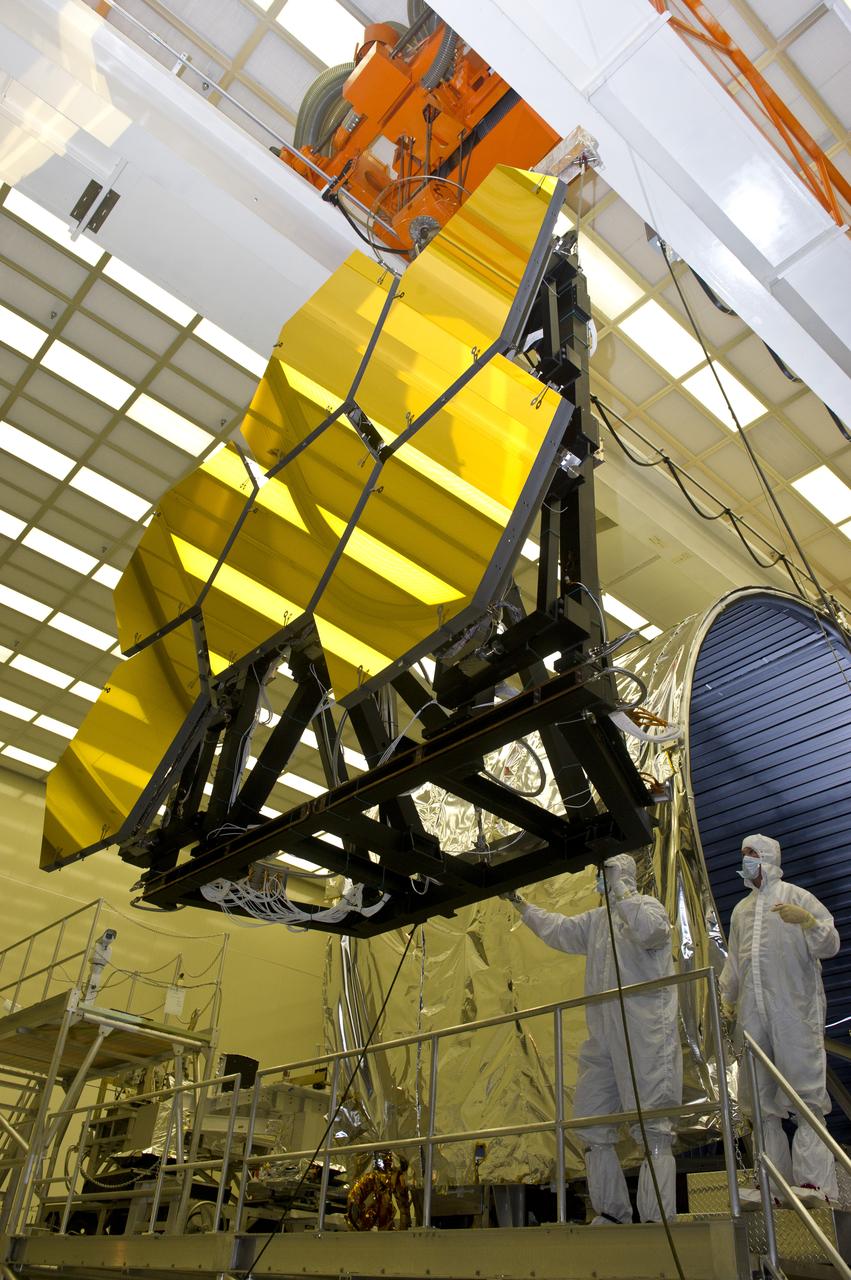
BALL AEROSPACE ENGINEER DAVE CHANEY, (L), AND MARSHALL ENGINEER HARLAN HAIGHT, (R), GUIDE ARRAY OF SIX GOLD-PLATED JAMES WEBB SPACE TELESCOPE MIRRORS AFTER FINAL ACCEPTANCE TESTING AT MARSHALL'S X-RAY AND CRYOGENIC FACILITY
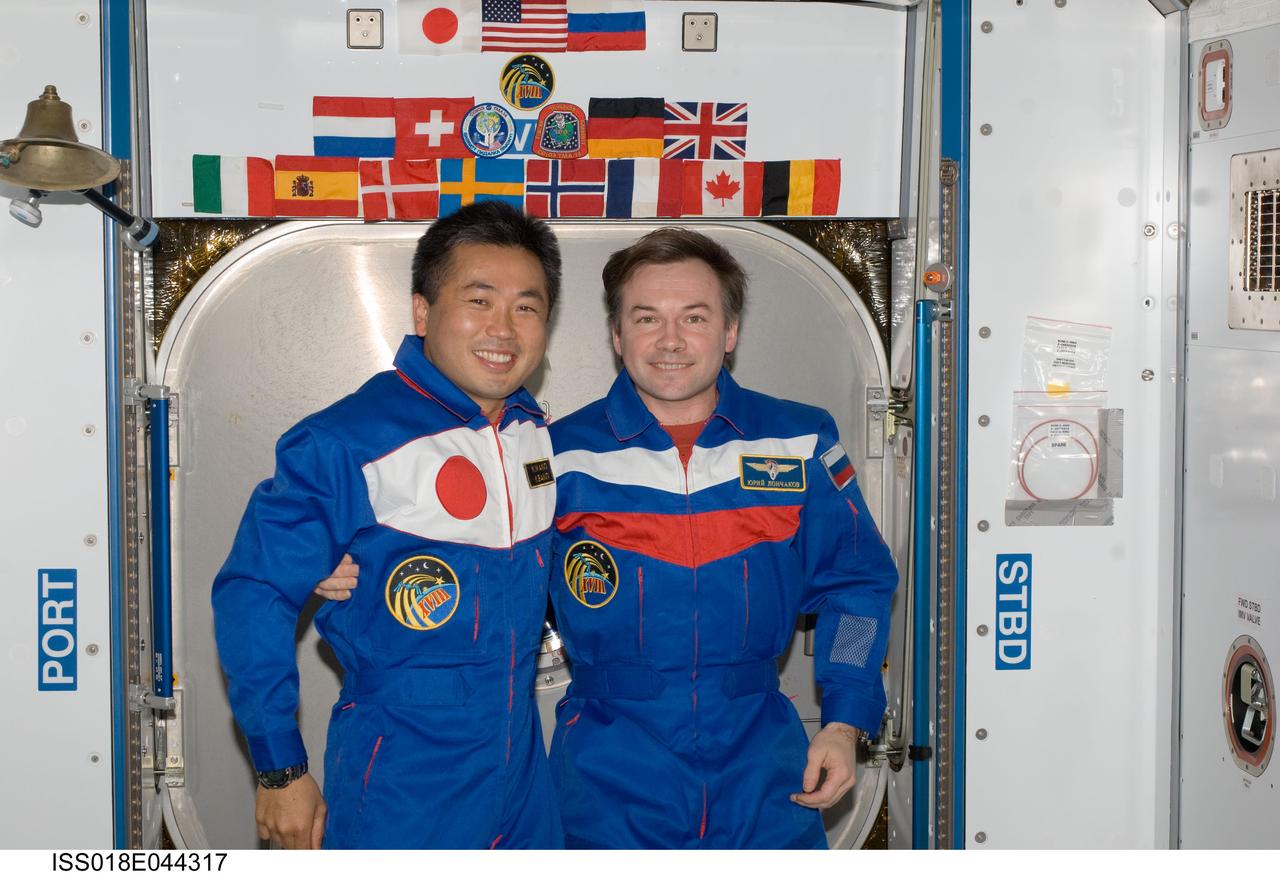
ISS018-E-044317 (1 April 2009) --- Japan Aerospace Exploration Agency (JAXA) astronaut Koichi Wakata (left), Expedition 18/19 flight engineer; and cosmonaut Yury Lonchakov, Expedition 18 flight engineer, pose for a photo in the Harmony node of the International Space Station.

iss072e939999 (April 8, 2025) --- Roscosmos cosmonaut and Expedition 72 Flight Engineer Alexey Zubritsky enters the International Space Station shortly after docking to the Prichal module aboard the Soyuz MS-27 spacecraft. Flight Engineer Takuya Onishi of JAXA (Japan Aerospace Exploration Agency), at right, greets Zubritsky with a hug.
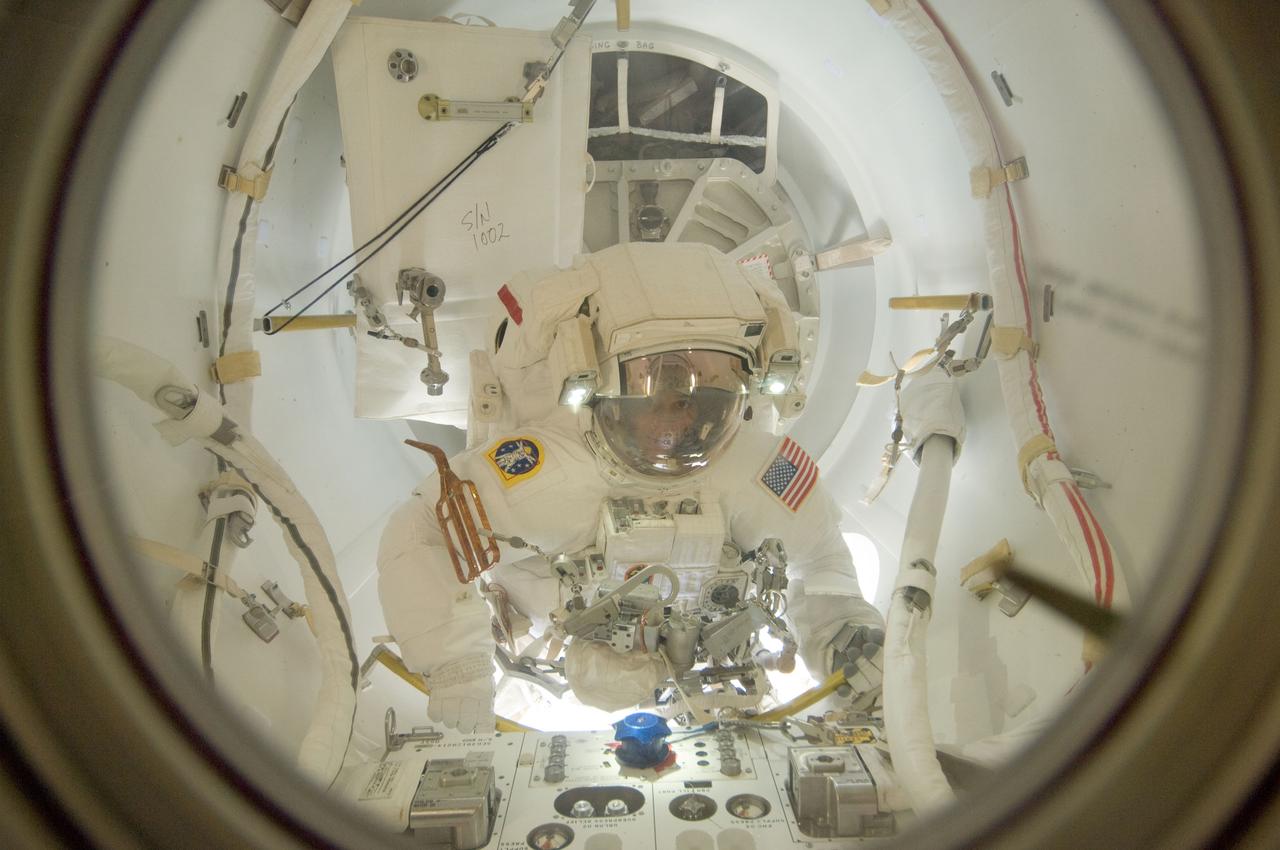
ISS032-E-024428 (30 Aug. 2012) --- NASA astronaut Sunita Williams, flight engineer, exits the International Space Station's Quest airlock to begin a session of extravehicular activity (EVA) for the Expedition 32 mission. Japan Aerospace Exploration Agency astronaut Aki Hoshide, flight engineer, joined Williams on the spacewalk.
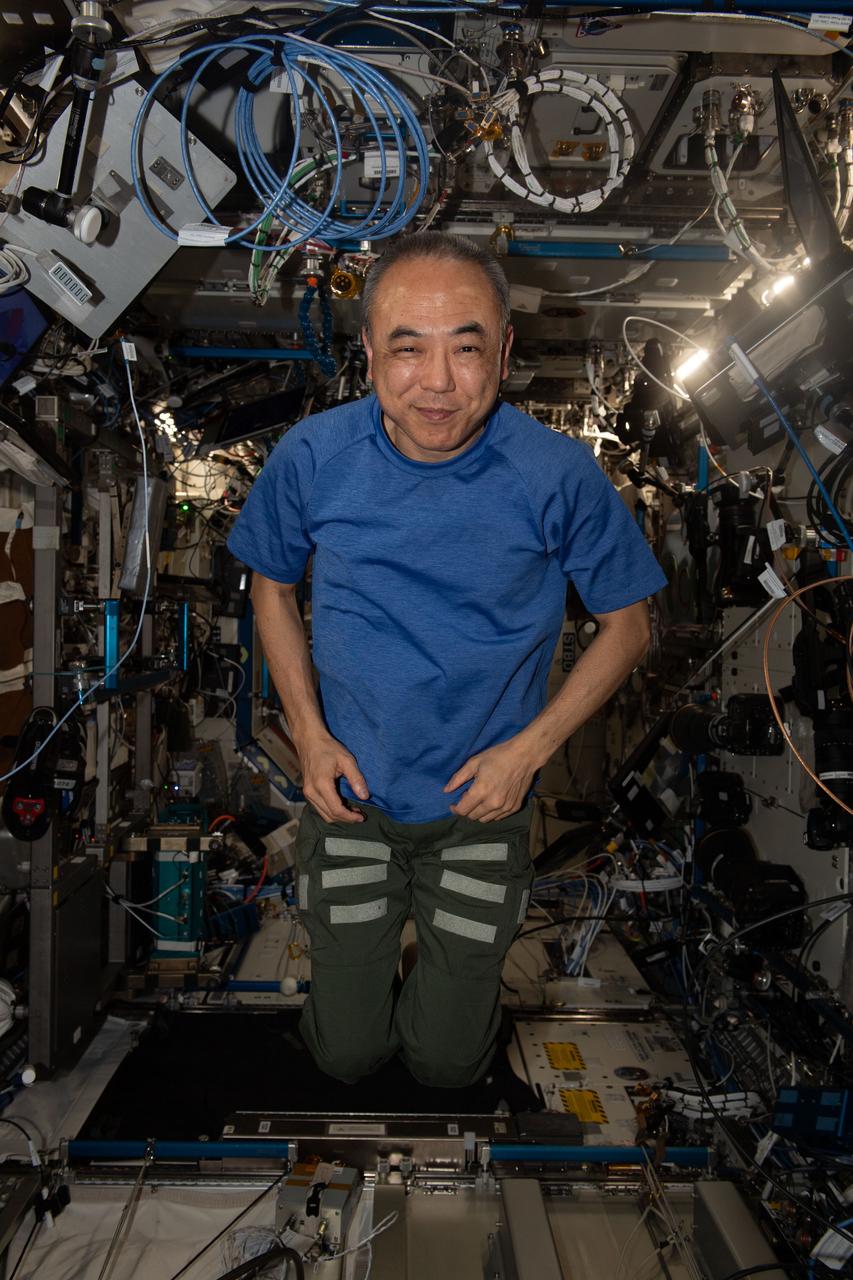
iss070e086322 (Feb. 4, 2024) --- JAXA (Japan Aerospace Exploration Agency) astronaut and Expedition 70 Flight Engineer Satoshi Furukawa poses for a photograph inside the International Space Station's Destiny laboratory module.
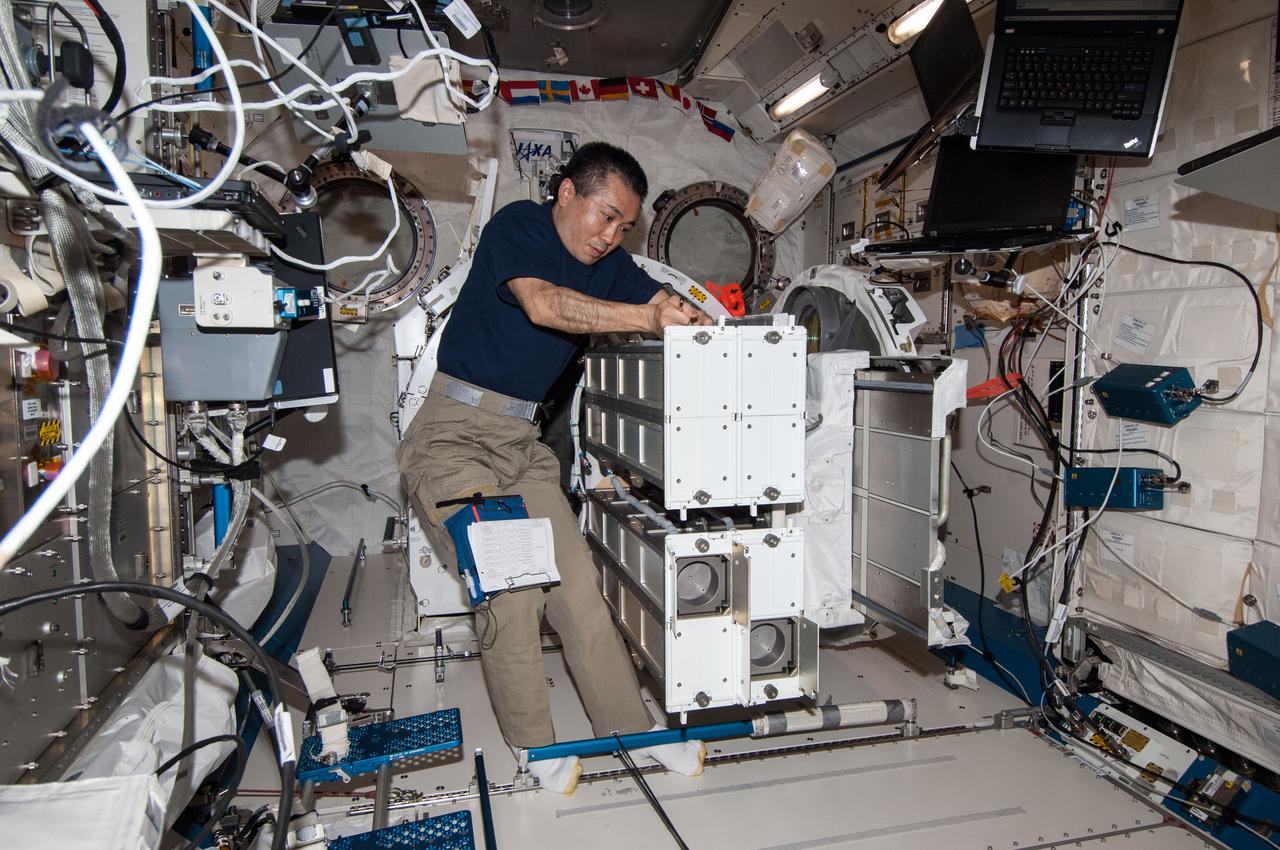
ISS038-E-053269 (19 Feb. 2014) --- In the International Space Station's Kibo laboratory, Japan Aerospace Exploration Agency astronaut Koichi Wakata, Expedition 38 flight engineer, prepares a second batch of NanoRacks CubeSats for deployment.
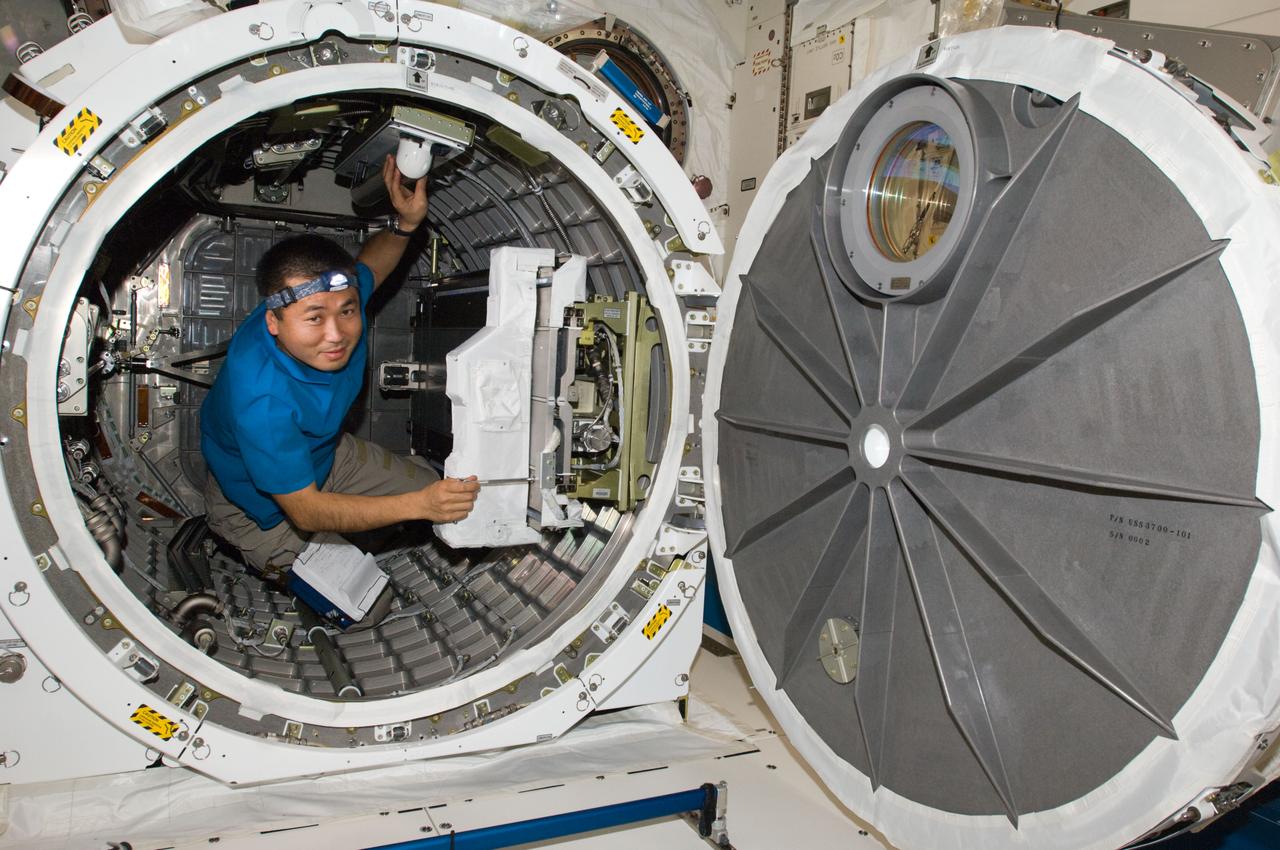
ISS018-E-046096 (5 April 2009) --- Japan Aerospace Exploration Agency (JAXA) astronaut Koichi Wakata, Expedition 18/19 flight engineer, works inside the Kibo laboratory airlock of the International Space Station.

ISS032-E-022185 (21 Aug. 2012) --- Japan Aerospace Exploration Agency astronaut Aki Hoshide, Expedition 32 flight engineer, works near the airlock in the Kibo laboratory of the International Space Station.
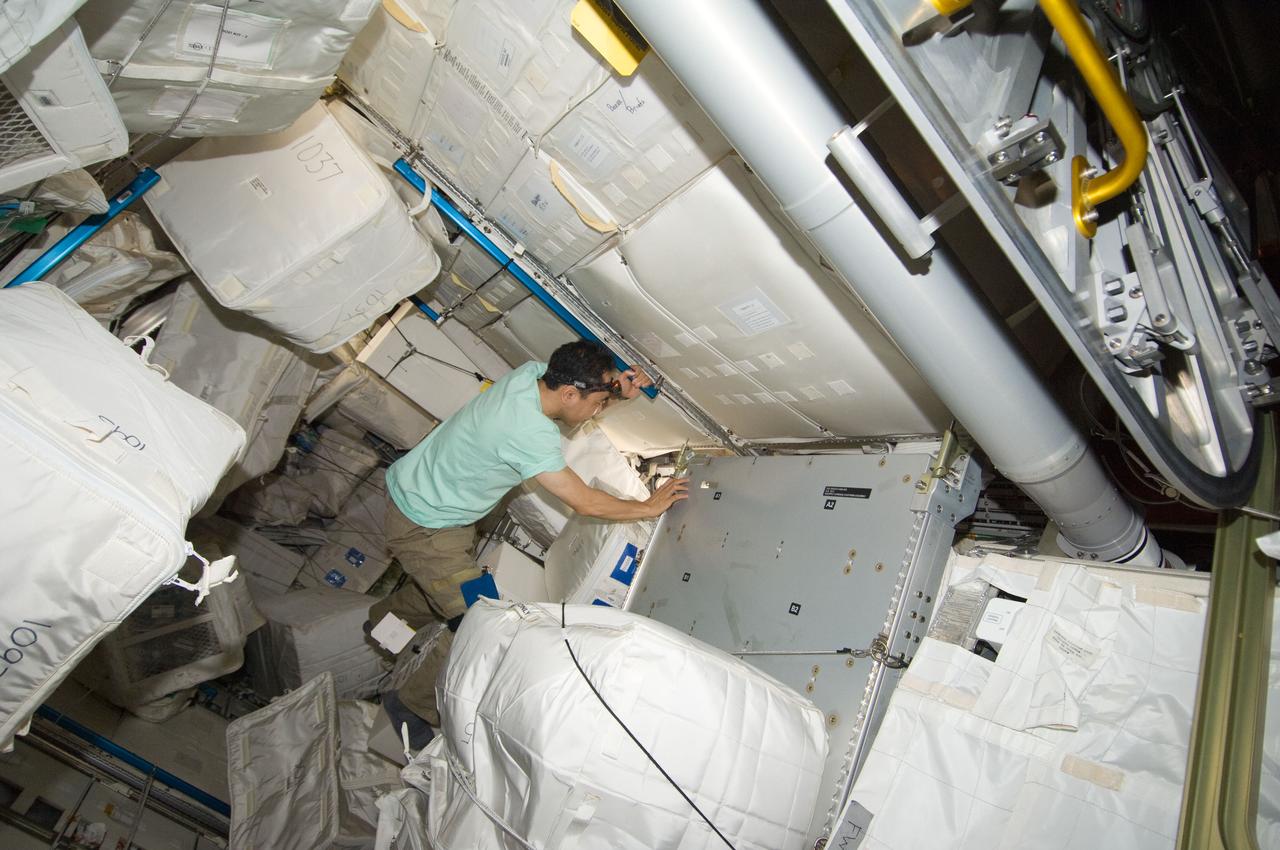
ISS028-E-032130 (17 Aug. 2011) --- Japan Aerospace Exploration Agency astronaut Satoshi Furukawa, Expedition 28 flight engineer, works in the Leonardo Permanent Multipurpose Module (PMM) of the International Space Station.
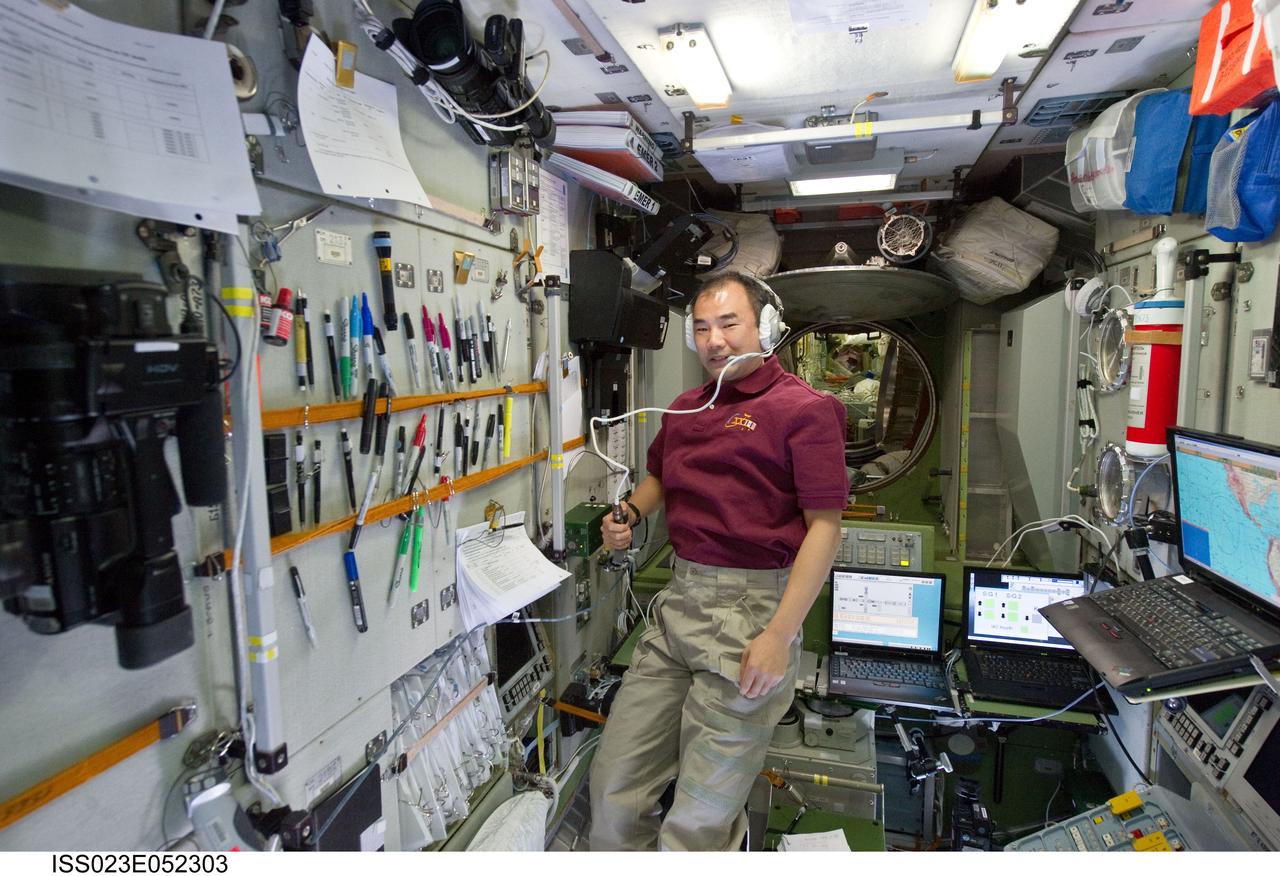
ISS023-E-052303 (26 May 2010) --- Japan Aerospace Exploration Agency (JAXA) astronaut Soichi Noguchi, Expedition 23 flight engineer, uses a communication system in the Zvezda Service Module of the International Space Station.
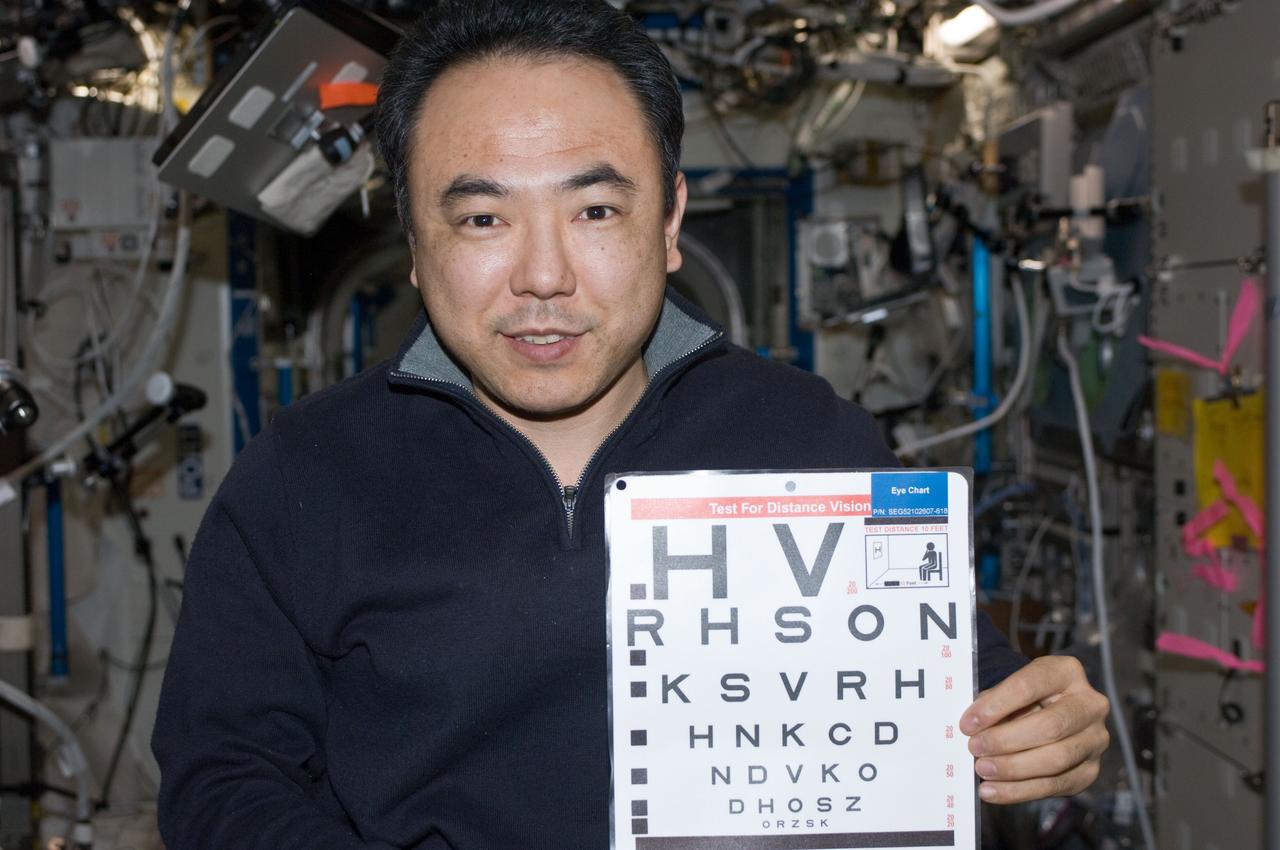
ISS028-E-046354 (13 Sept. 2011) --- Japan Aerospace Exploration Agency astronaut Satoshi Furukawa, Expedition 28 flight engineer, holds an eye chart in the Destiny laboratory of the International Space Station.
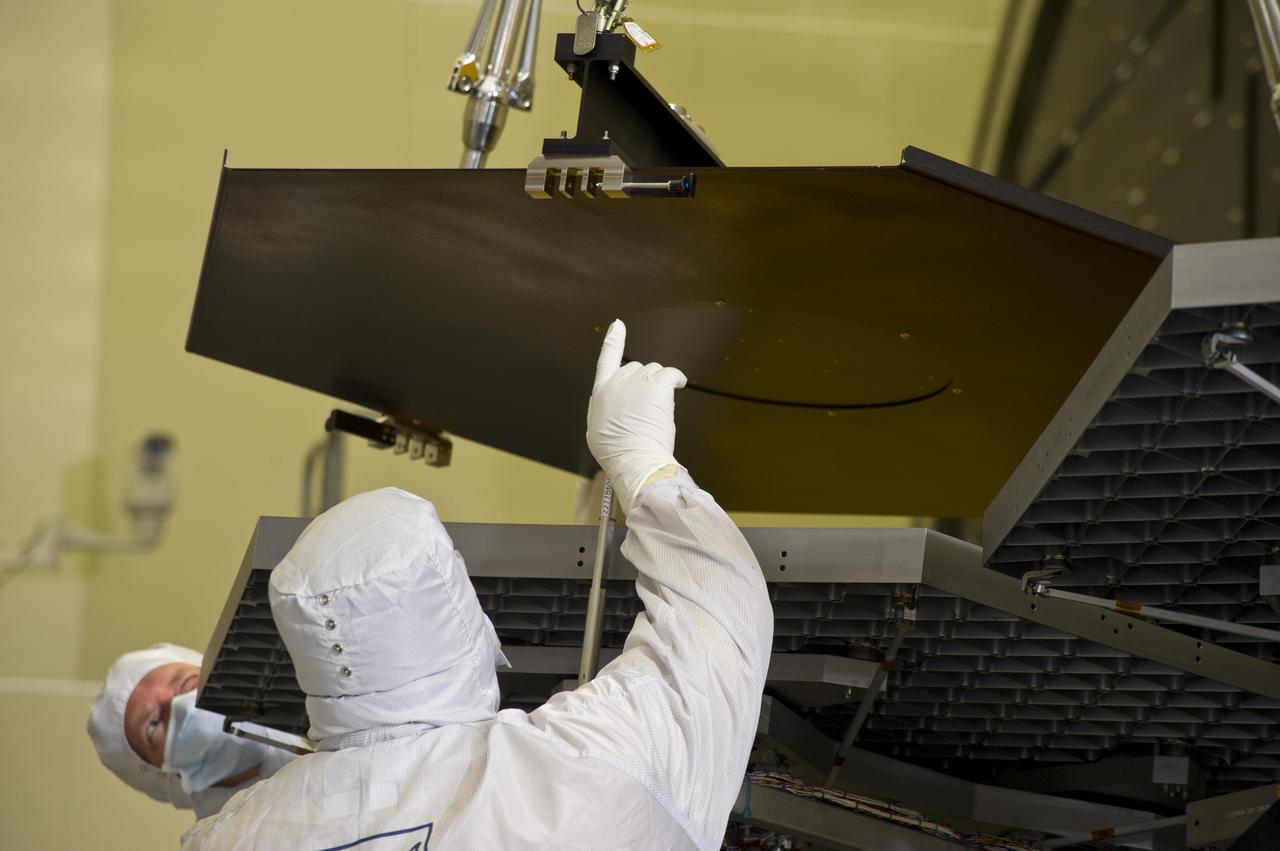
BALL ENGINEERS DISMANTLE ARRAY OF SIX GOLD-PLATED JAMES WEBB SPACE TELESCOPE MIRRORS FOR TRANSPORT TO BALL AEROSPACE AFTER CRYOGENIC TESTING AT MARSHALL'S X-RAY AND CRYOGENIC FACILITY.
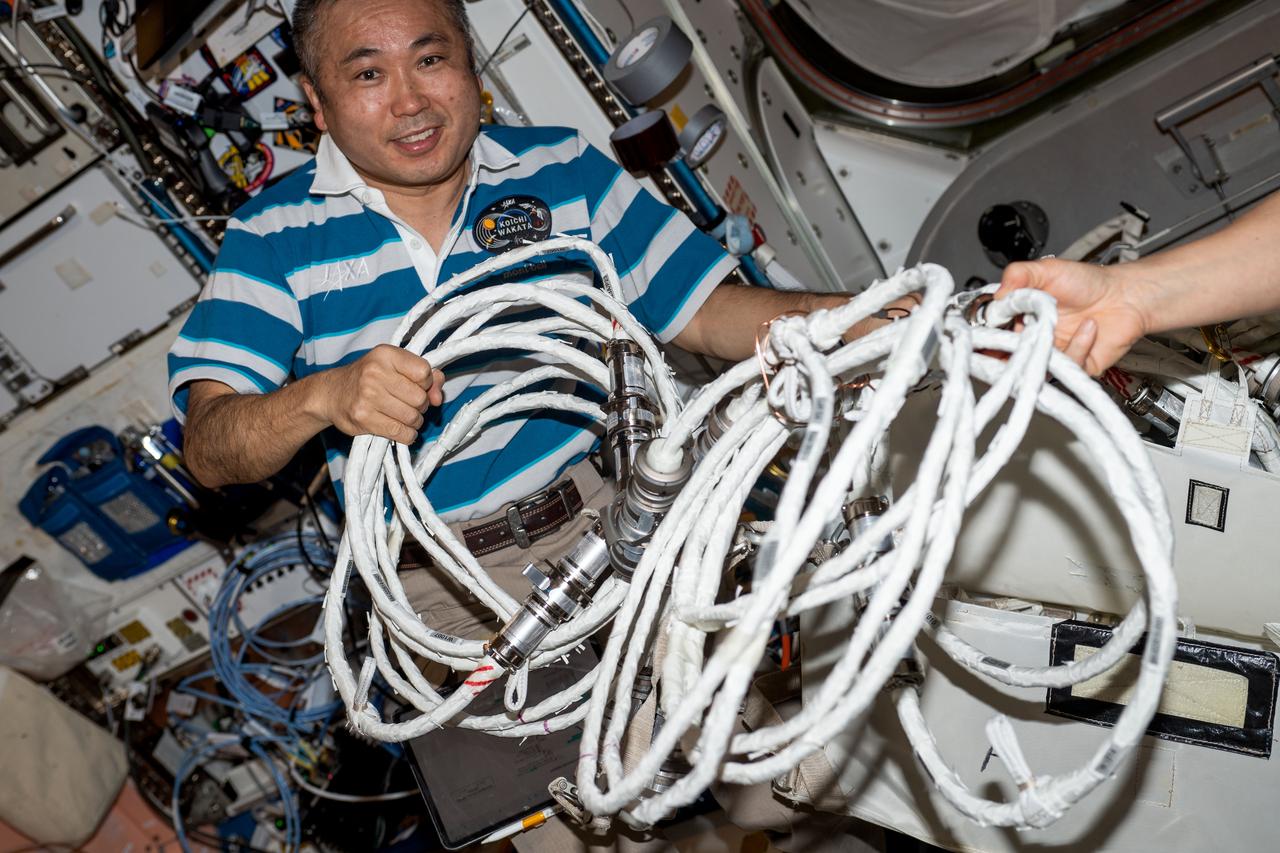
iss068e040899 (Jan. 19, 2023) --- Expedition 68 Flight Engineer Koichi Wakata of the Japan Aerospace Exploration Agency (JAXA) configures spacewalking hardware inside the International Space Station's Quest airlock.

ISS028-E-036707 (2 Sept. 2011) --- Japan Aerospace Exploration Agency astronaut Satoshi Furukawa, Expedition 28 flight engineer, uses a computer in the Destiny laboratory of the International Space Station.
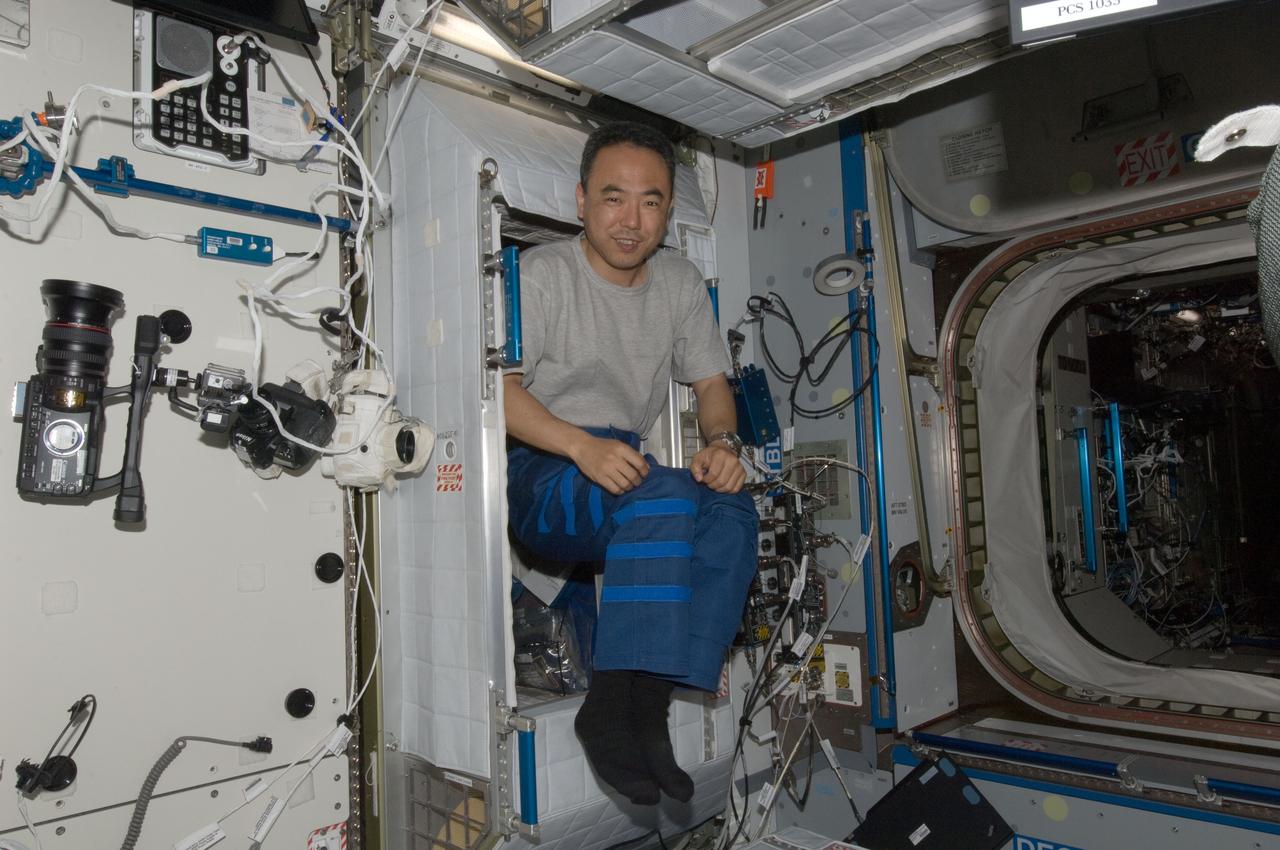
ISS028-E-007685 (12 June 2011) --- Japan Aerospace Exploration Agency astronaut Satoshi Furukawa, Expedition 28 flight engineer, is pictured in the doorway of his crew quarters compartment in the Harmony node of the International Space Station.
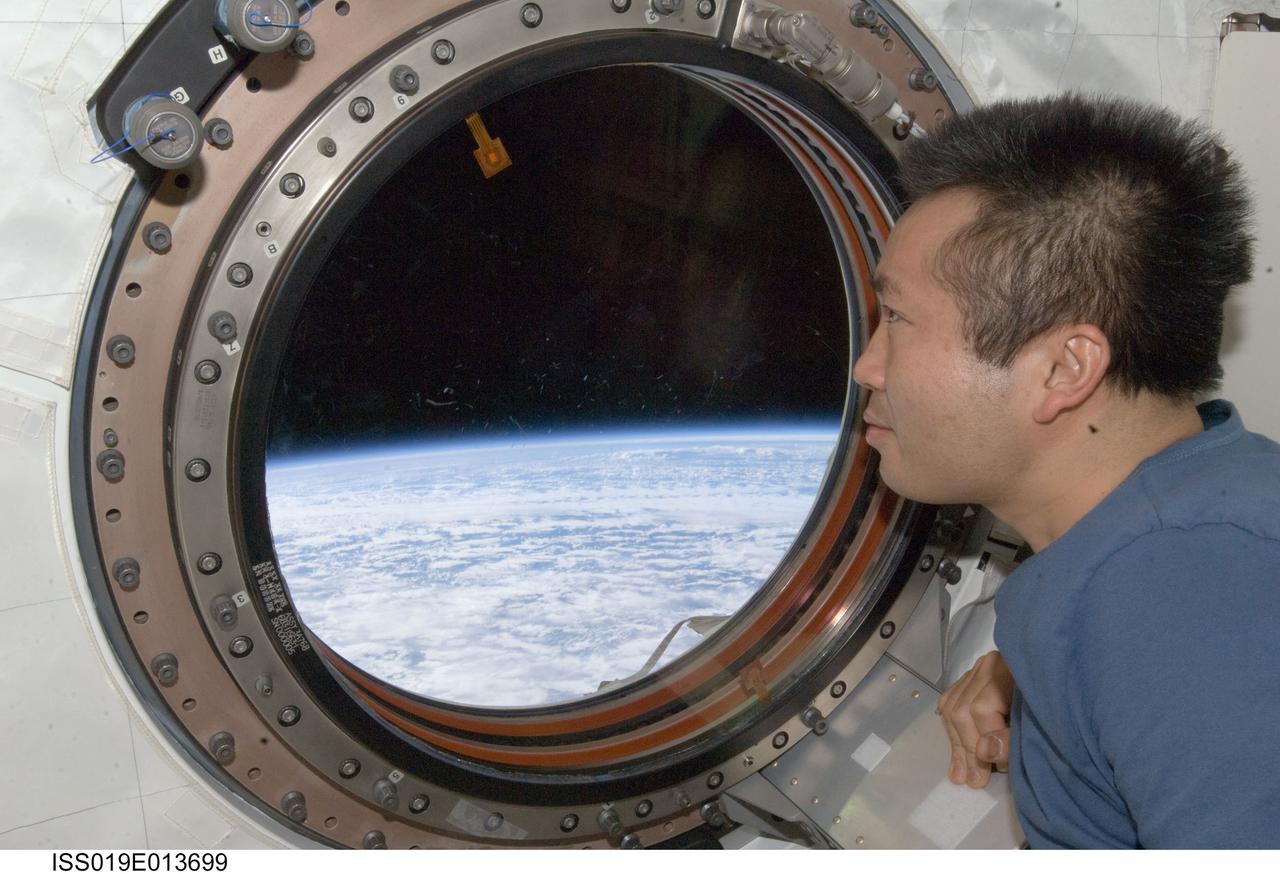
ISS019-E-013699 (3 May 2009) --- Japan Aerospace Exploration Agency (JAXA) astronaut Koichi Wakata, Expedition 19/20 flight engineer, looks through a window in the Kibo laboratory of the International Space Station.

ISS029-E-040013 (7 Nov. 2011) --- Japan Aerospace Exploration Agency astronaut Satoshi Furukawa, Expedition 29 flight engineer, works at the Microgravity Science Glovebox (MSG) in the Destiny laboratory of the International Space Station.
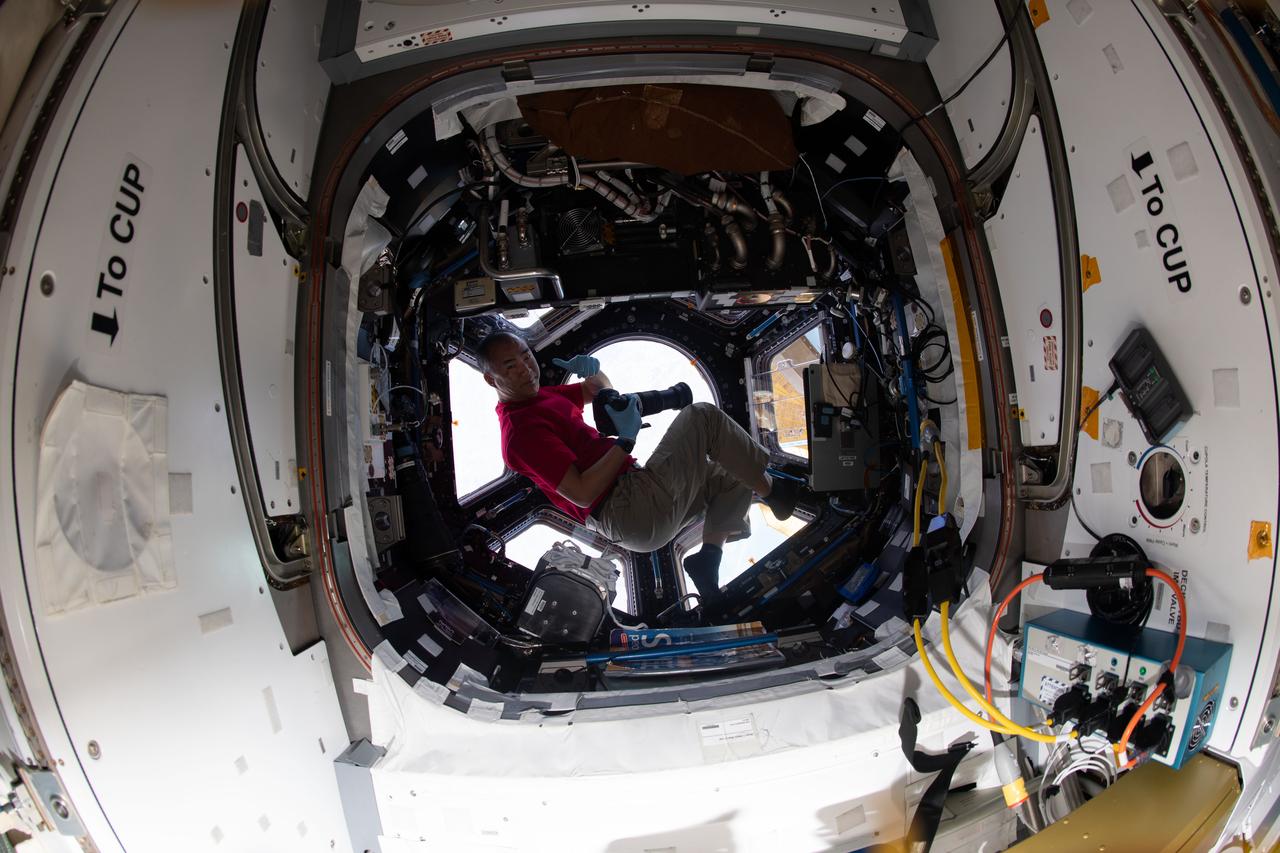
iss064e011424 (Dec. 9, 2020) --- JAXA (Japan Aerospace Exploration Agency) astronaut and Expedition 64 Flight Engineer Soichi Noguchi gives a "thumbs up" inside the seven-windowed cupola, the International Space Station's "window to the world."
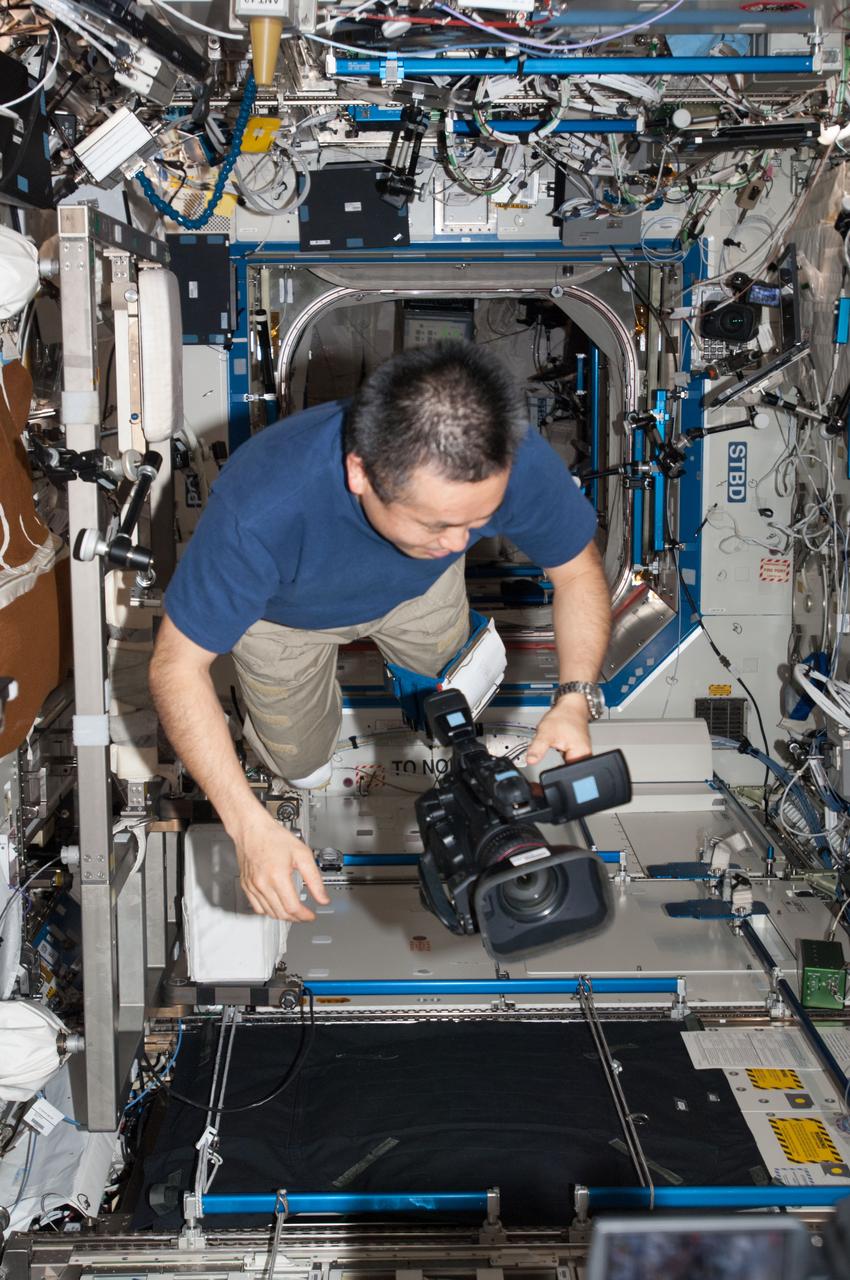
ISS038-E-015225 (11 Dec. 2013) --- Japan Aerospace Exploration Agency astronaut Koichi Wakata, Expedition 38 flight engineer, floats freely while holding a video camera in the Destiny laboratory of the International Space Station.
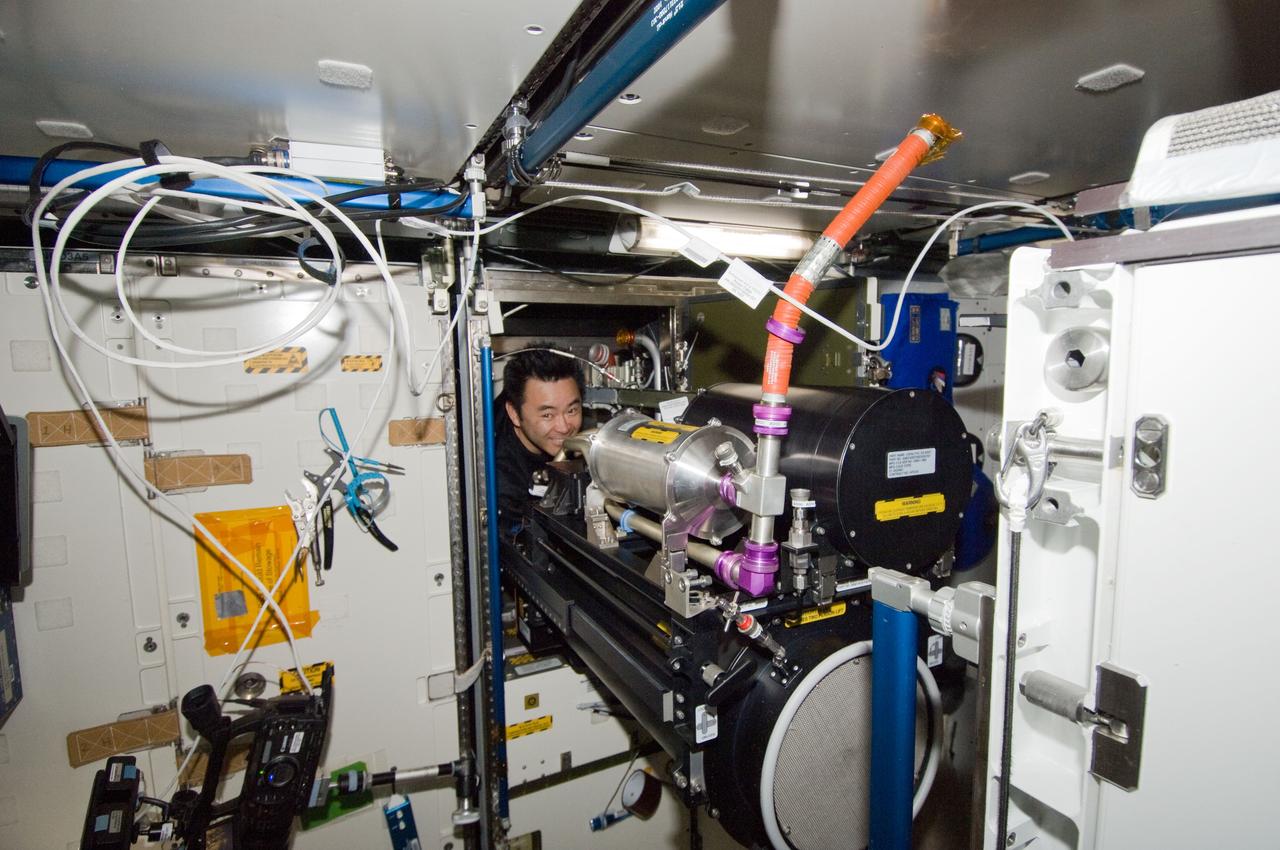
ISS033-E-007246 (24 Sept. 2012) --- Japan Aerospace Exploration Agency astronaut Aki Hoshide, Expedition 33 flight engineer, works on replacing valves in an International Space Station’s Carbon Dioxide Removal Assembly.

ISS023-E-042375 (10 May 2010) --- Japan Aerospace Exploration Agency (JAXA) astronaut Soichi Noguchi, Expedition 23 flight engineer, is pictured in a window of the Cupola of the International Space Station.
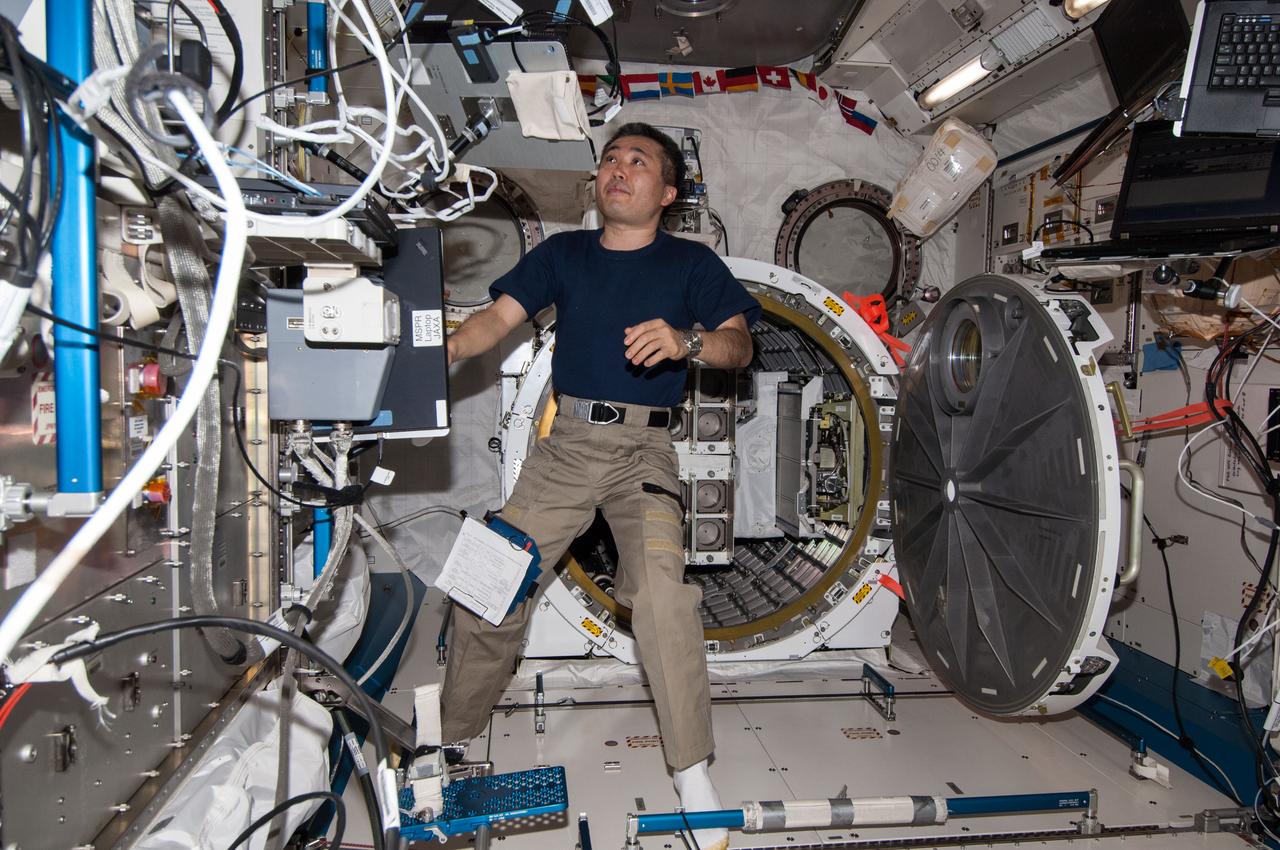
ISS038-E-053257 (19 Feb. 2014) --- In the International Space Station's Kibo laboratory, Japan Aerospace Exploration Agency astronaut Koichi Wakata, Expedition 38 flight engineer, prepares for the deployment of a second batch of NanoRacks CubeSats.
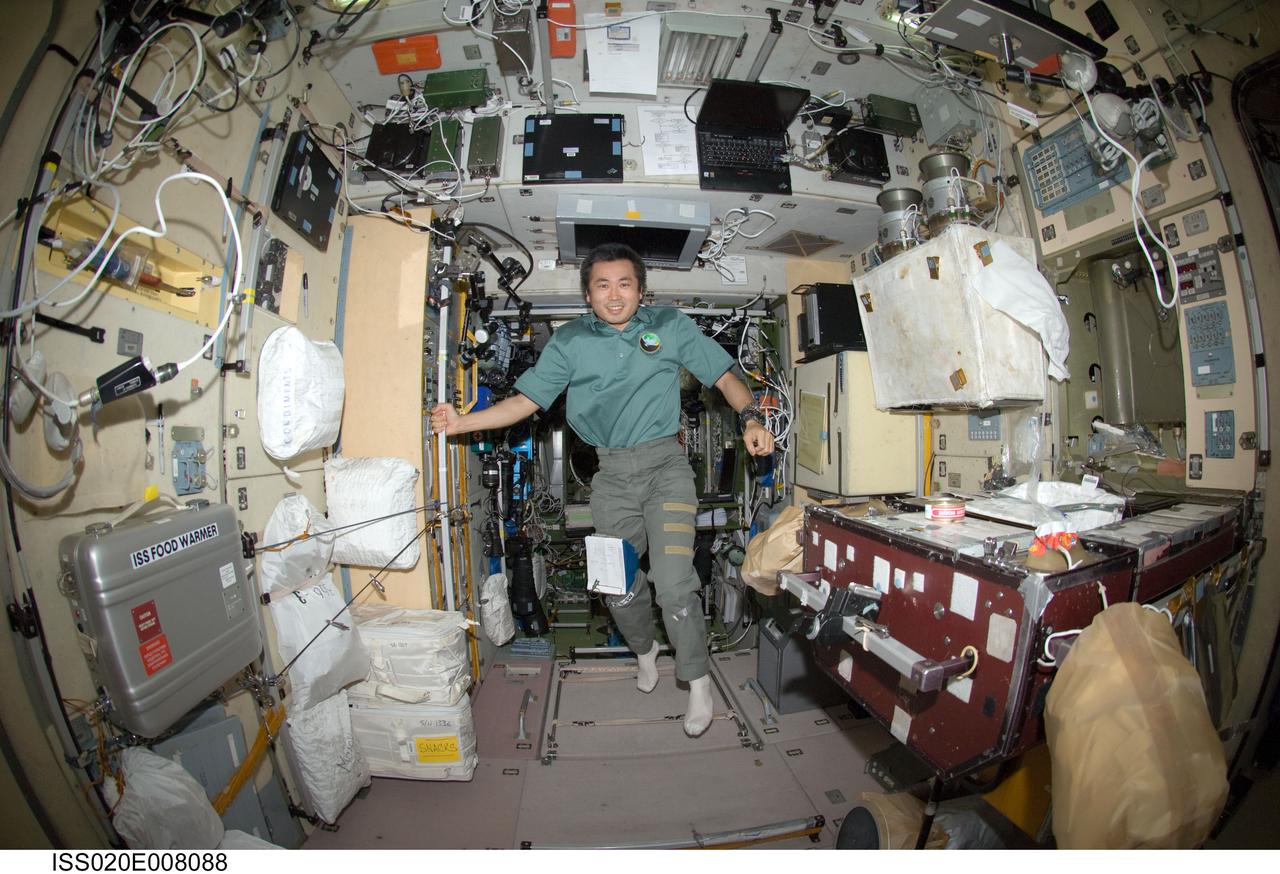
ISS020-E-008088 (10 June 2009) --- Japan Aerospace Exploration Agency (JAXA) astronaut Koichi Wakata, Expedition 20 flight engineer, is pictured in the Zvezda Service Module of the International Space Station.
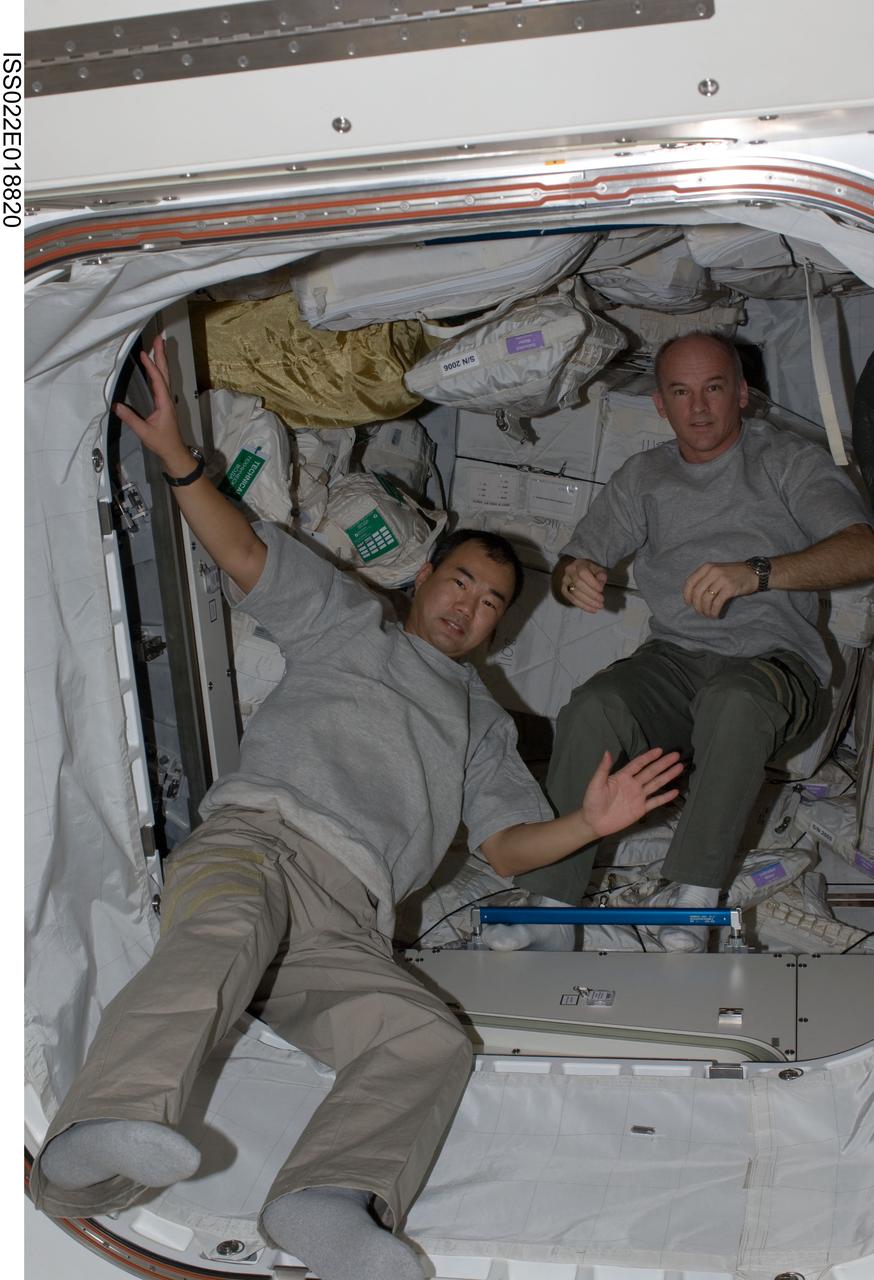
ISS022-E-018820 (3 Jan. 2010) --- NASA astronaut Jeffrey Williams (right), Expedition 22 commander; and Japan Aerospace Exploration Agency astronaut Soichi Noguchi, flight engineer, are pictured in a hatch on the International Space Station.

iss068e023651 (Nov. 23, 2022) --- Expedition 68 Flight Engineer Koichi Wakata of the Japan Aerospace Exploration Agency (JAXA) poses for a portrait aboard the International Space Station's Harmony module.

ISS028-E-007757 (16 June 2011) --- Japan Aerospace Exploration Agency astronaut Satoshi Furukawa, Expedition 28 flight engineer, is pictured floating freely in the Destiny laboratory of the International Space Station.
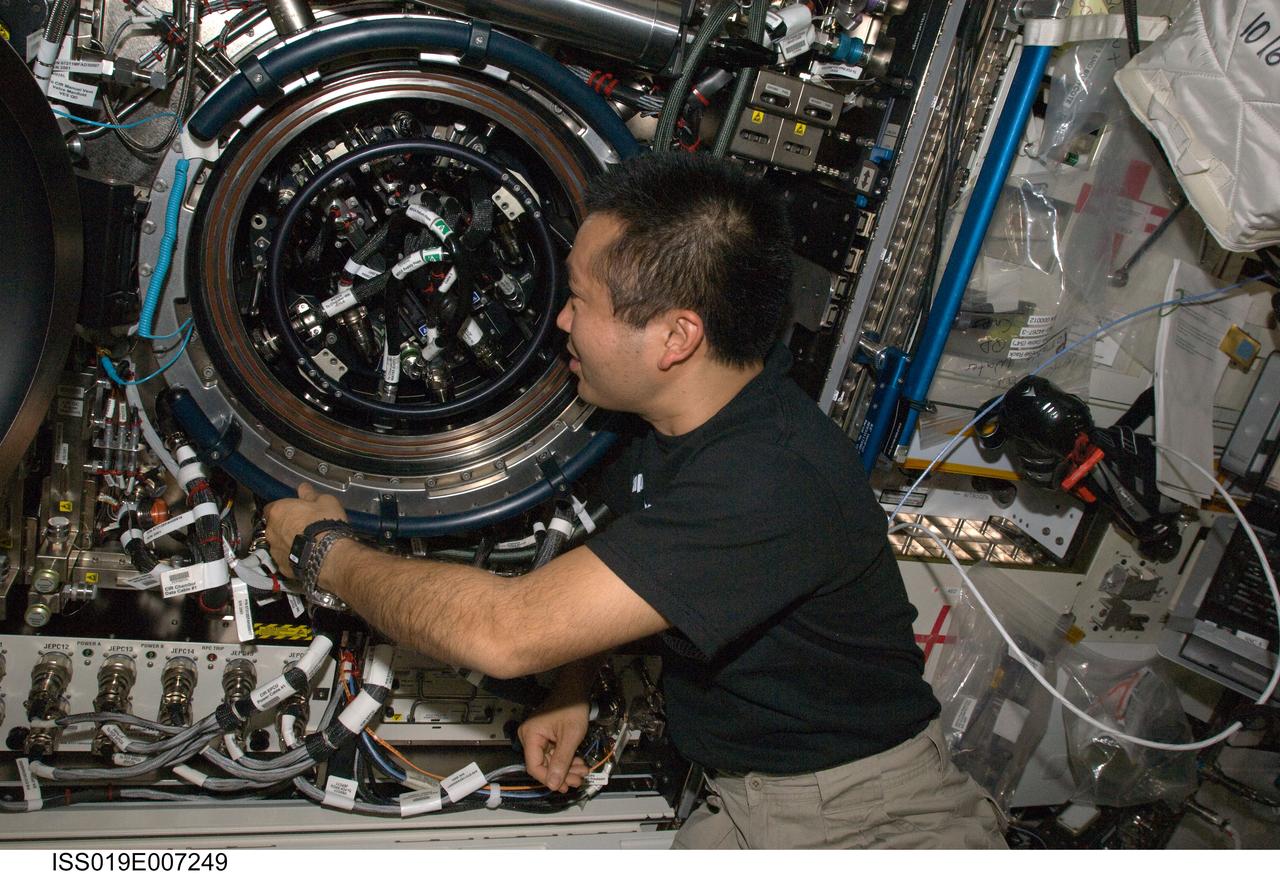
ISS019-E-007249 (16 April 2009) --- Japan Aerospace Exploration Agency (JAXA) astronaut Koichi Wakata, Expedition 19/20 flight engineer, performs in-flight maintenance on equipment in the Kibo laboratory of the International Space Station.
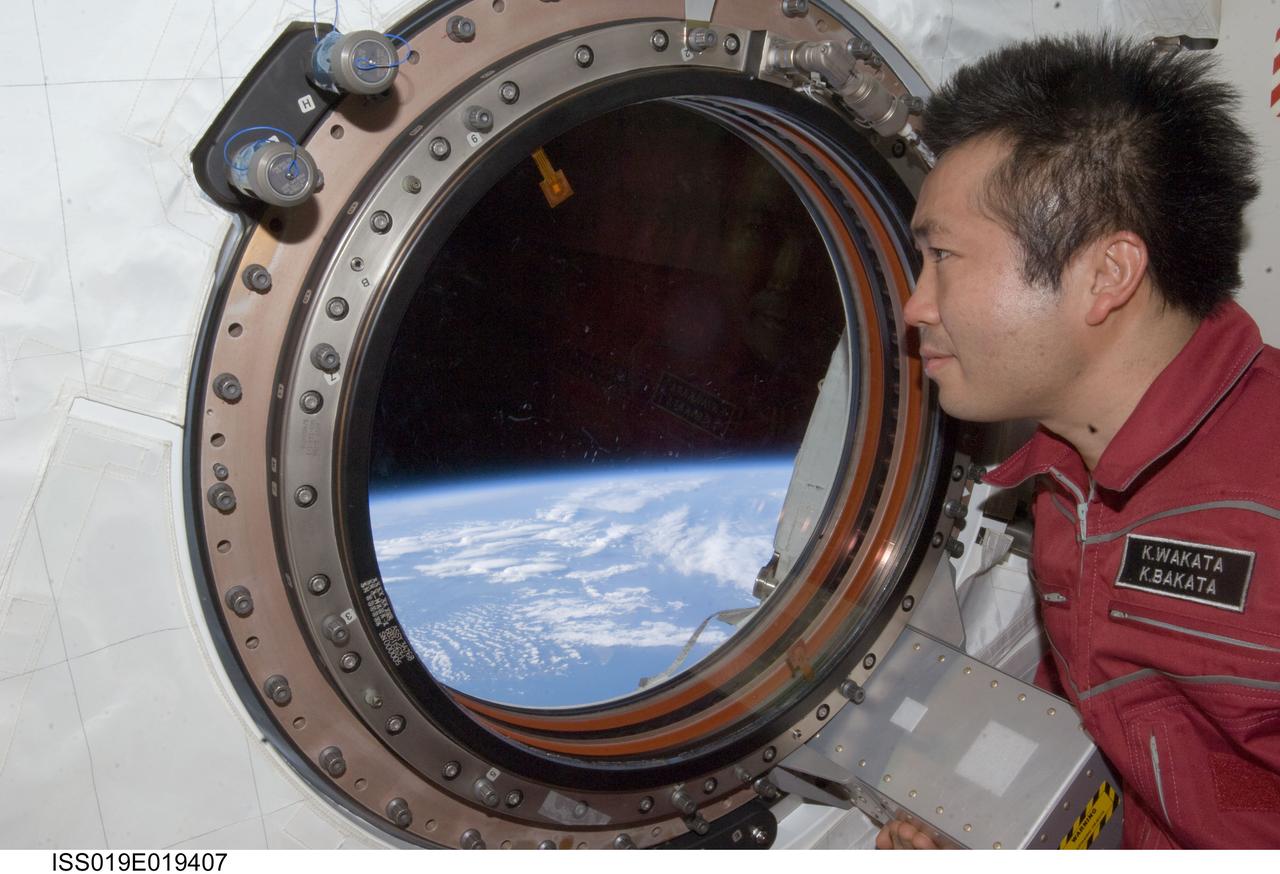
ISS019-E-019407 (23 May 2009) --- Japan Aerospace Exploration Agency (JAXA) astronaut Koichi Wakata, Expedition 19/20 flight engineer, looks through a window in the Kibo laboratory of the International Space Station.
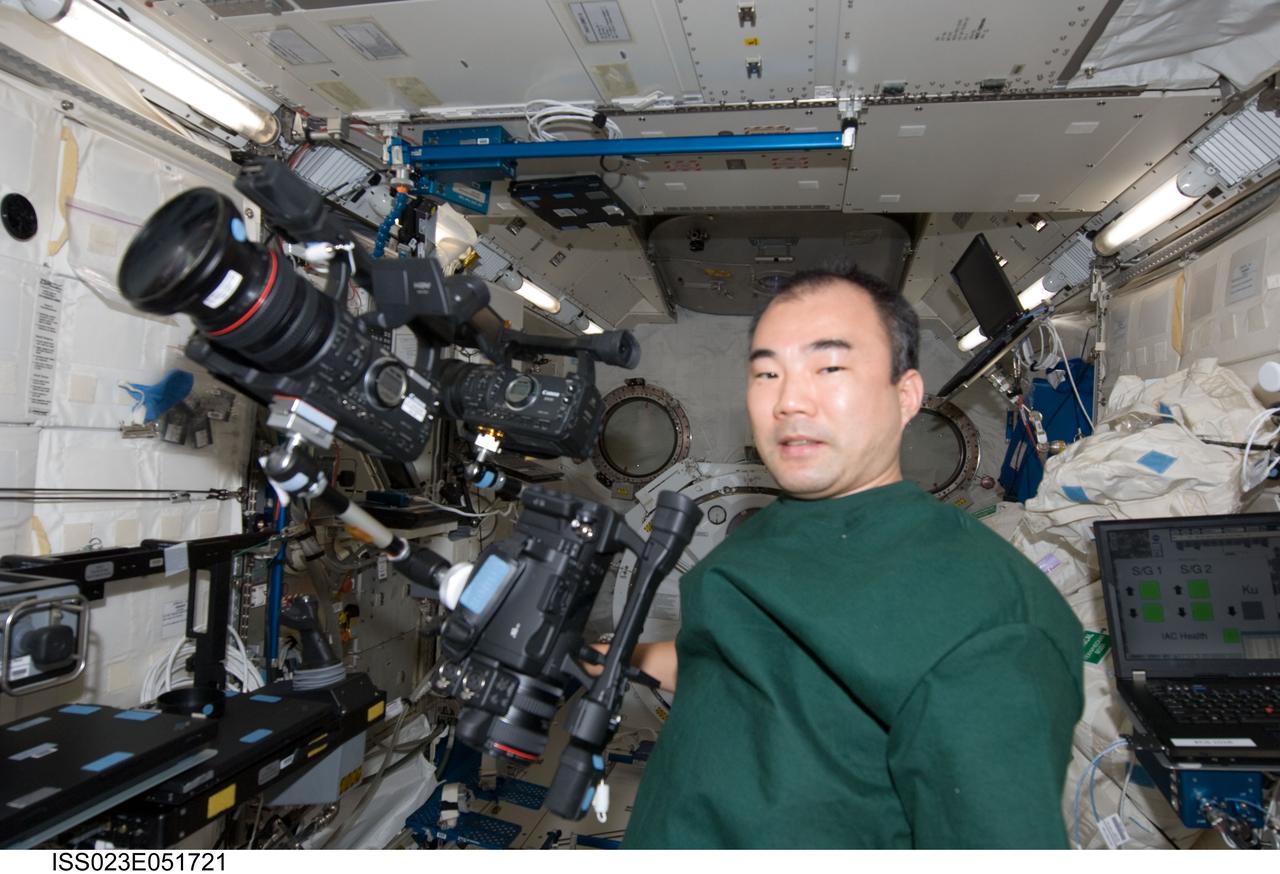
ISS023-E-051721 (25 May 2010) --- Japan Aerospace Exploration Agency (JAXA) astronaut Soichi Noguchi, Expedition 23 flight engineer, is pictured near camera equipment in the Kibo laboratory of the International Space Station.