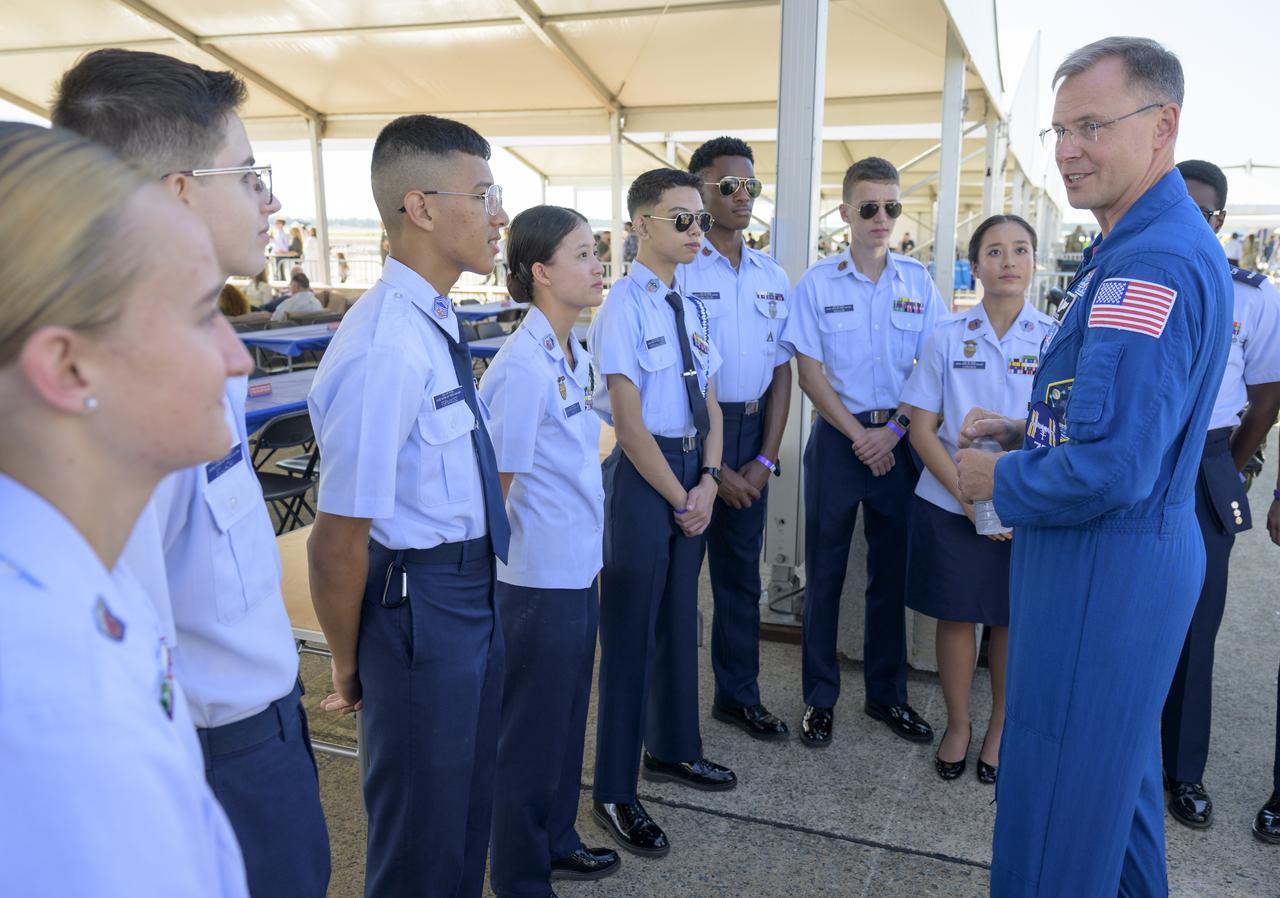
NASA astronaut Nick Hague talks with members of the Civil Air Patrol, Friday, Sept. 12, 2025, during the Joint Base Andrews Air Show at Joint Base Andrews in Prince George's County, Maryland. Hague spent 171 days onboard the International Space Station as part of Expedition 72. Photo Credit: (NASA/Bill Ingalls)
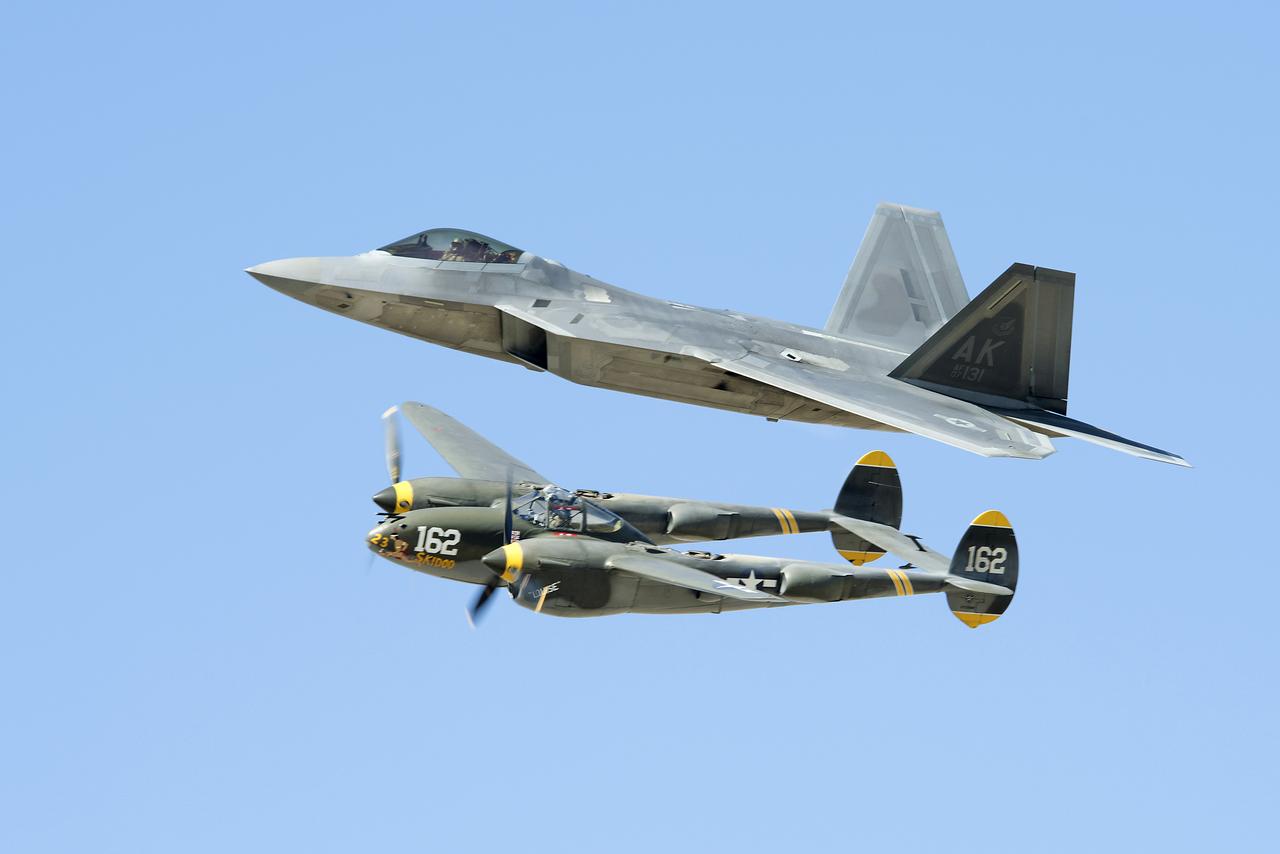
The F-22 and the classic P-38 shares the sky at the Los Angeles County Air Show in Lancaster, California.
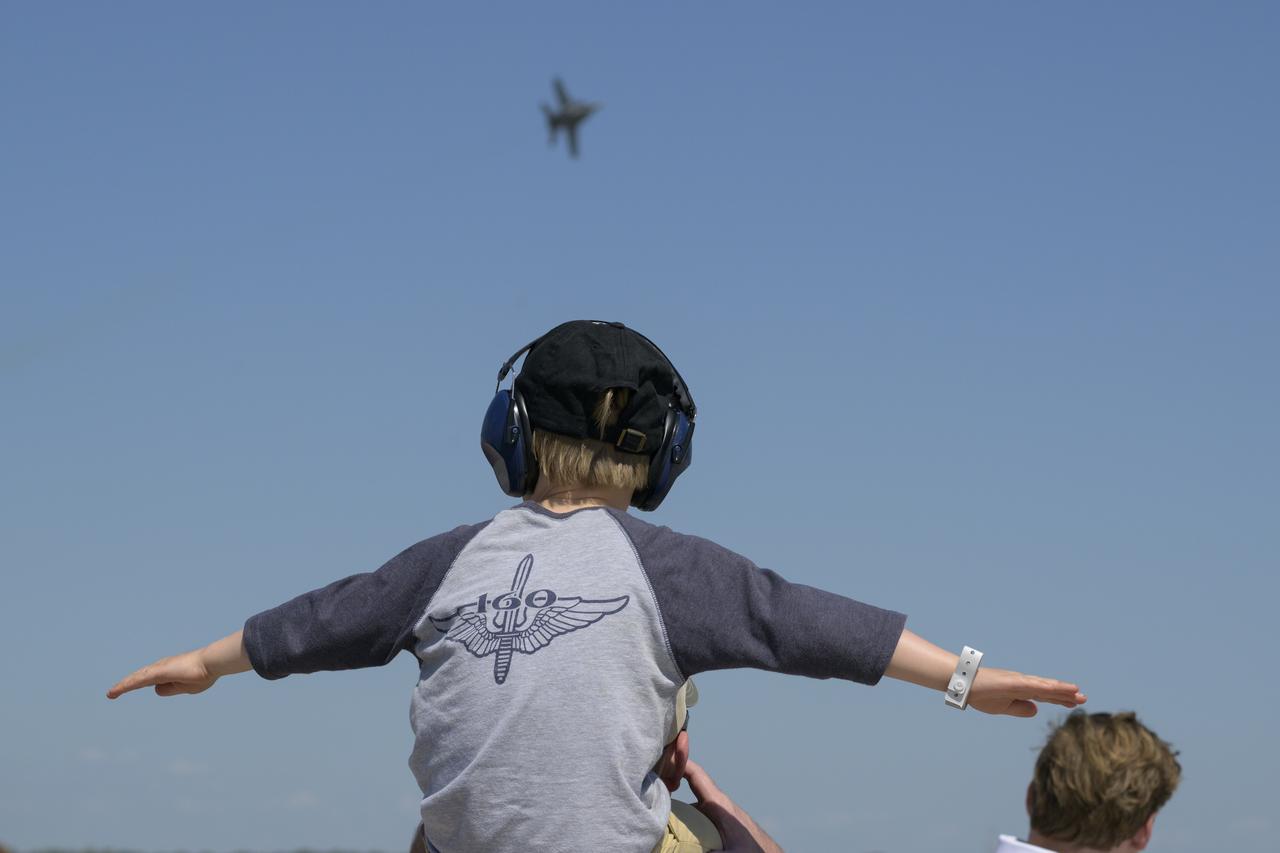
A young spectator watches a U.S. Navy F/A-15F Super Hornet jet fly, Friday, Sept. 12, 2025, during the Joint Base Andrews Air Show at Joint Base Andrews in Prince George's County, Maryland. NASA astronaut Nick Hague was on hand to provide remarks and meet with guests. Hague spent 171 days onboard the International Space Station as part of Expedition 72. Photo Credit: (NASA/Bill Ingalls)

NASA Armstrong pilots Stu Broce, Greg Nelson and Tim Williams sign autographs for people at the Los Angeles County Air Show in Lancaster, California.
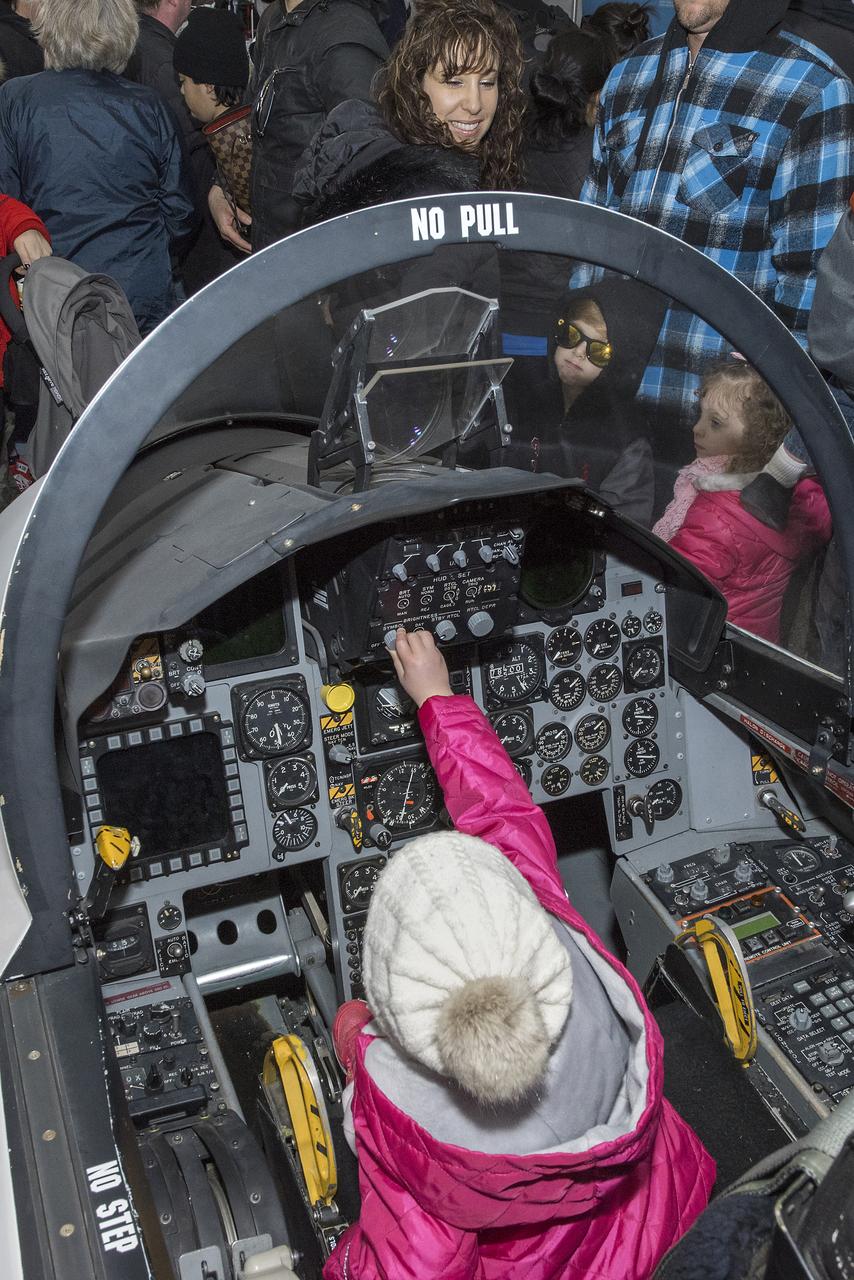
A young woman tries her hand at “piloting” a high-performance jet. The representation of a jet cockpit is a popular display at NASA Armstrong-supported air shows and festivals across the nation.
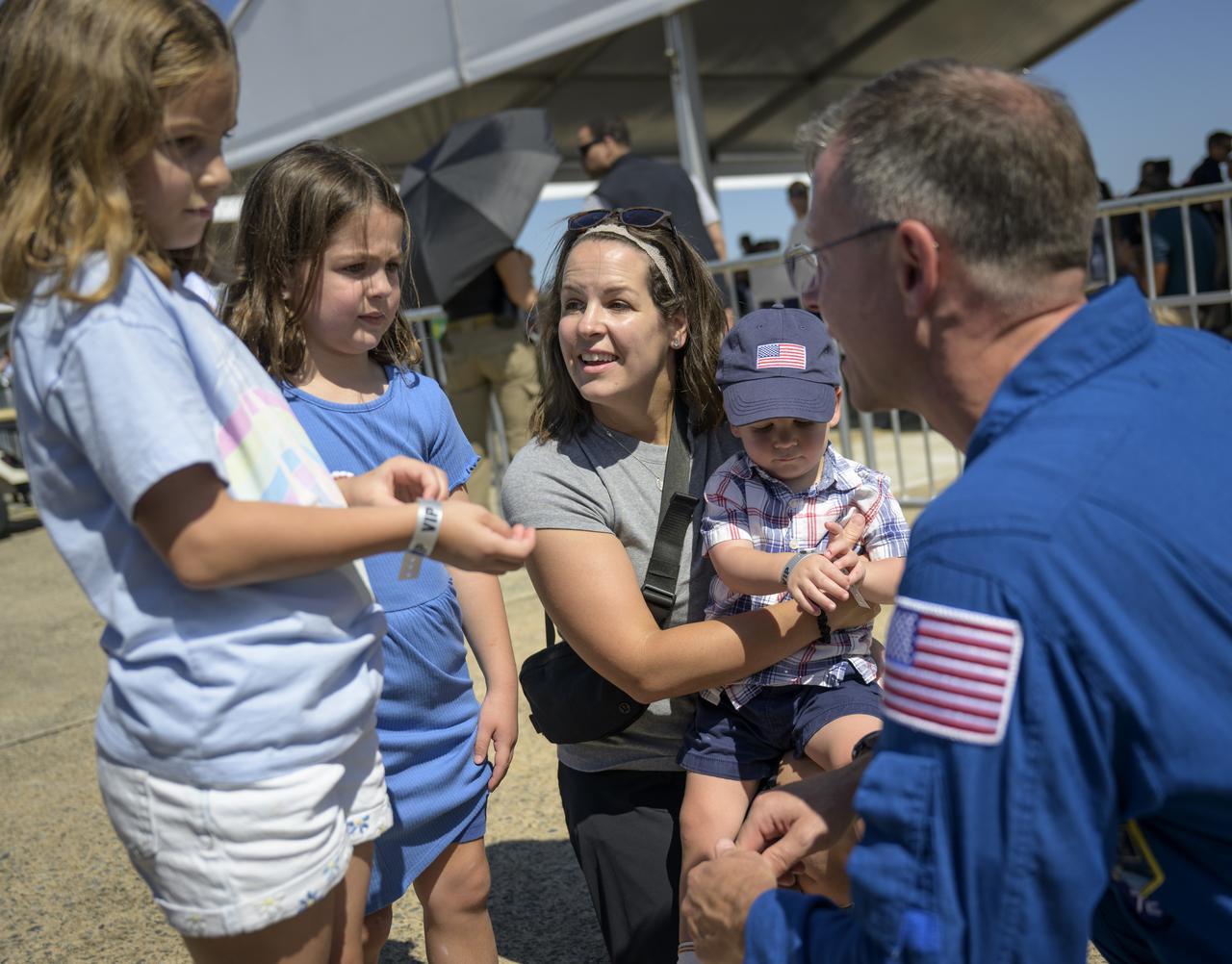
NASA astronaut Nick Hague meets with attendees, Friday, Sept. 12, 2025, during the Joint Base Andrews Air Show at Joint Base Andrews in Prince George's County, Maryland. Hague spent 171 days onboard the International Space Station as part of Expedition 72. Photo Credit: (NASA/Bill Ingalls)
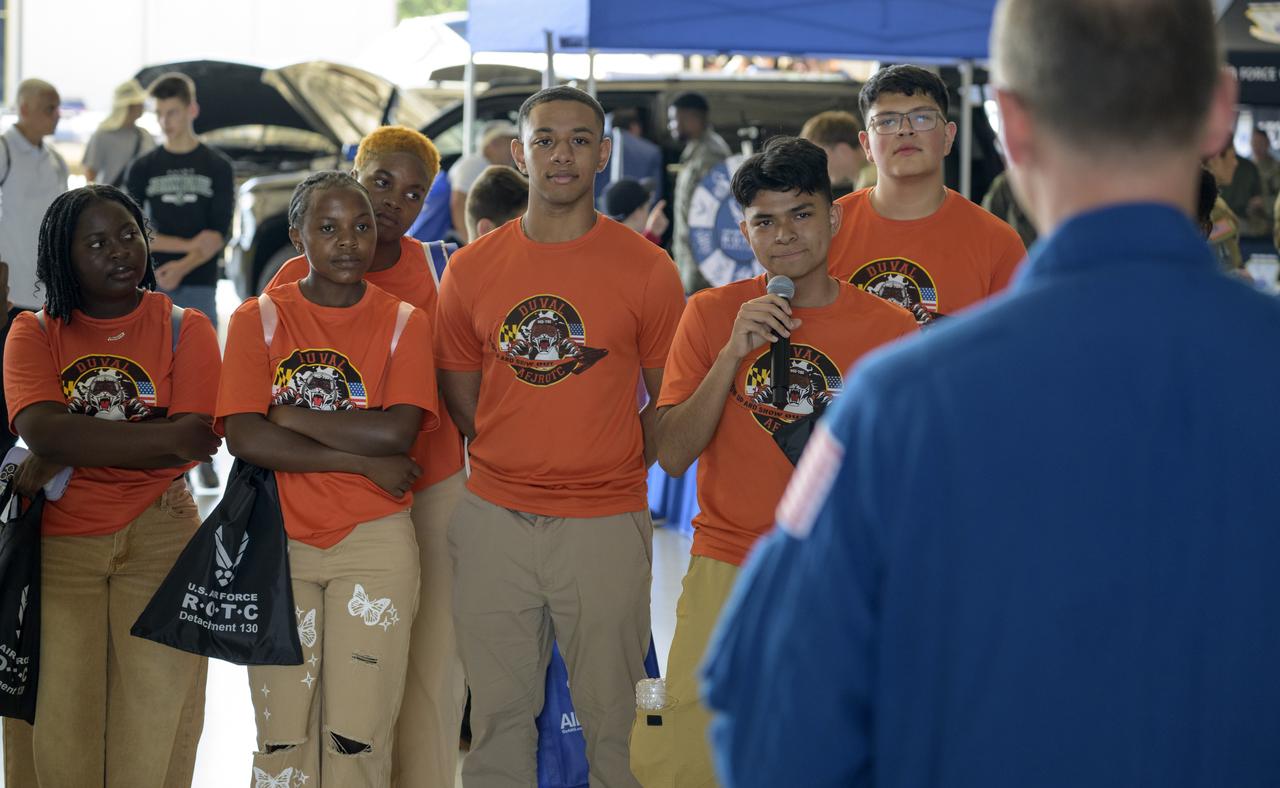
NASA astronaut Nick Hague meets with attendees, Friday, Sept. 12, 2025, during the Joint Base Andrews Air Show at Joint Base Andrews in Prince George's County, Maryland. Hague spent 171 days onboard the International Space Station as part of Expedition 72. Photo Credit: (NASA/Bill Ingalls)
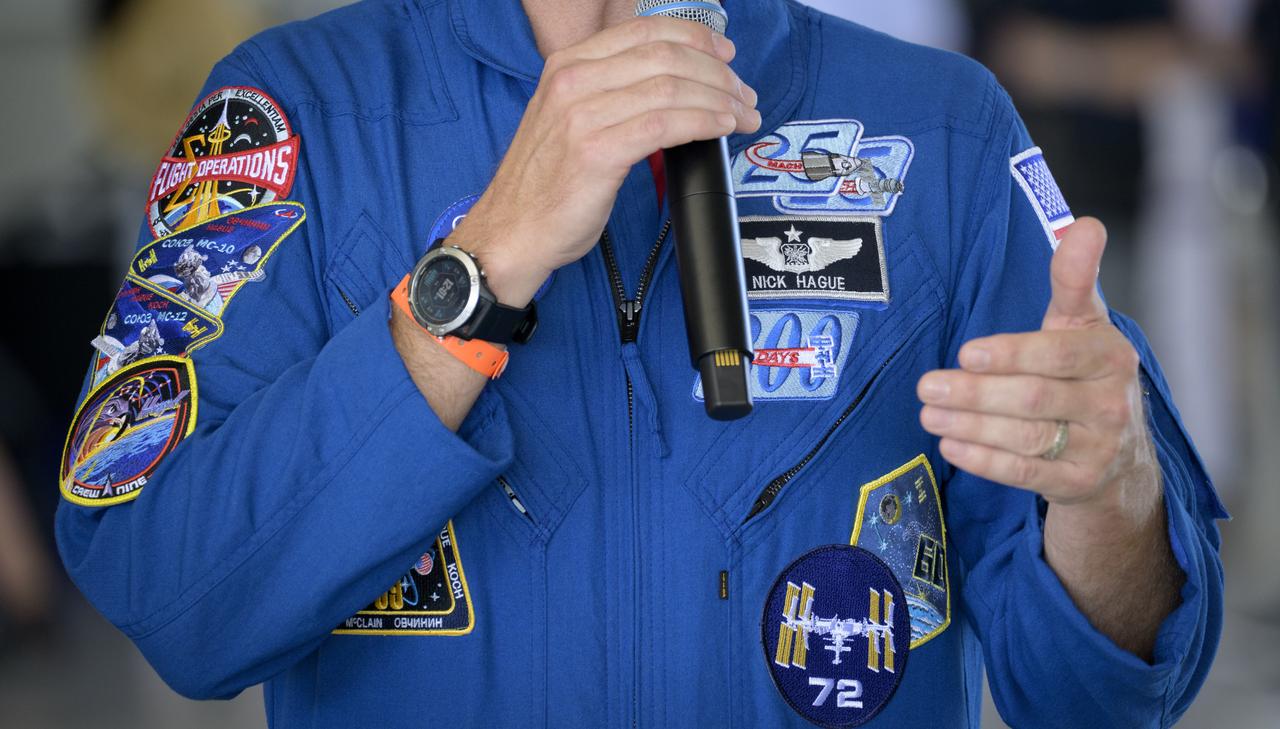
NASA astronaut Nick Hague meets with attendees, Friday, Sept. 12, 2025, during the Joint Base Andrews Air Show at Joint Base Andrews in Prince George's County, Maryland. Hague spent 171 days onboard the International Space Station as part of Expedition 72. Photo Credit: (NASA/Bill Ingalls)
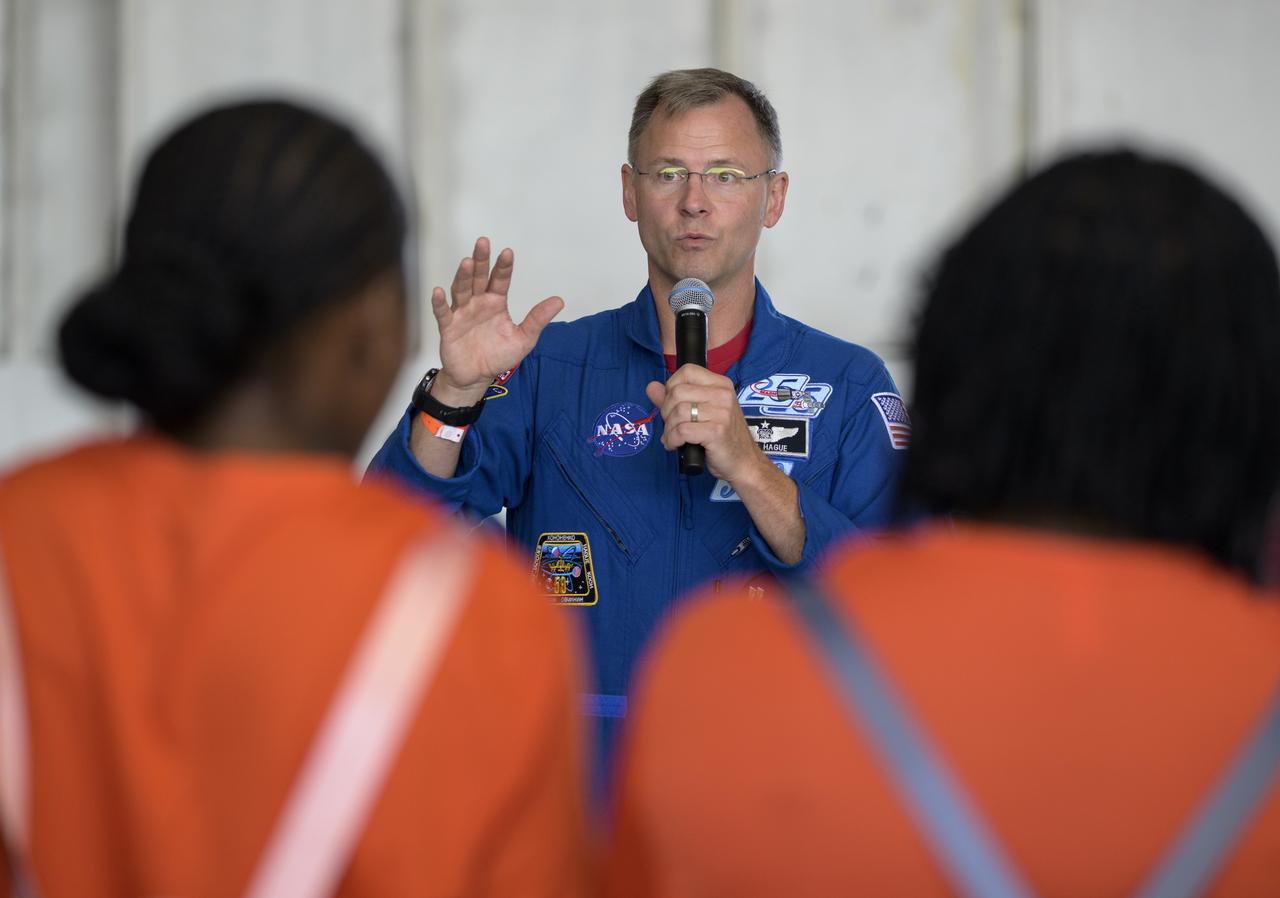
NASA astronaut Nick Hague meets with attendees, Friday, Sept. 12, 2025, during the Joint Base Andrews Air Show at Joint Base Andrews in Prince George's County, Maryland. Hague spent 171 days onboard the International Space Station as part of Expedition 72. Photo Credit: (NASA/Bill Ingalls)
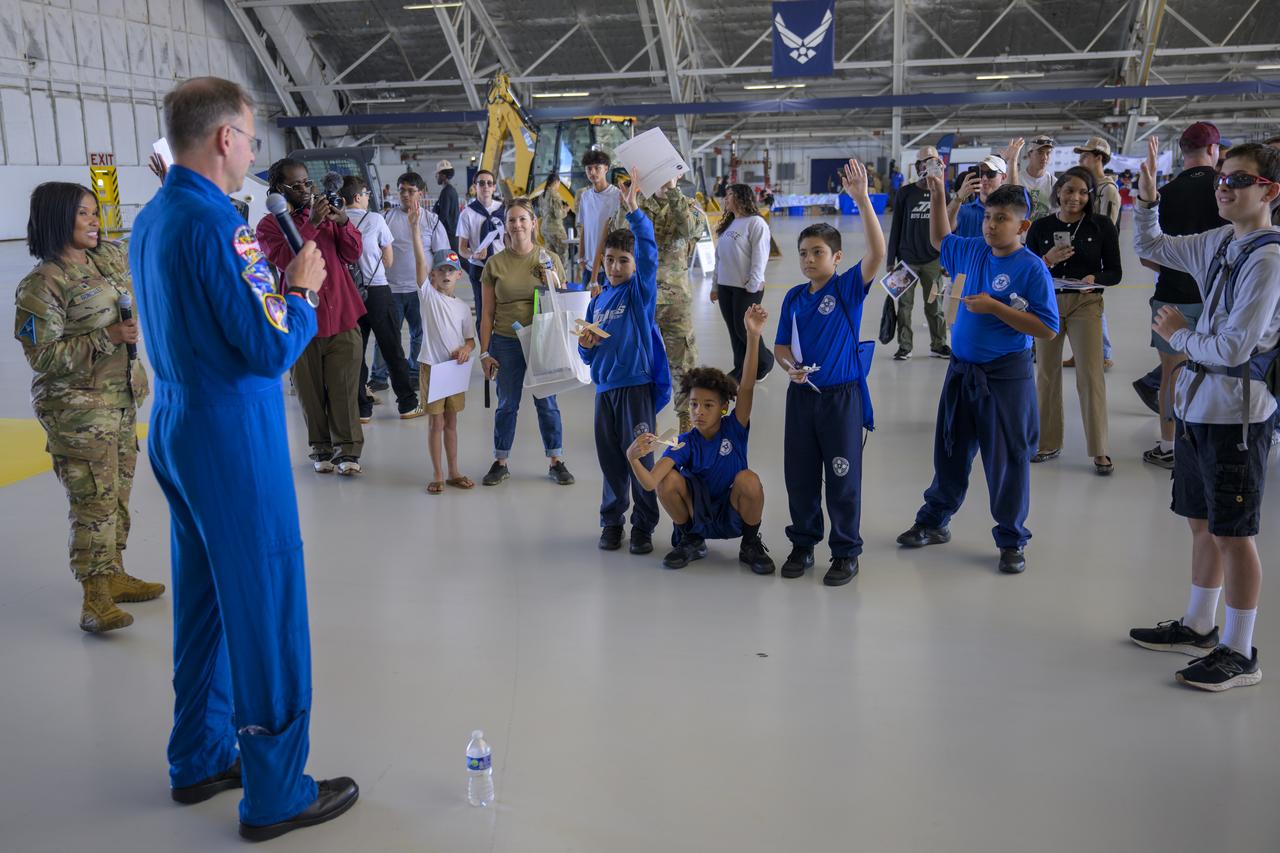
NASA astronaut Nick Hague meets with attendees, Friday, Sept. 12, 2025, during the Joint Base Andrews Air Show at Joint Base Andrews in Prince George's County, Maryland. Hague spent 171 days onboard the International Space Station as part of Expedition 72. Photo Credit: (NASA/Bill Ingalls)
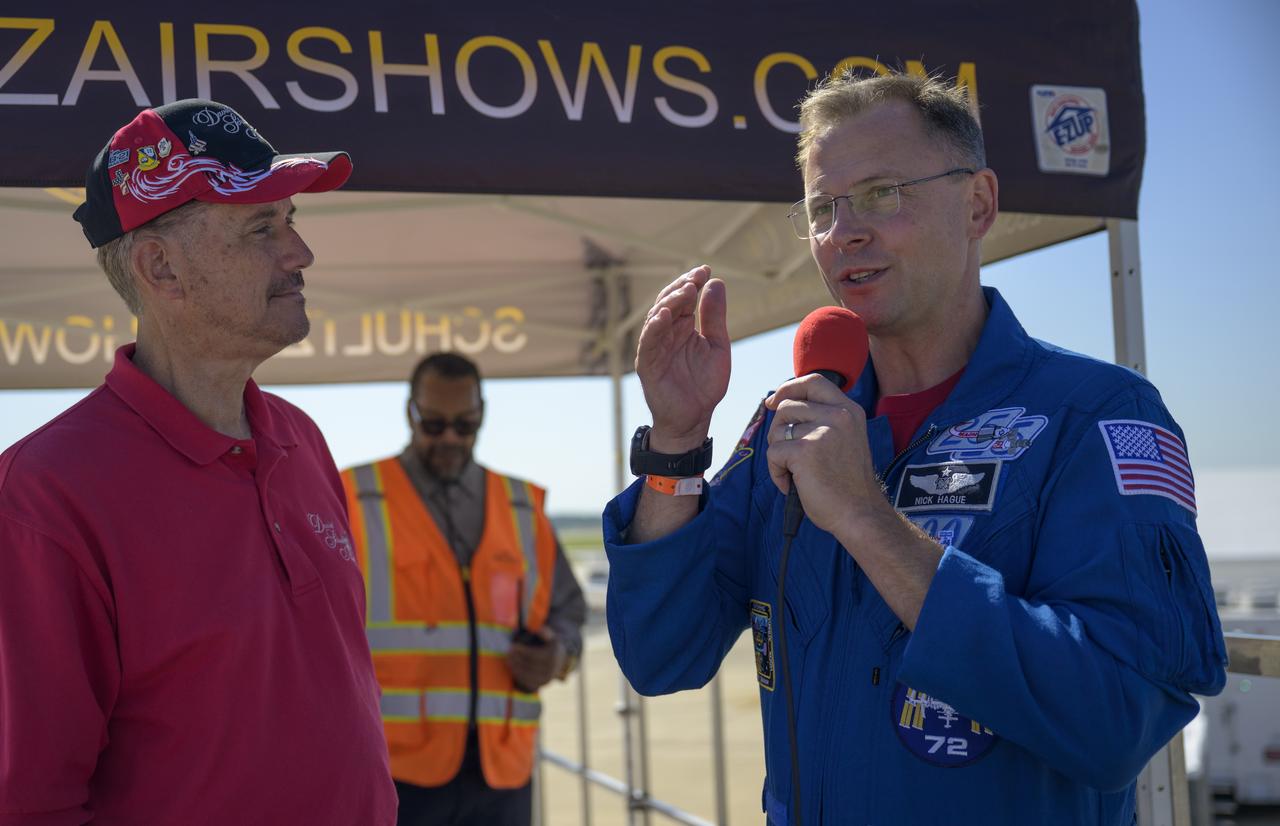
NASA astronaut Nick Hague gives remarks, Friday, Sept. 12, 2025, during the Joint Base Andrews Air Show at Joint Base Andrews in Prince George's County, Maryland. Hague spent 171 days onboard the International Space Station as part of Expedition 72. Photo Credit: (NASA/Bill Ingalls)
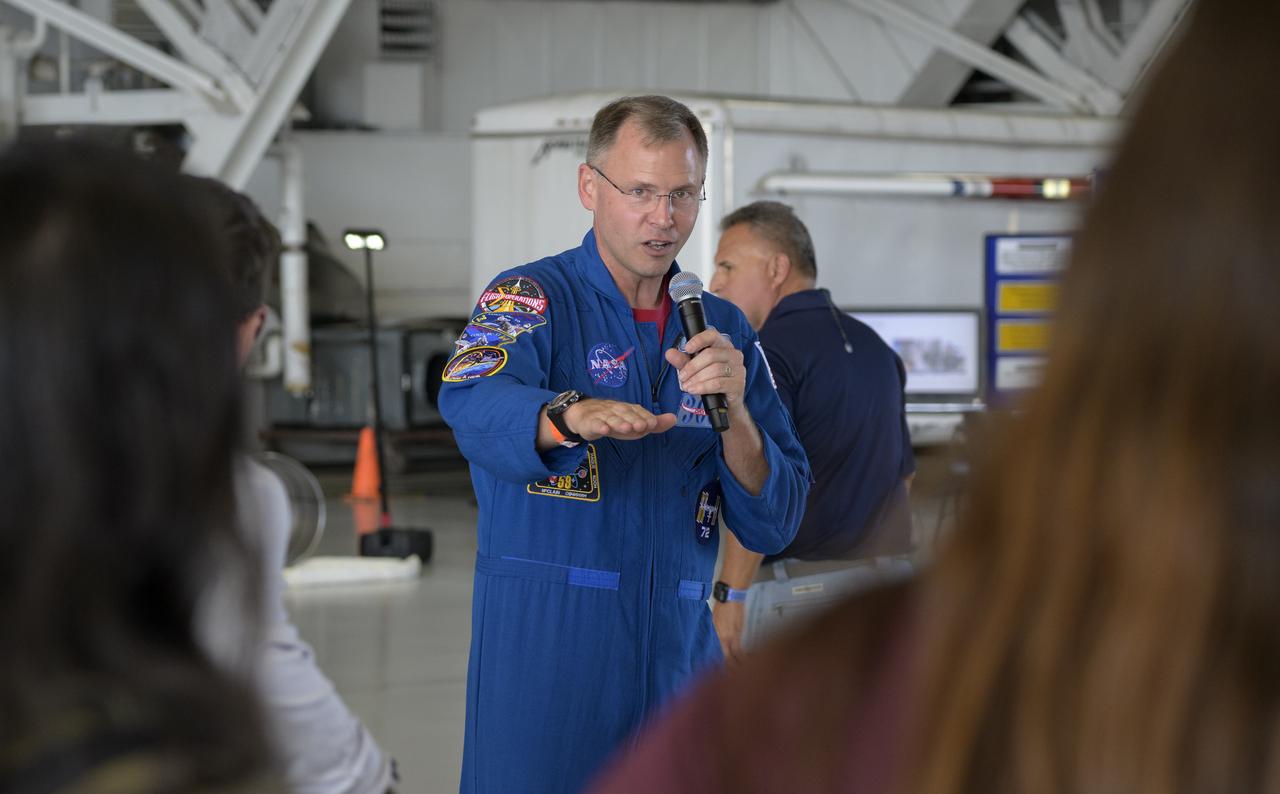
NASA astronaut Nick Hague meets with attendees, Friday, Sept. 12, 2025, during the Joint Base Andrews Air Show at Joint Base Andrews in Prince George's County, Maryland. Hague spent 171 days onboard the International Space Station as part of Expedition 72. Photo Credit: (NASA/Bill Ingalls)
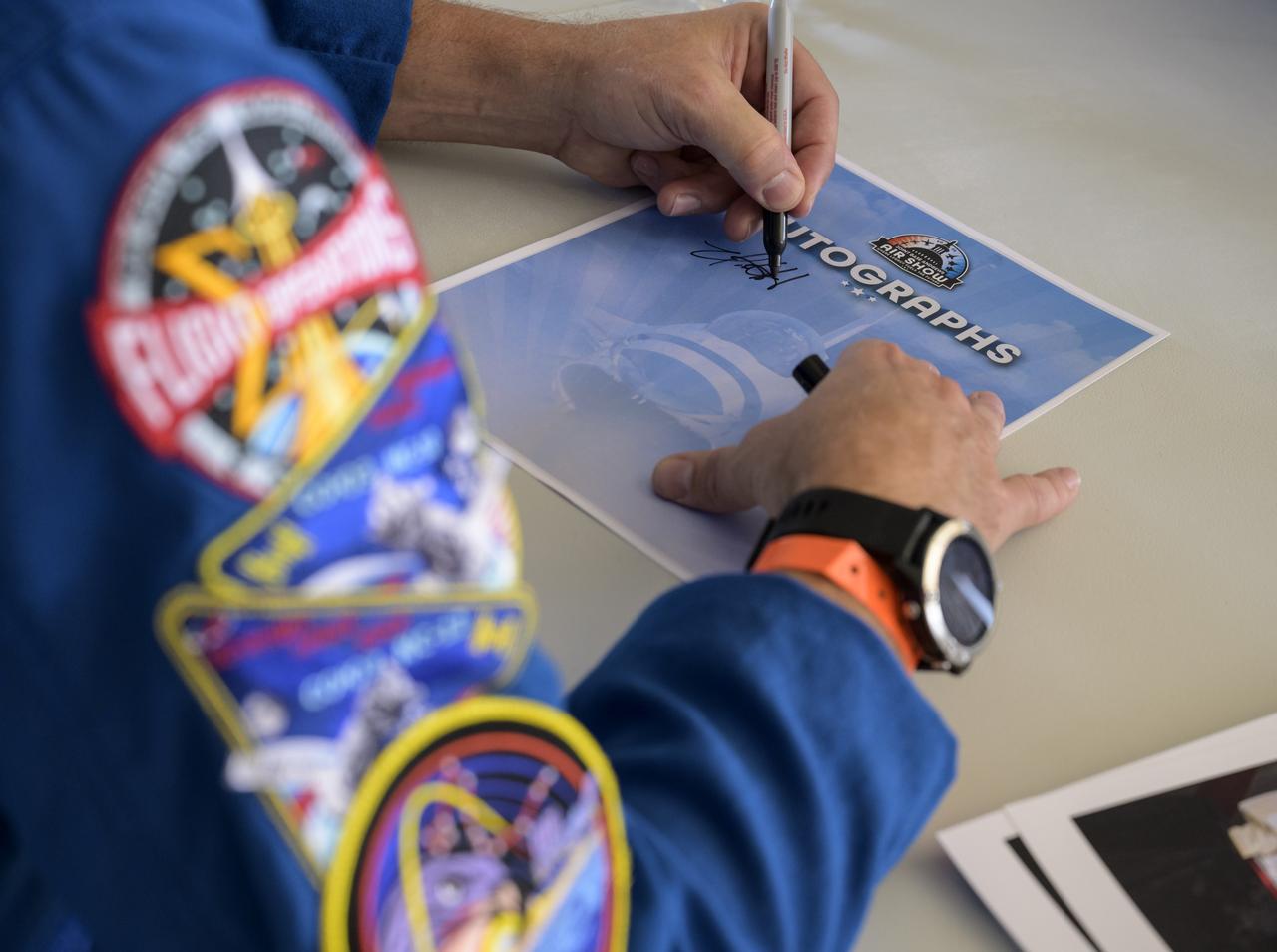
NASA astronaut Nick Hague meets with attendees, Friday, Sept. 12, 2025, during the Joint Base Andrews Air Show at Joint Base Andrews in Prince George's County, Maryland. Hague spent 171 days onboard the International Space Station as part of Expedition 72. Photo Credit: (NASA/Bill Ingalls)
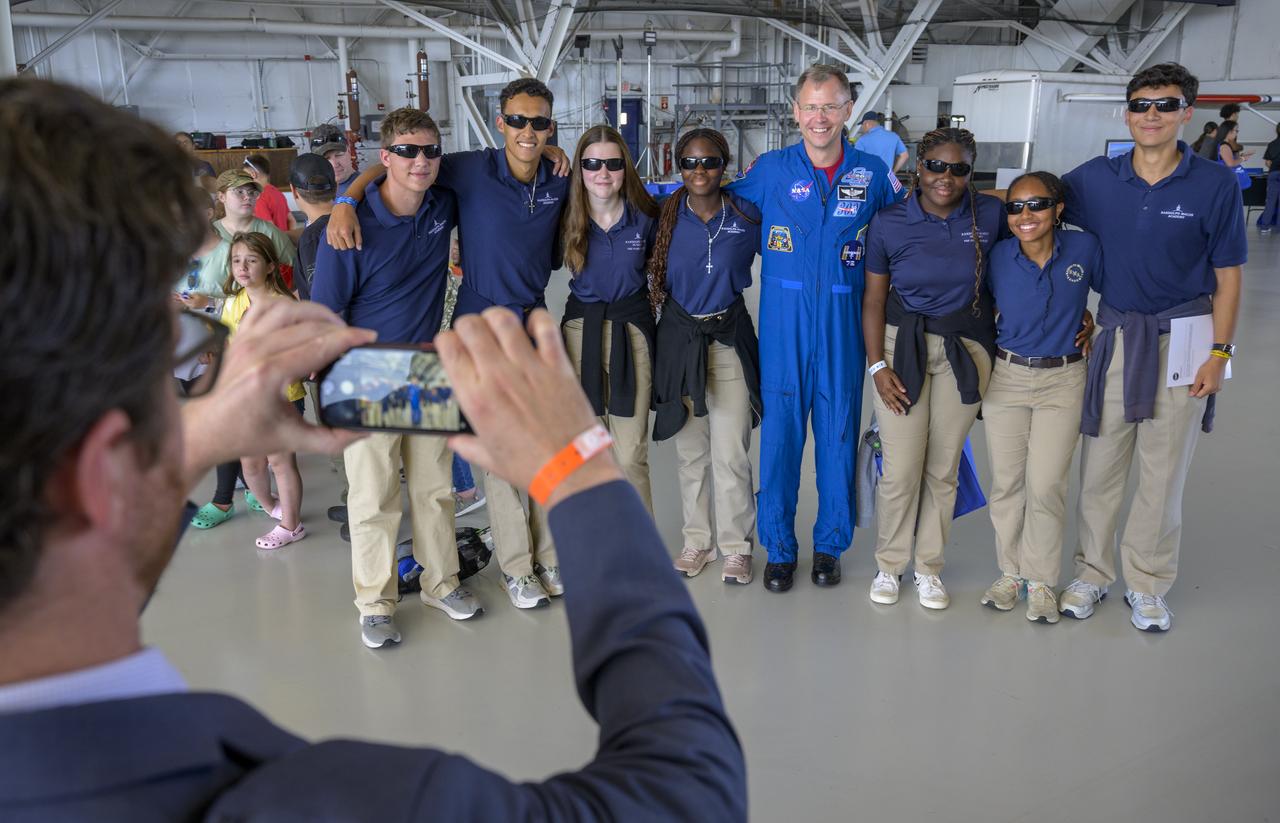
NASA astronaut Nick Hague meets with attendees, Friday, Sept. 12, 2025, during the Joint Base Andrews Air Show at Joint Base Andrews in Prince George's County, Maryland. Hague spent 171 days onboard the International Space Station as part of Expedition 72. Photo Credit: (NASA/Bill Ingalls)
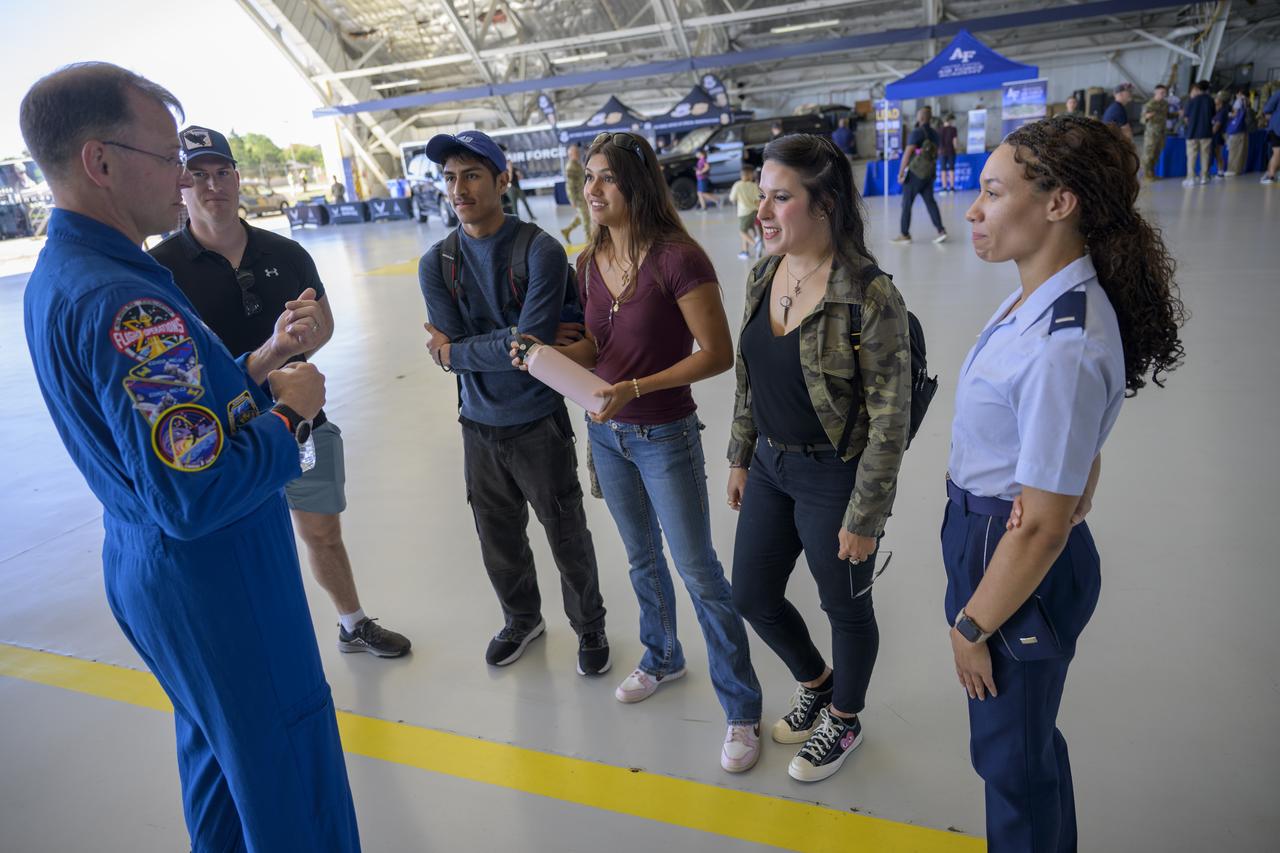
NASA astronaut Nick Hague meets with attendees, Friday, Sept. 12, 2025, during the Joint Base Andrews Air Show at Joint Base Andrews in Prince George's County, Maryland. Hague spent 171 days onboard the International Space Station as part of Expedition 72. Photo Credit: (NASA/Bill Ingalls)
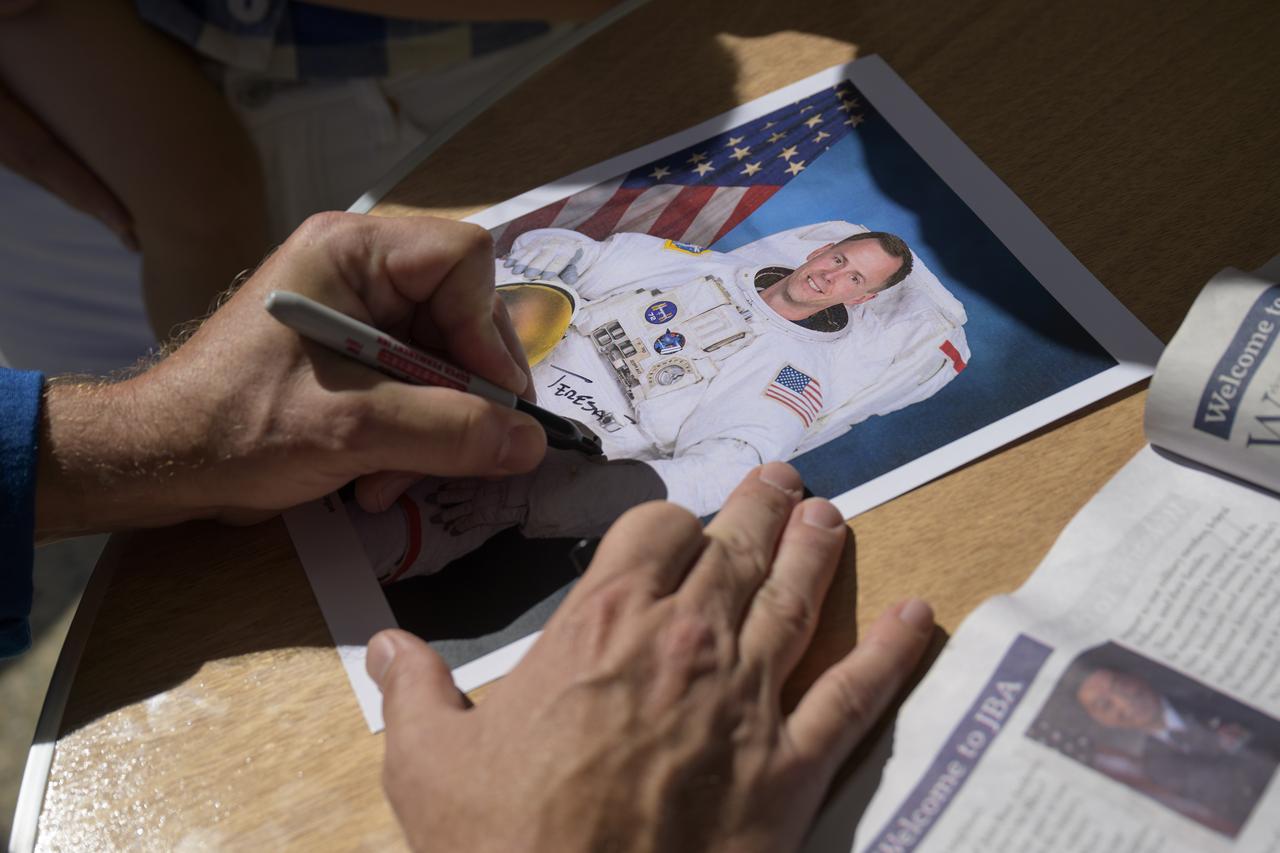
NASA astronaut Nick Hague signs autographs, Friday, Sept. 12, 2025, during the Joint Base Andrews Air Show at Joint Base Andrews in Prince George's County, Maryland. Hague spent 171 days onboard the International Space Station as part of Expedition 72. Photo Credit: (NASA/Bill Ingalls)

NASA astronaut Nick Hague, left, talks with Under Secretary of the Air Force Matthew Lohmeier, Friday, Sept. 12, 2025, during the Joint Base Andrews Air Show at Joint Base Andrews in Prince George's County, Maryland. Hague spent 171 days onboard the International Space Station as part of Expedition 72. Photo Credit: (NASA/Bill Ingalls)
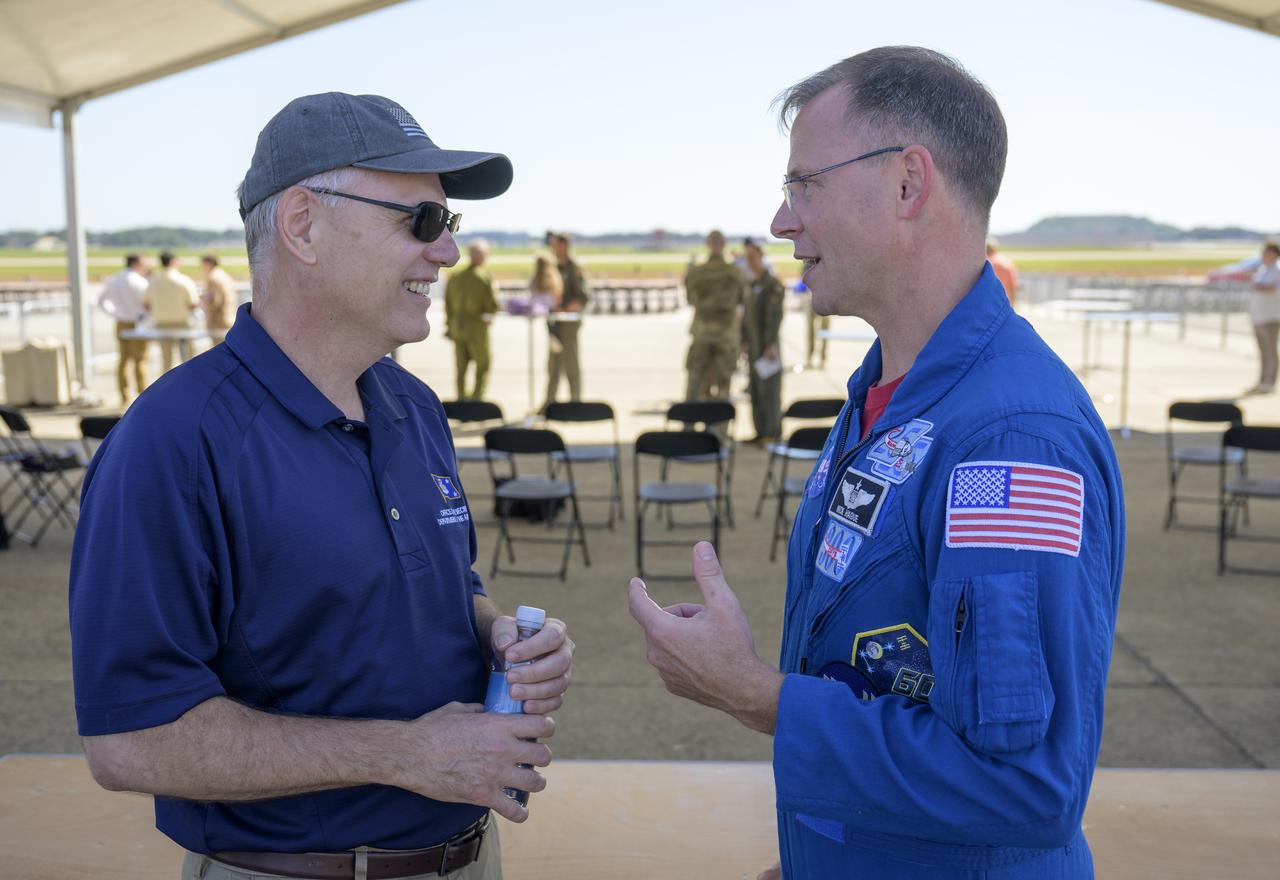
Secretary of the Air Force Troy Meink, left, talks with NASA astronaut Nick Hague, Friday, Sept. 12, 2025, during the Joint Base Andrews Air Show at Joint Base Andrews in Prince George's County, Maryland. Hague spent 171 days onboard the International Space Station as part of Expedition 72. Photo Credit: (NASA/Bill Ingalls)
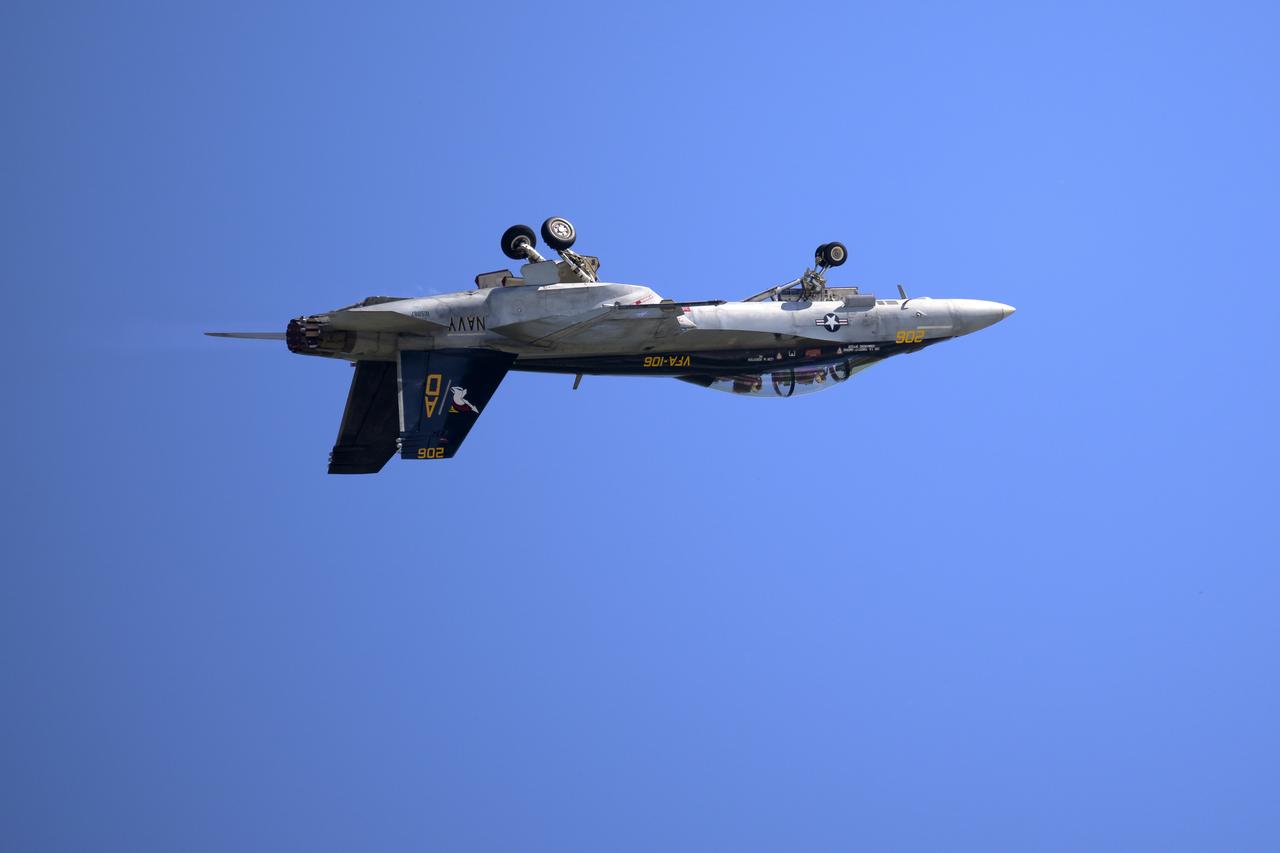
A U.S. Navy F/A-15F Super Hornet jet performs, Friday, Sept. 12, 2025, during the Joint Base Andrews Air Show at Joint Base Andrews in Prince George's County, Maryland. NASA astronaut Nick Hague was on hand to provide remarks and meet with guests. Hague spent 171 days onboard the International Space Station as part of Expedition 72. Photo Credit: (NASA/Bill Ingalls)
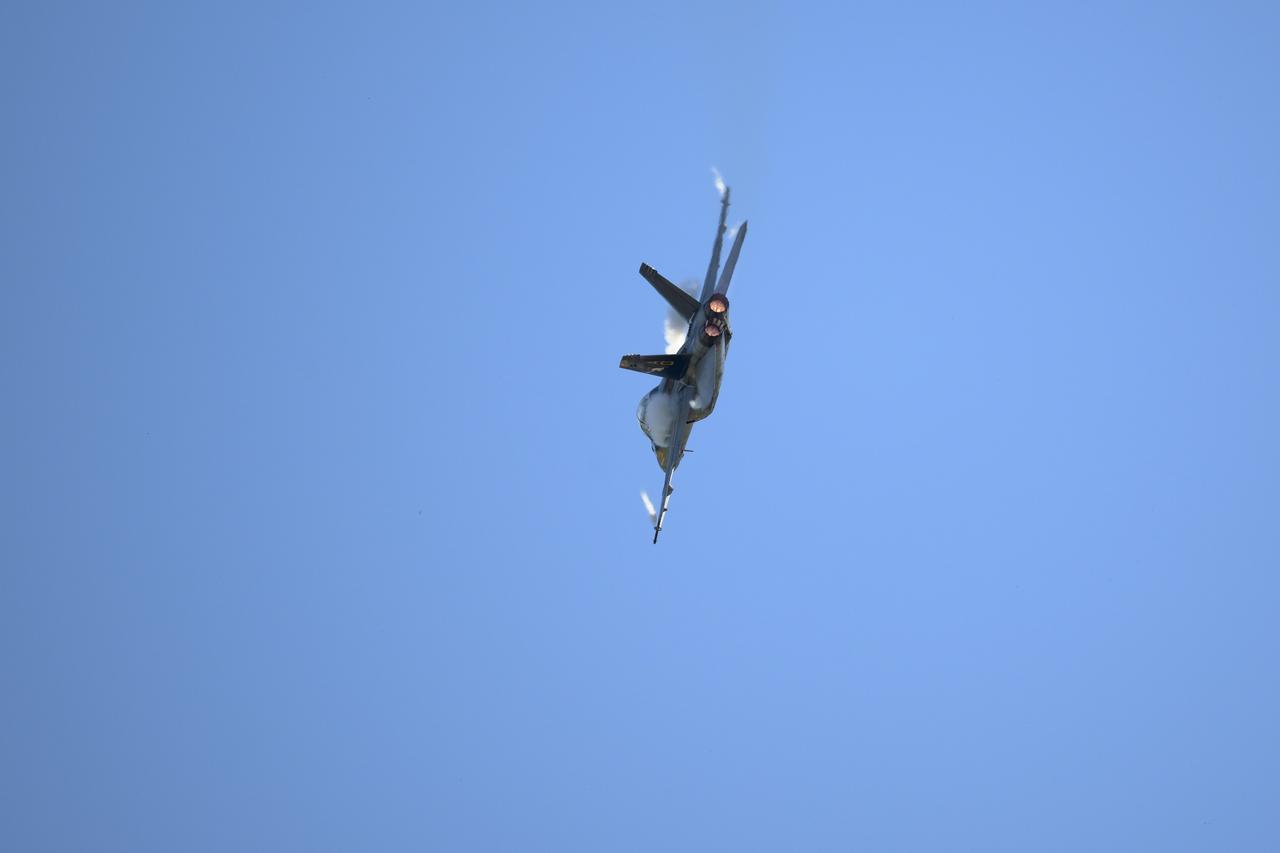
A U.S. Navy F/A-15F Super Hornet jet performs, Friday, Sept. 12, 2025, during the Joint Base Andrews Air Show at Joint Base Andrews in Prince George's County, Maryland. NASA astronaut Nick Hague was on hand to provide remarks and meet with guests. Hague spent 171 days onboard the International Space Station as part of Expedition 72. Photo Credit: (NASA/Bill Ingalls)
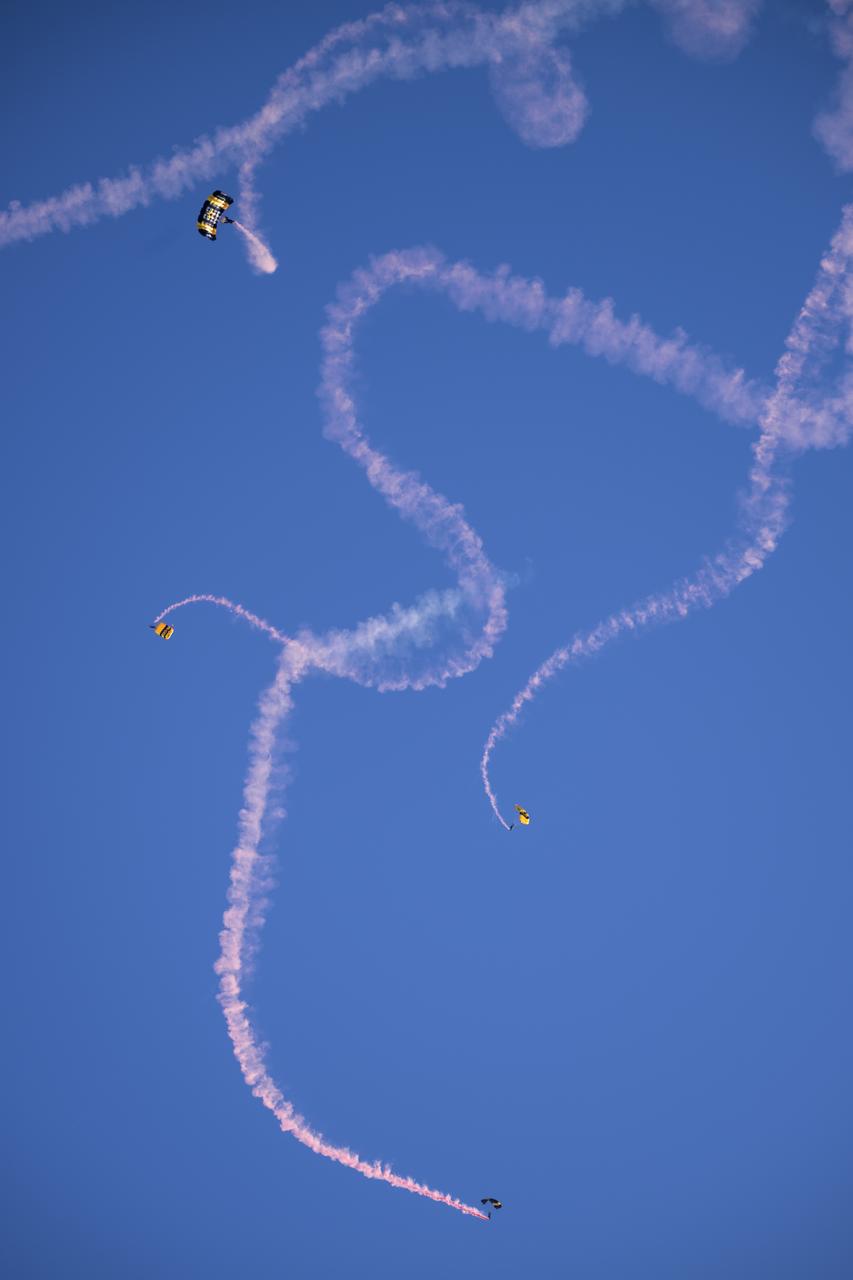
The United States Army Parachute Team, the Golden Knights, are seen during the opening ceremony of the Joint Base Andrews Air Show, Friday, Sept. 12, 2025, at Joint Base Andrews in Prince George's County, Maryland. NASA astronaut Nick Hague was on hand to provide remarks and meet with guests. Hague spent 171 days onboard the International Space Station as part of Expedition 72. Photo Credit: (NASA/Bill Ingalls)
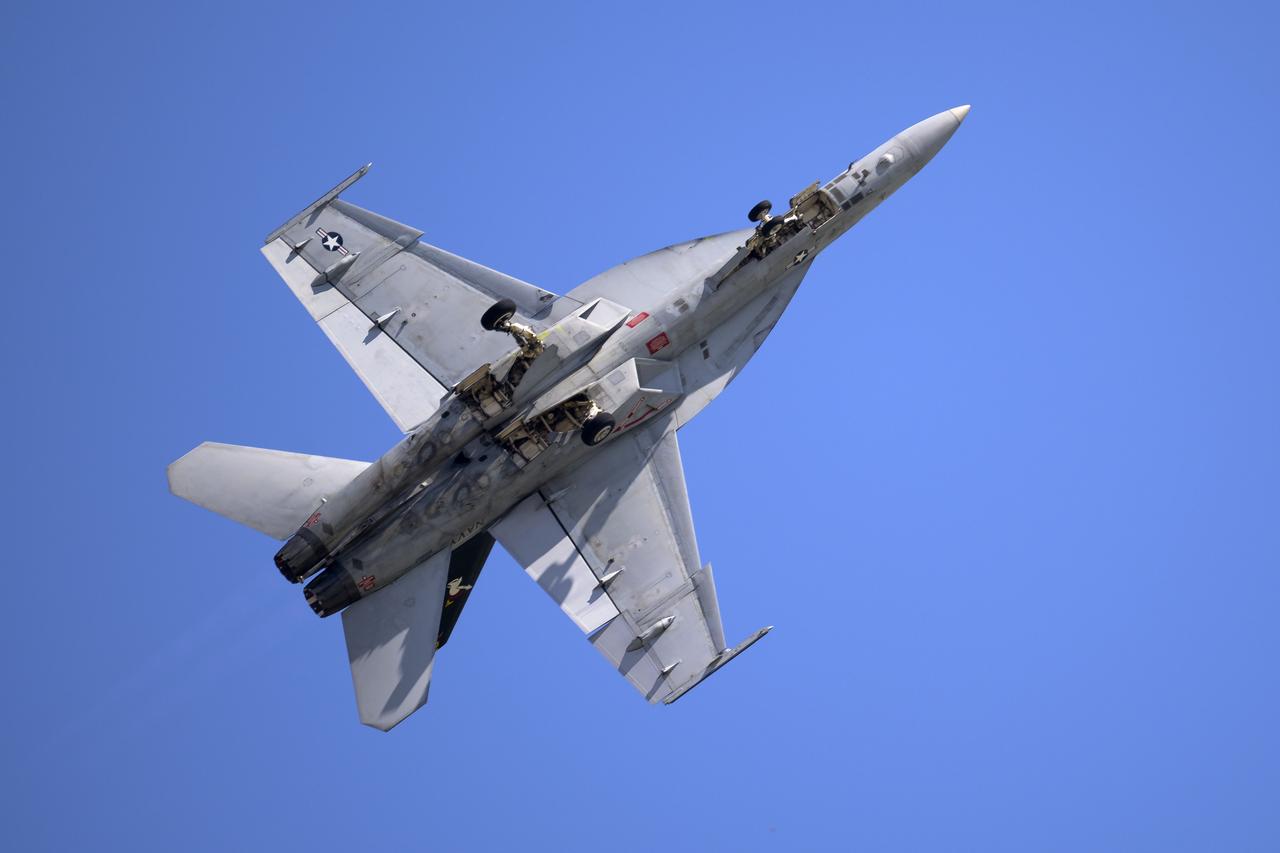
A U.S. Navy F/A-15F Super Hornet jet performs, Friday, Sept. 12, 2025, during the Joint Base Andrews Air Show at Joint Base Andrews in Prince George's County, Maryland. NASA astronaut Nick Hague was on hand to provide remarks and meet with guests. Hague spent 171 days onboard the International Space Station as part of Expedition 72. Photo Credit: (NASA/Bill Ingalls)
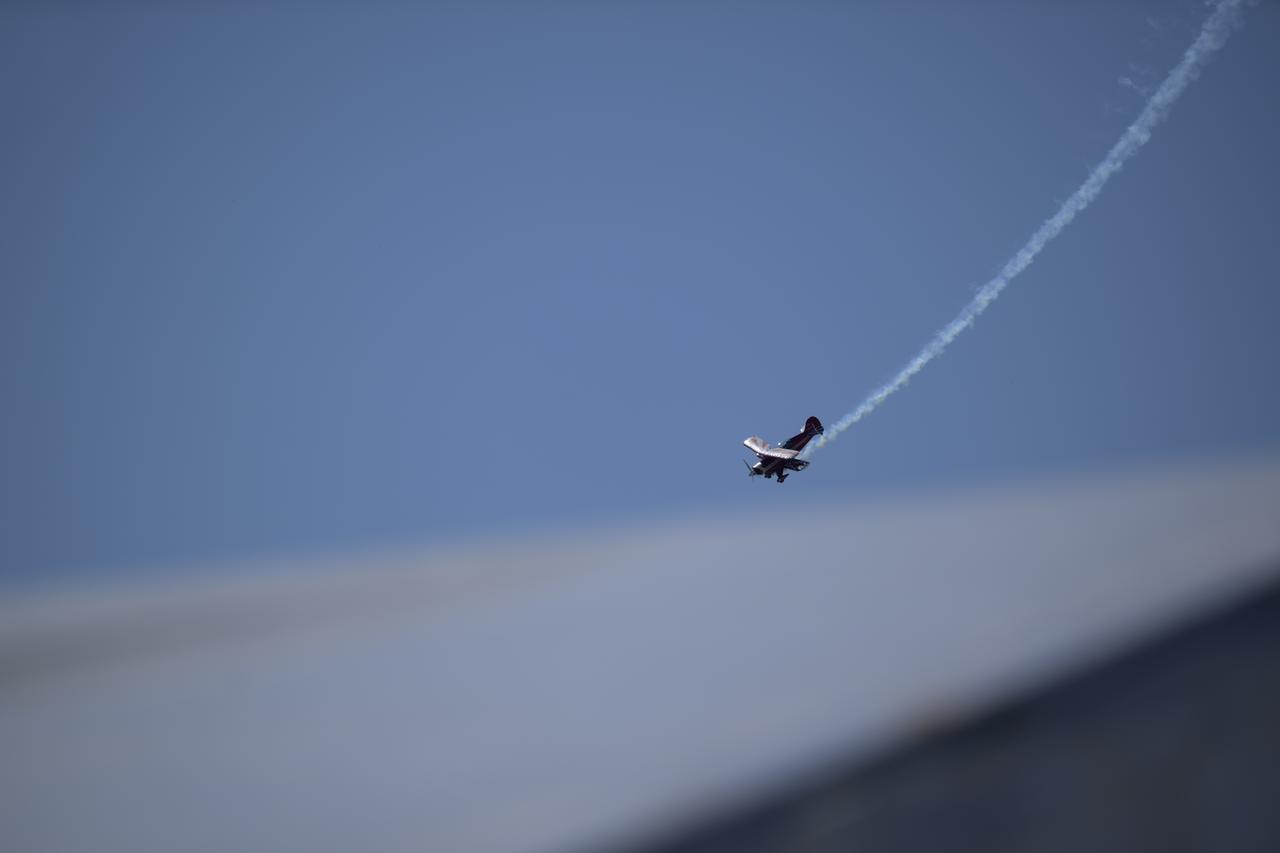
Robert Schmidle Pitts Aerobatics perform, Friday, Sept. 12, 2025, during the Joint Base Andrews Air Show at Joint Base Andrews in Prince George's County, Maryland. NASA astronaut Nick Hague was on hand to provide remarks and meet with guests. Hague spent 171 days onboard the International Space Station as part of Expedition 72. Photo Credit: (NASA/Bill Ingalls)
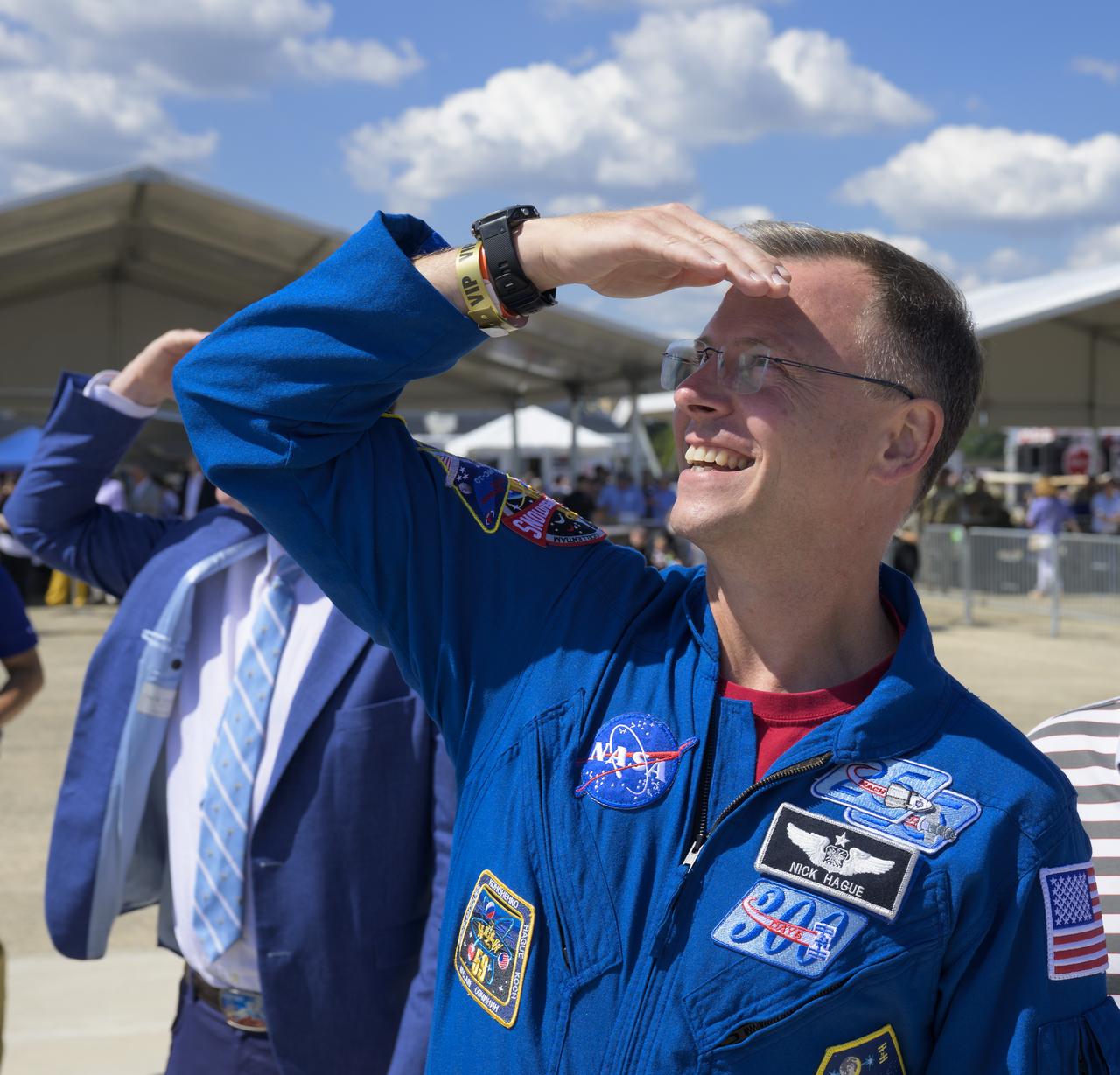
NASA astronaut Nick Hague watches a U.S. Navy F/A-15F Super Hornet jet fly, Friday, Sept. 12, 2025, during the Joint Base Andrews Air Show at Joint Base Andrews in Prince George's County, Maryland. Hague spent 171 days onboard the International Space Station as part of Expedition 72. Photo Credit: (NASA/Bill Ingalls)
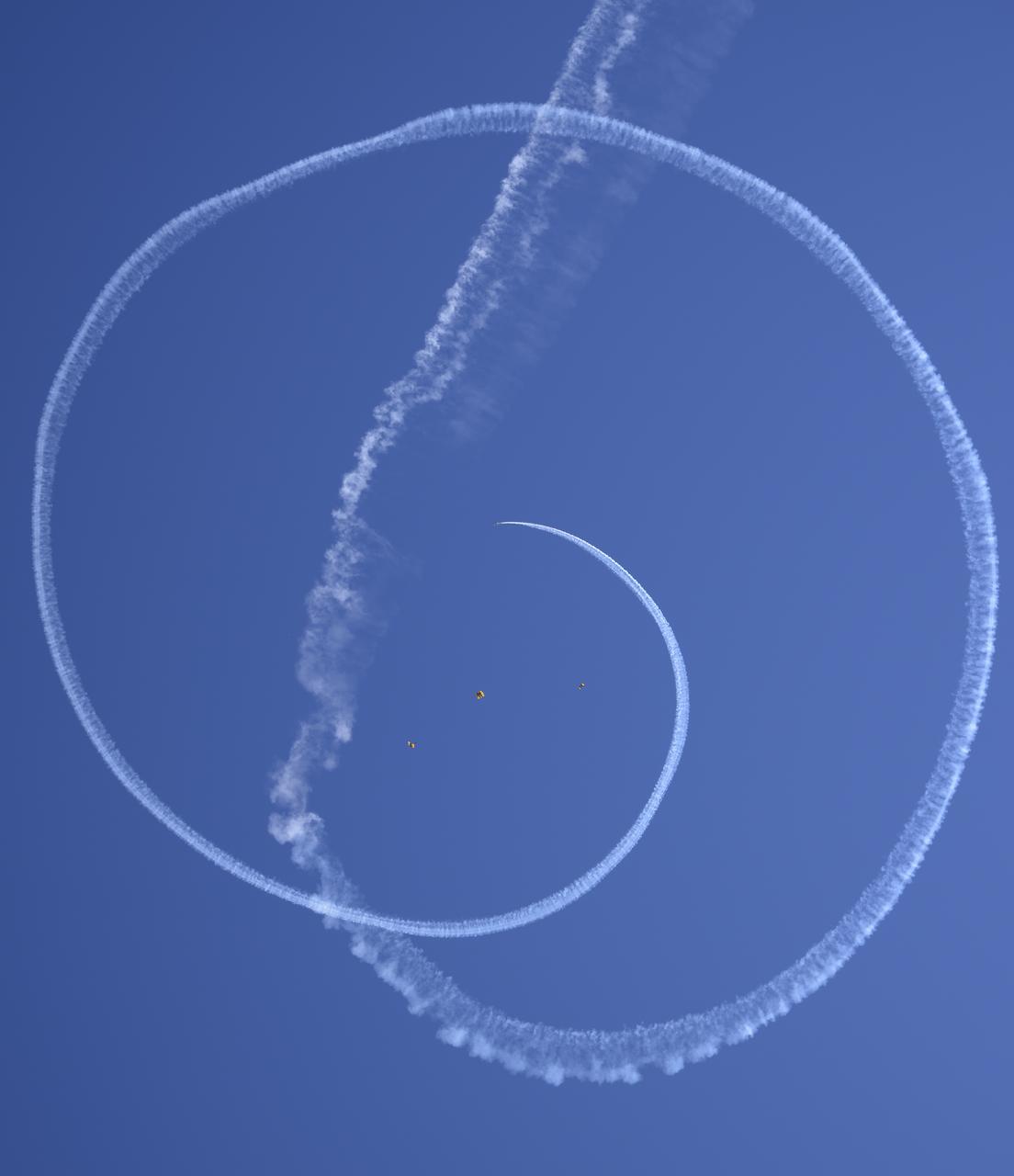
The United States Army Parachute Team, the Golden Knights, are seen during the opening ceremony of the Joint Base Andrews Air Show, Friday, Sept. 12, 2025, at Joint Base Andrews in Prince George's County, Maryland. NASA astronaut Nick Hague was on hand to provide remarks and meet with guests. Hague spent 171 days onboard the International Space Station as part of Expedition 72. Photo Credit: (NASA/Bill Ingalls)
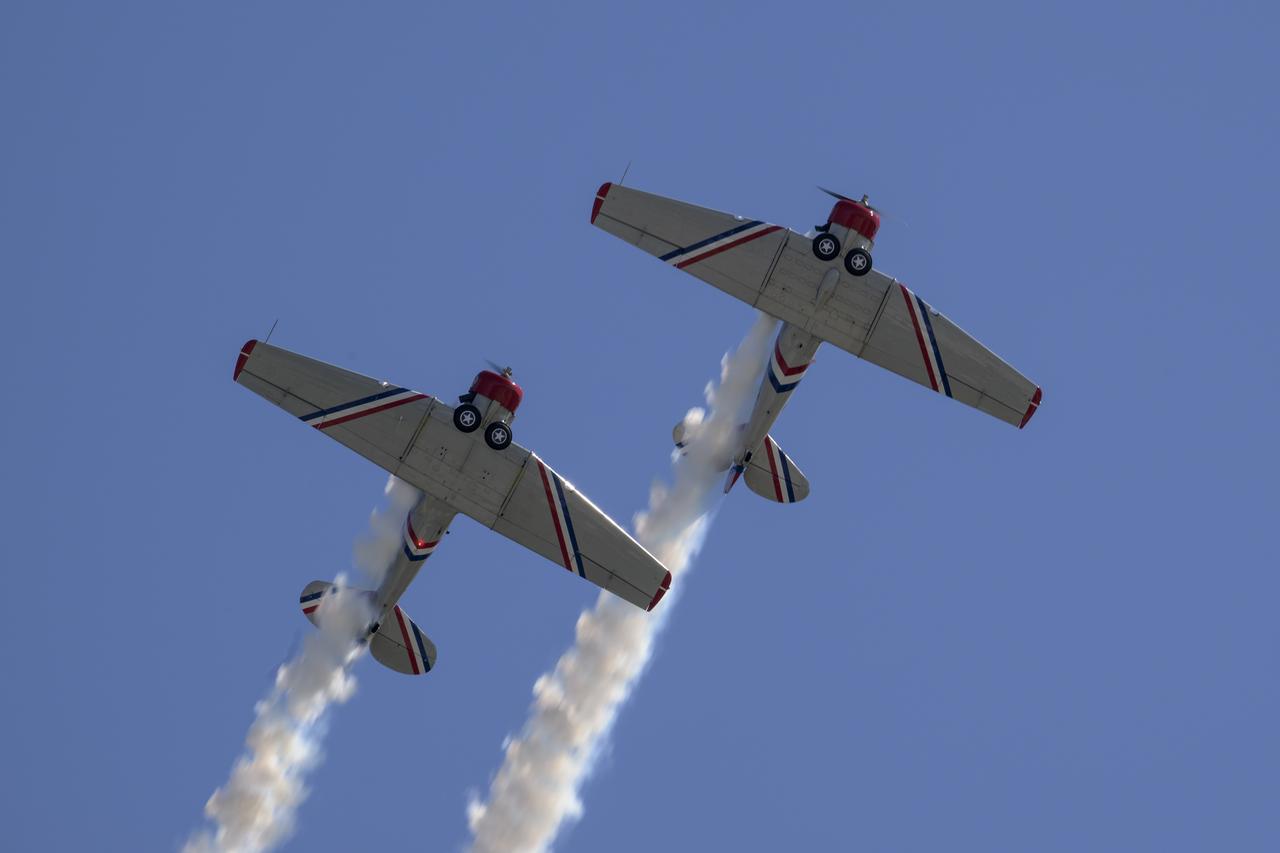
Warbird Thunder SNJ planes perform, Friday, Sept. 12, 2025, during the Joint Base Andrews Air Show at Joint Base Andrews in Prince George's County, Maryland. NASA astronaut Nick Hague was on hand to provide remarks and meet with guests. Hague spent 171 days onboard the International Space Station as part of Expedition 72. Photo Credit: (NASA/Bill Ingalls)
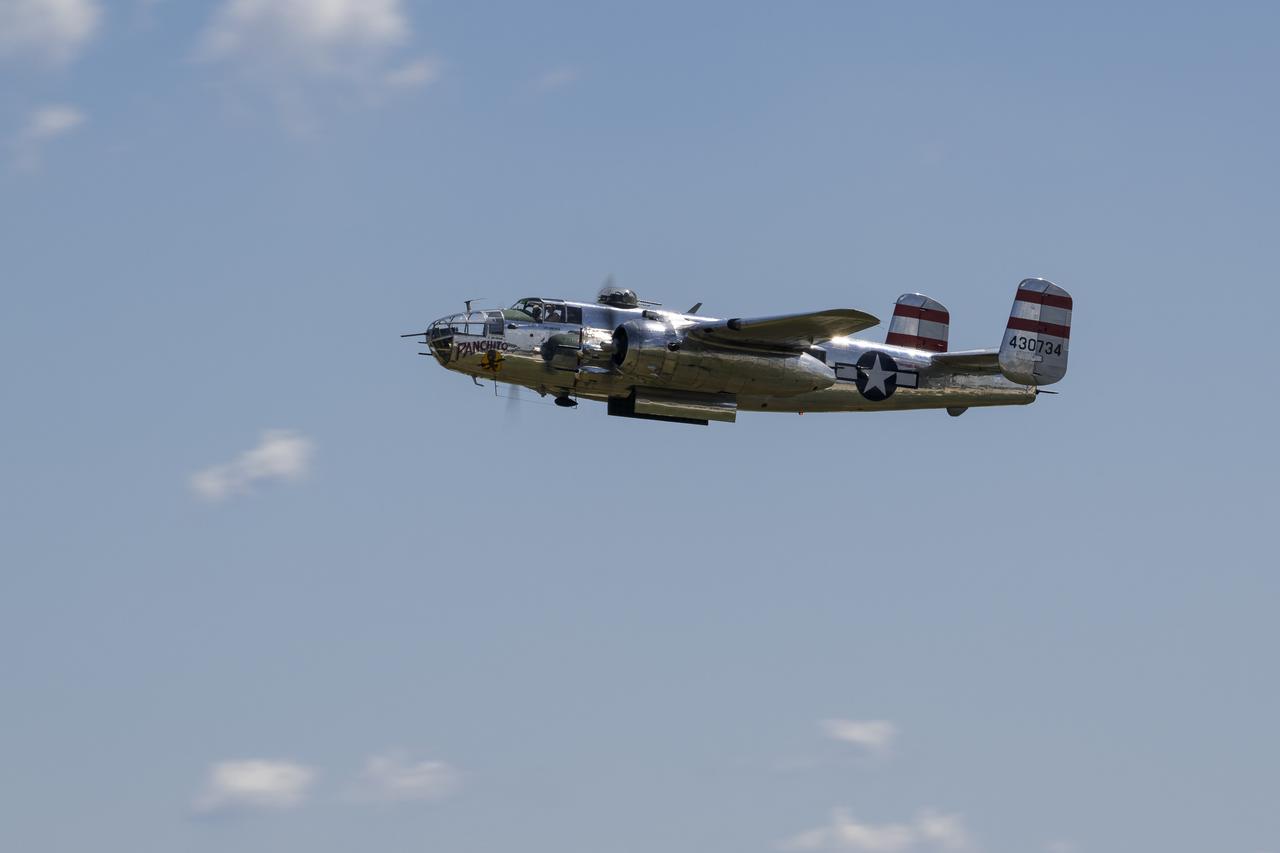
The B-25J “Panchito” plane performs, Friday, Sept. 12, 2025, during the Joint Base Andrews Air Show at Joint Base Andrews in Prince George's County, Maryland. NASA astronaut Nick Hague was on hand to provide remarks and meet with guests. Hague spent 171 days onboard the International Space Station as part of Expedition 72. Photo Credit: (NASA/Bill Ingalls)
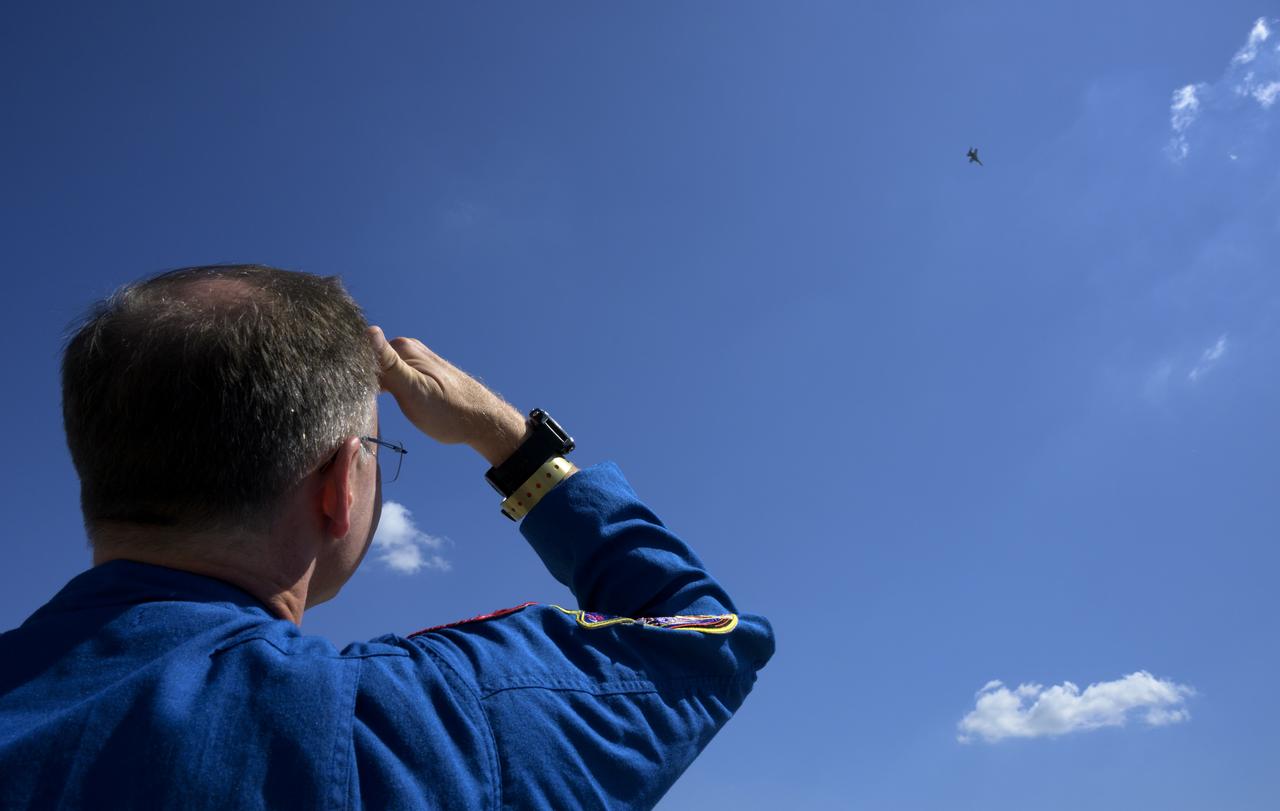
NASA astronaut Nick Hague watches a U.S. Navy F/A-15F Super Hornet jet fly, Friday, Sept. 12, 2025, during the Joint Base Andrews Air Show at Joint Base Andrews in Prince George's County, Maryland. Hague spent 171 days onboard the International Space Station as part of Expedition 72. Photo Credit: (NASA/Bill Ingalls)
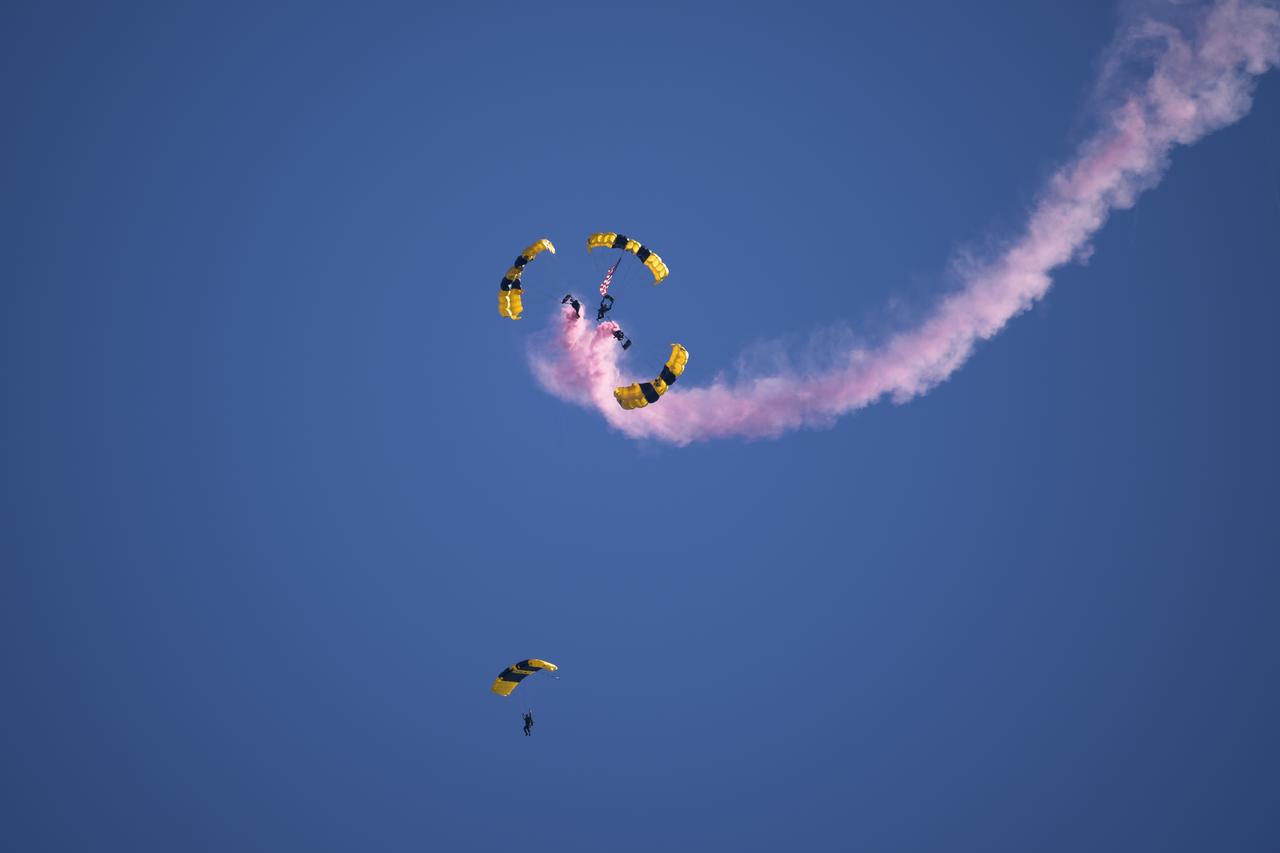
The United States Army Parachute Team, the Golden Knights, are seen during the opening ceremony of the Joint Base Andrews Air Show, Friday, Sept. 12, 2025, at Joint Base Andrews in Prince George's County, Maryland. NASA astronaut Nick Hague was on hand to provide remarks and meet with guests. Hague spent 171 days onboard the International Space Station as part of Expedition 72. Photo Credit: (NASA/Bill Ingalls)
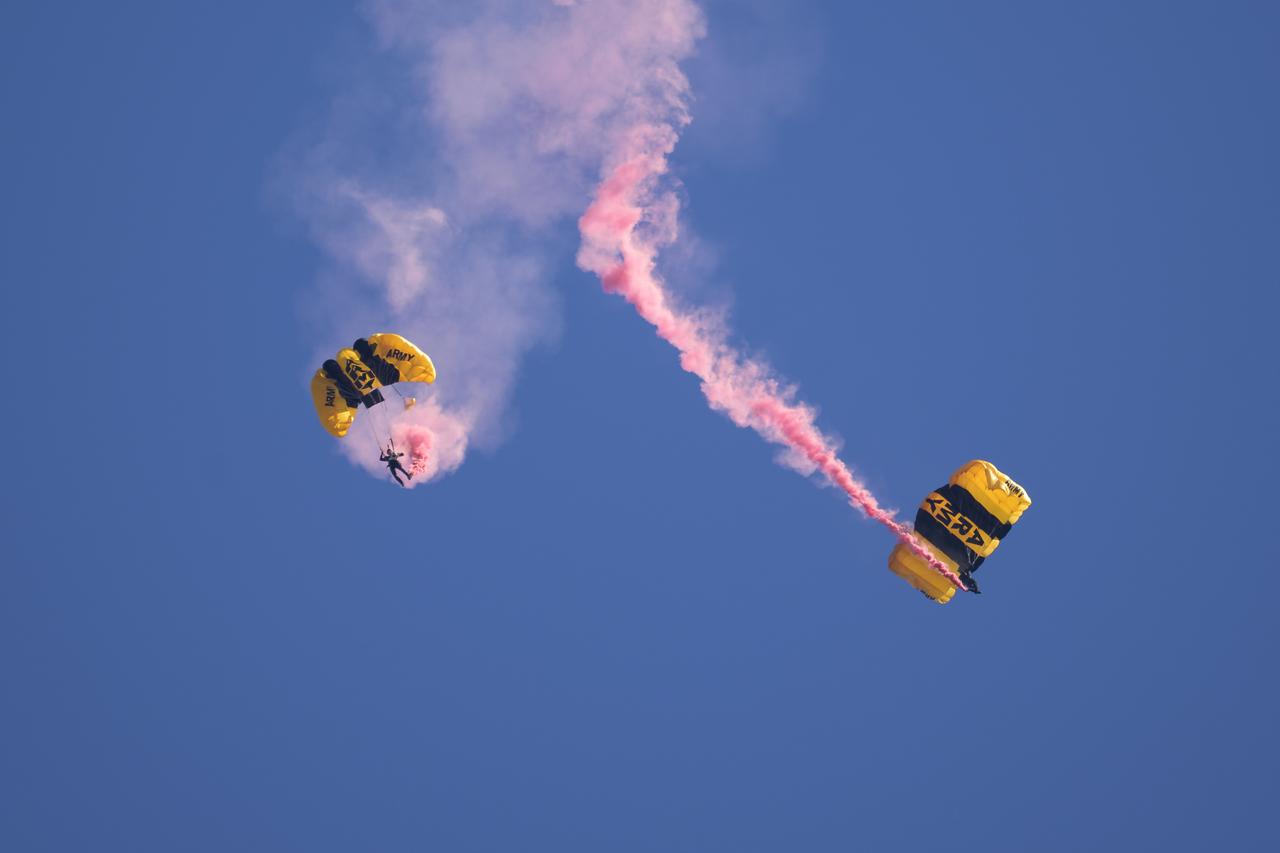
The United States Army Parachute Team, the Golden Knights, are seen during the opening ceremony of the Joint Base Andrews Air Show, Friday, Sept. 12, 2025, at Joint Base Andrews in Prince George's County, Maryland. NASA astronaut Nick Hague was on hand to provide remarks and meet with guests. Hague spent 171 days onboard the International Space Station as part of Expedition 72. Photo Credit: (NASA/Bill Ingalls)
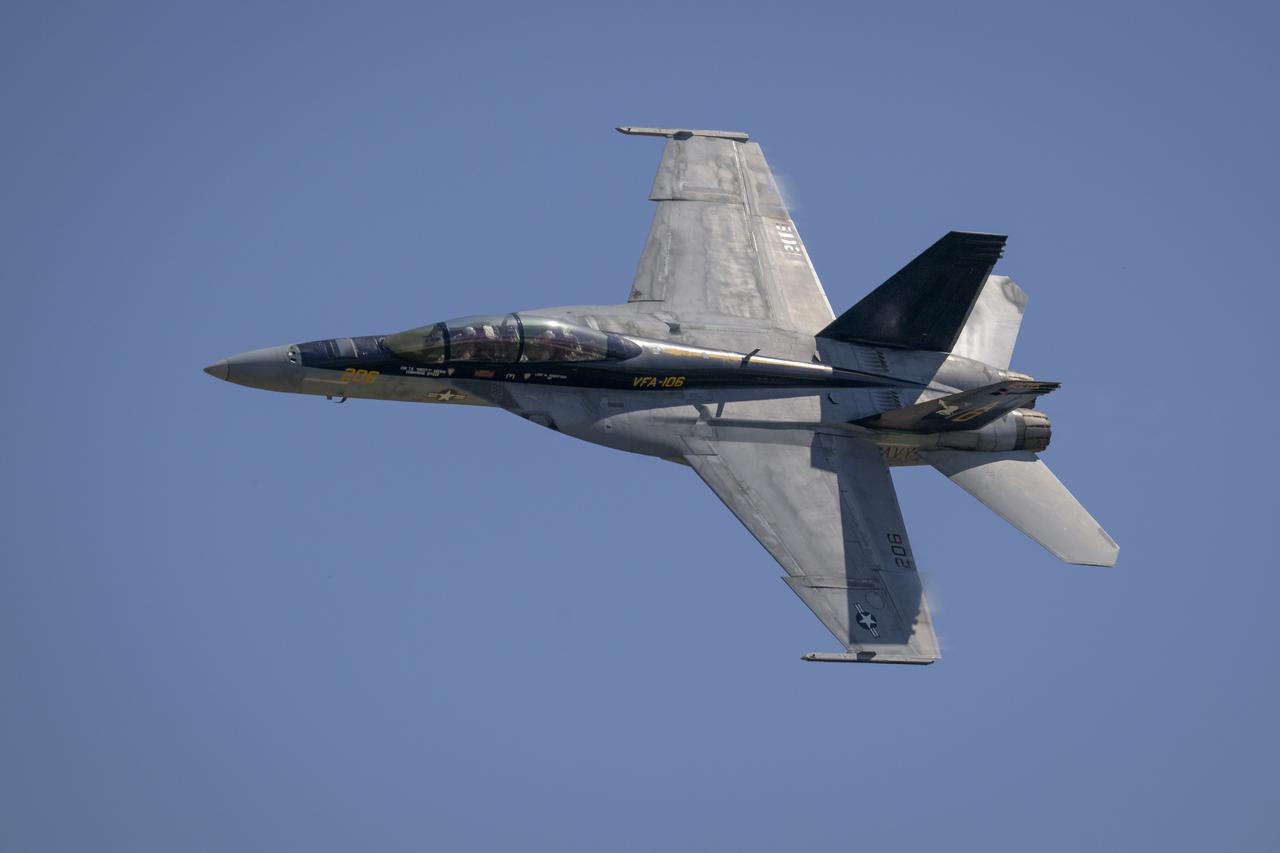
A U.S. Navy F/A-15F Super Hornet jet performs, Friday, Sept. 12, 2025, during the Joint Base Andrews Air Show at Joint Base Andrews in Prince George's County, Maryland. NASA astronaut Nick Hague was on hand to provide remarks and meet with guests. Hague spent 171 days onboard the International Space Station as part of Expedition 72. Photo Credit: (NASA/Bill Ingalls)
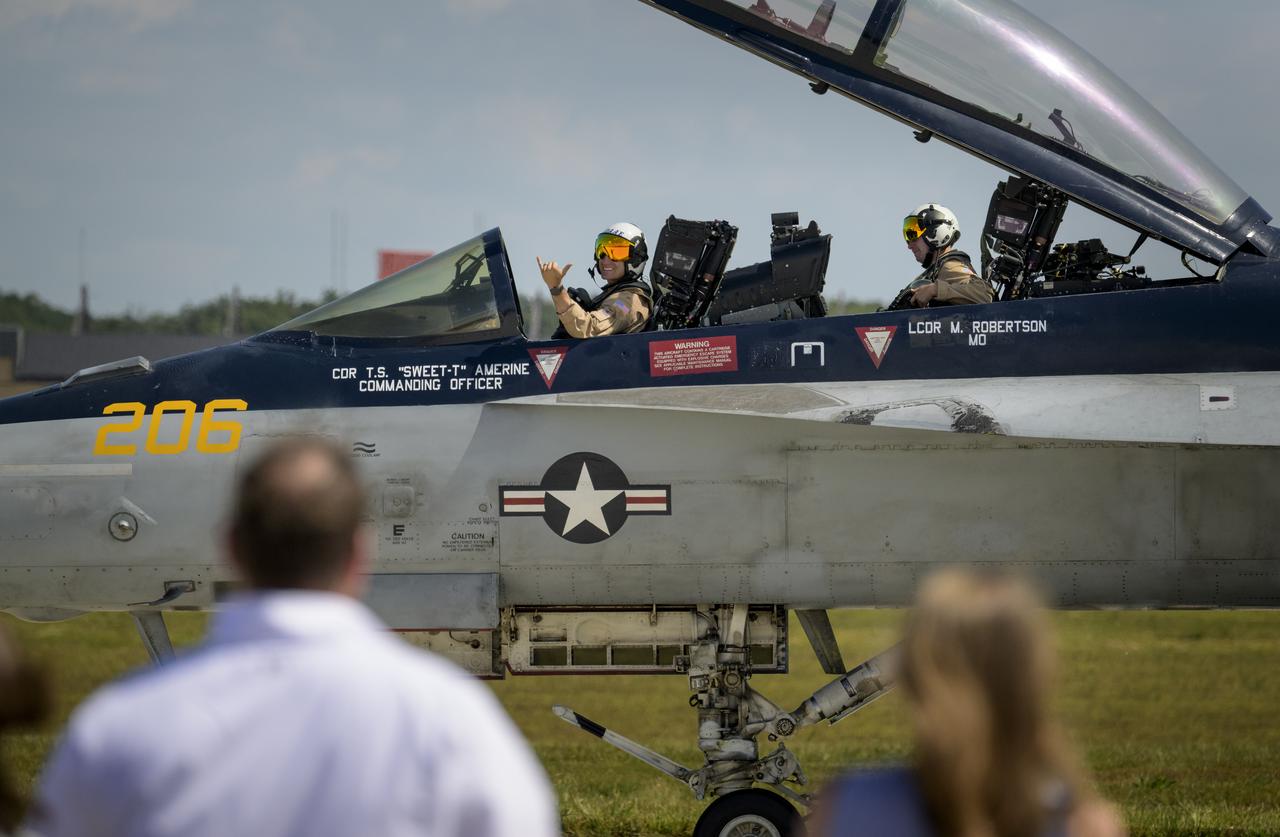
Pilots taxi past spectators in their U.S. Navy F/A-15F Super Hornet jet, Friday, Sept. 12, 2025, during the Joint Base Andrews Air Show at Joint Base Andrews in Prince George's County, Maryland. NASA astronaut Nick Hague was on hand to provide remarks and meet with guests. Hague spent 171 days onboard the International Space Station as part of Expedition 72. Photo Credit: (NASA/Bill Ingalls)

5-year old Vivian Simms, and her father Ryan Simms, meet with NASA astronaut Nick Hague, Friday, Sept. 12, 2025, during the Joint Base Andrews Air Show at Joint Base Andrews in Prince George's County, Maryland. Hague spent 171 days onboard the International Space Station as part of Expedition 72. Photo Credit: (NASA/Bill Ingalls)
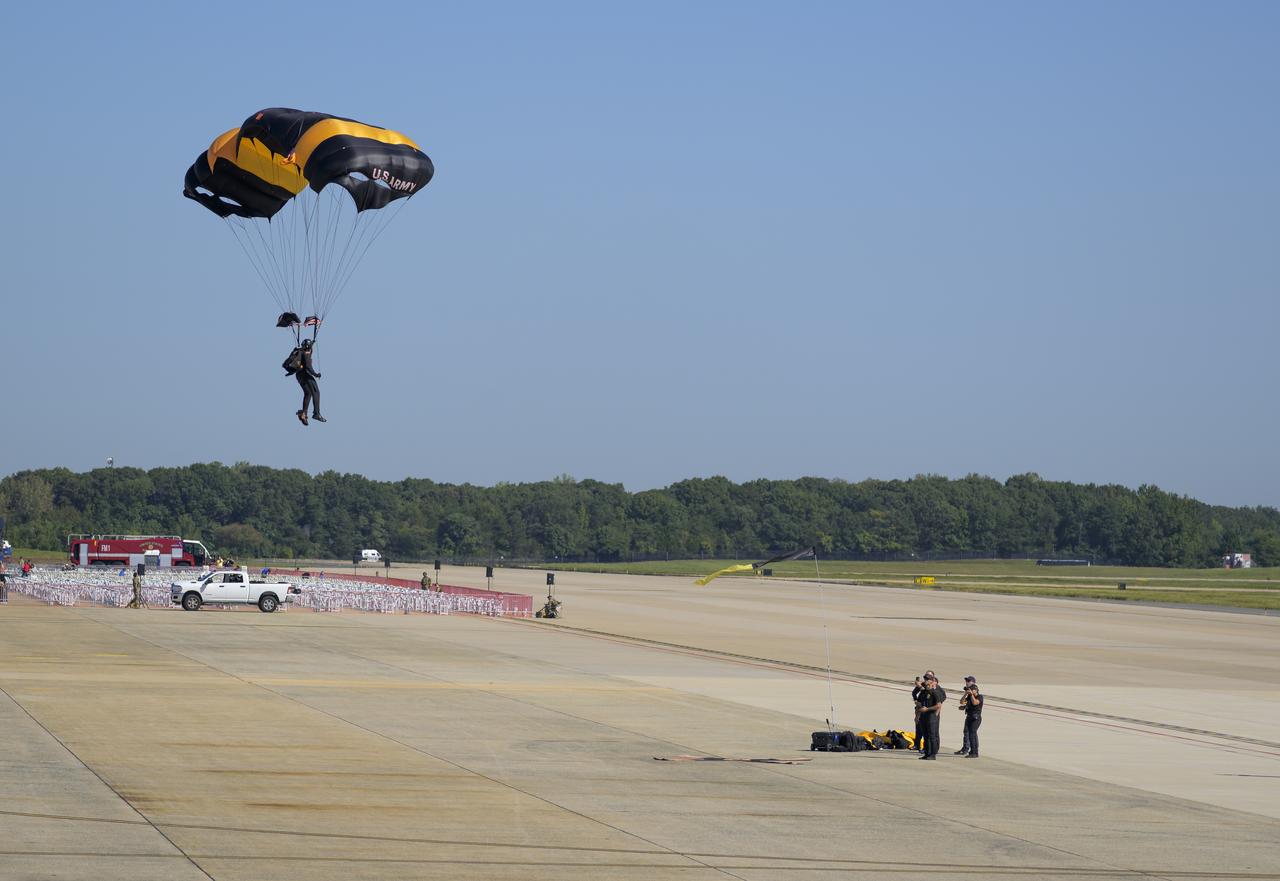
The United States Army Parachute Team, the Golden Knights, are seen during the opening ceremony of the Joint Base Andrews Air Show, Friday, Sept. 12, 2025, at Joint Base Andrews in Prince George's County, Maryland. NASA astronaut Nick Hague was on hand to provide remarks and meet with guests. Hague spent 171 days onboard the International Space Station as part of Expedition 72. Photo Credit: (NASA/Bill Ingalls)
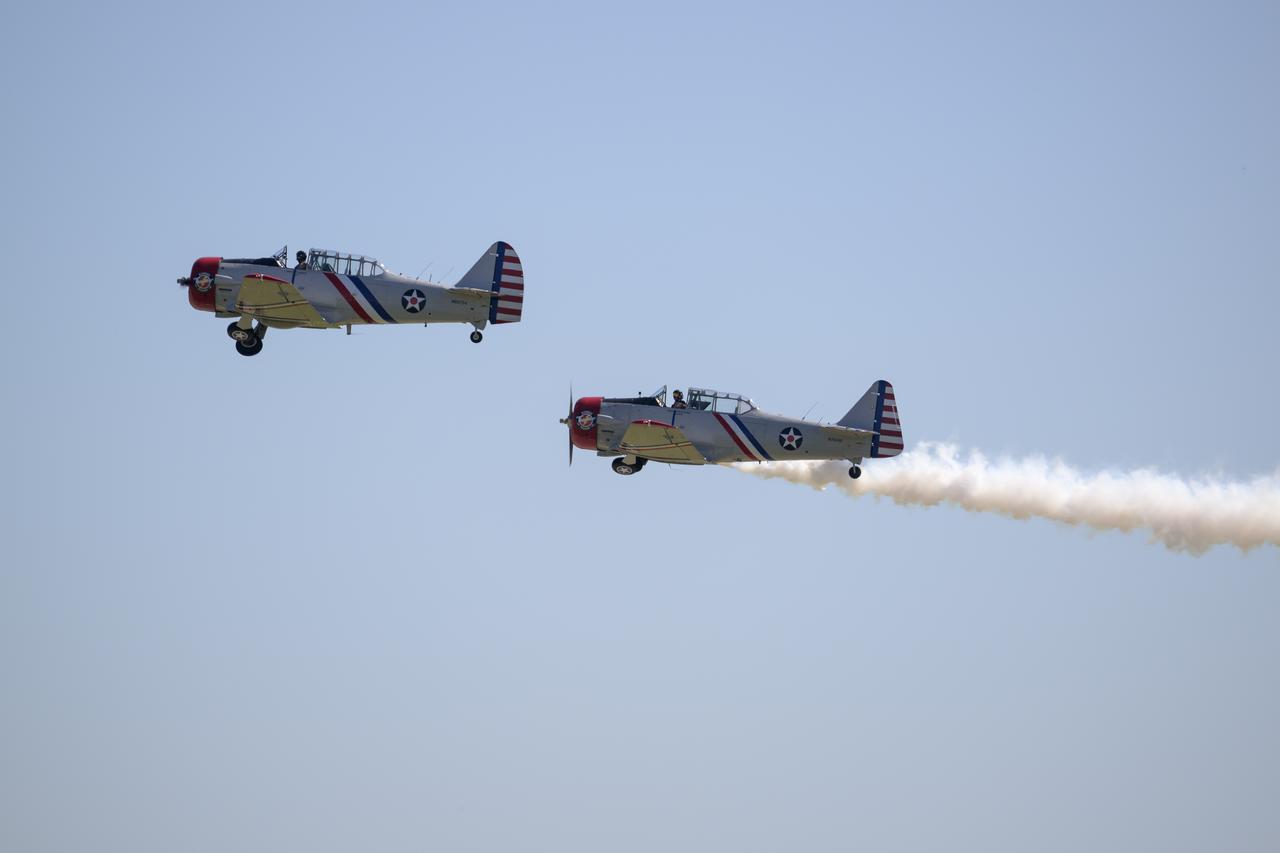
Warbird Thunder SNJ planes perform, Friday, Sept. 12, 2025, during the Joint Base Andrews Air Show at Joint Base Andrews in Prince George's County, Maryland. NASA astronaut Nick Hague was on hand to provide remarks and meet with guests. Hague spent 171 days onboard the International Space Station as part of Expedition 72. Photo Credit: (NASA/Bill Ingalls)
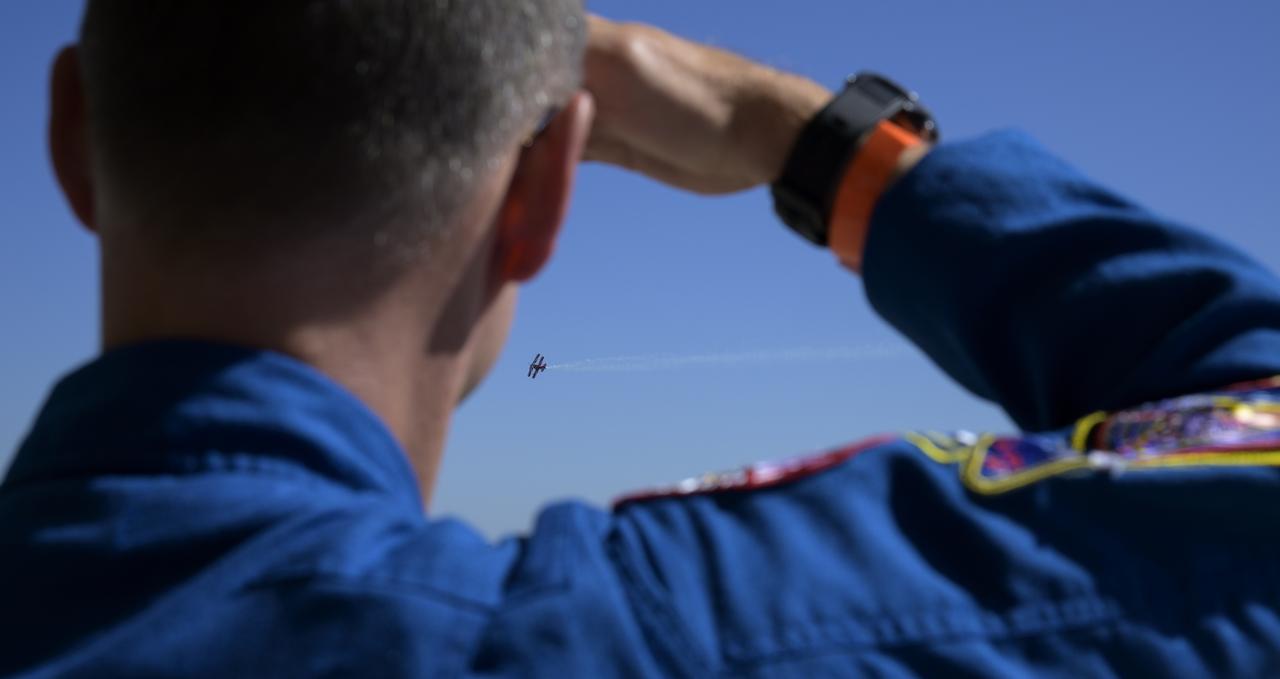
NASA astronaut Nick Hague watches as Robert Schmidle Pitts Aerobatics perform, Friday, Sept. 12, 2025, during the Joint Base Andrews Air Show at Joint Base Andrews in Prince George's County, Maryland. Hague spent 171 days onboard the International Space Station as part of Expedition 72. Photo Credit: (NASA/Bill Ingalls)
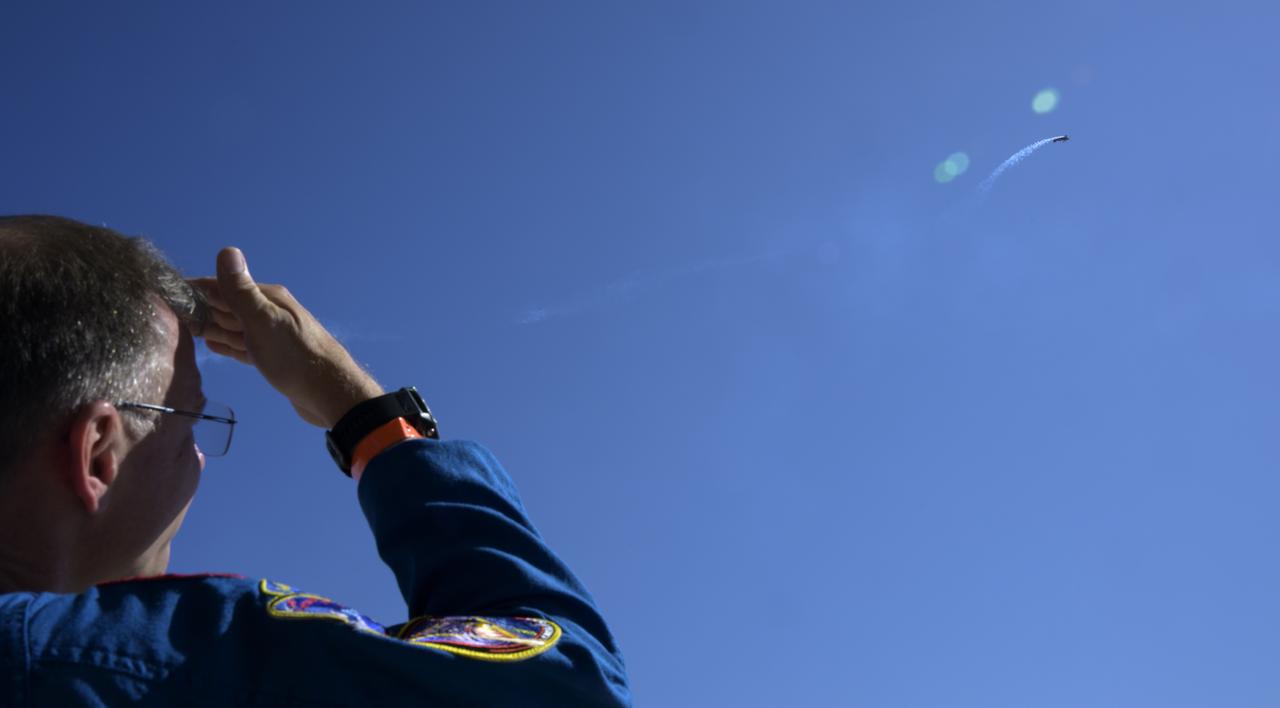
NASA astronaut Nick Hague watches as Robert Schmidle Pitts Aerobatics perform, Friday, Sept. 12, 2025, during the Joint Base Andrews Air Show at Joint Base Andrews in Prince George's County, Maryland. Hague spent 171 days onboard the International Space Station as part of Expedition 72. Photo Credit: (NASA/Bill Ingalls)
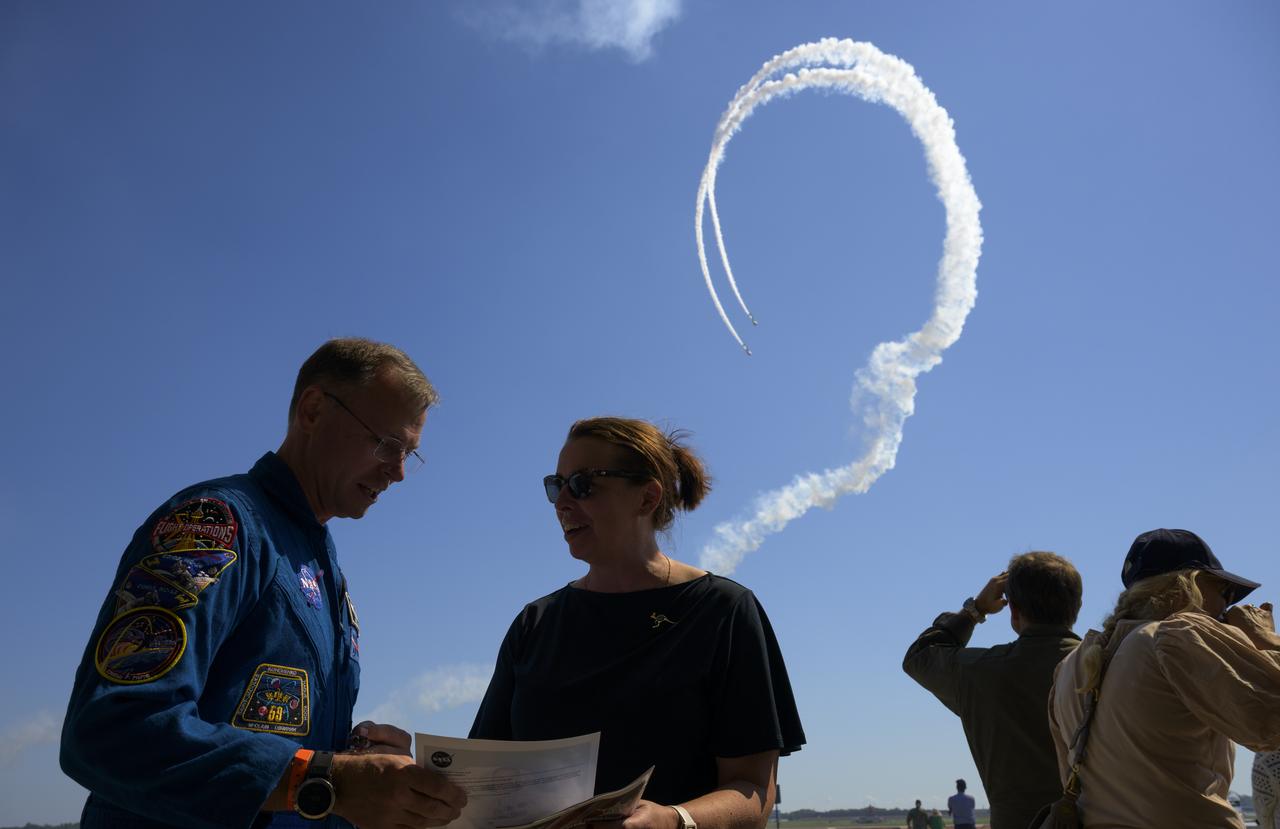
Warbird Thunder SNJ planes perform in the background as NASA astronaut Nick Hague meets with attendees, Friday, Sept. 12, 2025, during the Joint Base Andrews Air Show at Joint Base Andrews in Prince George's County, Maryland. Hague spent 171 days onboard the International Space Station as part of Expedition 72. Photo Credit: (NASA/Bill Ingalls)
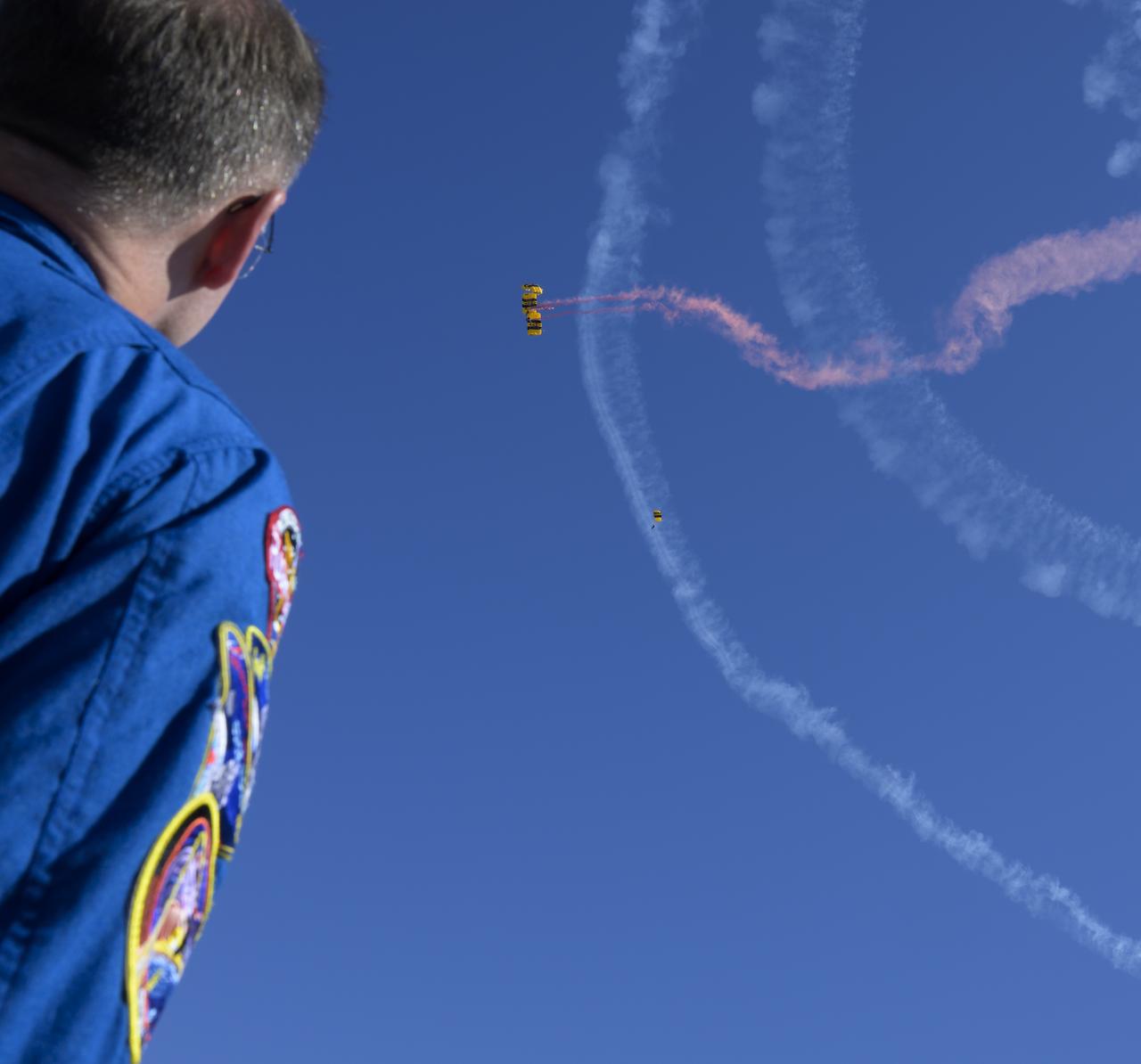
NASA astronaut Nick Hague watches as the United States Army Parachute Team, the Golden Knights, perform during the opening ceremony of the Joint Base Andrews Air Show, Friday, Sept. 12, 2025, at Joint Base Andrews in Prince George's County, Maryland. Hague spent 171 days onboard the International Space Station as part of Expedition 72. Photo Credit: (NASA/Bill Ingalls)
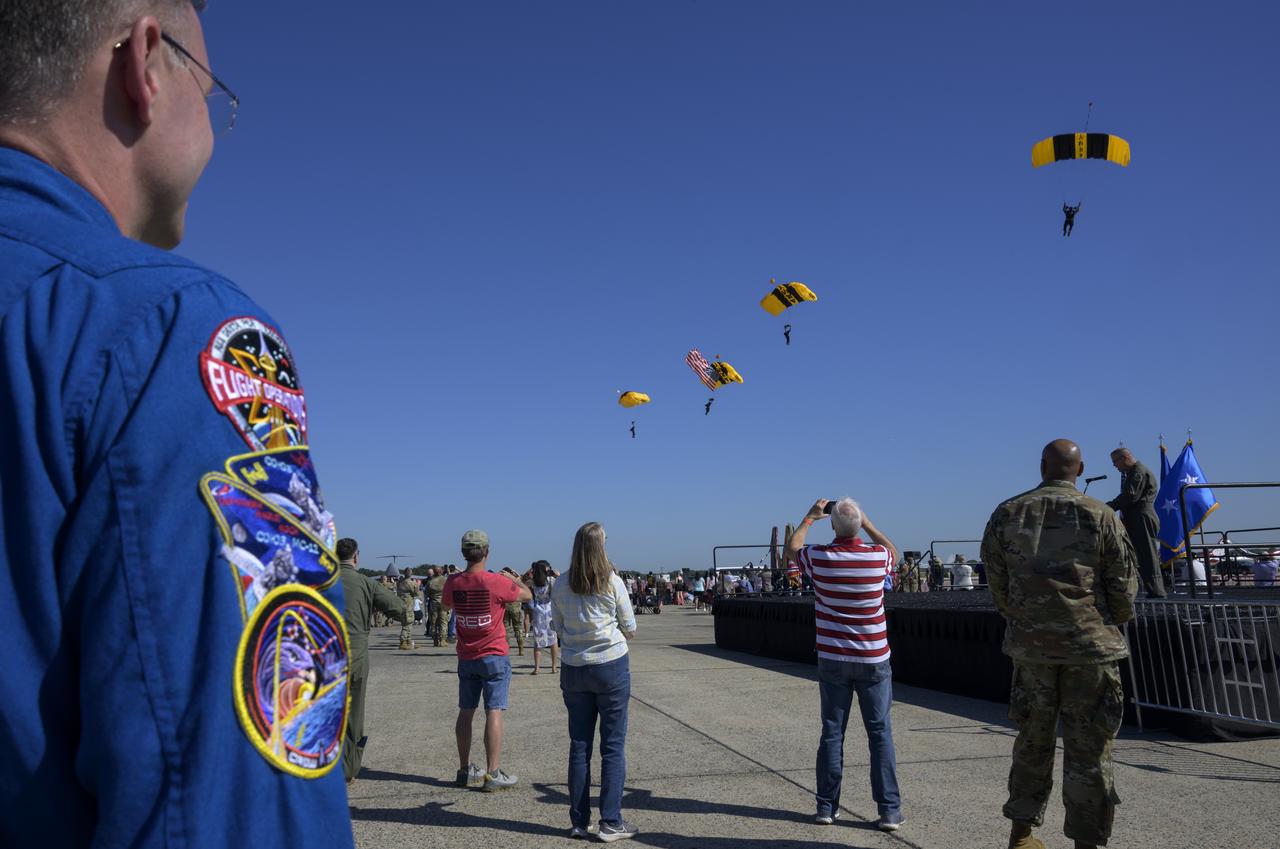
NASA astronaut Nick Hague watches as the United States Army Parachute Team, the Golden Knights, perform during the opening ceremony of the Joint Base Andrews Air Show, Friday, Sept. 12, 2025, at Joint Base Andrews in Prince George's County, Maryland. Hague spent 171 days onboard the International Space Station as part of Expedition 72. Photo Credit: (NASA/Bill Ingalls)
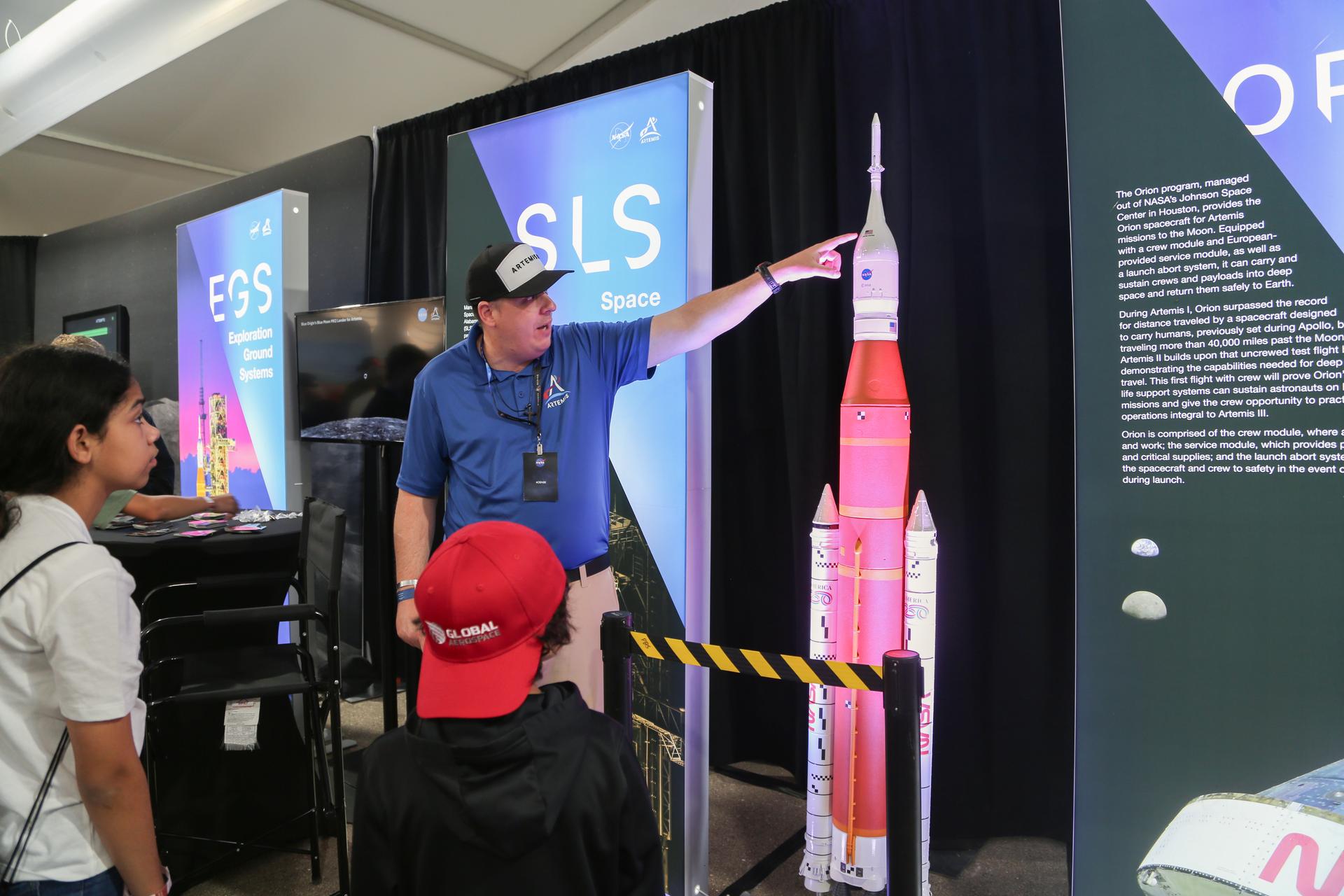
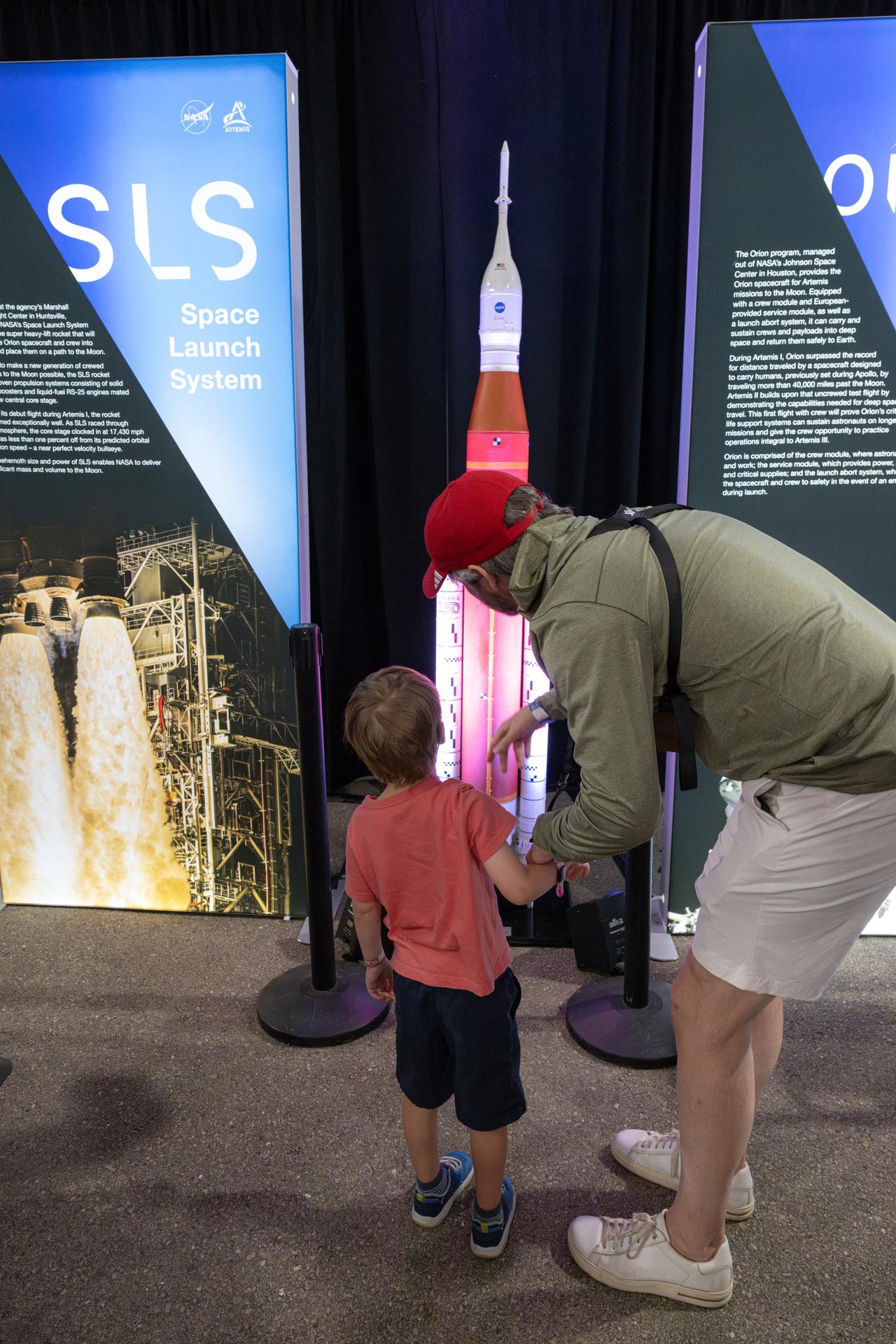
NASA Communications Strategist Will Bryan shows visitors an Orion spacecraft model at the Artemis display in the NASA pavilion at the 2026 Experimental Aircraft Association (EAA) AirVenture air show in Oshkosh, Wisconsin, Monday, July 20, 2026.
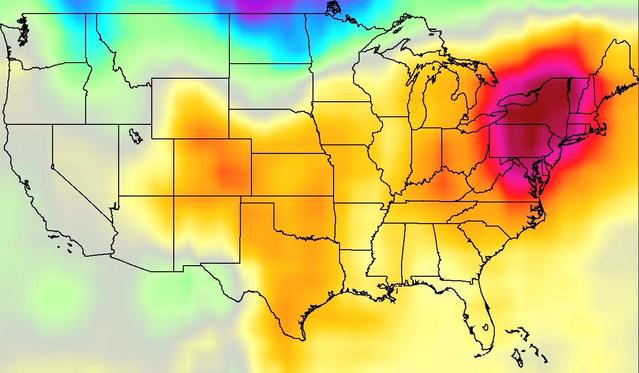
NASA Aqua spacecraft has illustrated surface air and skin temperature for the period from July 16-24, showing movement of a dome of heat across the eastern two-thirds of the country. See More Details for the movies.

A line of visitors work their way through the exhibits and stop by the Quesst table in the NASA pavilion at the 2026 Experimental Aircraft Association (EAA) AirVenture air show in Oshkosh, Wisconsin, on Saturday, July 25, 2026.

NASA Program Specialist Chad Siwik interacts with visitors at the Artemis exhibit in the NASA pavilion at the 2026 Experimental Aircraft Association (EAA) AirVenture air show in Oshkosh, Wisconsin, on Monday, July 20, 2026.
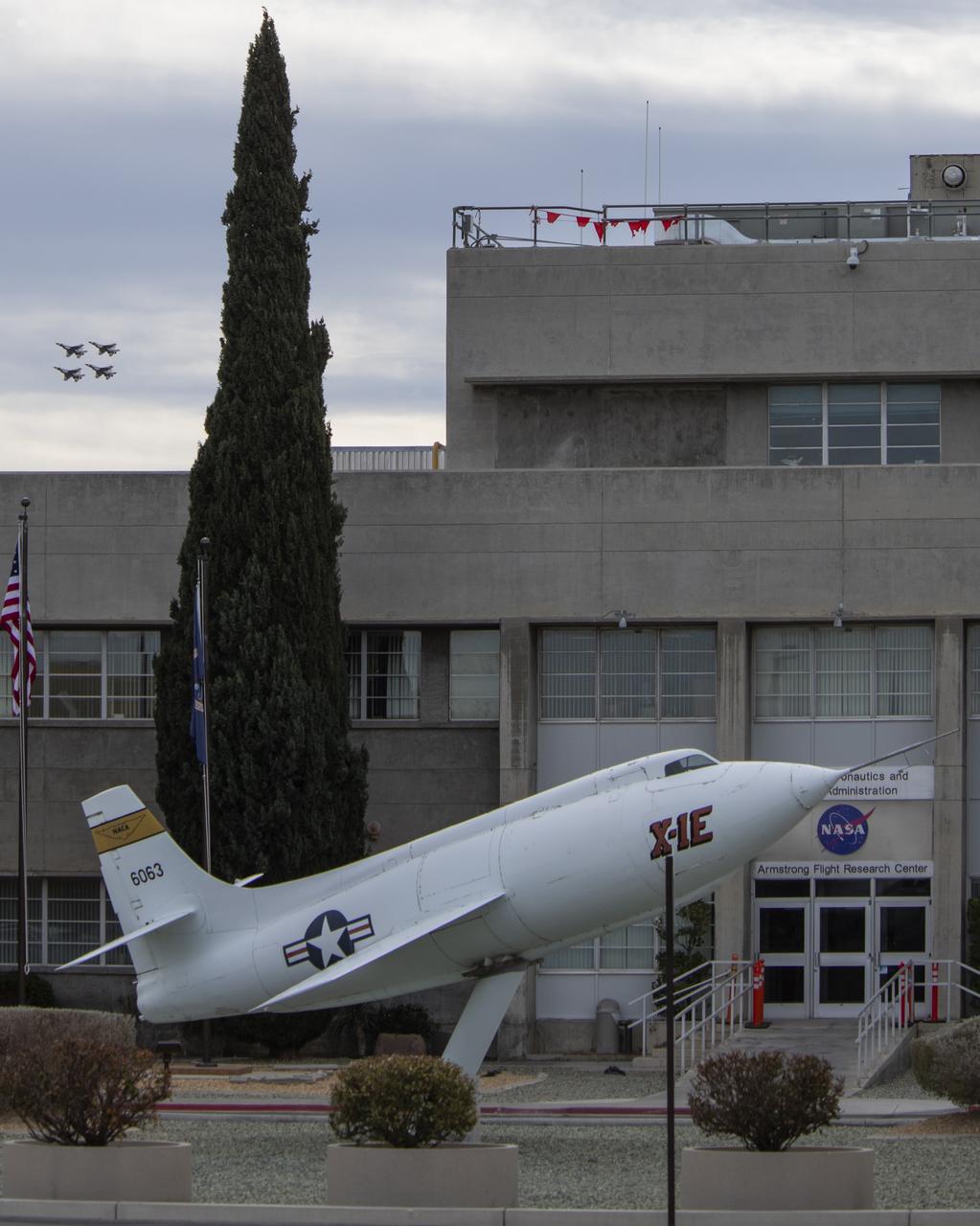
The U.S. Air Force Thunderbirds fly over NASA’s Armstrong Flight Research Center in Edwards, California, during the second phase of its winter training in February 2025 to prepare for the upcoming air show season. The Thunderbirds perform all over the world in F-16 Fighting Falcons, a multi-role fighter jet.
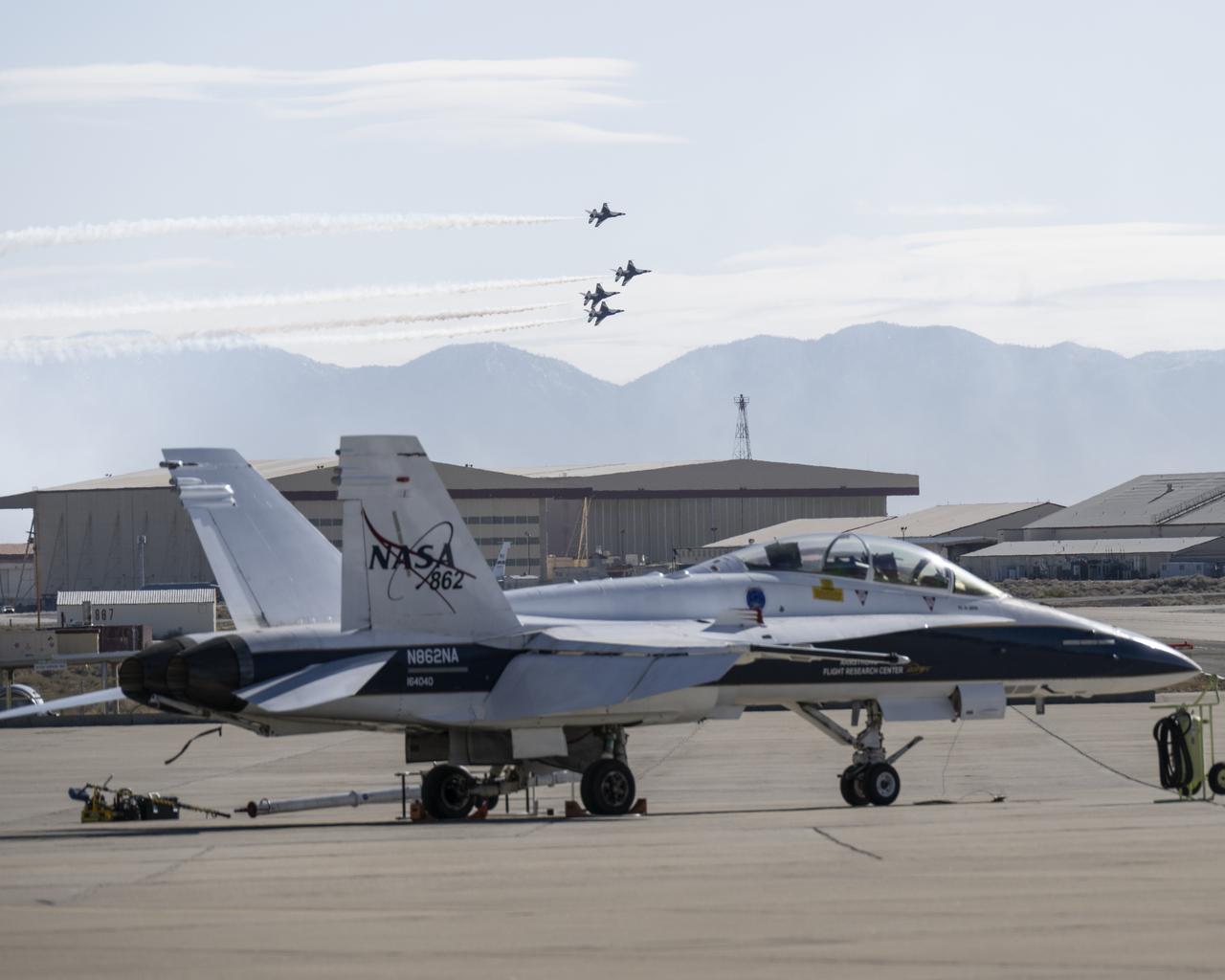
The U.S. Air Force Thunderbirds fly over NASA’s Armstrong Flight Research Center in Edwards, California, during the second phase of its winter training in February 2025 to prepare for the upcoming air show season. The Thunderbirds perform all over the world in F-16 Fighting Falcons, a multi-role fighter jet.

The U.S. Air Force Thunderbirds fly over NASA’s Armstrong Flight Research Center in Edwards, California, during the second phase of its winter training in February 2025 to prepare for the upcoming air show season. The Thunderbirds perform all over the world in F-16 Fighting Falcons, a multi-role fighter jet.
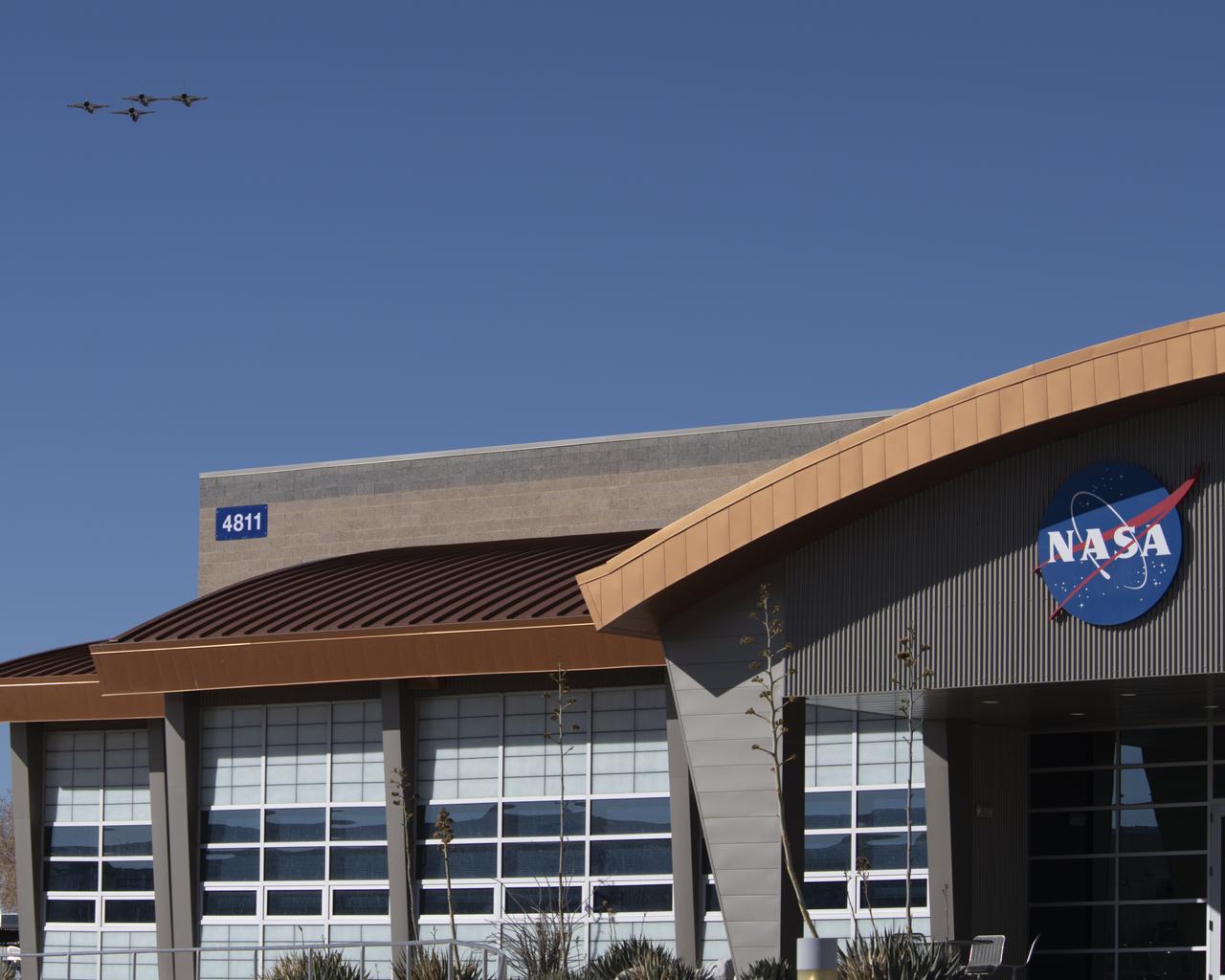
The U.S. Air Force Thunderbirds fly over NASA’s Armstrong Flight Research Center in Edwards, California, during the second phase of its winter training in February 2025 to prepare for the upcoming air show season. The Thunderbirds perform all over the world in F-16 Fighting Falcons, a multi-role fighter jet.
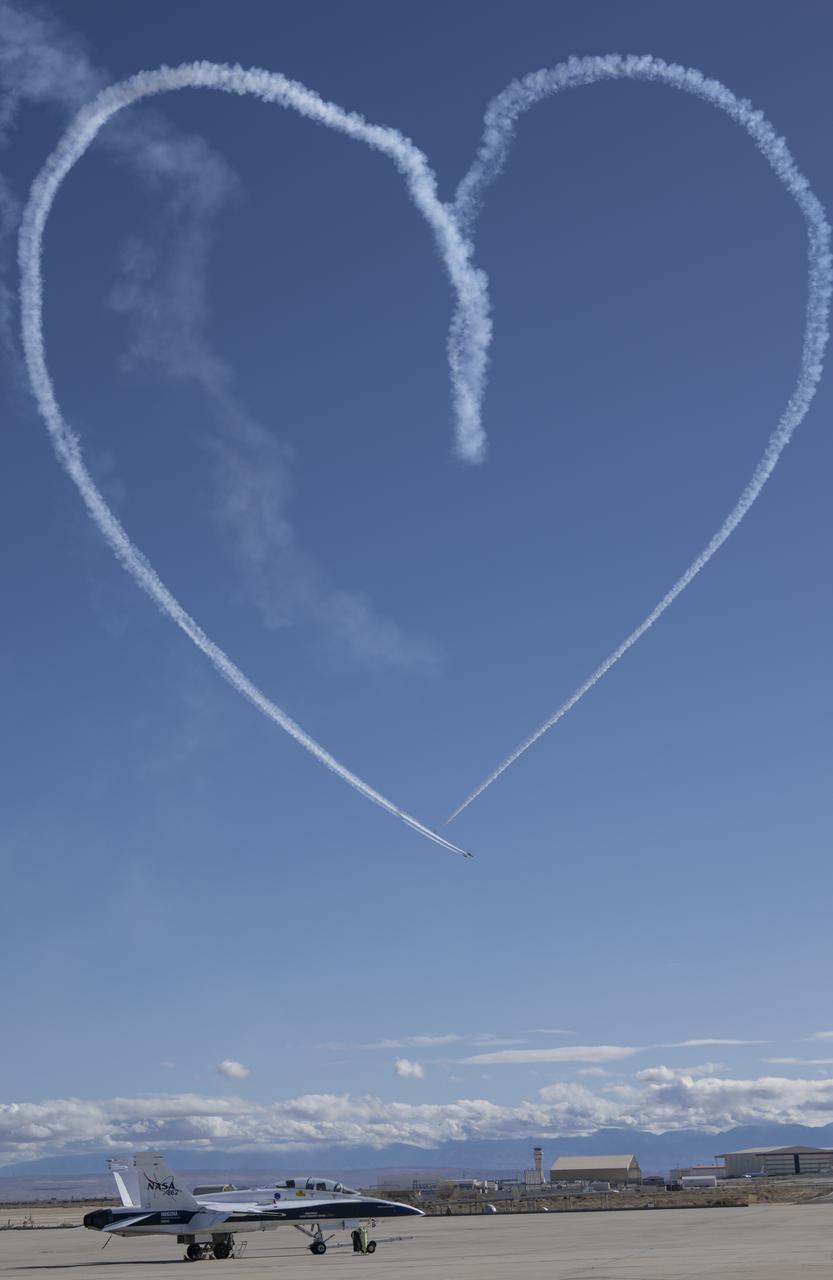
The U.S. Air Force Thunderbirds fly over NASA’s Armstrong Flight Research Center in Edwards, California, during the second phase of its winter training in February 2025 to prepare for the upcoming air show season. The Thunderbirds perform all over the world in F-16 Fighting Falcons, a multi-role fighter jet.
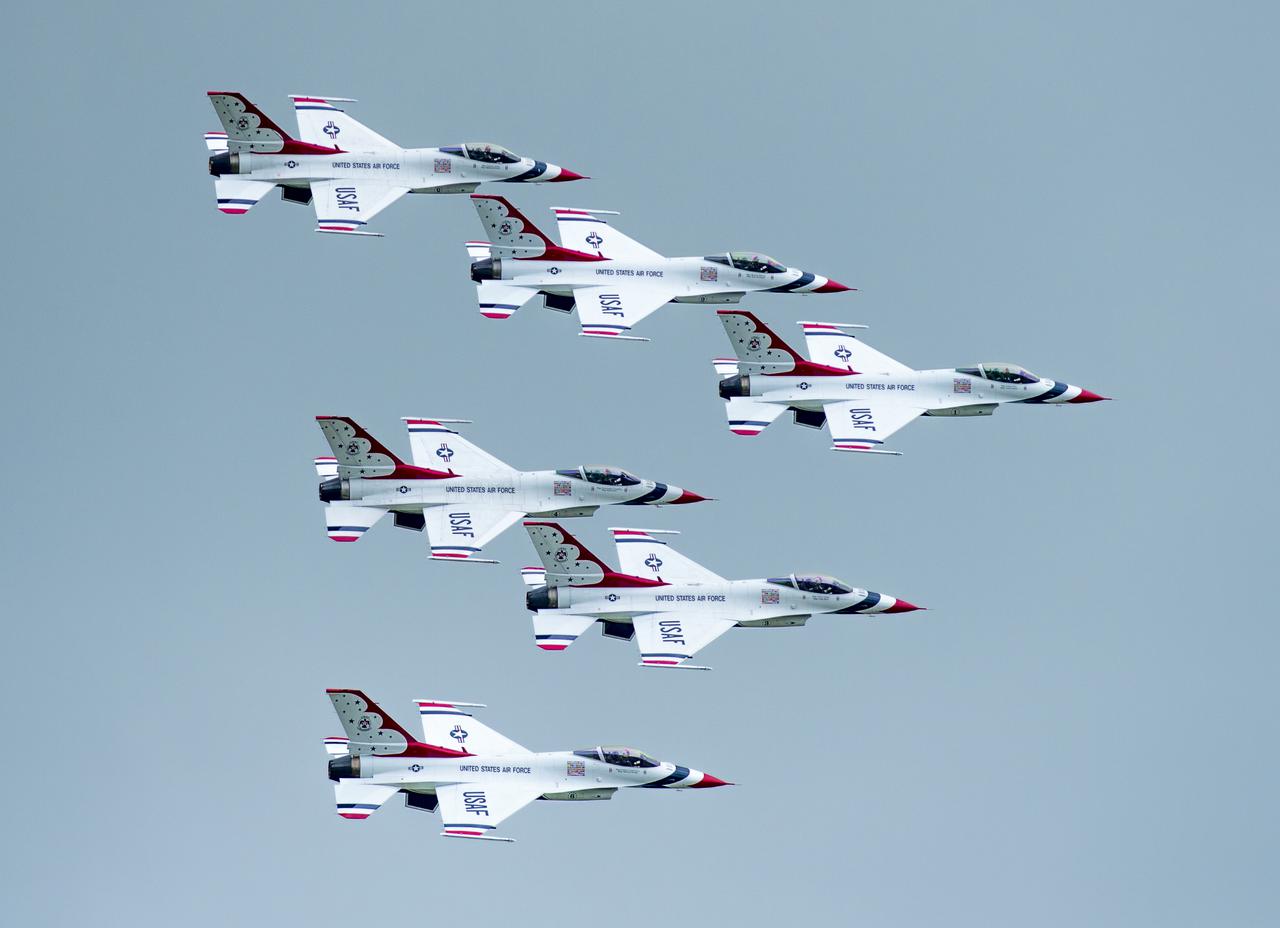
The United States Air Force Thunderbirds flying over NASA Langley Research Center while practicing for an air show at Langley Air Force Base Virginia.

Amberly Guerra, left, tries on life support equipment while Ali Zendejas, Betty Mojica and Julian Guerra, her dad, watch.
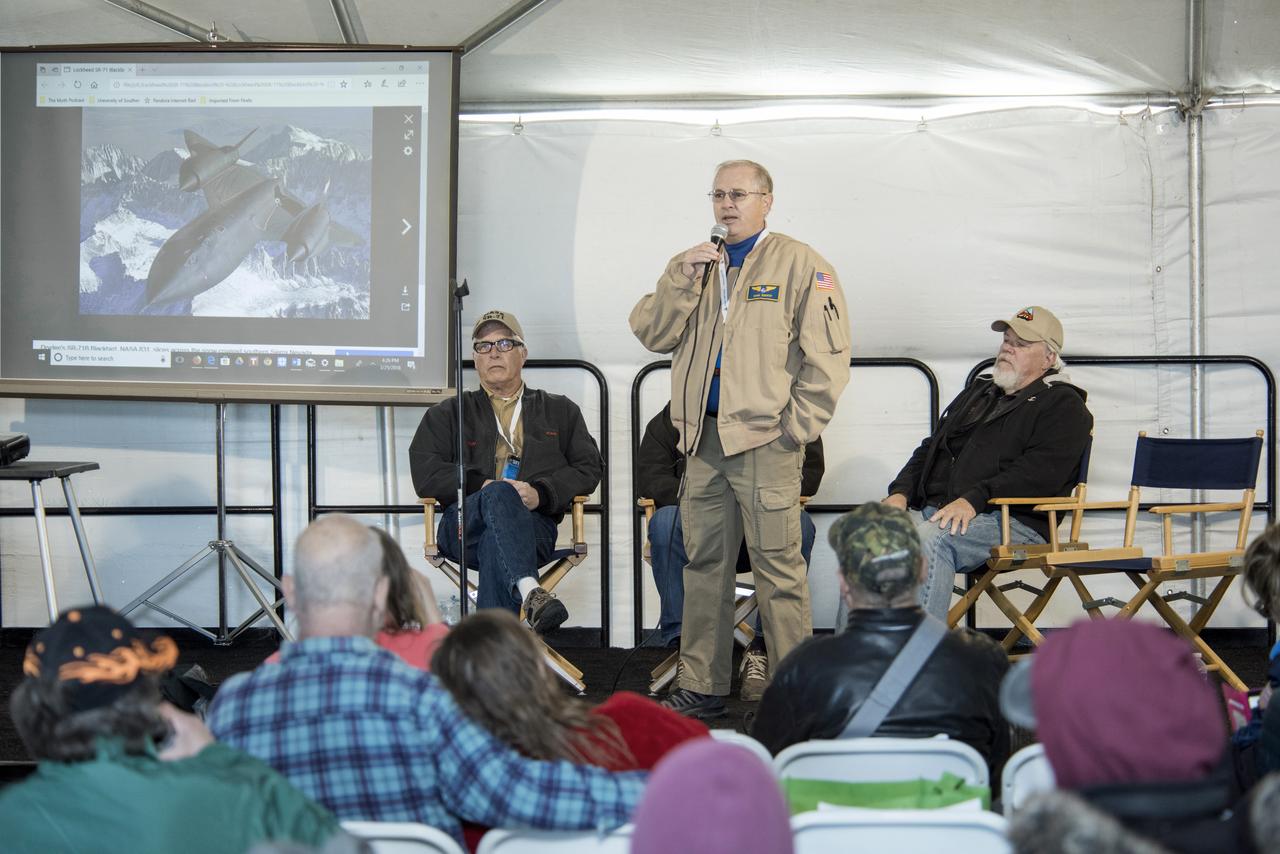
Dana Purifoy, NASA Armstrong director of Flight Operations, talking, and John McKay, former Armstrong SR-71 crew chief, participate on a panel discussion about the triple supersonic aircraft.
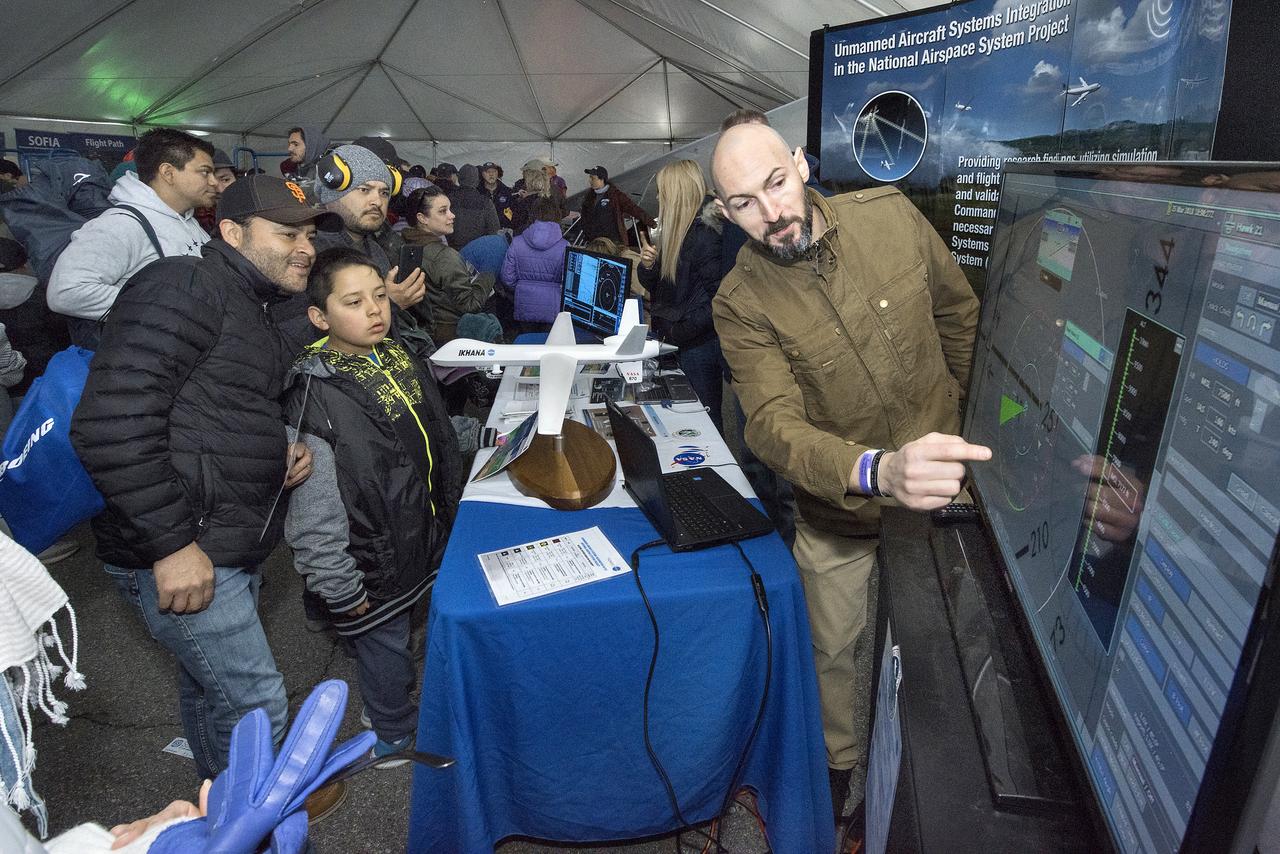
Zack Roberts from NASA’s Ames Research Center explains elements of the Unmanned Aircraft Systems Integration into the National Airspace System.
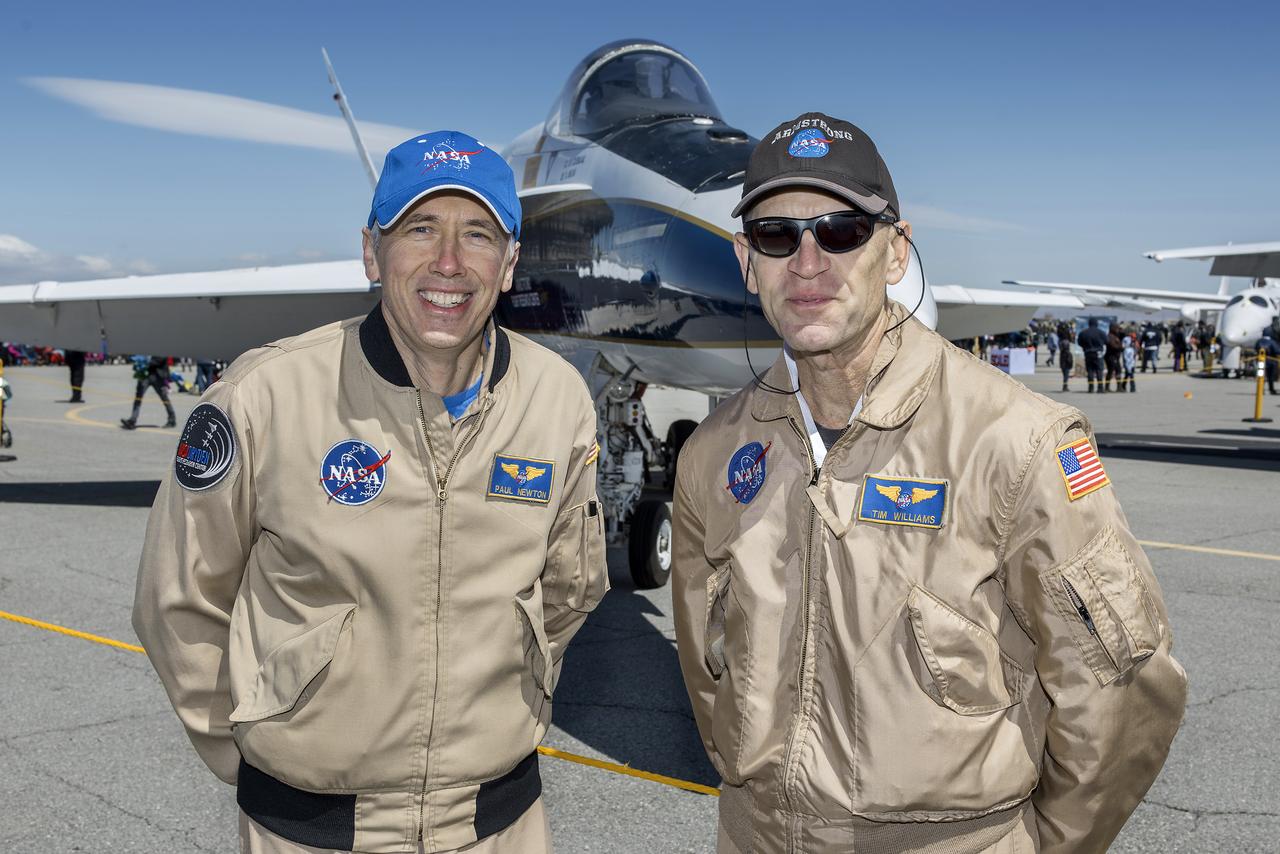
NASA Armstrong Research Center pilots Paul Newton and Tim Williams stand by the center’s F/A-18 research aircraft.
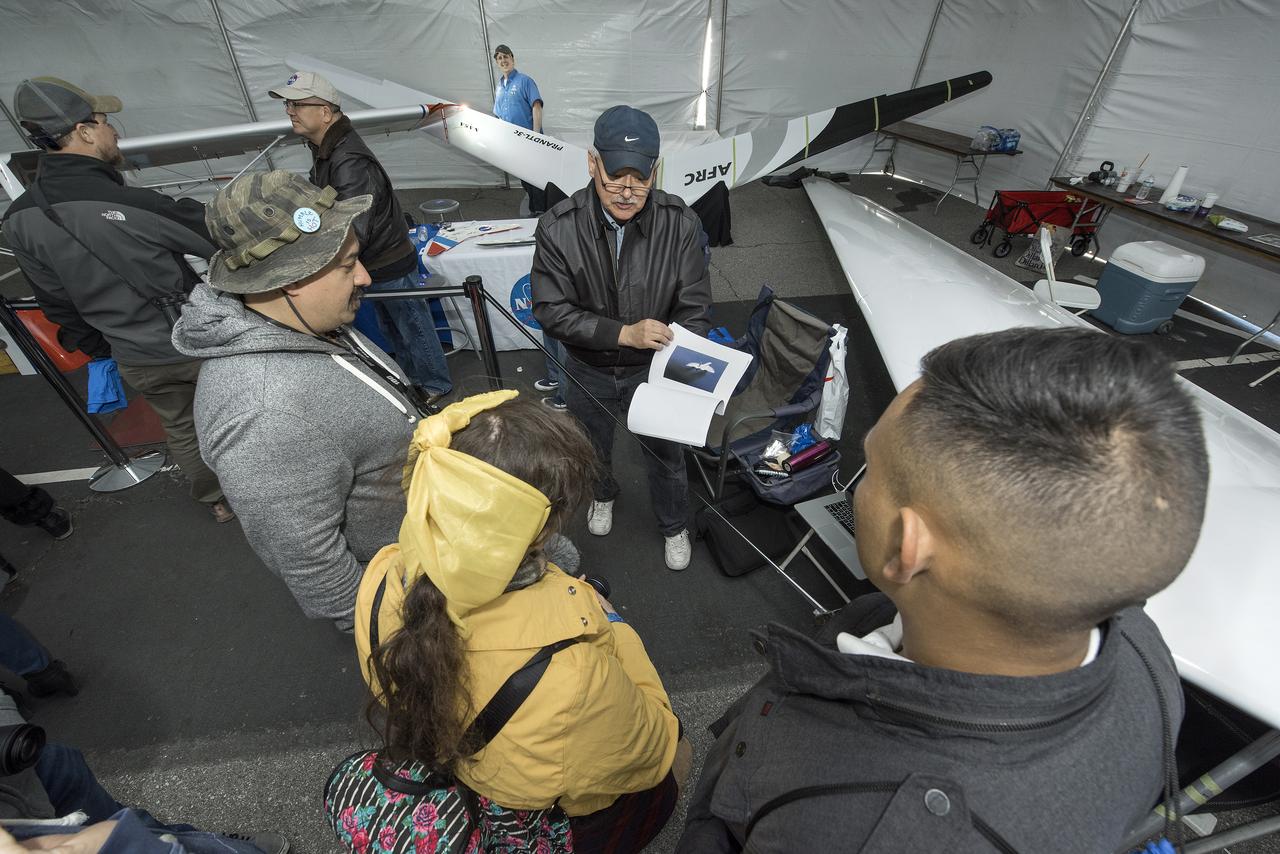
Al Bowers explains the Prandtl experimental aircraft and how its wing twist could redefine the efficiency of aircraft.
Wings Over Columbus
Air show attendees visit NASA's exhibit at EAA AirVenture Oshkosh, Friday, July 24, 2026, at Wittman Regional Airport in Oshkosh, Wis. Photo Credit: (NASA/John Kraus)
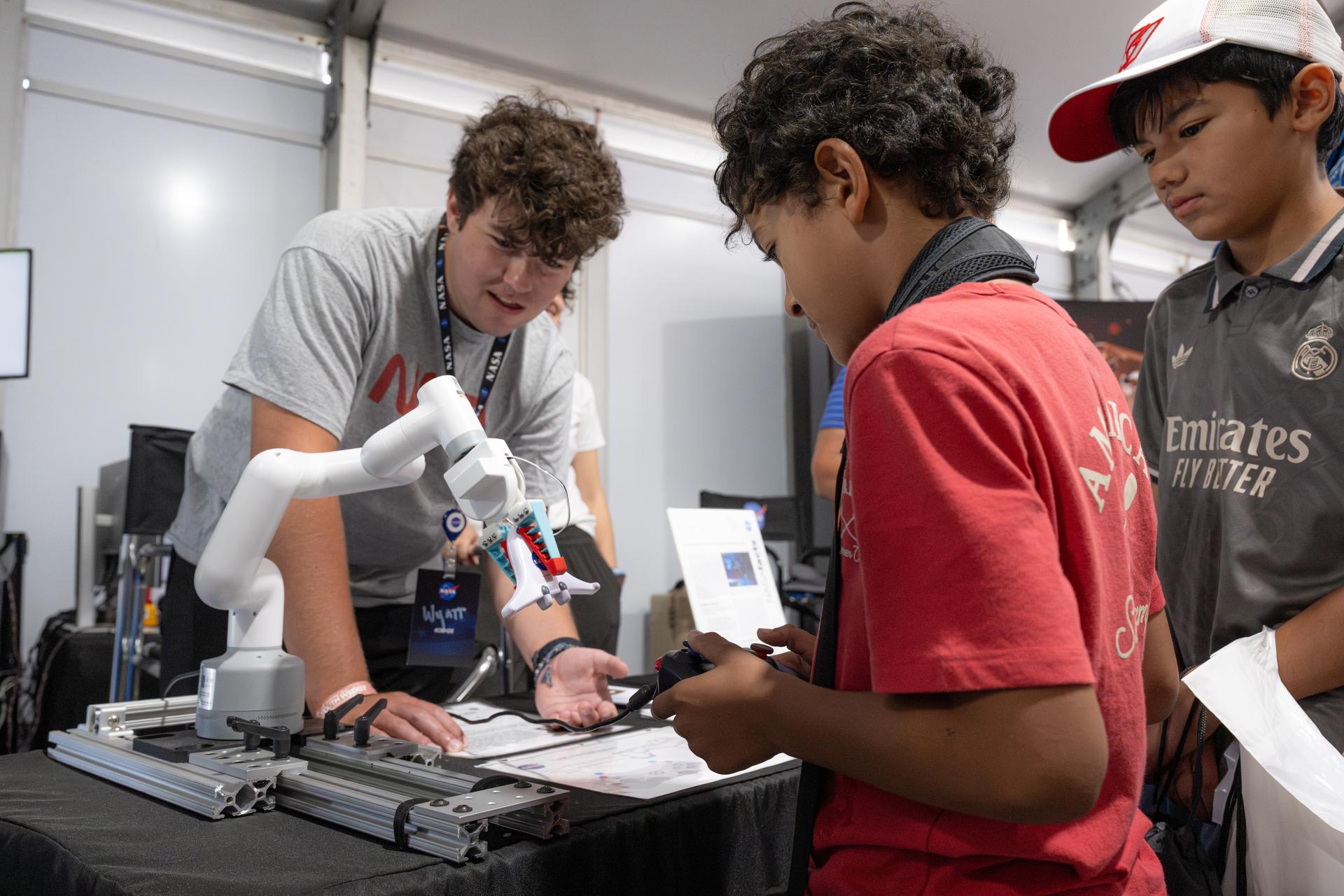
Air show attendees visit NASA's exhibit at EAA AirVenture Oshkosh, Friday, July 24, 2026, at Wittman Regional Airport in Oshkosh, Wis. Photo Credit: (NASA/John Kraus)
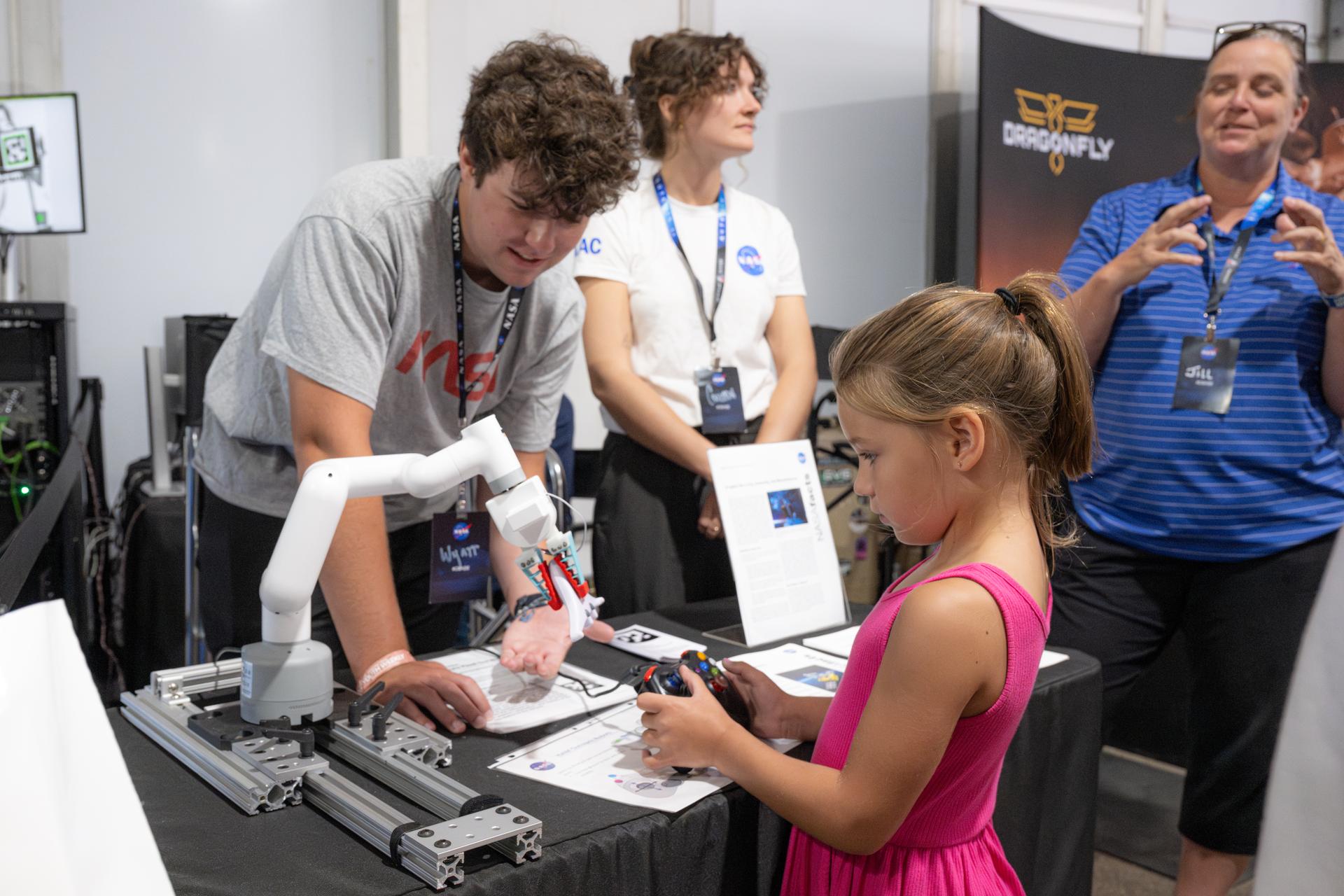
Air show attendees visit NASA's exhibit at EAA AirVenture Oshkosh, Friday, July 24, 2026, at Wittman Regional Airport in Oshkosh, Wis. Photo Credit: (NASA/John Kraus)
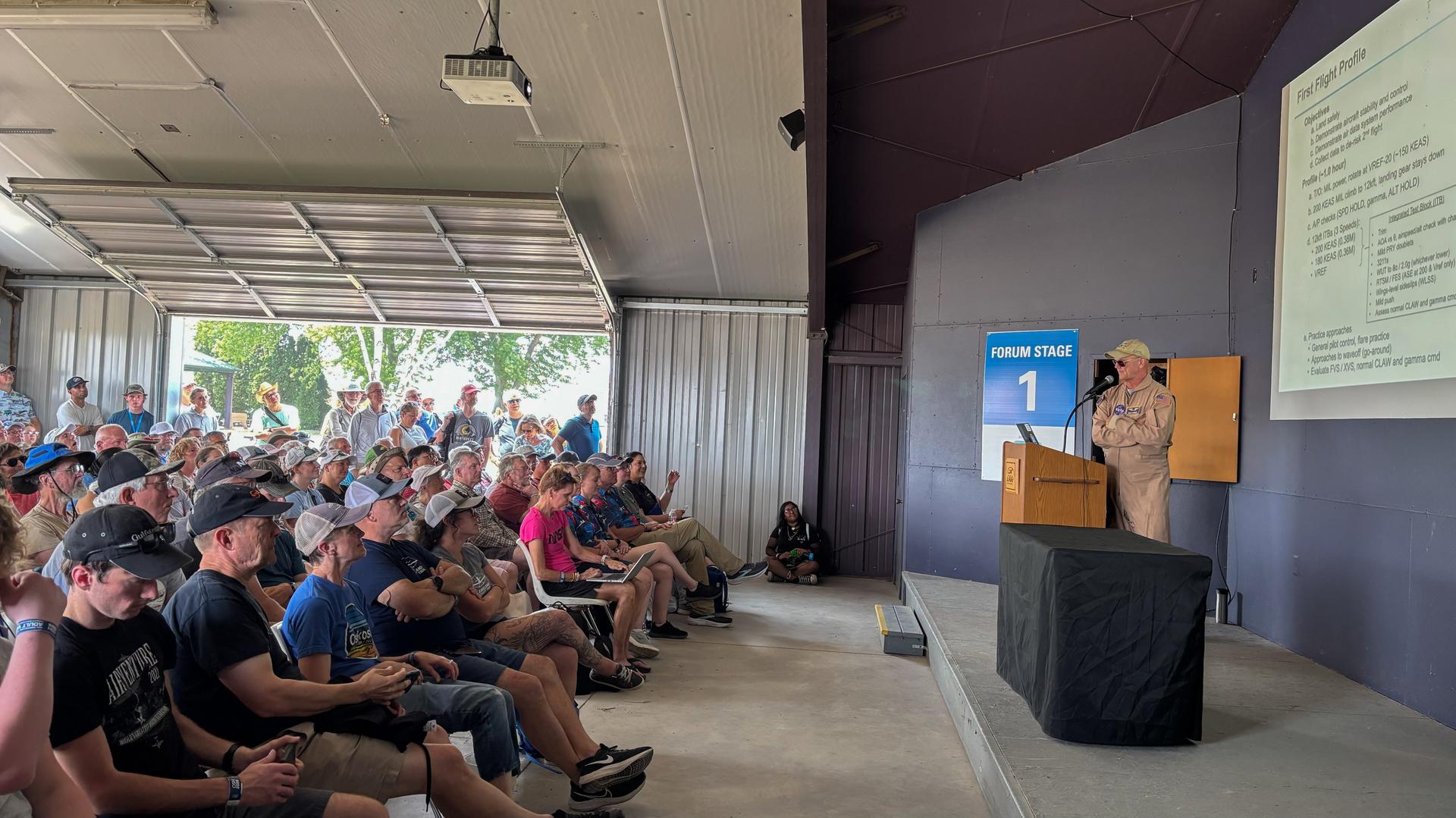
NASA test pilot Nils Larson speaks at his forum presentation “NASA’s X-59 Flight Tests Kick Off!” at the 2026 Experimental Aircraft Association (EAA) AirVenture air show in Oshkosh, Wisconsin, on Monday, July 20, 2026.
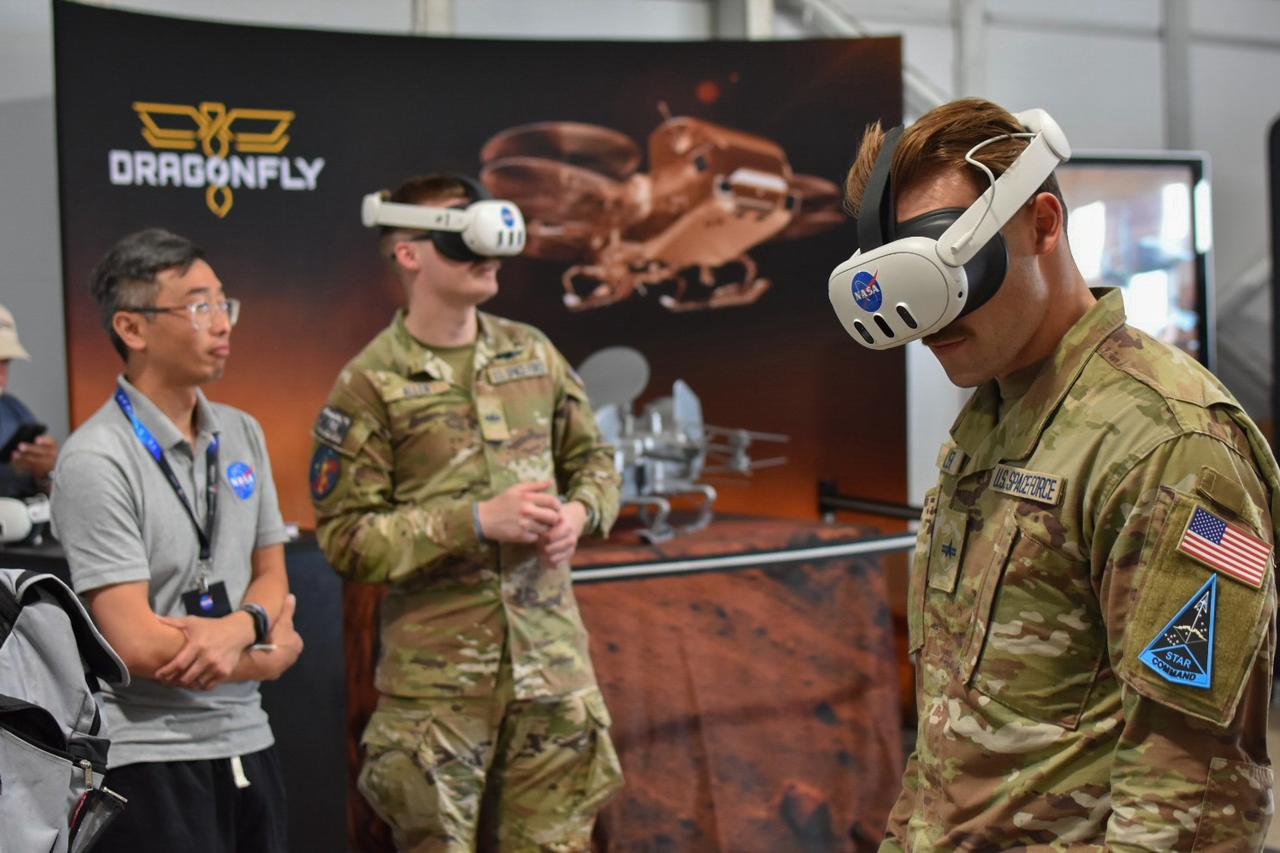
NASA Program Support Specialist David Lam shares a Dragonfly AR reality experience with Space Force service members in the NASA pavilion at the 2026 Experimental Aircraft Association (EAA) AirVenture air show in Oshkosh, Wisconsin, on Monday, July 20, 2026.
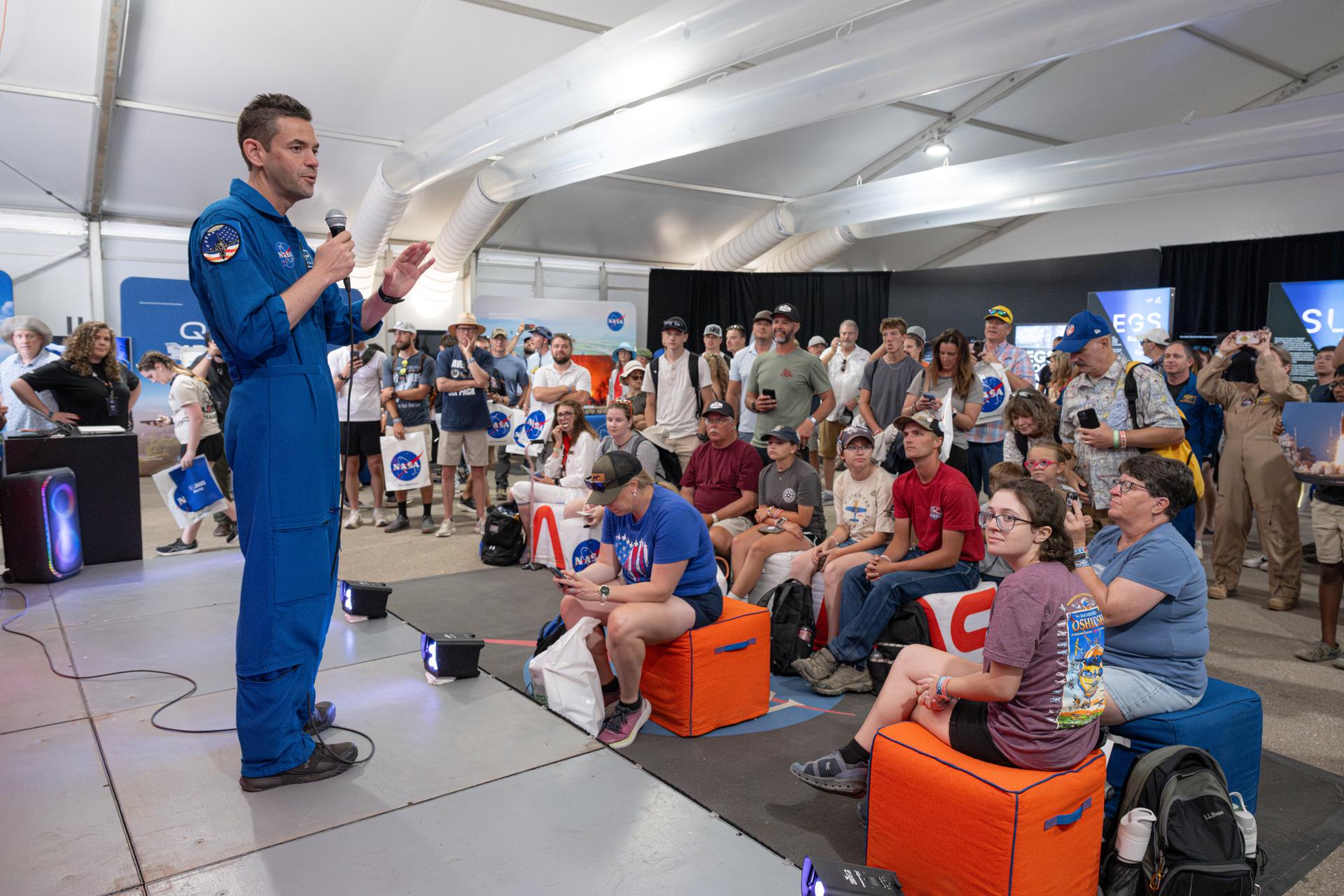
NASA Administrator Jared Isaacman speaks to air show attendees, Friday, July 24, 2026, at NASA's exhibit at EAA AirVenture Oshkosh at Wittman Regional Airport in Oshkosh, Wis. Photo Credit: (NASA/John Kraus)
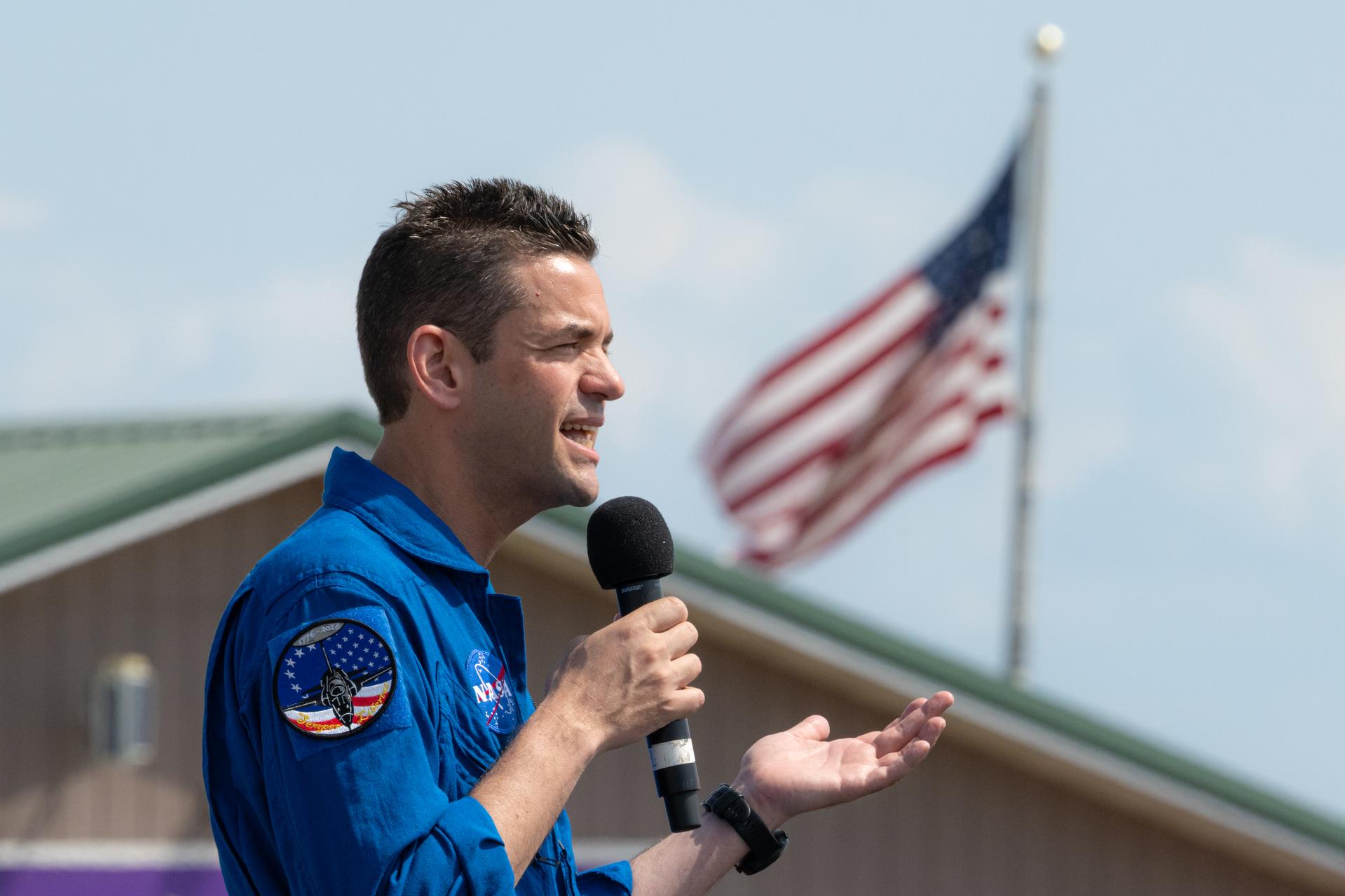
NASA Administrator Jared Isaacman speaks to a crowd of air show attendees, Friday, July 24, 2026, at EAA AirVenture Oshkosh at Wittman Regional Airport in Oshkosh, Wis. Photo Credit: (NASA/John Kraus)
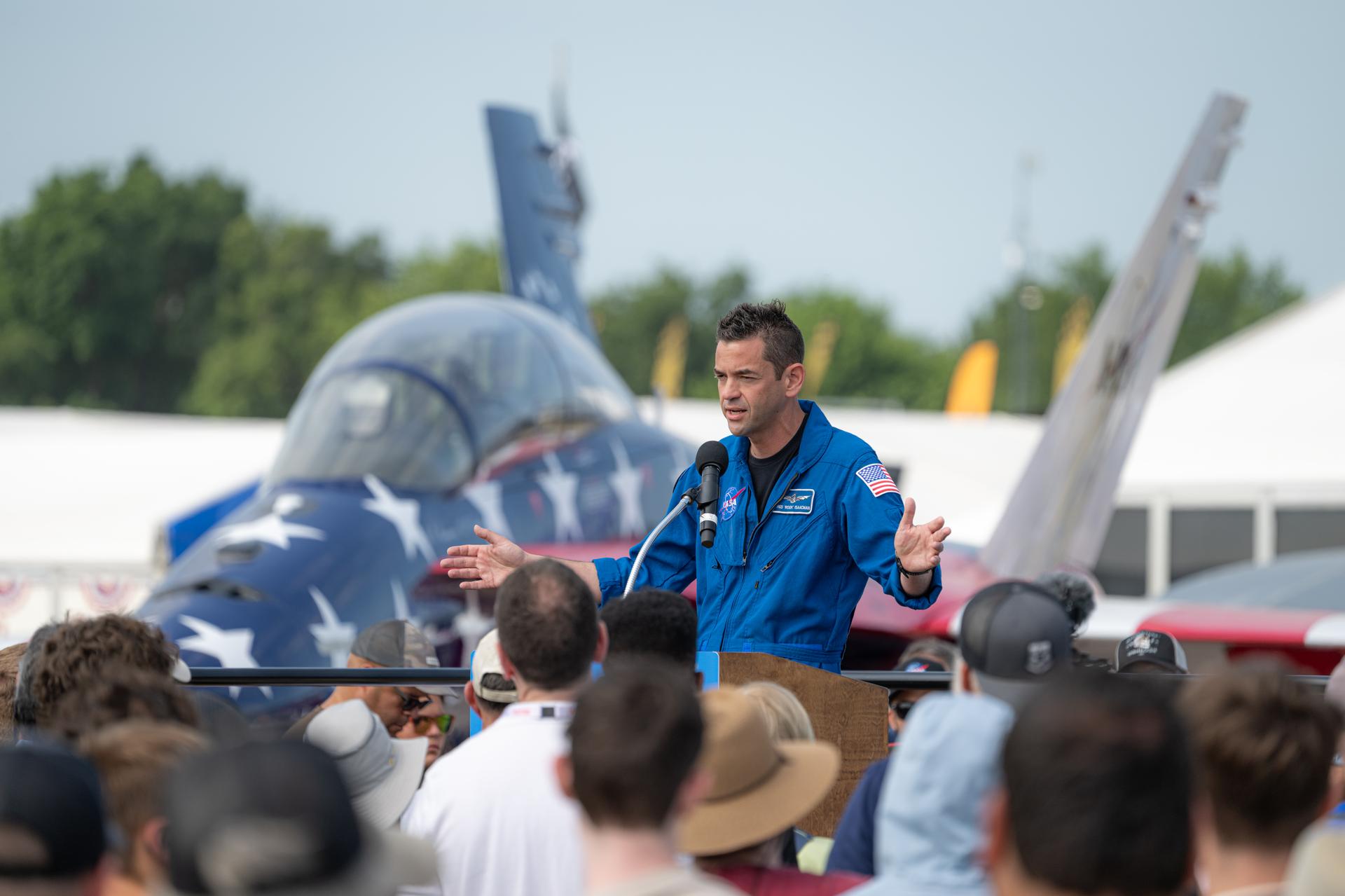
NASA Administrator Jared Isaacman speaks to a crowd of air show attendees, Friday, July 24, 2026, at EAA AirVenture Oshkosh at Wittman Regional Airport in Oshkosh, Wis. Photo Credit: (NASA/John Kraus)
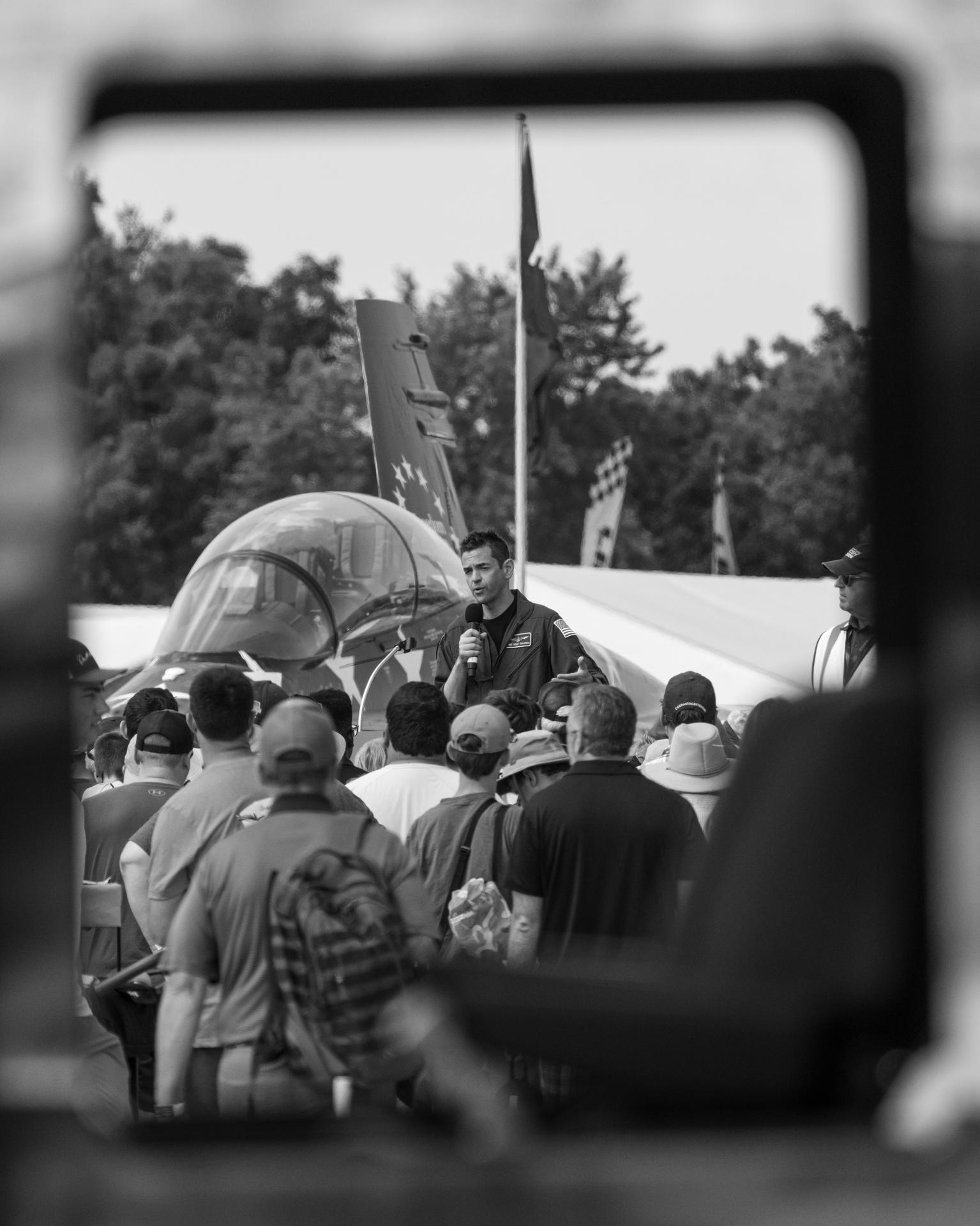
NASA Administrator Jared Isaacman speaks to a crowd of air show attendees, Friday, July 24, 2026, at EAA AirVenture Oshkosh at Wittman Regional Airport in Oshkosh, Wis. Photo Credit: (NASA/John Kraus)
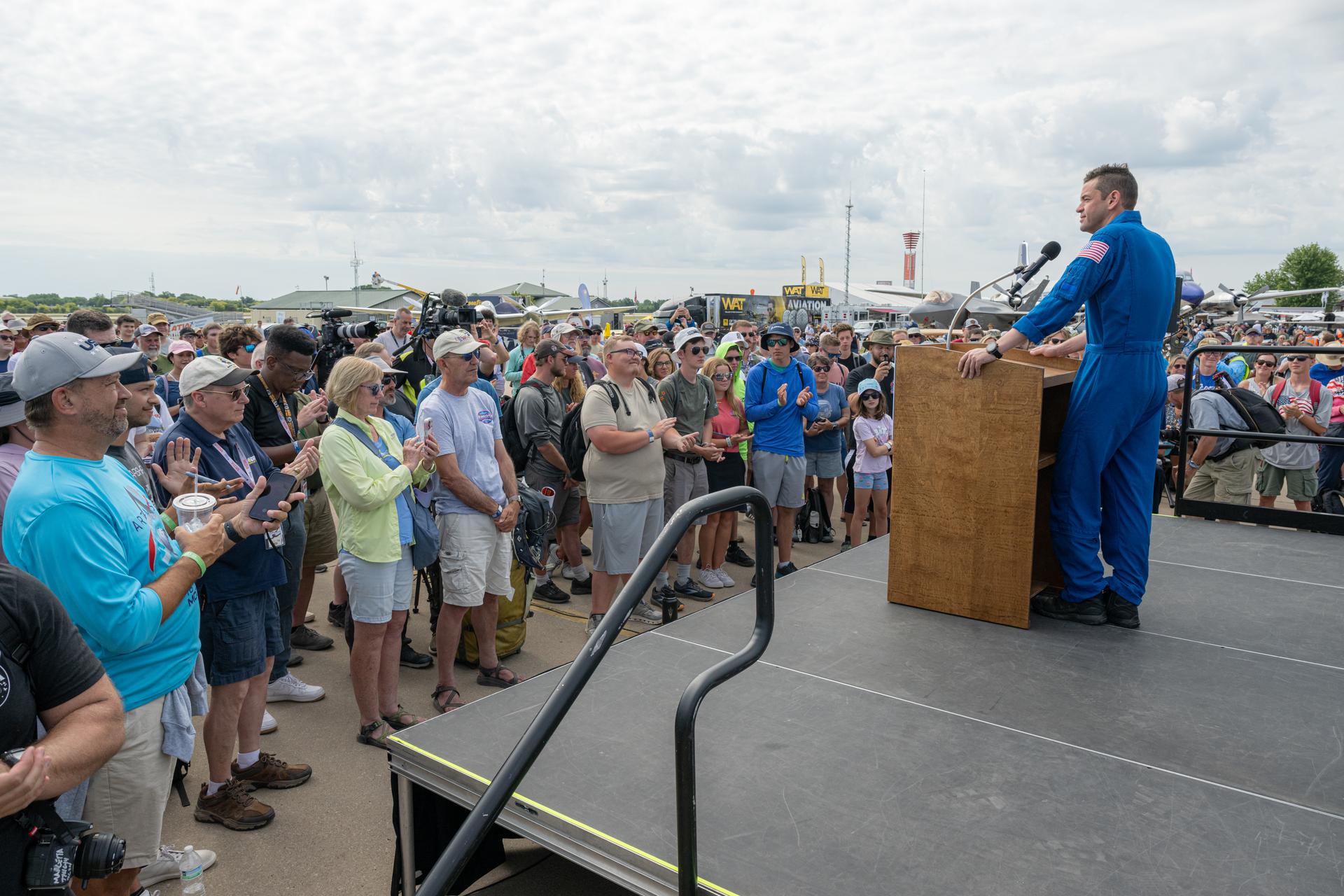
NASA Administrator Jared Isaacman speaks to a crowd of air show attendees, Friday, July 24, 2026, at EAA AirVenture Oshkosh at Wittman Regional Airport in Oshkosh, Wis. Photo Credit: (NASA/John Kraus)
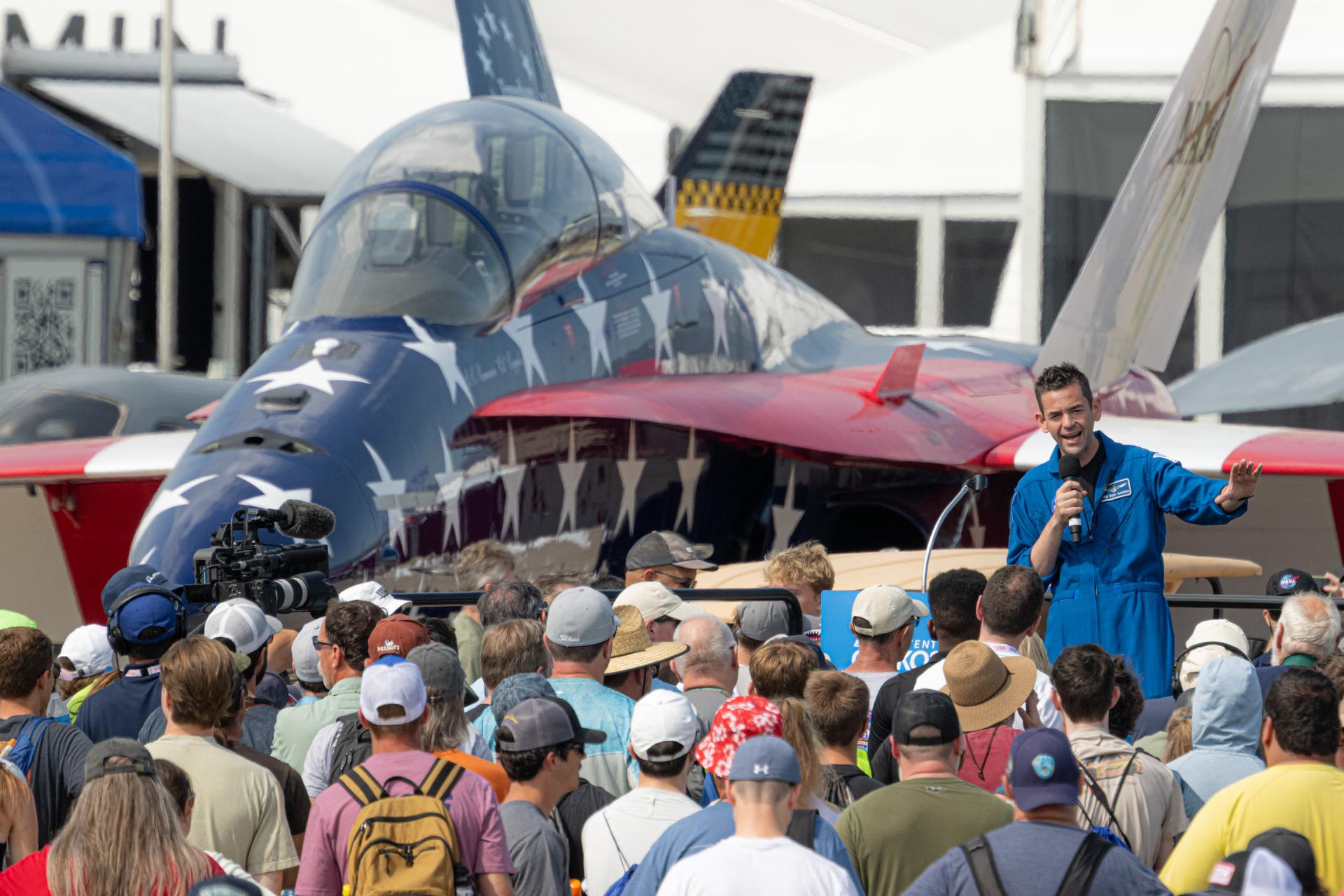
NASA Administrator Jared Isaacman speaks to a crowd of air show attendees, Friday, July 24, 2026, at EAA AirVenture Oshkosh at Wittman Regional Airport in Oshkosh, Wis. Photo Credit: (NASA/John Kraus)
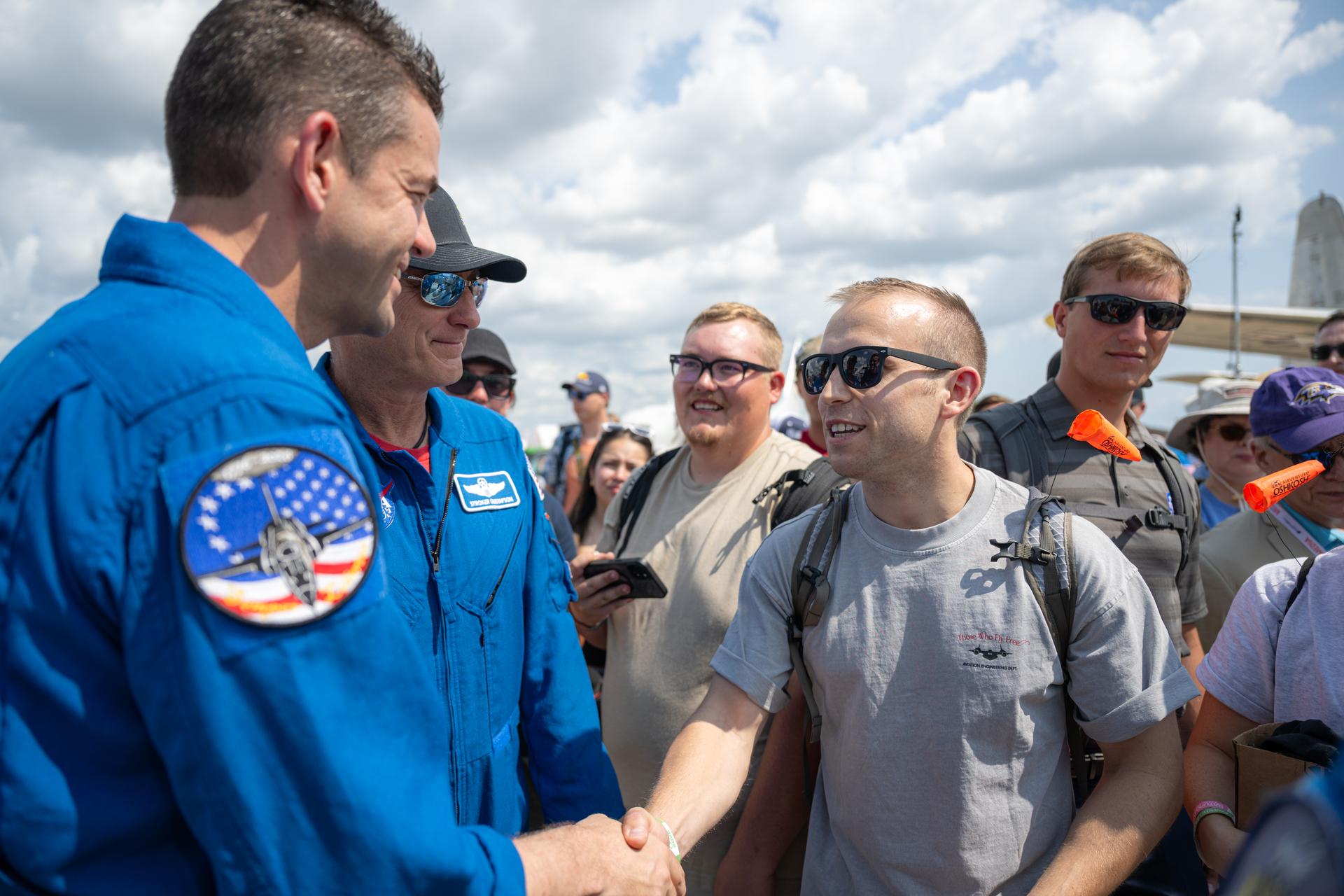
NASA Administrator Jared Isaacman greets air show attendees following a speaking arrangement, Friday, July 24, 2026, at EAA AirVenture Oshkosh at Wittman Regional Airport in Oshkosh, Wis. Photo Credit: (NASA/John Kraus)
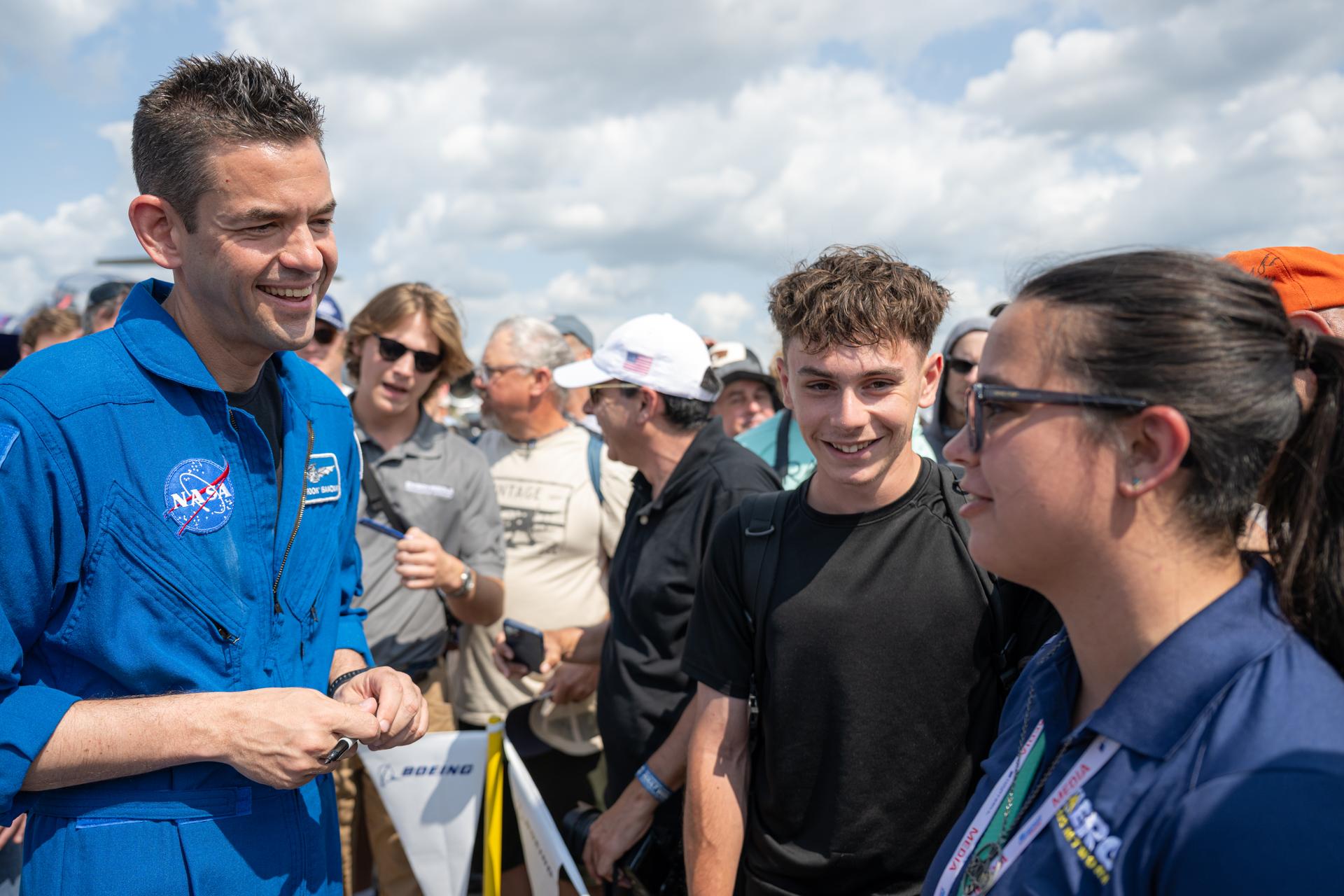
NASA Administrator Jared Isaacman greets air show attendees following a speaking arrangement, Friday, July 24, 2026, at EAA AirVenture Oshkosh at Wittman Regional Airport in Oshkosh, Wis. Photo Credit: (NASA/John Kraus)
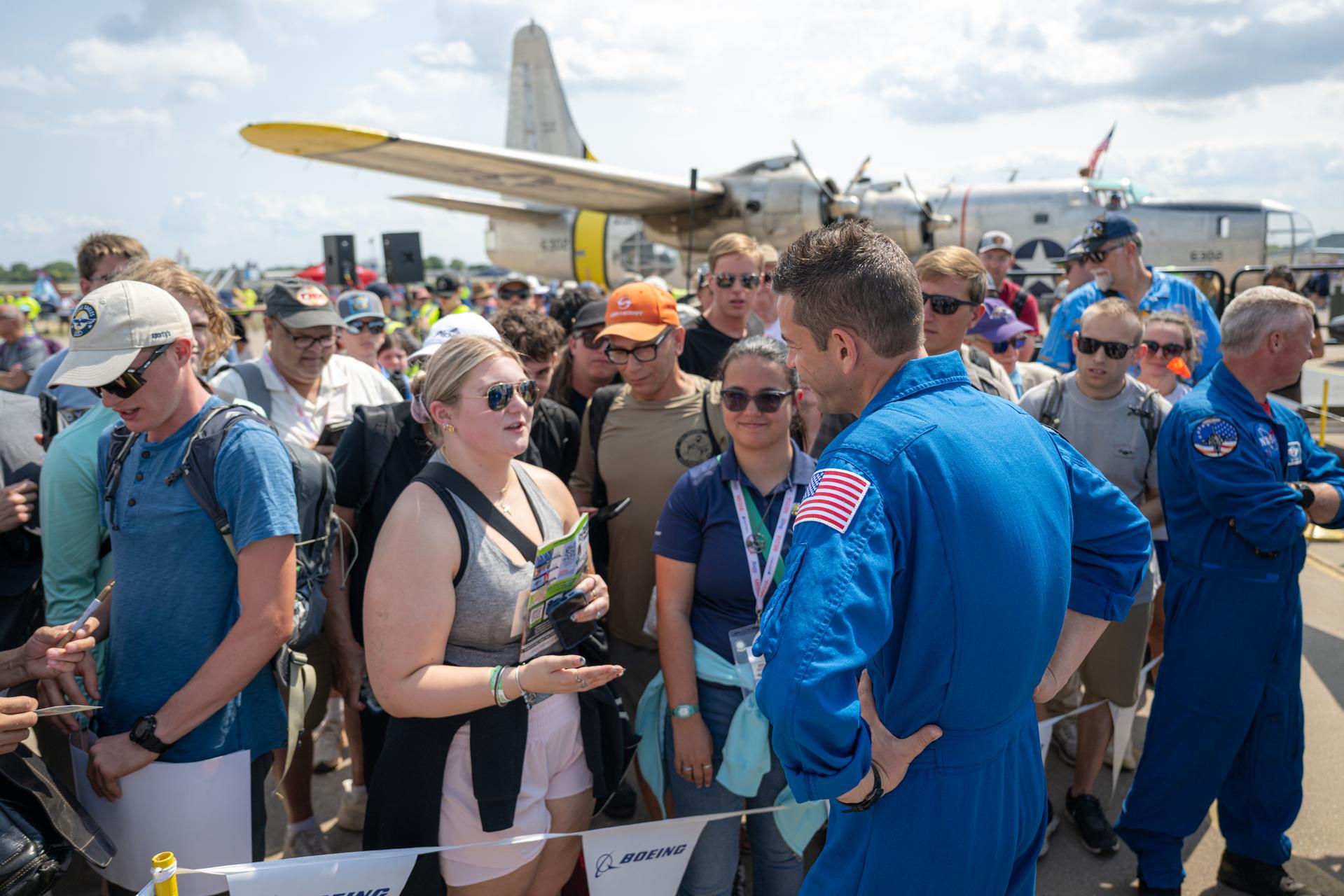
NASA Administrator Jared Isaacman greets air show attendees following a speaking arrangement, Friday, July 24, 2026, at EAA AirVenture Oshkosh at Wittman Regional Airport in Oshkosh, Wis. Photo Credit: (NASA/John Kraus)
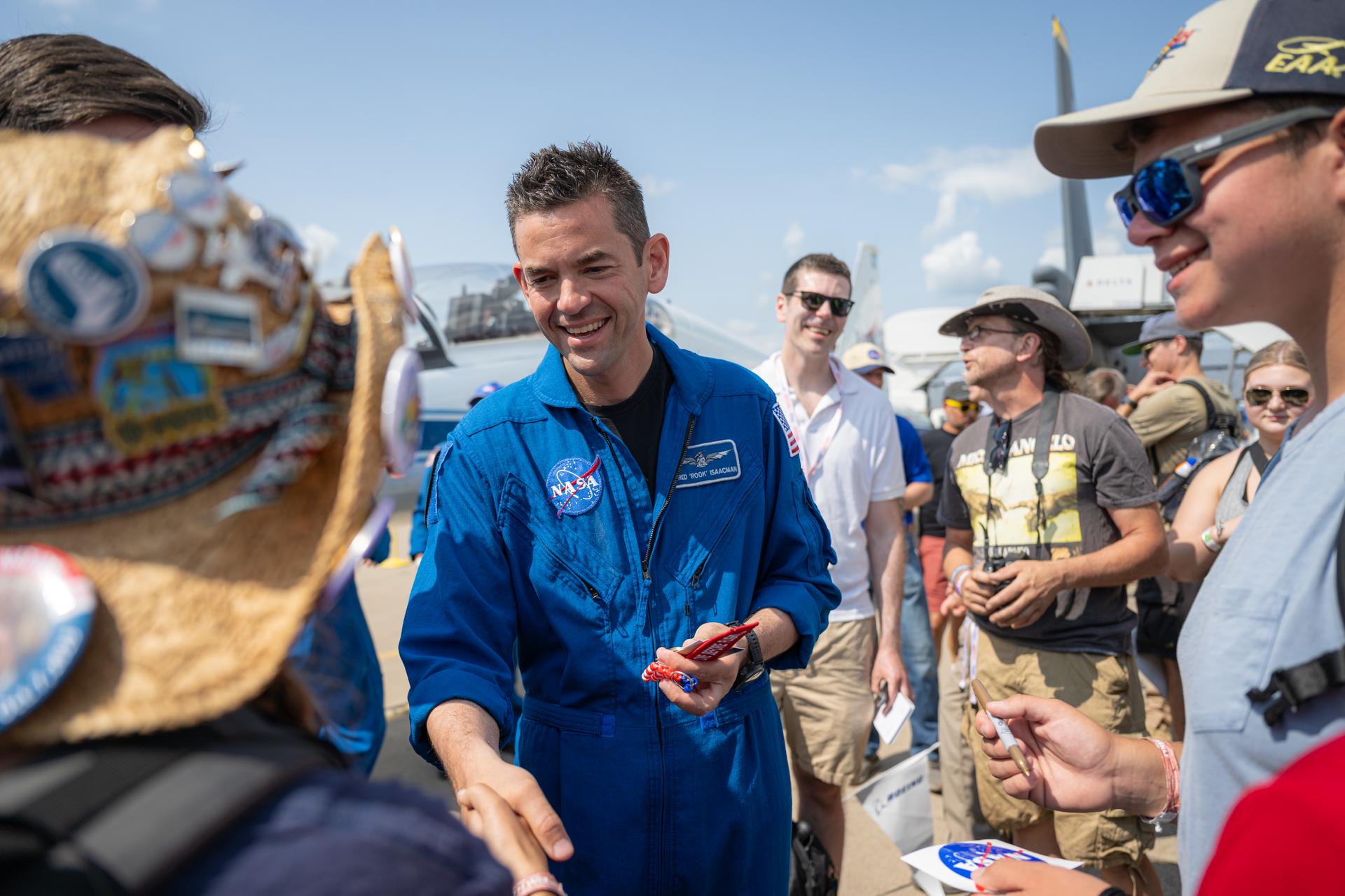
NASA Administrator Jared Isaacman greets air show attendees following a speaking arrangement, Friday, July 24, 2026, at EAA AirVenture Oshkosh at Wittman Regional Airport in Oshkosh, Wis. Photo Credit: (NASA/John Kraus)
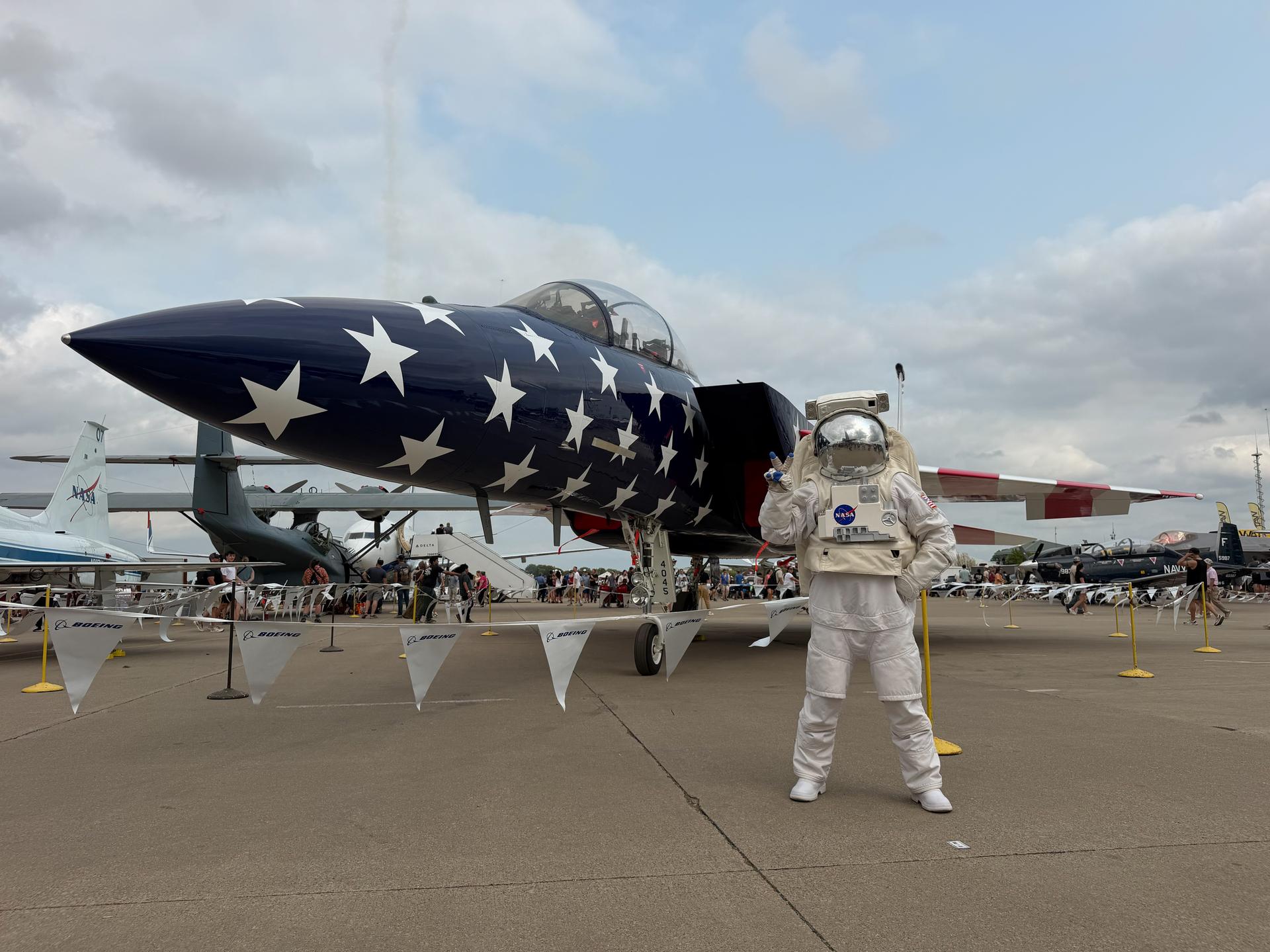
NASA’s Spacey Casey poses in front of NASA’s F-15 painted with new red, white, and blue livery to celebrate America’s 250th birthday at the Boeing Plaza at the 2026 Experimental Aircraft Association (EAA) AirVenture air show in Oshkosh, Wisconsin, on Saturday, July 26, 2026.
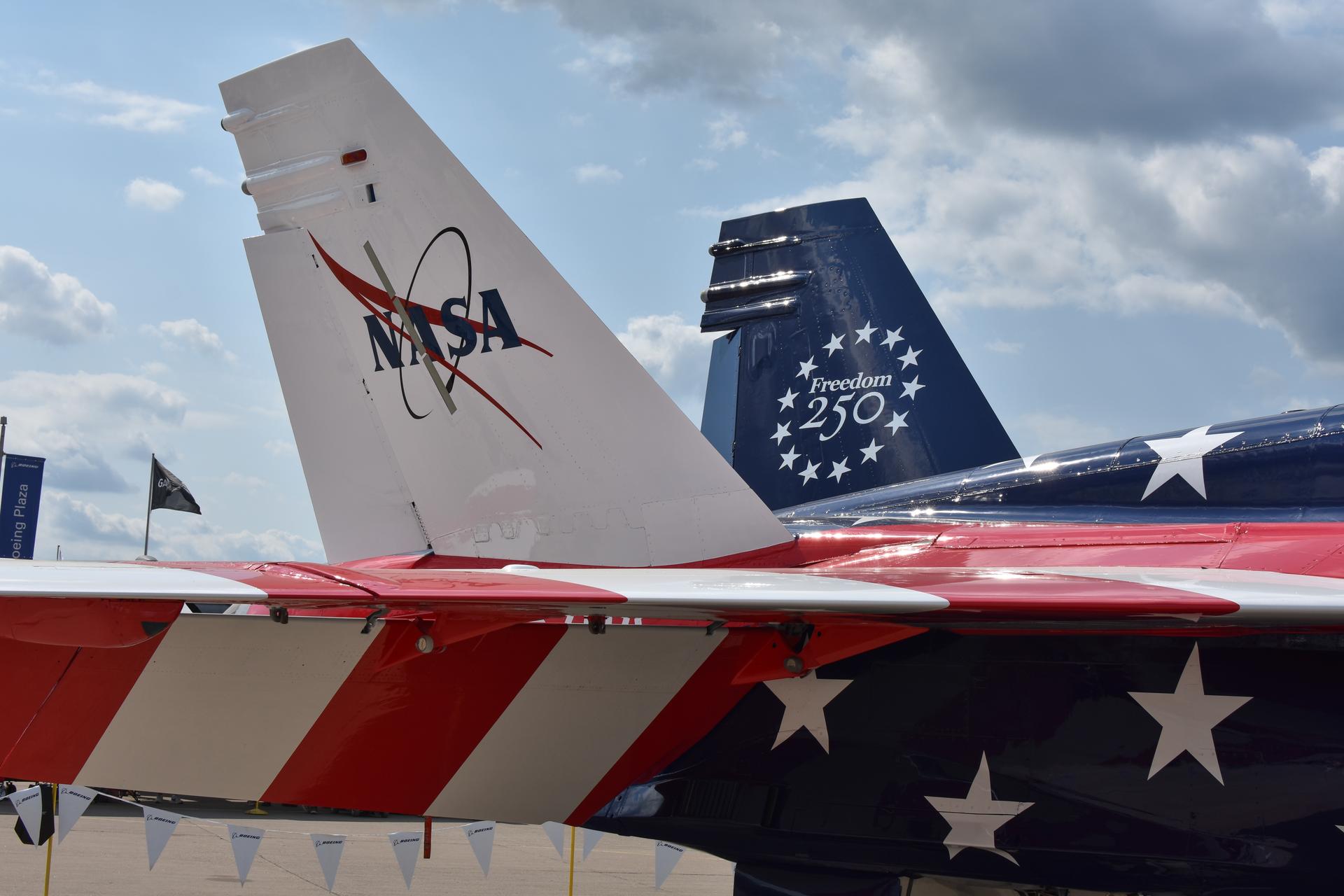
NASA’s F/A-18 aircraft painted with new red, white, and blue livery to celebrate America’s 250th birthday is shown on display at Boeing Plaza at the 2026 Experimental Aircraft Association (EAA) AirVenture air show in Oshkosh, Wisconsin, on Friday, July 24, 2026.
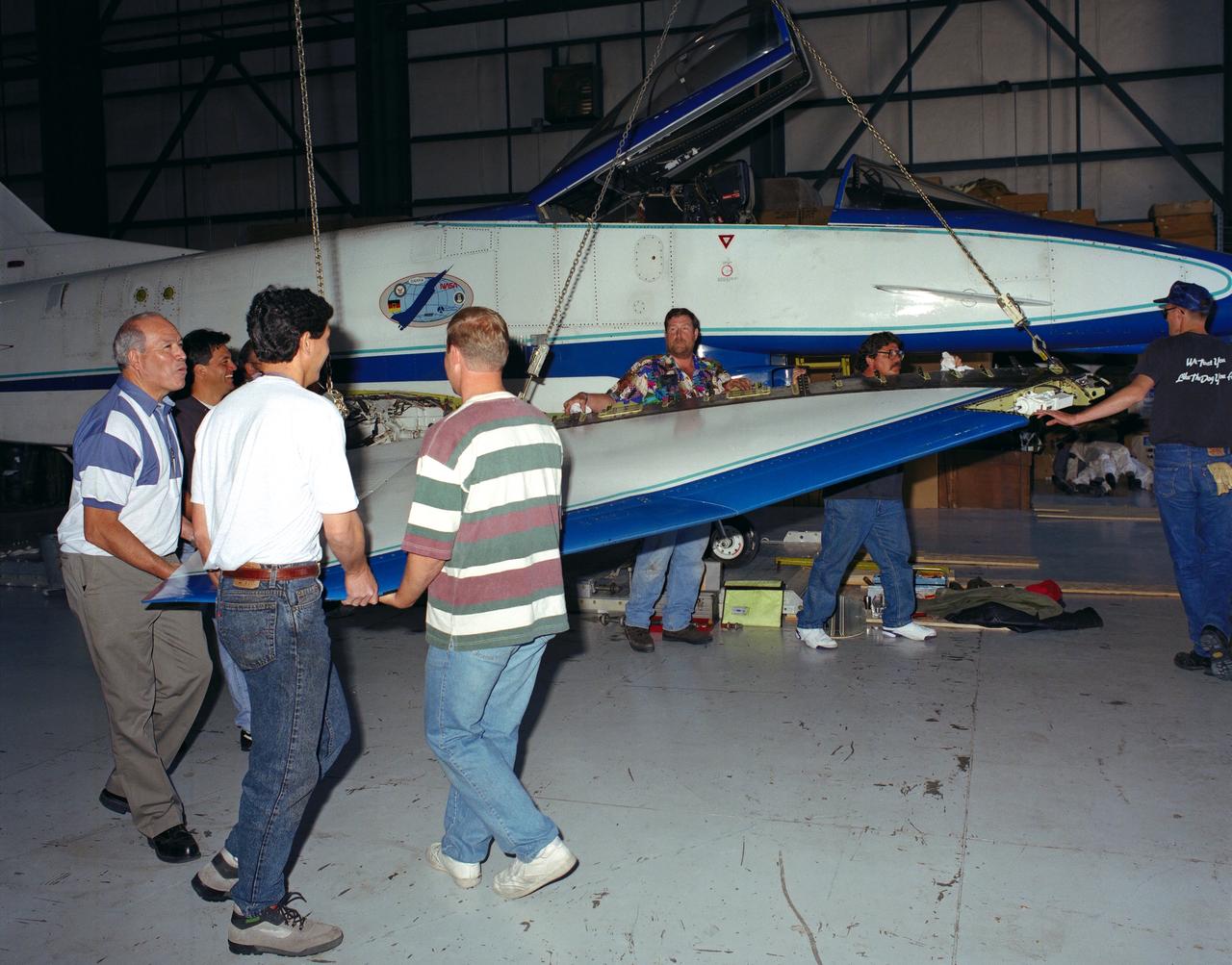
U.S. and German personnel of the X-31 Enhanced Fighter Maneuverability Technology Demonstrator aircraft program removing the right wing of the aircraft, which was ferried from Edwards Air Force Base, California, to Europe on May 22, 1995 aboard an Air Force Reserve C-5 transport. The X-31, based at the NASA Dryden Flight Research Center was ferried to Europe and flown in the Paris Air Show in June. The wing of the X-31 was removed on May 18, 1995, to allow the aircraft to fit inside the C-5 fuselage. Officials of the X-31 project used Manching, Germany, as a staging base to prepare the aircraft for the flight demonstration. At the air show, the X-31 demonstrated the value of using thrust vectoring (directing engine exhaust flow) coupled with advanced flight control systems to provide controlled flight at very high angles of attack. The aircraft arrived back at Edwards in a Air Force Reserve C-5 on June 25, 1995 and off loaded at Dryden June 27. The X-31 aircraft was developed jointly by Rockwell International's North American Aircraft Division (now part of Boeing) and Daimler-Benz Aerospace (formerly Messerschmitt-Bolkow-Blohm), under sponsorship by the U.S. Department of Defense and the German Federal Ministry of Defense.
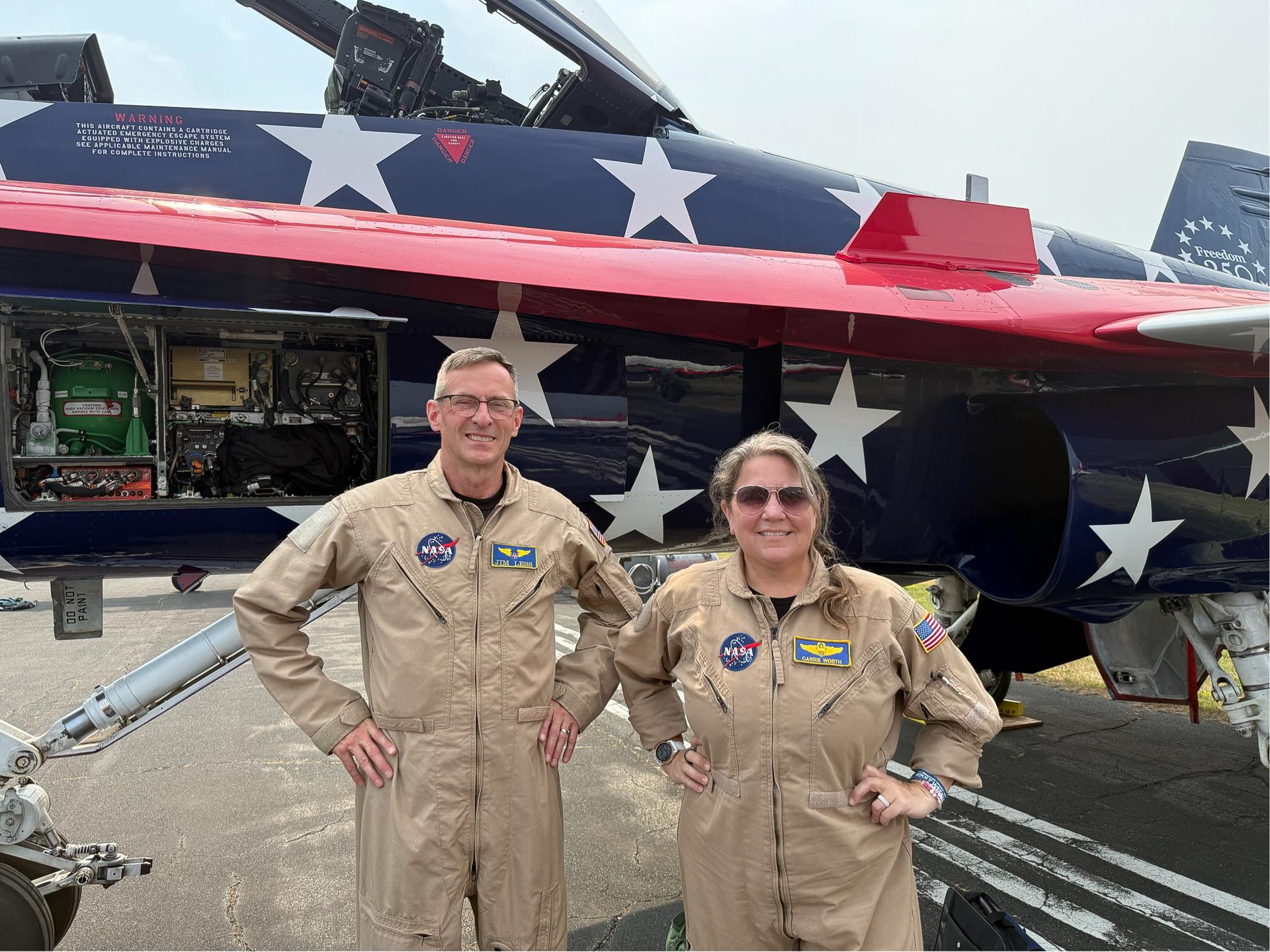
NASA test pilot Jim “Clue” Less and NASA research pilot Carrie Worth stand in front of an F/A-18 Hornet with special patriotic livery celebrating America 250, including navy blue-and-white star covered fuselages and red-and-white striped wings at the 2026 Experimental Aircraft Association (EAA) AirVenture air show in Oshkosh, Wisconsin, on Saturday, July 26, 2026.
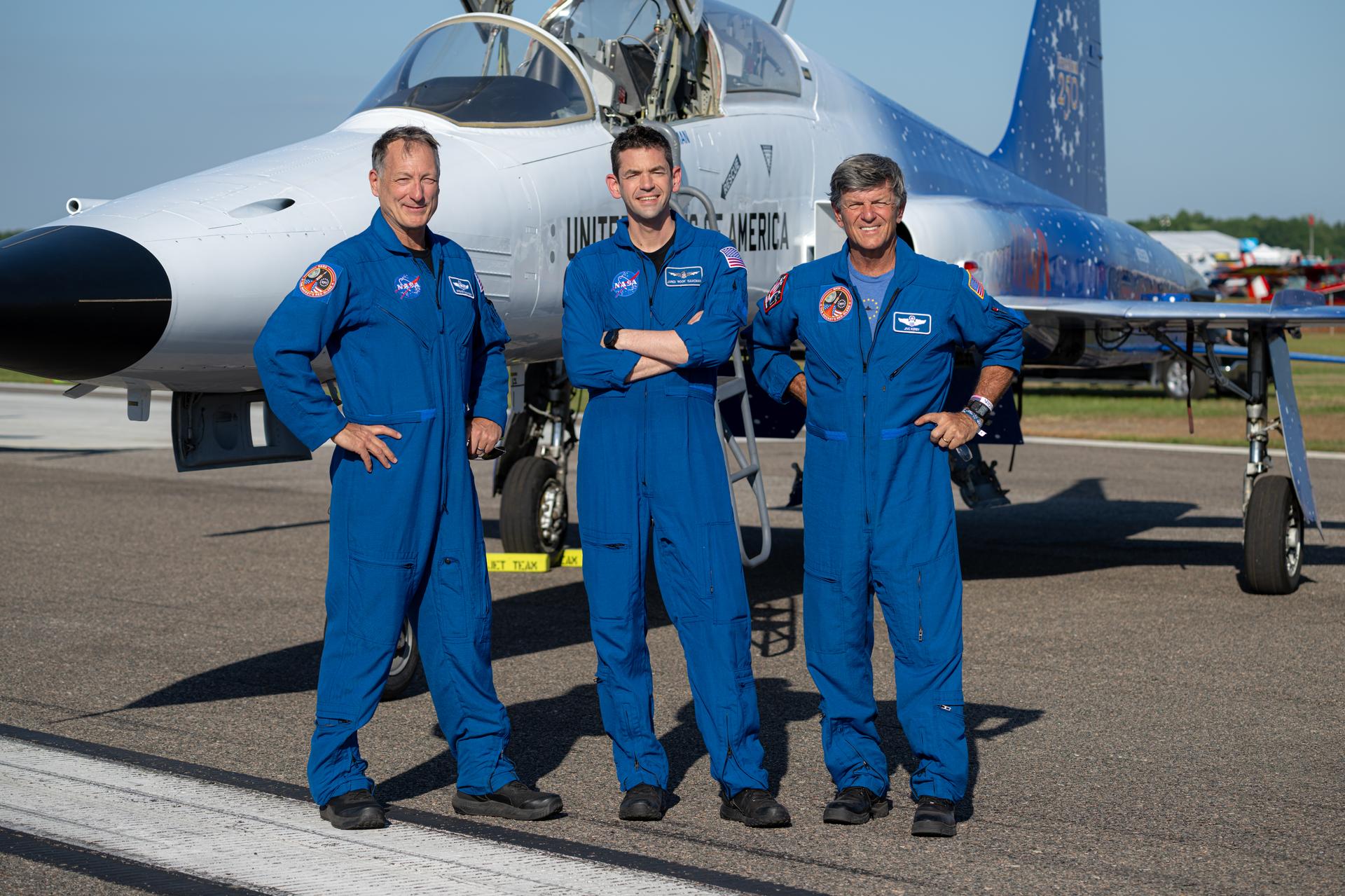
NASA Administrator Jared Isaacman, center; Sean Gustafson, senior advisor to the administrator, left; and Jerry Kerby, pilot, right, pose for a photograph following their air show performance at the SUN ’n FUN Aerospace Expo, Wednesday, Apr. 15, 2026, in Lakeland, Fla. Photo Credit: (NASA/John Kraus)
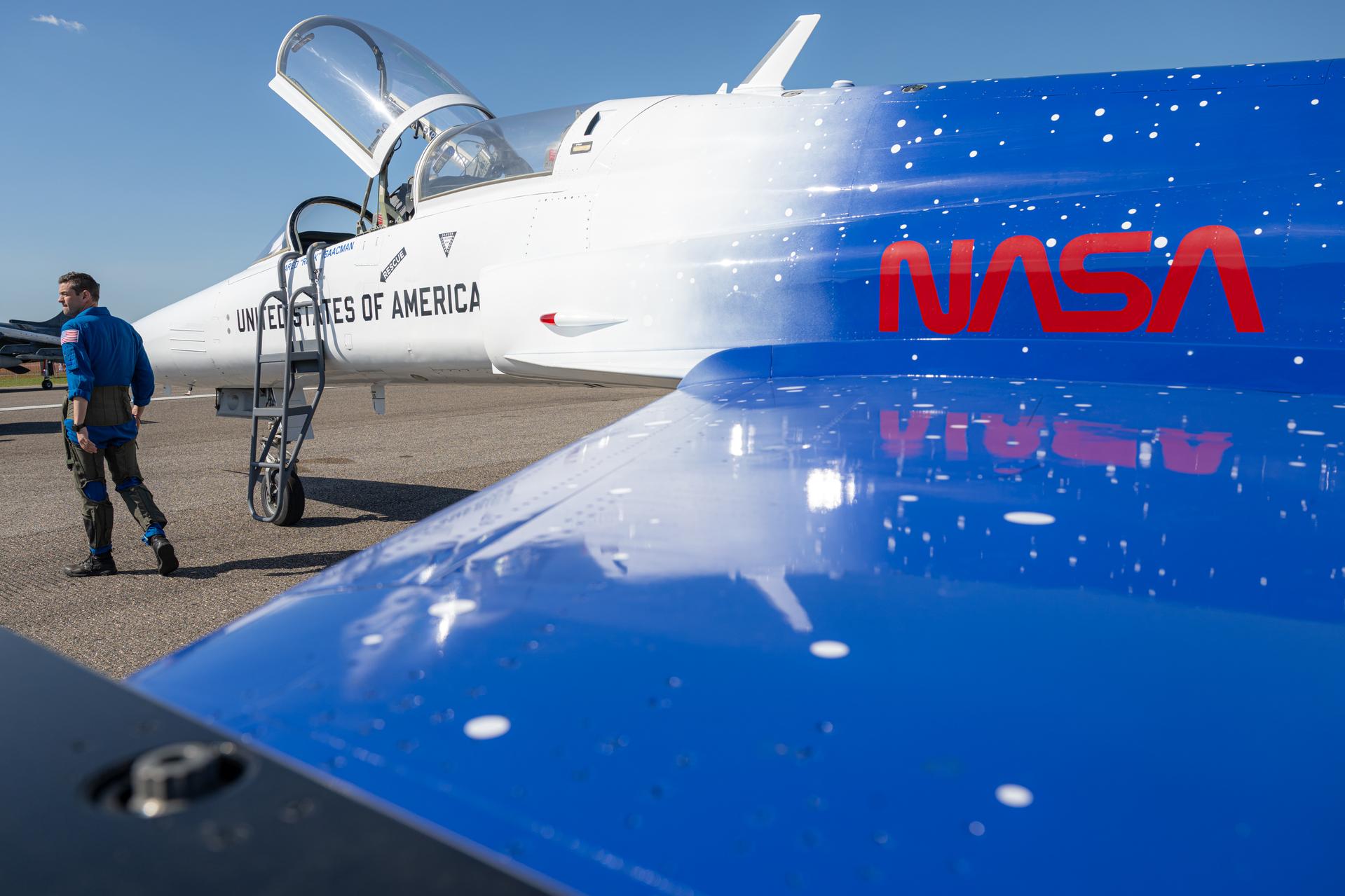
NASA Administrator Jared Isaacman is seen with one of his personal F-5 aircraft ahead of an air show performance at the SUN ’n FUN Aerospace Expo, Wednesday, Apr. 15, 2026, in Lakeland, Fla. Photo Credit: (NASA/John Kraus)

NASA Administrator Jared Isaacman flies his personal F-5 aircraft during an air show performance, Thursday, July 23, 2026, at EAA AirVenture Oshkosh at Wittman Regional Airport in Oshkosh, Wis. Photo Credit: (NASA/John Kraus)
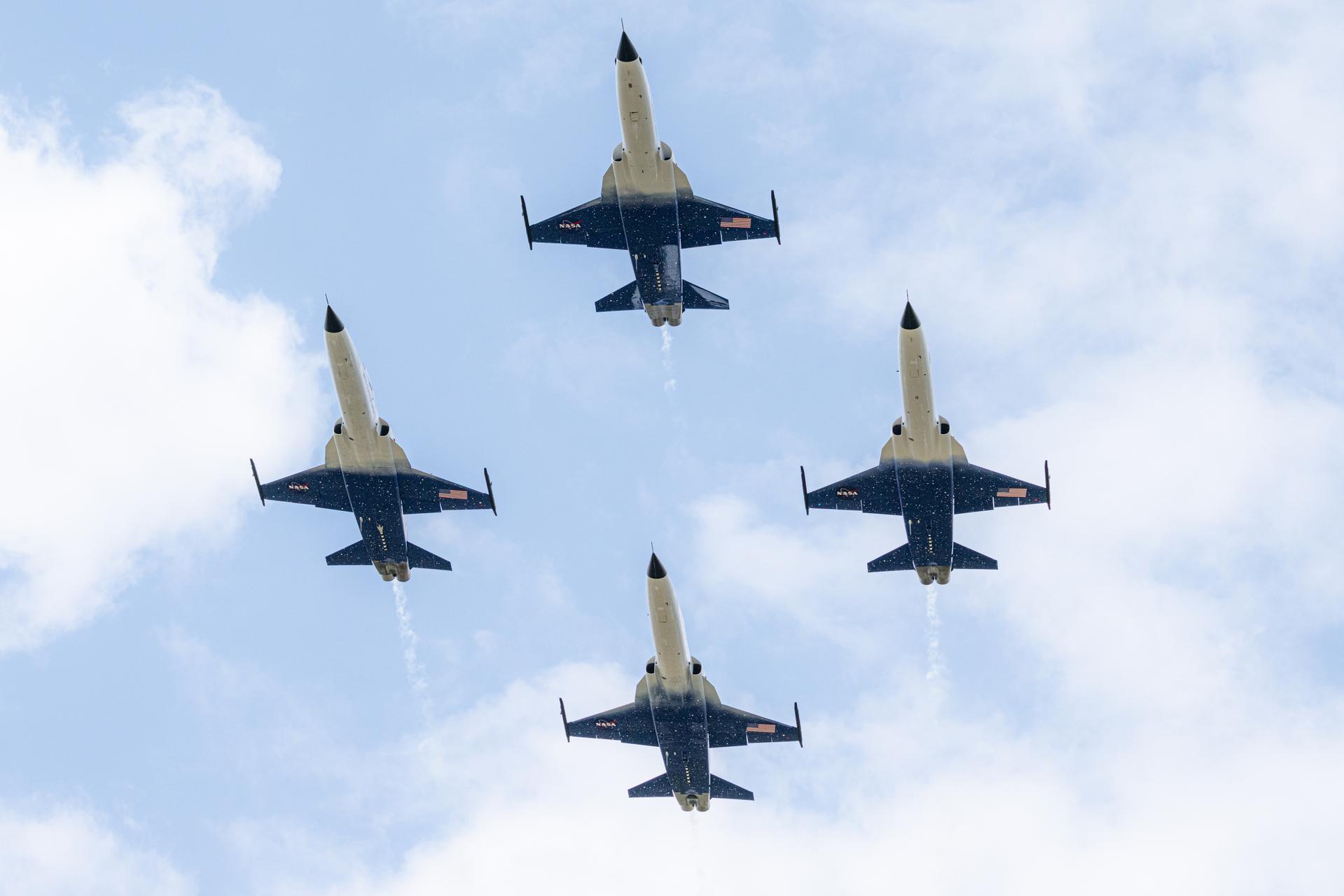
NASA Administrator Jared Isaacman flies his personal F-5 aircraft during an air show performance, Friday, July 24, 2026, at EAA AirVenture Oshkosh at Wittman Regional Airport in Oshkosh, Wis. Photo Credit: (NASA/John Kraus)
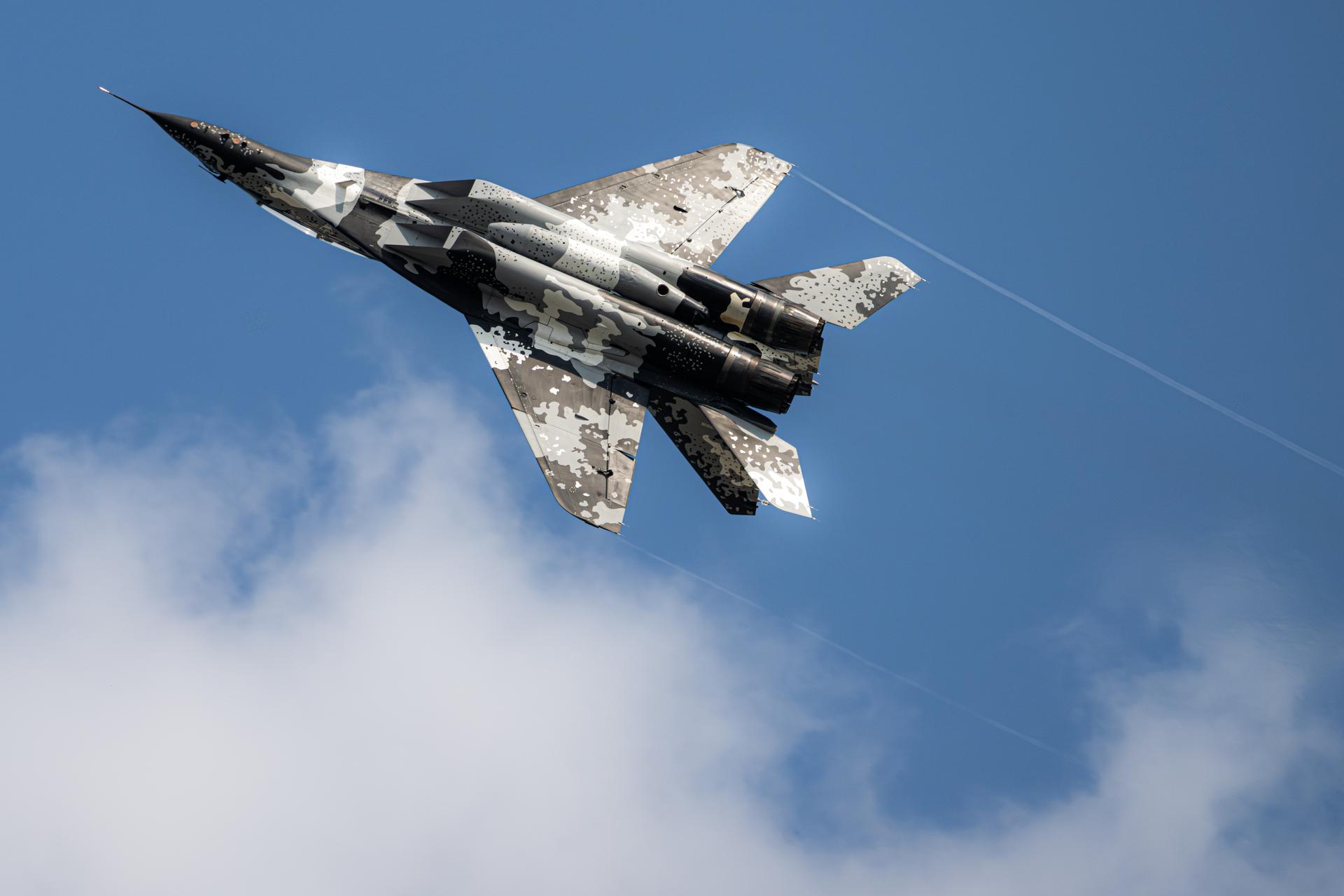
NASA Administrator Jared Isaacman flies his personal MiG-29 aircraft during an air show performance, Thursday, July 23, 2026, at EAA AirVenture Oshkosh at Wittman Regional Airport in Oshkosh, Wis. Photo Credit: (NASA/John Kraus)
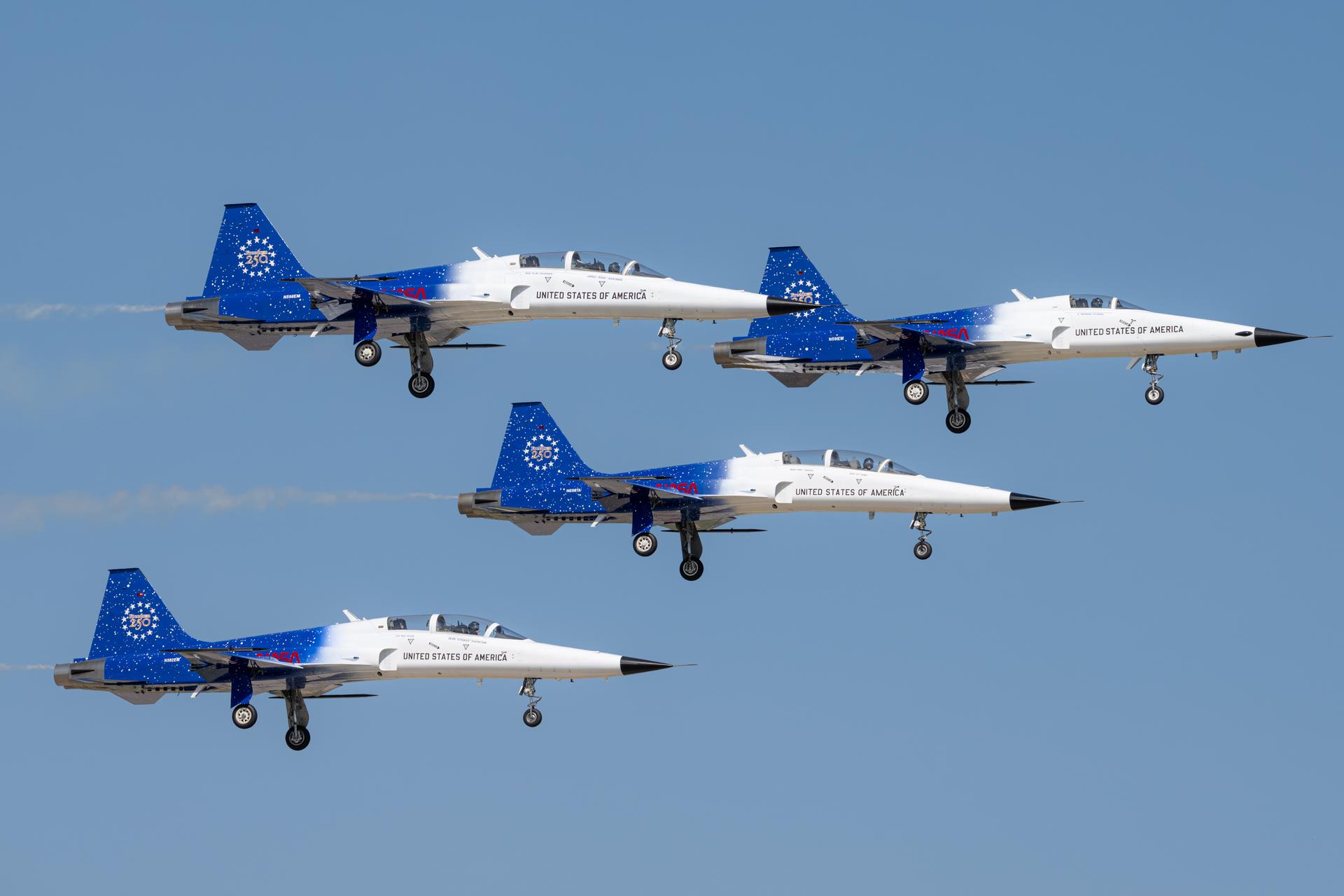
NASA Administrator Jared Isaacman flies his personal F-5 aircraft during an air show performance, Thursday, July 23, 2026, at EAA AirVenture Oshkosh at Wittman Regional Airport in Oshkosh, Wis. Photo Credit: (NASA/John Kraus)
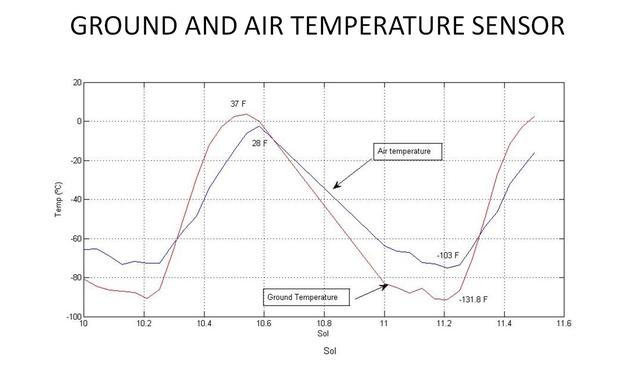
This graph shows the rise and fall of air and ground temperatures on Mars obtained by NASA Curiosity rover.
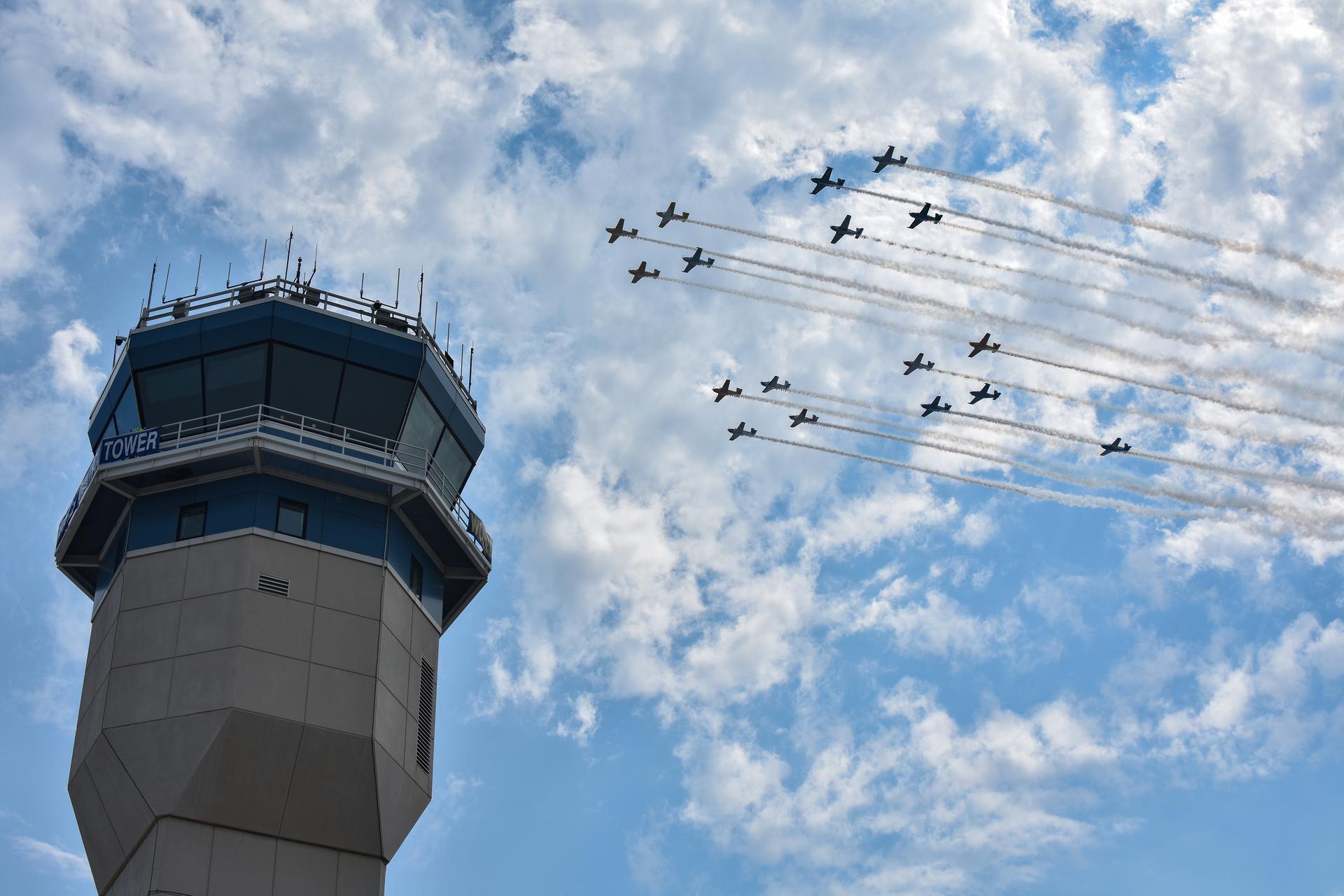
A formation is shown flying by the air traffic control tower at Wittman Regional Airport in Oshkosh, Wisconsin, for the 2026 Experimental Aircraft Association (EAA) AirVenture air show on Monday, July 20, 2026.

The image shows the trend of vapor pressure deficit over the Amazon rainforest during the dry season months — August through October — from 1987 to 2016. The measurements are shown in millibars — a standard unit of measure for atmospheric pressure. Vapor pressure deficit is the ratio of how much moisture is present in the atmosphere compared to how much moisture the atmosphere can hold. The trend shows the decline of moisture in the air, particularly across the south and southeastern Amazon, which is caused by a combination of human activities, including changes in land use, forest burning and its byproduct, black carbon, along with activities that have increased carbon monoxide and carbon dioxide levels in the region. https://photojournal.jpl.nasa.gov/catalog/PIA23425
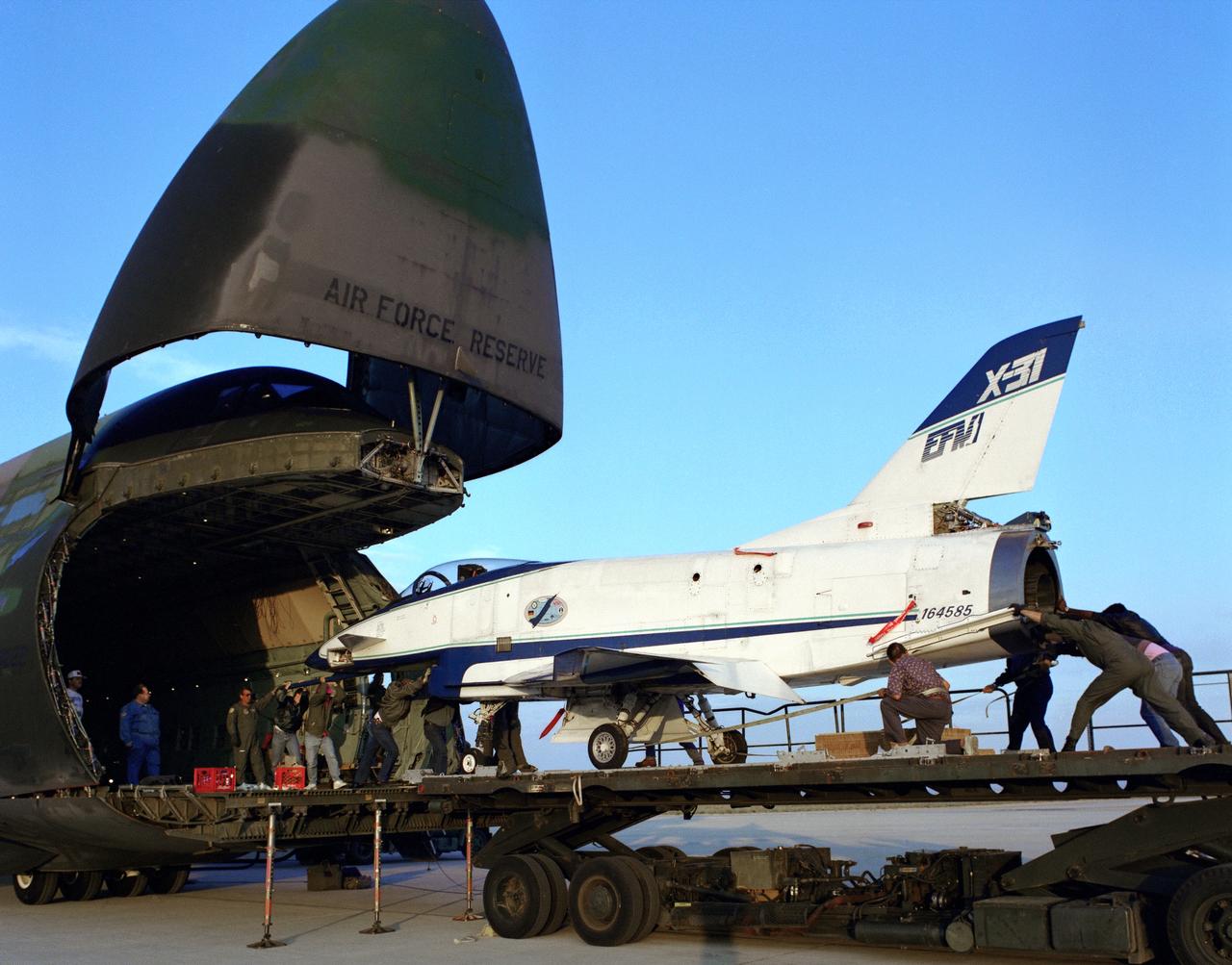
The X-31 Enhanced Fighter Maneuverability Technology Demonstrator Aircraft, based at the NASA Dryden Flight Research Center, Edwards, California, begins rolling aboard an Air Force Reserve C-5 transport which ferried it on May 22, 1995 to Europe where it was flown in the Paris Air Show in June 1995. To fit in the C-5 the right wing of the X-31 had to be removed. At the air show, the X-31 demonstrated the value of using thrust vectoring (directing engine exhaust flow) coupled with advanced flight control systems to provide controlled flight at very high angles of attack.
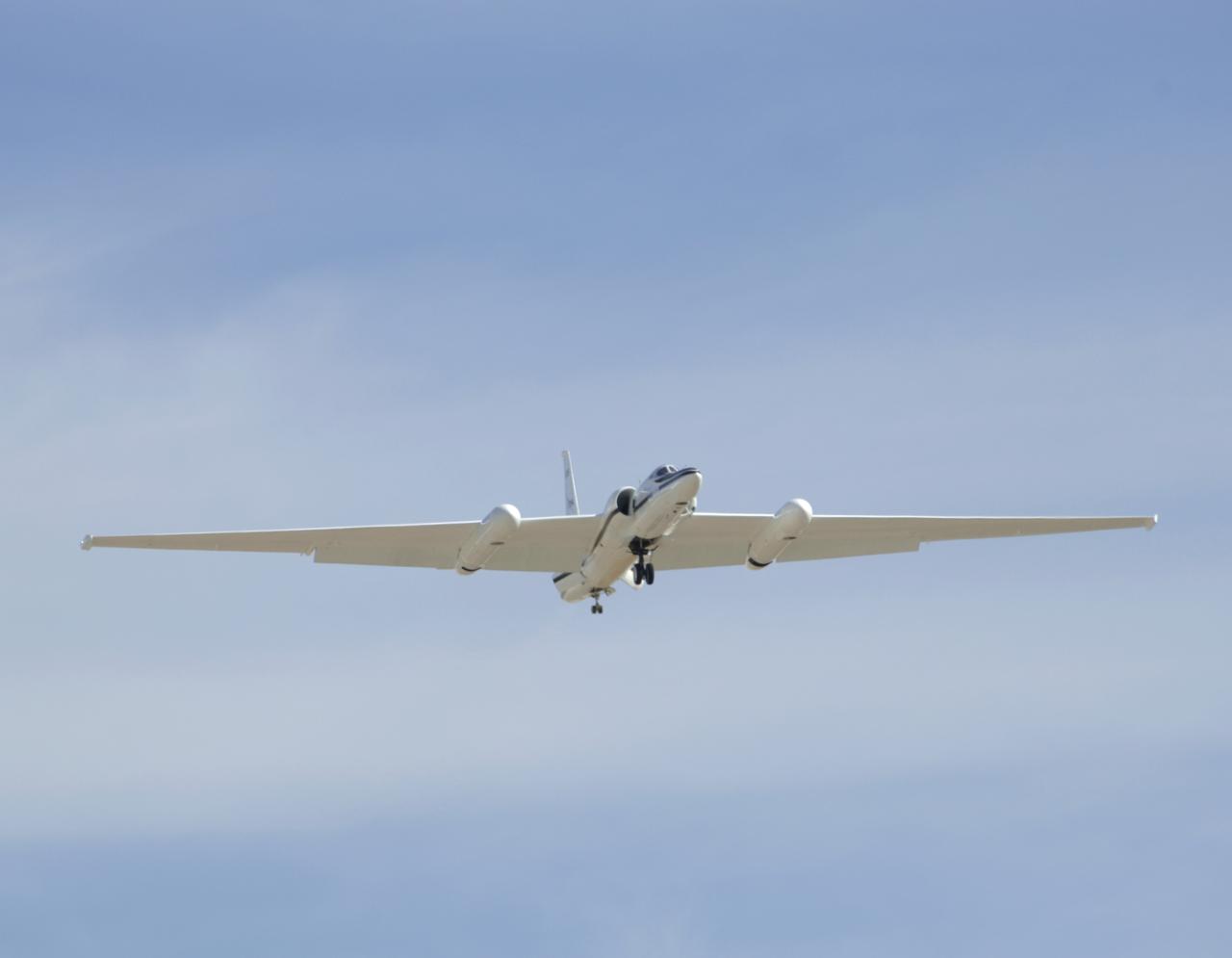
One of NASA's two ER-2 Earth resources aircraft shows off its lines during a flyover at the Edwards Air Force Base open house Oct. 28-29, 2006.
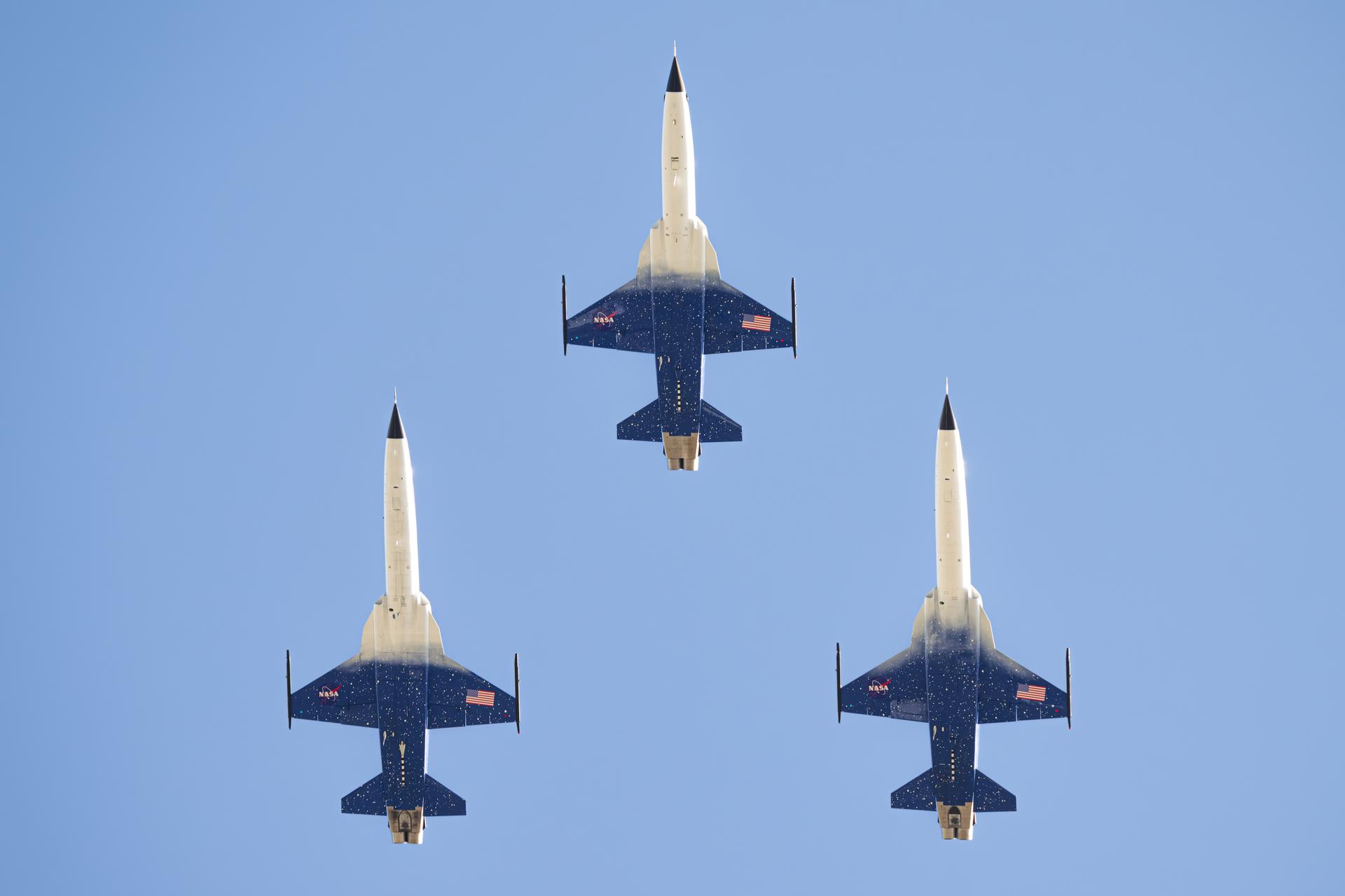
NASA Administrator Jared Isaacman participates in a formation flight with his F-5 aircraft during an air show performance at the SUN ’n FUN Aerospace Expo, Wednesday, Apr. 15, 2026, in Lakeland, Fla. Isaacman was joined by pilots Sean Gustafson, senior advisor to the administrator, and Jerry Kerby. Photo Credit: (NASA/John Kraus)
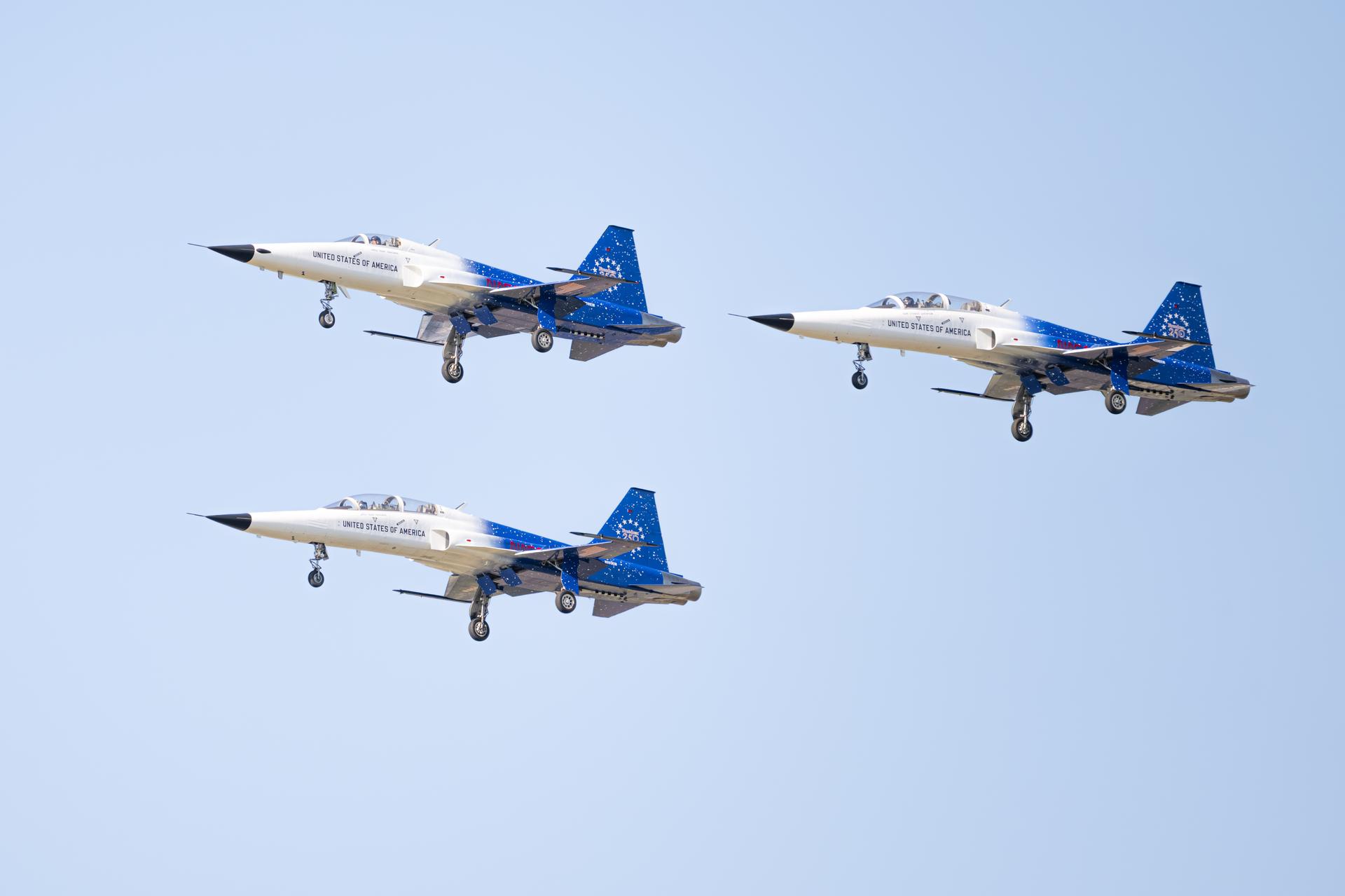
NASA Administrator Jared Isaacman participates in a formation flight with his F-5 aircraft during an air show performance at the SUN ’n FUN Aerospace Expo, Wednesday, Apr. 15, 2026, in Lakeland, Fla. Isaacman was joined by pilots Sean Gustafson, senior advisor to the administrator, and Jerry Kerby. Photo Credit: (NASA/John Kraus)
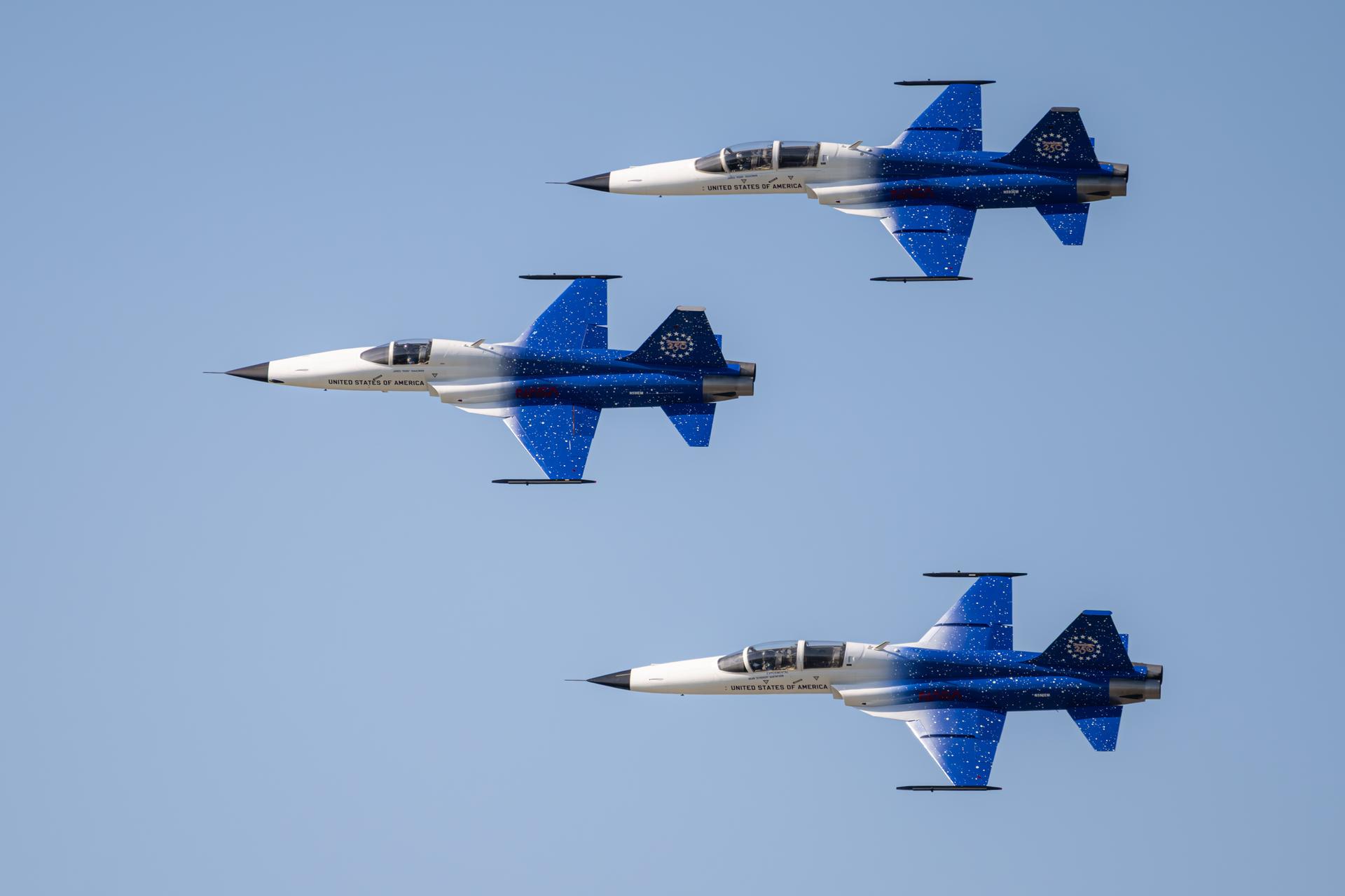
NASA Administrator Jared Isaacman participates in a formation flight with his F-5 aircraft during an air show performance at the SUN ’n FUN Aerospace Expo, Wednesday, Apr. 15, 2026, in Lakeland, Fla. Isaacman was joined by pilots Sean Gustafson, senior advisor to the administrator, and Jerry Kerby. Photo Credit: (NASA/John Kraus)
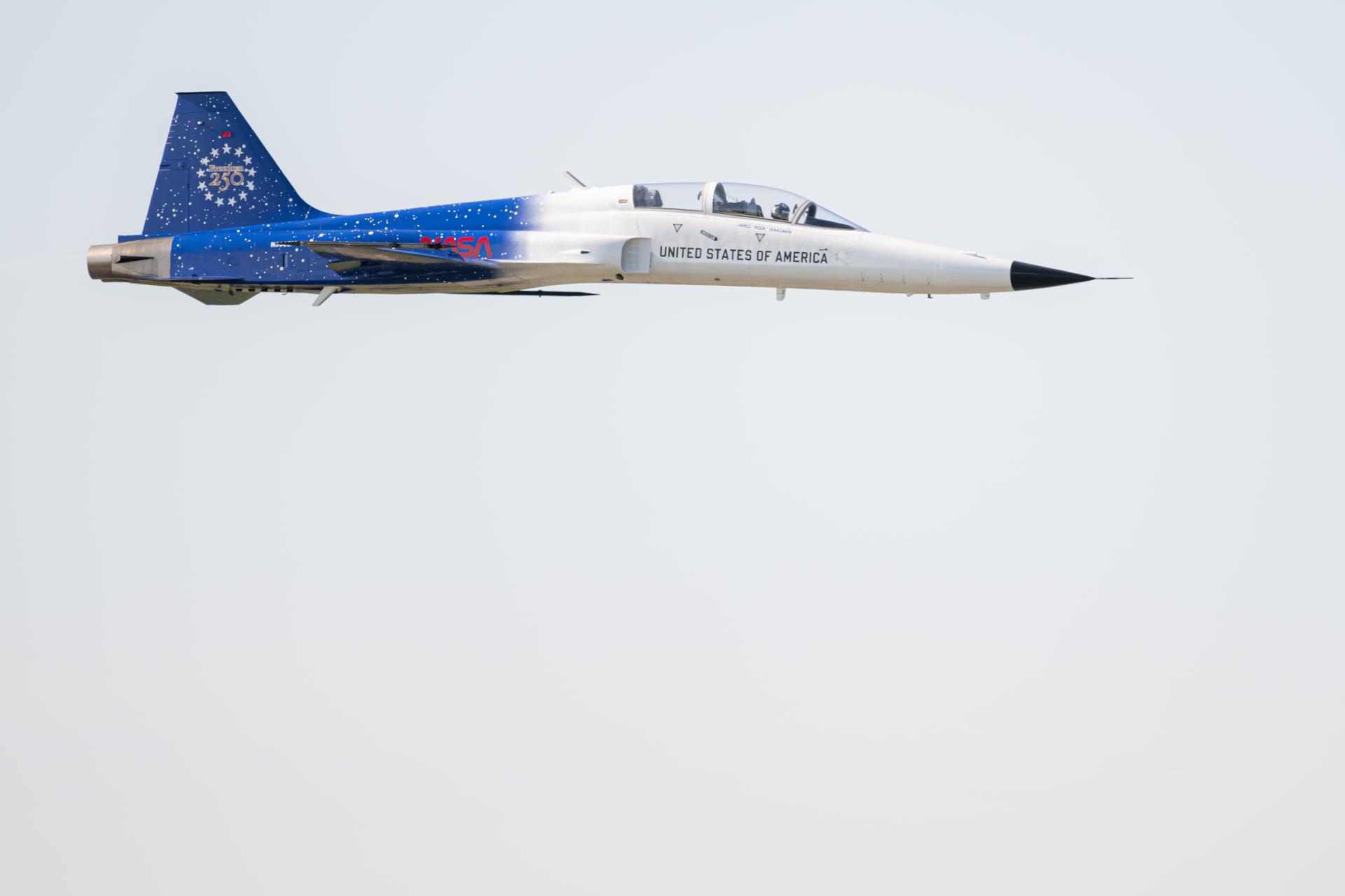
NASA Administrator Jared Isaacman participates in a formation flight with his F-5 aircraft during an air show performance at the SUN ’n FUN Aerospace Expo, Wednesday, Apr. 15, 2026, in Lakeland, Fla. Isaacman was joined by pilots Sean Gustafson, senior advisor to the administrator, and Jerry Kerby. Photo Credit: (NASA/John Kraus)
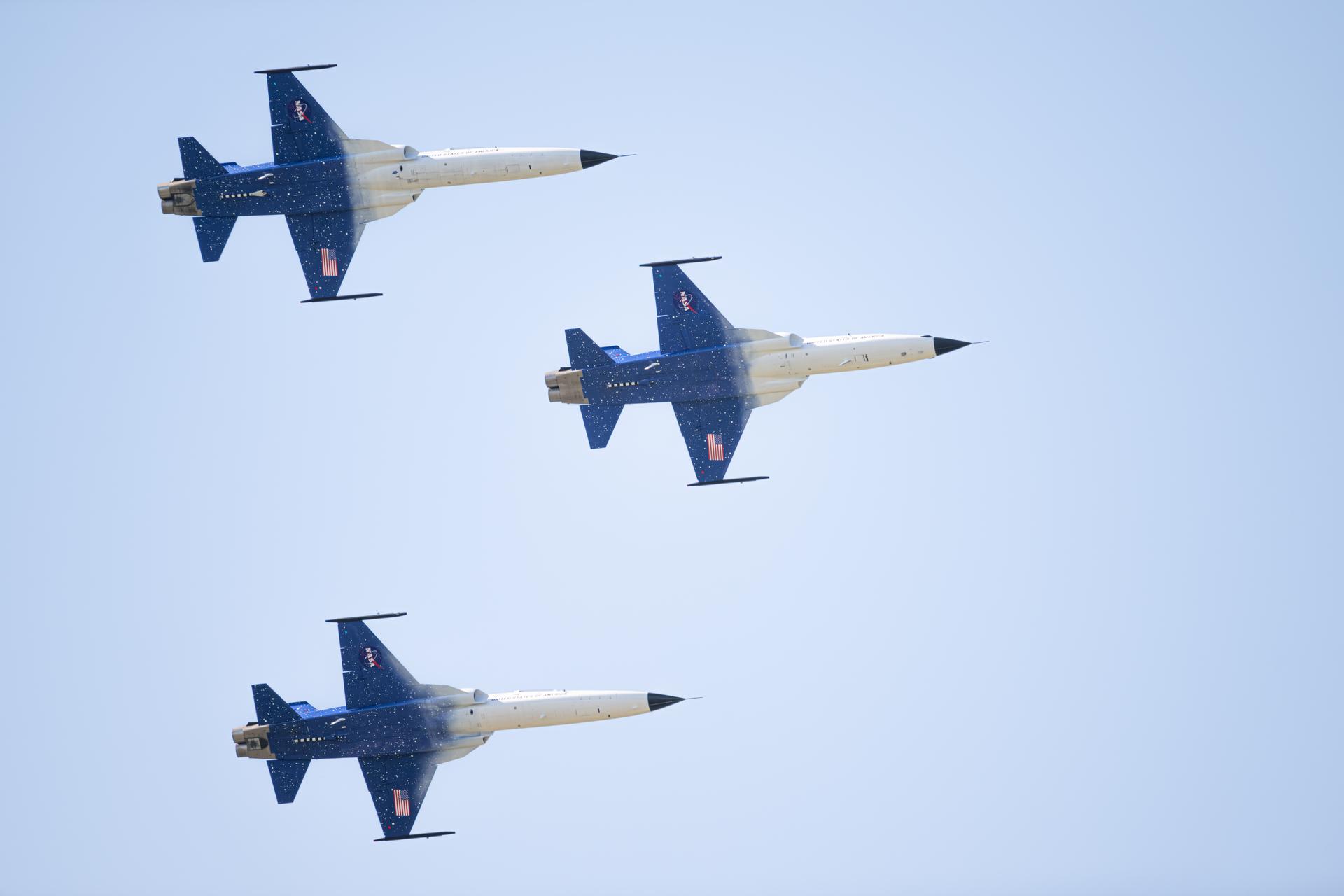
NASA Administrator Jared Isaacman participates in a formation flight with his F-5 aircraft during an air show performance at the SUN ’n FUN Aerospace Expo, Wednesday, Apr. 15, 2026, in Lakeland, Fla. Isaacman was joined by pilots Sean Gustafson, senior advisor to the administrator, and Jerry Kerby. Photo Credit: (NASA/John Kraus)
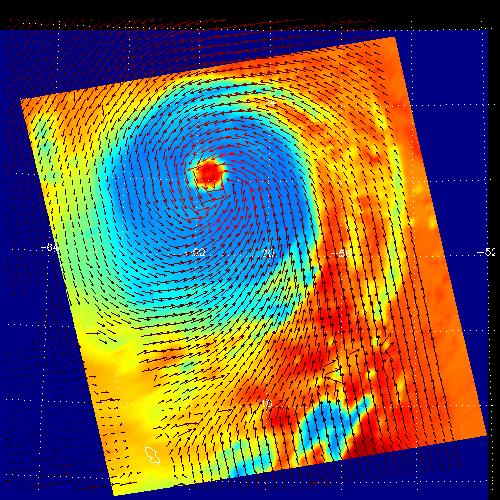
These two images show Hurricane Isabel as viewed by AIRS and SeaWinds scatterometers on NASA ADEOS-2 and QuikScat satellites in September, 2003. AIRS data are used to create global three-dimensional maps of temperature, humidity and clouds, while scatterometers measure surface wind speed and direction. http://photojournal.jpl.nasa.gov/catalog/PIA00429
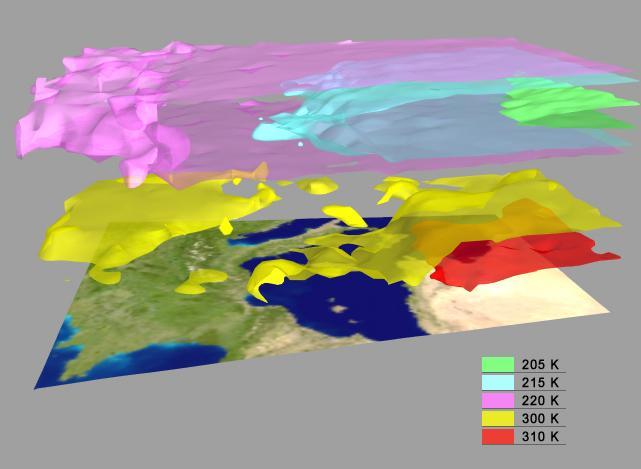
AIRS Retrieved Temperature Isotherms over Southern Europe viewed from the west, September 8, 2002. The isotherms in this map made from AIRS onboard NASA Aqua satellite data show regions of the same temperature in the atmosphere. http://photojournal.jpl.nasa.gov/catalog/PIA00513

This image from an animation shows beacons of hot air seen in the infrared that appeared during a great springtime storm on Saturn from January 2011 to March 2012.

This image shows the distribution and amount of carbon dioxide in Earth mid-troposphere in July 2008 as measured by NASA Atmospheric Infrared Sounder AIRS instrument.
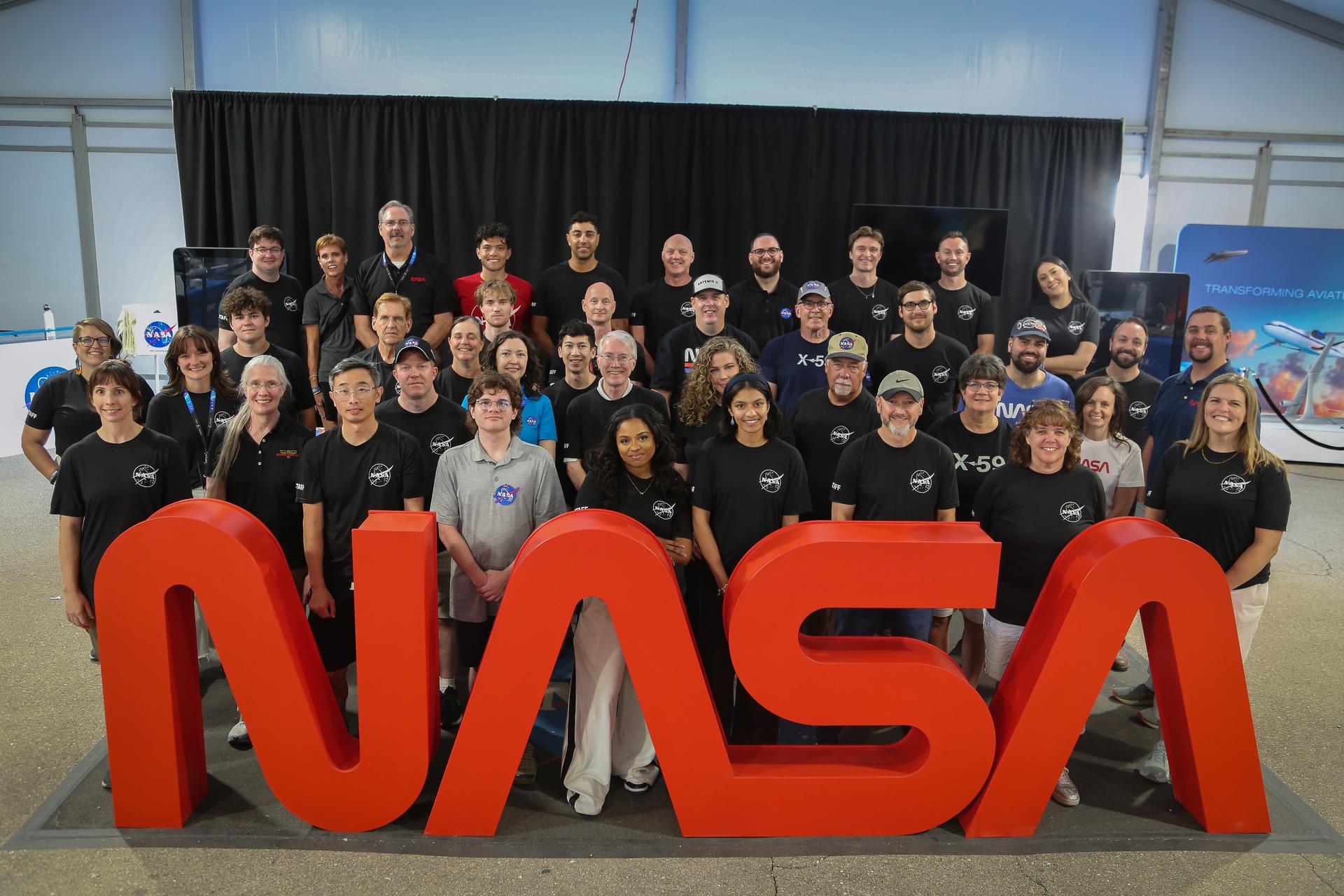
NASA pavilion staff pose for a group photo at the 2026 Experimental Aircraft Association (EAA) AirVenture air show in Oshkosh, Wisconsin, on Thursday, July 23, 2026.
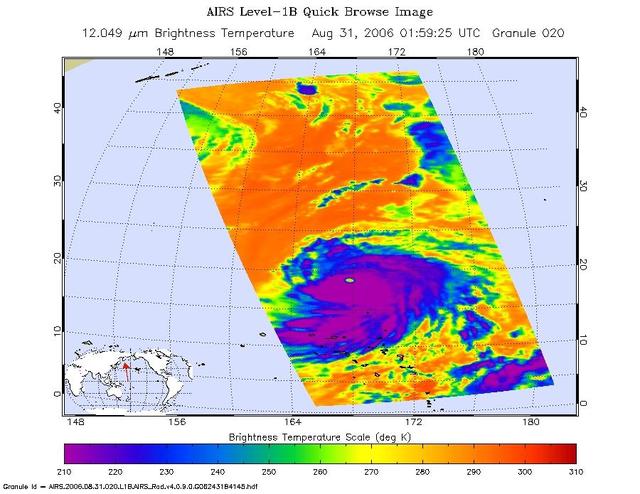
This infrared image shows Typhoon Ioke in the Western Pacific, from the Atmospheric Infrared Sounder AIRS on NASA Aqua satellite in August, 2006. Because infrared radiation does not penetrate through clouds, AIRS infrared images show either the temperature of the cloud tops or the surface of the Earth in cloud-free regions. The lowest temperatures (in purple) are associated with high, cold cloud tops that make up the top of the storm. In cloud-free areas the AIRS instrument will receive the infrared radiation from the surface of the Earth, resulting in the warmest temperatures (orange/red). http://photojournal.jpl.nasa.gov/catalog/PIA00511
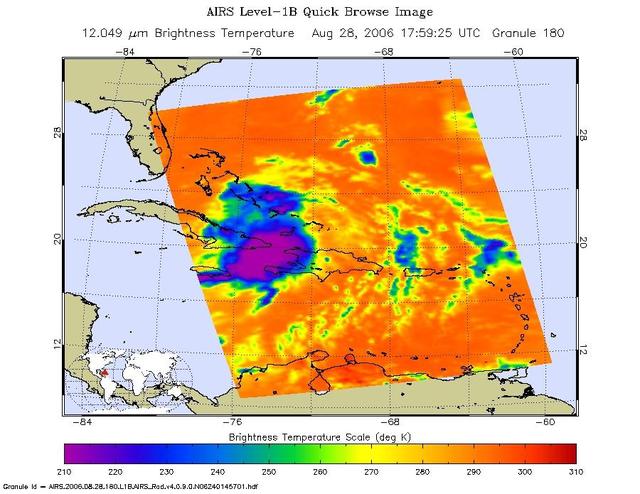
This infrared image shows Tropical Storm Ernesto over Cuba, from the Atmospheric Infrared Sounder AIRS on NASA Aqua satellite in August, 2006. Because infrared radiation does not penetrate through clouds, AIRS infrared images show either the temperature of the cloud tops or the surface of the Earth in cloud-free regions. The lowest temperatures (in purple) are associated with high, cold cloud tops that make up the top of the storm. In cloud-free areas the AIRS instrument will receive the infrared radiation from the surface of the Earth, resulting in the warmest temperatures (orange/red). http://photojournal.jpl.nasa.gov/catalog/PIA00510
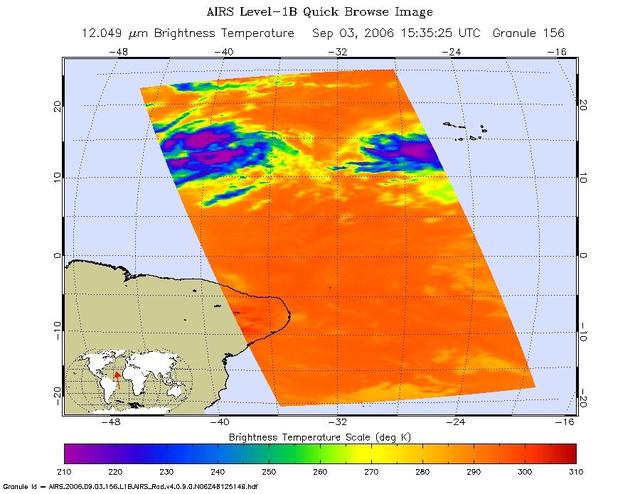
This infrared image shows Tropical Depression 6 Florence in the Atlantic, from the Atmospheric Infrared Sounder AIRS on NASA Aqua satellite in September, 2006. Because infrared radiation does not penetrate through clouds, AIRS infrared images show either the temperature of the cloud tops or the surface of the Earth in cloud-free regions. The lowest temperatures (in purple) are associated with high, cold cloud tops that make up the top of the storm. In cloud-free areas the AIRS instrument will receive the infrared radiation from the surface of the Earth, resulting in the warmest temperatures (orange/red). http://photojournal.jpl.nasa.gov/catalog/PIA00512
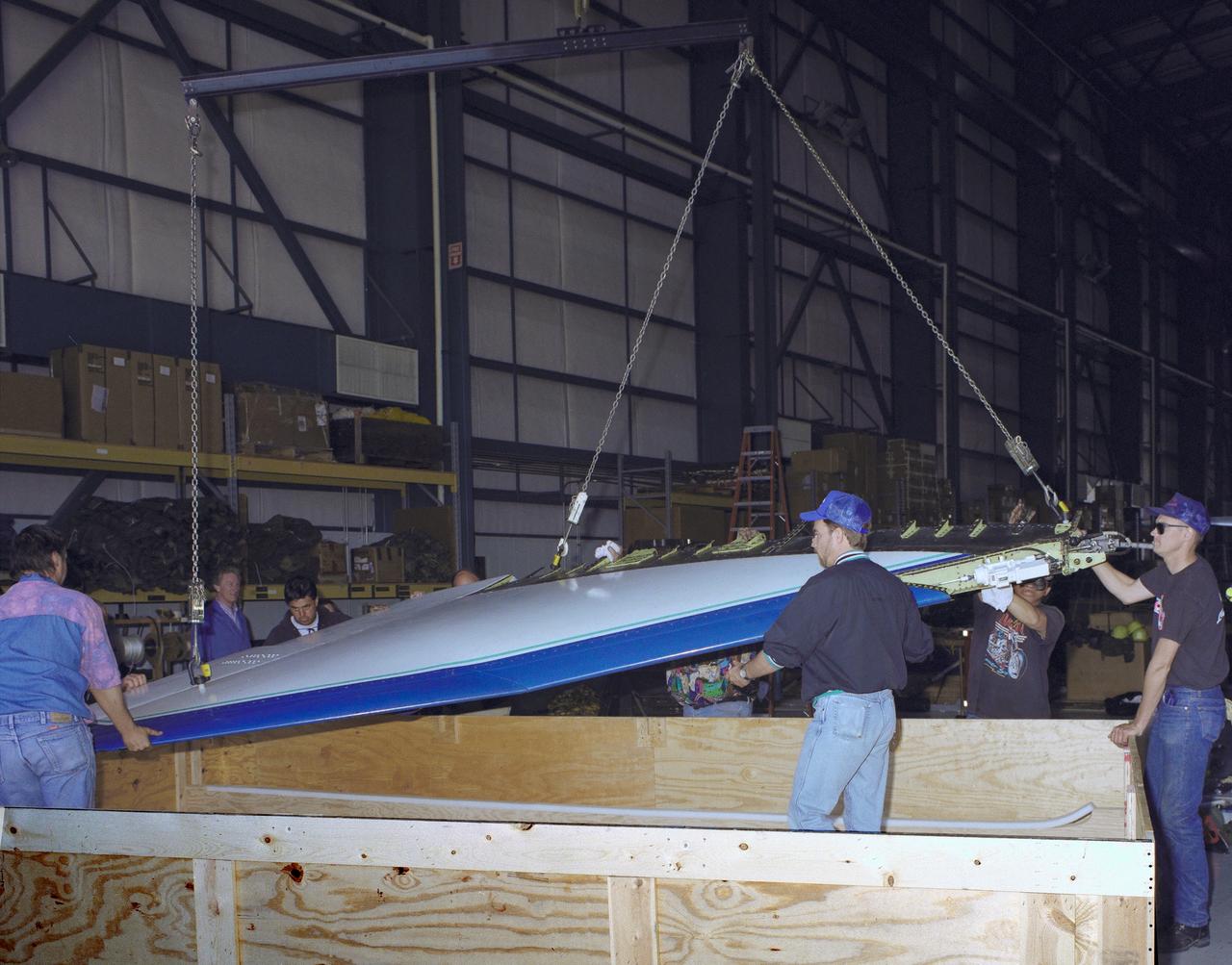
The right wing of the X-31 Enhanced Fighter Maneuverability Technology Demonstrator Aircraft is seen here being put into a shipping container May 18, 1995, at NASA's Dryden Flight Research Center, Edwards, California, by U.S. and German members of the program. To fit inside an Air Force Reserve C-5 transport, which was used to ferry the X-31 to Europe on May 22, 1995, the right wing had to be removed. Manching, Germany, was used as a staging base to prepare the aircraft for participation in the Paris Air Show. At the air show on June 11 through the 18th, the X-31 demonstrated the value of using thrust vectoring (directing engine exhaust flow) coupled with advanced flight control systems to provide controlled flight at very high angles of attack. The aircraft arrived back at Edwards in an Air Force Reserve C-5 on June 25, 1995, and off loaded at Dryden the 27th. The X-31 aircraft was developed jointly by Rockwell International's North American Aircraft Division (now part of Boeing) and Daimler-Benz Aerospace (formerly Messerschmitt-Bolkow-Blohm), under sponsorship by the U.S. Department of Defense and the German Federal Ministry of Defense.