
American Airlines aircraft in the gate area at Charlotte Douglas International Airport where ATD-2 began in 2017.
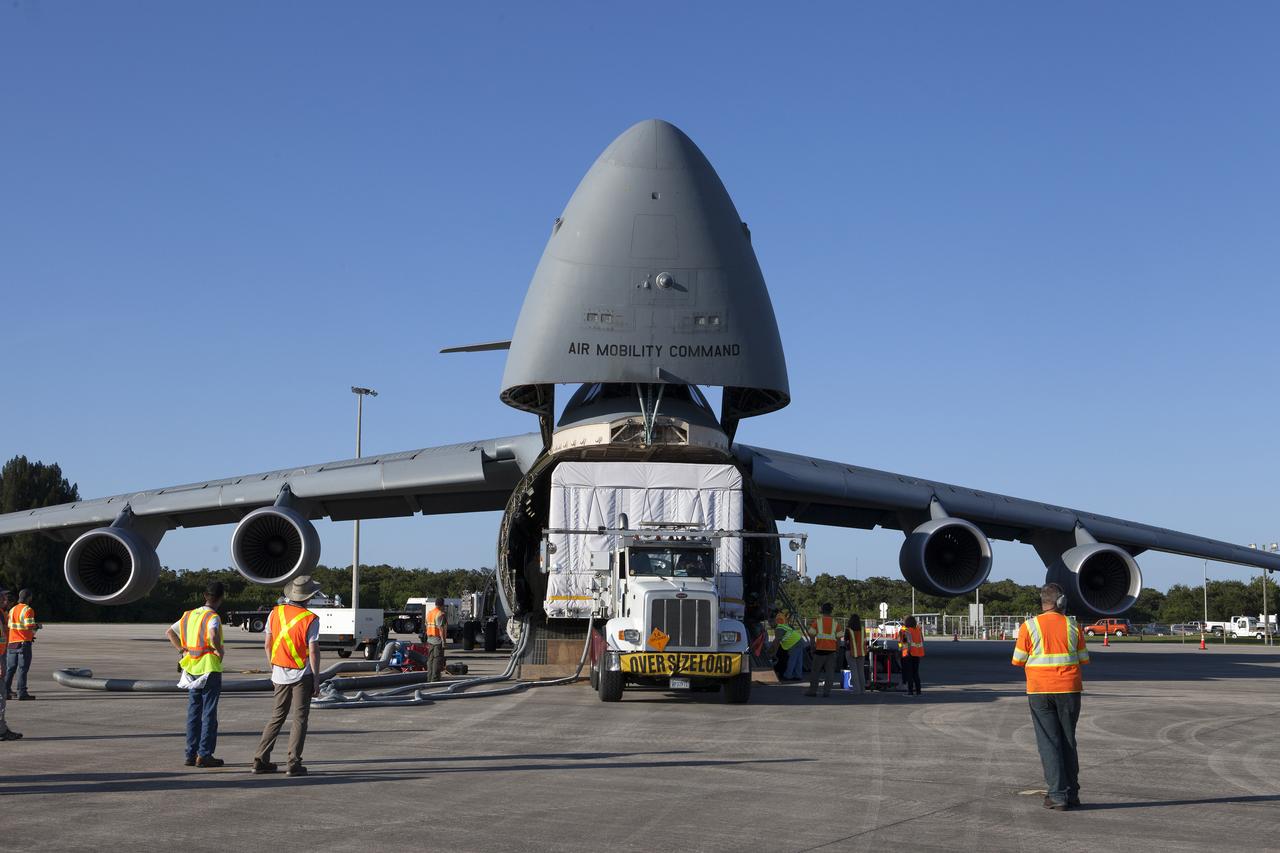
A truck with a specialized transporter drives out of the cargo hold of an Air Force C-5 Galaxy transport plane at the Shuttle Landing Facility at NASA's Kennedy Space Center in Florida to deliver the GOES-R spacecraft for launch processing. The GOES series are weather satellites operated by NOAA to enhance forecasts. The spacecraft is to launch aboard a United Launch Alliance Atlas V rocket in November.
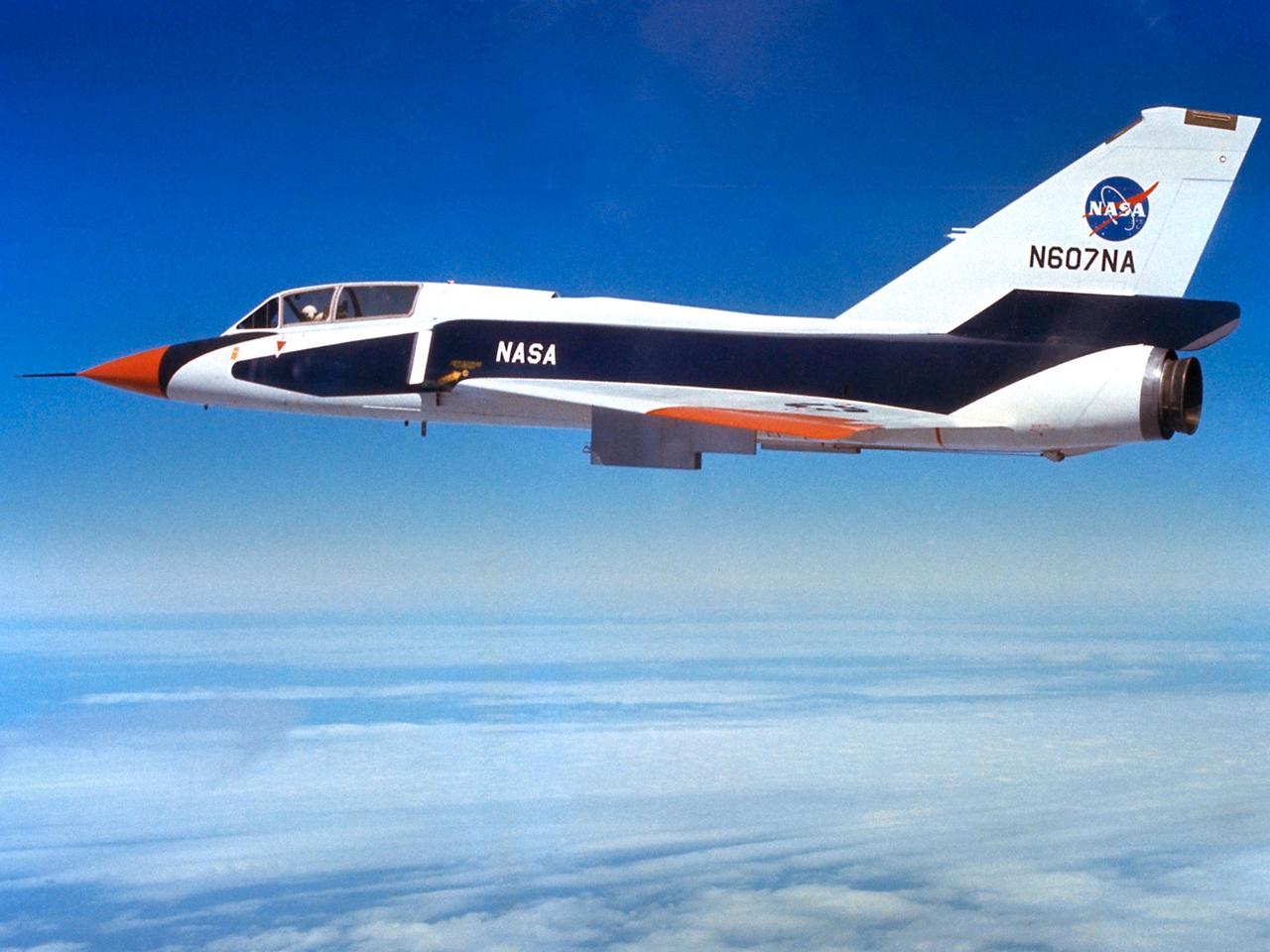
The National Aeronautics and Space Administration (NASA) Lewis Research Center’s Convair F-106B Delta Dart equipped with air sampling equipment in the mid-1970s. NASA Lewis created and managed the Global Air Sampling Program (GASP) in 1972 in partnership with several airline companies. NASA researchers used the airliners’ Boeing 747 aircraft to gather air samples to determine the amount of pollution present in the stratosphere. Private companies developed the air sampling equipment for the GASP program, and Lewis created a particle collector. The collector was flight tested on NASA Lewis’ F-106B in the summer of 1973. The sampling equipment was automatically operated once the proper altitude was achieved. The sampling instruments collected dust particles in the air so their chemical composition could be analyzed. The equipment analyzed one second’s worth of data at a time. The researchers also monitored carbon monoxide, monozide, ozone, and water vapor. The 747 flights began in December 1974 and soon included four airlines flying routes all over the globe. The F-106B augmented the airline data with sampling of its own, seen here. It gathered samples throughout this period from locations such as New Mexico, Texas, Michigan, and Ohio. In July 1977 the F-106B flew eight GASP flights in nine days over Alaska to supplement the earlier data gathered by the airlines.

Data from the American Airlines ramp tower at Charlotte airport is among the information to be coordinated as part of ATD-2.
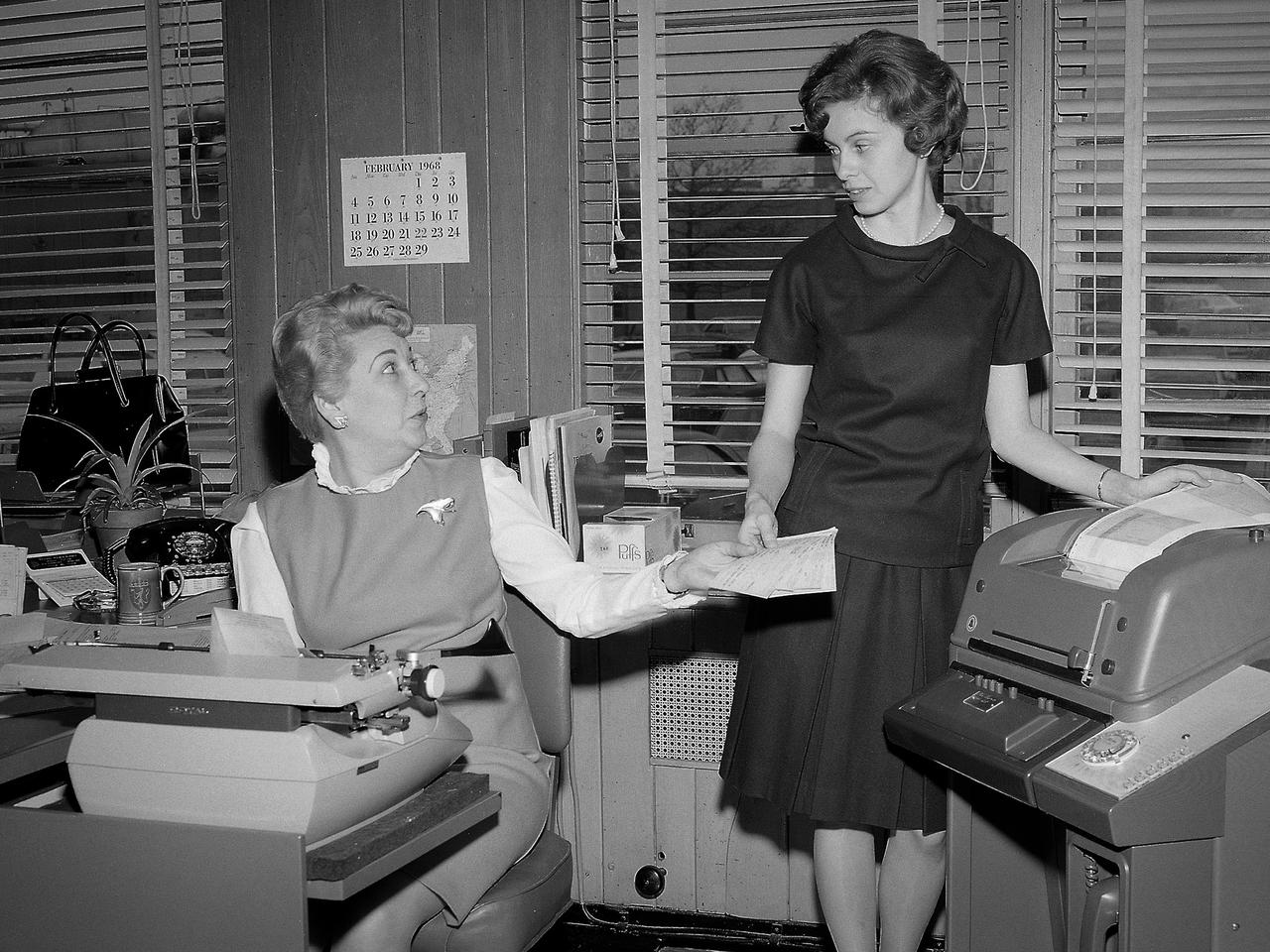
Peggy Heintz, left, receives an airline ticket from supervisor Judy Kuebeler in the Administrative Services Building at the National Aeronautics and Space Administration (NASA) Lewis Research Center. The center had recently purchased a teleticket machine that automatically printed airline tickets as directed by the airline’s computer system. The Administrative Services Branch had 55 staff members performing a variety of roles. They served as telephone operators and set up communications with other centers. They operated the motor pool, handled all travel arrangements, prepared forms and work instructions, and planned offices. The staff was also responsible for records management and storage. It was reported that the staff processed 65 bags of incoming mail per day, which was said to be on par with a city of 15,000 to 20,000 people.
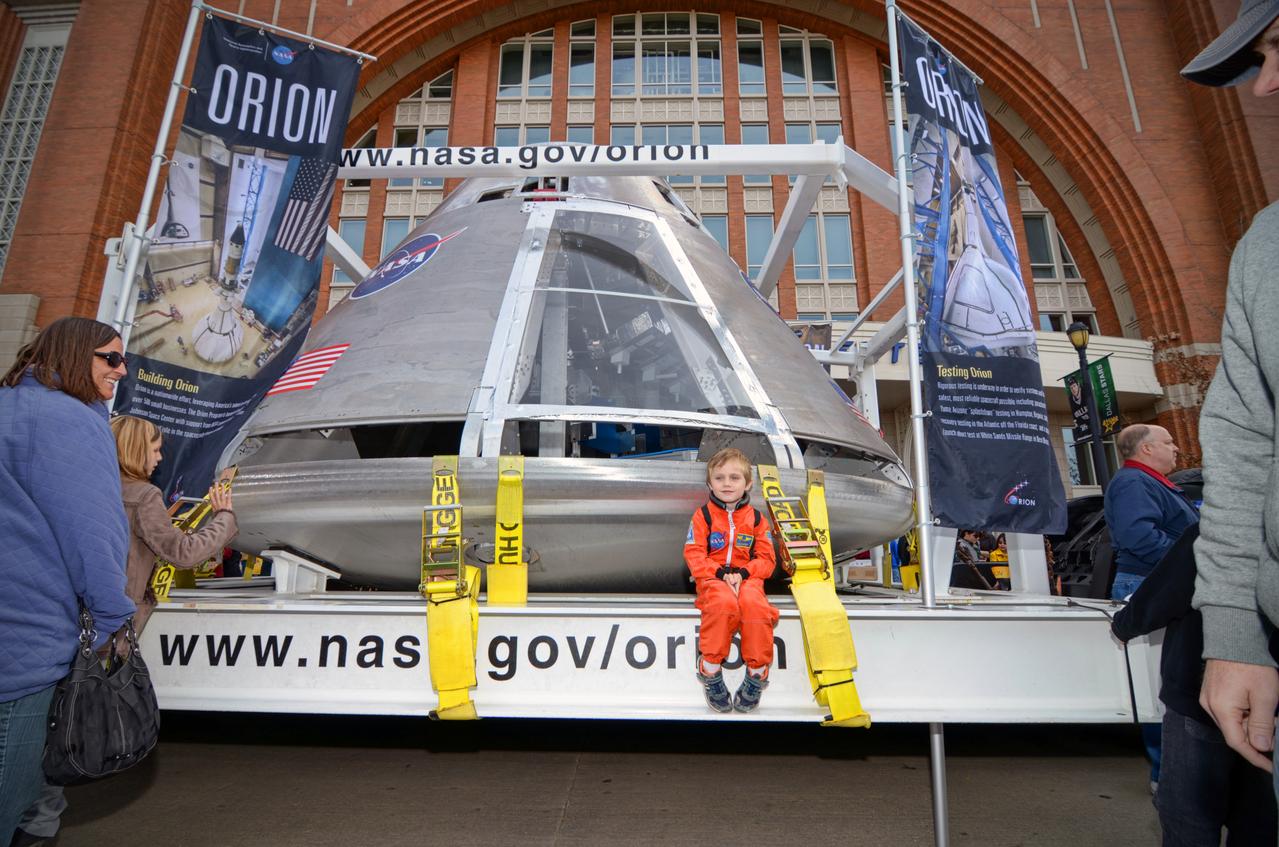
The Orion Pad Abort-1 pathfinder on display at an event outside American Airlines Center in Dallas on Jan. 27, 2012. Part of Batch image transfer from Flickr.
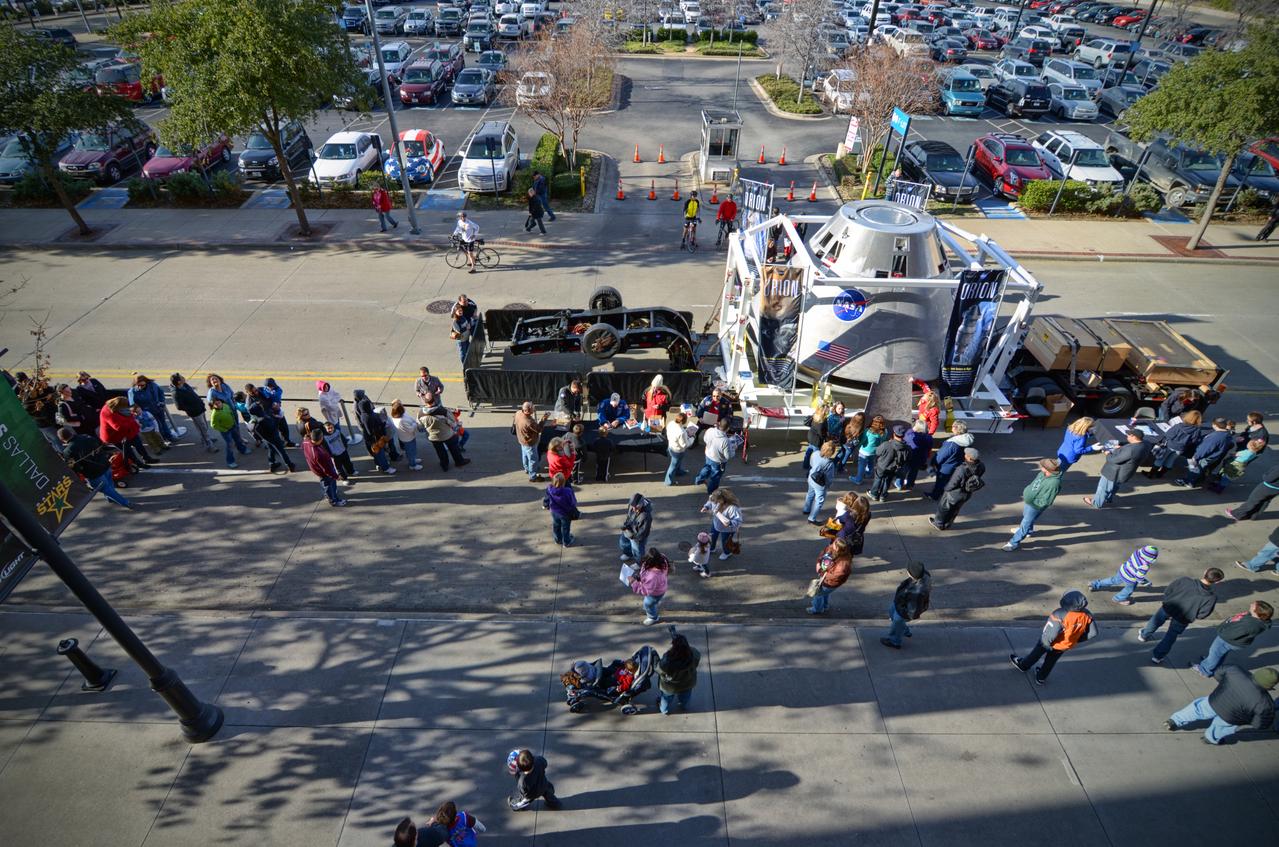
The Orion Pad Abort-1 pathfinder on display at an event outside American Airlines Center in Dallas on Jan. 27, 2012. Part of Batch image transfer from Flickr.
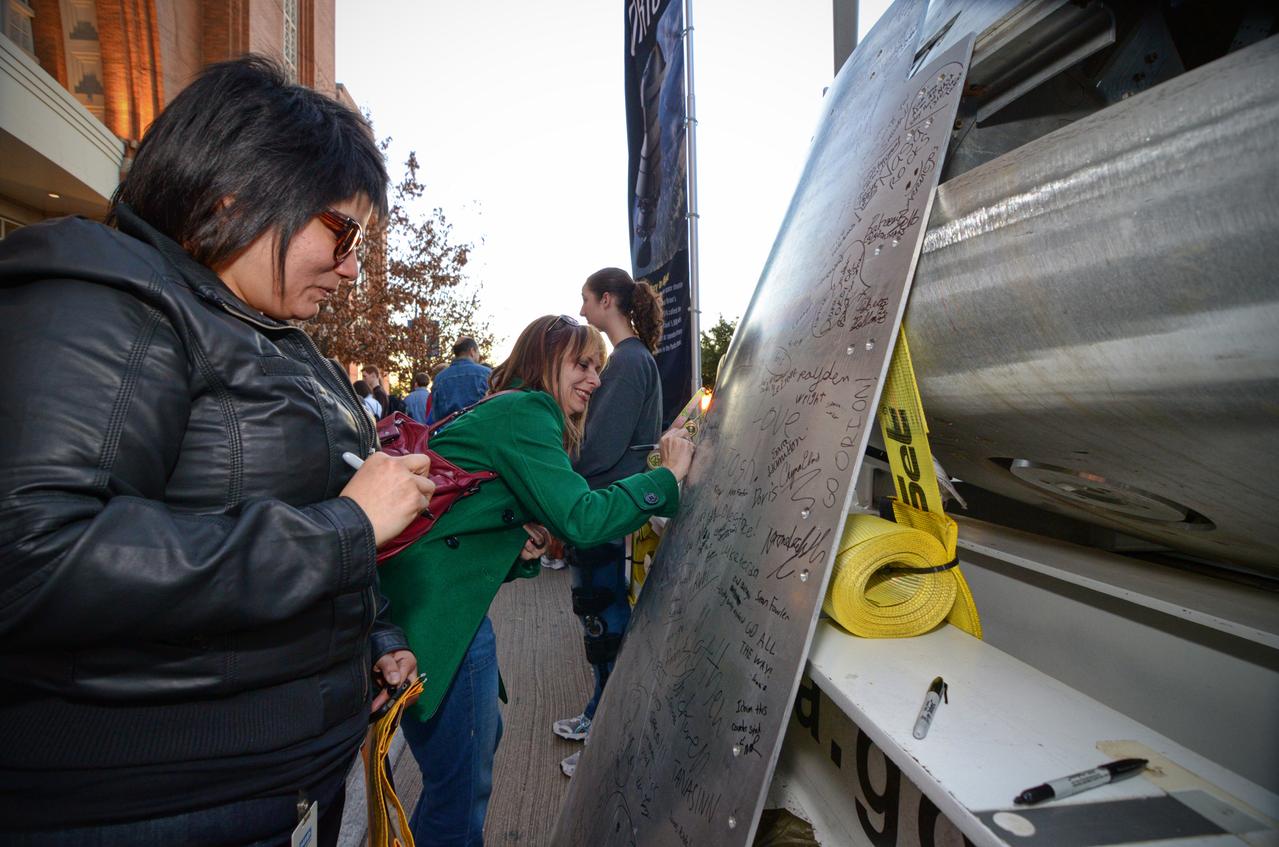
The Orion Pad Abort-1 pathfinder on display at an event outside American Airlines Center in Dallas on Jan. 27, 2012. Part of Batch image transfer from Flickr.
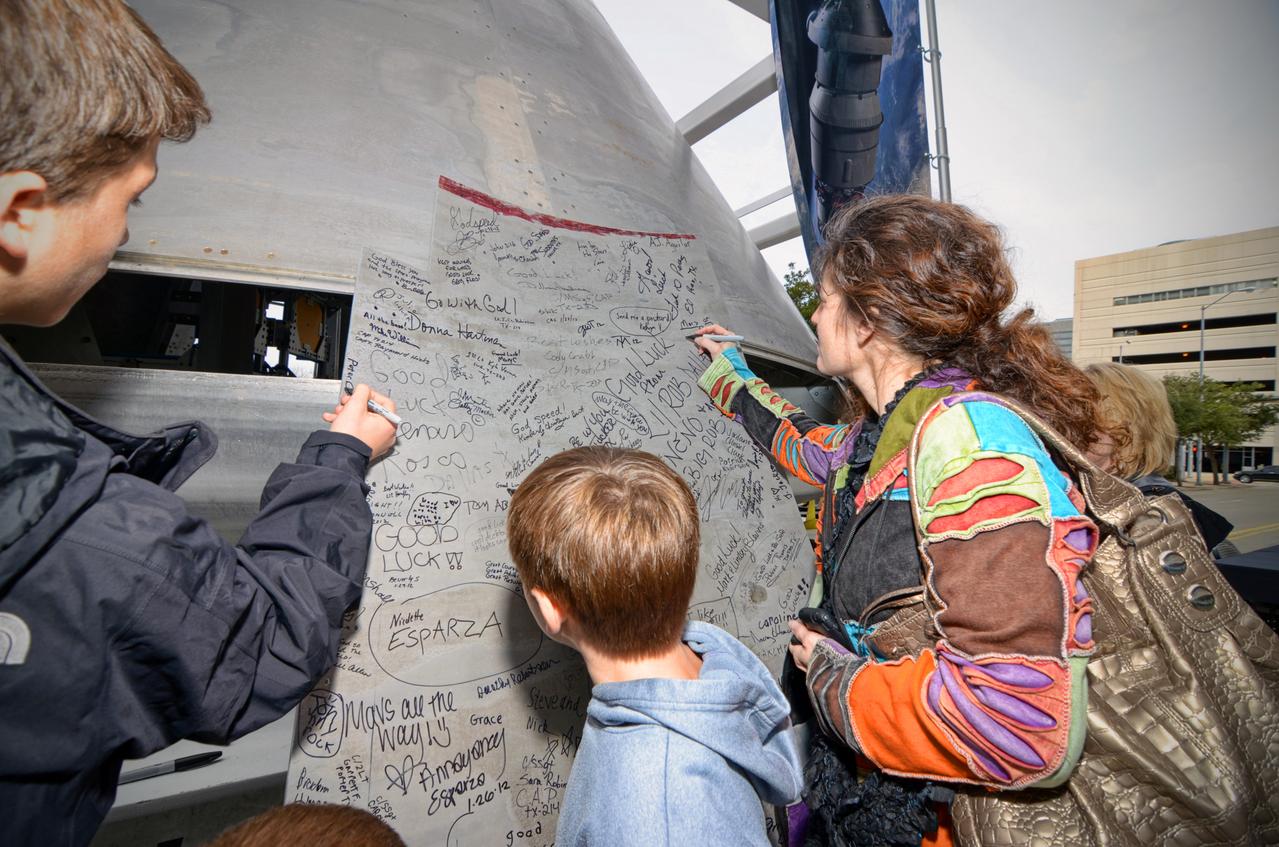
The Orion Pad Abort-1 pathfinder on display at an event outside American Airlines Center in Dallas on Jan. 27, 2012. Part of Batch image transfer from Flickr.
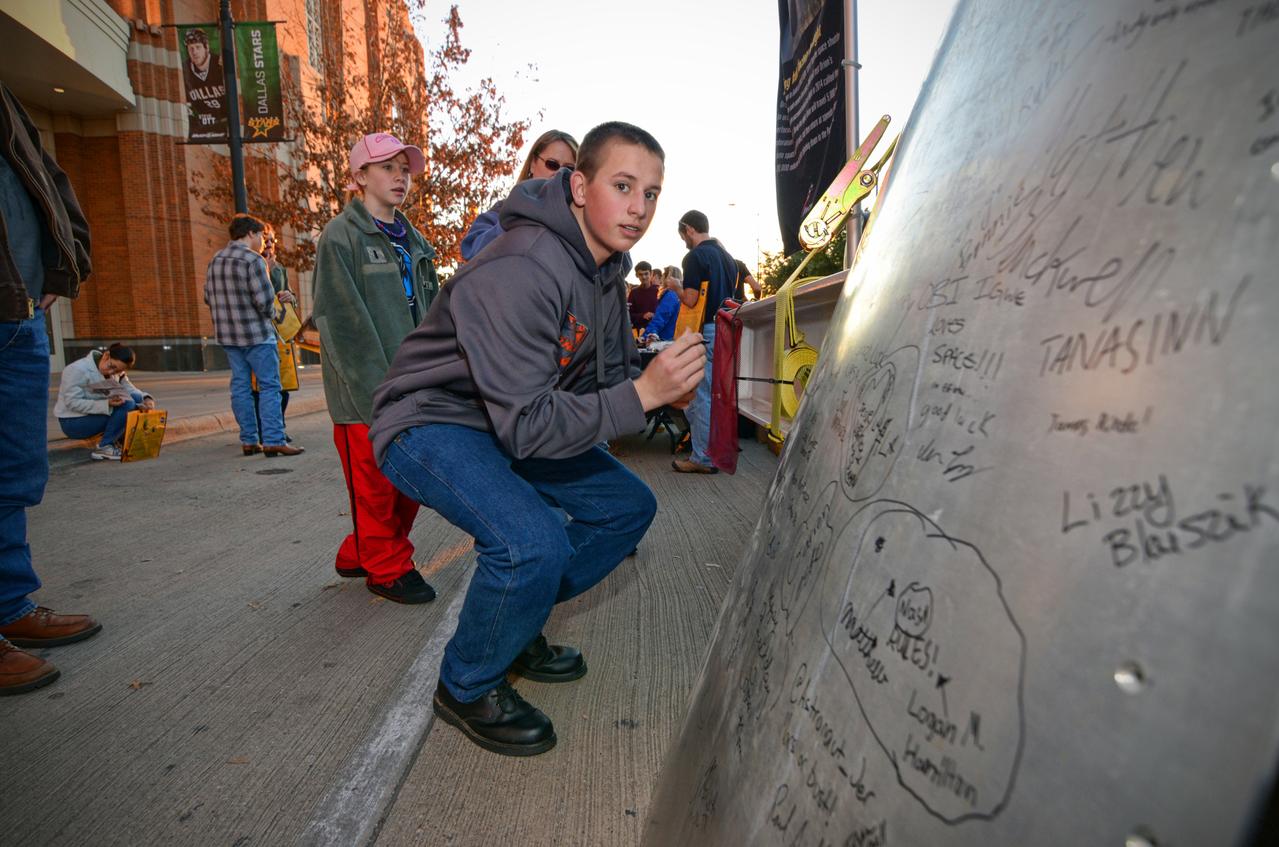
The Orion Pad Abort-1 pathfinder on display at an event outside American Airlines Center in Dallas on Jan. 27, 2012. Part of Batch image transfer from Flickr.
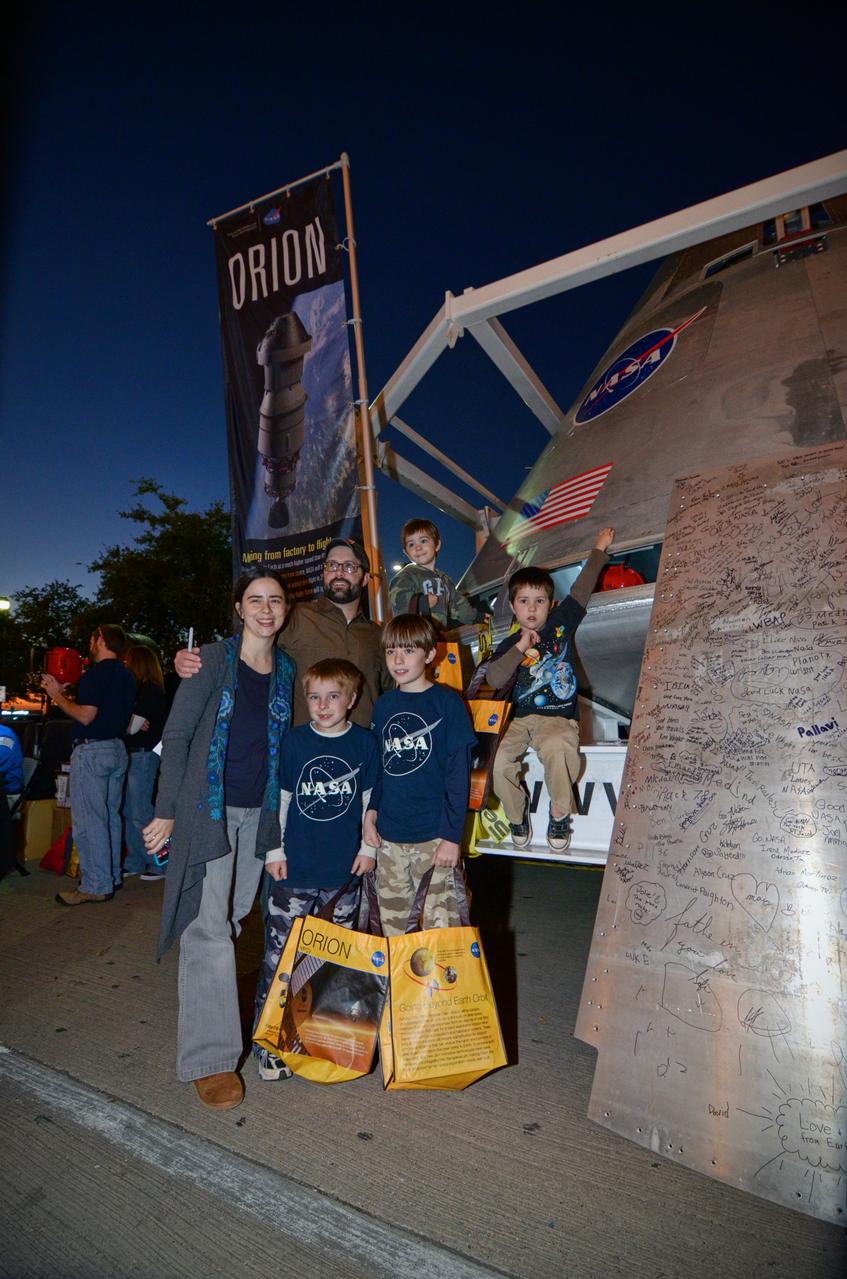
The Orion Pad Abort-1 pathfinder on display at an event outside American Airlines Center in Dallas on Jan. 27, 2012. Part of Batch image transfer from Flickr.
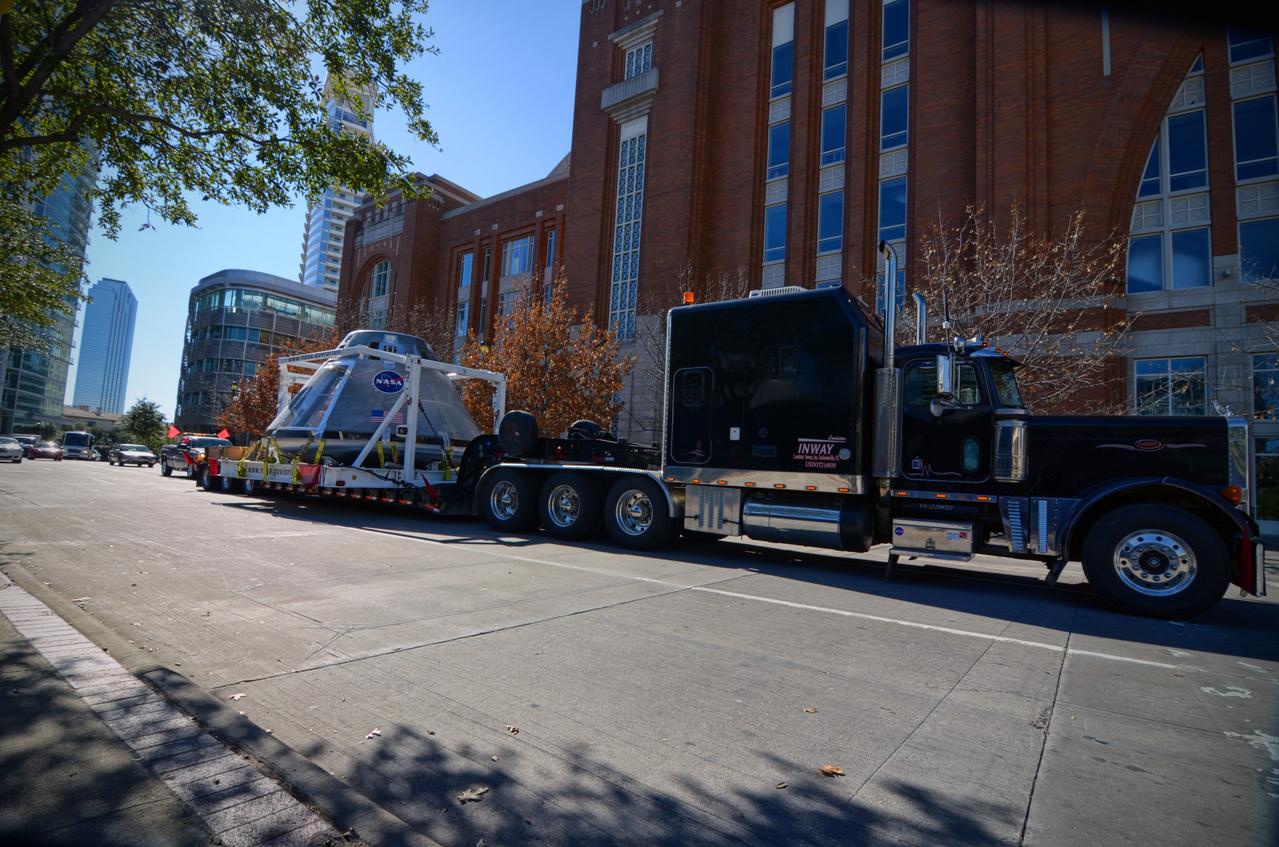
The Orion Pad Abort-1 pathfinder on display at an event outside American Airlines Center in Dallas on Jan. 27, 2012. Part of Batch image transfer from Flickr.
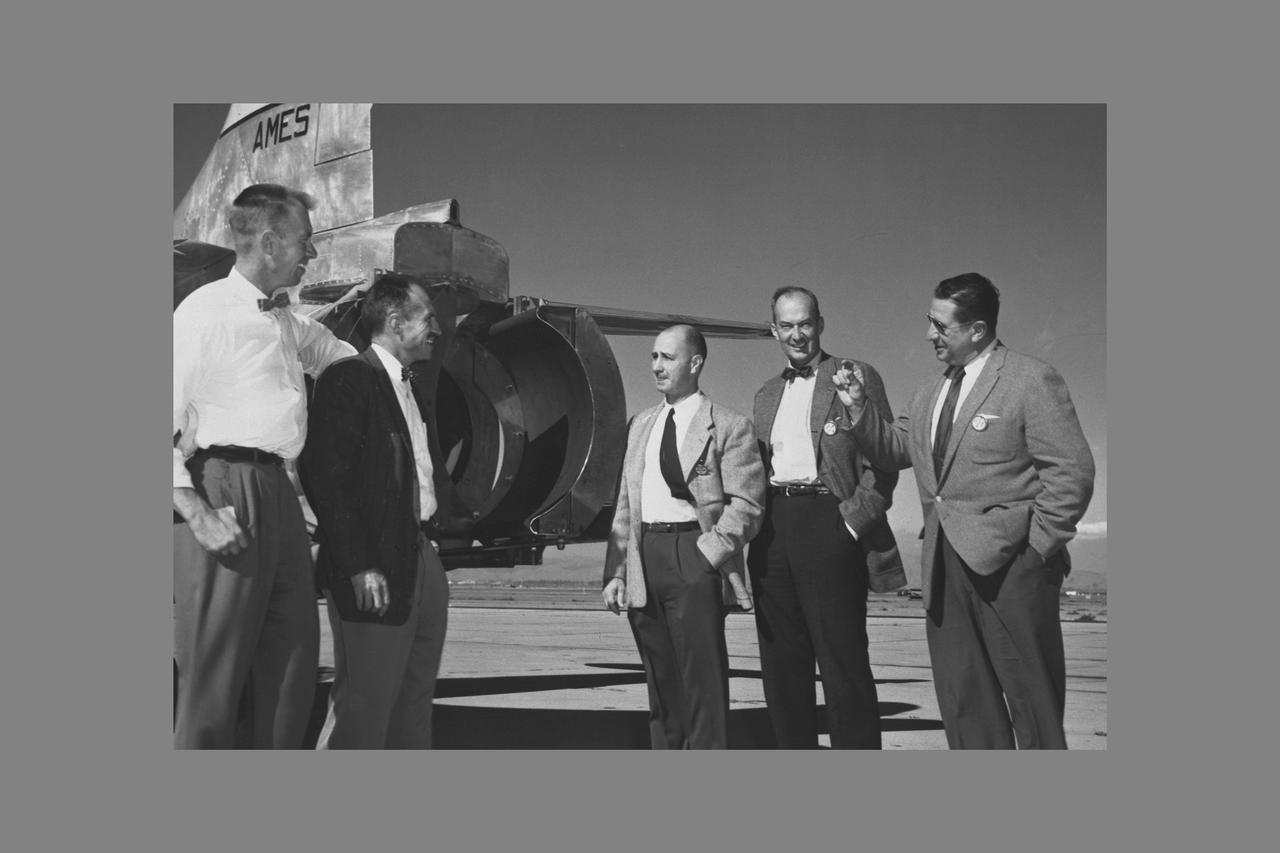
NACA AMES ENGINEERS: Seth B. ANDERSON AND NACA AMES PILOT Gorge E. COOPER WITH W.E. RHOADES, ROBERT McIVER, MICHAEL CASSENLY OF UNITED AIRLINES. Visit Ames to dicuss Thrust Reverser Problems.

The Orion Pad Abort-1 pathfinder on display at an event outside American Airlines Center in Dallas on Jan. 27, 2012. Part of Batch image transfer from Flickr.
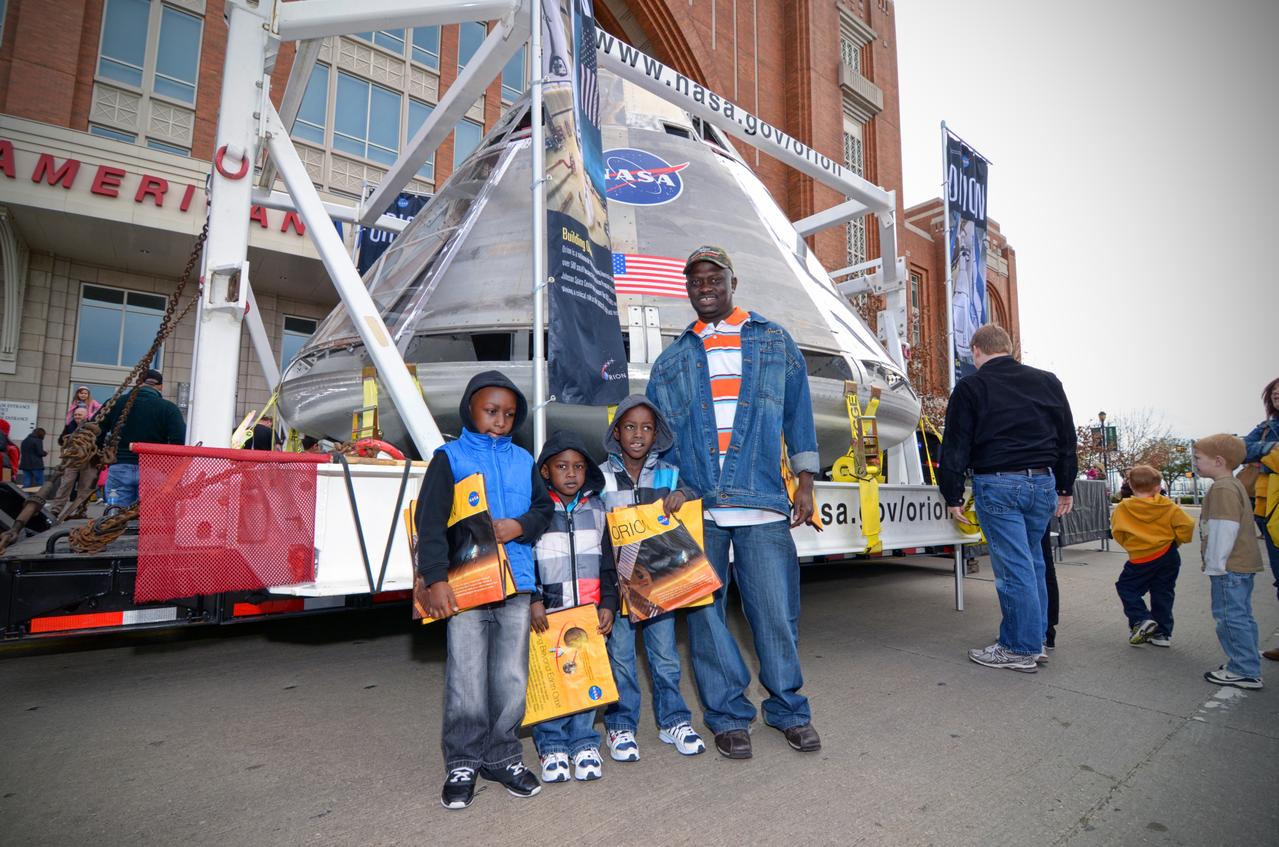
The Orion Pad Abort-1 pathfinder on display at an event outside American Airlines Center in Dallas on Jan. 27, 2012. Part of Batch image transfer from Flickr.
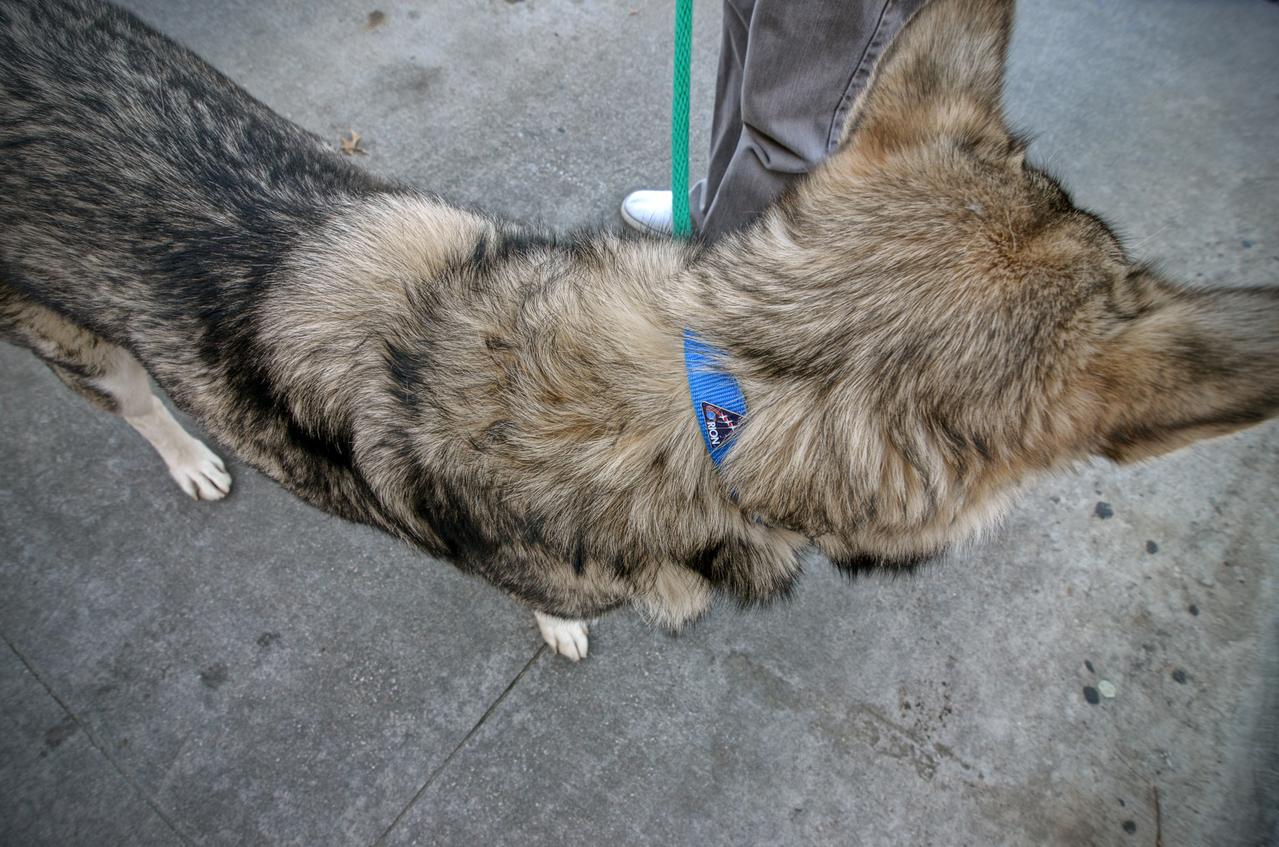
Image of dog on leash taken during view of the Orion Pad Abort-1 pathfinder on display at an event outside American Airlines Center in Dallas on Jan. 27, 2012. Part of Batch image transfer from Flickr.
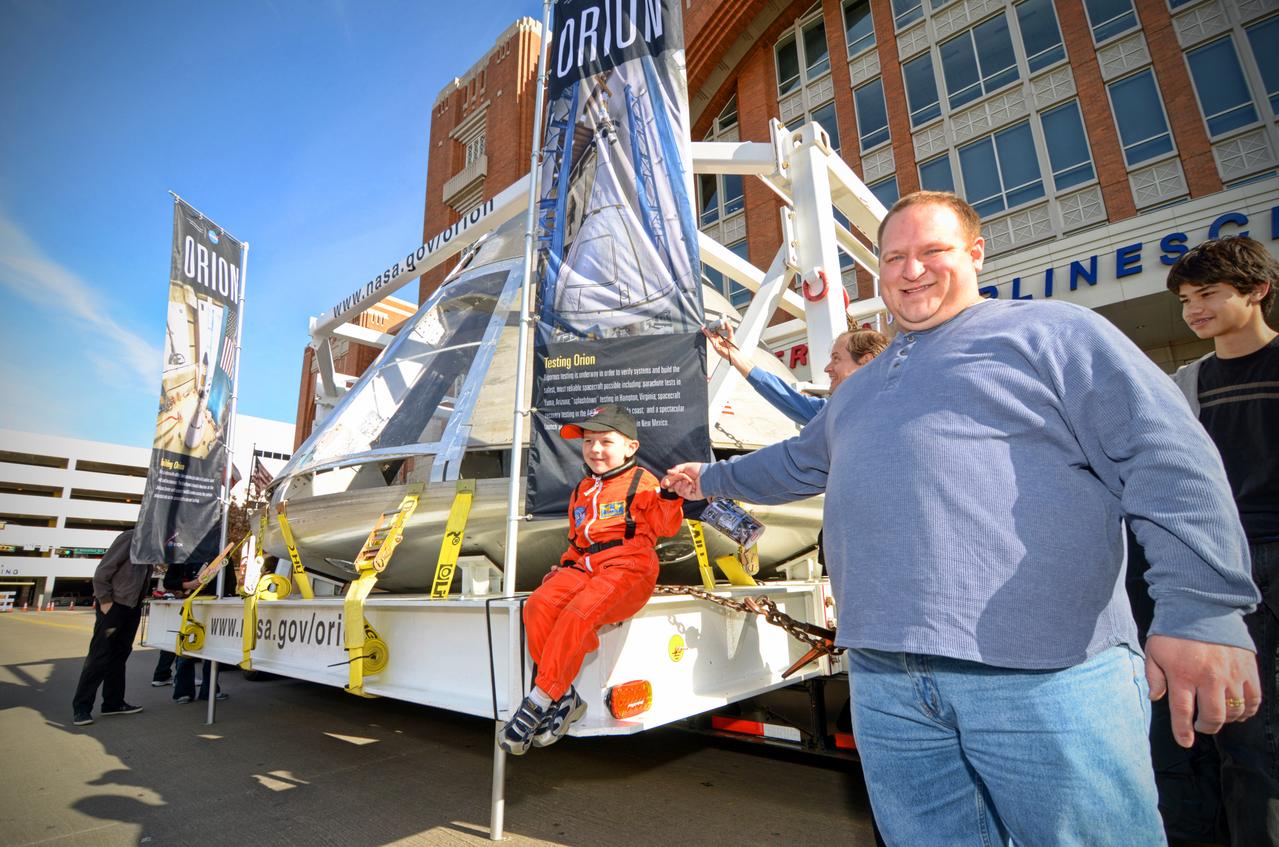
The Orion Pad Abort-1 pathfinder on display at an event outside American Airlines Center in Dallas on Jan. 27, 2012. Part of Batch image transfer from Flickr.
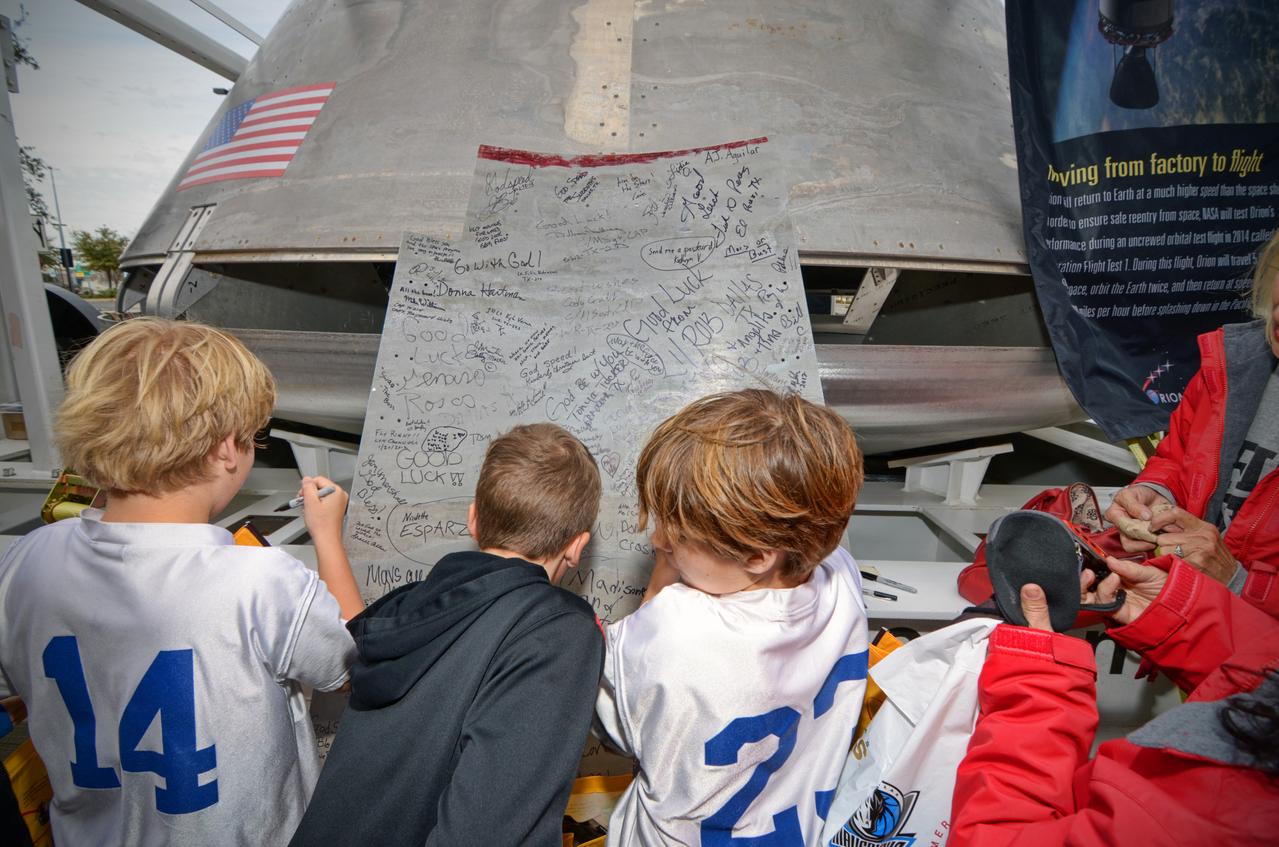
The Orion Pad Abort-1 pathfinder on display at an event outside American Airlines Center in Dallas on Jan. 27, 2012. Part of Batch image transfer from Flickr.
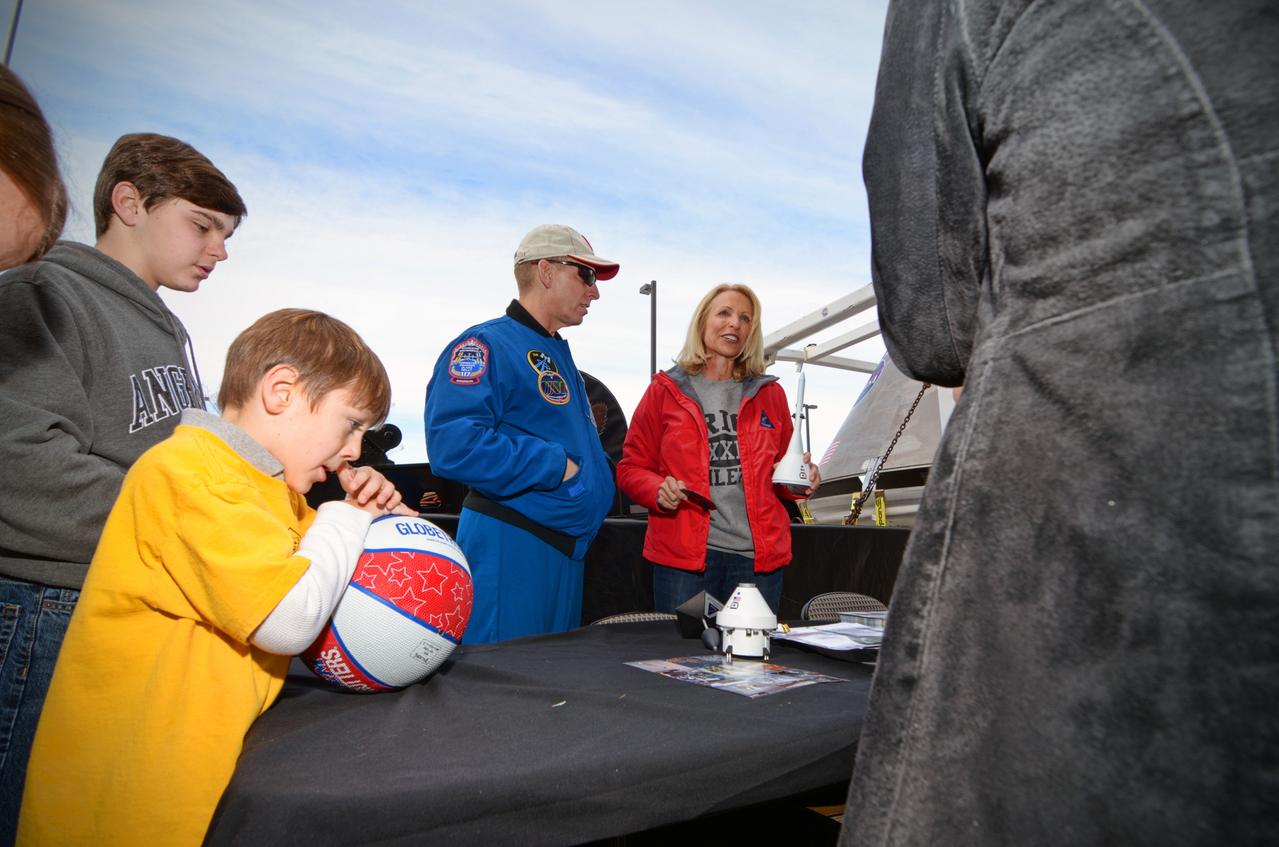
The Orion Pad Abort-1 pathfinder on display at an event outside American Airlines Center in Dallas on Jan. 27, 2012. Part of Batch image transfer from Flickr.
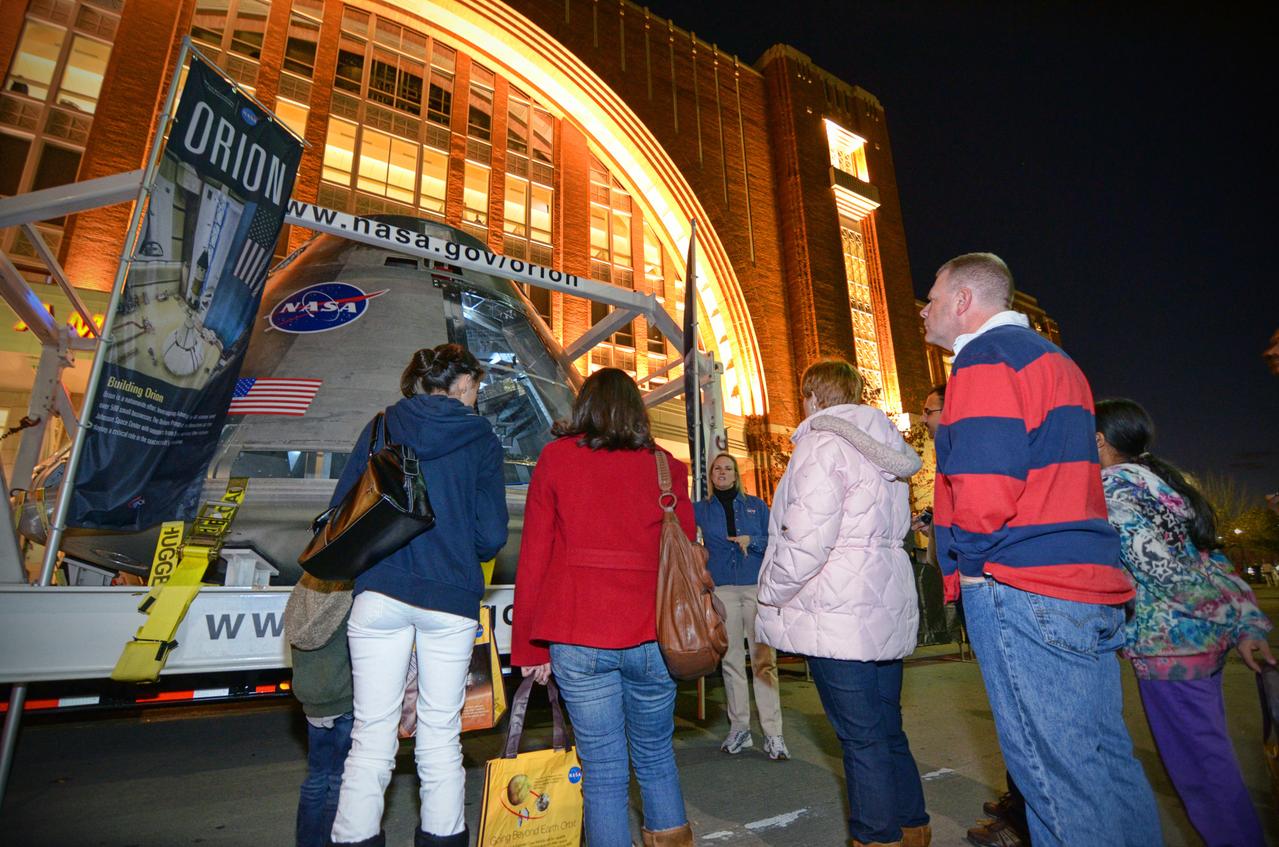
The Orion Pad Abort-1 pathfinder on display at an event outside American Airlines Center in Dallas on Jan. 27, 2012. Part of Batch image transfer from Flickr.
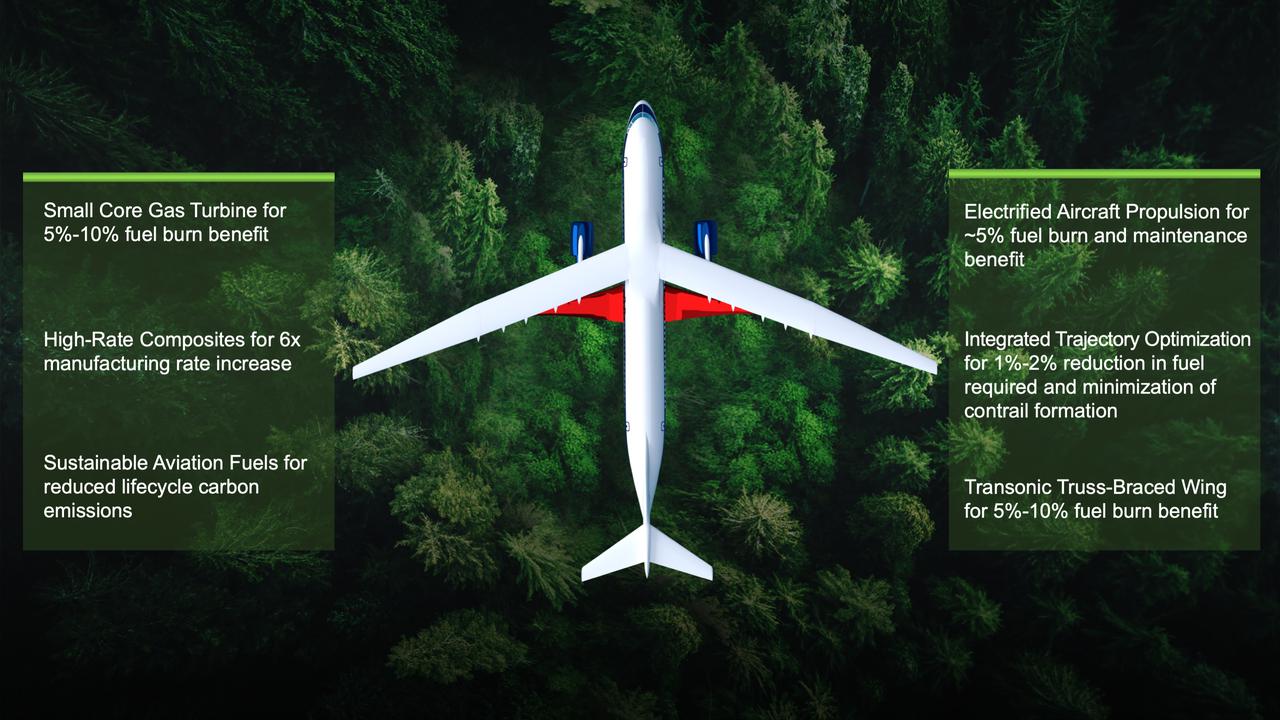
NASA will demonstrate high-risk, high-payoff technology advancements critical for U.S. aerospace manufacturers to bring to market innovative, cost-effective, and sustainable products and services demanded by airlines and customers.
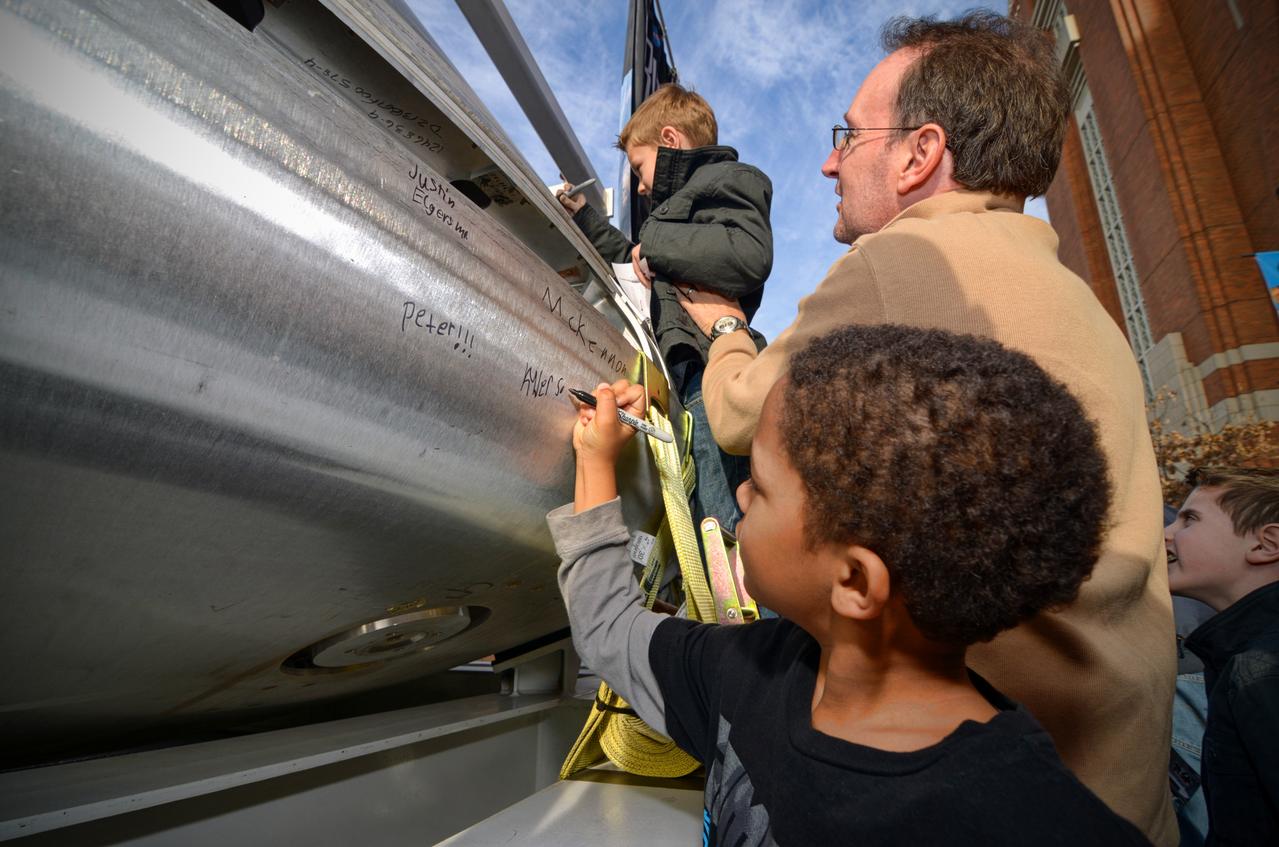
The Orion Pad Abort-1 pathfinder on display at an event outside American Airlines Center in Dallas on Jan. 27, 2012. Part of Batch image transfer from Flickr.
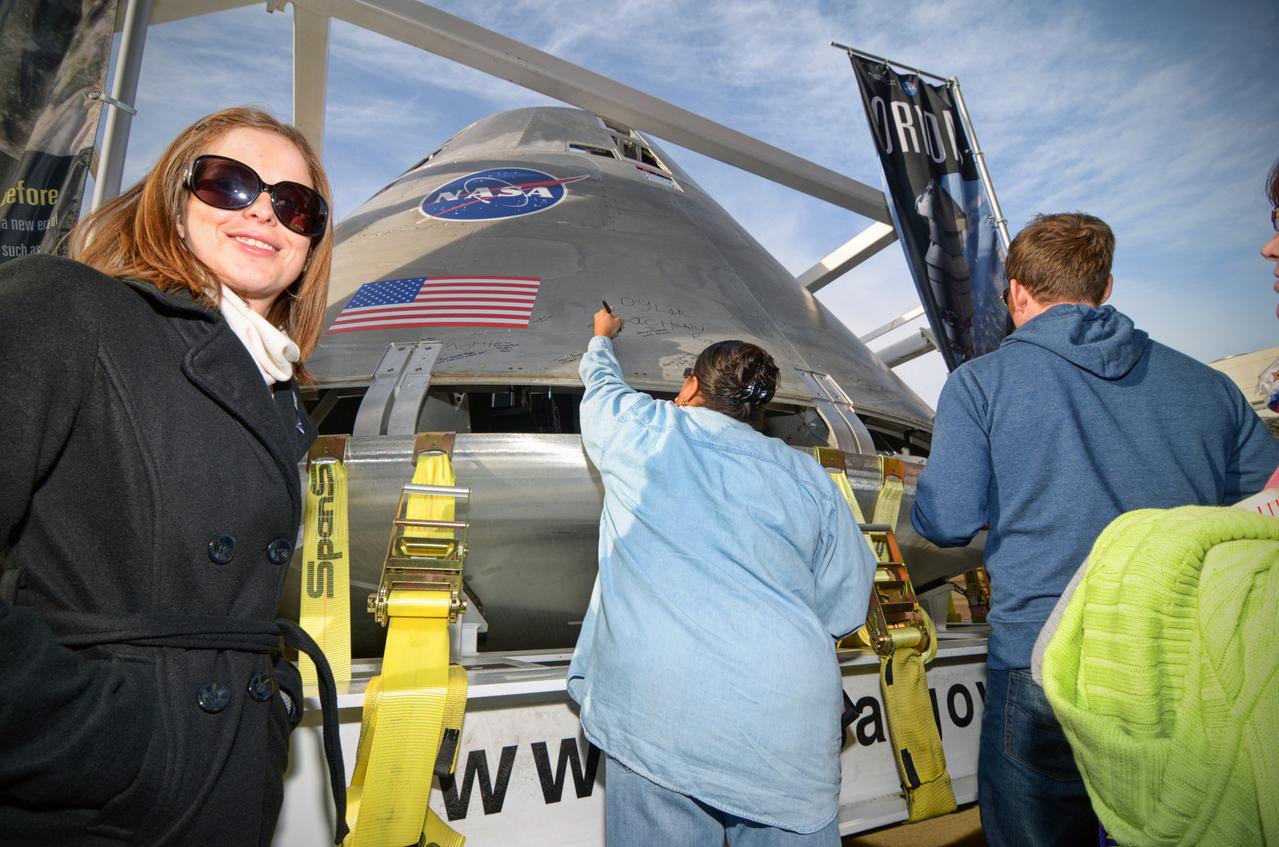
The Orion Pad Abort-1 pathfinder on display at an event outside American Airlines Center in Dallas on Jan. 27, 2012. Part of Batch image transfer from Flickr.

Astronaut Nicholas Patrick signs autographs for visitors during Orion Pad Abort-1 pathfinder display at an event outside American Airlines Center in Dallas on Jan. 27, 2012. Part of Batch image transfer from Flickr.
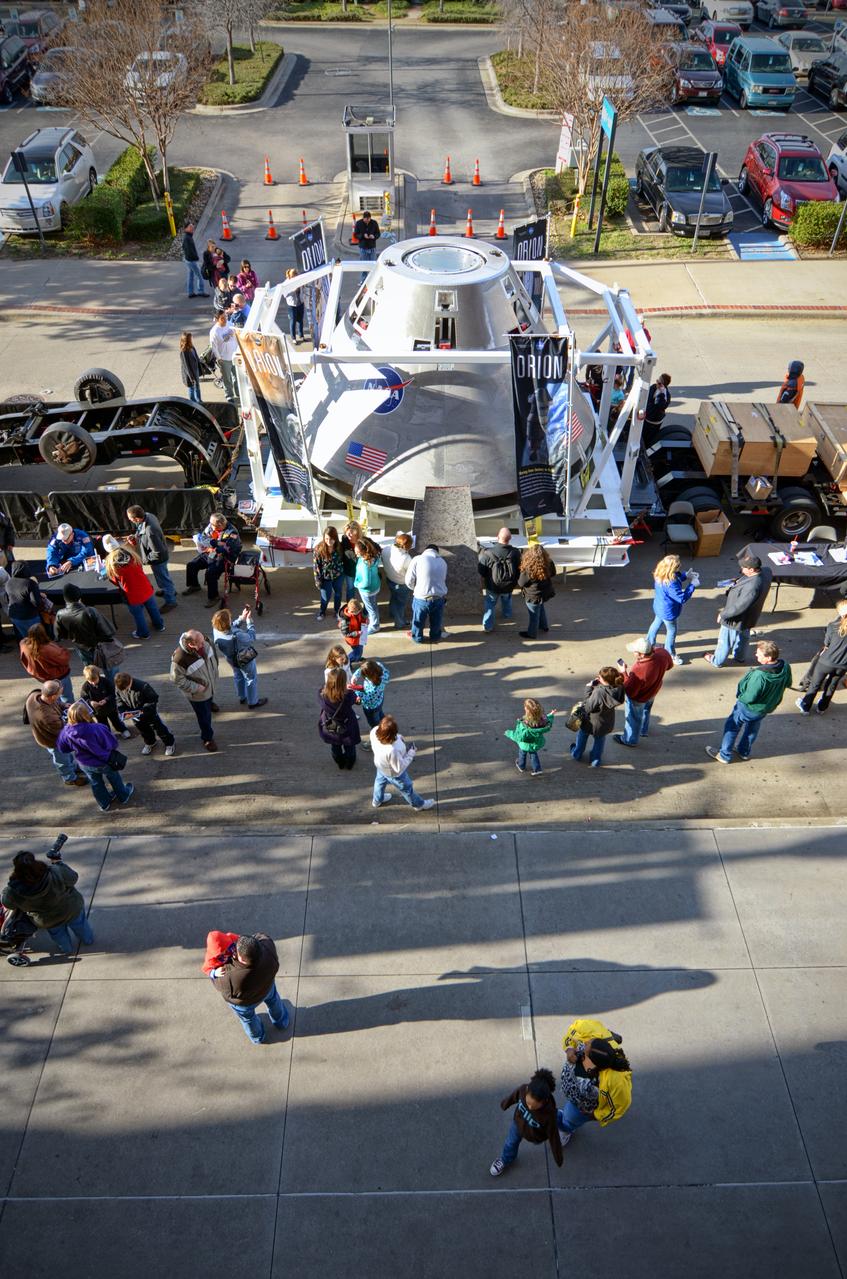
The Orion Pad Abort-1 pathfinder on display at an event outside American Airlines Center in Dallas on Jan. 27, 2012. Part of Batch image transfer from Flickr.
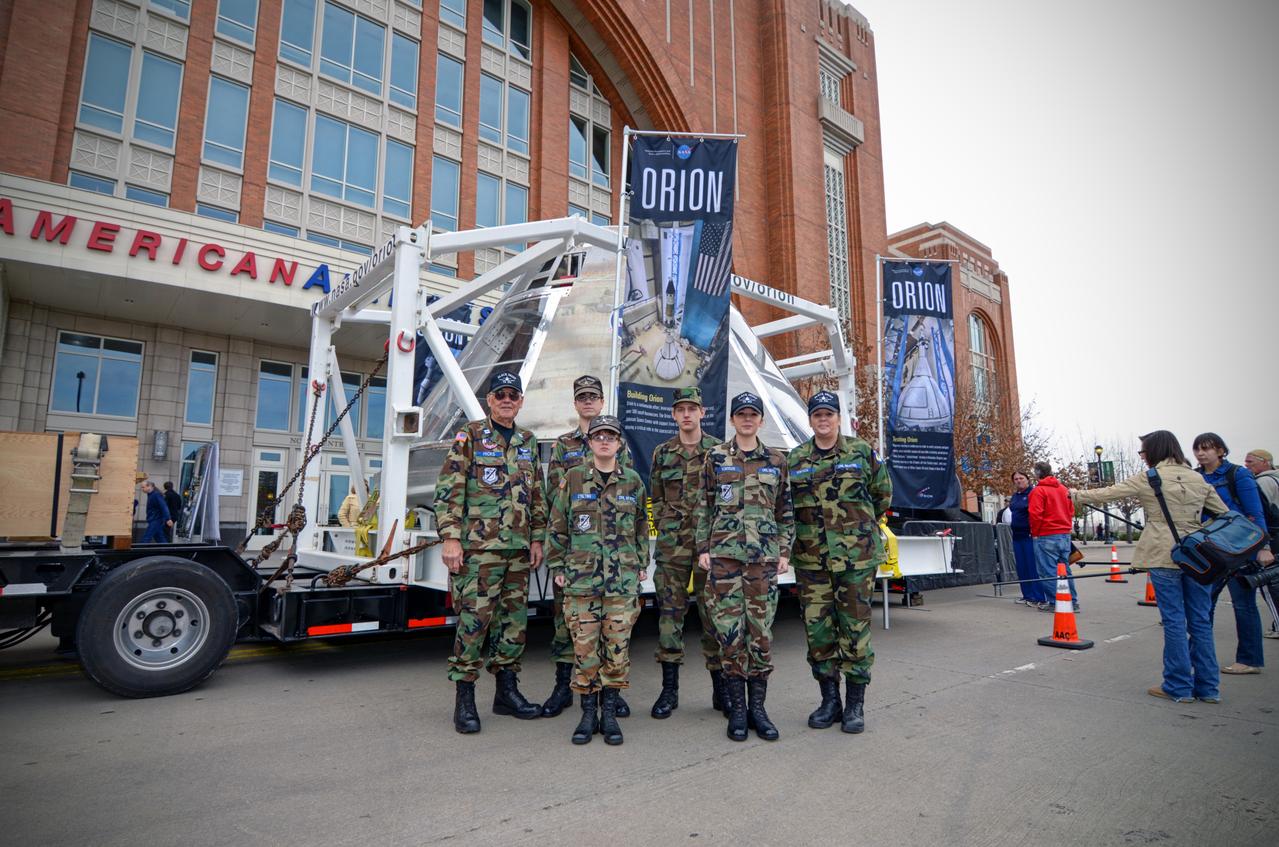
The Orion Pad Abort-1 pathfinder on display at an event outside American Airlines Center in Dallas on Jan. 27, 2012. Part of Batch image transfer from Flickr.

Astronaut Nicholas Patrick signs autographs for visitors during Orion Pad Abort-1 pathfinder display at an event outside American Airlines Center in Dallas on Jan. 27, 2012. Part of Batch image transfer from Flickr.
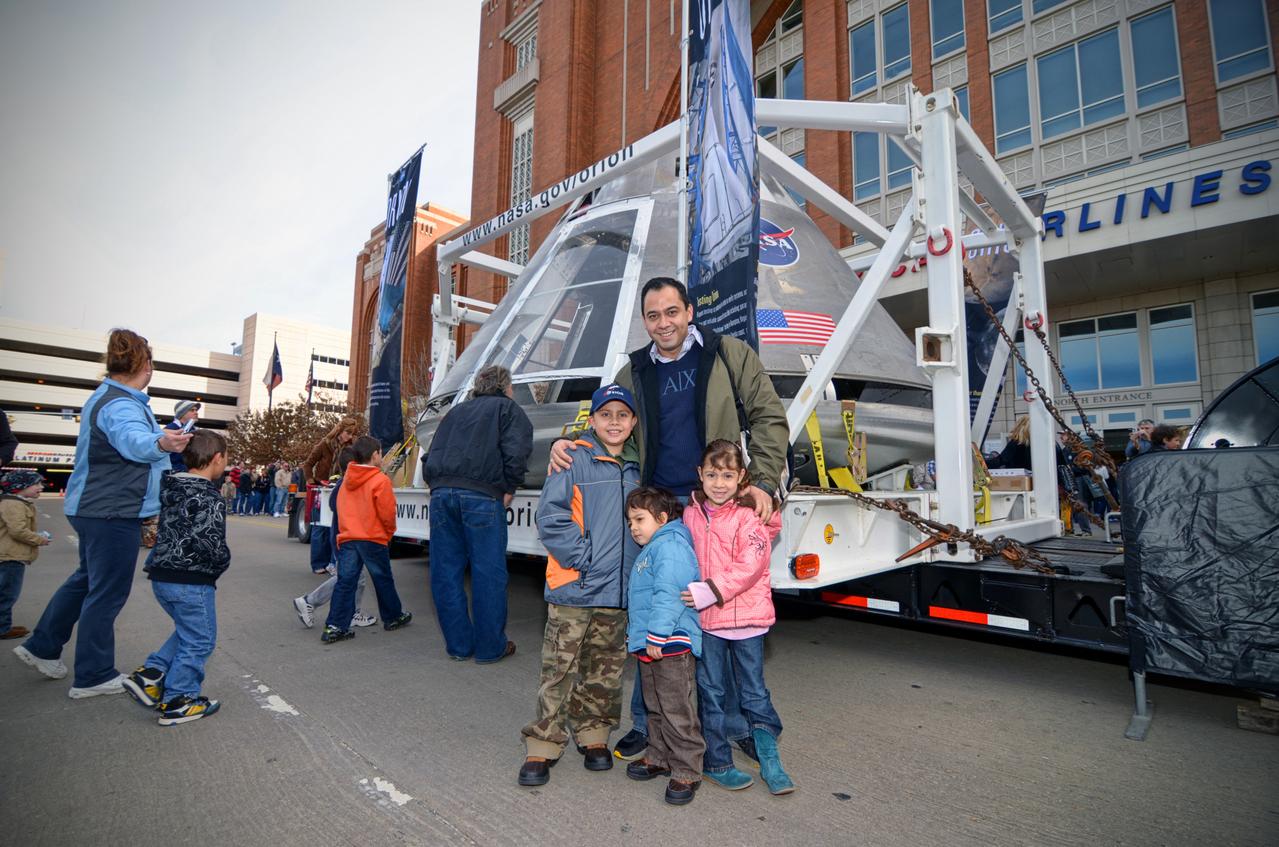
The Orion Pad Abort-1 pathfinder on display at an event outside American Airlines Center in Dallas on Jan. 27, 2012. Part of Batch image transfer from Flickr.

Astronaut signs autographs for visitors during Orion Pad Abort-1 pathfinder display at an event outside American Airlines Center in Dallas on Jan. 27, 2012. Part of Batch image transfer from Flickr.
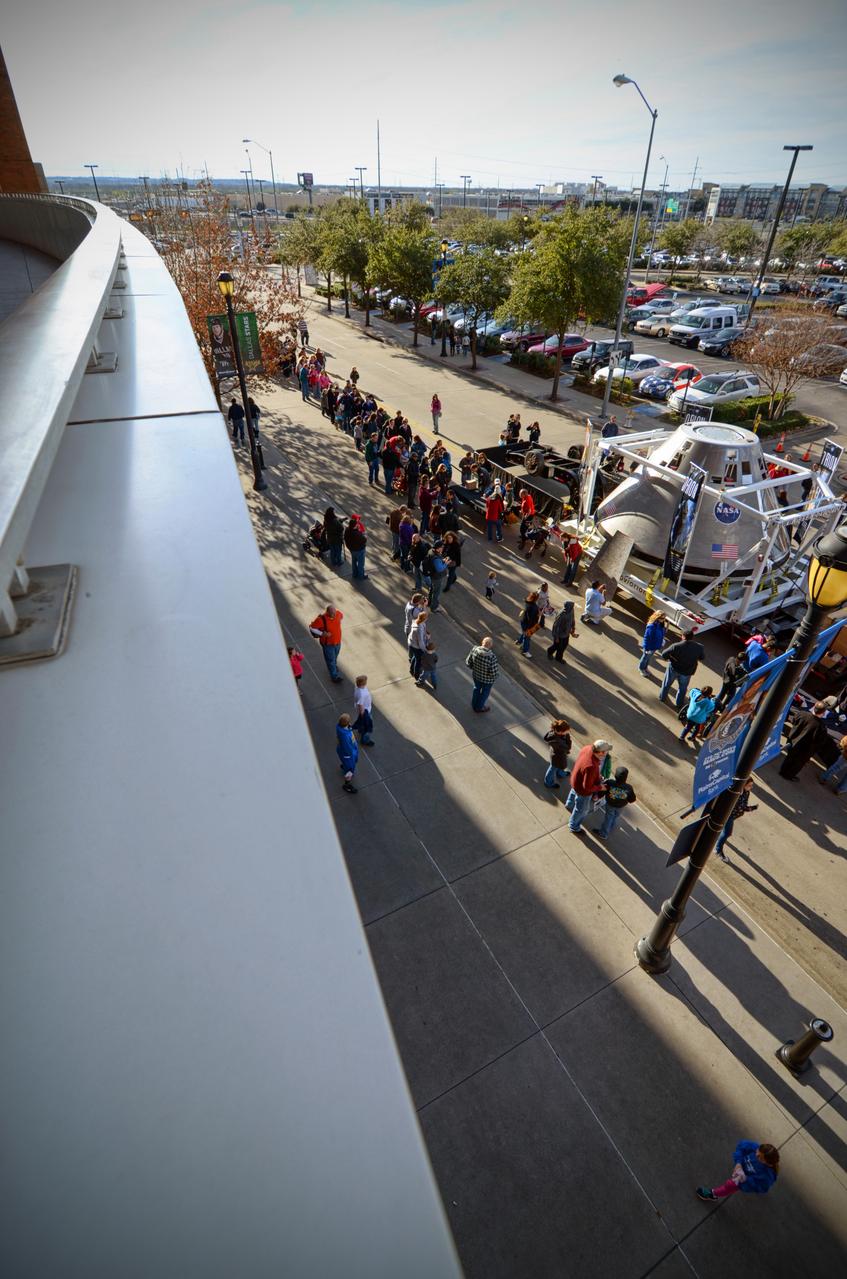
The Orion Pad Abort-1 pathfinder on display at an event outside American Airlines Center in Dallas on Jan. 27, 2012. Part of Batch image transfer from Flickr.
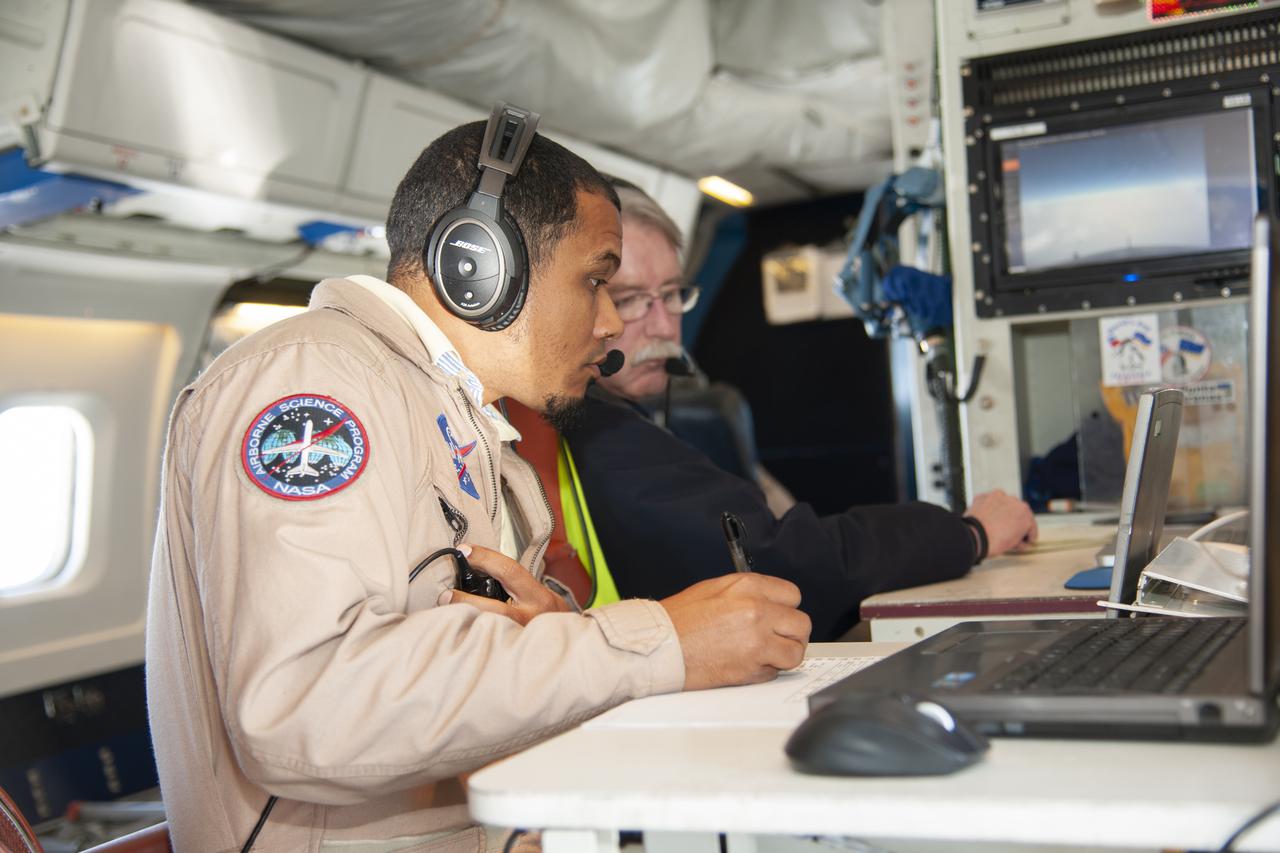
Matt Berry, left, and Chris Jennison examine incoming data on NASA’s DC-8 airborne science aircraft. The 62-year-old ex-airliner is one of seven DC-8s still flying.
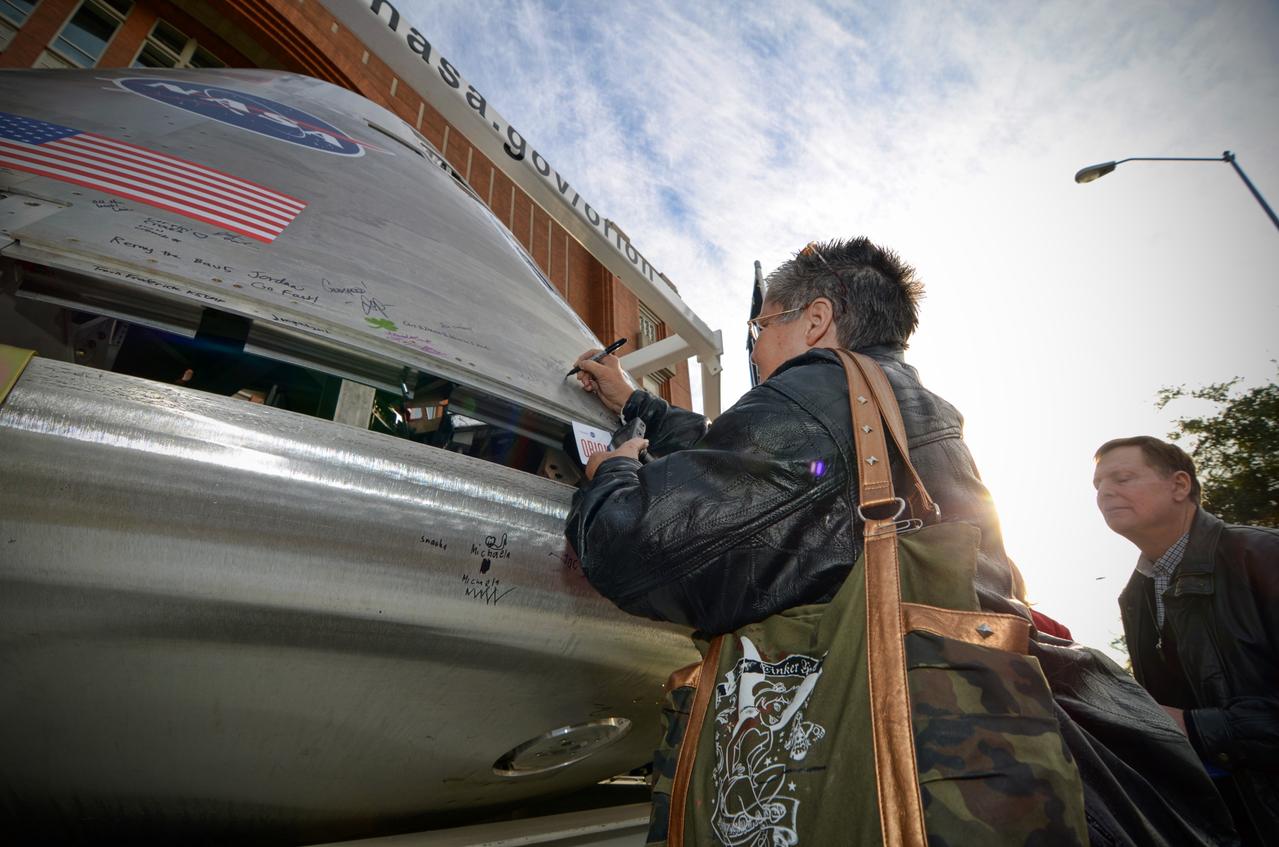
The Orion Pad Abort-1 pathfinder on display at an event outside American Airlines Center in Dallas on Jan. 27, 2012. Part of Batch image transfer from Flickr.
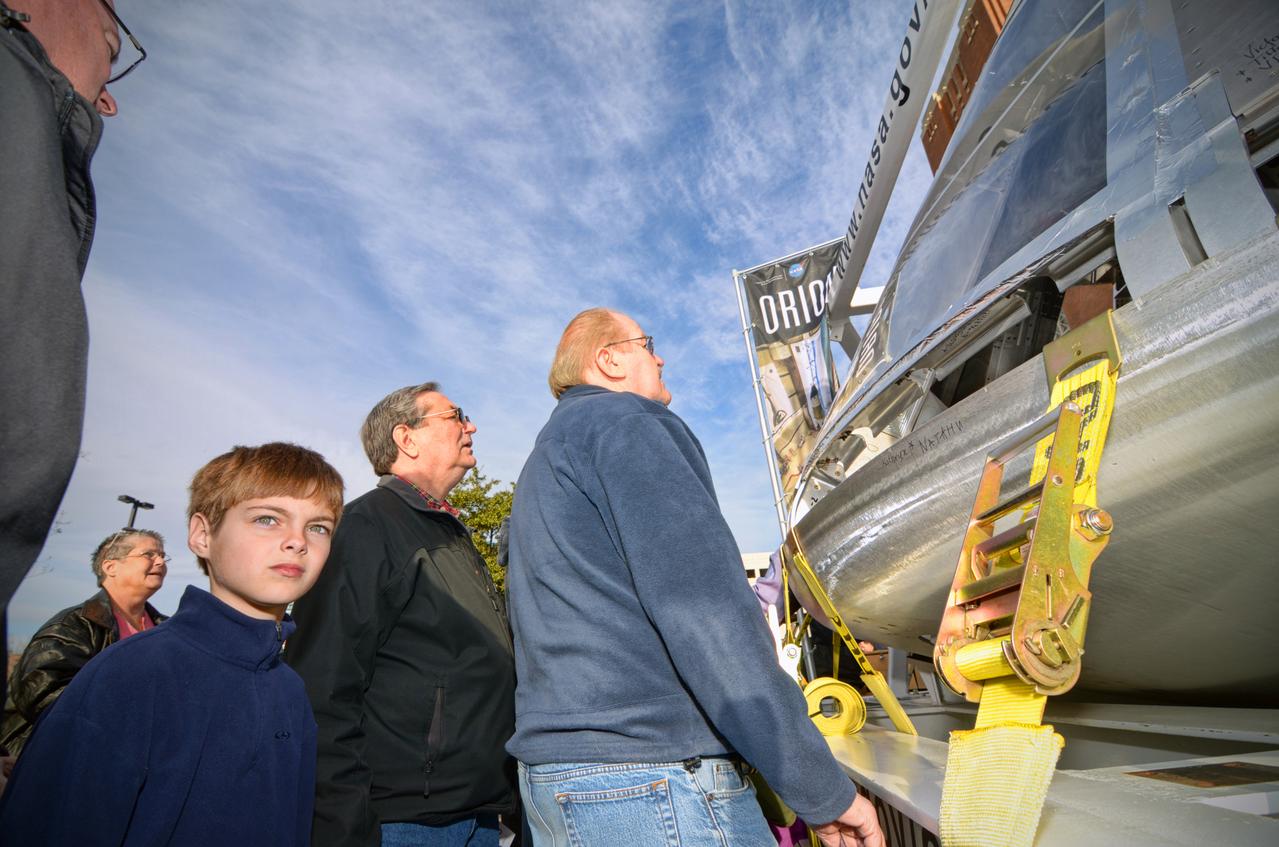
The Orion Pad Abort-1 pathfinder on display at an event outside American Airlines Center in Dallas on Jan. 27, 2012. Part of Batch image transfer from Flickr.

Astronaut signs autographs for visitors during Orion Pad Abort-1 pathfinder display at an event outside American Airlines Center in Dallas on Jan. 27, 2012. Part of Batch image transfer from Flickr.
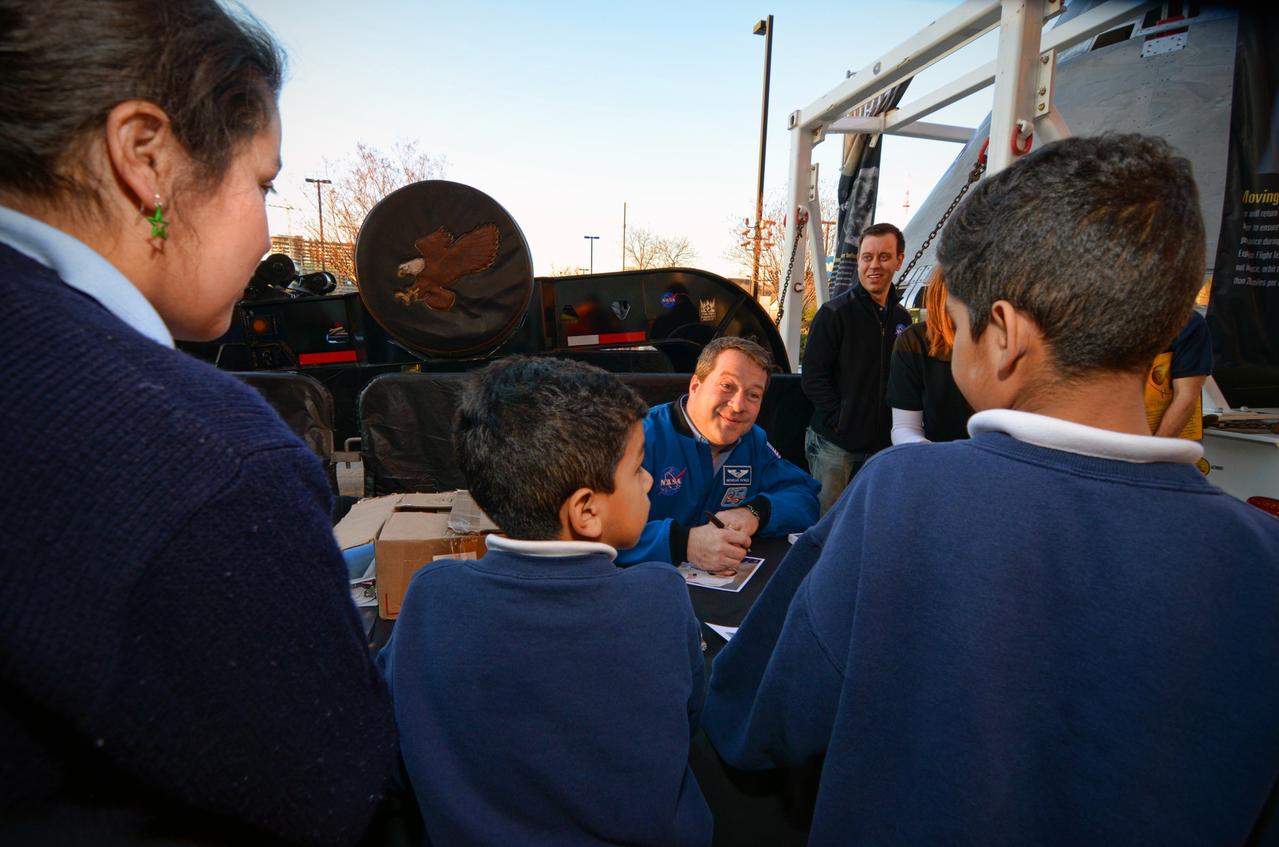
Astronaut Nicholas Patrick signs autographs for visitors during Orion Pad Abort-1 pathfinder display at an event outside American Airlines Center in Dallas on Jan. 27, 2012. Part of Batch image transfer from Flickr.
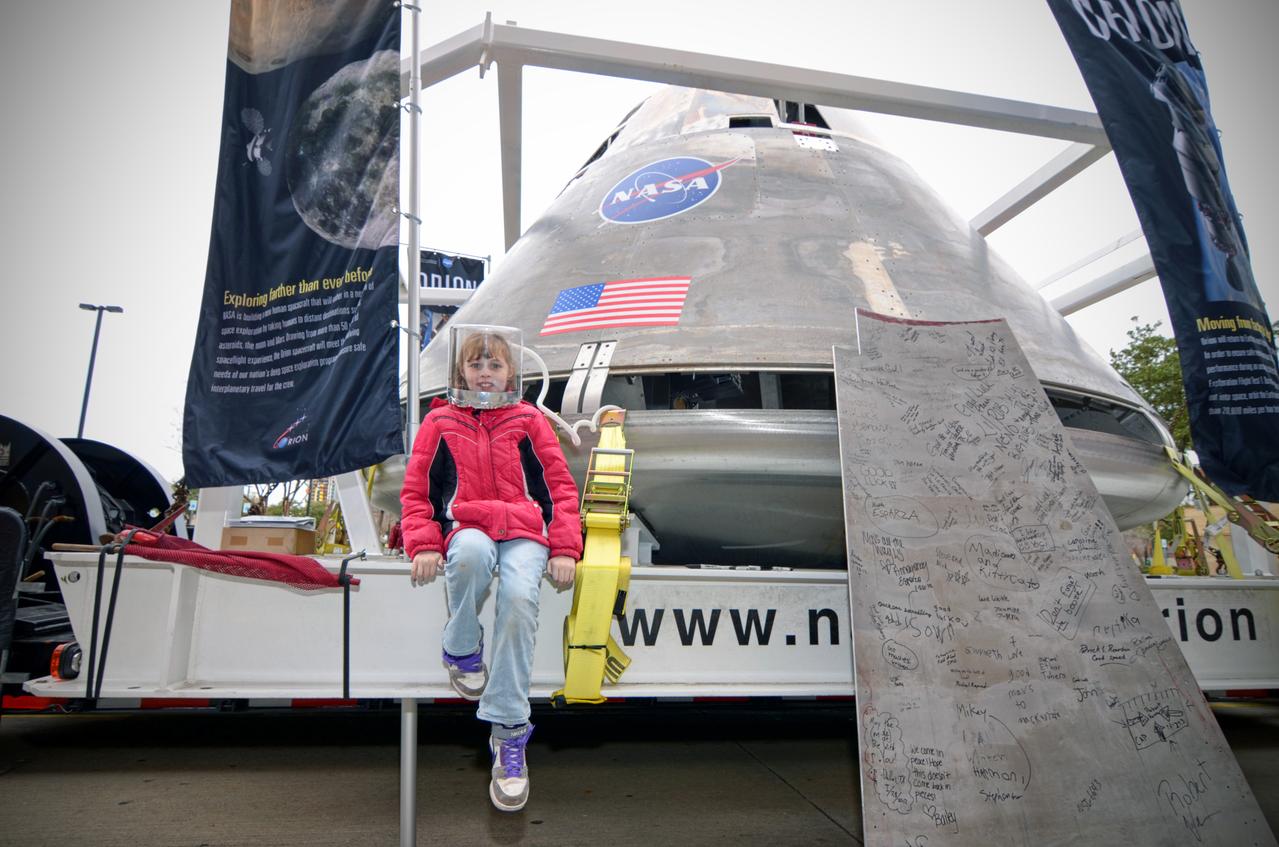
The Orion Pad Abort-1 pathfinder on display at an event outside American Airlines Center in Dallas on Jan. 27, 2012. Part of Batch image transfer from Flickr.
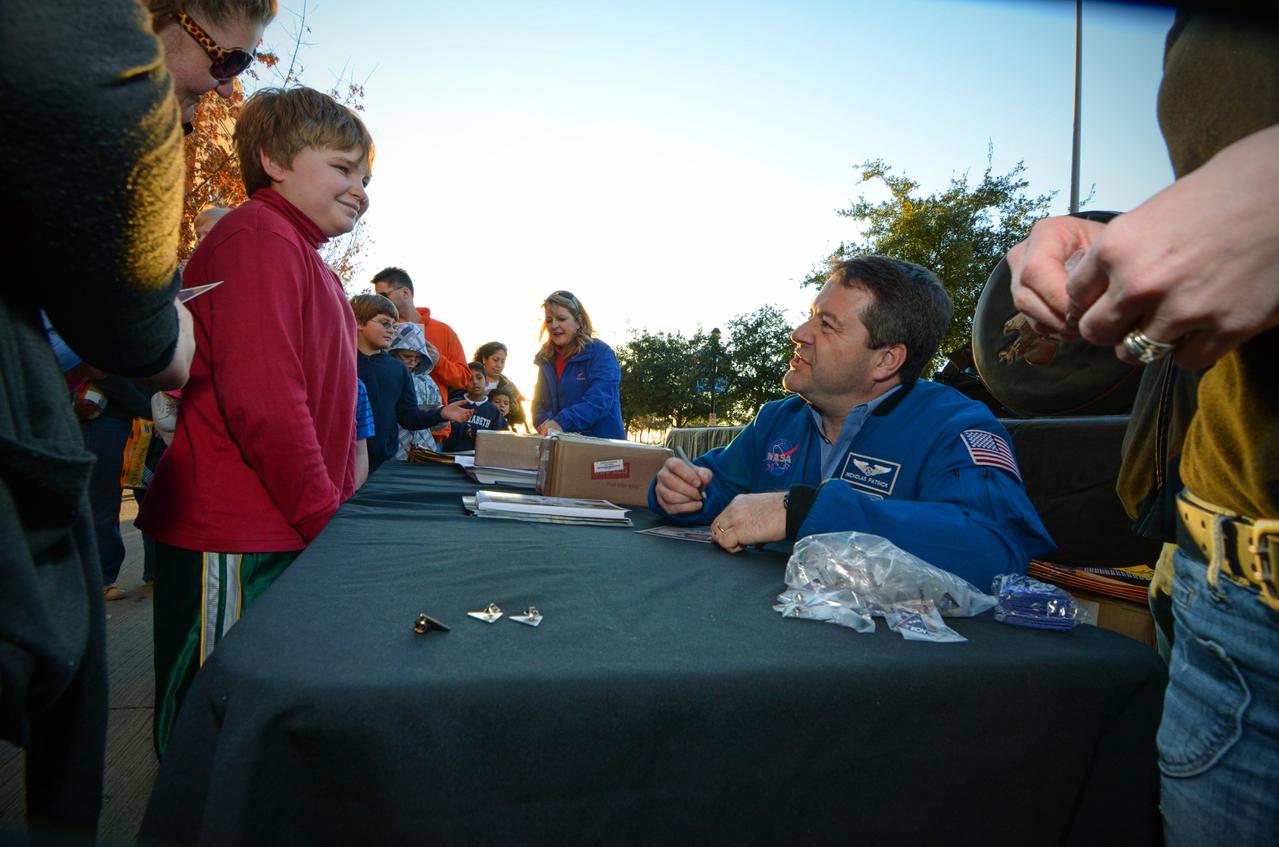
Astronaut Nicholas Patrick signs autographs for visitors during Orion Pad Abort-1 pathfinder display at an event outside American Airlines Center in Dallas on Jan. 27, 2012. Part of Batch image transfer from Flickr.

Astronaut signs autographs for visitors during Orion Pad Abort-1 pathfinder display at an event outside American Airlines Center in Dallas on Jan. 27, 2012. Part of Batch image transfer from Flickr.
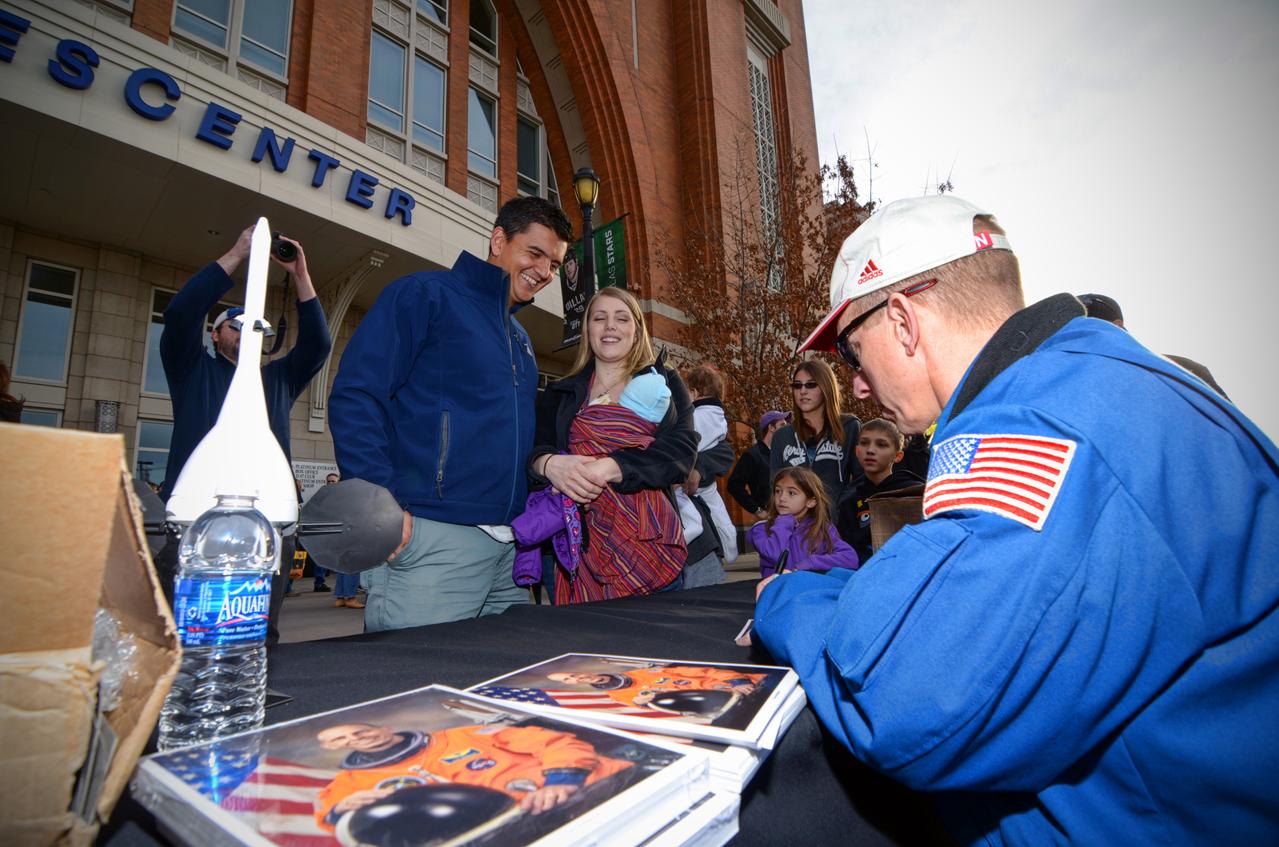
Astronaut signs autographs for visitors during Orion Pad Abort-1 pathfinder display at an event outside American Airlines Center in Dallas on Jan. 27, 2012. Part of Batch image transfer from Flickr.
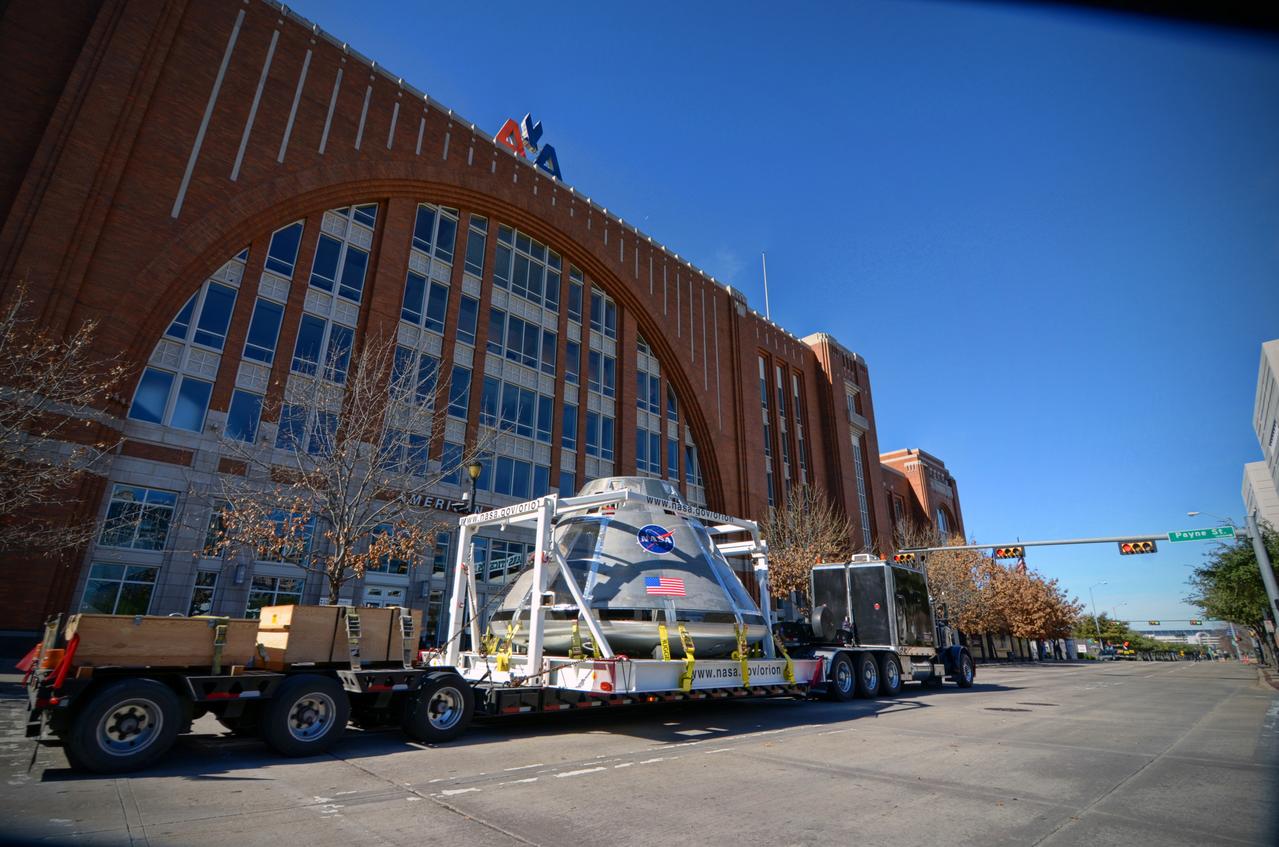
The Orion Pad Abort-1 pathfinder on display at an event outside American Airlines Center in Dallas on Jan. 27, 2012. Part of Batch image transfer from Flickr.

The western hemisphere of our home planet Earth. North (upper left), Central, and South America (lower right) were nicely free of clouds when LRO pointed home on 9 August 2010 to acquire this beautiful view. LROC NAC E136013771. As LRO orbits the Moon every two hours sending down a stream of science data, it is easy to forget how close the Moon is to the Earth. The average distance between the two heavenly bodies is just 384,399 km (238,854 miles). Check your airline frequent flyer totals, perhaps you have already flown the distance to the Moon and back on a single airline. http://photojournal.jpl.nasa.gov/catalog/PIA13519
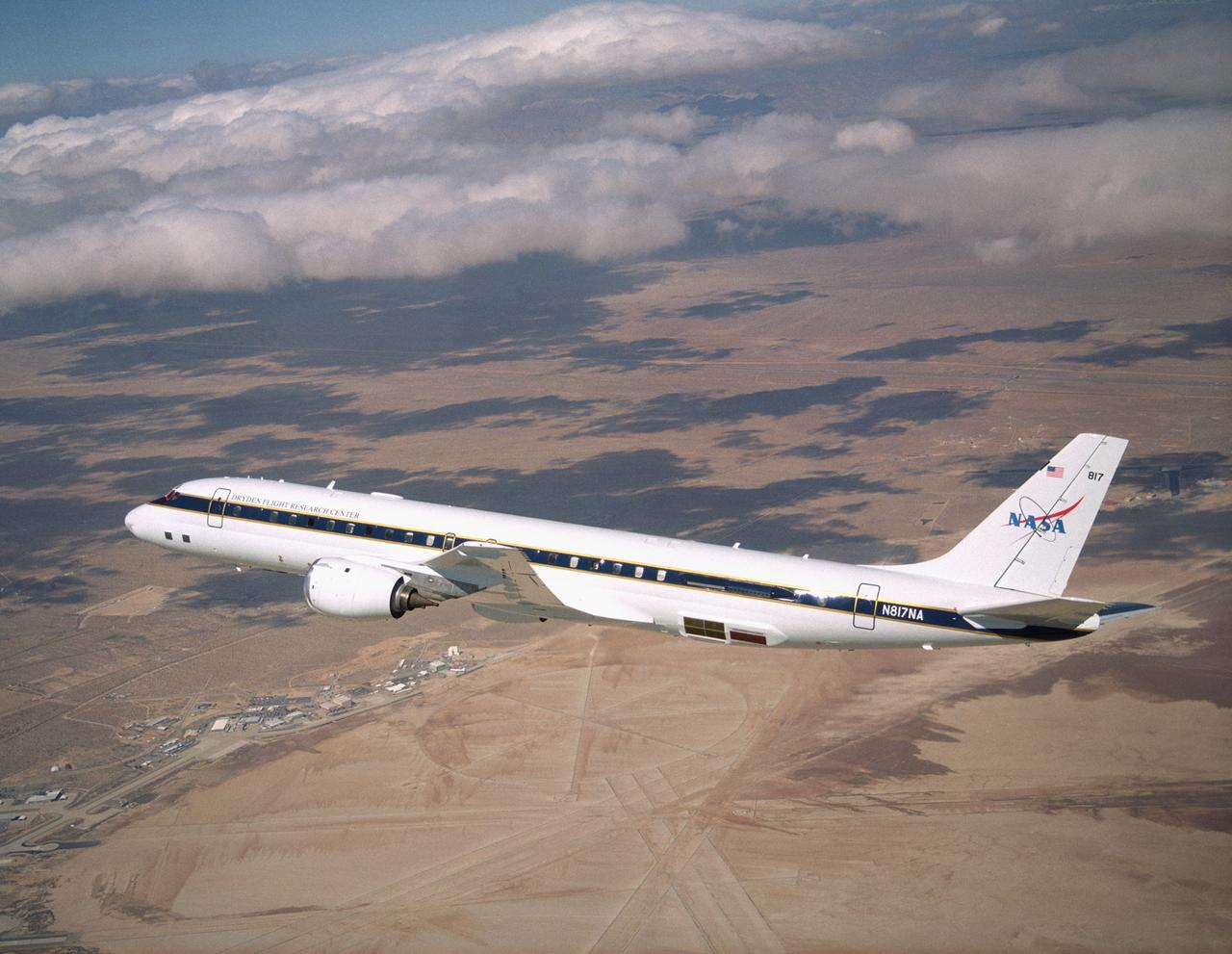
NASA's large Airborne Science research aircraft, a modified DC-8 airliner, displayed new colors in a check flight Feb. 24, 2004, over its home base, the NASA Dryden Flight Research Center at Edwards AFB, California.
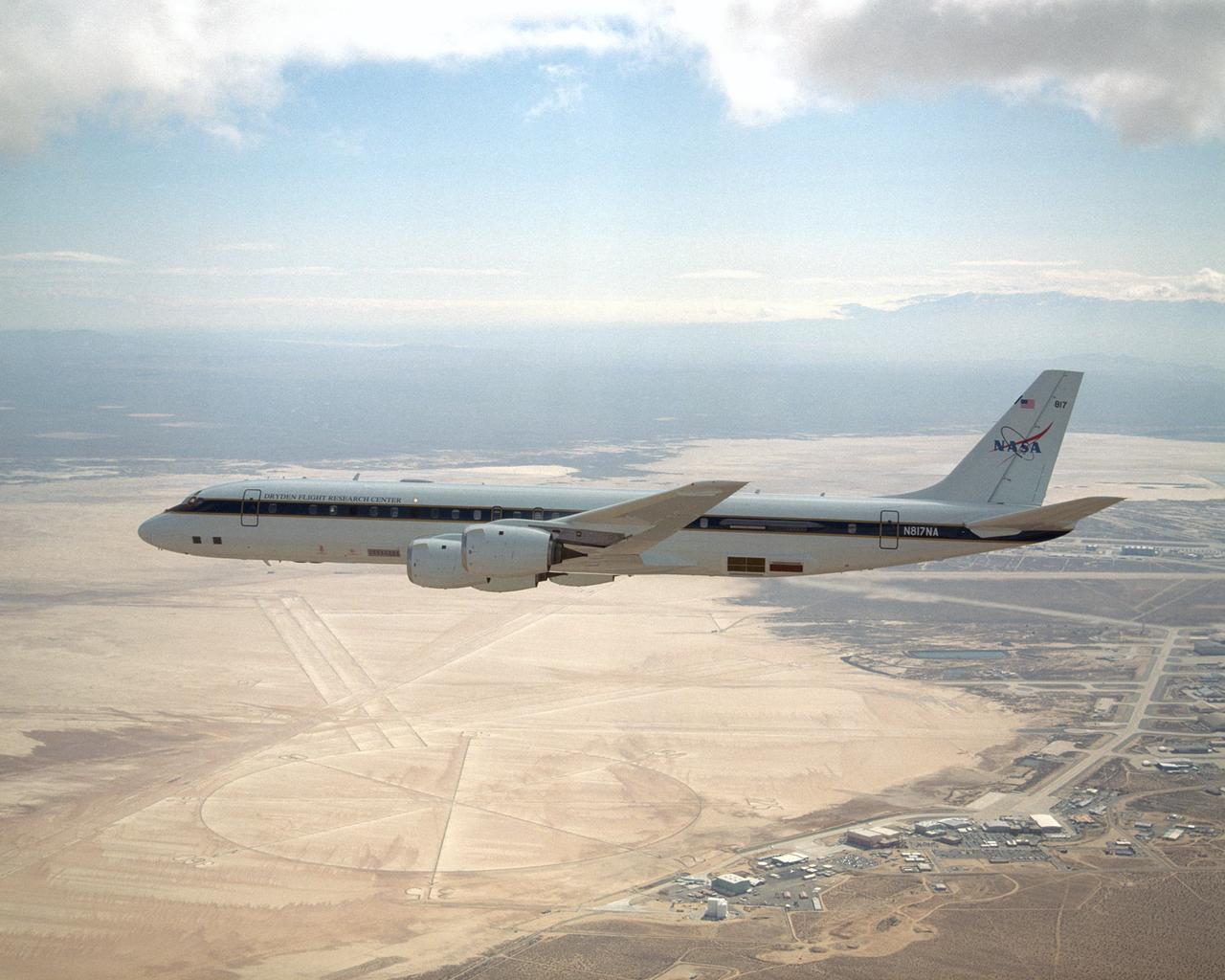
NASA's large Airborne Science research aircraft, a modified DC-8 airliner, displayed new colors in a check flight Feb. 24, 2004, over its home base, the NASA Dryden Flight Research Center at Edwards AFB, California.
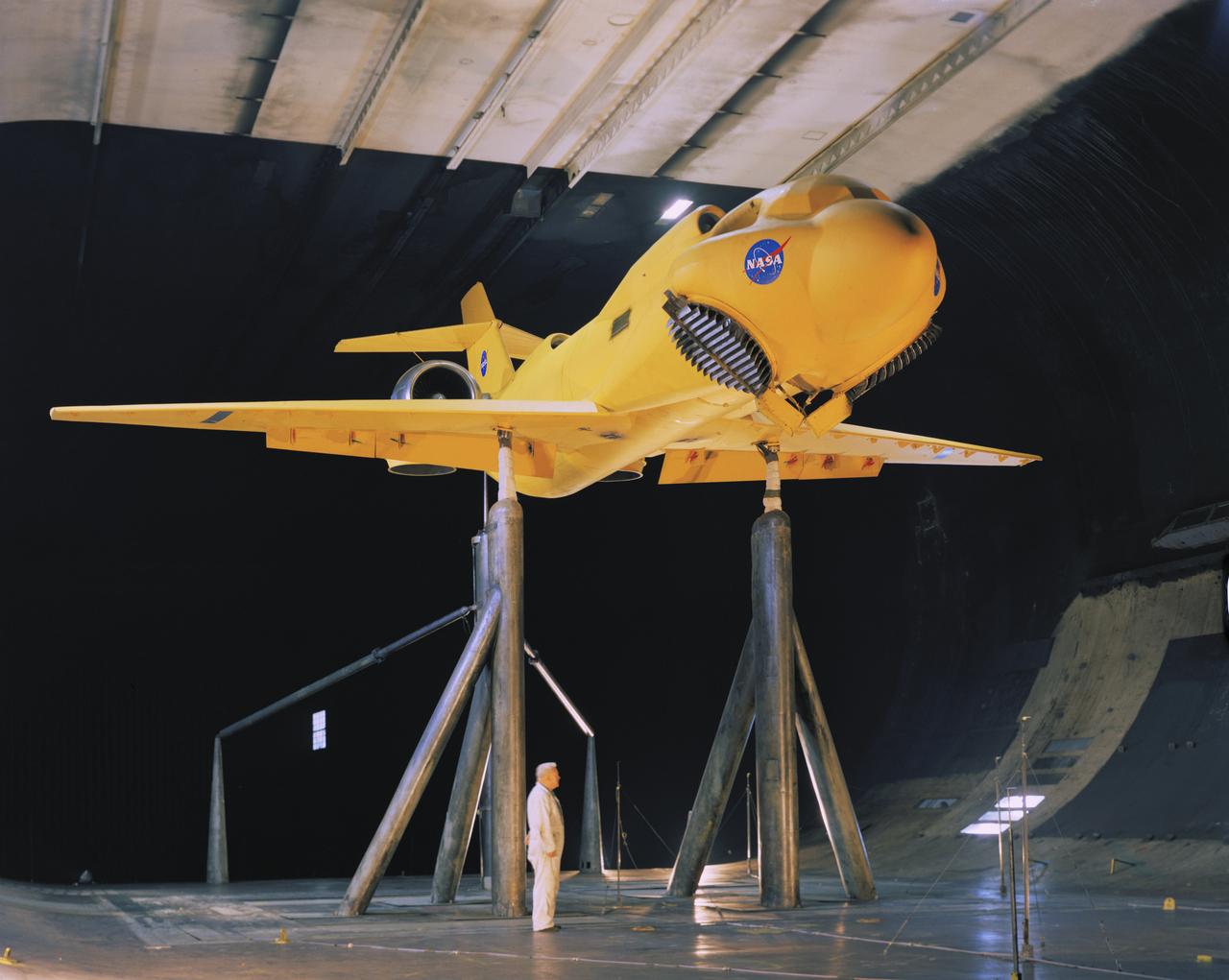
3/4 front view of McDonnell-Douglas Large-Scale lift fan, vertical and/or short take-off and landing (V/STOL), transport model. Francis Malerick in photograph. The McDonnell Douglas DC-9 (initially known as the Douglas DC-9) is a twin-engine, single-aisle jet airliner.
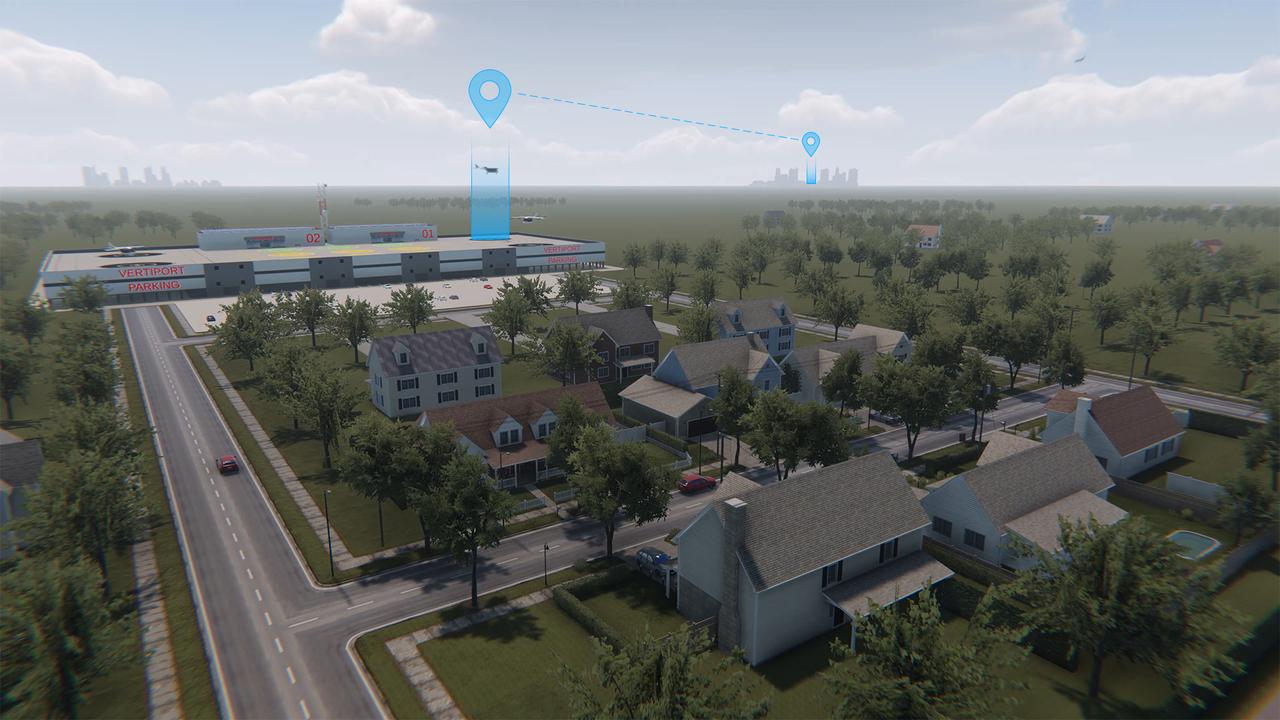
Advanced Air Mobility will connect both urban dwellers and rural residents by adding a new way to travel by air. As shown in this concept art, passengers could travel from rural areas into the city quicker than by car to board a commercial airliner, access medical care or to purchase goods.
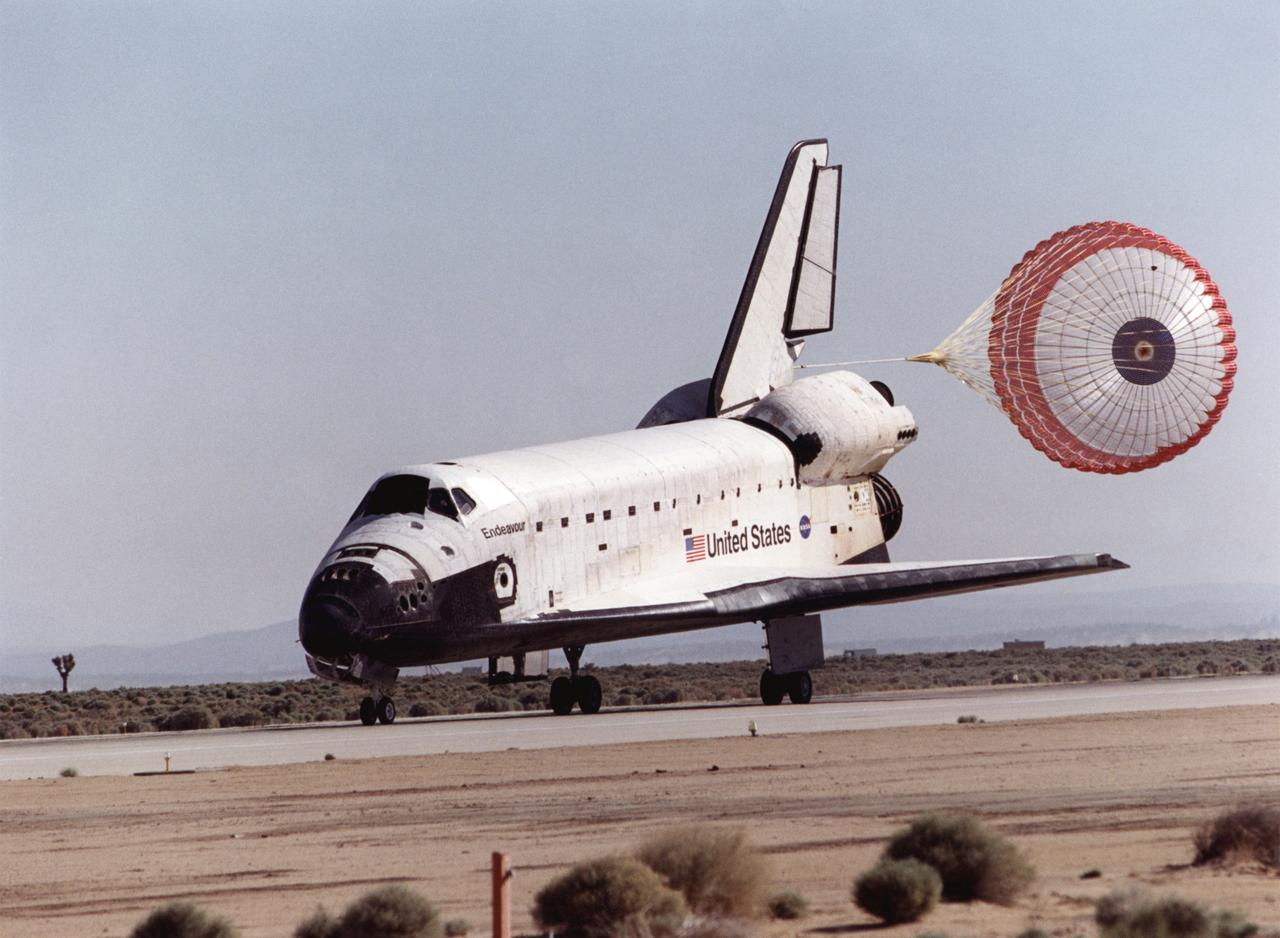
A lone desert Joshua tree greeted the arrival of Space Shuttle Endeavour at Edwards Air Force Base, California, May 1, 2001. A large drag chute helped slow Endeavour on the runway. After mounting the shuttle on a converted 747 airliner at NASA's Dryden Flight Research Center, Endeavour will be carried back to the Kennedy Space Center for its next mission. Weather in Florida necessitated landing in California.
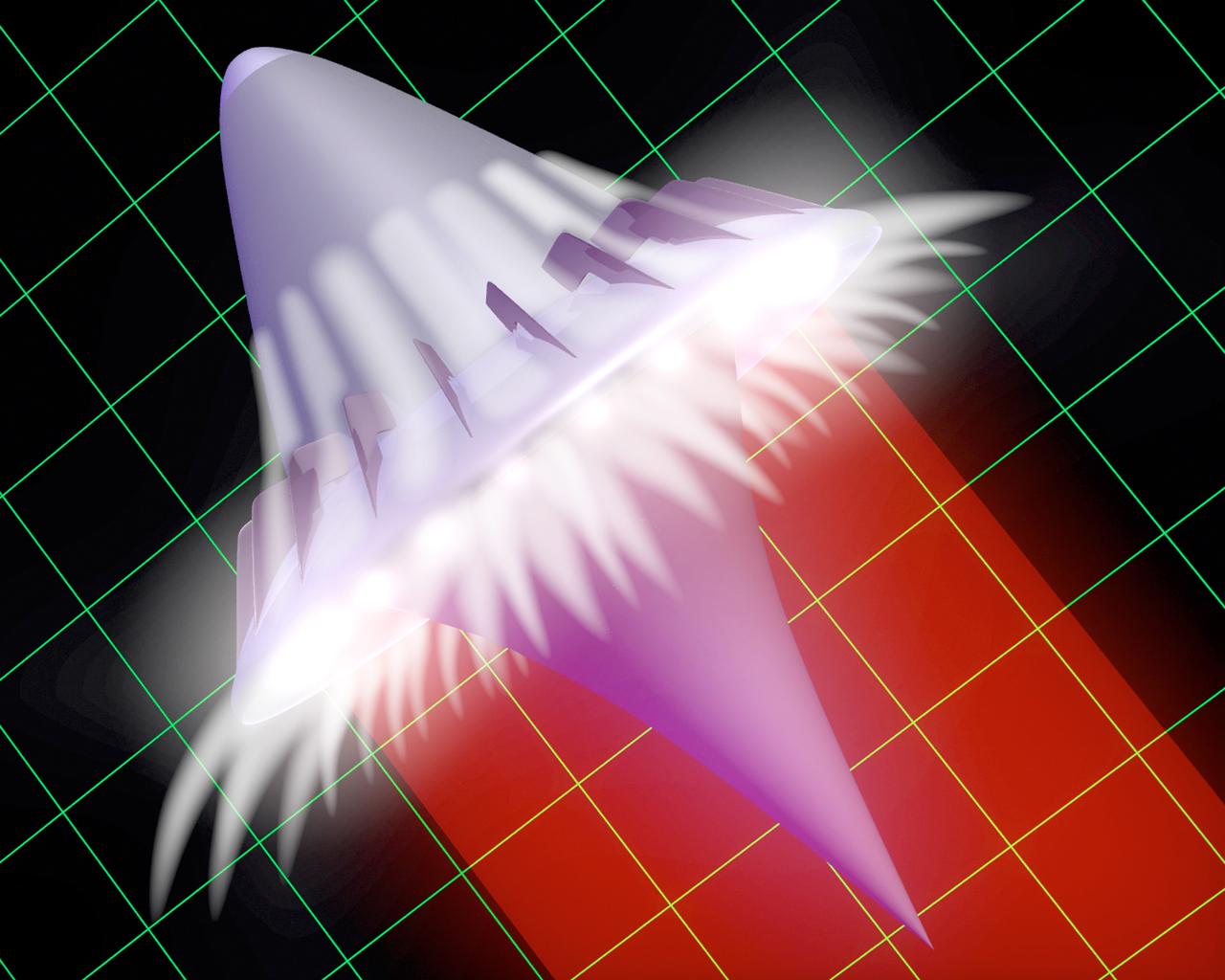
It is predicted that by the year 2040, there will be no distinction between a commercial airliner and a commercial launch vehicle. Fourth Generation Reusable Launch Vehicles (RLVs) will be so safe and reliable that no crew escape system will be necessary. Every year there will be in excess of 10,000 flights and the turn-around time between flights will be just hours. The onboard crew will be able to accomplish a launch without any assistance from the ground. Provided is an artist's concept of these fourth generation space vehicles.
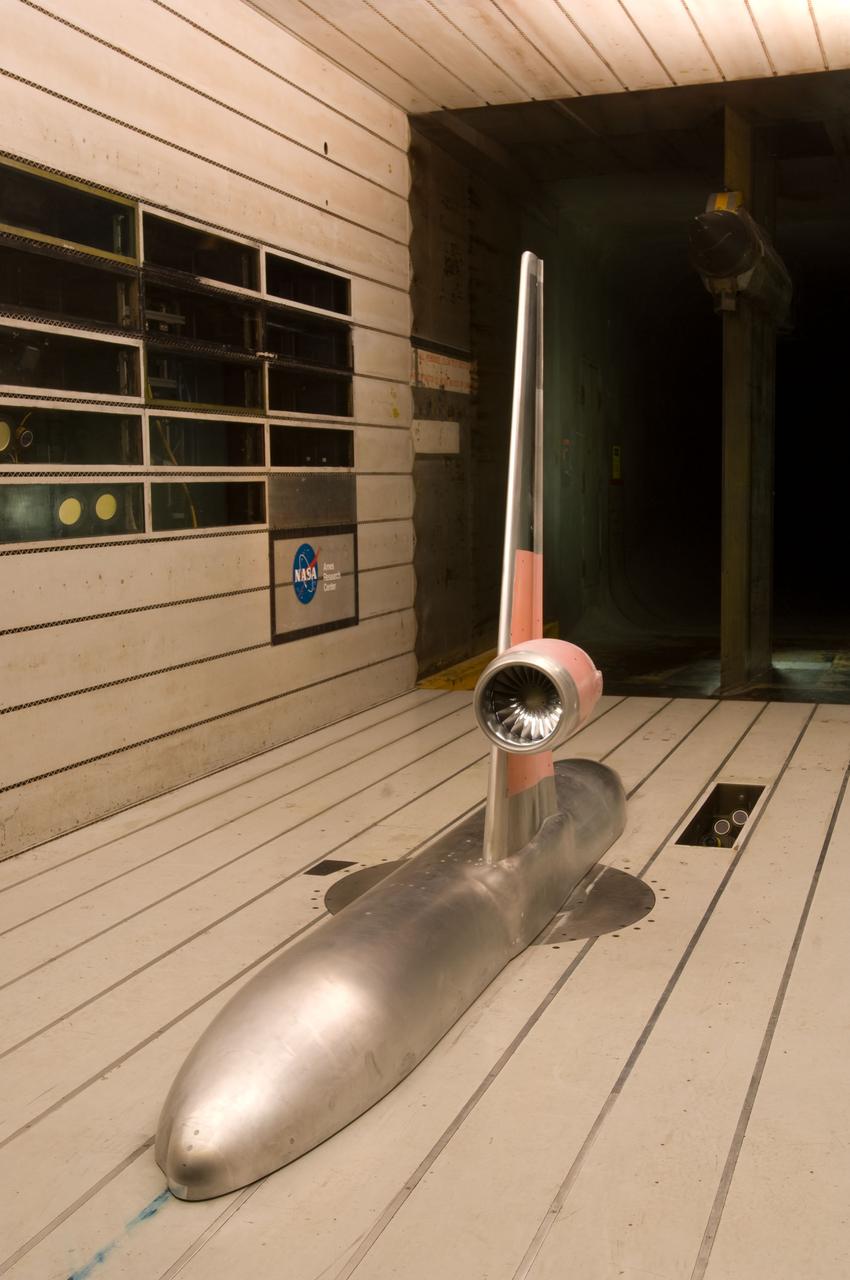
Next-Generation Aircraft, Pratt and Whitney Ultra-High Bypass Integration test at NASA Ames 11ft. wind tunnel (test 11-0182) assess the interaction effects of a scaled Pratt & Whitney geared turbofan on a Boeing 737-800 fuselage in an effort to use emerging technologies to make next-generation airliners quieter, more fuel efficient and lower on emissions. (printed in Aviation Week & Space Technology April 8, 2011 issue)
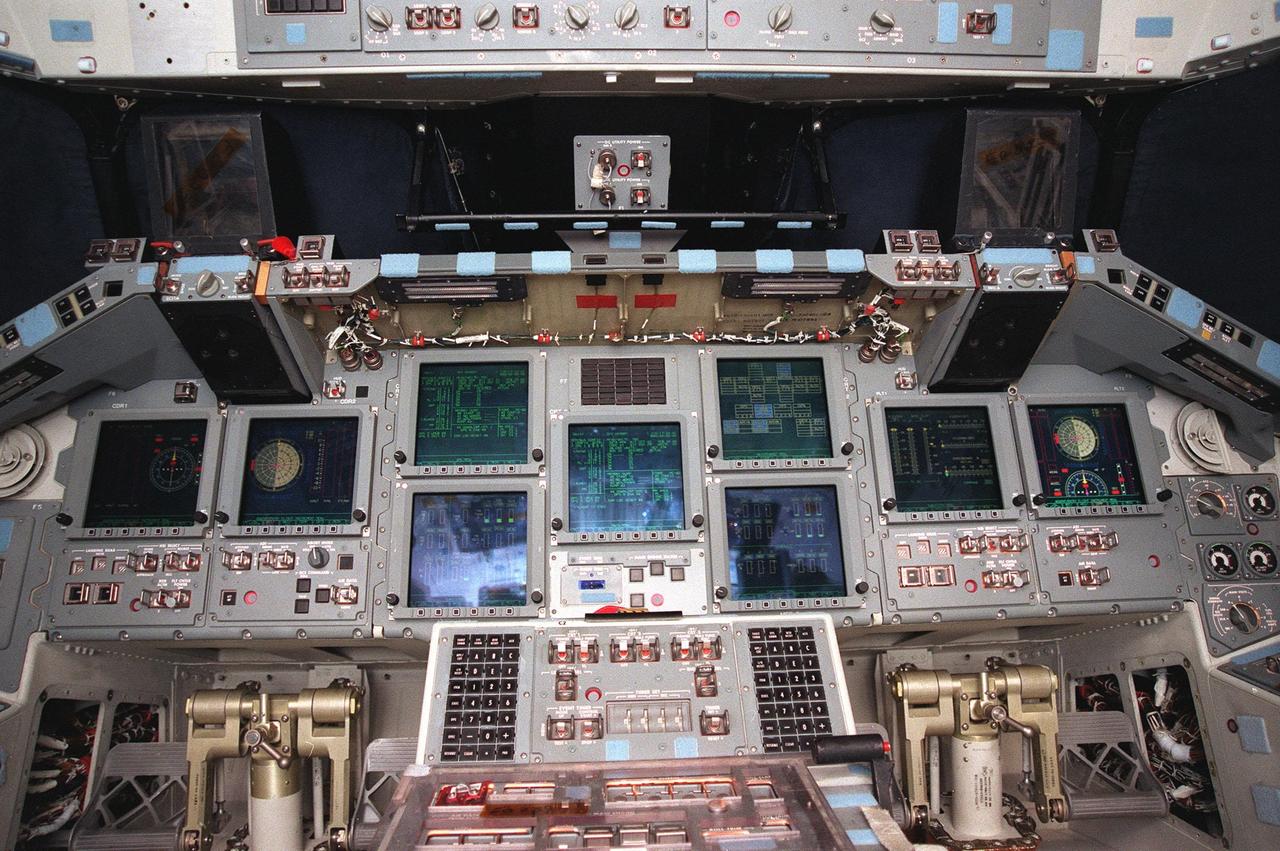
In this broad view, the new full-color, flat panel Multifunction Electronic Display Subsystem (MEDS) is shown in the cockpit of the orbiter Atlantis. It is often called the "glass cockpit." The recently installed MEDS upgrade improves crew/orbiter interaction with easy-to-read, graphic portrayals of key flight indicators like attitude display and mach speed. The installation makes Atlantis the most modern orbiter in the fleet and equals the systems on current commercial jet airliners and military aircraft. Atlantis is scheduled to fly on mission STS-101 in early December
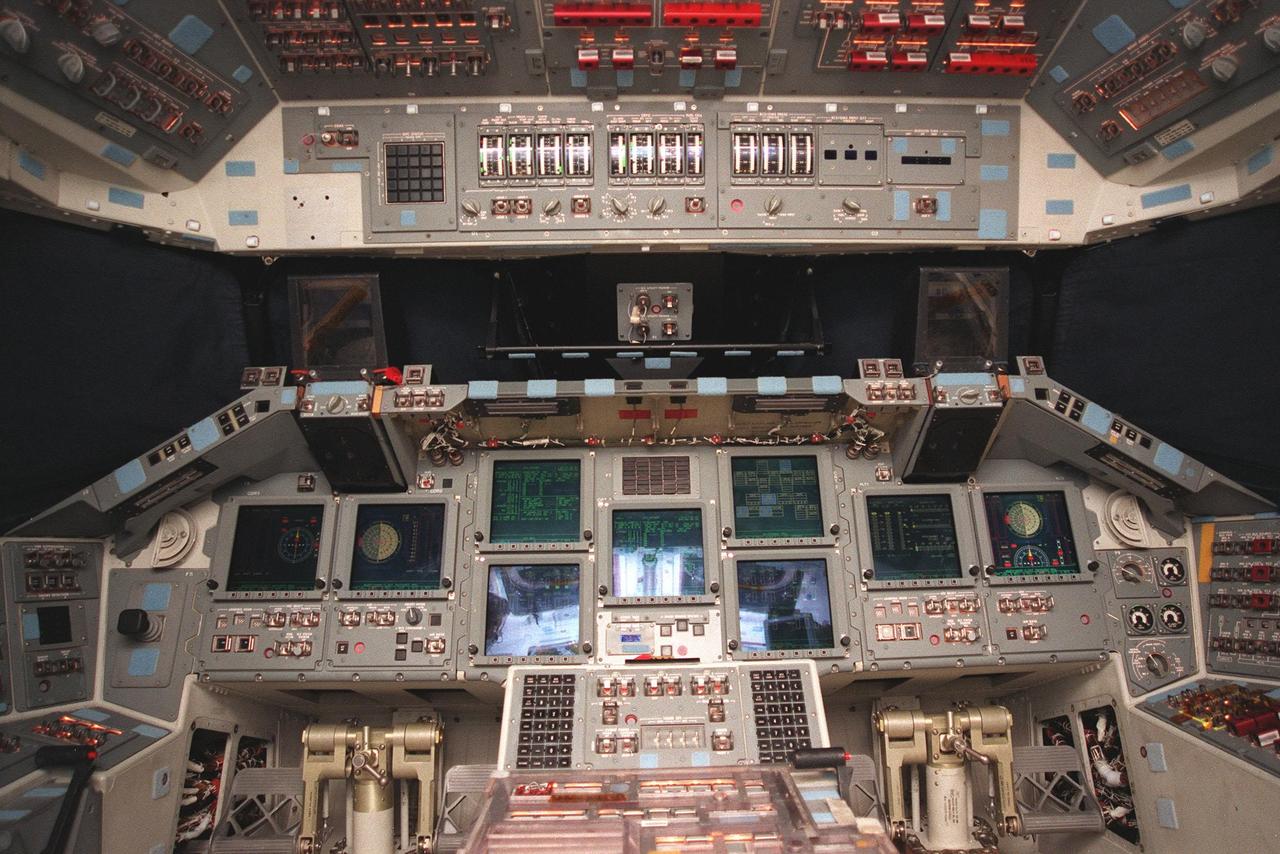
A new full-color, flat panel Multifunction Electronic Display Subsystem (MEDS) is shown in the cockpit of the orbiter Atlantis. It is often called the "glass cockpit." The recently installed MEDS upgrade improves crew/orbiter interaction with easy-to-read, graphic portrayals of key flight indicators like attitude display and mach speed. The installation makes Atlantis the most modern orbiter in the fleet and equals the systems on current commercial jet airliners and military aircraft. Atlantis is scheduled to fly on mission STS-101 in early December

In this oblique view of the Georgia and South Carolina coast, the southern most Appalachians (32.0N, 83.0W) dominate the foreground. Contrails criss cross over Atlanta, a major airline hub. The coastal plain which wraps around the southern Appalachians, is well delineated. Faintly visible under the haze toward Earth's limb are the Great lakes (Lake Michigan near center), the folded belts of the central Appalachians and Long Island, New York.
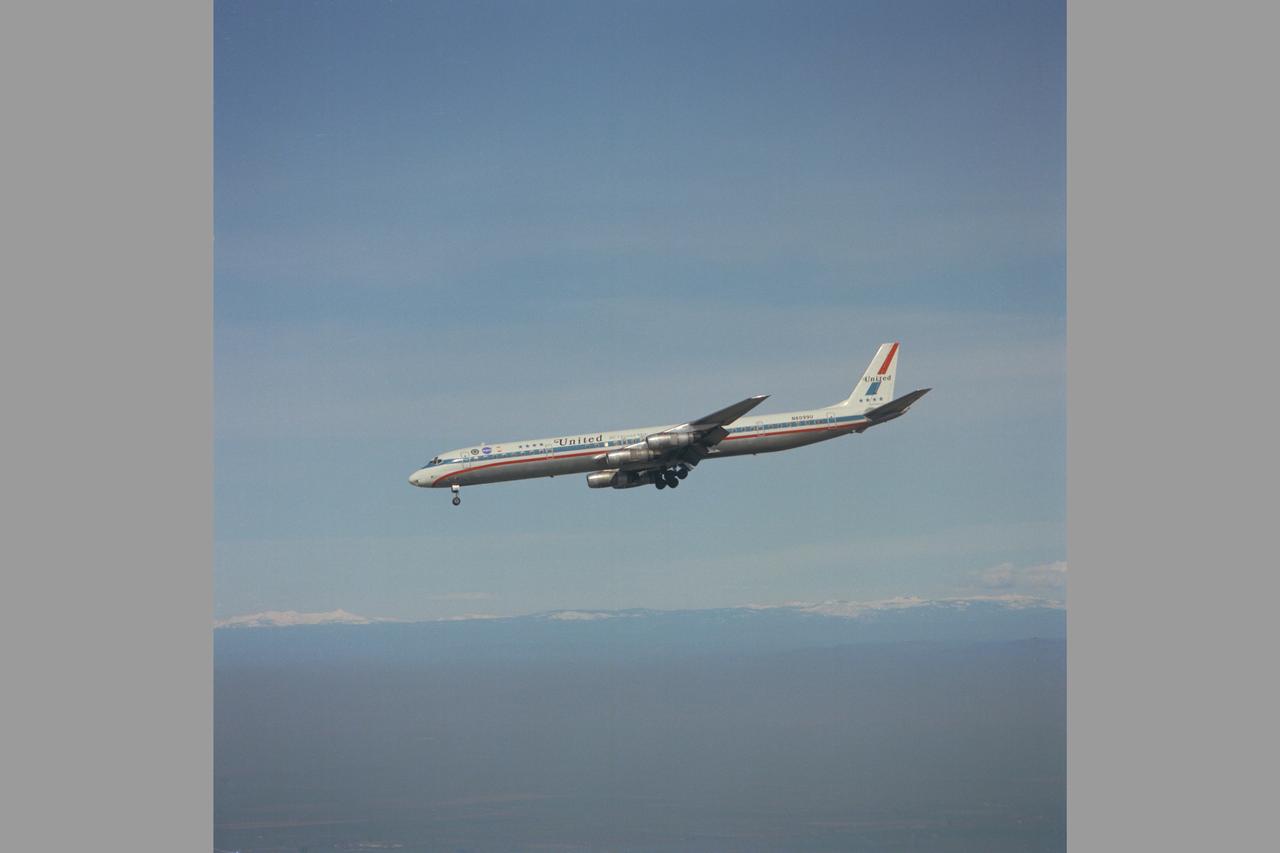
United Airlines DC-8 (N8099U) Two Segment Evaluation. In-Flight Thrust Reversing, Steep Approach Research. The thrust reversing concept was applied to the DC-8 Commercial transport to achieve the rapid descent capability required for FAA certificaiton. Note: Used in publication in Flight Research at Ames; 57 Years of Development and Validation of Aeronautical Technology NASA SP-1998-3300 fig 96
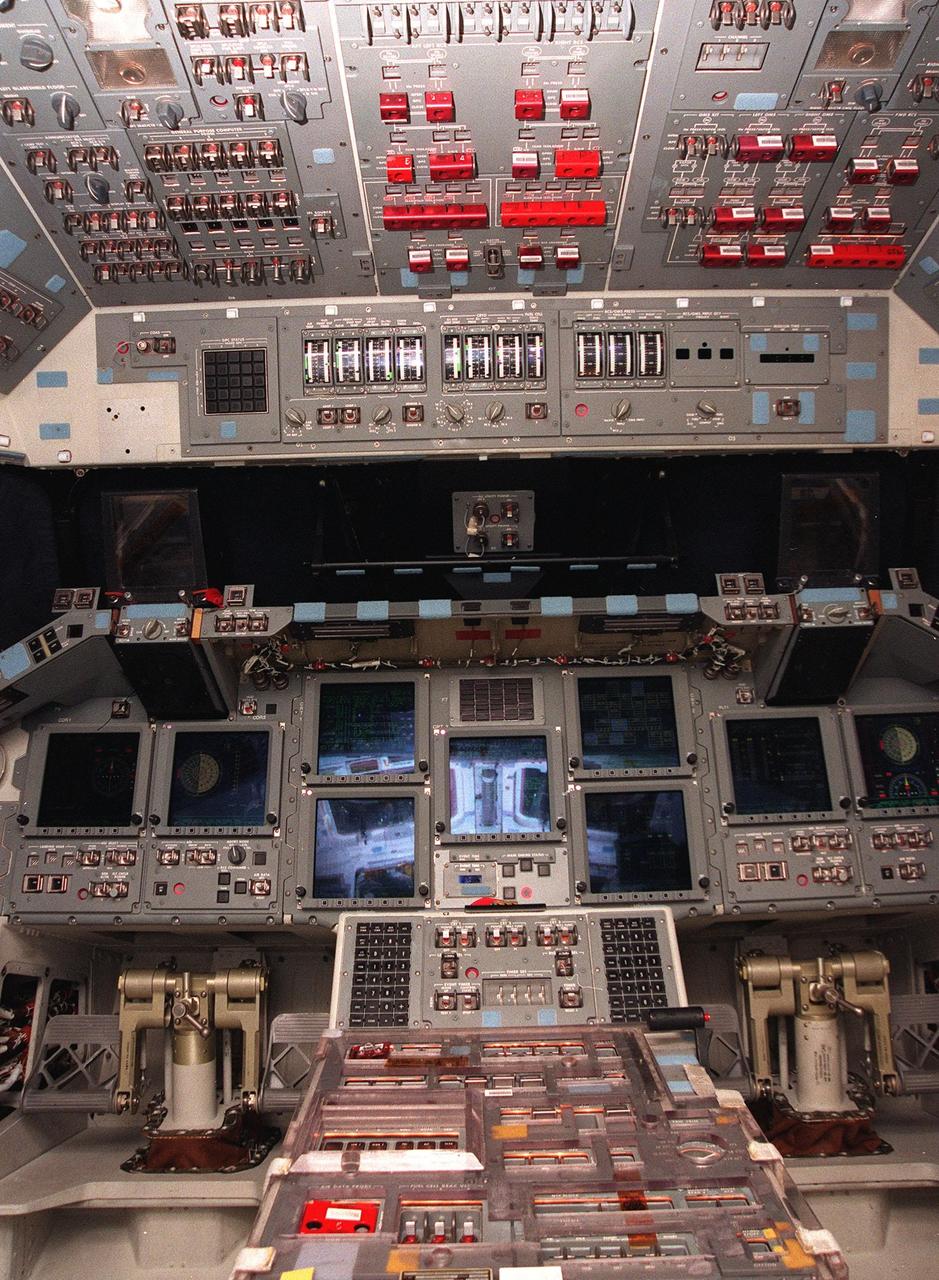
The cockpit of the orbiter Atlantis is revealed with its new full-color, flat panel Multifunction Electronic Display Subsystem (MEDS), also called the "glass cockpit." The recently installed MEDS upgrade improves crew/orbiter interaction with easy-to-read, graphic portrayals of key flight indicators like attitude display and mach speed. The installation makes Atlantis the most modern orbiter in the fleet and equals the systems on current commercial jet airliners and military aircraft. Atlantis is scheduled to fly on mission STS-101 in early December

iss073e0515117 (Aug. 23, 2025) --- Baghdad, Iraq, split by the Tigris River and with a population of about 7.92 million, is pictured at approximately 1:58 a.m. local time from the International Space Station as it orbited 261 miles above. The dark, oval area toward the top is Baghdad International Airport hosting both civilian airlines and military aircraft. Credit: JAXA (Japan Aerospace Exploration Agency)

The Nasca Lines are located in the Pampa region of Peru, the desolate plain of the Peruvian coast 400 km south of Lima. The Lines were first spotted when commercial airlines began flying across the Peruvian desert in the 1920's. Passengers reported seeing 'primitive landing strips' on the ground below. The Lines were made by removing the iron-oxide coated pebbles which cover the surface of the desert. When the gravel is removed, they contrast with the light color underneath. In this way the lines were drawn as furrows of a lighter color. On the pampa, south of the Nasca Lines, archaeologists have now uncovered the lost city of the line-builders, Cahuachi. It was built nearly two thousand years ago and was mysteriously abandoned 500 years later. This ASTER sub-image covers an area of 14 x 18 km, was acquired on December 22, 2000, and is located at 14.7 degrees south latitude and 75.1 degrees west longitude. http://photojournal.jpl.nasa.gov/catalog/PIA11097
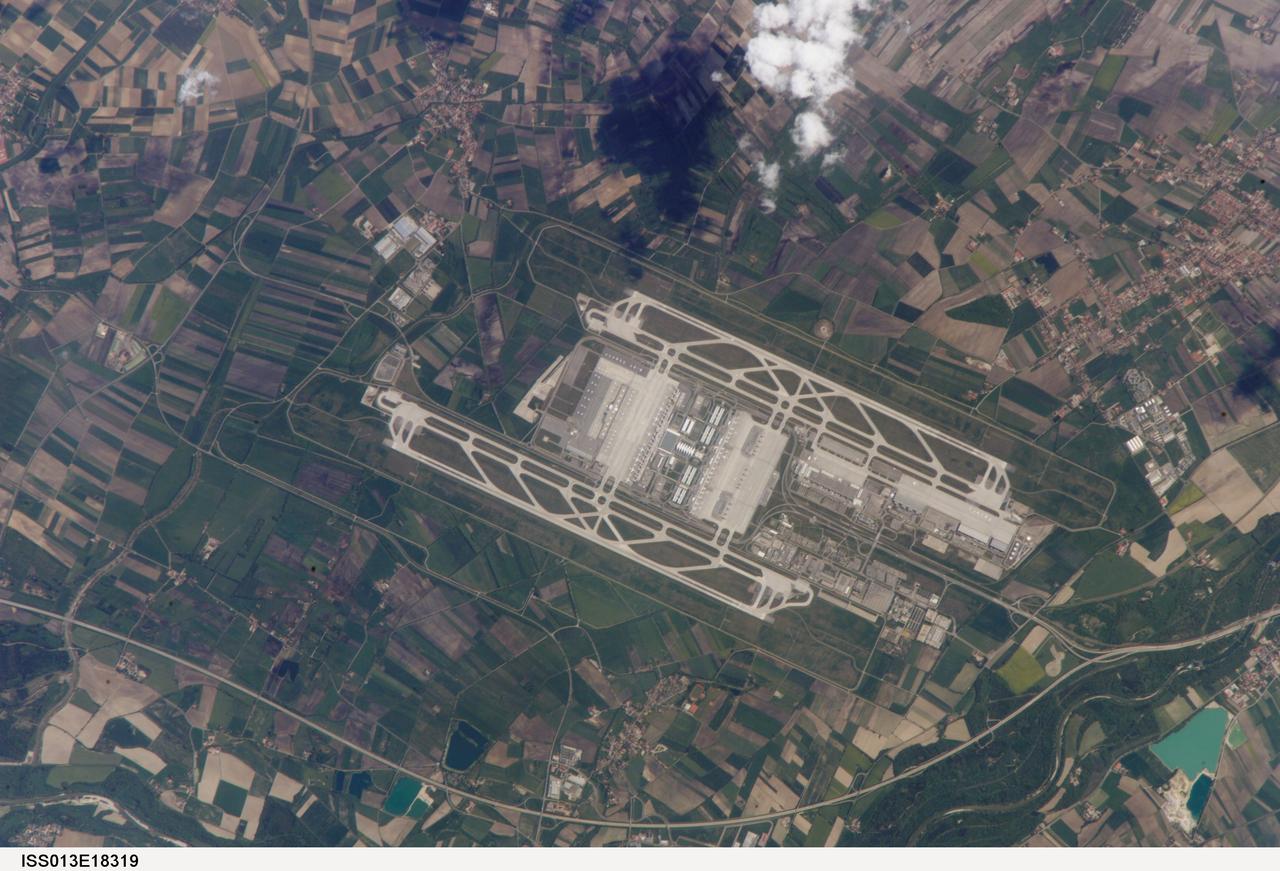
ISS013-E-18319 (12 May 2006) --- Munich International Airport, Germany is featured in this image photographed by an Expedition 13 crewmember on the International Space Station. The Franz Joseph Strauss, or Munich, International Airport served 29 million passengers in 2005, making it the second-busiest airport (behind Frankfurt) in Germany. It is the busiest airport in Germany in terms of domestic passengers, serving over 9 million travelers during 2005. The airport serves the Bayern (Bavaria) region of southeastern Germany, and is a hub for the Lufthansa airline. Like other large international airports around the world, the facility occupies portions of multiple municipalities: Freising, Oberding, Hallbergmoos, and Marzling. The village of Franzheim was demolished, and its 500 residents relocated, during the airport construction. The airport is located 31 kilometers to the northeast of Munich; rather than being an extension of the metropolis, it is surrounded by agricultural fields and small towns. Expansion of the airport occurred in 2003 with the additional of Terminal 2, designed specifically to accommodate the needs of Lufthansa and its partner airlines. This view taken is sufficiently detailed to distinguish individual airplanes on the terminal apron as well as the dark gray-blue rooftop of Terminal 2. The white concrete airport runways are 4 kilometers in length. Surrounding agricultural fields in active use are a variety of shades of green, while the exposed soil of fallow fields are brown to tan.
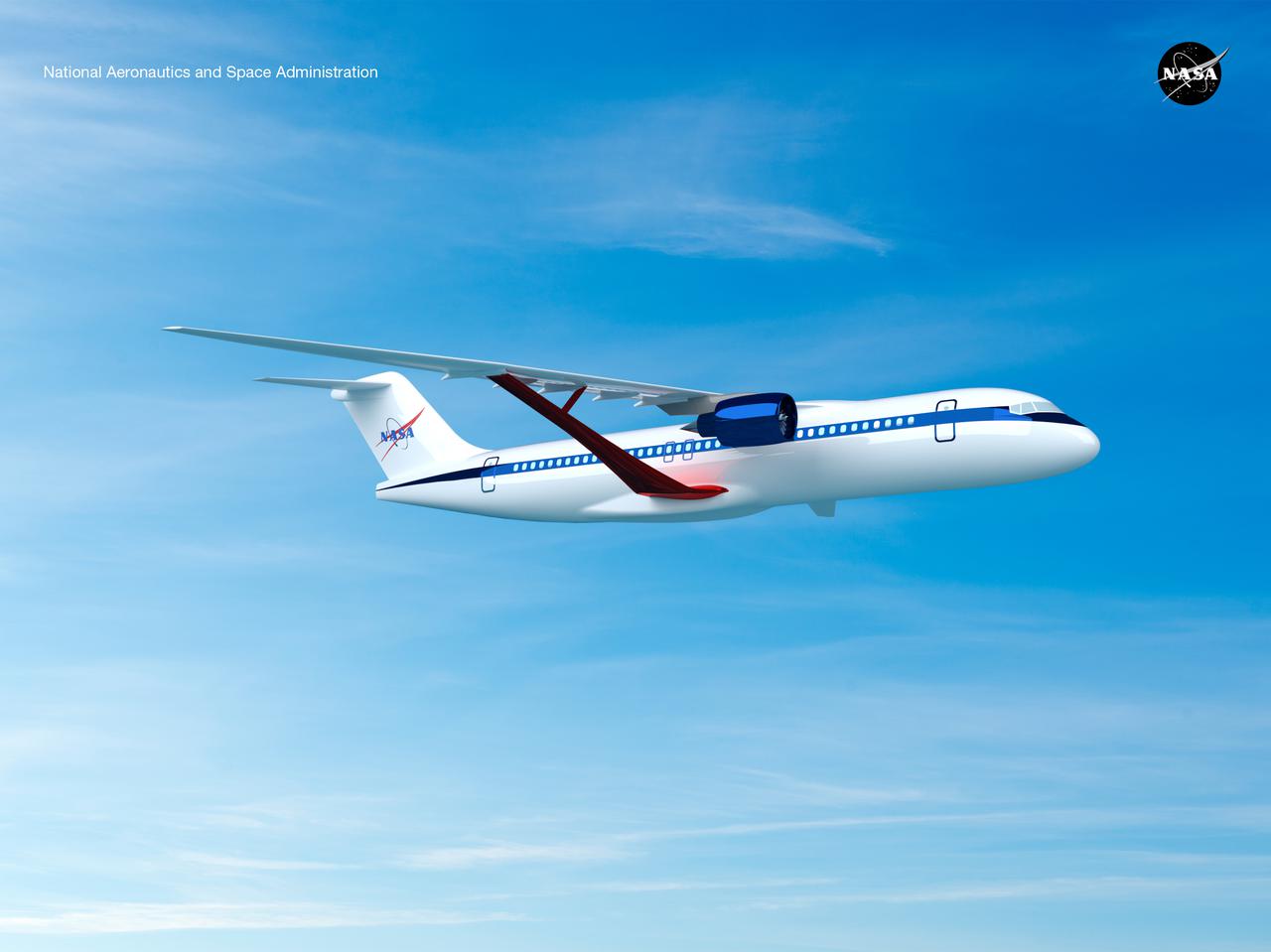
Notice anything different about the wings on this airliner? This conceptual truss-braced wing narrowbody is an aircraft with a 170ft span folding wing. By utilizing trusses, the aircraft can have longer, thinner wings with greater aspect ratios. This, in turn, translates into less drag and 5-10% less fuel burned. The Transonic Truss-Braced Wing aircraft originated from a joint effort by NASA and Boeing to develop subsonic commercial transport concepts – meeting NASA-defined metrics in terms of reduced noise, emissions, and fuel consumption. The design is currently undergoing wind tunnel testing and other studies by NASA researchers.
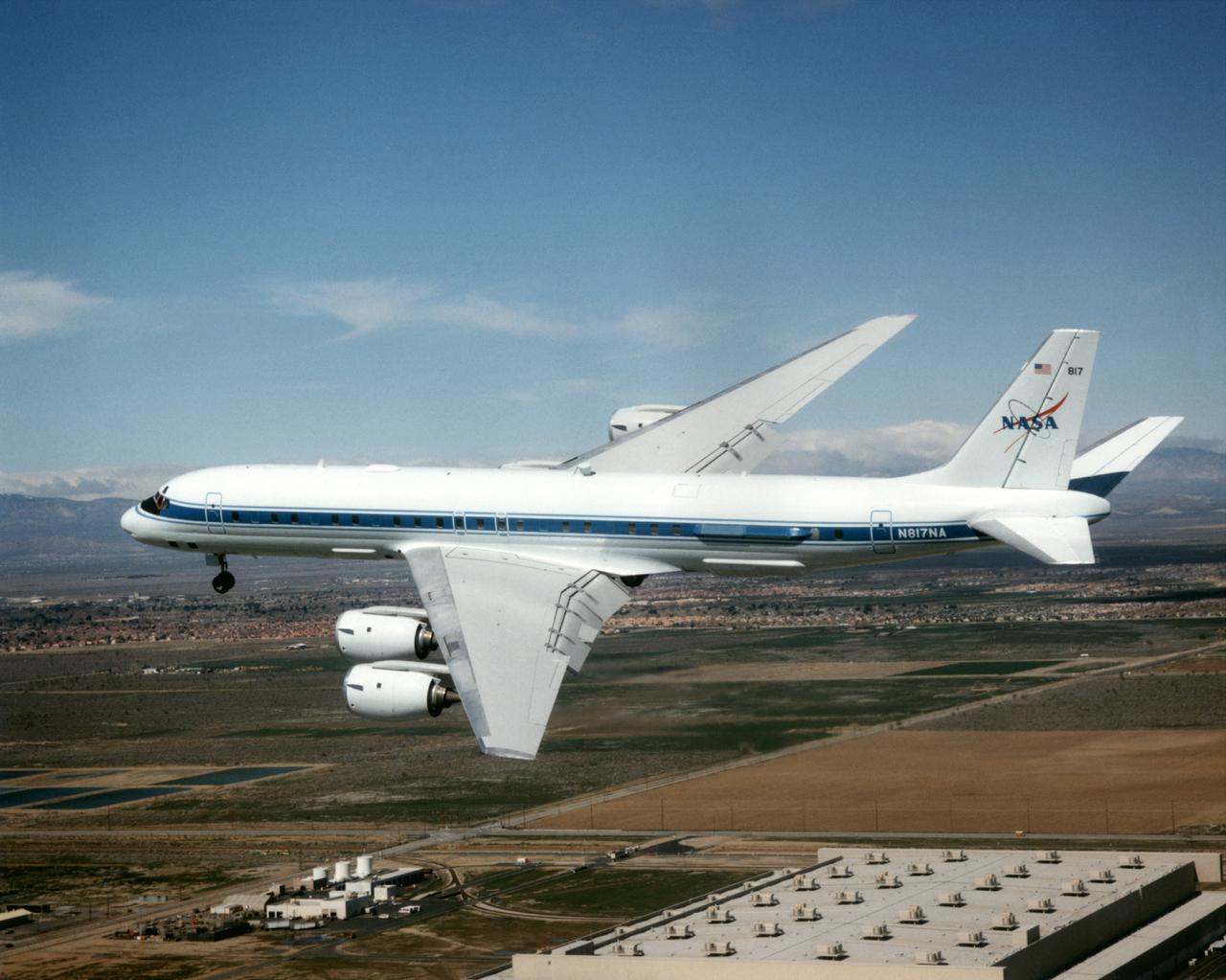
The DC-8 Airborne Laboratory in a left banking turn above the airport at Palmdale, California. The right wing is silhouetted against the blue sky, while the left wing contrasts with the desert terrain. The former airliner is a "dash-72" model and has a range of 5,400 miles. The craft can stay airborne for 12 hours and has an operational speed range between 300 and 500 knots. The research flights are made at between 500 and 41,000 feet. The aircraft can carry up to 30,000 lbs of research/science payload equipment installed in 15 mission-definable spaces.
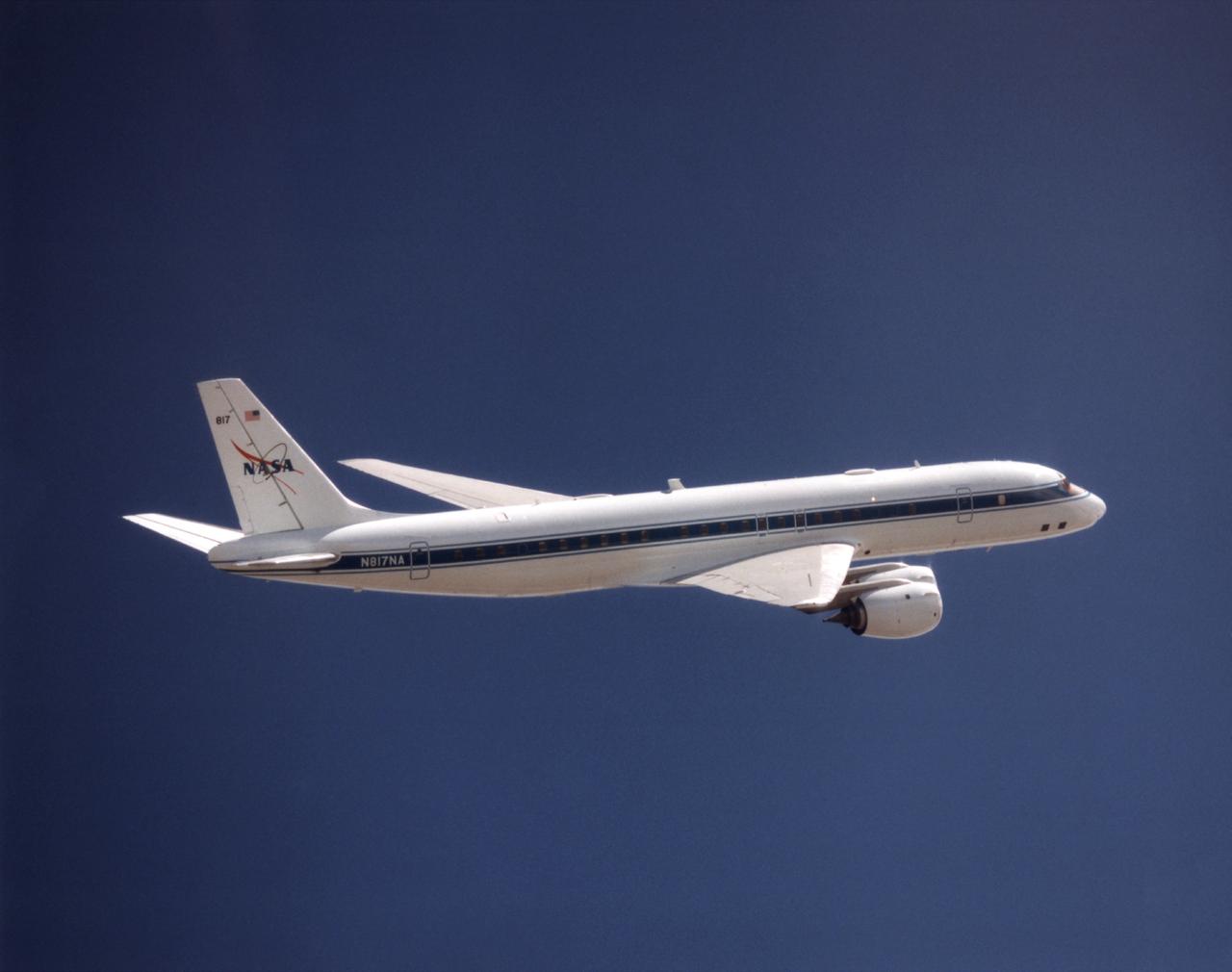
NASA's DC-8 Airborne Science platform shown against a background of a dark blue sky on February 20, 1998. The aircraft is shown from the right rear, slightly above its plane, with the right wing in the foreground and the left wing and horizontal tail in the background. The former airliner is a "dash-72" model and has a range of 5,400 miles. The craft can stay airborne for 12 hours and has an operational speed range between 300 and 500 knots. The research flights are made at between 500 and 41,000 feet. The aircraft can carry up to 30,000 lbs of research/science payload equipment installed in 15 mission-definable spaces.
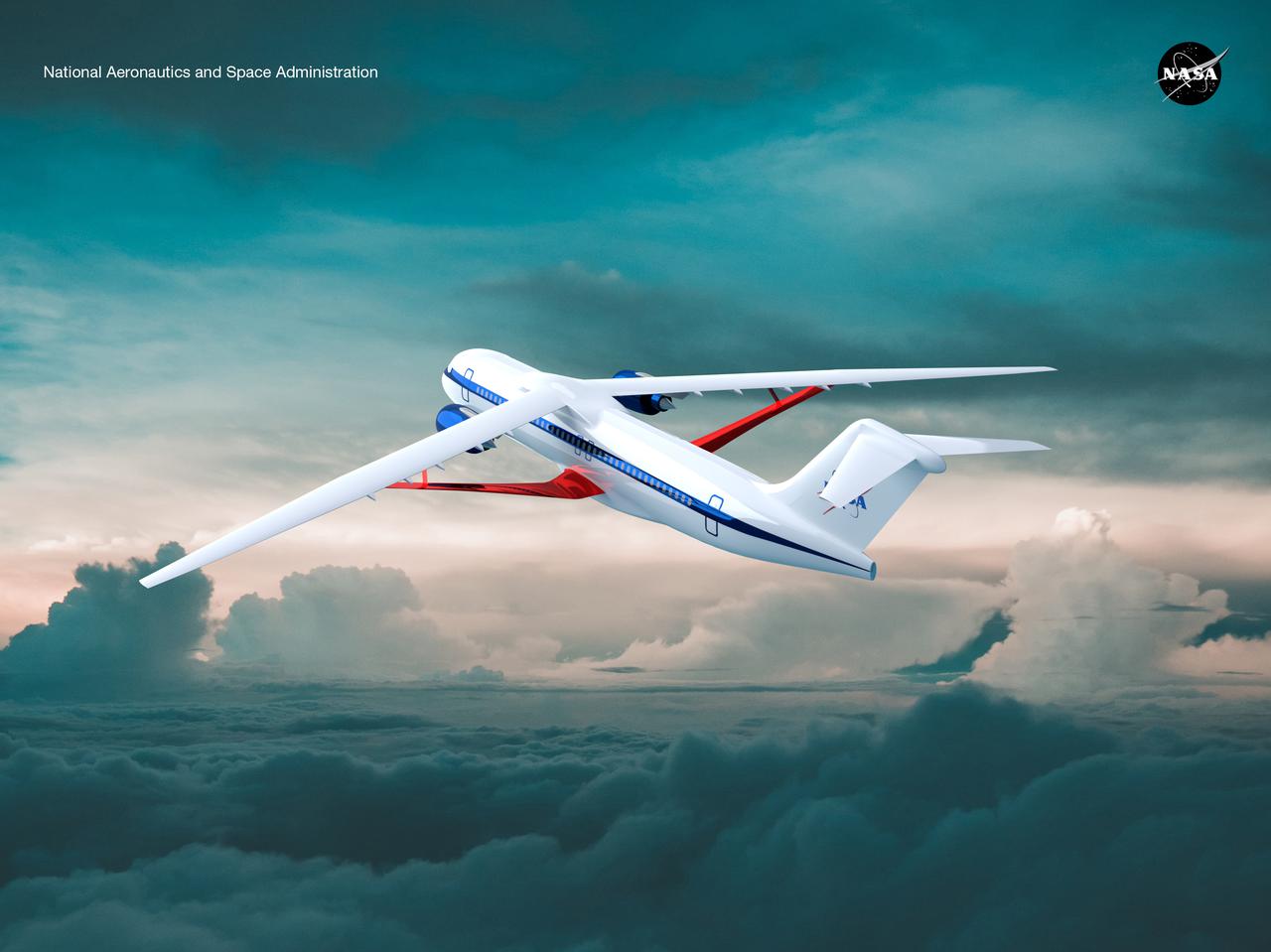
Notice anything different about the wings on this airliner? This conceptual truss-braced wing narrowbody is an aircraft with a 170ft span folding wing. By utilizing trusses, the aircraft can have longer, thinner wings with greater aspect ratios. This, in turn, translates into less drag and 5-10% less fuel burned. The Transonic Truss-Braced Wing aircraft originated from a joint effort by NASA and Boeing to develop subsonic commercial transport concepts – meeting NASA-defined metrics in terms of reduced noise, emissions, and fuel consumption. The design is currently undergoing wind tunnel testing and other studies by NASA researchers.
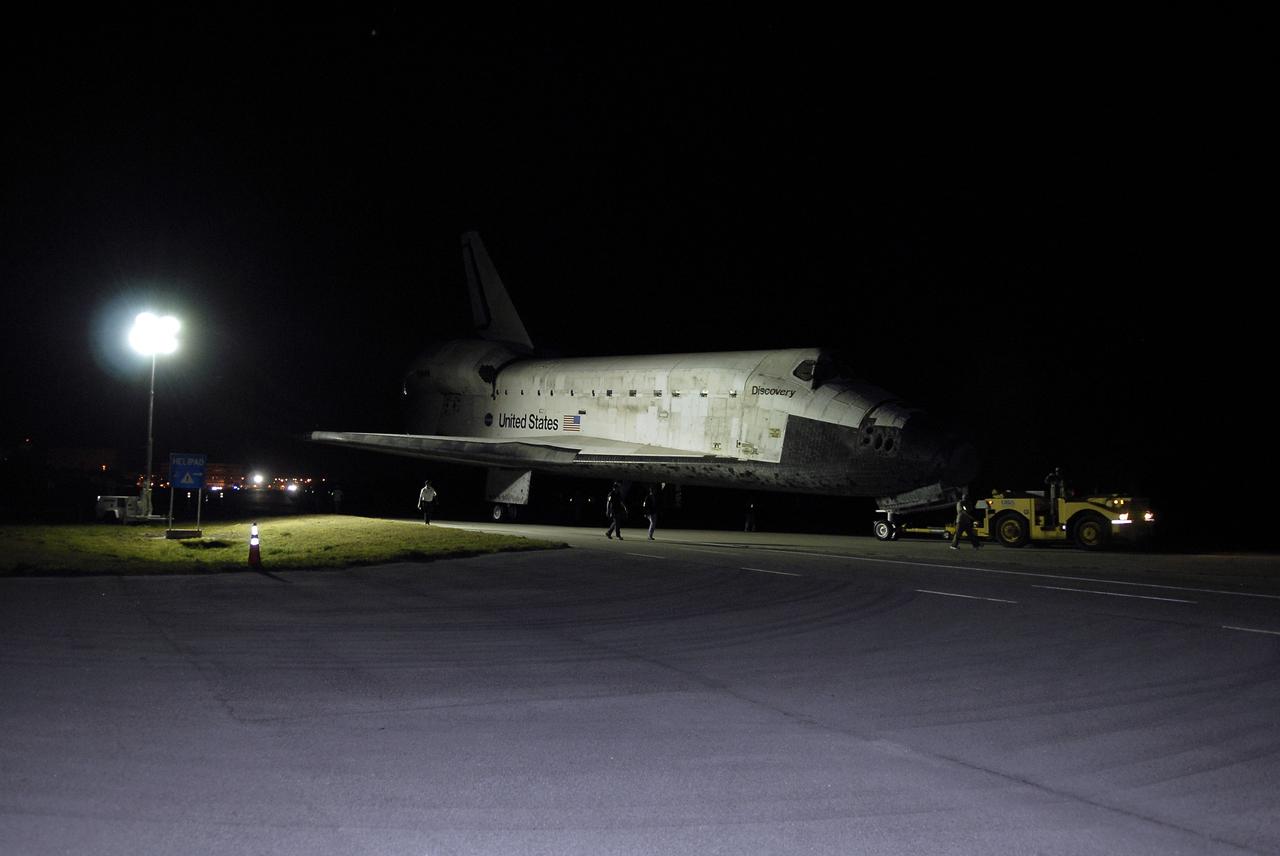
CAPE CANAVERAL, Fla. – Space shuttle Discovery is towed along the access road to the Shuttle Landing Facility, or SLF, at NASA’s Kennedy Space Center in Florida. At the SLF, Discovery will be hoisted onto a Shuttle Carrier Aircraft, or SCA, with the aid of a mate-demate device. The SCA, a modified Boeing 747 jet airliner, is scheduled to ferry Discovery to the Washington Dulles International Airport in Virginia on April 17, after which the shuttle will be placed on permanent public display in the Smithsonian's National Air and Space Museum Steven F. Udvar-Hazy Center. For more information on shuttle transition and retirement activities, visit http://www.nasa.gov/transition. Photo credit: NASA/Tim Jacobs
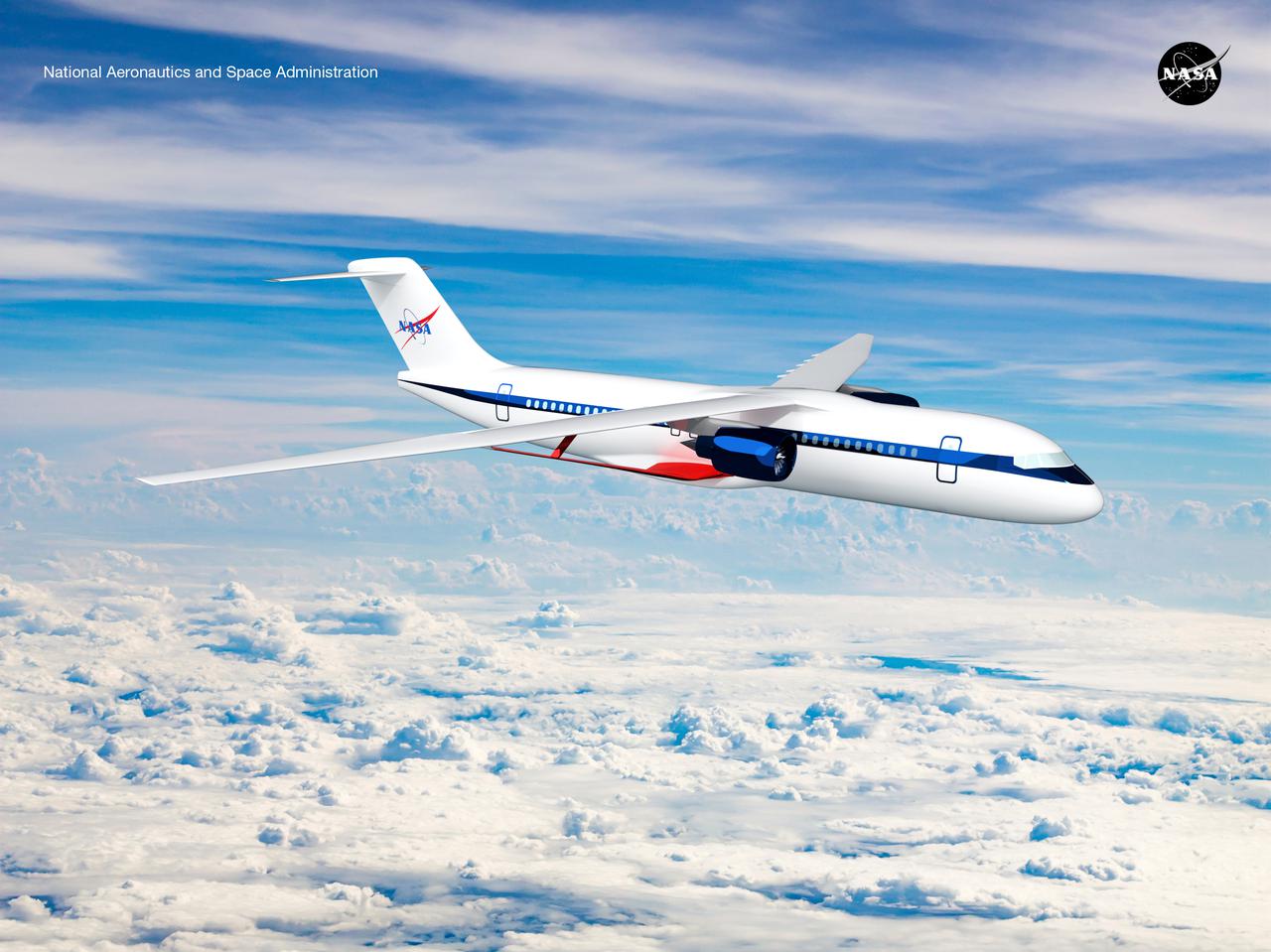
Notice anything different about the wings on this airliner? This conceptual truss-braced wing narrowbody is an aircraft with a 170ft span folding wing. By utilizing trusses, the aircraft can have longer, thinner wings with greater aspect ratios. This, in turn, translates into less drag and 5-10% less fuel burned. The Transonic Truss-Braced Wing aircraft originated from a joint effort by NASA and Boeing to develop subsonic commercial transport concepts – meeting NASA-defined metrics in terms of reduced noise, emissions, and fuel consumption. The design is currently undergoing wind tunnel testing and other studies by NASA researchers.
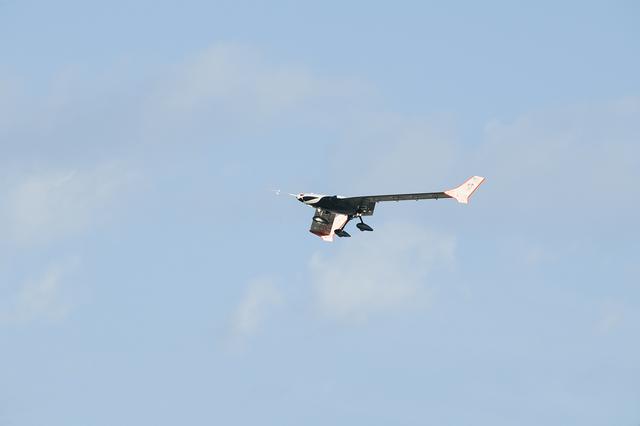
Long, thin, high-aspect-ratio wings are considered crucial to the design of future long-range aircraft, including fuel-efficient airliners and cargo transports. Unlike the short, stiff wings found on most aircraft today, slender, flexible airfoils are susceptible to uncontrollable vibrations, known as flutter, and may be stressed by bending forces from wind gusts and atmospheric turbulence. To improve ride quality, efficiency, safety, and the long-term health of flexible aircraft structures, NASA is using the X-56A Multi-Utility Technology Testbed (MUTT) to investigate key technologies for active flutter suppression and gust-load alleviation.
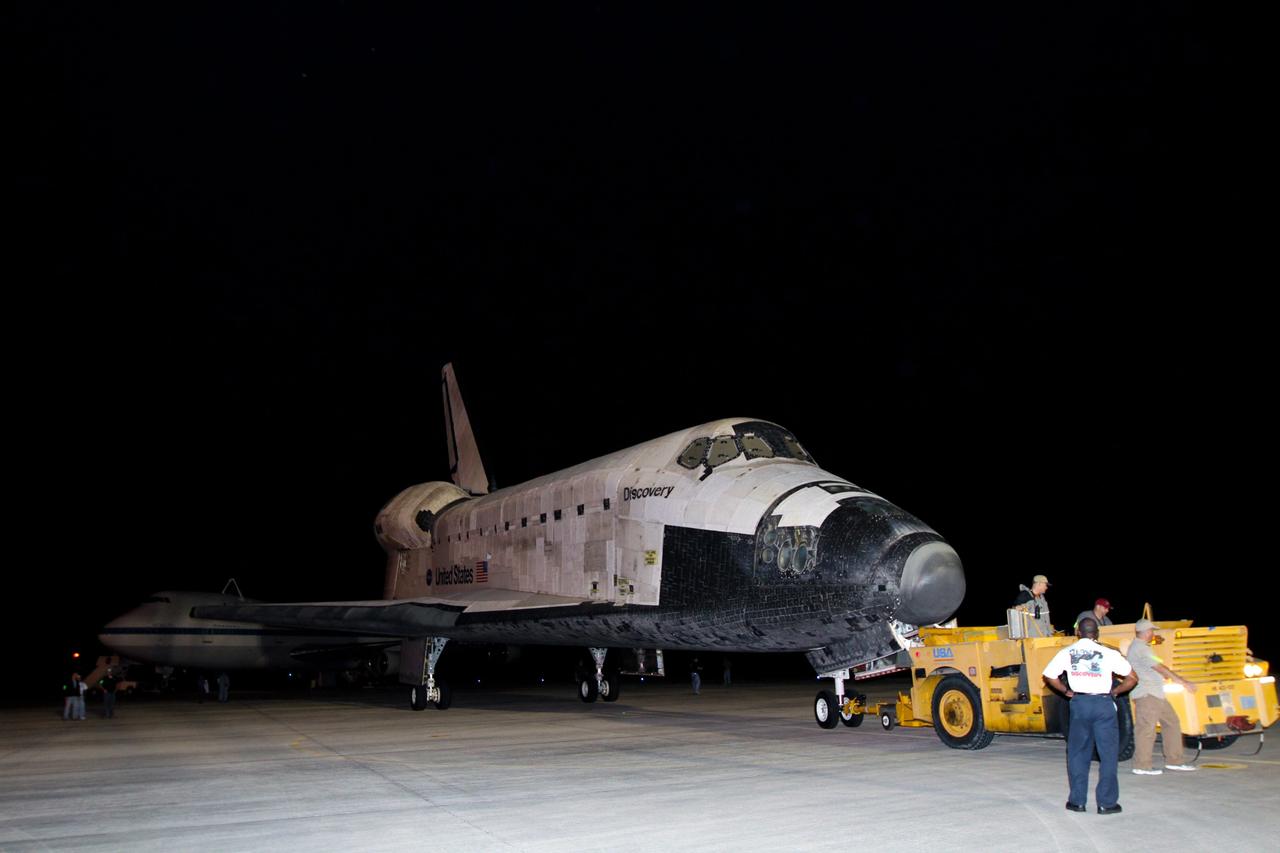
CAPE CANAVERAL, Fla. – Space shuttle Discovery is towed to the Shuttle Landing Facility, or SLF, at NASA’s Kennedy Space Center in Florida. At the SLF, Discovery will be hoisted onto the back of the Shuttle Carrier Aircraft, or SCA, in the background, with the aid of a mate-demate device. The SCA, a modified Boeing 747 jet airliner, is scheduled to ferry Discovery to the Washington Dulles International Airport in Virginia on April 17, after which the shuttle will be placed on permanent public display in the Smithsonian's National Air and Space Museum Steven F. Udvar-Hazy Center. For more information on shuttle transition and retirement activities, visit http://www.nasa.gov/transition. Photo credit: NASA/Kim Shiflett
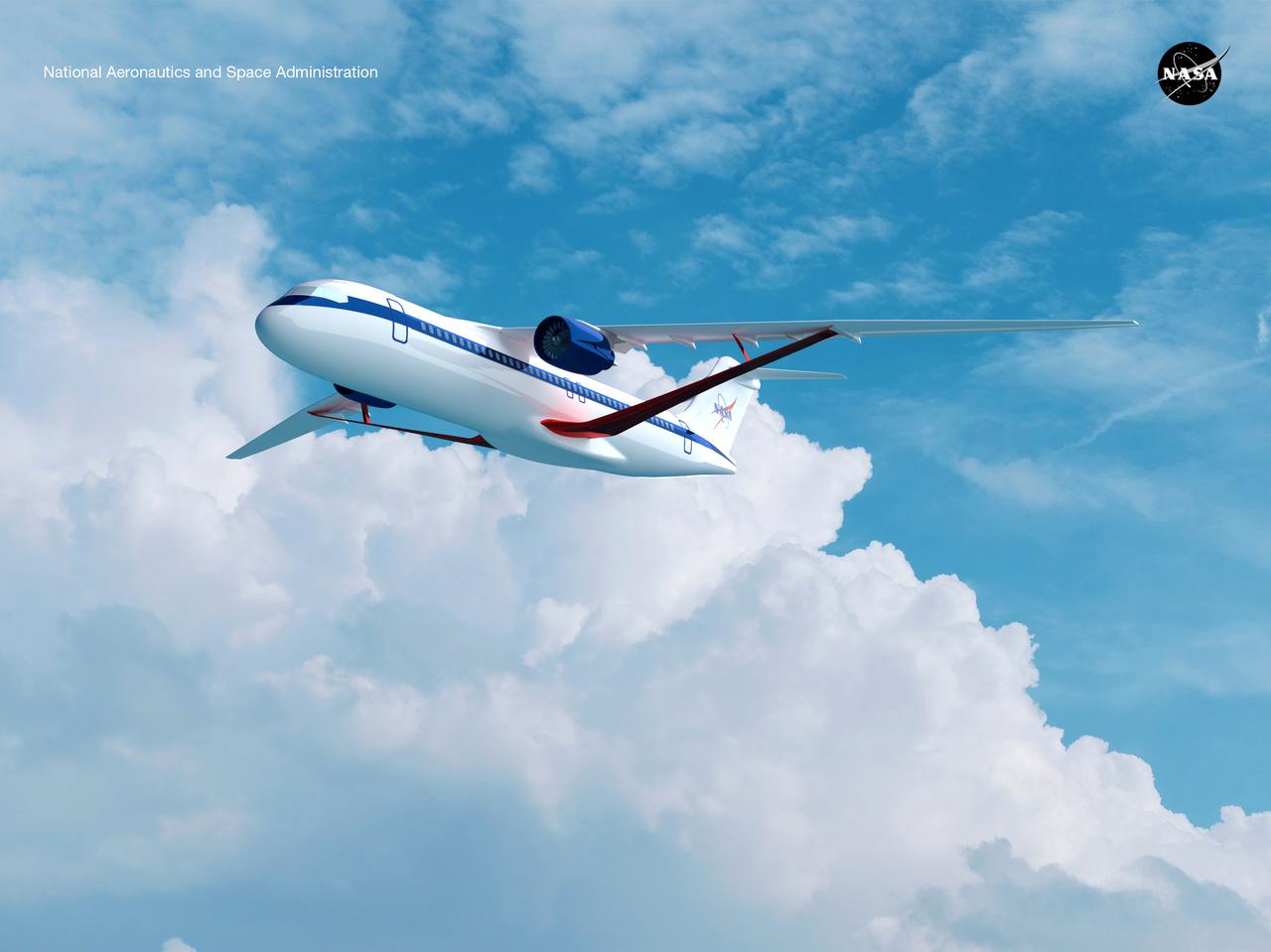
Notice anything different about the wings on this airliner? This conceptual truss-braced wing narrowbody is an aircraft with a 170ft span folding wing. By utilizing trusses, the aircraft can have longer, thinner wings with greater aspect ratios. This, in turn, translates into less drag and 5-10% less fuel burned. The Transonic Truss-Braced Wing aircraft originated from a joint effort by NASA and Boeing to develop subsonic commercial transport concepts – meeting NASA-defined metrics in terms of reduced noise, emissions, and fuel consumption. The design is currently undergoing wind tunnel testing and other studies by NASA researchers.

Notice anything different about the wings on this airliner? This conceptual truss-braced wing narrowbody is an aircraft with a 170ft span folding wing. By utilizing trusses, the aircraft can have longer, thinner wings with greater aspect ratios. This, in turn, translates into less drag and 5-10% less fuel burned. The Transonic Truss-Braced Wing aircraft originated from a joint effort by NASA and Boeing to develop subsonic commercial transport concepts – meeting NASA-defined metrics in terms of reduced noise, emissions, and fuel consumption. The design is currently undergoing wind tunnel testing and other studies by NASA researchers.
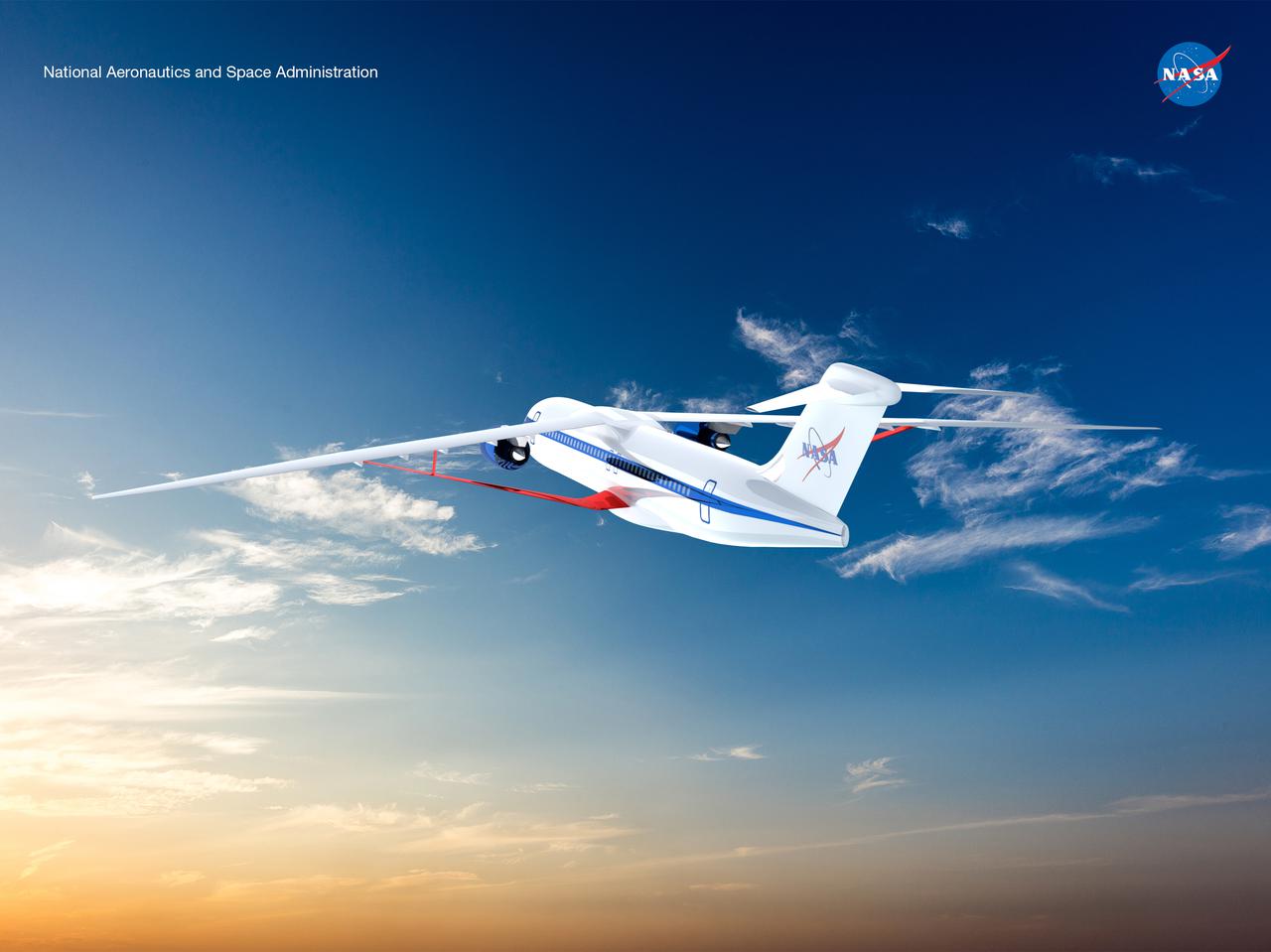
Notice anything different about the wings on this airliner? This conceptual truss-braced wing narrowbody is an aircraft with a 170ft span folding wing. By utilizing trusses, the aircraft can have longer, thinner wings with greater aspect ratios. This, in turn, translates into less drag and 5-10% less fuel burned. The Transonic Truss-Braced Wing aircraft originated from a joint effort by NASA and Boeing to develop subsonic commercial transport concepts – meeting NASA-defined metrics in terms of reduced noise, emissions, and fuel consumption. The design is currently undergoing wind tunnel testing and other studies by NASA researchers.
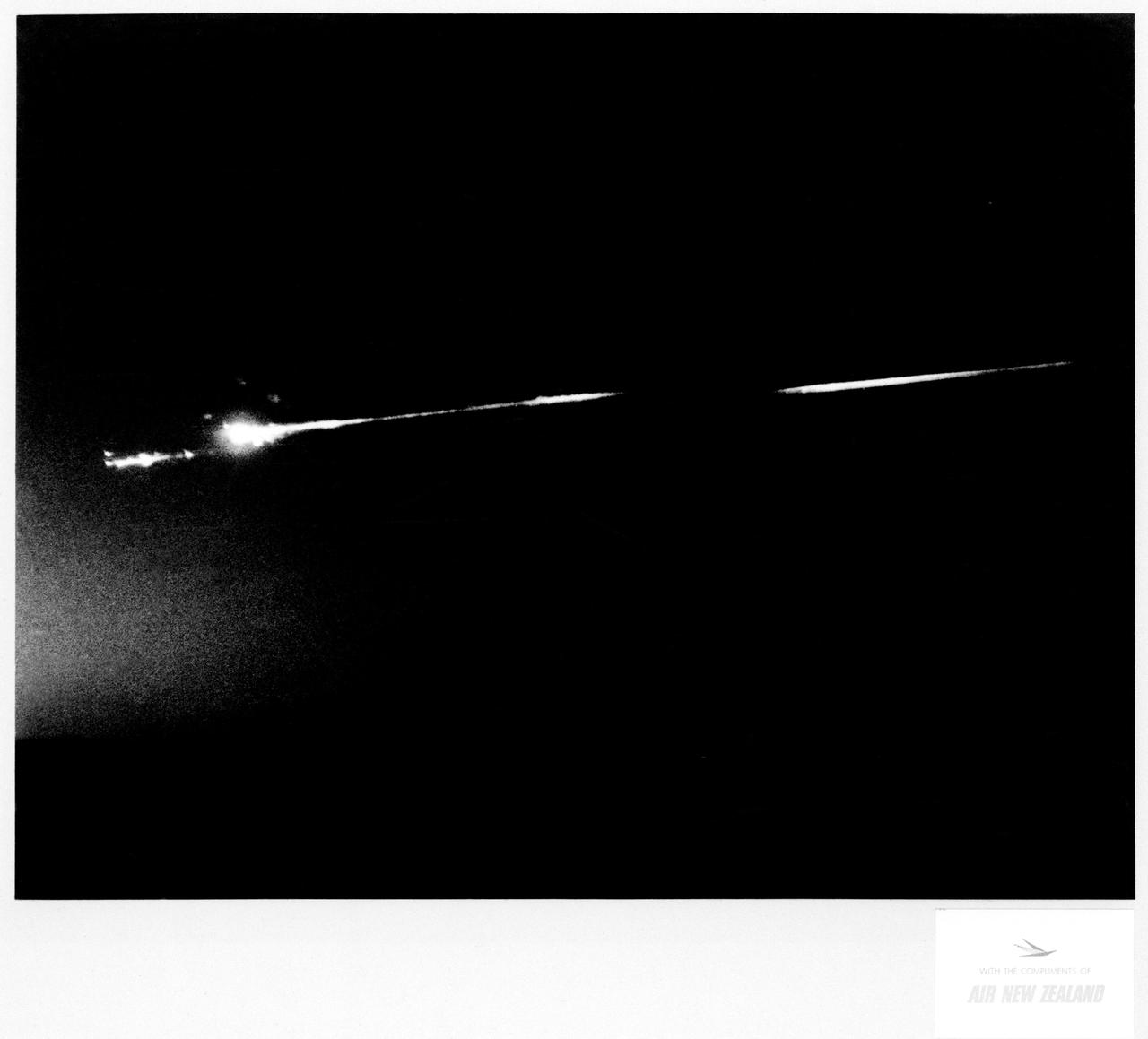
S70-17646 (18 April 1970) --- An unidentified airline passenger snapped these bright objects, believed to be the Apollo 13 Service Module (SM) and Lunar Module (LM) as they entered Earth's atmosphere over the Pacific Ocean on April 18, 1970. The aircraft, an Air New Zealand DC-8 was midway between the Fiji Islands (Nandi Island to be specific) and Auckland, New Zealand, when the photograph was taken. The crew men of the problem plagued Apollo 13 mission jettisoned the LM and SM prior to entering Earth's atmosphere in the Apollo 13 Command Module (CM).
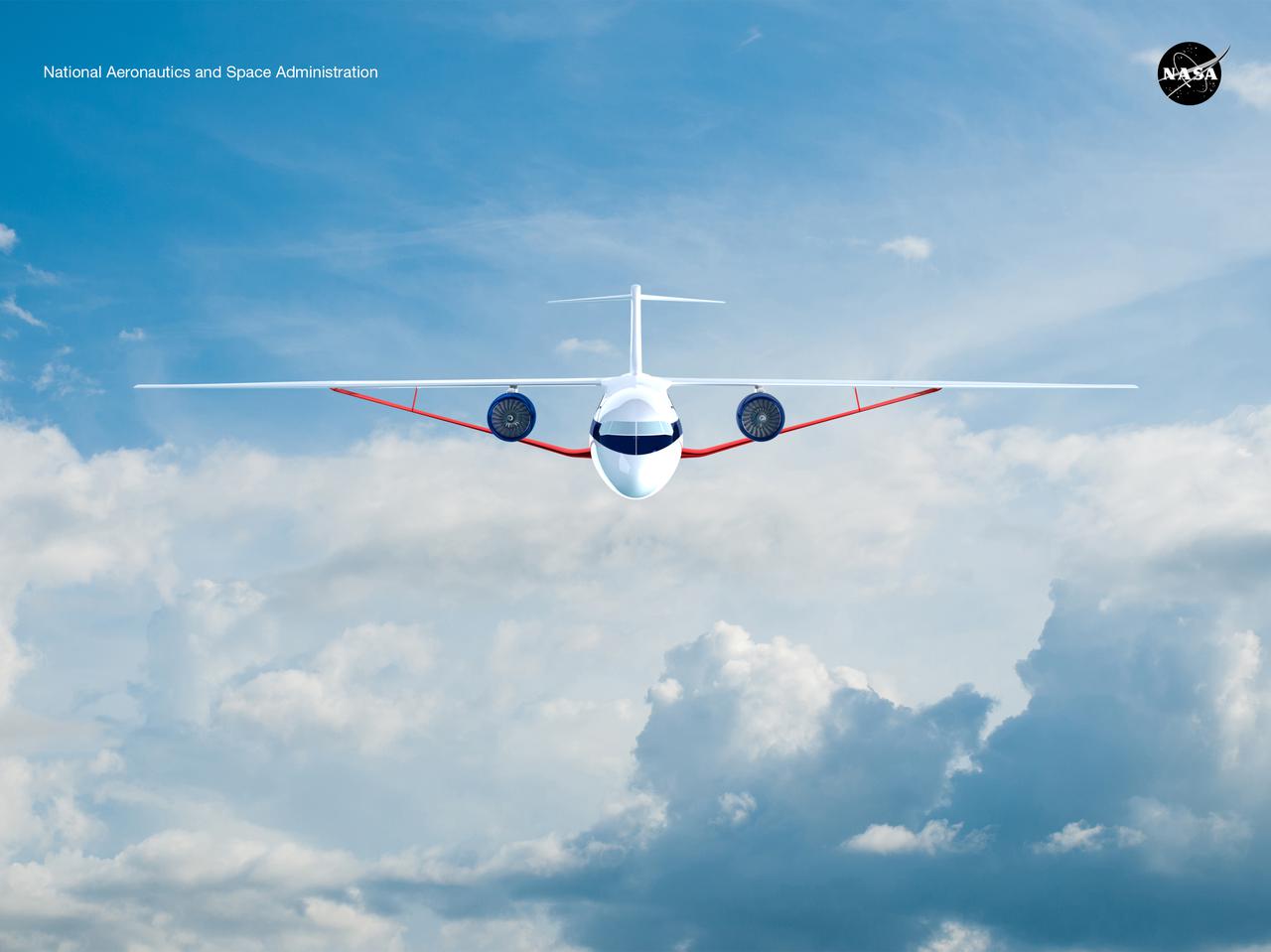
Notice anything different about the wings on this airliner? This conceptual truss-braced wing narrowbody is an aircraft with a 170ft span folding wing. By utilizing trusses, the aircraft can have longer, thinner wings with greater aspect ratios. This, in turn, translates into less drag and 5-10% less fuel burned. The Transonic Truss-Braced Wing aircraft originated from a joint effort by NASA and Boeing to develop subsonic commercial transport concepts – meeting NASA-defined metrics in terms of reduced noise, emissions, and fuel consumption. The design is currently undergoing wind tunnel testing and other studies by NASA researchers.

Notice anything different about the wings on this airliner? This conceptual truss-braced wing narrowbody is an aircraft with a 170ft span folding wing. By utilizing trusses, the aircraft can have longer, thinner wings with greater aspect ratios. This, in turn, translates into less drag and 5-10% less fuel burned. The Transonic Truss-Braced Wing aircraft originated from a joint effort by NASA and Boeing to develop subsonic commercial transport concepts – meeting NASA-defined metrics in terms of reduced noise, emissions, and fuel consumption. The design is currently undergoing wind tunnel testing and other studies by NASA researchers.
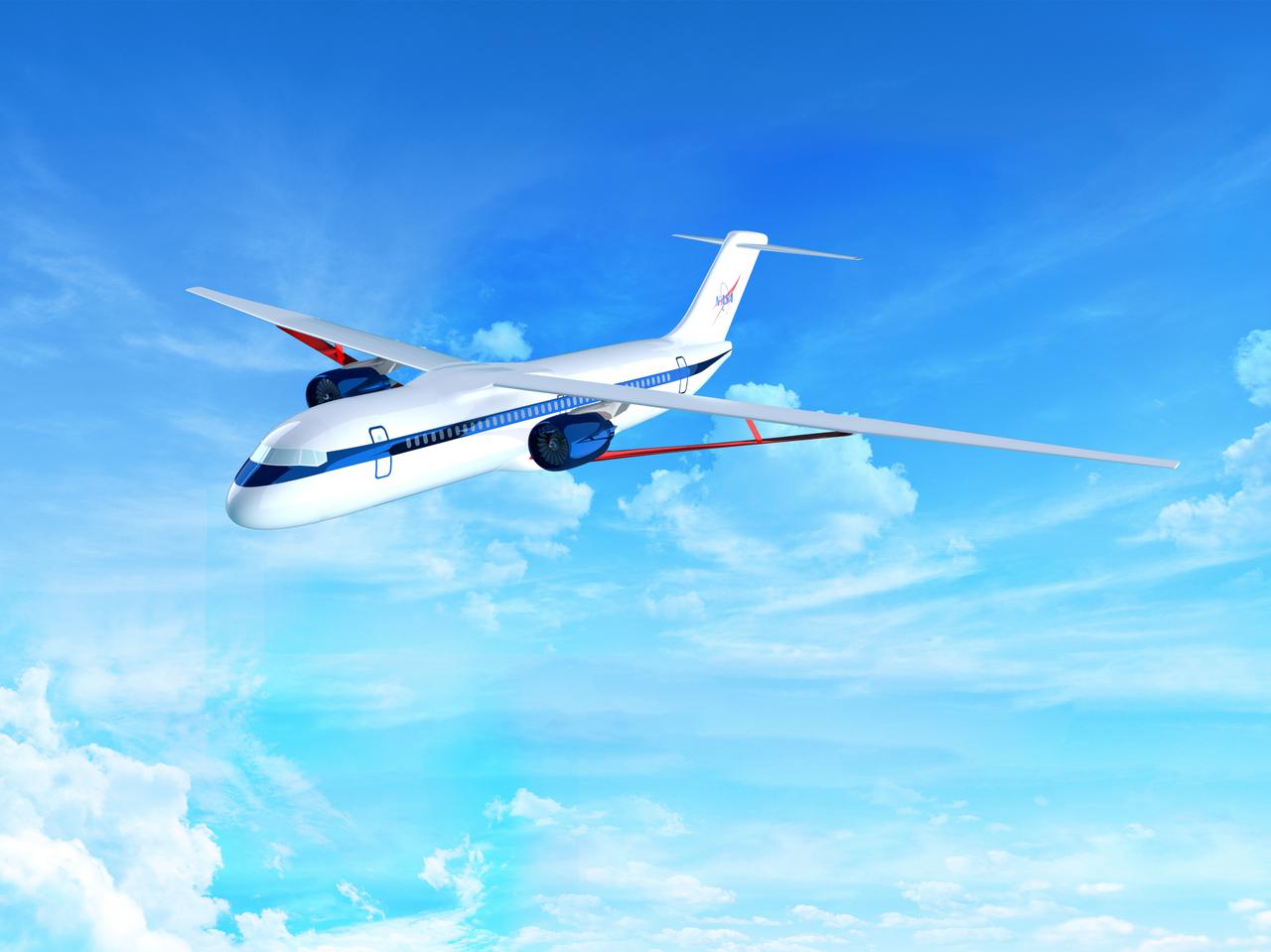
Notice anything different about the wings on this airliner? This conceptual truss-braced wing narrowbody is an aircraft with a 170ft span folding wing. By utilizing trusses, the aircraft can have longer, thinner wings with greater aspect ratios. This, in turn, translates into less drag and 5-10% less fuel burned. The Transonic Truss-Braced Wing aircraft originated from a joint effort by NASA and Boeing to develop subsonic commercial transport concepts – meeting NASA-defined metrics in terms of reduced noise, emissions, and fuel consumption. The design is currently undergoing wind tunnel testing and other studies by NASA researchers.
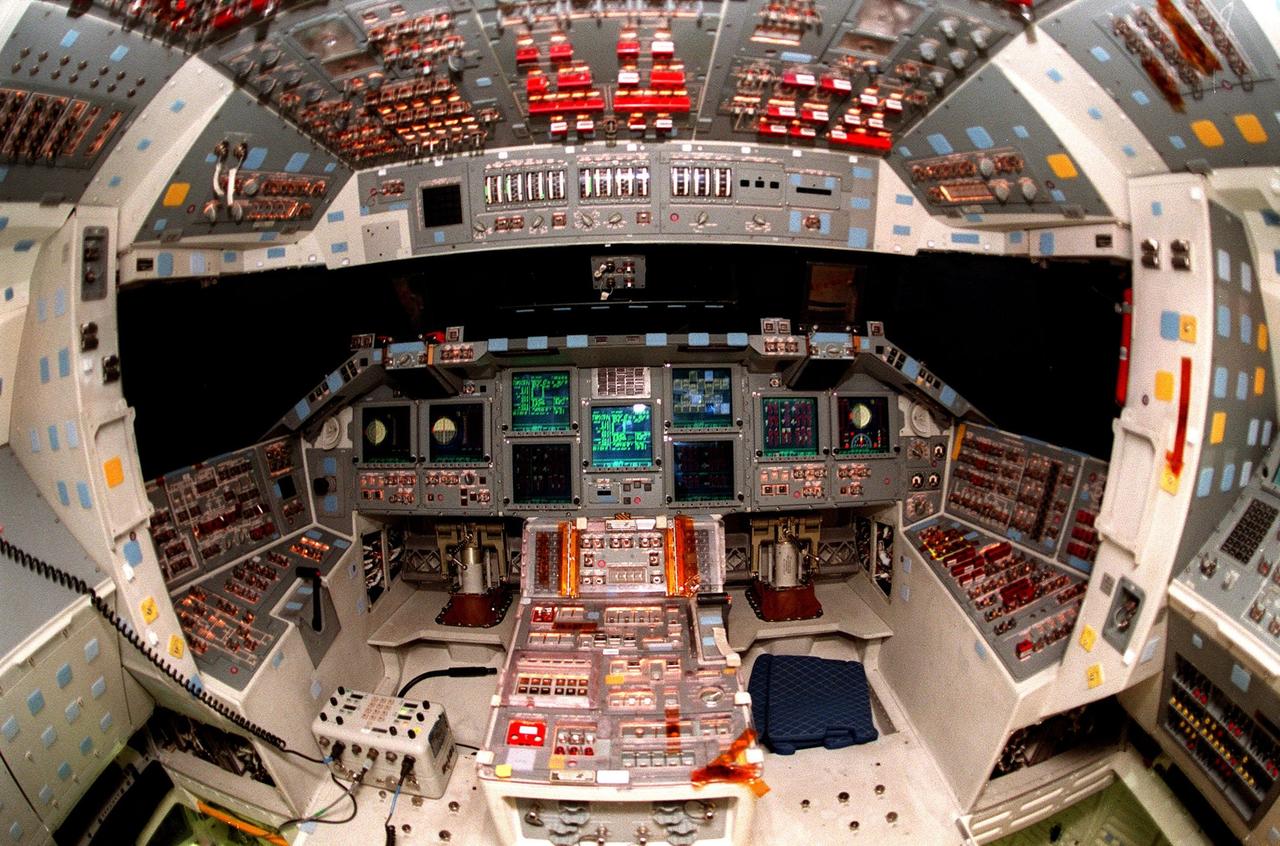
KENNEDY SPACE CENTER, FLA. -- The cockpit of the orbiter Atlantis is seen in the round, revealing the new full-color flat panel Multifunction Electronic Display Subsystem (MEDS), also called the "glass cockpit." The recently installed MEDS upgrade improves crew/orbiter interaction with easy-to-read, graphic portrayals of key flight indicators like attitude display and mach speed. The installation makes Atlantis the most modern orbiter in the fleet and equals the systems on current commercial jet airliners and military aircraft. Atlantis is scheduled to fly on mission STS-101 in early December
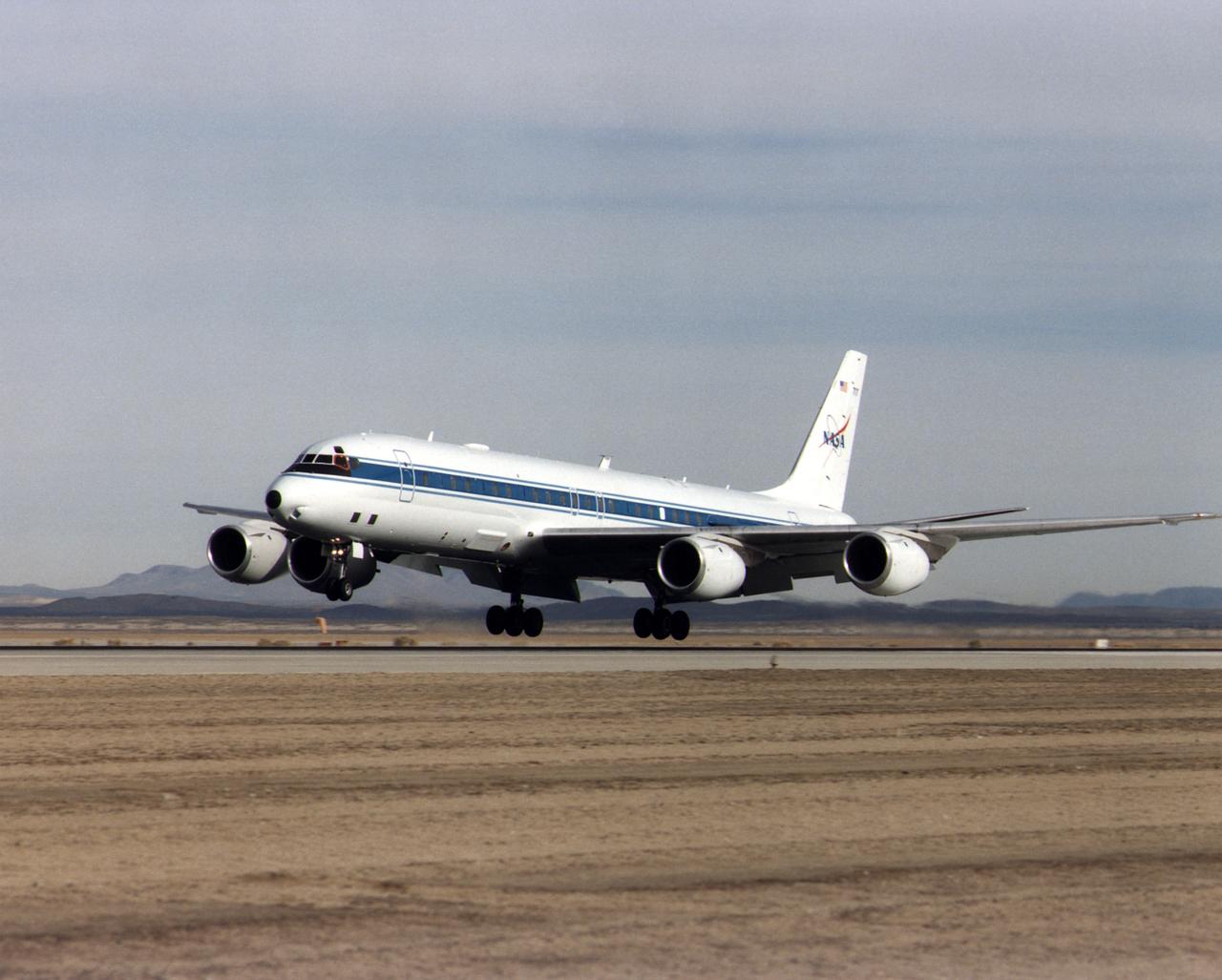
NASA's DC-8 Airborne Science platform landed at Edwards Air Force Base, California, to join the fleet of aircraft at NASA's Dryden Flight Research Center. The white aircraft with a blue stripe running horizontally from the nose to the tail is shown with its main landing gear just above the runway. The former airliner is a "dash-72" model and has a range of 5,400 miles. The craft can stay airborne for 12 hours and has an operational speed range between 300 and 500 knots. The research flights are made at between 500 and 41,000 feet. The aircraft can carry up to 30,000 lbs of research/science payload equipment installed in 15 mission-definable spaces.
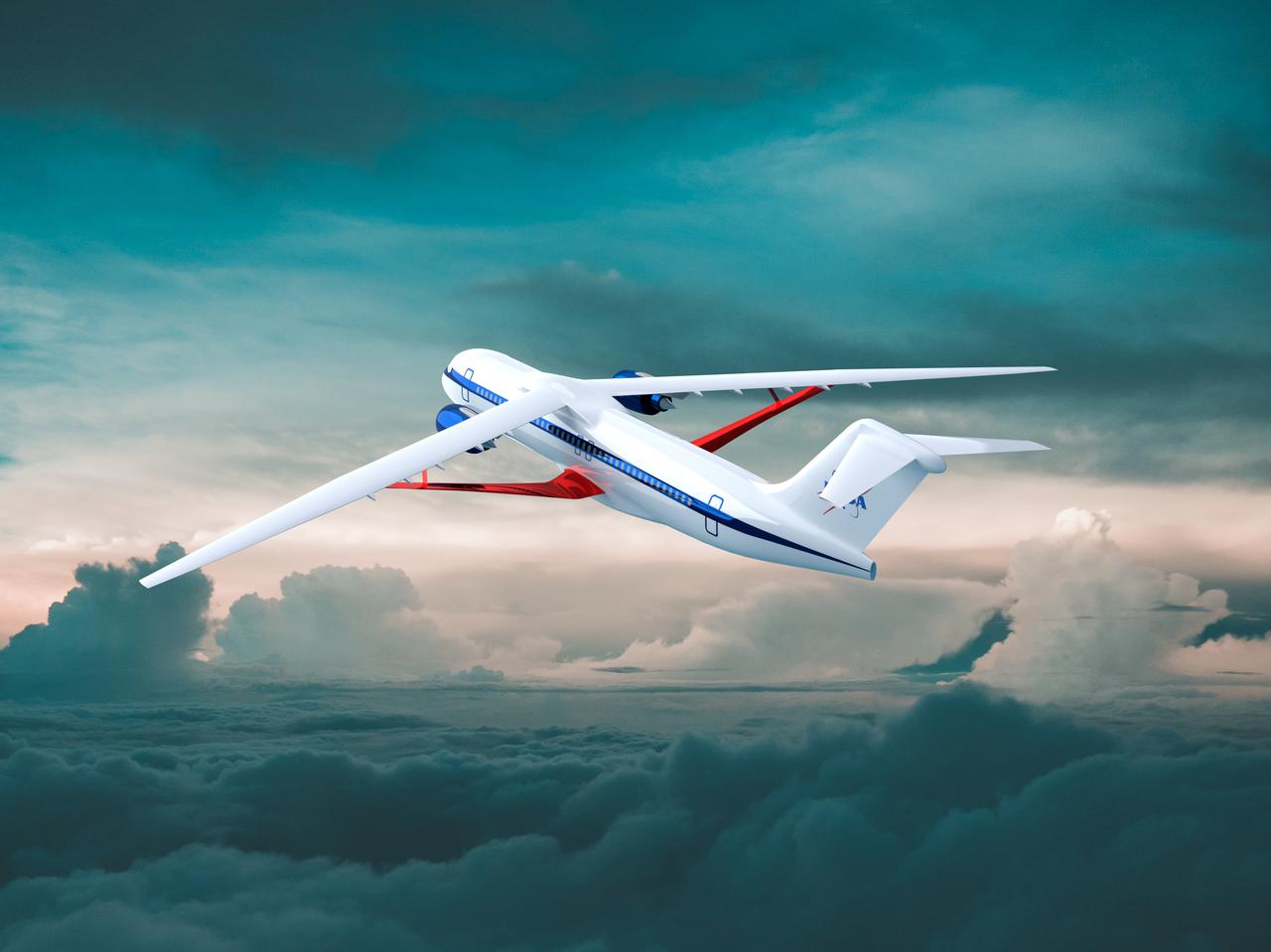
Notice anything different about the wings on this airliner? This conceptual truss-braced wing narrowbody is an aircraft with a 170ft span folding wing. By utilizing trusses, the aircraft can have longer, thinner wings with greater aspect ratios. This, in turn, translates into less drag and 5-10% less fuel burned. The Transonic Truss-Braced Wing aircraft originated from a joint effort by NASA and Boeing to develop subsonic commercial transport concepts – meeting NASA-defined metrics in terms of reduced noise, emissions, and fuel consumption. The design is currently undergoing wind tunnel testing and other studies by NASA researchers.
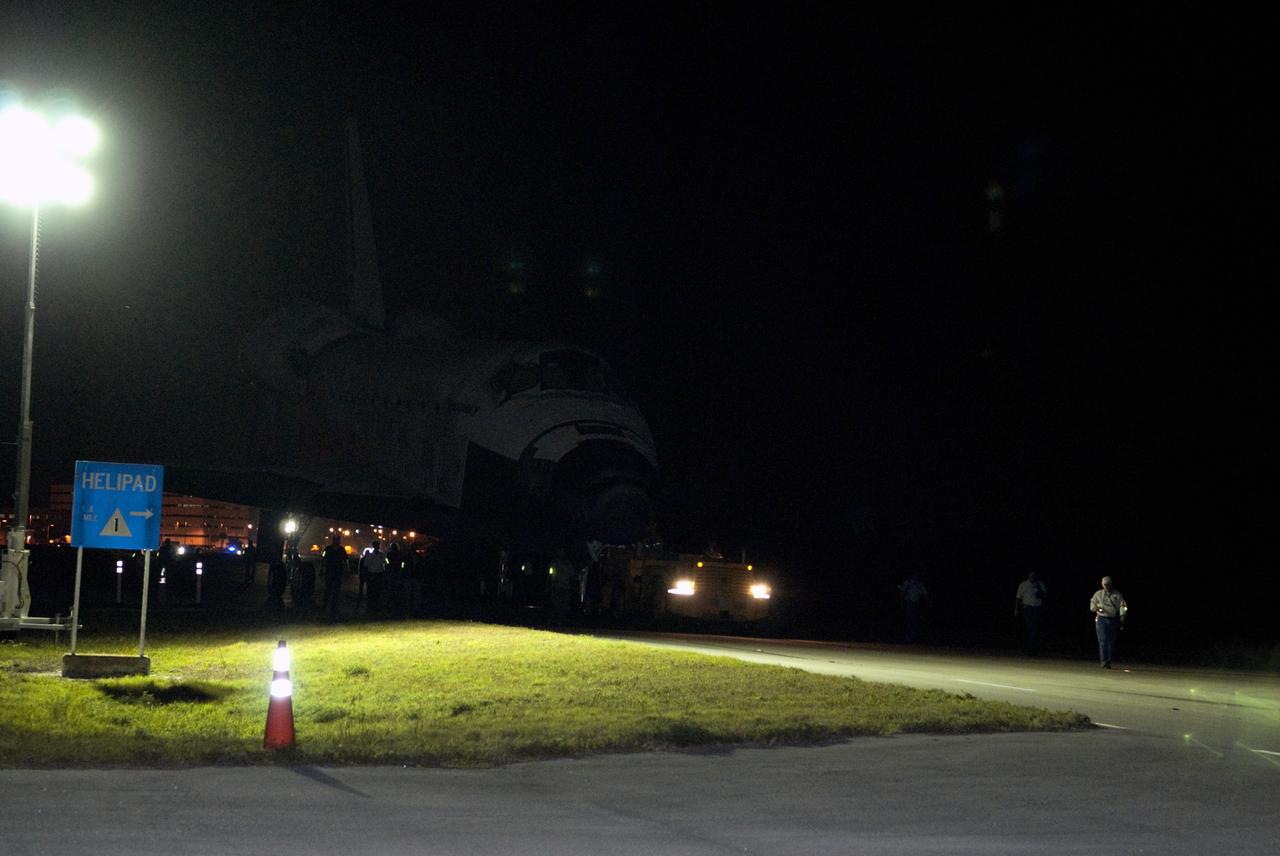
CAPE CANAVERAL, Fla. – A team of aerospace workers accompanies space shuttle Discovery along the towway to the Shuttle Landing Facility, or SLF, at NASA’s Kennedy Space Center in Florida. At the SLF, Discovery will be hoisted onto a Shuttle Carrier Aircraft, or SCA, with the aid of a mate-demate device. The SCA, a modified Boeing 747 jet airliner, is scheduled to ferry Discovery to the Washington Dulles International Airport in Virginia on April 17, after which the shuttle will be placed on permanent public display in the Smithsonian's National Air and Space Museum Steven F. Udvar-Hazy Center. For more information on shuttle transition and retirement activities, visit http://www.nasa.gov/transition. Photo credit: NASA/Tim Jacobs
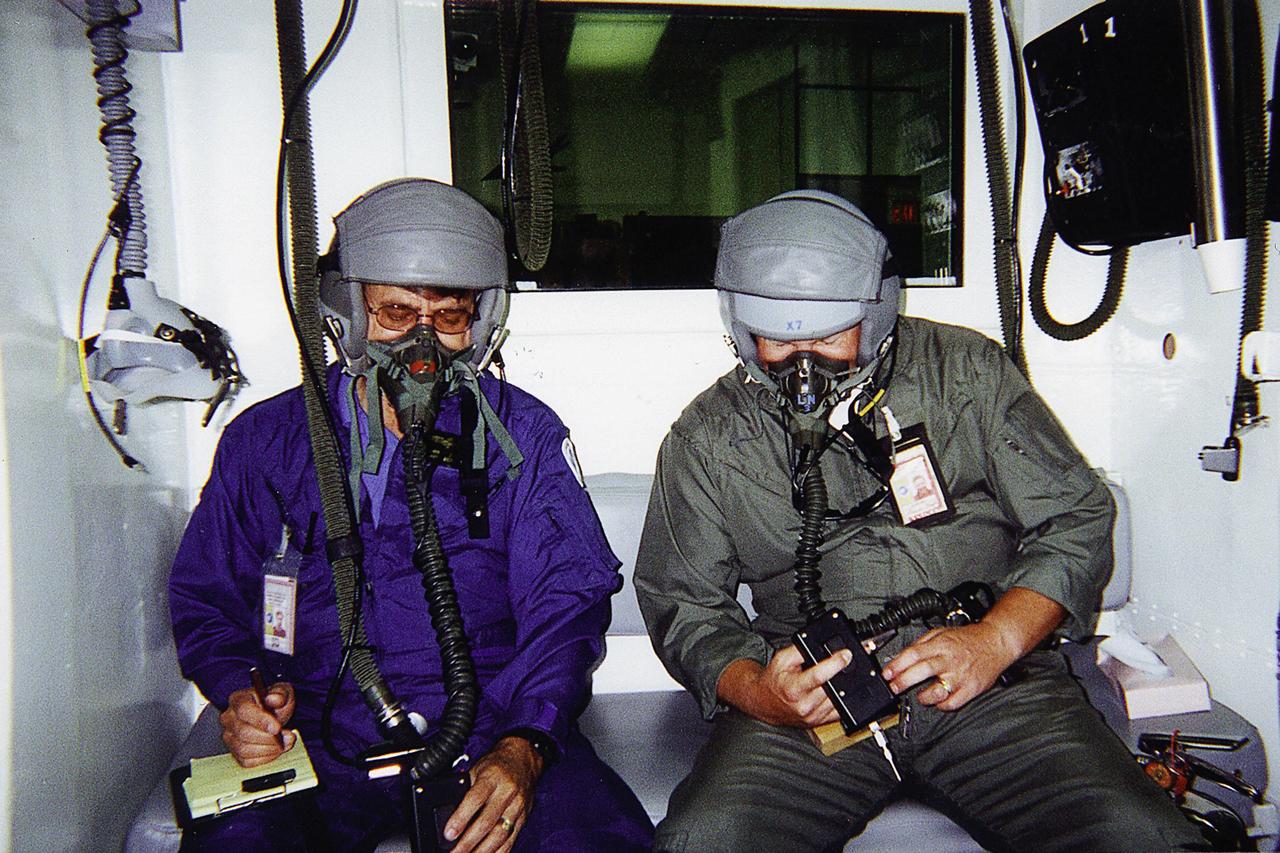
Jan Zysko (left) and Rich Mizell (right) test a Personal Cabin Pressure Altitude Monitor in an altitude chamber at Tyndall Air Force Base in Florida. Zysko invented the pager-sized monitor that alerts wearers of a potentially dangerous or deteriorating cabin pressure altitude condition, which can lead to life-threatening hypoxia. Zysko is chief of the KSC Spaceport Engineering and Technology directorate's data and electronic systems branch. Mizell is a Shuttle processing engineer. The monitor, which has drawn the interest of such organizations as the Federal Aviation Administration for use in commercial airliners and private aircraft, was originally designed to offer Space Shuttle and Space Station crew members added independent notification about any depressurization
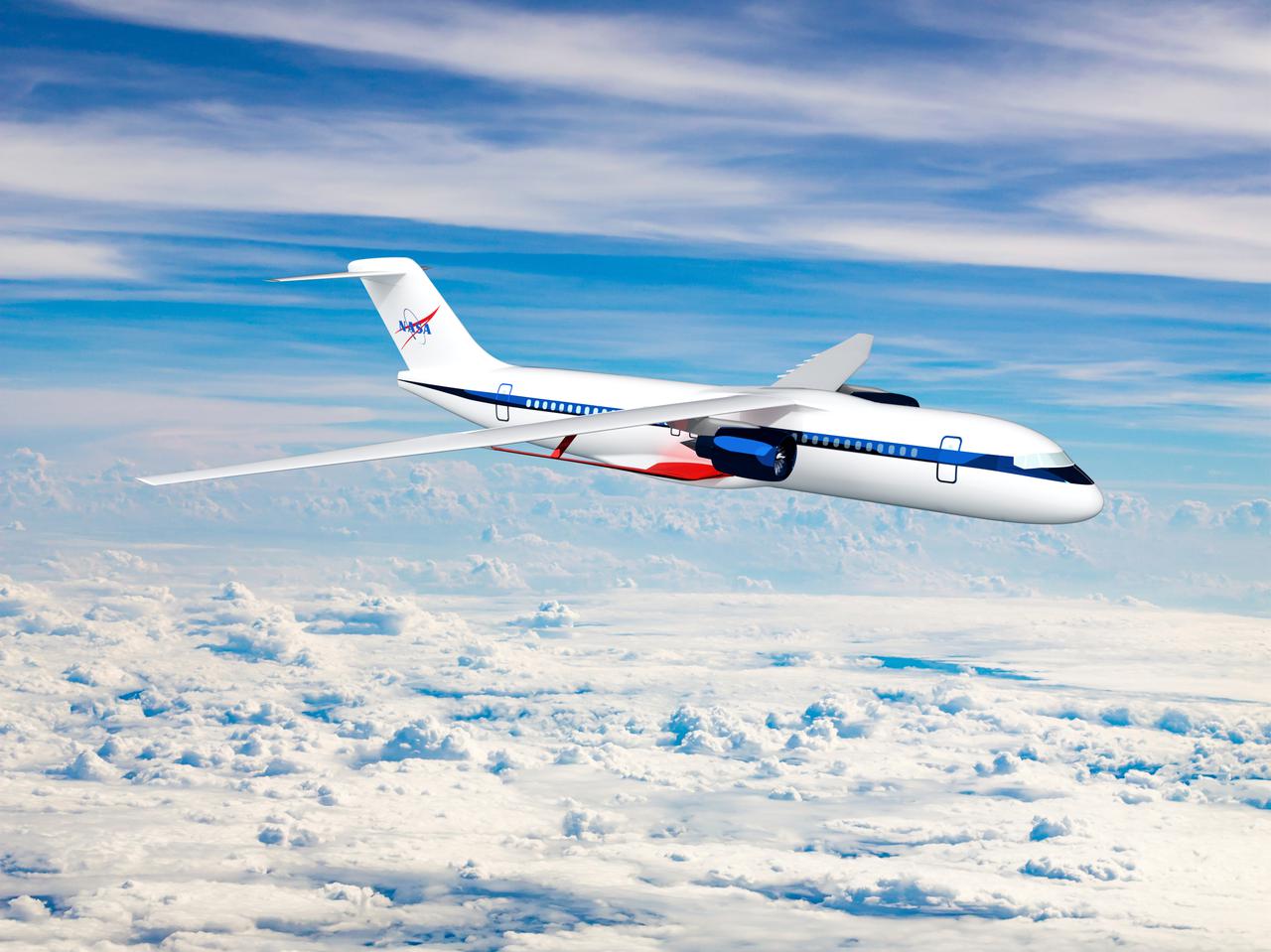
Notice anything different about the wings on this airliner? This conceptual truss-braced wing narrowbody is an aircraft with a 170ft span folding wing. By utilizing trusses, the aircraft can have longer, thinner wings with greater aspect ratios. This, in turn, translates into less drag and 5-10% less fuel burned. The Transonic Truss-Braced Wing aircraft originated from a joint effort by NASA and Boeing to develop subsonic commercial transport concepts – meeting NASA-defined metrics in terms of reduced noise, emissions, and fuel consumption. The design is currently undergoing wind tunnel testing and other studies by NASA researchers.
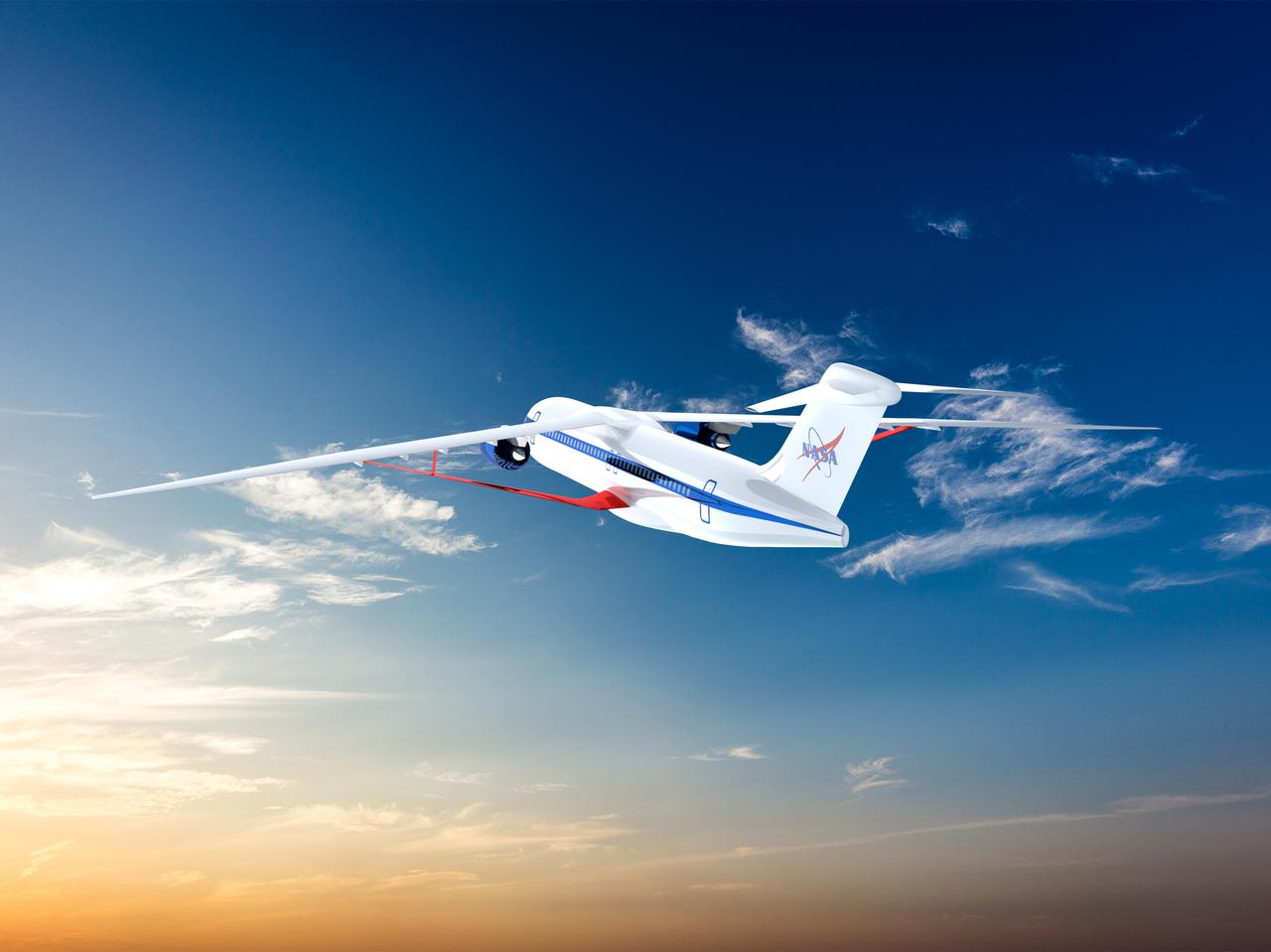
Notice anything different about the wings on this airliner? This conceptual truss-braced wing narrowbody is an aircraft with a 170ft span folding wing. By utilizing trusses, the aircraft can have longer, thinner wings with greater aspect ratios. This, in turn, translates into less drag and 5-10% less fuel burned. The Transonic Truss-Braced Wing aircraft originated from a joint effort by NASA and Boeing to develop subsonic commercial transport concepts – meeting NASA-defined metrics in terms of reduced noise, emissions, and fuel consumption. The design is currently undergoing wind tunnel testing and other studies by NASA researchers.
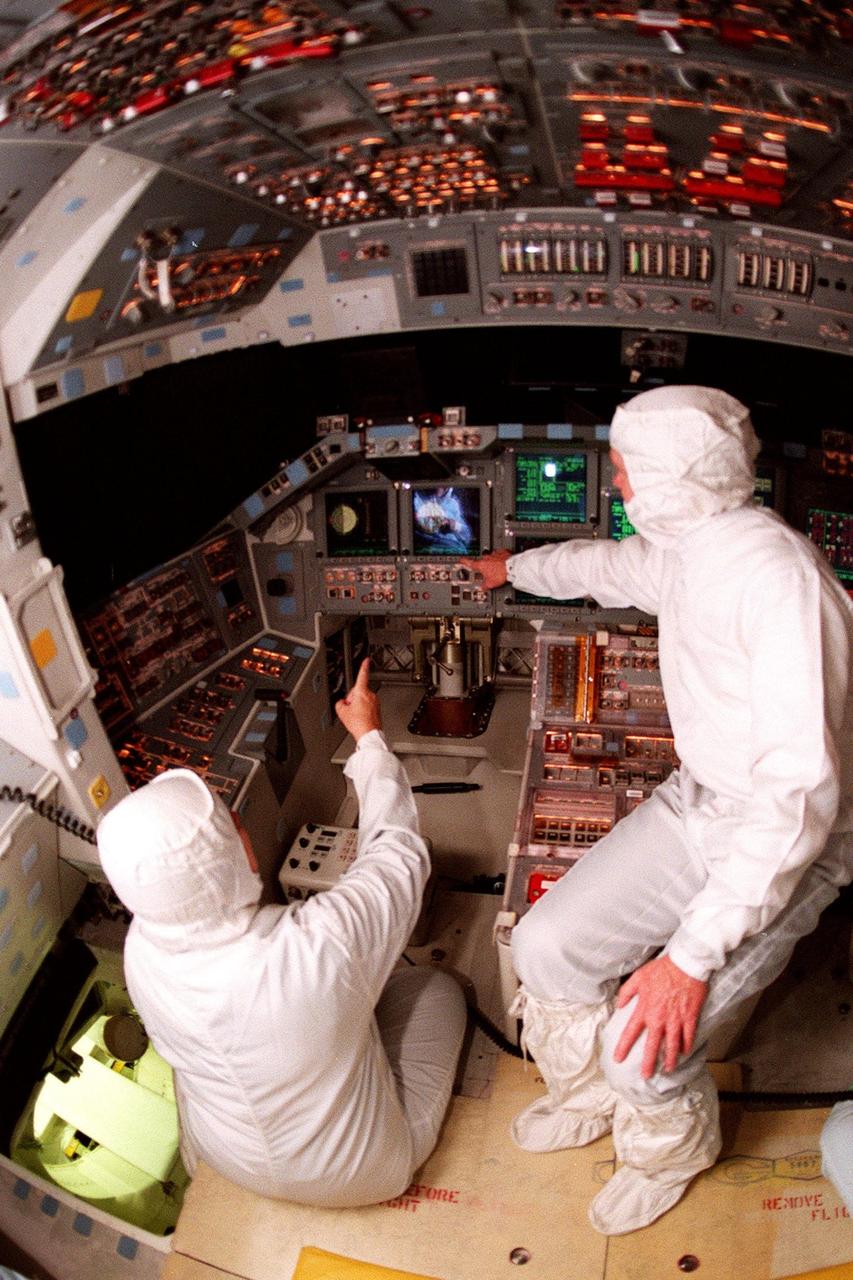
KENNEDY SPACE CENTER, FLA. -- Inside the orbiter Atlantis, JoAnn Morgan, Associate Director for Advanced Development and Shuttle Upgrades, and Roy Bridges Jr., Center Director, get a closeup view of the new full-color flat panel Multifunction Electronic Display Subsystem (MEDS), also called the "glass cockpit." The MEDS upgrade improves crew/orbiter interaction with easy-to-read, graphic portrayals of key flight indicators like attitude display and mach speed. The installation makes Atlantis the most modern orbiter in the fleet and equals the systems on current commercial jet airliners and military aircraft. Atlantis is scheduled to fly on mission STS-101 in early December
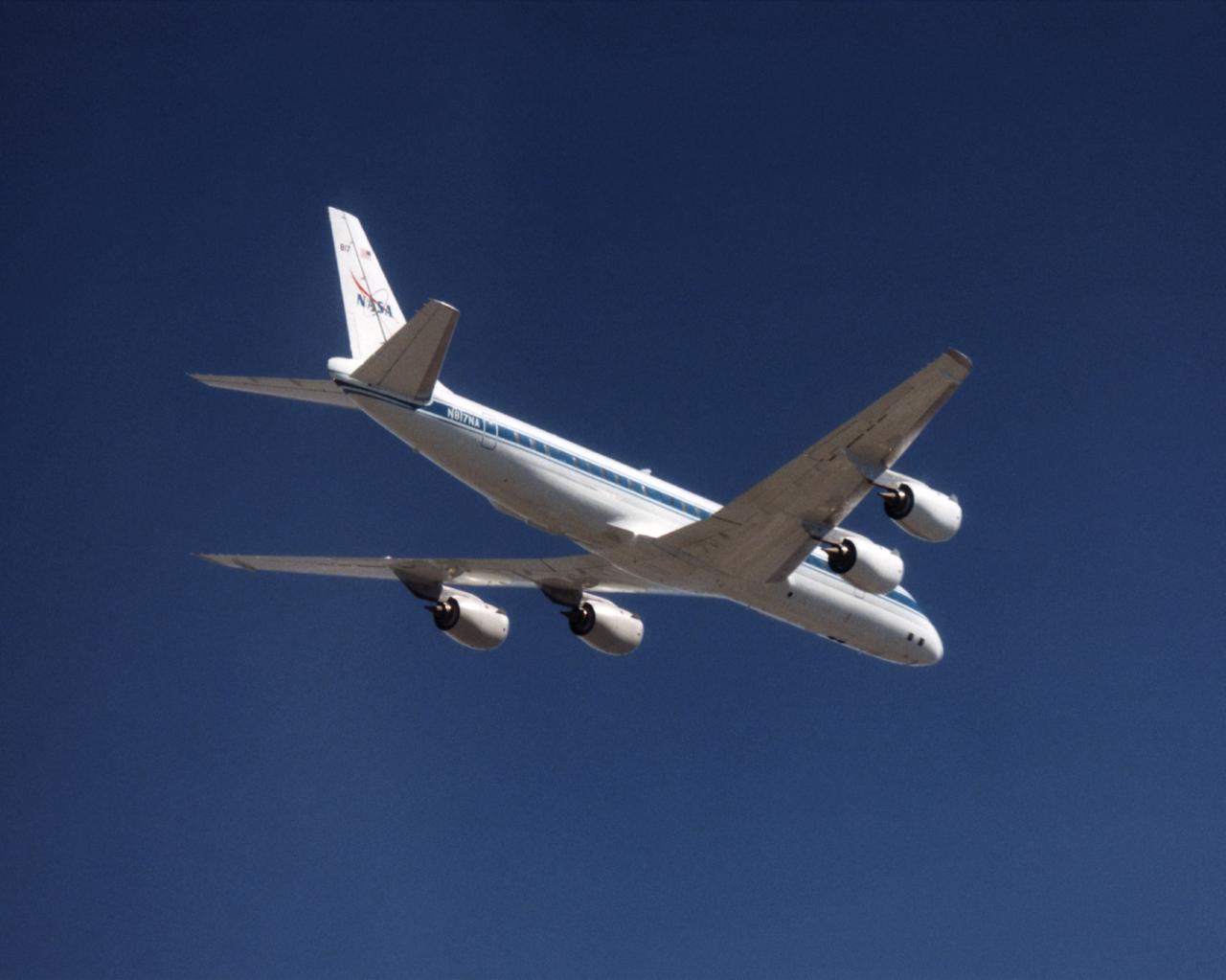
The NASA DC-8 in a right bank over the rugged Sierra Nevada Mountains. The former airliner is a "dash-72" model and has a range of 5,500 miles. The craft can stay airborne for 12 hours and has an operational speed range between 300 and 500 knots. The research flights are made at between 500 and 41,000 feet. The aircraft can carry up to 30,000 lbs of research/science payload equipment installed in 15 mission-definable spaces. In this photo, the aircraft is shown in flight from below, with the DC-8 silhouetted against a blue sky.

This close-up shows the pager-sized Personal Cabin Pressure Altitude Monitor developed by Jan Zysko, chief of the KSC Spaceport Engineering and Technology directorate's data and electronic systems branch. The monitor alerts wearers of a potentially dangerous or deteriorating cabin pressure altitude condition, which can lead to life-threatening hypoxia. Zysko originally designed the monitor to offer Space Shuttle and Space Station crew members added independent notification about any depressurization. However, it has drawn the interest of such organizations as the Federal Aviation Administration for use in commercial airliners and private aircraft as well
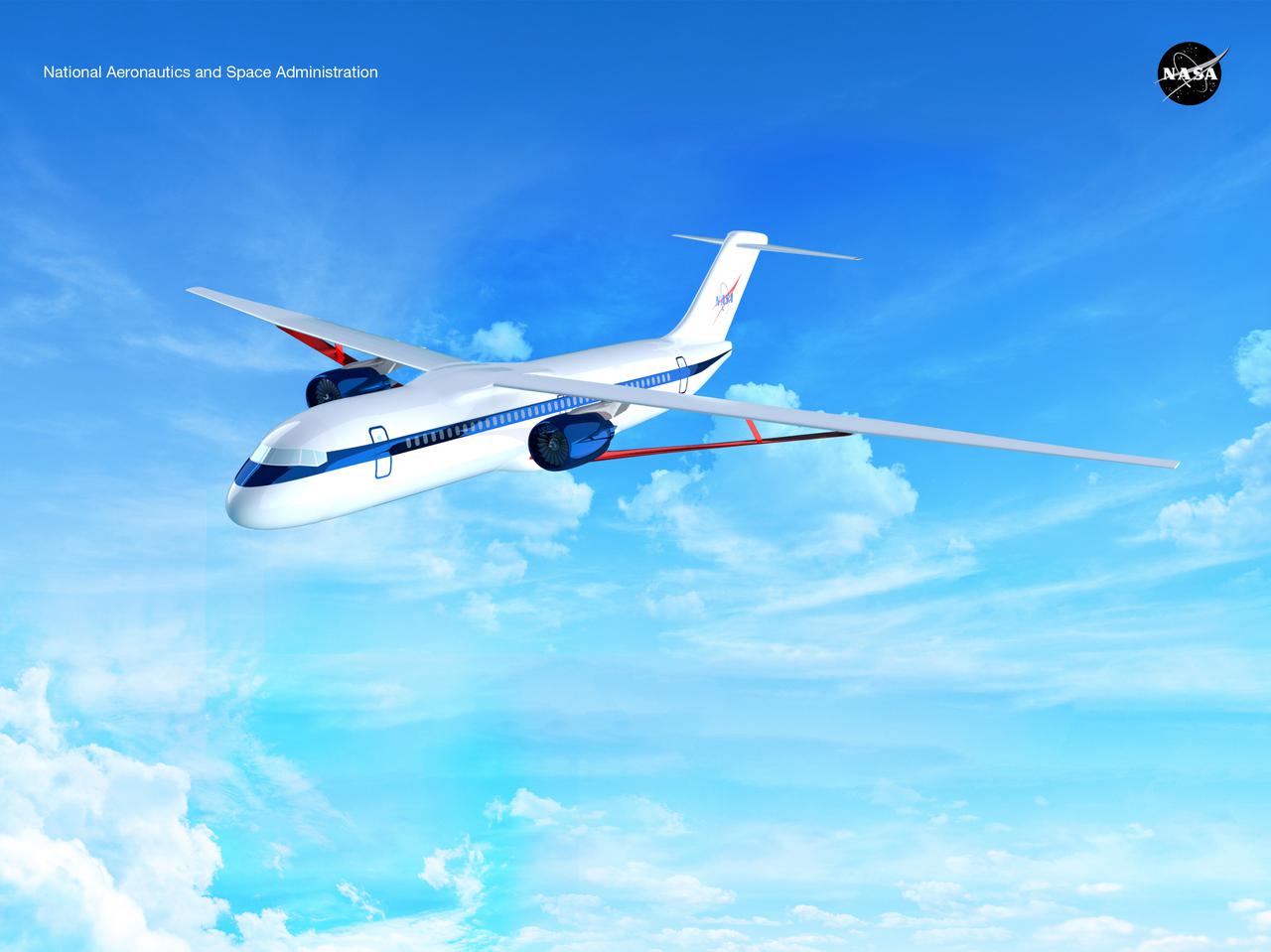
Notice anything different about the wings on this airliner? This conceptual truss-braced wing narrowbody is an aircraft with a 170ft span folding wing. By utilizing trusses, the aircraft can have longer, thinner wings with greater aspect ratios. This, in turn, translates into less drag and 5-10% less fuel burned. The Transonic Truss-Braced Wing aircraft originated from a joint effort by NASA and Boeing to develop subsonic commercial transport concepts – meeting NASA-defined metrics in terms of reduced noise, emissions, and fuel consumption. The design is currently undergoing wind tunnel testing and other studies by NASA researchers.

Notice anything different about the wings on this airliner? This conceptual truss-braced wing narrowbody is an aircraft with a 170ft span folding wing. By utilizing trusses, the aircraft can have longer, thinner wings with greater aspect ratios. This, in turn, translates into less drag and 5-10% less fuel burned. The Transonic Truss-Braced Wing aircraft originated from a joint effort by NASA and Boeing to develop subsonic commercial transport concepts – meeting NASA-defined metrics in terms of reduced noise, emissions, and fuel consumption. The design is currently undergoing wind tunnel testing and other studies by NASA researchers.
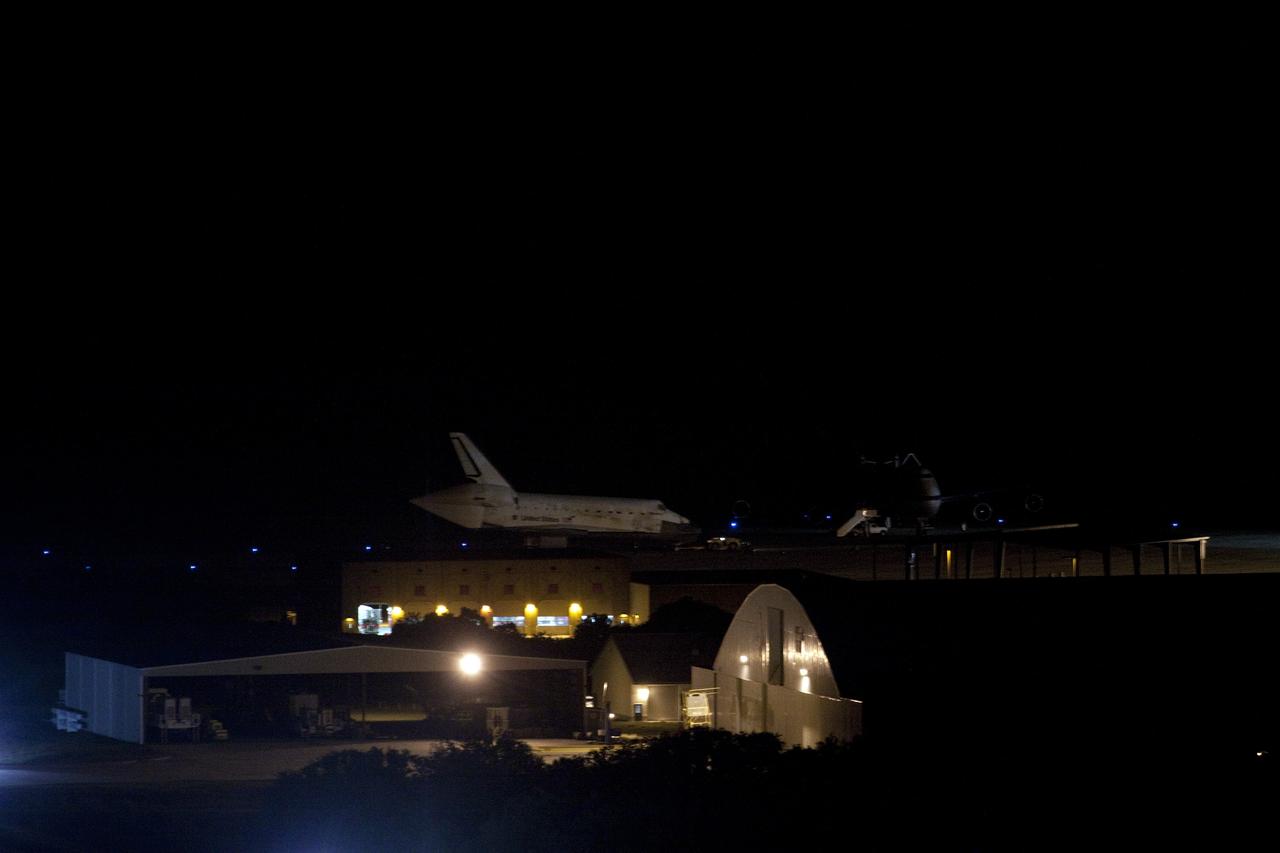
CAPE CANAVERAL, Fla. – At the Shuttle Landing Facility, or SLF, at NASA’s Kennedy Space Center in Florida, space shuttle Discovery rolls past the Shuttle Carrier Aircraft with which it will be mated. Discovery will be hoisted onto the SCA with the aid of a mate-demate device. The SCA, a modified Boeing 747 jet airliner, is scheduled to ferry Discovery to the Washington Dulles International Airport in Virginia on April 17, after which the shuttle will be placed on permanent public display in the Smithsonian's National Air and Space Museum Steven F. Udvar-Hazy Center. For more information on shuttle transition and retirement activities, visit http://www.nasa.gov/transition. Photo credit: NASA/Jim Grossmann

Notice anything different about the wings on this airliner? This conceptual truss-braced wing narrowbody is an aircraft with a 170ft span folding wing. By utilizing trusses, the aircraft can have longer, thinner wings with greater aspect ratios. This, in turn, translates into less drag and 5-10% less fuel burned. The Transonic Truss-Braced Wing aircraft originated from a joint effort by NASA and Boeing to develop subsonic commercial transport concepts – meeting NASA-defined metrics in terms of reduced noise, emissions, and fuel consumption. The design is currently undergoing wind tunnel testing and other studies by NASA researchers.
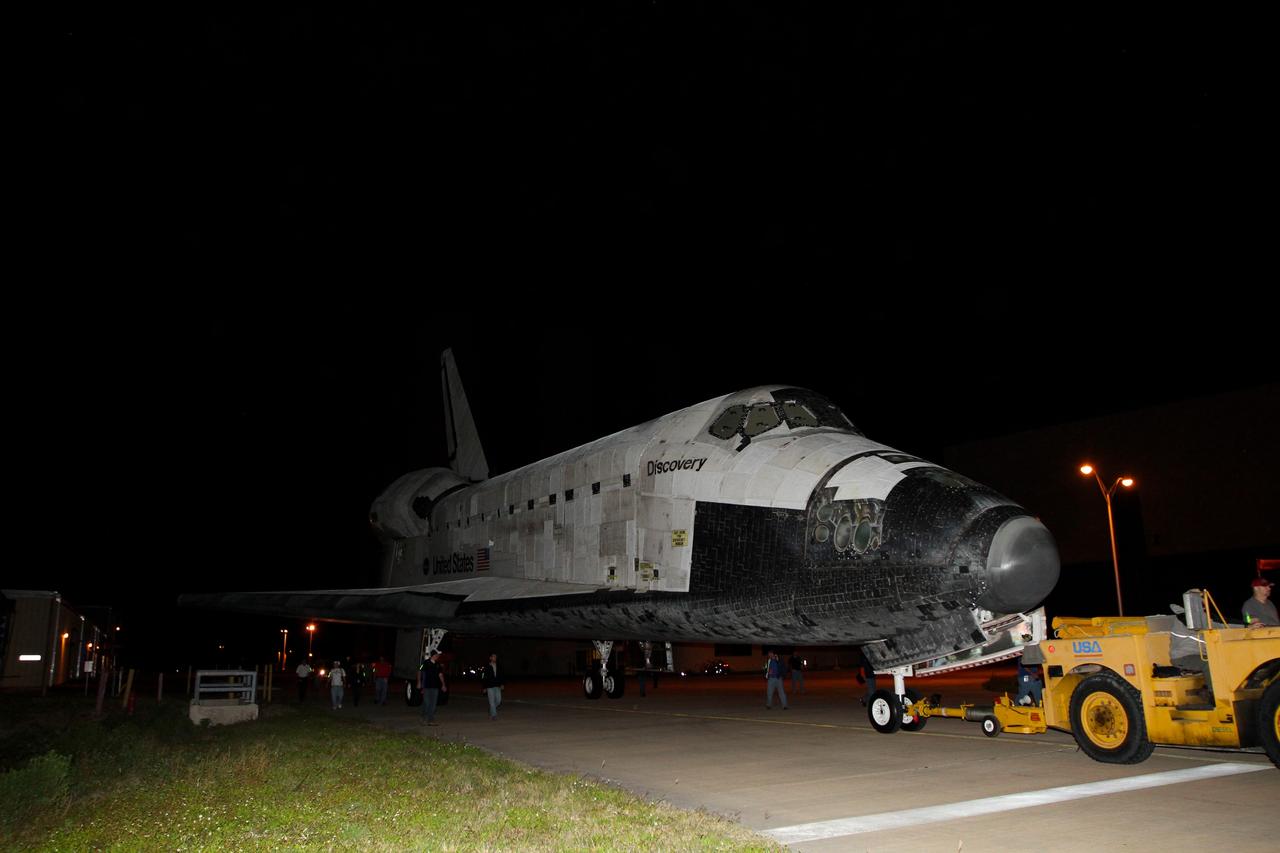
CAPE CANAVERAL, Fla. – Space shuttle Discovery makes its way from the Launch Complex 39 area to the Shuttle Landing Facility or SLF, at NASA’s Kennedy Space Center in Florida. At the SLF, Discovery will be hoisted onto a Shuttle Carrier Aircraft, or SCA, with the aid of a mate-demate device. The SCA, a modified Boeing 747 jet airliner, is scheduled to ferry Discovery to the Washington Dulles International Airport in Virginia on April 17, after which the shuttle will be placed on permanent public display in the Smithsonian's National Air and Space Museum Steven F. Udvar-Hazy Center. For more information on shuttle transition and retirement activities, visit http://www.nasa.gov/transition. Photo credit: NASA/Kim Shiflett
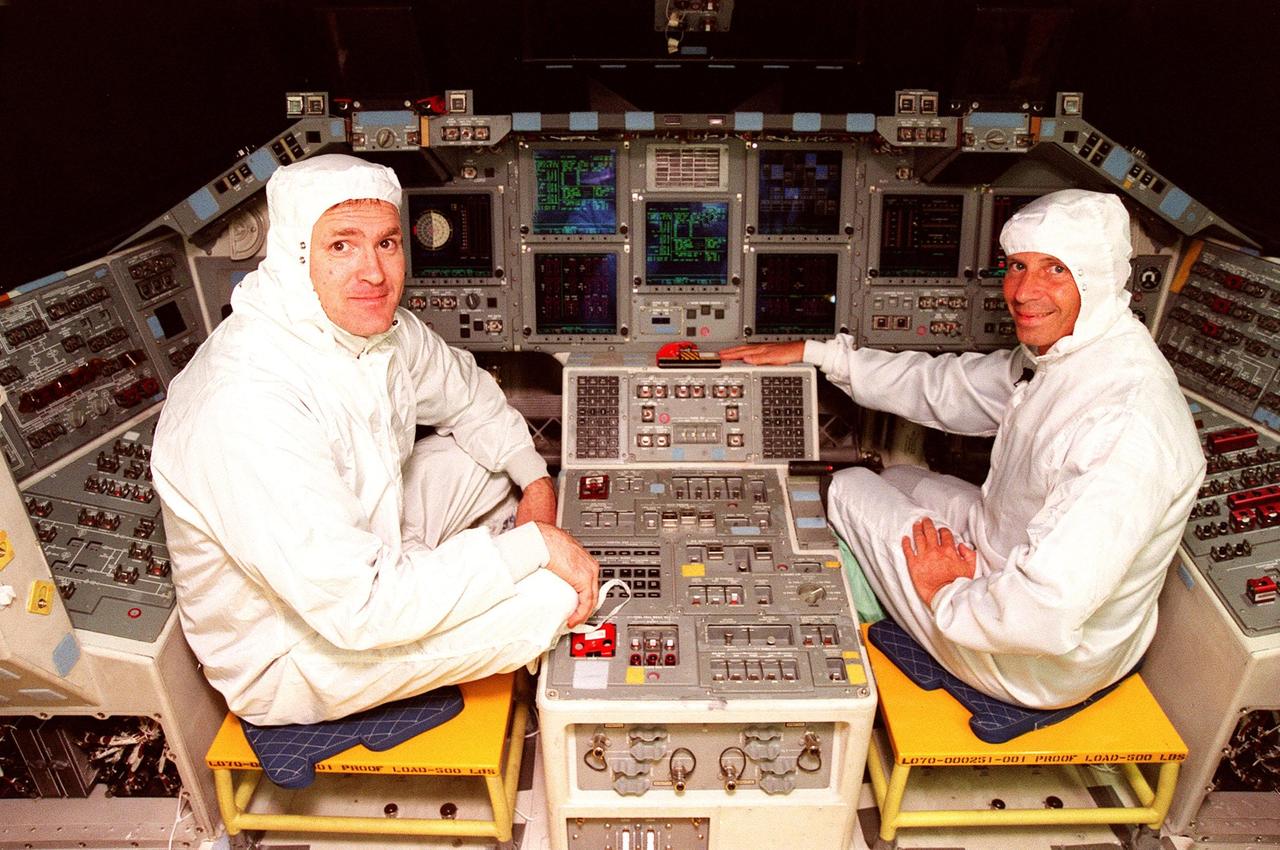
STS-101 Commander James Halsell (left) and STS-98 Commander Ken Cockrell (right) pause for a photo while looking over the recently installed Multifunction Electronic Display Subsystem (MEDS) in the cockpit of the orbiter Atlantis. The new full-color, flat panel MEDS improves crew/orbiter interaction with easy-to-read, graphic portrayals of key flight indicators like attitude display and mach speed. The installation makes Atlantis the most modern orbiter in the fleet and equals the systems on current commercial jet airliners and military aircraft. The first flight of the upgraded Atlantis is STS-101, scheduled for launch in December 1999; the second flight, STS-98, is scheduled for launch in April 2000
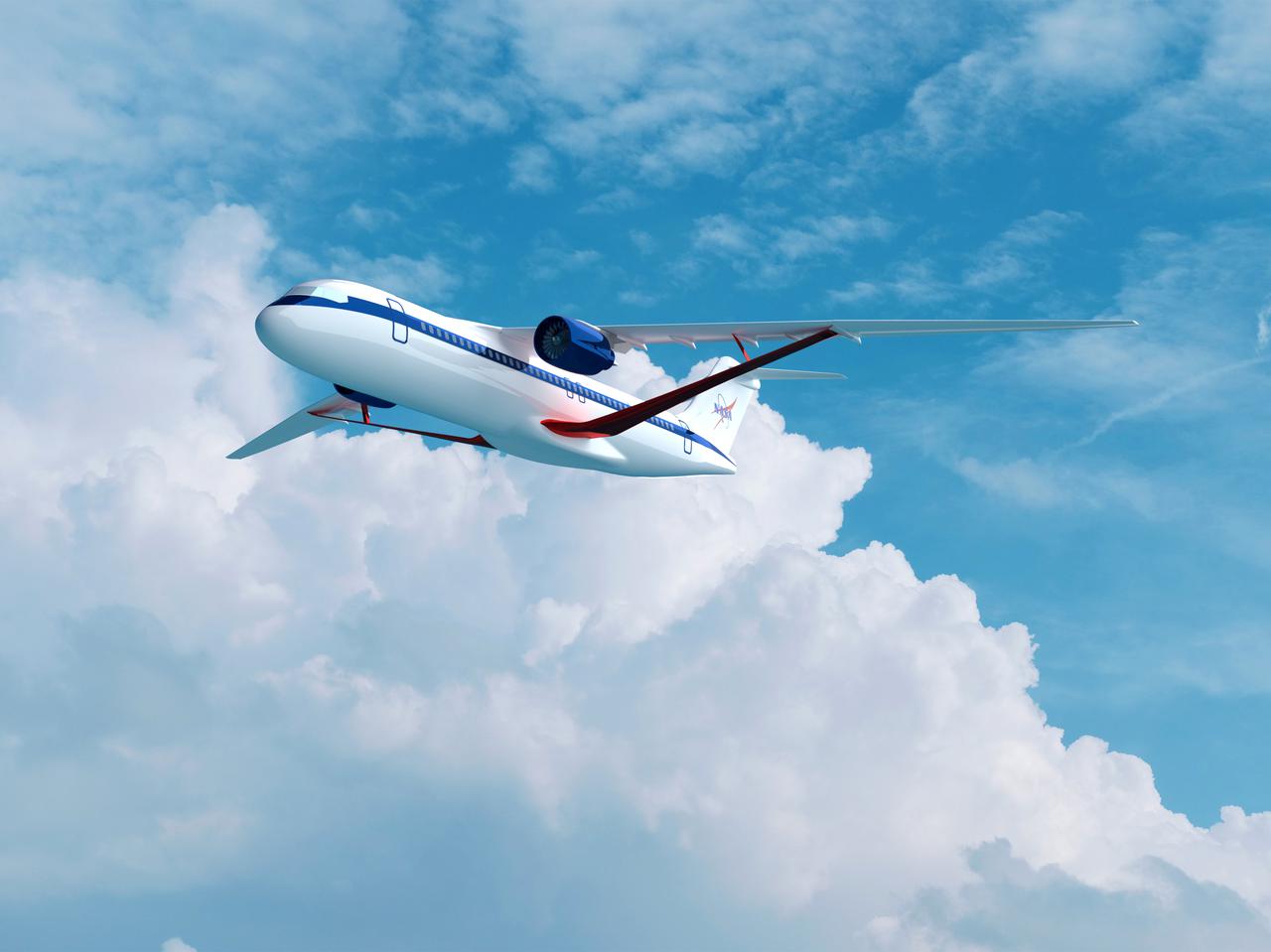
Notice anything different about the wings on this airliner? This conceptual truss-braced wing narrowbody is an aircraft with a 170ft span folding wing. By utilizing trusses, the aircraft can have longer, thinner wings with greater aspect ratios. This, in turn, translates into less drag and 5-10% less fuel burned. The Transonic Truss-Braced Wing aircraft originated from a joint effort by NASA and Boeing to develop subsonic commercial transport concepts – meeting NASA-defined metrics in terms of reduced noise, emissions, and fuel consumption. The design is currently undergoing wind tunnel testing and other studies by NASA researchers.
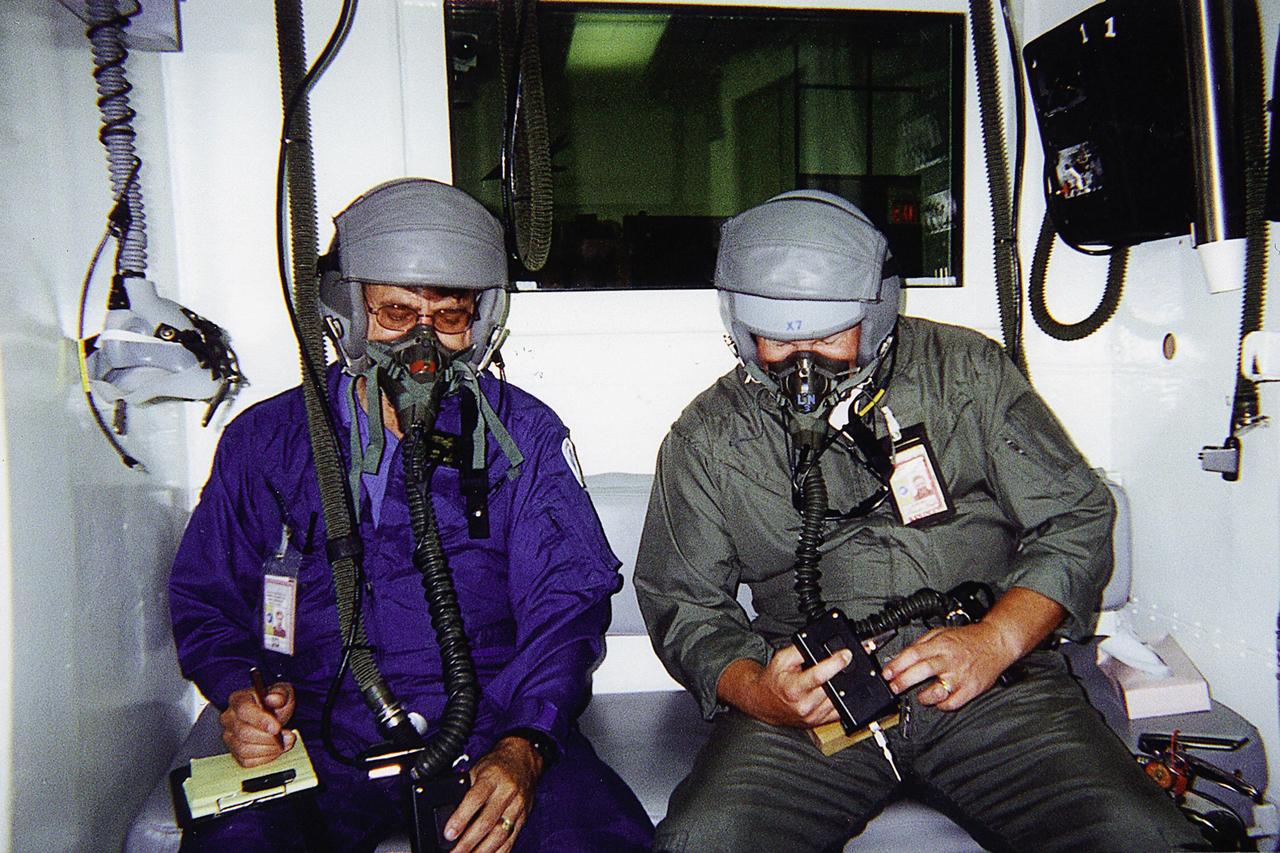
Jan Zysko (left) and Rich Mizell (right) test a Personal Cabin Pressure Altitude Monitor in an altitude chamber at Tyndall Air Force Base in Florida. Zysko invented the pager-sized monitor that alerts wearers of a potentially dangerous or deteriorating cabin pressure altitude condition, which can lead to life-threatening hypoxia. Zysko is chief of the KSC Spaceport Engineering and Technology directorate's data and electronic systems branch. Mizell is a Shuttle processing engineer. The monitor, which has drawn the interest of such organizations as the Federal Aviation Administration for use in commercial airliners and private aircraft, was originally designed to offer Space Shuttle and Space Station crew members added independent notification about any depressurization
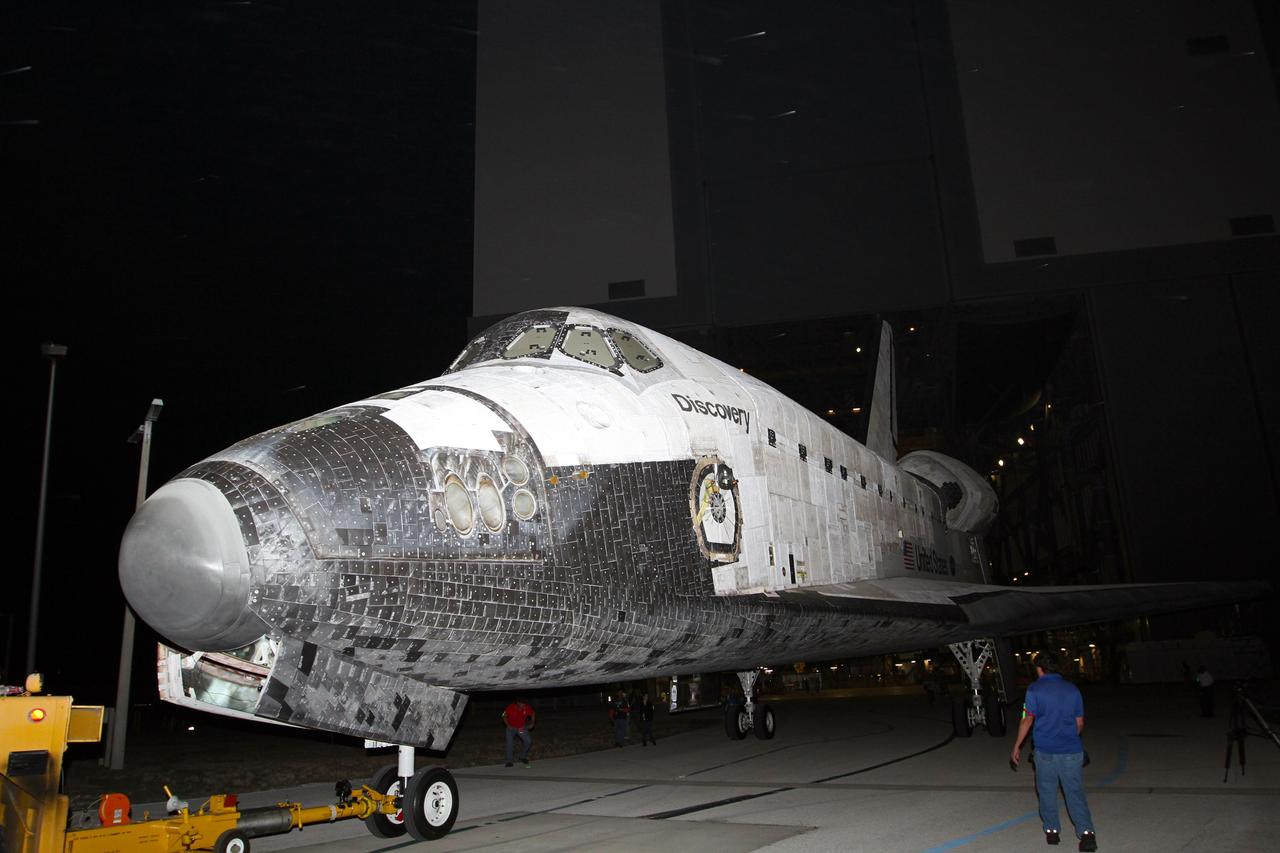
CAPE CANAVERAL, Fla. – Space shuttle Discovery begins its trip to the Shuttle Landing Facility, or SLF, at NASA’s Kennedy Space Center in Florida. In the background is the 525-foot-tall Vehicle Assembly Building, or VAB. Discovery was in storage in the VAB’s high bay 4 awaiting departure from Kennedy’s Launch Complex 39 area for the final time. At the SLF, Discovery will be hoisted onto a Shuttle Carrier Aircraft, or SCA, with the aid of a mate-demate device. The SCA, a modified Boeing 747 jet airliner, is scheduled to ferry Discovery to the Washington Dulles International Airport in Virginia on April 17, after which the shuttle will be placed on permanent public display in the Smithsonian's National Air and Space Museum Steven F. Udvar-Hazy Center. For more information on shuttle transition and retirement activities, visit http://www.nasa.gov/transition. Photo credit: NASA/Kim Shiflett
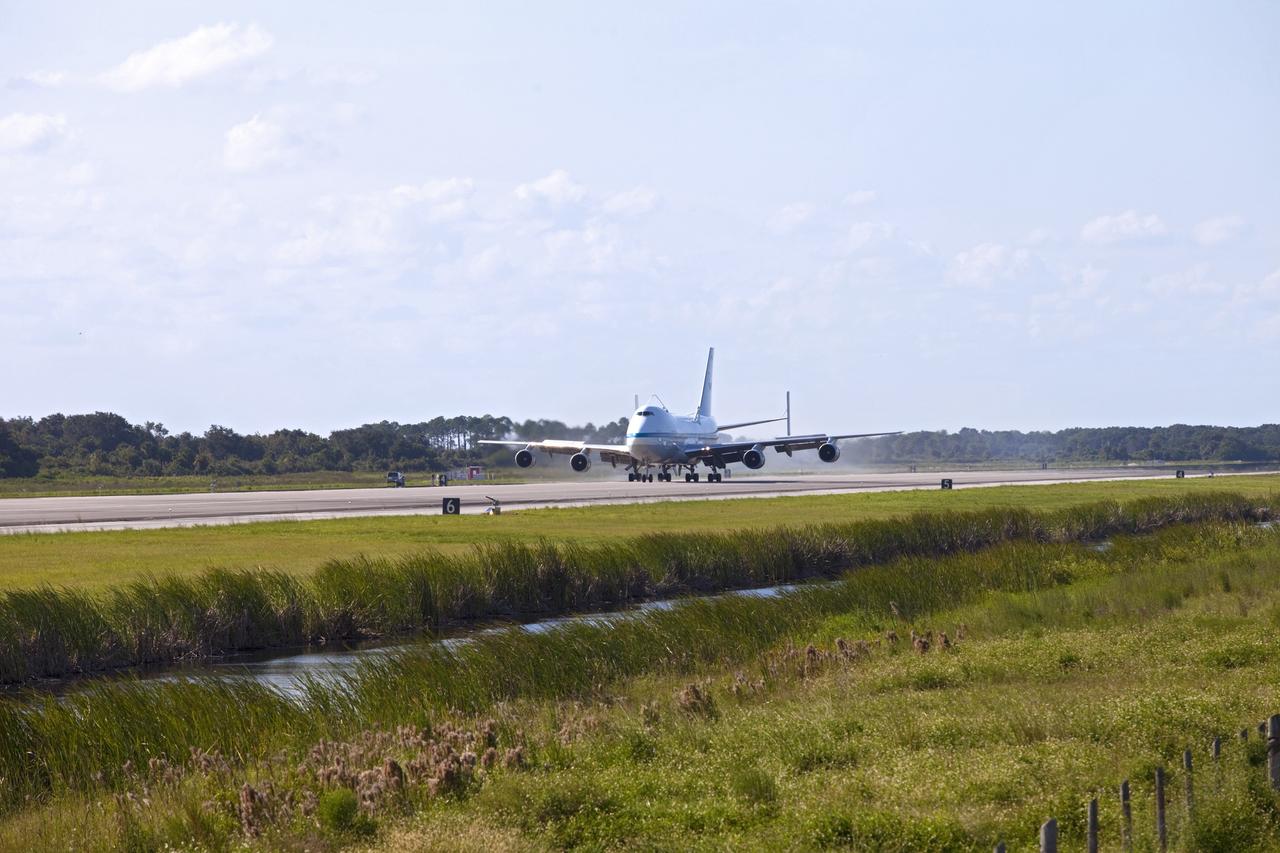
CAPE CANAVERAL, Fla. – The Shuttle Carrier Aircraft, or SCA, touched down at NASA Kennedy Space Center’s Shuttle Landing Facility in Florida at 5:05 p.m. EDT to prepare for shuttle Endeavour’s ferry flight to the Los Angeles International Airport on Sept. 17. This SCA, designated NASA 905, is a modified Boeing 747 jet airliner, originally manufactured for commercial use. One of two SCAs employed over the course of the Space Shuttle Program, NASA 905 is assigned to the final ferry mission. Endeavour will be placed on permanent public display at the California Science Center in Los Angeles. For more information on the SCA, visit http://www.nasa.gov/centers/dryden/news/FactSheets/FS-013-DFRC.html. For more information on shuttle transition and retirement activities, visit http://www.nasa.gov/shuttle. Photo credit: NASA/Frankie Martin
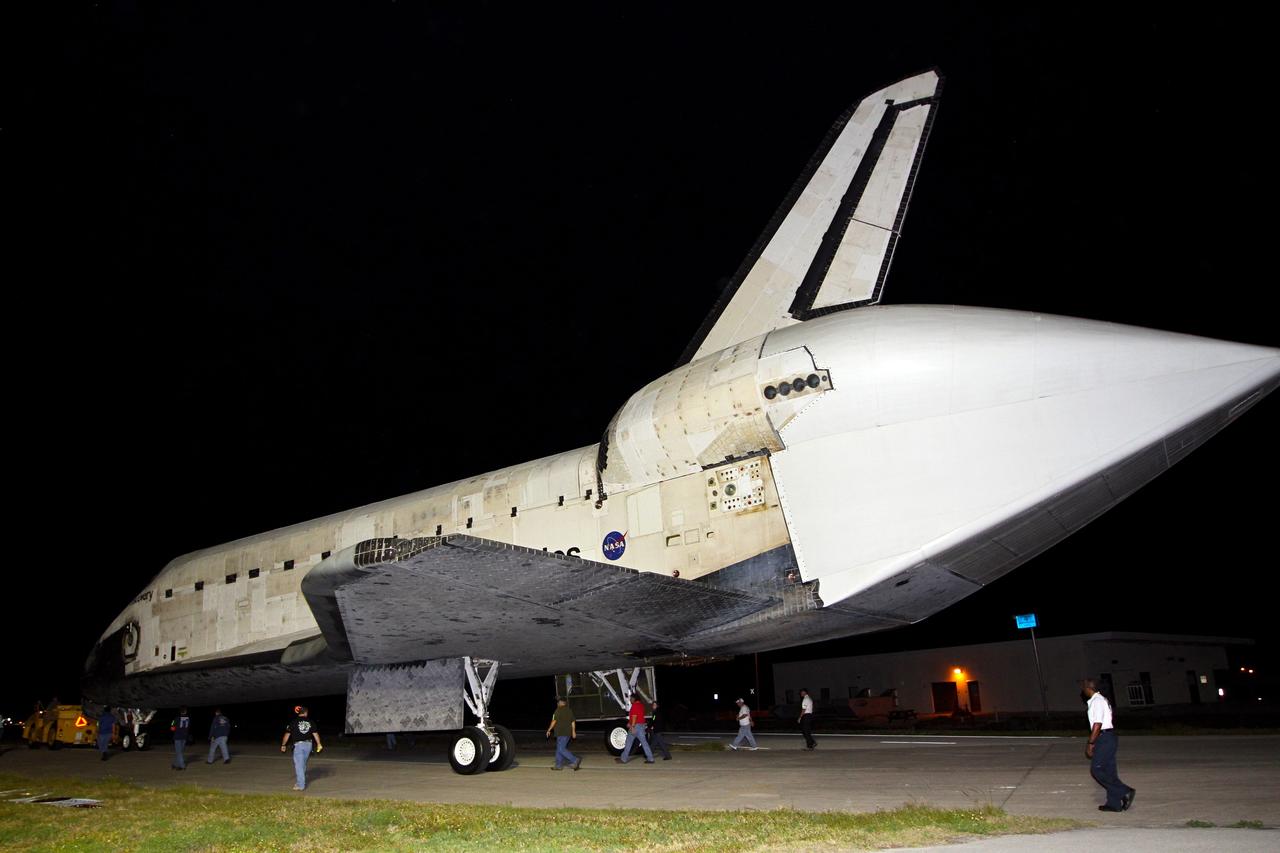
CAPE CANAVERAL, Fla. – A team of aerospace technicians accompanies space shuttle Discovery as it is towed for the final time from the Launch Complex 39 area to the Shuttle Landing Facility or SLF, at NASA’s Kennedy Space Center in Florida. A tail cone has been installed over Discovery’s three replica shuttle main engines to reduce aerodynamic drag and turbulence during its upcoming ferry flight. At the SLF, Discovery will be hoisted onto a Shuttle Carrier Aircraft, or SCA, with the aid of a mate-demate device. The SCA, a modified Boeing 747 jet airliner, is scheduled to ferry Discovery to the Washington Dulles International Airport in Virginia on April 17, after which the shuttle will be placed on permanent public display in the Smithsonian's National Air and Space Museum Steven F. Udvar-Hazy Center. For more information on shuttle transition and retirement activities, visit http://www.nasa.gov/transition. Photo credit: NASA/Kim Shiflett
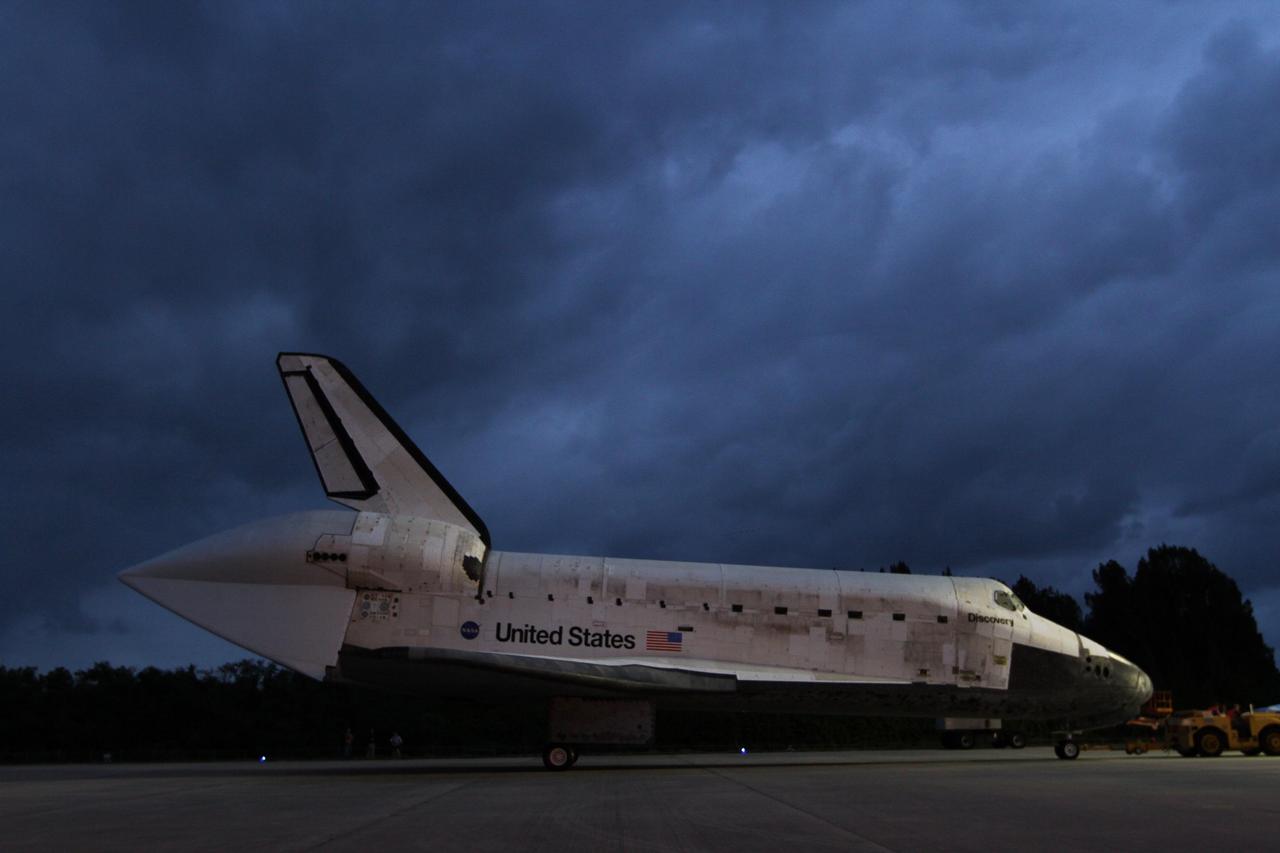
CAPE CANAVERAL, Fla. – Space Shuttle Discovery’s tow from the Vehicle Assembly Building to the Shuttle Landing Facility, or SLF, is complete as the day breaks over NASA’s Kennedy Space Center in Florida. At the SLF, Discovery will be hoisted onto a Shuttle Carrier Aircraft, or SCA, with the aid of a mate-demate device. The SCA, a modified Boeing 747 jet airliner, is scheduled to ferry Discovery to the Washington Dulles International Airport in Virginia on April 17, after which the shuttle will be placed on permanent public display in the Smithsonian's National Air and Space Museum Steven F. Udvar-Hazy Center. For more information on shuttle transition and retirement activities, visit http://www.nasa.gov/transition. Photo credit: NASA/Kim Shiflett
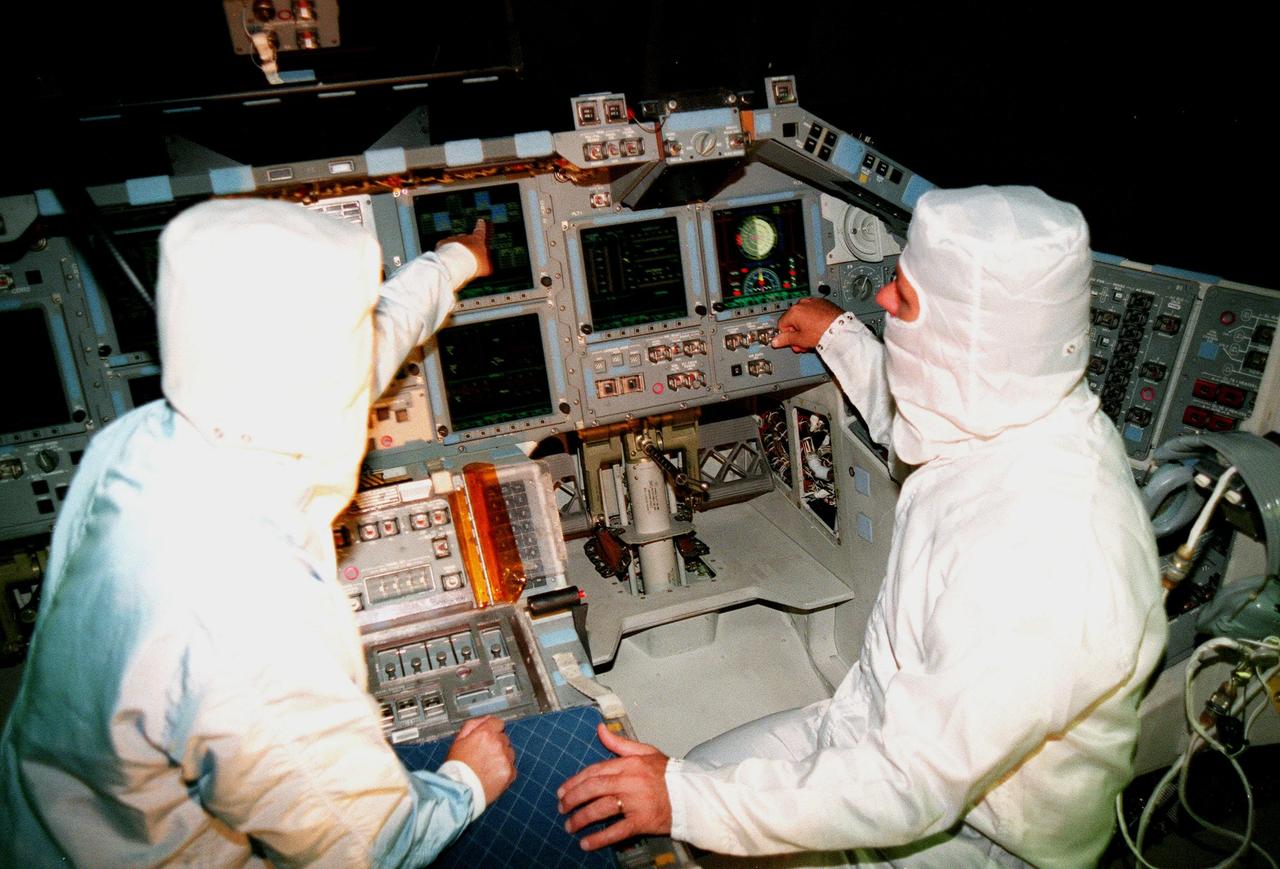
KENNEDY SPACE CENTER, FLA. -- In the cockpit of the orbiter Atlantis, which is in the Orbiter Processing Facility, Laural Patrick (left), a systems engineer with MEDS, points out a feature of the newly installed Multifunction Electronic Display Subsystem (MEDS), known as the "glass cockpit," to U.S. Rep. Dave Weldon. The congressman is on the House Science Committee and vice chairman of the Space and Aeronautics Subcommittee. He was in Palmdale, Calif., when Atlantis underwent the modification and he wanted to see the final product. The full-color, flat-panel MEDS upgrade improves crew/orbiter interaction with easy-to-read, graphic portrayals of key flight indicators like attitude display and mach speed. The installation makes Atlantis the most modern orbiter in the fleet and equals the systems on current commercial jet airliners and military aircraft. Atlantis is scheduled to fly on mission STS-101 in early December
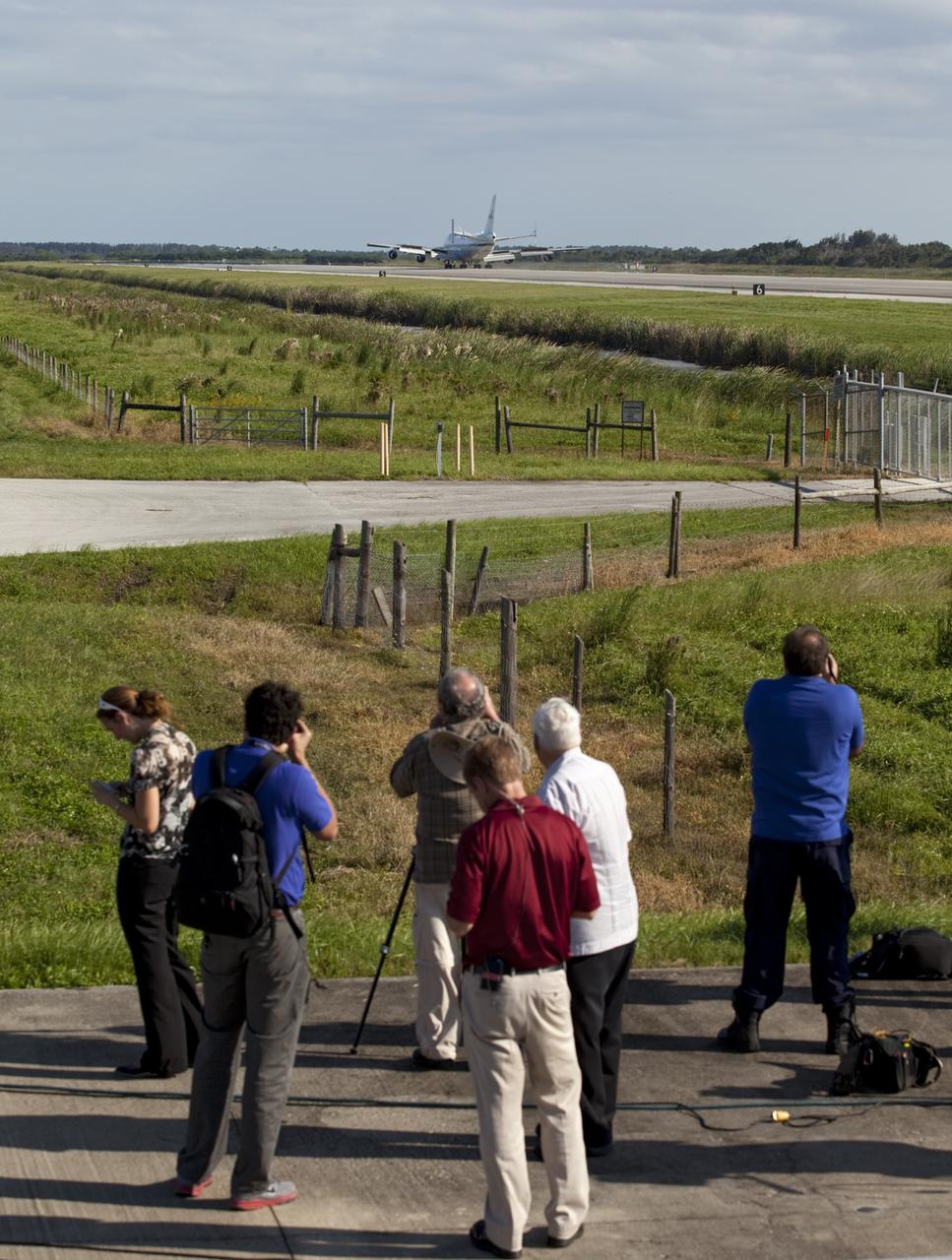
CAPE CANAVERAL, Fla. – Members of the media watch as the Shuttle Carrier Aircraft, or SCA, touched down at NASA Kennedy Space Center’s Shuttle Landing Facility in Florida at 5:05 p.m. EDT to prepare for shuttle Endeavour’s ferry flight to the Los Angeles International Airport on Sept. 17. This SCA, designated NASA 905, is a modified Boeing 747 jet airliner, originally manufactured for commercial use. One of two SCAs employed over the course of the Space Shuttle Program, NASA 905 is assigned to the final ferry mission. Endeavour will be placed on permanent public display at the California Science Center in Los Angeles. For more information on the SCA, visit http://www.nasa.gov/centers/dryden/news/FactSheets/FS-013-DFRC.html. For more information on shuttle transition and retirement activities, visit http://www.nasa.gov/shuttle. Photo credit: NASA/Frankie Martin
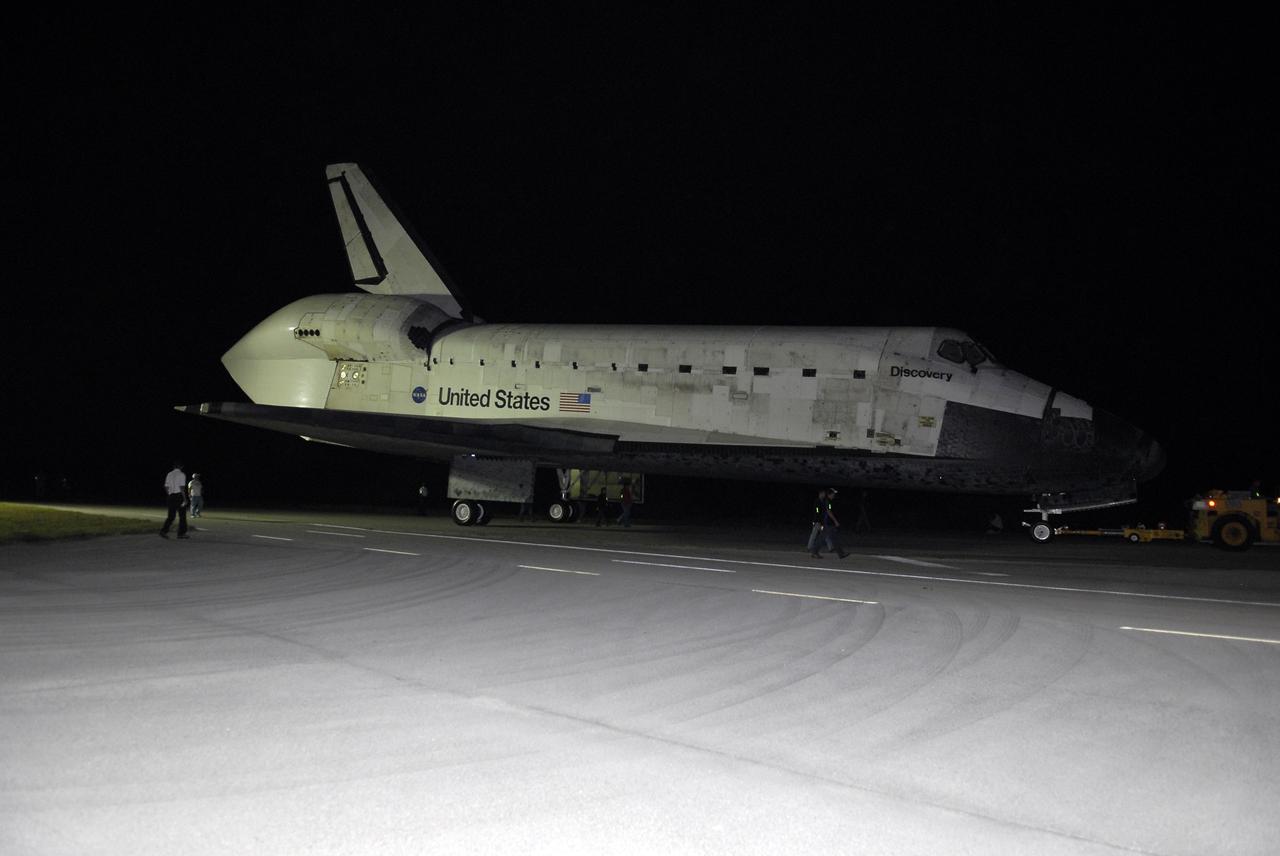
CAPE CANAVERAL, Fla. – Space shuttle Discovery is towed along the access road to the Shuttle Landing Facility, or SLF, at NASA’s Kennedy Space Center in Florida. A tail cone has been installed over its three replica shuttle main engines to reduce aerodynamic drag and turbulence during its upcoming ferry flight. At the SLF, Discovery will be hoisted onto a Shuttle Carrier Aircraft, or SCA, with the aid of a mate-demate device. The SCA, a modified Boeing 747 jet airliner, is scheduled to ferry Discovery to the Washington Dulles International Airport in Virginia on April 17, after which the shuttle will be placed on permanent public display in the Smithsonian's National Air and Space Museum Steven F. Udvar-Hazy Center. For more information on shuttle transition and retirement activities, visit http://www.nasa.gov/transition. Photo credit: NASA/Tim Jacobs
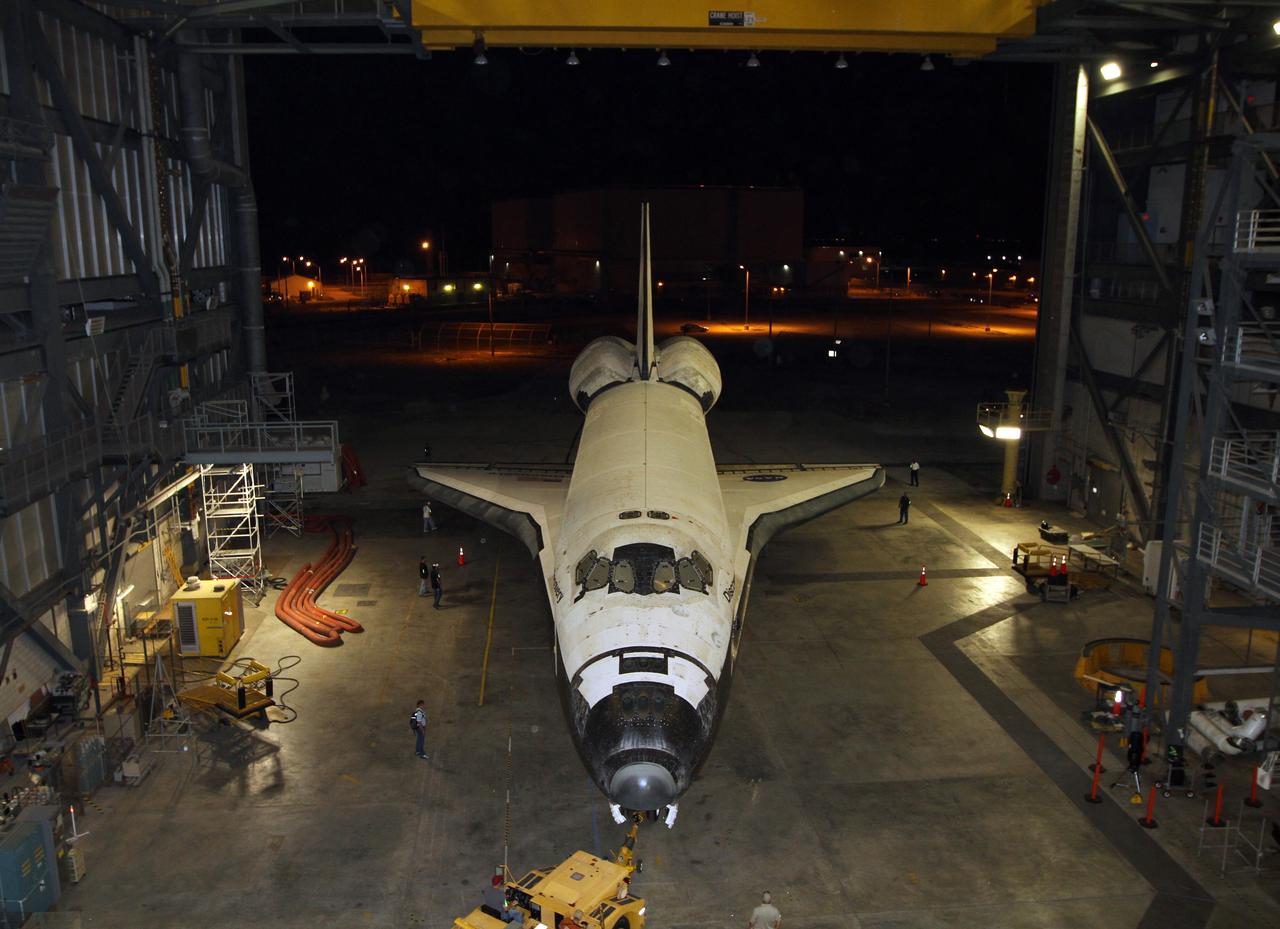
CAPE CANAVERAL, Fla. – Space shuttle Discovery rolls out of the Vehicle Assembly Building, or VAB, at NASA’s Kennedy Space Center in Florida, into darkness for its trip to the Shuttle Landing Facility, or SLF. Its move got under way at 5 a.m. EDT. Discovery was in storage in the VAB’s high bay 4 awaiting departure from Kennedy’s Launch Complex 39 area for the final time. At the SLF, Discovery will be hoisted onto a Shuttle Carrier Aircraft, or SCA, with the aid of a mate-demate device. The SCA, a modified Boeing 747 jet airliner, is scheduled to transport Discovery to the Washington Dulles International Airport in Virginia on April 17, after which the shuttle will be placed on permanent public display in the Smithsonian's National Air and Space Museum Steven F. Udvar-Hazy Center. For more information on shuttle transition and retirement activities, visit http://www.nasa.gov/transition. Photo credit: NASA/Kim Shiflett
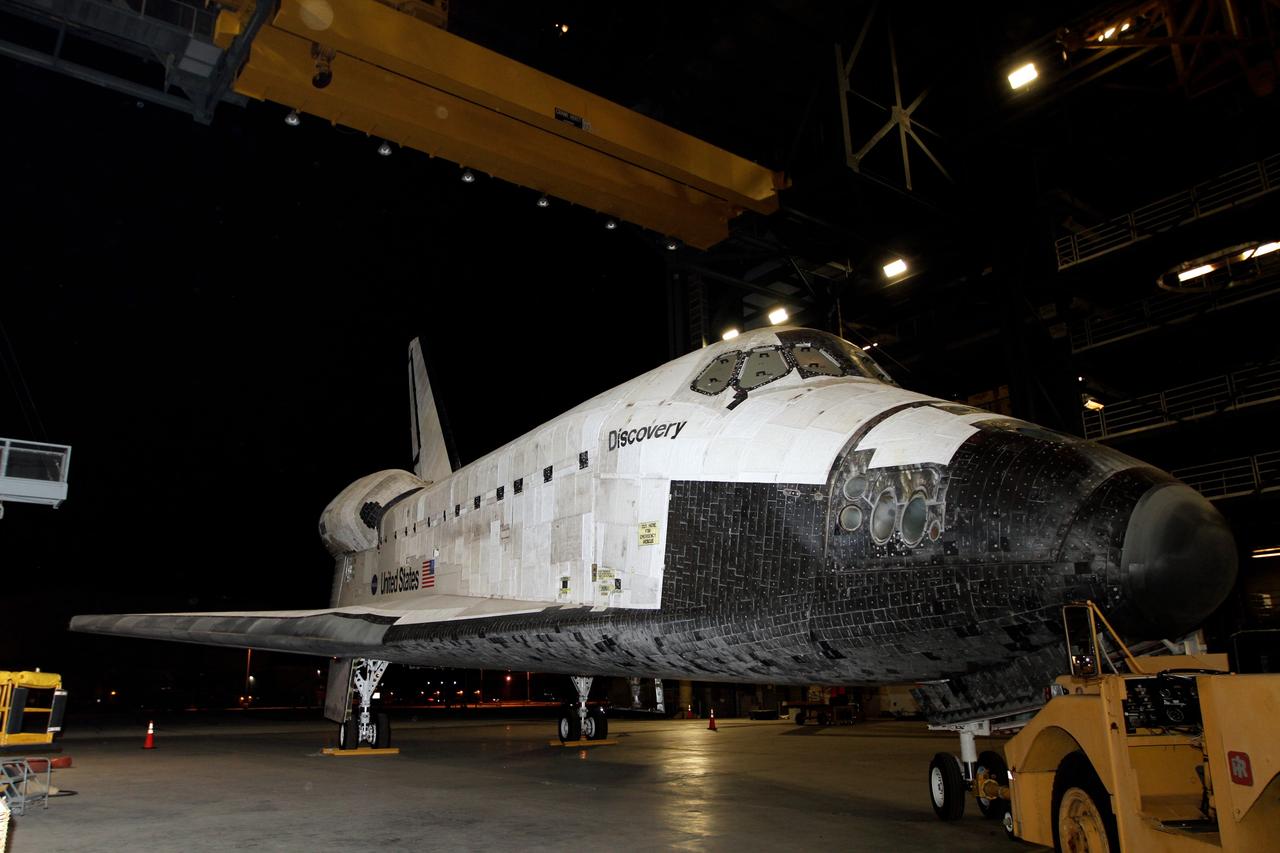
CAPE CANAVERAL, Fla. – Preparations to tow space shuttle Discovery from the Vehicle Assembly Building, or VAB, to the Shuttle Landing Facility, or SLF, are under way at NASA’s Kennedy Space Center in Florida. Discovery was in storage in the VAB’s high bay 4 awaiting departure from Kennedy’s Launch Complex 39 area for the final time. At the SLF, Discovery will be hoisted onto a Shuttle Carrier Aircraft, or SCA, with the aid of a mate-demate device. The SCA, a modified Boeing 747 jet airliner, is scheduled to transport Discovery to the Washington Dulles International Airport in Virginia on April 17, after which the shuttle will be placed on permanent public display in the Smithsonian's National Air and Space Museum Steven F. Udvar-Hazy Center. For more information on shuttle transition and retirement activities, visit http://www.nasa.gov/transition. Photo credit: NASA/Kim Shiflett

CAPE CANAVERAL, Fla. – Space shuttle Discovery makes its way to the Shuttle Landing Facility, or SLF, before dawn at NASA’s Kennedy Space Center in Florida. Its move from the Vehicle Assembly Building got under way at 5 a.m. EDT. At the SLF, Discovery will be hoisted onto a Shuttle Carrier Aircraft, or SCA, with the aid of a mate-demate device. The SCA, a modified Boeing 747 jet airliner, is scheduled to ferry Discovery to the Washington Dulles International Airport in Virginia on April 17, after which the shuttle will be placed on permanent public display in the Smithsonian's National Air and Space Museum Steven F. Udvar-Hazy Center. For more information on shuttle transition and retirement activities, visit http://www.nasa.gov/transition. Photo credit: NASA/Dimitri Gerondidakis
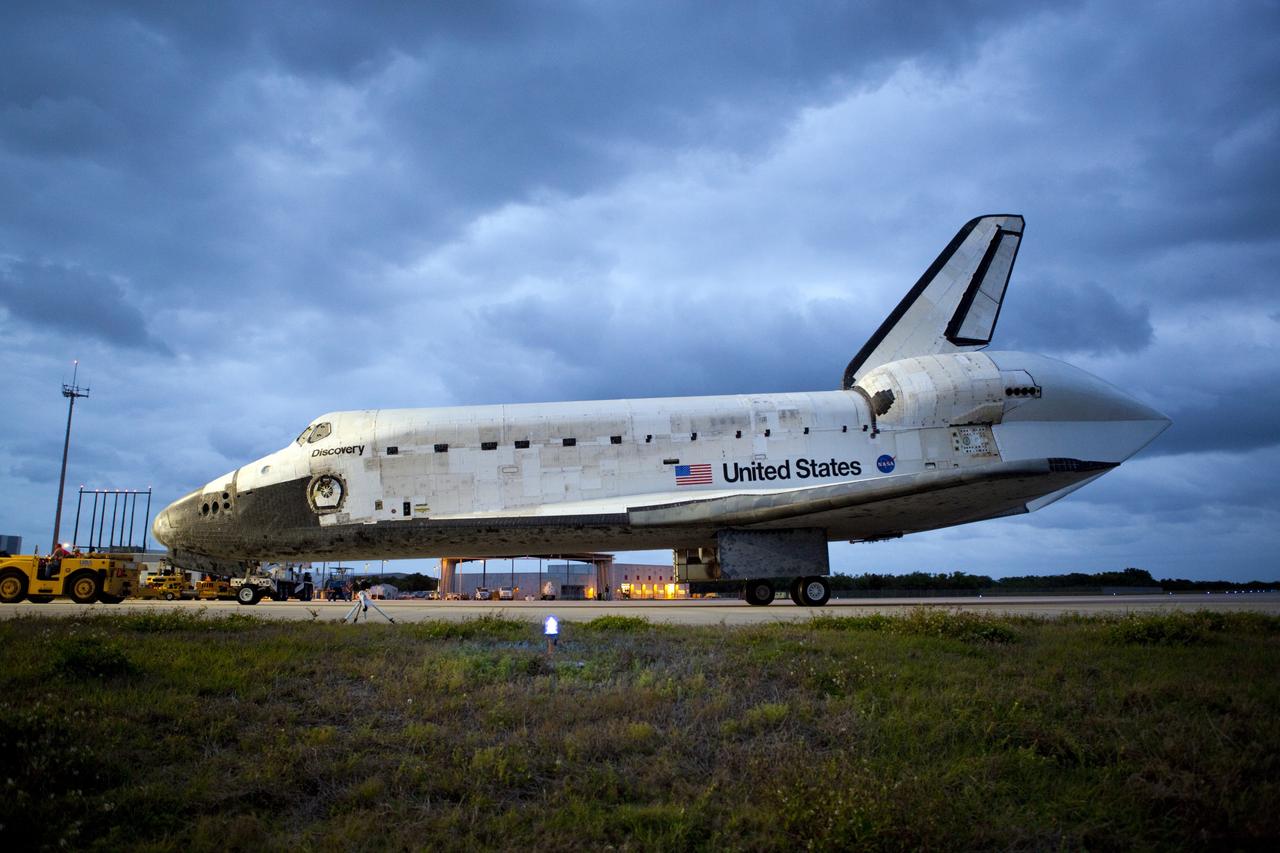
CAPE CANAVERAL, Fla. – Space Shuttle Discovery’s move from the Vehicle Assembly Building to the Shuttle Landing Facility, or SLF, is complete as the sun comes up over NASA’s Kennedy Space Center in Florida. A tail cone has been installed over its three replica shuttle main engines to reduce aerodynamic drag and turbulence during its upcoming ferry flight. At the SLF, Discovery will be hoisted onto a Shuttle Carrier Aircraft, or SCA, with the aid of a mate-demate device. The SCA, a modified Boeing 747 jet airliner, is scheduled to ferry Discovery to the Washington Dulles International Airport in Virginia on April 17, after which the shuttle will be placed on permanent public display in the Smithsonian's National Air and Space Museum Steven F. Udvar-Hazy Center. For more information on shuttle transition and retirement activities, visit http://www.nasa.gov/transition. Photo credit: NASA/Dimitri Gerondidakis