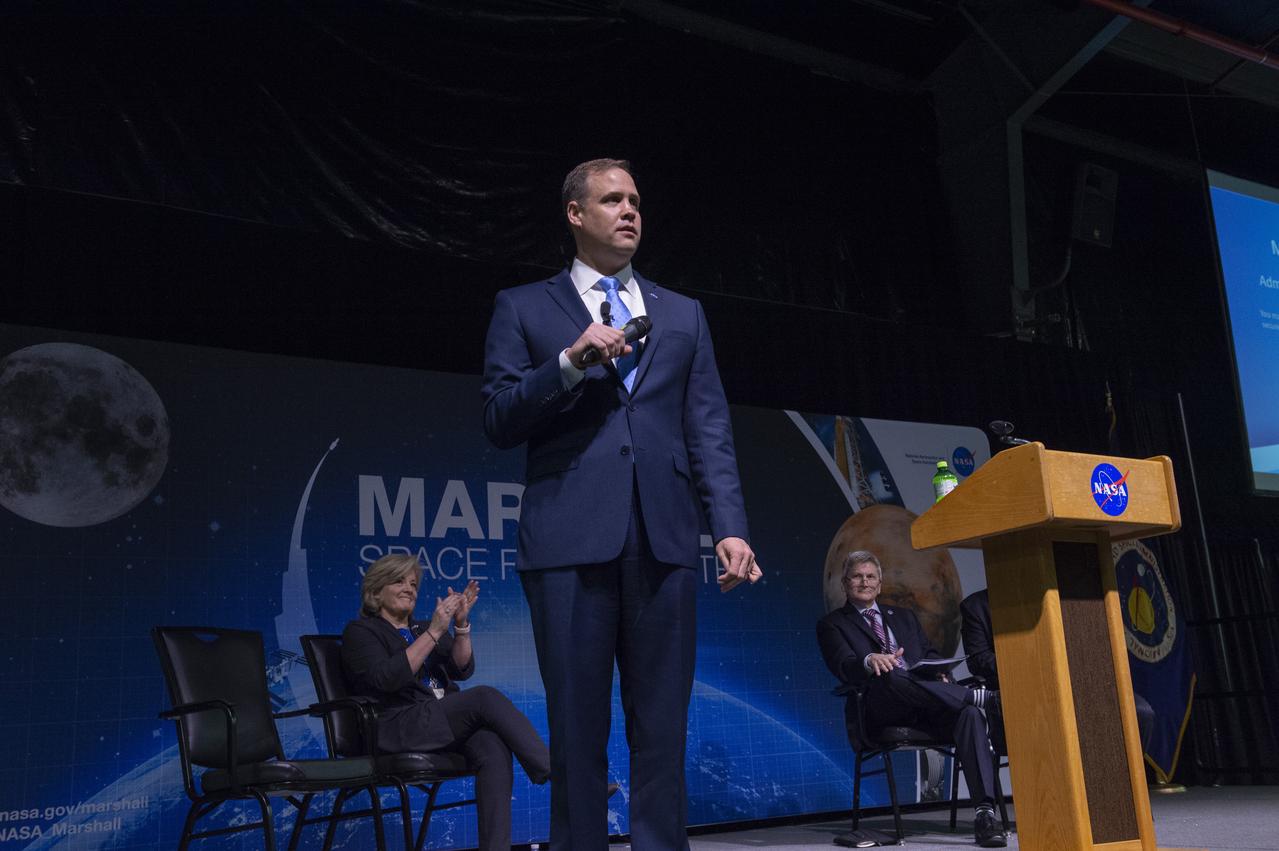
NASA Administrator Jim Bridenstine , March 26 all-hands event.
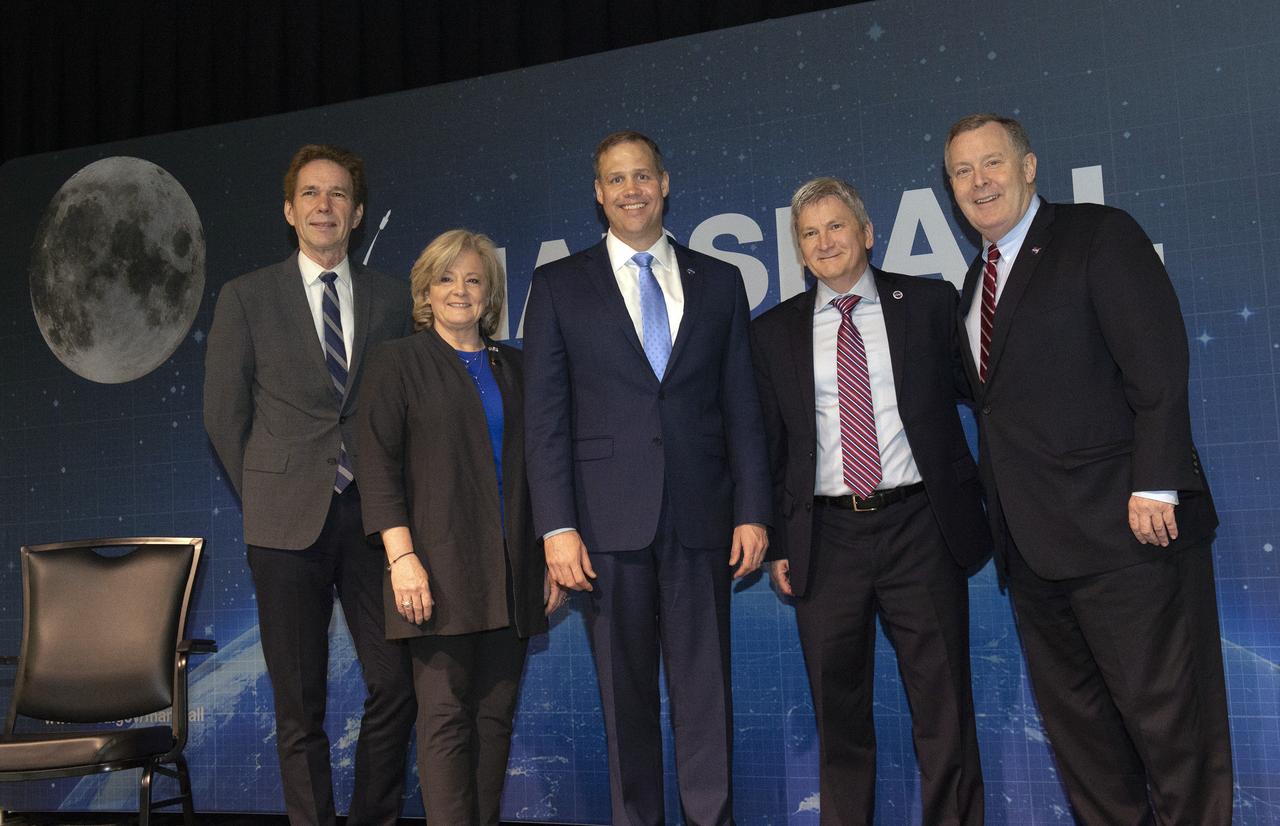
Group photograph at the March 26, 2019 MSFC all hands. From left to right: Paul McConnaughey, Jody Singer, Jim Bridenstine, Johnny Stephenson, James Morhard.
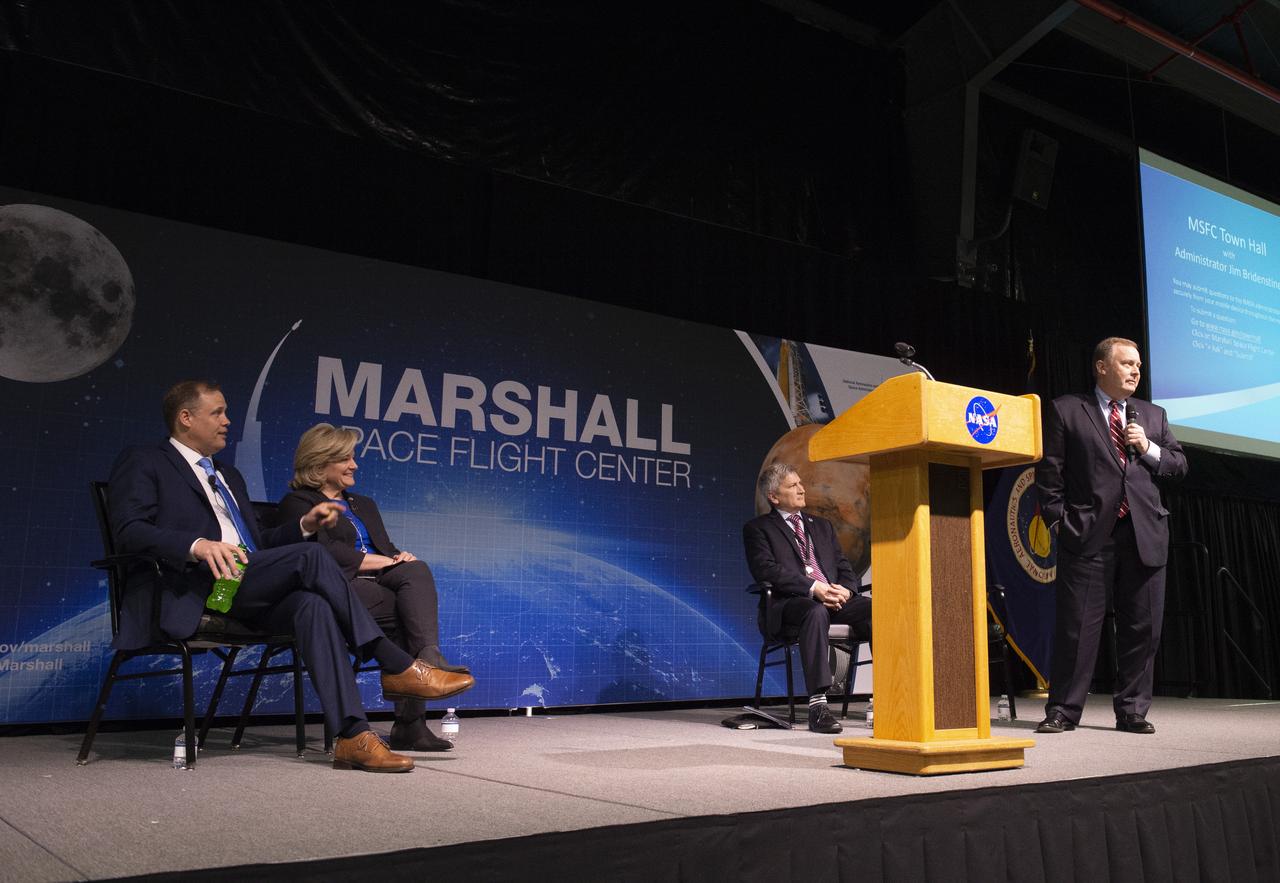
NASA Administrator Jim Bridenstine addresses Marshall team members during his March 26 all-hands event. Joining him on stage in Activities Building 4316 were Marshall Director Jody Singer, left, and Johnny Stephenson, right, director of the Office of Strategic Analysis & Communications with James Morhard, NASA deputy administrator.
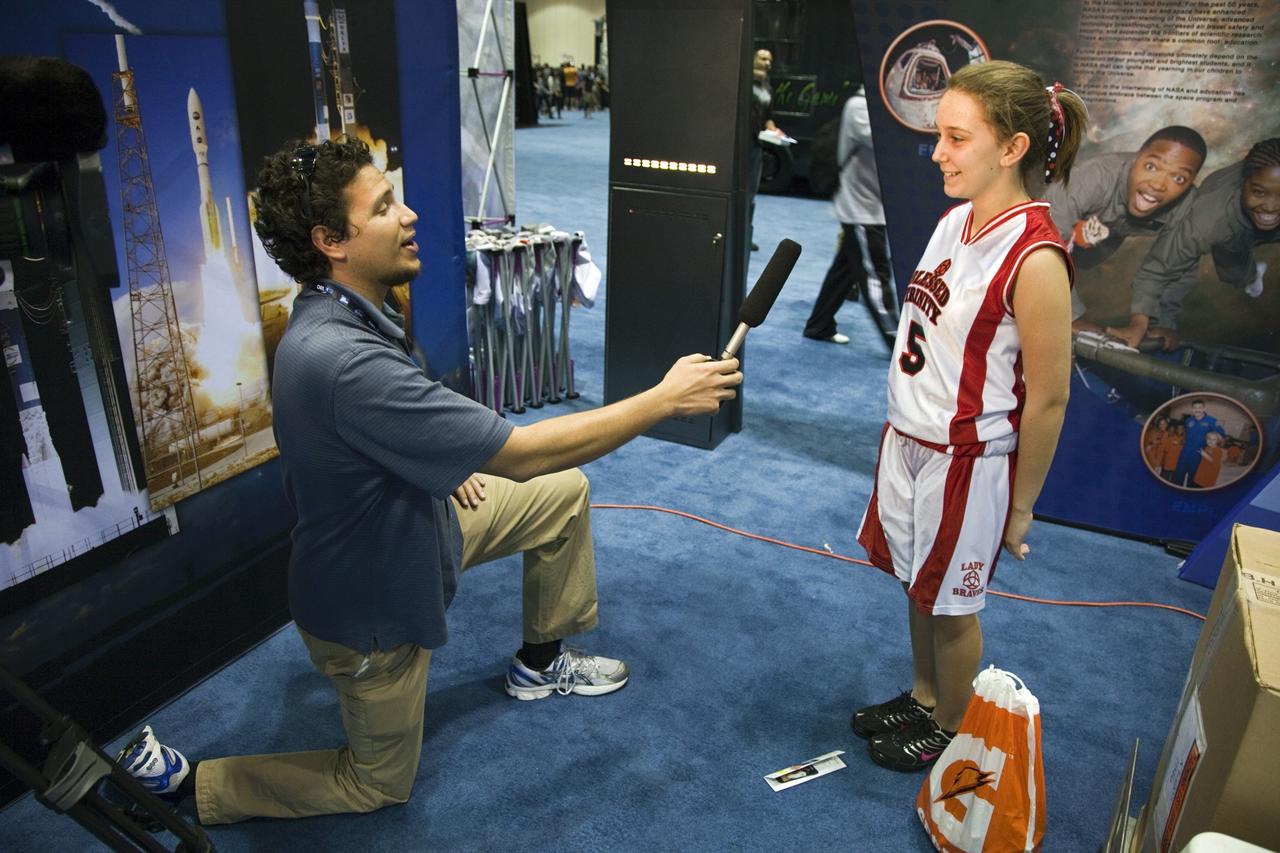
ORLANDO, Fla. -- A representative from NASA's Kennedy Space Center in Florida speaks with a young visitor attending the NBA All-Star Jam Session at the Orange County Convention Center in Orlando, Fla. The NASA exhibit offers hands-on educational activities highlighting some of the contributions the space agency has made to sports, transportation and everyday life. One of the events leading up to the NBA All-Star game being held in Orlando on Feb. 26, the NBA All-Star Jam Session is a basketball experience intended for all ages, allowing fans to compete against their friends in skills challenges and collect autographs from players and legends. Photo credit: NASA/Frankie Martin
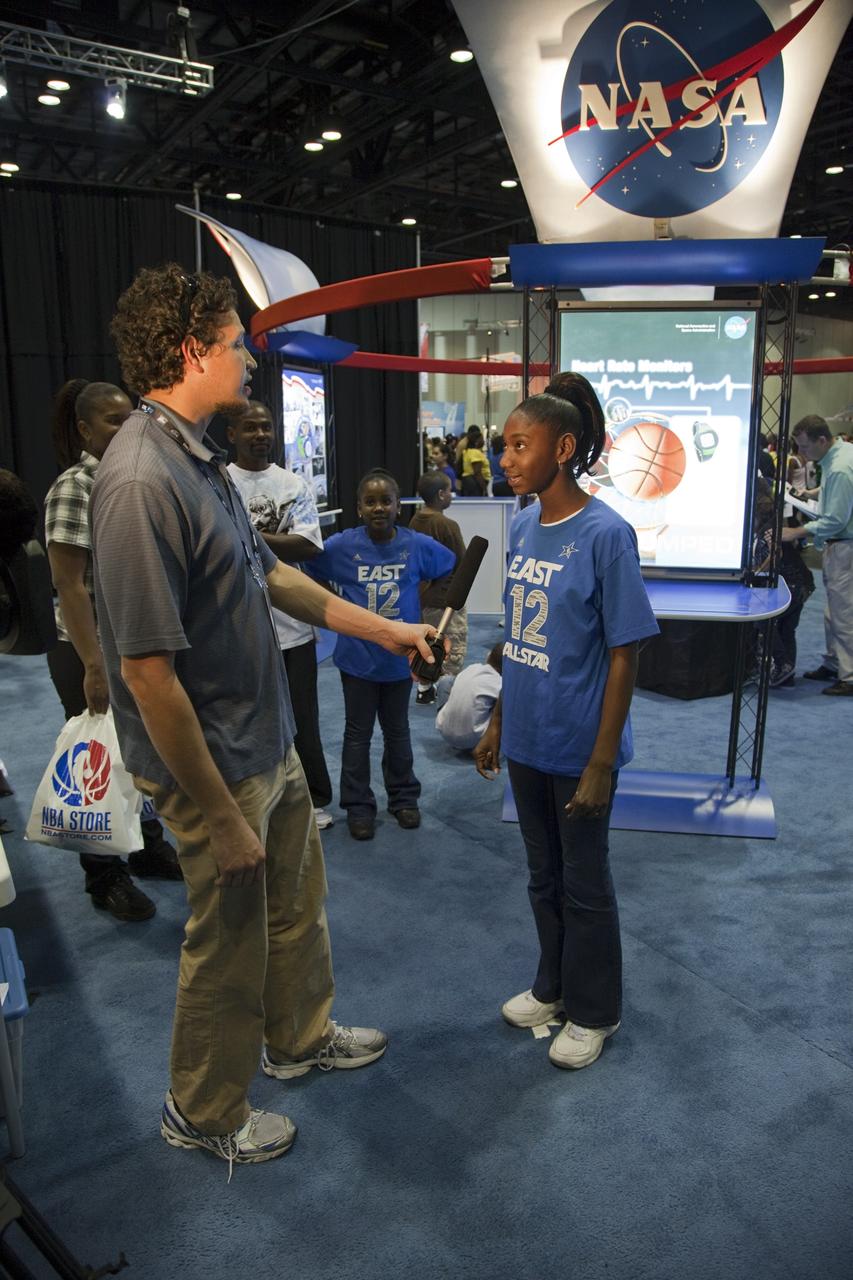
ORLANDO, Fla. -- A representative from NASA's Kennedy Space Center in Florida speaks with a young visitor attending the NBA All-Star Jam Session at the Orange County Convention Center in Orlando, Fla. The NASA exhibit offers hands-on educational activities highlighting some of the contributions the space agency has made to sports, transportation and everyday life. One of the events leading up to the NBA All-Star game being held in Orlando on Feb. 26, the NBA All-Star Jam Session is a basketball experience intended for all ages, allowing fans to compete against their friends in skills challenges and collect autographs from players and legends. Photo credit: NASA/Frankie Martin
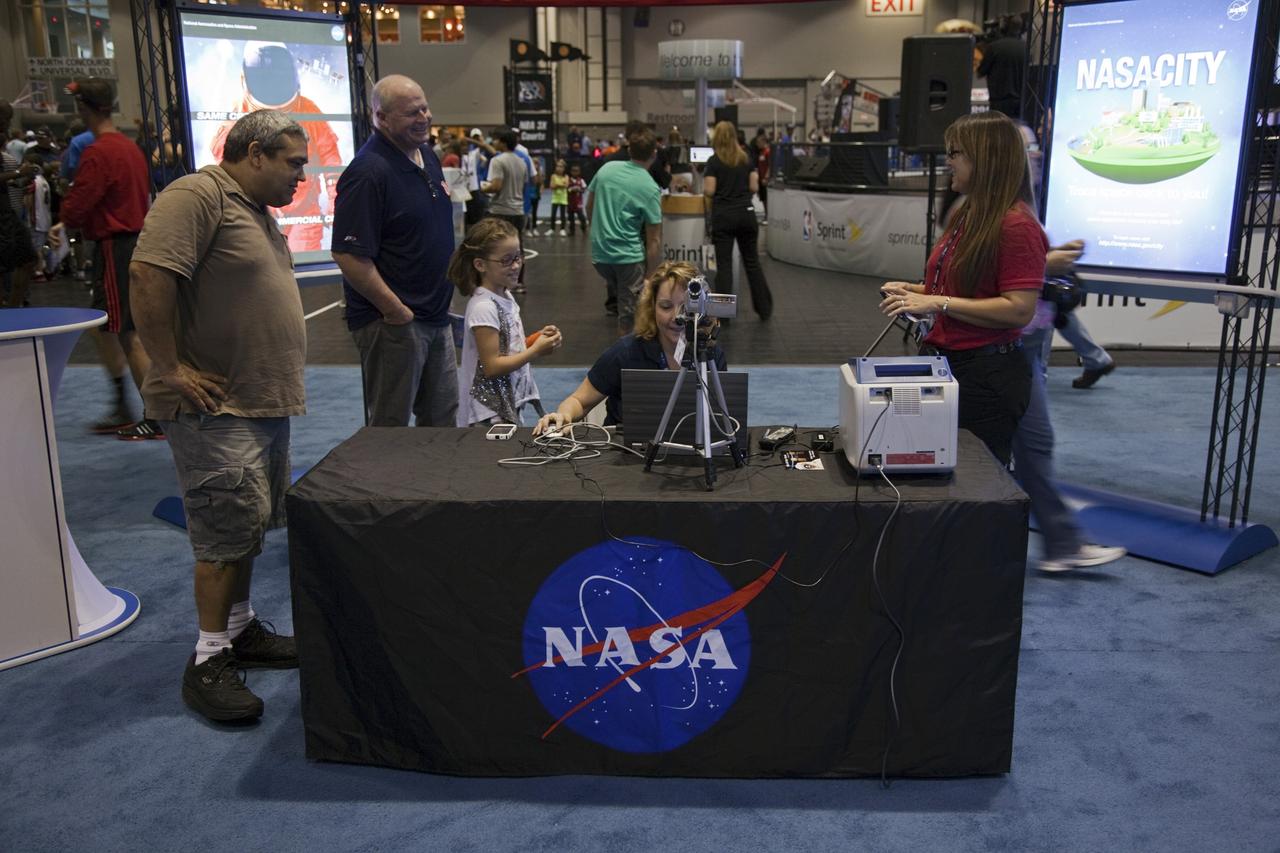
ORLANDO, Fla. -- Inside the Orange County Convention Center in Orlando, Fla., representatives from NASA's Kennedy Space Center in Florida speak to attendees visiting the NBA All-Star Jam Session. The NASA exhibit offers hands-on educational activities highlighting some of the contributions the space agency has made to sports, transportation and everyday life. One of the events leading up to the NBA All-Star game being held in Orlando on Feb. 26, the NBA All-Star Jam Session is a basketball experience intended for all ages, allowing fans to compete against their friends in skills challenges and collect autographs from players and legends. Photo credit: NASA/Frankie Martin
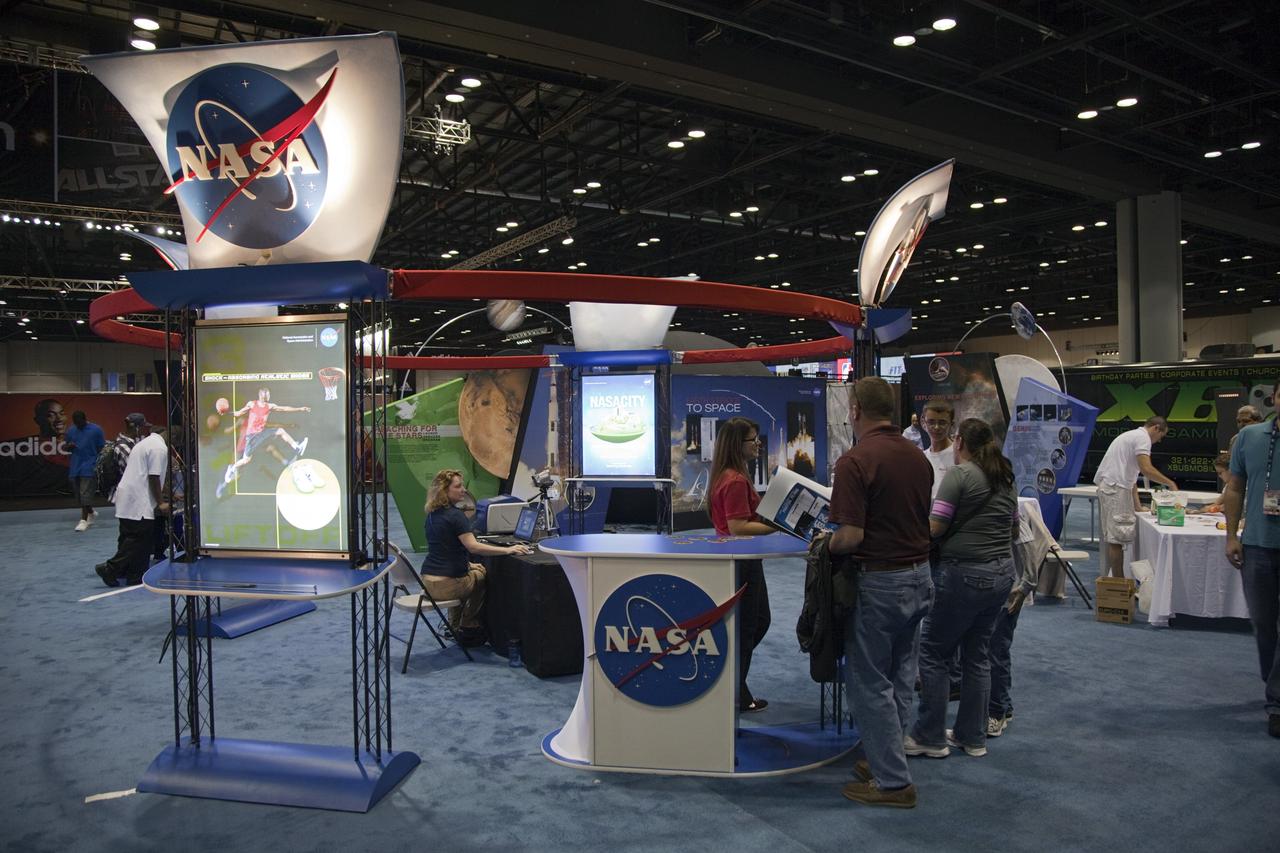
ORLANDO, Fla. -- Inside the Orange County Convention Center in Orlando, Fla., representatives from NASA's Kennedy Space Center in Florida speak to attendees visiting the NBA All-Star Jam Session. The NASA exhibit offers hands-on educational activities highlighting some of the contributions the space agency has made to sports, transportation and everyday life. One of the events leading up to the NBA All-Star game being held in Orlando on Feb. 26, the NBA All-Star Jam Session is a basketball experience intended for all ages, allowing fans to compete against their friends in skills challenges and collect autographs from players and legends. Photo credit: NASA/Frankie Martin
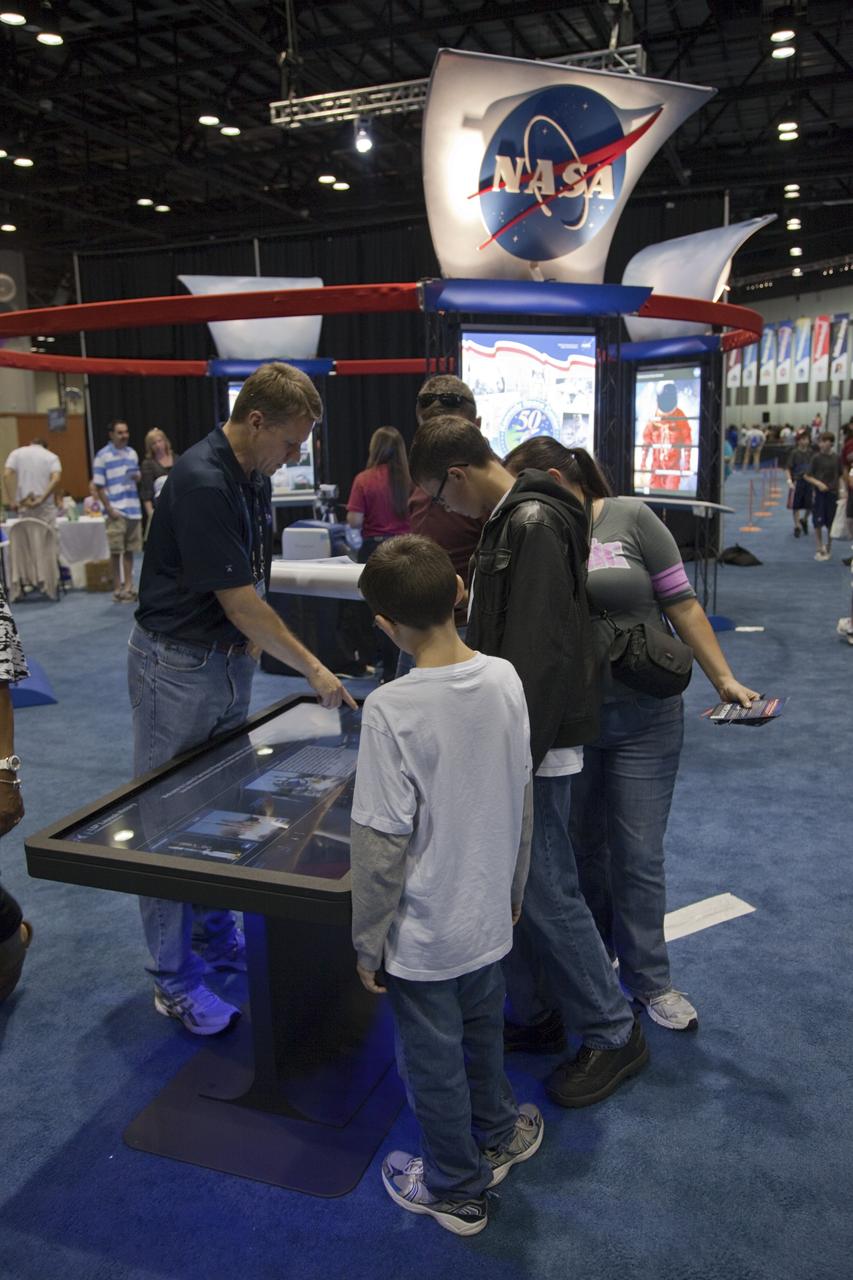
ORLANDO, Fla. -- Visitors to the NBA All-Star Jam Session at the Orange County Convention Center in Orlando, Fla., use a large touch-screen to learn more about NASA's activities and missions. Representatives from Kennedy Space Center in Florida helped attendees participate in hands-on educational activities to learn more about how science plays into sports. One of the events leading up to the NBA All-Star game being held in Orlando on Feb. 26, the NBA All-Star Jam Session is a basketball experience intended for all ages, allowing fans to compete against their friends in skills challenges and collect autographs from players and legends. Photo credit: NASA/Frankie Martin
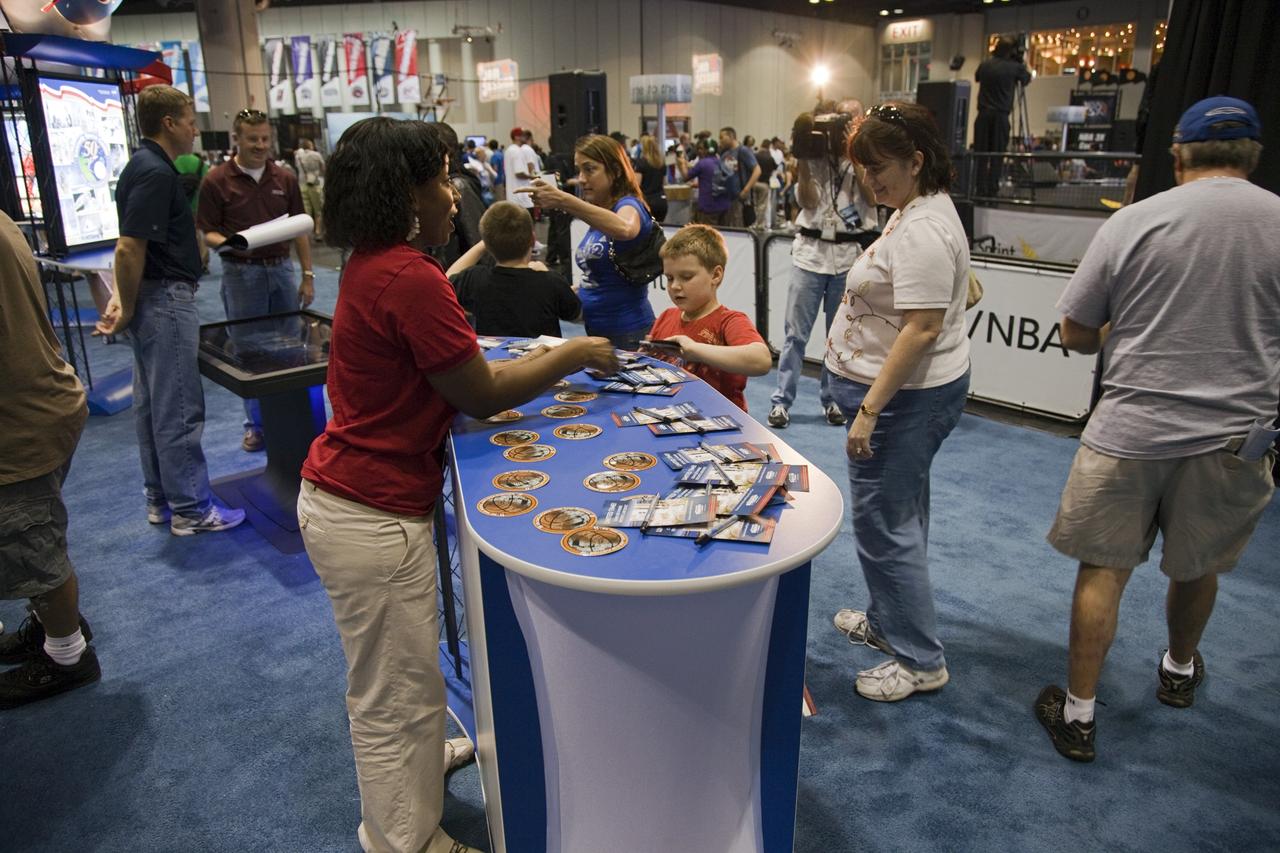
ORLANDO, Fla. -- Representatives from NASA's Kennedy Space Center in Florida talk to visitors attending the NBA All-Star Jam Session at the Orange County Convention Center in Orlando, Fla. The NASA exhibit offers hands-on educational activities highlighting some of the contributions the space agency has made to sports, transportation and everyday life. One of the events leading up to the NBA All-Star game being held in Orlando on Feb. 26, the NBA All-Star Jam Session is a basketball experience intended for all ages, allowing fans to compete against their friends in skills challenges and collect autographs from players and legends. Photo credit: NASA/Frankie Martin
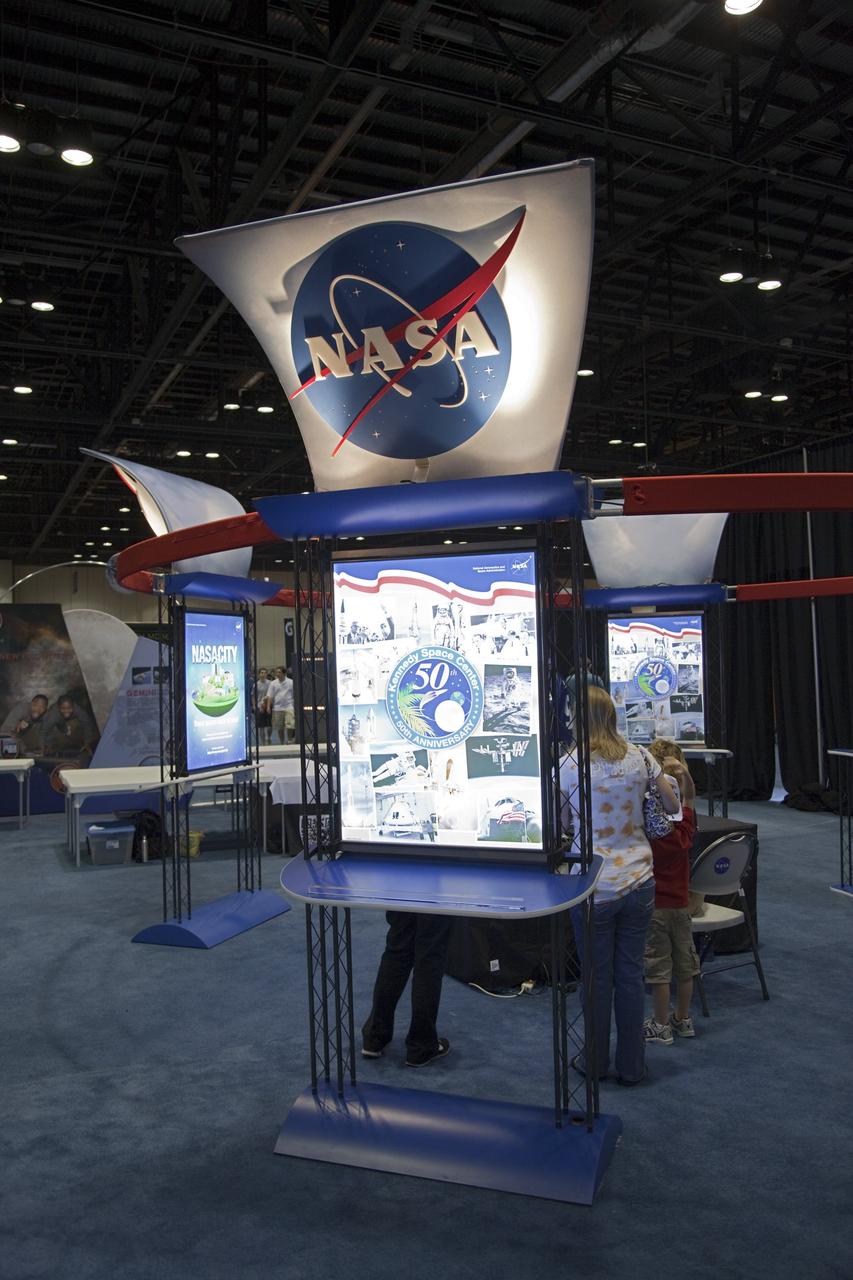
ORLANDO, Fla. -- At NASA's exhibit inside the Orange County Convention Center in Orlando, Fla., visitors to the NBA All-Star Jam Session participate in hands-on educational activities to learn more about how science plays into sports. One of the events leading up to the NBA All-Star game being held in Orlando on Feb. 26, the NBA All-Star Jam Session is a basketball experience intended for all ages, allowing fans to compete against their friends in skills challenges and collect autographs from players and legends. Photo credit: NASA/Frankie Martin
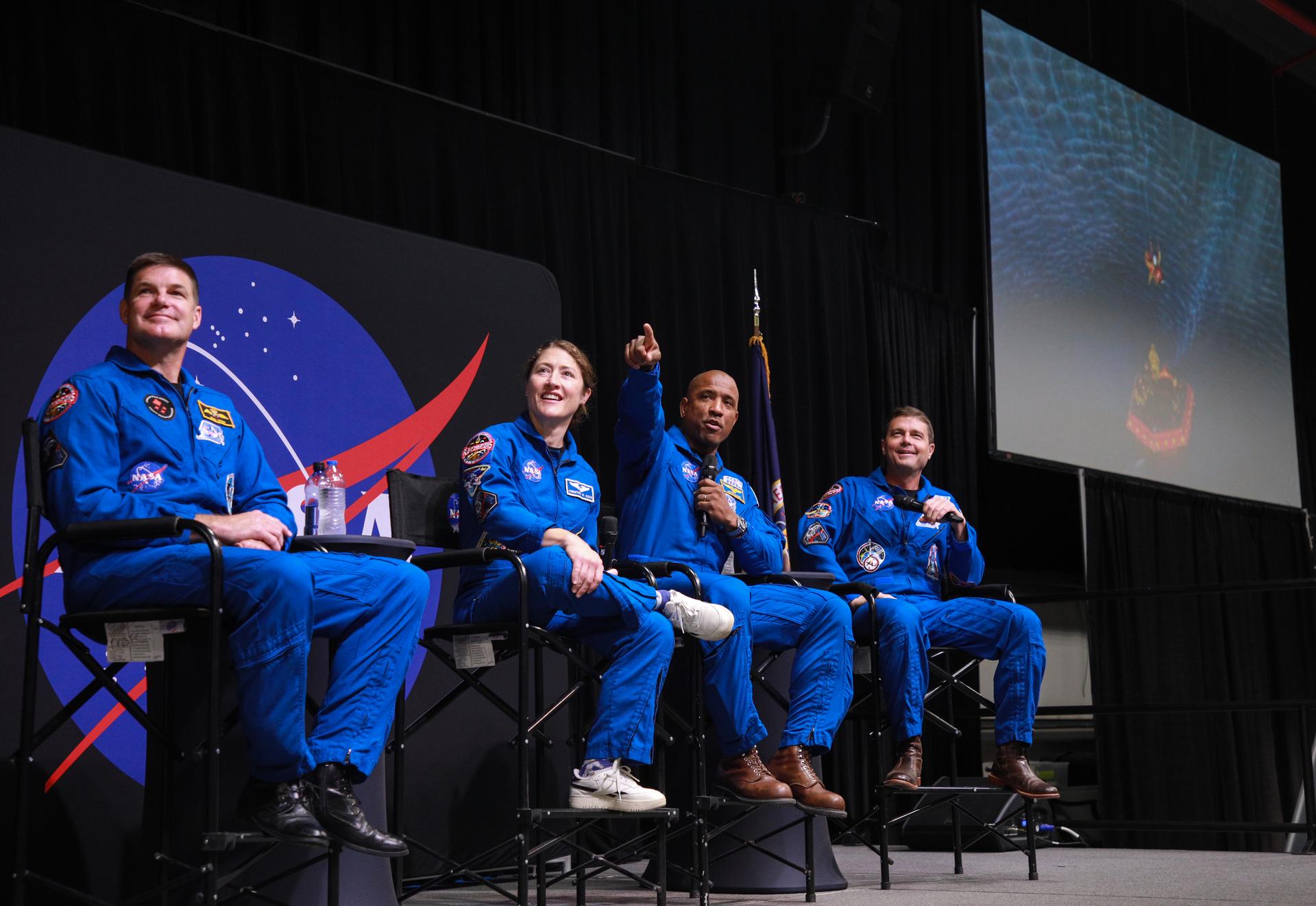
The crew of NASA’s Artemis II mission – NASA astronauts Reid Wiseman, Victor Glover, and Christina Koch, and Canadian Space Agency astronaut Jeremy Hansen – visited the agency’s Marshall Space Flight Center in Huntsville, Alabama, on Tuesday, Sept. 1, 2026. During an employee all-hands event, the crew reflected on their journey around the Moon, thanked Marshall team members for their contributions to the mission, and answered questions from the workforce. Artemis II was the first crewed mission of NASA’s Artemis campaign. Wiseman, Glover, Koch, and Hansen completed the approximately 10-day mission around the Moon in April 2026.
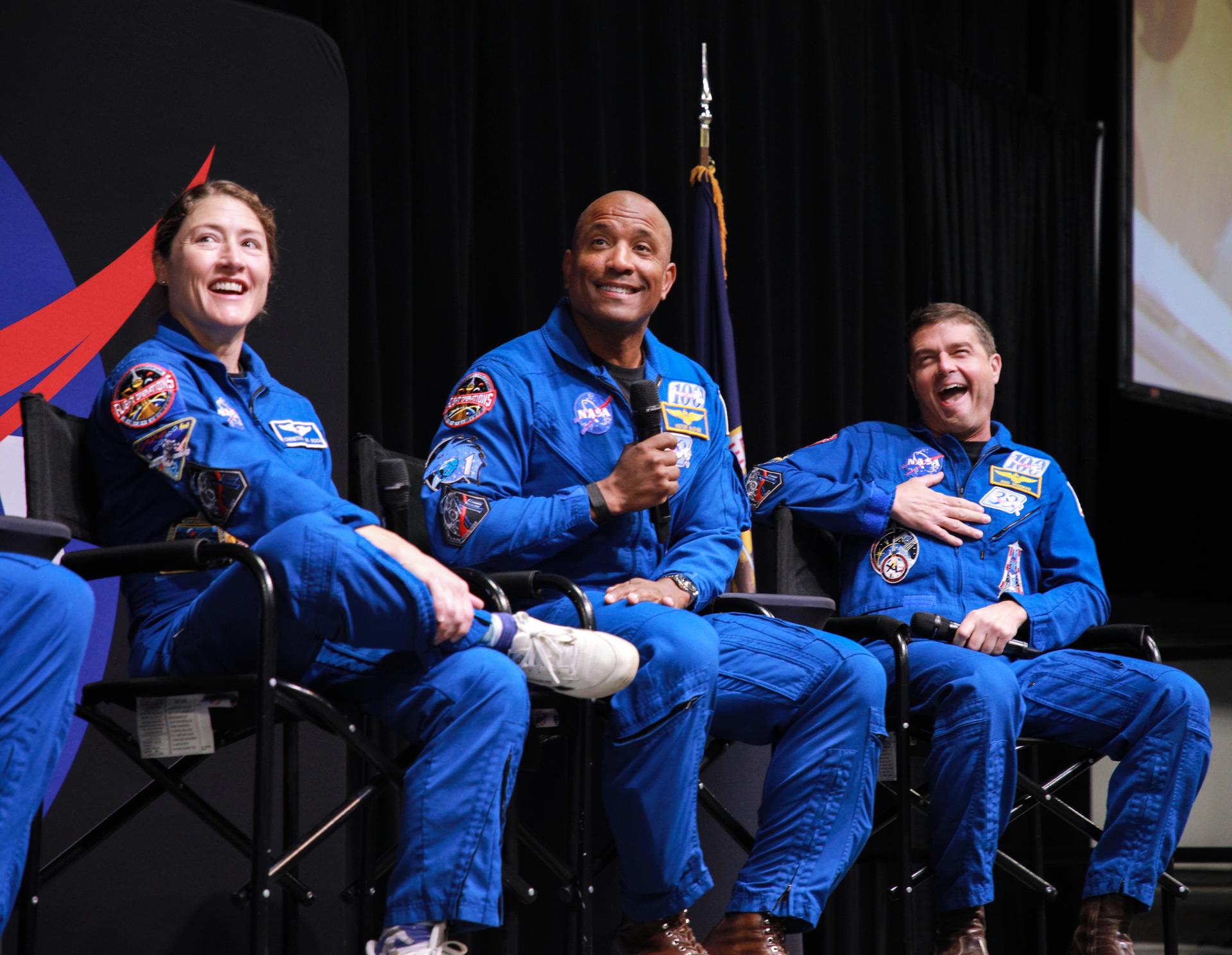
The crew of NASA’s Artemis II mission – NASA astronauts Reid Wiseman, Victor Glover, and Christina Koch, and Canadian Space Agency astronaut Jeremy Hansen – visited the agency’s Marshall Space Flight Center in Huntsville, Alabama, on Tuesday, Sept. 1, 2026. During an employee all-hands event, the crew reflected on their journey around the Moon, thanked Marshall team members for their contributions to the mission, and answered questions from the workforce. Artemis II was the first crewed mission of NASA’s Artemis campaign. Wiseman, Glover, Koch, and Hansen completed the approximately 10-day mission around the Moon in April 2026.
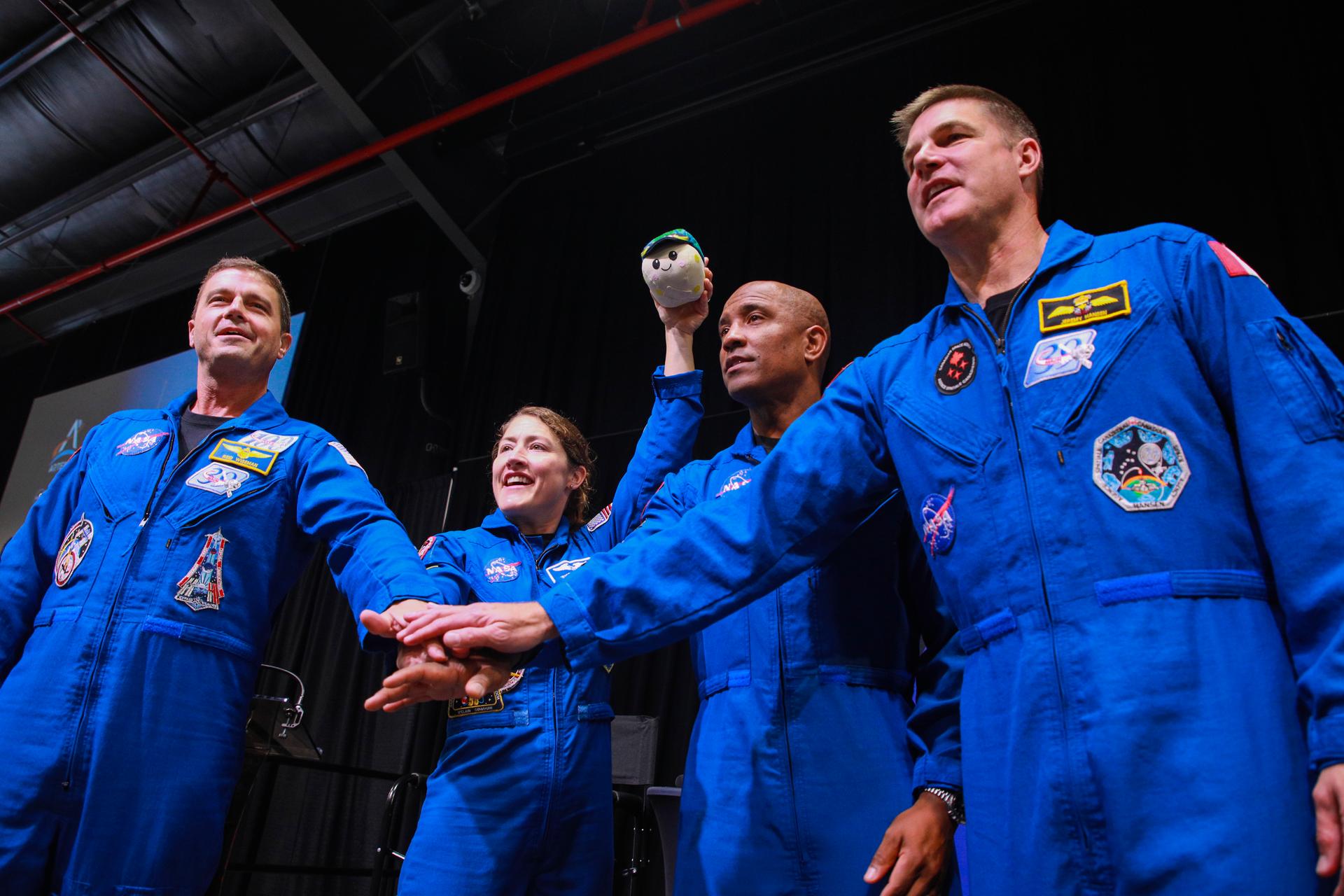
The crew of NASA’s Artemis II mission – NASA astronauts Reid Wiseman, Victor Glover, and Christina Koch, and Canadian Space Agency astronaut Jeremy Hansen – visited the agency’s Marshall Space Flight Center in Huntsville, Alabama, on Tuesday, Sept. 1, 2026. During an employee all-hands event, the crew reflected on their journey around the Moon, thanked Marshall team members for their contributions to the mission, and answered questions from the workforce. Artemis II was the first crewed mission of NASA’s Artemis campaign. Wiseman, Glover, Koch, and Hansen completed the approximately 10-day mission around the Moon in April 2026.
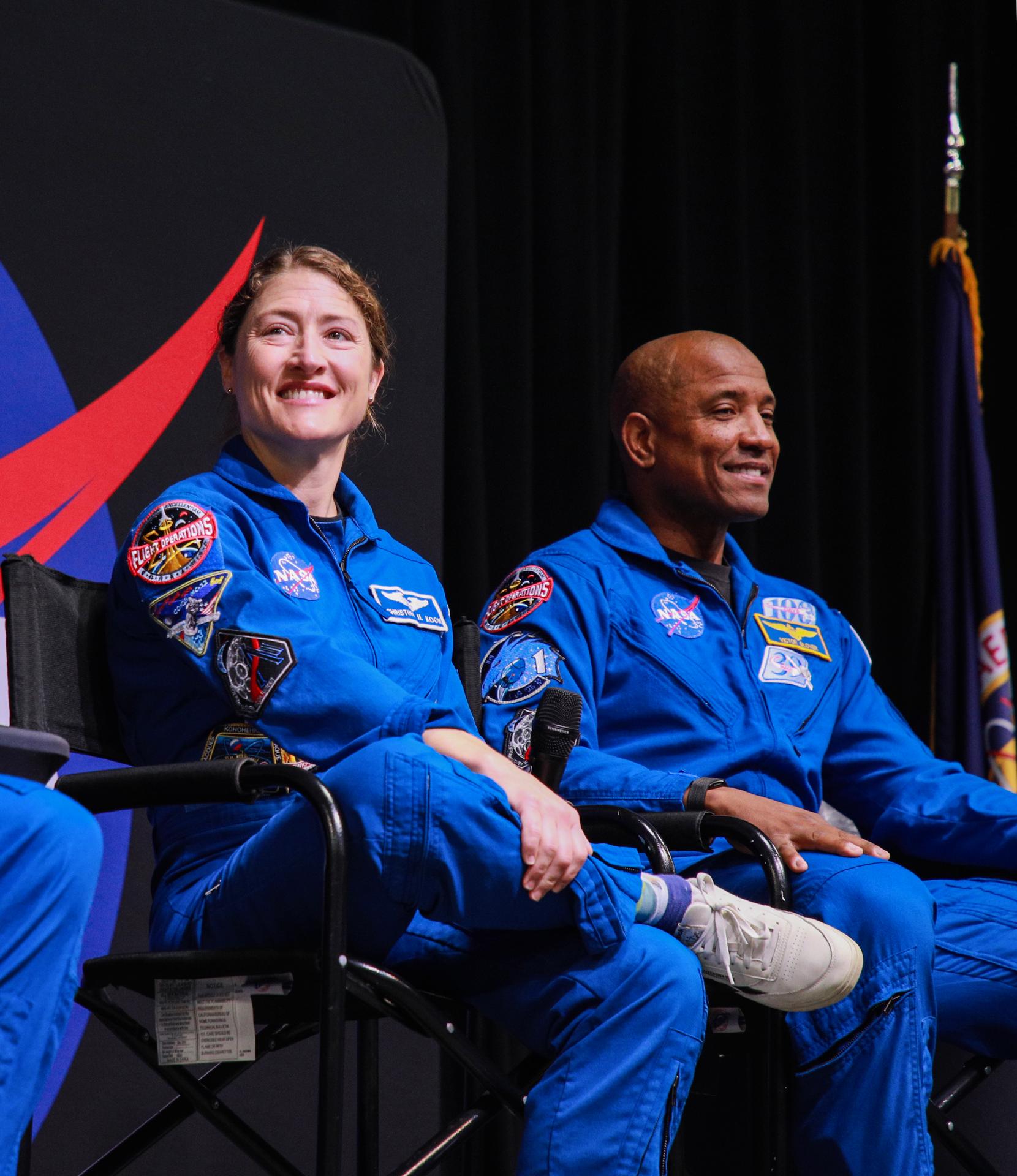
The crew of NASA’s Artemis II mission – NASA astronauts Reid Wiseman, Victor Glover, and Christina Koch, and Canadian Space Agency astronaut Jeremy Hansen – visited the agency’s Marshall Space Flight Center in Huntsville, Alabama, on Tuesday, Sept. 1, 2026. During an employee all-hands event, the crew reflected on their journey around the Moon, thanked Marshall team members for their contributions to the mission, and answered questions from the workforce. Artemis II was the first crewed mission of NASA’s Artemis campaign. Wiseman, Glover, Koch, and Hansen completed the approximately 10-day mission around the Moon in April 2026.
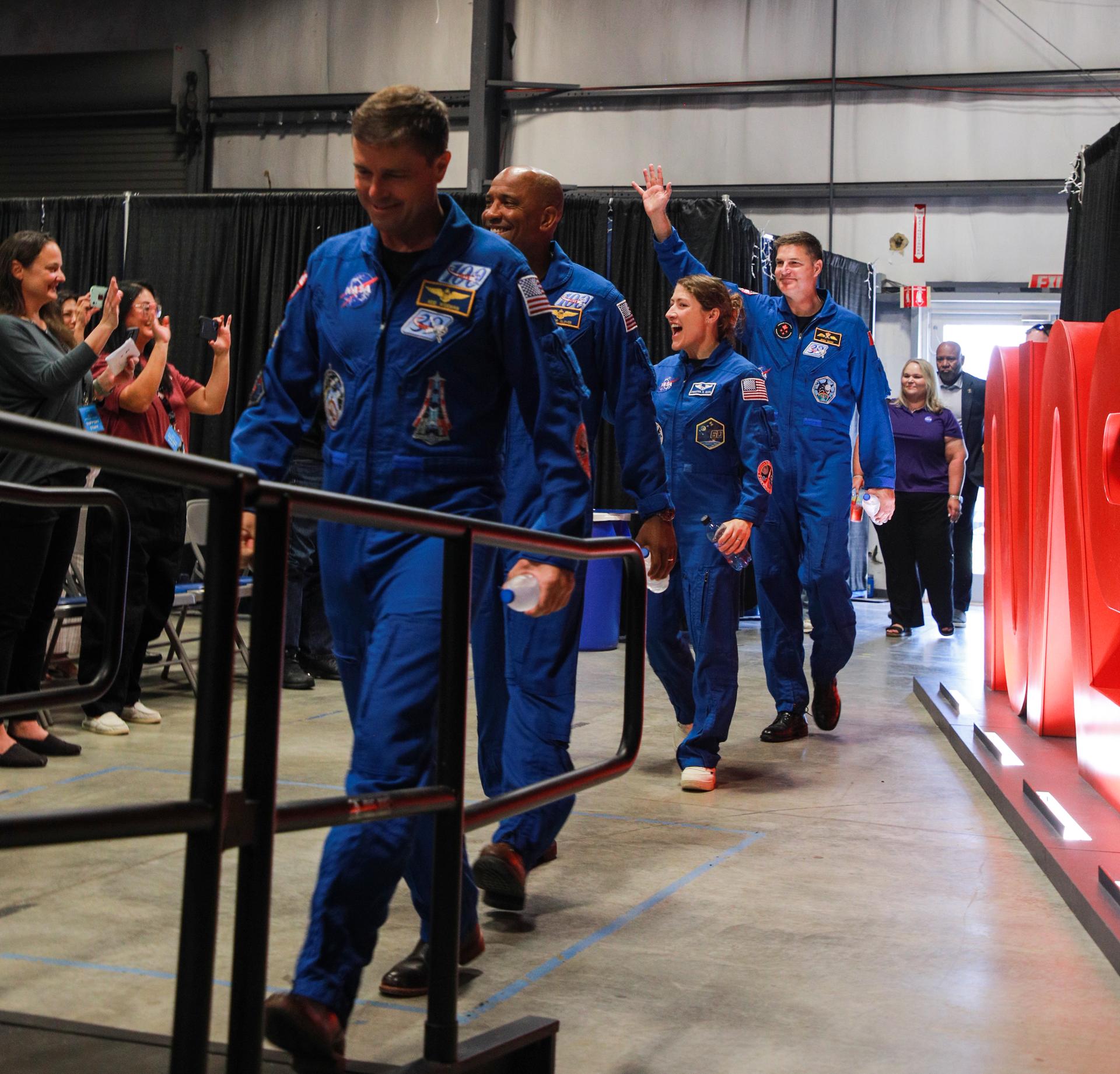
The crew of NASA’s Artemis II mission – NASA astronauts Reid Wiseman, Victor Glover, and Christina Koch, and Canadian Space Agency astronaut Jeremy Hansen – visited the agency’s Marshall Space Flight Center in Huntsville, Alabama, on Tuesday, Sept. 1, 2026. During an employee all-hands event, the crew reflected on their journey around the Moon, thanked Marshall team members for their contributions to the mission, and answered questions from the workforce. Artemis II was the first crewed mission of NASA’s Artemis campaign. Wiseman, Glover, Koch, and Hansen completed the approximately 10-day mission around the Moon in April 2026.
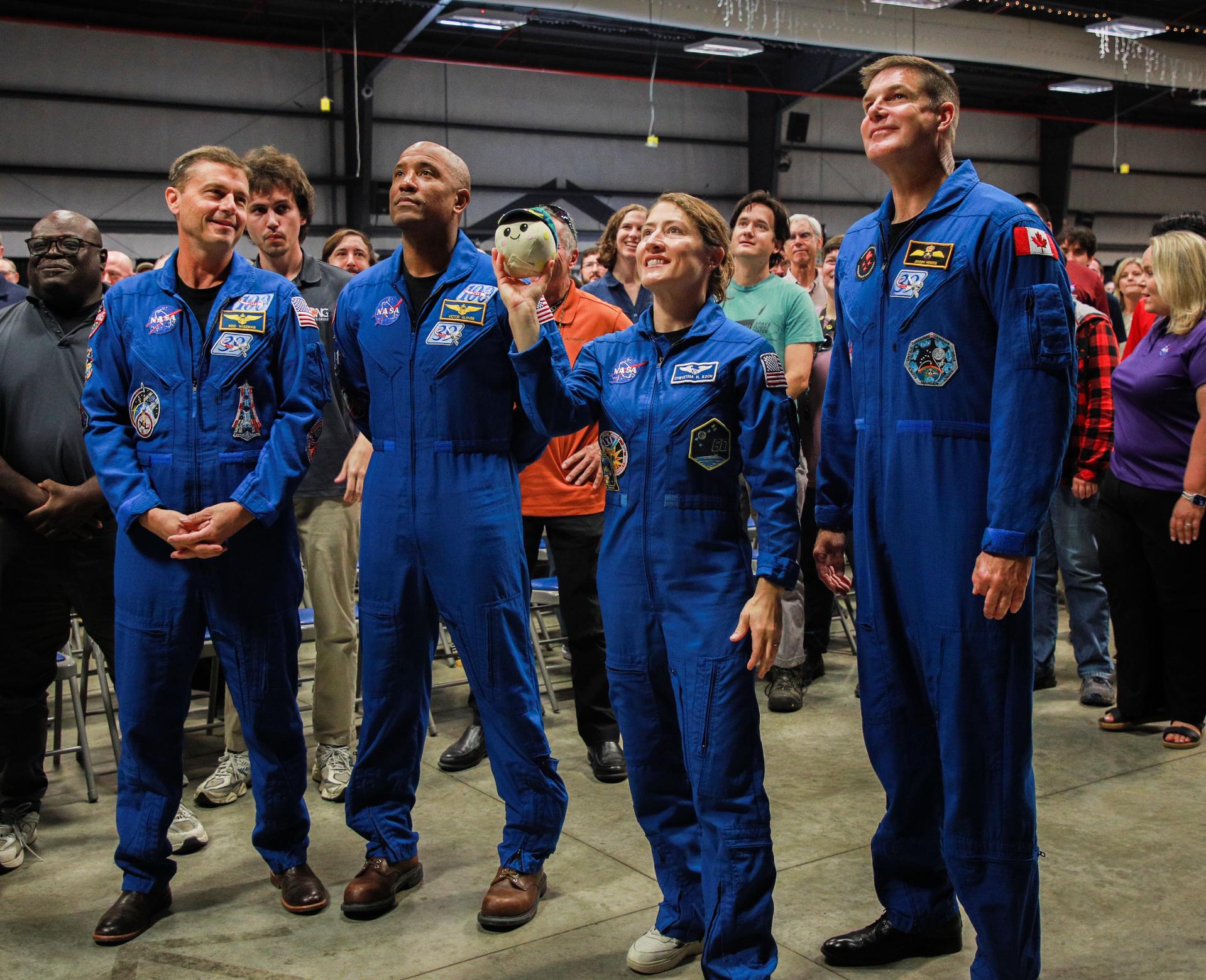
The crew of NASA’s Artemis II mission – NASA astronauts Reid Wiseman, Victor Glover, and Christina Koch, and Canadian Space Agency astronaut Jeremy Hansen – visited the agency’s Marshall Space Flight Center in Huntsville, Alabama, on Tuesday, Sept. 1, 2026. During an employee all-hands event, the crew reflected on their journey around the Moon, thanked Marshall team members for their contributions to the mission, and answered questions from the workforce. Artemis II was the first crewed mission of NASA’s Artemis campaign. Wiseman, Glover, Koch, and Hansen completed the approximately 10-day mission around the Moon in April 2026.
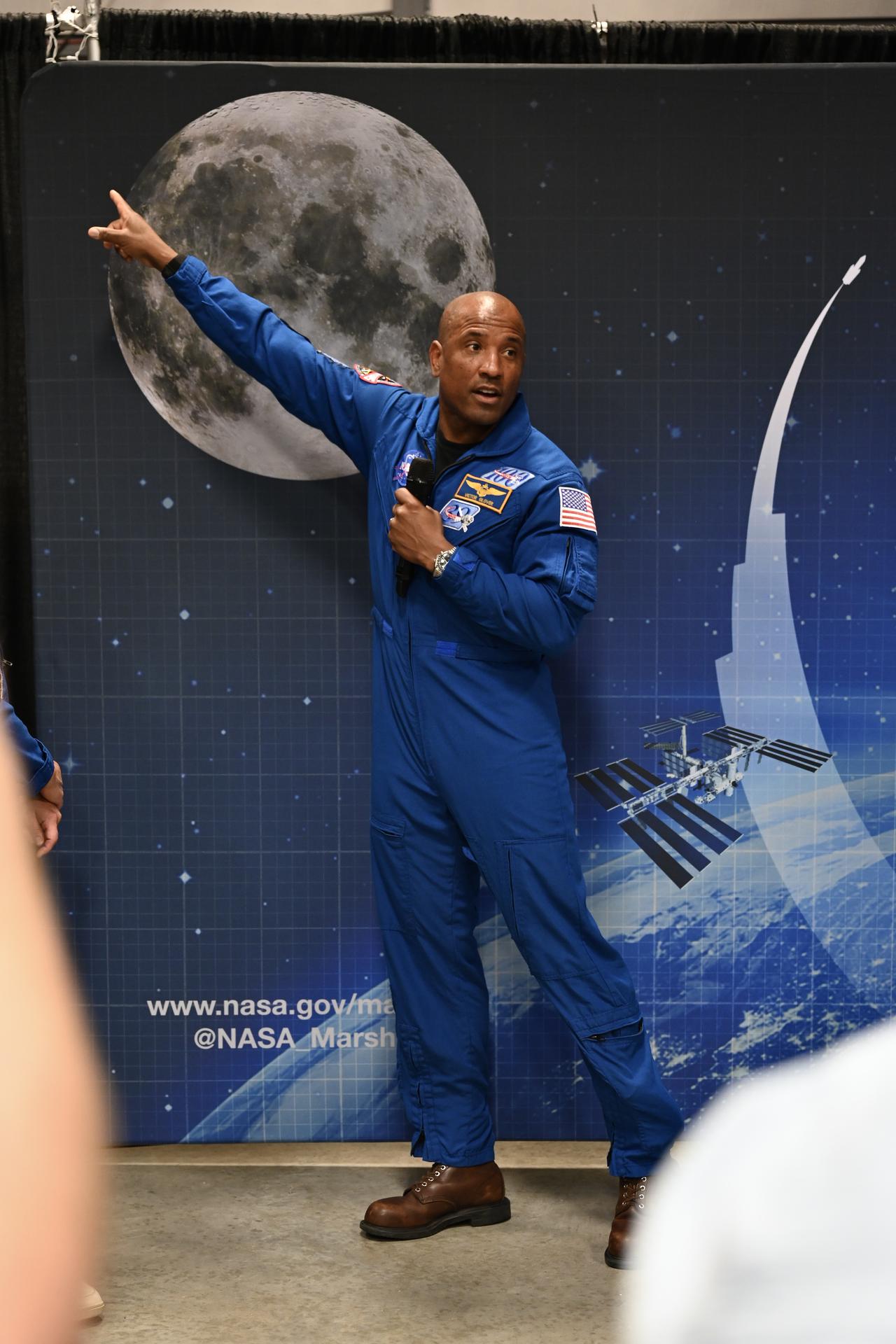
The crew of NASA’s Artemis II mission – NASA astronauts Reid Wiseman, Victor Glover, and Christina Koch, and Canadian Space Agency astronaut Jeremy Hansen – visited the agency’s Marshall Space Flight Center in Huntsville, Alabama, on Tuesday, Sept. 1, 2026. During an employee all-hands event, the crew reflected on their journey around the Moon, thanked Marshall team members for their contributions to the mission, and answered questions from the workforce. Artemis II was the first crewed mission of NASA’s Artemis campaign. Wiseman, Glover, Koch, and Hansen completed the approximately 10-day mission around the Moon in April 2026.
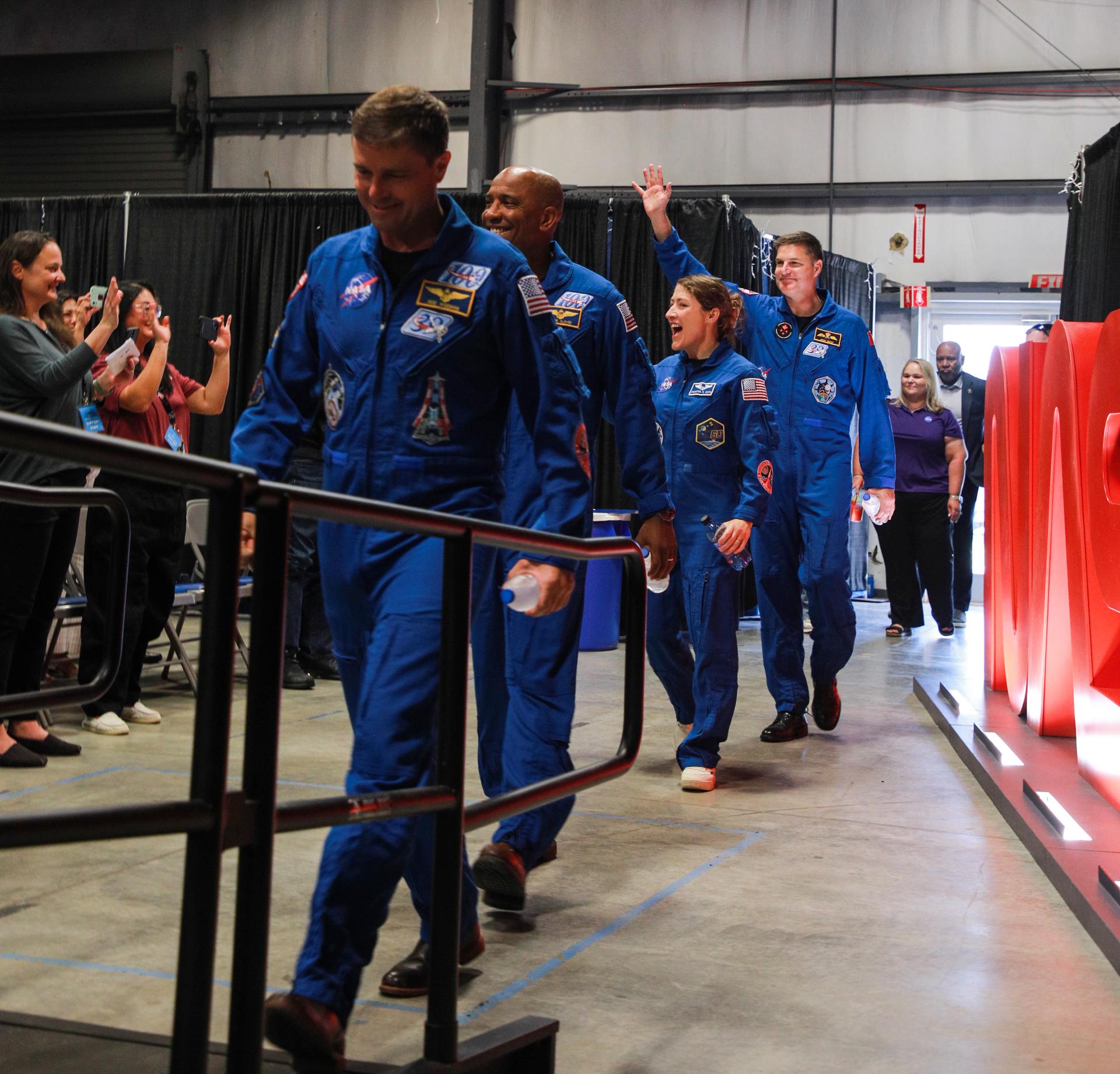
The crew of NASA’s Artemis II mission – NASA astronauts Reid Wiseman, Victor Glover, and Christina Koch, and Canadian Space Agency astronaut Jeremy Hansen – visited the agency’s Marshall Space Flight Center in Huntsville, Alabama, on Tuesday, Sept. 1, 2026. During an employee all-hands event, the crew reflected on their journey around the Moon, thanked Marshall team members for their contributions to the mission, and answered questions from the workforce. Artemis II was the first crewed mission of NASA’s Artemis campaign. Wiseman, Glover, Koch, and Hansen completed the approximately 10-day mission around the Moon in April 2026.
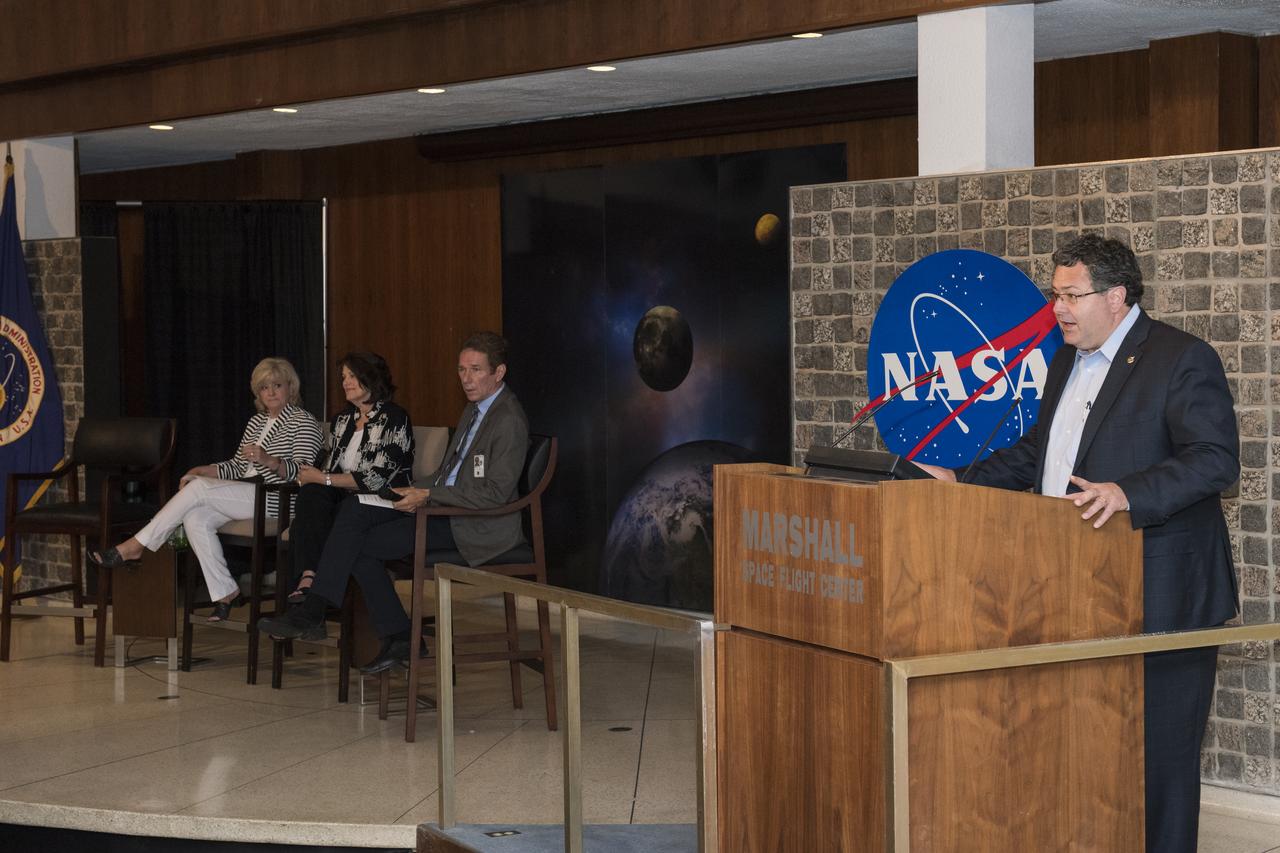
NASA MARSHALL SPACE FLIGHT CENTER DIRECTOR TODD MAY TALKS ABOUT HIS VISION FOR THE CENTER DURING AN ALL-HANDS MEETING JUNE 22 IN MORRIS AUDITORIUM, AND BROADCAST CENTERWIDE. ALSO SPEAKING TO THE MARSHALL TEAM AND TAKING QUESTIONS DURING THE EVENT ARE, FROM LEFT, MARSHALL DEPUTY DIRECTOR JODY SINGER, ASSOCIATE DIRECTOR ROBIN HENDERSON AND ASSOCIATE DIRECTOR, TECHNICAL, PAUL MCCONNAUGHEY. "WE'RE IN THE BUSINESS OF MAKING THE IMPOSSIBLE POSSIBLE," SAID MAY, CITING PROGRESS ON THE SPACE LAUNCH SYSTEM AND THE JOURNEY TO MARS AND RECOUNTING HIGHLIGHTS OF MARSHALL'S 56-YEAR HISTORY.
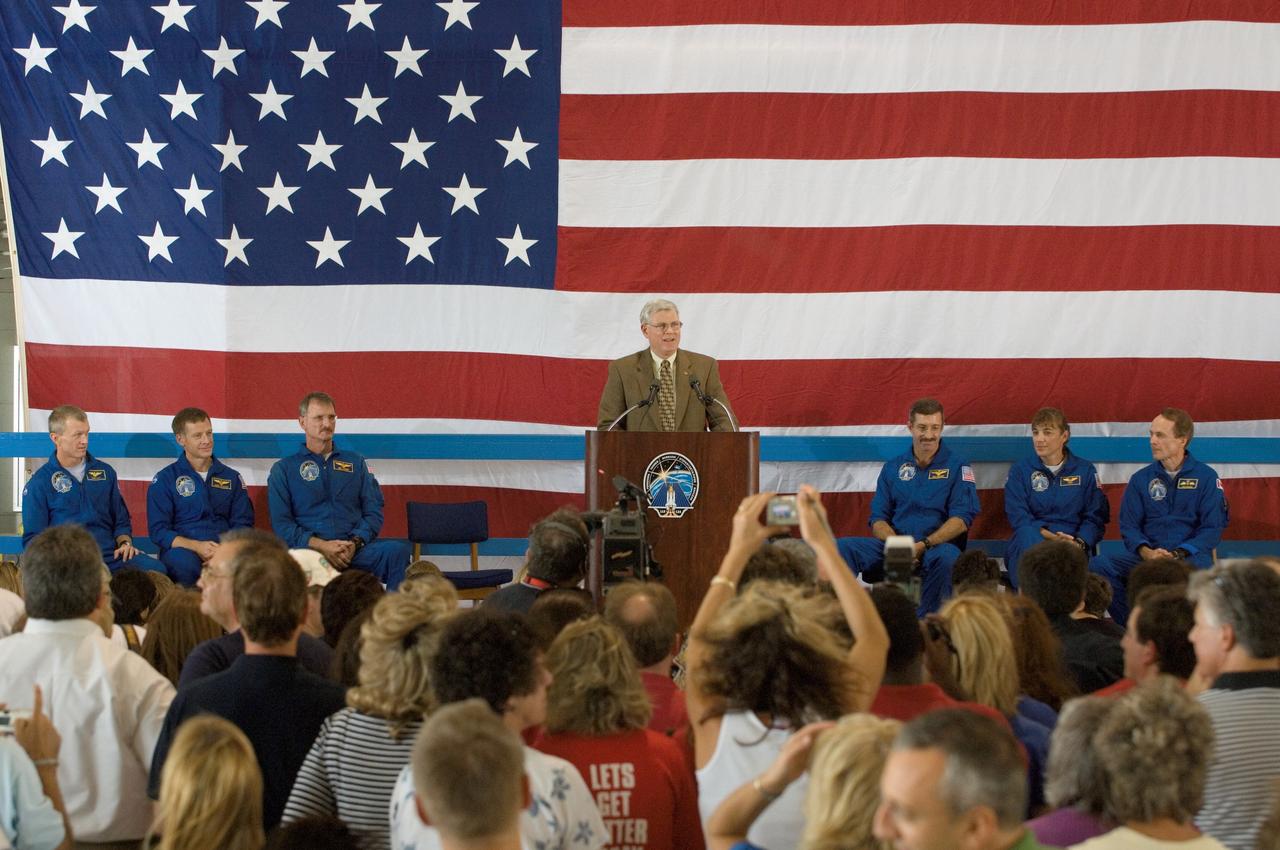
JSC2006-E-41540 (22 Sept. 2006) --- The astronauts who yesterday completed the successful STS-115 mission are pictured on a dais in a hangar at Ellington Field after returning to Houston from the Kennedy Space Center, site of the Sept. 21 landing of the Space Shuttle Atlantis. JSC Director Michael Coats addresses the crowd on hand for the event. Seated, from left, are astronauts Brent W. Jett Jr., commander; Christopher J. Ferguson, pilot; Joseph R. Tanner, Daniel C. Burbank, Heidemarie M. Stefanyshyn-Piper, and the Canadian Space Agency's Steven G. MacLean, all mission specialists.
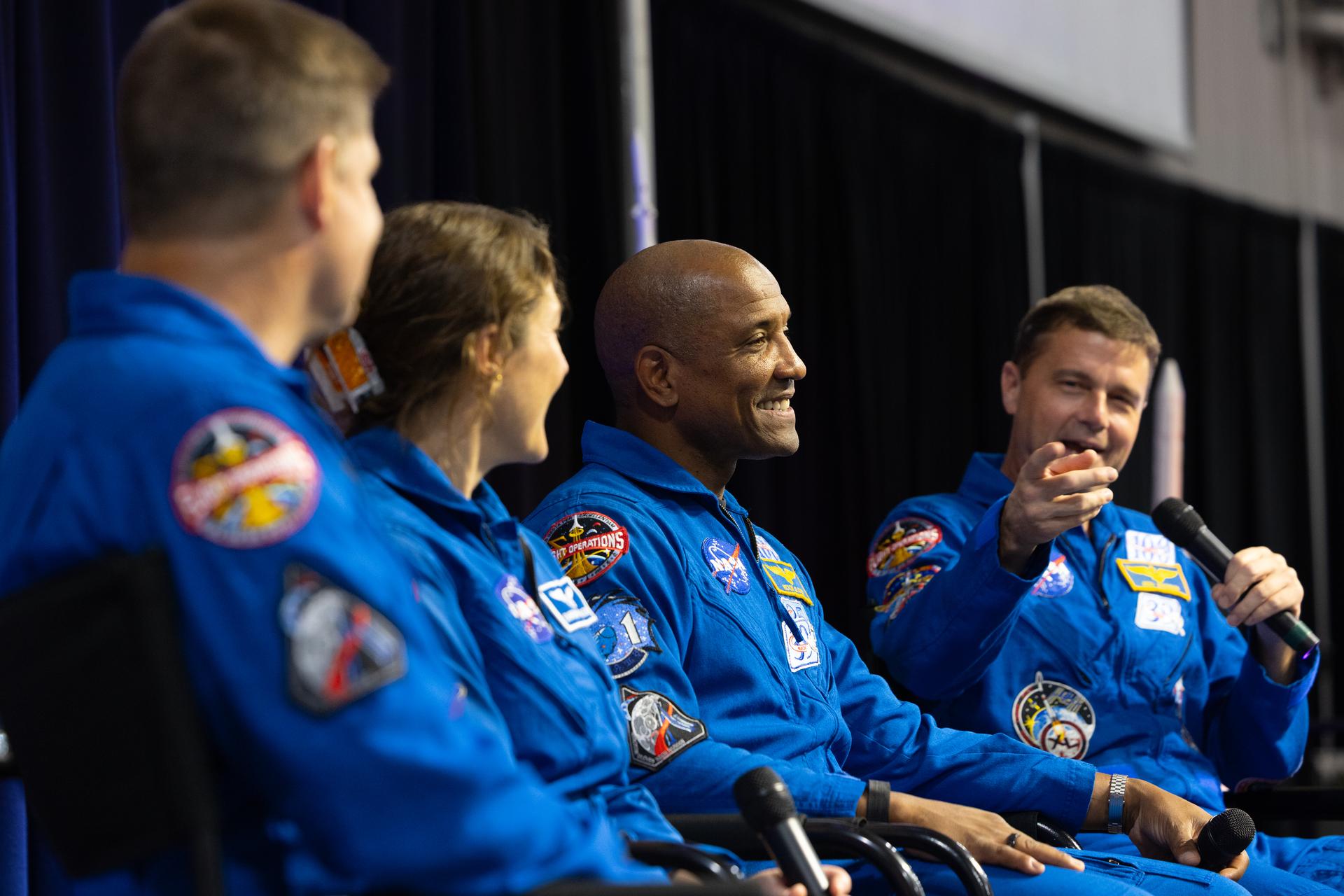
The crew of NASA's Artemis II mission visited NASA’s Michoud Assembly Facility on Sept. 3, 2026, marking their first return to the New Orleans factory since their historic test flight in April. The astronauts met with the workforce to share their gratitude for the facility's structural and manufacturing contributions to the mission's success. During an employee all-hands event, the crew reflected on their journey around the Moon, thanked Michoud team members for their contributions to the mission, and answered questions from the workforce. Artemis II was the first crewed mission of NASA’s Artemis campaign. Wiseman, Glover, Koch, and Hansen completed the approximately 10-day mission around the Moon in April 2026.
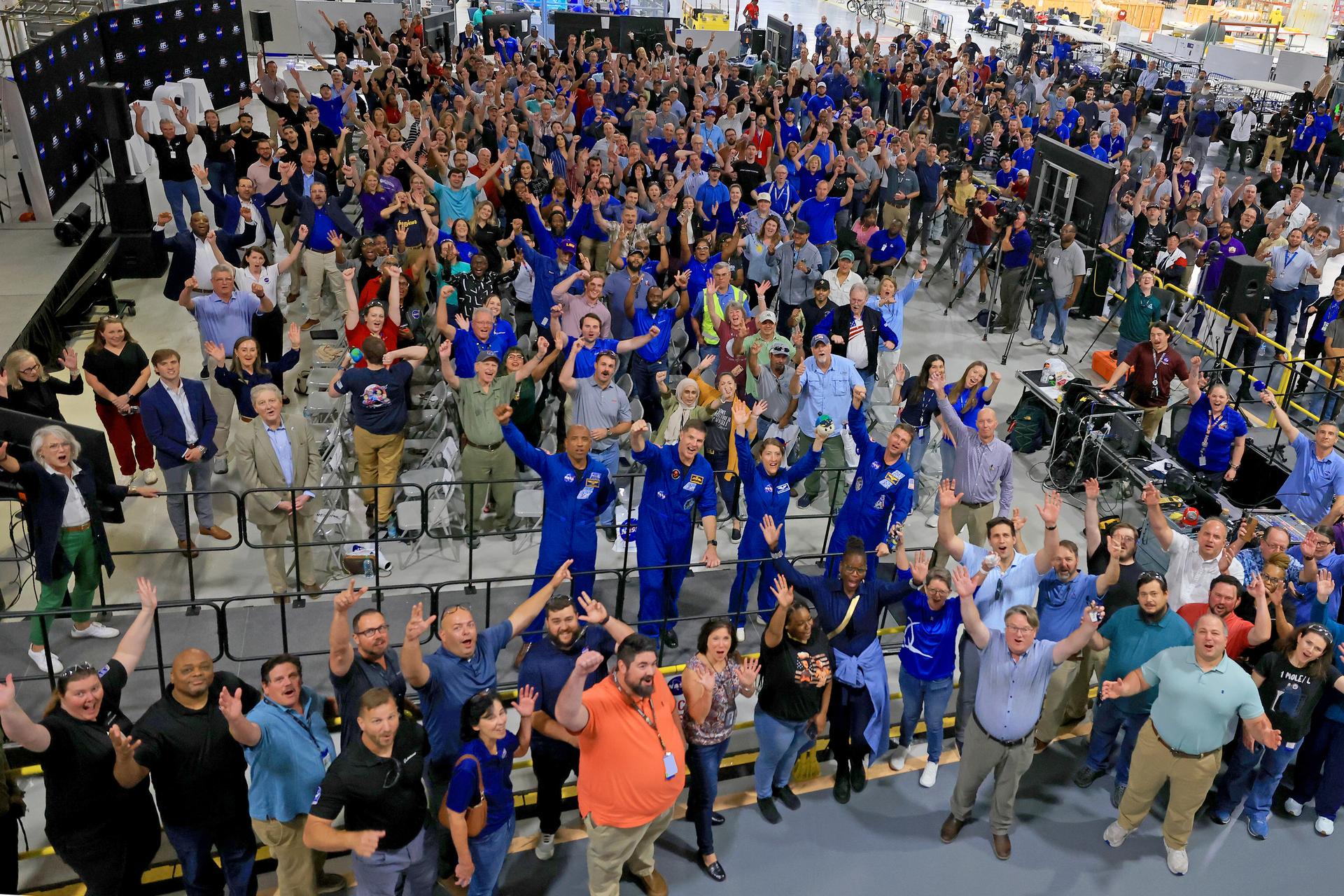
The crew of NASA's Artemis II mission visited NASA’s Michoud Assembly Facility on Sept. 3, 2026, marking their first return to the New Orleans factory since their historic test flight in April. The astronauts met with the workforce to share their gratitude for the facility's structural and manufacturing contributions to the mission's success. During an employee all-hands event, the crew reflected on their journey around the Moon, thanked Michoud team members for their contributions to the mission, and answered questions from the workforce. Artemis II was the first crewed mission of NASA’s Artemis campaign. Wiseman, Glover, Koch, and Hansen completed the approximately 10-day mission around the Moon in April 2026. Image credit: NASA/Michael DeMocker
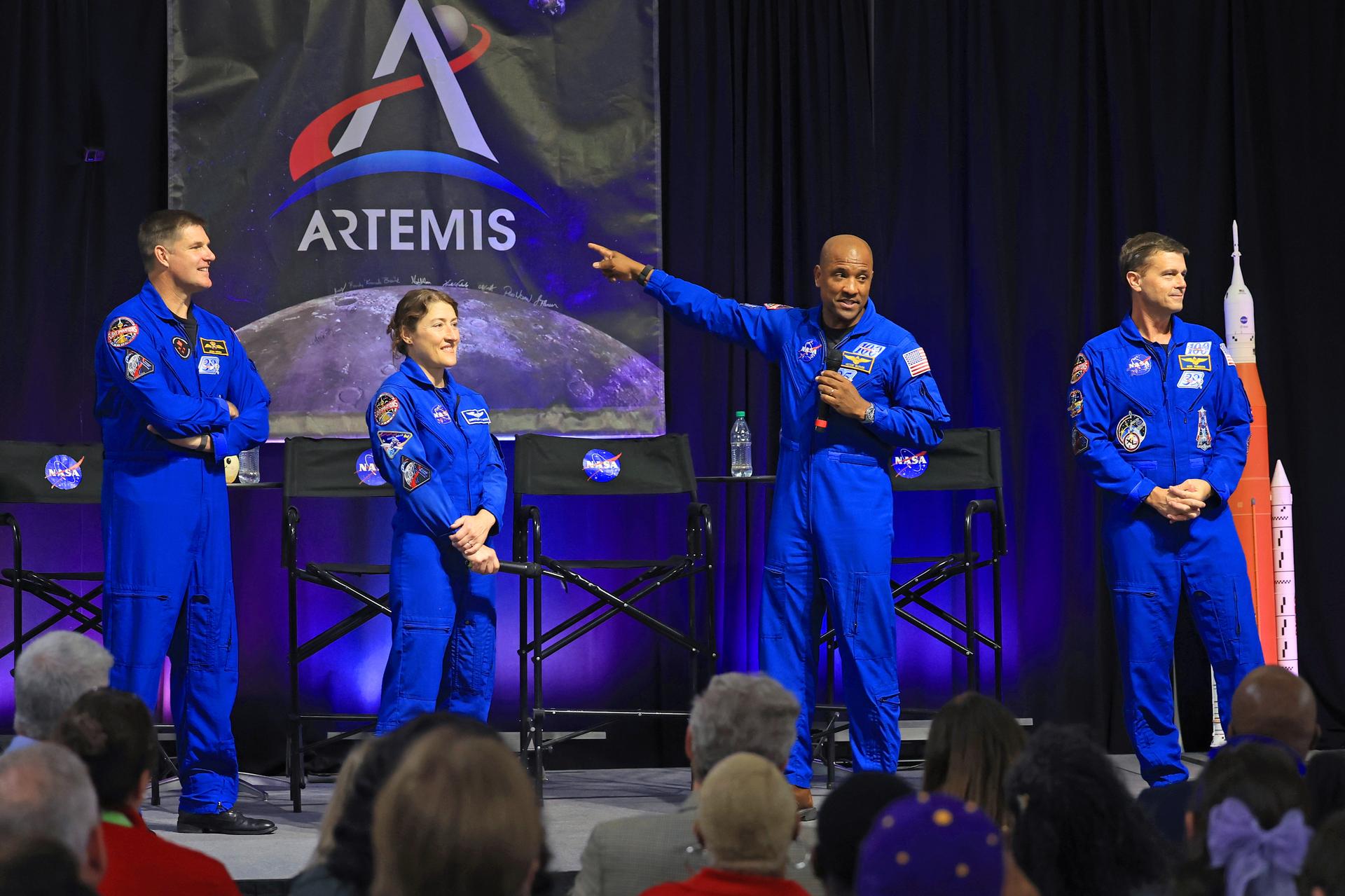
The crew of NASA's Artemis II mission visited NASA’s Michoud Assembly Facility on Sept. 3, 2026, marking their first return to the New Orleans factory since their historic test flight in April. The astronauts met with the workforce to share their gratitude for the facility's structural and manufacturing contributions to the mission's success. During an employee all-hands event, the crew reflected on their journey around the Moon, thanked Michoud team members for their contributions to the mission, and answered questions from the workforce. Artemis II was the first crewed mission of NASA’s Artemis campaign. Wiseman, Glover, Koch, and Hansen completed the approximately 10-day mission around the Moon in April 2026. Image credit: NASA/Michael DeMocker
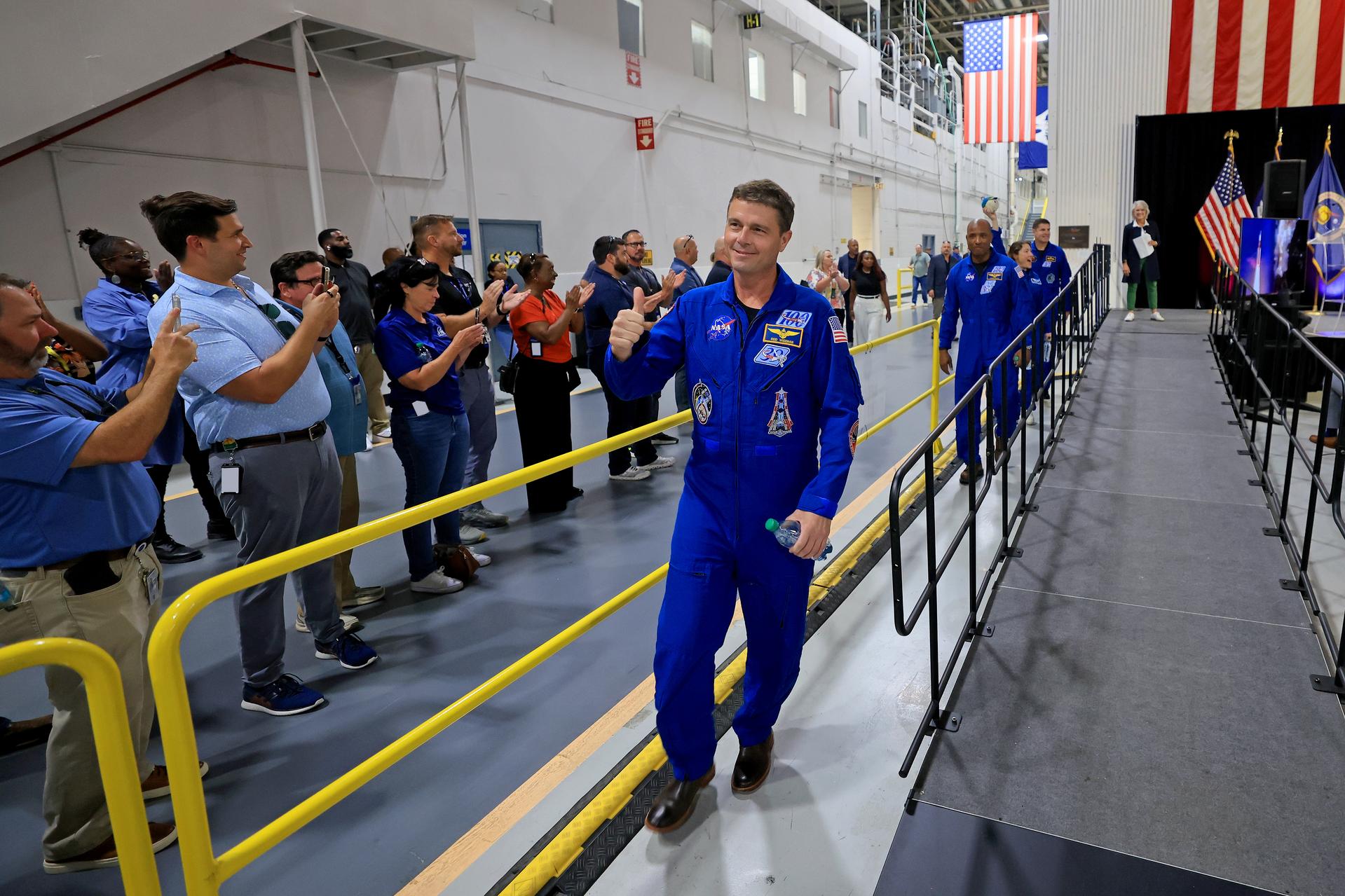
The crew of NASA's Artemis II mission visited NASA’s Michoud Assembly Facility on Sept. 3, 2026, marking their first return to the New Orleans factory since their historic test flight in April. The astronauts met with the workforce to share their gratitude for the facility's structural and manufacturing contributions to the mission's success. During an employee all-hands event, the crew reflected on their journey around the Moon, thanked Michoud team members for their contributions to the mission, and answered questions from the workforce. Artemis II was the first crewed mission of NASA’s Artemis campaign. Wiseman, Glover, Koch, and Hansen completed the approximately 10-day mission around the Moon in April 2026. Image credit: NASA/Michael DeMocker
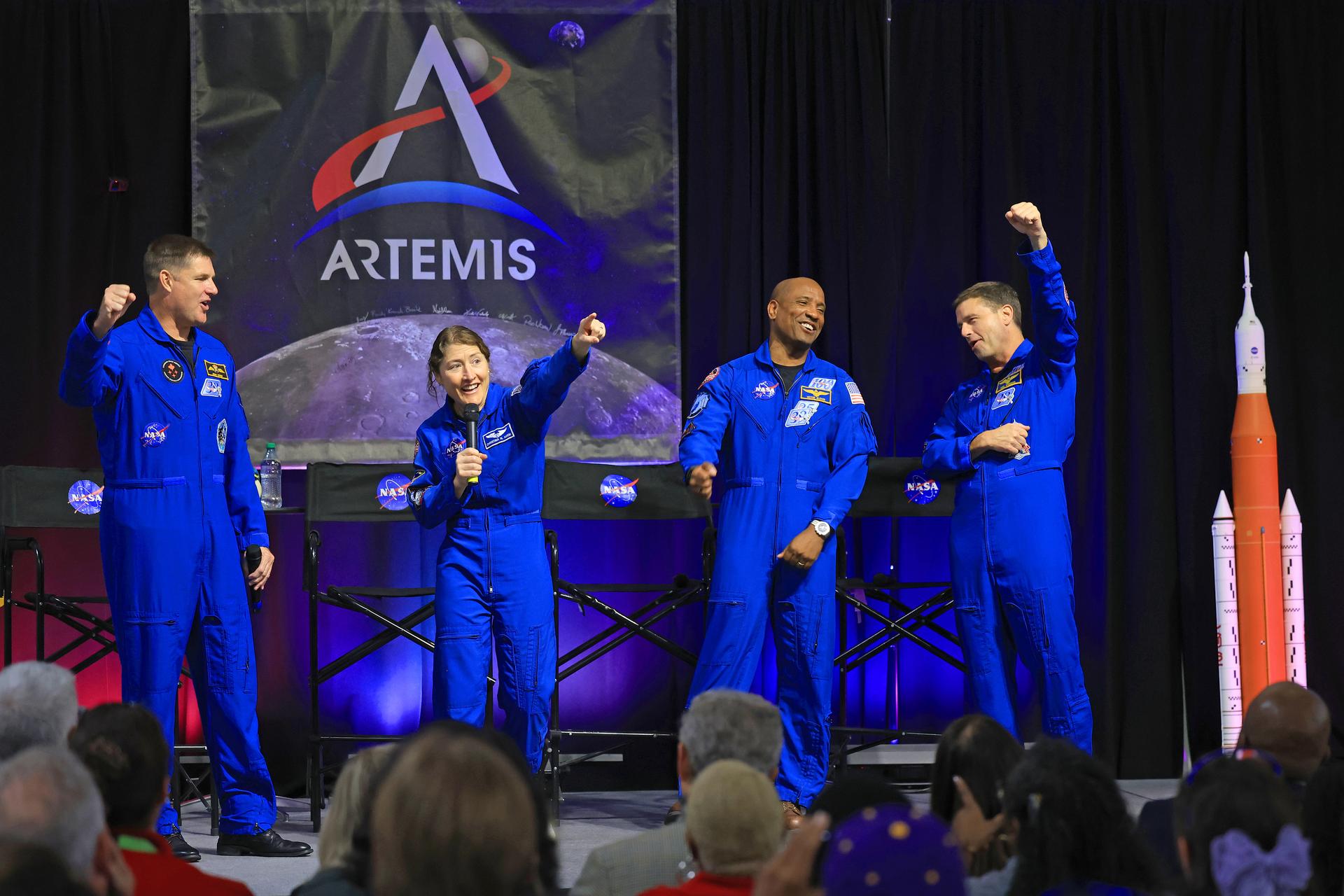
The crew of NASA's Artemis II mission visited NASA’s Michoud Assembly Facility on Sept. 3, 2026, marking their first return to the New Orleans factory since their historic test flight in April. The astronauts met with the workforce to share their gratitude for the facility's structural and manufacturing contributions to the mission's success. During an employee all-hands event, the crew reflected on their journey around the Moon, thanked Michoud team members for their contributions to the mission, and answered questions from the workforce. Artemis II was the first crewed mission of NASA’s Artemis campaign. Wiseman, Glover, Koch, and Hansen completed the approximately 10-day mission around the Moon in April 2026. Image credit: NASA/Michael DeMocker
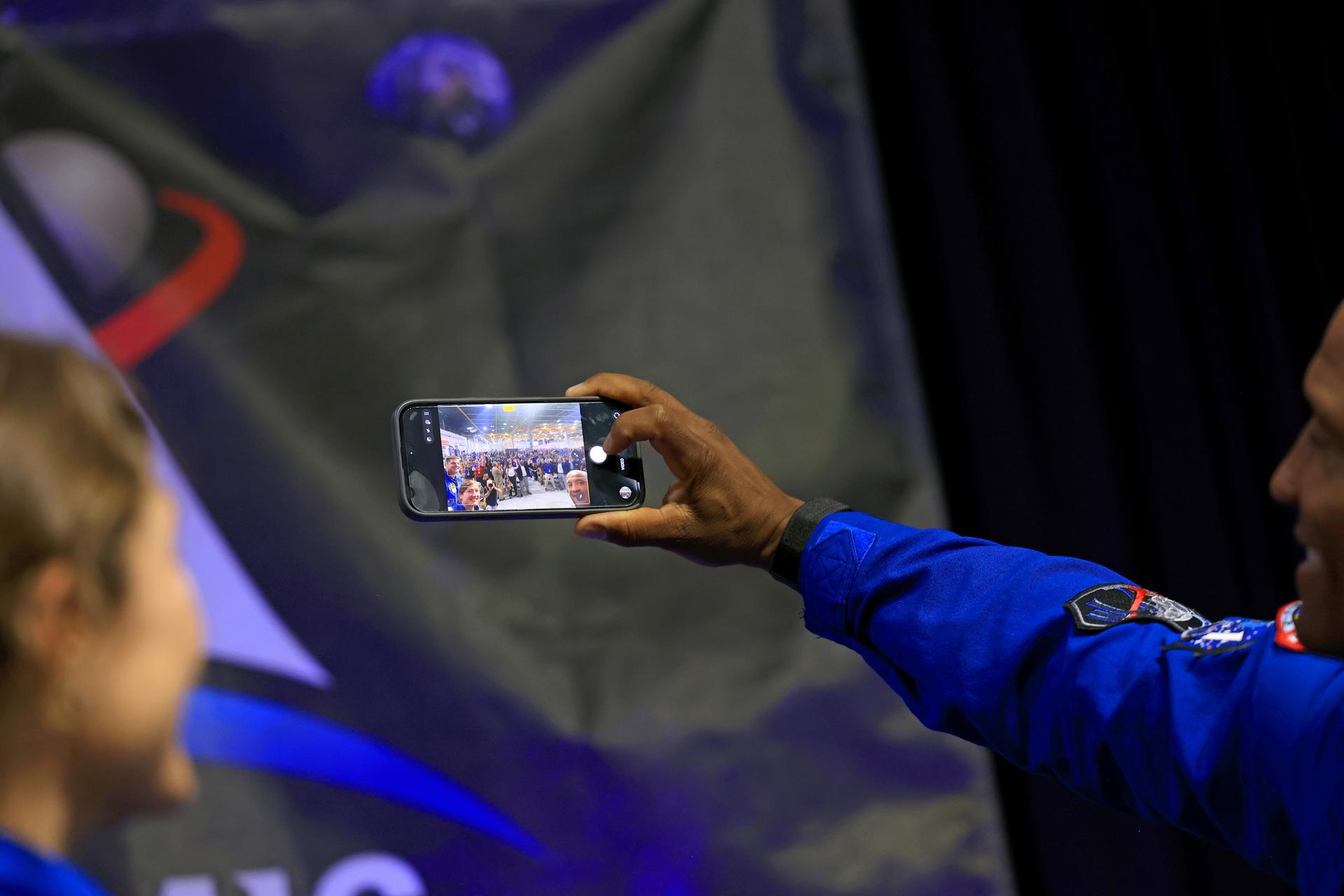
The crew of NASA's Artemis II mission visited NASA’s Michoud Assembly Facility on Sept. 3, 2026, marking their first return to the New Orleans factory since their historic test flight in April. The astronauts met with the workforce to share their gratitude for the facility's structural and manufacturing contributions to the mission's success. During an employee all-hands event, the crew reflected on their journey around the Moon, thanked Michoud team members for their contributions to the mission, and answered questions from the workforce. Artemis II was the first crewed mission of NASA’s Artemis campaign. Wiseman, Glover, Koch, and Hansen completed the approximately 10-day mission around the Moon in April 2026. Image credit: NASA/Michael DeMocker
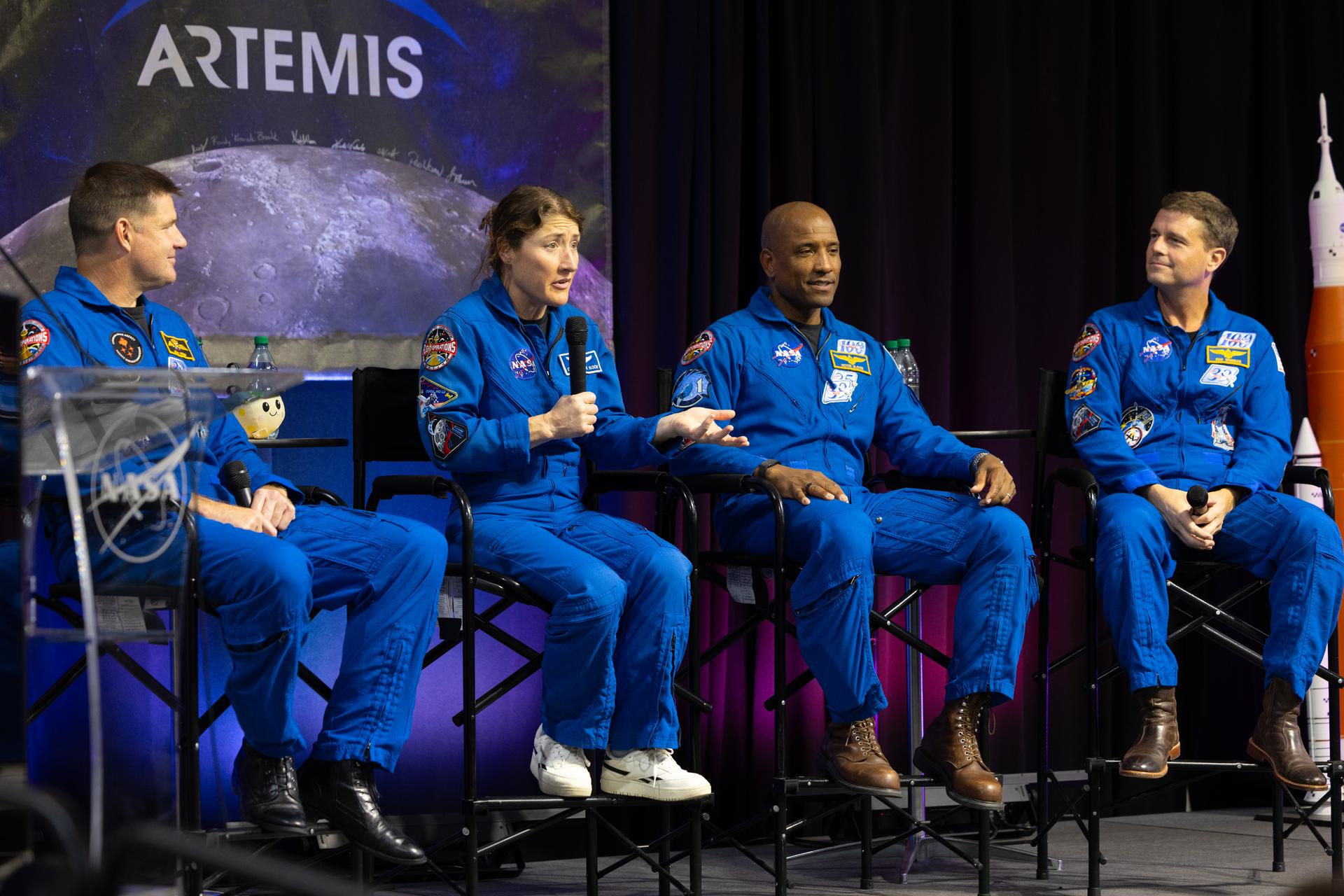
The crew of NASA's Artemis II mission visited NASA’s Michoud Assembly Facility on Sept. 3, 2026, marking their first return to the New Orleans factory since their historic test flight in April. The astronauts met with the workforce to share their gratitude for the facility's structural and manufacturing contributions to the mission's success. During an employee all-hands event, the crew reflected on their journey around the Moon, thanked Michoud team members for their contributions to the mission, and answered questions from the workforce. Artemis II was the first crewed mission of NASA’s Artemis campaign. Wiseman, Glover, Koch, and Hansen completed the approximately 10-day mission around the Moon in April 2026.
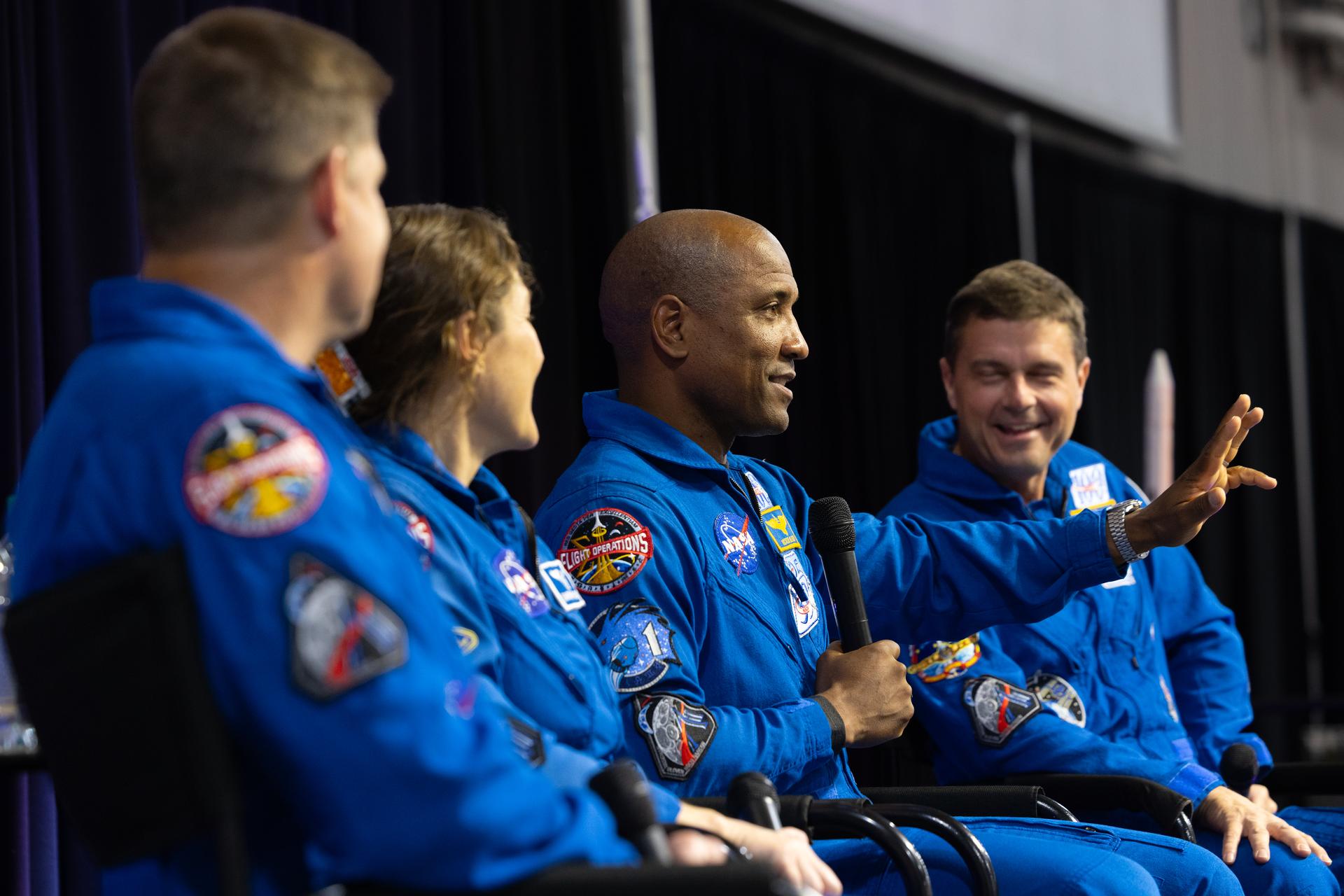
The crew of NASA's Artemis II mission visited NASA’s Michoud Assembly Facility on Sept. 3, 2026, marking their first return to the New Orleans factory since their historic test flight in April. The astronauts met with the workforce to share their gratitude for the facility's structural and manufacturing contributions to the mission's success. During an employee all-hands event, the crew reflected on their journey around the Moon, thanked Michoud team members for their contributions to the mission, and answered questions from the workforce. Artemis II was the first crewed mission of NASA’s Artemis campaign. Wiseman, Glover, Koch, and Hansen completed the approximately 10-day mission around the Moon in April 2026.
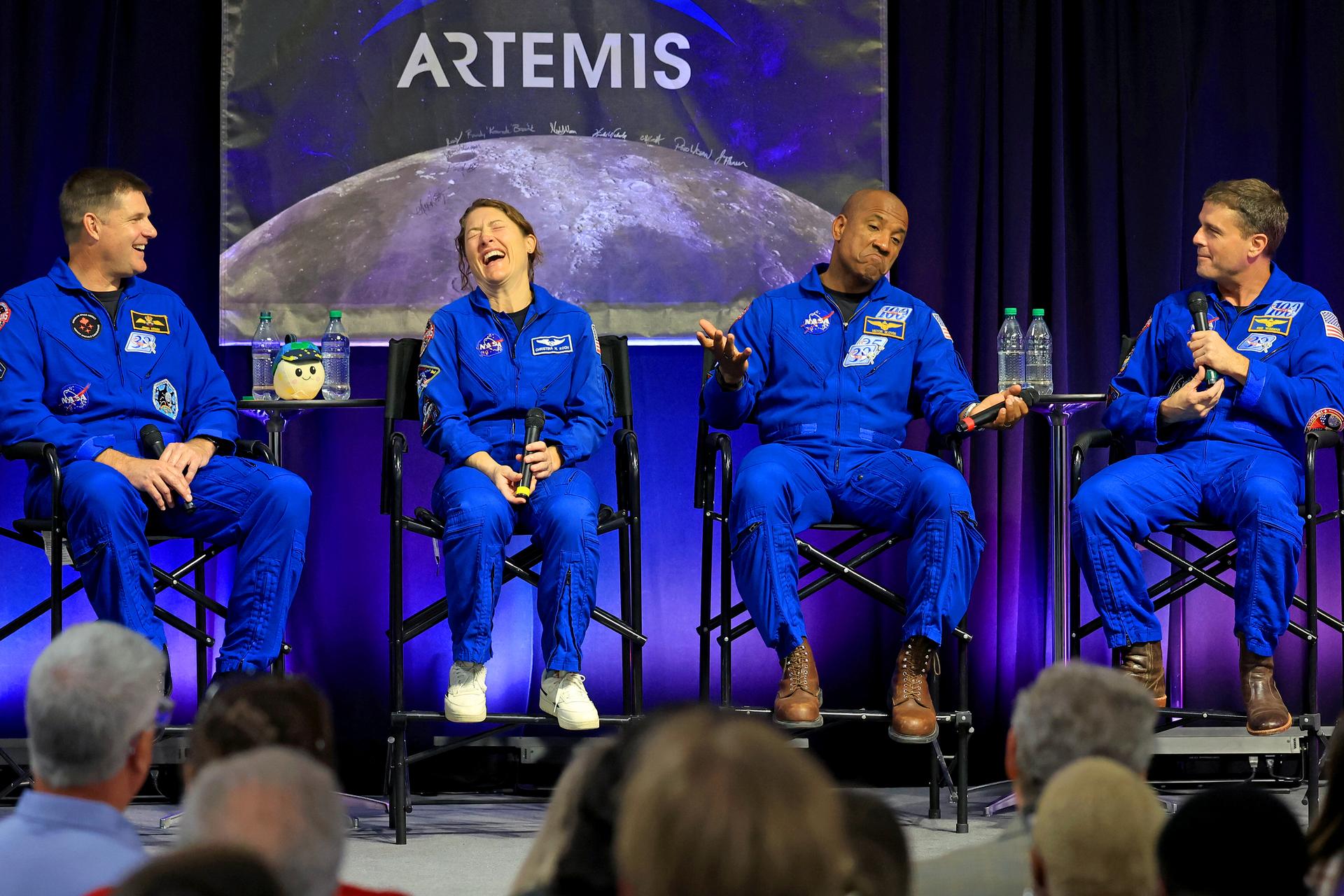
The crew of NASA's Artemis II mission visited NASA’s Michoud Assembly Facility on Sept. 3, 2026, marking their first return to the New Orleans factory since their historic test flight in April. The astronauts met with the workforce to share their gratitude for the facility's structural and manufacturing contributions to the mission's success. During an employee all-hands event, the crew reflected on their journey around the Moon, thanked Michoud team members for their contributions to the mission, and answered questions from the workforce. Artemis II was the first crewed mission of NASA’s Artemis campaign. Wiseman, Glover, Koch, and Hansen completed the approximately 10-day mission around the Moon in April 2026. Image credit: NASA/Michael DeMocker
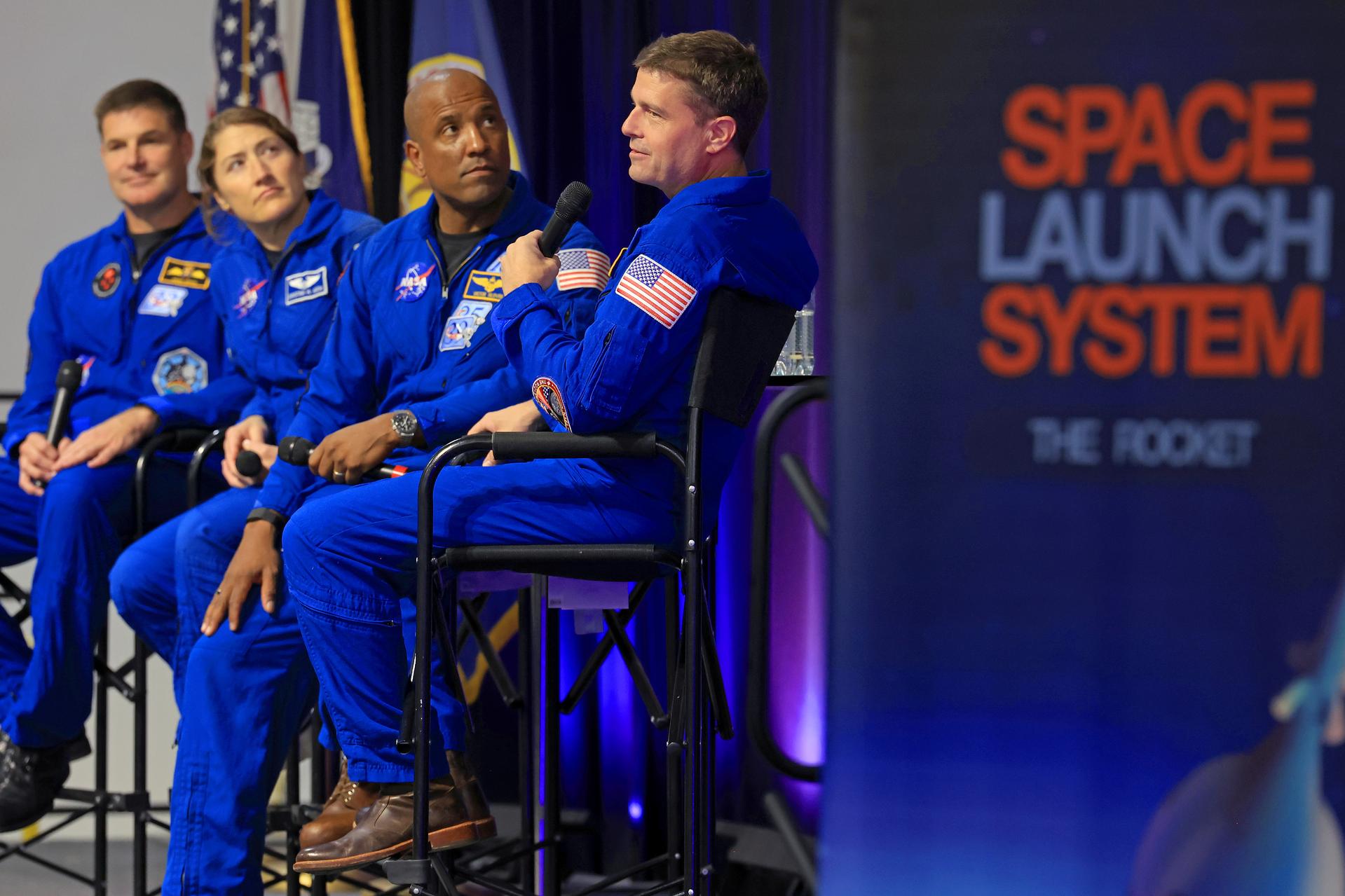
The crew of NASA's Artemis II mission visited NASA’s Michoud Assembly Facility on Sept. 3, 2026, marking their first return to the New Orleans factory since their historic test flight in April. The astronauts met with the workforce to share their gratitude for the facility's structural and manufacturing contributions to the mission's success. During an employee all-hands event, the crew reflected on their journey around the Moon, thanked Michoud team members for their contributions to the mission, and answered questions from the workforce. Artemis II was the first crewed mission of NASA’s Artemis campaign. Wiseman, Glover, Koch, and Hansen completed the approximately 10-day mission around the Moon in April 2026. Image credit: NASA/Michael DeMocker
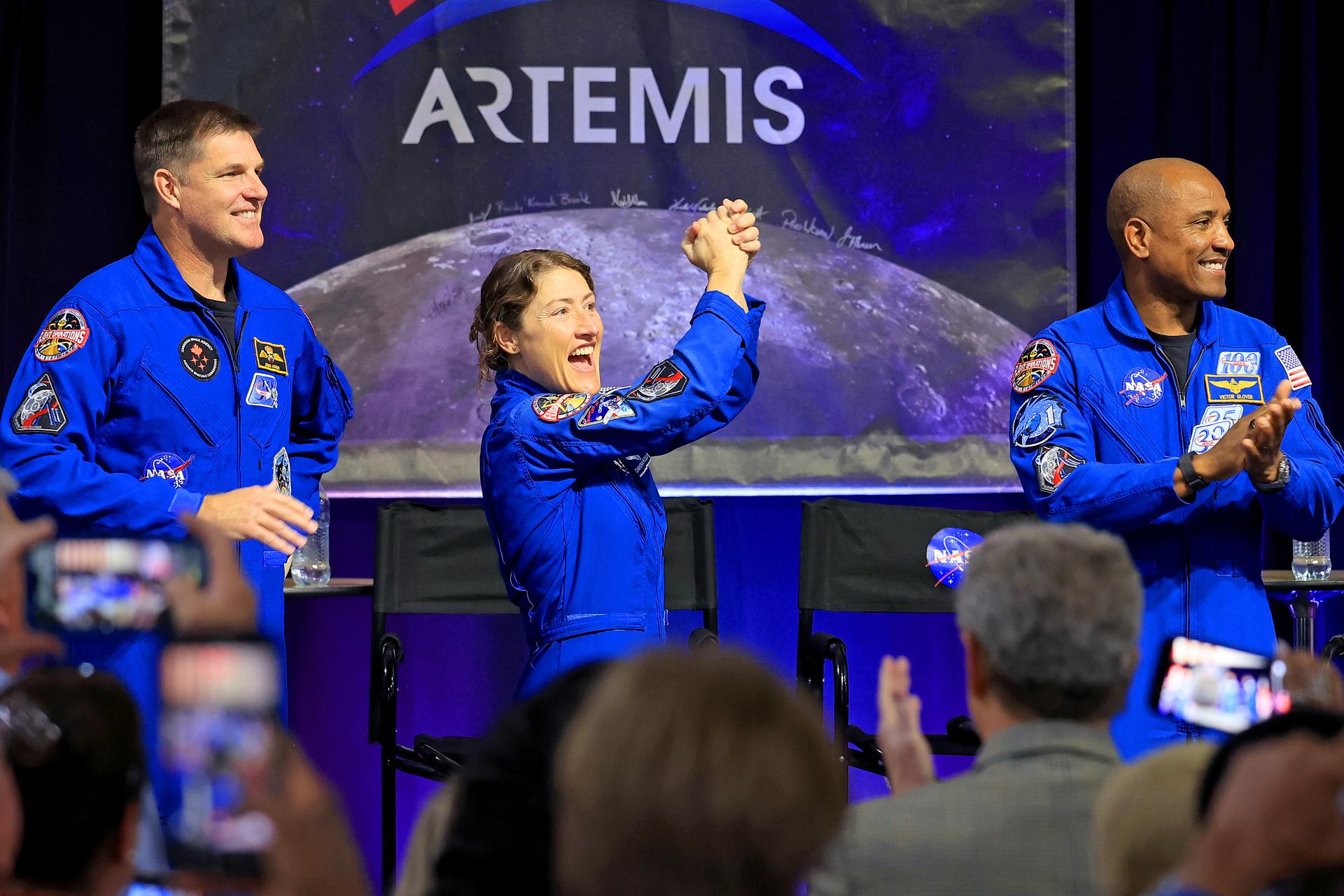
The crew of NASA's Artemis II mission visited NASA’s Michoud Assembly Facility on Sept. 3, 2026, marking their first return to the New Orleans factory since their historic test flight in April. The astronauts met with the workforce to share their gratitude for the facility's structural and manufacturing contributions to the mission's success. During an employee all-hands event, the crew reflected on their journey around the Moon, thanked Michoud team members for their contributions to the mission, and answered questions from the workforce. Artemis II was the first crewed mission of NASA’s Artemis campaign. Wiseman, Glover, Koch, and Hansen completed the approximately 10-day mission around the Moon in April 2026. Image credit: NASA/Michael DeMocker
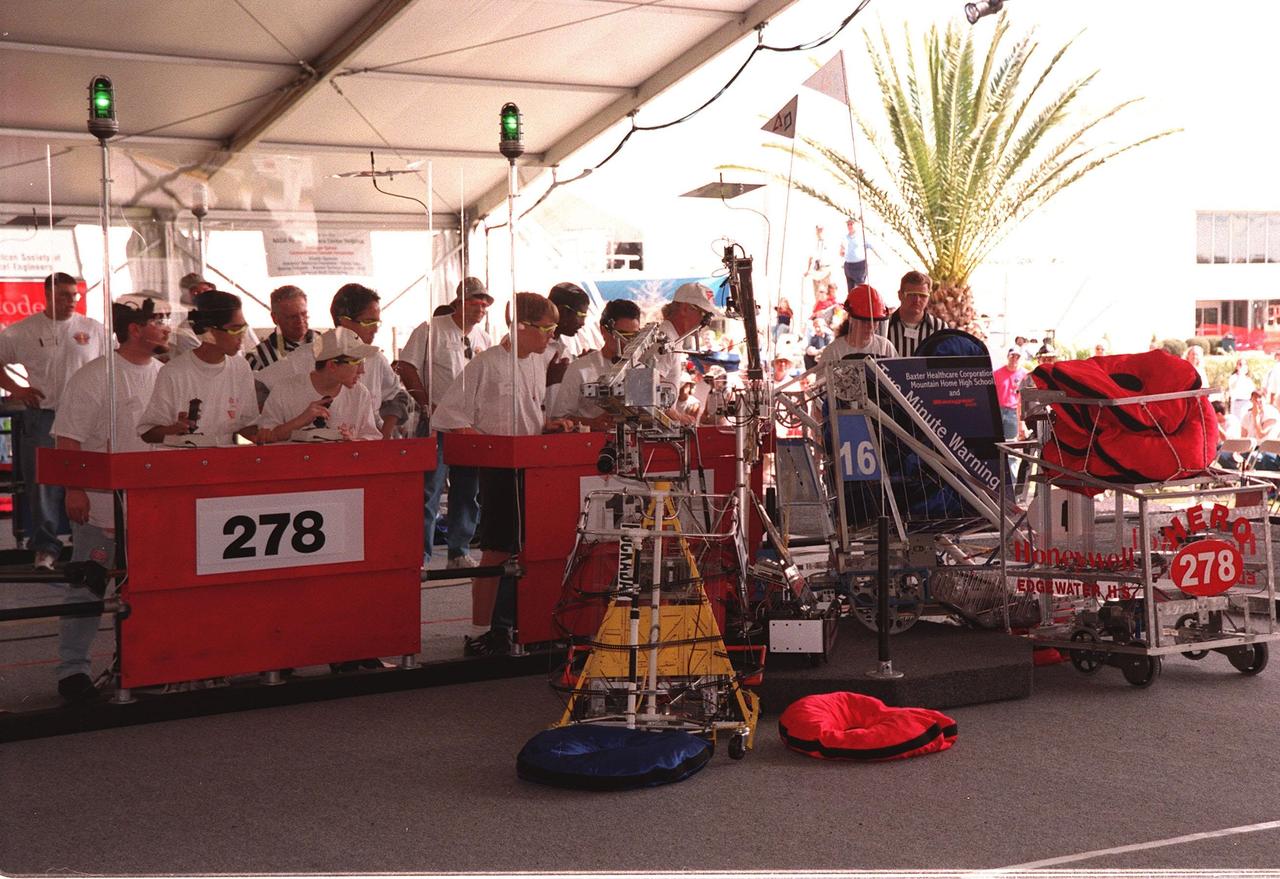
All four robots, maneuvered by student teams behind protective walls, converge on a corner of the playing field during qualifying matches of the 1999 Southeastern Regional robotic competition at Kennedy Space Center Visitor Complex . Thirty schools from around the country have converged at KSC for the event that pits gladiator robots against each other in an athletic-style competition. The robots have to retrieve pillow-like disks from the floor, as well as climb onto the platform (with flags) and raise the cache of pillows to a height of eight feet. KSC is hosting the event being sponsored by the nonprofit organization For Inspiration and Recognition of Science and Technology, known as FIRST. The FIRST robotics competition is designed to provide students with a hands-on, inside look at engineering and other professional careers
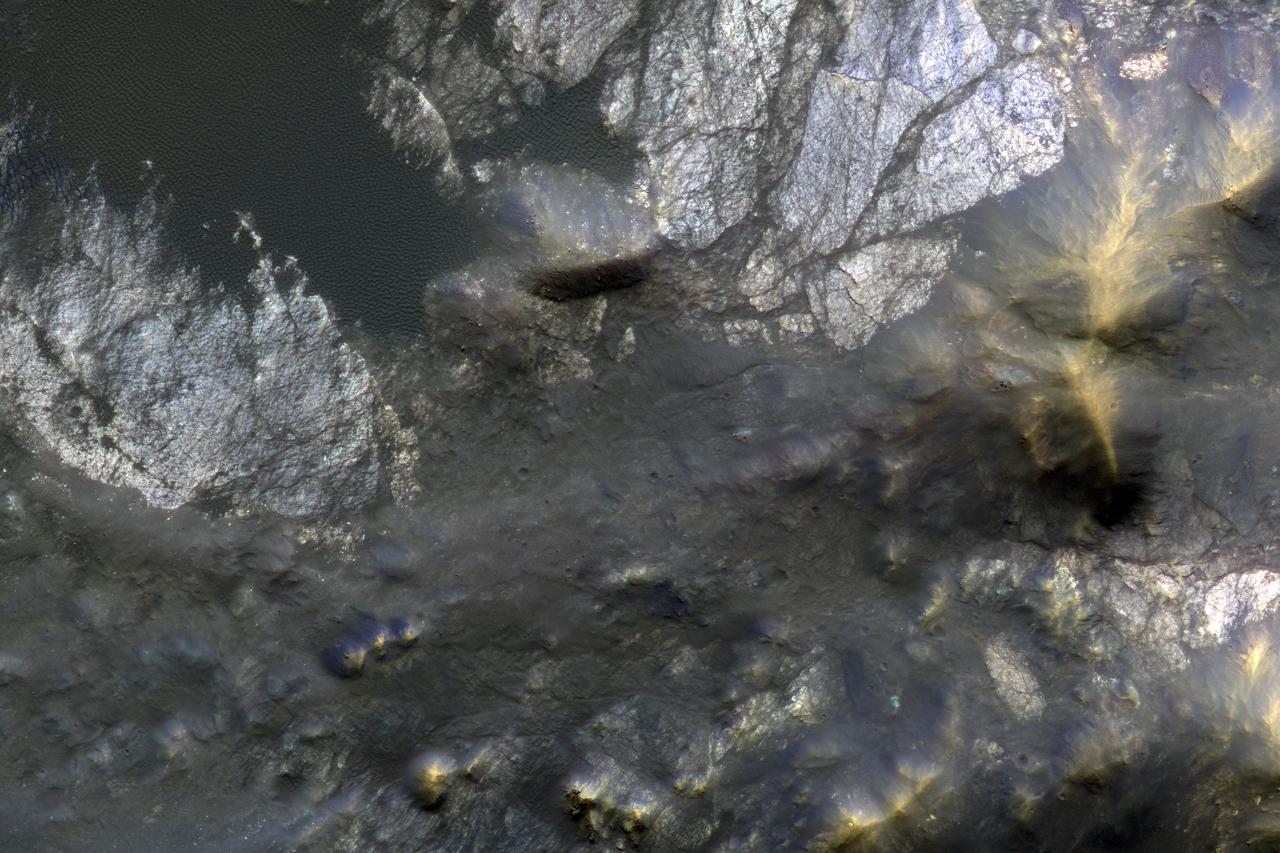
Roadside bedrock outcrops are all too familiar for many who have taken a long road trip through mountainous areas on Earth. Martian craters provide what tectonic mountain building and man's TNT cannot: crater-exposed bedrock outcrops. Although crater and valley walls offer us roadside-like outcrops from just below the Martian surface, their geometry is not always conducive to orbital views. On the other hand, a crater central peak -- a collection of mountainous rocks that have been brought up from depth, but also rotated and jumbled during the cratering process -- produce some of the most spectacular views of bedrock from orbit. This color composite cutout shows an example of such bedrock that may originate from as deep as 2 miles beneath the surface. The bedrock at this scale is does not appear to be layered or made up of grains, but has a massive appearance riddled with cross-cutting fractures, some of which have been filled by dark materials and rock fragments (impact melt and breccias) generated by the impact event. A close inspection of the image shows that these light-toned bedrock blocks are partially to fully covered by sand dunes and coated with impact melt bearing breccia flows. http://photojournal.jpl.nasa.gov/catalog/PIA12291
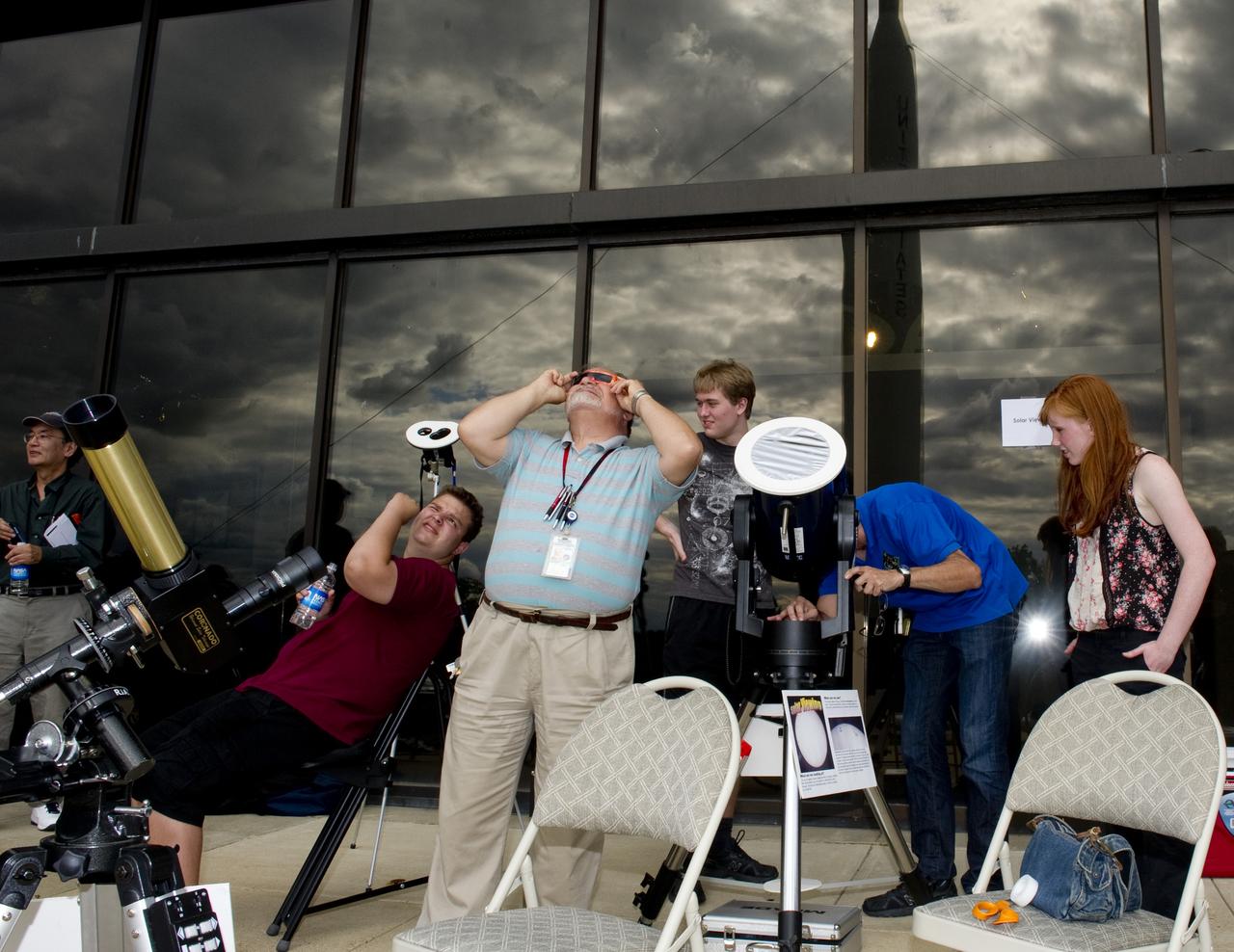
A "transit of Venus" occurs when the planet Venus passes directly between the sun and the Earth. During the event, Venus will be seen from Earth as a small black sphere moving across the face of the sun. Such an event won’t occur again until the year 2117. The Goddard Visitor Center hosted a watch party that included near real-time images from NASA’s Solar Dynamics Observatory mission, coverage of the event from several locations via NASA TV, in-person presentations by NASA experts, hands-on activities for children of all ages. Heavy cloud cover did not allow viewing opportunities of the transit via solar telescopes. Credit: NASA/Goddard Space Flight Center/Bill Hrybyk <b><a href="http://www.nasa.gov/audience/formedia/features/MP_Photo_Guidelines.html" rel="nofollow">NASA image use policy.</a></b> <b><a href="http://www.nasa.gov/centers/goddard/home/index.html" rel="nofollow">NASA Goddard Space Flight Center</a></b> enables NASA’s mission through four scientific endeavors: Earth Science, Heliophysics, Solar System Exploration, and Astrophysics. Goddard plays a leading role in NASA’s accomplishments by contributing compelling scientific knowledge to advance the Agency’s mission. <b>Follow us on <a href="http://twitter.com/NASA_GoddardPix" rel="nofollow">Twitter</a></b> <b>Like us on <a href="http://www.facebook.com/pages/Greenbelt-MD/NASA-Goddard/395013845897?ref=tsd" rel="nofollow">Facebook</a></b> <b>Find us on <a href="http://instagrid.me/nasagoddard/?vm=grid" rel="nofollow">Instagram</a></b>
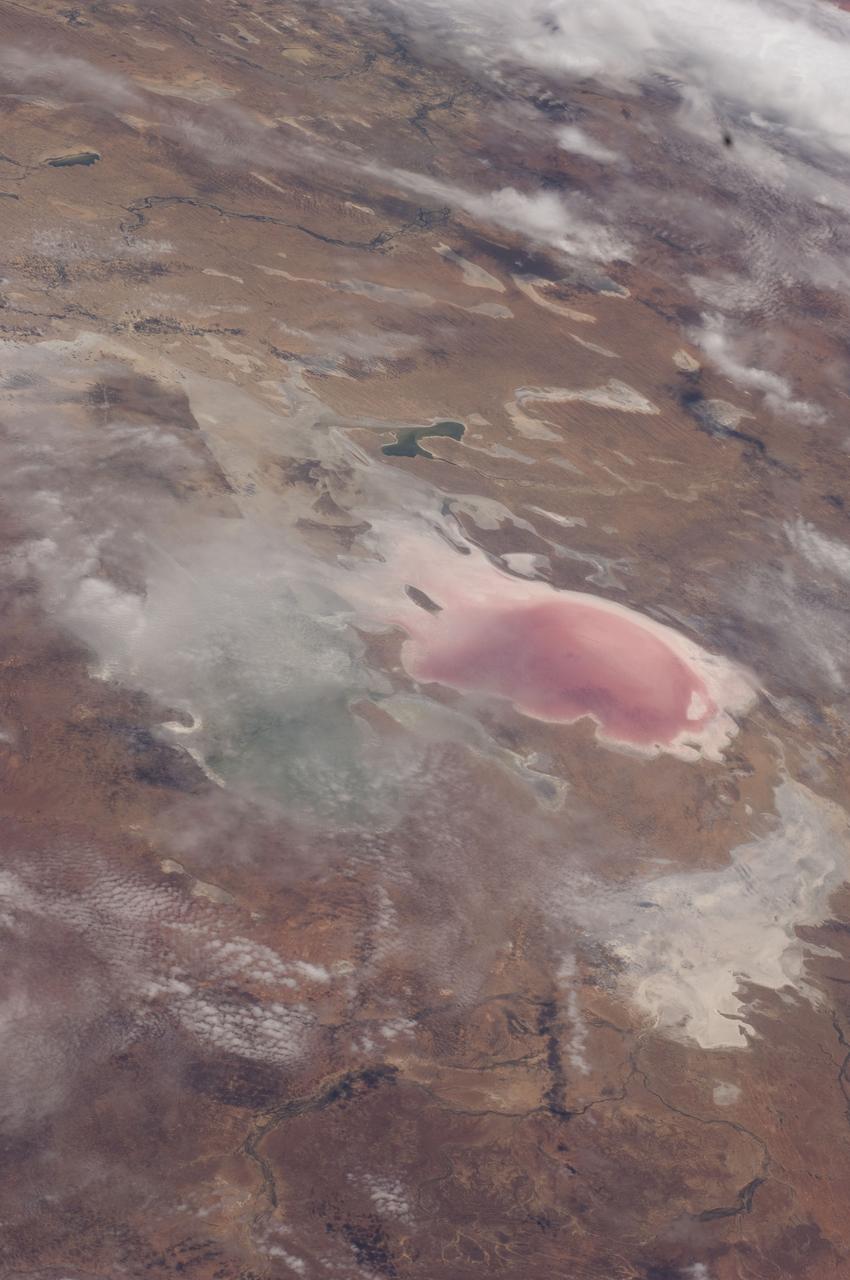
ISS030-E-009271 (5 Dec. 2011) --- Lake Eyre floods in South Australia are featured in this image photographed by an Expedition 30 crew member on the International Space Station. Heavy rain in early March 2011 produced the comparatively unusual event of water entering Lake Eyre. The southernmost and deepest lobes, Belt Bay and Lake Eyre South, were filled first. In this northeast-looking view from the space station, water can be seen in the southern basins of Lake Eyre, especially in Belt Bay where it appears green, and in Madigan Gulf where it appears in shades of pink and red. Despite some cloud, water is also apparent in narrow Jackboot Bay and at the estuary where Cooper Creek, one of the most important inflow rivers, fills a small, dark green lake. The varying water colors result from the effects of water depth and resident organisms. The green coloration of Belt Bay is likely related to its depth, which was reported in early December 2011 to be just less than one meter. The red color of Madigan Bay on the other hand, appears to be related to salt-loving bacteria. At half the depth of Belt Bay (0.4 meters), evaporation had apparently raised salt concentrations high enough to allow salt-loving bacteria to flourish when this image was taken. In Australian lake waters with salinities from about 30 percent upwards the majority of microbes are haloarchaea. The density of microbes that live in Australia?s salt lakes can reach 10⁷ ? 10⁸ cells/milliliters?so dense in fact, that the pink-red carotenoid pigments in the cell membranes appear to color the water. By August 2011 more than half the lake floor was covered by shallow water, with local creeks continuing to deliver water to the lake. Lake Eyre is an internal drainage basin, which means that all the water accumulates in the lake since it has no outlet to the sea. Any water that reaches the lake evaporates in the course of subsequent months. Water levels were reported to be falling everywhere in late 2011, when this image was acquired. The bright white salt of the floor of Lake Eyre South shows that this lake is entirely dry.