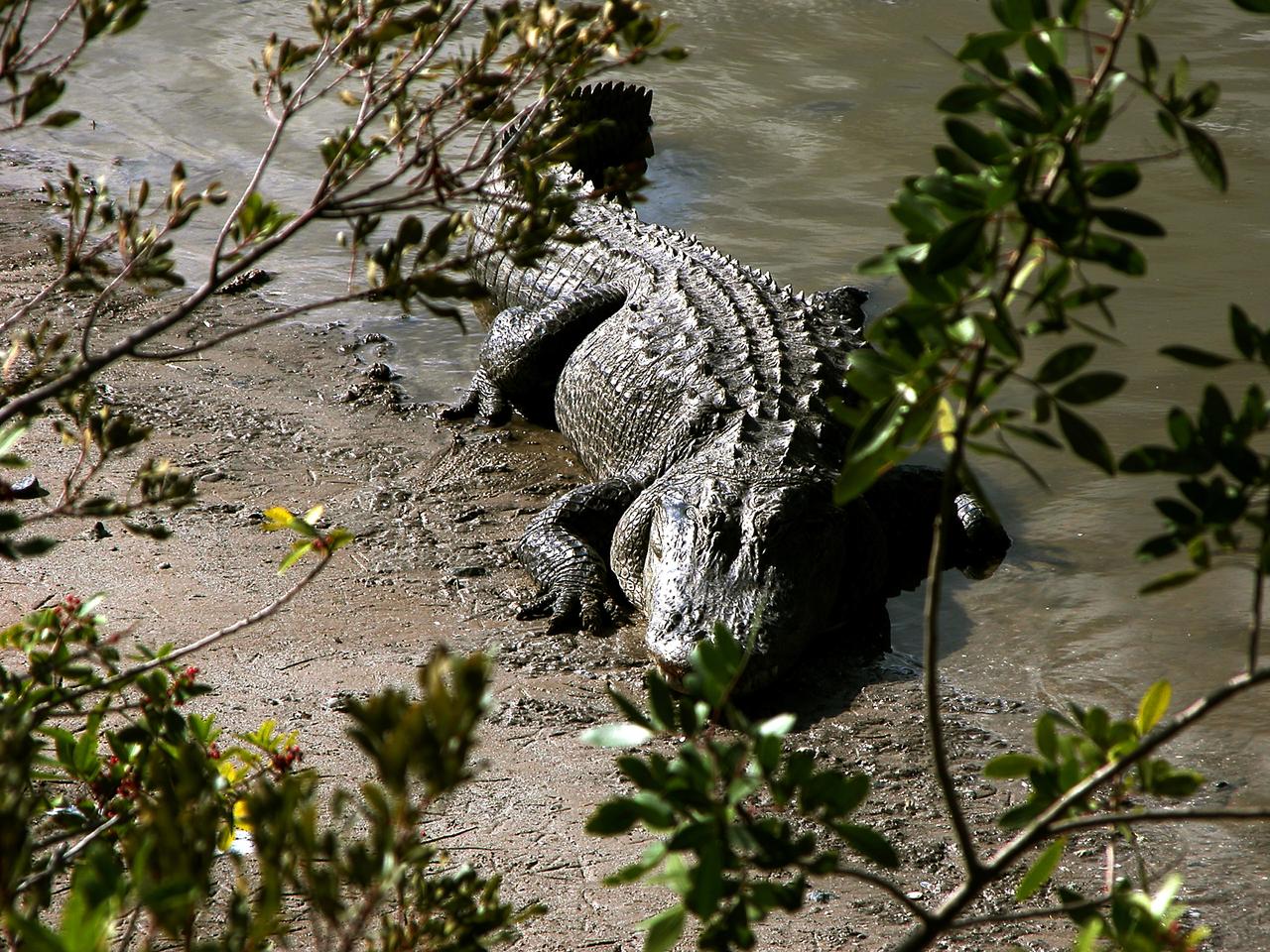
KENNEDY SPACE CENTER, FLA. -- An alligator is spotted sunning on the muddy bank of a canal in KSC. Nearly 5,000 alligators can be found in canals, ponds, and waterways throughout the Center and the surrounding Merritt Island National Wildlife Refuge. American alligators feed and rest in the water, and lay their eggs in dens they dig into the banks. The young alligators spend their first several weeks in these dens. The Wildlife Refuge encompasses 92,000 acres that are a habitat for more than 331 species of birds, 31 mammals, 117 fishes, and 65 amphibians and reptiles.
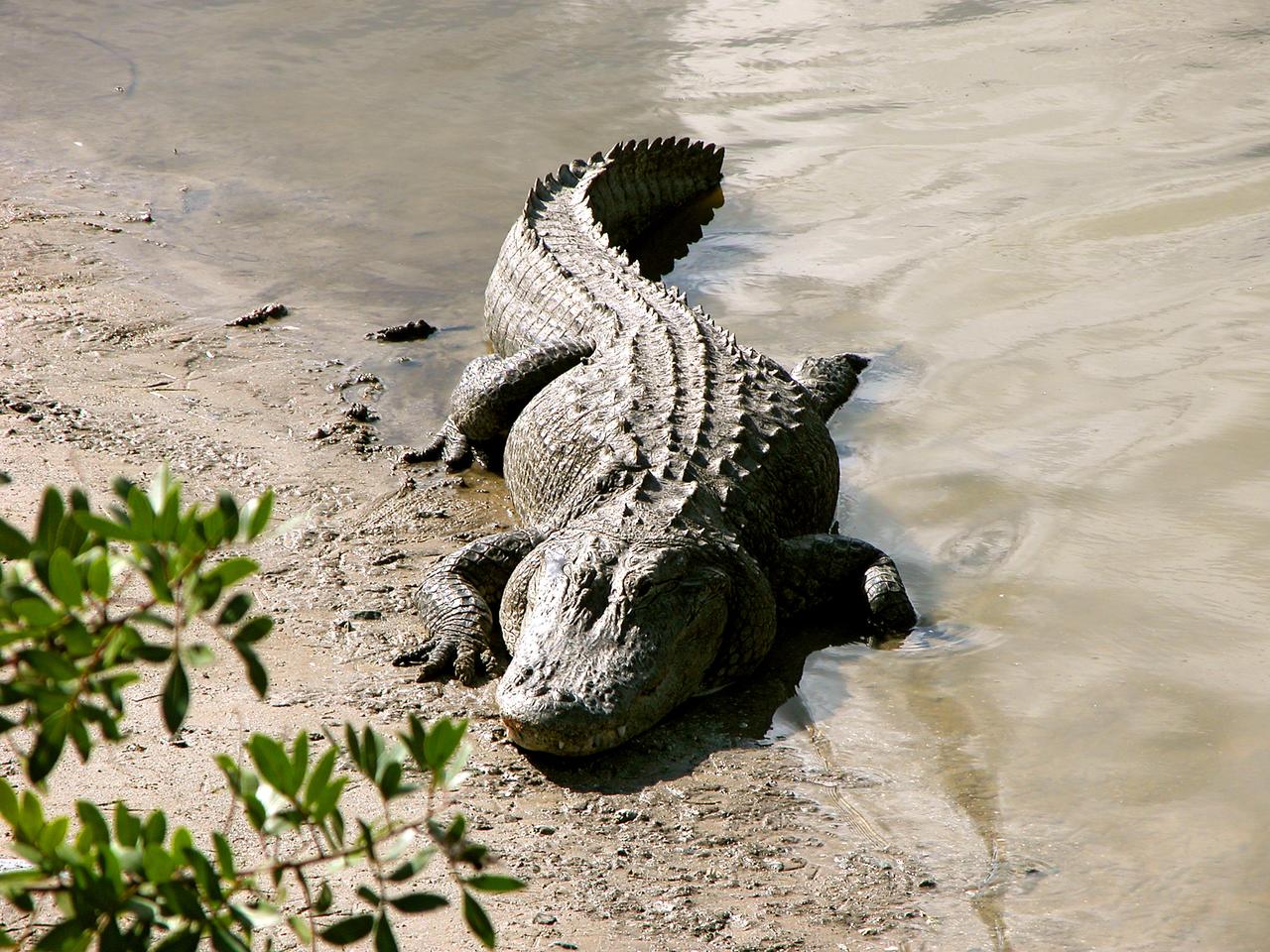
KENNEDY SPACE CENTER, FLA. -- An alligator is spotted sunning on the muddy bank of a canal in KSC. Nearly 5,000 alligators can be found in canals, ponds, and waterways throughout the Center and the surrounding Merritt Island National Wildlife Refuge. American alligators feed and rest in the water, and lay their eggs in dens they dig into the banks. The young alligators spend their first several weeks in these dens. The Wildlife Refuge encompasses 92,000 acres that are a habitat for more than 331 species of birds, 31 mammals, 117 fishes, and 65 amphibians and reptiles.
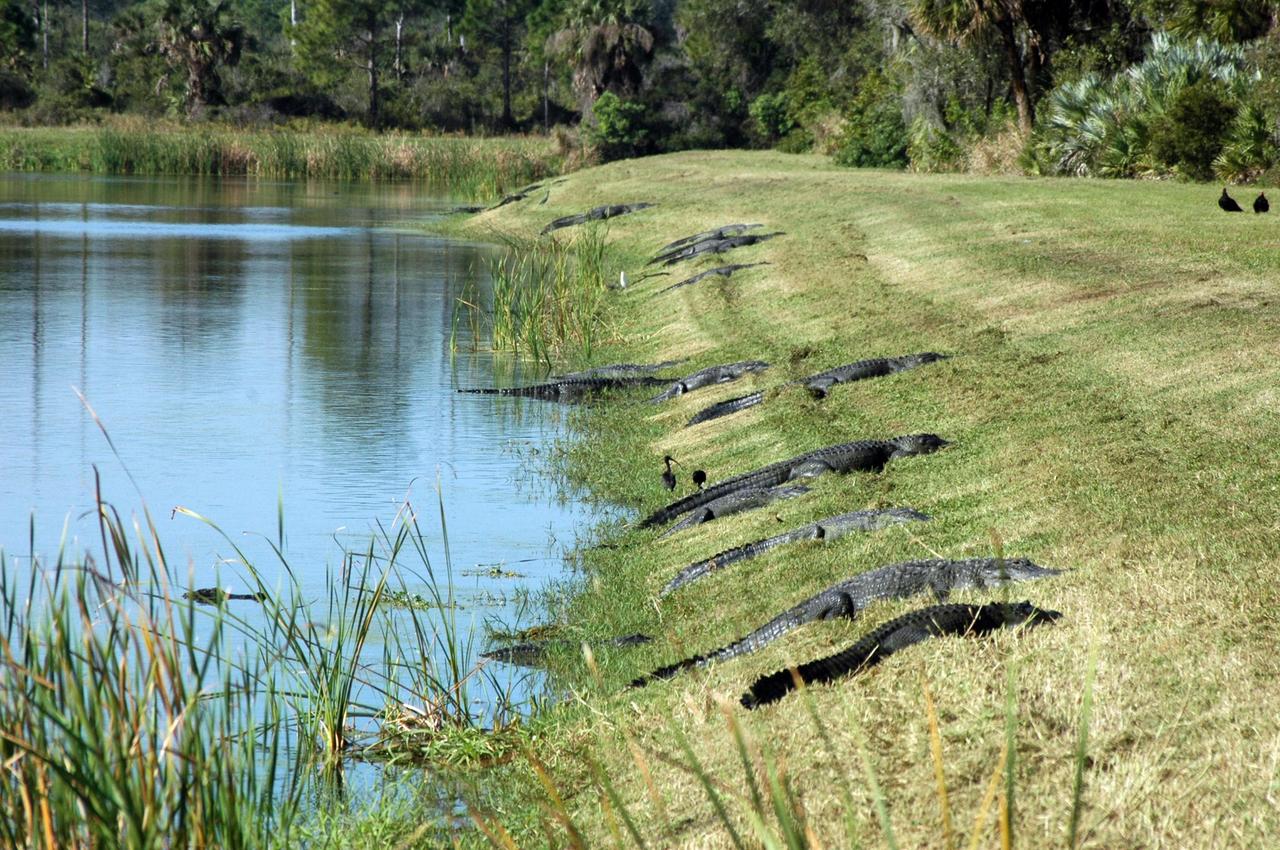
KENNEDY SPACE CENTER, FLA. -- On NASA's Kennedy Space Center, the bank of a pond provides the perfect spot for sunbathing alligators. American alligators feed and rest in the water, and lay their eggs in dens they dig into the banks. The young alligators spend their first several weeks in these dens. A protected species, alligators can be spotted in the drainage canals and other waters surrounding KSC. KSC shares a boundary with the Merritt Island Wildlife Nature Refuge. The refuge is a habitat for more than 310 species of birds, 25 mammals, 117 fishes and 65 amphibians and reptiles. In addition, the Refuge supports 19 endangered or threatened wildlife species on Federal or State lists, more than any other single refuge in the U.S. Photo credit: NASA/Ken Thornsley

KENNEDY SPACE CENTER, FLA. -- From the bank of a pond on Kennedy Space Center, an alligator slides into the water, perhaps eyeing nearby prey. American alligators feed and rest in the water, and lay their eggs in dens they dig into the banks. The young alligators spend their first several weeks in these dens. A protected species, alligators can be spotted in the drainage canals and other waters surrounding KSC. KSC shares a boundary with the Merritt Island Wildlife Nature Refuge. The refuge is a habitat for more than 310 species of birds, 25 mammals, 117 fishes and 65 amphibians and reptiles. In addition, the Refuge supports 19 endangered or threatened wildlife species on Federal or State lists, more than any other single refuge in the U.S. Photo credit: NASA/Dimitri Gerondidakis
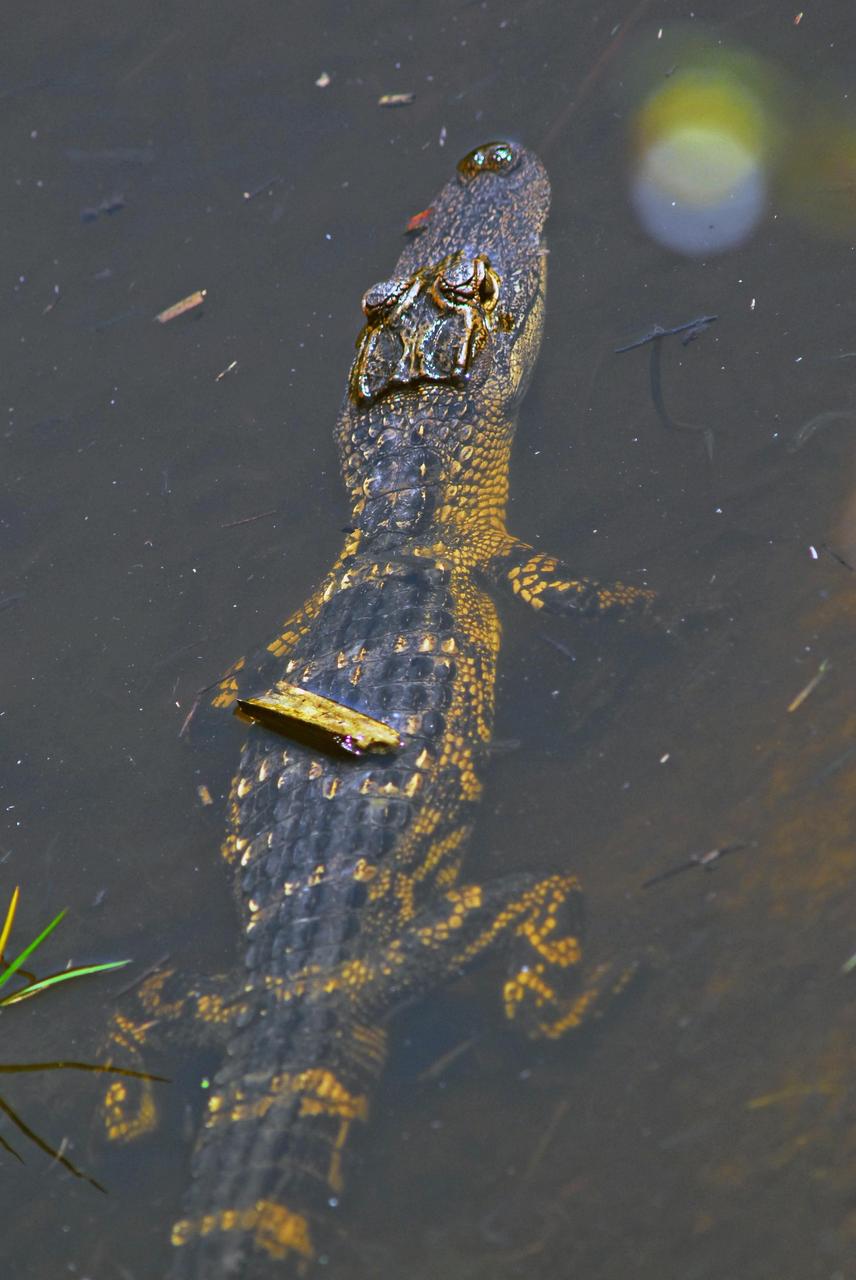
KENNEDY SPACE CENTER, FLA. -- In a pond on Kennedy Space Center, a young alligator tests the water. American alligators feed and rest in the water, and lay their eggs in dens they dig into the banks. The young alligators spend their first several weeks in these dens. A protected species, alligators can be spotted in the drainage canals and other waters surrounding KSC. KSC shares a boundary with the Merritt Island Wildlife Nature Refuge. The refuge is a habitat for more than 310 species of birds, 25 mammals, 117 fishes and 65 amphibians and reptiles. In addition, the Refuge supports 19 endangered or threatened wildlife species on Federal or State lists, more than any other single refuge in the U.S. Photo credit: NASA/Dimitri Gerondidakis
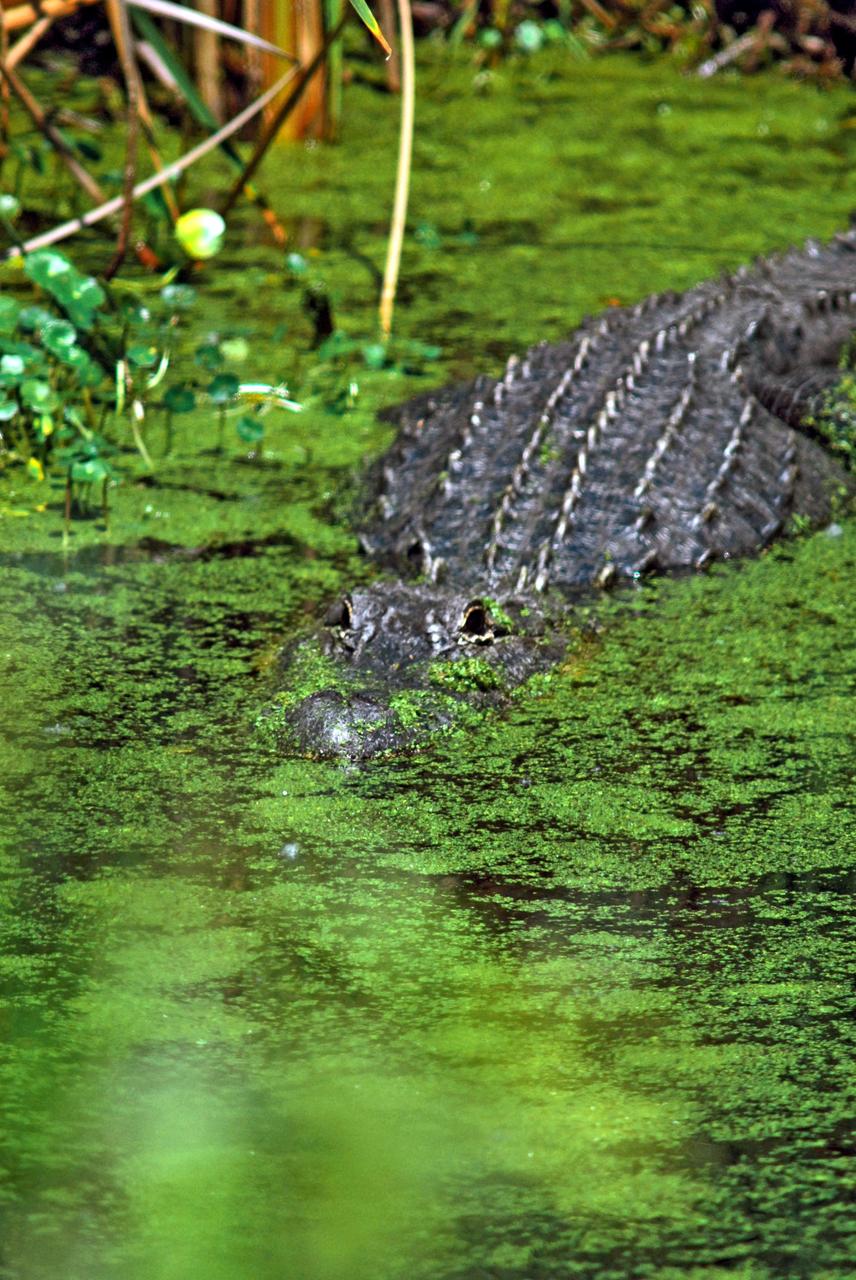
KENNEDY SPACE CENTER, FLA. -- In a pond on Kennedy Space Center, this alligator achieves partial camouflage from the green algae. American alligators feed and rest in the water, and lay their eggs in dens they dig into the banks. The young alligators spend their first several weeks in these dens. A protected species, alligators can be spotted in the drainage canals and other waters surrounding KSC. KSC shares a boundary with the Merritt Island Wildlife Nature Refuge. The refuge is a habitat for more than 310 species of birds, 25 mammals, 117 fishes and 65 amphibians and reptiles. In addition, the Refuge supports 19 endangered or threatened wildlife species on Federal or State lists, more than any other single refuge in the U.S. Photo credit: NASA/Dimitri Gerondidakis
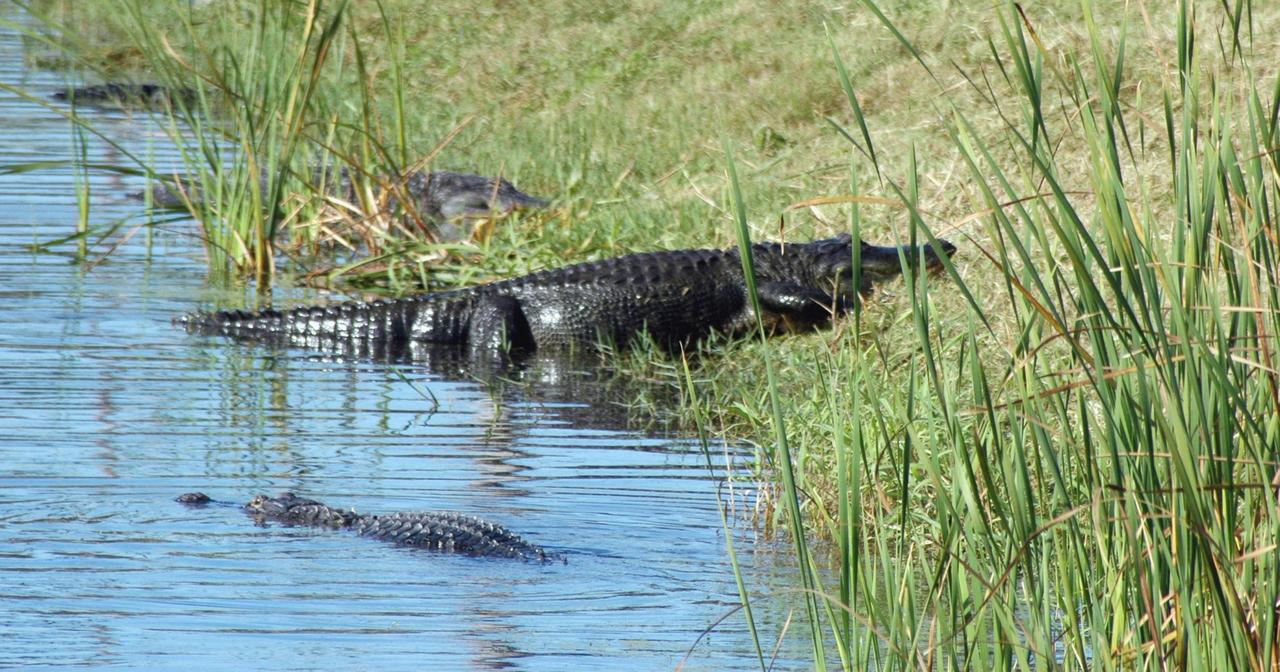
KENNEDY SPACE CENTER, FLA. -- On NASA's Kennedy Space Center, alligators begin climbing out of a pond to sunbathe on the bank. American alligators feed and rest in the water, and lay their eggs in dens they dig into the banks. The young alligators spend their first several weeks in these dens. A protected species, alligators can be spotted in the drainage canals and other waters surrounding KSC. KSC shares a boundary with the Merritt Island Wildlife Nature Refuge. The refuge is a habitat for more than 310 species of birds, 25 mammals, 117 fishes and 65 amphibians and reptiles. In addition, the Refuge supports 19 endangered or threatened wildlife species on Federal or State lists, more than any other single refuge in the U.S. Photo credit: NASA/Ken Thornsley
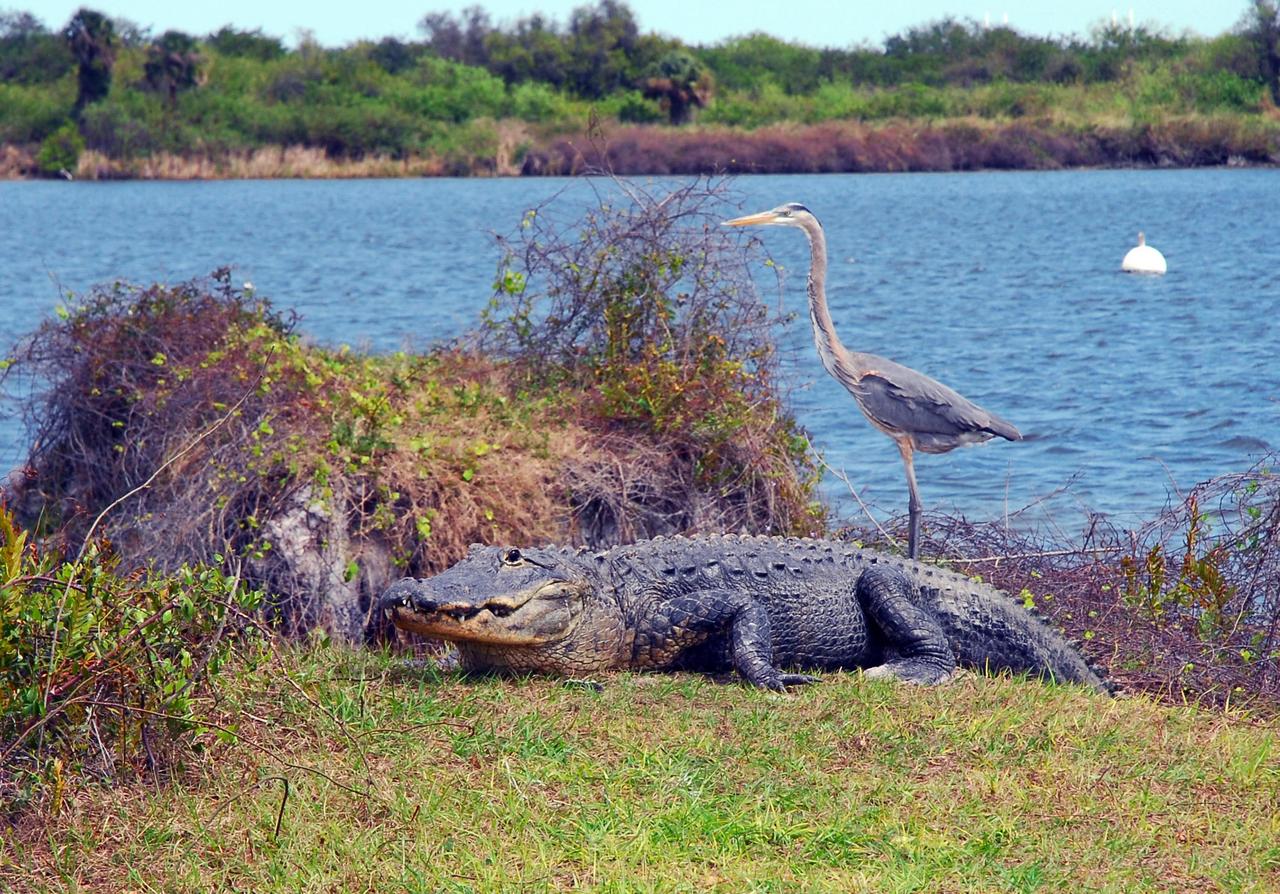
KENNEDY SPACE CENTER, FLA. -- A large alligator on the bank of a creek in NASA's Kennedy Space Center rests its head, apparently ignoring the great blue heron standing behind it. A protected species, alligators can be spotted in the drainage canals and other waters surrounding KSC. The center shares a boundary with the Merritt Island Wildlife Nature Refuge, which is a habitat for more than 310 species of birds, 25 mammals, 117 fishes and 65 amphibians and reptiles. In addition, the Refuge supports 19 endangered or threatened wildlife species on Federal or State lists, more than any other single refuge in the U.S. Photo credit: NASA/Amanda Diller
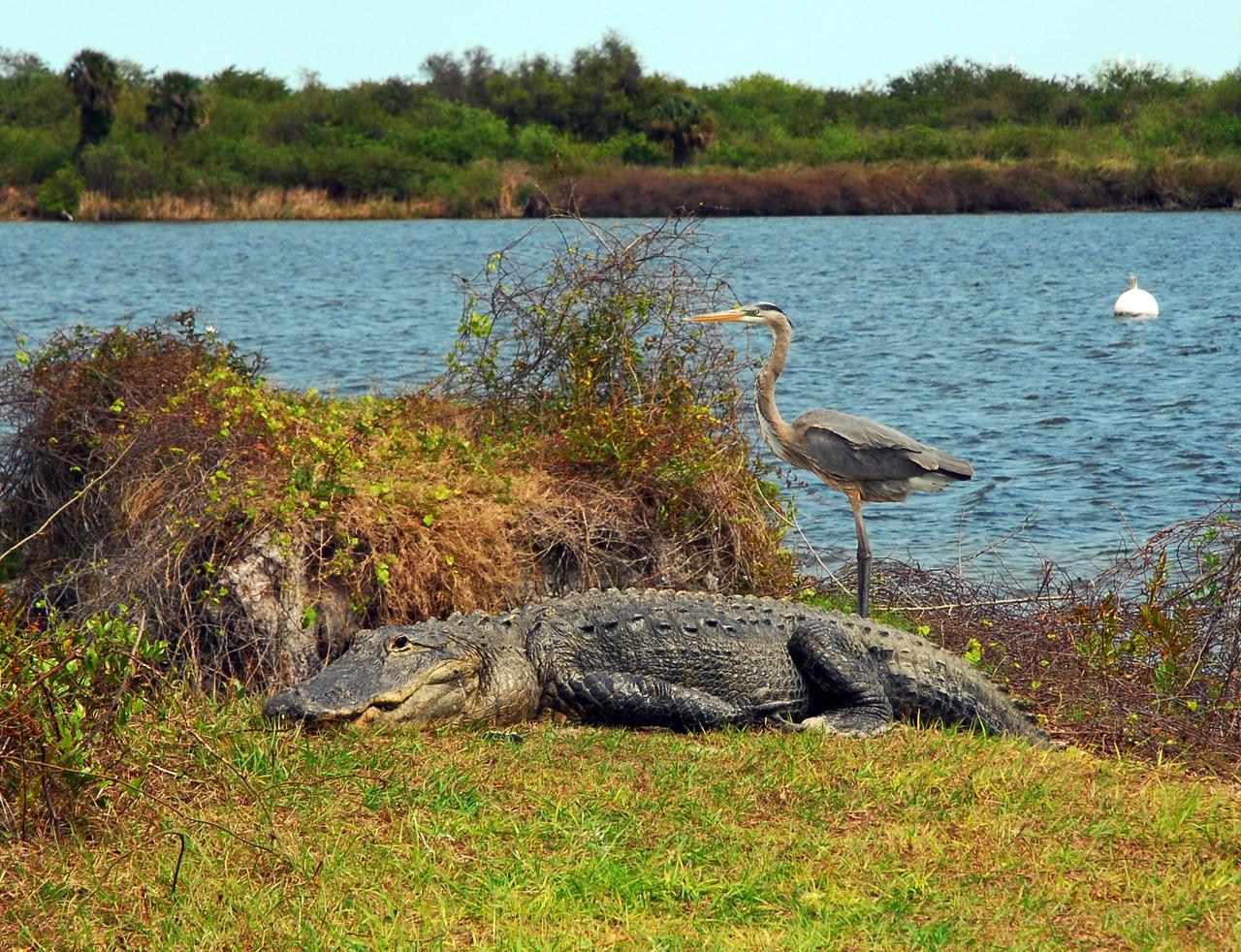
KENNEDY SPACE CENTER, FLA. -- A large alligator on the bank of a creek in NASA's Kennedy Space Center seems to ignore the great blue heron standing behind it. A protected species, alligators can be spotted in the drainage canals and other waters surrounding KSC. The center shares a boundary with the Merritt Island Wildlife Nature Refuge, which is a habitat for more than 310 species of birds, 25 mammals, 117 fishes and 65 amphibians and reptiles. In addition, the Refuge supports 19 endangered or threatened wildlife species on Federal or State lists, more than any other single refuge in the U.S. Photo credit: NASA/Amanda Diller
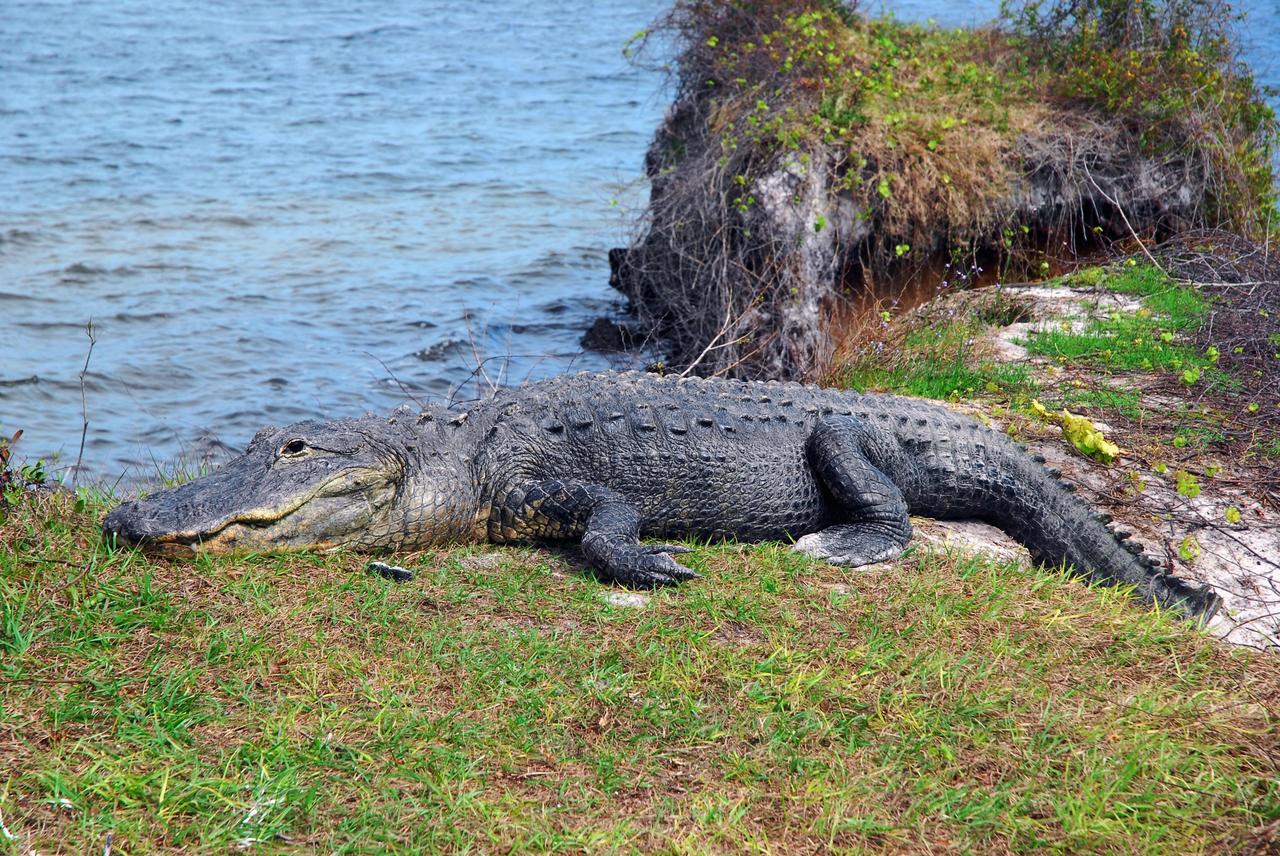
KENNEDY SPACE CENTER, FLA. -- Undisturbed by any fauna nearby, a large alligator basks in the sun on the bank of a creek in NASA's Kennedy Space Center. A protected species, alligators can be spotted in the drainage canals and other waters surrounding KSC. The center shares a boundary with the Merritt Island Wildlife Nature Refuge, which is a habitat for more than 310 species of birds, 25 mammals, 117 fishes and 65 amphibians and reptiles. In addition, the Refuge supports 19 endangered or threatened wildlife species on Federal or State lists, more than any other single refuge in the U.S. Photo credit: NASA/Amanda Diller
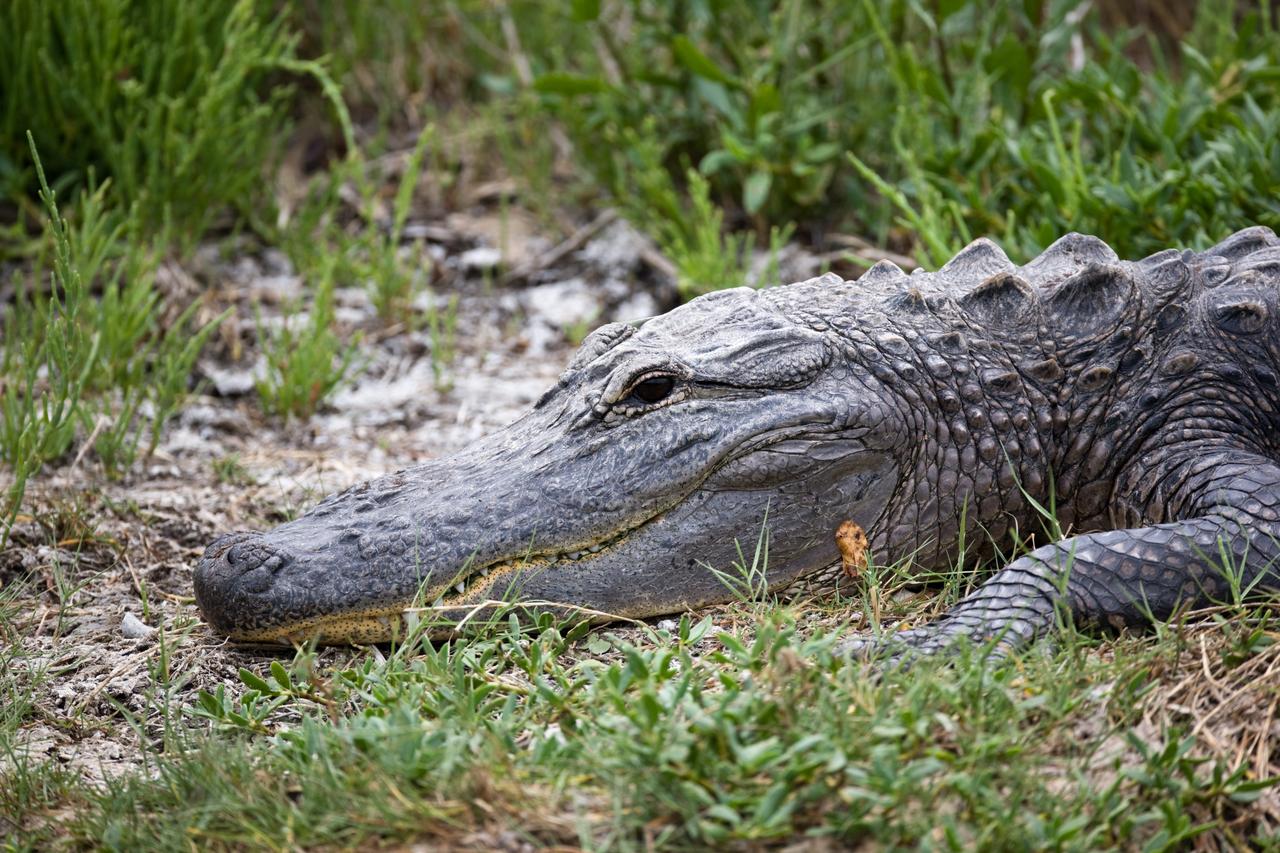
CAPE CANAVERAL, Fla. –– On NASA's Kennedy Space Center in Florida, an alligator rests on the bank of a canal. Alligators can be spotted in the drainage canals and other waters surrounding Kennedy. In Spring, they frequently roam, searching for mates. The center shares a boundary with the Merritt Island Wildlife Nature Refuge, which is a habitat for more than 310 species of birds, 25 mammals, 117 fishes and 65 amphibians and reptiles. Photo credit: NASA/Dimitri Gerondidakis
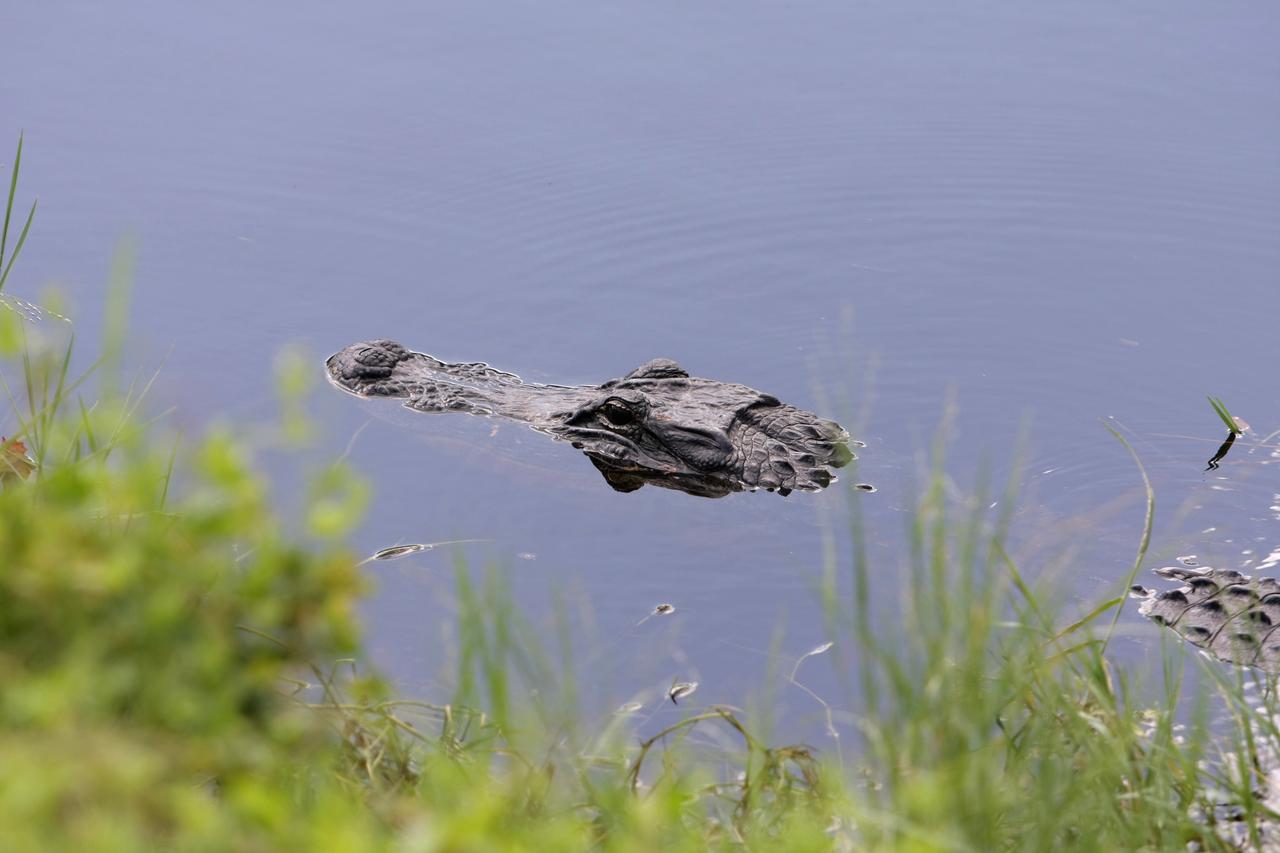
CAPE CANAVERAL, Fla. - An alligator looks warily at the photographer who's spotted the familiar head in a drainage canal on NASA's Kennedy Space Center in Florida. A protected species, alligators can be spotted in the drainage canals and other waters surrounding KSC. The center shares a boundary with the Merritt Island Wildlife Nature Refuge, which is a habitat for more than 310 species of birds, 25 mammals, 117 fishes and 65 amphibians and reptiles. Photo credit: NASA/Dimitri Gerondidakis
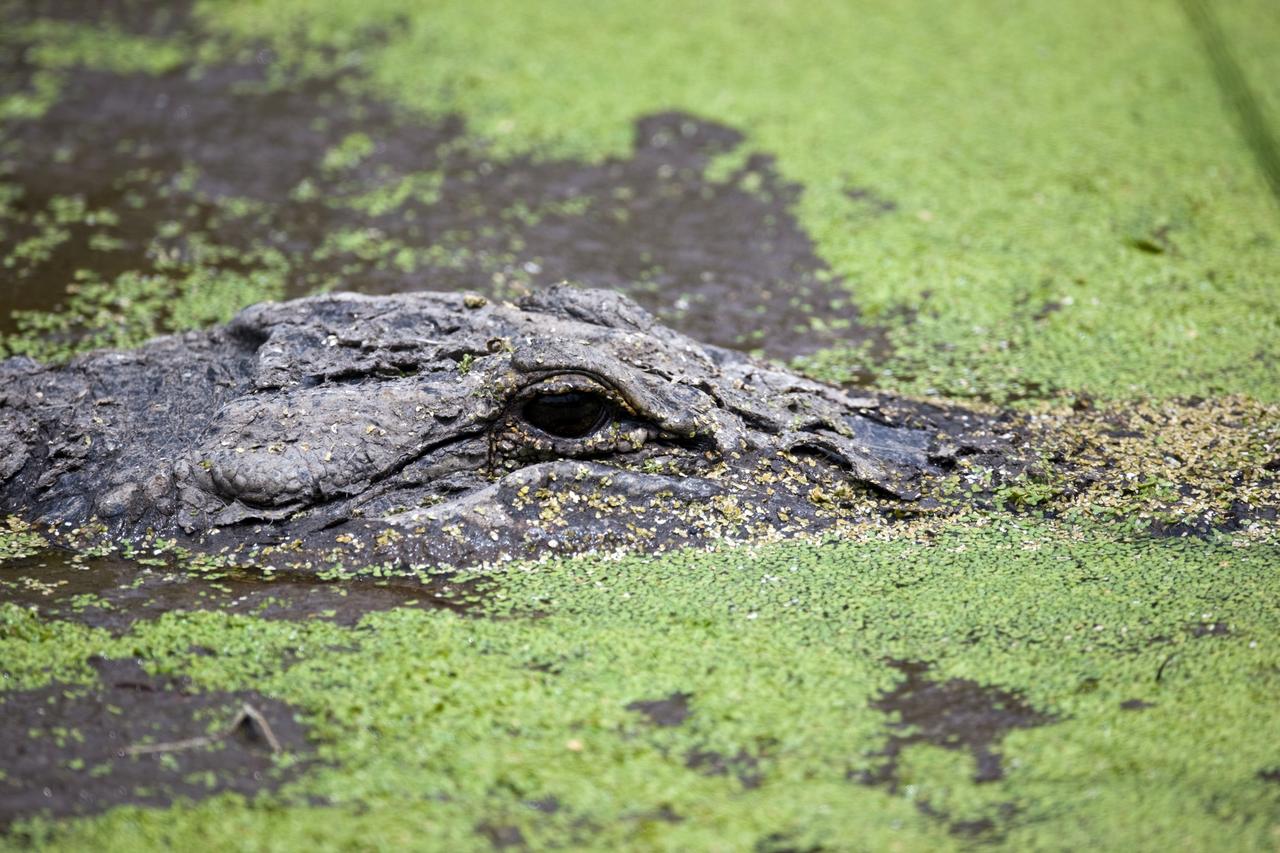
CAPE CANAVERAL, Fla. –– In the water on NASA's Kennedy Space Center in Florida, an alligator waits for a prospective meal. Alligators can be spotted in the drainage canals and other waters surrounding Kennedy. The center shares a boundary with the Merritt Island Wildlife Nature Refuge, which is a habitat for more than 310 species of birds, 25 mammals, 117 fishes and 65 amphibians and reptiles. Photo credit: NASA/Dimitri Gerondidakis
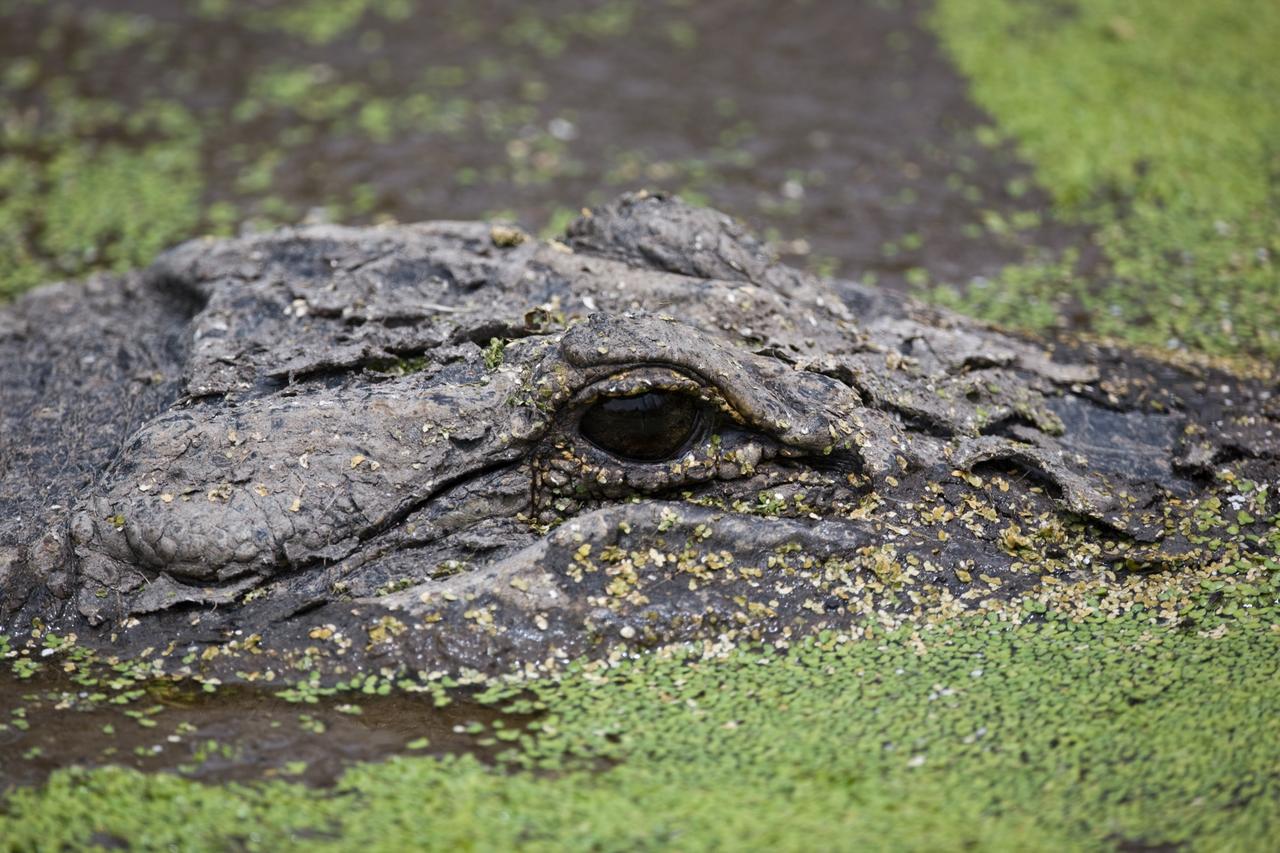
CAPE CANAVERAL, Fla. –– Who is watching whom, as this alligator appears to stare into the camera (at a safe distance away) from its watery site. Alligators can be spotted in the drainage canals and other waters surrounding Kennedy. The center shares a boundary with the Merritt Island Wildlife Nature Refuge, which is a habitat for more than 310 species of birds, 25 mammals, 117 fishes and 65 amphibians and reptiles. Photo credit: NASA/Dimitri Gerondidakis
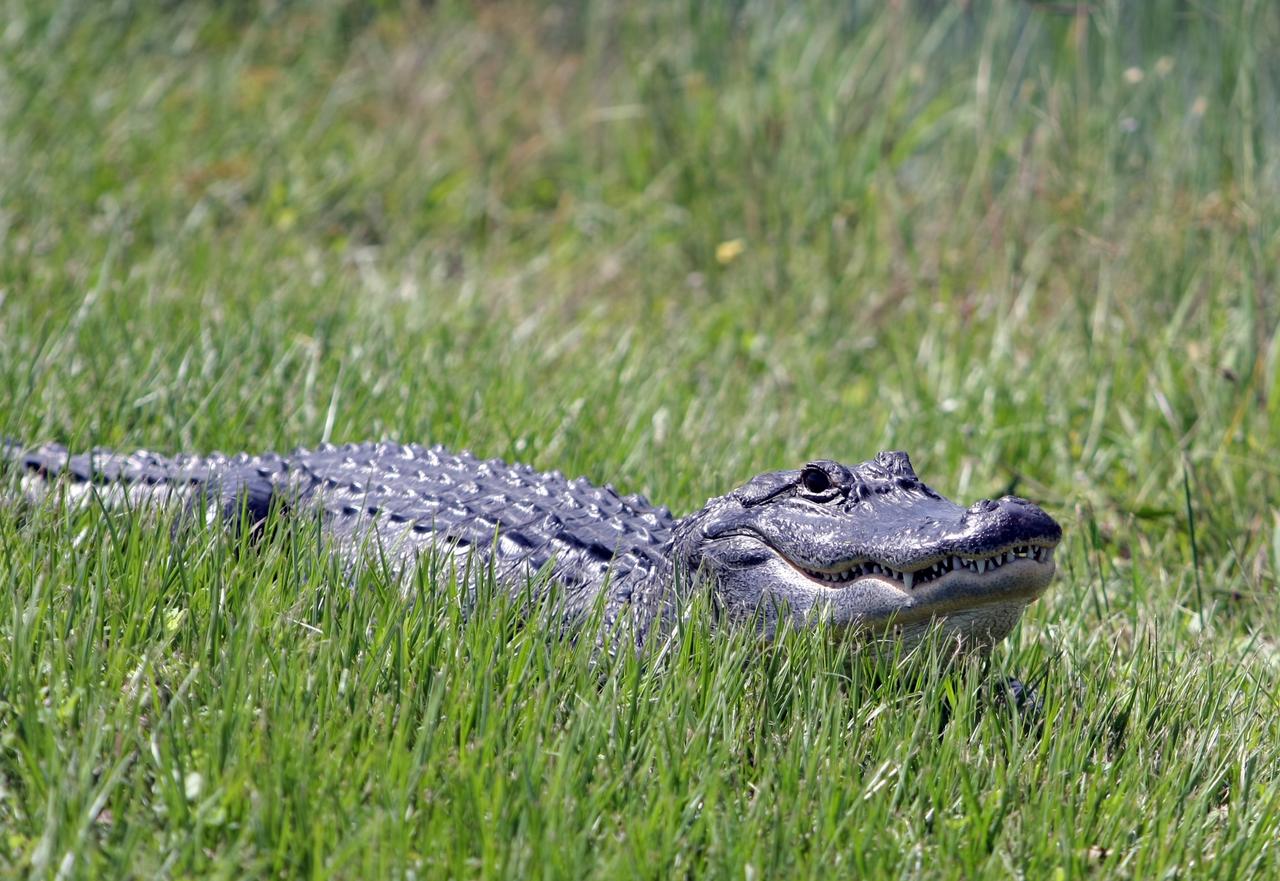
CAPE CANAVERAL, Fla. - On NASA's Kennedy Space Center in Florida, an alligator from a nearby drainage canal stares at the photographer. A protected species, alligators can be spotted in the drainage canals and other waters surrounding KSC. The center shares a boundary with the Merritt Island Wildlife Nature Refuge, which is a habitat for more than 310 species of birds, 25 mammals, 117 fishes and 65 amphibians and reptiles. Photo credit: NASA/Dimitri Gerondidakis
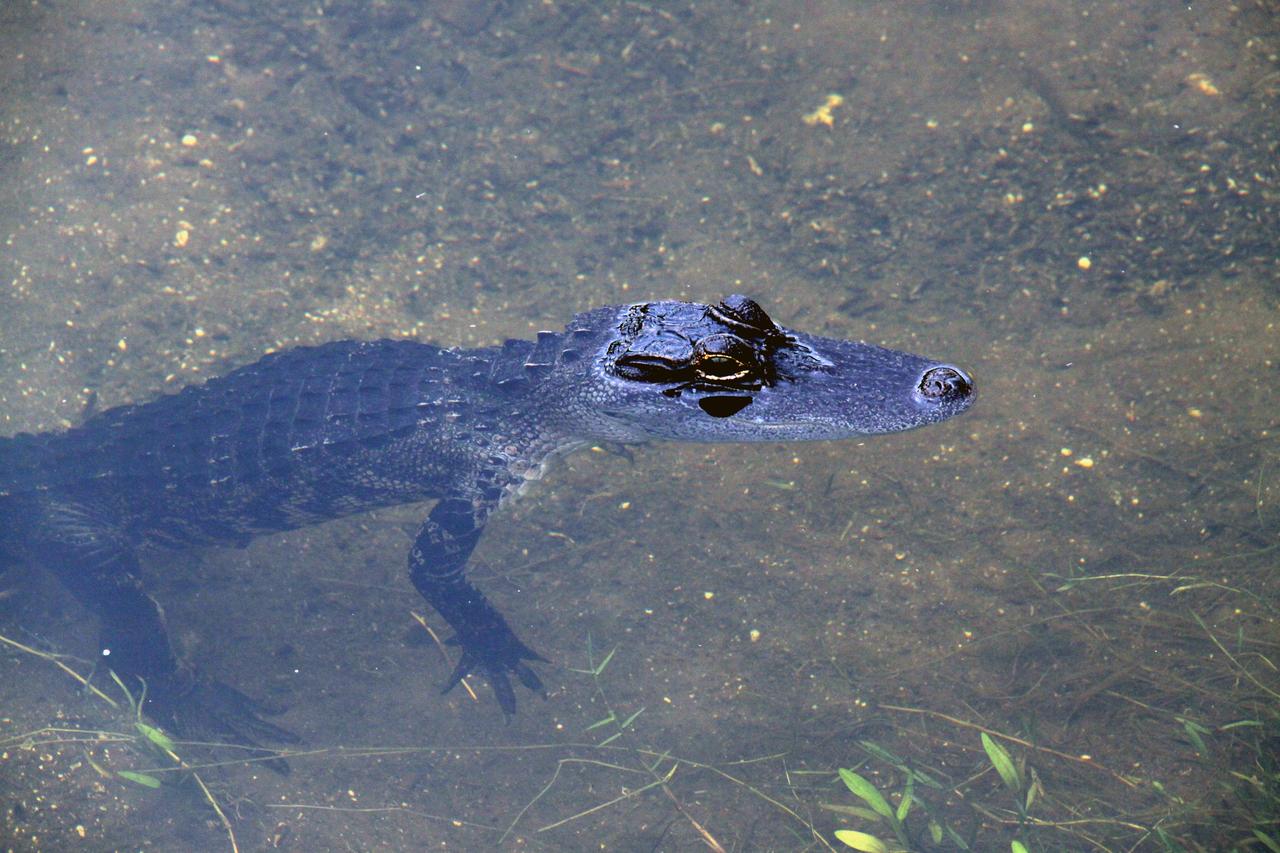
CAPE CANAVERAL, Fla. – A baby alligator is unaware that the water saturating the ground is the aftermath of thunderstorms in the vicinity of NASA Kennedy Space Center’s Shuttle Landing Facility and that space shuttle Atlantis is unable to land to conclude the STS-125 mission. Alligators can be spotted in the drainage canals and other waters surrounding Kennedy. The center shares a boundary with the Merritt Island Wildlife Nature Refuge, which is a habitat for more than 310 species of birds, 25 mammals, 117 fishes and 65 amphibians and reptiles. Photo credit: NASA/Glenn Benson
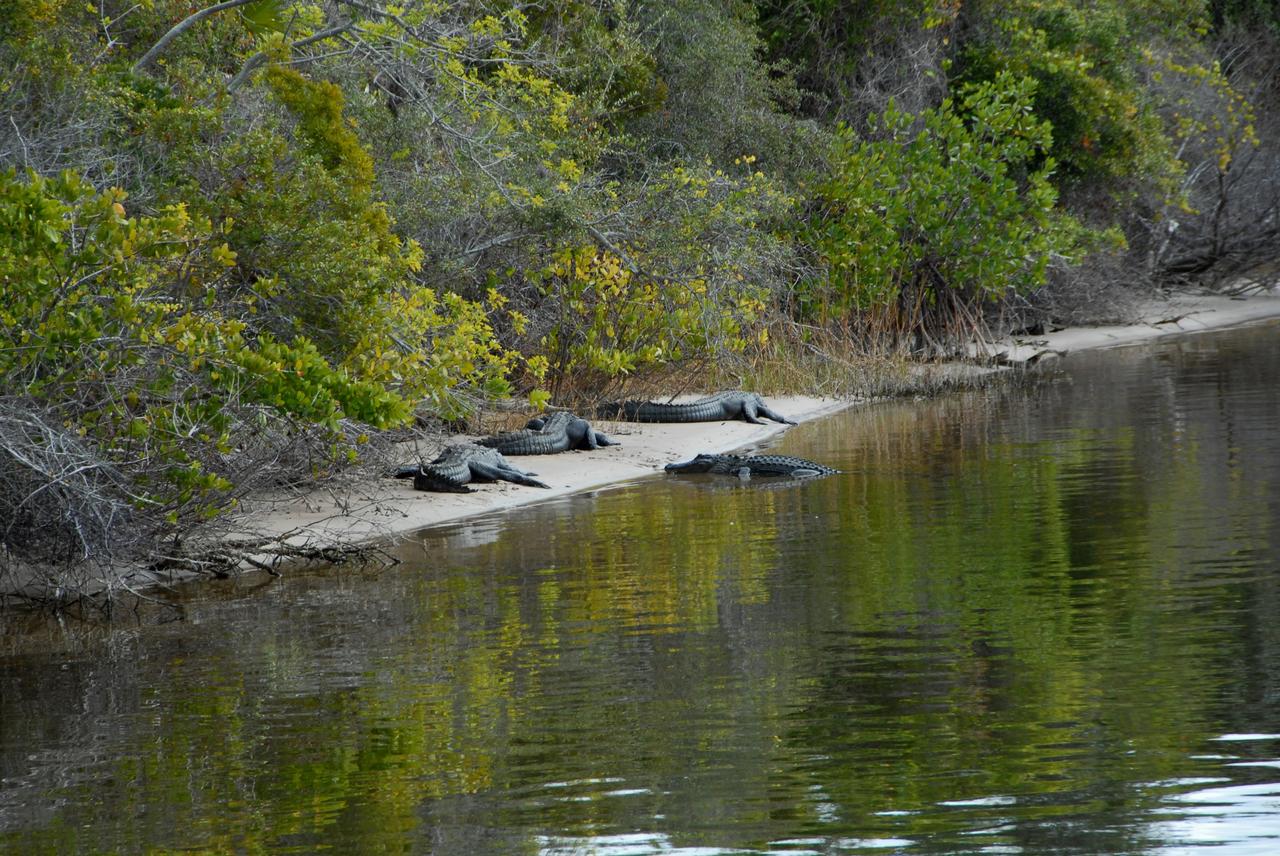
CAPE CANAVERAL, Fla. -- Alligators bask in the warm sun on the banks of the Launch Complex 39 turn basin at NASA's Kennedy Space Center in Florida. Cool weather frequently brings the gators out of the water. A protected species, alligators can be spotted in the drainage canals and other waters surrounding Kennedy. The center shares a boundary with the Merritt Island Wildlife Nature Refuge, which is a habitat for more than 310 species of birds, 25 mammals, 117 fishes and 65 amphibians and reptiles. Photo credit: NASA/Jack Pfaller
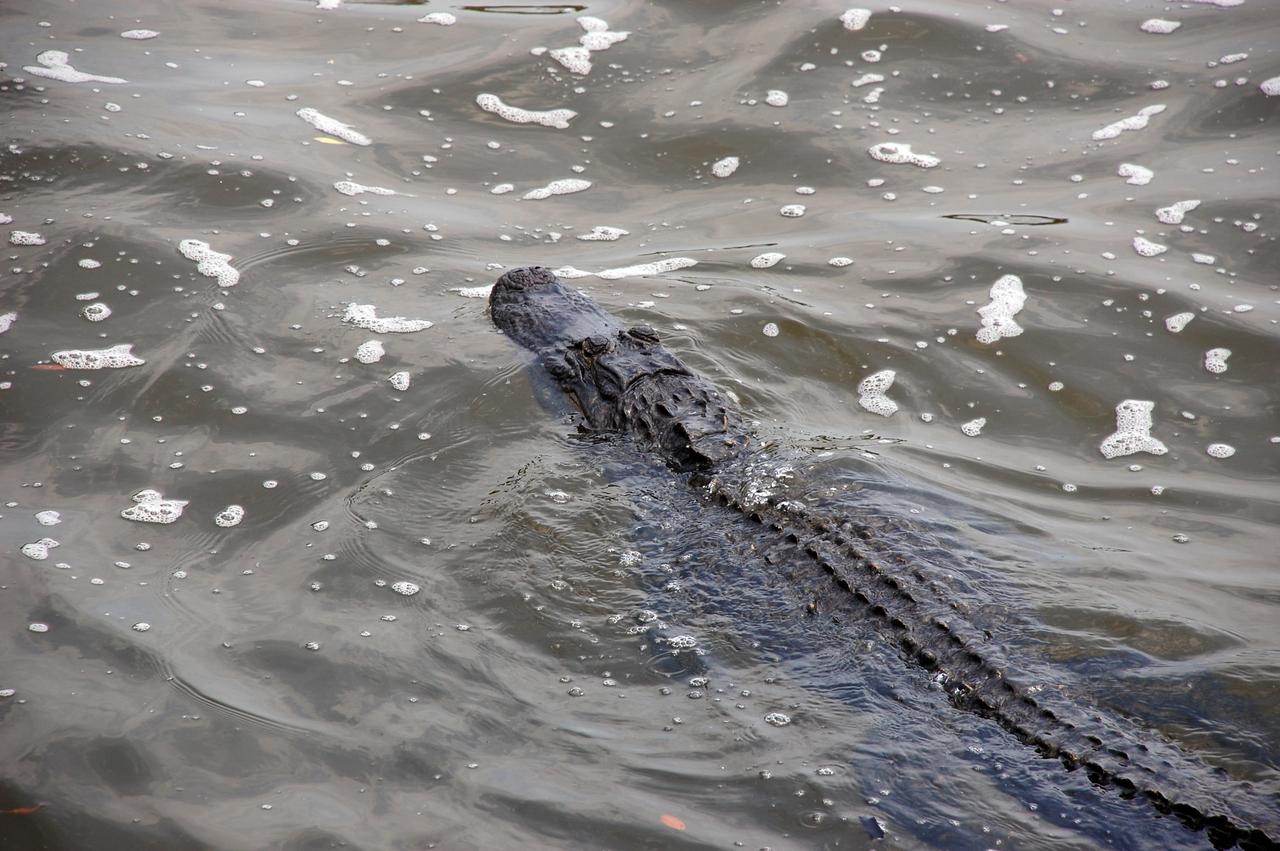
CAPE CANAVERAL, Fla. – An alligator patrols the water in NASA's Kennedy Space Center in Florida. A protected species, alligators can be spotted in the drainage canals and other waters surrounding Kennedy. The center shares a boundary with the Merritt Island Wildlife Nature Refuge, which is a habitat for more than 310 species of birds, 25 mammals, 117 fishes and 65 amphibians and reptiles. Photo credit: NASA/Ben Smegelsky
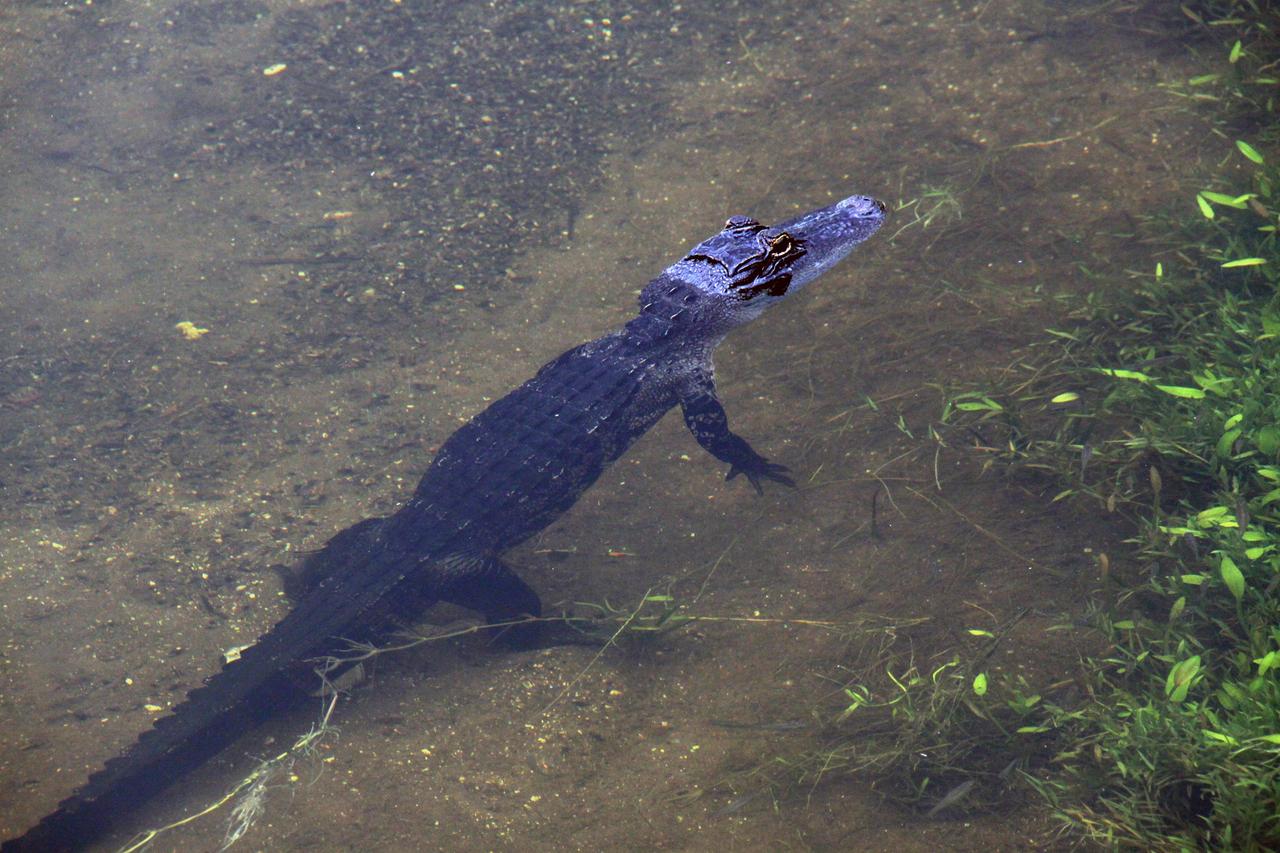
CAPE CANAVERAL, Fla. – A baby alligator is unconcerned that water saturates the ground and space shuttle Atlantis is unable to land at NASA’s Kennedy Space Center to conclude the STS-125 mission, the aftermath of thunderstorms in the vicinity of the Shuttle Landing Facility. Alligators can be spotted in the drainage canals and other waters surrounding Kennedy. The center shares a boundary with the Merritt Island Wildlife Nature Refuge, which is a habitat for more than 310 species of birds, 25 mammals, 117 fishes and 65 amphibians and reptiles. Photo credit: NASA/Glenn Benson
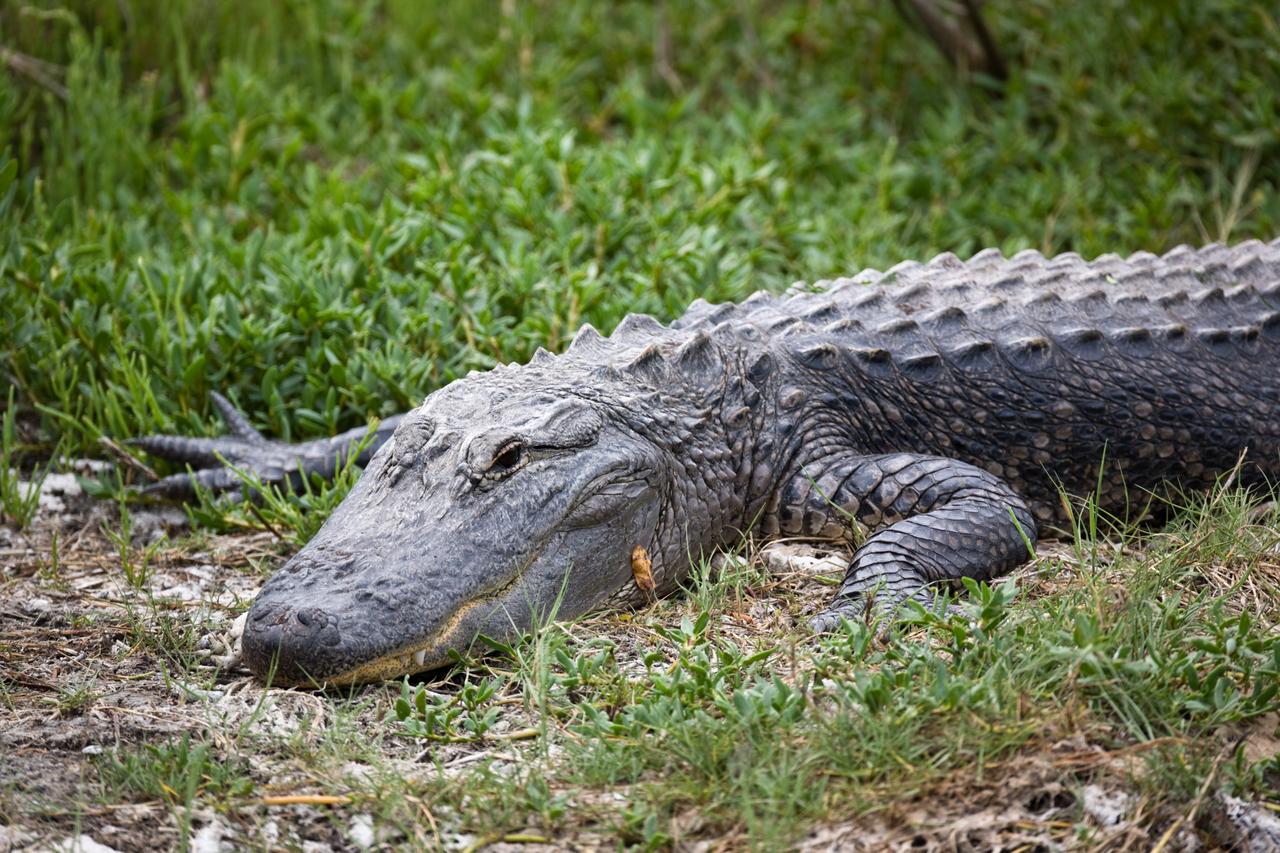
CAPE CANAVERAL, Fla. –– On NASA's Kennedy Space Center in Florida, an alligator rests on the bank of a canal. Alligators can be spotted in the drainage canals and other waters surrounding Kennedy. The center shares a boundary with the Merritt Island Wildlife Nature Refuge, which is a habitat for more than 310 species of birds, 25 mammals, 117 fishes and 65 amphibians and reptiles. Photo credit: NASA/Dimitri Gerondidakis
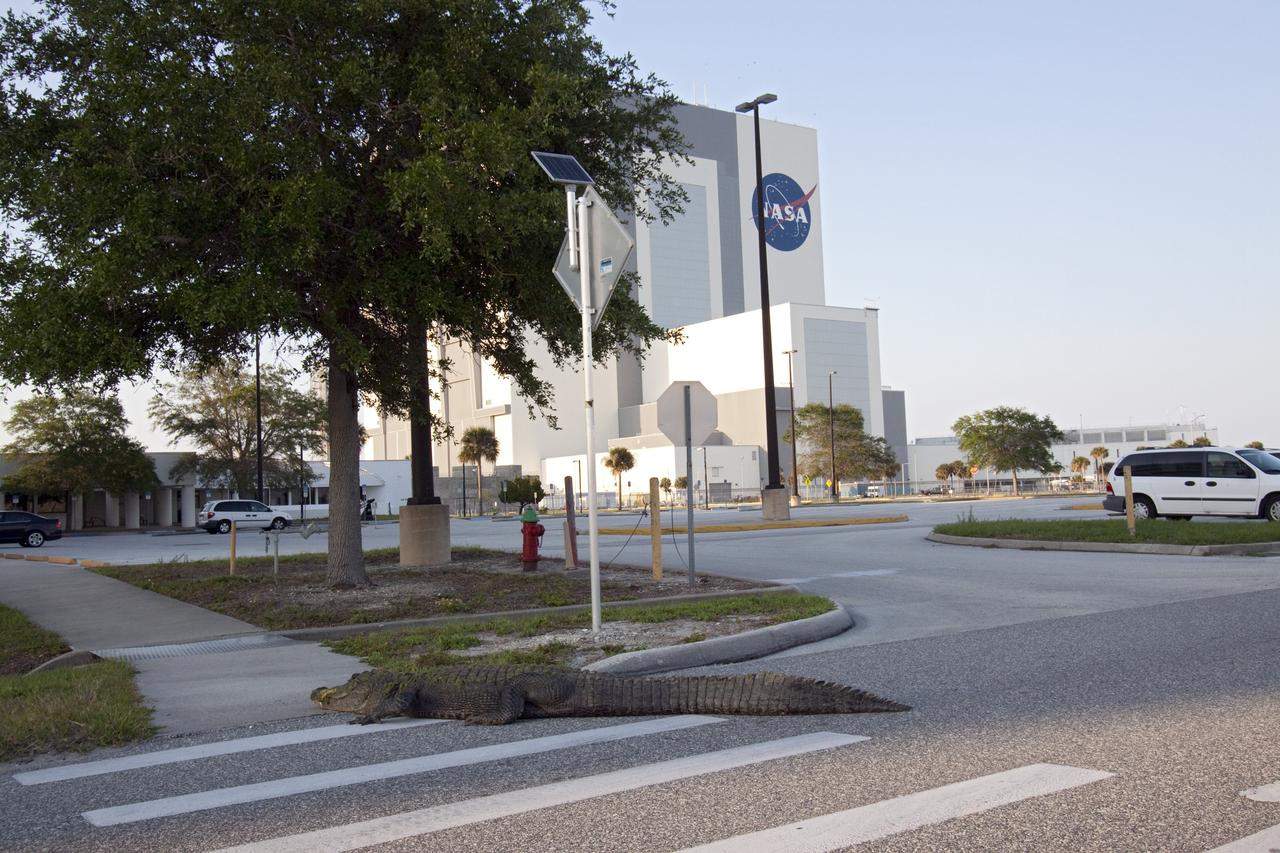
CAPE CANAVERAL, Fla. -- An alligator ambles across Saturn Causeway at NASA's Kennedy Space Center in Florida near the Vehicle Assembly Building. Alligators can be spotted in the drainage canals and other waters surrounding KSC and occasionally venture onto roads seeking new environs or mates. The center shares a boundary with the Merritt Island Wildlife Nature Refuge, which is a habitat for more than 310 species of birds, 25 mammals, 117 fishes and 65 amphibians and reptiles. Photo credit: NASA/Jack Pfaller
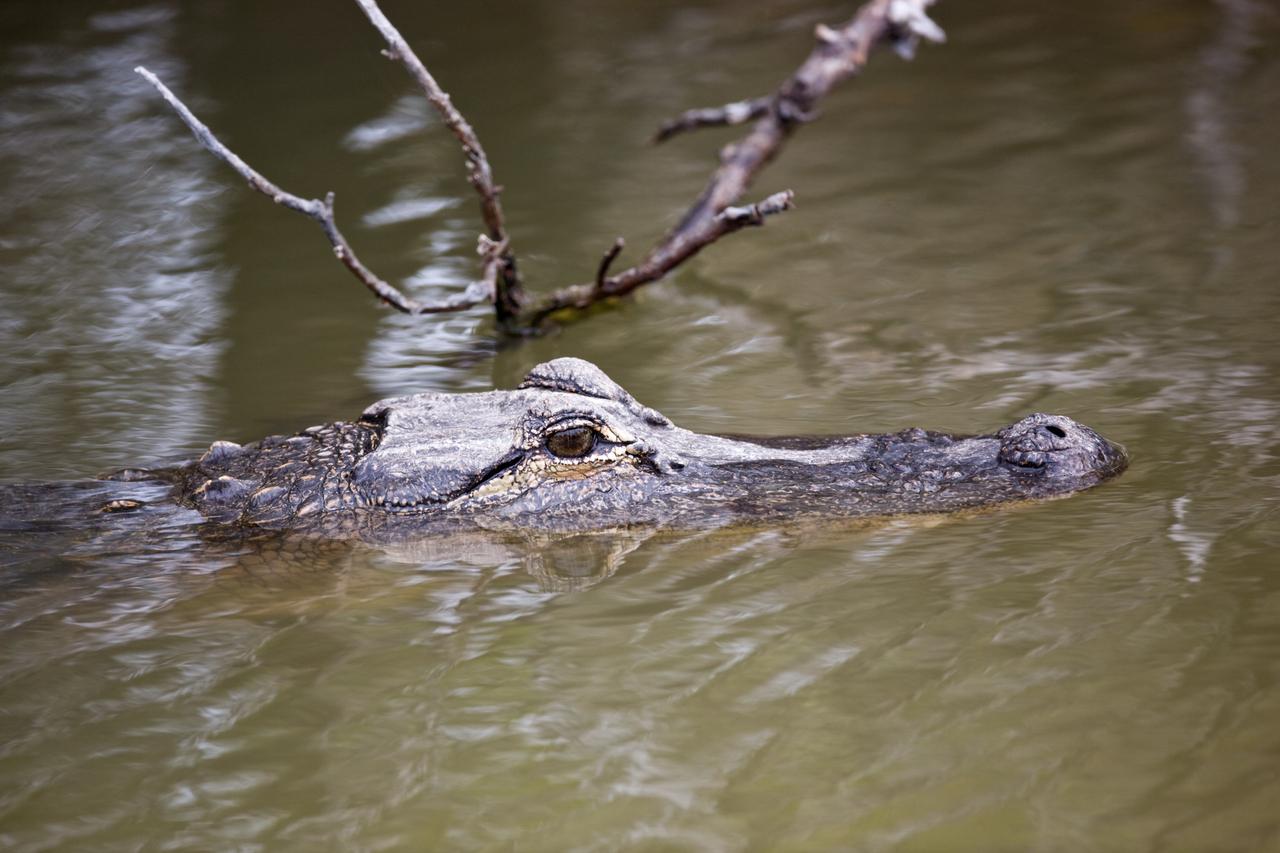
CAPE CANAVERAL, Fla. –– In the water on NASA's Kennedy Space Center in Florida, an alligator waits for a prospective meal. Alligators can be spotted in the drainage canals and other waters surrounding Kennedy. The center shares a boundary with the Merritt Island Wildlife Nature Refuge, which is a habitat for more than 310 species of birds, 25 mammals, 117 fishes and 65 amphibians and reptiles. Photo credit: NASA/Dimitri Gerondidakis
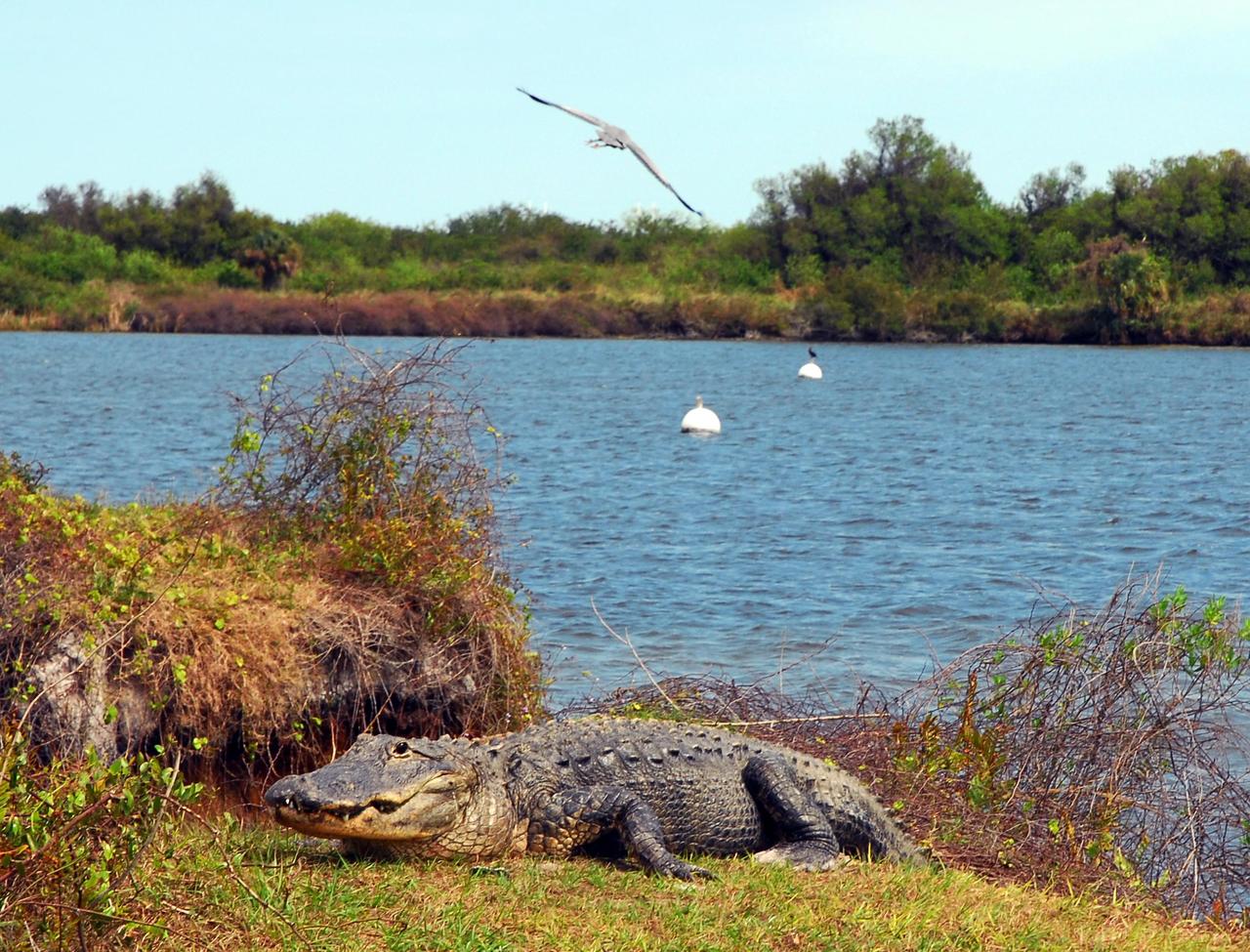
KENNEDY SPACE CENTER, FLA. -- A large alligator on the bank of a creek in NASA's Kennedy Space Center comes to alert, scaring off the great blue heron, seen in the sky above the water. The heron had been standing behind the alligator. A protected species, alligators can be spotted in the drainage canals and other waters surrounding KSC. The center shares a boundary with the Merritt Island Wildlife Nature Refuge, which is a habitat for more than 310 species of birds, 25 mammals, 117 fishes and 65 amphibians and reptiles. In addition, the Refuge supports 19 endangered or threatened wildlife species on Federal or State lists, more than any other single refuge in the U.S. Photo credit: NASA/Amanda Diller
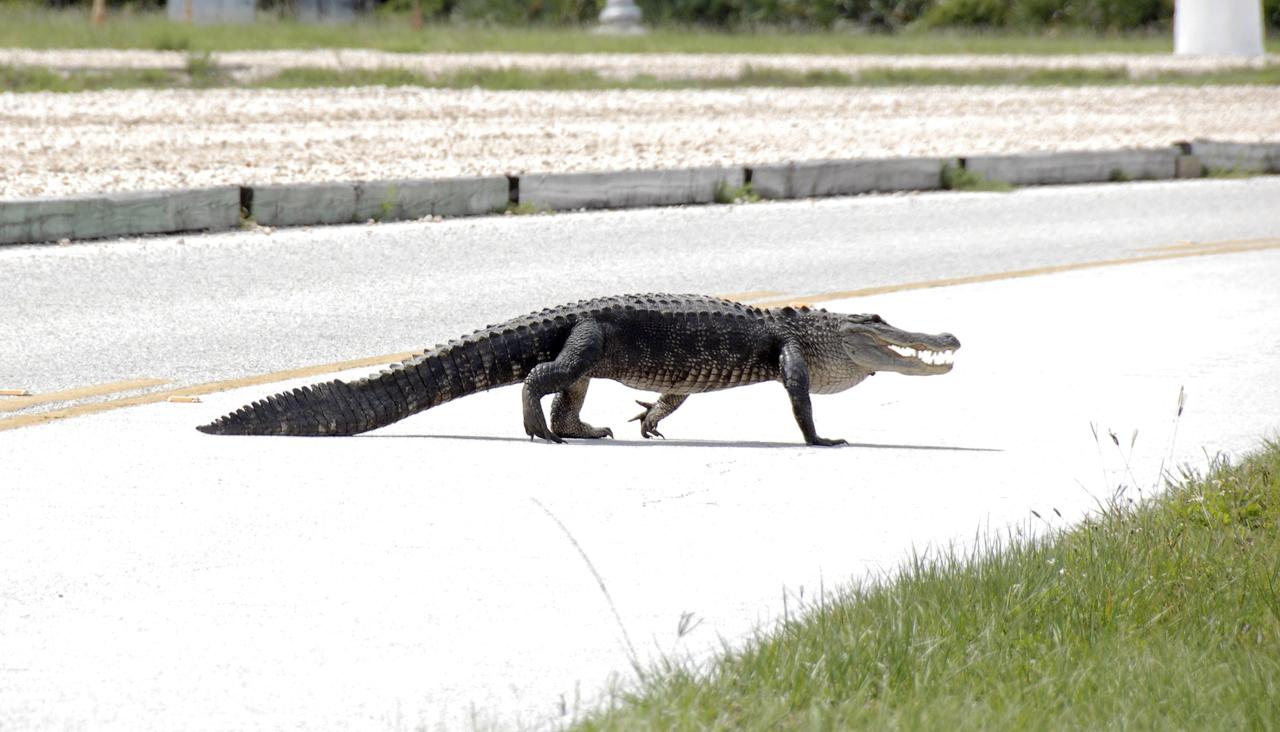
CAPE CANAVERAL, Fla. – Taking a mid-day stroll, an alligator crosses the Saturn Causeway at NASA's Kennedy Space Center in Florida in front of the Astrovan with STS-127 crew members aboard. The crew was on its way to Launch Pad 39A for a simulated launch countdown, part of the terminal countdown demonstration test. Alligators can be spotted in the drainage canals and other waters surrounding Kennedy. They occasionally venture onto roads seeking new environs or mates. The center shares a boundary with the Merritt Island Wildlife Nature Refuge, which is a habitat for more than 310 species of birds, 25 mammals, 117 fishes and 65 amphibians and reptiles. Photo credit: NASA/Kim Shiflett
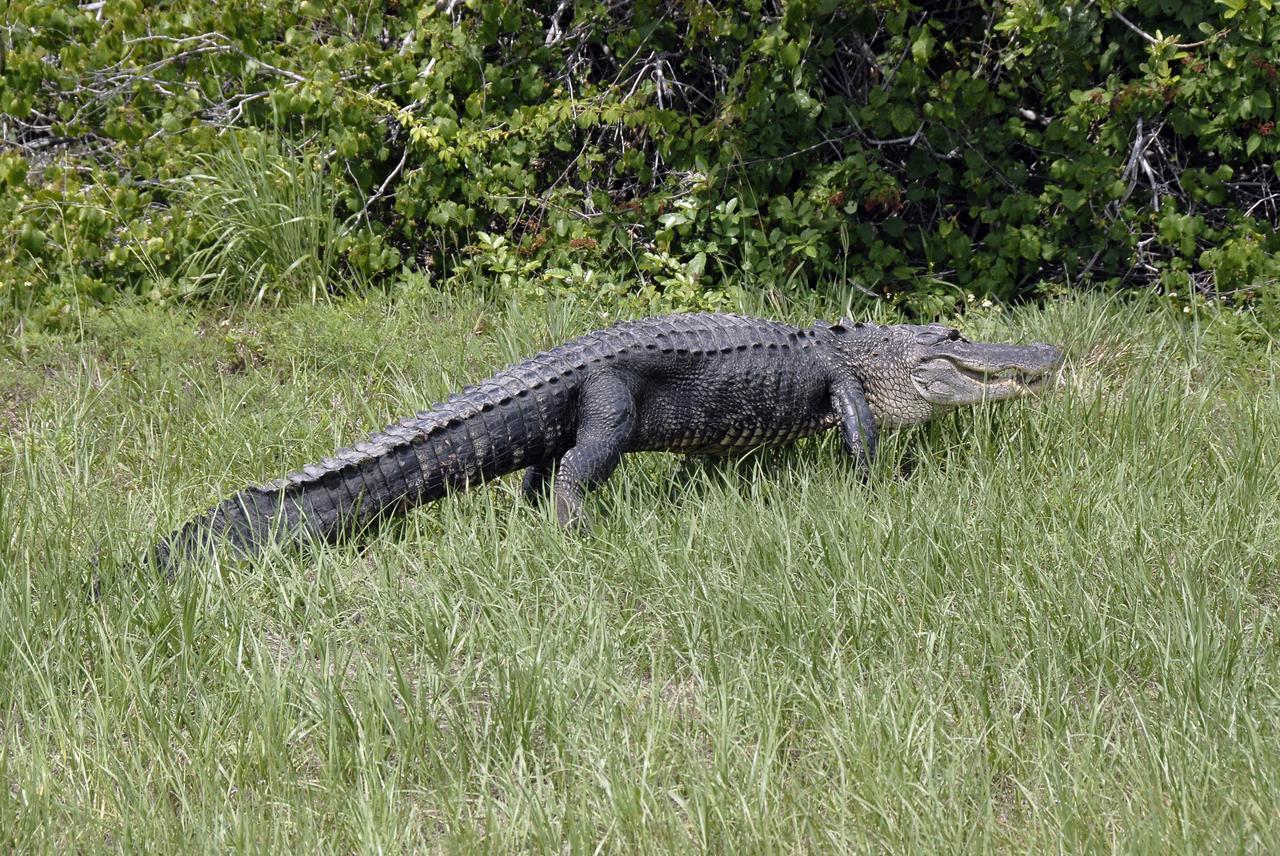
CAPE CANAVERAL, Fla. – Taking a mid-day stroll, an alligator heads for the woods after crossing the Saturn Causeway at NASA's Kennedy Space Center in Florida in front of the Astrovan with STS-127 crew members aboard. The crew was on its way to Launch Pad 39A for a simulated launch countdown, part of the terminal countdown demonstration test. Alligators can be spotted in the drainage canals and other waters surrounding Kennedy. They occasionally venture onto roads seeking new environs or mates. The center shares a boundary with the Merritt Island Wildlife Nature Refuge, which is a habitat for more than 310 species of birds, 25 mammals, 117 fishes and 65 amphibians and reptiles. Photo credit: NASA/Kim Shiflett