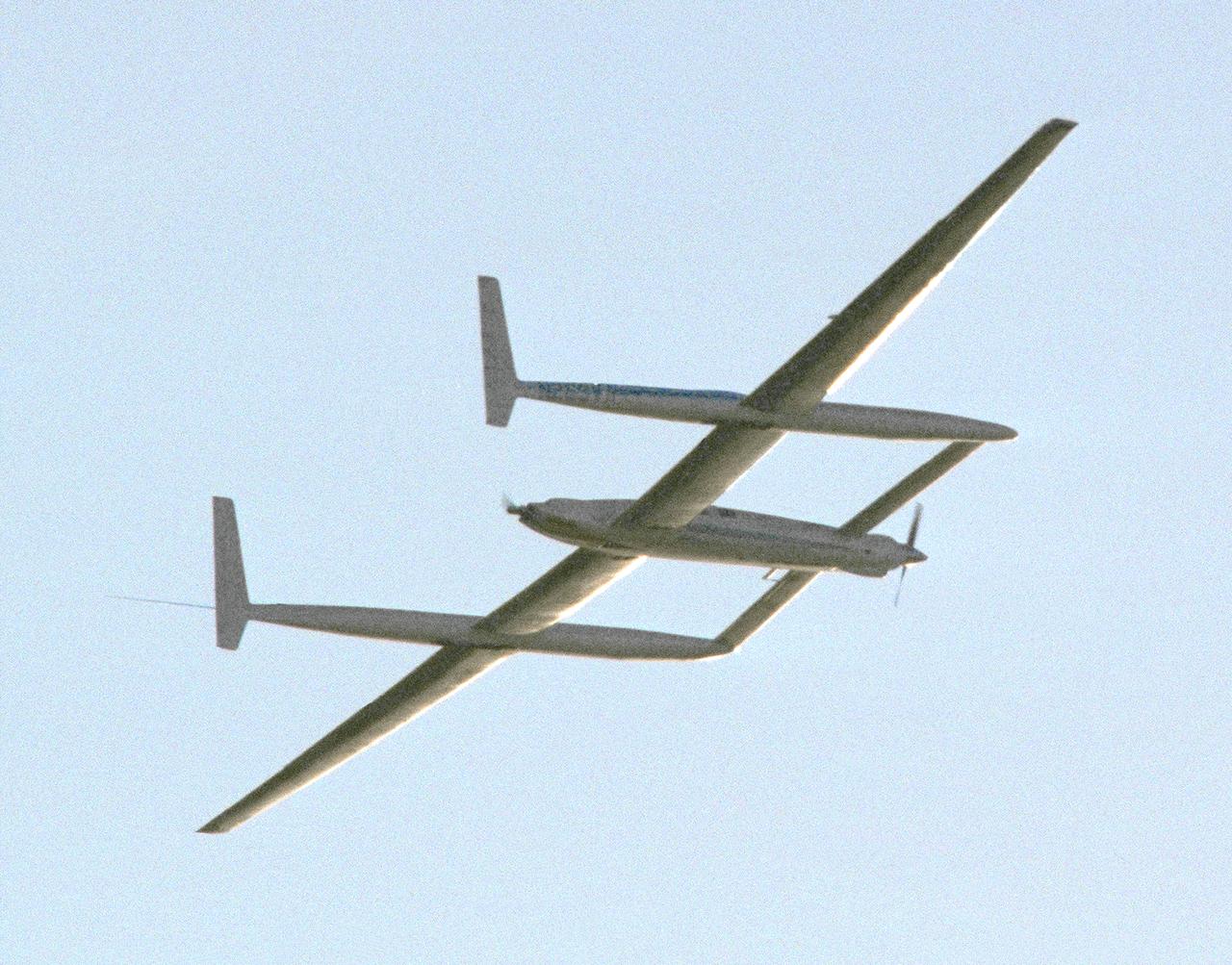
The Voyager aircraft circles before landing at Edwards Air Force Base, Edwards, California, to complete its record breaking, nonstop unfueled flight around the world.
Voyager aircraft return from non-stop trip around the world
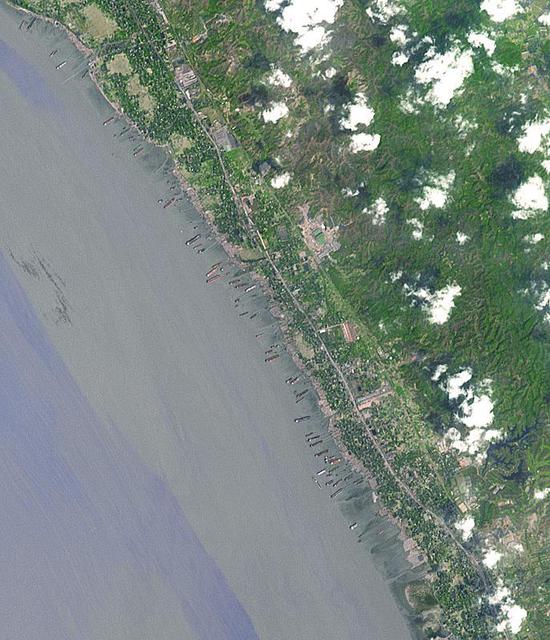
This image from NASA Terra spacecraft shows the Bangladeshi coast north of Chittagong, where ships from around the world are beached and dismantled.
Shipbreaking, Bangladesh
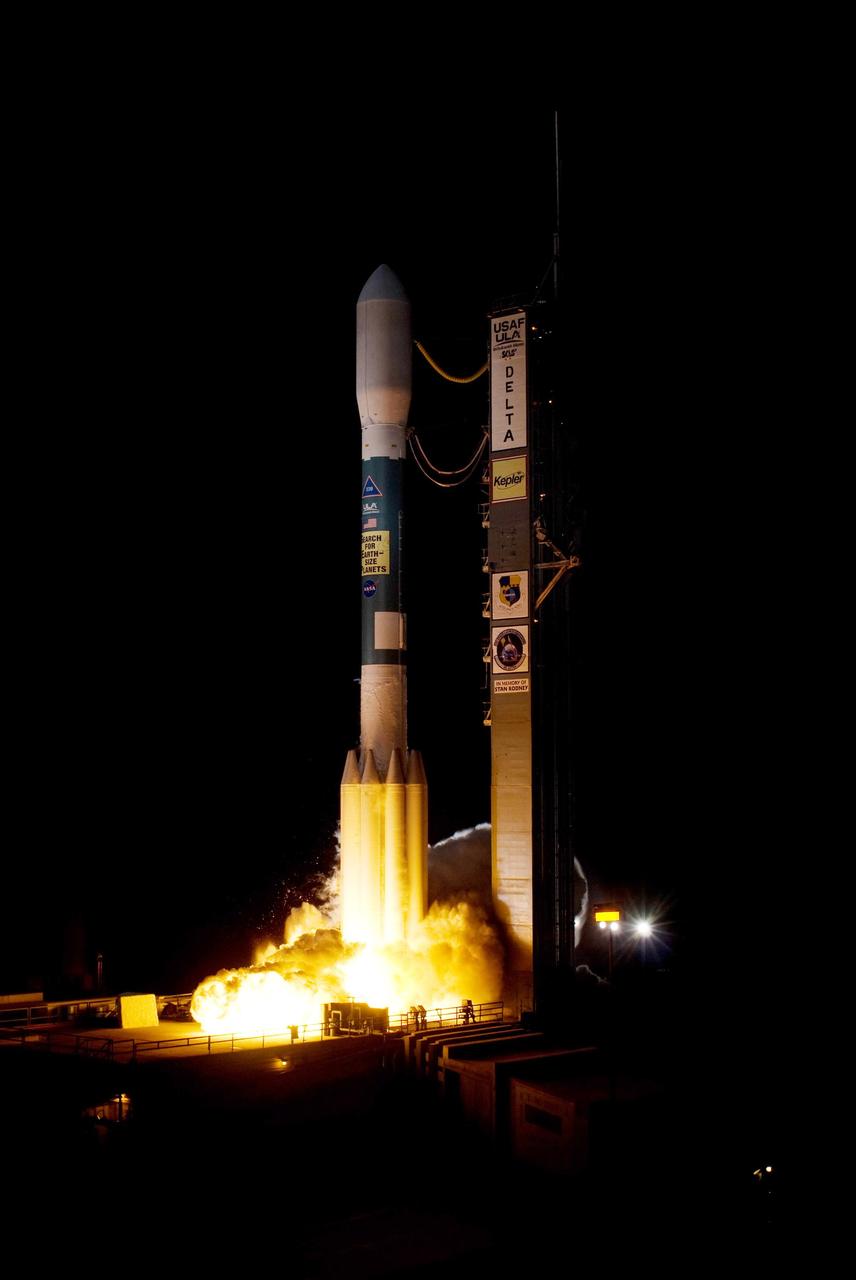
On March 6, 2009, NASA Kepler Space Telescope rocketed into the night skies above Cape Canaveral Air Force Station in Florida to find planets around other stars, called exoplanets, in search of potentially habitable worlds.
Kepler Team Marks Five Years in Space
This artist animation shows a blistering world revolving around its nearby un. NASA infrared Spitzer Space Telescope observed a planetary system like this one, as the planet sunlit and dark hemispheres swung alternately into the telescope view.
Fire and Ice Planet Artist Concept
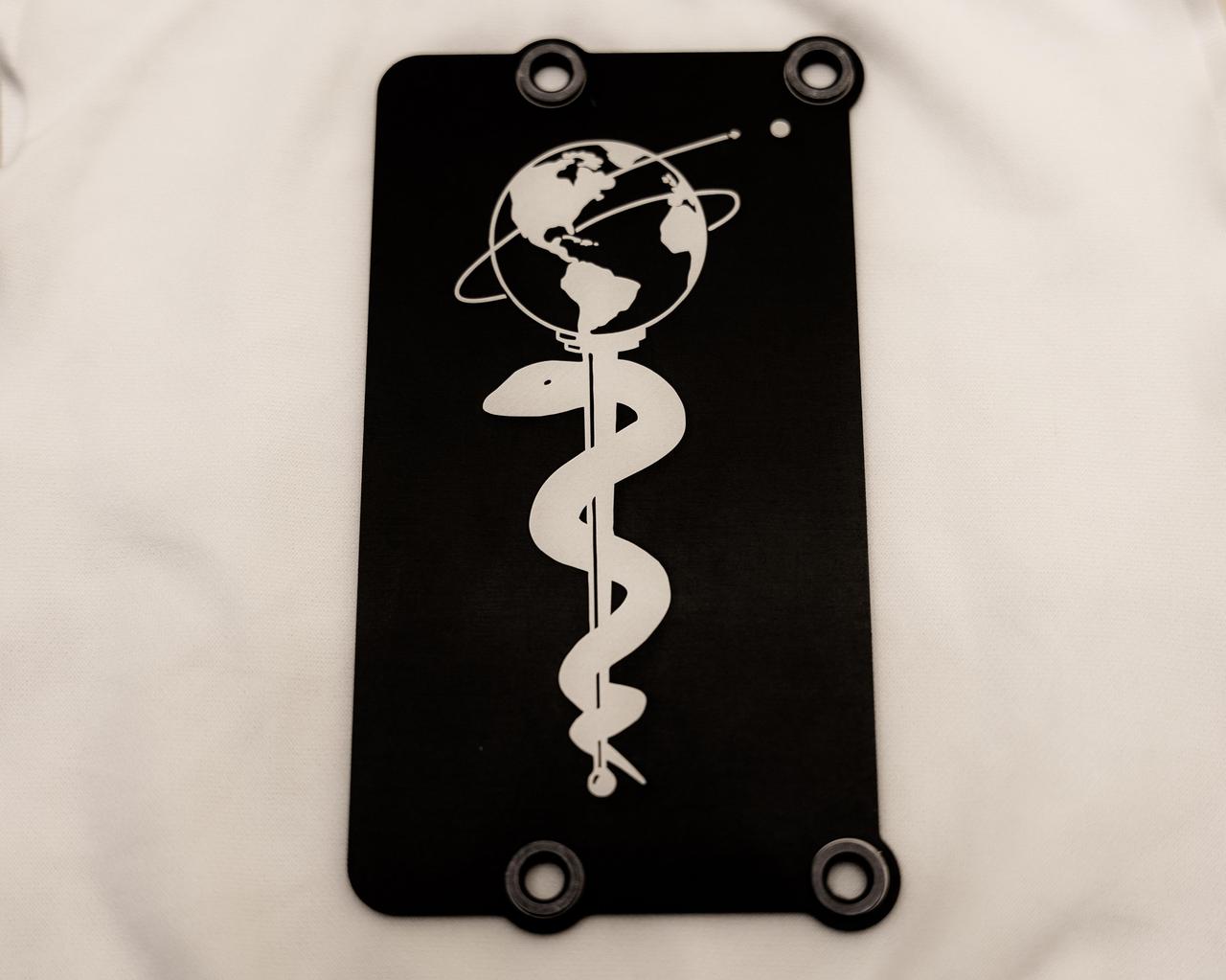
Members of NASA's Mars 2020 Perseverance rover mission installed a plate on the left side of the rover chassis, commemorating the impact of the COVID-19 pandemic and paying tribute to the perseverance of healthcare workers around the world. Made of aluminum, the 3-by-5-inch (8-by-13-centimeter) plaque was attached to the rover in May 2020 during final assembly at Kennedy Space Center in Florida.  https://photojournal.jpl.nasa.gov/catalog/PIA23921
Healthcare Workers to Be Honored on Mars
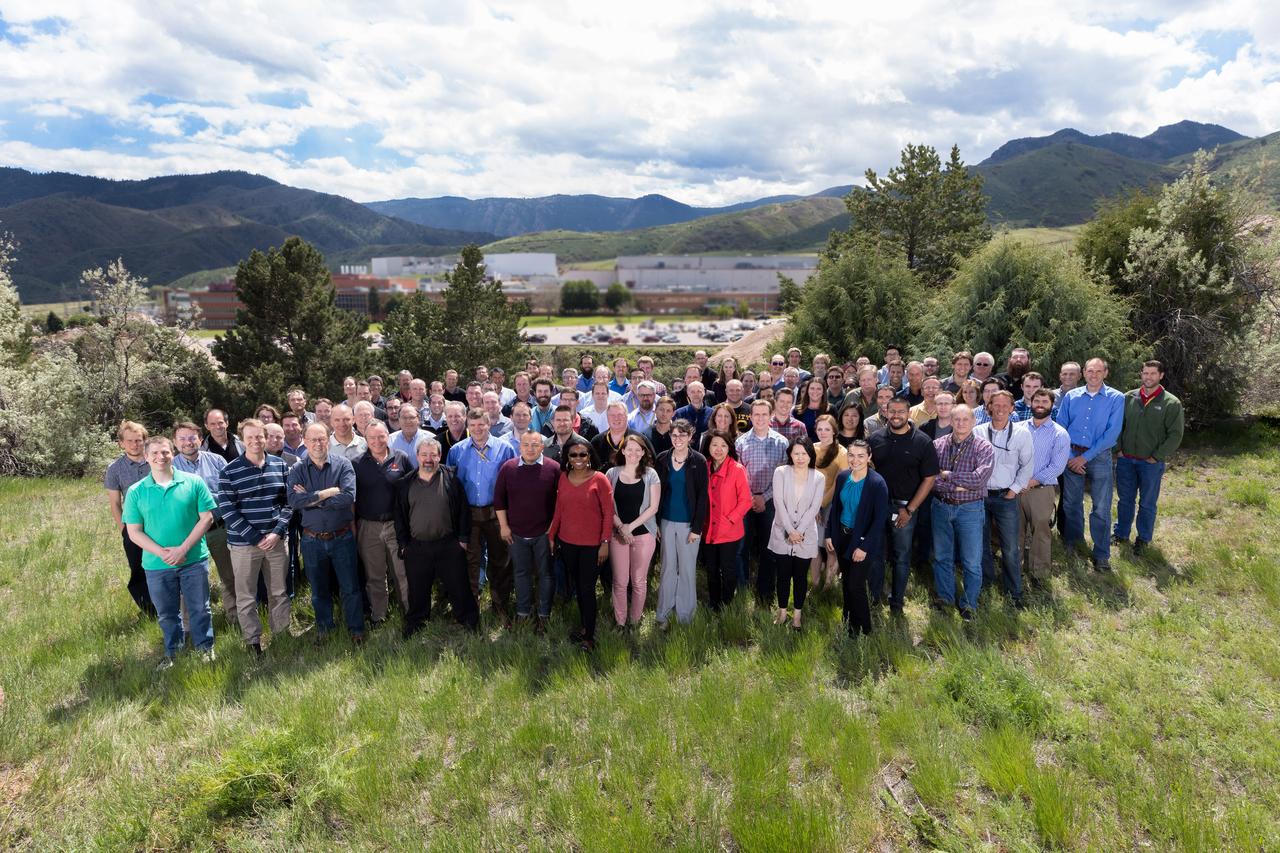
The InSight Team at Lockheed Martin Space in May 2017  The InSight team is comprised of scientists and engineers from multiple disciplines and is a unique collaboration between countries and organizations around the world. The science team includes co-investigators from the U.S., France, Germany, Austria, Belgium, Canada, Japan, Switzerland and the United Kingdom.   https://photojournal.jpl.nasa.gov/catalog/PIA22235
The InSight Team at Lockheed Martin
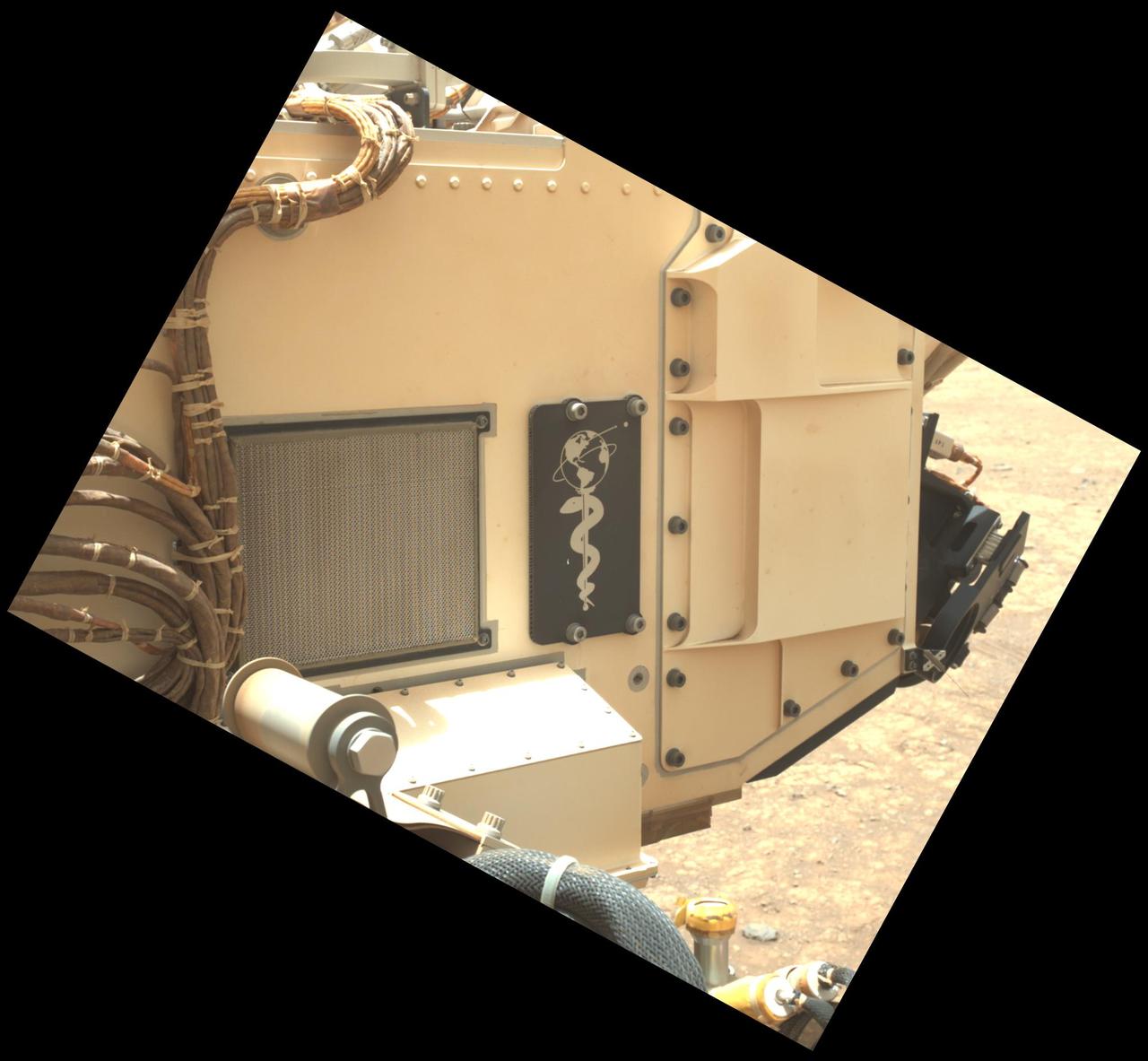
This close-up view of a plate on NASA's Perseverance rover commemorating the impact of the COVID-19 pandemic and paying tribute to the perseverance of health care workers around the world was acquired on June 28, 2025 (the 1,548th day, or sol, of its mission to Mars).  Located on the left side of the rover chassis, the 3-by-5-inch (8-by-13-centimeter) aluminum plaque was attached in May 2020 during final assembly at NASA's Kennedy Space Center in Florida.  https://photojournal.jpl.nasa.gov/catalog/PIA26641
A Martian Tribute on Perseverance
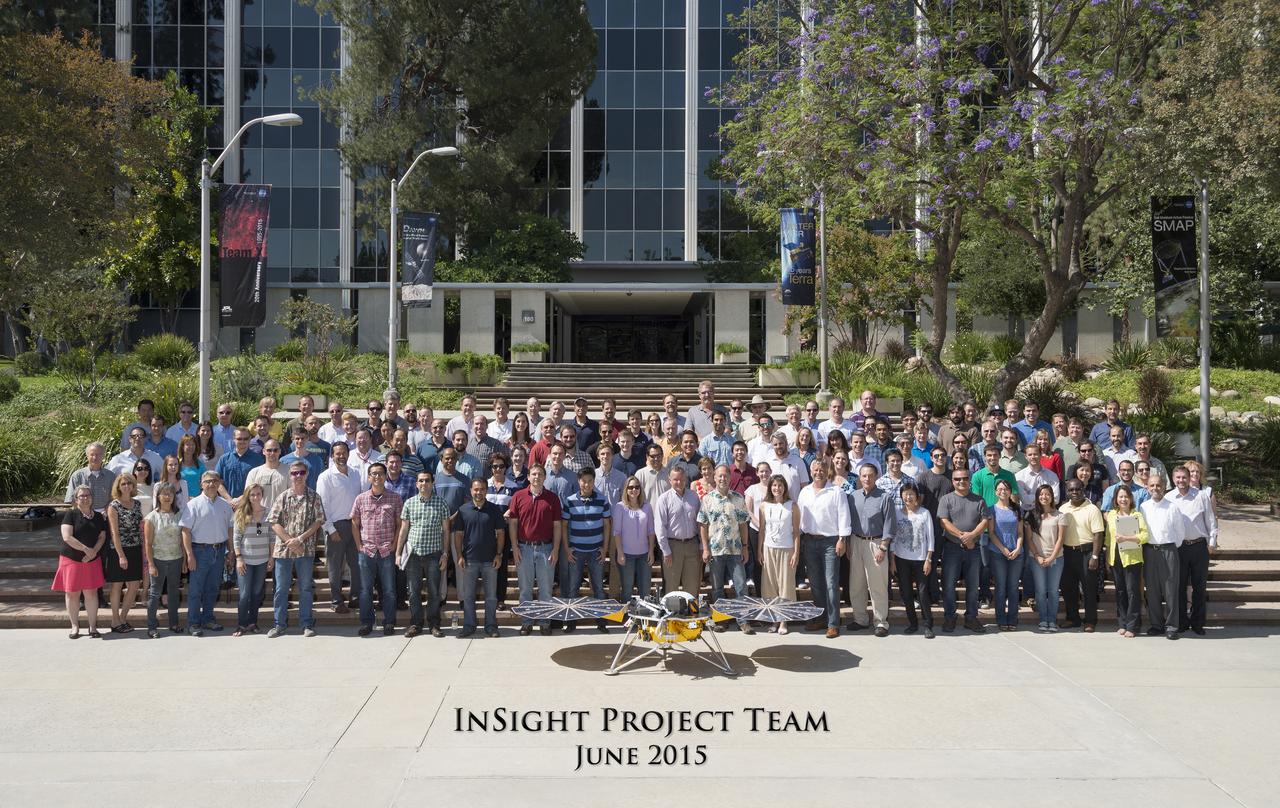
The InSight Team at NASA's Jet Propulsion Laboratory, JPL, in June 2015.  The InSight team is comprised of scientists and engineers from multiple disciplines and is a unique collaboration between countries and organizations around the world. The science team includes co-investigators from the U.S., France, Germany, Austria, Belgium, Canada, Japan, Switzerland and the United Kingdom.   https://photojournal.jpl.nasa.gov/catalog/PIA22234
The InSight Team at JPL
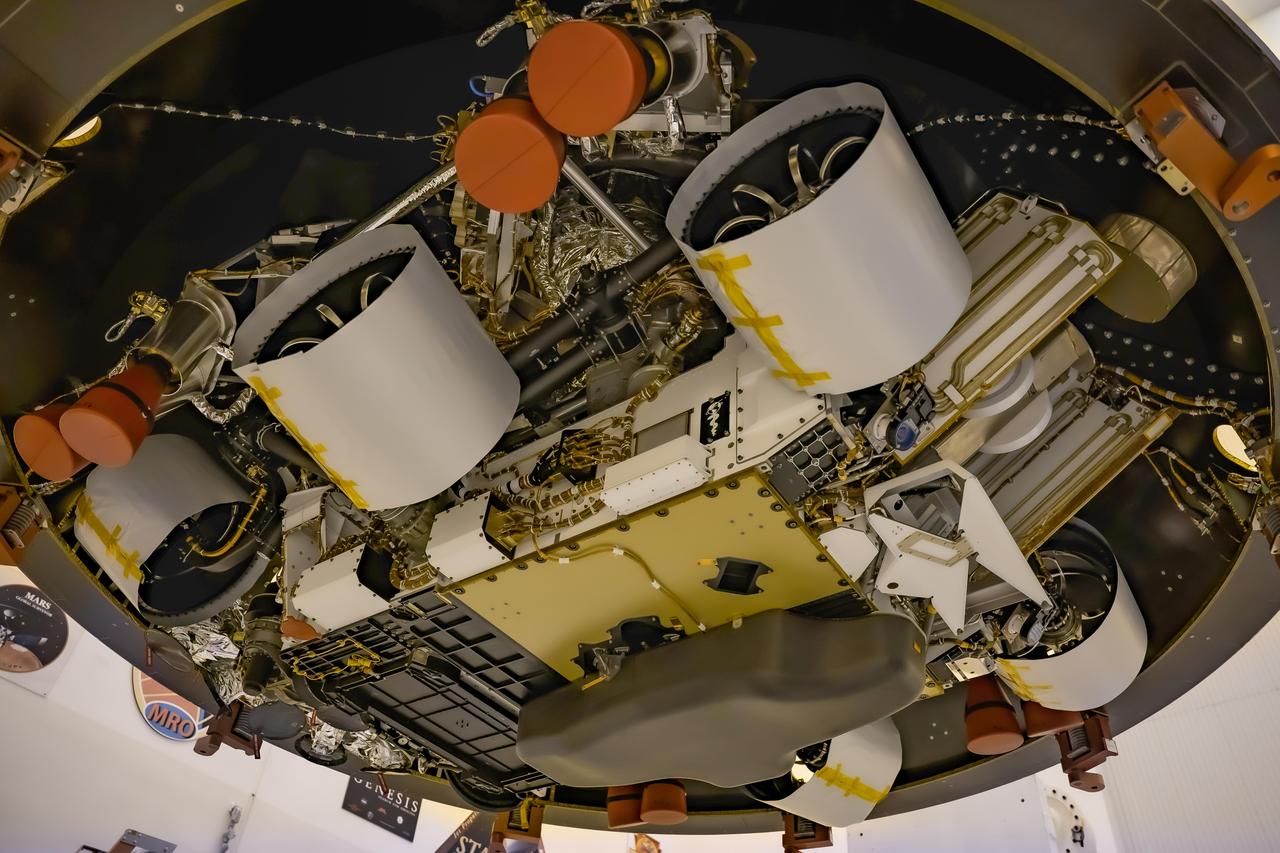
Seen from below, NASA's Mars 2020 Perseverance rover is in position in the aeroshell that will protect the rover on its way to the Red Planet. To the right of the middle wheel is the plaque that commemorates the impact of the COVID-19 pandemic and pays tribute to the perseverance of healthcare workers around the world. Featuring a snake-entwined rod to symbolize healing and medicine, the plaque was attached to the rover in May 2020 at Kennedy Space Center in Florida.  https://photojournal.jpl.nasa.gov/catalog/PIA23924
Perseverance Rover with Commemorative Plate
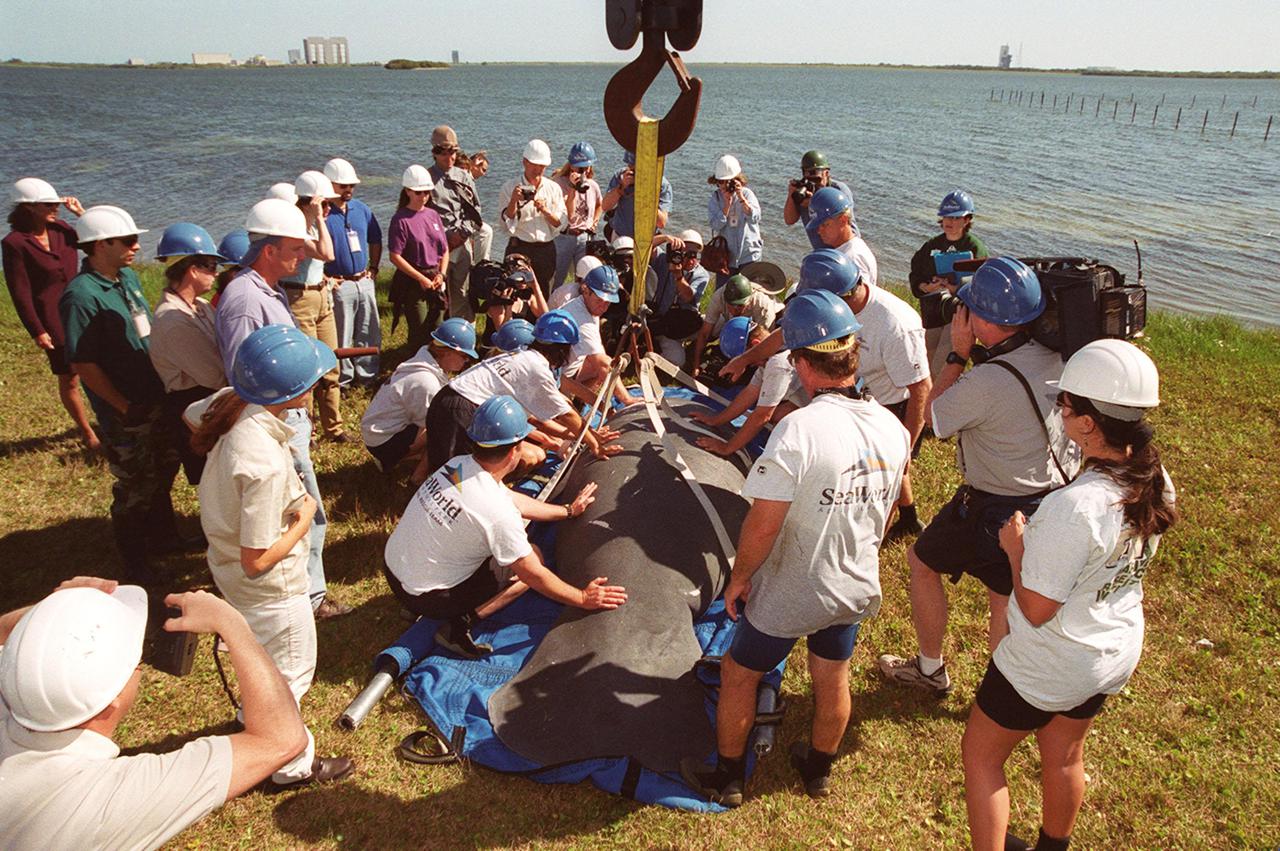
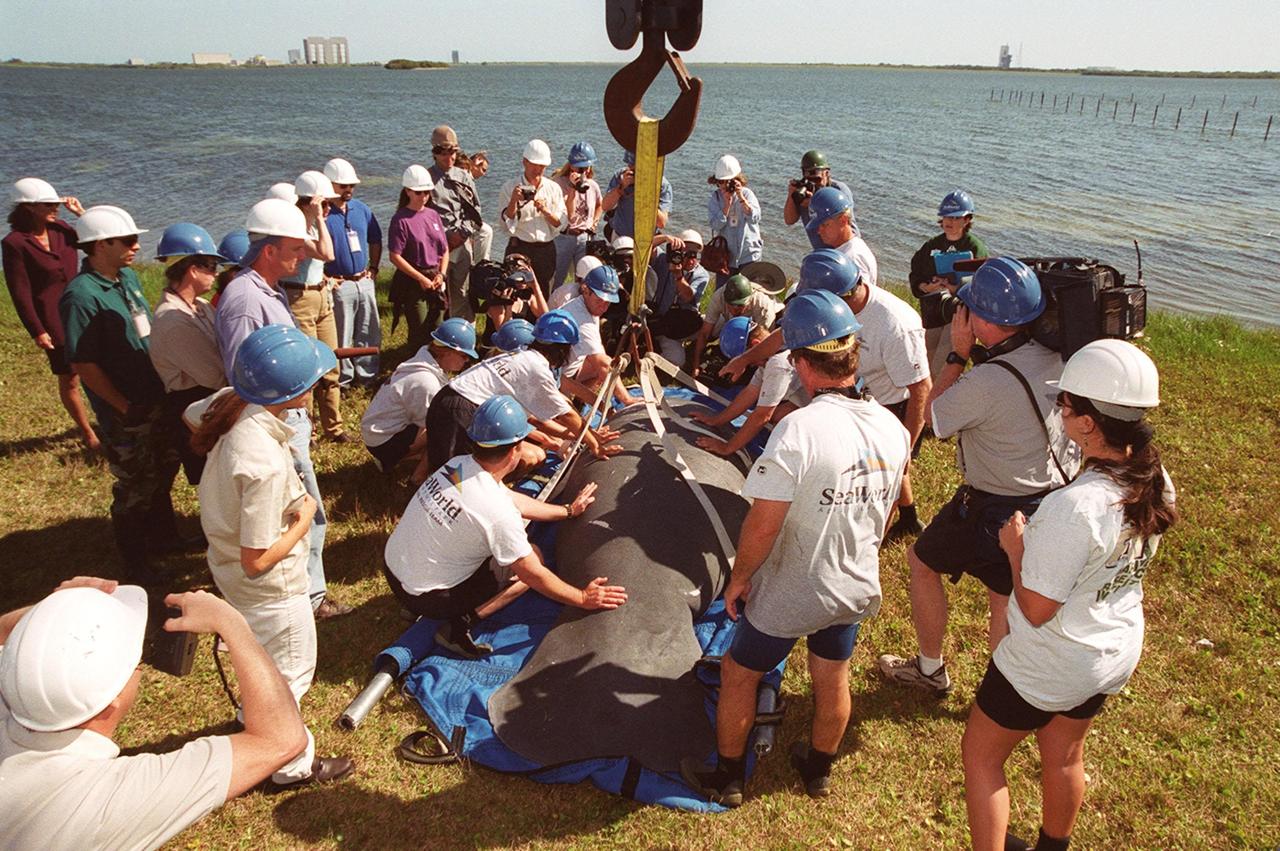
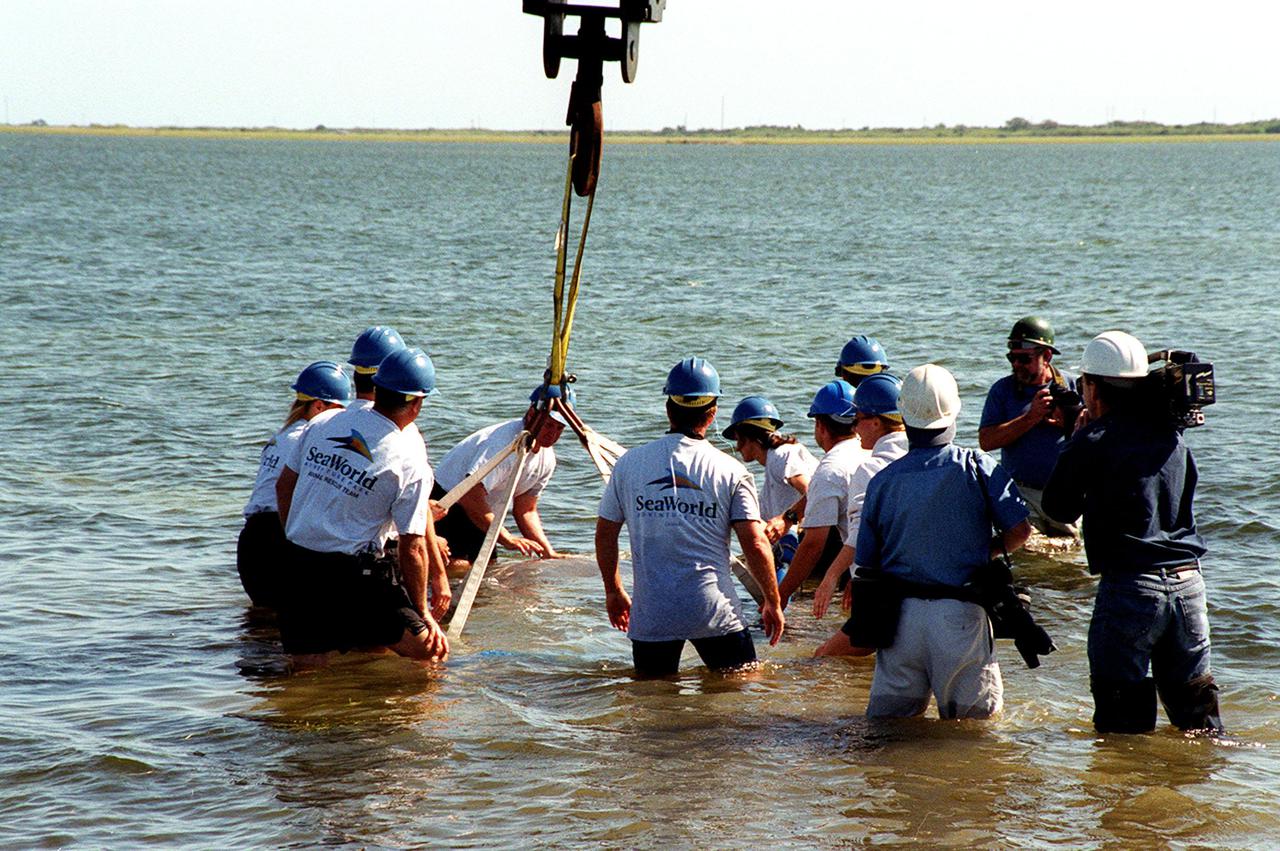
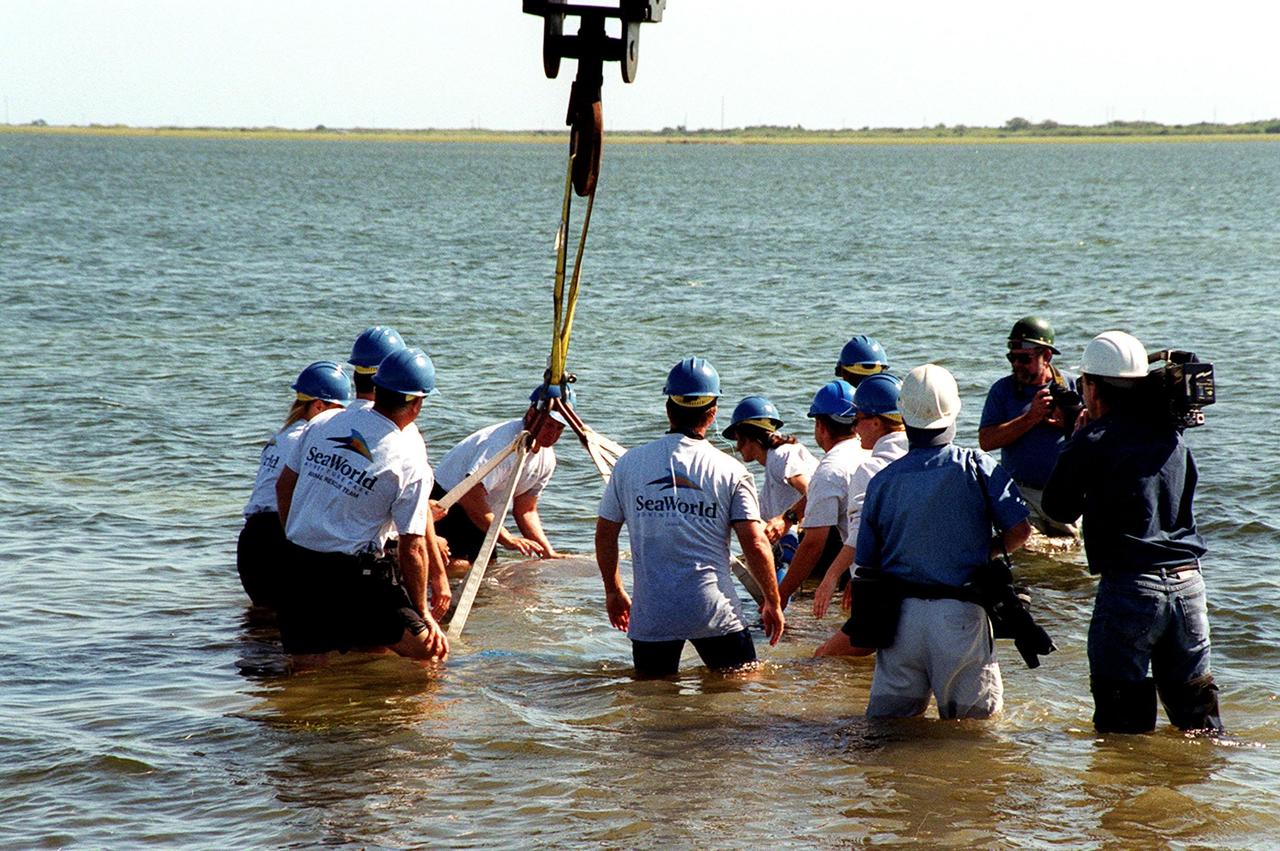
KENNEDY SPACE CENTER, FLA. -- Spectators and photographers gather around the adult manatee Sea World workers are releasing into the Banana River in the background. The site is on the north side of the NASA Causeway, near Kennedy Space Center. On the horizon at left can be seen the Vehicle Assembly Building. The weight of the manatee requires a hoist to lift it. Earlier, workers released a calf. The two manatees recovered from injuries at Sea World. Manatees are frequently seen in the waters around Kennedy Space Center, which is surrounded by the Merritt Island National Wildlife Refuge
KSC-01PP-0683
KENNEDY SPACE CENTER, FLA. -- Spectators and photographers gather around the adult manatee Sea World workers are releasing into the Banana River in the background. The site is on the north side of the NASA Causeway, near Kennedy Space Center. On the horizon at left can be seen the Vehicle Assembly Building. The weight of the manatee requires a hoist to lift it. Earlier, workers released a calf. The two manatees recovered from injuries at Sea World. Manatees are frequently seen in the waters around Kennedy Space Center, which is surrounded by the Merritt Island National Wildlife Refuge
KSC01pp0683
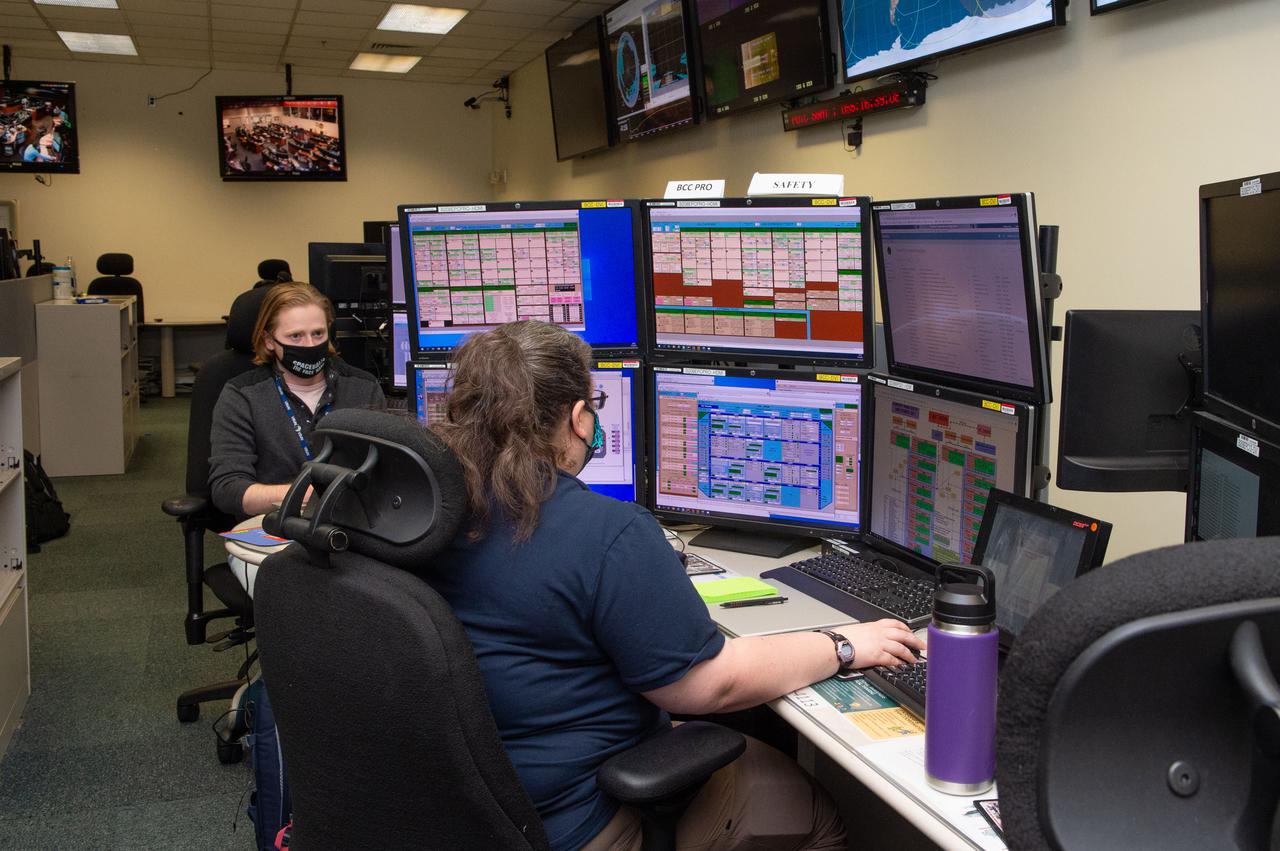
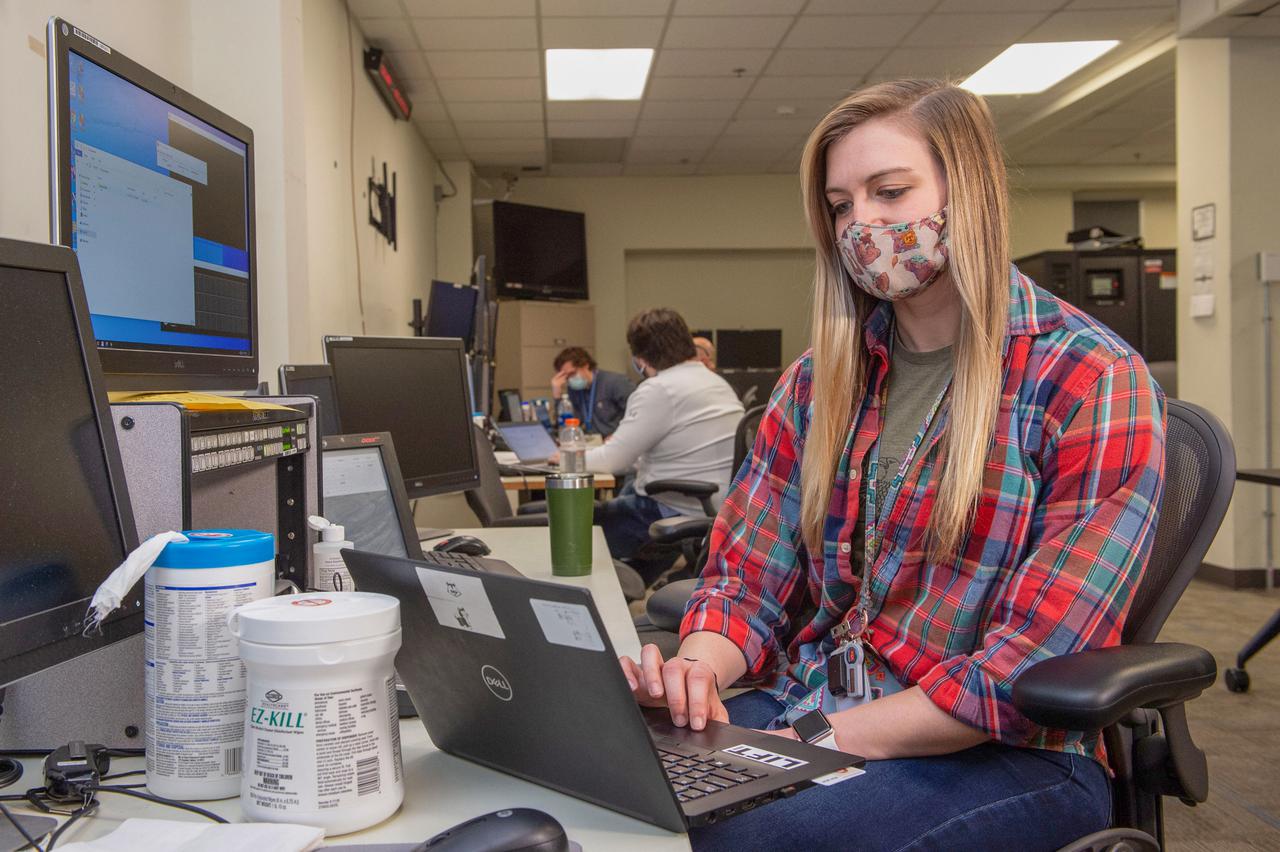
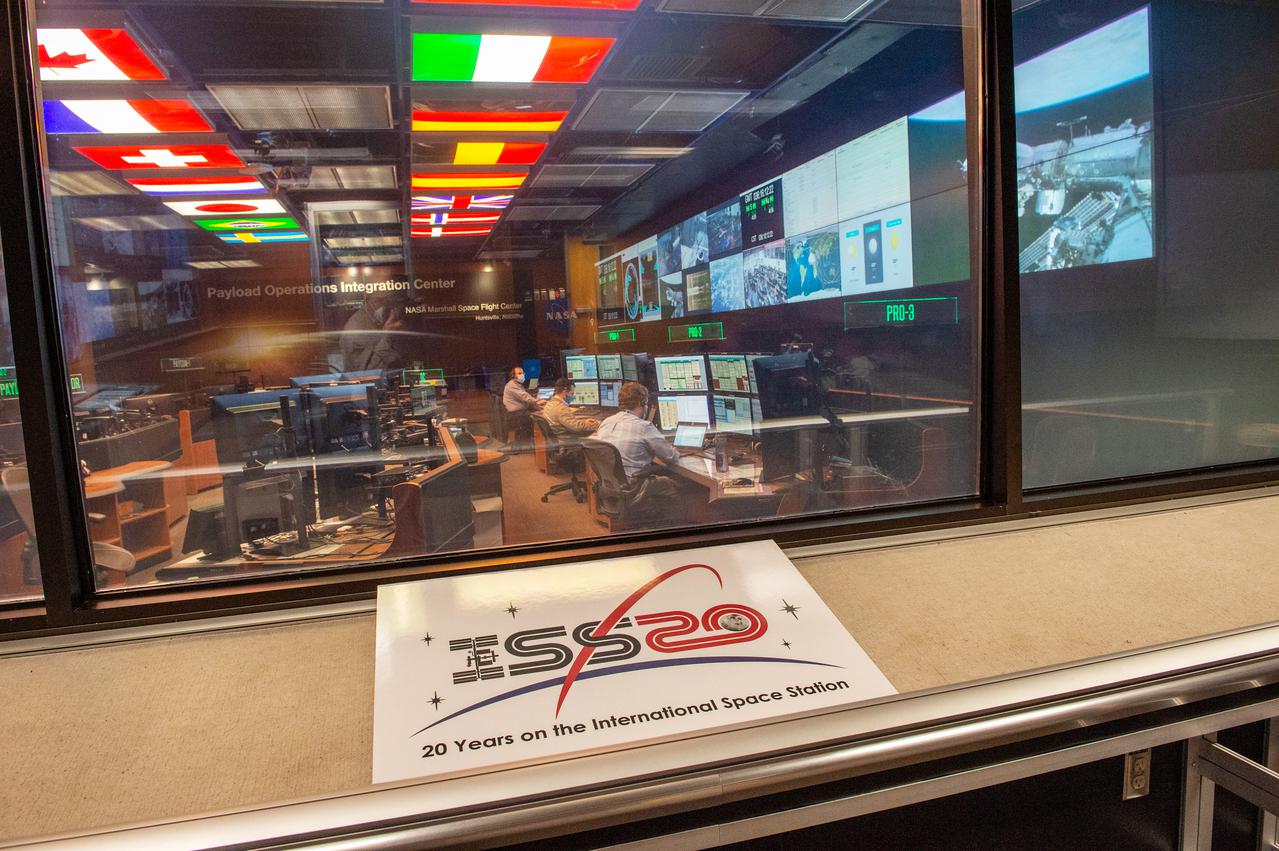
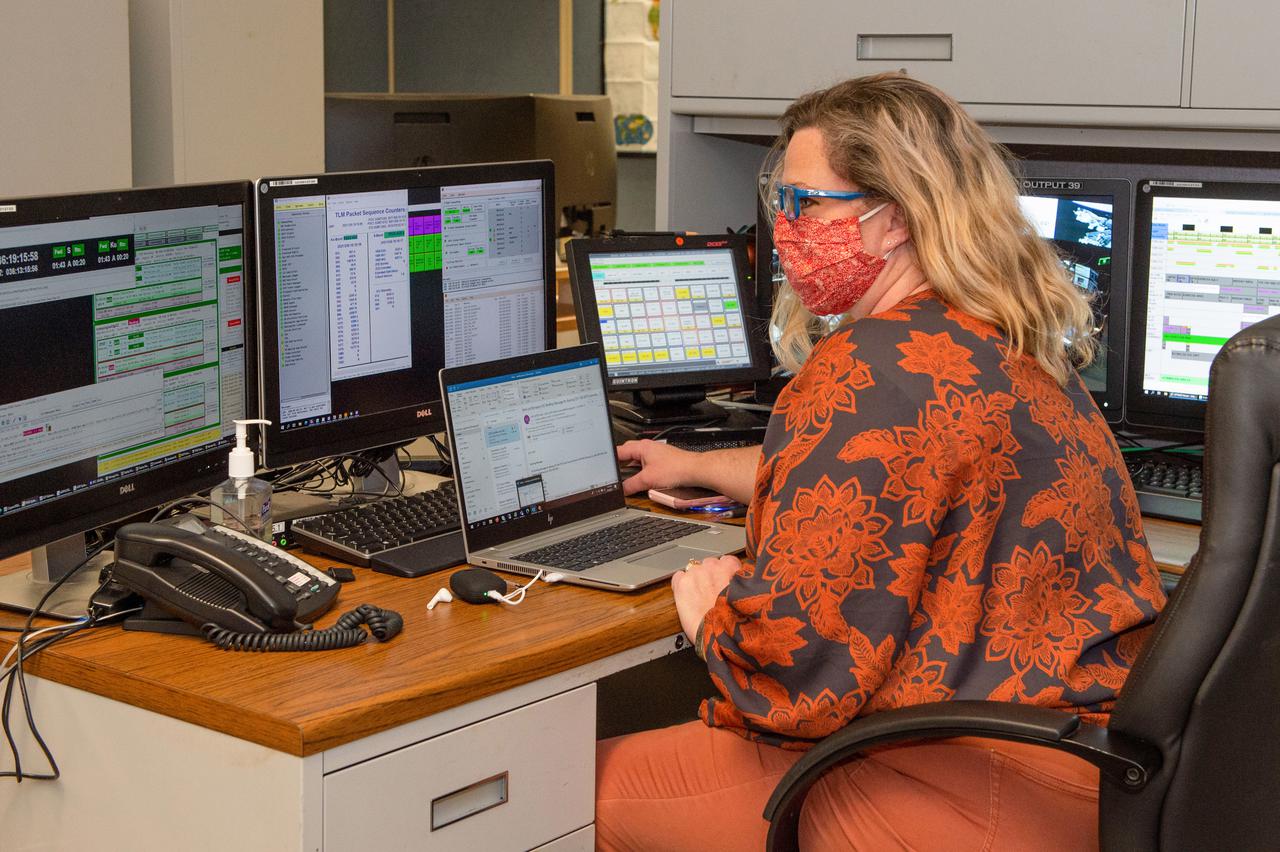
A look inside the International Space Station Payload Operations Integration Center at NASA’s Marshall Space Flight Center in Huntsville, AL.  The POIC team supports science operations on the International Space Station 24 hours a day, 7 days a week. For more than 20 years the POIC team has worked with scientists from around the world to enable the space station crew to conduct experiments that improve life on Earth and enable future exploration.
A look inside the International Space Station Payload Operations Integration Center at NASA’s Marshall Space Flight Center in Huntsville, AL. The POIC team supports science operations on the International Space Station 24 hours a day, 7 days a week. For more than 20 years the POIC team has worked with scientists from around the world to enable the space station crew to conduct experiments that improve life on Earth and enable future exploration.
A look inside the International Space Station Payload Operations Integration Center at NASA’s Marshall Space Flight Center in Huntsville, AL.  The POIC team supports science operations on the International Space Station 24 hours a day, 7 days a week. For more than 20 years the POIC team has worked with scientists from around the world to enable the space station crew to conduct experiments that improve life on Earth and enable future exploration.
A look inside the International Space Station Payload Operations Integration Center at NASA’s Marshall Space Flight Center in Huntsville, AL. The POIC team supports science operations on the International Space Station 24 hours a day, 7 days a week. For more than 20 years the POIC team has worked with scientists from around the world to enable the space station crew to conduct experiments that improve life on Earth and enable future exploration.
A look inside the International Space Station Payload Operations Integration Center at NASA’s Marshall Space Flight Center in Huntsville, AL.  The POIC team supports science operations on the International Space Station 24 hours a day, 7 days a week. For more than 20 years the POIC team has worked with scientists from around the world to enable the space station crew to conduct experiments that improve life on Earth and enable future exploration.
A look inside the International Space Station Payload Operations Integration Center at NASA’s Marshall Space Flight Center in Huntsville, AL. The POIC team supports science operations on the International Space Station 24 hours a day, 7 days a week. For more than 20 years the POIC team has worked with scientists from around the world to enable the space station crew to conduct experiments that improve life on Earth and enable future exploration.
A look inside the International Space Station Payload Operations Integration Center at NASA’s Marshall Space Flight Center in Huntsville, AL.  The POIC team supports science operations on the International Space Station 24 hours a day, 7 days a week. For more than 20 years the POIC team has worked with scientists from around the world to enable the space station crew to conduct experiments that improve life on Earth and enable future exploration.
A look inside the International Space Station Payload Operations Integration Center at NASA’s Marshall Space Flight Center in Huntsville, AL. The POIC team supports science operations on the International Space Station 24 hours a day, 7 days a week. For more than 20 years the POIC team has worked with scientists from around the world to enable the space station crew to conduct experiments that improve life on Earth and enable future exploration.
A look inside the International Space Station Payload Operations Integration Center at NASA’s Marshall Space Flight Center in Huntsville, AL.  The POIC team supports science operations on the International Space Station 24 hours a day, 7 days a week. For more than 20 years the POIC team has worked with scientists from around the world to enable the space station crew to conduct experiments that improve life on Earth and enable future exploration.
A look inside the International Space Station Payload Operations Integration Center at NASA’s Marshall Space Flight Center in Huntsville, AL. The POIC team supports science operations on the International Space Station 24 hours a day, 7 days a week. For more than 20 years the POIC team has worked with scientists from around the world to enable the space station crew to conduct experiments that improve life on Earth and enable future exploration.
A look inside the International Space Station Payload Operations Integration Center at NASA’s Marshall Space Flight Center in Huntsville, AL.  The POIC team supports science operations on the International Space Station 24 hours a day, 7 days a week. For more than 20 years the POIC team has worked with scientists from around the world to enable the space station crew to conduct experiments that improve life on Earth and enable future exploration.
A look inside the International Space Station Payload Operations Integration Center at NASA’s Marshall Space Flight Center in Huntsville, AL. The POIC team supports science operations on the International Space Station 24 hours a day, 7 days a week. For more than 20 years the POIC team has worked with scientists from around the world to enable the space station crew to conduct experiments that improve life on Earth and enable future exploration.
A look inside the International Space Station Payload Operations Integration Center at NASA’s Marshall Space Flight Center in Huntsville, AL.  The POIC team supports science operations on the International Space Station 24 hours a day, 7 days a week. For more than 20 years the POIC team has worked with scientists from around the world to enable the space station crew to conduct experiments that improve life on Earth and enable future exploration.
A look inside the International Space Station Payload Operations Integration Center at NASA’s Marshall Space Flight Center in Huntsville, AL. The POIC team supports science operations on the International Space Station 24 hours a day, 7 days a week. For more than 20 years the POIC team has worked with scientists from around the world to enable the space station crew to conduct experiments that improve life on Earth and enable future exploration.
A look inside the International Space Station Payload Operations Integration Center at NASA’s Marshall Space Flight Center in Huntsville, AL.  The POIC team supports science operations on the International Space Station 24 hours a day, 7 days a week. For more than 20 years the POIC team has worked with scientists from around the world to enable the space station crew to conduct experiments that improve life on Earth and enable future exploration.
A look inside the International Space Station Payload Operations Integration Center at NASA’s Marshall Space Flight Center in Huntsville, AL. The POIC team supports science operations on the International Space Station 24 hours a day, 7 days a week. For more than 20 years the POIC team has worked with scientists from around the world to enable the space station crew to conduct experiments that improve life on Earth and enable future exploration.
A look inside the International Space Station Payload Operations Integration Center at NASA’s Marshall Space Flight Center in Huntsville, AL.  The POIC team supports science operations on the International Space Station 24 hours a day, 7 days a week. For more than 20 years the POIC team has worked with scientists from around the world to enable the space station crew to conduct experiments that improve life on Earth and enable future exploration.
A look inside the International Space Station Payload Operations Integration Center at NASA’s Marshall Space Flight Center in Huntsville, AL. The POIC team supports science operations on the International Space Station 24 hours a day, 7 days a week. For more than 20 years the POIC team has worked with scientists from around the world to enable the space station crew to conduct experiments that improve life on Earth and enable future exploration.
A look inside the International Space Station Payload Operations Integration Center at NASA’s Marshall Space Flight Center in Huntsville, AL.  The POIC team supports science operations on the International Space Station 24 hours a day, 7 days a week. For more than 20 years the POIC team has worked with scientists from around the world to enable the space station crew to conduct experiments that improve life on Earth and enable future exploration.
A look inside the International Space Station Payload Operations Integration Center at NASA’s Marshall Space Flight Center in Huntsville, AL. The POIC team supports science operations on the International Space Station 24 hours a day, 7 days a week. For more than 20 years the POIC team has worked with scientists from around the world to enable the space station crew to conduct experiments that improve life on Earth and enable future exploration.
A look inside the International Space Station Payload Operations Integration Center at NASA’s Marshall Space Flight Center in Huntsville, AL.  The POIC team supports science operations on the International Space Station 24 hours a day, 7 days a week. For more than 20 years the POIC team has worked with scientists from around the world to enable the space station crew to conduct experiments that improve life on Earth and enable future exploration.
A look inside the International Space Station Payload Operations Integration Center at NASA’s Marshall Space Flight Center in Huntsville, AL. The POIC team supports science operations on the International Space Station 24 hours a day, 7 days a week. For more than 20 years the POIC team has worked with scientists from around the world to enable the space station crew to conduct experiments that improve life on Earth and enable future exploration.
A look inside the International Space Station Payload Operations Integration Center at NASA’s Marshall Space Flight Center in Huntsville, AL.  The POIC team supports science operations on the International Space Station 24 hours a day, 7 days a week. For more than 20 years the POIC team has worked with scientists from around the world to enable the space station crew to conduct experiments that improve life on Earth and enable future exploration.
A look inside the International Space Station Payload Operations Integration Center at NASA’s Marshall Space Flight Center in Huntsville, AL. The POIC team supports science operations on the International Space Station 24 hours a day, 7 days a week. For more than 20 years the POIC team has worked with scientists from around the world to enable the space station crew to conduct experiments that improve life on Earth and enable future exploration.
A look inside the International Space Station Payload Operations Integration Center at NASA’s Marshall Space Flight Center in Huntsville, AL.  The POIC team supports science operations on the International Space Station 24 hours a day, 7 days a week. For more than 20 years the POIC team has worked with scientists from around the world to enable the space station crew to conduct experiments that improve life on Earth and enable future exploration.
A look inside the International Space Station Payload Operations Integration Center at NASA’s Marshall Space Flight Center in Huntsville, AL. The POIC team supports science operations on the International Space Station 24 hours a day, 7 days a week. For more than 20 years the POIC team has worked with scientists from around the world to enable the space station crew to conduct experiments that improve life on Earth and enable future exploration.
A look inside the International Space Station Payload Operations Integration Center at NASA’s Marshall Space Flight Center in Huntsville, AL.  The POIC team supports science operations on the International Space Station 24 hours a day, 7 days a week. For more than 20 years the POIC team has worked with scientists from around the world to enable the space station crew to conduct experiments that improve life on Earth and enable future exploration.
A look inside the International Space Station Payload Operations Integration Center at NASA’s Marshall Space Flight Center in Huntsville, AL. The POIC team supports science operations on the International Space Station 24 hours a day, 7 days a week. For more than 20 years the POIC team has worked with scientists from around the world to enable the space station crew to conduct experiments that improve life on Earth and enable future exploration.
A look inside the International Space Station Payload Operations Integration Center at NASA’s Marshall Space Flight Center in Huntsville, AL.  The POIC team supports science operations on the International Space Station 24 hours a day, 7 days a week. For more than 20 years the POIC team has worked with scientists from around the world to enable the space station crew to conduct experiments that improve life on Earth and enable future exploration.
A look inside the International Space Station Payload Operations Integration Center at NASA’s Marshall Space Flight Center in Huntsville, AL. The POIC team supports science operations on the International Space Station 24 hours a day, 7 days a week. For more than 20 years the POIC team has worked with scientists from around the world to enable the space station crew to conduct experiments that improve life on Earth and enable future exploration.
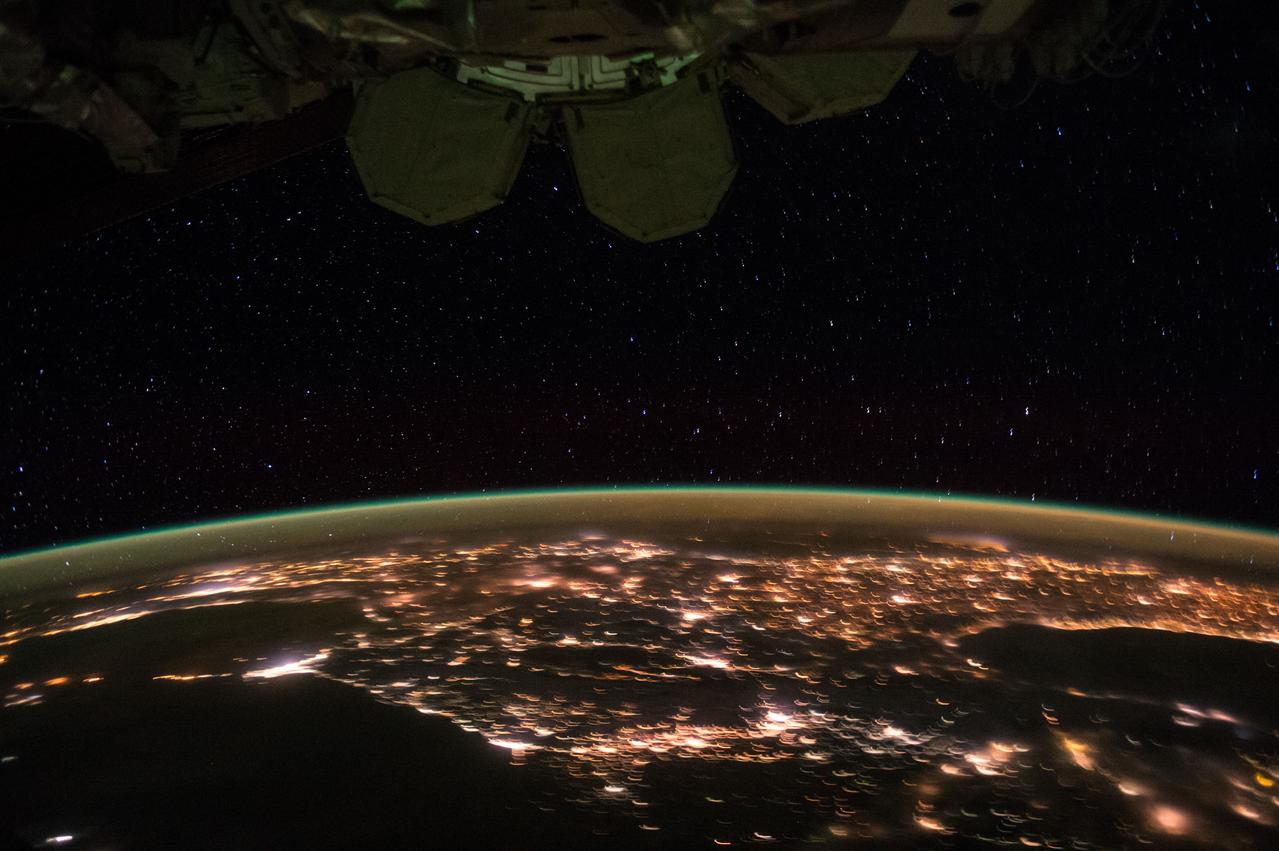
ISS045e176195 (12/05/2015) --- Sparkling City lights are framed by an aurora along the Earths horizon and part of the International Space Station on Dec. 05. 2015 as the station flies around the world at 17500 miles an hour.
Earth Observation
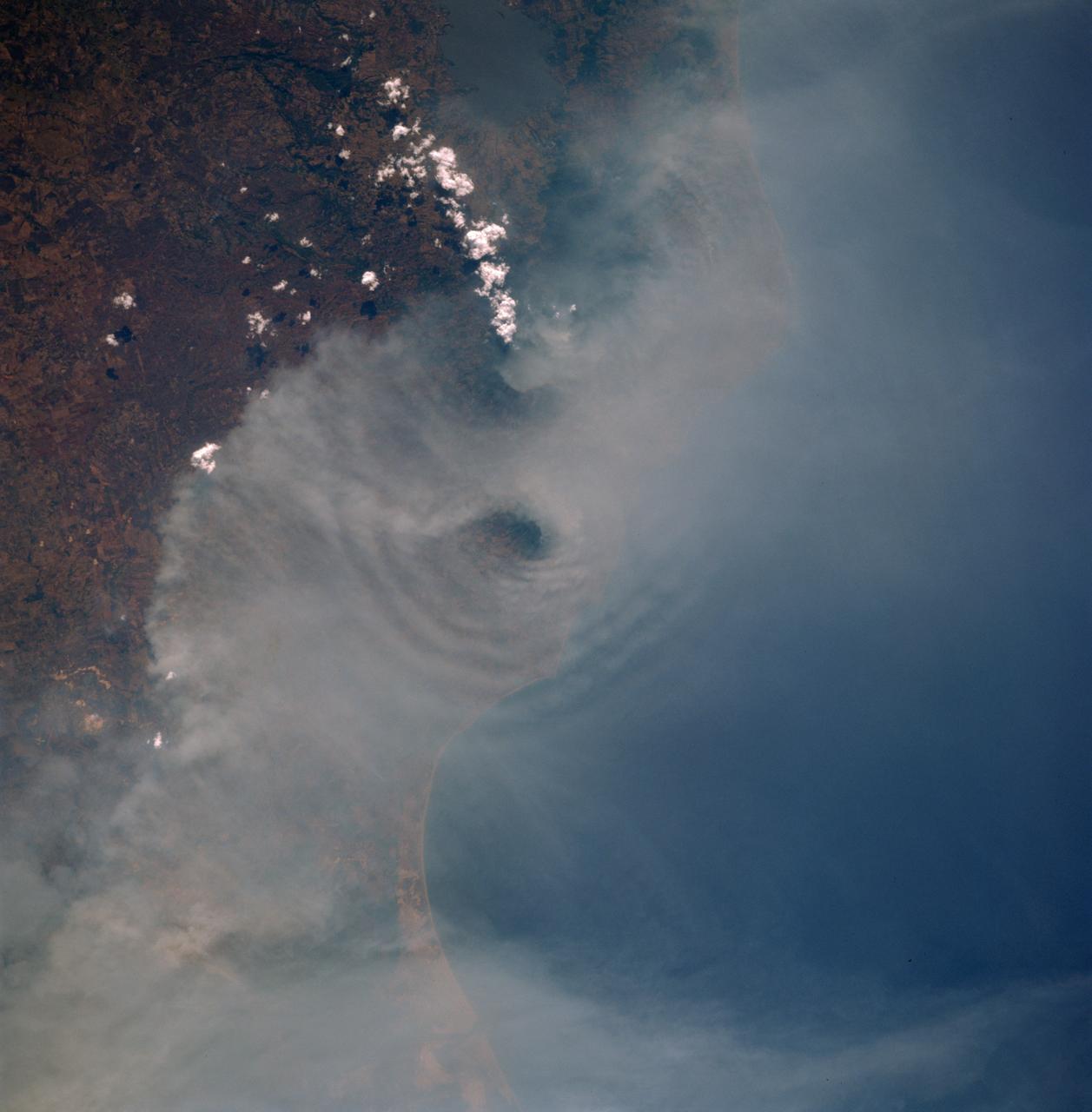
STS091-725-088 (2-12 June 1998)--- In this 70mm picture photographed during one of Discovery's passes over Mexico, waves generated by the volcanic peaks are seen as the wind carrying the smoke moves by the peaks. Along the coast of the Bay of Campeche, the fires burn around the peak of the Cerro San Martin (5,577 feet), which is west and higher than the peak with the waves around it. Lago Catemaco is on the west, center edge of the photo. Fires across Mexico and Central America created heavy smoke plumes for a few weeks in May and June, 1998. The smoke circulated around a high pressure system over the Gulf of Mexico and brought thick smoke and soot to the south central United States. Scientists are looking at burning regions like this around the world to study the smokes affect on the albedo or the reflectance of the suns rays and how it may influence our world's climate.
Earth observations taken from orbiter Discovery during STS-91 mission
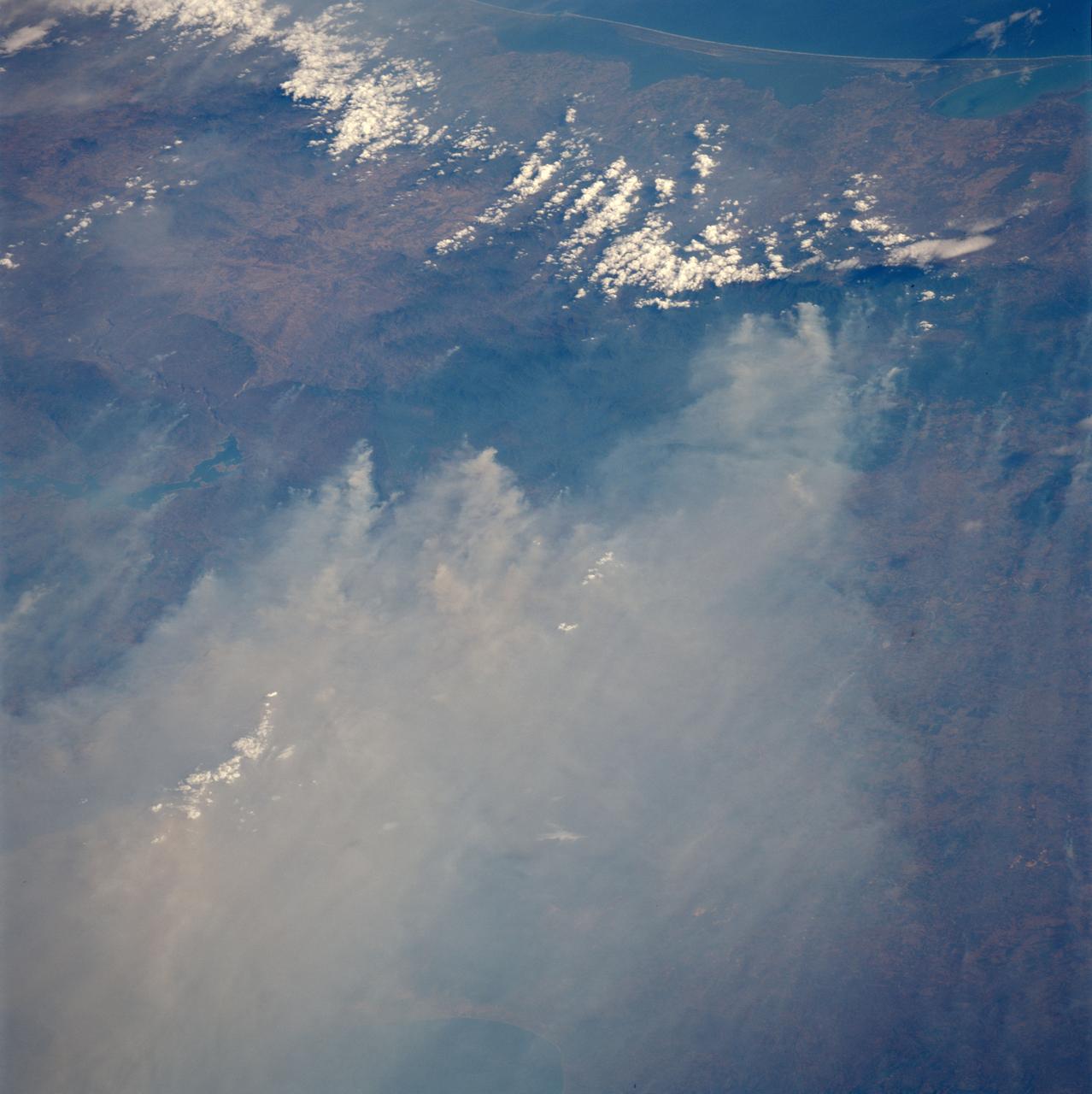
STS091-701-075 (2-12 June 1998) --- Fires across Mexico and Central America which created heavy smoke plumes for a few weeks in May and June, 1998, were recorded on 70mm film by the crewmembers   of STS-91.  The smoke circulated around a high pressure system over the Gulf of Mexico and brought thick smoke and soot to the south central United States.   Scientists are looking at burning regions like this around the world to study the smokes affect on the albedo or the reflectance of the sun's rays and how it may influence the world's climate. This view captures the area from the Gulf of Tehuantepec, on the south side, to the Bay of Campeche to the north in early June 1998.
Earth observations taken from shuttle Discovery during STS-91 mission
KENNEDY SPACE CENTER, FLA. -- Sea World workers coax a manatee into the Banana River after the hoist and sling it was in relaxes in the water. The site is on the north side of the NASA Causeway, near Kennedy Space Center. The manatee is one of two released after recovering at Sea World from injuries. Manatees are frequently seen in the waters around Kennedy Space Center, which is surrounded by the Merritt Island National Wildlife Refuge
KSC-01PP-0685
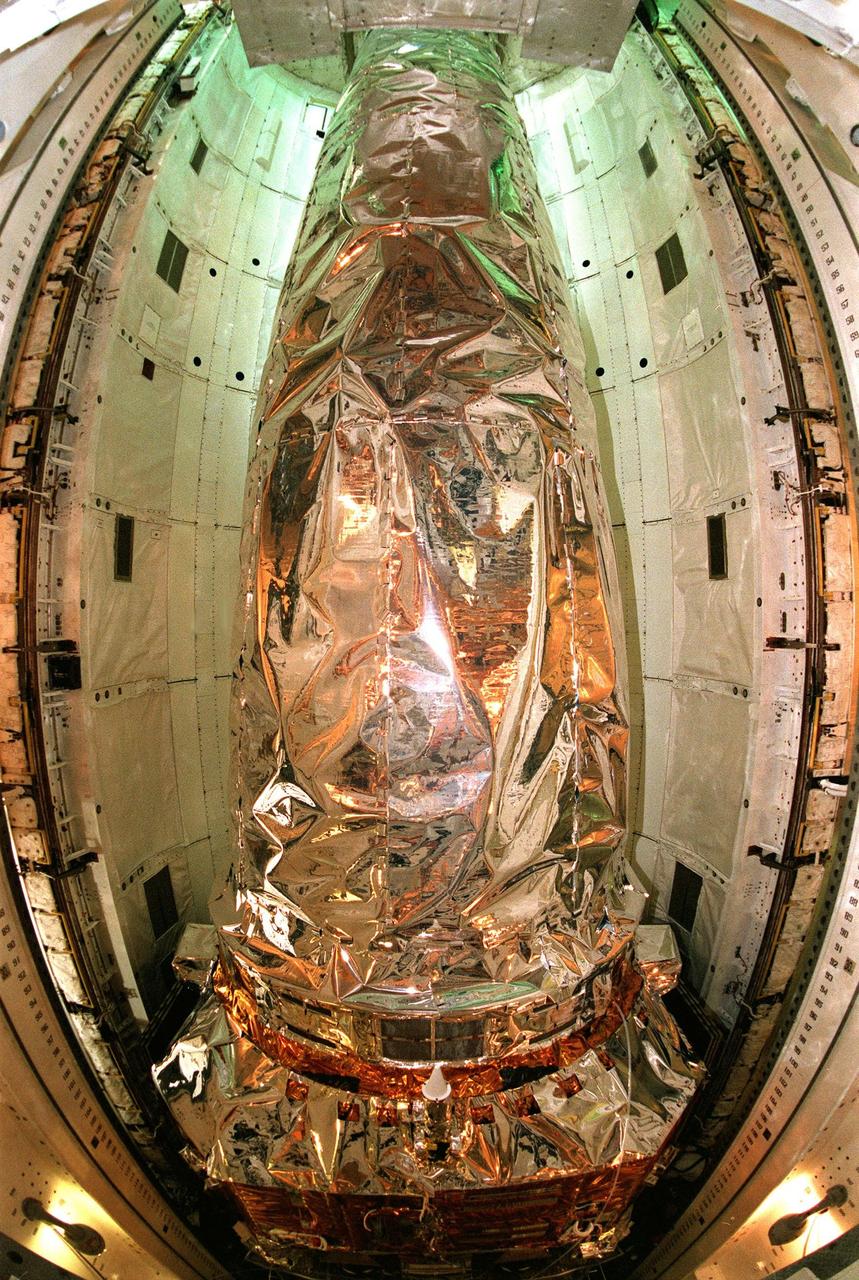
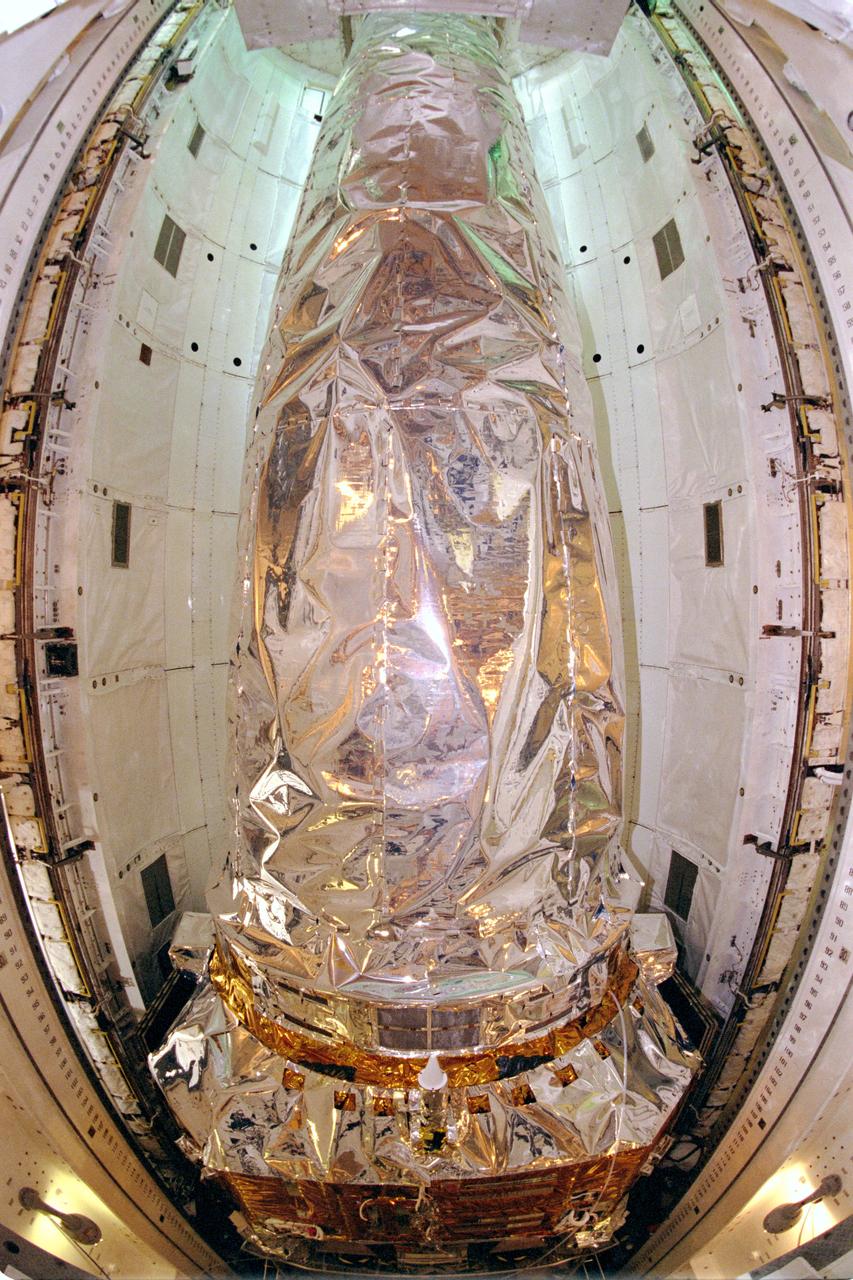
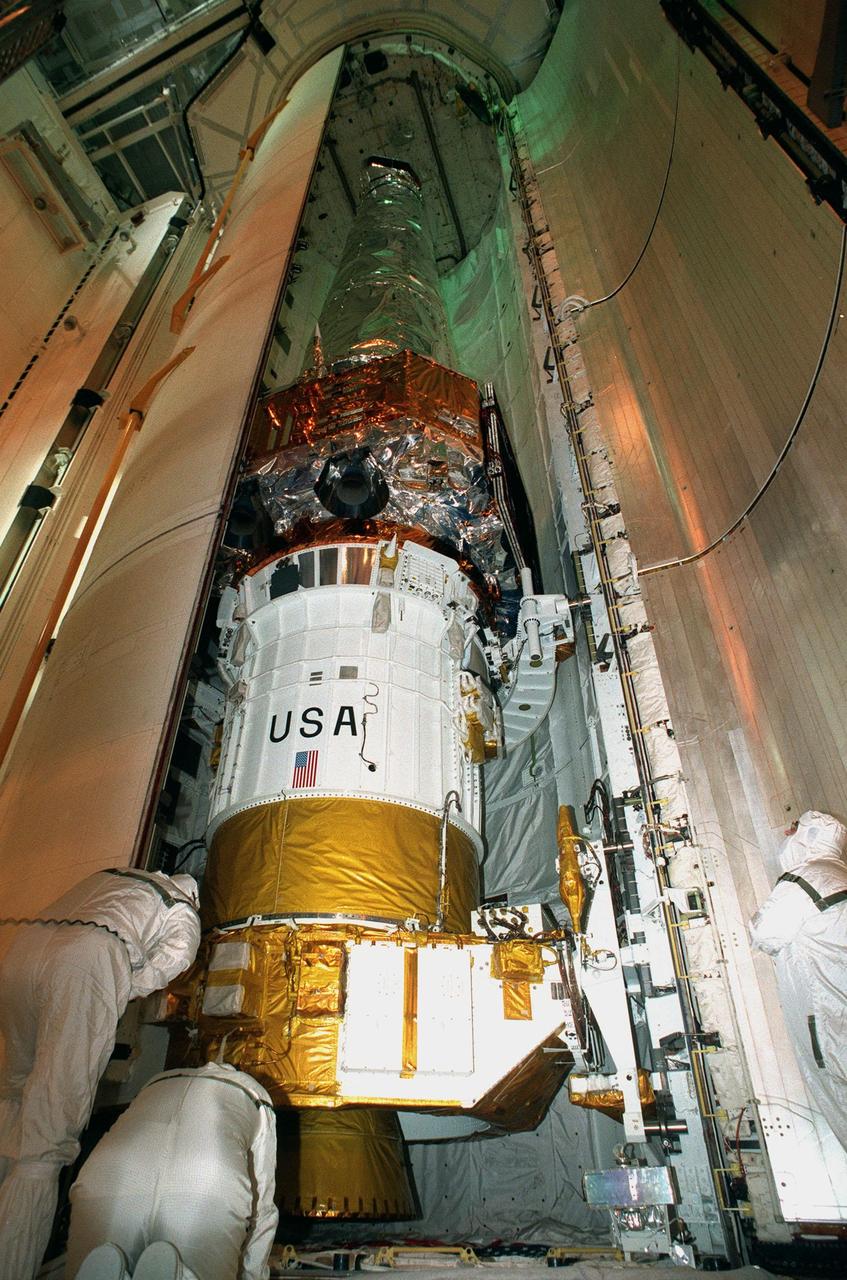
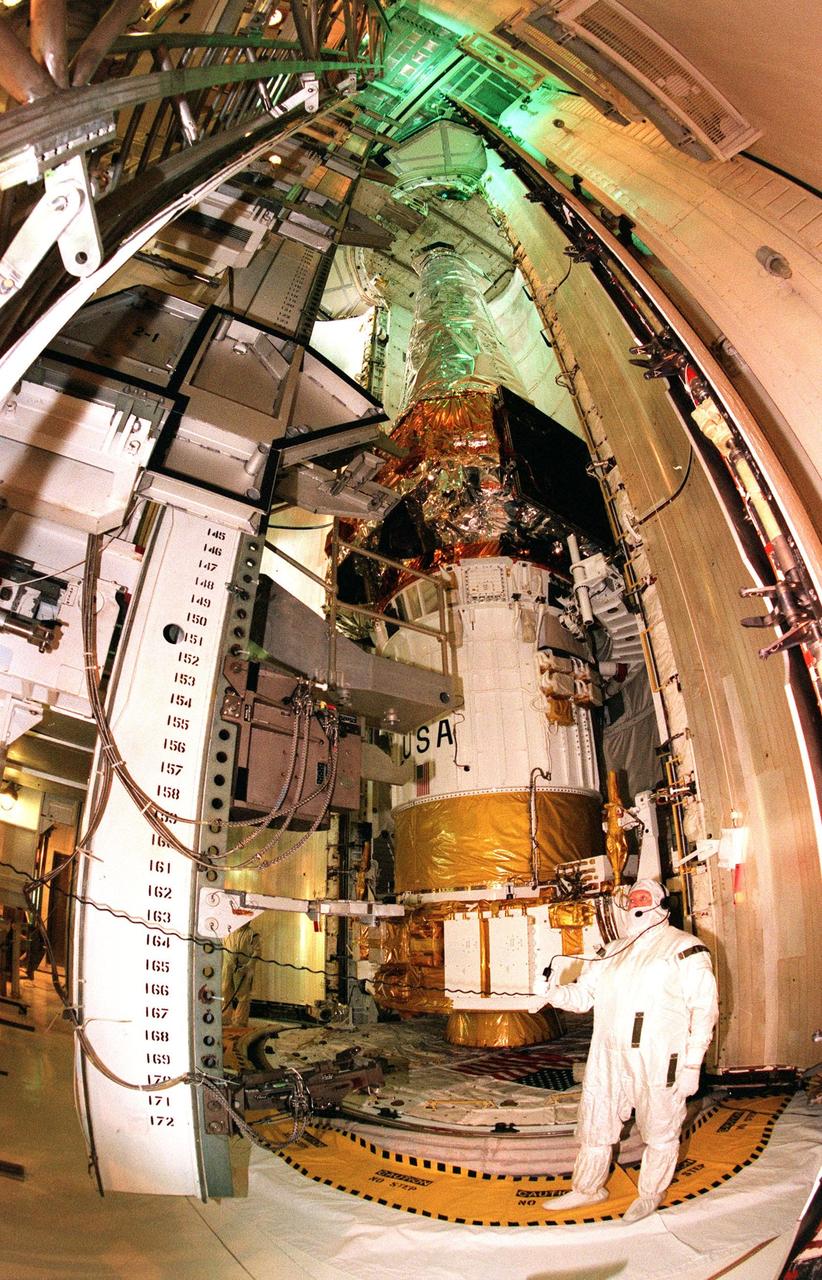
In this fish-eye view, the Chandra X-ray Observatory rests inside the payload bay of the orbiter Columbia. Chandra is the primary payload on mission STS-93, scheduled to launch no earlier than July 20 aboard Space Shuttle Columbia. The world's most powerful X-ray telescope, Chandra will allow scientists from around the world to see previously invisible black holes and high-temperature gas clouds, giving the observatory the potential to rewrite the books on the structure and evolution of our universe
KSC-99pp0772
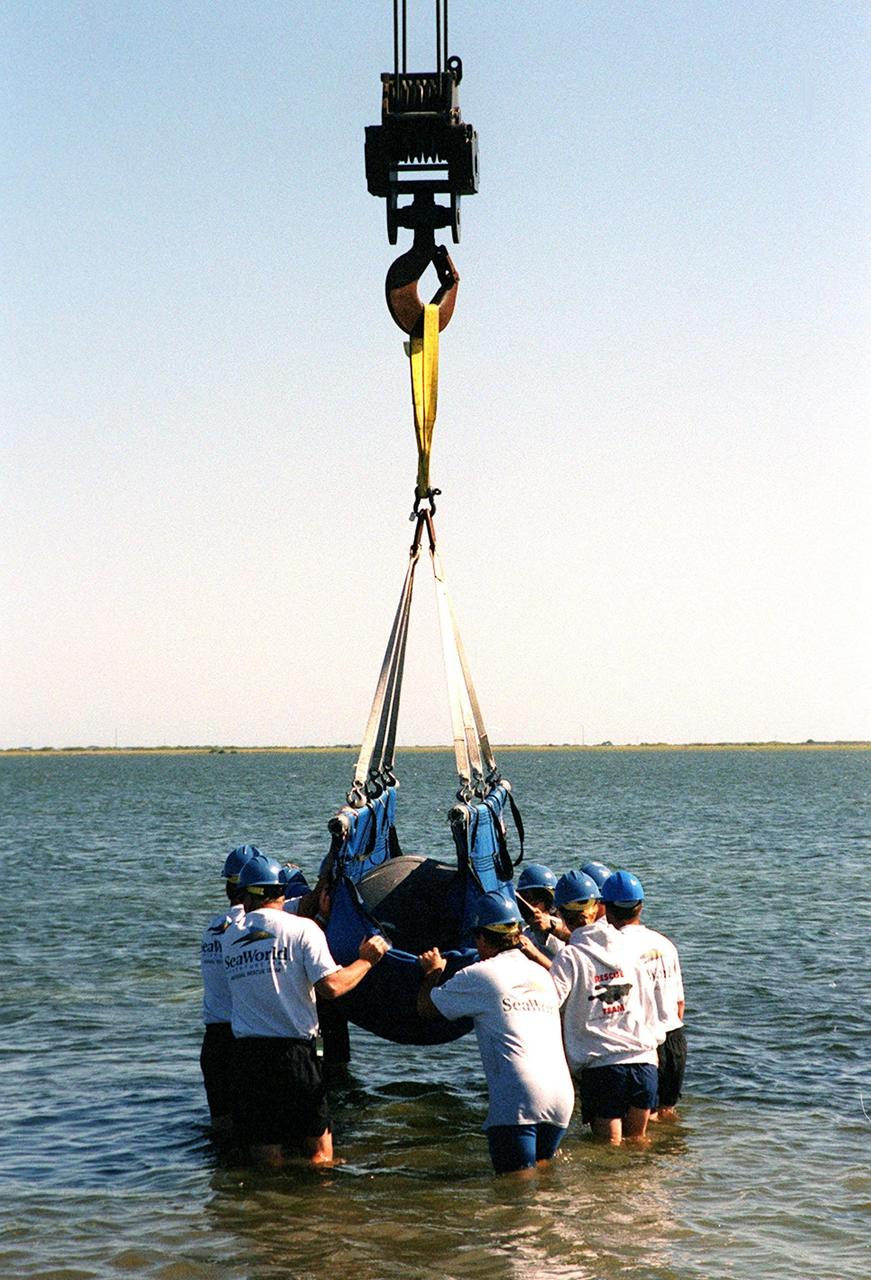
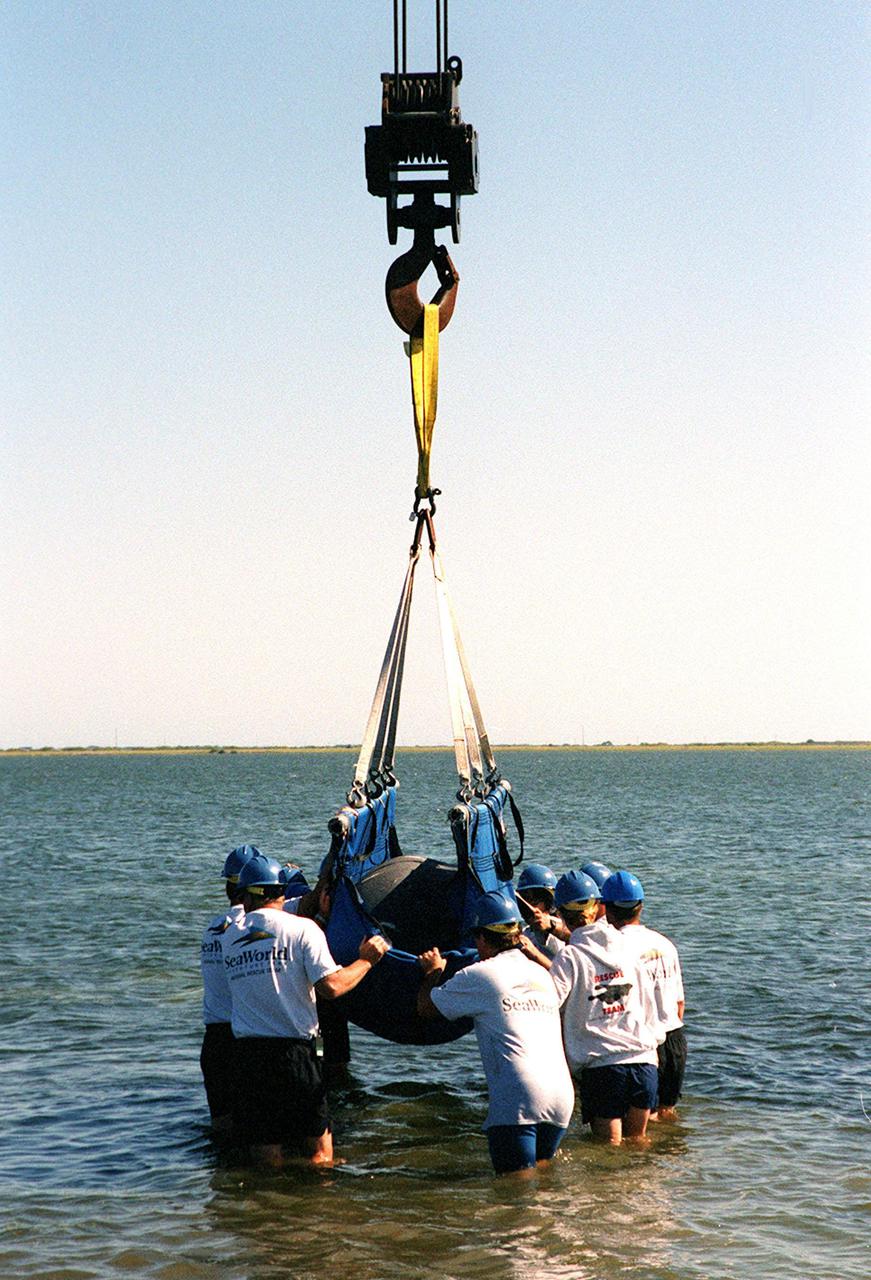
KENNEDY SPACE CENTER, FLA. -- Sea World workers wade into the Banana River while they steady the hoist and sling carrying a manatee. The site is on the north side of the NASA Causeway, near Kennedy Space Center. The manatee is one of two released after recovering at Sea World from injuries. Manatees are frequently seen in the waters around Kennedy Space Center, which is surrounded by the Merritt Island National Wildlife Refuge
KSC-01PP-0684
KENNEDY SPACE CENTER, FLA. -- Sea World workers coax a manatee into the Banana River after the hoist and sling it was in relaxes in the water. The site is on the north side of the NASA Causeway, near Kennedy Space Center. The manatee is one of two released after recovering at Sea World from injuries. Manatees are frequently seen in the waters around Kennedy Space Center, which is surrounded by the Merritt Island National Wildlife Refuge
KSC01pp0685
In this fish-eye view, a worker oversees the movement of the Chandra X-ray Observatory into the payload bay of the orbiter Columbia. Chandra is the primary payload on mission STS-93, scheduled to launch no earlier than July 20 aboard Space Shuttle Columbia. The world's most powerful X-ray telescope, Chandra will allow scientists from around the world to see previously invisible black holes and high-temperature gas clouds, giving the observatory the potential to rewrite the books on the structure and evolution of our universe
KSC-99pp0771
KENNEDY SPACE CENTER, FLA. -- Sea World workers wade into the Banana River while they steady the hoist and sling carrying a manatee. The site is on the north side of the NASA Causeway, near Kennedy Space Center. The manatee is one of two released after recovering at Sea World from injuries. Manatees are frequently seen in the waters around Kennedy Space Center, which is surrounded by the Merritt Island National Wildlife Refuge
KSC01pp0684
STS093-S-013 (27 June 1999) --- In this fish-eye view, the Chandra X-ray Observatory rests inside the payload bay of the Space Shuttle Columbia at the Kennedy Space Center (KSC).  Chandra is the primary payload on the STS-93 mission, scheduled to launch next month.  The world's most powerful X-ray telescope, Chandra, will allow scientists from around the world to see previously invisible black holes and high-temperature gas clouds, giving the observatory the potential to rewrite the books on the structure and evolution of the universe.
sts093-s-013
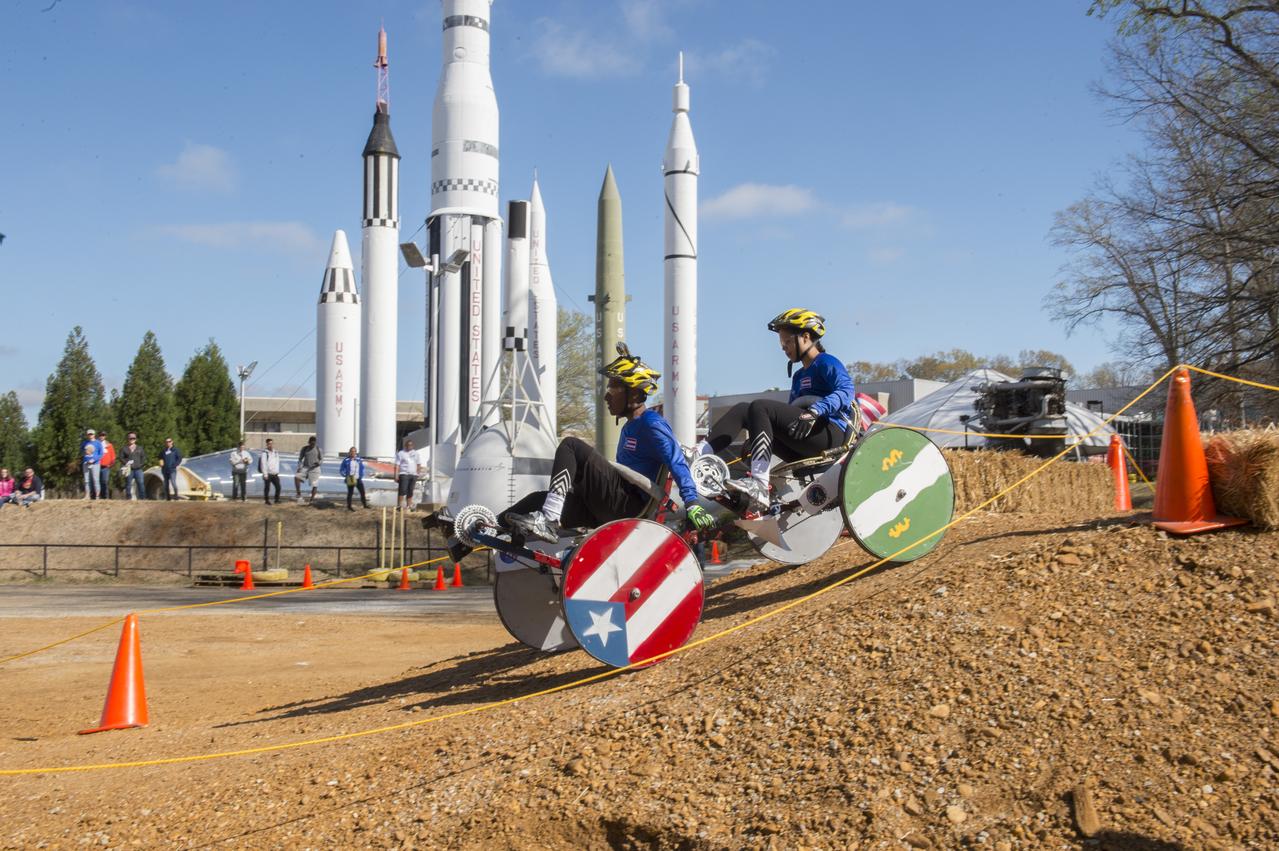
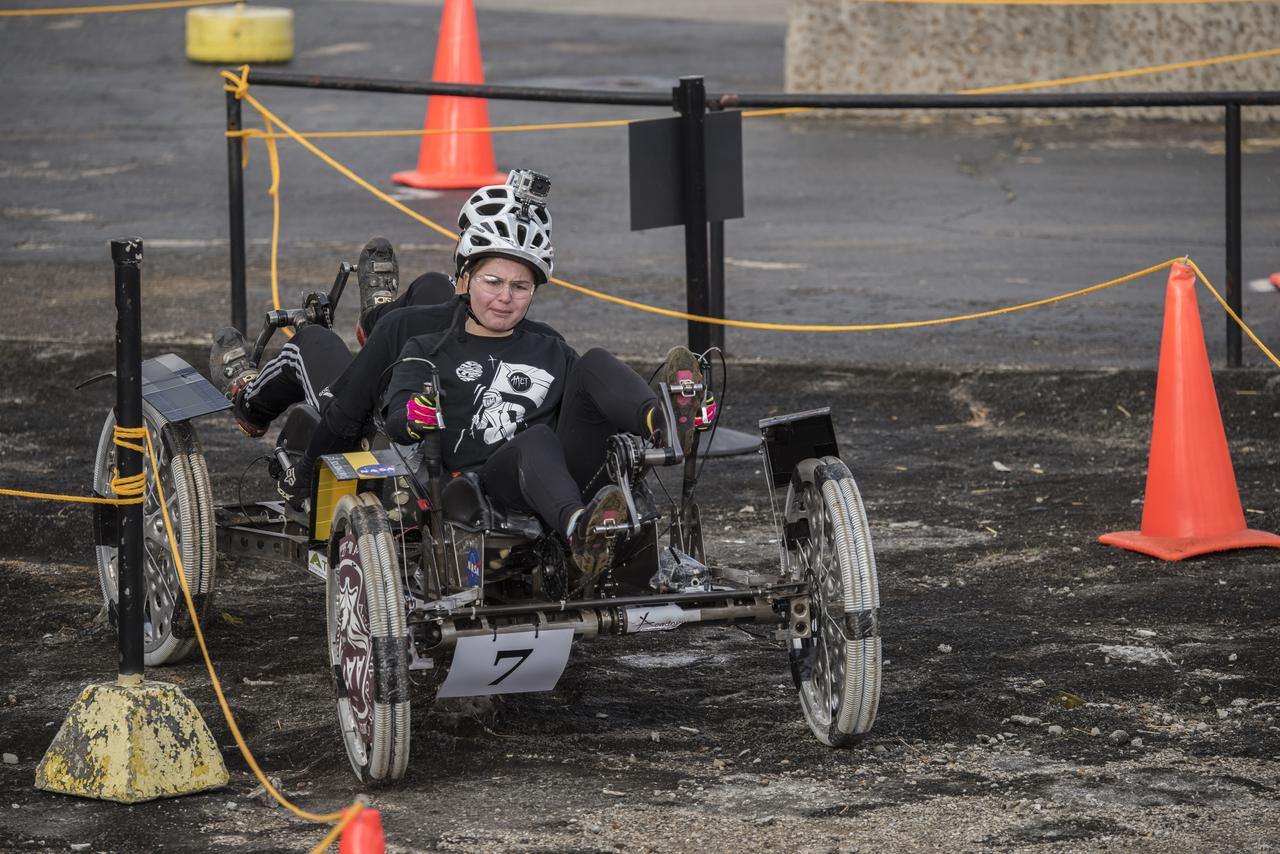
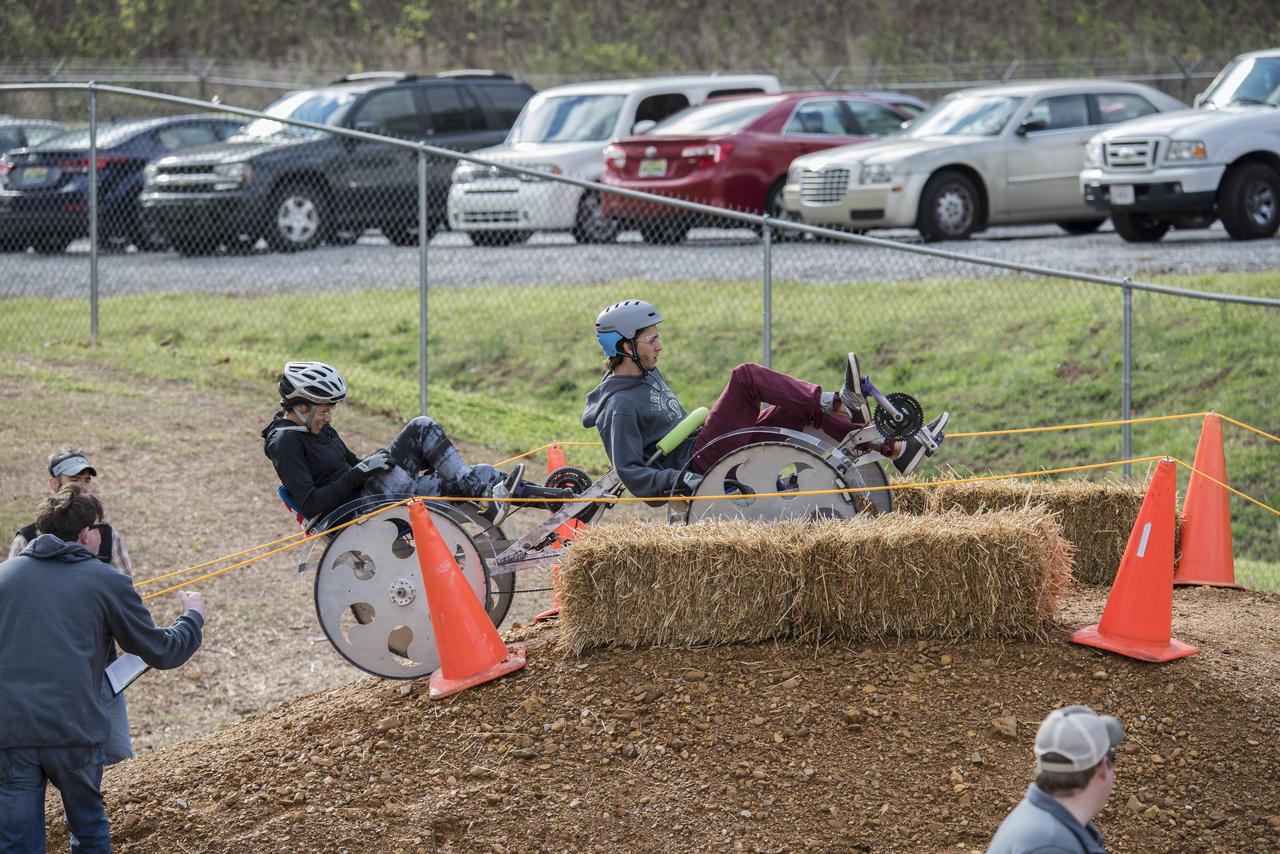
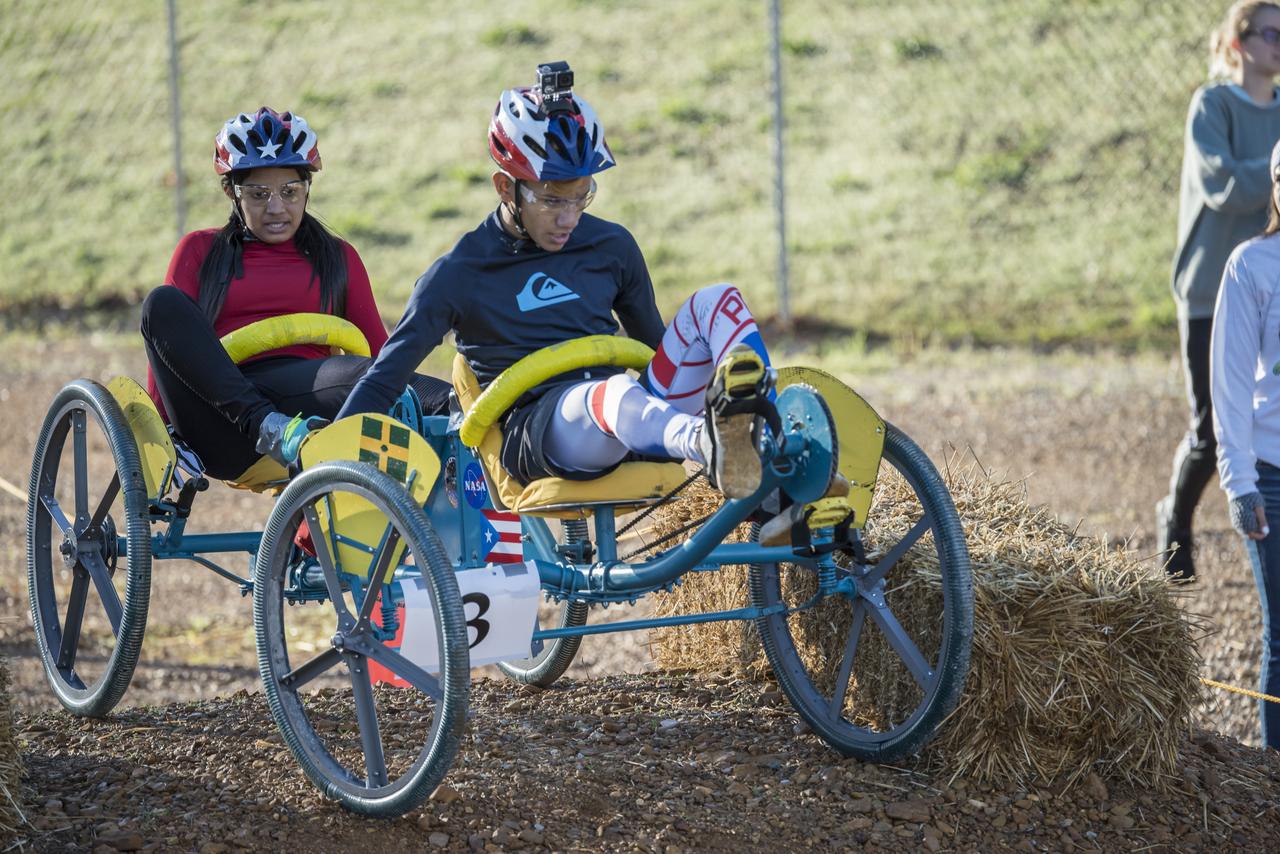
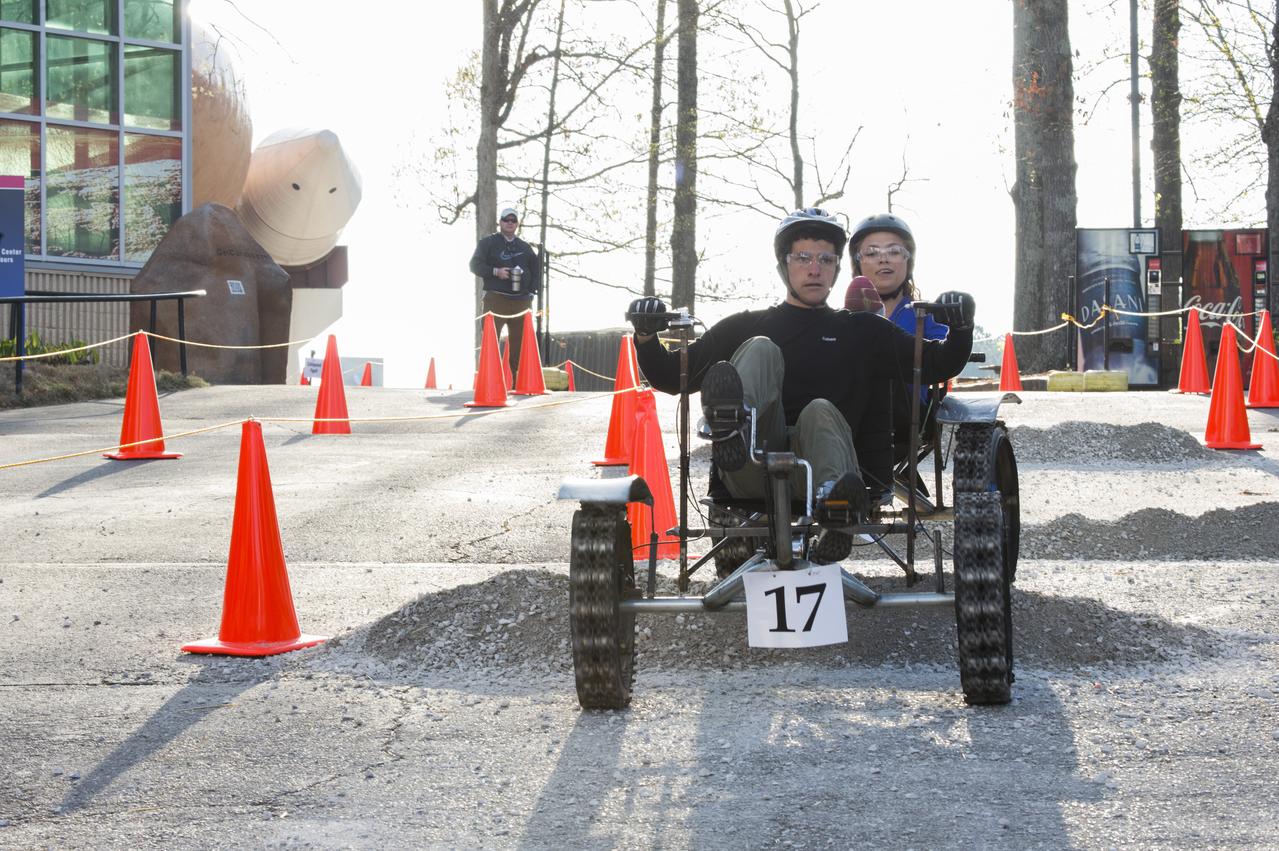
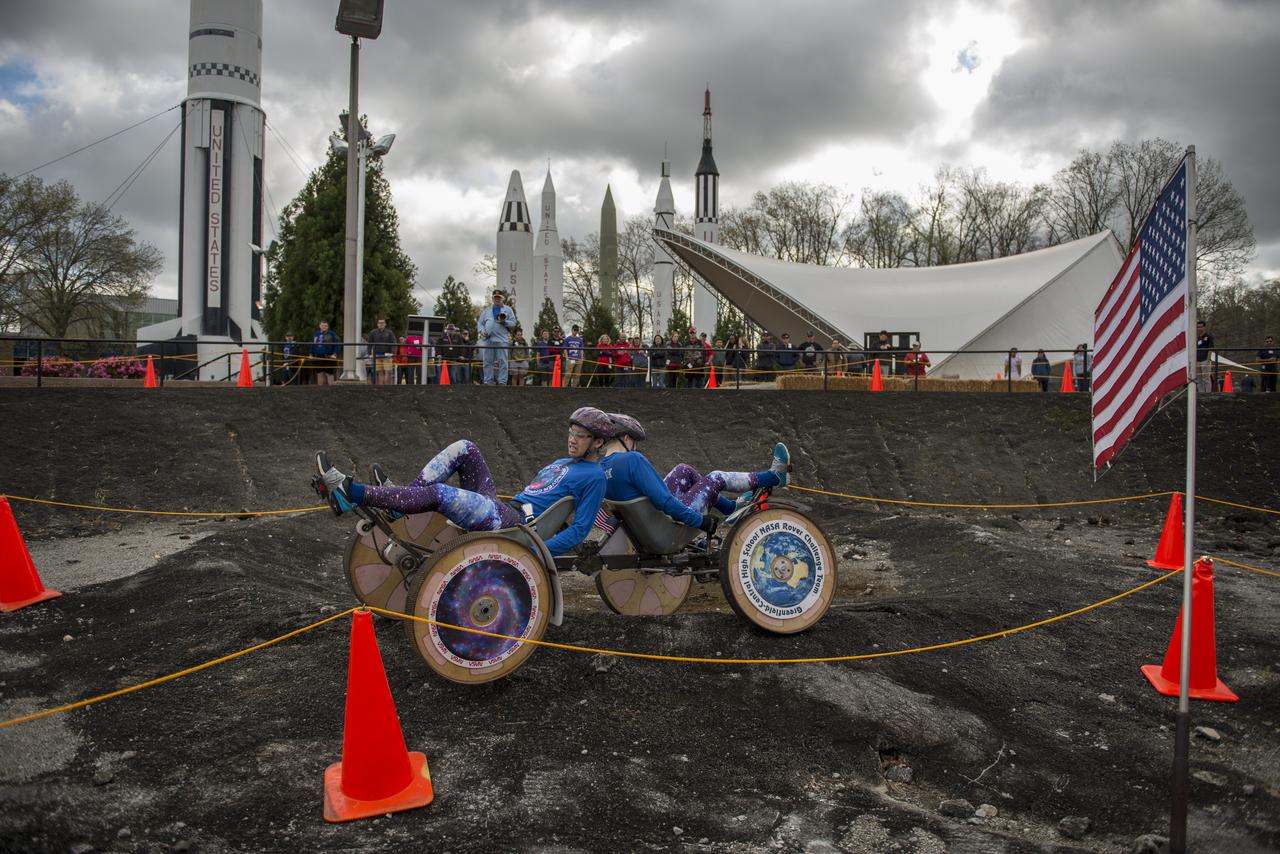
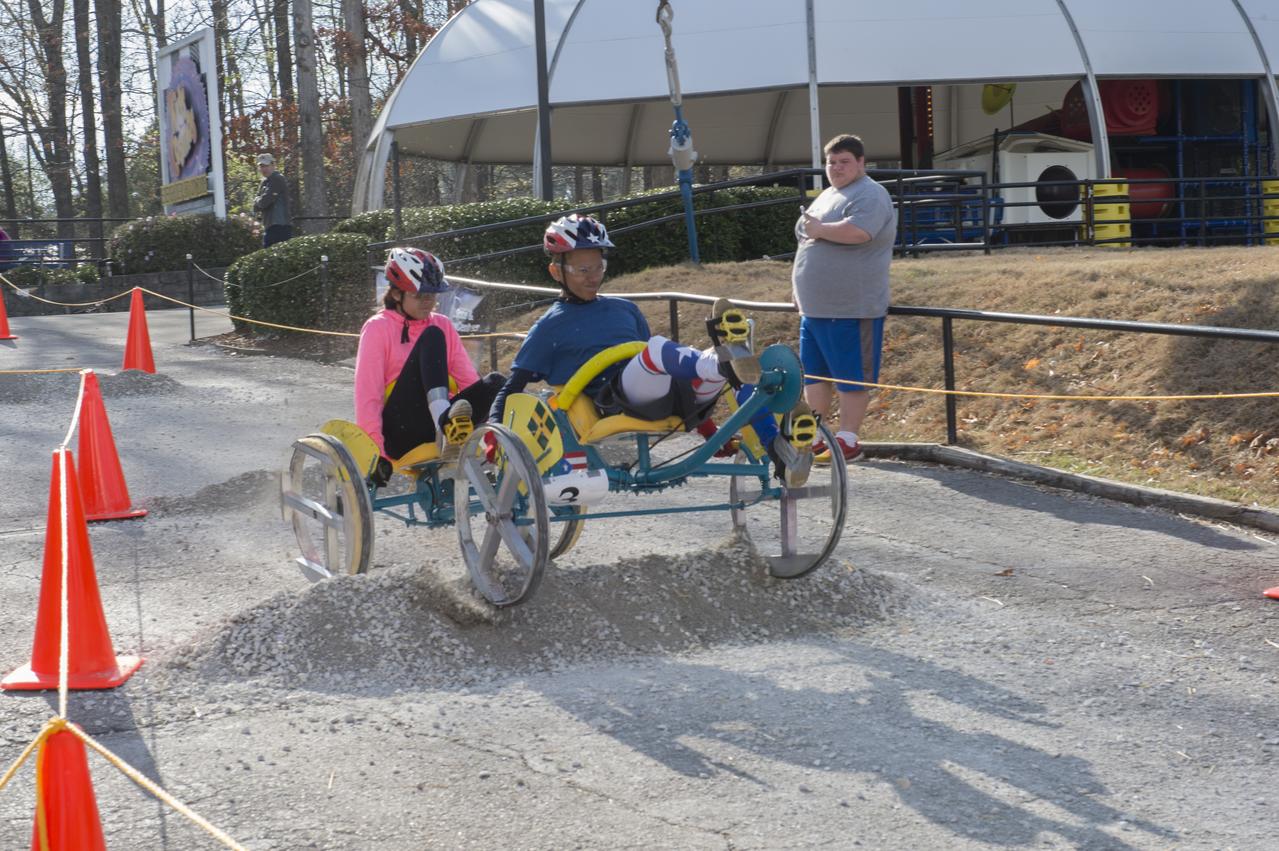
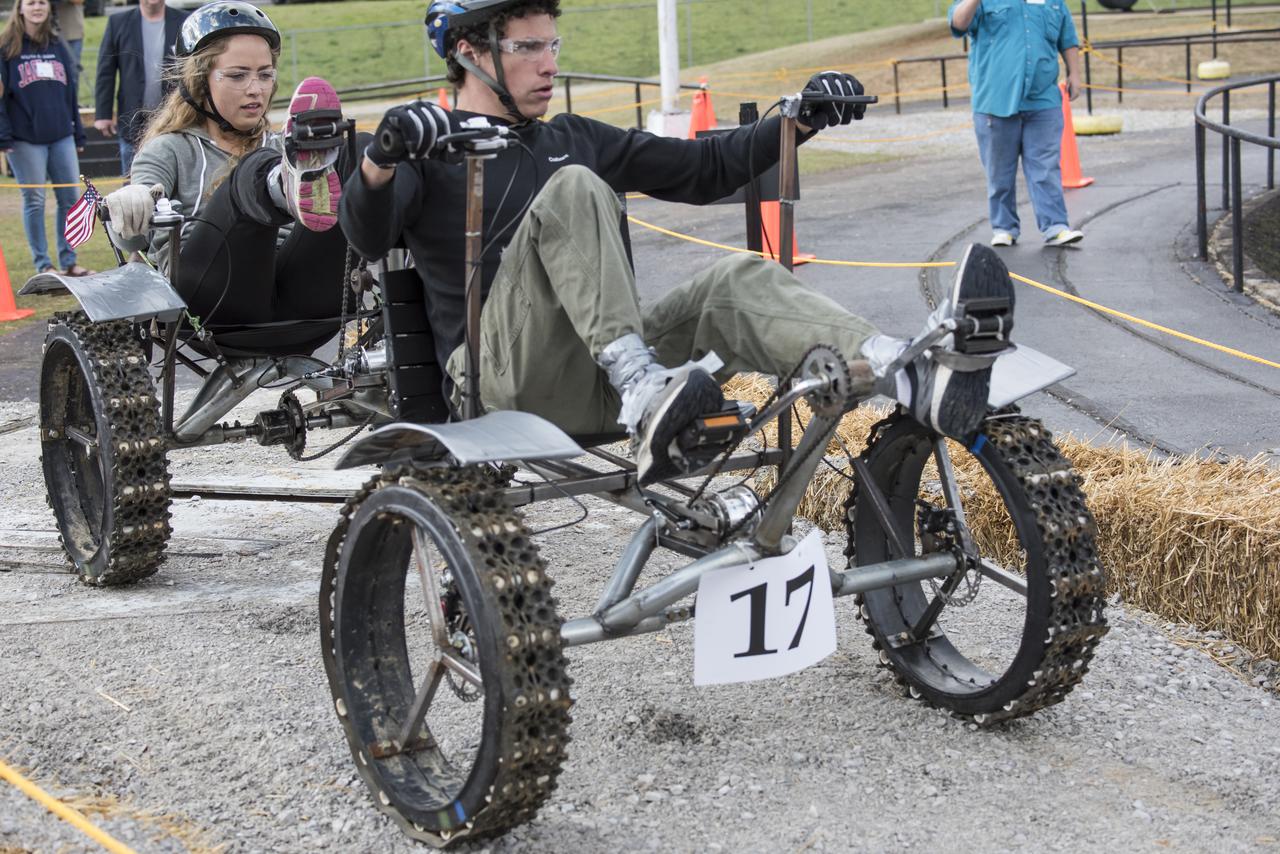
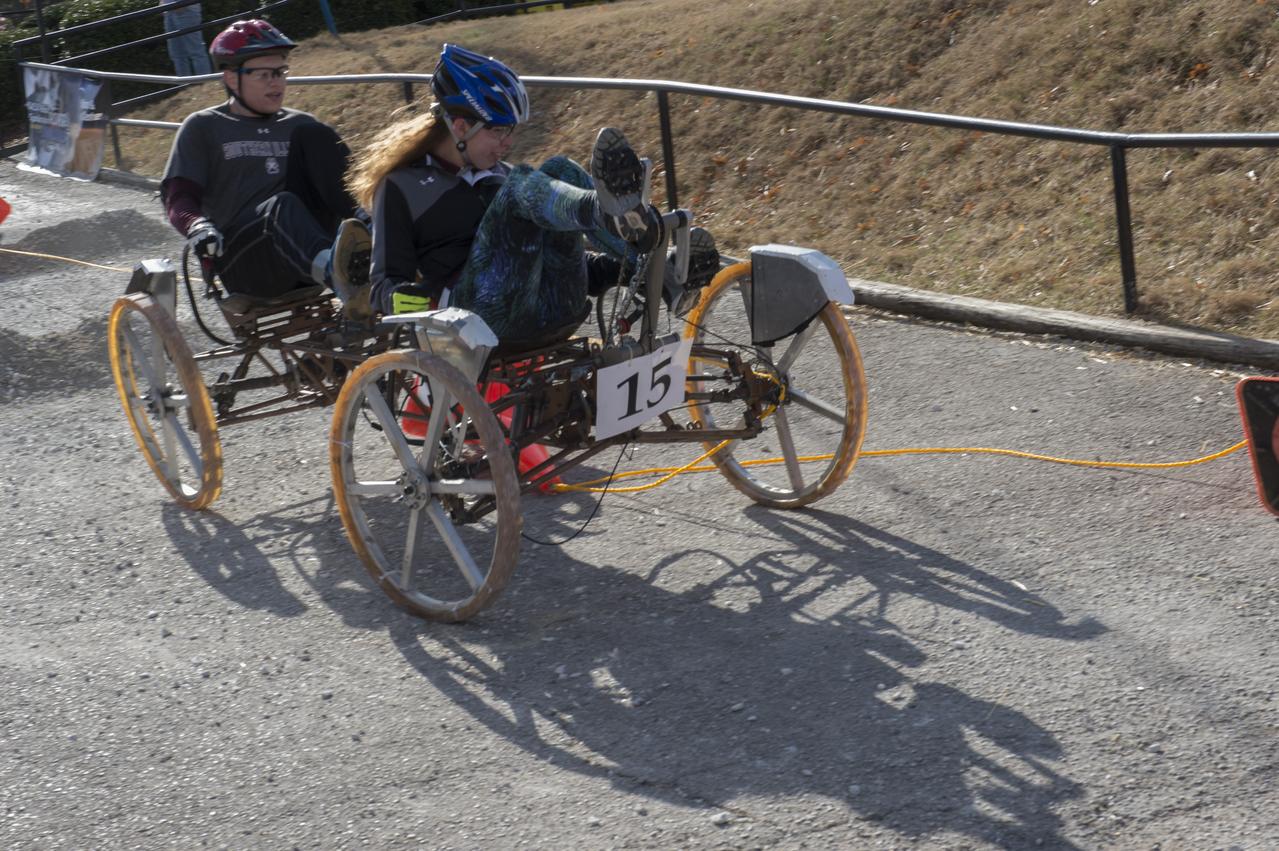
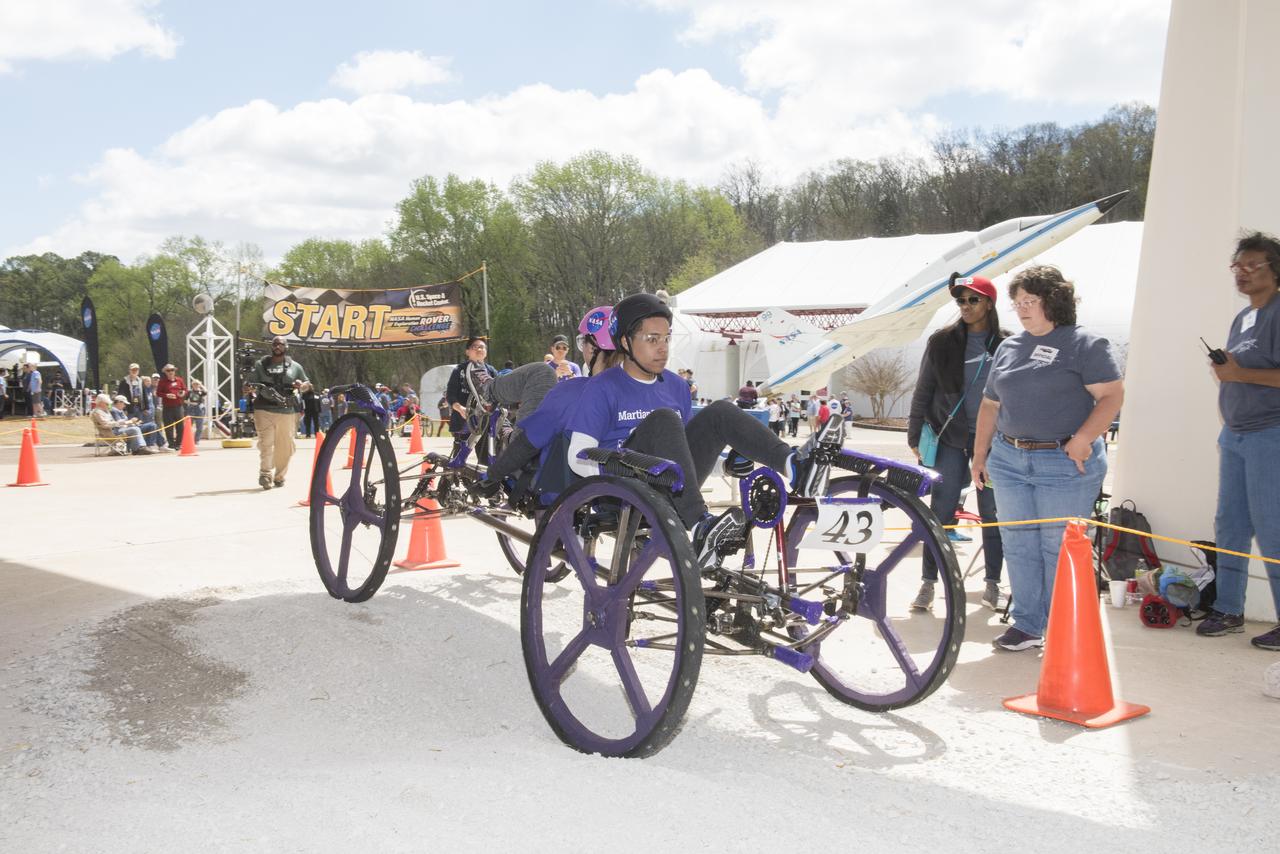
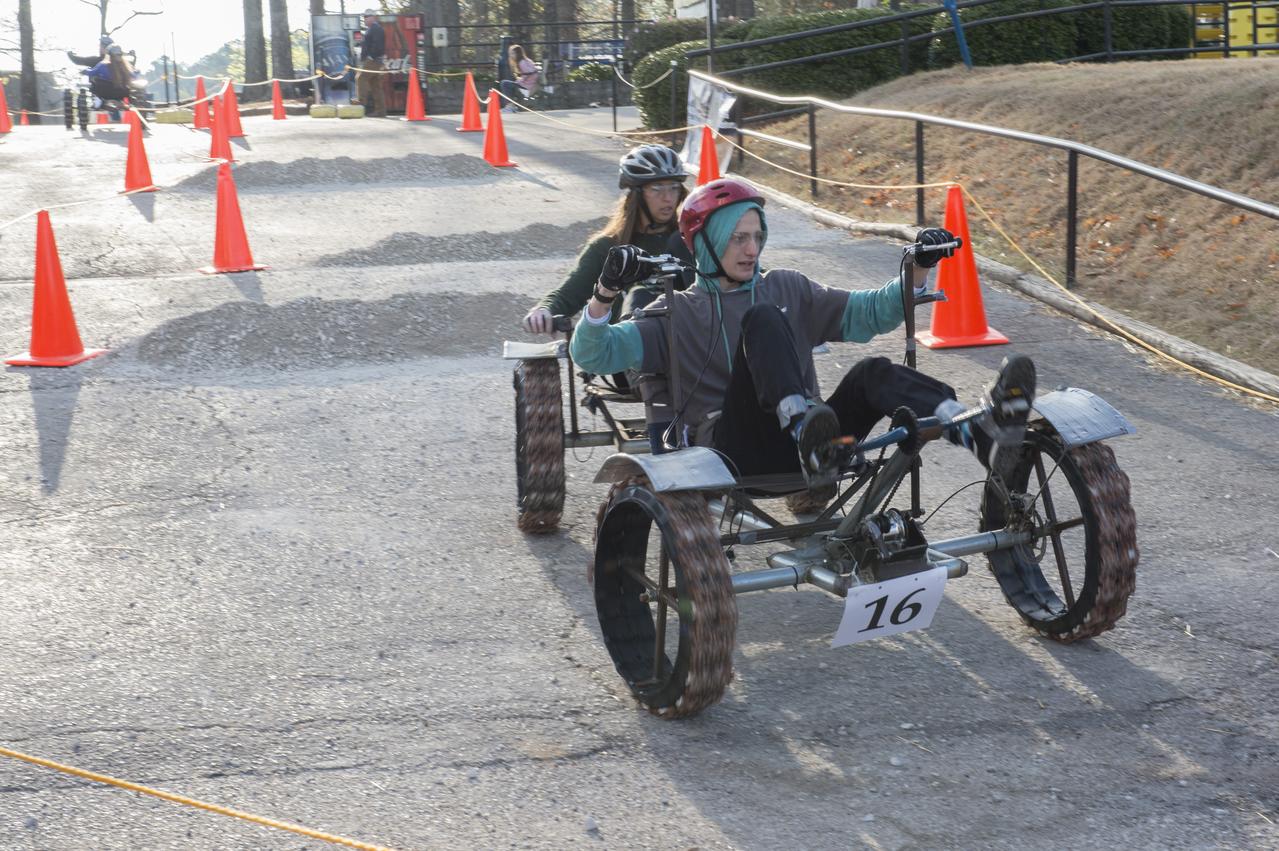
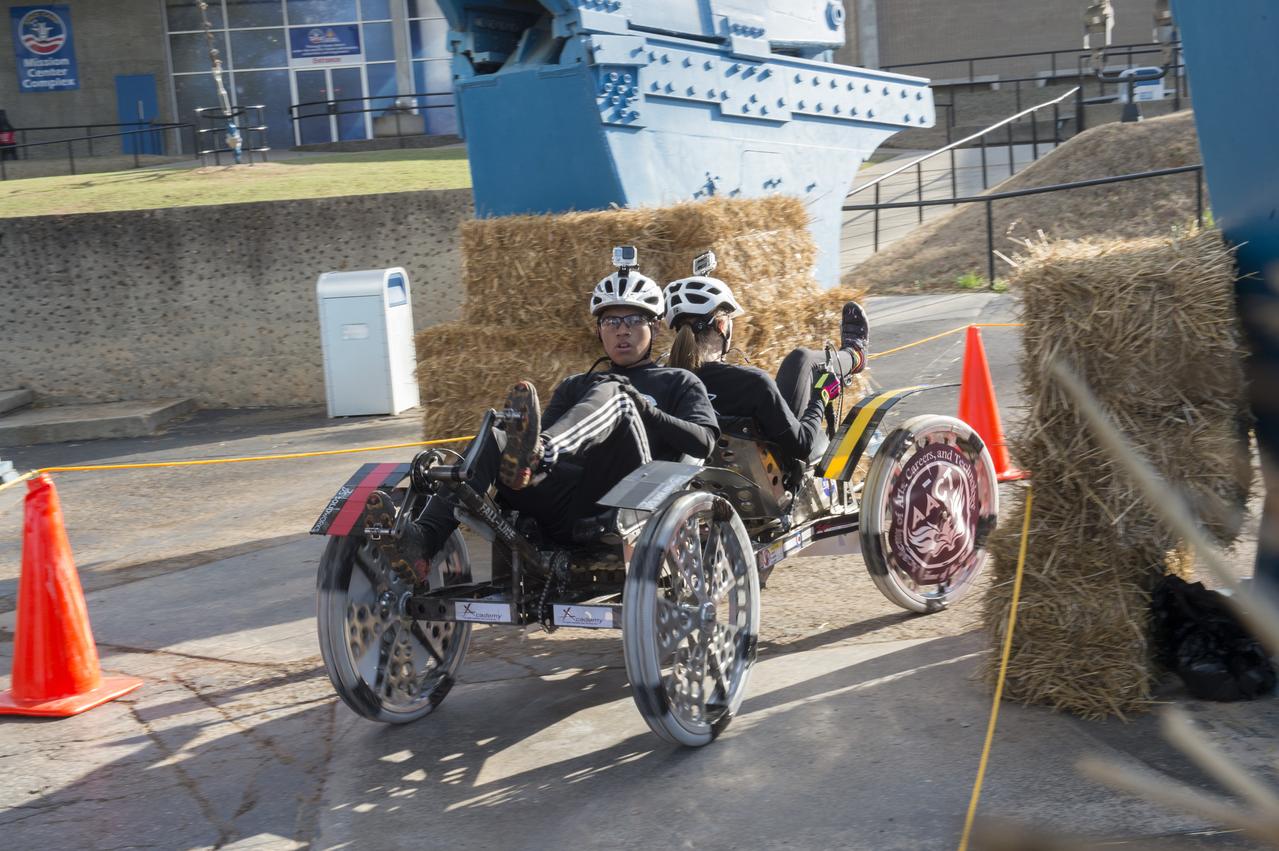
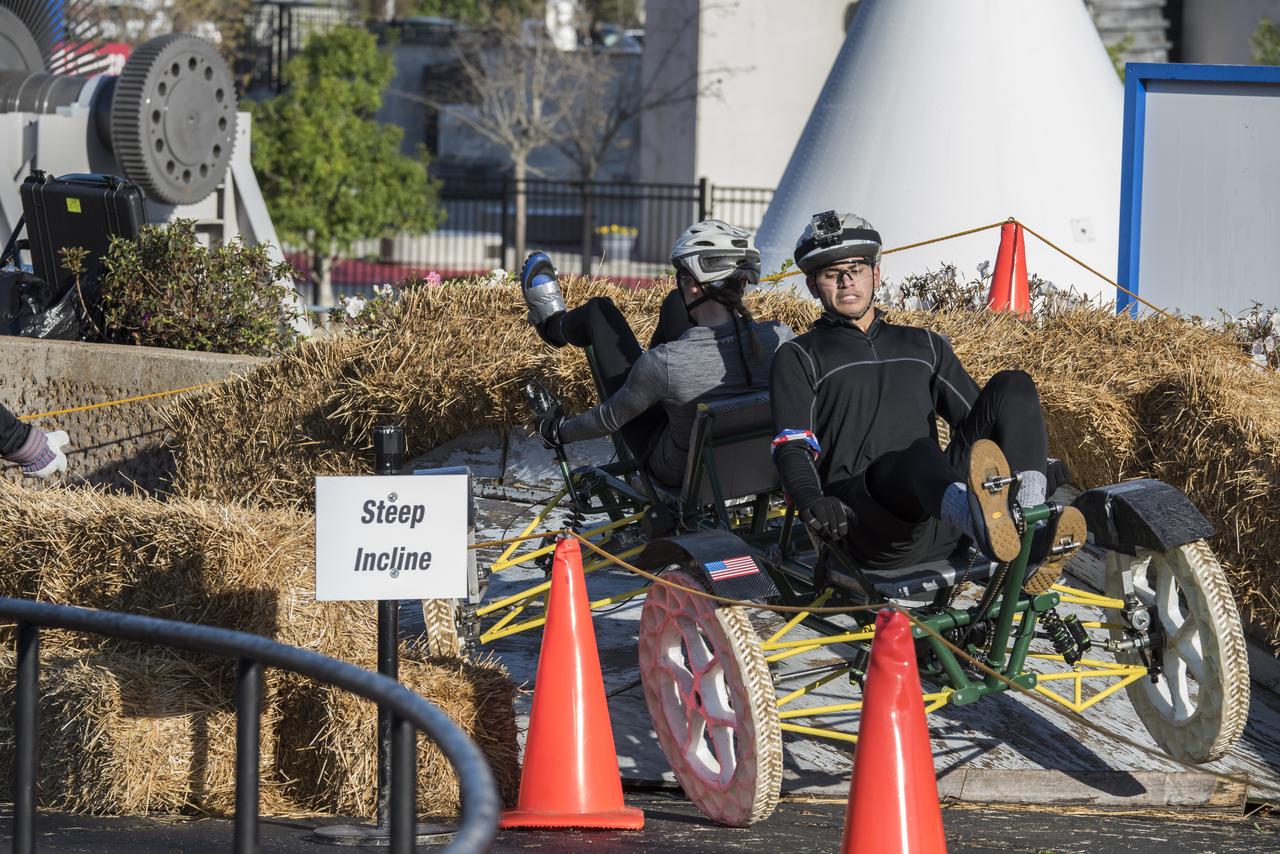
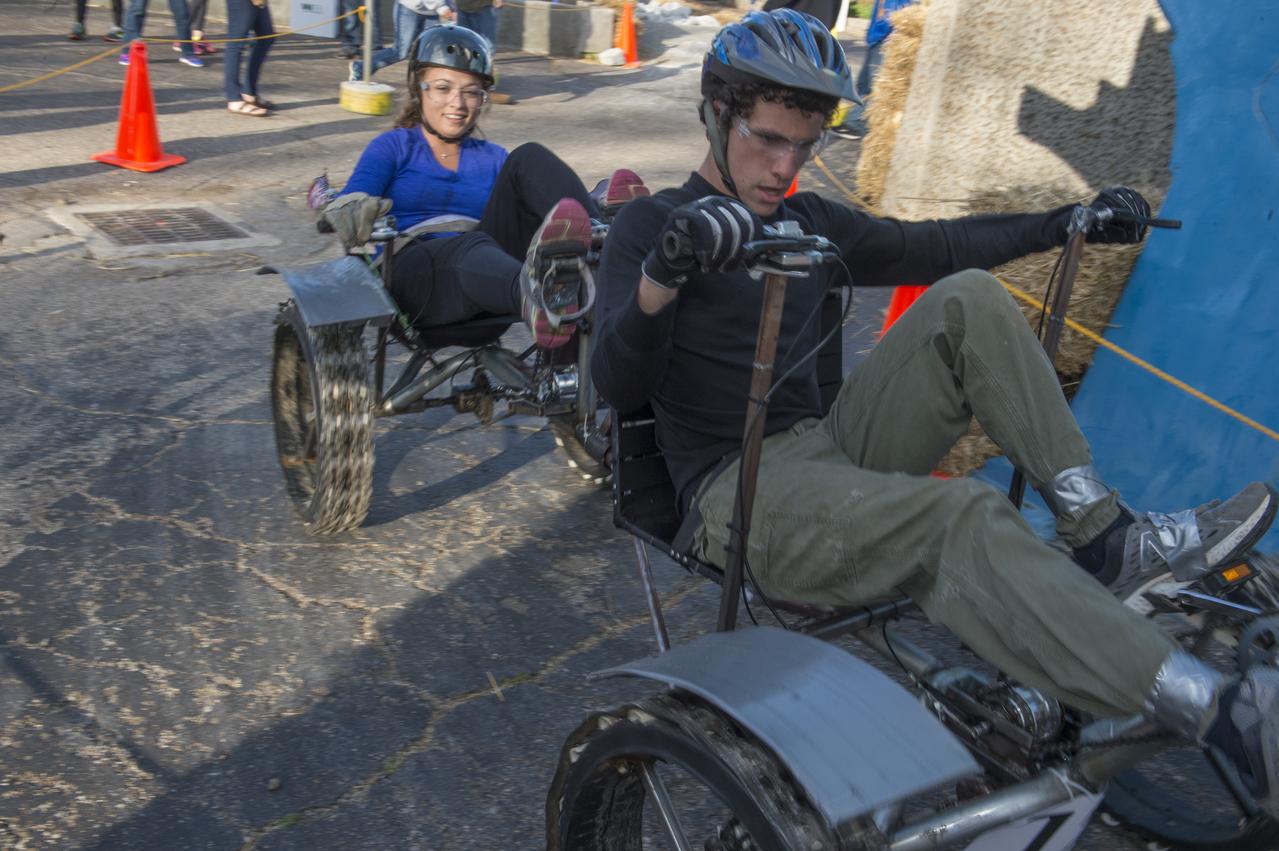
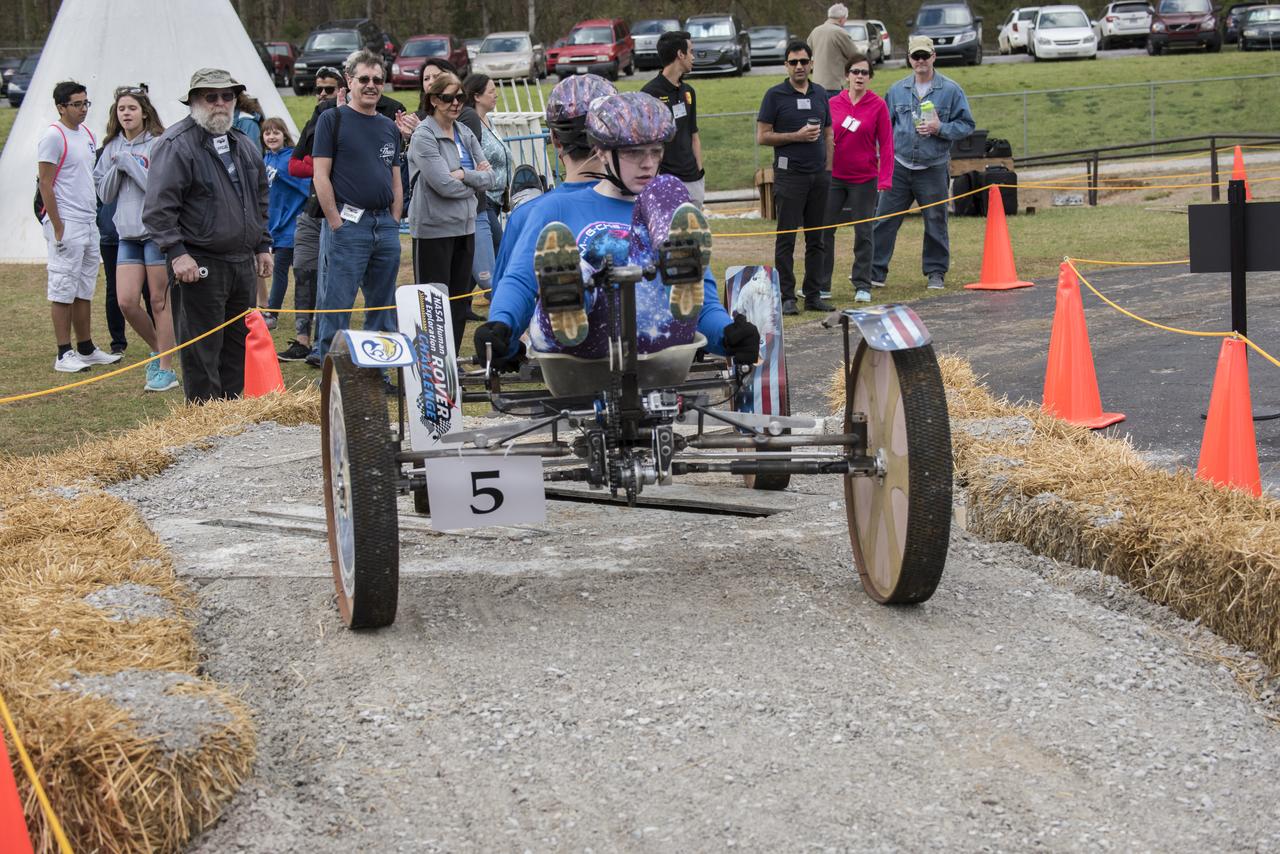
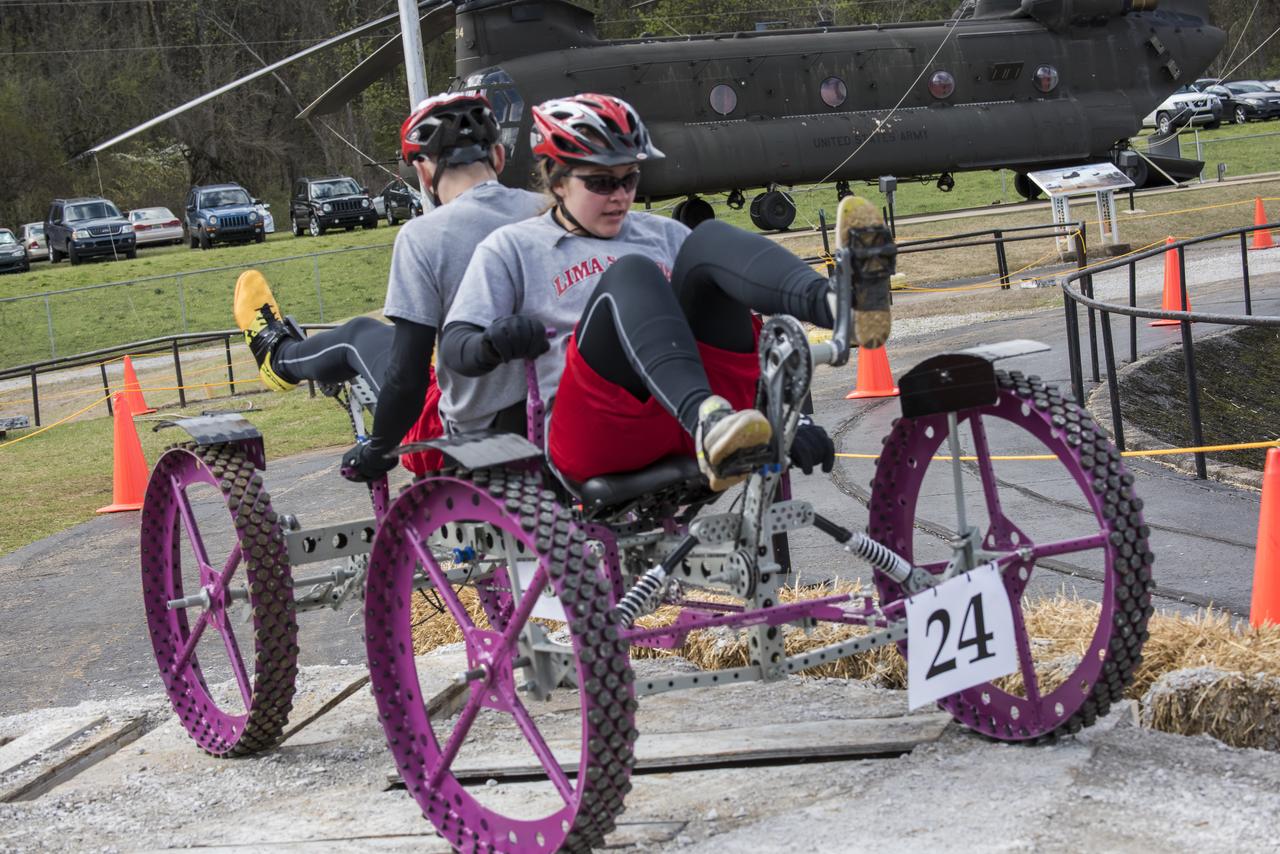
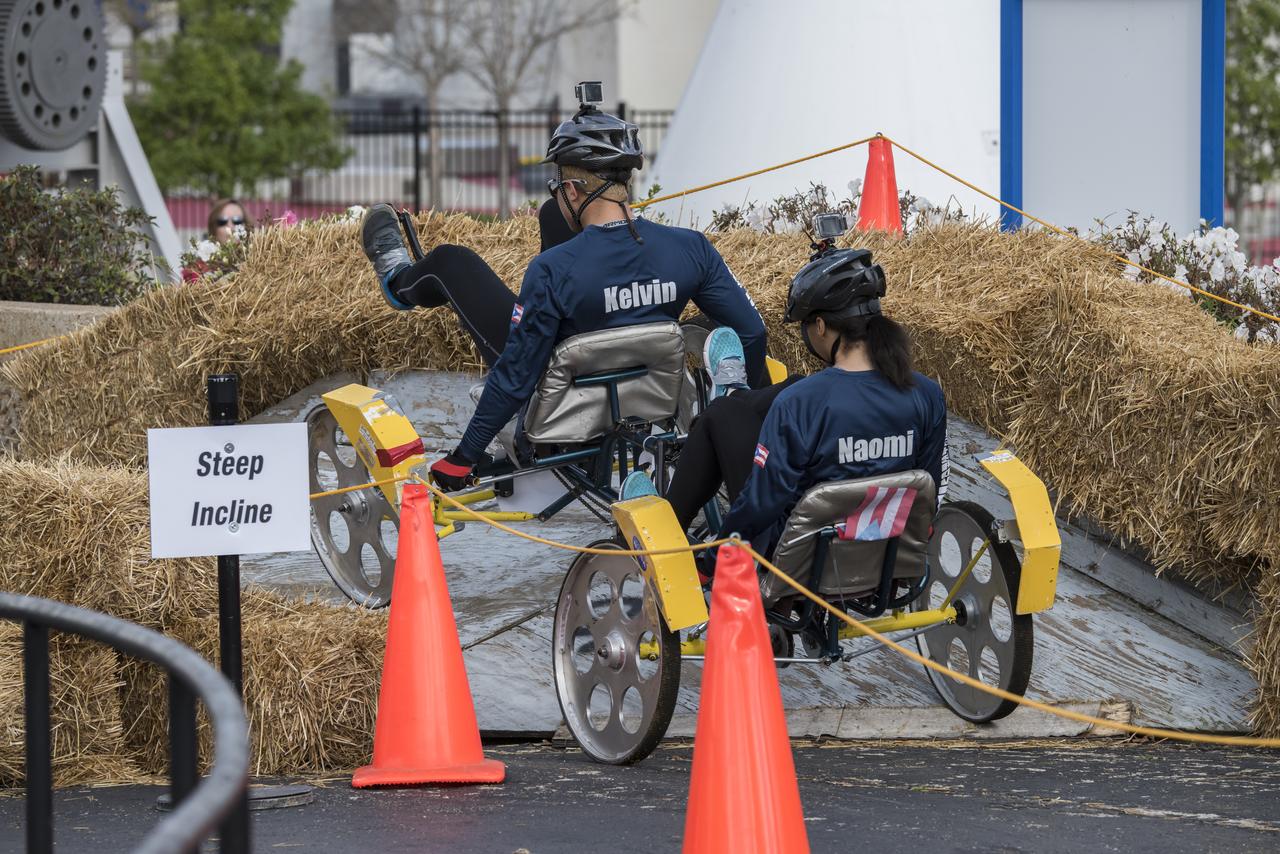
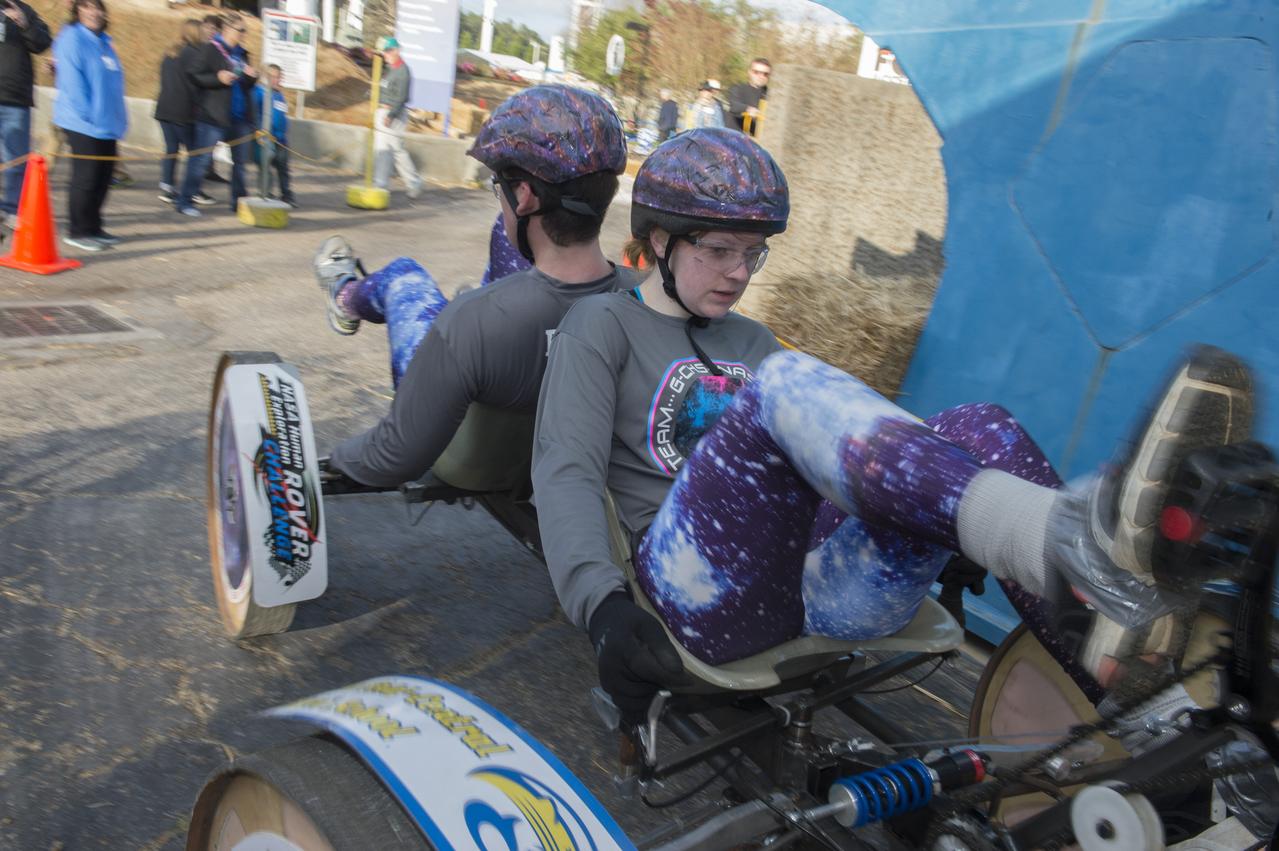
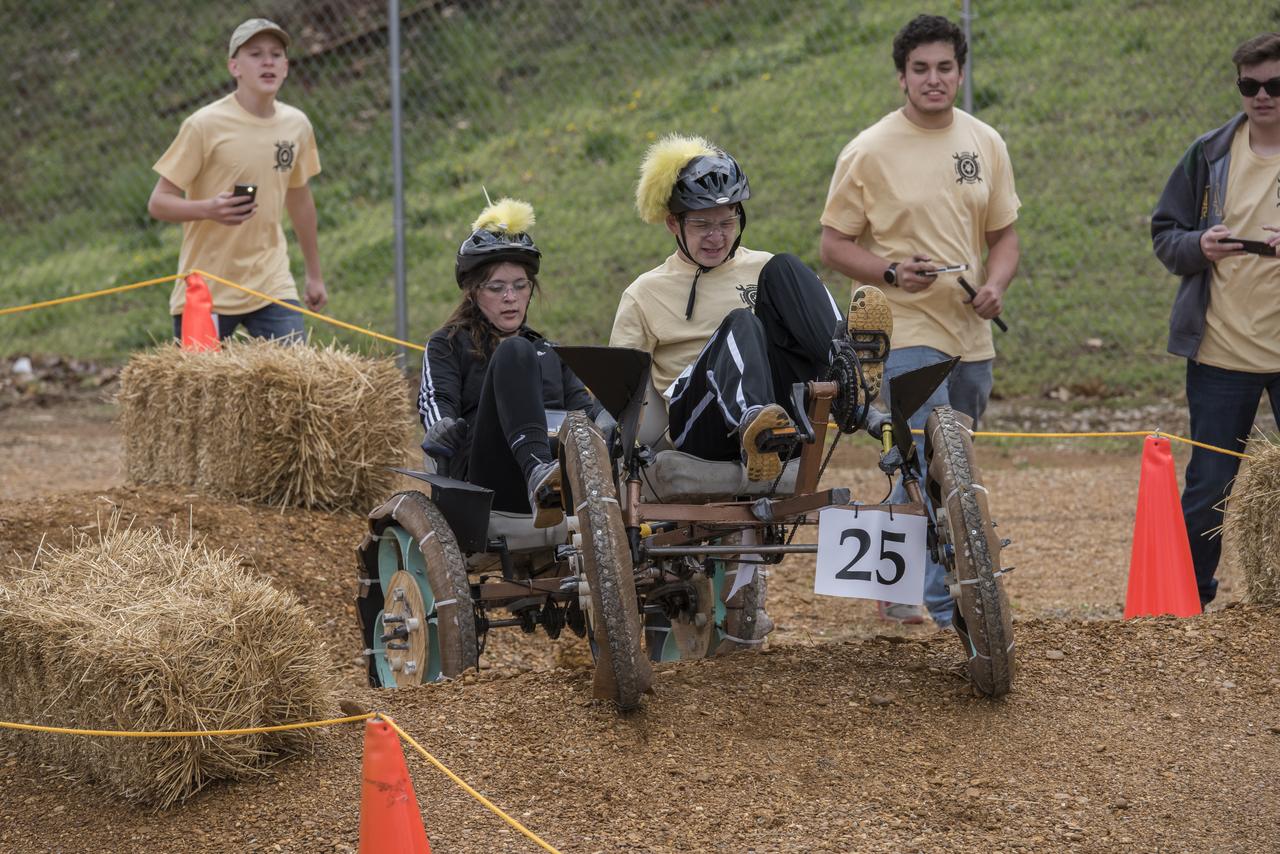
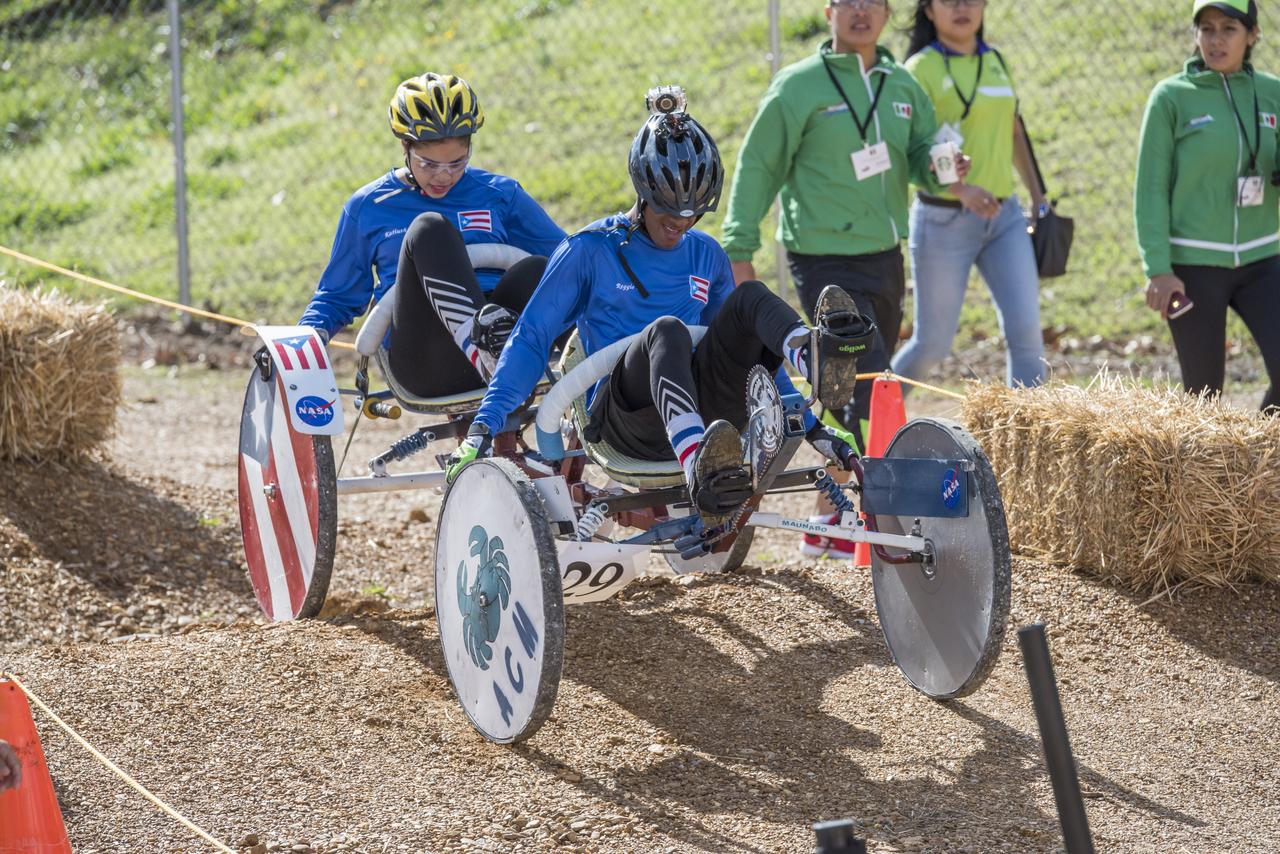
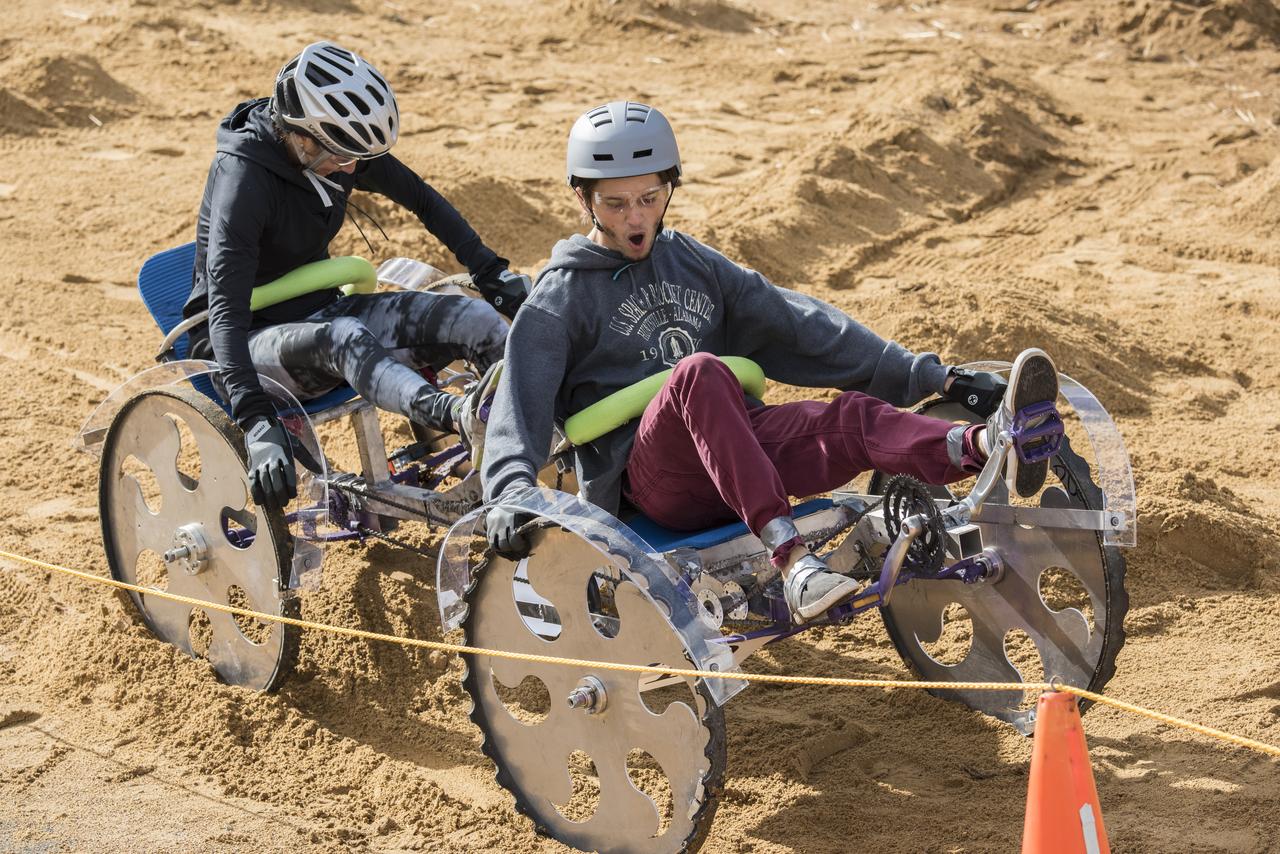
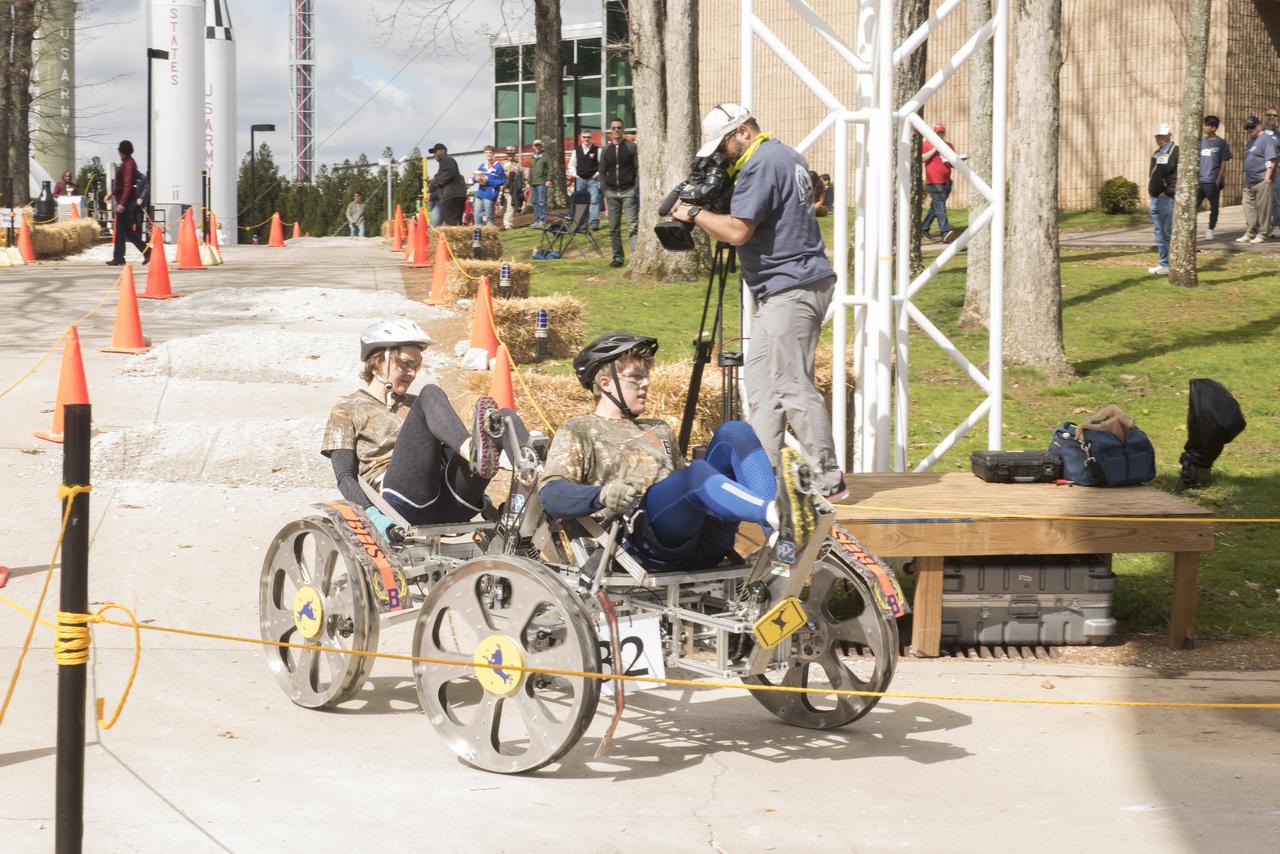
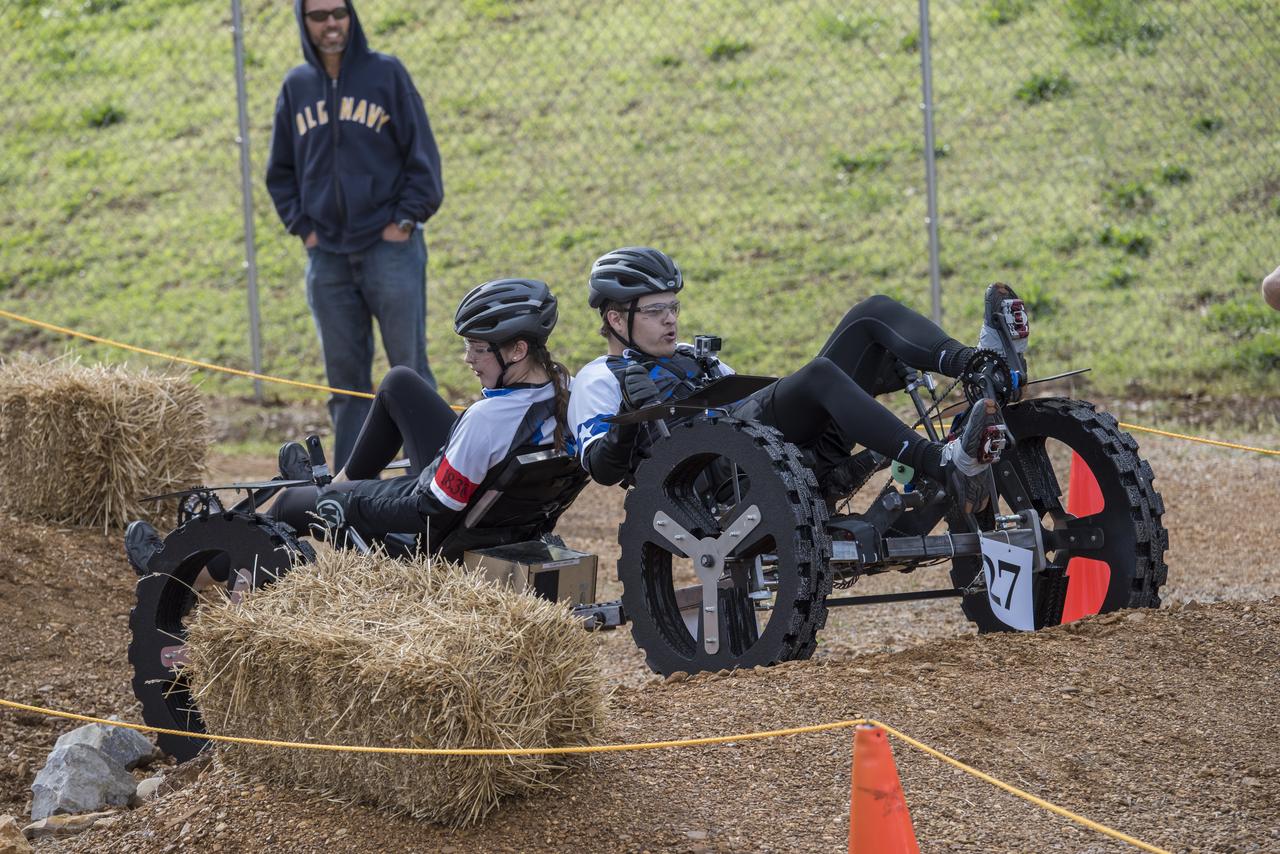
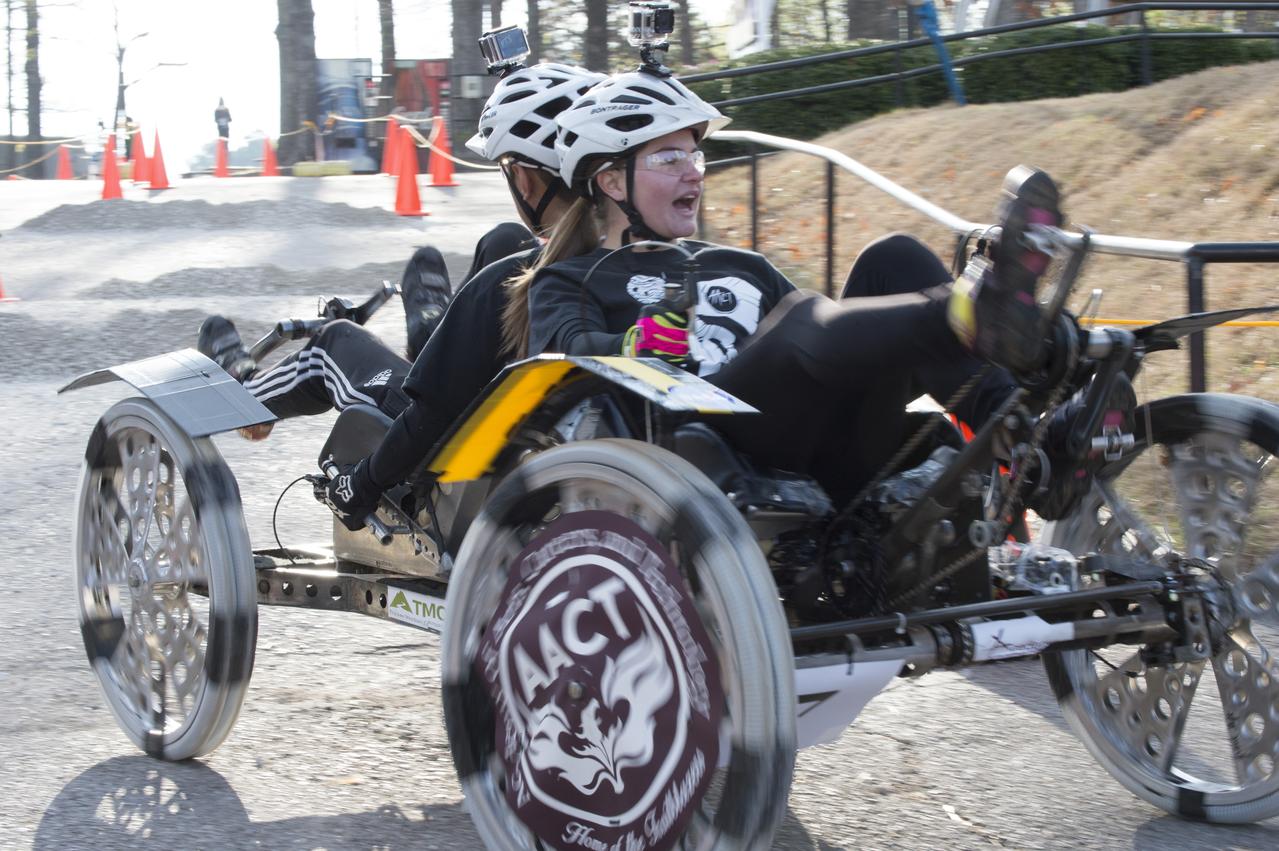
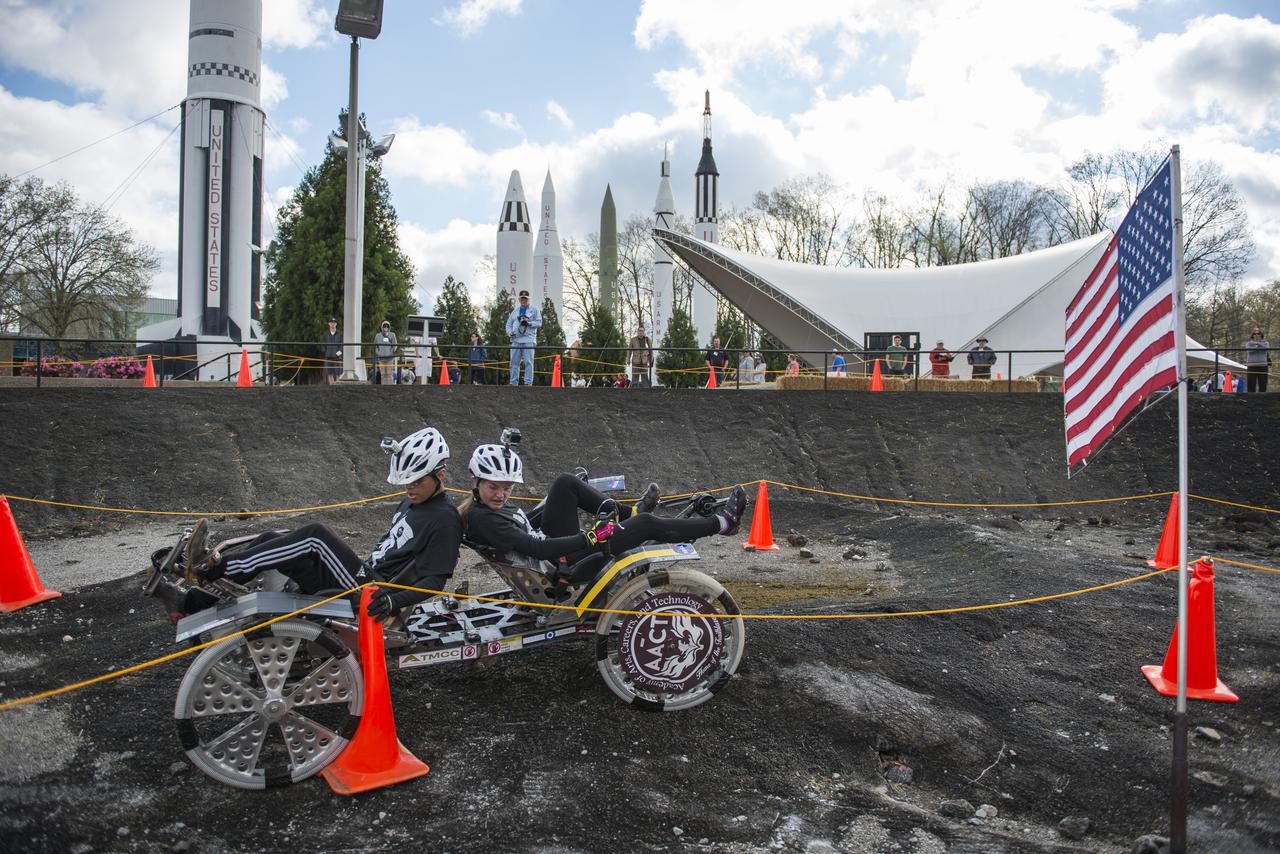
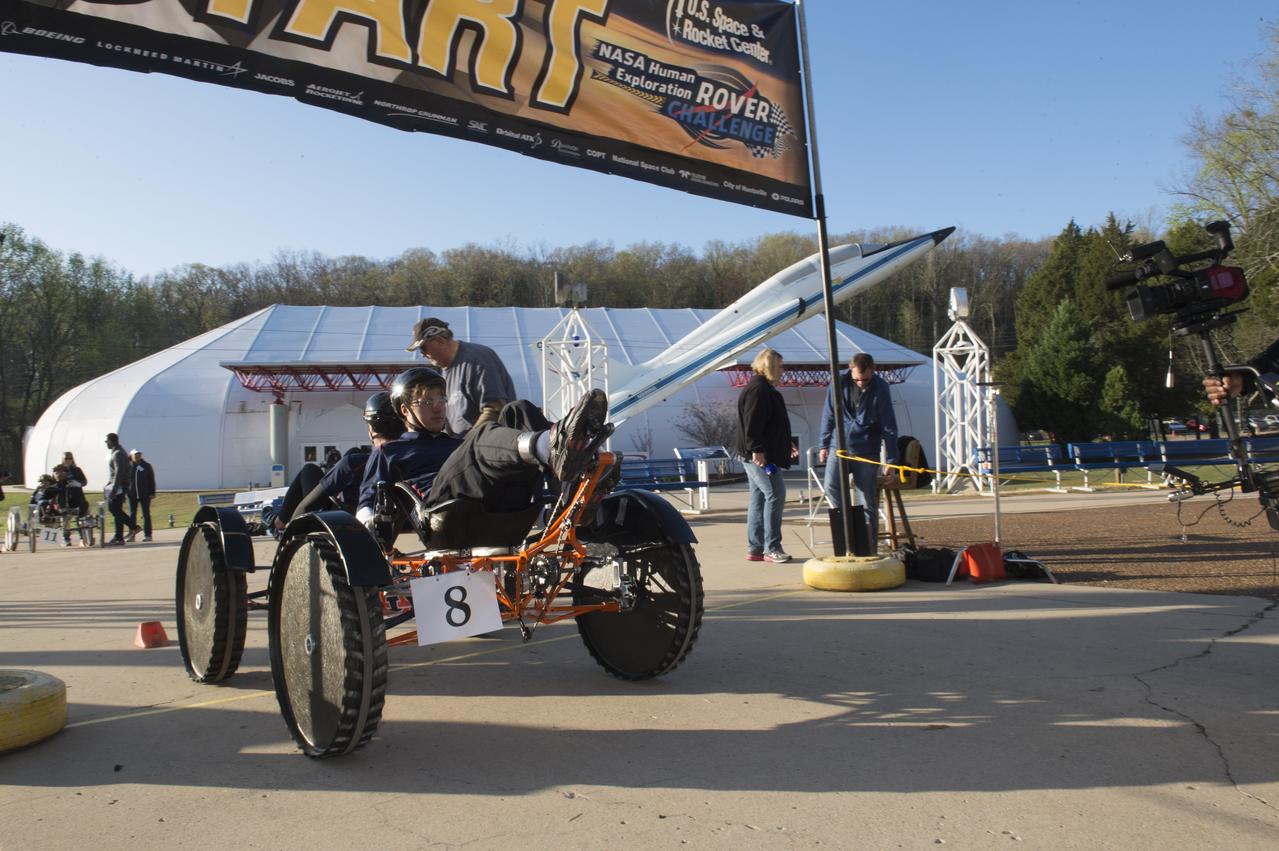
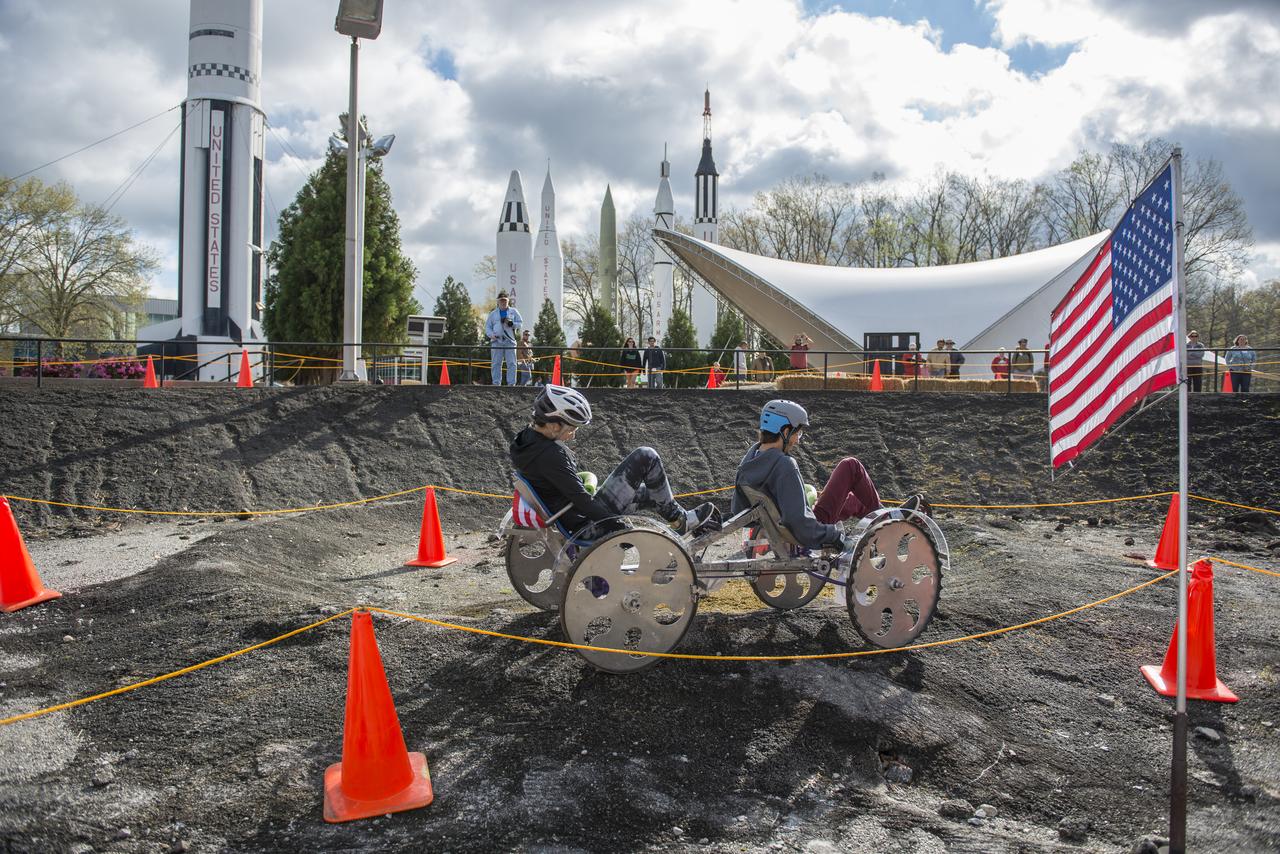
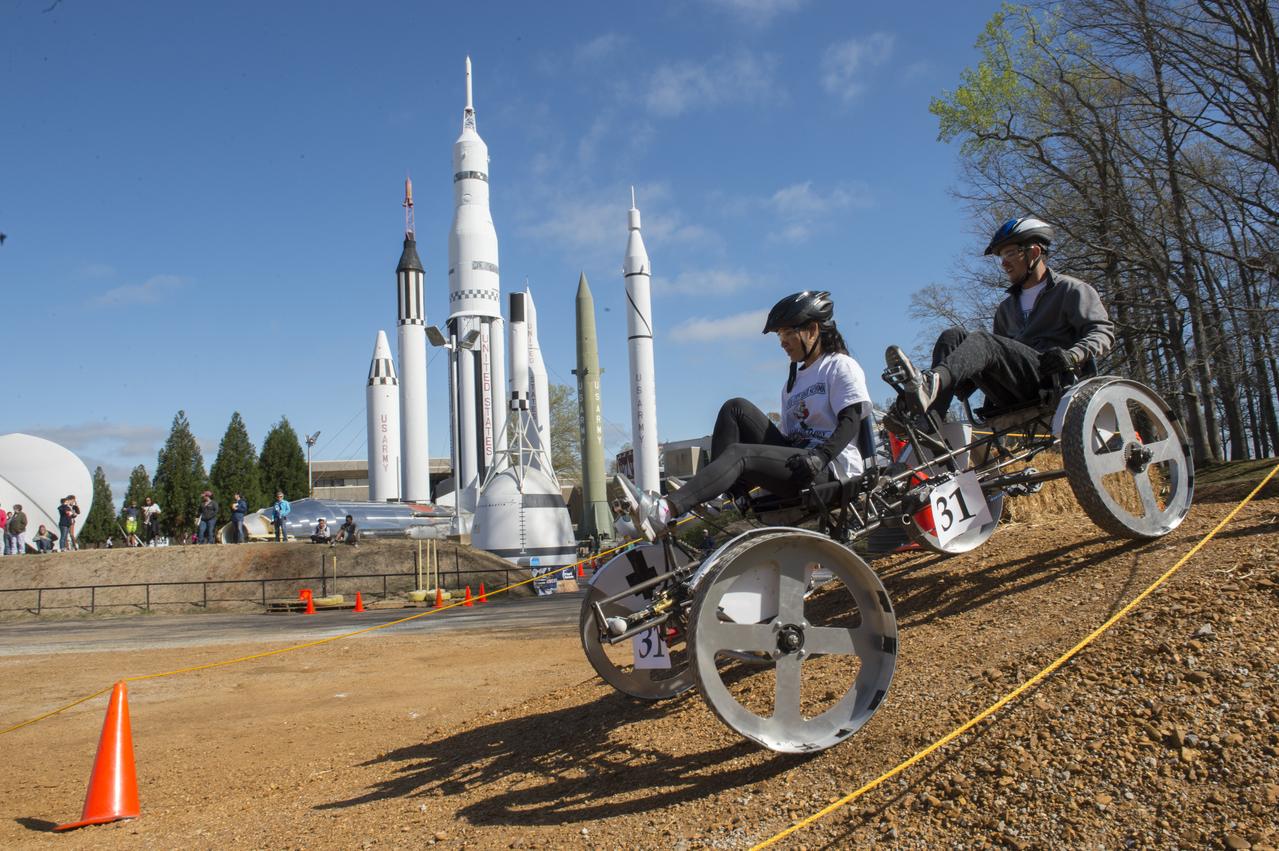
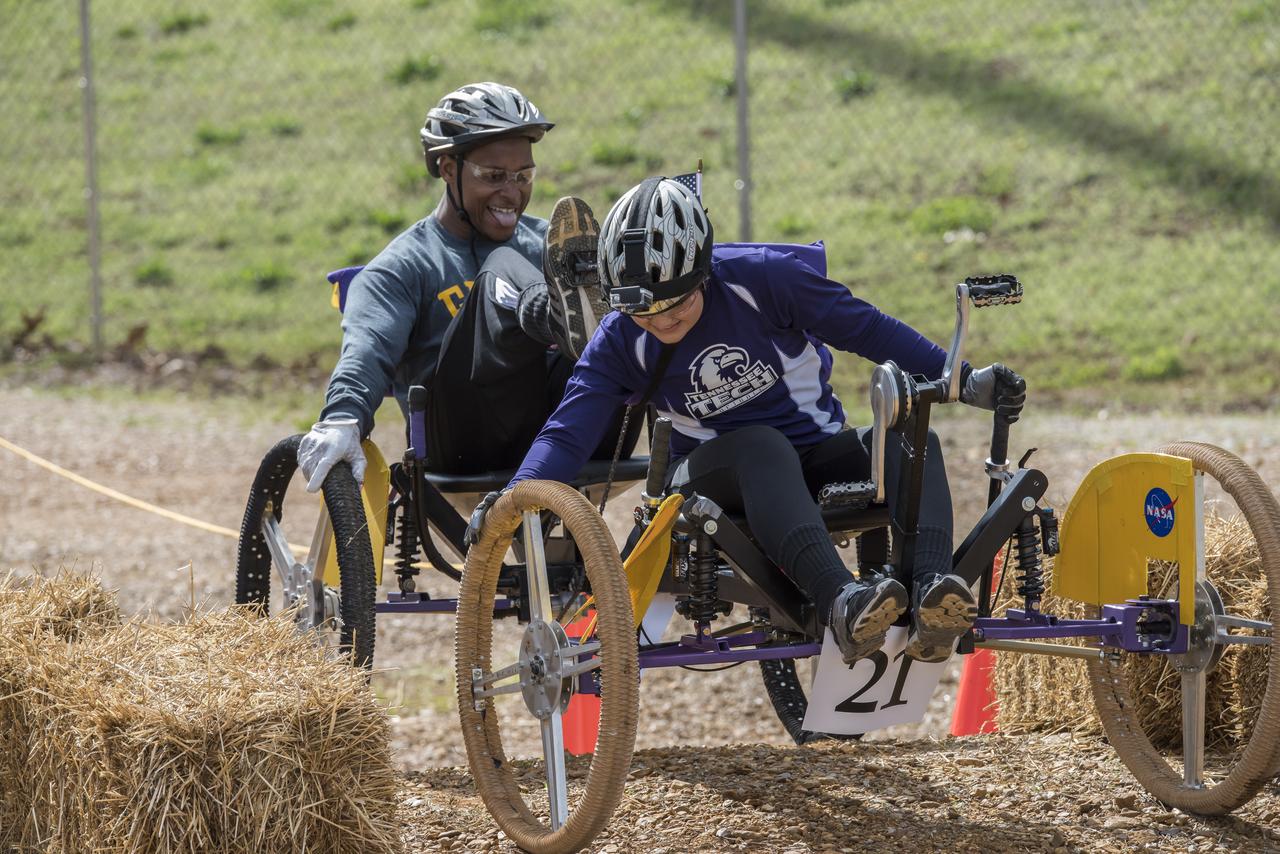
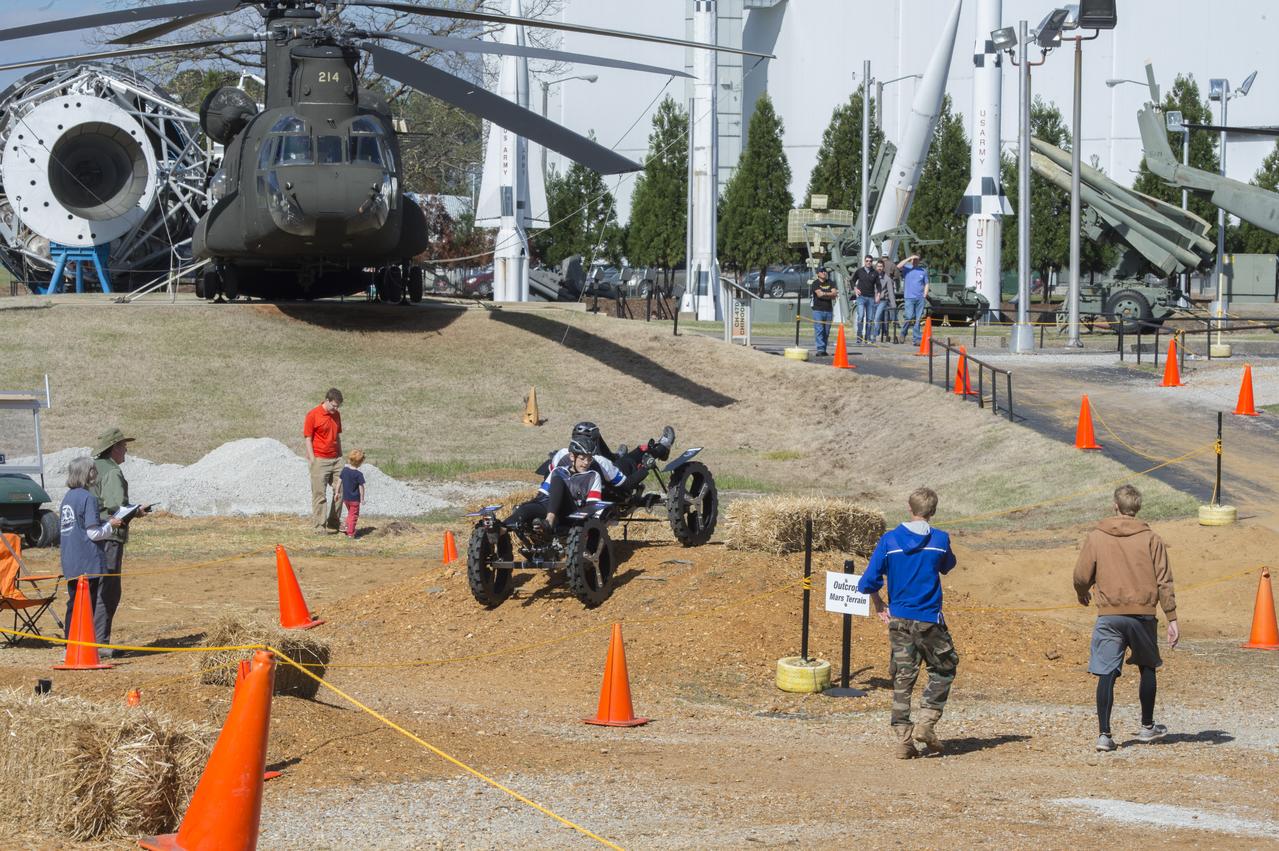
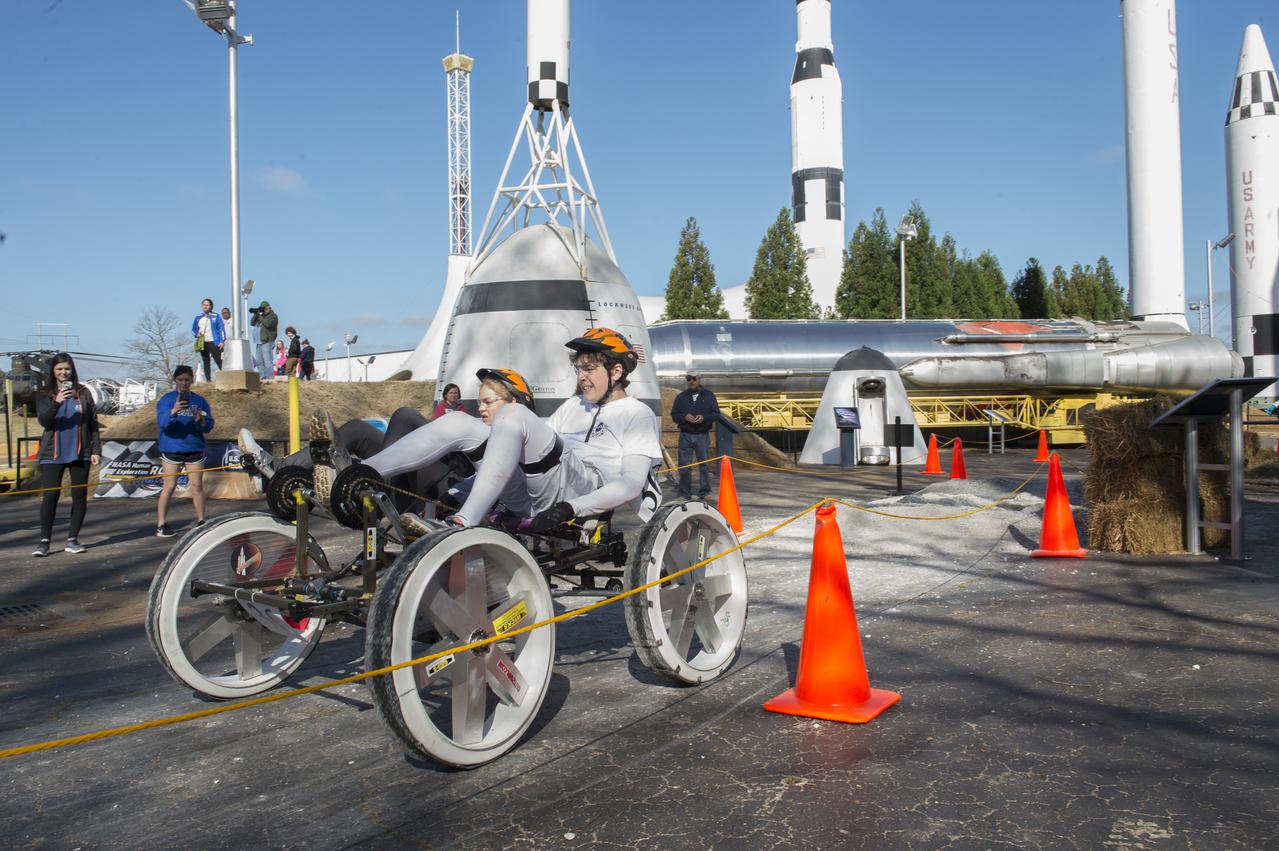
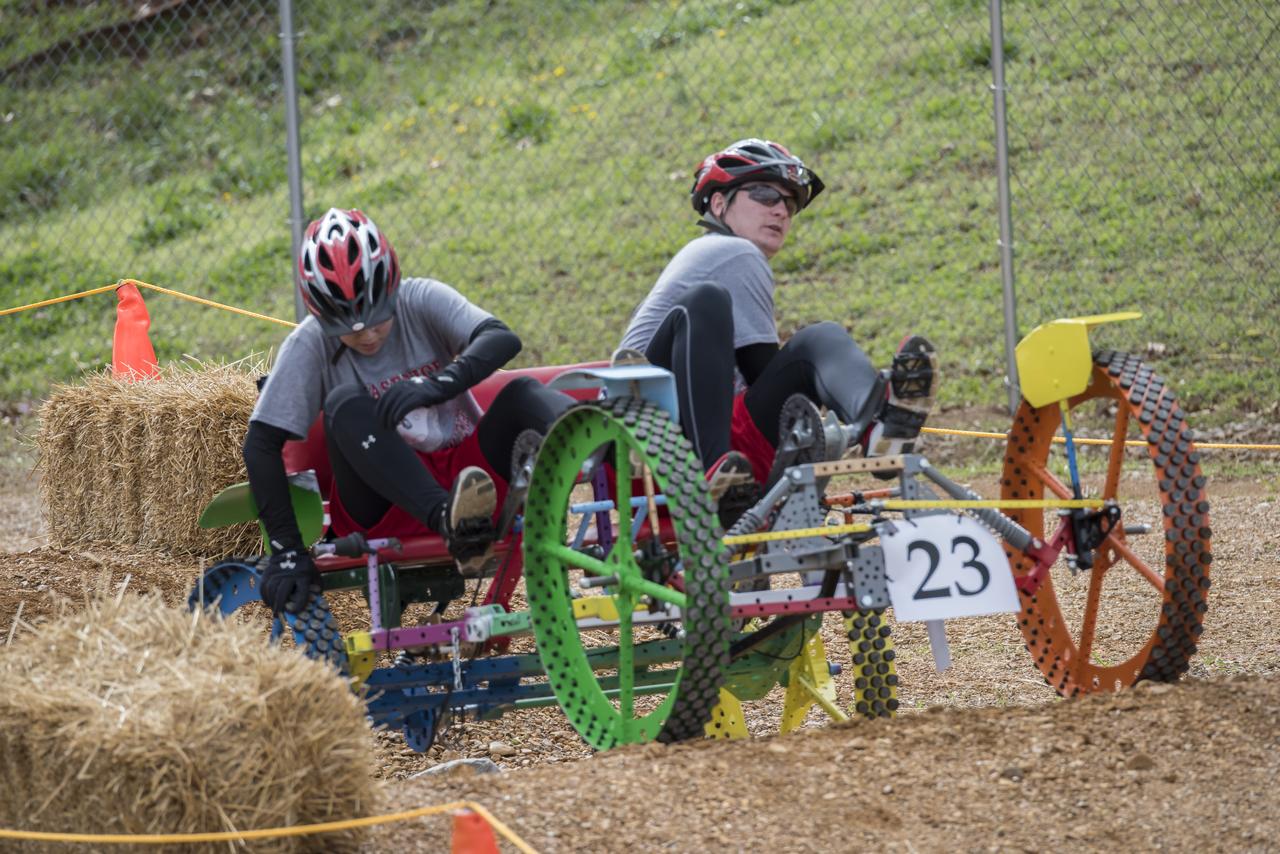
2017 Exploration Rover Challenge events at the U.S. Space and Rocket Center in Huntsville, Alabama. High school and college students from around the U.S. and the world come together for this 2 day event which challenges them to compete for the fastest time as well as technical design of the actual rover itself.
2017 Exploration Rover Challenge event.
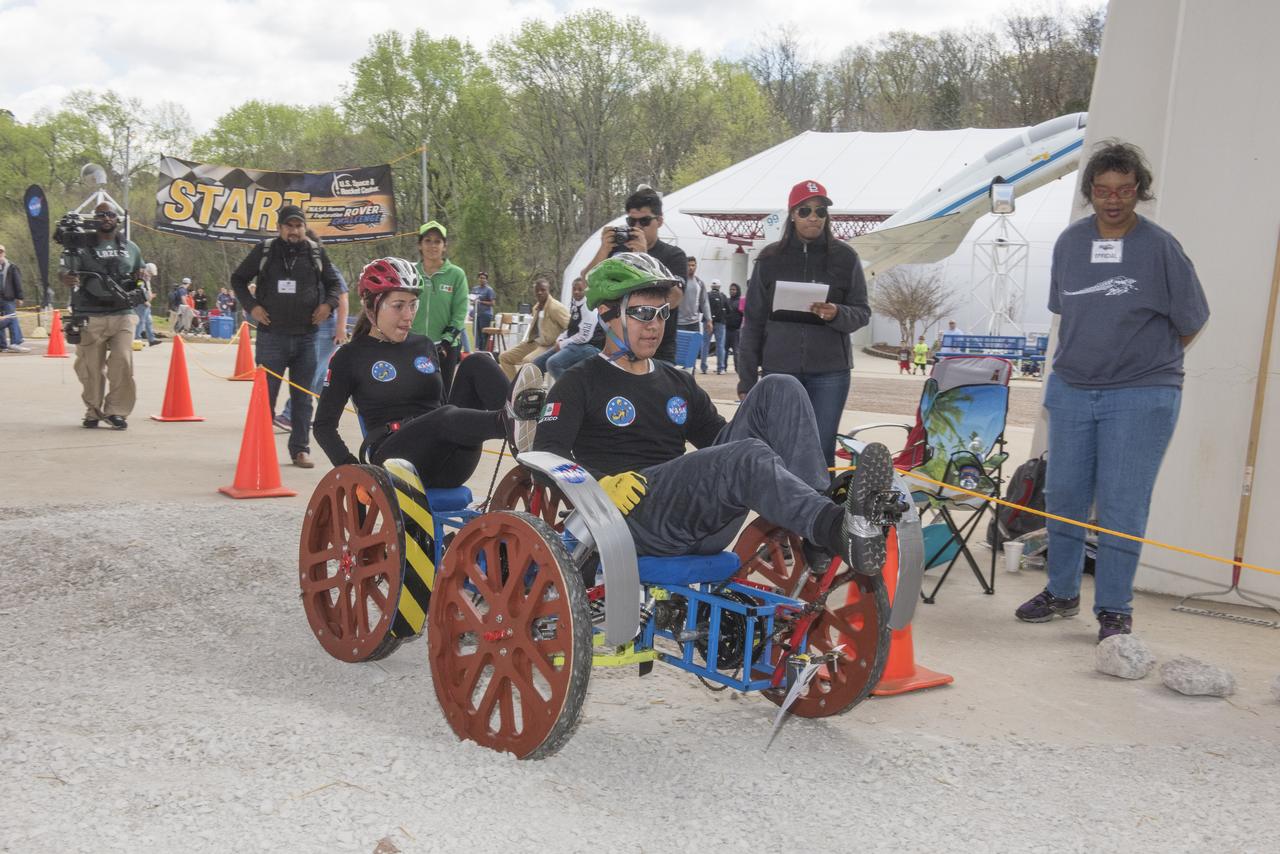
2017 Exploration Rover Challenge events at the U.S. Space and Rocket Center in Huntsville, Alabama. High school and college students from around the U.S. and the world come together for this 2 day event which challenges them to compete for the fastest time as well as technical design of the actual rover itself.
2017 Exploration Rover Challenge event.
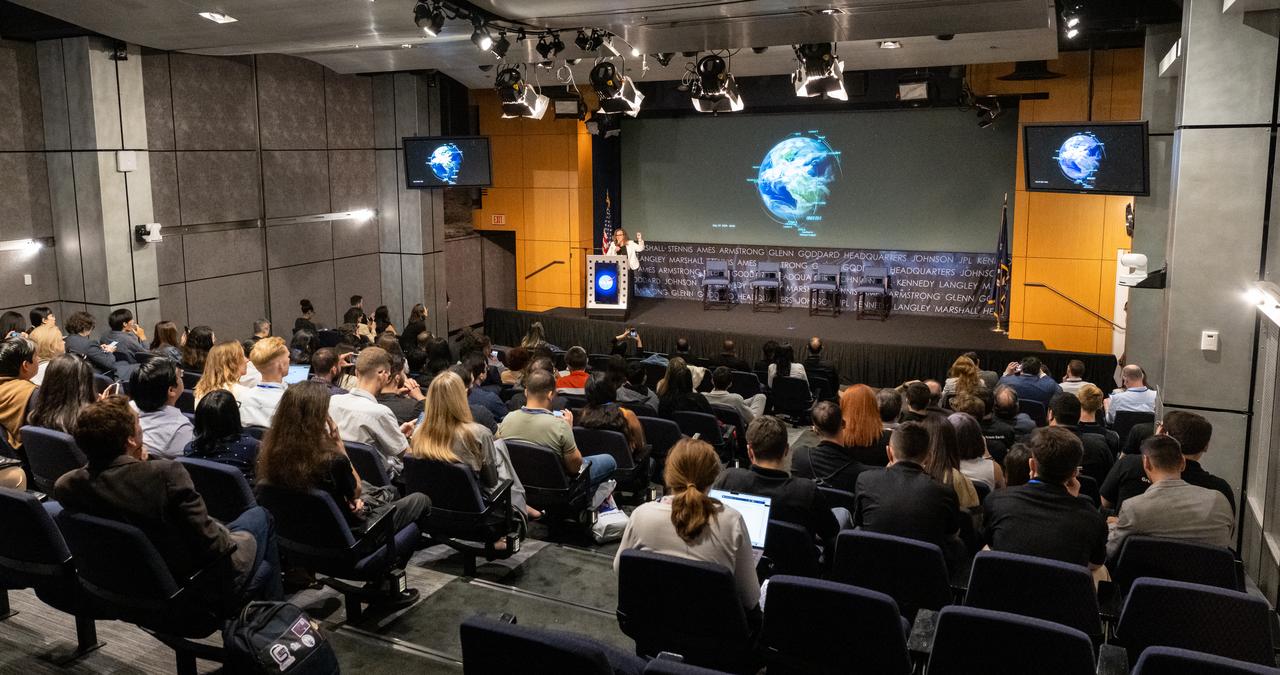
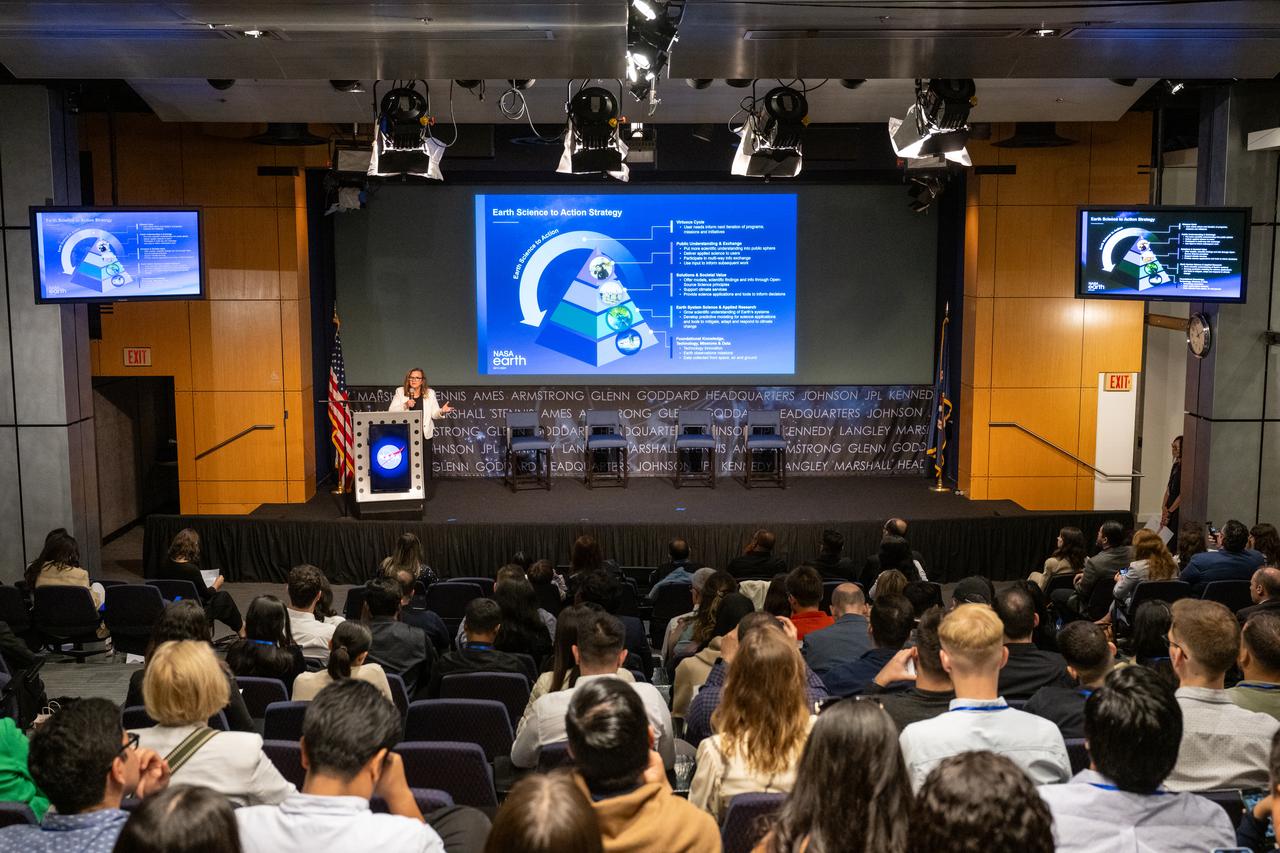
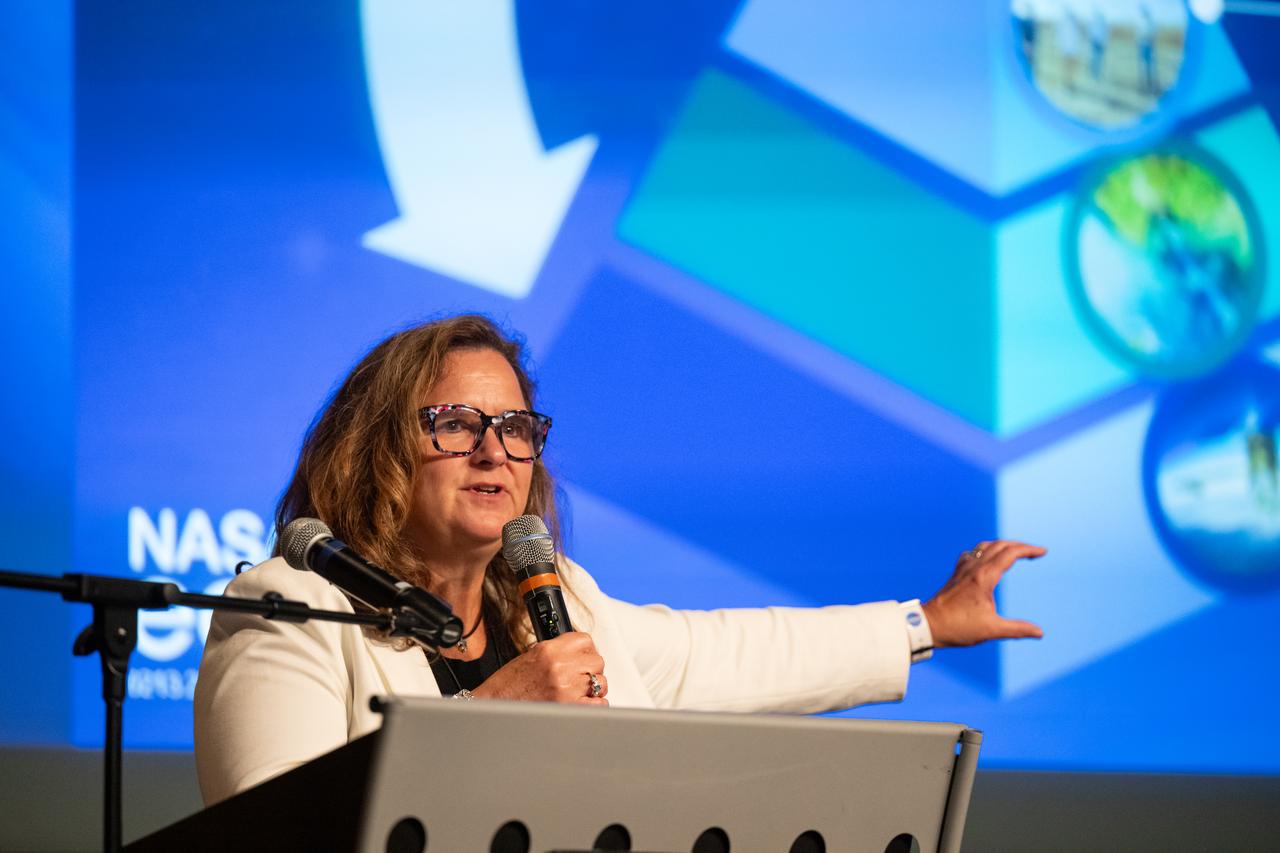
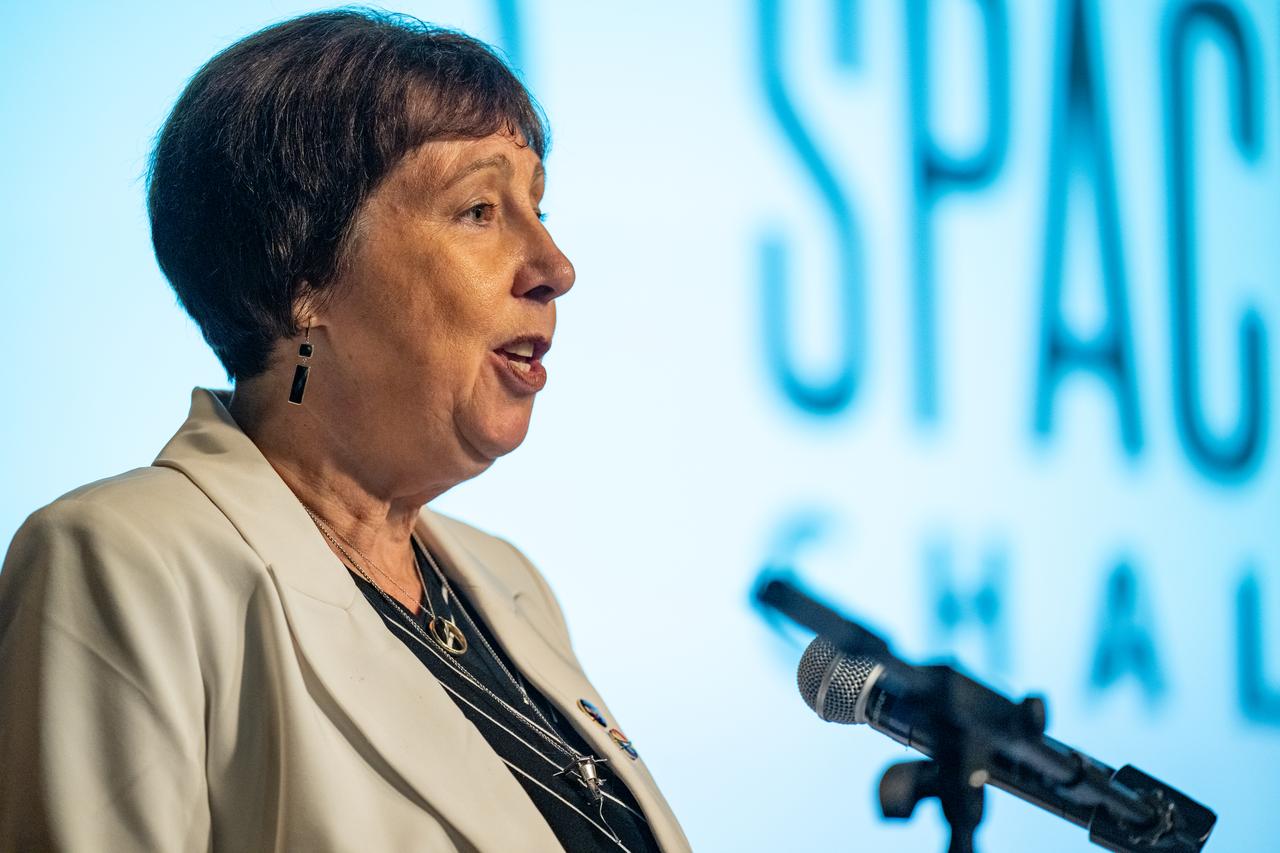
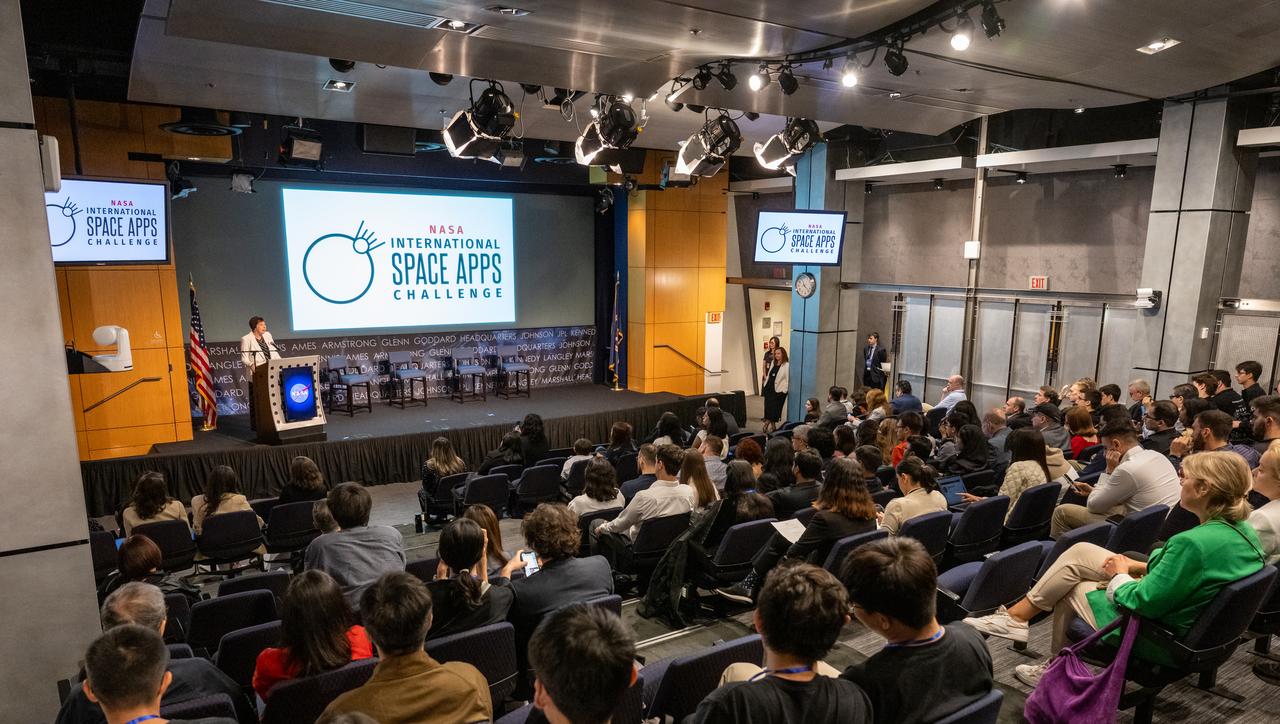
NASA Earth Science Division Director Karen St. Germain delivers remarks during a gathering of NASA Space Apps Challenge Global Winners and Local Leads from around the world Wednesday, June 5, 2024, at the Mary W. Jackson NASA Headquarters building in Washington.  Photo Credit: (NASA/Keegan Barber)
NASA Space Apps Challenge Winners Gathering
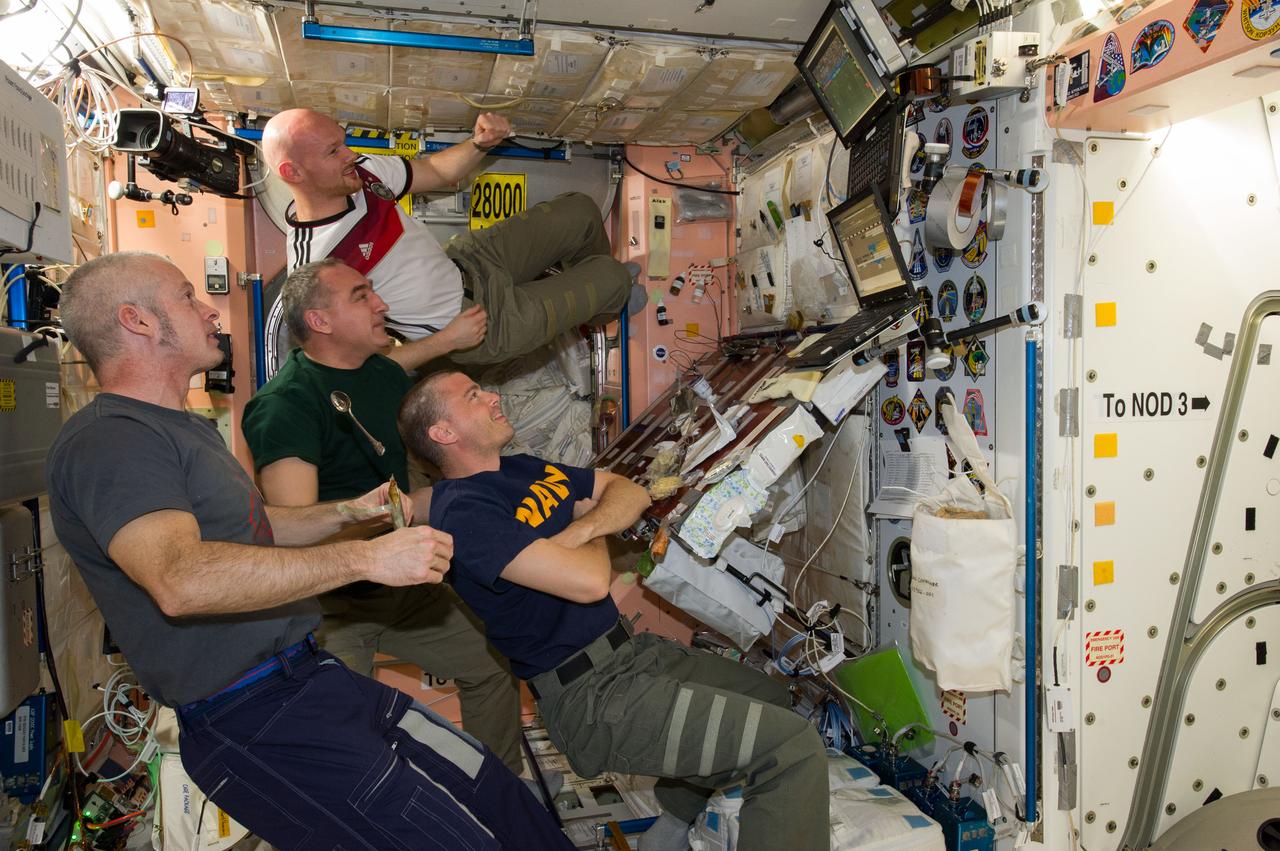
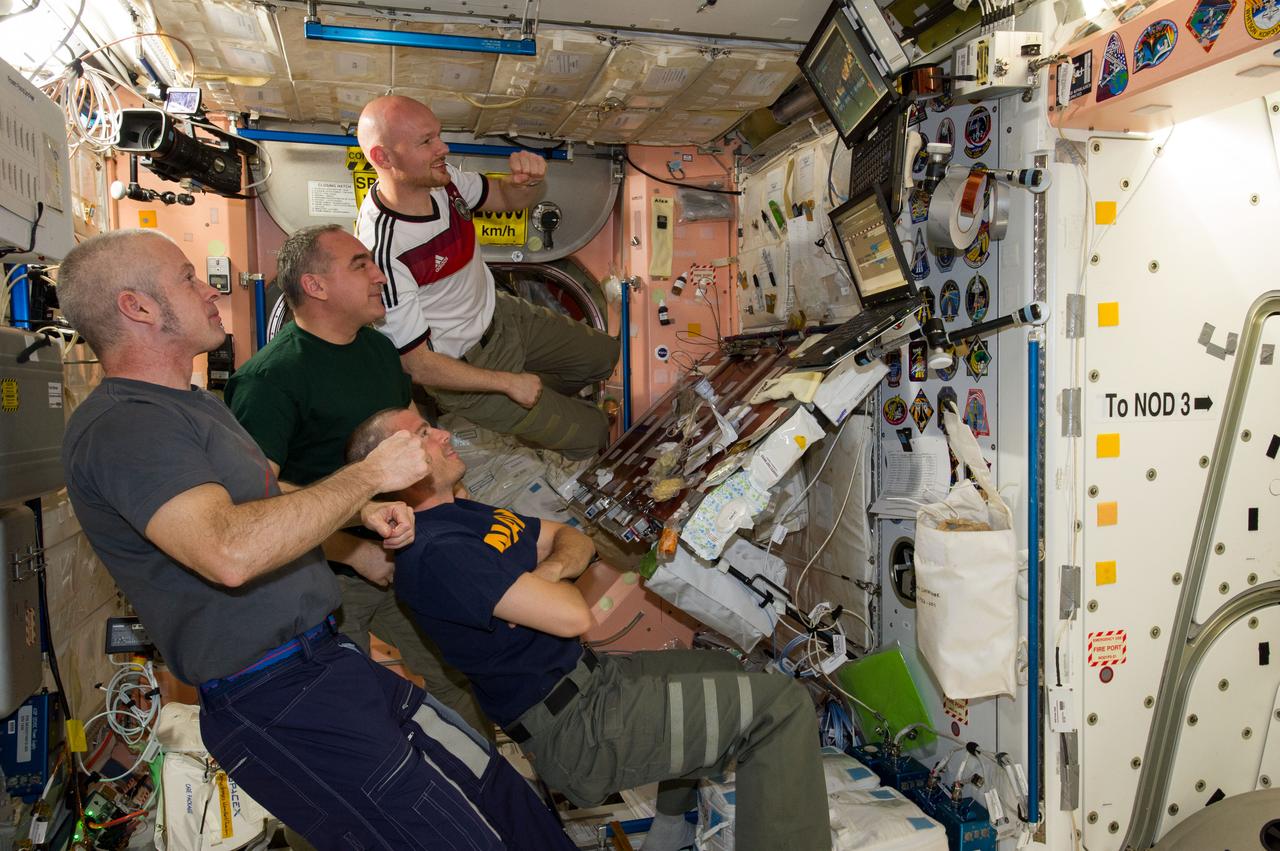
NASA astronaut Steve Swanson (left),Expedition 40 commander; along with European Space Agency astronaut Alexander Gerst (upper left), NASA astronaut Reid Wiseman and Cosmonaut Alexander Skvortsov,all three flight engineers,gather around a computer in Node 1 to watch the World Cup finals.
World Cup Finals
2017 Exploration Rover Challenge events at the U.S. Space and Rocket Center in Huntsville, Alabama. High school and college students from around the U.S. and the world come together for this 2 day event which challenges them to compete for the fastest time as well as technical design of the actual rover itself.
2017 Exploration Rover Challenge event.
2017 Exploration Rover Challenge events at the U.S. Space and Rocket Center in Huntsville, Alabama. High school and college students from around the U.S. and the world come together for this 2 day event which challenges them to compete for the fastest time as well as technical design of the actual rover itself.
2017 Exploration Rover Challenge event.
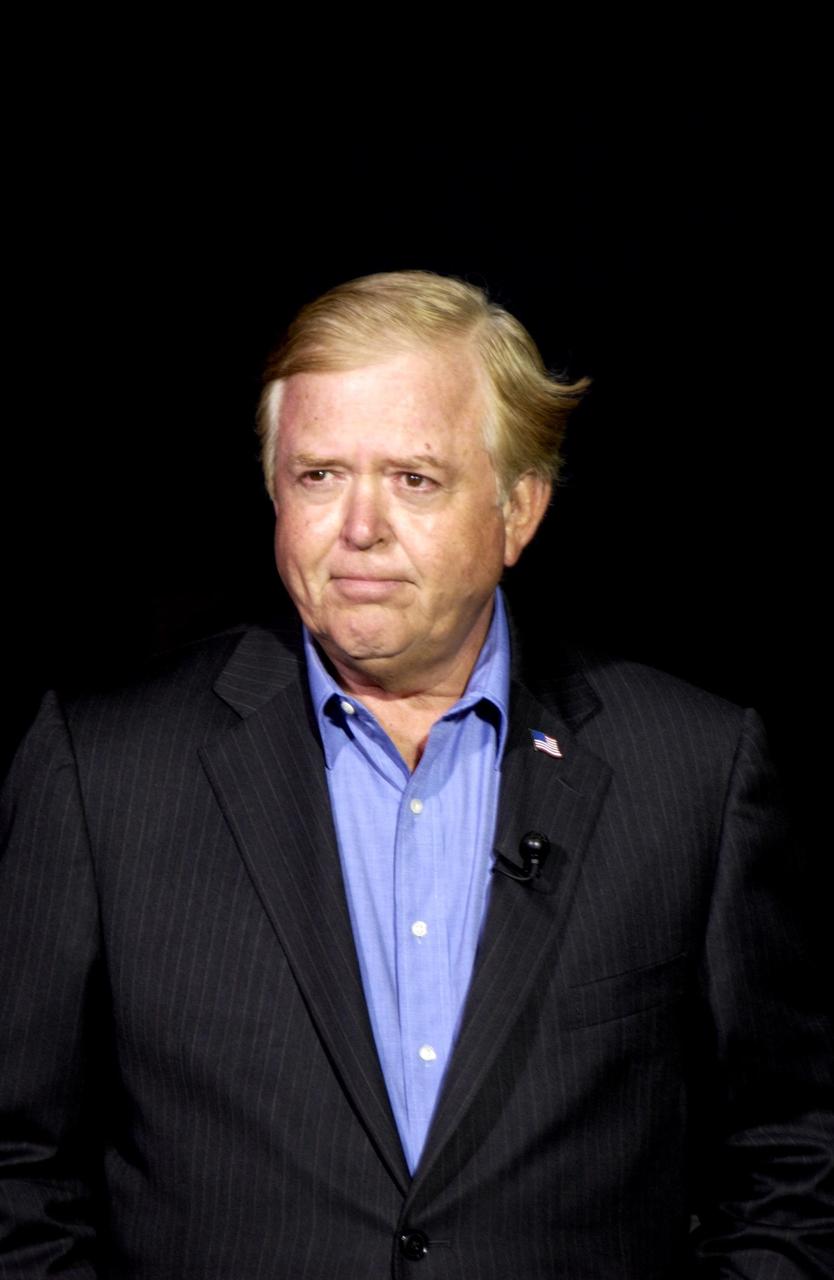
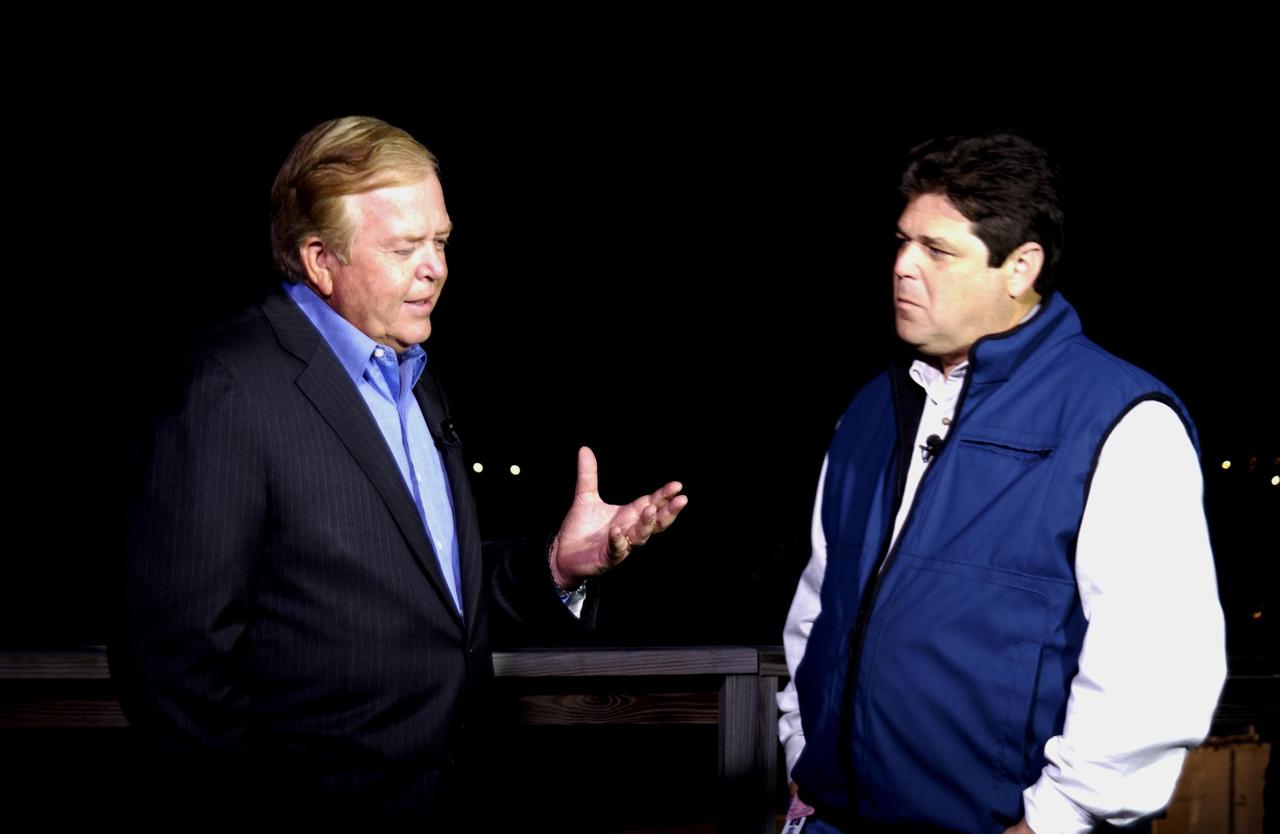
KENNEDY SPACE CENTER, FLA. - CNN anchor Lou Dobbs and reporter John Zarella talk on camera while covering the tragic loss of Space Shuttle Columbia as it was returning to Earth on mission STS-107. Journalists from around the world covered the event.
KSC-03pd0258
2017 Exploration Rover Challenge events at the U.S. Space and Rocket Center in Huntsville, Alabama. High school and college students from around the U.S. and the world come together for this 2 day event which challenges them to compete for the fastest time as well as technical design of the actual rover itself.
2017 Exploration Rover Challenge event.
2017 Exploration Rover Challenge events at the U.S. Space and Rocket Center in Huntsville, Alabama. High school and college students from around the U.S. and the world come together for this 2 day event which challenges them to compete for the fastest time as well as technical design of the actual rover itself.
2017 Exploration Rover Challenge event.
2017 Exploration Rover Challenge events at the U.S. Space and Rocket Center in Huntsville, Alabama. High school and college students from around the U.S. and the world come together for this 2 day event which challenges them to compete for the fastest time as well as technical design of the actual rover itself.
2017 Exploration Rover Challenge event.
2017 Exploration Rover Challenge events at the U.S. Space and Rocket Center in Huntsville, Alabama. High school and college students from around the U.S. and the world come together for this 2 day event which challenges them to compete for the fastest time as well as technical design of the actual rover itself.
2017 Exploration Rover Challenge event.
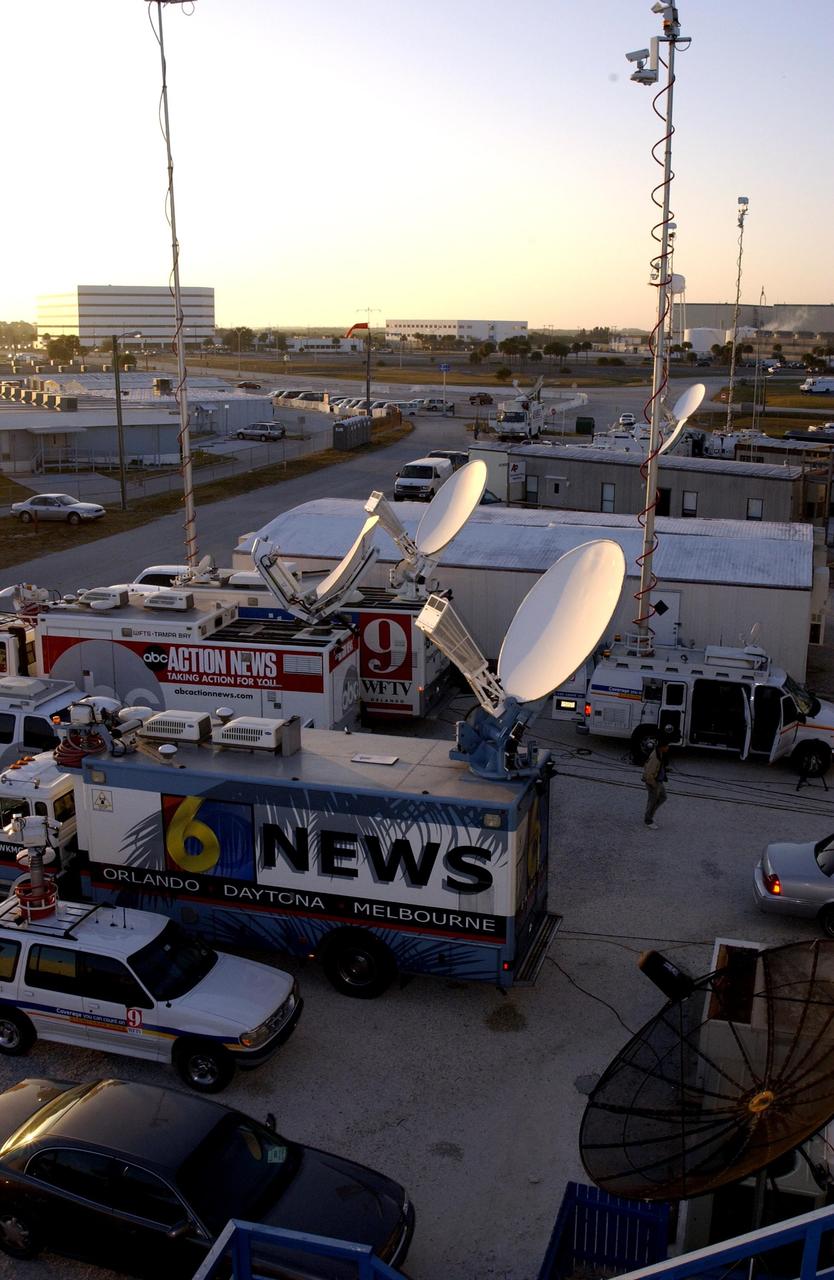
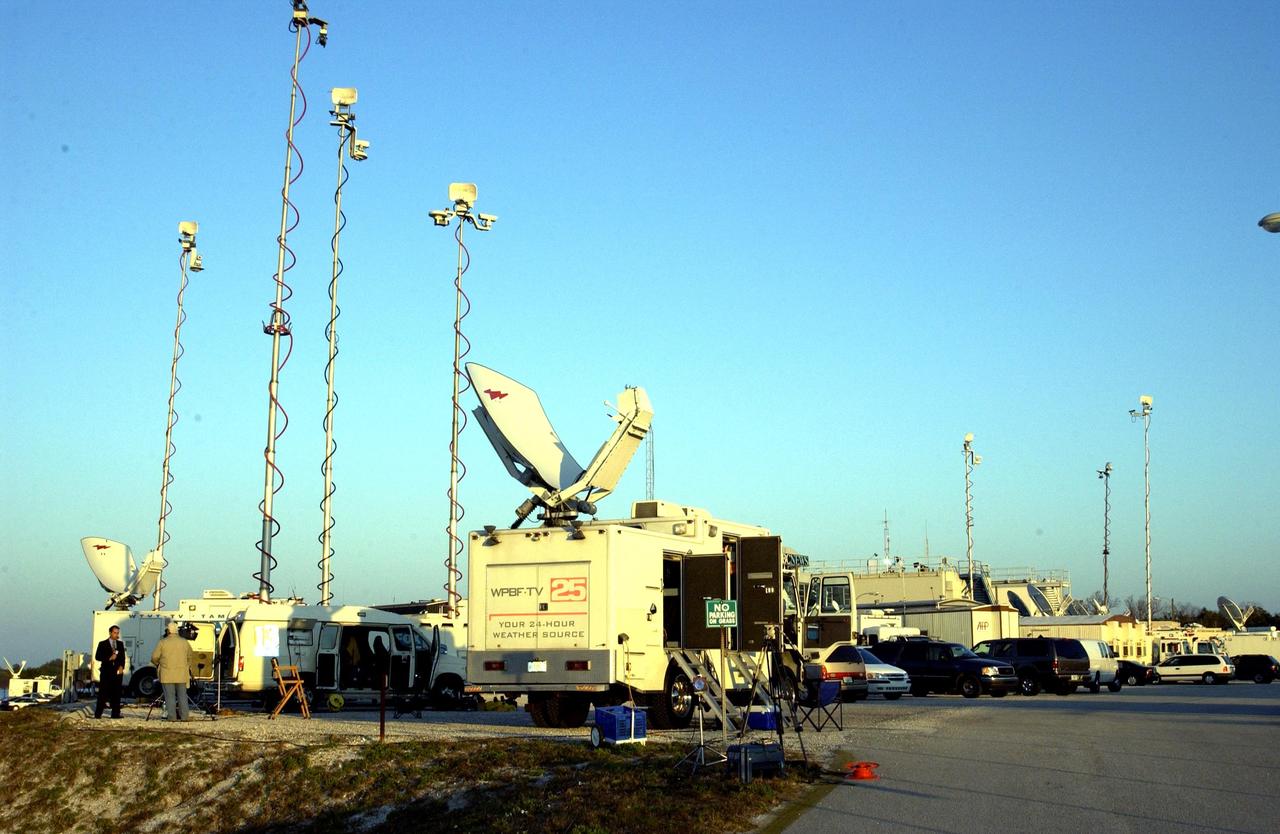
KENNEDY SPACE CENTER, FLA. - Media trucks with live satellite feeds fill the top of the mound where the NASA News Center is located.  The media are reporting the tragic loss of Space Shuttle Columbia as it was returning to Earth on mission STS-107.  Journalists from around the world covered the event.
KSC-03pd0253
2017 Exploration Rover Challenge events at the U.S. Space and Rocket Center in Huntsville, Alabama. High school and college students from around the U.S. and the world come together for this 2 day event which challenges them to compete for the fastest time as well as technical design of the actual rover itself.
2017 Exploration Rover Challenge event.
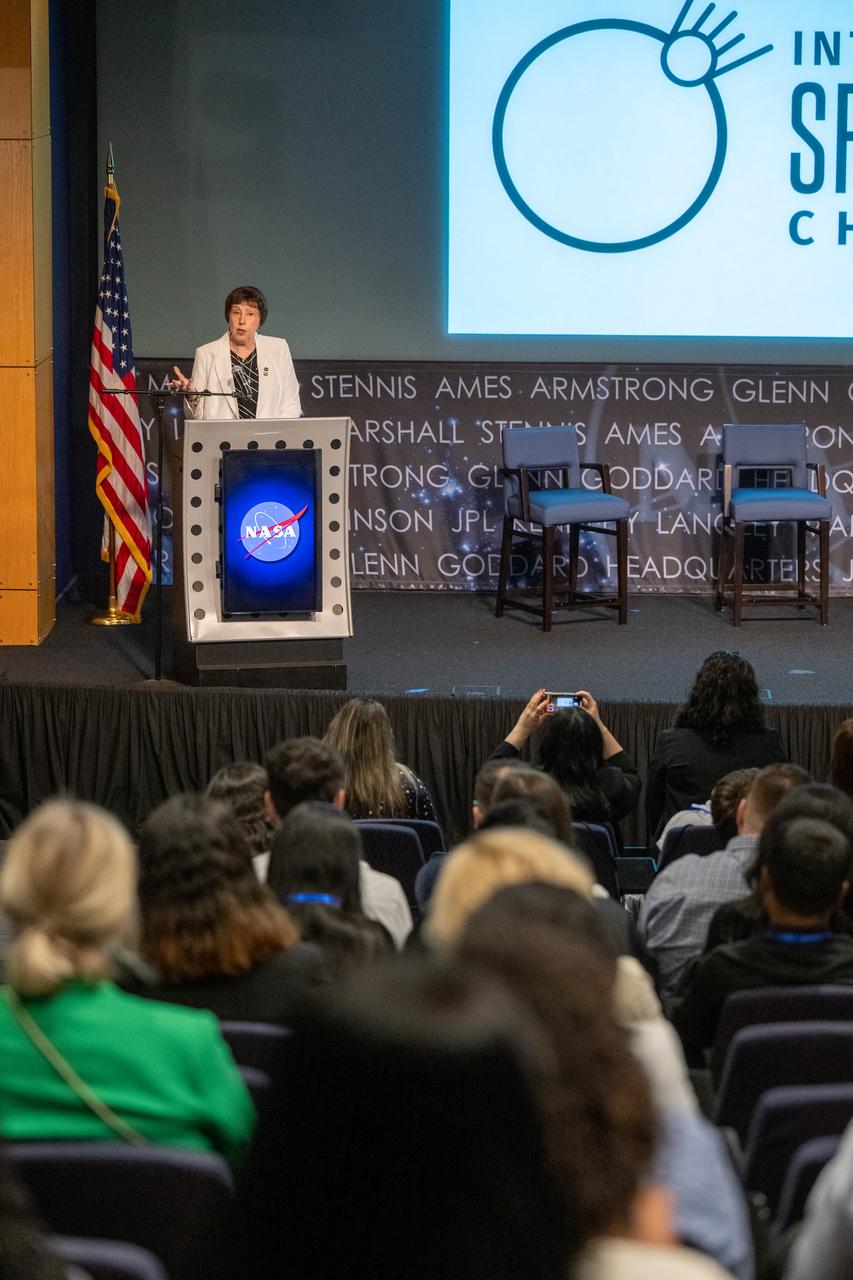
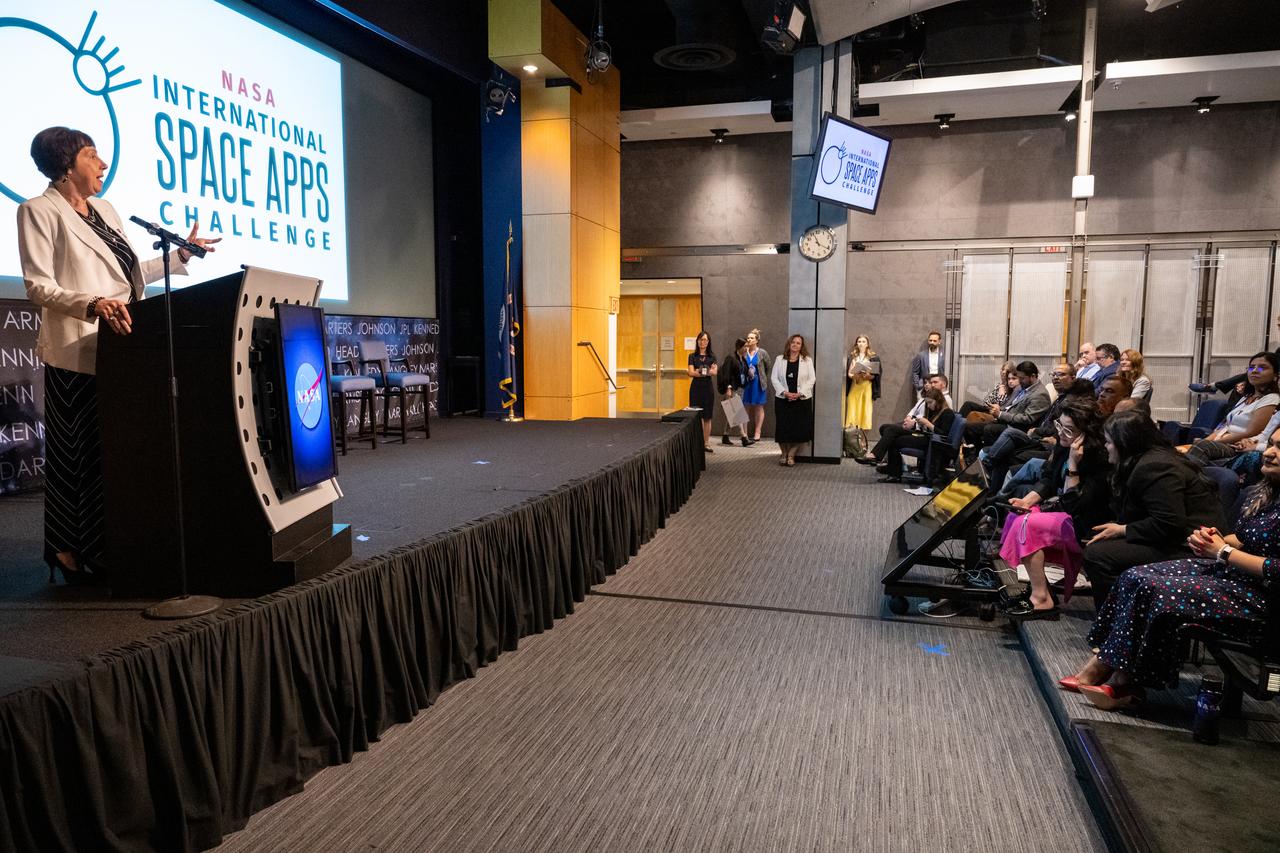
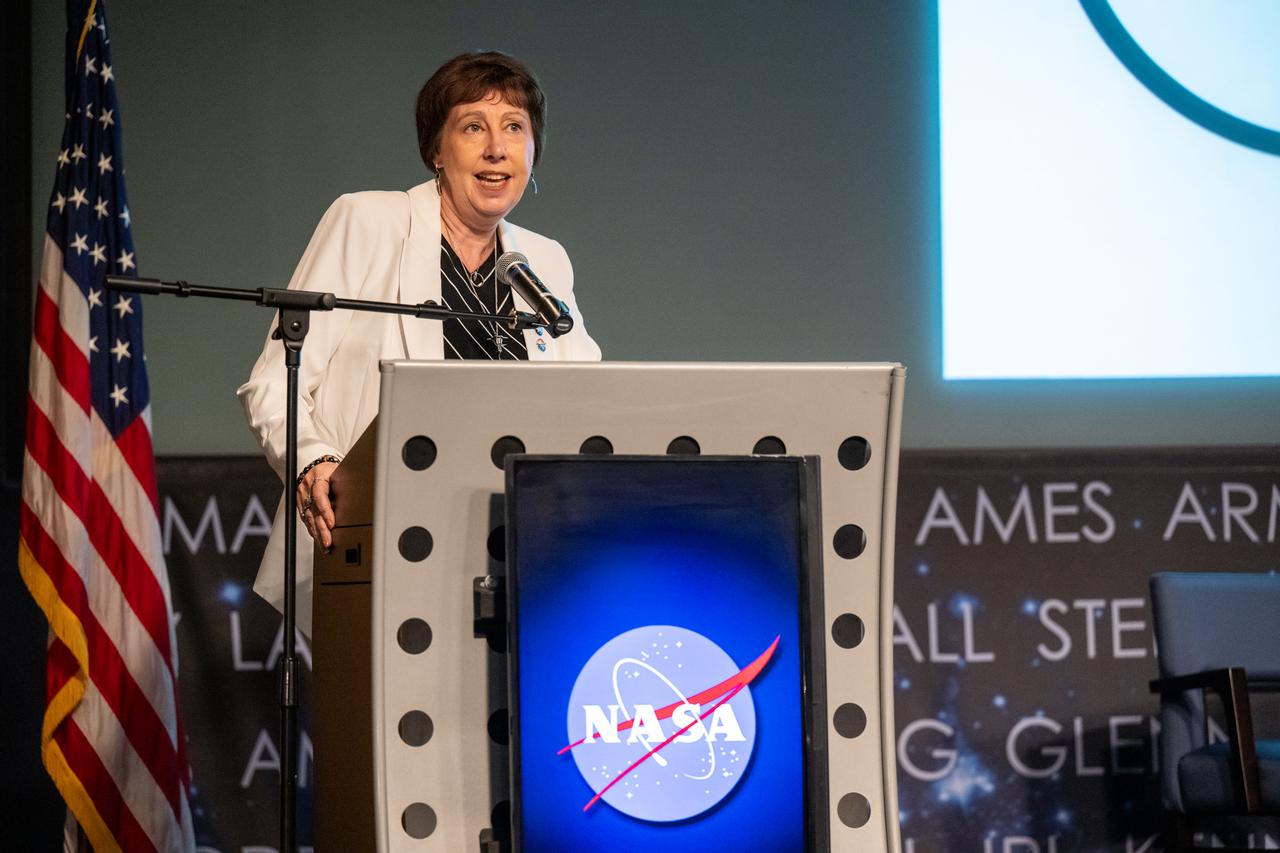
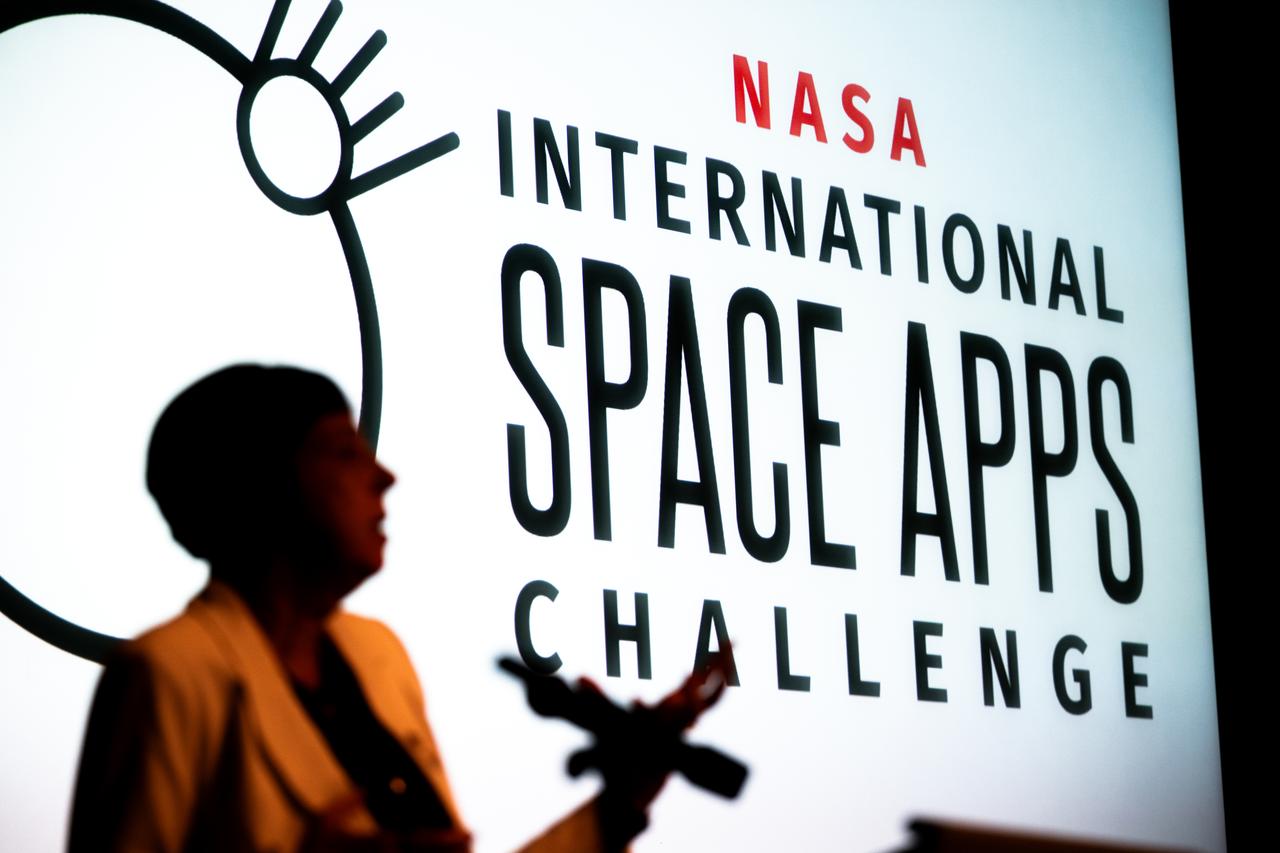
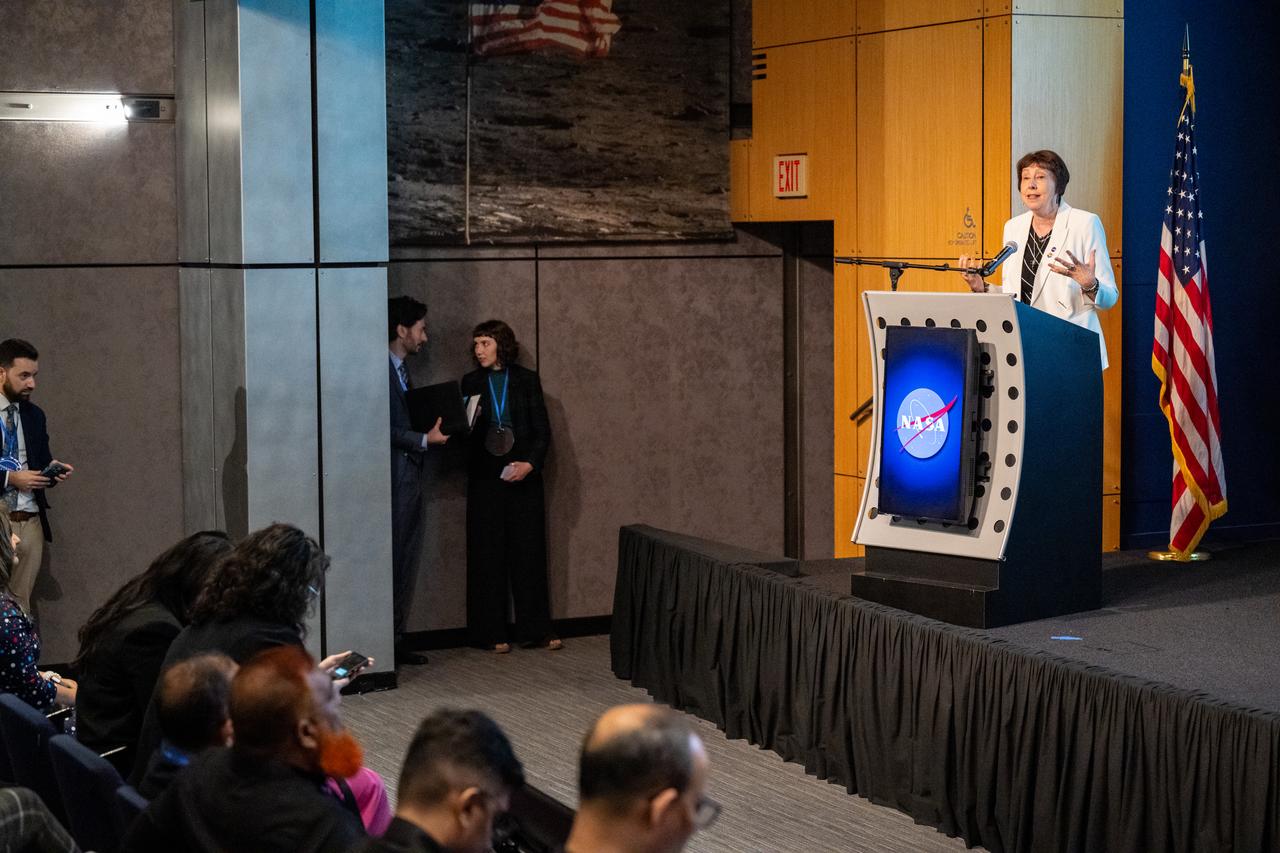
NASA Earth Science Division Associate Administrator Nicola Fox delivers remarks during a gathering of NASA Space Apps Challenge Global Winners and Local Leads from around the world Wednesday, June 5, 2024, at the Mary W. Jackson NASA Headquarters building in Washington.  Photo Credit: (NASA/Keegan Barber)
NASA Space Apps Challenge Winners Gathering
2017 Exploration Rover Challenge events at the U.S. Space and Rocket Center in Huntsville, Alabama. High school and college students from around the U.S. and the world come together for this 2 day event which challenges them to compete for the fastest time as well as technical design of the actual rover itself.
2017 Exploration Rover Challenge event.
2017 Exploration Rover Challenge events at the U.S. Space and Rocket Center in Huntsville, Alabama. High school and college students from around the U.S. and the world come together for this 2 day event which challenges them to compete for the fastest time as well as technical design of the actual rover itself.
2017 Exploration Rover Challenge event.
2017 Exploration Rover Challenge events at the U.S. Space and Rocket Center in Huntsville, Alabama. High school and college students from around the U.S. and the world come together for this 2 day event which challenges them to compete for the fastest time as well as technical design of the actual rover itself.
2017 Exploration Rover Challenge event.
2017 Exploration Rover Challenge events at the U.S. Space and Rocket Center in Huntsville, Alabama. High school and college students from around the U.S. and the world come together for this 2 day event which challenges them to compete for the fastest time as well as technical design of the actual rover itself.
2017 Exploration Rover Challenge event.
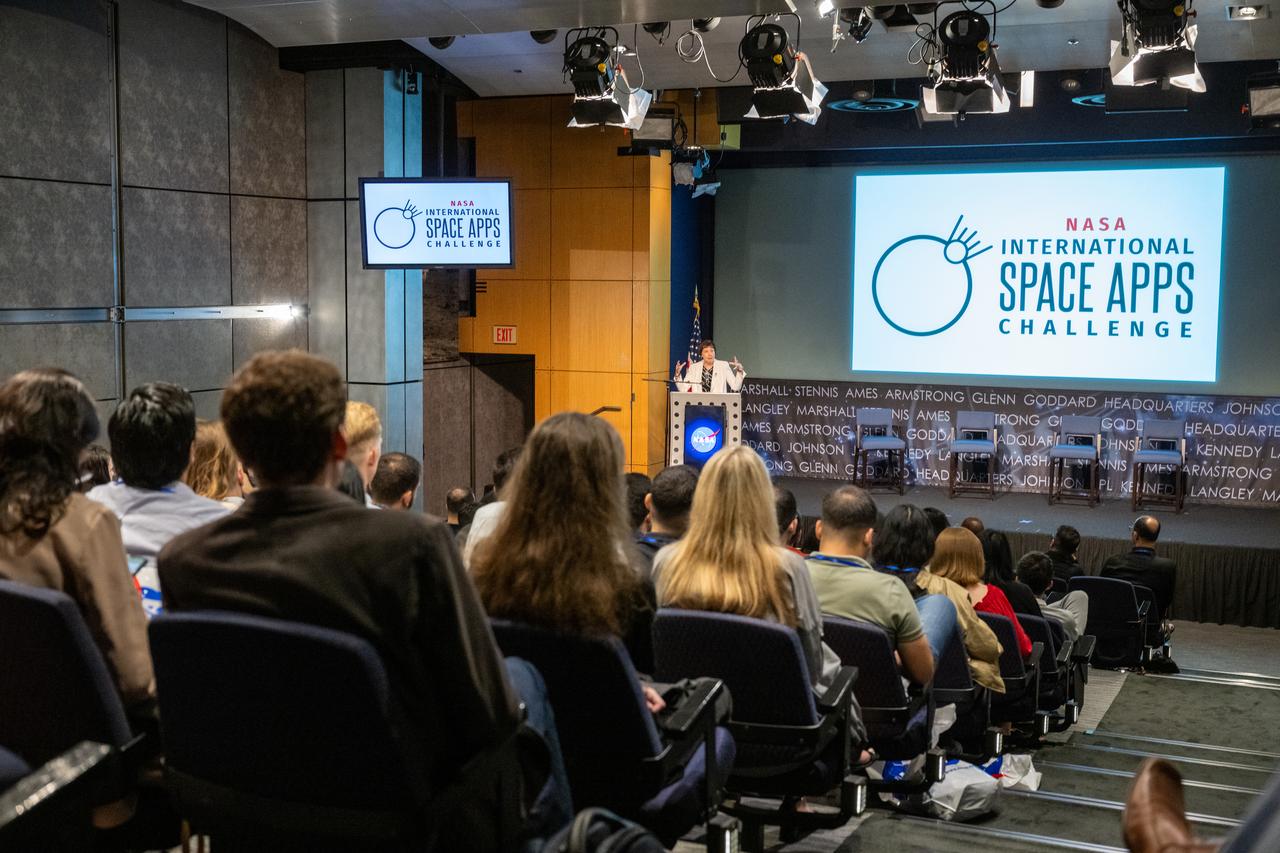
NASA Earth Science Division Associate Administrator Nicola Fox delivers remarks during a gathering of NASA Space Apps Challenge Global Winners and Local Leads from around the world Wednesday, June 5, 2024, at the Mary W. Jackson NASA Headquarters building in Washington.  Photo Credit: (NASA/Keegan Barber)
NASA Space Apps Challenge Winners Gathering
2017 Exploration Rover Challenge events at the U.S. Space and Rocket Center in Huntsville, Alabama. High school and college students from around the U.S. and the world come together for this 2 day event which challenges them to compete for the fastest time as well as technical design of the actual rover itself.
2017 Exploration Rover Challenge event.
2017 Exploration Rover Challenge events at the U.S. Space and Rocket Center in Huntsville, Alabama. High school and college students from around the U.S. and the world come together for this 2 day event which challenges them to compete for the fastest time as well as technical design of the actual rover itself.
2017 Exploration Rover Challenge event.
2017 Exploration Rover Challenge events at the U.S. Space and Rocket Center in Huntsville, Alabama. High school and college students from around the U.S. and the world come together for this 2 day event which challenges them to compete for the fastest time as well as technical design of the actual rover itself.
2017 Exploration Rover Challenge event.
2017 Exploration Rover Challenge events at the U.S. Space and Rocket Center in Huntsville, Alabama. High school and college students from around the U.S. and the world come together for this 2 day event which challenges them to compete for the fastest time as well as technical design of the actual rover itself.
2017 Exploration Rover Challenge event.
KENNEDY SPACE CENTER, FLA. - Anchor and managing editor of CNN's Lou Dobbs Moneyline, Lou Dobbs is at KSC reporting on the tragic loss of Space Shuttle Columbia as it was returning to Earth on mission STS-107.  Journalists from around the world covered the event.
KSC-03pd0257
2017 Exploration Rover Challenge events at the U.S. Space and Rocket Center in Huntsville, Alabama. High school and college students from around the U.S. and the world come together for this 2 day event which challenges them to compete for the fastest time as well as technical design of the actual rover itself.
2017 Exploration Rover Challenge event.
2017 Exploration Rover Challenge events at the U.S. Space and Rocket Center in Huntsville, Alabama. High school and college students from around the U.S. and the world come together for this 2 day event which challenges them to compete for the fastest time as well as technical design of the actual rover itself.
2017 Exploration Rover Challenge event.
2017 Exploration Rover Challenge events at the U.S. Space and Rocket Center in Huntsville, Alabama. High school and college students from around the U.S. and the world come together for this 2 day event which challenges them to compete for the fastest time as well as technical design of the actual rover itself.
2017 Exploration Rover Challenge event.
2017 Exploration Rover Challenge events at the U.S. Space and Rocket Center in Huntsville, Alabama. High school and college students from around the U.S. and the world come together for this 2 day event which challenges them to compete for the fastest time as well as technical design of the actual rover itself.
2017 Exploration Rover Challenge event.
2017 Exploration Rover Challenge events at the U.S. Space and Rocket Center in Huntsville, Alabama. High school and college students from around the U.S. and the world come together for this 2 day event which challenges them to compete for the fastest time as well as technical design of the actual rover itself.
2017 Exploration Rover Challenge event.
NASA Earth Science Division Associate Administrator Nicola Fox delivers remarks during a gathering of NASA Space Apps Challenge Global Winners and Local Leads from around the world Wednesday, June 5, 2024, at the Mary W. Jackson NASA Headquarters building in Washington.  Photo Credit: (NASA/Keegan Barber)
NASA Space Apps Challenge Winners Gathering
NASA Earth Science Division Associate Administrator Nicola Fox delivers remarks during a gathering of NASA Space Apps Challenge Global Winners and Local Leads from around the world Wednesday, June 5, 2024, at the Mary W. Jackson NASA Headquarters building in Washington.  Photo Credit: (NASA/Keegan Barber)
NASA Space Apps Challenge Winners Gathering
NASA Earth Science Division Associate Administrator Nicola Fox delivers remarks during a gathering of NASA Space Apps Challenge Global Winners and Local Leads from around the world Wednesday, June 5, 2024, at the Mary W. Jackson NASA Headquarters building in Washington.  Photo Credit: (NASA/Keegan Barber)
NASA Space Apps Challenge Winners Gathering
2017 Exploration Rover Challenge events at the U.S. Space and Rocket Center in Huntsville, Alabama. High school and college students from around the U.S. and the world come together for this 2 day event which challenges them to compete for the fastest time as well as technical design of the actual rover itself.
2017 Exploration Rover Challenge event.
2017 Exploration Rover Challenge events at the U.S. Space and Rocket Center in Huntsville, Alabama. High school and college students from around the U.S. and the world come together for this 2 day event which challenges them to compete for the fastest time as well as technical design of the actual rover itself.
2017 Exploration Rover Challenge event.
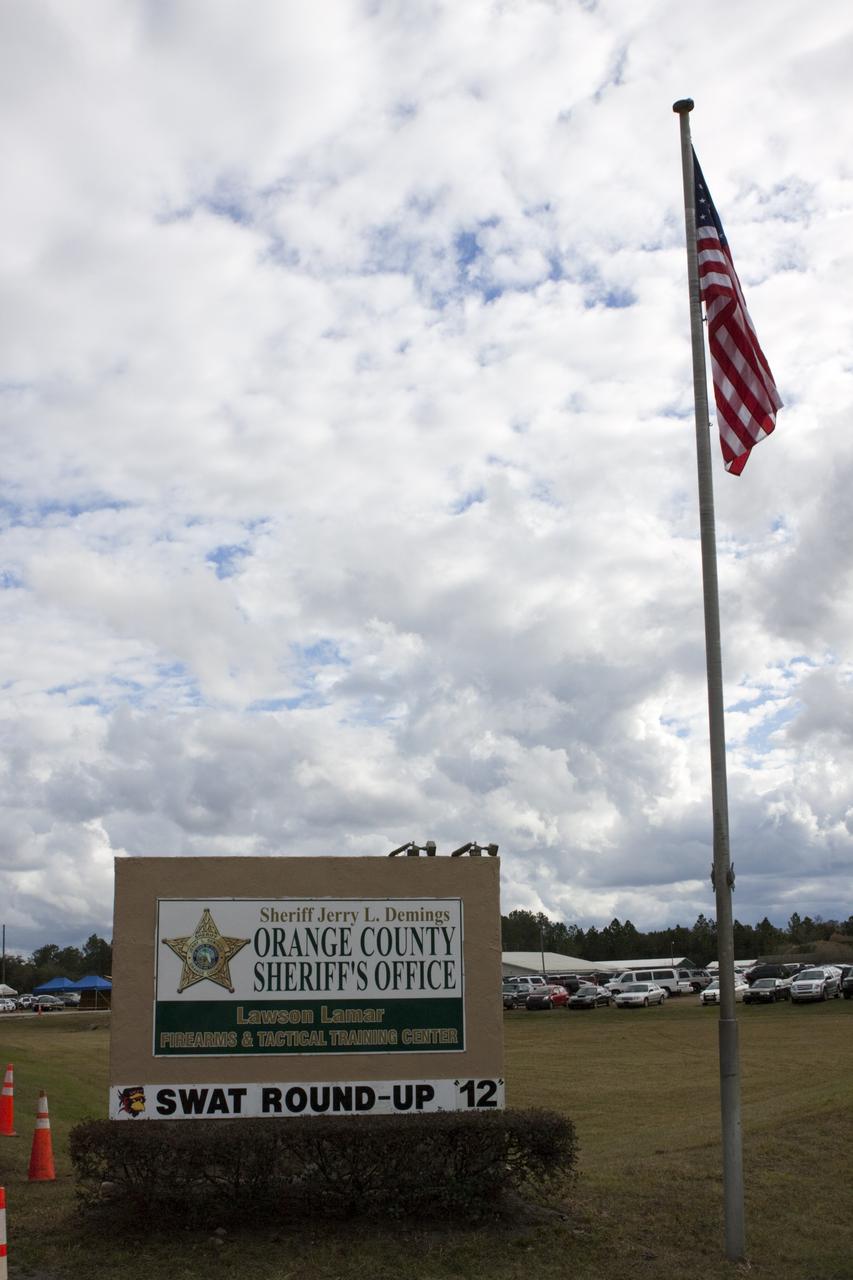
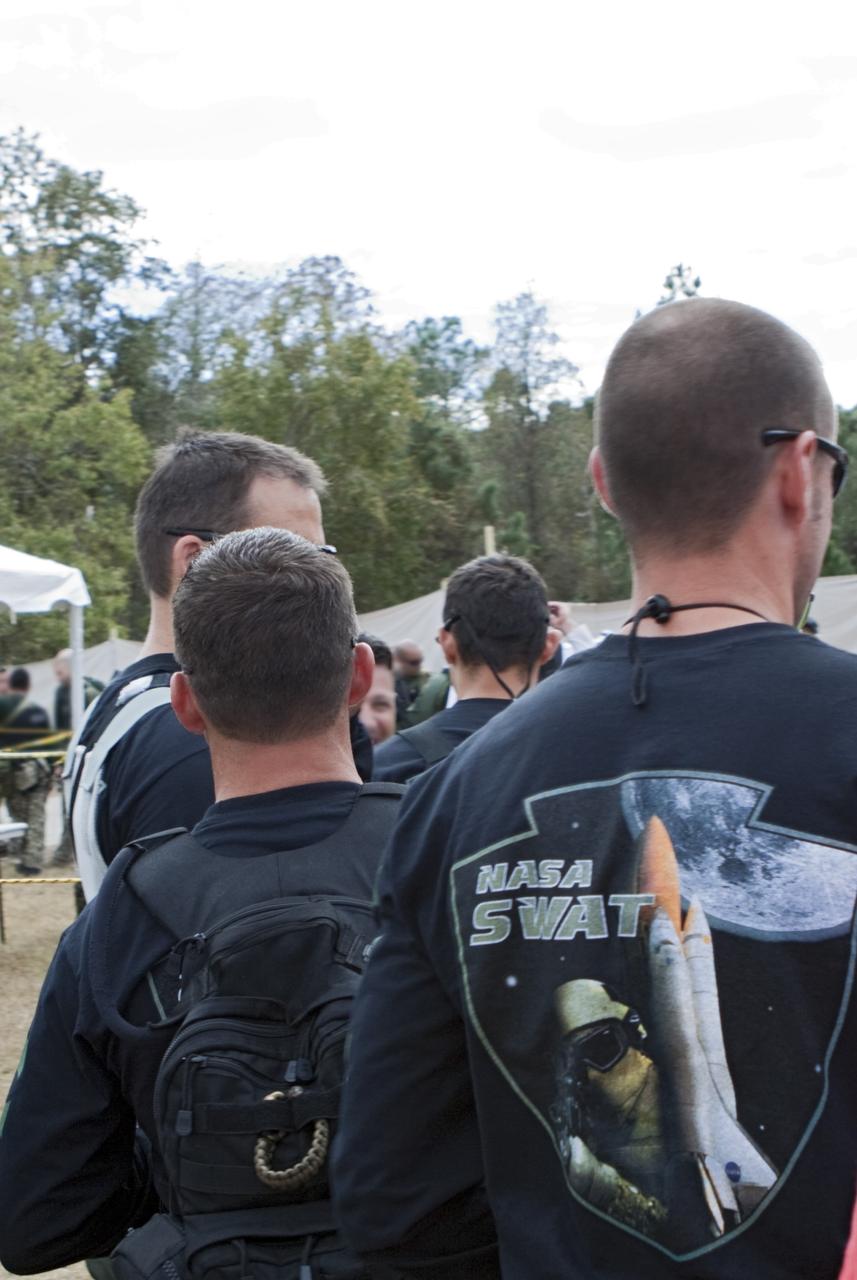
ORLANDO, Fla. – The 30th Annual SWAT Round-Up International took place at the Orange County Sheriff's Office in Orlando, Florida. The competition pits special operations squads from law enforcement agencies around the world in races against time through obstacle courses and shooting ranges. Photo credit: NASA/Jim Grossmann
KSC-2012-6400
2017 Exploration Rover Challenge events at the U.S. Space and Rocket Center in Huntsville, Alabama. High school and college students from around the U.S. and the world come together for this 2 day event which challenges them to compete for the fastest time as well as technical design of the actual rover itself.
2017 Exploration Rover Challenge event.
ORLANDO, Fla. – A team nears the finish line of an event during the 30th Annual SWAT Round-Up International in Orlando, Florida. The competition pits special operations squads from law enforcement agencies around the world in races against time through obstacle courses and shooting ranges. Photo credit: NASA/Jim Grossmann
KSC-2012-6394
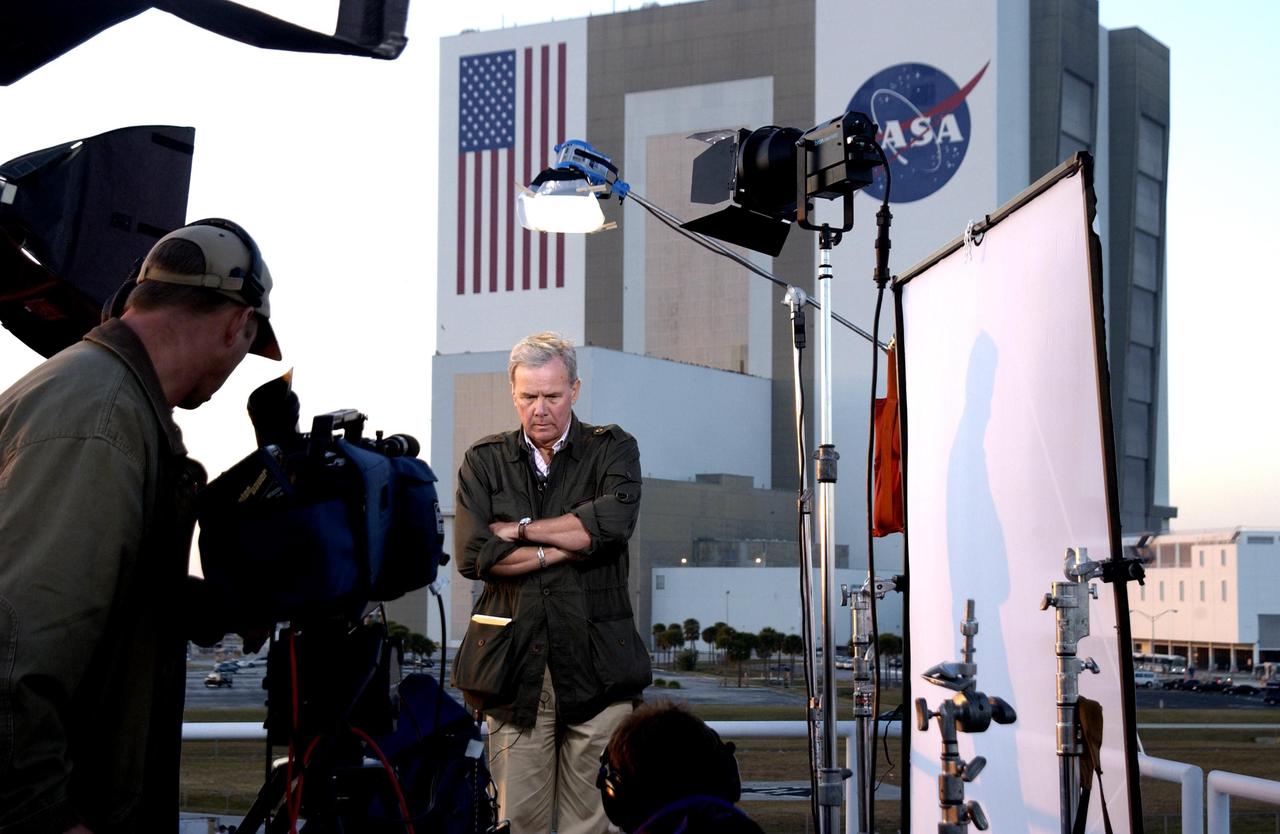
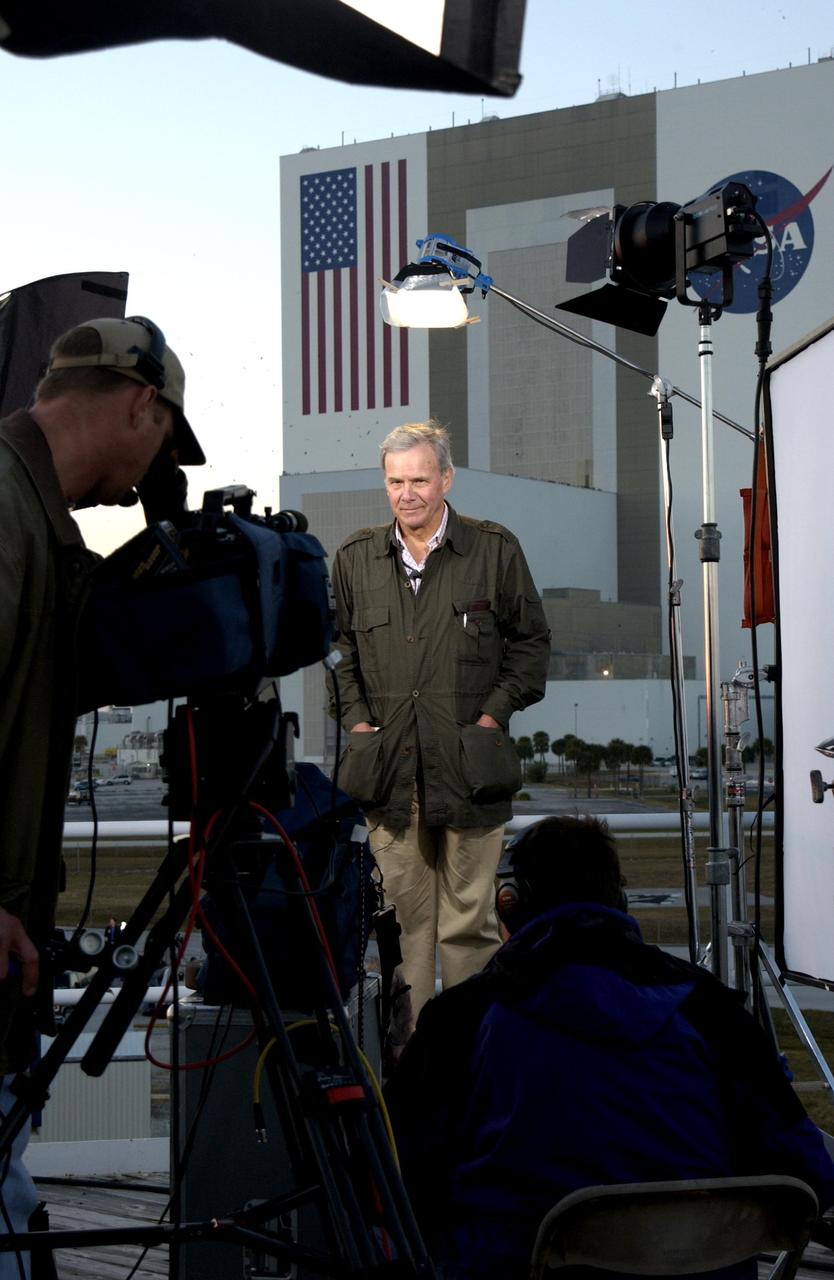
KENNEDY SPACE CENTER, FLA. --  On the top of the mound where the NASA News Center is located, NBC television news anchor Tom Brokaw gets ready to give a report on the tragic loss of Space Shuttle Columbia as it was returning to Earth on mission STS-107.  Journalists from around the world covered the event.
KSC-03pd0255
2017 Exploration Rover Challenge events at the U.S. Space and Rocket Center in Huntsville, Alabama. High school and college students from around the U.S. and the world come together for this 2 day event which challenges them to compete for the fastest time as well as technical design of the actual rover itself.
2017 Exploration Rover Challenge event.
NASA Earth Science Division Director Karen St. Germain delivers remarks during a gathering of NASA Space Apps Challenge Global Winners and Local Leads from around the world Wednesday, June 5, 2024, at the Mary W. Jackson NASA Headquarters building in Washington.  Photo Credit: (NASA/Keegan Barber)
NASA Space Apps Challenge Winners Gathering
2017 Exploration Rover Challenge events at the U.S. Space and Rocket Center in Huntsville, Alabama. High school and college students from around the U.S. and the world come together for this 2 day event which challenges them to compete for the fastest time as well as technical design of the actual rover itself.
2017 Exploration Rover Challenge event.
2017 Exploration Rover Challenge events at the U.S. Space and Rocket Center in Huntsville, Alabama. High school and college students from around the U.S. and the world come together for this 2 day event which challenges them to compete for the fastest time as well as technical design of the actual rover itself.
2017 Exploration Rover Challenge event.
2017 Exploration Rover Challenge events at the U.S. Space and Rocket Center in Huntsville, Alabama. High school and college students from around the U.S. and the world come together for this 2 day event which challenges them to compete for the fastest time as well as technical design of the actual rover itself.
2017 Exploration Rover Challenge event.
2017 Exploration Rover Challenge events at the U.S. Space and Rocket Center in Huntsville, Alabama. High school and college students from around the U.S. and the world come together for this 2 day event which challenges them to compete for the fastest time as well as technical design of the actual rover itself.
2017 Exploration Rover Challenge event.
KENNEDY SPACE CENTER, FLA. -- - Media trucks with live satellite feeds fill the top of the mound where the NASA News Center is located.  The media are reporting the tragic loss of Space Shuttle Columbia as it was returning to Earth on mission STS-107.  Journalists from around the world covered the event.
KSC-03pd0254
2017 Exploration Rover Challenge events at the U.S. Space and Rocket Center in Huntsville, Alabama. High school and college students from around the U.S. and the world come together for this 2 day event which challenges them to compete for the fastest time as well as technical design of the actual rover itself.
2017 Exploration Rover Challenge event.
2017 Exploration Rover Challenge events at the U.S. Space and Rocket Center in Huntsville, Alabama. High school and college students from around the U.S. and the world come together for this 2 day event which challenges them to compete for the fastest time as well as technical design of the actual rover itself.
2017 Exploration Rover Challenge event.
KENNEDY SPACE CENTER, FLA. -- On the top of the mound where the NASA News Center is located, NBC television news anchor Tom Brokaw reports on the tragic loss of Space Shuttle Columbia as it was returning to Earth on mission STS-107.  Journalists from around the world covered the event.
KSC-03pd0256
2017 Exploration Rover Challenge events at the U.S. Space and Rocket Center in Huntsville, Alabama. High school and college students from around the U.S. and the world come together for this 2 day event which challenges them to compete for the fastest time as well as technical design of the actual rover itself.
2017 Exploration Rover Challenge event.
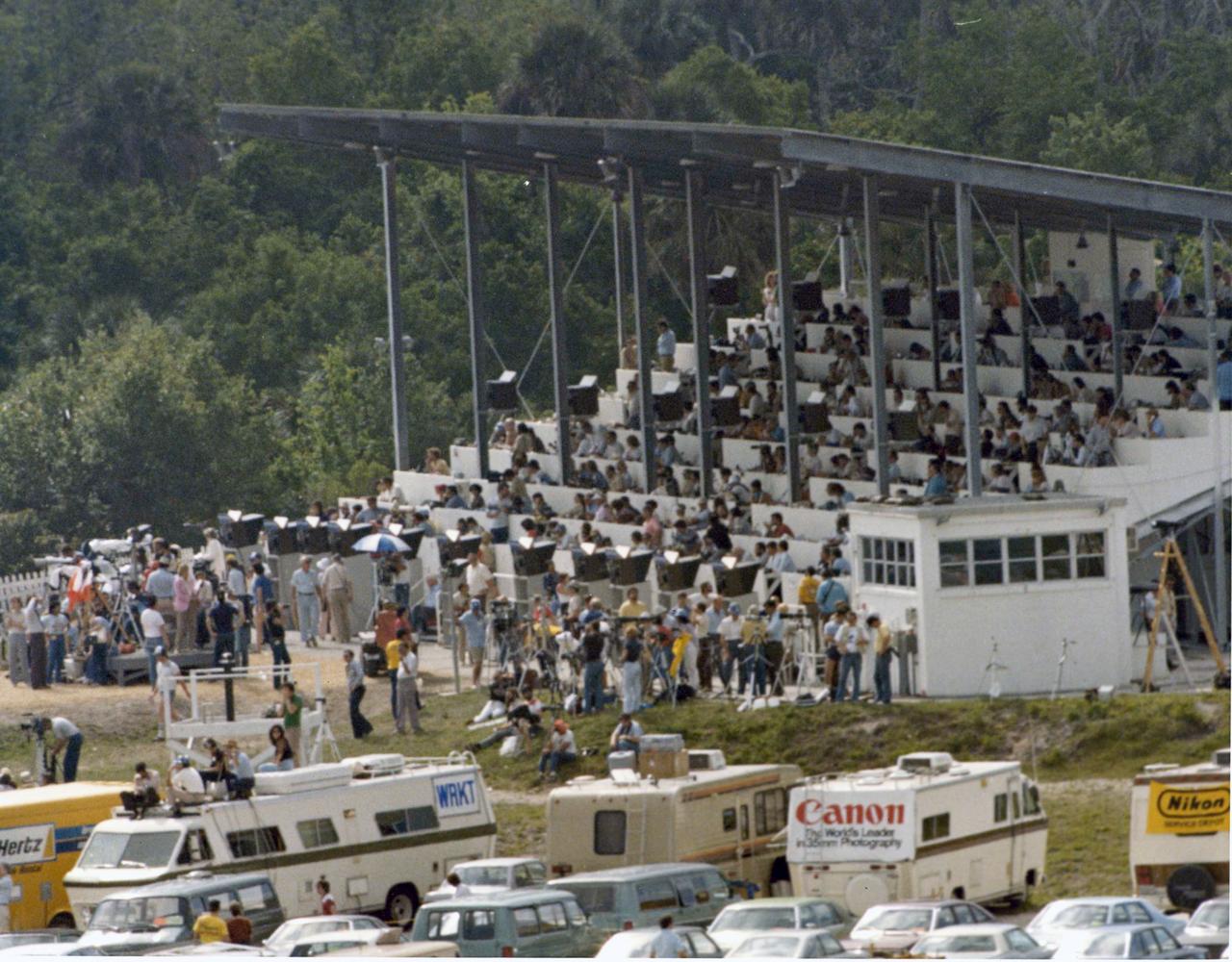
The Complex 39 press site buzzes with activity during the final countdown to the launch of the third space shuttle flight. More than 2,000 news media representatives from around the world crowded onto the press site this morning to watch the successful 11 a.m. launch.
KSC-82PC-0331
NASA astronaut Steve Swanson (left),Expedition 40 commander; along with European Space Agency astronaut Alexander Gerst (upper left),NASA astronaut Reid Wiseman and Cosmonaut Alexander Skvortsov,all three flight engineers,gather around a computer in Node 1 to watch the World Cup finals.
World Cup Finals
ORLANDO, Fla. – The Emergency Response Team, or ERT, from NASA's Kennedy Space Center competed in the 30th Annual SWAT Round-Up International in Orlando, Florida. The team won the international competition in 2011, besting special operations squads from law enforcement agencies around the world. Photo credit: NASA/Jim Grossmann
KSC-2012-6393
NASA Earth Science Division Associate Administrator Nicola Fox delivers remarks during a gathering of NASA Space Apps Challenge Global Winners and Local Leads from around the world Wednesday, June 5, 2024, at the Mary W. Jackson NASA Headquarters building in Washington.  Photo Credit: (NASA/Keegan Barber)
NASA Space Apps Challenge Winners Gathering
2017 Exploration Rover Challenge events at the U.S. Space and Rocket Center in Huntsville, Alabama. High school and college students from around the U.S. and the world come together for this 2 day event which challenges them to compete for the fastest time as well as technical design of the actual rover itself.
2017 Exploration Rover Challenge event.
NASA Earth Science Division Director Karen St. Germain delivers remarks during a gathering of NASA Space Apps Challenge Global Winners and Local Leads from around the world Wednesday, June 5, 2024, at the Mary W. Jackson NASA Headquarters building in Washington.  Photo Credit: (NASA/Keegan Barber)
NASA Space Apps Challenge Winners Gathering
NASA Earth Science Division Associate Administrator Nicola Fox delivers remarks during a gathering of NASA Space Apps Challenge Global Winners and Local Leads from around the world Wednesday, June 5, 2024, at the Mary W. Jackson NASA Headquarters building in Washington.  Photo Credit: (NASA/Keegan Barber)
NASA Space Apps Challenge Winners Gathering
NASA Earth Science Division Associate Administrator Nicola Fox delivers remarks during a gathering of NASA Space Apps Challenge Global Winners and Local Leads from around the world Wednesday, June 5, 2024, at the Mary W. Jackson NASA Headquarters building in Washington.  Photo Credit: (NASA/Keegan Barber)
NASA Space Apps Challenge Winners Gathering
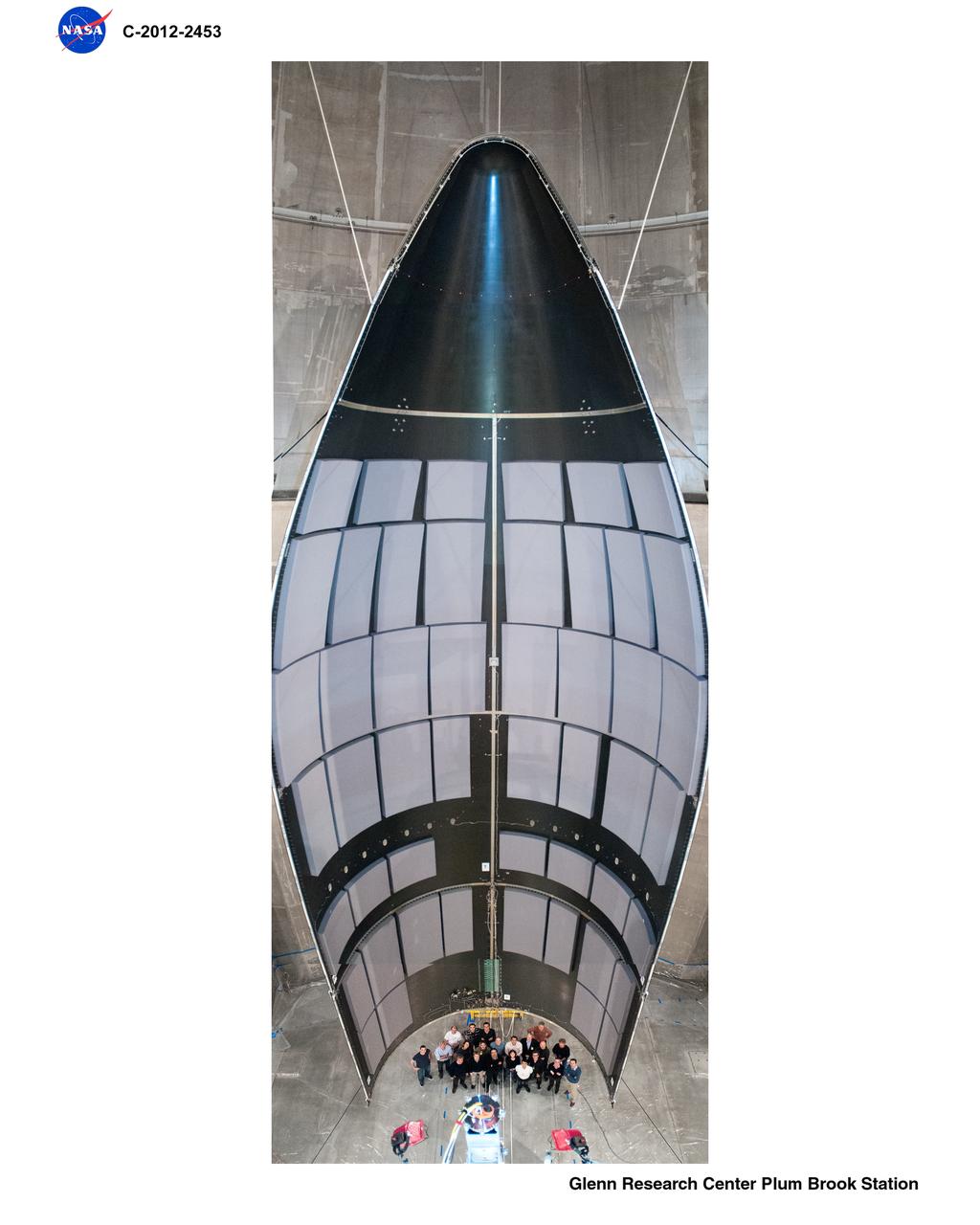
Space Power Facility at Plum Brook Station, RUAG Ariane 5 Shroud Separation Tests. GRC has the world's largest vacuum chamber in the world.  This world class facility is host to many space launch vehicle systems tests from customer's in this country and from around the world.  Shown here is the post test of a successful rocket shroud separation test.  The shroud, or top of a rocket, is jettisoned into two halves with explosive charges to allow the payload to be exposed  for deployment.  The payload, often time is a satellite, would be sitting atop the center white section shown in the middle of the photo.  This photo was taken from on top of the rocket holding the payload and both halves of the rocket shroud looking down at one of the shroud halves and the test crew at the bottom.
GRC-2012-C-02453
At Launch Pad 39-B, the Space Shuttle Columbia's payload bay doors close around the Chandra X-ray Observatory inside, while workers monitor the activity. Chandra is the primary payload on mission STS-93, scheduled to launch aboard Columbia July 20 at 12:36 a.m. EDT. The combined Chandra/Inertial Upper Stage, seen here, measures 57 feet long and weighs 50,162 pounds. Fully deployed with solar arrays extended, the observatory measures 45.3 feet long and 64 feet wide. The world's most powerful X-ray telescope, Chandra will allow scientists from around the world to see previously invisible black holes and high-temperature gas clouds, giving the observatory the potential to rewrite the books on the structure and evolution of our universe
KSC-99pp0854
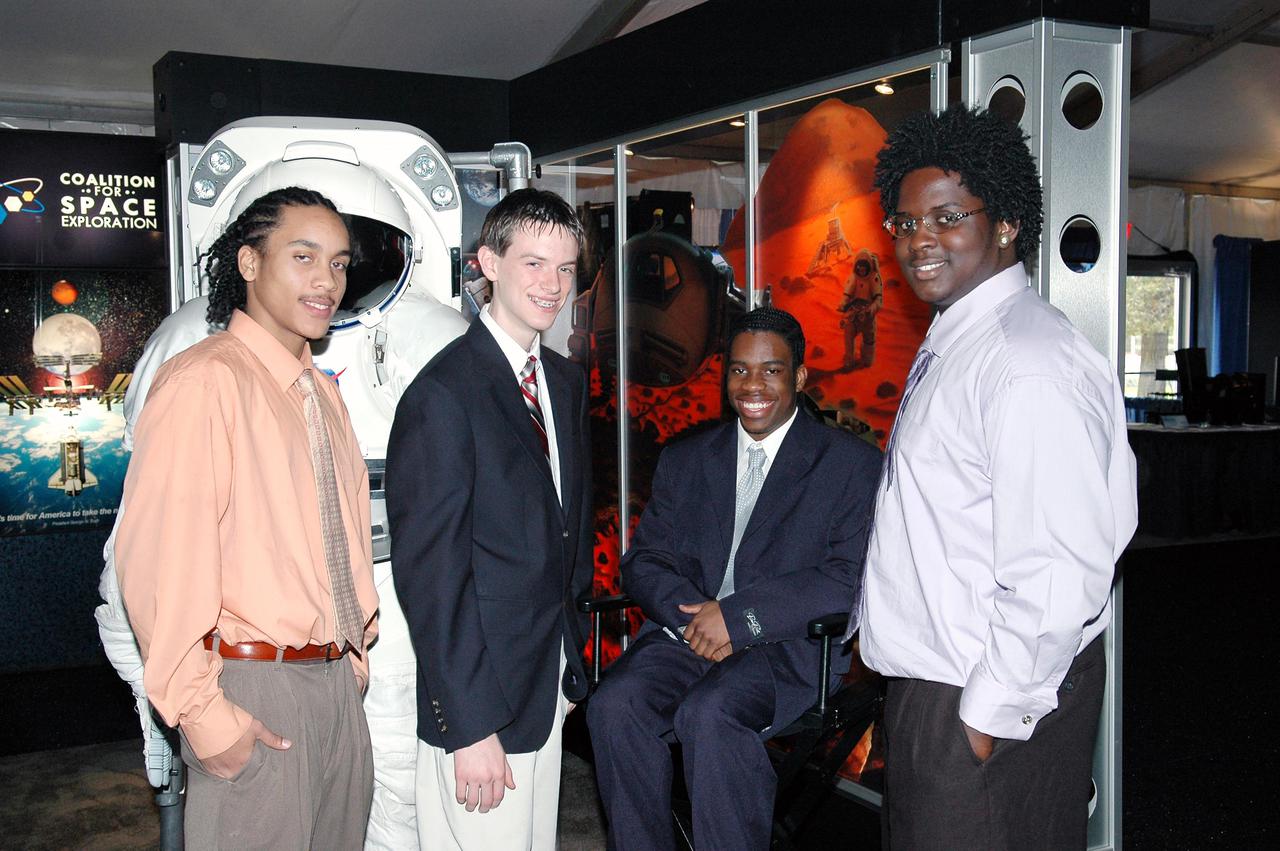
KENNEDY SPACE CENTER, FLA.  - At the “1st Space Exploration Conference: Continuing the Voyage of Discovery,”  held at Disney’s Contemporary Resort in Orlando, the winners of the Space Exploration Video Festival award sponsored by Lockheed Martin get together.  Second from left is Daniel Stearns, from East Longmeadow, Mass.  The others are the winning team from NASA Explorer School McNair High School in Dekalb County, Ga.  At left is Theo Maxie; at right are Daniel Jackson and Trenten Nash.  The three-day conference drew attendees from around the world.  It presented topics on new missions, technologies and infrastructure needed to turn the vision for space exploration into reality. Keynote speakers at the three-day conference include NASA Administrator Sean O'Keefe, Congressman Dave Weldon, film director James Cameron and NASA’s senior Mars scientist James Garvin.  The conference has drawn attendees from around the world.
KSC-05pd-0210
KENNEDY SPACE CENTER, FLA. -- Space Shuttle Columbia sits on Launch Pad 39B less than two weeks after liftoff of Discovery on mission STS-96. Columbia was rolled out June 7 in preparation for the launch of STS-93 with its payload of the Chandra X-ray Observatory. The Rotating Service Structure will be moved into place around it on Tuesday, June 8. With the world's most powerful X-ray telescope, Chandra will allow scientists from around the world to see previously invisible black holes and high-temperature gas clouds, giving the observatory the potential to rewrite the books on the structure and evolution of our universe. Columbia (OV-102) is the first of NASA's orbiter fleet, delivered to Kennedy Space Center in March 1979. Columbia initiated the Space Shuttle flight program at KSC when it lifted off Launch Pad 39A on April 12, 1981
KSC-99pp0638
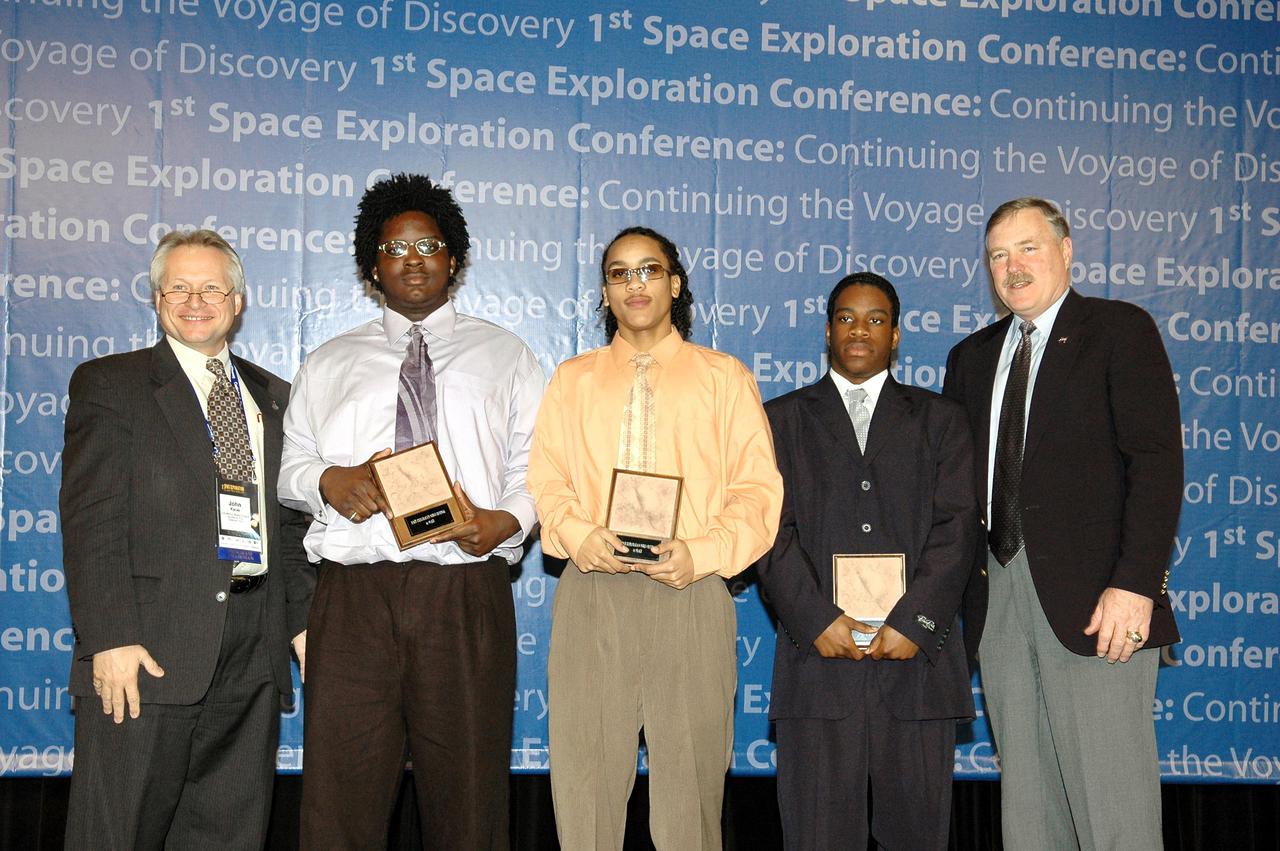
KENNEDY SPACE CENTER, FLA.  - At the “1st Space Exploration Conference: Continuing the Voyage of Discovery,” being  held at Disney’s Contemporary Resort in Orlando, the NASA Explorer School team from McNair High School in Dekalb County, Ga., receives the Space Exploration Video Festival award sponsored by Lockheed Martin.  Standing with the awards are Trenten Nash, Theo Maxie and Daniel Jackson.  Presenting the awards were John Karas (left), with Lockheed, and Adm. Craig Steidle (right), associate administrator, Office of Exploration Systems at NASA.  The three-day conference drew attendees from around the world.  It presented topics on new missions, technologies and infrastructure needed to turn the vision for space exploration into reality. Keynote speakers at the three-day conference include NASA Administrator Sean O'Keefe, Congressman Dave Weldon, film director James Cameron and NASA’s senior Mars scientist James Garvin.  The conference has drawn attendees from around the world.
KSC-05pd-0209
KENNEDY SPACE CENTER, FLA. -- At Launch Pad 39-B, a worker monitors the closing of Space Shuttle Columbia's payload bay doors around the Chandra X-ray Observatory. Chandra is the primary payload on mission STS-93, scheduled to launch aboard Columbia July 20 at 12:36 a.m. EDT. The combined Chandra/Inertial Upper Stage, seen here, measures 57 feet long and weighs 50,162 pounds. Fully deployed with solar arrays extended, the observatory measures 45.3 feet long and 64 feet wide. The world's most powerful X-ray telescope, Chandra will allow scientists from around the world to see previously invisible black holes and high-temperature gas clouds, giving the observatory the potential to rewrite the books on the structure and evolution of our universe
KSC-99pp0852
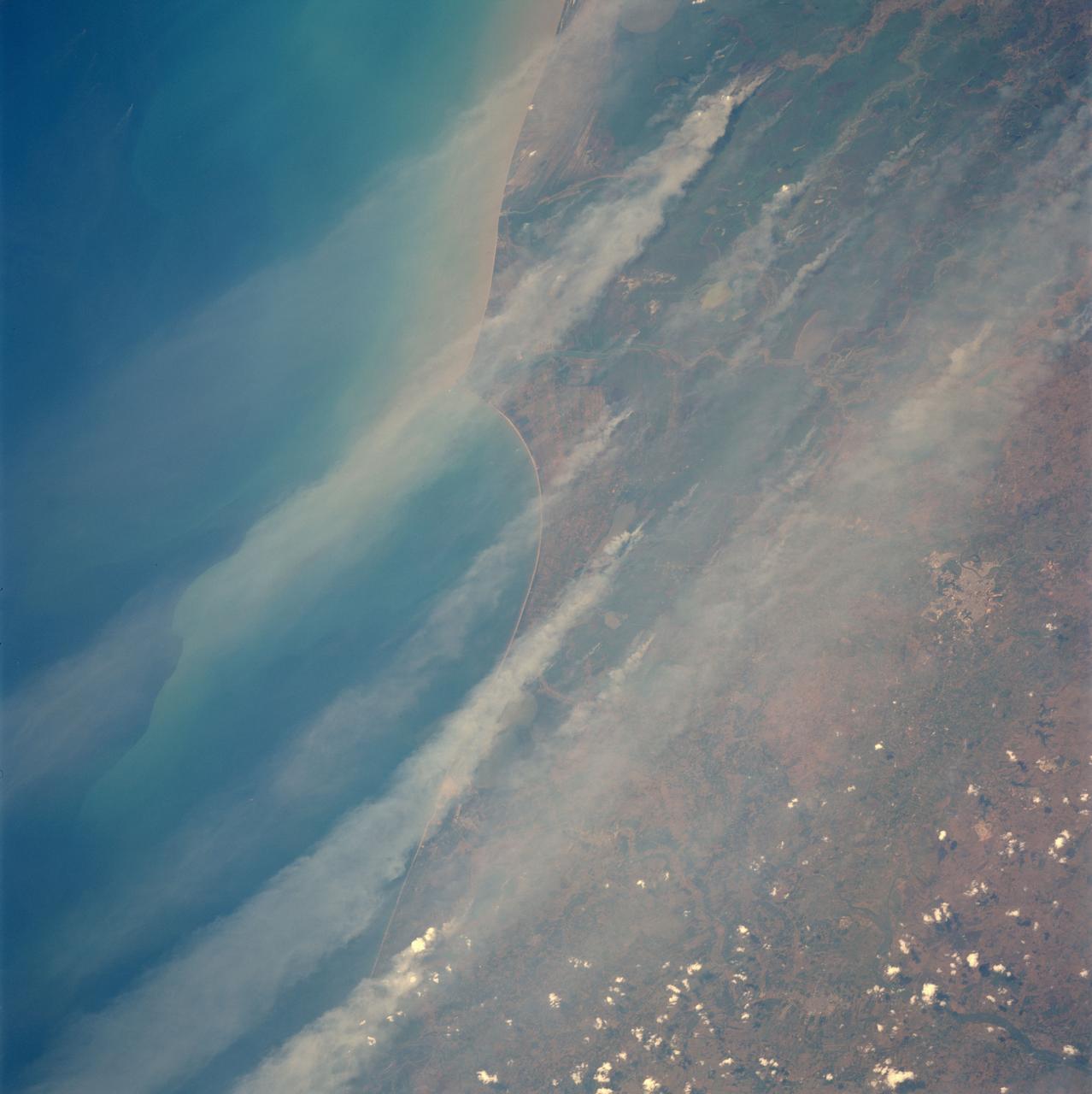
STS091-713-024 (2-12 June 1998) --- A 70mm view, taken from Discovery, showing heavy Smoke in Mexico along the coast of the Bay of Campeche.  Fires across Mexico and Central America created heavy smoke plumes for a few weeks in May and June, 1998.  The smoke circulated around a high pressure system over the Gulf of Mexico and brought thick smoke and soot to the south central United States. Scientists are looking at burning regions like this around the world to study the smokes affect on the albedo or the reflectance of the suns rays and how it may influence our world's climate. The fires in this view are north of the city of Villahermosa, in the lower center or south edge of the photo.  The smaller city of Cardenas is to the west of Villahermosa. The point along the coast is the Rio Grijalva river delta. Laguna de Terminos is to the east of this delta.
Earth observations taken from orbiter Discovery during STS-91 mission