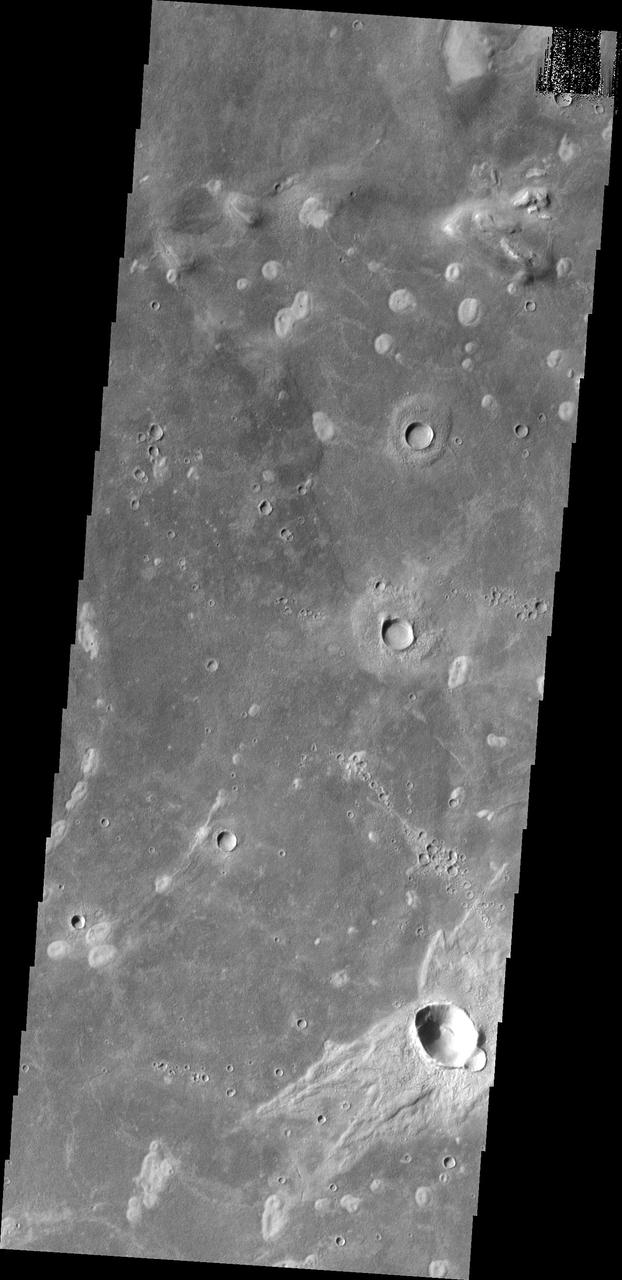
Asymmetric Ejecta
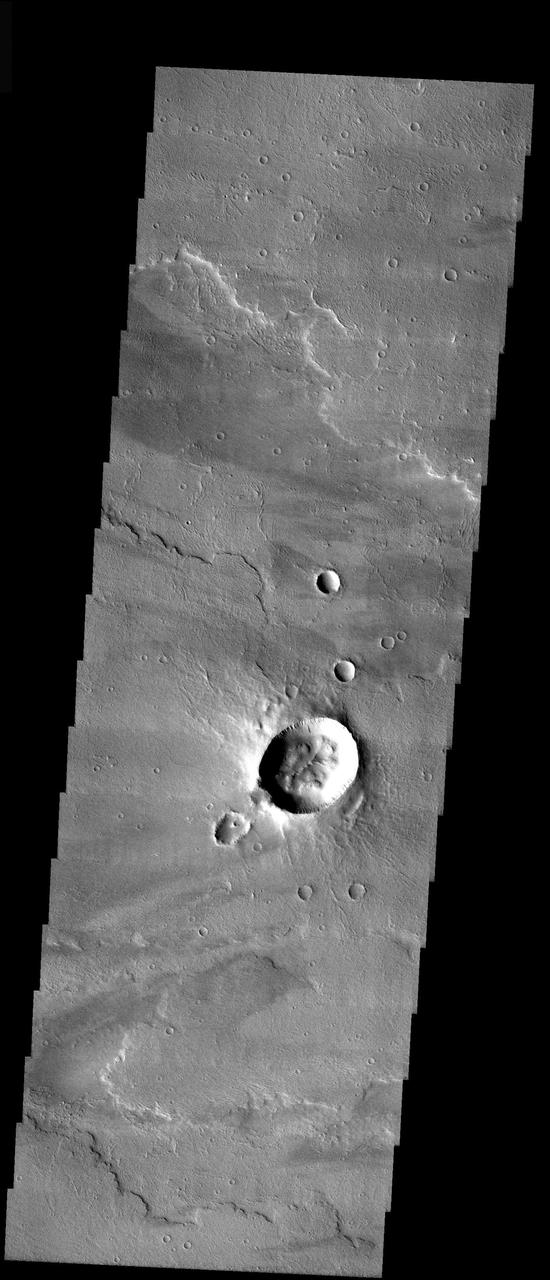
Asymmetric Crater
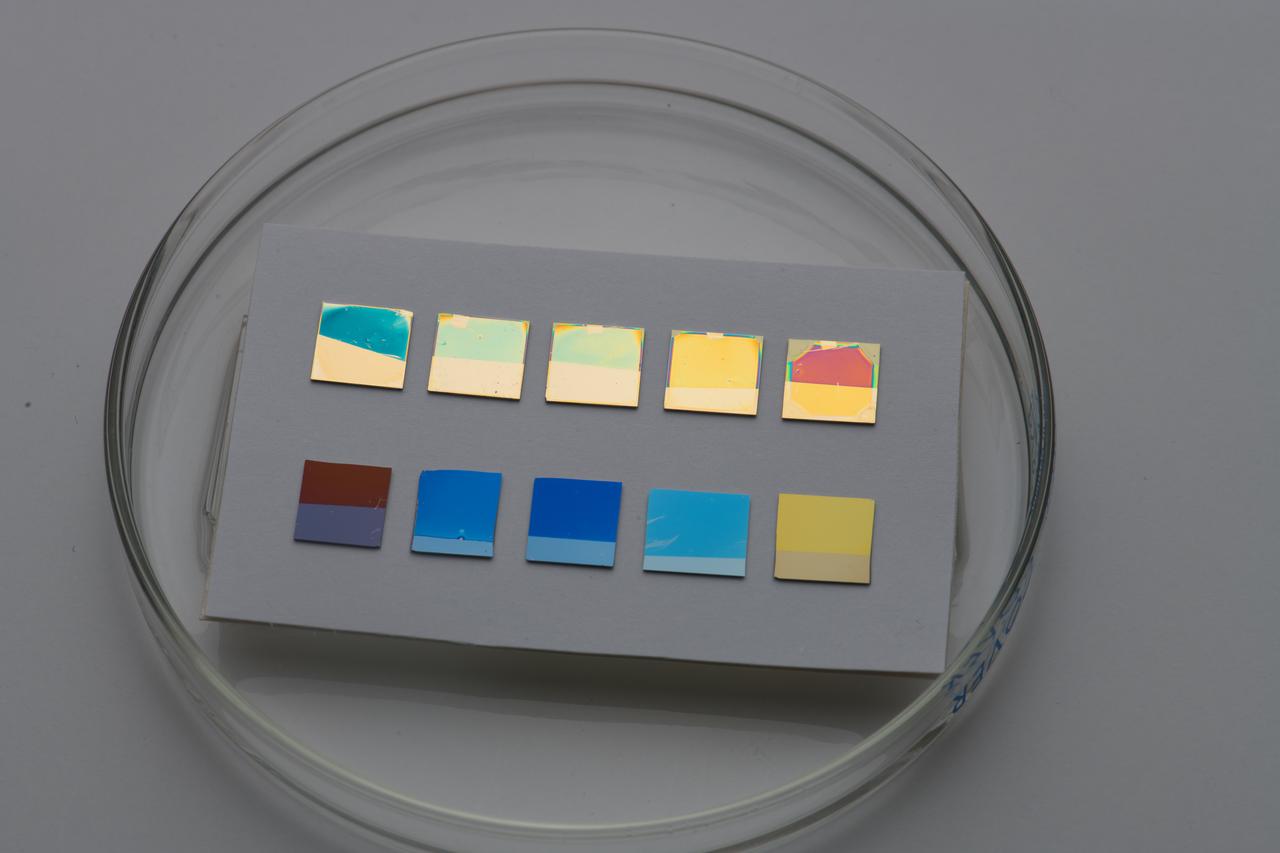
Dynamically tunable structural colors based on asymmetric Fabry-Perot cavities
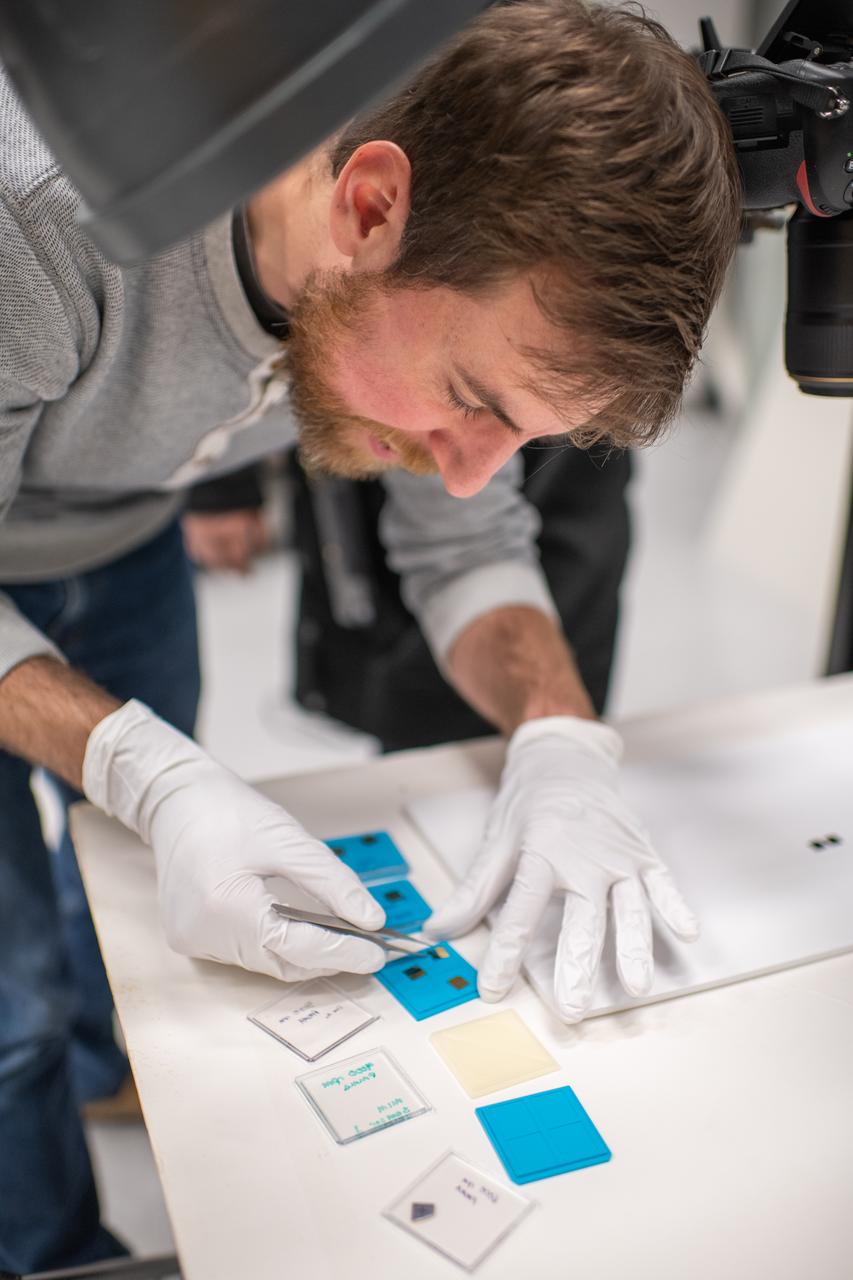
Dynamically tunable structural colors based on asymmetric Fabry-Perot cavities
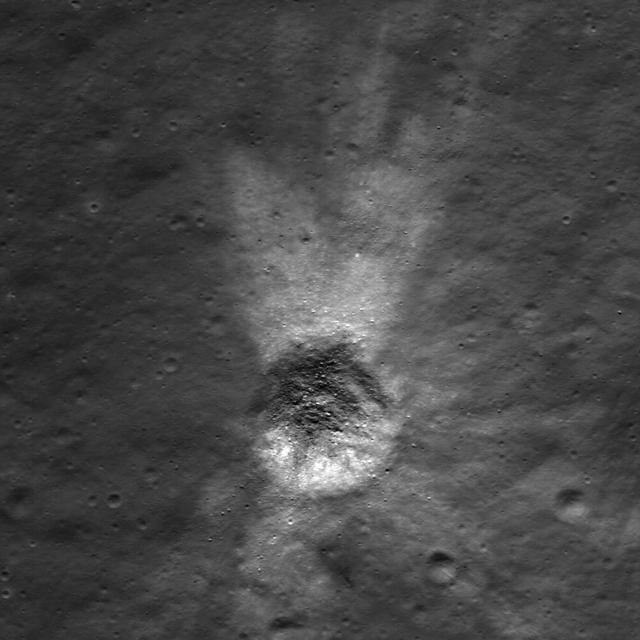
Distinctive asymmetrical ejecta surrounding a 140 meter diameter crater in the lunar highlands as seen by NASA Lunar Reconnaissance Orbiter. Crater is located on the northeastern rim of the eroded pre-Nectarian crater Hommel.
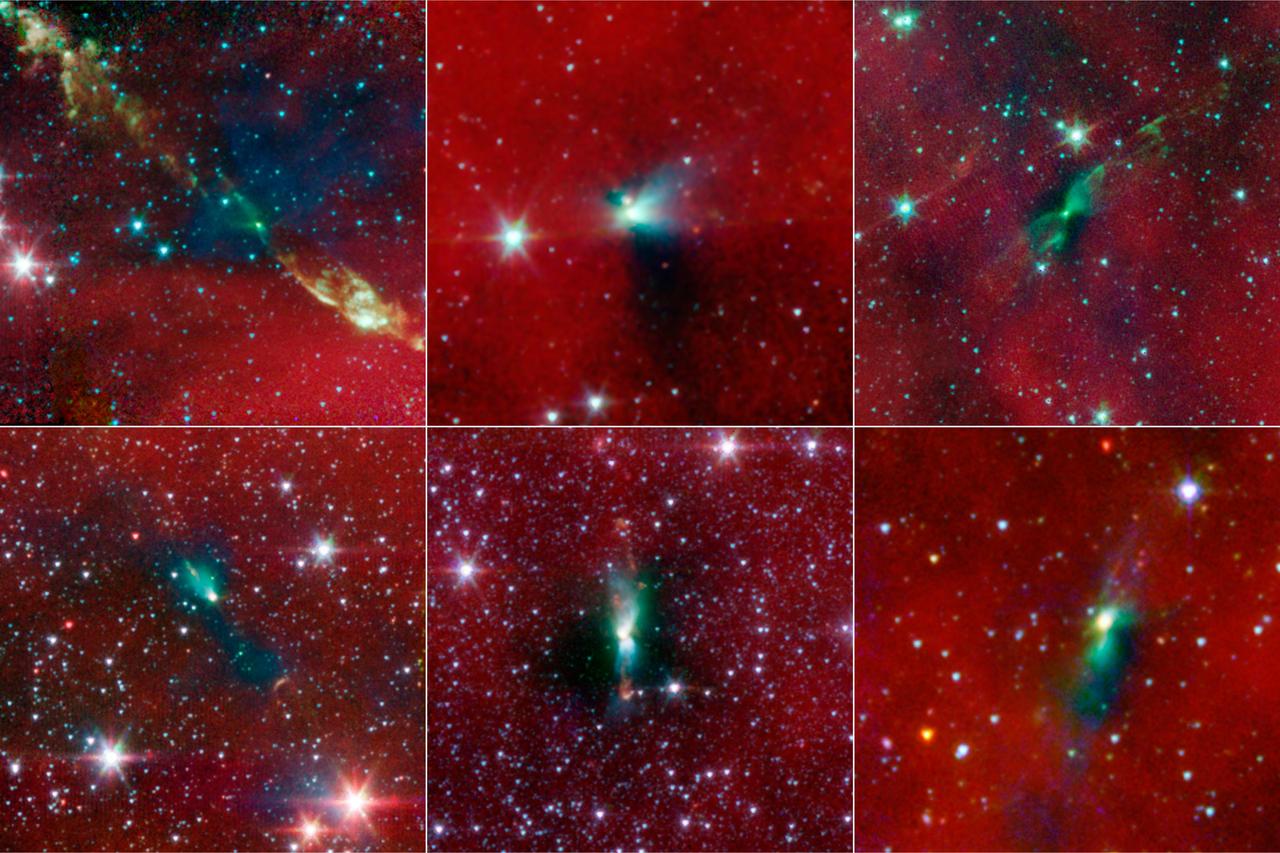
This image is one of six images taken by NASA Spitzer Space Telescope, showing that tight-knit twin, or binary stars might be triggered to form by asymmetrical envelopes.
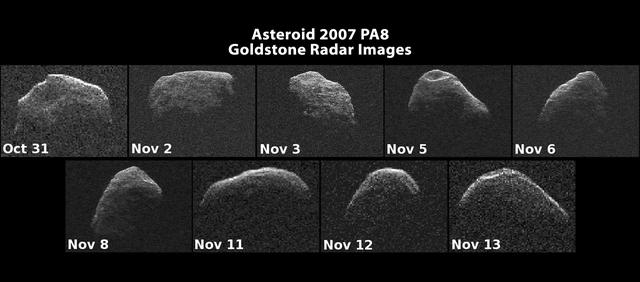
Images of asteroid 2007 PA8 have been generated with data collected by NASA Goldstone Solar System Radar. The images of 2007 PA8 reveal possible craters, boulders, an irregular, asymmetric shape, and very slow rotation.
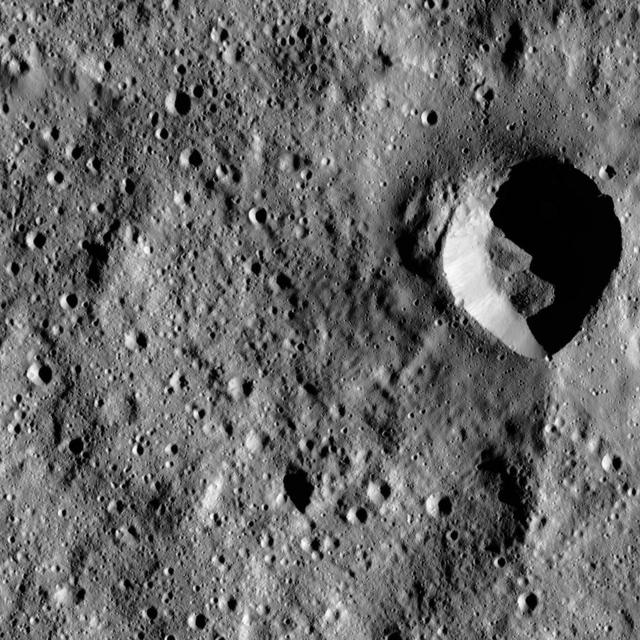
This image from NASA Dawn spacecraft shows a fresh impact crater with an asymmetric rim. The crater displays a sharp rim over much of its perimeter that is interrupted by a smooth area in the north.
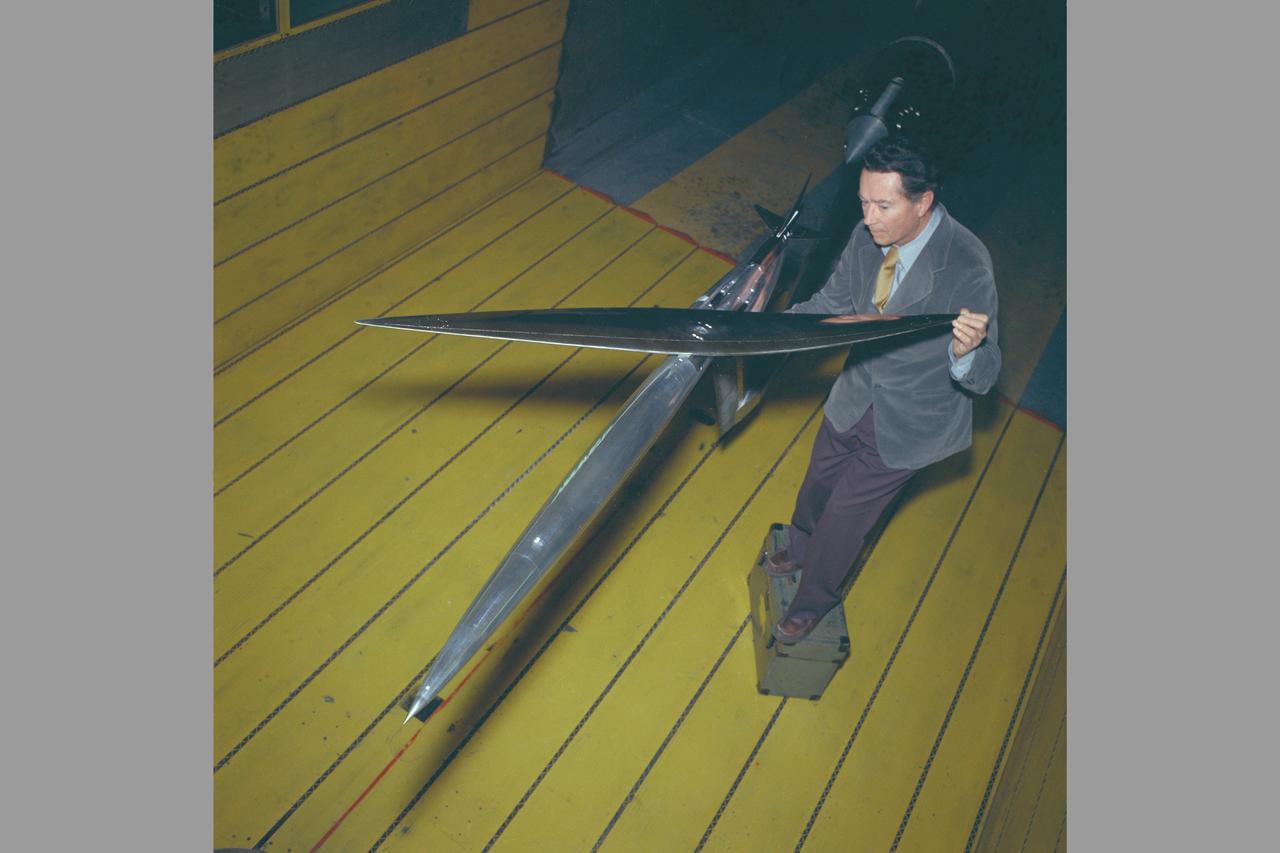
Oblique Wing model mounted in 11ft W. T. with R. T. Jones, Designer/Engineer. The asymmetrical design allows the plane to fly much faster, yet consume the same fuel and generate less noise.
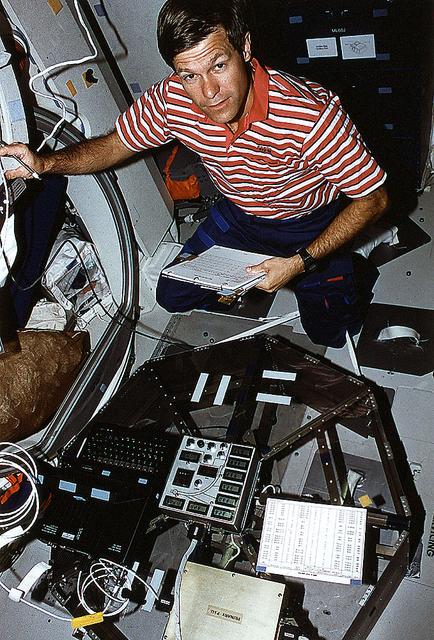
On the Space Shuttle Orbiter Atlantis' middeck, Astronaut Donald R. McMonagle, mission commander, works with the Heat Pipe Performance (HPP-2) experiment during STS-66 mission. HPP-2 was flown to investigate the thermal performance and fluid dynamics of heat pipes operating with asymmetric and multiple heating zones under microgravity condition.
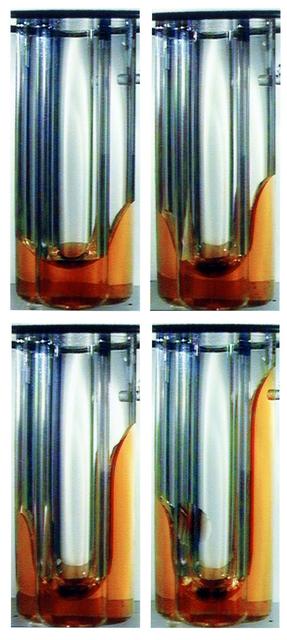
Interface Configuration Experiment on the Second United States Microgravity Laboratory (USML-2). Over time the photos show a change in the shape of the interface between a liquid and a gas in a sealed, slightly asymmetrical container. Under the force of Earth's gravity, the interface would remain nearly flat, but in microgravity, the interface shape and location changes significantly in the container, resulting in major shifts of liquid arising from small asymmetries in the container shape.
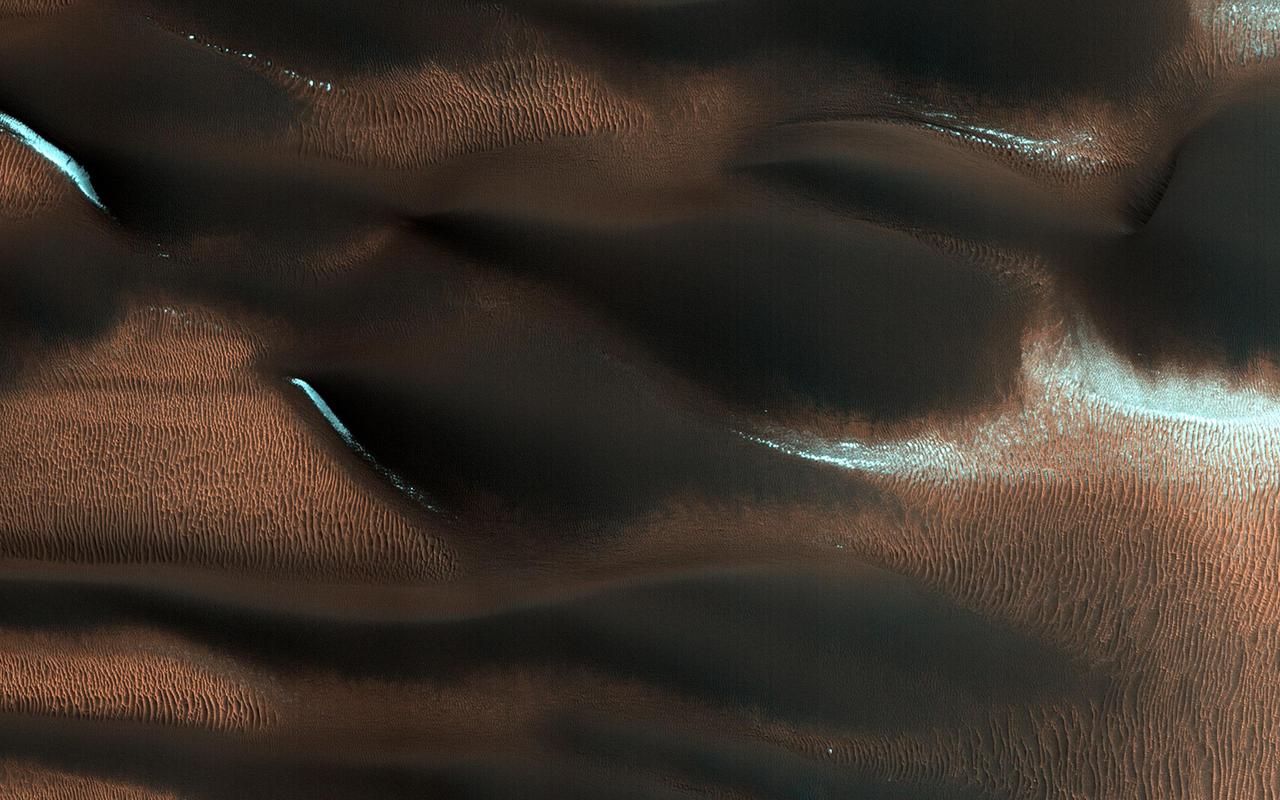
This image from NASA Mars Reconnaissance Orbiter spacecraft shows modified barchan dunes with shapes that resemble raptor claws. The unusual morphology of these dunes suggests a limited supply of windblown sand. Winds likely blew from the northeast resulting in elongate dunes with an asymmetric downwind point. The transverse crests of the smaller ripples/mega-ripple bed-forms surrounding the dune, echo the dominant downwind direction towards the southwest. This locality is in the Northern Lowlands directly east of Dokka Crater in Scandia Cavi. http://photojournal.jpl.nasa.gov/catalog/PIA19962
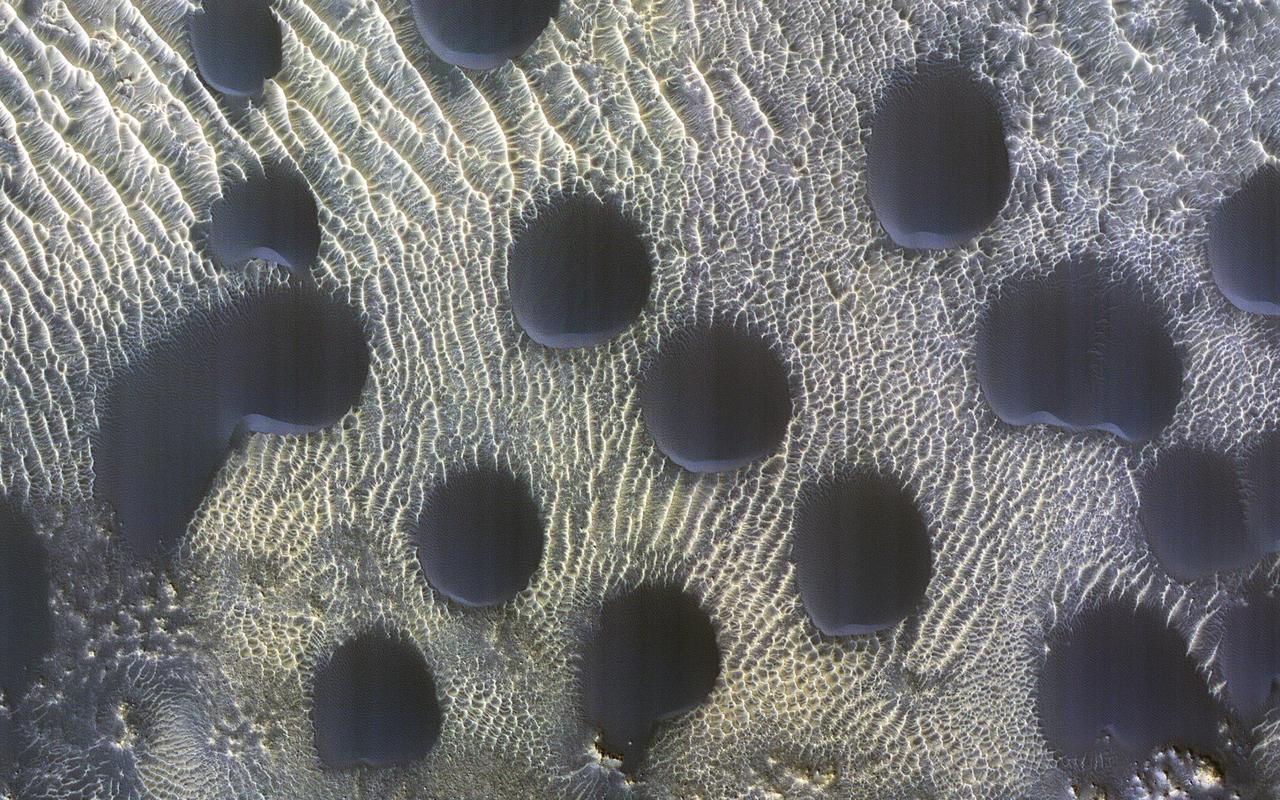
Sand dunes of many shapes and sizes are common on Mars. In this example, the dunes are almost perfectly circular, which is unusual. They are still slightly asymmetrical, with steep slip faces on the south ends. This indicates that sand generally moves to the south, but the winds may be variable. This is part of a series of images to monitor how frost disappears in the late winter; this observation appears to be free of frost. A previous image shows when the surface was covered by frost. https://photojournal.jpl.nasa.gov/catalog/PIA25795

JF-104A (Serial #56-0749) on the ramp at the NASA Flight Research Center (now the Dryden Flight Research Center) at Edwards AFB. The aircraft is shown with the Air Launched Sounding Rocket (ALSOR) attached to the underside. NASA test pilot Milton O. Thompson ejected from this aircraft on 20 December 1962, after an asymmetrical flap condition made the jet uncontrollable.
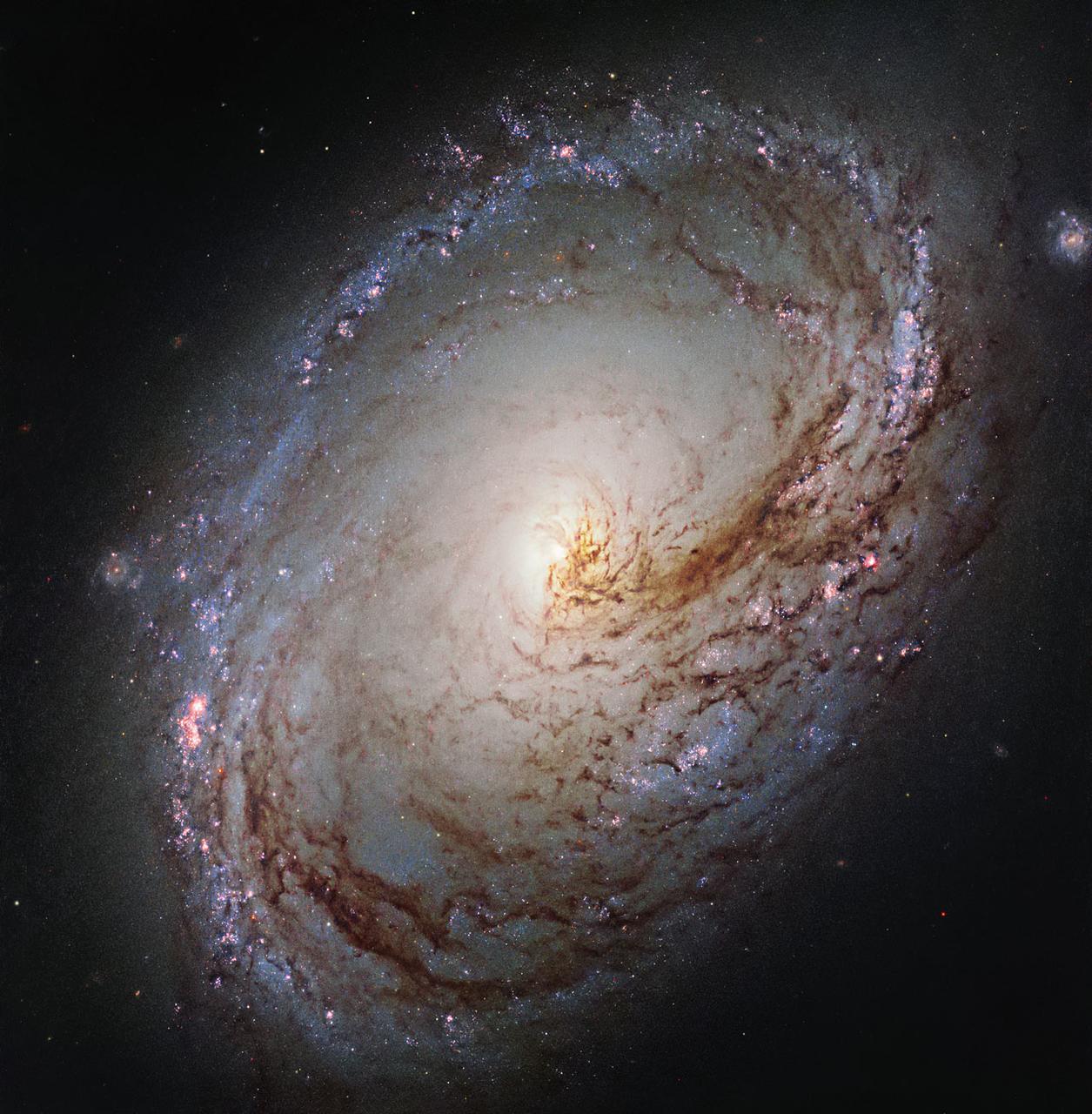
This new NASA/ESA Hubble Space Telescope shows Messier 96, a spiral galaxy just over 35 million light-years away in the constellation of Leo (The Lion). It is of about the same mass and size as the Milky Way. It was first discovered by astronomer Pierre Méchain in 1781, and added to Charles Messier’s famous catalogue of astronomical objects just four days later. The galaxy resembles a giant maelstrom of glowing gas, rippled with dark dust that swirls inwards towards the nucleus. Messier 96 is a very asymmetric galaxy; its dust and gas is unevenly spread throughout its weak spiral arms, and its core is not exactly at the galactic centre. Its arms are also asymmetrical, thought to have been influenced by the gravitational pull of other galaxies within the same group as Messier 96. This group, named the M96 Group, also includes the bright galaxies Messier 105 and Messier 95, as well as a number of smaller and fainter galaxies. It is the nearest group containing both bright spirals and a bright elliptical galaxy (Messier 105).
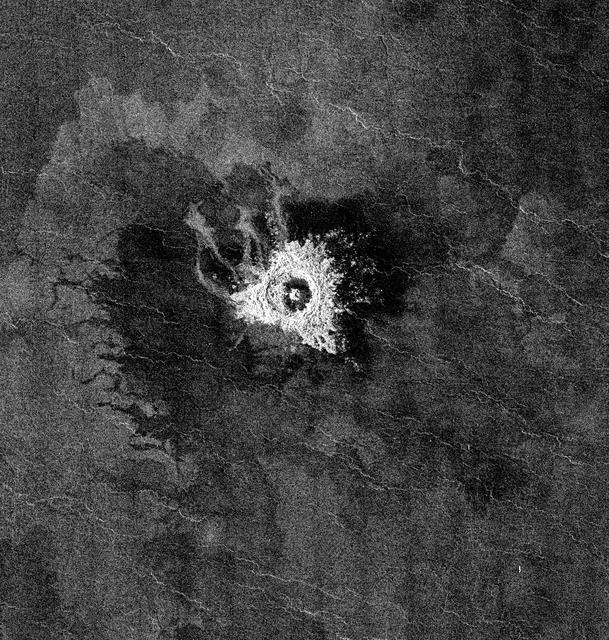
This full-resolution image from NASA Magellan spacecraft shows Jeanne crater, a 19.5 kilometer (12 mile) diameter impact crater. Jeanne crater is located at 40.0 degrees north latitude and 331.4 degrees longitude. The distinctive triangular shape of the ejecta indicates that the impacting body probably hit obliquely, traveling from southwest to northeast. The crater is surrounded by dark material of two types. The dark area on the southwest side of the crater is covered by smooth (radar-dark) lava flows which have a strongly digitate contact with surrounding brighter flows. The very dark area on the northeast side of the crater is probably covered by smooth material such as fine-grained sediment. This dark halo is asymmetric, mimicking the asymmetric shape of the ejecta blanket. The dark halo may have been caused by an atmospheric shock or pressure wave produced by the incoming body. Jeanne crater also displays several outflow lobes on the northwest side. These flow-like features may have formed by fine-grained ejecta transported by a hot, turbulent flow created by the arrival of the impacting object. Alternatively, they may have formed by flow of impact melt. http://photojournal.jpl.nasa.gov/catalog/PIA00472
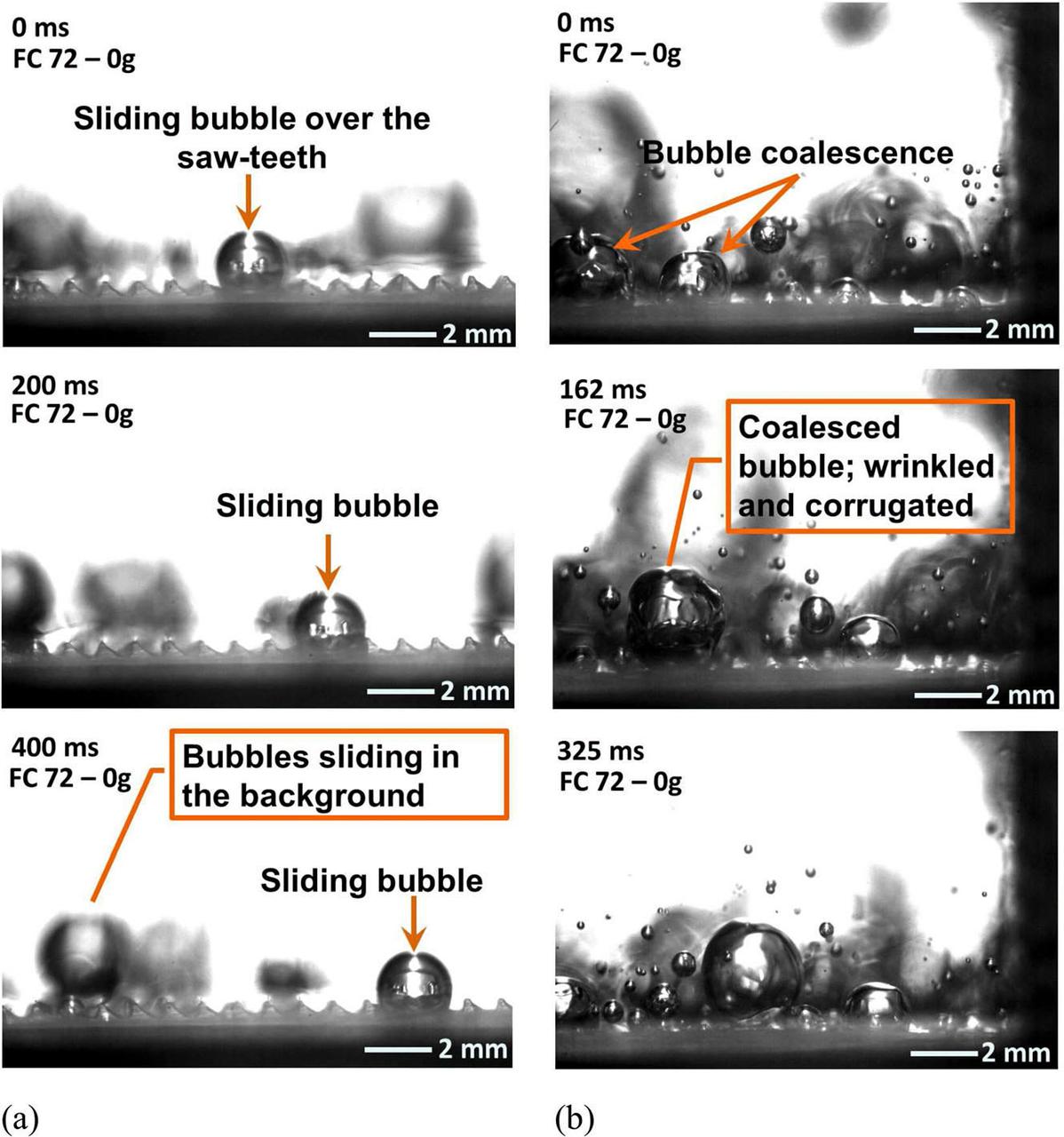
jsc2020e030483 (4/20/2020) --- A preflight image sequence from parabolic flight experiments indicating motion of vapor bubble on heated ratchet surface. Asymmetric Sawtooth and Cavity-Enhanced Nucleation-Driven Transport (PFMI-ASCENT) demonstrates a passive cooling system for electronic devices in microgravity using a microstructured surface. When fluids boil over flat heated surfaces in microgravity, vapor bubbles grow larger in size, causing poor heat transfer that can lead to damage of devices. Adding microscopic rachets on the surface may passively enable mobility of vapor bubbles and prevent this damage. (Image courtesy of: Techshot, Inc.)
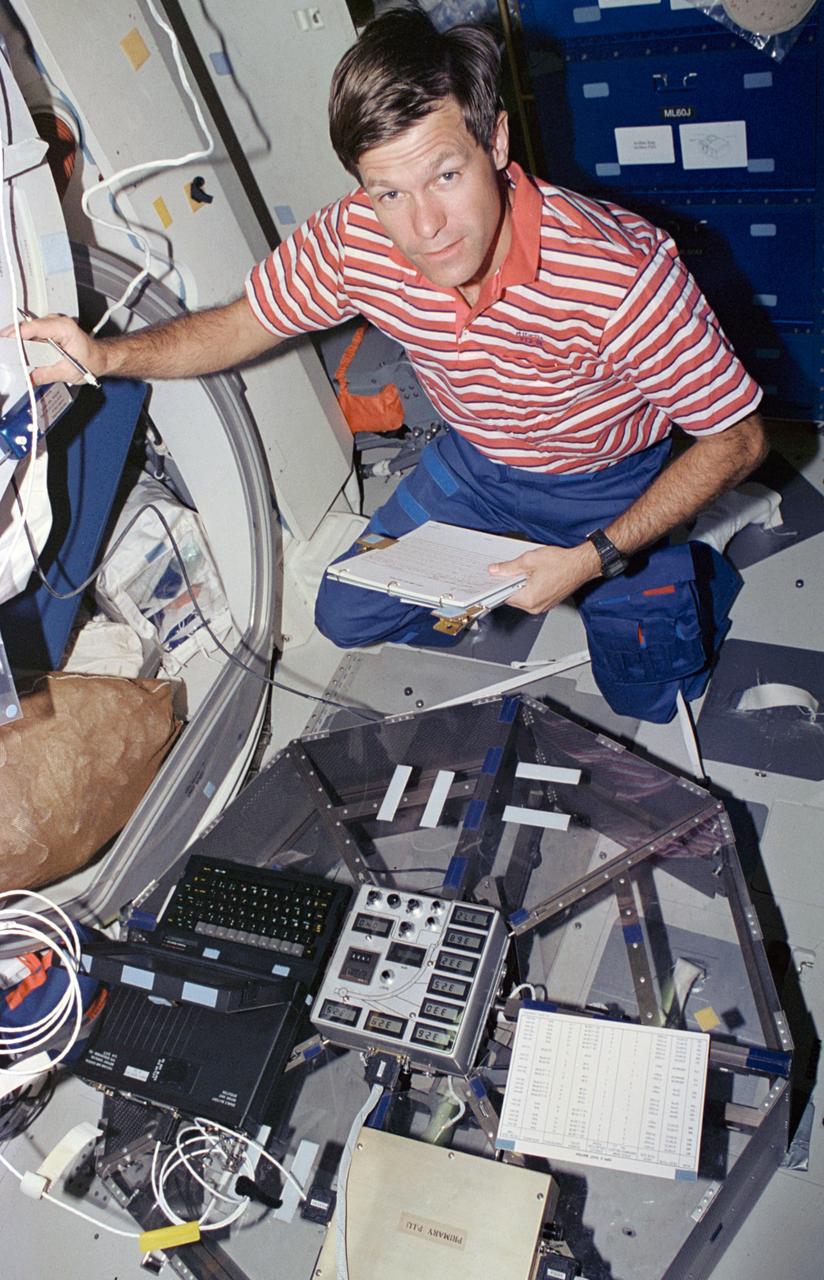
STS066-22-012 (3-14 Nov 1994) --- On the Space Shuttle Atlantis' mid-deck, astronaut Donald R. McMonagle, mission commander, works with the Heat Pipe Performance (HPP-2) experiment. HPP-2 was flown to investigate the thermal performance and fluid dynamics of heat pipes operating with asymmetric and multiple heating zones under microgravity conditions. McMonagle was joined by four other NASA astronauts and a European Space Agency (ESA) astronaut for 11-days aboard Atlantis in Earth-orbit in support of the Atmospheric Laboratory for Applications and Science (ATLAS-3) mission.
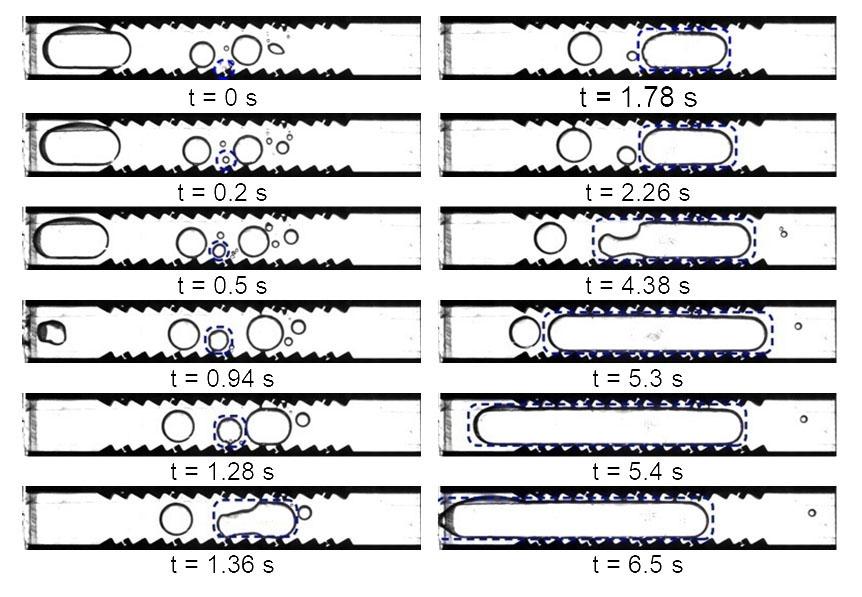
jsc2020e030484 (4/20/2020) --- A preflight image sequence from terrestrial experiments with two vertically oriented ratchet surfaces; subcooling: 9.5 ℃; heat flux: 1.31 W/cm2. Asymmetric Sawtooth and Cavity-Enhanced Nucleation-Driven Transport (PFMI-ASCENT) demonstrates a passive cooling system for electronic devices in microgravity using a microstructured surface. When fluids boil over flat heated surfaces in microgravity, vapor bubbles grow larger in size, causing poor heat transfer that can lead to damage of devices. Adding microscopic rachets on the surface may passively enable mobility of vapor bubbles and prevent this damage. (Image courtesy of: Techshot, Inc.)
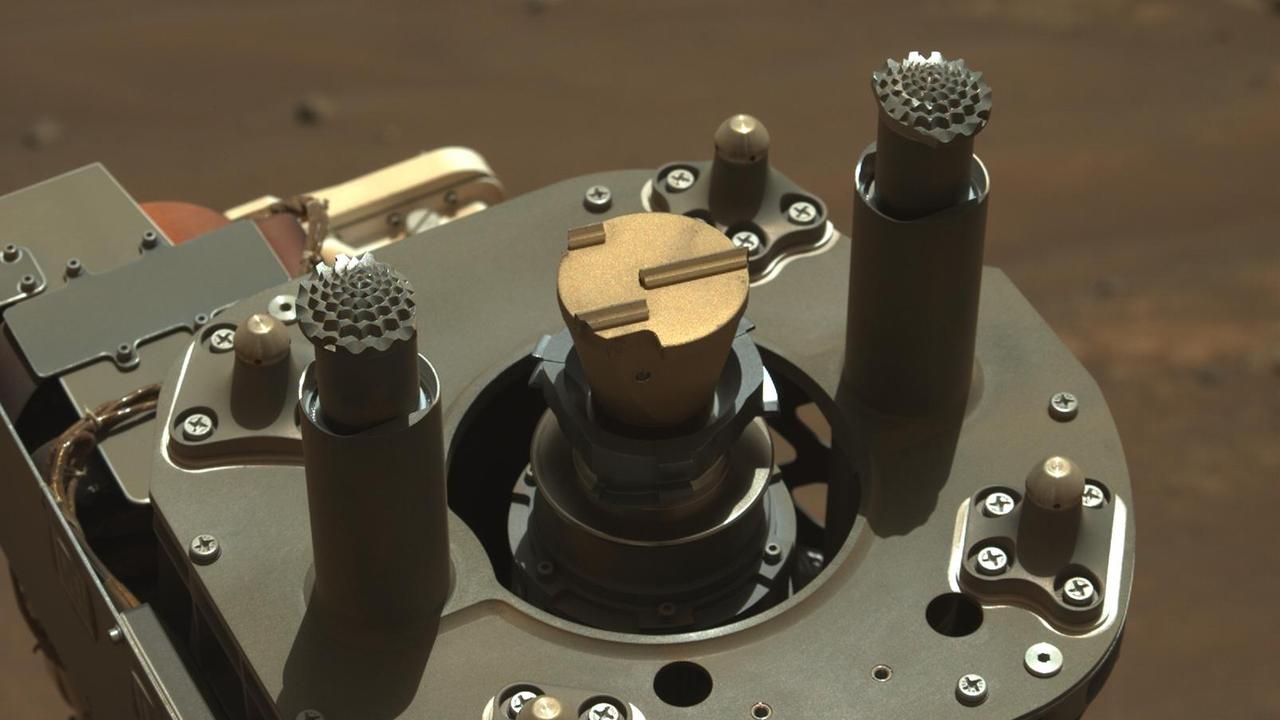
This image shows the abrading bit used by NASA's Perseverance to get beneath the surface of Mars rocks. It was acquired on Aug. 2, 2021, the 160th Martian day, or sol, of the mission, by the rover's Mastcam-Z imager. Mars rocks can be weathered and covered in dust, obscuring important details about their composition and history. The rover's abrader is the golden-colored disk with the three parallel lines of different lengths, arranged asymmetrically, in the center of the image. When the rover's drill spins and hammers with an abrading bit, that tooth pattern creates crisscrossing, well-distributed impacts in the rock. This chips away the surface and makes a smooth, flat patch of fresh rock about 2 inches (5 centimeters) in diameter. https://photojournal.jpl.nasa.gov/catalog/PIA26577

This image taken by NASA's Dawn spacecraft shows Emesh, a crater on Ceres. Emesh, named after the Sumerian god of vegetation and agriculture, is 12 miles (20 kilometers) wide. Located at the edge of the Vendimia Planitia, the floor of this crater is asymmetrical with terraces distributed along the eastern rim. Additionally, this image shows many subtle linear features that are likely the surface expressions of faults. These faults play a big role in shaping Ceres' craters, leading to non-circular craters such as Emesh. To the left of Emesh in this view, a much older crater of similar size has mostly been erased by impacts and their ejecta. Dawn took this image on May 11, 2016, from its low-altitude mapping orbit, at a distance of about 240 miles (385 kilometers) above the surface. The center coordinates of this image are 11 degrees north latitude, 158 degrees east longitude. https://photojournal.jpl.nasa.gov/catalog/PIA21911
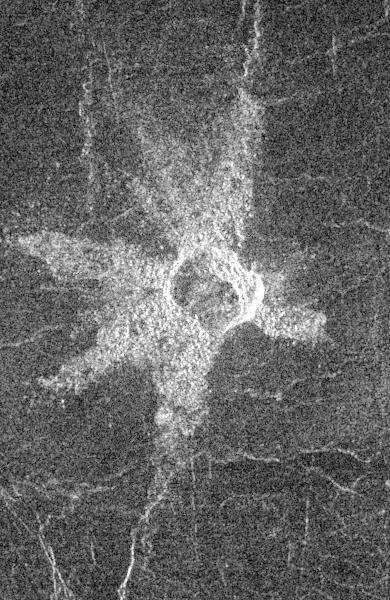
This image from NASA Magellan spacecraft shows the central Eistla Region of the equatorial highlands of Venus. It is centered at 15 degrees north latitude and 5 degrees east longitude. The image is 76.8 kilometers (48 miles) wide. The crater is slightly irregular in platform and approximately 6 kilometers (4 miles) in diameter. The walls appear terraced. Five or six lobes of radar-bright ejecta radiate up to 13.2 kilometers (8 miles) from the crater rim. These lobes are up to 3.5 kilometers (2 miles) in width and form a "starfish" pattern against the underlying radar-dark plains. The asymmetric pattern of the ejecta suggests the angle of impact was oblique. The alignment of two of the ejecta lobes along fractures in the underlying plains is apparently coincidental. http://photojournal.jpl.nasa.gov/catalog/PIA00466
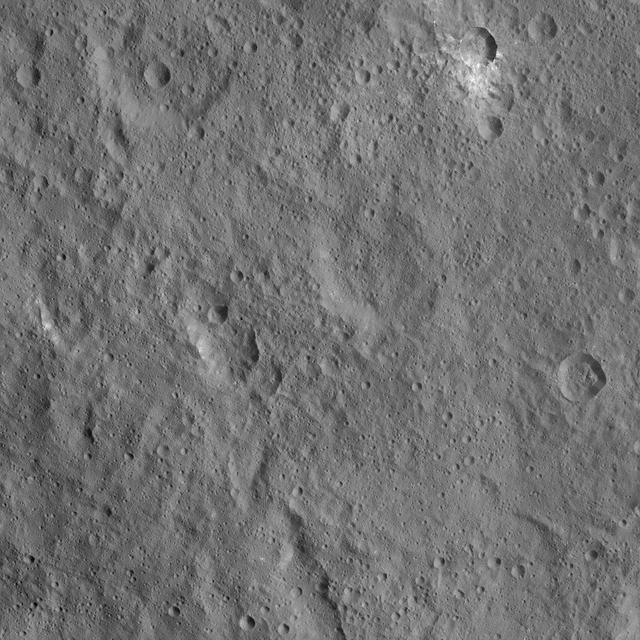
This view of Ceres from NASA Dawn spacecraft shows cratered terrain located immediately to the west of the intriguing mountain feature called Ahuna Mons. North on Ceres is up. A linear feature cuts across the scene from south to north-northwest. A small crater in the northern portion of the image is surrounded by asymmetric ejecta, composed of a mixture of light and dark material. A small crater at center right (east) displays steep flanks and a hummocky floor. The image was taken from a spacecraft altitude of 915 miles (1,470 kilometers) in Dawn's High Altitude Mapping Orbit phase (HAMO) on Oct. 7, 2015. Image resolution is 450 feet (140 meters) per pixel. The image is located at 2 degrees north latitude, 304 degrees east longitude. http://photojournal.jpl.nasa.gov/catalog/PIA20147

This NASA/ESA Hubble Space Telescope image shows Messier 96, a spiral galaxy just over 35 million light-years away in the constellation of Leo (The Lion). It is of about the same mass and size as the Milky Way. It was first discovered by astronomer Pierre Méchain in 1781, and added to Charles Messier’s famous catalogue of astronomical objects just four days later. The galaxy resembles a giant maelstrom of glowing gas, rippled with dark dust that swirls inwards towards the nucleus. Messier 96 is a very asymmetric galaxy; its dust and gas are unevenly spread throughout its weak spiral arms, and its core is not exactly at the galactic center. Its arms are also asymmetrical, thought to have been influenced by the gravitational pull of other galaxies within the same group as Messier 96. This group, named the M96 Group, also includes the bright galaxies Messier 105 and Messier 95, as well as a number of smaller and fainter galaxies. It is the nearest group containing both bright spirals and a bright elliptical galaxy (Messier 105). Image credit: ESA/Hubble & NASA and the LEGUS Team, Acknowledgement: R. Gendler <b><a href="http://www.nasa.gov/audience/formedia/features/MP_Photo_Guidelines.html" rel="nofollow">NASA image use policy.</a></b> <b><a href="http://www.nasa.gov/centers/goddard/home/index.html" rel="nofollow">NASA Goddard Space Flight Center</a></b> enables NASA’s mission through four scientific endeavors: Earth Science, Heliophysics, Solar System Exploration, and Astrophysics. Goddard plays a leading role in NASA’s accomplishments by contributing compelling scientific knowledge to advance the Agency’s mission. <b>Follow us on <a href="http://twitter.com/NASAGoddardPix" rel="nofollow">Twitter</a></b> <b>Like us on <a href="http://www.facebook.com/pages/Greenbelt-MD/NASA-Goddard/395013845897?ref=tsd" rel="nofollow">Facebook</a></b> <b>Find us on <a href="http://instagrid.me/nasagoddard/?vm=grid" rel="nofollow">Instagram</a></b>
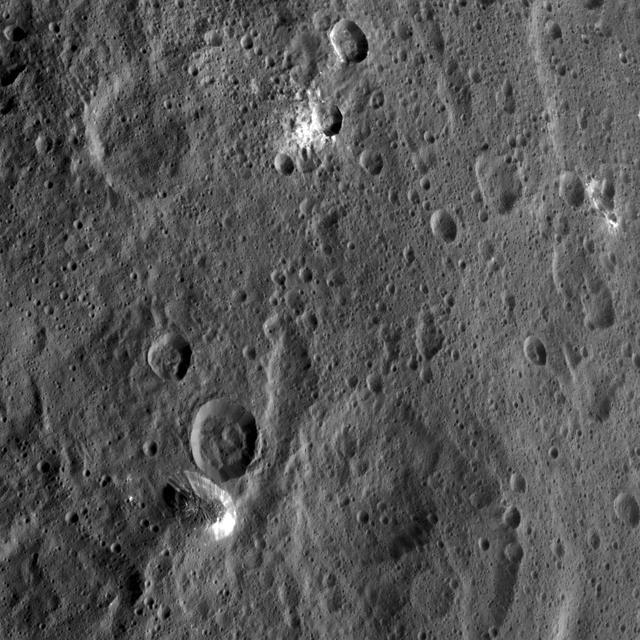
Xevioso Crater is the small (5.3 miles, 8.5 kilometers in diameter) crater associated with bright ejecta toward the top of this image, taken by NASA's Dawn spacecraft. It is one of the newly named craters on Ceres. Xevioso is located in the vicinity of Ahuna Mons, the tall, lonely mountain seen toward the bottom of the picture. Given that the small impact that formed Xevioso was able to excavate bright material, scientists suspect the material may be found at shallow depth. Its nature and relationship to other bright regions on Ceres is under analysis. The asymmetrical distribution of this bright ejecta indicates Xevioso formed via an oblique impact. Another view of Xevioso can be found here. Xevioso is named for the Fon god of thunder and fertility from the Kingdom of Dahomey, which was located in a region that is now the west African country of Benin. Dawn acquired this picture on October 15, 2015, from its high altitude mapping orbit at about 915 miles (1,470 kilometers) above the surface. The center coordinates of this image are 3.8 degrees south latitude, 314 degrees east longitude, and its resolution is 450 feet (140 meters) per pixel. https://photojournal.jpl.nasa.gov/catalog/PIA21907
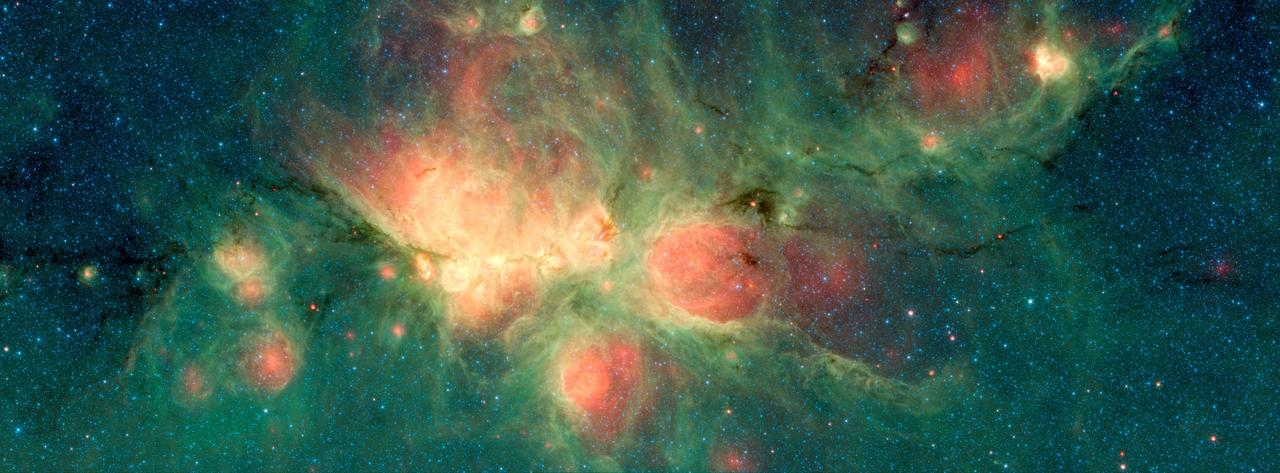
The Cat's Paw Nebula, imaged here by NASA's Spitzer Space Telescope, lies inside the Milky Way Galaxy and is located in the constellation Scorpius. Its distance from Earth is estimated to be between 1.3 kiloparsecs (about 4,200 light years) to 1.7 kiloparsecs (about 5,500 light years). The bright, cloudlike band running left to right across the image shows the presence of gas and dust that can collapse to form new stars. The black filaments running through the nebula are particularly dense regions of gas and dust. The entire star-forming region is thought to be between 24 and 27 parsecs (80-90 light years) across. The stars that form inside the nebula heat up the pressurized gas surrounding them, such that the gas may expand and form "bubbles", which appear red in this image. Asymmetric bubbles may "burst," creating U-shaped features. The green areas show regions where radiation from hot stars collided with large molecules and small dust grains called "polycyclic aromatic hydocarbons" (PAHs), causing them to fluoresce. This image was compiled using data from two Spitzer instruments, the Infrared Array Camera (IRAC) and the Multiband Imaging Photometer (MIPS). The colors correspond with wavelengths of 3.6 microns (blue), 4.5 microns (cyan), 8 microns (green) and 24 microns (red). https://photojournal.jpl.nasa.gov/catalog/PIA22568
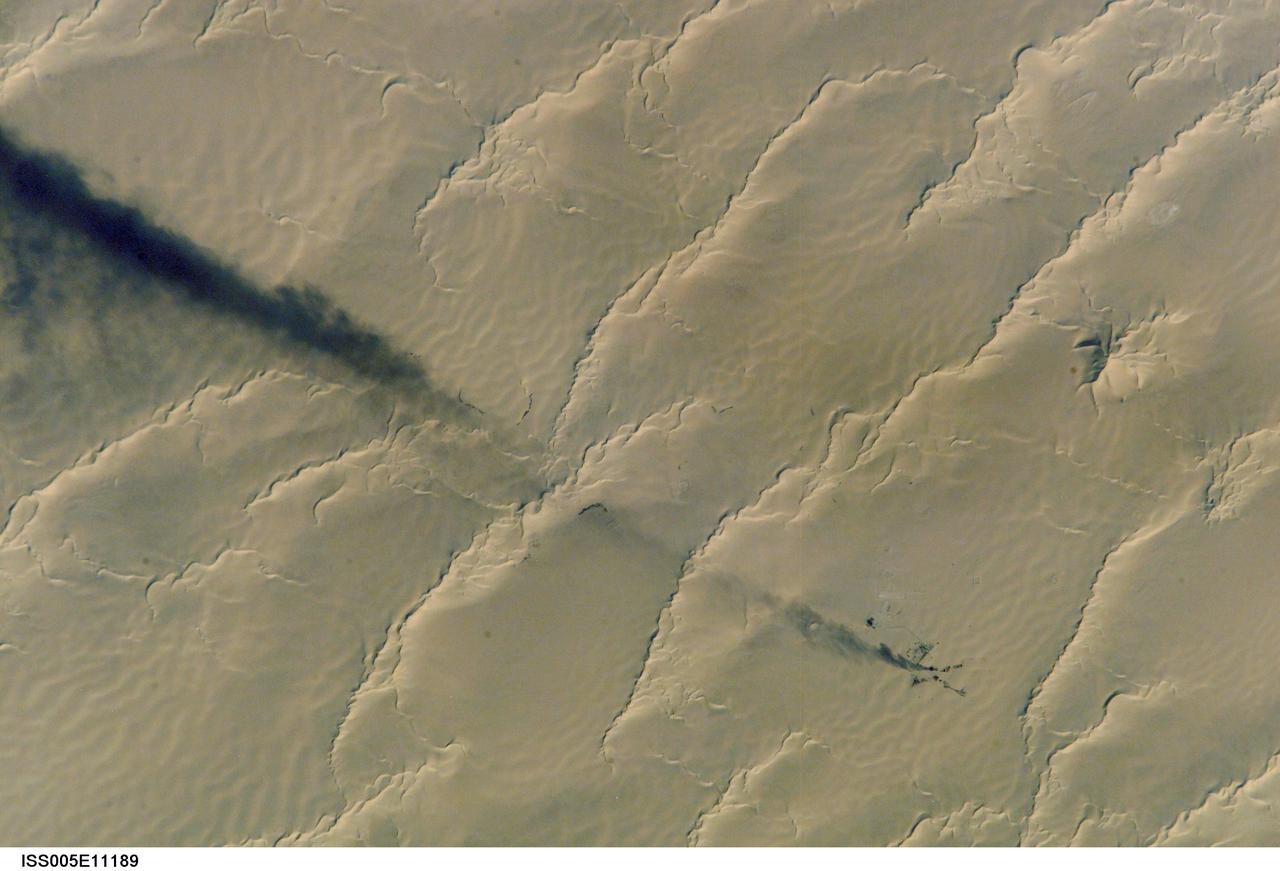
ISS005-E-11189 (25 August 2002) --- Calanscio Sand Sea, Libya is featured in this digital image photographed by an Expedition 5 crewmember on the International Space Station (ISS). A plume of black smoke blowing westward is silhouetted against yellow linear dunes in the great sand sea of northeast Libya. Smoke from flares at remote well heads is commonly seen by astronauts flying over the Sahara Desert. NASA scientists studying the Station imagery had the following observations about the image. The plume dispersal pattern visible at the left edge of the image may be due to upper-level winds or gravitational settling of heavier particulates. The regular pattern of linear dunes is generated by two major winds: the dominant north wind (north is towards the top right) determines the orientation of the sand dunes. Gentler easterly winds, as were blowing when this view was taken, make the dunes asymmetric, with a gentle windward (west) slope and an over steeped downwind slope. Some over steepened slopes even cast shadows in the early morning light. One mound of sand (top right), due north of the well head, does not fit the pattern of linear dunes. This type is known as a star dune.
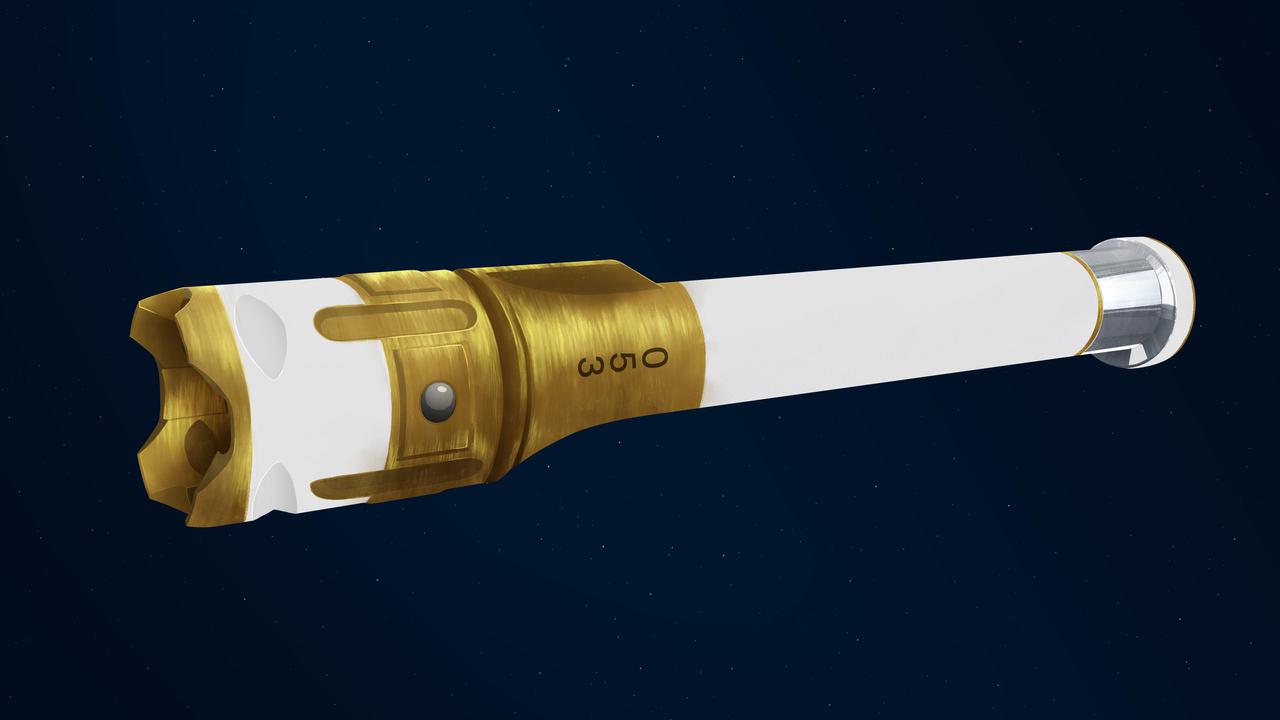
This illustration depicts the exterior of a sample tube being carried aboard the Mars 2020 Perseverance rover. About the size and shape of a standard lab test tube, the 43 sample tubes headed to Mars must be lightweight, hardy enough to survive the demands of the round trip, and so clean that future scientists will be confident that what they are analyzing is 100% Mars, without Earthly contaminants. Exterior Ball Lock: Placed on opposite sides of the tube, the two ball locks help secure the sample tube as it progresses through the many stages of sample collection and storage. Serial Number: Helps with identification of the tubes and their contents. Titanium Nitride Coating: Gold in color, this extremely hard ceramic coating is used as a specialized surface treatment that resists contamination. Alumina Coating: The reflective coating provides thermal protection and acts as a sponge to prevent potential contaminants from getting inside the sample tube. Bare Titanium: The portion of tube near the open end contains no coating to eliminate the possibility that the coating could delaminate from this portion of the tube during the insertion of a hermetic seal. Bearing Race: An asymmetrical flange at the open end of the tube, it assists in the process of shearing (breaking) off samples at the completion of the coring portion of sample collection. https://photojournal.jpl.nasa.gov/catalog/PIA24306
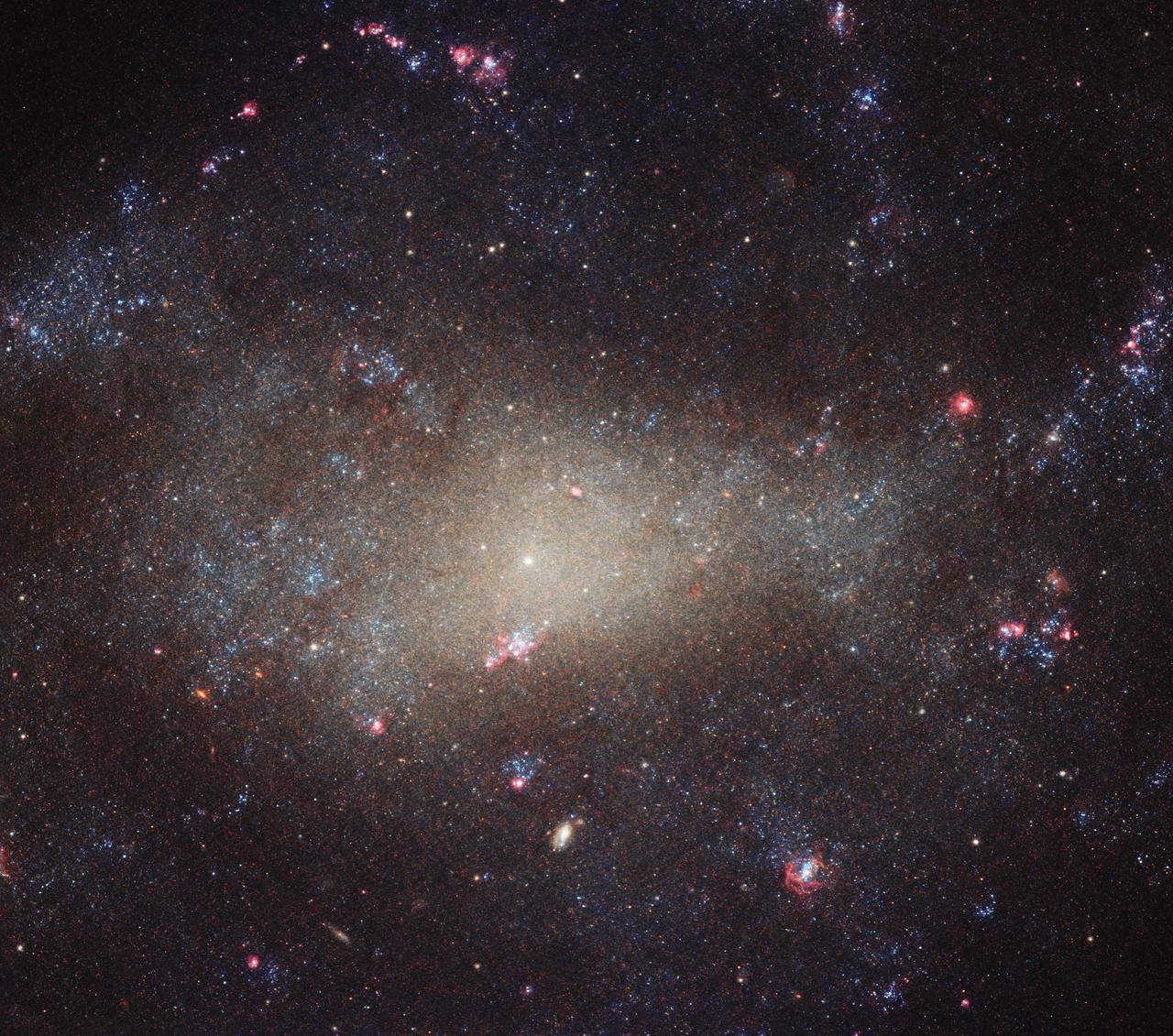
Tucked away in the small northern constellation of Canes Venatici (The Hunting Dogs) is the galaxy NGC 4242, shown here as seen by the NASA/ESA Hubble Space Telescope. The galaxy lies some 30 million light-years from us. At this distance from Earth, actually not all that far on a cosmic scale, NGC 4242 is visible to anyone armed with even a basic telescope, as British astronomer William Herschel found when he discovered the galaxy in 1788. This image shows the galaxy’s bright center and the surrounding dimmer and more diffuse “fuzz.” Despite appearing to be relatively bright in this image, studies have found that NGC 4242 is actually relatively dim (it has a moderate-to-low surface brightness and low luminosity) and also supports a low rate of star formation. The galaxy also seems to have a weak bar of stars cutting through its asymmetric center, and a very faint and poorly-defined spiral structure throughout its disk. But if NGC 4242 is not all that remarkable, as with much of the Universe, it is still a beautiful and ethereal sight. Credit: ESA/Hubble & NASA
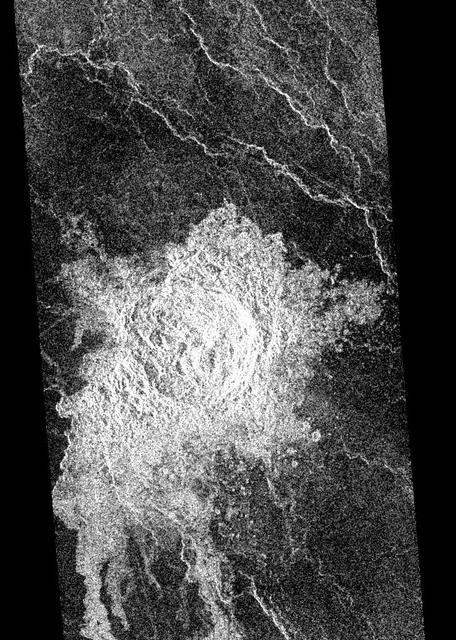
During orbits 423 through 424 on 22 September 1990, NASA's Magellan imaged this impact crater that is located at latitude 10.7 degrees north and longitude 340.7 degrees east. This crater is shown as a representative of Venusian craters that are of the proper diameter (about 15 kilometers) to be 'transitional' in their morphology between 'complex' and irregular' craters. Complex craters account for about 96 percent of all craters on Venus with diameters larger than about 15 kilometers; they are thought to have been formed by the impact of a large, more or less intact, mass of asteroidal material that has not been excessively effected during its passage through the dense Venusian atmosphere. Complex craters are characterized by circular rims, terraced inner wall slopes, well developed ejecta deposits, and flat floors with a central peak or peak ring. Irregular craters make up about 60 percent of the craters with diameters less than about 15 kilometers. Irregular craters are thought to form as the result of the impact of asteroidal projectiles that have been aerodynamically crushed and fragmented during their passage through the atmosphere. Irregular craters are characterized by irregular and/or discontinuous rims and hummocky or multiple floors. The 'transitional' crater shown here has a somewhat circular rim like larger complex craters, but has the hummocky floor and asymmetric ejecta characteristic of smaller irregular craters. http://photojournal.jpl.nasa.gov/catalog/PIA00468

This side-by-side comparison shows observations of the Southern Ring Nebula in near-infrared light, at left, and mid-infrared light, at right, from NASA’s Webb Telescope. This scene was created by a white dwarf star – the remains of a star like our Sun after it shed its outer layers and stopped burning fuel though nuclear fusion. Those outer layers now form the ejected shells all along this view. In the Near-Infrared Camera (NIRCam) image, the white dwarf appears to the lower left of the bright, central star, partially hidden by a diffraction spike. The same star appears – but brighter, larger, and redder – in the Mid-Infrared Instrument (MIRI) image. This white dwarf star is cloaked in thick layers of dust, which make it appear larger. The brighter star in both images hasn’t yet shed its layers. It closely orbits the dimmer white dwarf, helping to distribute what it’s ejected. Over thousands of years and before it became a white dwarf, the star periodically ejected mass – the visible shells of material. As if on repeat, it contracted, heated up – and then, unable to push out more material, pulsated. Stellar material was sent in all directions – like a rotating sprinkler – and provided the ingredients for this asymmetrical landscape. Today, the white dwarf is heating up the gas in the inner regions – which appear blue at left and red at right. Both stars are lighting up the outer regions, shown in orange and blue, respectively. The images look very different because NIRCam and MIRI collect different wavelengths of light. NIRCam observes near-infrared light, which is closer to the visible wavelengths our eyes detect. MIRI goes farther into the infrared, picking up mid-infrared wavelengths. The second star more clearly appears in the MIRI image, because this instrument can see the gleaming dust around it, bringing it more clearly into view. The stars – and their layers of light – steal more attention in the NIRCam image, while dust plays the lead in the MIRI image, specifically dust that is illuminated. Peer at the circular region at the center of both images. Each contains a wobbly, asymmetrical belt of material. This is where two “bowls” that make up the nebula meet. (In this view, the nebula is at a 40-degree angle.) This belt is easier to spot in the MIRI image – look for the yellowish circle – but is also visible in the NIRCam image. The light that travels through the orange dust in the NIRCam image – which look like spotlights – disappear at longer infrared wavelengths in the MIRI image. In near-infrared light, stars have more prominent diffraction spikes because they are so bright at these wavelengths. In mid-infrared light, diffraction spikes also appear around stars, but they are fainter and smaller (zoom in to spot them). Physics is the reason for the difference in the resolution of these images. NIRCam delivers high-resolution imaging because these wavelengths of light are shorter. MIRI supplies medium-resolution imagery because its wavelengths are longer – the longer the wavelength, the coarser the images are. But both deliver an incredible amount of detail about every object they observe – providing never-before-seen vistas of the universe. For a full array of Webb’s first images and spectra, including downloadable files, please visit: https://webbtelescope.org/news/first-images NIRCam was built by a team at the University of Arizona and Lockheed Martin’s Advanced Technology Center. MIRI was contributed by ESA and NASA, with the instrument designed and built by a consortium of nationally funded European Institutes (The MIRI European Consortium) in partnership with JPL and the University of Arizona.
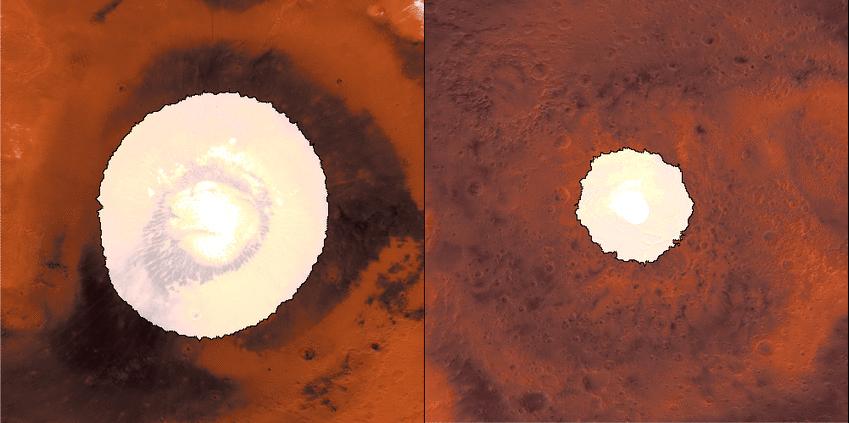
This animation shows a side-by-side comparison of CO2 ice at the north (left) and south (right) Martian poles over the course of a typical year (two Earth years). This simulation isn't based on photos; instead, the data used to create it came from two infrared instruments capable of studying the poles even when they're in complete darkness. As Mars enters fall and winter, reduced sunlight allows CO2 ice to grow, covering each pole. While ice at the north pole is fairly symmetrical, it's somewhat asymmetrical during its retreat from the south pole for reasons scientists still don't understand. Scientists are especially interested in studying how global dust events affect the growth and retreat of this polar ice. Mars' seasons are caused by a tilt in the planet, resulting in winter at one of the planet's poles while it's summer at the other. How do spacecraft observe the Martian surface in the polar night, when the Sun is below the horizon for weeks or even months, or in the spring, when it's hazy? They use infrared instruments measuring surface temperatures, even when the ground is in complete darkness or the atmosphere obscured. CO2 ice (sometimes called dry ice) is the coldest material found on Mars, and it is near -193 degrees Fahrenheit (-125 degrees Celsius), whereas ice free soil is generally warmer. As a result, scientists can track the position of the seasonal caps, even in the dark, using surface temperature measurements. Each panel of the animation is about 3,728 miles (6,000 kilometers) across. This data was collected by the Mars Climate Sounder (MCS) instrument on NASA's Mars Reconnaissance Orbiter, and the Thermal Emission Spectrometer (TES) onboard NASA's now defunct Mars Global Surveyor. The MCS data was collected between mid-2006 and the end of 2013; the TES data was collected between early 1999 to late 2006. Animation is available at https://photojournal.jpl.nasa.gov/catalog/PIA22546
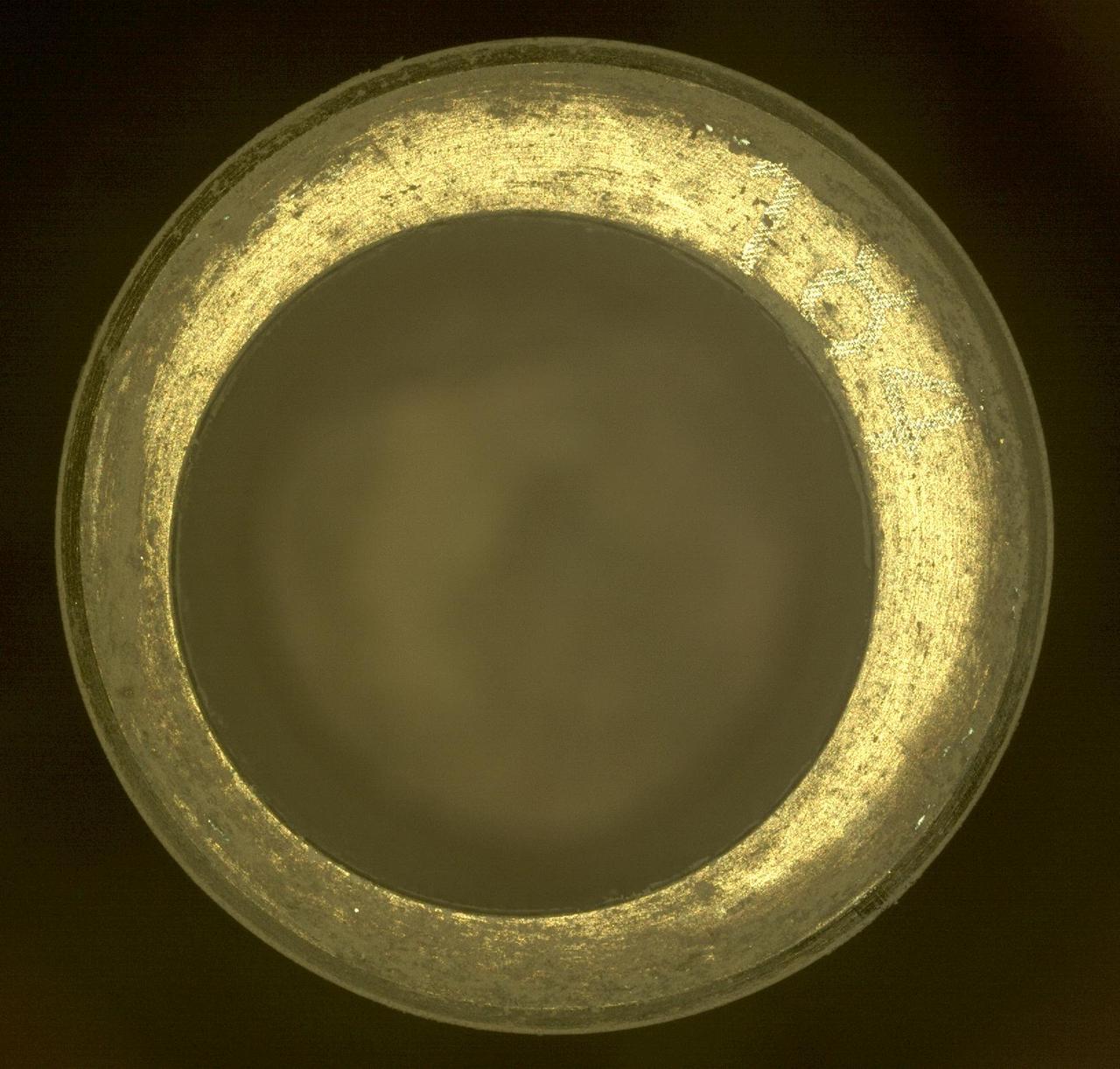
Perseverance's Sampling and Caching System Camera, or CacheCam, captured this time-lapse series of images of the rover's 14th rock-core sample. Taken over four Martian days (or sols) – on Sols 595, 599, 601, and 604 of the mission (Oct. 22, Oct. 26, Oct. 28, and Oct. 31, 2022) – they document the results of the mission's use of the rover's Bore Sweep Tool to remove dust from the tube. Small dust grains can be seen moving around the rim of the sample tube. The tool is designed to clean the inner surface near the tube's opening and also move the collected rock sample further down into the tube. Because the CacheCam's depth of field is plus or minus 5 millimeters, the rock sample, which is farther down in the tube, is not in focus in these images. The pixel scale in this image is approximately 13 microns per pixel. The images were acquired on Oct. 5. When the rover attempted to insert a seal into the open end of the tube, the seal did not release as expected from its dispenser. The bright gold-colored ring in the foreground is the bearing race, an asymmetrical flange that assists in shearing off a sample once the coring drill has bored into a rock. The sample collection tube's serial number, "184," can be seen in the 2 o'clock position on the bearing race. About the size and shape of a standard lab test tube, these tubes are designed to contain representative samples of Martian rock and regolith (broken rock and dust). A key objective for Perseverance's mission on Mars is astrobiology, including the search for signs of ancient microbial life. The rover will characterize the planet's geology and past climate, pave the way for human exploration of the Red Planet, and be the first mission to collect and cache Martian rock and regolith (broken rock and dust). Subsequent NASA missions, in cooperation with ESA (European Space Agency), would send spacecraft to Mars to collect these sealed samples from the surface and return them to Earth for in-depth analysis. The Mars 2020 Perseverance mission is part of NASA's Moon to Mars exploration approach, which includes Artemis missions to the Moon that will help prepare for human exploration of the Red Planet. Animation available at https://photojournal.jpl.nasa.gov/catalog/PIA25337
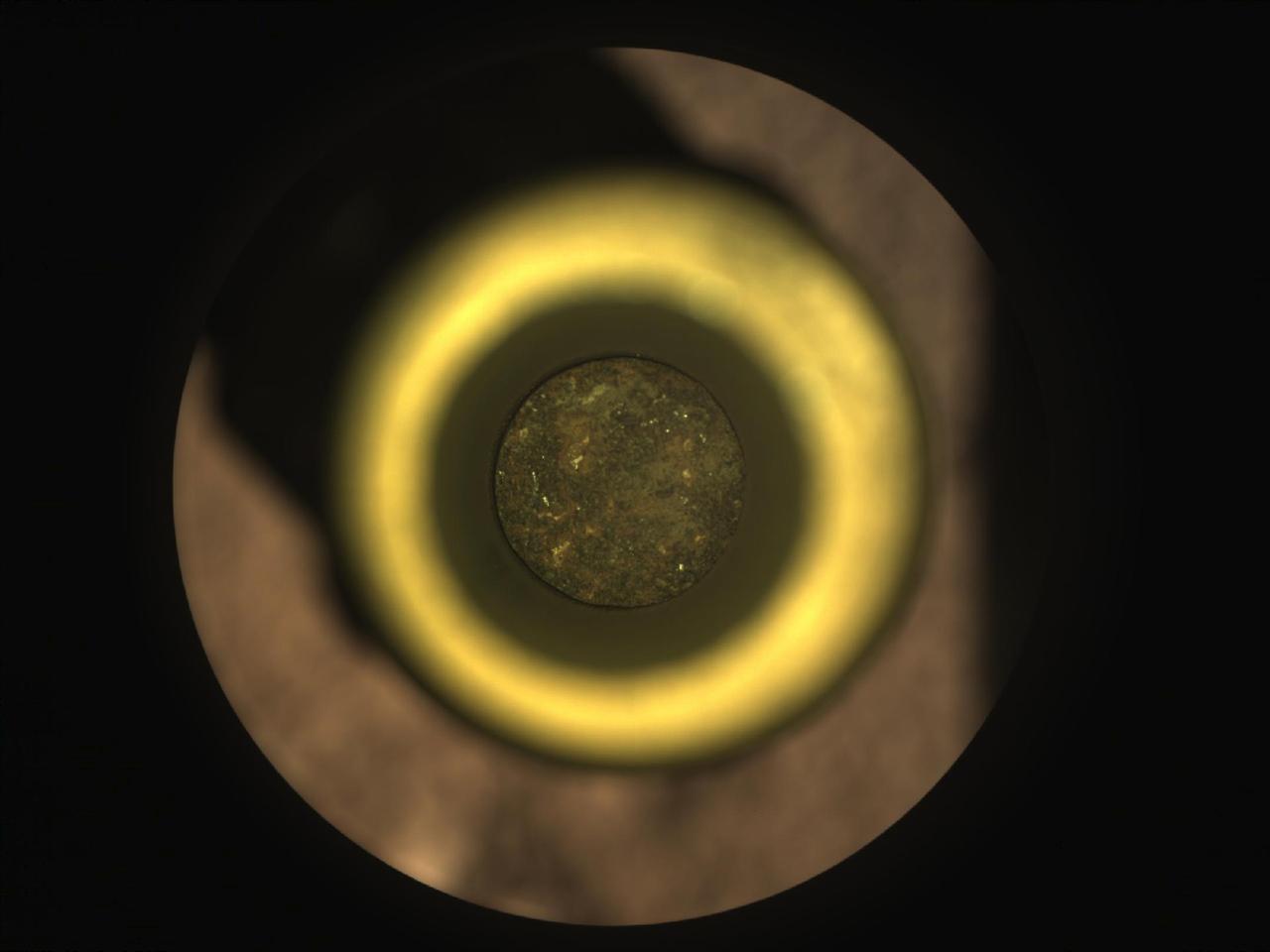
The first cored sample of Mars rock is visible (at center) inside a titanium sample collection tube in this from the Sampling and Caching System Camera (known as CacheCam) of NASA's Perseverance rover. The image was taken on Sept. 6, 2021 (the 194th sol, or Martian day, of the mission), prior to the system attaching and sealing a metal cap onto the tube. The image was taken so the cored-rock sample would be in focus. The seemingly dark ring surrounding the sample is a portion of the sample tube's inner wall. The bright gold-colored ring surrounding the tube and sample is the "bearing race," an asymmetrical flange that assists in shearing off a sample once the coring drill has bored into a rock. The outermost, mottled-brown disc in this image is a portion of the sample handling arm inside the rover's adaptive caching assembly. An additional set of images shows the tube and its cored sample during CacheCam imaging inspection. A key objective for Perseverance's mission on Mars is astrobiology, including the search for signs of ancient microbial life. The rover will characterize the planet's geology and past climate, pave the way for human exploration of the Red Planet, and be the first mission to collect and cache Martian rock and regolith (broken rock and dust). Subsequent NASA missions, in cooperation with ESA (European Space Agency), would send spacecraft to Mars to collect these sealed samples from the surface and return them to Earth for in-depth analysis. The Mars 2020 Perseverance mission is part of NASA's Moon to Mars exploration approach, which includes Artemis missions to the Moon that will help prepare for human exploration of the Red Planet. Movie available at https://photojournal.jpl.nasa.gov/catalog/PIA24806
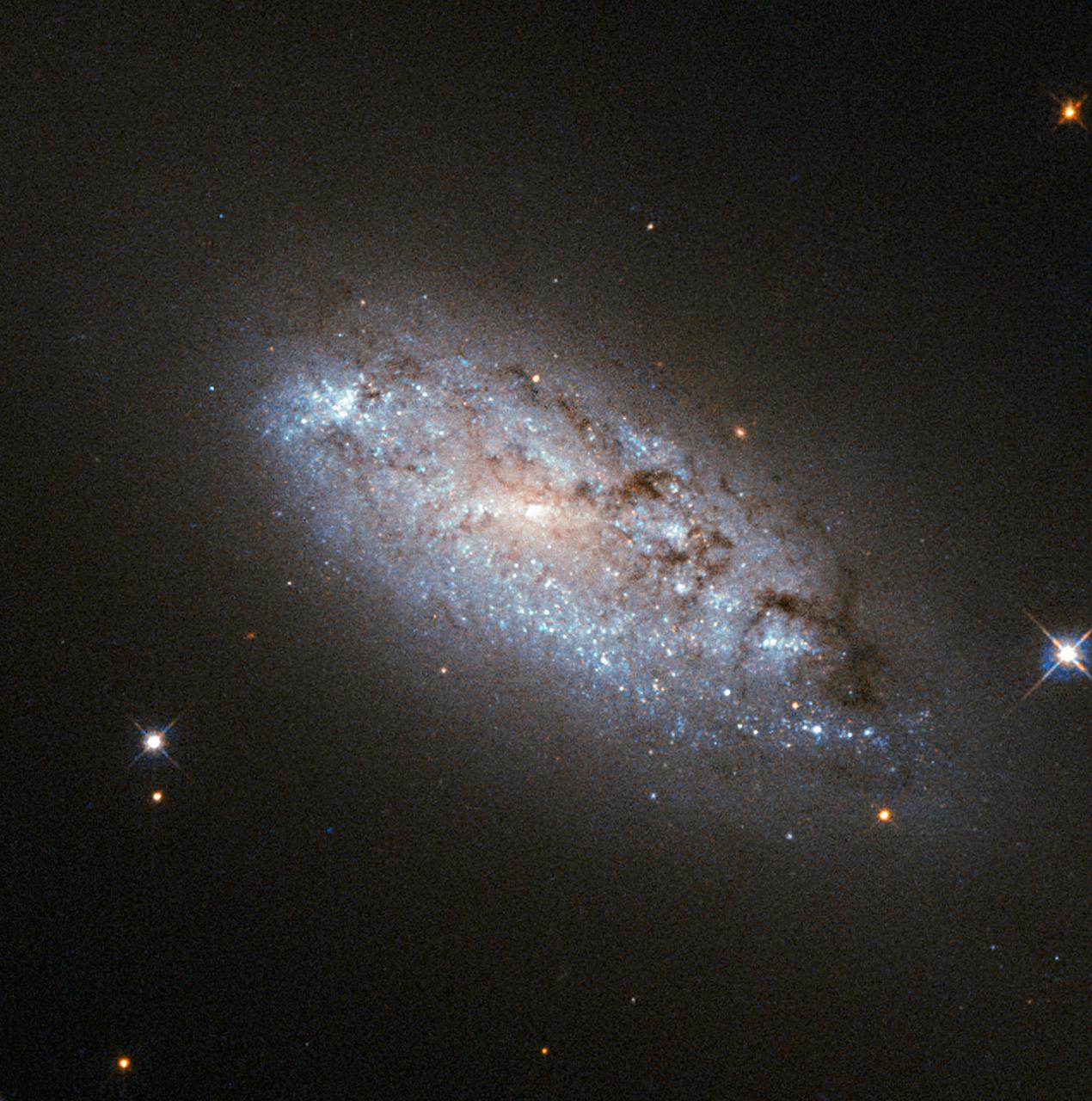
This image provides the clearest ever view of galaxy NGC 949, which lies over 30 million light-years away in the constellation of Triangulum. The galaxy has an unusual shape, made more obscure due to its inclination. From our point of view, it is difficult to discern exactly what type of galaxy NGC 949 is, but it is certainly a disc galaxy of some kind, most likely a spiral. NGC 949 was first discovered by Sir William Herschel on 21 September 1786, using an 18.7-inch reflecting telescope. The galaxy was one of about 3000 objects Herschel catalogued as "nebulae" during an intense and systematic deep sky survey, the results of which eventually formed the bulk of the New General Catalogue (NGC). Taken with Hubble’s Advanced Camera for Surveys (ACS), this new image shows extraordinary detail. This detail allows us to see a strange asymmetric alignment in the dark lanes of dust that snake across the galaxy. The top-right half of the galaxy appears considerably more marbled with dust in this image; a curious observation explained by stars tending to favour locations towards the centre of a galaxy, and dust preferring almost invariably to reside along the galactic plane. When a galaxy is inclined as NGC 949 is, some regions — in this case the top-right — are tipped towards us and the light from the stars we see in these regions has had to travel through more dust. This causes the light to appear redder — the result of the same process that gives the sun’s light a red hue at dusk — or else disappear entirely, making the dust appear more prominent on that side of the galaxy. In the part tipped away from us, the light from the stars has had to pass through much less dust to reach us, so it appears brighter, and the dust is much less prominent. Were it possible to view NGC 949 from the opposite side, the apparent alignment of the dust would be reversed. The scientific advantages of this effect were recently displayed in suitably stunning style in the M31 PHAT mosa
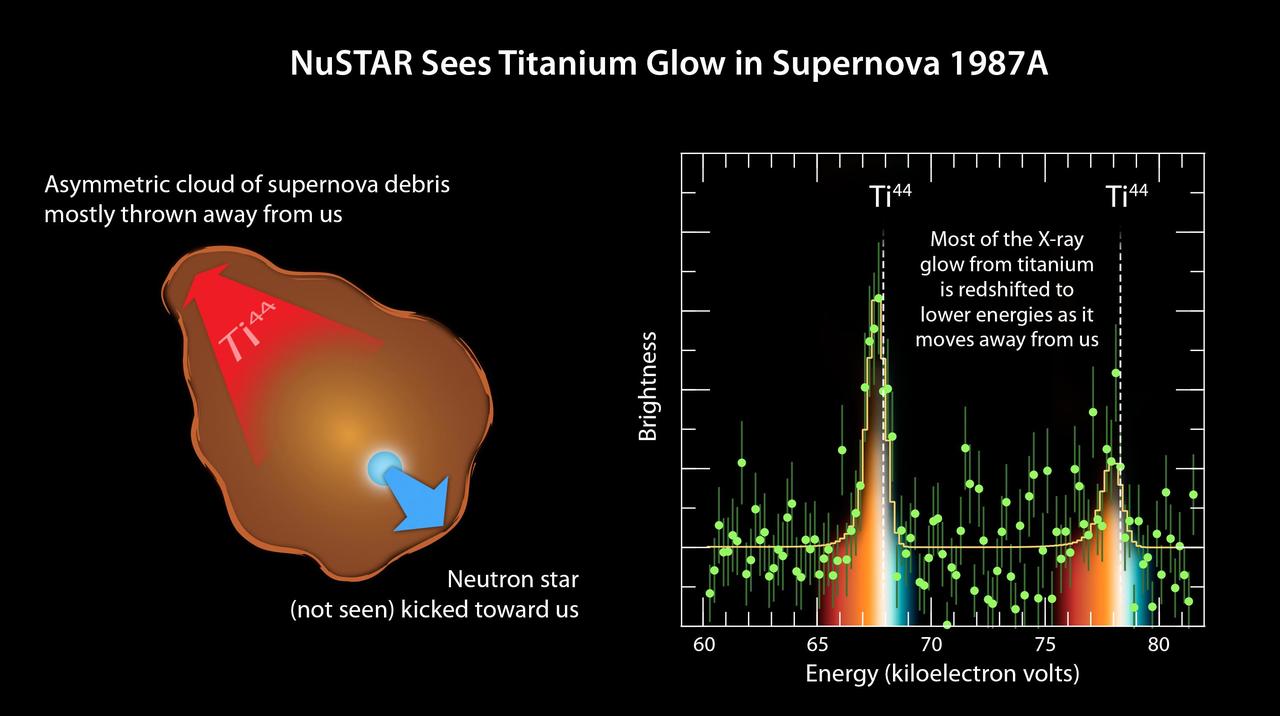
The plot of data from NASA's Nuclear Spectroscopic Telescope Array, or NuSTAR (right), amounts to a "smoking gun" of evidence in the mystery of how massive stars explode. The observations indicate that supernovae belonging to a class called Type II or core-collapse blast apart in a lopsided fashion, with the core of the star hurtling in one direction, and the ejected material mostly expanding the other way (see diagram in Figure 1). NuSTAR made the most precise measurements yet of a radioactive element, called titanium-44, in the supernova remnant called 1987A. NuSTAR sees high-energy X-rays, as shown here in the plot ranging from 60 to more than 80 kiloelectron volts. The spectral signature of titanium-44 is apparent as the two tall peaks. The white line shows where one would expect to see these spectral signatures if the titanium were not moving. The fact that the spectral peaks have shifted to lower energies indicates that the titanium has "redshifted," and is moving way from us. This is similar to what happens to a train's whistle as the train leaves the station. The whistle's sound shifts to lower frequencies. NuSTAR's detection of redshifted titanium reveals that the bulk of material ejected in the 1987A supernova is flying way from us at a velocity of 1.6 million miles per hour (2.6 million kilometers per hour). Had the explosion been spherical in nature, the titanium would have been seen flying uniformly in all directions. This is proof that this explosion occurred in an asymmetrical fashion. http://photojournal.jpl.nasa.gov/catalog/PIA19335
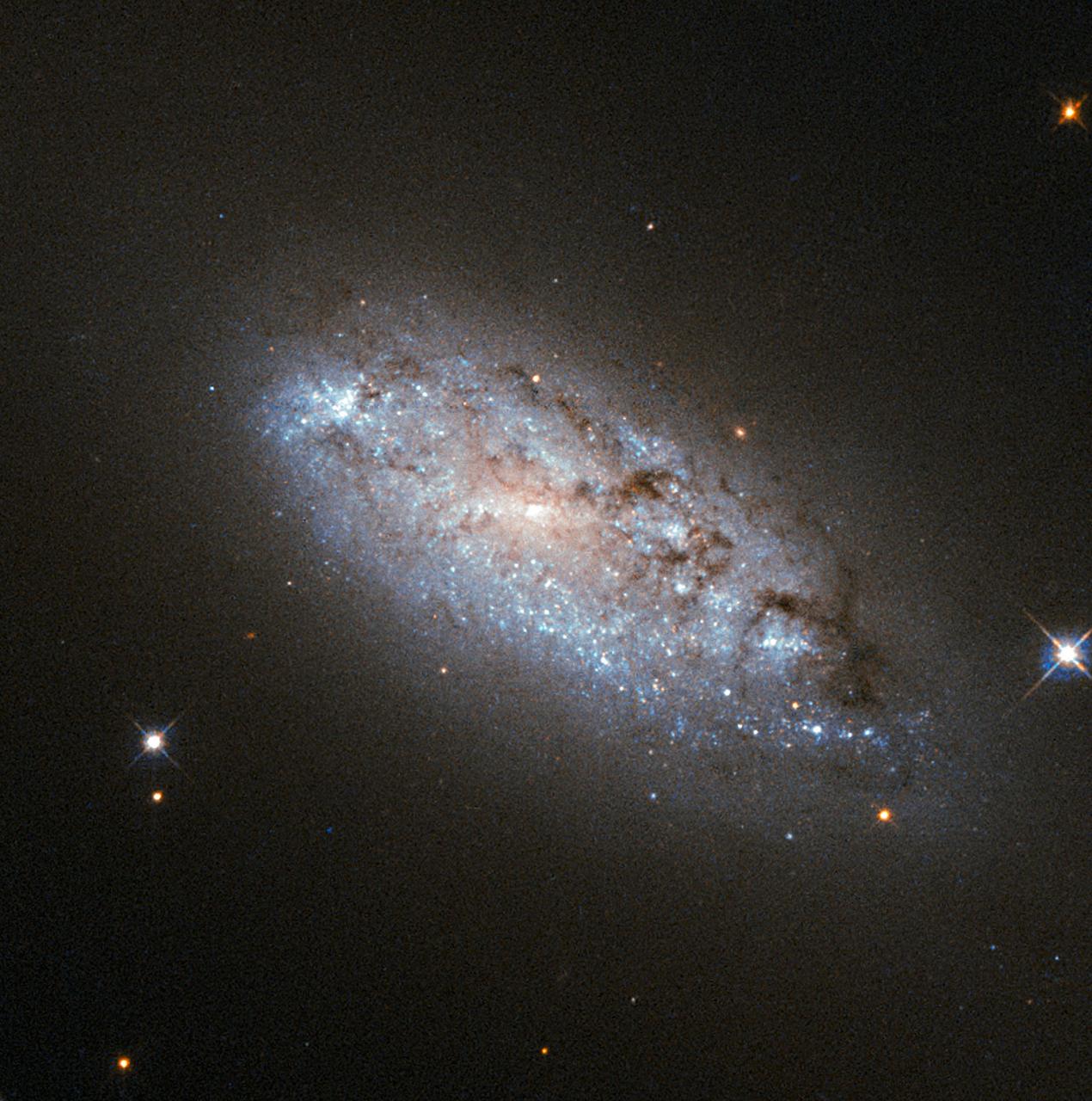
This image provides the clearest ever view of galaxy NGC 949, which lies over 30 million light-years away in the constellation of Triangulum. The galaxy has an unusual shape, made more obscure due to its inclination. From our point of view, it is difficult to discern exactly what type of galaxy NGC 949 is, but it is certainly a disk galaxy of some kind, most likely a spiral. NGC 949 was first discovered by Sir William Herschel on September 21, 1786, using an 18.7-inch reflecting telescope. The galaxy was one of about 3,000 objects Herschel cataloged as "nebulae" during an intense and systematic deep sky survey, the results of which eventually formed the bulk of the New General Catalogue (NGC). Taken with Hubble’s Advanced Camera for Surveys (ACS), this image shows extraordinary detail. This detail allows us to see a strange asymmetric alignment in the dark lanes of dust that snake across the galaxy. The top-right half of the galaxy appears considerably more marbled with dust in this image; a curious observation explained by stars tending to favor locations towards the center of a galaxy, and dust preferring almost invariably to reside along the galactic plane. When a galaxy is inclined as NGC 949 is, some regions — in this case the top-right — are tipped toward us and the light from the stars we see in these regions has had to travel through more dust. This causes the light to appear redder — the result of the same process that gives the sun’s light a red hue at dusk — or else disappear entirely, making the dust appear more prominent on that side of the galaxy. In the part tipped away from us, the light from the stars has had to pass through much less dust to reach us, so it appears brighter, and the dust is much less prominent. Were it possible to view NGC 949 from the opposite side, the apparent alignment of the dust would be reversed. The scientific advantages of this effect were recently displayed in suitably stunning style in the M31 PHAT mosaic, which allowed astronomers to produce a partial three-dimensional dust map of M31 four times clearer than any previously attempted. Credit: ESA/Hubble & NASA <b><a href="http://www.nasa.gov/audience/formedia/features/MP_Photo_Guidelines.html" rel="nofollow">NASA image use policy.</a></b> <b><a href="http://www.nasa.gov/centers/goddard/home/index.html" rel="nofollow">NASA Goddard Space Flight Center</a></b> enables NASA’s mission through four scientific endeavors: Earth Science, Heliophysics, Solar System Exploration, and Astrophysics. Goddard plays a leading role in NASA’s accomplishments by contributing compelling scientific knowledge to advance the Agency’s mission. <b>Follow us on <a href="http://twitter.com/NASAGoddardPix" rel="nofollow">Twitter</a></b> <b>Like us on <a href="http://www.facebook.com/pages/Greenbelt-MD/NASA-Goddard/395013845897?ref=tsd" rel="nofollow">Facebook</a></b> <b>Find us on <a href="http://instagrid.me/nasagoddard/?vm=grid" rel="nofollow">Instagram</a></b>