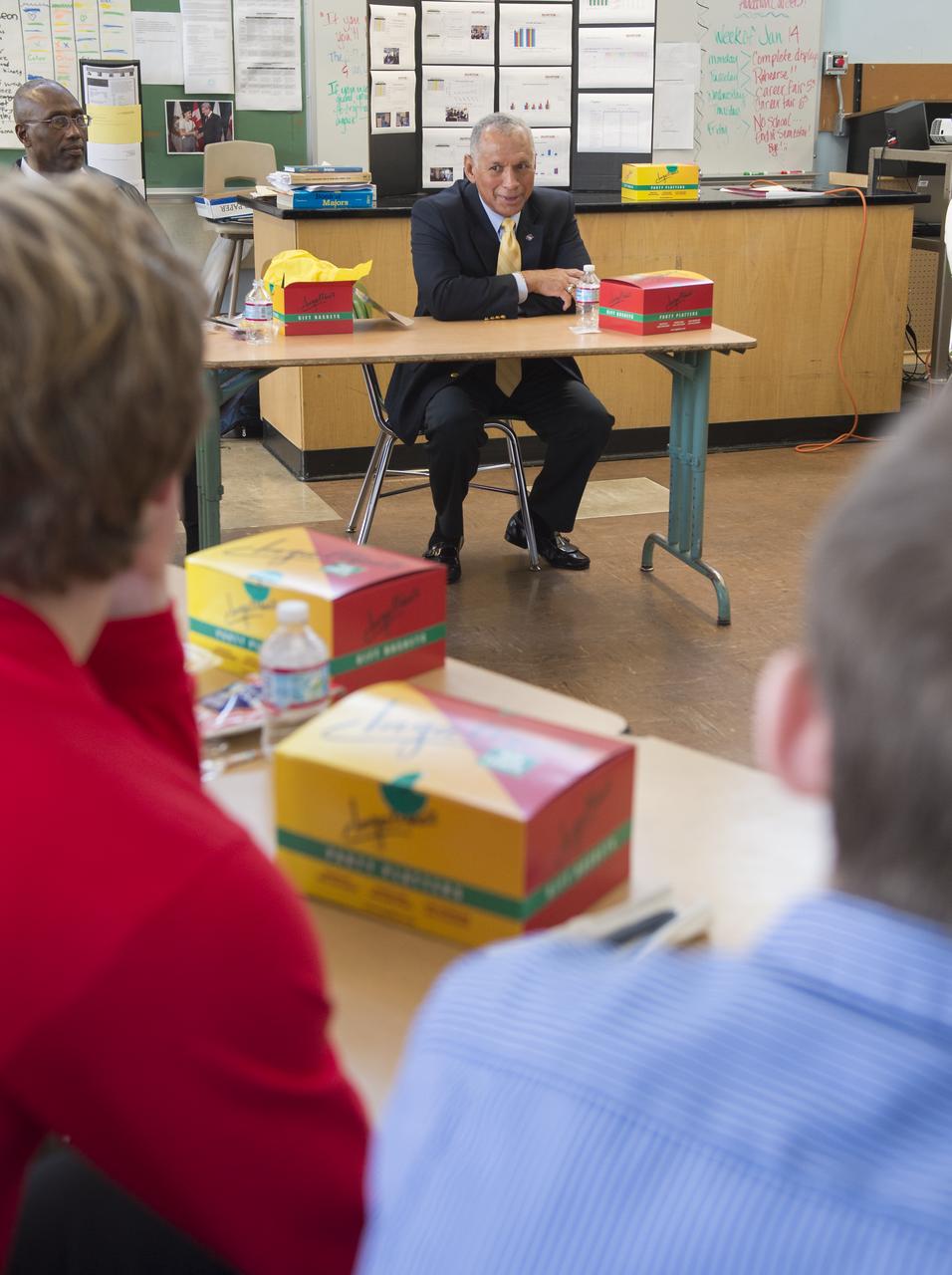
NASA Administrator Charles Bolden speaks to students at Aviation High School at a lunch and learn session Tuesday, Jan. 15, 2013 in Des Moines, WA. Aviation High School is a college preparatory aviation- and aerospace-themed school and a premier school of choice for science, technology, engineering and math (STEM) in the Pacific Northwest. Photo Credit: (NASA/Carla Cioffi)

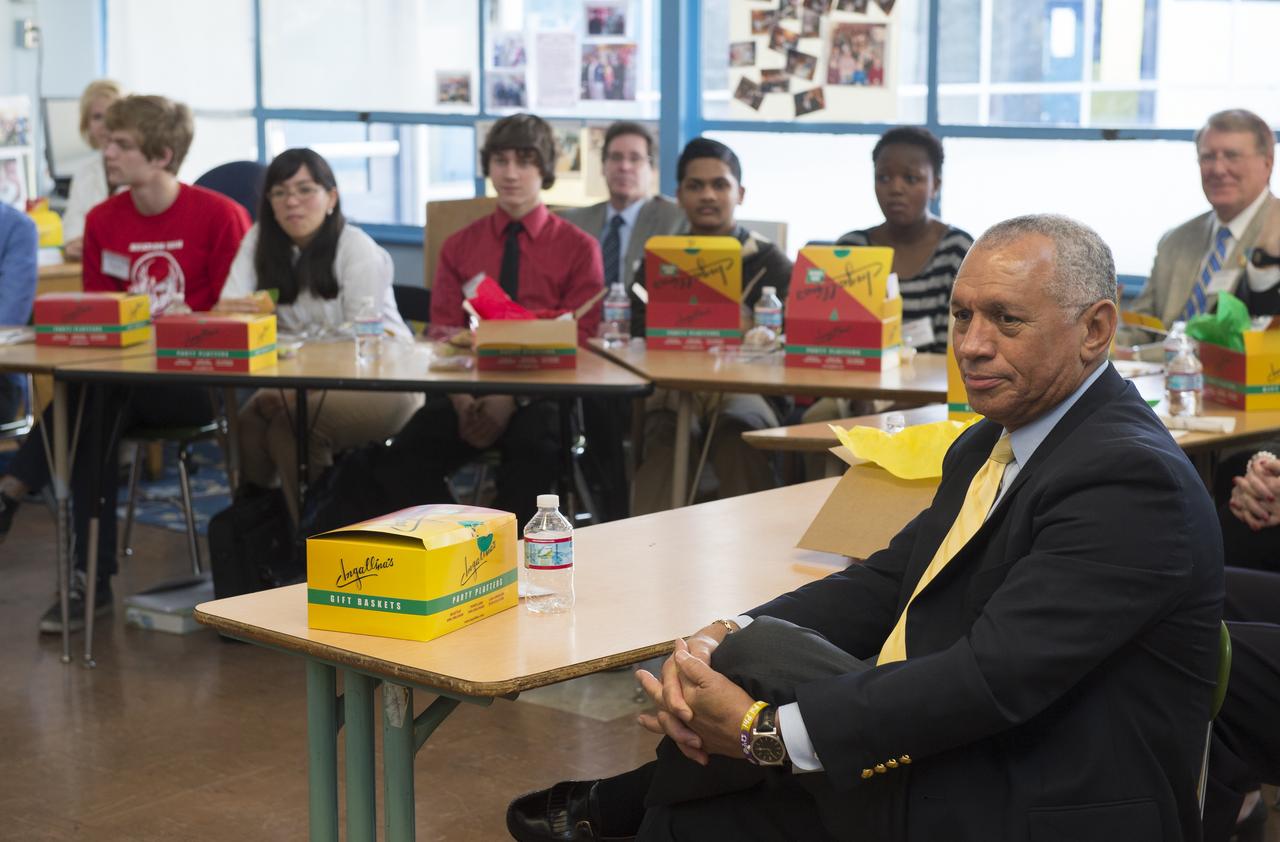
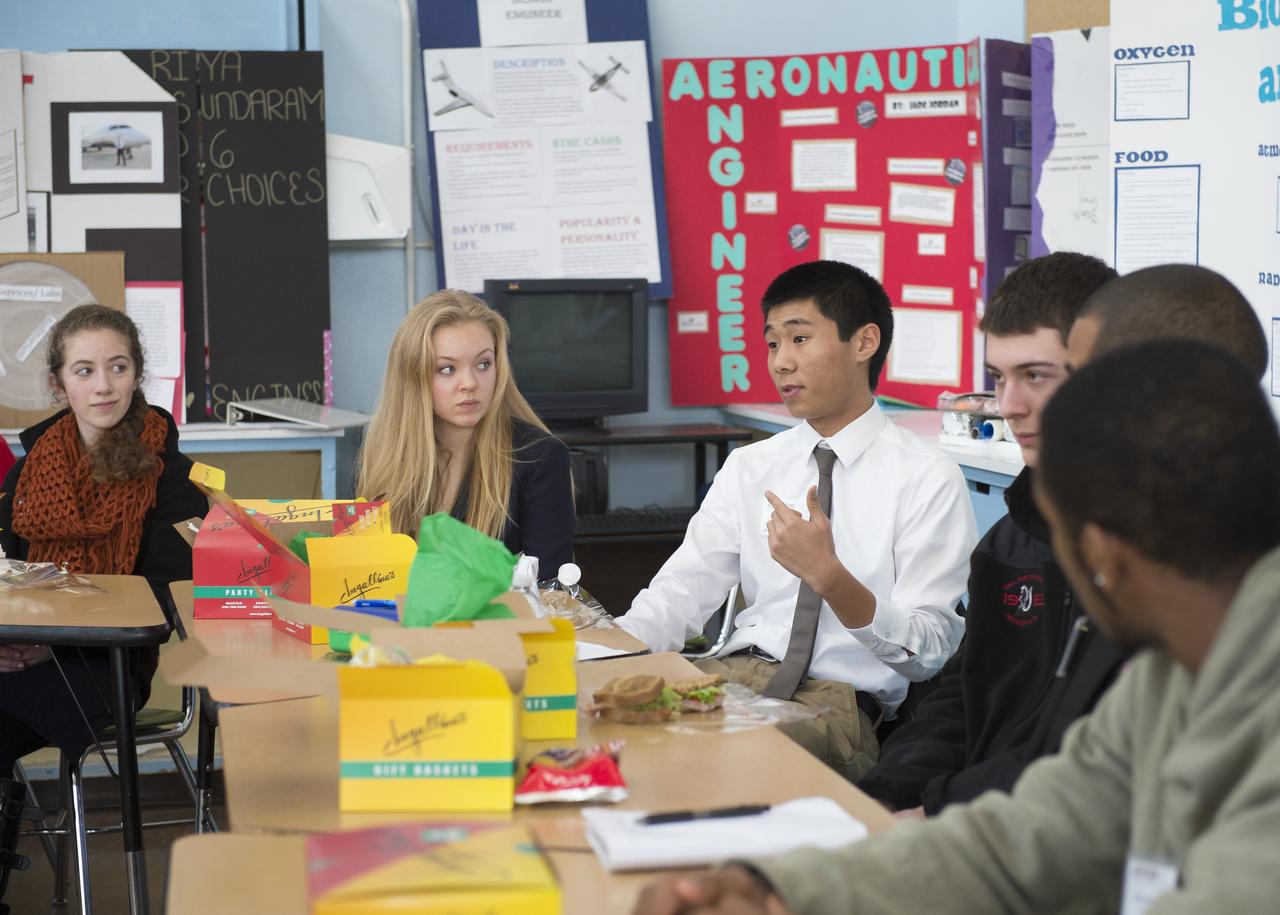
NASA Administrator Charles Bolden listens to students at Aviation High School at a lunch and learn session Tuesday, Jan. 15, 2013 in Des Moines, WA. Aviation High School is a college preparatory aviation- and aerospace-themed school and a premier school of choice for science, technology, engineering and math (STEM) in the Pacific Northwest. Photo Credit: (NASA/Carla Cioffi)

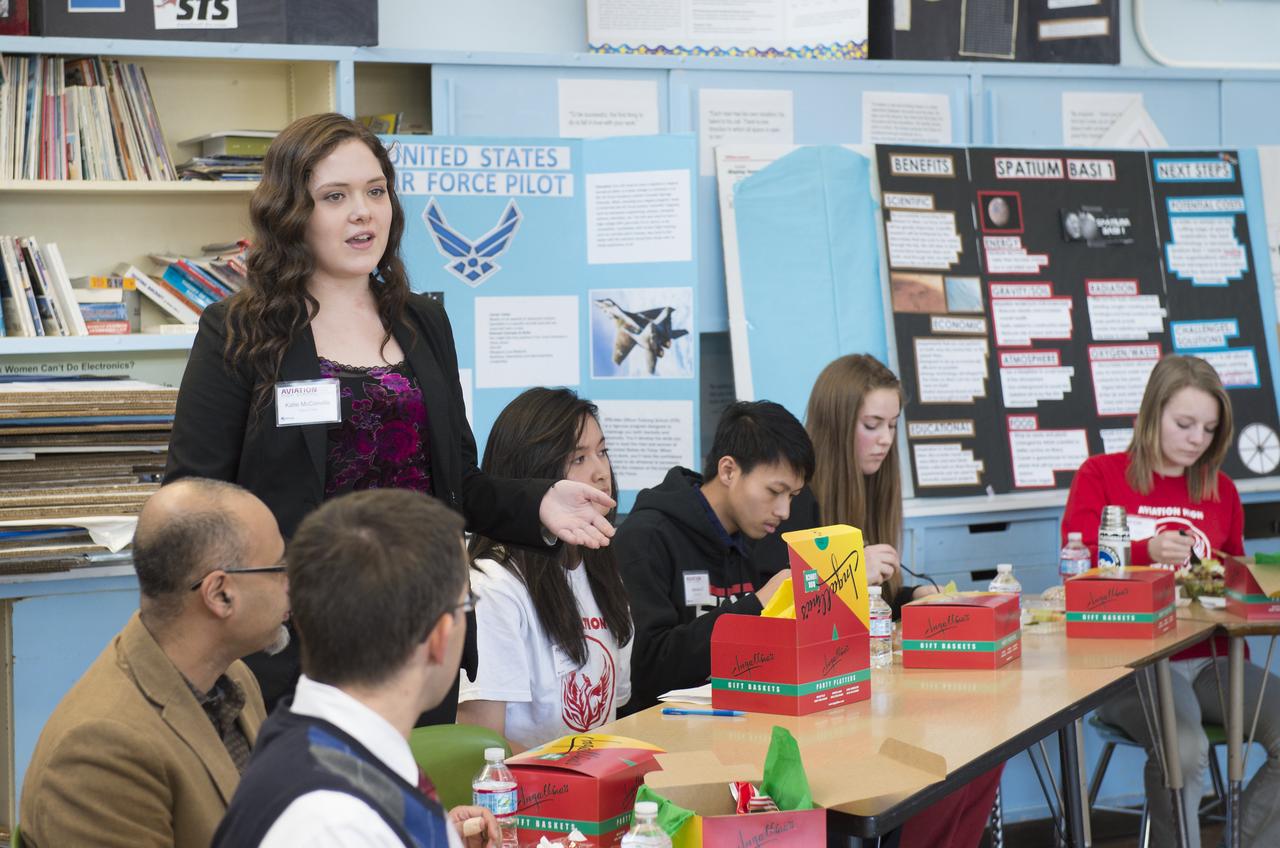
Aviation High School student, Katie McConville, introduces herself at a lunch and learn session with NASA Administrator Charles Bolden, Tuesday, Jan. 15, 2013 in Des Moines, WA. Aviation High School is a college preparatory aviation- and aerospace-themed school and a premier school of choice for science, technology, engineering and math (STEM) in the Pacific Northwest. Photo Credit: (NASA/Carla Cioffi)

Chris Lu (third from left), a student at Aviation High School, asks a question at a lunch and learn session with NASA Administrator Charles Bolden, Tuesday, Jan. 15, 2013 in Des Moines, WA. Aviation High School is a college preparatory aviation- and aerospace-themed school and a premier school of choice for science, technology, engineering and math (STEM) in the Pacific Northwest. Photo Credit: (NASA/Carla Cioffi)

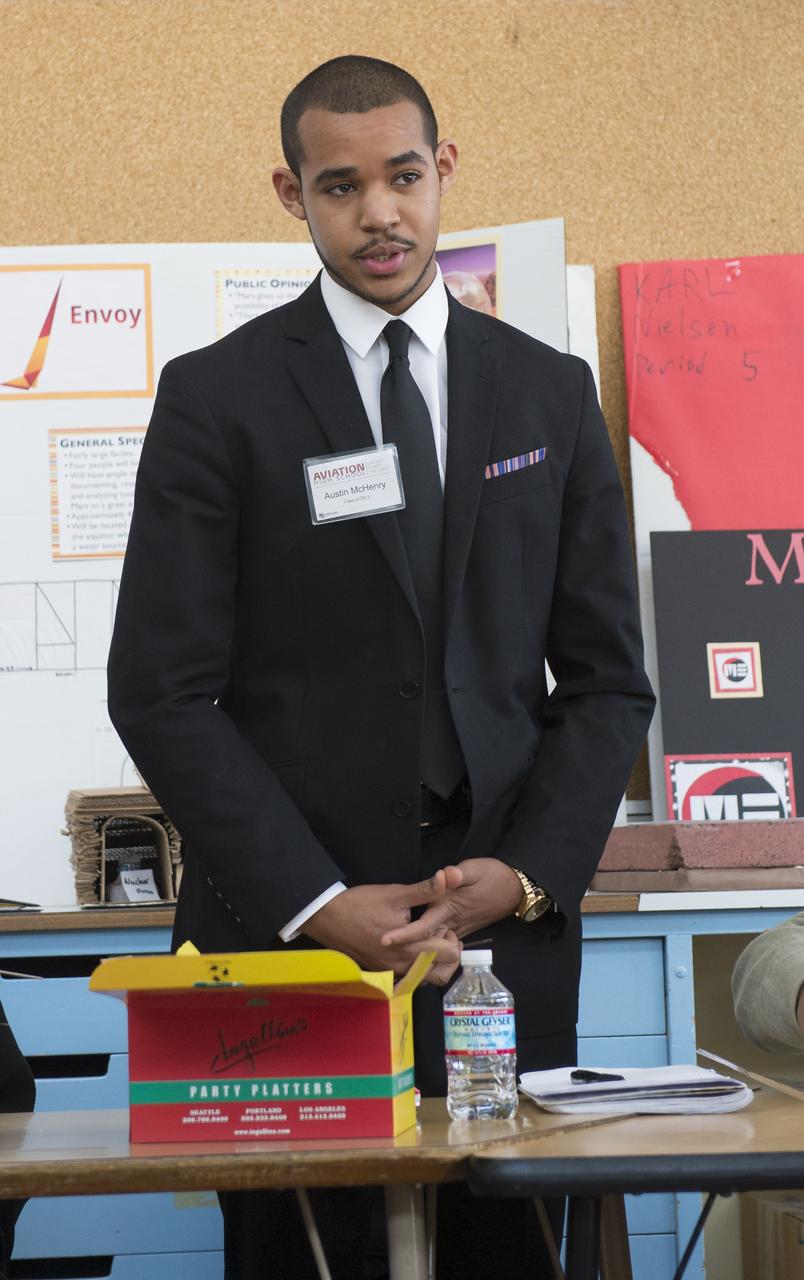
Austin McHenry, a student at Aviation High School, introduces himself at a lunch and learn session with NASA Administrator Charles Bolden, Tuesday, Jan. 15, 2013 in Des Moines, WA. Aviation High School is a college preparatory aviation- and aerospace-themed school and a premier school of choice for science, technology, engineering and math (STEM) in the Pacific Northwest. Photo Credit: (NASA/Carla Cioffi)

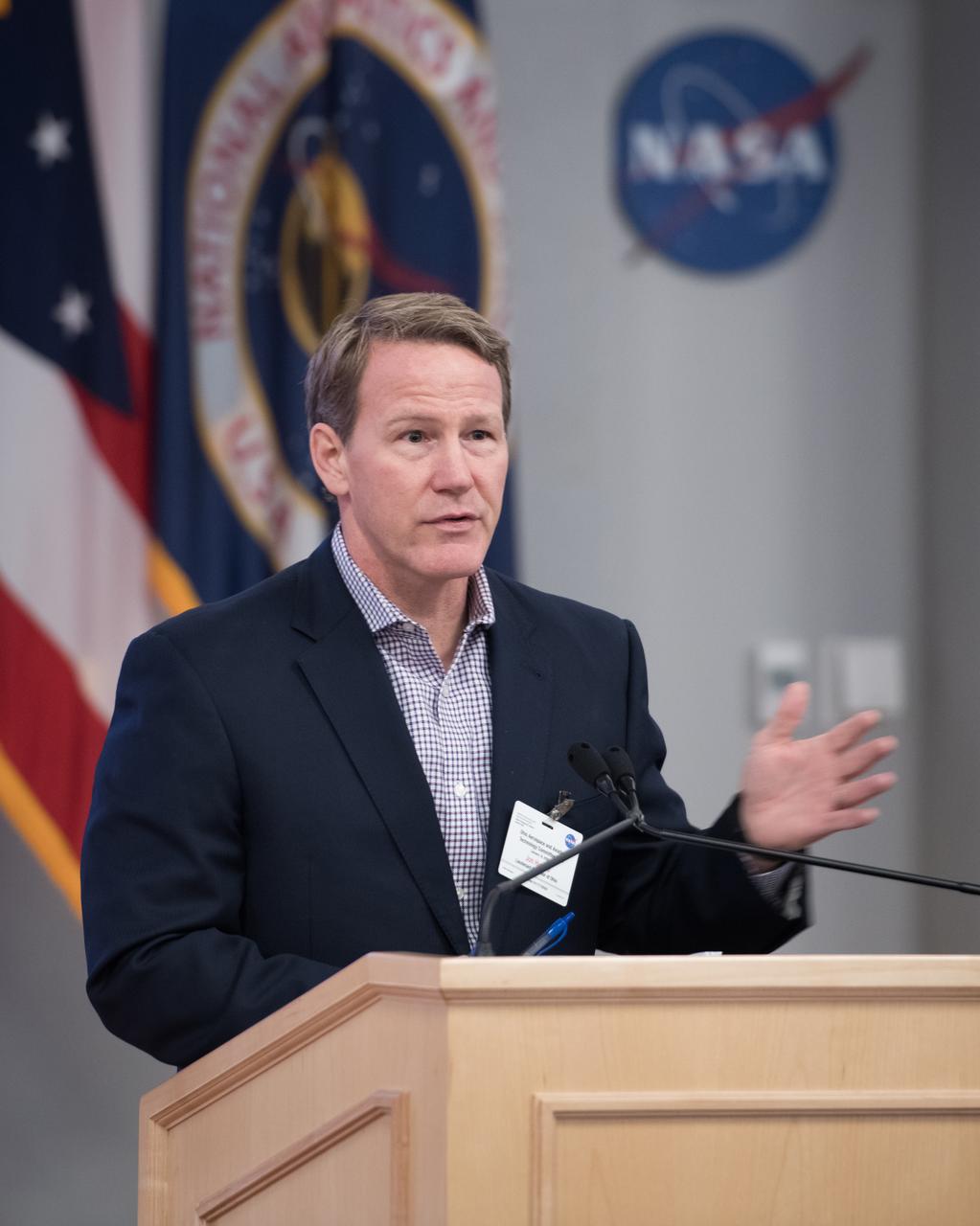
Visit by the Ohio Aerospace and Aviation Technology Committee, OAATC

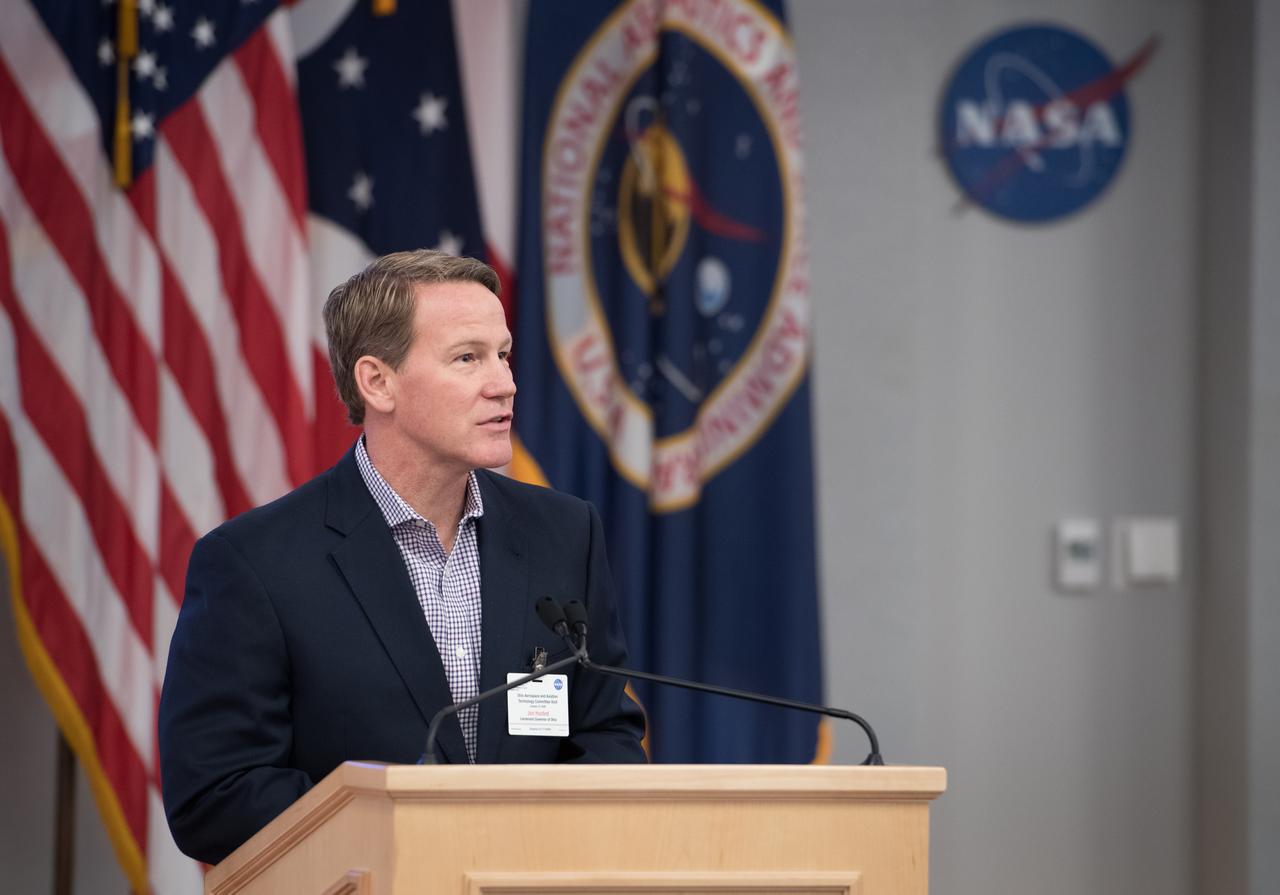
Visit by the Ohio Aerospace and Aviation Technology Committee, OAATC

Visit by the Ohio Aerospace and Aviation Technology Committee, OAATC

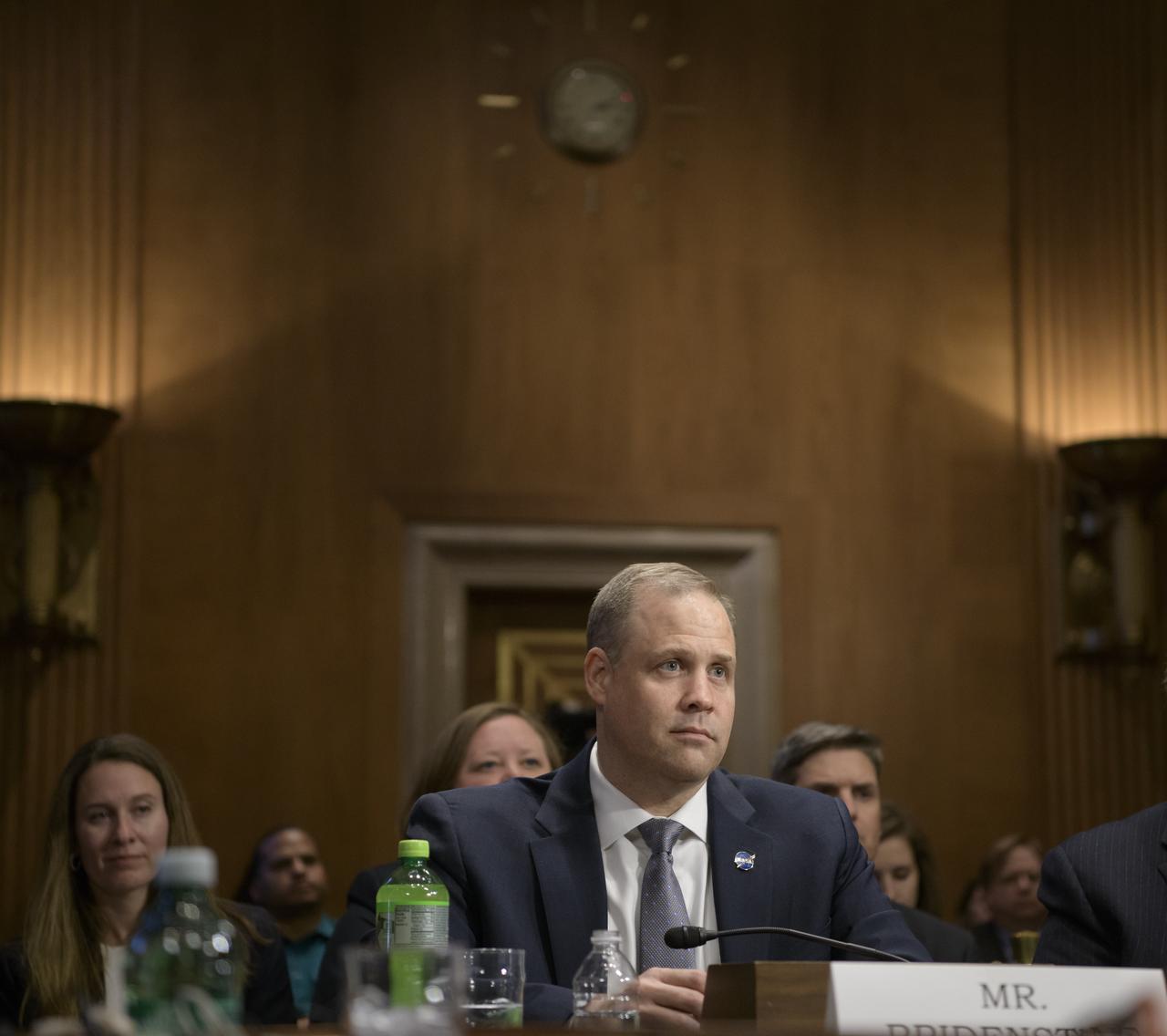
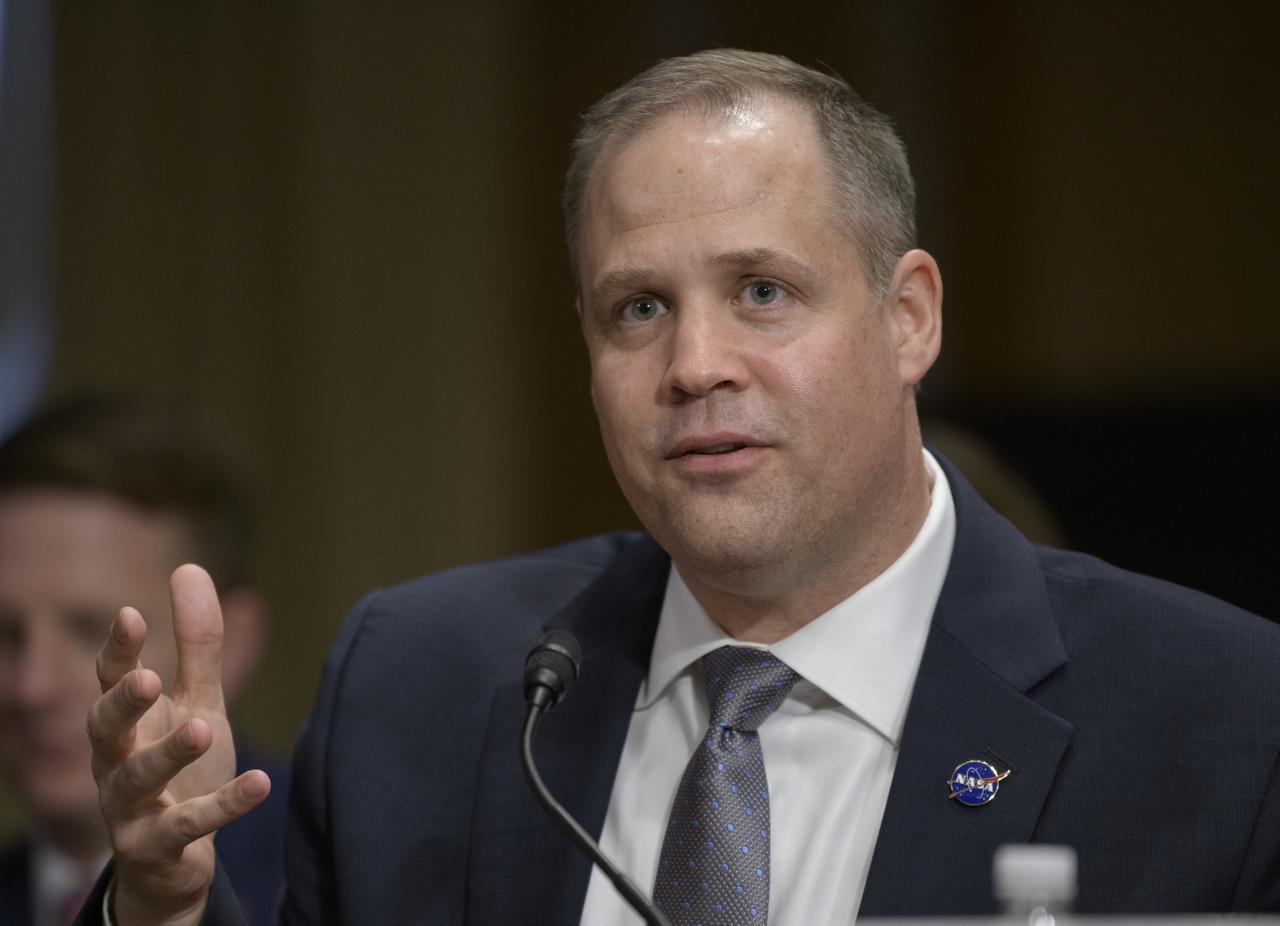
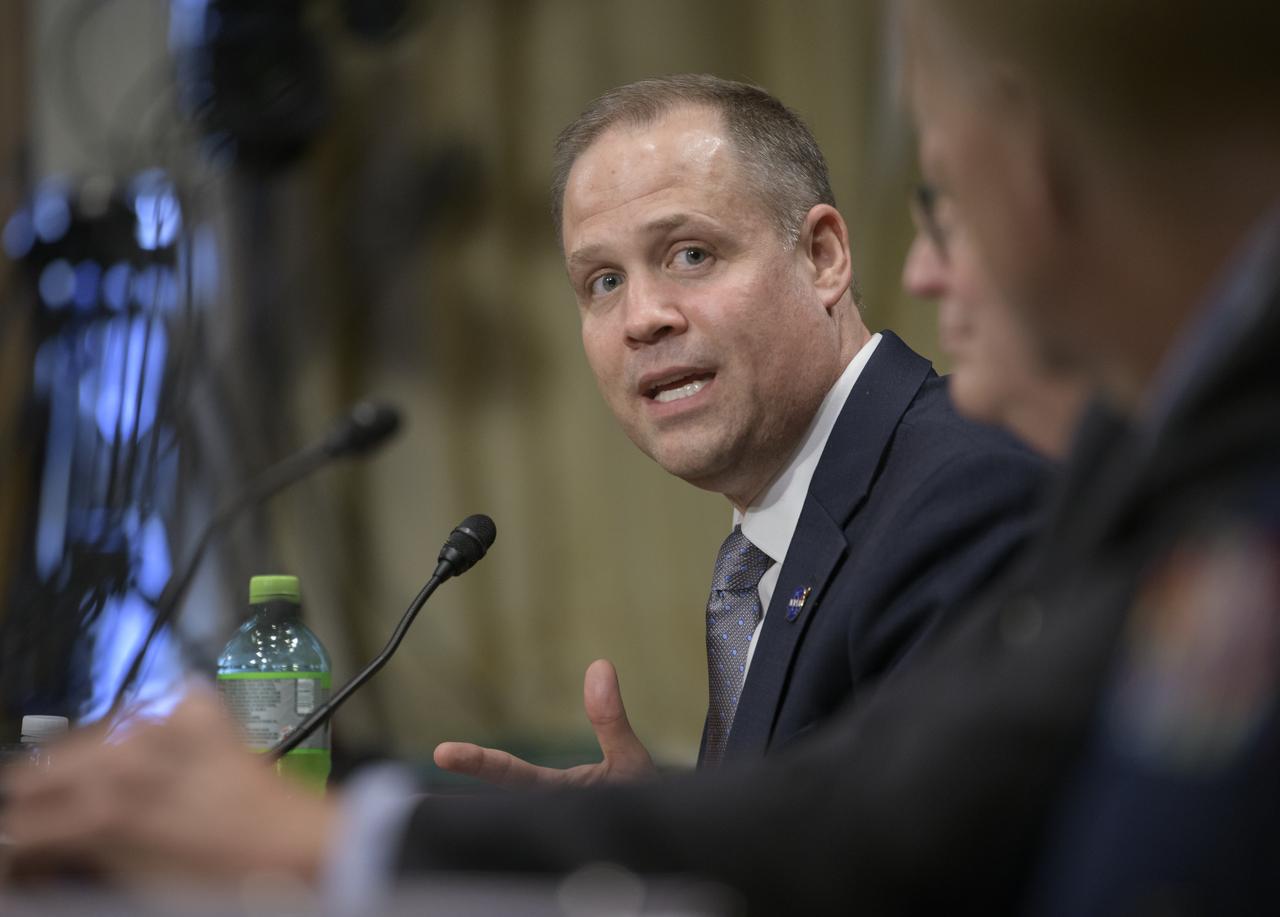
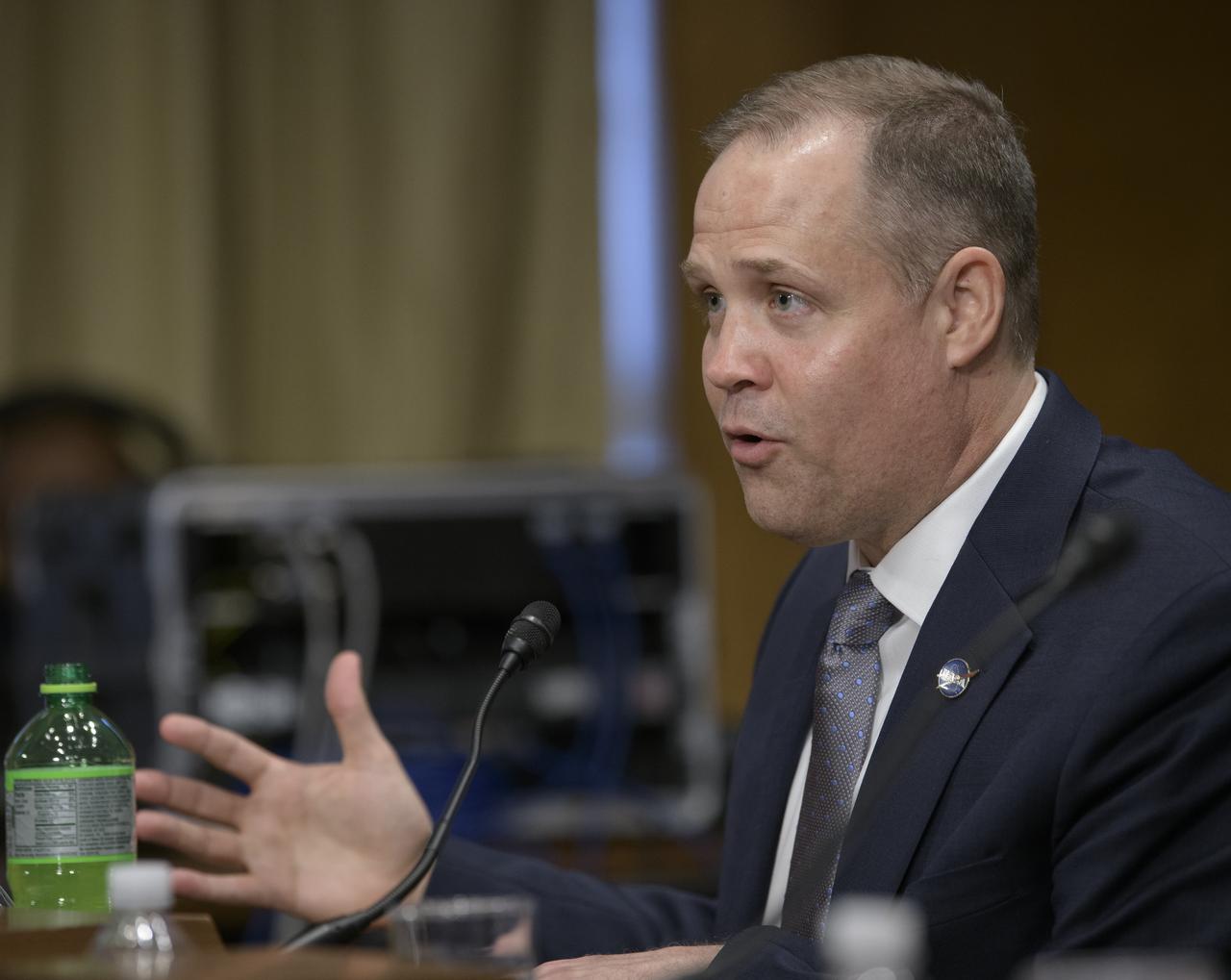
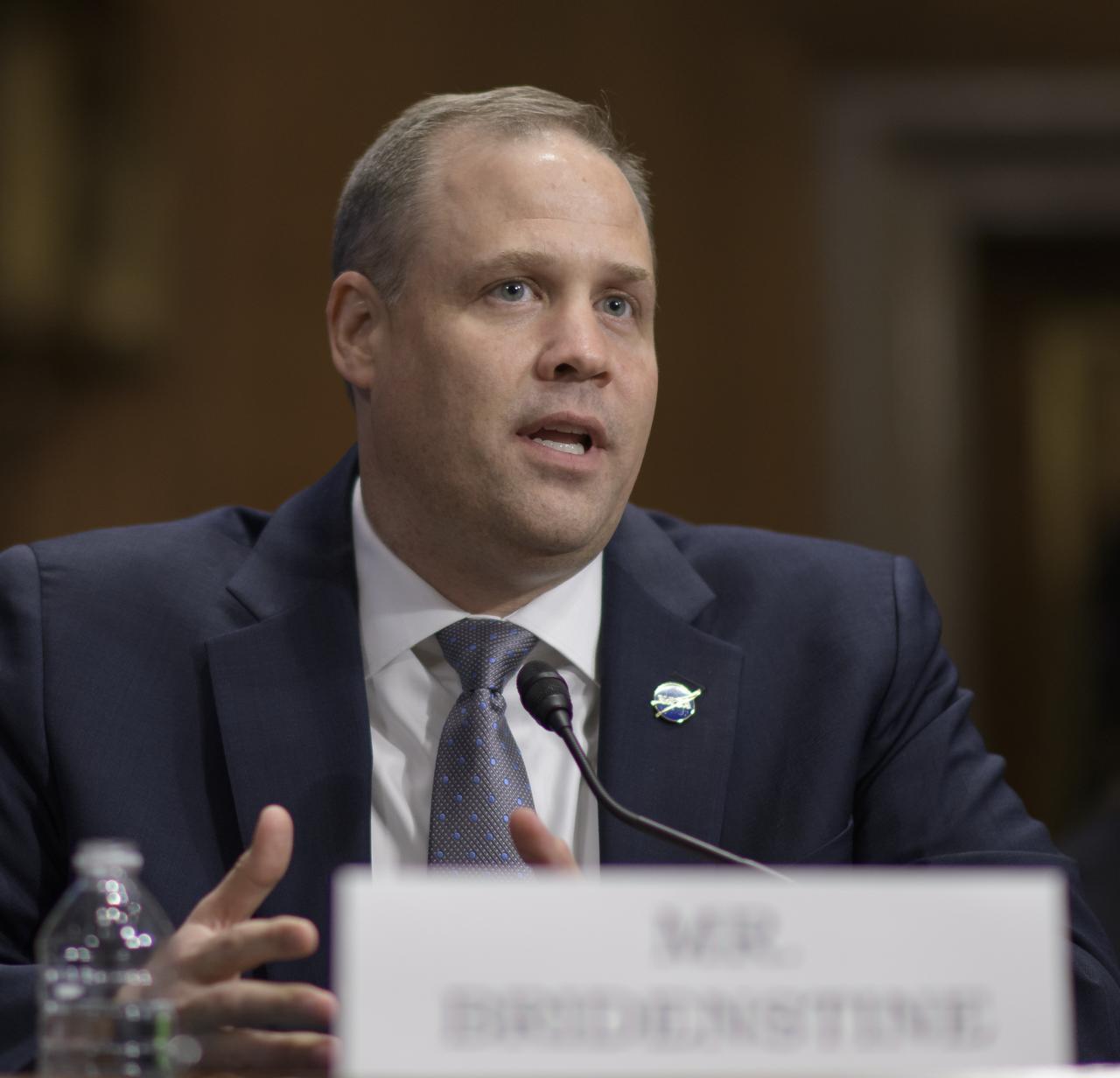
NASA Administrator Jim Bridenstine testifies before the Aviation and Space Subcommittee of the Senate Commerce, Science, and Transportation Committee during a hearing titled “The Emerging Space Environment: Operational, Technical, and Policy Challenges.”, Tuesday, May 14, 2019, at the Dirksen Senate Office Building in Washington. Photo Credit: (NASA/Bill Ingalls)
NASA Administrator Jim Bridenstine testifies before the Aviation and Space Subcommittee of the Senate Commerce, Science, and Transportation Committee during a hearing titled “The Emerging Space Environment: Operational, Technical, and Policy Challenges.”, Tuesday, May 14, 2019, at the Dirksen Senate Office Building in Washington. Photo Credit: (NASA/Bill Ingalls)
NASA Administrator Jim Bridenstine testifies before the Aviation and Space Subcommittee of the Senate Commerce, Science, and Transportation Committee during a hearing titled “The Emerging Space Environment: Operational, Technical, and Policy Challenges.”, Tuesday, May 14, 2019, at the Dirksen Senate Office Building in Washington. Photo Credit: (NASA/Bill Ingalls)
NASA Administrator Jim Bridenstine testifies before the Aviation and Space Subcommittee of the Senate Commerce, Science, and Transportation Committee during a hearing titled “The Emerging Space Environment: Operational, Technical, and Policy Challenges.”, Tuesday, May 14, 2019, at the Dirksen Senate Office Building in Washington. Photo Credit: (NASA/Bill Ingalls)
NASA Administrator Jim Bridenstine testifies before the Aviation and Space Subcommittee of the Senate Commerce, Science, and Transportation Committee during a hearing titled “The Emerging Space Environment: Operational, Technical, and Policy Challenges.”, Tuesday, May 14, 2019, at the Dirksen Senate Office Building in Washington. Photo Credit: (NASA/Bill Ingalls)
NASA Administrator Jim Bridenstine testifies before the Aviation and Space Subcommittee of the Senate Commerce, Science, and Transportation Committee during a hearing titled “The Emerging Space Environment: Operational, Technical, and Policy Challenges.”, Tuesday, May 14, 2019, at the Dirksen Senate Office Building in Washington. Photo Credit: (NASA/Bill Ingalls)
Sen. Ted Cruz, R-Texas, chairman of the Subcommittee on Aviation and Space, holds a hearing titled “The Emerging Space Environment: Operational, Technical, and Policy Challenges.”, Tuesday, May 14, 2019, at the Dirksen Senate Office Building in Washington. Photo Credit: (NASA/Bill Ingalls)

Sen. Kyrsten Sinema, D-AZ, ask a question during the Aviation and Space Subcommittee of the Senate Commerce, Science, and Transportation Committee hearing titled “The Emerging Space Environment: Operational, Technical, and Policy Challenges.”, Tuesday, May 14, 2019, at the Dirksen Senate Office Building in Washington. Photo Credit: (NASA/Bill Ingalls)
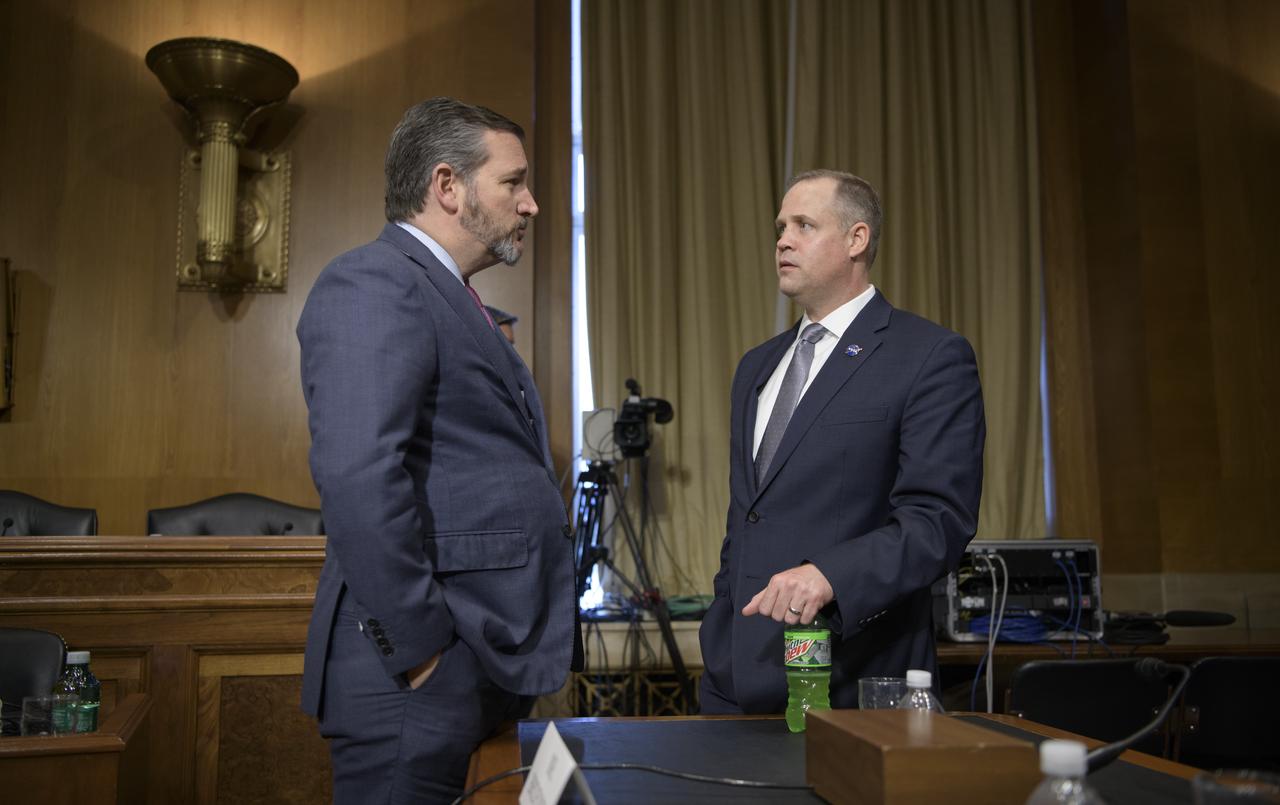
Sen. Ted Cruz, R-Texas, chairman of the Subcommittee on Aviation and Space, left, and NASA Administrator Jim Bridenstine talk after a hearing titled “The Emerging Space Environment: Operational, Technical, and Policy Challenges.”, Tuesday, May 14, 2019, at the Dirksen Senate Office Building in Washington. Photo Credit: (NASA/Bill Ingalls)
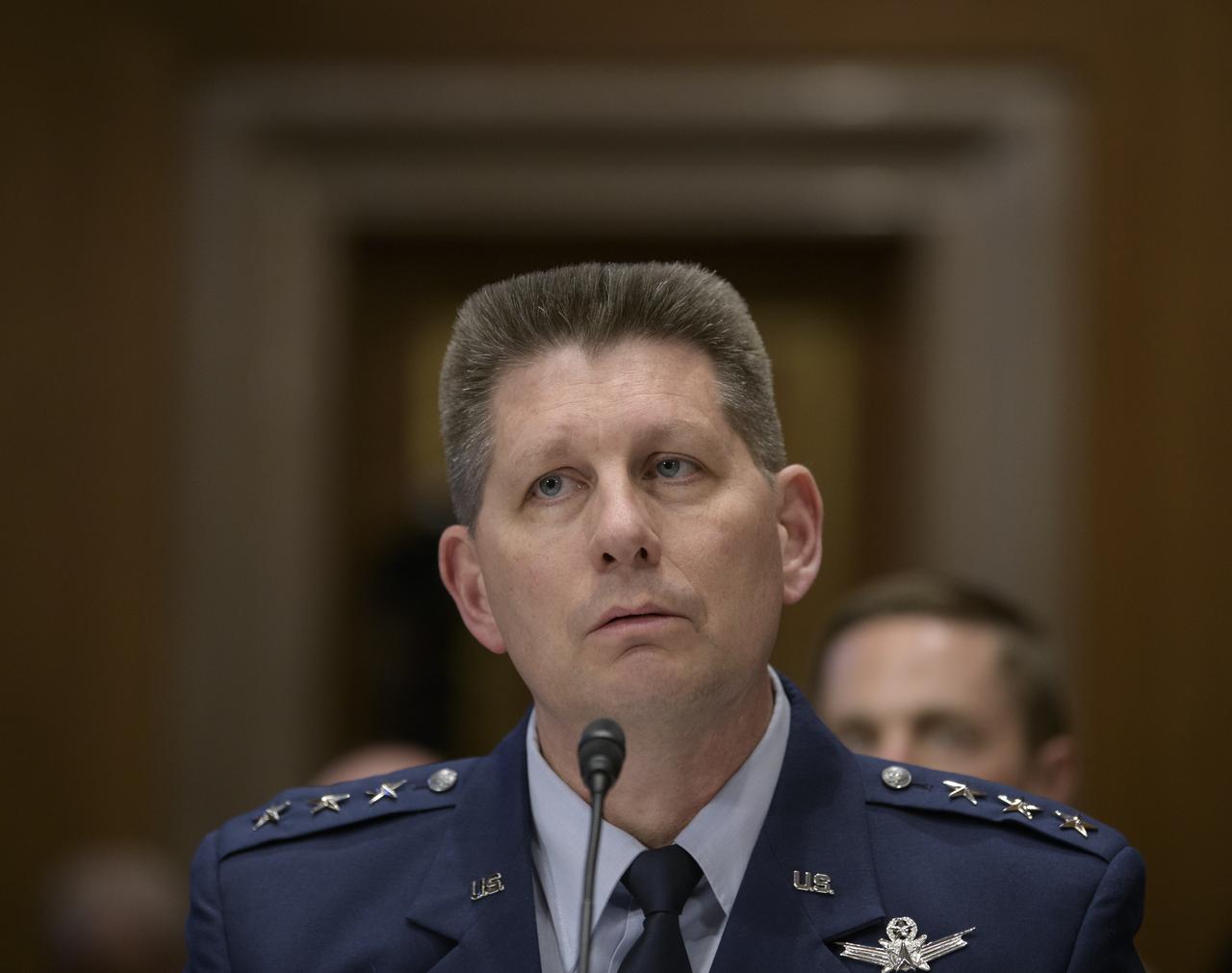
Lt. Gen. David D. Thompson, Vice Commander, Space Command, United States Air Force testifies before the Aviation and Space Subcommittee of the Senate Commerce, Science, and Transportation Committee during a hearing titled “The Emerging Space Environment: Operational, Technical, and Policy Challenges.”, Tuesday, May 14, 2019, at the Dirksen Senate Office Building in Washington. Photo Credit: (NASA/Bill Ingalls)

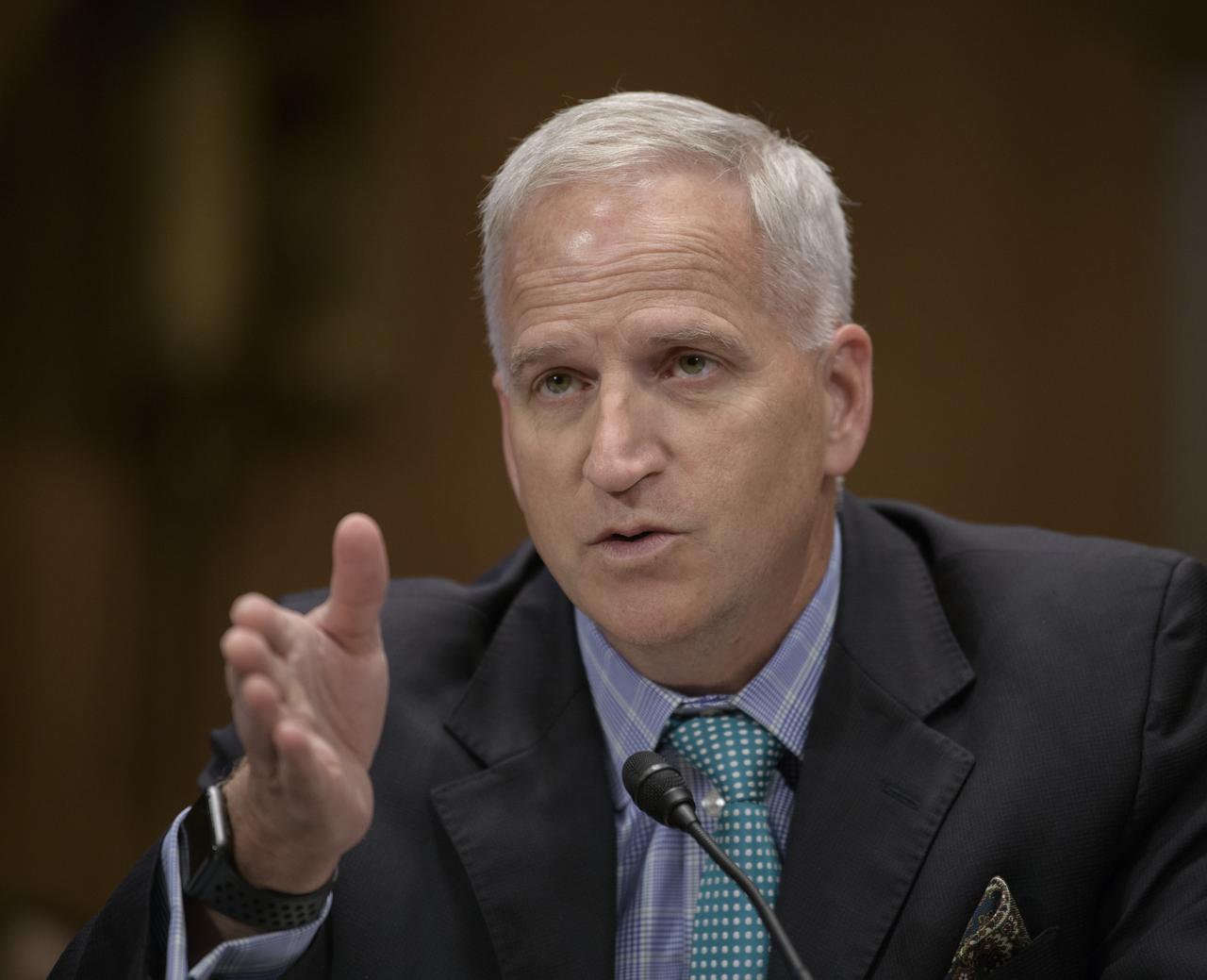
Robert Cardillo, Former Director, National Geospatial-Intelligence Agency testifies before the Aviation and Space Subcommittee of the Senate Commerce, Science, and Transportation Committee during a hearing titled “The Emerging Space Environment: Operational, Technical, and Policy Challenges.”, Tuesday, May 14, 2019, at the Dirksen Senate Office Building in Washington. Photo Credit: (NASA/Bill Ingalls)
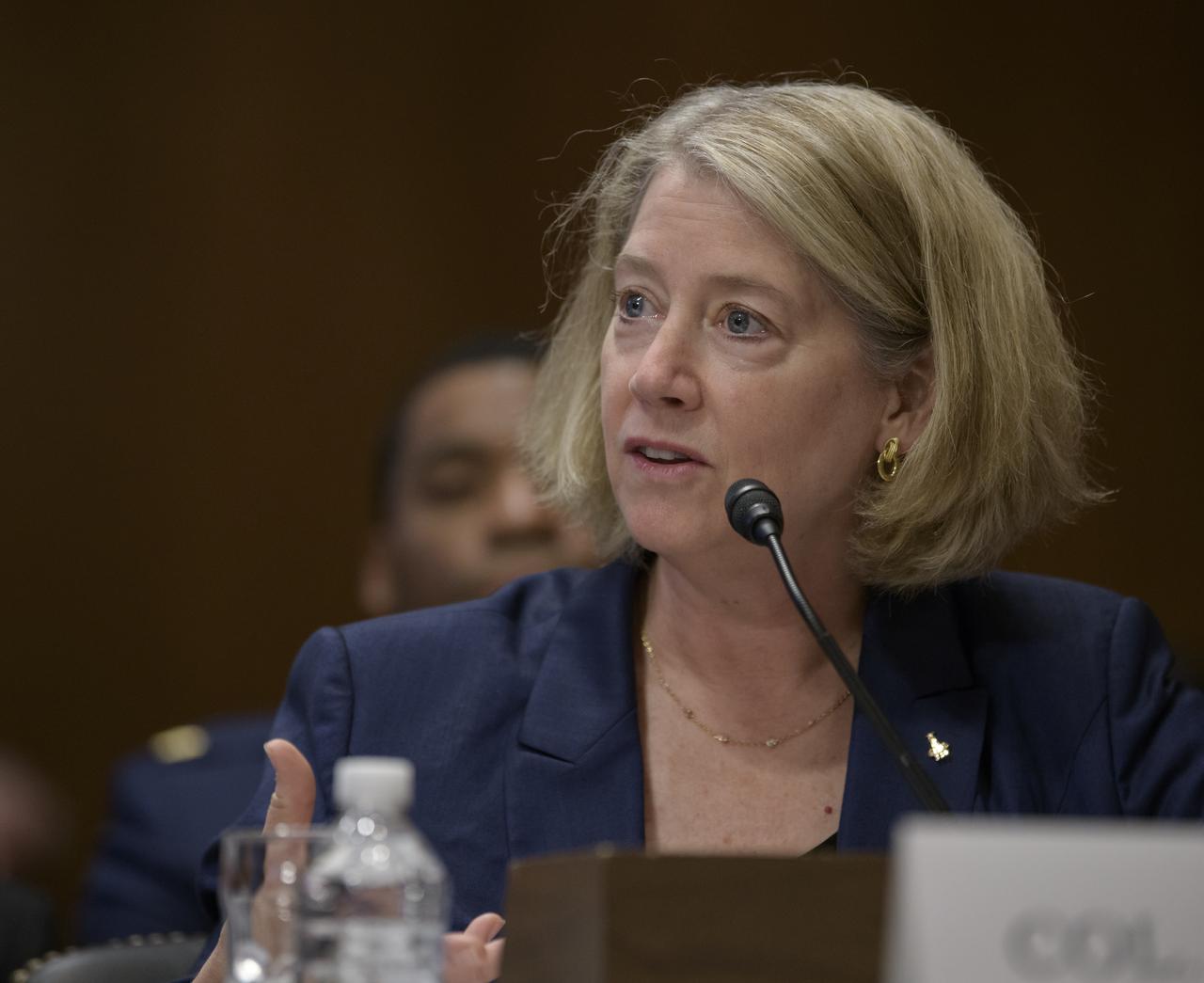
Col. Pamela A. Melroy, United States Air Force (ret.) (former astronaut) testifies before the Aviation and Space Subcommittee of the Senate Commerce, Science, and Transportation Committee during a hearing titled “The Emerging Space Environment: Operational, Technical, and Policy Challenges.”, Tuesday, May 14, 2019, at the Dirksen Senate Office Building in Washington. Photo Credit: (NASA/Bill Ingalls)
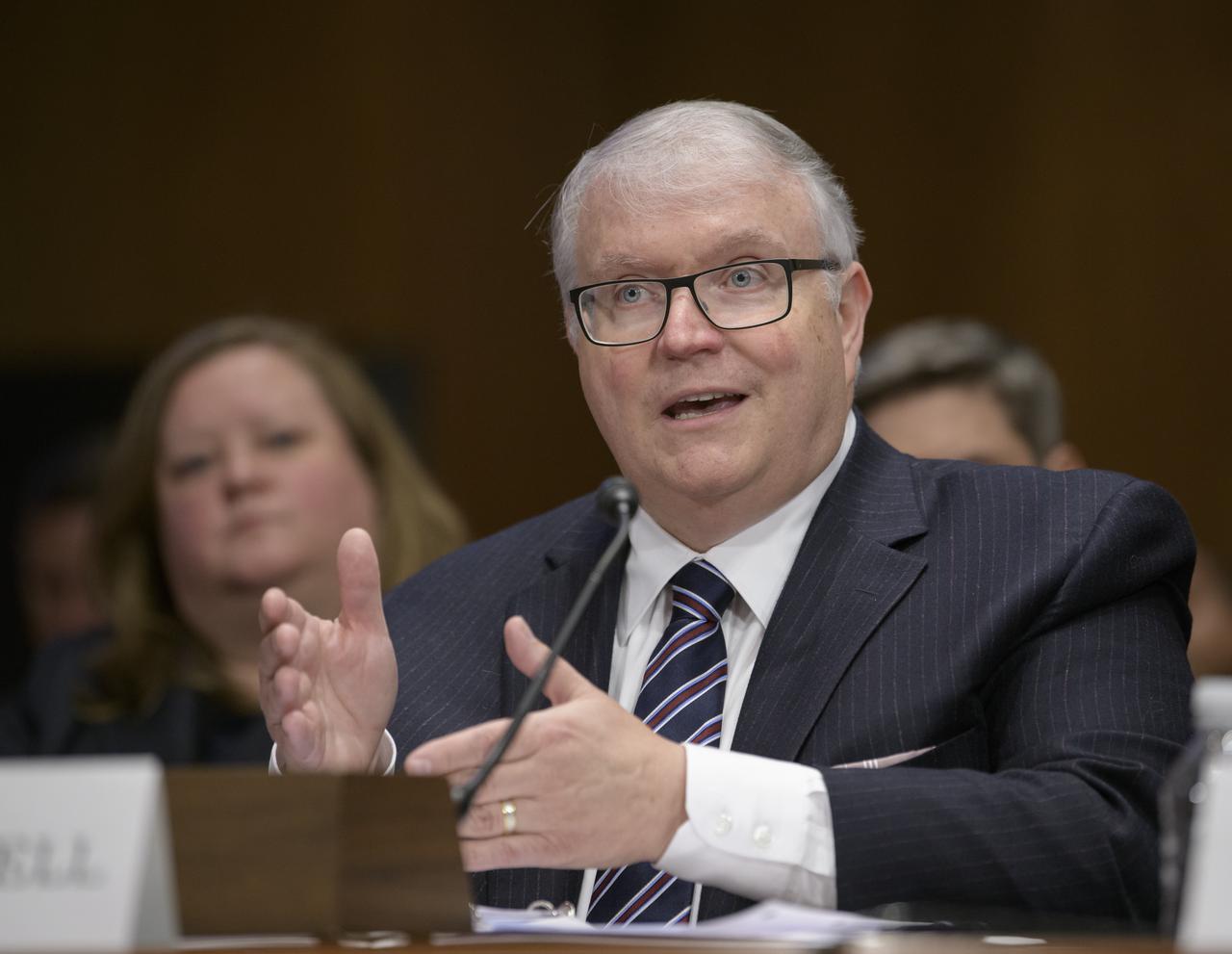
Kevin O’Connell, Director, Office of Space Commerce, Department of Commerce testifies before the Aviation and Space Subcommittee of the Senate Commerce, Science, and Transportation Committee during a hearing titled “The Emerging Space Environment: Operational, Technical, and Policy Challenges.”, Tuesday, May 14, 2019, at the Dirksen Senate Office Building in Washington. Photo Credit: (NASA/Bill Ingalls)
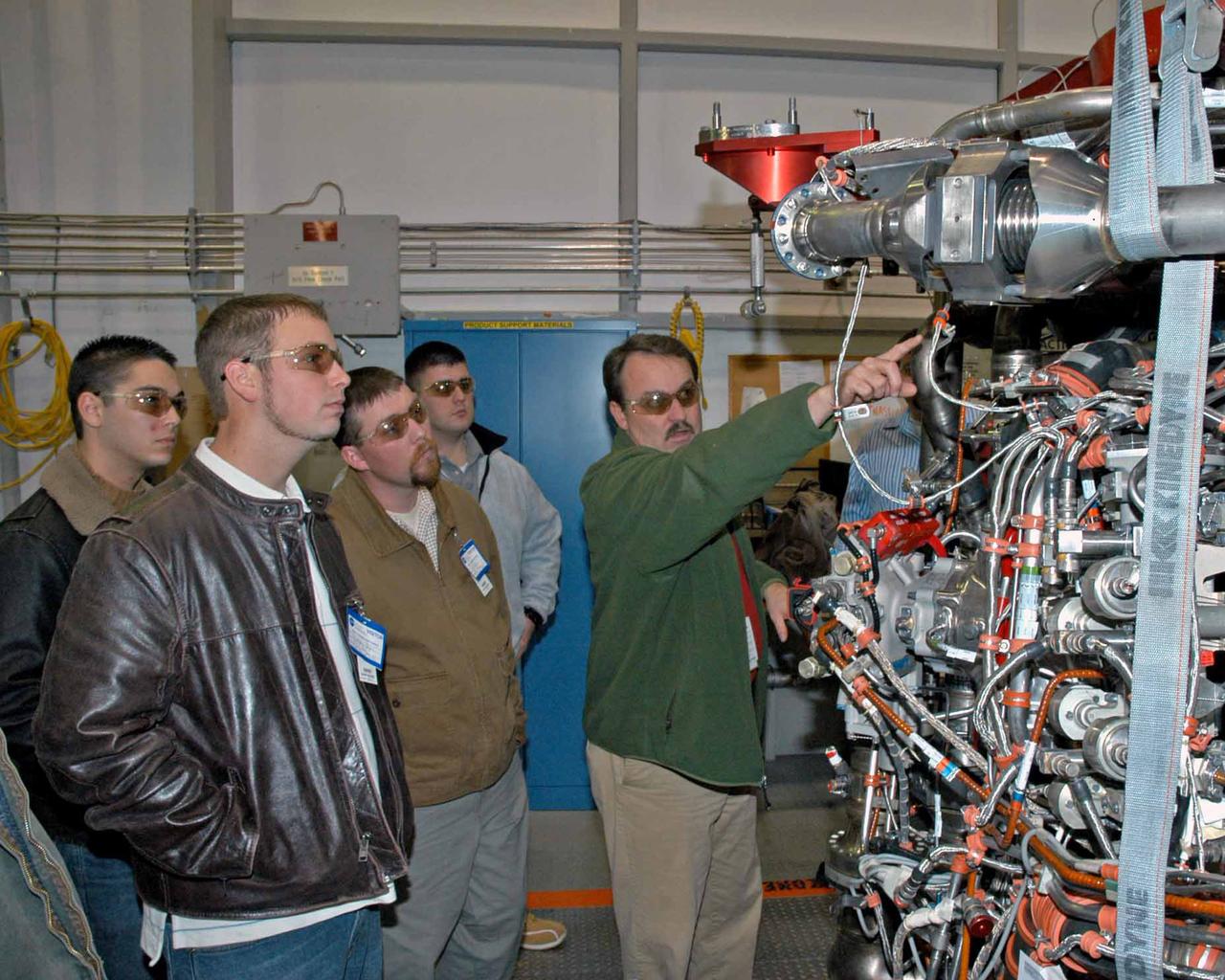
Pratt & Whitney Rocketdyne's Jeff Hansell, right, explains functions of a space shuttle main engine to Pearl River Community College Aviation Maintenance Technology Program students. Christopher Bryon, left, of Bay St. Louis, Ret Tolar of Kiln, Dan Holston of Baxterville and Billy Zugg of Long Beach took a recent tour of the SSME Processing Facility and the E-1 Test Complex at Stennis Space Center in South Mississippi. The students attend class adjacent to the Stennis International Airport tarmac in Kiln, where they get hands-on experience. PRCC's program prepares students to be responsible for the inspection, repair and maintenance of technologically advanced aircraft. A contractor to NASA, Pratt & Whitney Rocketdyne in Canoga Park, Calif., manufactures the space shuttle main engine and its high-pressure turbo pumps. SSC was established in the 1960s to test the huge engines for the Saturn V moon rockets. Now 40 years later, the center tests every main engine for the space shuttle, and is America's largest rocket engine test complex. SSC will soon begin testing the rocket engines that will power spacecraft carrying Americans back to the moon and on to Mars.

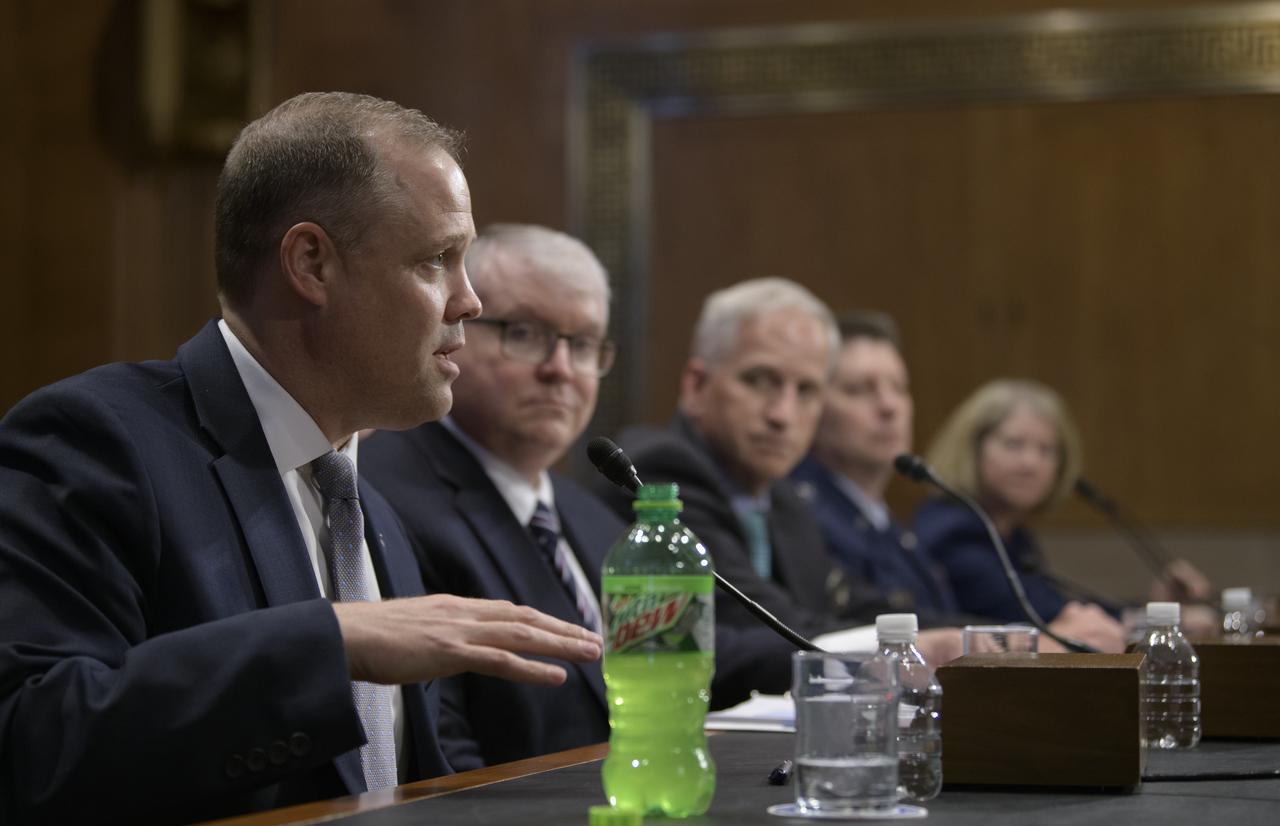
NASA Administrator Jim Bridenstine, left, and Kevin O’Connell, Director, Office of Space Commerce, Department of Commerce testify before the Aviation and Space Subcommittee of the Senate Commerce, Science, and Transportation Committee during a hearing titled “The Emerging Space Environment: Operational, Technical, and Policy Challenges.”, Tuesday, May 14, 2019, at the Dirksen Senate Office Building in Washington. Photo Credit: (NASA/Bill Ingalls)
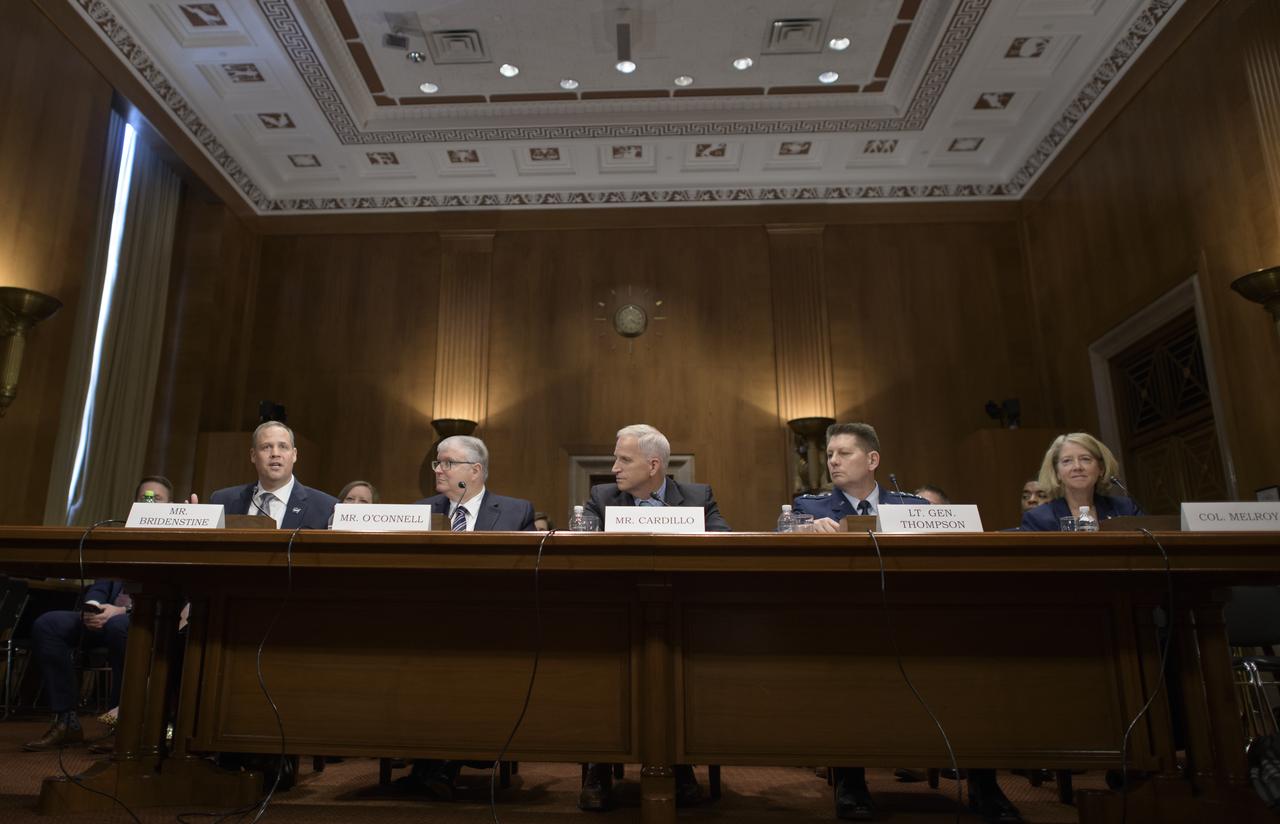
NASA Administrator Jim Bridenstine, left, Kevin O’Connell, Director, Office of Space Commerce, Department of Commerce, Robert Cardillo, Former Director, National Geospatial-Intelligence Agency, Lt. Gen. David D. Thompson, Vice Commander, Space Command, United States Air Force, and Col. Pamela A. Melroy, United States Air Force (ret.) (former astronaut), right, testify before the Senate Aviation and Space Subcommittee during a hearing titled “The Emerging Space Environment: Operational, Technical, and Policy Challenges.”, Tuesday, May 14, 2019, at the Dirksen Senate Office Building in Washington. Photo Credit: (NASA/Bill Ingalls)
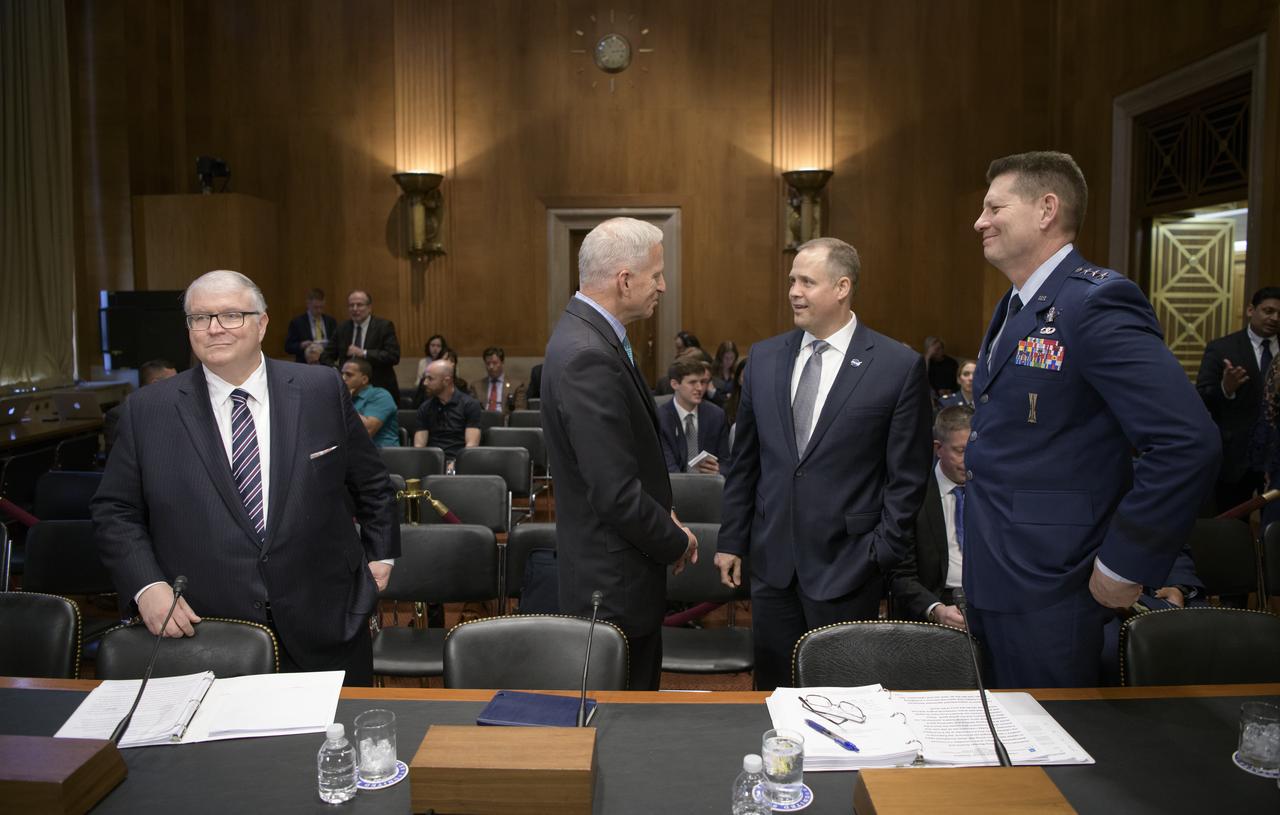
Kevin O’Connell, Director, Office of Space Commerce, Department of Commerce, left, Robert Cardillo, Former Director, National Geospatial-Intelligence Agency, NASA Administrator Jim Bridenstine, and Lt. Gen. David D. Thompson, Vice Commander, Space Command, United States Air Force, right, gather ahead of testifying along with Col. Pamela A. Melroy, United States Air Force (ret.) (former astronaut), before the Aviation and Space Subcommittee of the Senate Commerce, Science, and Transportation Committee, Tuesday, May 14, 2019, at the Dirksen Senate Office Building in Washington. Photo Credit: (NASA/Bill Ingalls)
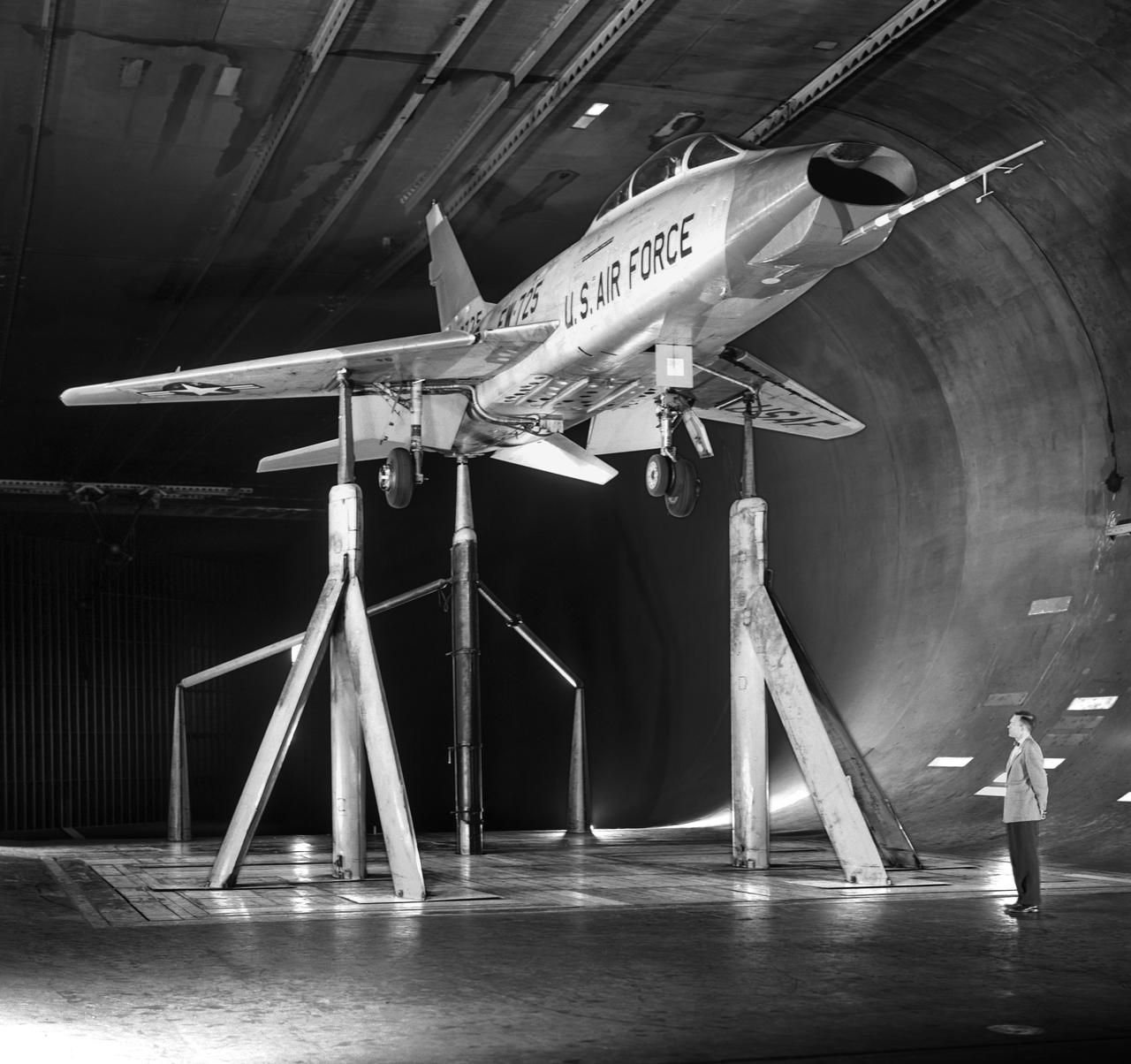
North American F-100-F airplane, equipped with thrust reversers, full scale wind tunnel test. 3/4 front view of F-100-F airplane with North American Aviation thrust reverser. On standard 40x80 struts landing gear down. Mark Kelly, branch chief in photo.

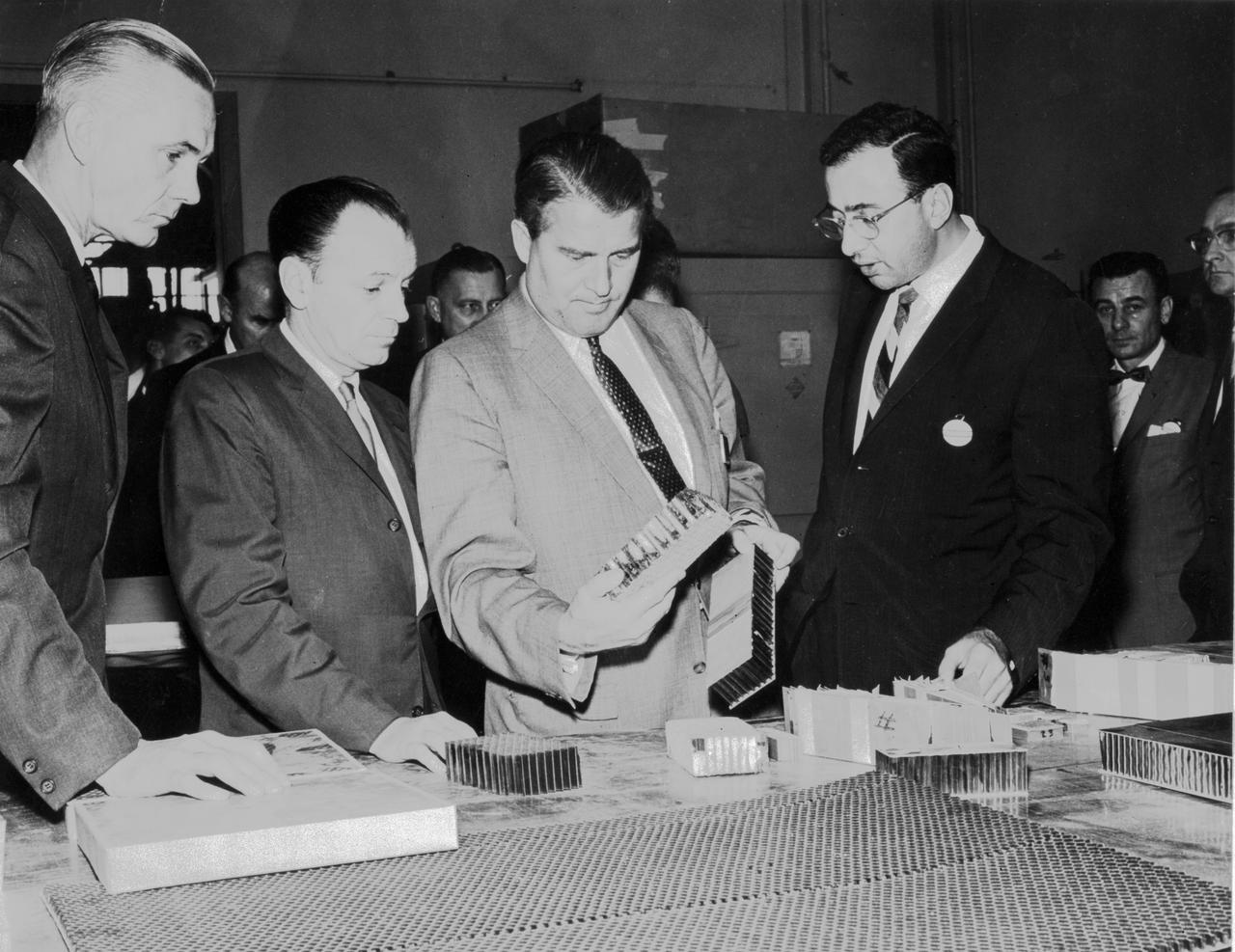
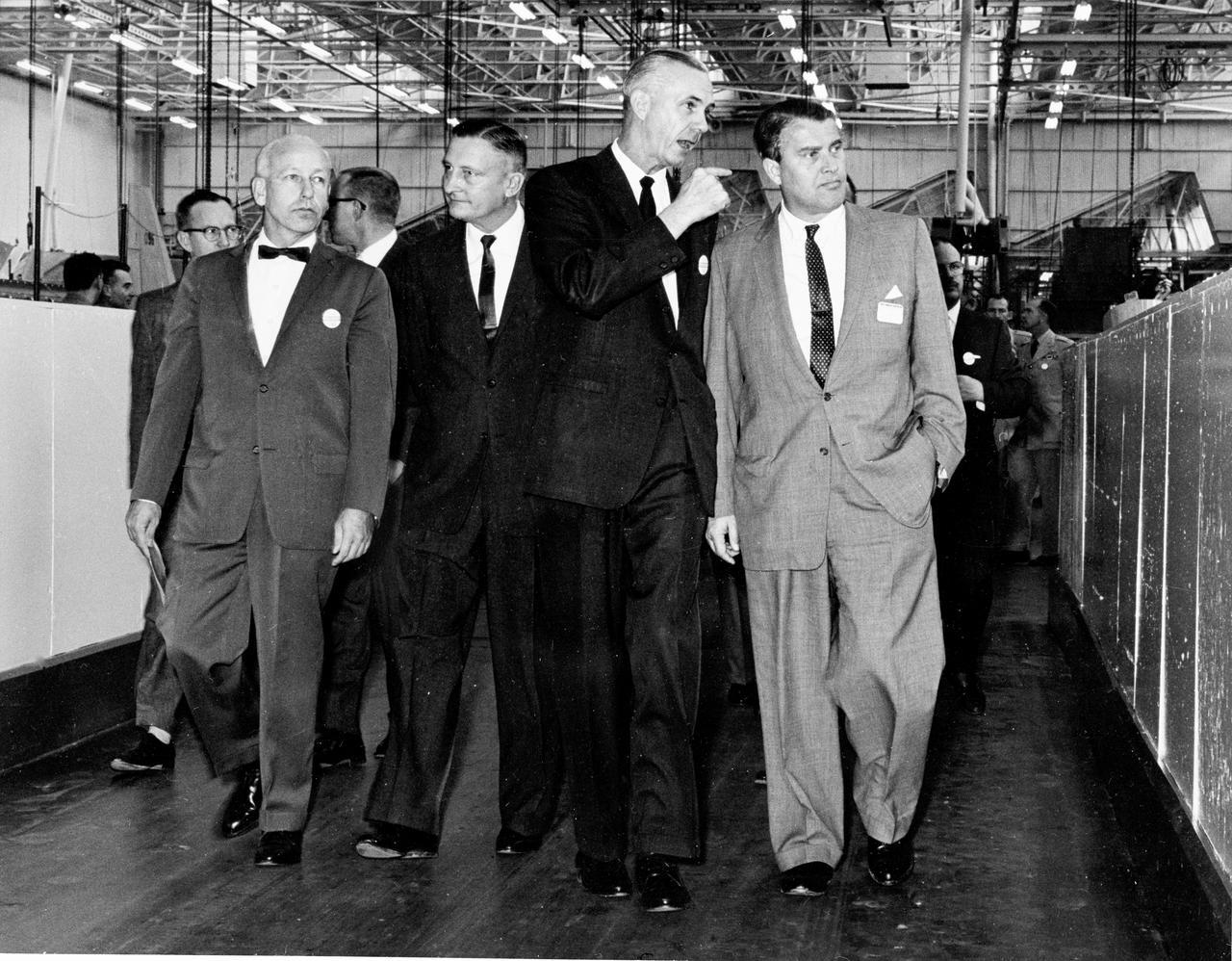
This is a photograph of Dr. von Braun, taken in 1961, visiting North American Aviation's Space and Information Systems Division in Downey, California.

Dr. Wernher von Braun, Director of the Marshall Space Flight Center (MSFC), during his tour of the Space information Division of North American Aviation (NAA) in Downey, California, where the Saturn SII stage was developed.
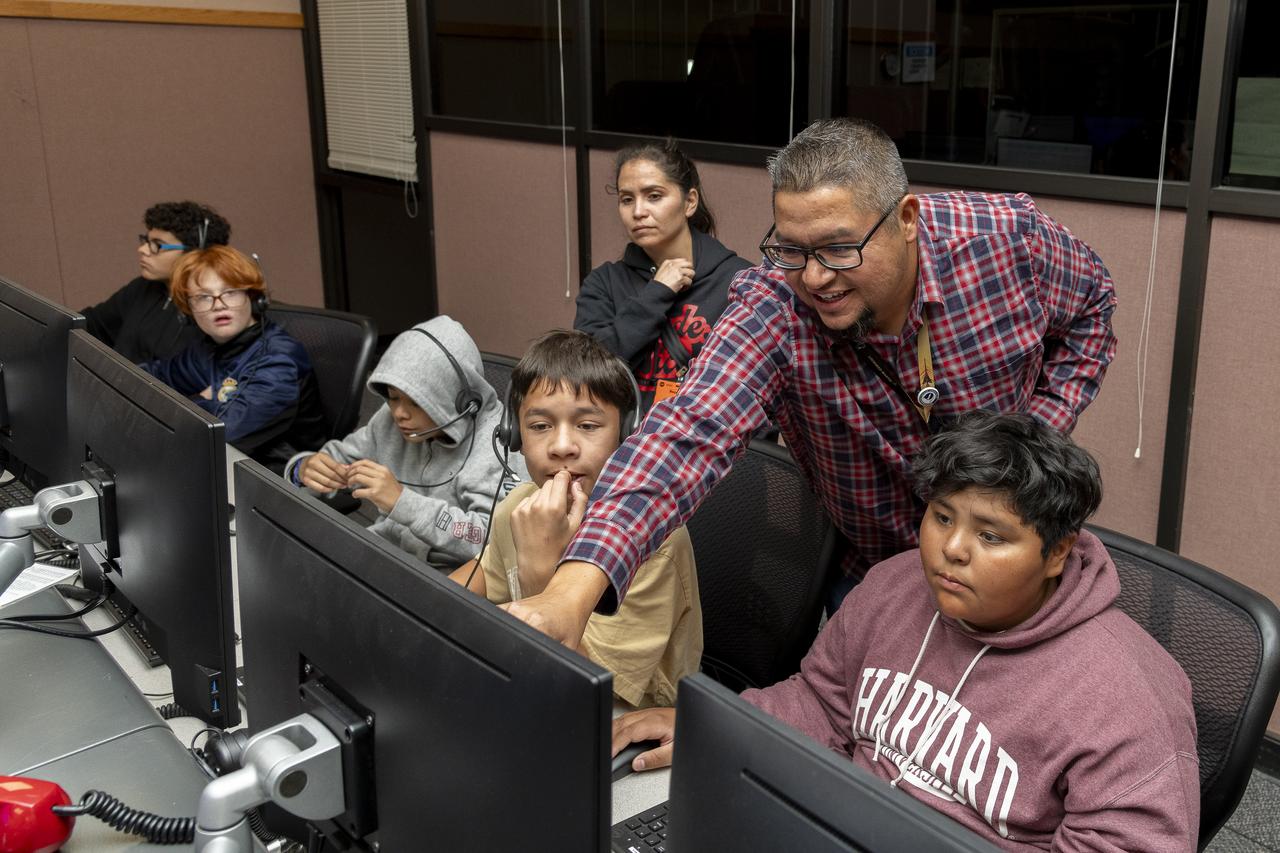
A group of middle school students and their teachers sit in the control room for a hands-on experience at NASA’s Armstrong Flight Research Center in Edwards, California during an event hosted by NASA’s California Office of STEM Engagement for National Aviation History Month.

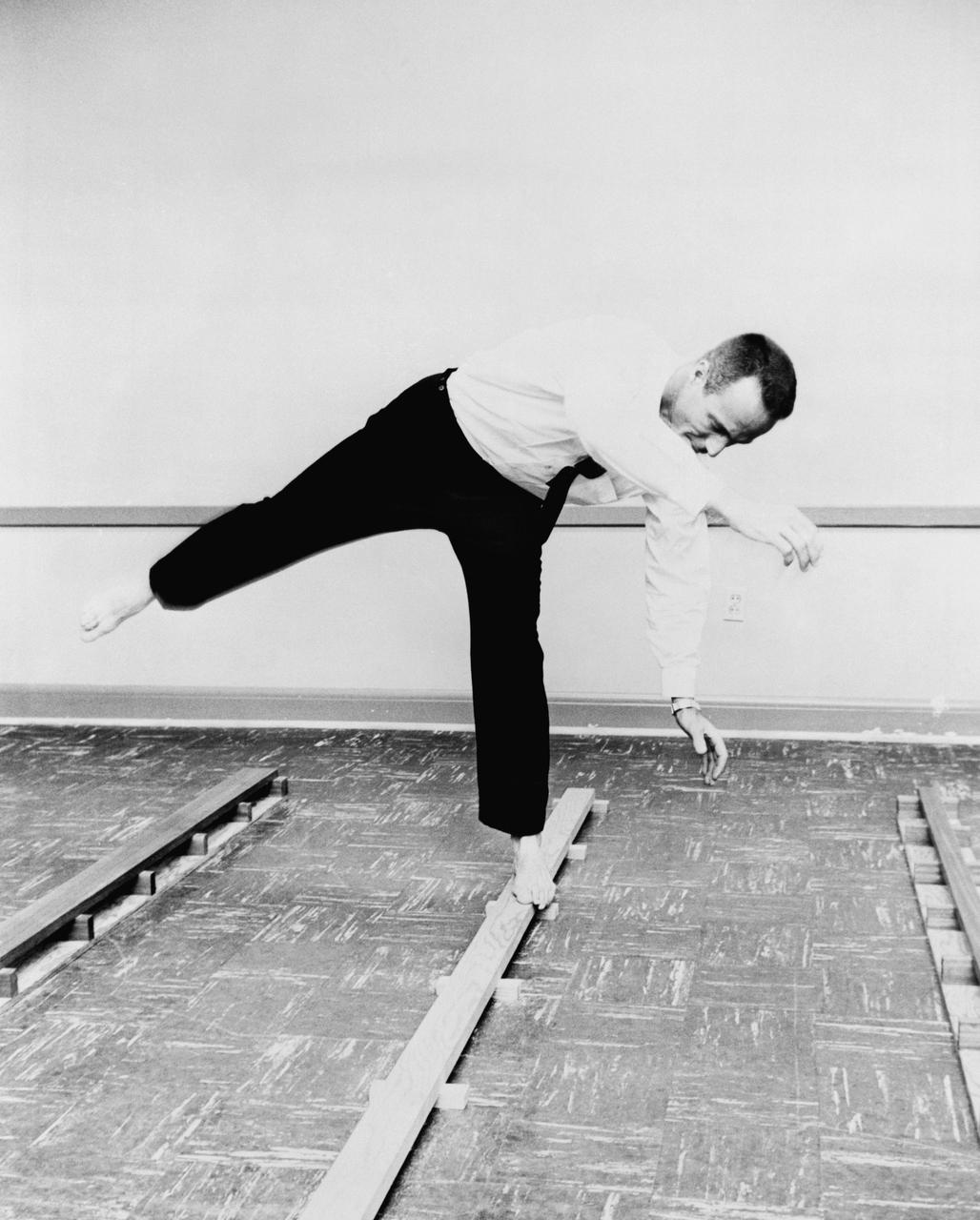
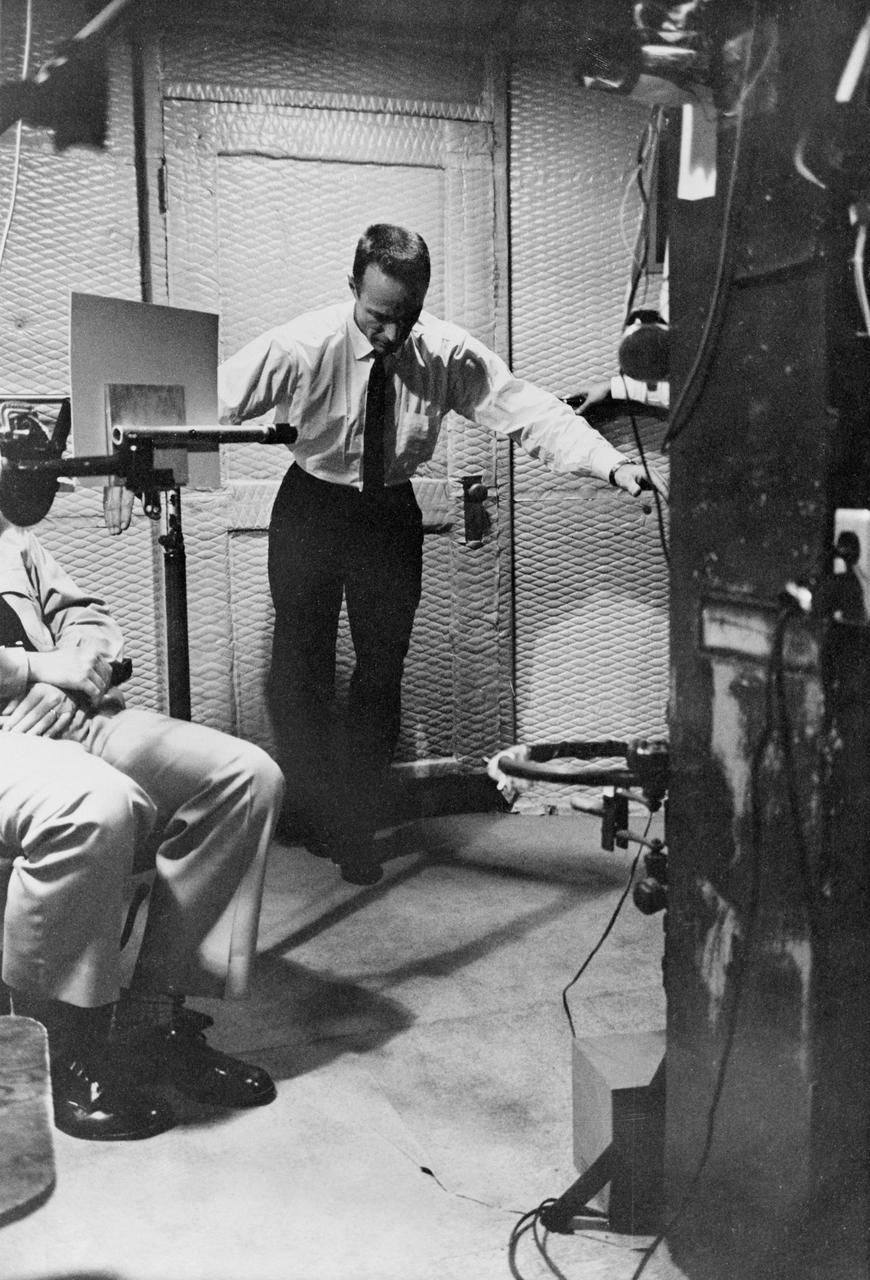
S61-04570 (1961) --- Astronaut M. Scott Carpenter's balance mechanism performance is tested by his walking on a narrow board in his bare feet. He is performing this test at the School of Aviation Medicine, Pensacola, Florida. Photo credit: NASA
S61-04571 (1961) --- Astronaut M. Scott Carpenter's balance mechanism performance is tested as he walks a straight line by putting one foot directly in front of the other. He is performing this test at the School of Aviation Medicine, Pensicola, Florida. Photo credit: NASA

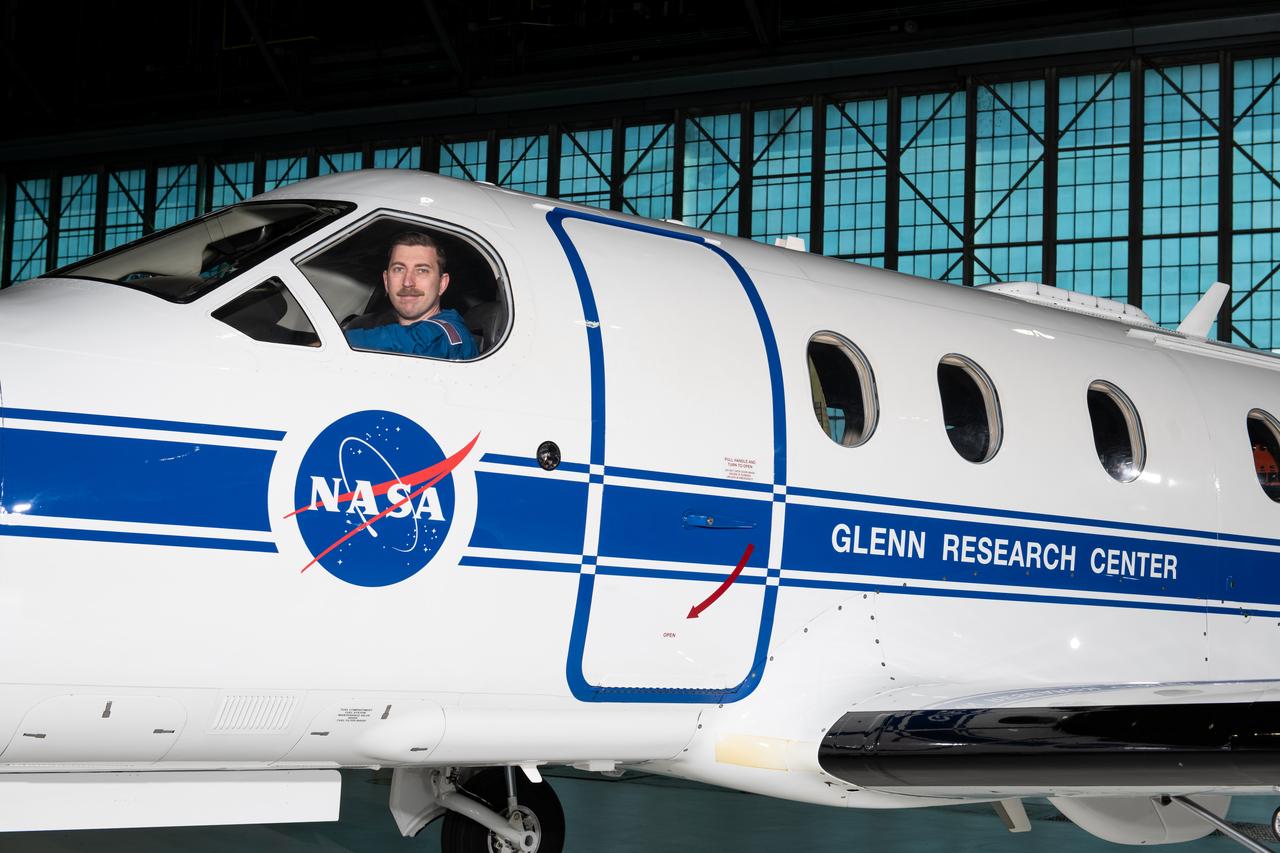
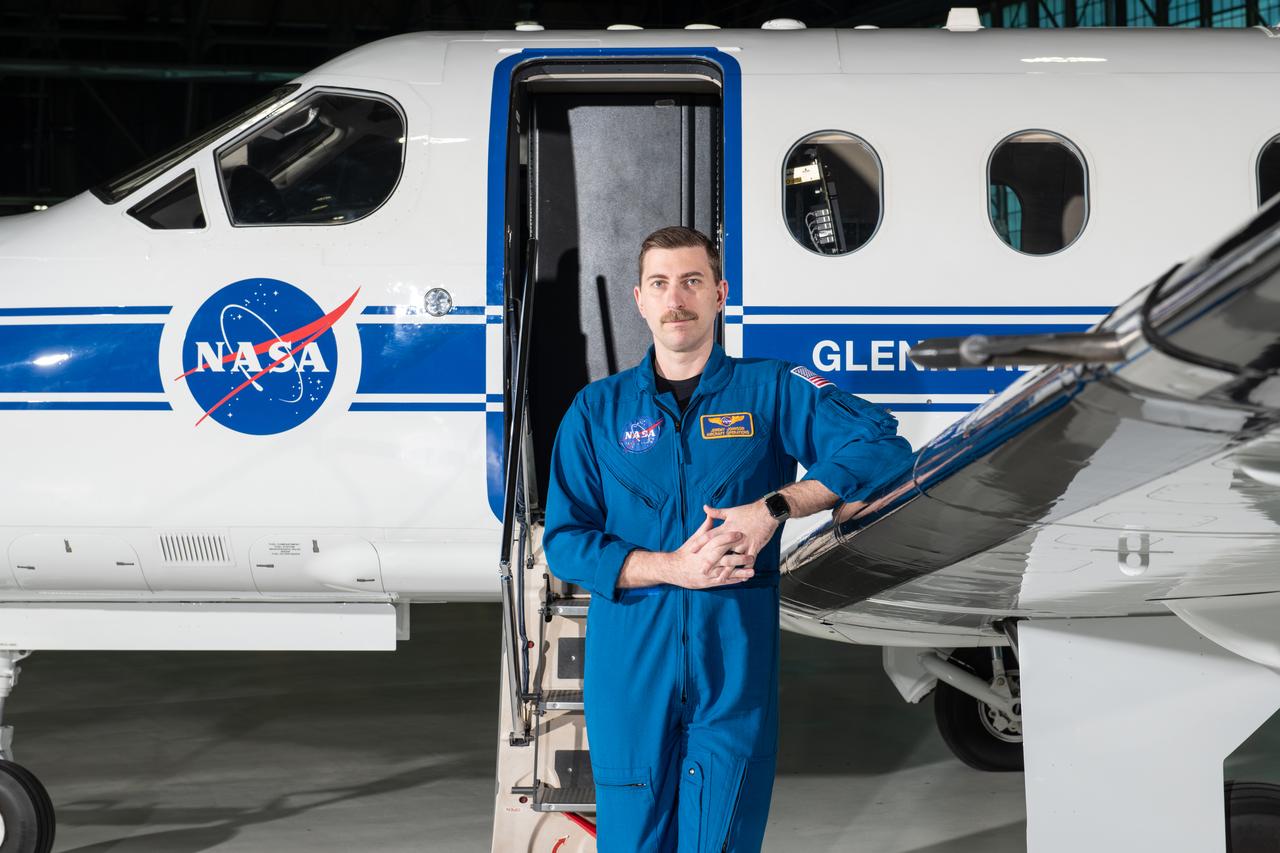
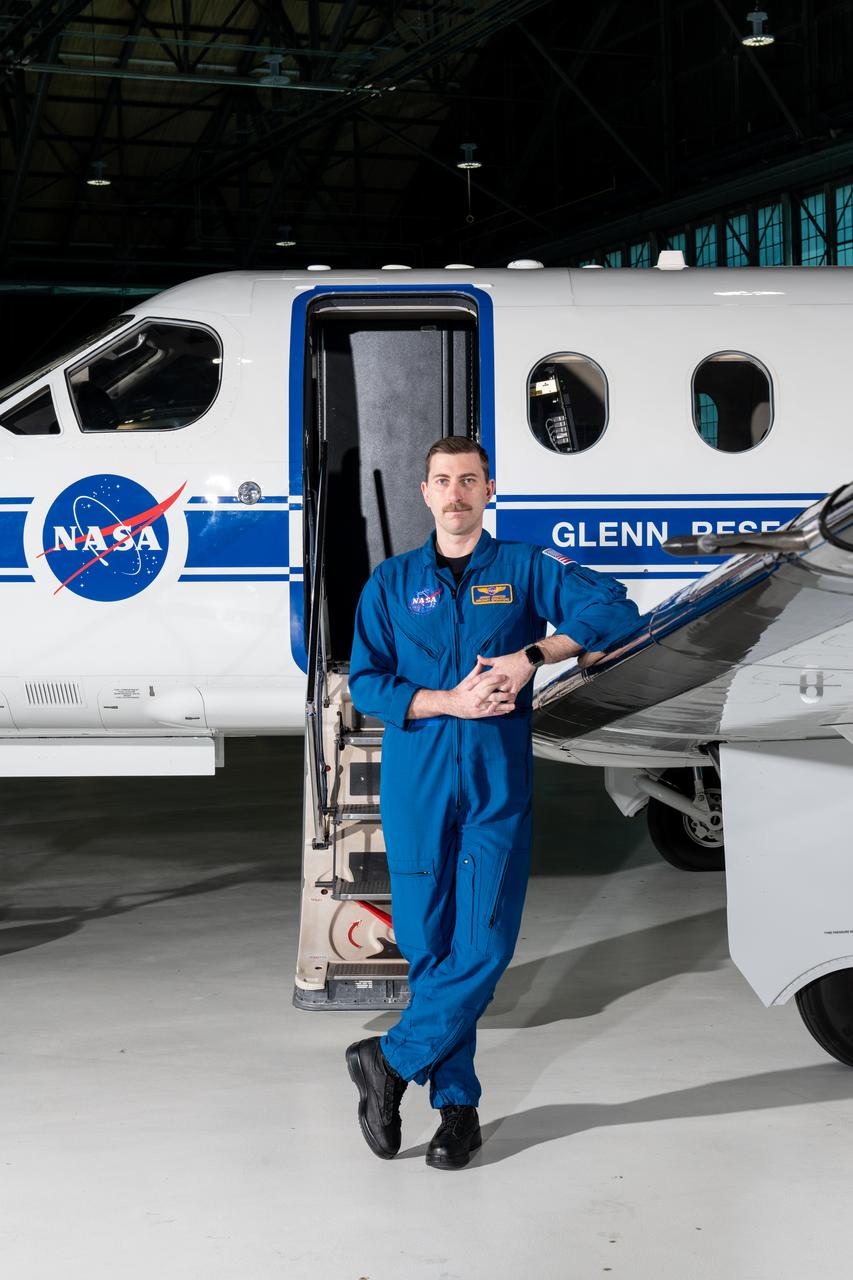
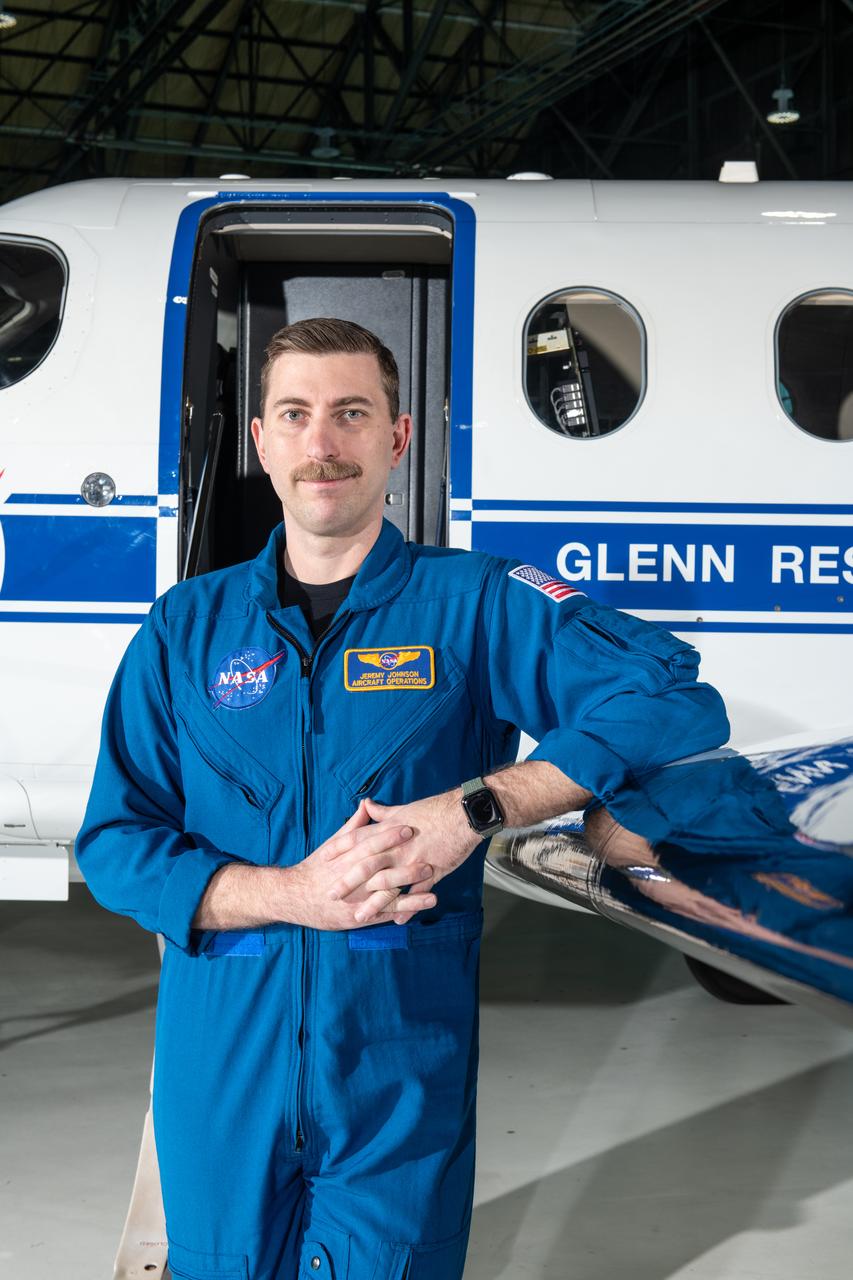
Jeremy Johnson, a research pilot and aviation safety officer, poses in front of a PC-12 aircraft inside the hangar at NASA’s Glenn Research Center in Cleveland on Thursday, April 17, 2025. Johnson flies NASA planes to support important scientific research and testing, working with researchers to plan and carry out flights that will get them the data they need while ensuring safety.

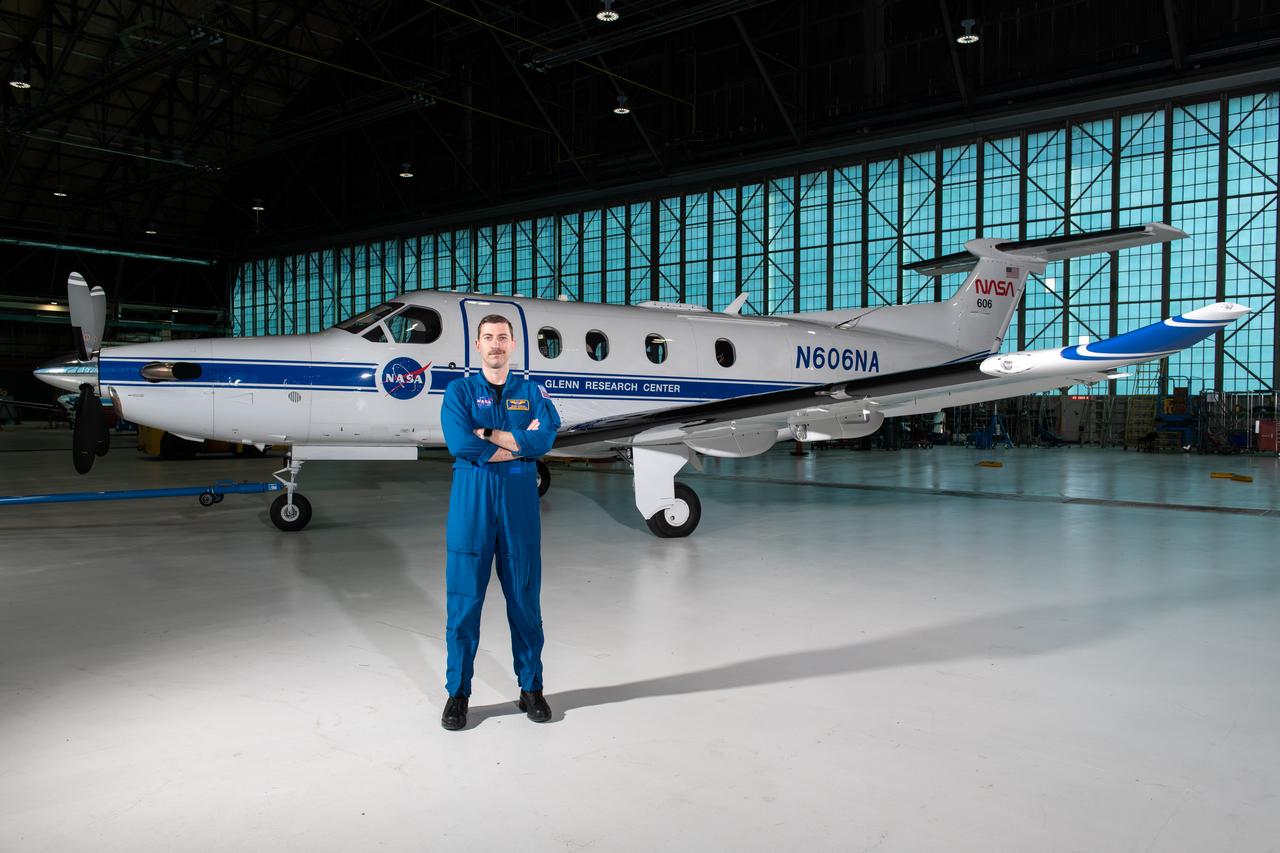
Jeremy Johnson, a research pilot and aviation safety officer, poses in front of a PC-12 aircraft inside the hangar at NASA’s Glenn Research Center in Cleveland on Thursday, April 17, 2025. Johnson flies NASA planes to support important scientific research and testing, working with researchers to plan and carry out flights that will get them the data they need while ensuring safety.

Jeremy Johnson, a research pilot and aviation safety officer, poses in front of a PC-12 aircraft inside the hangar at NASA’s Glenn Research Center in Cleveland on Thursday, April 17, 2025. Johnson flies NASA planes to support important scientific research and testing, working with researchers to plan and carry out flights that will get them the data they need while ensuring safety.

Jeremy Johnson, a research pilot and aviation safety officer, poses in front of a PC-12 aircraft inside the hangar at NASA’s Glenn Research Center in Cleveland on Thursday, April 17, 2025. Johnson flies NASA planes to support important scientific research and testing, working with researchers to plan and carry out flights that will get them the data they need while ensuring safety.

Jeremy Johnson, a research pilot and aviation safety officer, poses in front of a PC-12 aircraft inside the hangar at NASA’s Glenn Research Center in Cleveland on Thursday, April 17, 2025. Johnson flies NASA planes to support important scientific research and testing, working with researchers to plan and carry out flights that will get them the data they need while ensuring safety.

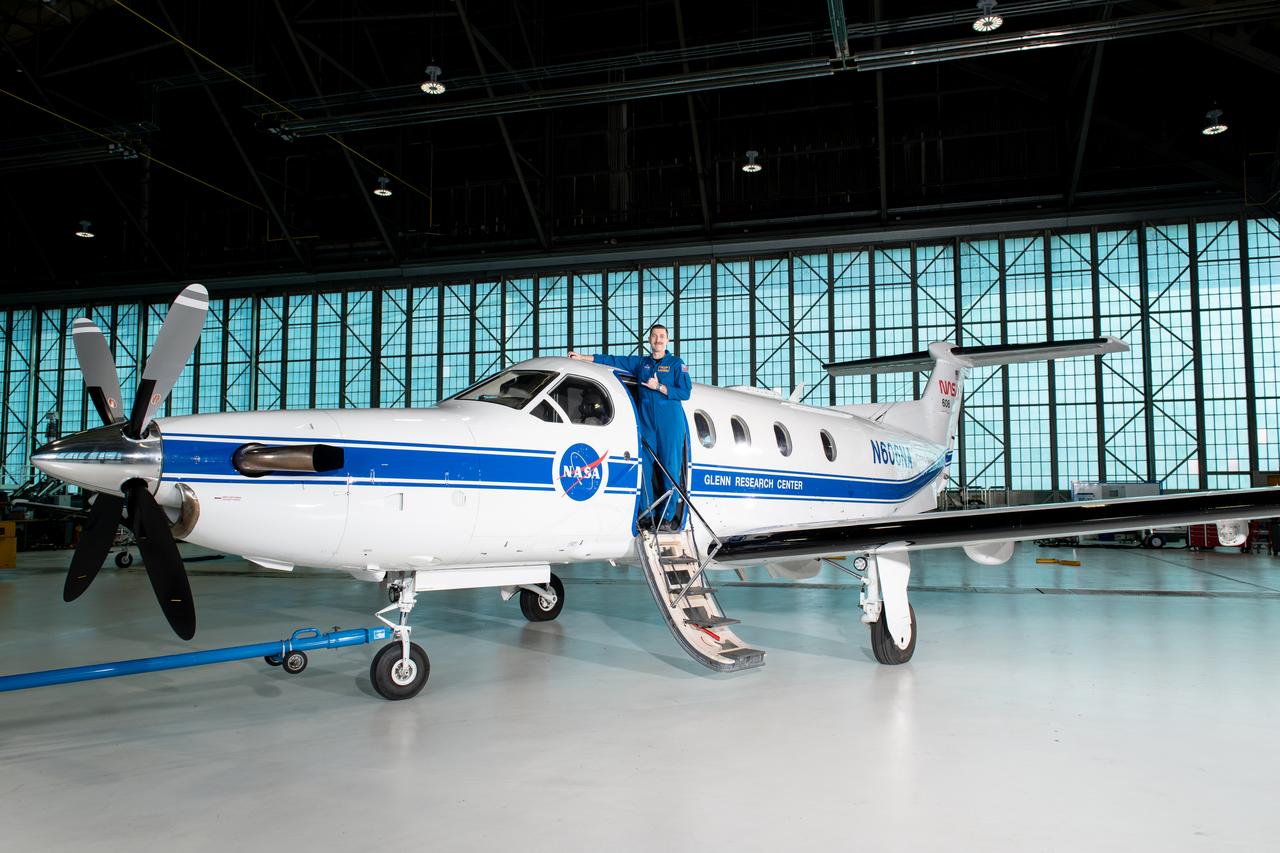
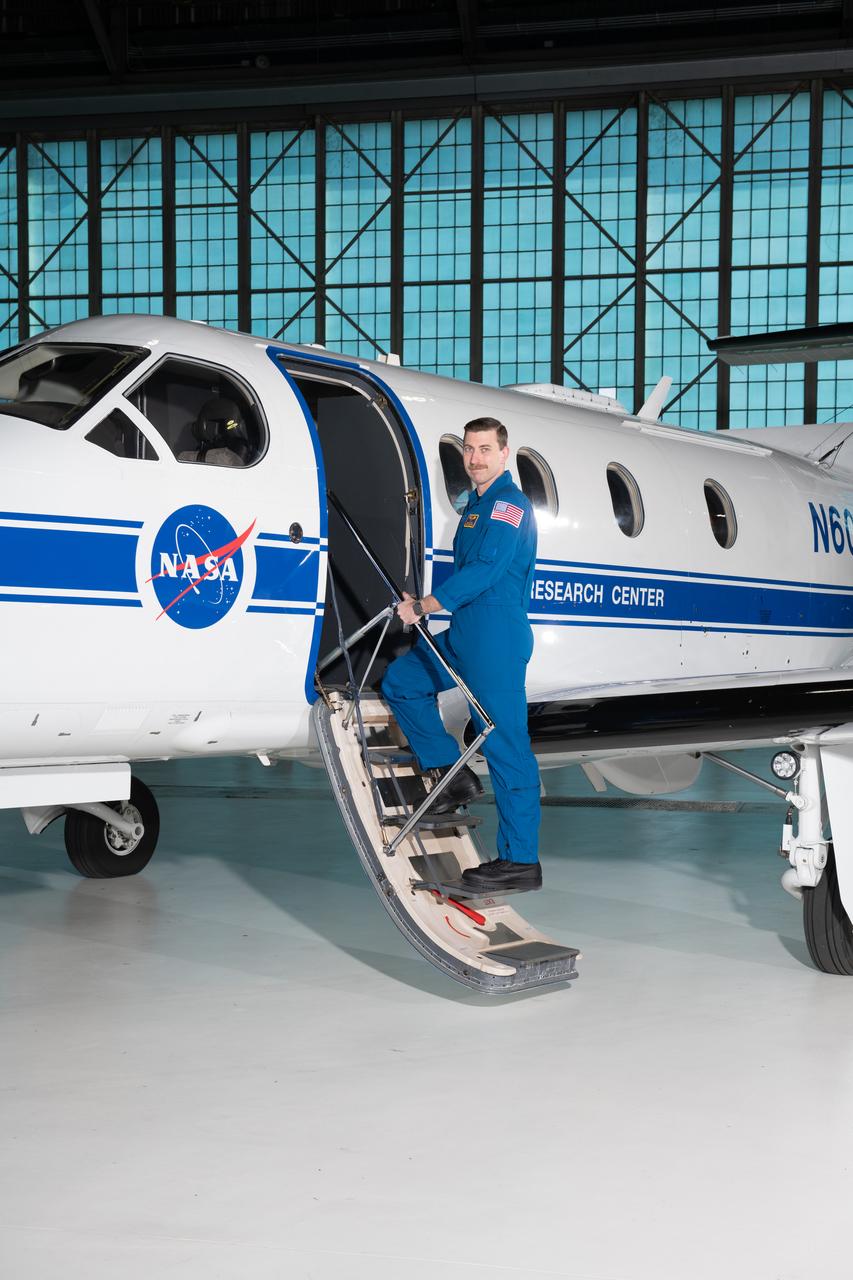
Jeremy Johnson, a research pilot and aviation safety officer, poses in the PC-12 aircraft inside the hangar at NASA’s Glenn Research Center in Cleveland on Thursday, April 17, 2025. Johnson flies NASA planes to support important scientific research and testing, working with researchers to plan and carry out flights that will get them the data they need while ensuring safety.

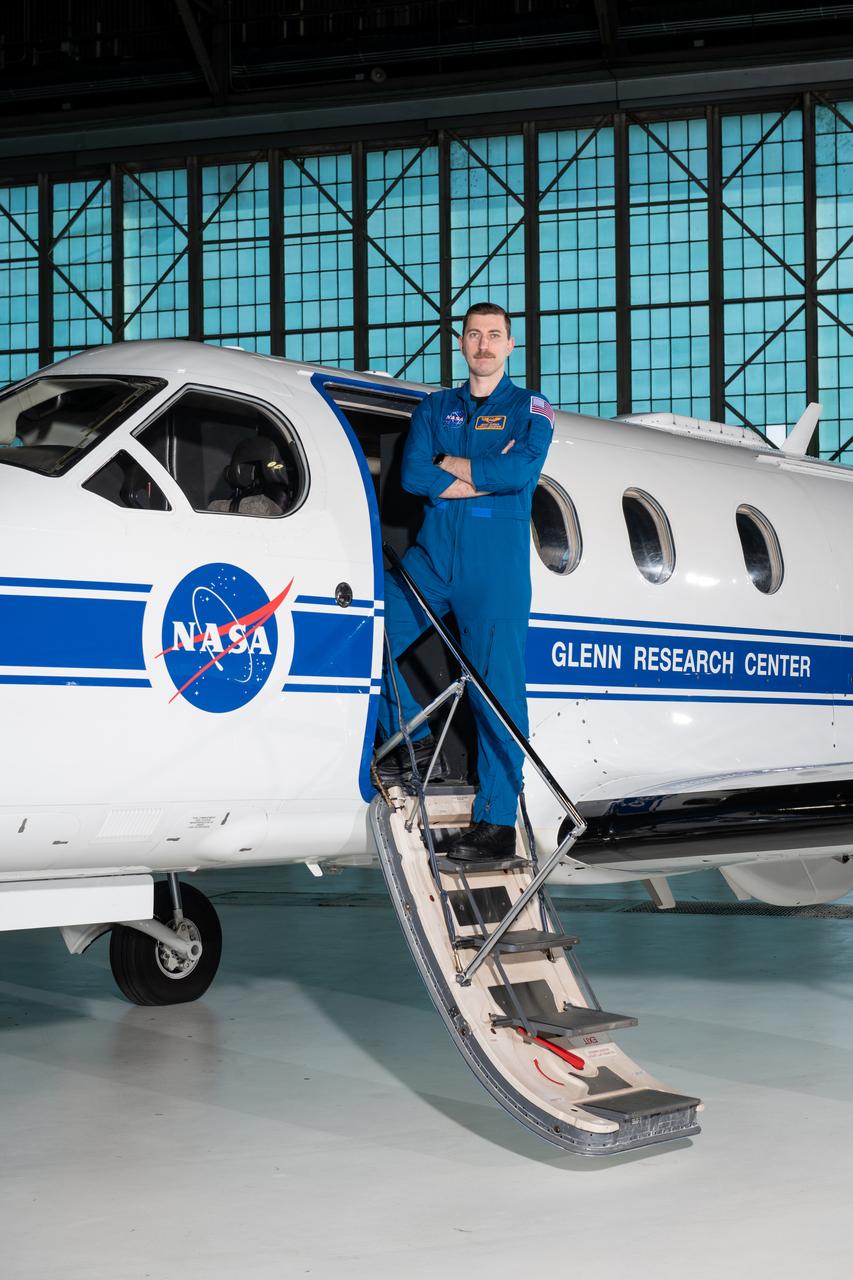
Jeremy Johnson, a research pilot and aviation safety officer, poses in front of a PC-12 aircraft inside the hangar at NASA’s Glenn Research Center in Cleveland on Thursday, April 17, 2025. Johnson flies NASA planes to support important scientific research and testing, working with researchers to plan and carry out flights that will get them the data they need while ensuring safety.

Jeremy Johnson, a research pilot and aviation safety officer, poses in front of a PC-12 aircraft inside the hangar at NASA’s Glenn Research Center in Cleveland on Thursday, April 17, 2025. Johnson flies NASA planes to support important scientific research and testing, working with researchers to plan and carry out flights that will get them the data they need while ensuring safety.

Jeremy Johnson, a research pilot and aviation safety officer, poses in front of a PC-12 aircraft inside the hangar at NASA’s Glenn Research Center in Cleveland on Thursday, April 17, 2025. Johnson flies NASA planes to support important scientific research and testing, working with researchers to plan and carry out flights that will get them the data they need while ensuring safety.

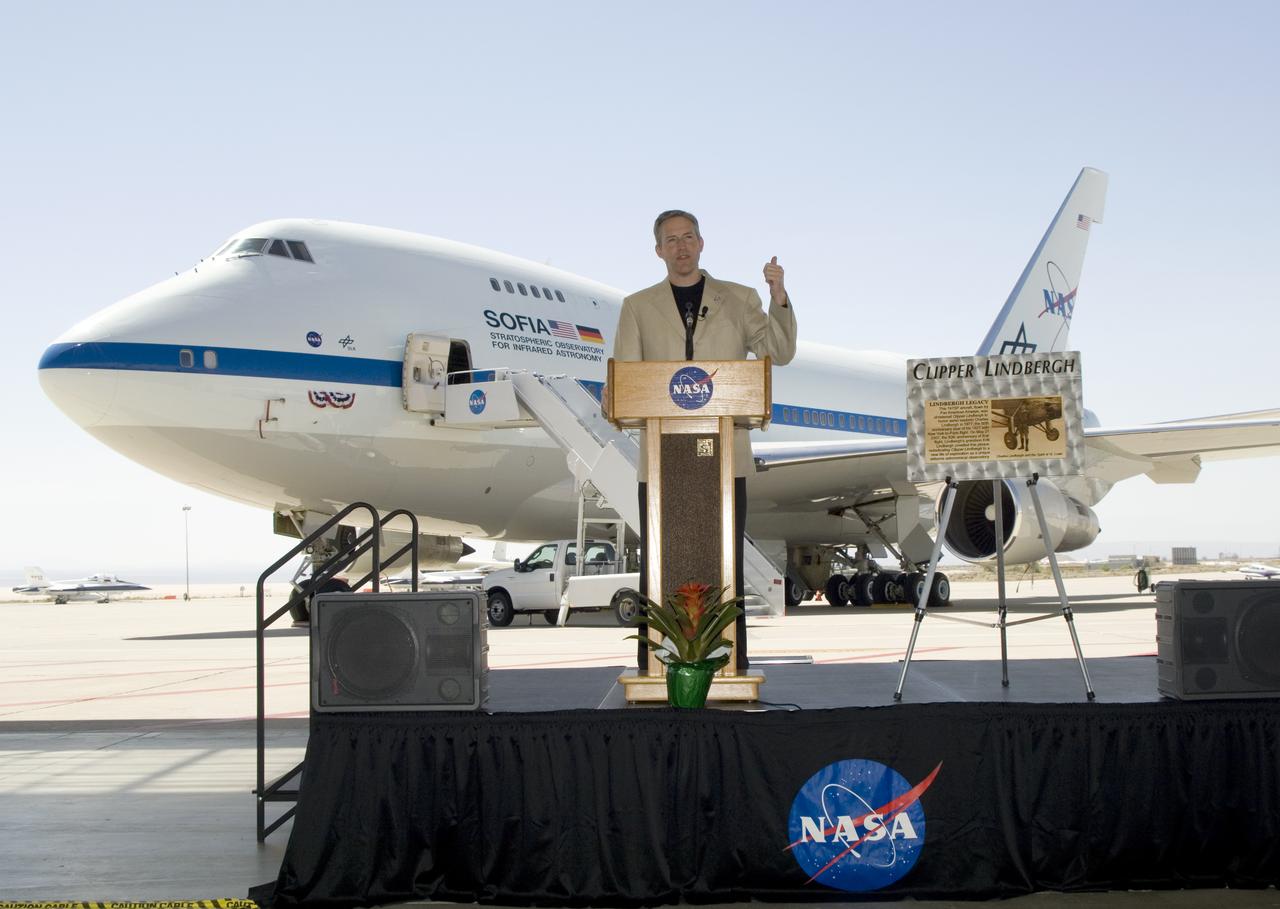
Erik Lindbergh, grandson of famed aviator Charles Lindbergh, rededicated the SOFIA Boeing 747SP as the Clipper Lindbergh at NASA Dryden on June 27, 2007.

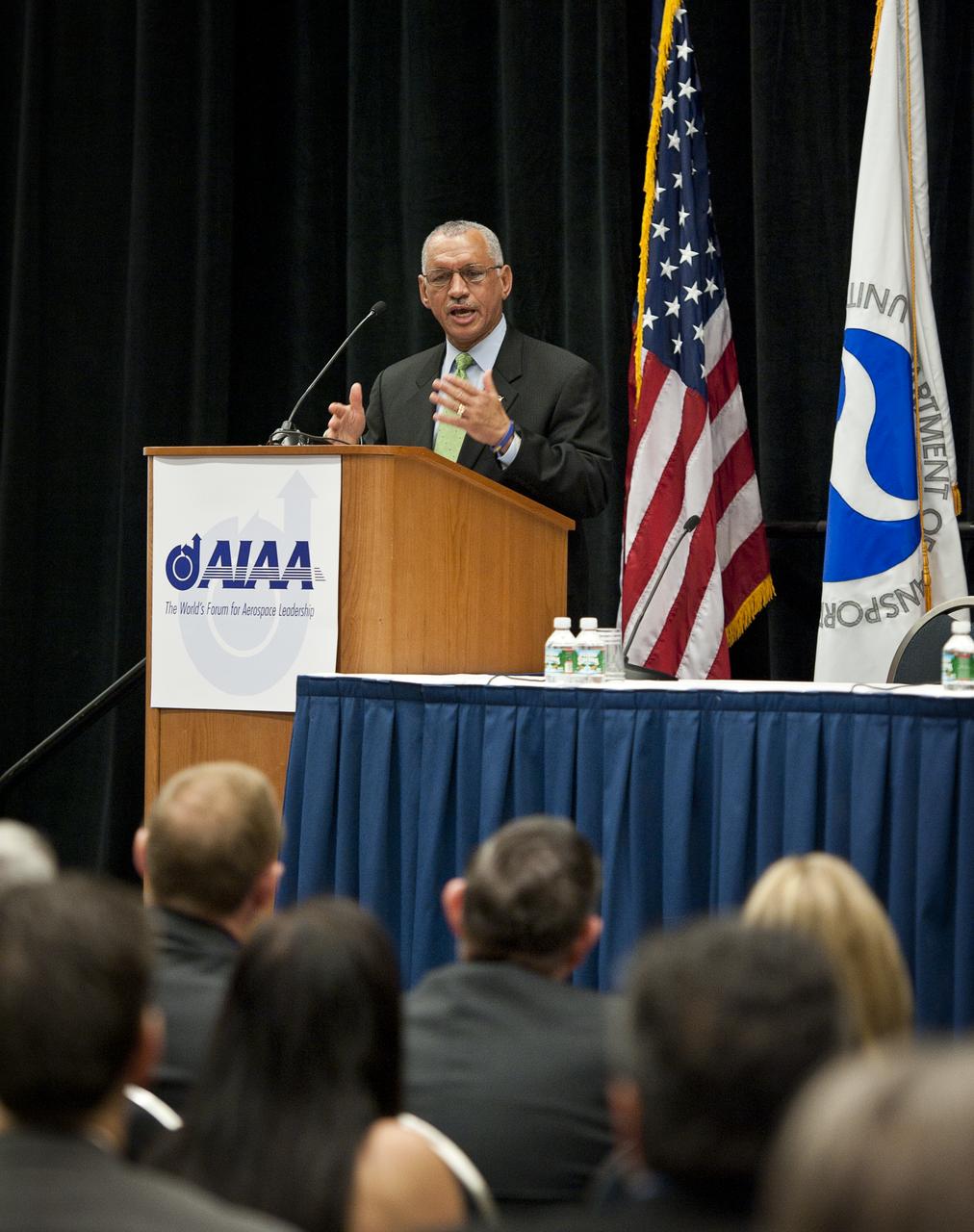
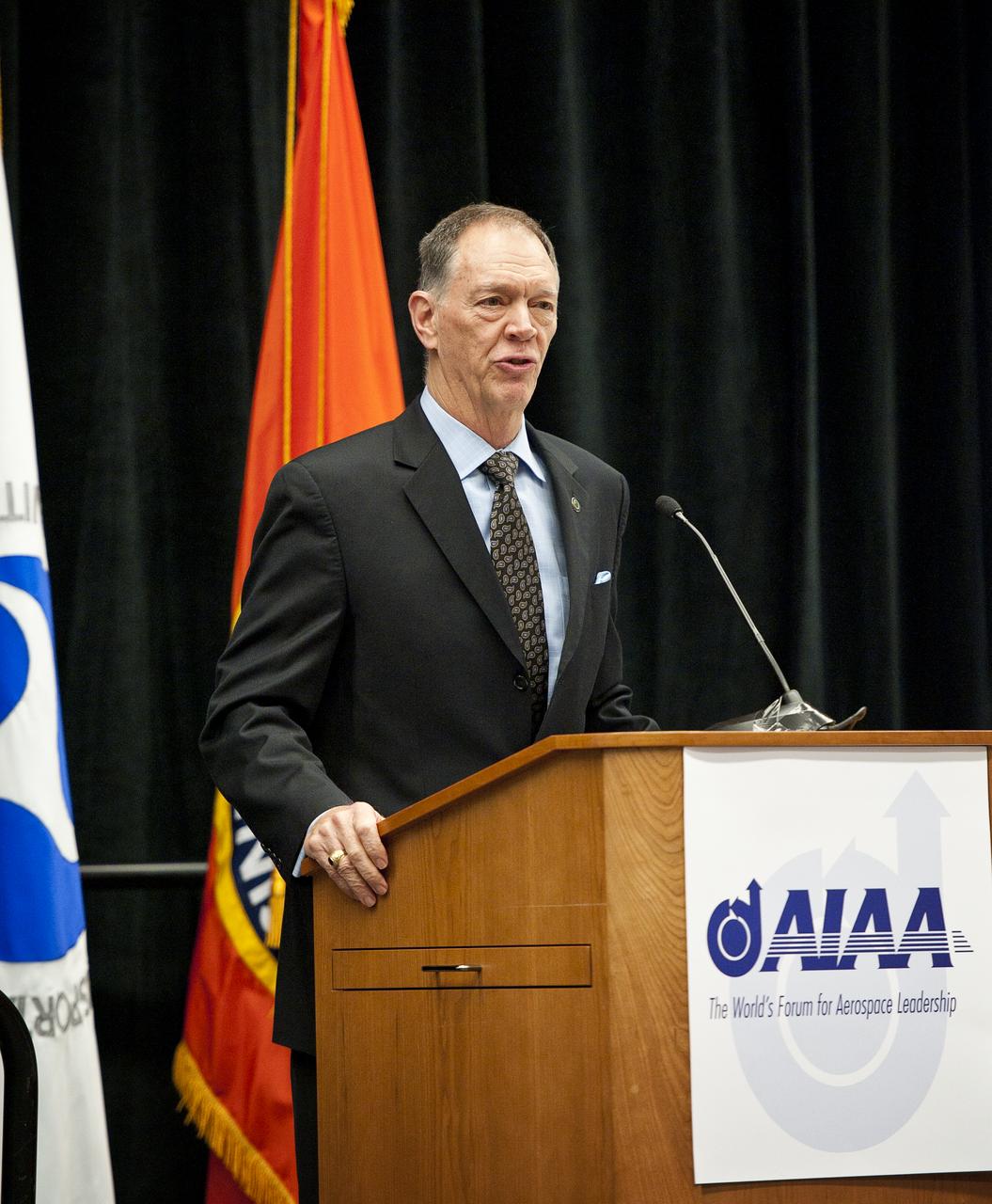
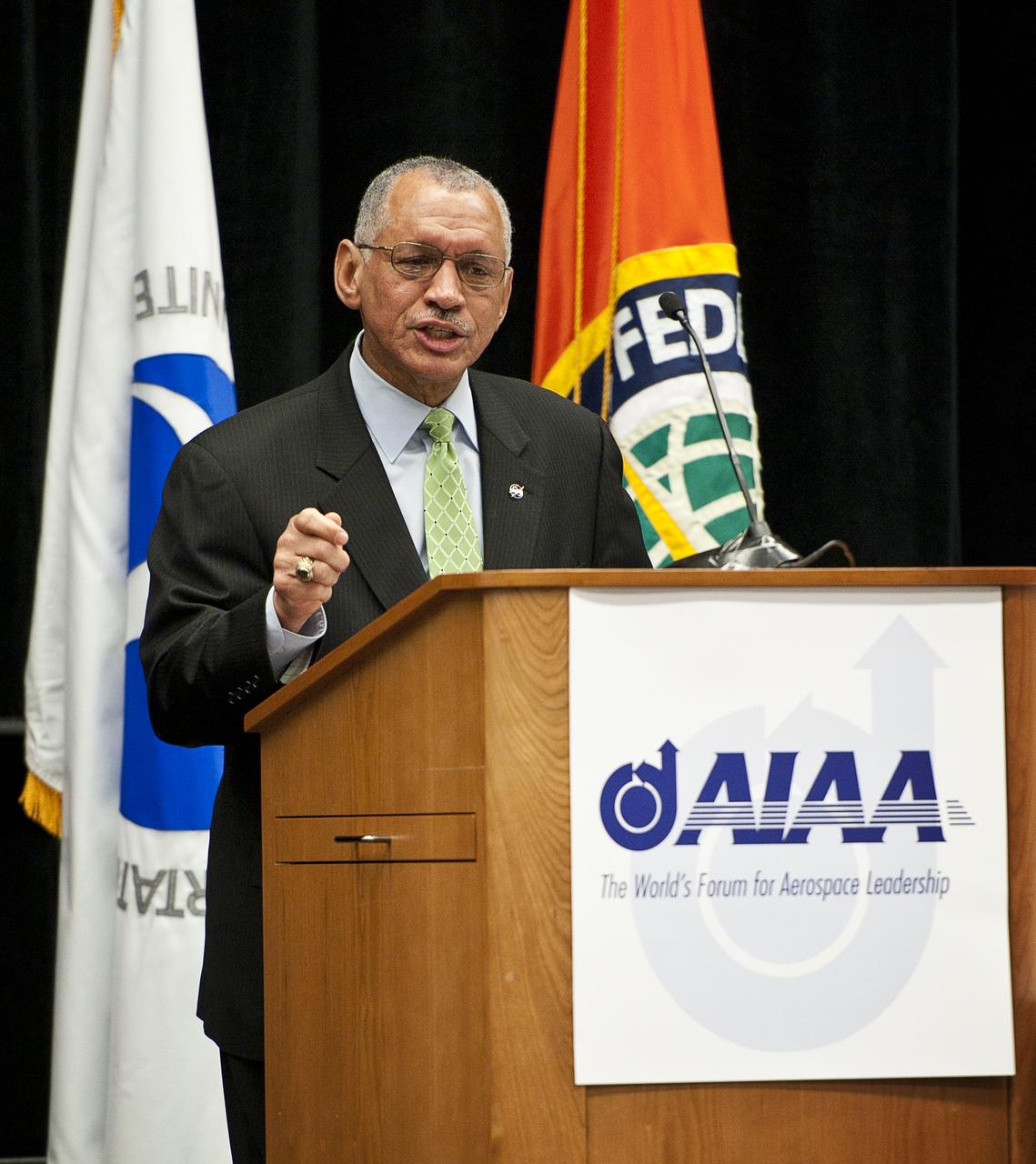
NASA Administrator Charles Bolden speaks at the 14th Annual Federal Aviation Administration (FAA) Commercial Space Transport Conference at the Washington Convention Center on Wednesday, Feb. 9, 2001. Photo Credit: (NASA/Carla Cioffi)

NASA Administrator Charles Bolden speaks at the 14th Annual Federal Aviation Administration (FAA) Commercial Space Transport Conference at the Washington Convention Center on Wednesday, Feb. 9, 2001. Photo Credit: (NASA/Carla Cioffi)

Randy Babbitt, Administrator of the Federal Aviation Administration gives opening remarks at the 14th Annual FAA Commercial Space Transportation Conference at the Washington Convention Center on Wednesday, Feb. 9, 2001. Photo Credit: (NASA/Carla Cioffi)

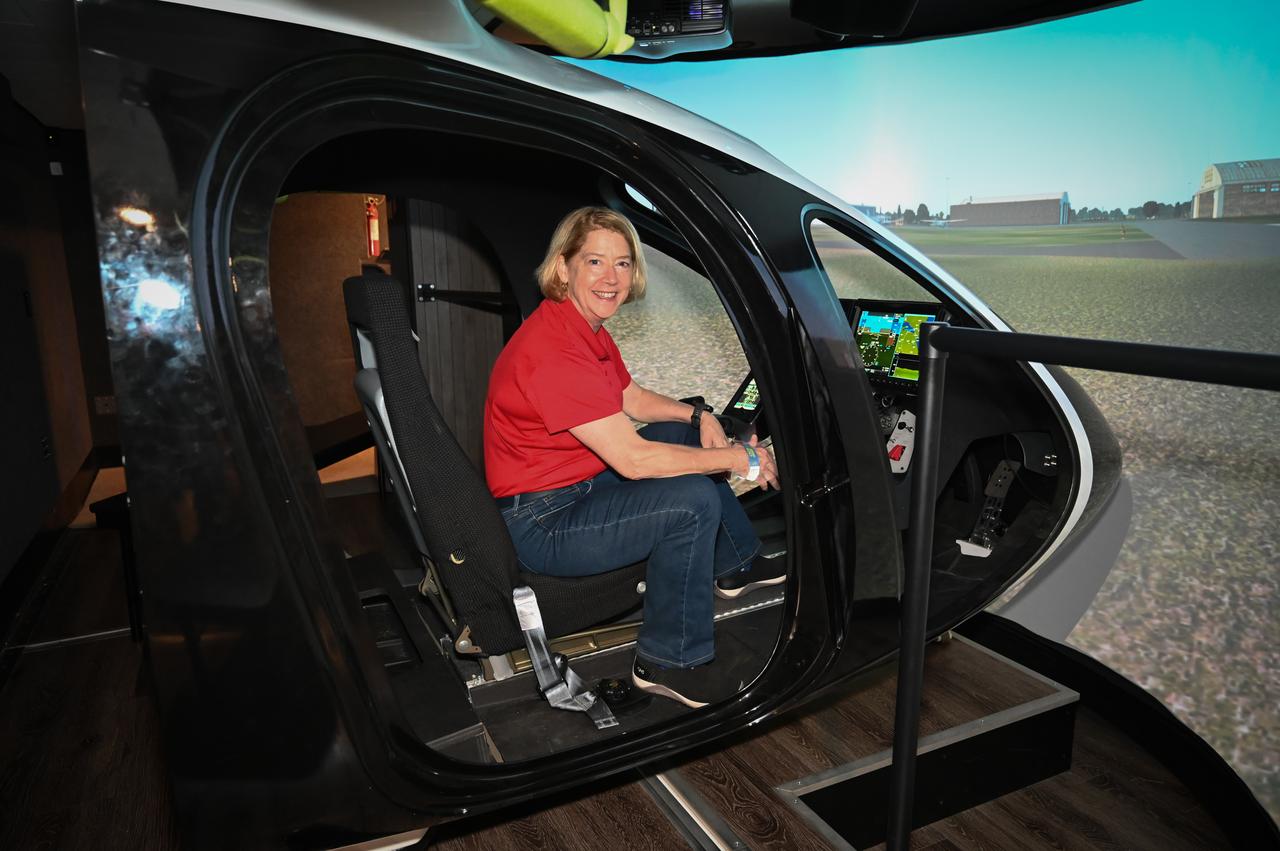
Deputy Administrator Pam Melroy tours the JOBY Aviation exhibit on Friday, July 29, at EAA AirVenture.

Erik Lindbergh, grandson of famed aviator Charles Lindbergh, yanks the bunting to reveal the Clipper Lindbergh name on NASA's SOFIA Boeing 747SP on June 27, 2007. More than 250 VIPs, news media and guests joined NASA, DLR, USRA and other SOFIA staff for the debut of the airborne observatory at NASA Dryden.

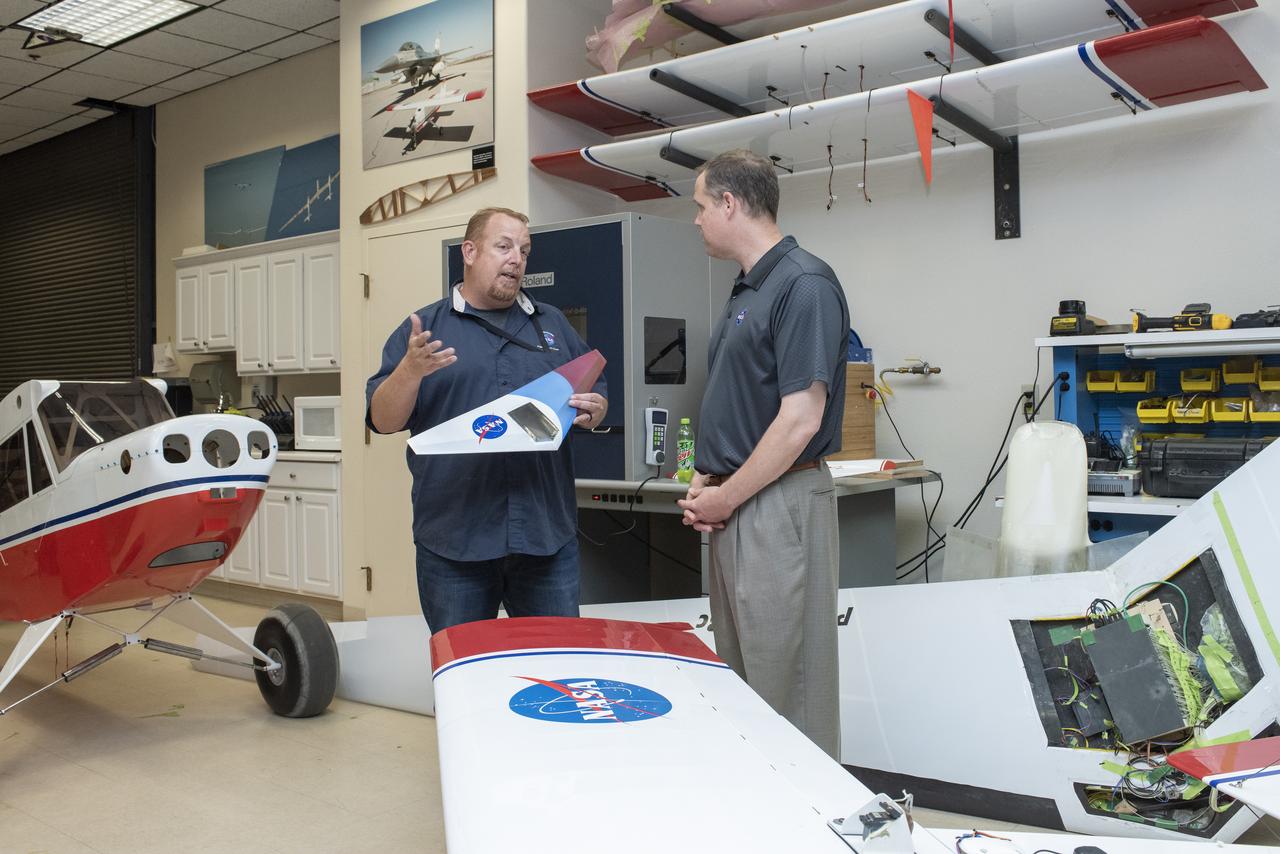
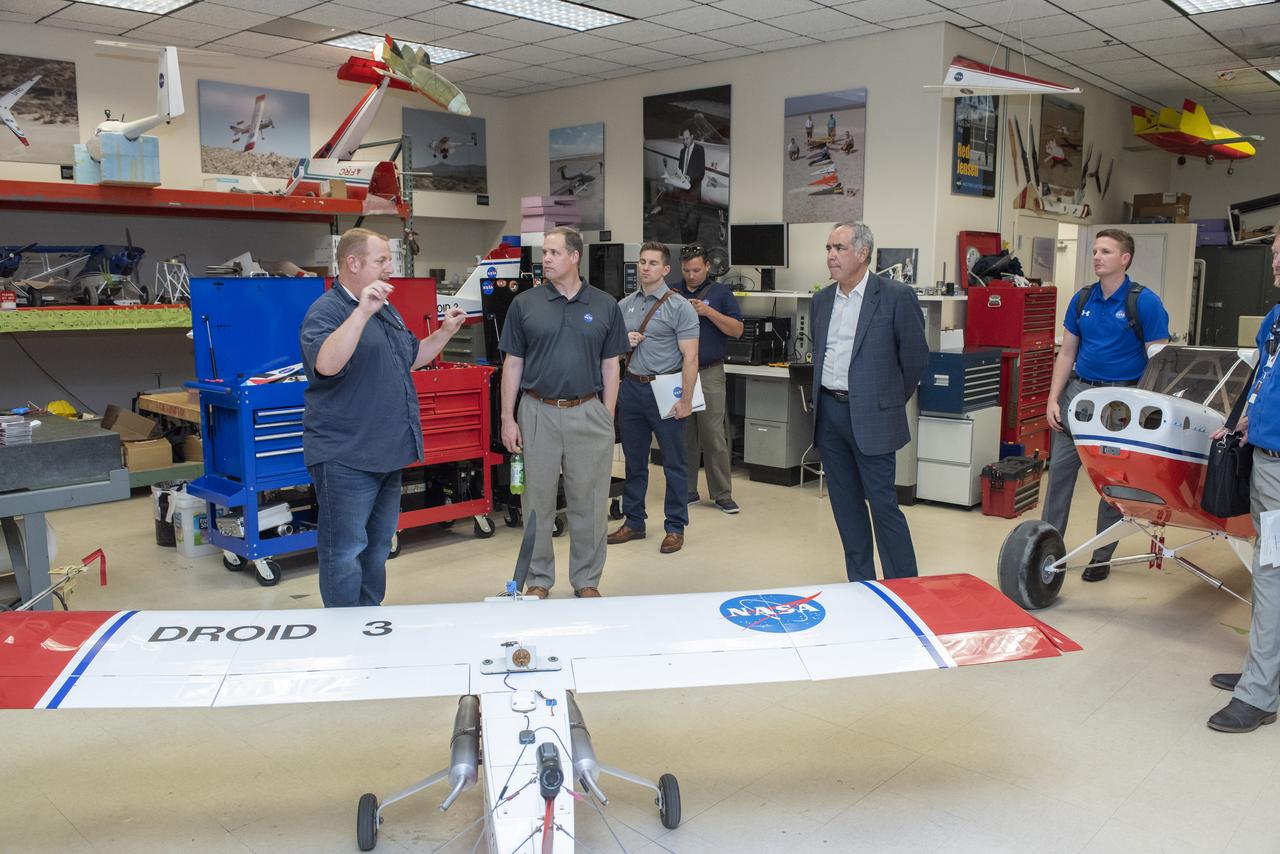
Armstrong's Robert "Red" Jensen talks to Bridenstine about using small scale aircraft to test aeronautical concepts keeping cost of aviation discoveries lower until technology is proved for larger aircraft.

Armstrong's Robert "Red" Jensen talks to Bridenstine about using small scale aircraft to test aeronautical concepts keeping cost of aviation discoveries lower until technology is proved for larger aircraft.

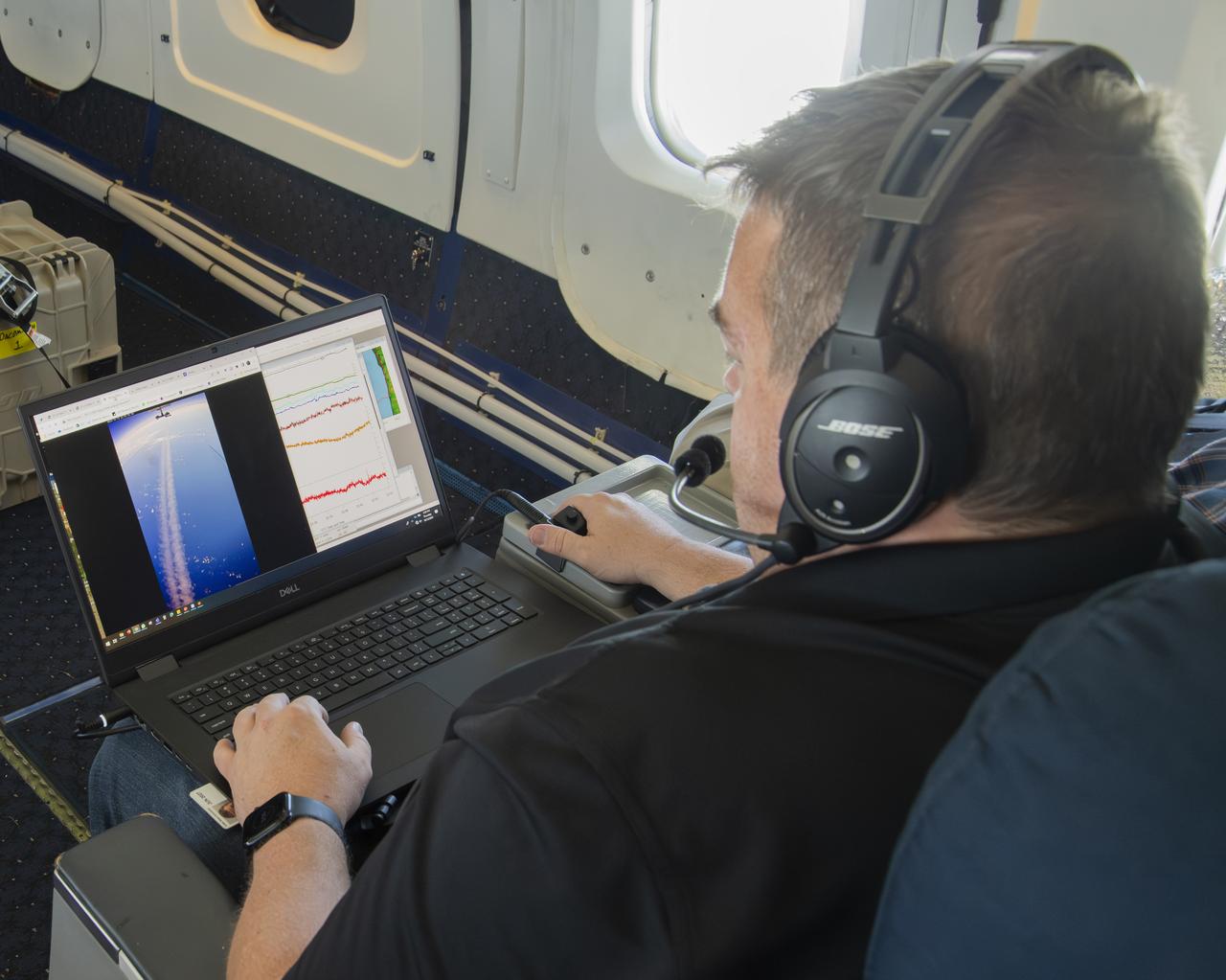
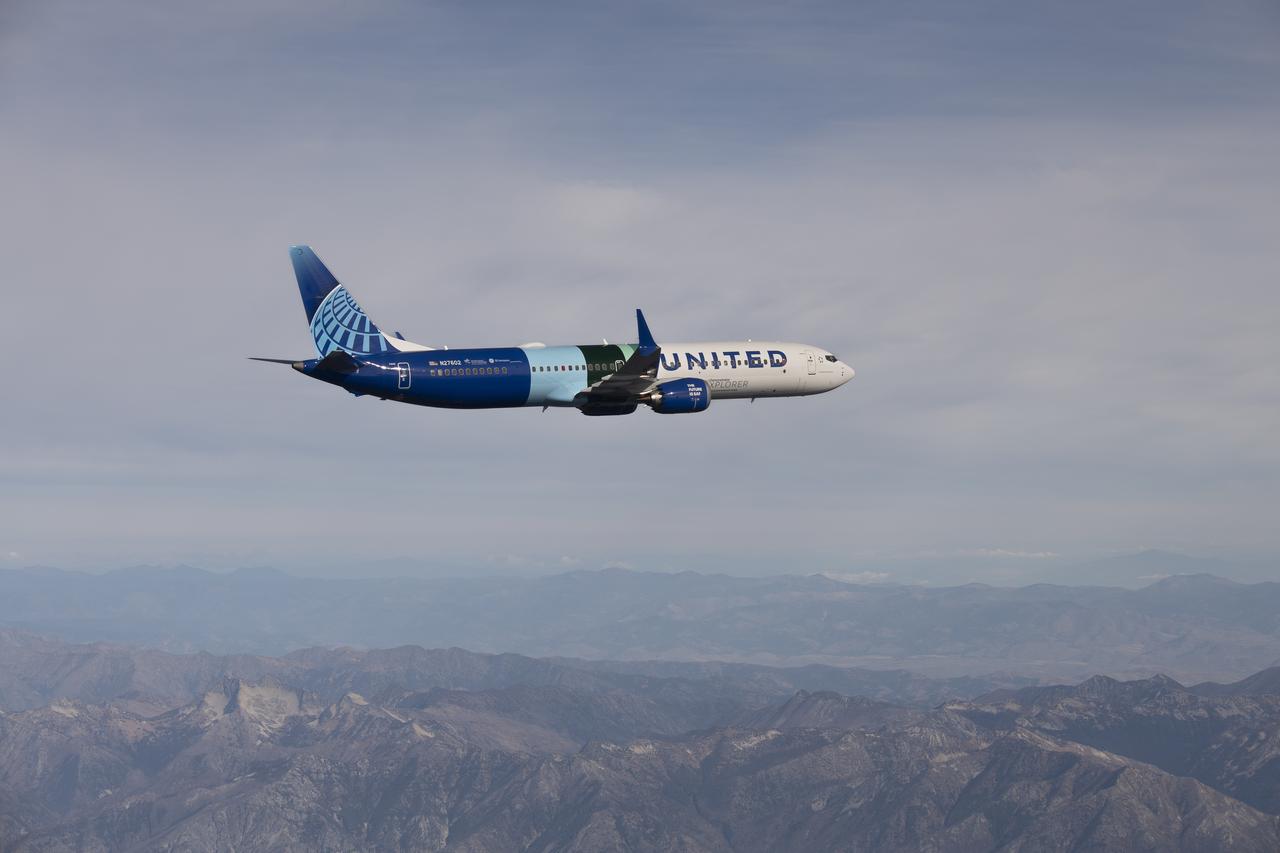
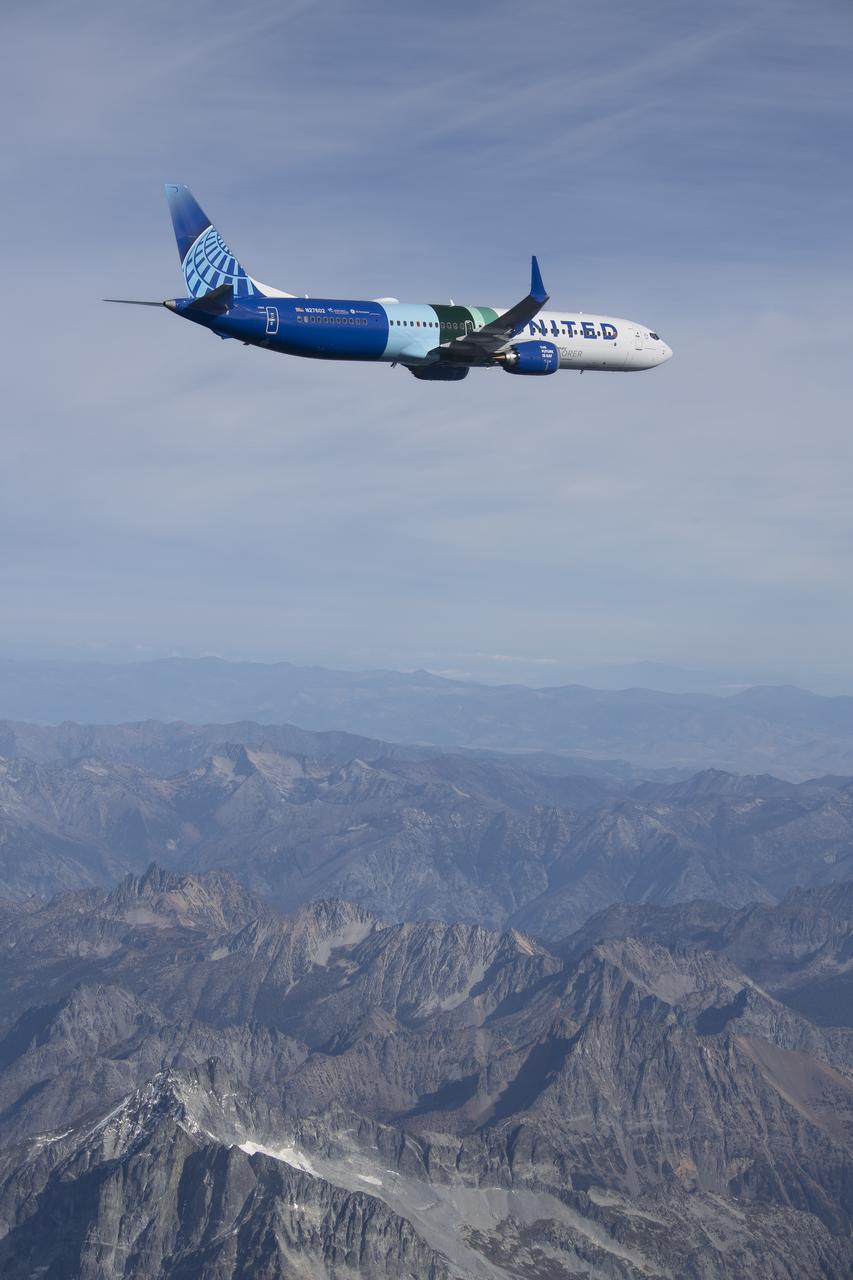
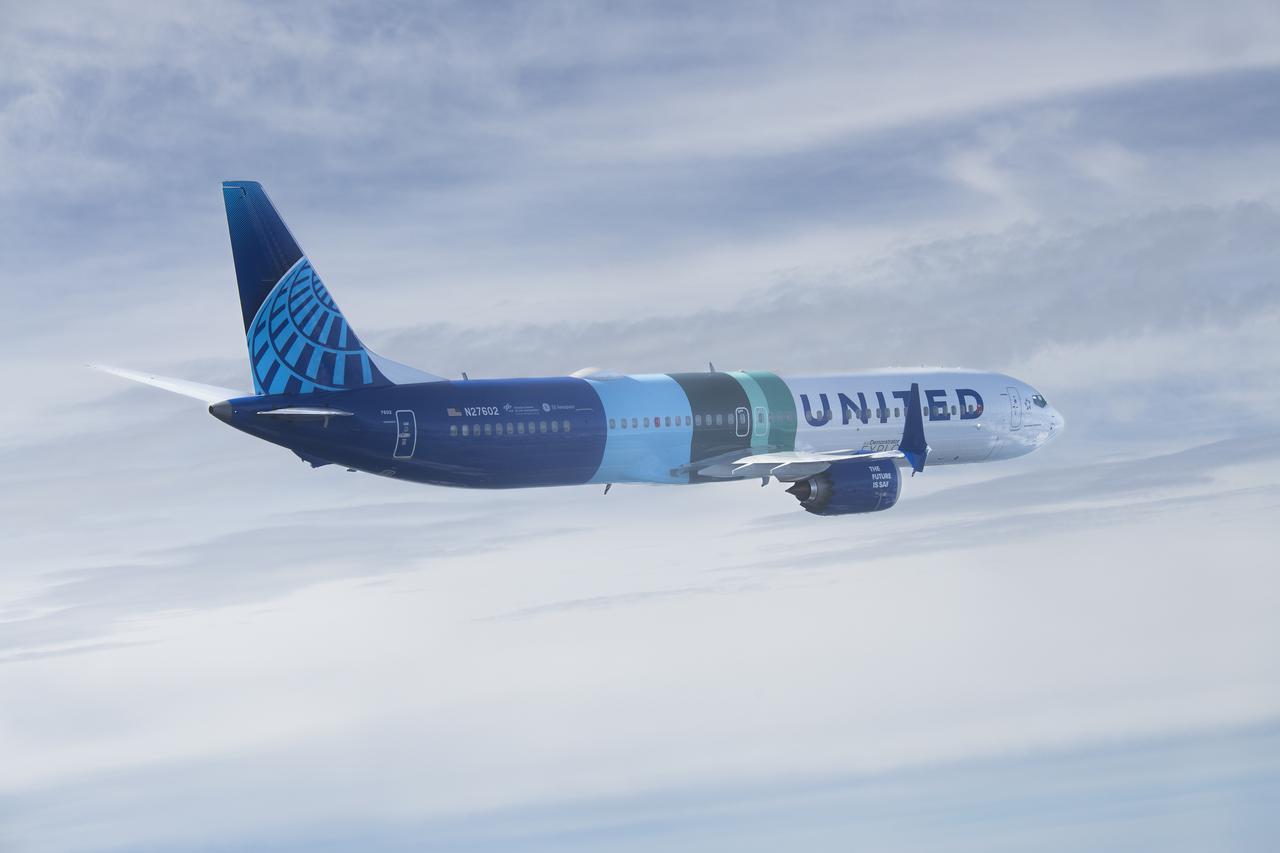
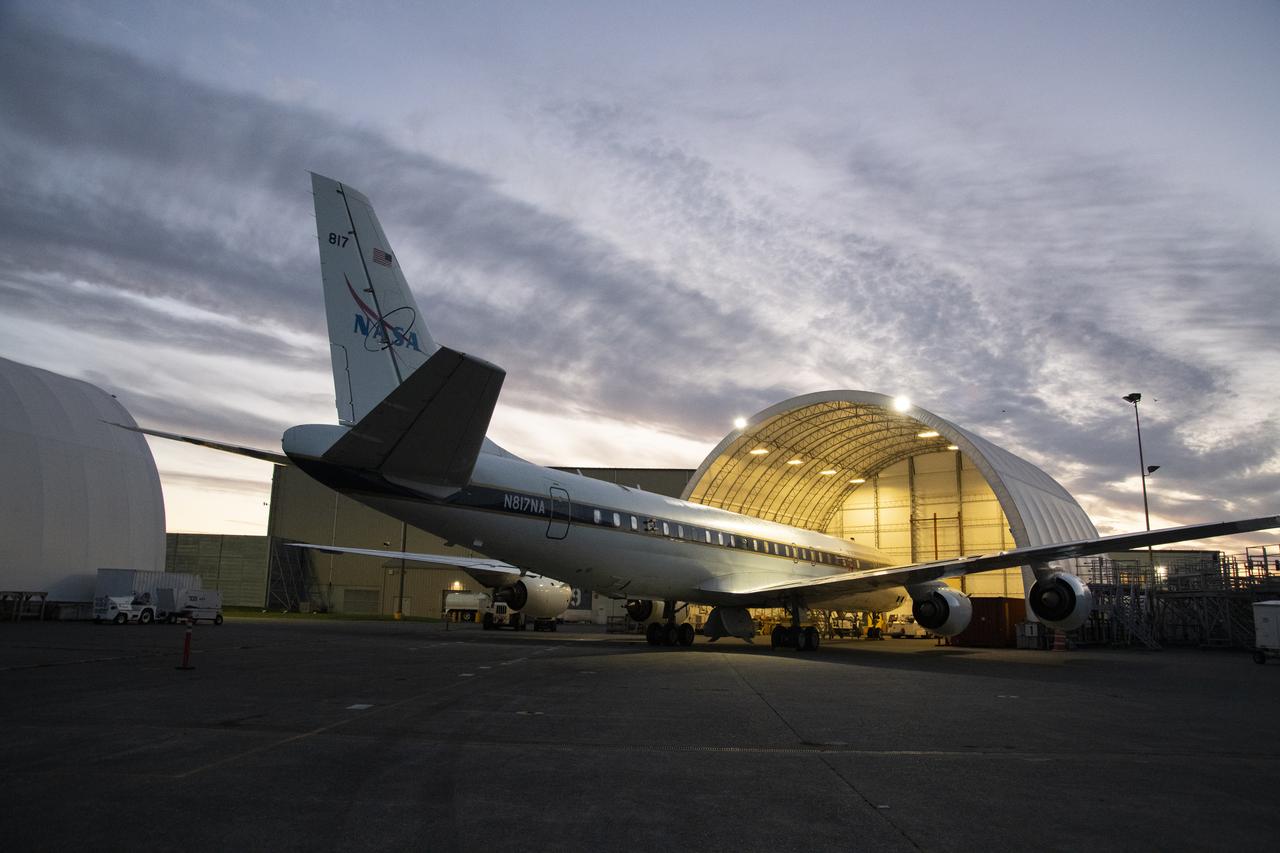
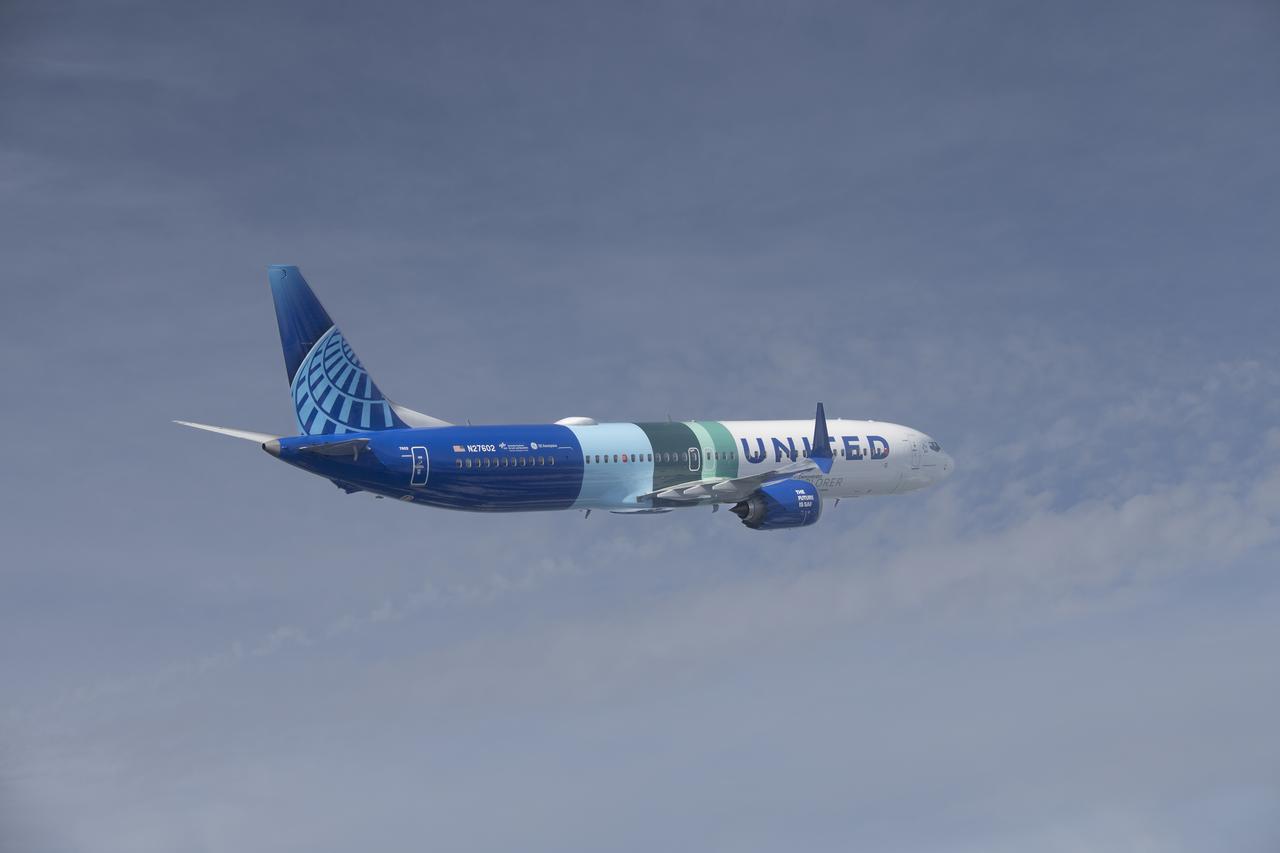
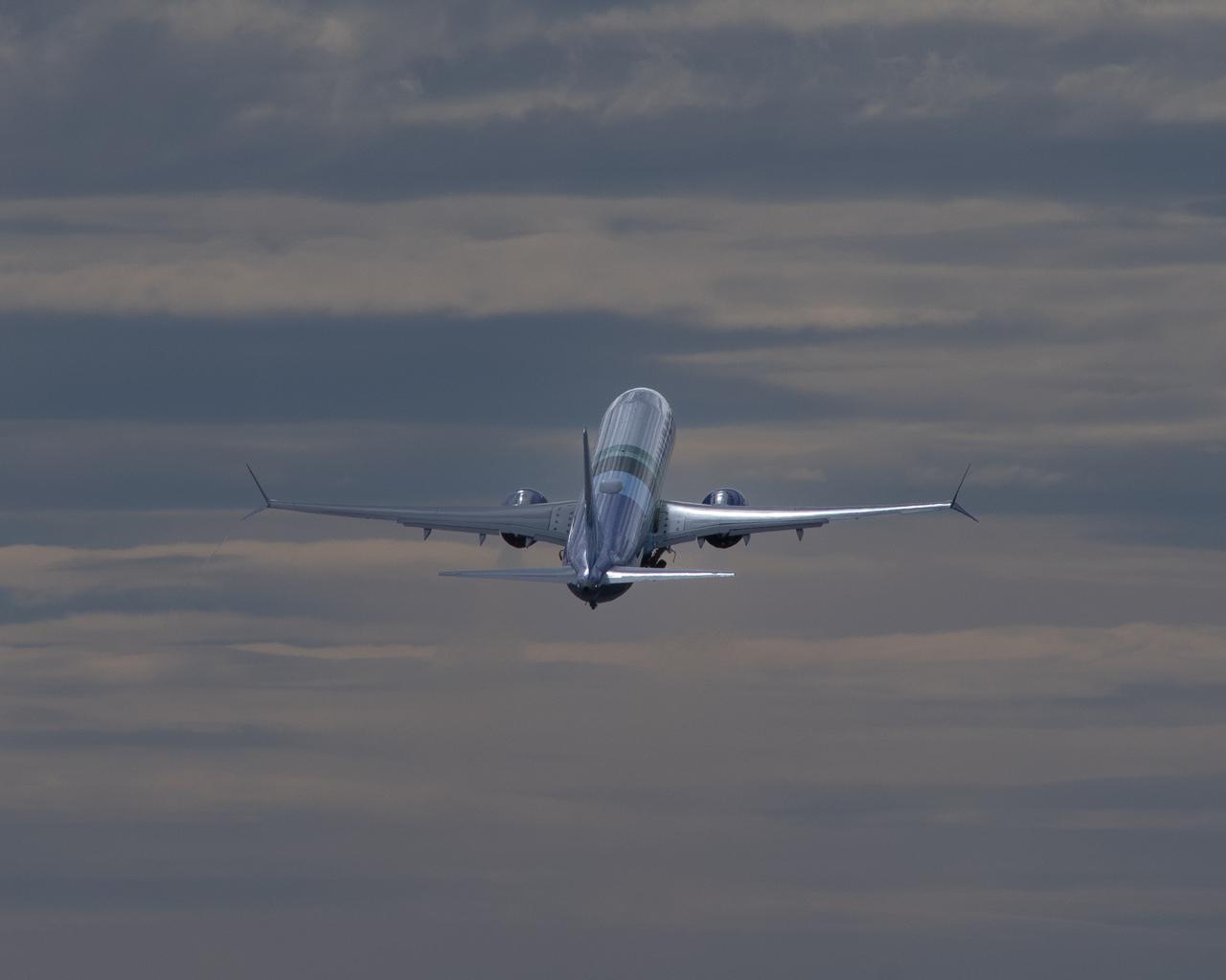
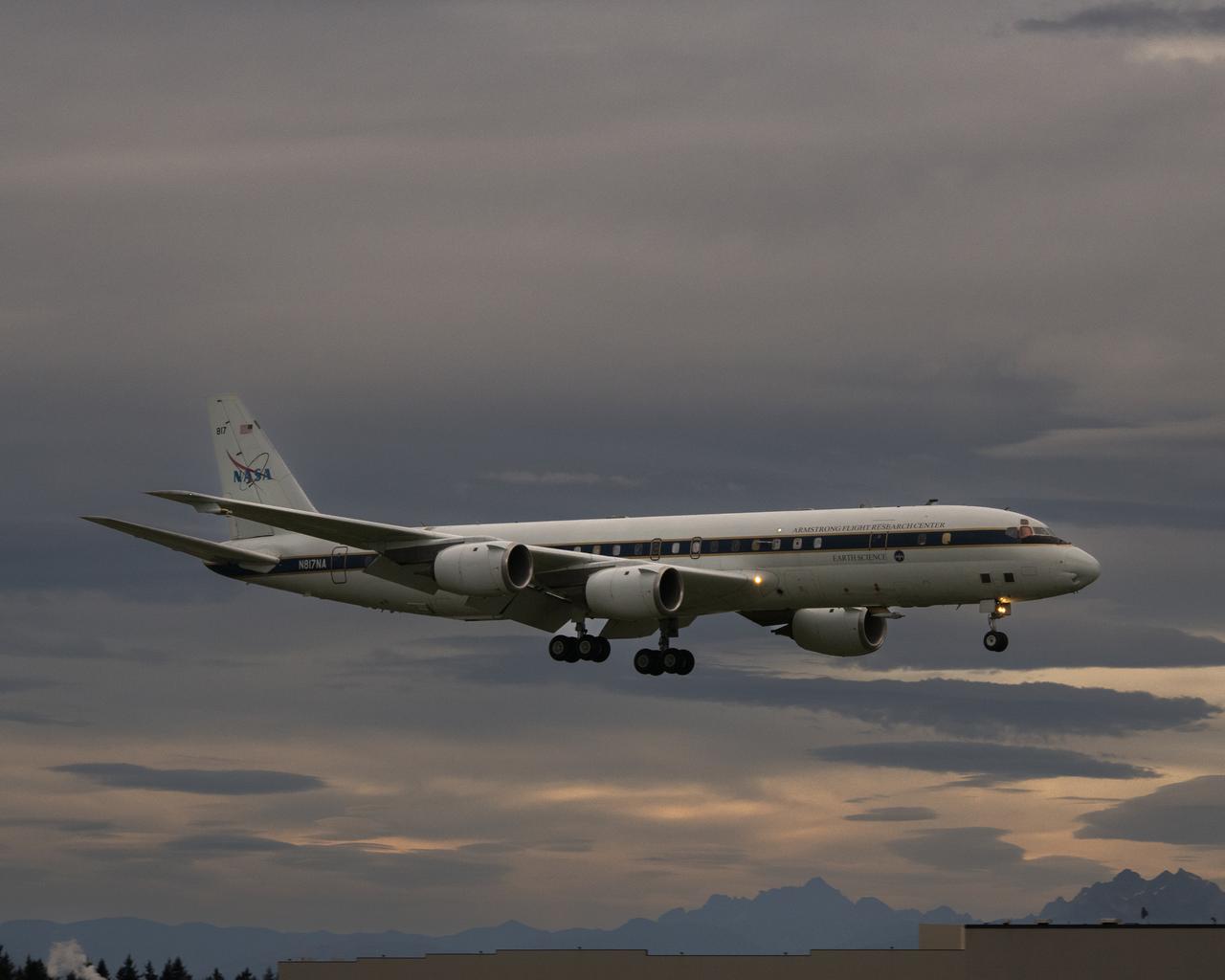
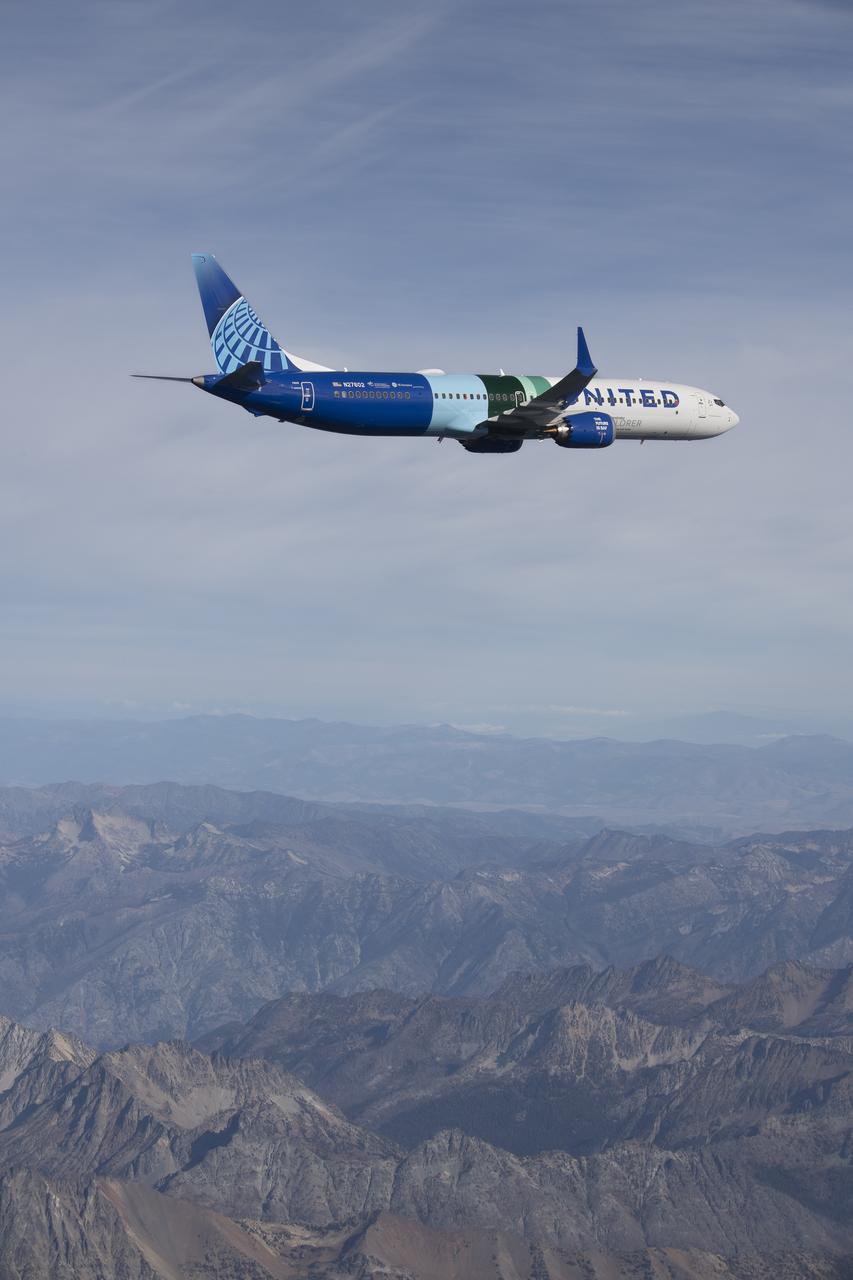
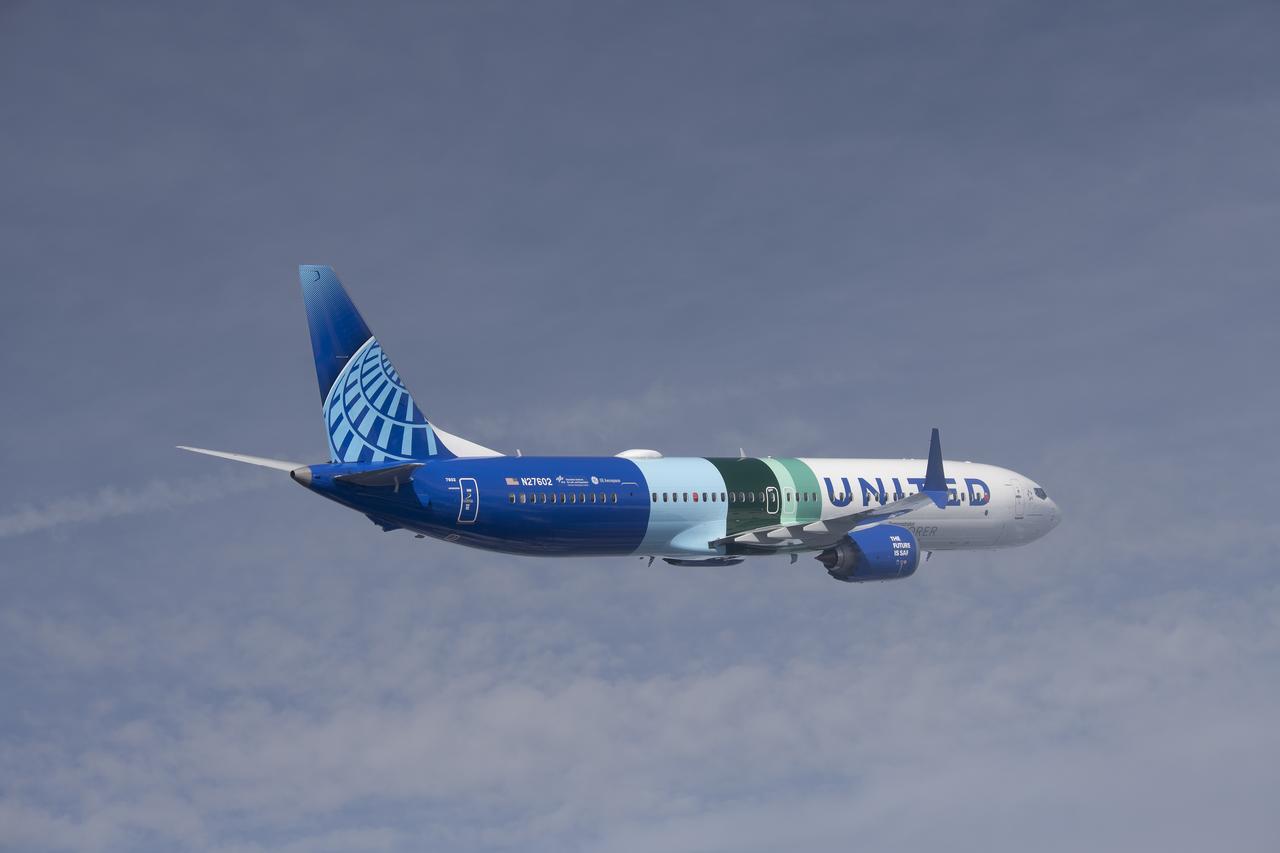
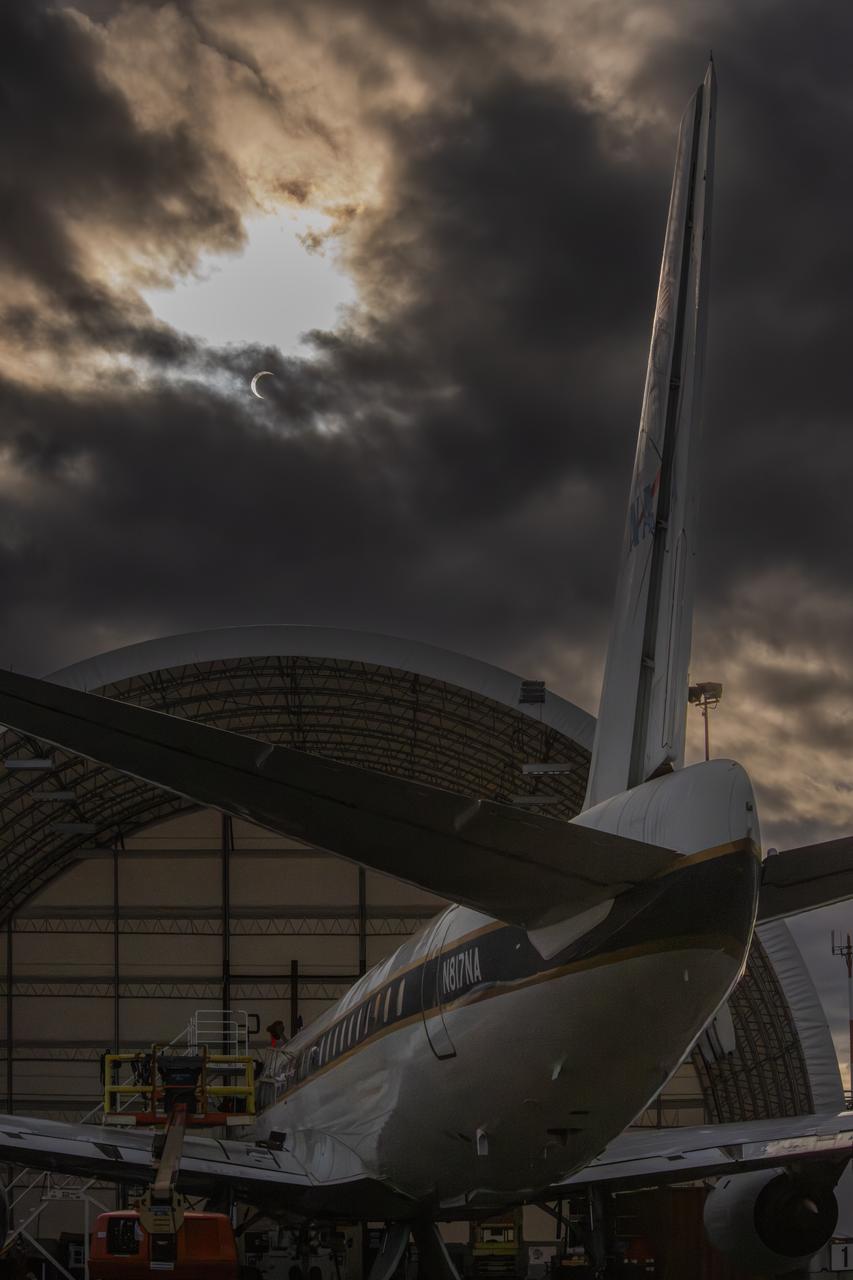
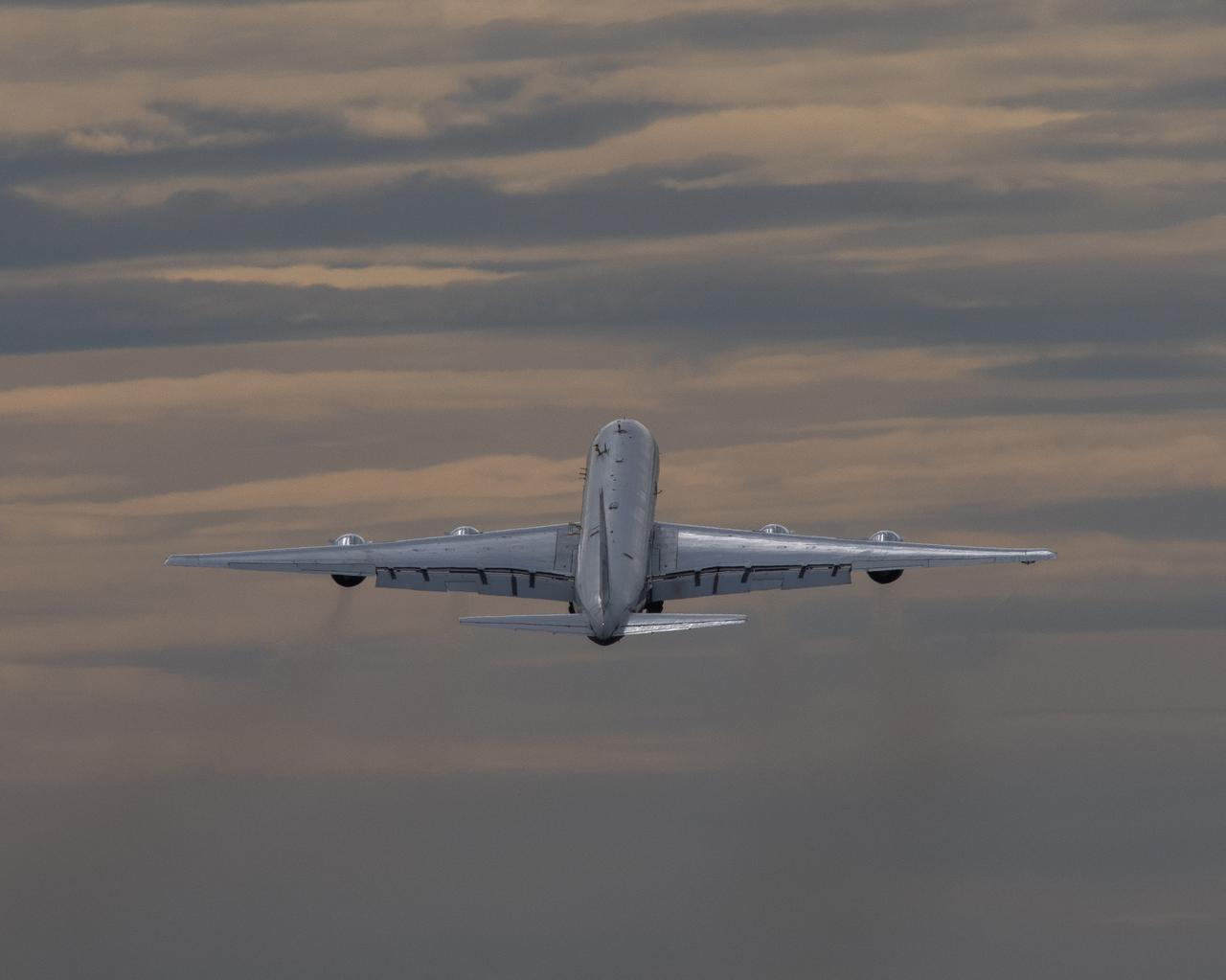
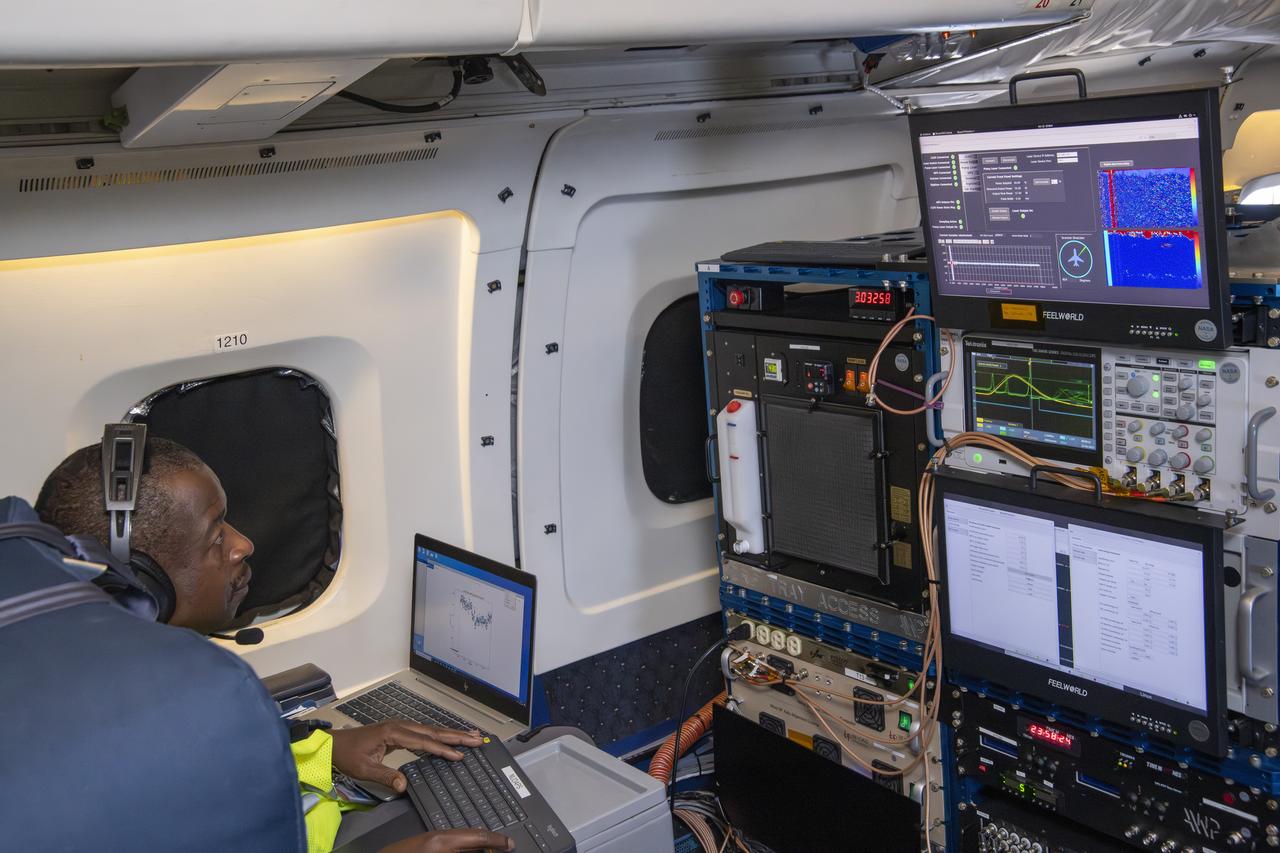
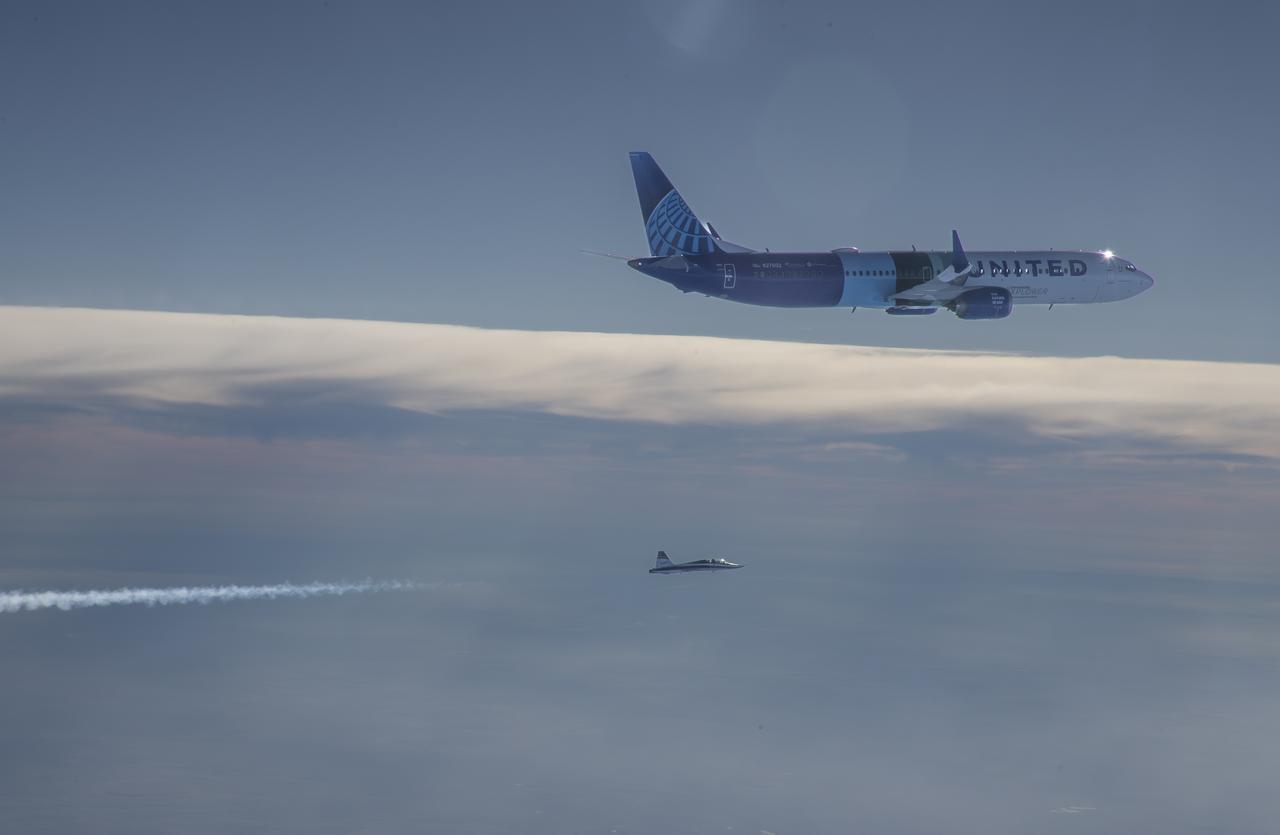
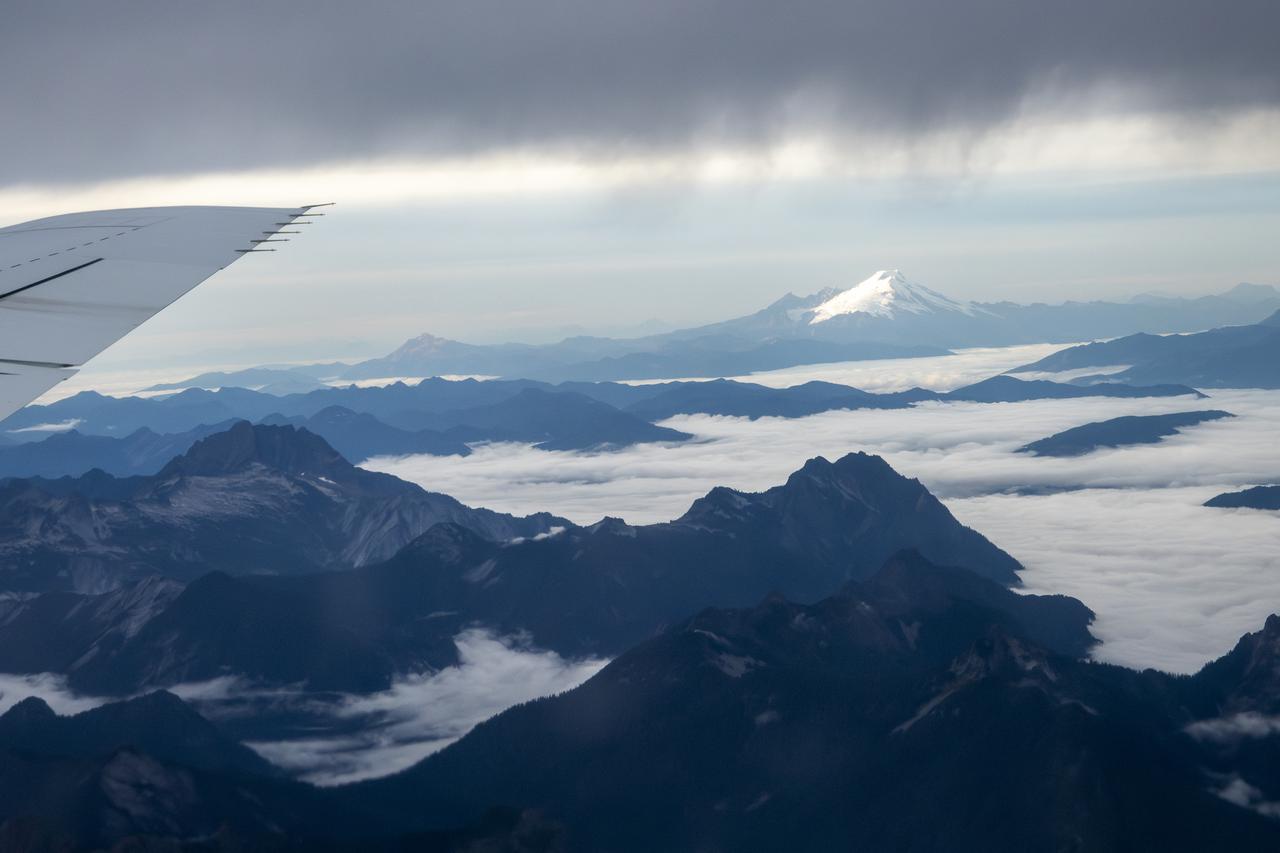
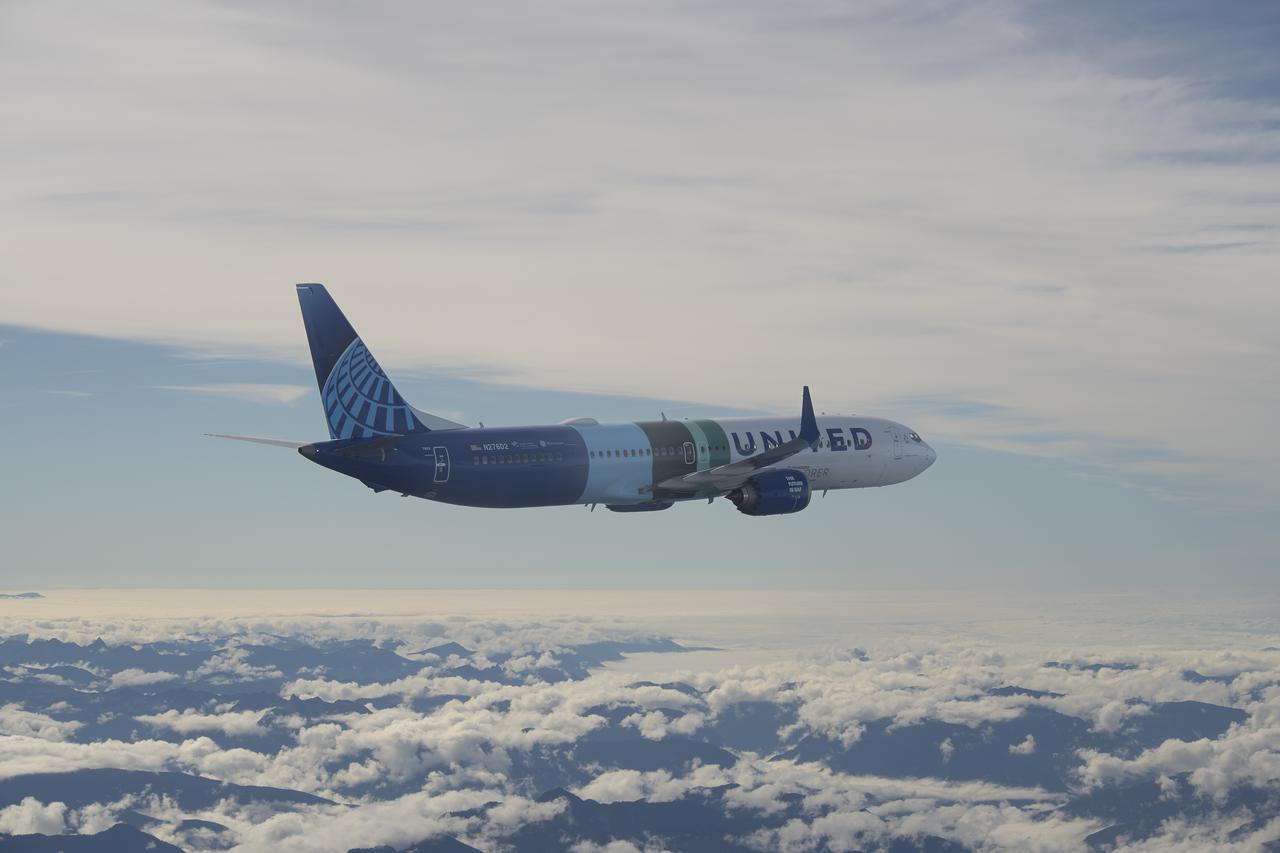
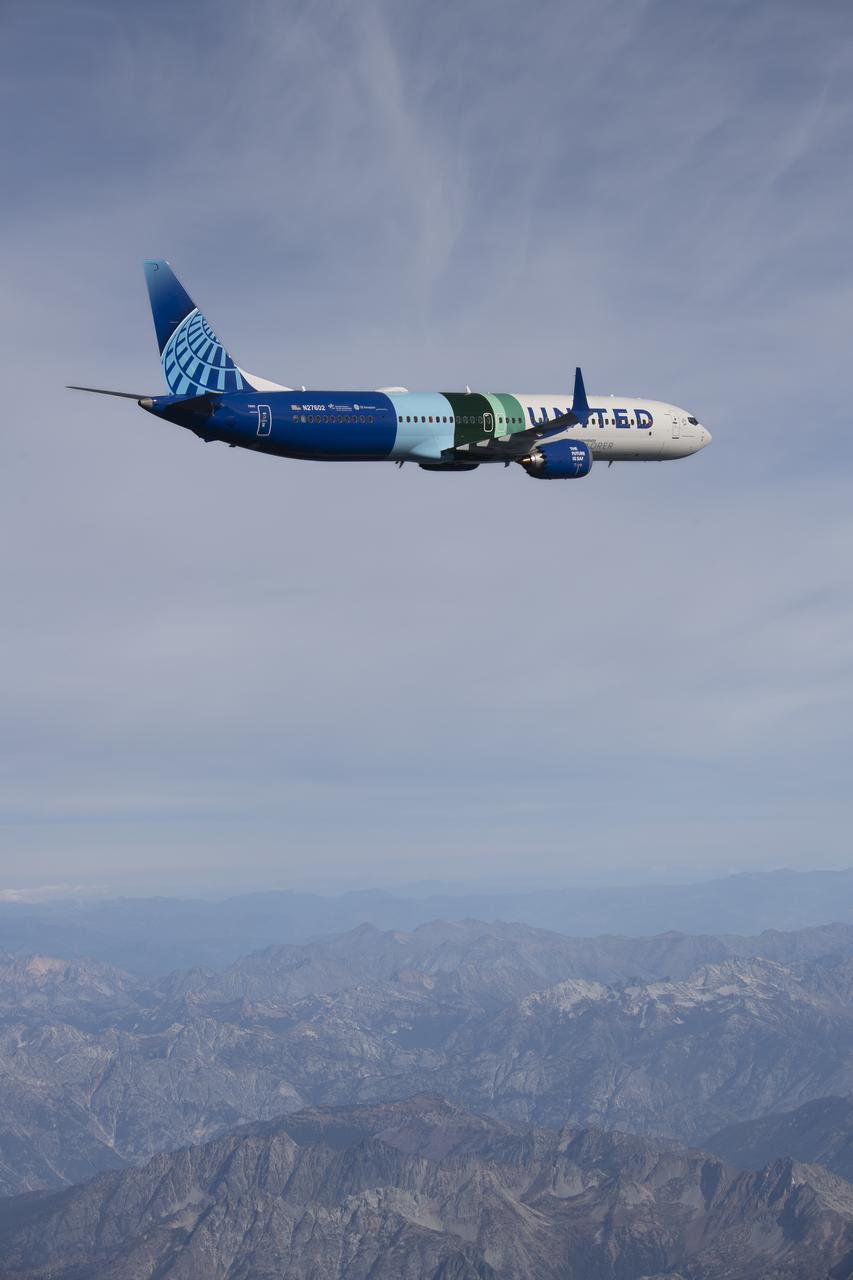
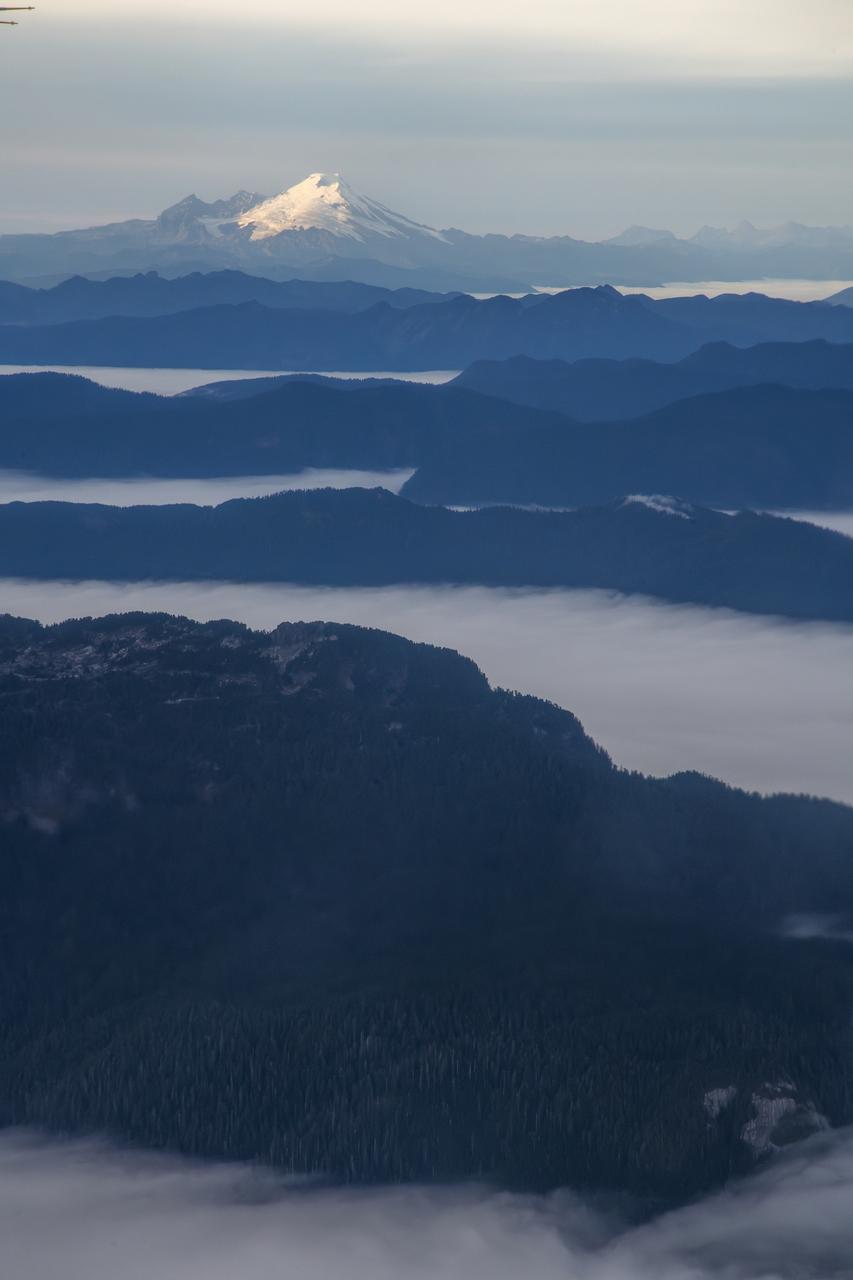
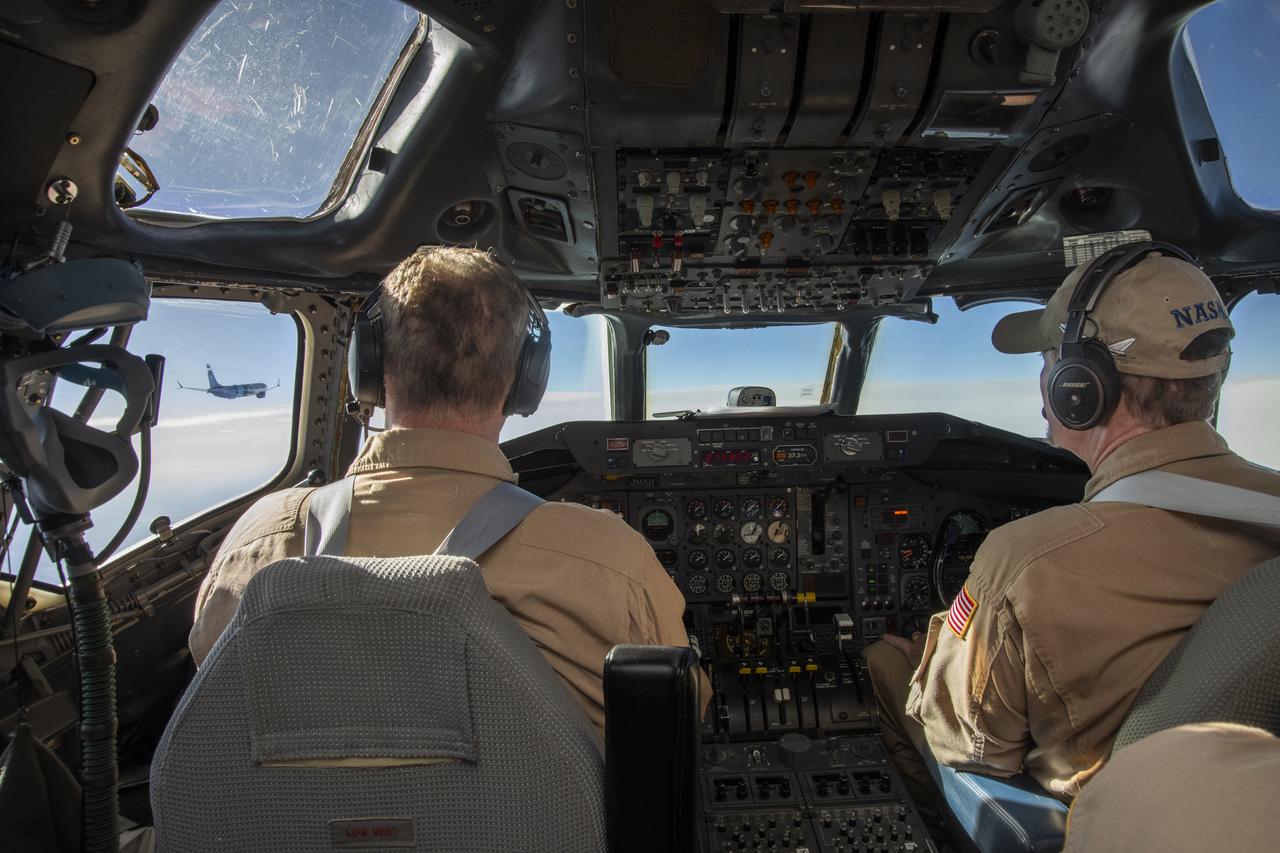
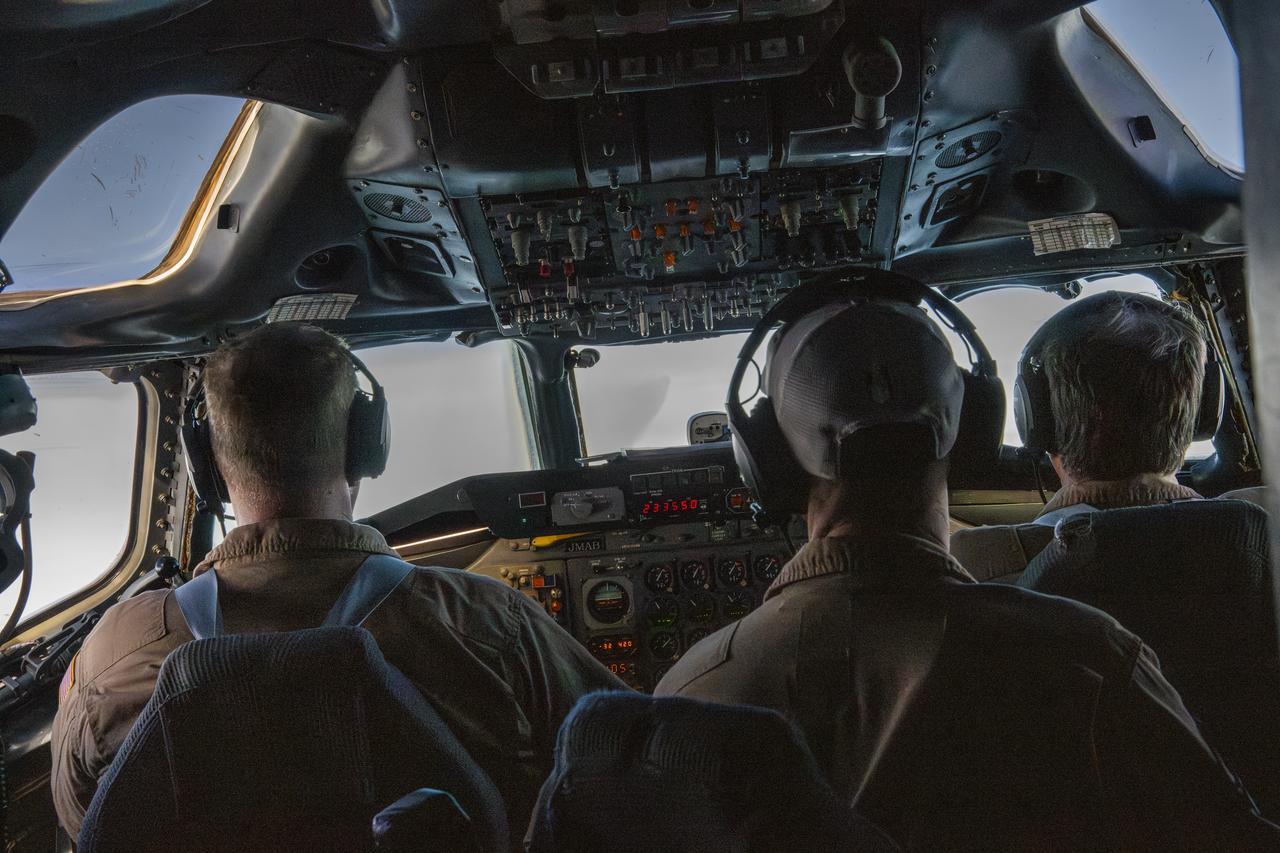
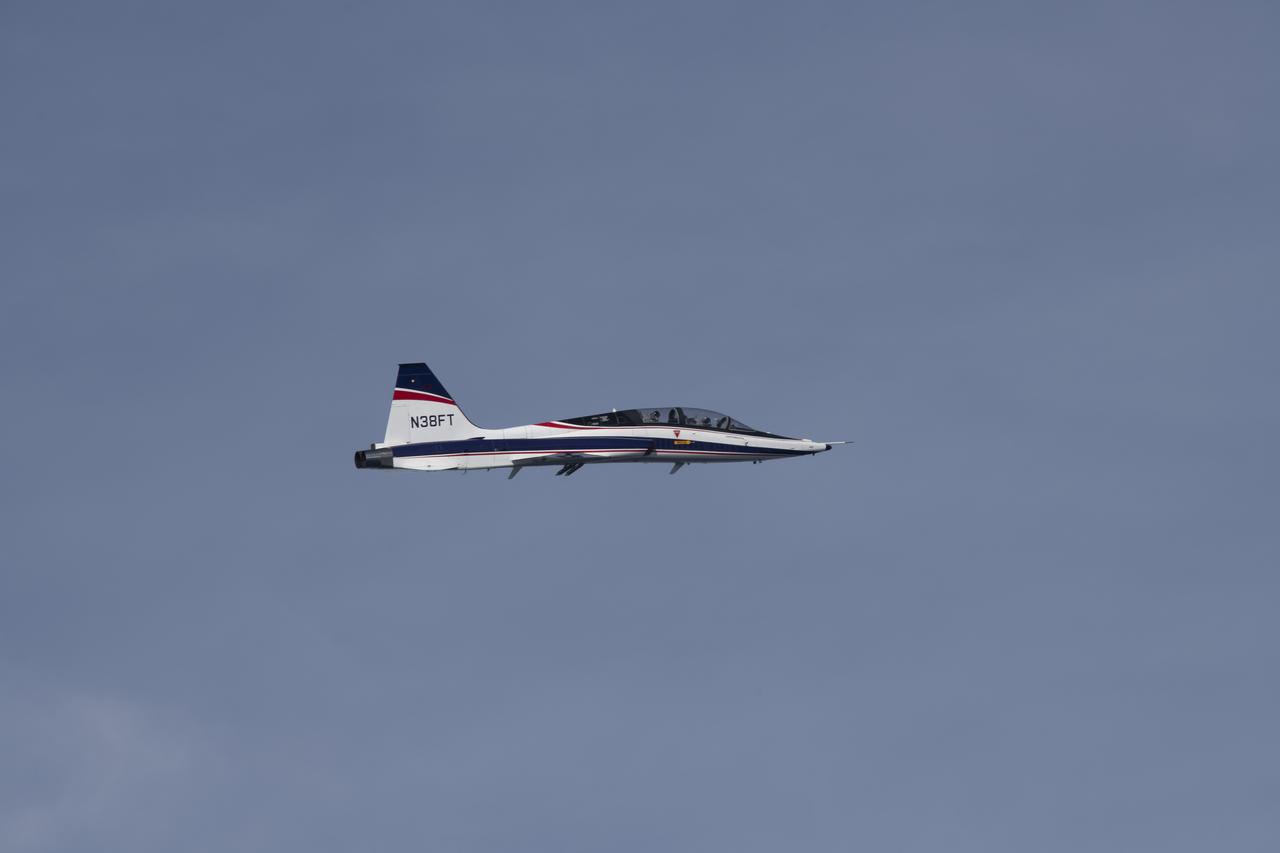
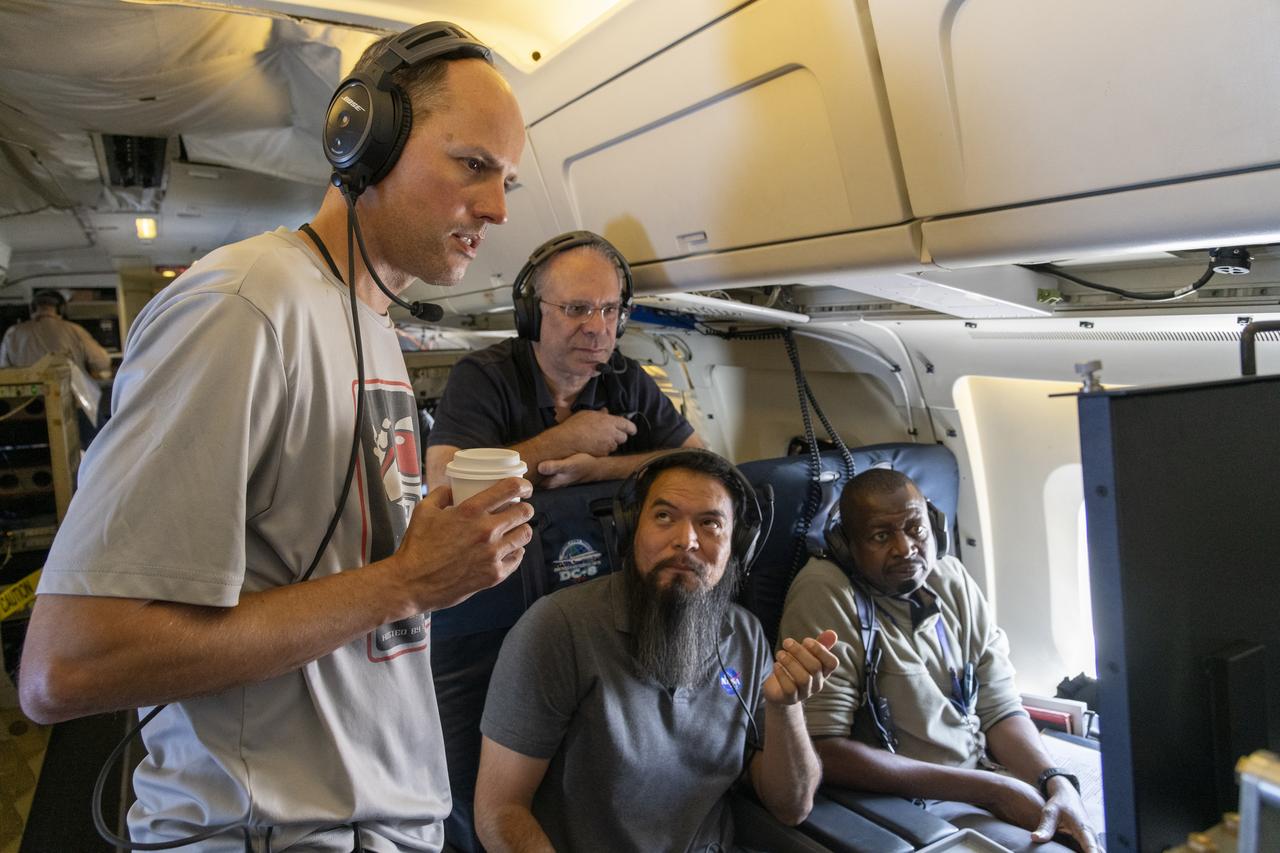
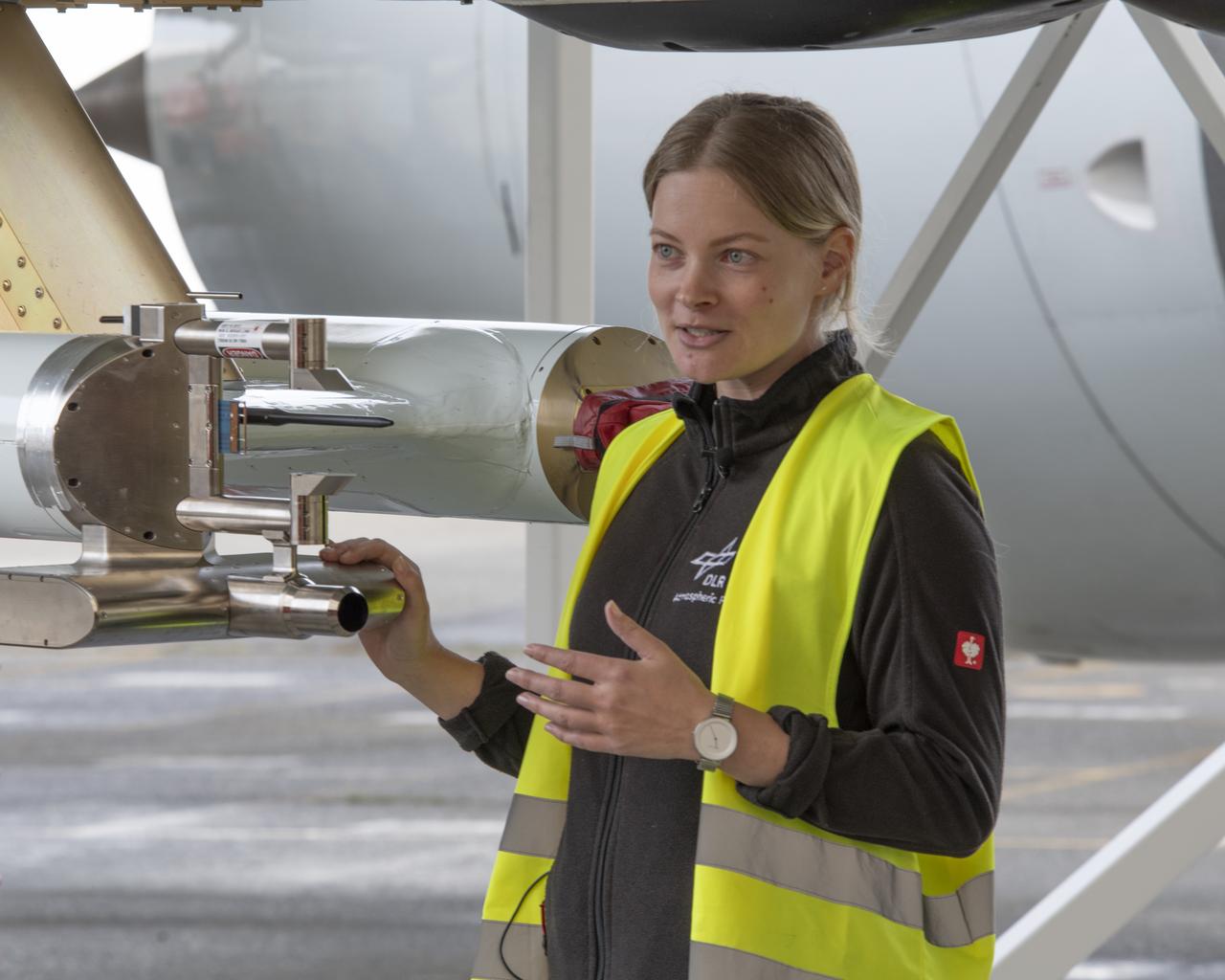
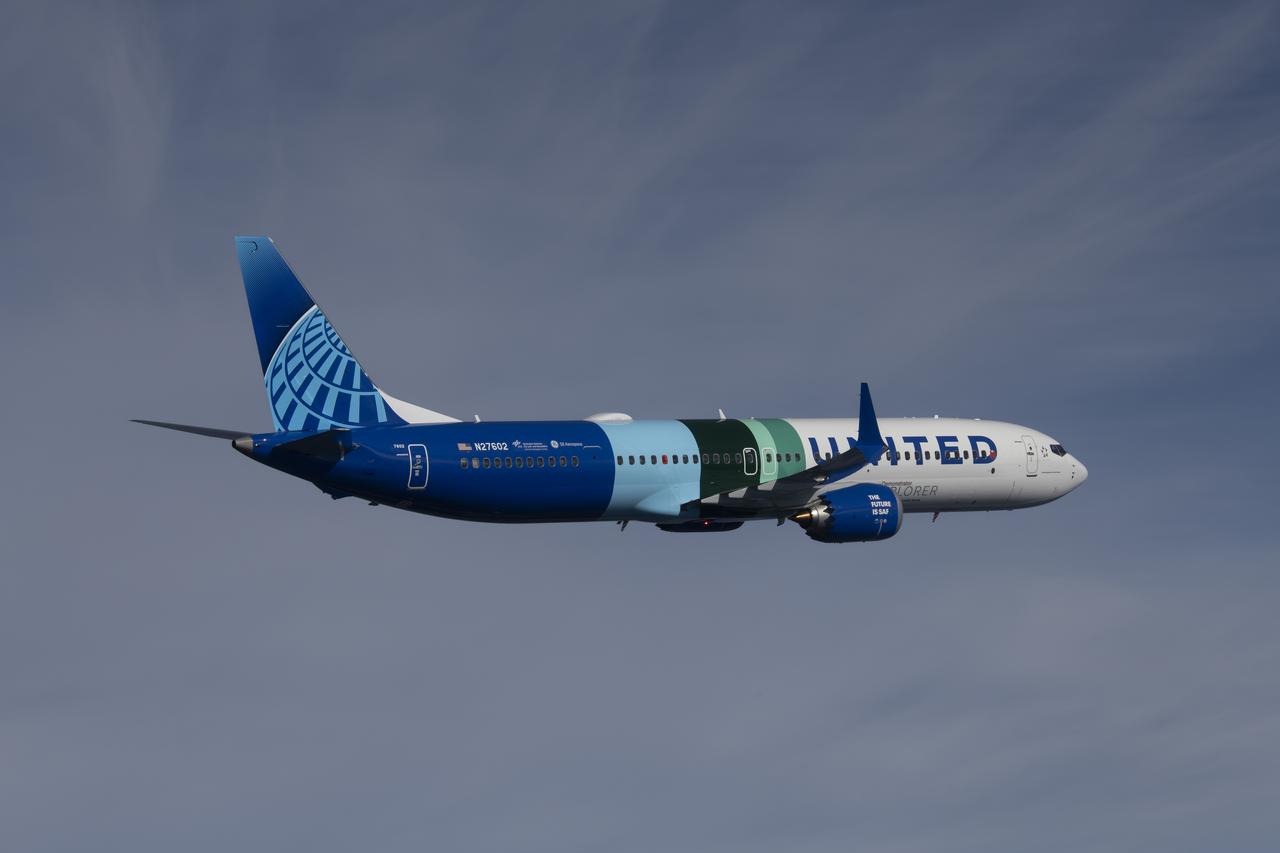
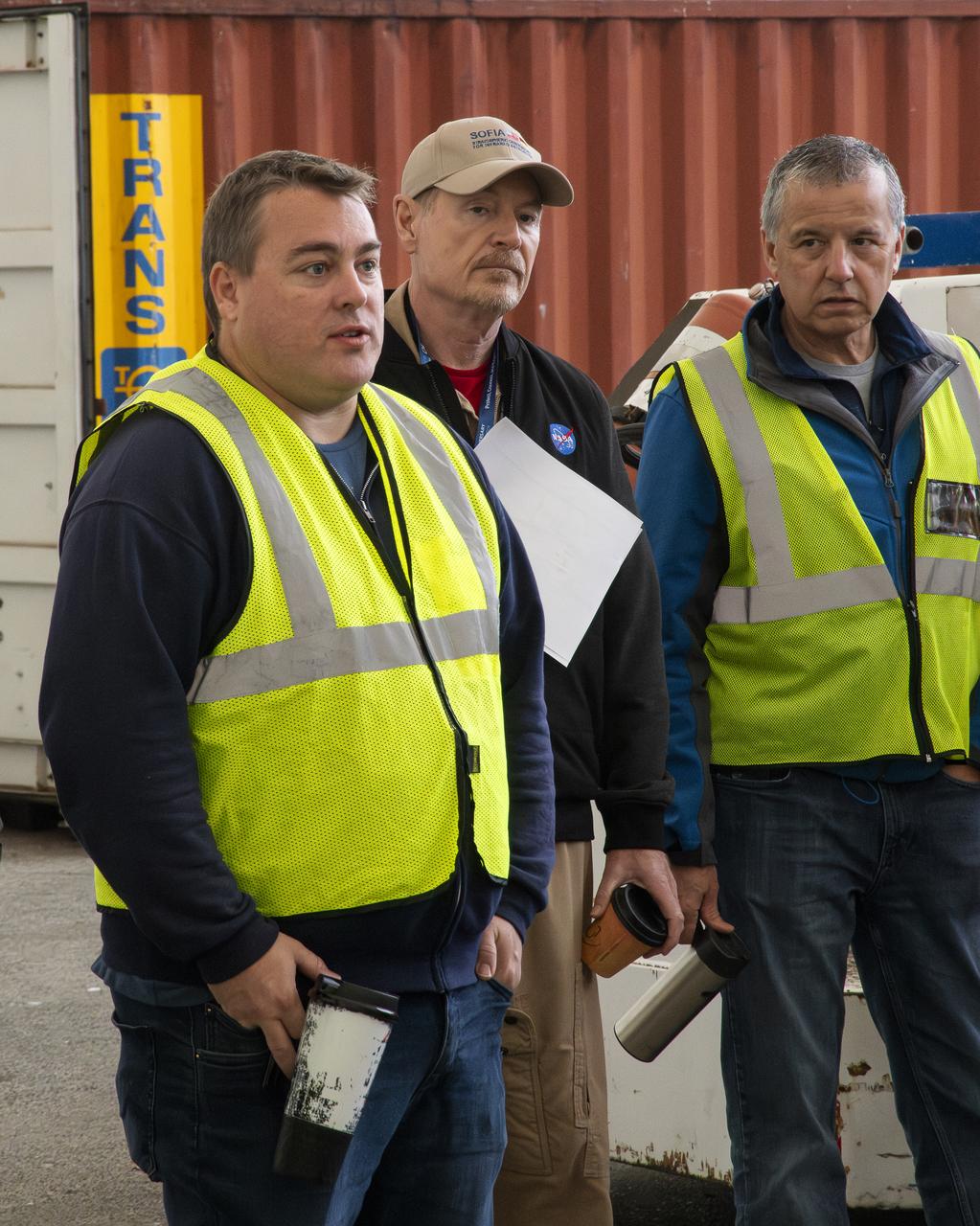
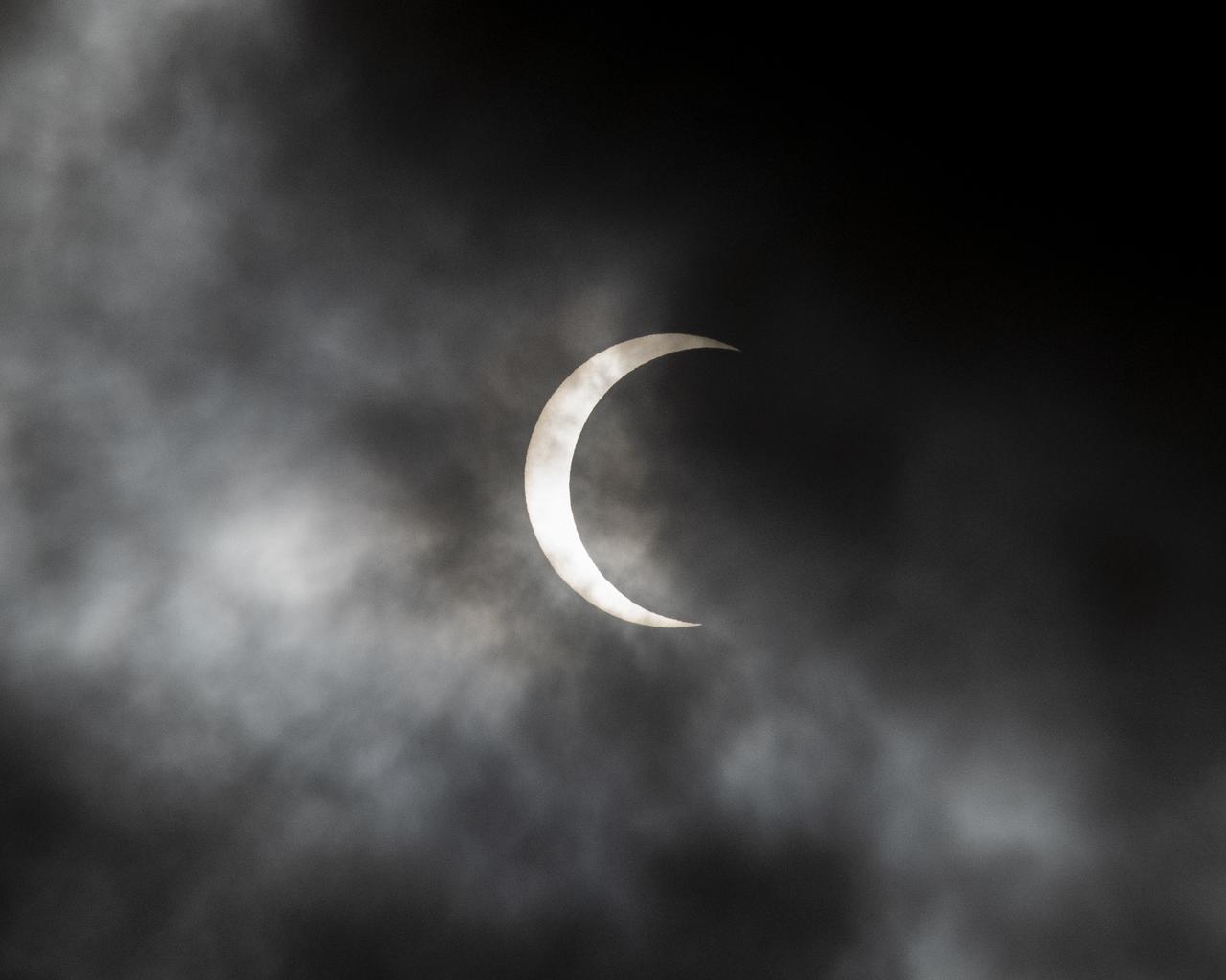
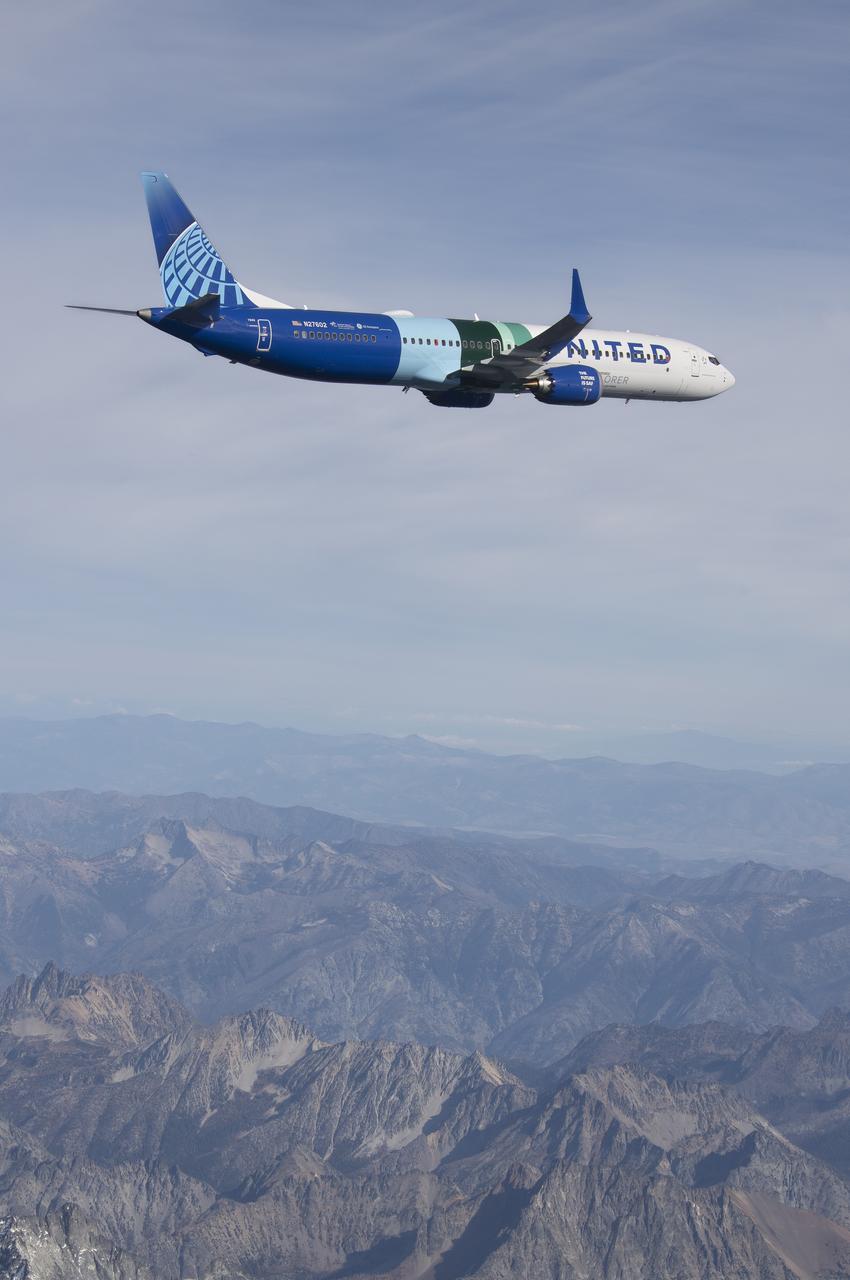
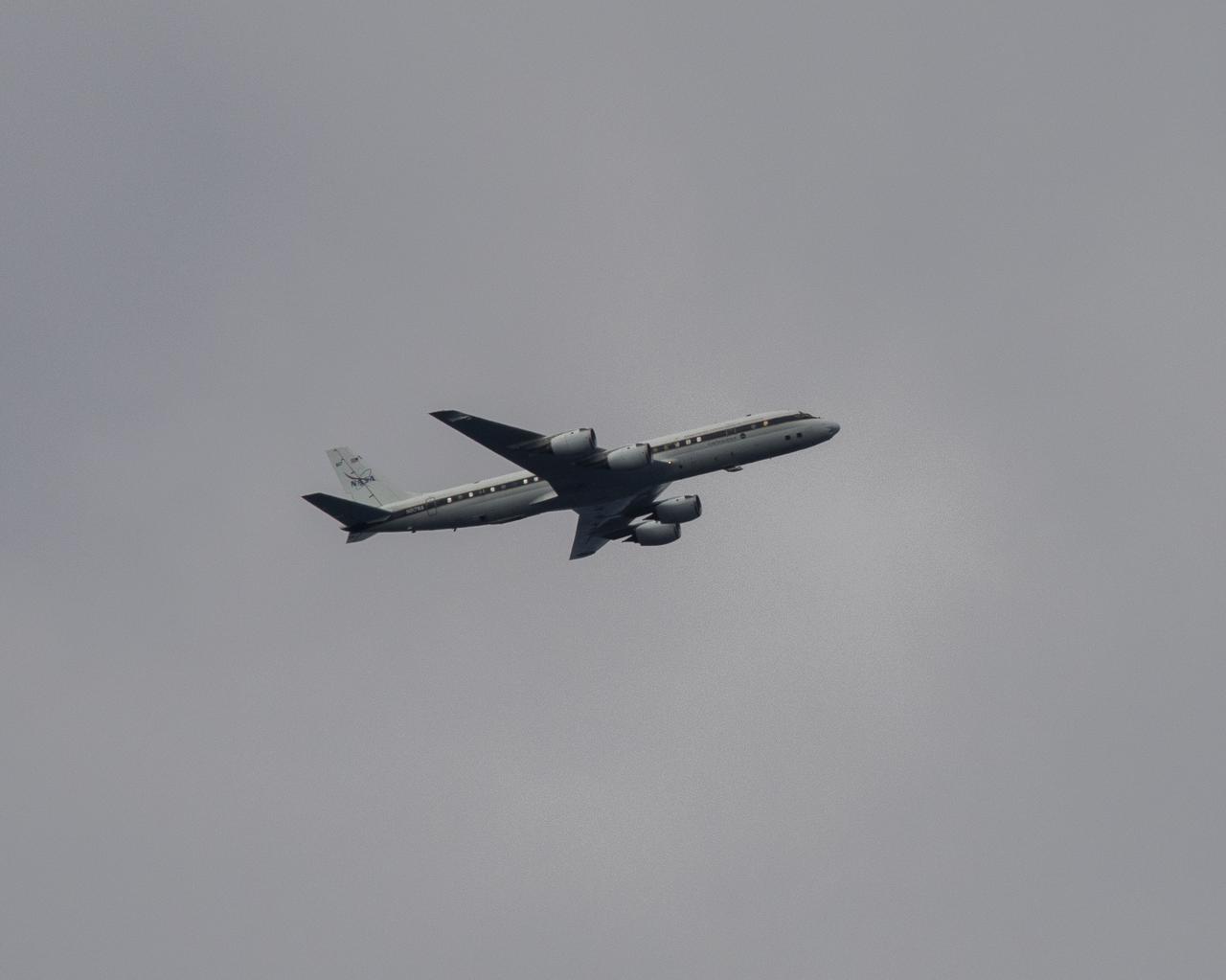
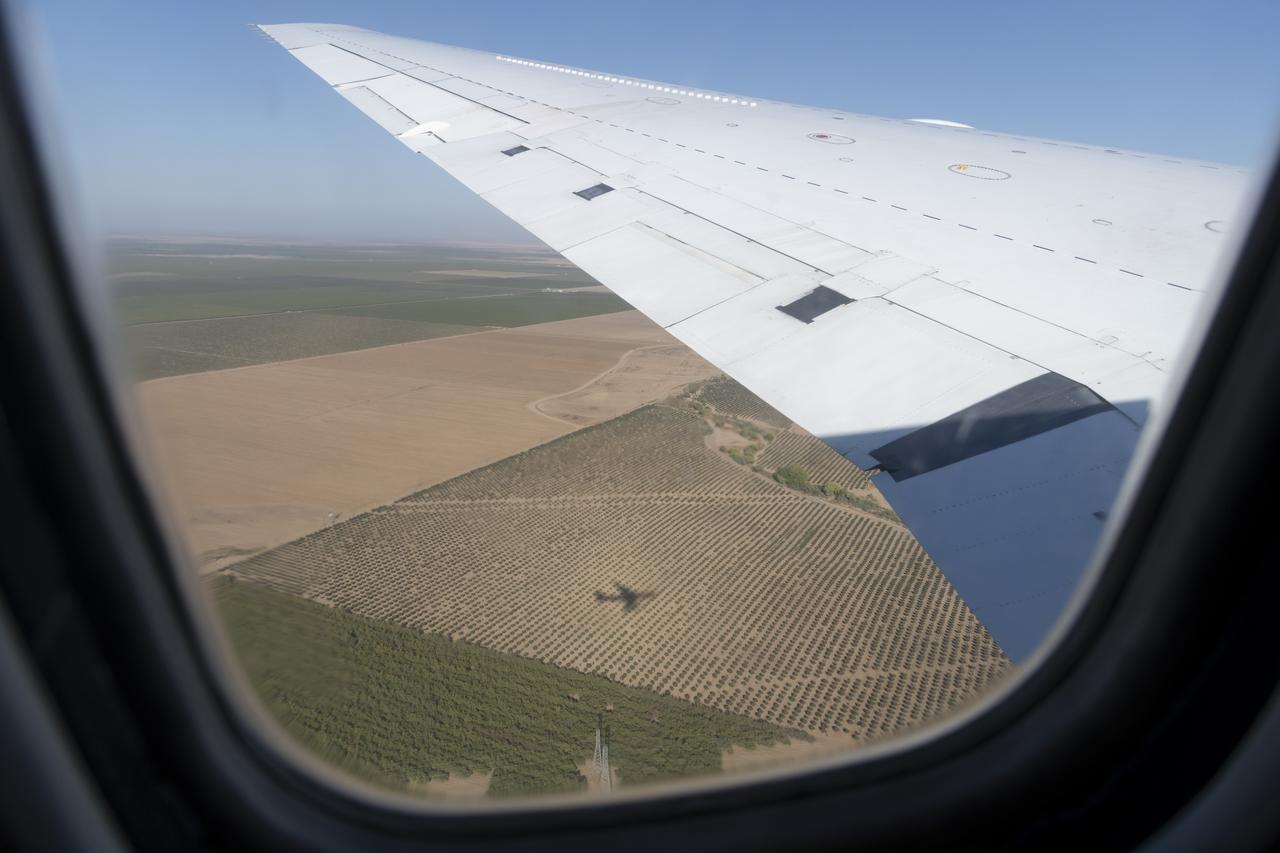
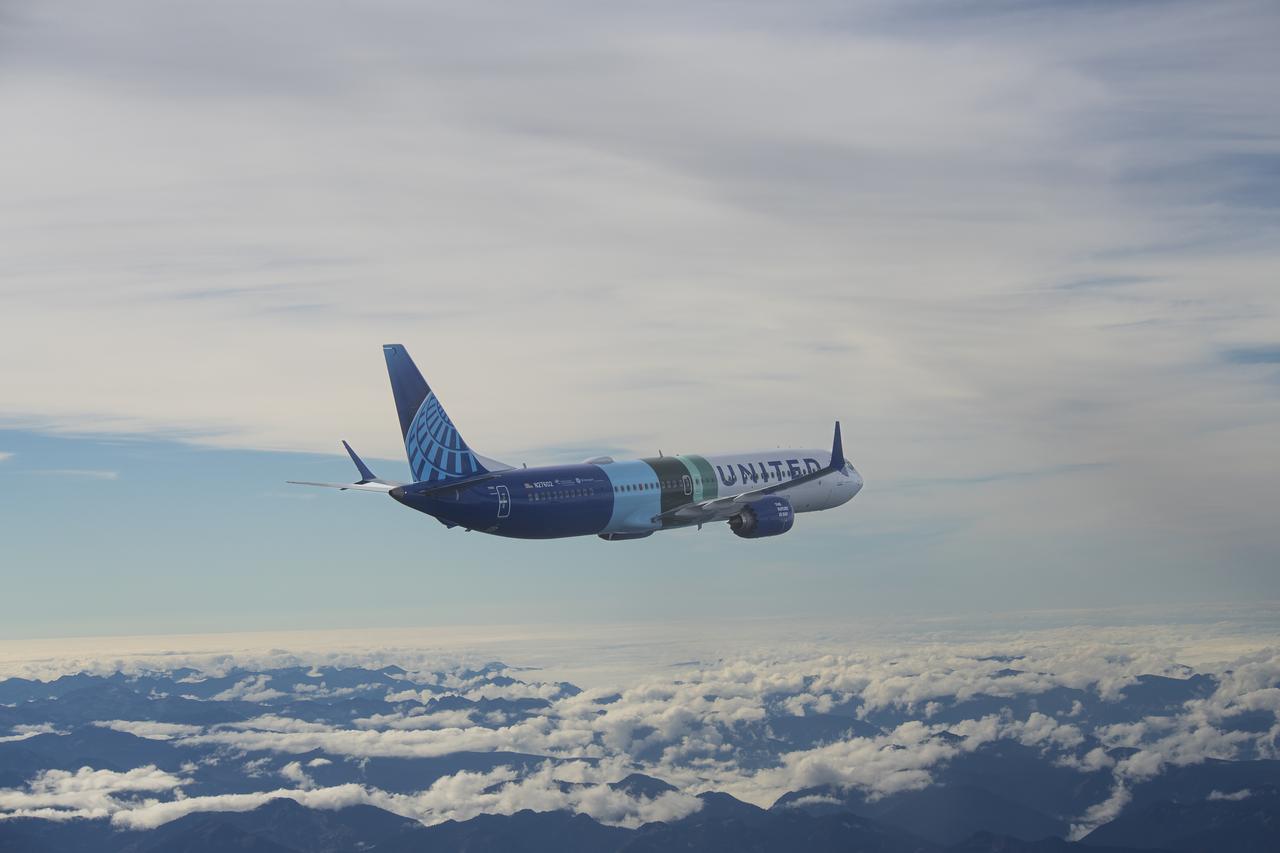
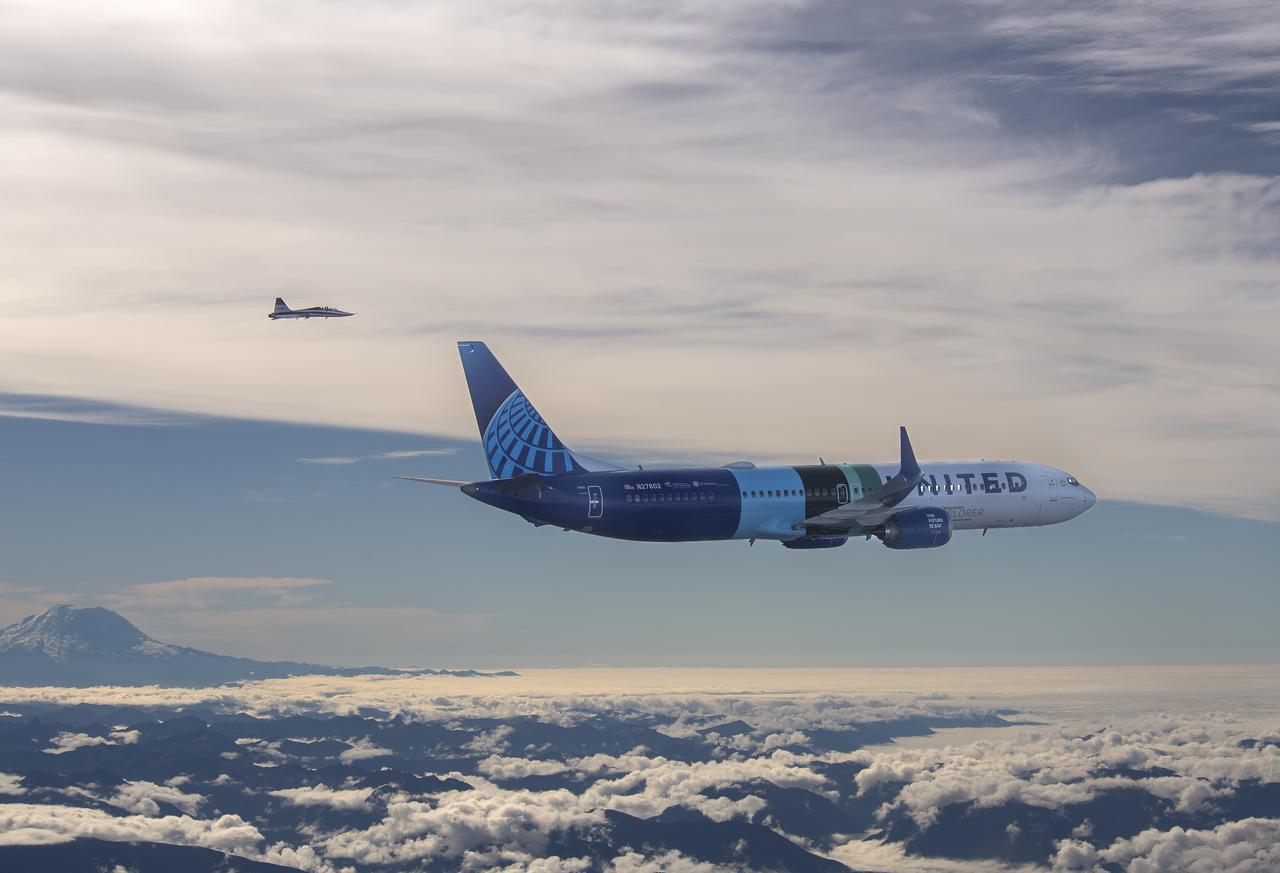
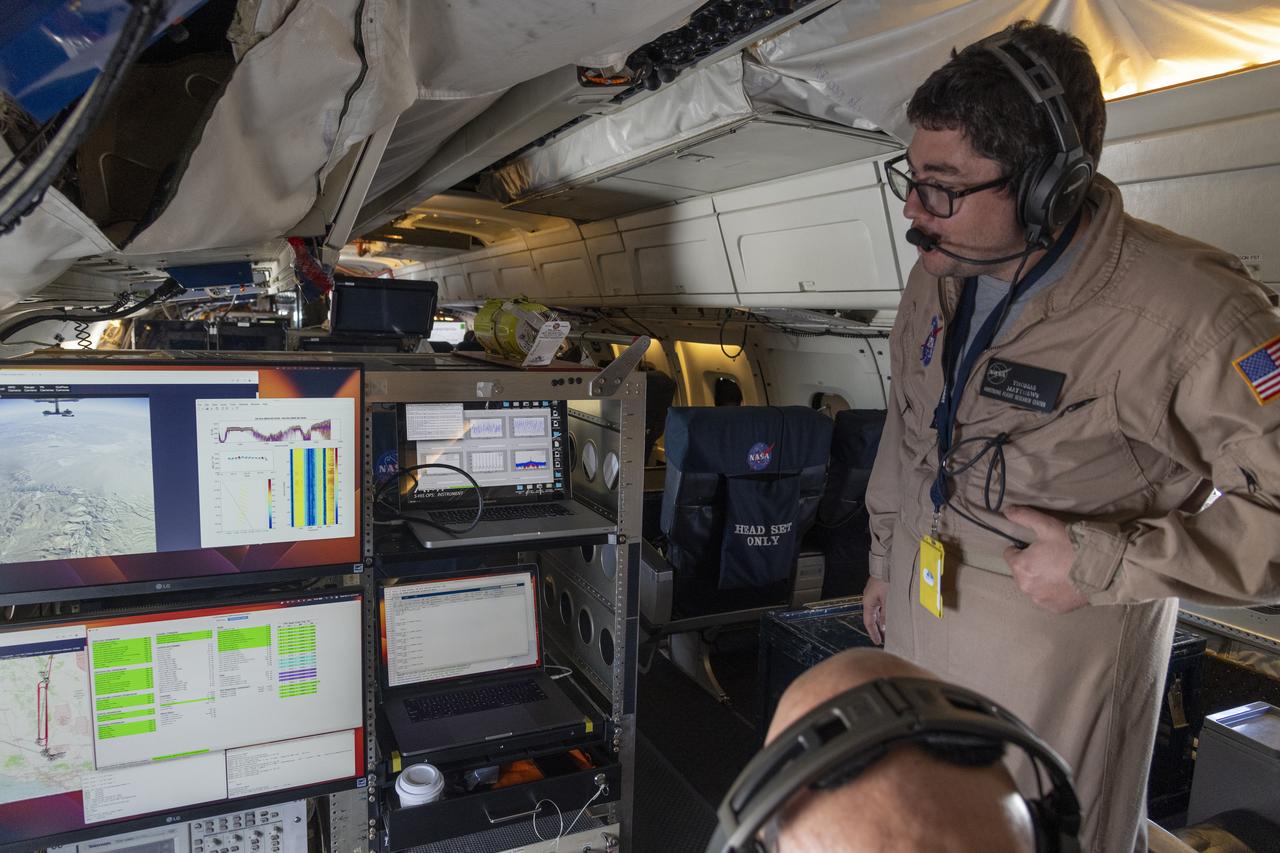
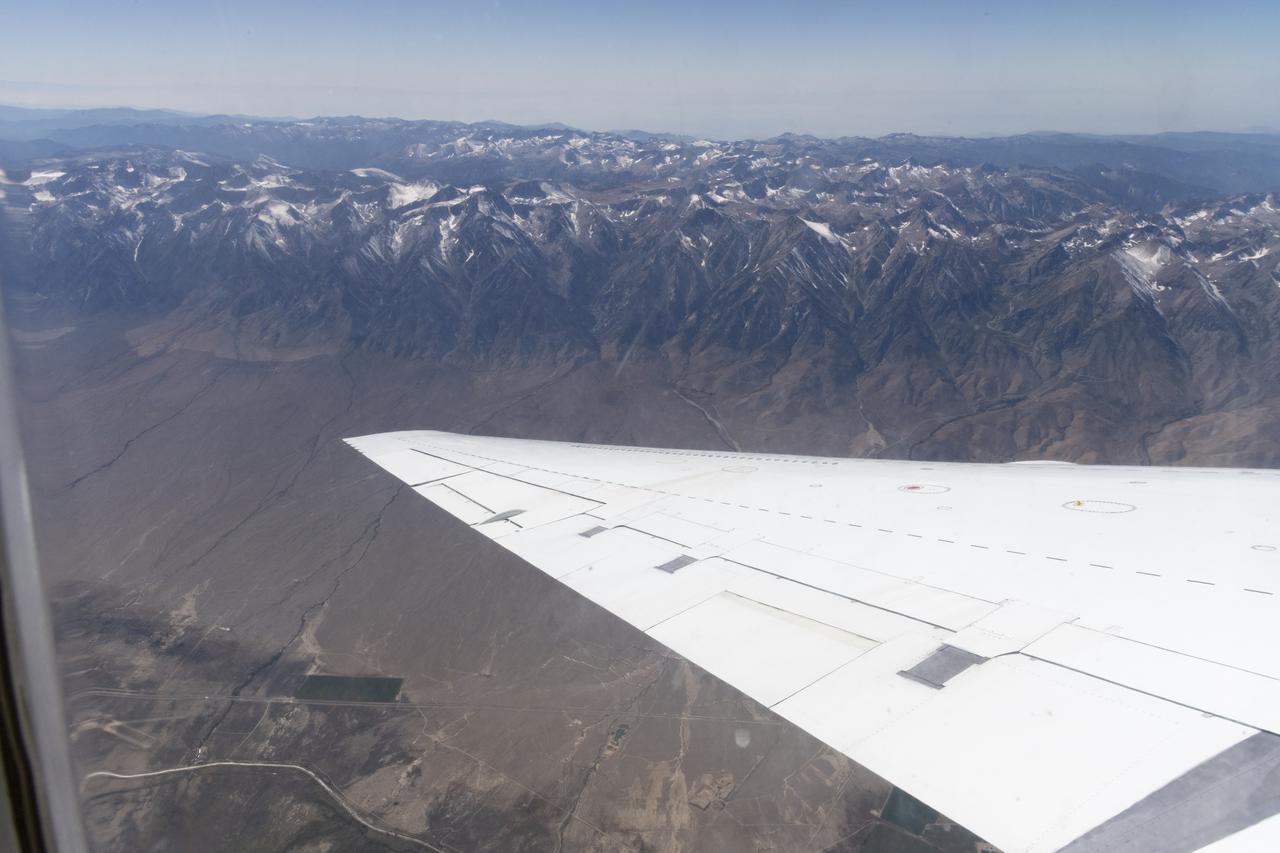
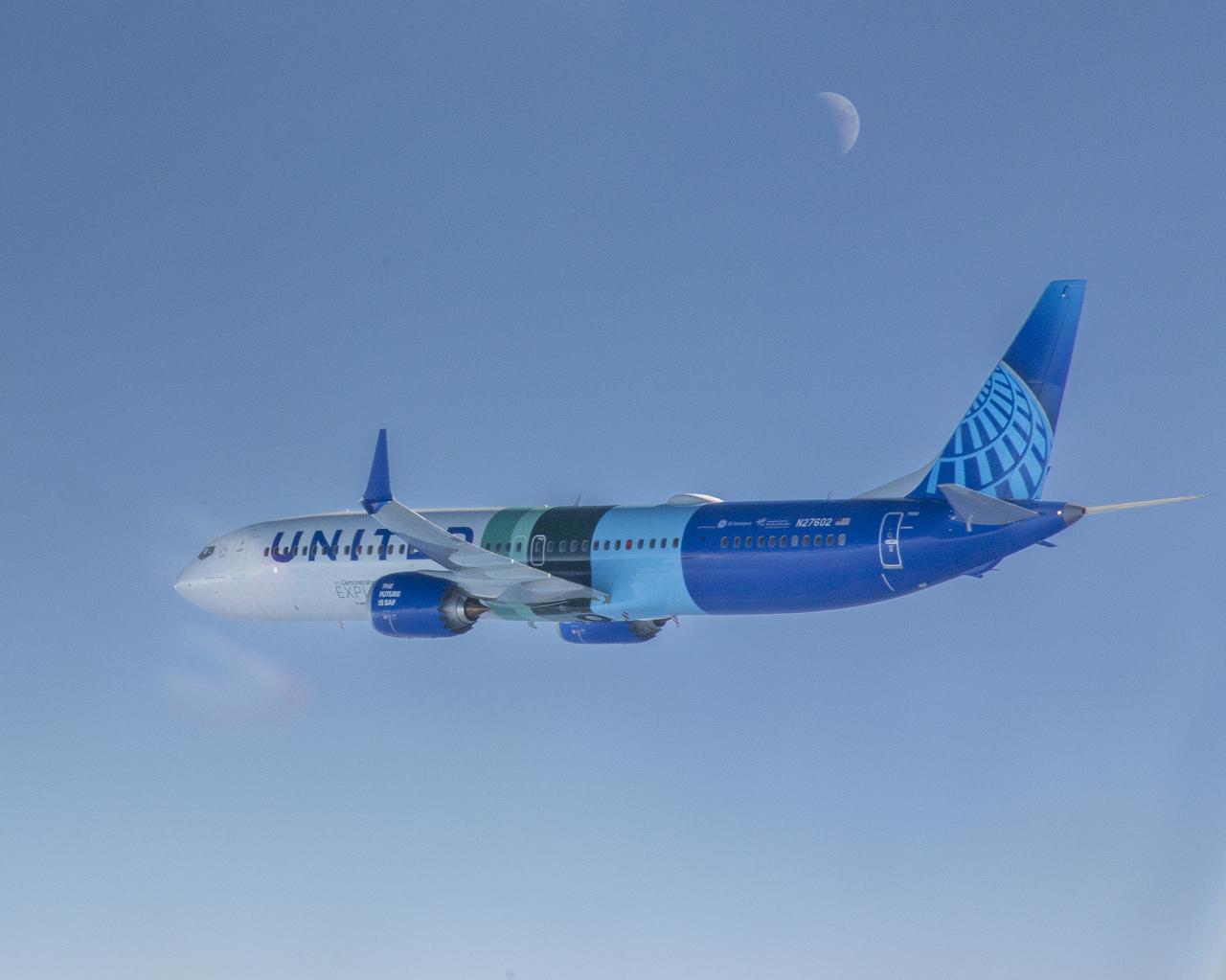
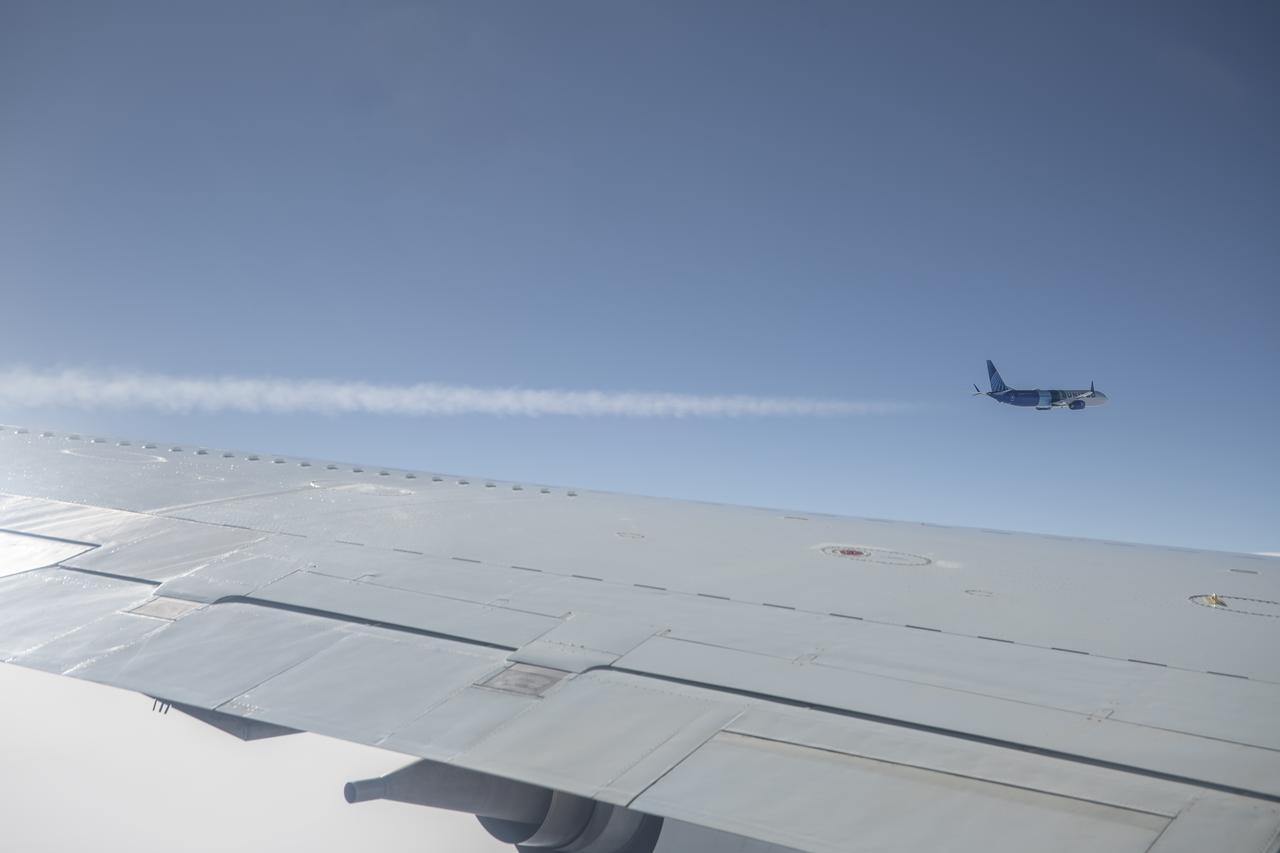
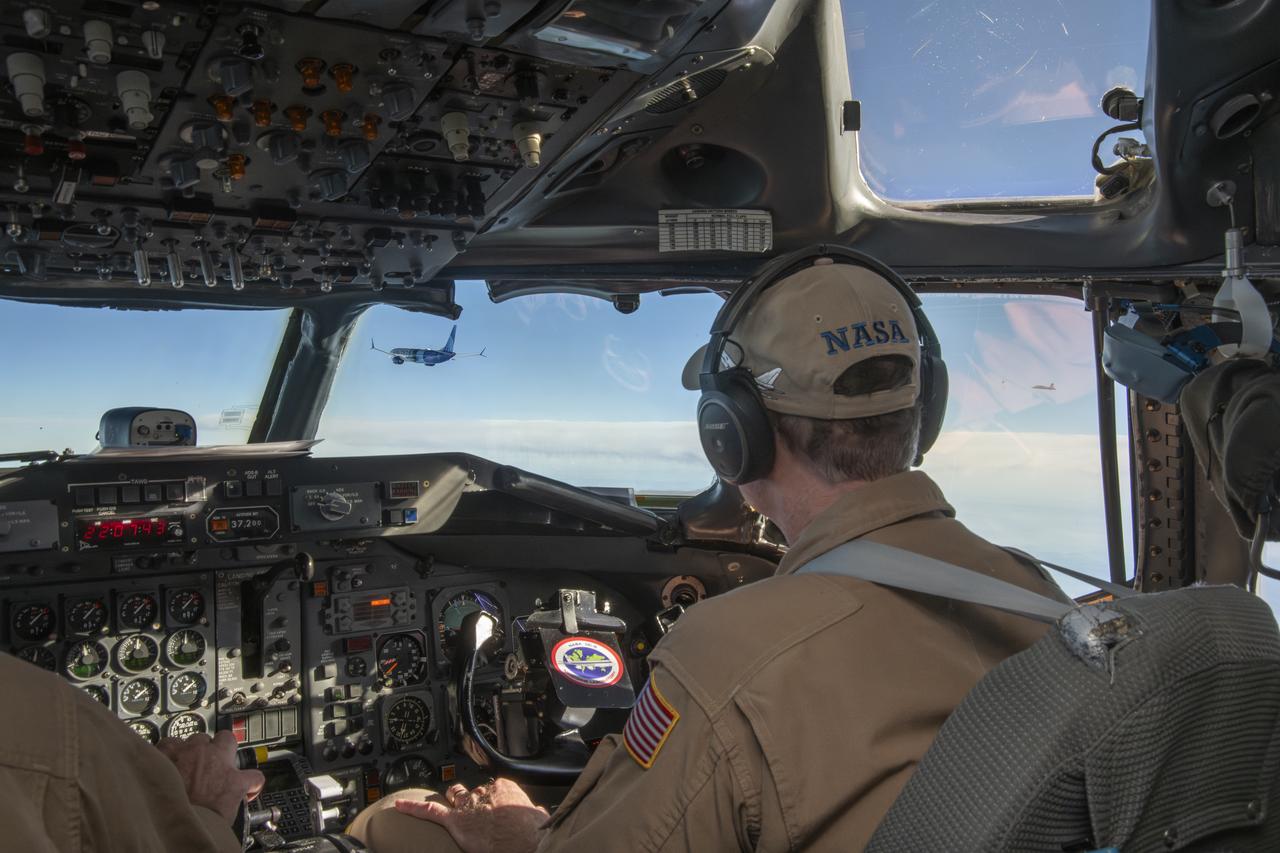
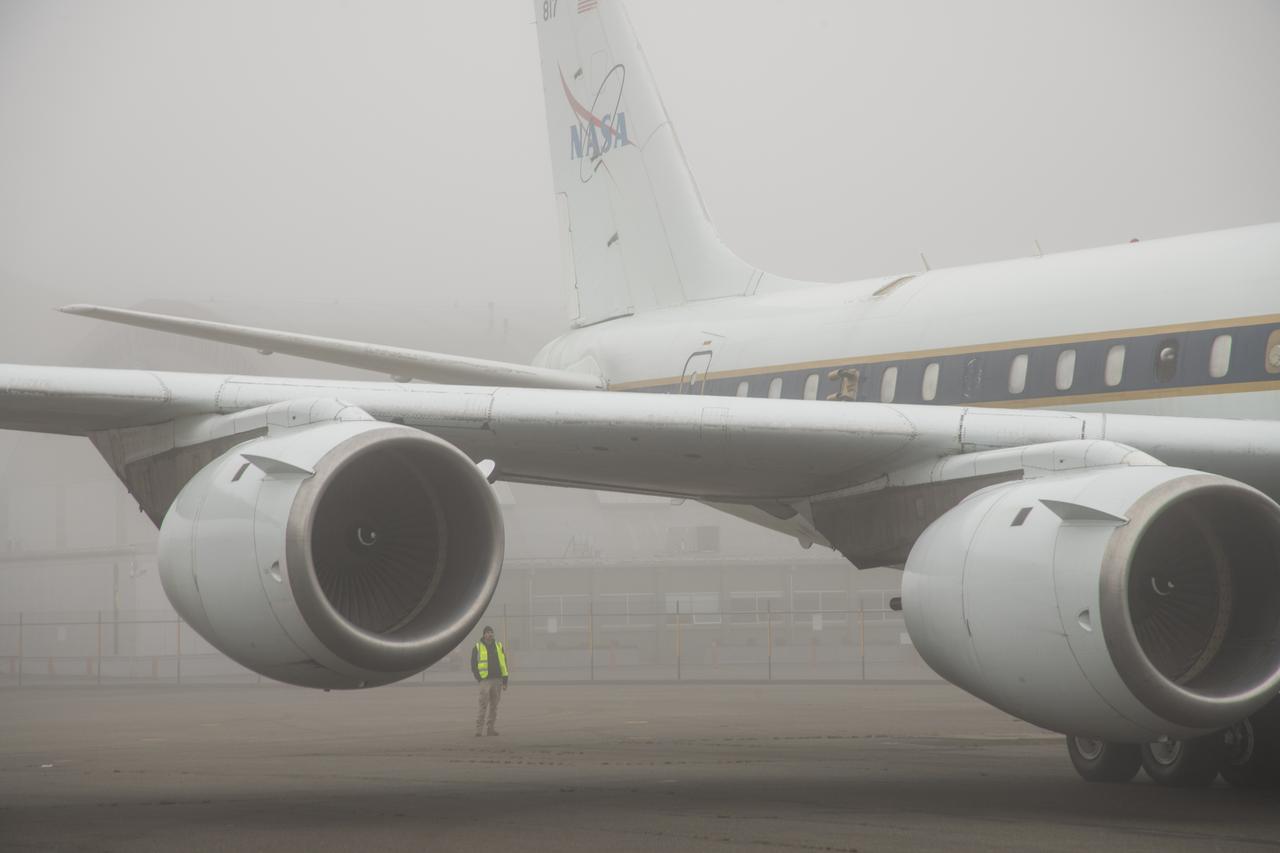
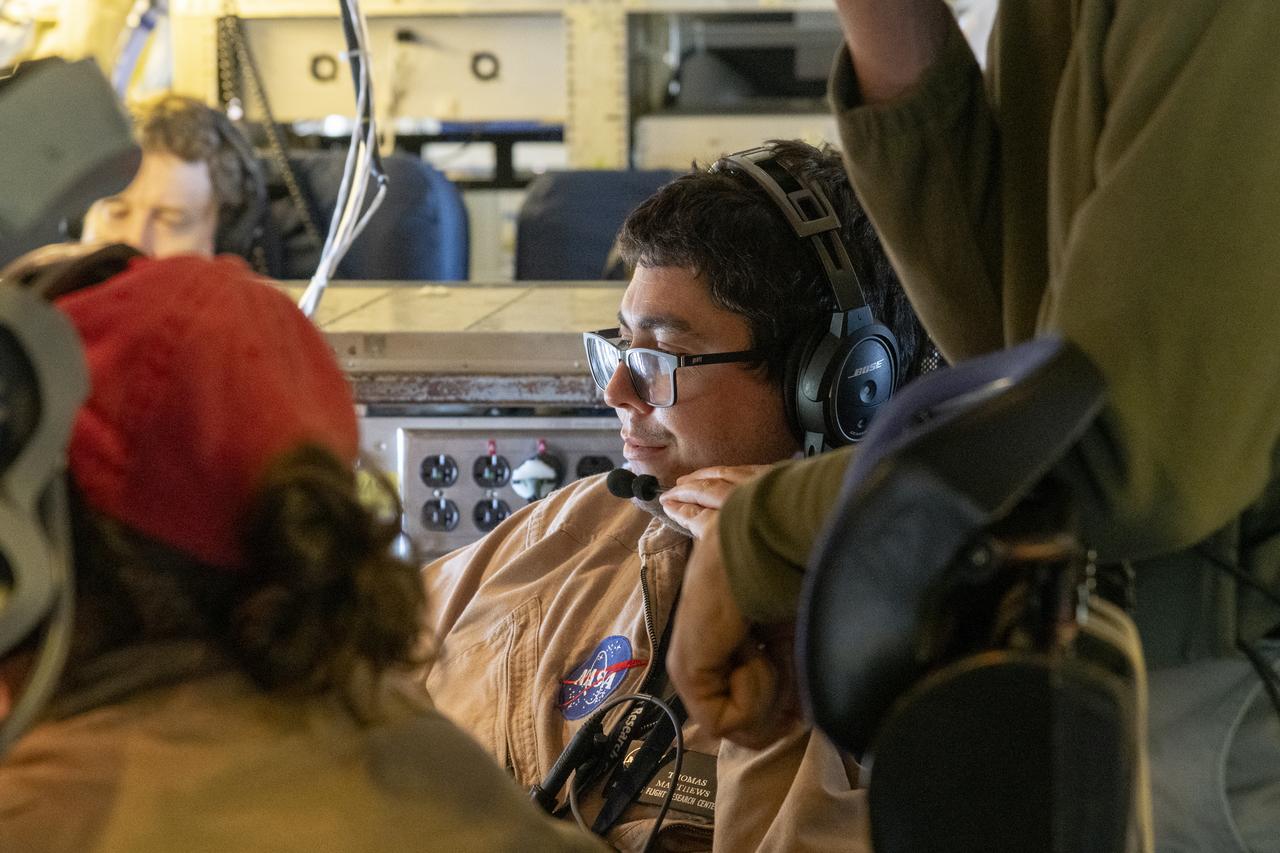
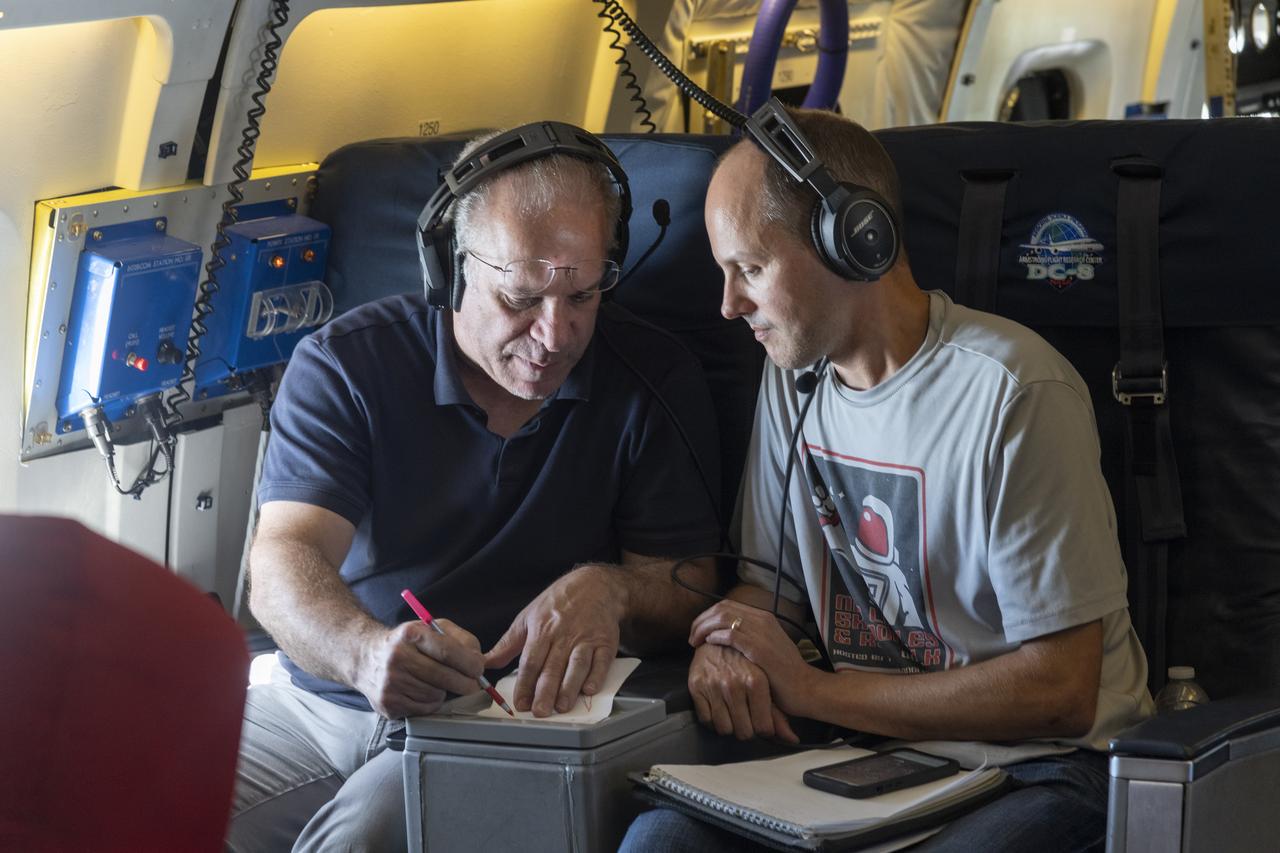
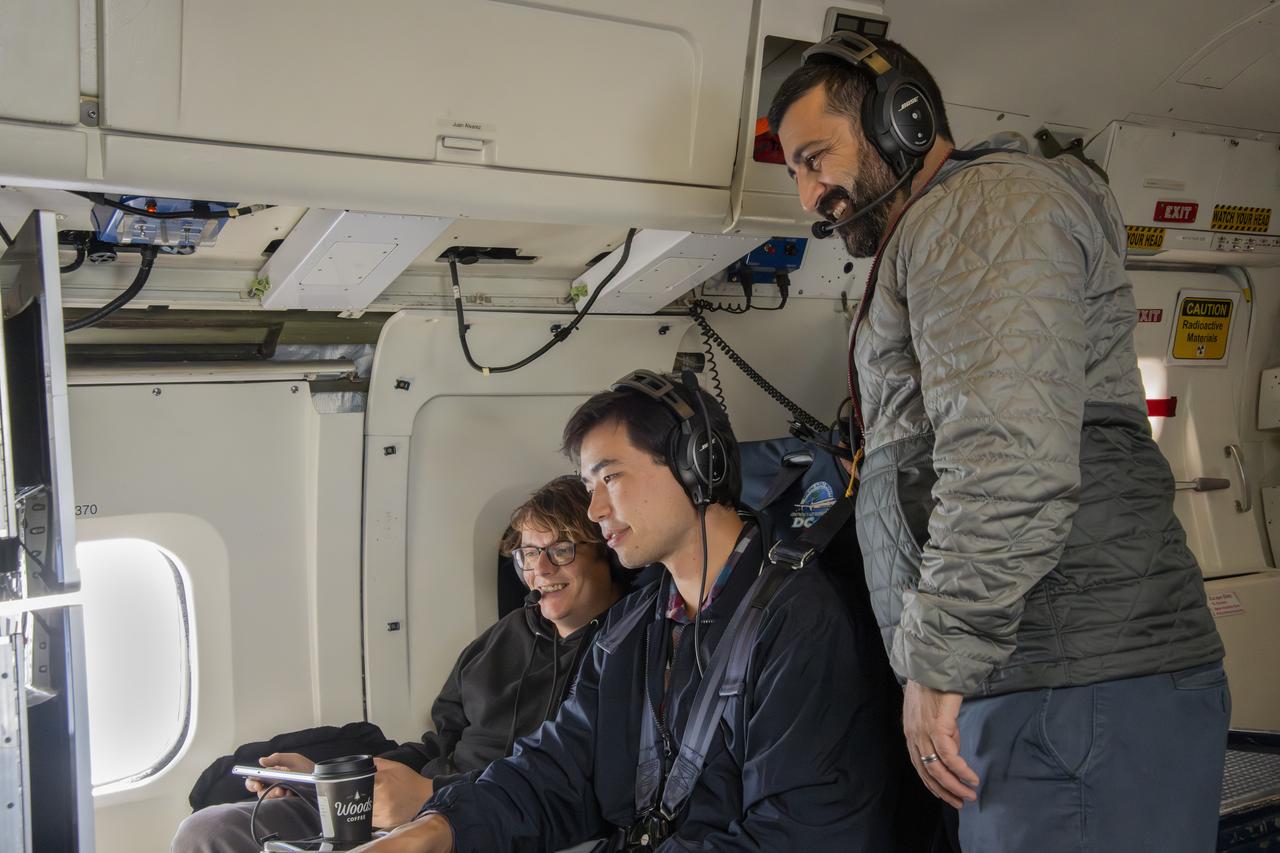
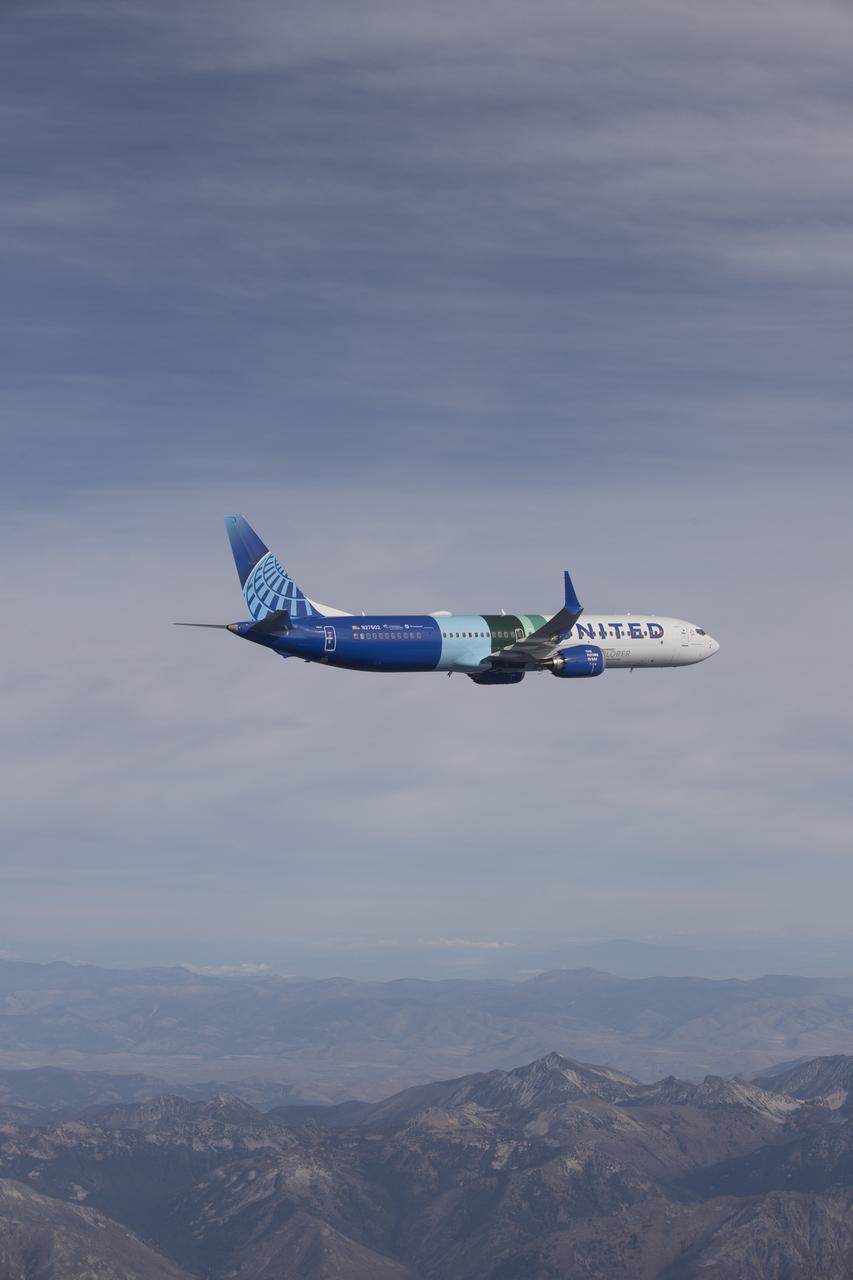
NASA’s DC-8 aircraft from Armstrong Flight Research Center in Edwards, California flies to Everett, Washington to conduct science research about reducing engine particle emissions. Partners include Boeing, United, General Electric Aerospace, German Aerospace Center (DLR), the FAA, and World Energy. Boeing’s new passenger aircraft uses revolutionary Sustainable Aviation Fuel, SAF, and NASA’s DC-8 flies behind the Boeing plane to measure its impact throughout flight. The results of this study will be released publicly to facilitate the improvement of aviation technology worldwide.

NASA’s DC-8 aircraft from Armstrong Flight Research Center in Edwards, California flies to Everett, Washington to conduct science research about reducing engine particle emissions. Partners include Boeing, United, General Electric Aerospace, German Aerospace Center (DLR), the FAA, and World Energy. Boeing’s new passenger aircraft uses revolutionary Sustainable Aviation Fuel, SAF, and NASA’s DC-8 flies behind the Boeing plane to measure its impact throughout flight. The results of this study will be released publicly to facilitate the improvement of aviation technology worldwide.

NASA’s DC-8 aircraft from Armstrong Flight Research Center in Edwards, California flies to Everett, Washington to conduct science research about reducing engine particle emissions. Partners include Boeing, United, General Electric Aerospace, German Aerospace Center (DLR), the FAA, and World Energy. Boeing’s new passenger aircraft uses revolutionary Sustainable Aviation Fuel, SAF, and NASA’s DC-8 flies behind the Boeing plane to measure its impact throughout flight. The results of this study will be released publicly to facilitate the improvement of aviation technology worldwide.

NASA’s DC-8 aircraft from Armstrong Flight Research Center in Edwards, California flies to Everett, Washington to conduct science research about reducing engine particle emissions. Partners include Boeing, United, General Electric Aerospace, German Aerospace Center (DLR), the FAA, and World Energy. Boeing’s new passenger aircraft uses revolutionary Sustainable Aviation Fuel, SAF, and NASA’s DC-8 flies behind the Boeing plane to measure its impact throughout flight. The results of this study will be released publicly to facilitate the improvement of aviation technology worldwide.

NASA’s DC-8 aircraft from Armstrong Flight Research Center in Edwards, California flies to Everett, Washington to conduct science research about reducing engine particle emissions. Partners include Boeing, United, General Electric Aerospace, German Aerospace Center (DLR), the FAA, and World Energy. Boeing’s new passenger aircraft uses revolutionary Sustainable Aviation Fuel, SAF, and NASA’s DC-8 flies behind the Boeing plane to measure its impact throughout flight. The results of this study will be released publicly to facilitate the improvement of aviation technology worldwide.

NASA’s DC-8 aircraft from Armstrong Flight Research Center in Edwards, California flies to Everett, Washington to conduct science research about reducing engine particle emissions. Partners include Boeing, United, General Electric Aerospace, German Aerospace Center (DLR), the FAA, and World Energy. Boeing’s new passenger aircraft uses revolutionary Sustainable Aviation Fuel, SAF, and NASA’s DC-8 flies behind the Boeing plane to measure its impact throughout flight. The results of this study will be released publicly to facilitate the improvement of aviation technology worldwide.

NASA’s DC-8 aircraft from Armstrong Flight Research Center in Edwards, California flies to Everett, Washington to conduct science research about reducing engine particle emissions. Partners include Boeing, United, General Electric Aerospace, German Aerospace Center (DLR), the FAA, and World Energy. Boeing’s new passenger aircraft uses revolutionary Sustainable Aviation Fuel, SAF, and NASA’s DC-8 flies behind the Boeing plane to measure its impact throughout flight. The results of this study will be released publicly to facilitate the improvement of aviation technology worldwide.

NASA’s DC-8 aircraft from Armstrong Flight Research Center in Edwards, California flies to Everett, Washington to conduct science research about reducing engine particle emissions. Partners include Boeing, United, General Electric Aerospace, German Aerospace Center (DLR), the FAA, and World Energy. Boeing’s new passenger aircraft uses revolutionary Sustainable Aviation Fuel, SAF, and NASA’s DC-8 flies behind the Boeing plane to measure its impact throughout flight. The results of this study will be released publicly to facilitate the improvement of aviation technology worldwide.

NASA’s DC-8 aircraft from Armstrong Flight Research Center in Edwards, California flies to Everett, Washington to conduct science research about reducing engine particle emissions. Partners include Boeing, United, General Electric Aerospace, German Aerospace Center (DLR), the FAA, and World Energy. Boeing’s new passenger aircraft uses revolutionary Sustainable Aviation Fuel, SAF, and NASA’s DC-8 flies behind the Boeing plane to measure its impact throughout flight. The results of this study will be released publicly to facilitate the improvement of aviation technology worldwide.

NASA’s DC-8 aircraft from Armstrong Flight Research Center in Edwards, California flies to Everett, Washington to conduct science research about reducing engine particle emissions. Partners include Boeing, United, General Electric Aerospace, German Aerospace Center (DLR), the FAA, and World Energy. Boeing’s new passenger aircraft uses revolutionary Sustainable Aviation Fuel, SAF, and NASA’s DC-8 flies behind the Boeing plane to measure its impact throughout flight. The results of this study will be released publicly to facilitate the improvement of aviation technology worldwide.

NASA’s DC-8 aircraft from Armstrong Flight Research Center in Edwards, California flies to Everett, Washington to conduct science research about reducing engine particle emissions. Partners include Boeing, United, General Electric Aerospace, German Aerospace Center (DLR), the FAA, and World Energy. Boeing’s new passenger aircraft uses revolutionary Sustainable Aviation Fuel, SAF, and NASA’s DC-8 flies behind the Boeing plane to measure its impact throughout flight. The results of this study will be released publicly to facilitate the improvement of aviation technology worldwide.

NASA’s DC-8 aircraft from Armstrong Flight Research Center in Edwards, California flies to Everett, Washington to conduct science research about reducing engine particle emissions. Partners include Boeing, United, General Electric Aerospace, German Aerospace Center (DLR), the FAA, and World Energy. Boeing’s new passenger aircraft uses revolutionary Sustainable Aviation Fuel, SAF, and NASA’s DC-8 flies behind the Boeing plane to measure its impact throughout flight. The results of this study will be released publicly to facilitate the improvement of aviation technology worldwide.

NASA’s DC-8 aircraft from Armstrong Flight Research Center in Edwards, California flies to Everett, Washington to conduct science research about reducing engine particle emissions. Partners include Boeing, United, General Electric Aerospace, German Aerospace Center (DLR), the FAA, and World Energy. Boeing’s new passenger aircraft uses revolutionary Sustainable Aviation Fuel, SAF, and NASA’s DC-8 flies behind the Boeing plane to measure its impact throughout flight. The results of this study will be released publicly to facilitate the improvement of aviation technology worldwide.

NASA’s DC-8 aircraft from Armstrong Flight Research Center in Edwards, California flies to Everett, Washington to conduct science research about reducing engine particle emissions. Partners include Boeing, United, General Electric Aerospace, German Aerospace Center (DLR), the FAA, and World Energy. Boeing’s new passenger aircraft uses revolutionary Sustainable Aviation Fuel, SAF, and NASA’s DC-8 flies behind the Boeing plane to measure its impact throughout flight. The results of this study will be released publicly to facilitate the improvement of aviation technology worldwide.

NASA’s DC-8 aircraft from Armstrong Flight Research Center in Edwards, California flies to Everett, Washington to conduct science research about reducing engine particle emissions. Partners include Boeing, United, General Electric Aerospace, German Aerospace Center (DLR), the FAA, and World Energy. Boeing’s new passenger aircraft uses revolutionary Sustainable Aviation Fuel, SAF, and NASA’s DC-8 flies behind the Boeing plane to measure its impact throughout flight. The results of this study will be released publicly to facilitate the improvement of aviation technology worldwide.

NASA’s DC-8 aircraft from Armstrong Flight Research Center in Edwards, California flies to Everett, Washington to conduct science research about reducing engine particle emissions. Partners include Boeing, United, General Electric Aerospace, German Aerospace Center (DLR), the FAA, and World Energy. Boeing’s new passenger aircraft uses revolutionary Sustainable Aviation Fuel, SAF, and NASA’s DC-8 flies behind the Boeing plane to measure its impact throughout flight. The results of this study will be released publicly to facilitate the improvement of aviation technology worldwide.

NASA’s DC-8 aircraft from Armstrong Flight Research Center in Edwards, California flies to Everett, Washington to conduct science research about reducing engine particle emissions. Partners include Boeing, United, General Electric Aerospace, German Aerospace Center (DLR), the FAA, and World Energy. Boeing’s new passenger aircraft uses revolutionary Sustainable Aviation Fuel, SAF, and NASA’s DC-8 flies behind the Boeing plane to measure its impact throughout flight. The results of this study will be released publicly to facilitate the improvement of aviation technology worldwide.

NASA’s DC-8 aircraft from Armstrong Flight Research Center in Edwards, California flies to Everett, Washington to conduct science research about reducing engine particle emissions. Partners include Boeing, United, General Electric Aerospace, German Aerospace Center (DLR), the FAA, and World Energy. Boeing’s new passenger aircraft uses revolutionary Sustainable Aviation Fuel, SAF, and NASA’s DC-8 flies behind the Boeing plane to measure its impact throughout flight. The results of this study will be released publicly to facilitate the improvement of aviation technology worldwide.

NASA’s DC-8 aircraft from Armstrong Flight Research Center in Edwards, California flies to Everett, Washington to conduct science research about reducing engine particle emissions. Partners include Boeing, United, General Electric Aerospace, German Aerospace Center (DLR), the FAA, and World Energy. Boeing’s new passenger aircraft uses revolutionary Sustainable Aviation Fuel, SAF, and NASA’s DC-8 flies behind the Boeing plane to measure its impact throughout flight. The results of this study will be released publicly to facilitate the improvement of aviation technology worldwide.

NASA’s DC-8 aircraft from Armstrong Flight Research Center in Edwards, California flies to Everett, Washington to conduct science research about reducing engine particle emissions. Partners include Boeing, United, General Electric Aerospace, German Aerospace Center (DLR), the FAA, and World Energy. Boeing’s new passenger aircraft uses revolutionary Sustainable Aviation Fuel, SAF, and NASA’s DC-8 flies behind the Boeing plane to measure its impact throughout flight. The results of this study will be released publicly to facilitate the improvement of aviation technology worldwide.

NASA’s DC-8 aircraft from Armstrong Flight Research Center in Edwards, California flies to Everett, Washington to conduct science research about reducing engine particle emissions. Partners include Boeing, United, General Electric Aerospace, German Aerospace Center (DLR), the FAA, and World Energy. Boeing’s new passenger aircraft uses revolutionary Sustainable Aviation Fuel, SAF, and NASA’s DC-8 flies behind the Boeing plane to measure its impact throughout flight. The results of this study will be released publicly to facilitate the improvement of aviation technology worldwide.

NASA’s DC-8 aircraft from Armstrong Flight Research Center in Edwards, California flies to Everett, Washington to conduct science research about reducing engine particle emissions. Partners include Boeing, United, General Electric Aerospace, German Aerospace Center (DLR), the FAA, and World Energy. Boeing’s new passenger aircraft uses revolutionary Sustainable Aviation Fuel, SAF, and NASA’s DC-8 flies behind the Boeing plane to measure its impact throughout flight. The results of this study will be released publicly to facilitate the improvement of aviation technology worldwide.

NASA’s DC-8 aircraft from Armstrong Flight Research Center in Edwards, California flies to Everett, Washington to conduct science research about reducing engine particle emissions. Partners include Boeing, United, General Electric Aerospace, German Aerospace Center (DLR), the FAA, and World Energy. Boeing’s new passenger aircraft uses revolutionary Sustainable Aviation Fuel, SAF, and NASA’s DC-8 flies behind the Boeing plane to measure its impact throughout flight. The results of this study will be released publicly to facilitate the improvement of aviation technology worldwide.

NASA’s DC-8 aircraft from Armstrong Flight Research Center in Edwards, California flies to Everett, Washington to conduct science research about reducing engine particle emissions. Partners include Boeing, United, General Electric Aerospace, German Aerospace Center (DLR), the FAA, and World Energy. Boeing’s new passenger aircraft uses revolutionary Sustainable Aviation Fuel, SAF, and NASA’s DC-8 flies behind the Boeing plane to measure its impact throughout flight. The results of this study will be released publicly to facilitate the improvement of aviation technology worldwide.

NASA’s DC-8 aircraft from Armstrong Flight Research Center in Edwards, California flies to Everett, Washington to conduct science research about reducing engine particle emissions. Partners include Boeing, United, General Electric Aerospace, German Aerospace Center (DLR), the FAA, and World Energy. Boeing’s new passenger aircraft uses revolutionary Sustainable Aviation Fuel, SAF, and NASA’s DC-8 flies behind the Boeing plane to measure its impact throughout flight. The results of this study will be released publicly to facilitate the improvement of aviation technology worldwide.

NASA’s DC-8 aircraft from Armstrong Flight Research Center in Edwards, California flies to Everett, Washington to conduct science research about reducing engine particle emissions. Partners include Boeing, United, General Electric Aerospace, German Aerospace Center (DLR), the FAA, and World Energy. Boeing’s new passenger aircraft uses revolutionary Sustainable Aviation Fuel, SAF, and NASA’s DC-8 flies behind the Boeing plane to measure its impact throughout flight. The results of this study will be released publicly to facilitate the improvement of aviation technology worldwide.

NASA’s DC-8 aircraft from Armstrong Flight Research Center in Edwards, California flies to Everett, Washington to conduct science research about reducing engine particle emissions. Partners include Boeing, United, General Electric Aerospace, German Aerospace Center (DLR), the FAA, and World Energy. Boeing’s new passenger aircraft uses revolutionary Sustainable Aviation Fuel, SAF, and NASA’s DC-8 flies behind the Boeing plane to measure its impact throughout flight. The results of this study will be released publicly to facilitate the improvement of aviation technology worldwide.

NASA’s DC-8 aircraft from Armstrong Flight Research Center in Edwards, California flies to Everett, Washington to conduct science research about reducing engine particle emissions. Partners include Boeing, United, General Electric Aerospace, German Aerospace Center (DLR), the FAA, and World Energy. Boeing’s new passenger aircraft uses revolutionary Sustainable Aviation Fuel, SAF, and NASA’s DC-8 flies behind the Boeing plane to measure its impact throughout flight. The results of this study will be released publicly to facilitate the improvement of aviation technology worldwide.

NASA’s DC-8 aircraft from Armstrong Flight Research Center in Edwards, California flies to Everett, Washington to conduct science research about reducing engine particle emissions. Partners include Boeing, United, General Electric Aerospace, German Aerospace Center (DLR), the FAA, and World Energy. Boeing’s new passenger aircraft uses revolutionary Sustainable Aviation Fuel, SAF, and NASA’s DC-8 flies behind the Boeing plane to measure its impact throughout flight. The results of this study will be released publicly to facilitate the improvement of aviation technology worldwide.

NASA’s DC-8 aircraft from Armstrong Flight Research Center in Edwards, California flies to Everett, Washington to conduct science research about reducing engine particle emissions. Partners include Boeing, United, General Electric Aerospace, German Aerospace Center (DLR), the FAA, and World Energy. Boeing’s new passenger aircraft uses revolutionary Sustainable Aviation Fuel, SAF, and NASA’s DC-8 flies behind the Boeing plane to measure its impact throughout flight. The results of this study will be released publicly to facilitate the improvement of aviation technology worldwide.

NASA’s DC-8 aircraft from Armstrong Flight Research Center in Edwards, California flies to Everett, Washington to conduct science research about reducing engine particle emissions. Partners include Boeing, United, General Electric Aerospace, German Aerospace Center (DLR), the FAA, and World Energy. Boeing’s new passenger aircraft uses revolutionary Sustainable Aviation Fuel, SAF, and NASA’s DC-8 flies behind the Boeing plane to measure its impact throughout flight. The results of this study will be released publicly to facilitate the improvement of aviation technology worldwide.

NASA’s DC-8 aircraft from Armstrong Flight Research Center in Edwards, California flies to Everett, Washington to conduct science research about reducing engine particle emissions. Partners include Boeing, United, General Electric Aerospace, German Aerospace Center (DLR), the FAA, and World Energy. Boeing’s new passenger aircraft uses revolutionary Sustainable Aviation Fuel, SAF, and NASA’s DC-8 flies behind the Boeing plane to measure its impact throughout flight. The results of this study will be released publicly to facilitate the improvement of aviation technology worldwide.

NASA’s DC-8 aircraft from Armstrong Flight Research Center in Edwards, California flies to Everett, Washington to conduct science research about reducing engine particle emissions. Partners include Boeing, United, General Electric Aerospace, German Aerospace Center (DLR), the FAA, and World Energy. Boeing’s new passenger aircraft uses revolutionary Sustainable Aviation Fuel, SAF, and NASA’s DC-8 flies behind the Boeing plane to measure its impact throughout flight. The results of this study will be released publicly to facilitate the improvement of aviation technology worldwide.

NASA’s DC-8 aircraft from Armstrong Flight Research Center in Edwards, California flies to Everett, Washington to conduct science research about reducing engine particle emissions. Partners include Boeing, United, General Electric Aerospace, German Aerospace Center (DLR), the FAA, and World Energy. Boeing’s new passenger aircraft uses revolutionary Sustainable Aviation Fuel, SAF, and NASA’s DC-8 flies behind the Boeing plane to measure its impact throughout flight. The results of this study will be released publicly to facilitate the improvement of aviation technology worldwide.

NASA’s DC-8 aircraft from Armstrong Flight Research Center in Edwards, California flies to Everett, Washington to conduct science research about reducing engine particle emissions. Partners include Boeing, United, General Electric Aerospace, German Aerospace Center (DLR), the FAA, and World Energy. Boeing’s new passenger aircraft uses revolutionary Sustainable Aviation Fuel, SAF, and NASA’s DC-8 flies behind the Boeing plane to measure its impact throughout flight. The results of this study will be released publicly to facilitate the improvement of aviation technology worldwide.

NASA’s DC-8 aircraft from Armstrong Flight Research Center in Edwards, California flies to Everett, Washington to conduct science research about reducing engine particle emissions. Partners include Boeing, United, General Electric Aerospace, German Aerospace Center (DLR), the FAA, and World Energy. Boeing’s new passenger aircraft uses revolutionary Sustainable Aviation Fuel, SAF, and NASA’s DC-8 flies behind the Boeing plane to measure its impact throughout flight. The results of this study will be released publicly to facilitate the improvement of aviation technology worldwide.

NASA’s DC-8 aircraft from Armstrong Flight Research Center in Edwards, California flies to Everett, Washington to conduct science research about reducing engine particle emissions. Partners include Boeing, United, General Electric Aerospace, German Aerospace Center (DLR), the FAA, and World Energy. Boeing’s new passenger aircraft uses revolutionary Sustainable Aviation Fuel, SAF, and NASA’s DC-8 flies behind the Boeing plane to measure its impact throughout flight. The results of this study will be released publicly to facilitate the improvement of aviation technology worldwide.

NASA’s DC-8 aircraft from Armstrong Flight Research Center in Edwards, California flies to Everett, Washington to conduct science research about reducing engine particle emissions. Partners include Boeing, United, General Electric Aerospace, German Aerospace Center (DLR), the FAA, and World Energy. Boeing’s new passenger aircraft uses revolutionary Sustainable Aviation Fuel, SAF, and NASA’s DC-8 flies behind the Boeing plane to measure its impact throughout flight. The results of this study will be released publicly to facilitate the improvement of aviation technology worldwide.

NASA’s DC-8 aircraft from Armstrong Flight Research Center in Edwards, California flies to Everett, Washington to conduct science research about reducing engine particle emissions. Partners include Boeing, United, General Electric Aerospace, German Aerospace Center (DLR), the FAA, and World Energy. Boeing’s new passenger aircraft uses revolutionary Sustainable Aviation Fuel, SAF, and NASA’s DC-8 flies behind the Boeing plane to measure its impact throughout flight. The results of this study will be released publicly to facilitate the improvement of aviation technology worldwide.

NASA’s DC-8 aircraft from Armstrong Flight Research Center in Edwards, California flies to Everett, Washington to conduct science research about reducing engine particle emissions. Partners include Boeing, United, General Electric Aerospace, German Aerospace Center (DLR), the FAA, and World Energy. Boeing’s new passenger aircraft uses revolutionary Sustainable Aviation Fuel, SAF, and NASA’s DC-8 flies behind the Boeing plane to measure its impact throughout flight. The results of this study will be released publicly to facilitate the improvement of aviation technology worldwide.

NASA’s DC-8 aircraft from Armstrong Flight Research Center in Edwards, California flies to Everett, Washington to conduct science research about reducing engine particle emissions. Partners include Boeing, United, General Electric Aerospace, German Aerospace Center (DLR), the FAA, and World Energy. Boeing’s new passenger aircraft uses revolutionary Sustainable Aviation Fuel, SAF, and NASA’s DC-8 flies behind the Boeing plane to measure its impact throughout flight. The results of this study will be released publicly to facilitate the improvement of aviation technology worldwide.

NASA’s DC-8 aircraft from Armstrong Flight Research Center in Edwards, California flies to Everett, Washington to conduct science research about reducing engine particle emissions. Partners include Boeing, United, General Electric Aerospace, German Aerospace Center (DLR), the FAA, and World Energy. Boeing’s new passenger aircraft uses revolutionary Sustainable Aviation Fuel, SAF, and NASA’s DC-8 flies behind the Boeing plane to measure its impact throughout flight. The results of this study will be released publicly to facilitate the improvement of aviation technology worldwide.

NASA’s DC-8 aircraft from Armstrong Flight Research Center in Edwards, California flies to Everett, Washington to conduct science research about reducing engine particle emissions. Partners include Boeing, United, General Electric Aerospace, German Aerospace Center (DLR), the FAA, and World Energy. Boeing’s new passenger aircraft uses revolutionary Sustainable Aviation Fuel, SAF, and NASA’s DC-8 flies behind the Boeing plane to measure its impact throughout flight. The results of this study will be released publicly to facilitate the improvement of aviation technology worldwide.

NASA’s DC-8 aircraft from Armstrong Flight Research Center in Edwards, California flies to Everett, Washington to conduct science research about reducing engine particle emissions. Partners include Boeing, United, General Electric Aerospace, German Aerospace Center (DLR), the FAA, and World Energy. Boeing’s new passenger aircraft uses revolutionary Sustainable Aviation Fuel, SAF, and NASA’s DC-8 flies behind the Boeing plane to measure its impact throughout flight. The results of this study will be released publicly to facilitate the improvement of aviation technology worldwide.

NASA’s DC-8 aircraft from Armstrong Flight Research Center in Edwards, California flies to Everett, Washington to conduct science research about reducing engine particle emissions. Partners include Boeing, United, General Electric Aerospace, German Aerospace Center (DLR), the FAA, and World Energy. Boeing’s new passenger aircraft uses revolutionary Sustainable Aviation Fuel, SAF, and NASA’s DC-8 flies behind the Boeing plane to measure its impact throughout flight. The results of this study will be released publicly to facilitate the improvement of aviation technology worldwide.

NASA’s DC-8 aircraft from Armstrong Flight Research Center in Edwards, California flies to Everett, Washington to conduct science research about reducing engine particle emissions. Partners include Boeing, United, General Electric Aerospace, German Aerospace Center (DLR), the FAA, and World Energy. Boeing’s new passenger aircraft uses revolutionary Sustainable Aviation Fuel, SAF, and NASA’s DC-8 flies behind the Boeing plane to measure its impact throughout flight. The results of this study will be released publicly to facilitate the improvement of aviation technology worldwide.

NASA’s DC-8 aircraft from Armstrong Flight Research Center in Edwards, California flies to Everett, Washington to conduct science research about reducing engine particle emissions. Partners include Boeing, United, General Electric Aerospace, German Aerospace Center (DLR), the FAA, and World Energy. Boeing’s new passenger aircraft uses revolutionary Sustainable Aviation Fuel, SAF, and NASA’s DC-8 flies behind the Boeing plane to measure its impact throughout flight. The results of this study will be released publicly to facilitate the improvement of aviation technology worldwide.

NASA’s DC-8 aircraft from Armstrong Flight Research Center in Edwards, California flies to Everett, Washington to conduct science research about reducing engine particle emissions. Partners include Boeing, United, General Electric Aerospace, German Aerospace Center (DLR), the FAA, and World Energy. Boeing’s new passenger aircraft uses revolutionary Sustainable Aviation Fuel, SAF, and NASA’s DC-8 flies behind the Boeing plane to measure its impact throughout flight. The results of this study will be released publicly to facilitate the improvement of aviation technology worldwide.

NASA’s DC-8 aircraft from Armstrong Flight Research Center in Edwards, California flies to Everett, Washington to conduct science research about reducing engine particle emissions. Partners include Boeing, United, General Electric Aerospace, German Aerospace Center (DLR), the FAA, and World Energy. Boeing’s new passenger aircraft uses revolutionary Sustainable Aviation Fuel, SAF, and NASA’s DC-8 flies behind the Boeing plane to measure its impact throughout flight. The results of this study will be released publicly to facilitate the improvement of aviation technology worldwide.

NASA’s DC-8 aircraft from Armstrong Flight Research Center in Edwards, California flies to Everett, Washington to conduct science research about reducing engine particle emissions. Partners include Boeing, United, General Electric Aerospace, German Aerospace Center (DLR), the FAA, and World Energy. Boeing’s new passenger aircraft uses revolutionary Sustainable Aviation Fuel, SAF, and NASA’s DC-8 flies behind the Boeing plane to measure its impact throughout flight. The results of this study will be released publicly to facilitate the improvement of aviation technology worldwide.

NASA’s DC-8 aircraft from Armstrong Flight Research Center in Edwards, California flies to Everett, Washington to conduct science research about reducing engine particle emissions. Partners include Boeing, United, General Electric Aerospace, German Aerospace Center (DLR), the FAA, and World Energy. Boeing’s new passenger aircraft uses revolutionary Sustainable Aviation Fuel, SAF, and NASA’s DC-8 flies behind the Boeing plane to measure its impact throughout flight. The results of this study will be released publicly to facilitate the improvement of aviation technology worldwide.

NASA’s DC-8 aircraft from Armstrong Flight Research Center in Edwards, California flies to Everett, Washington to conduct science research about reducing engine particle emissions. Partners include Boeing, United, General Electric Aerospace, German Aerospace Center (DLR), the FAA, and World Energy. Boeing’s new passenger aircraft uses revolutionary Sustainable Aviation Fuel, SAF, and NASA’s DC-8 flies behind the Boeing plane to measure its impact throughout flight. The results of this study will be released publicly to facilitate the improvement of aviation technology worldwide.