
A nearly total eclipse of November’s full “Beaver Moon” occurs over the city of New Orleans in the early morning hours of Friday, November 19, 2021. The 97% eclipse clocked in at 3 hours, 28 minutes and 24 seconds making it the longest partial moon eclipse in 580 years. Image credit: NASA/Michael DeMocker

A nearly total eclipse of November’s full “Beaver Moon” occurs over the city of New Orleans in the early morning hours of Friday, November 19, 2021. The 97% eclipse clocked in at 3 hours, 28 minutes and 24 seconds making it the longest partial moon eclipse in 580 years. Image credit: NASA/Michael DeMocker

A nearly total eclipse of November’s full “Beaver Moon” occurs over the city of New Orleans in the early morning hours of Friday, November 19, 2021. The 97% eclipse clocked in at 3 hours, 28 minutes and 24 seconds making it the longest partial moon eclipse in 580 years. Image credit: NASA/Michael DeMocker
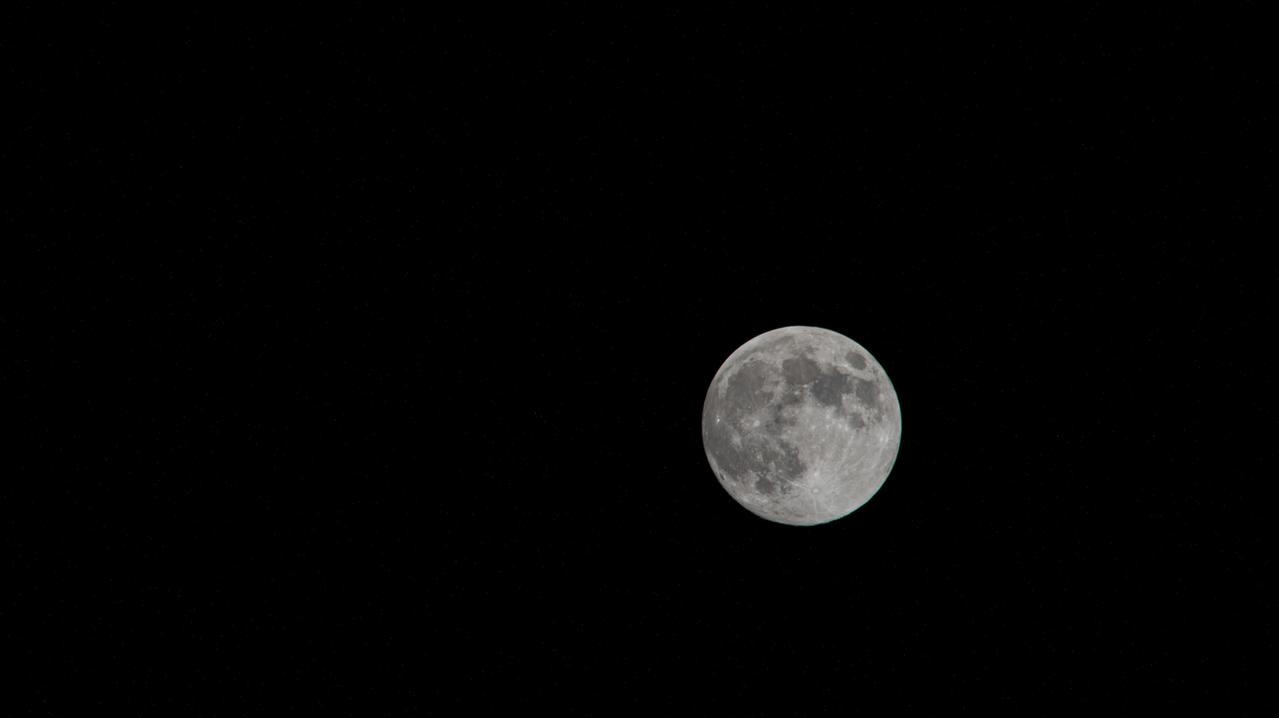
iss072e188790 (Nov. 15, 2024) -- November's full moon, also known as the "Beaver Moon" is pictured against the black of space from the International Space Station as it orbited 270 miles above Earth.
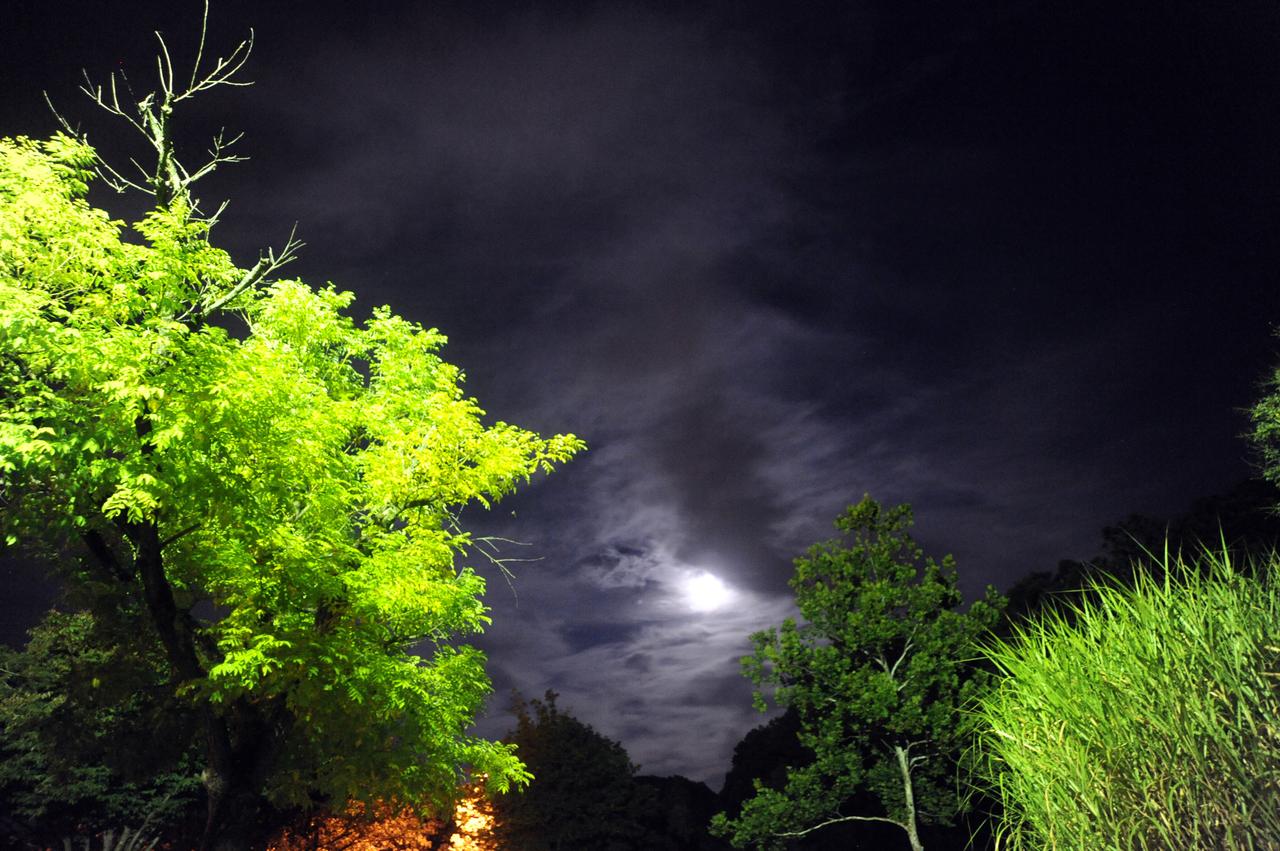
September's Harvest Moon as seen around NASA's Goddard Space Flight Center. According to folklore, every full Moon has a special name. There's the Wolf Moon, the Snow Moon, the Worm Moon, the Sprouting Grass Moon, the Flower Moon, the Strawberry Moon, the Thunder Moon, the Sturgeon Moon, the Harvest Moon, the Hunter's Moon, the Beaver Moon, and the Long Night's Moon. Each name tells us something about the season or month in which the full Moon appears. This month's full Moon is the Harvest Moon. More about the Harvest Moon from NASA: Science <a href="http://1.usa.gov/16lb1eZ" rel="nofollow">1.usa.gov/16lb1eZ</a> Credit: NASA/Goddard/Debbie Mccallum <b><a href="http://www.nasa.gov/audience/formedia/features/MP_Photo_Guidelines.html" rel="nofollow">NASA image use policy.</a></b> <b><a href="http://www.nasa.gov/centers/goddard/home/index.html" rel="nofollow">NASA Goddard Space Flight Center</a></b> enables NASA’s mission through four scientific endeavors: Earth Science, Heliophysics, Solar System Exploration, and Astrophysics. Goddard plays a leading role in NASA’s accomplishments by contributing compelling scientific knowledge to advance the Agency’s mission. <b>Follow us on <a href="http://twitter.com/NASA_GoddardPix" rel="nofollow">Twitter</a></b> <b>Like us on <a href="http://www.facebook.com/pages/Greenbelt-MD/NASA-Goddard/395013845897?ref=tsd" rel="nofollow">Facebook</a></b> <b>Find us on <a href="http://instagram.com/nasagoddard?vm=grid" rel="nofollow">Instagram</a></b>
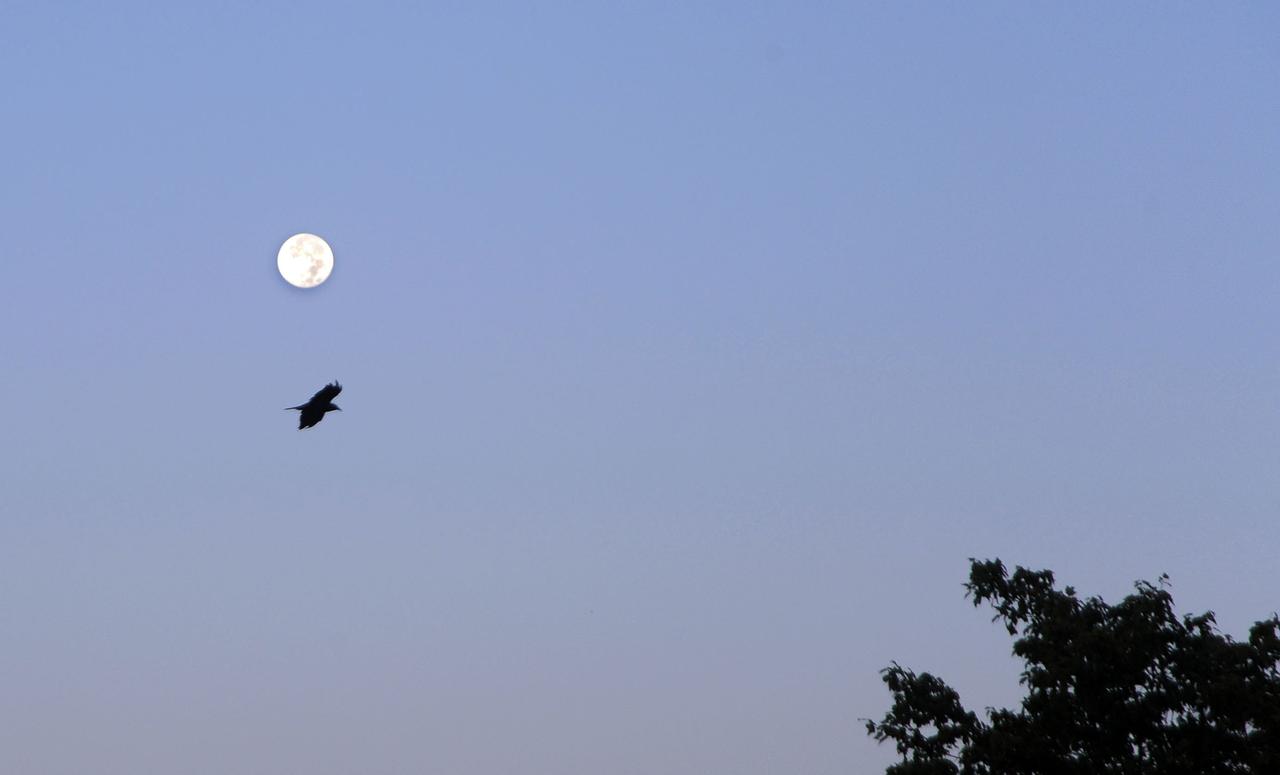
September's Harvest Moon as seen around NASA's Goddard Space Flight Center. According to folklore, every full Moon has a special name. There's the Wolf Moon, the Snow Moon, the Worm Moon, the Sprouting Grass Moon, the Flower Moon, the Strawberry Moon, the Thunder Moon, the Sturgeon Moon, the Harvest Moon, the Hunter's Moon, the Beaver Moon, and the Long Night's Moon. Each name tells us something about the season or month in which the full Moon appears. This month's full Moon is the Harvest Moon. More about the Harvest Moon from NASA: Science <a href="http://1.usa.gov/16lb1eZ" rel="nofollow">1.usa.gov/16lb1eZ</a> Credit: NASA/Goddard/Debbie Mccallum <b><a href="http://www.nasa.gov/audience/formedia/features/MP_Photo_Guidelines.html" rel="nofollow">NASA image use policy.</a></b> <b><a href="http://www.nasa.gov/centers/goddard/home/index.html" rel="nofollow">NASA Goddard Space Flight Center</a></b> enables NASA’s mission through four scientific endeavors: Earth Science, Heliophysics, Solar System Exploration, and Astrophysics. Goddard plays a leading role in NASA’s accomplishments by contributing compelling scientific knowledge to advance the Agency’s mission. <b>Follow us on <a href="http://twitter.com/NASA_GoddardPix" rel="nofollow">Twitter</a></b> <b>Like us on <a href="http://www.facebook.com/pages/Greenbelt-MD/NASA-Goddard/395013845897?ref=tsd" rel="nofollow">Facebook</a></b> <b>Find us on <a href="http://instagram.com/nasagoddard?vm=grid" rel="nofollow">Instagram</a></b>
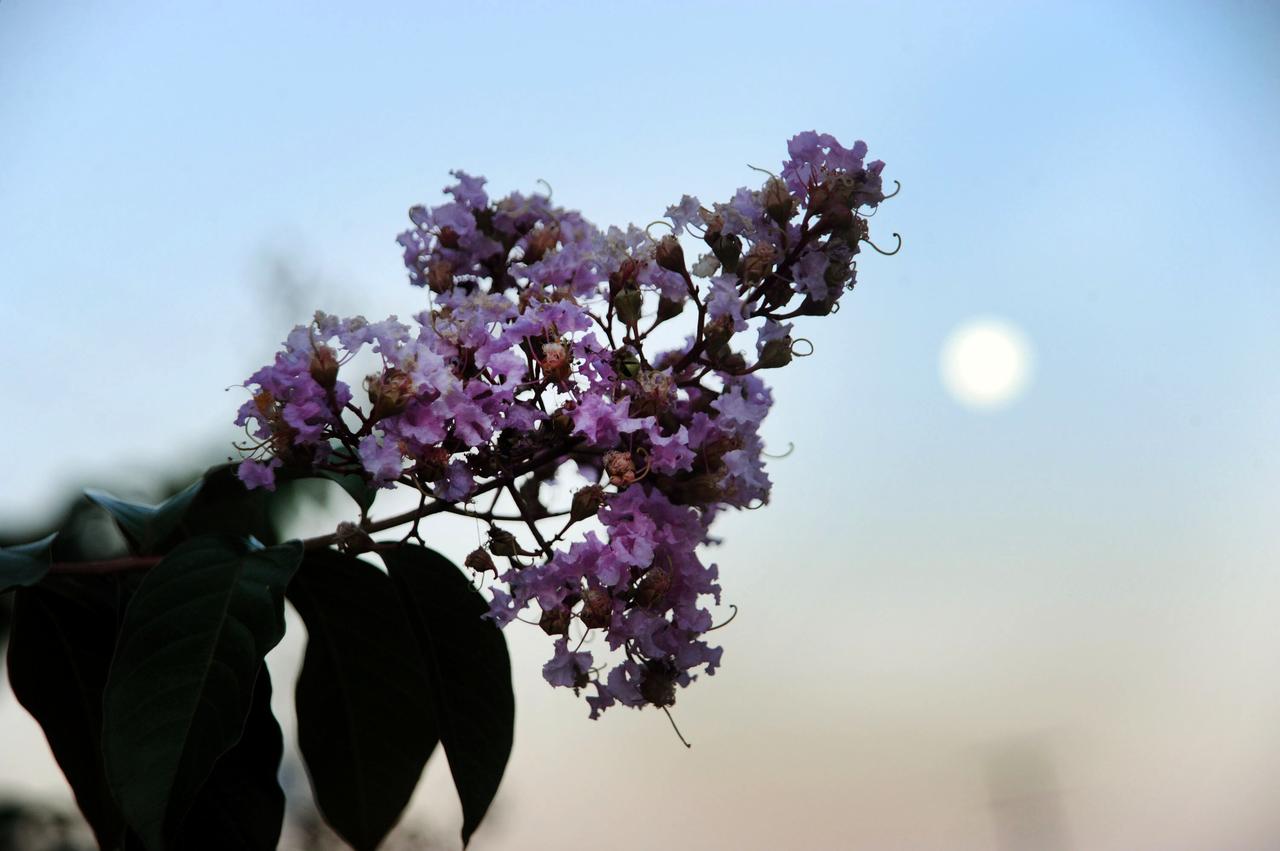
September's Harvest Moon as seen around NASA's Goddard Space Flight Center. According to folklore, every full Moon has a special name. There's the Wolf Moon, the Snow Moon, the Worm Moon, the Sprouting Grass Moon, the Flower Moon, the Strawberry Moon, the Thunder Moon, the Sturgeon Moon, the Harvest Moon, the Hunter's Moon, the Beaver Moon, and the Long Night's Moon. Each name tells us something about the season or month in which the full Moon appears. This month's full Moon is the Harvest Moon. More about the Harvest Moon from NASA: Science <a href="http://1.usa.gov/16lb1eZ" rel="nofollow">1.usa.gov/16lb1eZ</a> Credit: NASA/Goddard/Debbie Mccallum <b><a href="http://www.nasa.gov/audience/formedia/features/MP_Photo_Guidelines.html" rel="nofollow">NASA image use policy.</a></b> <b><a href="http://www.nasa.gov/centers/goddard/home/index.html" rel="nofollow">NASA Goddard Space Flight Center</a></b> enables NASA’s mission through four scientific endeavors: Earth Science, Heliophysics, Solar System Exploration, and Astrophysics. Goddard plays a leading role in NASA’s accomplishments by contributing compelling scientific knowledge to advance the Agency’s mission. <b>Follow us on <a href="http://twitter.com/NASA_GoddardPix" rel="nofollow">Twitter</a></b> <b>Like us on <a href="http://www.facebook.com/pages/Greenbelt-MD/NASA-Goddard/395013845897?ref=tsd" rel="nofollow">Facebook</a></b> <b>Find us on <a href="http://instagram.com/nasagoddard?vm=grid" rel="nofollow">Instagram</a></b>