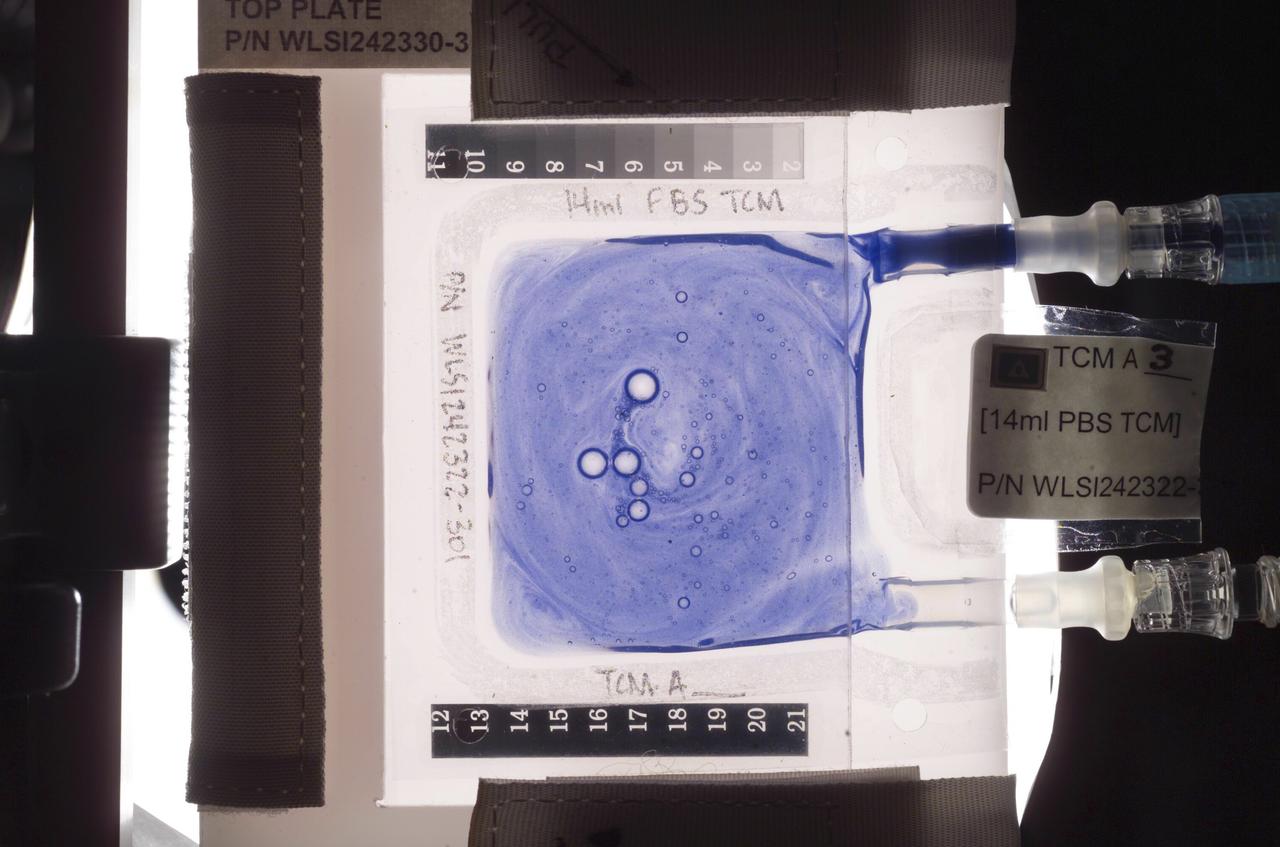
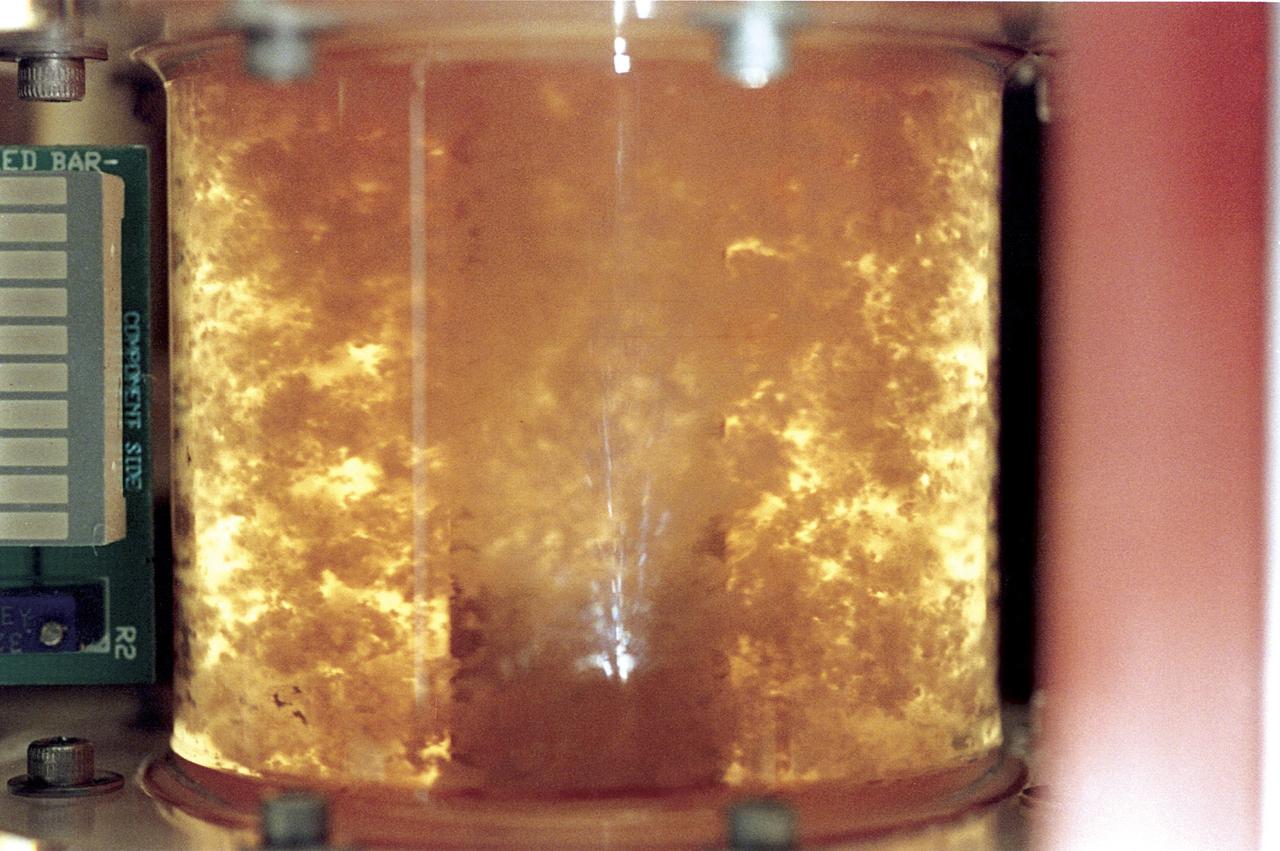
Aboard the International Space Station (ISS), the Tissue Culture Module (TCM) is the stationary bioreactor vessel in which cell cultures grow. However, for the Cellular Biotechnology Operations Support Systems-Fluid Dynamics Investigation (CBOSS-FDI), color polystyrene beads are used to measure the effectiveness of various mixing procedures. The beads are similar in size and density to human lymphoid cells. Uniform mixing is a crucial component of CBOSS experiments involving the immune response of human lymphoid cell suspensions. The goal is to develop procedures that are both convenient for the flight crew and are optimal in providing uniform and reproducible mixing of all components, including cells. The average bead density in a well mixed TCM will be uniform, with no bubbles, and it will be measured using the absorption of light. In this photograph, beads are trapped in the injection port, with bubbles forming shortly after injection.
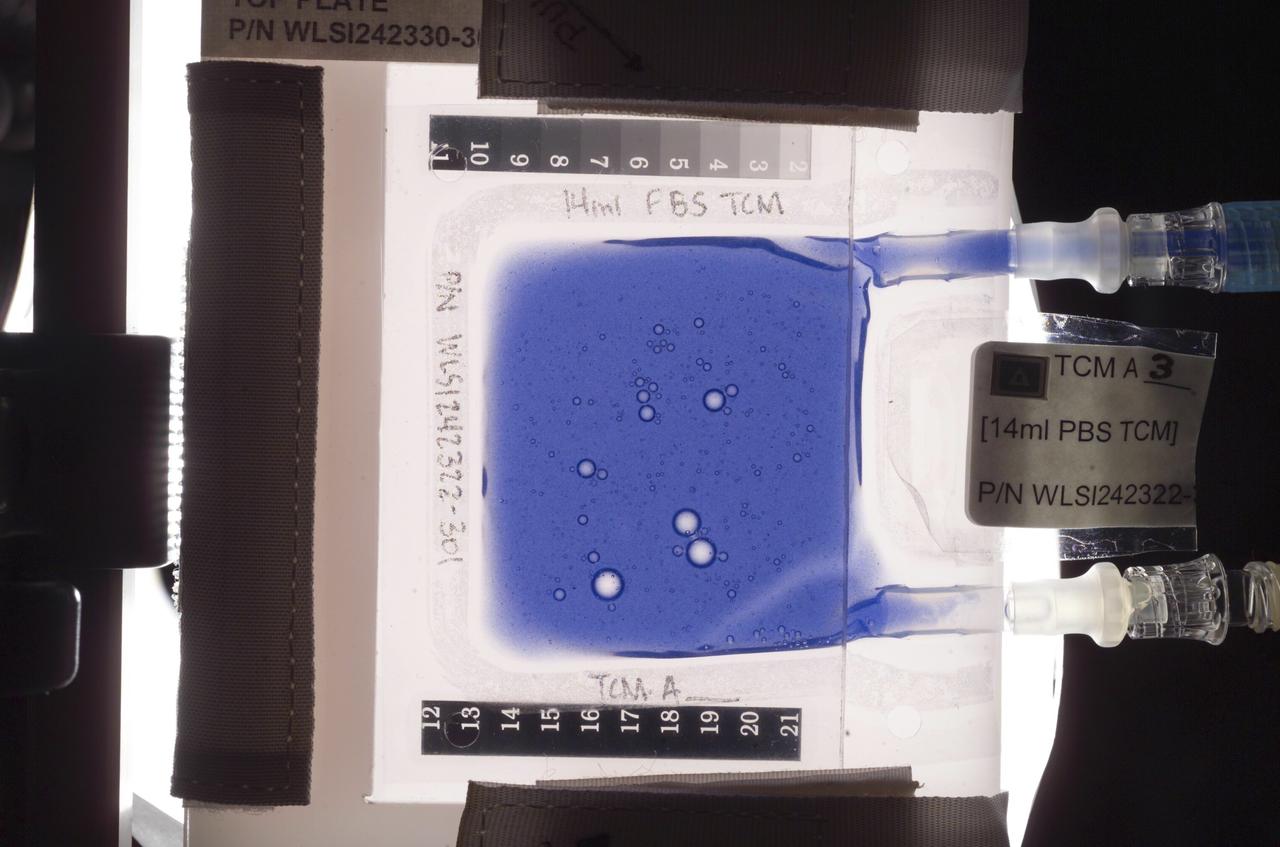
Aboard the International Space Station (ISS), the Tissue Culture Module (TCM) is the stationary bioreactor vessel in which cell cultures grow. However, for the Cellular Biotechnology Operations Support Systems-Fluid Dynamics Investigation (CBOSS-FDI), color polystyrene beads are used to measure the effectiveness of various mixing procedures. The beads are similar in size and density to human lymphoid cells. Uniform mixing is a crucial component of CBOSS experiments involving the immune response of human lymphoid cell suspensions. The goal is to develop procedures that are both convenient for the flight crew and are optimal in providing uniform and reproducible mixing of all components, including cells. The average bead density in a well mixed TCM will be uniform, with no bubbles, and it will be measured using the absorption of light. In this photograph, a TCM is shown after mixing protocols, and bubbles of various sizes can be seen.
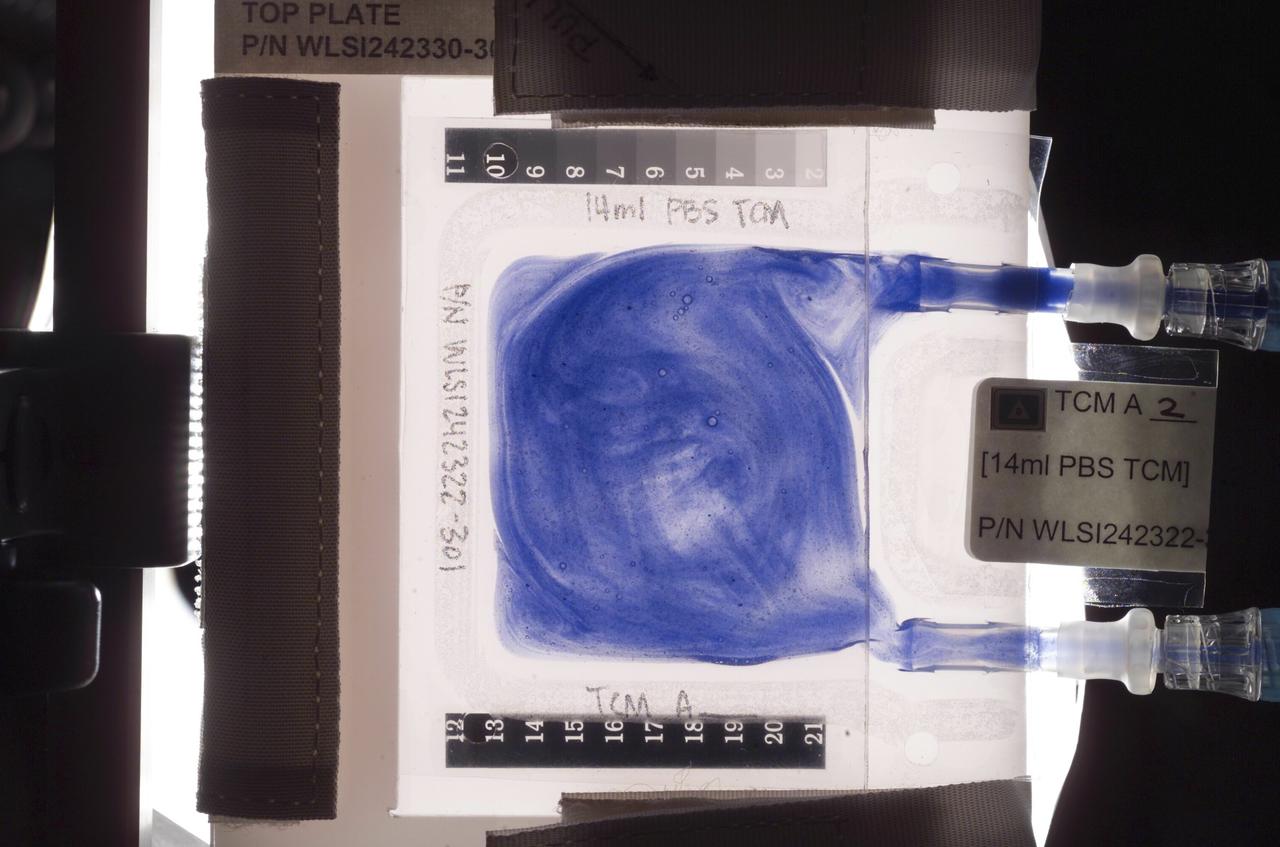
Aboard the International Space Station (ISS), the Tissue Culture Module (TCM) is the stationary bioreactor vessel in which cell cultures grow. However, for the Cellular Biotechnology Operations Support Systems-Fluid Dynamics Investigation (CBOSS-FDI), color polystyrene beads are used to measure the effectiveness of various mixing procedures. Uniform mixing is a crucial component of CBOSS experiments involving the immune response of human lymphoid cell suspensions. In this picture, the beads are trapped in the injection port shortly after injection. Swirls of beads indicate, event to the naked eye, the contents of the TCM are not fully mixed. The beads are similar in size and density to human lymphoid cells. The goal is to develop procedures that are both convenient for the flight crew and are optimal in providing uniform and reproducible mixing of all components, including cells. The average bead density in a well mixed TCM will be uniform, with no bubbles, and it will be measured using the absorption of light
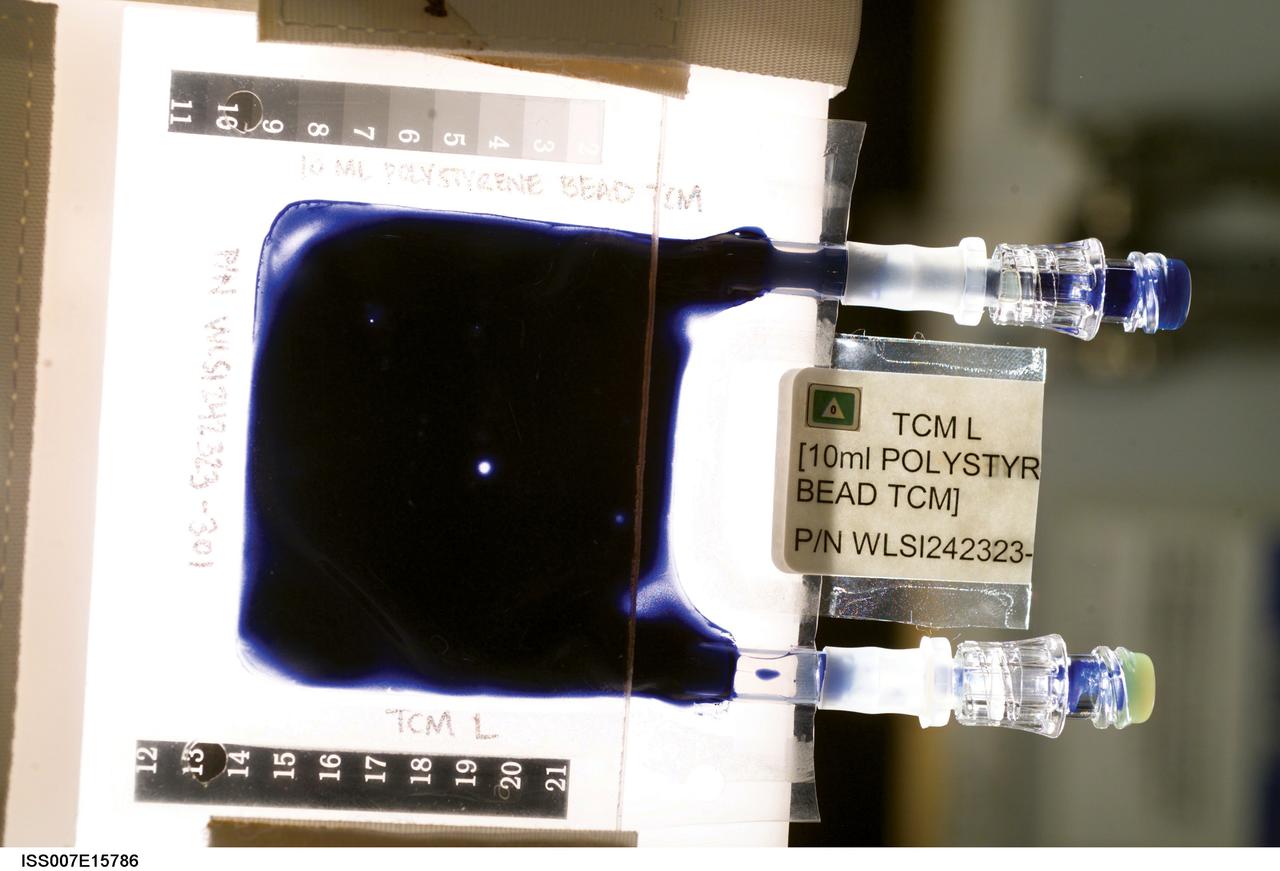
Aboard the International Space Station (ISS), the Tissue Culture Medium (TCM) is the bioreactor vessel in which cell cultures are grown. With its two syringe ports, it is much like a bag used to administer intravenous fluid, except it allows gas exchange needed for life. The TCM contains cell culture medium, and when frozen cells are flown to the ISS, they are thawed and introduced to the TCM through the syringe ports. In the Cellular Biotechnology Operations Support System-Fluid Dynamics Investigation (CBOSS-FDI) experiment, several mixing procedures are being assessed to determine which method achieves the most uniform mixing of growing cells and culture medium.
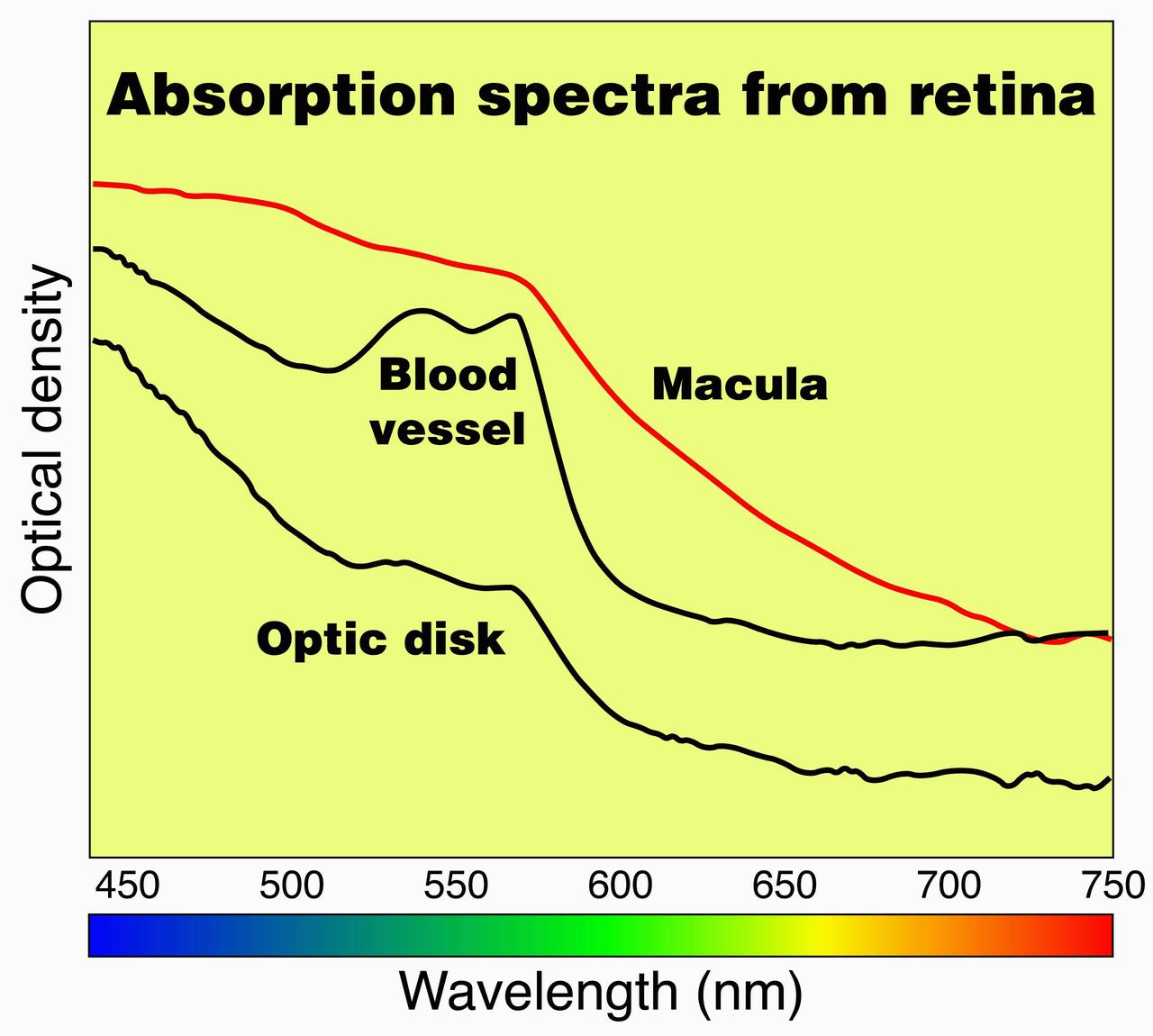
ProVision Technologies, a NASA research partnership center at Sternis Space Center in Mississippi, has developed a new hyperspectral imaging (HSI) system that is much smaller than the original large units used aboard remote sensing aircraft and satellites. The new apparatus is about the size of a breadbox. HSI may be useful to ophthalmologists to study and diagnose eye health, both on Earth and in space, by examining the back of the eye to determine oxygen and blood flow quickly and without any invasion. ProVision's hyperspectral imaging system can scan the human eye and produce a graph showing optical density or light absorption, which can then be compared to a graph from a normal eye. Scans of the macula, optic disk or optic nerve head, and blood vessels can be used to detect anomalies and identify diseases in this delicate and important organ. ProVision has already developed a relationship with the University of Alabama at Birmingham, but is still on the lookout for a commercial partner in this application.
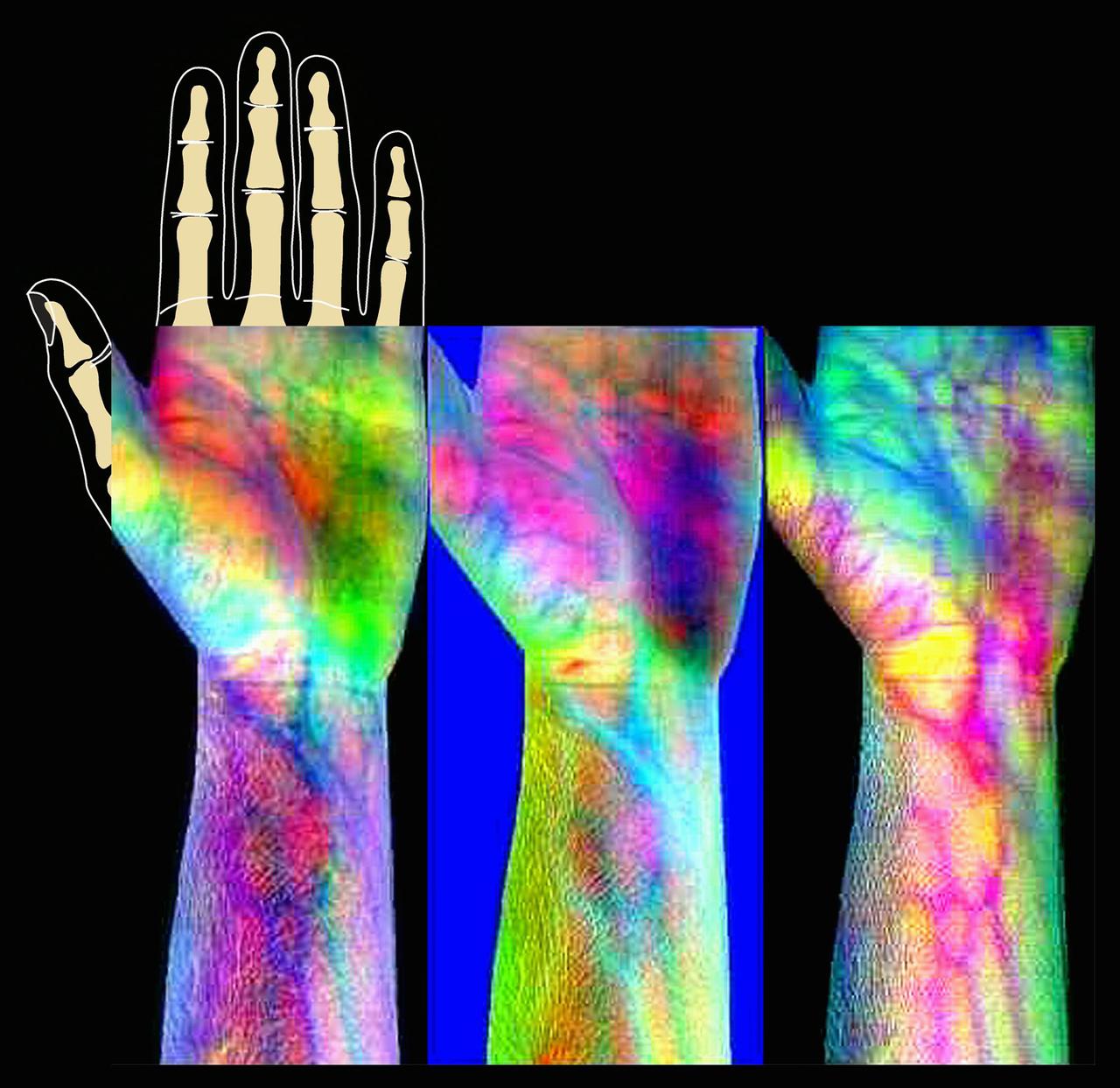
ProVision Technologies, a NASA research partnership center at Sternis Space Center in Mississippi, has developed a new hyperspectral imaging (HSI) system that is much smaller than the original large units used aboard remote sensing aircraft and satellites. The new apparatus is about the size of a breadbox. Health-related applications of HSI include non-invasive analysis of human skin to characterize wounds and wound healing rates (especially important for space travelers who heal more slowly), determining if burns are first-, second-, or third degree (rather than painful punch biopsies). The work is sponsored under NASA's Space Product Development (SPD) program.
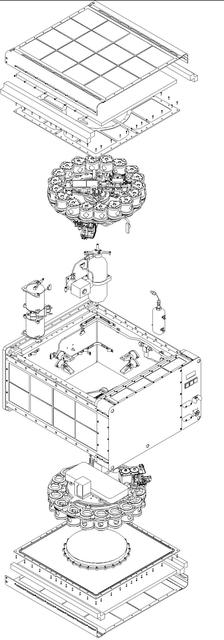
The Avian Development Facility (ADF) supports 36 eggs in two carousels, one of which rotates to provide a 1-g control for comparing to eggs grown in microgravity. The ADF was designed to incubate up to 36 Japanese quail eggs, 18 in microgravity and 18 in artificial gravity. The two sets of eggs were exposed to otherwise identical conditions, the first time this is been accomplished in space. Eggs are preserved at intervals to provide snapshots of their development for later analysis. Quails incubate in just 15 days, so they are an ideal species to be studied within the duration of space shuttle missions. Further, several investigators can use the same specimens to address different questions. The ADF originated in NASA's Shuttle Student Involvement program in the 1980s and was developed under the NASA Small Business Irnovation Research program. In late 2001, the ADF made its first flight and carried eggs used in two investigations.
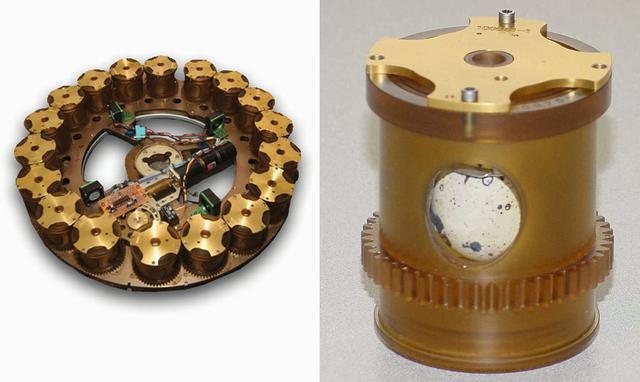
The Avian Development Facility (ADF) supports 36 eggs in two carousels, one of which rotates to provide a 1-g control for comparing to eggs grown in microgravity. The ADF was designed to incubate up to 36 Japanese quail eggs, 18 in microgravity and 18 in artificial gravity. The two sets of eggs were exposed to otherwise identical conditions, the first time this is been accomplished in space. Eggs are preserved at intervals to provide snapshots of their development for later analysis. Quails incubate in just 15 days, so they are an ideal species to be studied within the duration of space shuttle missions. Further, several investigators can use the same specimens to address different questions. The ADF originated in NASA's Shuttle Student Involvement program in the 1980s and was developed under the NASA Small Business Irnovation Research program. In late 2001, the ADF made its first flight and carried eggs used in two investigations.
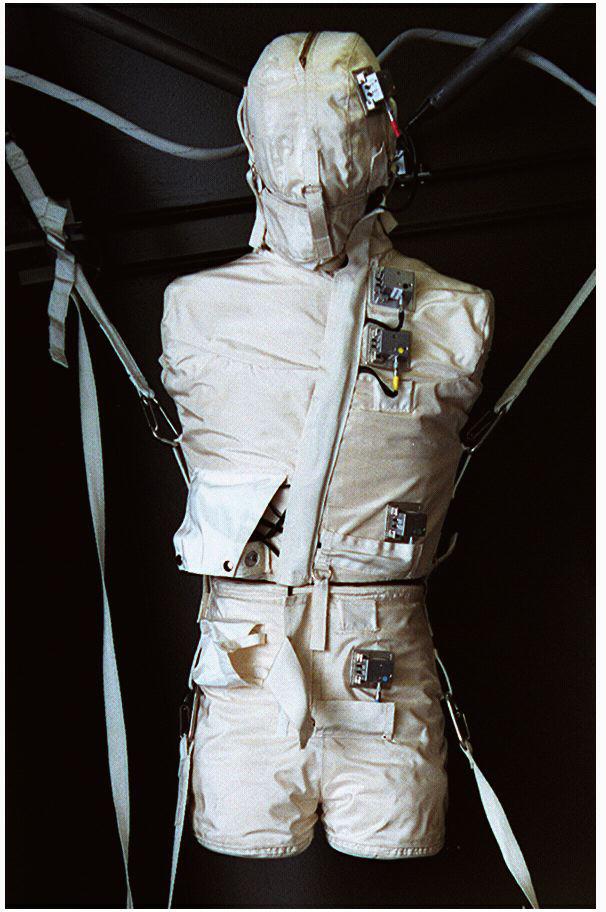
The Phantom Torso is a tissue-muscle plastic anatomical model of a torso and head. It contains over 350 radiation measuring devices to calculate the radiation that penetrates internal organs in space travel. The Phantom Torso is one of three radiation experiments in Expedition Two including the Borner Ball Neutron Detector and Dosimetric Mapping.
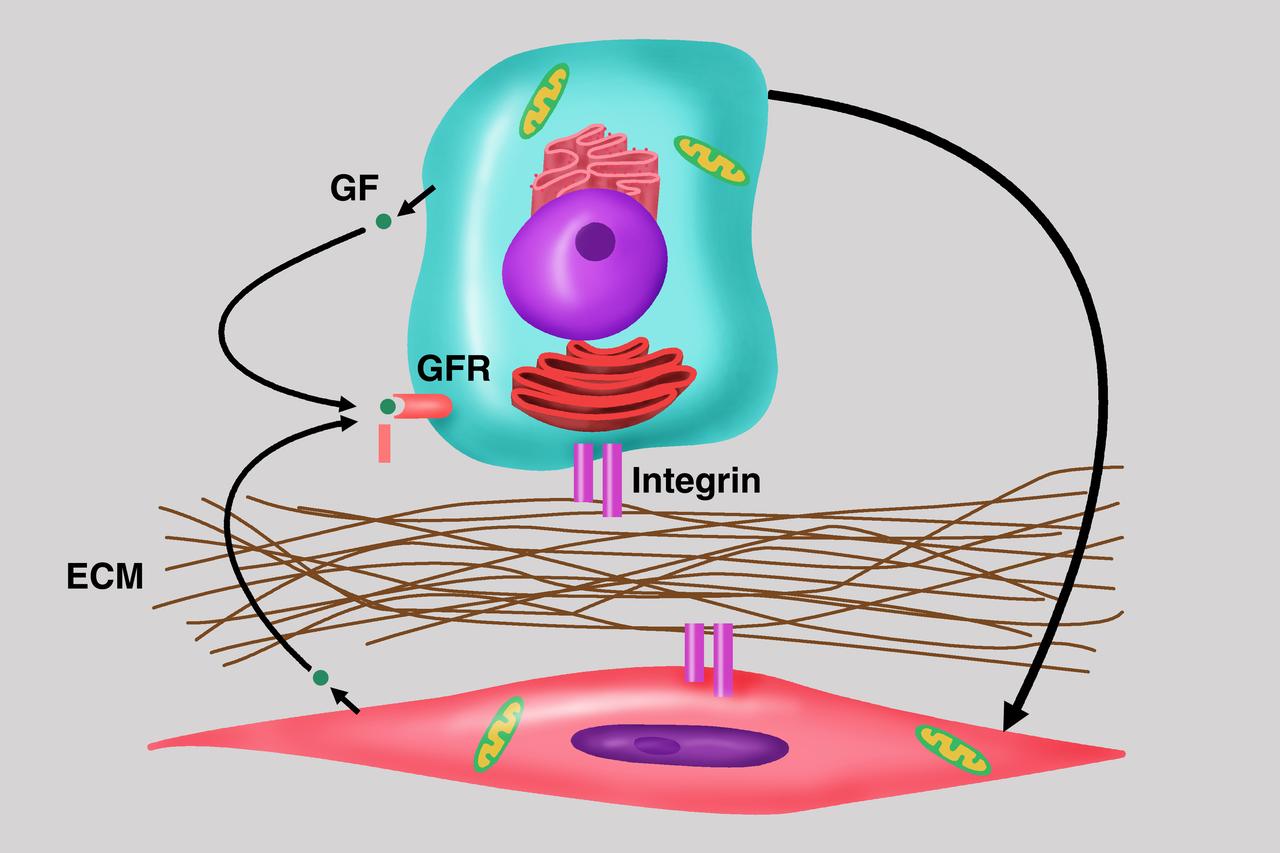
Diagram depicts the importance of cell-cell communication as central to the understanding of cancer growth and progression, the focus of the NASA bioreactor demonstration system (BDS-05) investigation. Microgravity studies will allow us to unravel the signaling and communication between these cells with the host and potential development of therapies for the treatment of cancer metastasis. The NASA Bioreactor provides a low turbulence culture environment which promotes the formation of large, three-dimensional cell clusters. Due to their high level of cellular organization and specialization, samples constructed in the bioreactor more closely resemble the original tumor or tissue found in the body. The Bioreactor is rotated to provide gentle mixing of fresh and spent nutrient without inducing shear forces that would damage the cells. The work is sponsored by NASA's Office of Biological and Physical Research. The bioreactor is managed by the Biotechnology Cell Science Program at NASA's Johnson Space Center (JSC). NASA-sponsored bioreactor research has been instrumental in helping scientists to better understand normal and cancerous tissue development. In cooperation with the medical community, the bioreactor design is being used to prepare better models of human colon, prostate, breast and ovarian tumors. Cartilage, bone marrow, heart muscle, skeletal muscle, pancreatic islet cells, liver and kidney are just a few of the normal tissues being cultured in rotating bioreactors by investigators. Credit: Emory University.
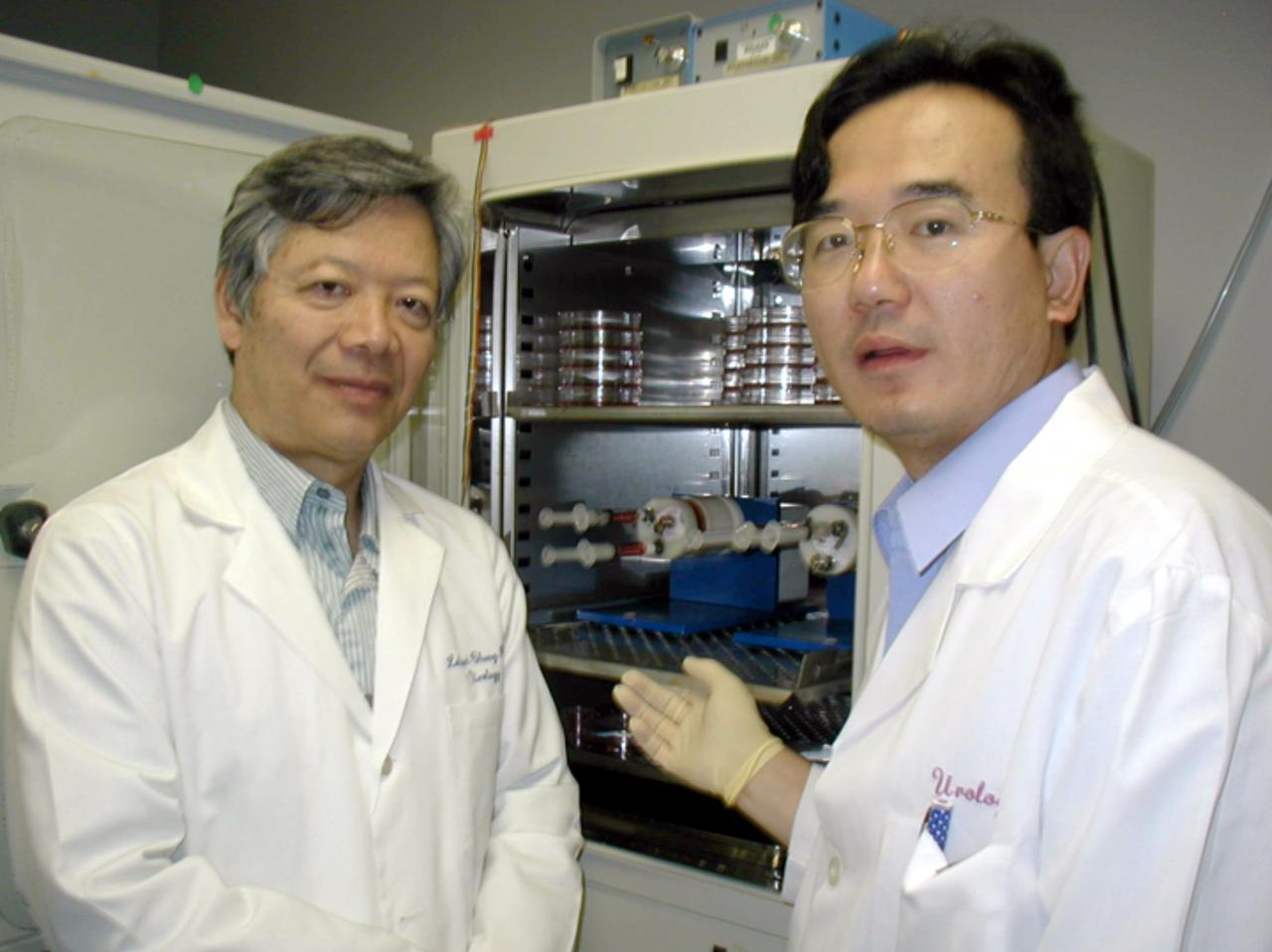
Leland W. K. Chung (left), Director, Molecular Urology Therapeutics Program at the Winship Cancer Institute at Emory University, is principal investigator for the NASA bioreactor demonstration system (BDS-05). With him is Dr. Jun Shu, an assistant professor of Orthopedics Surgery from Kuming Medical University China. The NASA Bioreactor provides a low turbulence culture environment which promotes the formation of large, three-dimensional cell clusters. Due to their high level of cellular organization and specialization, samples constructed in the bioreactor more closely resemble the original tumor or tissue found in the body. The Bioreactor is rotated to provide gentle mixing of fresh and spent nutrient without inducing shear forces that would damage the cells. The work is sponsored by NASA's Office of Biological and Physical Research. The bioreactor is managed by the Biotechnology Cell Science Program at NASA's Johnson Space Center (JSC). NASA-sponsored bioreactor research has been instrumental in helping scientists to better understand normal and cancerous tissue development. In cooperation with the medical community, the bioreactor design is being used to prepare better models of human colon, prostate, breast and ovarian tumors. Cartilage, bone marrow, heart muscle, skeletal muscle, pancreatic islet cells, liver and kidney are just a few of the normal tissues being cultured in rotating bioreactors by investigators. Credit: Emory University.
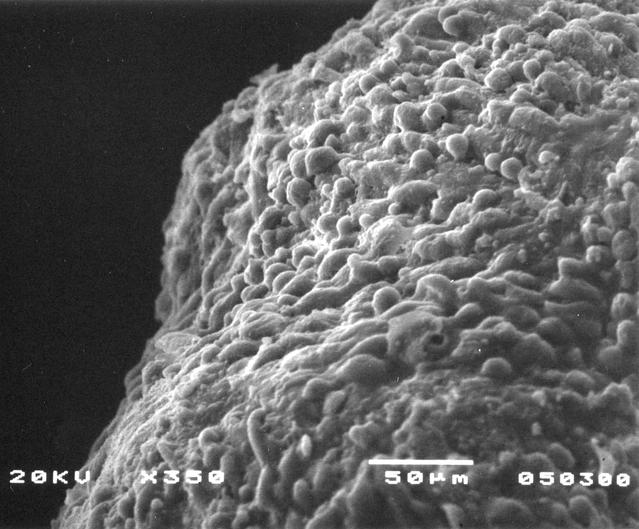
This prostate cancer construct was grown during NASA-sponsored bioreactor studies on Earth. Cells are attached to a biodegradable plastic lattice that gives them a head start in growth. Prostate tumor cells are to be grown in a NASA-sponsored Bioreactor experiment aboard the STS-107 Research-1 mission in 2002. Dr. Leland Chung of the University of Virginia is the principal investigator. The NASA Bioreactor provides a low turbulence culture environment which promotes the formation of large, three-dimensional cell clusters. Due to their high level of cellular organization and specialization, samples constructed in the bioreactor more closely resemble the original tumor or tissue found in the body. The Bioreactor is rotated to provide gentle mixing of fresh and spent nutrient without inducing shear forces that would damage the cells. The work is sponsored by NASA's Office of Biological and Physical Research. The bioreactor is managed by the Biotechnology Cell Science Program at NASA's Johnson Space Center (JSC). NASA-sponsored bioreactor research has been instrumental in helping scientists to better understand normal and cancerous tissue development. In cooperation with the medical community, the bioreactor design is being used to prepare better models of human colon, prostate, breast and ovarian tumors. Cartilage, bone marrow, heart muscle, skeletal muscle, pancreatic islet cells, liver and kidney are just a few of the normal tissues being cultured in rotating bioreactors by investigators. Credit: NASA and the University of Virginia.
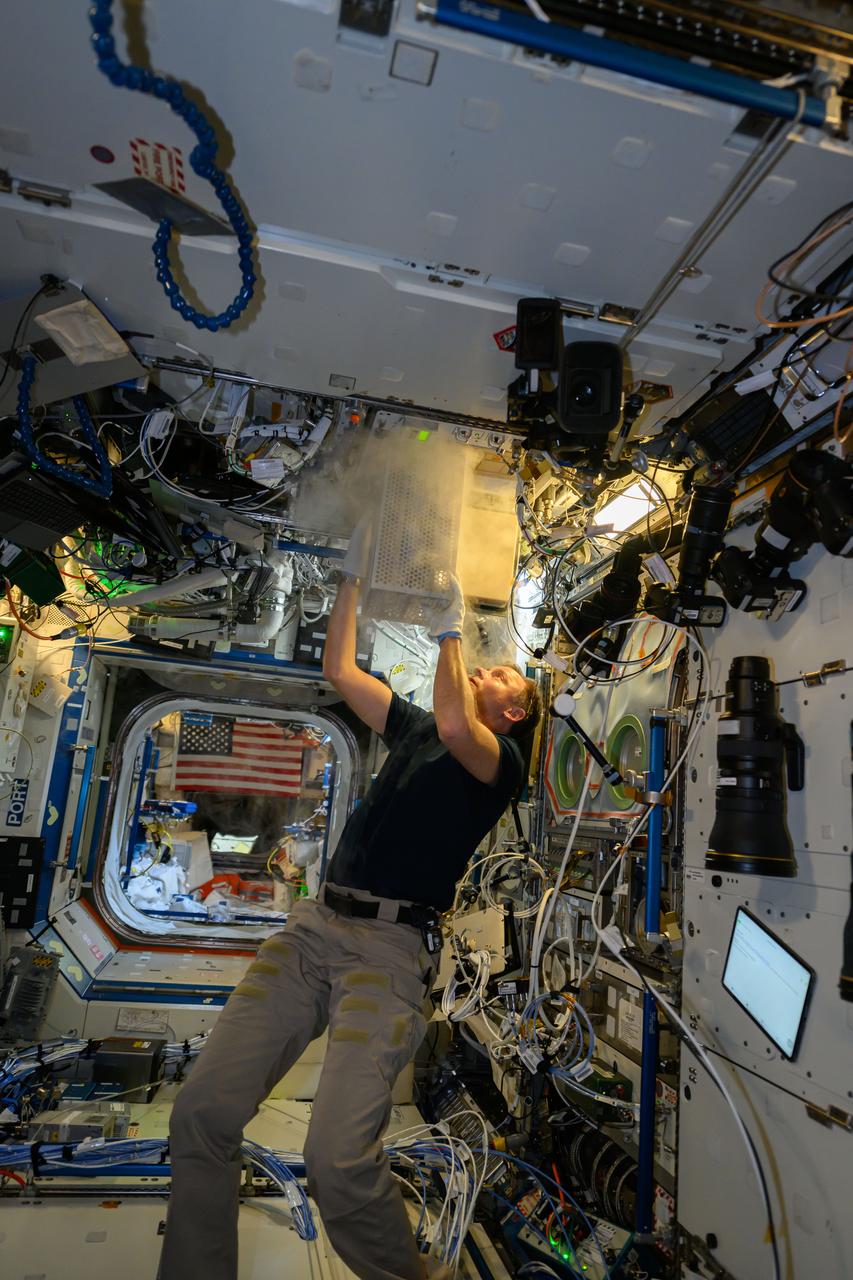
iss072e146898 (Nov. 10, 2024) --- NASA astronaut and Expedition 72 Flight Engineer Nick Hague stows samples in a science freezer from the Rhodium Biomanufacturing-03 biotechnology experiment that explores using microorganisms and cell cultures to produce materials and biomolecules on a commercial scale in space.
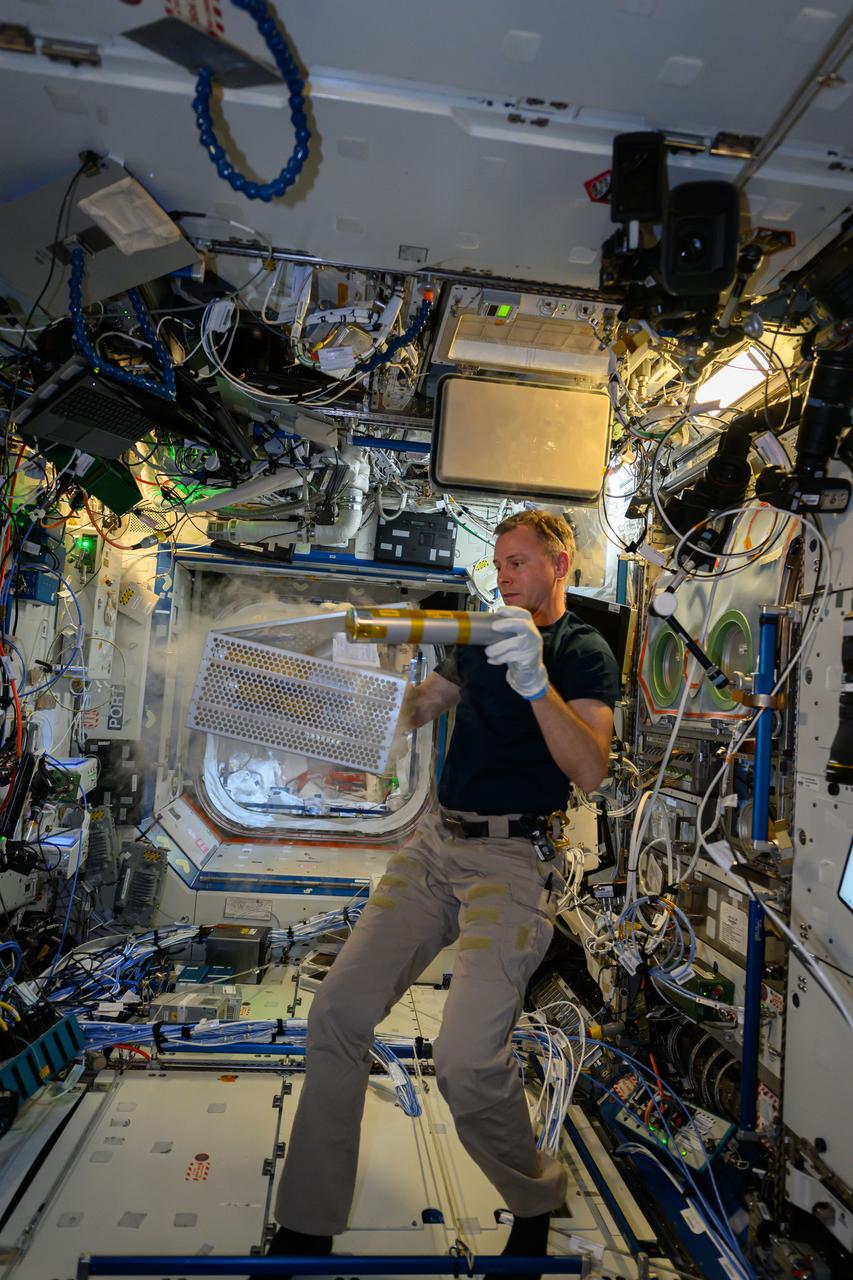
iss072e146896 (Nov. 10, 2024) --- NASA astronaut and Expedition 72 Flight Engineer Nick Hague processes samples from the Rhodium Biomanufacturing-03 biotechnology experiment that explores using microorganisms and cell cultures to produce materials and biomolecules on a commercial scale in space.
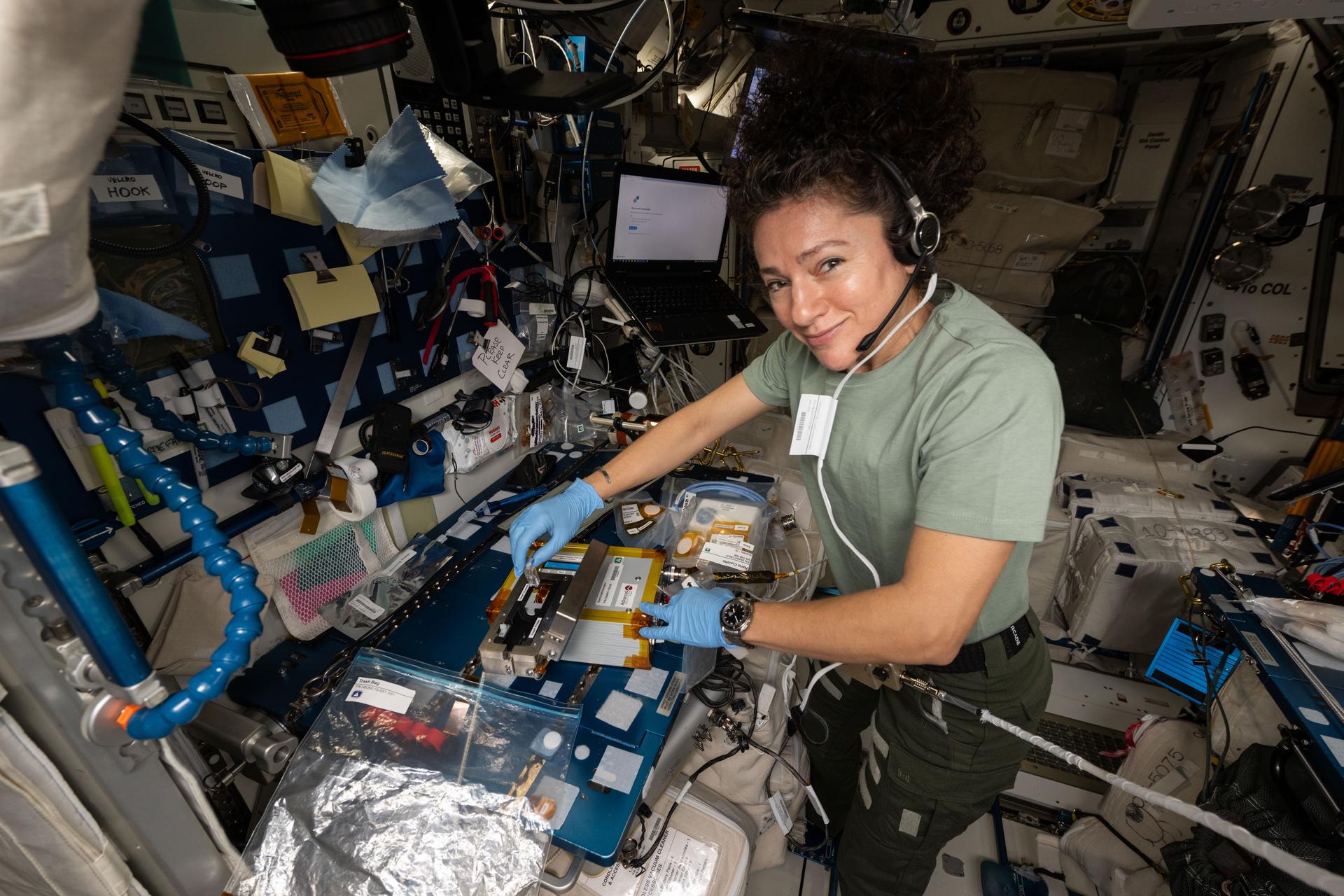
iss074e0573327 (May 7, 2026) --- NASA astronaut and Expedition 74 flight engineer Jessica Meir works inside the International Space Station's Harmony module conducting a biotechnology investigation to observe how tiny, engineered materials that mimic DNA behave in microgravity. Meir pointed a light-measuring device, called a spectrophotometer, at the DNA-like sample materials housed in small transparent containers to analyze their ability to form stable structures. Doctors on Earth will use the research data to learn how to improve and develop future treatments, or nano-therapies, that target cancer cells more precisely. Credit: NASA/Jessica Meir
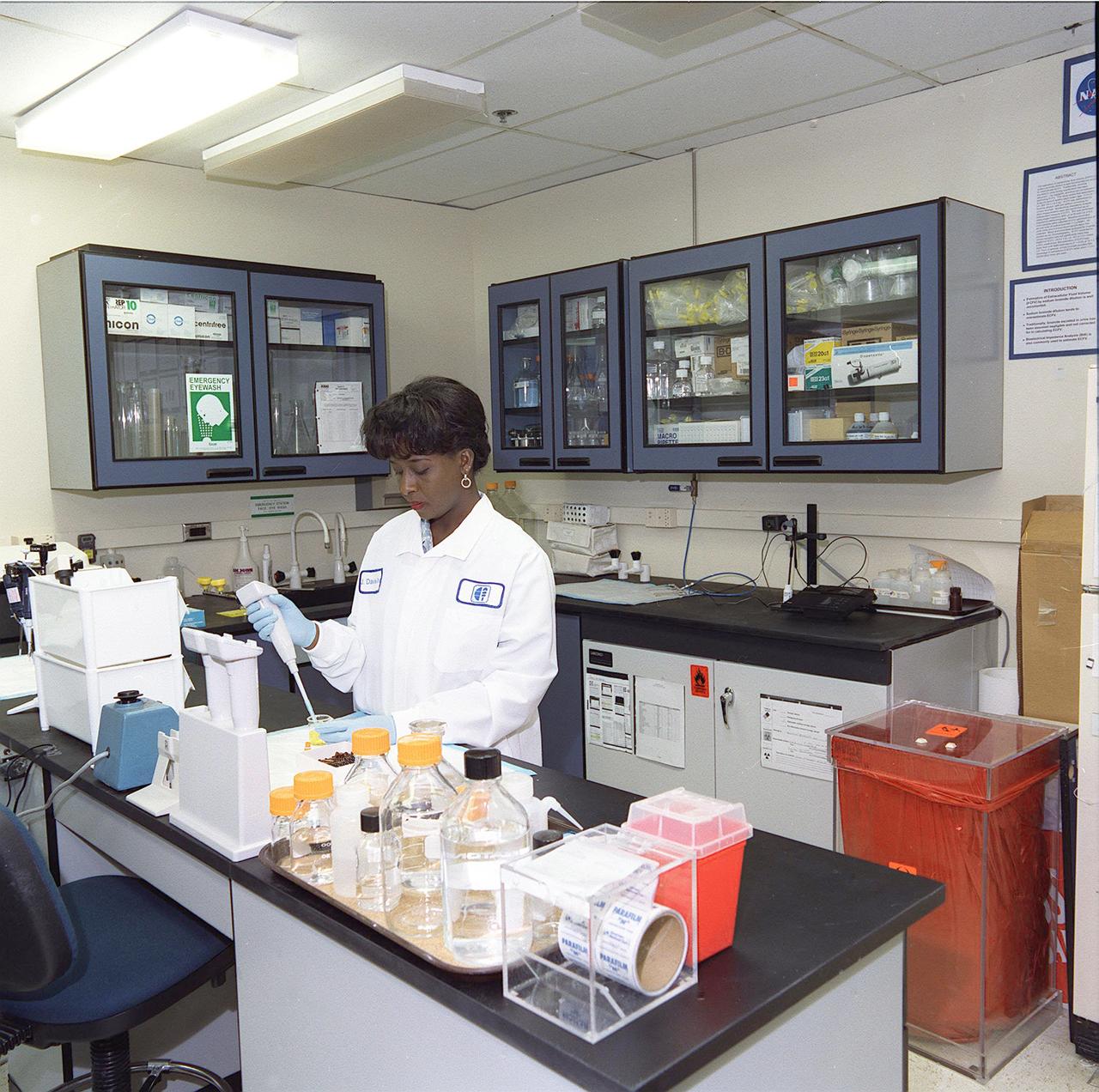
Calcium kinetics studies in the Nutritional Biochemistry Laboratory at NASA's Johnson Space Center.
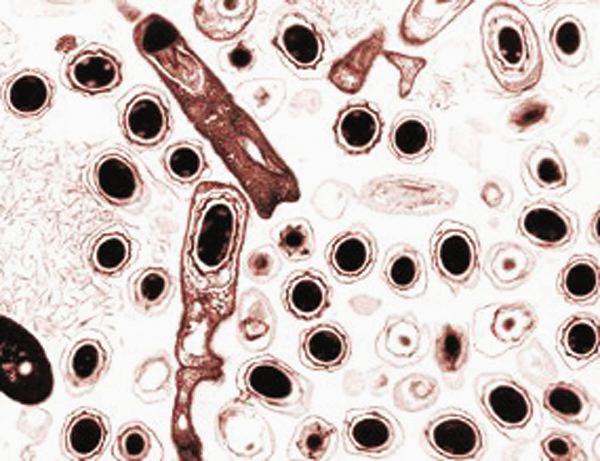
Anthrax spores are inactive forms of Bacillus anthracis. They can survive for decades inside a spore's tough protective coating; they become active when inhaled by humans. A result of NASA- and industry-sponsored research to develop small greenhouses for space research is the unique AiroCide TiO2 system that kills anthrax spores and other pathogens.
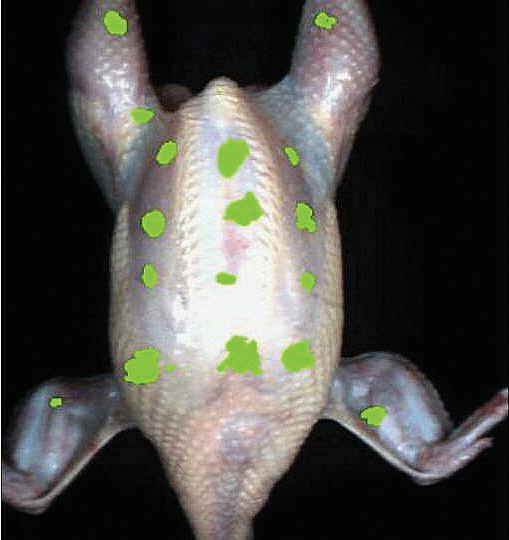
ProVision Technologies, a NASA research partnership center at Sternis Space Center in Mississippi, has developed a new hyperspectral imaging (HSI) system that is much smaller than the original large units used aboard remote sensing aircraft and satellites. The new apparatus is about the size of a breadbox. Health-related applications of HSI include scanning chickens during processing to help prevent contaminated food from getting to the table. ProVision is working with Sanderson Farms of Mississippi and the U.S. Department of Agriculture. ProVision has a record in its spectral library of the unique spectral signature of fecal contamination, so chickens can be scanned and those with a positive reading can be separated. HSI sensors can also determine the quantity of surface contamination. Research in this application is quite advanced, and ProVision is working on a licensing agreement for the technology. The potential for future use of this equipment in food processing and food safety is enormous.
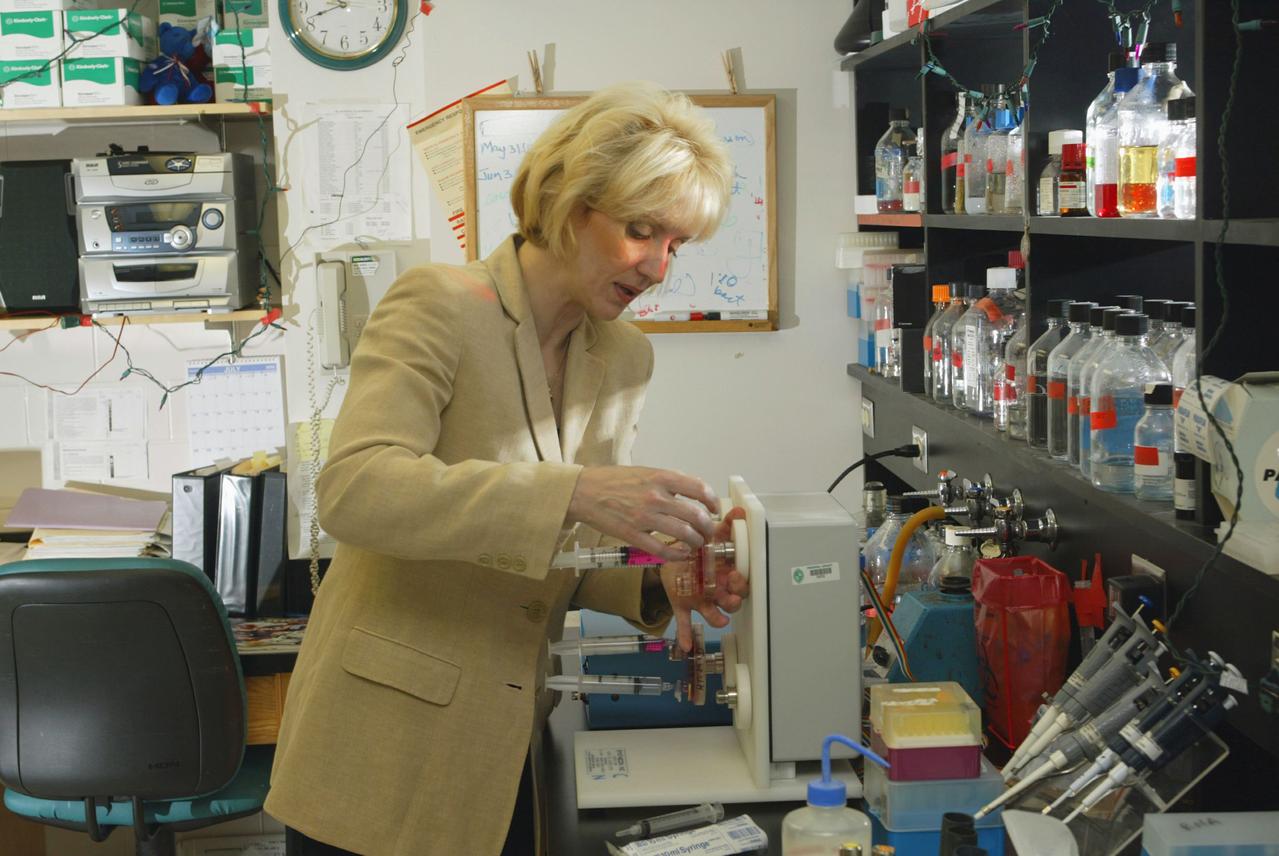
Dr. Cheryl Nickerson of Tulane University is studying the effects of simulated low-g on a well-known pathogen, Salmonella typhimurium, a bacterium that causes two to four million cases of gastrointestinal illness in the United States each year. While most healthy people recover readily, S. typhimurium can kill people with weakened immune systems. Thus, a simple case of food poisoning could disrupt a space mission. Using the NASA rotating-wall bioreactor, Nickerson cultured S. typhimurium in modeled microgravity. Mice infected with the bacterium died an average of three days faster than the control mice, indicating that S. typhimurium's virulence was enhanced by the bioreactor. Earlier research showed that 3 percent of the genes were altered by exposure to the bioreactor. Nickerson's work earned her a 2001 Presidential Early Career Award for Scientists and Engineers.
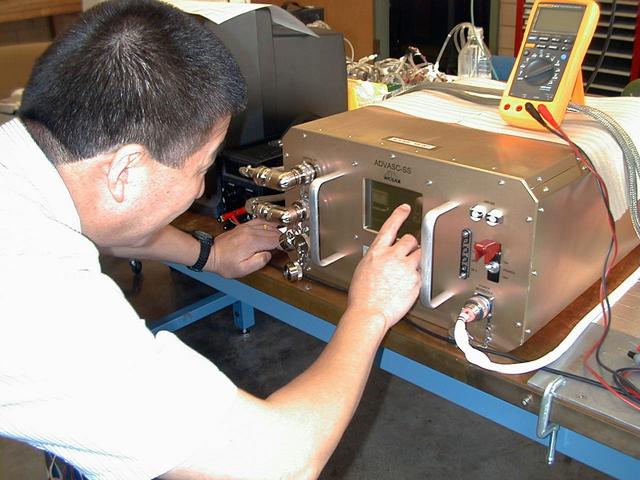
Dr. Weijia Zhou, director of the Wisconsin Center for Space Automation and Robotics at the University of Wisconsin-Madison, inspects the Advanced Astroculture(tm) plant growth unit before its first flight last spring. Coating technology is used inside the miniature plant greenhouse to remove ethylene, a chemical produced by plant leaves that can cause plants to mature too quickly. This same coating technology is used in a new anthrax-killing device. The Space Station experiment is managed by the Space Product Development Program at NASA's Marshall Space Flight Center in Huntsville, Ala. DuPont is partnering with NASA and the Wisconsin Center for Space Automation and Robotics (WCSAR) at the University of Wisconsin-Madison to grow soybeans aboard the Space Station to find out if they have improved oil, protein, carbohydrates or secondary metabolites that could benefit farmers and consumers. Principal Investigators: Dr. Tom Corbin, Pioneer Hi-Bred International Inc., a Dupont Company, with headquarters in Des Moines, Iowa, and Dr. Weijia Zhou, Wisconsin Center for Space Automation and Robotics (WCSAR), University of Wisconsin-Madison.
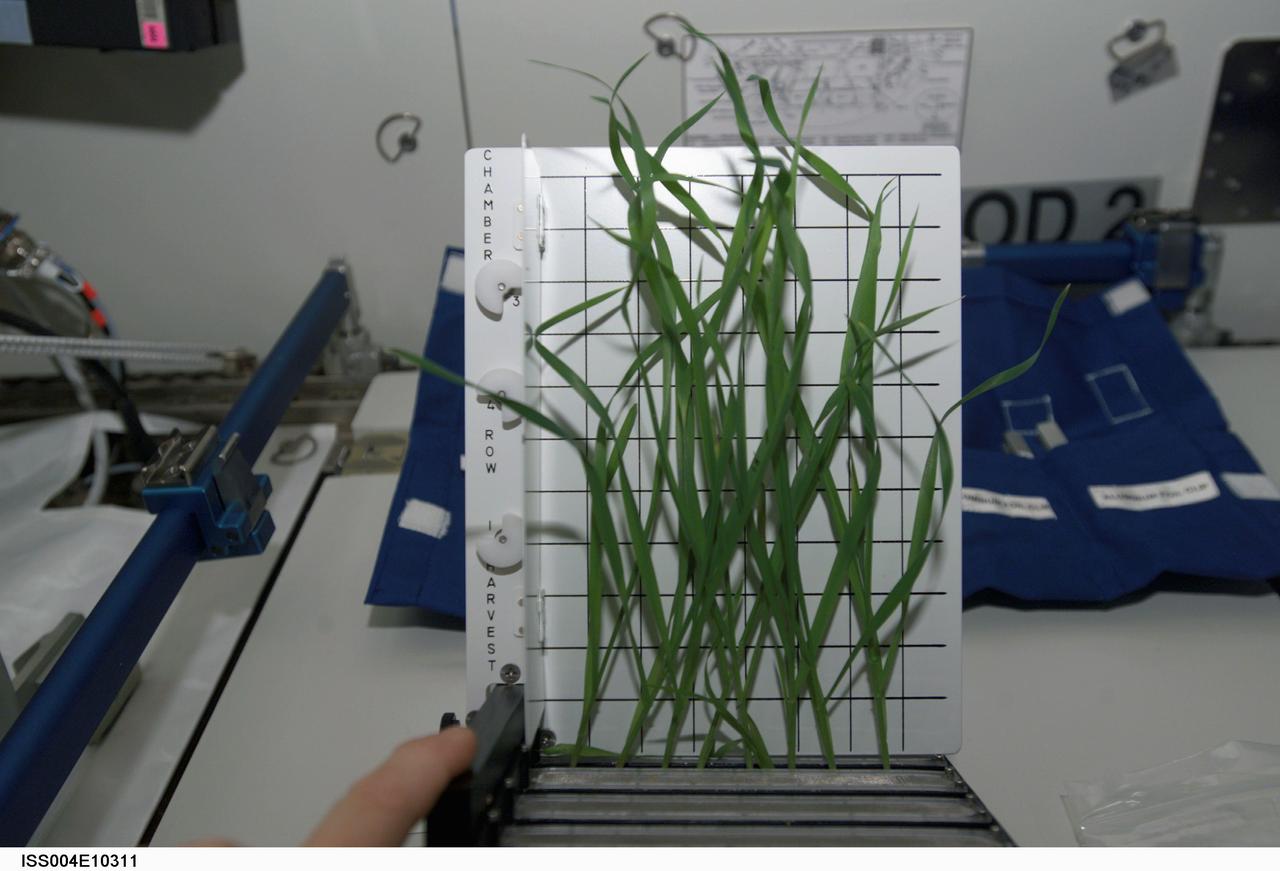
Dwarf wheat were photographed aboard the International Space Station in April 2002. Lessons from on-orbit research on plants will have applications to terrestrial agriculture as well as for long-term space missions. Alternative agricultural systems that can efficiently produce greater quantities of high-quality crops in a small area are important for future space expeditions. Also regenerative life-support systems that include plants will be an important component of long-term space missions. Data from the Biomass Production System (BPS) and the Photosynthesis Experiment and System Testing and Operations (PESTO) will advance controlled-environment agricultural systems and will help farmers produce better, healthier crops in a small area. This same knowledge is critical to closed-loop life support systems for spacecraft. The BPS comprises a miniature environmental control system for four plant growth chambers, all in the volume of two space shuttle lockers. The experience with the BPS on orbit is providing valuable design and operational lessons that will be incorporated into the Plant Growth Units. The objective of PESTO was to flight verify the BPS hardware and to determine how the microgravity environment affects the photosynthesis and metabolic function of Super Dwarf wheat and Brassica rapa (a member of the mustard family).
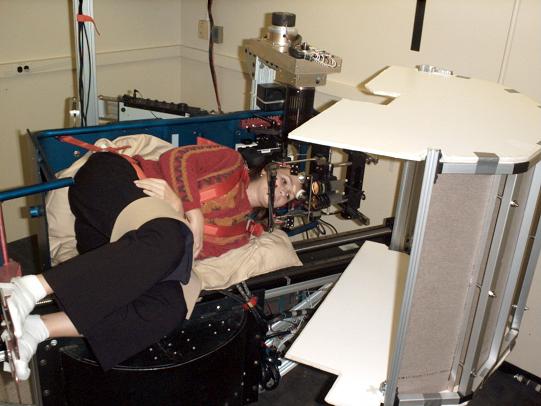
The short-arm centrifuge subjects an astronaut to conflicting sensory input and study the astronaut's perception of motion. It is one of several instruments used in the Spatial Reorientation Following Space Flight investigation to be conducted after astronauts return to Earth. During space flight, the vestibular organs no longer respond in a familiar way. Instead, inputs from the irner ear do not match those coming from the eyes. While on Earth, you can open your eyes to see if you truly are spinning, but astronauts do not have this luxury. Astronauts can see the floor, but have no sense of down; when they bend their heads forward, the otoliths are not stimulated properly. This state, called sensory conflict, must be resolved by the brain to maintain orientation. When they first return to Earth, astronauts are again disoriented because of sensory conflict. They undergo a period of spatial reorientation, as their brains reconcile what their eyes see and what their vestibular system senses. Recovery can take anywhere from hours to days depending on the length of the mission. Principal Investigator: Dr. William Paloski, Johnson Space Center, Houston, TX.
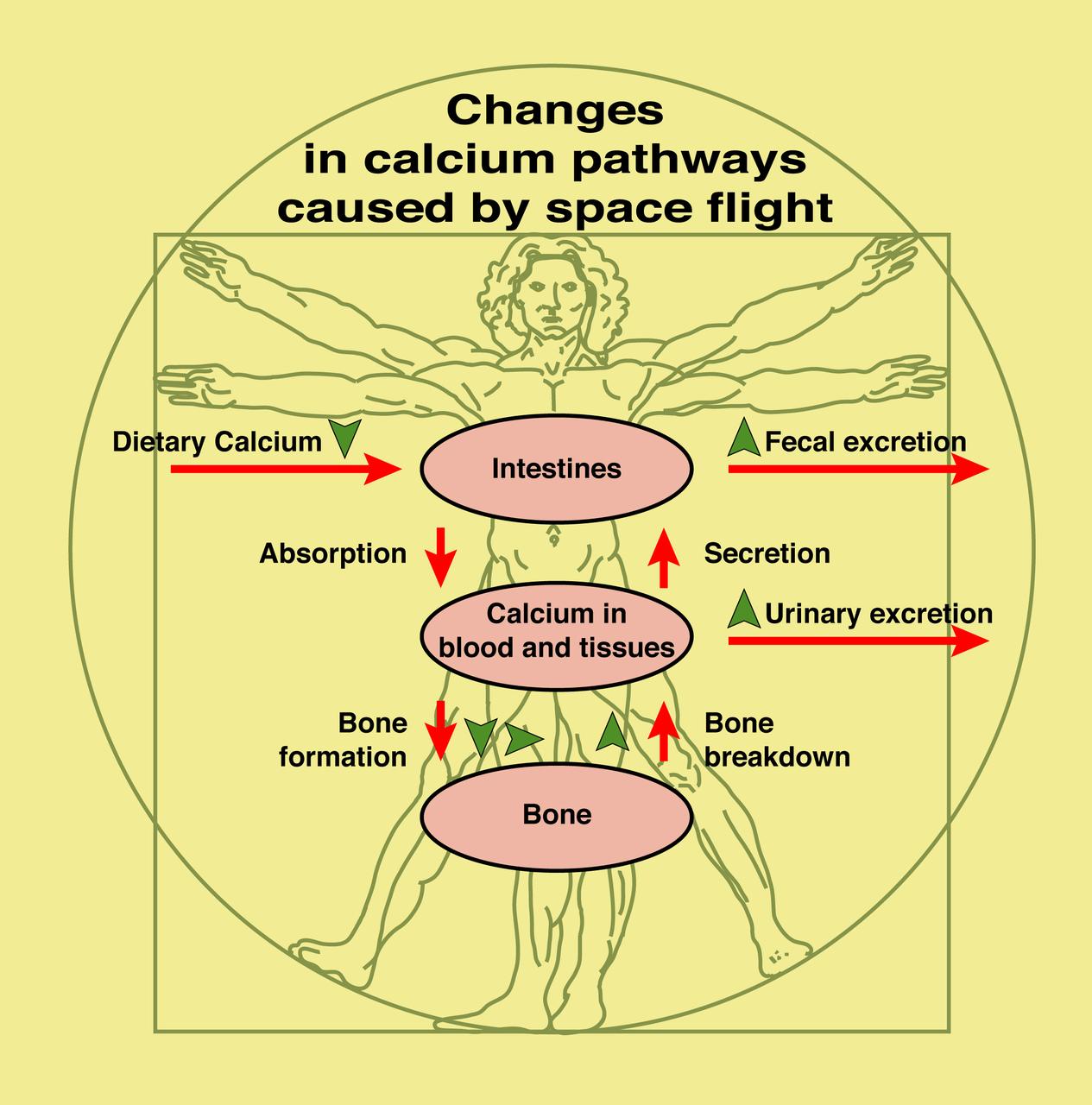
This diagram shows the normal pathways of calcium movement in the body and indicates changes (green arrows) seen during preliminary space flight experiments. Calcium plays a central role because 1) it gives strength and structure to bone and 2) all types of cells require it to function normally. To better understand how and why weightlessness induces bone loss, astronauts have participated in a study of calcium kinetics -- that is, the movement of calcium through the body, including absorption from food, and its role in the formation and breakdown of bone.
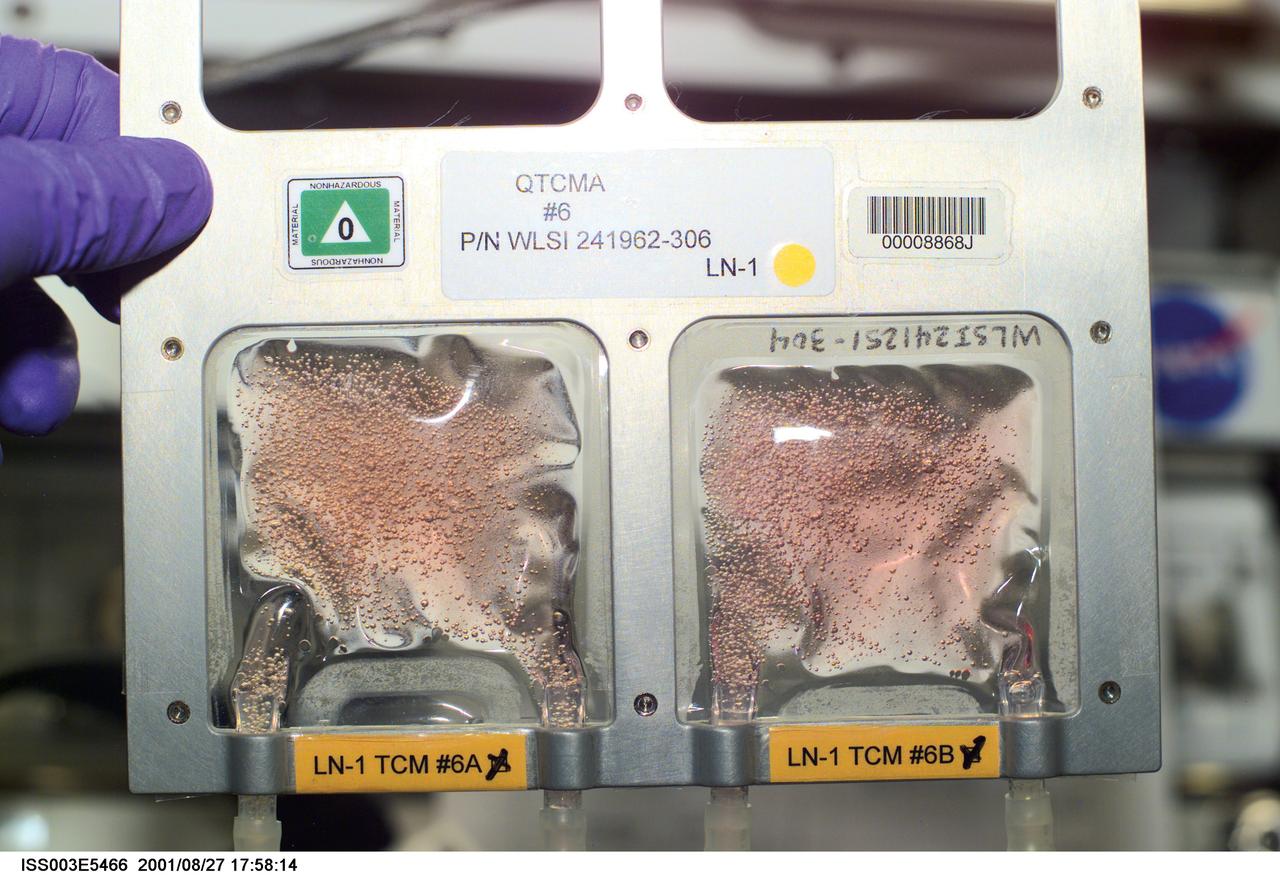
In August 2001, principal investigator Jeanne Becker sent human ovarian tumor cells to the International Space Station (ISS) aboard the STS-105 mission. The tumor cells were cultured in microgravity for a 14 day growth period and were analyzed for changes in the rate of cell growth and synthesis of associated proteins. In addition, they were evaluated for the expression of several proteins that are the products of oncogenes, which cause the transformation of normal cells into cancer cells. This photo, which was taken by astronaut Frank Culbertson who conducted the experiment for Dr. Becker, shows two cell culture bags containing LN1 ovarian carcinoma cell cultures.
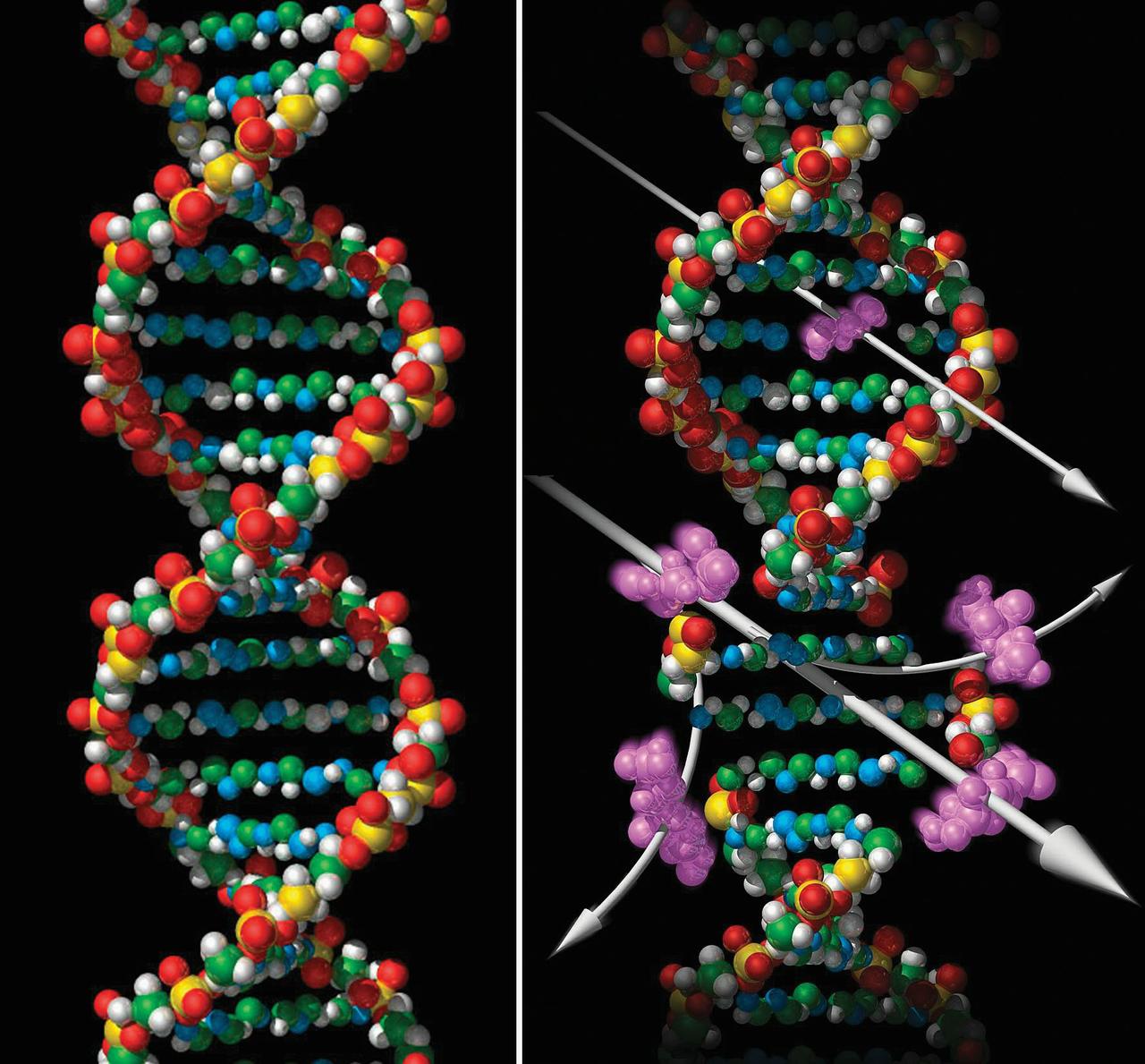
The blueprint of life, DNA's double helix is found in the cells of everything from bacteria to astronauts. Exposure to radiation(depicted at right) such as X-rays (upper) or heavy ion particles (lower), can damage DNA and cause dire consequences both to the organism itself and to future generations. One of NASA's main goals is to develop better radiation shielding materials to protect astronauts from destructive radiation in space. This is particularly important for long space missions. NASA has selected researchers to study materials that provide better shielding. This research is managed by NASA's Office of Biological and Physical Research and is supported by the Microgravity Science and Applications Department at NASA's Marshall Center. During International Space Station Expedition Six, the Extravehicular Activity Radiation Monitoring (EVARM) will continue to measure radiation dosage encountered by the eyes, internal organs and skin during specific spacewalks, and relate it to the type of activity, location and other factors. An analysis of this information may be useful in mitigating potential exposure to space walkers in the future. (Illustration by Dr. Frank Cucinotta, NASA/Johnson Space Center, and Prem Saganti, Lockheed Martin)
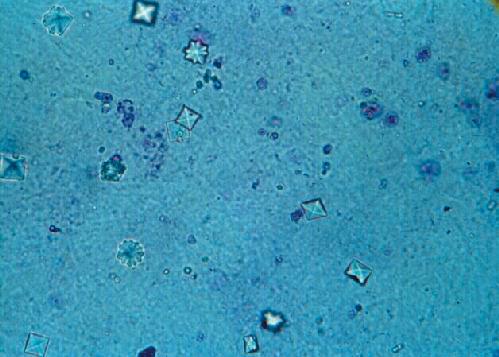
Renal stones are never convenient, but they are a particular concern for astronauts who have limited access to treatment during flight. Researchers are examining how earthbound preventions for renal stone formation work in flight, ensuring missions are not ended prematurely due to this medical condition. The micrograph shows calcium oxalate crystals in urine. These small crystals can develop to form renal stones. Principal Investigator: Dr. Peggy Whitson, NASA Johnson Space Center, Houston, TX.
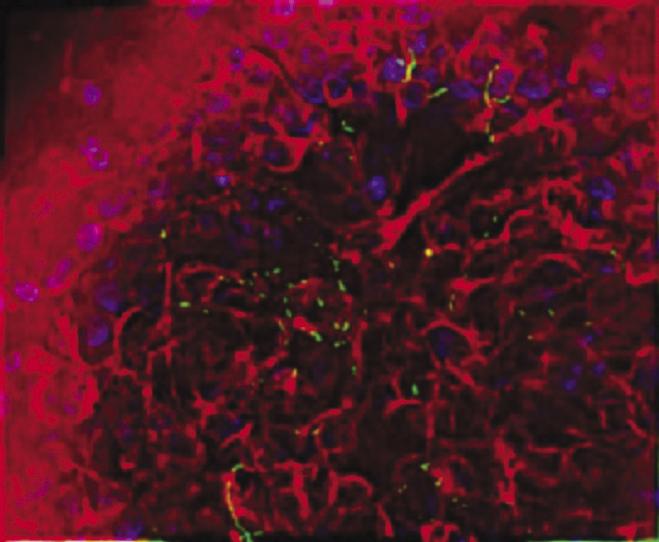
Salmonella typhimurium appears green in on human intestinal tissue (stained red) cultured in a NASA rotating wall bioreactor. Dr. Cheryl Nickerson of Tulane University is studying the effects of simulated low-g on a well-known pathogen, Salmonella typhimurium, a bacterium that causes two to four million cases of gastrointestinal illness in the United States each year. While most healthy people recover readily, S. typhimurium can kill people with weakened immune systems. Thus, a simple case of food poisoning could disrupt a space mission. Using the NASA rotating-wall bioreactor, Nickerson cultured S. typhimurium in modeled microgravity. Mice infected with the bacterium died an average of three days faster than the control mice, indicating that S. typhimurium's virulence was enhanced by the bioreactor. Earlier research showed that 3 percent of the genes were altered by exposure to the bioreactor. Nickerson's work earned her a 2001 Presidential Early Career Award for Scientists and Engineers.
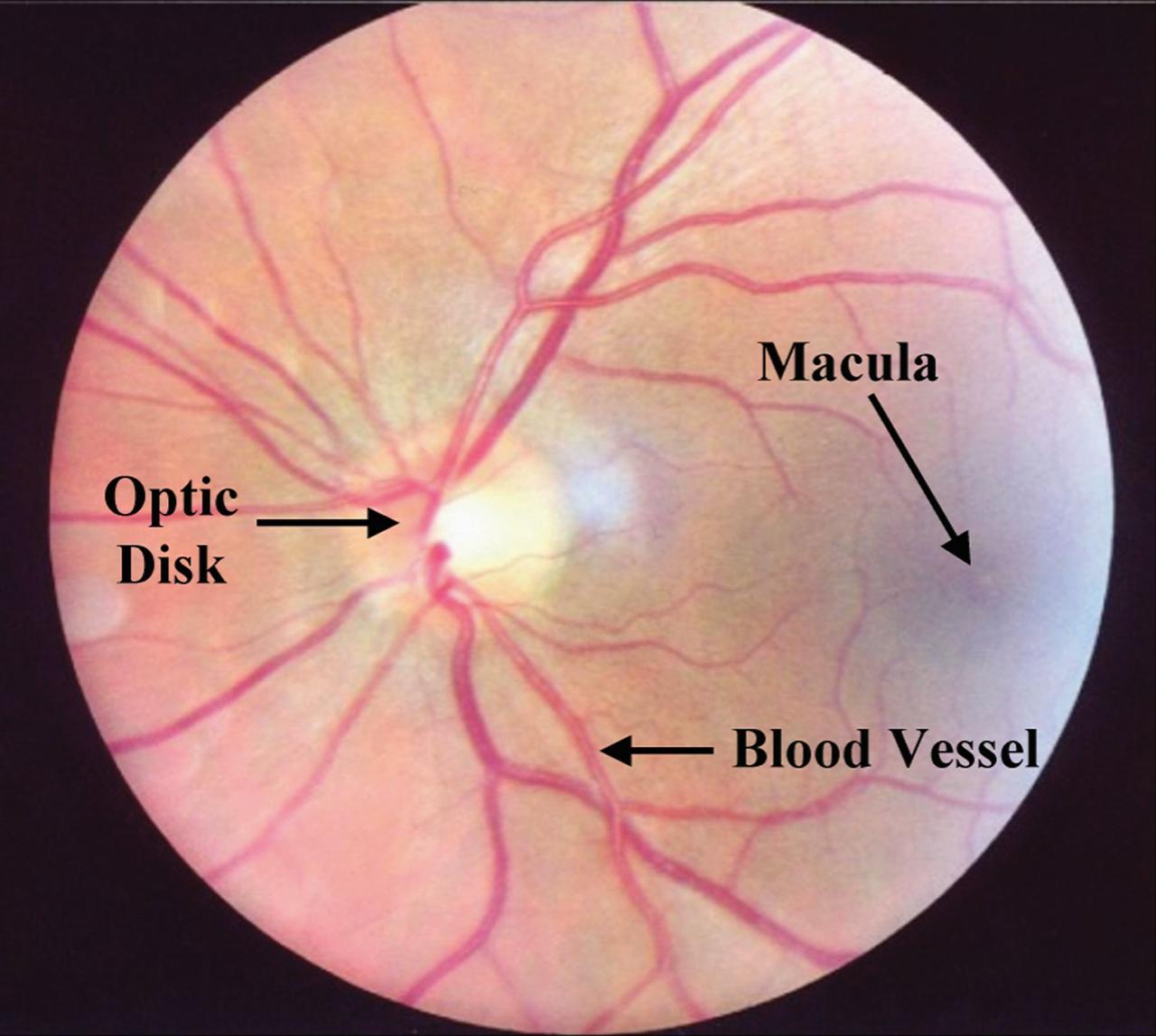
ProVision Technologies, a NASA commercial space center at Sternis Space Center in Mississippi, has developed a new hyperspectral imaging (HSI) system that is much smaller than the original large units used aboard remote sensing aircraft and satellites. The new apparatus is about the size of a breadbox. HSI may be useful to ophthalmologists to study and diagnose eye health, both on Earth and in space, by examining the back of the eye to determine oxygen and blood flow quickly and without any invasion. ProVision's hyperspectral imaging system can scan the human eye and produce a graph showing optical density or light absorption, which can then be compared to a graph from a normal eye. Scans of the macula, optic disk or optic nerve head, and blood vessels can be used to detect anomalies and identify diseases in this delicate and important organ. ProVision has already developed a relationship with the University of Alabama at Birmingham, but is still on the lookout for a commercial partner in this application.
Within five days, bioreactor cultivated human colon cancer cells (shown) grown in Microgravity on the STS-70 mission in 1995, had grown 30 times the volume of the control specimens on Earth. The samples grown in space had a higher level of cellular organization and specialization. Because they more closely resemble tumors found in the body, microgravity grown cell cultures are ideal for research purposes.
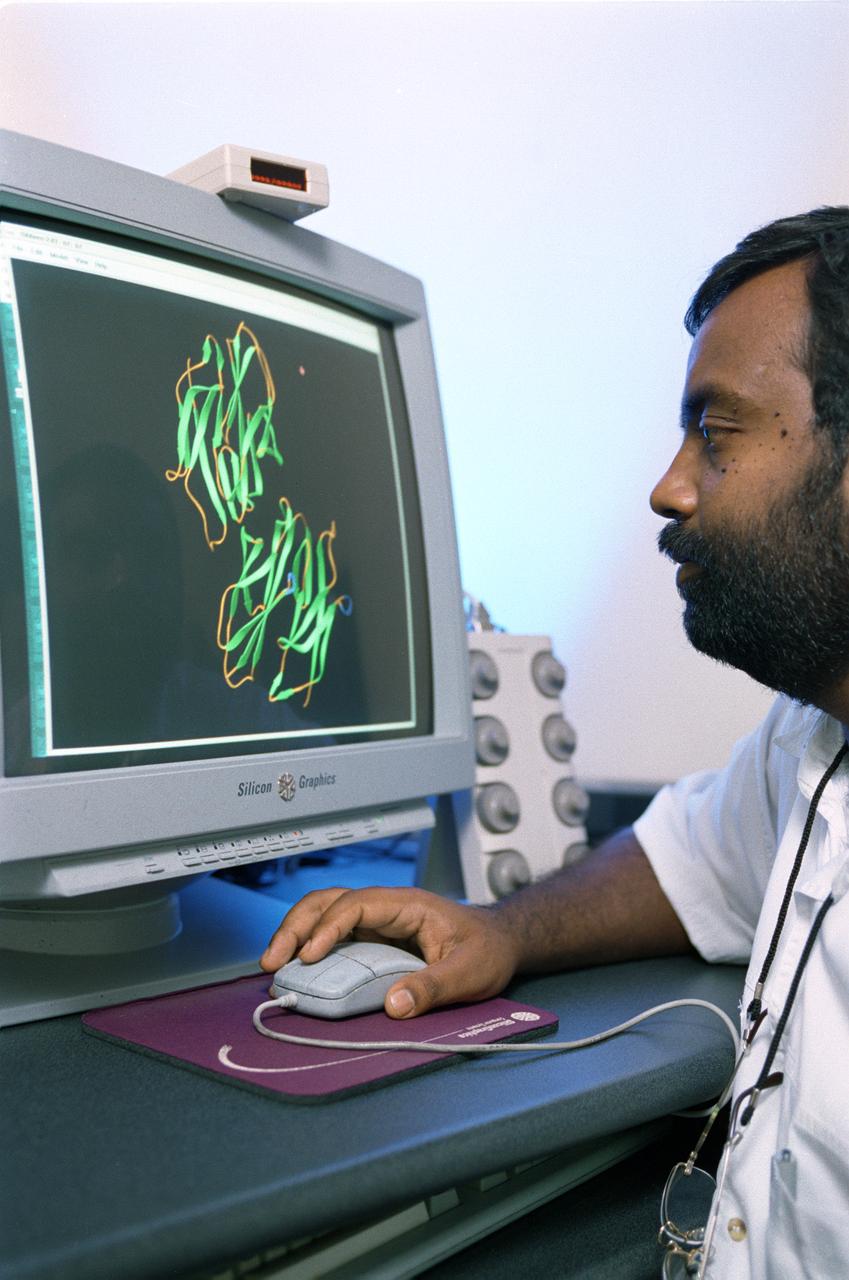
Diabetic patients may someday reduce their insulin injections and lead more normal lives because of new insights gained through innovative space research in which insulin crystals were grown on the Space Shuttle. Results from a 1994 insulin crystals growth experiment in space are leading to a new understanding of protein insulin. Lack of insulin is the cause of diabetes, a disease that accounts for one-seventh of the nation's health care costs. Champion Deivanaygam, a researcher at the Center for Macromolecular Crystallography at the University of Alabama in Birmingham, assists in this work. Photo credit: NASA/Marshall Space Flight Center (MSFC)
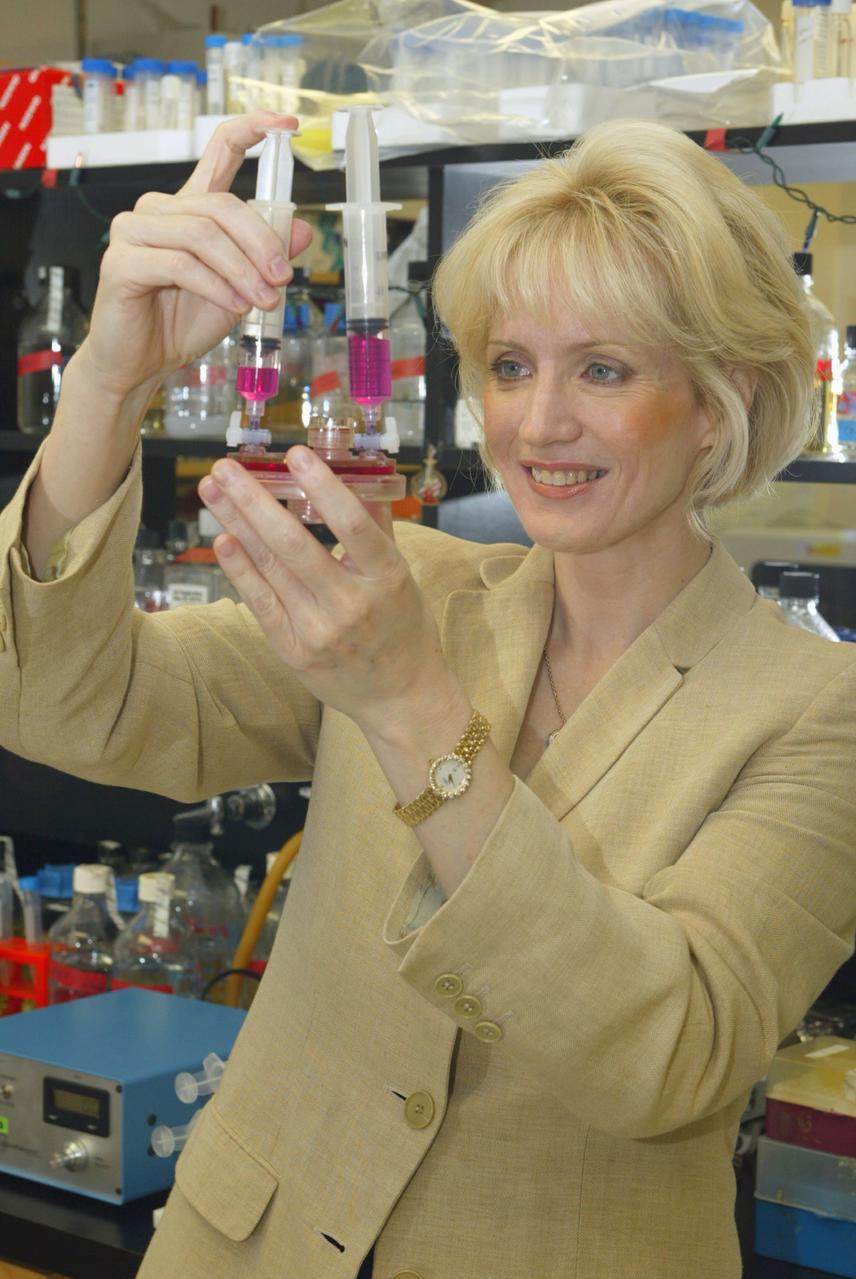
Dr. Cheryl Nickerson of Tulane University is studying the effects of simulated low-g on a well-known pathogen, Salmonella typhimurium, a bacterium that causes two to four million cases of gastrointestinal illness in the United States each year. While most healthy people recover readily, S. typhimurium can kill people with weakened immune systems. Thus, a simple case of food poisoning could disrupt a space mission. Using the NASA rotating-wall bioreactor, Nickerson cultured S. typhimurium in modeled microgravity. Mice infected with the bacterium died an average of three days faster than the control mice, indicating that S. typhimurium's virulence was enhanced by the bioreactor. Earlier research showed that 3 percent of the genes were altered by exposure to the bioreactor. Nickerson's work earned her a 2001 Presidential Early Career Award for Scientists and Engineers.
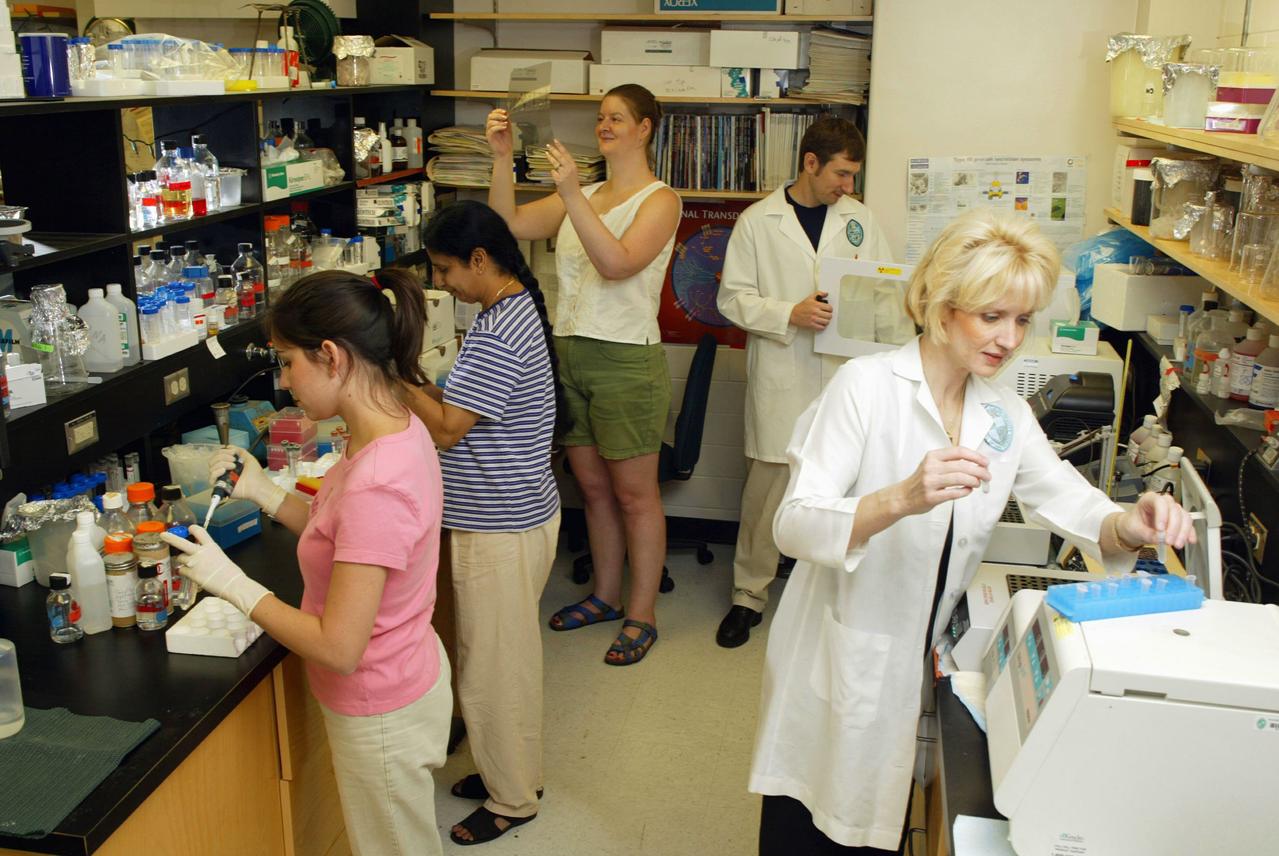
Dr. Cheryl Nickerson (right) of Tulane University is studying the effects of simulated low-g on a well-known pathogen, Salmonella typhimurium, a bacterium that causes two to four million cases of gastrointestinal illness in the United States each year. While most healthy people recover readily, S. typhimurium can kill people with weakened immune systems. Thus, a simple case of food poisoning could disrupt a space mission. Using the NASA rotating-wall bioreactor, Nickerson cultured S. typhimurium in modeled microgravity. Mice infected with the bacterium died an average of three days faster than the control mice, indicating that S. typhimurium's virulence was enhanced by the bioreactor. Earlier research showed that 3 percent of the genes were altered by exposure to the bioreactor. Nickerson's work earned her a 2001 Presidential Early Career Award for Scientists and Engineers.
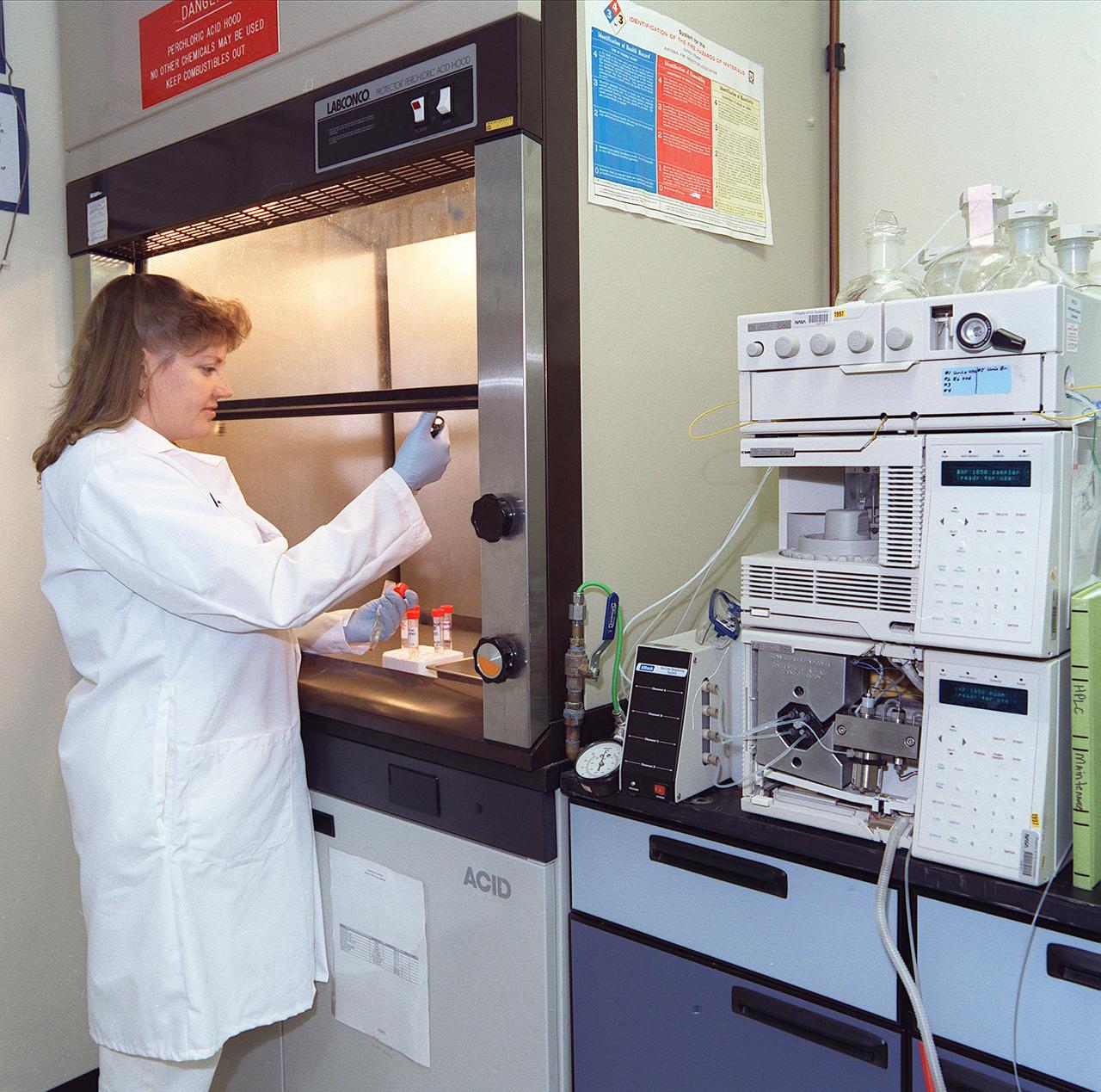
Calcium kinetics studies in the Nutritional Biochemistry Laboratory at NASA's Johnson Space Center.
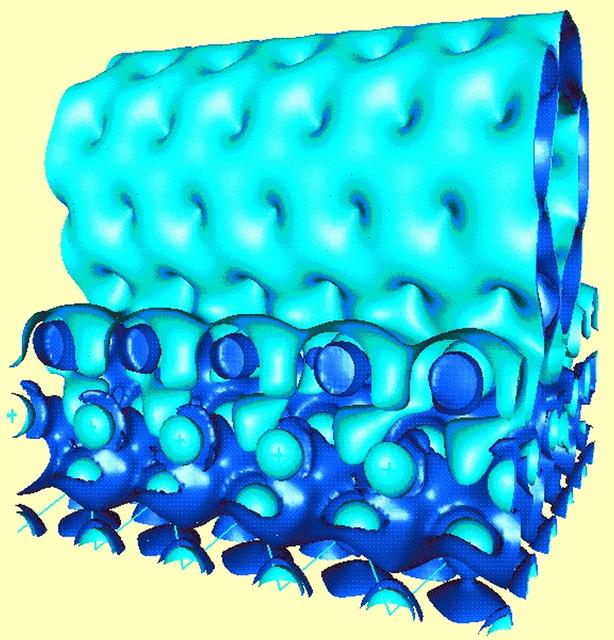
NASA is looking to biological techniques that are millions of years old to help it develop new materials and nanotechnology for the 21st century. Sponsored by NASA, Jerzy Bernholc, a principal investigator in the microgravity materials science program and a physics professor at North Carolina State University, Bernholc works with very large-scale computations to model carbon molecules as they assemble themselves to form nanotubes. The strongest confirmed material known, nanotubes are much stronger than graphite, a more common material made of carbon, and weigh six times less than steel. Nanotubes have potential uses such as strain gauges, advanced electronic devices, amd batteries. The strength, light weight, and conductive qualities of nanotubes, shown in light blue in this computed electron distribution, make them excellent components of nanoscale devices. One way to conduct electricity to such devices is through contact with aluminum, shown in dark blue.
![The stimulus of gravity affects RNA production, which helps maintain the strength of human muscles on Earth (top), as seen in this section of muscle fiber taken from an astronaut before spaceflight. Astronauts in orbit and patients on Earth fighting muscle-wasting diseases need countermeasures to prevent muscle atrophy, indicated here with white lipid droplets (bottom) in the muscle sample taken from the same astronaut after spaceflight. Kerneth Baldwin of the University of California, Irvine, is conducting research on how reducing the stimulus of gravity affects production of the RNA that the body uses as a blueprint for making muscle proteins. Muscle proteins are what give muscles their strength, so when the RNA blueprints aren't available for producing new proteins to replace old ones -- a situation that occurs in microgravity -- the muscles atrophy. When the skeletal muscle system is exposed to microgravity during spaceflight, the muscles undergo a reduced mass that translates to a reduction in strength. When this happens, muscle endurance decreases and the muscles are more prone to injury, so individuals could have problems in performing extravehicular activity [space walks] or emergency egress because their bodies are functionally compromised.](https://images-assets.nasa.gov/image/0300206/0300206~medium.jpg)
The stimulus of gravity affects RNA production, which helps maintain the strength of human muscles on Earth (top), as seen in this section of muscle fiber taken from an astronaut before spaceflight. Astronauts in orbit and patients on Earth fighting muscle-wasting diseases need countermeasures to prevent muscle atrophy, indicated here with white lipid droplets (bottom) in the muscle sample taken from the same astronaut after spaceflight. Kerneth Baldwin of the University of California, Irvine, is conducting research on how reducing the stimulus of gravity affects production of the RNA that the body uses as a blueprint for making muscle proteins. Muscle proteins are what give muscles their strength, so when the RNA blueprints aren't available for producing new proteins to replace old ones -- a situation that occurs in microgravity -- the muscles atrophy. When the skeletal muscle system is exposed to microgravity during spaceflight, the muscles undergo a reduced mass that translates to a reduction in strength. When this happens, muscle endurance decreases and the muscles are more prone to injury, so individuals could have problems in performing extravehicular activity [space walks] or emergency egress because their bodies are functionally compromised.
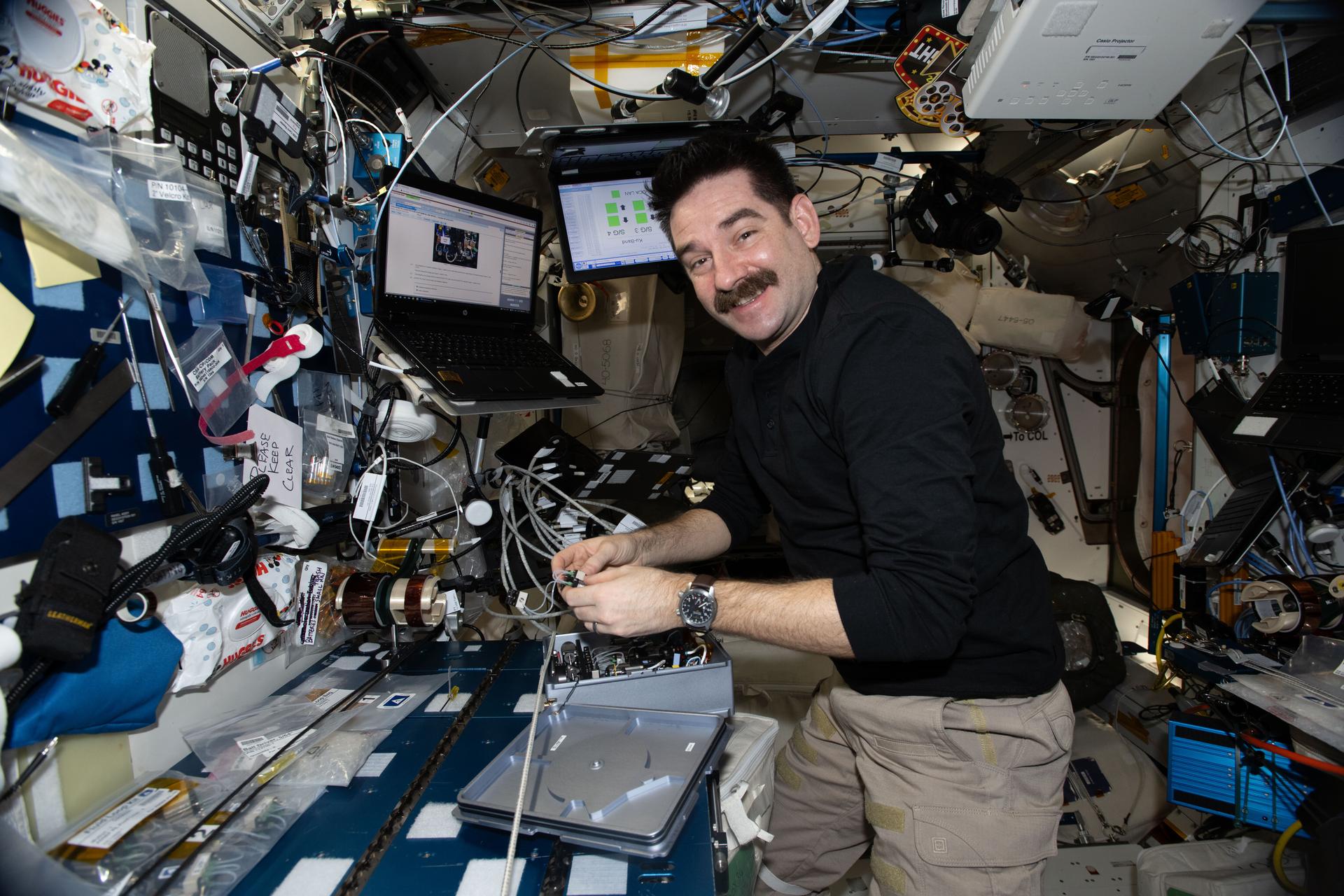
iss074e0591312 (May 19, 2026) --- NASA astronaut and Expedition 74 flight engineer Jack Hathaway works inside the International Space Station’s Harmony module, swapping hardware inside the Advanced Space Experiment Processor‑2 to support a biotechnology study that explores the synthesis of pharmaceutical compounds. The investigation, called In‑Space Production Application–Pharmaceutical In‑Space Laboratory–02, studies the effect of microgravity on the production of a variety of crystals, potentially enhancing purity, improving stability, and creating uniform distribution. Credit: ESA/Sophie Adenot
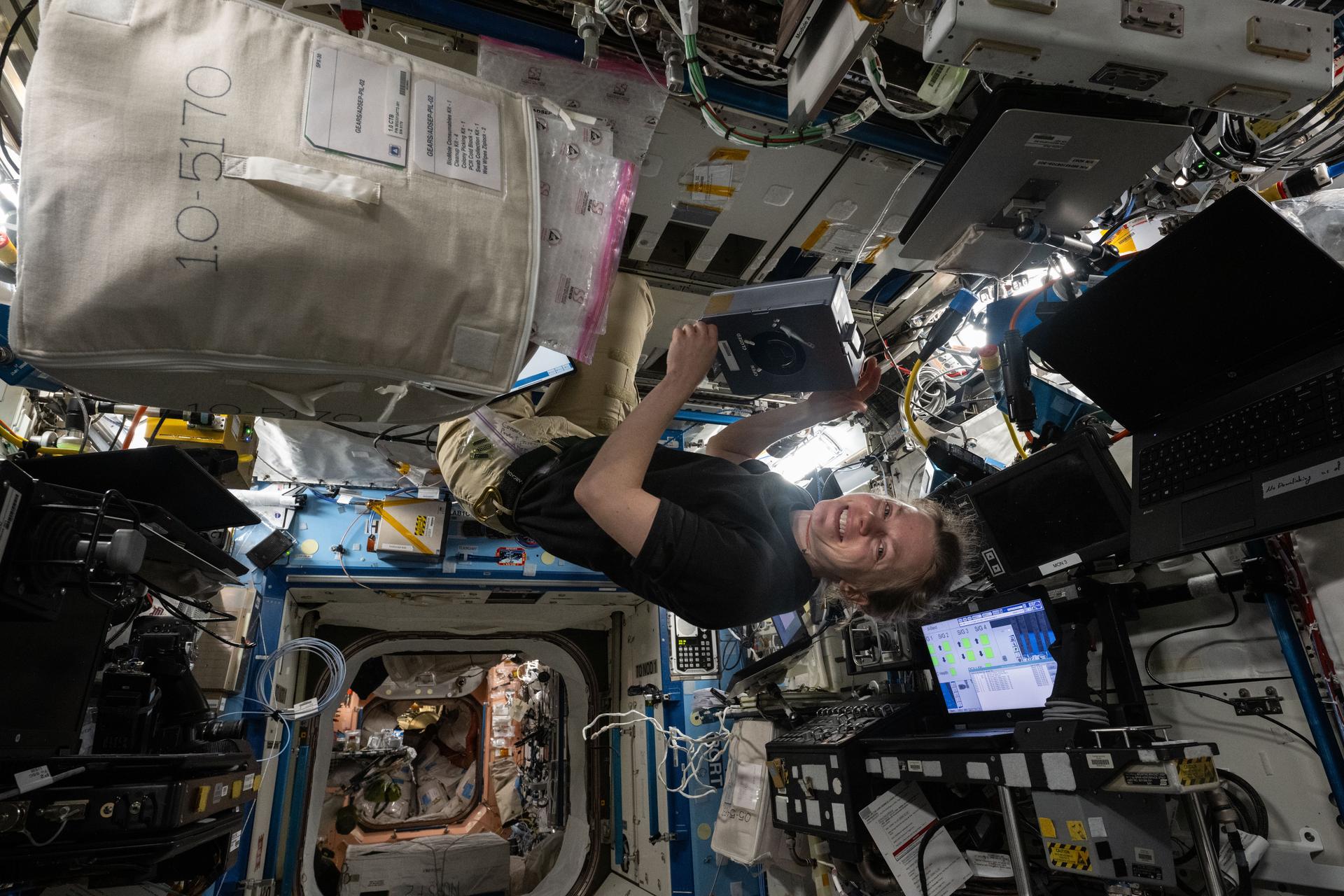
iss073e0817247 (Sept. 30, 2025) --- NASA astronaut and Expedition 73 Flight Engineer Zena Cardman installs sample cassettes into the ADSEP-4 (Advanced Space Experiment Processor) located inside the International Space Station's Destiny laboratory module. She was conducting research operations for the Pharmaceutical In-space Laboratory biotechnology experiment, which is investigating methods to advance pharmaceutical manufacturing in microgravity.
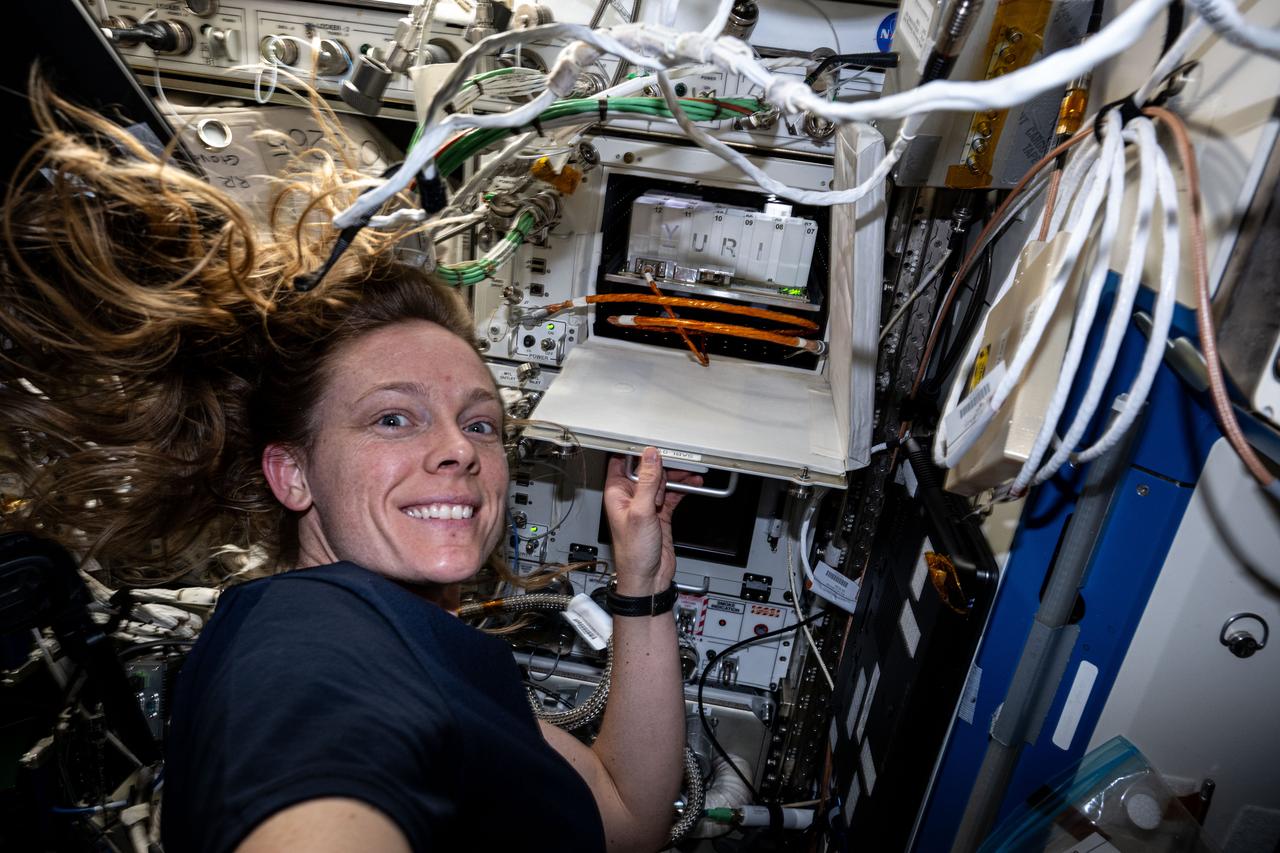
iss073e0002615 (April 28, 2025) --- NASA astronaut and Expedition 73 Flight Engineer Nichole Ayers shows off research hardware to study how microalgae grow in spaceflight conditions such as microgravity and radiation. Results from the biotechnology investigation may provide insights to support life support systems, fuel production, and food on future missions to the Moon, Mars, and beyond.
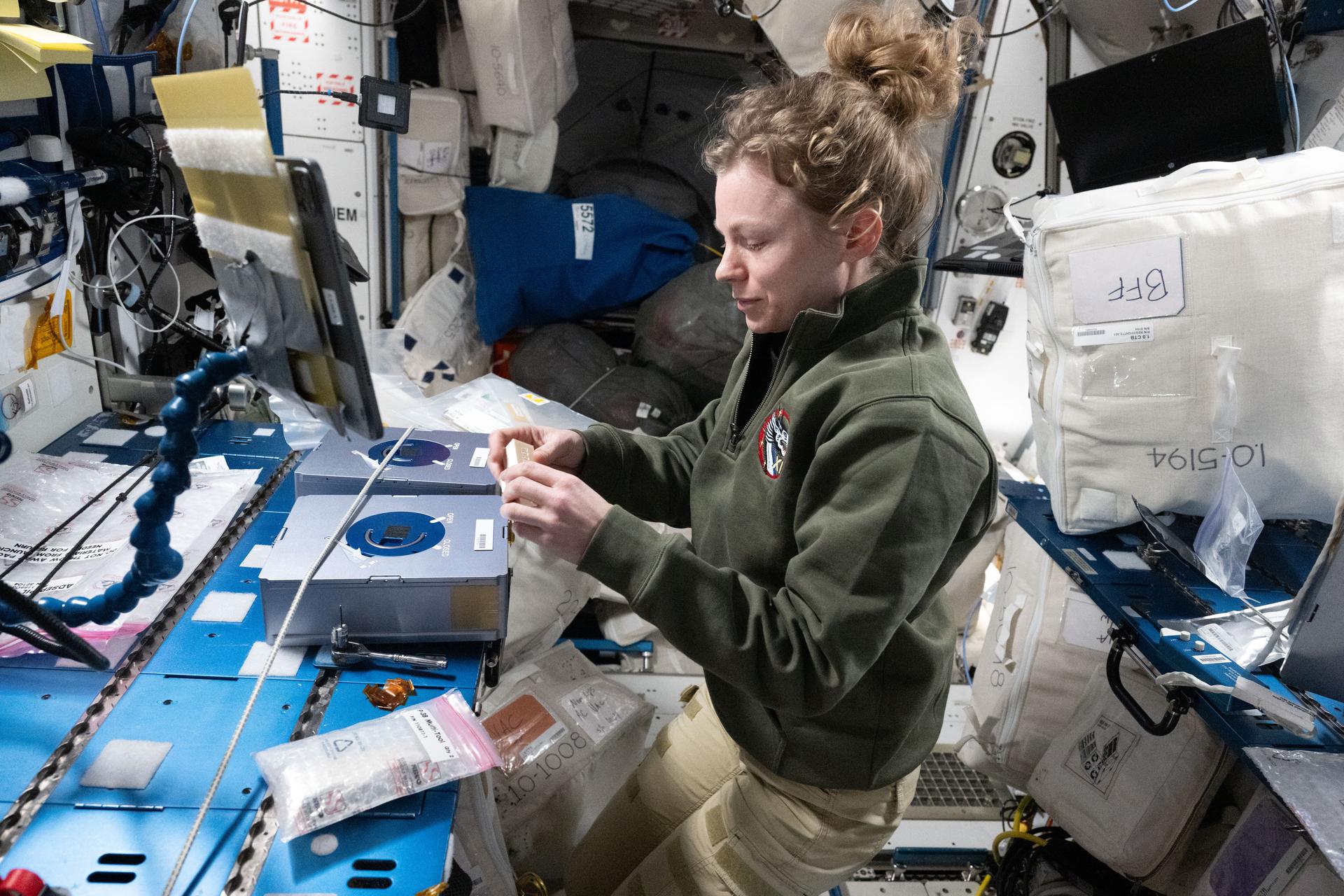
iss073e0865452 (Oct. 7, 2025) --- NASA astronaut and Expedition 73 Flight Engineer Zena Cardman inspects sample cassettes for installation into the Advanced Space Experiment Processor-4 (ADSEP-4) at the maintenance work area inside the International Space Station's Harmony module. She was conducting research operations for the Pharmaceutical In-space Laboratory biotechnology experiment, which is investigating methods to advance pharmaceutical manufacturing in microgravity.
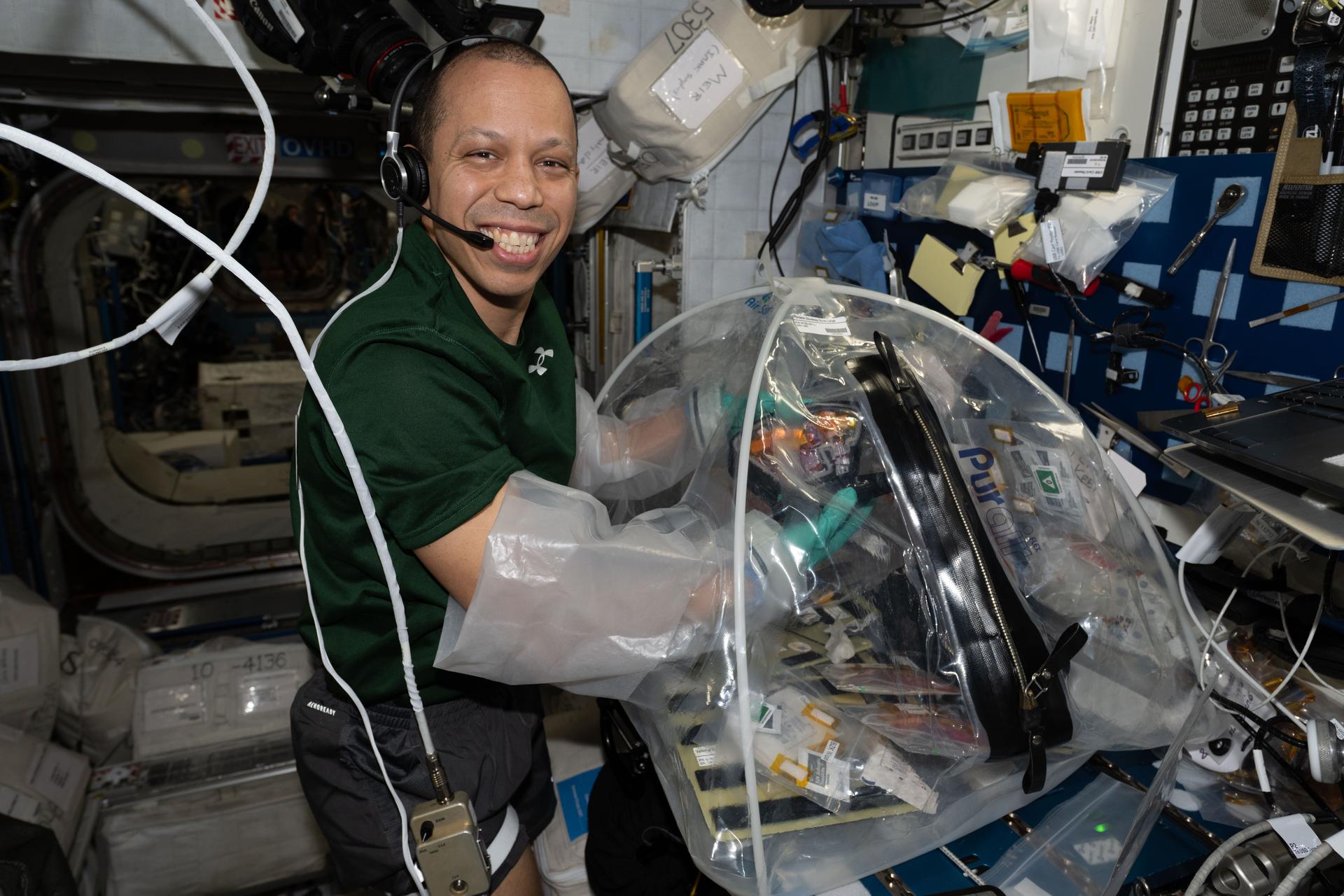
iss074e0491074 (April 16, 2026) --- NASA astronaut and Expedition 74 flight engineer Chris Williams configures research hardware inside a portable glovebag for a biotechnology investigation exploring how bacteria affect heart tissue in the microgravity environment. Results from the MVP (Multi-use Variable-g Platform) Cell-09 experiment could lead to advanced methods for preventing or treating heart damage in humans living on and off the Earth. Credit: NASA/Jessica Meir
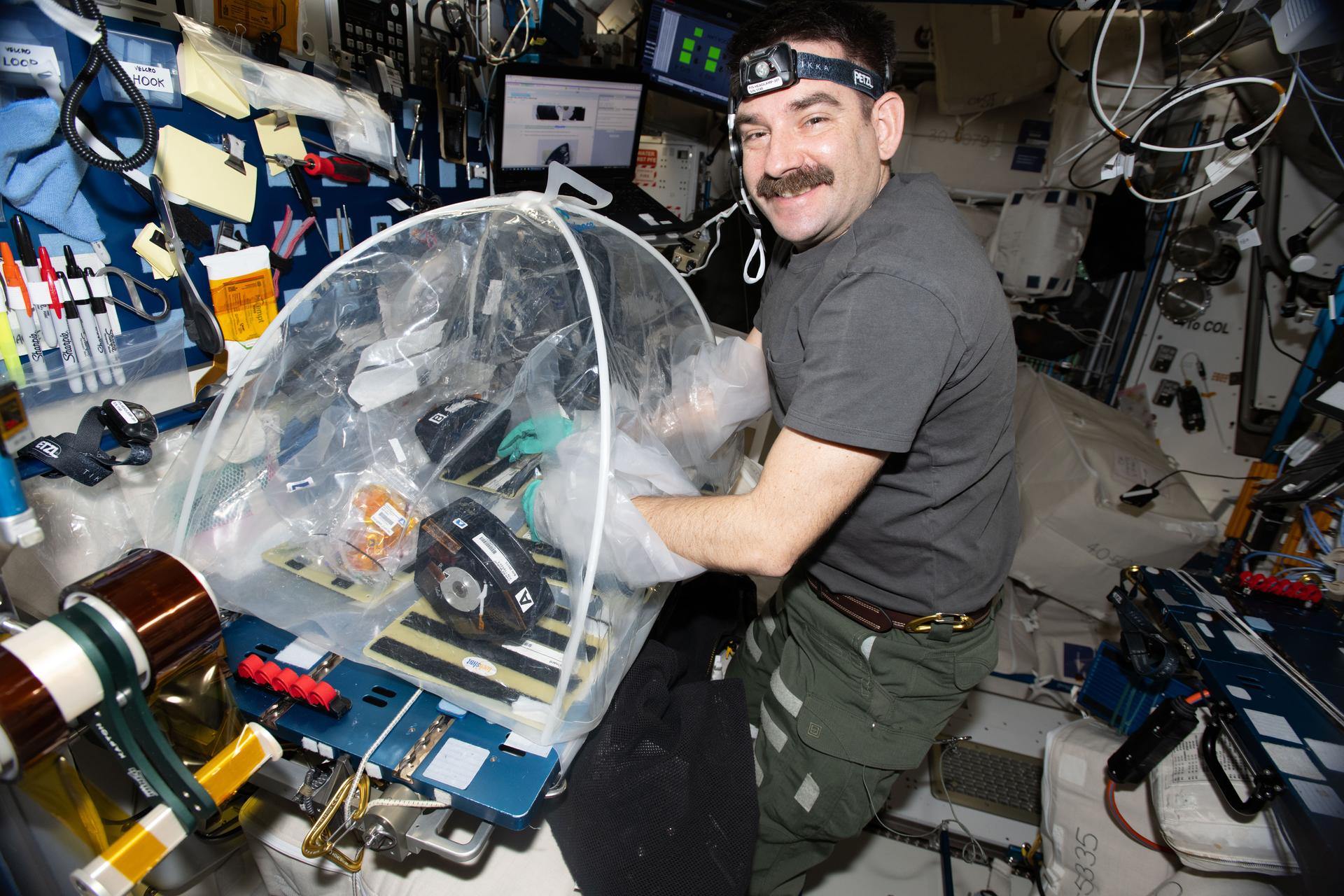
iss074e0490731 (April 16, 2026) --- NASA astronaut and Expedition 74 flight engineer Jack Hathaway configures research hardware inside a portable glovebag for a biotechnology investigation exploring how bacteria affect heart tissue in the microgravity environment. Results from the MVP (Multi-use Variable-g Platform) Cell-09 experiment could lead to advanced methods for preventing or treating heart damage in humans living on and off the Earth. Credit: ESA/Sophie Adenot
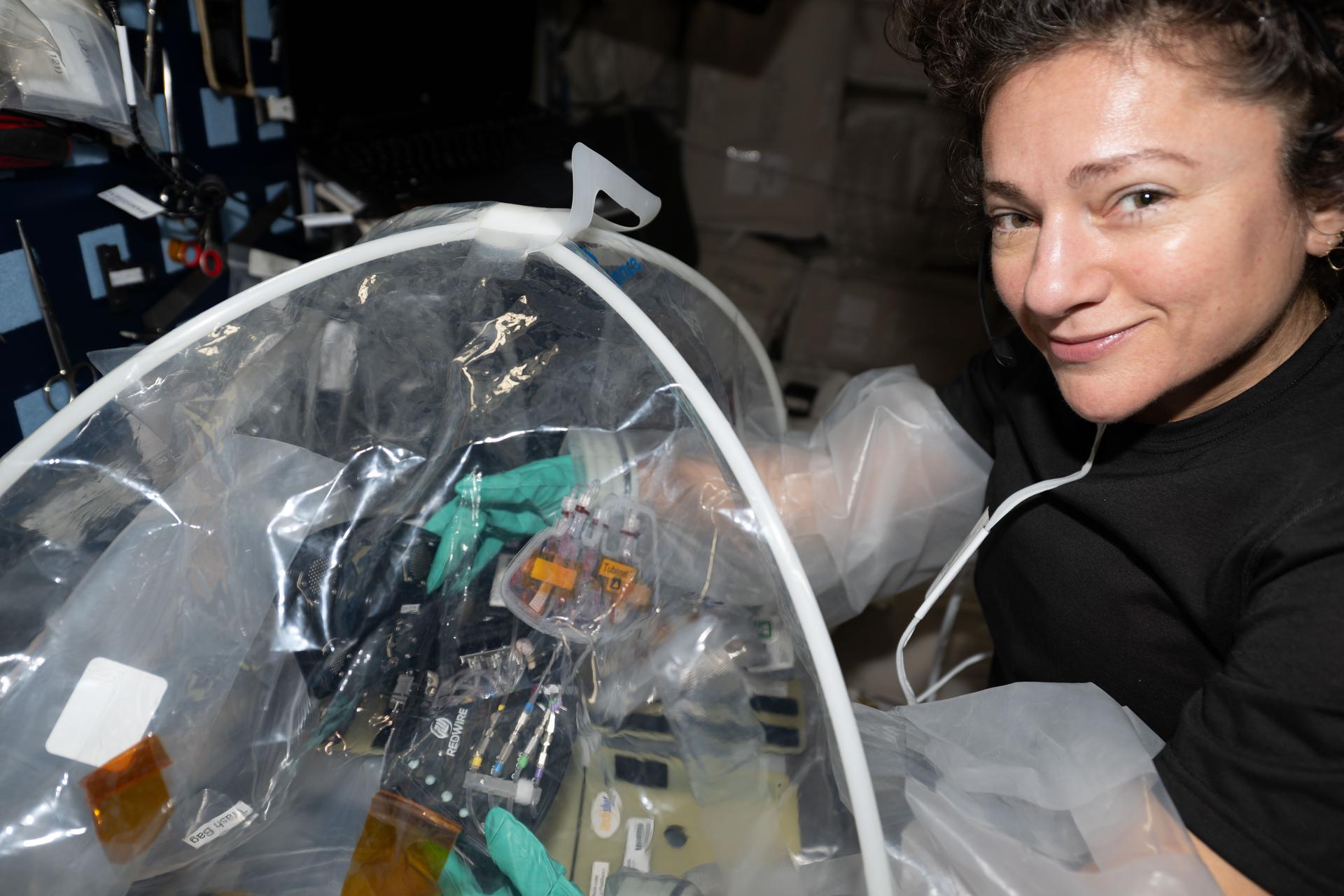
iss074e0490661 (April 16, 2026) --- NASA astronaut and Expedition 74 flight engineer Jessica Meir configures research hardware inside a portable glovebag for a biotechnology investigation exploring how bacteria affect heart tissue in the microgravity environment. Results from the MVP (Multi-use Variable-g Platform) Cell-09 experiment could lead to advanced methods for preventing or treating heart damage in humans living on and off the Earth. Credit: ESA/Sophie Adenot
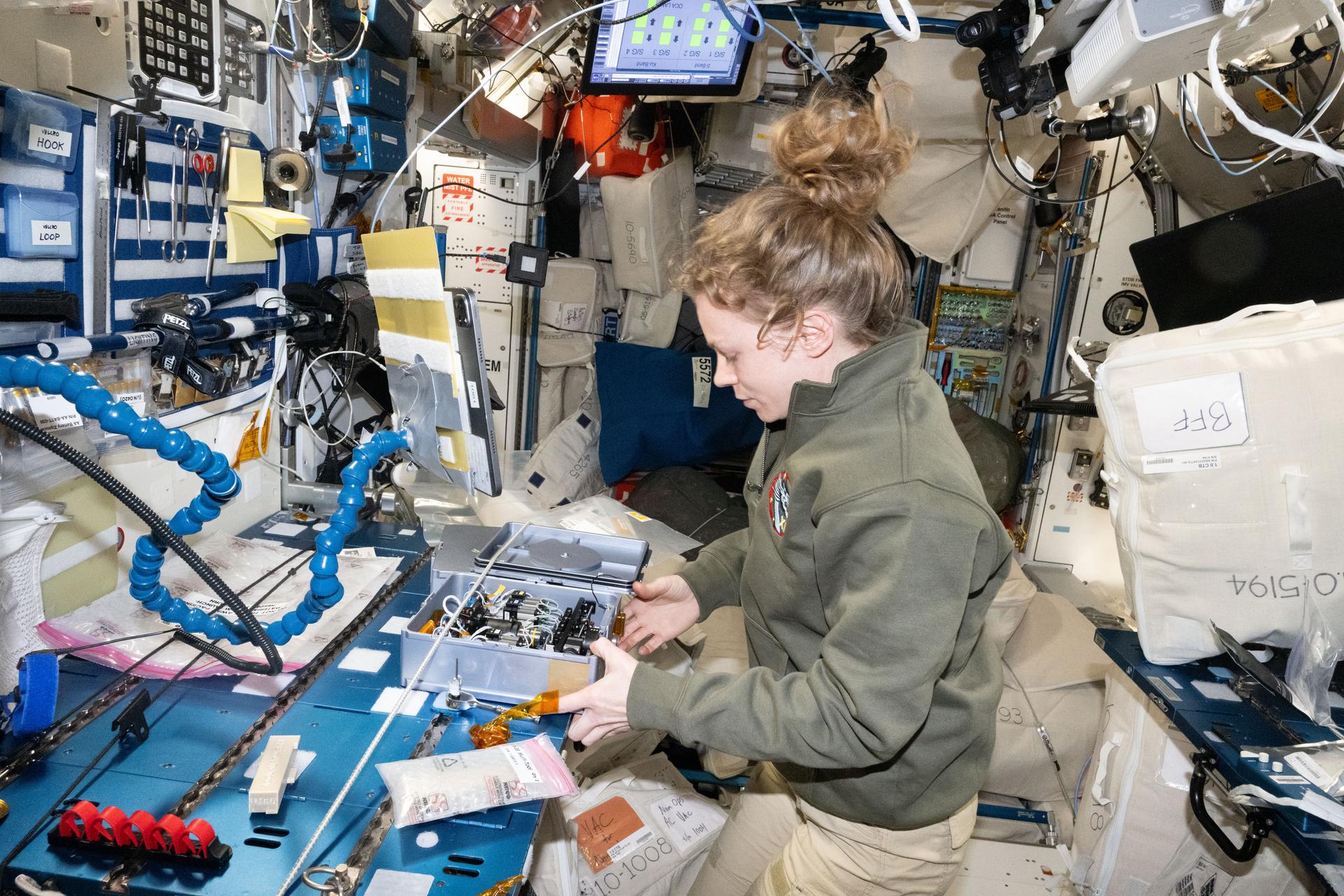
iss073e0865458 (Oct. 7, 2025) --- NASA astronaut and Expedition 73 Flight Engineer Zena Cardman inspects sample cassettes for installation into the Advanced Space Experiment Processor-4 (ADSEP-4) at the maintenance work area inside the International Space Station's Harmony module. She was conducting research operations for the Pharmaceutical In-space Laboratory biotechnology experiment, which is investigating methods to advance pharmaceutical manufacturing in microgravity.
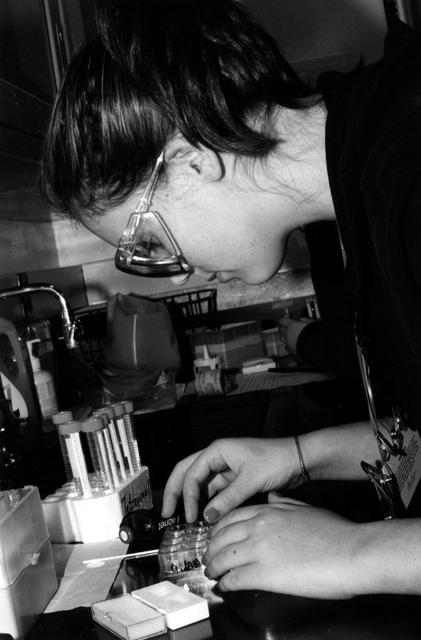
High school students screen crystals of various proteins that are part of the ground-based work that supports Alexander McPherson's protein crystal growth experiment. The students also prepared and stored samples in the Enhanced Gaseous Nitrogen Dewar, which was launched on the STS-98 mission for delivery to the ISS. The crystals grown on the ground will be compared with crystals grown in orbit. Participants include Joseph Negron, of Terry Parker High School, Jacksonville, Florida; Megan Miskowski (shown), of Ridgeview High School, Orange Park, Florida; and Sam Swank, of Fletcher High School, Neptune Beach, Florida. The proteins are placed in plastic tubing that is heat-sealed at the ends, then flash-frozen and preserved in a liquid nitrogen Dewar. Aboard the ISS, the nitrogen will be allowed to evaporated so the samples thaw and then slowly crystallize. They will be analyzed after return to Earth. Photo credit: NASA/Marshall Space Flight Center.
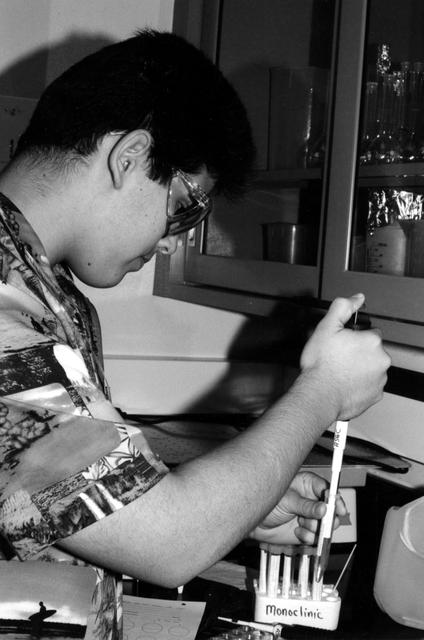
High school students screen crystals of various proteins that are part of the ground-based work that supports Alexander McPherson's protein crystal growth experiment. The students also prepared and stored samples in the Enhanced Gaseous Nitrogen Dewar, which was launched on the STS-98 mission for delivery to the ISS. The crystals grown on the ground will be compared with crystals grown in orbit. Participants include Joseph Negron (shown), of Terry Parker High School, Jacksonville, Florida; Megan Miskowski, of Ridgeview High School, Orange Park, Florida; and Sam Swank, of Fletcher High School, Neptune Beach, Florida. The proteins are placed in plastic tubing that is heat-sealed at the ends, then flash-frozen and preserved in a liquid nitrogen Dewar. Aboard the ISS, the nitrogen will be allowed to evaporated so the samples thaw and then slowly crystallize. They will be analyzed after return to Earth. Photo credit: NASA/Marshall Space Flight Center.
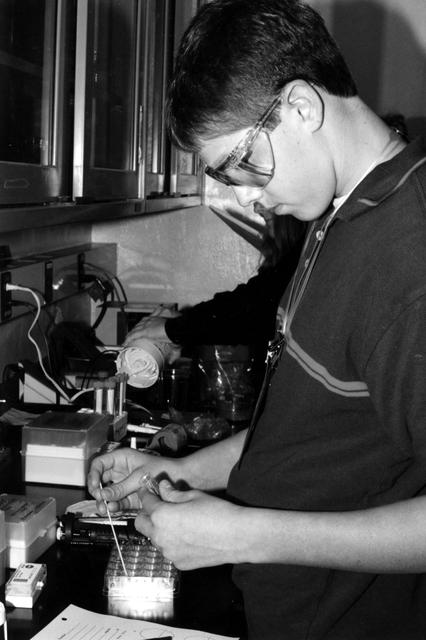
High school students screen crystals of various proteins that are part of the ground-based work that supports Alexander McPherson's protein crystal growth experiment. The students also prepared and stored samples in the Enhanced Gaseous Nitrogen Dewar, which was launched on the STS-98 mission for delivery to the ISS. The crystals grown on the ground will be compared with crystals grown in orbit. Participants include Joseph Negron, of Terry Parker High School, Jacksonville, Florida; Megan Miskowski, of Ridgeview High School, Orange Park, Florida; and Sam Swank (shown), of Fletcher High School, Neptune Beach, Florida. The proteins are placed in plastic tubing that is heat-sealed at the ends, then flash-frozen and preserved in a liquid nitrogen Dewar. Aboard the ISS, the nitrogen will be allowed to evaporated so the samples thaw and then slowly crystallize. They will be analyzed after return to Earth. Photo credit: NASA/Marshall Space Flight Center.

iss074e0711160 (June 11, 2026) --- NASA astronaut and Expedition 74 flight engineer Chris Williams conducts research operations inside the Kibo laboratory module’s Life Science Glovebox for the Odyssey biotechnology investigation. The microbiology study compares bacteria samples grown onboard the International Space Station to similar samples living in simulated microgravity chambers on Earth to learn how microbes respond to space-like conditions. Insights may lead to new ways of protecting humans and equipment exposed to harsh conditions on and off Earth. Credit: NASA/Jessica Meir
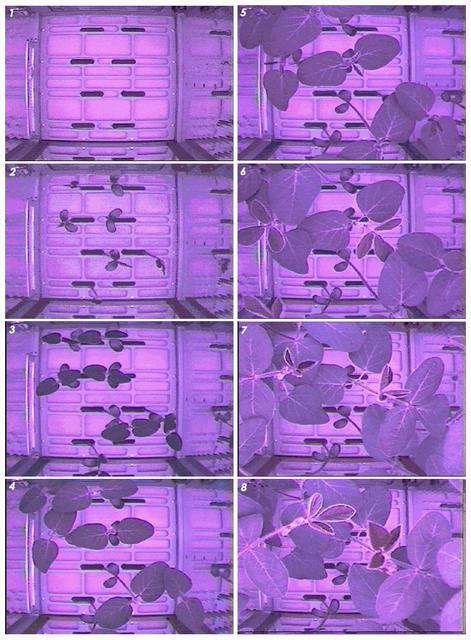
This composite image shows soybean plants growing in the Advanced Astroculture experiment aboard the International Space Station during June 11-July 2, 2002. DuPont is partnering with NASA and the Wisconsin Center for Space Automation and Robotics (WCSAR) at the University of Wisconsin-Madison to grow soybeans aboard the Space Station to find out if they have improved oil, protein, carbohydrates or secondary metabolites that could benefit farmers and consumers. Principal Investigators: Dr. Tom Corbin, Pioneer Hi-Bred International Inc., a Dupont Company, with headquarters in Des Moines, Iowa, and Dr. Weijia Zhou, Wisconsin Center for Space Automation and Robotics (WCSAR), University of Wisconsin-Madison.
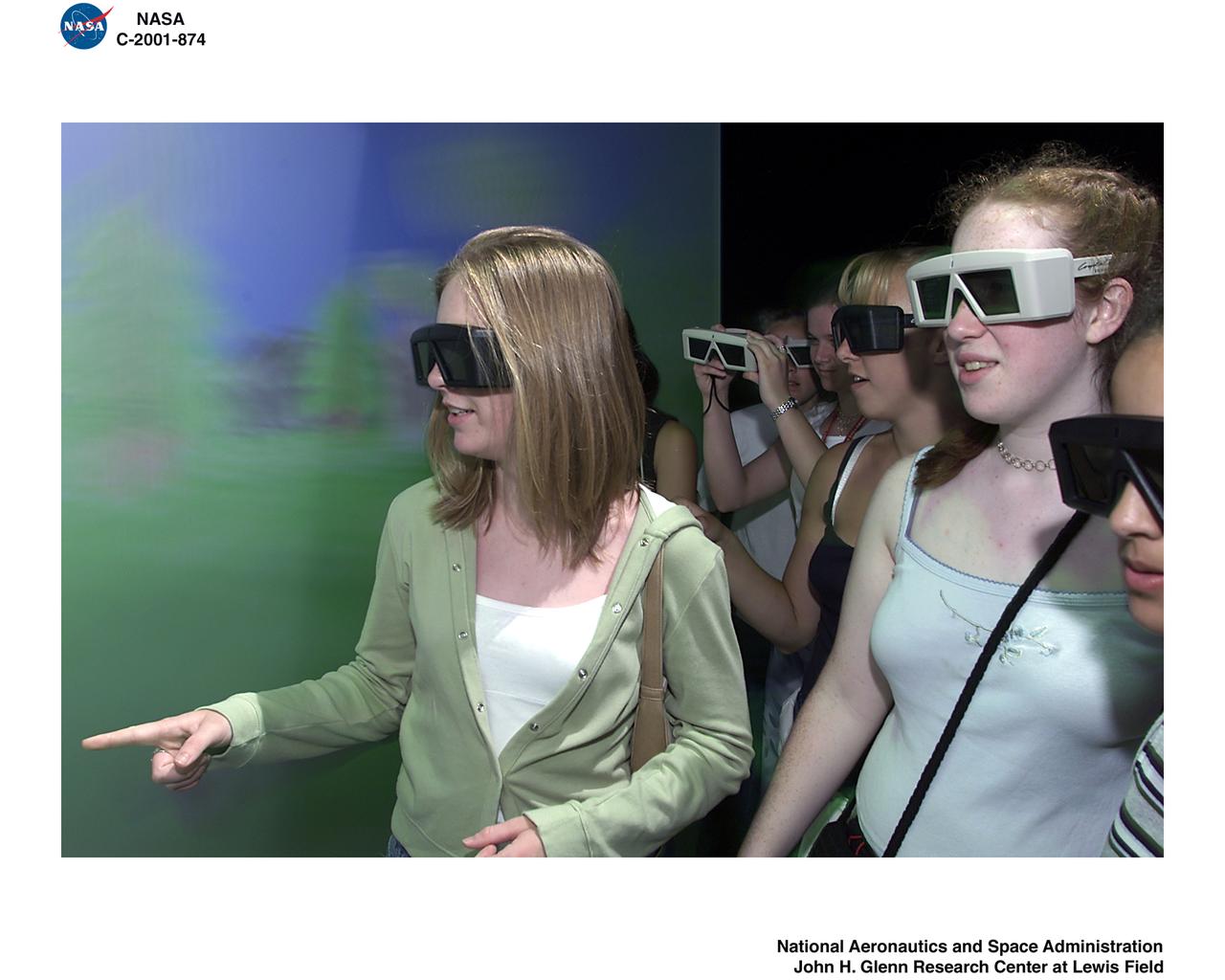
BIOTECHNOLOGY TOURS WITH BALDWIN WALLACE INSTITUTE HONOR STUDENTS
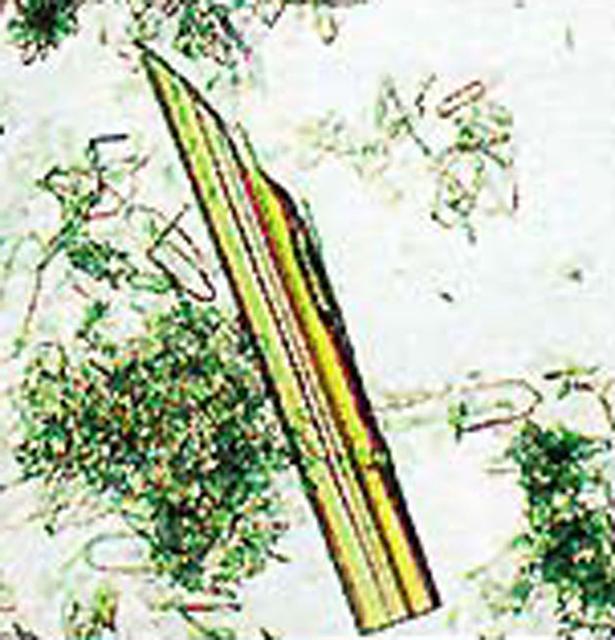
Both (Porcine and bacterial) starch degrading enzymes highly valued by the biotechnology industry. (Porcine) A major target for protein engineering and the study of diabetes, obesity and dental care. (Bacterial) Major industrial and biotechnology interest used in brewing, baking, and food processing. World's number one industrial protein.
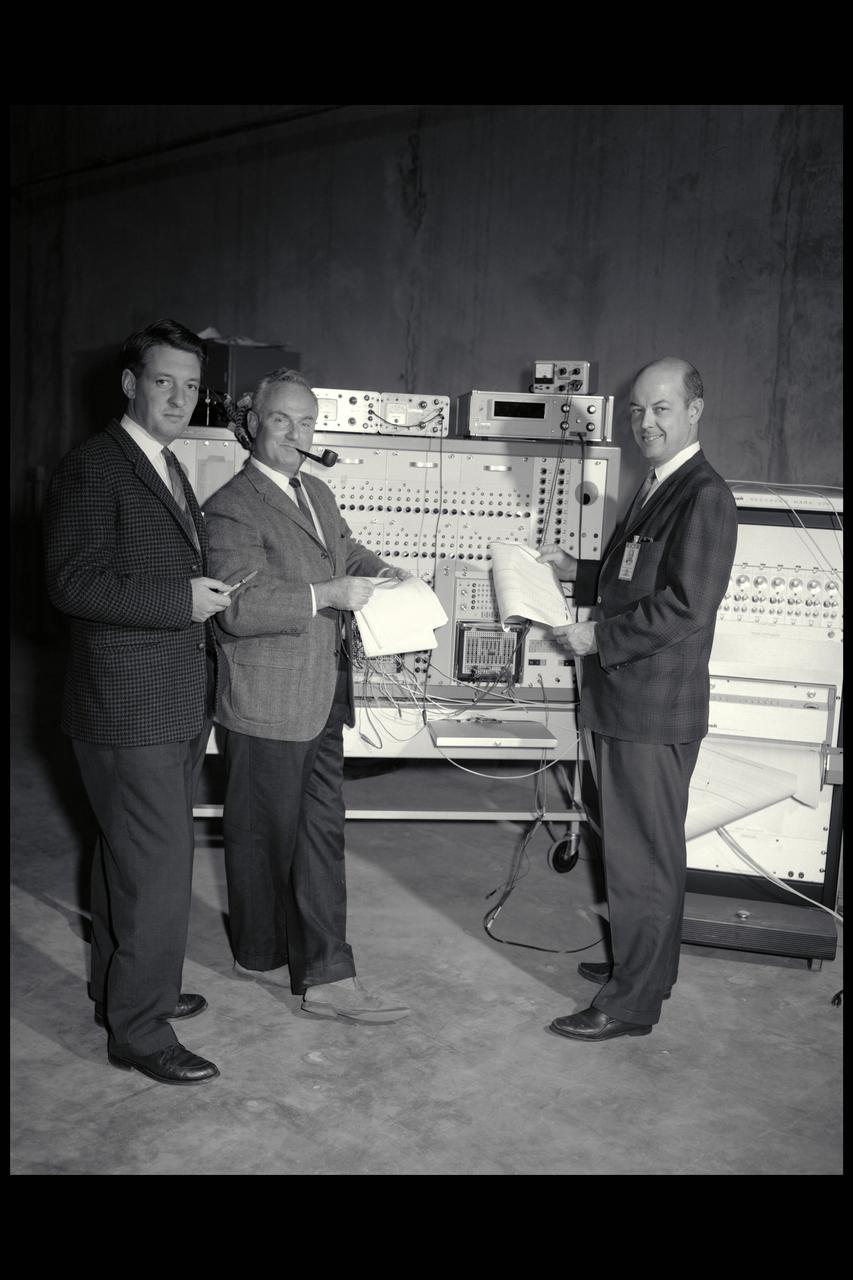
(L-R) Dr John Billingham, Melvin Sadoff and Dr R Mark Patton, staff members of the Biotechnology Division.
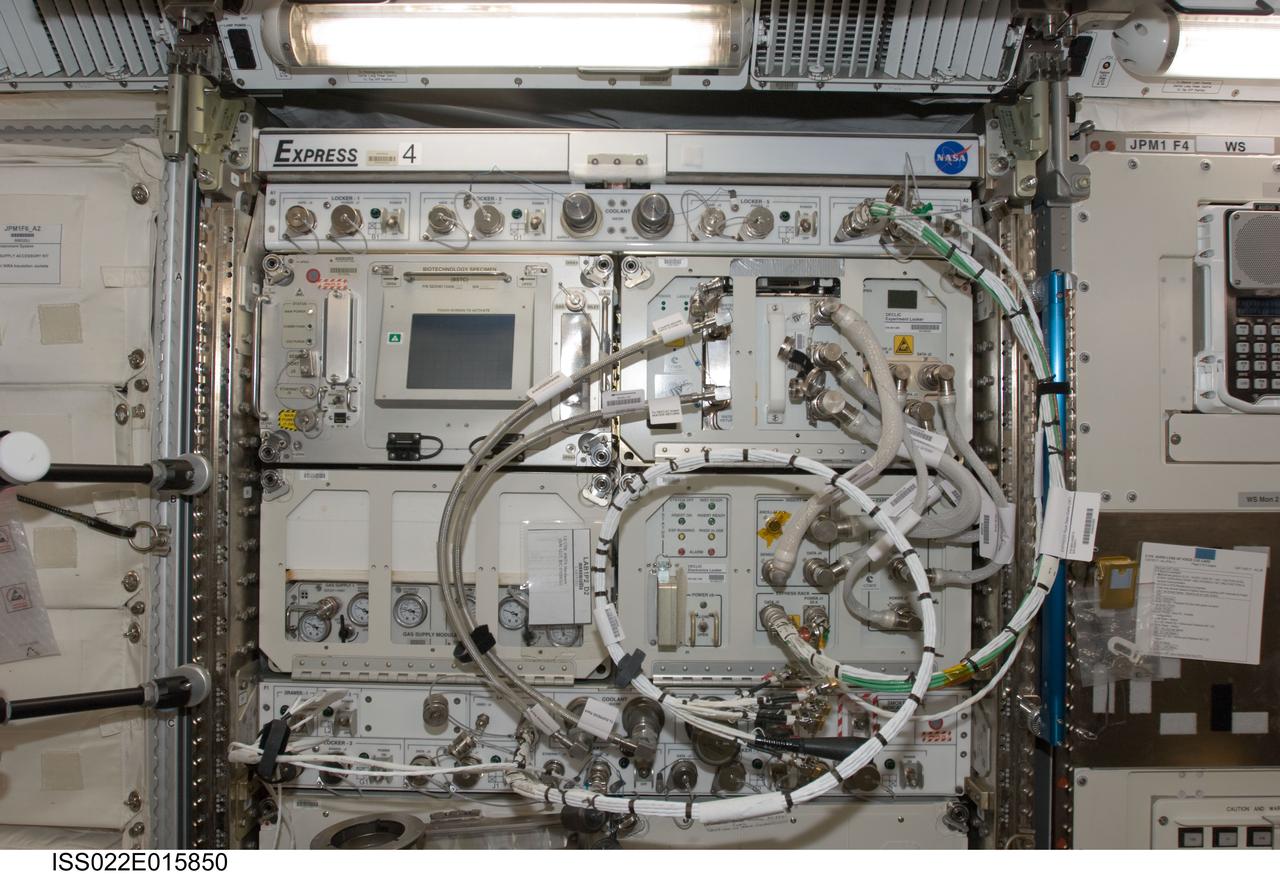
iss022e015850 (12/30/2009) --- The image shows a front view of EXpedite the PRocessing of Experiments to Space Station EXPRESS Rack 4 (Rack 4,JPM/1F5) in the Japanese Experiment Module (JEM) Japanese Pressurized Module (JPM). Equipment visible in the EXPRESS Rack includes the Biotechnology Specimen Temperature Controller (BSTC) and the Gas Supply Module (GSM) support hardware for the CBOSS (Cellular Biotechnology Operations Support Systems) investigations, and the Device for the Study of Critical Liquids and Crystallization (DECLIC).
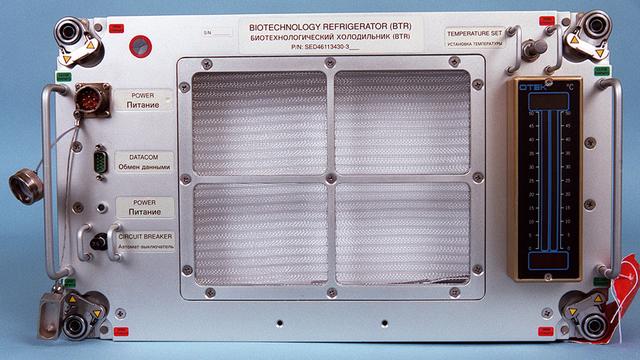
Biotechnology Refrigerator (BTR) holds fixed tissue culture bags at 4 degrees C to preserve them for return to Earth and postflight analysis. The cultures are used in research with the NASA Bioreactor cell science program. The work is sponsored by NASA's Office of Biological and Physical Research. The bioreactor is managed by the Biotechnology Cell Science Program at NASA's Johnson Space Center (JSC).
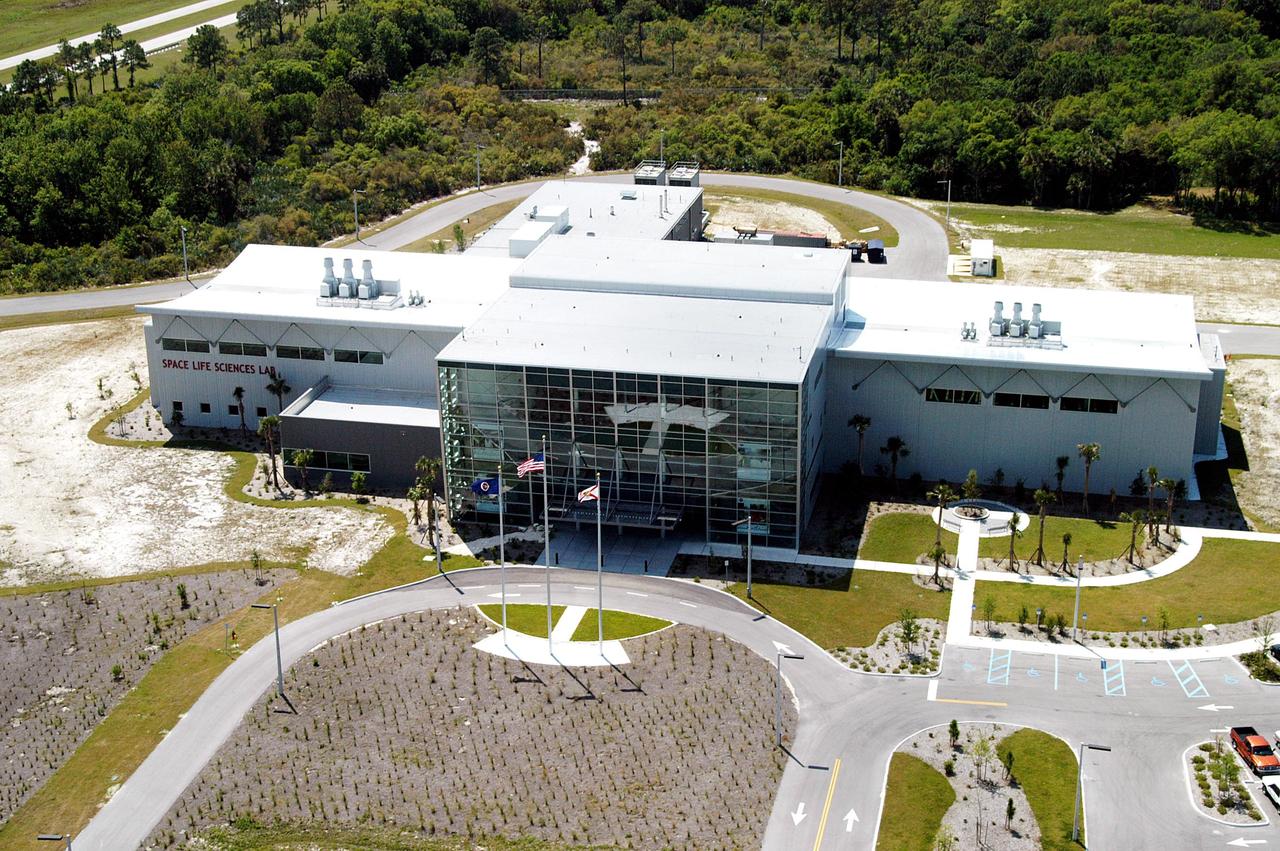
KENNEDY SPACE CENTER, FLA. - An aerial photo of the Space Life Sciences Lab at KSC. The new lab is a state-of-the-art facility built for ISS biotechnology research. It was developed as a partnership between NASA KSC and the State of Florida.
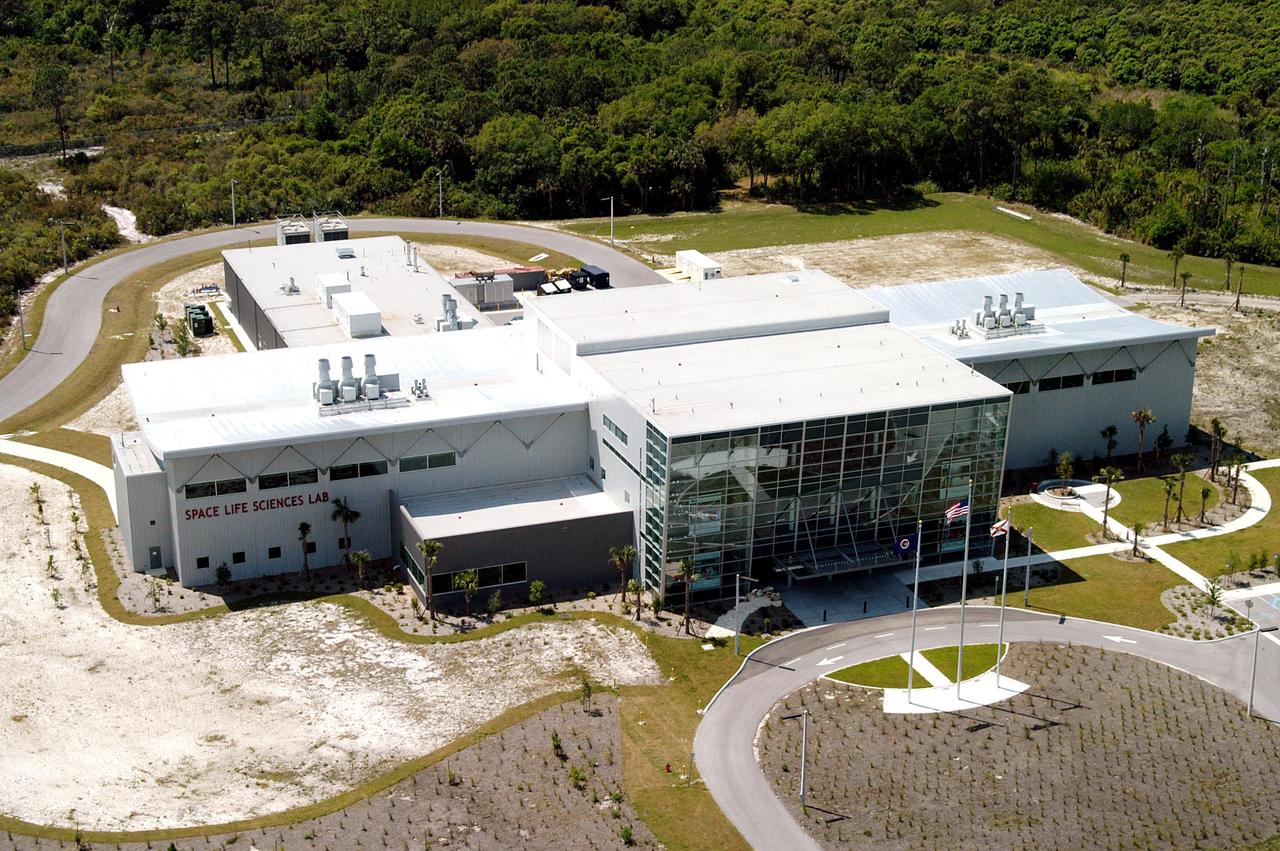
KENNEDY SPACE CENTER, FLA. - An aerial photo of the Space Life Sciences Lab at KSC. The new lab is a state-of-the-art facility built for ISS biotechnology research. It was developed as a partnership between NASA KSC and the State of Florida.
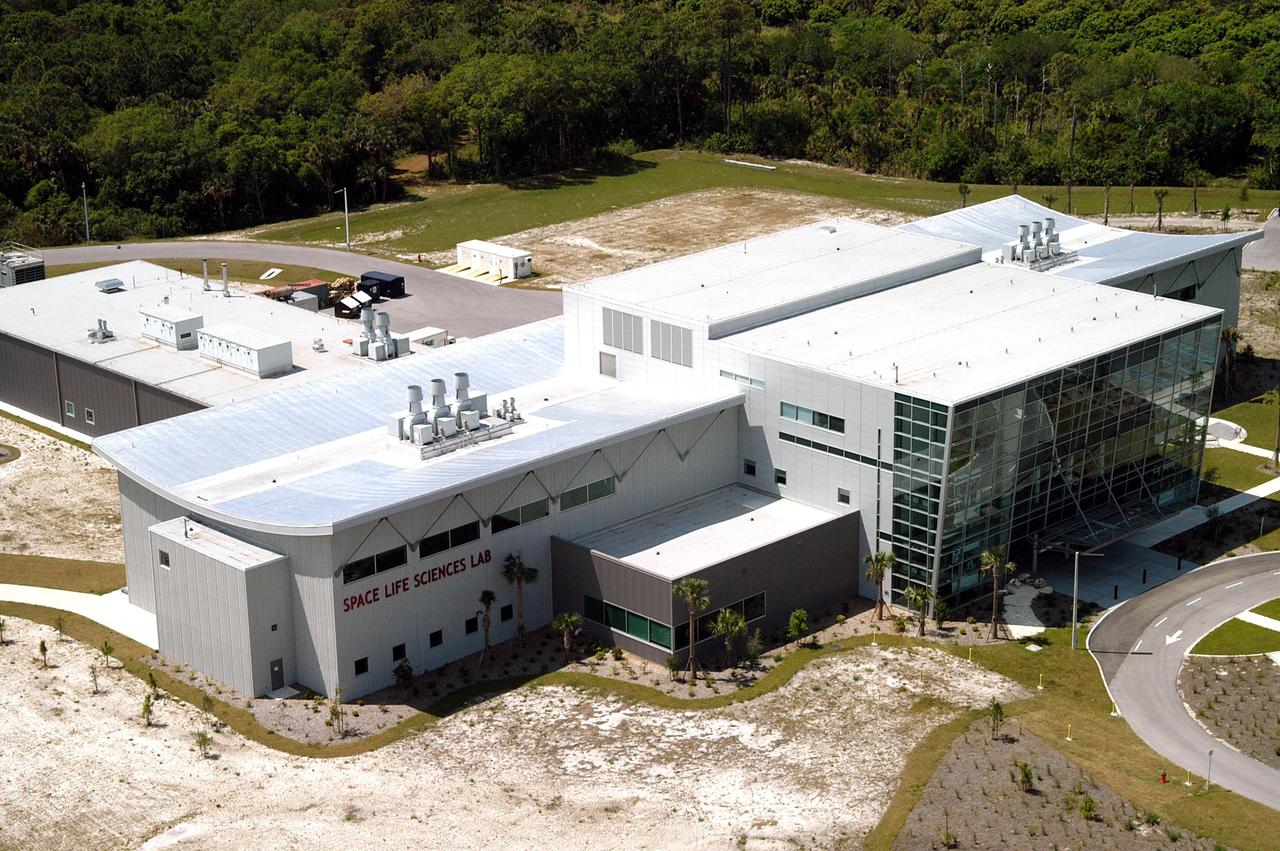
KENNEDY SPACE CENTER, FLA. - An aerial photo of the Space Life Sciences Lab at KSC. The new lab is a state-of-the-art facility built for ISS biotechnology research. It was developed as a partnership between NASA KSC and the State of Florida.
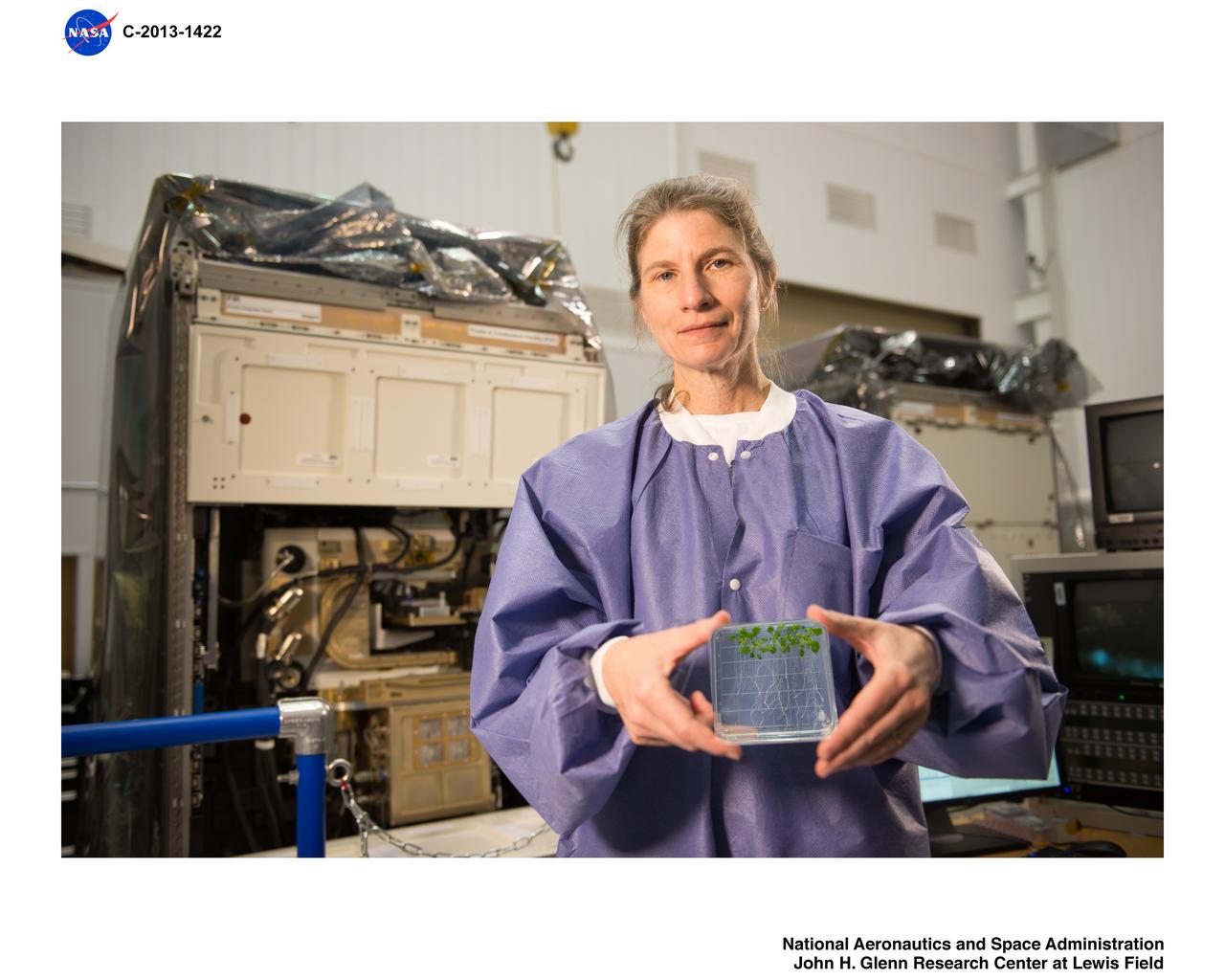
University of Florida, Professor and Director of Interdisciplinary Center for Biotechnology Research Interacting with the Fluids Integration Rack, FIR, Light Microscopy Module, LMM, Ground Integration Unit, GIU, Hardware
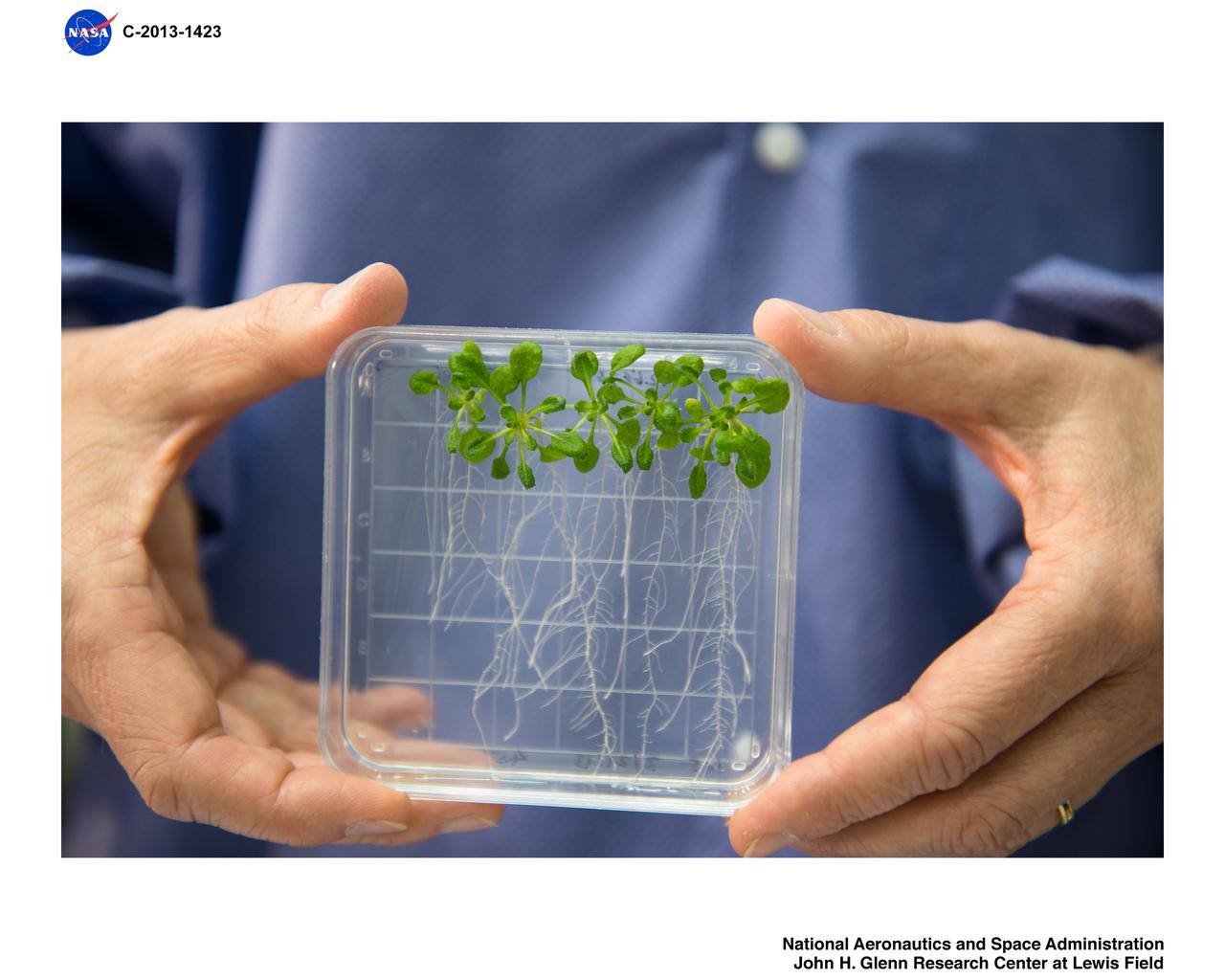
University of Florida, Professor and Director of Interdisciplinary Center for Biotechnology Research Interacting with the Fluids Integration Rack, FIR, Light Microscopy Module, LMM, Ground Integration Unit, GIU, Hardware
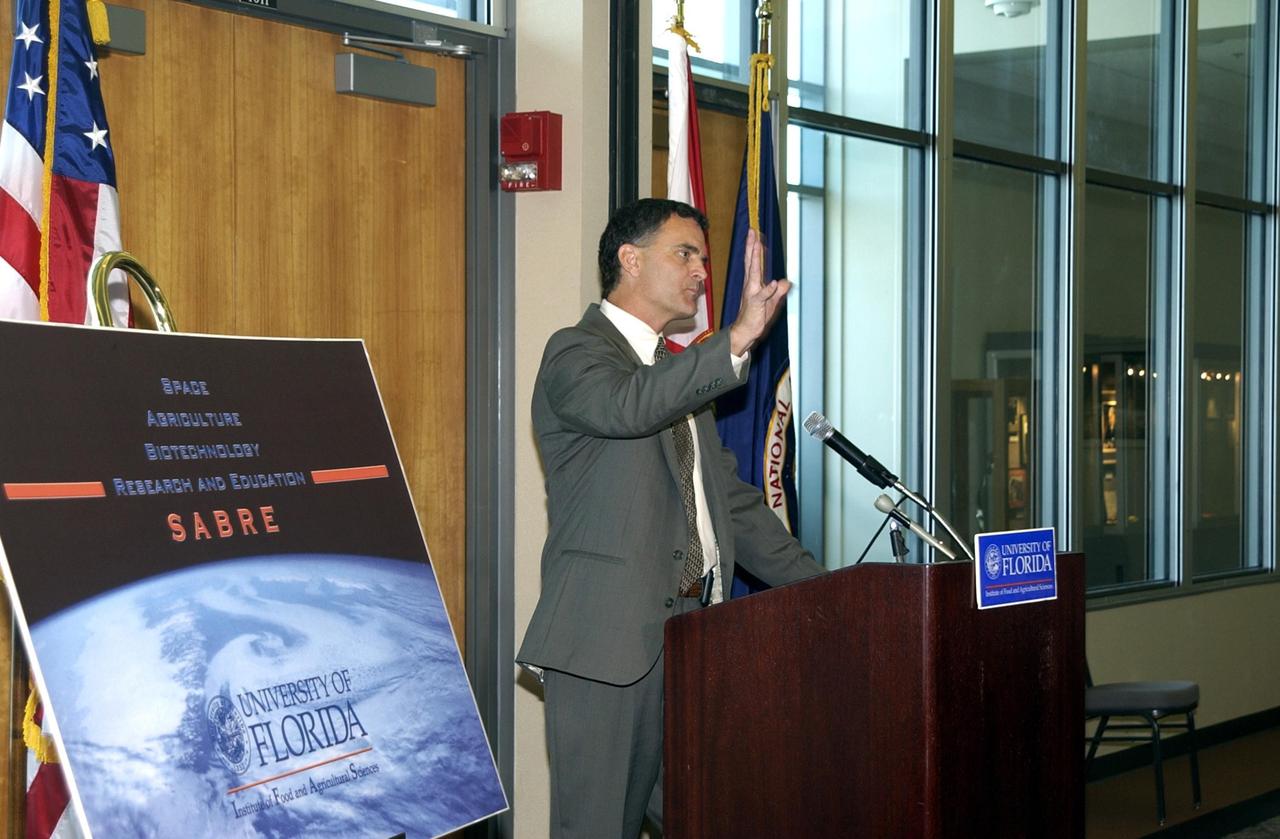
KENNEDY SPACE CENTER, FLA. -- Robert Ferl, professor in the horticultural sciences department and assistant director of the University of Florida Biotechnology Program, speaks during the opening ceremony to launch a new program called SABRE, Space Agricultural Biotechnology Research and Education, that involves UF and NASA. SABRE will focus on the discovery, development and application of the biological aspects of advanced life support strategies. The program will include faculty from UF's Institute of Food and Agricultural Sciences, who will be located at both KSC - in the state-owned Space Experiment Research and Processing Laboratory (SERPL) being built there - and UF in Gainesville. Ferl will direct and be responsible for coordinating the research and education efforts of UF and NASA.
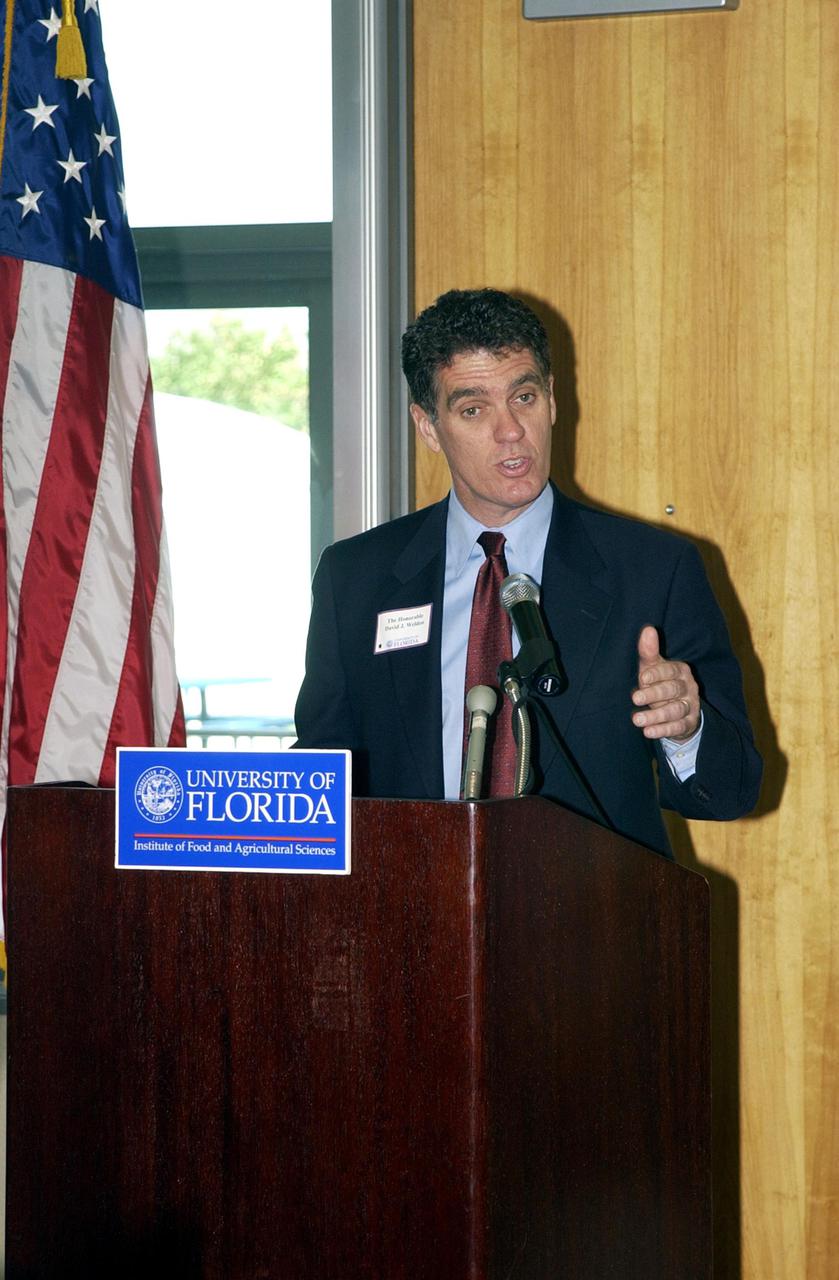
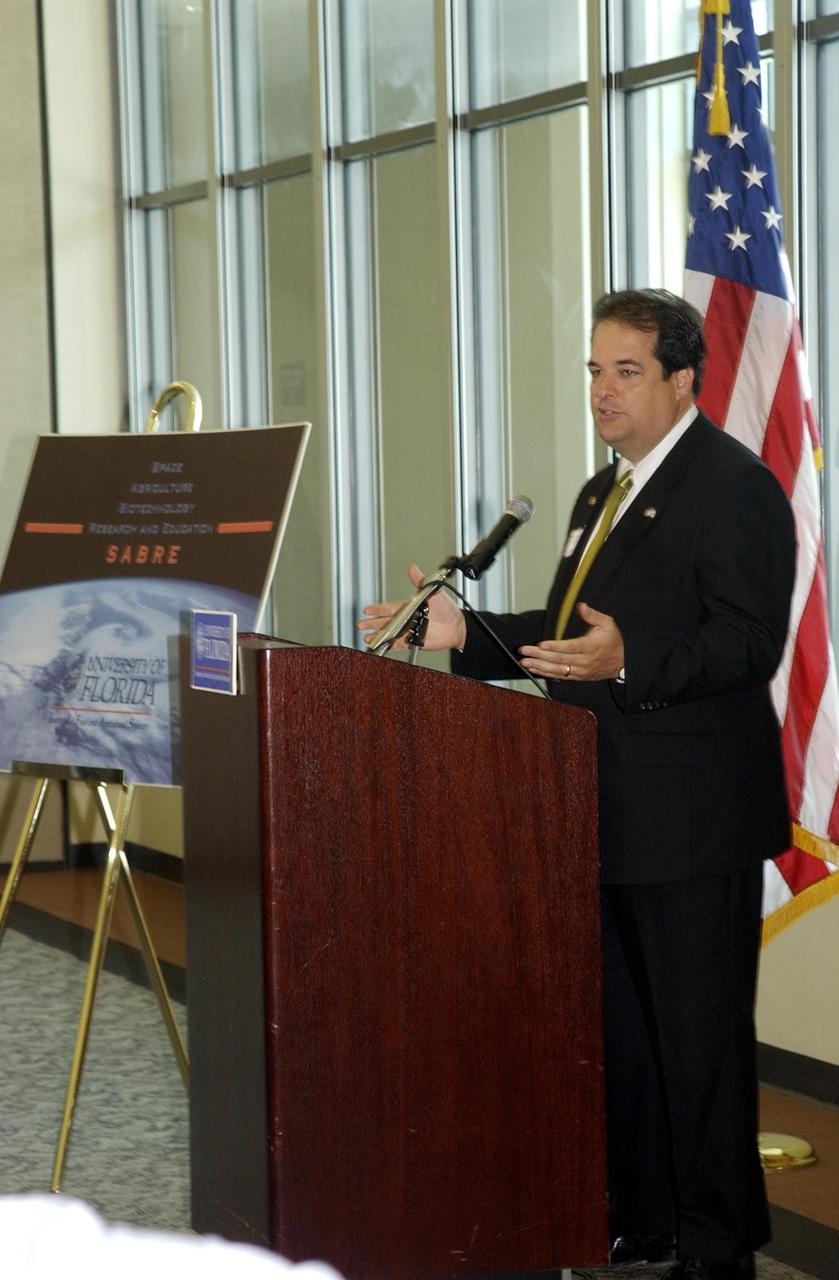
KENNEDY SPACE CENTER, FLA. -- U.S. Representative Dave Weldon addresses a large group attending the opening of a new program known as SABRE, Space Agricultural Biotechnology Research and Education, that involves the University of Florida and NASA. SABRE will focus on the discovery, development and application of the biological aspects of advanced life support strategies. The program will include faculty from UF's Institute of Food and Agricultural Sciences, who will be located at both KSC - in the state-owned Space Experiment Research and Processing Laboratory (SERPL) being built there - and UF in Gainesville. SABRE will be directed by Robert Ferl, professor in the horticultural sciences department and assistant director of UF's Biotechnology Program. He will be responsible for coordinating the research and education efforts of UF and NASA
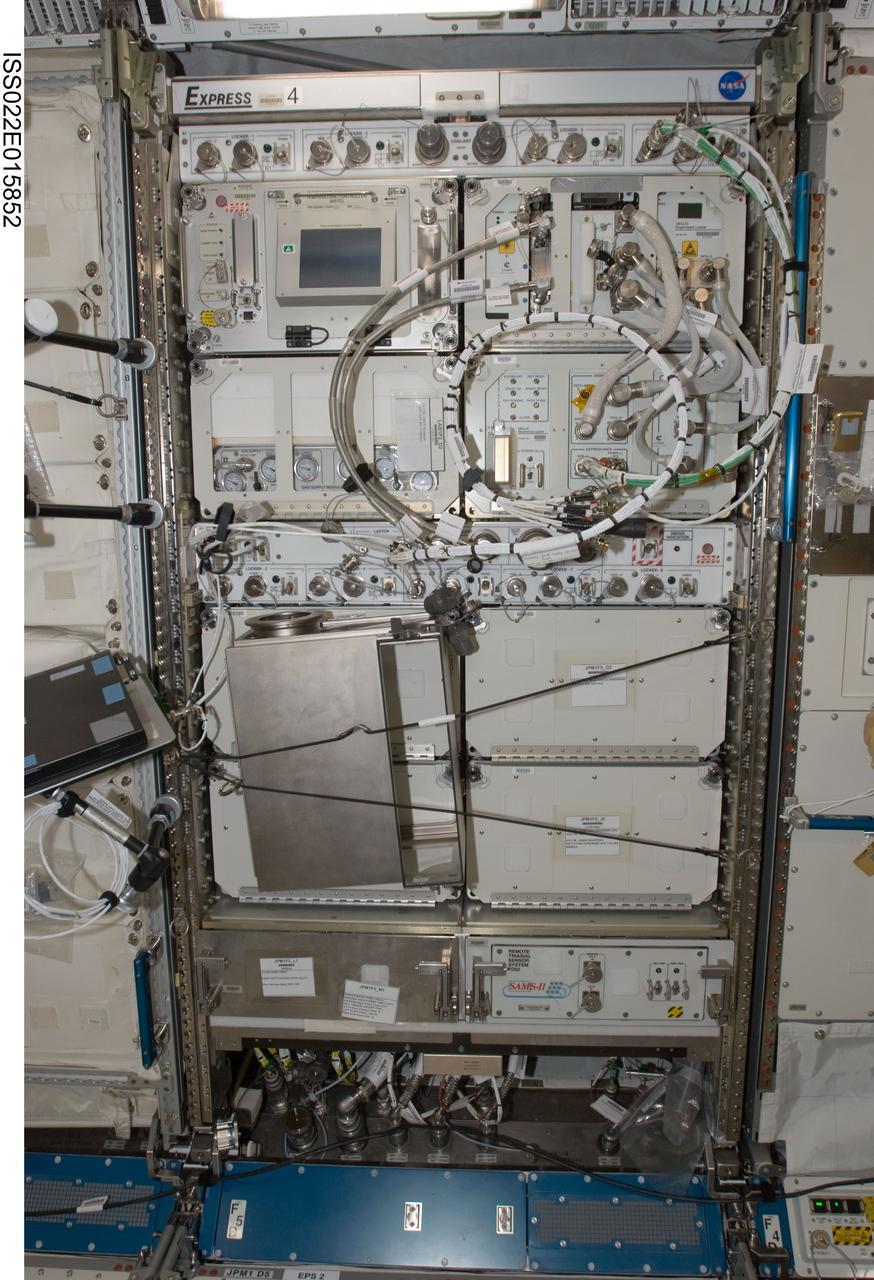
iss022e015852 (12/30/2009) --- The image shows a front view of EXpedite the PRocessing of Experiments to Space Station EXPRESS Rack 4 (Rack 4,JPM/1F5) in the Japanese Experiment Module (JEM) Japanese Pressurized Module (JPM). Equipment visible in the EXPRESS Rack includes the Biotechnology Specimen Temperature Controller (BSTC) and the Gas Supply Module (GSM) support hardware for the CBOSS (Cellular Biotechnology Operations Support Systems) investigations, and the Device for the Study of Critical Liquids and Crystallization (DECLIC). Also visible is the Space Acceleration Measurement System (SAMS) II.
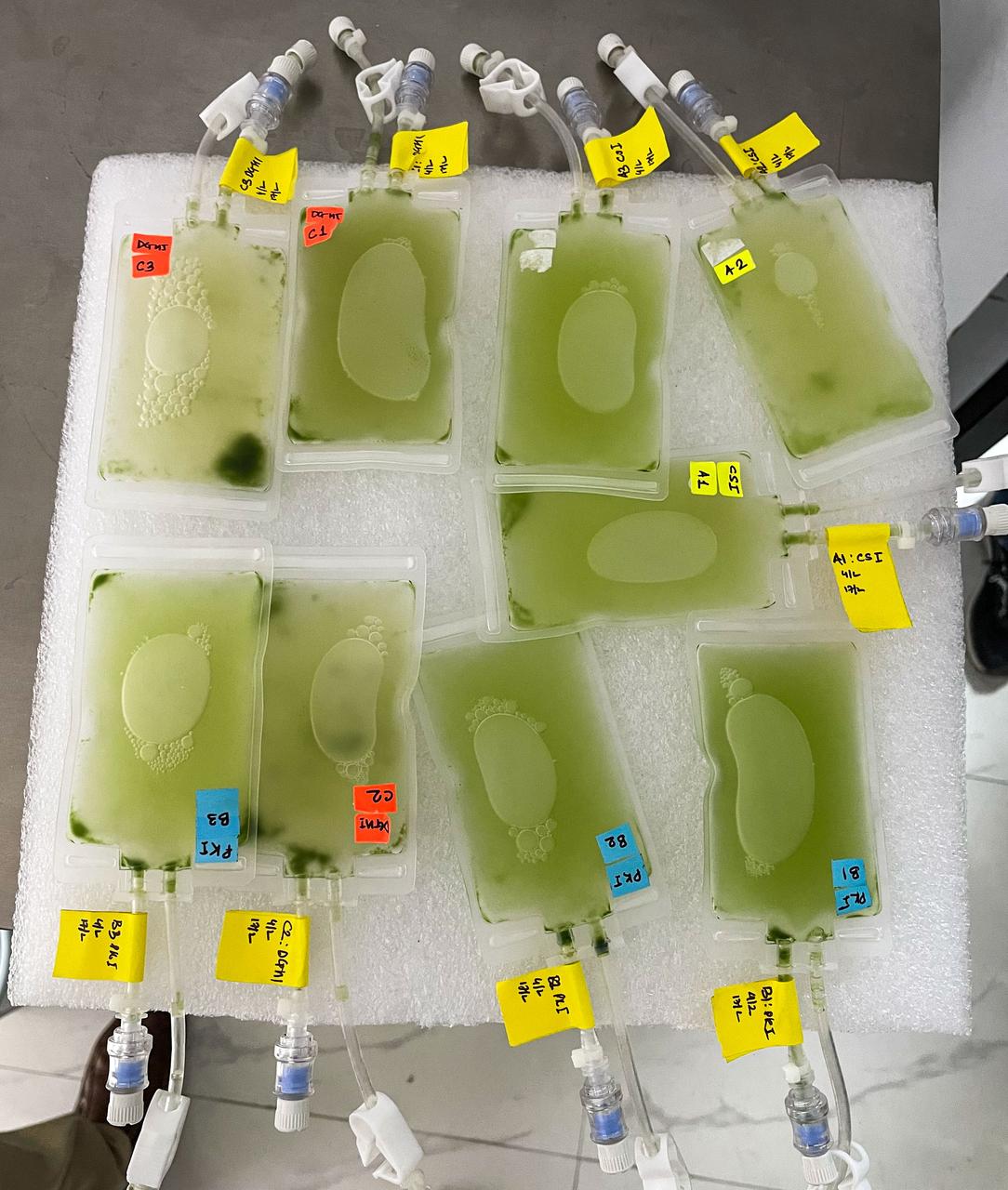
jsc2025e037099 (2/27/2025) --- Cell culture bags are shown filled with microalgae and growth media at the International Centre for Genetic Engineering and Biotechnology (ICGEB). Impact of Microgravity in the ISS on Edible Microalgae (Space Microalgae - ISRO) studies how the environment, microgravity, and increased radiation on the International Space Station affect algae growth and production. Image courtesy of Redwire.Cell culture bags are shown filled with microalgae and growth media at the International Centre for Genetic Engineering and Biotechnology (ICGEB). Impact of Microgravity in the ISS on Edible Microalgae (Space Microalgae - ISRO) studies how the environment, microgravity, and increased radiation on the International Space Station affect algae growth and production. Image courtesy of Redwire.
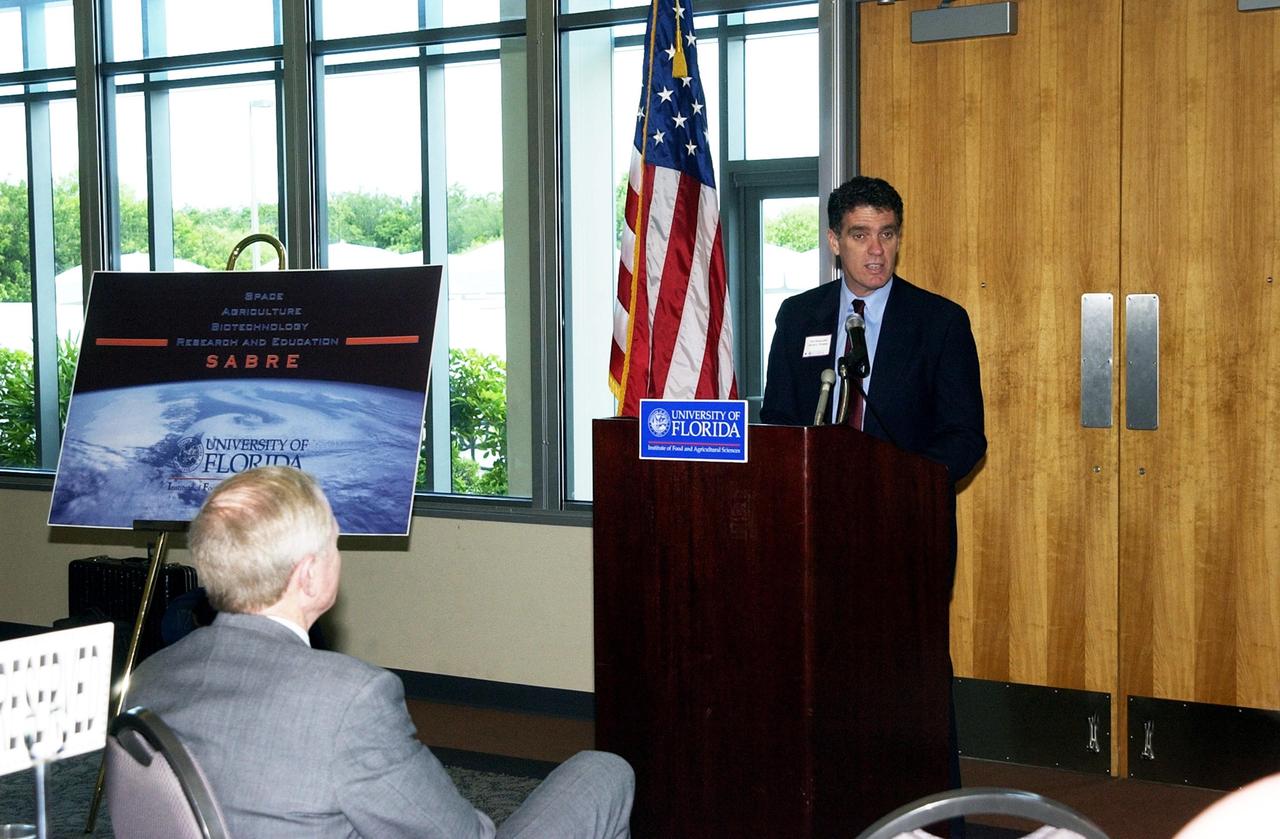
KENNEDY SPACE CENTER, FLA. -- U.S. Representative Dave Weldon addresses a large group attending the opening of a new program known as SABRE, Space Agricultural Biotechnology Research and Education, that involves the University of Florida and NASA. SABRE will focus on the discovery, development and application of the biological aspects of advanced life support strategies. The program will include faculty from UF's Institute of Food and Agricultural Sciences, who will be located at both KSC - in the state-owned Space Experiment Research and Processing Laboratory (SERPL) being built there - and UF in Gainesville. SABRE will be directed by Robert Ferl, professor in the horticultural sciences department and assistant director of UF's Biotechnology Program. He will be responsible for coordinating the research and education efforts of UF and NASA
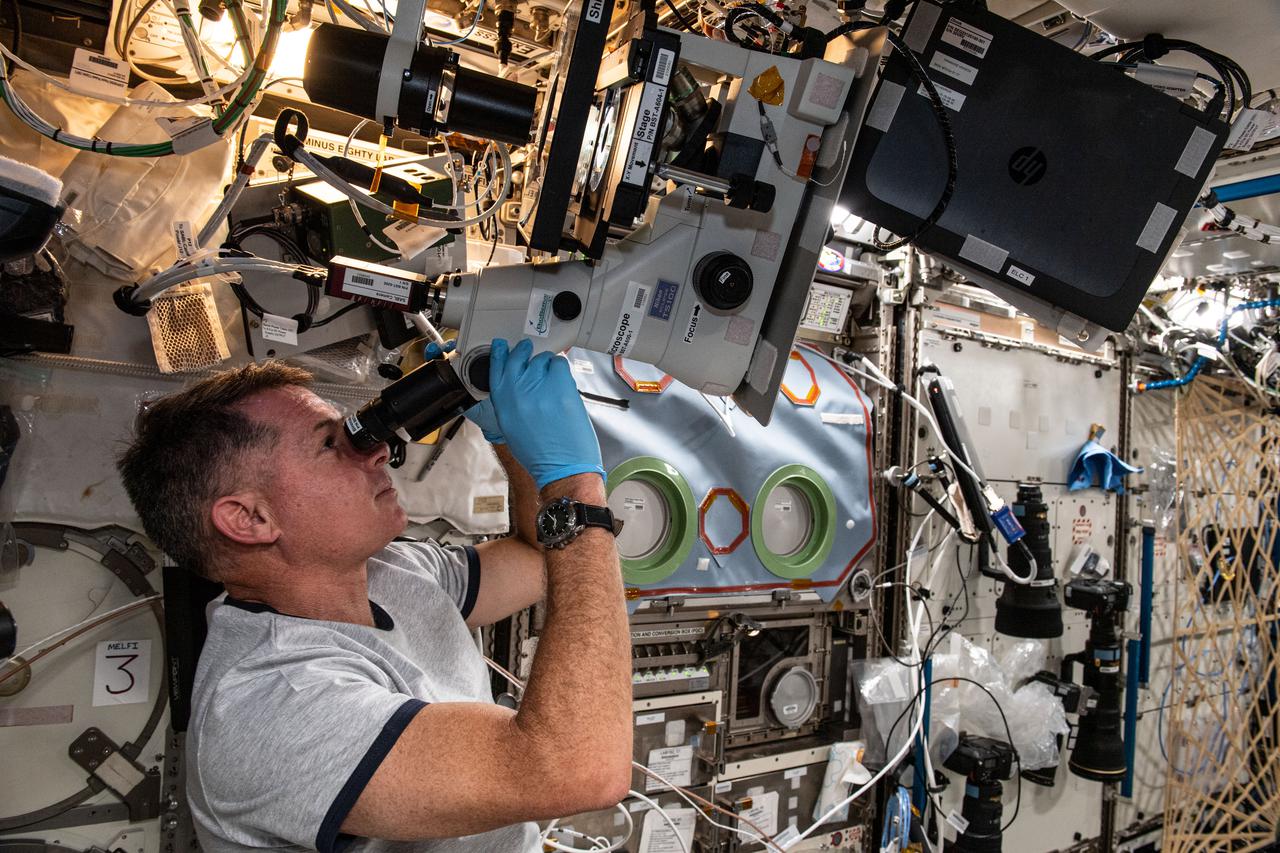
iss065e084430 (May 31, 2021) --- NASA astronaut and Expedition 65 Flight Engineer Shane Kimbrough sets up a microscope in the U.S. Destiny laboratory module to observe and photograph samples for the Real-Time Protein Crystal Growth experiment. Results have implications for biotechnology and pharmaceutical companies on Earth and may advance the commercialization of space.
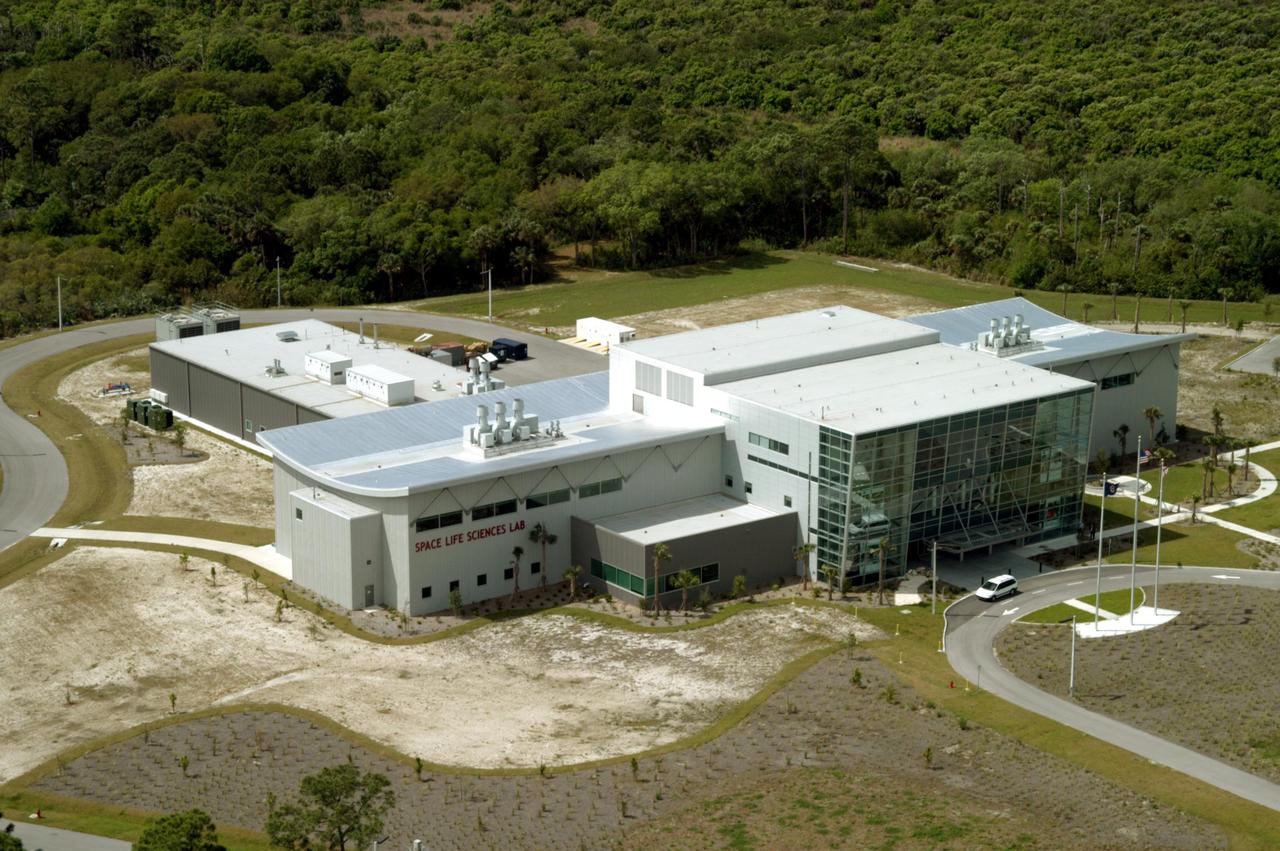
KENNEDY SPACE CENTER, FLA. -- An aerial photo of the recently completed Space Life Sciences Lab at KSC. The new lab is a state-of-the-art facility built for ISS biotechnology research. It was developed as a partnership between NASA-KSC and the State of Florida.
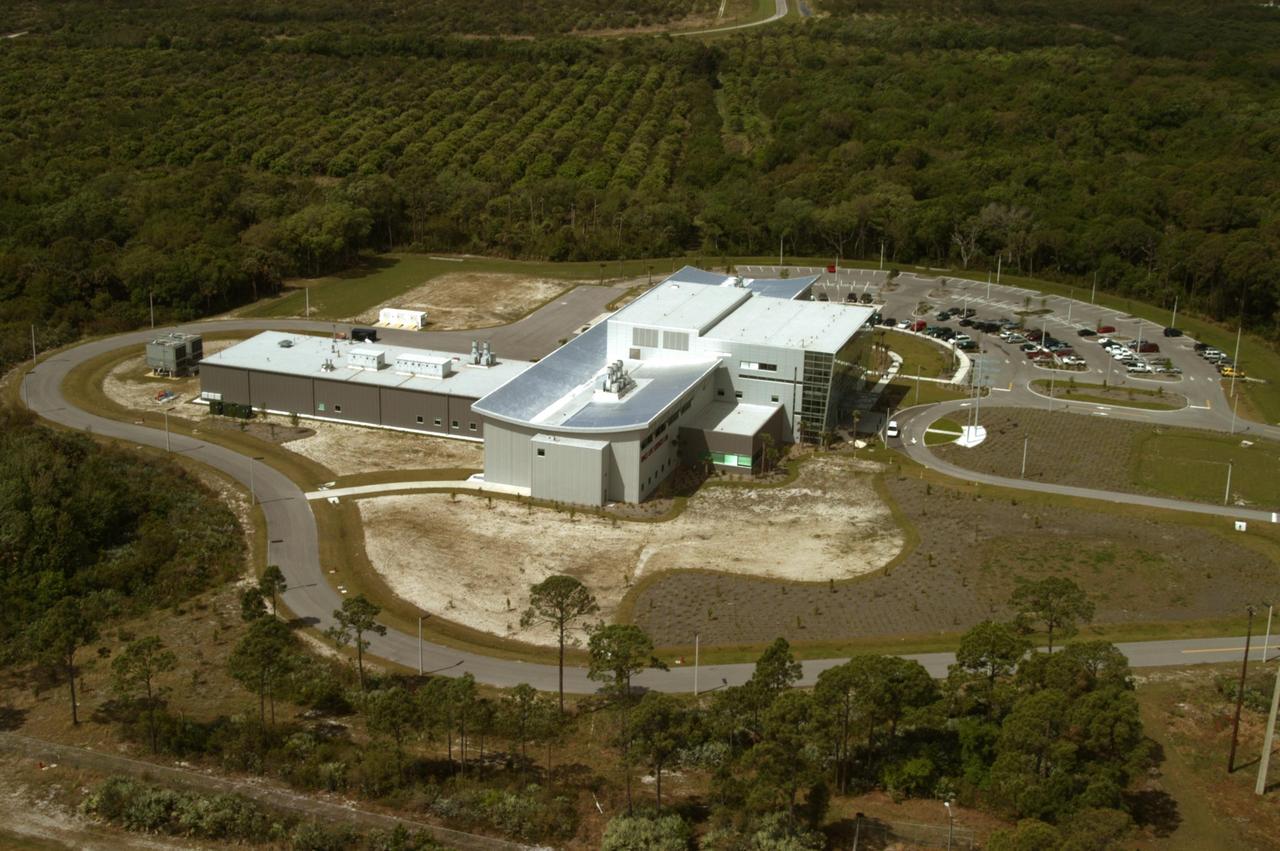
KENNEDY SPACE CENTER, FLA. -- An aerial photo of the recently completed Space Life Sciences Lab at KSC. The new lab is a state-of-the-art facility built for ISS biotechnology research. It was developed as a partnership between NASA-KSC and the State of Florida.
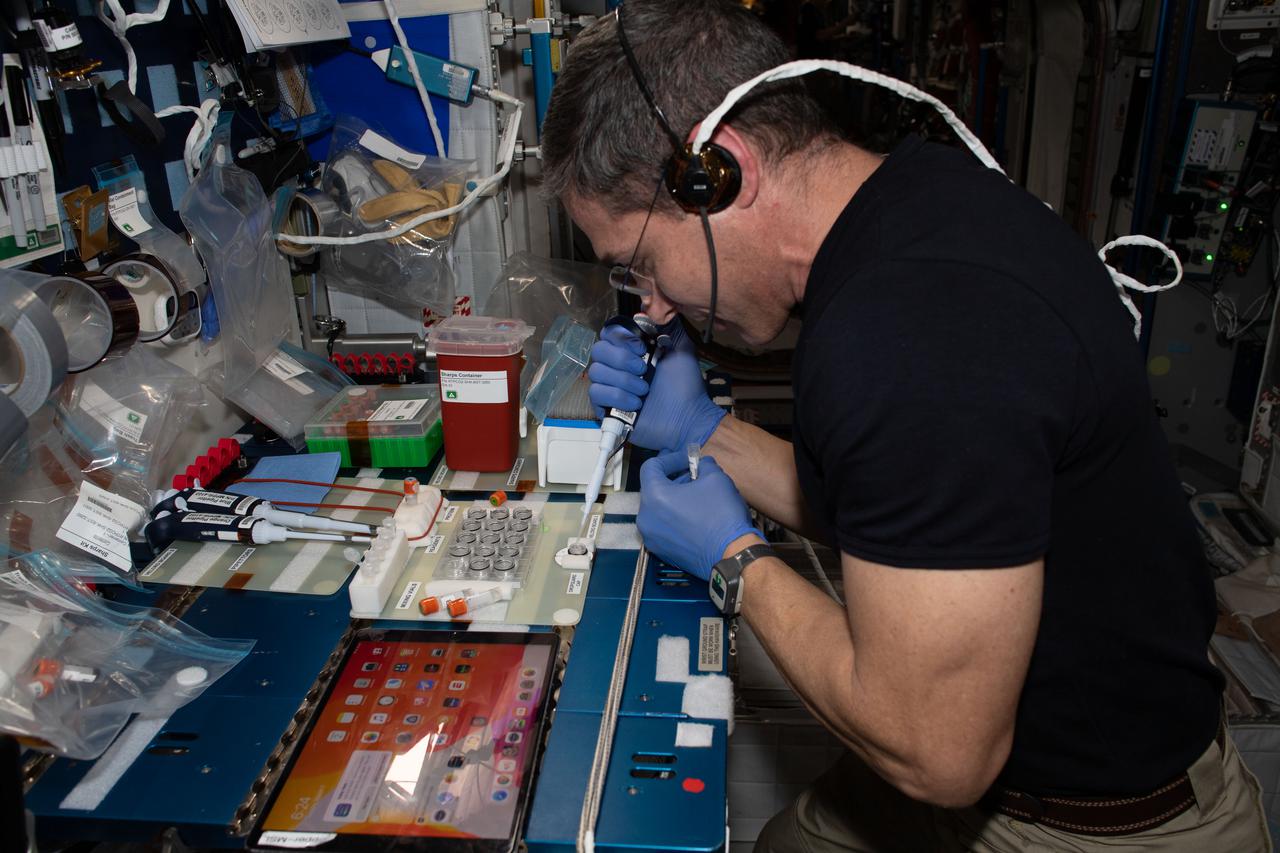
iss064e039017 (March 2, 2021) --- NASA astronaut Michael Hopkins loads protein crystallography plates with protein solutions for the Phase II Real-time Protein Crystal Growth experiment, a space commercialization study, that could benefit the pharmaceutical and biotechnology industries.
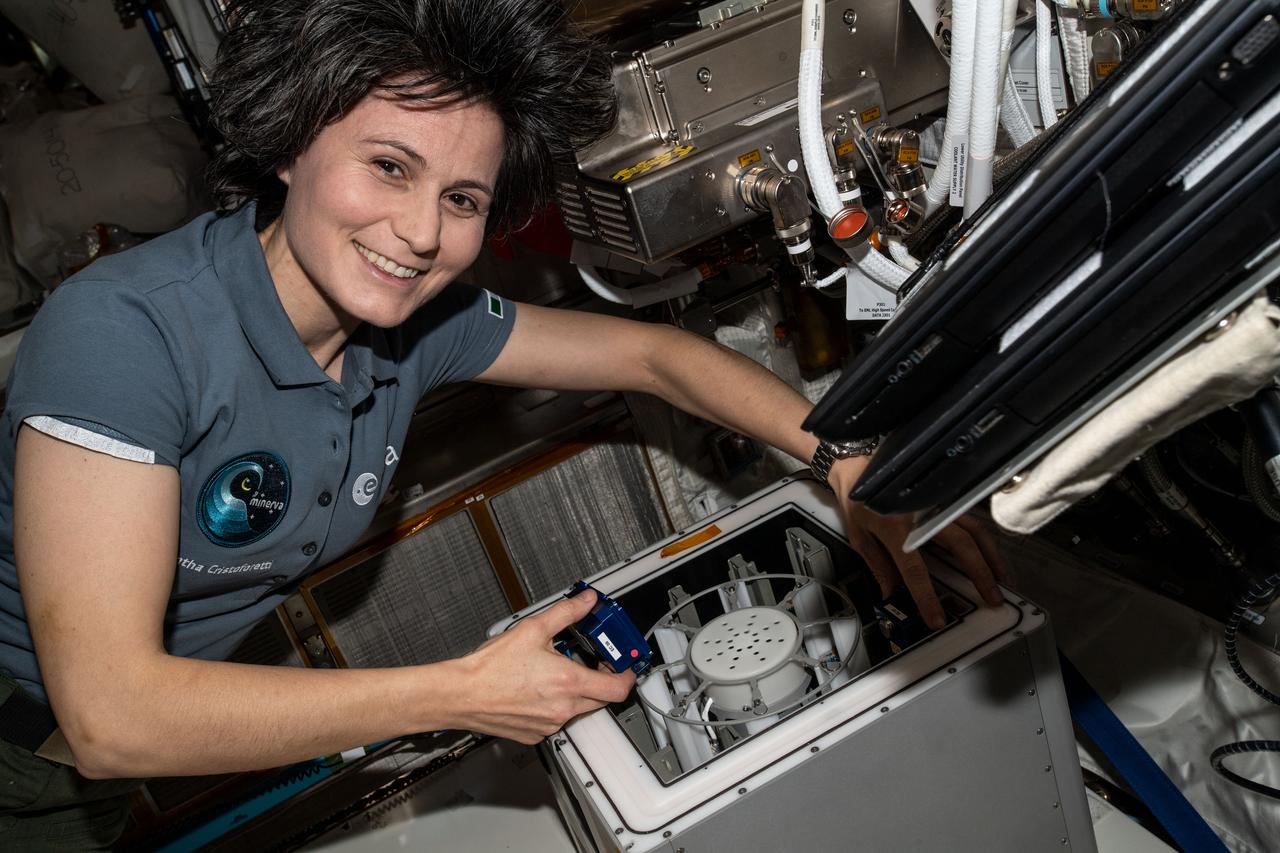
iss067e214036 (Aug. 2, 2022) --- Expedition 67 Flight Engineer and ESA (European Space Agency) astronaut Samantha Cristoforetti packs experiment containers for the Biofilms investigation aboard the International Space Station. The biotechnology study explores ways to protect astronaut health and maintain spacecraft safety from microbes living in the orbiting's lab environment.
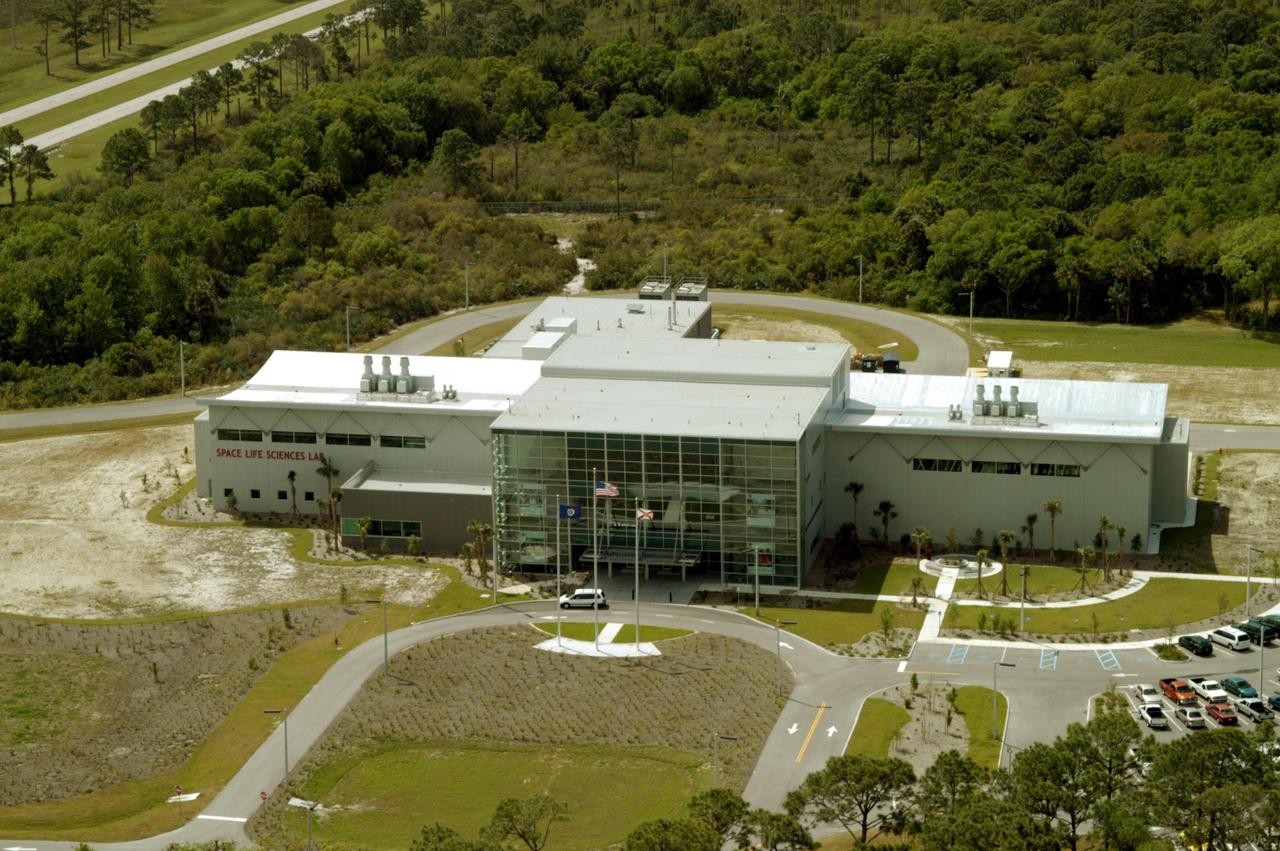
KENNEDY SPACE CENTER, FLA. -- An aerial photo of the recently completed Space Life Sciences Lab at KSC. The new lab is a state-of-the-art facility built for ISS biotechnology research. It was developed as a partnership between NASA-KSC and the State of Florida.
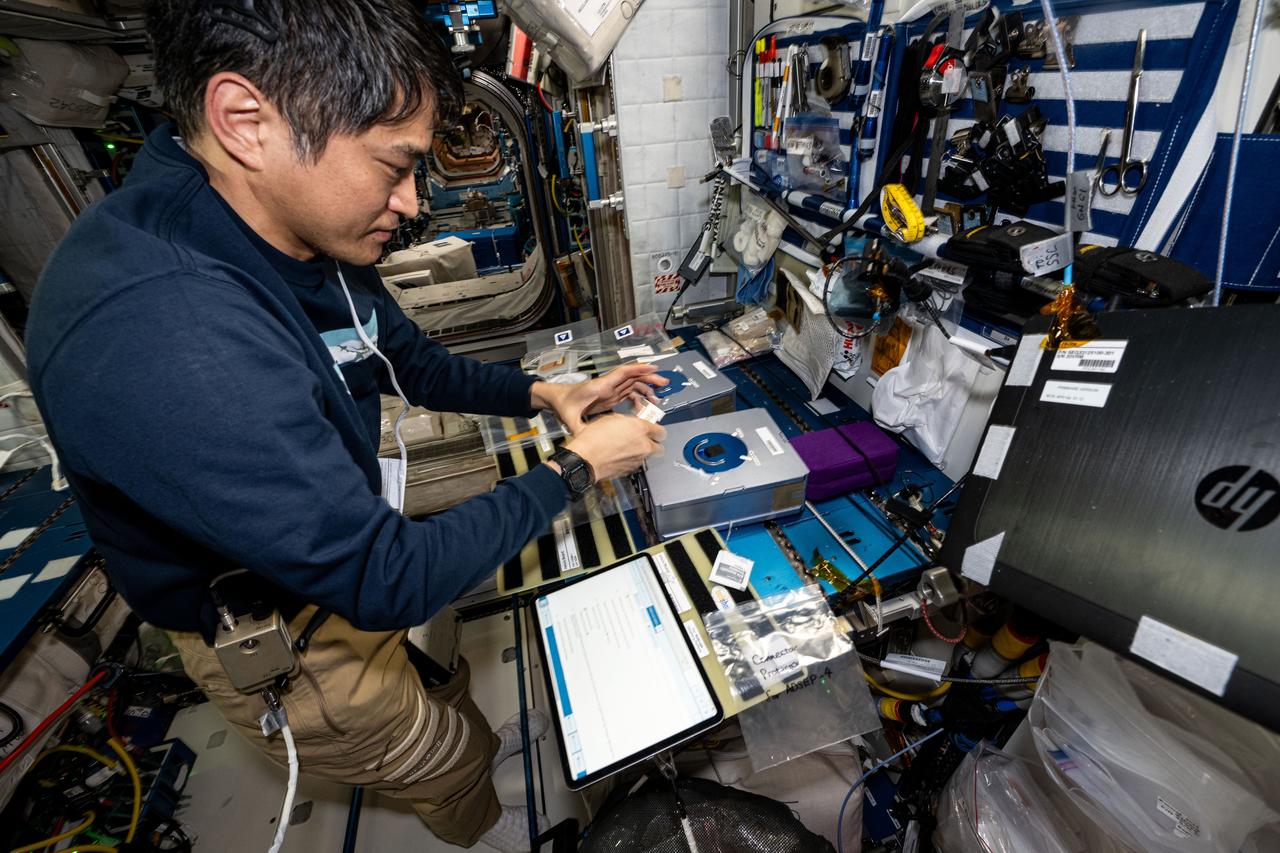
iss073e0002477_alt (April 28, 2025) --- JAXA (Japan Aerospace Exploration Agency) astronaut and Expedition 73 Commander Takuya Onishi processes cassettes containing biological fluid samples for installation inside the Advanced Space Experiment Processor-4, a research facility that can be shipped back and forth from Earth to space, for a biotechnology study.

iss064e038995 (March 2, 2021) --- NASA astronaut and Expedition 64 Flight Engineer Michael Hopkins loads protein crystallography plates with protein solutions for the Phase II Real-time Protein Crystal Growth experiment, a space commercialization study, that could benefit the pharmaceutical and biotechnology industries.
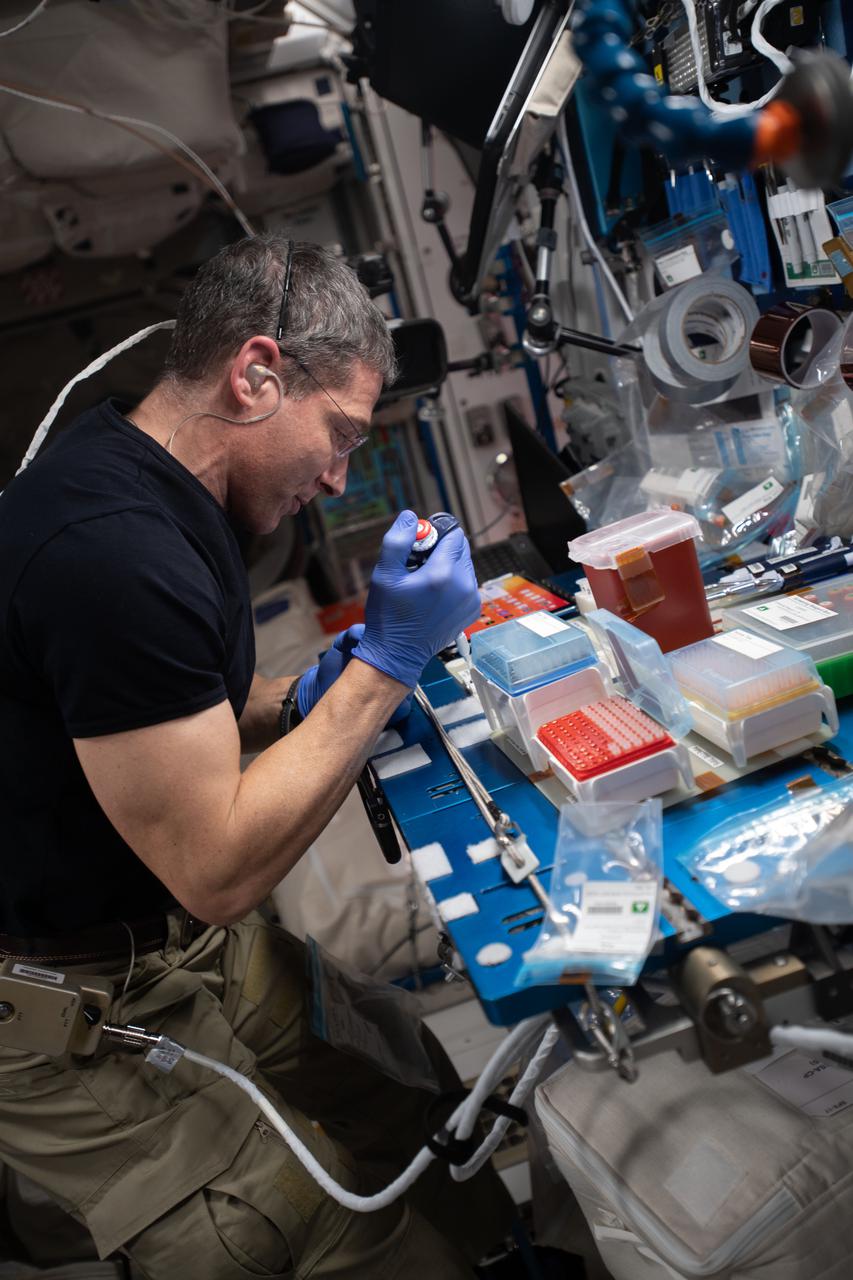
iss064e039273 (March 2, 2021) --- NASA astronaut and Expedition 64 Flight Engineer Michael Hopkins loads protein crystallography plates with protein solutions for the Phase II Real-time Protein Crystal Growth experiment, a space commercialization study, that could benefit the pharmaceutical and biotechnology industries.
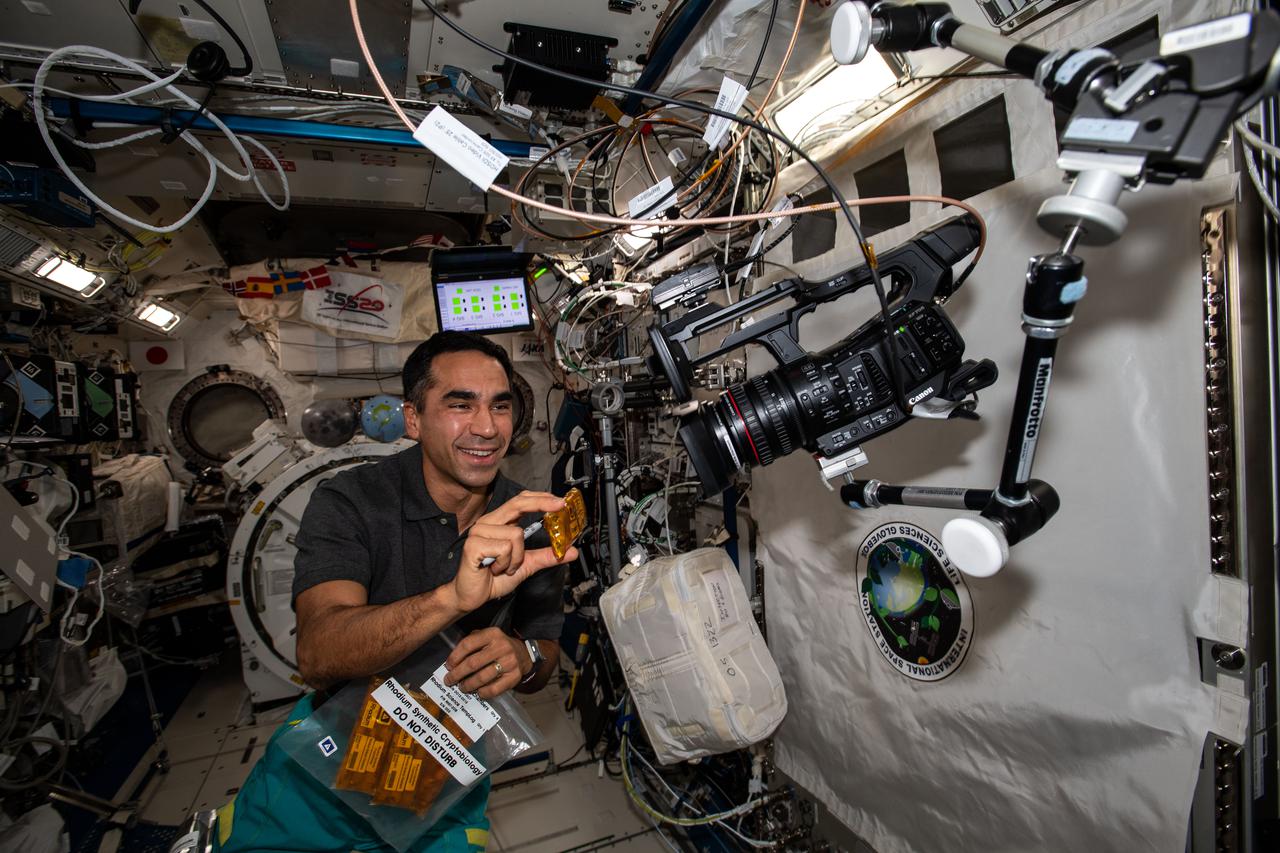
iss066e123190 (Jan. 20, 2022) --- NASA astronaut Engineer Raja Chari gathers items for the Rhodium Synthetic Cryptobiology experiment for packing inside the SpaceX Cargo Dragon resupply ship. Results from the biotechnology study could help create more rugged biological components and advance these technologies for use in space and in extreme environments on Earth.
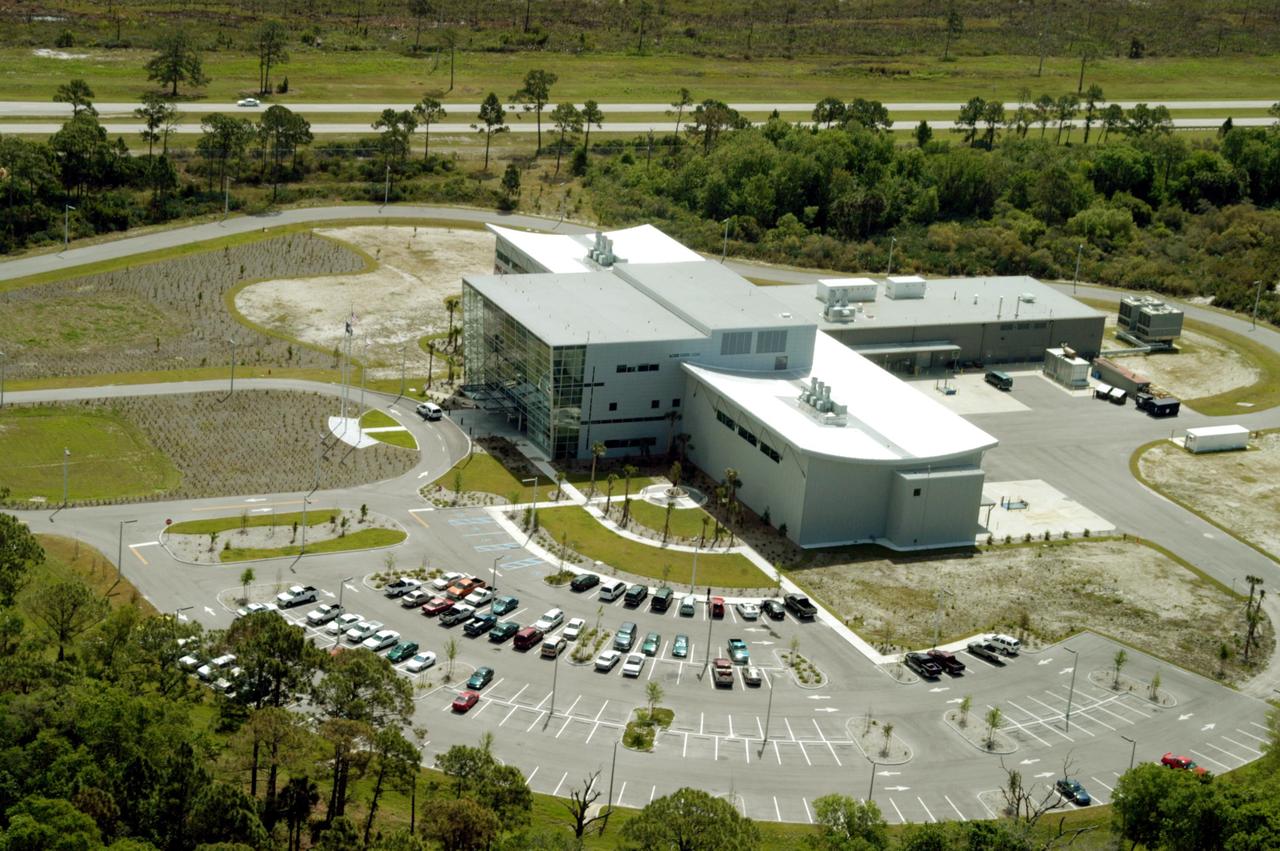
KENNEDY SPACE CENTER, FLA. -- An aerial photo of the recently completed Space Life Sciences Lab at KSC. The new lab is a state-of-the-art facility built for ISS biotechnology research. It was developed as a partnership between NASA-KSC and the State of Florida.
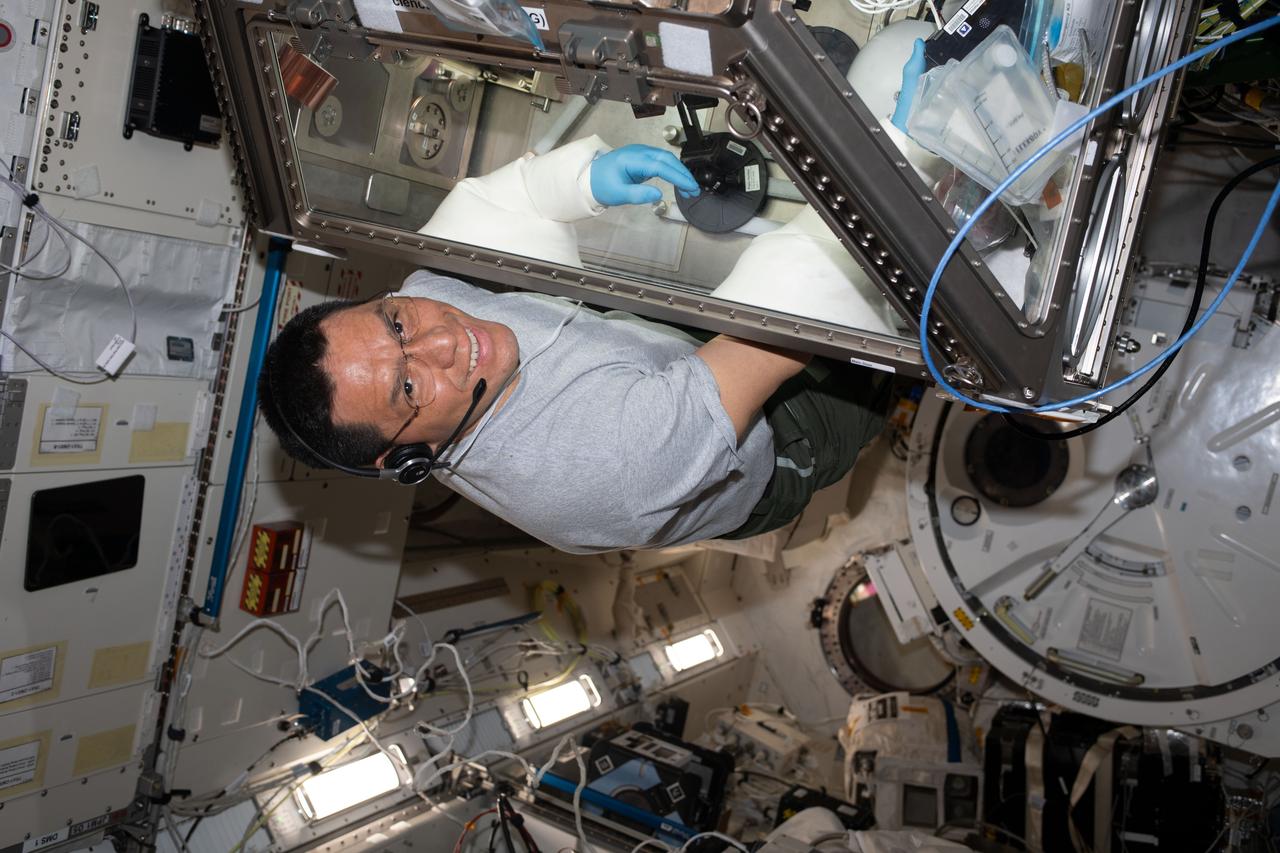
iss069e055093 (Aug. 8, 2023) --- NASA astronaut and Expedition 69 Flight Engineer Frank Rubio works in the Kibo laboratory module's Life Sciences Glovebox servicing stem cell samples for the StemCellEX-H Pathfinder study. The biotechnology investigation seeks to improve therapies for blood diseases and cancers such as leukemia.

S89-E-5207 (25 Jan 1998) --- This Electronic Still Camera (ESC) image shows astronaut Michael P. Anderson, mission specialist, checking the Biotechnology Refrigerator (BTR) while transferring logistics onboard the Space Shuttle Endeavour. This ESC view was taken on January 25, 1998, at 18:56:29 GMT.
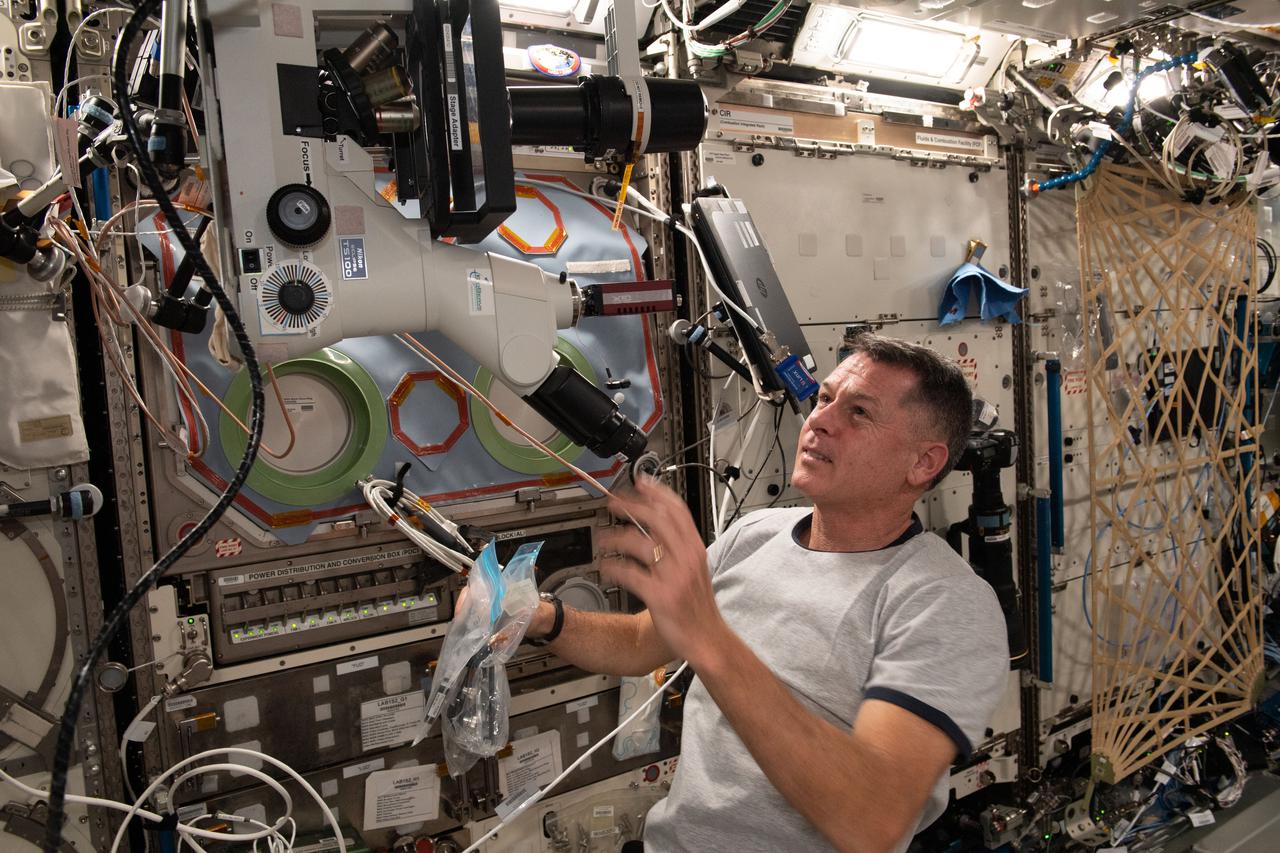
iss065e081518 (May 31, 2021) --- NASA astronaut and Expedition 65 Flight Engineer Shane Kimbrough sets up a microscope in the U.S. Destiny laboratory module to observe and photograph samples for the Real-Time Protein Crystal Growth experiment. Results have implications for biotechnology and pharmaceutical companies on Earth and may advance the commercialization of space.
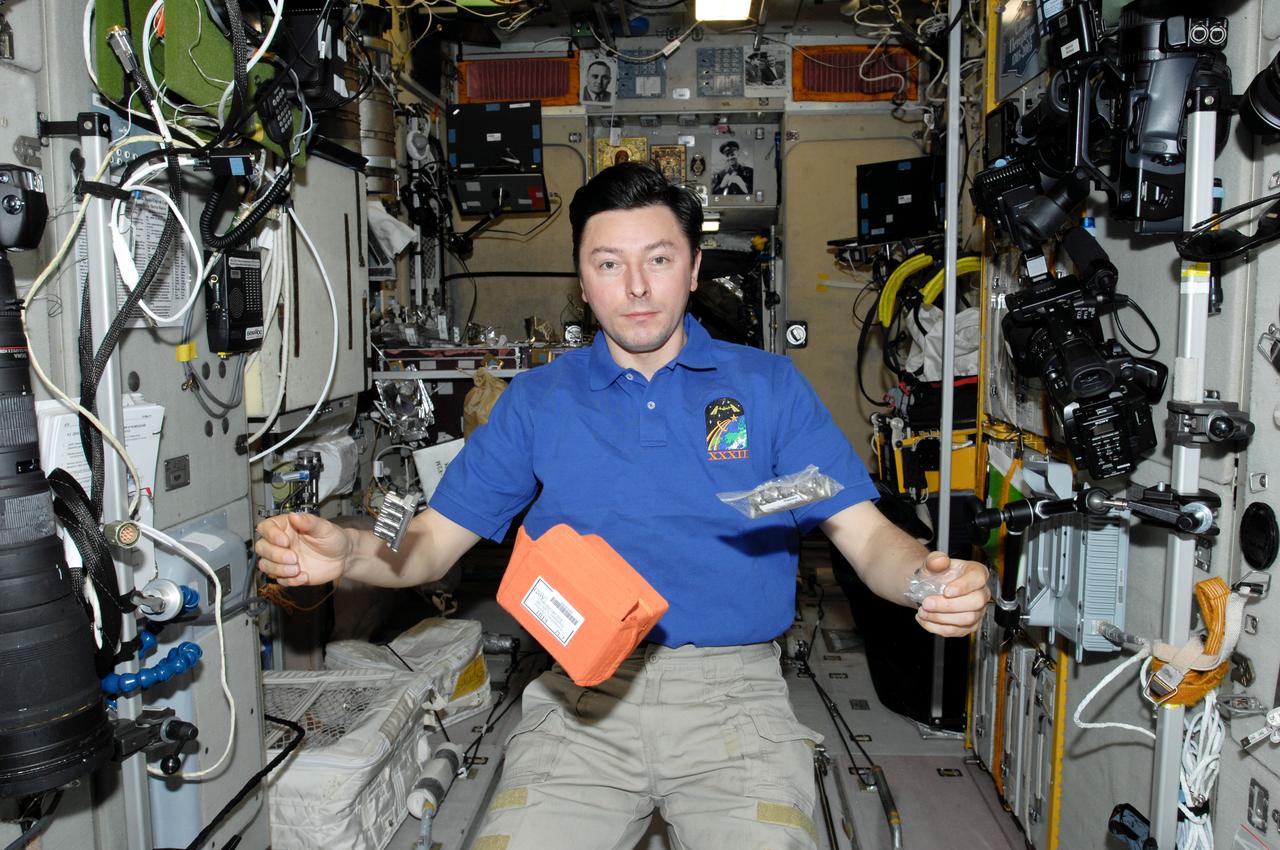
ISS032-E-005012 (30 June 2012) --- Russian cosmonaut Sergei Revin, Expedition 32 flight engineer, is pictured near Russian biotechnology experiment BTKh-26 STRUKTURA (Luch-2) hardware floating freely in the Zvezda Service Module of the International Space Station.
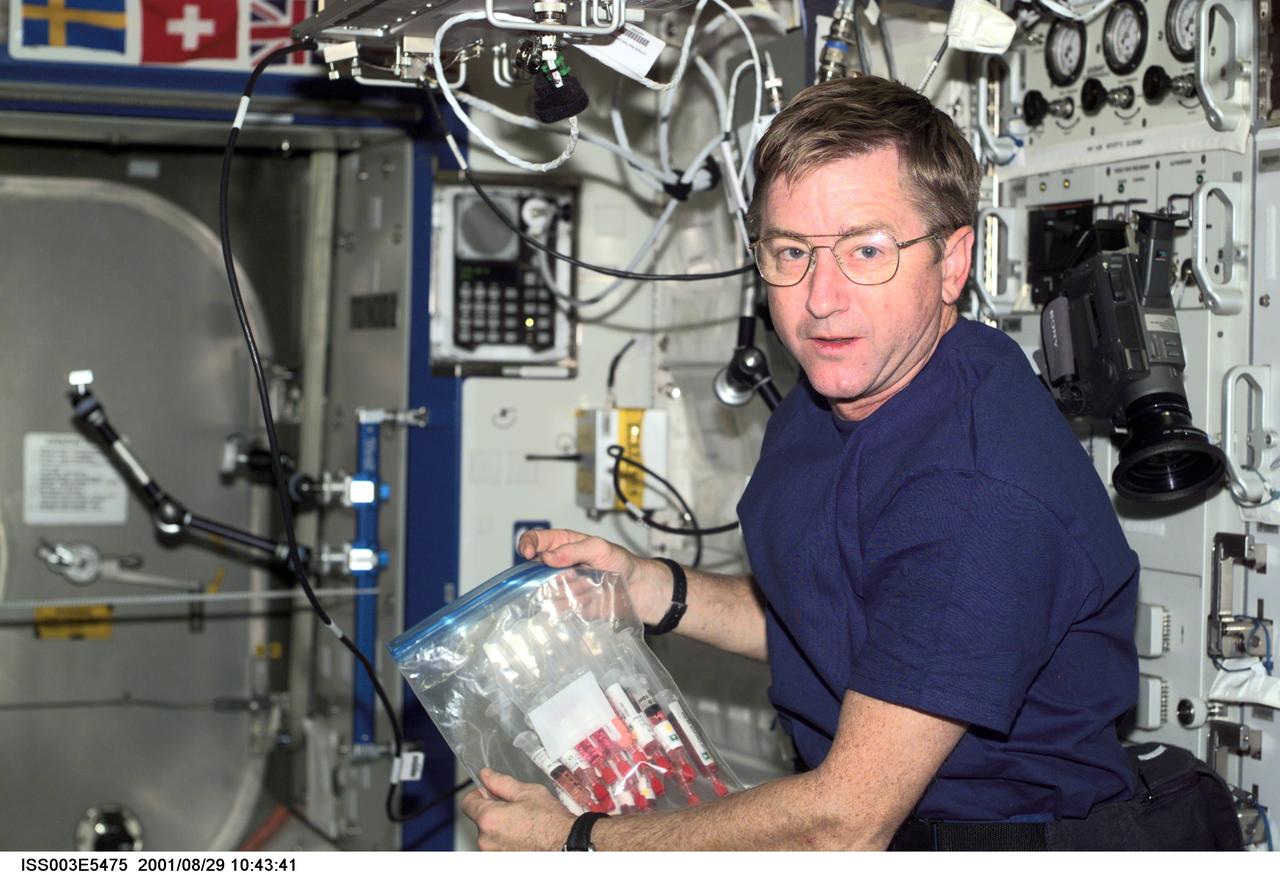
ISS003-E-5475 (29 August 2001) --- Astronaut Frank L. Culbertson, Expedition Three mission commander, holds a syringe kit to be used in the Quad Tissue Culture Module Assemblies (QTCMA) for the Biotechnology Specimen Temperature Controller (BSTC) experiment in the U.S. Laboratory.
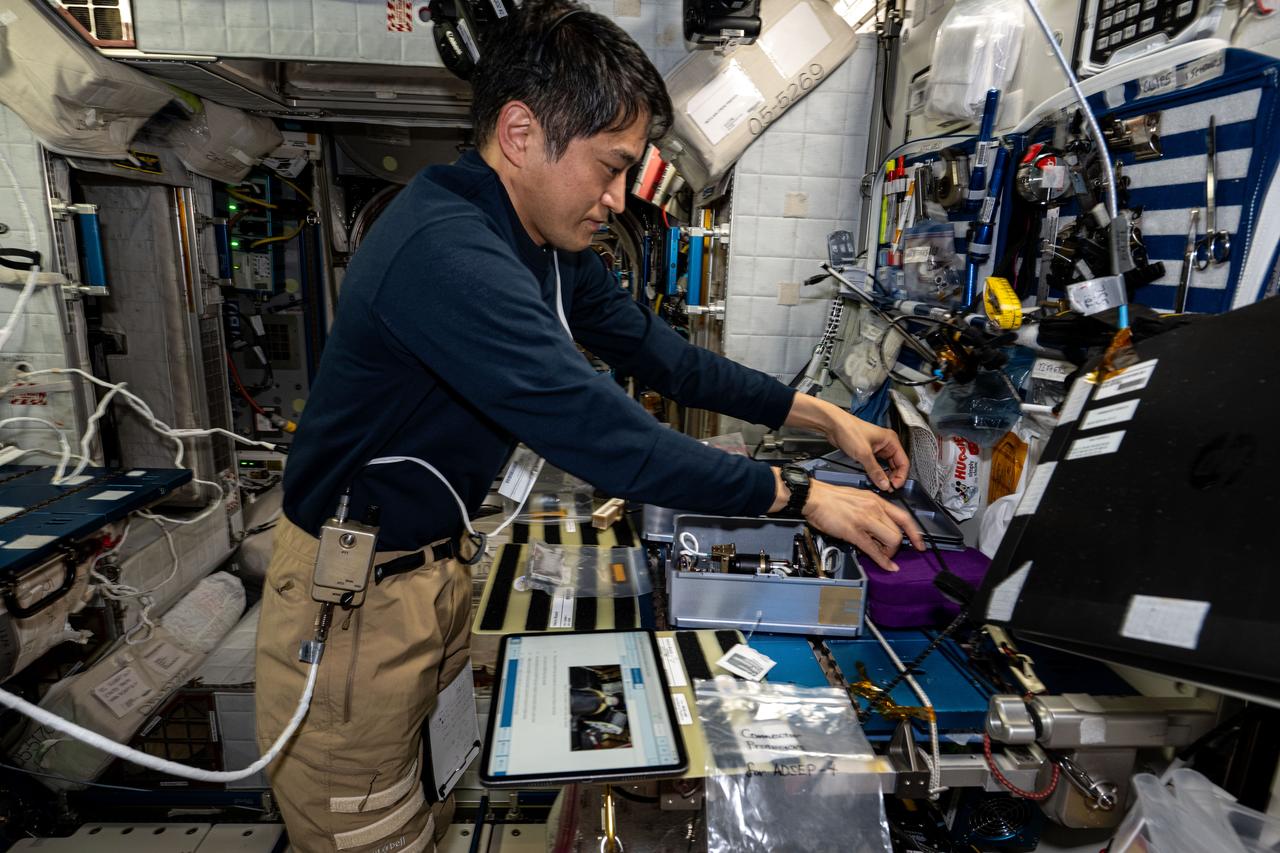
iss073e0002467 (April 28, 2025) --- JAXA (Japan Aerospace Exploration Agency) astronaut and Expedition 73 Commander Takuya Onishi processes cassettes containing biological fluid samples for installation inside the Advanced Space Experiment Processor-4, a research facility that can be shipped back and forth from Earth to space, for a biotechnology study.
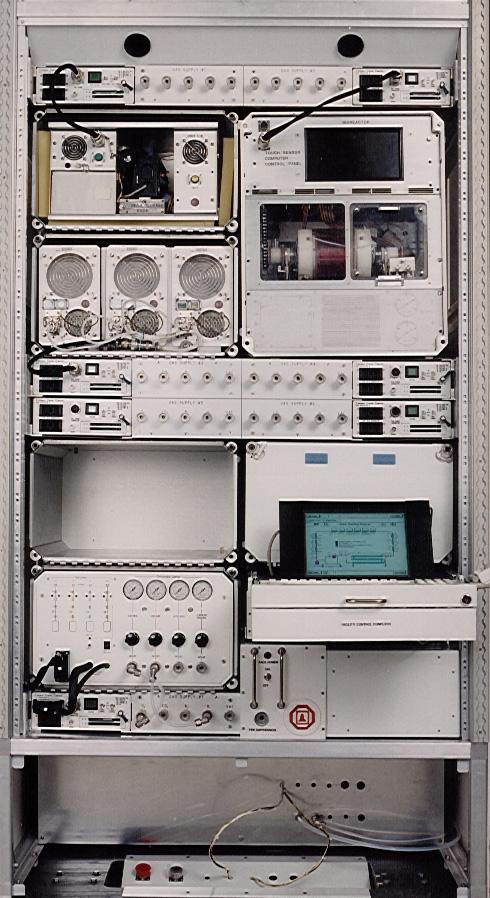
Engineering mockup shows the general arrangement of the plarned Biotechnology Facility inside an EXPRESS rack aboard the International Space Station. This layout includes a gas supply module (bottom left), control computer and laptop interface (bottom right), two rotating wall vessels (top right), and support systems.

S89-E-5204 (25 Jan 1998) --- This Electronic Still Camera (ESC) image shows astronaut Michael P. Anderson, mission specialist, checking the Biotechnology Refrigerator (BTR) while transferring logistics, onboard the Space Shuttle Endeavour. This ESC view was taken on January 25, 1998, at 18:54:53 GMT.
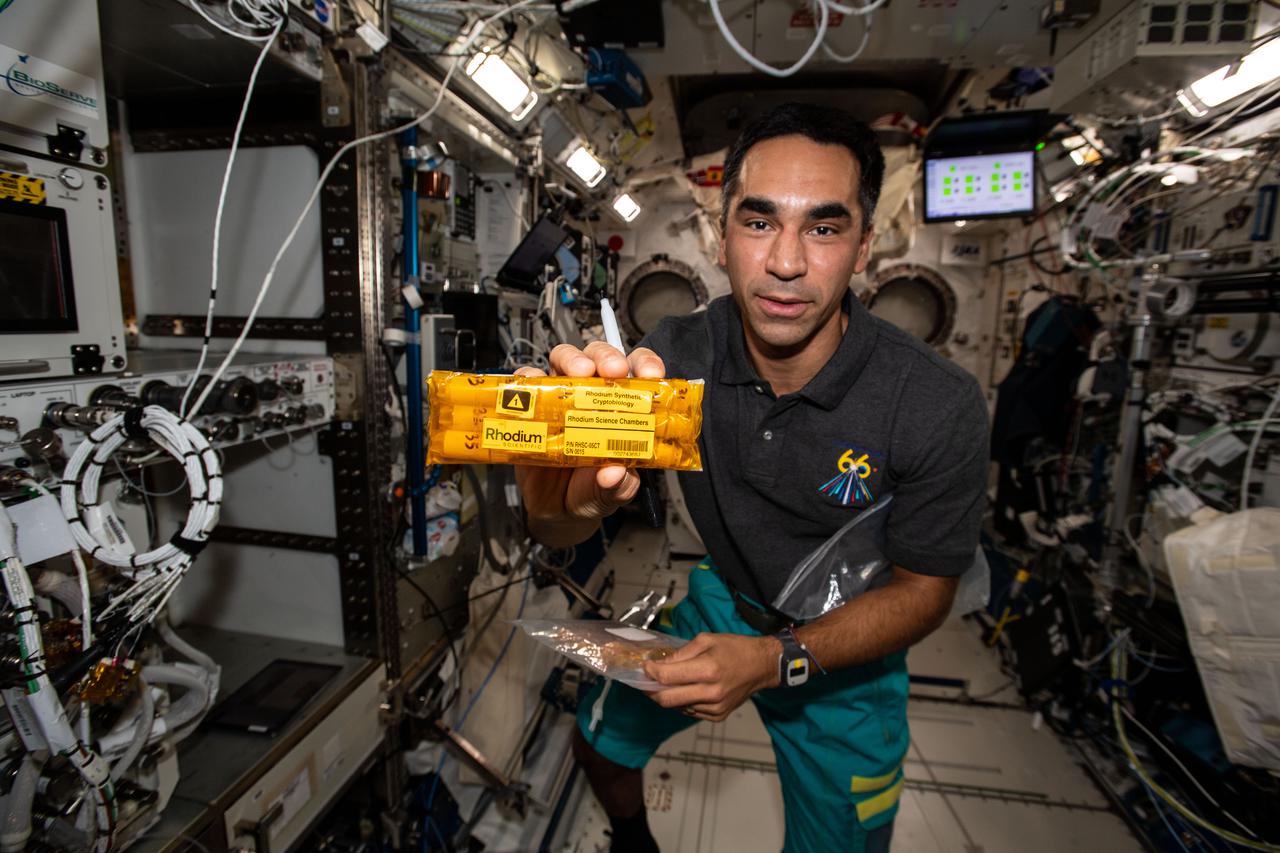
iss066e123191 (Jan. 20, 2022) --- NASA astronaut Engineer Raja Chari gathers items for the Rhodium Synthetic Cryptobiology experiment for packing inside the SpaceX Cargo Dragon resupply ship. Results from the biotechnology study could help create more rugged biological components and advance these technologies for use in space and in extreme environments on Earth.
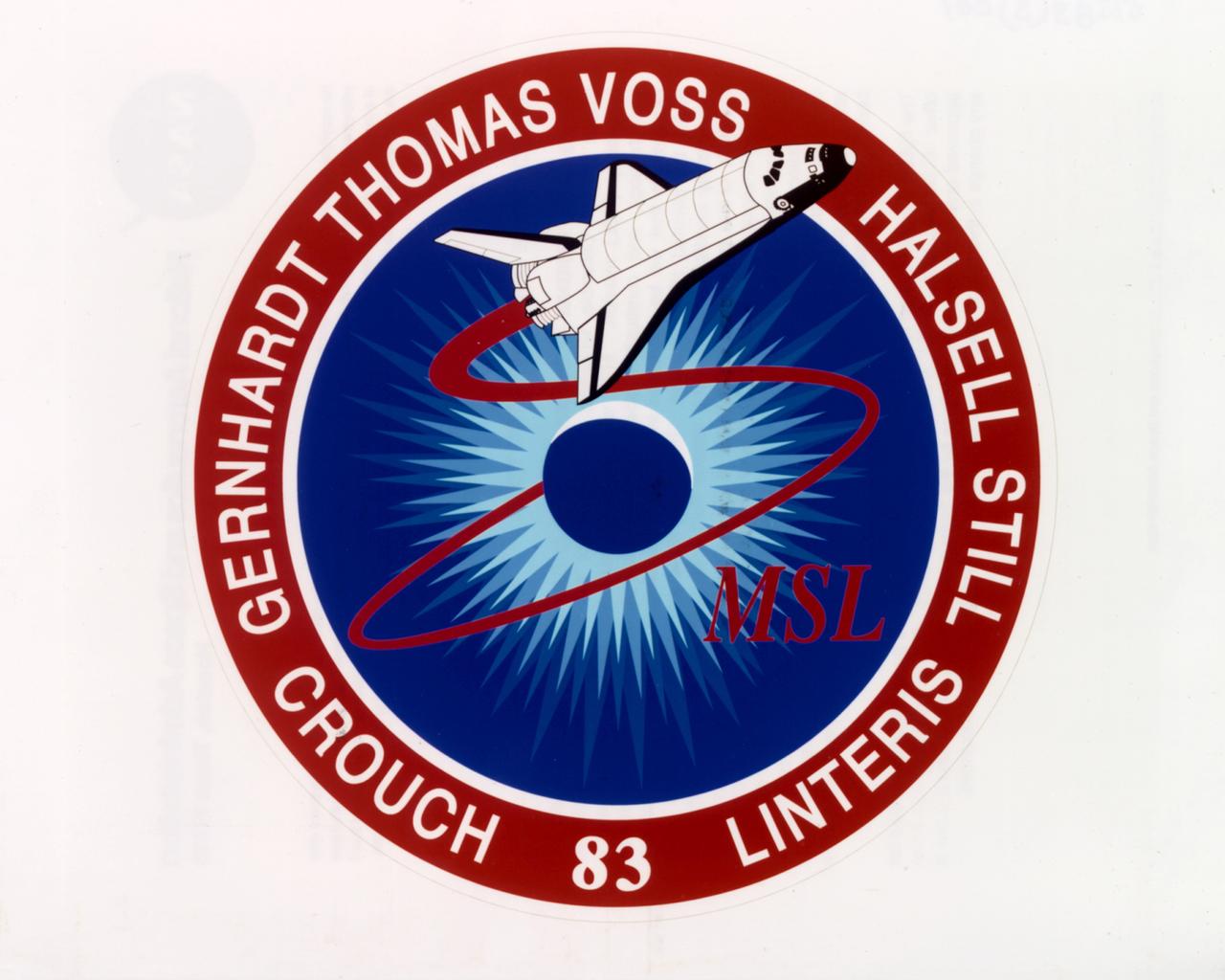
The crew patch for NASA's STS-83 mission depicts the Space Shuttle Columbia launching into space for the first Microgravity Sciences Laboratory 1 (MSL-1) mission. MSL-1 investigated materials science, fluid dynamics, biotechnology, and combustion science in the microgravity environment of space, experiments that were conducted in the Spacelab Module in the Space Shuttle Columbia's cargo bay. The center circle symbolizes a free liquid under microgravity conditions representing various fluid and materials science experiments. Symbolic of the combustion experiments is the surrounding starburst of a blue flame burning in space. The 3-lobed shape of the outermost starburst ring traces the dot pattern of a transmission Laue photograph typical of biotechnology experiments. The numerical designation for the mission is shown at bottom center. As a forerunner to missions involving International Space Station (ISS), STS-83 represented the hope that scientific results and knowledge gained during the flight will be applied to solving problems on Earth for the benefit and advancement of humankind.
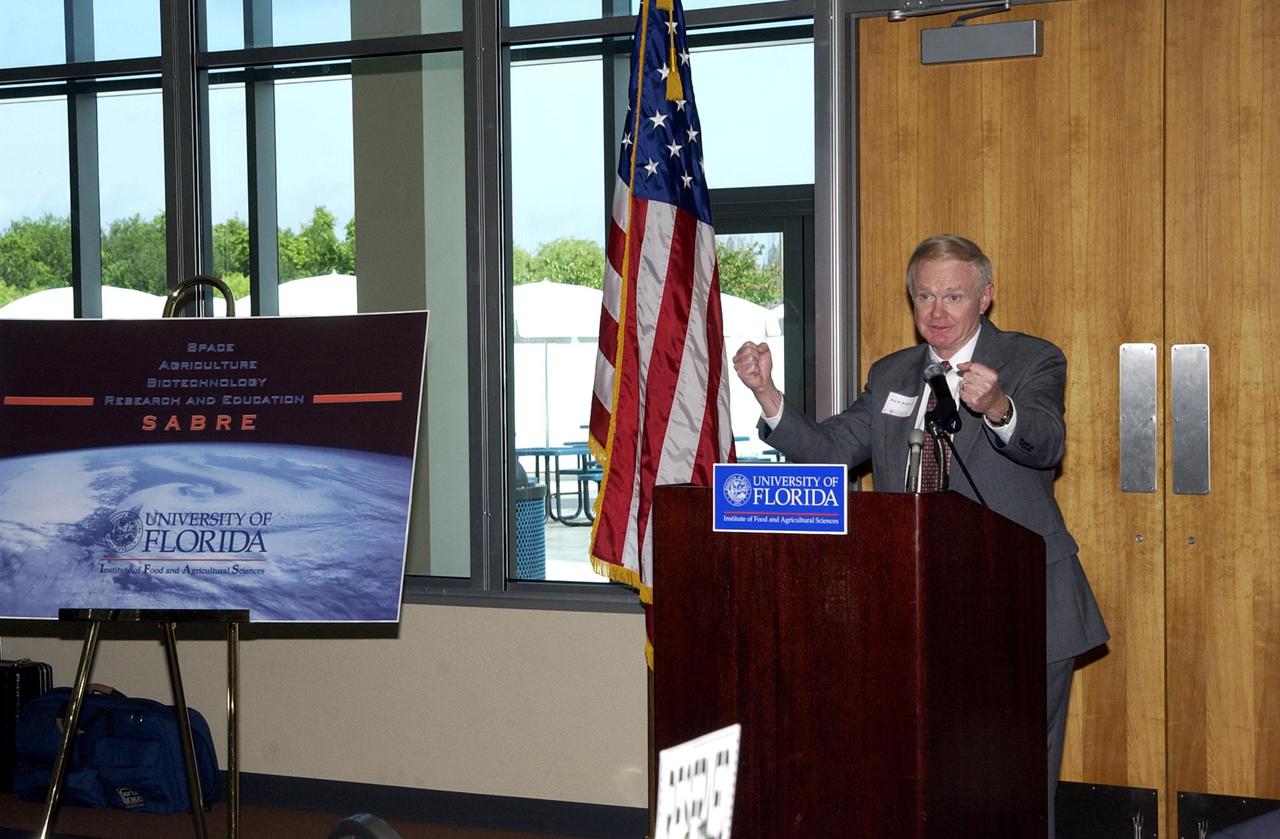
KENNEDY SPACE CENTER, FLA. - Center Director Roy D. Bridges Jr. shows his enthusiasm for the new program SABRE being launched at KSC. SABRE, Space Agricultural Biotechnology Research and Education, involves the University of Florida and NASA. Bridges was speaking at the opening ceremony that included officials from both organizations. SABRE will focus on the discovery, development and application of the biological aspects of advanced life support strategies. The program will include faculty from UF's Institute of Food and Agricultural Sciences, who will be located at both KSC - in the state-owned Space Experiment Research and Processing Laboratory (SERPL) being built there - and UF in Gainesville. SABRE will be directed by Robert Ferl, professor in the horticultural sciences department and assistant director of UF's Biotechnology Program. He will be responsible for coordinating the research and education efforts of UF and NASA
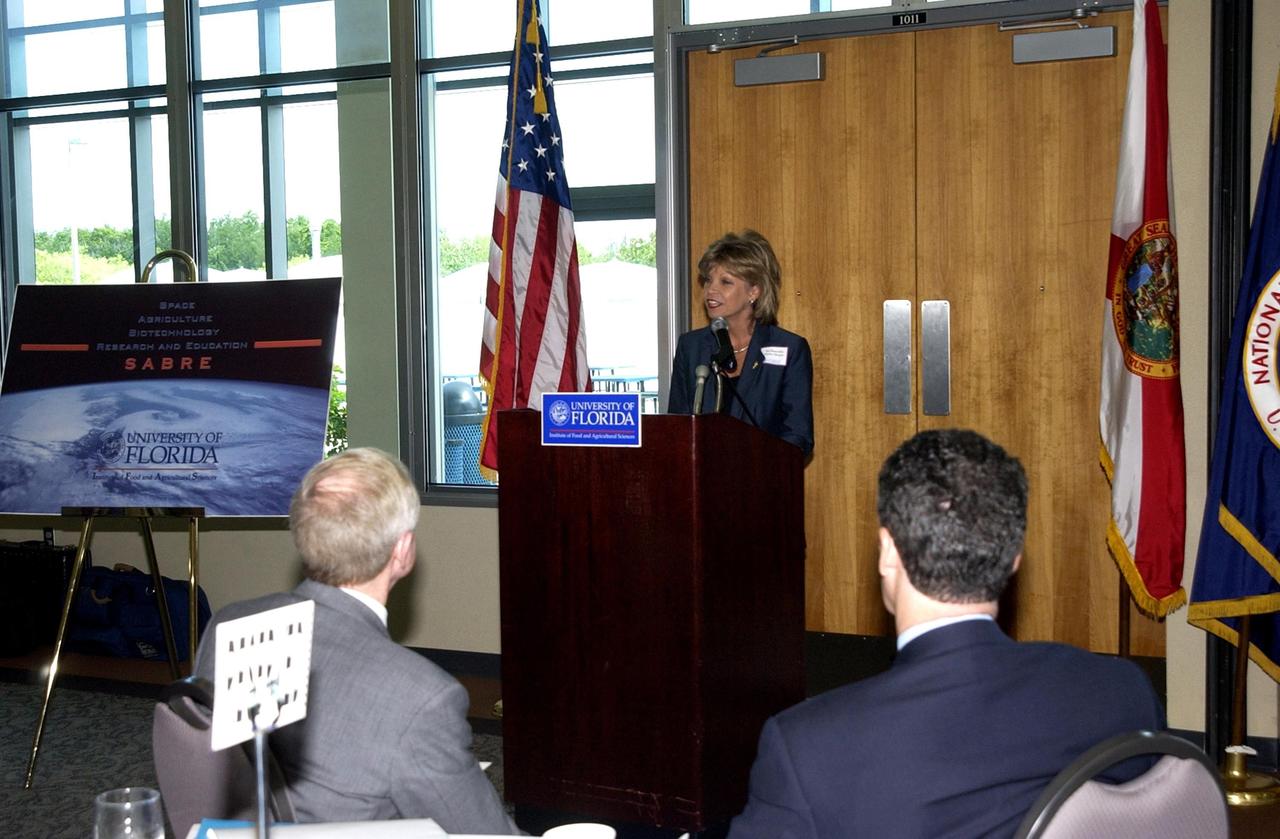
KENNEDY SPACE CENTER, FLA. -- The Honorable Diana Morgan speaks to attendees at the opening ceremony kicking off a new program known as SABRE, Space Agricultural Biotechnology Research and Education. In the foreground are Center Director Roy D. Bridges Jr. (left) and U.S. Representative Dave Weldon (right). The SABRE program is a combined effort of the University of Florida and NASA. Morgan is vice chair on the UF Board of Trustees. SABRE will focus on the discovery, development and application of the biological aspects of advanced life support strategies. The program will include faculty from UF's Institute of Food and Agricultural Sciences, who will be located at both KSC - in the state-owned Space Experiment Research and Processing Laboratory (SERPL) being built there - and UF in Gainesville. SABRE will be directed by Robert Ferl, professor in the horticultural sciences department and assistant director of UF's Biotechnology Program. He will be responsible for coordinating the research and education efforts of UF and NASA

KENNEDY SPACE CENTER, FLA. -- Center Director Roy D. Bridges Jr. speaks at the opening ceremony to launch a new program called SABRE, Space Agricultural Biotechnology Research and Education, involving the University of Florida and NASA. Officials from UF and NASA attended the event. SABRE will focus on the discovery, development and application of the biological aspects of advanced life support strategies. The program will include faculty from UF's Institute of Food and Agricultural Sciences, who will be located at both KSC - in the state-owned Space Experiment Research and Processing Laboratory (SERPL) being built there - and UF in Gainesville. SABRE will be directed by Robert Ferl, professor in the horticultural sciences department and assistant director of UF's Biotechnology Program. He will be responsible for coordinating the research and education efforts of UF and NASA
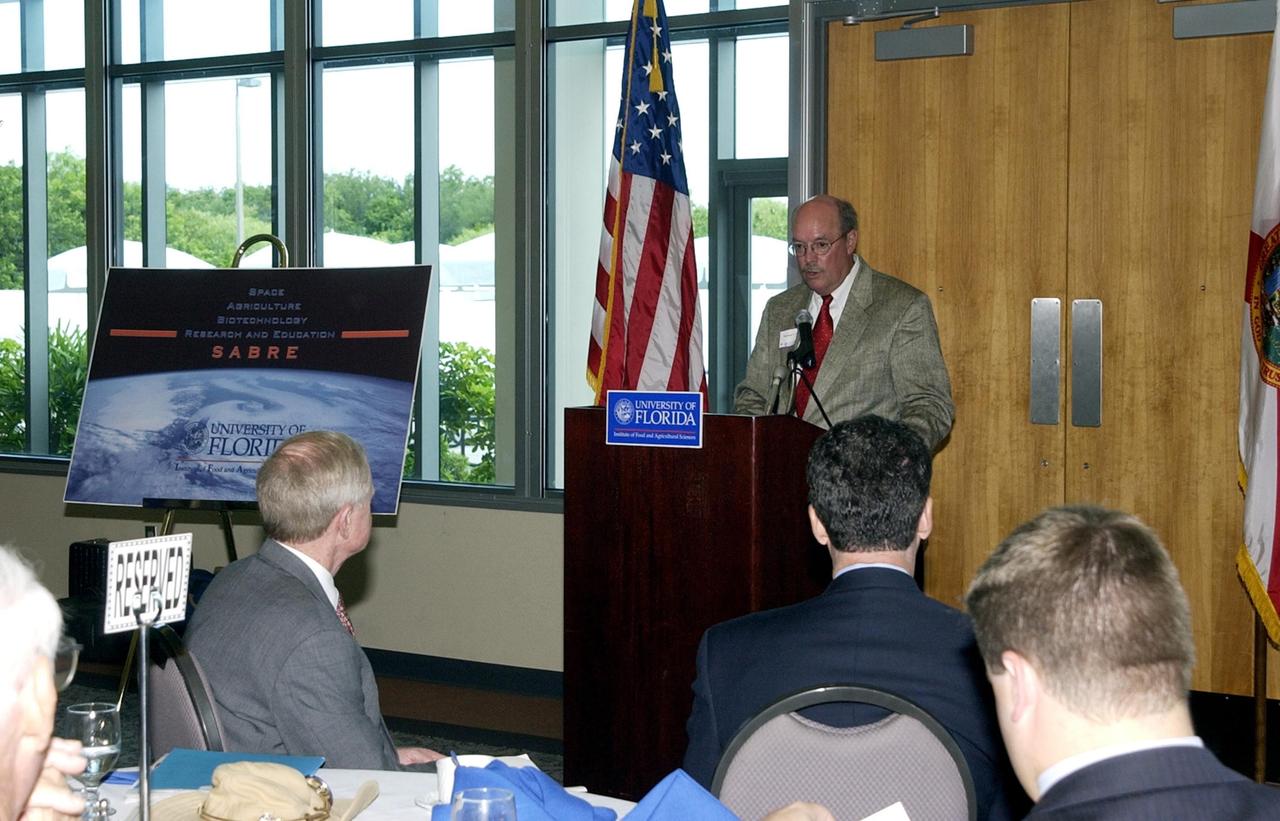
KENNEDY SPACE CENTER, FLA. -- Mike Martin, University of Florida vice president for agriculture and natural resources, speaks during the opening ceremony to launch a new program called SABRE, Space Agricultural Biotechnology Research and Education, that involves UF and NASA. Officials from UF and NASA attended the event. In the foreground are Center Director Roy D. Bridges Jr. (left) and U.S. Rep. Dave Weldon (right). SABRE will focus on the discovery, development and application of the biological aspects of advanced life support strategies. The program will include faculty from UF's Institute of Food and Agricultural Sciences, who will be located at both KSC - in the state-owned Space Experiment Research and Processing Laboratory (SERPL) being built there - and UF in Gainesville. SABRE will be directed by Robert Ferl, professor in the horticultural sciences department and assistant director of UF's Biotechnology Program. He will be responsible for coordinating the research and education efforts of UF and NASA
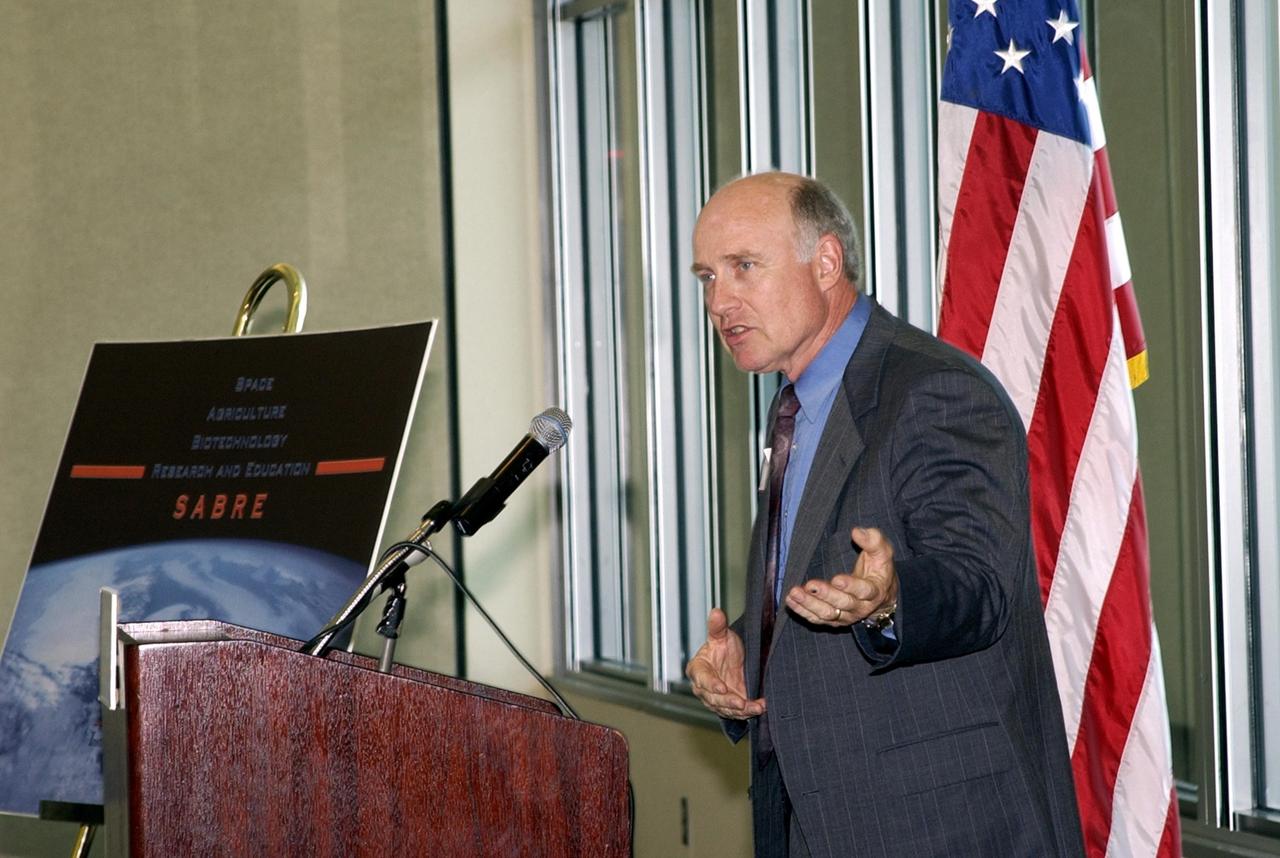
KENNEDY SPACE CENTER, FLA. -- At the opening ceremony for the new program known as SABRE, Space Agricultural Biotechnology Research and Education, William Knott speaks to attendees. Knott is senior scientist in the NASA biological sciences office. SABRE is a joint effort of the University of Florida and NASA and will focus on the discovery, development and application of the biological aspects of advanced life support strategies. The program will include faculty from UF's Institute of Food and Agricultural Sciences, who will be located at both KSC - in the state-owned Space Experiment Research and Processing Laboratory (SERPL) being built there - and UF in Gainesville. Robert Ferl, professor in the horticultural sciences department and assistant director of the University of Florida Biotechnology Program, will direct and be responsible for coordinating the research and education.
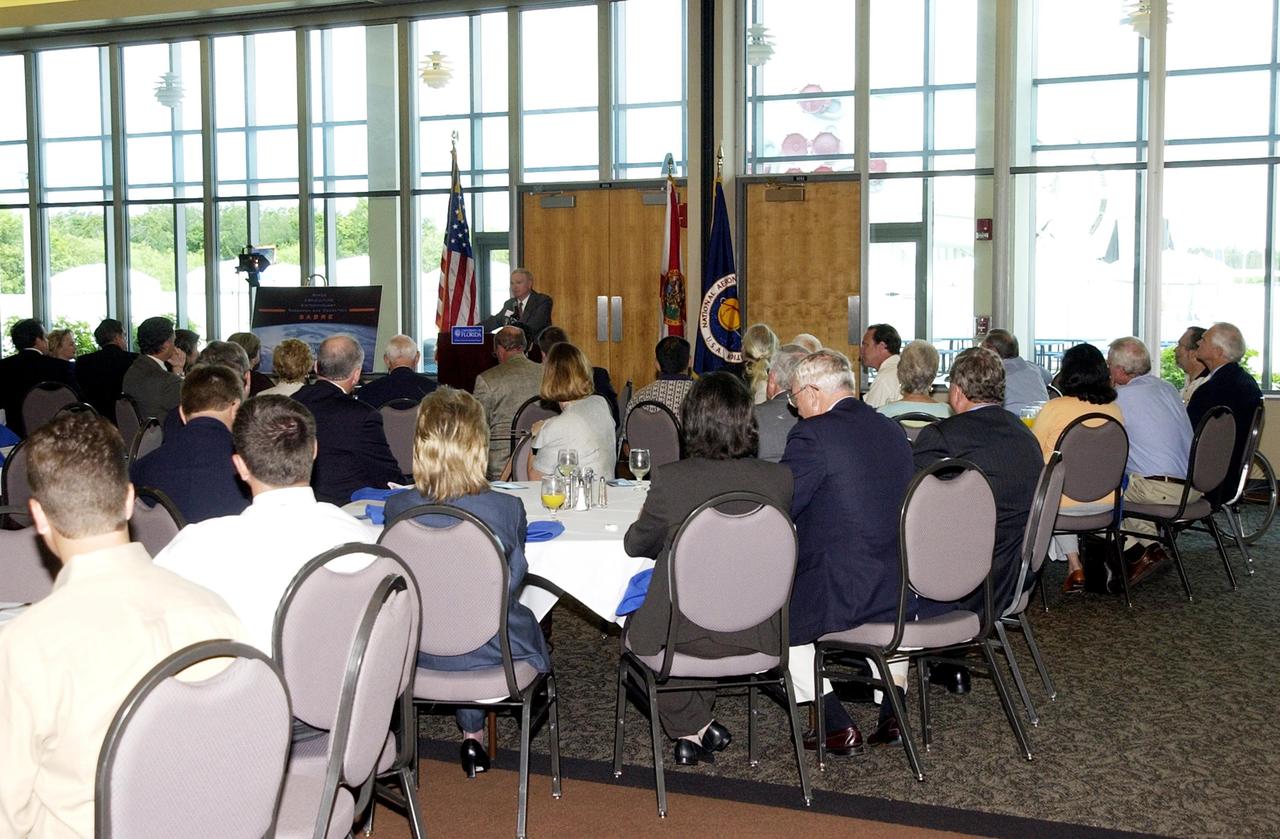
KENNEDY SPACE CENTER, FLA. -- Center Director Roy D. Bridges Jr. speaks to a large group attending the opening of a new program known as SABRE, Space Agricultural Biotechnology Research and Education, that involves the University of Florida and NASA. SABRE will focus on the discovery, development and application of the biological aspects of advanced life support strategies. The program will include faculty from UF's Institute of Food and Agricultural Sciences, who will be located at both KSC - in the state-owned Space Experiment Research and Processing Laboratory (SERPL) being built there - and UF in Gainesville. SABRE will be directed by Robert Ferl, professor in the horticultural sciences department and assistant director of UF's Biotechnology Program. He will be responsible for coordinating the research and education efforts of UF and NASA
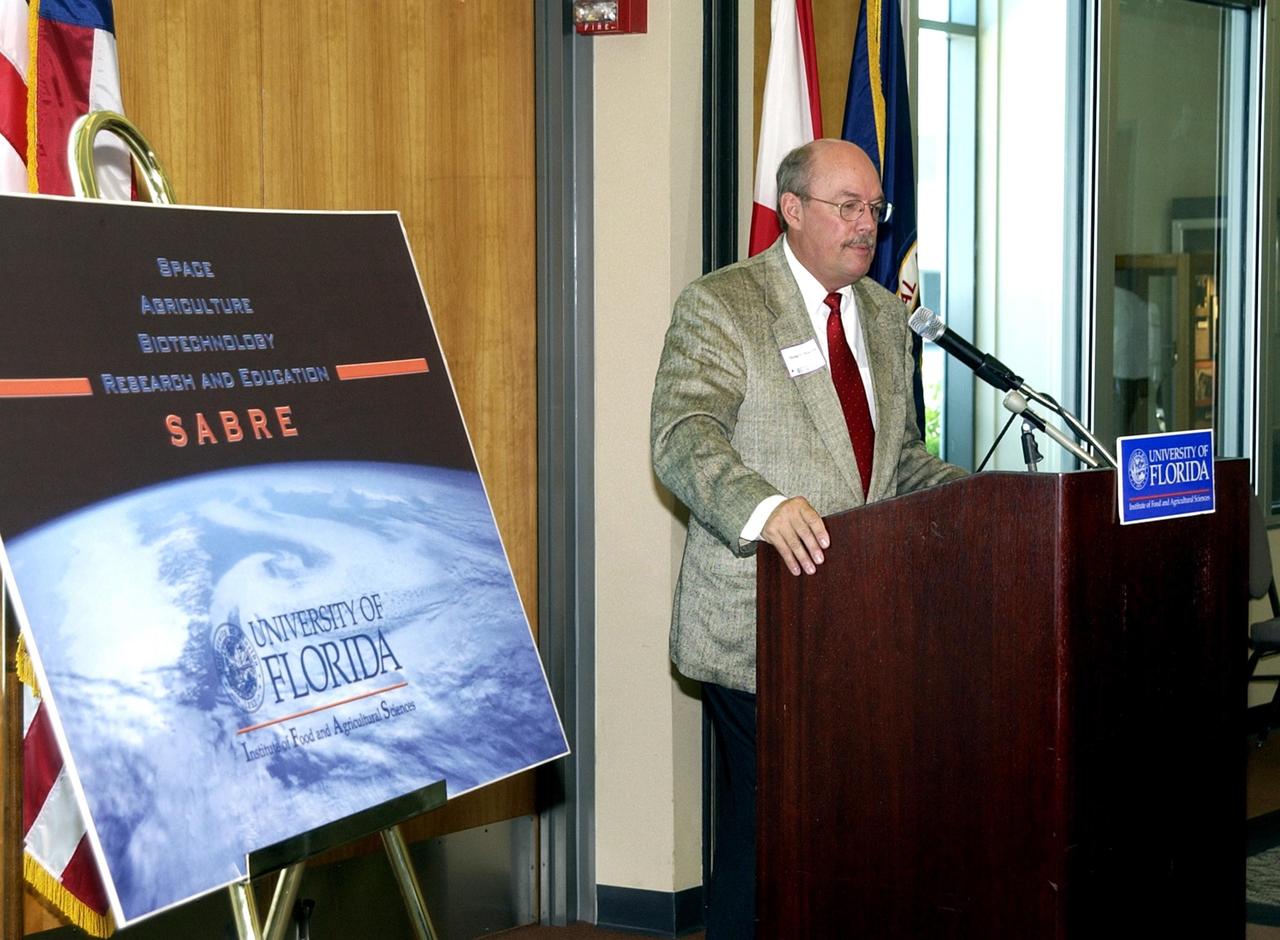
KENNEDY SPACE CENTER, FLA. -- Mike Martin, University of Florida vice president for agriculture and natural resources, speaks during the opening ceremony to launch a new program called SABRE, Space Agricultural Biotechnology Research and Education, that involves UF and NASA. Officials from UF and NASA attended the event. SABRE will focus on the discovery, development and application of the biological aspects of advanced life support strategies. The program will include faculty from UF's Institute of Food and Agricultural Sciences, who will be located at both KSC - in the state-owned Space Experiment Research and Processing Laboratory (SERPL) being built there - and UF in Gainesville. SABRE will be directed by Robert Ferl, professor in the horticultural sciences department and assistant director of UF's Biotechnology Program. He will be responsible for coordinating the research and education efforts of UF and NASA
KENNEDY SPACE CENTER, FLA. -- Florida Representative Bob Allen speaks to attendees at the opening ceremony kicking off a new program known as SABRE, Space Agricultural Biotechnology Research and Education. The program is a combined effort of the University of Florida and NASA. SABRE will focus on the discovery, development and application of the biological aspects of advanced life support strategies. The program will include faculty from UF's Institute of Food and Agricultural Sciences, who will be located at both KSC - in the state-owned Space Experiment Research and Processing Laboratory (SERPL) being built there - and UF in Gainesville. SABRE will be directed by Robert Ferl, professor in the horticultural sciences department and assistant director of UF's Biotechnology Program. He will be responsible for coordinating the research and education efforts of UF and NASA
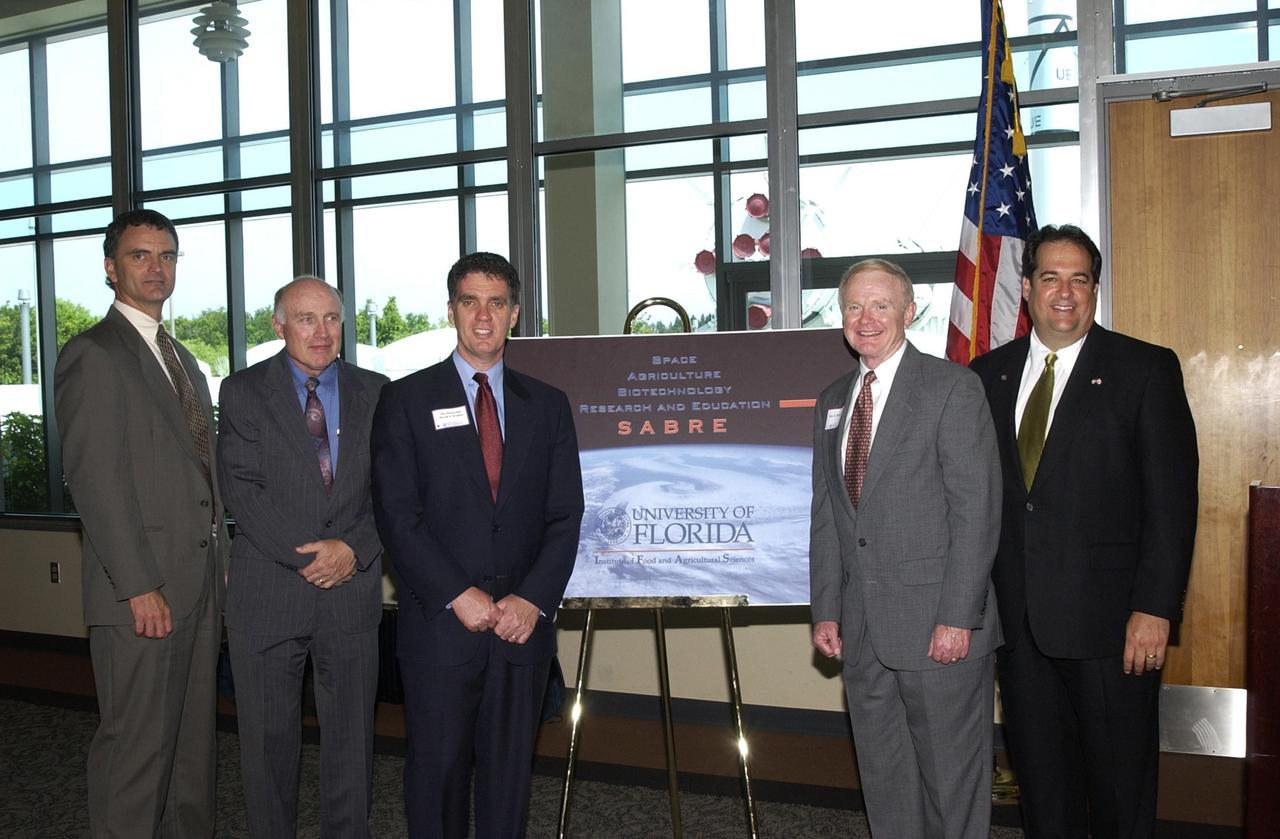
KENNEDY SPACE CENTER, FLA. -- At the opening ceremony for the new program known as SABRE, Space Agricultural Biotechnology Research and Education, key participants gather around the SABRE poster. From left are Robert Ferl, professor in the horticultural sciences department and assistant director of the University of Florida Biotechnology Program, who will direct and be responsible for coordinating the research and education; William Knott, senior scientist in the NASA biological sciences office; U.S. Representative Dave Weldon; Center Director Roy D. Bridges Jr.; and Florida Representative Bob Allen. Involving UF and NASA, SABRE will focus on the discovery, development and application of the biological aspects of advanced life support strategies. The program will include faculty from UF's Institute of Food and Agricultural Sciences, who will be located at both KSC - in the state-owned Space Experiment Research and Processing Laboratory (SERPL) being built there - and UF in Gainesville
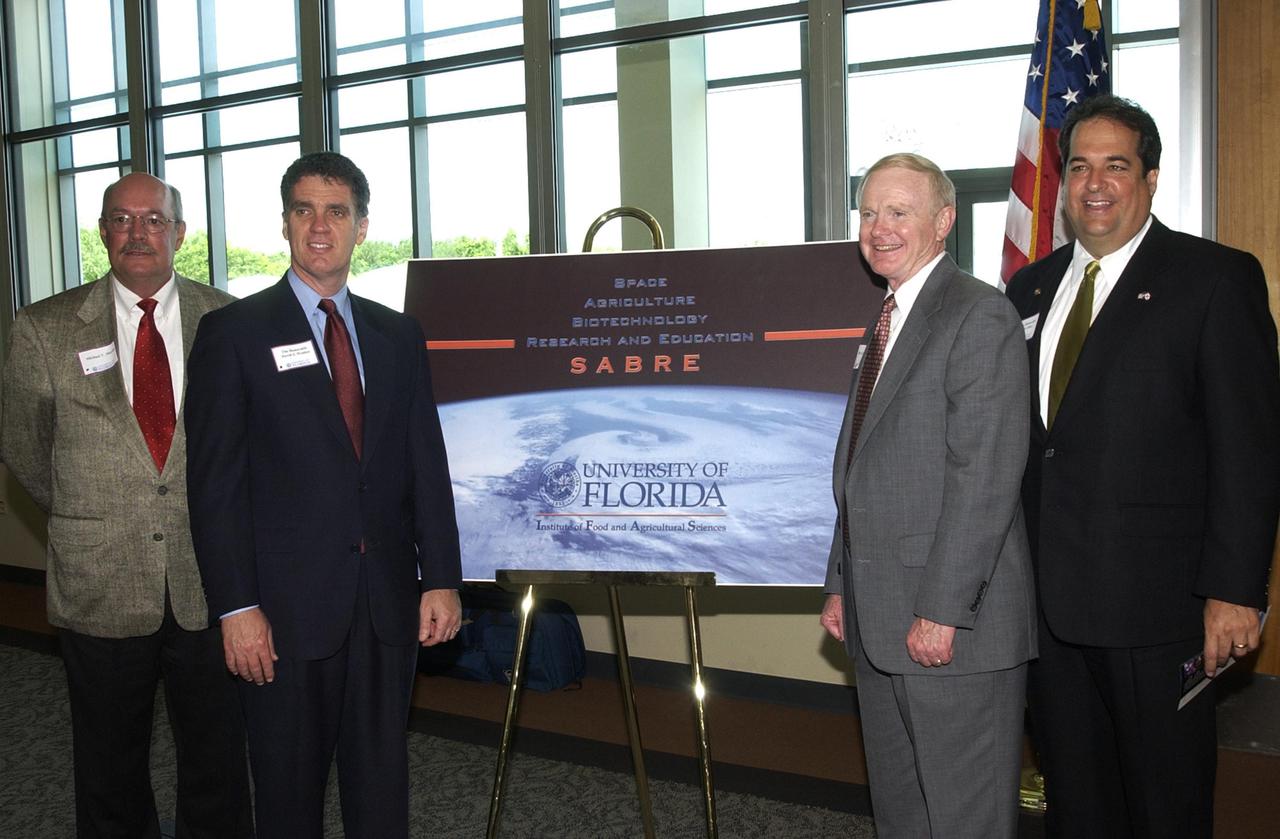
KENNEDY SPACE CENTER, FLA. -- At the opening ceremony for the new program known as SABRE, Space Agricultural Biotechnology Research and Education, four of the speakers gather around the SABRE poster. From left are University of Florida Vice President for Agriculture and Natural Resources Mike Martin, U.S. Representative Dave Weldon, Center Director Roy D. Bridges Jr., and Florida Representative Bob Allen. Involving UF and NASA, SABRE will focus on the discovery, development and application of the biological aspects of advanced life support strategies. The program will include faculty from UF's Institute of Food and Agricultural Sciences, who will be located at both KSC - in the state-owned Space Experiment Research and Processing Laboratory (SERPL) being built there - and UF in Gainesville. Robert Ferl, professor in the horticultural sciences department and assistant director of the University of Florida Biotechnology Program, will direct and be responsible for coordinating the research and education efforts of UF and NASA.
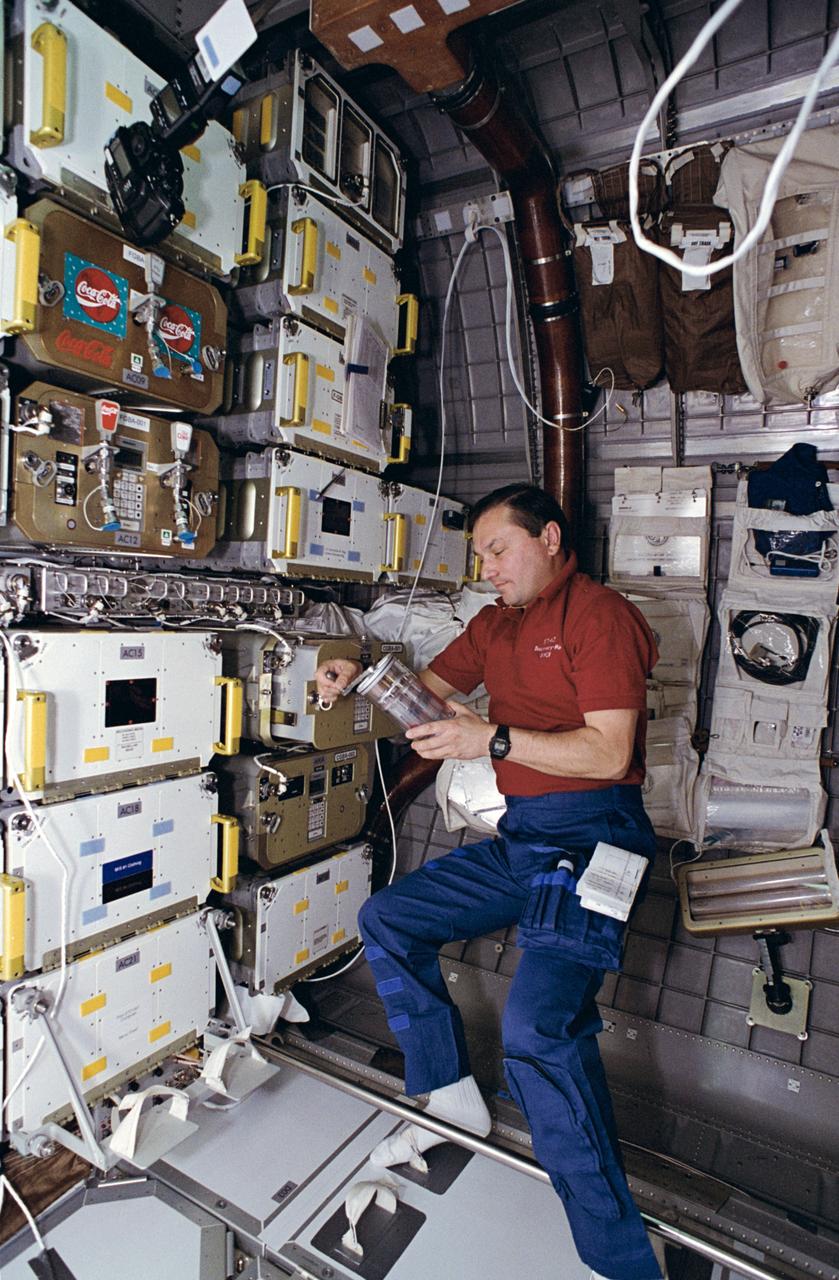
STS063-68-018 (3-11 Feb 1995) --- Russian cosmonaut Vladimir G. Titov, mission specialist, handles vials of samples for the Commercial Generic Bioprocessing Apparatus (CGBA) experiment in SpaceHab 3 Module onboard the Earth-orbiting Space Shuttle Discovery. Titov joined five NASA astronauts for eight days of research in Earth-orbit.
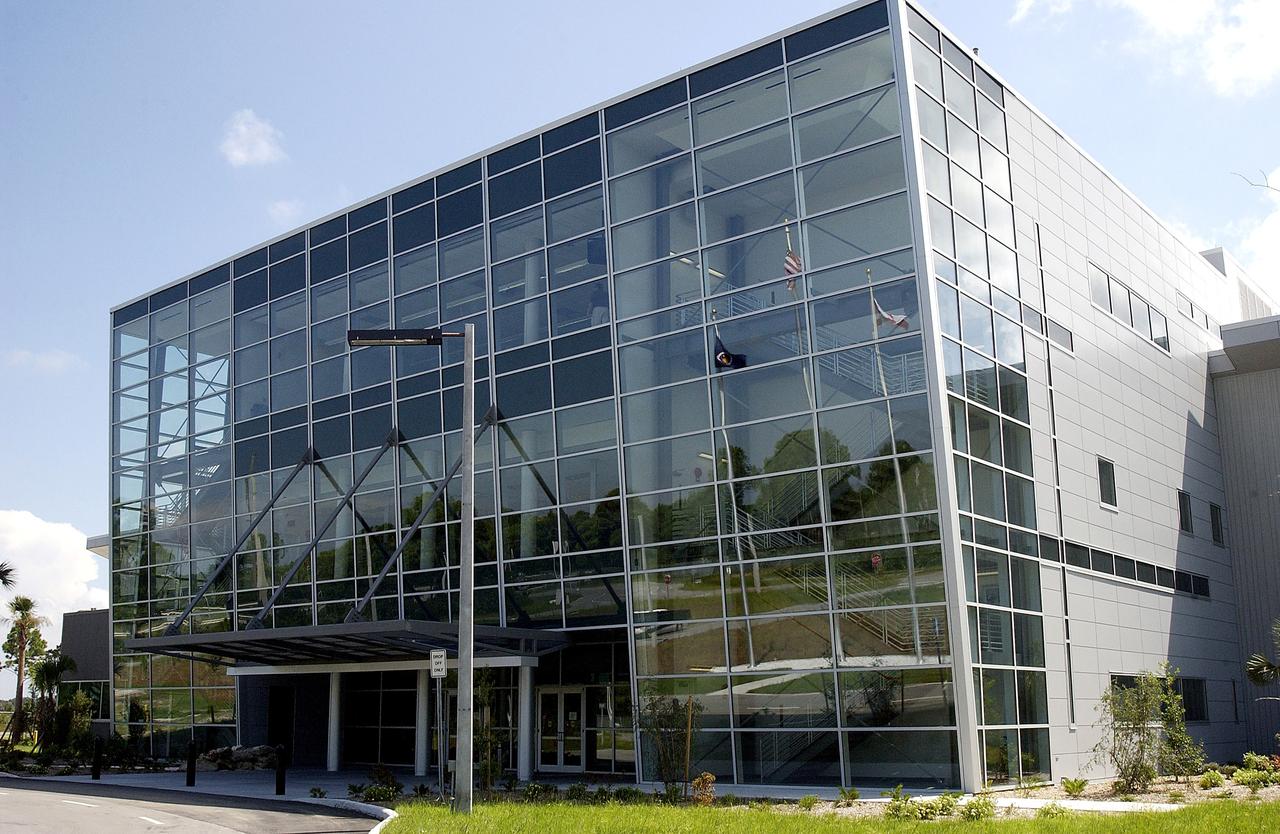
KENNEDY SPACE CENTER, FLA. - The Space Life Sciences Lab (SLSL), formerly known as the Space Experiment Research and Processing Laboratory (SERPL), is nearing completion. The new lab is a state-of-the-art facility being built for ISS biotechnology research. Developed as a partnership between NASA-KSC and the State of Florida, NASA’s life sciences contractor will be the primary tenant of the facility, leasing space to conduct flight experiment processing and NASA-sponsored research. About 20 percent of the facility will be available for use by Florida’s university researchers through the Florida Space Research Institute.
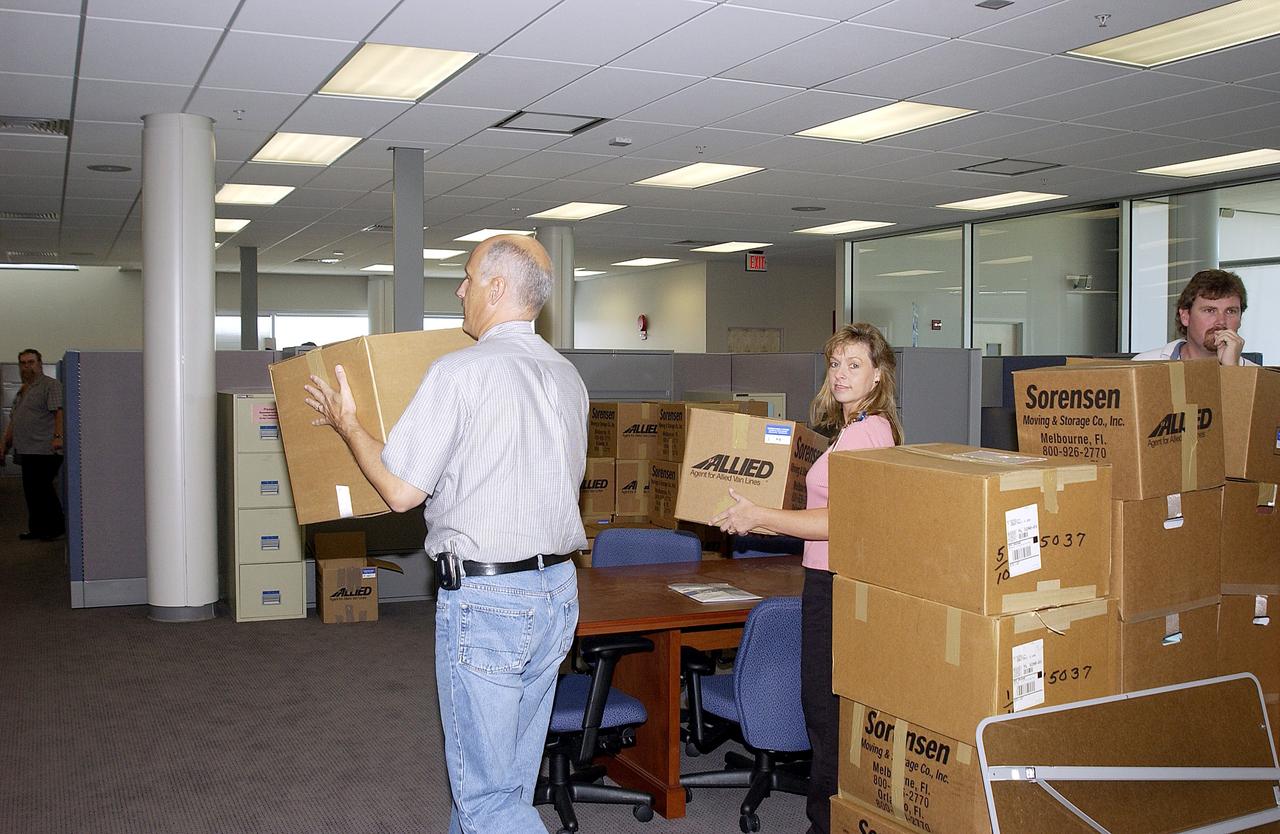
KENNEDY SPACE CENTER, FLA. - Ivan Rodriguez, with Bionetics, and Michelle Crouch and Larry Burns, with Dynamac, carry boxes of equipment into the Space Life Sciences Lab (SLSL), formerly known as the Space Experiment Research and Processing Laboratory (SERPL). They are transferring equipment from Hangar L. The new lab is a state-of-the-art facility being built for ISS biotechnology research. Developed as a partnership between NASA-KSC and the State of Florida, NASA’s life sciences contractor will be the primary tenant of the facility, leasing space to conduct flight experiment processing and NASA-sponsored research. About 20 percent of the facility will be available for use by Florida’s university researchers through the Florida Space Research Institute.
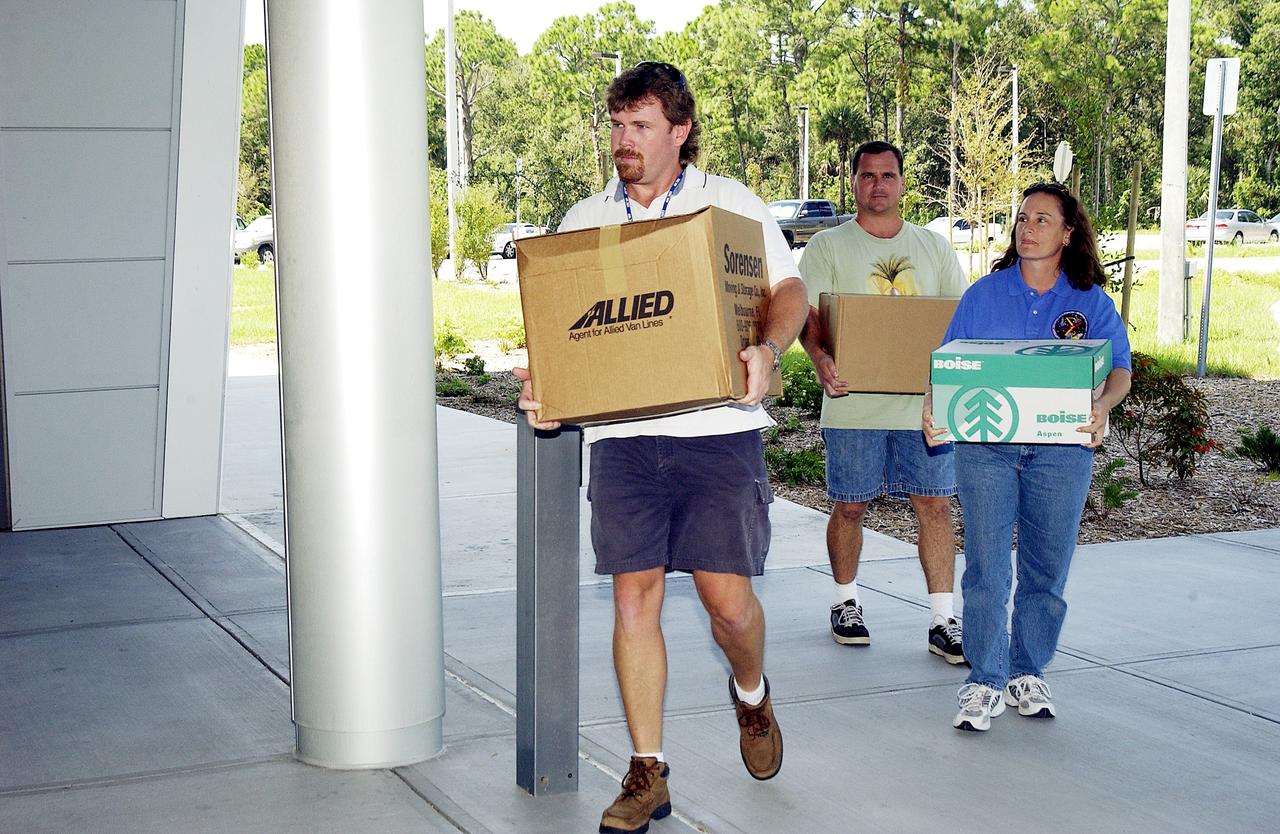
KENNEDY SPACE CENTER, FLA. - Dynamac employees (from left) Larry Burns, Debbie Wells and Neil Yorio carry boxes of hardware into the Space Life Sciences Lab (SLSL), formerly known as the Space Experiment Research and Processing Laboratory (SERPL). They are transferring equipment from Hangar L. The new lab is a state-of-the-art facility being built for ISS biotechnology research. Developed as a partnership between NASA-KSC and the State of Florida, NASA’s life sciences contractor will be the primary tenant of the facility, leasing space to conduct flight experiment processing and NASA-sponsored research. About 20 percent of the facility will be available for use by Florida’s university researchers through the Florida Space Research Institute.
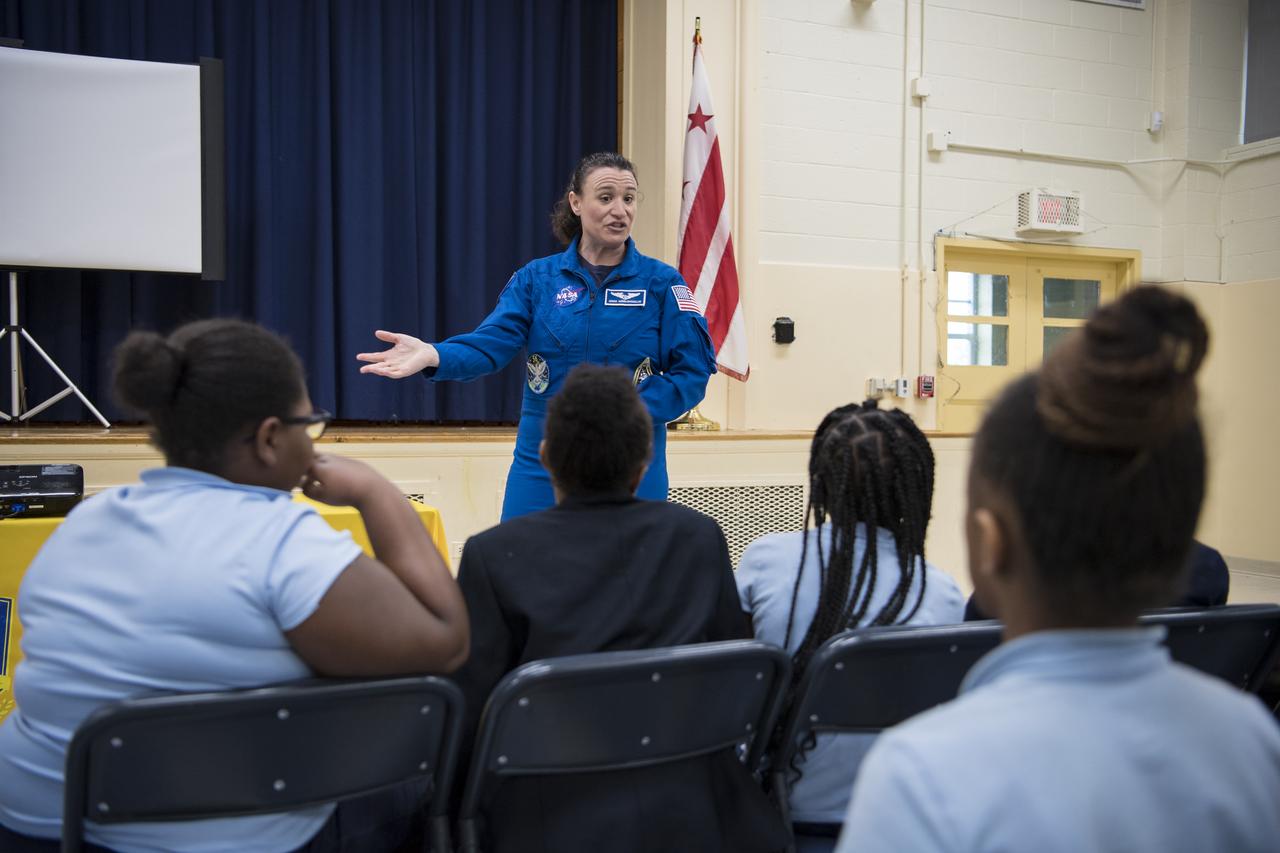
NASA astronaut Dr. Serena Auñón-Chancellor speaks about her experience on Expeditions 56 and 57 onboard the International Space Station (ISS) at Excel Academy Public Charter School, Monday, June 10, 2019 in Washington, DC. Auñón-Chancellor spent 197 days living and working onboard the ISS and contributed to hundreds of experiments in biology, biotechnology, physical science, and Earth science while there. She is also a doctor and started her career with NASA as a flight surgeon in 2006. Photo Credit: (NASA/Aubrey Gemignani)
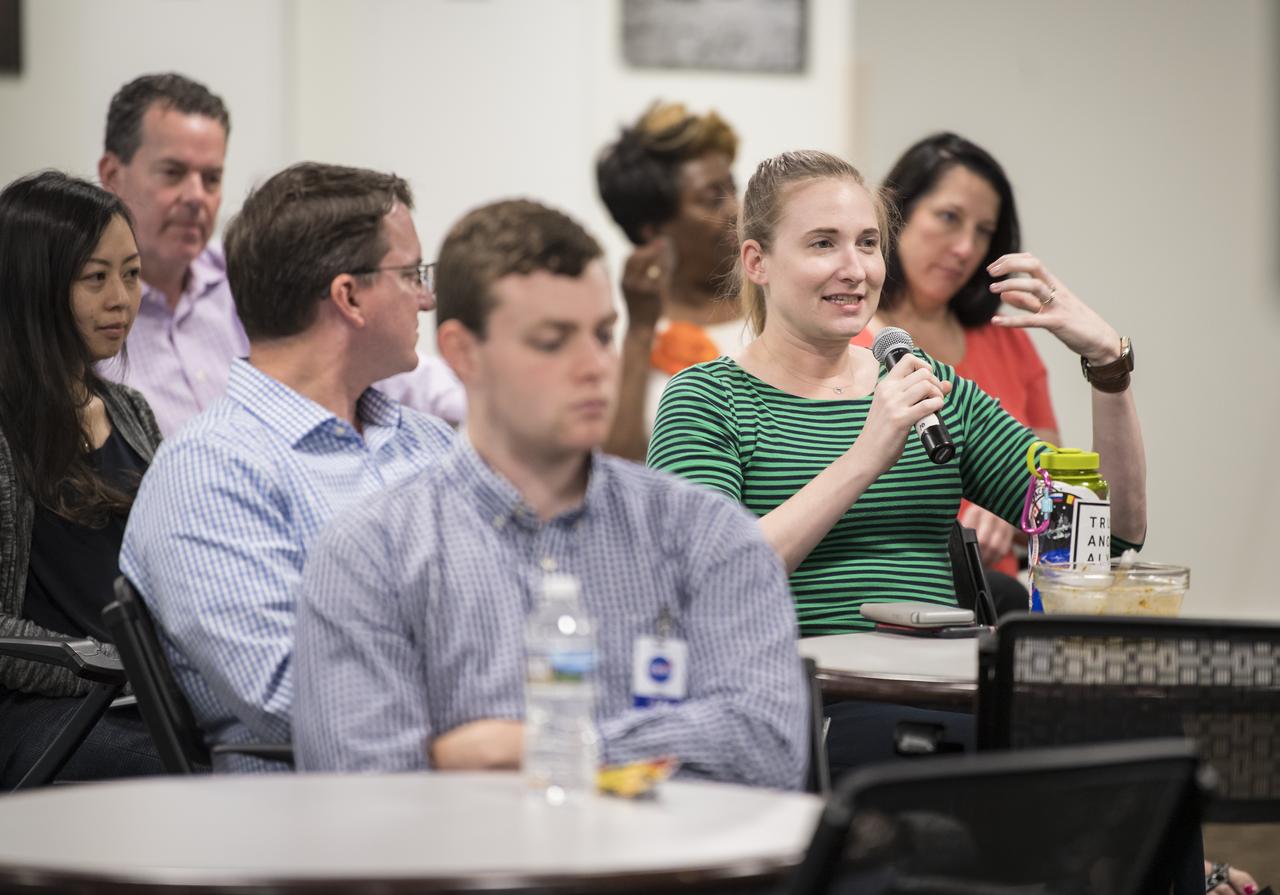
An audience member asks NASA astronaut Serena Auñón-Chancellor a question about her experience on Expeditions 56 and 57 onboard the International Space Station at NASA Headquarters, Friday, June 14, 2019 in Washington. Auñón-Chancellor spent 197 days living and working onboard the orbital laboratory, contributing to hundreds of experiments in biology, biotechnology, physical science, and Earth science. She began her career at NASA as a flight surgeon before being selected as an astronaut in 2009. Photo Credit: (NASA/Aubrey Gemignani)