Artemis logo-black
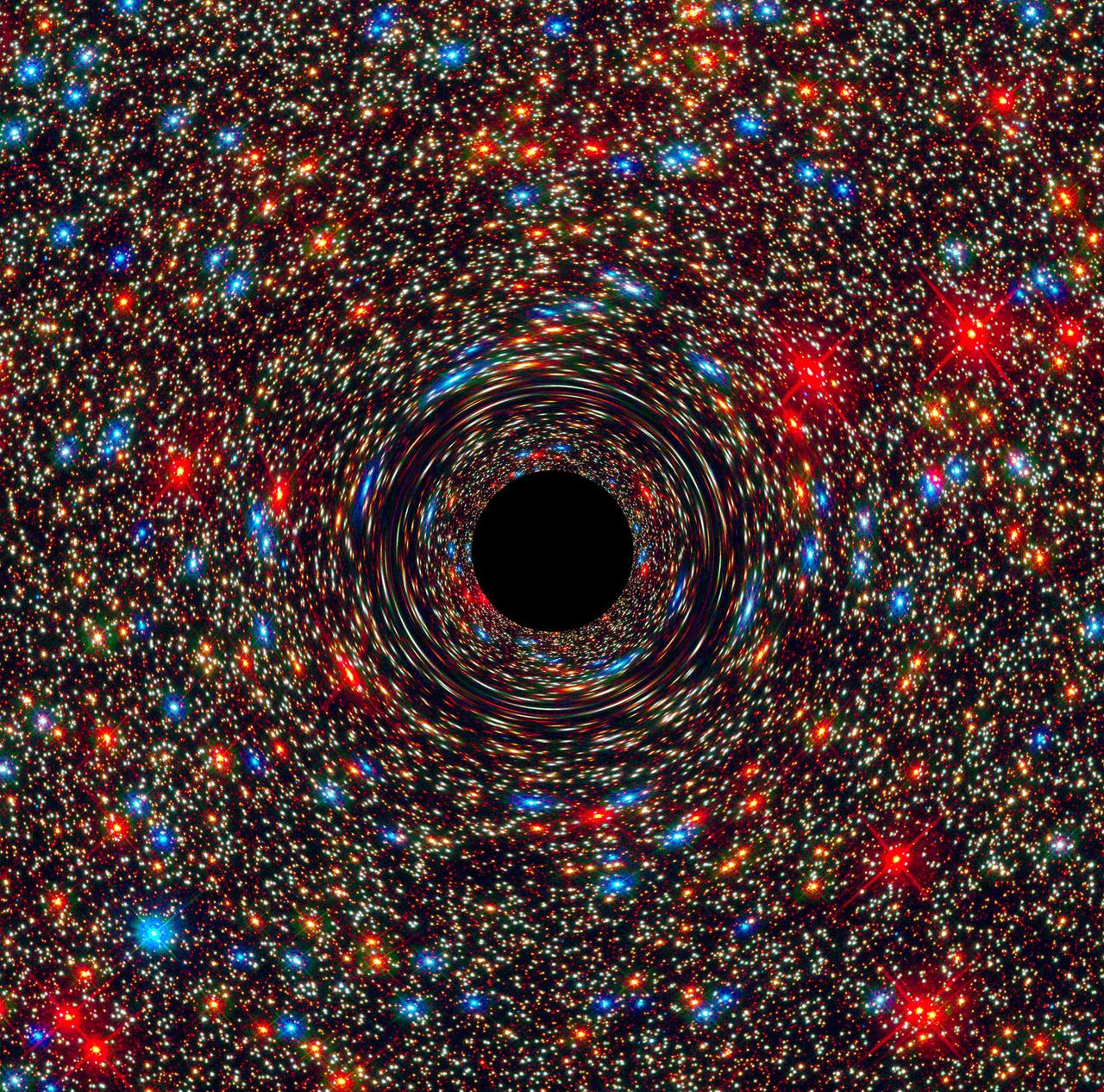
This computer-simulated image shows a supermassive black hole at the core of a galaxy. The black region in the center represents the black hole’s event horizon, where no light can escape the massive object’s gravitational grip. The black hole’s powerful gravity distorts space around it like a funhouse mirror. Light from background stars is stretched and smeared as the stars skim by the black hole. Credits: NASA, ESA, and D. Coe, J. Anderson, and R. van der Marel (STScI) More info: Astronomers have uncovered a near-record breaking supermassive black hole, weighing 17 billion suns, in an unlikely place: in the center of a galaxy in a sparsely populated area of the universe. The observations, made by NASA’s Hubble Space Telescope and the Gemini Telescope in Hawaii, may indicate that these monster objects may be more common than once thought. Until now, the biggest supermassive black holes – those roughly 10 billion times the mass of our sun – have been found at the cores of very large galaxies in regions of the universe packed with other large galaxies. In fact, the current record holder tips the scale at 21 billion suns and resides in the crowded Coma galaxy cluster that consists of over 1,000 galaxies.

This graphic shows the computer simulation of a black hole from start to finish. Plasma is falling slowly toward the black hole in a (at the upper left). The plasma has a magnetic field, shown by the white lines. It picks up speed as it falls toward the hole in b (at the upper right), c (lower left) and d (lower right). However, the rotating black hole twists up space itself (and the magnetic field lines) and ejects electromagnetic power along the north and south poles above the black hole. The red and white color shows the immense electromagnetic power output, which eventually will pick up particles and form squirting jets. This simulation was conducted using supercomputers at Japan's National Institute for Fusion Science. http://photojournal.jpl.nasa.gov/catalog/PIA04206

This artist's concept shows a black hole with an accretion disk -- a flat structure of material orbiting the black hole -- and a jet of hot gas, called plasma. Using NASA's NuSTAR space telescope and a fast camera called ULTRACAM on the William Herschel Observatory in La Palma, Spain, scientists have been able to measure the distance that particles in jets travel before they "turn on" and become bright sources of light. This distance is called the "acceleration zone." https://photojournal.jpl.nasa.gov/catalog/PIA22085
Paint It Black
Fade To Black
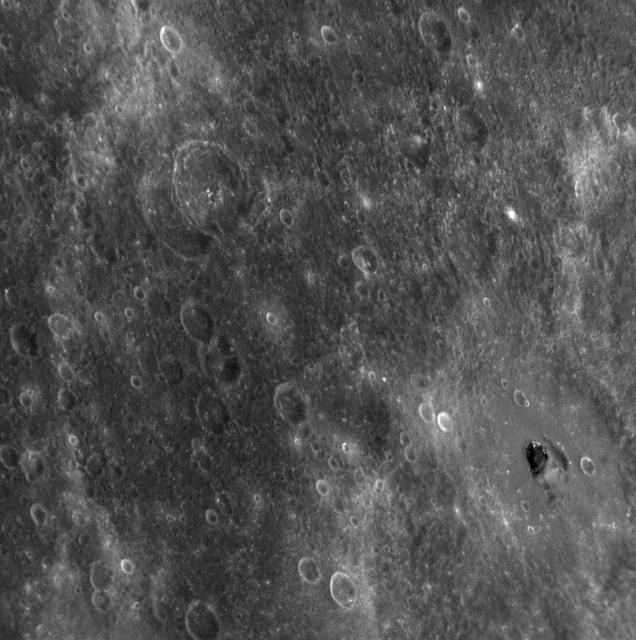
A Patch of Black
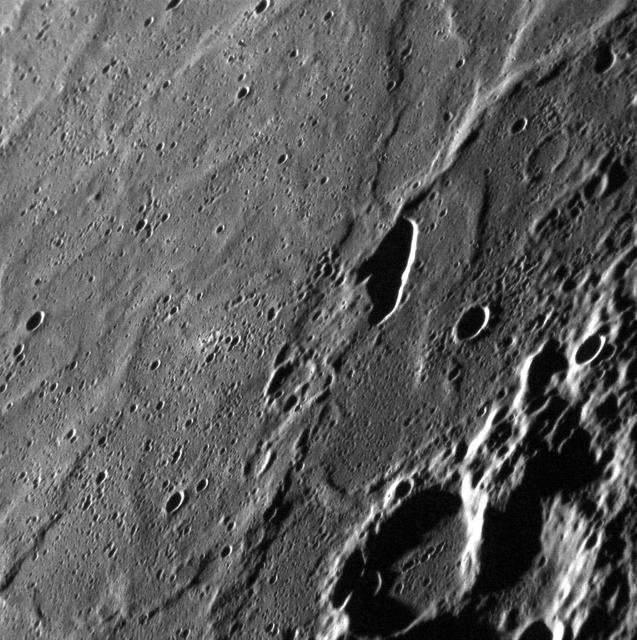
Pitch Black
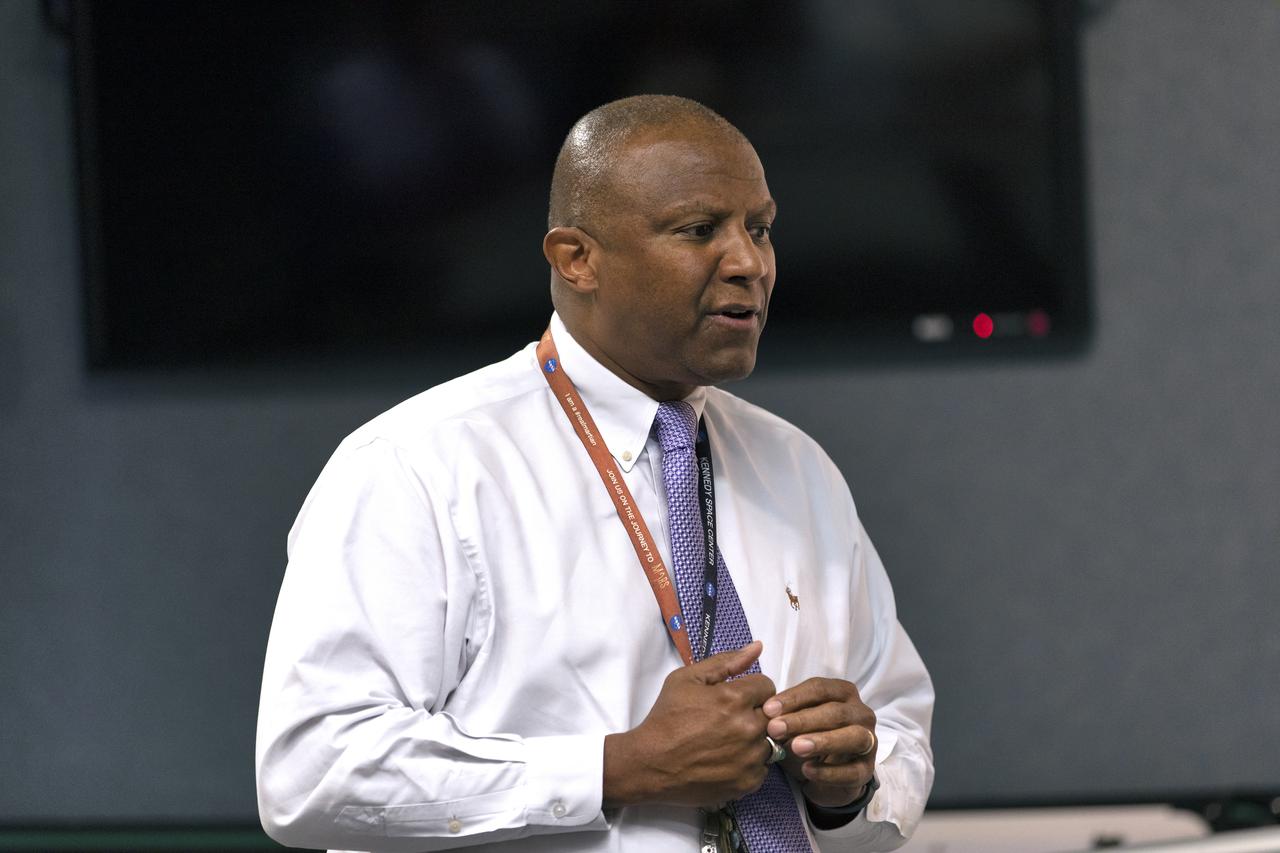
In recognition of Black History Month, the Black Employee Strategy Team hosted a panel discussion featuring some of the future leaders of NASA’s Kennedy Space Center on Feb. 13, 2019. Opening the event was Kennedy’s Associate Director, Technical, Kelvin Manning. Panelists shared personal testimony about their journey toward NASA employment, leadership styles and keys to their success.

The blue dots in this field of galaxies, known as the COSMOS field, show galaxies that contain supermassive black holes emitting high-energy X-rays. The black holes were detected by NASA's Nuclear Spectroscopic Array, or NuSTAR, which spotted 32 such black holes in this field and has observed hundreds across the whole sky so far. The other colored dots are galaxies that host black holes emitting lower-energy X-rays, and were spotted by NASA's Chandra X-ray Observatory. Chandra data show X-rays with energies between 0.5 to 7 kiloelectron volts, while NuSTAR data show X-rays between 8 to 24 kiloelectron volts. http://photojournal.jpl.nasa.gov/catalog/PIA20865
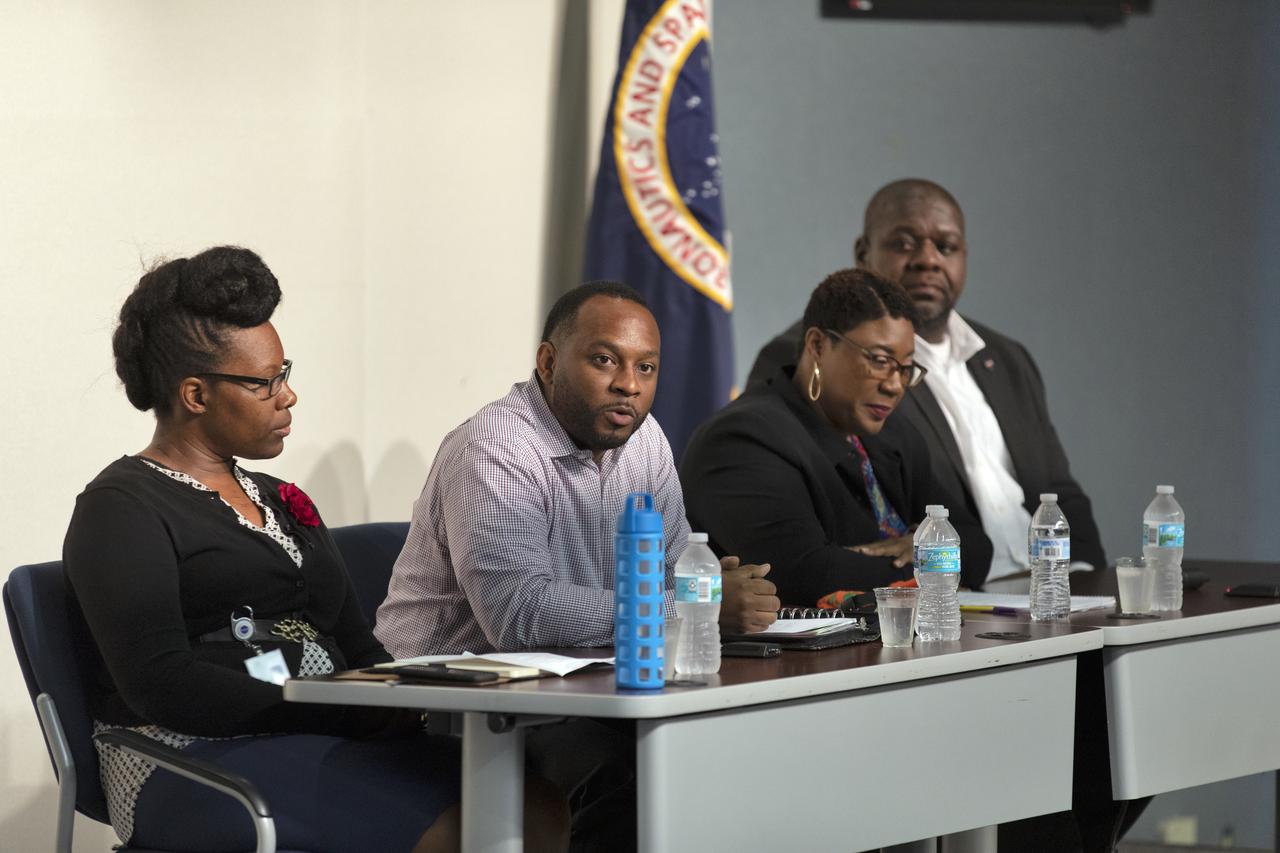
In recognition of Black History Month, the Black Employee Strategy Team hosted a panel discussion featuring some of the future leaders of NASA’s Kennedy Space Center on Feb. 13, 2019. Participants from left, are Tamiko Fletcher, Kennedy’s chief security information officer in IT Security; Anthony Harris, chief, Facility Systems Branch in Safety and Mission Assurance; Charmel Anderson-Jones, senior cross program quality engineer in the Safety and Mission Assurance Directorate, Exploration Ground Systems Division; and Malcolm Boston, contracting officer representative in the Launch Services Program. They shared personal testimony about their journey toward NASA employment, leadership styles and keys to their success.
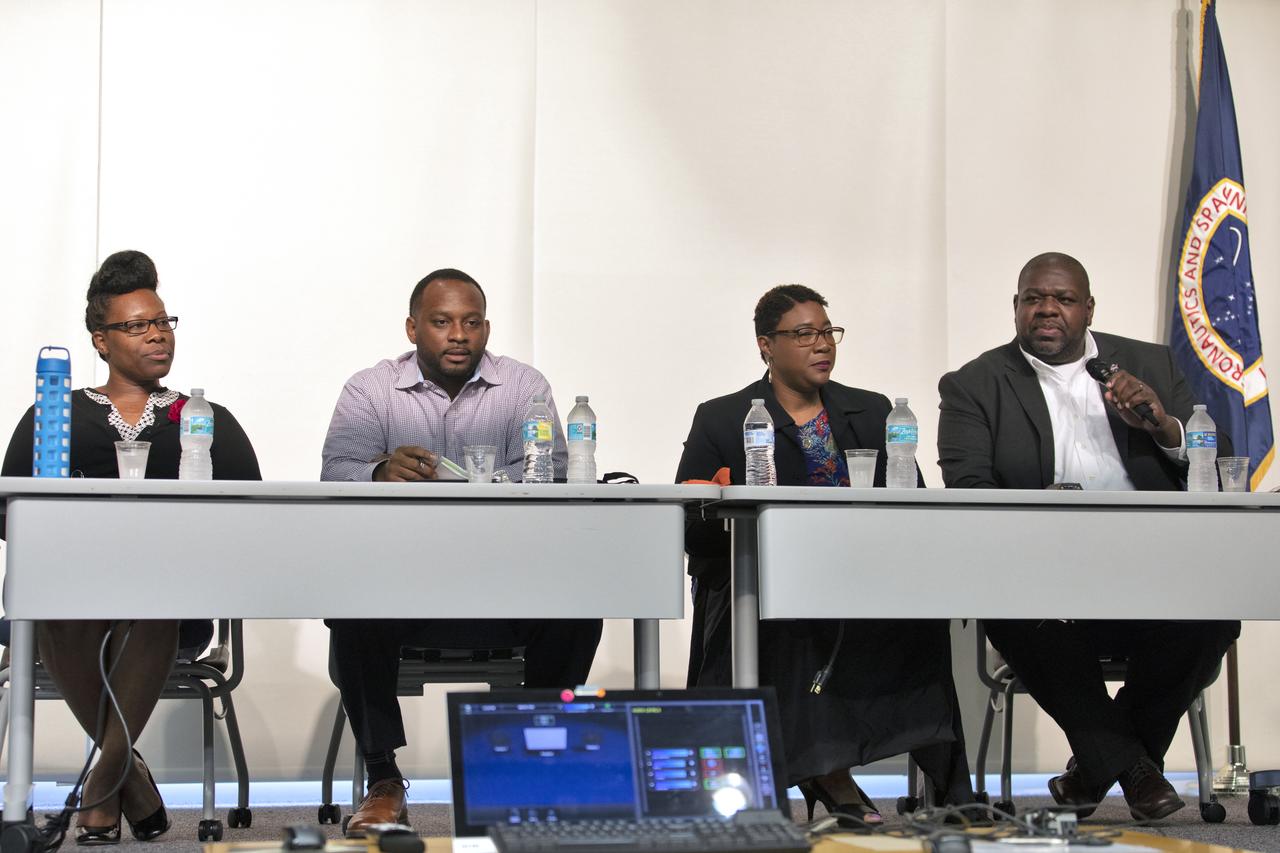
In recognition of Black History Month, the Black Employee Strategy Team hosted a panel discussion featuring some of the future leaders of NASA’s Kennedy Space Center on Feb. 13, 2019. Participants from left, are Tamiko Fletcher, Kennedy’s chief security information officer in IT Security; Anthony Harris, chief, Facility Systems Branch in Safety and Mission Assurance; Charmel Anderson-Jones, senior cross program quality engineer in the Safety and Mission Assurance Directorate, Exploration Ground Systems Division; and Malcolm Boston, contracting officer representative in the Launch Services Program. They shared personal testimony about their journey toward NASA employment, leadership styles and keys to their success.

Marshall Space Flight Center's Black History Month program with Yotodsha Fields speaking on the history of historic black colleges and universities.

Glenn Research Center, Black History Month Program for Center Employees

Glenn Research Center, Black History Month Program for Center Employees

Glenn Research Center, Black History Month Program for Center Employees

Black Holes in Caloris
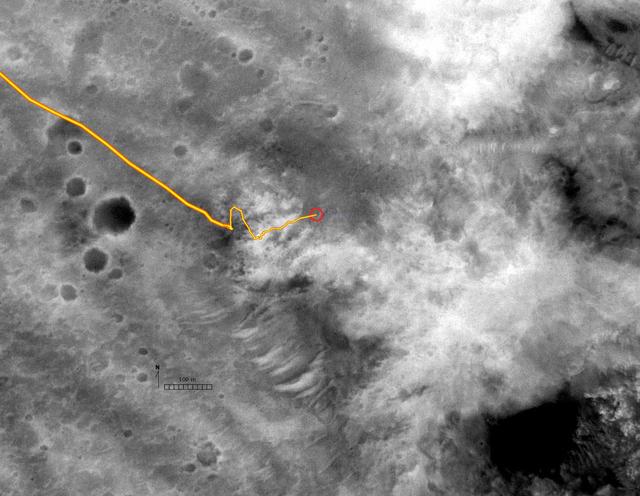
Spirit Route in Black and White
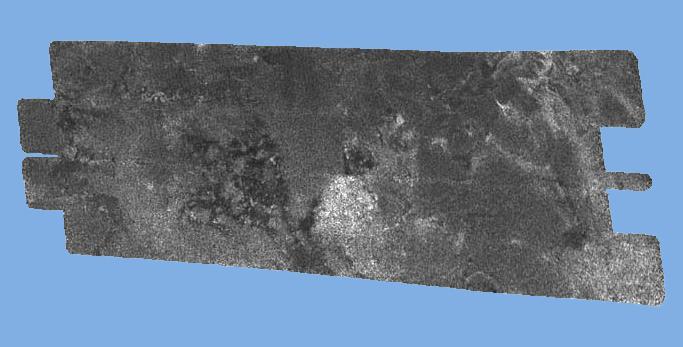
Black Cat on Titan
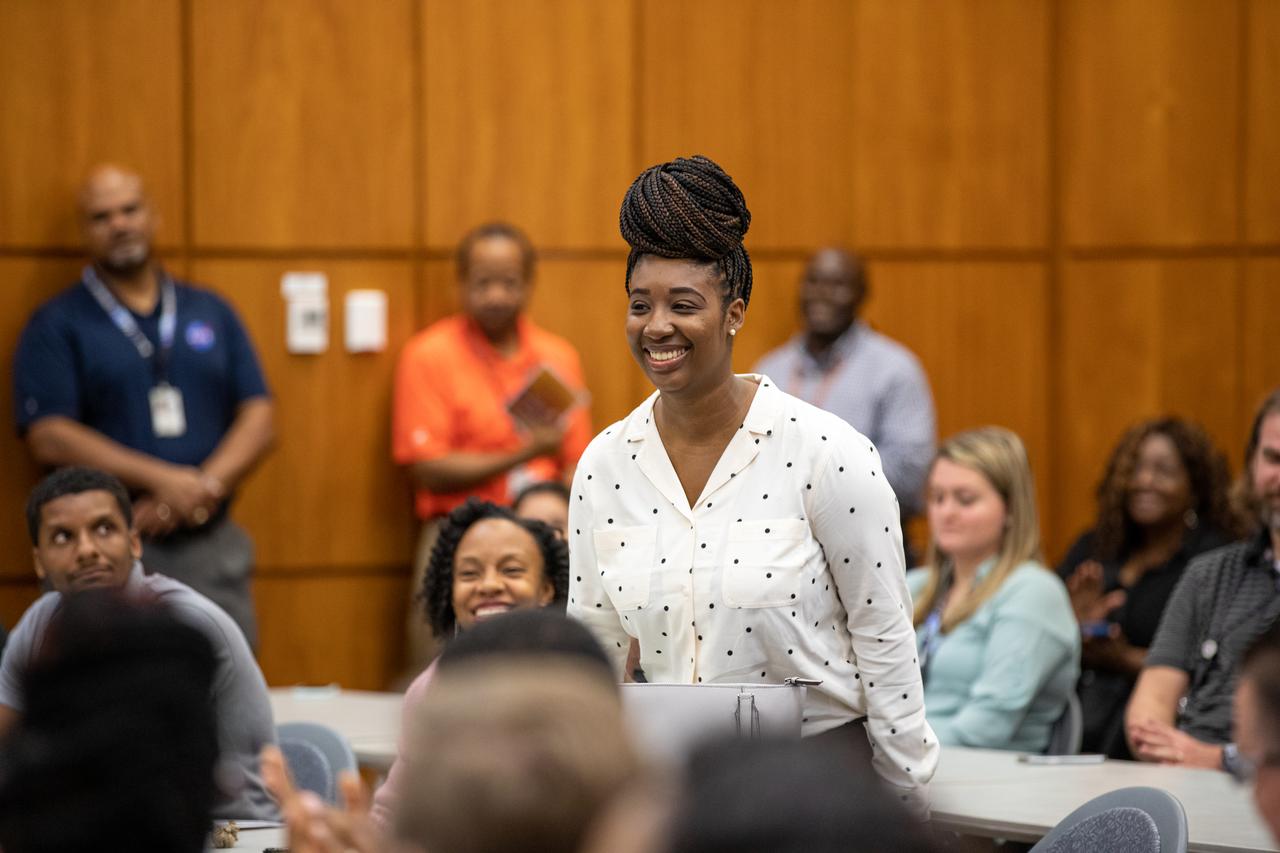
Jakebia Keith, program and contract analyst for the IT Resources Management Office and secretary for the Black Employee Strategy Team (BEST), one of the center’s employee resource groups, stands during recognition at the Black History Month celebration on Feb. 18, 2020, at NASA’s Kennedy Space Center in Florida. The program was organized by BEST. This year’s theme was “African Americans and the Vote.” James Jennings, former NASA associate administrator for Institutions and Management and former Kennedy Space Center deputy director, was keynote speaker at the event.
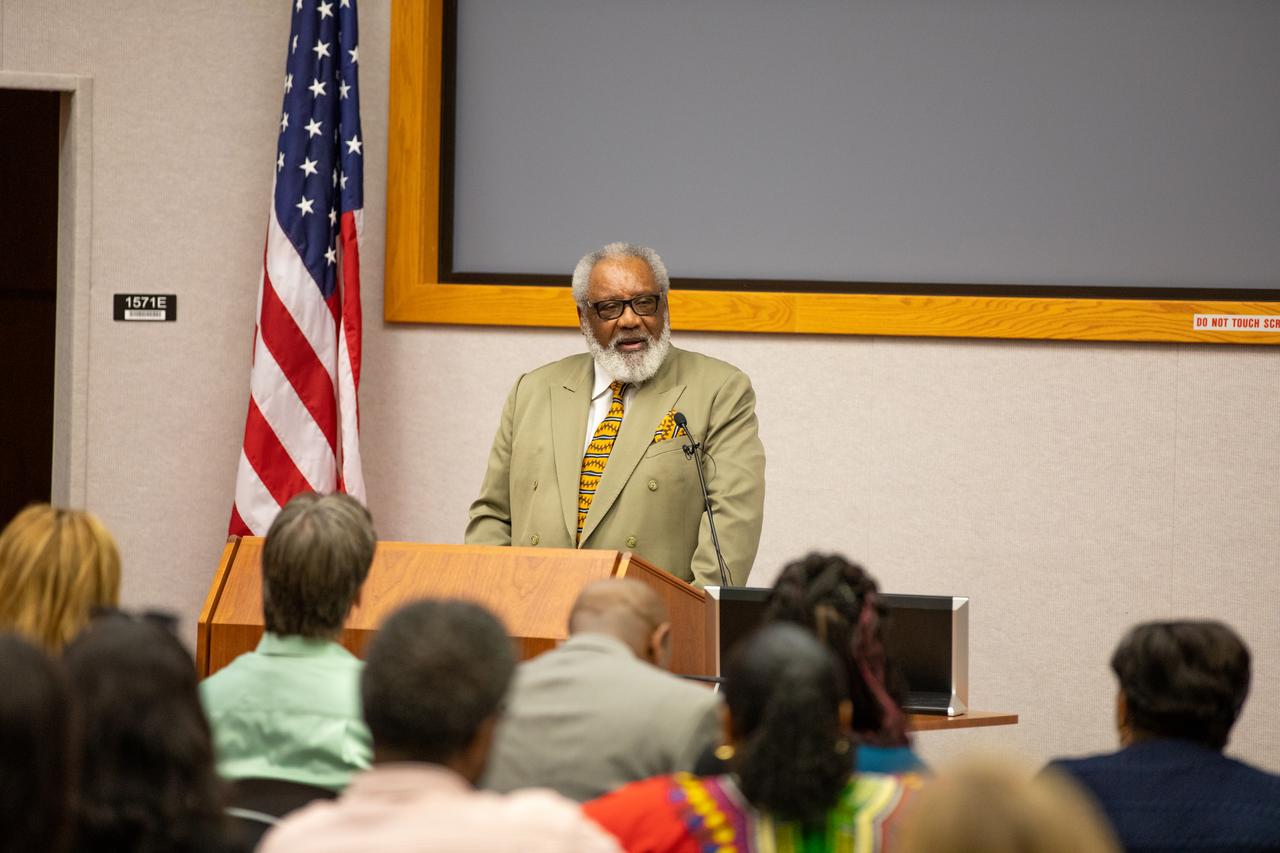
James Jennings, former NASA associate administrator for Institutions and Management and former Kennedy Space Center deputy director, was the keynote speaker at the center’s Black History Month celebration on Feb. 18, 2020. The program was organized by the Black Employee Strategy Team (BEST), one of the center’s employee resource groups. This year’s theme was “African Americans and the Vote.” Jennings shared advice with workers and managers.
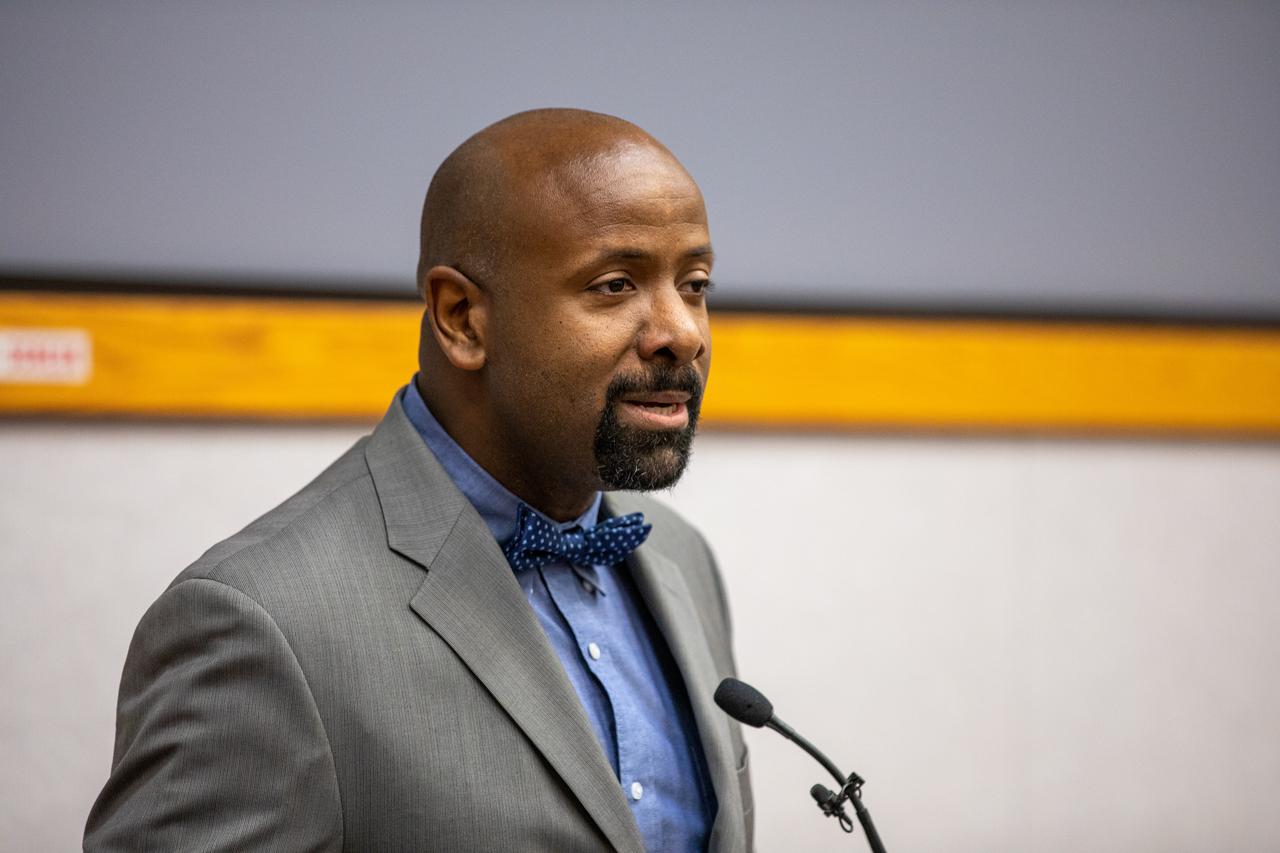
Martin Hayes, program analyst with Exploration Ground Systems and chairperson of the Black Employee Strategy Team (BEST), one of the center’s employee resource groups, speaks to attendees during a Black History Month celebration on Feb. 18, 2020, at NASA’s Kennedy Space Center in Florida. The program was organized by BEST. This year’s theme was “African Americans and the Vote.” James Jennings, former NASA associate administrator for Institutions and Management and former Kennedy Space Center deputy director, was keynote speaker at the event.
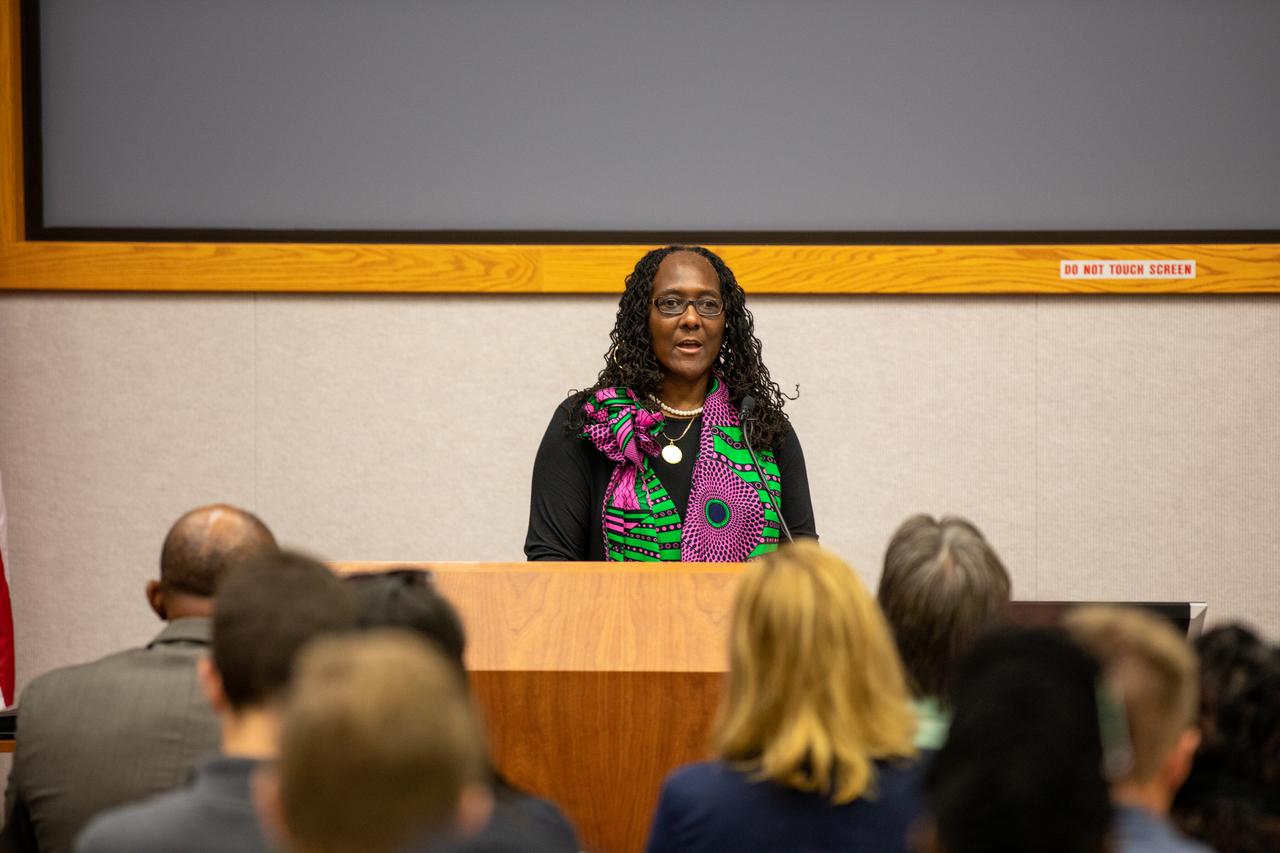
During a Black History Month celebration on Feb. 18, 2020 at NASA’s Kennedy Space Center in Florida, Hortense Diggs, director of Communication and Public Engagement, commemorates the contributions of former NASA employee and mentor Roslyn McKinney. The program was organized by the Black Employee Strategy Team (BEST), one of the center’s employee resource groups. This year’s theme was “African Americans and the Vote.” Keynote speaker was James Jennings, former NASA associate administrator for Institutions and Management and Kennedy’s former deputy director. Jennings shared advice with workers and managers.
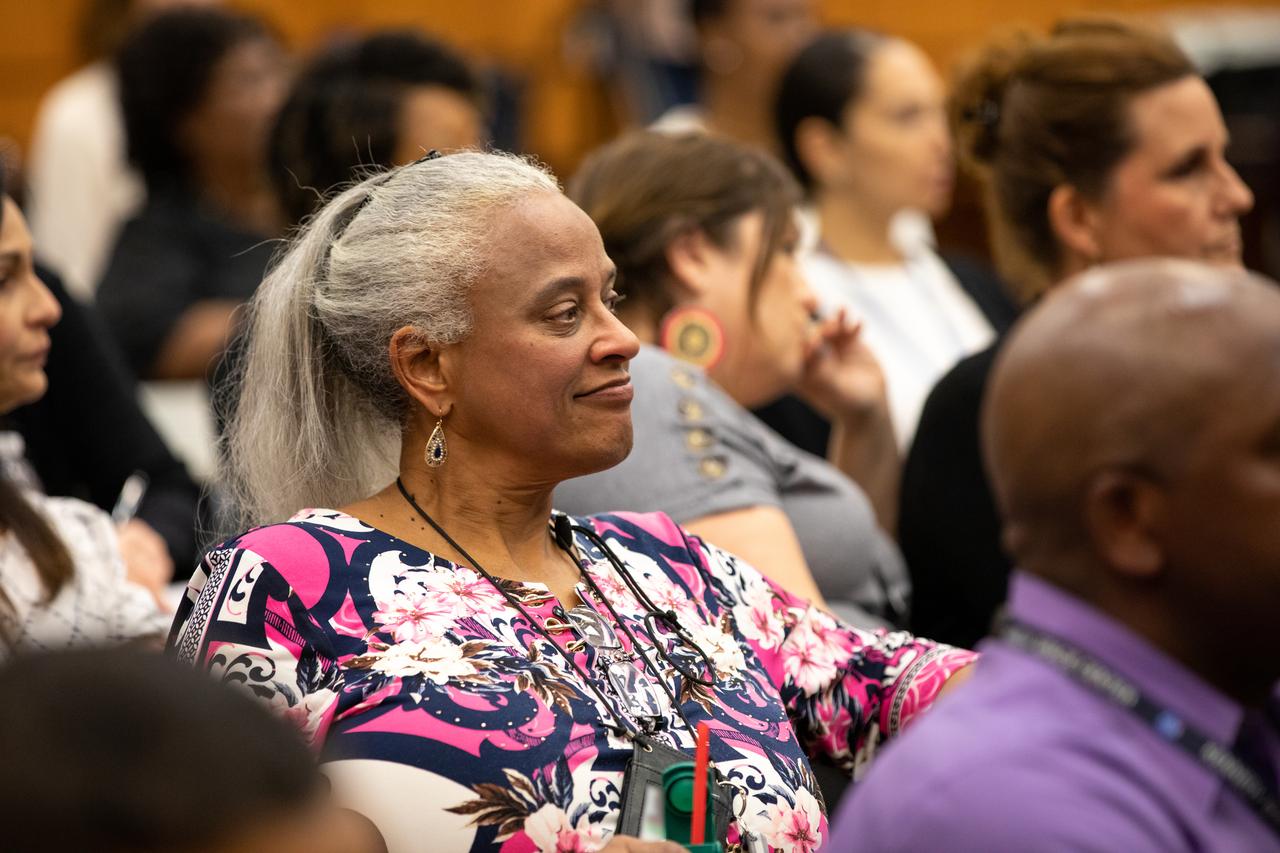
NASA and contractor workers attend a Black History Month celebration at Kennedy Space Center in Florida on Feb. 18, 2020. James Jennings, former NASA associate administrator for Institutions and Management and former Kennedy Space Center deputy director, was the keynote speaker. The program was organized by the Black Employee Strategy Team (BEST), one of the center’s employee resource groups. This year’s theme was “African Americans and the Vote.” Jennings shared advice with workers and managers.
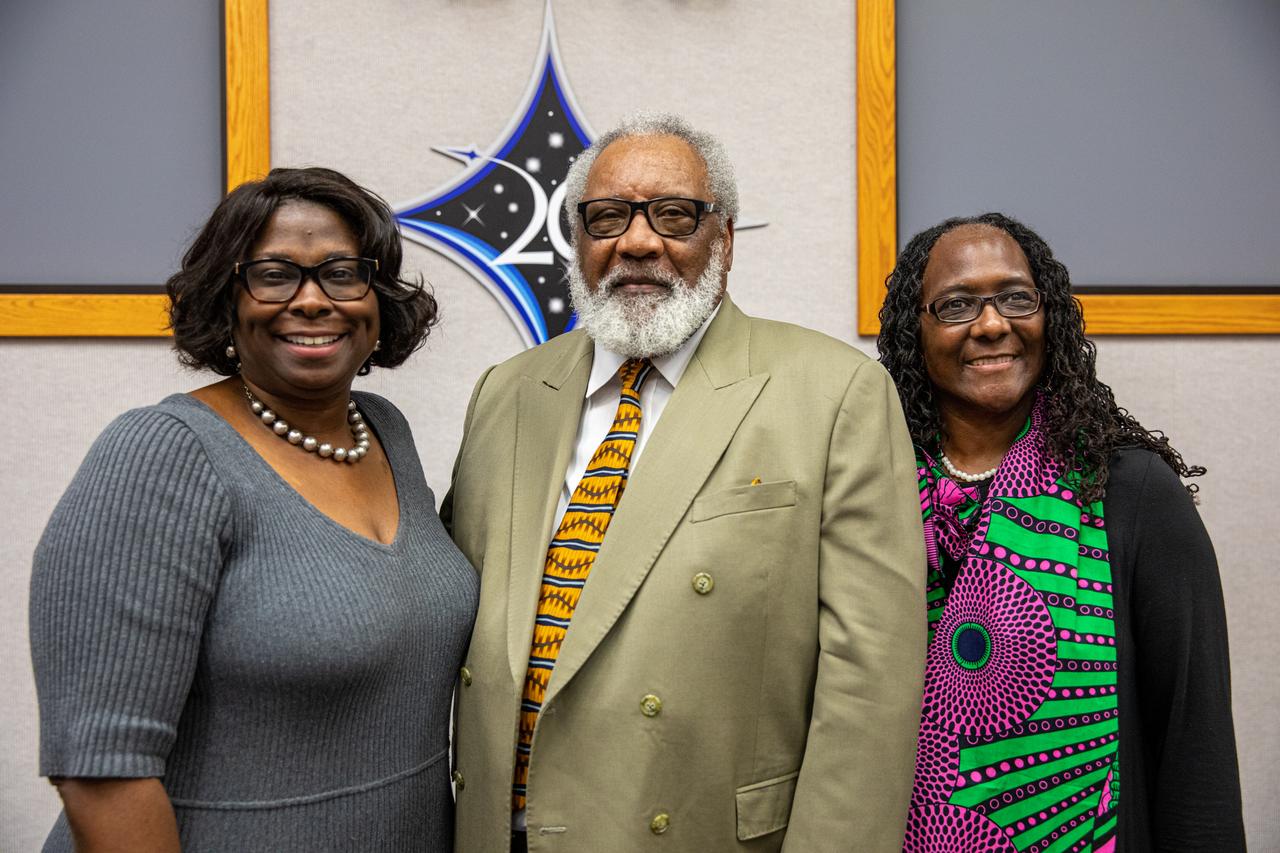
A Black History Month celebration was held on Feb. 18, 2020 at NASA’s Kennedy Space Center in Florida. The program was organized by the Black Employee Strategy Team (BEST), one of the center’s employee resource groups. This year’s theme was “African Americans and the Vote.” From left are Kim Carter, associate program manager, Exploration Ground Systems; James Jennings, keynote speaker, former NASA associate administrator for Institutions and Management and Kennedy’s former deputy director; and Hortense Diggs, director of Communication and Public Engagement.
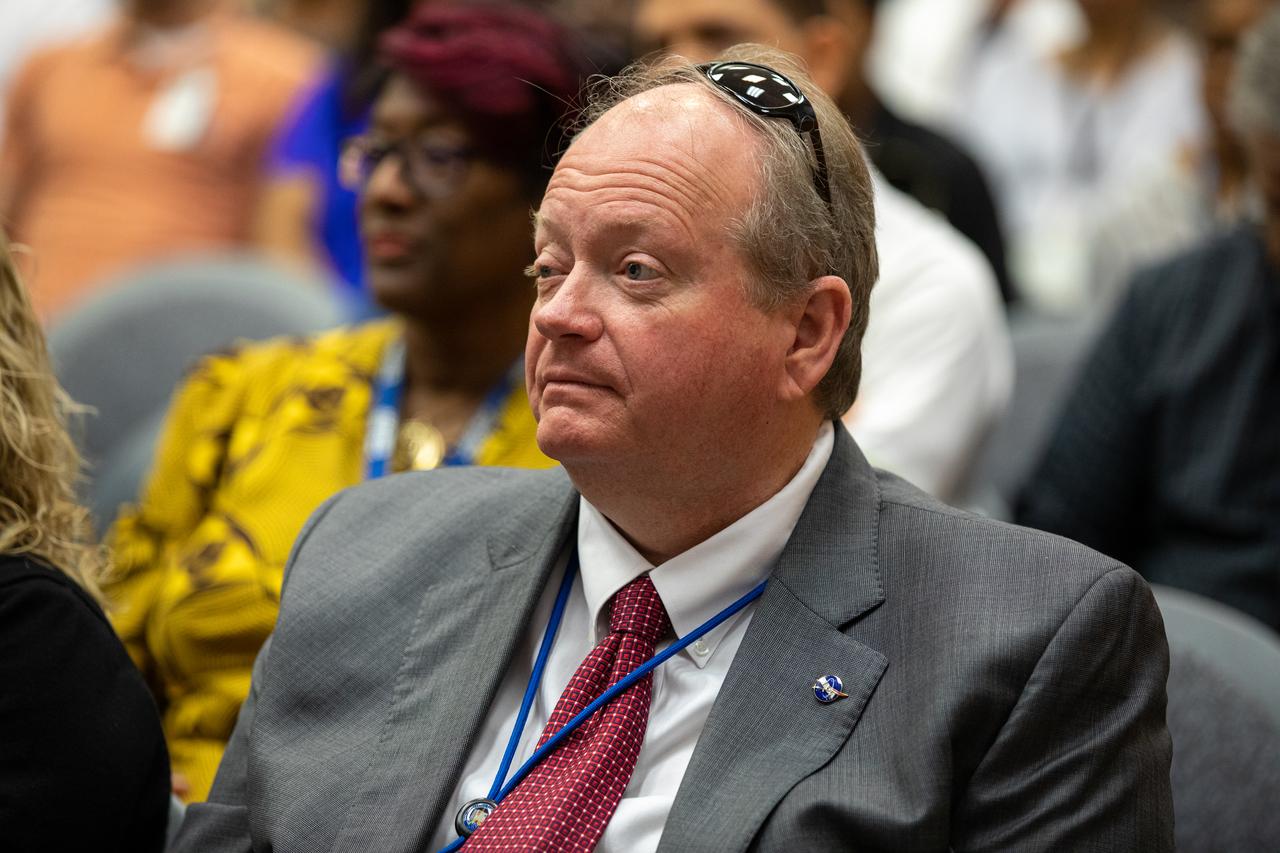
Burt Summerfield, associate director, management, attends the Black History Month celebration at Kennedy Space Center in Florida on Feb. 18, 2020. The program was organized by the Black Employee Strategy Team (BEST), one of the center’s employee resource groups. This year’s theme was “African Americans and the Vote.” Keynote speaker was James Jennings, former NASA associate administrator for Institutions and Management and Kennedy’s former deputy director. Jennings shared advice with workers and managers.

Kelvin Manning, associate director, technical, attends the Black History Month celebration at Kennedy Space Center in Florida on Feb. 18, 2020. The program was organized by the Black Employee Strategy Team (BEST), one of the center’s employee resource groups. This year’s theme was “African Americans and the Vote.” Keynote speaker was James Jennings, former NASA associate administrator for Institutions and Management and Kennedy’s former deputy director. Jennings shared advice with workers and managers.
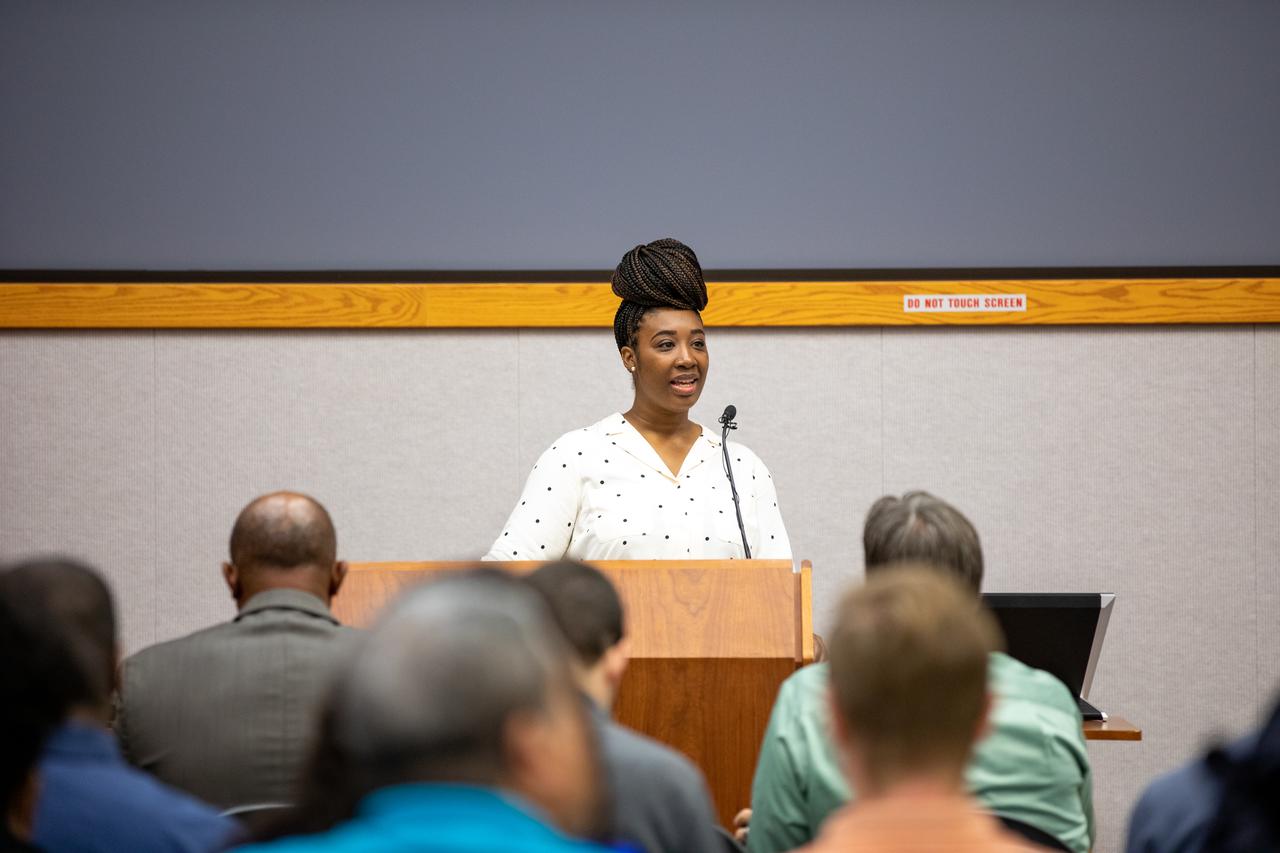
Jakebia Keith, program and contract analyst for the IT Resources Management Office, welcomes NASA and contractor workers to the Black History Month celebration at NASA’s Kennedy Space Center in Florida on Feb. 18, 2020. The program was organized by the Black Employee Strategy Team (BEST), one of the center’s employee resource groups. This year’s theme was “African Americans and the Vote.” Keynote speaker was James Jennings, former NASA associate administrator for Institutions and Management and Kennedy’s former deputy director. Jennings shared advice with workers and managers.
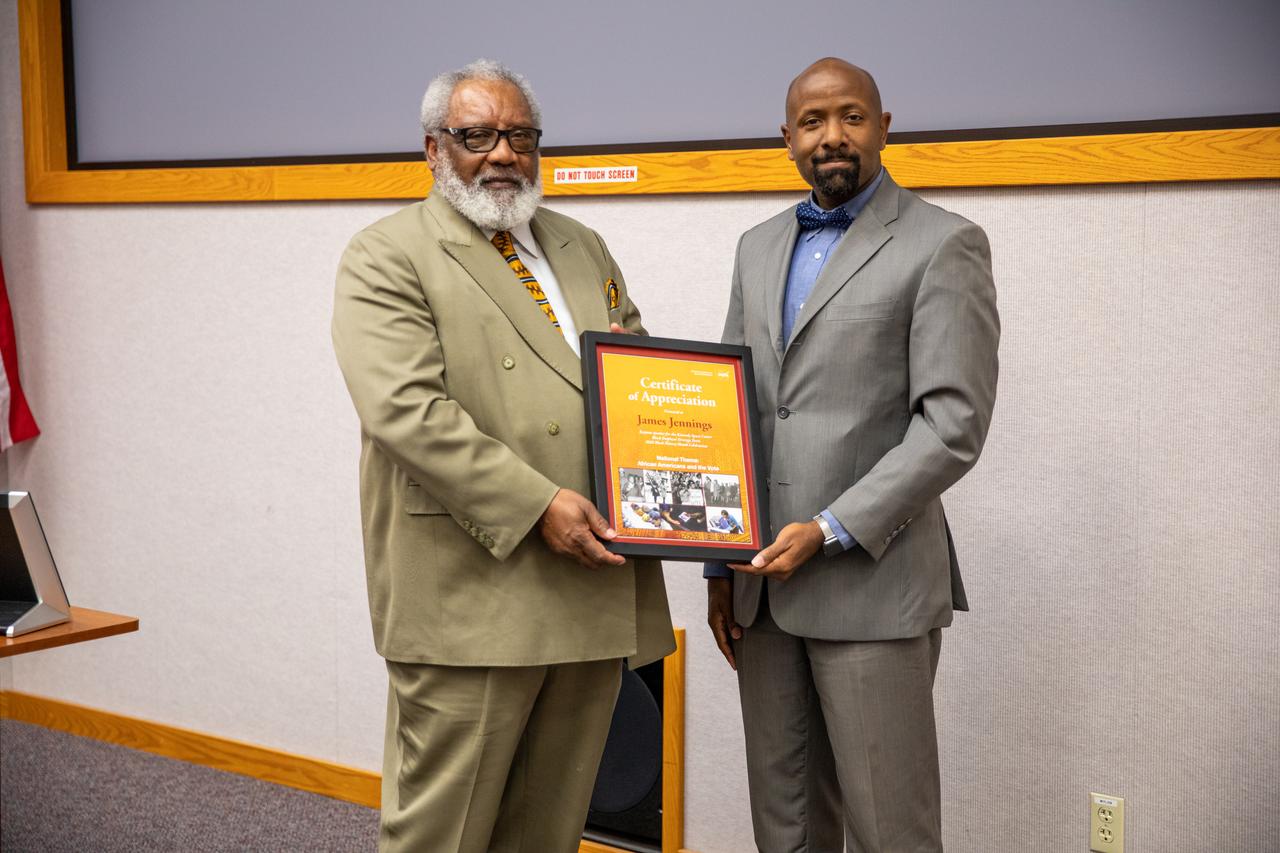
James Jennings, at left, former NASA associate administrator for Institutions and Management and former Kennedy Space Center deputy director, was the keynote speaker at the center’s Black History Month celebration on Feb. 18, 2020. He received a Certificate of Appreciation from the program’s organizer, the Black Employee Strategy Team (BEST), one of the center’s employee resource groups. At right is Martin Hayes, program analyst with Exploration Ground Systems and BEST chairperson. This year’s theme was “African Americans and the Vote.” Jennings shared advice with workers and managers.
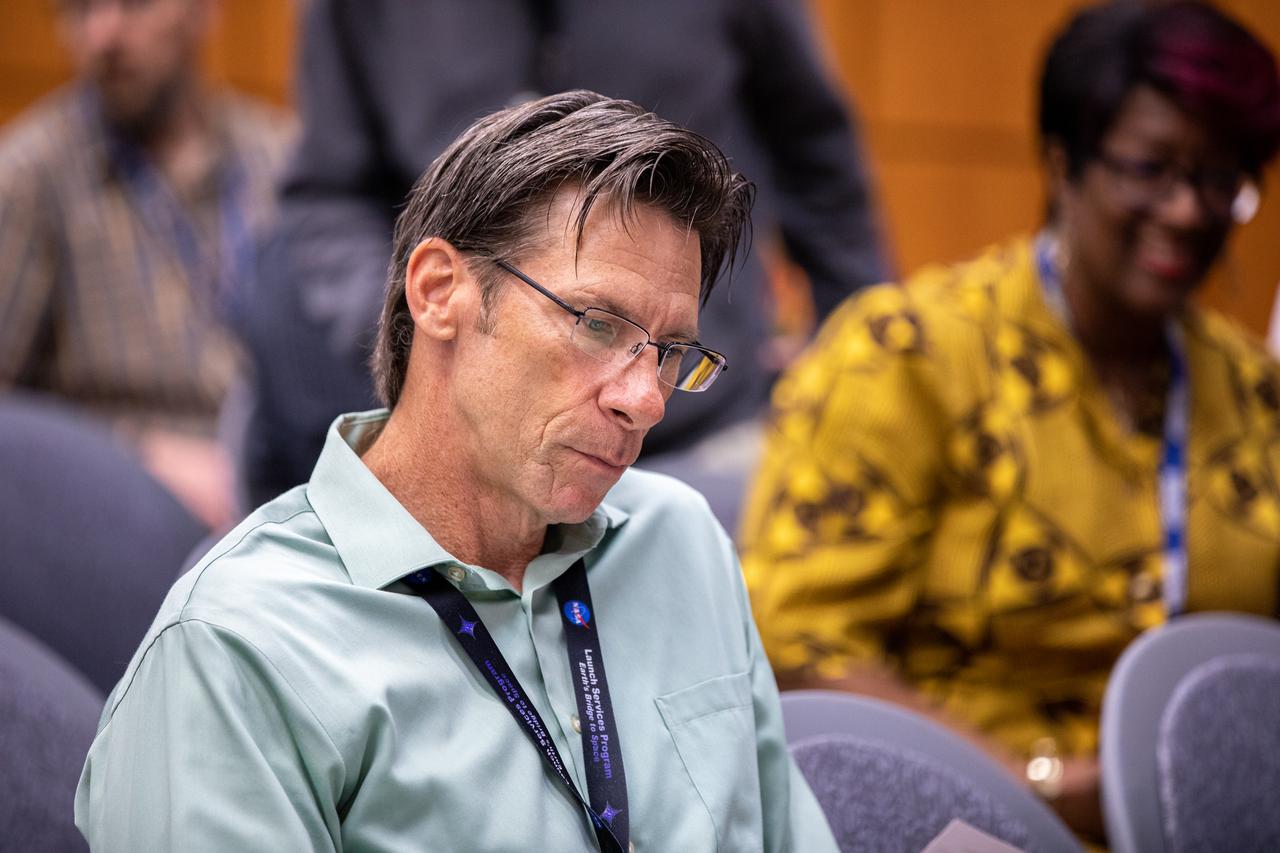
Chuck Dovale, deputy director of NASA’s Launch Services Program, attends the Black History Month celebration at Kennedy Space Center in Florida on Feb. 18, 2020. The program was organized by the Black Employee Strategy Team (BEST), one of the center’s employee resource groups. This year’s theme was “African Americans and the Vote.” Keynote speaker was James Jennings, former NASA associate administrator for Institutions and Management and Kennedy’s former deputy director. Jennings shared advice with workers and managers.
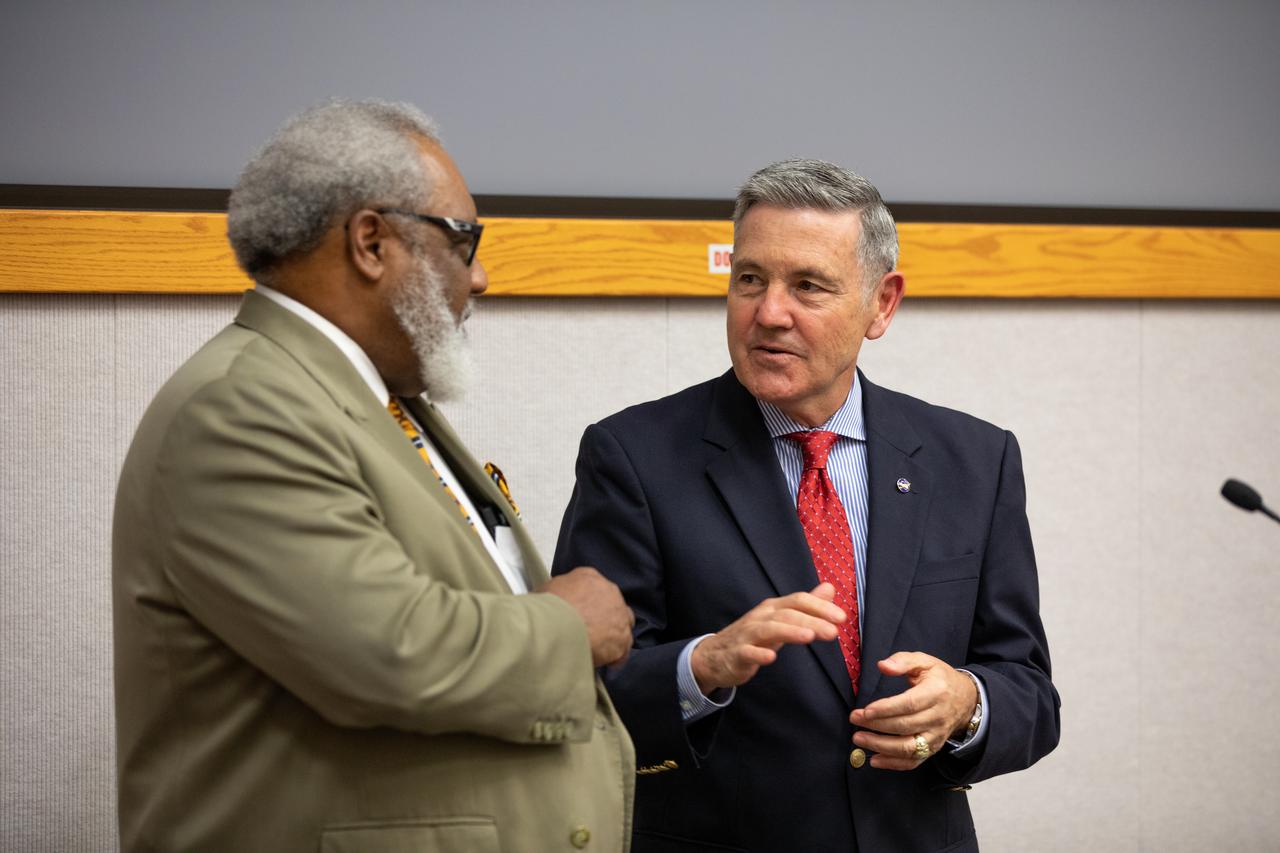
Kennedy Space Center Director Bob Cabana, at right, speaks with James Jennings, former NASA associate administrator for Institutions and Management and former Kennedy deputy director, during the center’s Black History Month celebration on Feb. 18, 2020. Jennings was the keynote speaker. The program was organized by the Black Employee Strategy Team (BEST), one of the center’s employee resource groups. This year’s theme was “African Americans and the Vote.” Jennings shared advice with workers and managers.
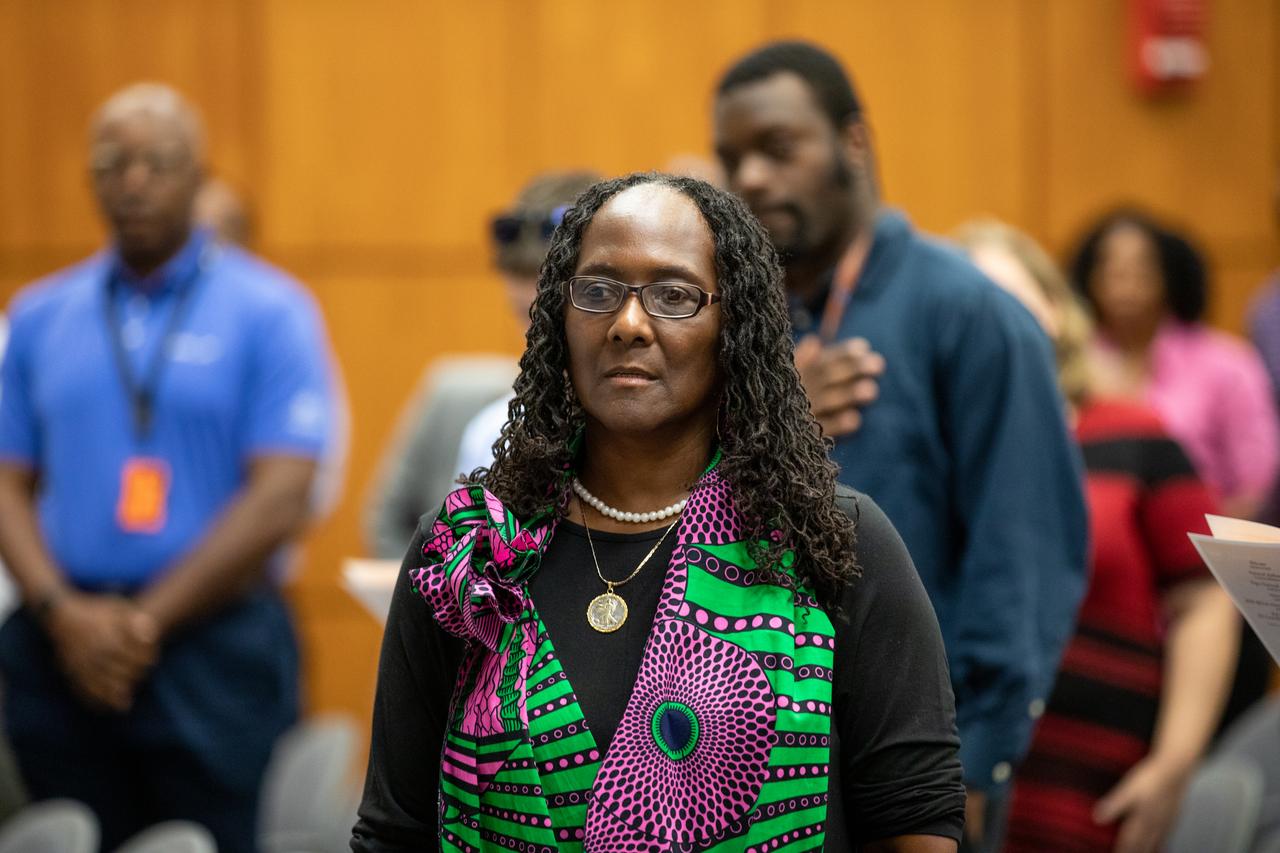
Hortense Diggs, director of Communication and Public Engagement, stands during the singing of the National Anthem at the Black History Month celebration at NASA’s Kennedy Space Center in Florida on Feb. 18, 2020. The program was organized by the Black Employee Strategy Team (BEST), one of the center’s employee resource groups. This year’s theme was “African Americans and the Vote.” Keynote speaker was James Jennings, former NASA associate administrator for Institutions and Management and Kennedy’s former deputy director. Jennings shared advice with workers and managers.

Kelvin Manning, Kennedy Space Center’s associate director, technical, addresses the audience during a Black History Month celebration at the center on Feb. 18, 2020. The program was organized by the Black Employee Strategy Team (BEST), one of the center’s employee resource groups. This year’s theme was “African Americans and the Vote.” Keynote speaker was James Jennings, former NASA associate administrator for Institutions and Management and Kennedy’s former deputy director. Jennings shared advice with workers and managers.
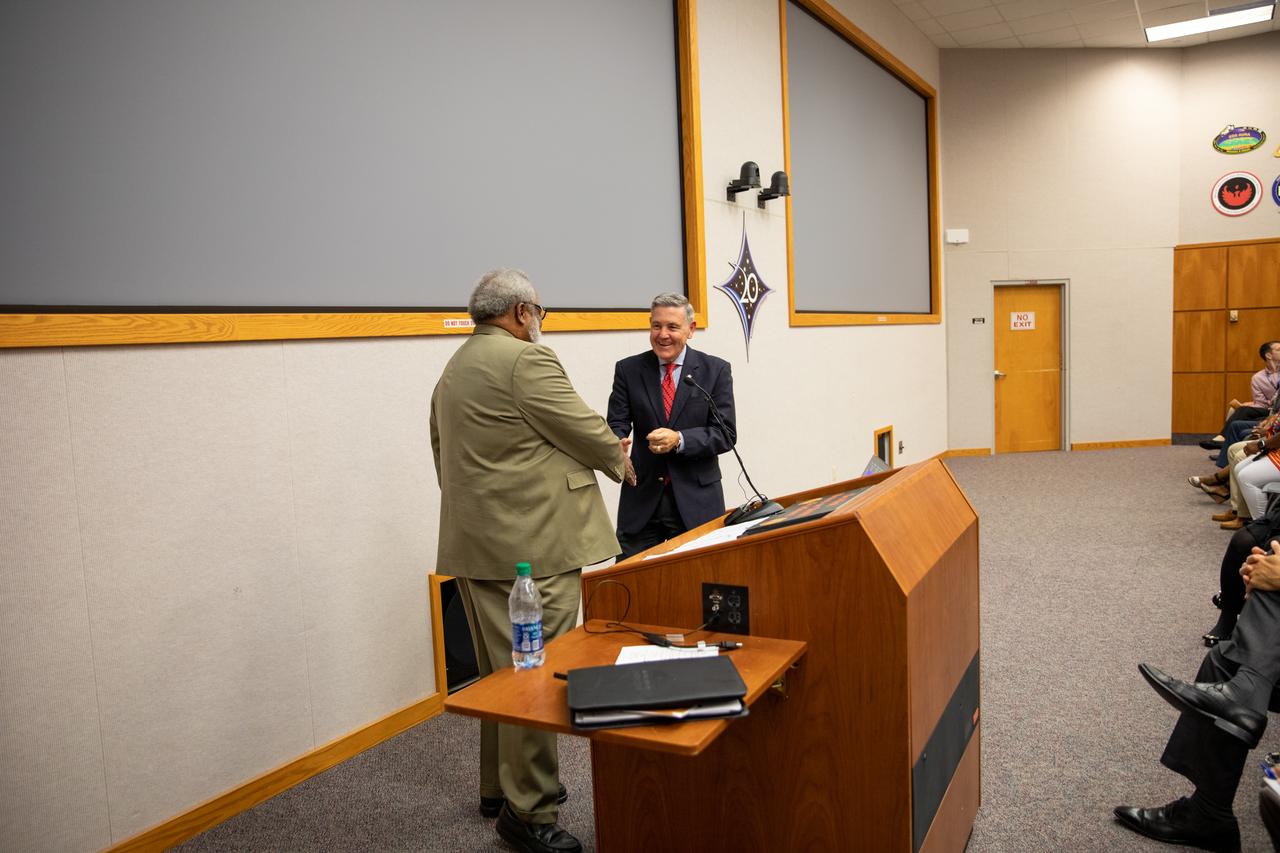
Kennedy Space Center Director Bob Cabana, at right, greets James Jennings, former NASA associate administrator for Institutions and Management and former Kennedy deputy director, during the center’s Black History Month celebration on Feb. 18, 2020. Jennings was the event’s keynote speaker. The program was organized by the Black Employee Strategy Team (BEST), one of the center’s employee resource groups. This year’s theme was “African Americans and the Vote.” Jennings shared advice with workers and managers.
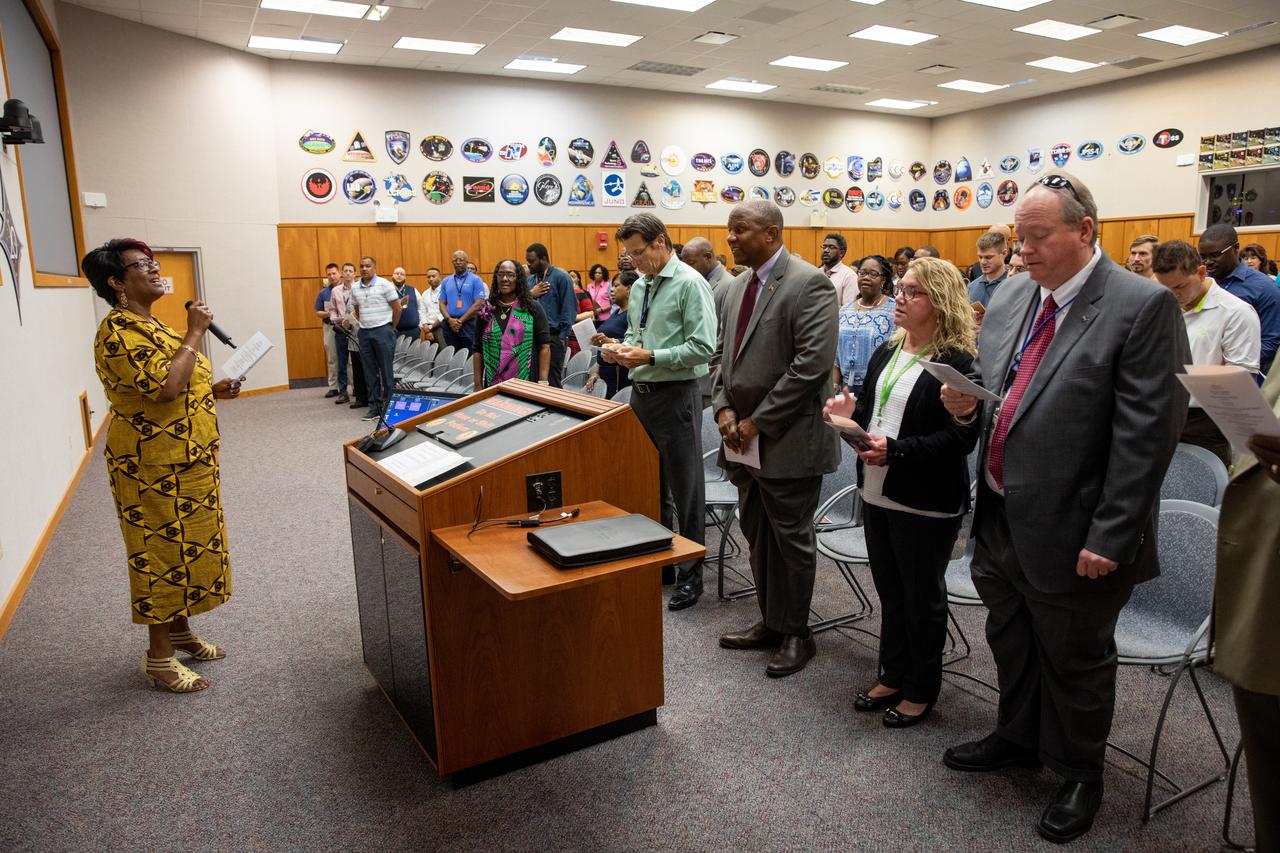
Yvonne Williams, in front, administrative assistant with Jacobs, sings the National Anthem at the start of the Black History Month celebration at NASA’s Kennedy Space Center in Florida on Feb. 18, 2020. The program was organized by the Black Employee Strategy Team (BEST), one of the center’s employee resource groups. This year’s theme was “African Americans and the Vote.” Keynote speaker was James Jennings, former NASA associate administrator for Institutions and Management and Kennedy’s former deputy director. Jennings shared advice with workers and managers.

James Jennings, former NASA associate administrator for Institutions and Management and former Kennedy Space Center deputy director, was the keynote speaker at the center’s Black History Month celebration on Feb. 18, 2020. The program was organized by the Black Employee Strategy Team (BEST), one of the center’s employee resource groups. This year’s theme was “African Americans and the Vote.” Jennings shared advice with workers and managers.
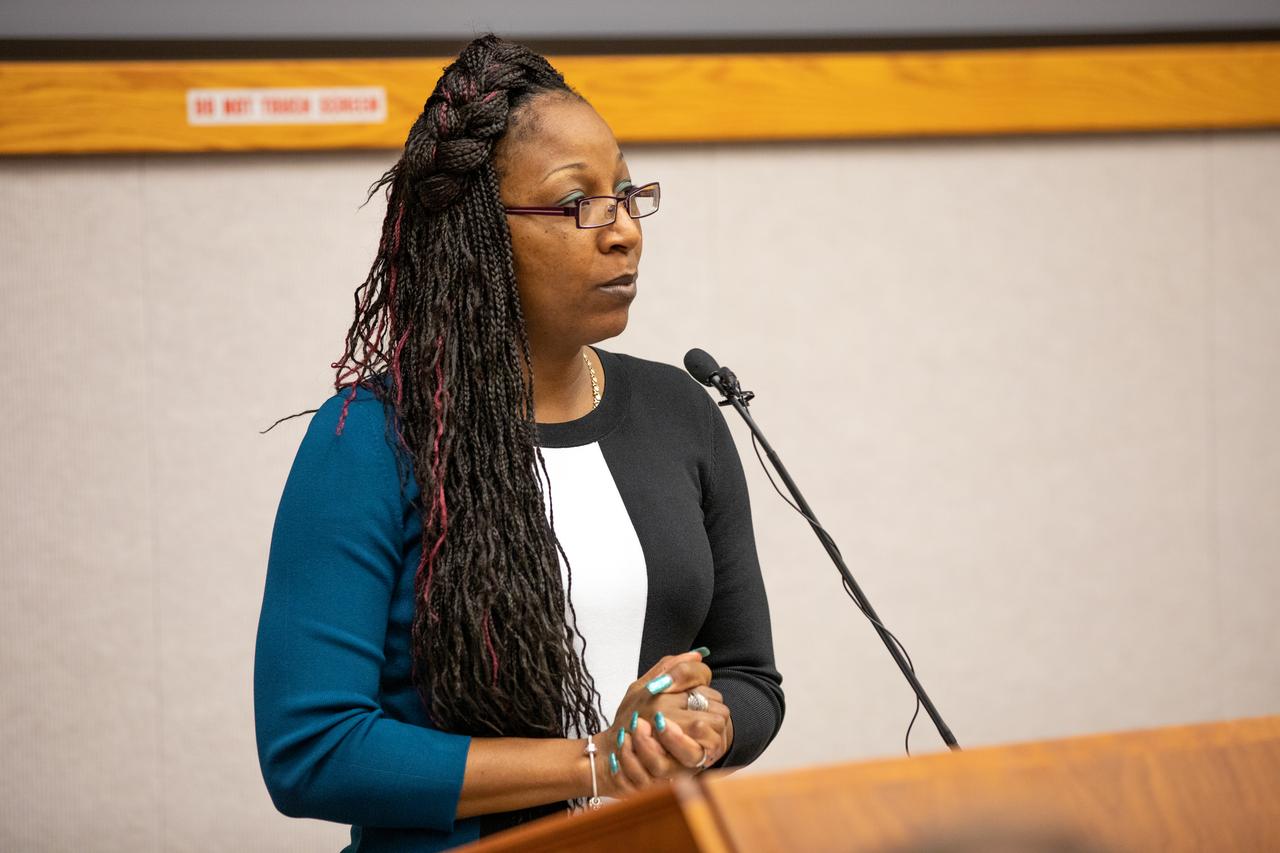
Henrietta Hanner, an administrative assistant in Safety and Mission Assurance, speaks about the theme of this year’s Black History Month celebration at NASA’s Kennedy Space Center in Florida on Feb. 18, 2020. The program was organized by the Black Employee Strategy Team (BEST), one of the center’s employee resource groups. This year’s theme was “African Americans and the Vote.” Keynote speaker was James Jennings, former NASA associate administrator for Institutions and Management and Kennedy’s former deputy director. Jennings shared advice with workers and managers.
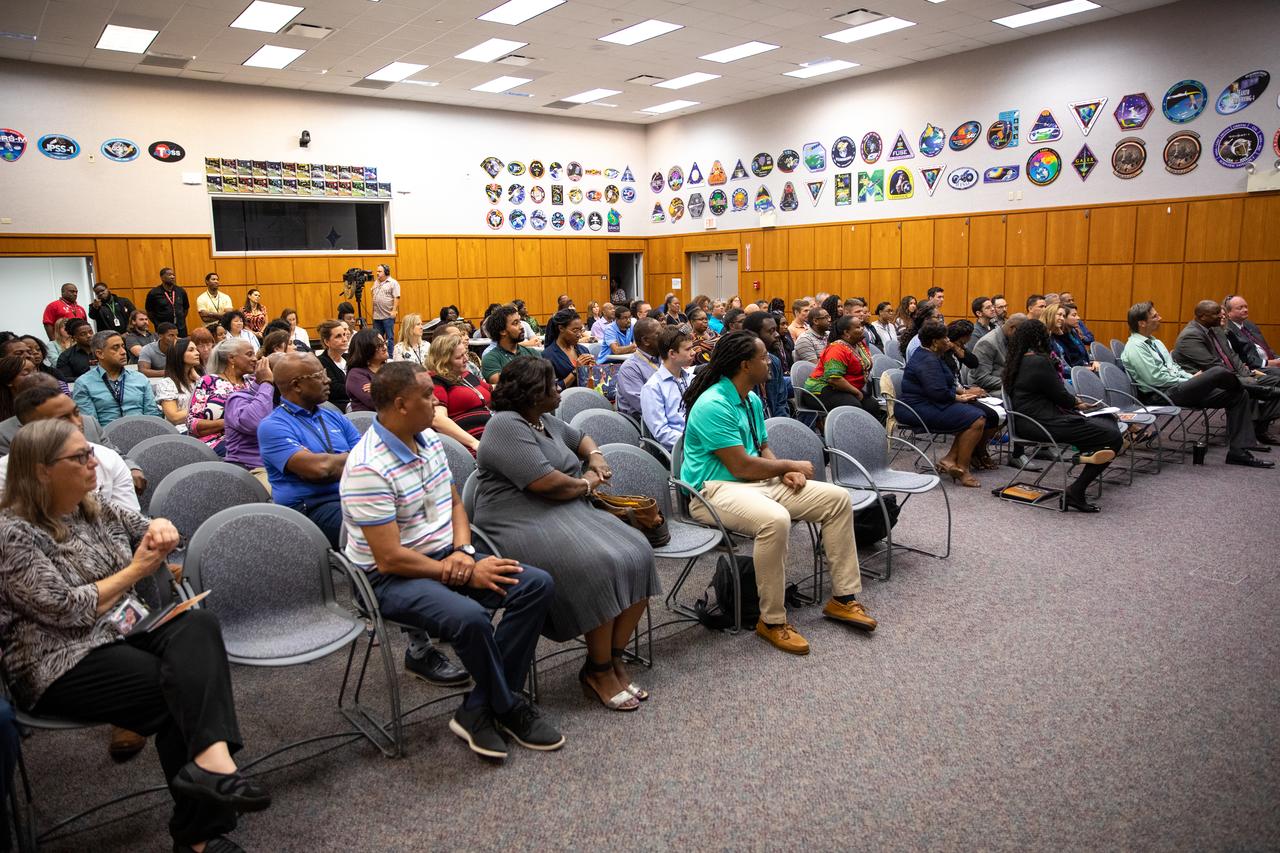
NASA and contractor workers attend a Black History Month celebration at Kennedy Space Center in Florida on Feb. 18, 2020. James Jennings, former NASA associate administrator for Institutions and Management and former Kennedy Space Center deputy director, was the keynote speaker. The program was organized by the Black Employee Strategy Team (BEST), one of the center’s employee resource groups. This year’s theme was “African Americans and the Vote.” Jennings shared advice with workers and managers.
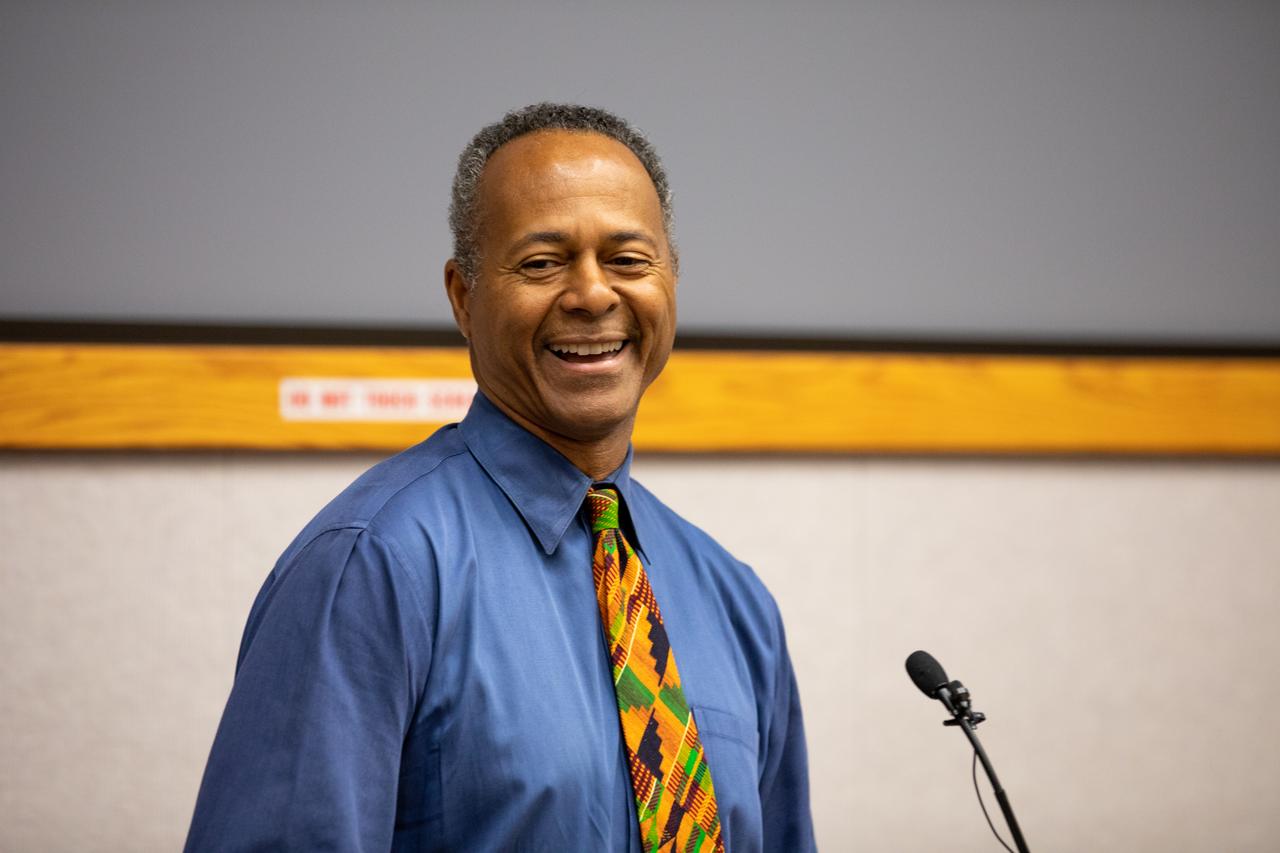
Michael Bell, chief, Knowledge Office, introduces keynote speaker James Jennings during the Black History Month celebration at NASA’s Kennedy Space Center in Florida on Feb. 18, 2020. Jennings is the former associate administrator for NASA Institutions and Management and former deputy director of Kennedy. The program was organized by the Black Employee Strategy Team (BEST), one of the center’s employee resource groups. This year’s theme was “African Americans and the Vote.” Jennings shared advice with workers and managers.

Black History Month Program

Black History Month Program

This animation shows the events that serve as the basis of an astrophysics technique called "echo mapping," also known as reverberation mapping. At center is a supermassive black hole surrounded by a disk of material called an accretion disk. As the disk gets brighter it sometimes even releases short flares of visible light. Blue arrows show the light from this flash traveling away from the black hole, both toward an observer on Earth and toward an enormous, doughnut-shaped structure (called a torus) made of dust. The light gets absorbed, causing the dust to heat up and release infrared light. This brightening of the dust is a direct response to — or, one might, say an "echo" — of the changes happening in the disk. Red arrows show this light traveling away from the galaxy, in the same direction as the initial flash of visible light. Thus an observer would see the visible light first, and (with the right equipment) the infrared light later. Astronomers have previously proposed using echo mapping as a means of measuring distances to cosmic objects. If scientists can observe both the initial flare of visible light and the subsequent infrared brightening in the dust, they could in theory use that information to measure the disk's luminosity, which could then be used to measure the distance to that galaxy by comparing it to the galaxy's brightness as seen from Earth. The temperature in the part of the disk closest to the black hole can reach tens of thousands of degrees but decreases with distance. When it reaches about 2,200 degrees Fahrenheit (1,200 Celsius), it is cool enough for dust to form. The more luminous the disk, the farther away from it the dust forms and the longer it takes light from the disk to reach the dust and produce the "echo." The distance from the accretion disk to the inside of the dust doughnut can be billions or trillions of miles. Even light, traveling at 186,000 miles (300,000 kilometers) per second, can take months or years to cross it. NASA's Near Earth Object Wide Field Infrared Survey Explorer (NEOWISE), previously named WISE, surveys the entire sky about once every six months and is on track to complete 16 such surveys by the end of 2020, providing astronomers with repeated opportunities to observe galaxies and look for signs of those light echoes. A study using data from WISE measured the luminosity of over 500 black hole accretion disks using echo mapping, but the subsequent distance measurements lacked precision compared to other distance measuring techniques. Additional data and an improved understanding of dust torus dynamics could improve those measurements. Movie available at https://photojournal.jpl.nasa.gov/catalog/PIA23866
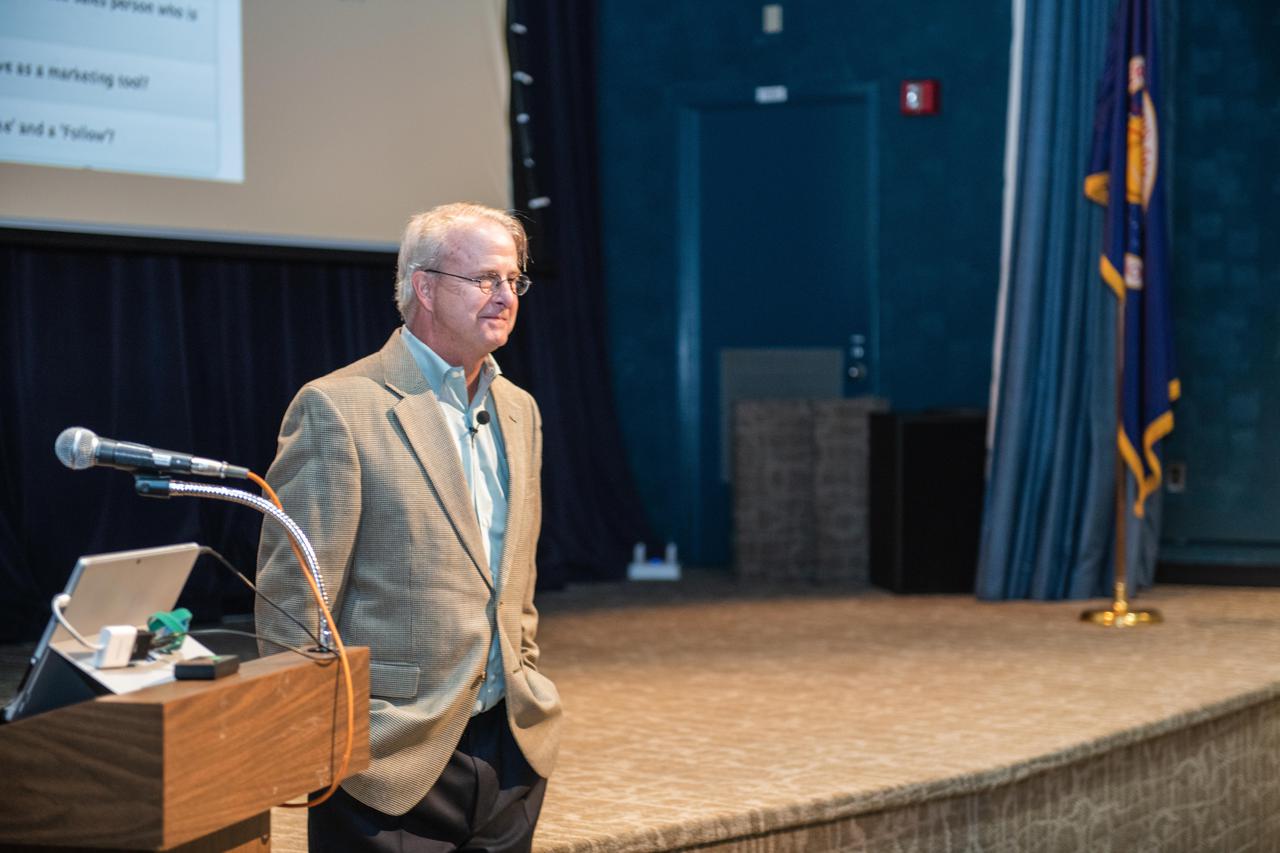
Glenn Research Center, Black History Month Program for Center Employees
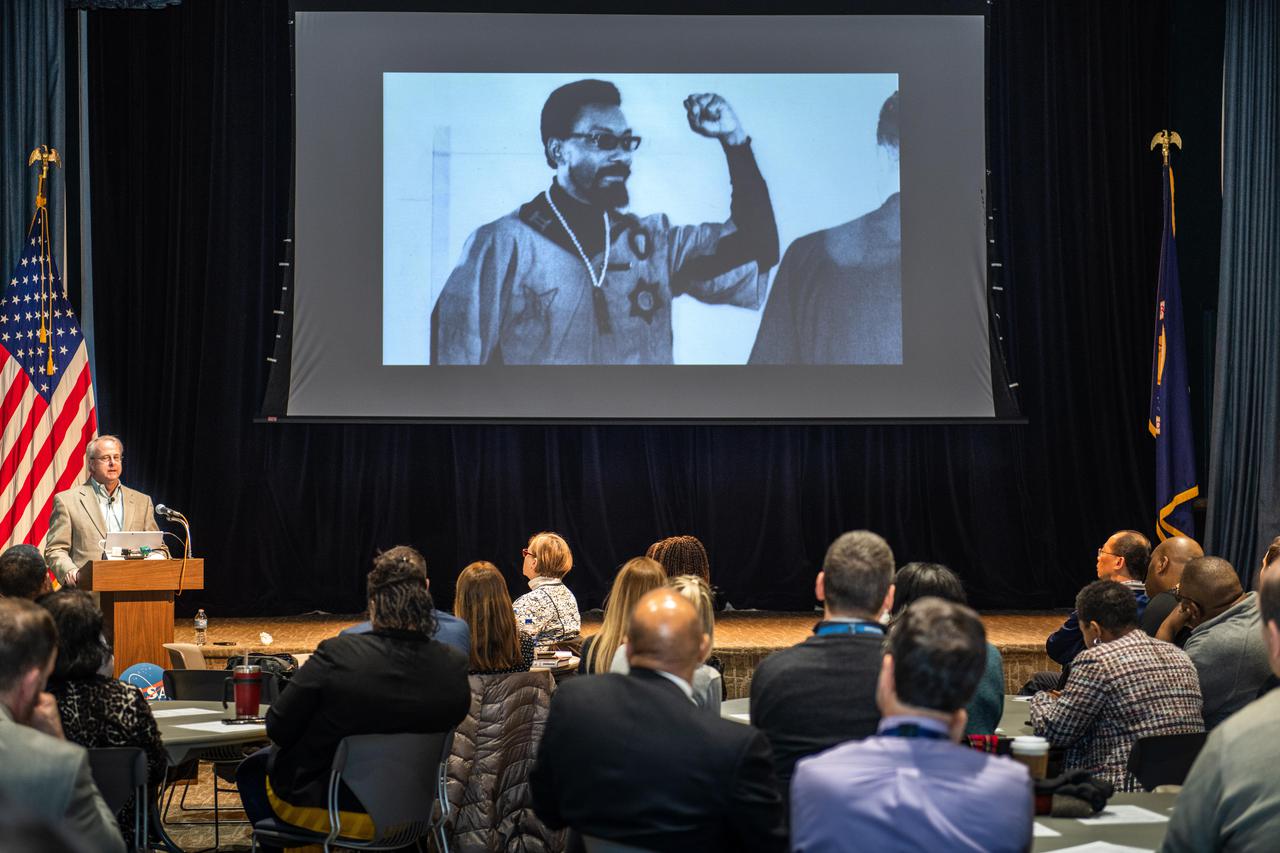
Glenn Research Center, Black History Month Program for Center Employees
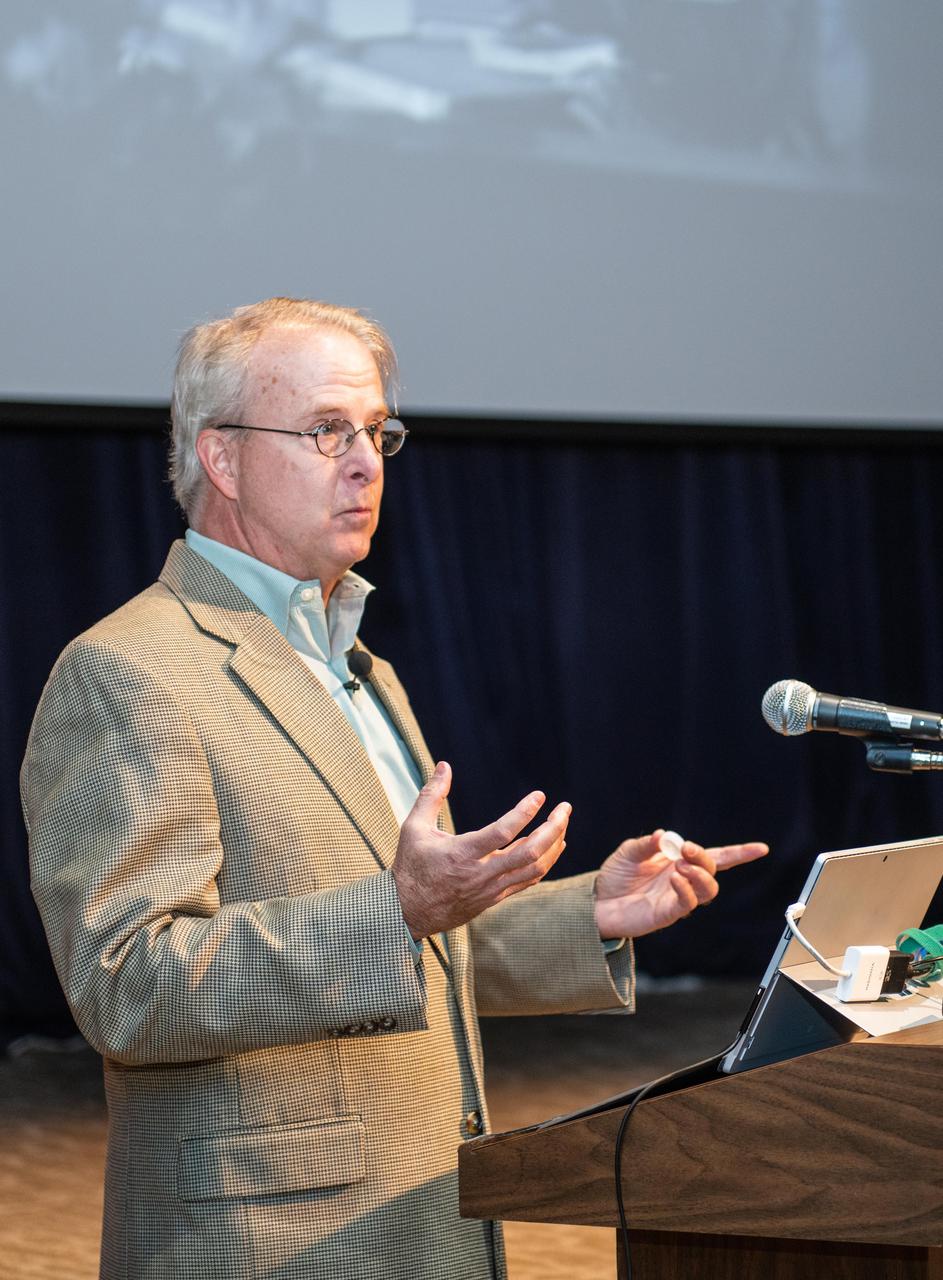
Glenn Research Center, Black History Month Program for Center Employees
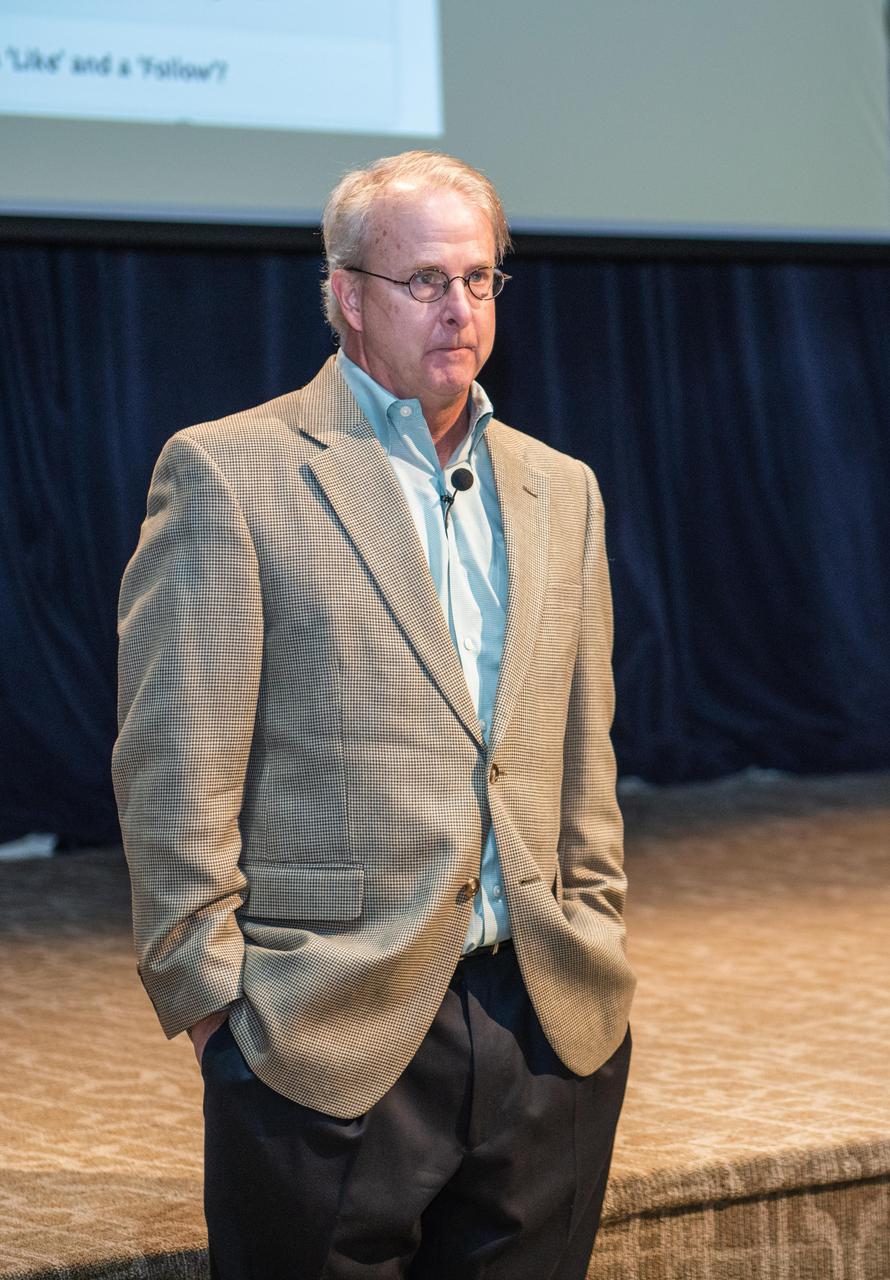
Glenn Research Center, Black History Month Program for Center Employees

Glenn Research Center, Black History Month Program for Center Employees
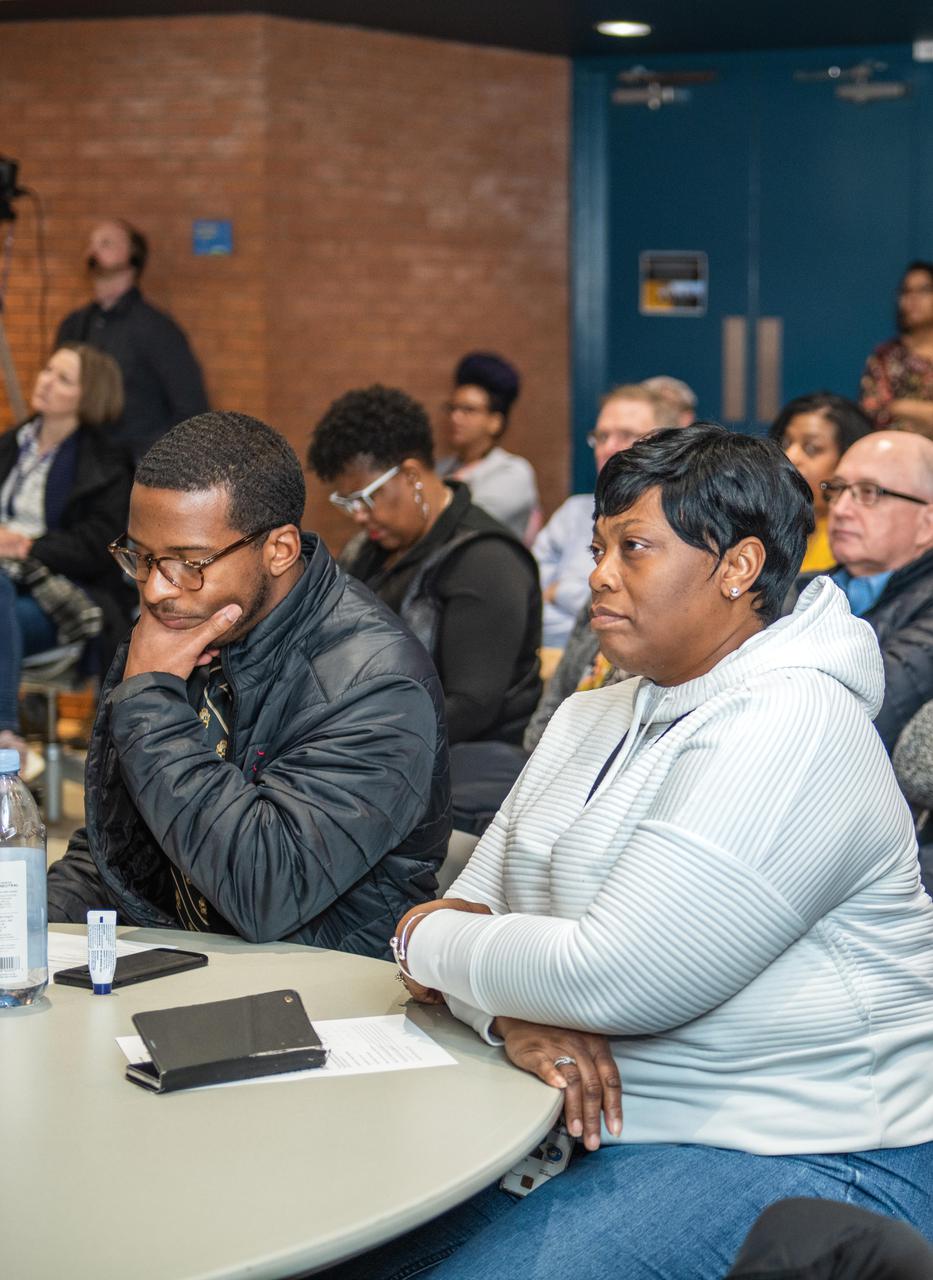
Glenn Research Center, Black History Month Program for Center Employees
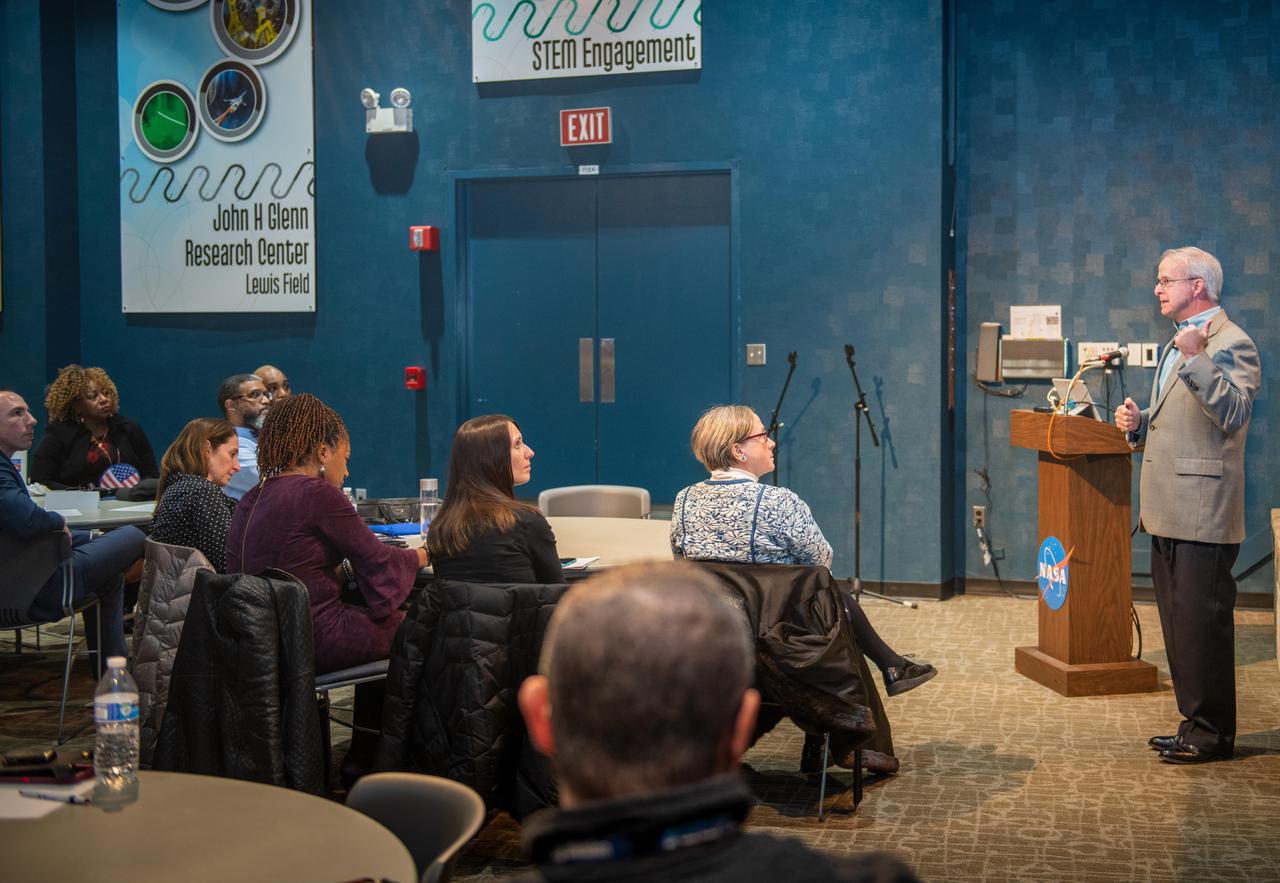
Glenn Research Center, Black History Month Program for Center Employees
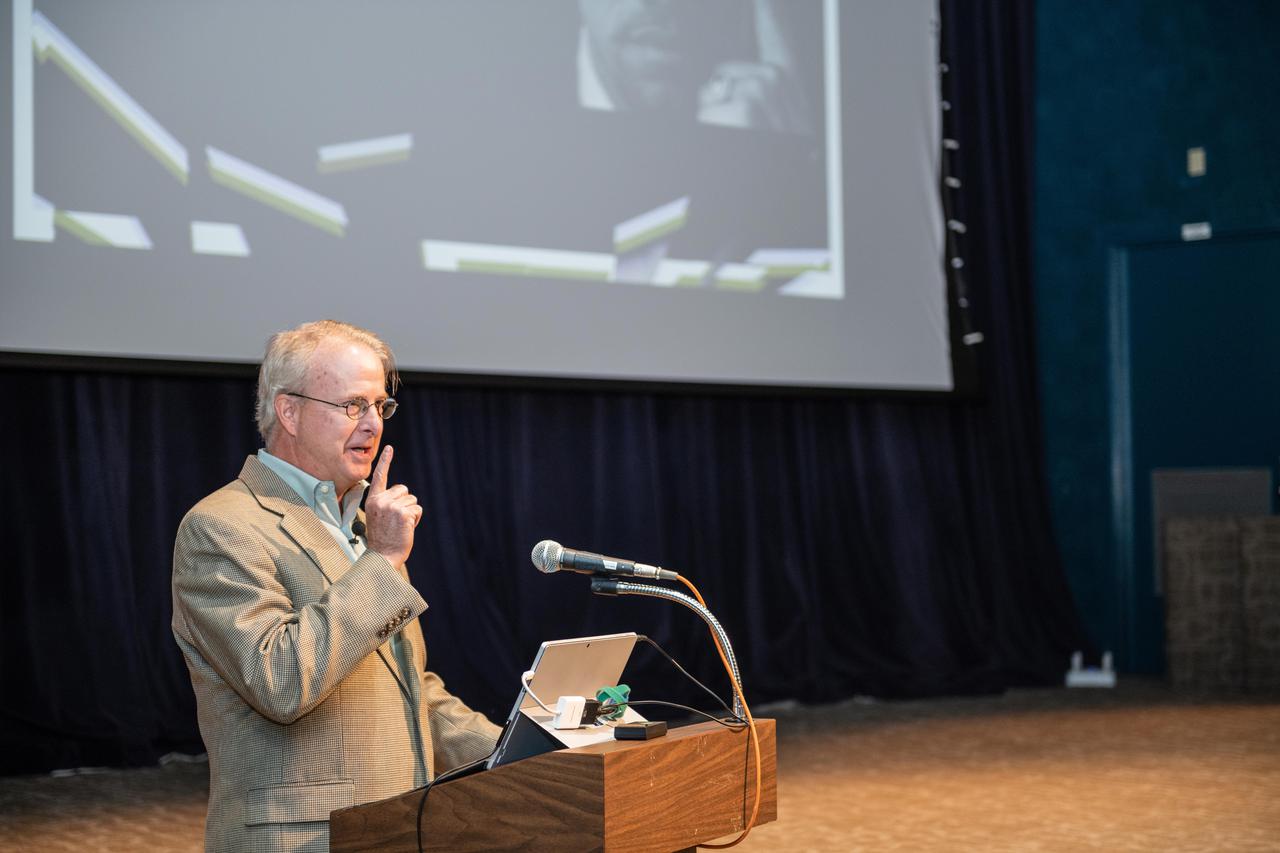
Glenn Research Center, Black History Month Program for Center Employees
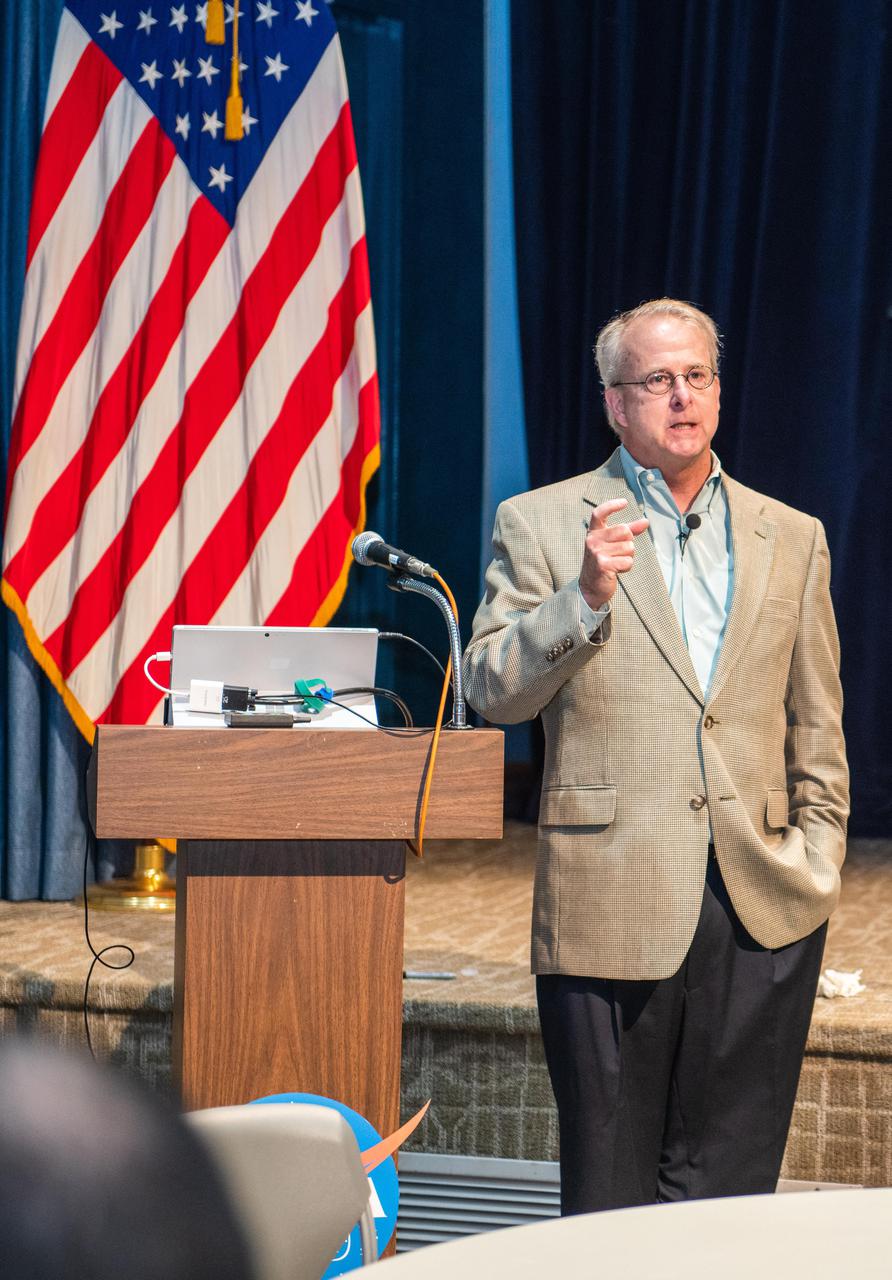
Glenn Research Center, Black History Month Program for Center Employees

Glenn Research Center, Black History Month Program for Center Employees
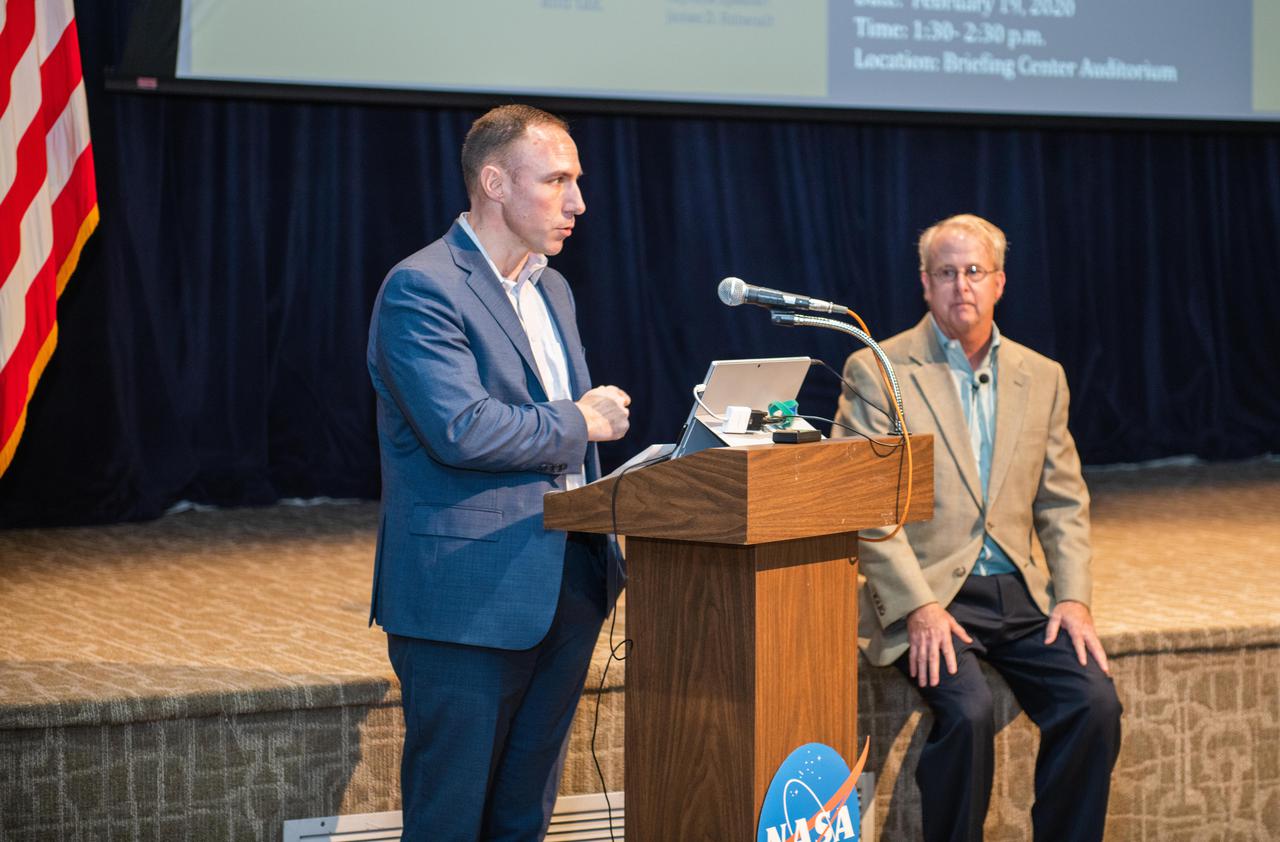
Glenn Research Center, Black History Month Program for Center Employees

Glenn Research Center, Black History Month Program for Center Employees

Glenn Research Center, Black History Month Program for Center Employees
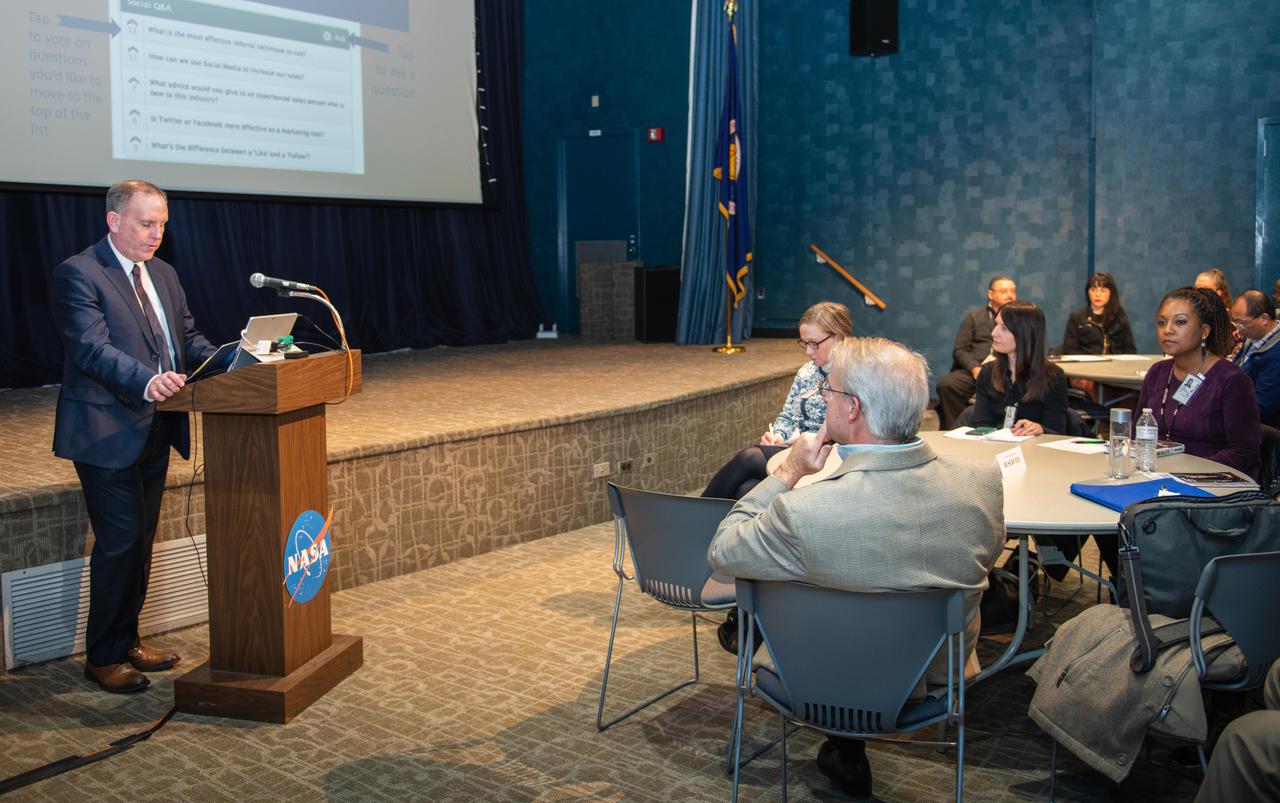
Glenn Research Center, Black History Month Program for Center Employees

Glenn Research Center, Black History Month Program for Center Employees
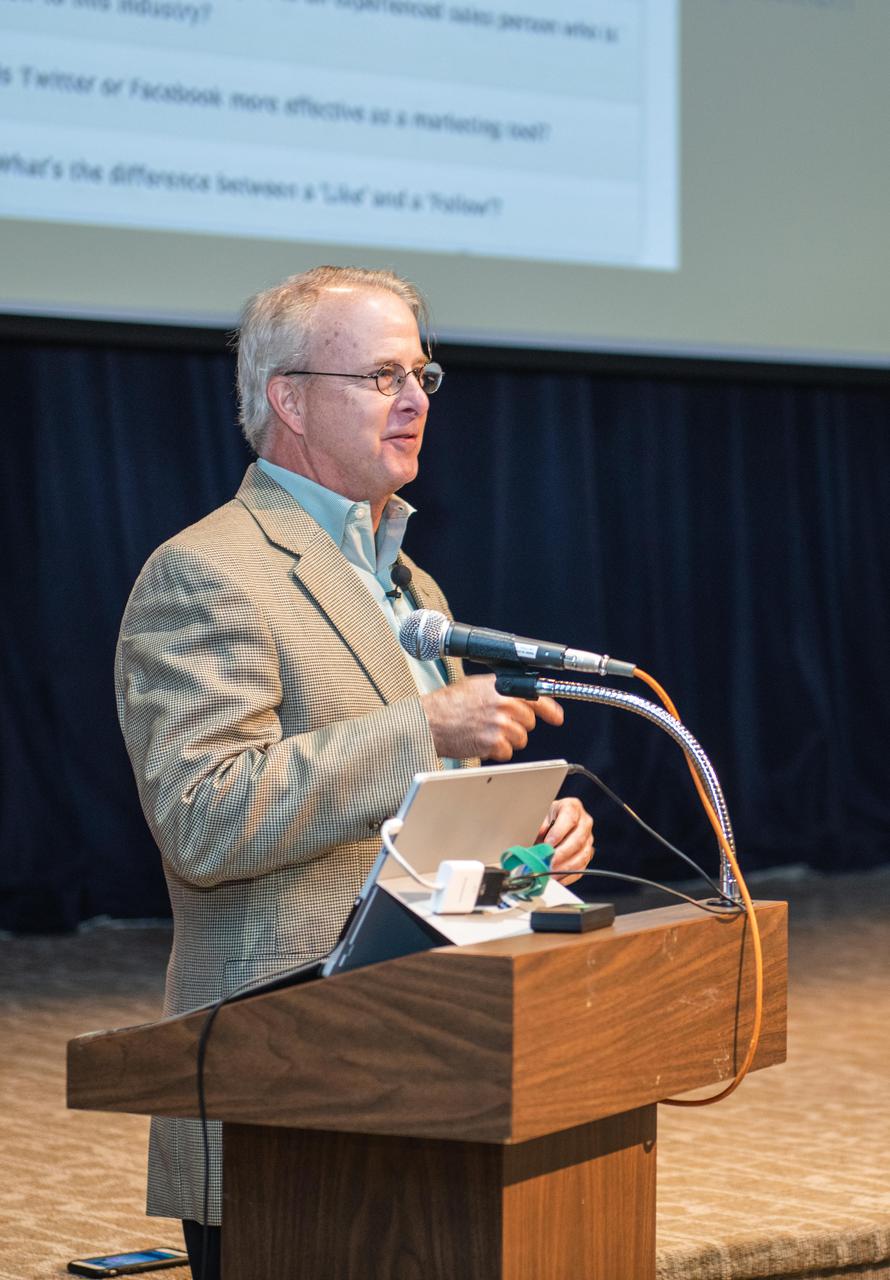
Glenn Research Center, Black History Month Program for Center Employees
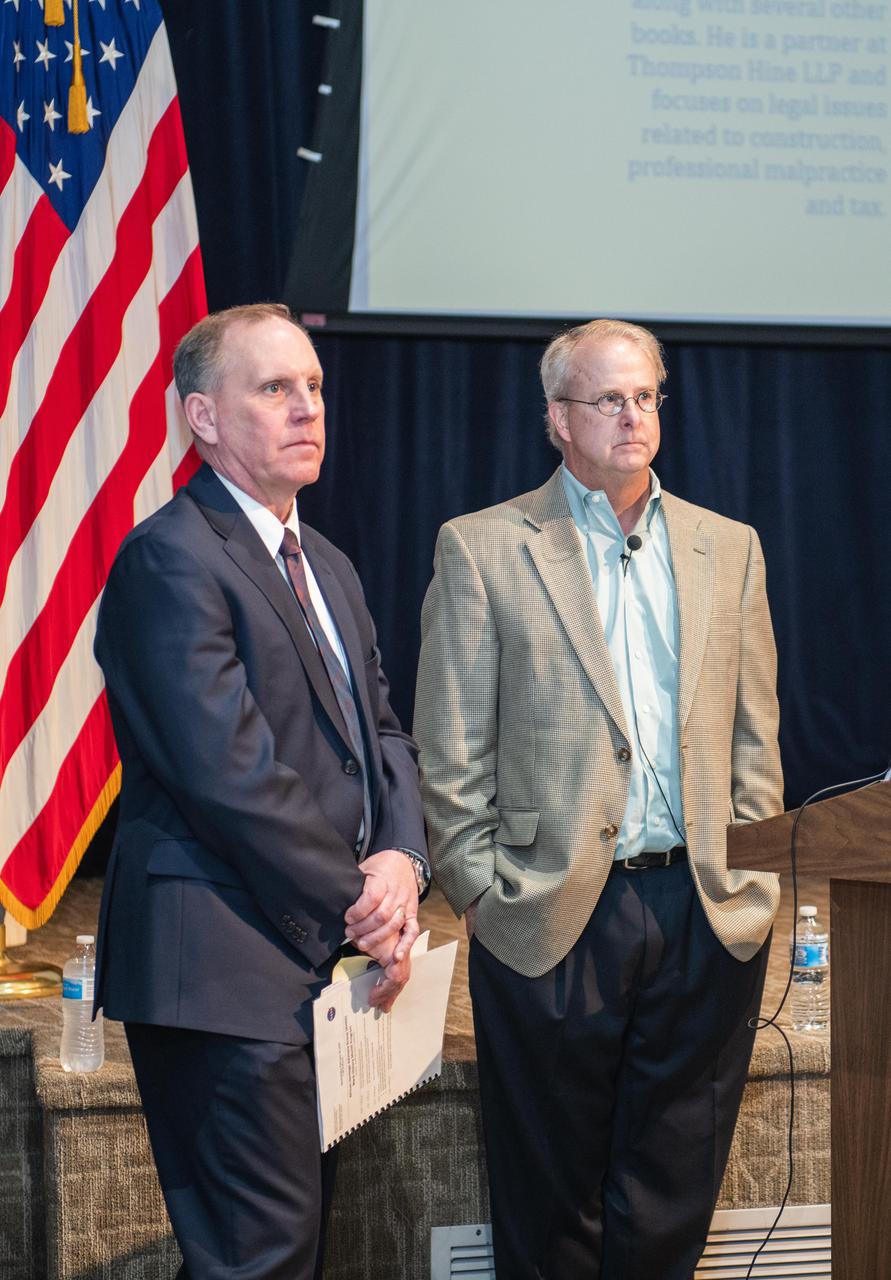
Glenn Research Center, Black History Month Program for Center Employees
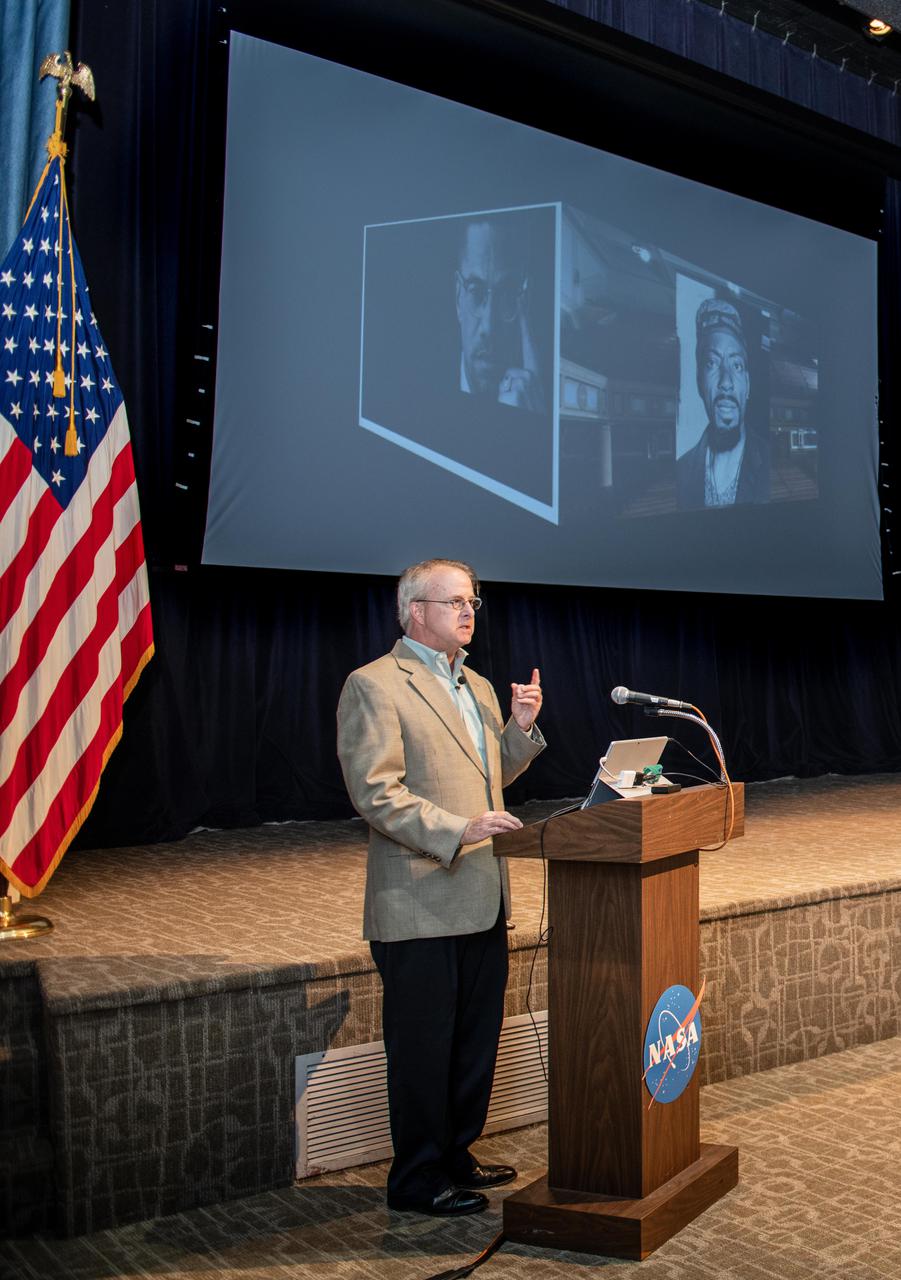
Glenn Research Center, Black History Month Program for Center Employees

Glenn Research Center, Black History Month Program for Center Employees

Glenn Research Center, Black History Month Program for Center Employees

Glenn Research Center, Black History Month Program for Center Employees
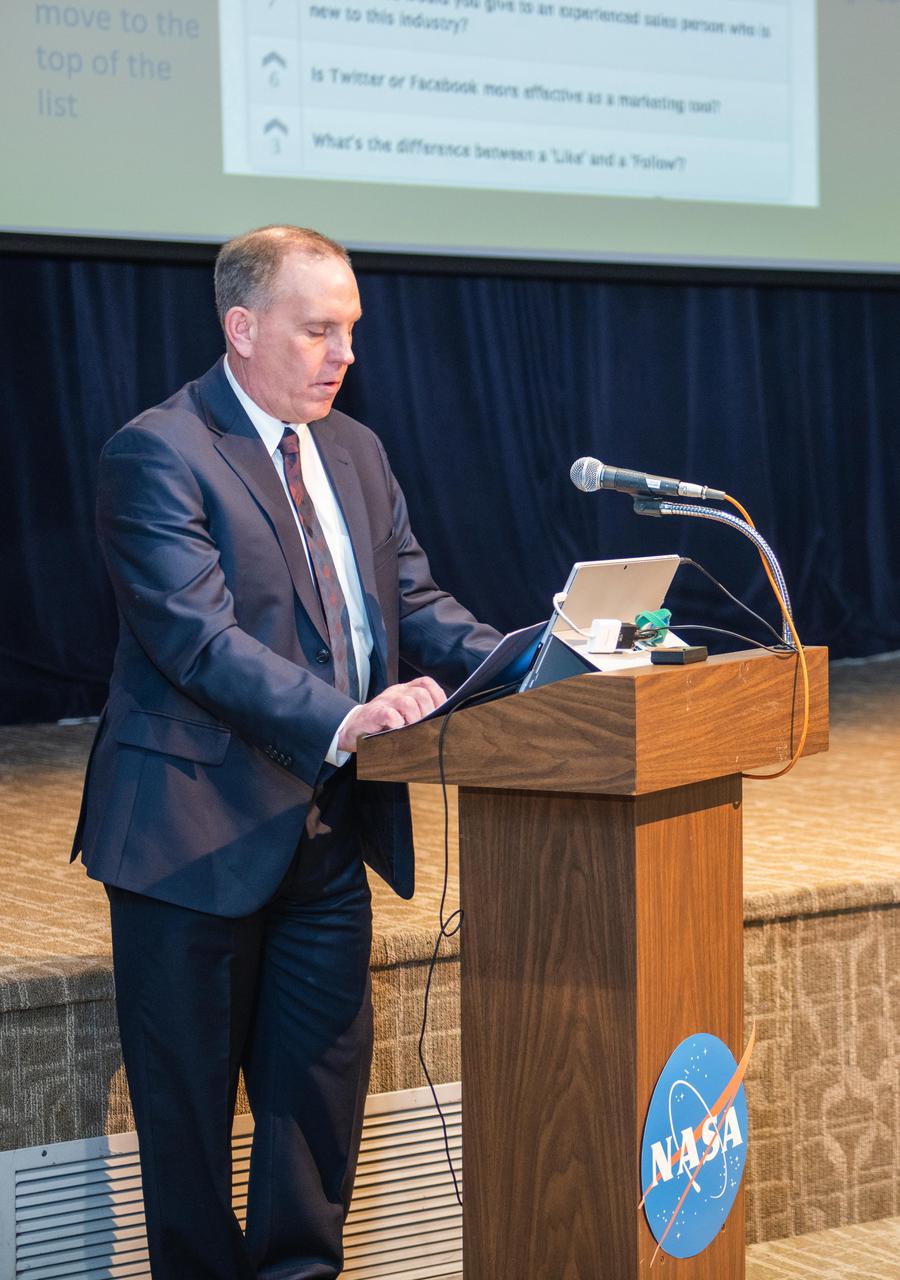
Glenn Research Center, Black History Month Program for Center Employees
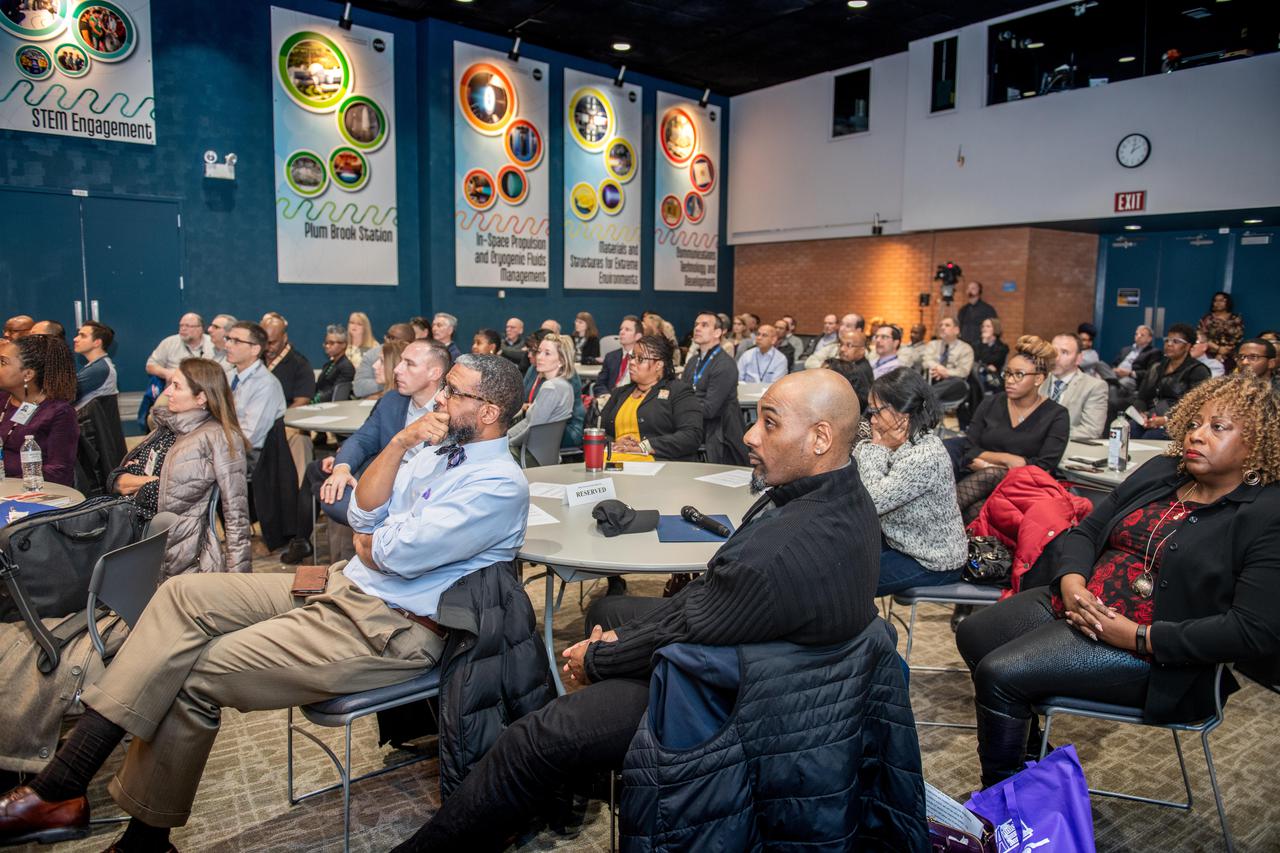
Glenn Research Center, Black History Month Program for Center Employees

Glenn Research Center, Black History Month Program for Center Employees

Glenn Research Center, Black History Month Program for Center Employees
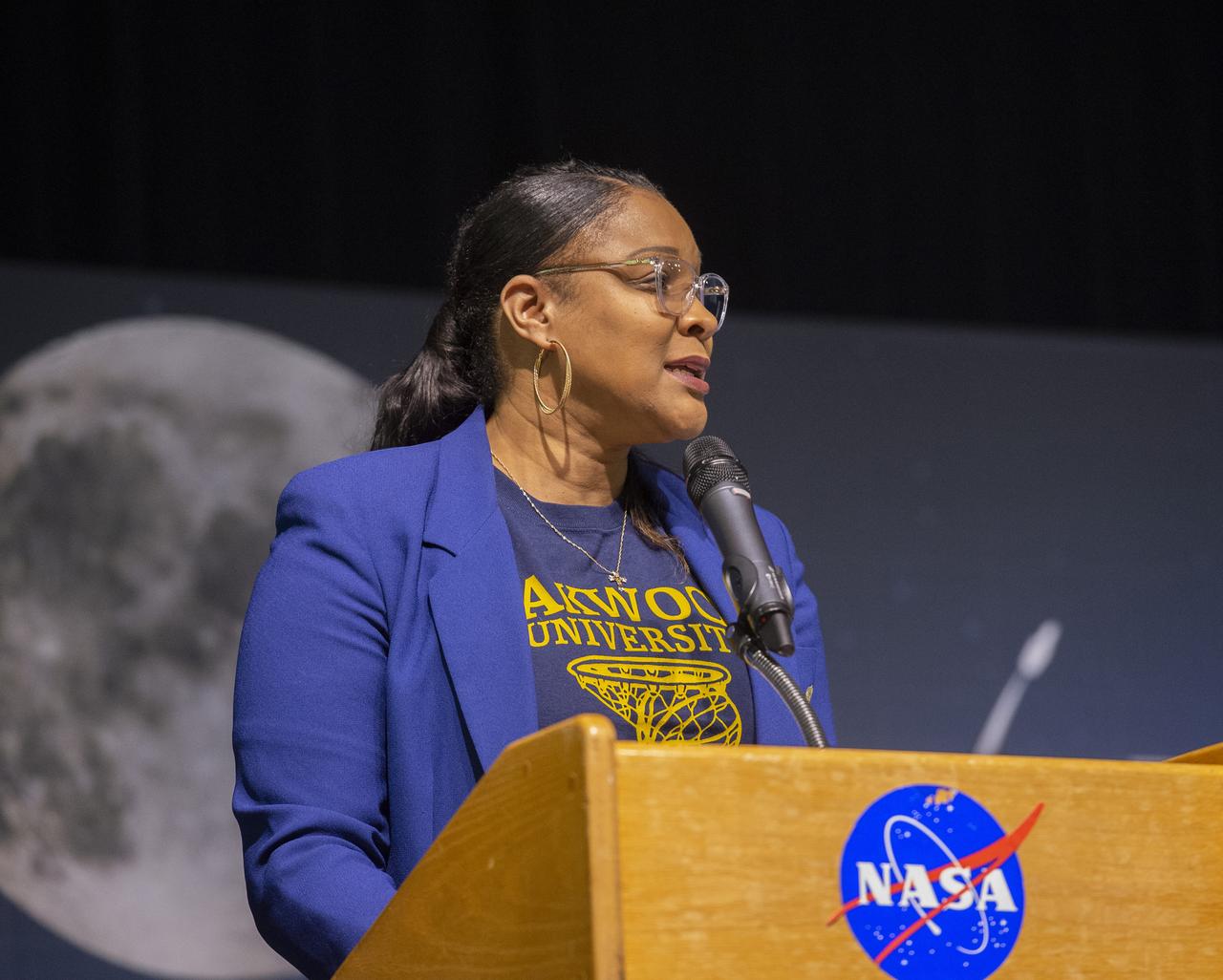
Marshall Space Flight Center's Black History Month program with Aquita Wherry
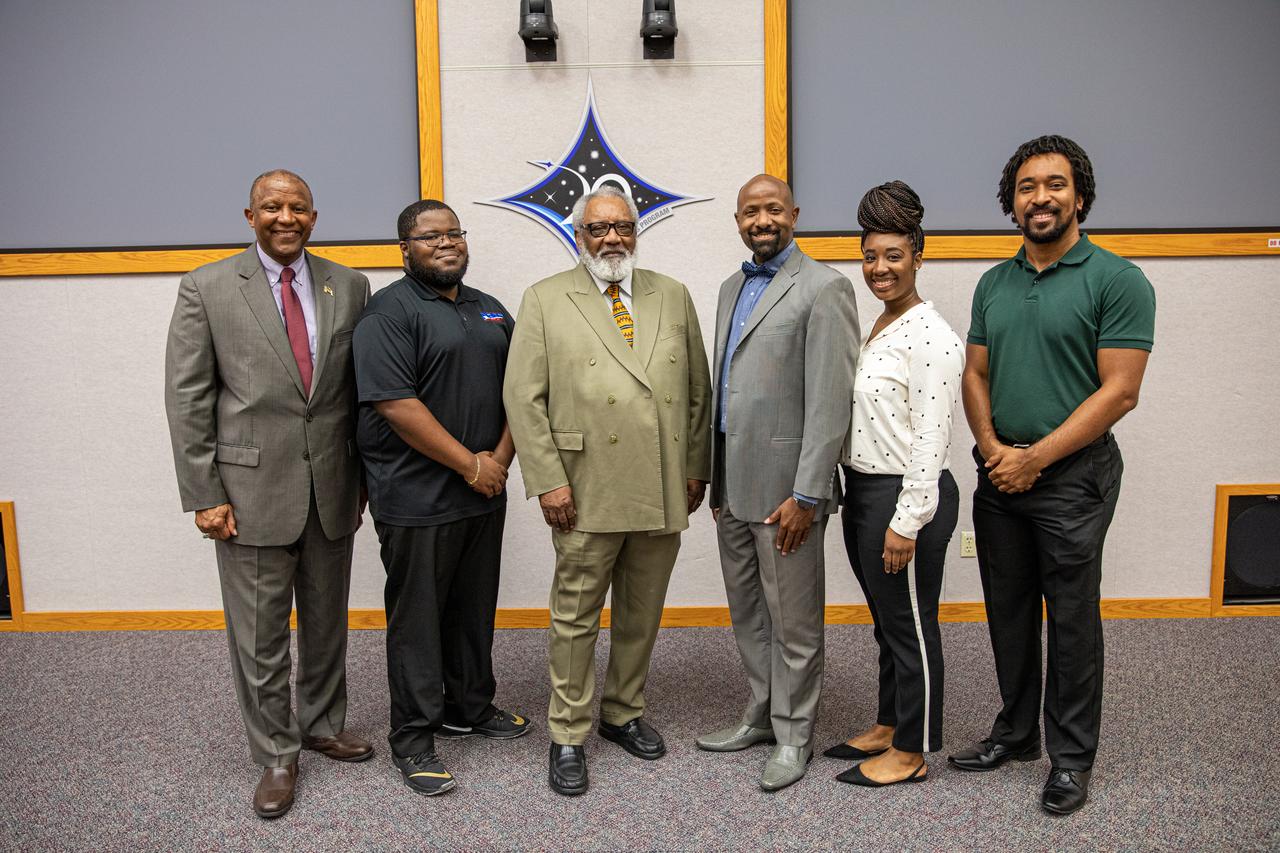
A Black History Month celebration was held on Feb. 18, 2020 at NASA’s Kennedy Space Center in Florida. The program was organized by the Black Employee Strategy Team (BEST), one of the center’s employee resource groups. This year’s theme was “African Americans and the Vote.” From left are Kelvin Manning, Kennedy’s associate director, technical; Daren Etienne, BEST marketing director; James Jennings, keynote speaker, former NASA associate administrator for Institutions and Management and Kennedy’s former deputy director; Martin Hayes, BEST chairperson; Jakebia Keith, program and contract analyst for the IT Resources Management Office and BEST secretary; and Phillip Hargrove, BEST co-chairperson.
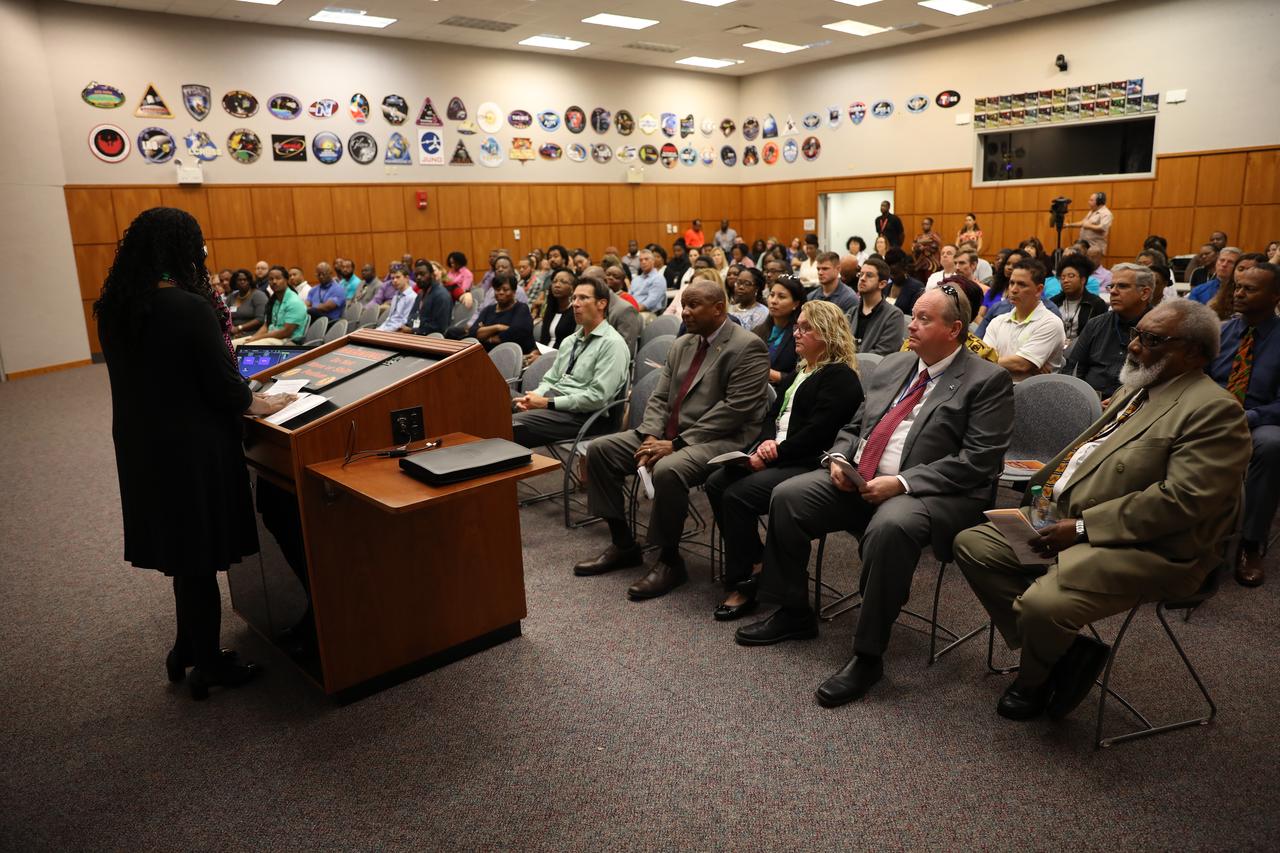
During a Black History Month celebration on Feb. 18, 2020 at NASA’s Kennedy Space Center in Florida, Hortense Diggs, at the podium, director of Communication and Public Engagement, commemorates the contributions of former NASA employee and mentor Roslyn McKinney. The program was organized by the Black Employee Strategy Team (BEST), one of the center’s employee resource groups. This year’s theme was “African Americans and the Vote.” Keynote speaker was James Jennings, seated, far right, former NASA associate administrator for Institutions and Management and Kennedy’s former deputy director. Jennings shared advice with workers and managers.
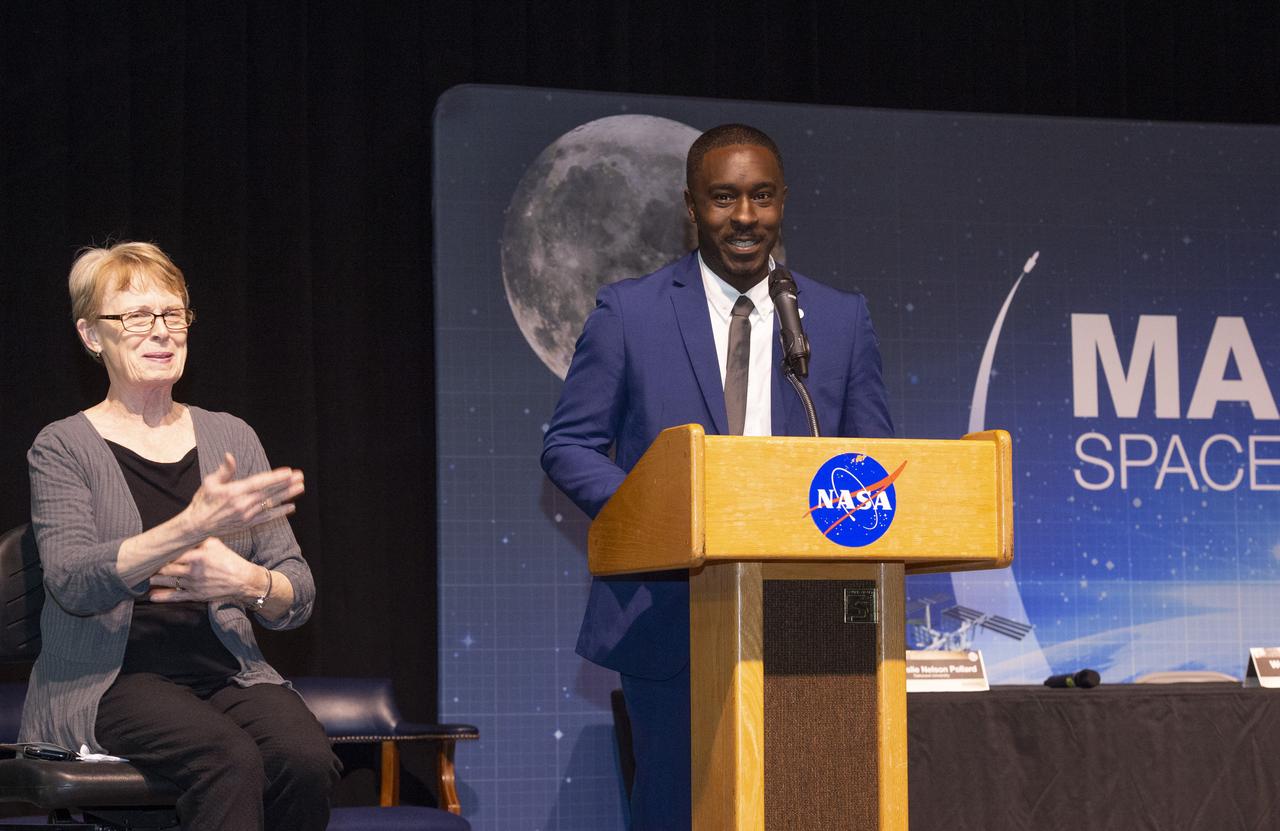
Marshall Space Flight Center's Black History Month program Master of Ceremonies Nicholas Benjamin.
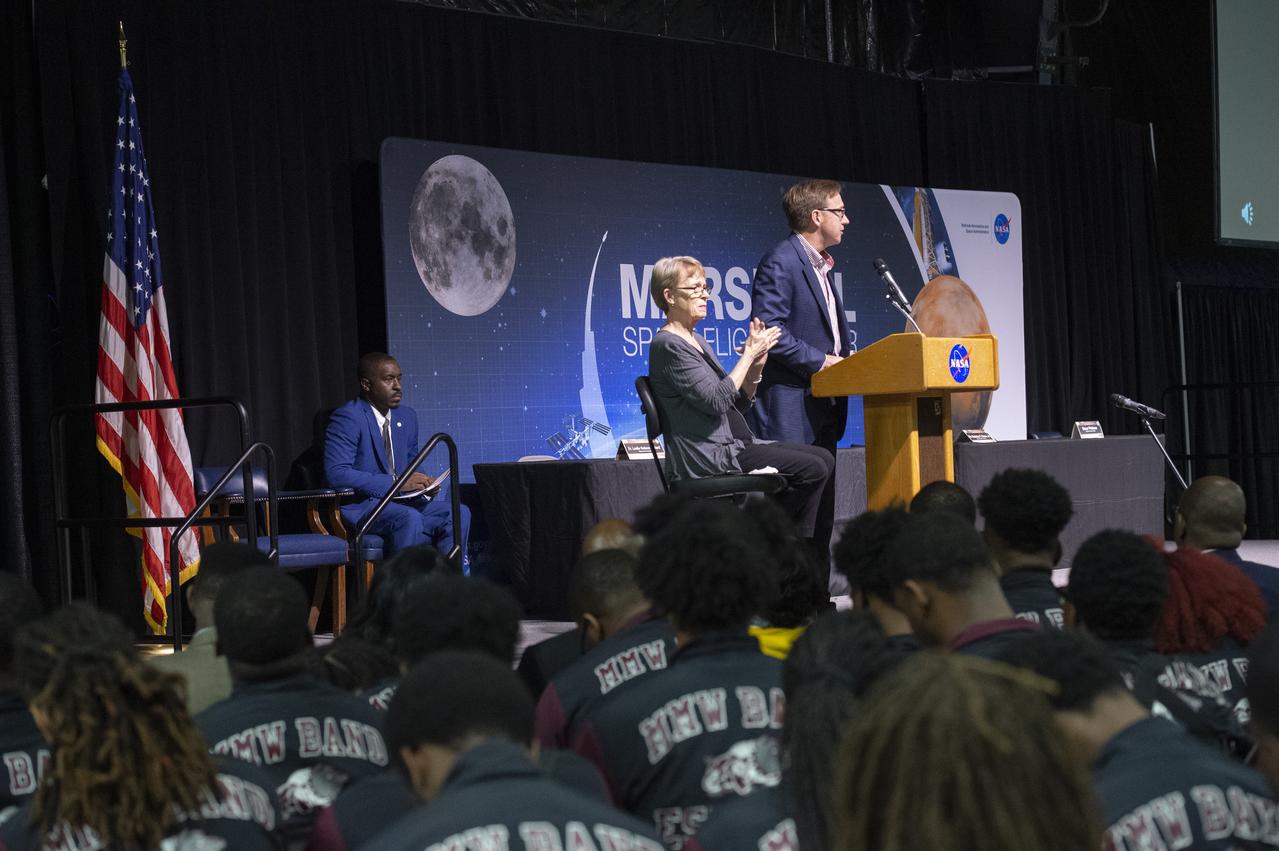
Marshall Space Flight Center's Black History Month program with Associate Director Steve Miley welcoming the audience
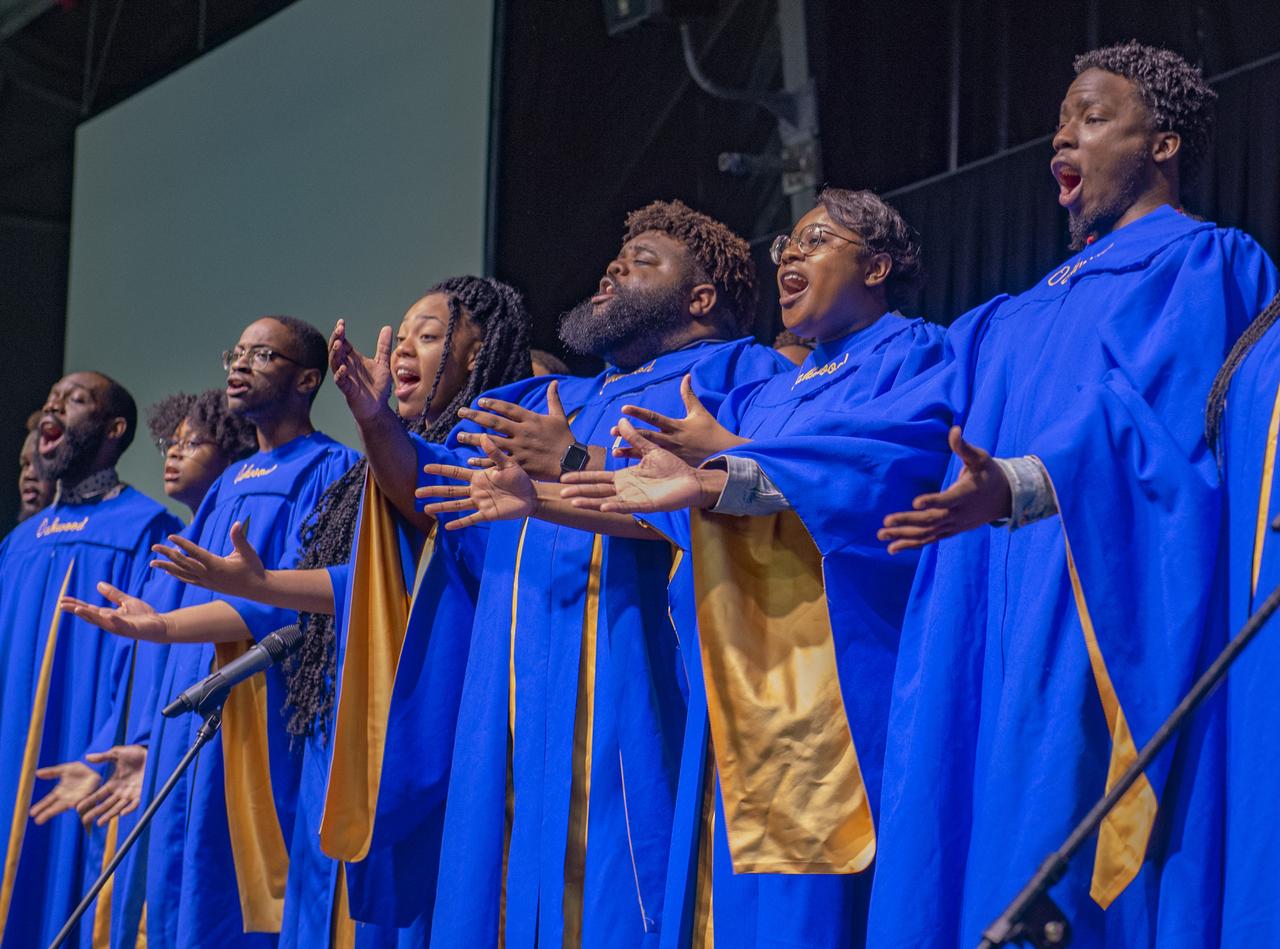
Marshall Space Flight Center's Black History Month program featured the singing of the Oakwood University Aolians.

When two black holes collide, they release massive amounts of energy in the form of gravitational waves that last a fraction of a second and can be "heard" throughout the universe - if you have the right instruments. Today we learned that the #LIGO project heard the telltale chirp of black holes colliding, fulfilling Einstein's General Theory of Relativity. NASA's LISA mission will look for direct evidence of gravitational waves. <a href="http://go.nasa.gov/23ZbqoE" rel="nofollow">go.nasa.gov/23ZbqoE</a> This video illustrates what that collision might look like.
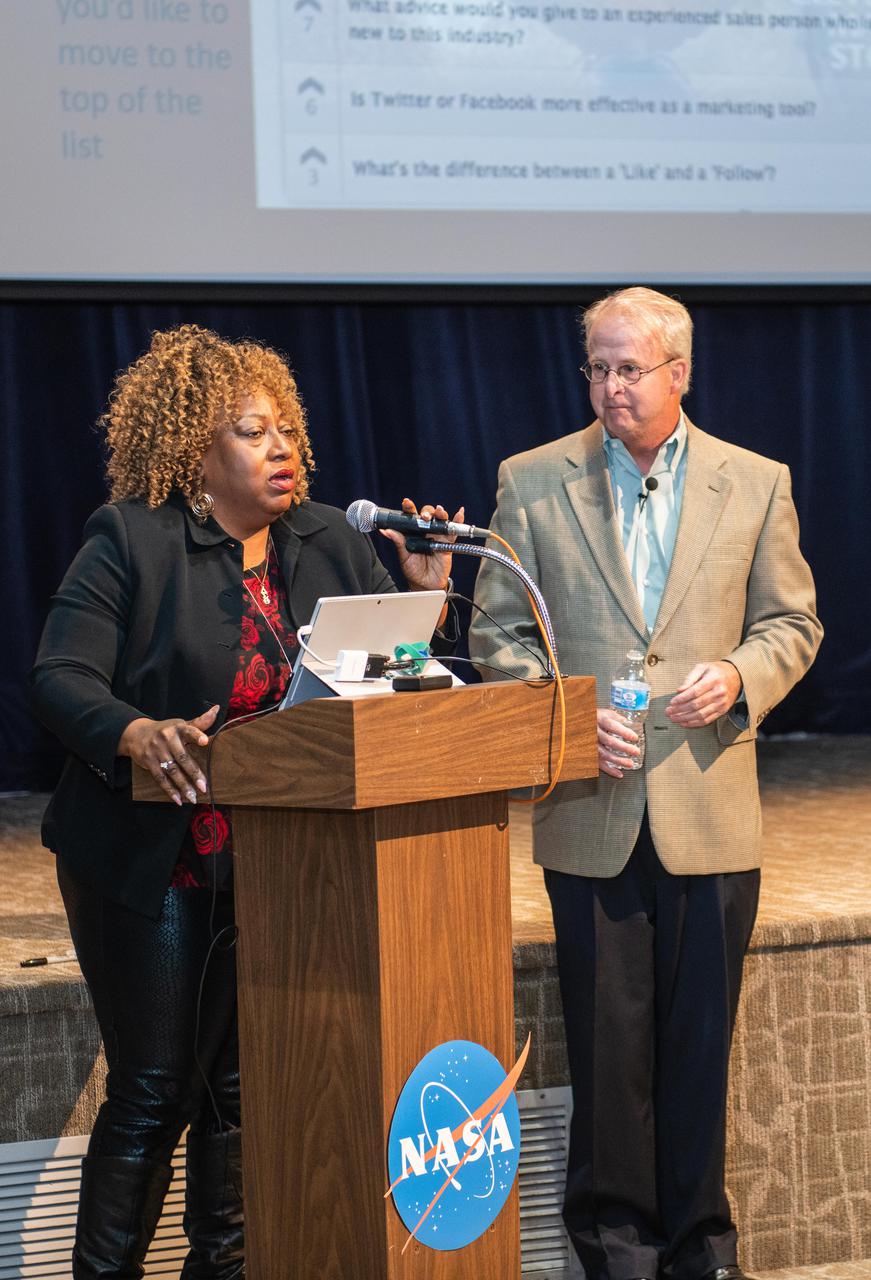
Glenn Research Center, Black History Month Program for Center Employees
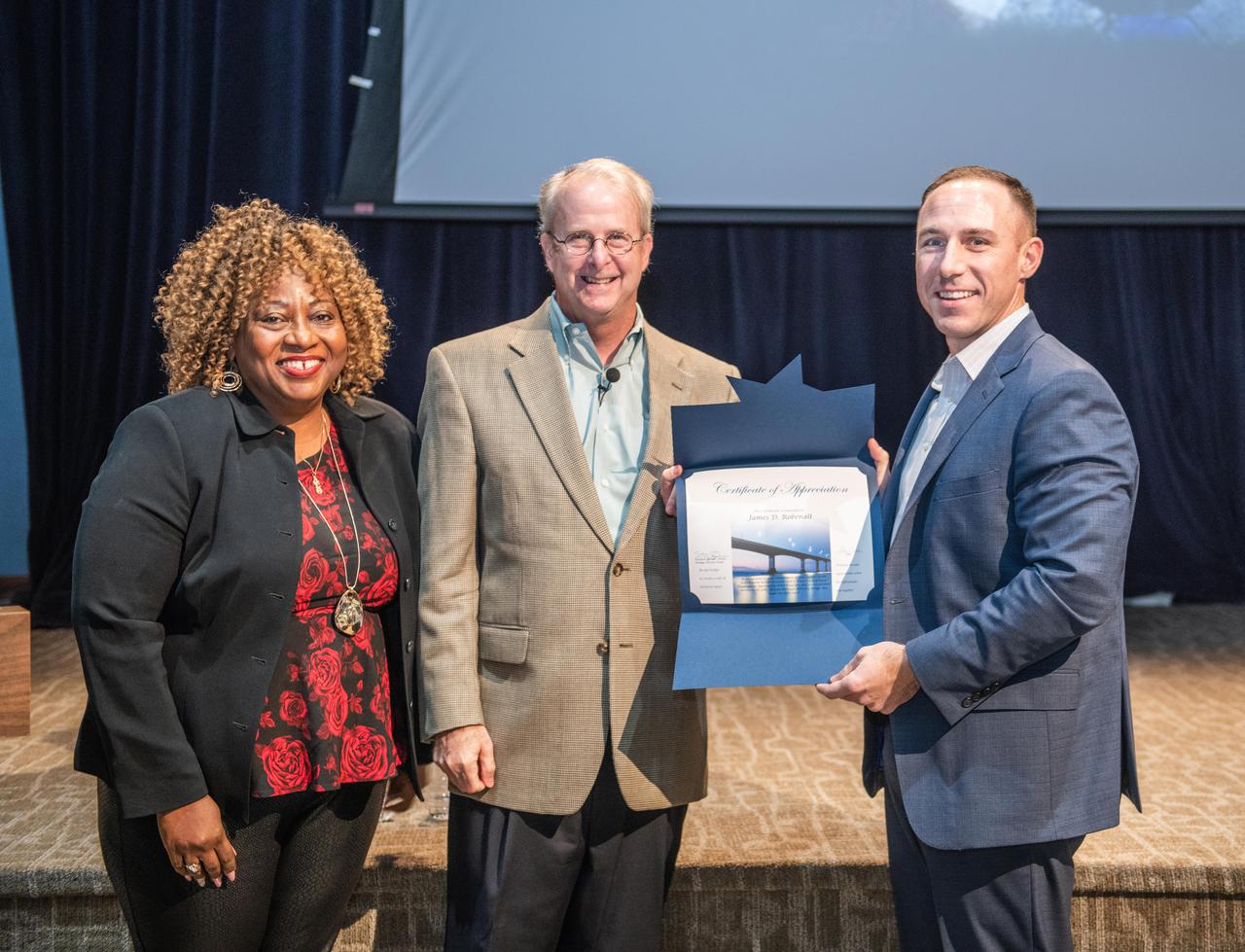
Glenn Research Center, Black History Month Program for Center Employees
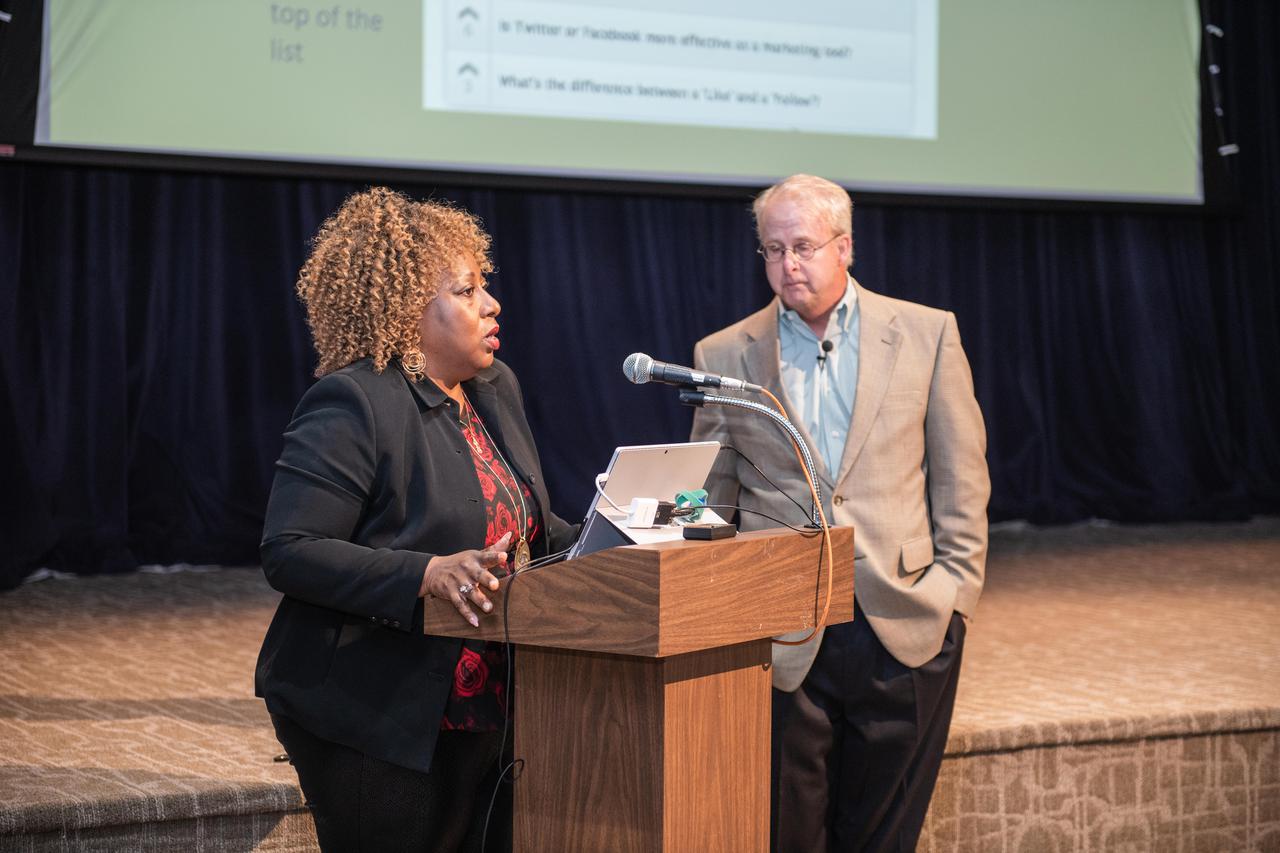
Glenn Research Center, Black History Month Program for Center Employees
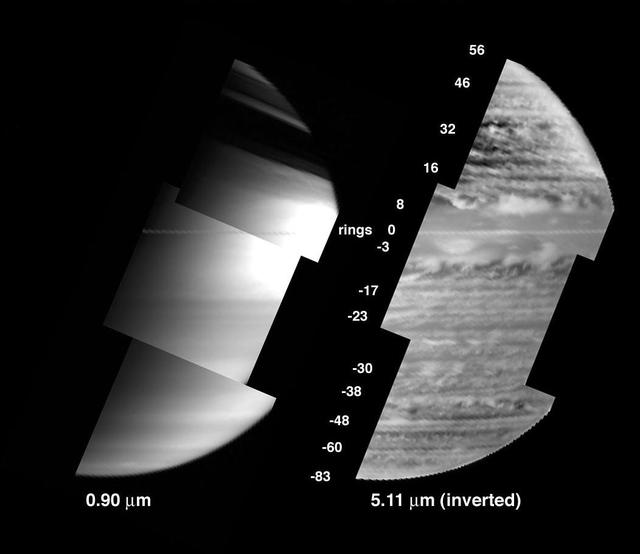
A New View of Saturn - Black and White
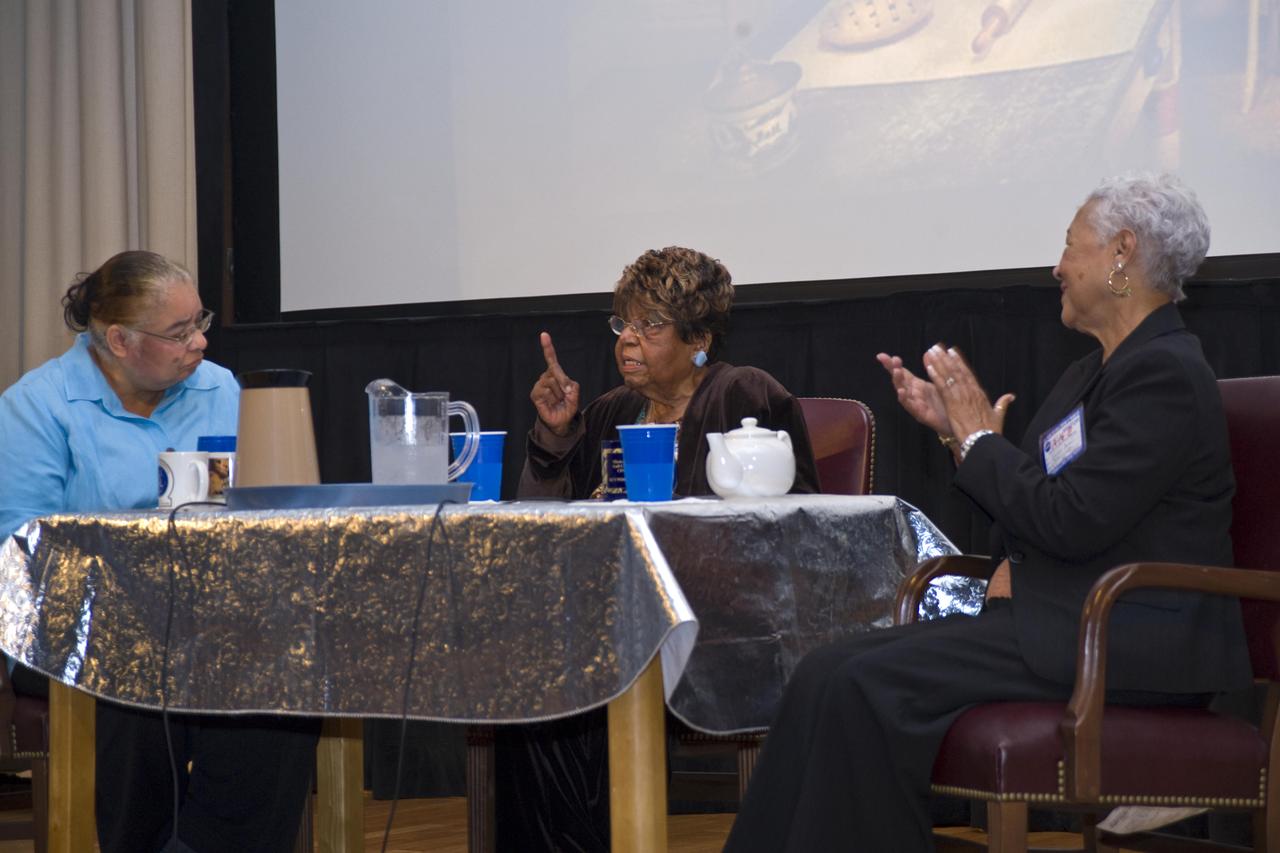
Victoria Webb (center) discusses African-American history during a Black History Month program for John C. Stennis Space Center employees on Feb. 16. Webb, a 103-year-old native of Pass Christian, was guest speaker for the program, sponsored by the Stennis Diversity Council and the Naval Meteorology and Oceanography Command. She was joined in her presentation by Valli Battle (left), a NAVOCEANO employee at Stennis, and friend Jeanell Barnes. Black History Month was first observed in 1976 and is celebrated each February. The 2011 theme was African-Americans and the Civil War.
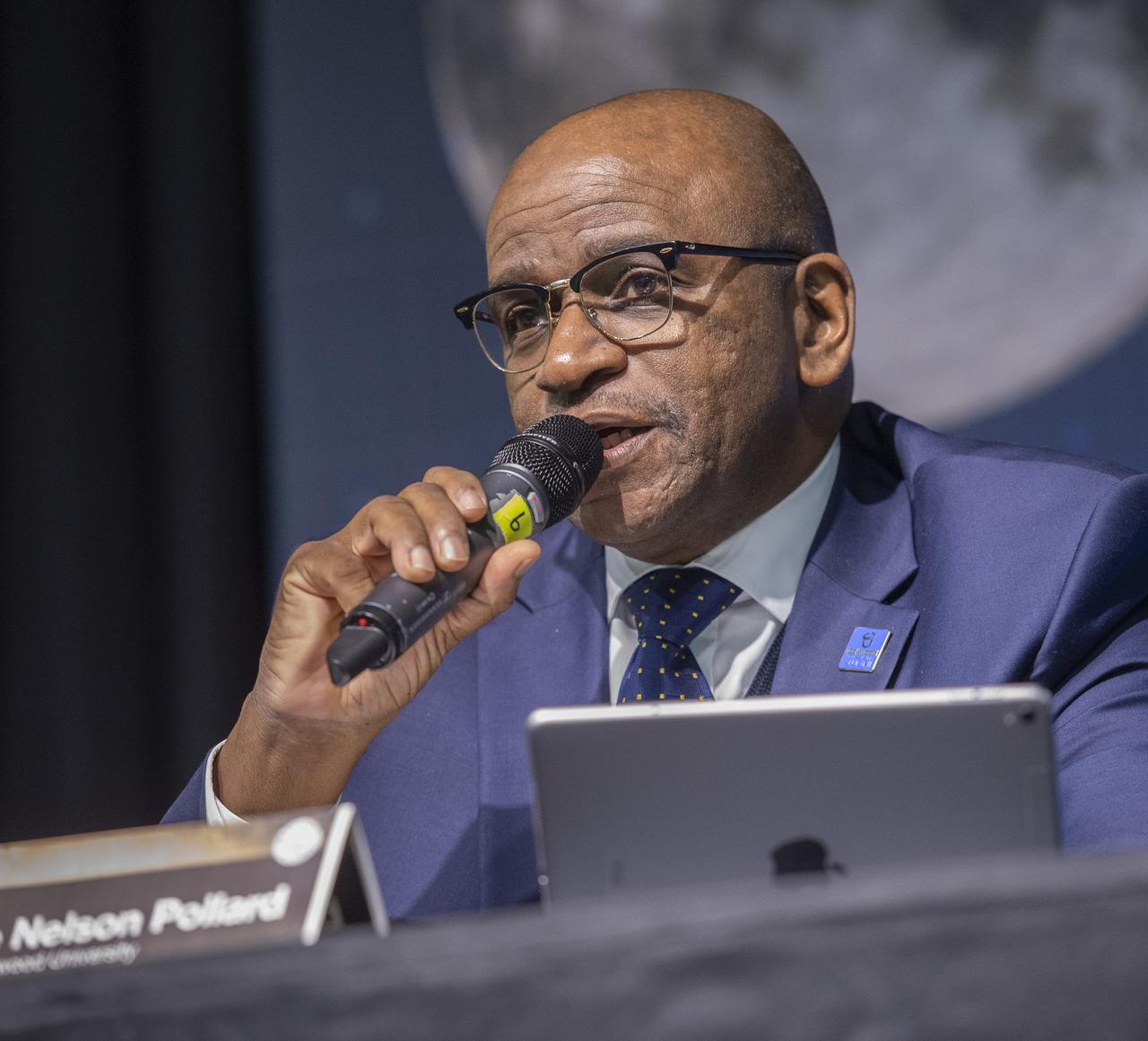
Marshall Space Flight Center's Black History Month program featured an address by Dr. Leslie Nelson Pollard, 11th President of Oakwood University.

On June 15, NASA's Swift caught the onset of a rare X-ray outburst from a stellar-mass black hole in the binary system V404 Cygni. Astronomers around the world are watching the event. In this system, a stream of gas from a star much like the sun flows toward a 10 solar mass black hole. Instead of spiraling toward the black hole, the gas accumulates in an accretion disk around it. Every couple of decades, the disk switches into a state that sends the gas rushing inward, starting a new outburst. Read more: <a href="http://www.nasa.gov/feature/goddard/nasa-missions-monitor-a-waking-black-hole" rel="nofollow">www.nasa.gov/feature/goddard/nasa-missions-monitor-a-waki...</a> Credits: NASA's Goddard Space Flight Center Download this video in HD formats from NASA Goddard's Scientific Visualization Studio <a href="http://svs.gsfc.nasa.gov/cgi-bin/details.cgi?aid=11110" rel="nofollow">svs.gsfc.nasa.gov/cgi-bin/details.cgi?aid=11110</a>

An artist's concept of a tidal disruption event (TDE) that happens when a star passes fatally close to a supermassive black hole, which reacts by launching a relativistic jet. https://photojournal.jpl.nasa.gov/catalog/PIA22355
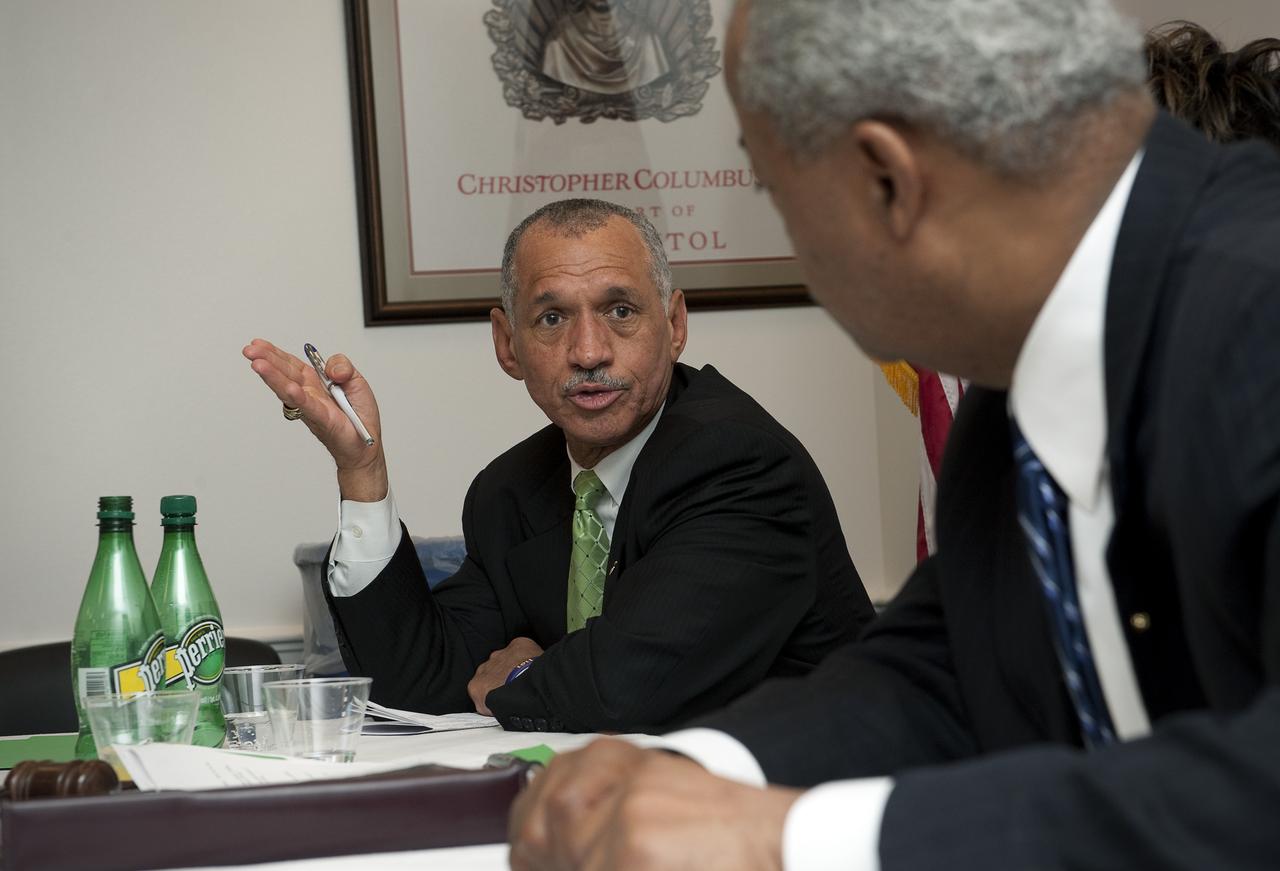
NASA Administrator Charles Bolden, left, speaks to members of the Congressional Black Caucus during their weekly meeting at the U.S. Capitol in Washington, Wednesday, Jan. 13, 2010. Photo Credit: (NASA/Paul E. Alers)

Marshall Space Flight Center's Black History Month program featured a panel discussion including Dr. Quentin T. Ross, 15th President of Alabama State University.
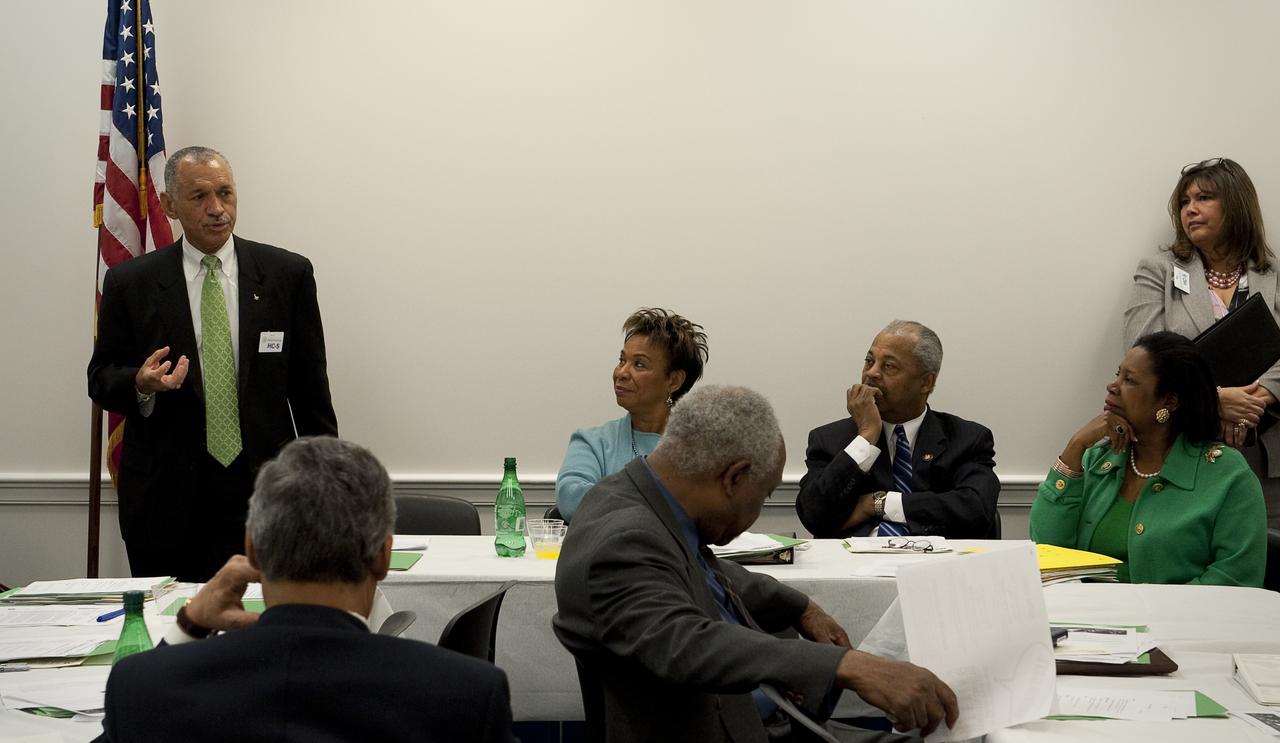
NASA Administrator Charles Bolden, left standing, speaks to members of the Congressional Black Caucus during their weekly meeting at the U.S. Capitol in Washington, Wednesday, Jan. 13, 2010. Photo Credit: (NASA/Paul E. Alers)
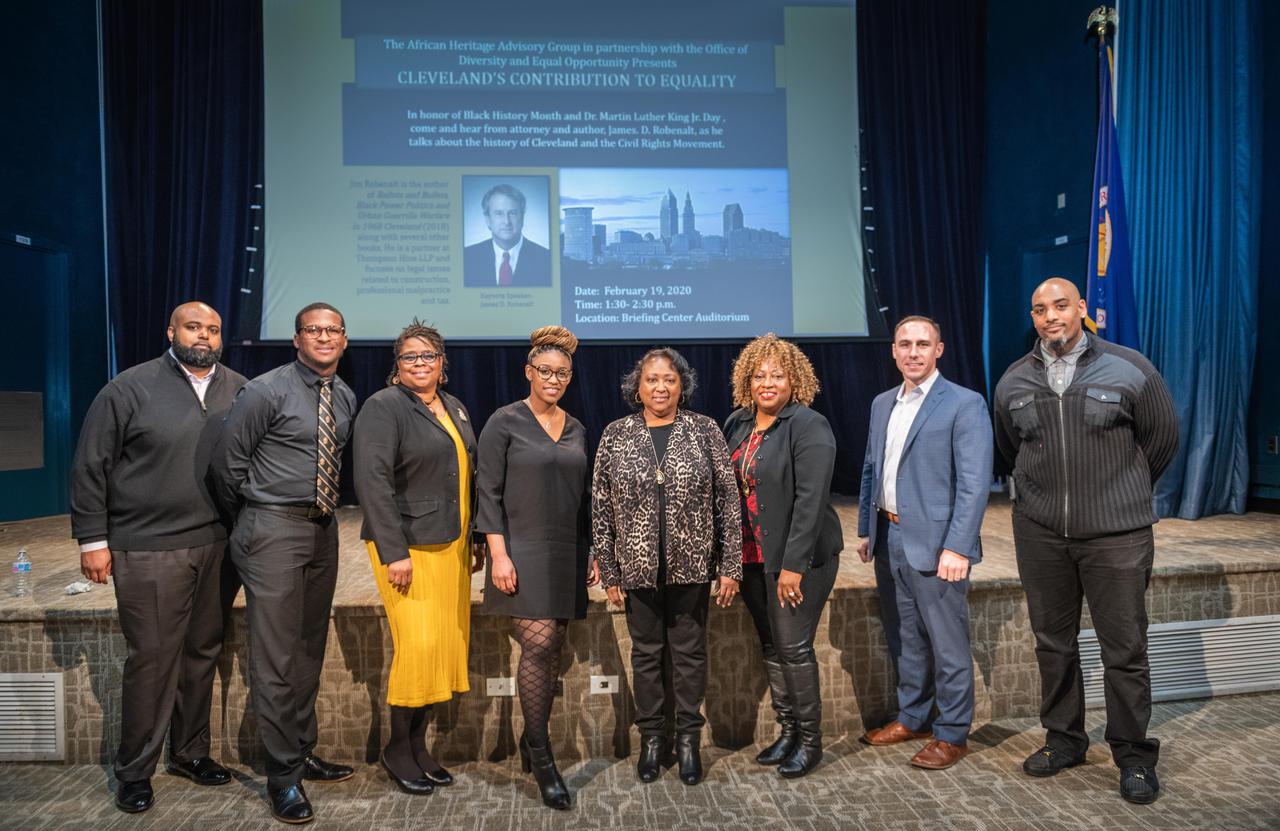
Glenn Research Center, Black History Month Program for Center Employees
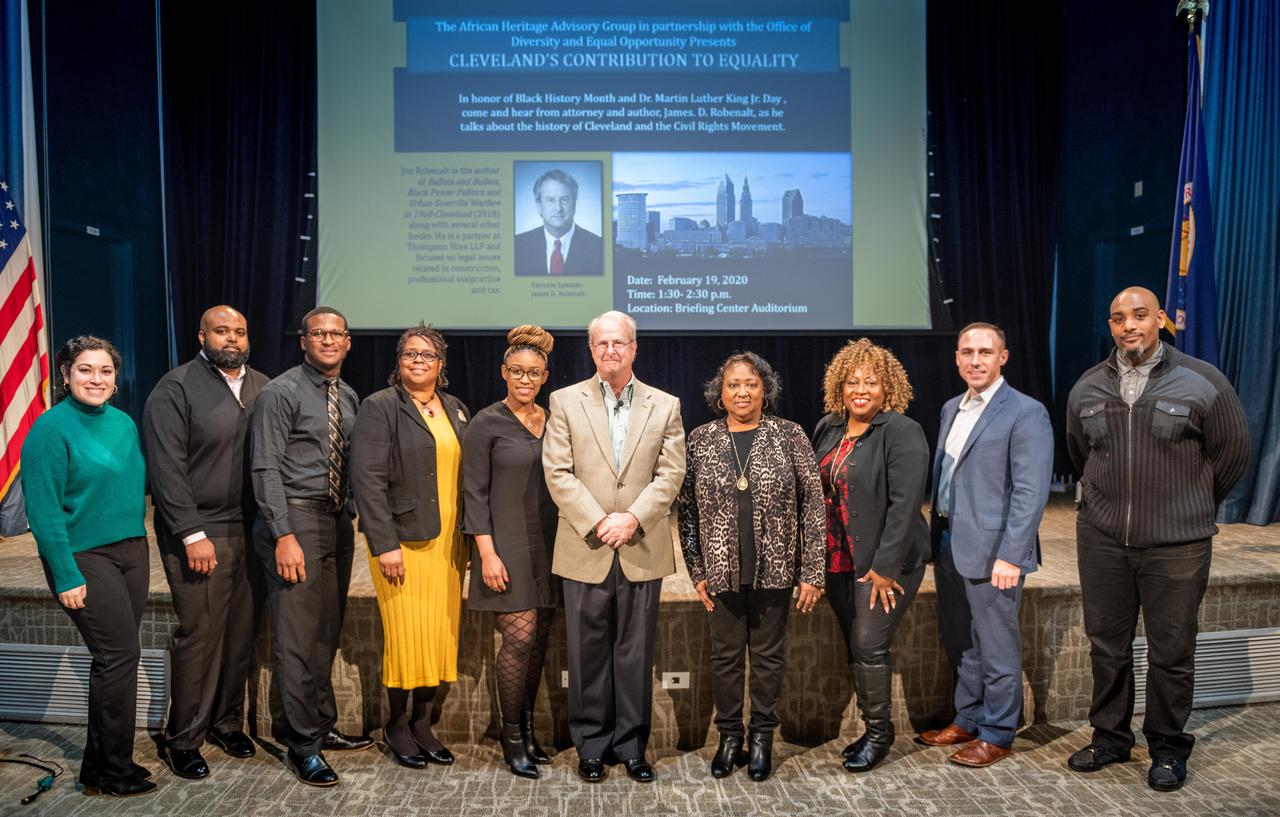
Glenn Research Center, Black History Month Program for Center Employees

The beautiful spiral galaxy visible in the center of the image is known as RX J1140.1+0307, a galaxy in the Virgo constellation imaged by the NASA/ESA Hubble Space Telescope, and it presents an interesting puzzle. At first glance, this galaxy appears to be a normal spiral galaxy, much like the Milky Way, but first appearances can be deceptive! The Milky Way galaxy, like most large galaxies, has a supermassive black hole at its center, but some galaxies are centered on lighter, intermediate-mass black holes. RX J1140.1+0307 is such a galaxy — in fact, it is centered on one of the lowest black hole masses known in any luminous galactic core. What puzzles scientists about this particular galaxy is that the calculations don’t add up. With such a relatively low mass for the central black hole, models for the emission from the object cannot explain the observed spectrum. There must be other mechanisms at play in the interactions between the inner and outer parts of the accretion disk surrounding the black hole. Credit: ESA/Hubble & NASA, Acknowledgement: Judy Schmidt <b><a href="http://www.nasa.gov/audience/formedia/features/MP_Photo_Guidelines.html" rel="nofollow">NASA image use policy.</a></b> <b><a href="http://www.nasa.gov/centers/goddard/home/index.html" rel="nofollow">NASA Goddard Space Flight Center</a></b> enables NASA’s mission through four scientific endeavors: Earth Science, Heliophysics, Solar System Exploration, and Astrophysics. Goddard plays a leading role in NASA’s accomplishments by contributing compelling scientific knowledge to advance the Agency’s mission. <b>Follow us on <a href="http://twitter.com/NASAGoddardPix" rel="nofollow">Twitter</a></b> <b>Like us on <a href="http://www.facebook.com/pages/Greenbelt-MD/NASA-Goddard/395013845897?ref=tsd" rel="nofollow">Facebook</a></b> <b>Find us on <a href="http://instagrid.me/nasagoddard/?vm=grid" rel="nofollow">Instagram</a></b>
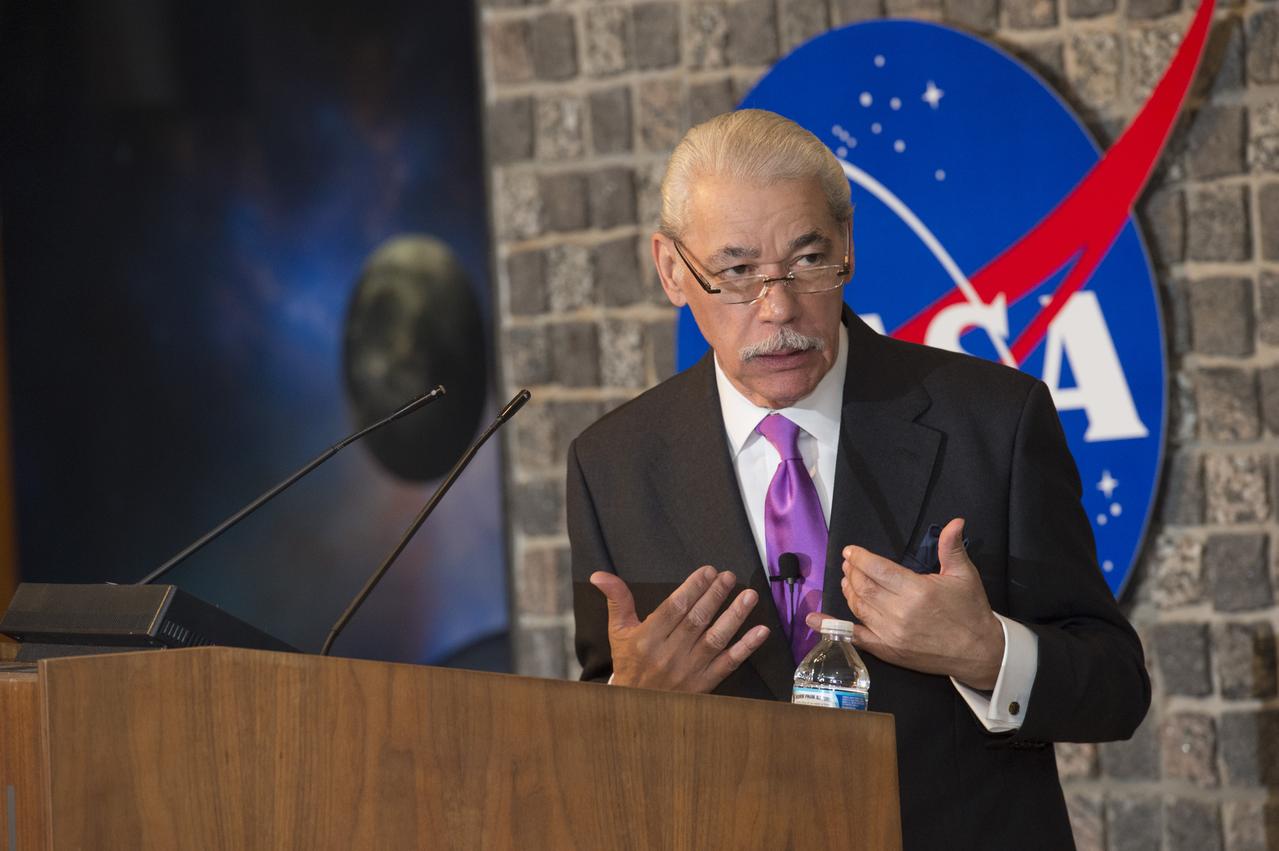
DR. GEORGE FRASER SPEAKS TO AN AUDIENCE OF MSFC WORKERS FEB. 18, CAPPING MARSHALL'S BLACK HISTORY MONTH COMMEMORATION

This computer-simulated image shows a supermassive black hole at the core of a galaxy. The black region in the center represents the black hole’s event horizon, where no light can escape the massive object’s gravitational grip. The black hole’s powerful gravity distorts space around it like a funhouse mirror. Light from background stars is stretched and smeared as the stars skim by the black hole. Credits: NASA, ESA, and D. Coe, J. Anderson, and R. van der Marel (STScI) More info: Astronomers have uncovered a near-record breaking supermassive black hole, weighing 17 billion suns, in an unlikely place: in the center of a galaxy in a sparsely populated area of the universe. The observations, made by NASA’s Hubble Space Telescope and the Gemini Telescope in Hawaii, may indicate that these monster objects may be more common than once thought. Until now, the biggest supermassive black holes – those roughly 10 billion times the mass of our sun – have been found at the cores of very large galaxies in regions of the universe packed with other large galaxies. In fact, the current record holder tips the scale at 21 billion suns and resides in the crowded Coma galaxy cluster that consists of over 1,000 galaxies. More: <a href="http://www.nasa.gov/feature/goddard/2016/behemoth-black-hole-found-in-an-unlikely-place" rel="nofollow">www.nasa.gov/feature/goddard/2016/behemoth-black-hole-fou...</a> <b><a href="http://www.nasa.gov/audience/formedia/features/MP_Photo_Guidelines.html" rel="nofollow">NASA image use policy.</a></b> <b><a href="http://www.nasa.gov/centers/goddard/home/index.html" rel="nofollow">NASA Goddard Space Flight Center</a></b> enables NASA’s mission through four scientific endeavors: Earth Science, Heliophysics, Solar System Exploration, and Astrophysics. Goddard plays a leading role in NASA’s accomplishments by contributing compelling scientific knowledge to advance the Agency’s mission. <b>Follow us on <a href="http://twitter.com/NASAGoddardPix" rel="nofollow">Twitter</a></b> <b>Like us on <a href="http://www.facebook.com/pages/Greenbelt-MD/NASA-Goddard/395013845897?ref=tsd" rel="nofollow">Facebook</a></b> <b>Find us on <a href="http://instagrid.me/nasagoddard/?vm=grid" rel="nofollow">Instagram</a></b>

This artist conception illustrates one of the most primitive supermassive black holes known central black dot at the core of a young, star-rich galaxy.

A disk of hot gas swirls around a black hole in this illustration. Some of the gas came from a star that was pulled apart by the black hole, forming the long stream of hot gas on the right, feeding into the disk. These events are formally known as tidal disruption events, or TDEs. It can take just a matter or weeks or months from the destruction of the star to the formation of the disk. The gas gets hotter the closer it gets to the black hole, but the hottest material can be found above the black hole. This hottest material is cloud of plasma (gas atoms with their electrons stripped away) known as a corona. Most TDEs that result in the formation of a corona also produce jets of material that spew into space away from the black hole at its poles. A TDE called AT2021ehb is the first confirmed example of a corona forming without jets in a tidal disruption event. The observation of AT2021ehb makes it possible for scientists to study the formation of jets and coronae separately. https://photojournal.jpl.nasa.gov/catalog/PIA25440

A range of supermassive black holes lights up this new image from NASA NuSTAR. All of the dots are active black holes tucked inside the hearts of galaxies, with colors representing different energies of X-ray light.
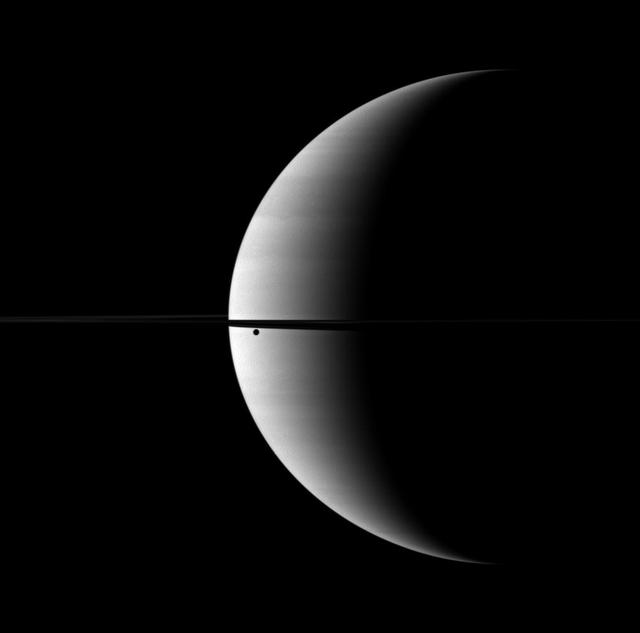
A crescent Saturn is blemished by the black spot of its moon Dione seen orbiting between the planet and NASA Cassini spacecraft.
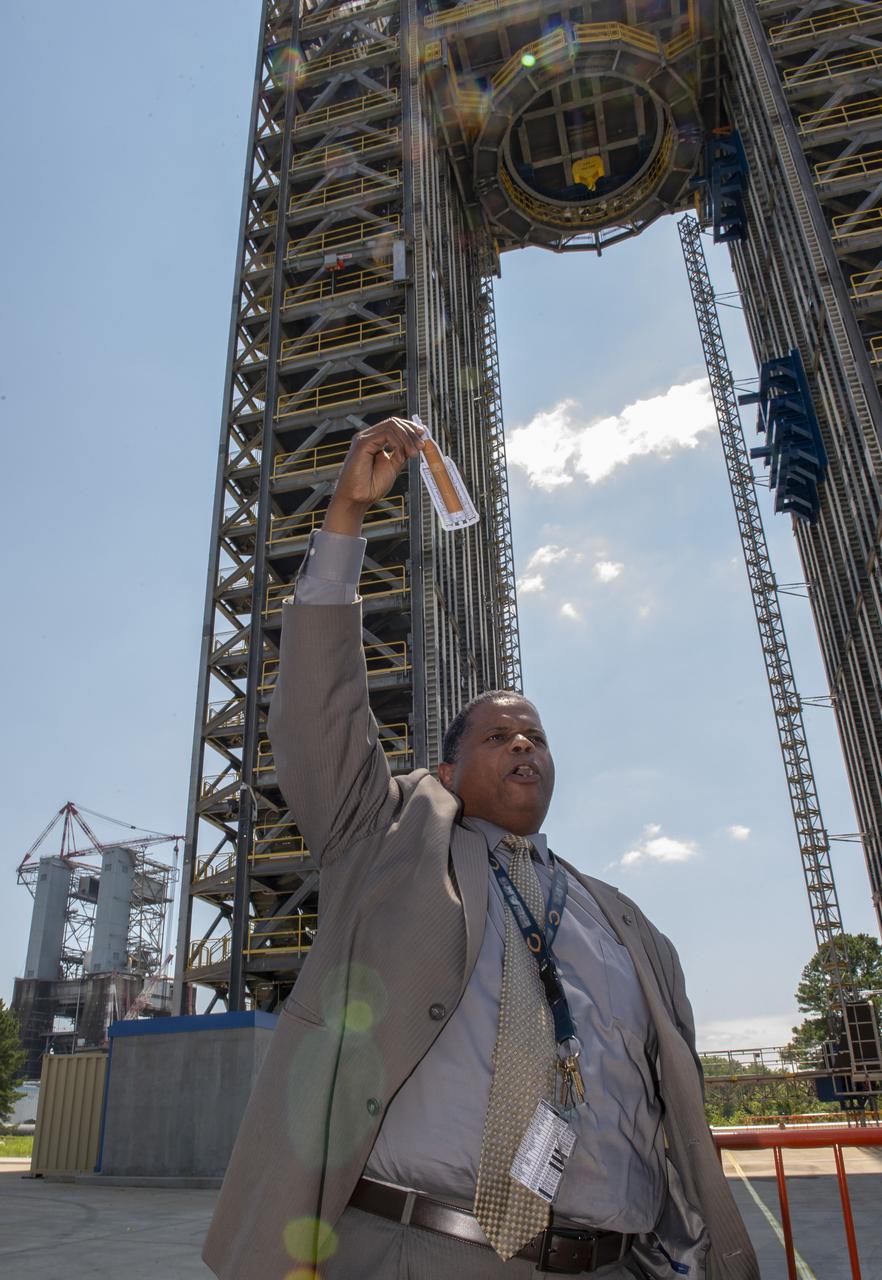
Students from the Tarik Black Foundation attend a STEM program at MSFC and visit SLS Test Stand 4693 in West Test Area. Gary Willis tells Tarik Black Foundation students about Test Stand 4693 and its importance in SLS development.
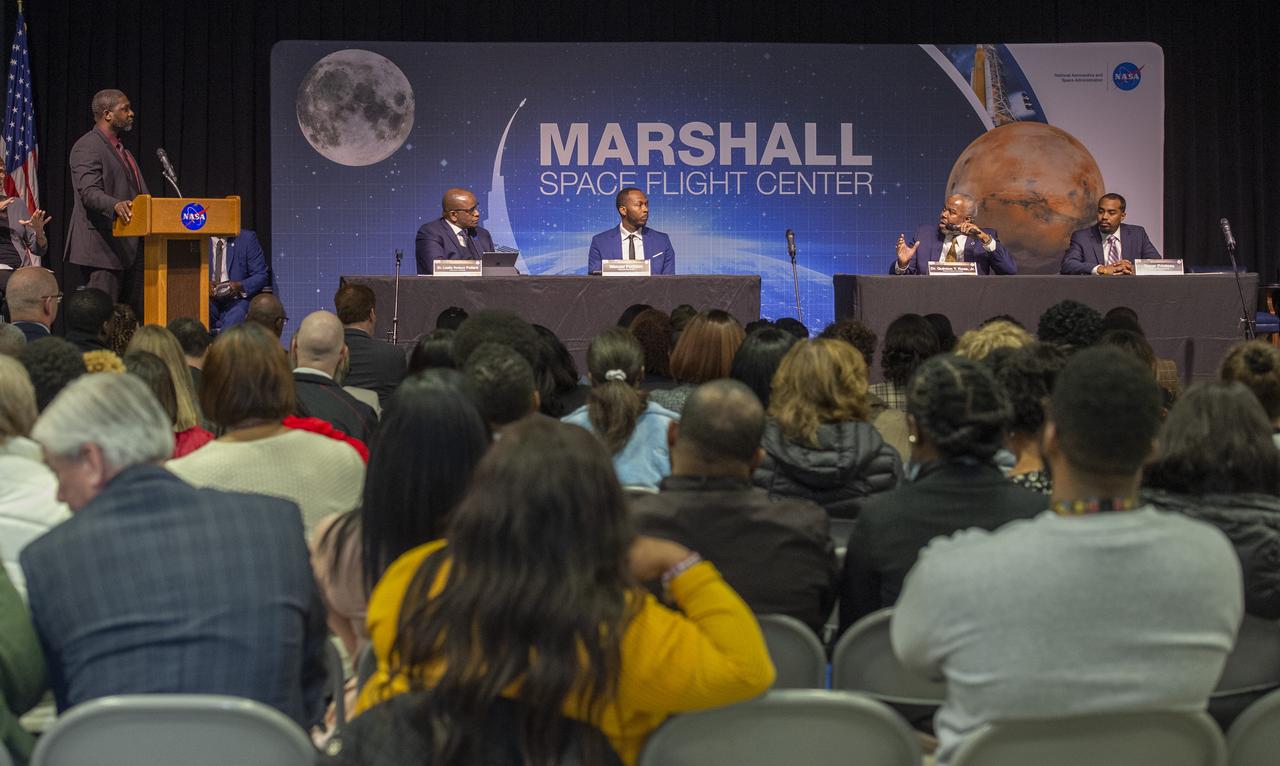
Marshall Space Flight Center's Black History Month program featured a panel discussion including Leslie Pollard, President of Oakwood University and Quinton Ross, President of Alabama State University.

This animation shows two massive black holes in the OJ 287 galaxy. The smaller black hole orbits the larger one, which remains stationary in the animation and is surrounded by a disk of gas. When the smaller black hole crashes through the disk, it produces a flare brighter than 1 trillion stars. But the smaller black hole's orbit is elongated and moving relative to the disk, causing the flares to occur irregularly. https://photojournal.jpl.nasa.gov/catalog/PIA23687

This artist concept shows a galaxy with a supermassive black hole at its core. The black hole is shooting out jets of radio waves.

These two data plots from NASA Spitzer Space Telescope show a primitive supermassive black hole top compared to a typical one; usually, dust tori are missing and only gas disks are observed in primitive black holes.

Nearly all black holes come in one of two sizes: stellar mass black holes that weigh up to a few dozen times the mass of our sun or supermassive black holes ranging from a million to several billion times the sun’s mass. Astronomers believe that medium-sized black holes between these two extremes exist, but evidence has been hard to come by, with roughly a half-dozen candidates described so far. A team led by astronomers at the University of Maryland and NASA’s Goddard Space Flight Center has found evidence for a new intermediate-mass black hole about 5,000 times the mass of the sun. The discovery adds one more candidate to the list of potential medium-sized black holes, while strengthening the case that these objects do exist. The team reported its findings in the September 21, 2015 online edition of Astrophysical Journal Letters. This image, taken with the European Southern Observatory’s Very Large Telescope, shows the central region of galaxy NGC1313. This galaxy is home to the ultraluminous X-ray source NCG1313X-1, which astronomers have now determined to be an intermediate-mass black hole candidate. NGC1313 is 50,000 light-years across and lies about 14 million light-years from the Milky Way in the southern constellation Reticulum. Read more: <a href="http://www.nasa.gov/feature/goddard/astronomers-identify-a-new-mid-size-black-hole" rel="nofollow">www.nasa.gov/feature/goddard/astronomers-identify-a-new-m...</a> Image credit: European Southern Observatory #nasagoddard #blackhole #space <b><a href="http://www.nasa.gov/audience/formedia/features/MP_Photo_Guidelines.html" rel="nofollow">NASA image use policy.</a></b> <b><a href="http://www.nasa.gov/centers/goddard/home/index.html" rel="nofollow">NASA Goddard Space Flight Center</a></b> enables NASA’s mission through four scientific endeavors: Earth Science, Heliophysics, Solar System Exploration, and Astrophysics. Goddard plays a leading role in NASA’s accomplishments by contributing compelling scientific knowledge to advance the Agency’s mission. <b>Follow us on <a href="http://twitter.com/NASAGoddardPix" rel="nofollow">Twitter</a></b> <b>Like us on <a href="http://www.facebook.com/pages/Greenbelt-MD/NASA-Goddard/395013845897?ref=tsd" rel="nofollow">Facebook</a></b> <b>Find us on <a href="http://instagrid.me/nasagoddard/?vm=grid" rel="nofollow">Instagram</a></b>