
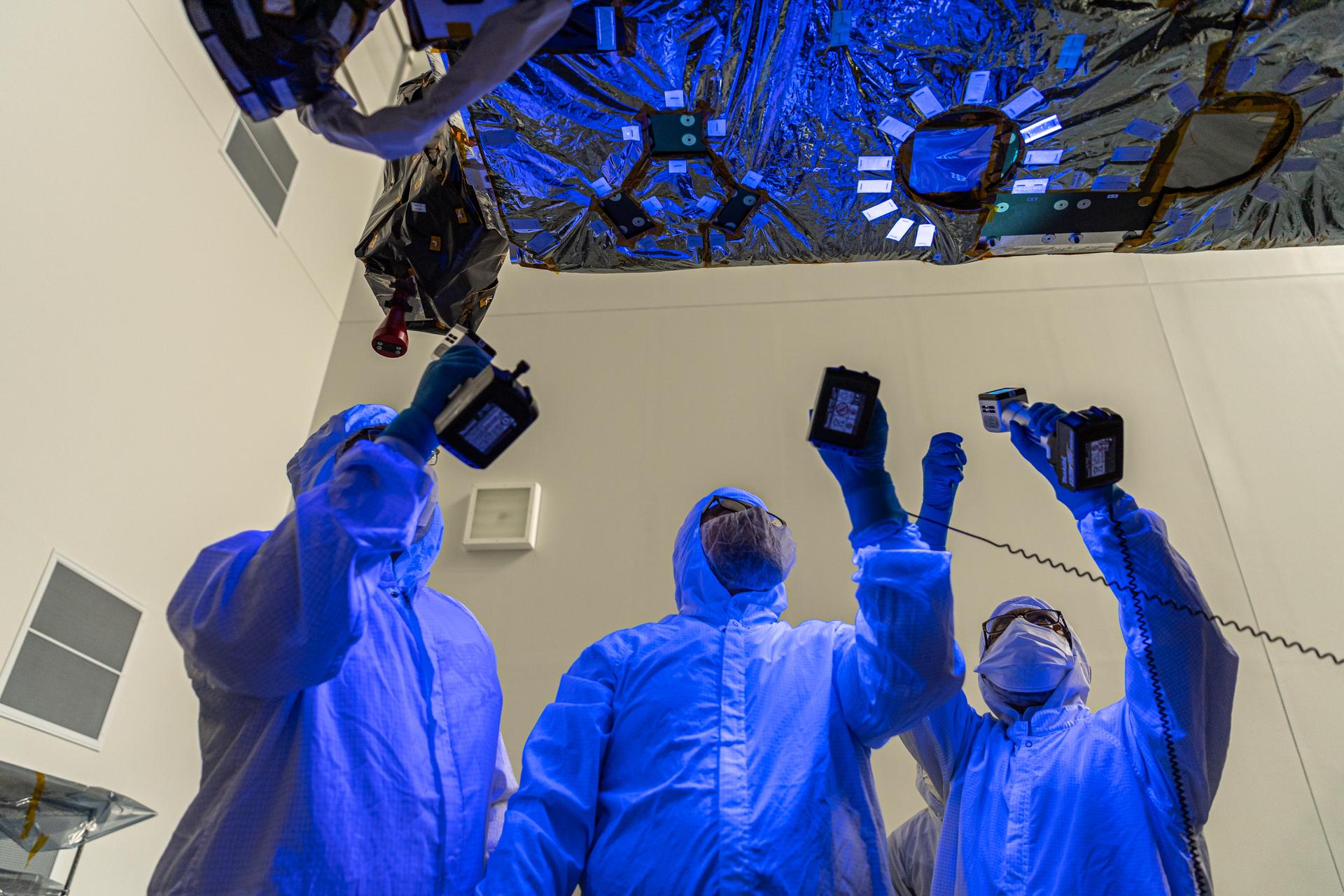
Inside the Integrated Processing Facility at Vandenberg Space Force Base in California, United Launch Alliance (ULA) technicians perform a blacklight test and sampling for contaminants on one of two ULA Atlas V rocket payload fairings for NASA’s Landsat 9 satellite on June 23, 2021. The fairings will encapsulate the satellite for its launch atop the Atlas V from Vandenberg in September 2021. The launch is being managed by NASA’s Launch Services Program based at Kennedy Space Center in Florida. Landsat 9 will continue the nearly 50-year legacy of previous Landsat missions. It will monitor key natural and economic resources from orbit. Landsat 9 is managed by the agency’s Goddard Space Flight Center in Greenbelt, Maryland. It will carry two instruments: the Operational Land Imager 2, which collects images of Earth’s landscapes in visible, near-infrared and shortwave infrared light, and the Thermal Infrared Sensor 2, which measures the temperature of land surfaces. Like its predecessors, Landsat 9 is a joint mission between NASA and the U.S. Geological Survey.

Inside the Integrated Processing Facility at Vandenberg Space Force Base in California, United Launch Alliance (ULA) technicians prepare to perform a blacklight test and sampling for contaminants on the two ULA Atlas V rocket payload fairings for NASA’s Landsat 9 satellite on June 23, 2021. The fairings will encapsulate the satellite for its launch atop the Atlas V from Vandenberg in September 2021. The launch is being managed by NASA’s Launch Services Program based at Kennedy Space Center in Florida. Landsat 9 will continue the nearly 50-year legacy of previous Landsat missions. It will monitor key natural and economic resources from orbit. Landsat 9 is managed by the agency’s Goddard Space Flight Center in Greenbelt, Maryland. It will carry two instruments: the Operational Land Imager 2, which collects images of Earth’s landscapes in visible, near-infrared and shortwave infrared light, and the Thermal Infrared Sensor 2, which measures the temperature of land surfaces. Like its predecessors, Landsat 9 is a joint mission between NASA and the U.S. Geological Survey.
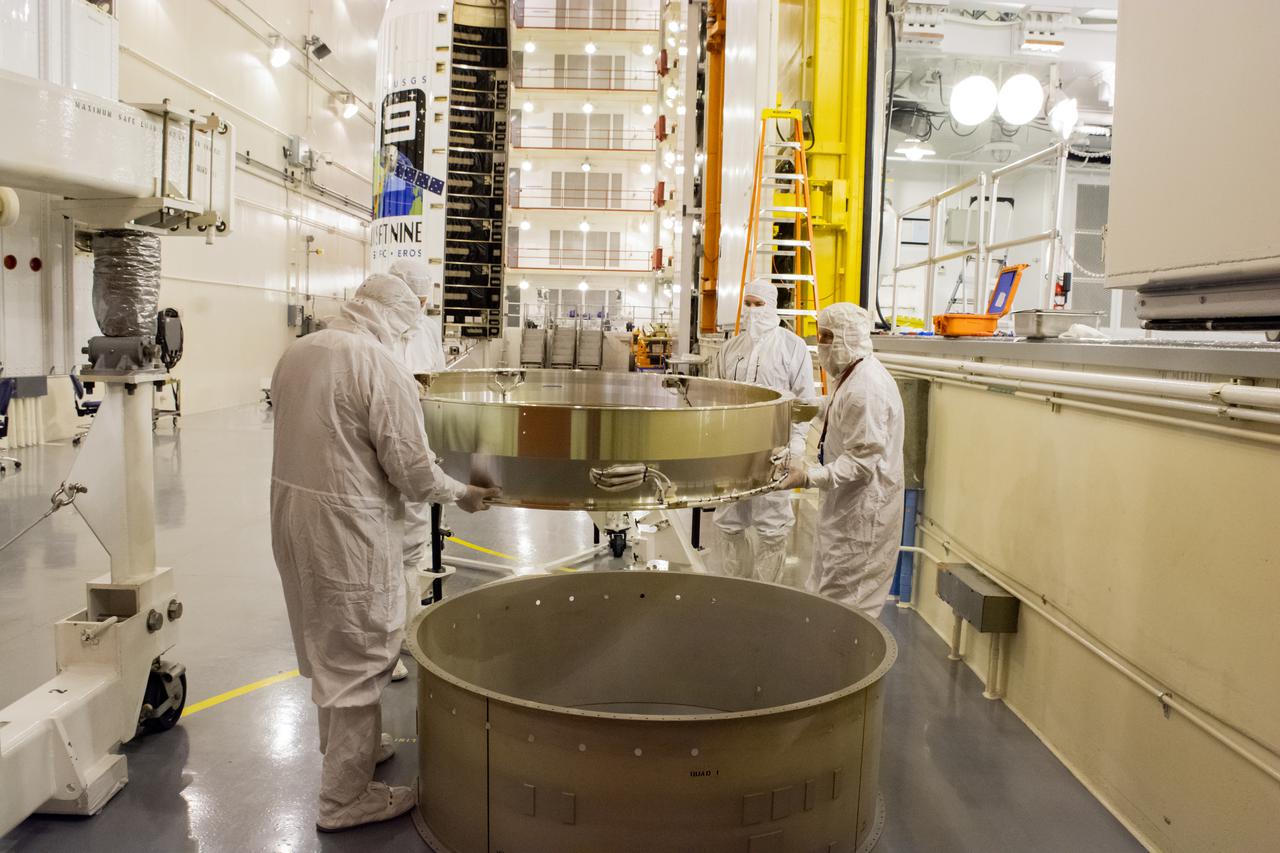
Inside the Integrated Processing Facility at Vandenberg Space Force Base in California, United Launch Alliance (ULA) technicians prepare to perform a blacklight test and sampling for contaminants on the two ULA Atlas V rocket payload fairings for NASA’s Landsat 9 satellite on June 23, 2021. The fairings will encapsulate the satellite for its launch atop the Atlas V from Vandenberg in September 2021. The launch is being managed by NASA’s Launch Services Program based at Kennedy Space Center in Florida. Landsat 9 will continue the nearly 50-year legacy of previous Landsat missions. It will monitor key natural and economic resources from orbit. Landsat 9 is managed by the agency’s Goddard Space Flight Center in Greenbelt, Maryland. It will carry two instruments: the Operational Land Imager 2, which collects images of Earth’s landscapes in visible, near-infrared and shortwave infrared light, and the Thermal Infrared Sensor 2, which measures the temperature of land surfaces. Like its predecessors, Landsat 9 is a joint mission between NASA and the U.S. Geological Survey.
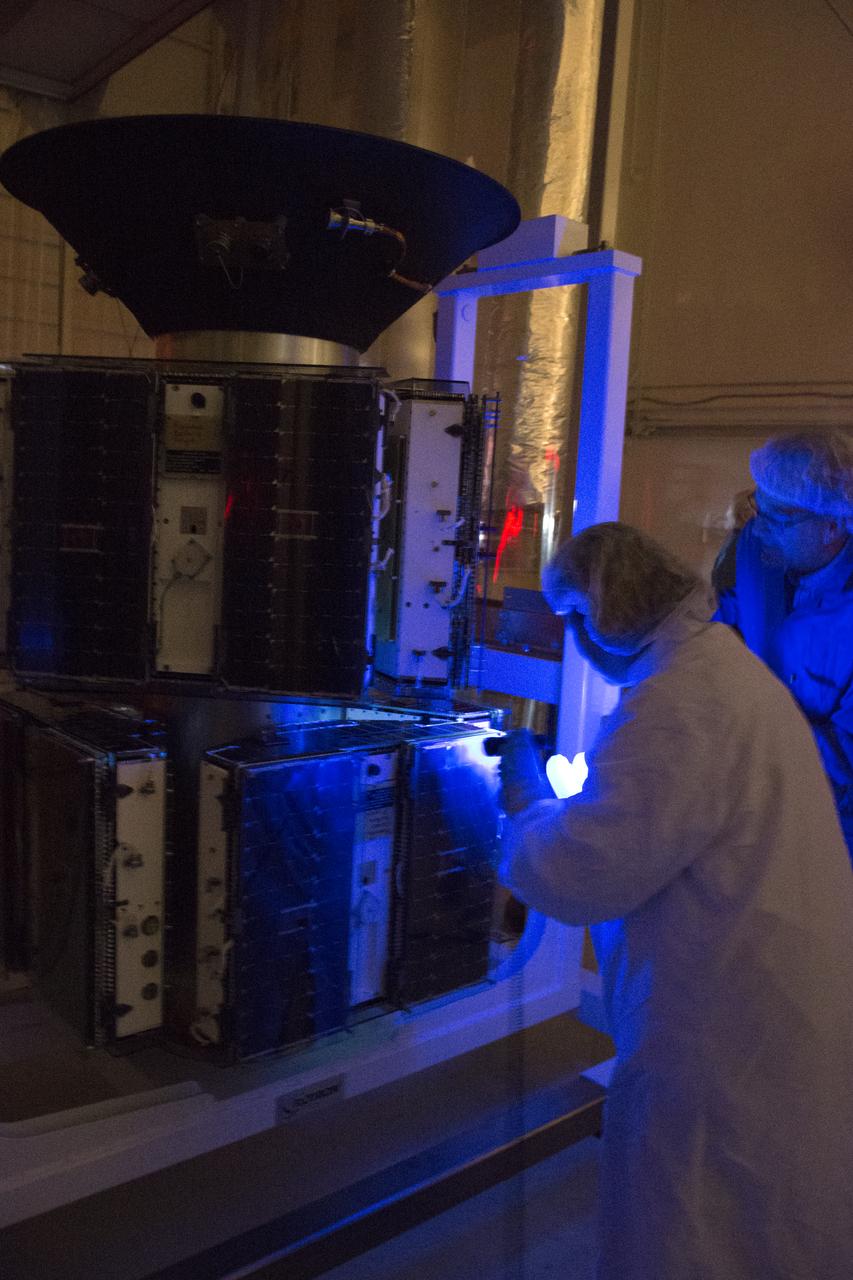
NASA's Cyclone Global Navigation Satellite System (CYGNSS) spacecraft undergoes a black light test in Building 1555 at Vandenberg Air Force Base in California. CYGNSS is being prepared at Vandenberg, and then will be transported to NASA's Kennedy Space Center in Florida aboard the Orbital ATK Pegasus XL rocket which will be attached to the Orbital ATK L-1011 carrier aircraft. CYGNSS will launch on the Pegasus XL rocket from the Skid Strip at Cape Canaveral Air Force Station. CYGNSS will make frequent and accurate measurements of ocean surface winds throughout the life cycle of tropical storms and hurricanes. The data that CYGNSS provides will enable scientists to probe key air-sea interaction processes that take place near the core of storms, which are rapidly changing and play a critical role in the beginning and intensification of hurricanes.
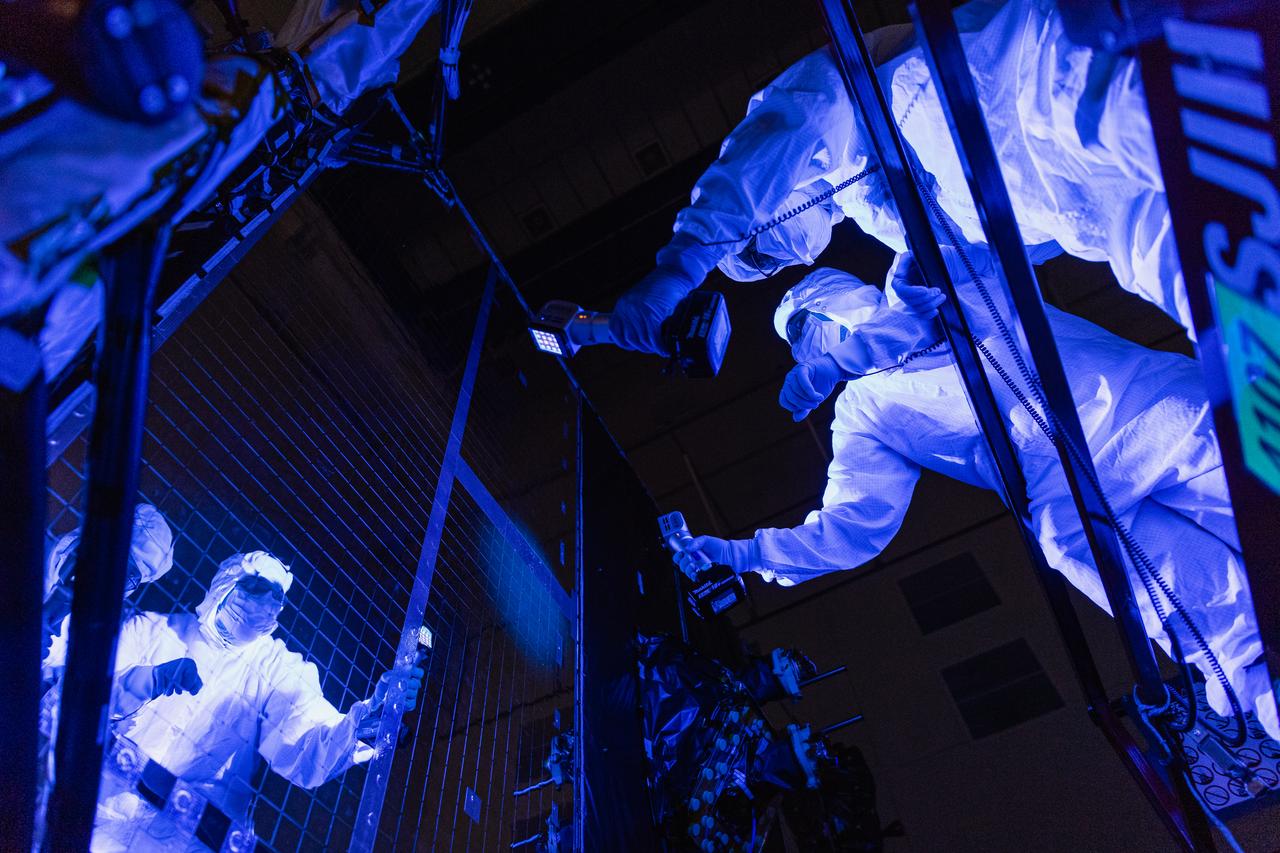
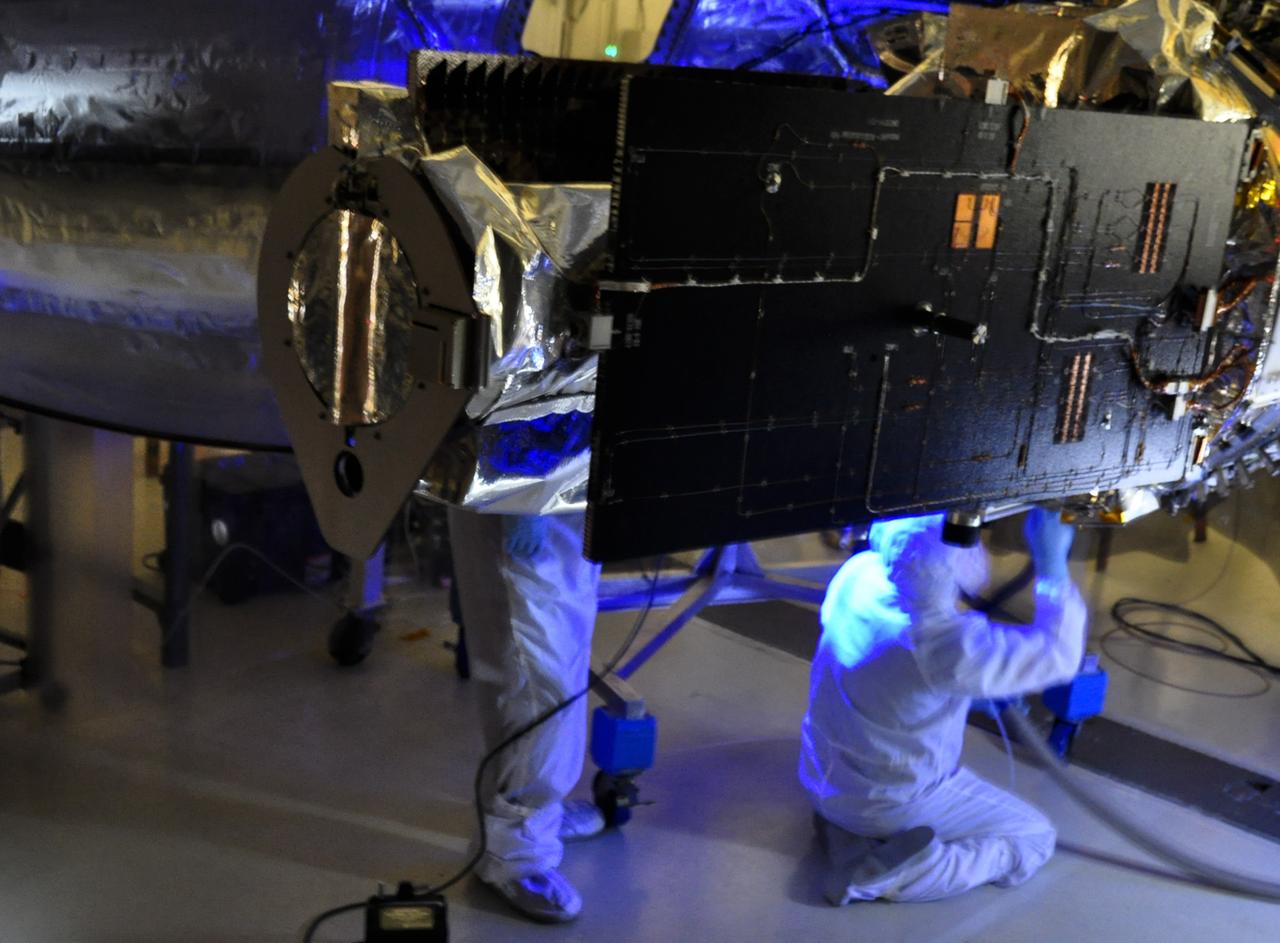
NASA Contamination control engineers perform a blacklight inspection on the OSAM-1 Spacecraft Bus at Goddard Space Flight Center, Greenbelt Md., Sept 30, 2023. This photo has been reviewed by OSAM1 project management, Maxar public release authority, and the Export Control Office and is released for public view. NASA/Mike Guinto
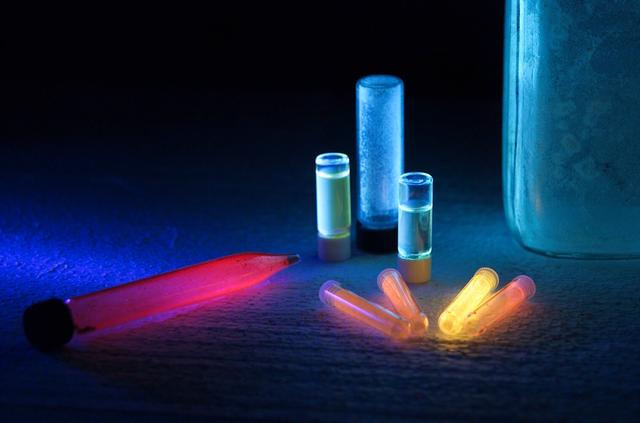
Astrochemistry Laboratory; nebula like gases forming cellular like structures 'amino acids' PAH's (by blacklight)
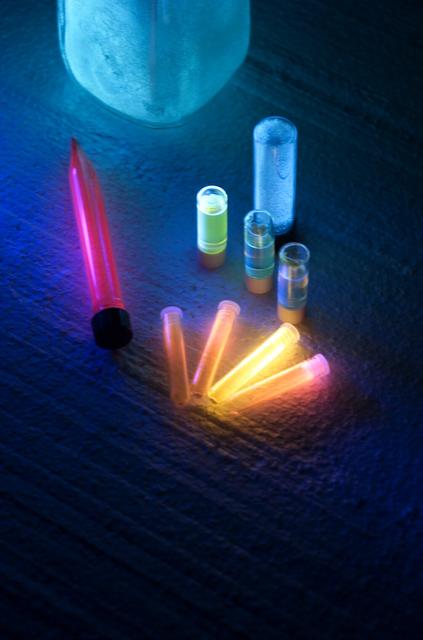
Astrochemistry Laboratory; nebula like gases forming cellular like structures 'amino acids' PAH's (by blacklight)
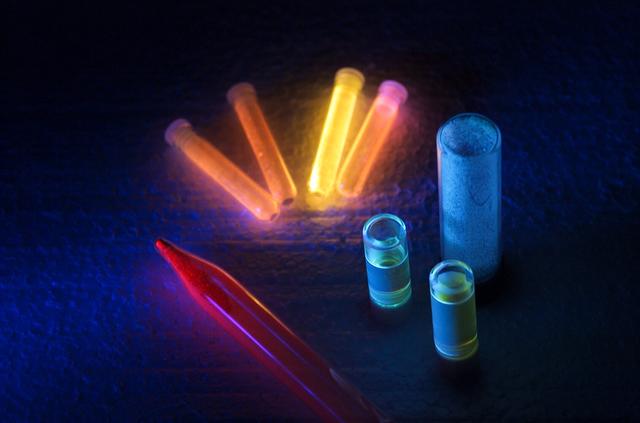
Astrochemistry Laboratory; nebula like gases forming cellular like structures 'amino acids' PAH's (by blacklight)
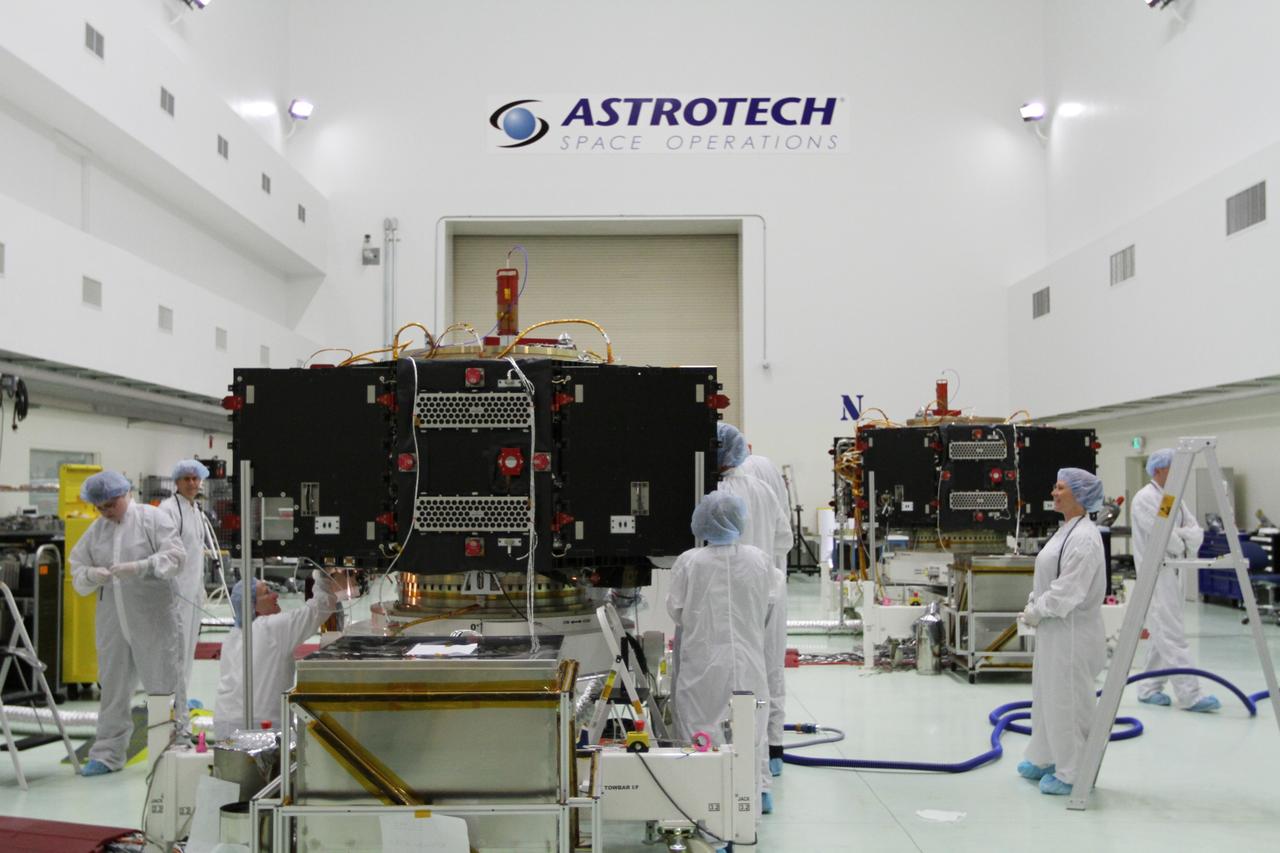
CAPE CANAVERAL, Fla. – In the clean room high bay at the Astrotech payload processing facility near NASA’s Kennedy Space Center in Florida, technicians prepare to clean and inspect Radiation Belt Storm Probes A and B. The Radiation Belt Storm Probes, or RBSP, mission will help us understand the sun’s influence on Earth and near-Earth space by studying the Earth’s radiation belts on various scales of space and time. RBSP will begin its mission of exploration of Earth's Van Allen radiation belts and the extremes of space weather after its launch aboard a United Launch Alliance Atlas V rocket. For more information, visit http://www.nasa.gov/rbsp. Photo credit: NASA/Kim Shiflett
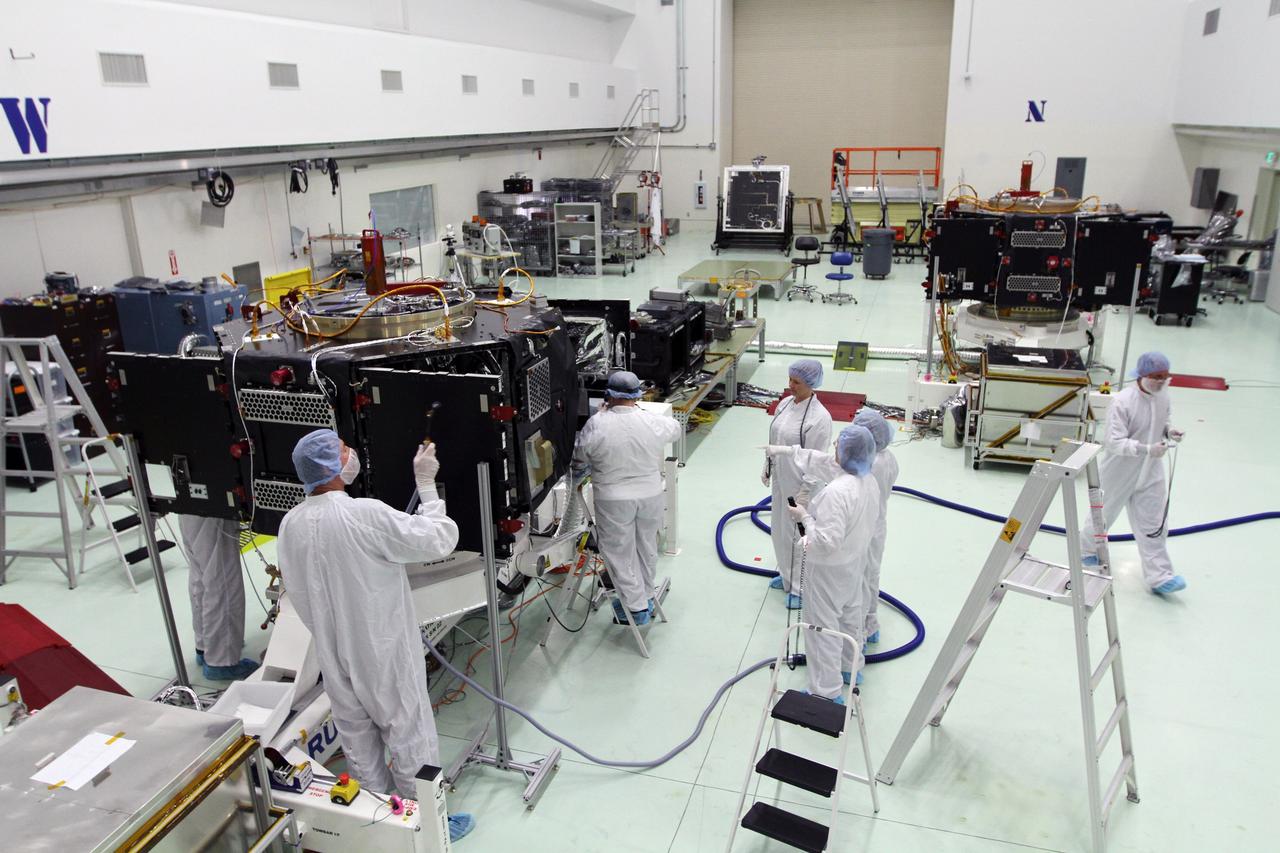
CAPE CANAVERAL, Fla. – NASA's Radiation Belt Storm Probes A and B are secured to work stands in the Astrotech payload processing facility, where technicians work to clean and inspect the two spacecraft. The Radiation Belt Storm Probes, or RBSP, mission will help us understand the sun’s influence on Earth and near-Earth space by studying the Earth’s radiation belts on various scales of space and time. RBSP will begin its mission of exploration of Earth's Van Allen radiation belts and the extremes of space weather after its launch aboard a United Launch Alliance Atlas V rocket. For more information, visit http://www.nasa.gov/rbsp. Photo credit: NASA/Kim Shiflett
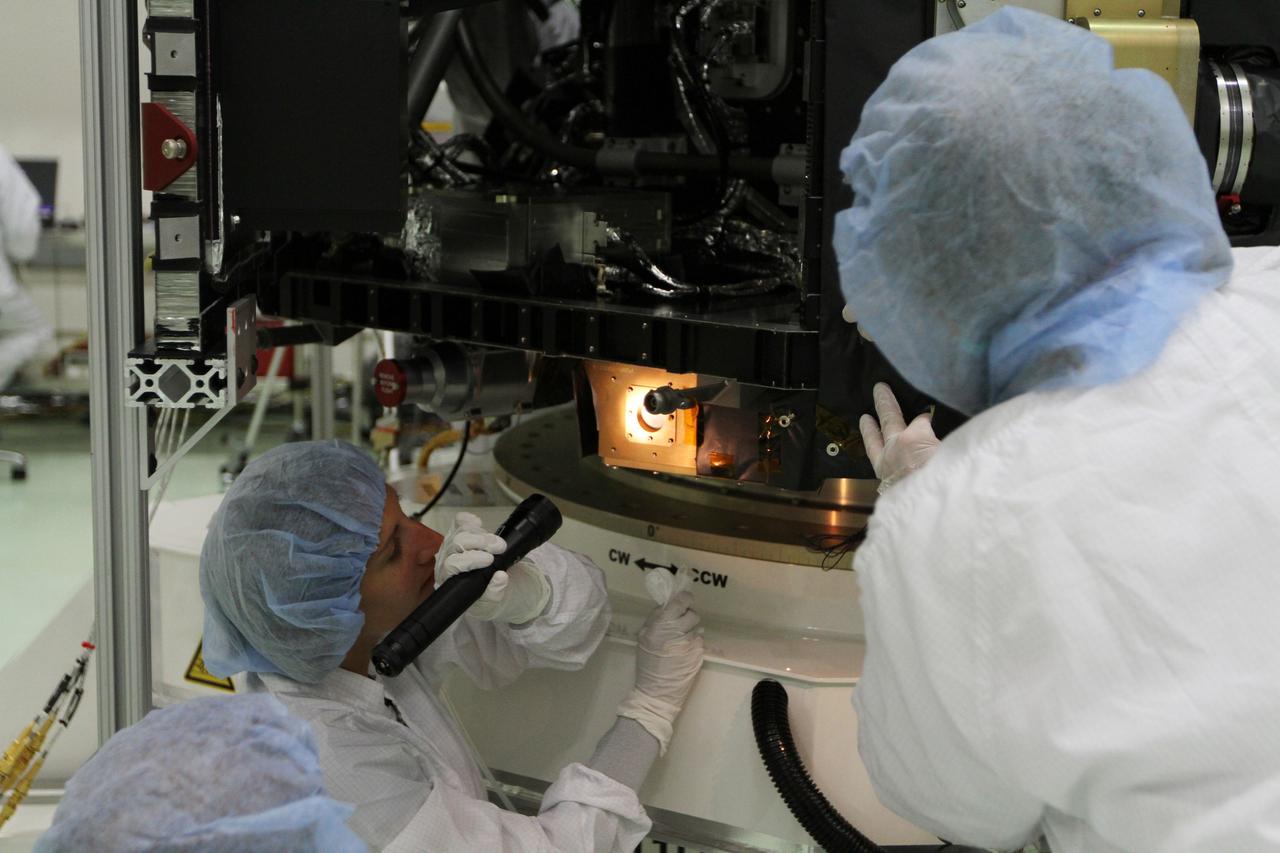
CAPE CANAVERAL, Fla. – Using flashlights, technicians closely inspect one of NASA's twin Radiation Belt Storm Probes in the Astrotech payload processing facility near Kennedy Space Center in Florida. The Radiation Belt Storm Probes, or RBSP, mission will help us understand the sun’s influence on Earth and near-Earth space by studying the Earth’s radiation belts on various scales of space and time. RBSP will begin its mission of exploration of Earth's Van Allen radiation belts and the extremes of space weather after its launch aboard a United Launch Alliance Atlas V rocket. For more information, visit http://www.nasa.gov/rbsp. Photo credit: NASA/Kim Shiflett
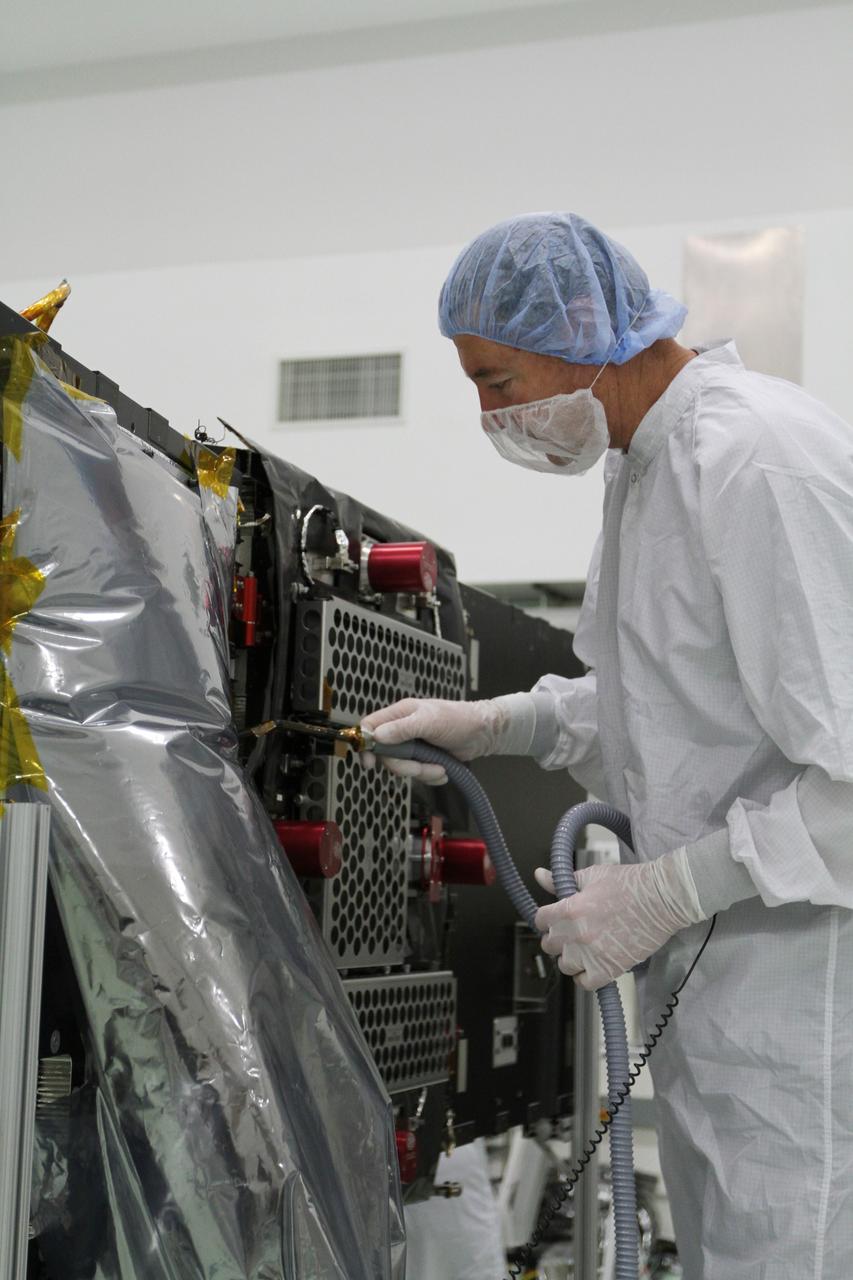
CAPE CANAVERAL, Fla. – A technician cleans and inspects one of NASA's twin Radiation Belt Storm Probes in the clean room high bay at the Astrotech payload processing facility near Kennedy Space Center in Florida. The Radiation Belt Storm Probes, or RBSP, mission will help us understand the sun’s influence on Earth and near-Earth space by studying the Earth’s radiation belts on various scales of space and time. RBSP will begin its mission of exploration of Earth's Van Allen radiation belts and the extremes of space weather after its launch aboard a United Launch Alliance Atlas V rocket. For more information, visit http://www.nasa.gov/rbsp. Photo credit: NASA/Kim Shiflett
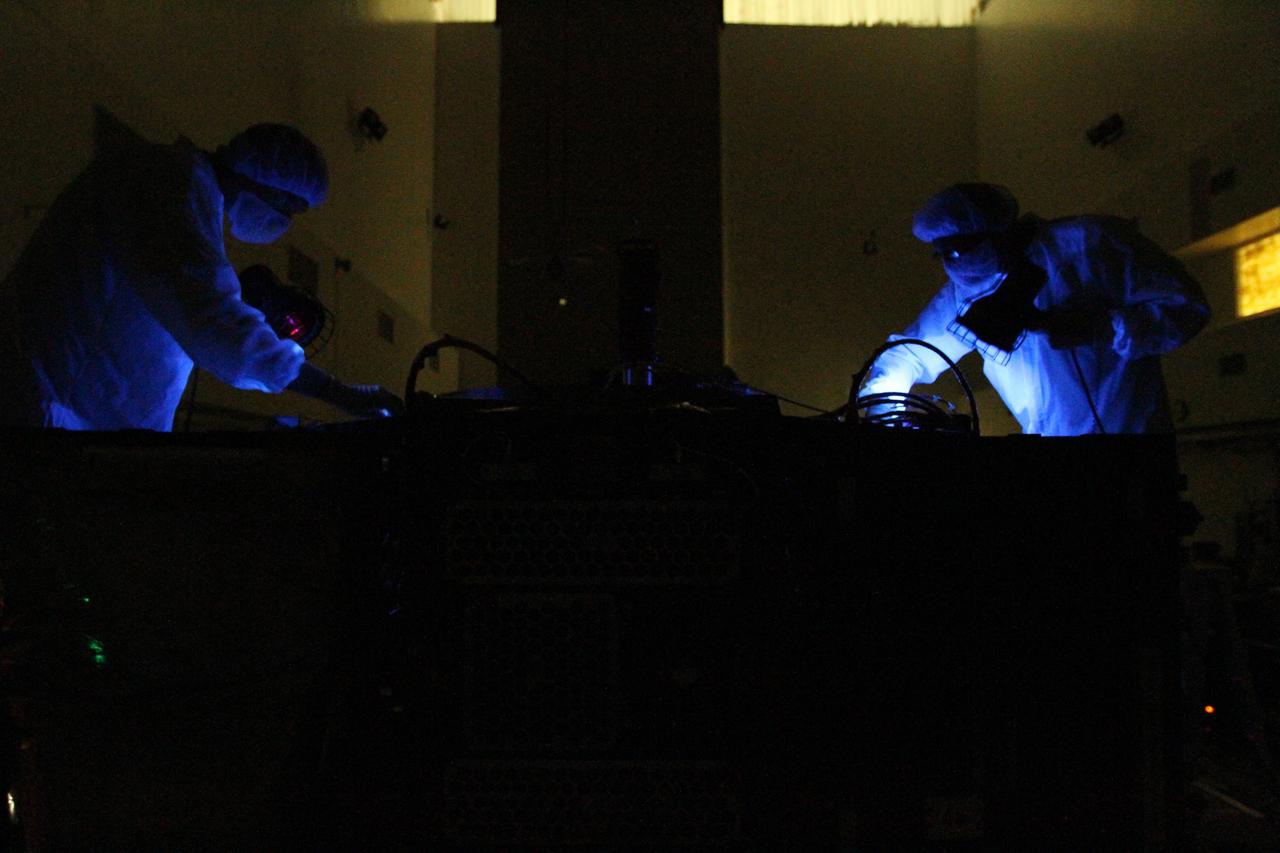
CAPE CANAVERAL, Fla. – Working in near-darkness inside the high bay clean room at the Astrotech payload processing facility, two technicians use black lights to inspect of one of NASA's twin Radiation Belt Storm Probes. Black light inspection uses UVA fluorescence to detect possible microcontamination, small cracks or fluid leaks. The Radiation Belt Storm Probes, or RBSP, mission will help us understand the sun’s influence on Earth and near-Earth space by studying the Earth’s radiation belts on various scales of space and time. RBSP will begin its mission of exploration of Earth's Van Allen radiation belts and the extremes of space weather after its launch aboard a United Launch Alliance Atlas V rocket. For more information, visit http://www.nasa.gov/rbsp. Photo credit: NASA/Kim Shiflett
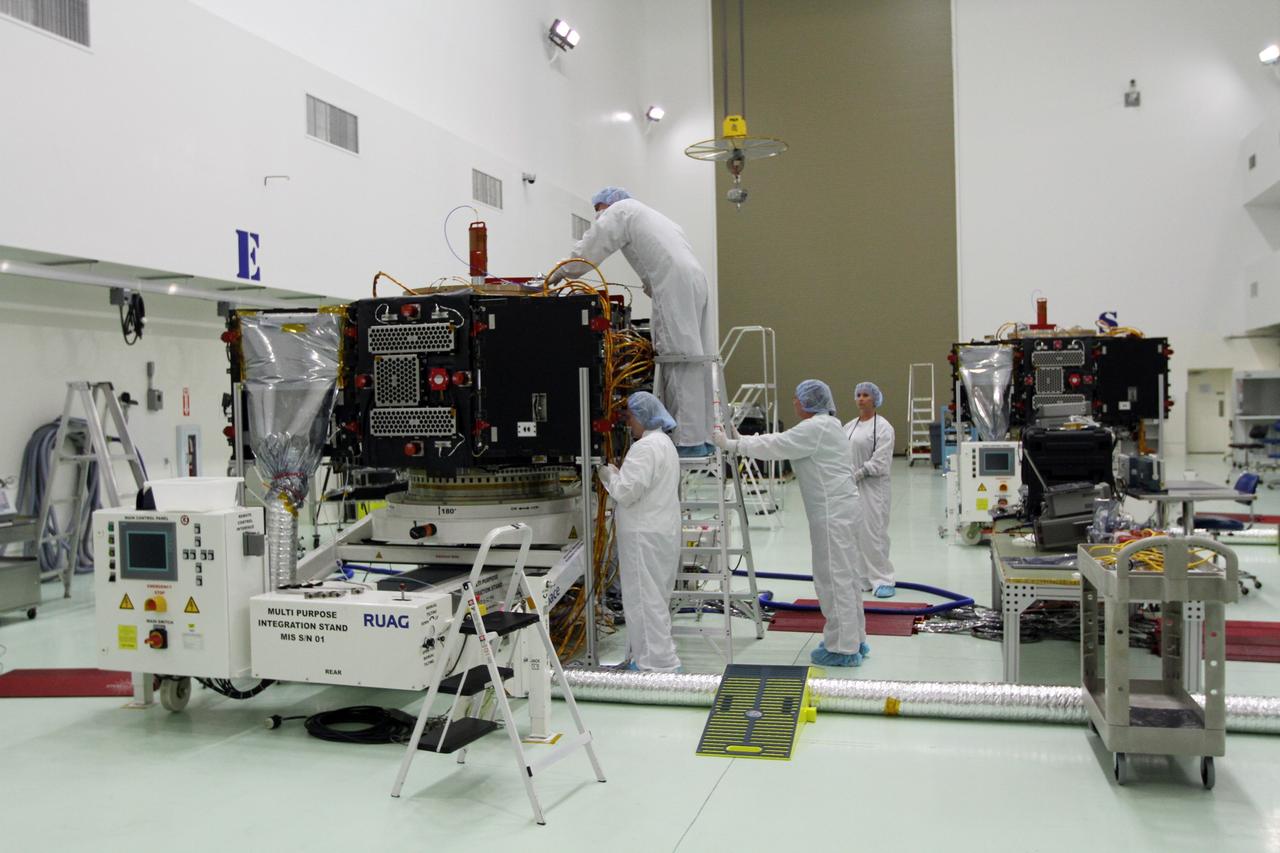
CAPE CANAVERAL, Fla. – Technicians inspect one of NASA's twin Radiation Belt Storm Probes inside the clean room high bay at Astrotech payload processing facility. The Radiation Belt Storm Probes, or RBSP, mission will help us understand the sun’s influence on Earth and near-Earth space by studying the Earth’s radiation belts on various scales of space and time. RBSP will begin its mission of exploration of Earth's Van Allen radiation belts and the extremes of space weather after its launch aboard a United Launch Alliance Atlas V rocket. For more information, visit http://www.nasa.gov/rbsp. Photo credit: NASA/Kim Shiflett
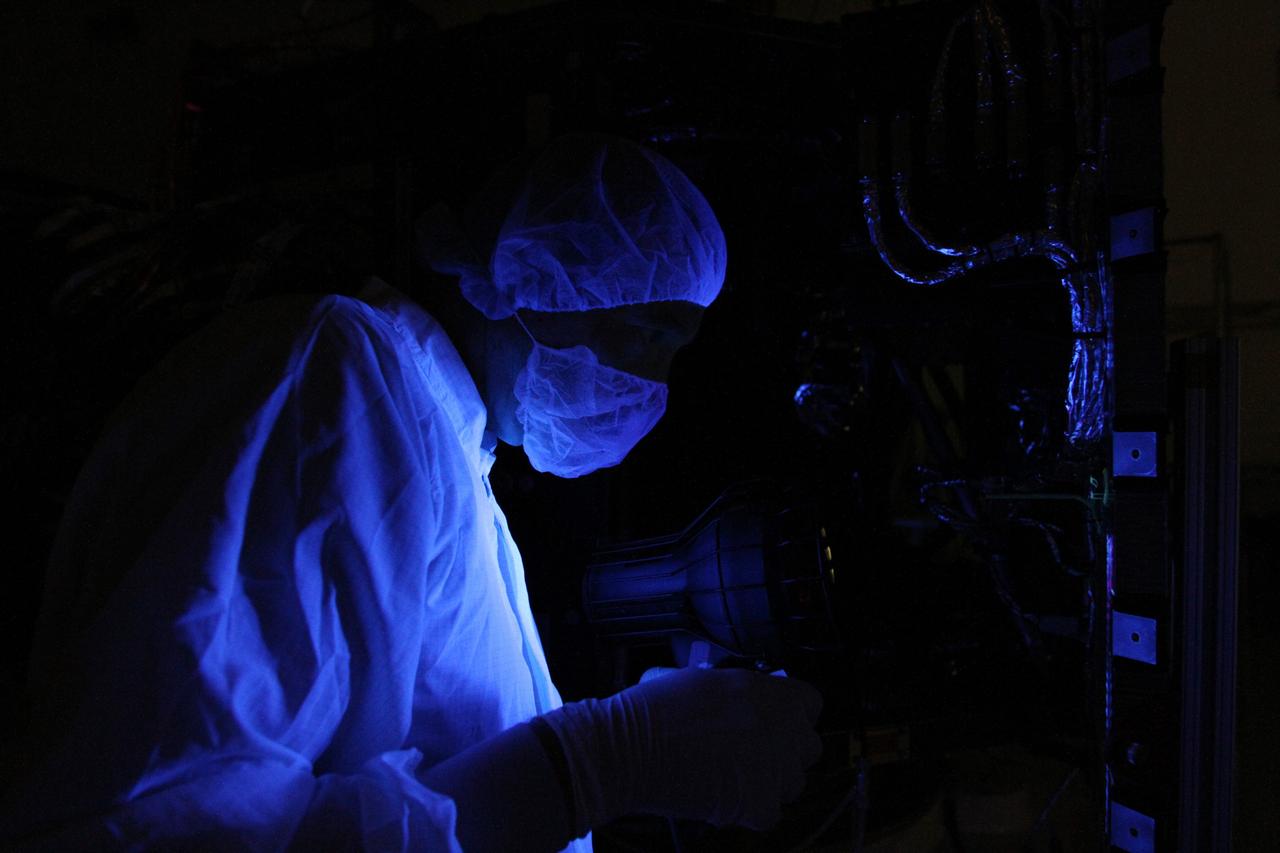
CAPE CANAVERAL, Fla. – A technician performs a black light inspection on one of NASA's Radiation Belt Storm Probes inside the clean room high bay at Astrotech payload processing facility. Black light inspection uses UVA fluorescence to detect possible microcontamination, small cracks or fluid leaks. The Radiation Belt Storm Probes, or RBSP, mission will help us understand the sun’s influence on Earth and near-Earth space by studying the Earth’s radiation belts on various scales of space and time. RBSP will begin its mission of exploration of Earth's Van Allen radiation belts and the extremes of space weather after its launch aboard a United Launch Alliance Atlas V rocket. For more information, visit http://www.nasa.gov/rbsp. Photo credit: NASA/Kim Shiflett
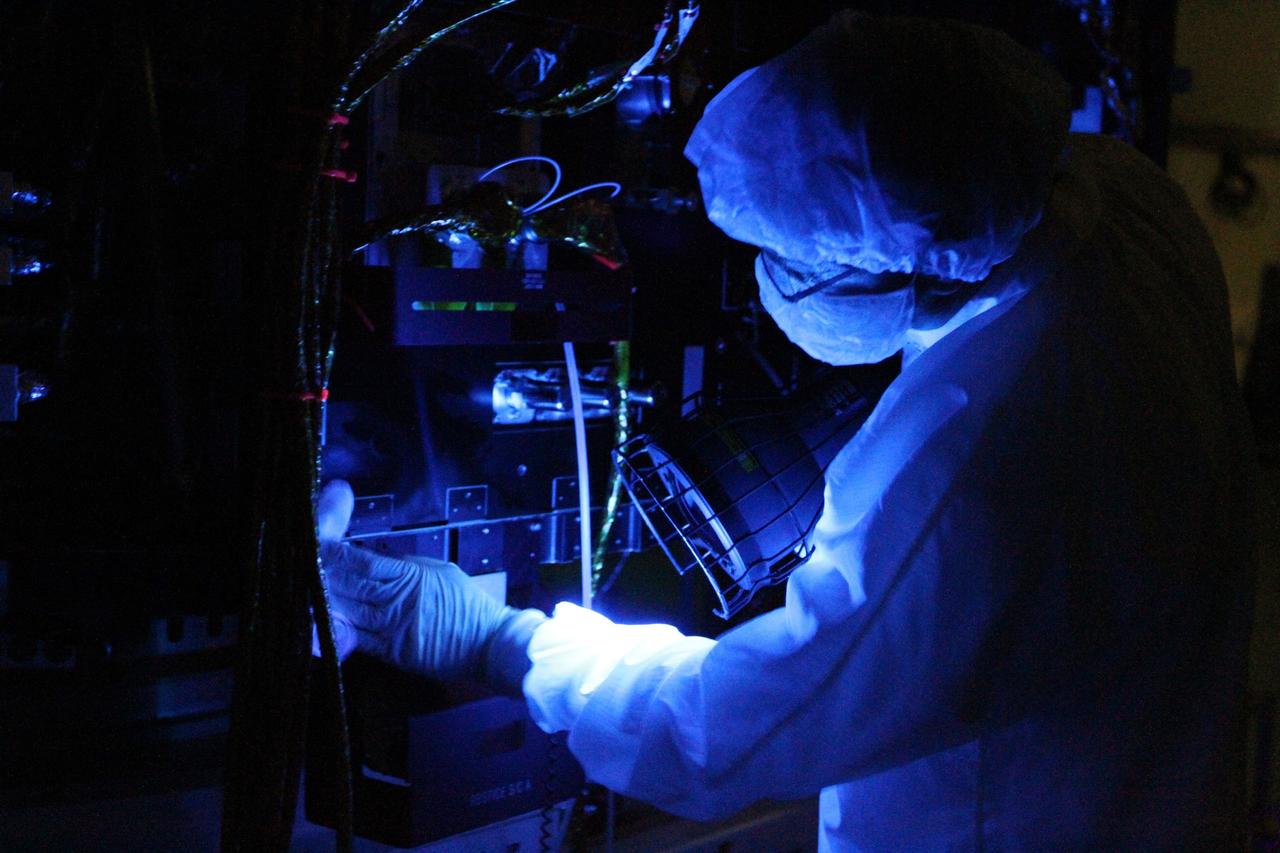
CAPE CANAVERAL, Fla. – Using a black light, a technician closely inspects one of NASA's twin Radiation Belt Storm Probes inside the clean room high bay at Astrotech payload processing facility. Black light inspection uses UVA fluorescence to detect possible microcontamination, small cracks or fluid leaks. The Radiation Belt Storm Probes, or RBSP, mission will help us understand the sun’s influence on Earth and near-Earth space by studying the Earth’s radiation belts on various scales of space and time. RBSP will begin its mission of exploration of Earth's Van Allen radiation belts and the extremes of space weather after its launch aboard a United Launch Alliance Atlas V rocket. For more information, visit http://www.nasa.gov/rbsp. Photo credit: NASA/Kim Shiflett
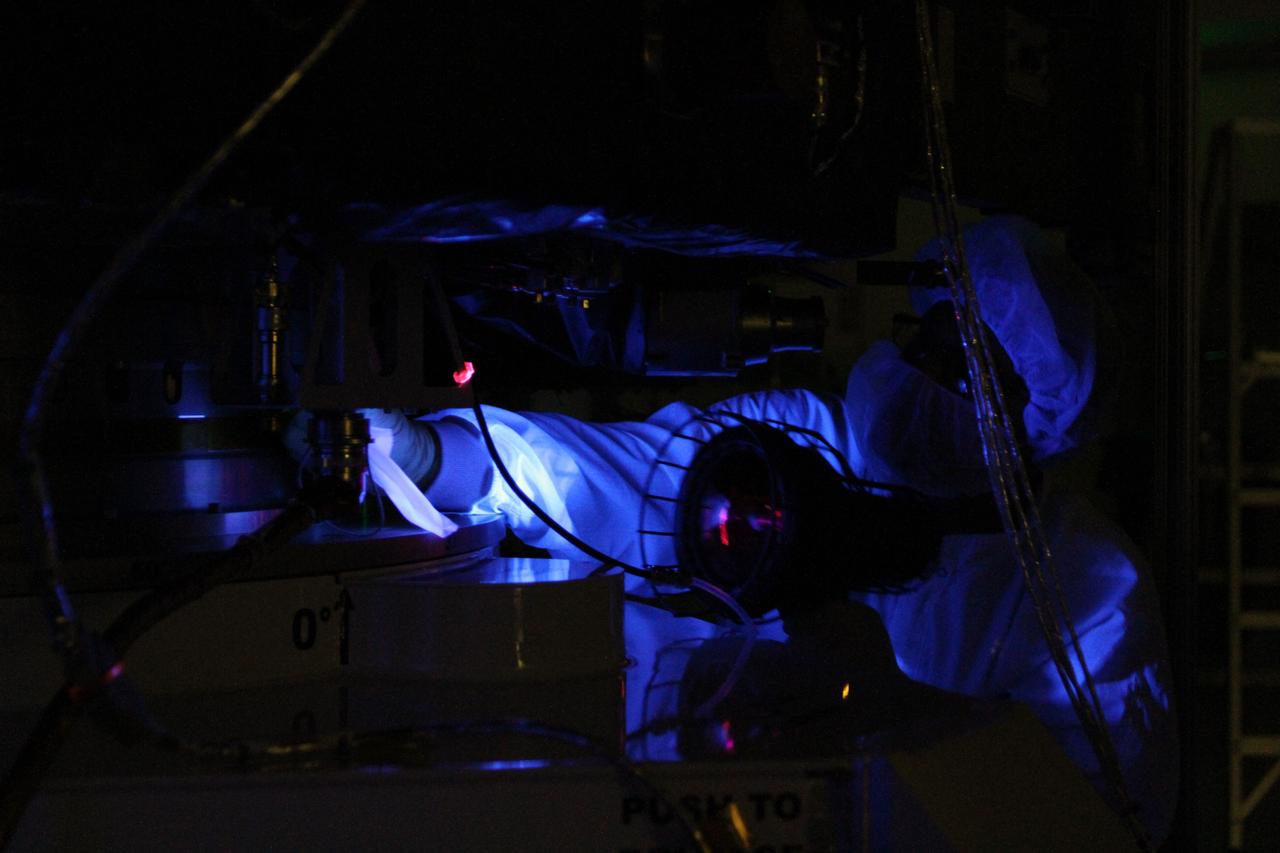
CAPE CANAVERAL, Fla. – Barely visible behind equipment, a technician uses a black light to inspect one of NASA's twin Radiation Belt Storm Probes inside the clean room high bay at Astrotech payload processing facility. Black light inspection uses UVA fluorescence to detect possible microcontamination, small cracks or fluid leaks. The Radiation Belt Storm Probes, or RBSP, mission will help us understand the sun’s influence on Earth and near-Earth space by studying the Earth’s radiation belts on various scales of space and time. RBSP will begin its mission of exploration of Earth's Van Allen radiation belts and the extremes of space weather after its launch aboard a United Launch Alliance Atlas V rocket. For more information, visit http://www.nasa.gov/rbsp. Photo credit: NASA/Kim Shiflett
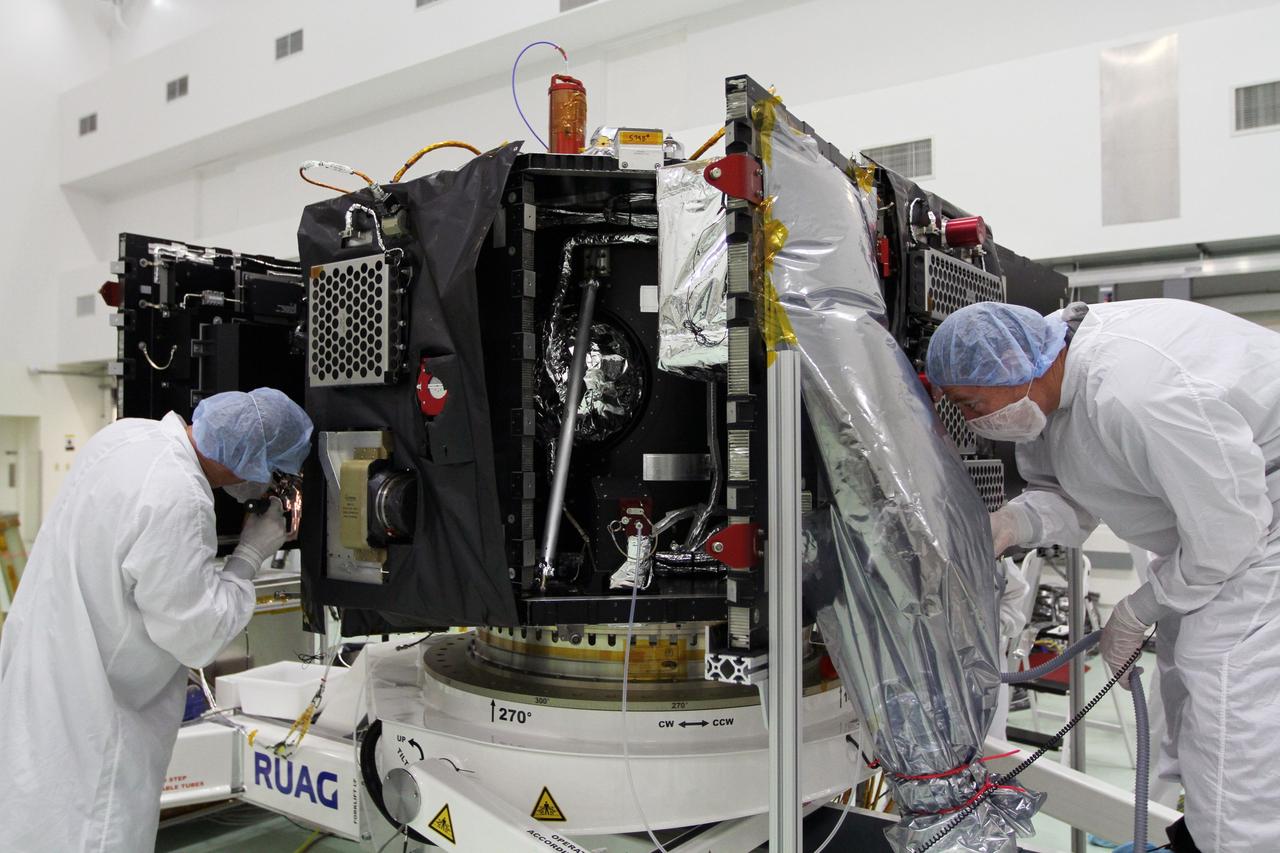
CAPE CANAVERAL, Fla. – Technicians use flashlights to conduct a meticulous inspection of one of NASA's twin Radiation Belt Storm Probes. The spacecraft is secured to a work stand inside the Astrotech payload processing facility near Kennedy Space Center in Florida. The Radiation Belt Storm Probes, or RBSP, mission will help us understand the sun’s influence on Earth and near-Earth space by studying the Earth’s radiation belts on various scales of space and time. RBSP will begin its mission of exploration of Earth's Van Allen radiation belts and the extremes of space weather after its launch aboard a United Launch Alliance Atlas V rocket. For more information, visit http://www.nasa.gov/rbsp. Photo credit: NASA/Kim Shiflett
NASA Contamination and control engineers perform a blacklight inspection on the OSAM-1 Spacecraft Bus at Goddard Space Flight Center, Greenbelt Md., Sept 30, 2023. This photo has been reviewed by OSAM1 project management, Maxar public release authority, and the Export Control Office and is released for public view. NASA/Mike Guinto
VANDENBERG AFB, Calif. – Engineers conduct inspections on NASA's IRIS spacecraft with blacklights before the payload fairing before it is connected. The fairing connects to the nose of the Orbital Sciences Pegasus XL rocket that will lift the solar observatory into orbit in June. The work is taking place in a hangar at Vandenberg Air Force Base where IRIS, short for Interface Region Imaging Spectrograph, is being prepared for launch on a Pegasus XL rocket. Scheduled for launch from Vandenberg June 26, IRIS will open a new window of discovery by tracing the flow of energy and plasma through the chromospheres and transition region into the sun’s corona using spectrometry and imaging. IRIS fills a crucial gap in our ability to advance studies of the sun-to-Earth connection by tracing the flow of energy and plasma through the foundation of the corona and the region around the sun known as the heliosphere. Photo credit: NASA/Randy Beaudoin
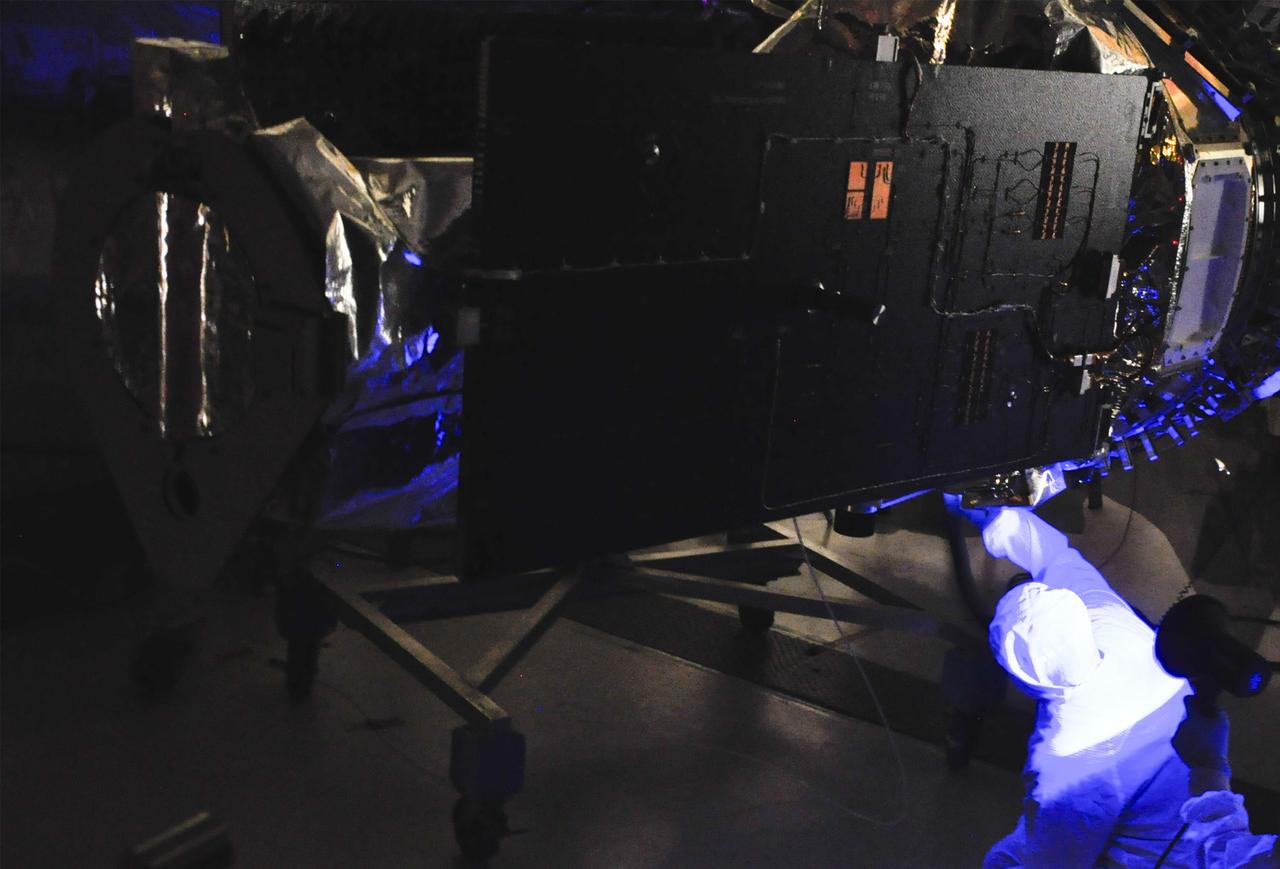
VANDENBERG AFB, Calif. – Engineers conduct inspections on NASA's IRIS spacecraft with blacklights before the payload fairing before it is connected. The fairing connects to the nose of the Orbital Sciences Pegasus XL rocket that will lift the solar observatory into orbit in June. The work is taking place in a hangar at Vandenberg Air Force Base where IRIS, short for Interface Region Imaging Spectrograph, is being prepared for launch on a Pegasus XL rocket. Scheduled for launch from Vandenberg June 26, IRIS will open a new window of discovery by tracing the flow of energy and plasma through the chromospheres and transition region into the sun’s corona using spectrometry and imaging. IRIS fills a crucial gap in our ability to advance studies of the sun-to-Earth connection by tracing the flow of energy and plasma through the foundation of the corona and the region around the sun known as the heliosphere. Photo credit: NASA/Randy Beaudoin
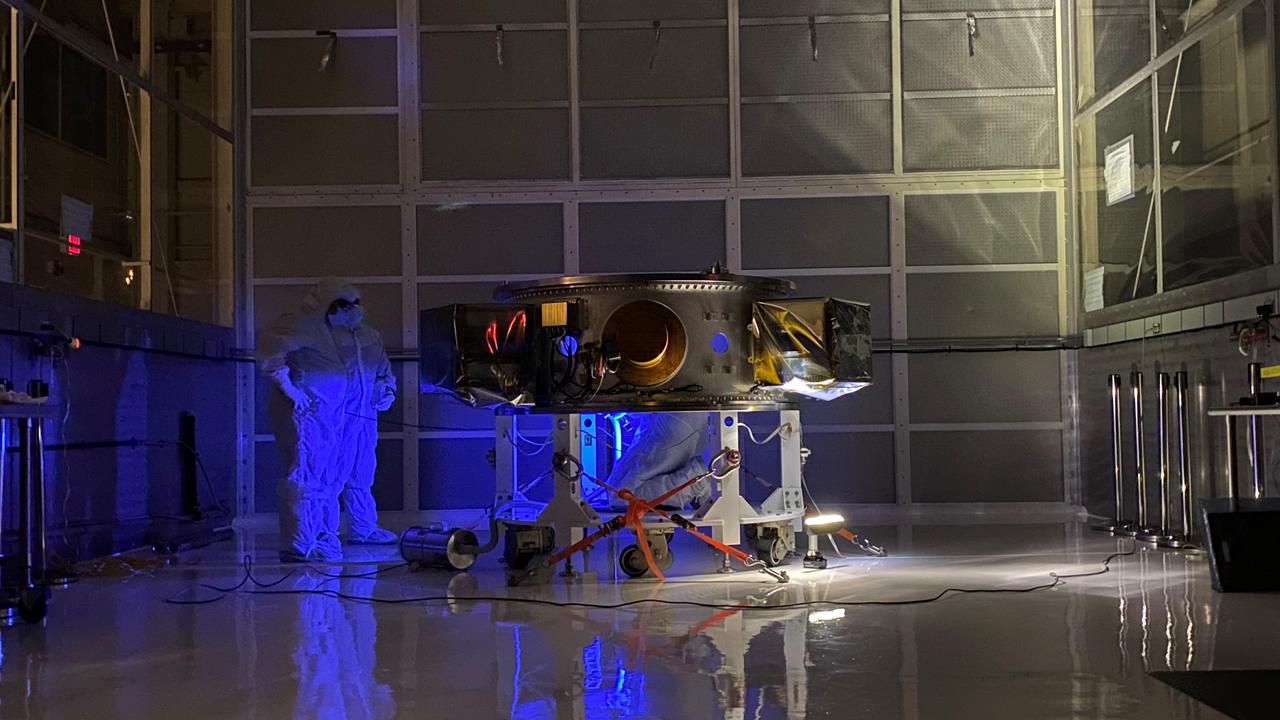
Technicians perform a blacklight inspection of the secondary payload adapter for NASA’s Landsat 9 mission at Vandenberg Space Force Base in California, on Aug. 4, 2021, before it is transported to the Integrated Processing Facility. Several secondary payloads, called CubeSats, will launch with Landsat 9 atop a United Launch Alliance Atlas V rocket from Vandenberg in September 2021. The launch is being managed by NASA’s Launch Services Program based at Kennedy Space Center, America’s multi-user spaceport. The Landsat 9 satellite will continue the nearly 50-year legacy of previous Landsat missions. It will monitor key natural and economic resources from orbit. Landsat 9 is managed by the agency’s Goddard Space Flight Center in Greenbelt, Maryland. The satellite will carry two instruments: the Operational Land Imager 2, which collects images of Earth’s landscapes in visible, near infrared and shortwave infrared light, and the Thermal Infrared Sensor 2, which measures the temperature of land surfaces. Like its predecessors, Landsat 9 is a joint mission between NASA and the U.S. Geological Survey.