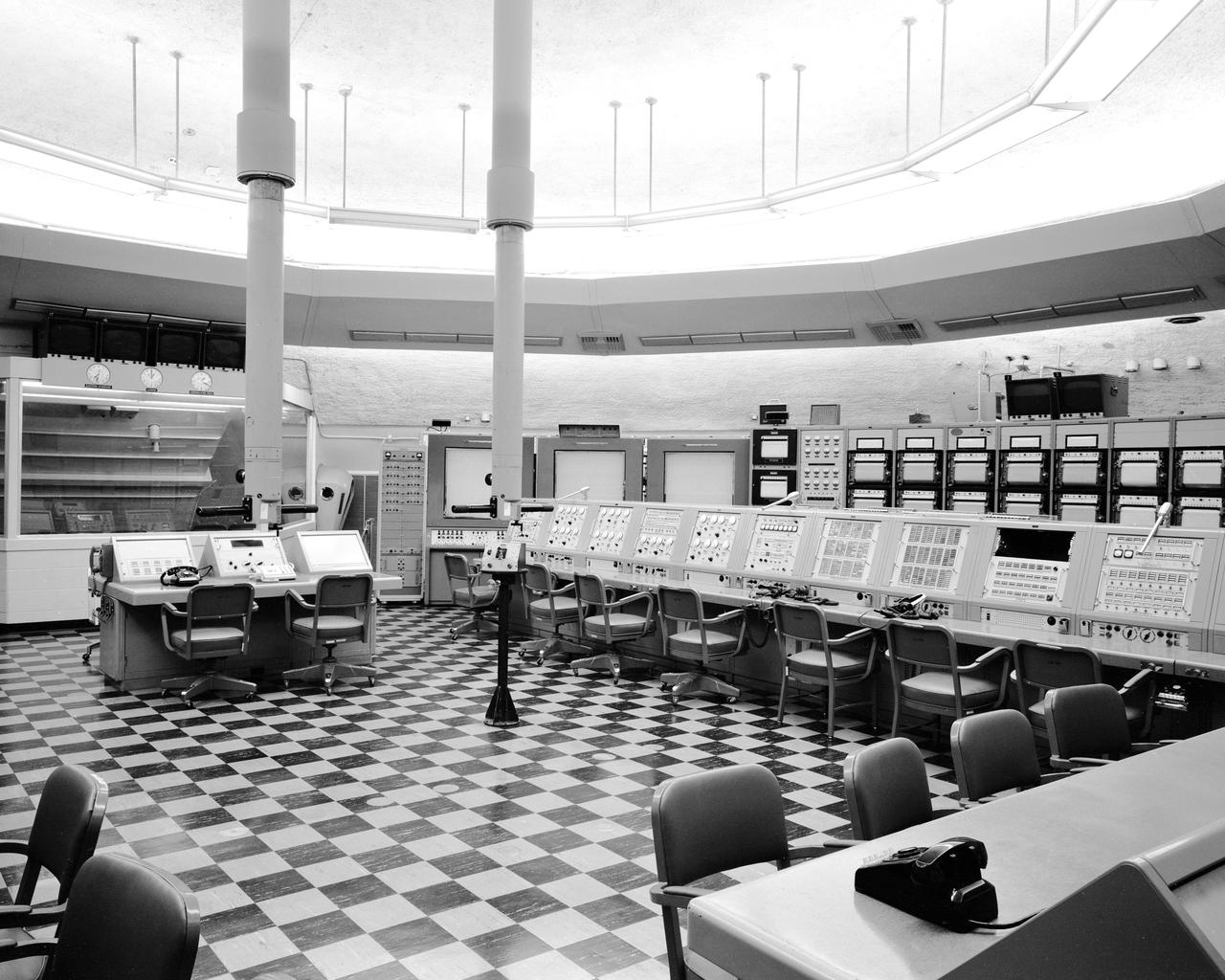
INTERIORS, PAD 34 BLOCKHOUSE, NASA/SATURN
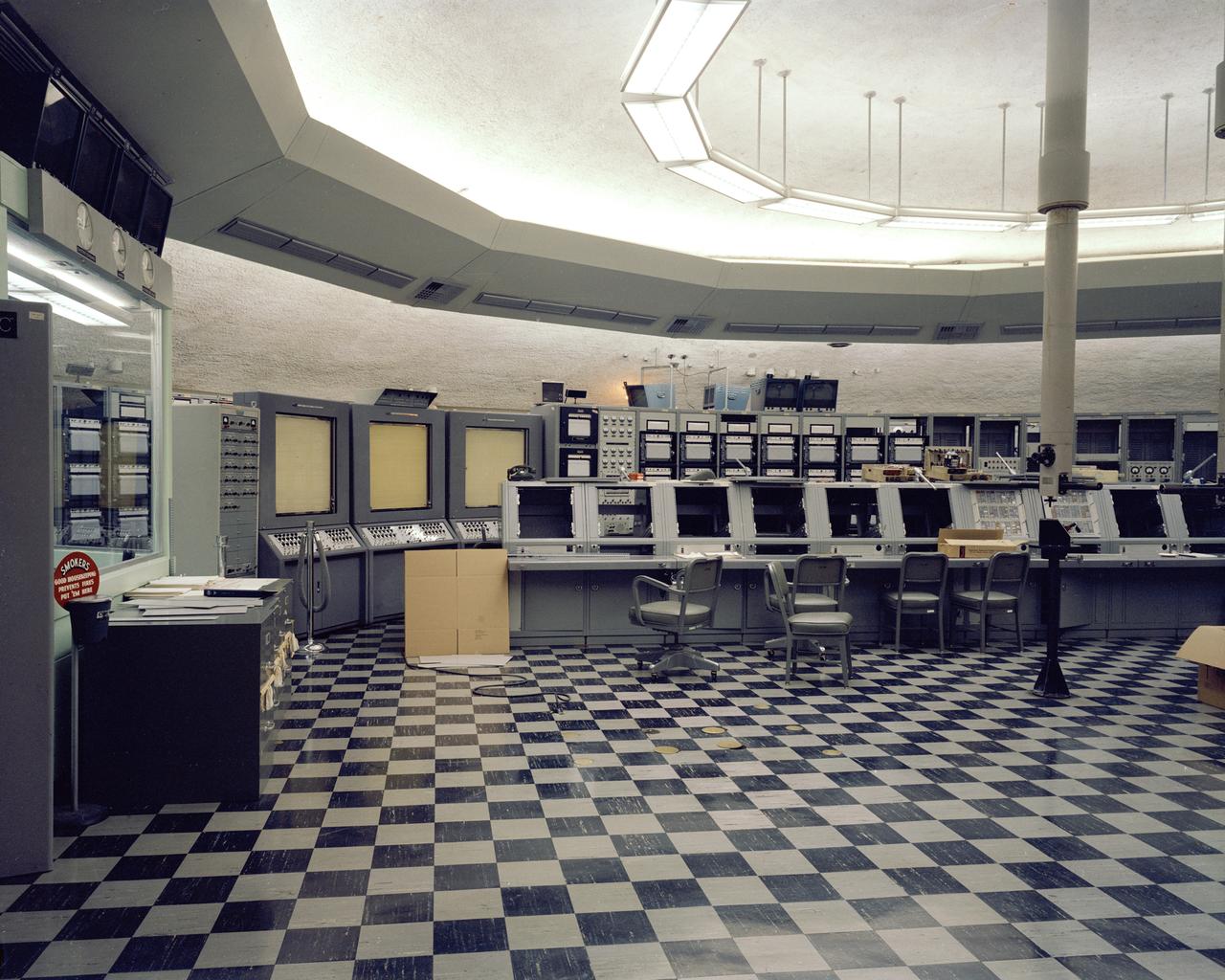
INTERIORS, PAD 34 BLOCKHOUSE, NORTH SECTION
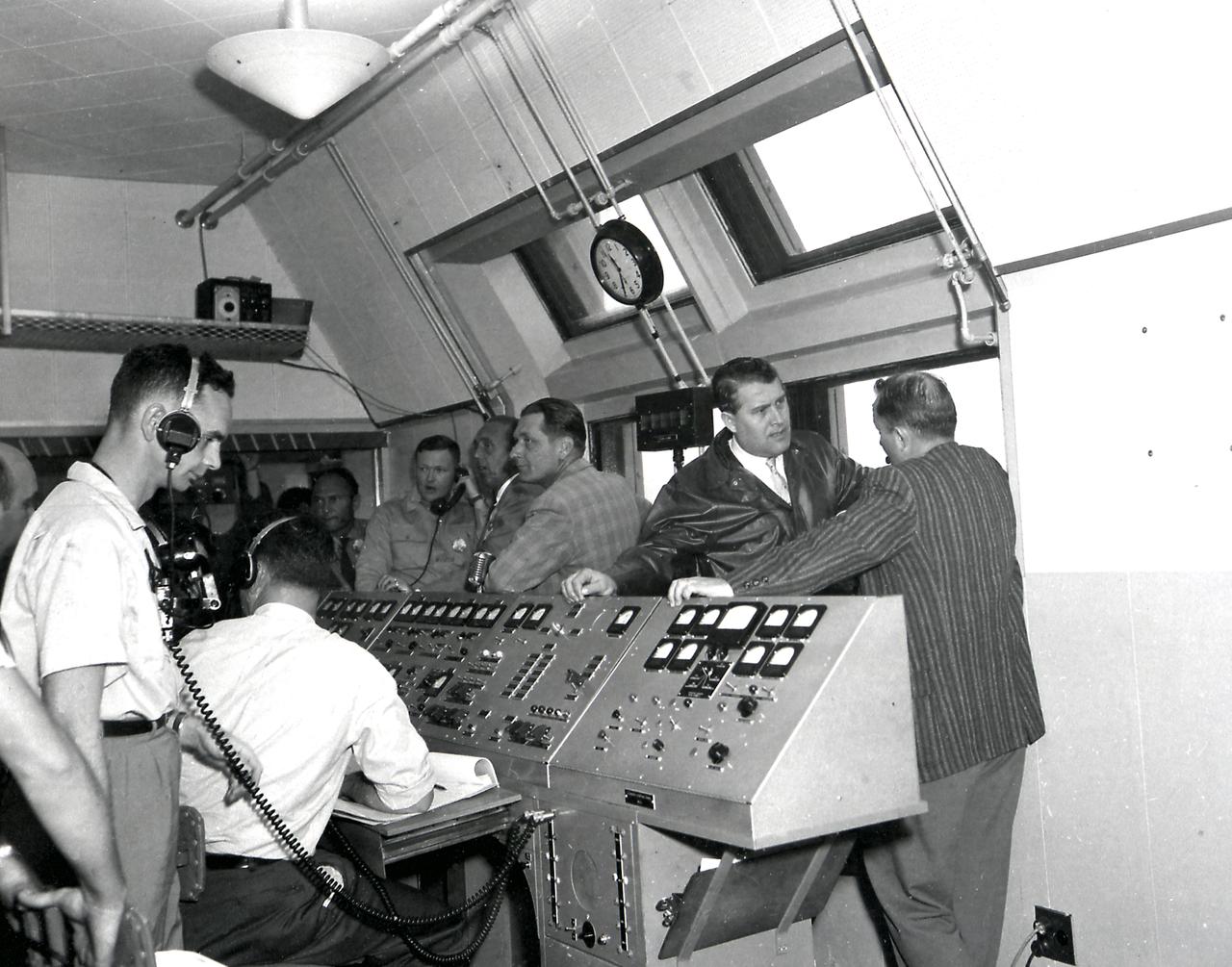
Dr. von Braun inside the blockhouse during the launch of the Jupiter C/Explorer III in March 1958.
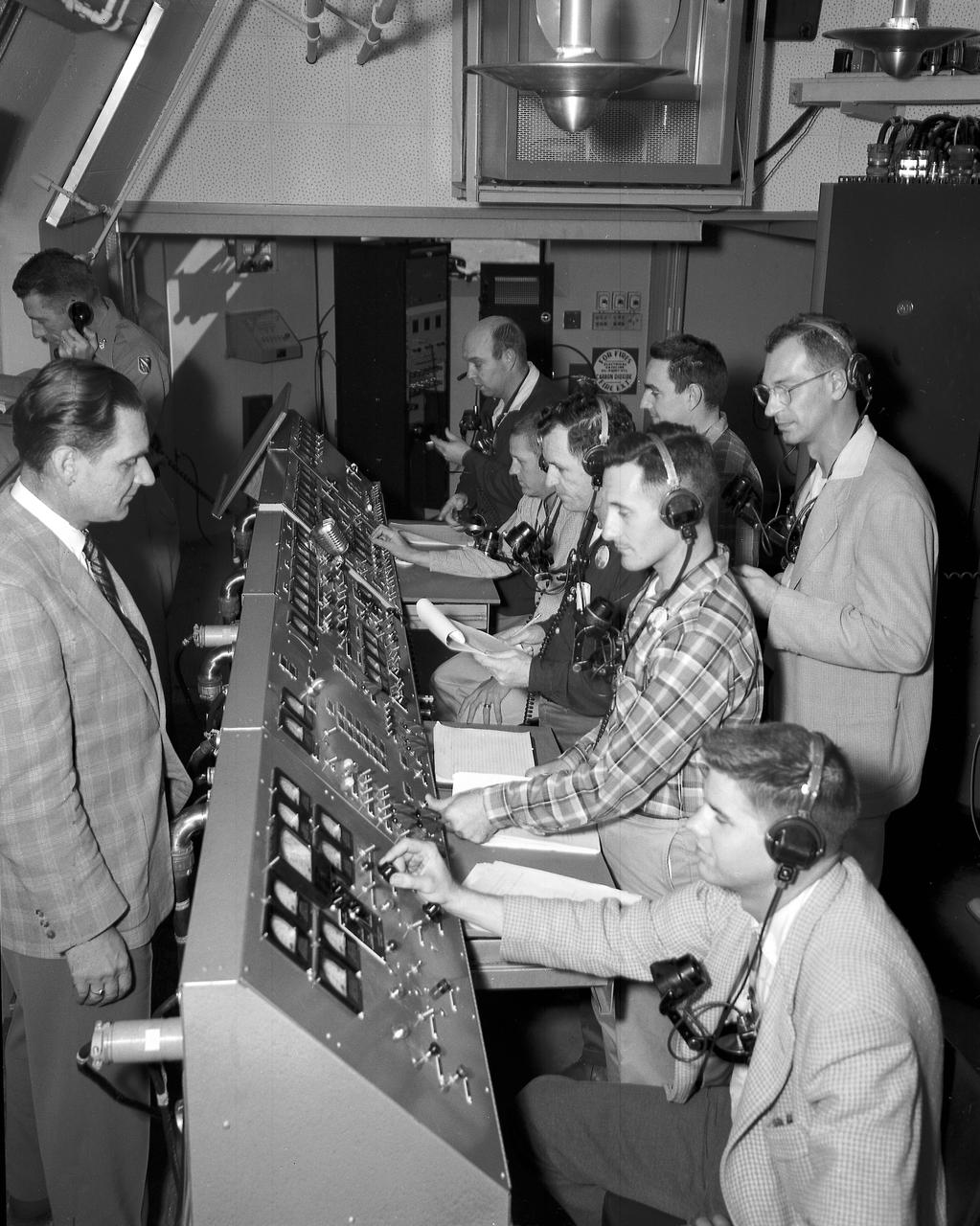
Activities in a blockhouse during the launch of Jupiter-C/Explorer 1 on January 31, 1958
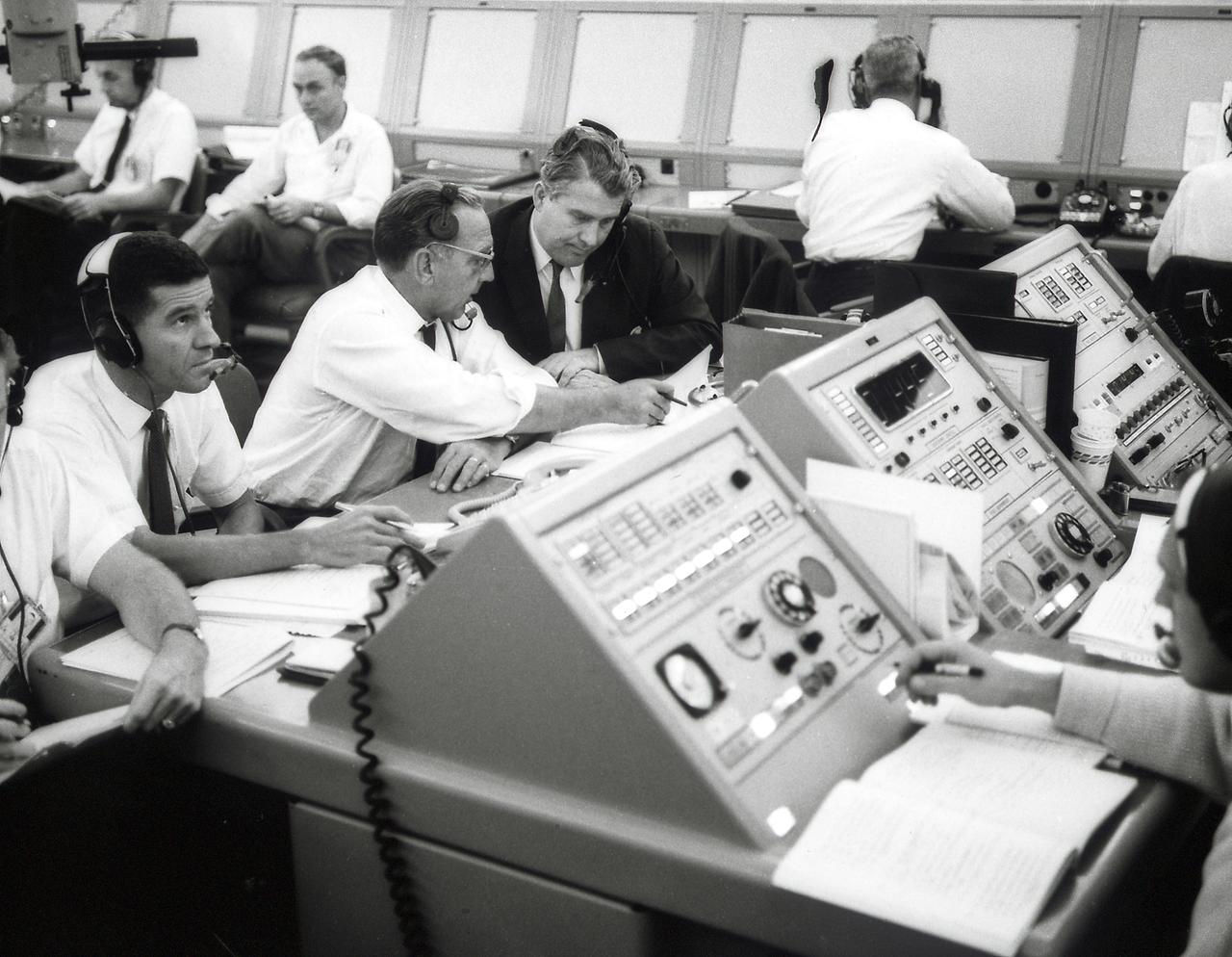
Dr. von Braun, Director of the Marshall Space Flight Center (MSFC), and Dr. Debus, Director of Launch Operations Directorate, photographed in the blockhouse during the Apollo launch simulation.
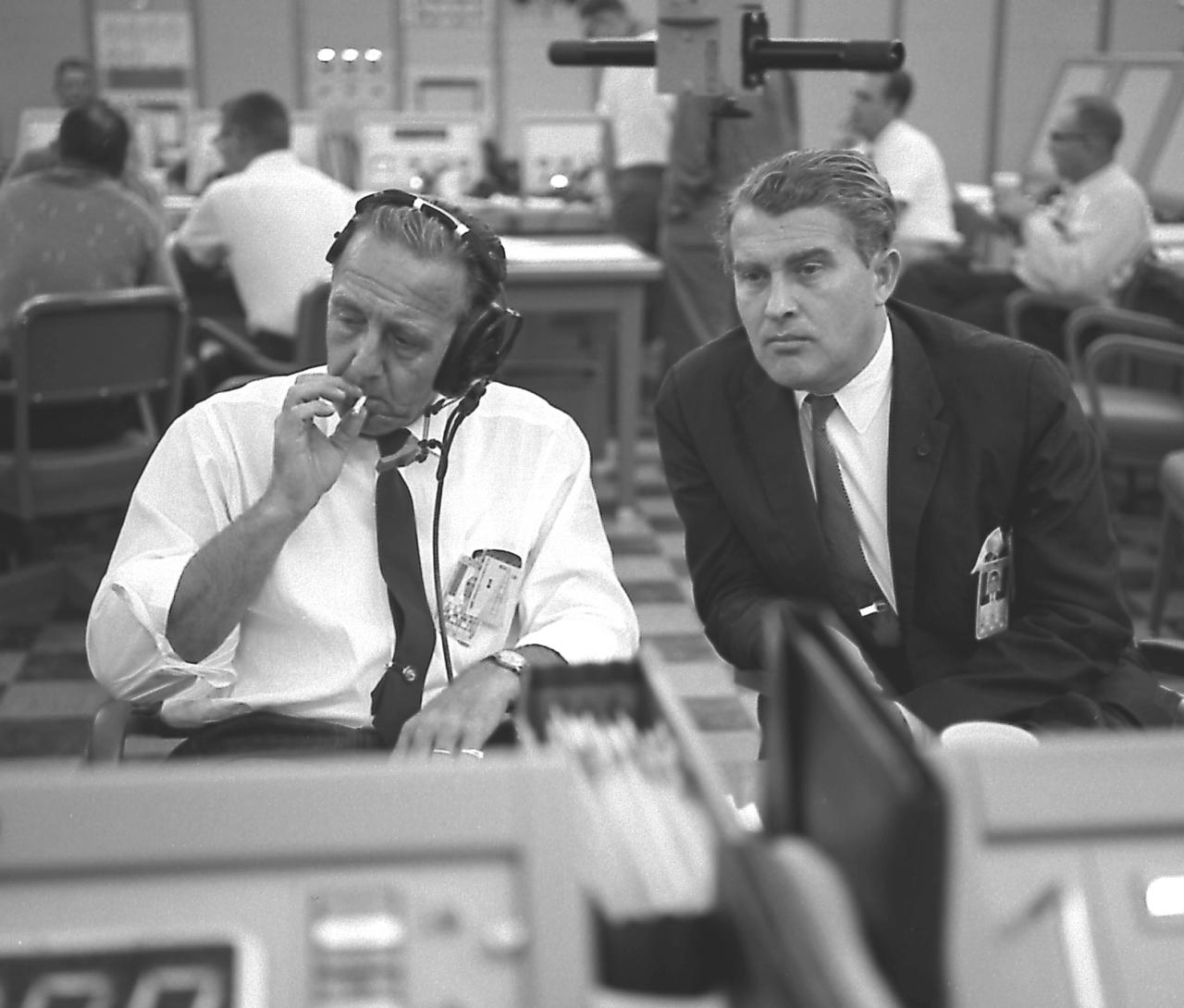
Dr. von Braun, Director of the Marshall Space Flight Center (MSFC), and Dr. Debus, Director of Launch Operations Directorate, photographed in the blockhouse during the Apollo launch simulation.
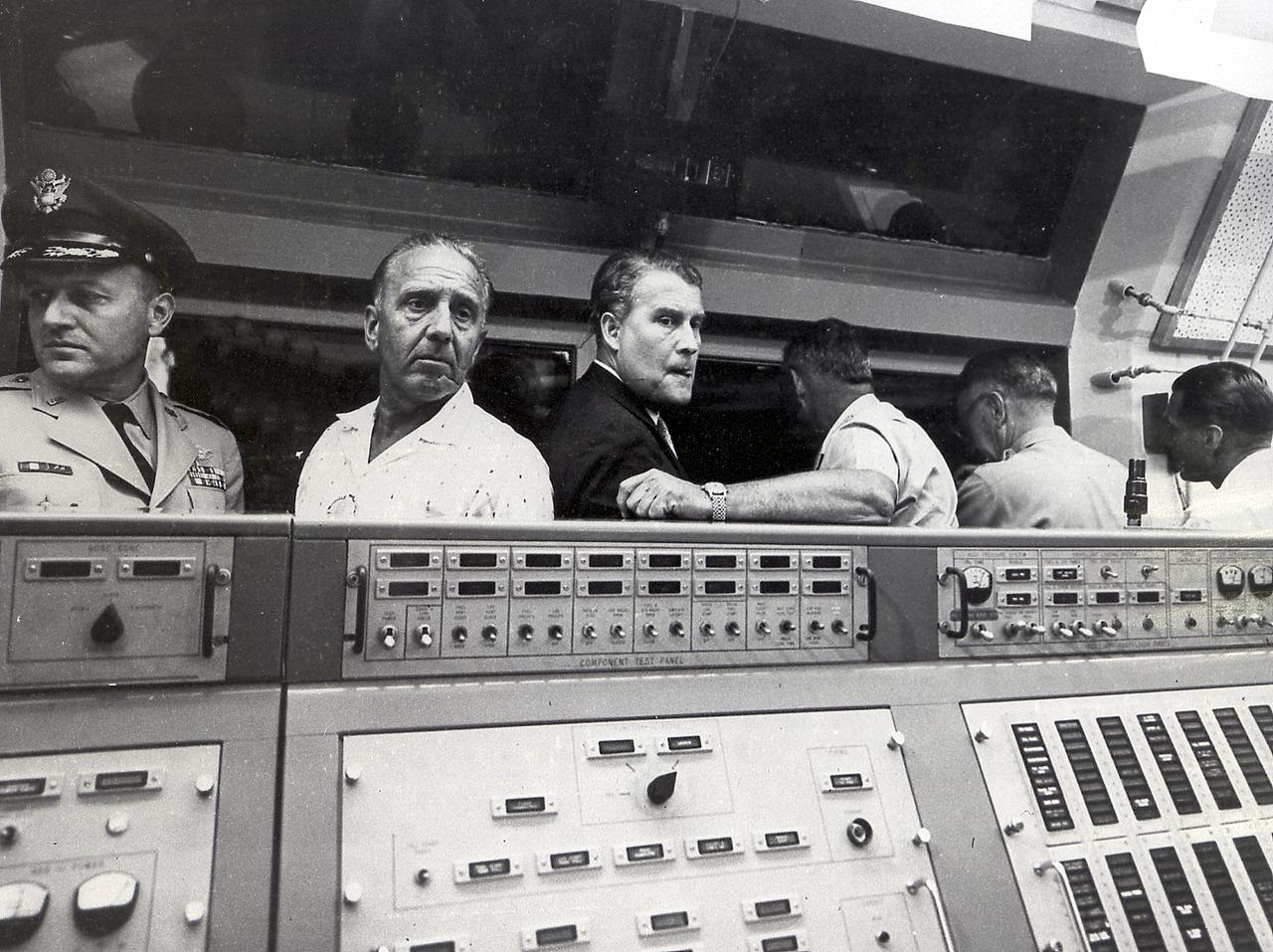
Dr. von Braun, Director of the Development Operations Divisons, and Dr. Debus, Director of the Missile Firing Laboratory; Army Ballistic Missile Agency (ABMA), in the blockhouse during the launch of the Pioneer IV, March 3, 1959.
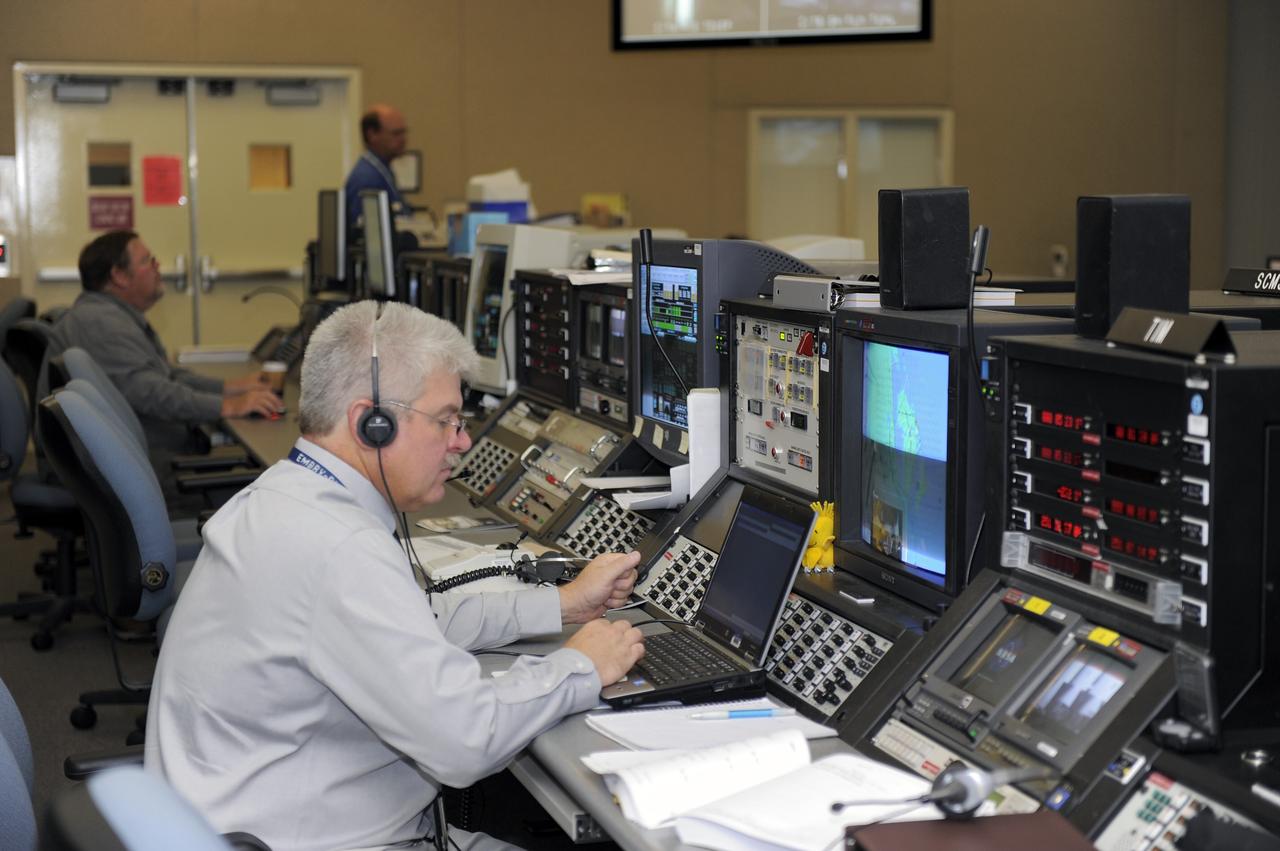
CAPE CANAVERAL, Fla. -- On Cape Canaveral Air Force Station in Florida, United Launch Alliance (ULA) personnel in the Delta Operations Building prepare for the launch of NASA's Gravity Recovery and Interior Laboratory mission aboard a ULA Delta II Heavy rocket. Physical control of the rocket is maintained from the building, located about a mile from Space Launch Complex 17B. The room functions as a "soft blockhouse" and is the room from which the computer-generated command to launch the rocket is issued two seconds before liftoff. Launch is scheduled for 8:37:06 a.m. EDT Sept. 8. GRAIL will fly twin spacecraft in tandem around the moon to precisely measure and map variations in the moon's gravitational field. The mission will provide the most accurate global gravity field to date for any planet, including Earth. For more information, visit http://www.nasa.gov/grail. Photo credit: NASA/Kim Shiflett
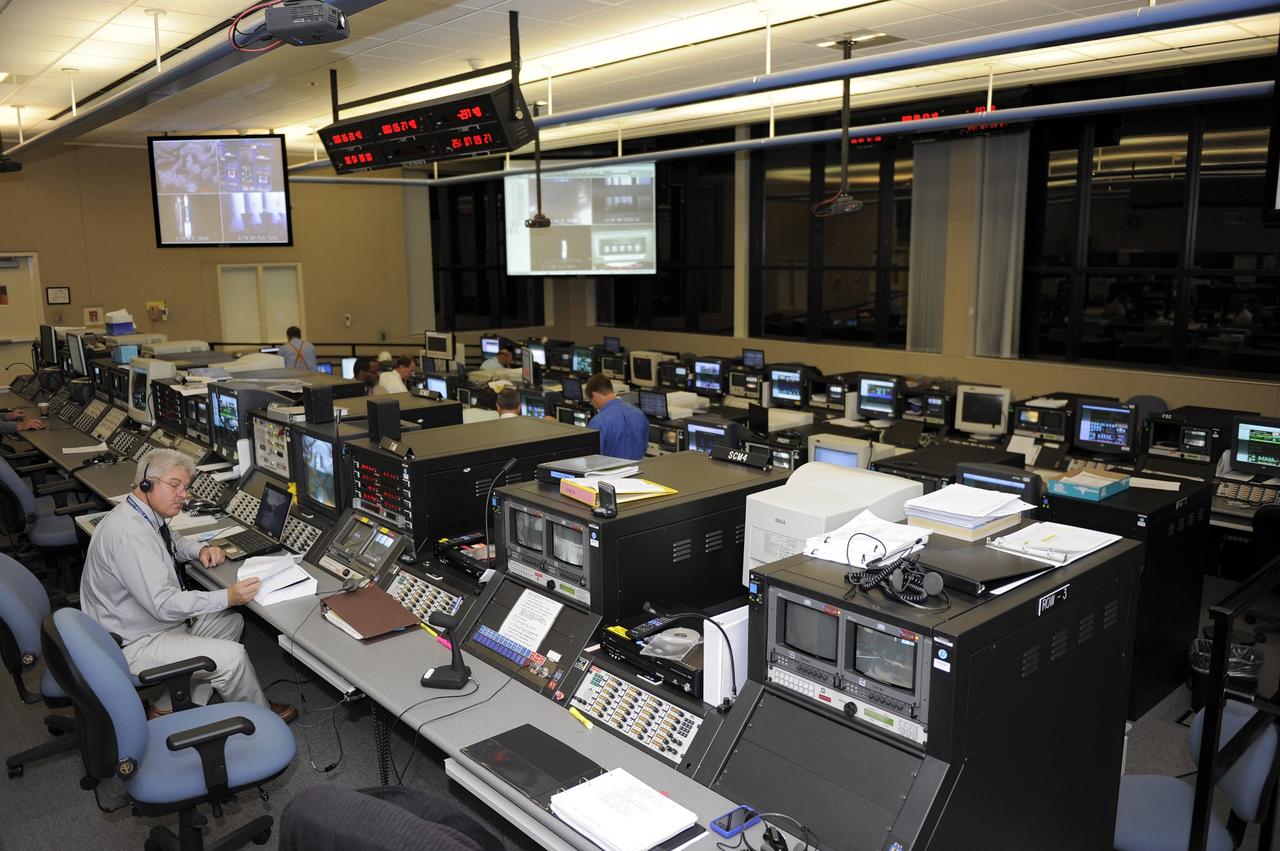
CAPE CANAVERAL, Fla. -- On Cape Canaveral Air Force Station in Florida, United Launch Alliance (ULA) personnel in the Delta Operations Building prepare for the launch of NASA's Gravity Recovery and Interior Laboratory mission aboard a ULA Delta II Heavy rocket. Physical control of the rocket is maintained from the building, located about a mile from Space Launch Complex 17B. The room functions as a "soft blockhouse" and is the room from which the computer-generated command to launch the rocket is issued two seconds before liftoff. Launch is scheduled for 8:37:06 a.m. EDT Sept. 8. GRAIL will fly twin spacecraft in tandem around the moon to precisely measure and map variations in the moon's gravitational field. The mission will provide the most accurate global gravity field to date for any planet, including Earth. For more information, visit http://www.nasa.gov/grail. Photo credit: NASA/Kim Shiflett
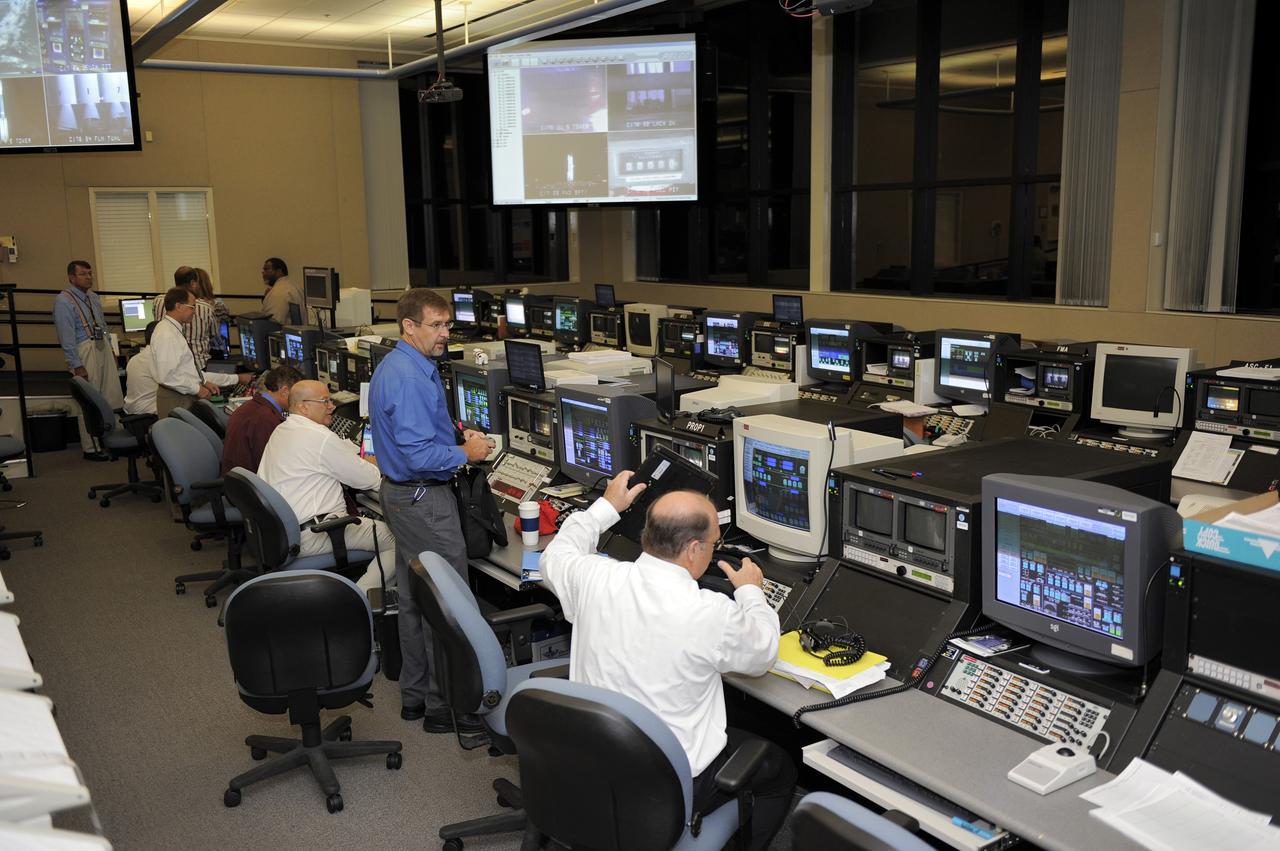
CAPE CANAVERAL, Fla. -- On Cape Canaveral Air Force Station in Florida, United Launch Alliance (ULA) personnel in the Delta Operations Building prepare for the launch of NASA's Gravity Recovery and Interior Laboratory mission aboard a ULA Delta II Heavy rocket. Physical control of the rocket is maintained from the building, located about a mile from Space Launch Complex 17B. The room functions as a "soft blockhouse" and is the room from which the computer-generated command to launch the rocket is issued two seconds before liftoff. Launch is scheduled for 8:37:06 a.m. EDT Sept. 8. GRAIL will fly twin spacecraft in tandem around the moon to precisely measure and map variations in the moon's gravitational field. The mission will provide the most accurate global gravity field to date for any planet, including Earth. For more information, visit http://www.nasa.gov/grail. Photo credit: NASA/Kim Shiflett
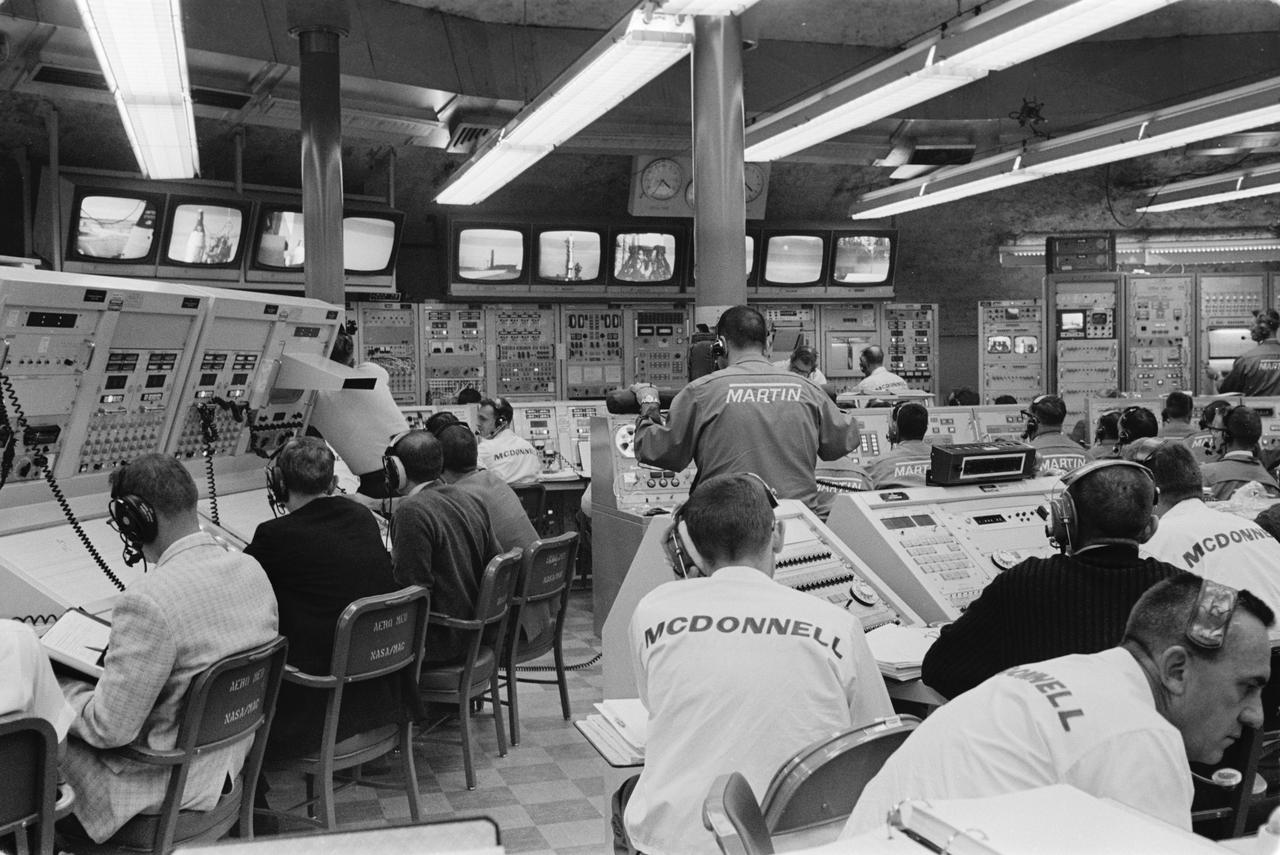
S65-61804 (15 Dec. 1965) --- Overall view of activity in blockhouse at Launch Complex 19 during the final moments of the Gemini-6 prelaunch countdown. The Gemini-6 spacecraft and launch vehicle at Pad 19 are seen on television monitors above consoles. In the spacecraft awaiting liftoff were astronauts Walter M. Schirra Jr., command pilot; and Thomas P. Stafford, pilot. The National Aeronautics and Space Administration successfully launched Gemini-6 at 8:37 a.m. (EST) on Dec. 15, 1965, on a two-day mission in space. An attempt will be made to rendezvous Gemini-6 with Gemini-7. Photo credit: NASA or National Aeronautics and Space Administration
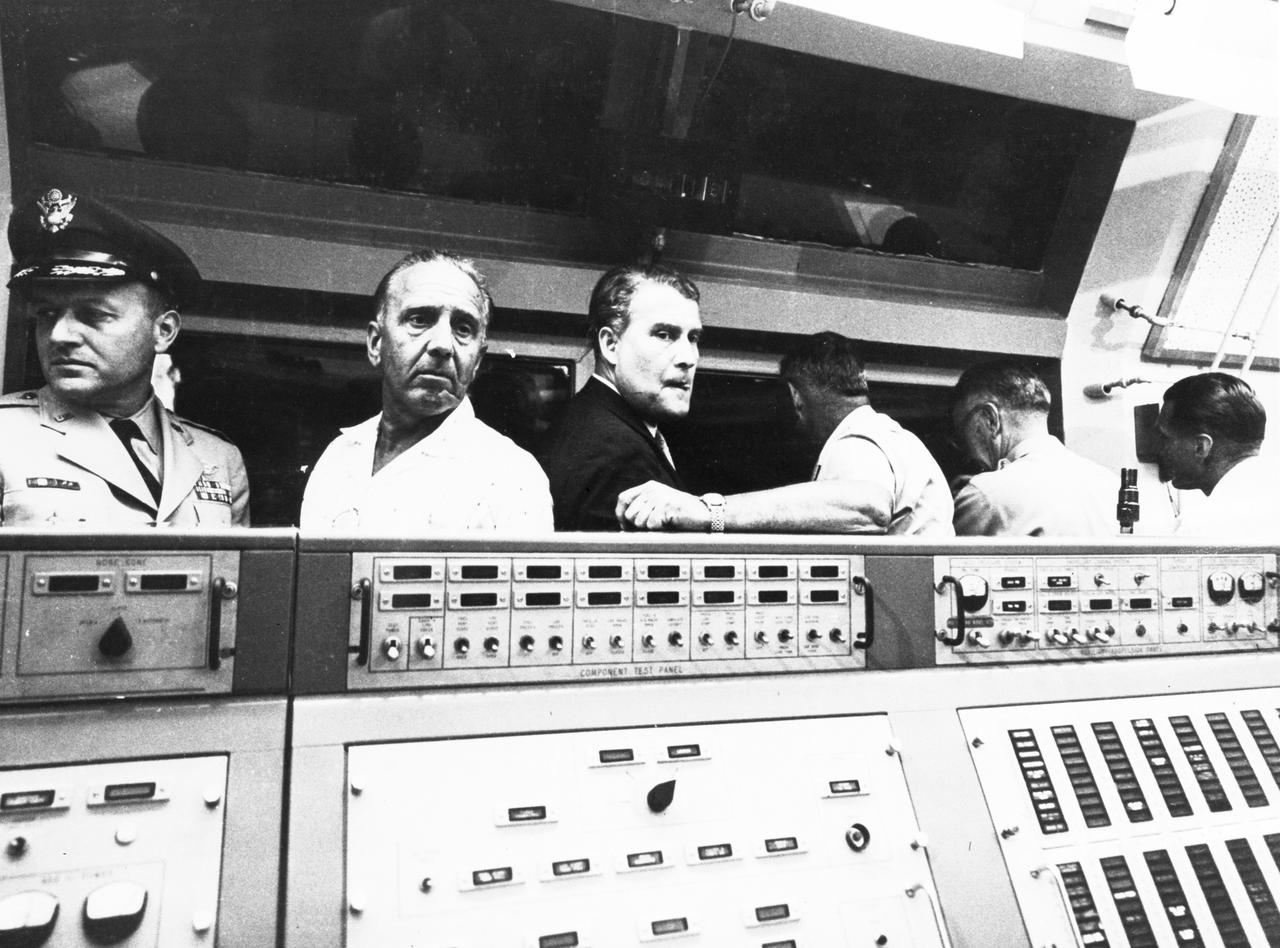
This photograph shows Dr. von Braun, second from the left, in the blockhouse at the Florida launch facilities on March 3, 1959. He and others gathered for the launch of the Pioneer IV satellite. On the left of Dr. von Braun is Kurt Debus, who managed the Florida launch facilities. To the right of Dr. von Braun is Army General John B. Medaris. Next to him is General John Barclay. At this time, Dr. von Braun and his associates were members of the Army Ballistic Missile Agency in Huntsville, Alabama.
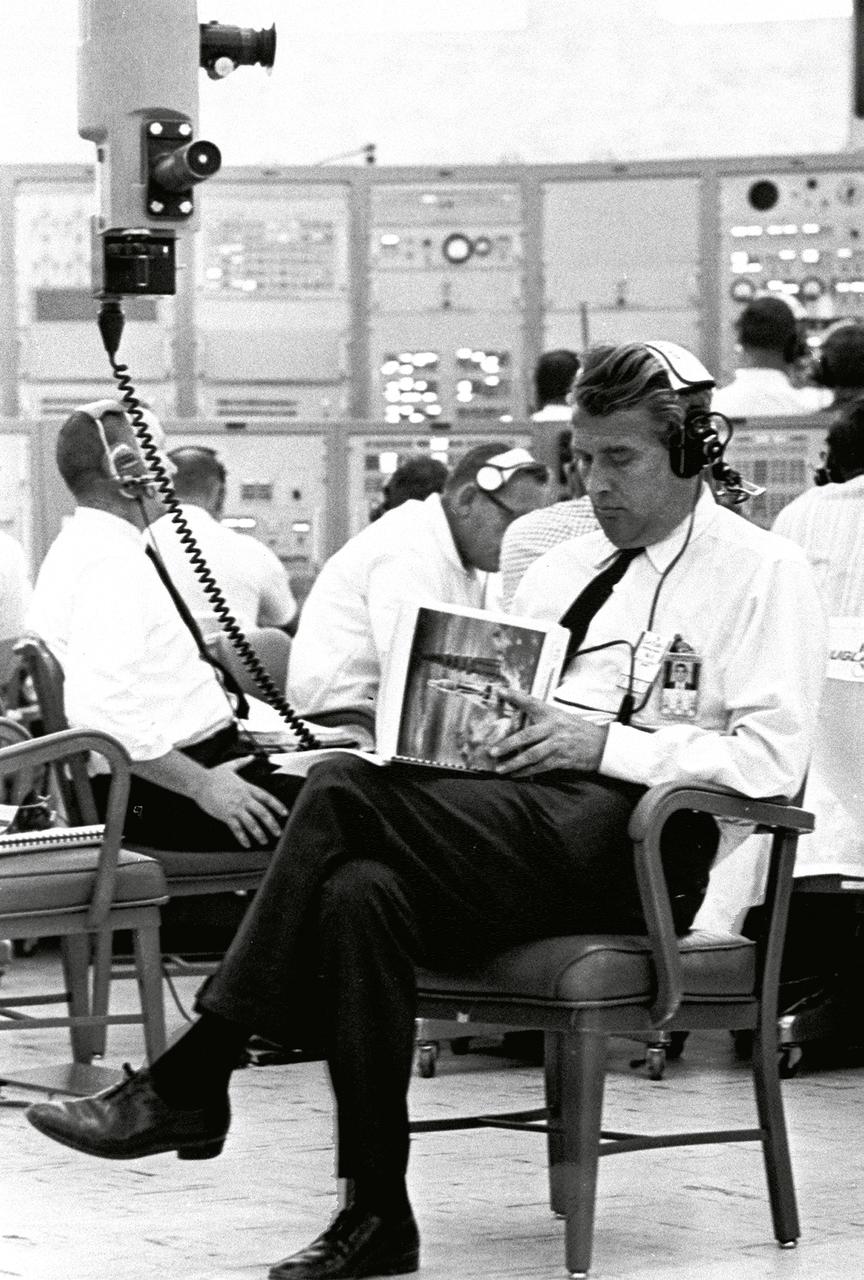
Marshall Space Flight Center (MSFC) Director Wernher von Braun, seated near a periscope in Kennedy Space Center's Blockhouse 34, on May 28, 1964, looks over a flight manual while awaiting the launch of SA-6, the sixth Saturn I flight. Also known as Apollo Mission A-101, the launch marked the first flight of an Apollo spacecraft with a Saturn launch vehicle.
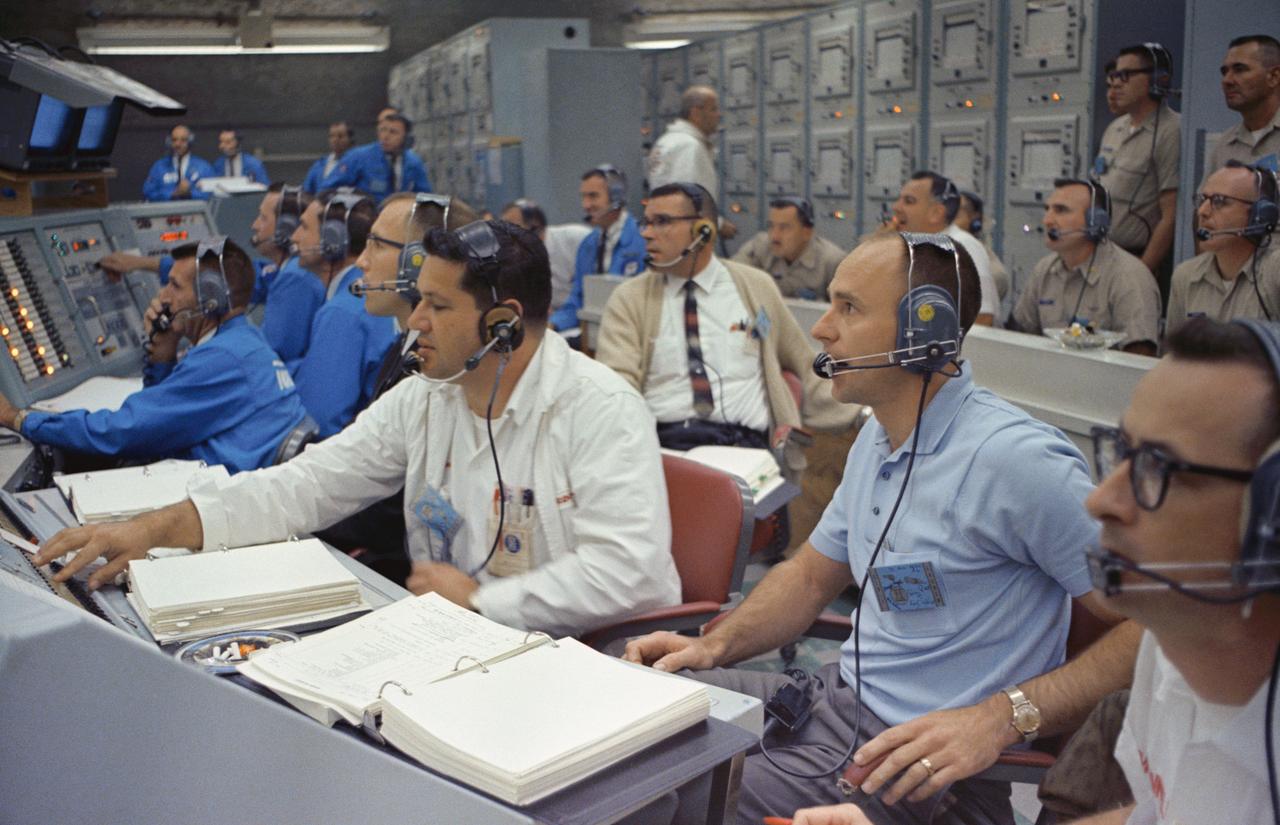
S65-59931 (4 Dec. 1965) --- Astronaut Alan Bean (right), spacecraft communicator for the Gemini-7 mission, joins other personnel (including H.K. "Fritz" Widick in dark jacket running launch operations) in the Blockhouse at Launch Complex 19 during the launch of the Gemini-7 spacecraft at 2:30 p.m. (EST), Dec. 4, 1965. Astronaut Frank Borman, command pilot, and James A. Lovell Jr., pilot, are the crew members for the planned 14-day mission in space. Photo credit: NASA
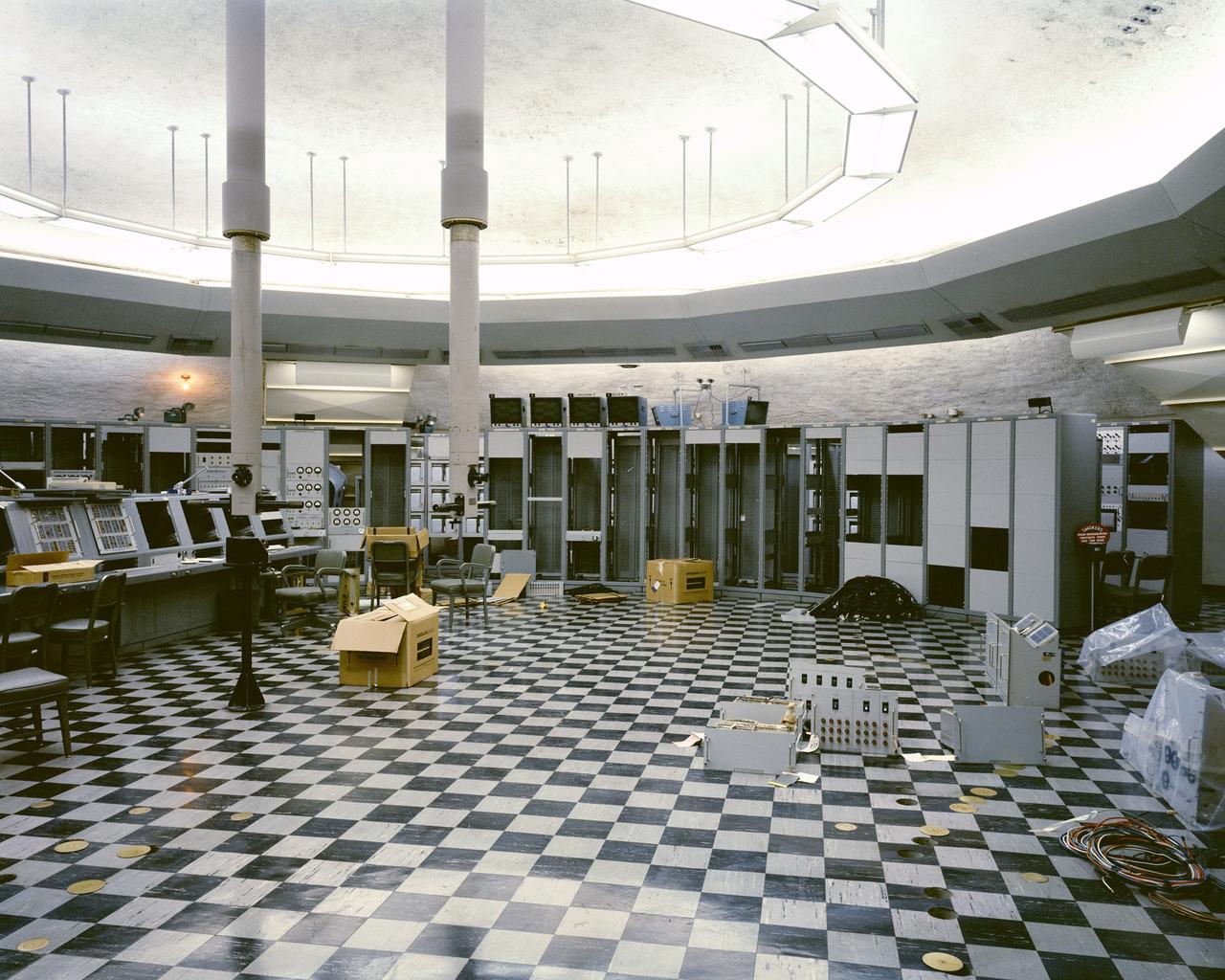
CAPE CANAVERAL, Fla. – CCMTA, NASA:Saturn, Pad 34, blockhouse interiors, Blockhouse 34, south section. Photo credit: NASA
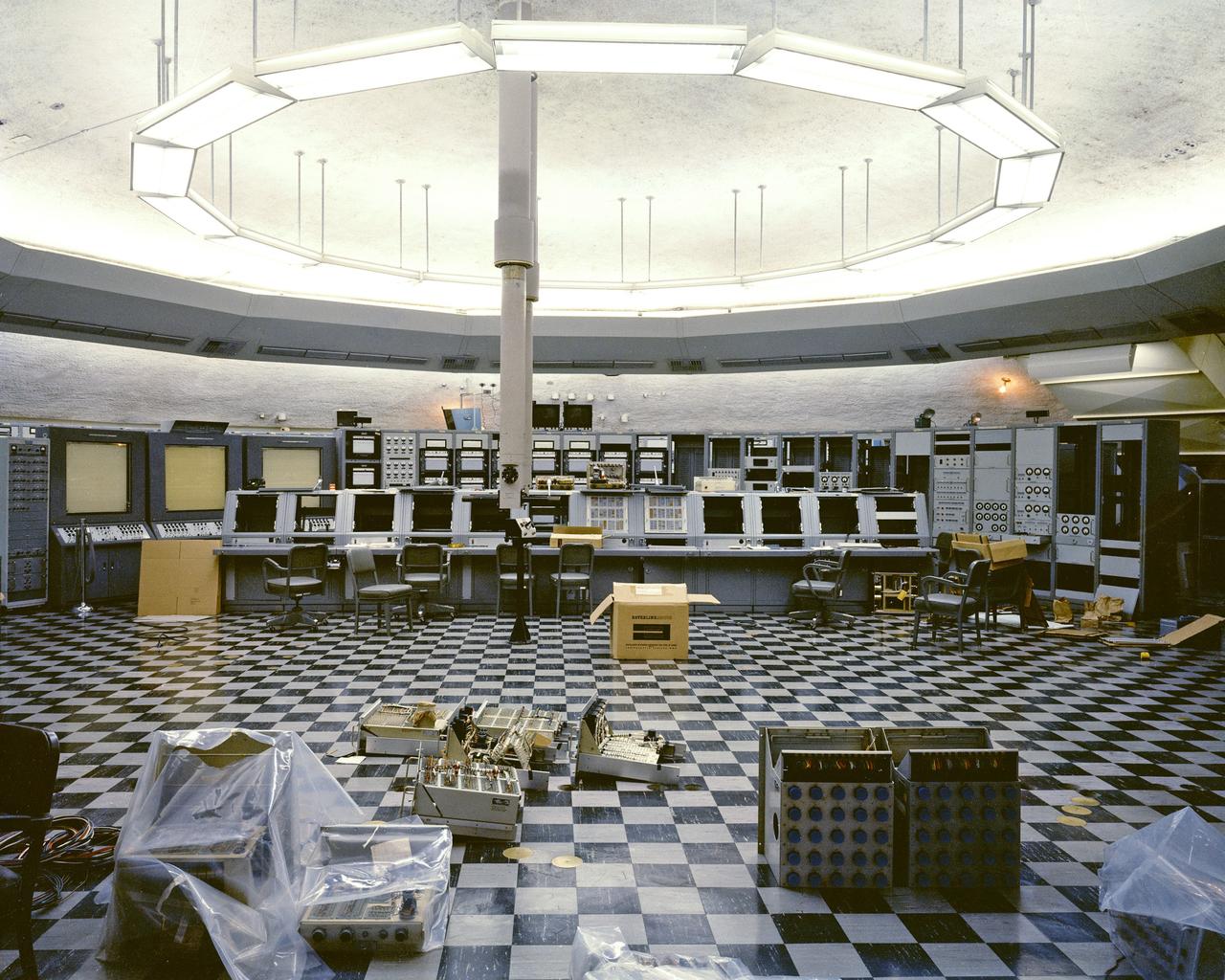
CAPE CANAVERAL, Fla. – CCMTA, NASA:Saturn, Pad 34, blockhouse interiors, Blockhouse 34, central section. Photo credit: NASA
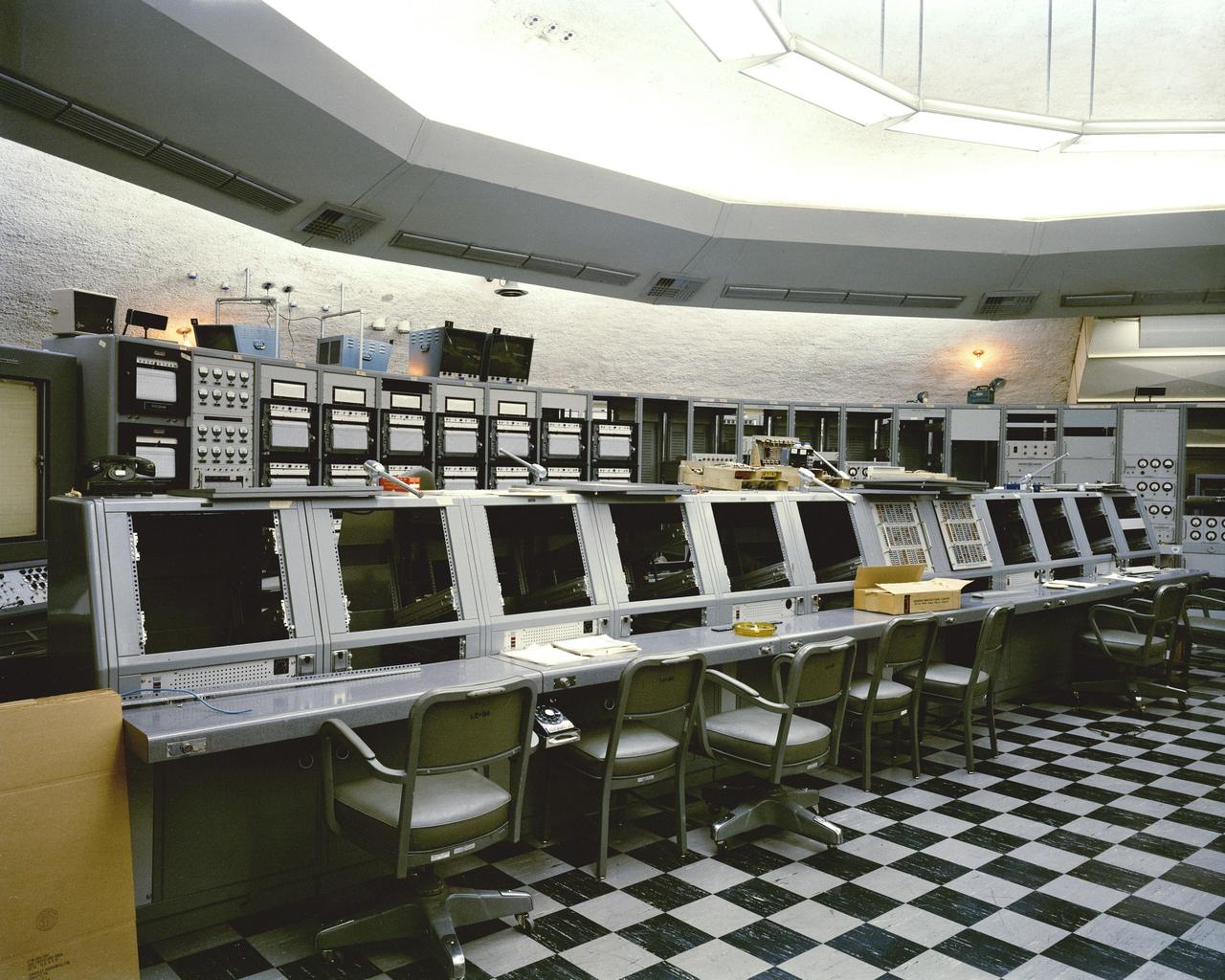
CAPE CANAVERAL, Fla. – CCMTA, NASA:Saturn, Pad 34, blockhouse interiors, Blockhouse 34, consoles. Photo credit: NASA
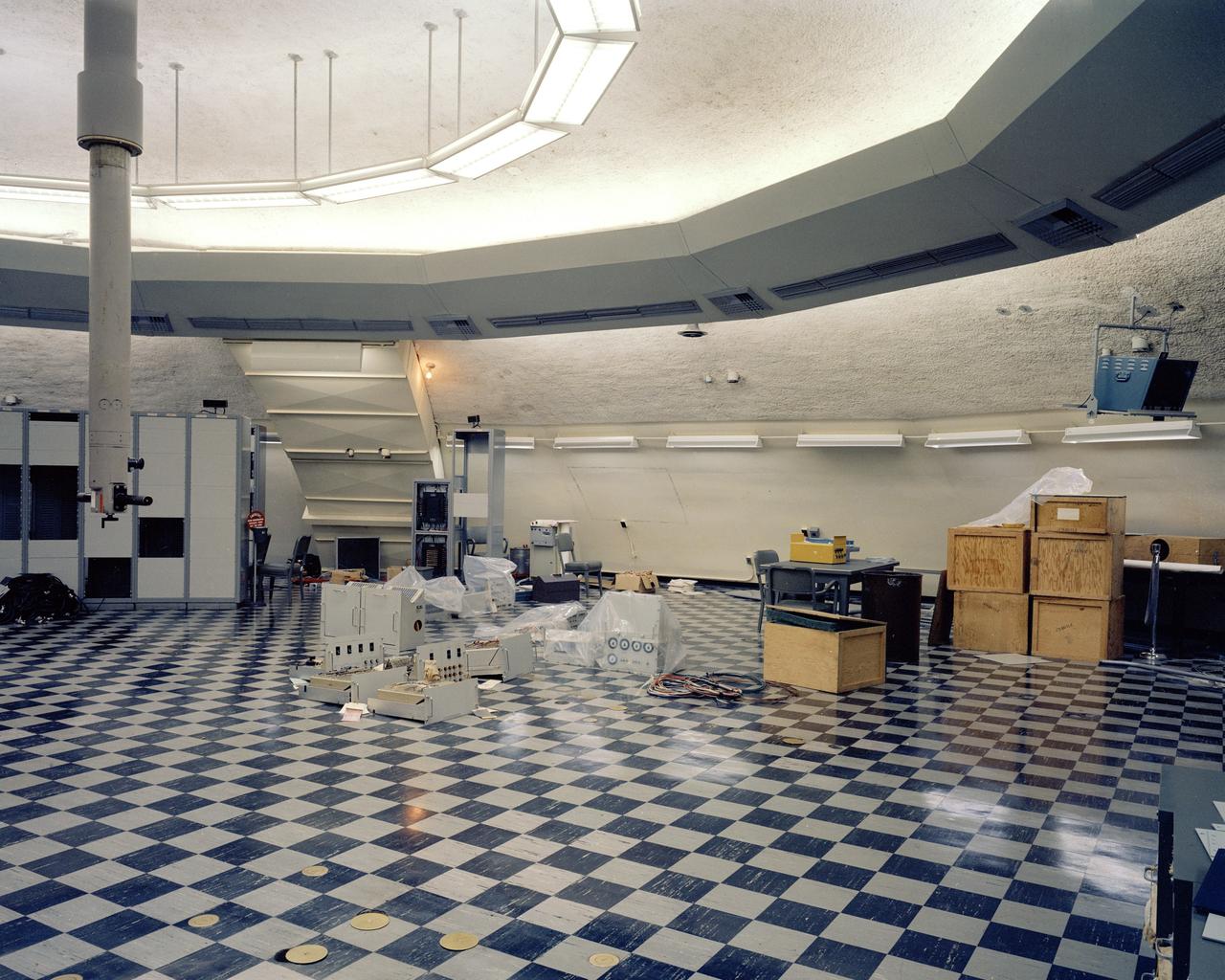
CAPE CANAVERAL, Fla. – CCMTA, NASA:Saturn, Pad 34, blockhouse interiors, Blockhouse 34, general area. Photo credit: NASA
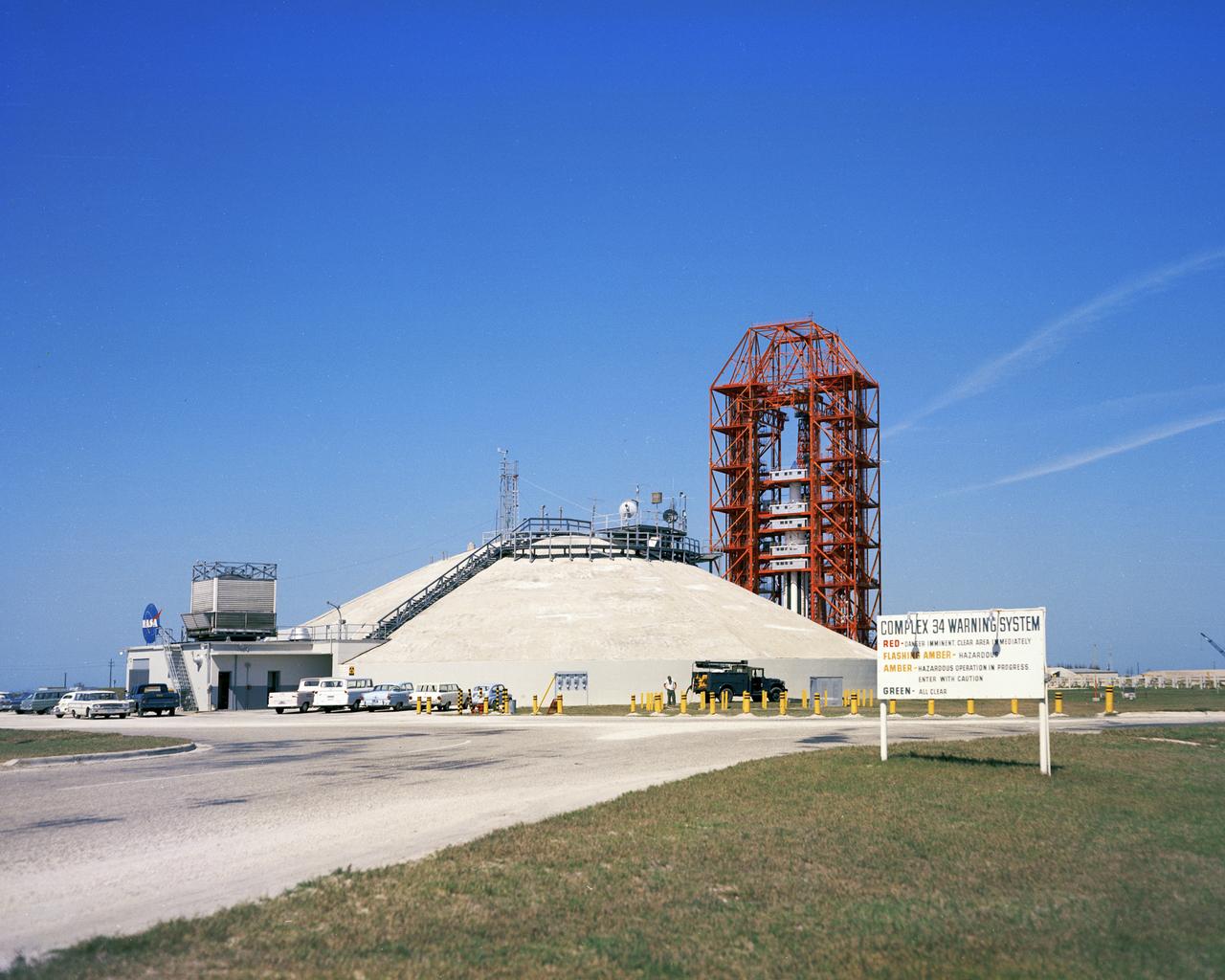
PAD 34 BLOCKHOUSE AND GANTRY
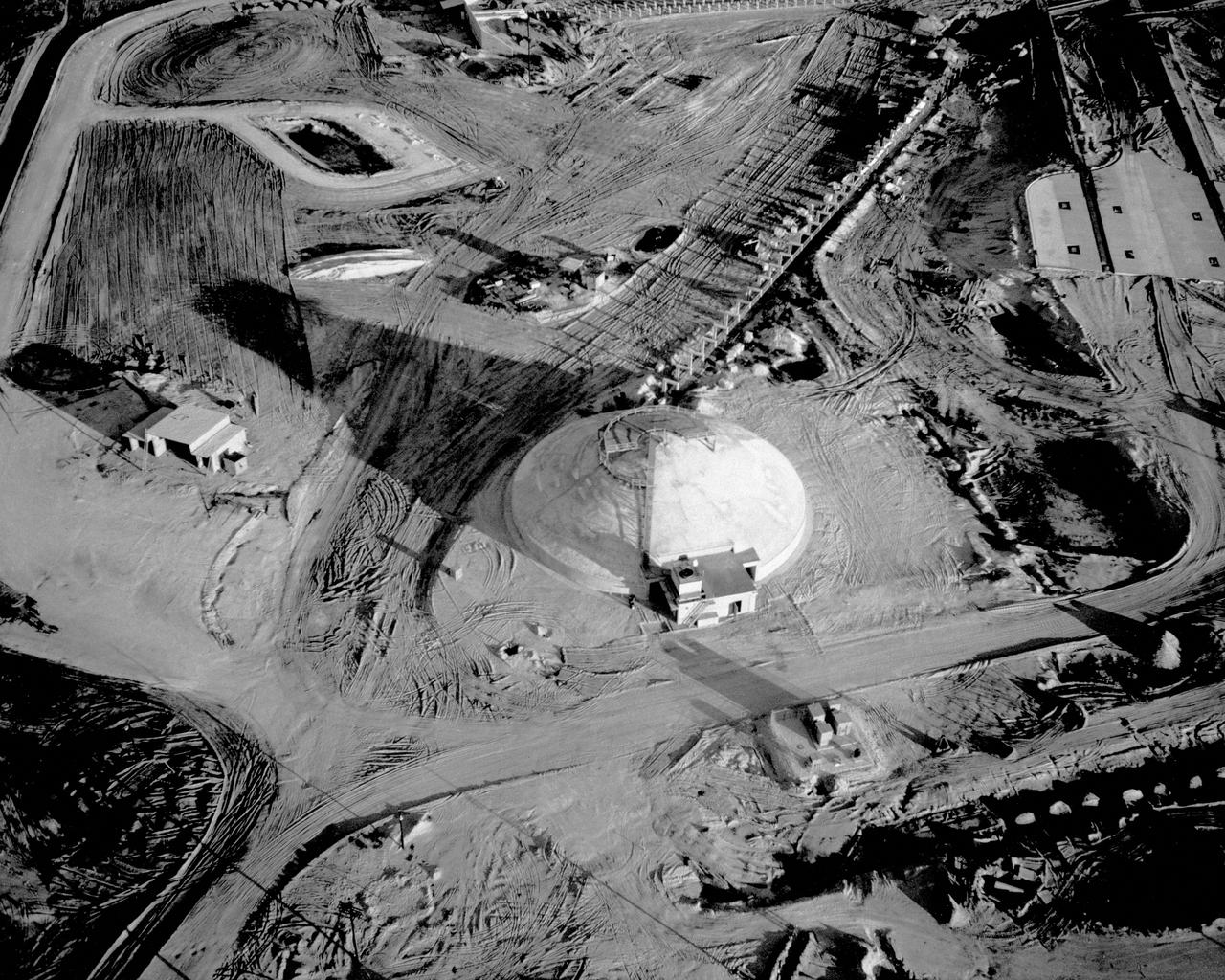
AERIAL VIEW PAD 34 BLOCKHOUSE CONSTRUCTION PROGRESS
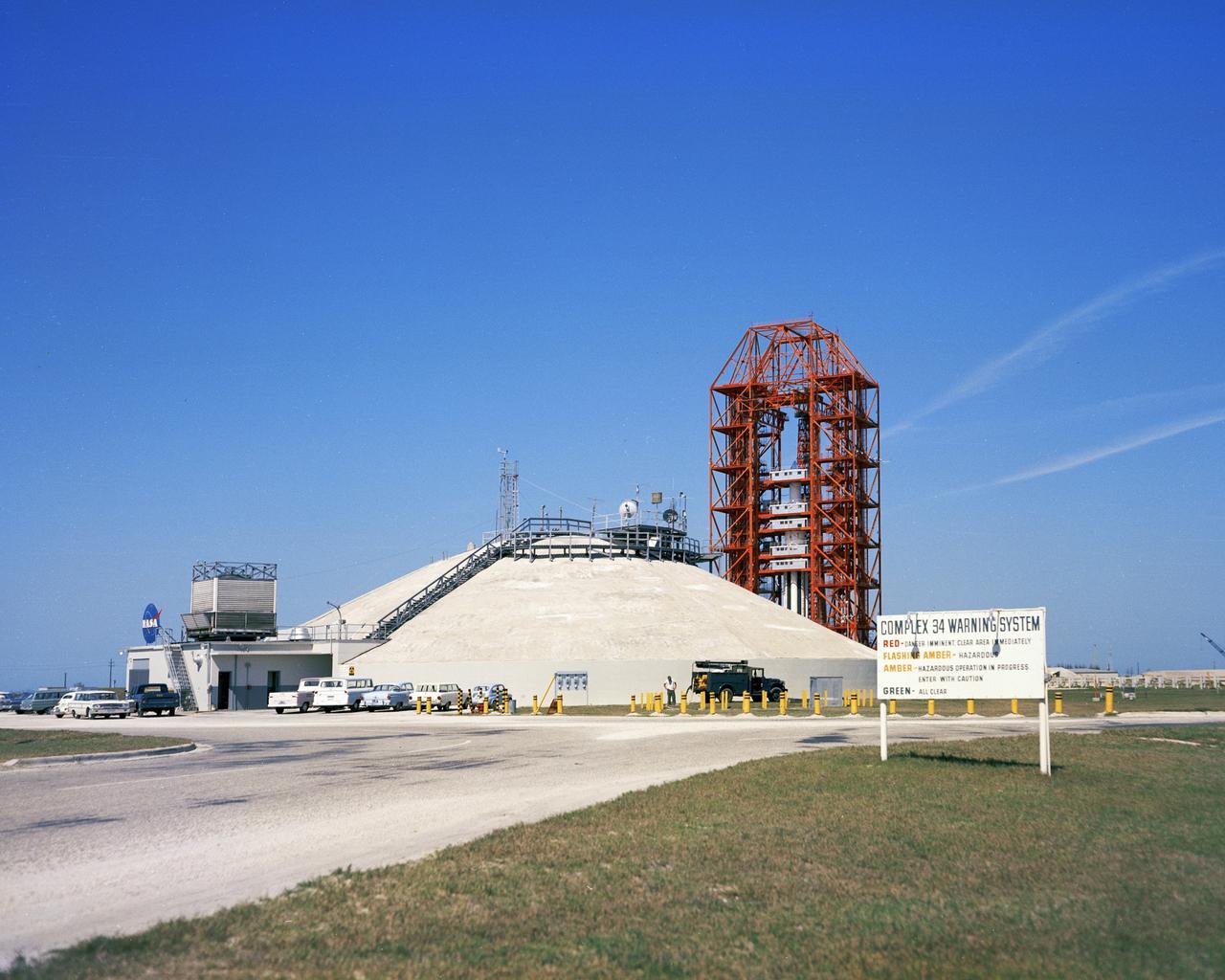
CAPE CANAVERAL, Fla. – Launch Pad 34 exterior, blockhouse and gantry. Photo credit: NASA
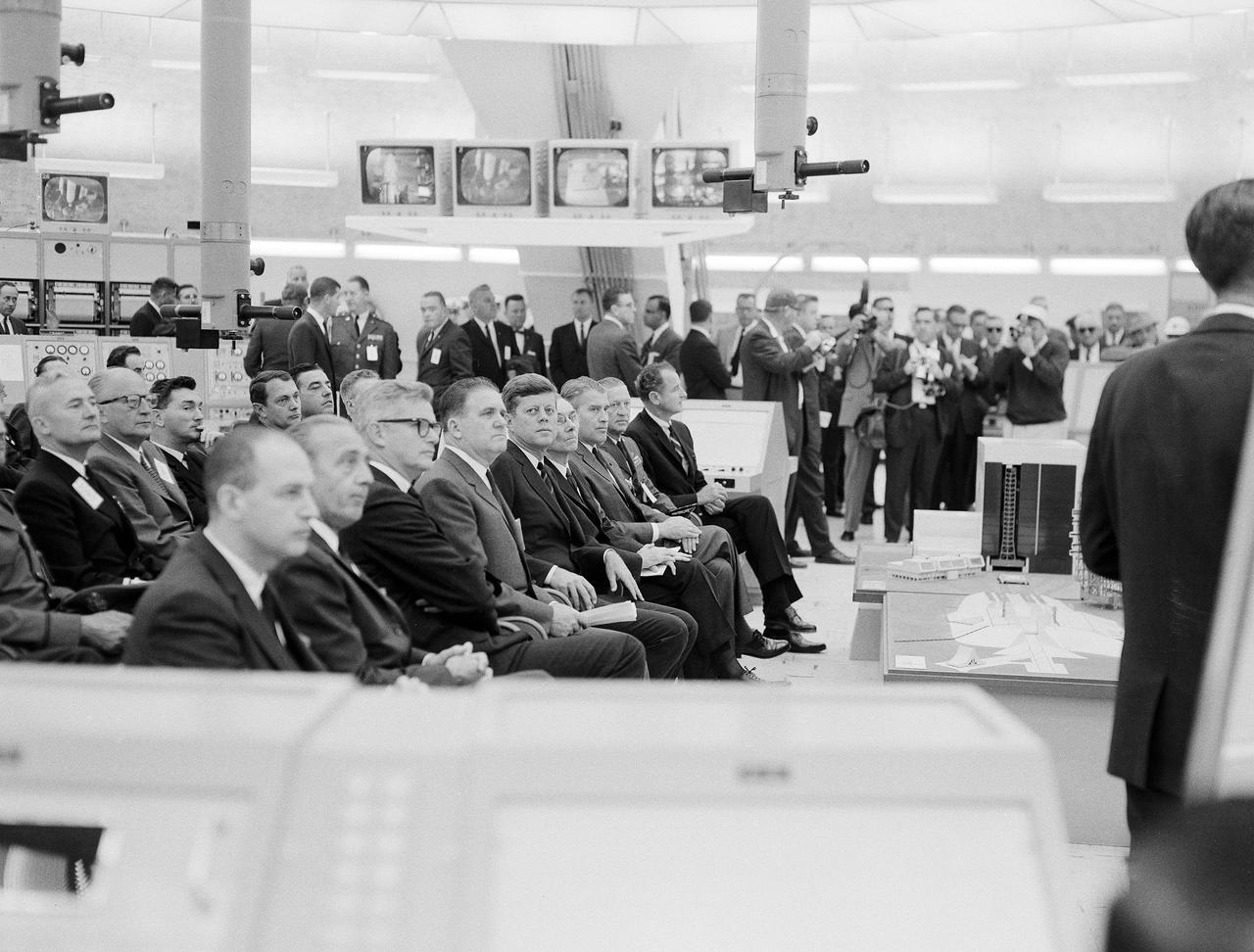
CAPE CANAVERAL, Fla. -- At Cape Canaveral Missile Test Annex in Florida, President John F. Kennedy and other officials are briefed on NASA's future plans in the blockhouse of Launch Complex 37. Photo Credit: NASA
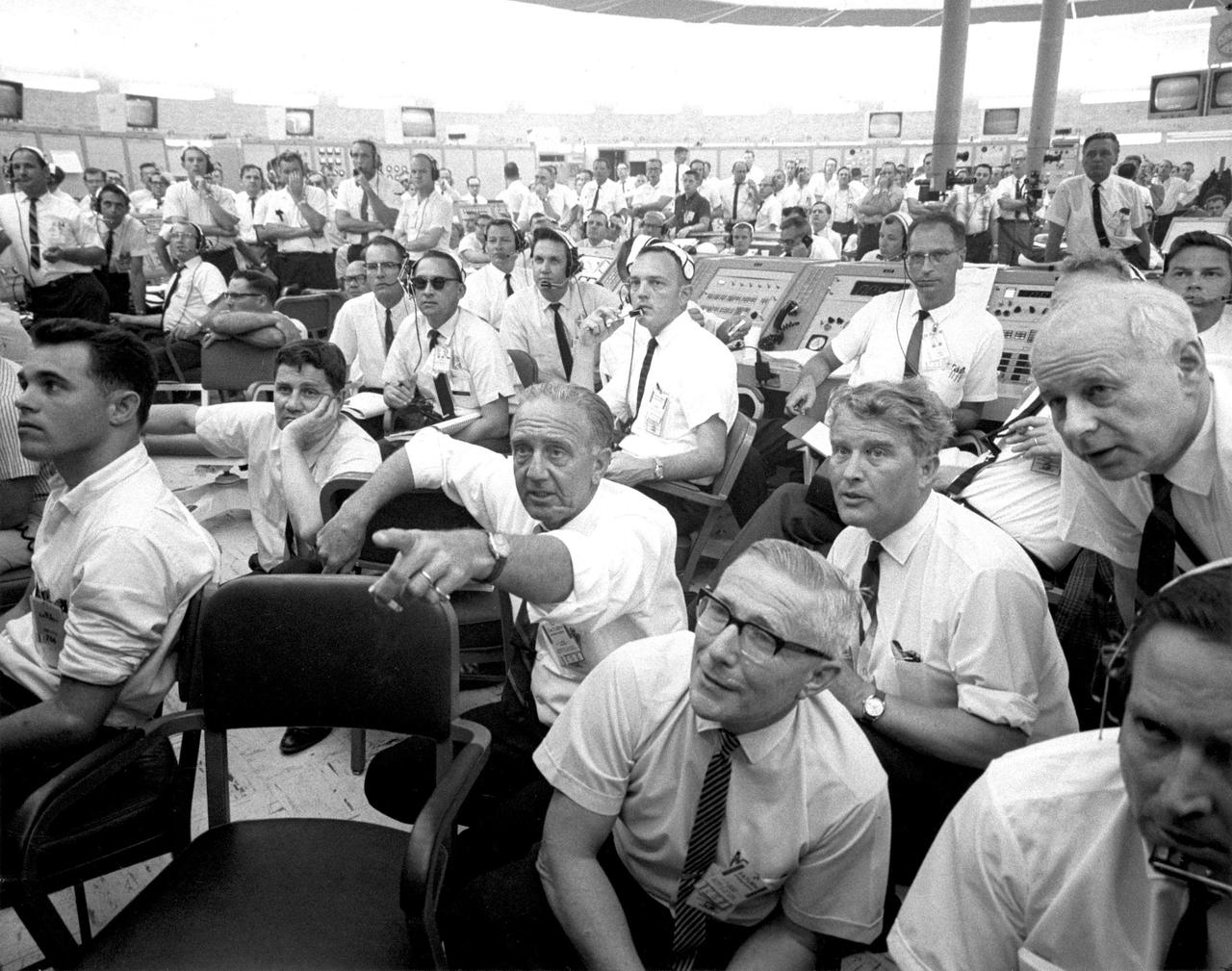
KENNEDY SPACE CENTER, FLA. -- Saturn blockhouse personnel at Complex 37 during liftoff of SA-3. Dr. Kurt Debus and Dr. Wernher von Braun are in the foreground.
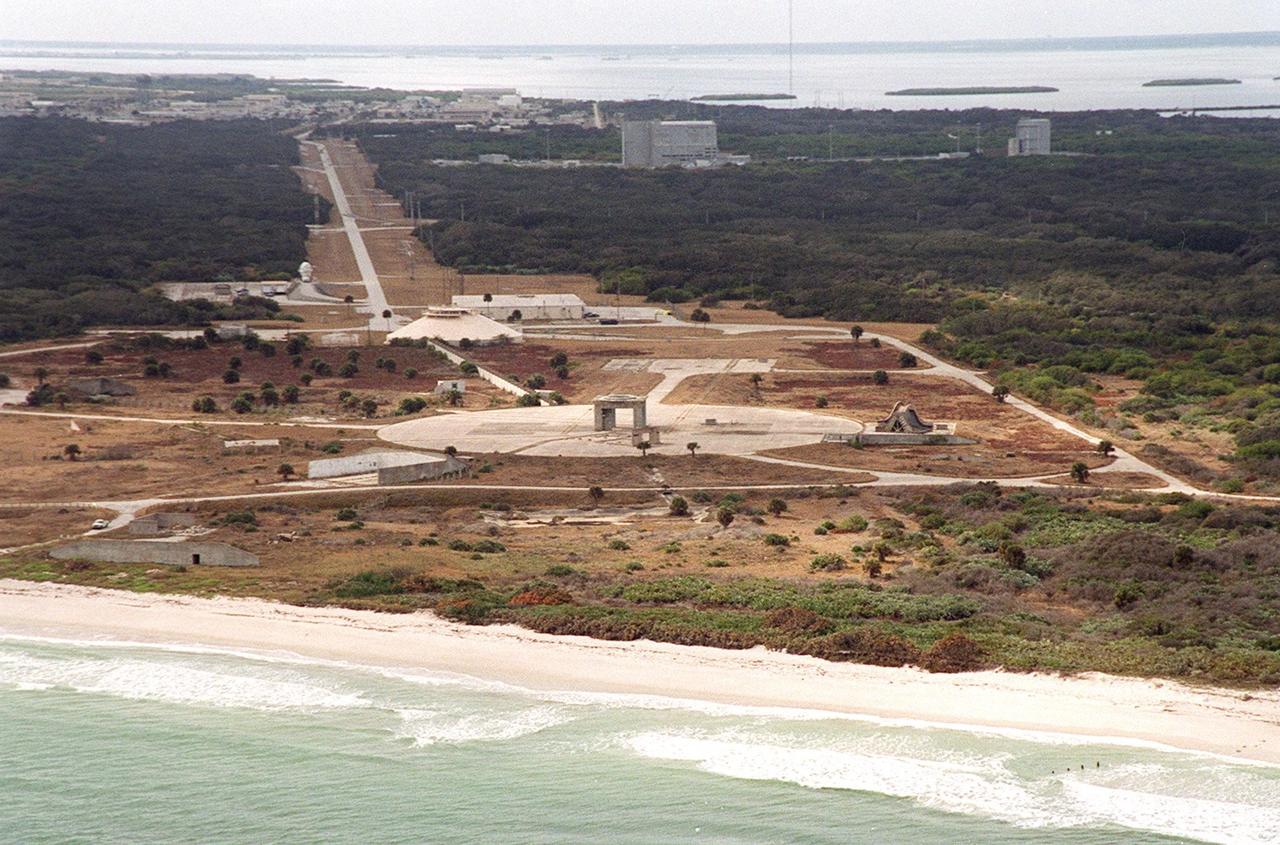
This aerial view of the dismantled Launch Pad 34 at Cape Canaveral Air Force Station stretches from the Atlantic Ocean in the foreground to the Banana River at the top. The round blockhouse is in the middle, and Phillips Parkway, which runs southwest to northeast, runs toward the river
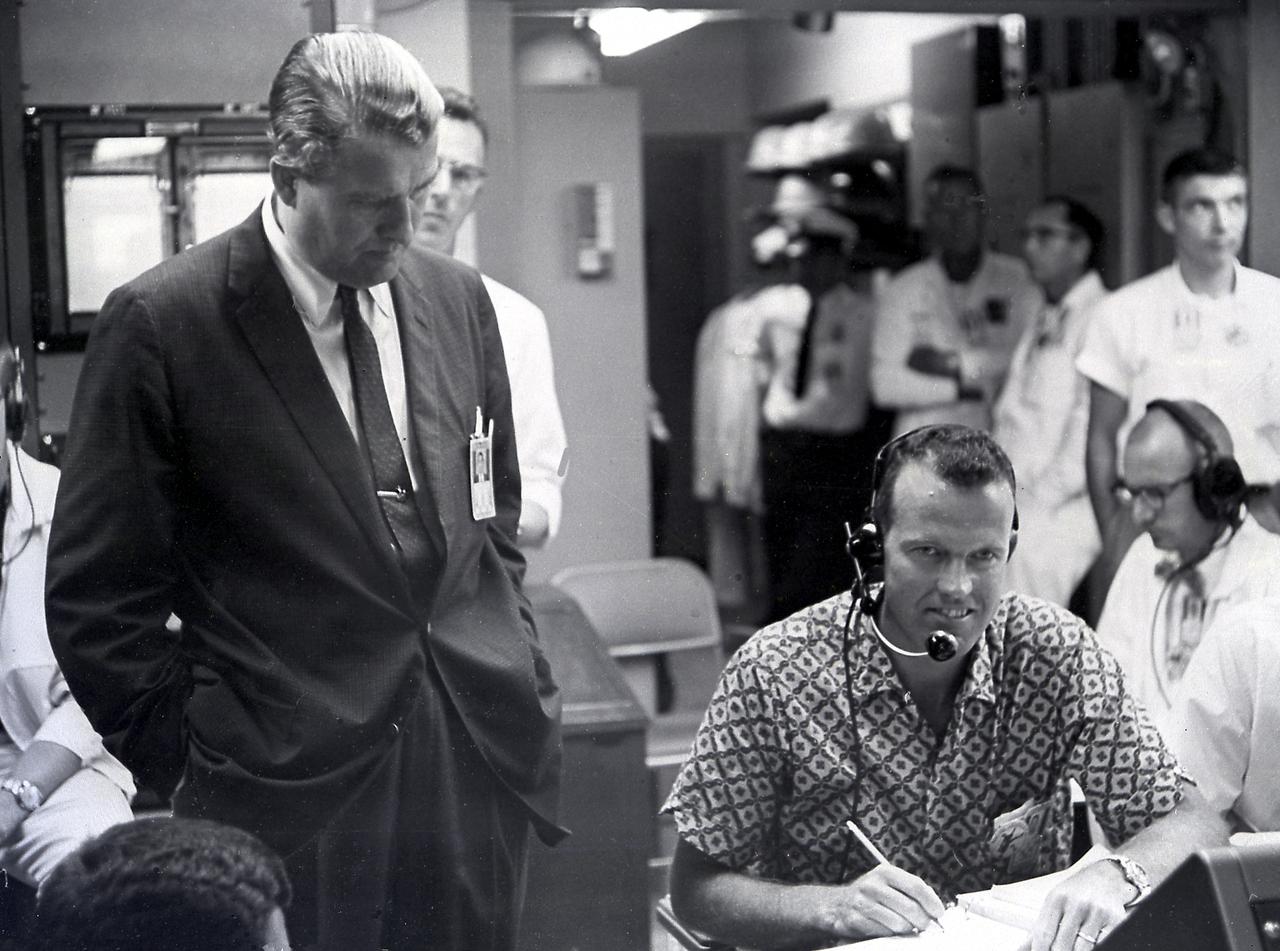
Photographed are Dr. von Braun and Astronaut L. Gordon Cooper in the blockhouse during the recovery operation of the MR-3 (Freedom 7) mission on May 5, 1961. The MR-3 mission, a 15-1/2-minute suborbital test flight, put the first American astronaut, Alan Shepard, in space.
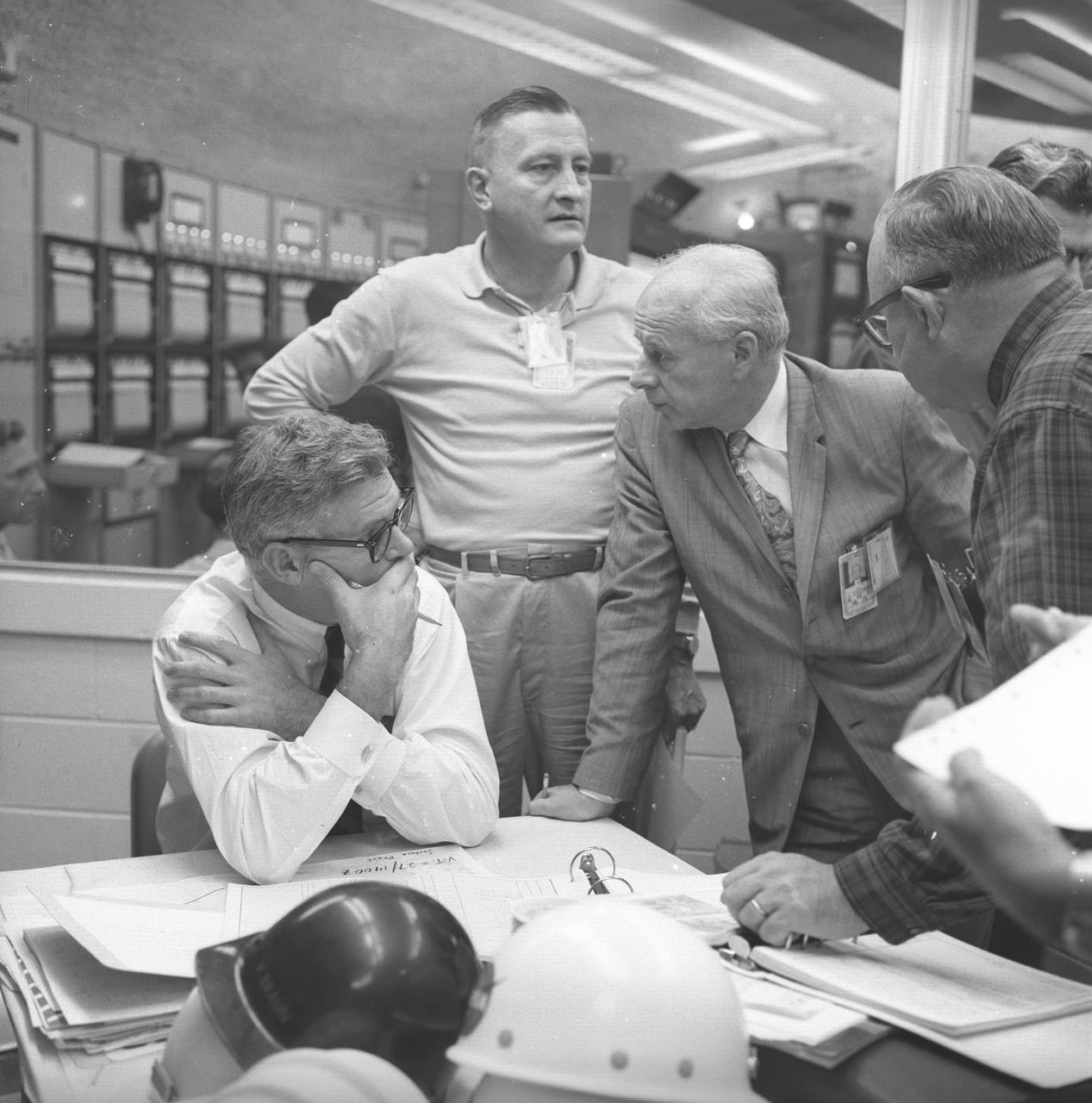
Dr. Eberhard Rees surrounded by other rocket scientist in the blockhouse, a safe viewing area for rocket tests or launches, during a missile launch. Dr. Rees, Marshall's second Center Director (1970-1973), kept most of Von Braun's plans alive but also succeeded in bringing the Saturn program to forebearance.
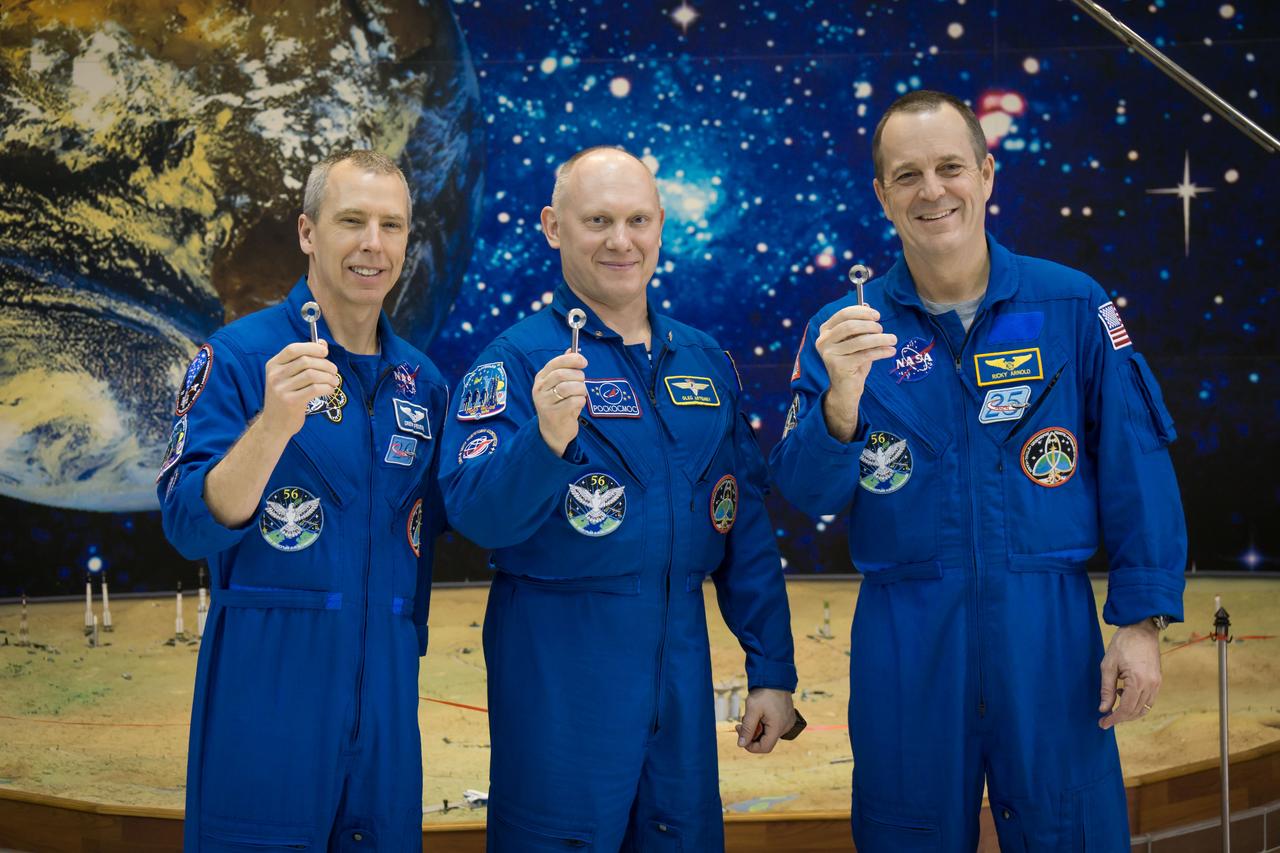
jsc2018e025597 - In the Korolev Museum at the Baikonur Cosmodrome in Kazakhstan, Expedition 55 crewmembers Drew Feustel of NASA (left), Oleg Artemyev of Roscosmos (center) and Ricky Arnold of NASA (right) display the keys used in the Cosmodrome blockhouse to start the Soyuz booster launch sequence March 16 during a traditional preflight tour of the museum. They will launch March 21 on the Soyuz MS-08 spacecraft for a five-month mission on the International Space Station...NASA/Victor Zelentsov.
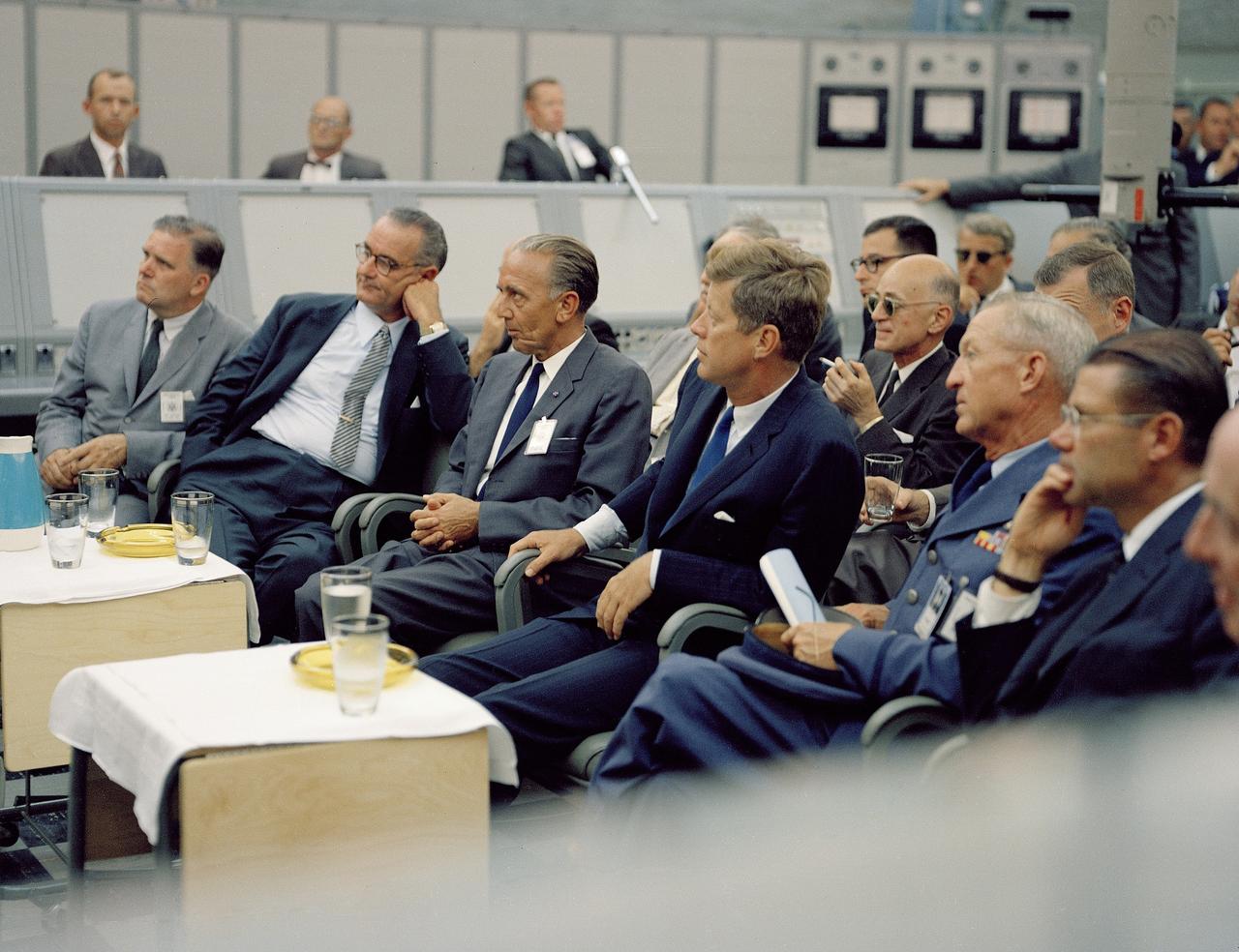
CAPE CANAVERAL, Fla. -- In the blockhouse of Launch Complex 34 at the Cape Canaveral Missile Test Annex in Florida, President John F. Kennedy is briefed on NASA's future plans. Seated, from the left, are NASA Administrator James E. Webb, Vice President Lyndon B. Johnson, Launch Operations Center Director Kurt H. Debus and Kennedy. Photo Credit: NASA
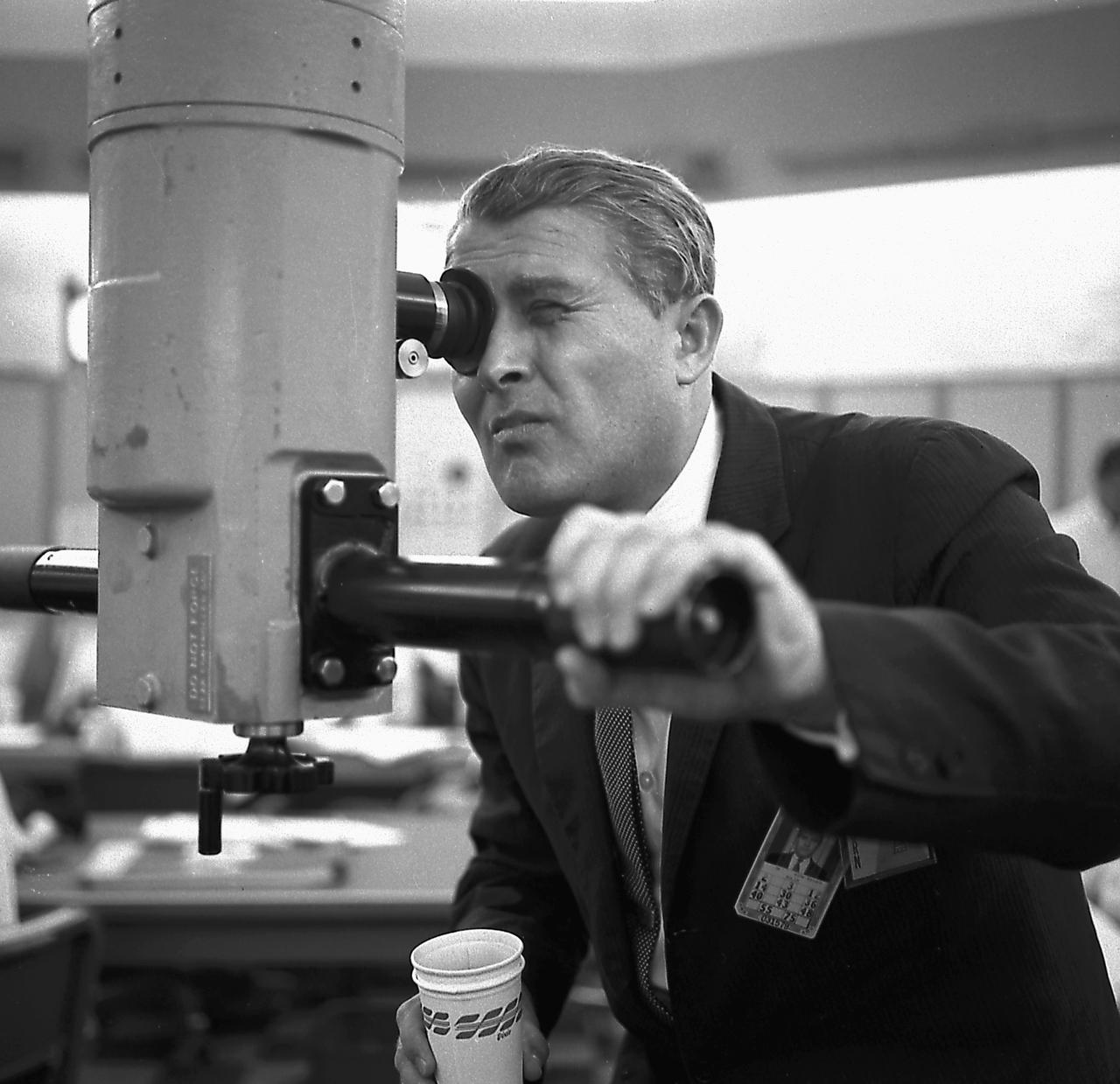
Dr. von Braun watches the Saturn 1 (SA-1) launch through a scope from the blockhouse 34 on October 27, 1961. The SA-1 was the first launch of Saturn launch vehicles developed at the Marshall Space Flight Center (MSFC) under the direction of Dr. von Braun. The flight demonstrated the validity of the clustered engine concept and launched dummy upper stages.
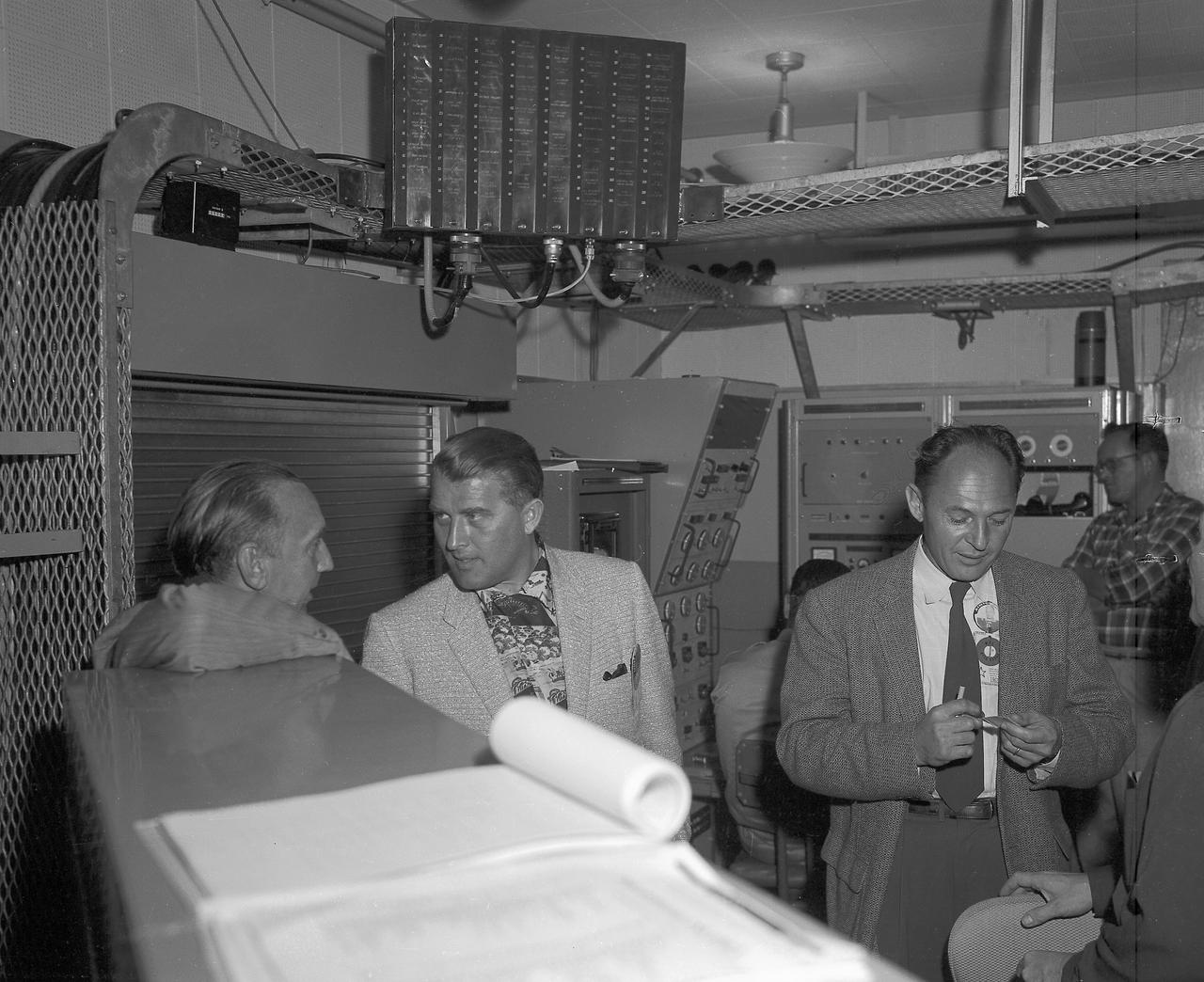
In this photo, (left to right) Army Ballistic Missile Agency (ABMA) Missile Firing Laboratory Chief Dr. Kurt Debus, Director of the ABMA Development Operations Division, Dr. von Braun and an unidentified individual in blockhouse during the CM-21 (Jupiter) firing. The Jupiter missile CM-21 became the first Chrysler production qualification missile to be fired and in March 1959 launched the Pioneer IV.
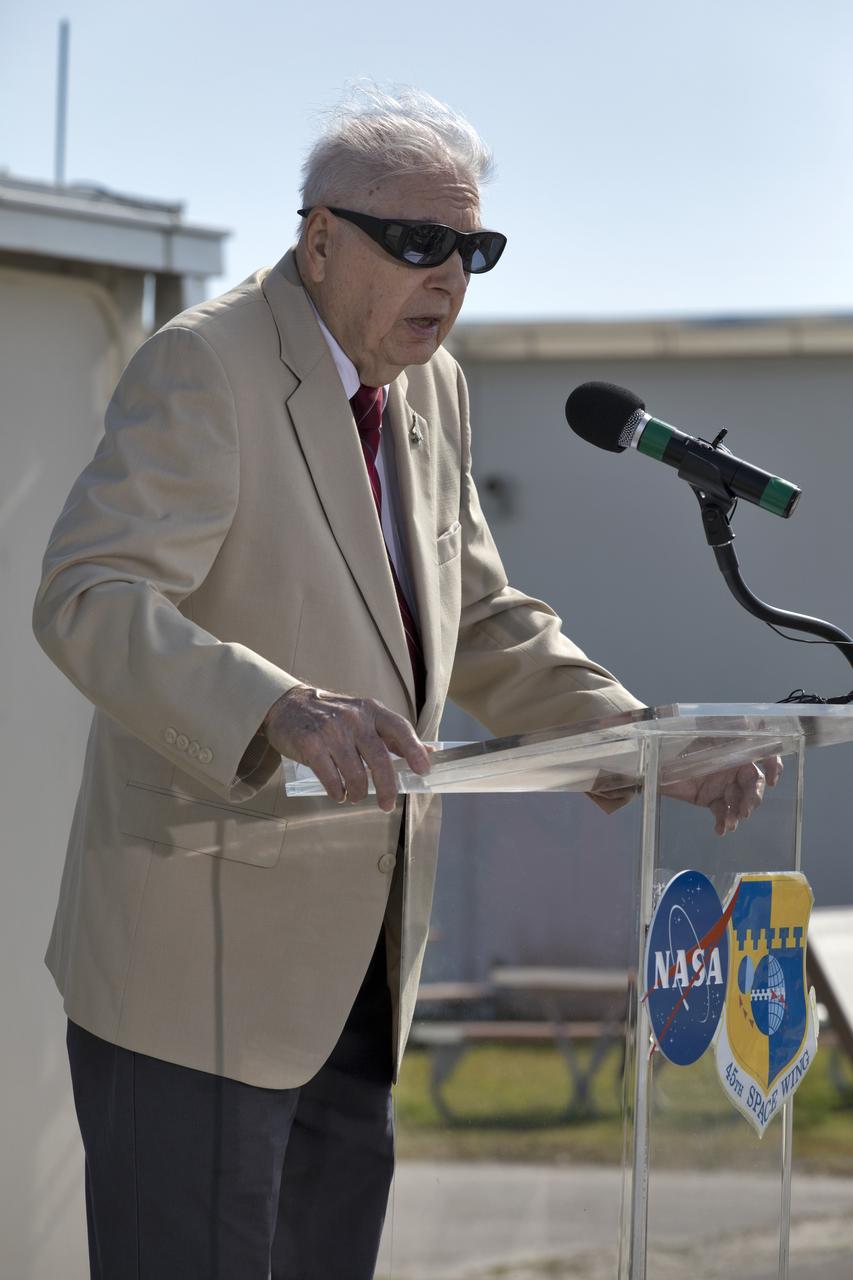
Dr. John Meisenheimer, launch weather officer for Explorer 1, speaks to guests at an event celebrating the 60th anniversary of America's first satellite. The ceremony took place in front of the Space Launch Complex 26 blockhouse at Cape Canaveral Air Force Station where the Explorer 1 satellite was launched atop a Jupiter C rocket on Jan. 31, 1958. During operation, the satellite's cosmic ray detector discovered radiation belts around Earth which were named for Dr. James Van Allen, principal investigator for the satellite.
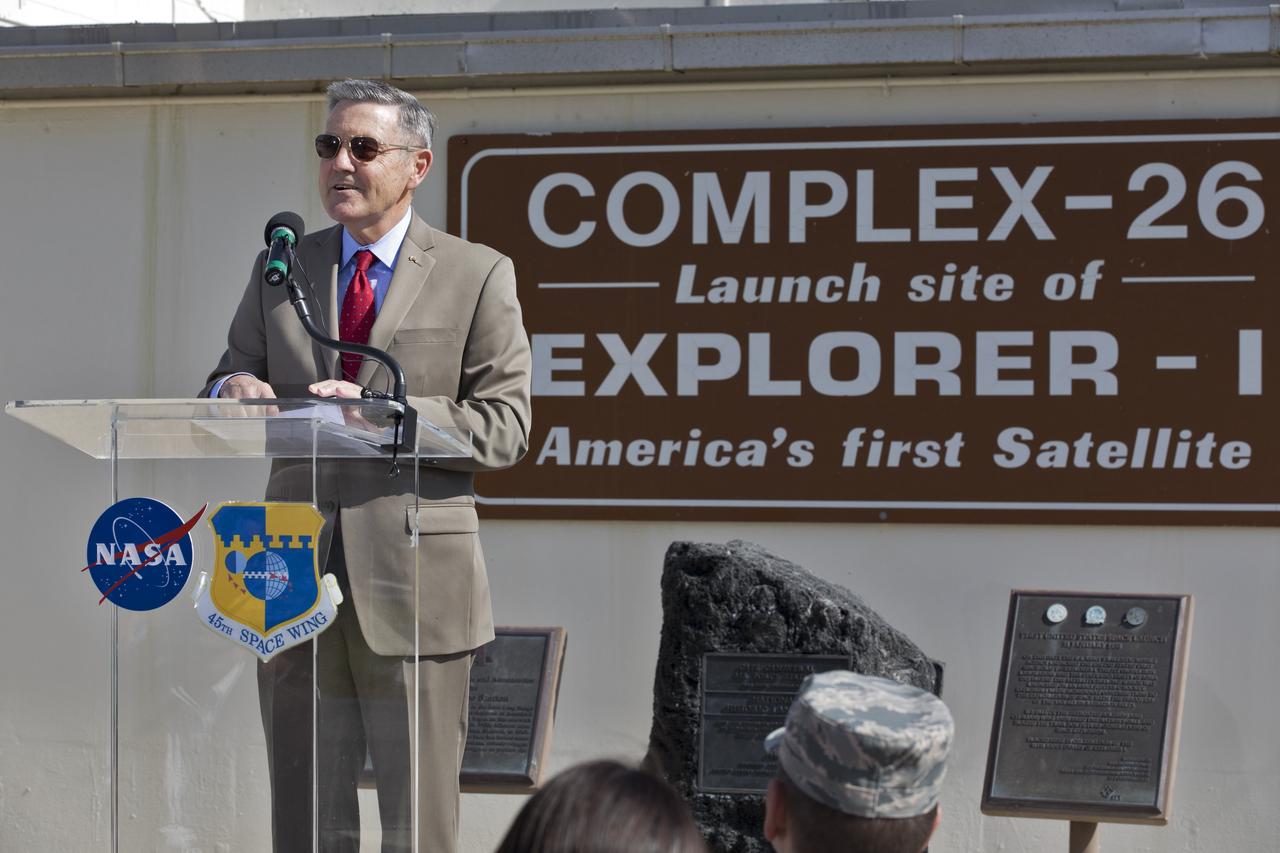
Kennedy Space Center Director Bob Cabana speaks to guests at an event celebrating the 60th anniversary of America's first satellite. The ceremony took place in front of the Space Launch Complex 26 blockhouse at Cape Canaveral Air Force Station where the Explorer 1 satellite was launched atop a Jupiter C rocket on Jan. 31, 1958. During operation, the satellite's cosmic ray detector discovered radiation belts around Earth which were named for Dr. James Van Allen, principal investigator for the satellite.
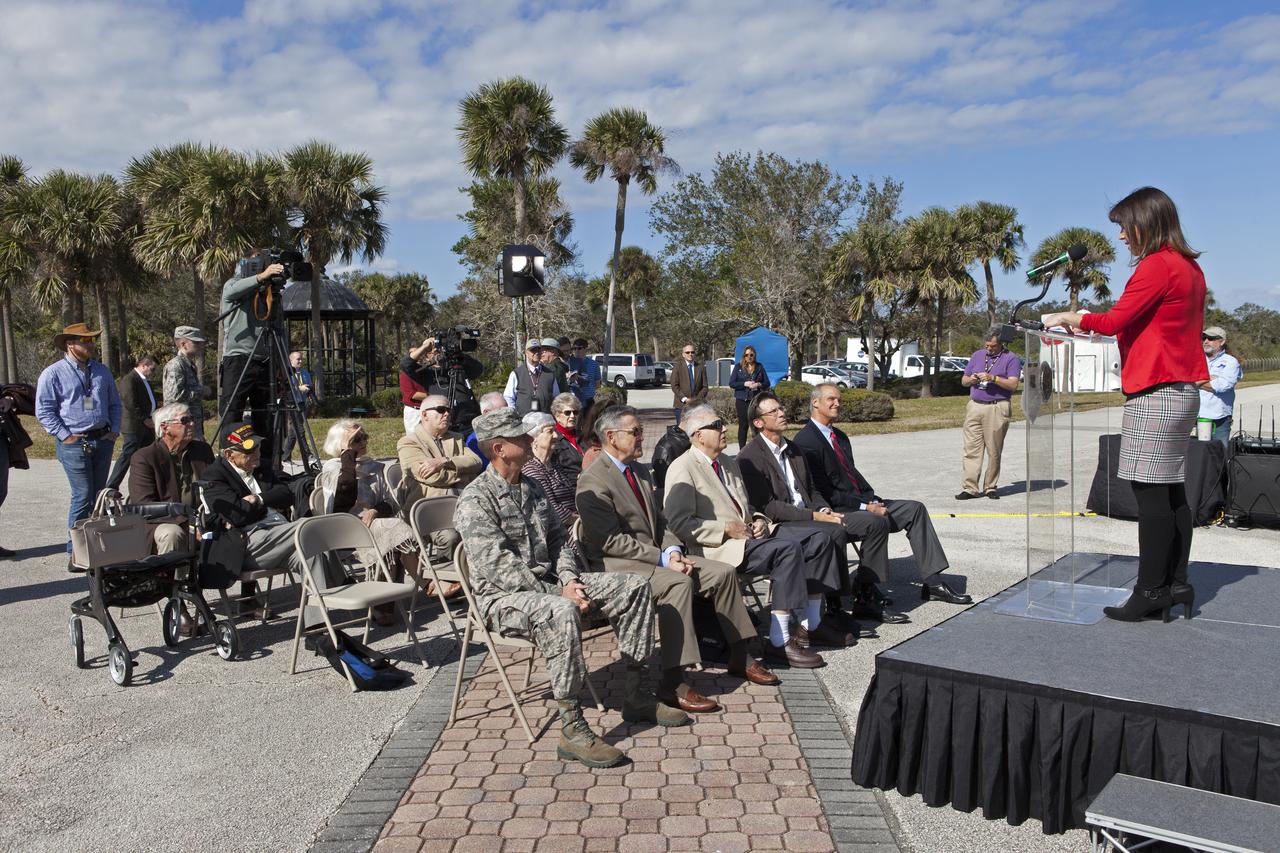
Tori McLendon of NASA Communications, speaks to guests at an event celebrating the 60th anniversary of America's first satellite. The ceremony took place in front of the Space Launch Complex 26 blockhouse at Cape Canaveral Air Force Station where the Explorer 1 satellite was launched atop a Jupiter C rocket on Jan. 31, 1958. During operation, the satellite's cosmic ray detector discovered radiation belts around Earth which were named for Dr. James Van Allen, principal investigator for the satellite.
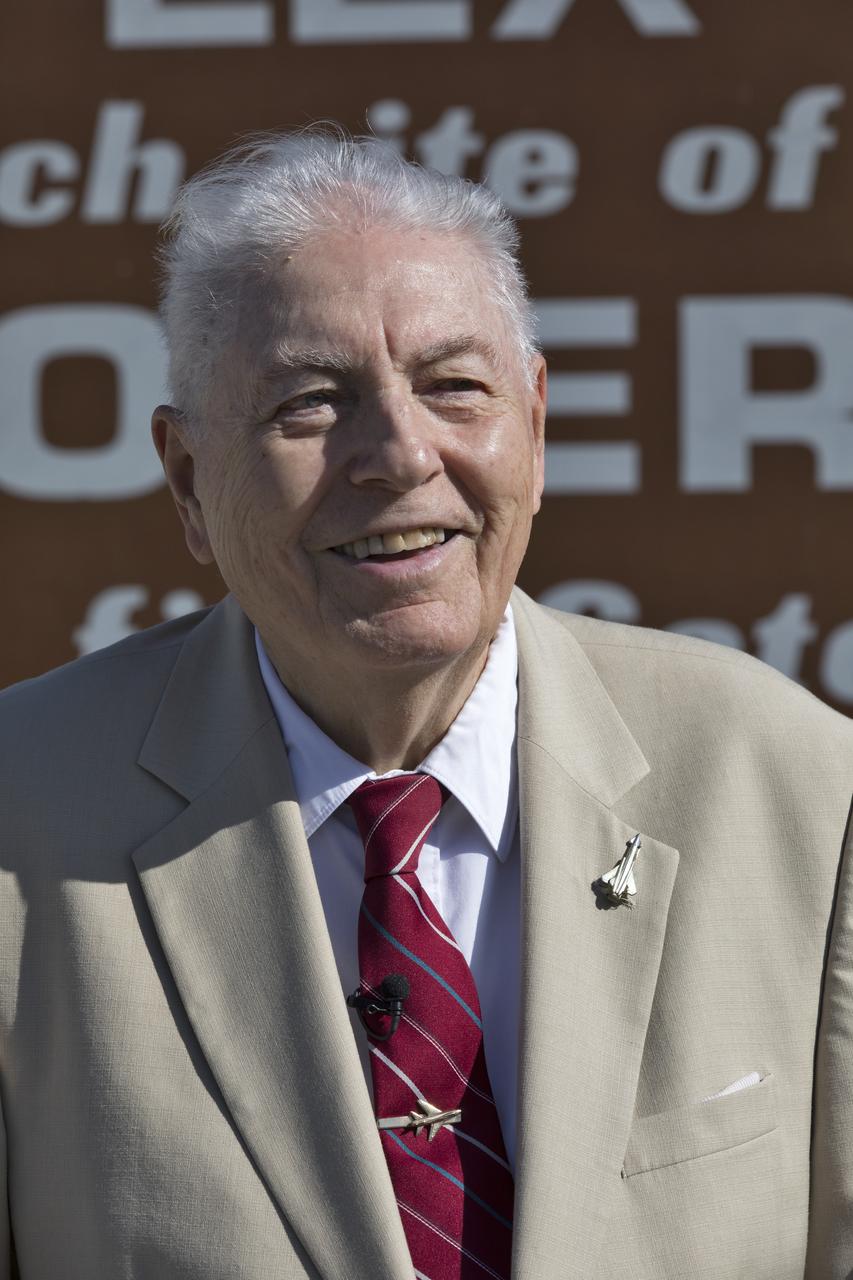
Dr. John Meisenheimer, launch weather officer for Explorer 1, speaks to guests at an event celebrating the 60th anniversary of America's first satellite. The ceremony took place in front of the Space Launch Complex 26 blockhouse at Cape Canaveral Air Force Station where the Explorer 1 satellite was launched atop a Jupiter C rocket on Jan. 31, 1958. During operation, the satellite's cosmic ray detector discovered radiation belts around Earth which were named for Dr. James Van Allen, principal investigator for the satellite.
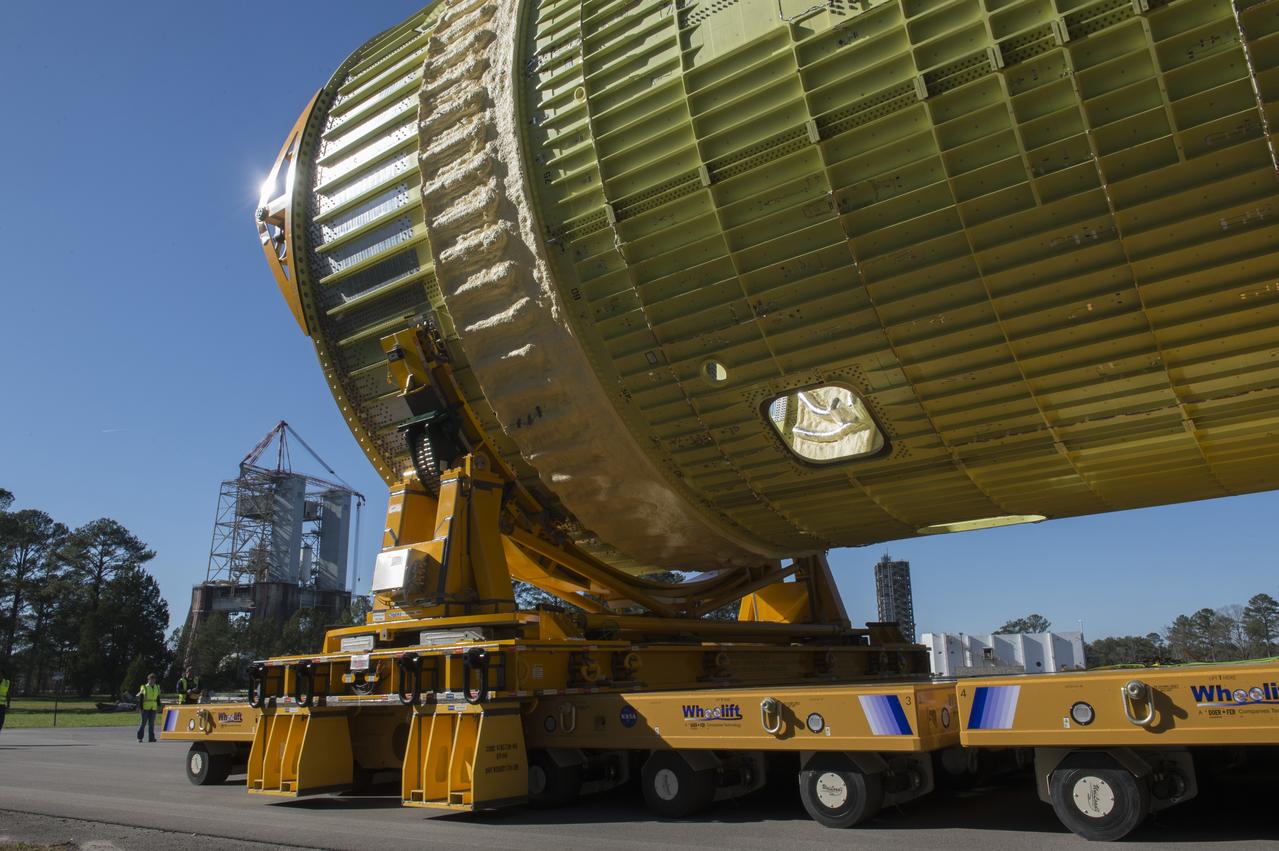
The SLS Stages Intertank Structural Test Assembly (STA) is rolling off the NASA Pegasus Barge at the MSFC Dock enroute to the MSFC 4619 Load Test Annex test facility for qualification testing via MSFC West Test Area. Historic Saturn 1-C test stand on far left, blockhouse 4670 on far right, SLS LH2 test stand, 4693, in center.
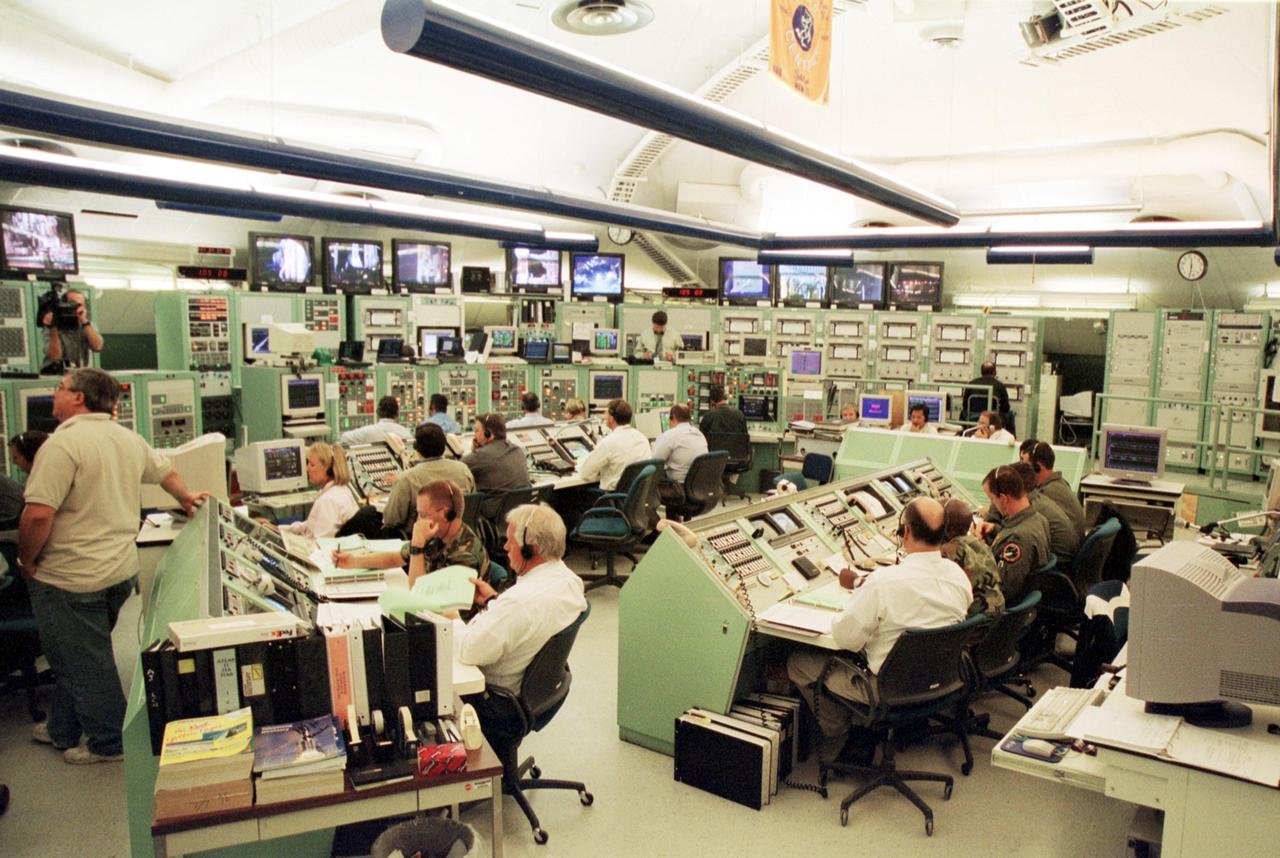
KENNEDY SPACE CENTER, Fla. -- The launch team inside the blockhouse on Launch Complex 36-A, Cape Canaveral Air Force Station makes final checks before launch of the GOES-M satellite. . GOES-M is the last in the current series of advanced geostationary weather satellites in service. GOES-M has a new instrument not on earlier spacecraft, a Solar X-ray Imager, which can be used in forecasting space weather and the effects of solar storms. The satellite is scheduled to launch atop an Atlas rocket on July 23 during a window that extends from 3:02 to 4:26 a.m. EDT
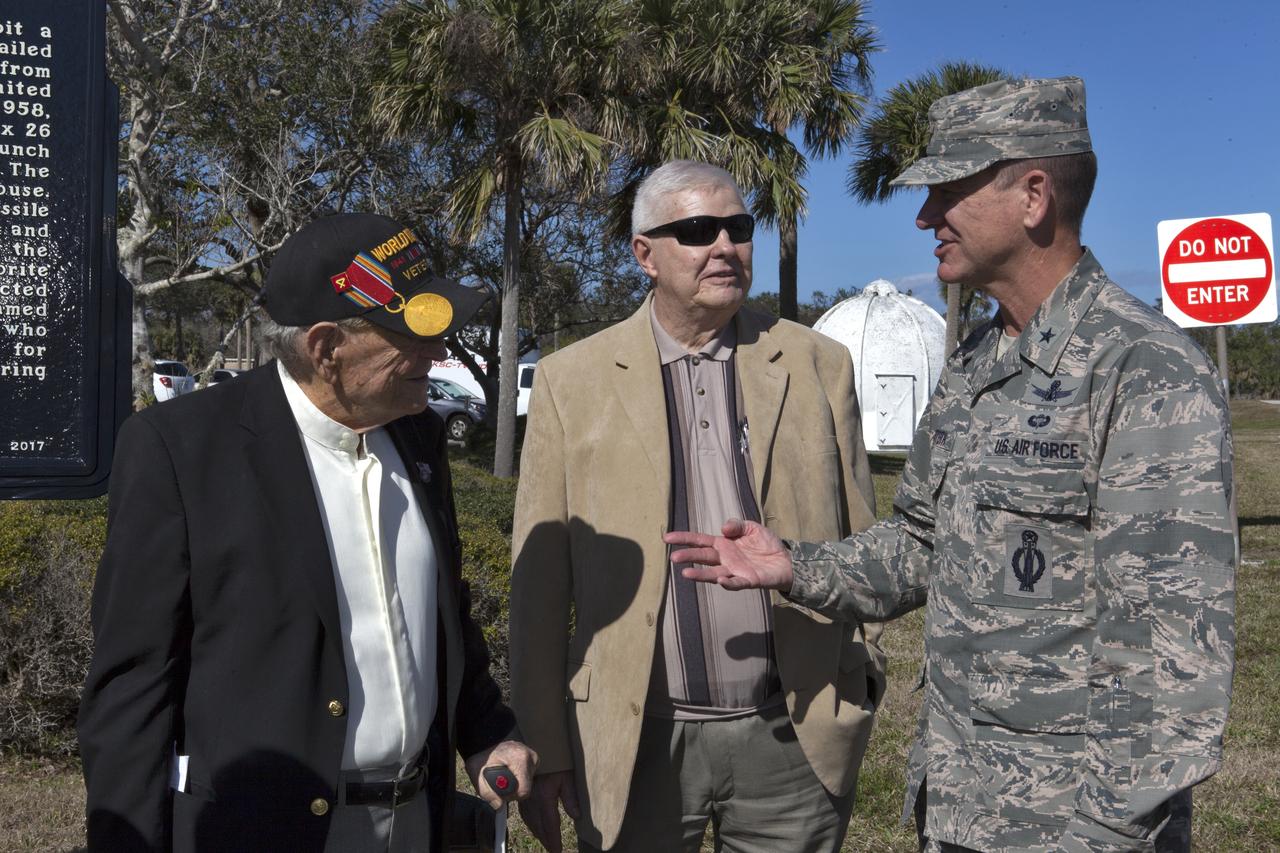
Brig. Gen. Wayne Monteith, 45th Space Wing commander and director of the Eastern Range, right, speaks with Launch team members who supported the launch of America's first satellite, Explorer 1. They spoke following an event celebrating the 60th anniversary of America's first satellite. The ceremony took place in front of the Space Launch Complex 26 blockhouse at Cape Canaveral Air Force Station where the Explorer 1 satellite was launched atop a Jupiter C rocket on Jan. 31, 1958. During operation, the satellite's cosmic ray detector discovered radiation belts around Earth which were named for Dr. James Van Allen, principal investigator for the satellite.
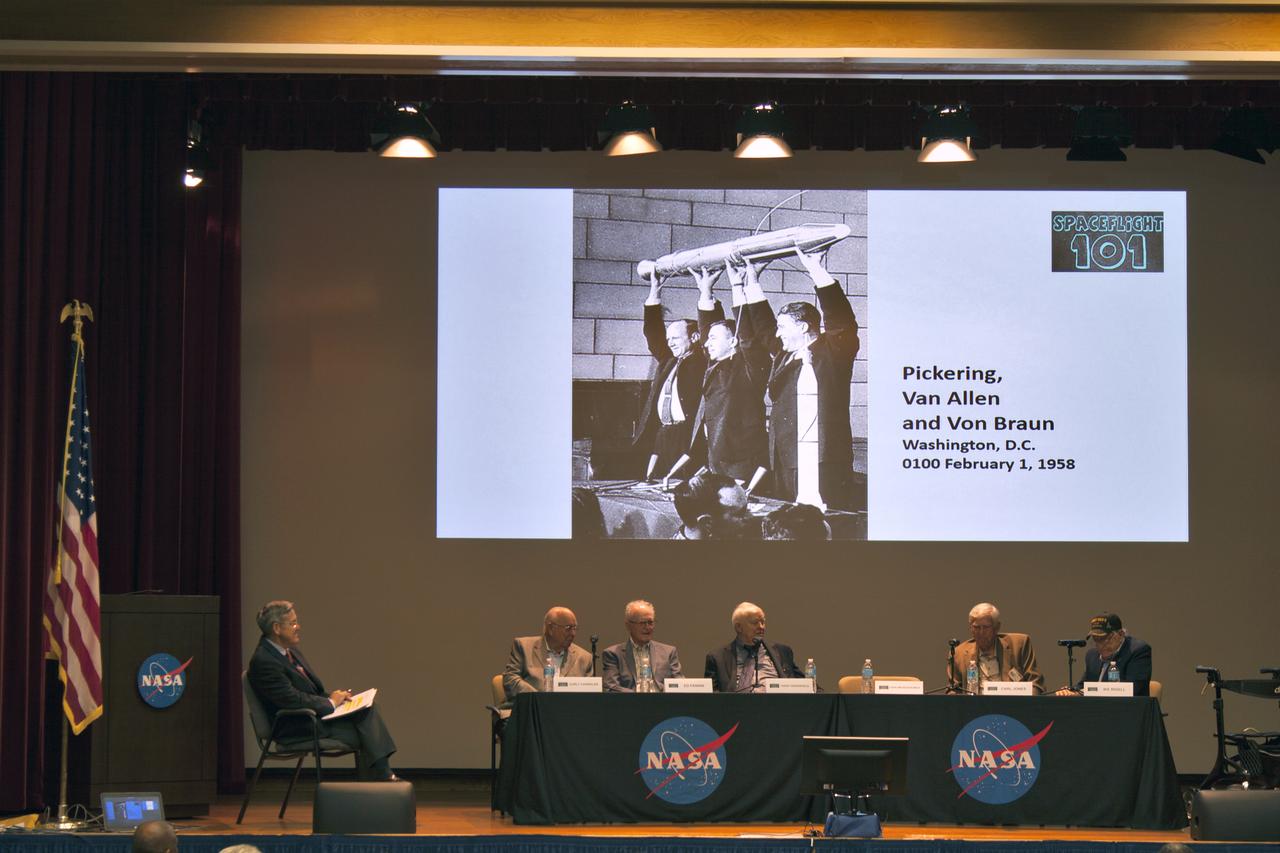
Aerospace pioneers who worked on the launch of Explorer 1 participate in a panel discussion with NASA Kennedy Space Center Director Bob Cabana, at far left, at the center's Training Auditorium on Wednesday, May 9, 2018. Panelists, from left are William "Curly" Chandler, firing room engineer; Lionel (Ed) Fannin, mechanical and propulsion systems; Terry Greenfield, blockhouse engineer; Carl Jones, measuring branch engineer; and Ike Rigell, electrical networks systems chief. Explorer 1 was the first satellite launched by the U.S. It was launched by the Army Ballistic Missile Agency on Jan. 31, 1958 on a Juno I rocket from Launch Complex-26.
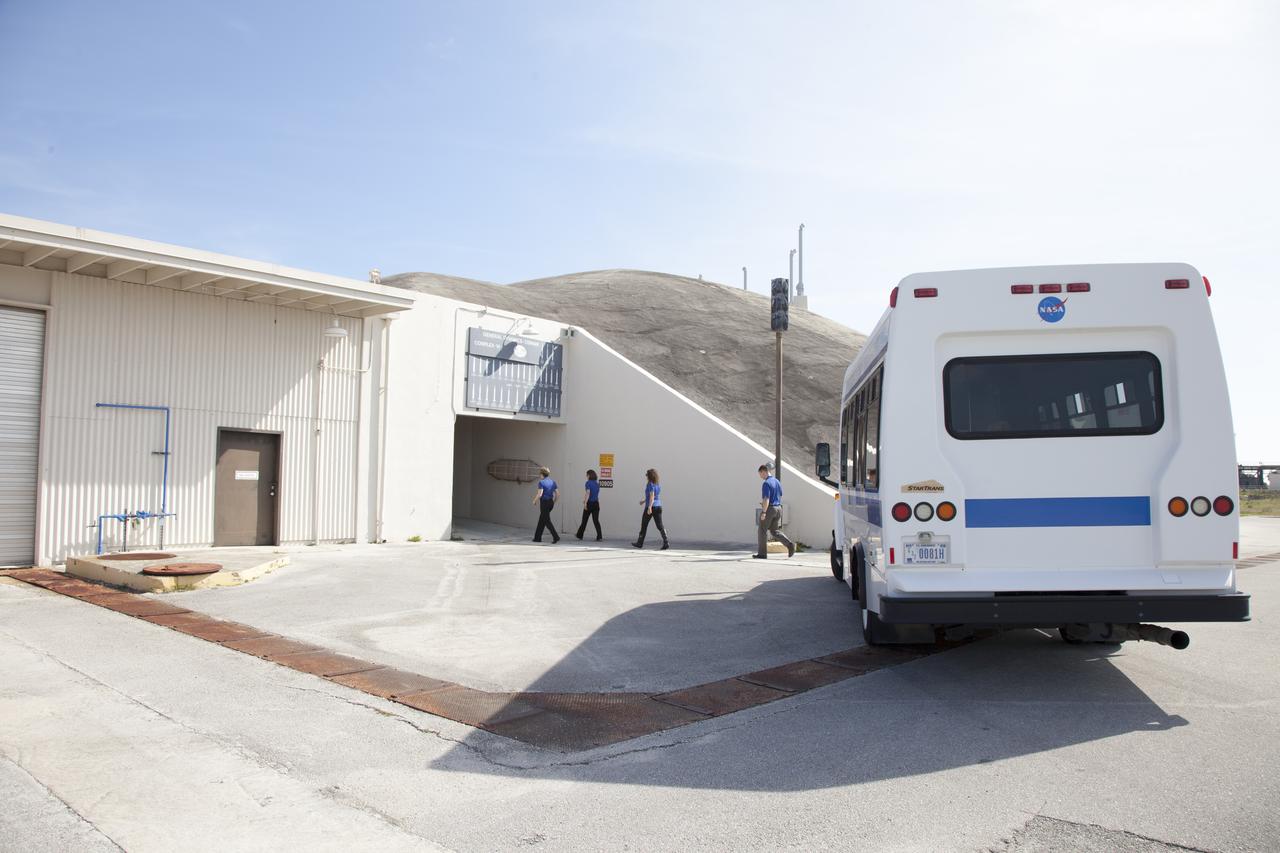
CAPE CANAVERAL, Fla. – NASA astronaut candidates enter the blockhouse at Complex 14 at Cape Canaveral Air Force Station in Florida, adjacent to NASA's Kennedy Space Center. Complex 14 served as the launch pad for Mercury astronaut John Glenn when he lifted off in 1962 to orbit the Earth, becoming the first American to do so. The astronaut class of 2013 was selected by NASA after an extensive year-and-a-half search. The new group will help the agency push the boundaries of exploration and travel to new destinations in the solar system. To learn more about the astronaut class of 2013, visit: http://www.nasa.gov/astronauts/2013astroclass.html Photo credit: NASA/Frankie Martin
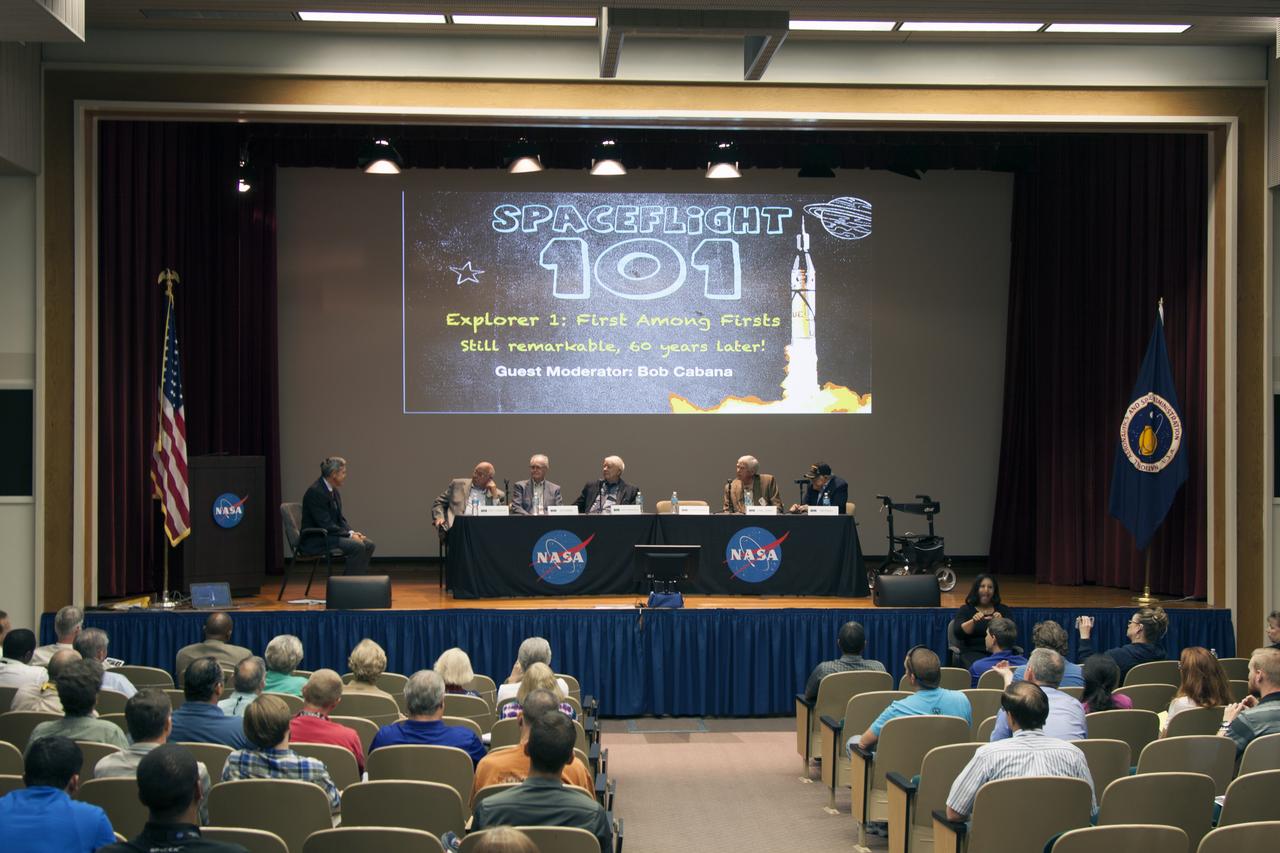
Aerospace pioneers who worked on the launch of Explorer 1 participate in a panel discussion with NASA Kennedy Space Center Director Bob Cabana, at far left, at the center's Training Auditorium on Wednesday, May 9, 2018. Panelists, from left are William "Curly" Chandler, firing room engineer; Lionel (Ed) Fannin, mechanical and propulsion systems; Terry Greenfield, blockhouse engineer; Carl Jones, measuring branch engineer; and Ike Rigell, electrical networks systems chief. Explorer 1 was the first satellite launched by the U.S. It was launched by the Army Ballistic Missile Agency on Jan. 31, 1958 on a Juno I rocket from Launch Complex-26.
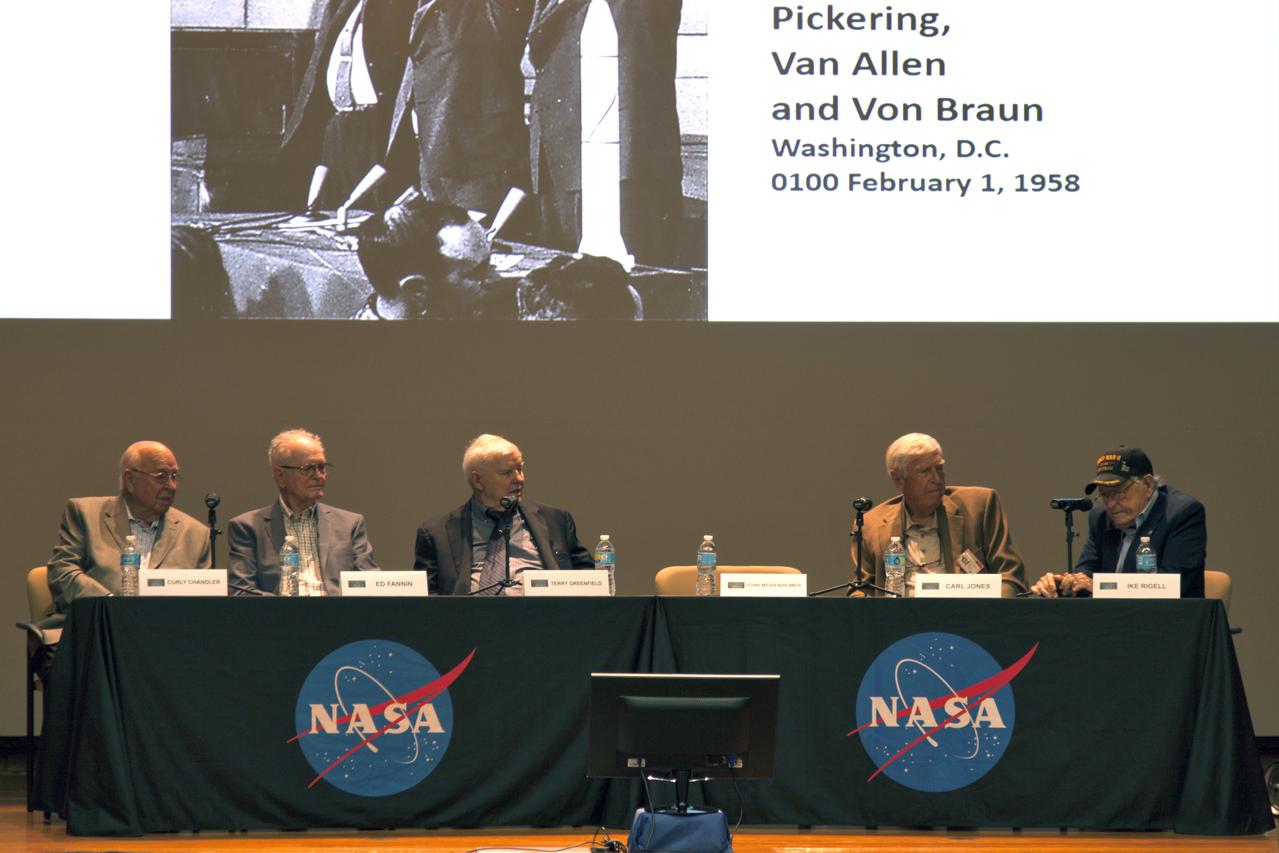
Aerospace pioneers who worked on the launch of Explorer 1 participate in a panel discussion with NASA Kennedy Space Center Director Bob Cabana at the center's Training Auditorium on Wednesday, May 9, 2018. Panelists, from left are William "Curly" Chandler, firing room engineer; Lionel (Ed) Fannin, mechanical and propulsion systems; Terry Greenfield, blockhouse engineer; Carl Jones, measuring branch engineer; and Ike Rigell, electrical networks systems chief. Explorer 1 was the first satellite launched by the U.S. It was launched by the Army Ballistic Missile Agency on Jan. 31, 1958 on a Juno I rocket from Launch Complex-26.
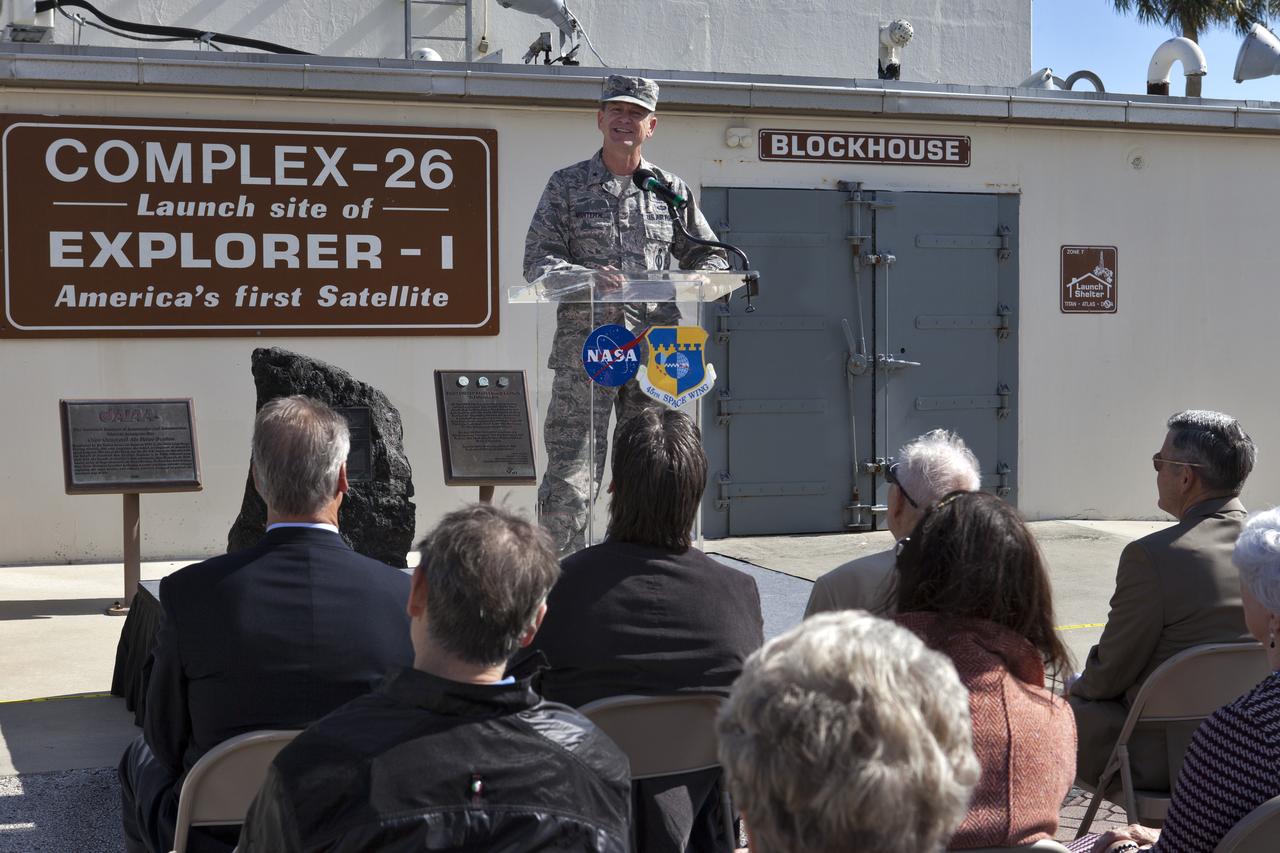
Brig. Gen. Wayne Monteith, 45th Space Wing commander and director of the Eastern Range, speaks to guests at an event celebrating the 60th anniversary of America's first satellite. The ceremony took place in front of the Space Launch Complex 26 blockhouse at Cape Canaveral Air Force Station where the Explorer 1 satellite was launched atop a Jupiter C rocket on Jan. 31, 1958. During operation, the satellite's cosmic ray detector discovered radiation belts around Earth which were named for Dr. James Van Allen, principal investigator for the satellite.
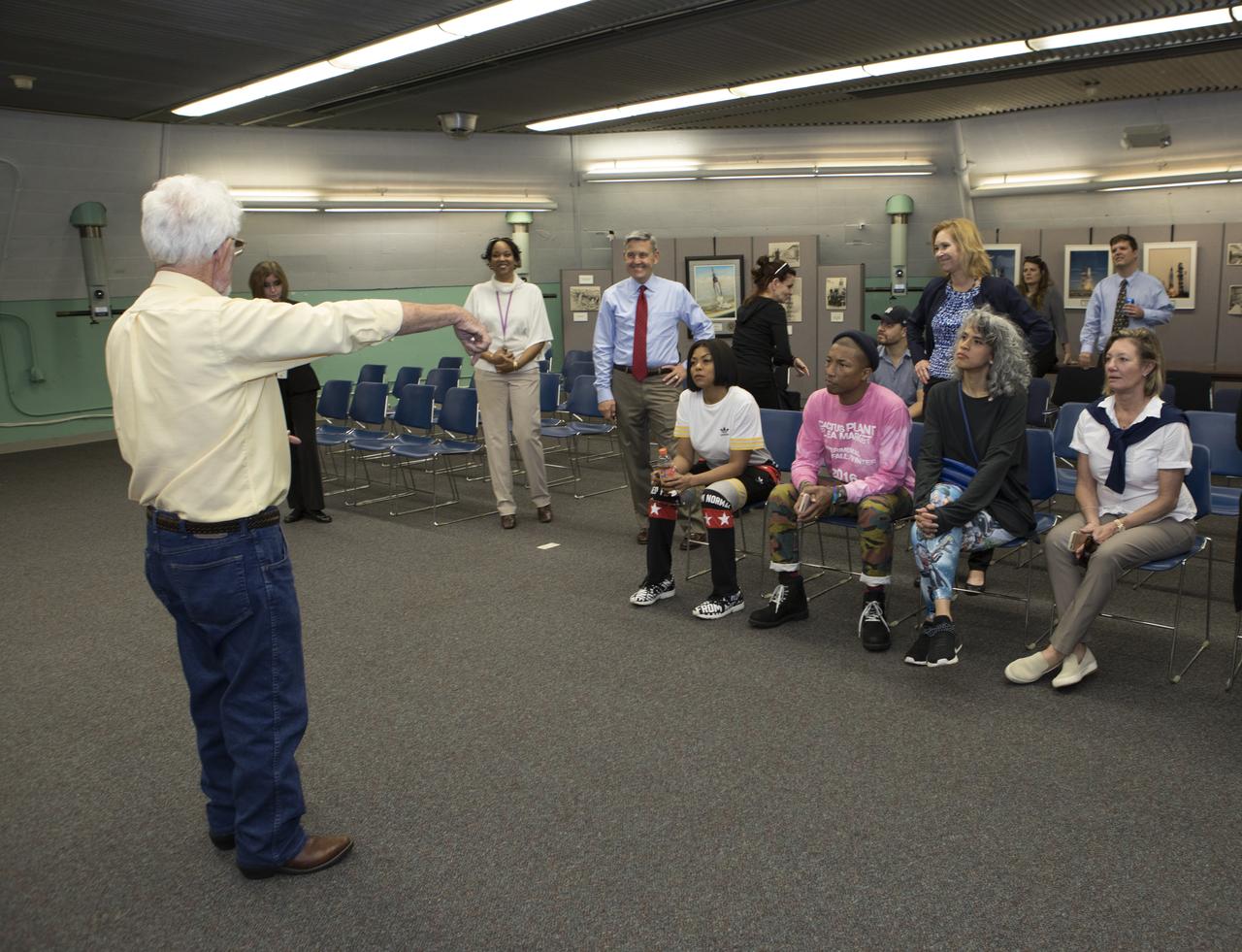
In the blockhouse at Cape Canaveral Air Force Station's Launch Pad 14, Sonny Witt, director of Operations for the 45th Mission Support Group at the Cape speaks to Kennedy Space Center Director Bob Cabana along with cast and crew members of the upcoming motion picture "Hidden Figures." Pad 14 was the location of the launch of John Glenn and three other astronauts who flew orbital missions during Project Mercury. The movie is based on the book of the same title, by Margot Lee Shetterly. It chronicles the lives of Katherine Johnson, Dorothy Vaughan and Mary Jackson, three African-American women who worked for NASA as human "computers.” Their mathematical calculations were crucial to the success of Project Mercury missions including Glenn’s orbital flight aboard Friendship 7 in 1962. The film is due in theaters in January 2017.
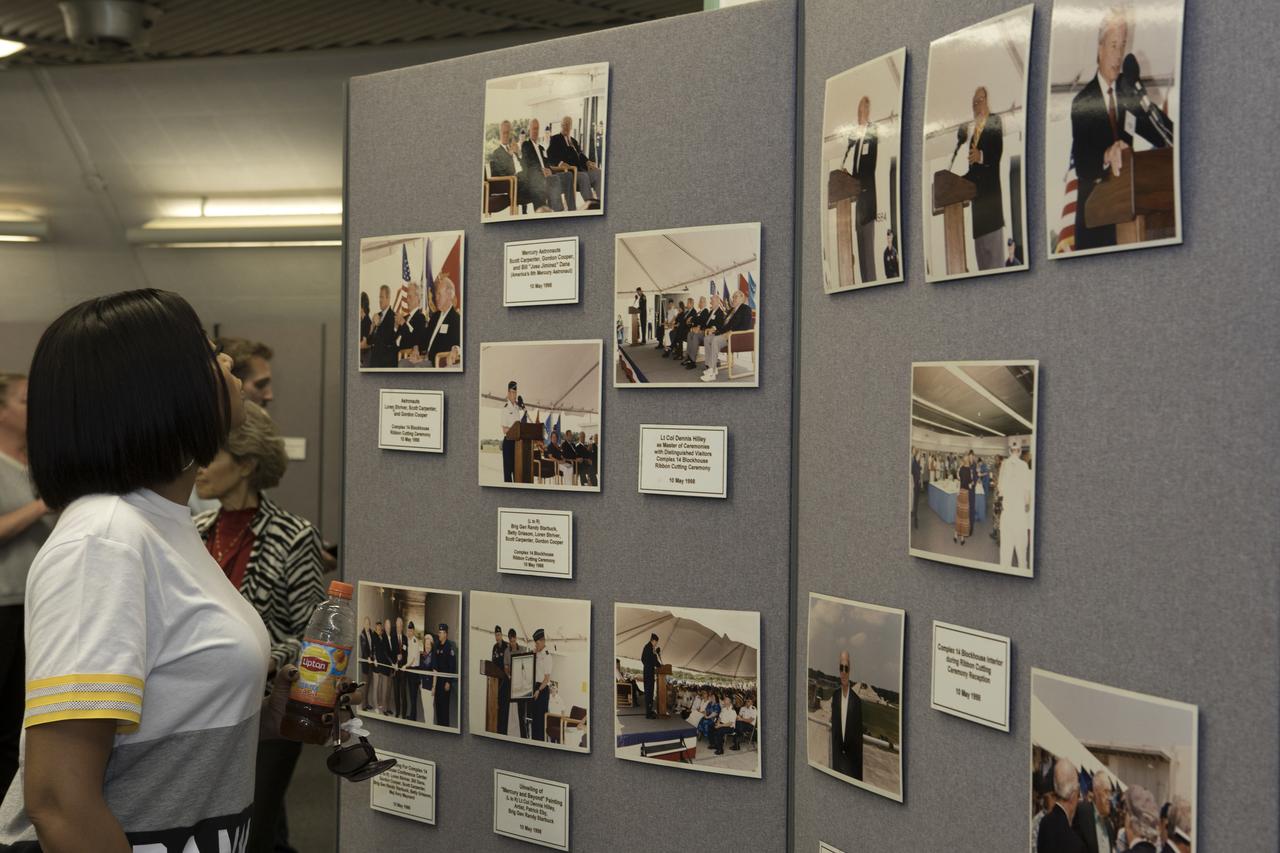
Taraji P. Henson, who portrays Katherine Johnson in the upcoming motion picture "Hidden Figures," looks at a display in the blockhouse at Launch Pad 14 at Cape Canaveral Air Force Station. The pad which was the location of the launch of John Glenn and three other astronauts who flew orbital missions during Project Mercury. The movie is based on the book of the same title, by Margot Lee Shetterly. It chronicles the lives of Katherine Johnson, Dorothy Vaughan and Mary Jackson, three African-American women who worked for NASA as human "computers.” Their mathematical calculations were crucial to the success of Project Mercury missions including Glenn’s orbital flight aboard Friendship 7 in 1962. The film is due in theaters in January 2017.
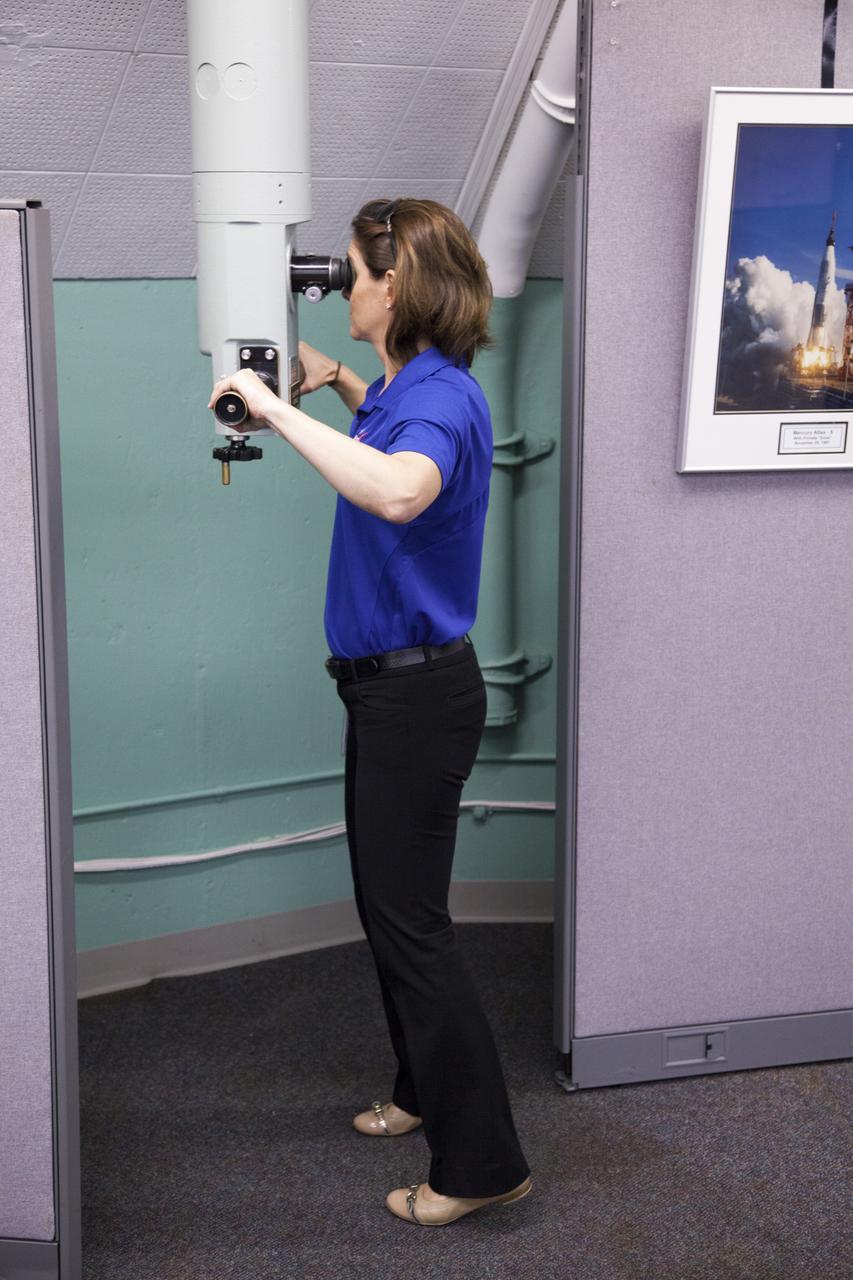
CAPE CANAVERAL, Fla. – NASA astronaut candidate Nicole Mann uses a periscope inside the blockhouse at Complex 14 at Cape Canaveral Air Force Station in Florida, adjacent to NASA's Kennedy Space Center. Complex 14 served as the launch pad for Mercury astronaut John Glenn when he lifted off in 1962 to orbit the Earth, becoming the first American to do so. The astronaut class of 2013 was selected by NASA after an extensive year-and-a-half search. The new group will help the agency push the boundaries of exploration and travel to new destinations in the solar system. To learn more about the astronaut class of 2013, visit: http://www.nasa.gov/astronauts/2013astroclass.html Photo credit: NASA/Frankie Martin
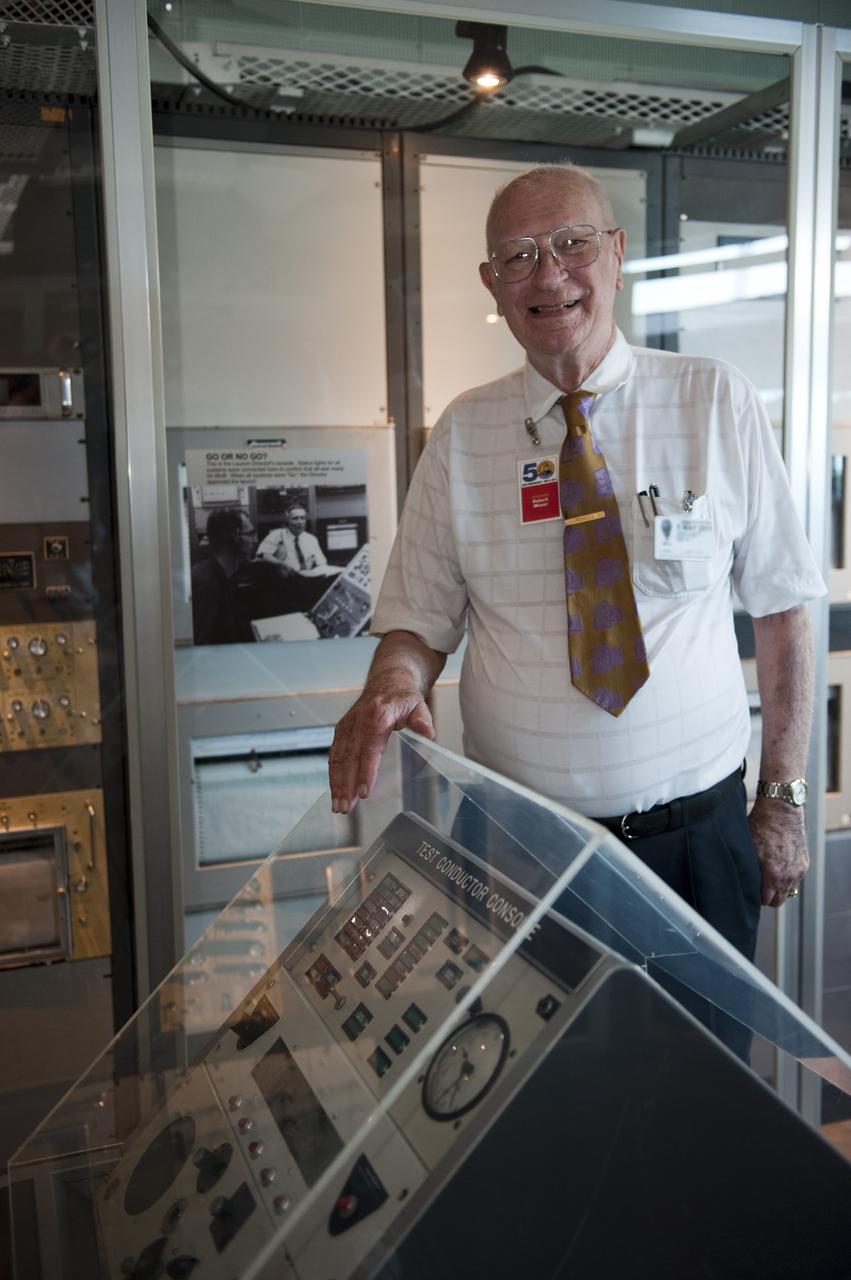
CAPE CANAVERAL, Fla. -- Bob Moser, former chief test conductor for the Mercury-Redstone launches, tours the blockhouse at Complex 5/6 on Cape Canaveral Air Force Station in Florida. The celebration was held at the launch site of the first U.S. manned spaceflight May 5, 1961, to mark the 50th anniversary of the flight. Fifty years ago, astronaut Alan Shepard lifted off inside the Mercury capsule, "Freedom 7," atop an 82-foot-tall Mercury-Redstone rocket at 9:34 a.m. EST, sending him on a remarkably successful, 15-minute suborbital flight. The event was attended by more than 200 workers from the original Mercury program and included a re-creation of Shepard's flight and recovery, as well as a tribute to his contributions as a moonwalker on the Apollo 14 lunar mission. For more information, visit www.nasa.gov/topics/history/milestones/index.html. Photo credit: NASA/Kim Shiflett
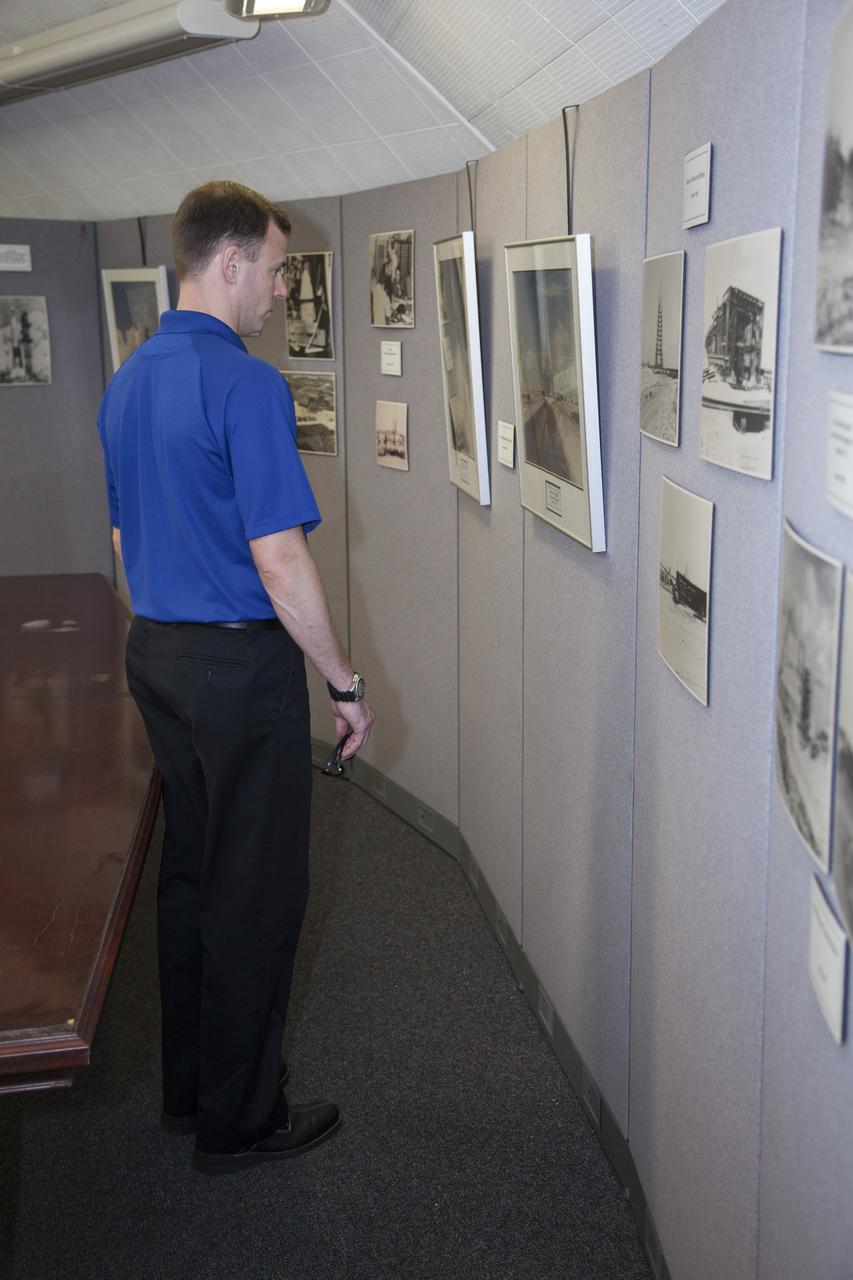
CAPE CANAVERAL, Fla. – NASA astronaut candidate Tyler "Nick" Hague looks over photos inside the blockhouse at Complex 14 at Cape Canaveral Air Force Station in Florida, adjacent to NASA's Kennedy Space Center. Complex 14 served as the launch pad for Mercury astronaut John Glenn when he lifted off in 1962 to orbit the Earth, becoming the first American to do so. The astronaut class of 2013 was selected by NASA after an extensive year-and-a-half search. The new group will help the agency push the boundaries of exploration and travel to new destinations in the solar system. To learn more about the astronaut class of 2013, visit: http://www.nasa.gov/astronauts/2013astroclass.html Photo credit: NASA/Frankie Martin
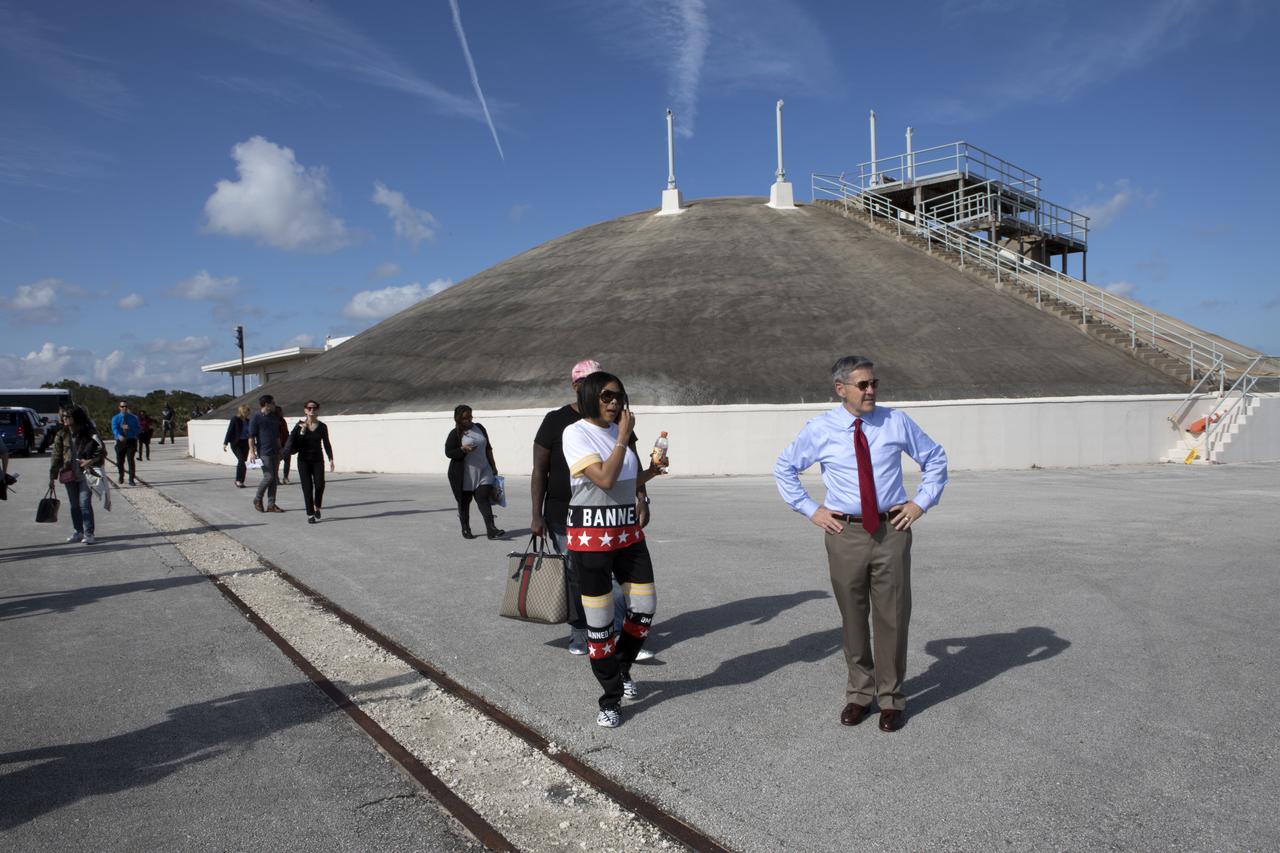
Kennedy Space Center Director Bob Cabana, right, provides a tour for cast and crew members of the upcoming motion picture "Hidden Figures." The group is near the blockhouse at Launch Pad 14 at Cape Canaveral Air Force Station. The pad which was the location of the launch of John Glenn and three other astronauts who flew orbital missions during Project Mercury. To Cabana's right is Taraji P. Henson, who portrays Katherine Johnson in the film. The movie is based on the book of the same title, by Margot Lee Shetterly. It chronicles the lives of Katherine Johnson, Dorothy Vaughan and Mary Jackson, three African-American women who worked for NASA as human "computers.” Their mathematical calculations were crucial to the success of Project Mercury missions including Glenn’s orbital flight aboard Friendship 7 in 1962. The film is due in theaters in January 2017.
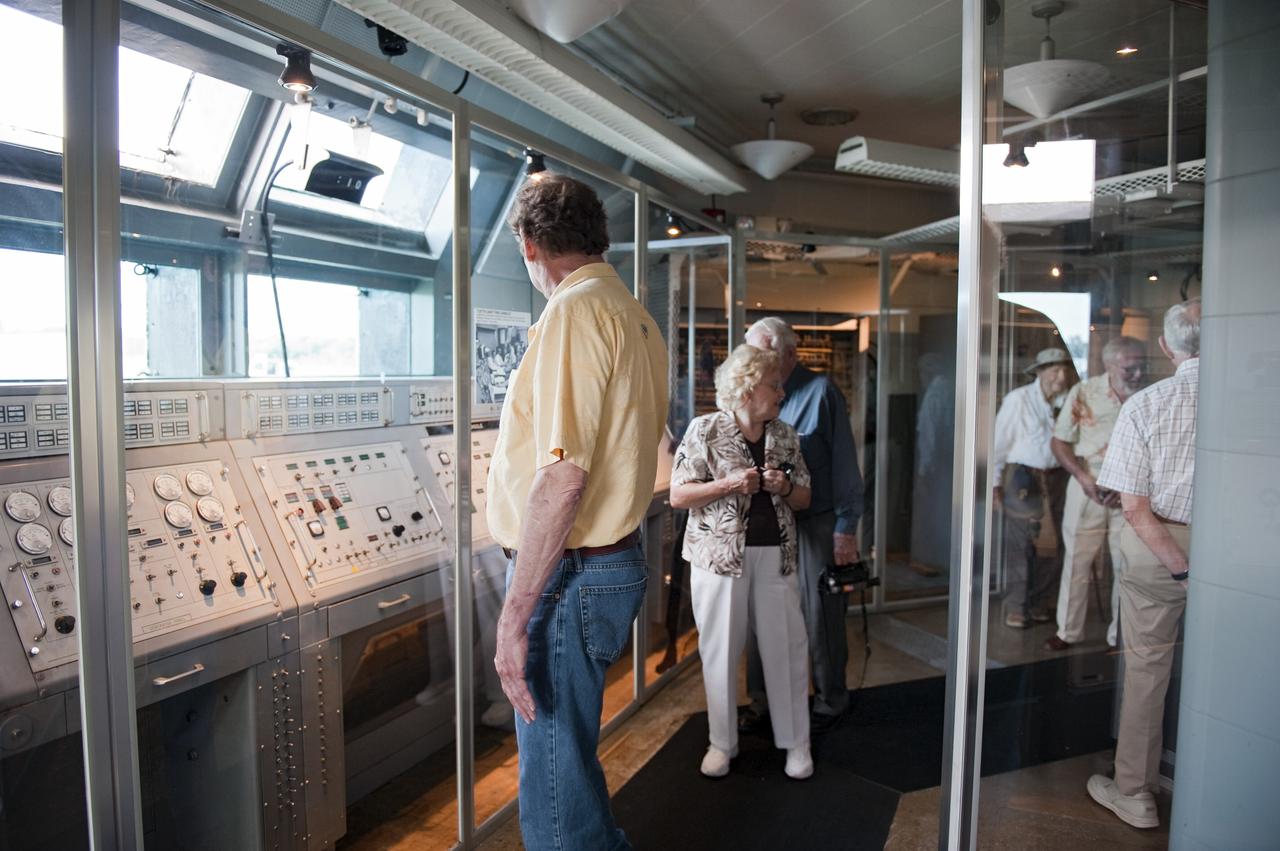
CAPE CANAVERAL, Fla. -- Invited guests attending a celebration at Complex 5/6 on Cape Canaveral Air Force Station in Florida tour the blockhouse. The celebration was held at the launch site of the first U.S. manned spaceflight May 5, 1961, to mark the 50th anniversary of the flight. Fifty years ago, astronaut Alan Shepard lifted off inside the Mercury capsule, "Freedom 7," atop an 82-foot-tall Mercury-Redstone rocket at 9:34 a.m. EST, sending him on a remarkably successful, 15-minute suborbital flight. The event was attended by more than 200 workers from the original Mercury program and included a re-creation of Shepard's flight and recovery, as well as a tribute to his contributions as a moonwalker on the Apollo 14 lunar mission. For more information, visit www.nasa.gov/topics/history/milestones/index.html. Photo credit: NASA/Kim Shiflett
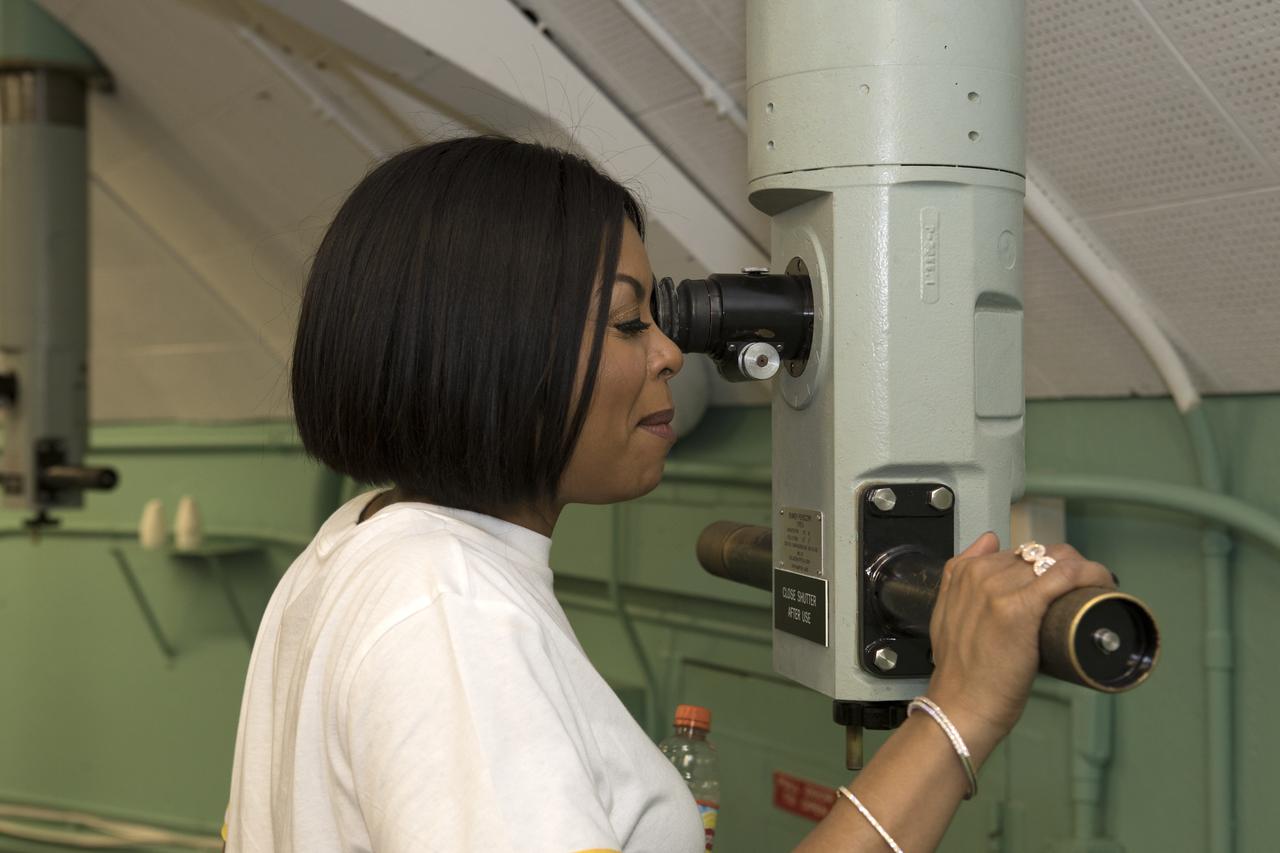
Taraji P. Henson, who portrays Katherine Johnson in the upcoming motion picture "Hidden Figures," looks through a periscope in the blockhouse at Launch Pad 14 at Cape Canaveral Air Force Station. The pad which was the location of the launch of John Glenn and three other astronauts who flew orbital missions during Project Mercury. The movie is based on the book of the same title, by Margot Lee Shetterly. It chronicles the lives of Katherine Johnson, Dorothy Vaughan and Mary Jackson, three African-American women who worked for NASA as human "computers.” Their mathematical calculations were crucial to the success of Project Mercury missions including Glenn’s orbital flight aboard Friendship 7 in 1962. The film is due in theaters in January 2017.
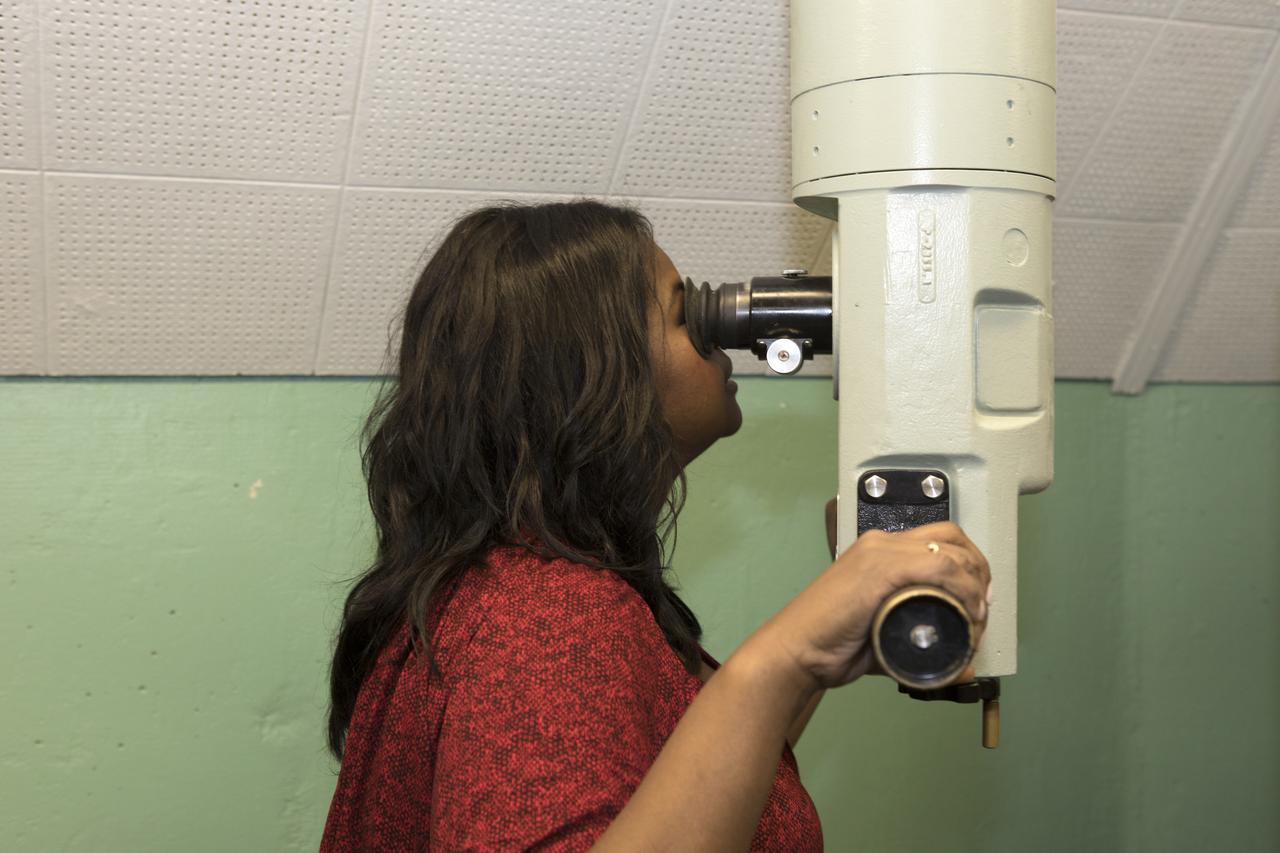
Octavia Spencer, who portrays Dorothy Vaughan in the upcoming motion picture "Hidden Figures," looks through a periscope in the blockhouse at Launch Pad 14 at Cape Canaveral Air Force Station. The pad which was the location of the launch of John Glenn and three other astronauts who flew orbital missions during Project Mercury. The movie is based on the book of the same title, by Margot Lee Shetterly. It chronicles the lives of Katherine Johnson, Dorothy Vaughan and Mary Jackson, three African-American women who worked for NASA as human "computers.” Their mathematical calculations were crucial to the success of Project Mercury missions including Glenn’s orbital flight aboard Friendship 7 in 1962. The film is due in theaters in January 2017.
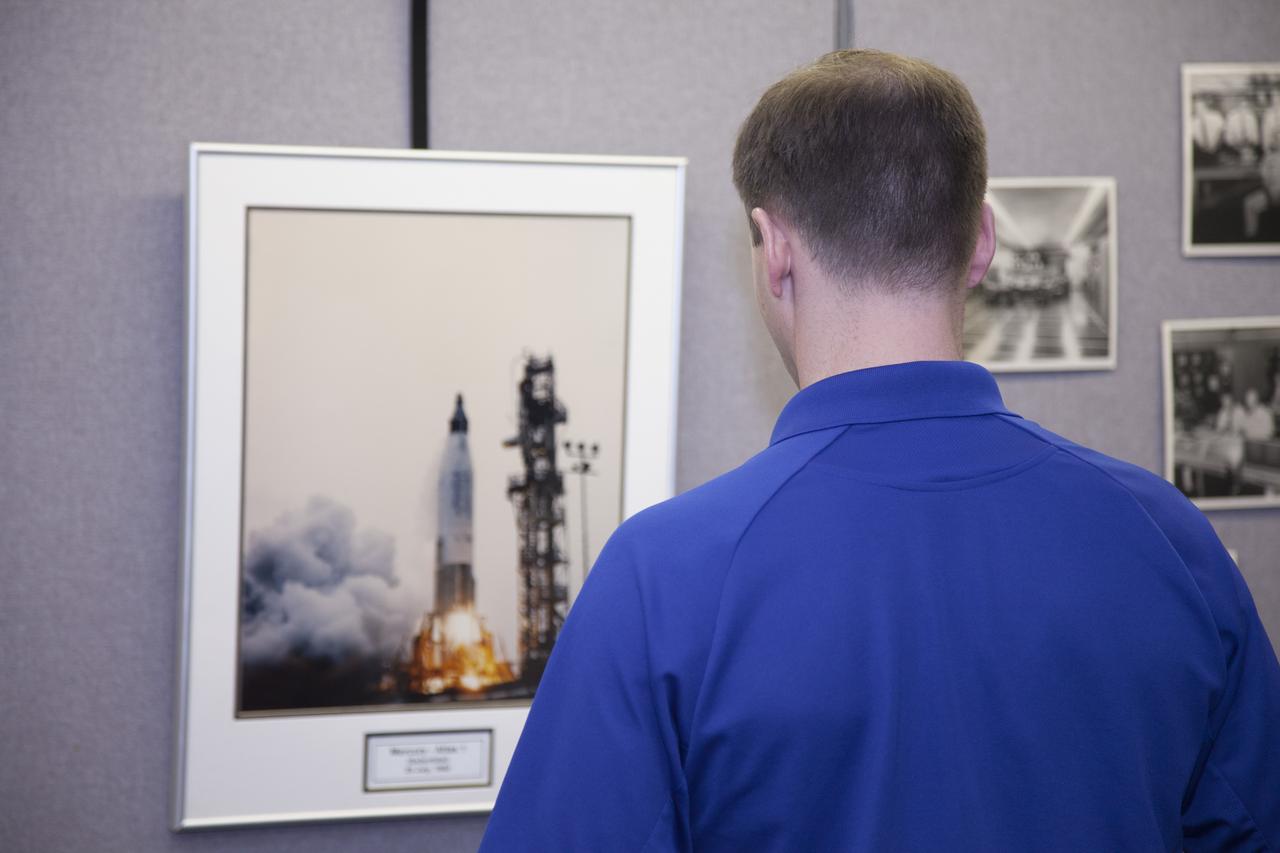
CAPE CANAVERAL, Fla. – NASA astronaut candidate Tyler "Nick" Hague looks over photos inside the blockhouse at Complex 14 at Cape Canaveral Air Force Station in Florida, adjacent to NASA's Kennedy Space Center. Complex 14 served as the launch pad for Mercury astronaut John Glenn when he lifted off in 1962 to orbit the Earth, becoming the first American to do so. The astronaut class of 2013 was selected by NASA after an extensive year-and-a-half search. The new group will help the agency push the boundaries of exploration and travel to new destinations in the solar system. To learn more about the astronaut class of 2013, visit: http://www.nasa.gov/astronauts/2013astroclass.html Photo credit: NASA/Frankie Martin
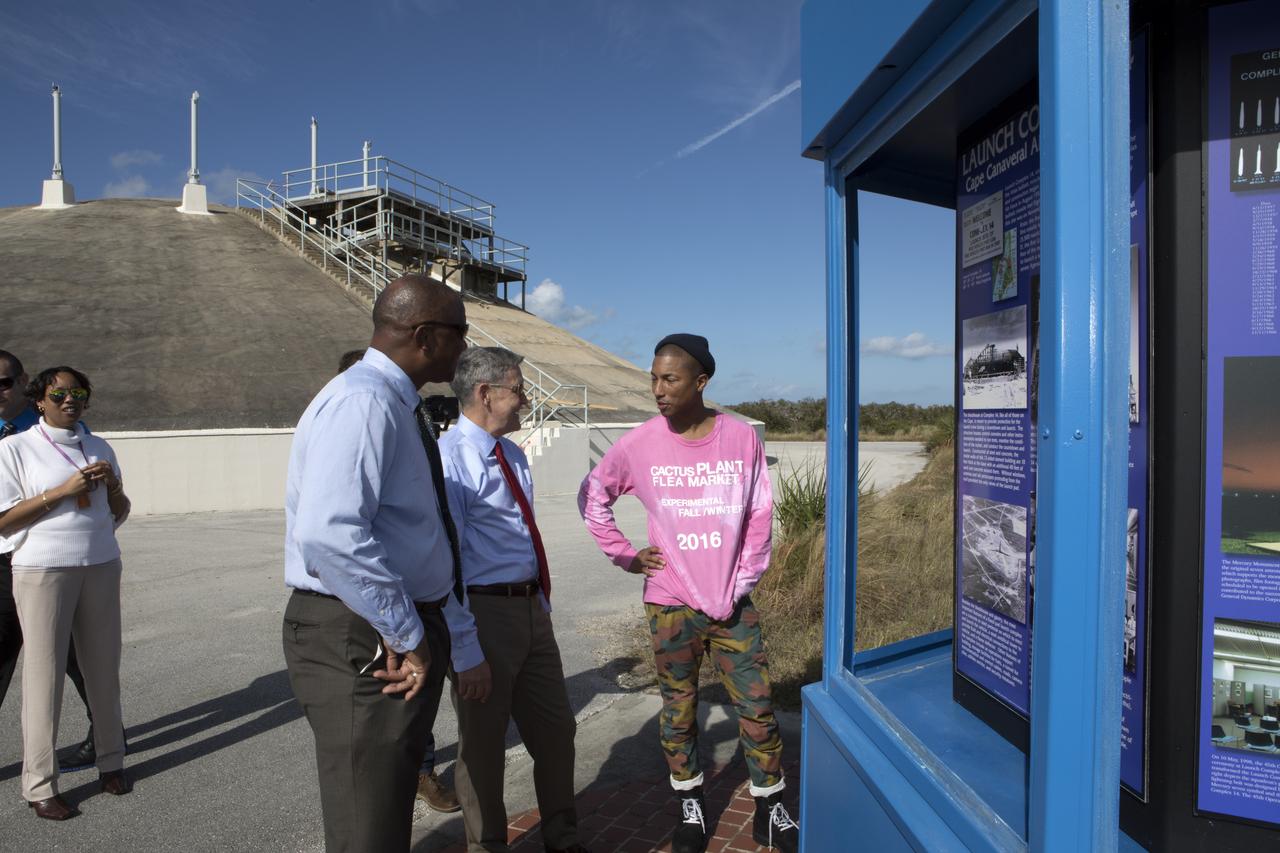
Kennedy Space Center Associate Director Kelvin Manning, left, and Center Director Bob Cabana, center, provide a tour for cast and crew members of the upcoming motion picture "Hidden Figures." They are reviewing a display at near the blockhouse at Cape Canaveral Air Force Station's Launch Pad 14 with Pharrell Williams, musician and producer of “Hidden Figures." The pad was the location of the launch of John Glenn and three other astronauts who flew orbital missions during Project Mercury. The movie is based on the book of the same title, by Margot Lee Shetterly. It chronicles the lives of Katherine Johnson, Dorothy Vaughan and Mary Jackson, three African-American women who worked for NASA as human "computers.” Their mathematical calculations were crucial to the success of Project Mercury missions including Glenn’s orbital flight aboard Friendship 7 in 1962. The film is due in theaters in January 2017.
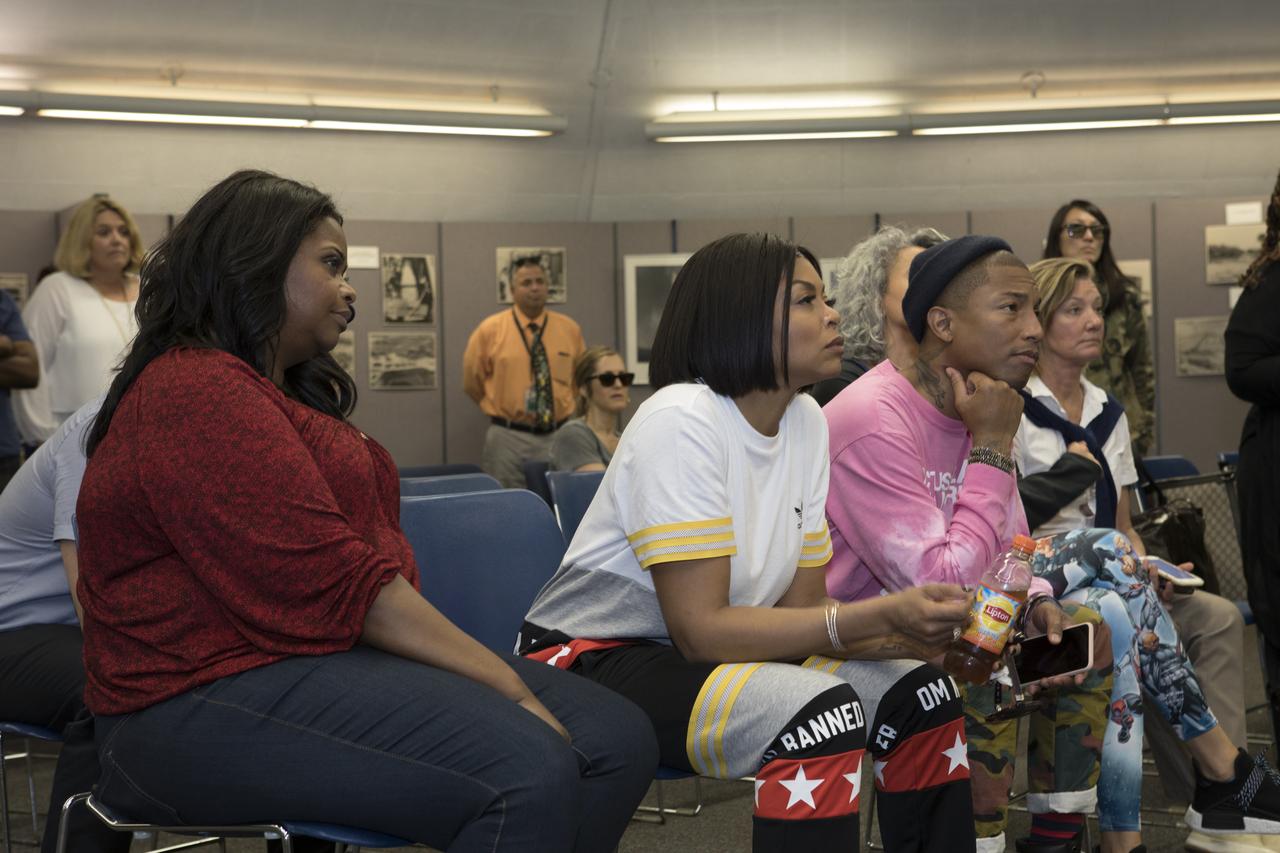
In the blockhouse at Cape Canaveral Air Force Station's Launch Pad 14, cast and crew members of the upcoming motion picture "Hidden Figures" listen to a briefing on the pad which was the location of the launch of John Glenn and three other astronauts who flew orbital missions during Project Mercury. In the foreground, from the left, are Octavia Spencer, who portrays Dorothy Vaughan, Taraji P. Henson, who portrays Katherine Johnson in the film, Janelle Monáe, who portrays Mary Jackson, and Pharrell Williams, musician and producer of “Hidden Figures." The movie is based on the book of the same title, by Margot Lee Shetterly. It chronicles the lives of Katherine Johnson, Dorothy Vaughan and Mary Jackson, three African-American women who worked for NASA as human "computers.” Their mathematical calculations were crucial to the success of Project Mercury missions including Glenn’s orbital flight aboard Friendship 7 in 1962. The film is due in theaters in January 2017.
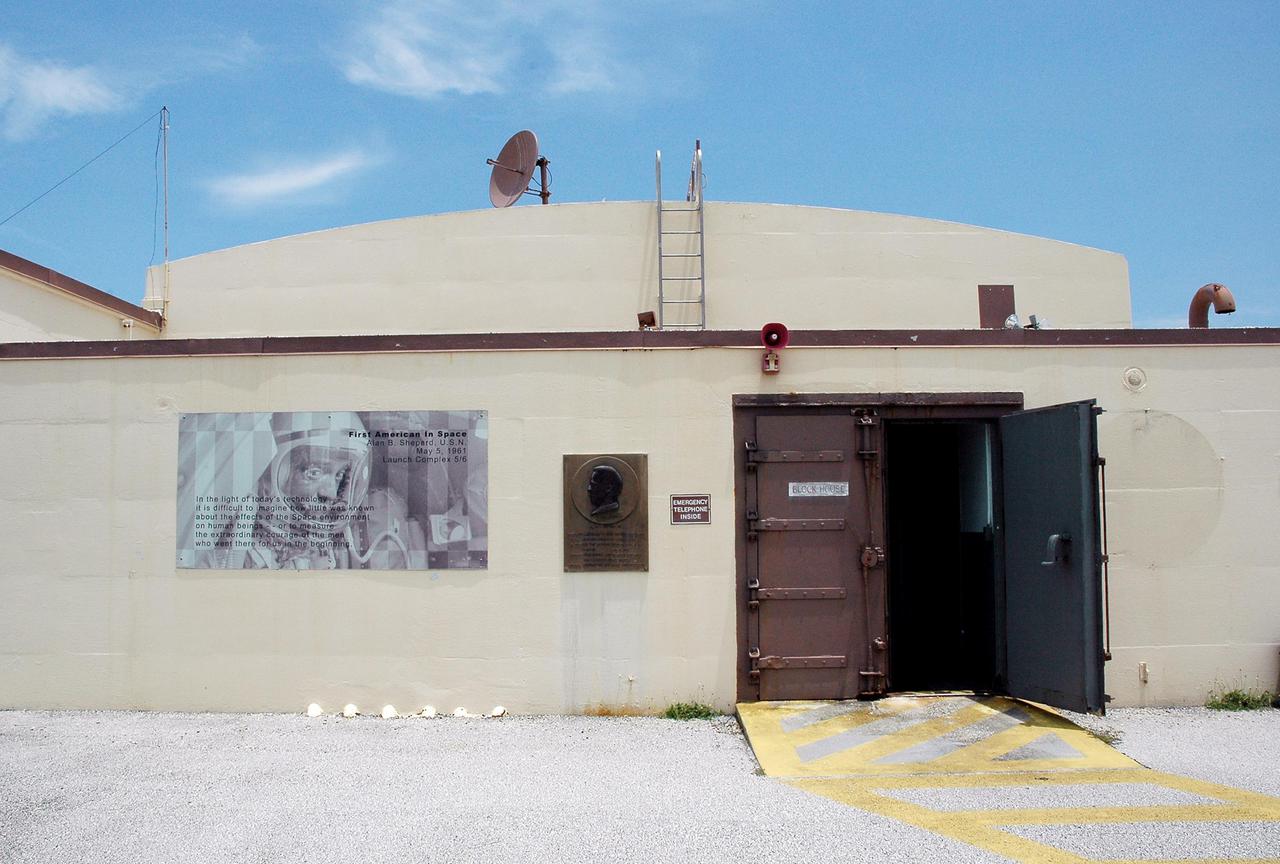
KENNEDY SPACE CENTER, FLA. - This is Launch Complex 5_6 blockhouse, now a museum at the Cape Canaveral Air Force Station (CCAFS) in Florida, where long-lost space suits were found. A recent venture into a long-locked room at CCAFS uncovered interesting artifacts of a bygone era: retired space suits from Americans who trained in the 1960s to be astronauts aboard an Air Force orbiting reconnaissance laboratory. Two security officers were doing a check of a facility at Launch Complex 5_6 blockhouse. NASA Special Agent Dan E. Oakland and Security Manager Henry Butler, who is with Delaware North Parks and Resorts, the company that oversees the museum, discovered a locked room. Space suits from the Air Force’s planned Manned Orbiting Laboratory (MOL) program were found in the room Begun in 1964, the MOL program was an Air Force initiative that would have sent Air Force astronauts to a space station in a Gemini capsule. After spending a few weeks in orbit, the crew would undock and return to Earth. A test launch from Complex 40 on Nov. 30, 1966, of a MOL was conducted with an unmanned Gemini capsule. The MOL was constructed from tankage of a Titan II rocket. The operational MOL was planned to be launched into a polar orbit from Vandenberg Air Force Base in California. The Air Force abandoned the program in 1969, but the program produced a great deal of technological development, and three groups of military officers trained to be MOL astronauts. When the program was cancelled, seven of the younger astronauts were transferred to the agency’s human space flight program and went on to have standout careers. Among them were Robert Crippen, pilot of the first Space Shuttle mission, and Richard H. 'Dick' Truly, who later became NASA Administrator.
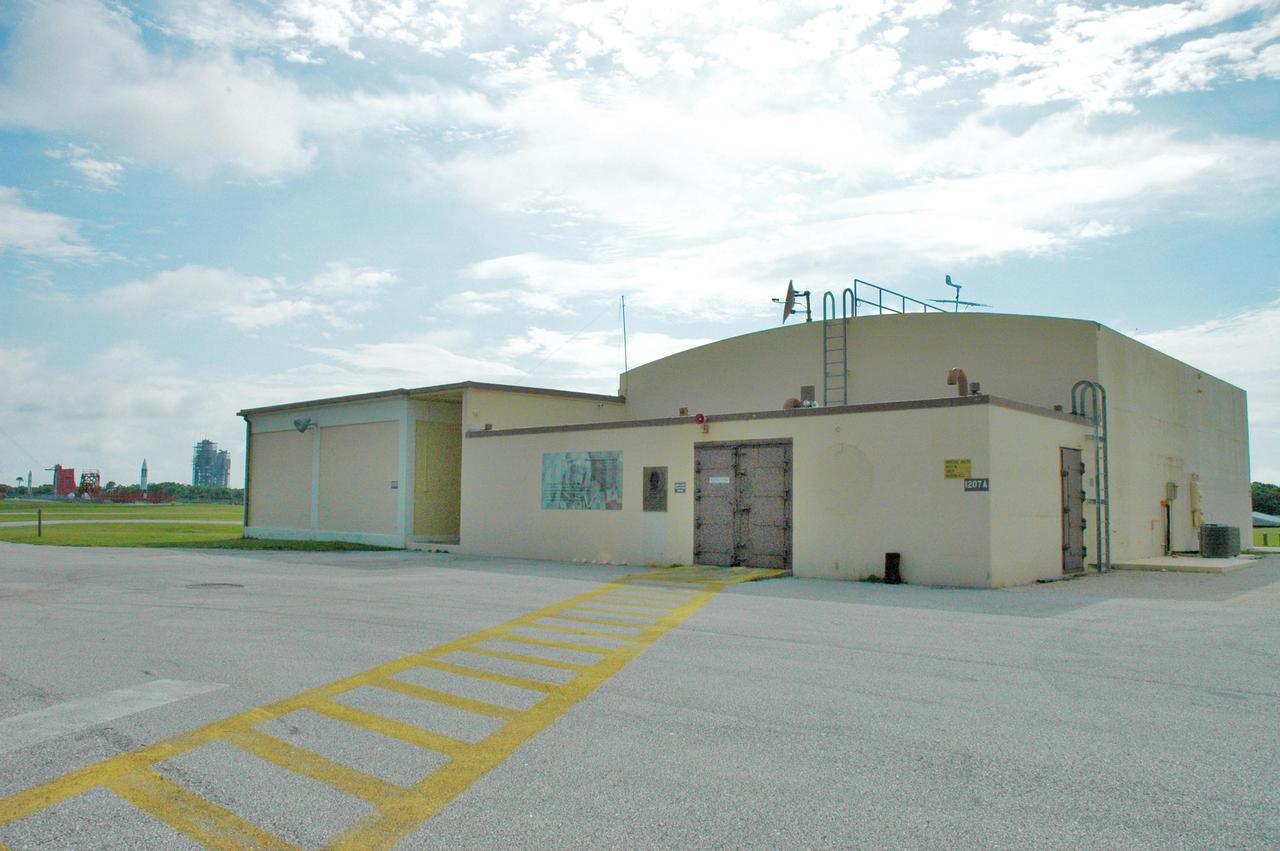
KENNEDY SPACE CENTER, FLA. - This is Launch Complex 5_6 blockhouse, now a museum at the Cape Canaveral Air Force Station (CCAFS) in Florida, where long-lost spacesuits were found. A recent venture into a long-locked room at CCAFS uncovered interesting artifacts of a bygone era: retired space suits from Americans who trained in the 1960s to be astronauts aboard an Air Force orbiting reconnaissance laboratory. Two security officers were doing a check of a facility at Launch Complex 5_6 blockhouse. NASA Special Agent Dan E. Oakland and Security Manager Henry Butler, with Delaware North Parks and Resorts, which oversees the museum, discovered a locked room. Space suits from the Air Force’s planned Manned Orbiting Laboratory (MOL) program were found in the room Begun in 1964, the MOL program was an Air Force initiative that would have sent Air Force astronauts to a space station in a Gemini capsule. After spending a few weeks in orbit, the crew would undock and return to Earth. A test launch from Complex 40 on Nov. 30, 1966, of a MOL was conducted with an unmanned Gemini capsule. The MOL was constructed from tankage of a Titan II rocket. The operational MOL was planned to be launched into a polar orbit from Vandenberg Air Force Base in California. The Air Force abandoned the program in 1969, but the program produced a great deal of technological development, and three groups of military officers trained to be MOL astronauts. When the program was cancelled, seven of the younger astronauts were transferred to the agency’s human space flight program and went on to have standout careers. Among them were Robert Crippen, pilot of the first Space Shuttle mission, and Richard H. 'Dick' Truly, who later became NASA Administrator.
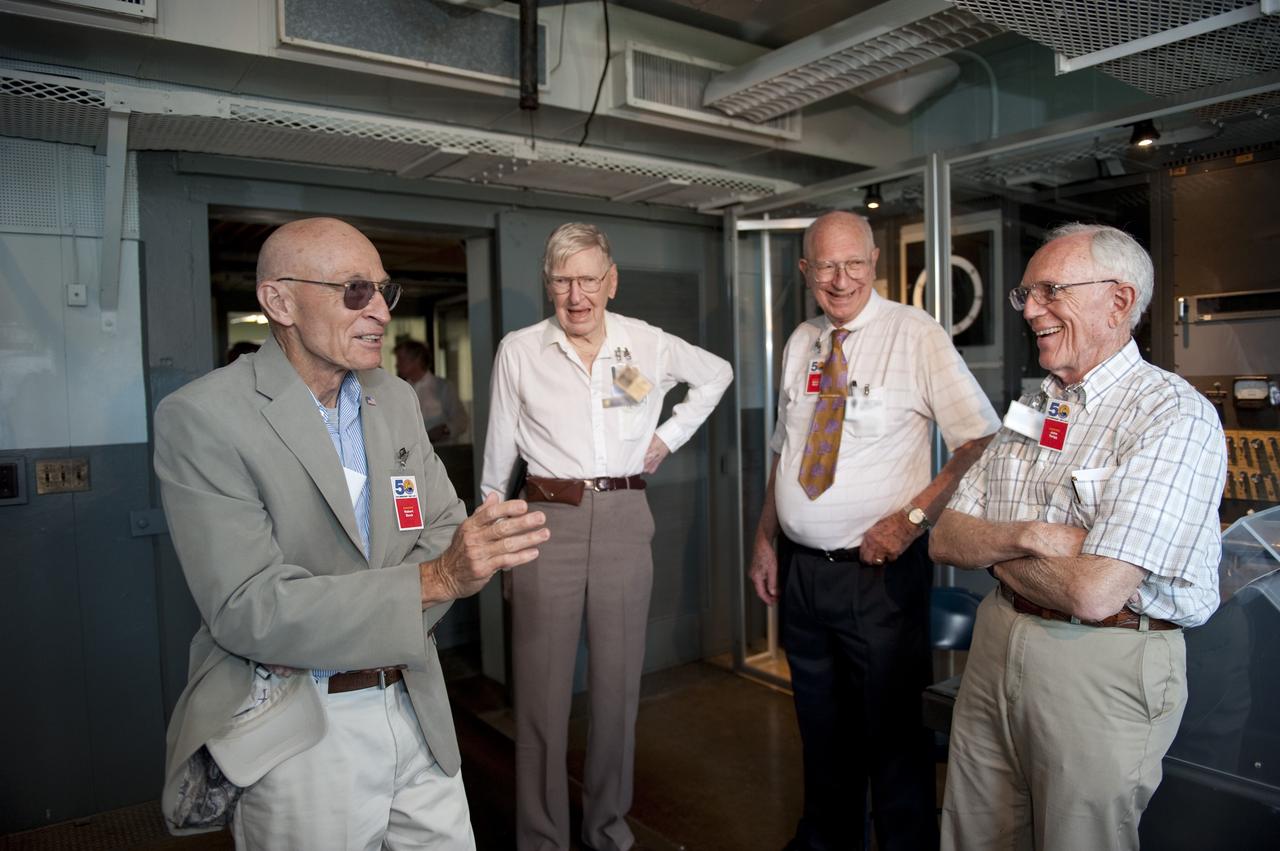
CAPE CANAVERAL, Fla. -- On Cape Canaveral Air Force Station in Florida, invited guests tour the blockhouse at Complex 5/6 during a celebration of Alan Shepard's historic flight 50 years ago. From left are Robert Sieck, former shuttle launch director; Andy Anderson, former manager for communications in the Mercury Mission Control Center; Bob Moser, former chief test conductor for the Mercury-Redstone launches; and John Twigg, former backup chief test conductor for the Mercury-Redstone launches. The celebration was held at the launch site of the first U.S. manned spaceflight May 5, 1961, to mark the 50th anniversary of the flight. Fifty years ago, astronaut Alan Shepard lifted off inside the Mercury capsule, "Freedom 7," atop an 82-foot-tall Mercury-Redstone rocket at 9:34 a.m. EST, sending him on a remarkably successful, 15-minute suborbital flight. The event was attended by more than 200 workers from the original Mercury program and included a re-creation of Shepard's flight and recovery, as well as a tribute to his contributions as a moonwalker on the Apollo 14 lunar mission. For more information, visit www.nasa.gov/topics/history/milestones/index.html. Photo credit: NASA/Kim Shiflett
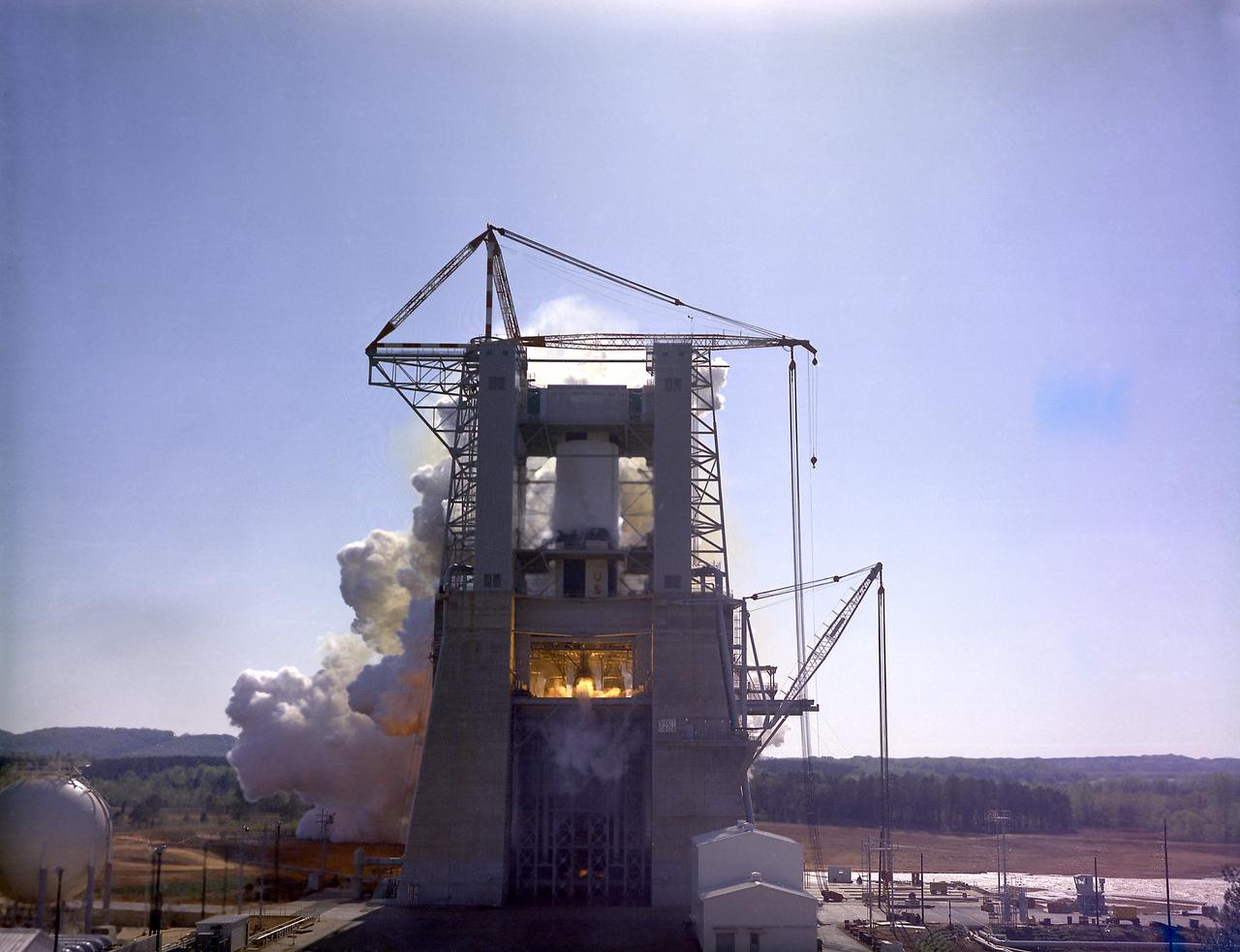
This photograph depicts a dramatic view of the first test firing of all five F-1 engines for the Saturn V S-IC stage at the Marshall Space Flight Center. The testing lasted a full duration of 6.5 seconds. It also marked the first test performed in the new S-IC static test stand and the first test using the new control blockhouse. The S-IC stage is the first stage, or booster, of a 364-foot long rocket that ultimately took astronauts to the Moon. Operating at maximum power, all five of the engines produced 7,500,000 pounds of thrust. Required to hold down the brute force of a 7,500,000-pound thrust, the S-IC static test stand was designed and constructed with the strength of hundreds of tons of steel and cement, planted down to bedrock 40 feet below ground level. The structure was topped by a crane with a 135-foot boom. With the boom in the up position, the stand was given an overall height of 405 feet, placing it among the highest structures in Alabama at the time. When the Saturn V S-IC first stage was placed upright in the stand , the five F-1 engine nozzles pointed downward on a 1,900 ton, water-cooled deflector. To prevent melting damage, water was sprayed through small holes in the deflector at the rate 320,000 gallons per minute.
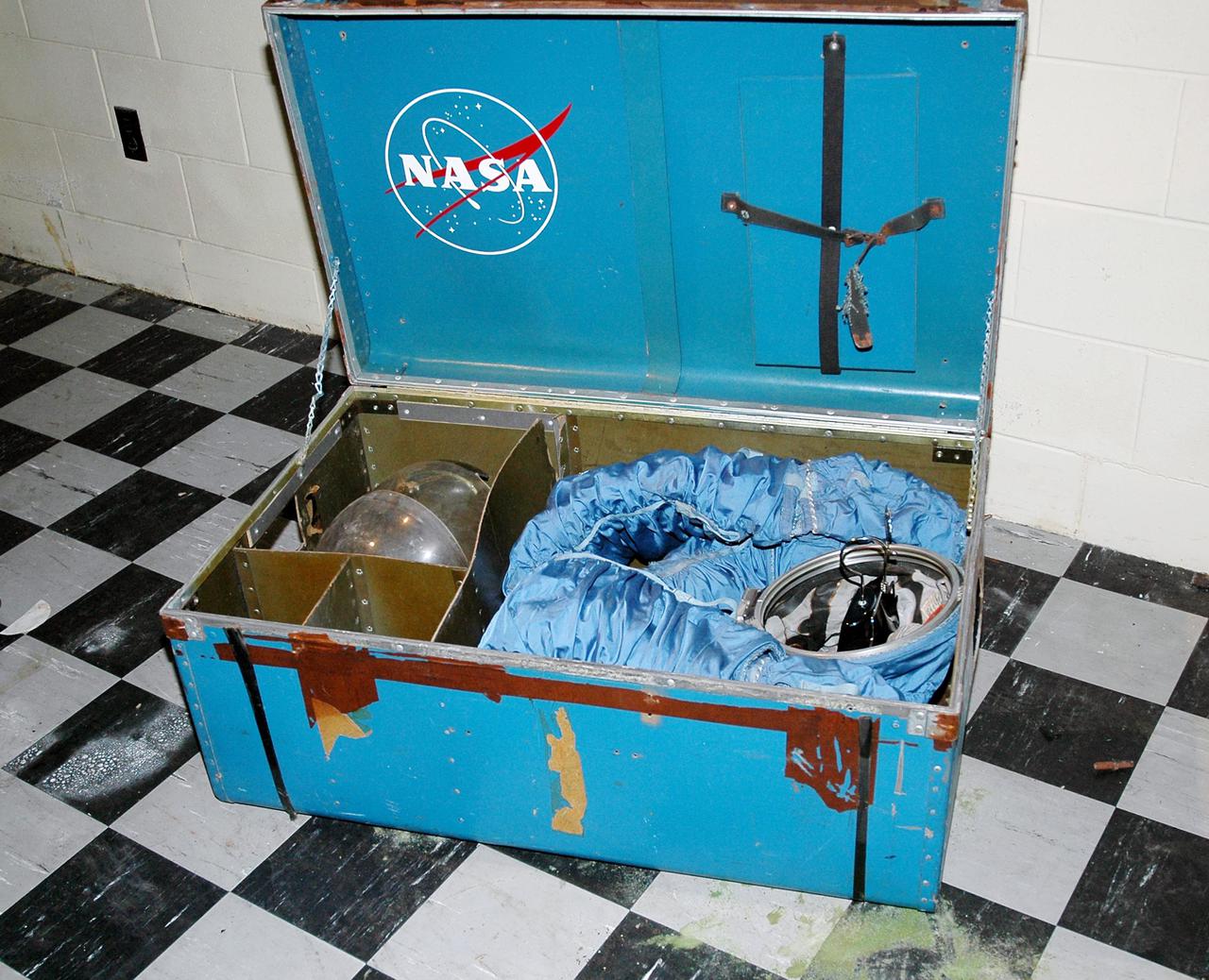
KENNEDY SPACE CENTER, FLA. - This locker reveals a long-lost spacesuit recently uncovered at the Cape Canaveral Air Force Station (CCAFS) in Florida. A recent venture into a long-locked room at CCAFS uncovered interesting artifacts of a bygone era: retired space suits from Americans who trained in the 1960s to be astronauts aboard an Air Force orbiting reconnaissance laboratory. Two security officers were doing a check of a facility at Launch Complex 5_6 blockhouse. NASA Special Agent Dan E. Oakland and Security Manager Henry Butler, who is with Delaware North Parks and Resorts, the company that oversees the museum, discovered a locked room. Space suits from the Air Force’s planned Manned Orbiting Laboratory (MOL) program were found in the room Begun in 1964, the MOL program was an Air Force initiative that would have sent Air Force astronauts to a space station in a Gemini capsule. After spending a few weeks in orbit, the crew would undock and return to Earth. A test launch from Complex 40 on Nov. 30, 1966, of a MOL was conducted with an unmanned Gemini capsule. The MOL was constructed from tankage of a Titan II rocket. The operational MOL was planned to be launched into a polar orbit from Vandenberg Air Force Base in California. The Air Force abandoned the program in 1969, but the program produced a great deal of technological development, and three groups of military officers trained to be MOL astronauts. When the program was cancelled, seven of the younger astronauts were transferred to the agency’s human space flight program and went on to have standout careers. Among them were Robert Crippen, pilot of the first Space Shuttle mission, and Richard H. 'Dick' Truly, who later became NASA Administrator.
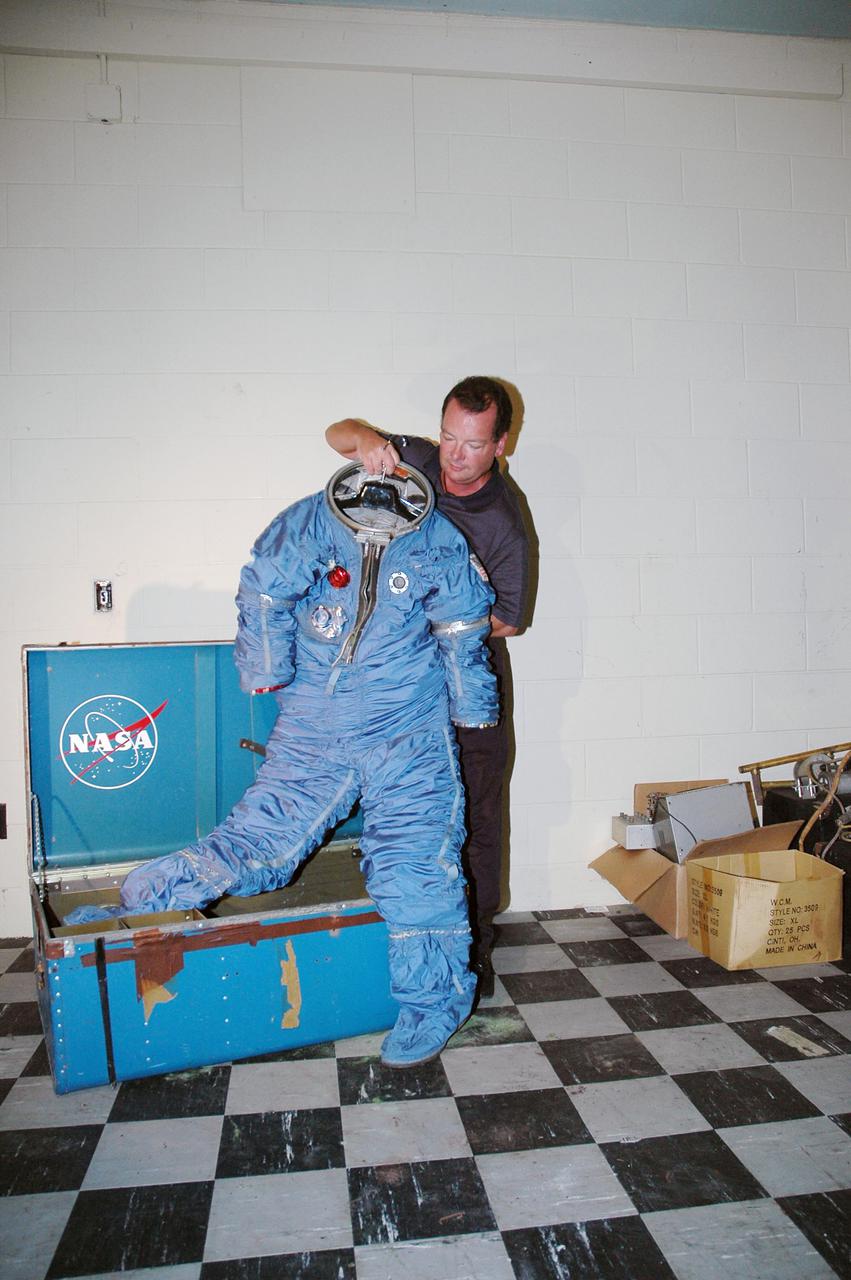
KENNEDY SPACE CENTER, FLA. - NASA Special Agent Dan Oakland holds up a long-lost spacesuit recently uncovered at the Cape Canaveral Air Force Station (CCAFS) in Florida. A recent venture into a long-locked room at CCAFS uncovered interesting artifacts of a by-gone era: retired space suits from Americans who trained in the 1960s to be astronauts aboard an Air Force orbiting reconnaissance laboratory. Two security officers were doing a check of a facility at Launch Complex 5_6 blockhouse. Oakland and Security Manager Henry Butler, who is with Delaware North Parks and Resorts, the company that oversees the museum, discovered a locked room. Space suits from the Air Force’s planned Manned Orbiting Laboratory (MOL) program were found in the room Begun in 1964, the MOL program was an Air Force initiative that would have sent Air Force astronauts to a space station in a Gemini capsule. After spending a few weeks in orbit, the crew would undock and return to Earth. A test launch from Complex 40 on Nov. 30, 1966, of a MOL was conducted with an unmanned Gemini capsule. The MOL was constructed from tankage of a Titan II rocket. The operational MOL was planned to be launched into a polar orbit from Vandenberg Air Force Base in California. The Air Force abandoned the program in 1969, but the program produced a great deal of technological development, and three groups of military officers trained to be MOL astronauts. When the program was cancelled, seven of the younger astronauts were transferred to the agency’s human space flight program and went on to have standout careers. Among them were Robert Crippen, pilot of the first Space Shuttle mission, and Richard H. 'Dick' Truly, who later became NASA Administrator.
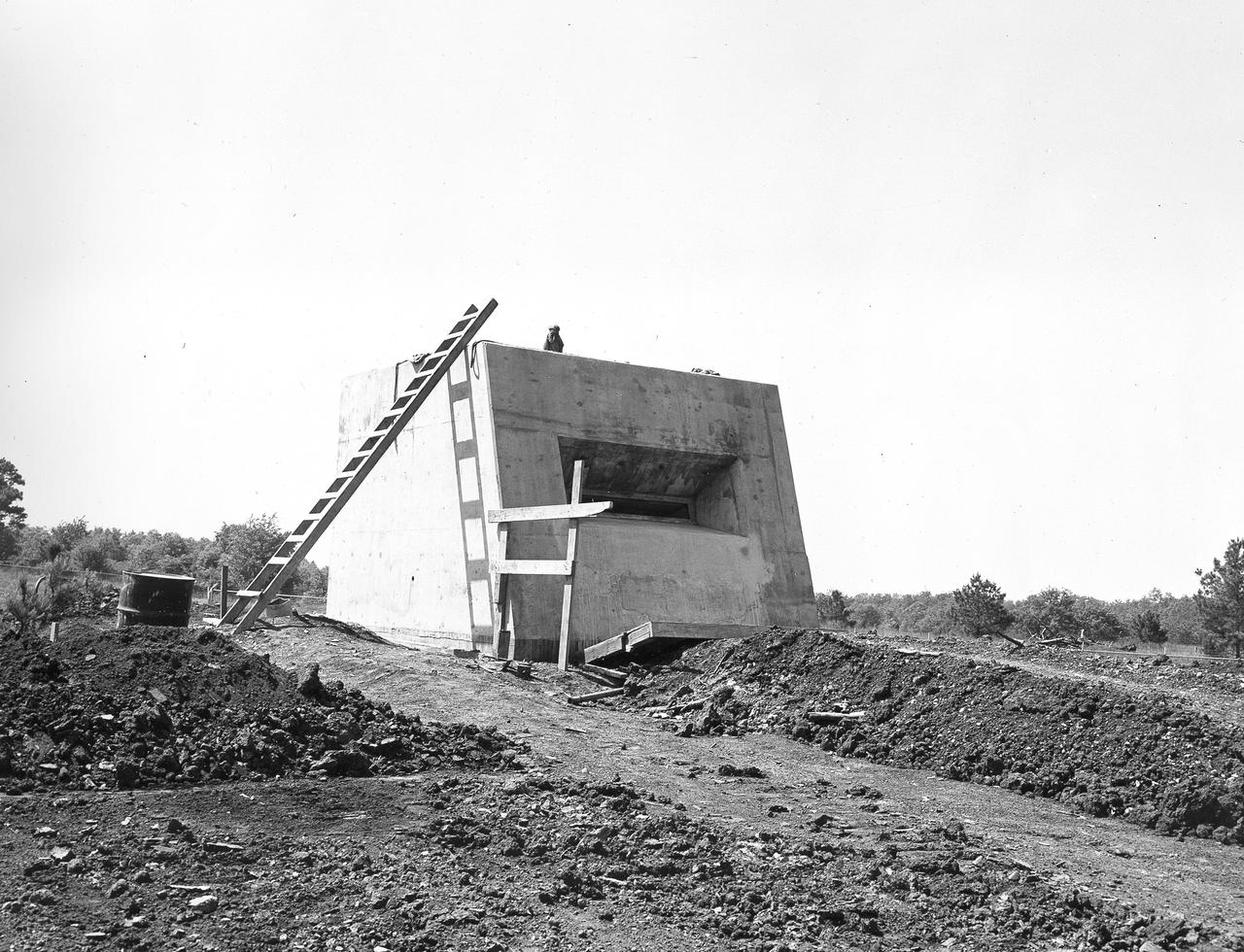
At its founding, the Marshall Space Flight Center (MSFC) inherited the Army’s Jupiter and Redstone test stands, but much larger facilities were needed for the giant stages of the Saturn V. From 1960 to 1964, the existing stands were remodeled and a sizable new test area was developed. The new comprehensive test complex for propulsion and structural dynamics was unique within the nation and the free world, and they remain so today because they were constructed with foresight to meet the future as well as on going needs. Construction of the S-IC Static test stand complex began in 1961 in the west test area of MSFC, and was completed in 1964. The S-IC static test stand was designed to develop and test the 138-ft long and 33-ft diameter Saturn V S-IC first stage, or booster stage, weighing in at 280,000 pounds. Required to hold down the brute force of a 7,500,000-pound thrust produced by 5 F-1 engines, the S-IC static test stand was designed and constructed with the strength of hundreds of tons of steel and 12,000,000 pounds of cement, planted down to bedrock 40 feet below ground level. The foundation walls, constructed with concrete and steel, are 4 feet thick. The base structure consists of four towers with 40-foot-thick walls extending upward 144 feet above ground level. The structure was topped by a crane with a 135-foot boom. With the boom in the upright position, the stand was given an overall height of 405 feet, placing it among the highest structures in Alabama at the time. In addition to the S-IC stand, additional related facilities were built during this time frame. Built to the east of the S-IC stand, the block house served as the control room. To the south of the blockhouse was a newly constructed pump house used for delivering water to the S-IC stand during testing. North of the massive test stand, the F-1 Engine test stand was built for testing a single F-1 engine. Just southeast of the S-IC stand a concrete bunker house was constructed. The bunker housed an emergency crew clad in fire proof gear, who were close at hand should any emergencies arise during testing. This photo of the completed bunker house was taken on May 7, 1963.