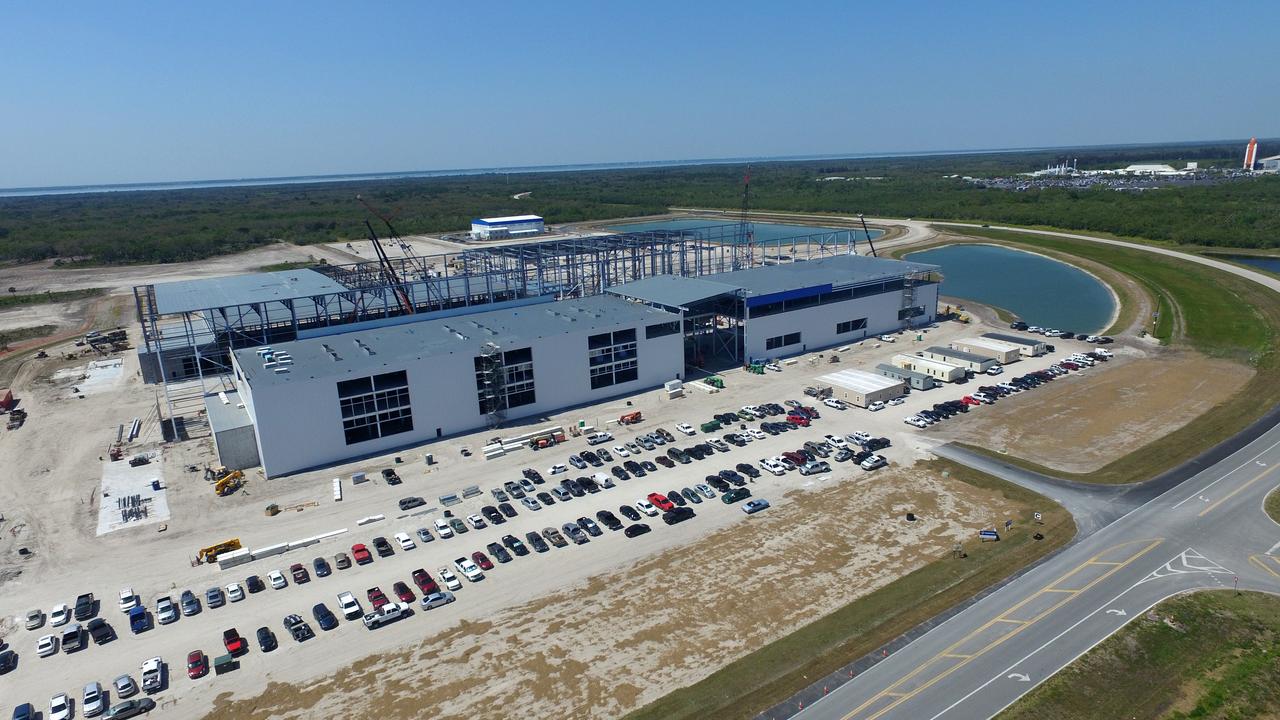
Construction is progressing on Blue Origin's 750,000-square-foot facility being built at Exploration Park on NASA Kennedy Space Center property in Florida. Blue Origin will use the factory to manufacture its two-stage super-heavy-lift New Glenn launch vehicle and launch the vehicles from Space Launch Complex 46 at Cape Canaveral Air Force Station.
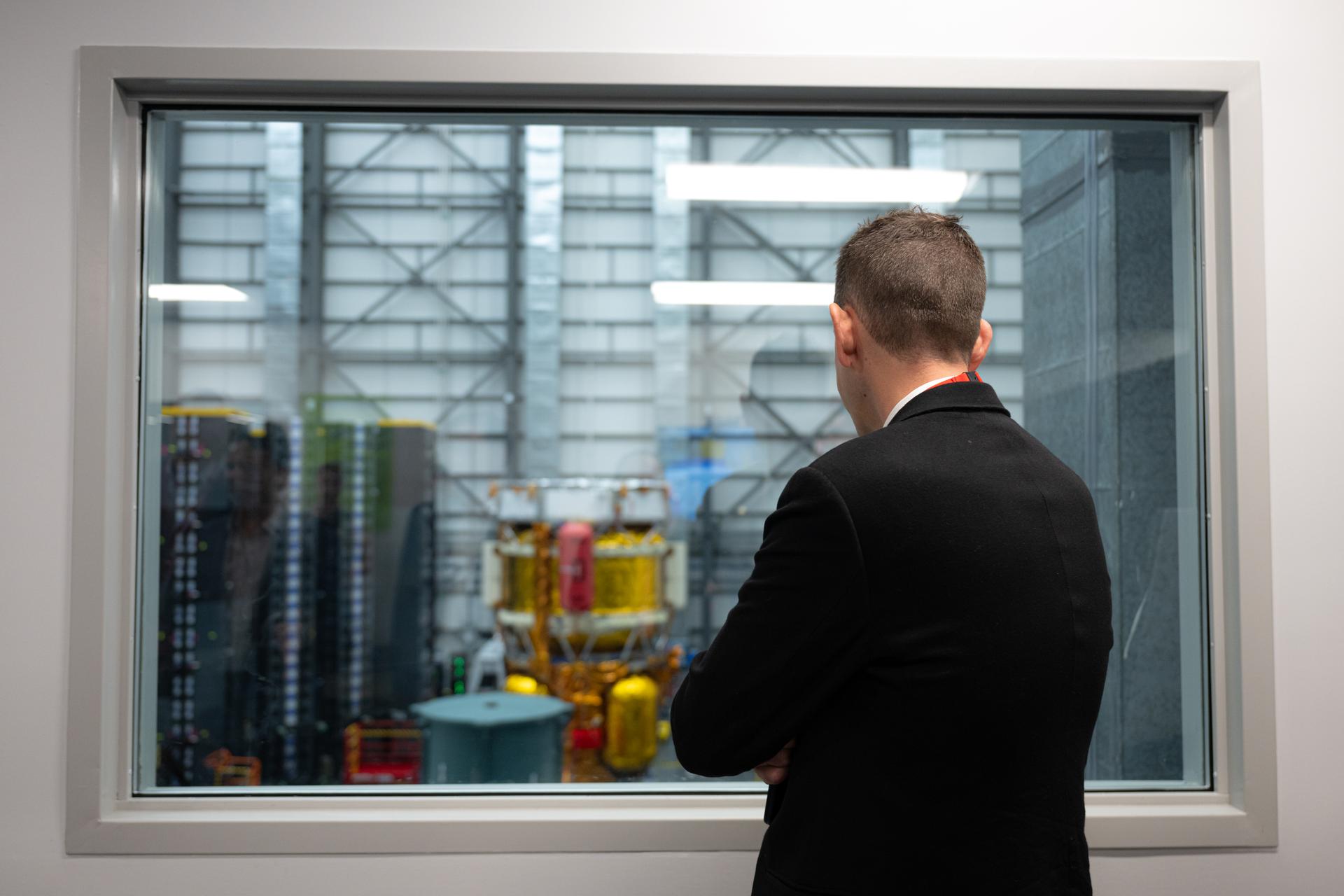
NASA Administrator Jared Isaacman views Blue Origin’s Blue Moon Mark 1 lunar lander, named “Endurance,” Tuesday, Jan. 13, 2026, at the company’s Lunar Plant 1 facility in Merritt Island, Fla., Tuesday. Photo Credit: (NASA/John Kraus)
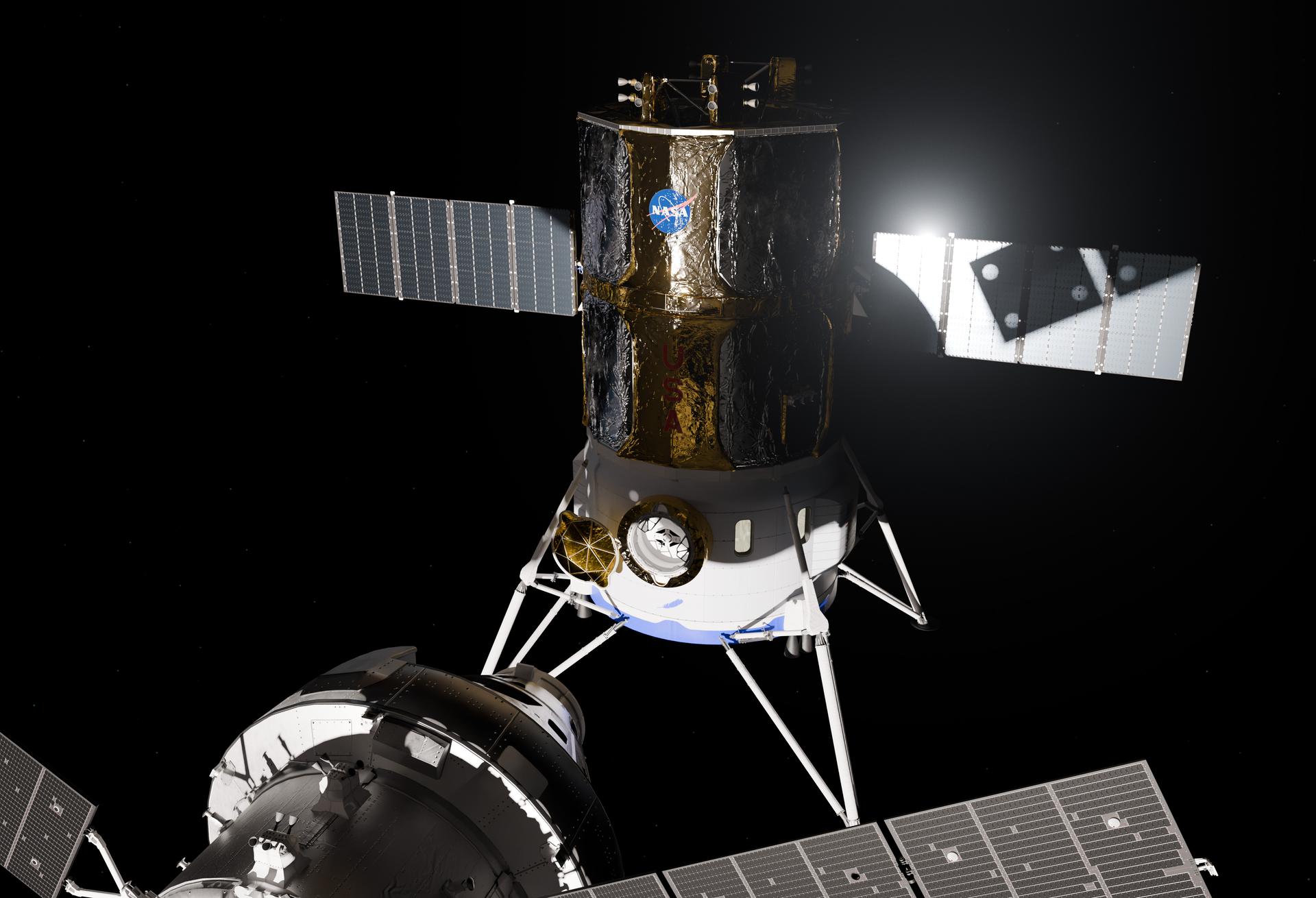
This artist’s concept depicts Blue Origin’s Blue Moon Mark 2 human landing system test article in Earth orbit with NASA’s Orion spacecraft during rendezvous and docking operations as part of NASA’s upcoming Artemis III demonstration mission in low Earth orbit. NASA is working with two American companies to develop the human landing systems that will safely transport astronauts from lunar orbit to the Moon’s surface and back for future Artemis missions. For Artemis III, both SpaceX and Blue Origin will fly test versions, or test articles, of the crewed landers that will be used for future Moon landings. The lander test articles will launch by commercial rockets, while the Artemis III crew will launch to low Earth orbit in Orion atop the agency’s SLS (Space Launch System) rocket.
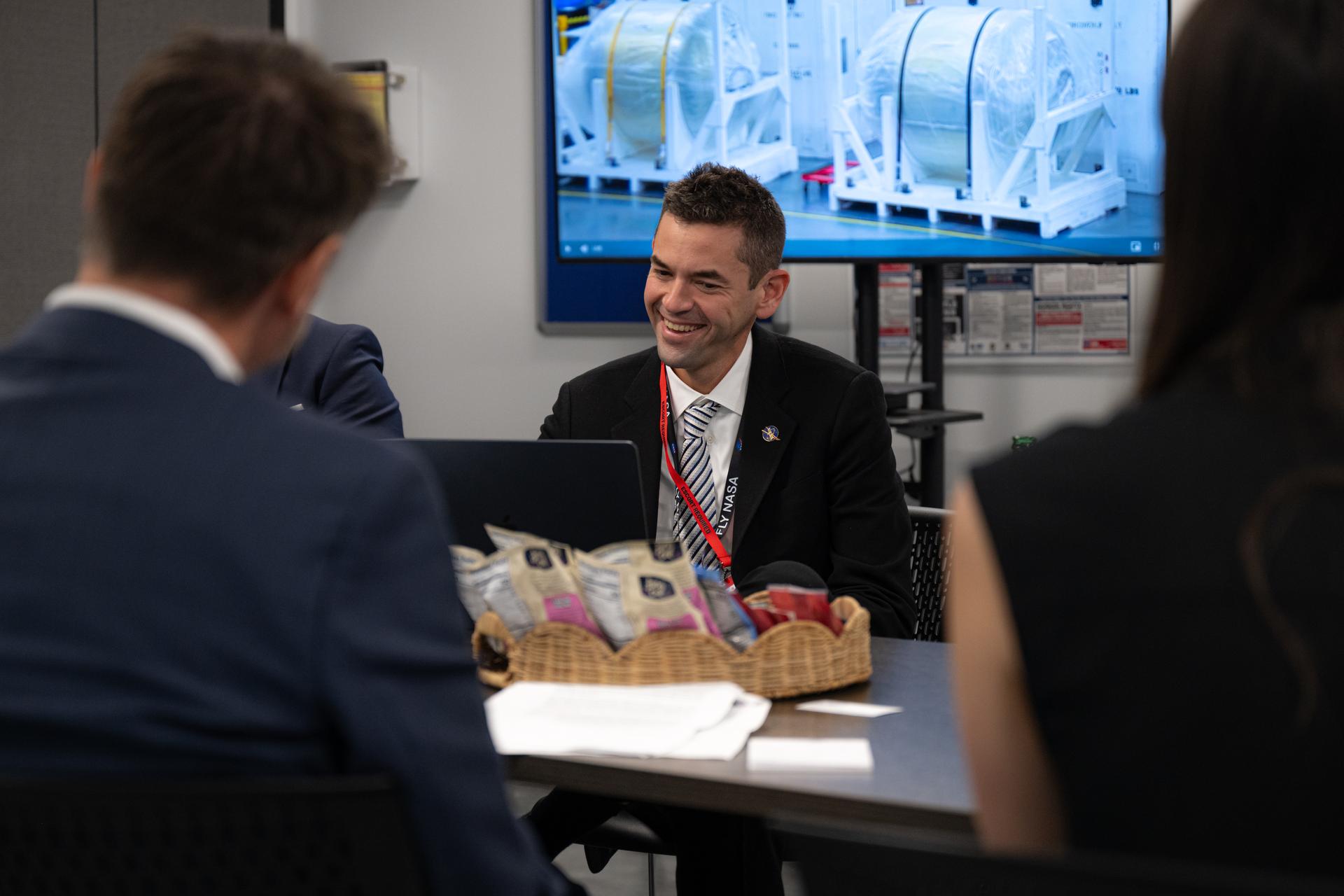
NASA Administrator Jared Isaacman meets with Blue Origin leadership, Tuesday, Jan. 13, 2026, at the company’s Lunar Plant 1 facility in Merritt Island, Fla. Photo Credit: (NASA/John Kraus)
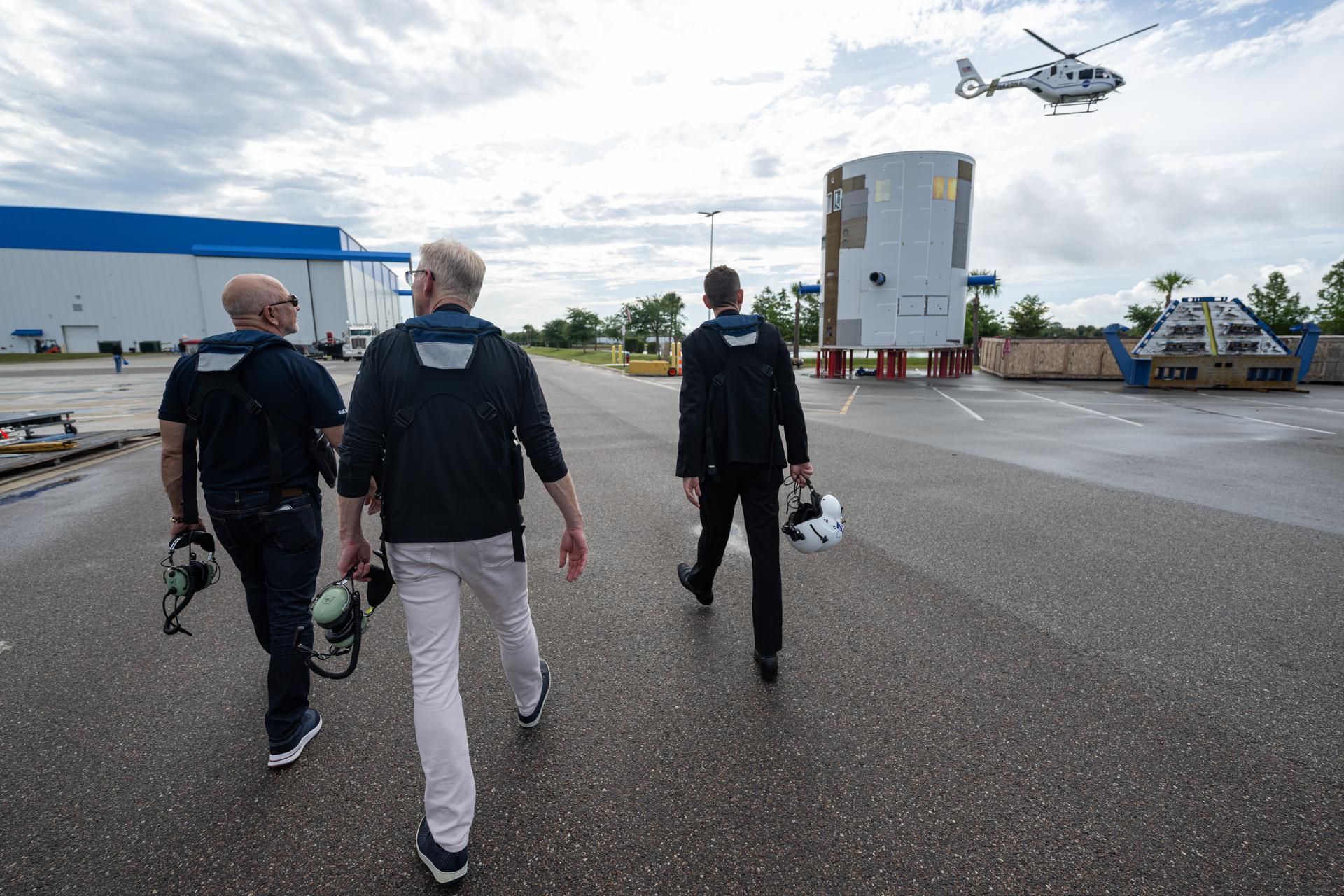
NASA Administrator Jared Isaacman, right; Jeff Bezos, founder, Blue Origin, left; and Dave Limp, chief executive officer, Blue Origin, center, are seen ahead of a helicopter flight, Friday, May 29, 2026, at Blue Origin’s Rocket Park in Merritt Island, Fla. The flight surveyed nearby Launch Complex 36 at Cape Canaveral Space Force Station following a New Glenn hotfire test anomaly on May 28. Photo Credit: (NASA/John Kraus)

NASA Administrator Jared Isaacman, right, participates in an employee all-hands meeting alongside Dave Limp, chief executive officer, Blue Origin, left, and Jeff Bezos, founder, Blue Origin, center, Friday, May 29, 2026, at Blue Origin’s Rocket Park in Merritt Island, Fla. Photo Credit: (NASA/John Kraus)

NASA Administrator Jared Isaacman, right, participates in an employee all-hands meeting alongside Dave Limp, chief executive officer, Blue Origin, left, and Jeff Bezos, founder, Blue Origin, center, Friday, May 29, 2026, at Blue Origin’s Rocket Park in Merritt Island, Fla. Photo Credit: (NASA/John Kraus)
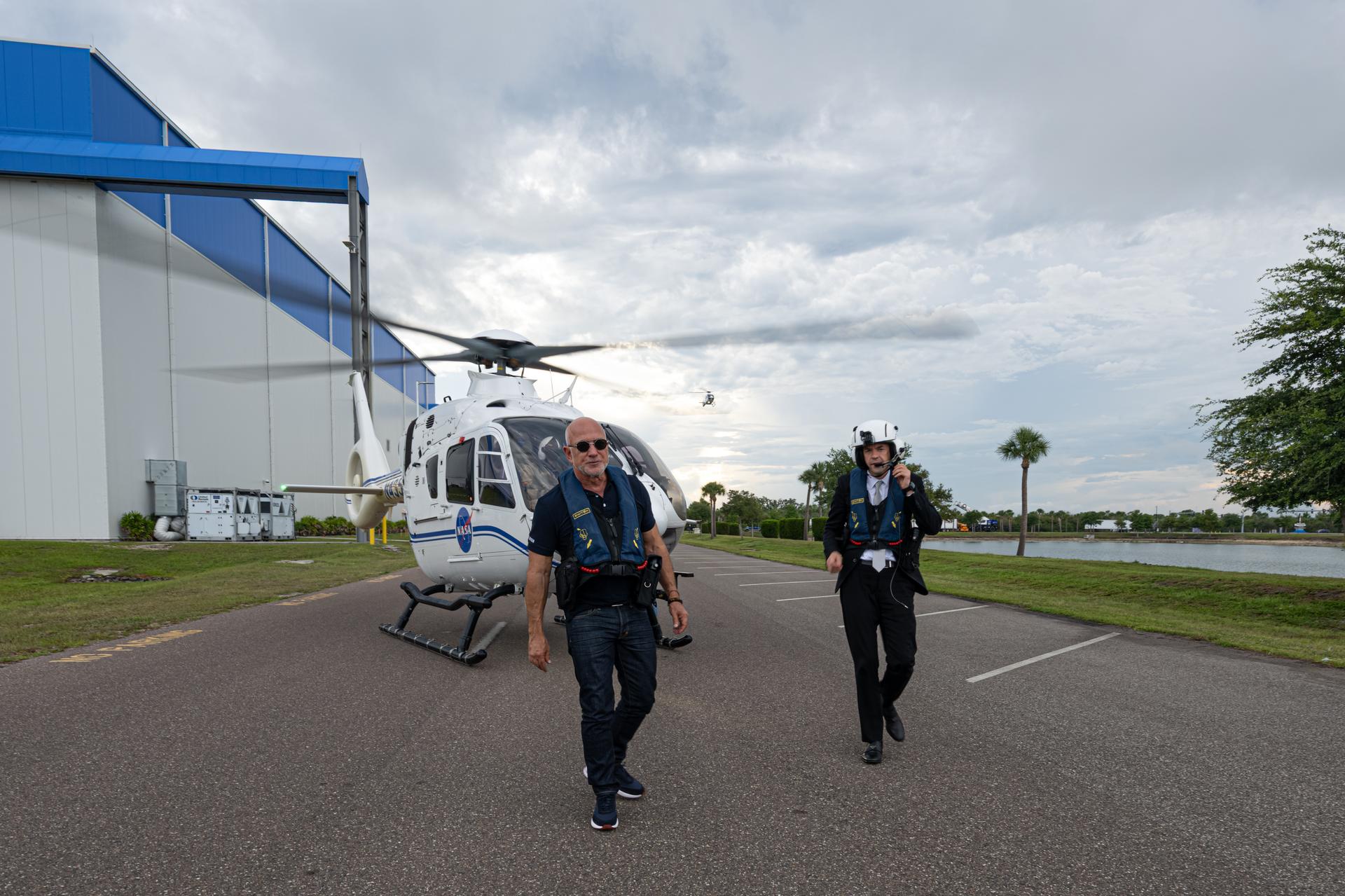
NASA Administrator Jared Isaacman, right, and Jeff Bezos, founder, Blue Origin, left, are seen following a helicopter flight, Friday, May 29, 2026, at Blue Origin’s Rocket Park in Merritt Island, Fla. The flight surveyed nearby Launch Complex 36 at Cape Canaveral Space Force Station following a New Glenn hotfire test anomaly on May 28. Photo Credit: (NASA/John Kraus)
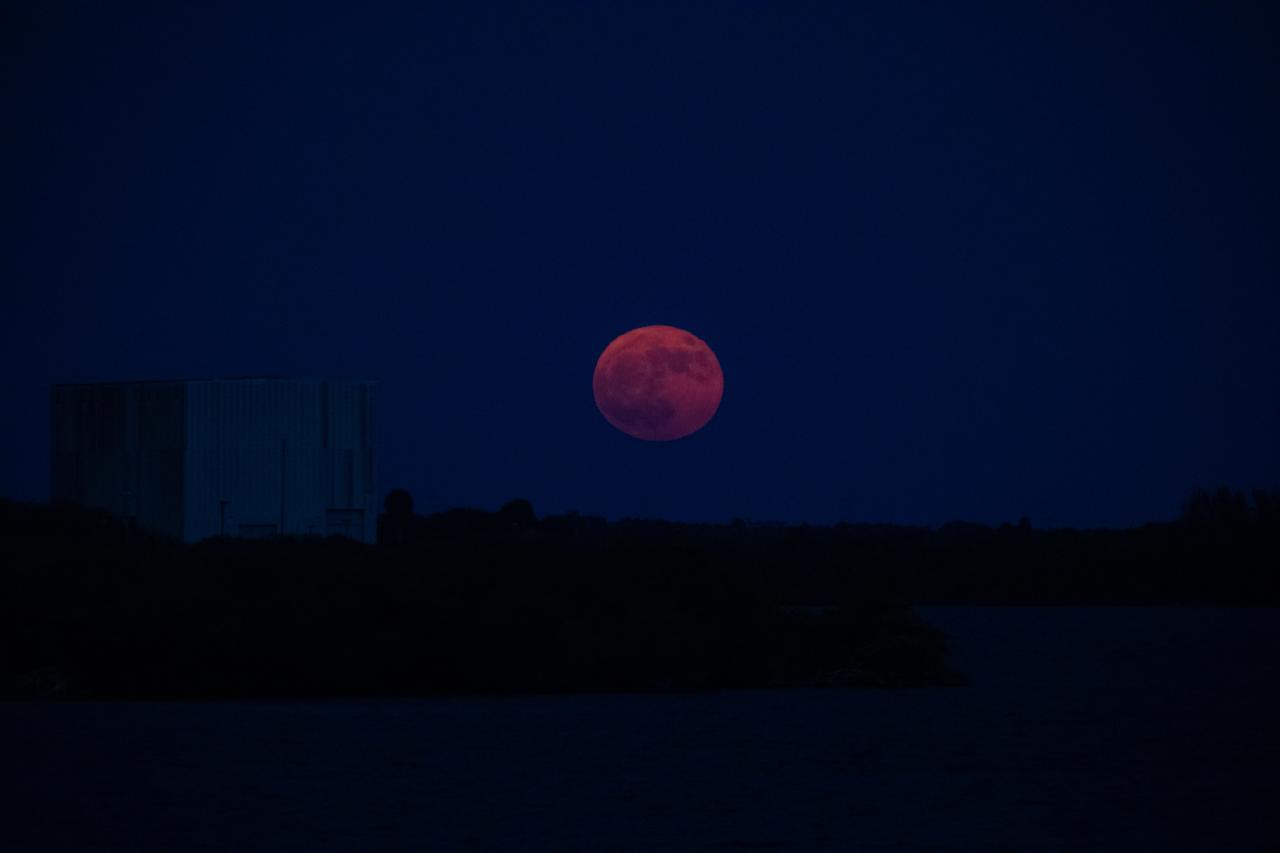
A super blue Moon rises above Kennedy Space Center in Florida on Monday, Aug. 18, 2024. Although not actually appearing blue, as the third full Moon in a season with four full Moons, this is called a “blue” Moon. The Moon at or near its closest point to Earth is a “super” Moon and can appear up to 14% bigger and brighter than normal full Moons. About 25% of all full Moons are super, but only 3% of full Moons are blue, with the next super blue Moons occurring as a pair in January and March 2037.

A super blue Moon rises above Kennedy Space Center in Florida on Monday, Aug. 18, 2024. Although not actually appearing blue, as the third full Moon in a season with four full Moons, this is called a “blue” Moon. The Moon at or near its closest point to Earth is a “super” Moon and can appear up to 14% bigger and brighter than normal full Moons. About 25% of all full Moons are super, but only 3% of full Moons are blue, with the next super blue Moons occurring as a pair in January and March 2037.
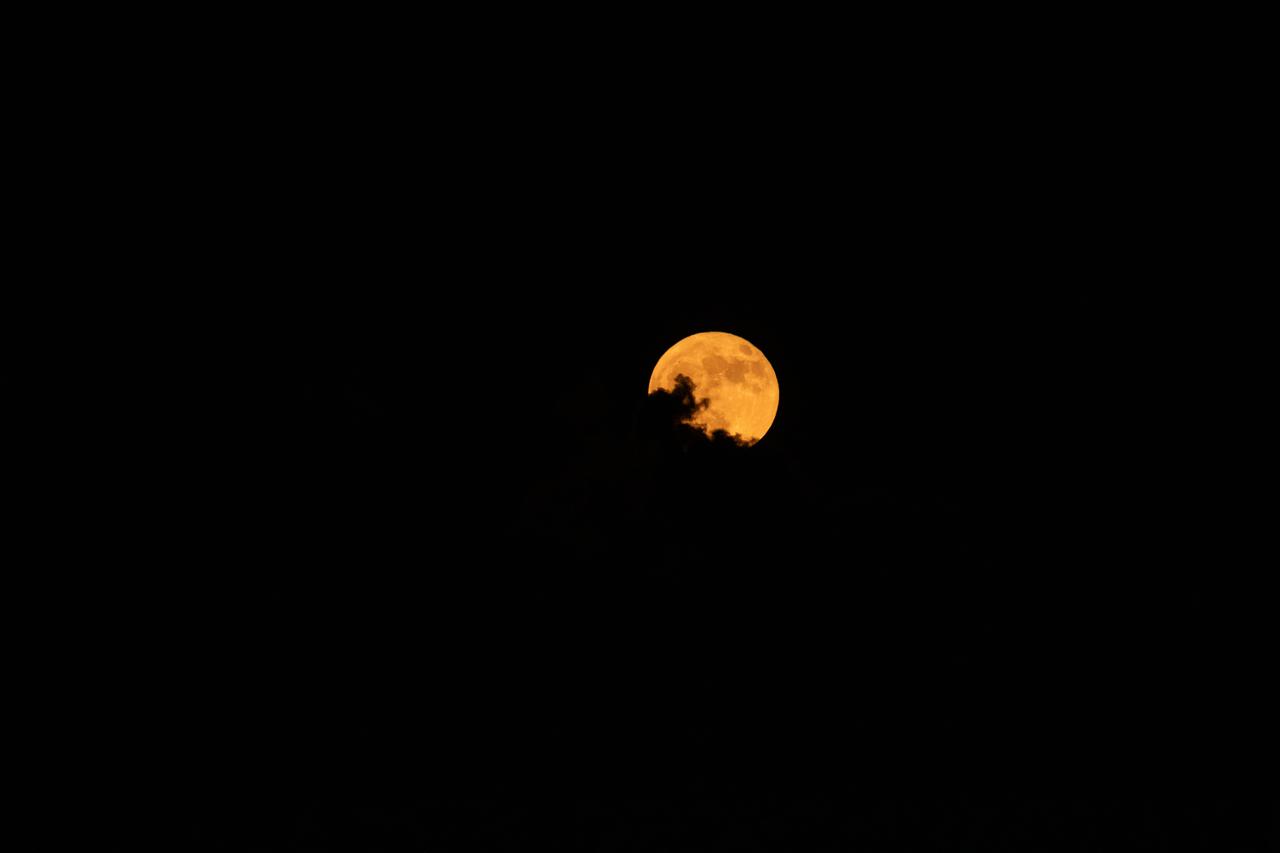
A super blue Moon rises above Kennedy Space Center in Florida on Monday, Aug. 18, 2024. Although not actually appearing blue, as the third full Moon in a season with four full Moons, this is called a “blue” Moon. The Moon at or near its closest point to Earth is a “super” Moon and can appear up to 14% bigger and brighter than normal full Moons. About 25% of all full Moons are super, but only 3% of full Moons are blue, with the next super blue Moons occurring as a pair in January and March 2037.
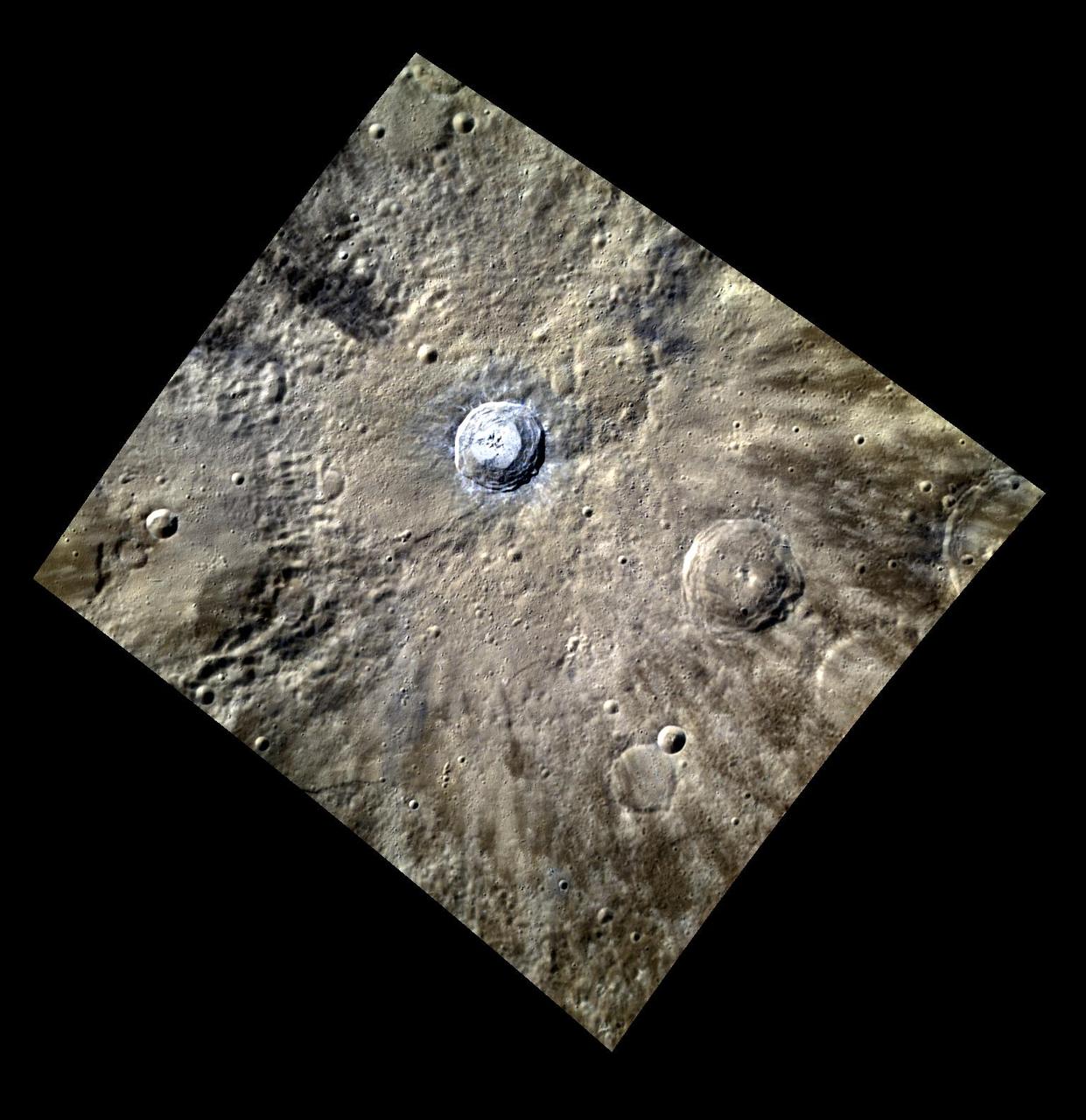
Blue and Rayed
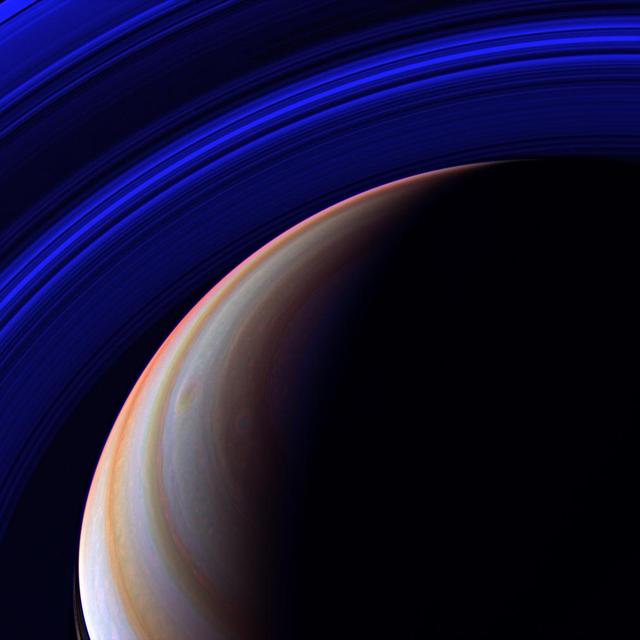
Blue Expanse
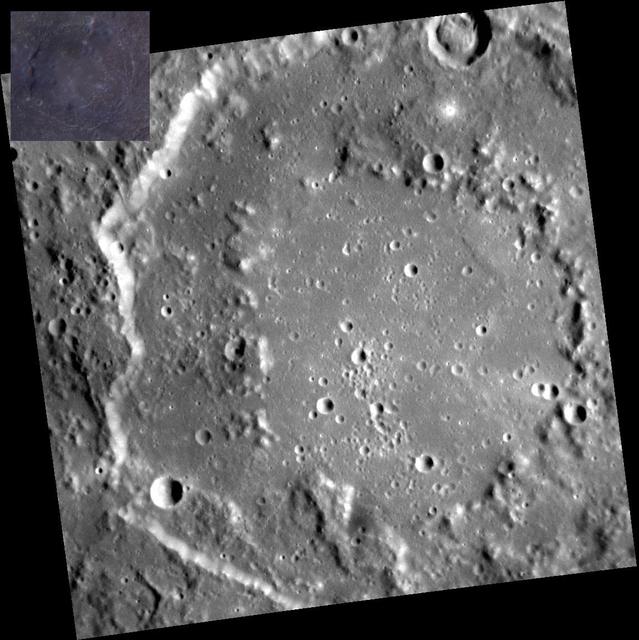
Blue Serge
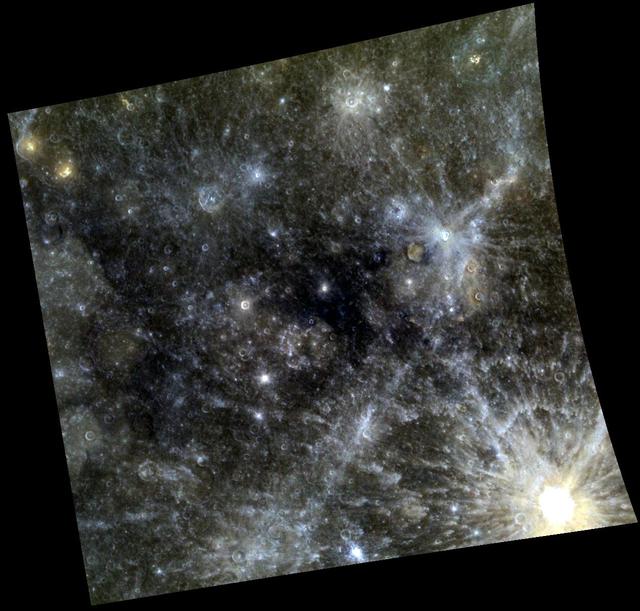
Blue Velvet
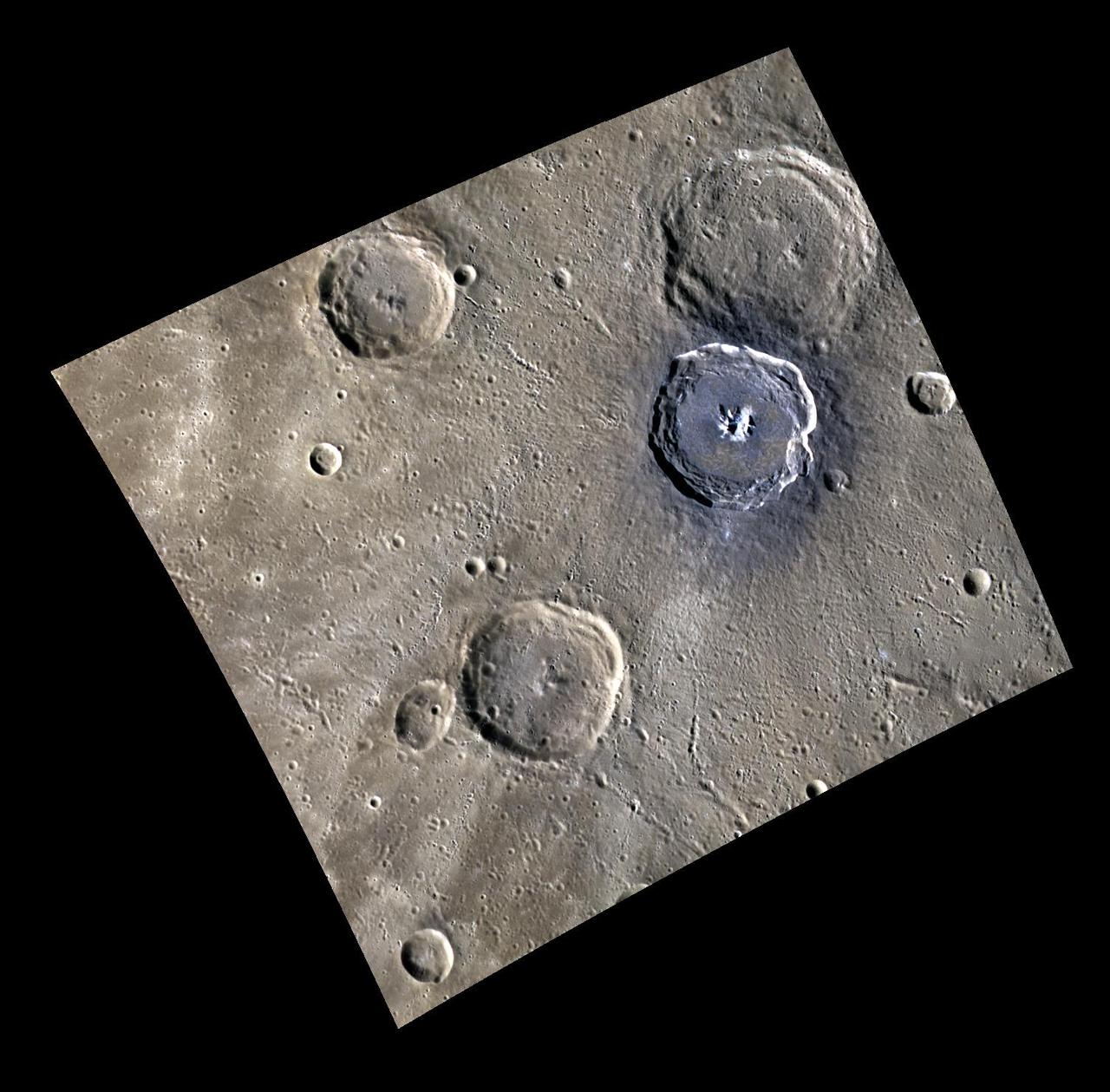
Blue Degas
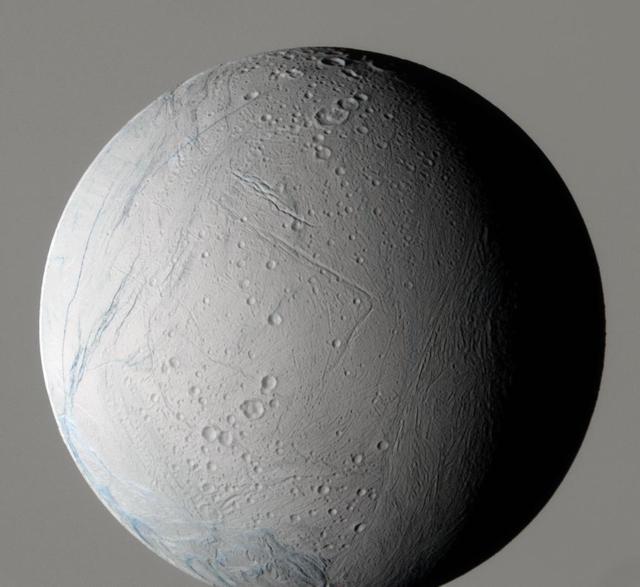
Blue Clues
Bartok Blues
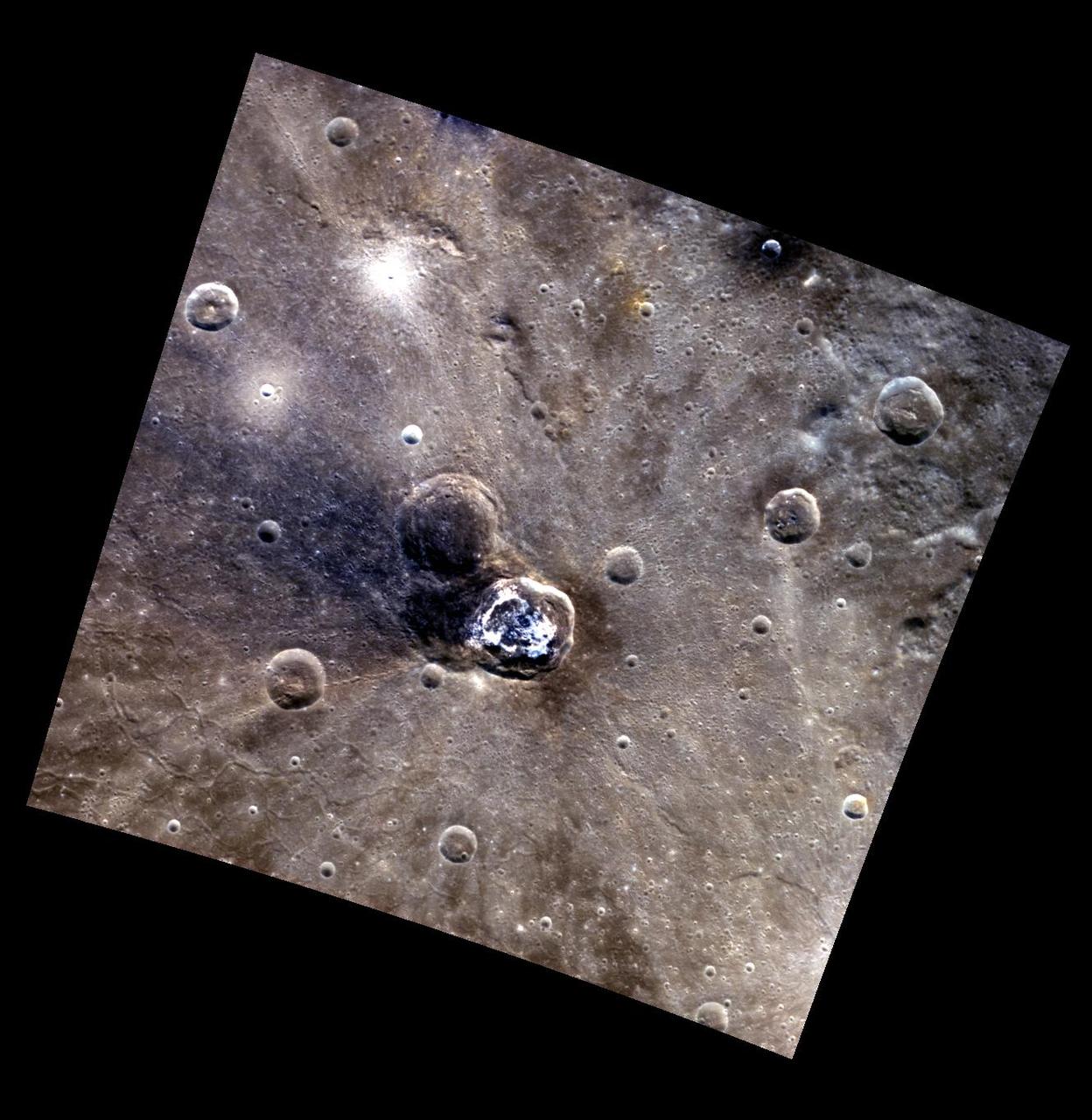
Balanchine Blues
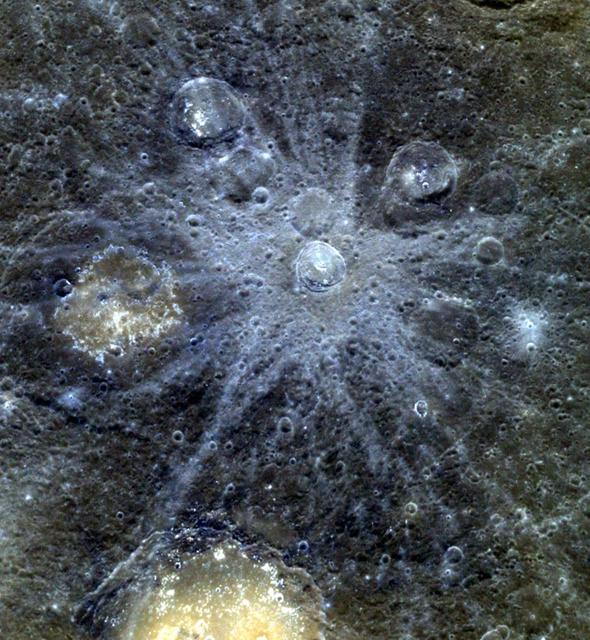
Blue Rays
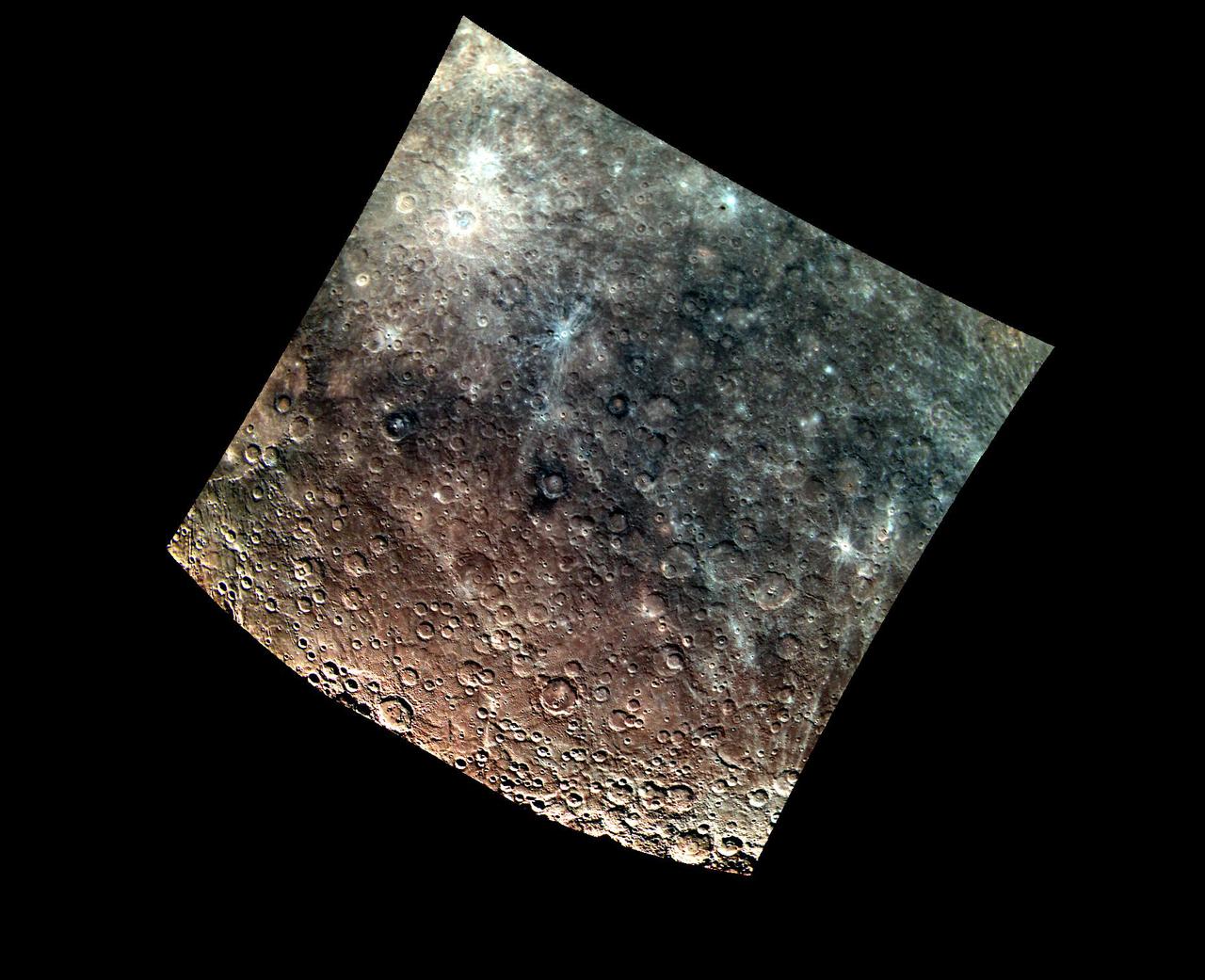
Blue Monday
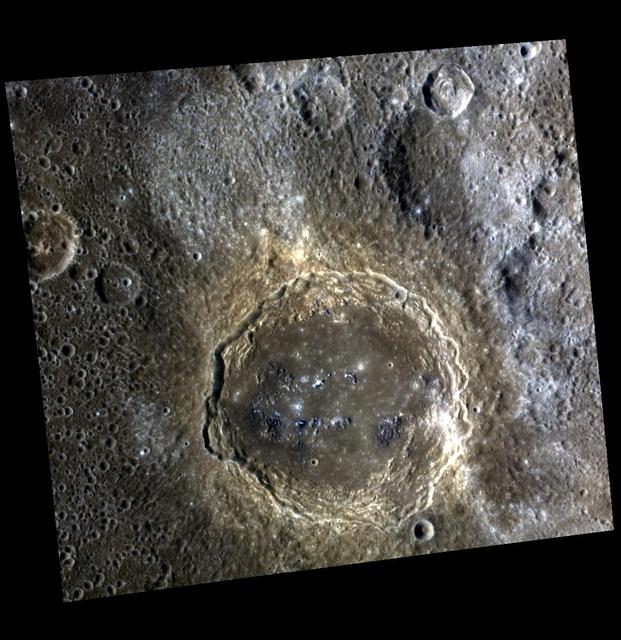
Sprinkles of Blue
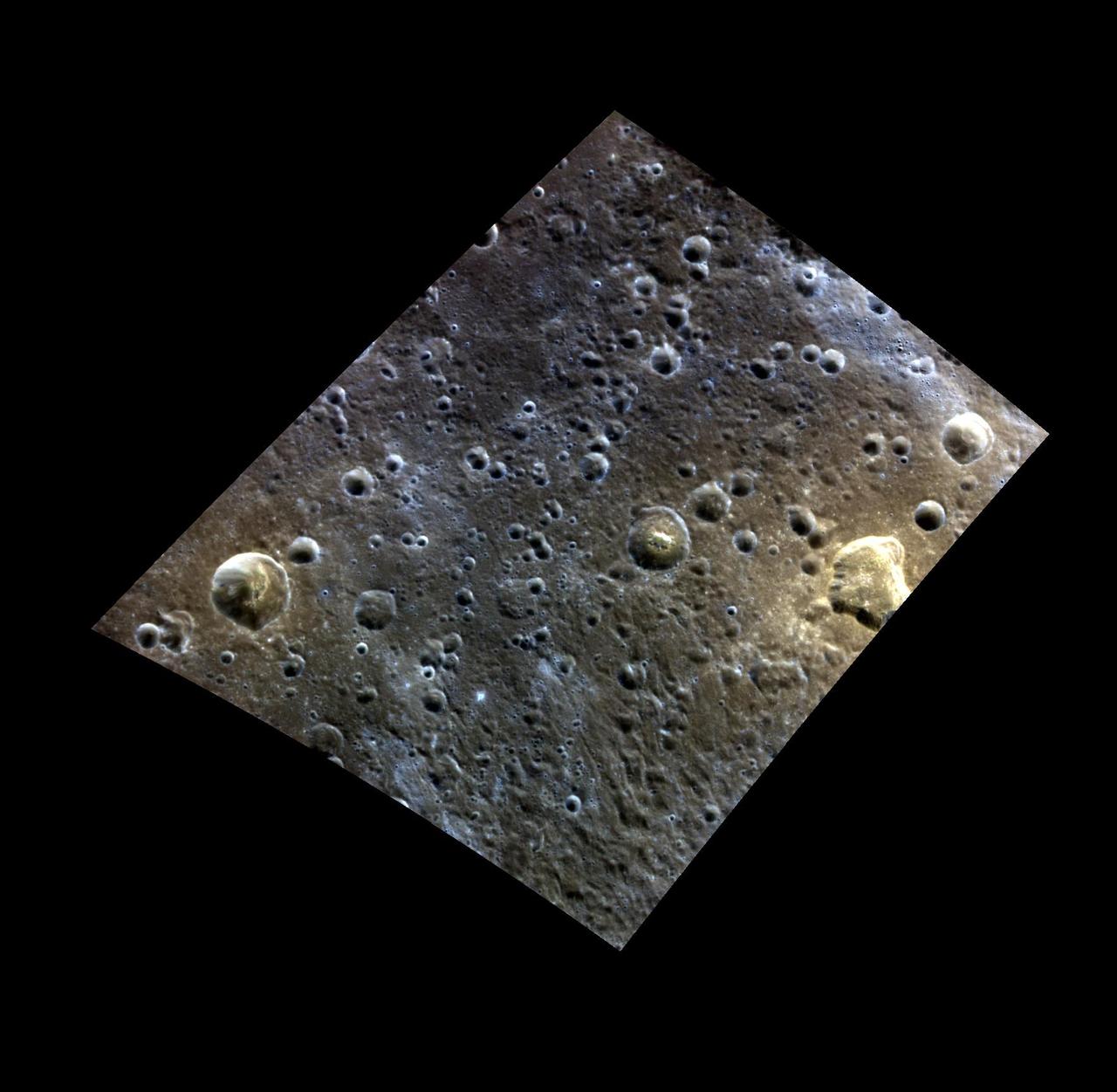
Blue and Yellow
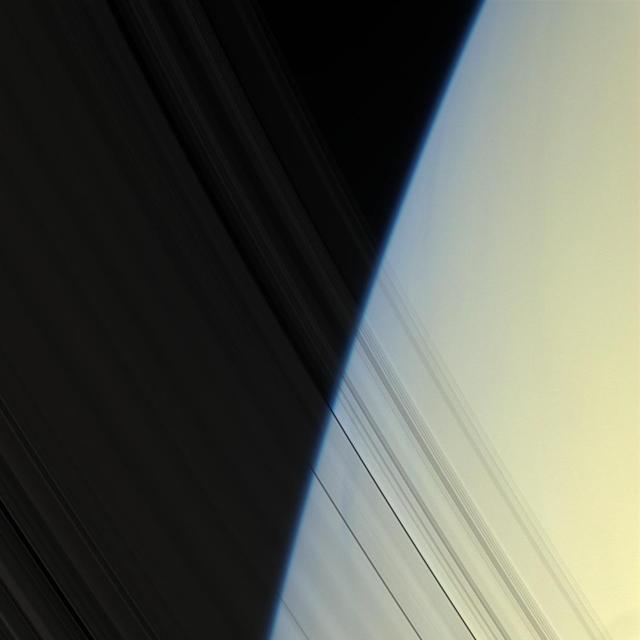
Grooves on Blue
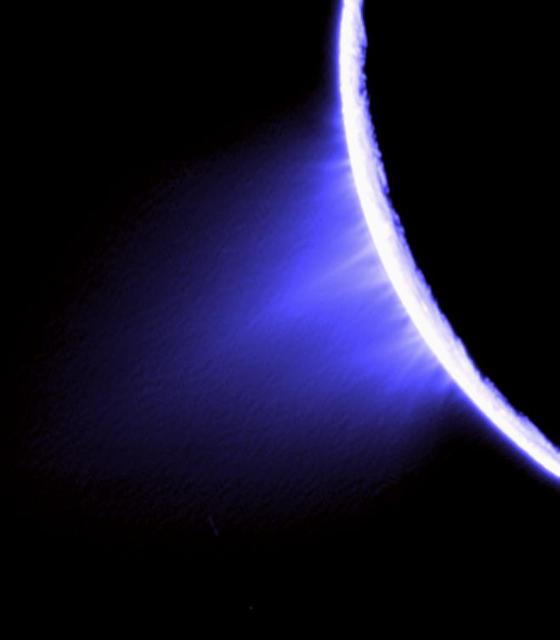
Jet Blue
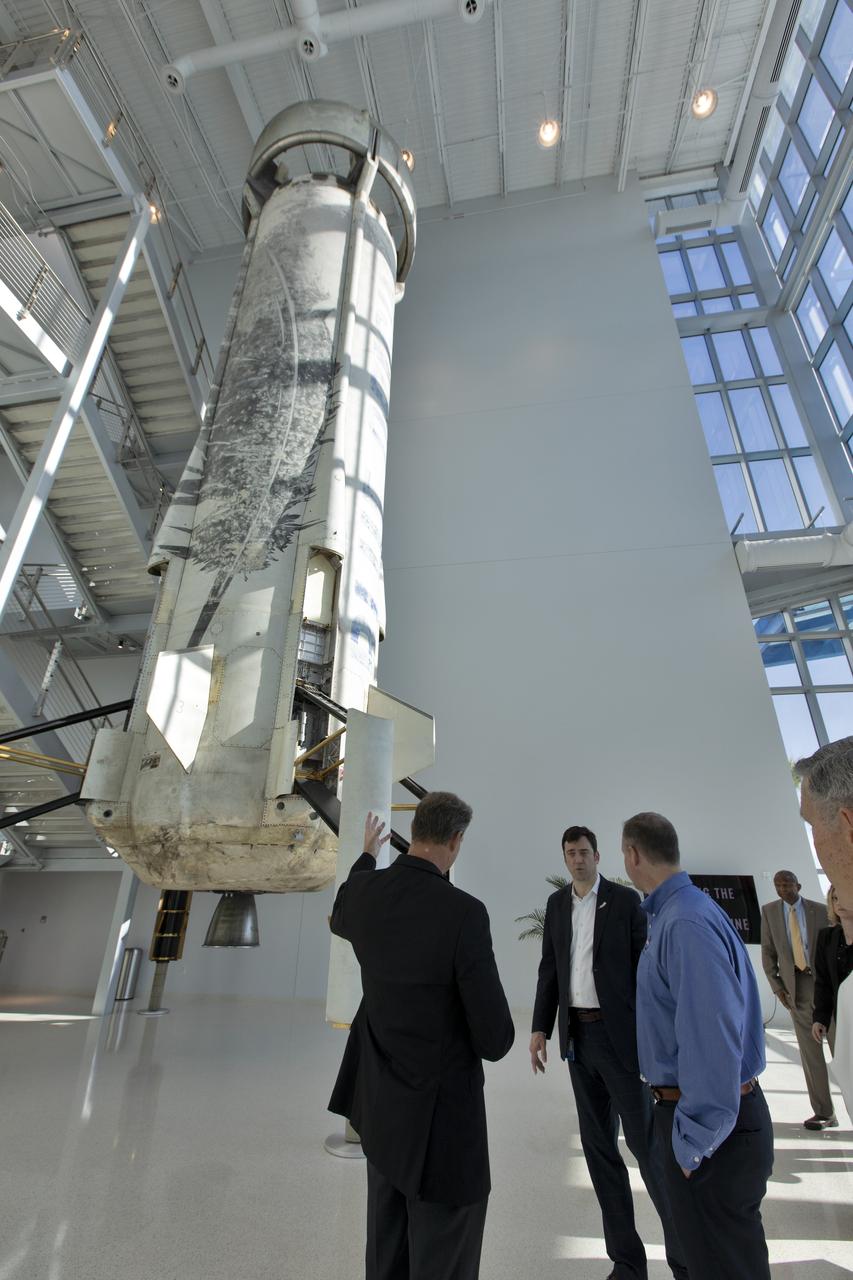
NASA Administrator Jim Bridenstine, second from right in the blue shirt, tours the Blue Origin facilities near the agency’s Kennedy Space Center in Florida on May 23, 2019. He viewed the New Shepard booster and crew capsule that flew to space and back five times.
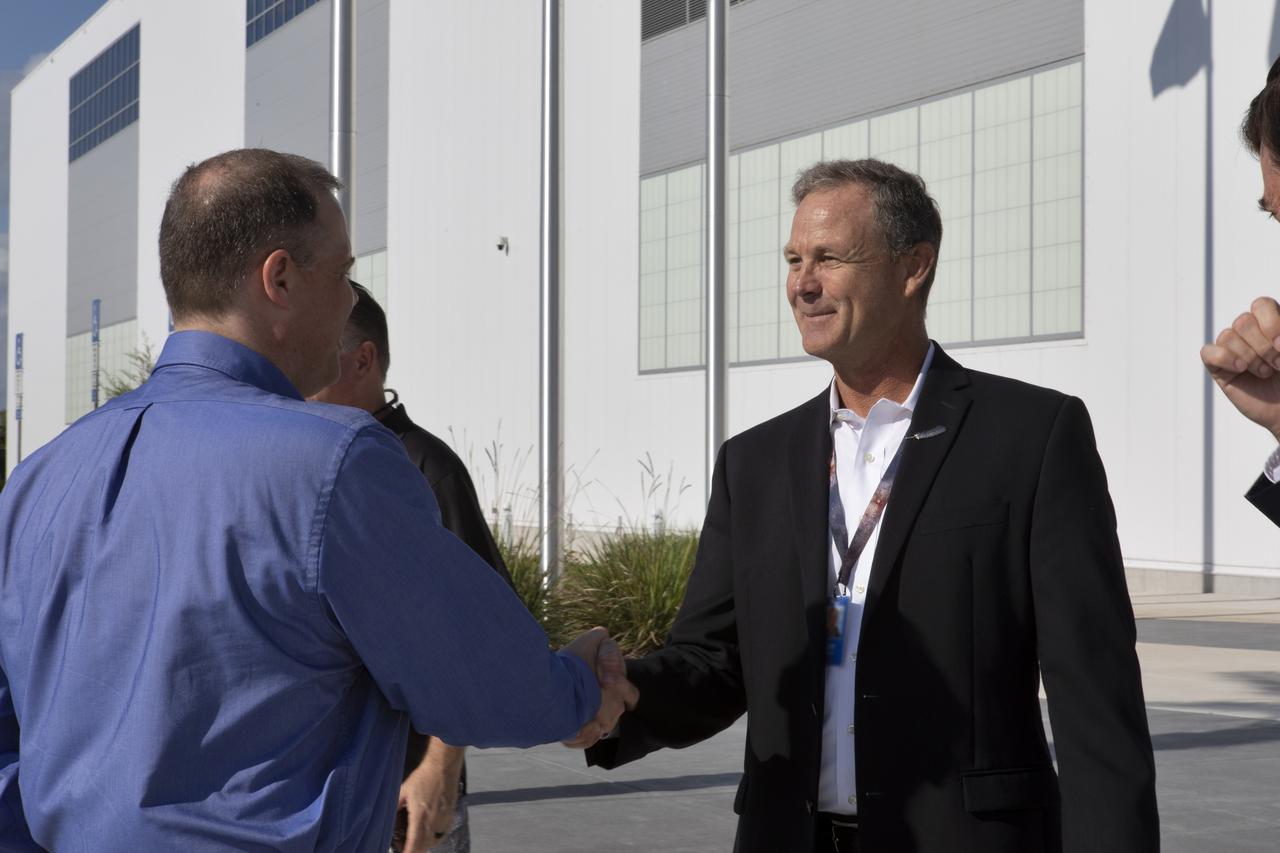
NASA Administrator Jim Bridenstine shakes hands with Scott Henderson, Blue Origin Orbital Launch director, at the Blue Origin facilities near the agency’s Kennedy Space Center in Florida on May 23, 2019. Bridenstine toured the facilities and viewed the New Shepard booster and crew capsule that flew to space and back five times.
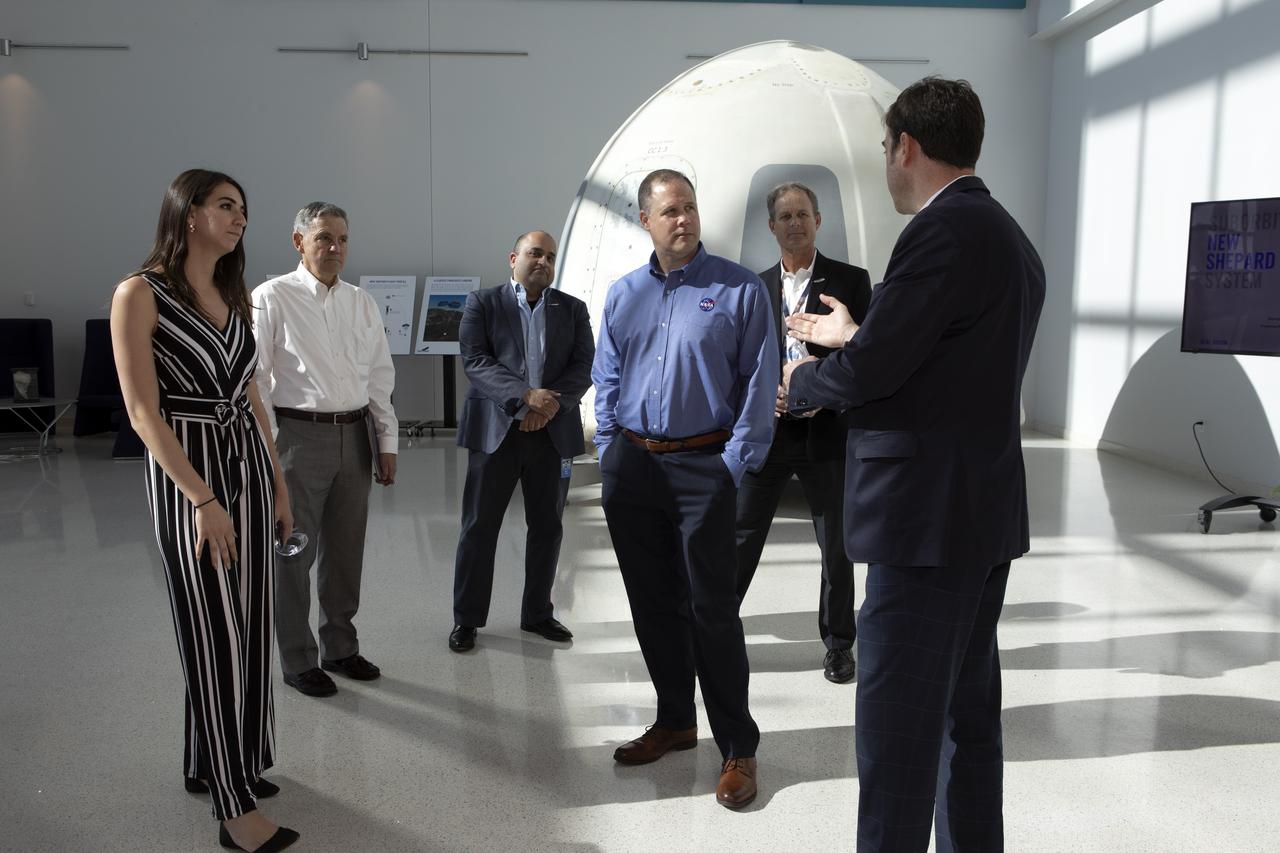
NASA Administrator Jim Bridenstine, second from right, in the blue shirt, tours the Blue Origin facilities near the agency’s Kennedy Space Center in Florida on May 23, 2019. Bridenstine viewed the New Shepard booster and crew capsule that flew to space and back five times.

This narrow-angle color image of the Earth, dubbed Pale Blue Dot, is a part of the first ever 'portrait' of the solar system taken by NASA’s Voyager 1. The spacecraft acquired a total of 60 frames for a mosaic of the solar system from a distance of more than 4 billion miles from Earth and about 32 degrees above the ecliptic. From Voyager's great distance Earth is a mere point of light, less than the size of a picture element even in the narrow-angle camera. Earth was a crescent only 0.12 pixel in size. Coincidentally, Earth lies right in the center of one of the scattered light rays resulting from taking the image so close to the sun. This blown-up image of the Earth was taken through three color filters -- violet, blue and green -- and recombined to produce the color image. The background features in the image are artifacts resulting from the magnification. http://photojournal.jpl.nasa.gov/catalog/PIA00452
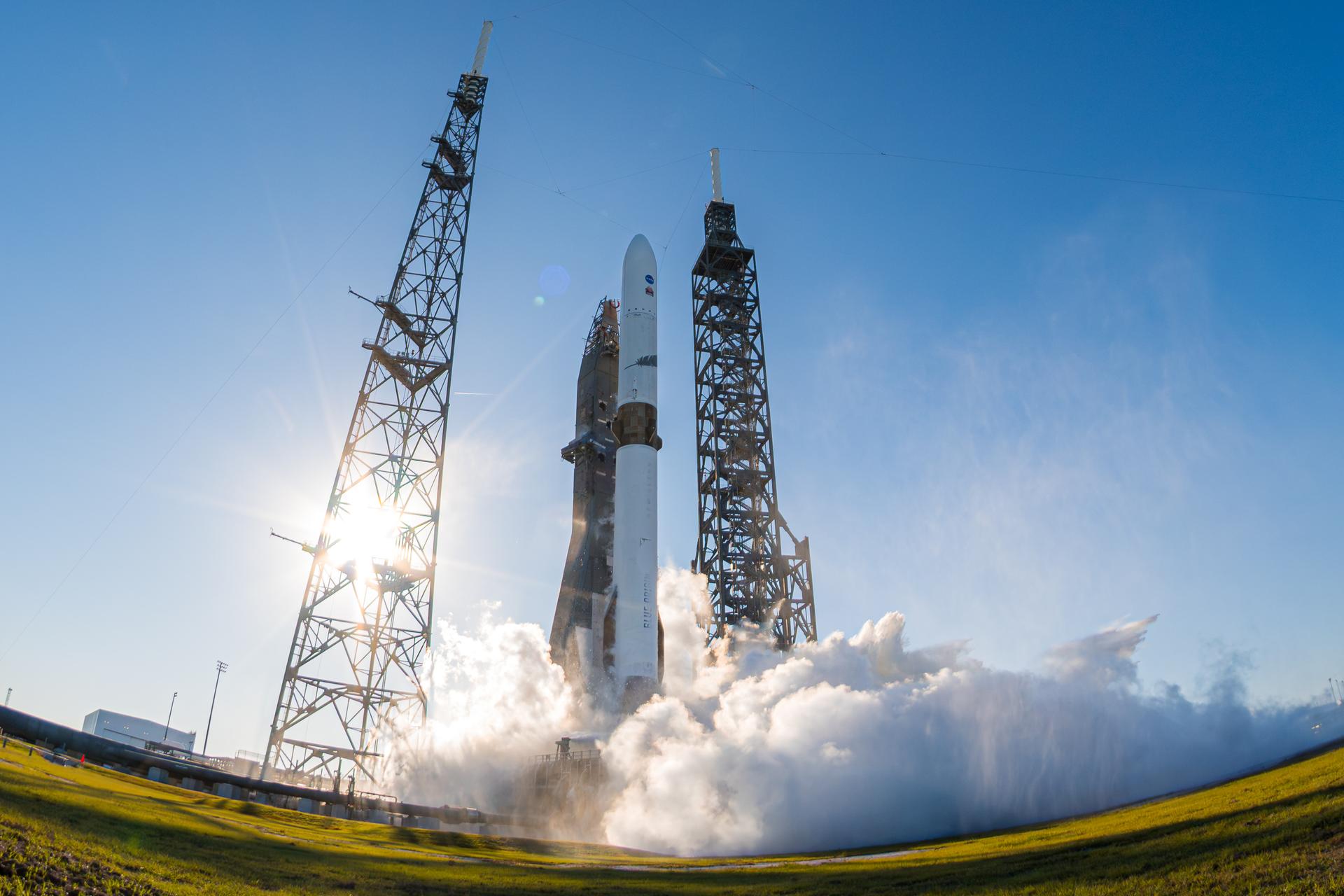
Blue Origin’s New Glenn rocket carrying NASA’s twin ESCAPADE (Escape and Plasma Acceleration and Dynamics Explorers) spacecraft launches at 3:55 p.m. EST, Thursday, Nov. 13, 2025, from Launch Complex 36 at Cape Canaveral Space Force Station in Florida. The ESCAPADE mission, built by Rocket Lab, will study how solar wind and plasma interact with Mars’ magnetosphere and how this interaction drives the planet’s atmospheric escape to prepare for future human missions on Mars.

Blue Origin’s New Glenn rocket carrying NASA’s twin ESCAPADE (Escape and Plasma Acceleration and Dynamics Explorers) spacecraft launches at 3:55 p.m. EST, Thursday, Nov. 13, 2025, from Launch Complex 36 at Cape Canaveral Space Force Station in Florida. The ESCAPADE mission, built by Rocket Lab, will study how solar wind and plasma interact with Mars’ magnetosphere and how this interaction drives the planet’s atmospheric escape to prepare for future human missions on Mars.
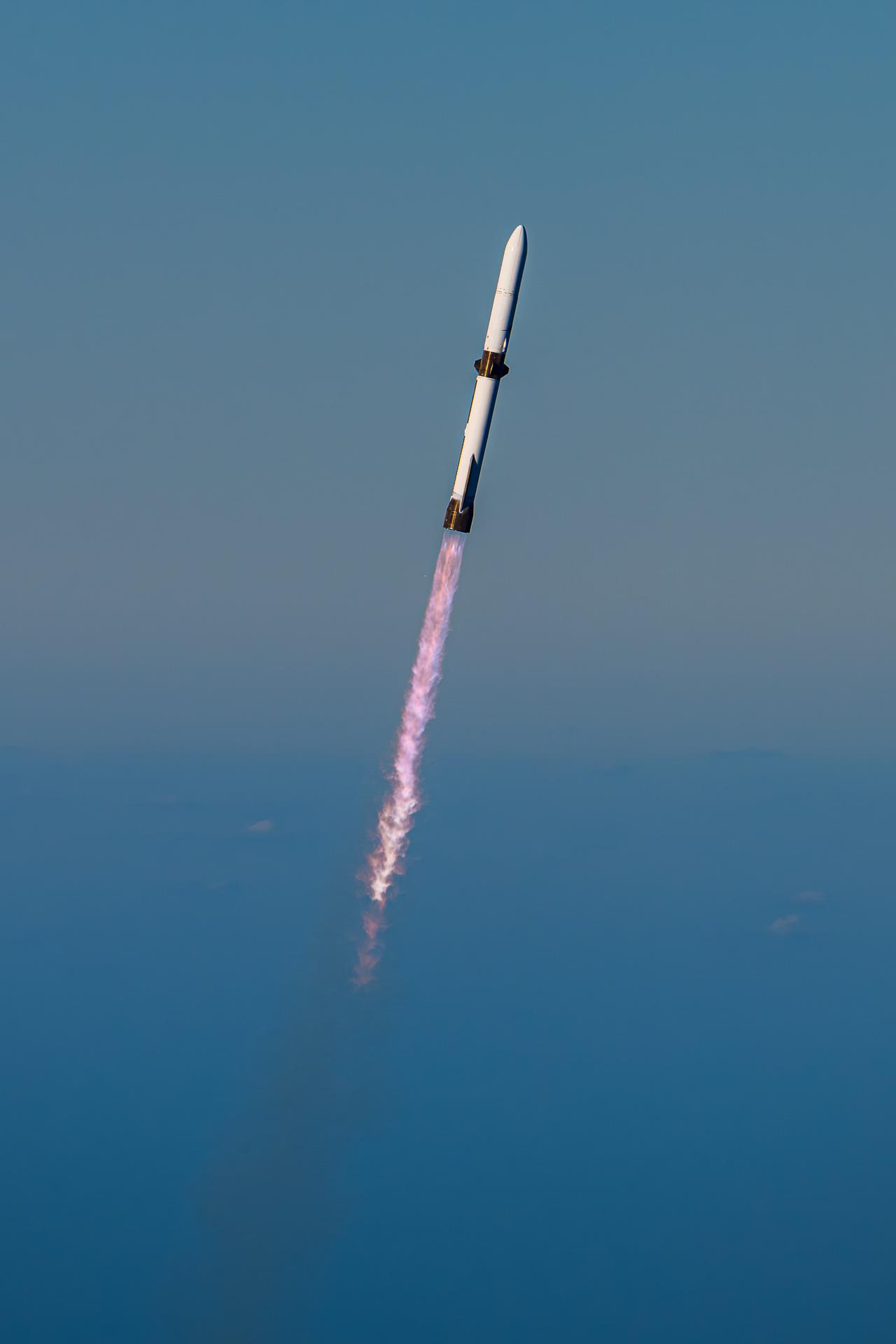
Blue Origin’s New Glenn rocket carrying NASA’s twin ESCAPADE (Escape and Plasma Acceleration and Dynamics Explorers) spacecraft launches at 3:55 p.m. EST, Thursday, Nov. 13, 2025, from Launch Complex 36 at Cape Canaveral Space Force Station in Florida. The ESCAPADE mission, built by Rocket Lab, will study how solar wind and plasma interact with Mars’ magnetosphere and how this interaction drives the planet’s atmospheric escape to prepare for future human missions on Mars.
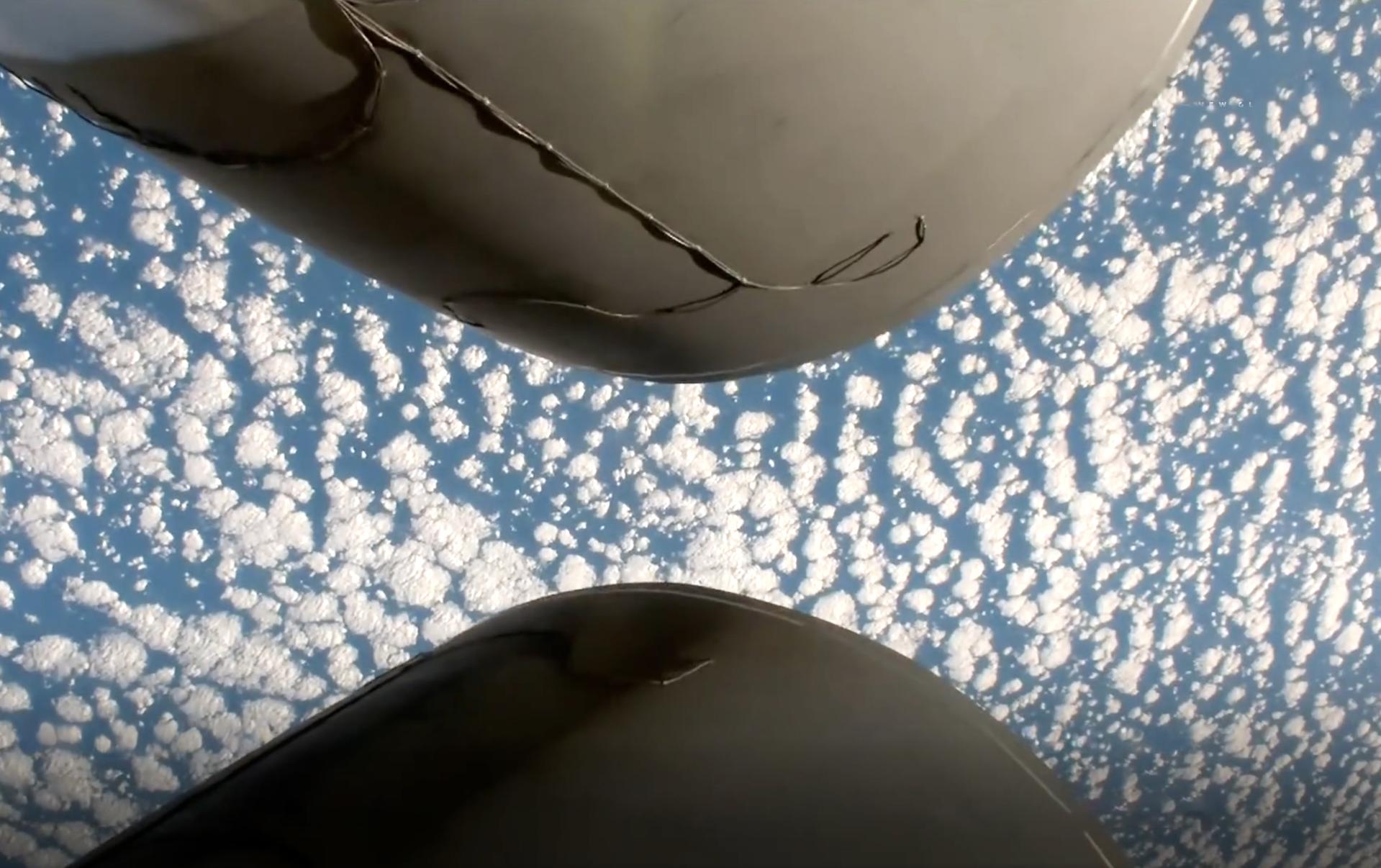
Blue Origin’s New Glenn rocket carrying NASA’s twin ESCAPADE (Escape and Plasma Acceleration and Dynamics Explorers) spacecraft launches at 3:55 p.m. EST, Thursday, Nov. 13, 2025, from Launch Complex 36 at Cape Canaveral Space Force Station in Florida. The ESCAPADE mission, built by Rocket Lab, will study how solar wind and plasma interact with Mars’ magnetosphere and how this interaction drives the planet’s atmospheric escape to prepare for future human missions on Mars.
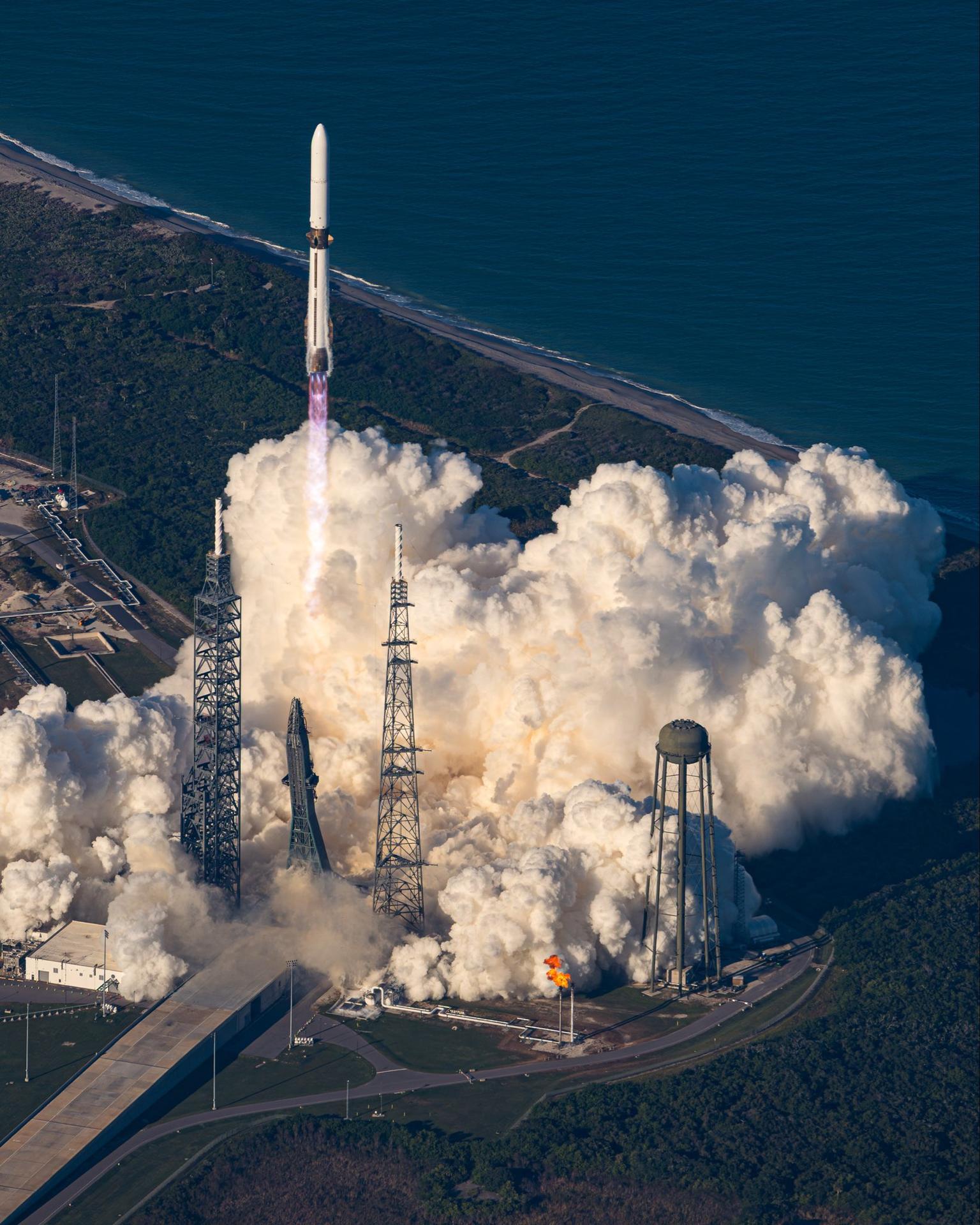
Blue Origin’s New Glenn rocket carrying NASA’s twin ESCAPADE (Escape and Plasma Acceleration and Dynamics Explorers) spacecraft launches at 3:55 p.m. EST, Thursday, Nov. 13, 2025, from Launch Complex 36 at Cape Canaveral Space Force Station in Florida. The ESCAPADE mission, built by Rocket Lab, will study how solar wind and plasma interact with Mars’ magnetosphere and how this interaction drives the planet’s atmospheric escape to prepare for future human missions on Mars.
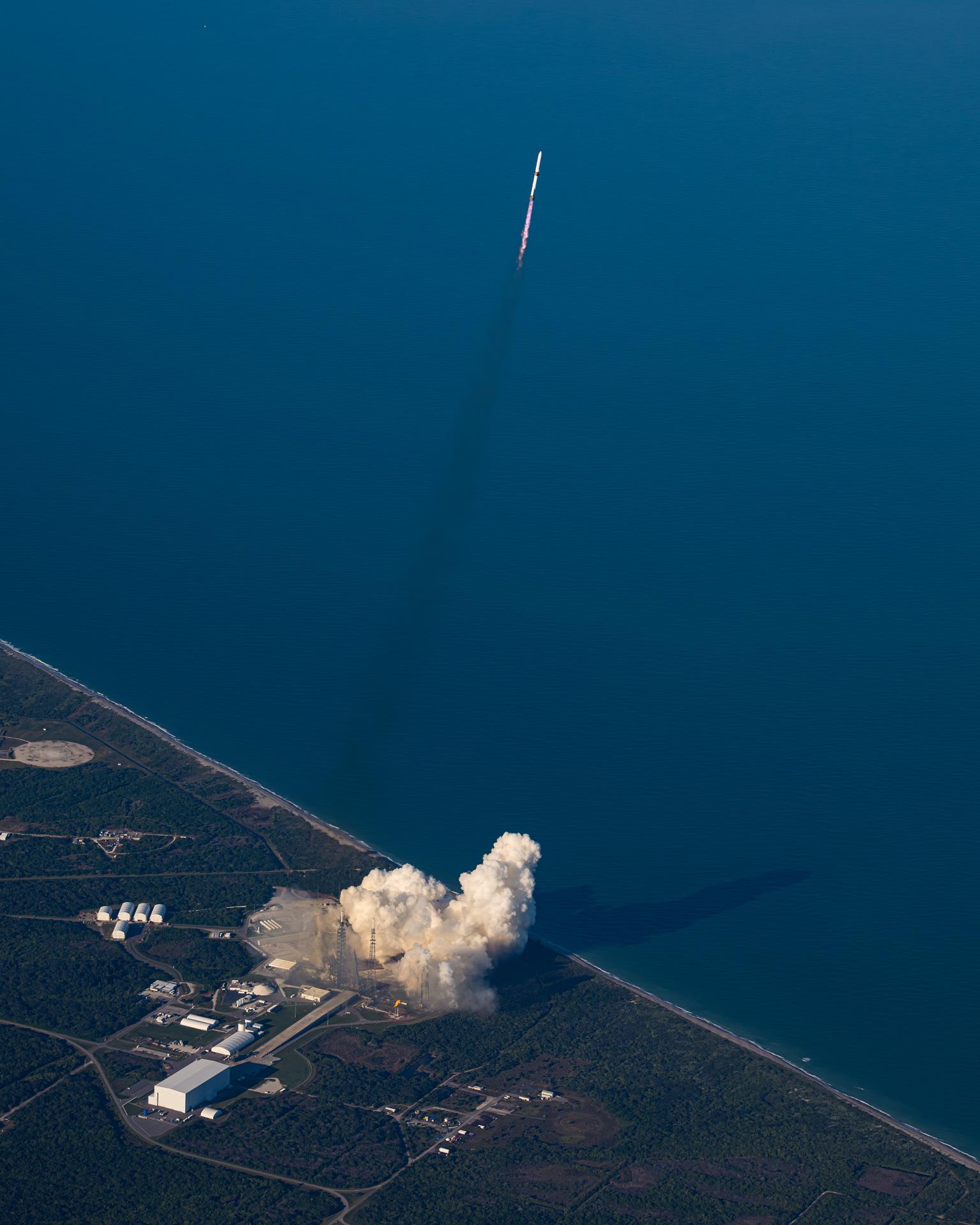
Blue Origin’s New Glenn rocket carrying NASA’s twin ESCAPADE (Escape and Plasma Acceleration and Dynamics Explorers) spacecraft launches at 3:55 p.m. EST, Thursday, Nov. 13, 2025, from Launch Complex 36 at Cape Canaveral Space Force Station in Florida. The ESCAPADE mission, built by Rocket Lab, will study how solar wind and plasma interact with Mars’ magnetosphere and how this interaction drives the planet’s atmospheric escape to prepare for future human missions on Mars.
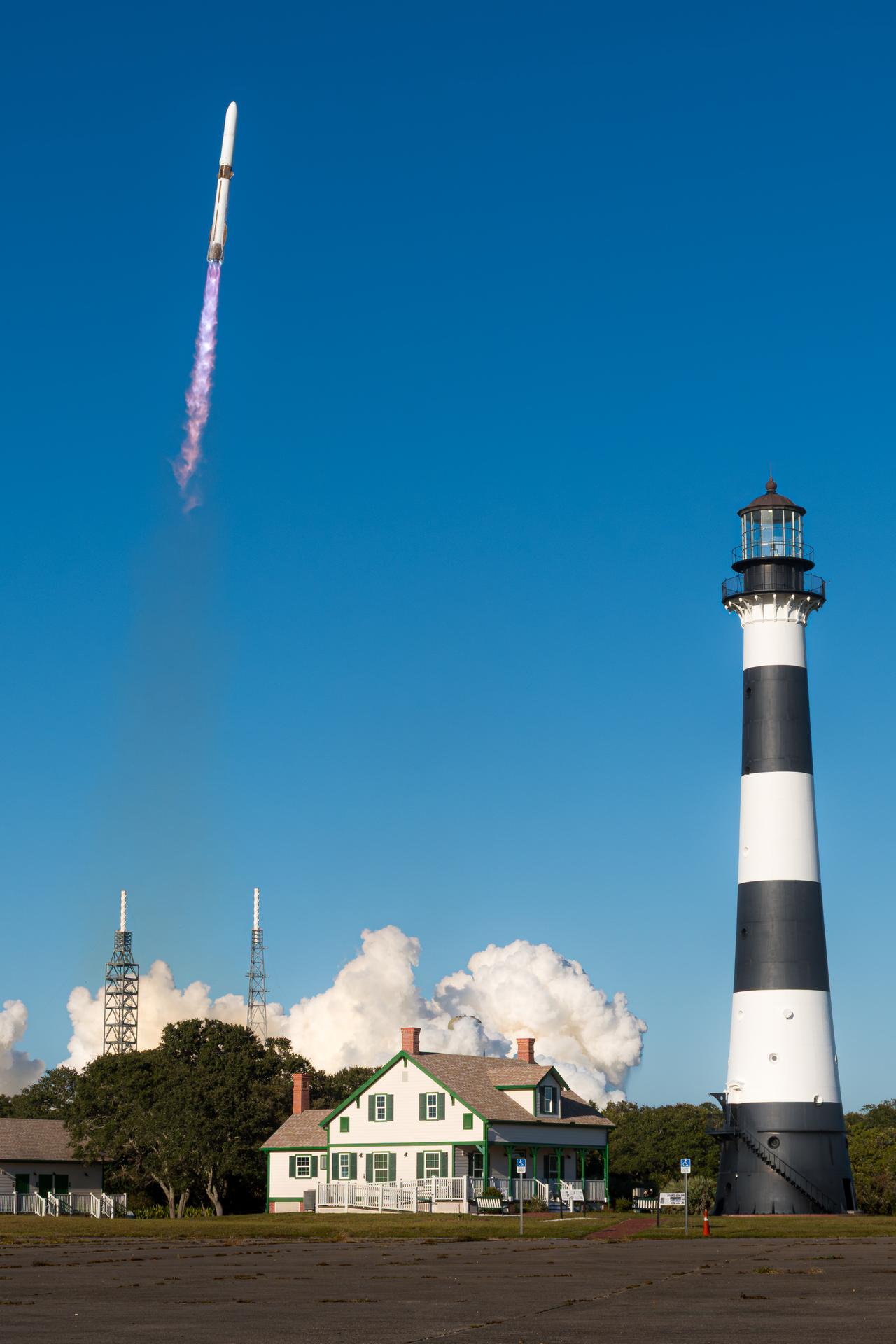
Near Cape Canaveral Lighthouse, Blue Origin’s New Glenn rocket carrying NASA’s twin ESCAPADE (Escape and Plasma Acceleration and Dynamics Explorers) spacecraft launches at 3:55 p.m. EST, Thursday, Nov. 13, 2025, from Launch Complex 36 at Cape Canaveral Space Force Station in Florida. The ESCAPADE mission, built by Rocket Lab, will study how solar wind and plasma interact with Mars’ magnetosphere and how this interaction drives the planet’s atmospheric escape to prepare for future human missions on Mars.
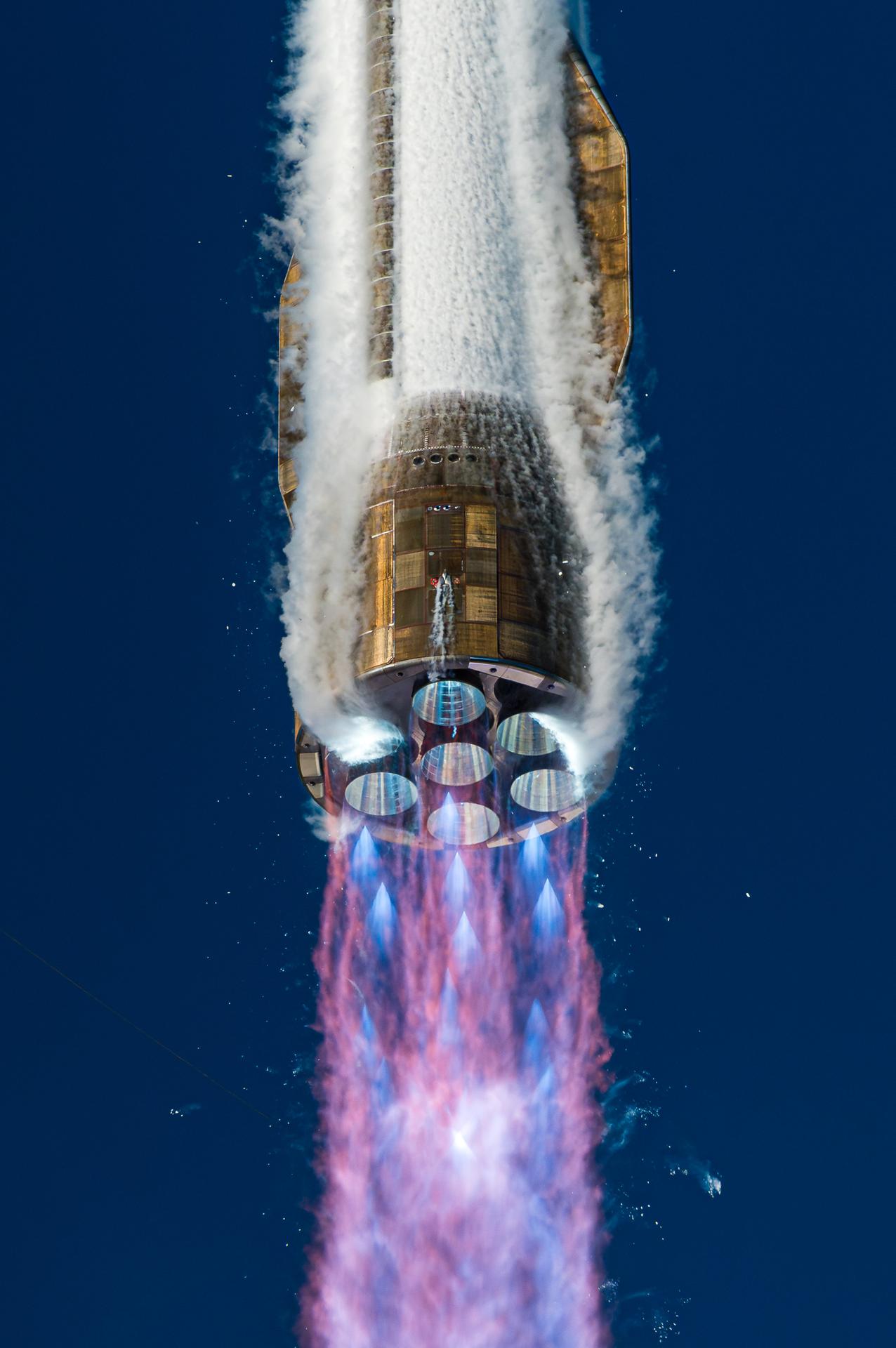
Blue Origin’s New Glenn rocket carrying NASA’s twin ESCAPADE (Escape and Plasma Acceleration and Dynamics Explorers) spacecraft launches at 3:55 p.m. EST, Thursday, Nov. 13, 2025, from Launch Complex 36 at Cape Canaveral Space Force Station in Florida. The ESCAPADE mission, built by Rocket Lab, will study how solar wind and plasma interact with Mars’ magnetosphere and how this interaction drives the planet’s atmospheric escape to prepare for future human missions on Mars.
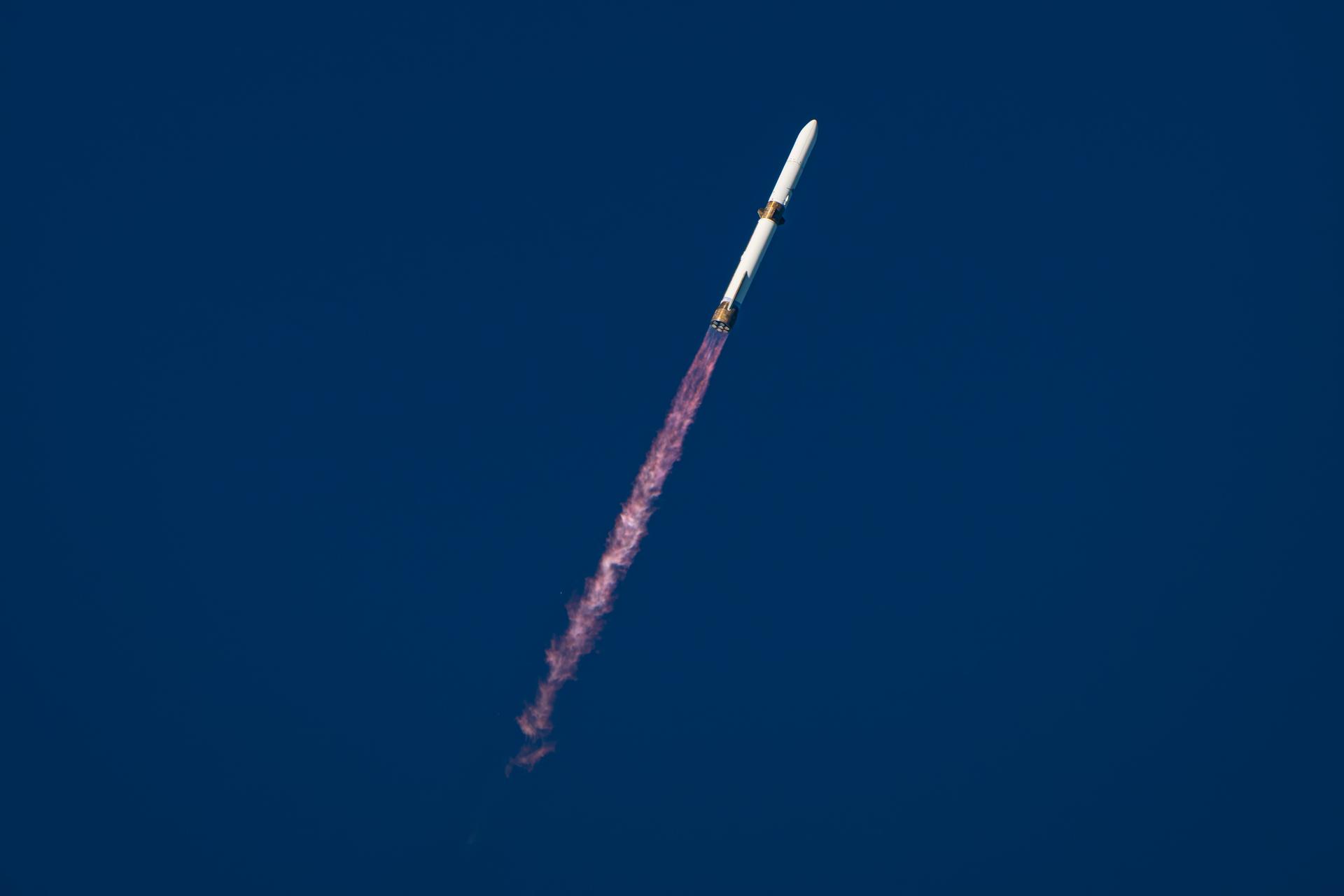
Blue Origin’s New Glenn rocket carrying NASA’s twin ESCAPADE (Escape and Plasma Acceleration and Dynamics Explorers) spacecraft launches at 3:55 p.m. EST, Thursday, Nov. 13, 2025, from Launch Complex 36 at Cape Canaveral Space Force Station in Florida. The ESCAPADE mission, built by Rocket Lab, will study how solar wind and plasma interact with Mars’ magnetosphere and how this interaction drives the planet’s atmospheric escape to prepare for future human missions on Mars.
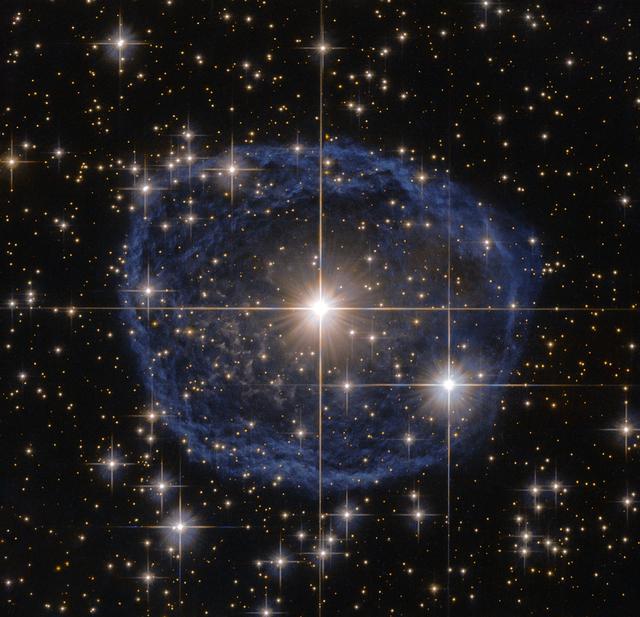
A large blue bubble with a bright star in the center on a black background filled with stars Sparkling at the center of this beautiful NASA/ESA Hubble Space Telescope image is a Wolf–Rayet star known as WR 31a, located about 30,000 light-years away in the constellation of Carina (The Keel). The distinctive blue bubble appearing to encircle WR 31a is a Wolf–Rayet nebula — an interstellar cloud of dust, hydrogen, helium and other gases. Created when speedy stellar winds interact with the outer layers of hydrogen ejected by Wolf–Rayet stars, these nebulae are frequently ring-shaped or spherical. The bubble — estimated to have formed around 20,000 years ago — is expanding at a rate of around 220,000 kilometers (136,700 miles) per hour! Unfortunately, the lifecycle of a Wolf–Rayet star is only a few hundred thousand years — the blink of an eye in cosmic terms. Despite beginning life with a mass at least 20 times that of the sun, Wolf–Rayet stars typically lose half their mass in less than 100,000 years. And WR 31a is no exception to this case. It will, therefore, eventually end its life as a spectacular supernova, and the stellar material expelled from its explosion will later nourish a new generation of stars and planets. Image credi: ESA/Hubble & NASA, Acknowledgement: Judy Schmidt

Blue Origin’s New Glenn first stage rocket successfully lands for the first time on a drone ship in the Atlantic Ocean following the launching of NASA’s twin ESCAPADE (Escape and Plasma Acceleration and Dynamics Explorers) spacecraft at 3:55 p.m. EST, Thursday, Nov. 13, 2025, from Launch Complex 36 at Cape Canaveral Space Force Station in Florida. The ESCAPADE mission, built by Rocket Lab, will study how solar wind and plasma interact with Mars’ magnetosphere and how this interaction drives the planet’s atmospheric escape to prepare for future human missions on Mars.
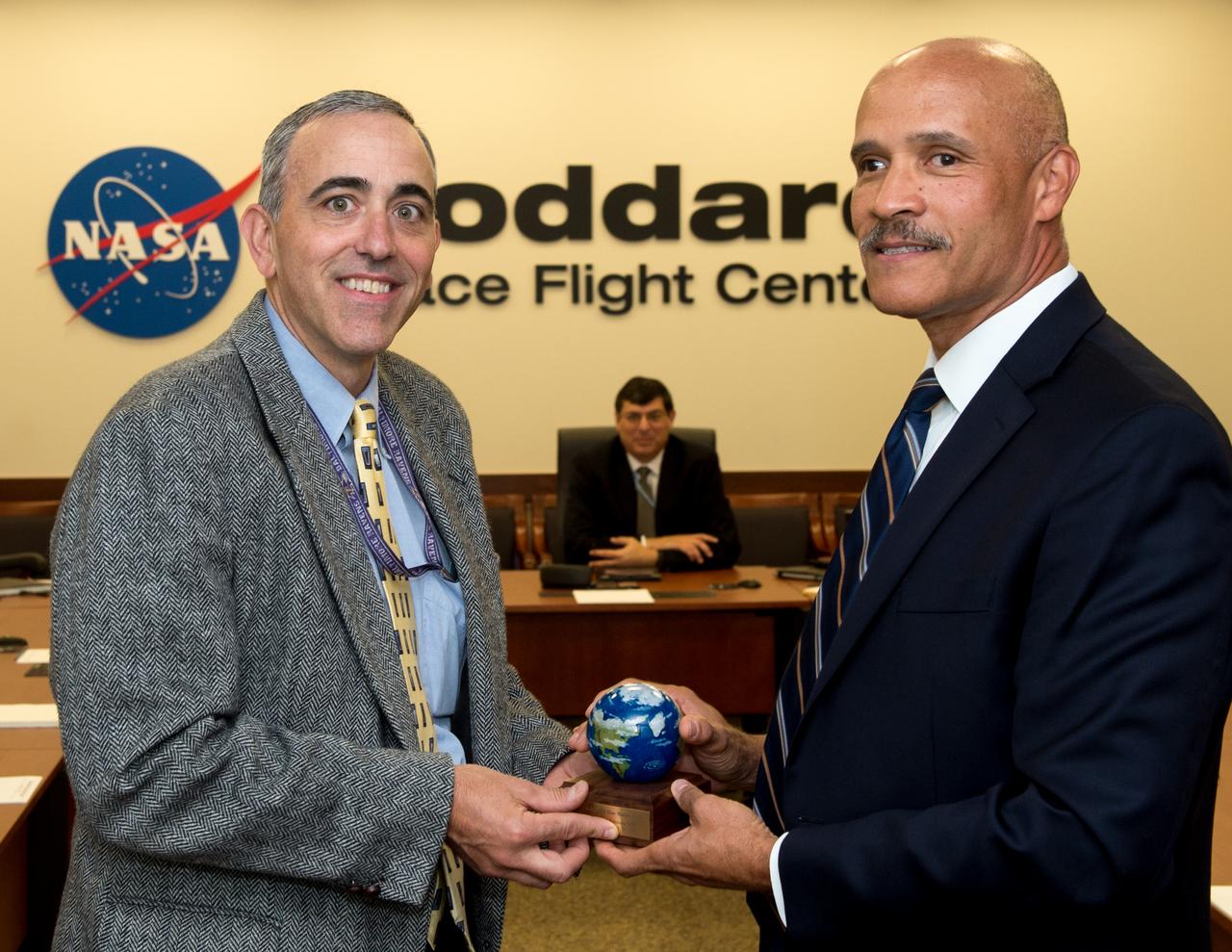
Ray Rubilotta receives the Blue Marble Award
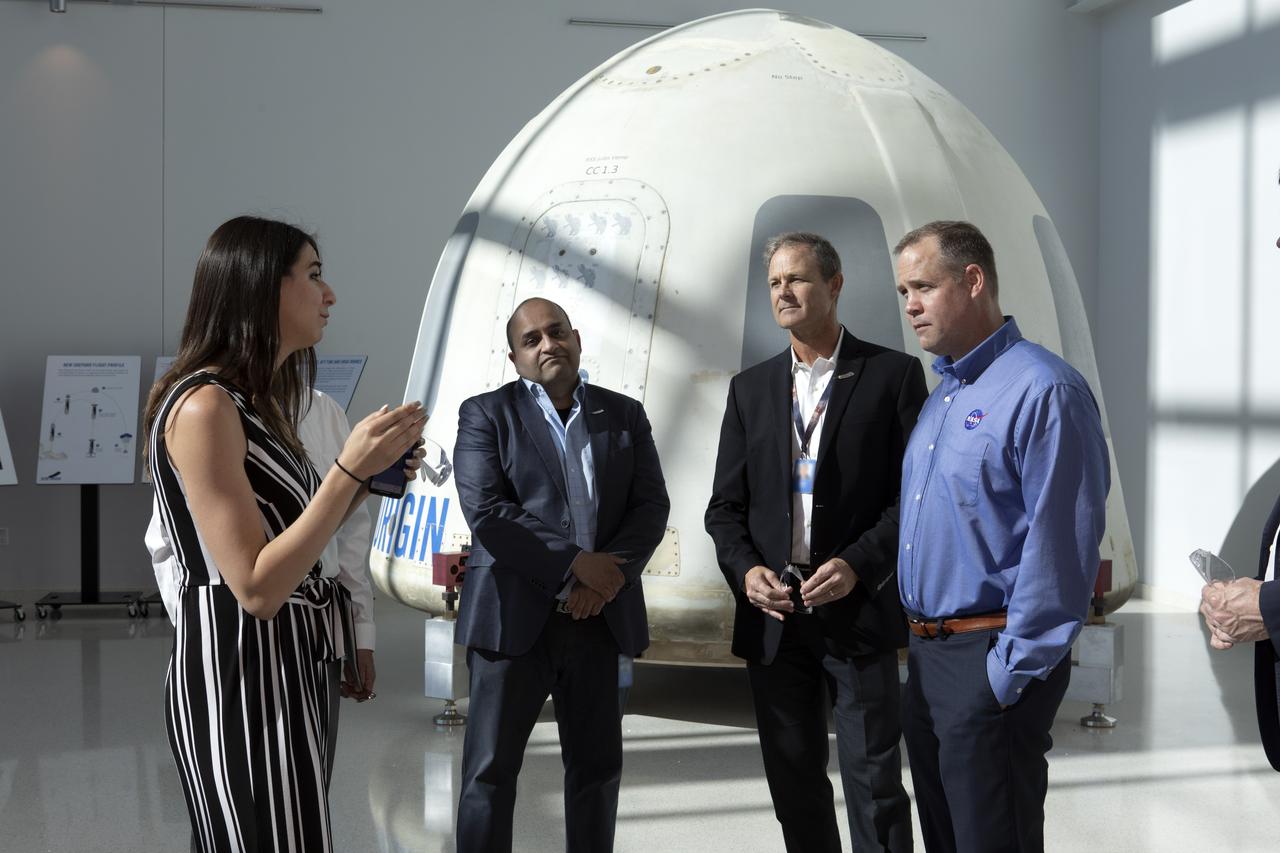
NASA Administrator Jim Bridenstine, far right, tours the Blue Origin facilities near the agency’s Kennedy Space Center in Florida on May 23, 2019. Bridenstine viewed the New Shepard booster and crew capsule that flew to space and back five times.
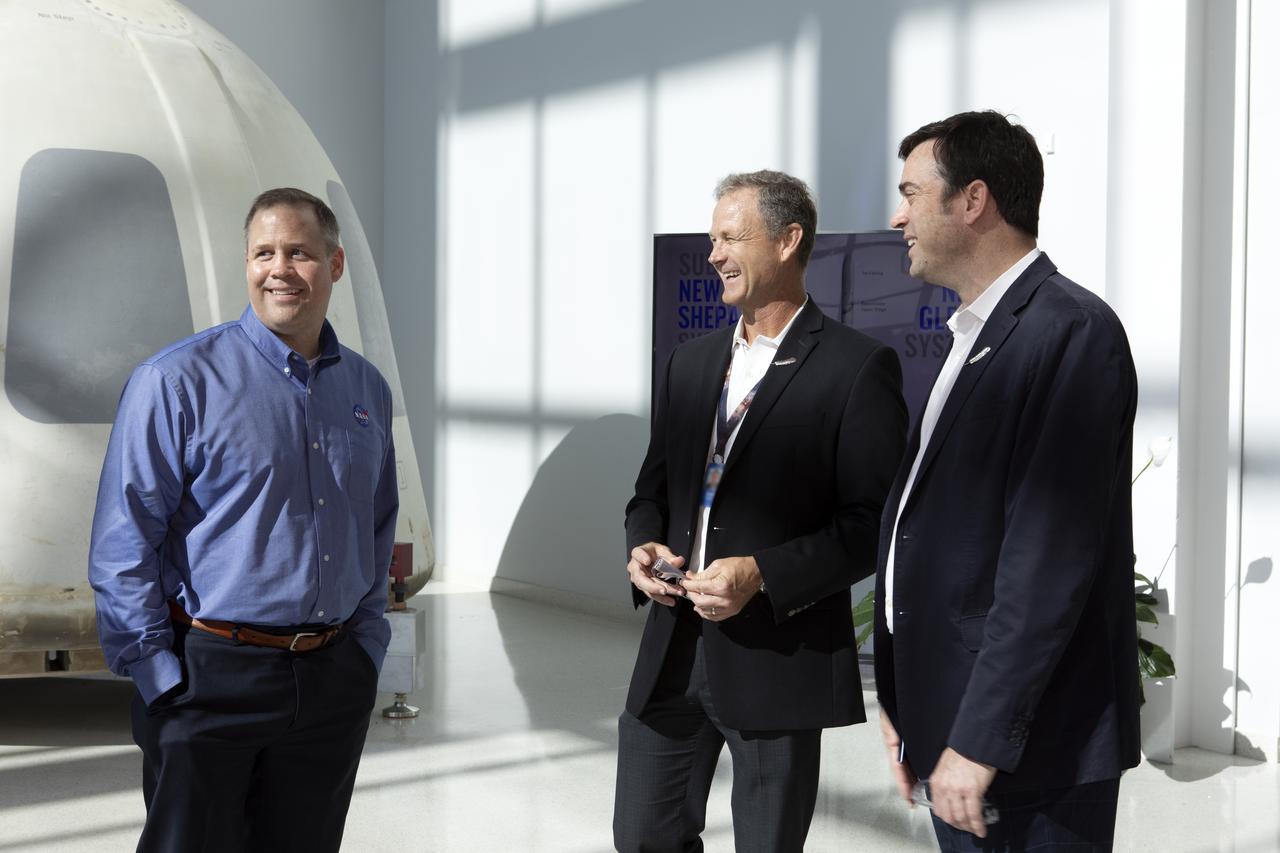
NASA Administrator Jim Bridenstine, at left, tours the Blue Origin facilities near the agency’s Kennedy Space Center in Florida on May 23, 2019. Bridenstine viewed the New Shepard booster and crew capsule that flew to space and back five times.
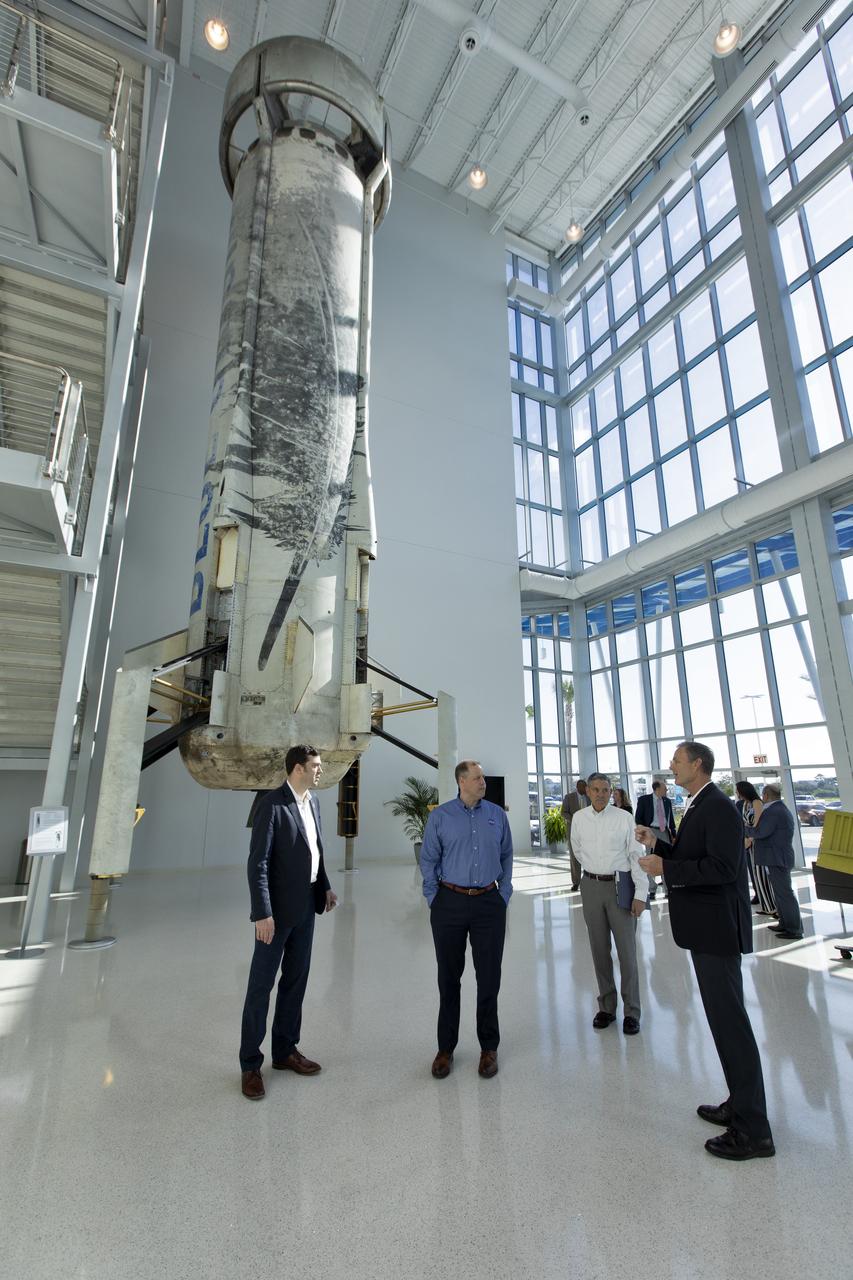
NASA Administrator Jim Bridenstine, second from left, tours the Blue Origin facilities near the agency’s Kennedy Space Center in Florida on May 23, 2019. Third from left is Kennedy Space Center Director Bob Cabana. They viewed the New Shepard booster and crew capsule that few to space and back five times.
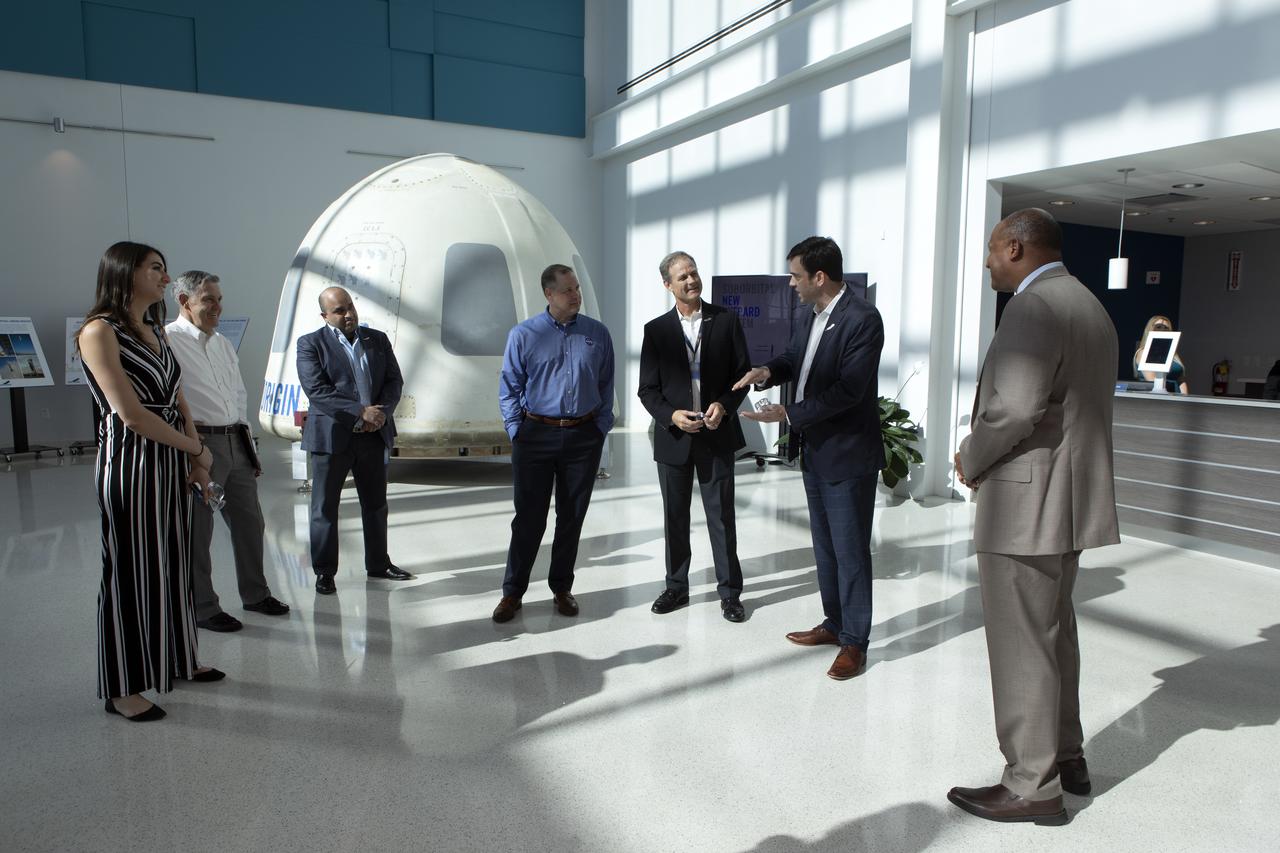
NASA Administrator Jim Bridenstine, fourth from left, tours the Blue Origin facilities near the agency’s Kennedy Space Center in Florida on May 23, 2019. Second from left is Kennedy Space Center Director Bob Cabana. They viewed the New Shepard booster and crew capsule that flew to space and back five times.
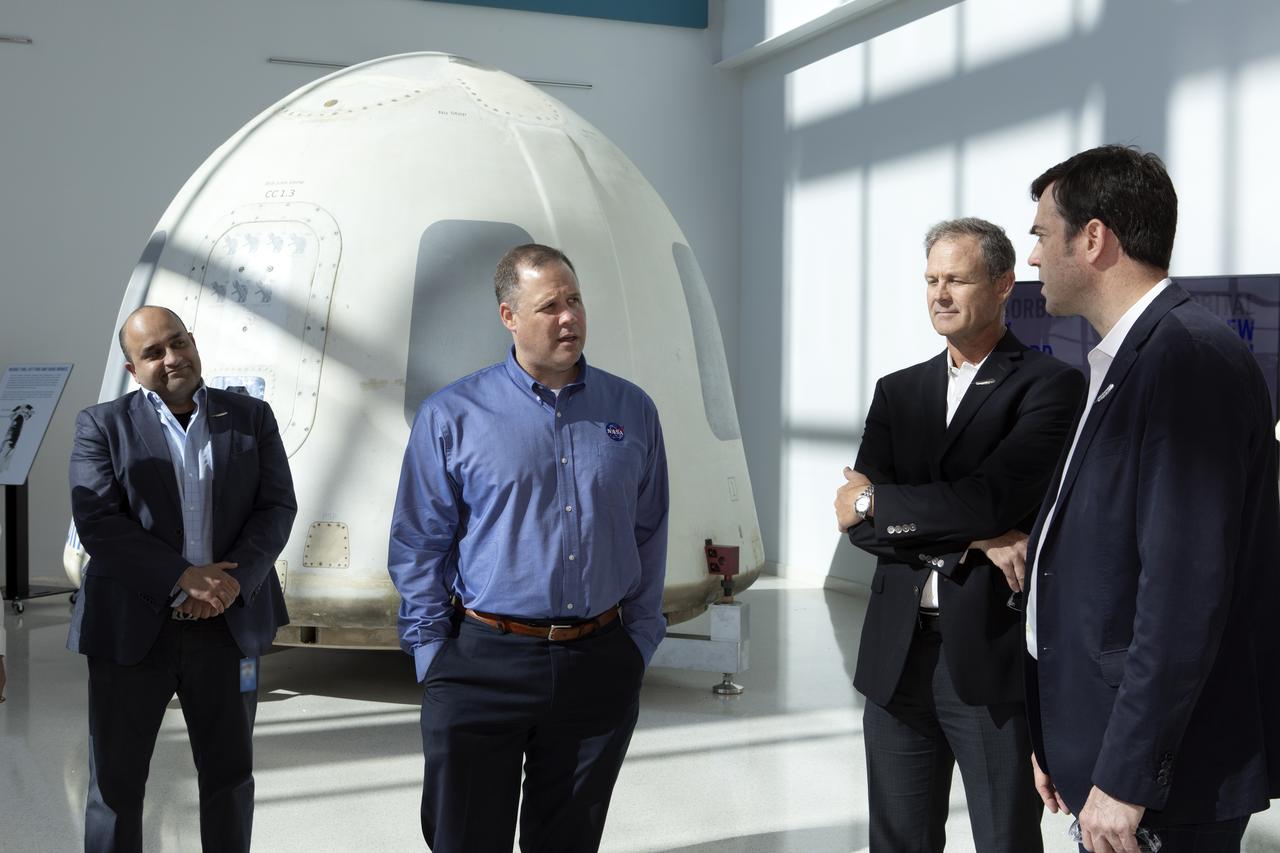
NASA Administrator Jim Bridenstine, second from left, tours the Blue Origin facilities near the agency’s Kennedy Space Center in Florida on May 23, 2019. Bridenstine viewed the New Shepard booster and crew capsule that flew to space and back five times.
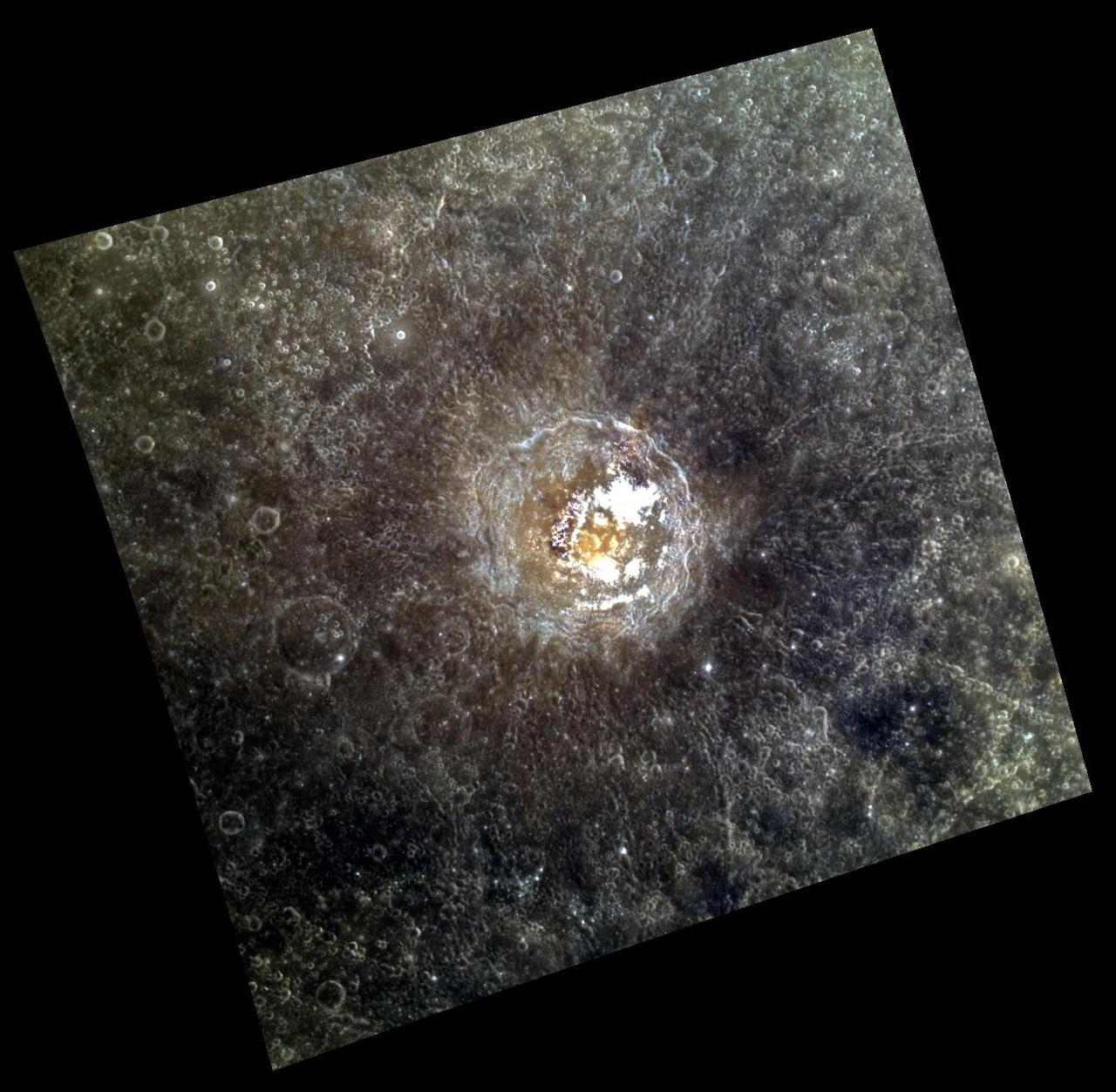
Red, White, and Blue
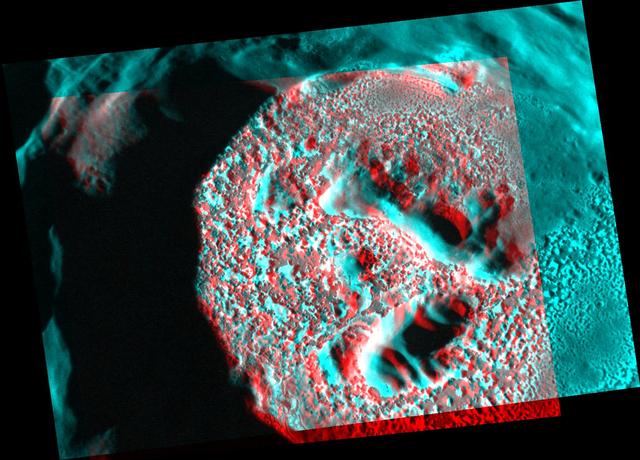
Hurrah for the Red and the Blue
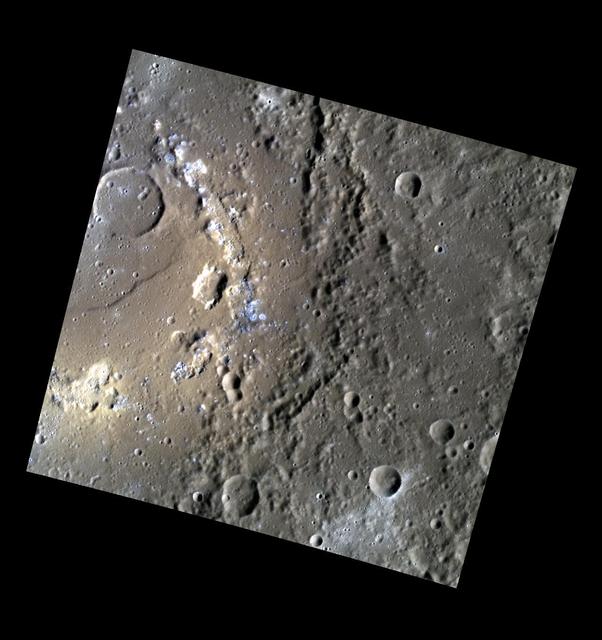
Red vs. Blue
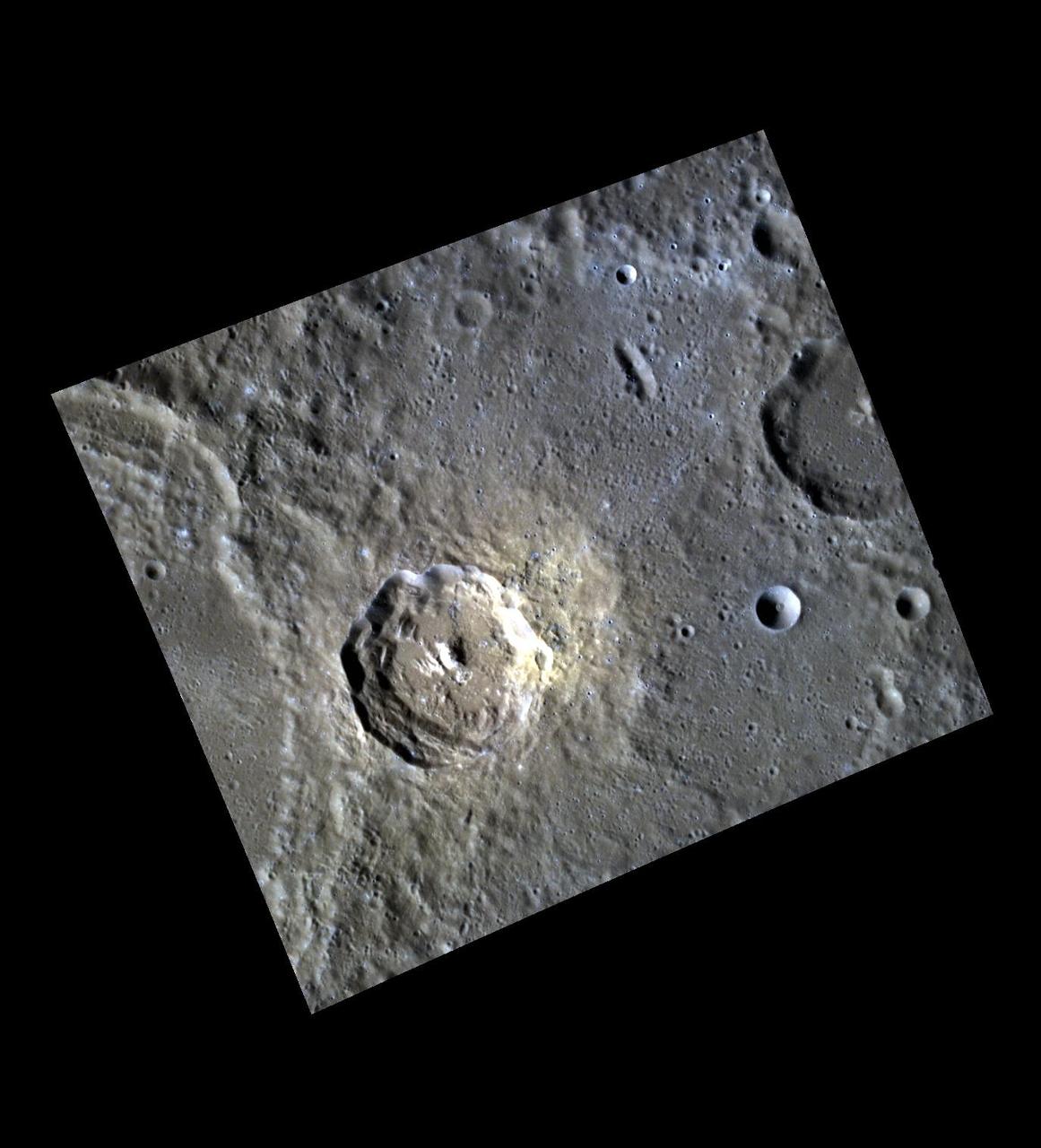
Fiery Yellow, Scattered Blue
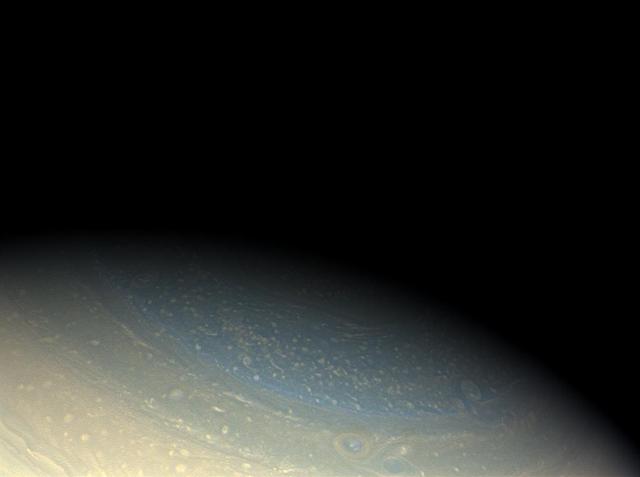
A Blue Northern Mystery
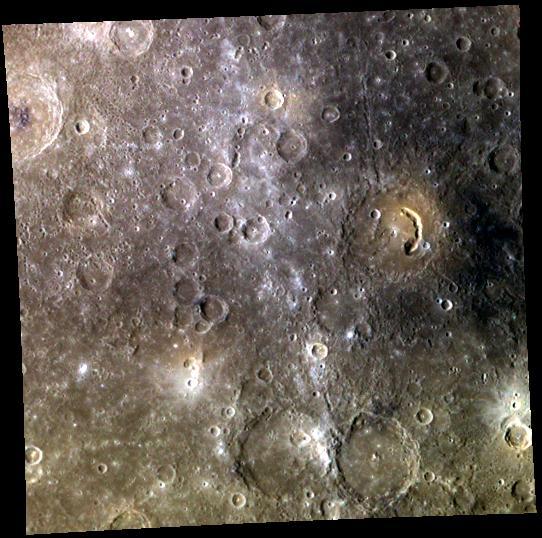
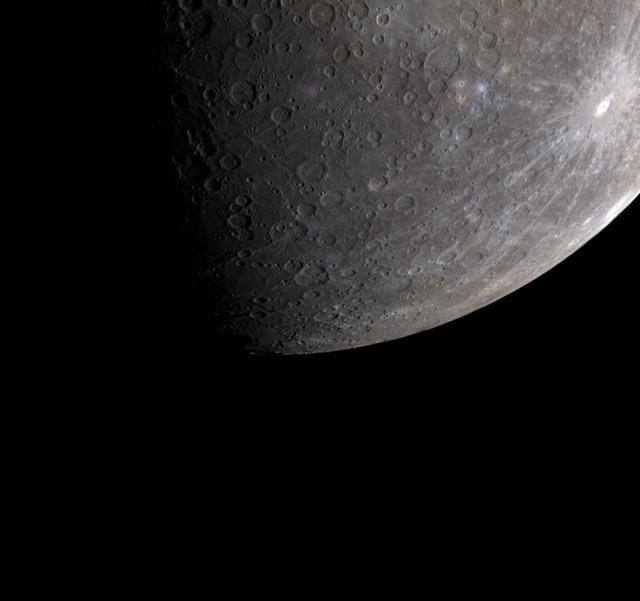
Mercury Red, White, and Blue

Saturn Blue Cranium
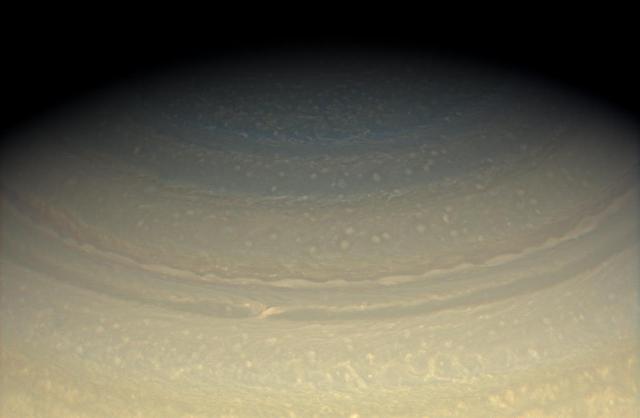
Chasing Away the Blues
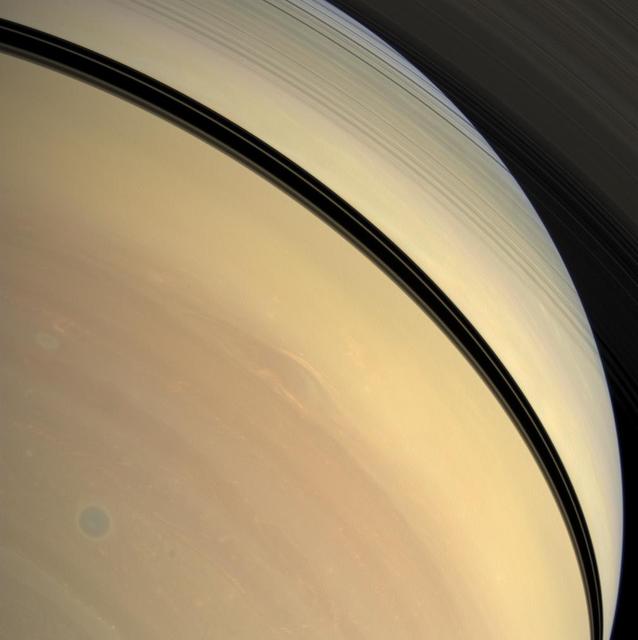
Blue Eyed Storm

NASA Administrator Jim Bridenstine, third from left, arrives at the Blue Origin facilities near the agency’s Kennedy Space Center in Florida on May 23, 2019. Second from right is Kennedy Space Center Director Bob Cabana. The toured the facilities and viewed the New Shepard booster and crew capsule that flew to space and back five times.
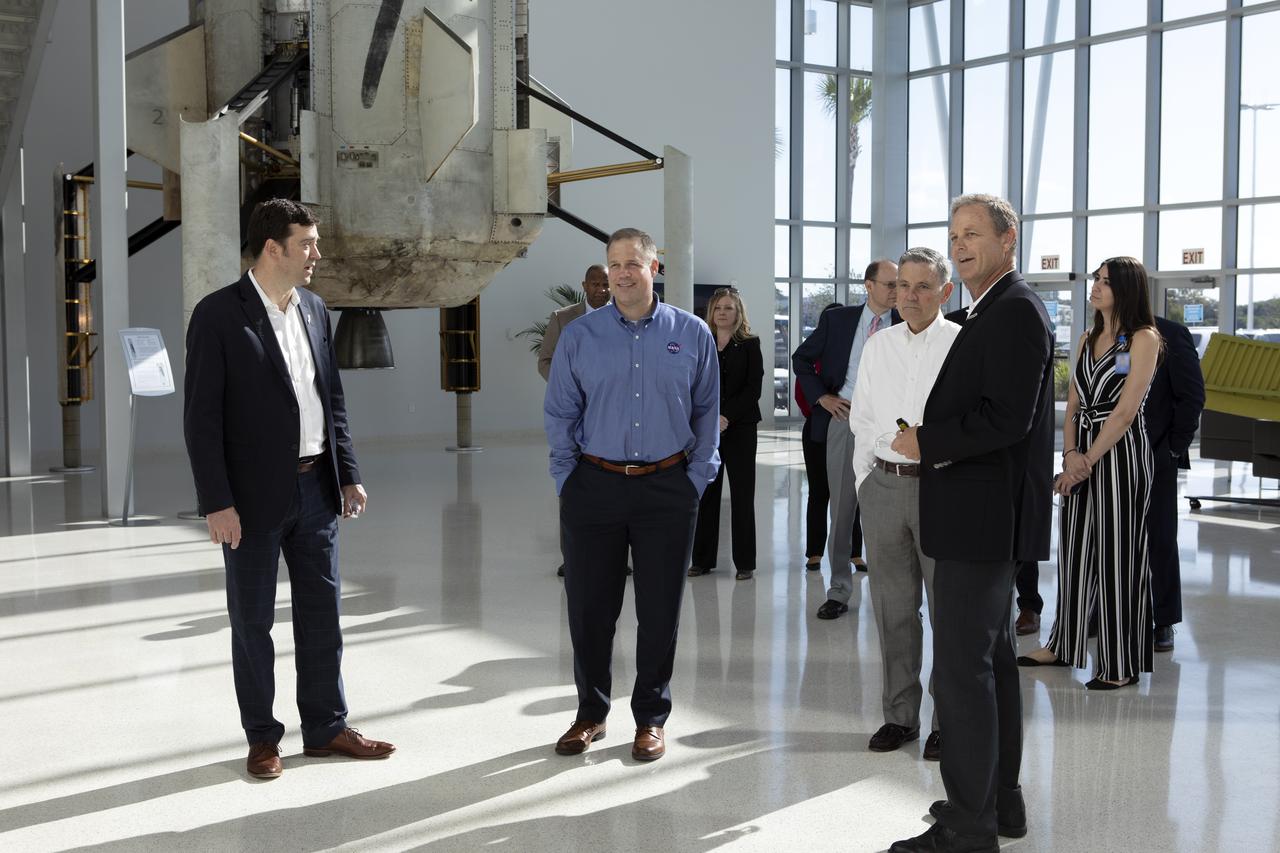
NASA Administrator Jim Bridenstine, second from left, arrives at the Blue Origin facilities near the agency’s Kennedy Space Center in Florida on May 23, 2019. Second from right is Kennedy Space Center Director Bob Cabana. They toured the facilities and viewed the New Shepard booster and crew capsule that flew to space and back five times.

In this rare image taken on 19 July, the wide-angle camera on the international Cassini spacecraft has captured Saturn’s rings and our planet Earth and Moon in the same frame. The dark side of Saturn, its bright limb, the main rings, the F ring, and the G and E rings are clearly seen; the limb of Saturn and the F ring are overexposed. The ‘breaks’ in the brightness of Saturn’s limb are due to the shadows of the rings on the globe of Saturn, preventing sunlight from shining through the atmosphere in those regions. The E and G rings have been brightened for better visibility. Earth, 1.44 billion km away in this image, appears as a blue dot at centre right; the Moon can be seen as a fainter protrusion off its right side. The other bright dots nearby are stars. <b><a href="http://www.nasa.gov/audience/formedia/features/MP_Photo_Guidelines.html" rel="nofollow">NASA image use policy.</a></b> <b><a href="http://www.nasa.gov/centers/goddard/home/index.html" rel="nofollow">NASA Goddard Space Flight Center</a></b> enables NASA’s mission through four scientific endeavors: Earth Science, Heliophysics, Solar System Exploration, and Astrophysics. Goddard plays a leading role in NASA’s accomplishments by contributing compelling scientific knowledge to advance the Agency’s mission. <b>Follow us on <a href="http://twitter.com/NASAGoddardPix" rel="nofollow">Twitter</a></b> <b>Like us on <a href="http://www.facebook.com/pages/Greenbelt-MD/NASA-Goddard/395013845897?ref=tsd" rel="nofollow">Facebook</a></b> <b>Find us on <a href="http://instagrid.me/nasagoddard/?vm=grid" rel="nofollow">Instagram</a></b>
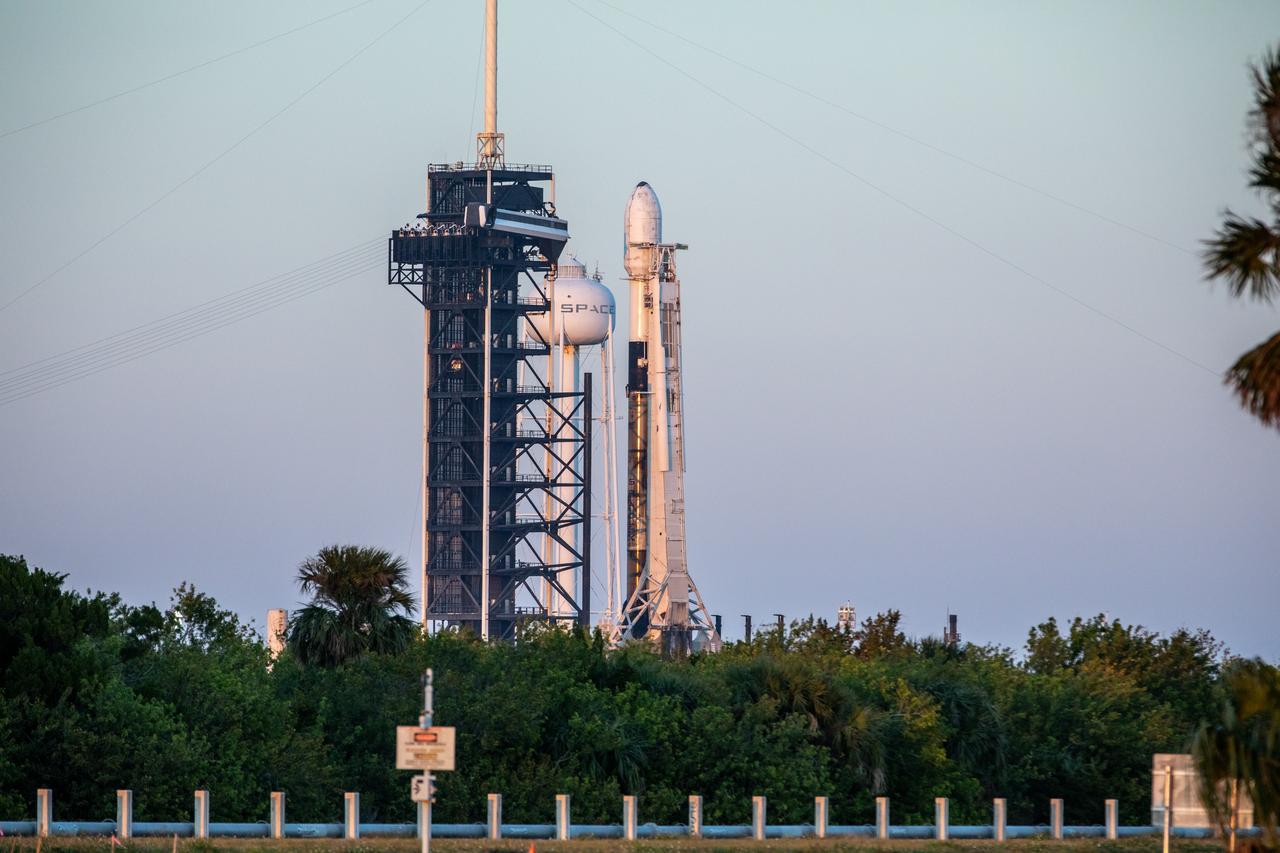
A SpaceX Falcon 9 rocket carrying Firefly Aerospace’s Blue Ghost Mission One lander prepares for a launch to the Moon on Tuesday, Jan. 14, 2025 from Launch Complex 39A at the agency’s Kennedy Space Center in Florida as part of NASA’s CLPS (Commercial Lunar Payload Services) initiative. The Blue Ghost lander will carry 10 NASA science and technology instruments to the lunar surface to further understand the Moon and help prepare for future human missions. Liftoff is targeted for 1:11 a.m. EST.
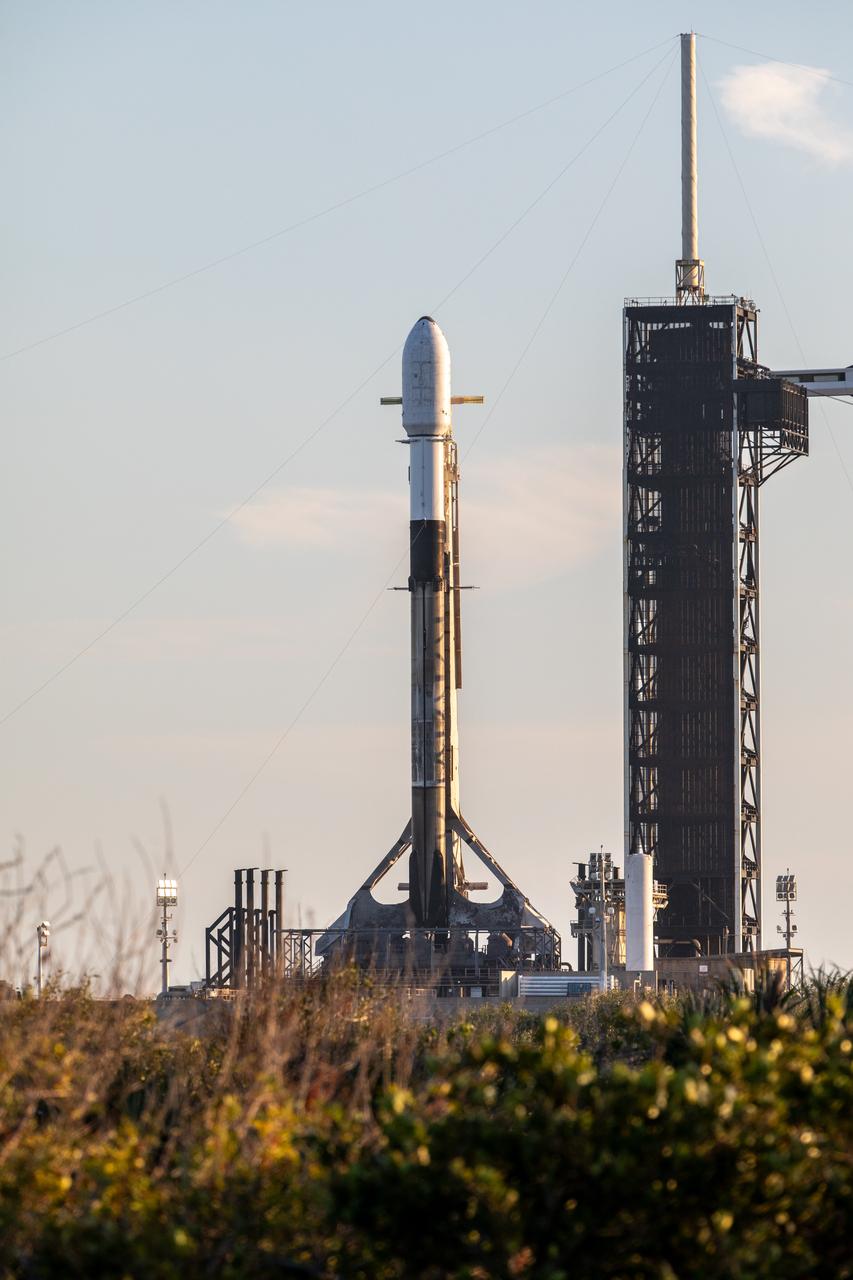
A SpaceX Falcon 9 rocket carrying Firefly Aerospace’s Blue Ghost Mission One lander prepares for a launch to the Moon on Tuesday, Jan. 14, 2025 from Launch Complex 39A at the agency’s Kennedy Space Center in Florida as part of NASA’s CLPS (Commercial Lunar Payload Services) initiative. The Blue Ghost lander will carry 10 NASA science and technology instruments to the lunar surface to further understand the Moon and help prepare for future human missions. Liftoff is targeted for 1:11 a.m. EST.
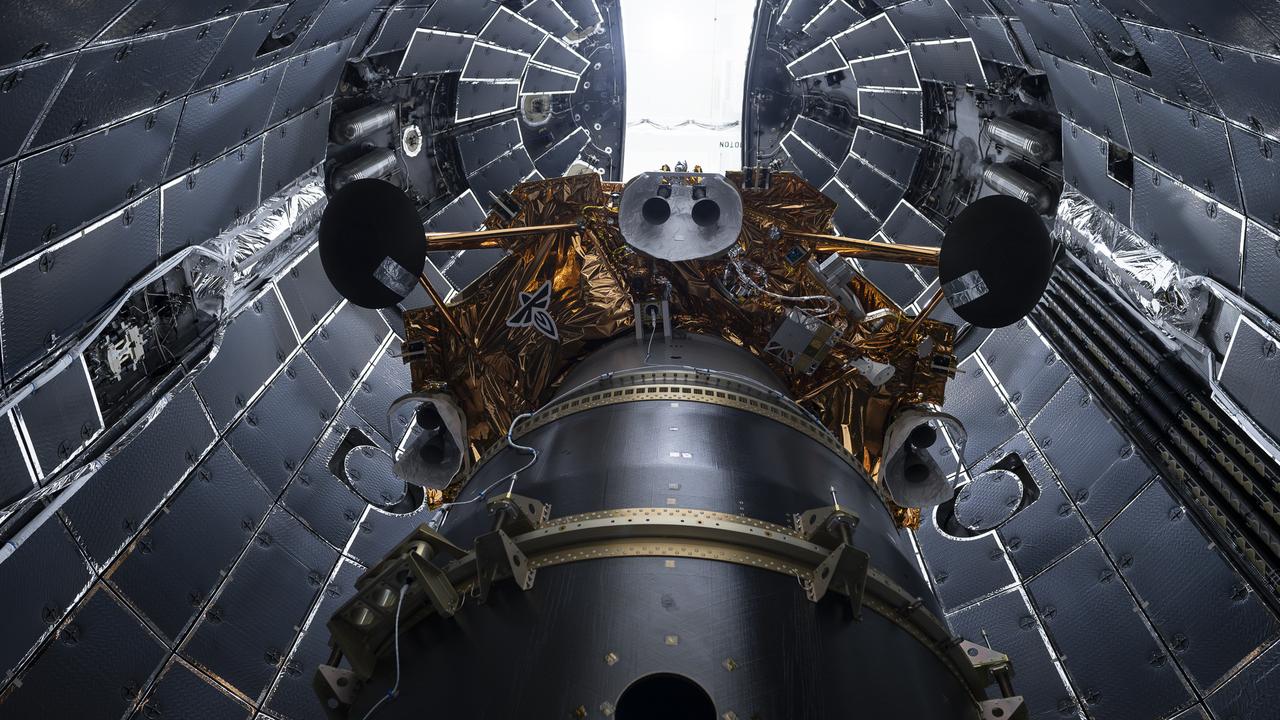
Firefly Aerospace’s Blue Ghost lunar lander is encapsulated inside SpaceX’s rocket fairing ahead of its targeted liftoff for 1:11 a.m. EST Wednesday, Jan. 15, 2025, from Launch Complex 39A at NASA’s Kennedy Space Center in Florida. Firefly’s Blue Ghost Mission 1 will be the company’s first flight to the Moon as part of the agency’s Commercial Lunar Payload Services or CLPS initiative and Artemis campaign.
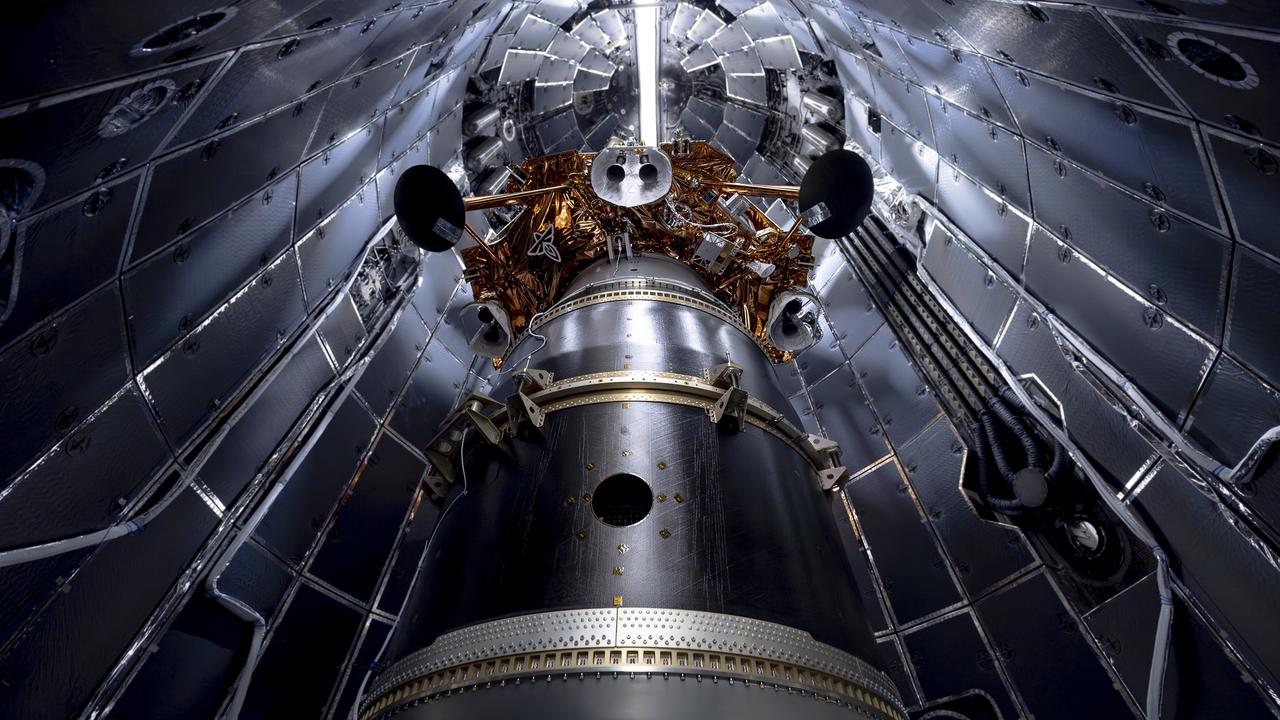
Firefly Aerospace’s Blue Ghost lunar lander is encapsulated inside SpaceX’s rocket fairing ahead of its targeted liftoff for 1:11 a.m. EST Wednesday, Jan. 15, 2025, from Launch Complex 39A at NASA’s Kennedy Space Center in Florida. Firefly’s Blue Ghost Mission 1 will be the company’s first flight to the Moon as part of the agency’s Commercial Lunar Payload Services or CLPS initiative and Artemis campaign.
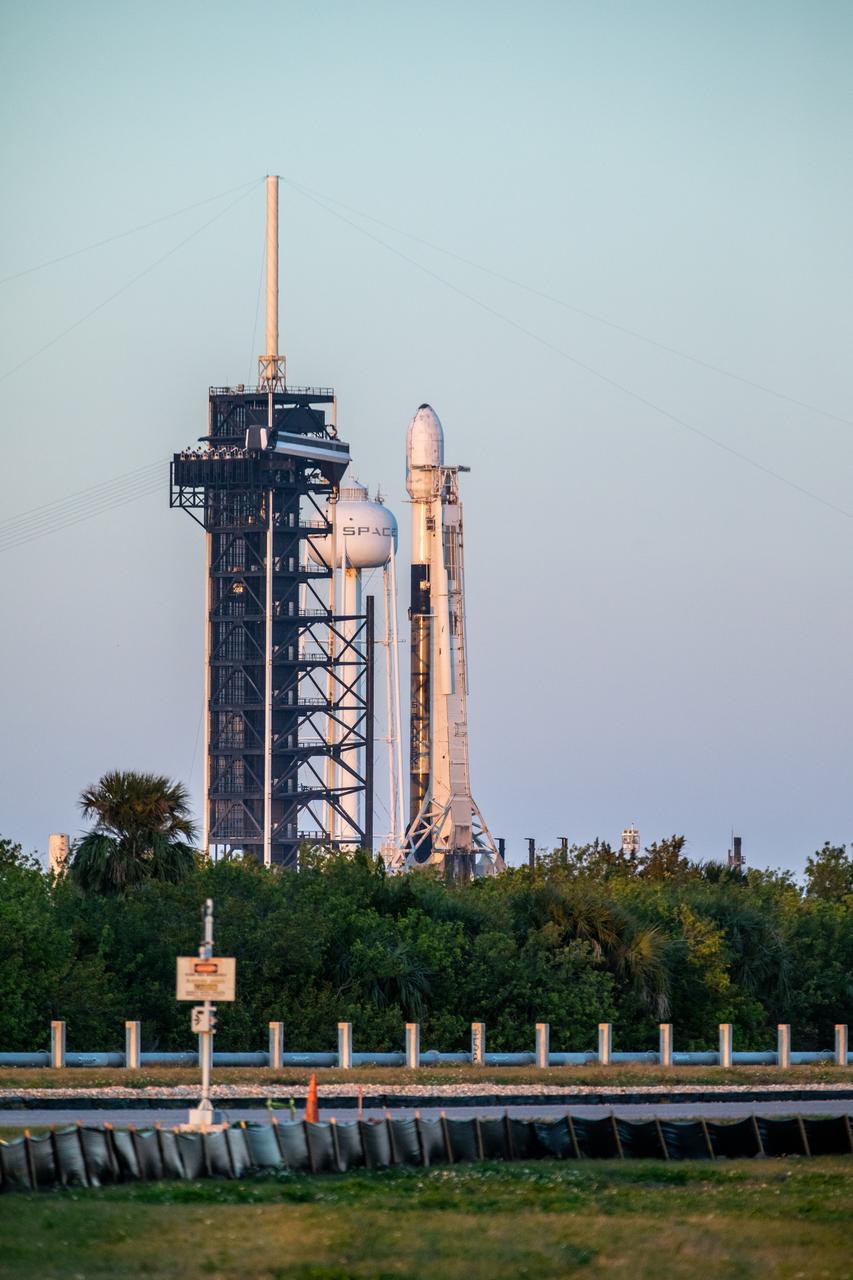
A SpaceX Falcon 9 rocket carrying Firefly Aerospace’s Blue Ghost Mission One lander prepares for a launch to the Moon on Tuesday, Jan. 14, 2025 from Launch Complex 39A at the agency’s Kennedy Space Center in Florida as part of NASA’s CLPS (Commercial Lunar Payload Services) initiative. The Blue Ghost lander will carry 10 NASA science and technology instruments to the lunar surface to further understand the Moon and help prepare for future human missions. Liftoff is targeted for 1:11 a.m. EST.
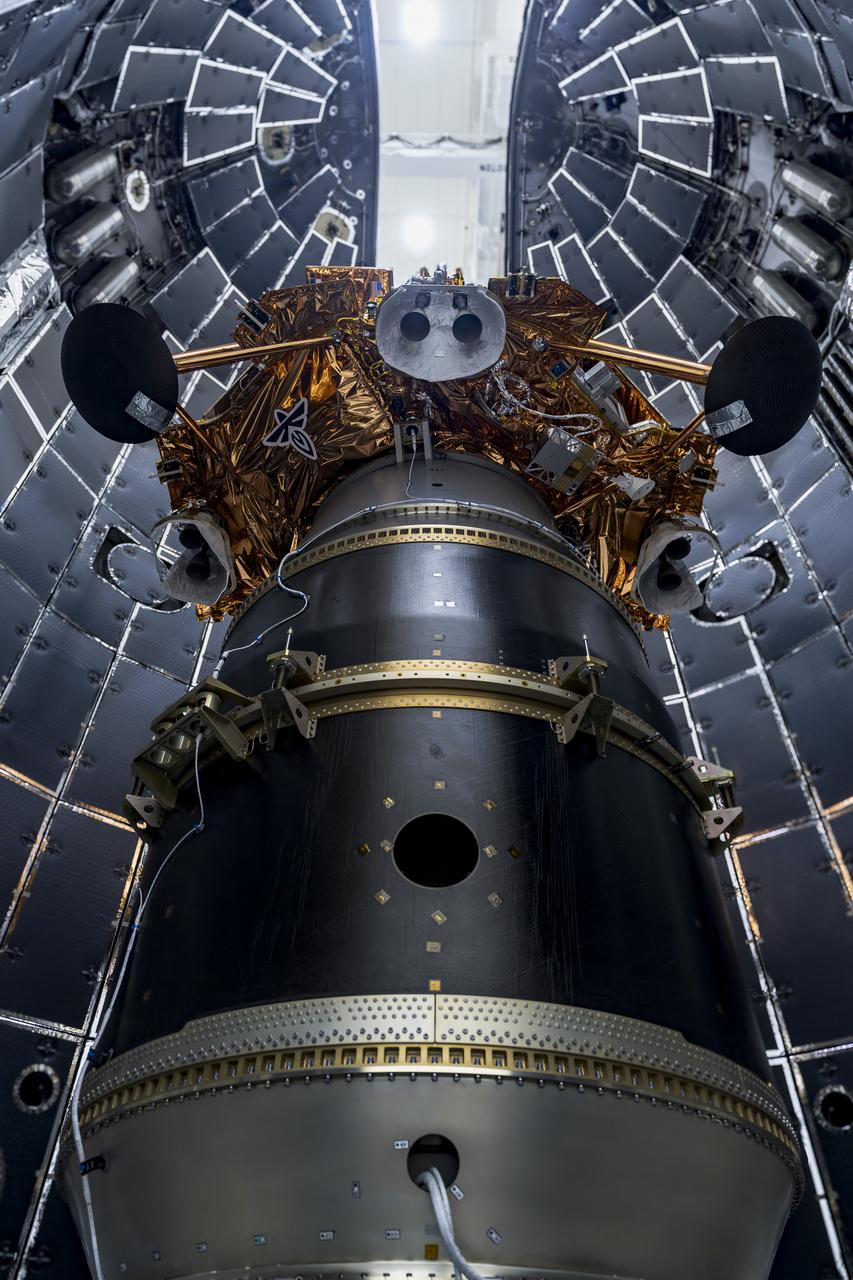
Firefly Aerospace’s Blue Ghost lunar lander is encapsulated inside SpaceX’s rocket fairing ahead of its targeted liftoff for 1:11 a.m. EST Wednesday, Jan. 15, 2025, from Launch Complex 39A at NASA’s Kennedy Space Center in Florida. Firefly’s Blue Ghost Mission 1 will be the company’s first flight to the Moon as part of the agency’s Commercial Lunar Payload Services or CLPS initiative and Artemis campaign.
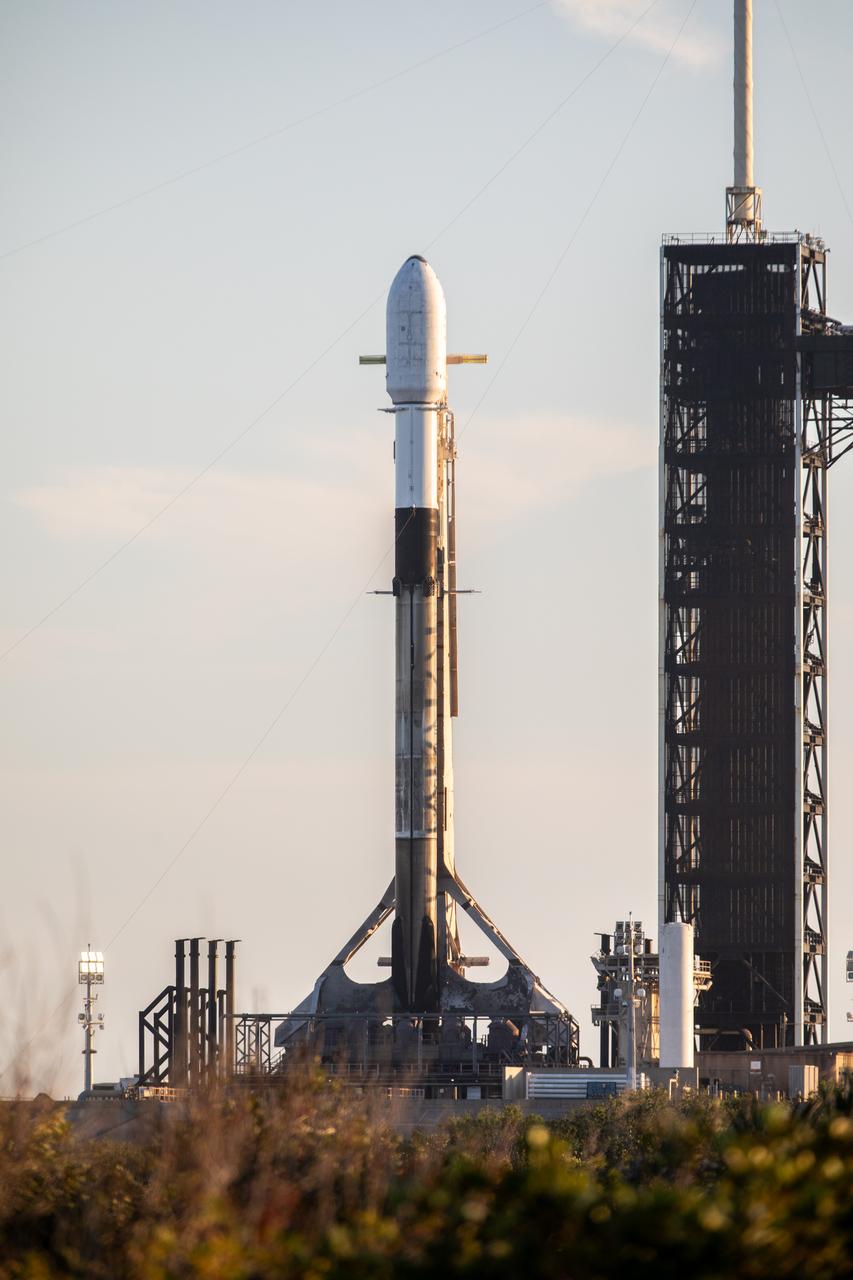
A SpaceX Falcon 9 rocket carrying Firefly Aerospace’s Blue Ghost Mission One lander prepares for a launch to the Moon on Tuesday, Jan. 14, 2025 from Launch Complex 39A at the agency’s Kennedy Space Center in Florida as part of NASA’s CLPS (Commercial Lunar Payload Services) initiative. The Blue Ghost lander will carry 10 NASA science and technology instruments to the lunar surface to further understand the Moon and help prepare for future human missions. Liftoff is targeted for 1:11 a.m. EST.
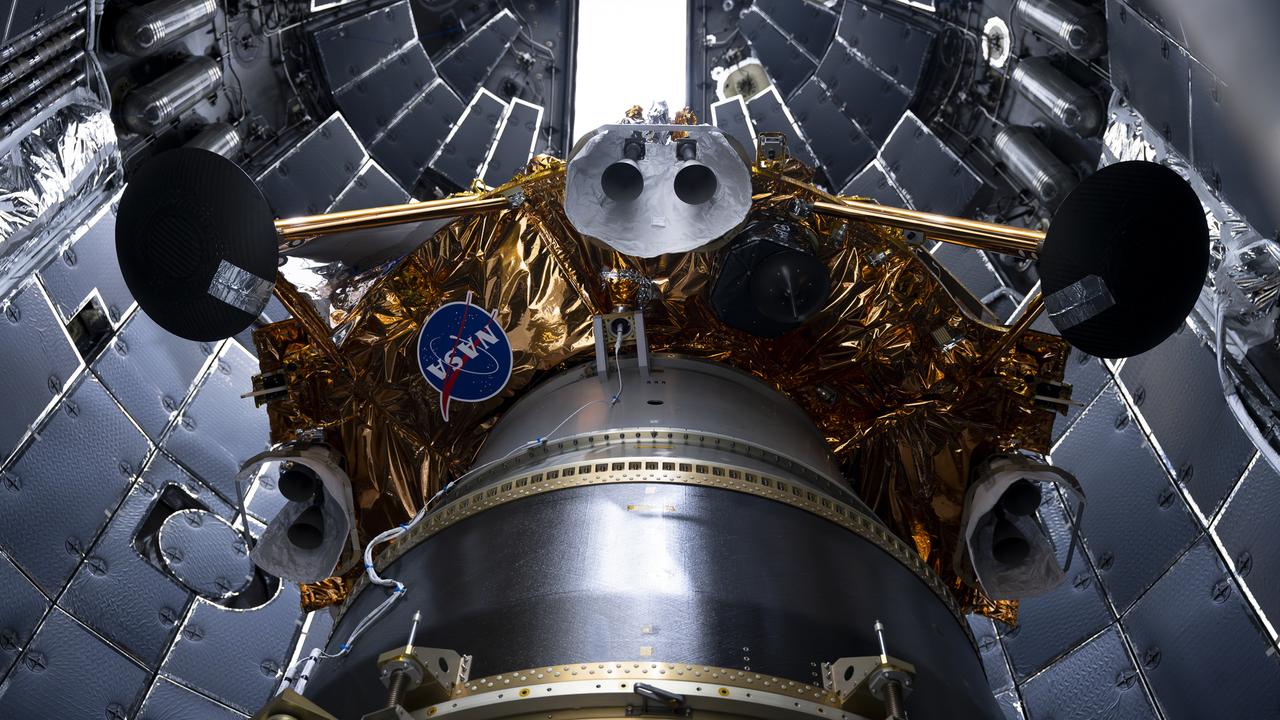
Firefly Aerospace’s Blue Ghost lunar lander is encapsulated inside SpaceX’s rocket fairing ahead of its targeted liftoff for 1:11 a.m. EST Wednesday, Jan. 15, 2025, from Launch Complex 39A at NASA’s Kennedy Space Center in Florida. Firefly’s Blue Ghost Mission 1 will be the company’s first flight to the Moon as part of the agency’s Commercial Lunar Payload Services or CLPS initiative and Artemis campaign.
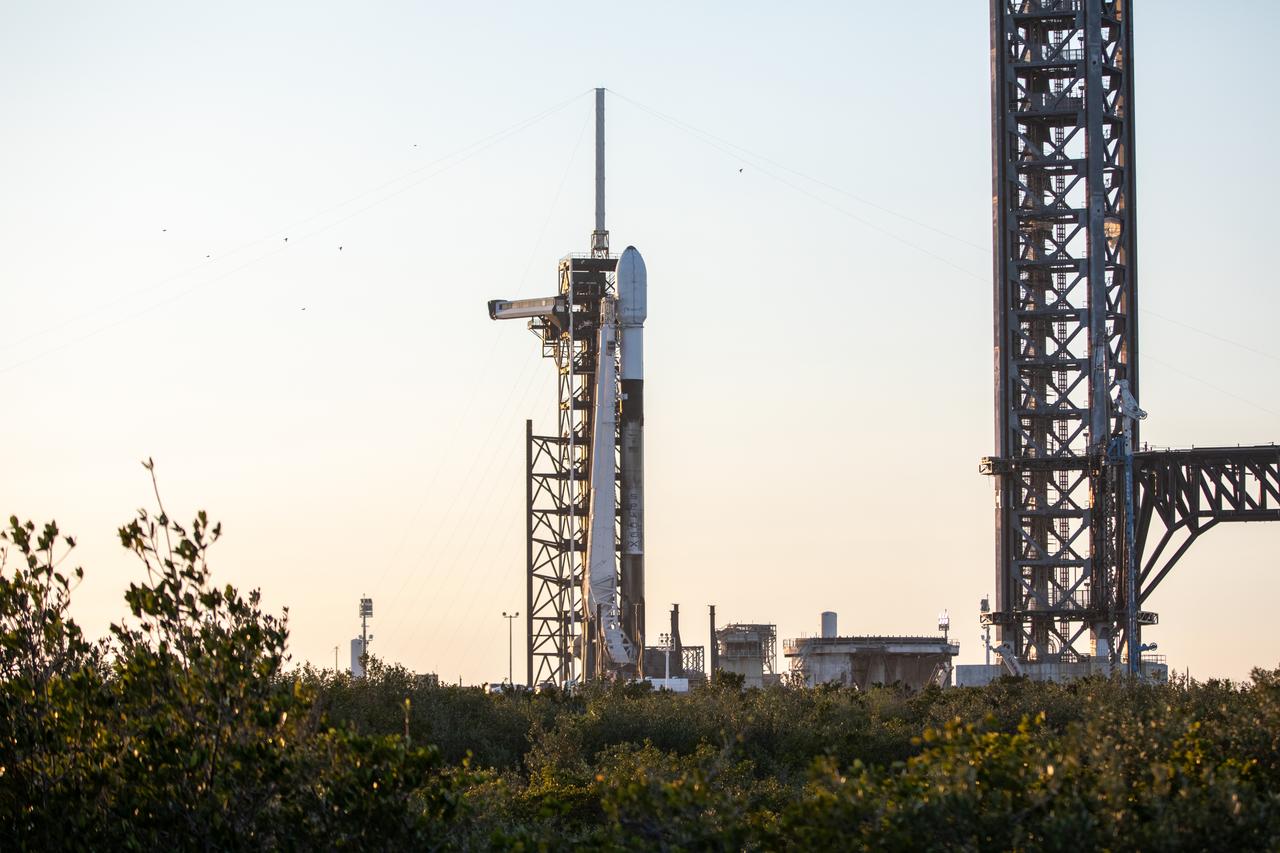
A SpaceX Falcon 9 rocket carrying Firefly Aerospace’s Blue Ghost Mission One lander prepares for a launch to the Moon on Tuesday, Jan. 14, 2025 from Launch Complex 39A at the agency’s Kennedy Space Center in Florida as part of NASA’s CLPS (Commercial Lunar Payload Services) initiative. The Blue Ghost lander will carry 10 NASA science and technology instruments to the lunar surface to further understand the Moon and help prepare for future human missions. Liftoff is targeted for 1:11 a.m. EST.
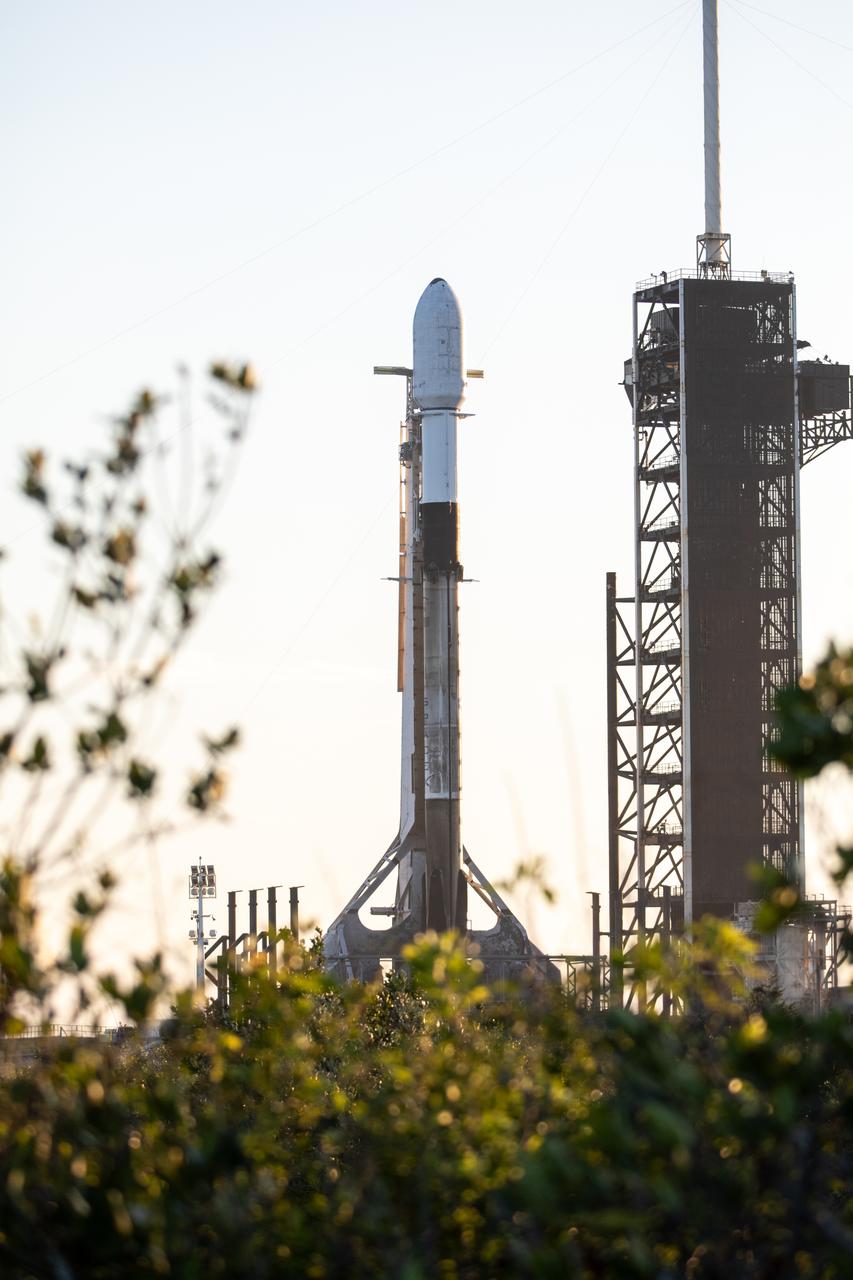
A SpaceX Falcon 9 rocket carrying Firefly Aerospace’s Blue Ghost Mission One lander prepares for a launch to the Moon on Tuesday, Jan. 14, 2025 from Launch Complex 39A at the agency’s Kennedy Space Center in Florida as part of NASA’s CLPS (Commercial Lunar Payload Services) initiative. The Blue Ghost lander will carry 10 NASA science and technology instruments to the lunar surface to further understand the Moon and help prepare for future human missions. Liftoff is targeted for 1:11 a.m. EST.
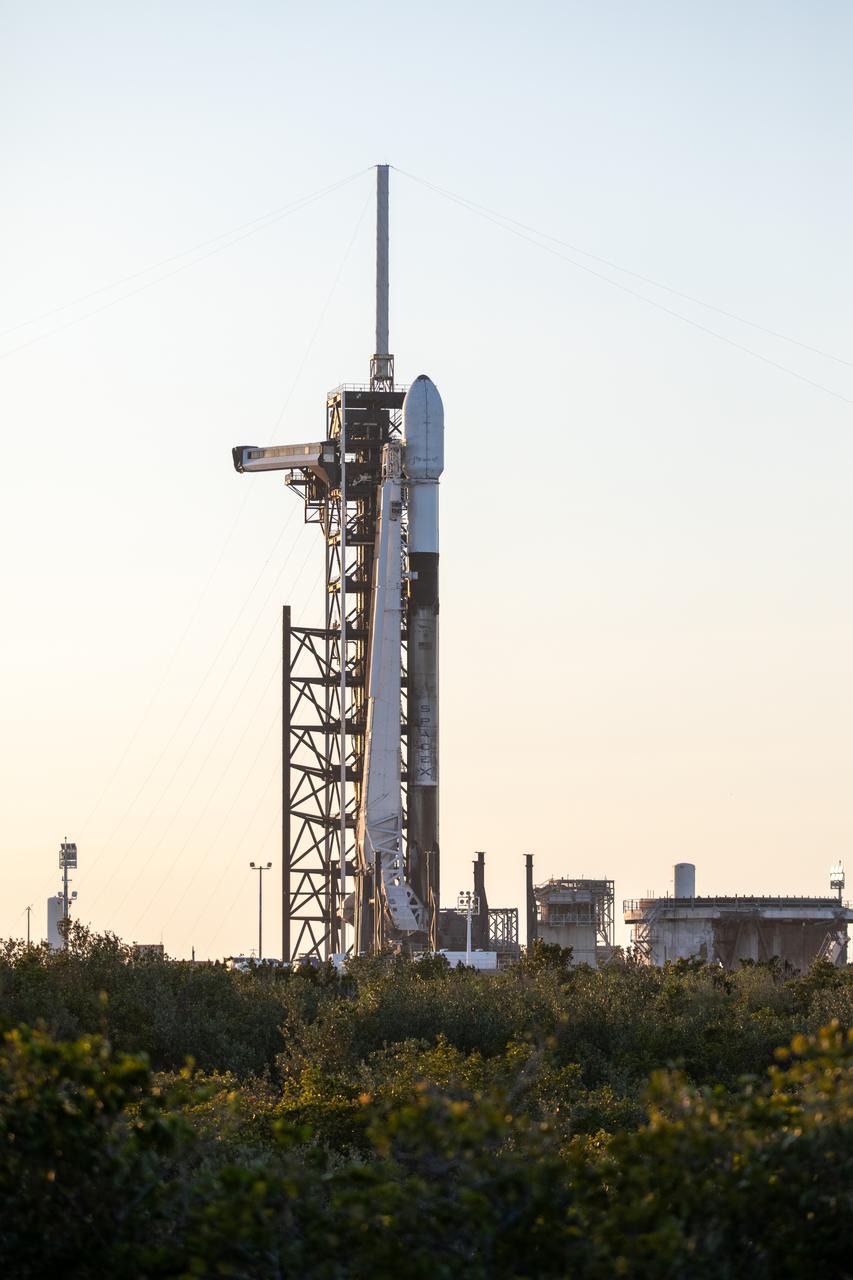
A SpaceX Falcon 9 rocket carrying Firefly Aerospace’s Blue Ghost Mission One lander prepares for a launch to the Moon on Tuesday, Jan. 14, 2025 from Launch Complex 39A at the agency’s Kennedy Space Center in Florida as part of NASA’s CLPS (Commercial Lunar Payload Services) initiative. The Blue Ghost lander will carry 10 NASA science and technology instruments to the lunar surface to further understand the Moon and help prepare for future human missions. Liftoff is targeted for 1:11 a.m. EST.
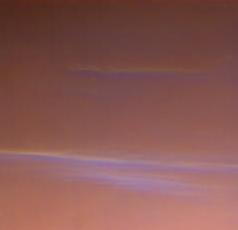
Wispy Blue Clouds Over Mars
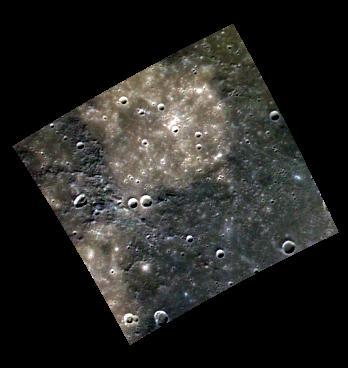
Have You Ever had it Blue?
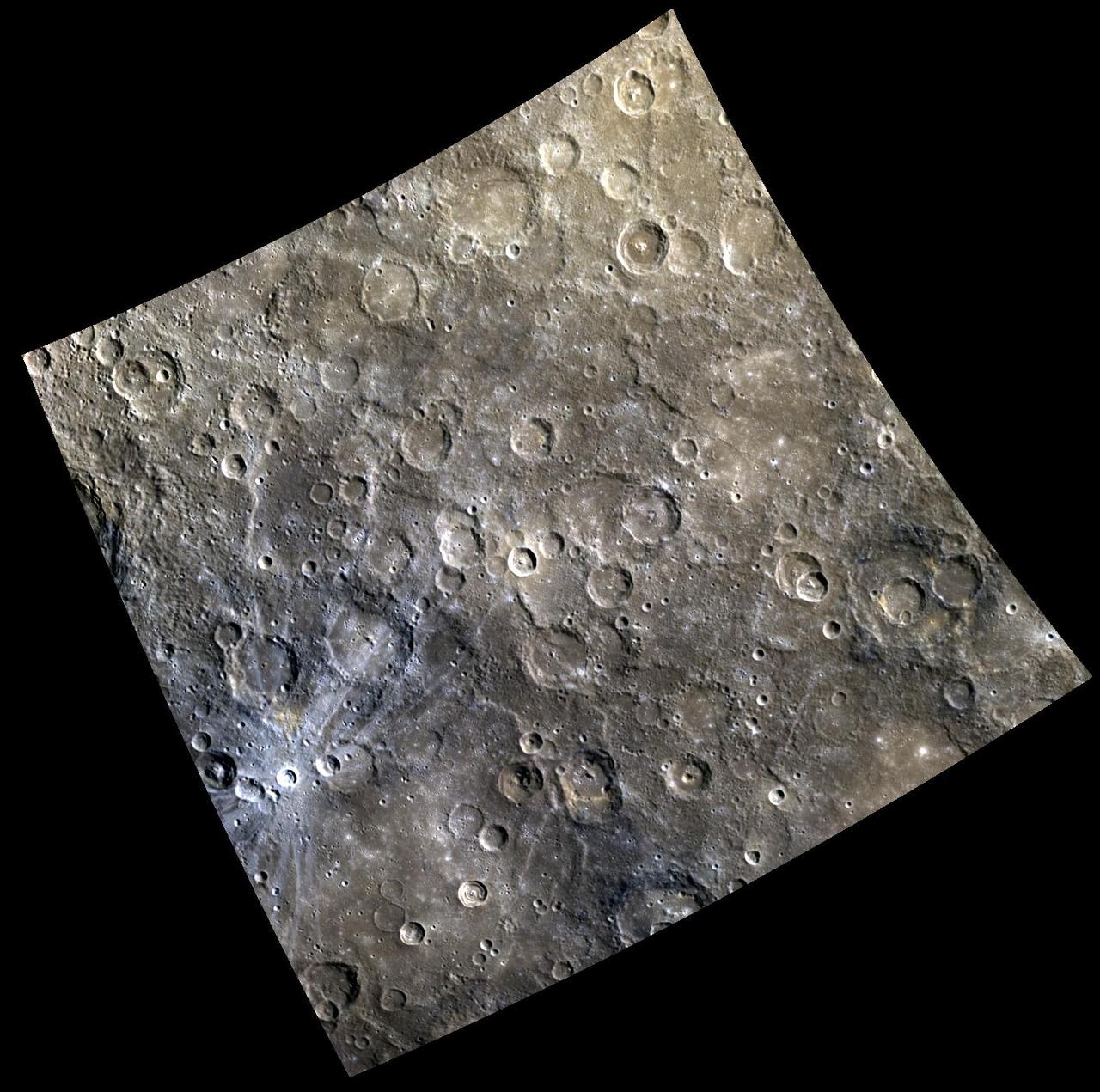
It All Over Now, Baby Blue
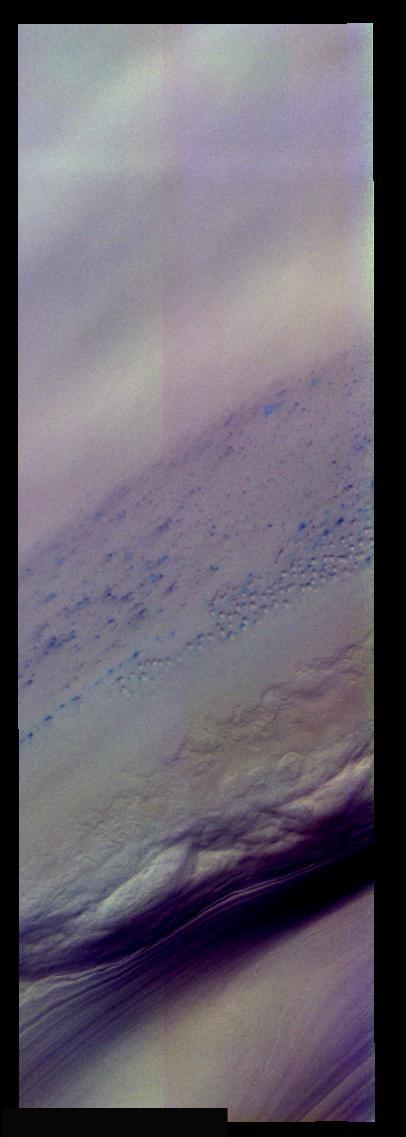
Blue Polar Dunes In False Color

February 2, 2012 <b>Go here to view an image that explains how composite images like these are created: <a href="http://www.flickr.com/photos/gsfc/6803619953">www.flickr.com/photos/gsfc/6803619953</a></b> Responding to public demand, NASA scientists created a companion image to the wildly popular 'Blue Marble' released last week (January 25, 2012). <a href="http://www.flickr.com/photos/gsfc/6760135001">www.flickr.com/photos/gsfc/6760135001</a> The new image is a composite of six separate orbits taken on January 23, 2012 by the Suomi National Polar-orbiting Partnership satellite. Both of these new 'Blue Marble' images are images taken by a new instrument flying aboard Suomi NPP, the Visible Infrared Imaging Radiometer Suite (VIIRS). Compiled by NASA Goddard scientist Norman Kuring, this image has the perspective of a viewer looking down from 7,918 miles (about 12,742 kilometers) above the Earth's surface from a viewpoint of 10 degrees South by 45 degrees East. The four vertical lines of 'haze' visible in this image shows the reflection of sunlight off the ocean, or 'glint,' that VIIRS captured as it orbited the globe. Suomi NPP is the result of a partnership between NASA, NOAA and the Department of Defense. Credit: NASA/NOAA For more information about Suomi NPP go to: <a href="http://www.nasa.gov/npp" rel="nofollow">www.nasa.gov/npp</a> <b><a href="http://www.nasa.gov/audience/formedia/features/MP_Photo_Guidelines.html" rel="nofollow">NASA image use policy.</a></b> <b><a href="http://www.nasa.gov/centers/goddard/home/index.html" rel="nofollow">NASA Goddard Space Flight Center</a></b> enables NASA’s mission through four scientific endeavors: Earth Science, Heliophysics, Solar System Exploration, and Astrophysics. Goddard plays a leading role in NASA’s accomplishments by contributing compelling scientific knowledge to advance the Agency’s mission. <b>Follow us on <a href="http://twitter.com/NASA_GoddardPix" rel="nofollow">Twitter</a></b> <b>Like us on <a href="http://www.facebook.com/pages/Greenbelt-MD/NASA-Goddard/395013845897?ref=tsd" rel="nofollow">Facebook</a></b> <b>Find us on <a href="http://instagrid.me/nasagoddard/?vm=grid" rel="nofollow">Instagram</a></b>

Howard University’s Afro Blue perform, Wednesday, April 5, 2023, during the “Our Blue Planet” concert at the John F. Kennedy Center for the Performing Arts in Washington. Jeannie Schulz, widow of Peanuts gang creator Charles M. Schulz, was awarded a NASA Exceptional Achievement Medal by NASA Administrator Bill Nelson at the concert. Snoopy rode along as the zero gravity indicator on NASA’s Artemis I mission as part of a partnership with the agency and continues to help NASA inspire kids of all ages to follow along with Artemis missions. Photo Credit: (NASA/Joel Kowsky)
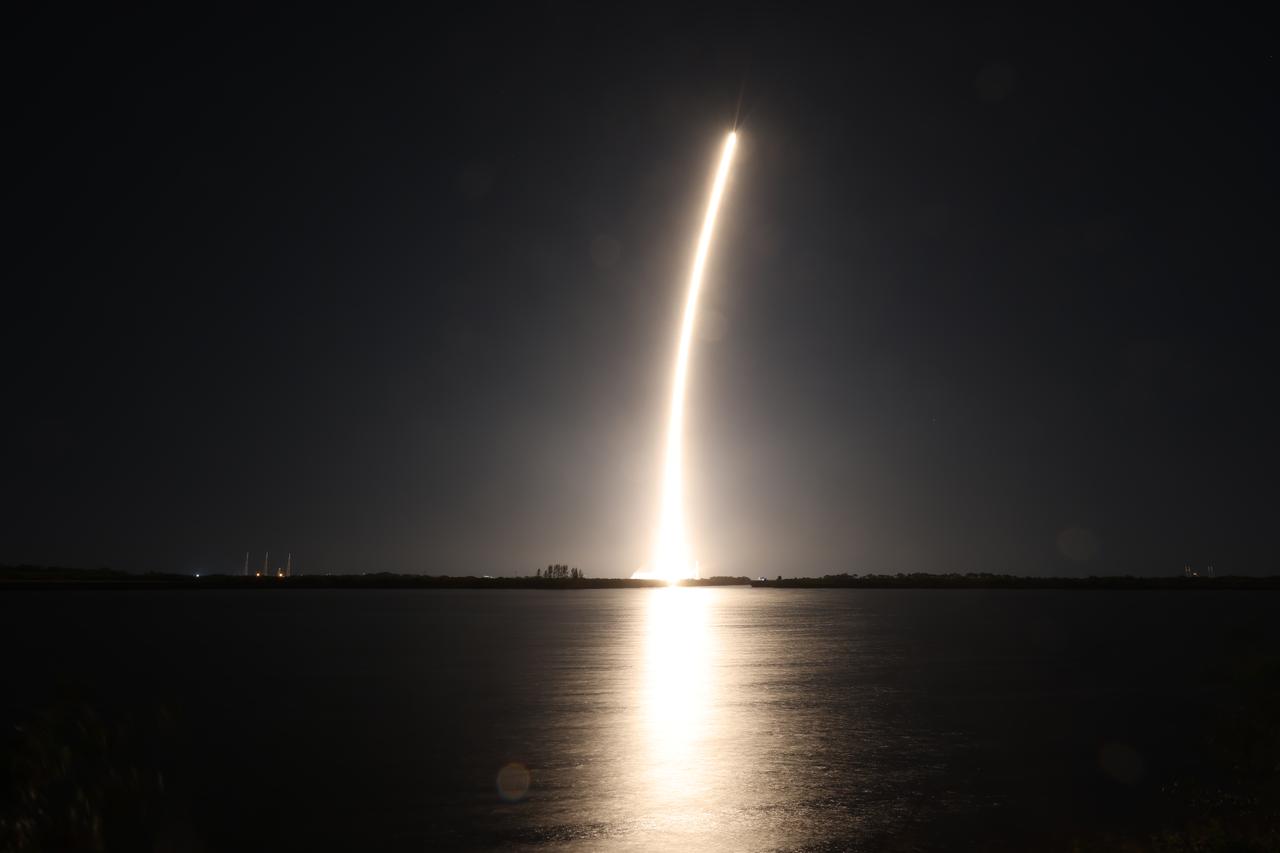
Creating a golden streak in the night sky, a SpaceX Falcon 9 rocket carrying Firefly Aerospace’s Blue Ghost Mission One lander soars upward after liftoff from Launch Complex 39A at NASA’s Kennedy Space Center in Florida on Wednesday, Jan. 15, 2025 as part of NASA’s CLPS (Commercial Lunar Payload Services) initiative. The Blue Ghost lander will carry 10 NASA science and technology instruments to the lunar surface to further understand the Moon and help prepare for future human missions.
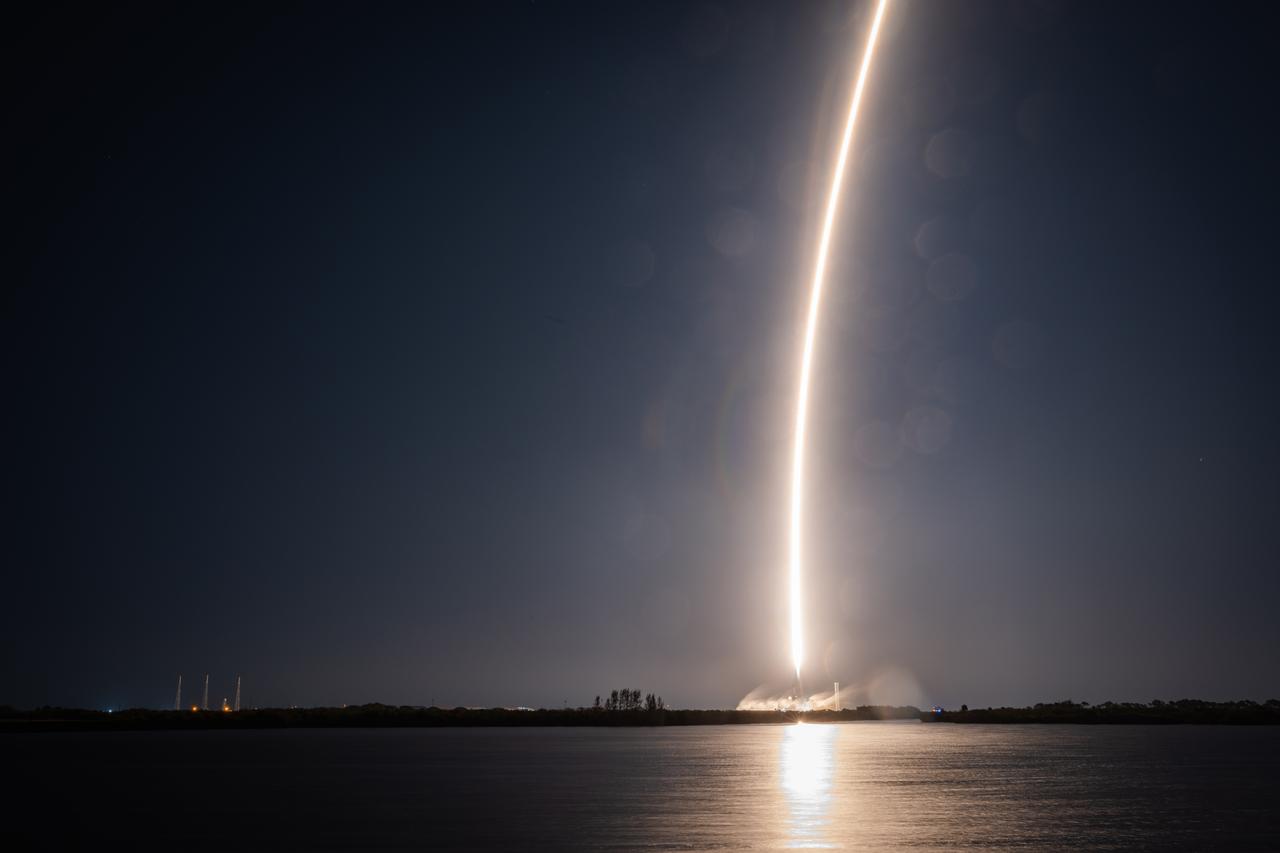
Creating a golden streak in the night sky, a SpaceX Falcon 9 rocket carrying Firefly Aerospace’s Blue Ghost Mission One lander soars upward after liftoff from Launch Complex 39A at NASA’s Kennedy Space Center in Florida on Wednesday, Jan. 15, 2025 as part of NASA’s CLPS (Commercial Lunar Payload Services) initiative. The Blue Ghost lander will carry 10 NASA science and technology instruments to the lunar surface to further understand the Moon and help prepare for future human missions.
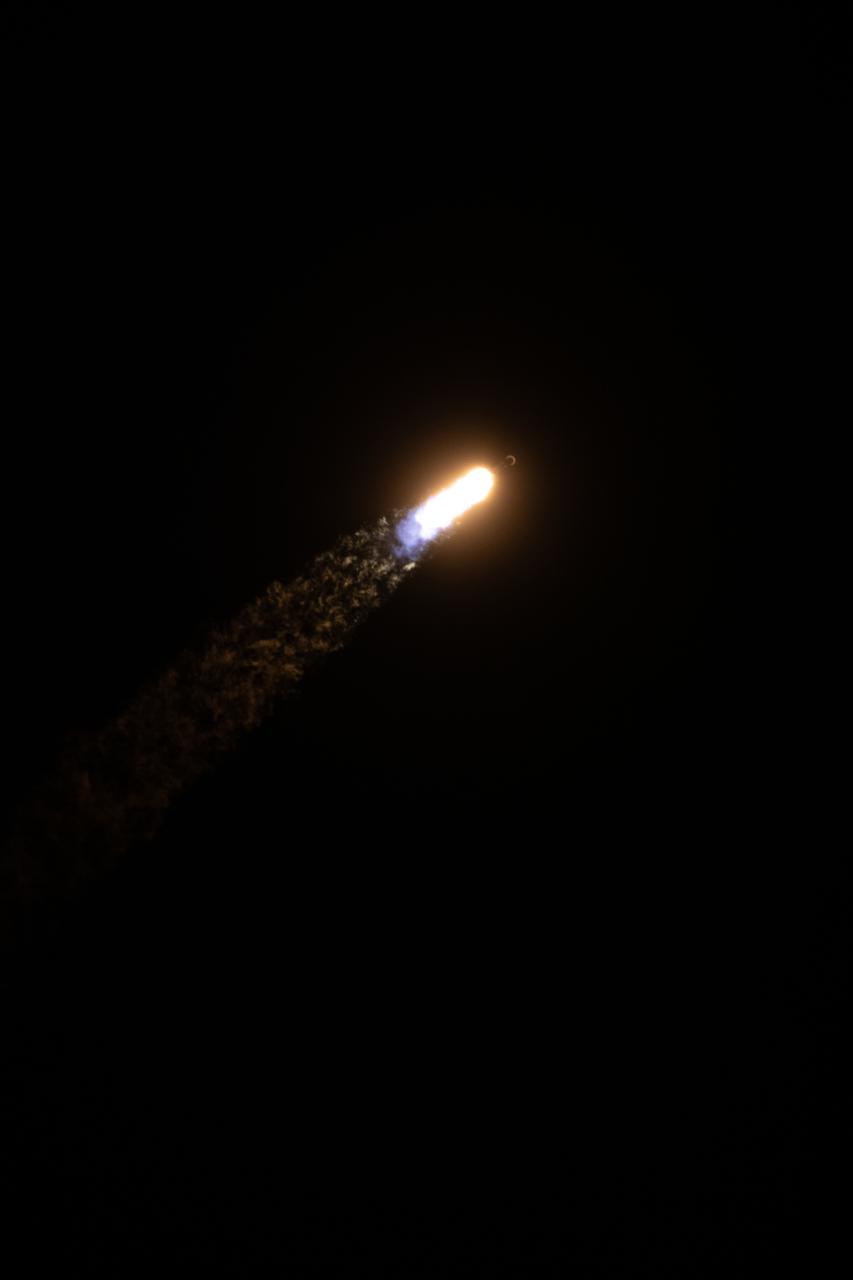
A SpaceX Falcon 9 rocket carrying Firefly Aerospace’s Blue Ghost Mission One is on its way to the Moon as part of NASA’s CLPS (Commercial Lunar Payload Services) initiative. The Blue Ghost lander launched from Launch Complex 39A at NASA’s Kennedy Space Center in Florida on Wednesday, Jan. 15, 2025 carrying 10 NASA science and technology instruments to the lunar surface to further understand the Moon and help prepare for future human missions.

Creating a golden streak in the night sky, a SpaceX Falcon 9 rocket carrying Firefly Aerospace’s Blue Ghost Mission One lander soars upward after liftoff from Launch Complex 39A at NASA’s Kennedy Space Center in Florida on Wednesday, Jan. 15, 2025 as part of NASA’s CLPS (Commercial Lunar Payload Services) initiative. The Blue Ghost lander will carry 10 NASA science and technology instruments to the lunar surface to further understand the Moon and help prepare for future human missions.
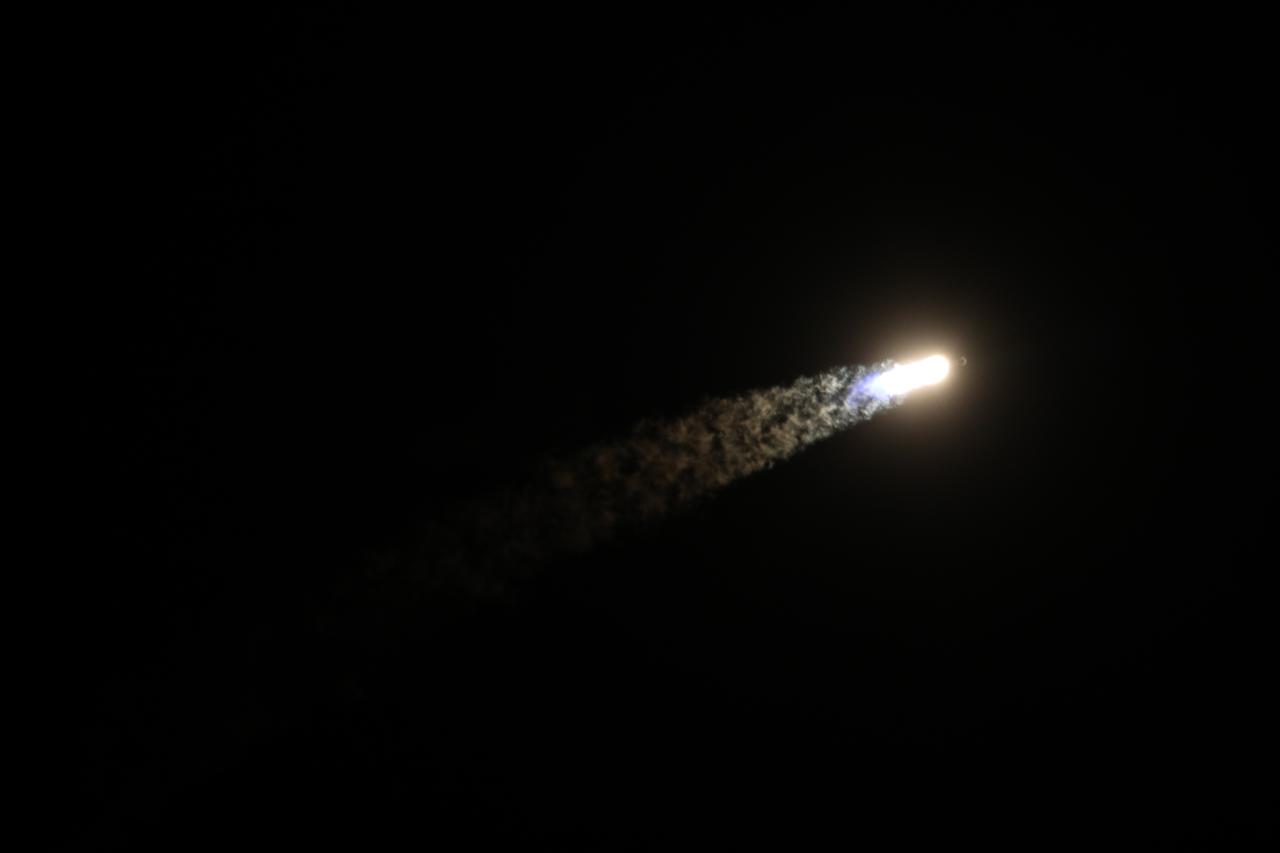
A SpaceX Falcon 9 rocket carrying Firefly Aerospace’s Blue Ghost Mission One is on its way to the Moon as part of NASA’s CLPS (Commercial Lunar Payload Services) initiative. The Blue Ghost lander launched from Launch Complex 39A at NASA’s Kennedy Space Center in Florida on Wednesday, Jan. 15, 2025 carrying 10 NASA science and technology instruments to the lunar surface to further understand the Moon and help prepare for future human missions.
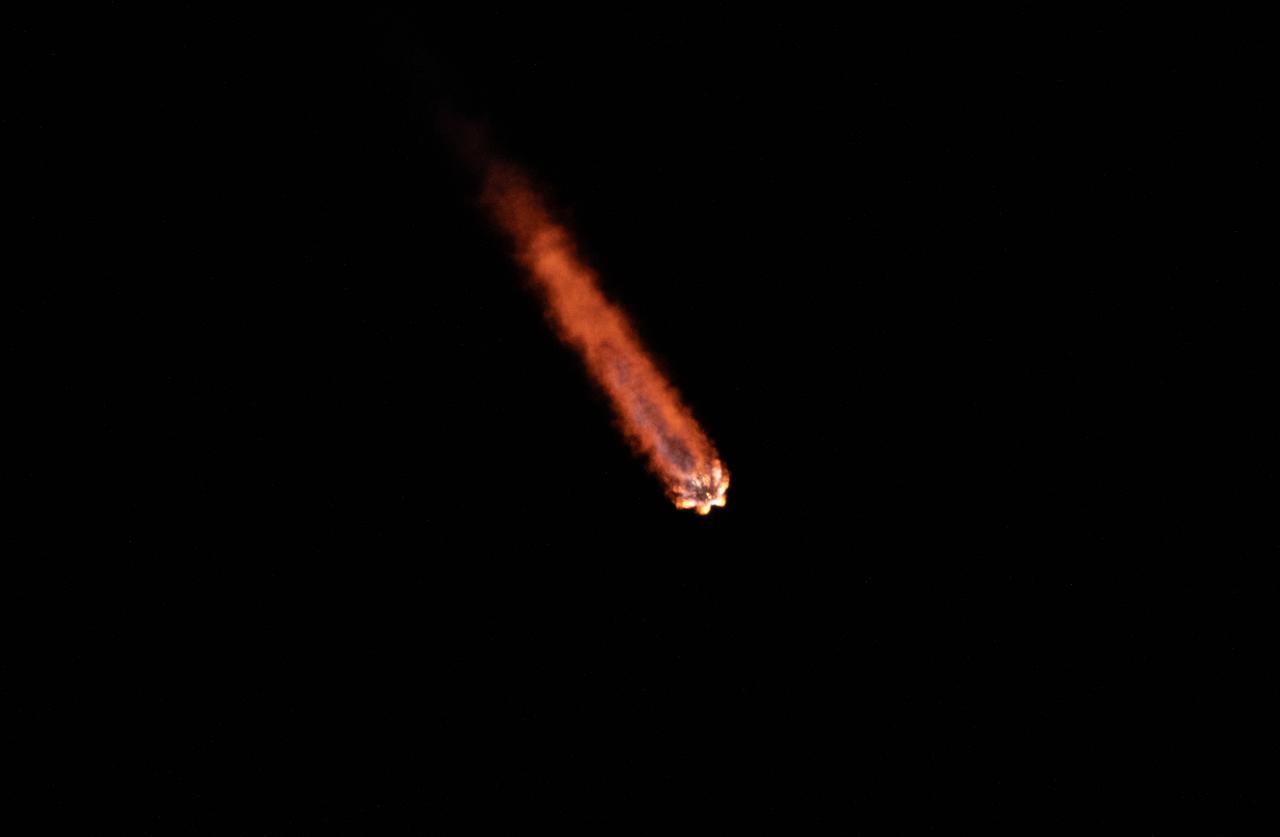
A SpaceX Falcon 9 rocket carrying Firefly Aerospace’s Blue Ghost Mission One is on its way to the Moon as part of NASA’s CLPS (Commercial Lunar Payload Services) initiative. The Blue Ghost lander launched from Launch Complex 39A at NASA’s Kennedy Space Center in Florida on Wednesday, Jan. 15, 2025 carrying 10 NASA science and technology instruments to the lunar surface to further understand the Moon and help prepare for future human missions.
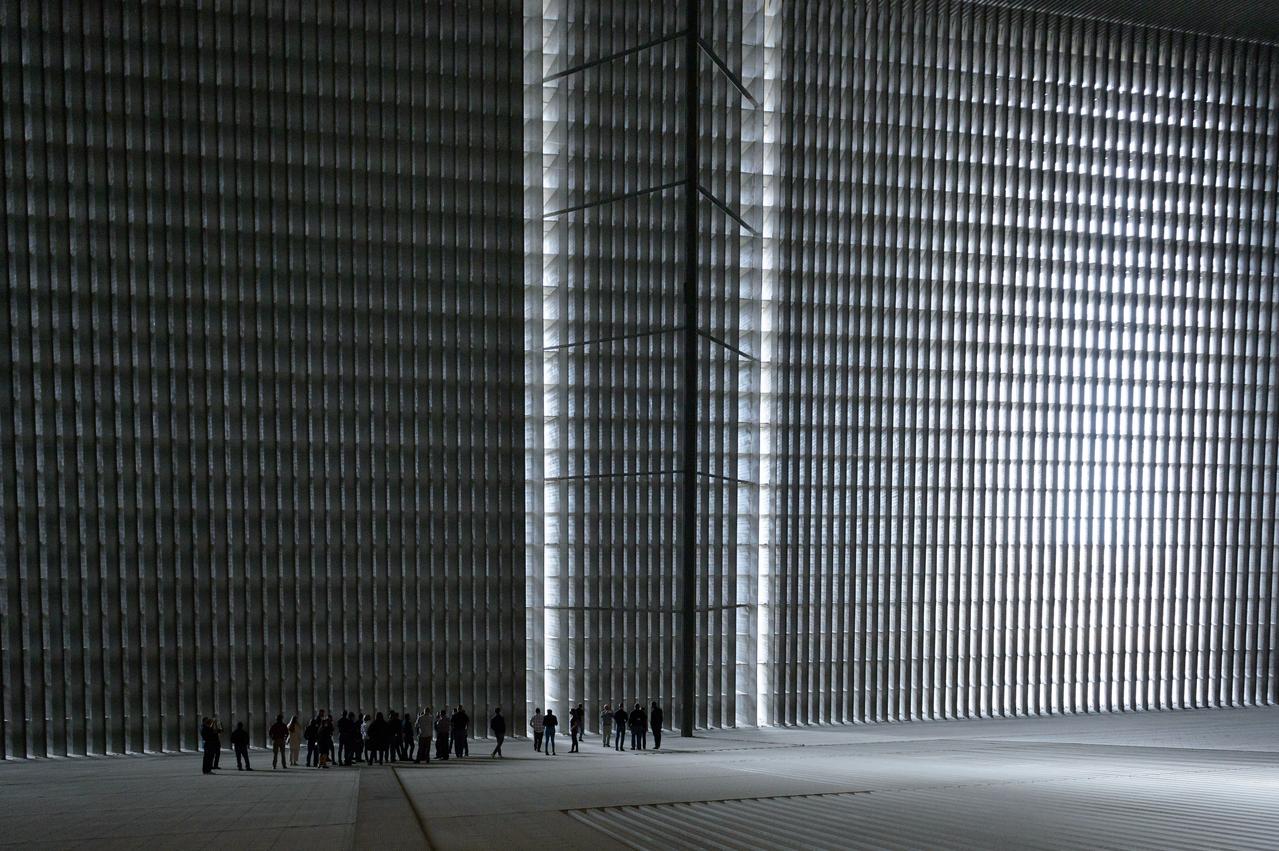
The Blue Angels crew tour the inlet of the NFAC’s 80-by-120-foot wind tunnel test section in building N221.
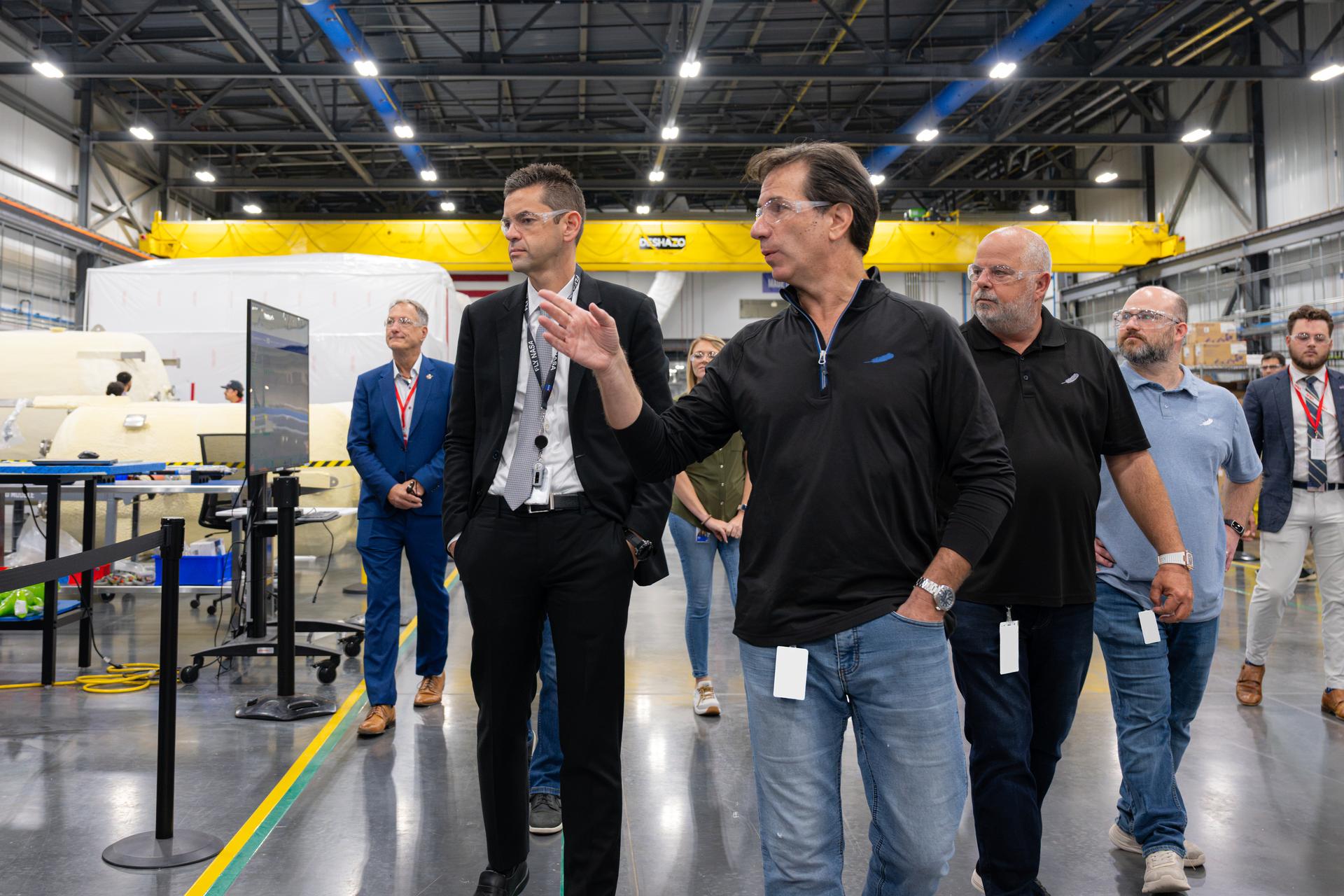
NASA Administrator Jared Isaacman tours Blue Origin's Lunar Plant 1, Friday, Aug. 14, 2026, at the company’s Rocket Park facility in Merritt Island, Fla. Photo Credit: (NASA/John Kraus)
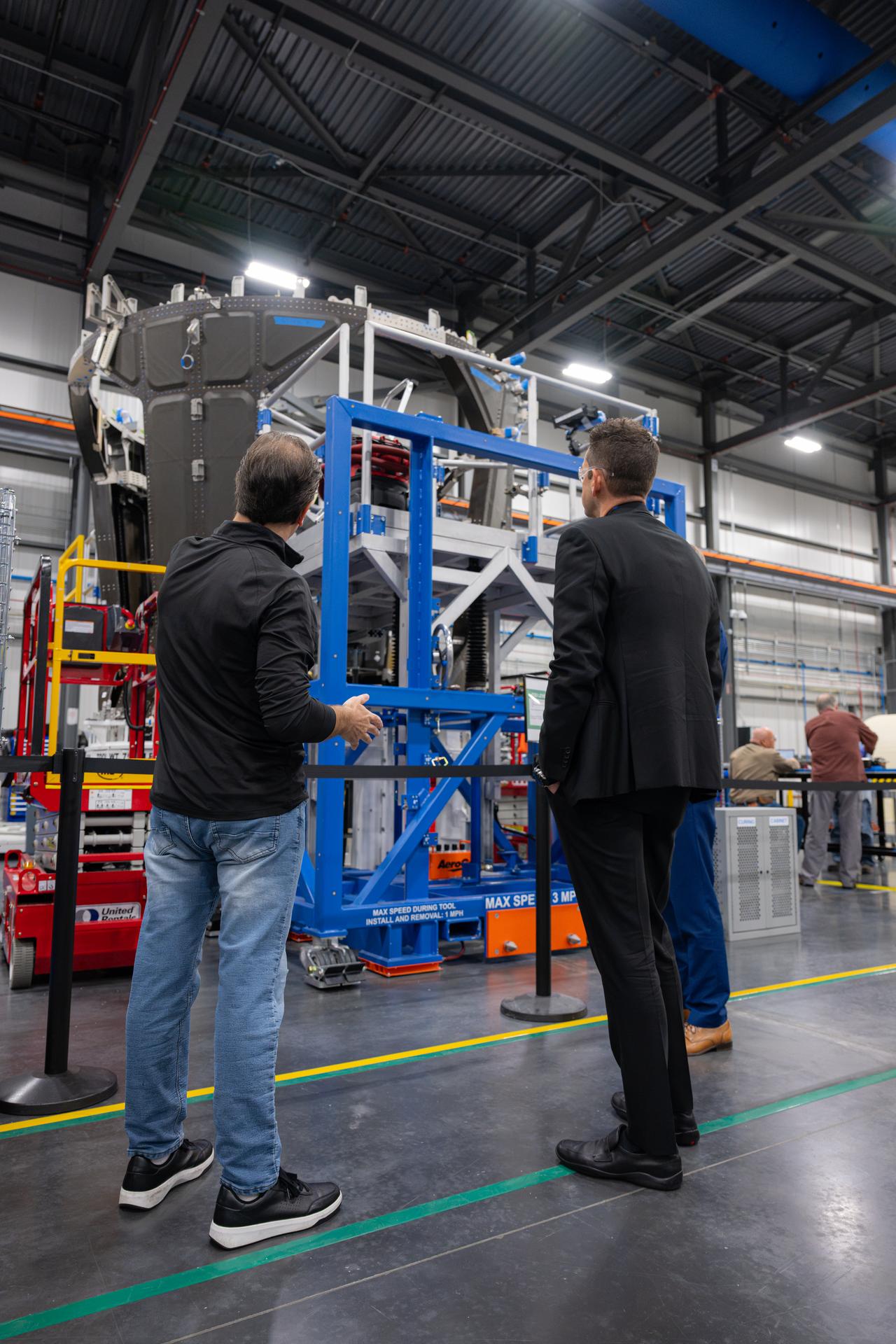
NASA Administrator Jared Isaacman tours Blue Origin's Lunar Plant 1, Friday, Aug. 14, 2026, at the company’s Rocket Park facility in Merritt Island, Fla. Photo Credit: (NASA/John Kraus)

NASA Administrator Jared Isaacman tours Blue Origin's Lunar Plant 1, Friday, Aug. 14, 2026, at the company’s Rocket Park facility in Merritt Island, Fla. Photo Credit: (NASA/John Kraus)
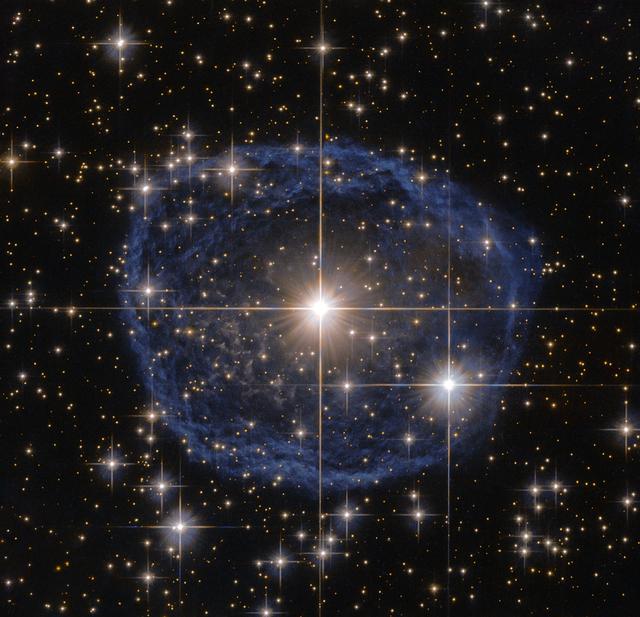
Sparkling at the centre of this beautiful NASA/ESA Hubble Space Telescope image is a Wolf–Rayet star known as WR 31a, located about 30 000 light-years away in the constellation of Carina (The Keel). The distinctive blue bubble appearing to encircle WR 31a, and its uncatalogued stellar sidekick, is a Wolf–Rayet nebula — an interstellar cloud of dust, hydrogen, helium and other gases. Created when speedy stellar winds interact with the outer layers of hydrogen ejected by Wolf–Rayet stars, these nebulae are frequently ring-shaped or spherical. The bubble — estimated to have formed around 20 000 years ago — is expanding at a rate of around 220 000 kilometres per hour! Unfortunately, the lifecycle of a Wolf–Rayet star is only a few hundred thousand years — the blink of an eye in cosmic terms. Despite beginning life with a mass at least 20 times that of the Sun, Wolf–Rayet stars typically lose half their mass in less than 100 000 years. And WR 31a is no exception to this case. It will, therefore, eventually end its life as a spectacular supernova, and the stellar material expelled from its explosion will later nourish a new generation of stars and planets.
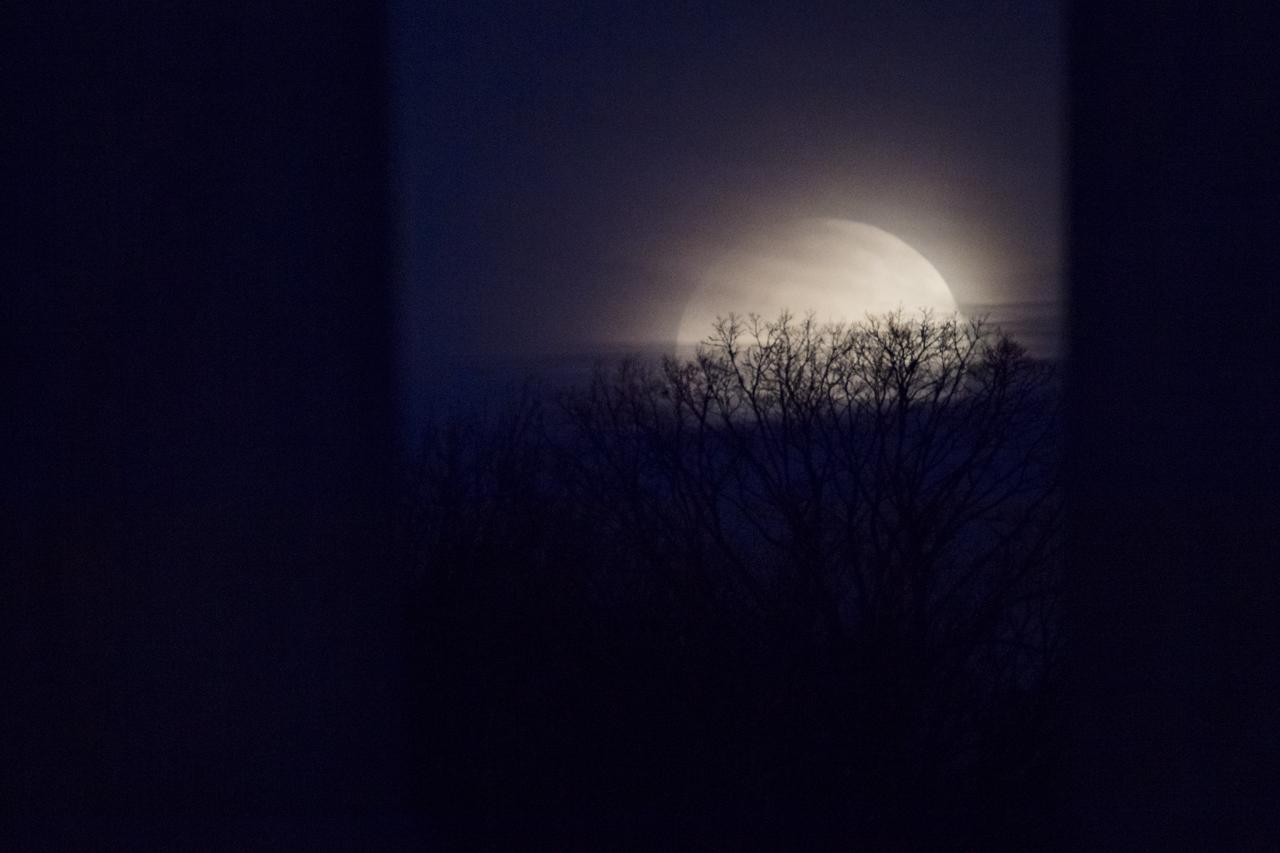
The Moon is seen as it sets behind the National Capitol Columns at The US National Arboretum on Wednesday, Jan. 31, 2018 in Washington. Today’s full Moon is unique for three reasons: it is the third in a series of supermoons, occurring when the Moon is closer to Earth in its orbit. It is also the second full moon of the month, commonly known as a blue moon. The moon will also be passing through Earth’s shadow, giving skywatchers in the right locations a view of a total lunar eclipse. Photo Credit: (NASA/Aubrey Gemignani)
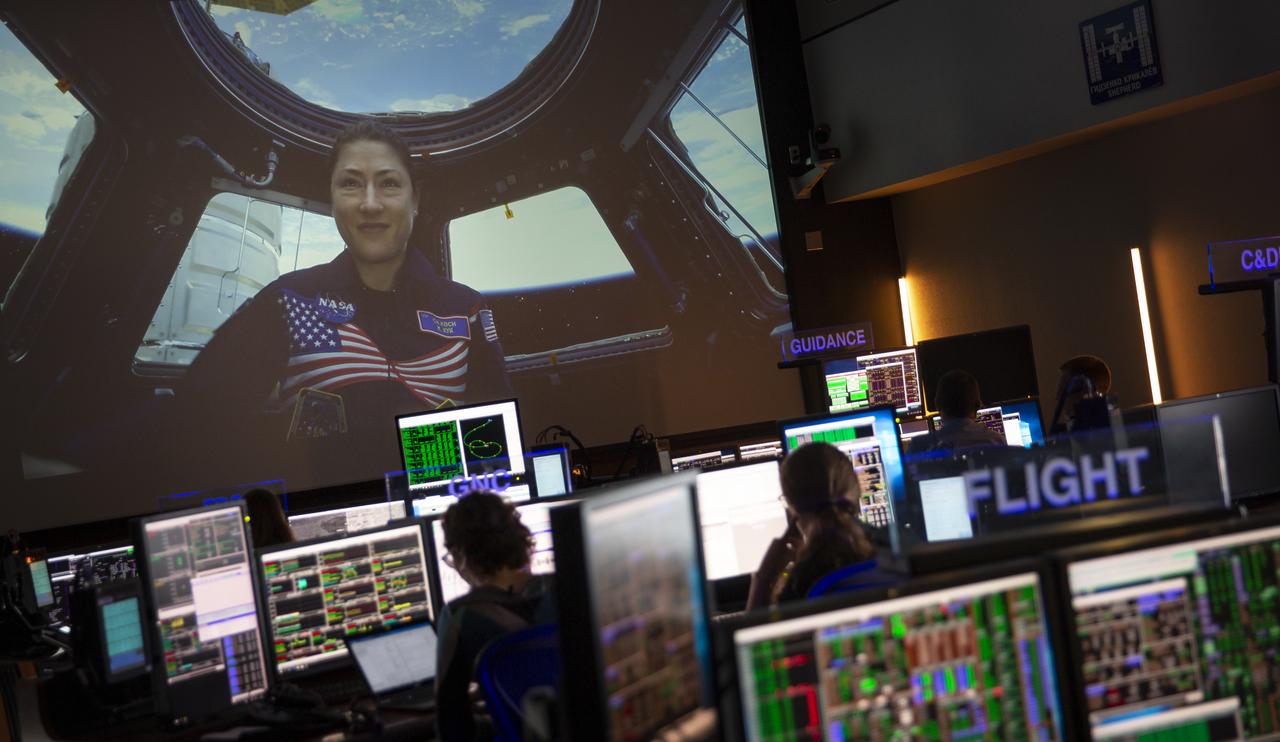
NASA astronaut Christina Koch is seen onboard the International Space Station from the Blue Flight Control Room, Tuesday, July 9, 2019 at NASA's Johnson Space Center in Houston, Texas. Photo Credit: (NASA/Bill Ingalls)

A supermoon rises over Huntsville, Alabama, home to NASA’s Marshall Space Flight Center, Aug. 19. Visible through Wednesday, Aug. 21, the full Moon is both a supermoon and a Blue Moon. Supermoons are the biggest and brightest full Moons of the year because the Moon is within 90% of its closest point to Earth. While not blue in color, the third full Moon in a season with four full Moons is called a “Blue Moon.” Huntsville is known as the “Rocket City” because of its proximity to NASA Marshall, which manages vital propulsion systems and hardware, launch vehicles, engineering technologies, and cutting-edge science for the agency.

A supermoon rises over Huntsville, Alabama, home to NASA’s Marshall Space Flight Center, Aug. 19. Visible through Wednesday, Aug. 21, the full Moon is both a supermoon and a Blue Moon. Supermoons are the biggest and brightest full Moons of the year because the Moon is within 90% of its closest point to Earth. While not blue in color, the third full Moon in a season with four full Moons is called a “Blue Moon.” Huntsville is known as the “Rocket City” because of its proximity to NASA Marshall, which manages vital propulsion systems and hardware, launch vehicles, engineering technologies, and cutting-edge science for the agency.

A supermoon rises over Huntsville, Alabama, home to NASA’s Marshall Space Flight Center, Aug. 19. Visible through Wednesday, Aug. 21, the full Moon is both a supermoon and a Blue Moon. Supermoons are the biggest and brightest full Moons of the year because the Moon is within 90% of its closest point to Earth. While not blue in color, the third full Moon in a season with four full Moons is called a “Blue Moon.” Huntsville is known as the “Rocket City” because of its proximity to NASA Marshall, which manages vital propulsion systems and hardware, launch vehicles, engineering technologies, and cutting-edge science for the agency.
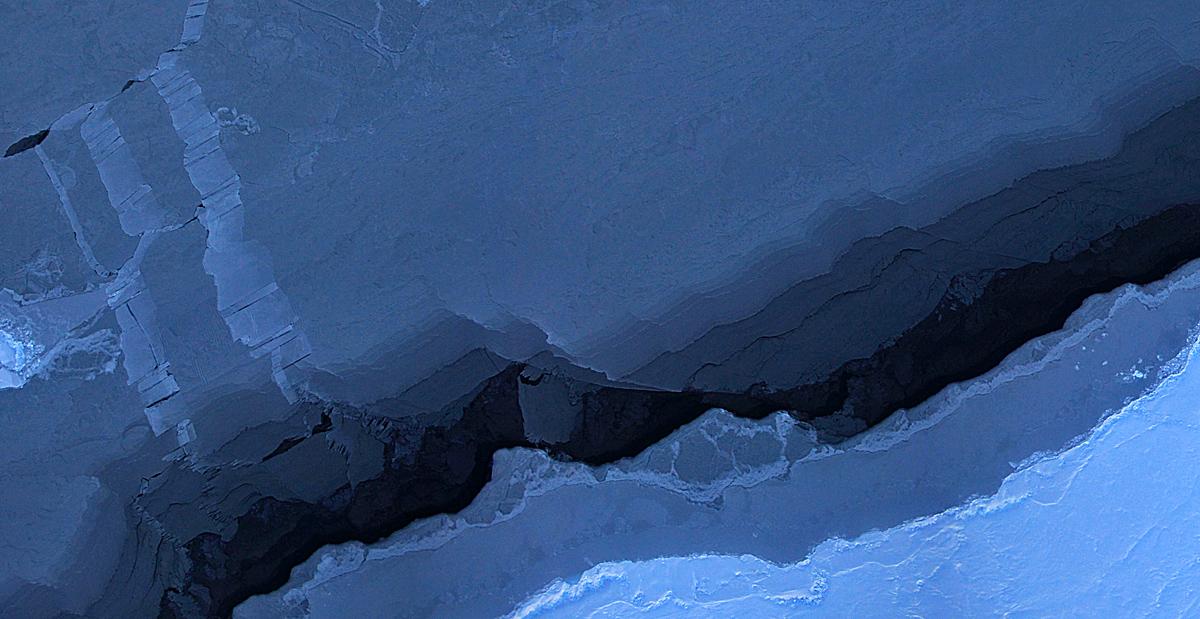
Mosaic image of sea ice in the Beaufort Sea created by the Digital Mapping System (DMS) instrument aboard the IceBridge P-3B. The dark area in the middle of the image is open water seen through a lead, or opening, in the ice. Light blue areas are thick sea ice and dark blue areas are thinner ice formed as water in the lead refreezes. Leads are formed when cracks develop in sea ice as it moves in response to wind and ocean currents. DMS uses a modified digital SLR camera that points down through a window in the underside of the plane, capturing roughly one frame per second. These images are then combined into an image mosaic using specialized computer software. Credit: NASA/DMS <b><a href="http://www.nasa.gov/audience/formedia/features/MP_Photo_Guidelines.html" rel="nofollow">NASA image use policy.</a></b> <b><a href="http://www.nasa.gov/centers/goddard/home/index.html" rel="nofollow">NASA Goddard Space Flight Center</a></b> enables NASA’s mission through four scientific endeavors: Earth Science, Heliophysics, Solar System Exploration, and Astrophysics. Goddard plays a leading role in NASA’s accomplishments by contributing compelling scientific knowledge to advance the Agency’s mission. <b>Follow us on <a href="http://twitter.com/NASA_GoddardPix" rel="nofollow">Twitter</a></b> <b>Like us on <a href="http://www.facebook.com/pages/Greenbelt-MD/NASA-Goddard/395013845897?ref=tsd" rel="nofollow">Facebook</a></b> <b>Find us on <a href="http://instagram.com/nasagoddard?vm=grid" rel="nofollow">Instagram</a></b>
Debussy red, Debussy green, Debussy blue
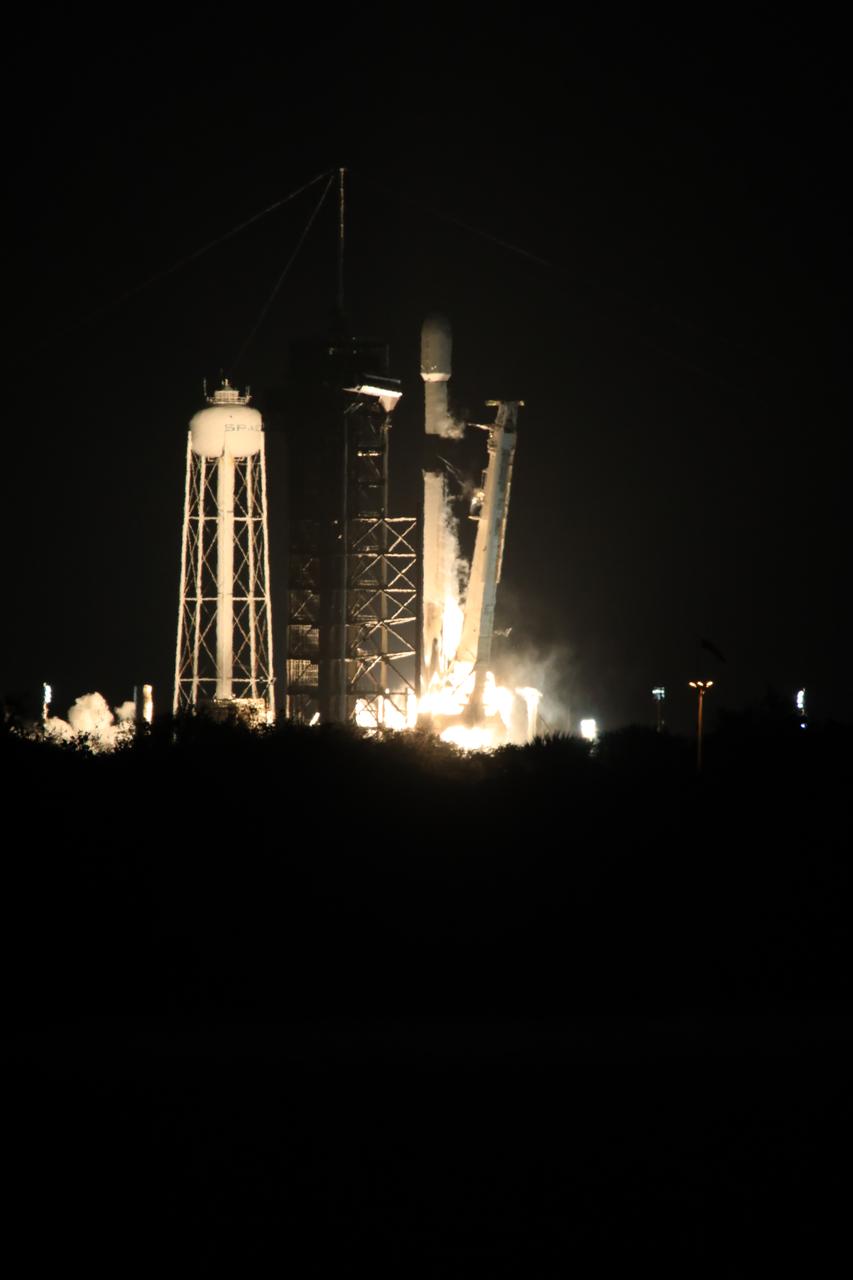
The Blue Ghost lander, part of NASA’s CLPS (Commercial Lunar Payload Services) initiative, lifts off atop a SpaceX Falcon 9 rocket on Wednesday, Jan. 15, 2025 from Launch Complex 39A at NASA’s Kennedy Space Center in Florida on a journey to the Moon. The Firefly Aerospace lander, carrying 10 NASA science and technology instruments, will help to further understand the Moon and help prepare for future human missions.
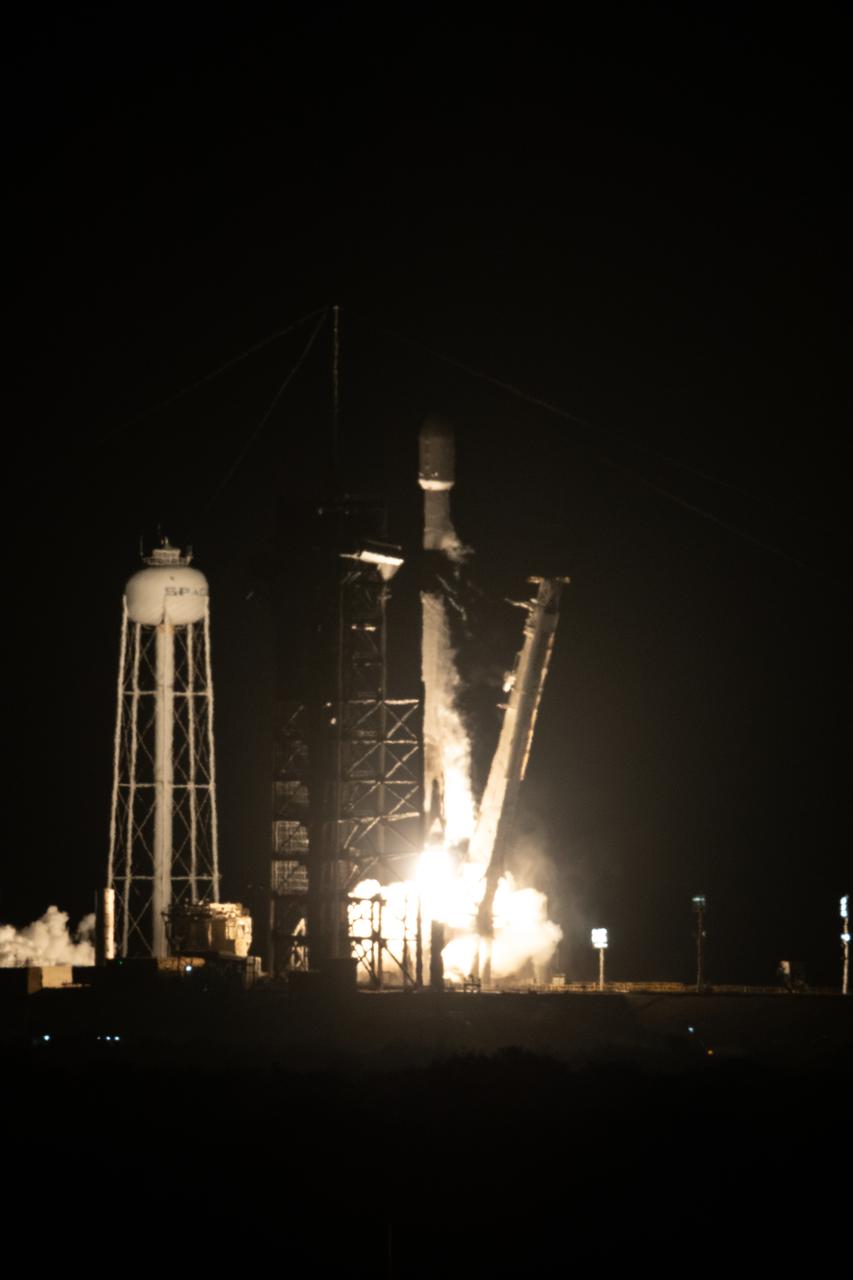
The Blue Ghost lander, part of NASA’s CLPS (Commercial Lunar Payload Services) initiative, lifts off atop a SpaceX Falcon 9 rocket on Wednesday, Jan. 15, 2025 from Launch Complex 39A at NASA’s Kennedy Space Center in Florida on a journey to the Moon. The Firefly Aerospace lander, carrying 10 NASA science and technology instruments, will help to further understand the Moon and help prepare for future human missions.
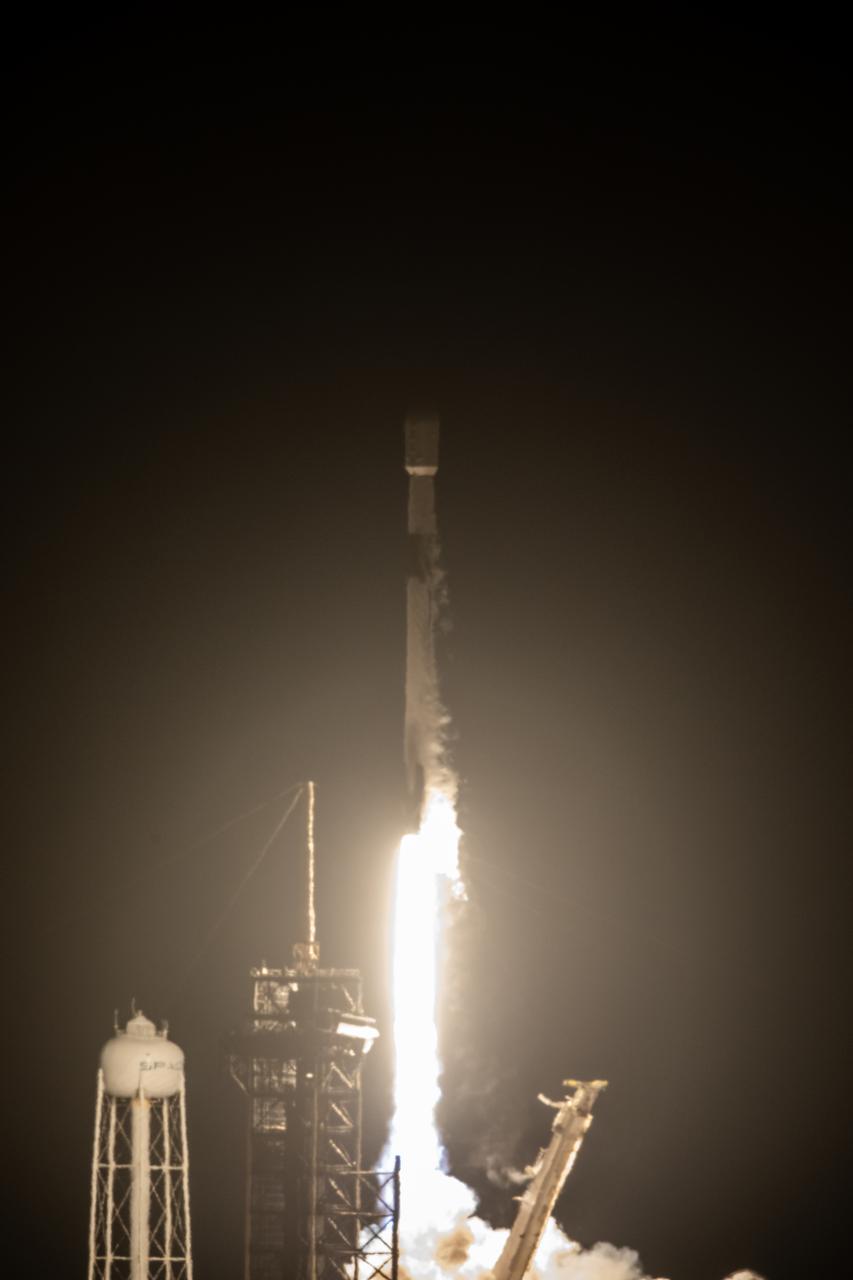
The Blue Ghost lander, part of NASA’s CLPS (Commercial Lunar Payload Services) initiative, lifts off atop a SpaceX Falcon 9 rocket on Wednesday, Jan. 15, 2025 from Launch Complex 39A at NASA’s Kennedy Space Center in Florida on a journey to the Moon. The Firefly Aerospace lander, carrying 10 NASA science and technology instruments, will help to further understand the Moon and help prepare for future human missions.
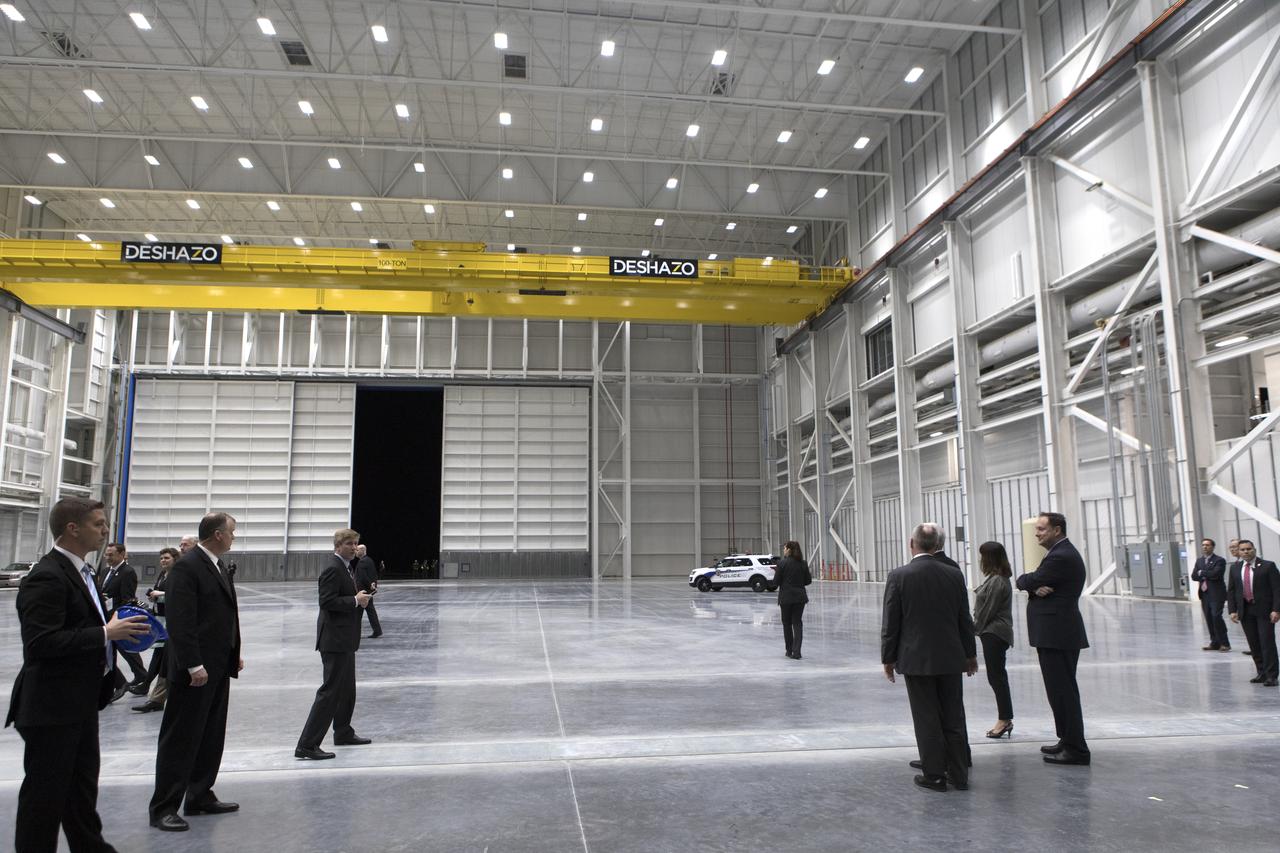
Vice President Mike Pence, hidden at right, tours the Blue Origin Manufacturing Facility near NASA's Kennedy Space Center in Florida, on Feb. 20, 2018. At far right is the vice president's wife, Karen Pence. Behind her at right are Blue Origin CEO Robert Smith, and acting NASA Administrator Robert Lightfoot. Vice President Pence viewed the flown New Shepard Booster and Crew Capsule. The booster was the first launch vehicle with a successful vertical takeoff and vertical landing to demonstrate reusability. During his visit, Pence will chair a meeting of the National Space Council on Feb. 21, 2018 in the high bay of NASA Kennedy Space Center's Space Station Processing Facility. The council's role is to advise the president regarding national space policy and strategy, and review the nation's long-range goals for space activities.
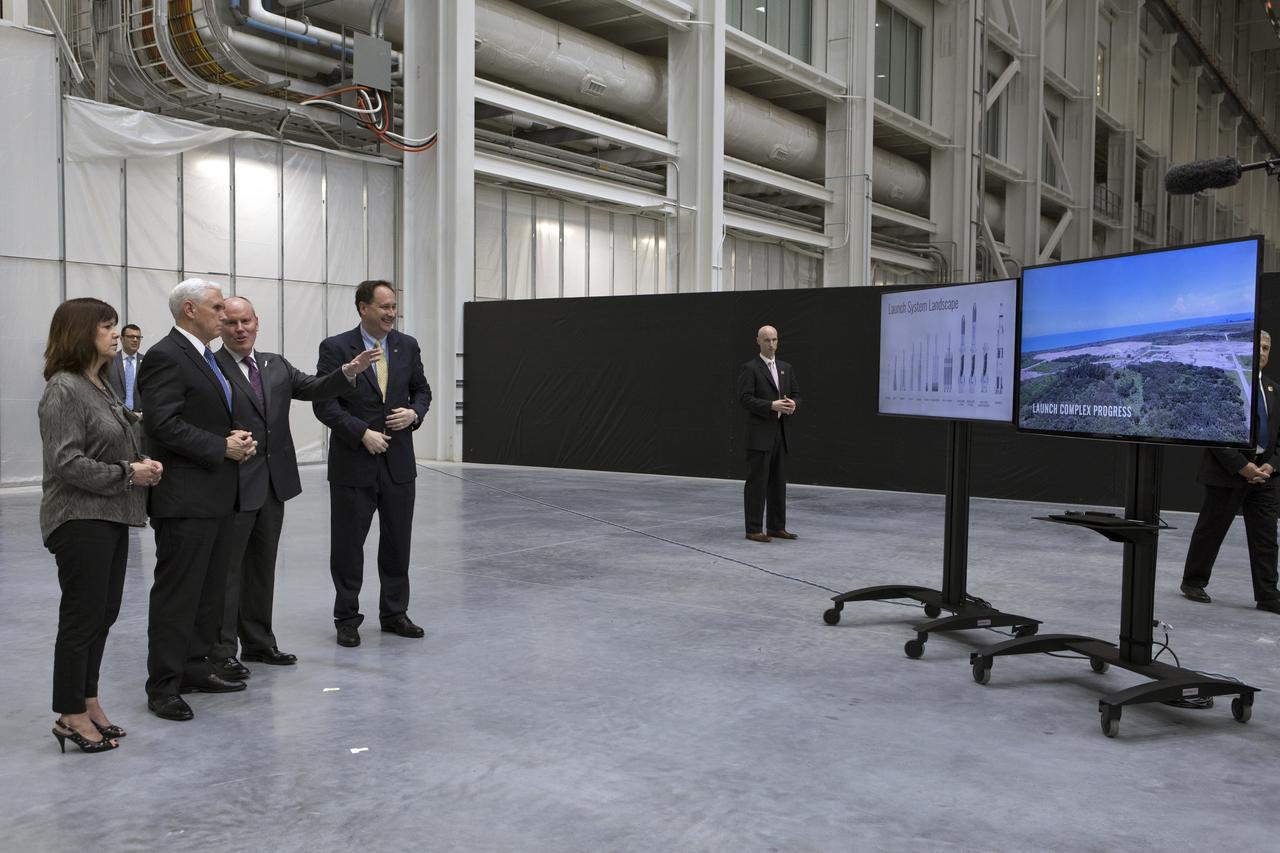
Vice President Mike Pence, second from left, tours the Blue Origin Manufacturing Facility near NASA's Kennedy Space Center in Florida, on Feb. 20, 2018. At left is the vice president's wife, Karen Pence. To his right are Blue Origin CEO Robert Smith, and acting NASA Administrator Robert Lightfoot. Vice President Pence viewed the flown New Shepard Booster and Crew Capsule. The booster was the first launch vehicle with a successful vertical takeoff and vertical landing to demonstrate reusability. During his visit, Pence will chair a meeting of the National Space Council on Feb. 21, 2018 in the high bay of NASA Kennedy Space Center's Space Station Processing Facility. The council's role is to advise the president regarding national space policy and strategy, and review the nation's long-range goals for space activities.
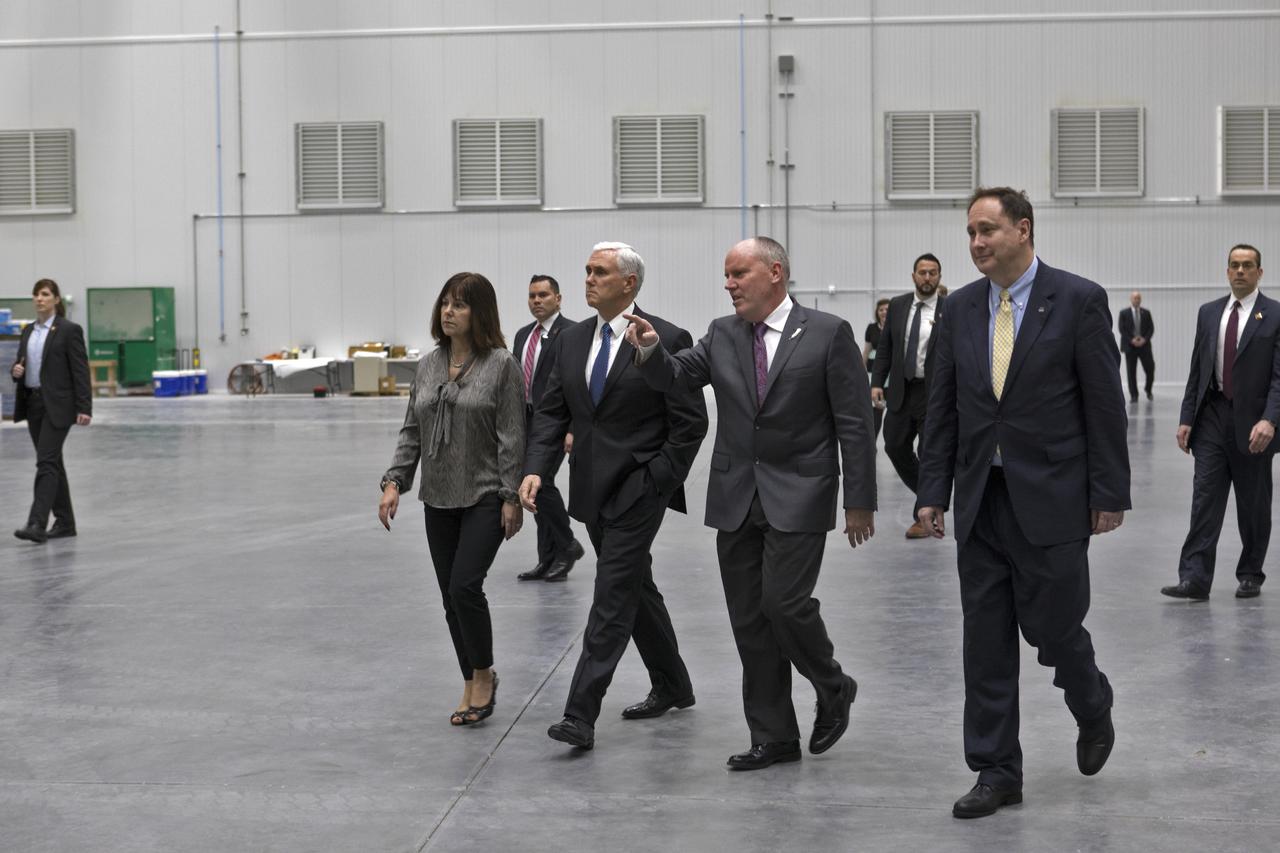
Vice President Mike Pence, second from left, tours the Blue Origin Manufacturing Facility near NASA's Kennedy Space Center in Florida, on Feb. 20, 2018. At left is the vice president's wife, Karen Pence. To his right are Blue Origin CEO Robert Smith, and acting NASA Administrator Robert Lightfoot. Vice President Pence viewed the flown New Shepard Booster and Crew Capsule. The booster was the first launch vehicle with a successful vertical takeoff and vertical landing to demonstrate reusability. During his visit, Pence will chair a meeting of the National Space Council on Feb. 21, 2018 in the high bay of NASA Kennedy Space Center's Space Station Processing Facility. The council's role is to advise the president regarding national space policy and strategy, and review the nation's long-range goals for space activities.
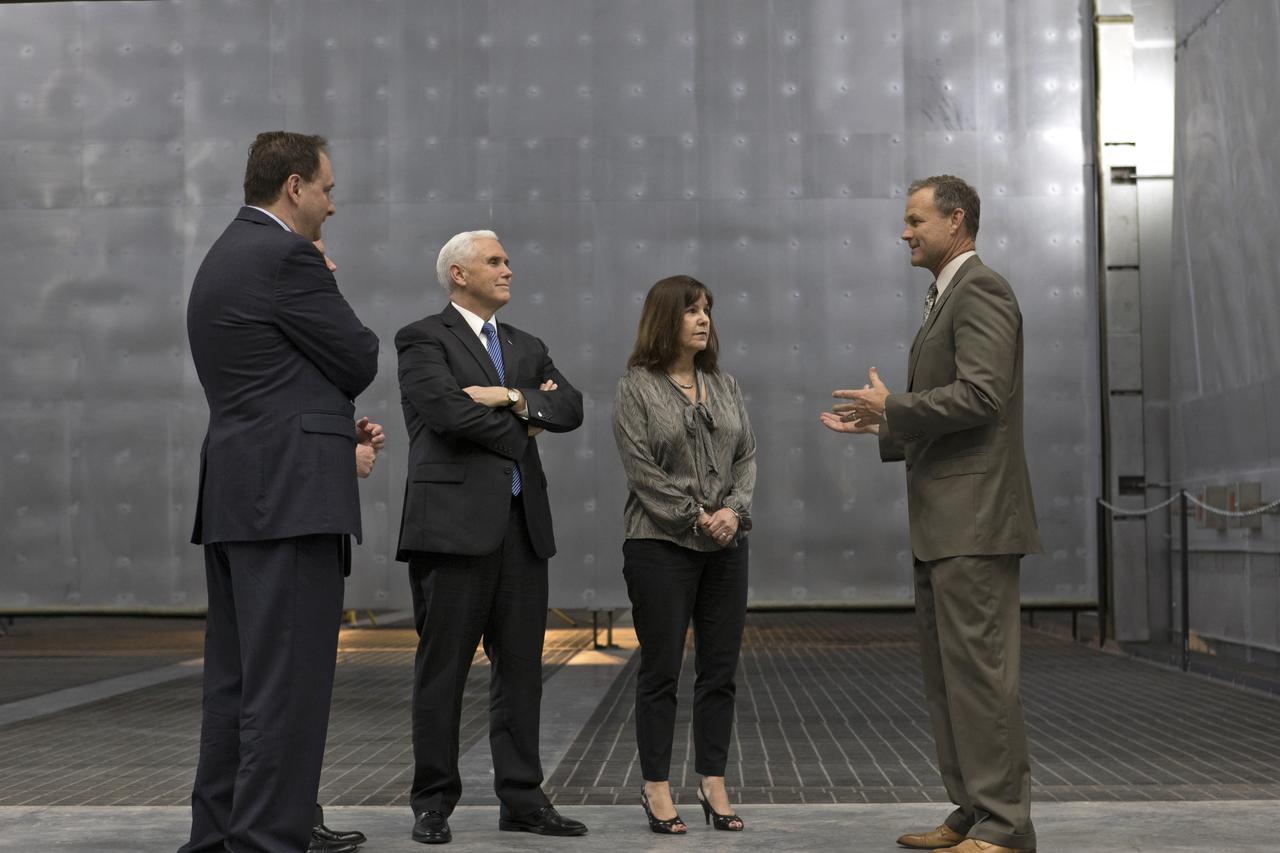
Vice President Mike Pence, second from left, tours the Blue Origin Manufacturing Facility near NASA's Kennedy Space Center in Florida, on Feb. 20, 2018. To his left is acting NASA Administrator Robert Lightfoot. At right is the vice president's wife, Karen Pence. At far right is Scott Henderson, Blue Origin director of Test and Flight Operations. Vice President Pence viewed the flown New Shepard Booster and Crew Capsule. The booster was the first launch vehicle with a successful vertical takeoff and vertical landing to demonstrate reusability. During his visit, Pence will chair a meeting of the National Space Council on Feb. 21, 2018 in the high bay of NASA Kennedy Space Center's Space Station Processing Facility. The council's role is to advise the president regarding national space policy and strategy, and review the nation's long-range goals for space activities.