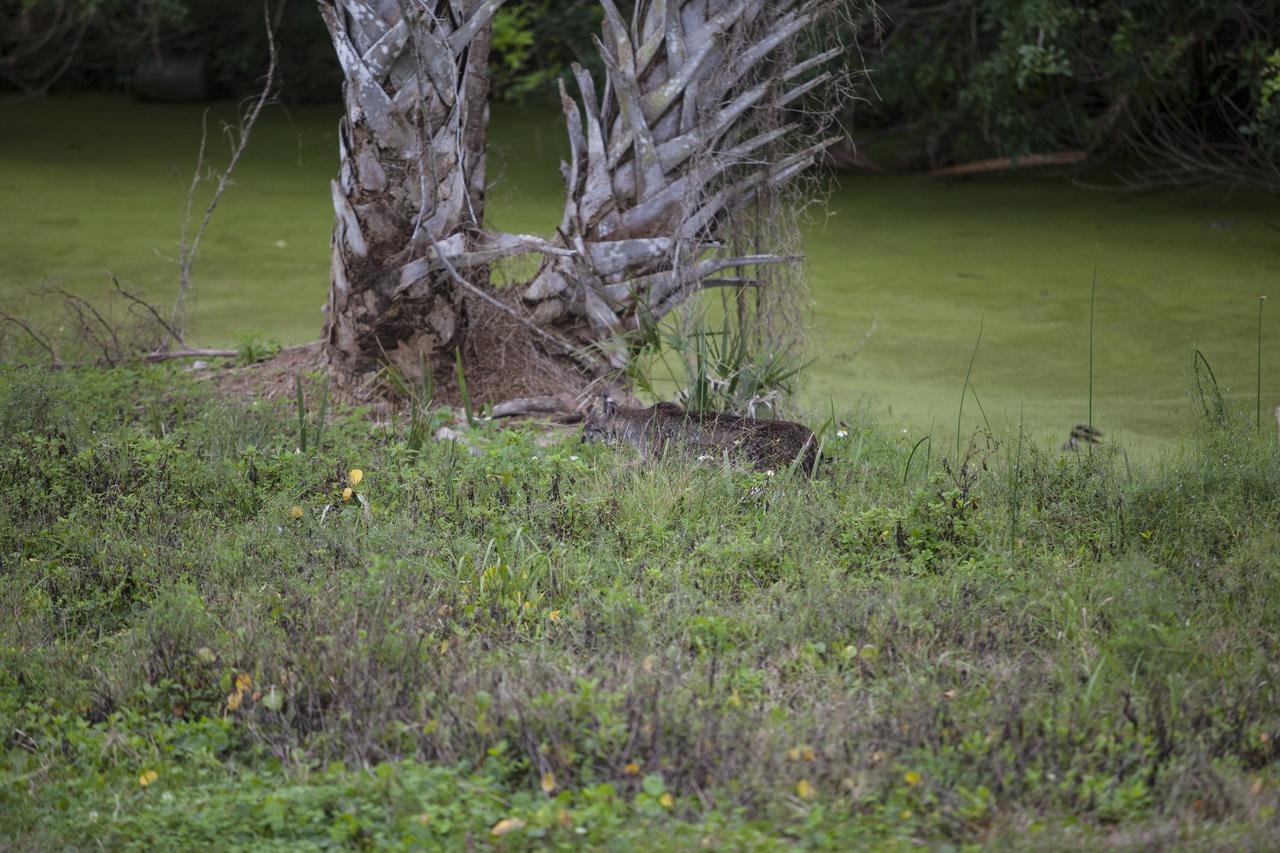
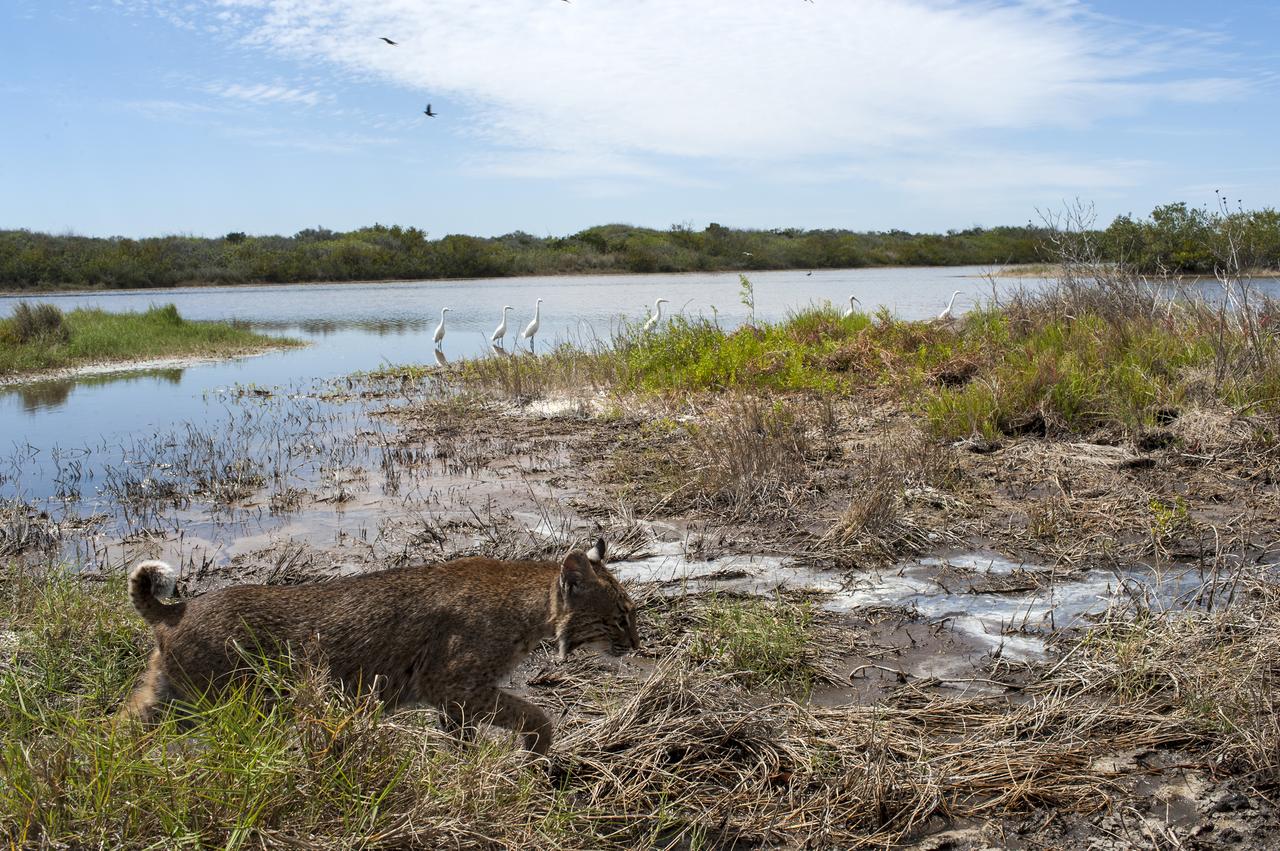
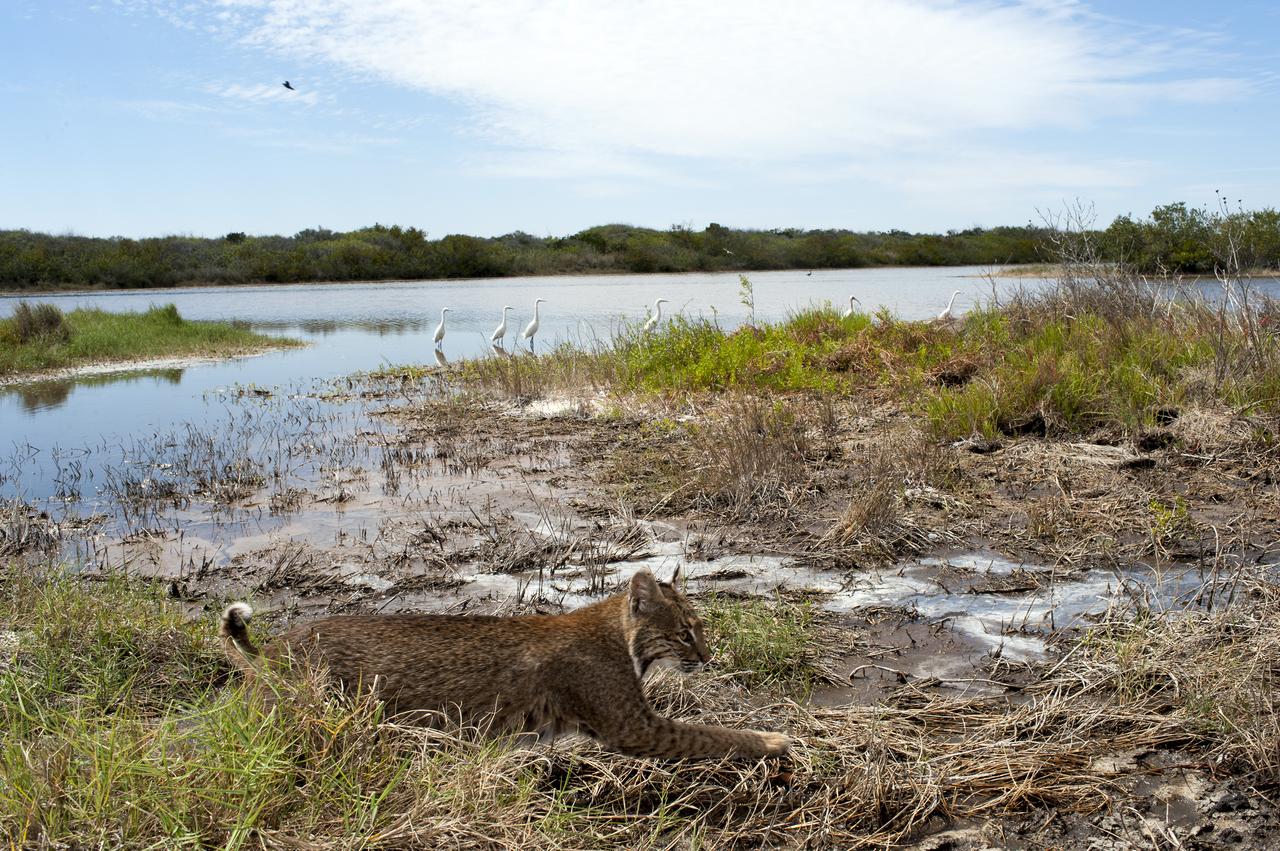
CAPE CANAVERAL, Fla. – A bobcat walks along a canal near the NASA News Center at Kennedy Space Center in Florida. The center shares a boundary with the Merritt Island National Wildlife Refuge. The refuge encompasses 140,000 acres that are a habitat for more than 330 species of birds, 31 mammals, 117 fishes, and 65 amphibians and reptiles. Photo credit: NASA/Daniel Casper
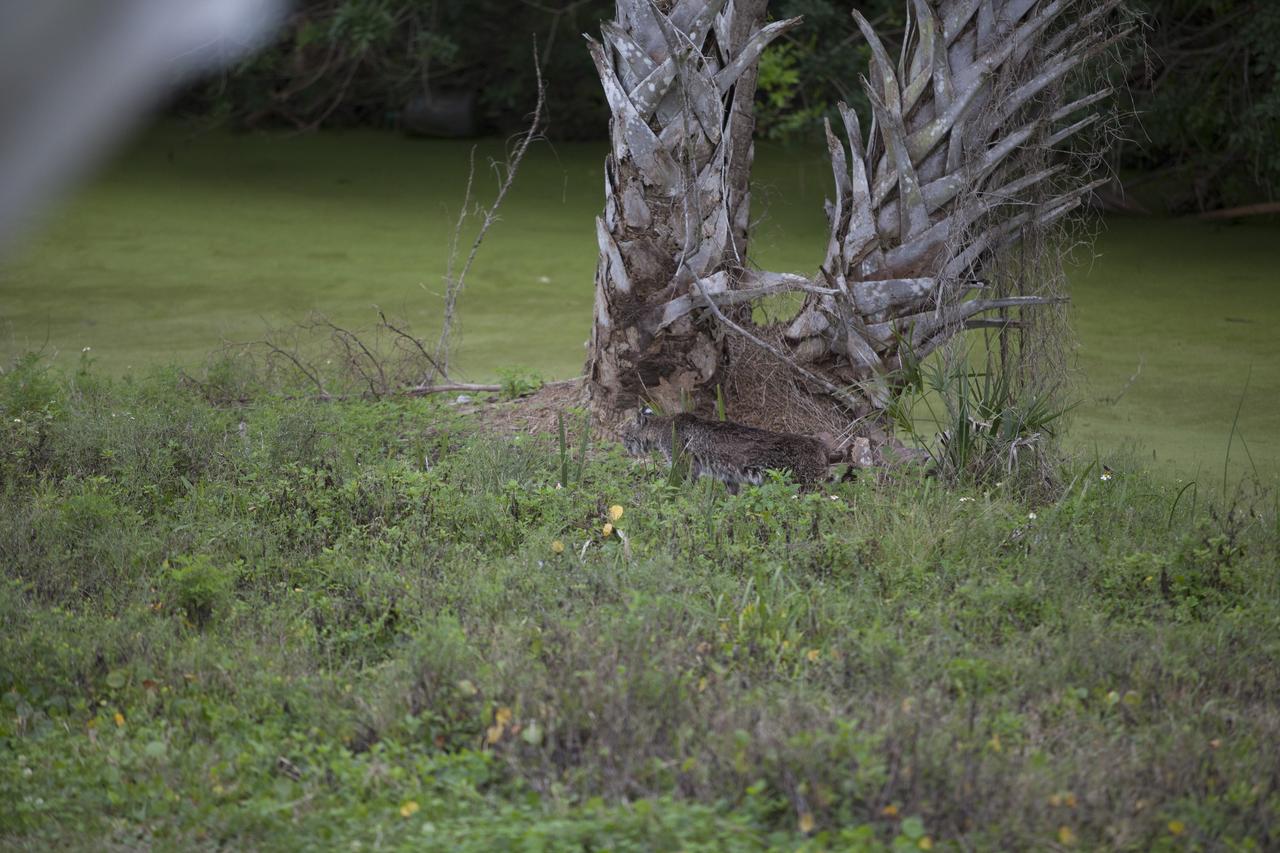
CAPE CANAVERAL, Fla. – A bobcat walks along a canal near the NASA News Center at Kennedy Space Center in Florida. The center shares a boundary with the Merritt Island National Wildlife Refuge. The refuge encompasses 140,000 acres that are a habitat for more than 330 species of birds, 31 mammals, 117 fishes, and 65 amphibians and reptiles. Photo credit: NASA/Daniel Casper. Note: Selected image is cropped
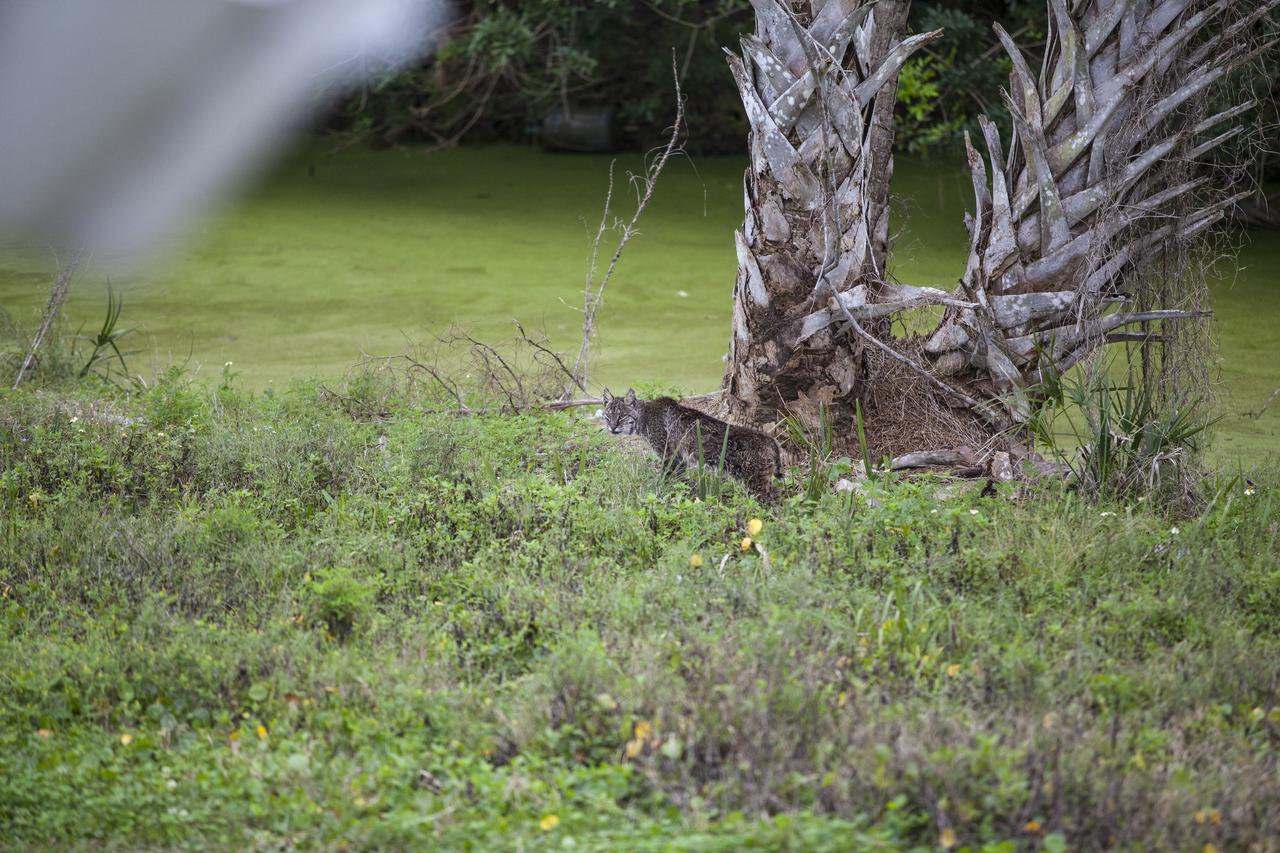
CAPE CANAVERAL, Fla. – A bobcat pauses to look back at the photographer while out for a walk at NASA's Kennedy Space Center in Florida. The center shares a boundary with the Merritt Island National Wildlife Refuge. The refuge encompasses 140,000 acres that are a habitat for more than 330 species of birds, 31 mammals, 117 fishes, and 65 amphibians and reptiles. Photo credit: NASA/Daniel Casper Note: selected image is cropped
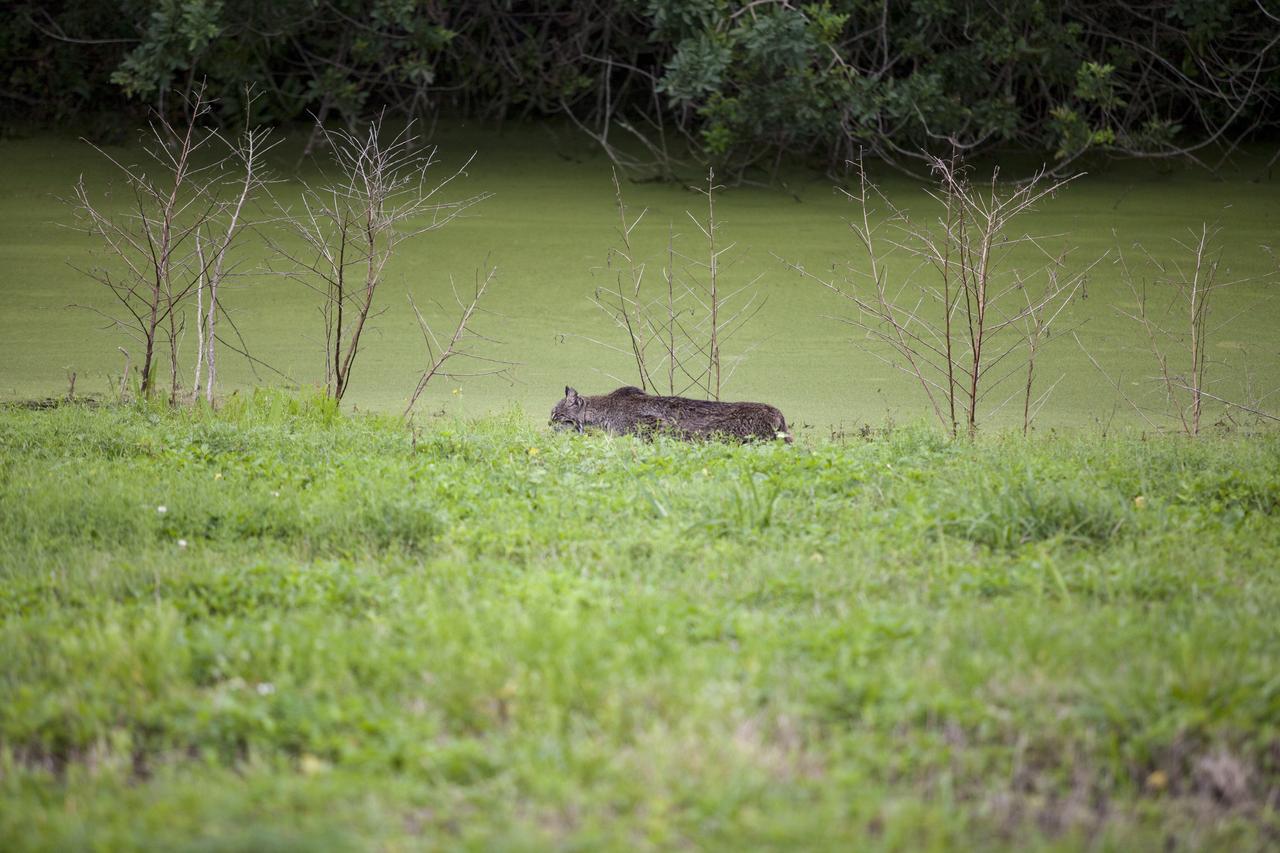
CAPE CANAVERAL, Fla. – A bobcat walks on the shore of a canal near the NASA News Center at Kennedy Space Center in Florida. The center shares a boundary with the Merritt Island National Wildlife Refuge. The refuge encompasses 140,000 acres that are a habitat for more than 330 species of birds, 31 mammals, 117 fishes, and 65 amphibians and reptiles. Photo credit: NASA/Daniel Casper
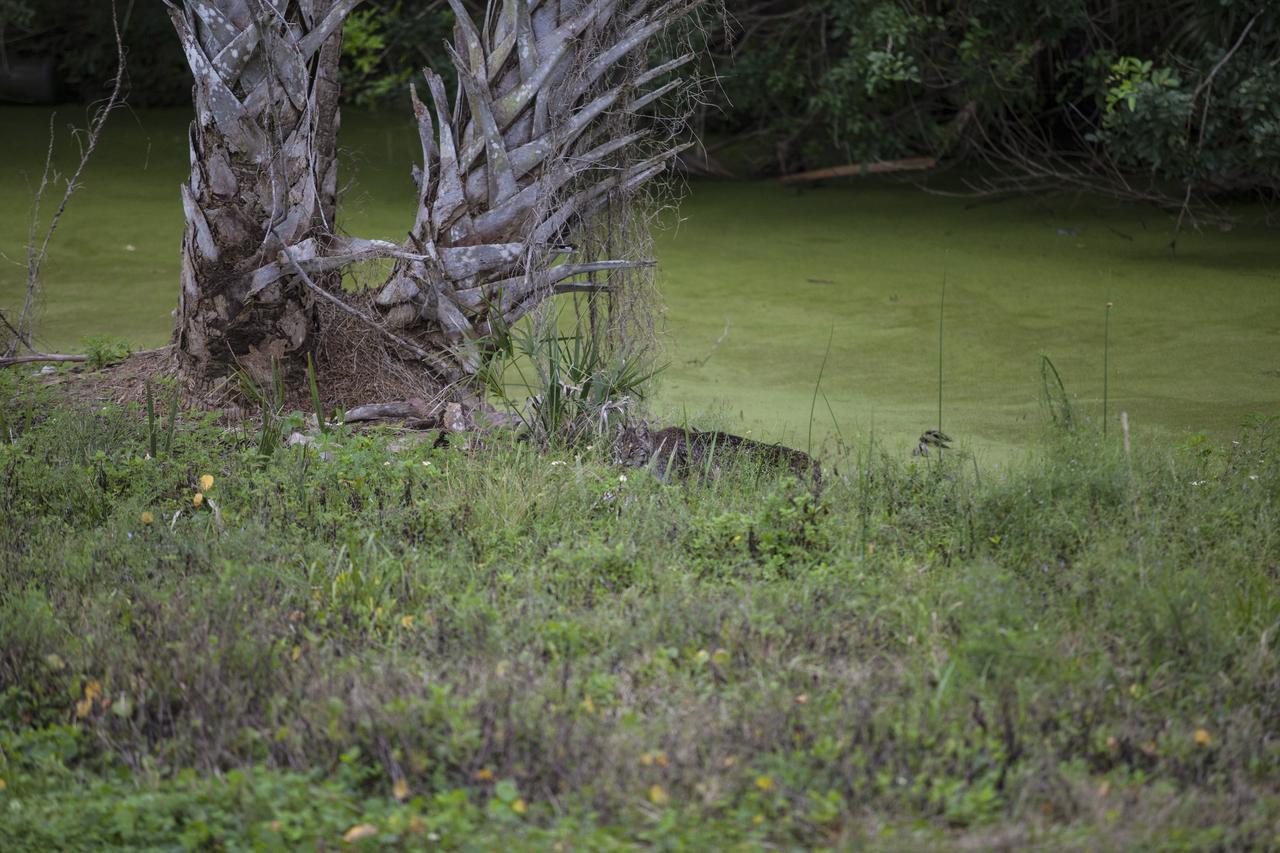
CAPE CANAVERAL, Fla. – A bobcat walks along a canal near the NASA News Center at Kennedy Space Center in Florida. The center shares a boundary with the Merritt Island National Wildlife Refuge. The refuge encompasses 140,000 acres that are a habitat for more than 330 species of birds, 31 mammals, 117 fishes, and 65 amphibians and reptiles. Photo credit: NASA/Daniel Casper
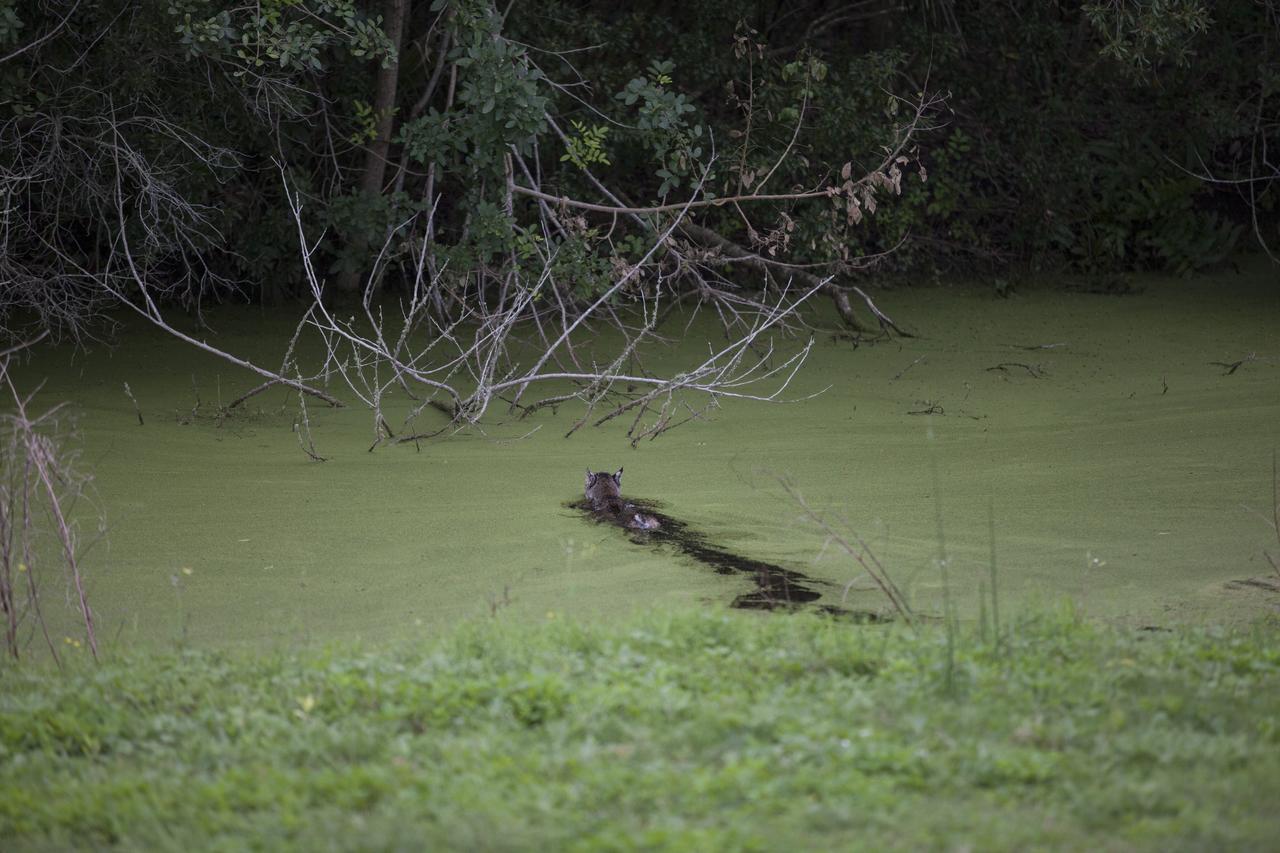
CAPE CANAVERAL, Fla. – A bobcat leaves a trail as it swims across an algae-covered canal near the NASA News Center at Kennedy Space Center in Florida. The center shares a boundary with the Merritt Island National Wildlife Refuge. The refuge encompasses 140,000 acres that are a habitat for more than 330 species of birds, 31 mammals, 117 fishes, and 65 amphibians and reptiles. Photo credit: NASA/Daniel Casper
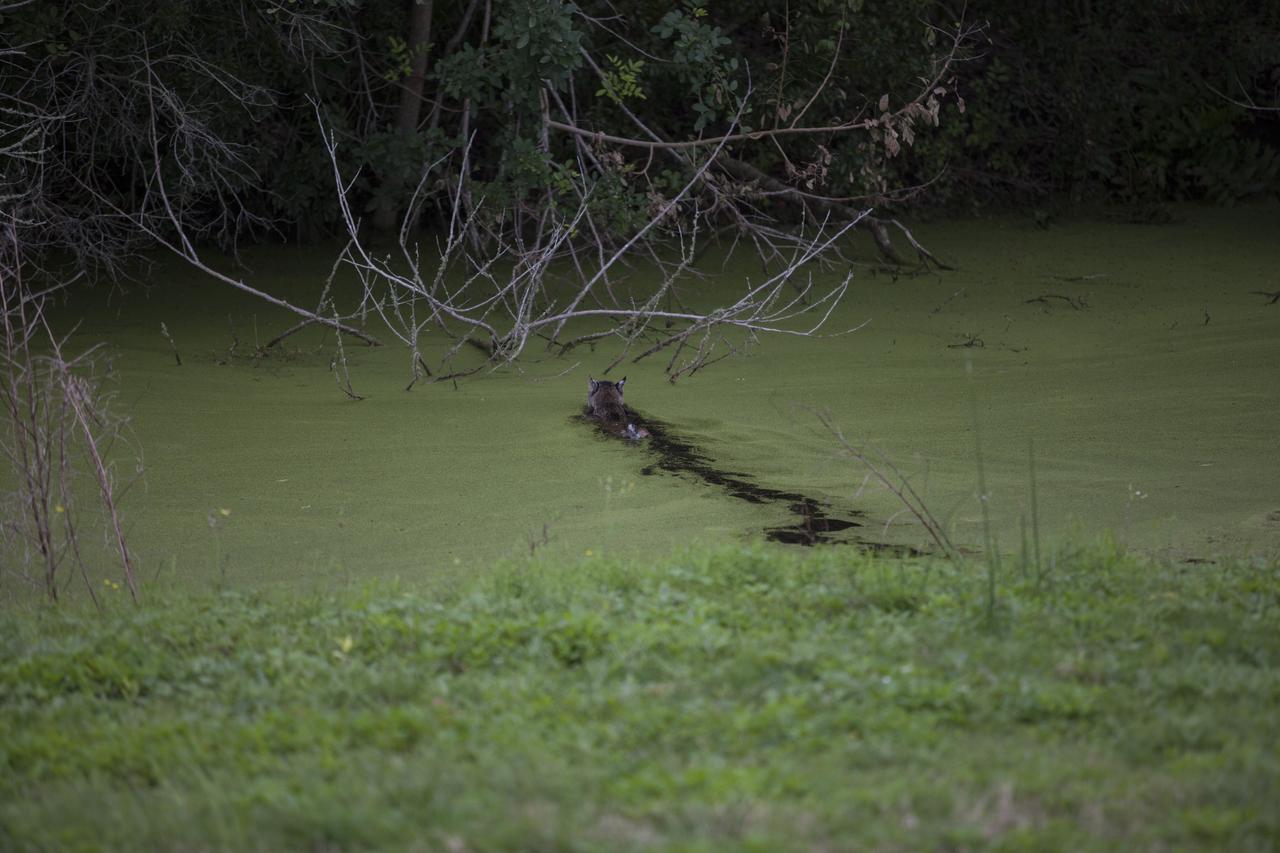
CAPE CANAVERAL, Fla. – A bobcat leaves a trail as it swims across an algae-covered canal near the NASA News Center at Kennedy Space Center in Florida. The center shares a boundary with the Merritt Island National Wildlife Refuge. The refuge encompasses 140,000 acres that are a habitat for more than 330 species of birds, 31 mammals, 117 fishes, and 65 amphibians and reptiles. Photo credit: NASA/Daniel Casper
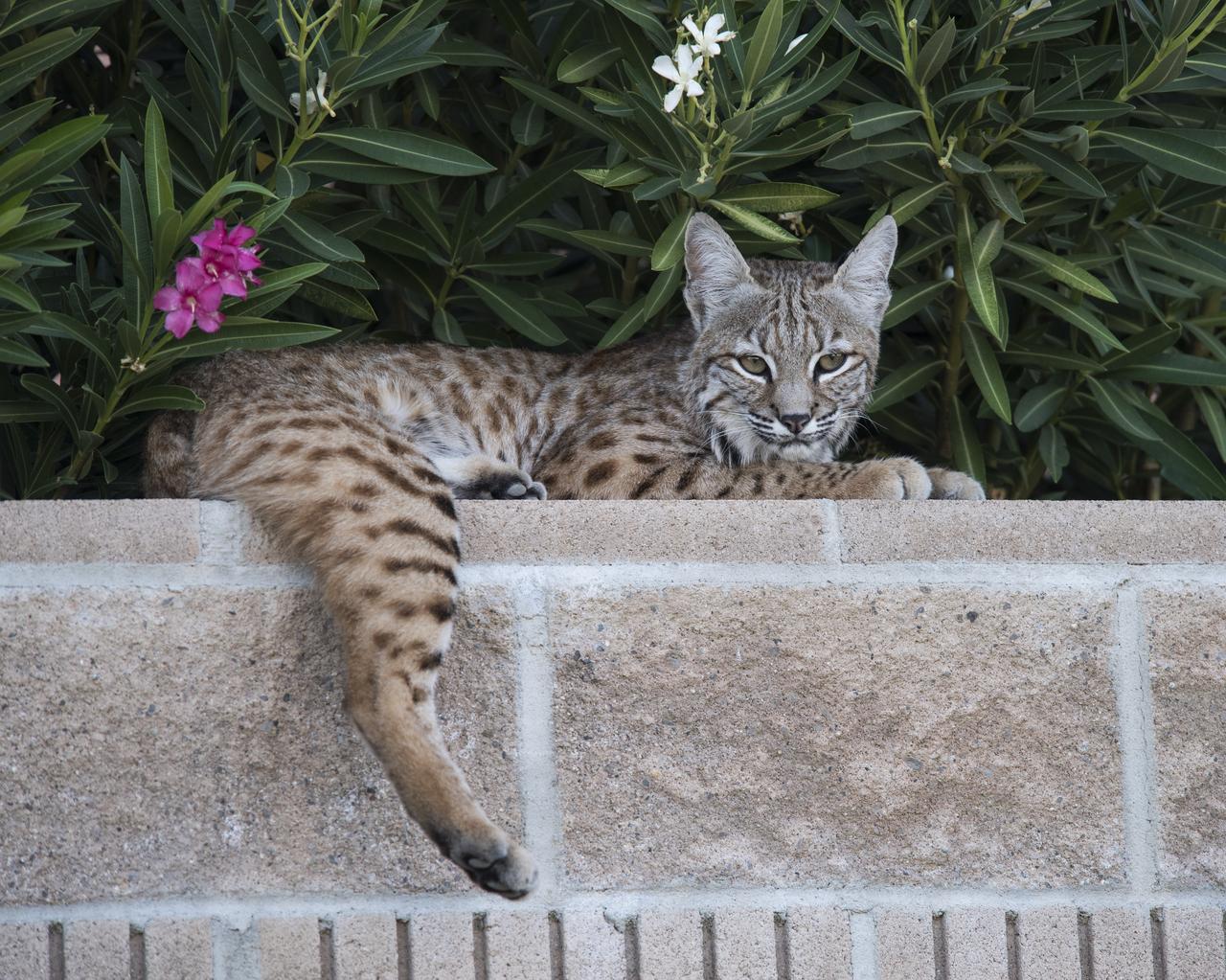
A bobcat resting leisurely on a retaining wall among the flowering bushes at Armstrong Flight Research Center in Edwards, California. The facility is home to a number of wild animals including the bobcats which are free to roam the more than 300,000 acres of Mojave Desert.
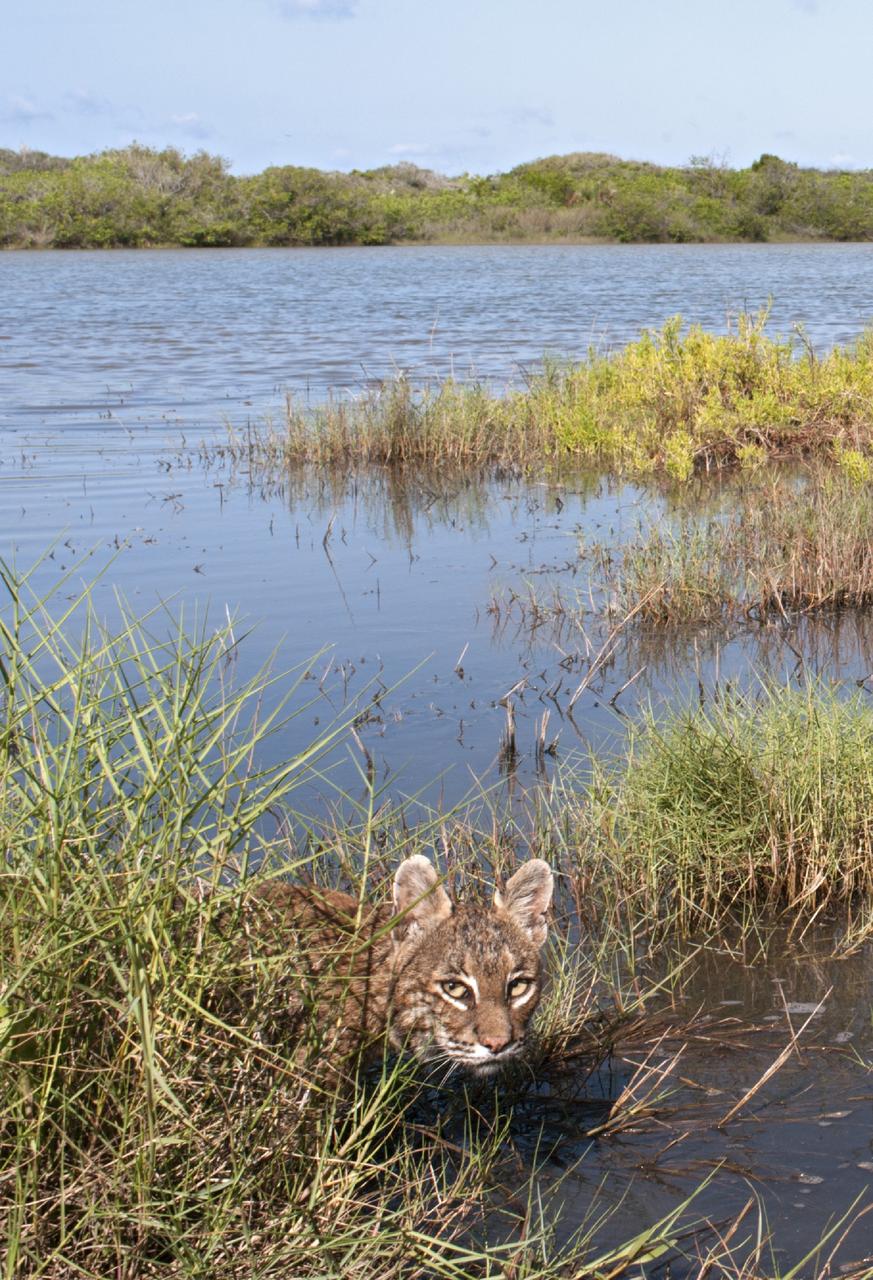
CAPE CANAVERAL, Fla. – At NASA’s Kennedy Space Center in Florida, a bobcat wades through one of the waterways near Launch Pad 39B. The center shares a boundary with the Merritt Island National Wildlife Refuge. The refuge encompasses 140,000 acres that are a habitat for more than 330 species of birds, 31 mammals, 117 fishes, and 65 amphibians and reptiles. It contains more than 1,000 known plant species. The marshes and open water of the refuge provide wintering areas for 23 species of migratory waterfowl, as well as a year-round home for great blue herons, great egrets, wood storks, cormorants, brown pelicans and other species of marsh and shore birds, and a variety of insects. Photo credit: NASA/Tony Gray
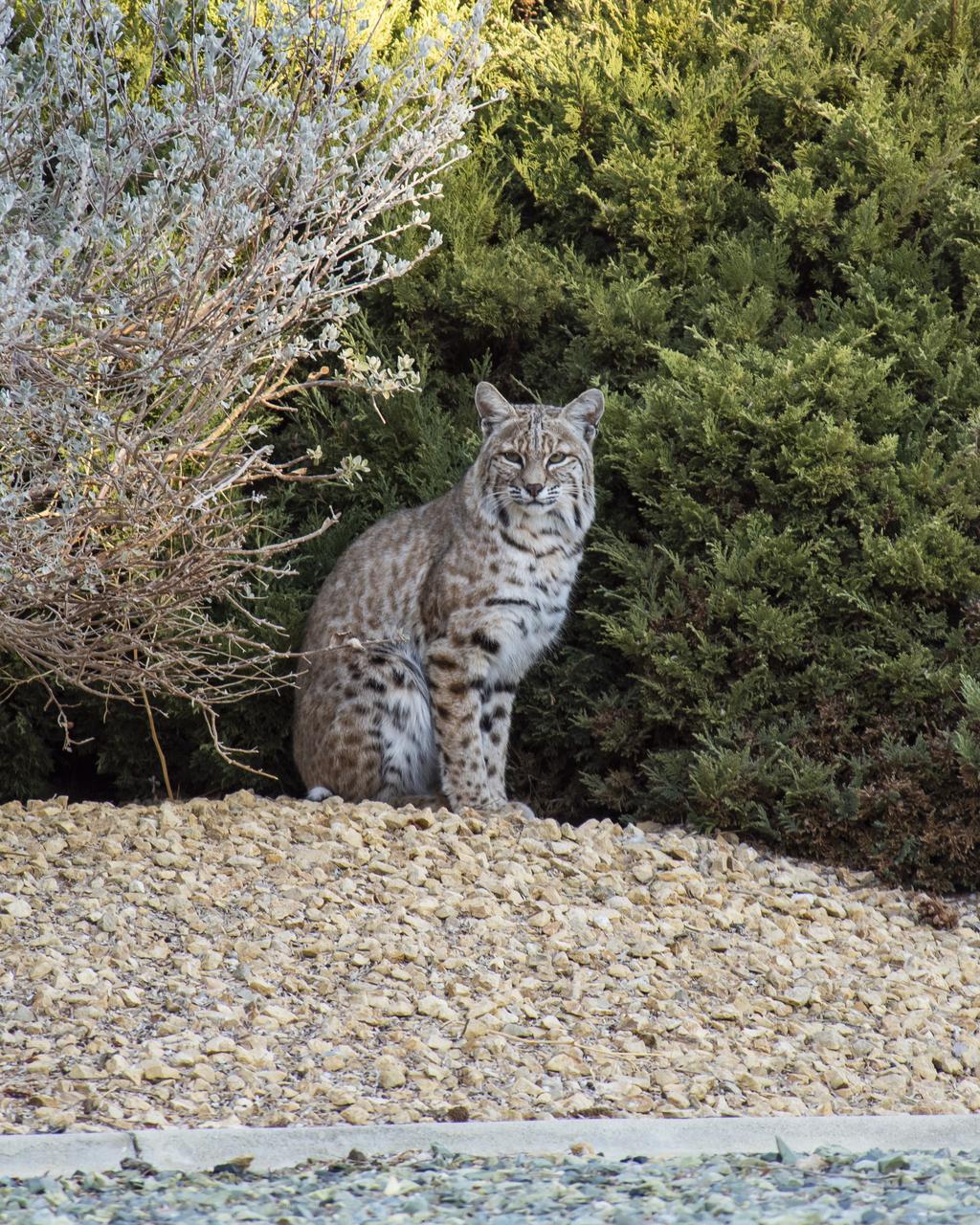
A bobcat surveying the landscape in between bushes at Armstrong Flight Research Center in Edwards, California. The spotted feline makes its home on the more than 300,000 acres of Mojave Desert surrounding the NASA facility housed at Edwards Air Force Base.
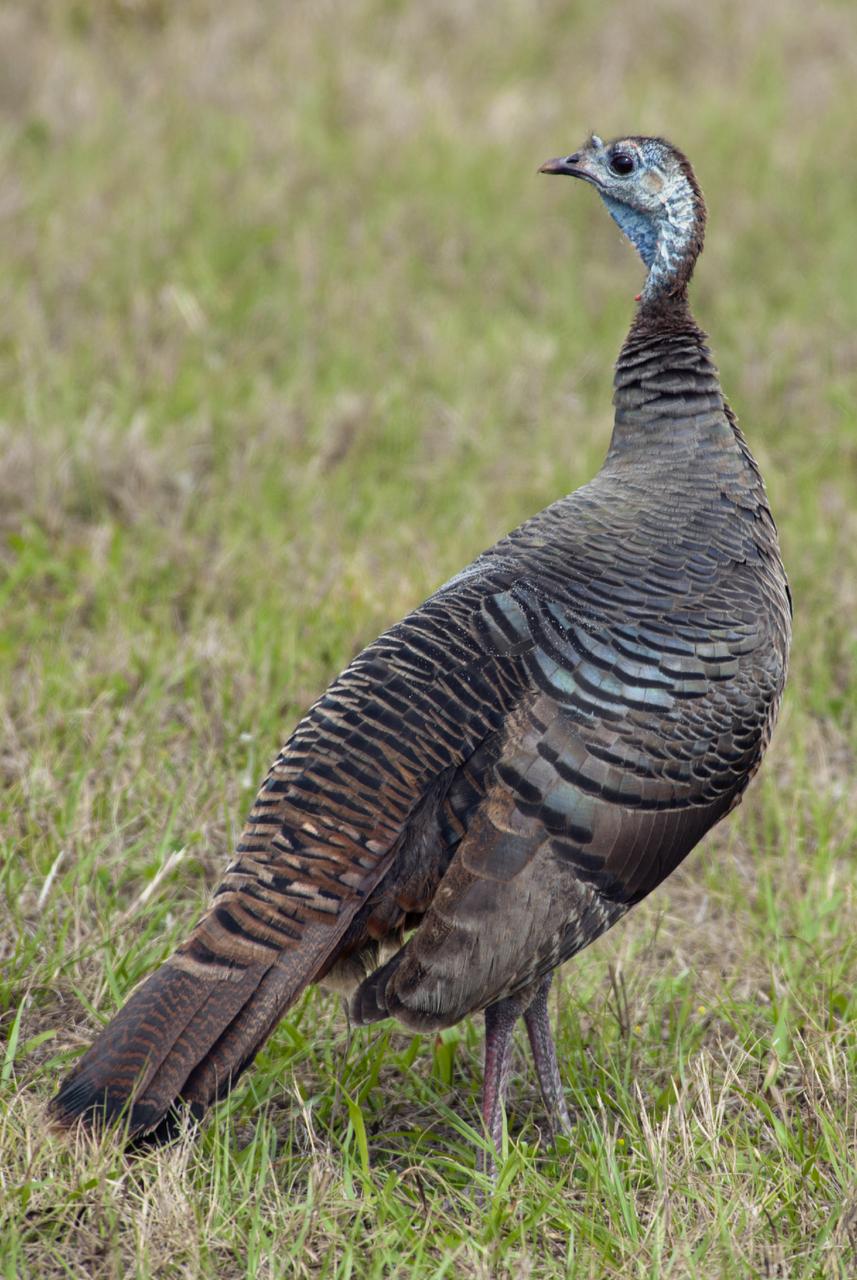
Bobcat, Racoons and Turkey
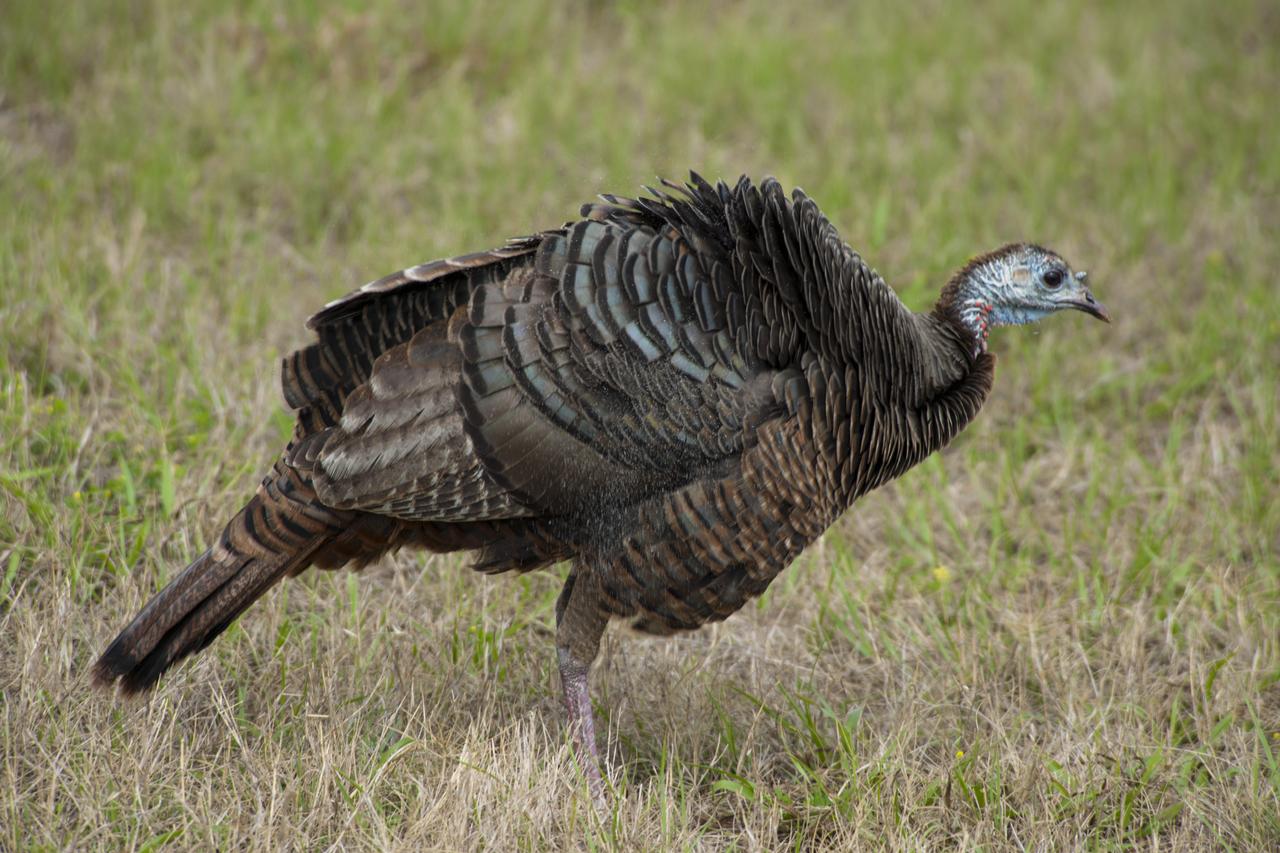
Bobcat, Racoons and Turkey
Bobcat, Racoons and Turkey
Bobcat, Racoons and Turkey
Bobcat, Racoons and Turkey
Bobcat, Racoons and Turkey
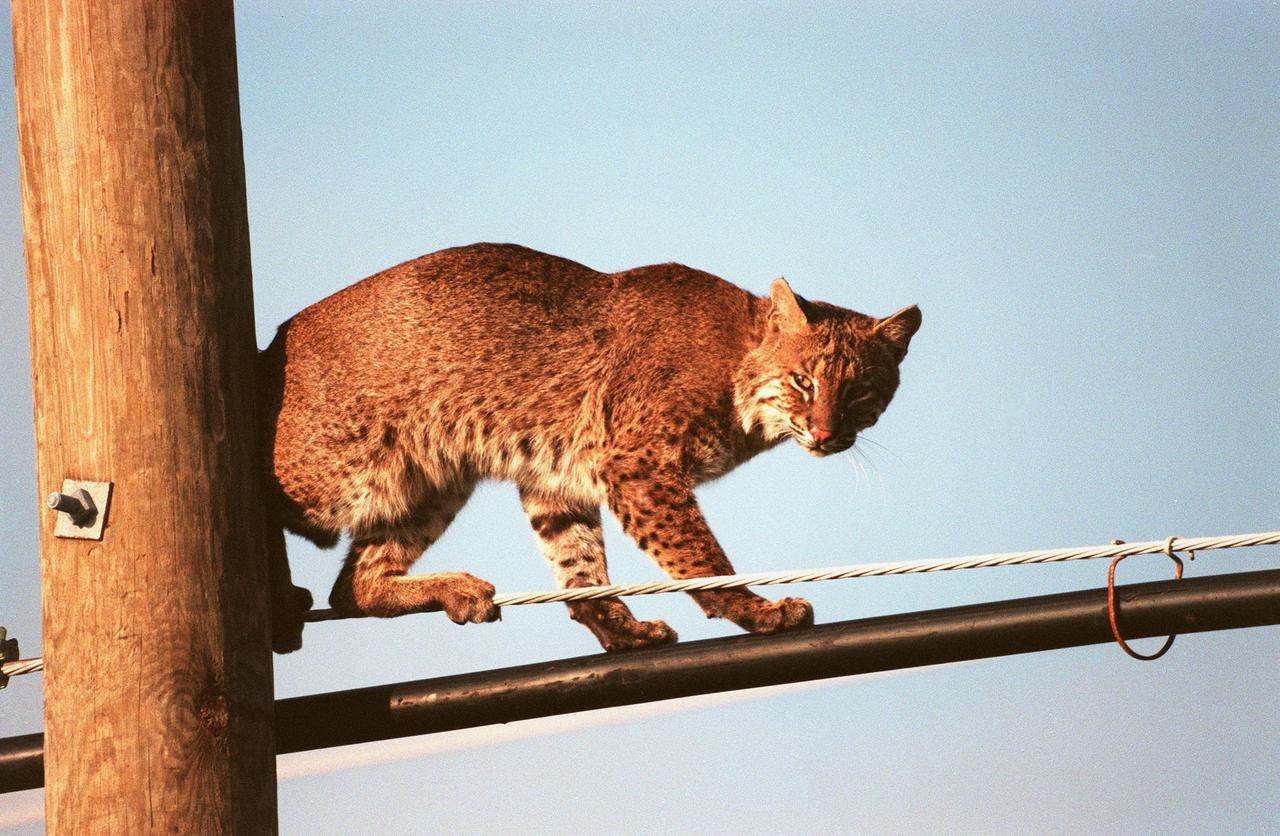
KENNEDY SPACE CENTER, FLA. -- A young, male bobcat balances gingerly on telephone pole cables next to the south-bound lane of Kennedy Parkway. The cat is nocturnal and is seldom observed during the day unless scared from its daytime shelter in the grass or beneath a shrub. Usually found in broken sections of heavily wooded or brushy country, bobcats are reported as common in scrub strand and roadside or weedy grass habitats at KSC. The bobcat is known to inhabit mangrove habitats and will readily swim across small bodies of water. The bobcat occurs across southern Canada then south over the entire United States, except for the midwestern corn belt, to southern Mexico. It is the last large mammalian predator remaining on KSC. The Merritt Island National Wildlife Refuge, which is located on Kennedy Space Center property, is home to many species of wild animals, including the bobcat.
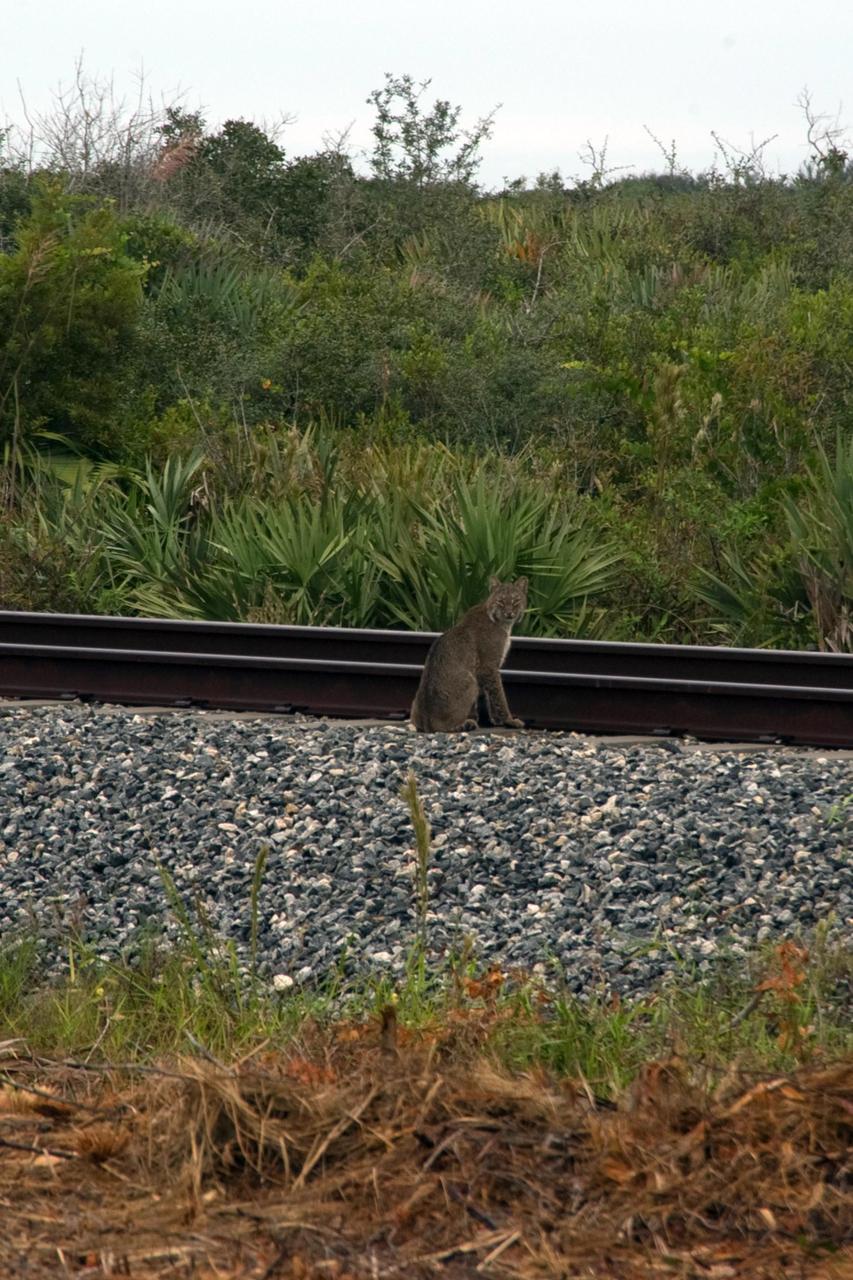
KENNEDY SPACE CENTER, FLA. -- A rare view of a bobcat, spotted near the NASA Railroad tracks on a mid-morning. The bobcat is a solitary and territorial predator mammal. They are mostly nocturnal and solitary, but will travel long distances for a mate. Not as big as a panther, but about the size of a medium-sized dog, male and female bobcats average 39 inches and 36 inches in length, and 24 pounds and 15 pounds in weight, respectively. They are most easily identified by their short tails which are about 5.5 inches long. Their fur, which is short, soft and dense, ranges from light tan to reddish or yellowish brown and markings vary from tabby stripes to spotting. They swim more than other native cats. The backs of their ears are white with a black outline. Their underparts are generally white. Bobcats can most likely be found in every county in Florida. Photo credit: NASA/Sandra Joseph
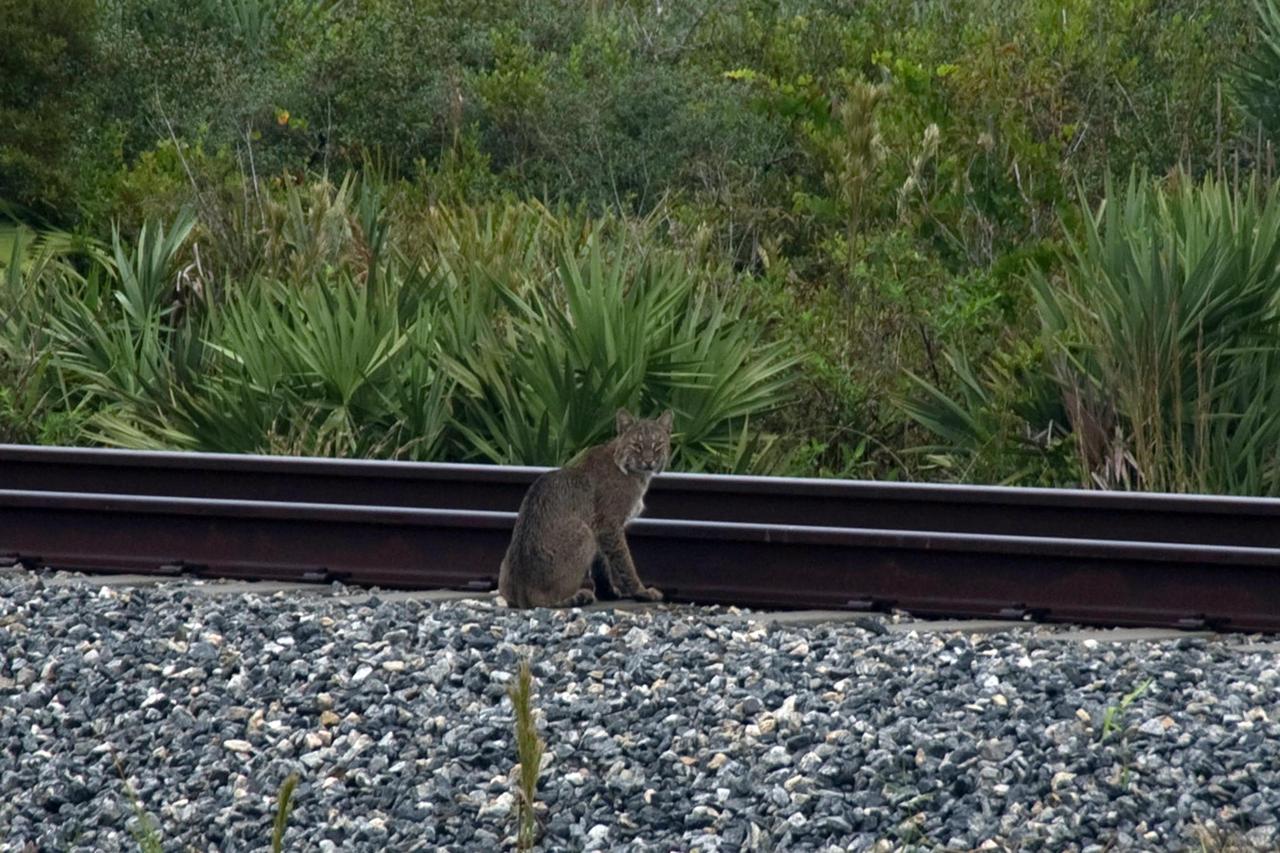
KENNEDY SPACE CENTER, FLA. -- A rare view of a bobcat, spotted near the NASA Railroad tracks on a mid-morning. The bobcat is a solitary and territorial predator mammal. They are mostly nocturnal and solitary, but will travel long distances for a mate. Not as big as a panther, but about the size of a medium-sized dog, male and female bobcats average 39 inches and 36 inches in length, and 24 pounds and 15 pounds in weight, respectively. They are most easily identified by their short tails which are about 5.5 inches long. Their fur, which is short, soft and dense, ranges from light tan to reddish or yellowish brown and markings vary from tabby stripes to spotting. They swim more than other native cats. The backs of their ears are white with a black outline. Their underparts are generally white. Bobcats can most likely be found in every county in Florida. Photo credit: NASA/Sandra Joseph
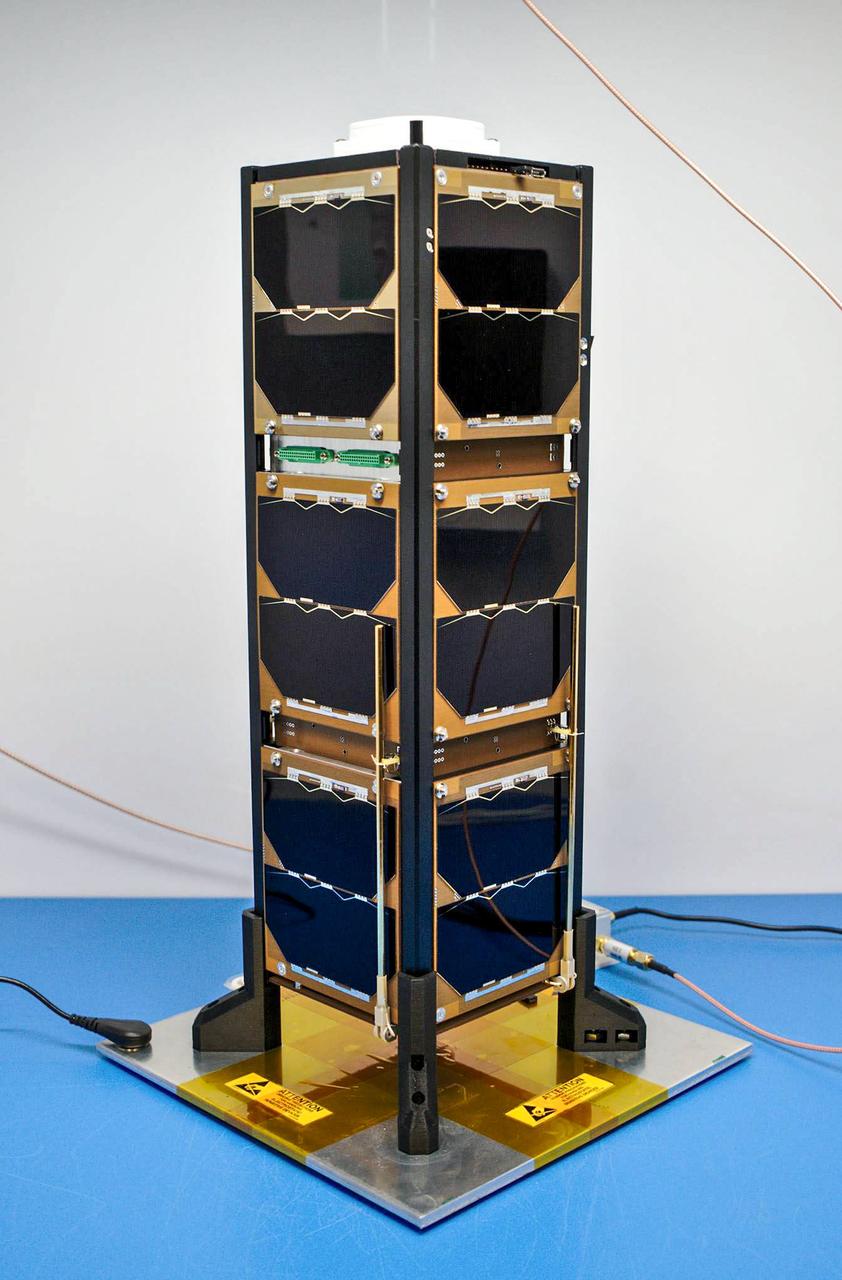
jsc2020e016862 (3/26/2020) --- Bobcat-1 with its deployable communication antenna stowed. Bobcat-1 is the Ohio University CubeSat, which has, together with the educational purpose, the objective of experimenting the GNSS inter-constellation time-offset estimate from LEO orbit. GNSS inter-constellation time-offset estimate is critical for users with a limited visibility of GNSS satellites, such as users in the high altitude Space Service Volume (as GEO or HEO).
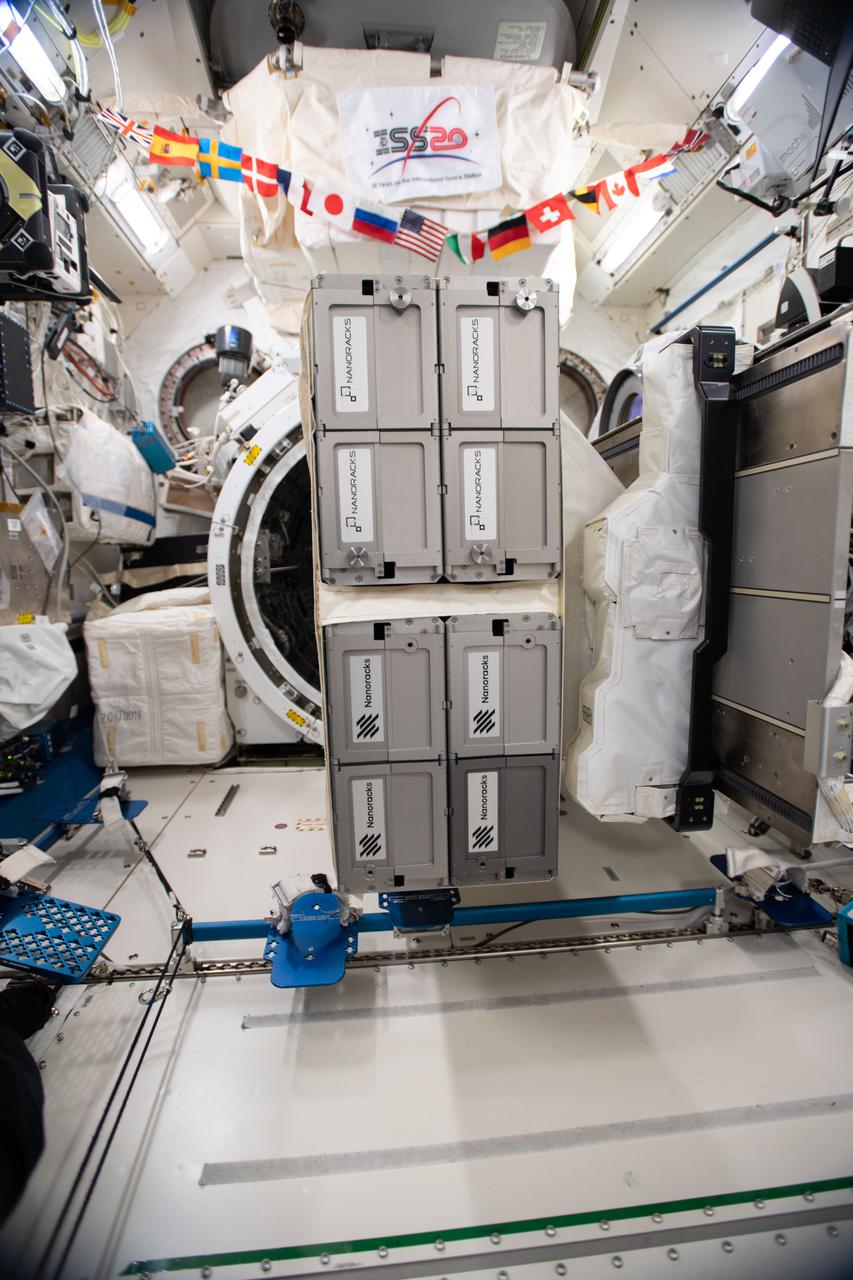
iss064e002782 (11/2/2020) --- Photo documentation of the Nanoracks CubeSat Deployer-Mission 19 (NRCSD-19) installed on the Multi-Purpose Experiment Platform Assembly (MPEP). NRCSD-19 includes: The Spectral Ocean Color (SPOC) Satellite, Ariel University First Nano Satellite, (SATLLA-1), Neutron-1, DESCENT, NanoRacks-LEMUR-2 and Bobcat-1. The photo was taken in the Kibo Japanese Experiment Module (JEM) aboard the International space station (ISS).
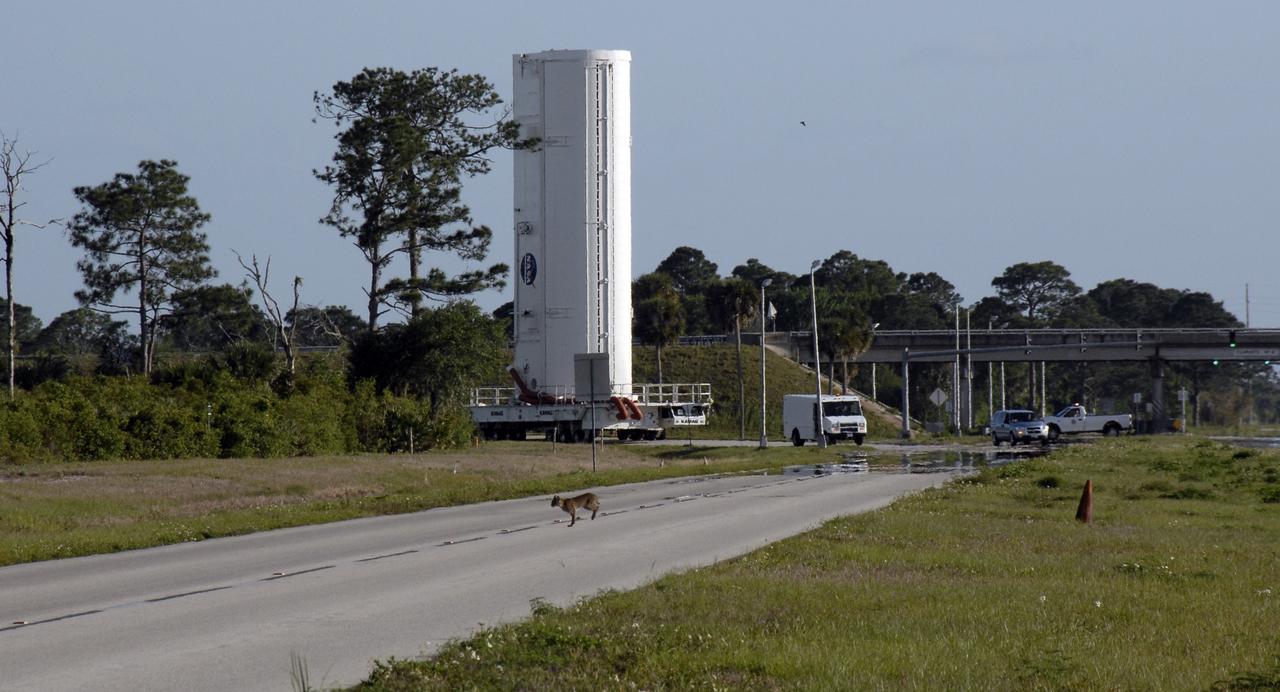
CAPE CANAVERAL, Fla. –– At NASA's Kennedy Space Center in Florida, the payload canister with the Hubble Space Telescope equipment heads for Launch Pad 39A. In the foreground, a bobcat runs across the road. On the pad, the Hubble equipment will be transferred to space shuttle Atlantis' payload bay. Atlantis' 11-day STS-125 mission to service Hubble is targeted for launch May 12. The flight will include five spacewalks in which astronauts will refurbish and upgrade the telescope with state-of-the-art science instruments. As a result, Hubble's capabilities will be expanded and its operational lifespan extended through at least 2014. Photo credit: NASA/Kim Shiflett
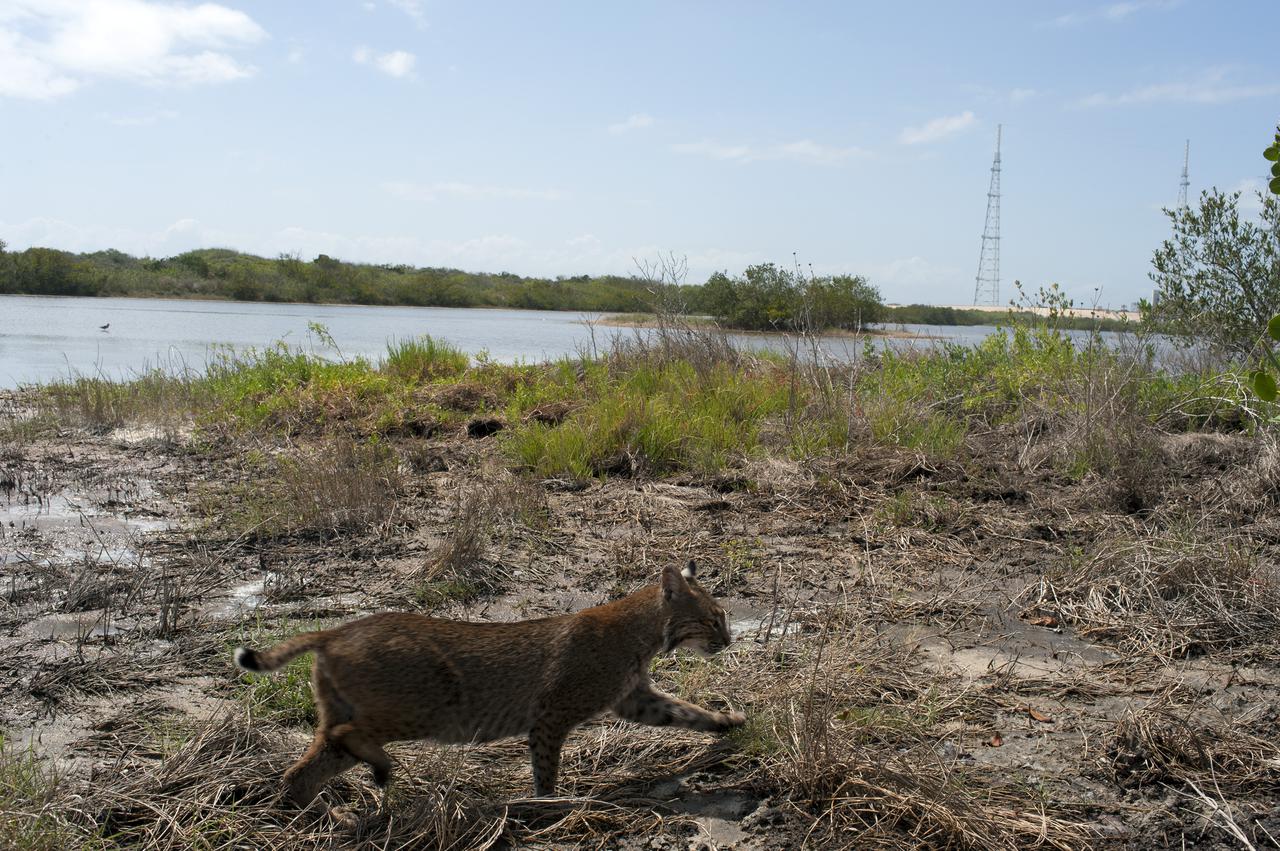
CAPE CANAVERAL, Fla. – A bobcat walks near a waterway at NASA's Kennedy Space Center in Florida. Kennedy Space Center shares a boundary with the Merritt Island National Wildlife Refuge. The Refuge encompasses 92,000 acres that are a habitat for more than 331 species of birds, 31 mammals, 117 fishes, and 65 amphibians and reptiles. The marshes and open water of the refuge provide wintering areas for 23 species of migratory waterfowl, as well as a year-round home for great blue herons, great egrets, wood storks, cormorants, brown pelicans and other species of marsh and shore birds, as well as a variety of insects. For more information, visit: http:__www.fws.gov_merrittisland Photo credit: NASA_Tony Gray
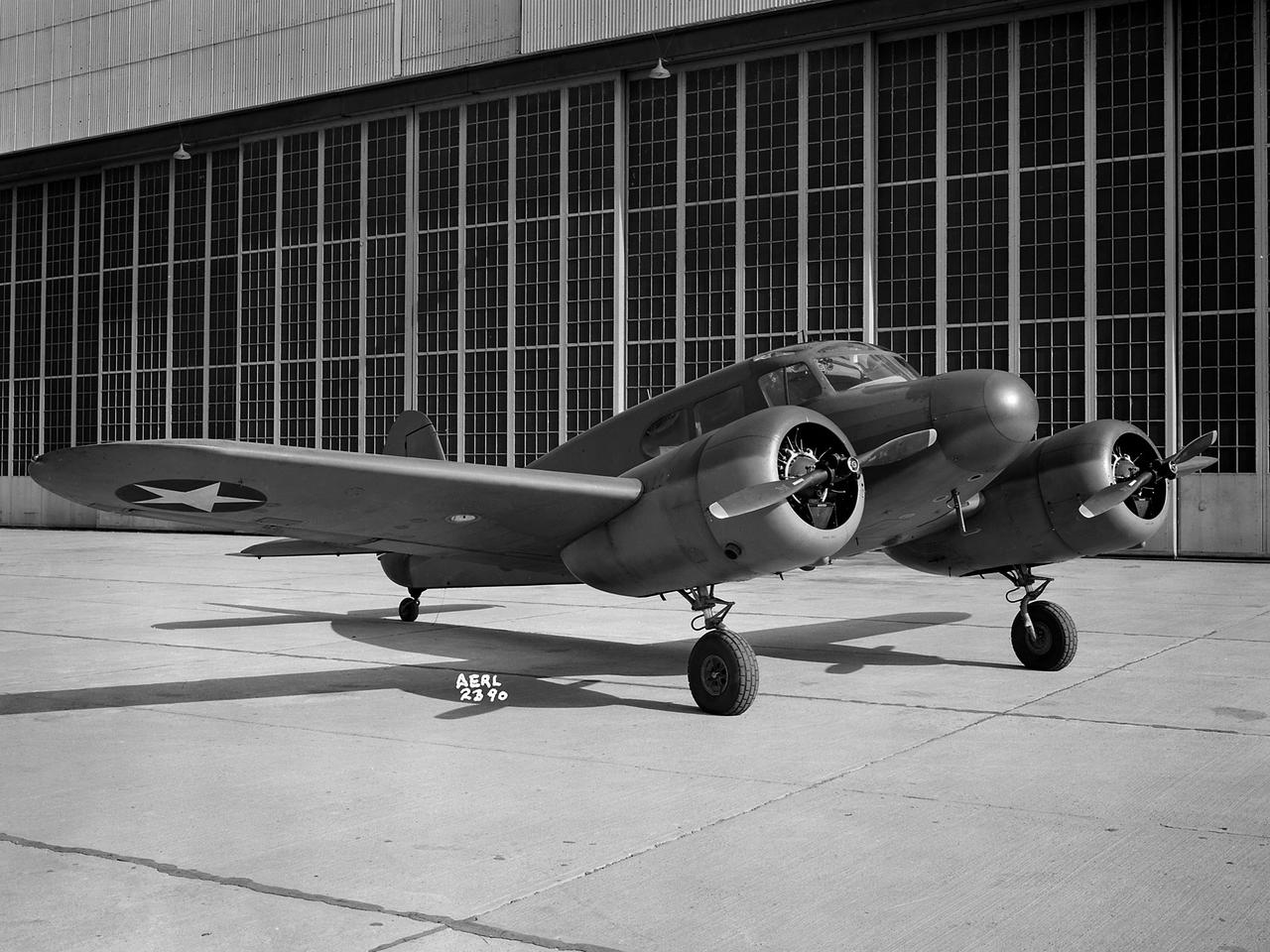
The Aircraft Engine Research Laboratory acquired the five-seat Cessna UC–78 in March 1943 to maintain the proficiency of its pilots. The UC–78 was referred to as the “Bamboo Bomber” because of its wooden wings and tail and its fabric-covered steel body. The aircraft was produced in 1939 for civilian use, but the military soon began ordering them as training aircraft. The military also began using the aircraft for personnel transport. Cessna produced over 4600 of the aircraft for the military during World War II. The National Advisory Committee for Aeronautics’ (NACA) pilot Howard Lilly flew the UC–78 extensively during its residency in Cleveland. The aircraft was used for ferrying staff members to nearby locations and helping the pilots keep their flying hours up. The UC–78 was transferred in October 1945.
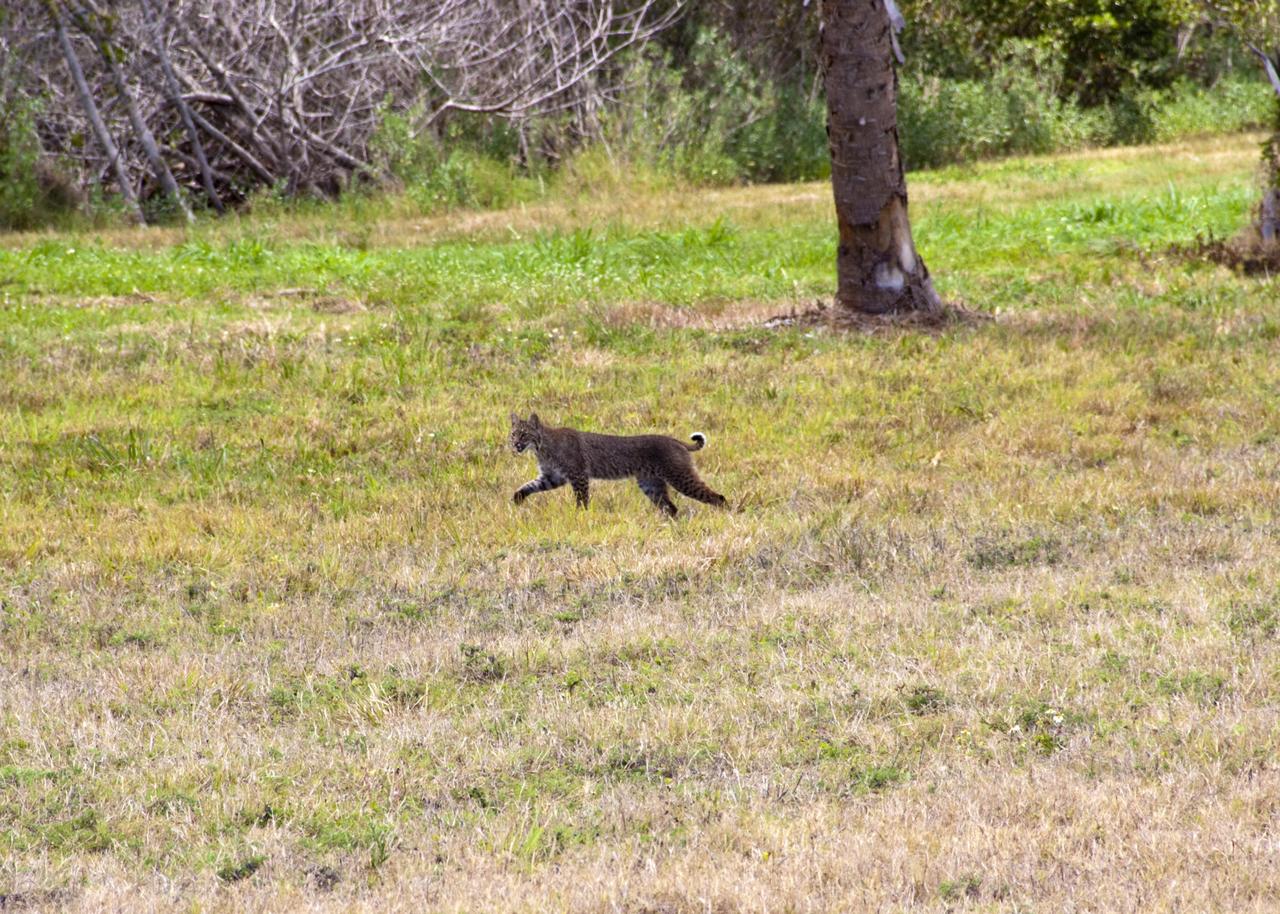
CAPE CANAVERAL, Fla. – A bobcat strolls across the causeway between NASA’s Kennedy Space Center and Cape Canaveral Air Force Station in Florida, oblivious to everything but the hunt for its next meal. The cat is seldom observed during the day unless scared from its daytime shelter. It is the last large mammalian predator remaining on the center. Kennedy and the Merritt Island National Wildlife Refuge mutually reside on 140,000 acres on central Florida’s east coast. The area’s coastal dunes, saltwater estuaries and marshes, freshwater impoundments, scrub, pine flatwoods, and hardwood hammocks provide habitats for more than 1,000 species of plants and animals, including about 331 species of birds. For more information, visit http://www.nasa.gov/kennedy. Photo credit: NASA/Jim Grossmann
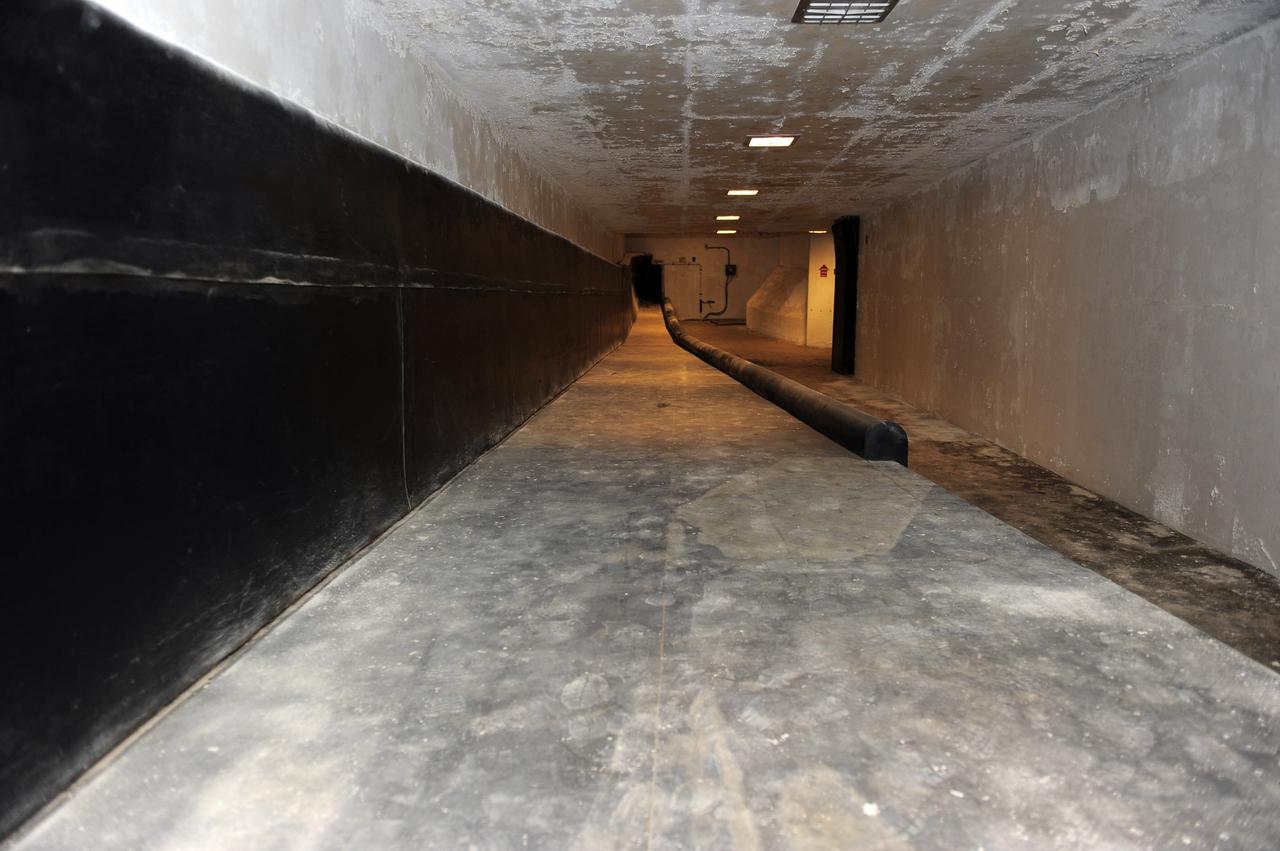
CAPE CANAVERAL, Fla. -- A tunnel beneath Launch Pad 39B at NASA's Kennedy Space Center in Florida leads to the blast-resistant "rubber room." The room is a steel dome floating on rubber isolators and was used as an escape route during the Apollo Program in case of an emergency. It has since been abandoned by astronauts, but throughout the years nature found its way inside, including raccoons, snakes, birds and even a bobcat and opossum. Starting in 2009, the structure above the room on the pad was no longer needed for NASA's Space Shuttle Program, so it is being restructured for future use. The new design will feature a "clean pad" for rockets to come with their own launcher, making it more versatile for a number of vehicles. For information on NASA's future plans, visit www.nasa.gov. Photo credit: NASA/Kim Shiflett
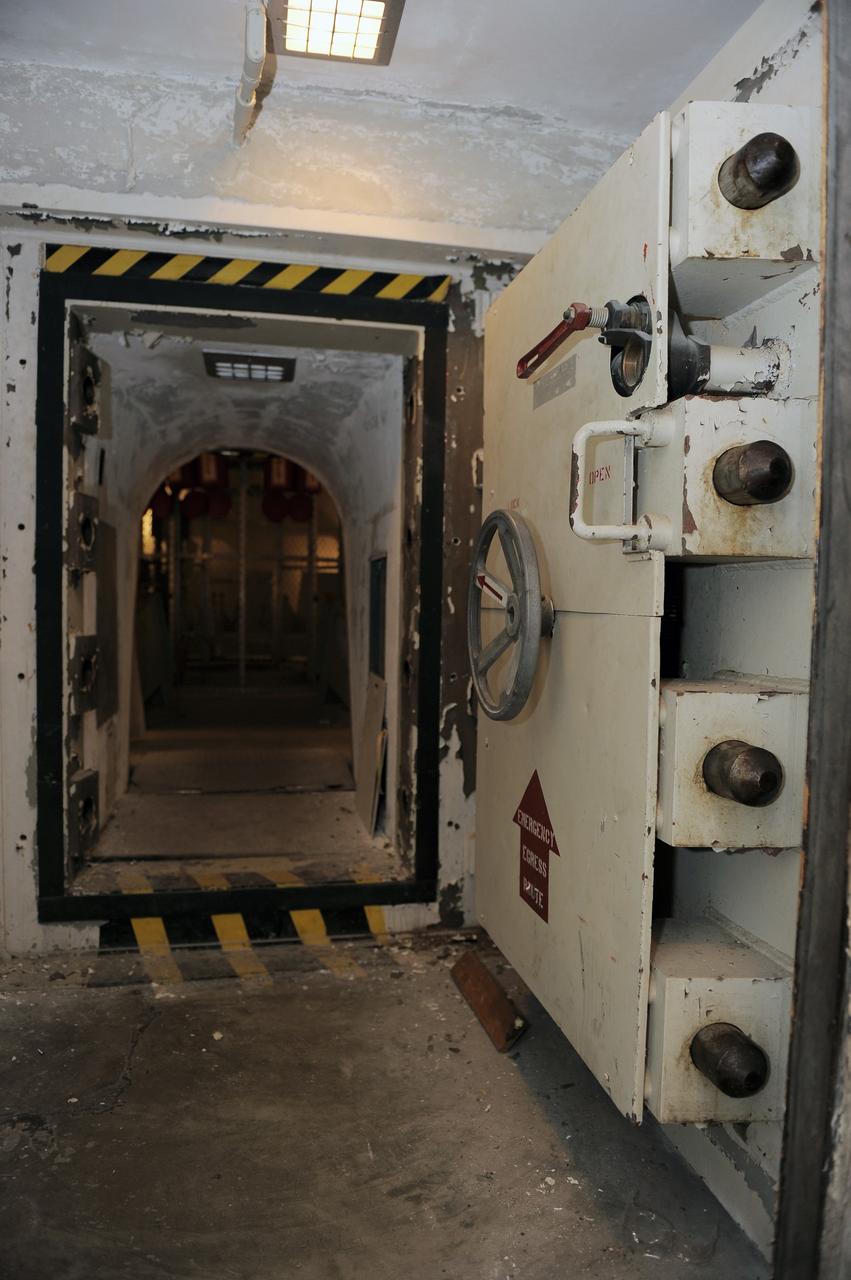
CAPE CANAVERAL, Fla. -- A steel door, similar to a bank vault door, leads to the blast-resistant "rubber room" beneath Launch Pad 39B at NASA's Kennedy Space Center. The room is a steel dome floating on rubber isolators and was used as an escape route during the Apollo Program in case of an emergency. It has since been abandoned by astronauts, but throughout the years nature found its way inside, including raccoons, snakes, birds and even a bobcat and opossum. Starting in 2009, the structure above the room on the pad was no longer needed for NASA's Space Shuttle Program, so it is being restructured for future use. The new design will feature a "clean pad" for rockets to come with their own launcher, making it more versatile for a number of vehicles. For information on NASA's future plans, visit www.nasa.gov. Photo credit: NASA/Kim Shiflett
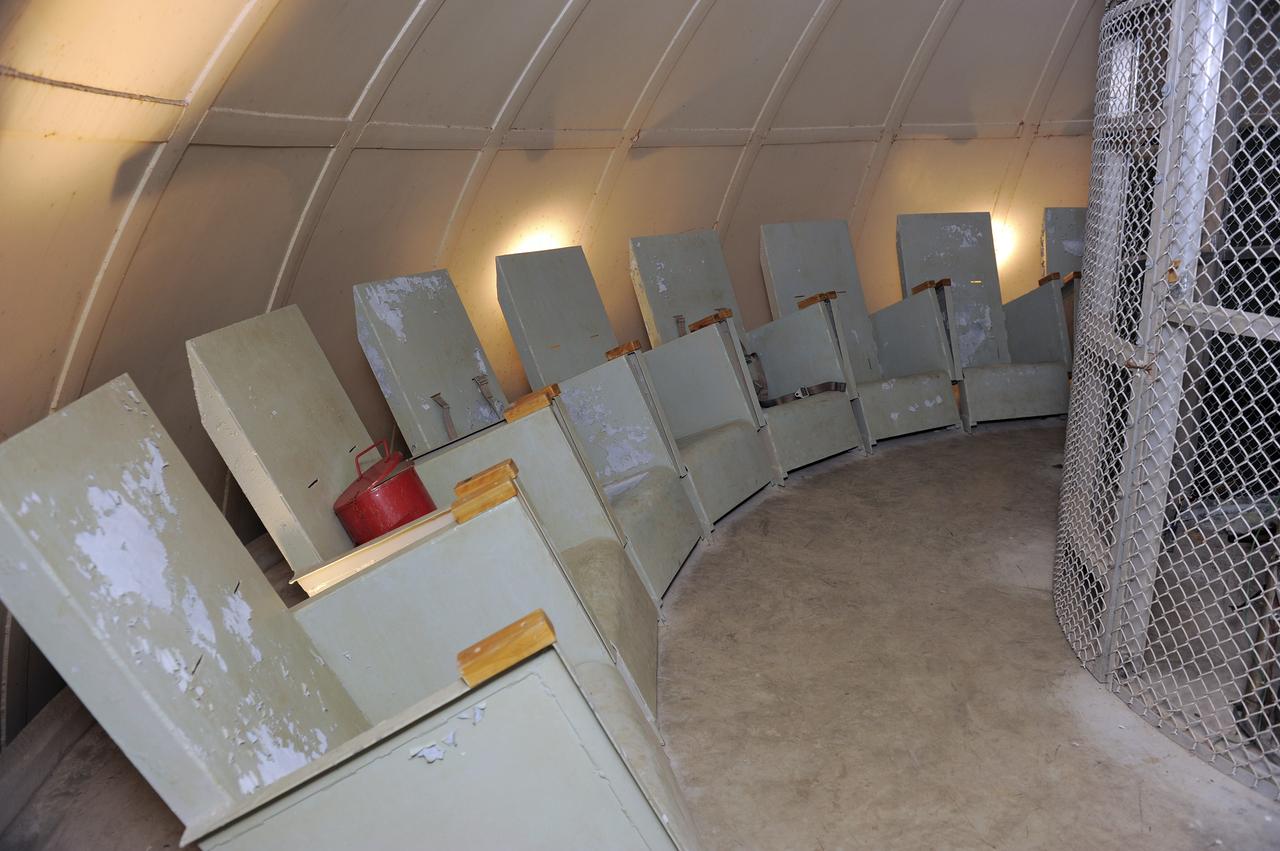
CAPE CANAVERAL, Fla. -- Twenty contour chairs line the blast-resistant "rubber room" beneath Launch Pad 39B at NASA's Kennedy Space Center in Florida. The room is a steel dome floating on rubber isolators and was used as an escape route during the Apollo Program in case of an emergency. It has since been abandoned by astronauts, but throughout the years nature found its way inside, including raccoons, snakes, birds and even a bobcat and opossum. Starting in 2009, the structure above the room on the pad was no longer needed for NASA's Space Shuttle Program, so it is being restructured for future use. The new design will feature a "clean pad" for rockets to come with their own launcher, making it more versatile for a number of vehicles. For information on NASA's future plans, visit www.nasa.gov. Photo credit: NASA/Kim Shiflett
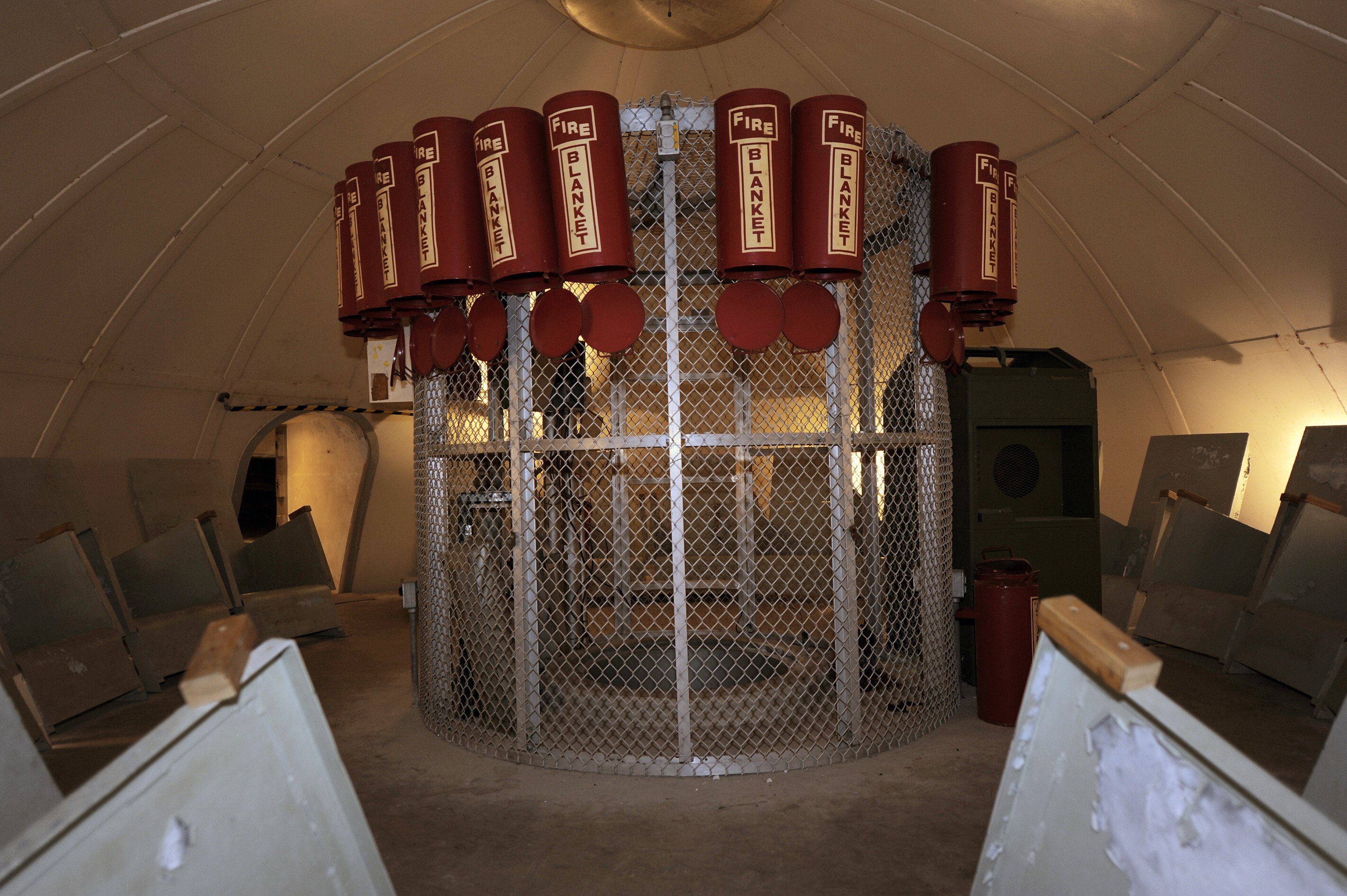
CAPE CANAVERAL, Fla. -- Empty fire blanket holders are at the center of the blast-resistant "rubber room" beneath Launch Pad 39B at NASA's Kennedy Space Center in Florida. The room is a steel dome floating on rubber isolators and was used as an escape route during the Apollo Program in case of an emergency. It has since been abandoned by astronauts, but throughout the years nature found its way inside, including raccoons, snakes, birds and even a bobcat and opossum. Starting in 2009, the structure above the room on the pad was no longer needed for NASA's Space Shuttle Program, so it is being restructured for future use. The new design will feature a "clean pad" for rockets to come with their own launcher, making it more versatile for a number of vehicles. For information on NASA's future plans, visit www.nasa.gov. Photo credit: NASA/Kim Shiflett
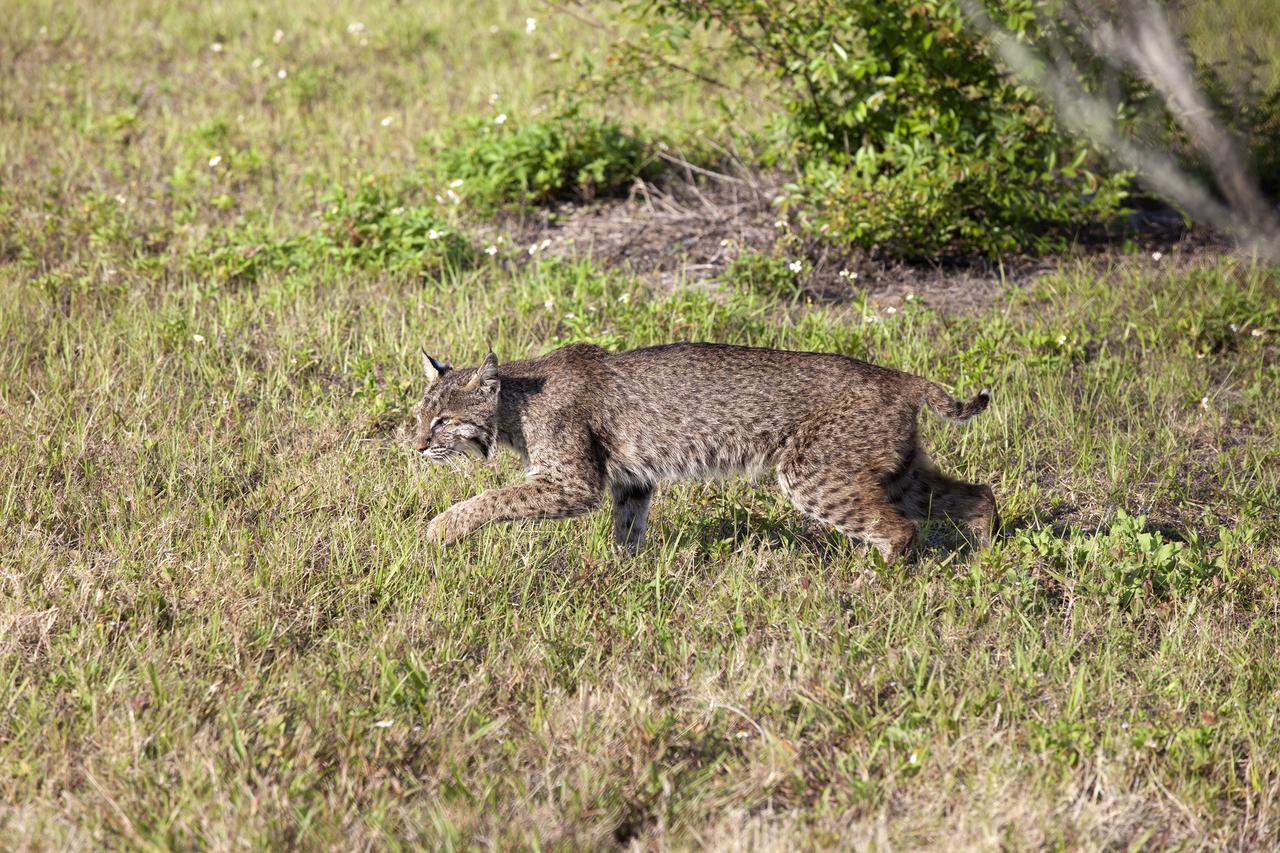
CAPE CANAVERAL, Fla. -- A bobcat retreats from the limelight near the Press Site at NASA's Kennedy Space Center in Florida. The center, the only launch site for crewed missions from U.S. soil, coexists with the Merritt Island National Wildlife Refuge, which encompasses 140,000 acres. The cat is the last large mammalian predator remaining on the center. The refuge provides a wide variety of habitats, including coastal dunes, saltwater estuaries and marshes, freshwater impoundments, scrub, pine flatwoods, and hardwood hammocks, and is a sanctuary for more than 1,500 species of plants and animals, including more than 330 species of birds, 31 mammals, 117 fishes, and 65 amphibians and reptiles. For additional information about the refuge, visit http://www.fws.gov/merrittisland. Photo credit: NASA/Kim Shiflett
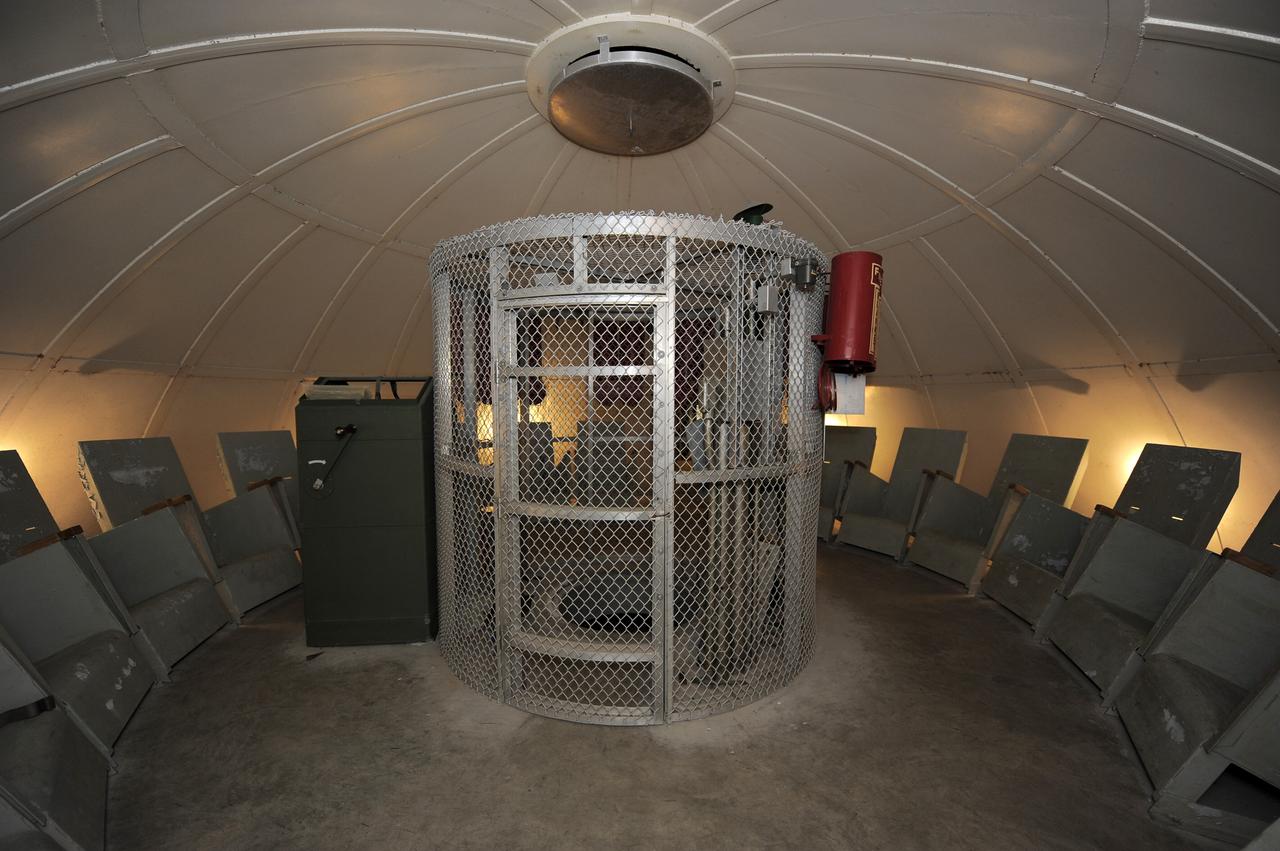
CAPE CANAVERAL, Fla. -- Empty fire blanket holders and 20 contour chairs remain in the blast-resistant "rubber room" beneath Launch Pad 39B at NASA's Kennedy Space Center in Florida. The room is a steel dome floating on rubber isolators and was used as an escape route during the Apollo Program in case of an emergency. It has since been abandoned by astronauts, but throughout the years nature found its way inside, including raccoons, snakes, birds and even a bobcat and opossum. Starting in 2009, the structure above the room on the pad was no longer needed for NASA's Space Shuttle Program, so it is being restructured for future use. The new design will feature a "clean pad" for rockets to come with their own launcher, making it more versatile for a number of vehicles. For information on NASA's future plans, visit www.nasa.gov. Photo credit: NASA/Kim Shiflett
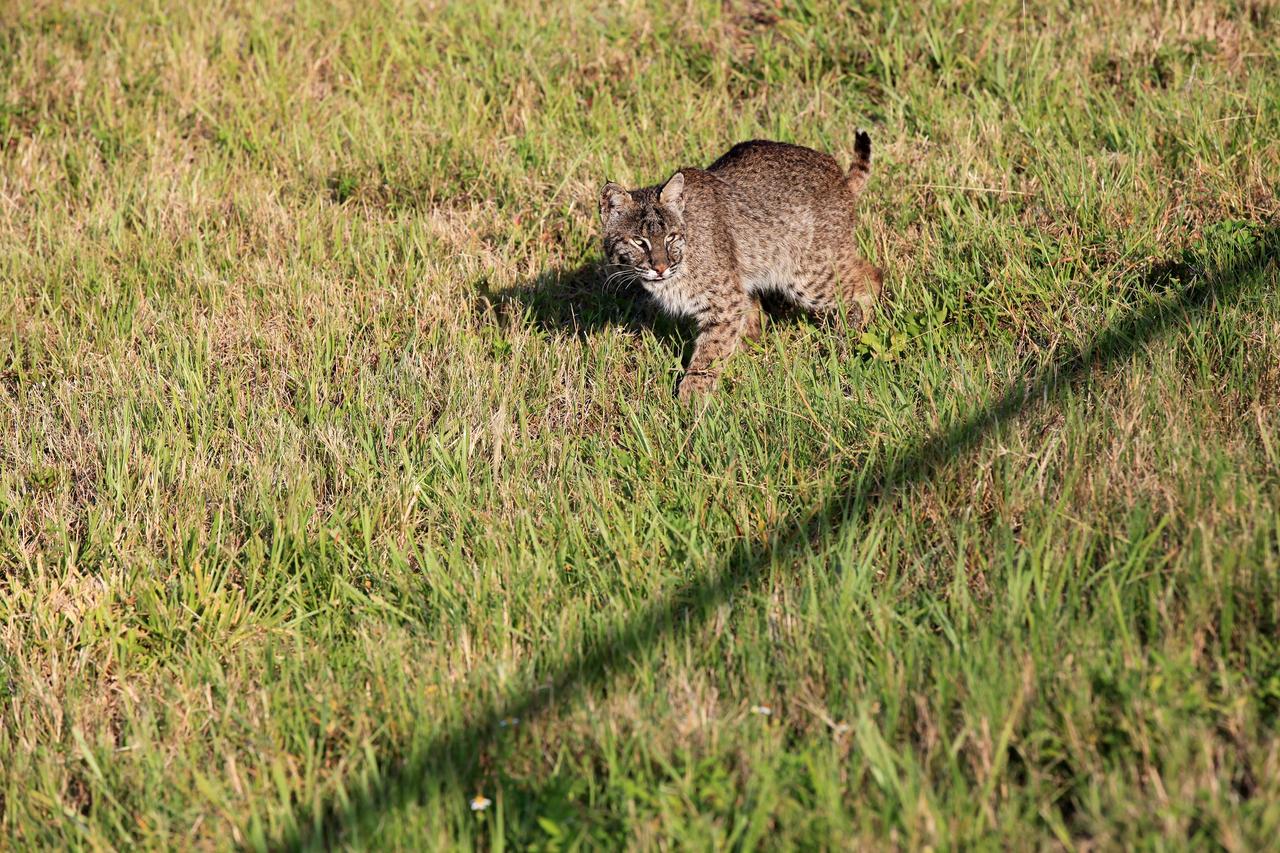
CAPE CANAVERAL, Fla. -- A bobcat is startled to be discovered near the Press Site at NASA's Kennedy Space Center in Florida. The center, the only launch site for crewed missions from U.S. soil, coexists with the Merritt Island National Wildlife Refuge, which encompasses 140,000 acres. The cat is the last large mammalian predator remaining on the center. The refuge provides a wide variety of habitats, including coastal dunes, saltwater estuaries and marshes, freshwater impoundments, scrub, pine flatwoods, and hardwood hammocks, and is a sanctuary for more than 1,500 species of plants and animals, including more than 330 species of birds, 31 mammals, 117 fishes, and 65 amphibians and reptiles. For additional information about the refuge, visit http://www.fws.gov/merrittisland. Photo credit: NASA/Kim Shiflett
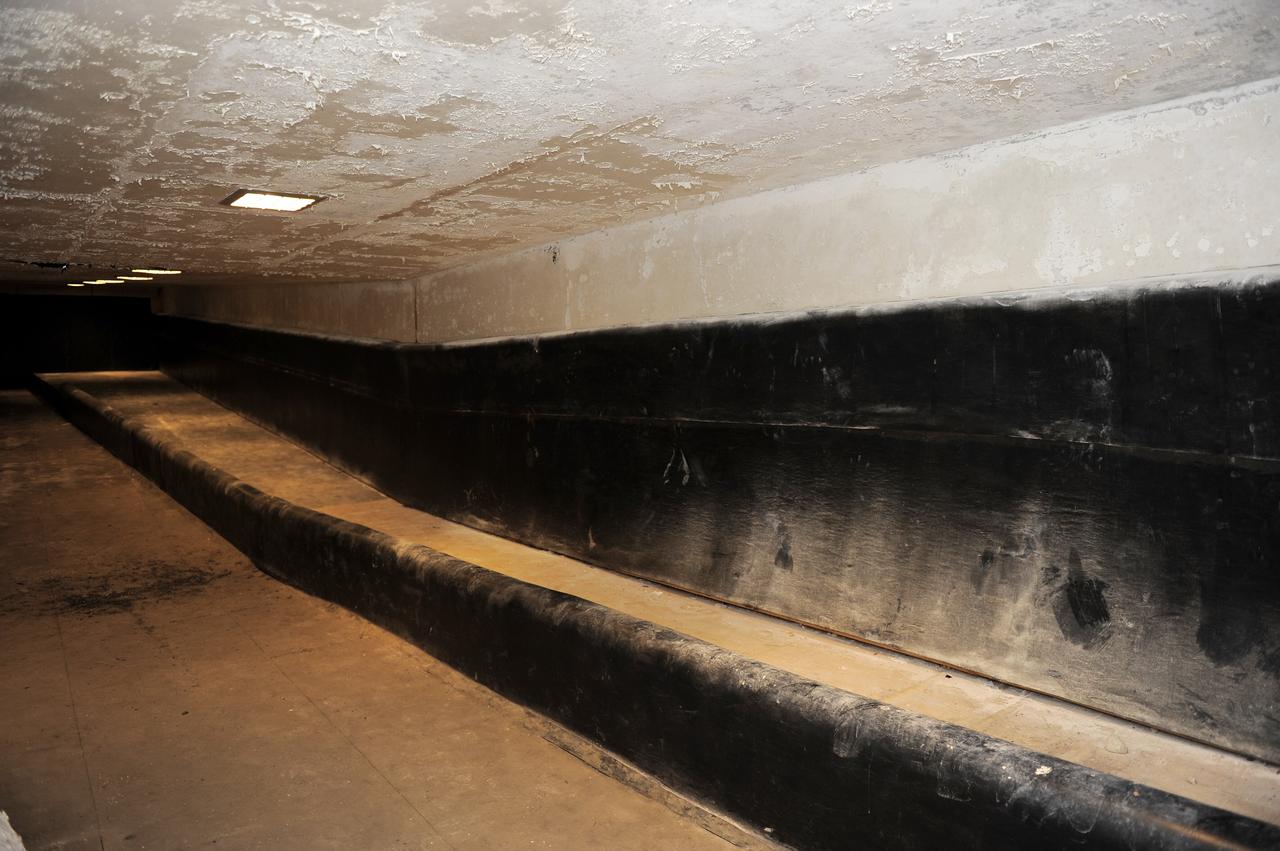
CAPE CANAVERAL, Fla. -- A tunnel beneath Launch Pad 39B at NASA's Kennedy Space Center in Florida leads to the blast-resistant "rubber room." The room is a steel dome floating on rubber isolators and was used as an escape route during the Apollo Program in case of an emergency. It has since been abandoned by astronauts, but throughout the years nature found its way inside, including raccoons, snakes, birds and even a bobcat and opossum. Starting in 2009, the structure above the room on the pad was no longer needed for NASA's Space Shuttle Program, so it is being restructured for future use. The new design will feature a "clean pad" for rockets to come with their own launcher, making it more versatile for a number of vehicles. For information on NASA's future plans, visit www.nasa.gov. Photo credit: NASA/Kim Shiflett

CAPE CANAVERAL, Fla. -- A tunnel beneath Launch Pad 39B at NASA's Kennedy Space Center in Florida runs from the blast-resistant "rubber room" to the pad perimeter. The room is a steel dome floating on rubber isolators and was used as an escape route during the Apollo Program in case of an emergency. It has since been abandoned by astronauts, but throughout the years nature found its way inside, including raccoons, snakes, birds and even a bobcat and opossum. Starting in 2009, the structure above the room on the pad was no longer needed for NASA's Space Shuttle Program, so it is being restructured for future use. The new design will feature a "clean pad" for rockets to come with their own launcher, making it more versatile for a number of vehicles. For information on NASA's future plans, visit www.nasa.gov. Photo credit: NASA/Kim Shiflett
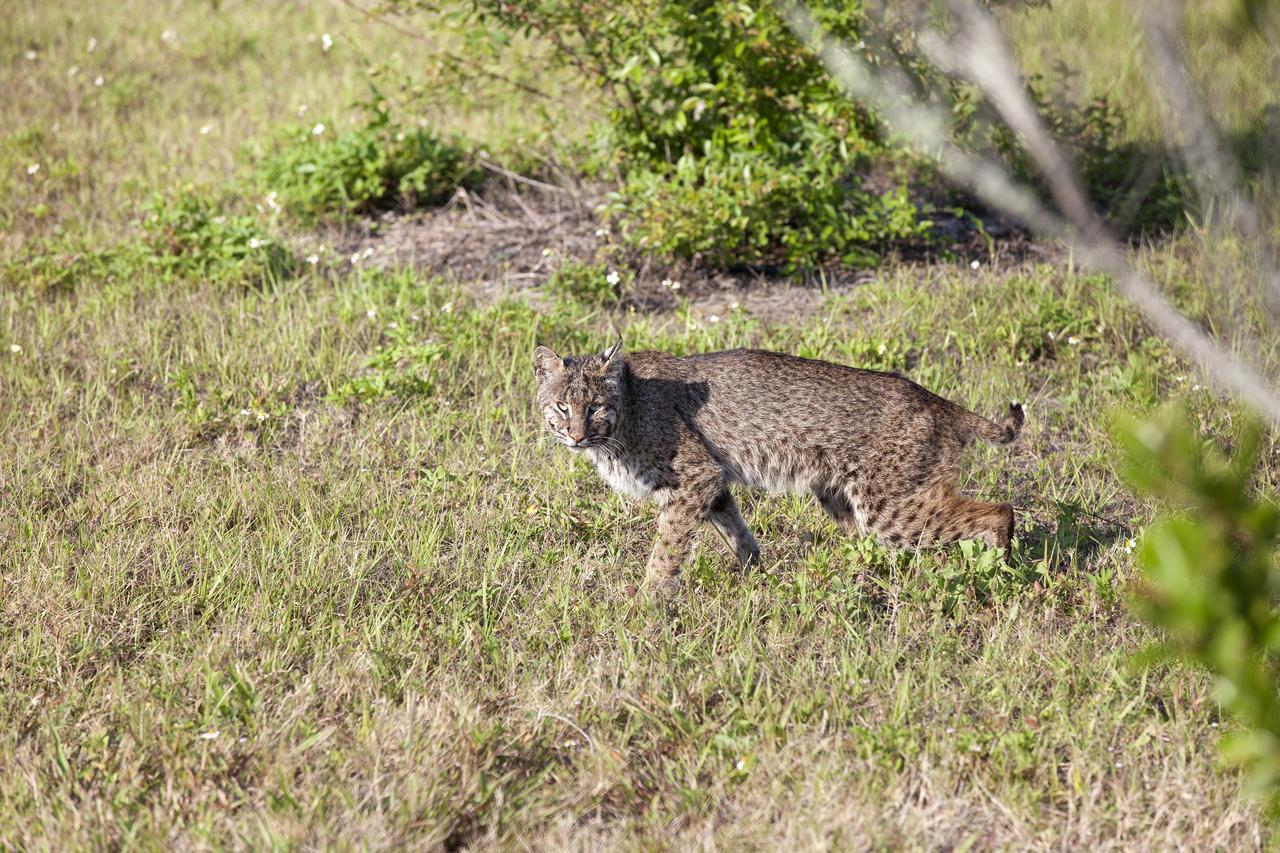
CAPE CANAVERAL, Fla. -- A bobcat prowls through the grass near the Press Site at NASA's Kennedy Space Center in Florida. The center, the only launch site for crewed missions from U.S. soil, coexists with the Merritt Island National Wildlife Refuge, which encompasses 140,000 acres. The cat is the last large mammalian predator remaining on the center. The refuge provides a wide variety of habitats, including coastal dunes, saltwater estuaries and marshes, freshwater impoundments, scrub, pine flatwoods, and hardwood hammocks, and is a sanctuary for more than 1,500 species of plants and animals, including more than 330 species of birds, 31 mammals, 117 fishes, and 65 amphibians and reptiles. For additional information about the refuge, visit http://www.fws.gov/merrittisland. Photo credit: NASA/Kim Shiflett
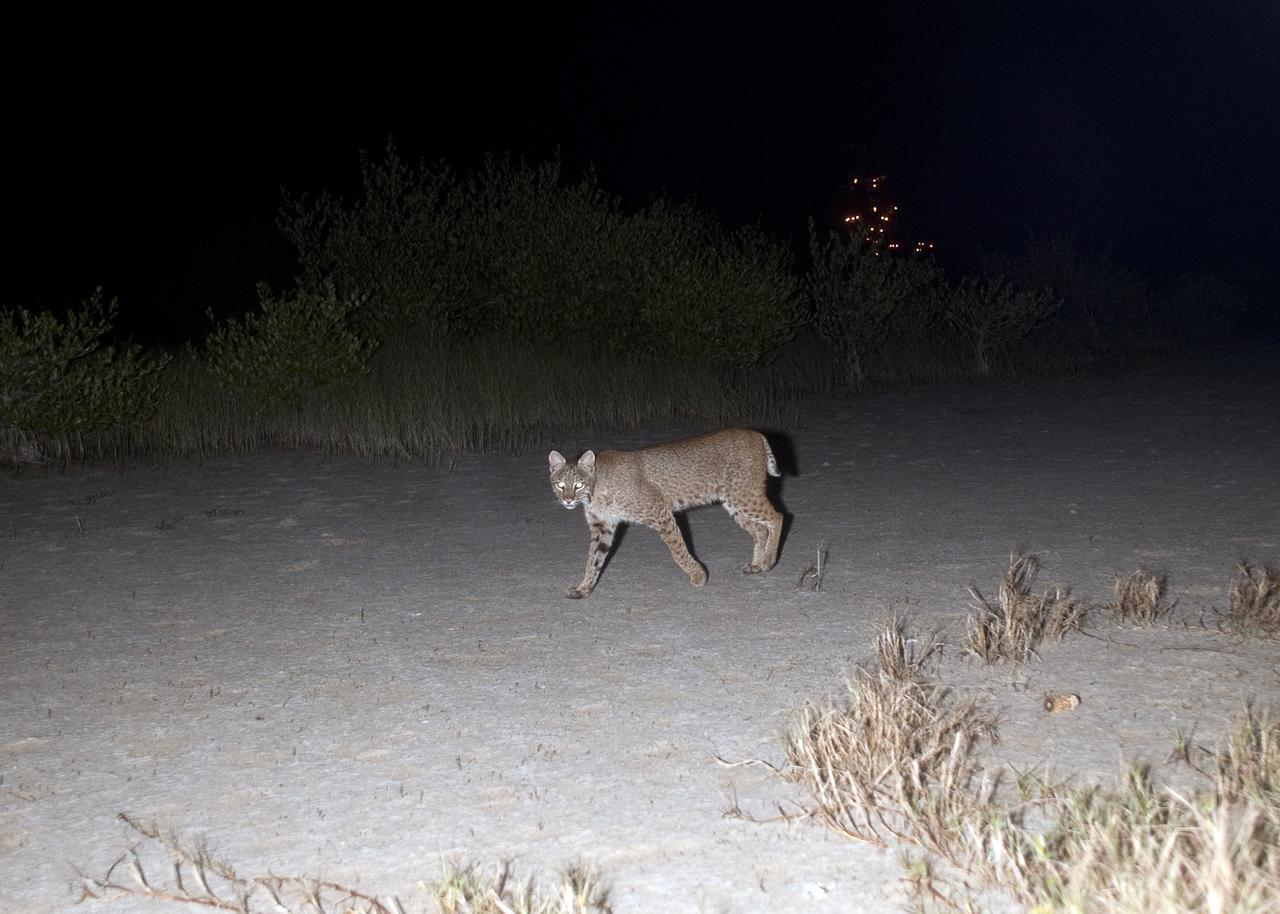
CAPE CANAVERAL, Fla. – Out on a nocturnal stroll, a bobcat triggers a motion-activated remote camera set up for this purpose at NASA’s Kennedy Space Center in Florida. The cat is seldom observed during the day unless scared from its daytime shelter. It is the last large mammalian predator remaining on the center. In the background are the lights on Launch Pad 39A. Kennedy and the Merritt Island National Wildlife Refuge mutually reside on 140,000 acres on central Florida’s east coast. The area’s coastal dunes, saltwater estuaries and marshes, freshwater impoundments, scrub, pine flatwoods, and hardwood hammocks provide habitats for more than 1,500 species of plants and animals, including about 331 species of birds. For more information, visit http://www.nasa.gov/kennedy. Photo credit: NASA/Tony Gray
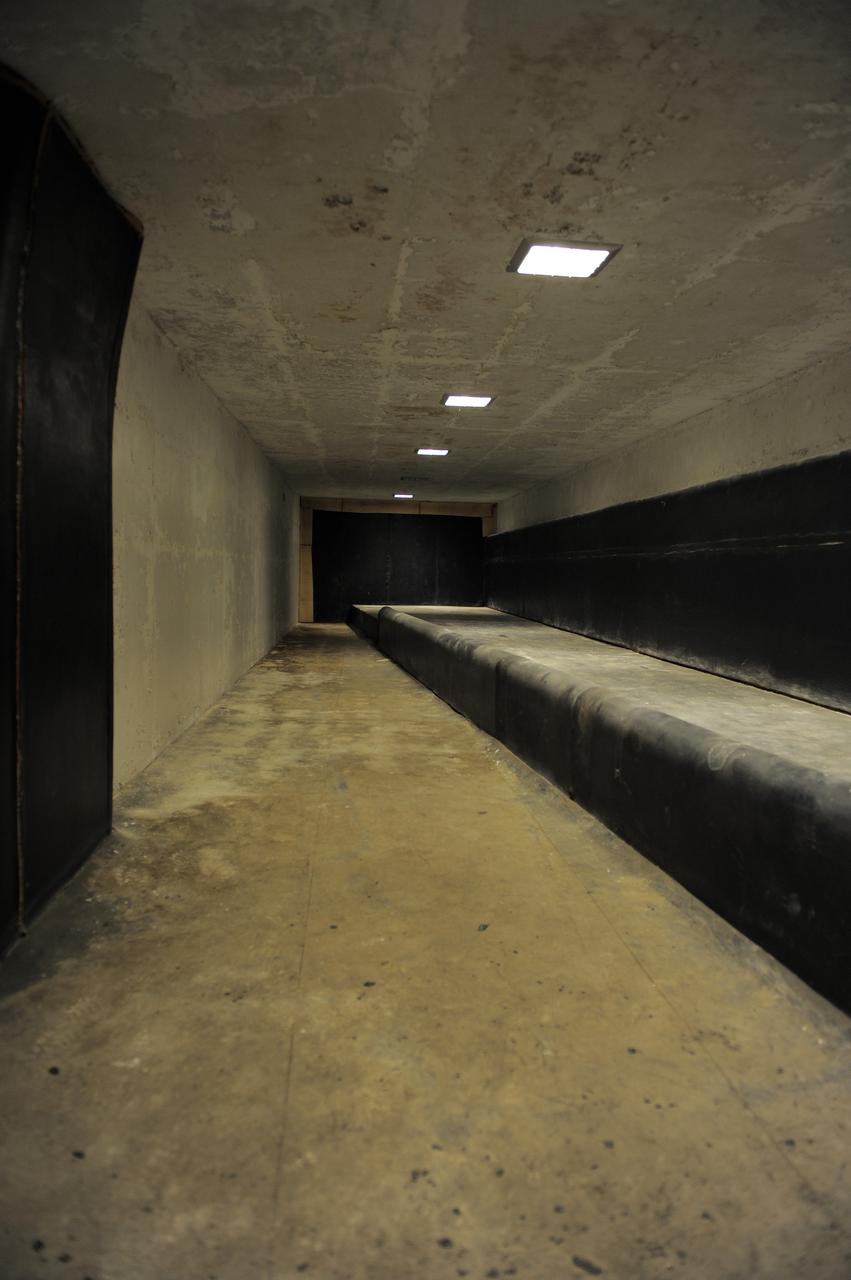
CAPE CANAVERAL, Fla. -- A tunnel beneath Launch Pad 39B at NASA's Kennedy Space Center in Florida leads to the blast-resistant "rubber room." The room is a steel dome floating on rubber isolators and was used as an escape route during the Apollo Program in case of an emergency. It has since been abandoned by astronauts, but throughout the years nature found its way inside, including raccoons, snakes, birds and even a bobcat and opossum. Starting in 2009, the structure above the room on the pad was no longer needed for NASA's Space Shuttle Program, so it is being restructured for future use. The new design will feature a "clean pad" for rockets to come with their own launcher, making it more versatile for a number of vehicles. For information on NASA's future plans, visit www.nasa.gov. Photo credit: NASA/Kim Shiflett
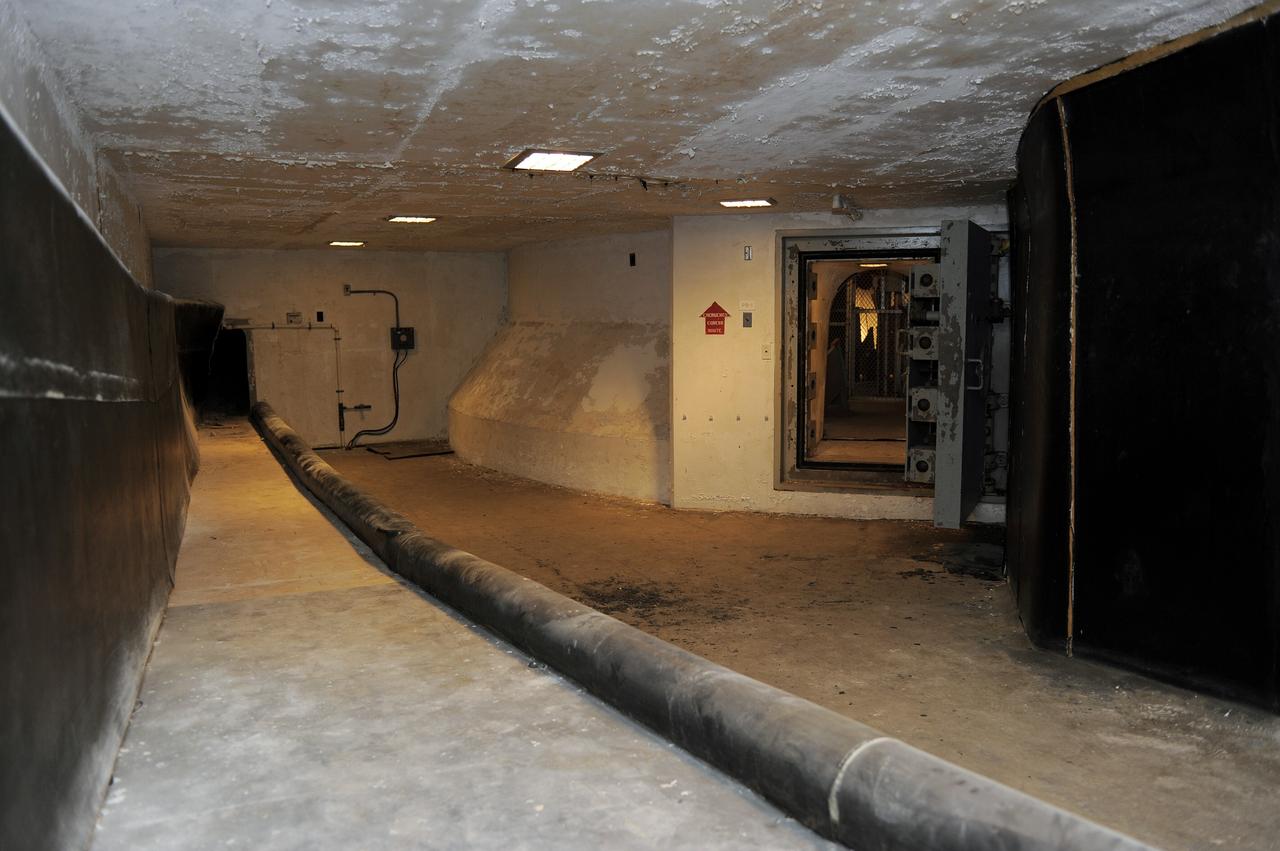
CAPE CANAVERAL, Fla. -- A tunnel beneath Launch Pad 39B at NASA's Kennedy Space Center in Florida leads to the blast-resistant "rubber room." The room is a steel dome floating on rubber isolators and was used as an escape route during the Apollo Program in case of an emergency. It has since been abandoned by astronauts, but throughout the years nature found its way inside, including raccoons, snakes, birds and even a bobcat and opossum. Starting in 2009, the structure above the room on the pad was no longer needed for NASA's Space Shuttle Program, so it is being restructured for future use. The new design will feature a "clean pad" for rockets to come with their own launcher, making it more versatile for a number of vehicles. For information on NASA's future plans, visit www.nasa.gov. Photo credit: NASA/Kim Shiflett
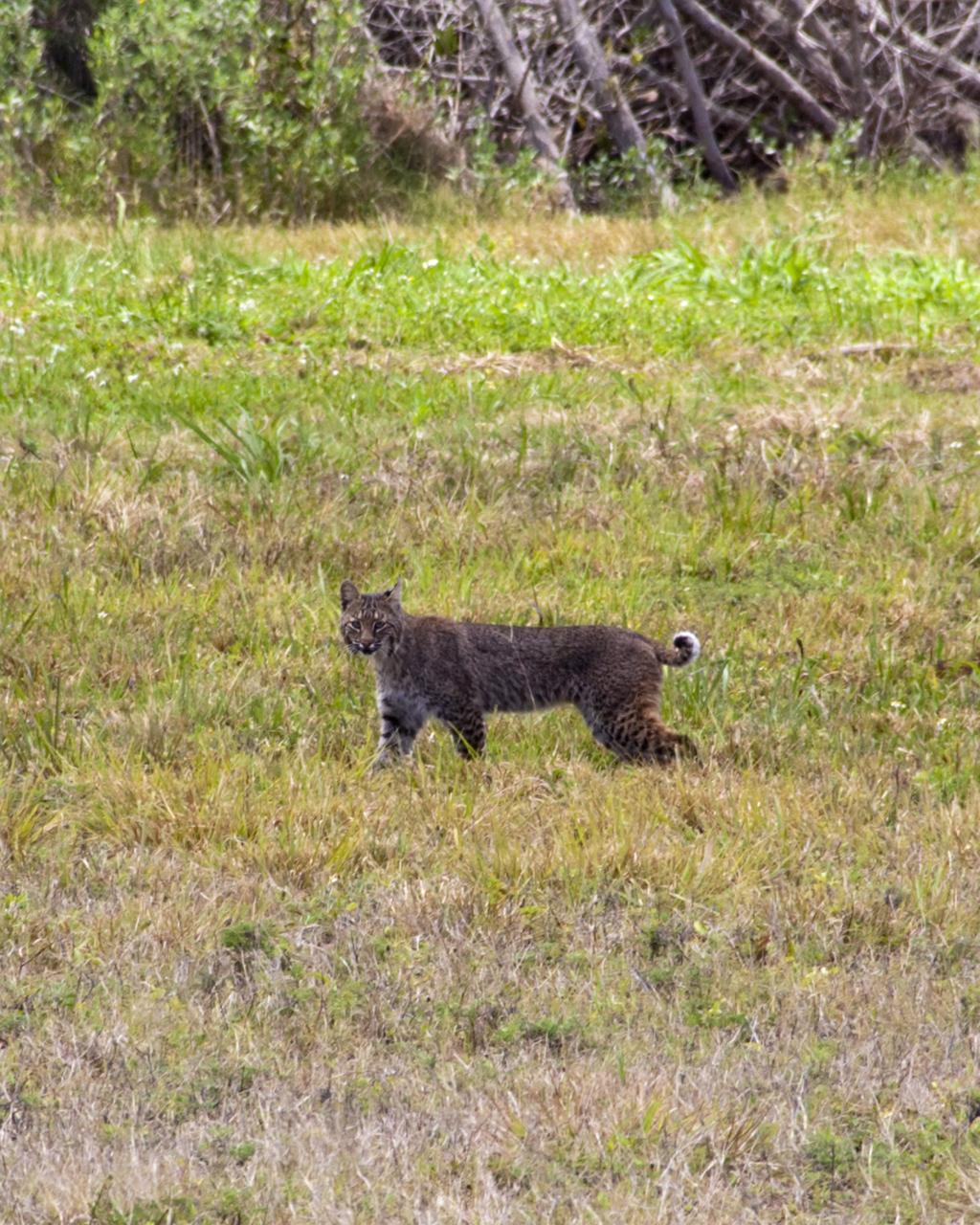
CAPE CANAVERAL, Fla. – A bobcat on the causeway between NASA’s Kennedy Space Center and Cape Canaveral Air Force Station in Florida pauses to check out the photographer who chanced upon it during the hunt for its next meal. The cat is seldom observed during the day unless scared from its daytime shelter. It is the last large mammalian predator remaining on the center. Kennedy and the Merritt Island National Wildlife Refuge mutually reside on 140,000 acres on central Florida’s east coast. The area’s coastal dunes, saltwater estuaries and marshes, freshwater impoundments, scrub, pine flatwoods, and hardwood hammocks provide habitats for more than 1,000 species of plants and animals, including about 331 species of birds. For more information, visit http://www.nasa.gov/kennedy. Photo credit: NASA/Jim Grossmann
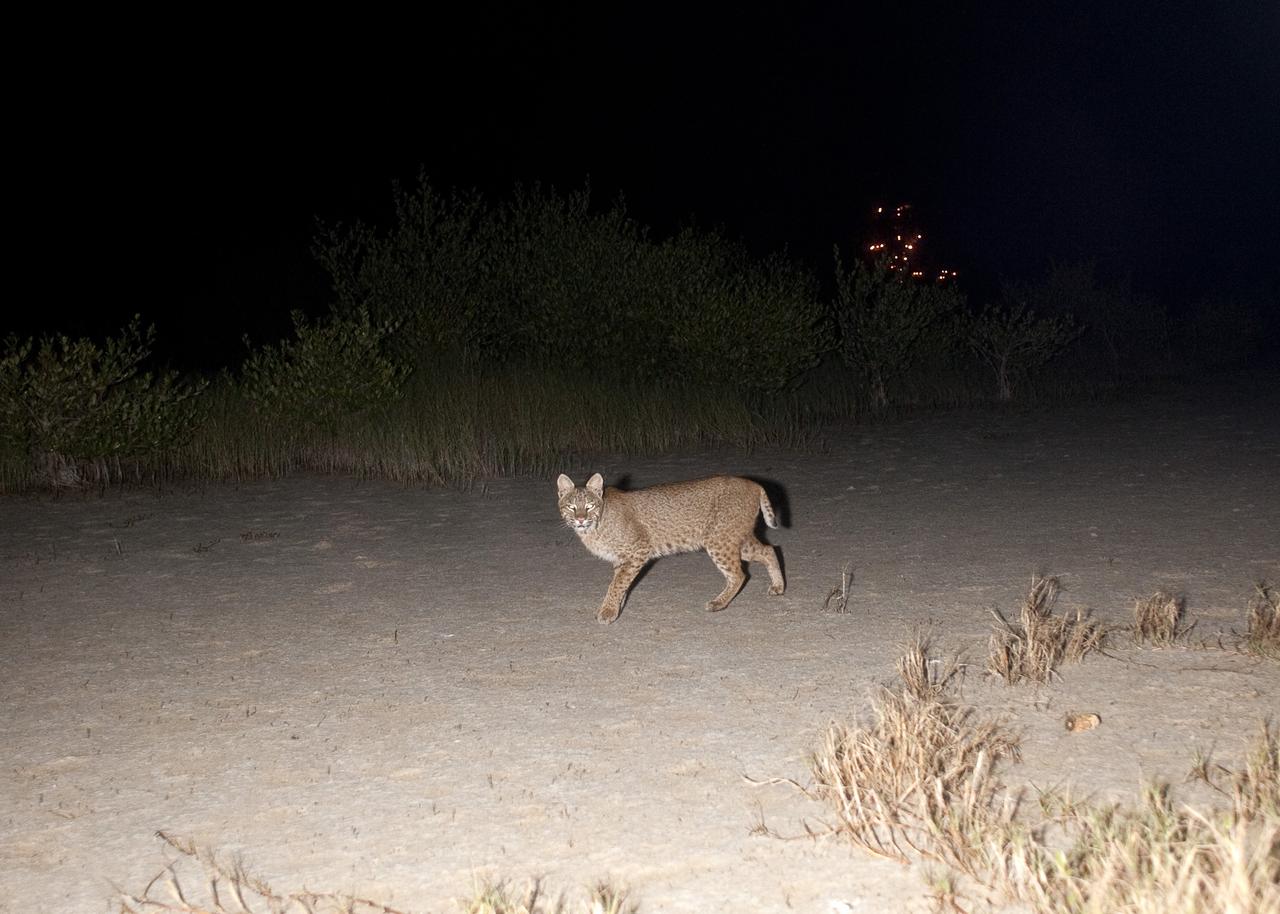
CAPE CANAVERAL, Fla. – Gotcha! A bobcat out on a nocturnal stroll triggers a motion-activated remote camera set up for this purpose at NASA’s Kennedy Space Center in Florida. The cat is seldom observed during the day unless scared from its daytime shelter. It is the last large mammalian predator remaining on the center. In the background are the lights on Launch Pad 39A. Kennedy and the Merritt Island National Wildlife Refuge mutually reside on 140,000 acres on central Florida’s east coast. The area’s coastal dunes, saltwater estuaries and marshes, freshwater impoundments, scrub, pine flatwoods, and hardwood hammocks provide habitats for more than 1,500 species of plants and animals, including about 331 species of birds. For more information, visit http://www.nasa.gov/kennedy. Photo credit: NASA/Tony Gray
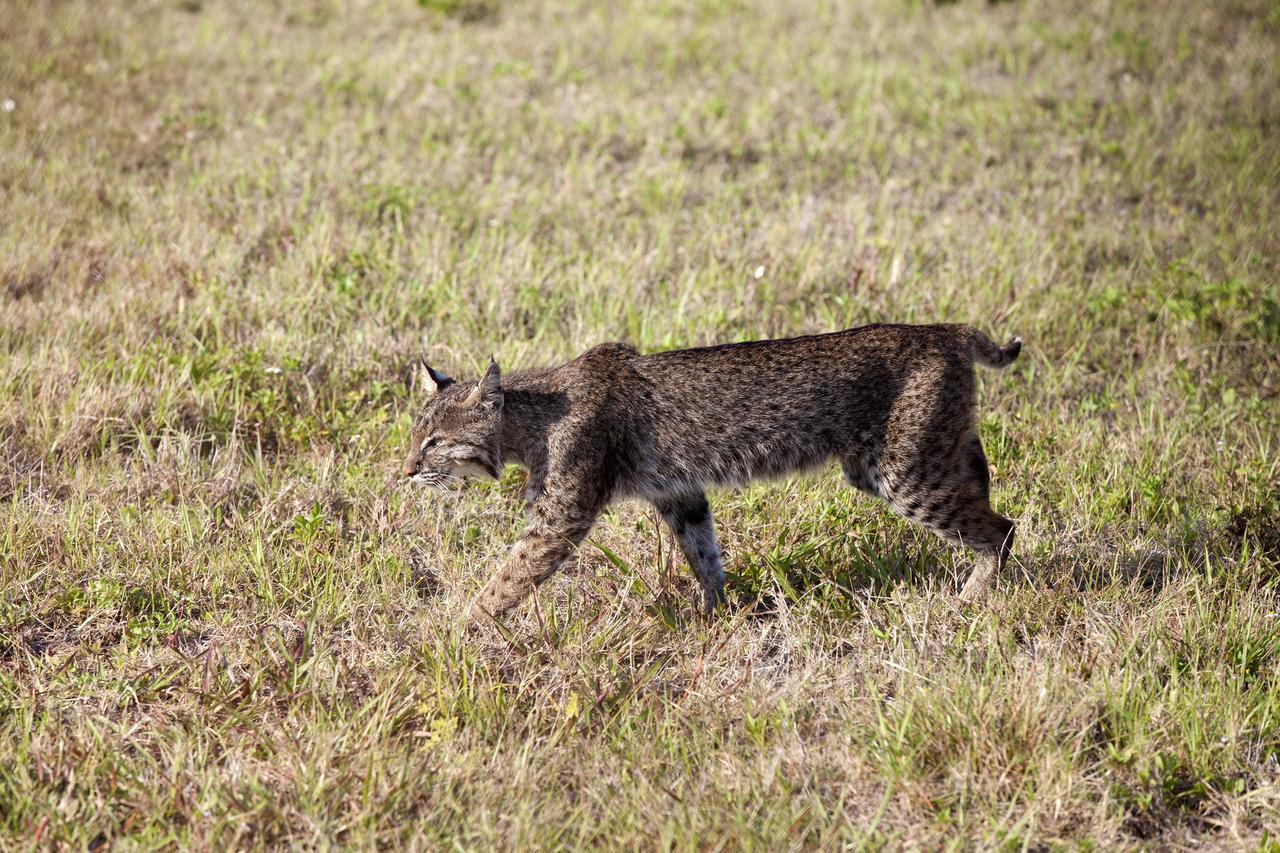
CAPE CANAVERAL, Fla. -- A bobcat continues on its way past the Press Site at NASA's Kennedy Space Center in Florida. The center, the only launch site for crewed missions from U.S. soil, coexists with the Merritt Island National Wildlife Refuge, which encompasses 140,000 acres. The cat is the last large mammalian predator remaining on the center. The refuge provides a wide variety of habitats, including coastal dunes, saltwater estuaries and marshes, freshwater impoundments, scrub, pine flatwoods, and hardwood hammocks, and is a sanctuary for more than 1,500 species of plants and animals, including more than 330 species of birds, 31 mammals, 117 fishes, and 65 amphibians and reptiles. For additional information about the refuge, visit http://www.fws.gov/merrittisland. Photo credit: NASA/Kim Shiflett
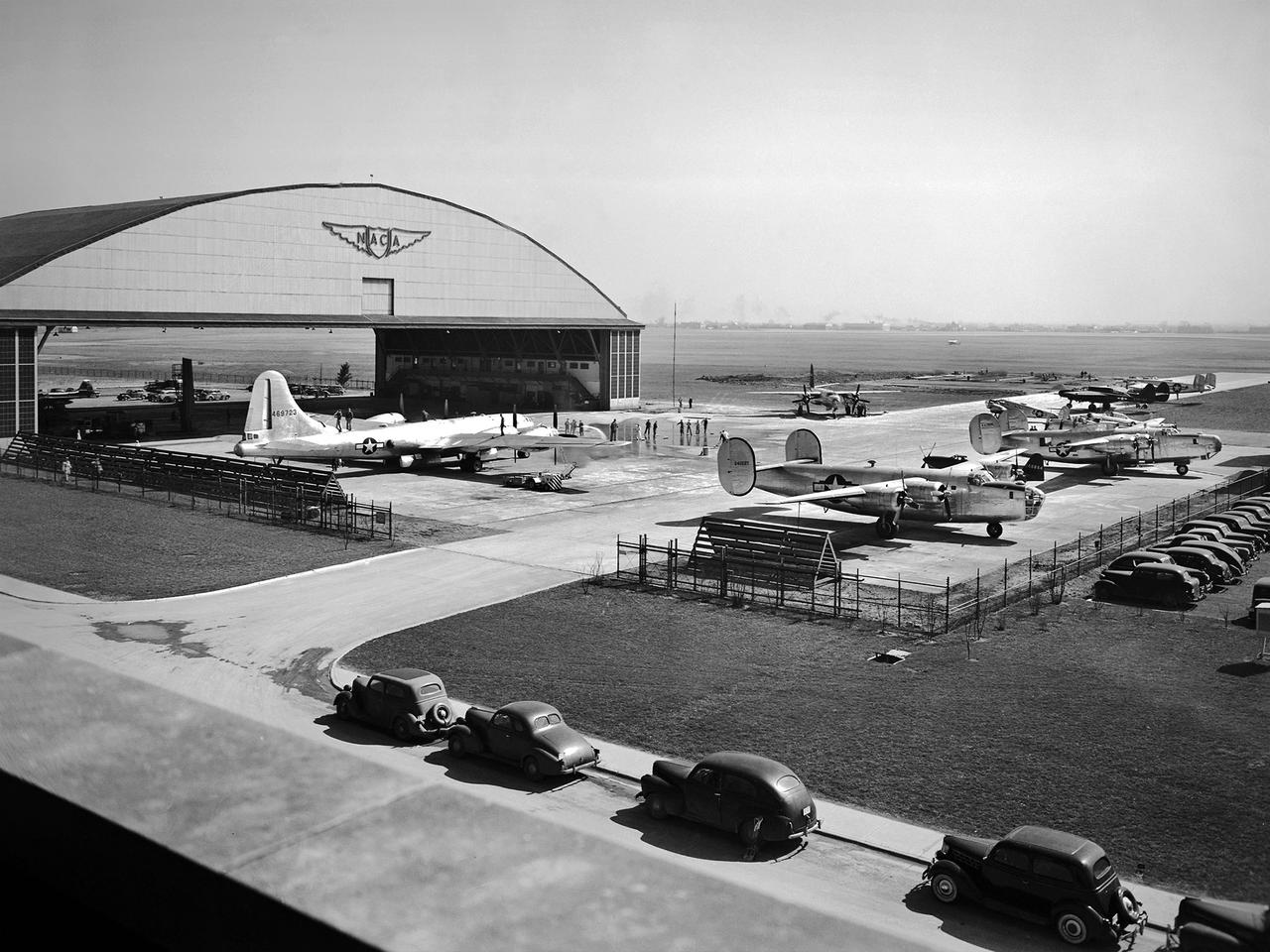
This fleet of military aircraft was used in the 1940s for research at the National Advisory Committee for Aeronautics (NACA) Lewis Flight Propulsion Laboratory in Cleveland, Ohio. The NACA Lewis flight research program was established in March 1943 to augment the lab’s wartime research efforts. NACA Lewis possessed a host of wind tunnels, test stands, and other ground facilities designed to replicate flight conditions, but actual flight tests remained an integral research tool. The military loaned NACA Lewis 15 different aircraft during World War II and six others in the six months following the end of hostilities. During the war these aircraft supported three main efforts: the improved performance of reciprocating engines, better fuel additives and mixtures, and deicing systems. The wartime researchers used the types of aircraft which the studies were intended to improve. After the war the research aircraft served as test beds to investigate engines or systems that often had little to do with the research aircraft. During the war, NACA Lewis’ three pilots were supported by 16 flight engineers, 36 mechanics, and 10 instrumentation specialists. The visible aircraft, from left to right, are a Boeing B-29 Superfortress, a Martin B-26A Marauder, two Consolidated B-24 Liberators, a Cessna UC-78 Bobcat, and a Northrop P-61 Black Widow. Partially obscured are a North American P-51 Mustang, a Bell P-63 King Cobra, a North American AT-6 Texan, and a Lockheed RA-29 Hudson.