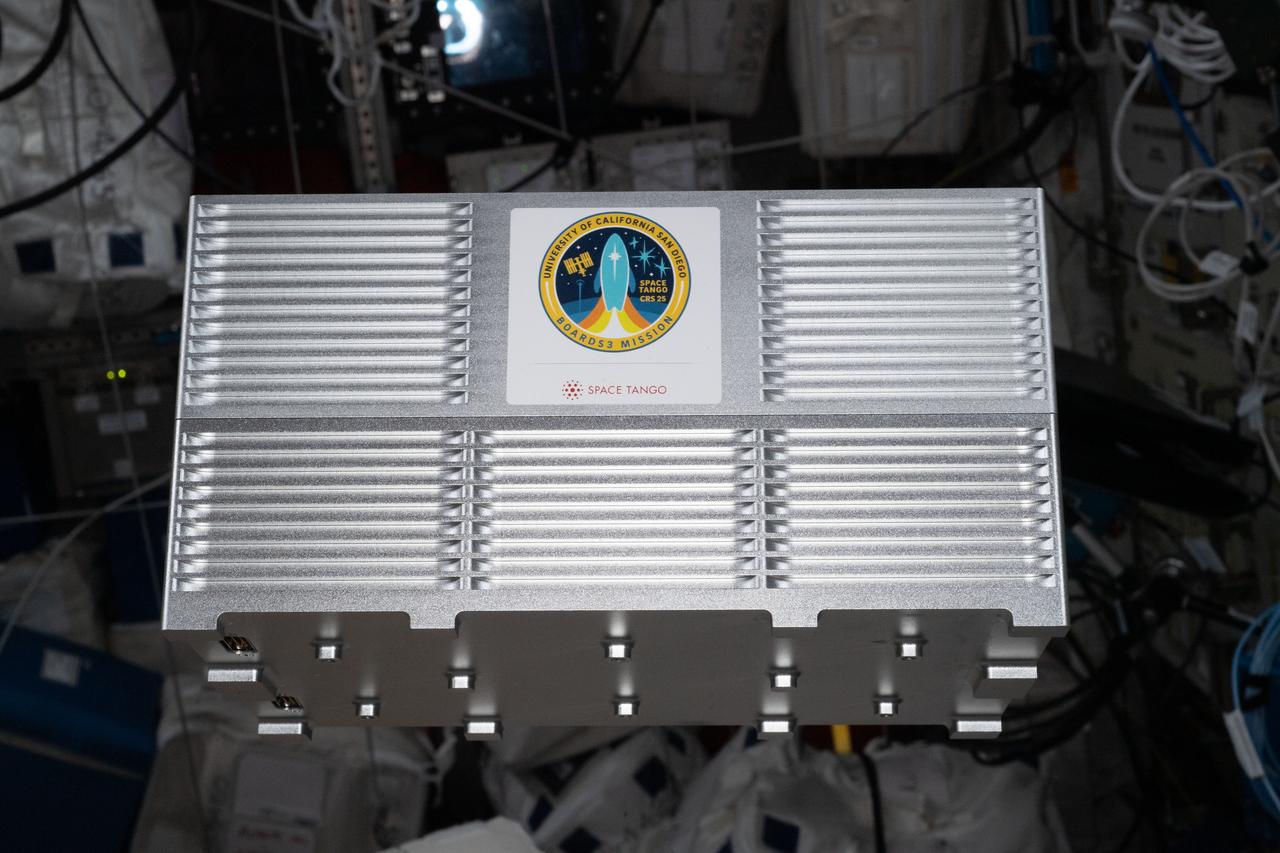
iss067e264450 (8/14/2022) --- A view aboard the International Space Station (ISS) of the Space Tango-Human Brain Organoids (BOARDS3) investigation. The Effect of Microgravity on Human Brain Organoids (Space Tango-Human Brain Organoids) observes the response of brain organoids to microgravity. This investigation demonstrates how exposure to microgravity affects survival, metabolism, and features of brain cells and, therefore, cognitive function.
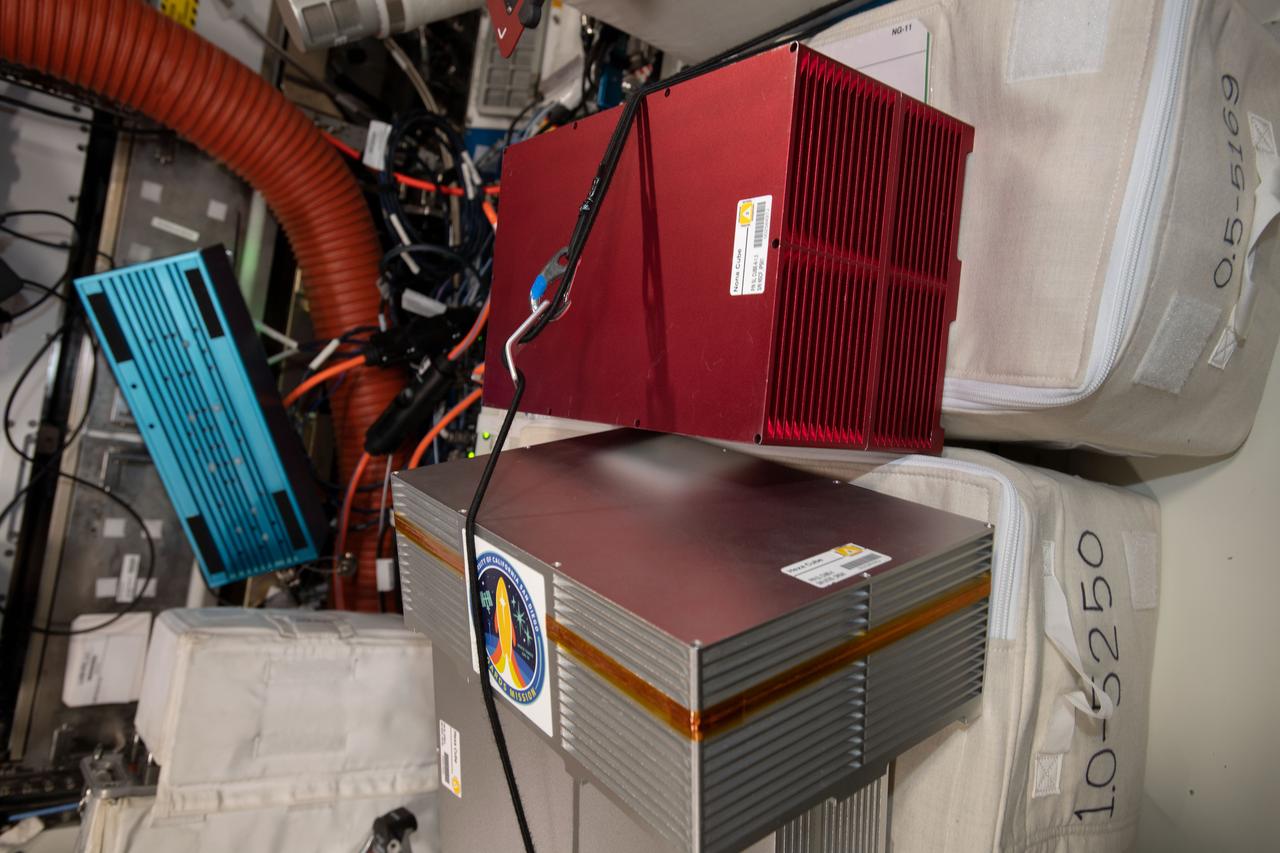
iss060e036685 (8/9/2019) — A view aboard the International Space Station (ISS) of the TangoLab Mission-13 CubeLabs: Space Tango-Human Brain Organoids and Space Tango-Induced Pluripotent Stem Cells. Space Tango-Induced Pluripotent Stem Cells examines how microglial cells grow and move in three-dimensional (3D) cultures as well as any changes in gene expression that occur as a result of microgravity exposure. Space Tango-Human Brain Organoids observes the response of brain organoids to microgravity.
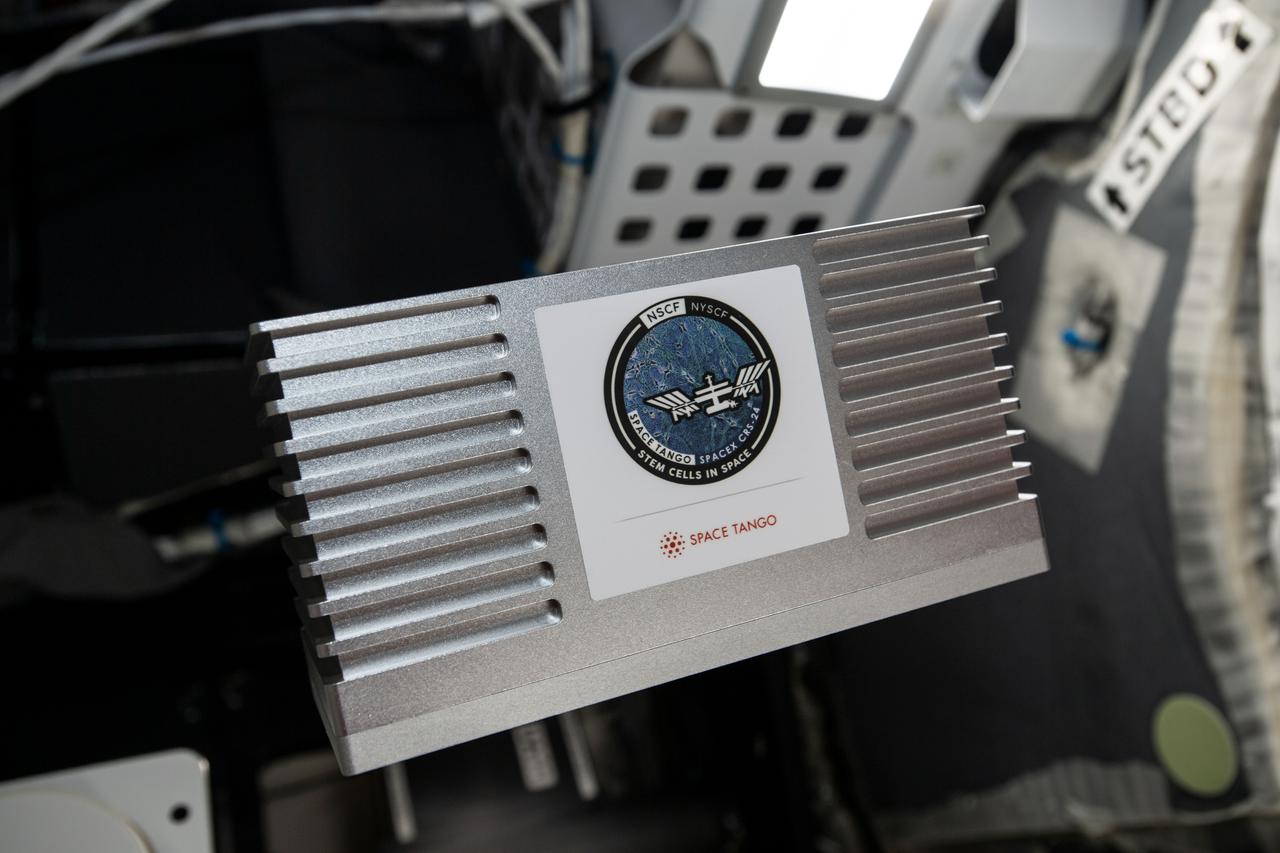
iss066e110840 (1/11/2022) --- A view of the Cosmic Brain Organoids CubeLab aboard the International Space Station (ISS). The Effects of Microgravity on Microglia 3-Dimensional Models of Parkinson’s Disease and Multiple Sclerosis – Mission 2 (Cosmic Brain Organoids) examines growth and movement of microglial cells in 3D organoids and potential changes in gene expression and protein secretion caused by microgravity.
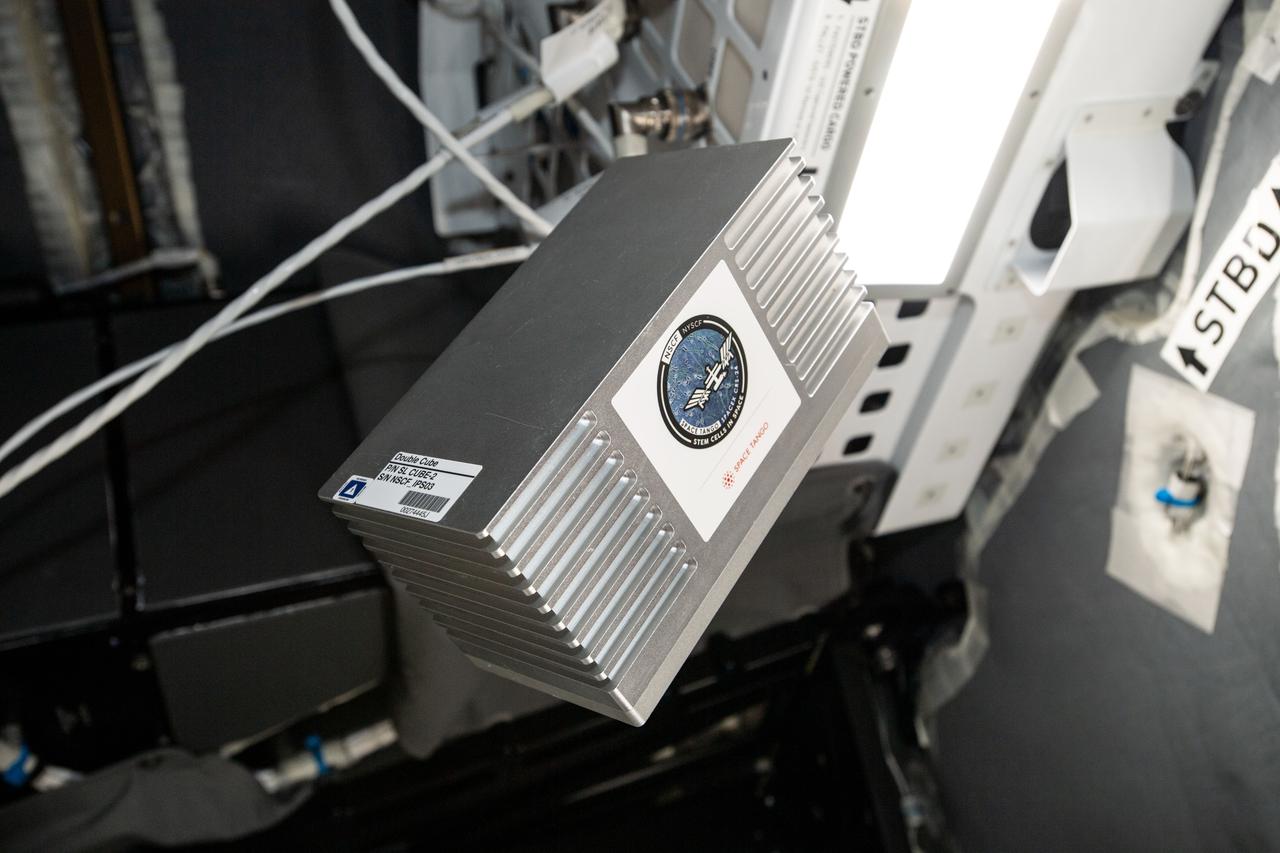
iss066e110844 (1/11/2022) --- A view of the Cosmic Brain Organoids CubeLab aboard the International Space Station (ISS). The Effects of Microgravity on Microglia 3-Dimensional Models of Parkinson’s Disease and Multiple Sclerosis – Mission 2 (Cosmic Brain Organoids) examines growth and movement of microglial cells in 3D organoids and potential changes in gene expression and protein secretion caused by microgravity.
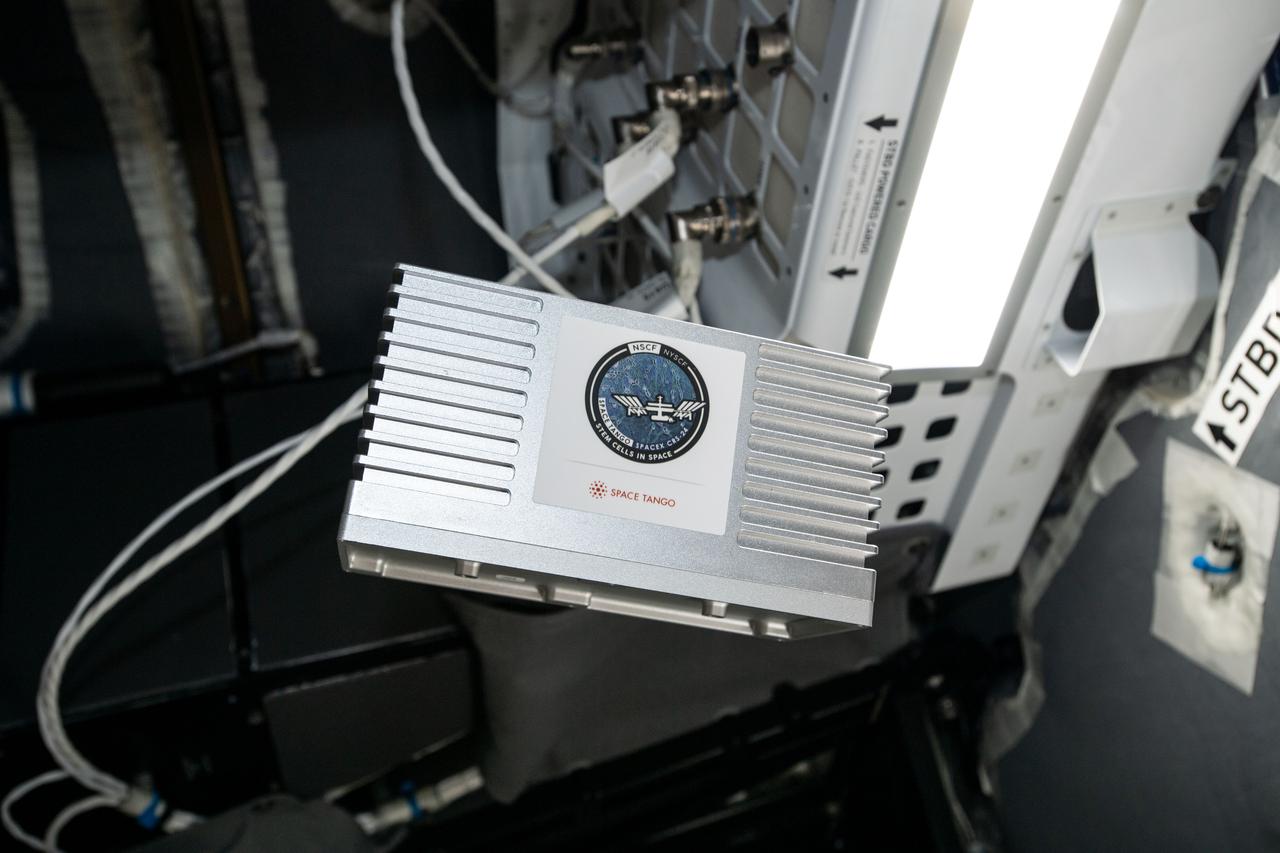
iss066e110849 (1/11/2022) --- A view of the Cosmic Brain Organoids CubeLab aboard the International Space Station (ISS). The Effects of Microgravity on Microglia 3-Dimensional Models of Parkinson’s Disease and Multiple Sclerosis – Mission 2 (Cosmic Brain Organoids) examines growth and movement of microglial cells in 3D organoids and potential changes in gene expression and protein secretion caused by microgravity.

iss071e019819 (April 22, 2024) --- Expedition 71 Flight Engineer and NASA astronaut Mike Barratt processes brain organoid samples inside the Life Science Glovebox for a neurodegenerative disorder study. Doctors will use the results from the investigation to learn how protect a crew member’s central nervous system and provide treatments for neurodegenerative conditions on Earth. The Human Brain Organoid Models for Neurodegenerative Disease & Drug Discovery (HBOND) investigation studies 3D neuroglial organoids derived from the induced pluripotent stem cells (IPSCs) of patients with Parkinson’s disease and primary progressive multiple sclerosis. Results may improve understanding of neurodegenerative disease and accelerate the development of new treatments.
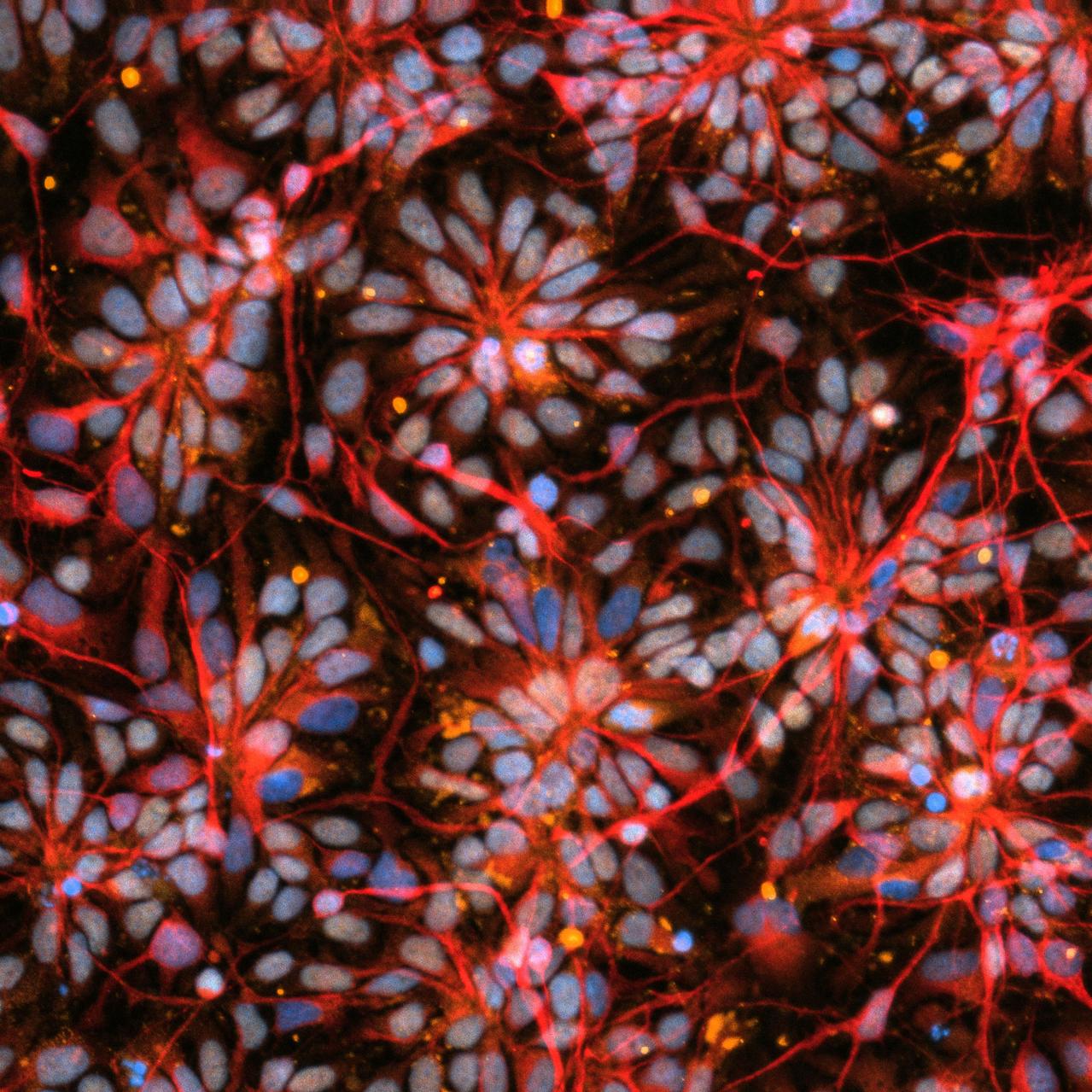
jsc2024e021220 (3/21/2024) --- Precursor cells are shown from the Human Brain Organoid Models for Neurodegenerative Disease & Drug Discovery (HBOND) investigation of primary progressive multiple sclerosis (MS). These Cosmic Brain Organoids will spend approximately 30 days on the International Space Station. This investigation studies 3D neuroglial organoids derived from the induced pluripotent stem cells (IPSCs) of patients with primary progressive MS and Parkinson’s disease. Results may improve understanding of neurodegenerative disease and accelerate the development of new treatments. Image courtesy of the New York Stem Cell Research Institute.
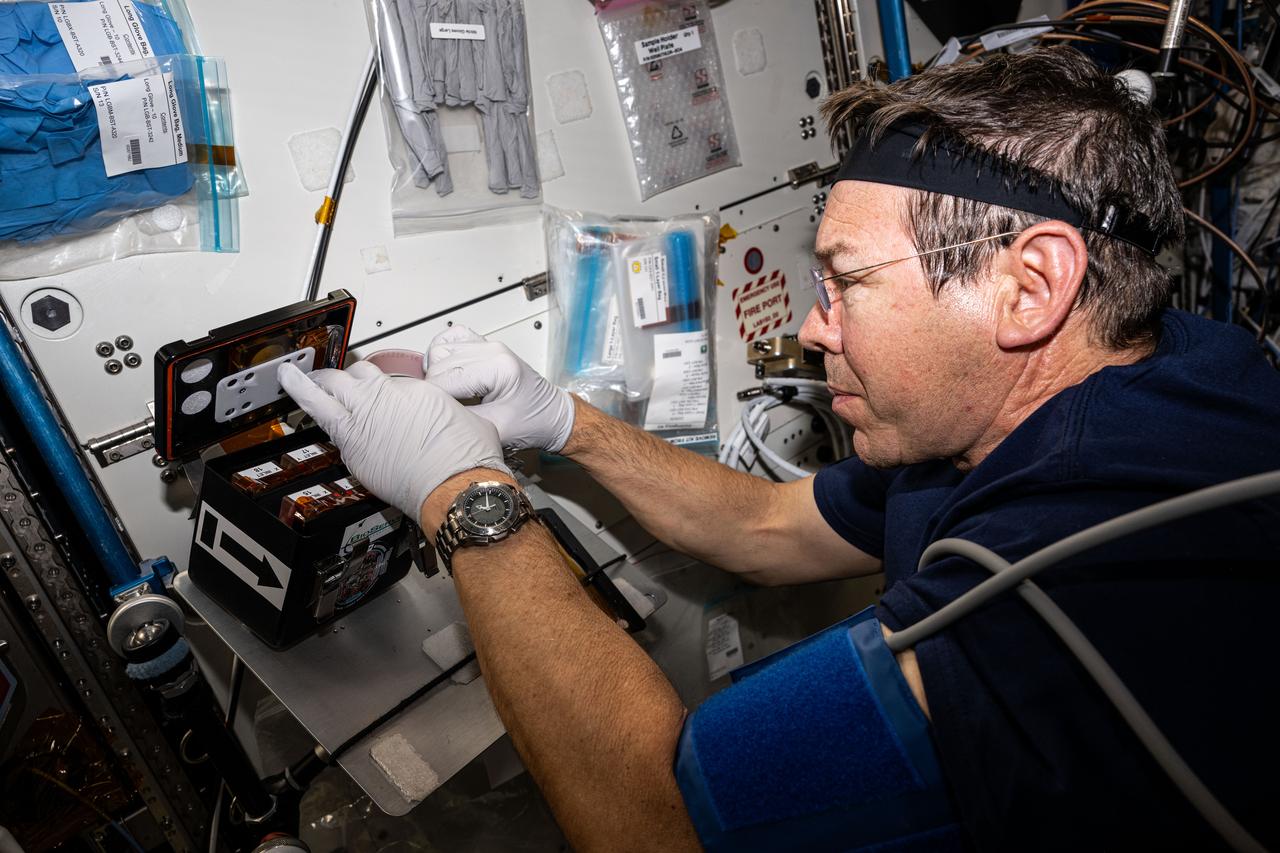
iss070e129569 (March 26, 2024) --- Expedition 70 Flight Engineer and NASA astronaut Mike Barratt processes brain organoid samples inside the BioServe Tissue Chamber. The research work was being done to learn how microgravity affects the central nervous system and develop therapies to counteract neurodegenerative diseases both in space and on Earth. The Human Brain Organoid Models for Neurodegenerative Disease & Drug Discovery (HBOND) investigation studies 3D neuroglial organoids derived from the induced pluripotent stem cells (IPSCs) of patients with Parkinson’s disease and primary progressive multiple sclerosis. Results may improve understanding of neurodegenerative disease and accelerate the development of new treatments.
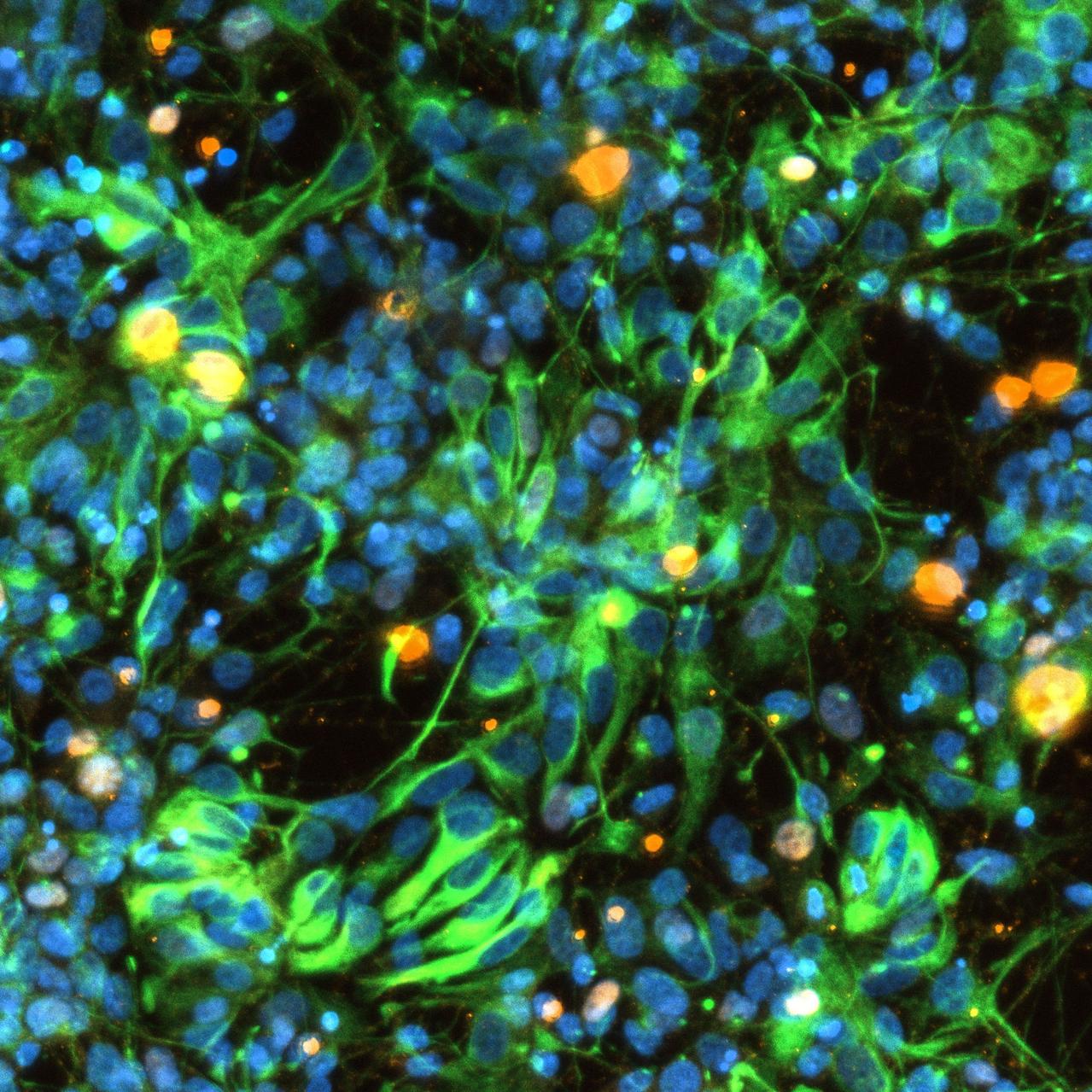
jsc2024e021221 (2/21/2024) --- Precursor cells are shown from the Human Brain Organoid Models for Neurodegenerative Disease & Drug Discovery (HBOND) investigation of Parkinson’s disease. These Cosmic Brain Organoids will spend approximately 30 days on the International Space Station. This investigation studies 3D neuroglial organoids derived from the induced pluripotent stem cells (IPSCs) of patients with Parkinson’s disease and primary progressive multiple sclerosis. Results may improve understanding of neurodegenerative disease and accelerate the development of new treatments. Image courtesy of the New York Stem Cell Research Institute.
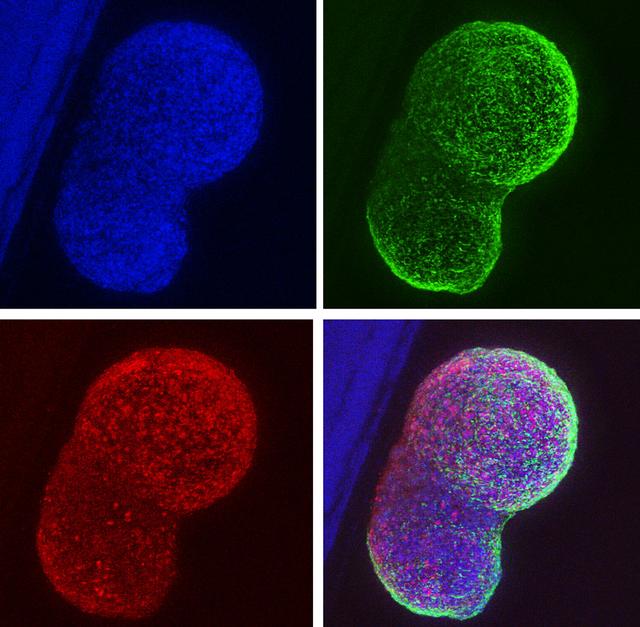
jsc2026e402756 (July 28, 2026) --- A preflight image of a brain organoid immunostained for different neural-specific markers. This laboratory technique is used as part of the Stellar Stem Cells Mission 3 investigation, which aims to produce stem cell clusters, known as organoids, aboard the International Space Station to support cell-based therapies, disease modeling, and drug testing platforms. This could lead to better treatments for conditions like heart disease, stroke, ALS, and Parkinson's Disease. Credit: Cedars-Sinai.
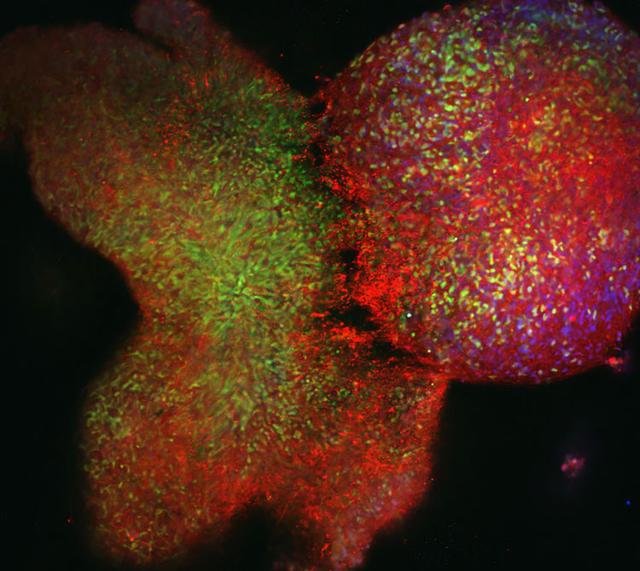
jsc2026e402755 (July 28, 2026) --- A preflight image of a brain organoid immunostained for different neural-specific markers. This laboratory technique is used as part of the Stellar Stem Cells Mission 3 investigation, which aims to produce stem cell clusters, known as organoids, aboard the International Space Station to support cell-based therapies, disease modeling, and drug testing platforms. This could lead to better treatments for conditions like heart disease, stroke, ALS, and Parkinson's Disease. Credit: Cedars-Sinai.
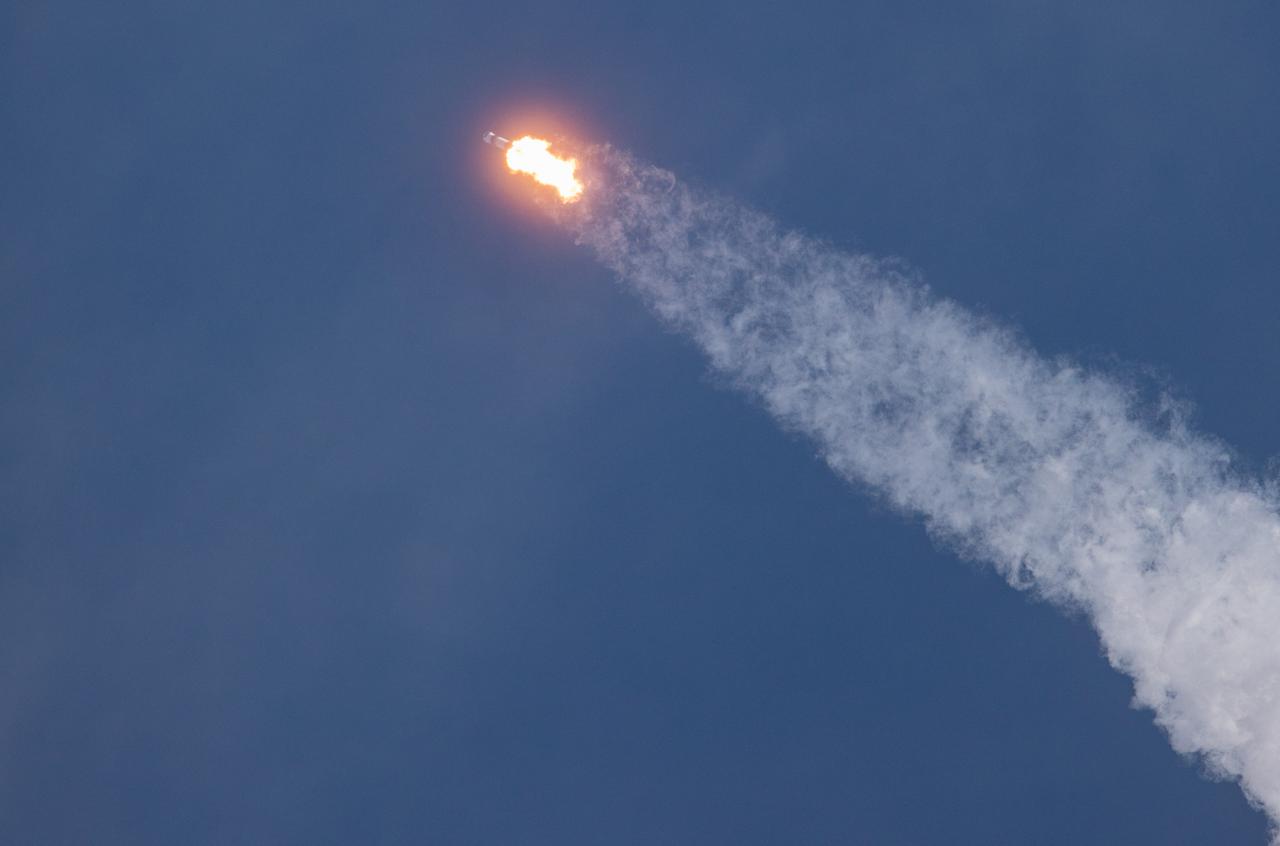
A SpaceX Falcon 9 rocket soars into the sky after lifting off from Launch Complex 39A at Kennedy Space Center in Florida at 11:17 a.m. EST on Dec. 6, 2020. The rocket is carrying the uncrewed cargo Dragon spacecraft on its journey to the International Space Station for NASA and SpaceX’s 21st Commercial Resupply Services (CRS-21) mission. Dragon will deliver more than 6,400 pounds of science investigations and cargo to the orbiting laboratory. The mission marks the first launch for SpaceX under NASA’s CRS-2 contract.
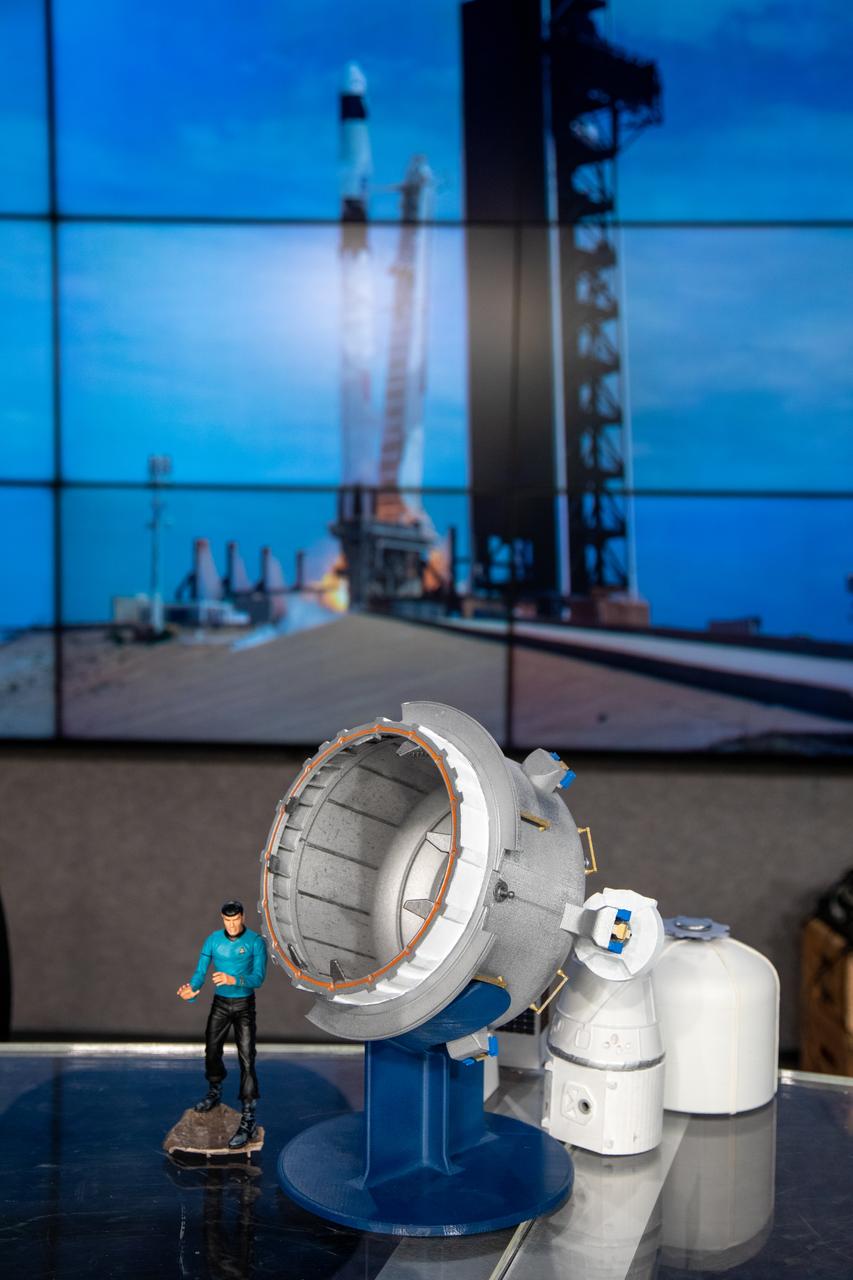
Props are used by Brock Howe, airlock program manager, Nanoracks, during a #NASASocial Science and Station Q&A show at the agency’s Kennedy Space Center in Florida on Dec. 4, 2020. NASA Communications’ Kenna Pell moderated the program, which also included Jennifer Scott-Williams, ISS Program Research Office; and Pinar Mesci, project scientist, Sanford Consortium for Regenerative Medicine, UC San Diego. SpaceX’s 21st Commercial Resupply Services (CRS-21) mission is scheduled to launch from Kennedy’s Launch Complex 39A on Dec. 5, 2020. Liftoff of the SpaceX Falcon 9 rocket and cargo Dragon spacecraft is targeted for 11:39 a.m. EST.
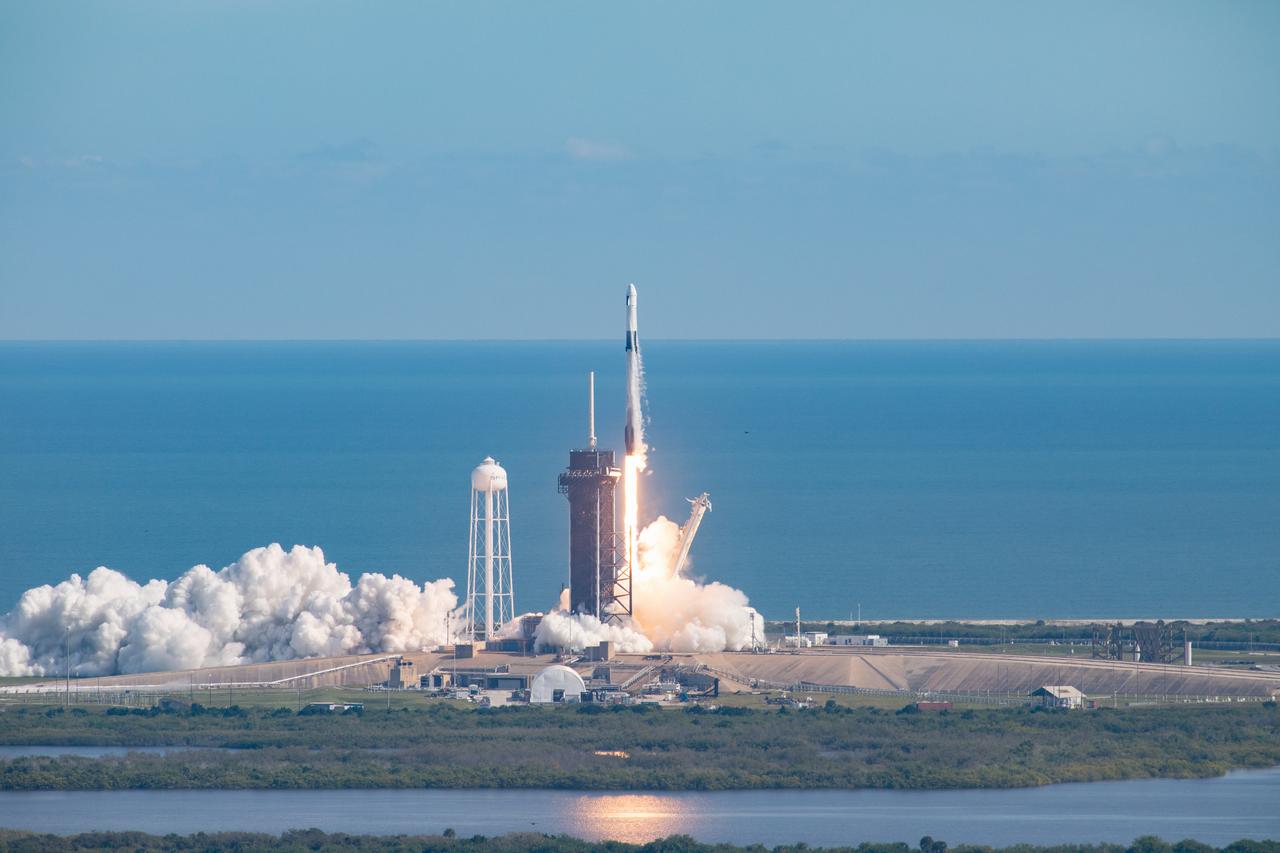
A SpaceX Falcon 9 rocket lifts off from Launch Complex 39A at Kennedy Space Center in Florida at 11:17 a.m. EST on Dec. 6, 2020, carrying the uncrewed cargo Dragon spacecraft on its journey to the International Space Station for NASA and SpaceX’s 21st Commercial Resupply Services (CRS-21) mission. Dragon will deliver more than 6,400 pounds of science investigations and cargo to the orbiting laboratory. The mission marks the first launch for SpaceX under NASA’s CRS-2 contract.
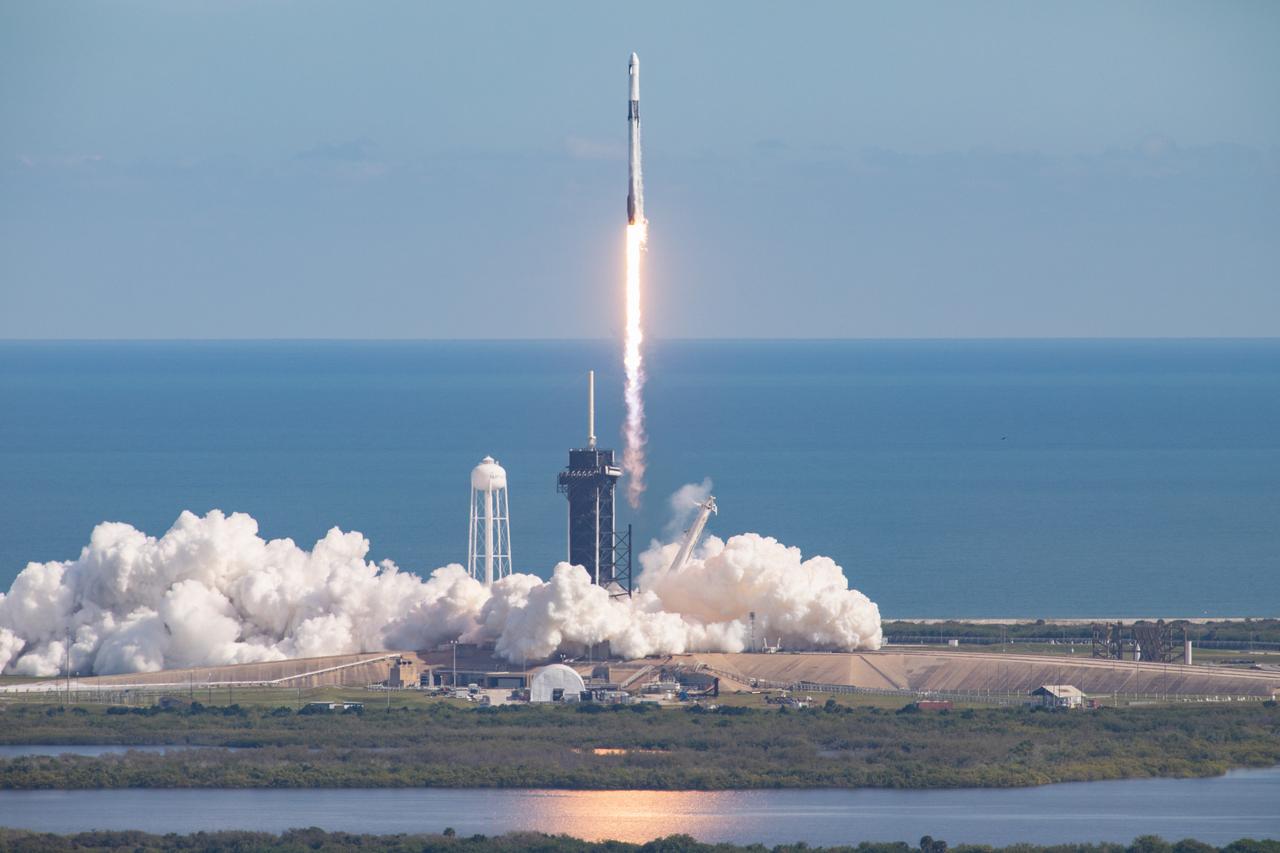
A SpaceX Falcon 9 rocket lifts off from Launch Complex 39A at Kennedy Space Center in Florida at 11:17 a.m. EST on Dec. 6, 2020, carrying the uncrewed cargo Dragon spacecraft on its journey to the International Space Station for NASA and SpaceX’s 21st Commercial Resupply Services (CRS-21) mission. Dragon will deliver more than 6,400 pounds of science investigations and cargo to the orbiting laboratory. The mission marks the first launch for SpaceX under NASA’s CRS-2 contract.
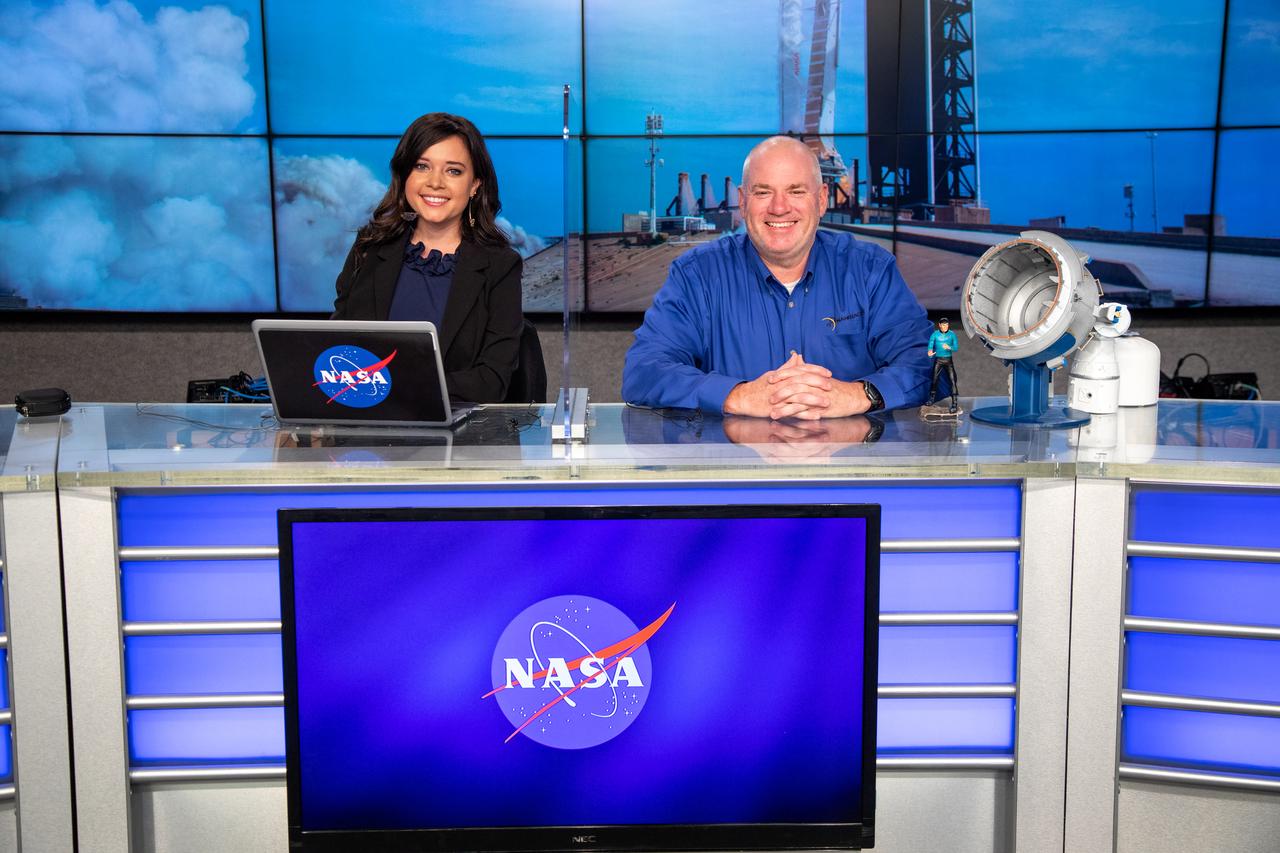
NASA Communications’ Kenna Pell, left, and Brock Howe, airlock program manager, Nanoracks, participate in a #NASASocial Science and Station Q&A show at the agency’s Kennedy Space Center in Florida on Dec. 4, 2020. During the briefing, NASA Social participants heard from principal investigators for payloads launching on SpaceX’s 21st Commercial Resupply Services (CRS-21) mission. CRS-21 is scheduled to launch from Kennedy’s Launch Complex 39A on Dec. 5, 2020. Liftoff of the SpaceX Falcon 9 rocket and cargo Dragon spacecraft is targeted for 11:39 a.m. EST.
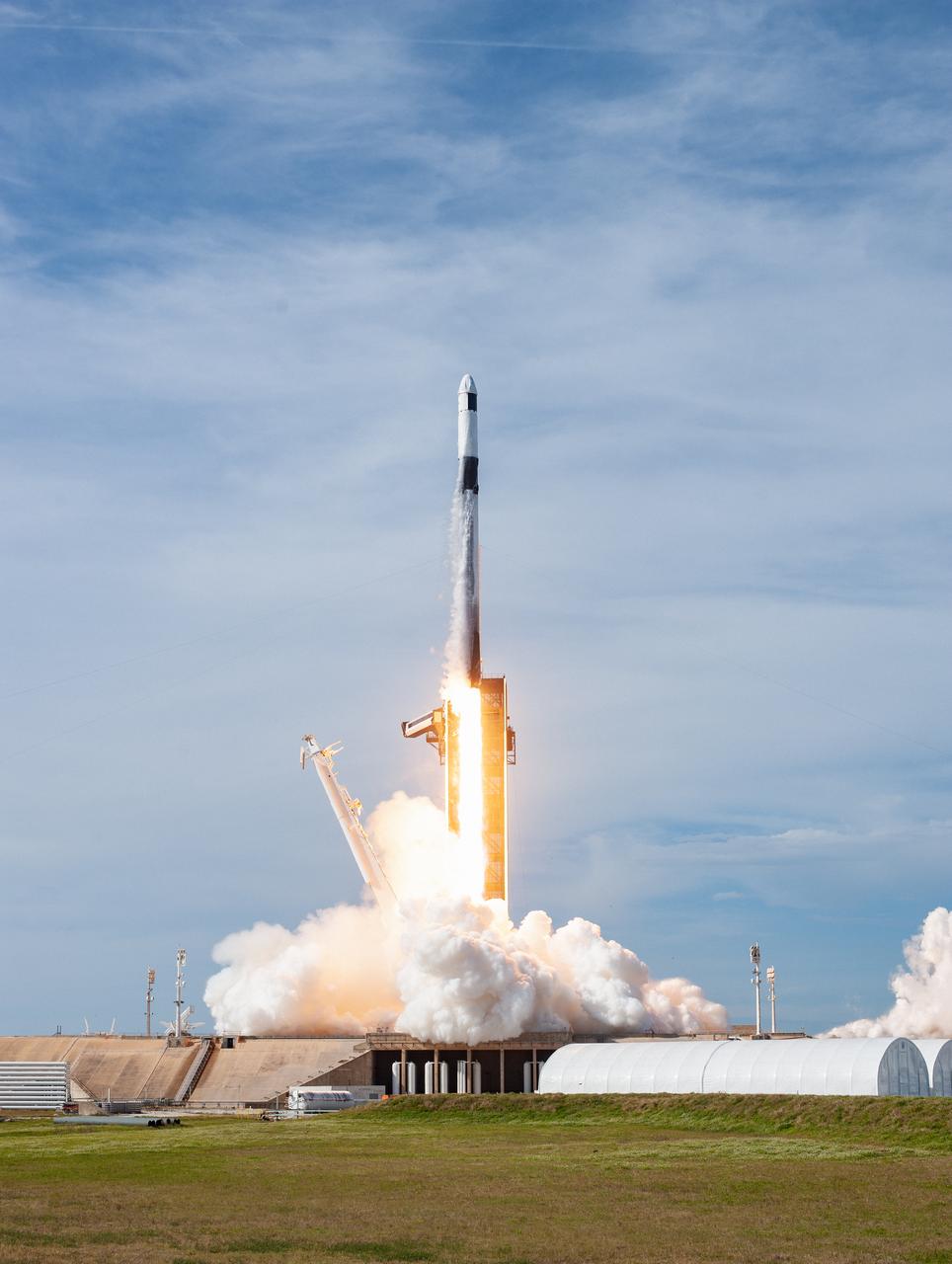
A SpaceX Falcon 9 rocket lifts off from Launch Complex 39A at Kennedy Space Center in Florida at 11:17 a.m. EST on Dec. 6, 2020, carrying the uncrewed cargo Dragon spacecraft on its journey to the International Space Station for NASA and SpaceX’s 21st Commercial Resupply Services (CRS-21) mission. Dragon will deliver more than 6,400 pounds of science investigations and cargo to the orbiting laboratory. The mission marks the first launch for SpaceX under NASA’s CRS-2 contract.
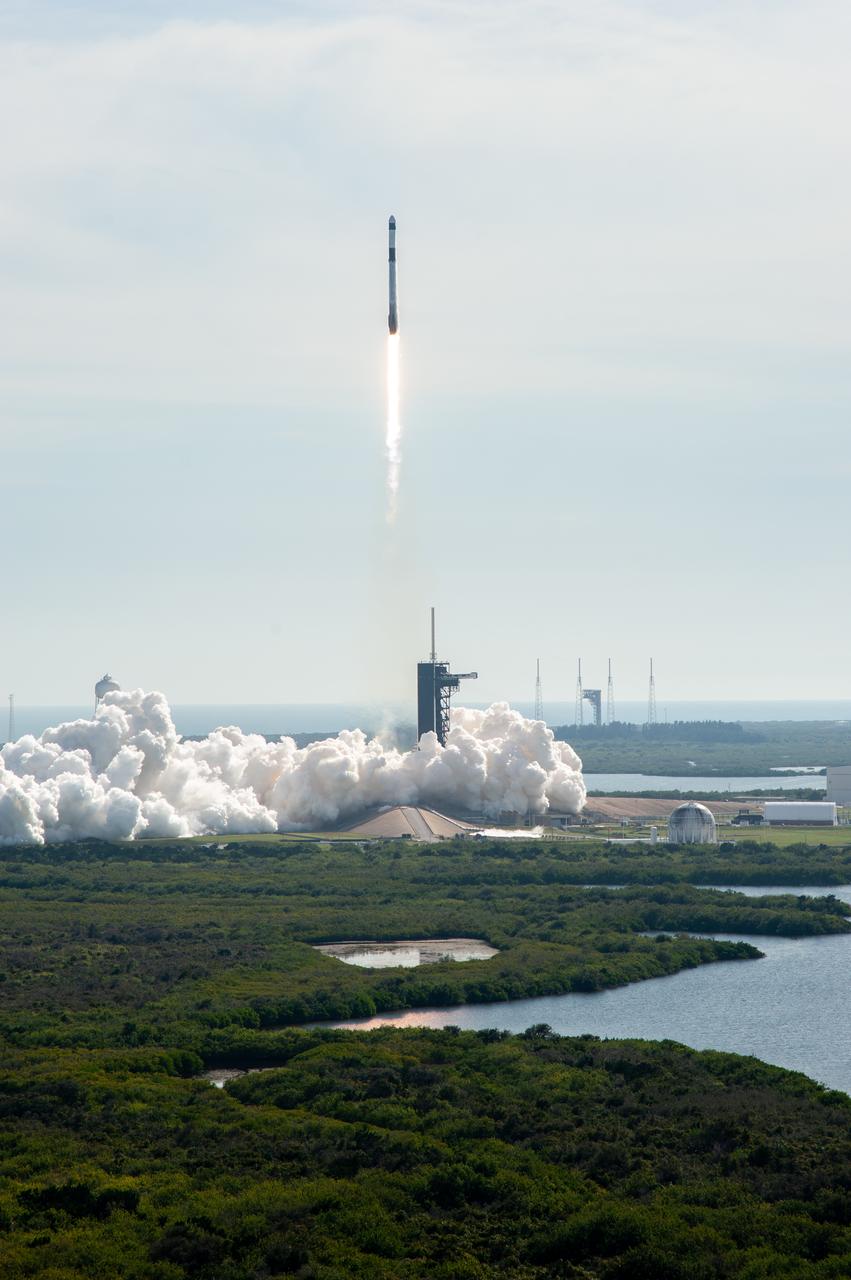
A SpaceX Falcon 9 rocket soars into the sky after lifting off from Launch Complex 39A at Kennedy Space Center in Florida at 11:17 a.m. EST on Dec. 6, 2020. The rocket is carrying the uncrewed cargo Dragon spacecraft on its journey to the International Space Station for NASA and SpaceX’s 21st Commercial Resupply Services (CRS-21) mission. Dragon will deliver more than 6,400 pounds of science investigations and cargo to the orbiting laboratory. The mission marks the first launch for SpaceX under NASA’s CRS-2 contract.
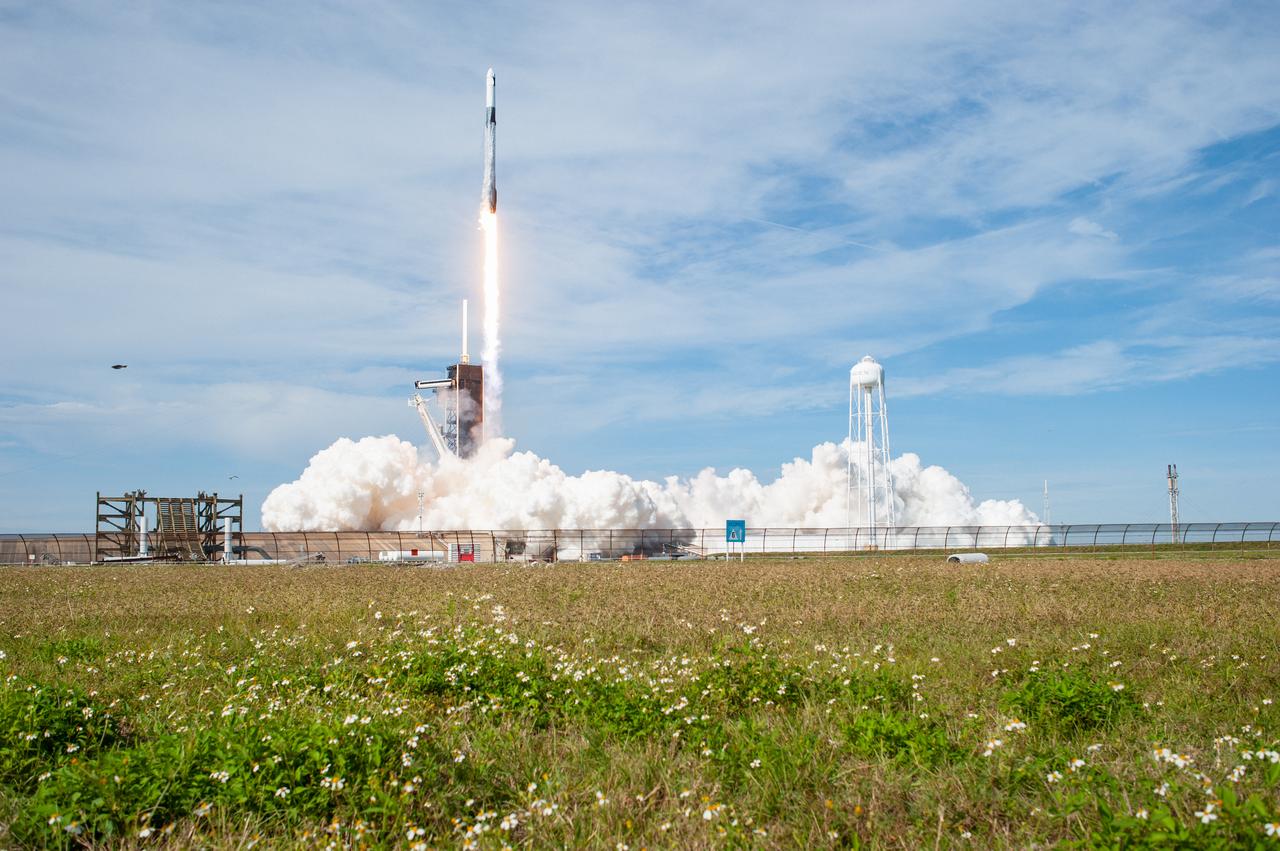
A SpaceX Falcon 9 rocket lifts off from Launch Complex 39A at Kennedy Space Center in Florida at 11:17 a.m. EST on Dec. 6, 2020, carrying the uncrewed cargo Dragon spacecraft on its journey to the International Space Station for NASA and SpaceX’s 21st Commercial Resupply Services (CRS-21) mission. Dragon will deliver more than 6,400 pounds of science investigations and cargo to the orbiting laboratory. The mission marks the first launch for SpaceX under NASA’s CRS-2 contract.

A SpaceX Falcon 9 rocket lifts off from Launch Complex 39A at Kennedy Space Center in Florida at 11:17 a.m. EST on Dec. 6, 2020, carrying the uncrewed cargo Dragon spacecraft on its journey to the International Space Station for NASA and SpaceX’s 21st Commercial Resupply Services (CRS-21) mission. Dragon will deliver more than 6,400 pounds of science investigations and cargo to the orbiting laboratory. The mission marks the first launch for SpaceX under NASA’s CRS-2 contract.
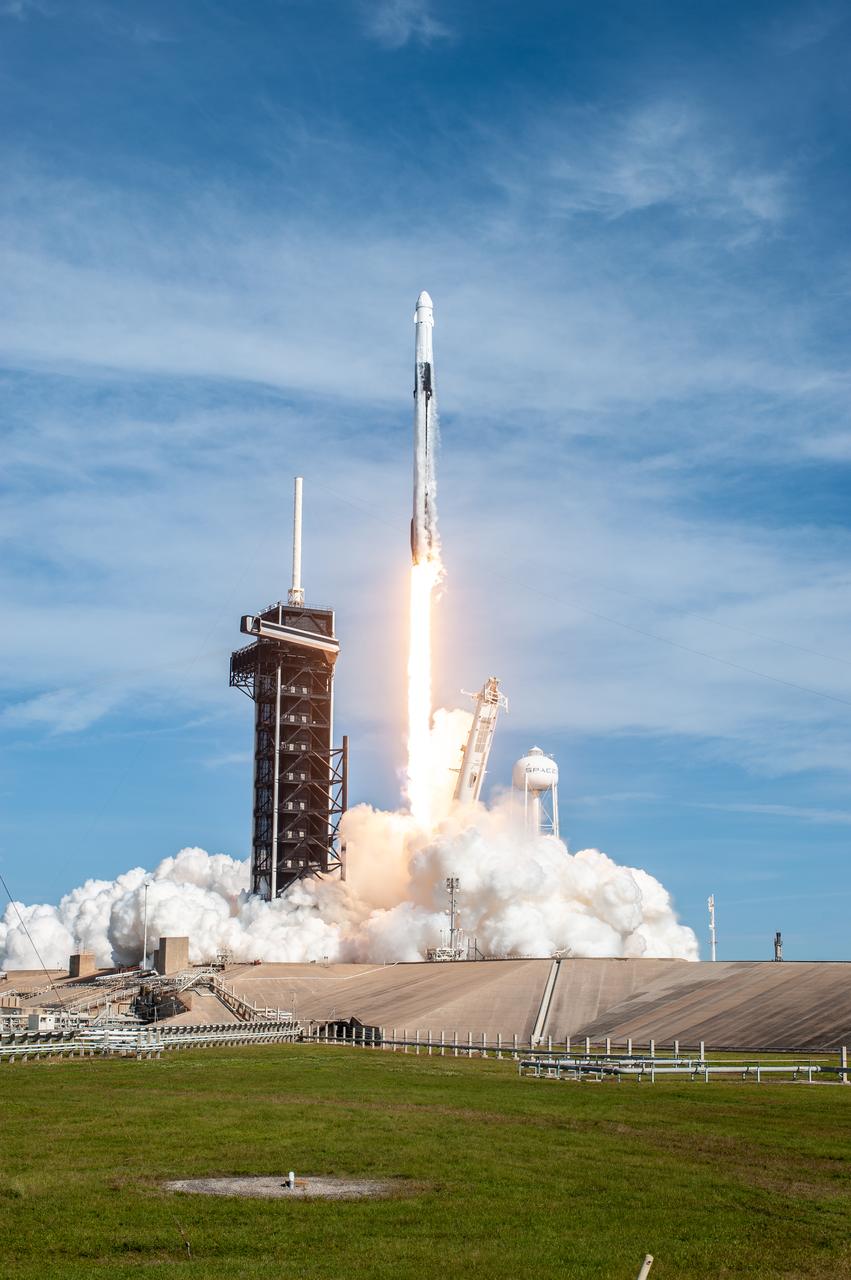
A SpaceX Falcon 9 rocket lifts off from Launch Complex 39A at Kennedy Space Center in Florida at 11:17 a.m. EST on Dec. 6, 2020, carrying the uncrewed cargo Dragon spacecraft on its journey to the International Space Station for NASA and SpaceX’s 21st Commercial Resupply Services (CRS-21) mission. Dragon will deliver more than 6,400 pounds of science investigations and cargo to the orbiting laboratory. The mission marks the first launch for SpaceX under NASA’s CRS-2 contract.
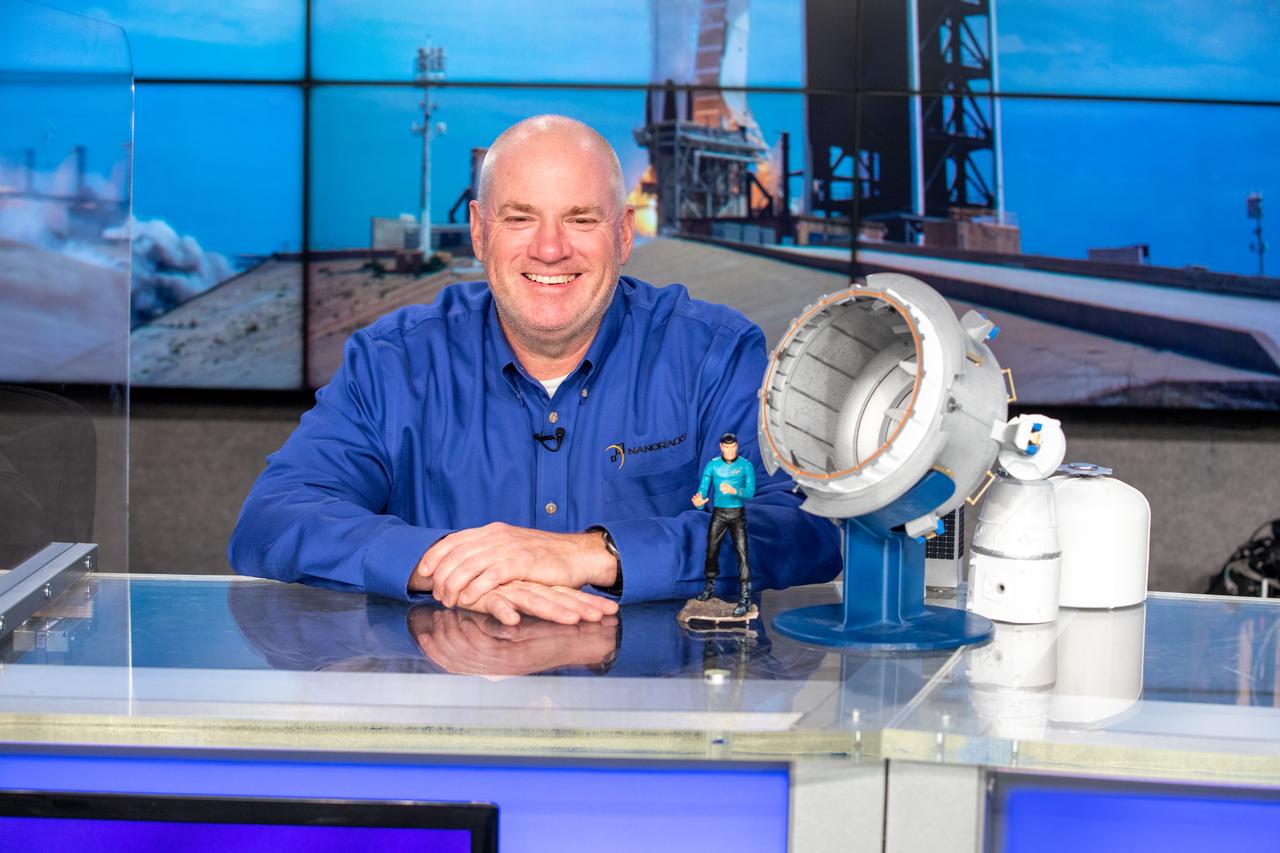
Brock Howe, airlock program manager, Nanoracks, participates in a #NASASocial Science and Station Q&A show at the agency’s Kennedy Space Center in Florida on Dec. 4, 2020. Jennifer Scott-Williams, ISS Program Research Office; and Pinar Mesci, project scientist, Sanford Consortium for Regenerative Medicine, UC San Diego, also participated in the event, which was moderated by NASA Communications’ Kenna Pell. SpaceX’s 21st Commercial Resupply Services (CRS-21) mission is scheduled to launch from Kennedy’s Launch Complex 39A on Dec. 5, 2020. Liftoff of the SpaceX Falcon 9 rocket and cargo Dragon spacecraft is targeted for 11:39 a.m. EST.
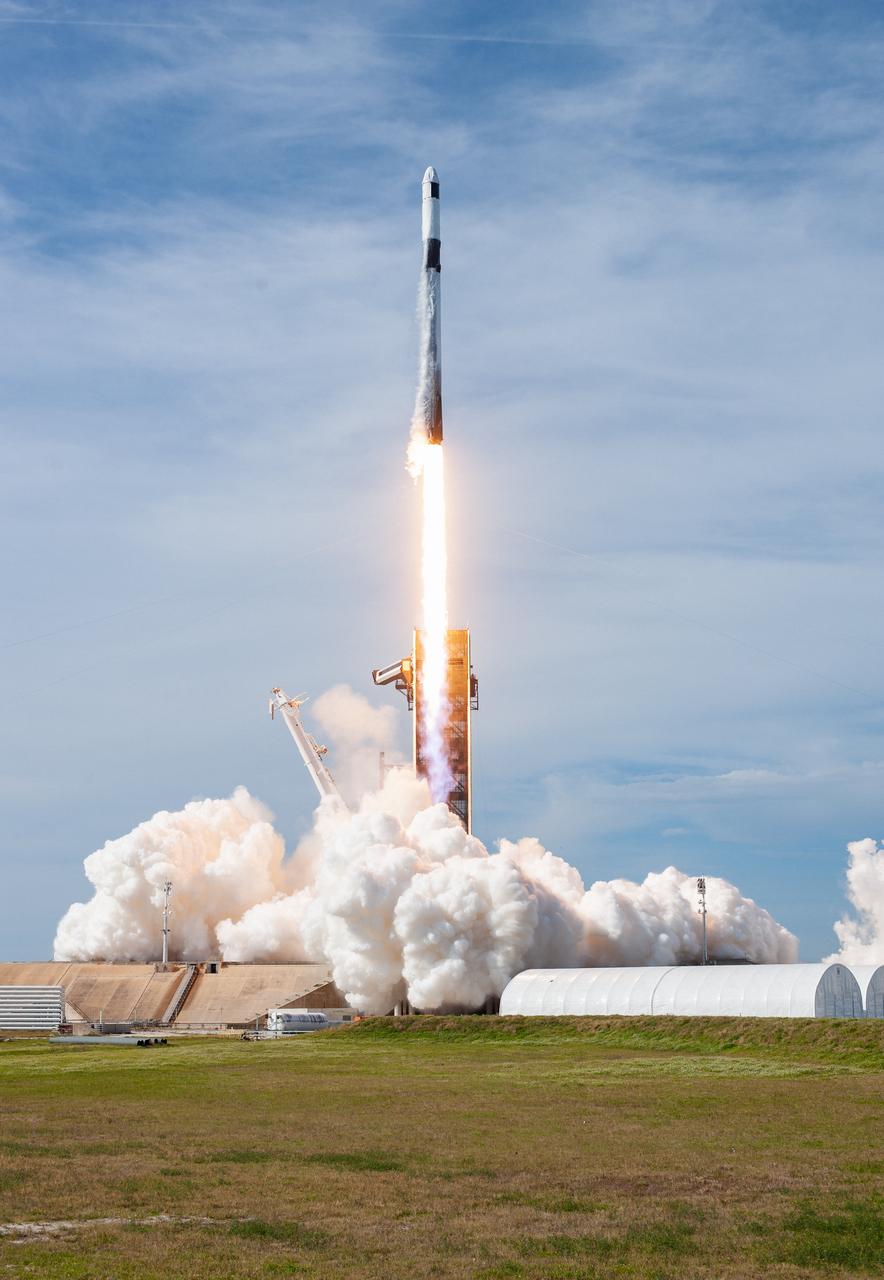
A SpaceX Falcon 9 rocket lifts off from Launch Complex 39A at Kennedy Space Center in Florida at 11:17 a.m. EST on Dec. 6, 2020, carrying the uncrewed cargo Dragon spacecraft on its journey to the International Space Station for NASA and SpaceX’s 21st Commercial Resupply Services (CRS-21) mission. Dragon will deliver more than 6,400 pounds of science investigations and cargo to the orbiting laboratory. The mission marks the first launch for SpaceX under NASA’s CRS-2 contract.

A SpaceX Falcon 9 rocket soars into the sky after lifting off from Launch Complex 39A at Kennedy Space Center in Florida at 11:17 a.m. EST on Dec. 6, 2020. The rocket is carrying the uncrewed cargo Dragon spacecraft on its journey to the International Space Station for NASA and SpaceX’s 21st Commercial Resupply Services (CRS-21) mission. Dragon will deliver more than 6,400 pounds of science investigations and cargo to the orbiting laboratory. The mission marks the first launch for SpaceX under NASA’s CRS-2 contract.
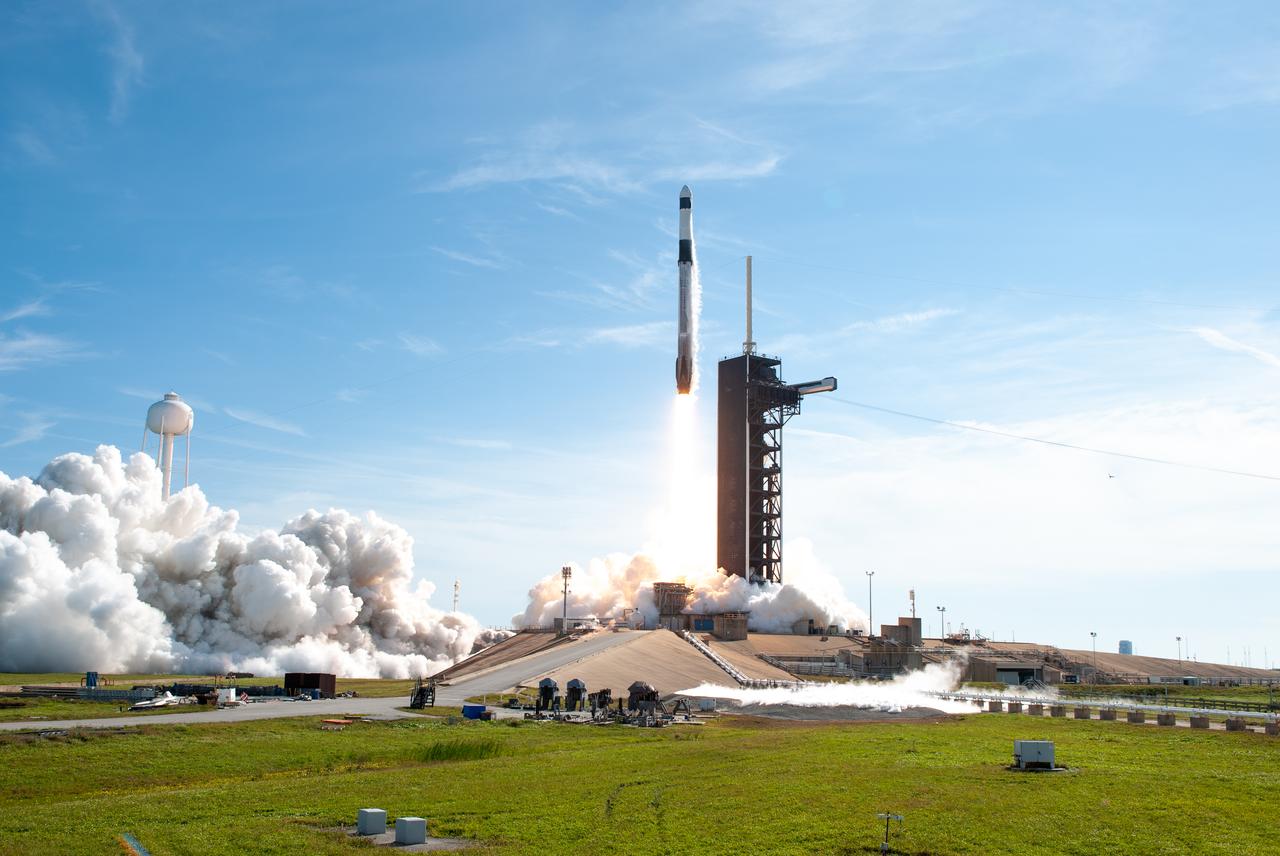
A SpaceX Falcon 9 rocket lifts off from Launch Complex 39A at Kennedy Space Center in Florida at 11:17 a.m. EST on Dec. 6, 2020, carrying the uncrewed cargo Dragon spacecraft on its journey to the International Space Station for NASA and SpaceX’s 21st Commercial Resupply Services (CRS-21) mission. Dragon will deliver more than 6,400 pounds of science investigations and cargo to the orbiting laboratory. The mission marks the first launch for SpaceX under NASA’s CRS-2 contract.
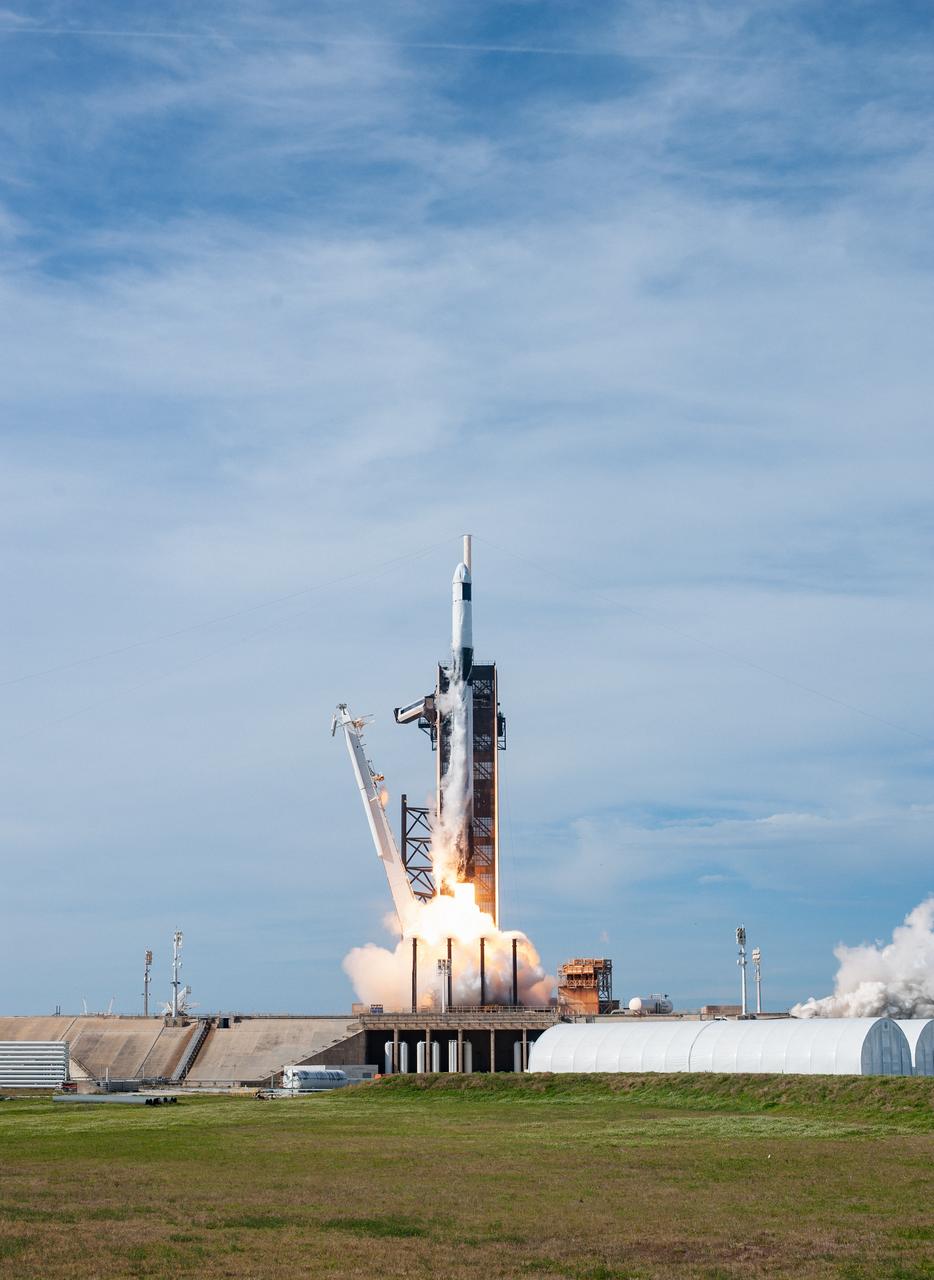
A SpaceX Falcon 9 rocket lifts off from Launch Complex 39A at Kennedy Space Center in Florida at 11:17 a.m. EST on Dec. 6, 2020, carrying the uncrewed cargo Dragon spacecraft on its journey to the International Space Station for NASA and SpaceX’s 21st Commercial Resupply Services (CRS-21) mission. Dragon will deliver more than 6,400 pounds of science investigations and cargo to the orbiting laboratory. The mission marks the first launch for SpaceX under NASA’s CRS-2 contract.
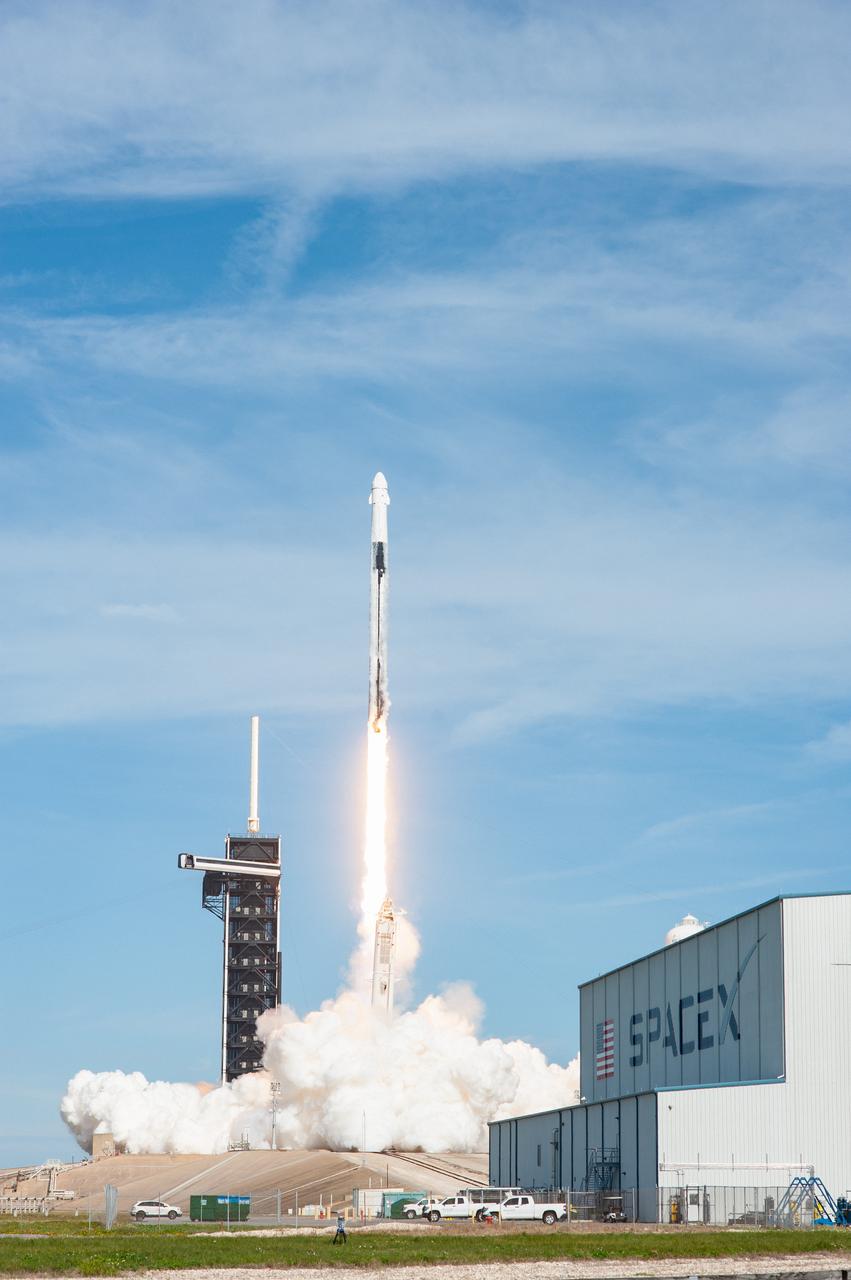
A SpaceX Falcon 9 rocket lifts off from Launch Complex 39A at Kennedy Space Center in Florida at 11:17 a.m. EST on Dec. 6, 2020, carrying the uncrewed cargo Dragon spacecraft on its journey to the International Space Station for NASA and SpaceX’s 21st Commercial Resupply Services (CRS-21) mission. Dragon will deliver more than 6,400 pounds of science investigations and cargo to the orbiting laboratory. The mission marks the first launch for SpaceX under NASA’s CRS-2 contract.
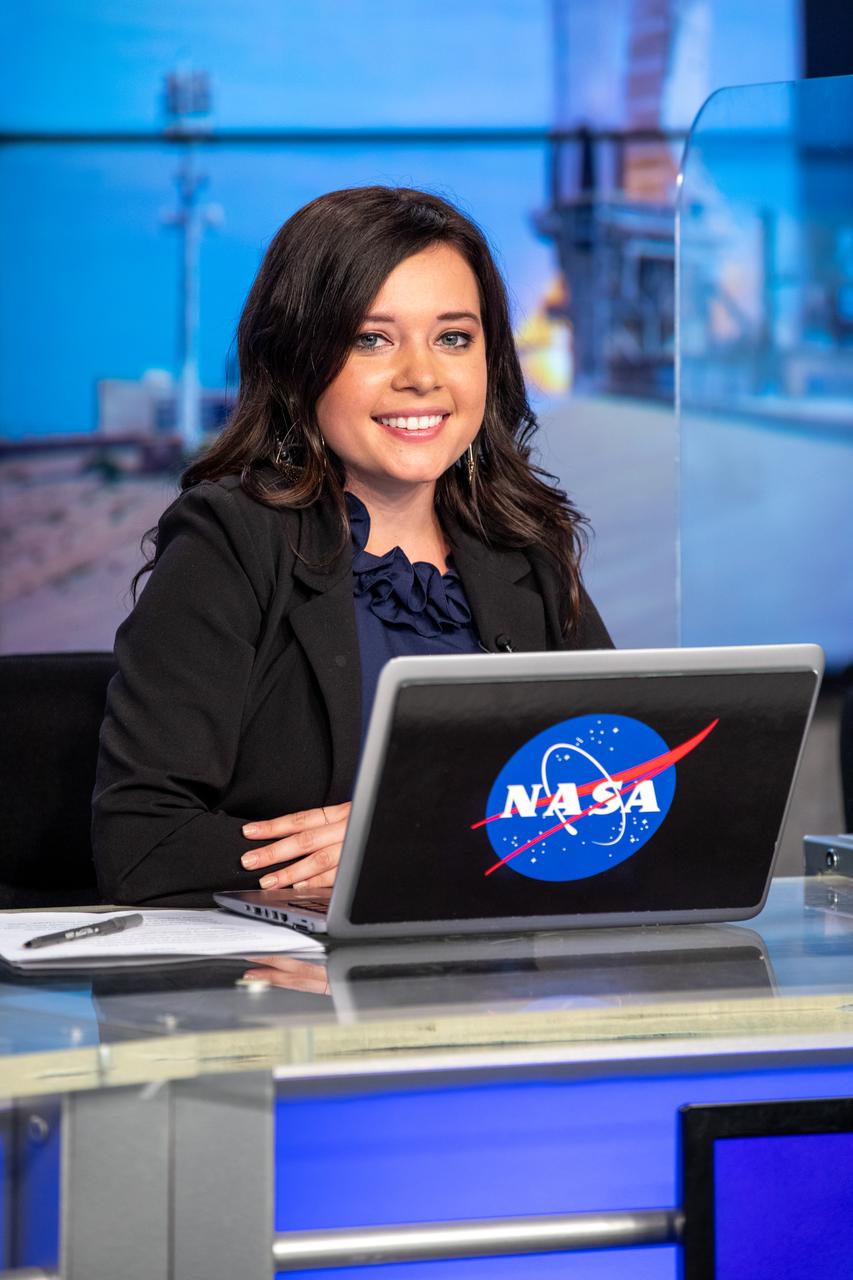
NASA Communications’ Kenna Pell moderates a #NASASocial Science and Station Q&A show at the agency’s Kennedy Space Center in Florida on Dec. 4, 2020. Participants included Brock Howe, airlock program manager, Nanoracks; Jennifer Scott-Williams, ISS Program Research Office; and Pinar Mesci, project scientist, Sanford Consortium for Regenerative Medicine, UC San Diego. SpaceX’s 21st Commercial Resupply Services (CRS-21) mission is scheduled to launch from Kennedy’s Launch Complex 39A on Dec. 5, 2020. Liftoff of the SpaceX Falcon 9 rocket and cargo Dragon spacecraft is targeted for 11:39 a.m. EST.
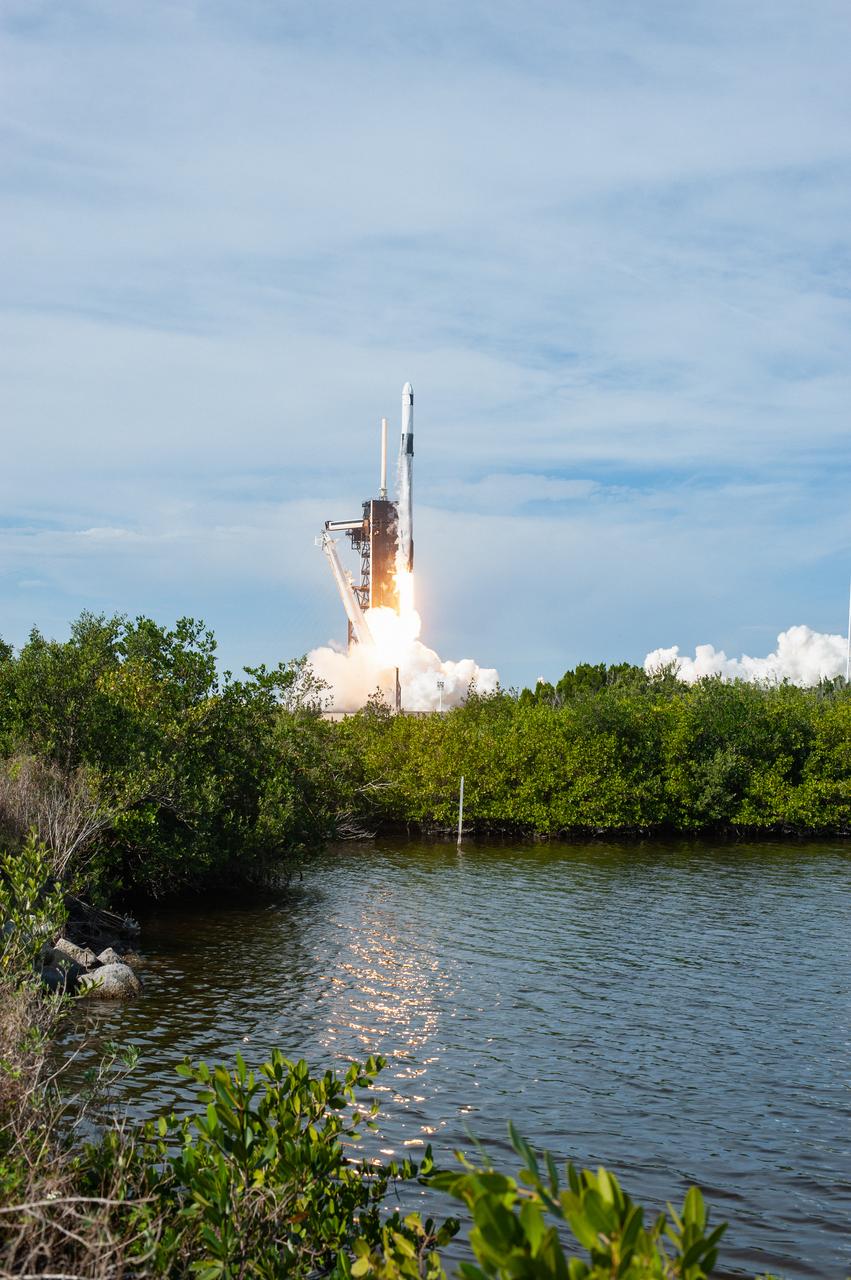
A SpaceX Falcon 9 rocket lifts off from Launch Complex 39A at Kennedy Space Center in Florida at 11:17 a.m. EST on Dec. 6, 2020, carrying the uncrewed cargo Dragon spacecraft on its journey to the International Space Station for NASA and SpaceX’s 21st Commercial Resupply Services (CRS-21) mission. Dragon will deliver more than 6,400 pounds of science investigations and cargo to the orbiting laboratory. The mission marks the first launch for SpaceX under NASA’s CRS-2 contract.
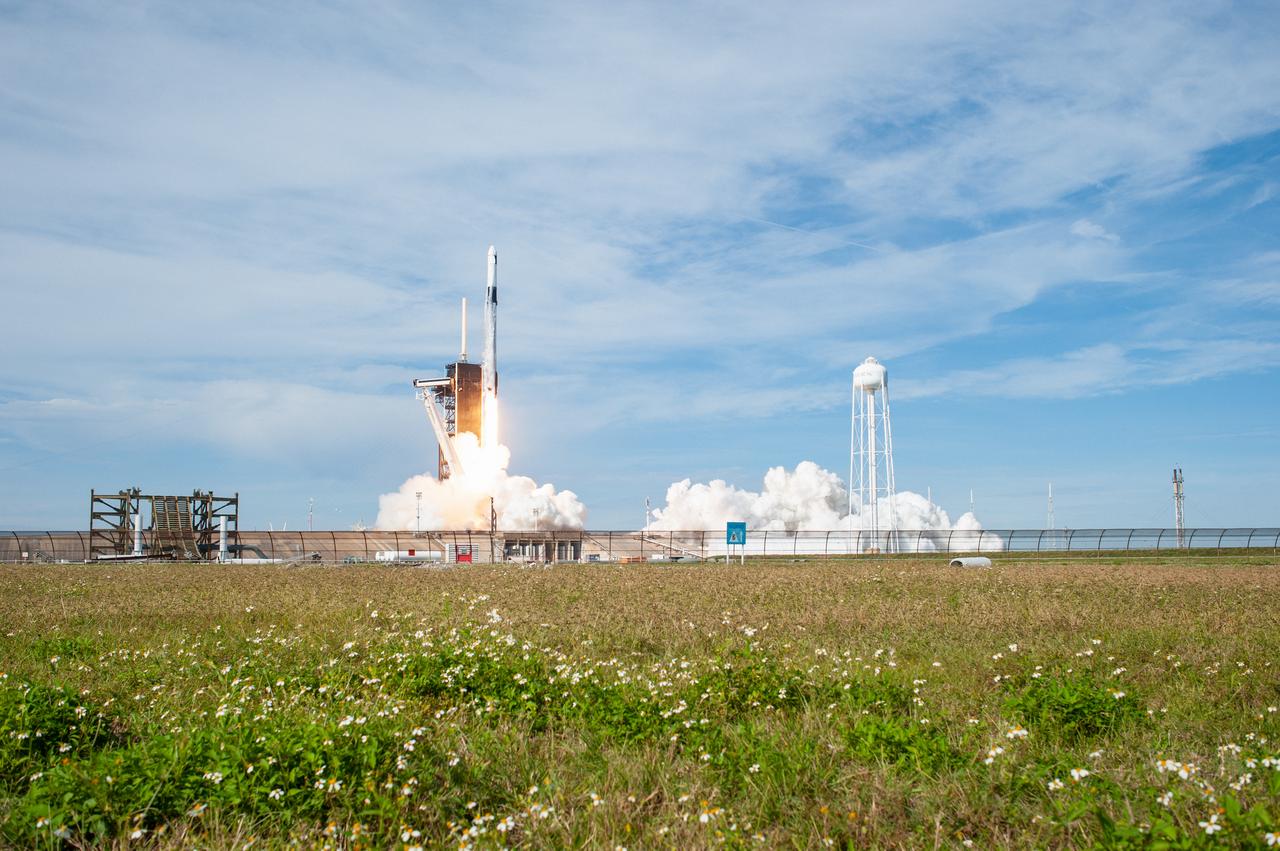
A SpaceX Falcon 9 rocket lifts off from Launch Complex 39A at Kennedy Space Center in Florida at 11:17 a.m. EST on Dec. 6, 2020, carrying the uncrewed cargo Dragon spacecraft on its journey to the International Space Station for NASA and SpaceX’s 21st Commercial Resupply Services (CRS-21) mission. Dragon will deliver more than 6,400 pounds of science investigations and cargo to the orbiting laboratory. The mission marks the first launch for SpaceX under NASA’s CRS-2 contract.
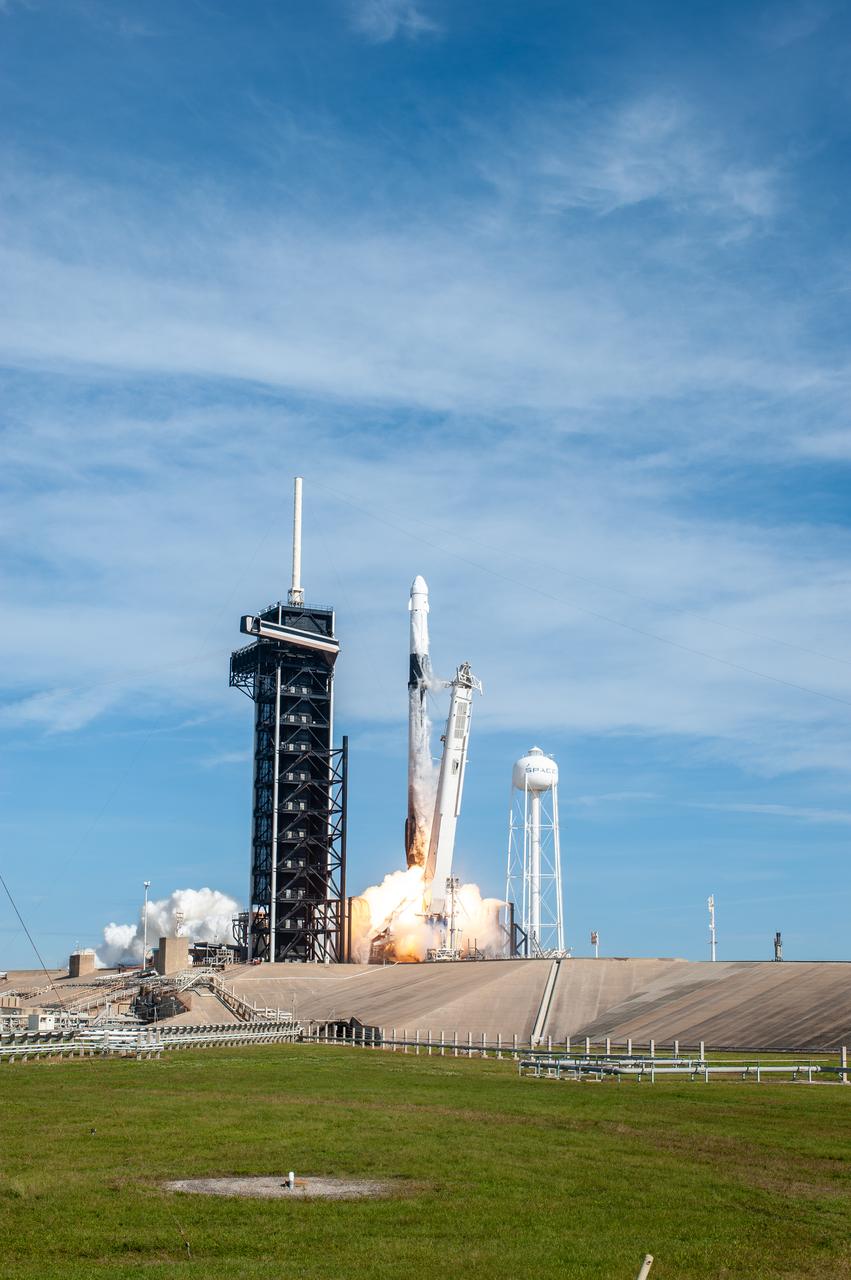
A SpaceX Falcon 9 rocket lifts off from Launch Complex 39A at Kennedy Space Center in Florida at 11:17 a.m. EST on Dec. 6, 2020, carrying the uncrewed cargo Dragon spacecraft on its journey to the International Space Station for NASA and SpaceX’s 21st Commercial Resupply Services (CRS-21) mission. Dragon will deliver more than 6,400 pounds of science investigations and cargo to the orbiting laboratory. The mission marks the first launch for SpaceX under NASA’s CRS-2 contract.
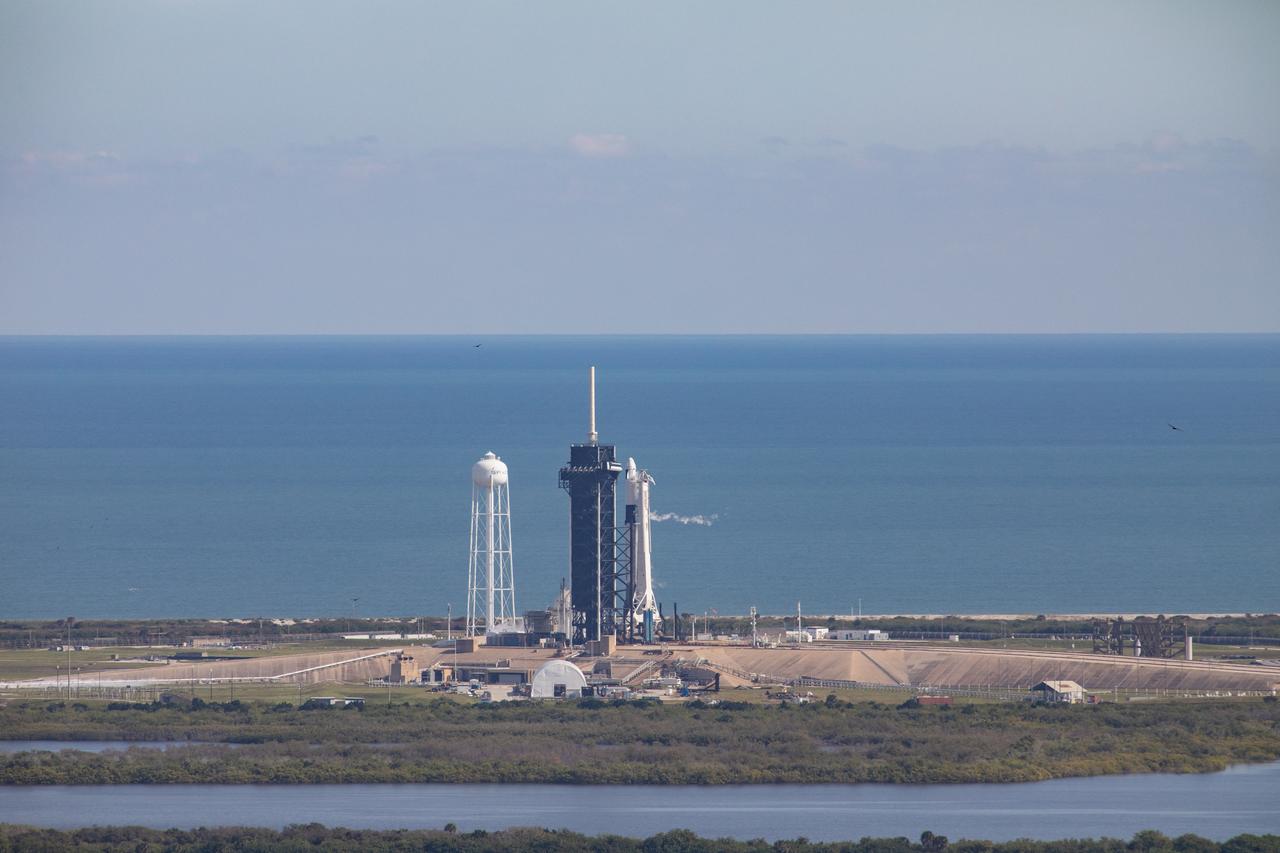
A SpaceX Falcon 9 rocket and cargo Dragon spacecraft stand poised for launch moments before liftoff at Kennedy Space Center’s Launch Complex 39A in Florida on Dec. 6, 2020, for NASA and SpaceX’s 21st Commercial Resupply Services (CRS-21) mission to the International Space Station. The first launch for SpaceX under NASA’s CRS-2 contract, the mission blasted off the pad at 11:17 a.m. EST.
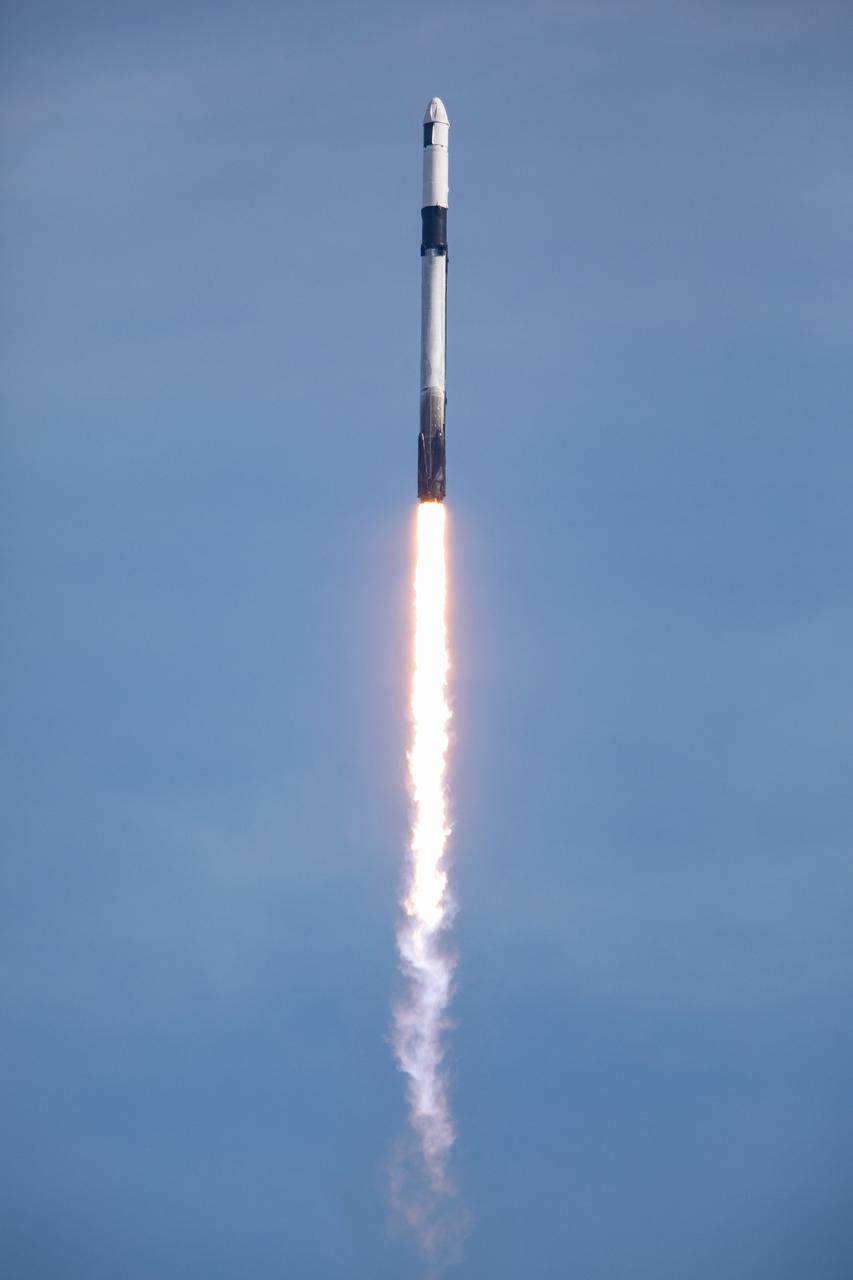
A SpaceX Falcon 9 rocket soars into the sky after lifting off from Launch Complex 39A at Kennedy Space Center in Florida at 11:17 a.m. EST on Dec. 6, 2020. The rocket is carrying the uncrewed cargo Dragon spacecraft on its journey to the International Space Station for NASA and SpaceX’s 21st Commercial Resupply Services (CRS-21) mission. Dragon will deliver more than 6,400 pounds of science investigations and cargo to the orbiting laboratory. The mission marks the first launch for SpaceX under NASA’s CRS-2 contract.
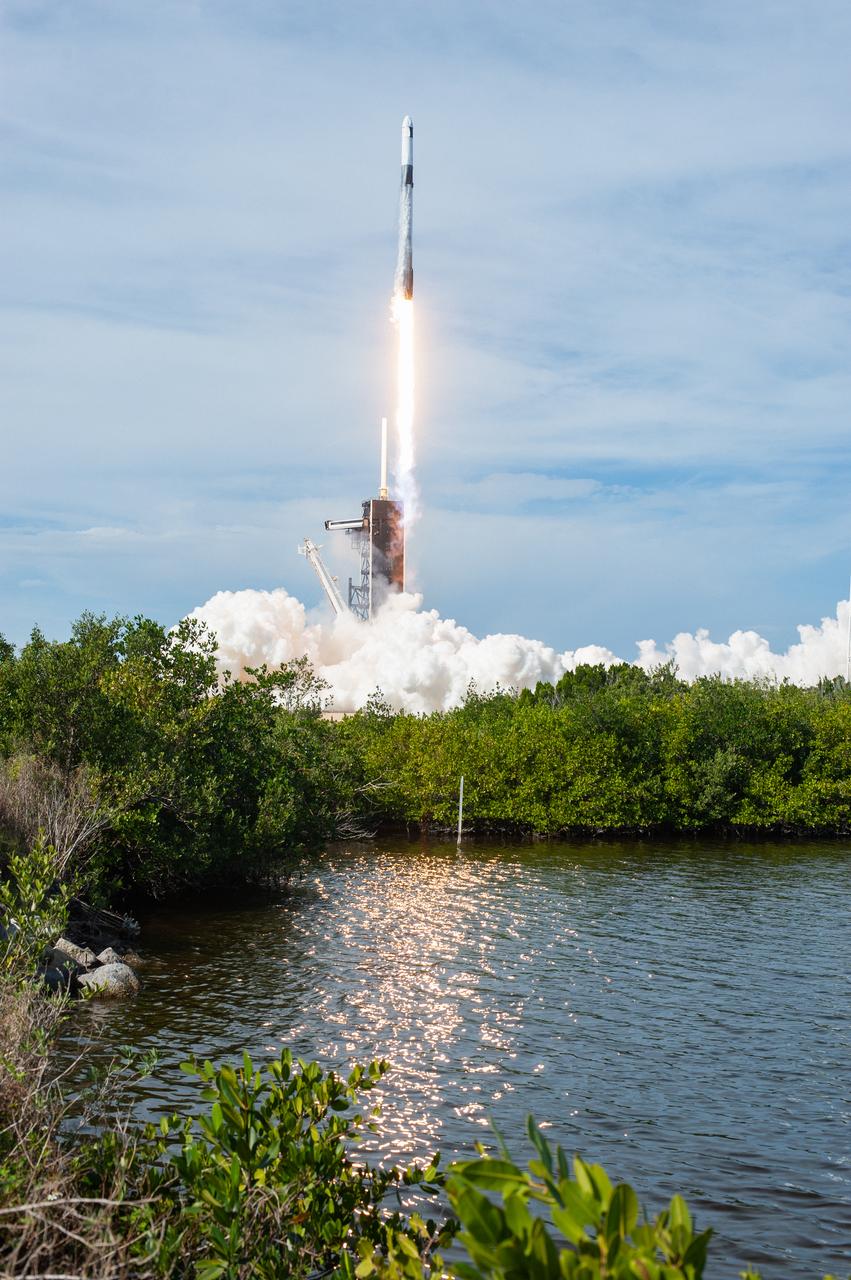
A SpaceX Falcon 9 rocket lifts off from Launch Complex 39A at Kennedy Space Center in Florida at 11:17 a.m. EST on Dec. 6, 2020, carrying the uncrewed cargo Dragon spacecraft on its journey to the International Space Station for NASA and SpaceX’s 21st Commercial Resupply Services (CRS-21) mission. Dragon will deliver more than 6,400 pounds of science investigations and cargo to the orbiting laboratory. The mission marks the first launch for SpaceX under NASA’s CRS-2 contract.
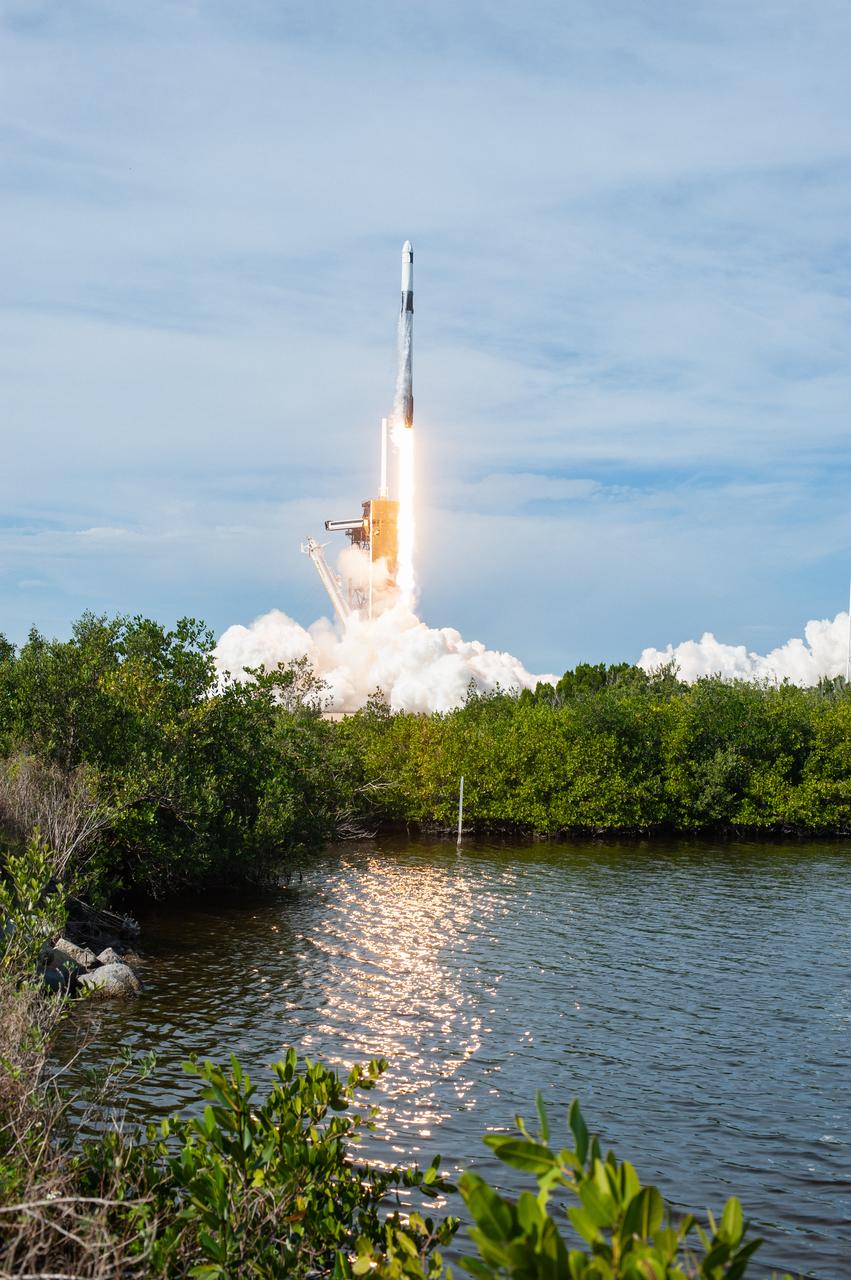
A SpaceX Falcon 9 rocket lifts off from Launch Complex 39A at Kennedy Space Center in Florida at 11:17 a.m. EST on Dec. 6, 2020, carrying the uncrewed cargo Dragon spacecraft on its journey to the International Space Station for NASA and SpaceX’s 21st Commercial Resupply Services (CRS-21) mission. Dragon will deliver more than 6,400 pounds of science investigations and cargo to the orbiting laboratory. The mission marks the first launch for SpaceX under NASA’s CRS-2 contract.
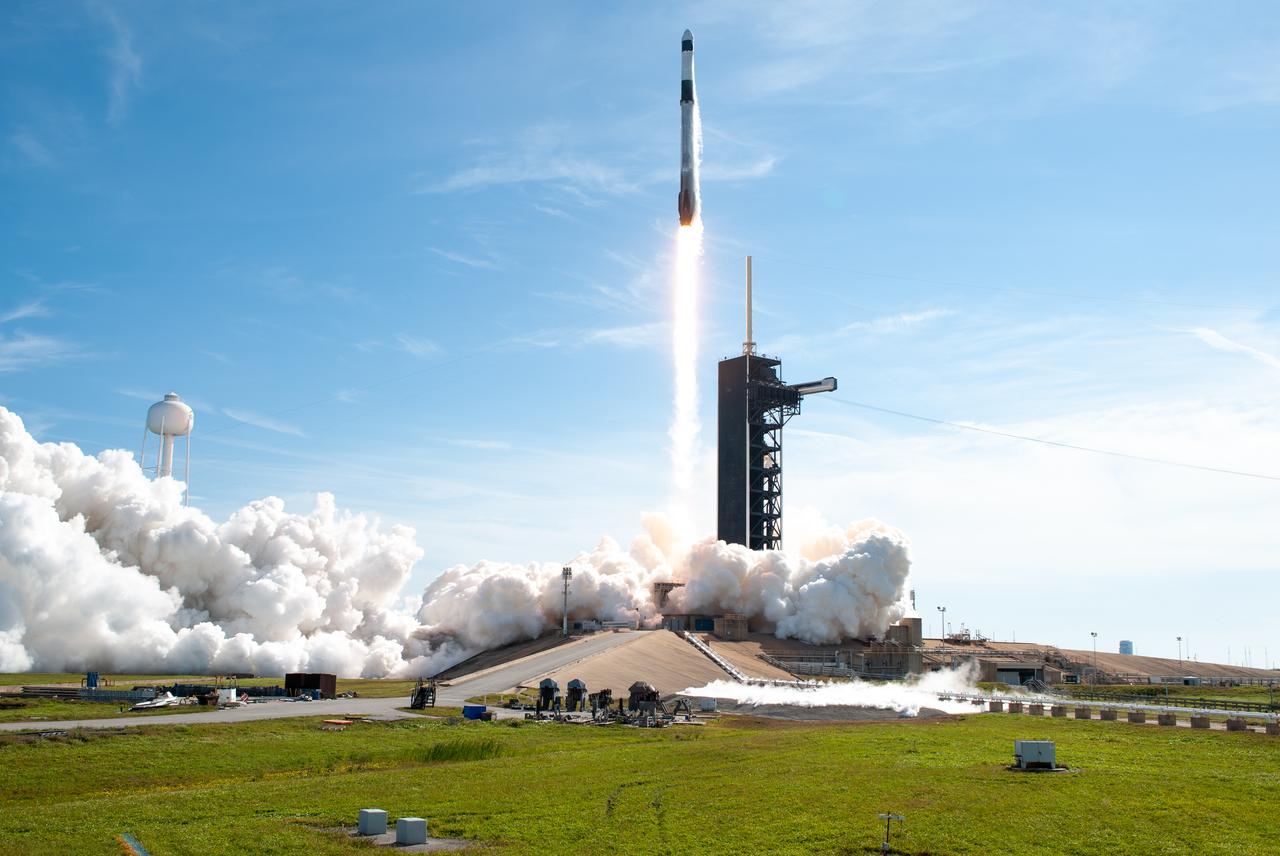
A SpaceX Falcon 9 rocket lifts off from Launch Complex 39A at Kennedy Space Center in Florida at 11:17 a.m. EST on Dec. 6, 2020, carrying the uncrewed cargo Dragon spacecraft on its journey to the International Space Station for NASA and SpaceX’s 21st Commercial Resupply Services (CRS-21) mission. Dragon will deliver more than 6,400 pounds of science investigations and cargo to the orbiting laboratory. The mission marks the first launch for SpaceX under NASA’s CRS-2 contract.
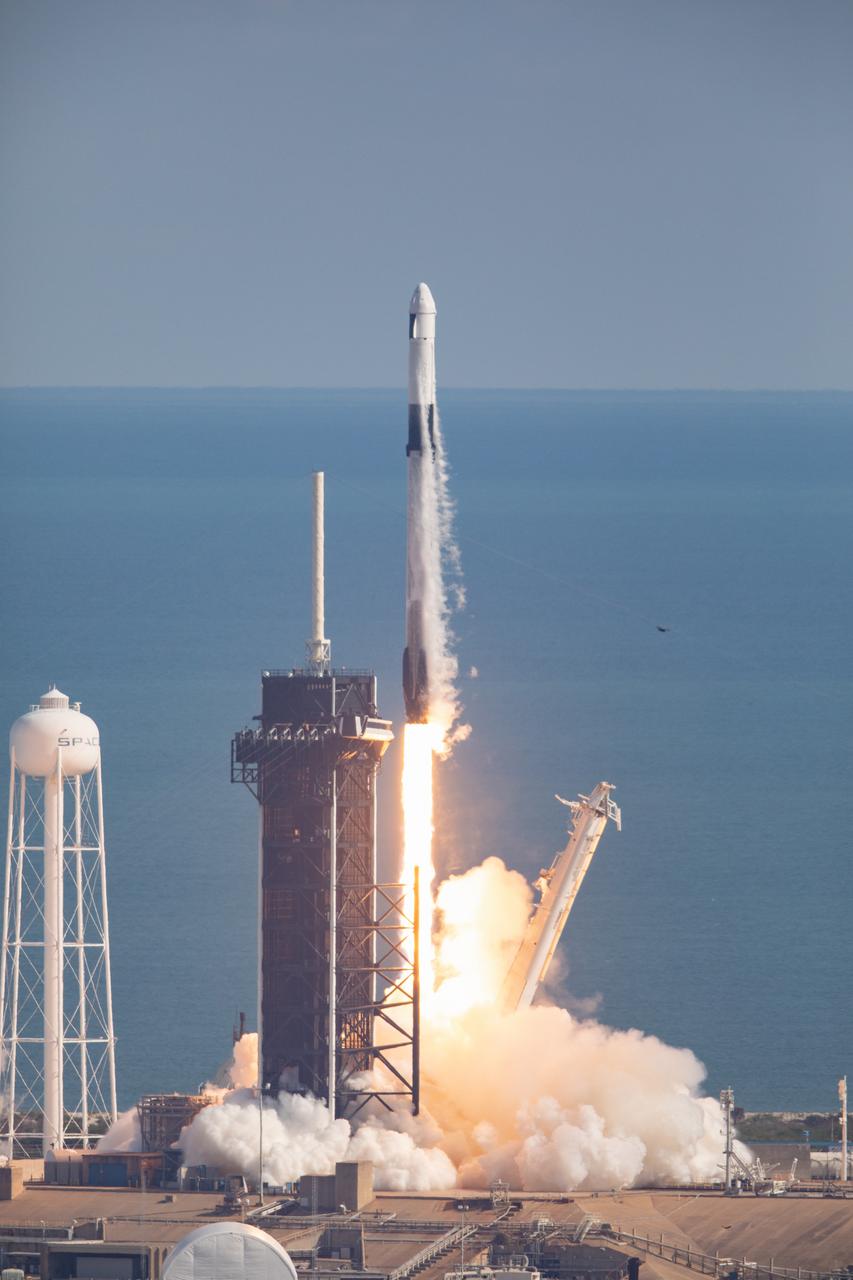
A SpaceX Falcon 9 rocket lifts off from Launch Complex 39A at Kennedy Space Center in Florida at 11:17 a.m. EST on Dec. 6, 2020, carrying the uncrewed cargo Dragon spacecraft on its journey to the International Space Station for NASA and SpaceX’s 21st Commercial Resupply Services (CRS-21) mission. Dragon will deliver more than 6,400 pounds of science investigations and cargo to the orbiting laboratory. The mission marks the first launch for SpaceX under NASA’s CRS-2 contract.
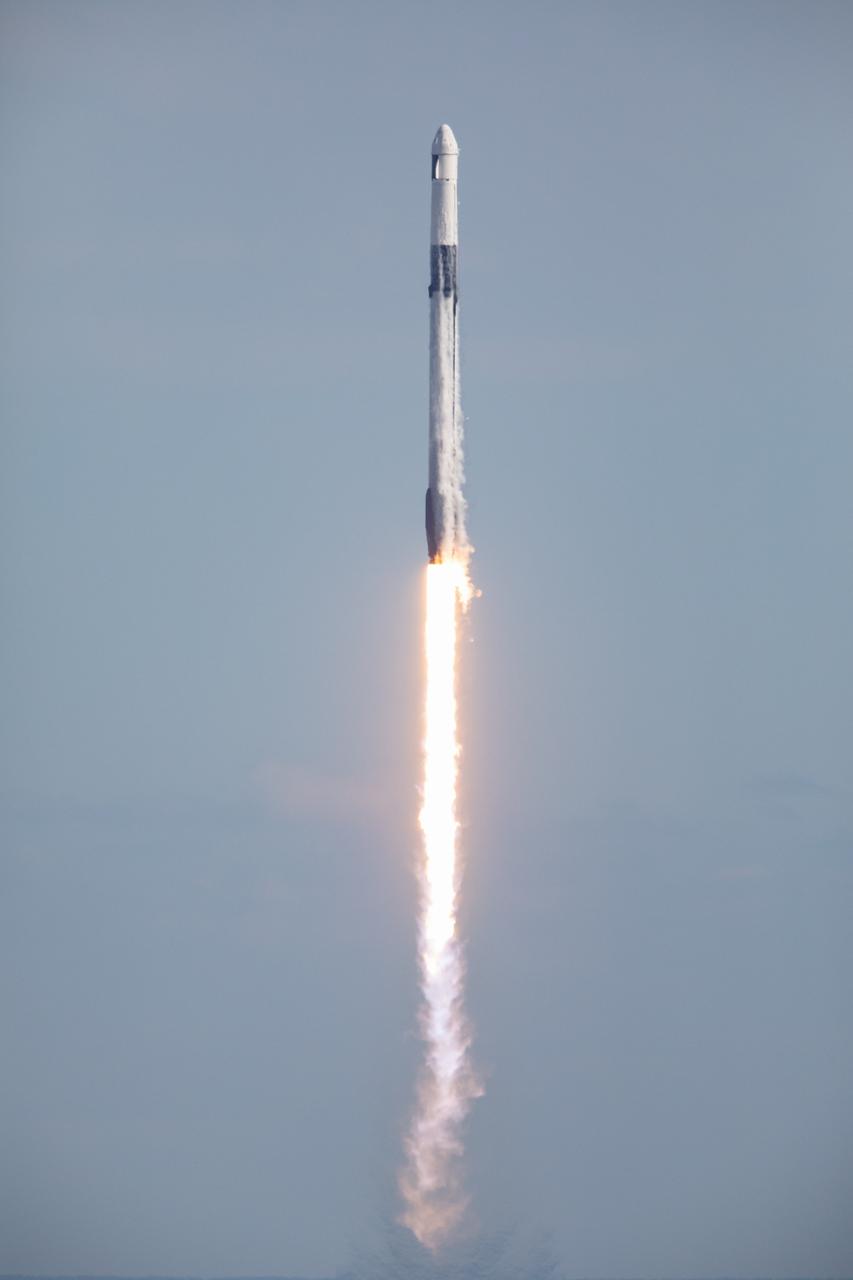
A SpaceX Falcon 9 rocket soars into the sky after lifting off from Launch Complex 39A at Kennedy Space Center in Florida at 11:17 a.m. EST on Dec. 6, 2020. The rocket is carrying the uncrewed cargo Dragon spacecraft on its journey to the International Space Station for NASA and SpaceX’s 21st Commercial Resupply Services (CRS-21) mission. Dragon will deliver more than 6,400 pounds of science investigations and cargo to the orbiting laboratory. The mission marks the first launch for SpaceX under NASA’s CRS-2 contract.
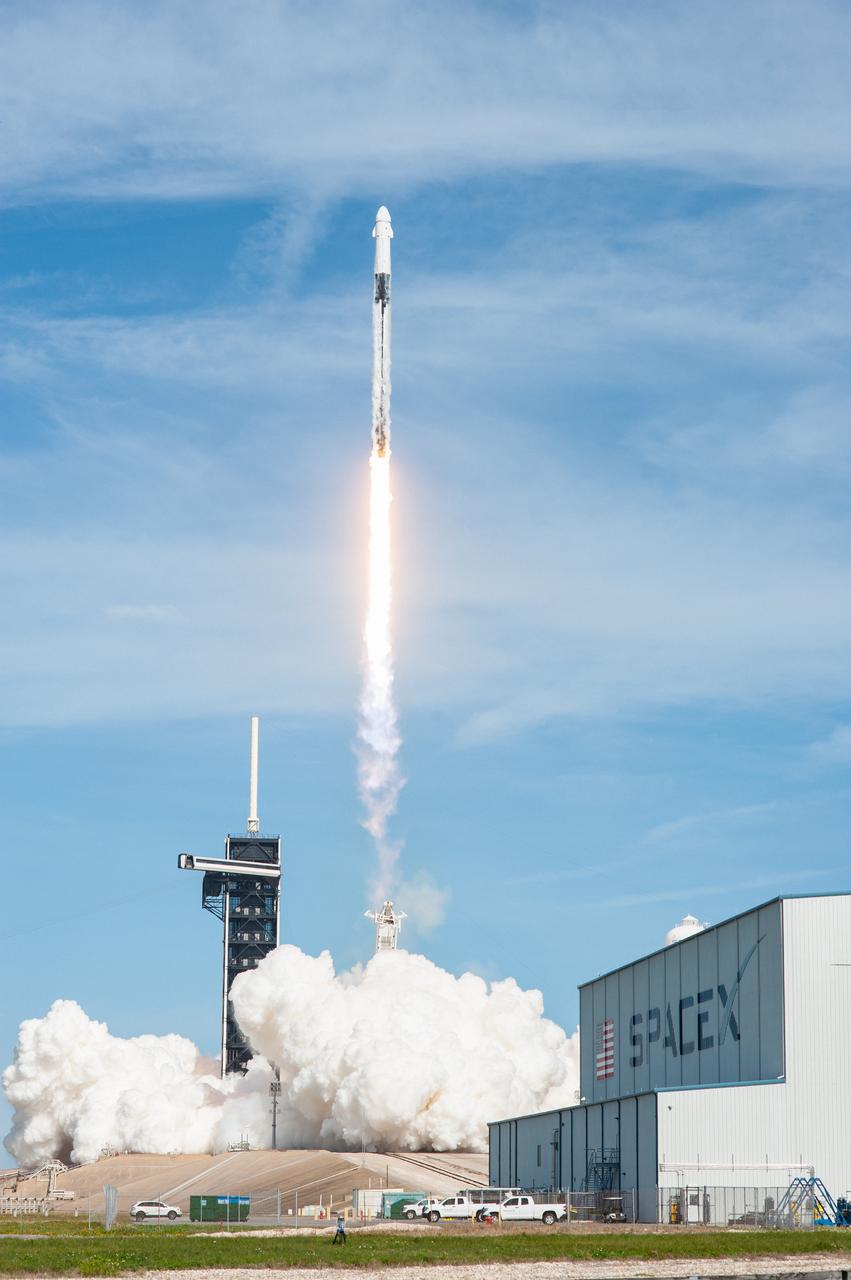
A SpaceX Falcon 9 rocket lifts off from Launch Complex 39A at Kennedy Space Center in Florida at 11:17 a.m. EST on Dec. 6, 2020, carrying the uncrewed cargo Dragon spacecraft on its journey to the International Space Station for NASA and SpaceX’s 21st Commercial Resupply Services (CRS-21) mission. Dragon will deliver more than 6,400 pounds of science investigations and cargo to the orbiting laboratory. The mission marks the first launch for SpaceX under NASA’s CRS-2 contract.
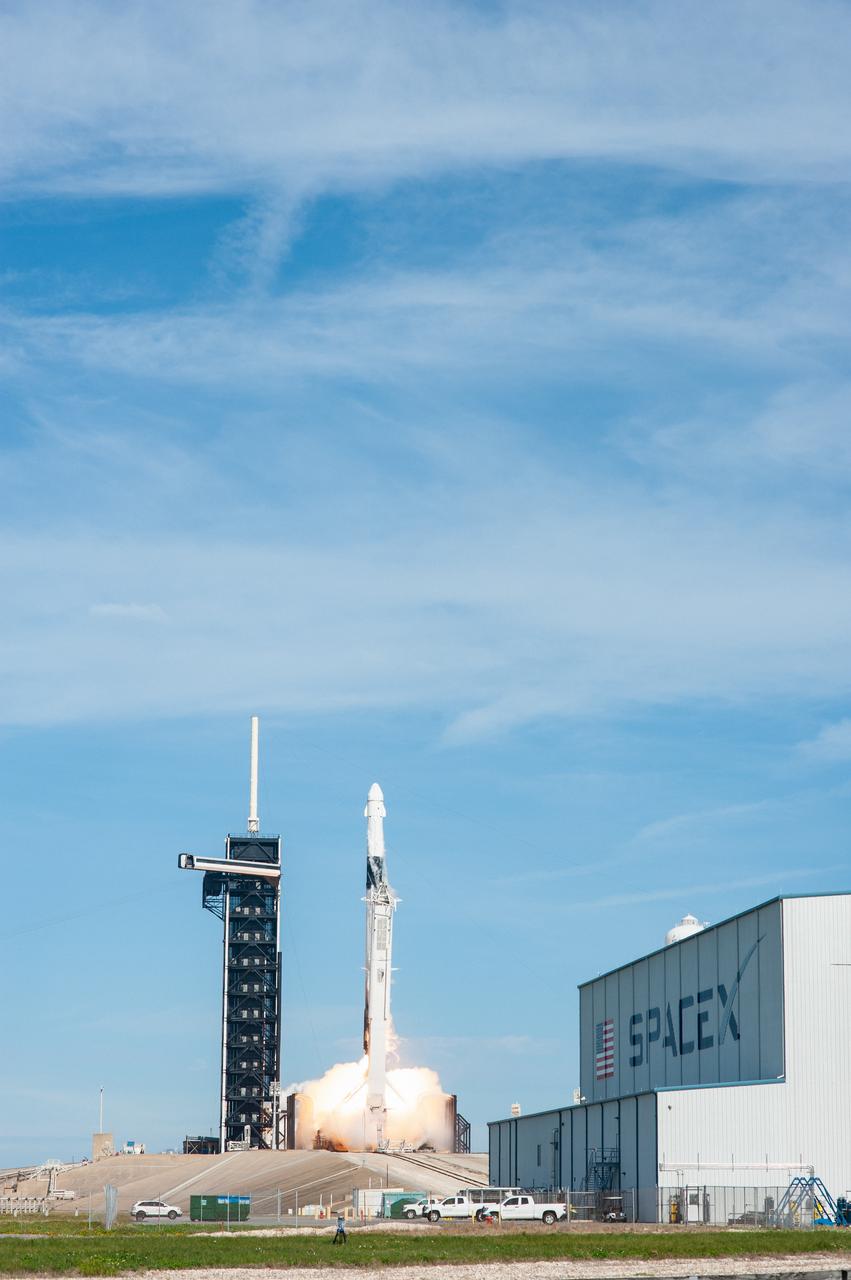
A SpaceX Falcon 9 rocket lifts off from Launch Complex 39A at Kennedy Space Center in Florida at 11:17 a.m. EST on Dec. 6, 2020, carrying the uncrewed cargo Dragon spacecraft on its journey to the International Space Station for NASA and SpaceX’s 21st Commercial Resupply Services (CRS-21) mission. Dragon will deliver more than 6,400 pounds of science investigations and cargo to the orbiting laboratory. The mission marks the first launch for SpaceX under NASA’s CRS-2 contract.