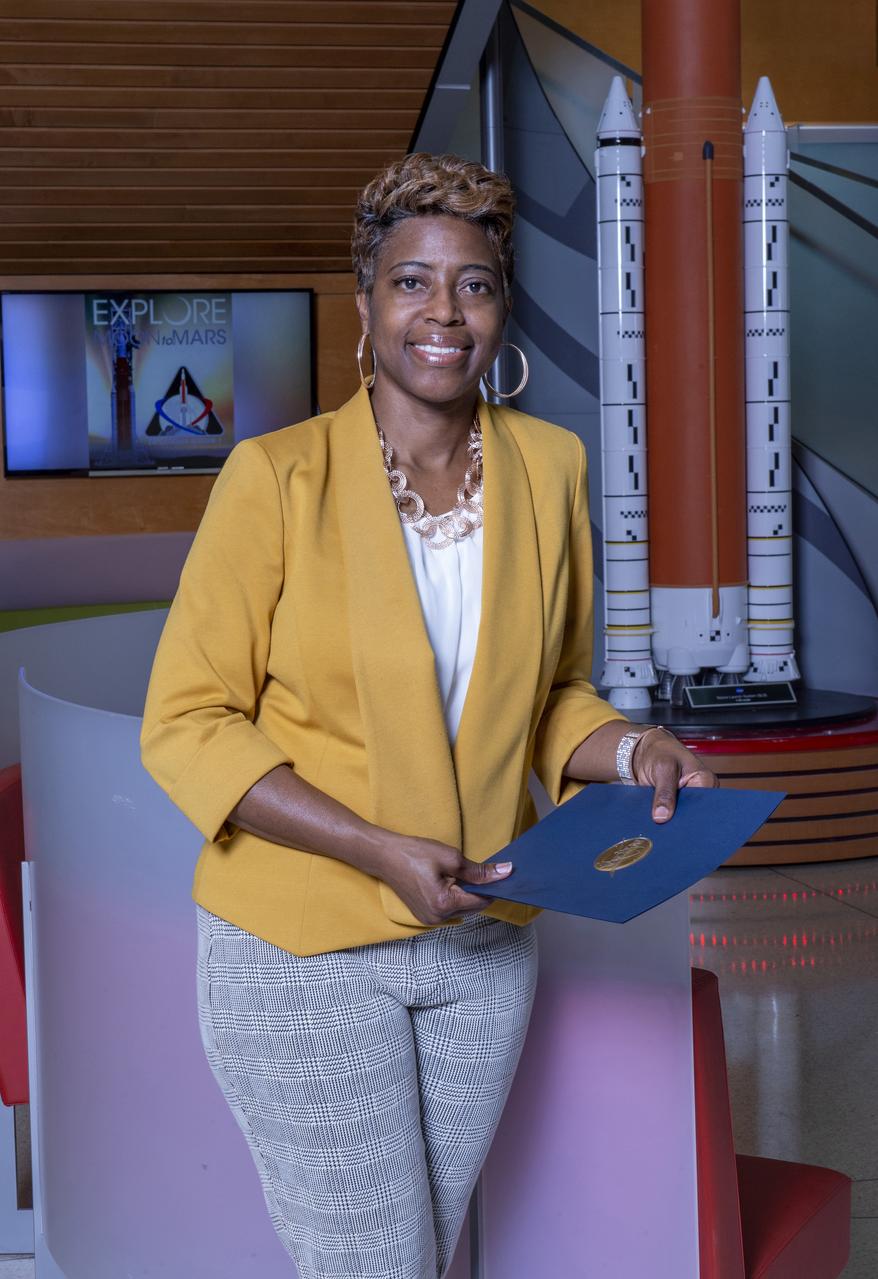
Dr. Ruth Jones, Branch Chief for Industrial Safety Branch (QD12) at MSFC, poses with model of Space Launch System, in Building 4220. Photo for publication in University of Arkansas, Pine Bluff, Alumni magazine.
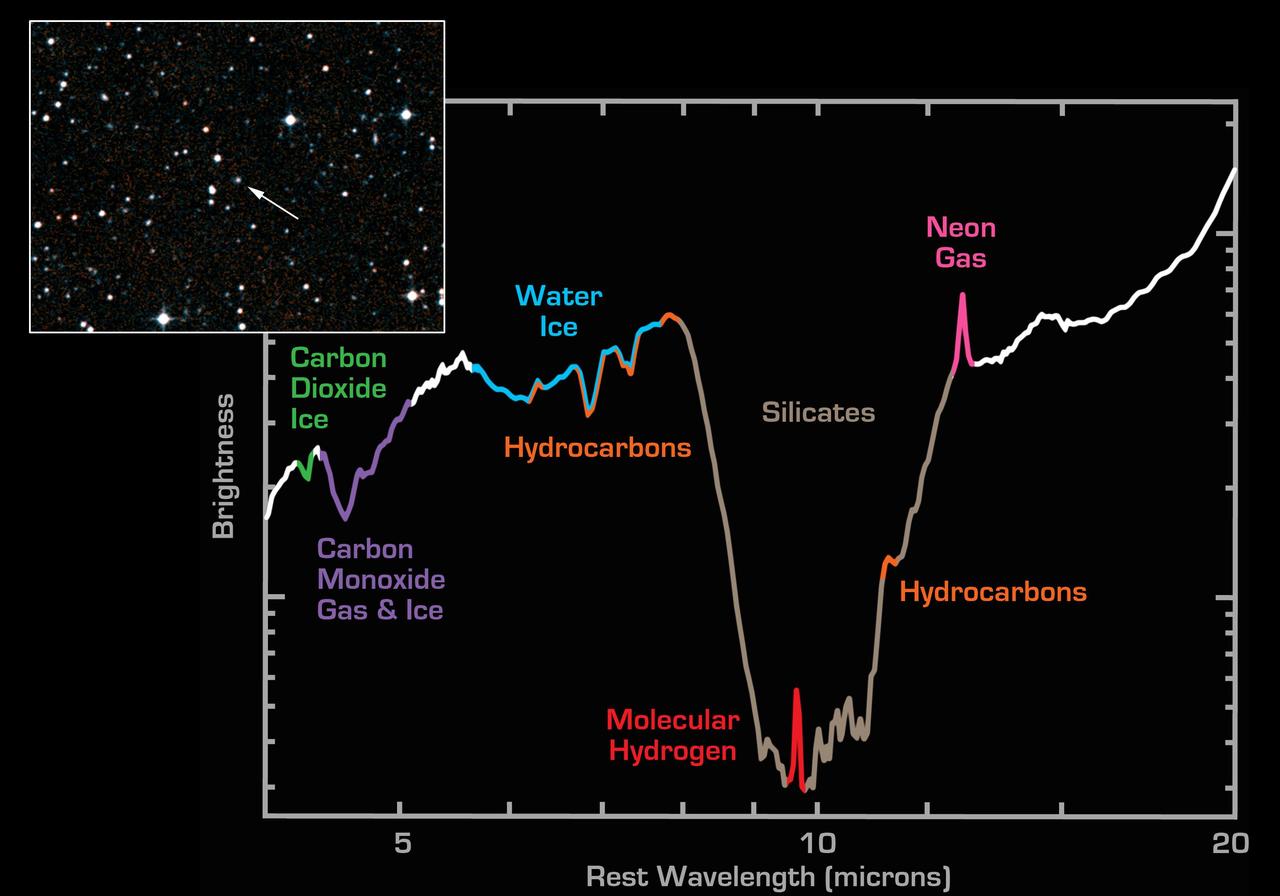
NASA Spitzer Space Telescope has detected the building blocks of life in the distant universe, albeit in a violent milieu.

An attendee of the USA Science and Engineering Festival uses marbles to build a universe consisting of atoms and dark matter. The USA Science and Engineering Festival took place at the Washington Convention Center in Washington, DC on April 26 and 27, 2014. Photo Credit: (NASA/Aubrey Gemignani)
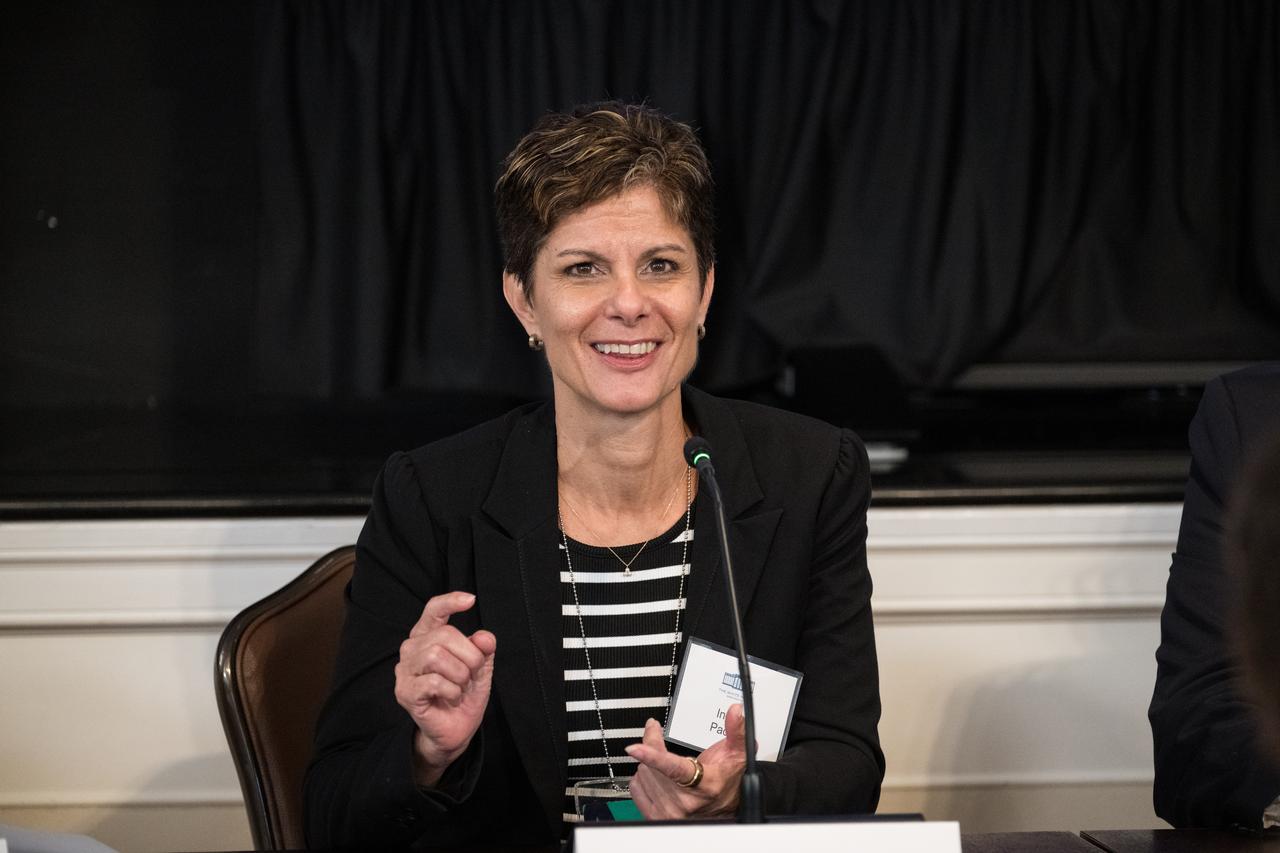
Ingrid Padilla, Professor in Environmental and Water Resources Engineering, University of Puerto Rico, Mayaguez (UPRM) speaks on a panel at a White House Hispanic Heritage month event titled “Soaring Together: Inspiring the Next Generation of Space Leaders” at the Eisenhower Executive Office Building, Monday, Sept. 30, 2024 in Washington. Photo Credit: (NASA/Aubrey Gemignani)

This artist conception symbolically represents complex organic molecules, known as polycyclic aromatic hydrocarbons, seen in the early universe. These large molecules, comprised of carbon and hydrogen, are considered among the building blocks of life.
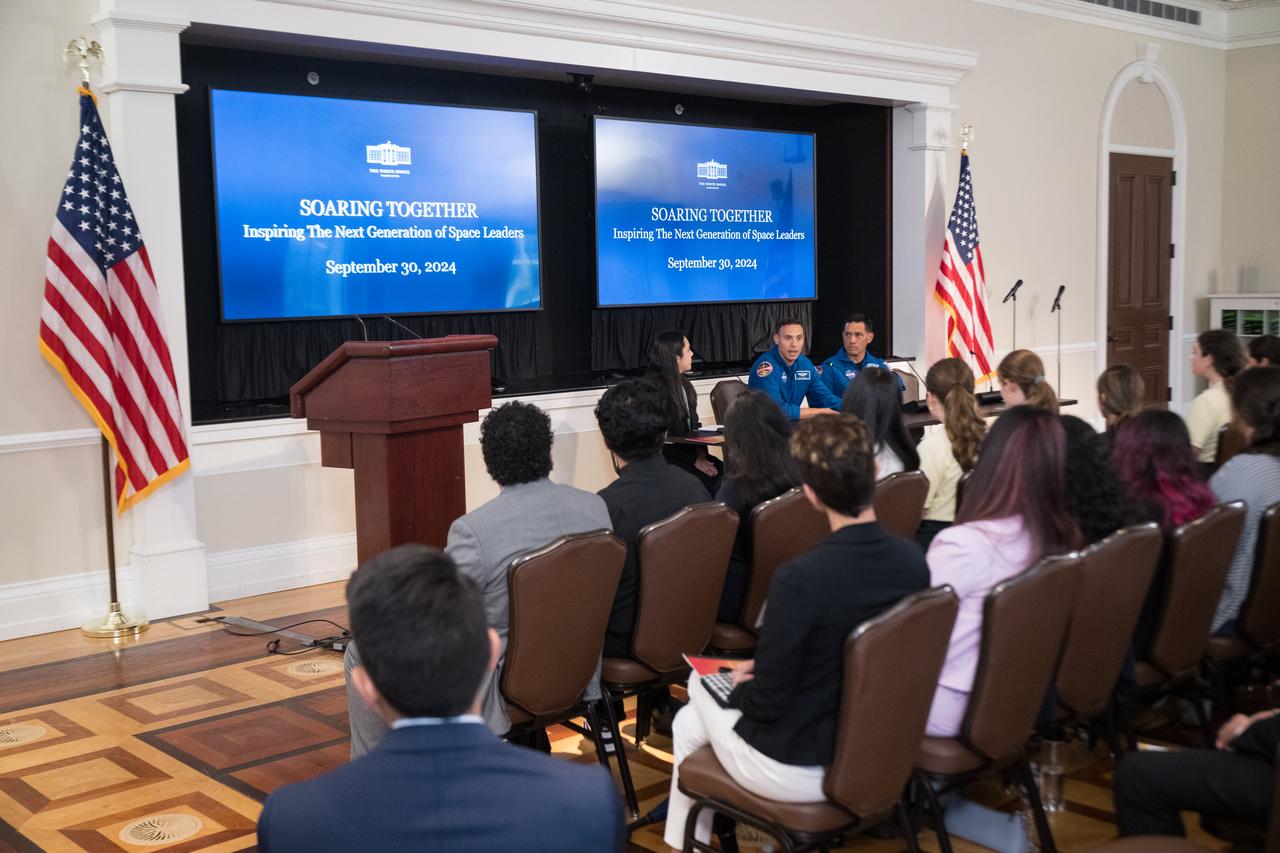
Wilmar Galvez Alfonso, Aerospace Engineering Student, Embry-Riddle Aeronautical University moderates a discussion with NASA astronauts Frank Rubio and Marcos Berrios at a White House Hispanic Heritage month event titled “Soaring Together: Inspiring the Next Generation of Space Leaders” at the Eisenhower Executive Office Building, Monday, Sept. 30, 2024 in Washington. Photo Credit: (NASA/Aubrey Gemignani)
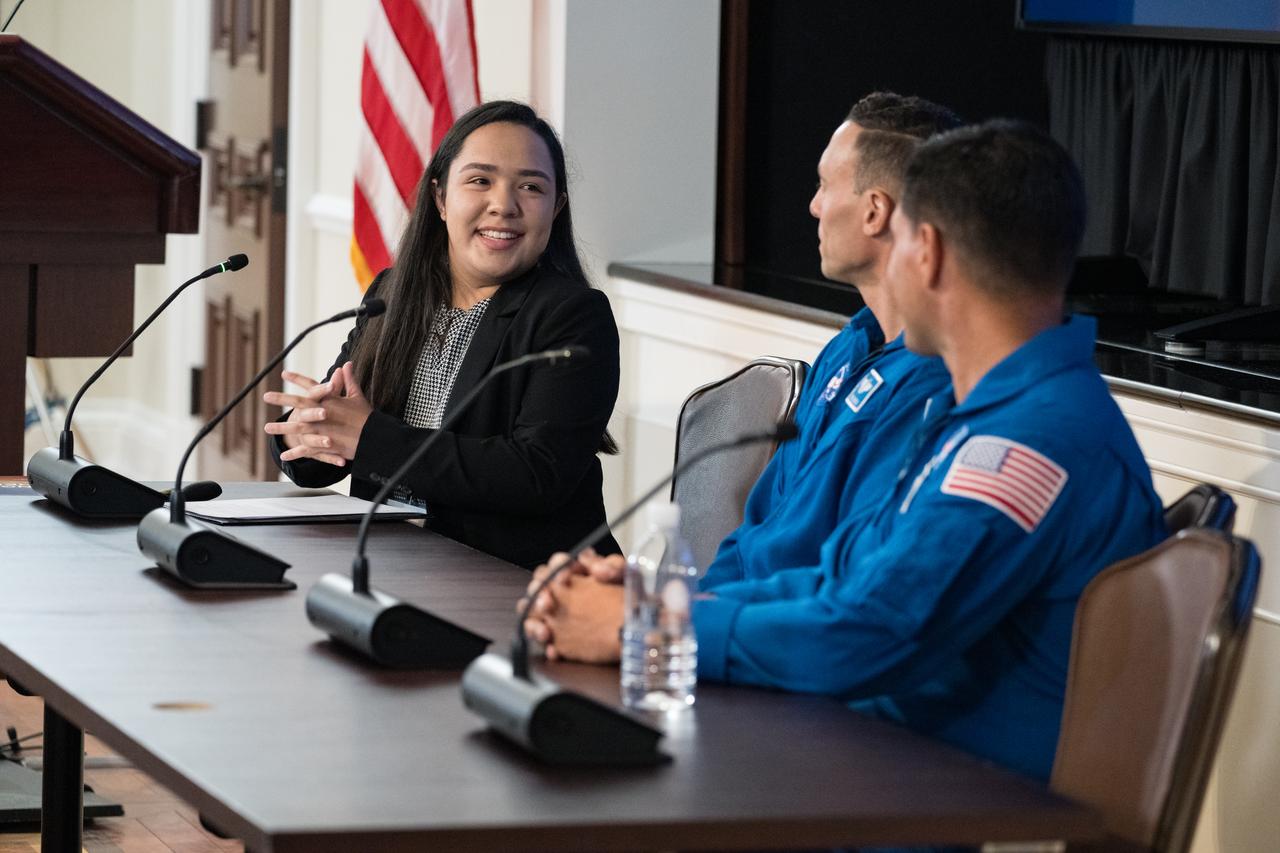
Wilmar Galvez Alfonso, Aerospace Engineering Student, Embry-Riddle Aeronautical University moderates a discussion with NASA astronauts Frank Rubio and Marcos Berrios at a White House Hispanic Heritage month event titled “Soaring Together: Inspiring the Next Generation of Space Leaders” at the Eisenhower Executive Office Building, Monday, Sept. 30, 2024 in Washington. Photo Credit: (NASA/Aubrey Gemignani)
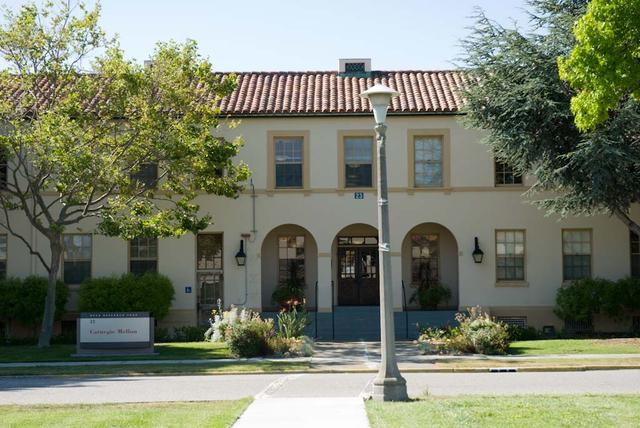
NASA Research Park (NRP) shenandoah Plaza Historic Buildings at Moffett Federal Airfield, CA B-23 Carnegie Mellon University building taken by Photo summer student Shashank
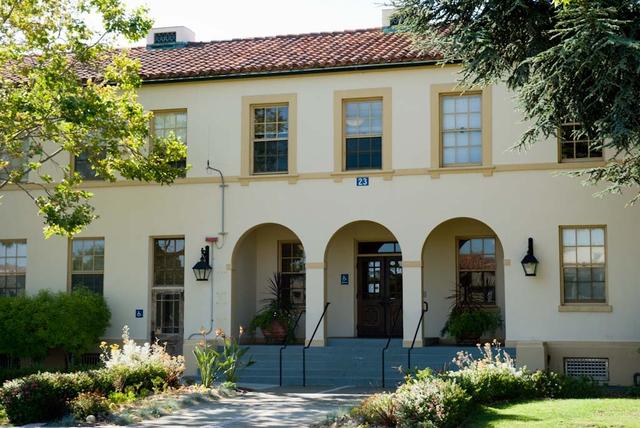
NASA Research Park (NRP) shenandoah Plaza Historic Buildings at Moffett Federal Airfield, CA B-23 Carnegie Mellon University building taken by Photo summer student Shashank
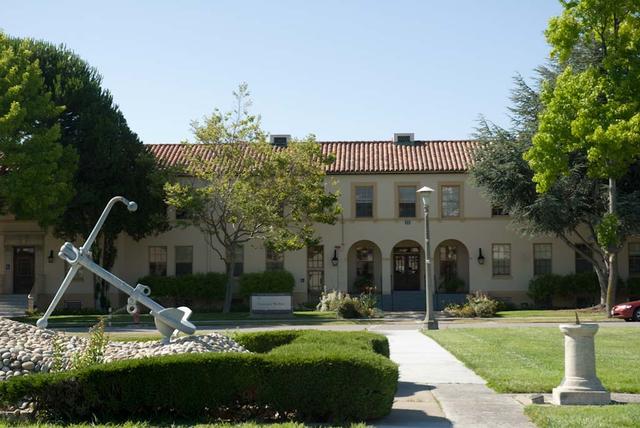
NASA Research Park (NRP) shenandoah Plaza Historic Buildings at Moffett Federal Airfield, CA B-23 Carnegie Mellon University building taken by Photo summer student Shashank
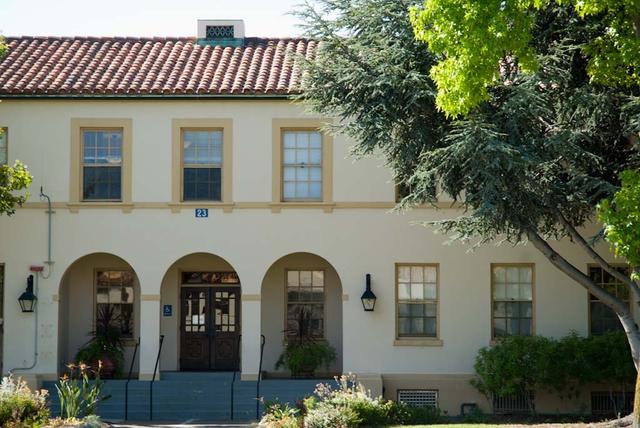
NASA Research Park (NRP) shenandoah Plaza Historic Buildings at Moffett Federal Airfield, CA B-23 Carnegie Mellon University building taken by Photo summer student Shashank
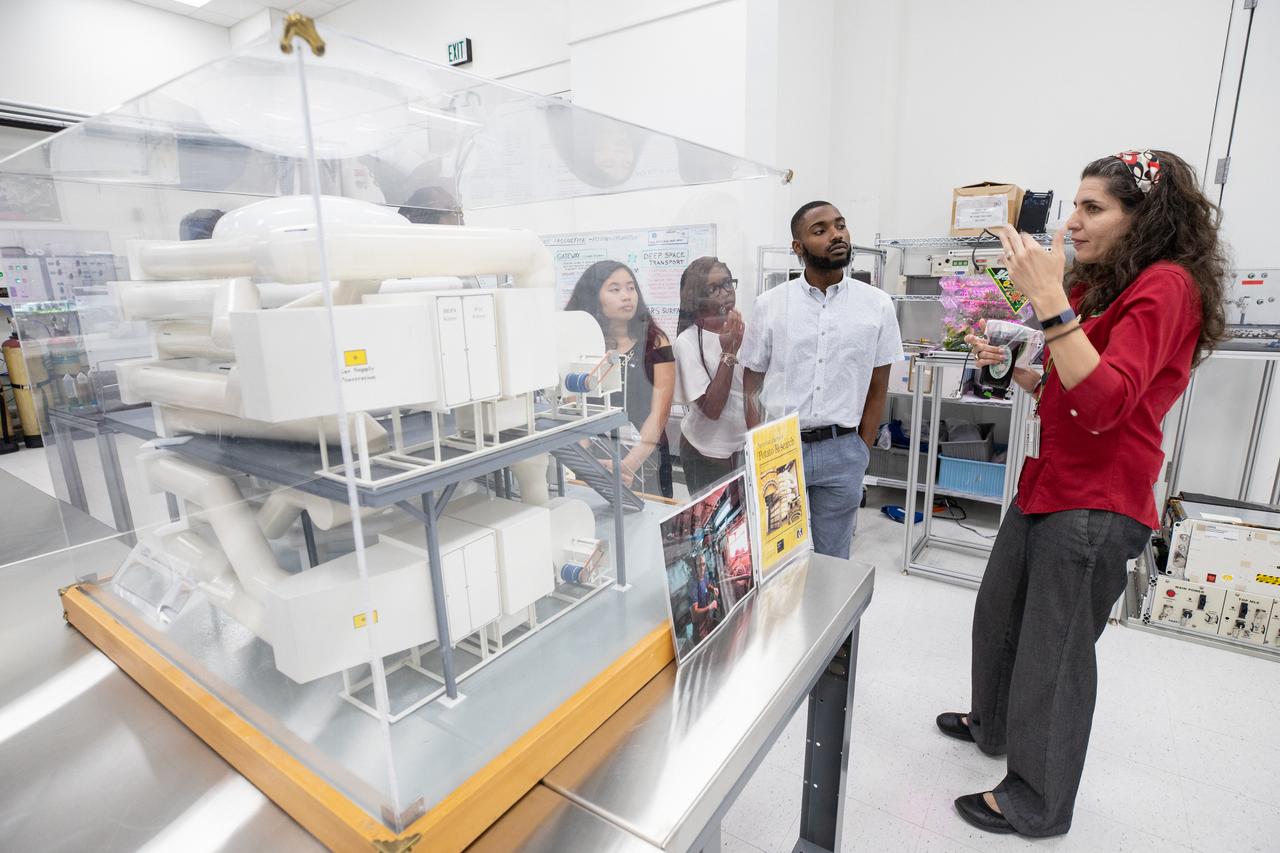
Dr. Gioia Massa, NASA Veggie project lead, addresses Langston University students inside a Space Station Processing Facility lab at Kennedy Space Center on Sept. 18, 2019. The tour of the Florida spaceport was organized by NASA’s Office of Education and Byron Quinn, Ph.D., Langston University director of the Science Research Institute. Students visited SwampWorks, the Neil Armstrong Operations and Checkout Building, the Vehicle Assembly Building, the visitor complex and the Center for Space Education.
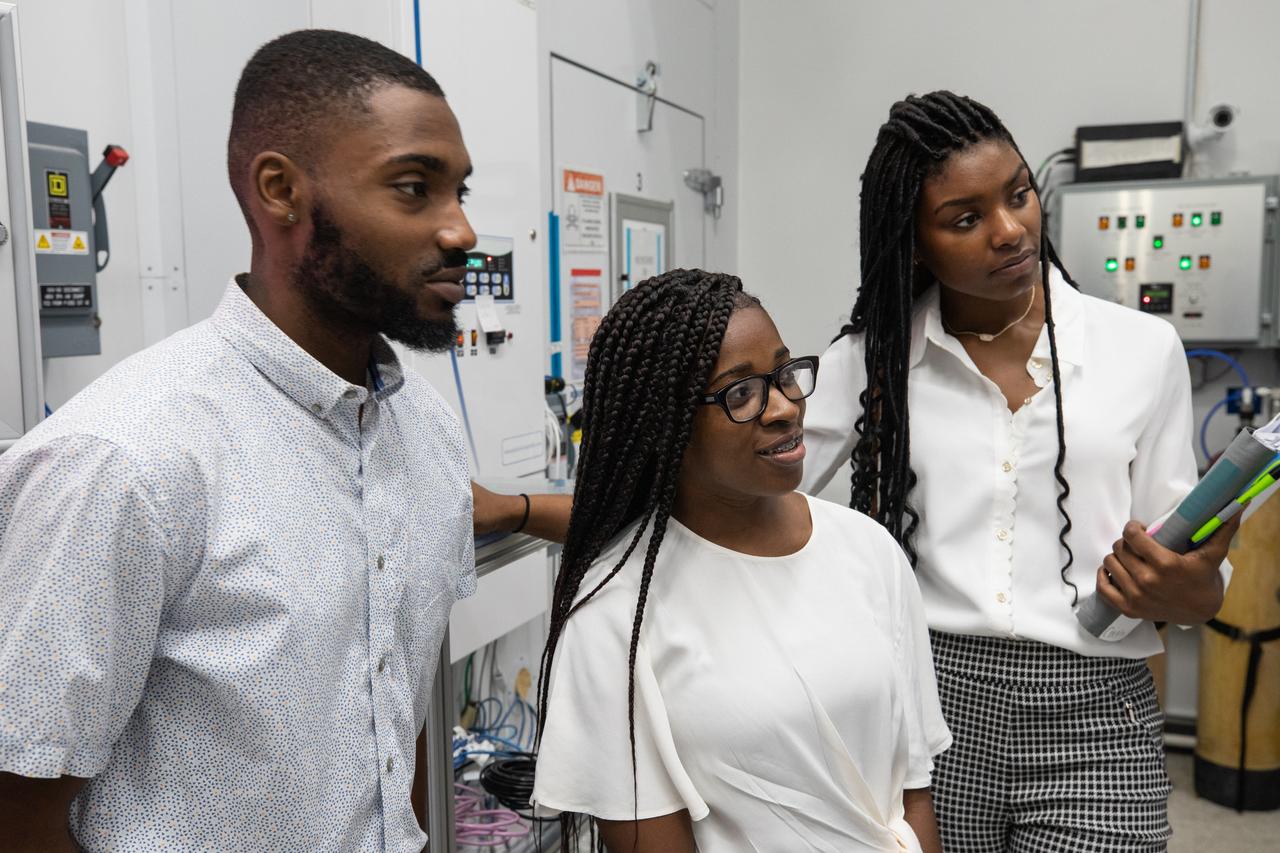
Langston University students, from left, Sherman Cravens, Makyah Farris and Courtney Miller listen to a presentation inside a Space Station Processing Facility lab at Kennedy Space Center on Sept. 18, 2019. The students were part of a tour of the Florida spaceport organized by NASA’s Office of Education and Byron Quinn, Ph.D., Langston University director of the Science Research Institute. The visit included stops at SwampWorks, the Neil Armstrong Operations and Checkout Building, the Vehicle Assembly Building, the visitor complex and the Center for Space Education.

Langston University students Courtney Miller, left, and Sherman Cravens participate in a hands-on experience inside a Space Station Processing Facility lab at Kennedy Space Center on Sept. 18, 2019. Miller and Cravens were part of a tour of the Florida spaceport organized by Byron Quinn (background), Ph.D., Langston University director of the Science Research Institute, and NASA’s Office of Education. The Kennedy visit included stops at SwampWorks, the Neil Armstrong Operations and Checkout Building, the Vehicle Assembly Building, the visitor complex and the Center for Space Education.
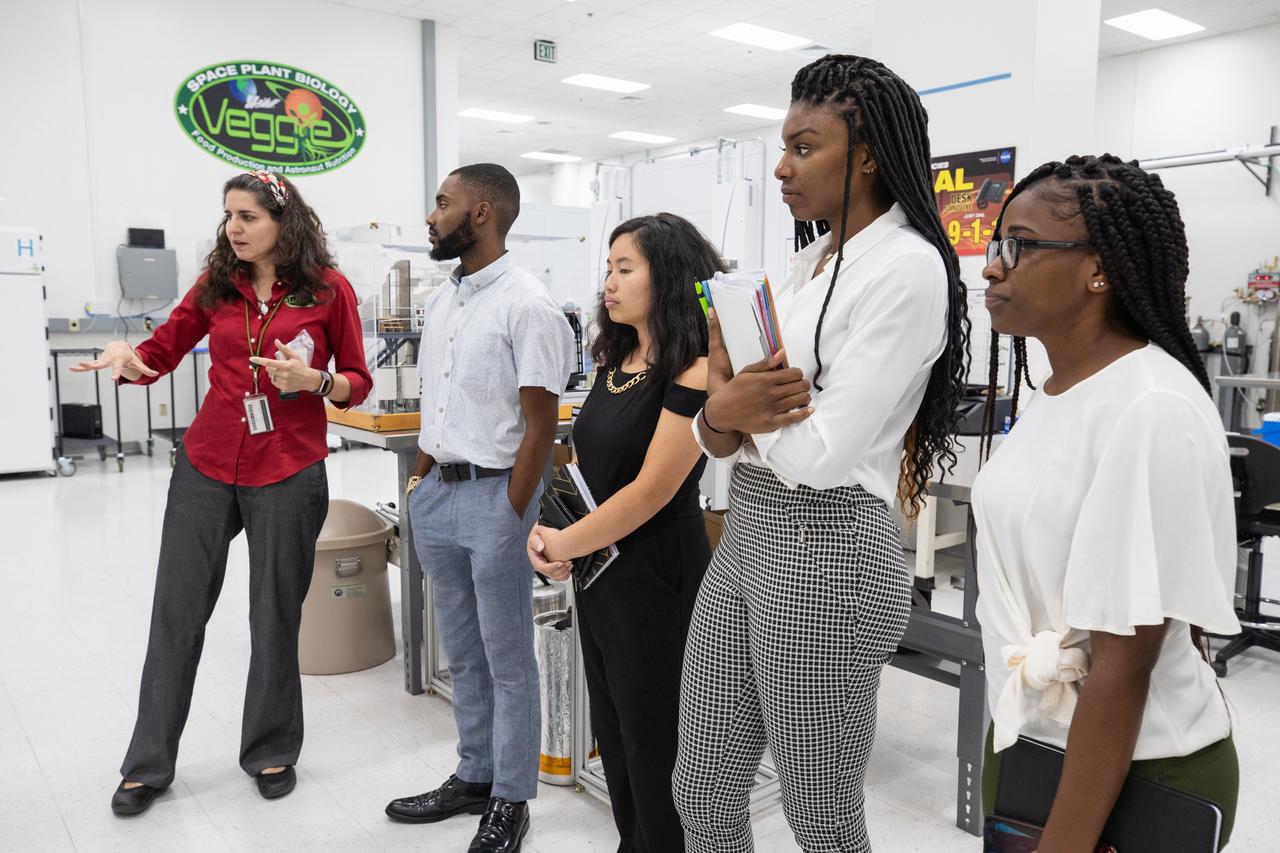
Dr. Gioia Massa, NASA Veggie project lead, addresses Langston University students, from left, Sherman Cravens, Kashia Cha, Courtney Miller and Makyah Farris inside a Space Station Processing Facility lab at Kennedy Space Center on Sept. 18, 2019. The tour, which was organized by Langston University professor Byron Quinn, Ph.D., and NASA’s Office of Education, included stops at SwampWorks, the Neil Armstrong Operations and Checkout Building, the Vehicle Assembly Building, the visitor complex and the Center for Space Education.
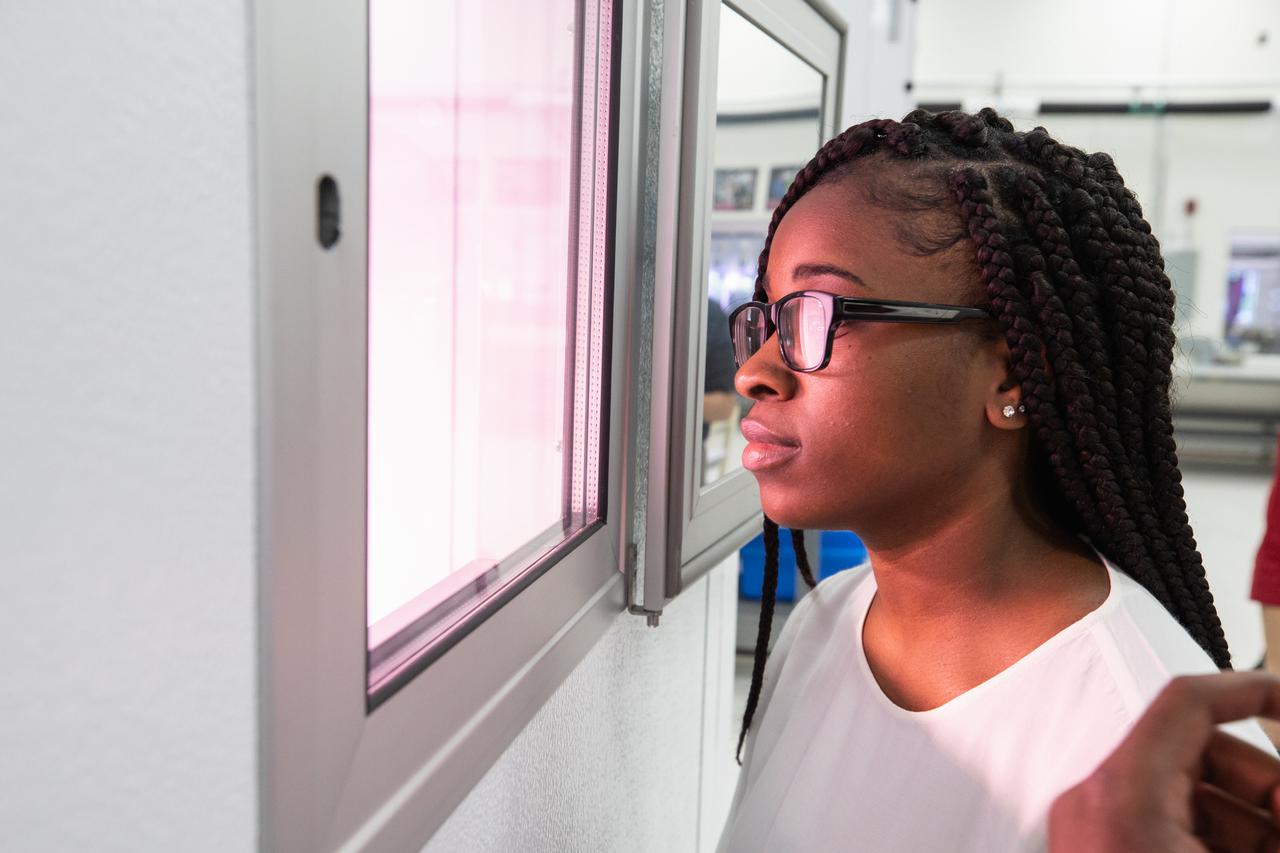
Langston University student Makyah Farris observes plants inside a Space Station Processing Facility lab at Kennedy Space Center on Sept. 18, 2019. Farris was part of a tour of the Florida spaceport organized by NASA’s Office of Education and Byron Quinn, Ph.D., Langston University director of the Science Research Institute. The students’ tour of Kennedy included stops at SwampWorks, the Neil Armstrong Operations and Checkout Building, the Vehicle Assembly Building, the visitor complex and the Center for Space Education.
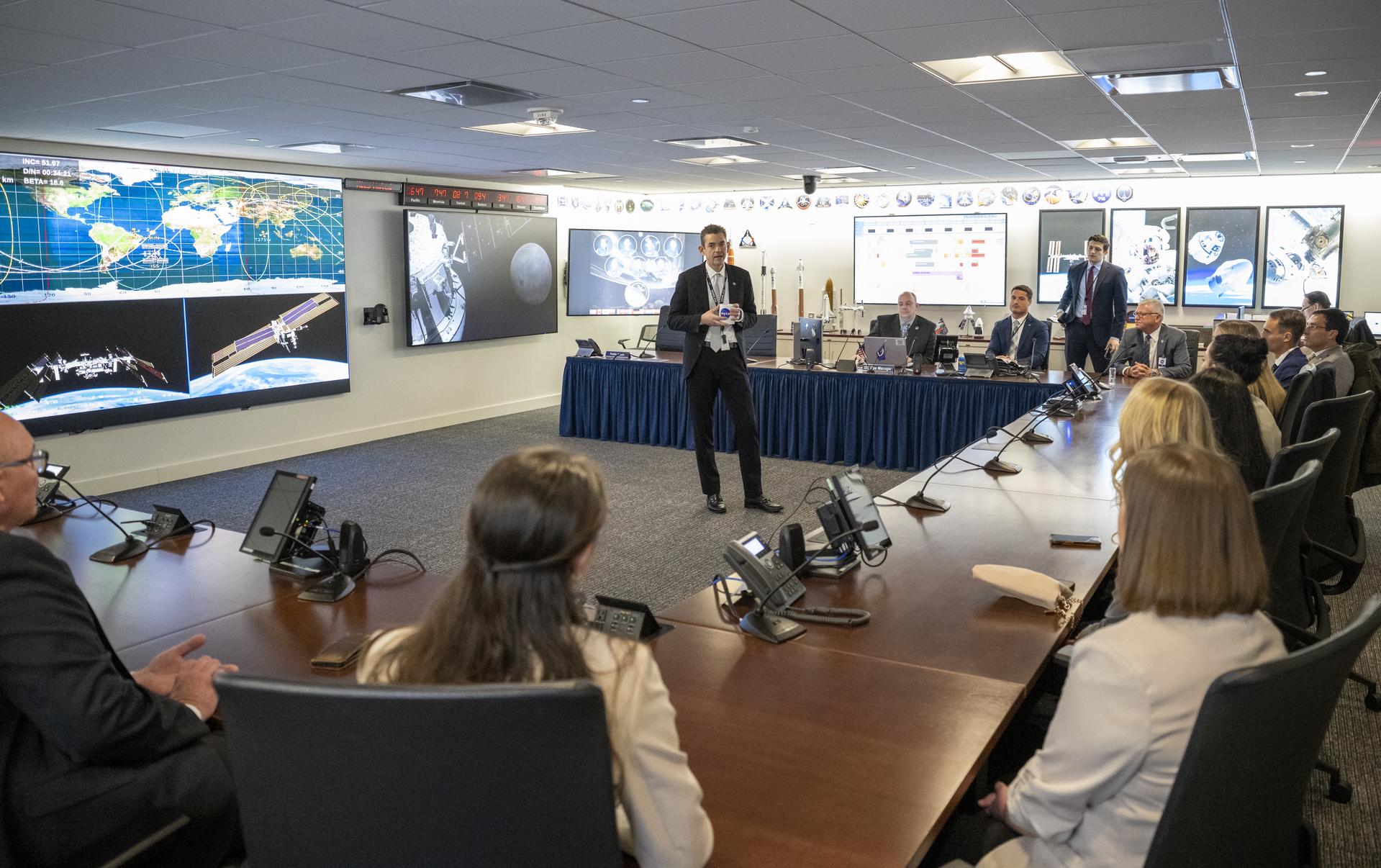
NASA Administrator Jared Isaacman speaks with Embry‑Riddle Aeronautical University students and staff in the Space Operations Center (SOC), Thursday, March 19, 2026, at the Mary W. Jackson NASA Headquarters building in Washington. The group is visiting NASA Headquarters after six Embry‑Riddle Aeronautical University students were named to the Aviation Week Network 20 Twenties Class of 2026, which recognizes outstanding aerospace-focused university students. Photo Credit: (NASA/Keegan Barber)

NASA Administrator Jared Isaacman speaks with Embry‑Riddle Aeronautical University students and staff in the Space Operations Center (SOC), Thursday, March 19, 2026, at the Mary W. Jackson NASA Headquarters building in Washington. The group is visiting NASA Headquarters after six Embry‑Riddle Aeronautical University students were named to the Aviation Week Network 20 Twenties Class of 2026, which recognizes outstanding aerospace-focused university students. Photo Credit: (NASA/Keegan Barber)

Embry‑Riddle Aeronautical University student Daniella Bezuidenhout speaks with NASA Administrator Jared Isaacman in the Space Operations Center (SOC), Thursday, March 19, 2026, at the Mary W. Jackson NASA Headquarters building in Washington. Embry‑Riddle Aeronautical University students and staff are visiting NASA Headquarters after six students were named to the Aviation Week Network 20 Twenties Class of 2026, which recognizes outstanding aerospace-focused university students. Photo Credit: (NASA/Keegan Barber)
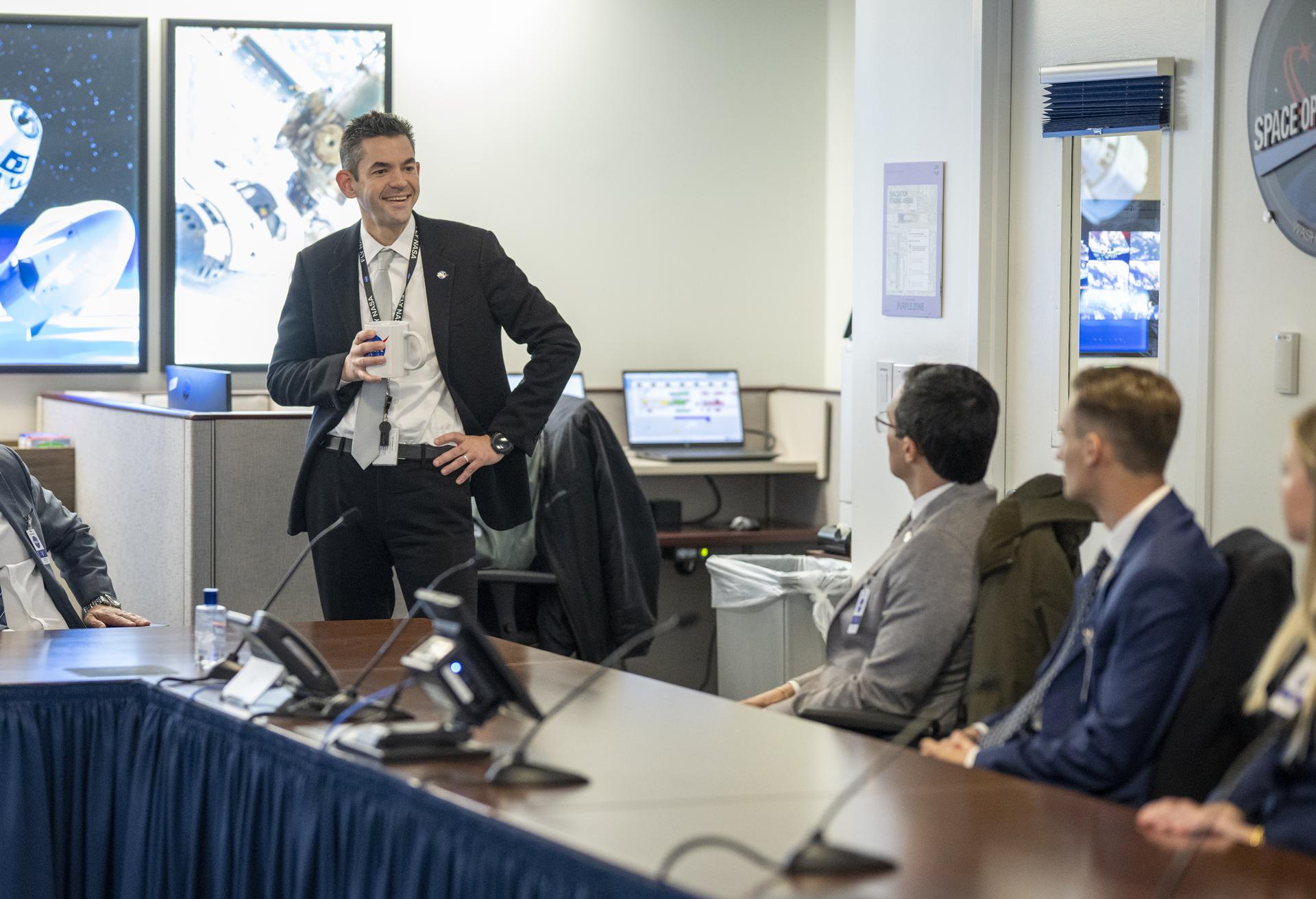
NASA Administrator Jared Isaacman speaks with Embry‑Riddle Aeronautical University students and staff in the Space Operations Center (SOC), Thursday, March 19, 2026, at the Mary W. Jackson NASA Headquarters building in Washington. The group is visiting NASA Headquarters after six Embry‑Riddle Aeronautical University students were named to the Aviation Week Network 20 Twenties Class of 2026, which recognizes outstanding aerospace-focused university students. Photo Credit: (NASA/Keegan Barber)

NASA Administrator Jared Isaacman poses for a photo with Embry‑Riddle Aeronautical University students and staff in the Space Operations Center (SOC), Thursday, March 19, 2026, at the Mary W. Jackson NASA Headquarters building in Washington. The group is visiting NASA Headquarters after six Embry‑Riddle Aeronautical University students were named to the Aviation Week Network 20 Twenties Class of 2026, which recognizes outstanding aerospace-focused university students. Photo Credit: (NASA/Keegan Barber)

NASA Administrator Jared Isaacman speaks with Embry‑Riddle Aeronautical University students and staff in the Space Operations Center (SOC), Thursday, March 19, 2026, at the Mary W. Jackson NASA Headquarters building in Washington. The group is visiting NASA Headquarters after six Embry‑Riddle Aeronautical University students were named to the Aviation Week Network 20 Twenties Class of 2026, which recognizes outstanding aerospace-focused university students. Photo Credit: (NASA/Keegan Barber)

Embry‑Riddle Aeronautical University students and staff ask questions about the International Space Station in the Space Operations Center (SOC), Thursday, March 19, 2026, at the Mary W. Jackson NASA Headquarters building in Washington. The group is visiting NASA Headquarters after six Embry‑Riddle Aeronautical University students were named to the Aviation Week Network 20 Twenties Class of 2026, which recognizes outstanding aerospace-focused university students. Photo Credit: (NASA/Keegan Barber)
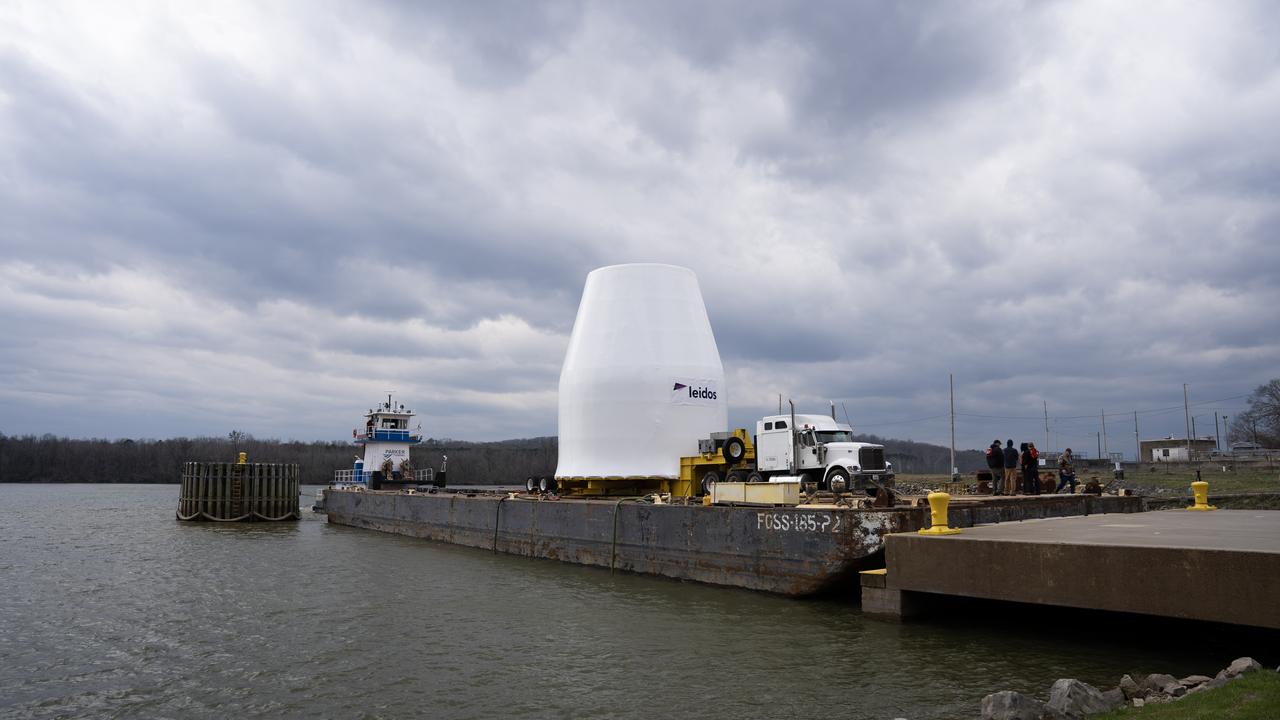
These photos and videos show how crews guided a test version of the universal stage adapter for NASA’s more powerful version of its SLS (Space Launch System) rocket to Building 4619 at the agency’s Marshall Space Flight Center in Huntsville, Alabama, Feb. 22. Built by Leidos, the lead contractor for the universal stage adapter, crews transported the hardware from a Leidos facility in Decatur, Alabama, the same day. The universal stage adapter will connect the SLS rocket’s upgraded in-space propulsion stage, called the exploration upper stage, to NASA’s Orion spacecraft as part of the evolved Block 1B configuration of the SLS rocket. It will also serve as a compartment capable of accommodating large payloads, such as modules or other exploration spacecraft. In Building 4619’s Load Test Annex High Bay at Marshall, the development test article will first undergo modal testing that will shake the hardware to validate dynamic models. Later, during ultimate load testing, force will be applied vertically and to the sides of the hardware. Unlike the flight hardware, the development test article has flaws intentionally included in its design, which will help engineers verity that the flight adapter can withstand the extreme forces it will face during launch and flight.
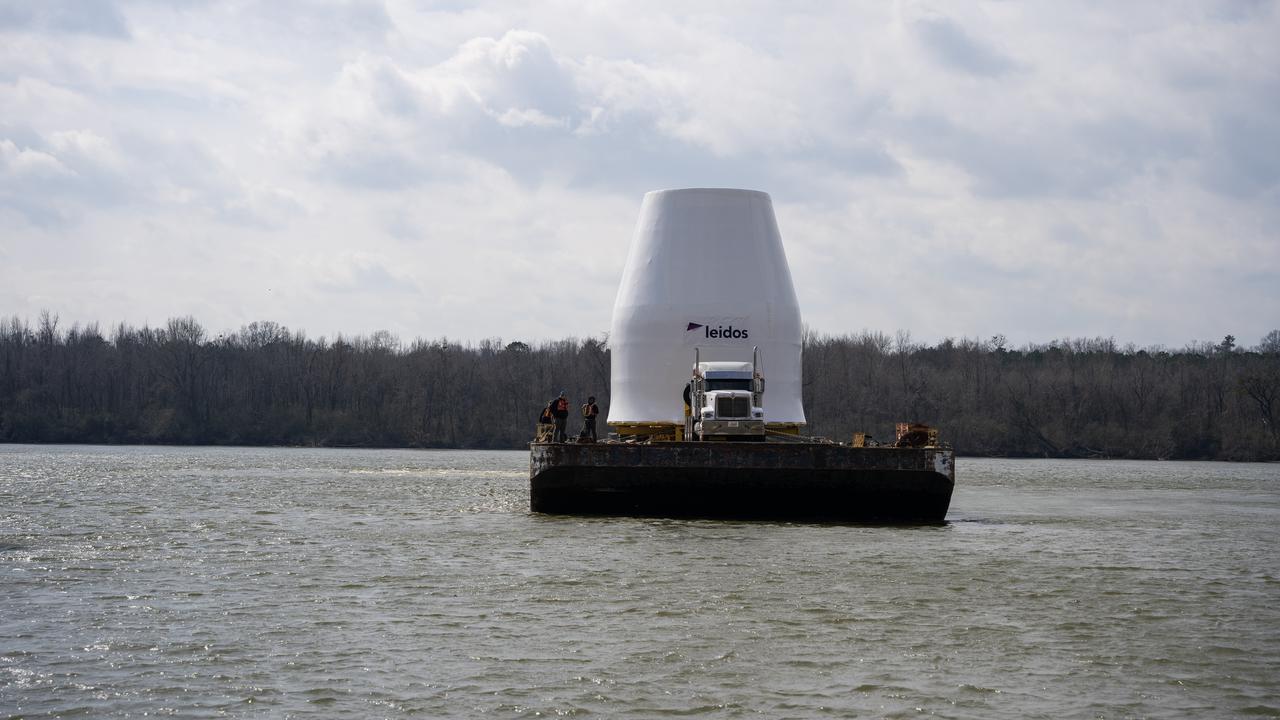
These photos and videos show how crews guided a test version of the universal stage adapter for NASA’s more powerful version of its SLS (Space Launch System) rocket to Building 4619 at the agency’s Marshall Space Flight Center in Huntsville, Alabama, Feb. 22. Built by Leidos, the lead contractor for the universal stage adapter, crews transported the hardware from a Leidos facility in Decatur, Alabama, the same day. The universal stage adapter will connect the SLS rocket’s upgraded in-space propulsion stage, called the exploration upper stage, to NASA’s Orion spacecraft as part of the evolved Block 1B configuration of the SLS rocket. It will also serve as a compartment capable of accommodating large payloads, such as modules or other exploration spacecraft. In Building 4619’s Load Test Annex High Bay at Marshall, the development test article will first undergo modal testing that will shake the hardware to validate dynamic models. Later, during ultimate load testing, force will be applied vertically and to the sides of the hardware. Unlike the flight hardware, the development test article has flaws intentionally included in its design, which will help engineers verity that the flight adapter can withstand the extreme forces it will face during launch and flight.
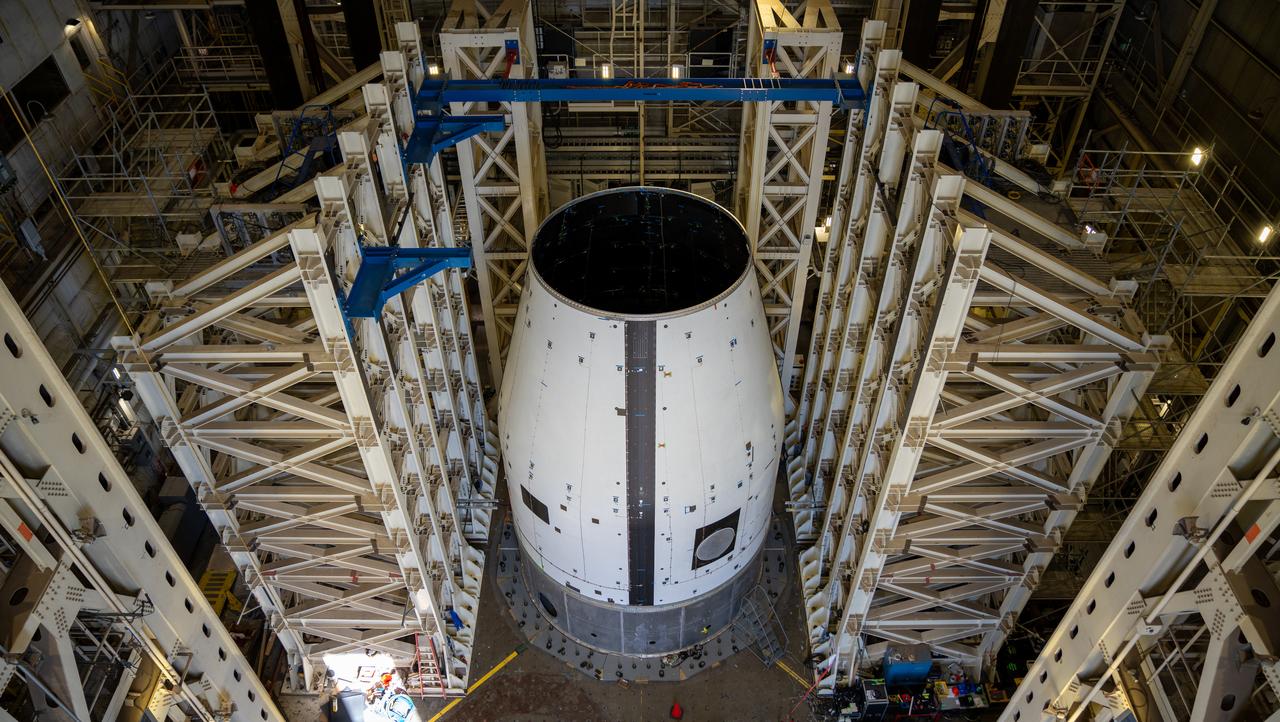
These photos and videos show how crews guided a test version of the universal stage adapter for NASA’s more powerful version of its SLS (Space Launch System) rocket to Building 4619 at the agency’s Marshall Space Flight Center in Huntsville, Alabama, Feb. 22. Built by Leidos, the lead contractor for the universal stage adapter, crews transported the hardware from a Leidos facility in Decatur, Alabama, the same day. The universal stage adapter will connect the SLS rocket’s upgraded in-space propulsion stage, called the exploration upper stage, to NASA’s Orion spacecraft as part of the evolved Block 1B configuration of the SLS rocket. It will also serve as a compartment capable of accommodating large payloads, such as modules or other exploration spacecraft. In Building 4619’s Load Test Annex High Bay at Marshall, the development test article will first undergo modal testing that will shake the hardware to validate dynamic models. Later, during ultimate load testing, force will be applied vertically and to the sides of the hardware. Unlike the flight hardware, the development test article has flaws intentionally included in its design, which will help engineers verity that the flight adapter can withstand the extreme forces it will face during launch and flight.
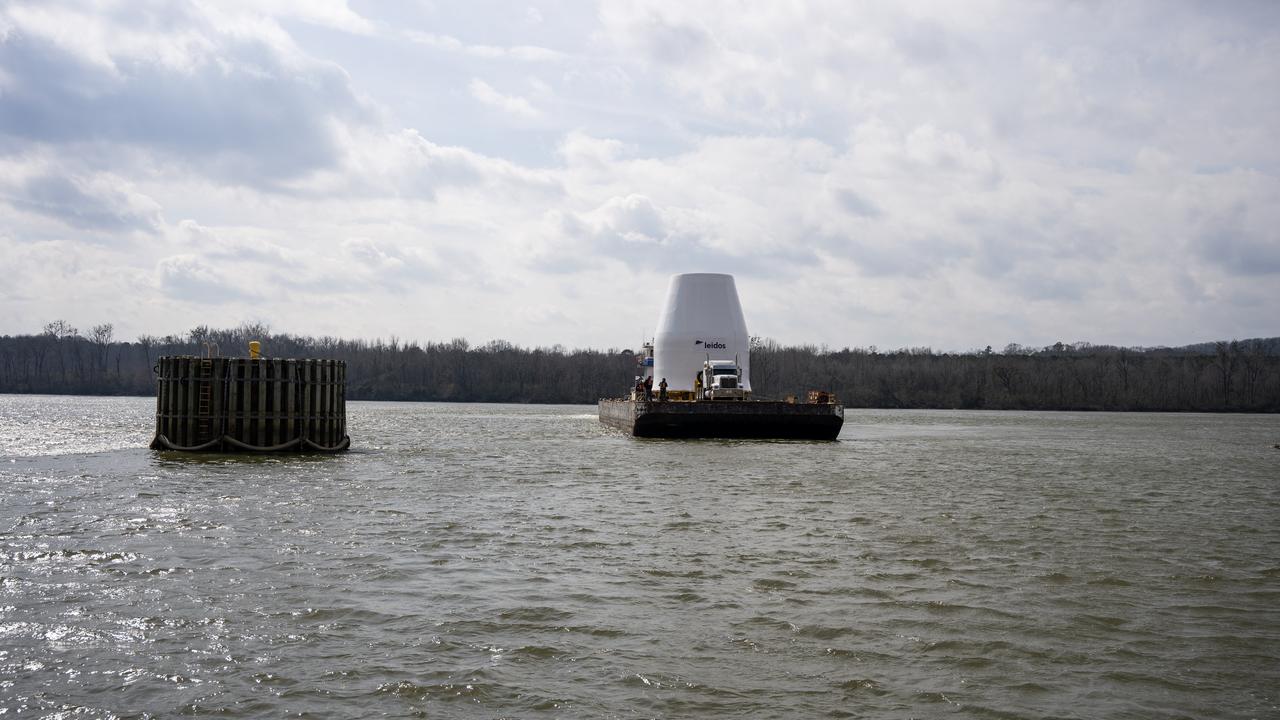
These photos and videos show how crews guided a test version of the universal stage adapter for NASA’s more powerful version of its SLS (Space Launch System) rocket to Building 4619 at the agency’s Marshall Space Flight Center in Huntsville, Alabama, Feb. 22. Built by Leidos, the lead contractor for the universal stage adapter, crews transported the hardware from a Leidos facility in Decatur, Alabama, the same day. The universal stage adapter will connect the SLS rocket’s upgraded in-space propulsion stage, called the exploration upper stage, to NASA’s Orion spacecraft as part of the evolved Block 1B configuration of the SLS rocket. It will also serve as a compartment capable of accommodating large payloads, such as modules or other exploration spacecraft. In Building 4619’s Load Test Annex High Bay at Marshall, the development test article will first undergo modal testing that will shake the hardware to validate dynamic models. Later, during ultimate load testing, force will be applied vertically and to the sides of the hardware. Unlike the flight hardware, the development test article has flaws intentionally included in its design, which will help engineers verity that the flight adapter can withstand the extreme forces it will face during launch and flight.

These photos and videos show how crews guided a test version of the universal stage adapter for NASA’s more powerful version of its SLS (Space Launch System) rocket to Building 4619 at the agency’s Marshall Space Flight Center in Huntsville, Alabama, Feb. 22. Built by Leidos, the lead contractor for the universal stage adapter, crews transported the hardware from a Leidos facility in Decatur, Alabama, the same day. The universal stage adapter will connect the SLS rocket’s upgraded in-space propulsion stage, called the exploration upper stage, to NASA’s Orion spacecraft as part of the evolved Block 1B configuration of the SLS rocket. It will also serve as a compartment capable of accommodating large payloads, such as modules or other exploration spacecraft. In Building 4619’s Load Test Annex High Bay at Marshall, the development test article will first undergo modal testing that will shake the hardware to validate dynamic models. Later, during ultimate load testing, force will be applied vertically and to the sides of the hardware. Unlike the flight hardware, the development test article has flaws intentionally included in its design, which will help engineers verity that the flight adapter can withstand the extreme forces it will face during launch and flight.
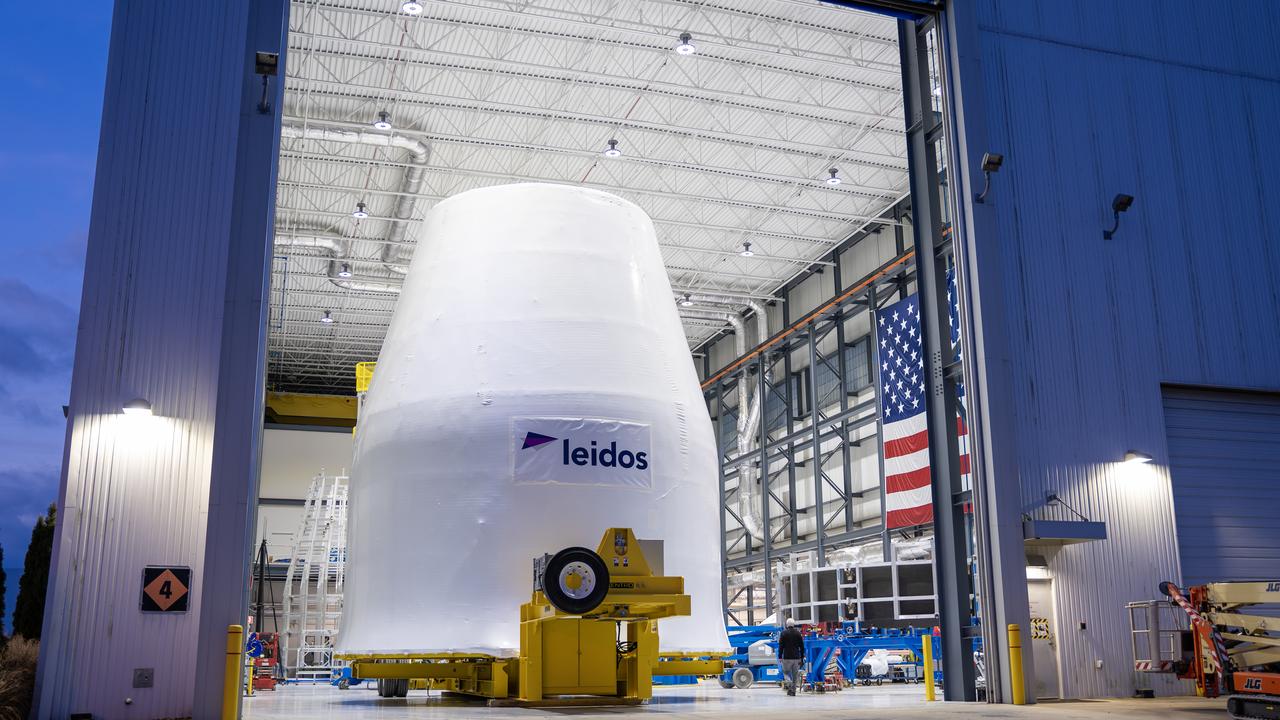
These photos and videos show how crews guided a test version of the universal stage adapter for NASA’s more powerful version of its SLS (Space Launch System) rocket to Building 4619 at the agency’s Marshall Space Flight Center in Huntsville, Alabama, Feb. 22. Built by Leidos, the lead contractor for the universal stage adapter, crews transported the hardware from a Leidos facility in Decatur, Alabama, the same day. The universal stage adapter will connect the SLS rocket’s upgraded in-space propulsion stage, called the exploration upper stage, to NASA’s Orion spacecraft as part of the evolved Block 1B configuration of the SLS rocket. It will also serve as a compartment capable of accommodating large payloads, such as modules or other exploration spacecraft. In Building 4619’s Load Test Annex High Bay at Marshall, the development test article will first undergo modal testing that will shake the hardware to validate dynamic models. Later, during ultimate load testing, force will be applied vertically and to the sides of the hardware. Unlike the flight hardware, the development test article has flaws intentionally included in its design, which will help engineers verity that the flight adapter can withstand the extreme forces it will face during launch and flight.
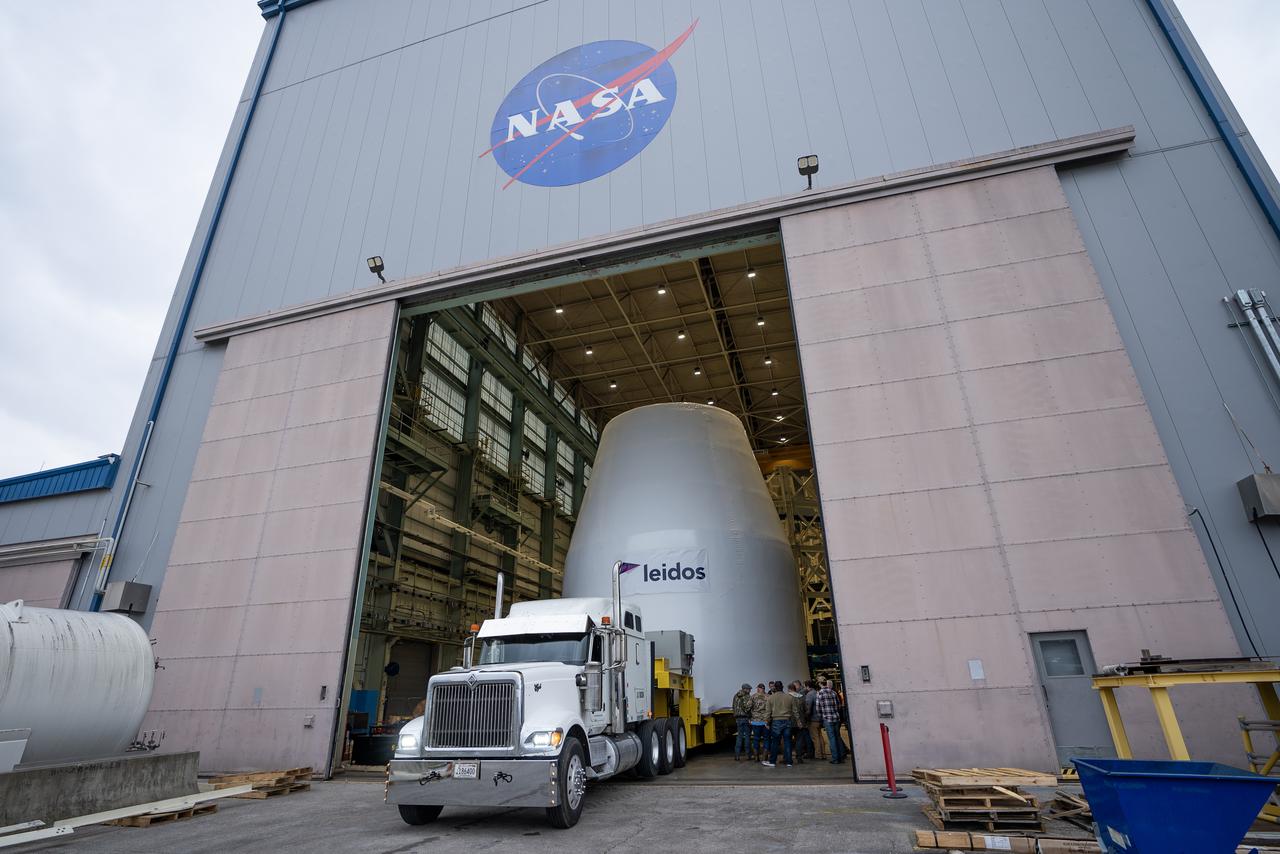
These photos and videos show how crews guided a test version of the universal stage adapter for NASA’s more powerful version of its SLS (Space Launch System) rocket to Building 4619 at the agency’s Marshall Space Flight Center in Huntsville, Alabama, Feb. 22. Built by Leidos, the lead contractor for the universal stage adapter, crews transported the hardware from a Leidos facility in Decatur, Alabama, the same day. The universal stage adapter will connect the SLS rocket’s upgraded in-space propulsion stage, called the exploration upper stage, to NASA’s Orion spacecraft as part of the evolved Block 1B configuration of the SLS rocket. It will also serve as a compartment capable of accommodating large payloads, such as modules or other exploration spacecraft. In Building 4619’s Load Test Annex High Bay at Marshall, the development test article will first undergo modal testing that will shake the hardware to validate dynamic models. Later, during ultimate load testing, force will be applied vertically and to the sides of the hardware. Unlike the flight hardware, the development test article has flaws intentionally included in its design, which will help engineers verity that the flight adapter can withstand the extreme forces it will face during launch and flight.
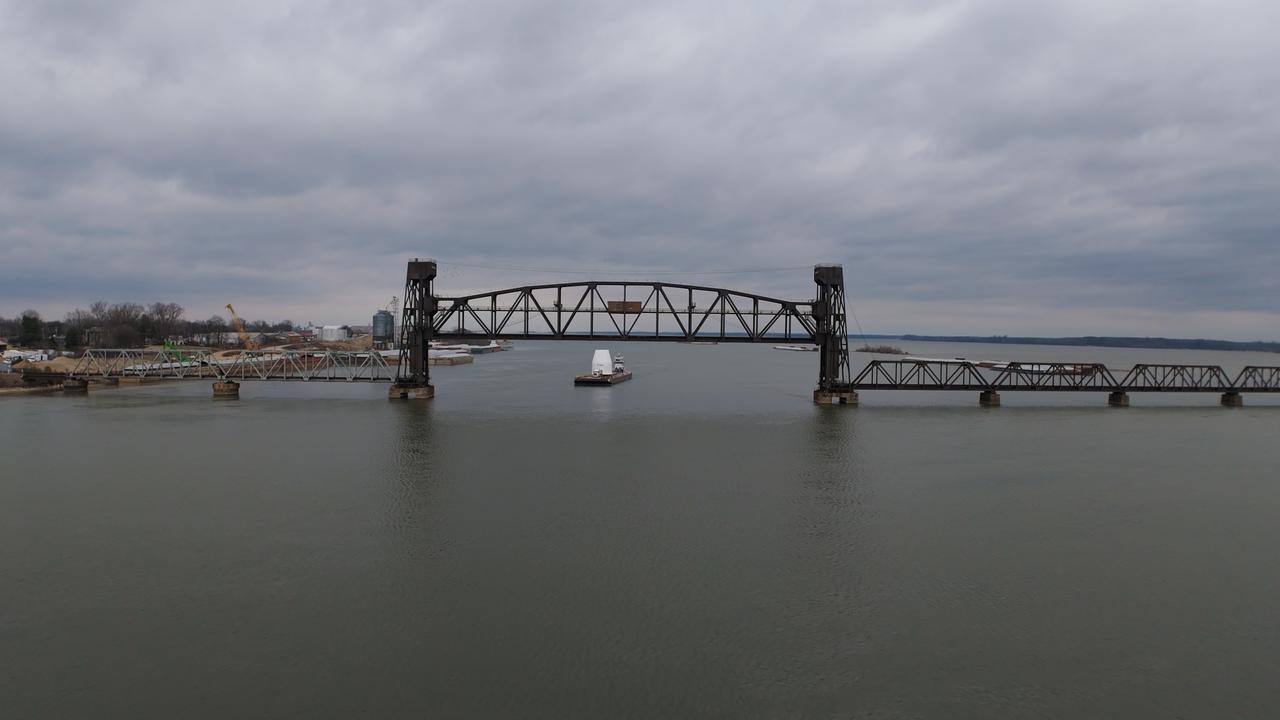
These photos and videos show how crews guided a test version of the universal stage adapter for NASA’s more powerful version of its SLS (Space Launch System) rocket to Building 4619 at the agency’s Marshall Space Flight Center in Huntsville, Alabama, Feb. 22. Built by Leidos, the lead contractor for the universal stage adapter, crews transported the hardware from a Leidos facility in Decatur, Alabama, the same day. The universal stage adapter will connect the SLS rocket’s upgraded in-space propulsion stage, called the exploration upper stage, to NASA’s Orion spacecraft as part of the evolved Block 1B configuration of the SLS rocket. It will also serve as a compartment capable of accommodating large payloads, such as modules or other exploration spacecraft. In Building 4619’s Load Test Annex High Bay at Marshall, the development test article will first undergo modal testing that will shake the hardware to validate dynamic models. Later, during ultimate load testing, force will be applied vertically and to the sides of the hardware. Unlike the flight hardware, the development test article has flaws intentionally included in its design, which will help engineers verity that the flight adapter can withstand the extreme forces it will face during launch and flight.
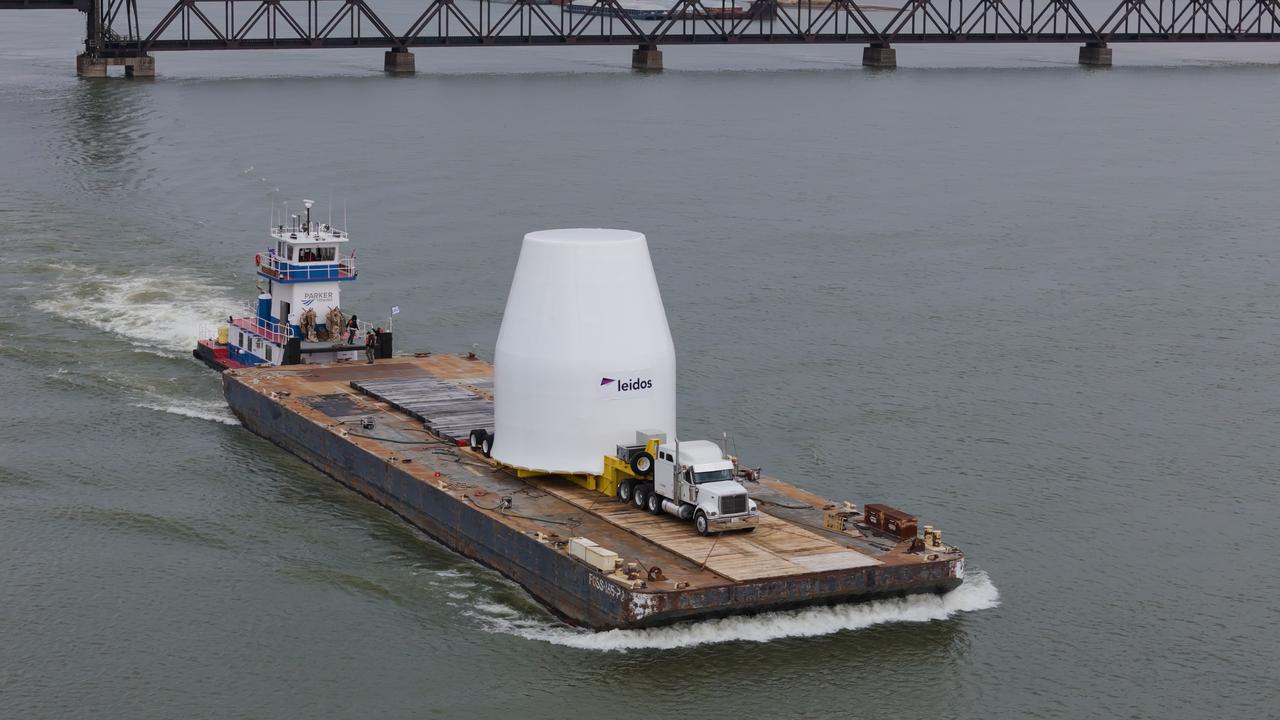
These photos and videos show how crews guided a test version of the universal stage adapter for NASA’s more powerful version of its SLS (Space Launch System) rocket to Building 4619 at the agency’s Marshall Space Flight Center in Huntsville, Alabama, Feb. 22. Built by Leidos, the lead contractor for the universal stage adapter, crews transported the hardware from a Leidos facility in Decatur, Alabama, the same day. The universal stage adapter will connect the SLS rocket’s upgraded in-space propulsion stage, called the exploration upper stage, to NASA’s Orion spacecraft as part of the evolved Block 1B configuration of the SLS rocket. It will also serve as a compartment capable of accommodating large payloads, such as modules or other exploration spacecraft. In Building 4619’s Load Test Annex High Bay at Marshall, the development test article will first undergo modal testing that will shake the hardware to validate dynamic models. Later, during ultimate load testing, force will be applied vertically and to the sides of the hardware. Unlike the flight hardware, the development test article has flaws intentionally included in its design, which will help engineers verity that the flight adapter can withstand the extreme forces it will face during launch and flight.
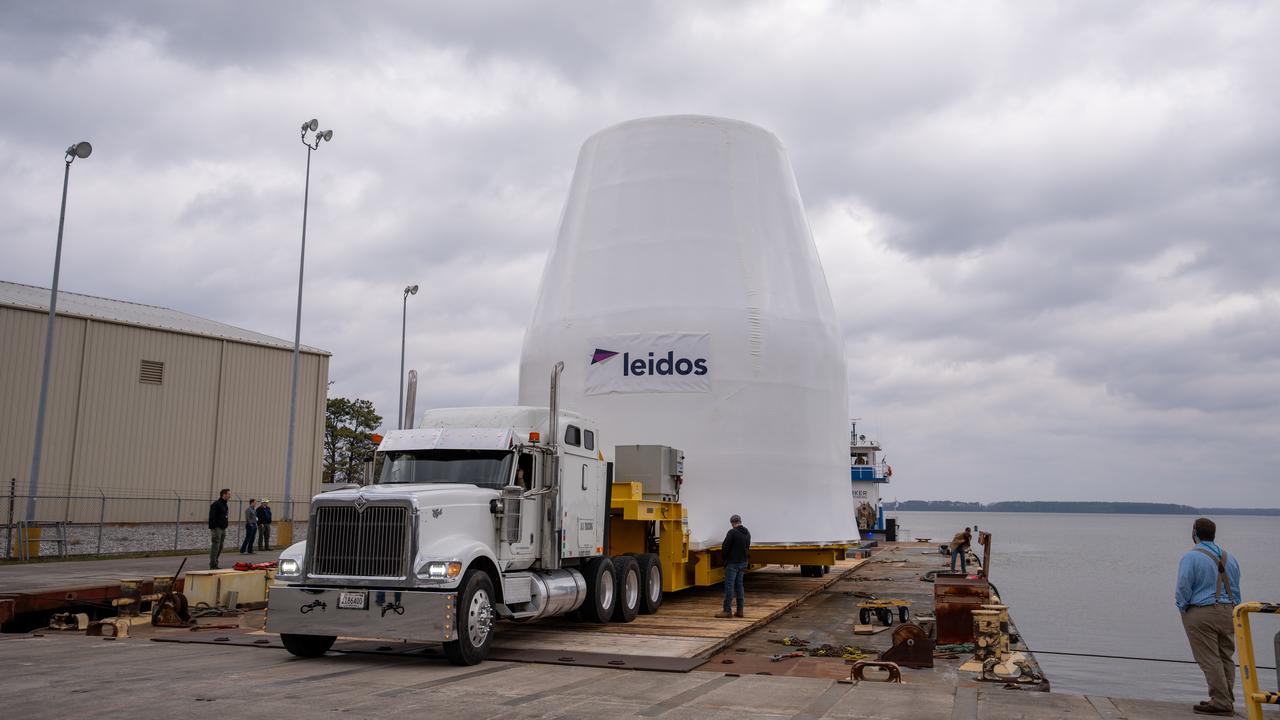
These photos and videos show how crews guided a test version of the universal stage adapter for NASA’s more powerful version of its SLS (Space Launch System) rocket to Building 4619 at the agency’s Marshall Space Flight Center in Huntsville, Alabama, Feb. 22. Built by Leidos, the lead contractor for the universal stage adapter, crews transported the hardware from a Leidos facility in Decatur, Alabama, the same day. The universal stage adapter will connect the SLS rocket’s upgraded in-space propulsion stage, called the exploration upper stage, to NASA’s Orion spacecraft as part of the evolved Block 1B configuration of the SLS rocket. It will also serve as a compartment capable of accommodating large payloads, such as modules or other exploration spacecraft. In Building 4619’s Load Test Annex High Bay at Marshall, the development test article will first undergo modal testing that will shake the hardware to validate dynamic models. Later, during ultimate load testing, force will be applied vertically and to the sides of the hardware. Unlike the flight hardware, the development test article has flaws intentionally included in its design, which will help engineers verity that the flight adapter can withstand the extreme forces it will face during launch and flight.
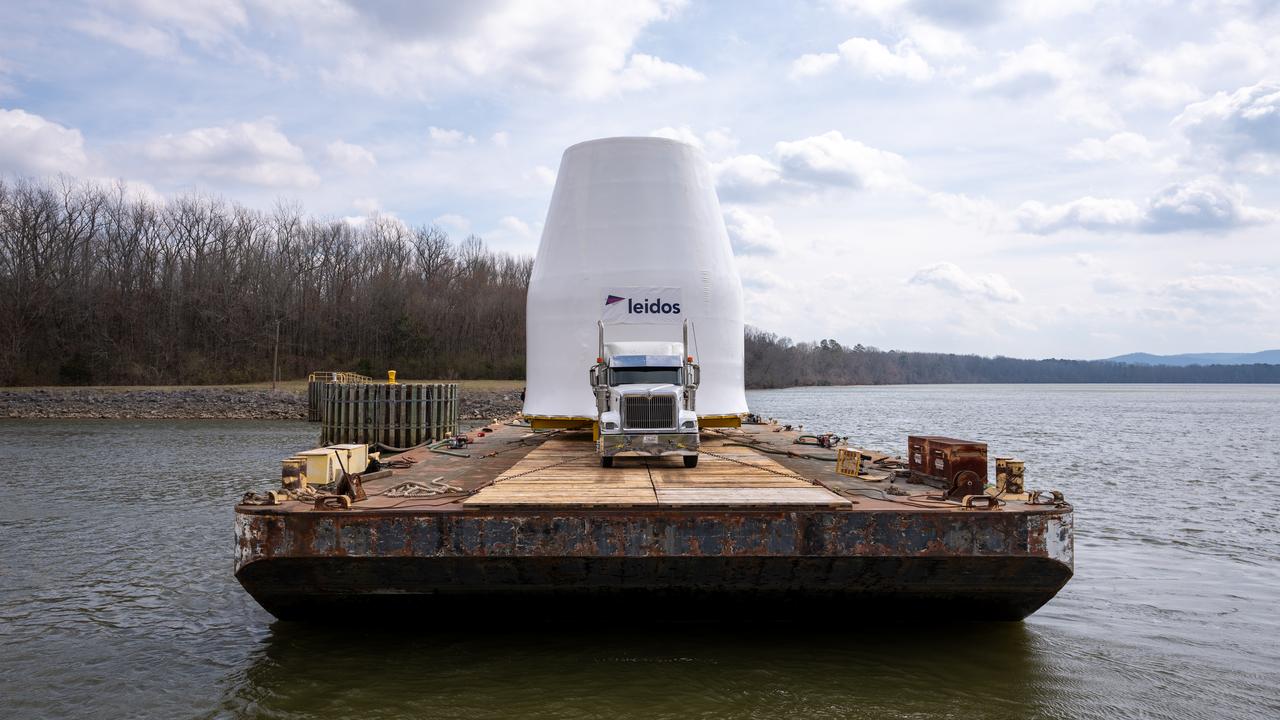
These photos and videos show how crews guided a test version of the universal stage adapter for NASA’s more powerful version of its SLS (Space Launch System) rocket to Building 4619 at the agency’s Marshall Space Flight Center in Huntsville, Alabama, Feb. 22. Built by Leidos, the lead contractor for the universal stage adapter, crews transported the hardware from a Leidos facility in Decatur, Alabama, the same day. The universal stage adapter will connect the SLS rocket’s upgraded in-space propulsion stage, called the exploration upper stage, to NASA’s Orion spacecraft as part of the evolved Block 1B configuration of the SLS rocket. It will also serve as a compartment capable of accommodating large payloads, such as modules or other exploration spacecraft. In Building 4619’s Load Test Annex High Bay at Marshall, the development test article will first undergo modal testing that will shake the hardware to validate dynamic models. Later, during ultimate load testing, force will be applied vertically and to the sides of the hardware. Unlike the flight hardware, the development test article has flaws intentionally included in its design, which will help engineers verity that the flight adapter can withstand the extreme forces it will face during launch and flight.

These photos and videos show how crews guided a test version of the universal stage adapter for NASA’s more powerful version of its SLS (Space Launch System) rocket to Building 4619 at the agency’s Marshall Space Flight Center in Huntsville, Alabama, Feb. 22. Built by Leidos, the lead contractor for the universal stage adapter, crews transported the hardware from a Leidos facility in Decatur, Alabama, the same day. The universal stage adapter will connect the SLS rocket’s upgraded in-space propulsion stage, called the exploration upper stage, to NASA’s Orion spacecraft as part of the evolved Block 1B configuration of the SLS rocket. It will also serve as a compartment capable of accommodating large payloads, such as modules or other exploration spacecraft. In Building 4619’s Load Test Annex High Bay at Marshall, the development test article will first undergo modal testing that will shake the hardware to validate dynamic models. Later, during ultimate load testing, force will be applied vertically and to the sides of the hardware. Unlike the flight hardware, the development test article has flaws intentionally included in its design, which will help engineers verity that the flight adapter can withstand the extreme forces it will face during launch and flight.
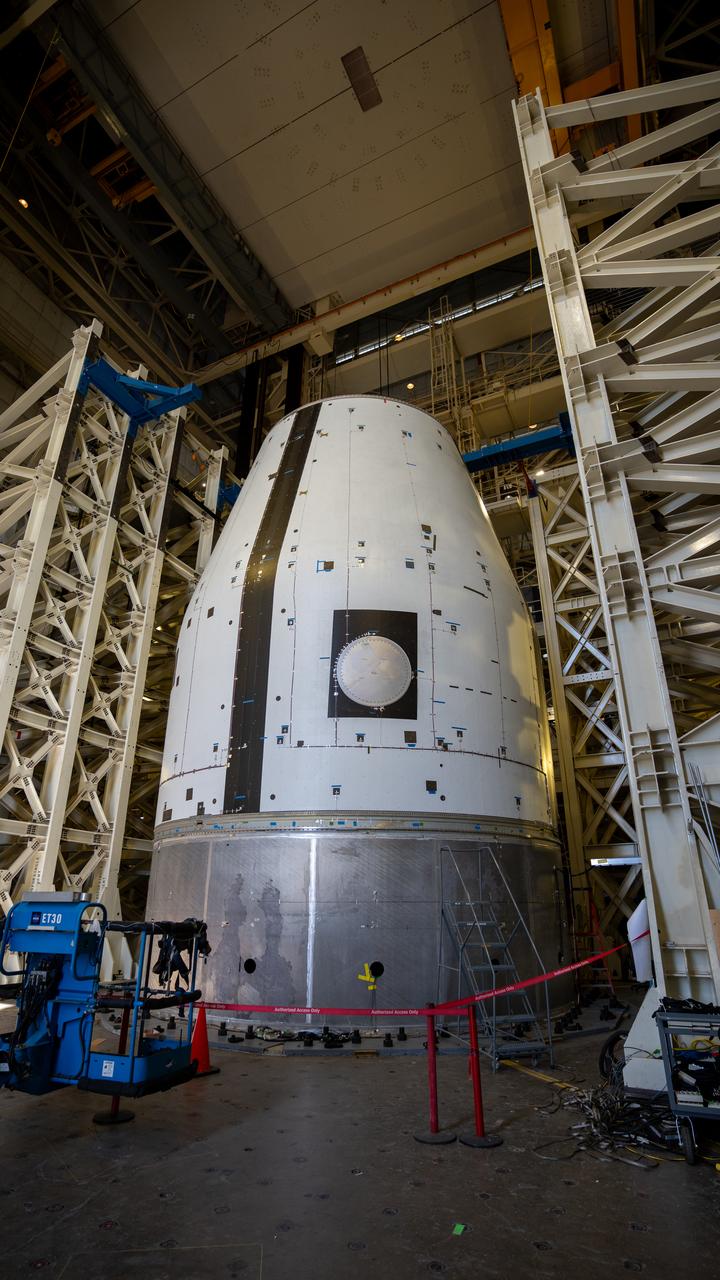
These photos and videos show how crews guided a test version of the universal stage adapter for NASA’s more powerful version of its SLS (Space Launch System) rocket to Building 4619 at the agency’s Marshall Space Flight Center in Huntsville, Alabama, Feb. 22. Built by Leidos, the lead contractor for the universal stage adapter, crews transported the hardware from a Leidos facility in Decatur, Alabama, the same day. The universal stage adapter will connect the SLS rocket’s upgraded in-space propulsion stage, called the exploration upper stage, to NASA’s Orion spacecraft as part of the evolved Block 1B configuration of the SLS rocket. It will also serve as a compartment capable of accommodating large payloads, such as modules or other exploration spacecraft. In Building 4619’s Load Test Annex High Bay at Marshall, the development test article will first undergo modal testing that will shake the hardware to validate dynamic models. Later, during ultimate load testing, force will be applied vertically and to the sides of the hardware. Unlike the flight hardware, the development test article has flaws intentionally included in its design, which will help engineers verity that the flight adapter can withstand the extreme forces it will face during launch and flight.
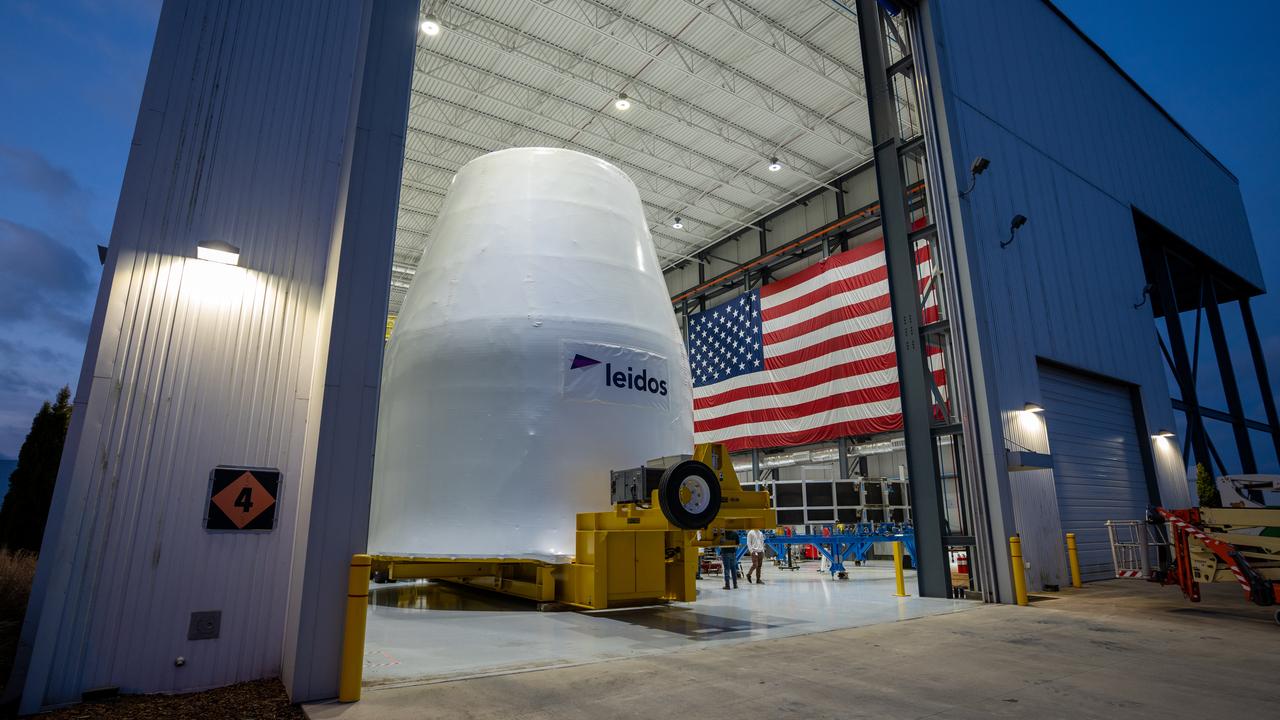
These photos and videos show how crews guided a test version of the universal stage adapter for NASA’s more powerful version of its SLS (Space Launch System) rocket to Building 4619 at the agency’s Marshall Space Flight Center in Huntsville, Alabama, Feb. 22. Built by Leidos, the lead contractor for the universal stage adapter, crews transported the hardware from a Leidos facility in Decatur, Alabama, the same day. The universal stage adapter will connect the SLS rocket’s upgraded in-space propulsion stage, called the exploration upper stage, to NASA’s Orion spacecraft as part of the evolved Block 1B configuration of the SLS rocket. It will also serve as a compartment capable of accommodating large payloads, such as modules or other exploration spacecraft. In Building 4619’s Load Test Annex High Bay at Marshall, the development test article will first undergo modal testing that will shake the hardware to validate dynamic models. Later, during ultimate load testing, force will be applied vertically and to the sides of the hardware. Unlike the flight hardware, the development test article has flaws intentionally included in its design, which will help engineers verity that the flight adapter can withstand the extreme forces it will face during launch and flight.
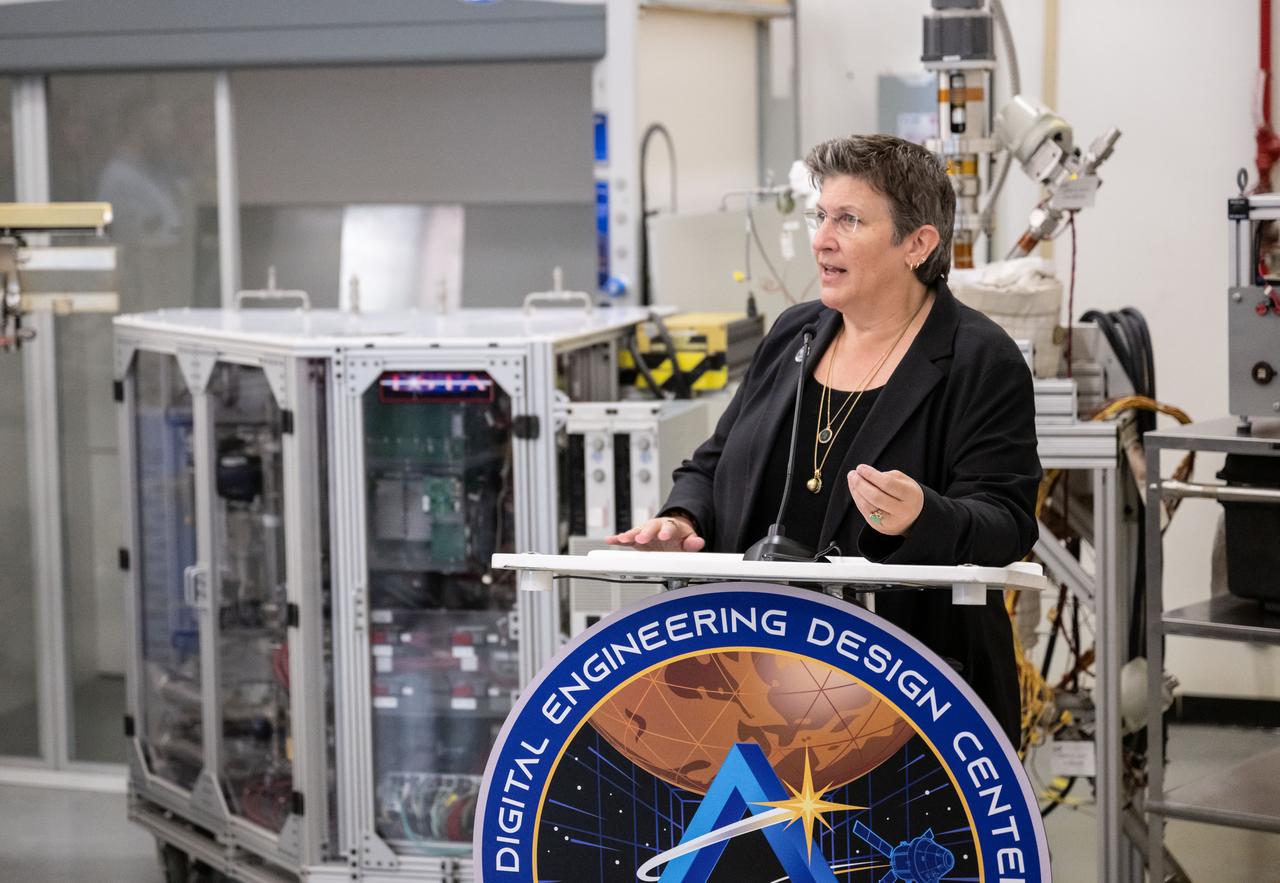
Date: 06-01-2023 Location: Bldg 360 Subject: University of Texas - El Paso (UTEP) Ribbon Cutting Ceremony for the Digital Engineering Design Center in Building 360 Lab Photographer: James Blair
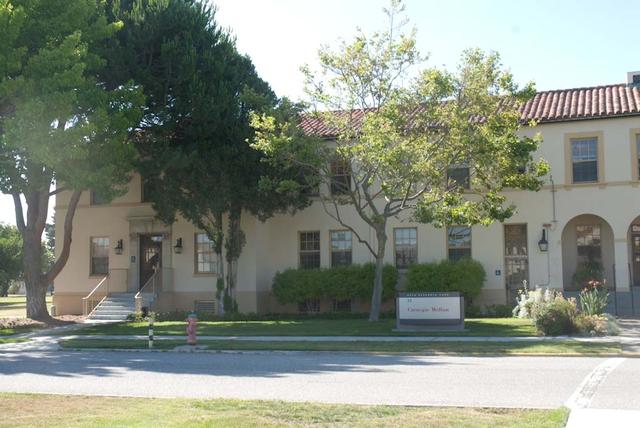
NASA Research Park (NRP) shenandoah Plaza Historic Buildings at Moffett Federal Airfield, CA B-23 Carnegie Mellon University - West taken by Photo summer student Sohan
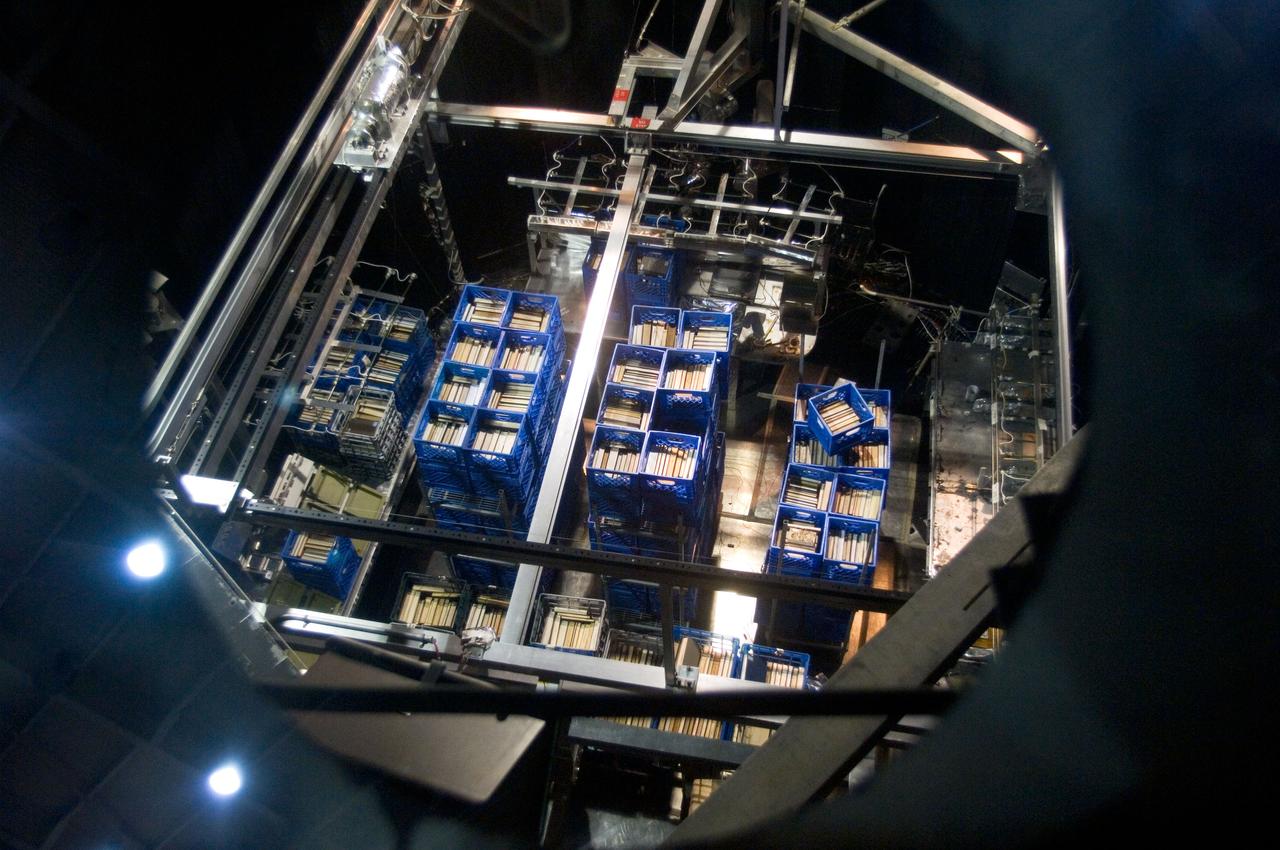
Documentation for the University of Houston (UH) Clear Lake collection of their library books after the Vacuum Chamber runs were performed to remove the water from them. Vacuum Chamber B in Building 32 was used.
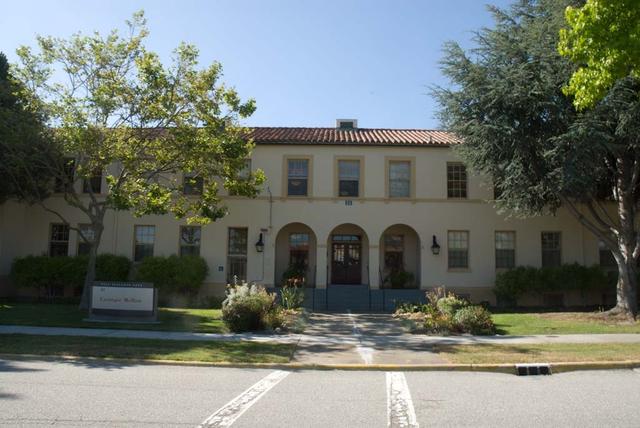
NASA Research Park (NRP) shenandoah Plaza Historic Buildings at Moffett Federal Airfield, CA B-23 Carnegie Mellon University - West taken by Photo summer student Sohan
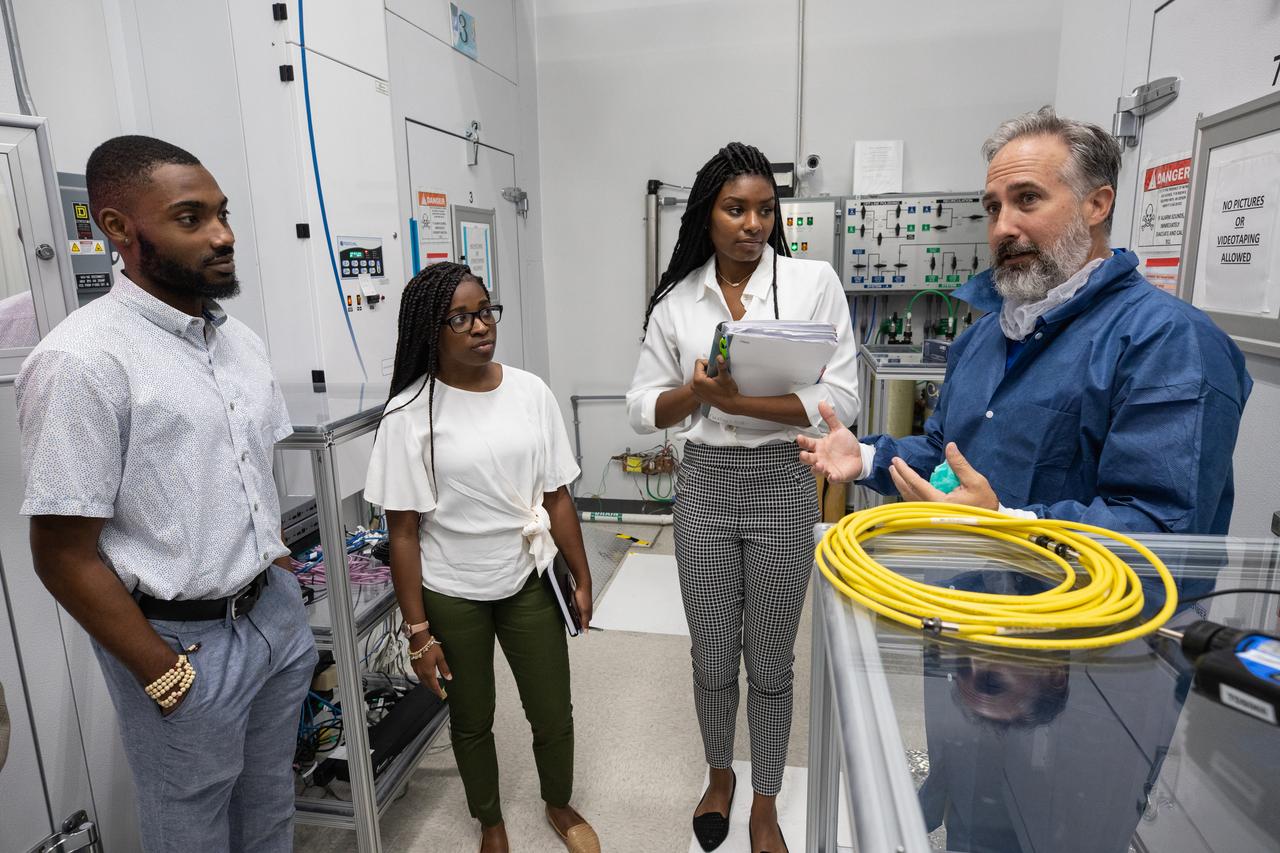
Kennedy Space Center Veggie Project Manager Trent Smith talks with Langston University students, from left, Sherman Cravens, Makyah Farris and Courtney Miller inside a Space Station Processing Facility lab at Kennedy Space Center on Sept. 18, 2019. The students were part of a tour of the Florida spaceport organized by NASA’s Office of Education and Byron Quinn, Ph.D., Langston University director of the Science Research Institute. The visit included stops at SwampWorks, the Neil Armstrong Operations and Checkout Building, the Vehicle Assembly Building, the visitor complex and the Center for Space Education.
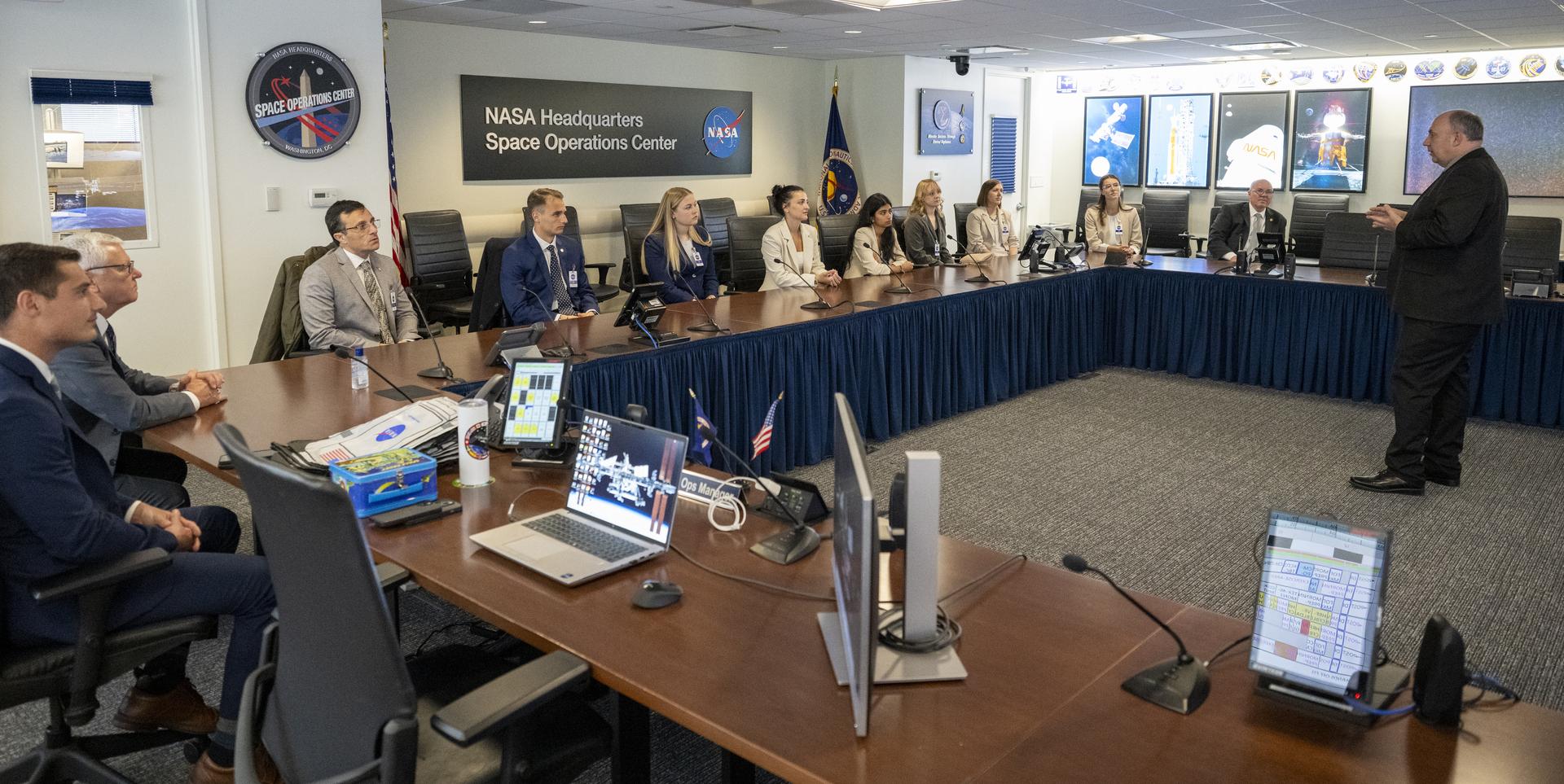
NASA Headquarters Space Operations Center (SOC) Manager Kevin Metrocavage, right, speaks with Embry‑Riddle Aeronautical University students and staff about the International Space Station in the SOC, Thursday, March 19, 2026, at the Mary W. Jackson NASA Headquarters building in Washington. The group is visiting NASA Headquarters after six Embry‑Riddle Aeronautical University students were named to the Aviation Week Network 20 Twenties Class of 2026, which recognizes outstanding aerospace-focused university students. Photo Credit: (NASA/Keegan Barber)

Robert Smith, from the University of Alberta, speaks during a panel discussion alongside Rebecca Charbonneau, from the American Institute of Physics and Patrick McCray, from the University of California Santa Barbara, on history of the Hubble Space Telescope during an event titled “Beyond the Deep Field: Hubble’s Legacy and the Future of Cosmic Observation,” Thursday, June 4, 2026, at the Mary W. Jackson NASA Headquarters building in Washington. Photo Credit: (NASA/Joel Kowsky)

Rebecca Charbonneau, from the American Institute of Physics, right, speaks alongside Robert Smith, from the University of Alberta, left, and Patrick McCray, from the University of California Santa Barbara, during a panel discussion on history of the Hubble Space Telescope during an event titled “Beyond the Deep Field: Hubble’s Legacy and the Future of Cosmic Observation,” Thursday, June 4, 2026, at the Mary W. Jackson NASA Headquarters building in Washington. Photo Credit: (NASA/Joel Kowsky)
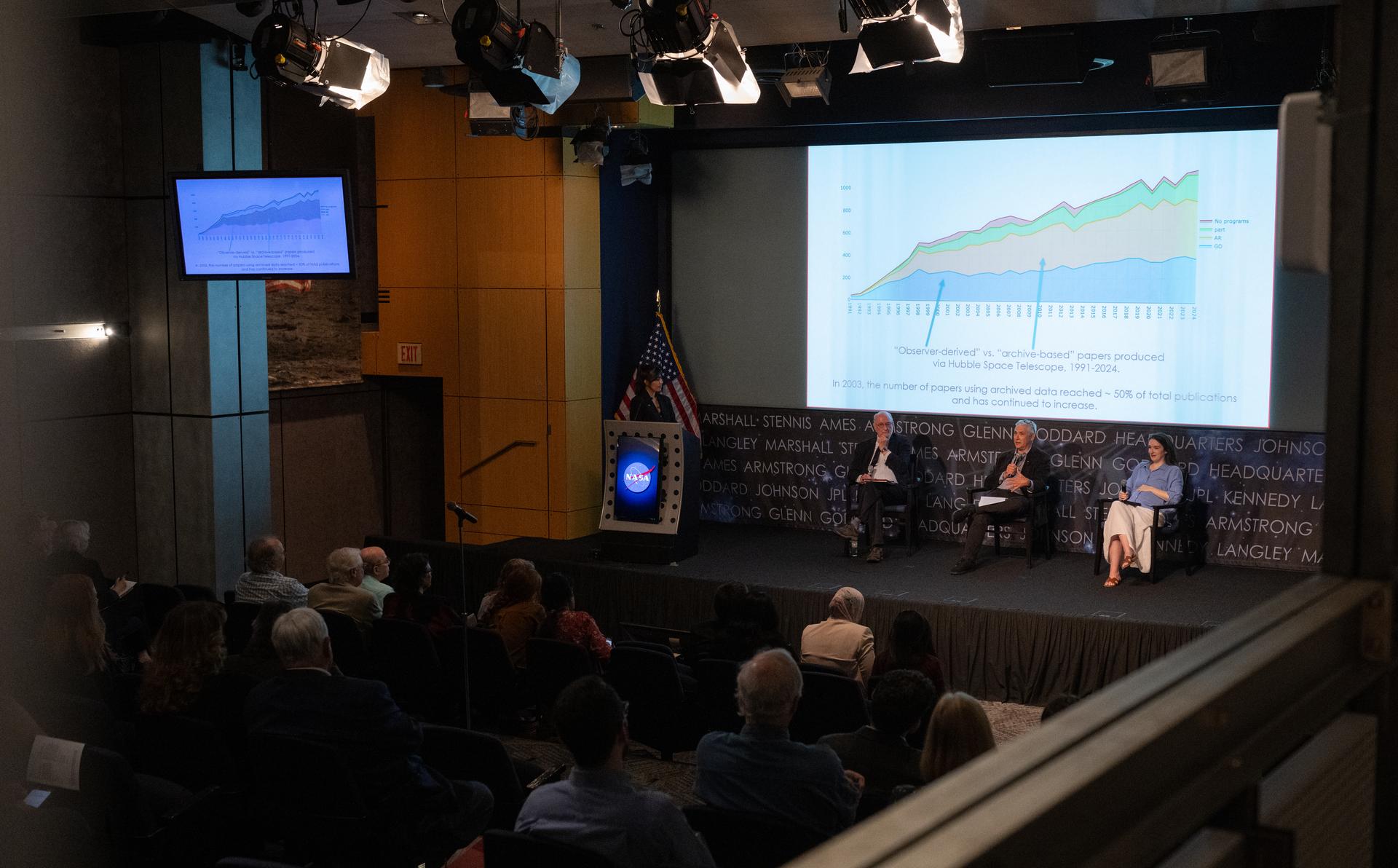
Patrick McCray, from the University of California Santa Barbara, center, speaks alongside Robert Smith, from the University of Alberta, second from left, and Rebecca Charbonneau, from the American Institute of Physics, right, during a panel discussion on history of the Hubble Space Telescope during an event titled “Beyond the Deep Field: Hubble’s Legacy and the Future of Cosmic Observation,” Thursday, June 4, 2026, at the Mary W. Jackson NASA Headquarters building in Washington. Photo Credit: (NASA/Joel Kowsky)

Rebecca Charbonneau, from the American Institute of Physics, speaks during a panel discussion alongside Robert Smith, from the University of Alberta and Patrick McCray, from the University of California Santa Barbara, on history of the Hubble Space Telescope during an event titled “Beyond the Deep Field: Hubble’s Legacy and the Future of Cosmic Observation,” Thursday, June 4, 2026, at the Mary W. Jackson NASA Headquarters building in Washington. Photo Credit: (NASA/Joel Kowsky)
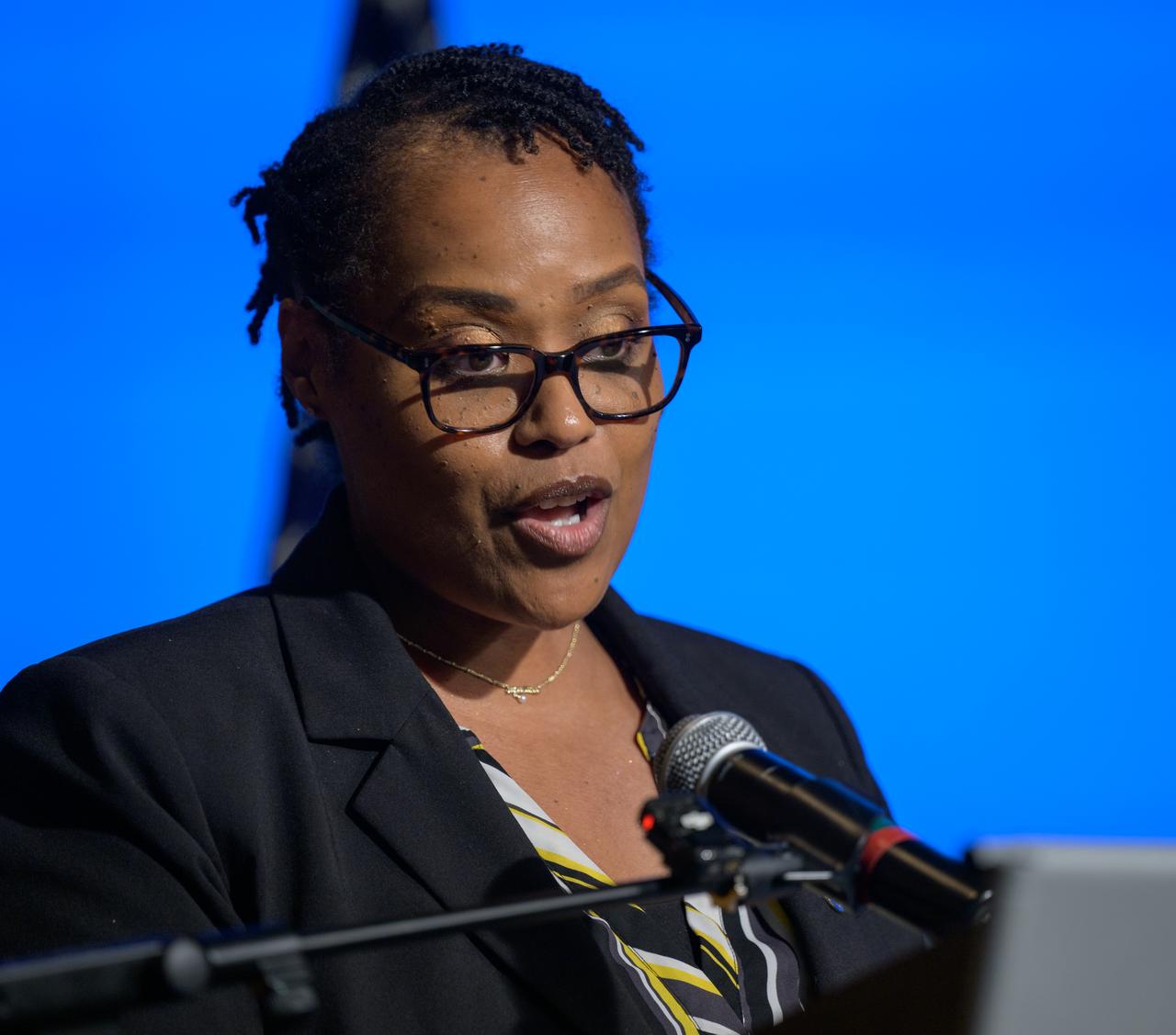
NASA Minority University Research and Education Project, Program Manager, Keya Briscoe, gives remarks during an event where NASA and the Hispanic Heritage Foundation signed a Space Act Agreement to collaborate and expand STEM opportunities for Latino K-12 and university students and reduce barriers to agency activities and opportunities, Monday, Sept. 30, 2024, at the NASA Headquarters Mary W. Jackson Building in Washington. Photo Credit: (NASA/Bill Ingalls)

Lois Rossin, a historian in NASA’s History Office, moderates a panel with Rebecca Charbonneau, from the American Institute of Physics, Robert Smith, from the University of Alberta, and Patrick McCray, from the University of California Santa Barbara, on history of the Hubble Space Telescope during an event titled “Beyond the Deep Field: Hubble’s Legacy and the Future of Cosmic Observation,” Thursday, June 4, 2026, at the Mary W. Jackson NASA Headquarters building in Washington. Photo Credit: (NASA/Joel Kowsky)

Patrick McCray, from the University of California Santa Barbara, speaks during a panel discussion with Robert Smith, from the University of Alberta and Rebecca Charbonneau, from the American Institute of Physics, on history of the Hubble Space Telescope during an event titled “Beyond the Deep Field: Hubble’s Legacy and the Future of Cosmic Observation,” Thursday, June 4, 2026, at the Mary W. Jackson NASA Headquarters building in Washington. Photo Credit: (NASA/Joel Kowsky)

Rebecca Charbonneau, from the American Institute of Physics, right, speaks alongside Robert Smith, from the University of Alberta, left, and Patrick McCray, from the University of California Santa Barbara, during a panel discussion on history of the Hubble Space Telescope during an event titled “Beyond the Deep Field: Hubble’s Legacy and the Future of Cosmic Observation,” Thursday, June 4, 2026, at the Mary W. Jackson NASA Headquarters building in Washington. Photo Credit: (NASA/Joel Kowsky)

NASA Minority University Research and Education Project, Program Manager, Keya Briscoe, gives remarks during an event where NASA and the Hispanic Heritage Foundation signed a Space Act Agreement to collaborate and expand STEM opportunities for Latino K-12 and university students and reduce barriers to agency activities and opportunities, Monday, Sept. 30, 2024, at the NASA Headquarters Mary W. Jackson Building in Washington. Photo Credit: (NASA/Bill Ingalls)
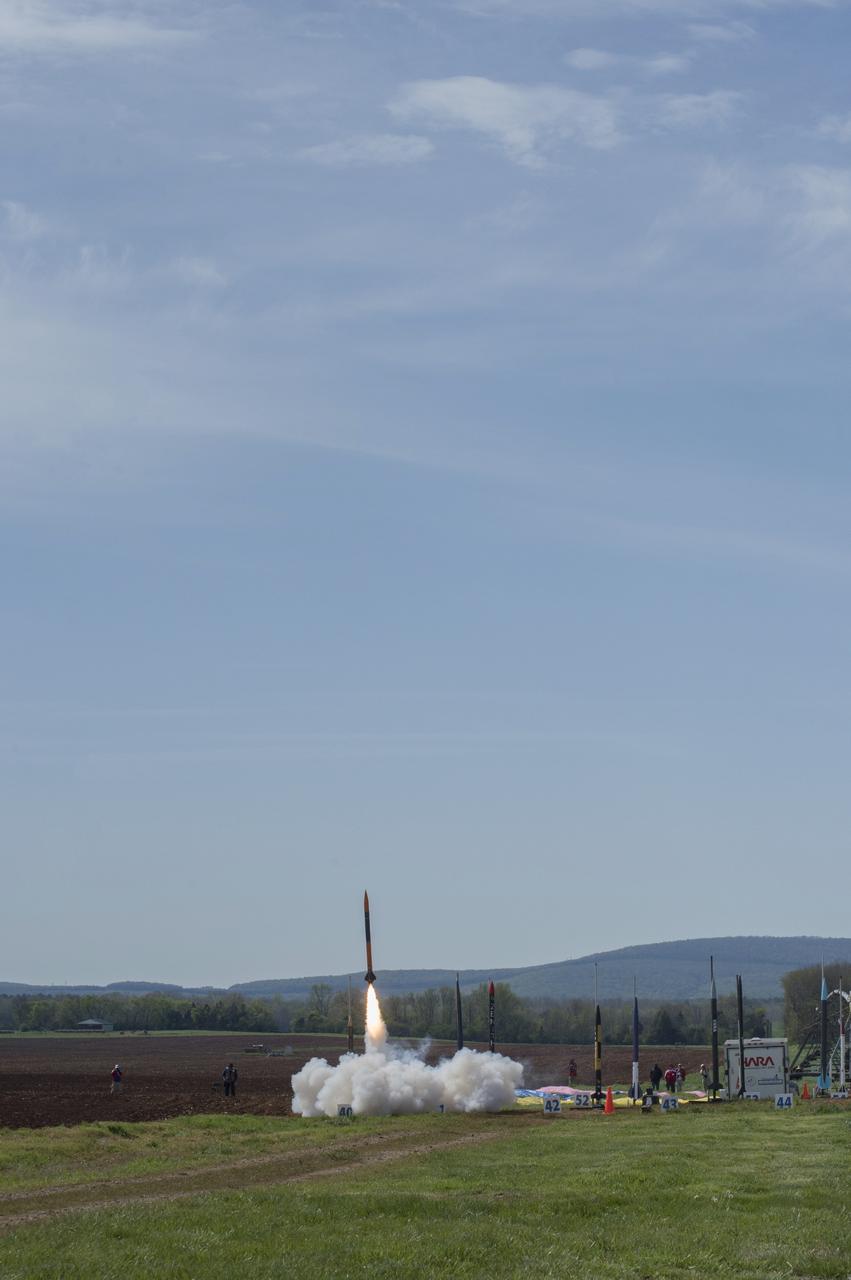
After eight months of designing, building and testing, the middle school, high school and college and university teams launched their rockets as part of NASA Student Launch on Sunday, April 8. The rockets and their payloads are designed to fly to 1-mile in altitude before deploying recovery systems that brings them safely to the ground.
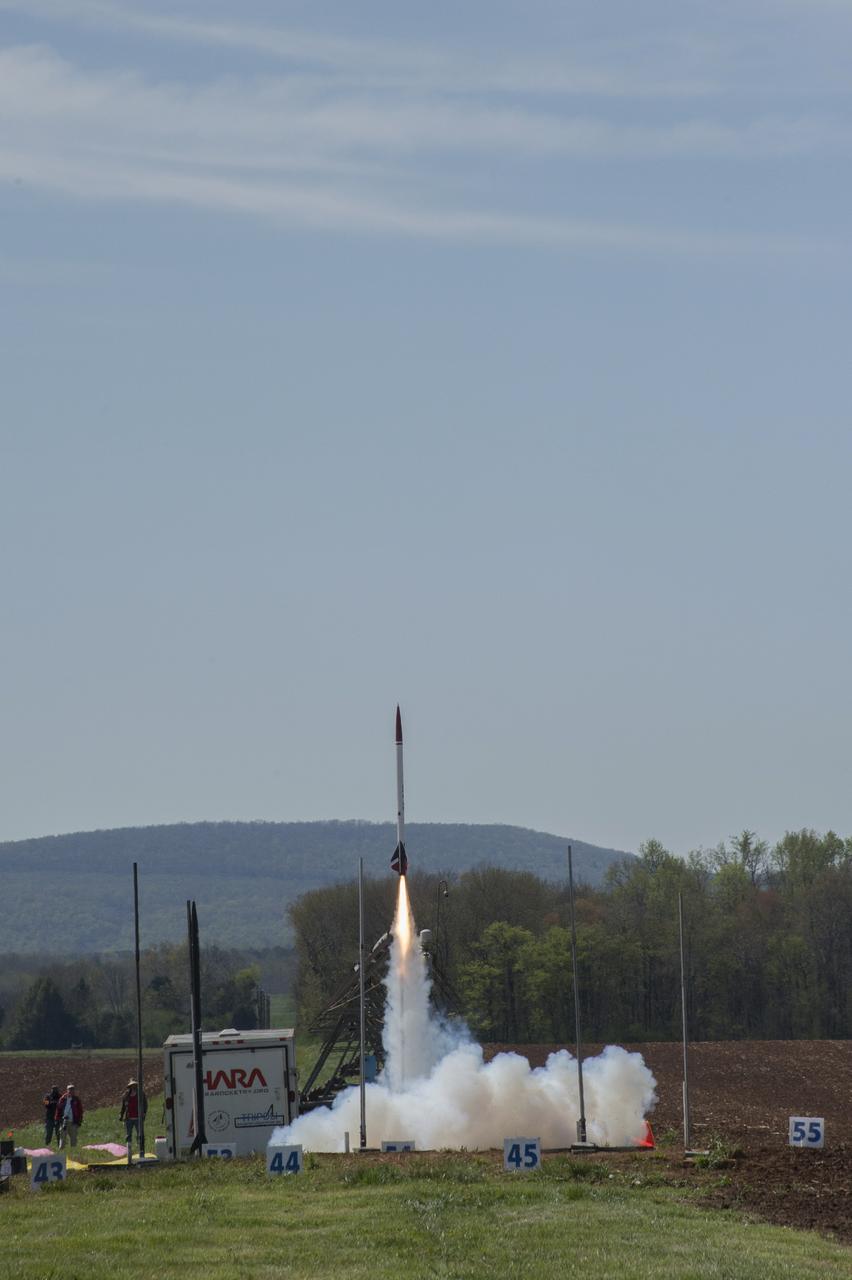
After eight months of designing, building and testing, the middle school, high school and college and university teams launched their rockets as part of NASA Student Launch on Sunday, April 8. The rockets and their payloads are designed to fly to 1-mile in altitude before deploying recovery systems that brings them safely to the ground.
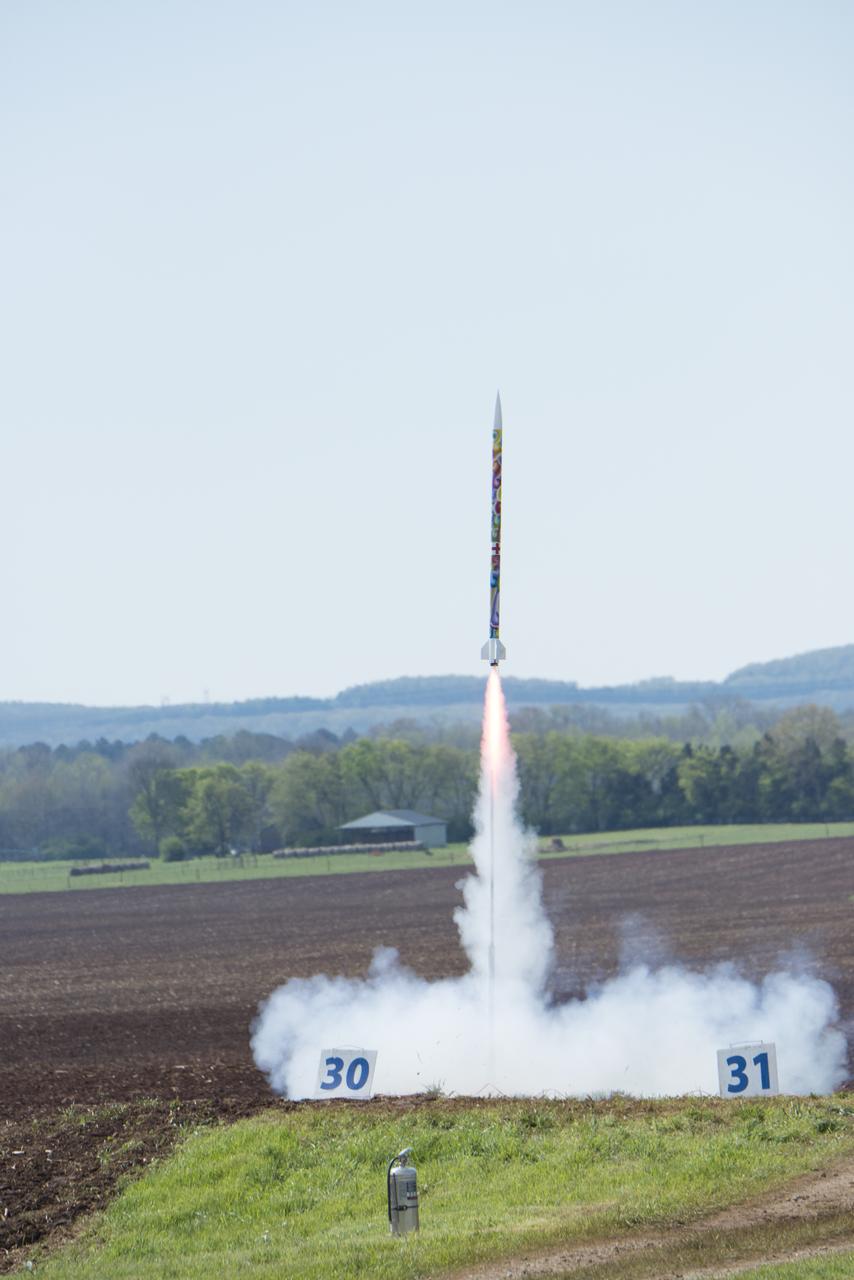
After eight months of designing, building and testing, the middle school, high school and college and university teams launched their rockets as part of NASA Student Launch on Sunday, April 8. The rockets and their payloads are designed to fly to 1-mile in altitude before deploying recovery systems that brings them safely to the ground.
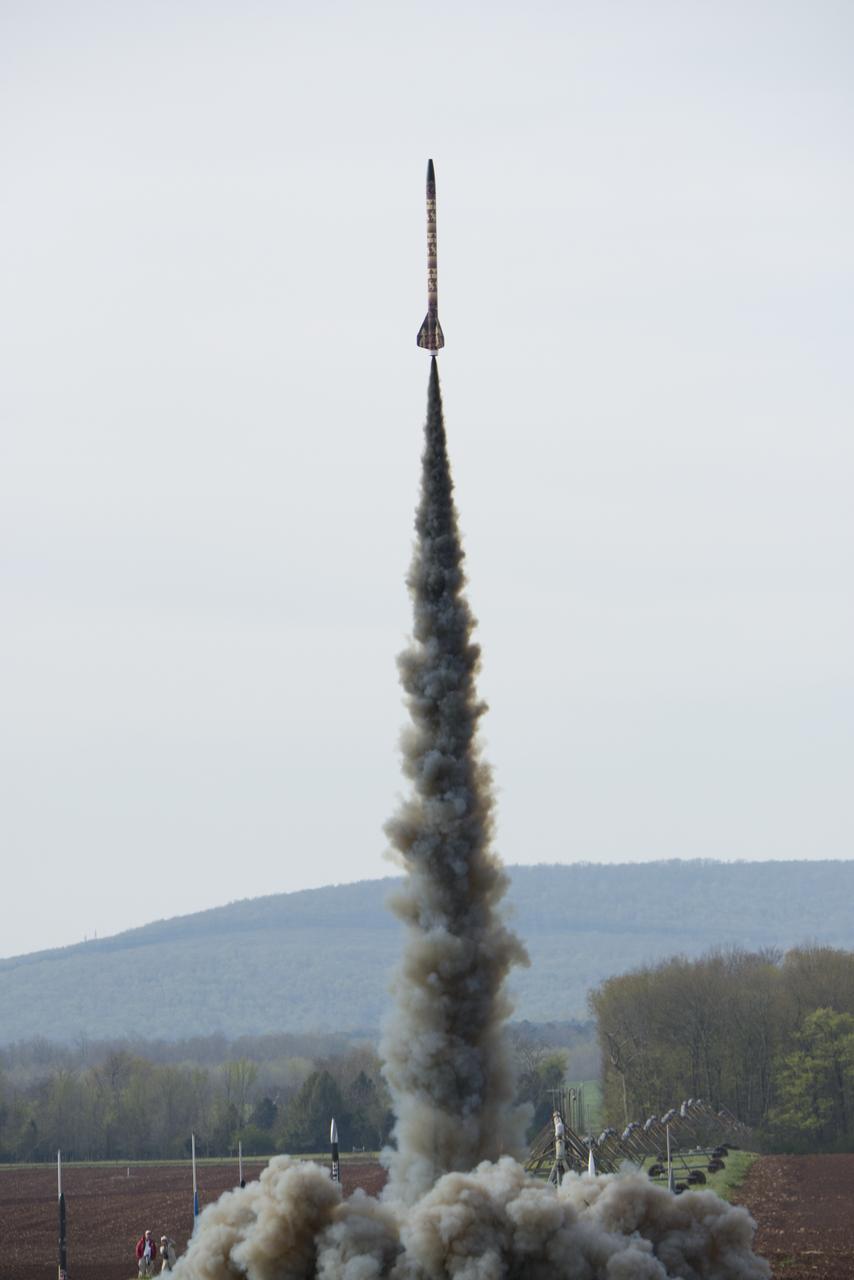
After eight months of designing, building and testing, the middle school, high school and college and university teams launched their rockets as part of NASA Student Launch on Sunday, April 8. The rockets and their payloads are designed to fly to 1-mile in altitude before deploying recovery systems that brings them safely to the ground.
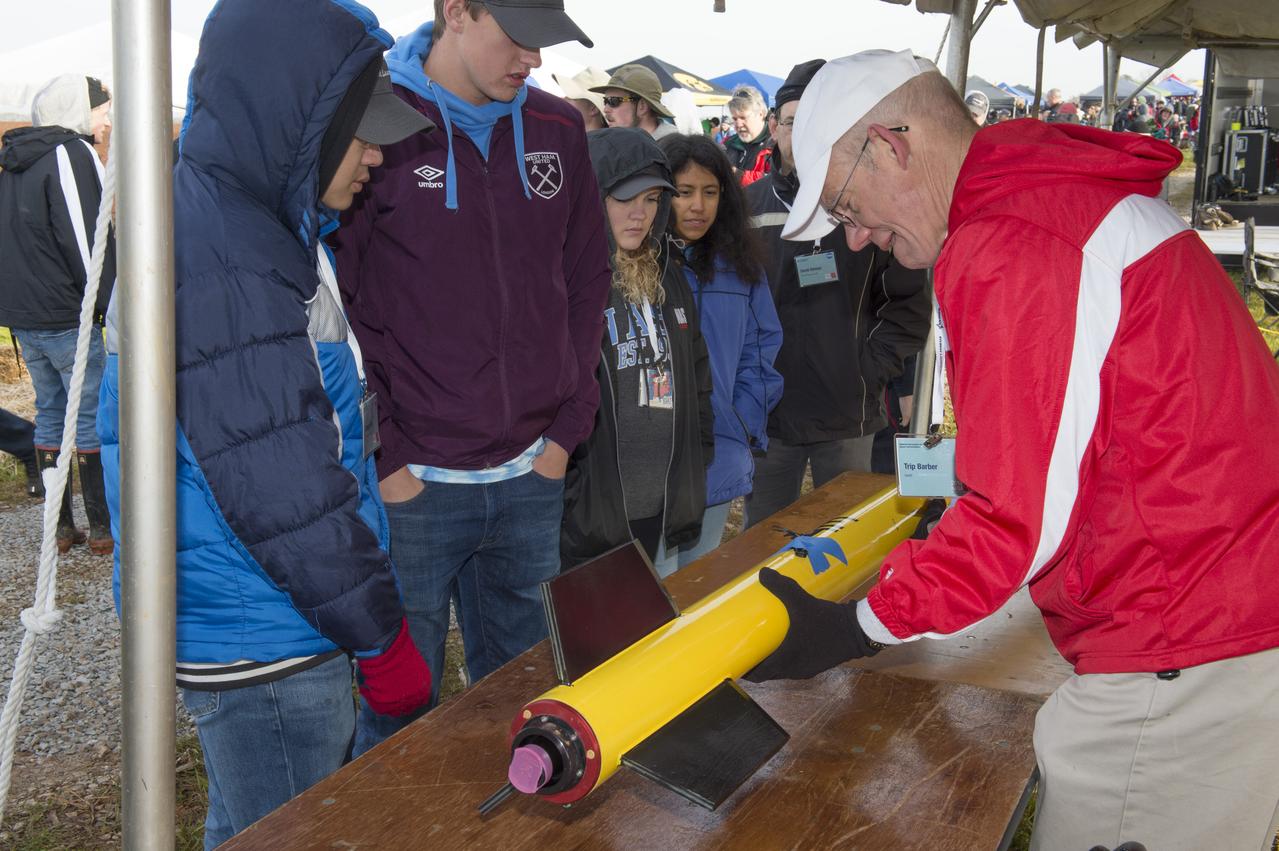
After eight months of designing, building and testing, the middle school, high school and college and university teams launched their rockets as part of NASA Student Launch on Sunday, April 8. The rockets and their payloads are designed to fly to 1-mile in altitude before deploying recovery systems that brings them safely to the ground.
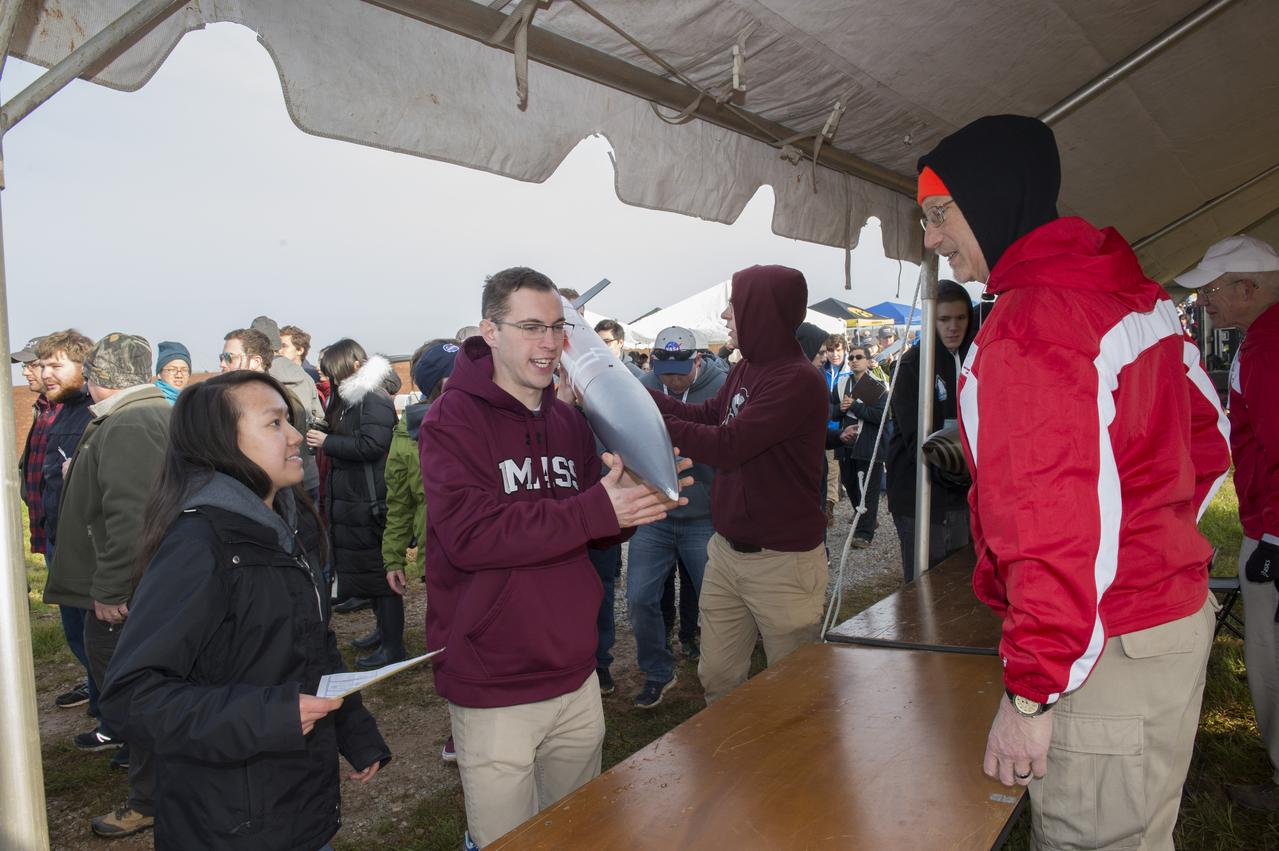
After eight months of designing, building and testing, the middle school, high school and college and university teams launched their rockets as part of NASA Student Launch on Sunday, April 8. The rockets and their payloads are designed to fly to 1-mile in altitude before deploying recovery systems that brings them safely to the ground.
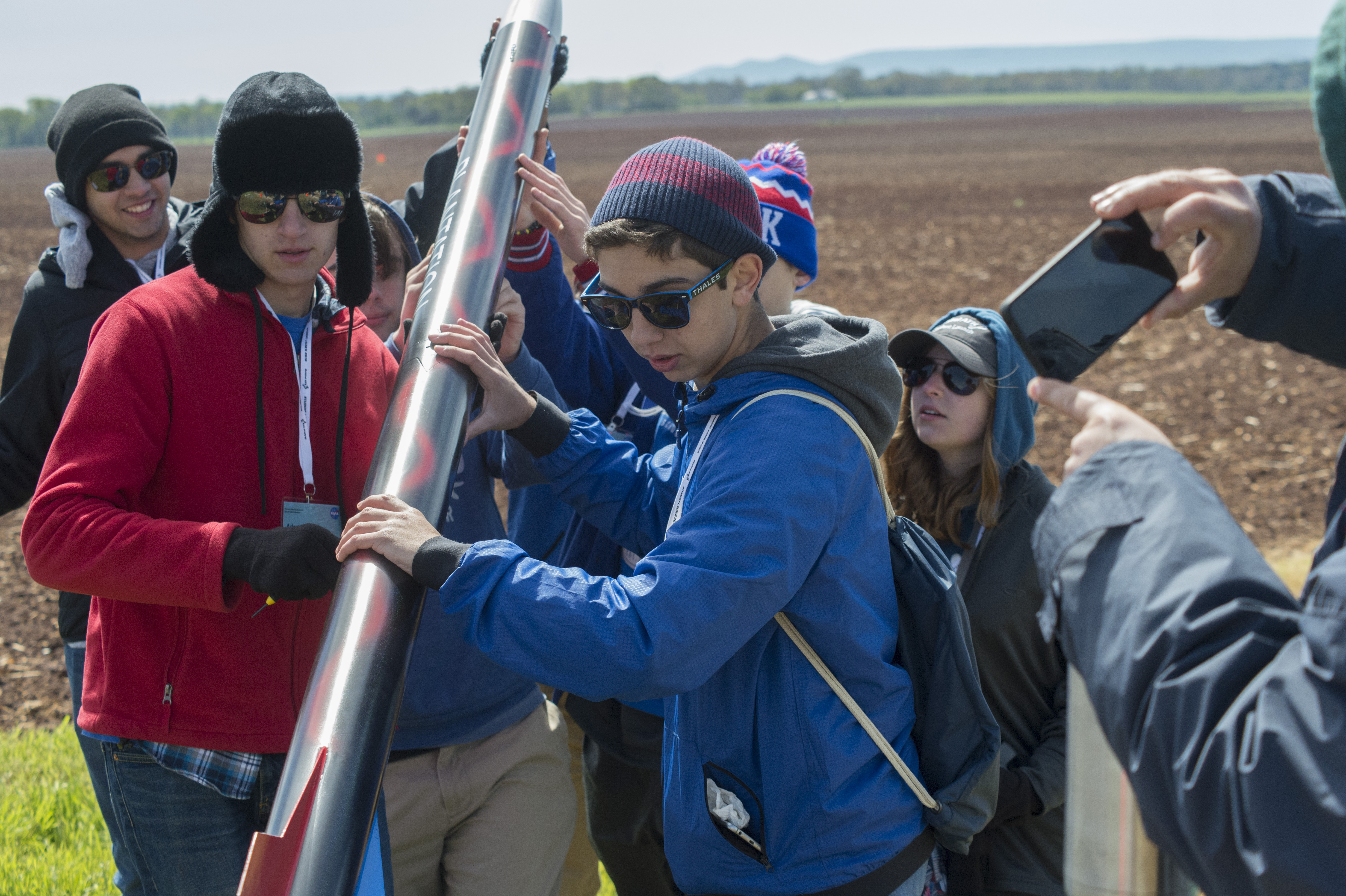
After eight months of designing, building and testing, the middle school, high school and college and university teams launched their rockets as part of NASA Student Launch on Sunday, April 8. The rockets and their payloads are designed to fly to 1-mile in altitude before deploying recovery systems that brings them safely to the ground.
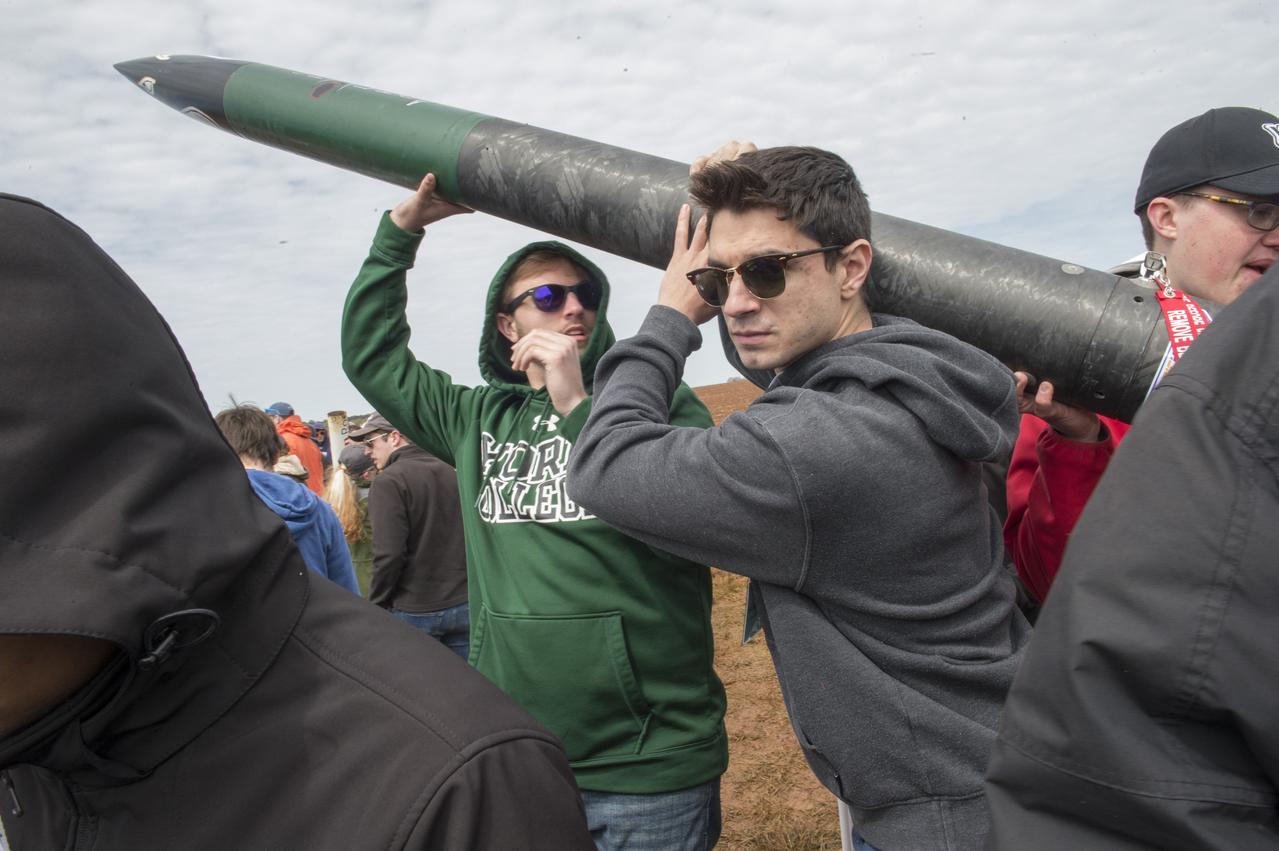
After eight months of designing, building and testing, the middle school, high school and college and university teams launched their rockets as part of NASA Student Launch on Sunday, April 8. The rockets and their payloads are designed to fly to 1-mile in altitude before deploying recovery systems that brings them safely to the ground.
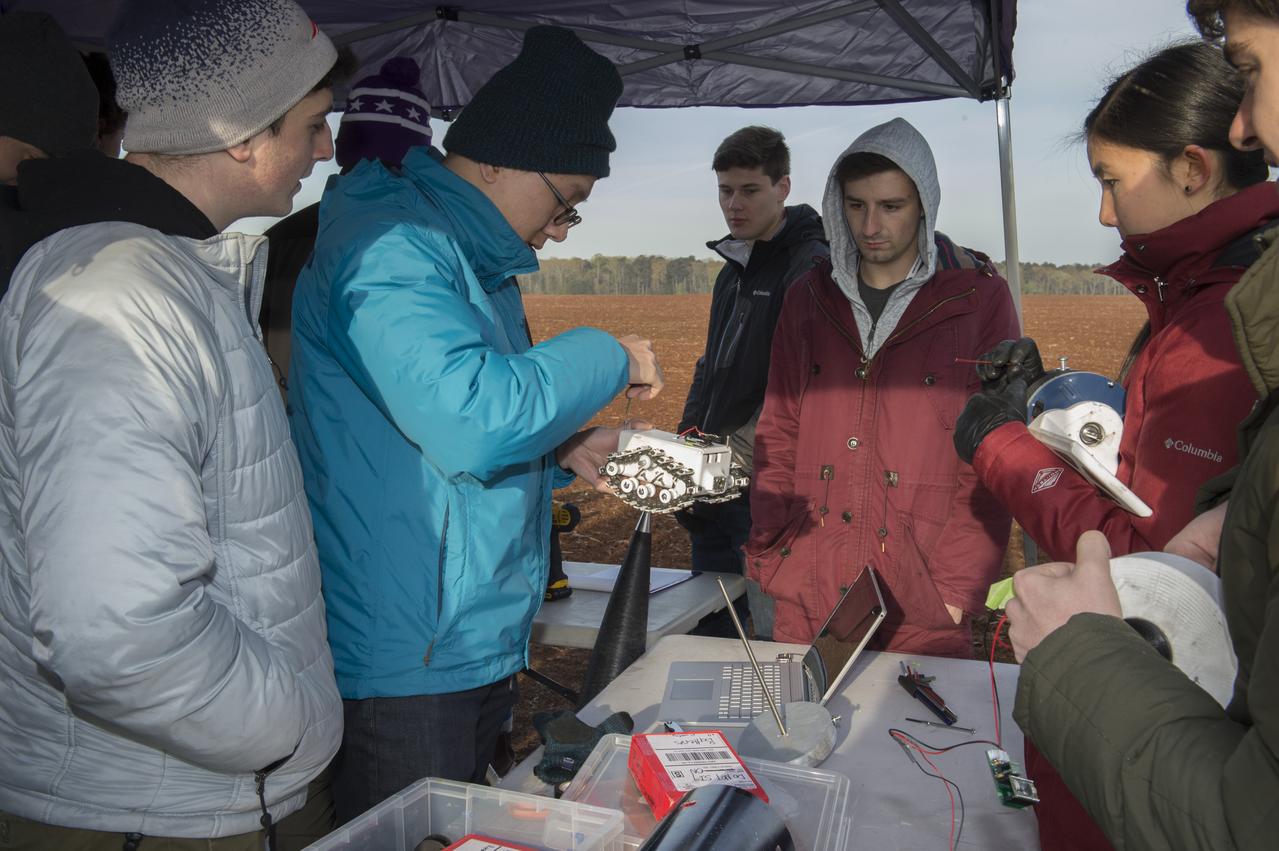
After eight months of designing, building and testing, the middle school, high school and college and university teams launched their rockets as part of NASA Student Launch on Sunday, April 8. The rockets and their payloads are designed to fly to 1-mile in altitude before deploying recovery systems that brings them safely to the ground.
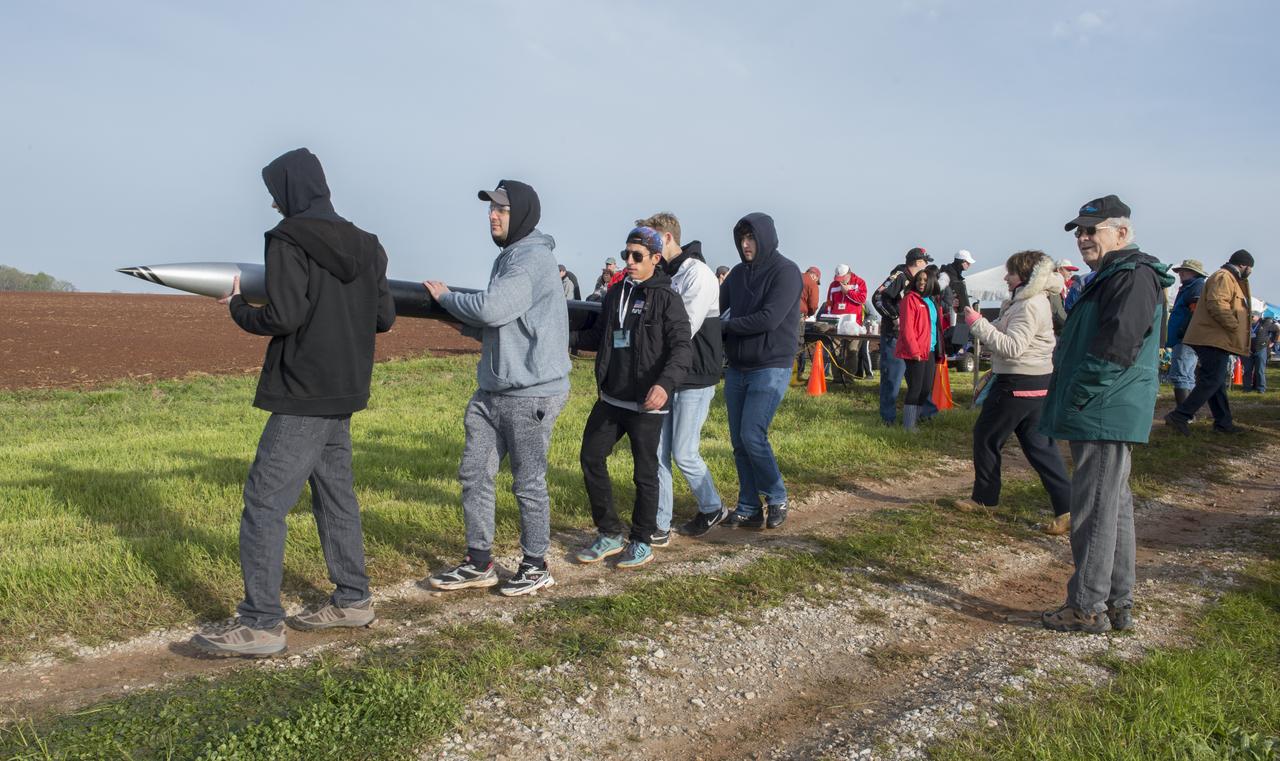
After eight months of designing, building and testing, the middle school, high school and college and university teams launched their rockets as part of NASA Student Launch on Sunday, April 8. The rockets and their payloads are designed to fly to 1-mile in altitude before deploying recovery systems that brings them safely to the ground.
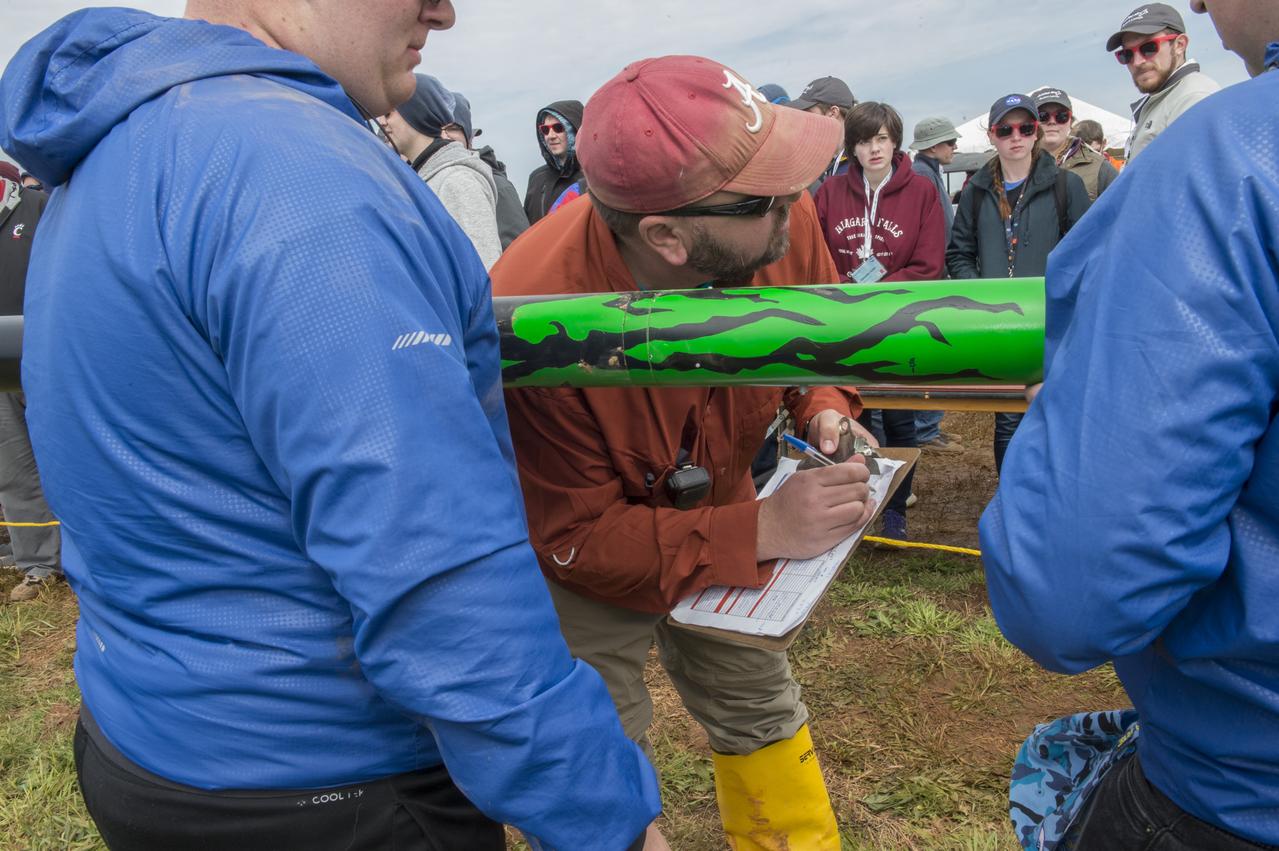
After eight months of designing, building and testing, the middle school, high school and college and university teams launched their rockets as part of NASA Student Launch on Sunday, April 8. The rockets and their payloads are designed to fly to 1-mile in altitude before deploying recovery systems that brings them safely to the ground.
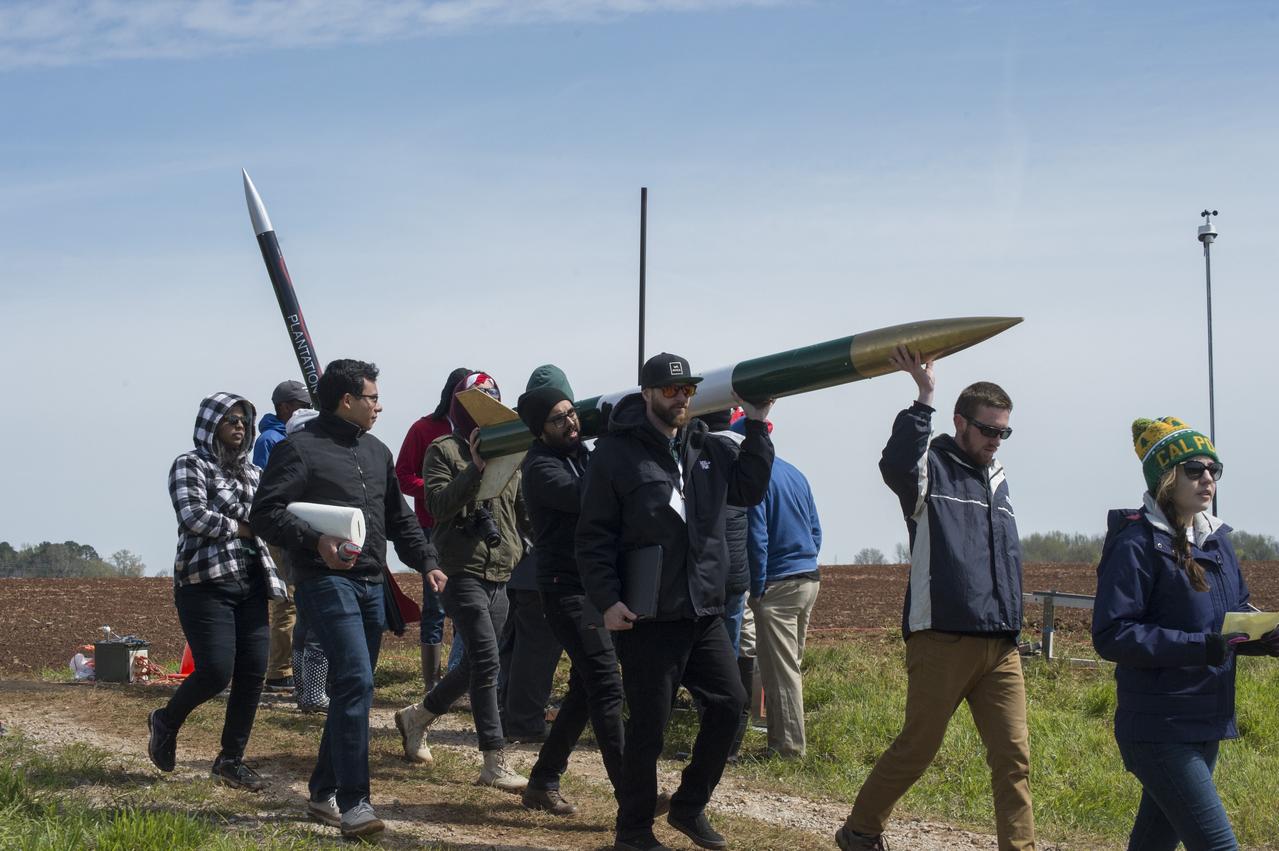
After eight months of designing, building and testing, the middle school, high school and college and university teams launched their rockets as part of NASA Student Launch on Sunday, April 8. The rockets and their payloads are designed to fly to 1-mile in altitude before deploying recovery systems that brings them safely to the ground.
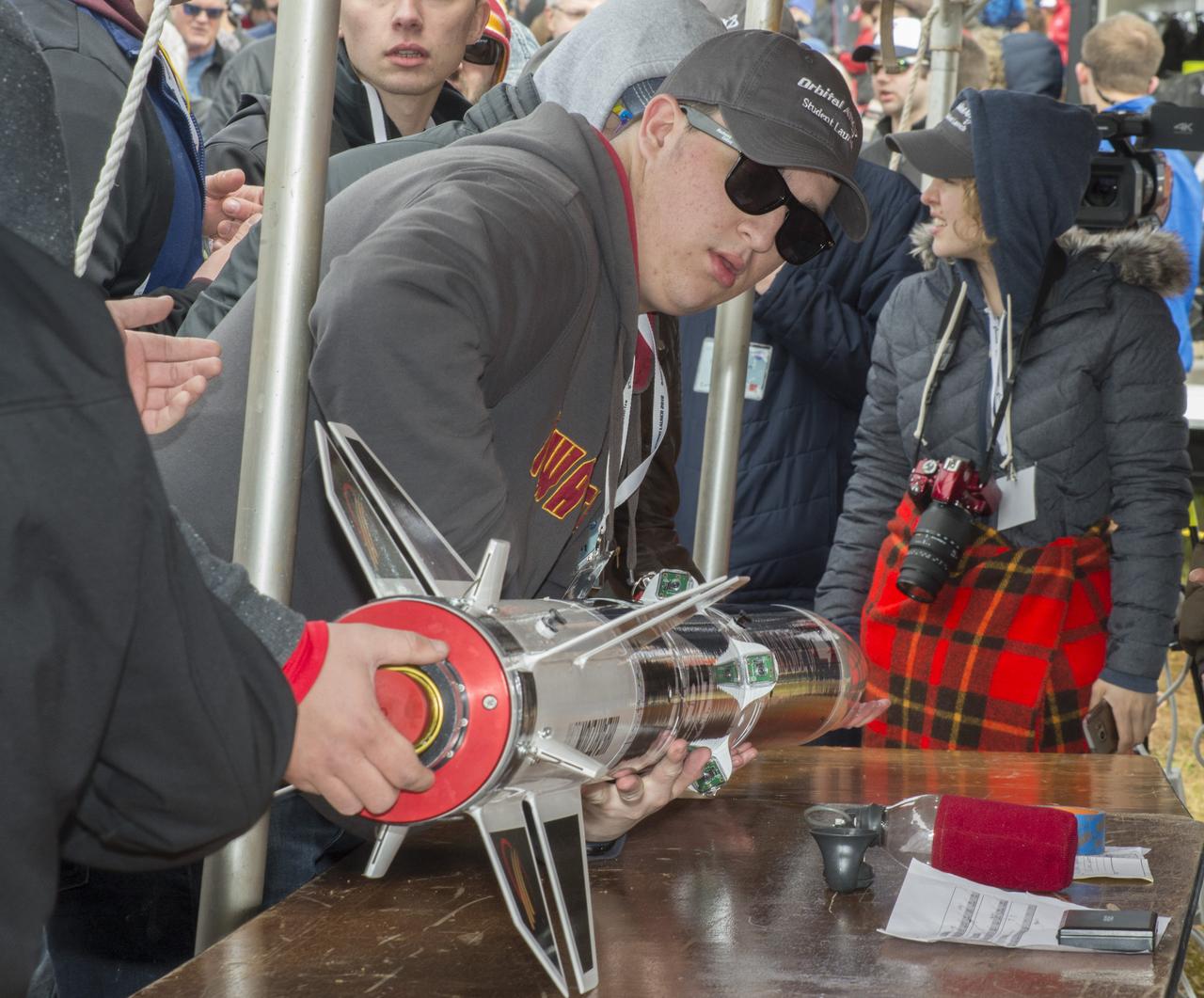
After eight months of designing, building and testing, the middle school, high school and college and university teams launched their rockets as part of NASA Student Launch on Sunday, April 8. The rockets and their payloads are designed to fly to 1-mile in altitude before deploying recovery systems that brings them safely to the ground.
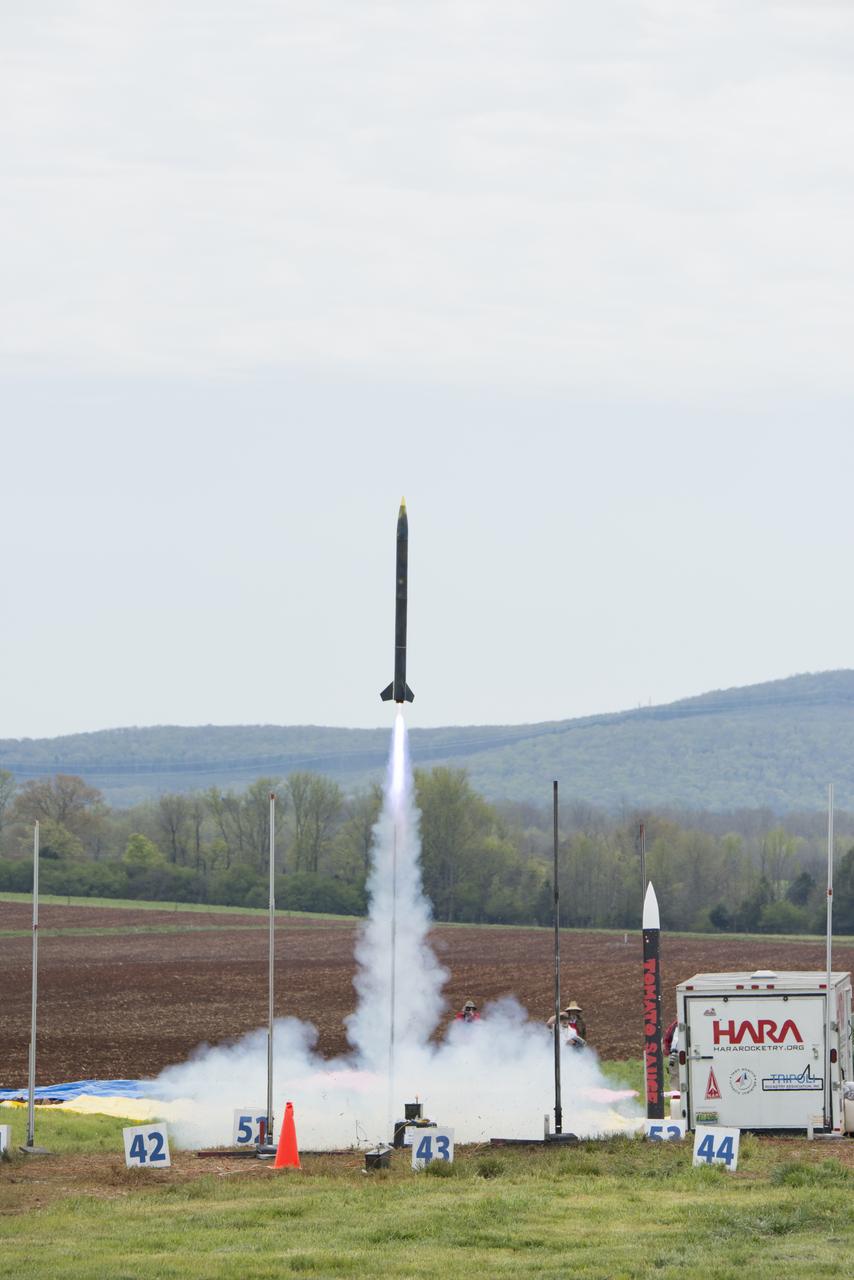
After eight months of designing, building and testing, the middle school, high school and college and university teams launched their rockets as part of NASA Student Launch on Sunday, April 8. The rockets and their payloads are designed to fly to 1-mile in altitude before deploying recovery systems that brings them safely to the ground.
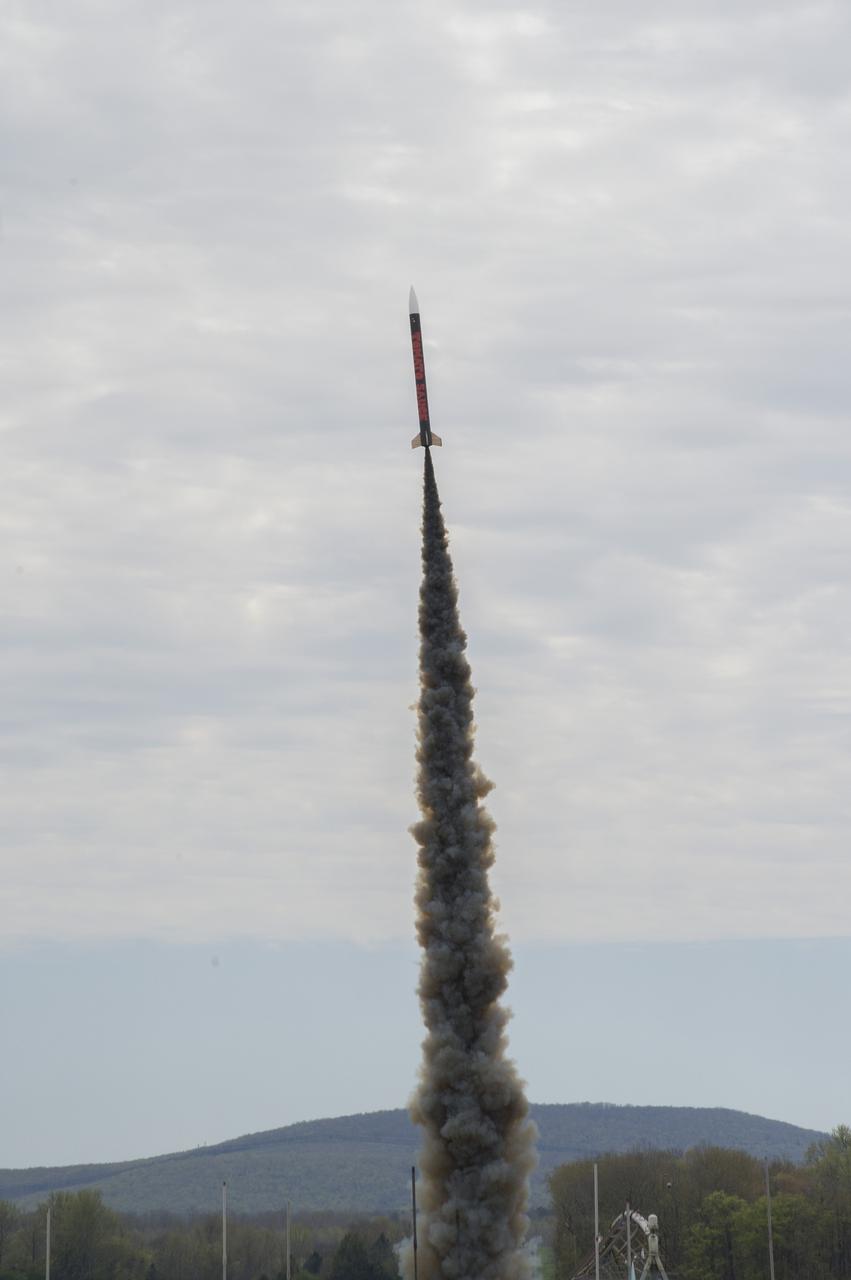
After eight months of designing, building and testing, the middle school, high school and college and university teams launched their rockets as part of NASA Student Launch on Sunday, April 8. The rockets and their payloads are designed to fly to 1-mile in altitude before deploying recovery systems that brings them safely to the ground.
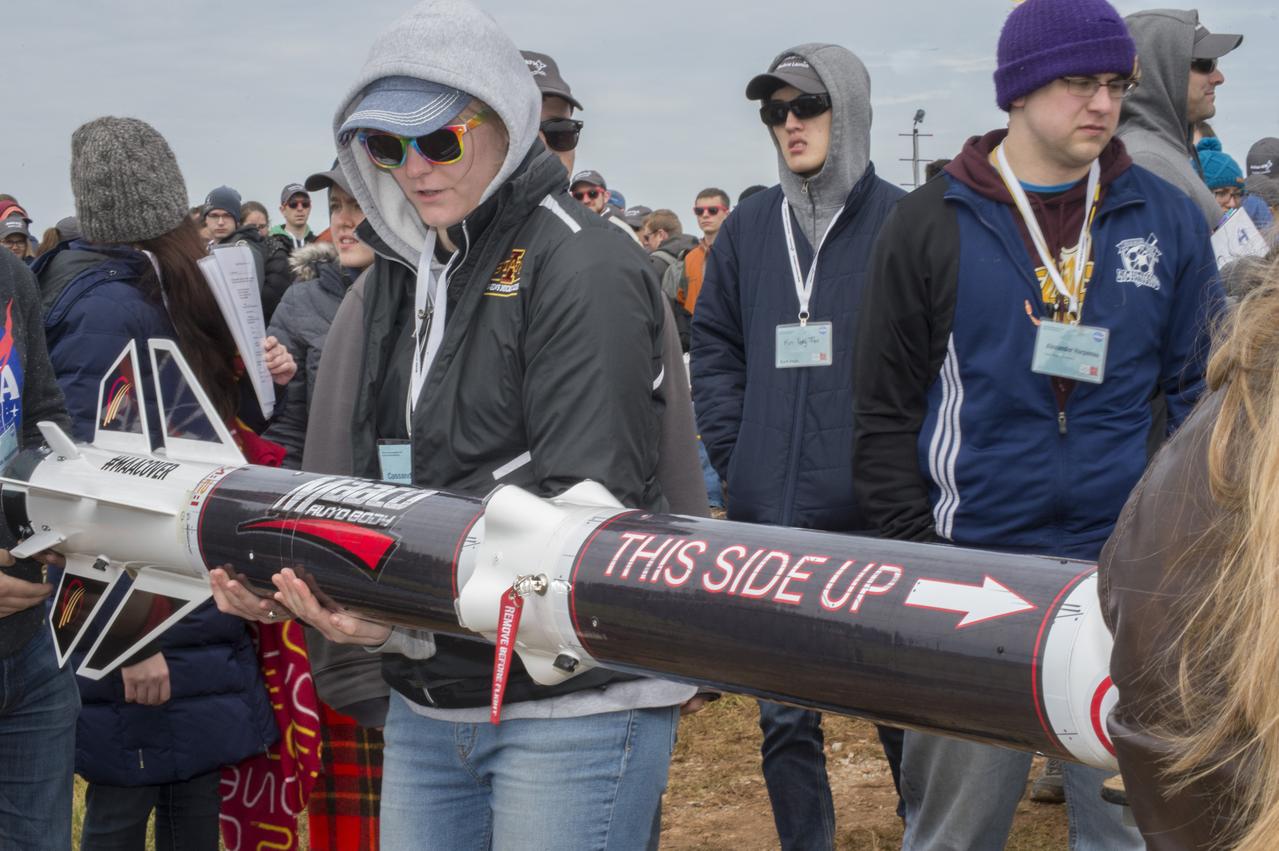
After eight months of designing, building and testing, the middle school, high school and college and university teams launched their rockets as part of NASA Student Launch on Sunday, April 8. The rockets and their payloads are designed to fly to 1-mile in altitude before deploying recovery systems that brings them safely to the ground.
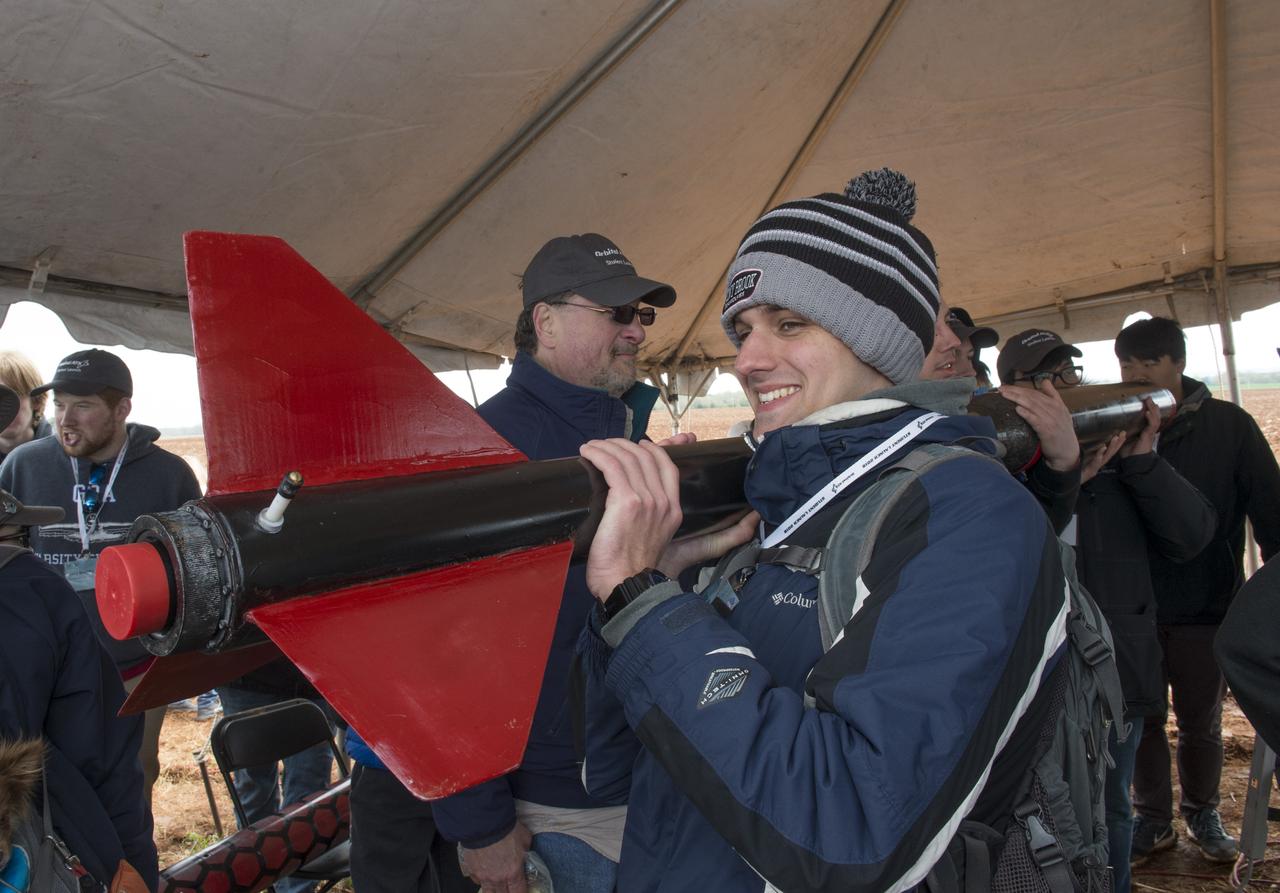
After eight months of designing, building and testing, the middle school, high school and college and university teams launched their rockets as part of NASA Student Launch on Sunday, April 8. The rockets and their payloads are designed to fly to 1-mile in altitude before deploying recovery systems that brings them safely to the ground.
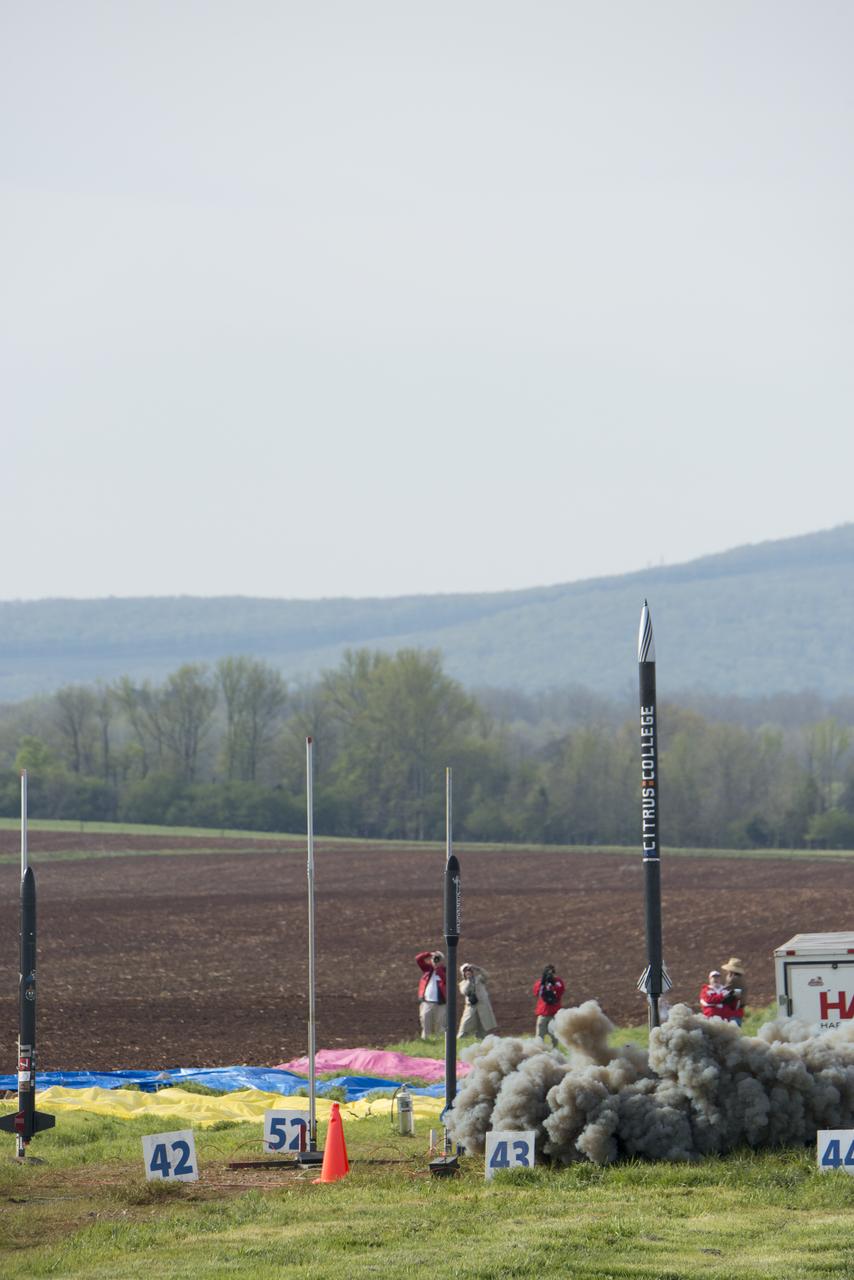
After eight months of designing, building and testing, the middle school, high school and college and university teams launched their rockets as part of NASA Student Launch on Sunday, April 8. The rockets and their payloads are designed to fly to 1-mile in altitude before deploying recovery systems that brings them safely to the ground.
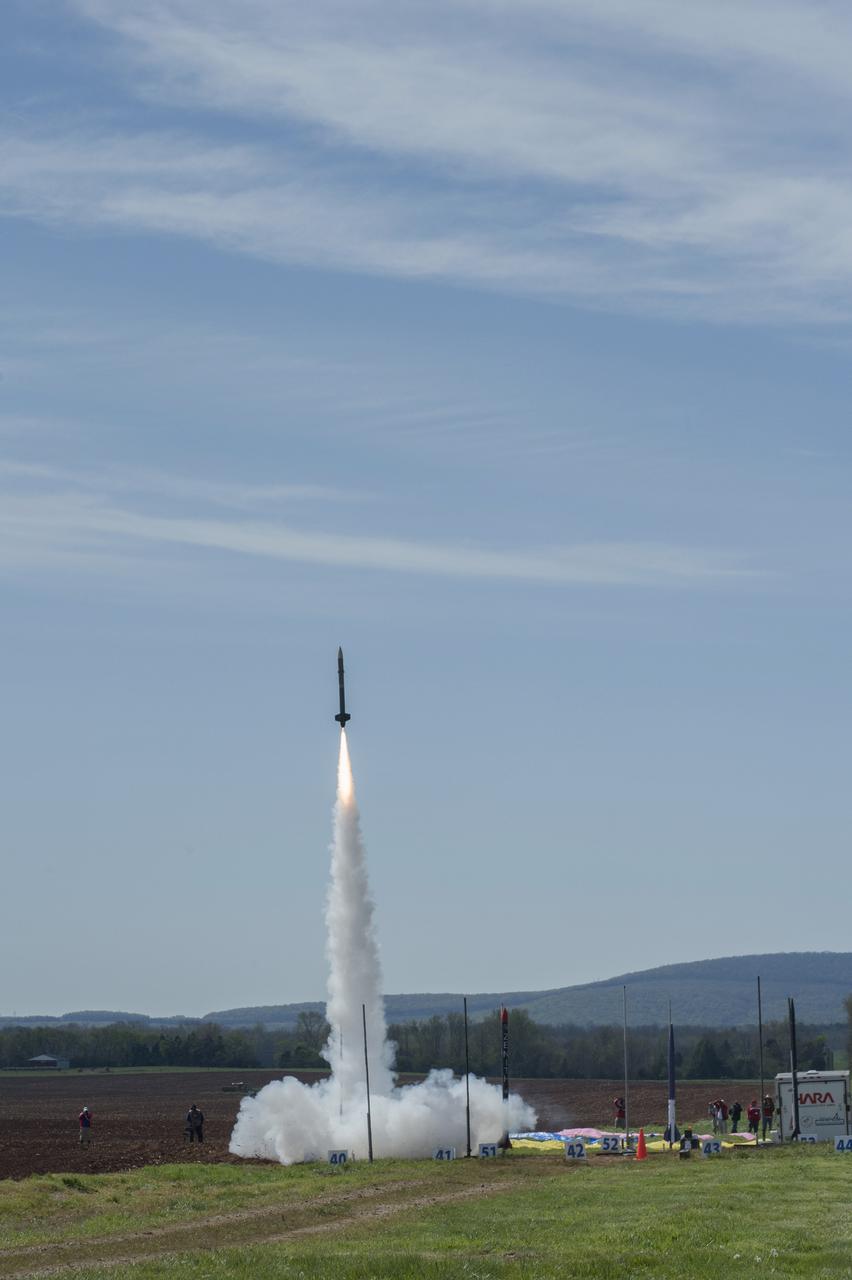
After eight months of designing, building and testing, the middle school, high school and college and university teams launched their rockets as part of NASA Student Launch on Sunday, April 8. The rockets and their payloads are designed to fly to 1-mile in altitude before deploying recovery systems that brings them safely to the ground.
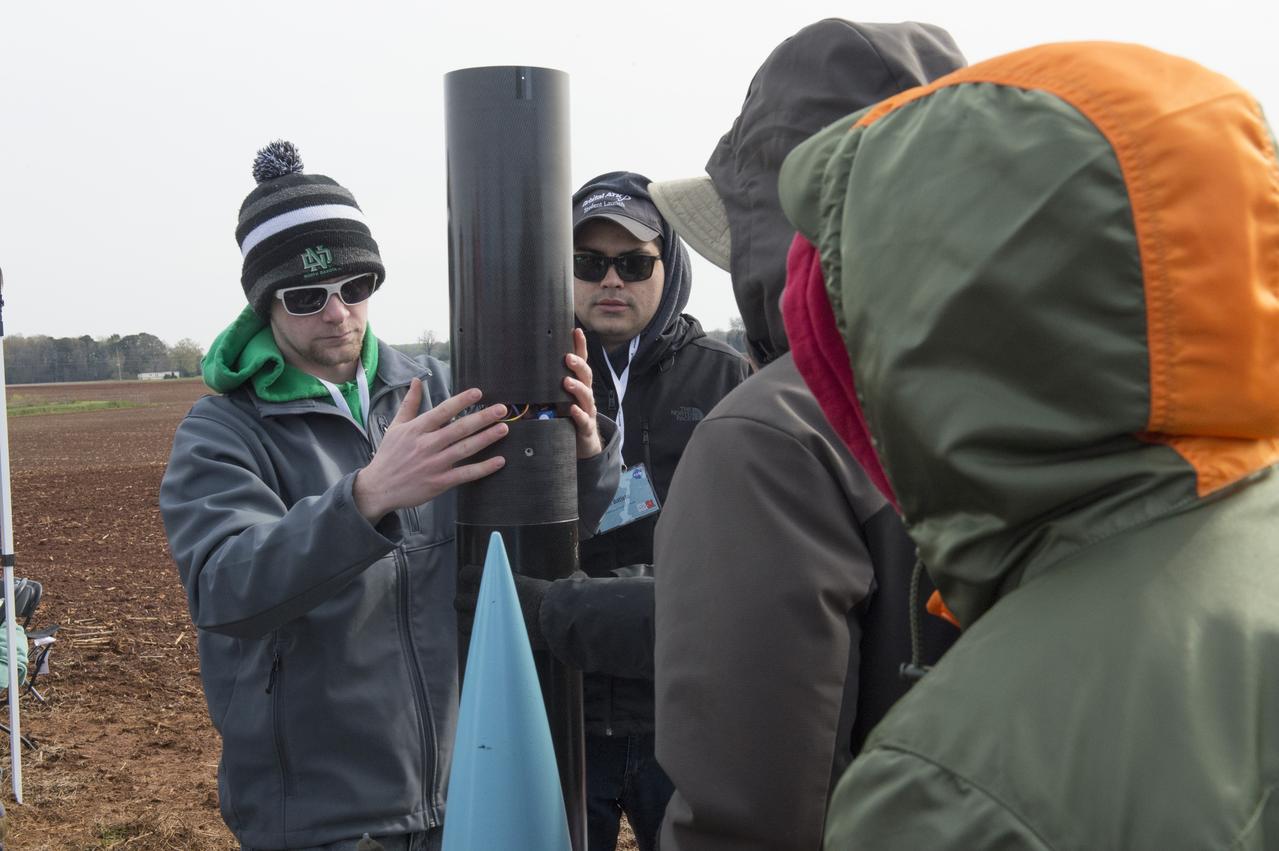
After eight months of designing, building and testing, the middle school, high school and college and university teams launched their rockets as part of NASA Student Launch on Sunday, April 8. The rockets and their payloads are designed to fly to 1-mile in altitude before deploying recovery systems that brings them safely to the ground.
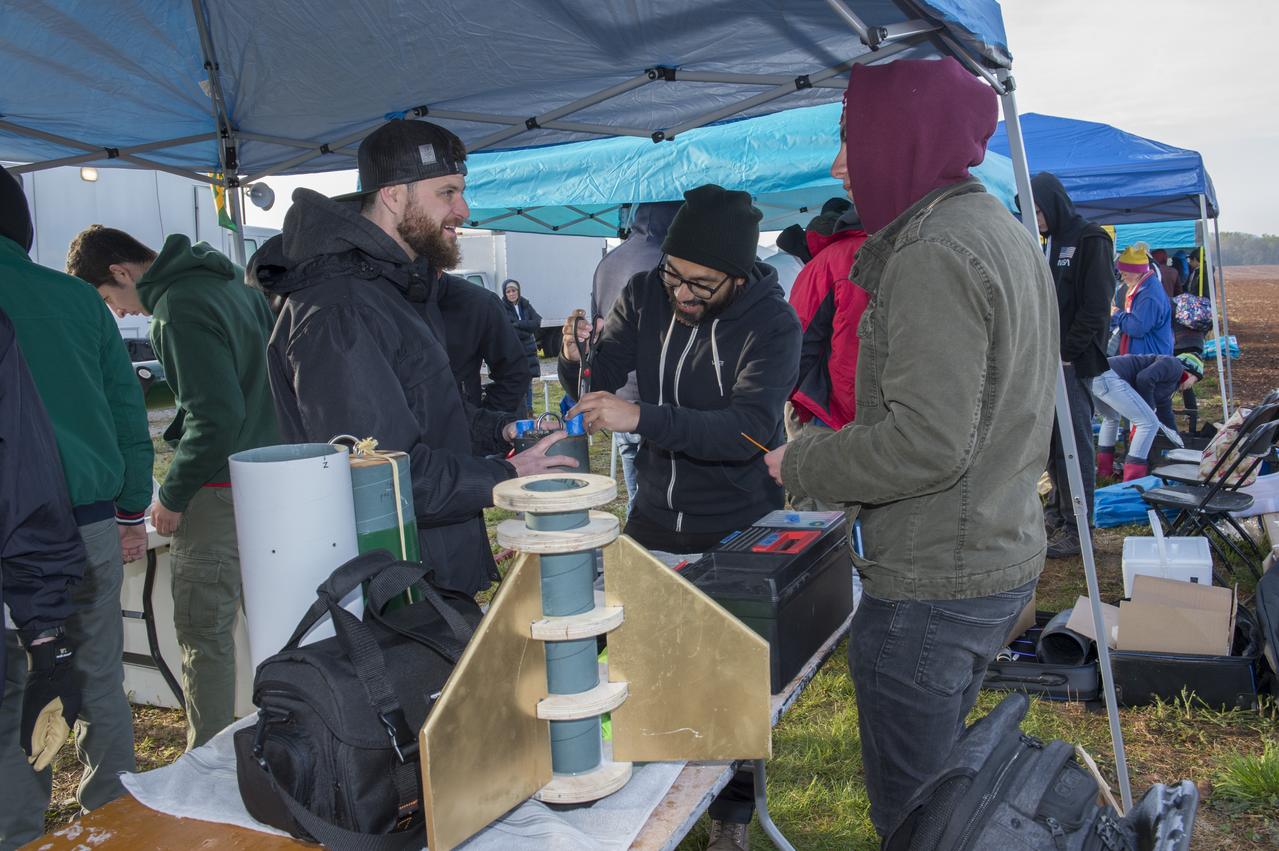
After eight months of designing, building and testing, the middle school, high school and college and university teams launched their rockets as part of NASA Student Launch on Sunday, April 8. The rockets and their payloads are designed to fly to 1-mile in altitude before deploying recovery systems that brings them safely to the ground.
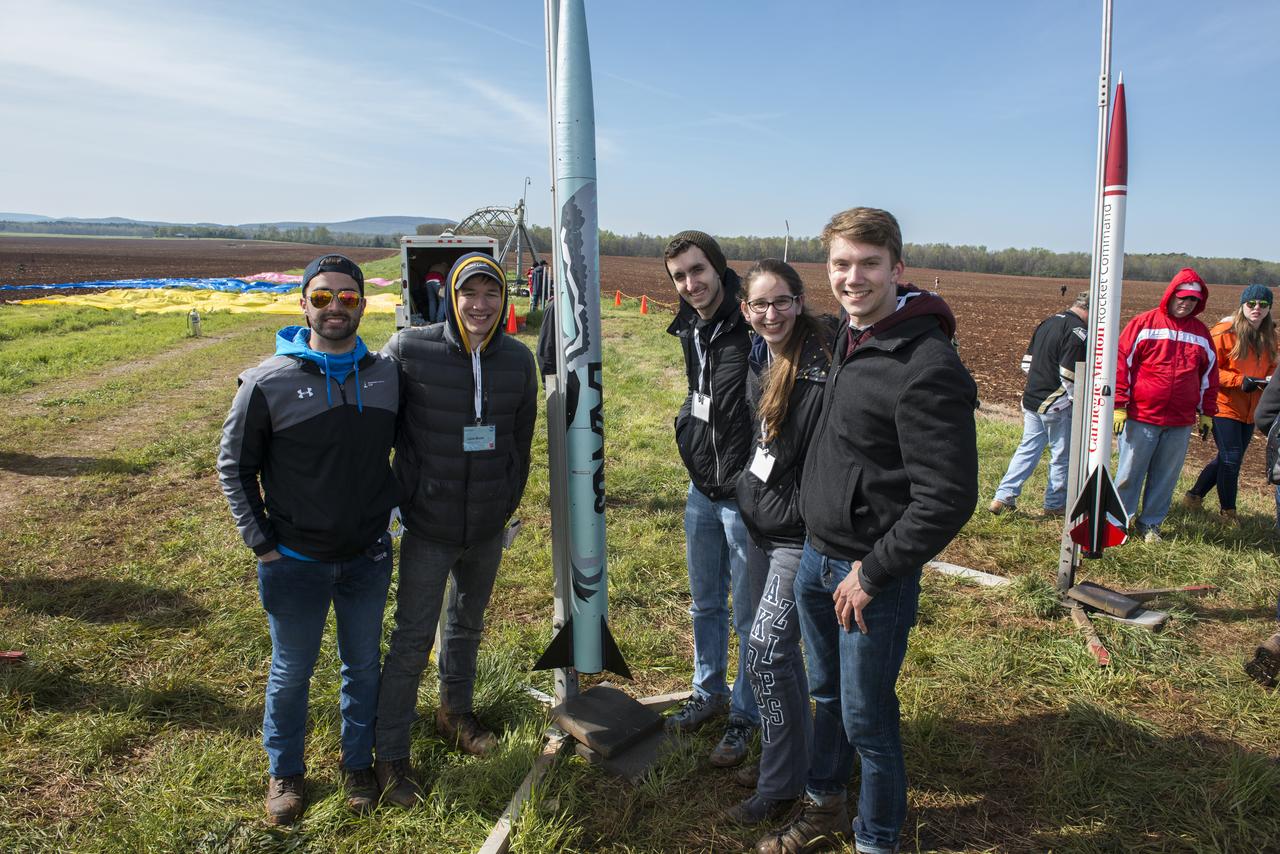
After eight months of designing, building and testing, the middle school, high school and college and university teams launched their rockets as part of NASA Student Launch on Sunday, April 8. The rockets and their payloads are designed to fly to 1-mile in altitude before deploying recovery systems that brings them safely to the ground.
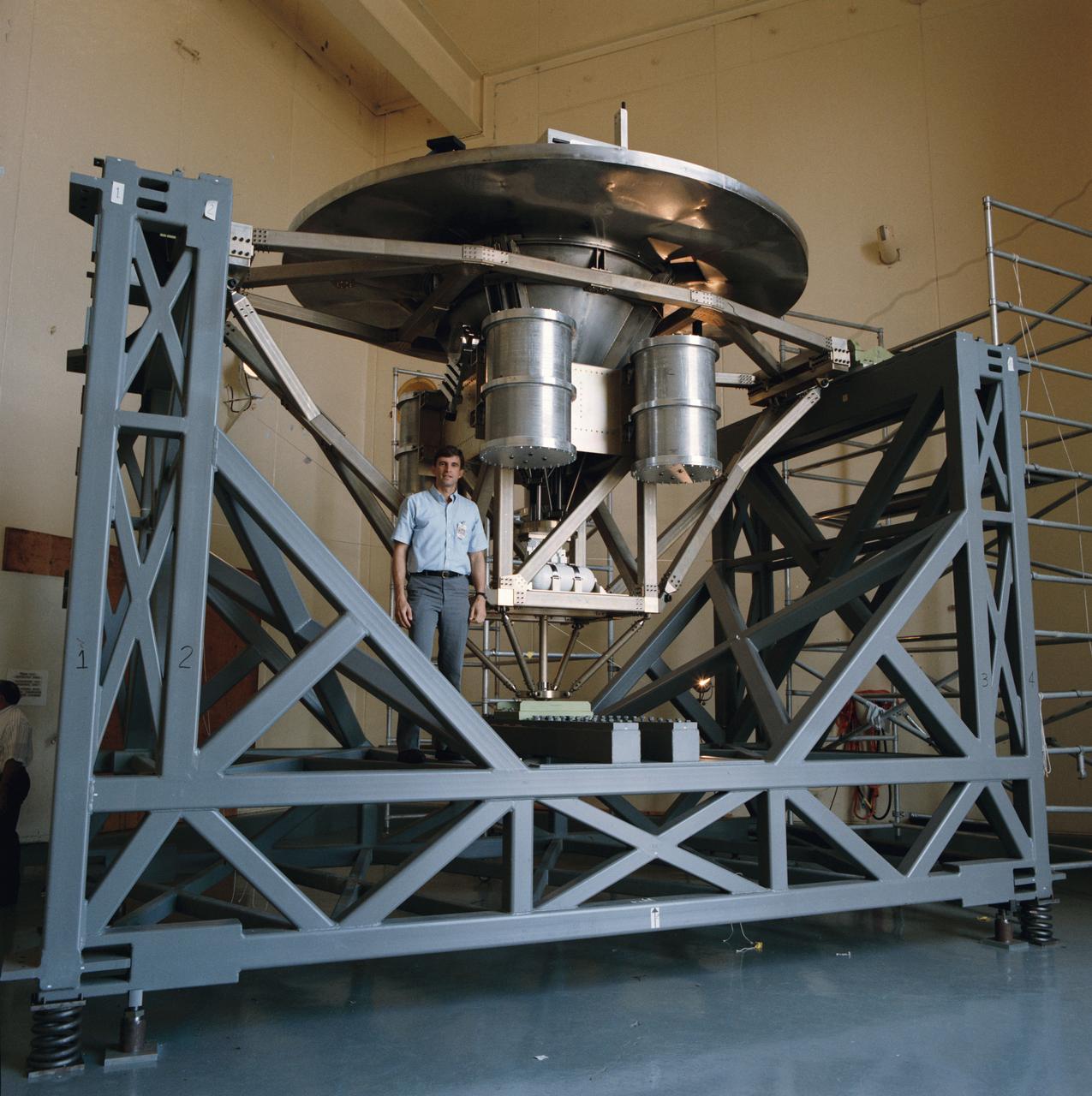
Astronaut Ronald M. Sega stands beside the University of Houston's Wake Shield Facility before it undergoes a Modal Survey Test in the Vibration and Acoustic Test Facility Building 49, prior to being flown on space shuttle mission STS-60.
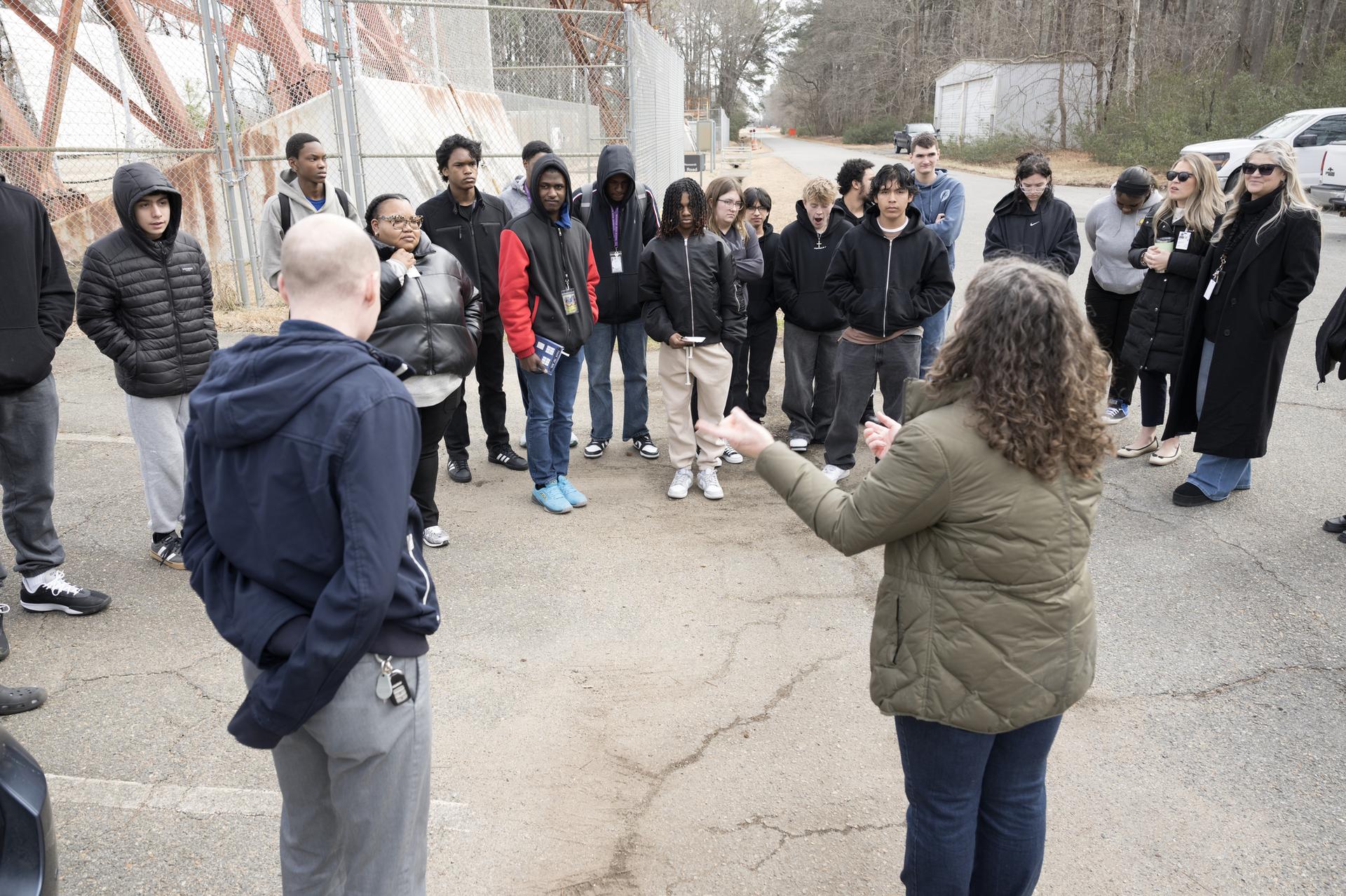
Old Dominion University's (ODU) Maritime Engineering and Environmental Studies Academy (MEESA) lab school juniors, tour the NASA Langley’s Landing and Impact Research Facility (LandIR), also know as the Gantry. The students were task to create an exhibit for the Vestil Aluminum/Steel Crane (VASC) of the crane used to build the Gantry.
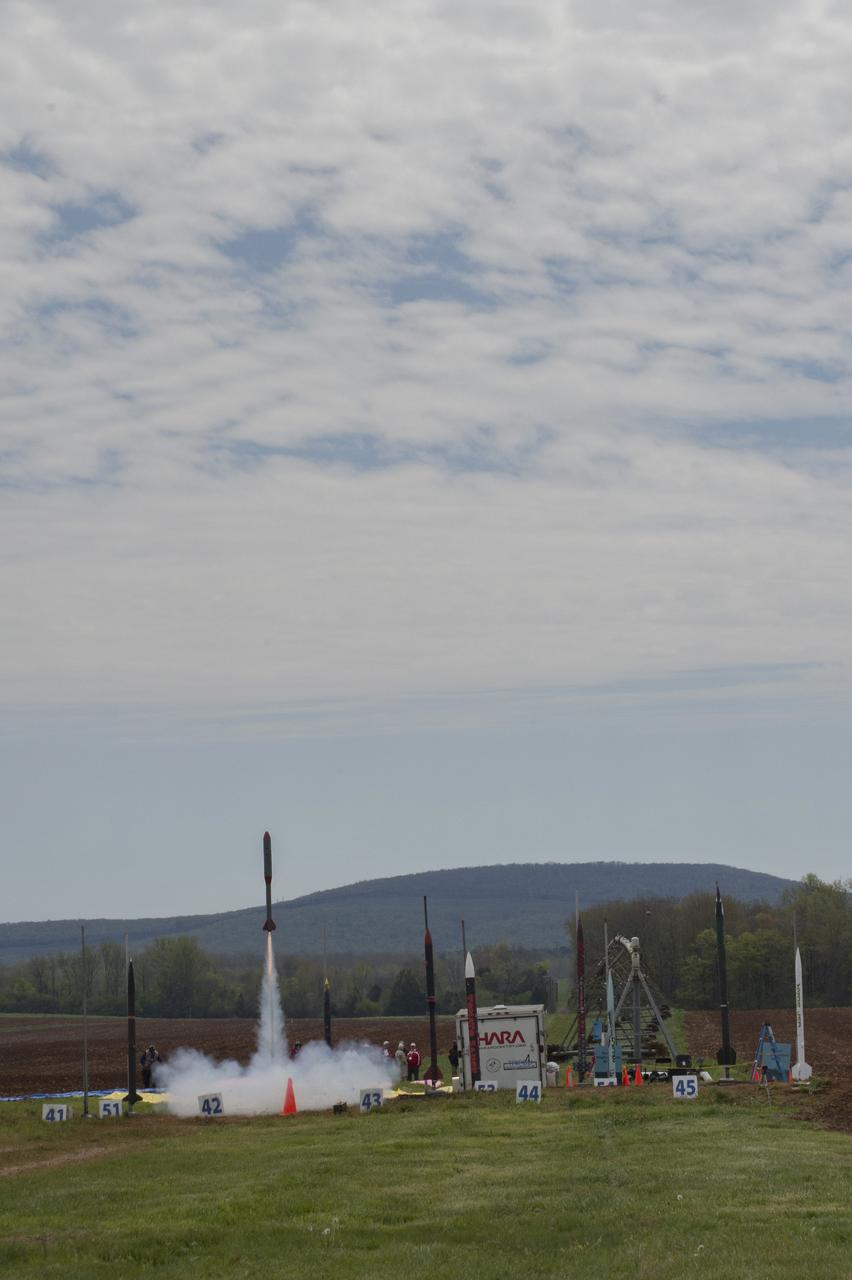
After eight months of designing, building and testing, the middle school, high school and college and university teams launched their rockets as part of NASA Student Launch on Sunday, April 8. The rockets and their payloads are designed to fly to 1-mile in altitude before deploying recovery systems that brings them safely to the ground.
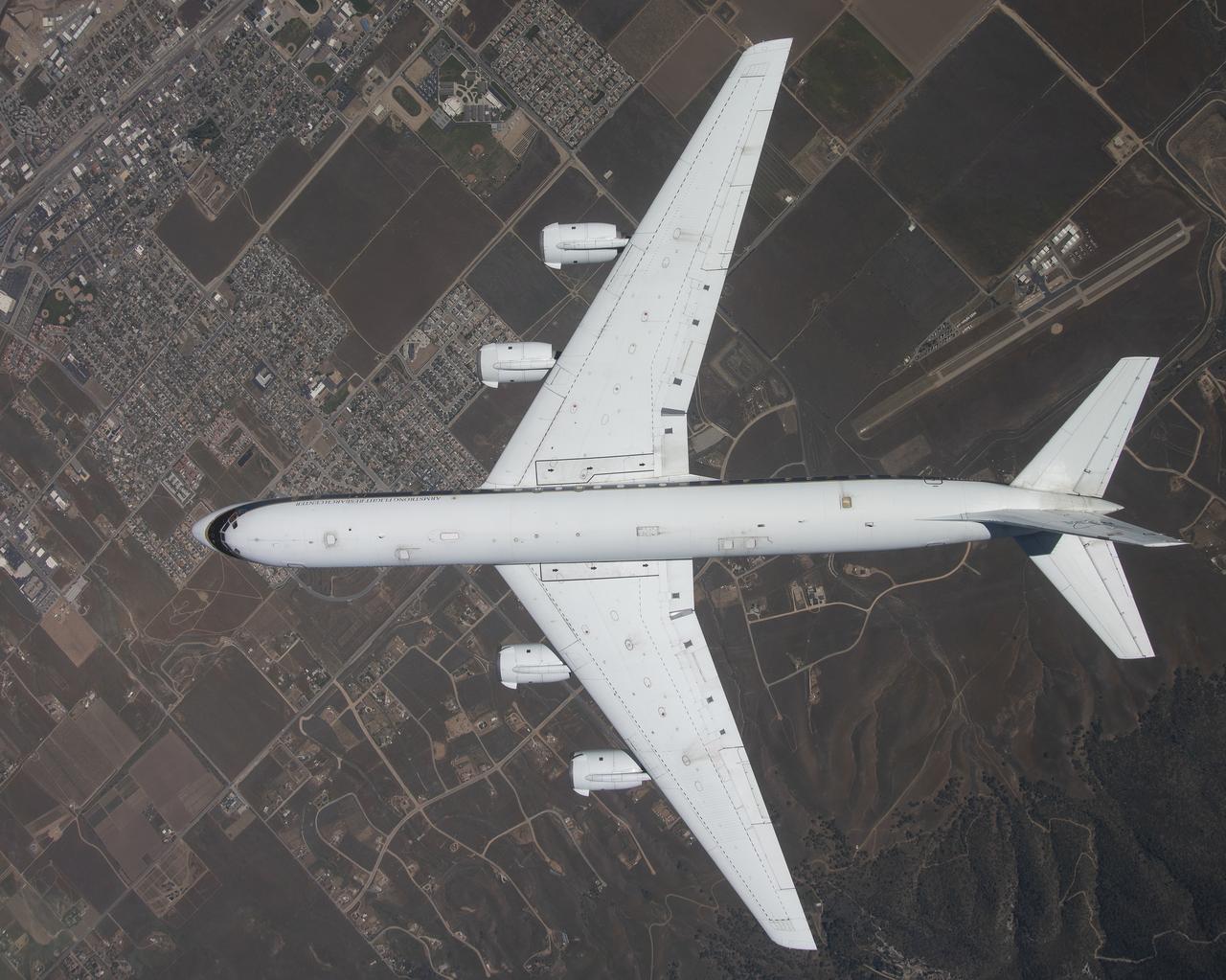
The DC-8 is shown overhead during its final flight from NASA’s Armstrong Flight Research Center Building 703 in Palmdale, California, before it retires to Idaho State University in Pocatello, Idaho. The DC-8 will provide real-world experience to train future aircraft technicians at the college’s Aircraft Maintenance Technology Program.
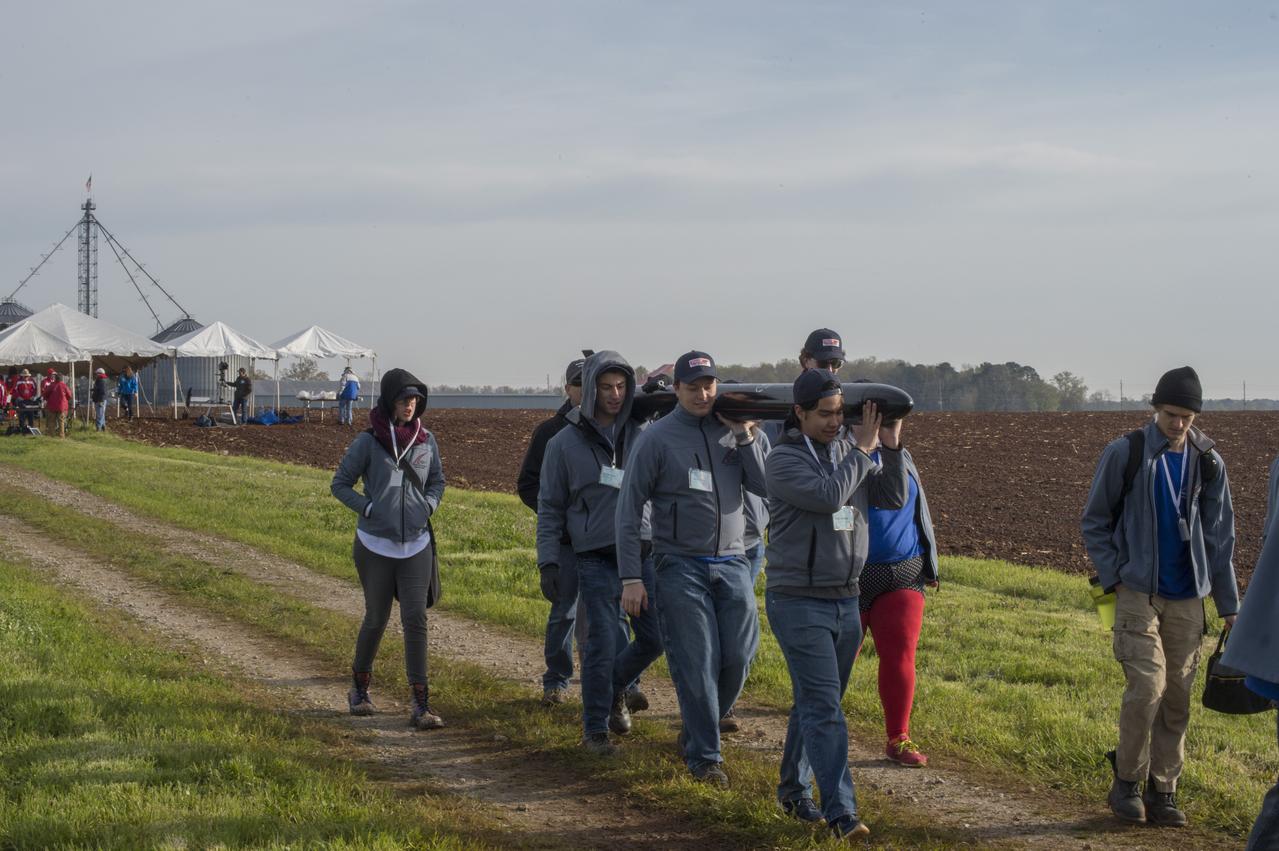
After eight months of designing, building and testing, the middle school, high school and college and university teams launched their rockets as part of NASA Student Launch on Sunday, April 8. The rockets and their payloads are designed to fly to 1-mile in altitude before deploying recovery systems that brings them safely to the ground.
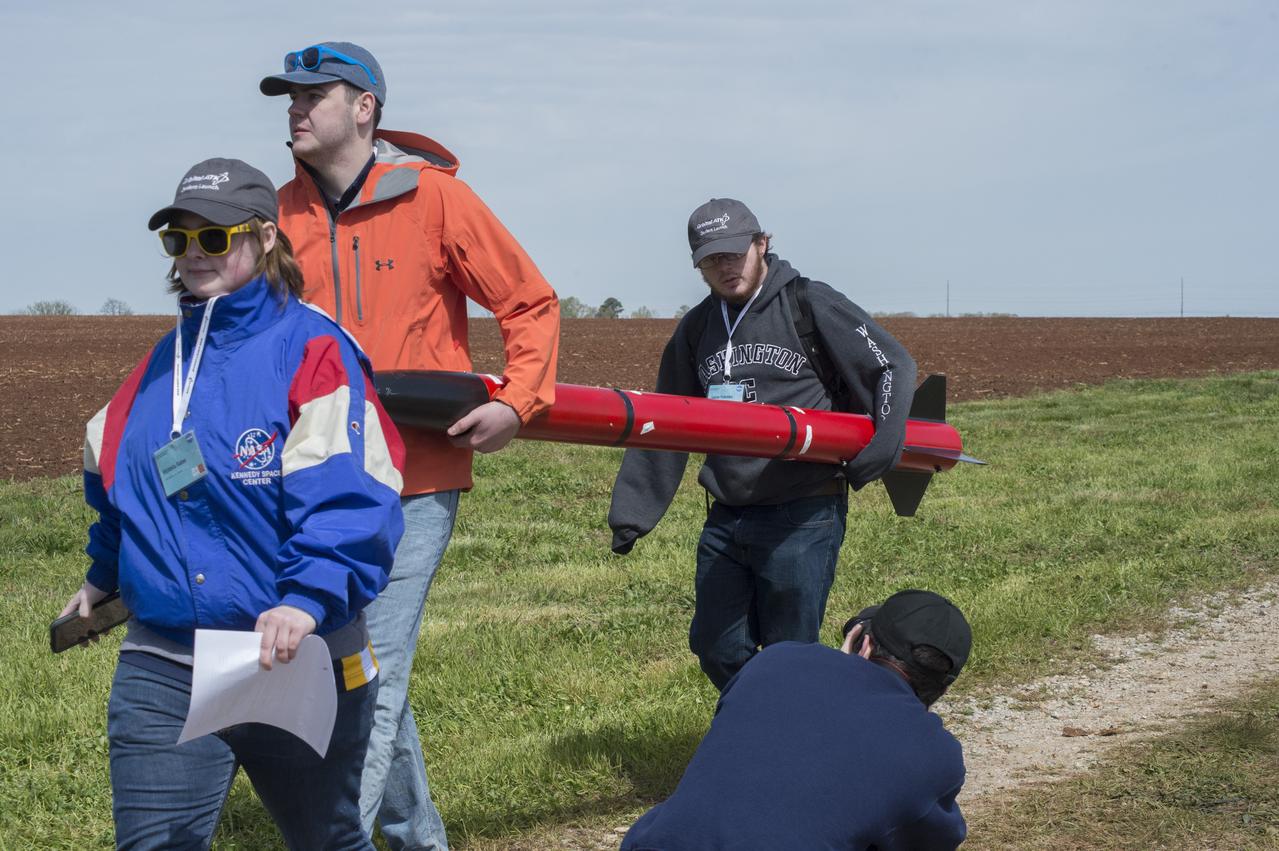
After eight months of designing, building and testing, the middle school, high school and college and university teams launched their rockets as part of NASA Student Launch on Sunday, April 8. The rockets and their payloads are designed to fly to 1-mile in altitude before deploying recovery systems that brings them safely to the ground.
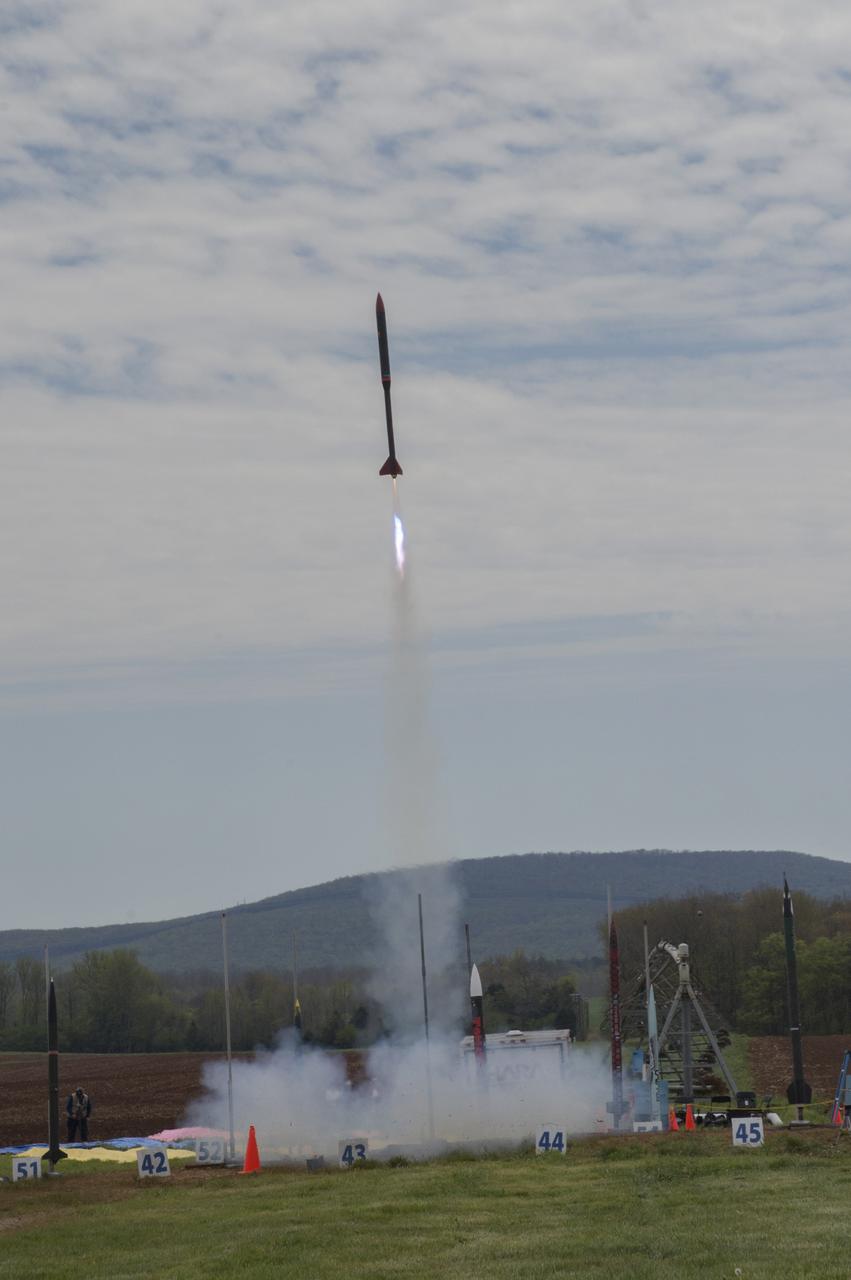
After eight months of designing, building and testing, the middle school, high school and college and university teams launched their rockets as part of NASA Student Launch on Sunday, April 8. The rockets and their payloads are designed to fly to 1-mile in altitude before deploying recovery systems that brings them safely to the ground.
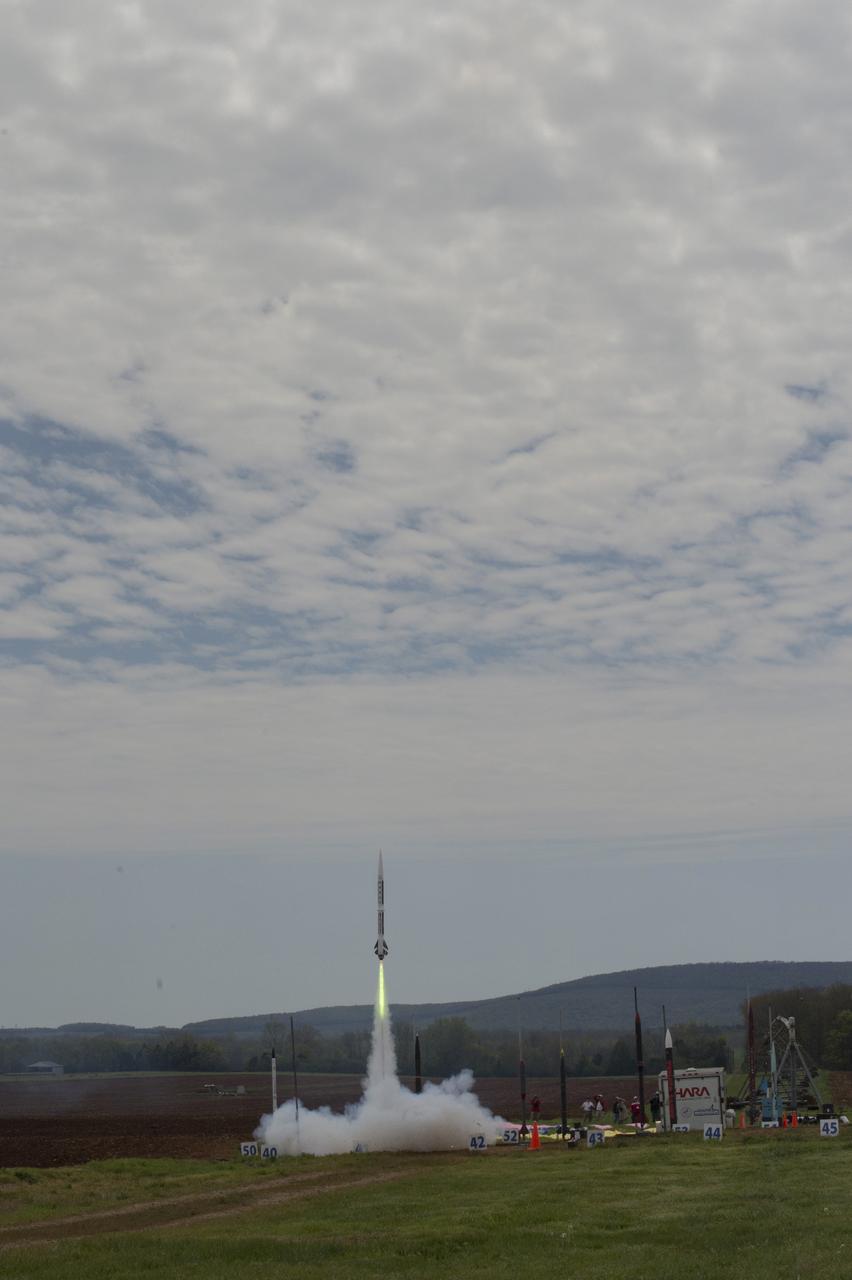
After eight months of designing, building and testing, the middle school, high school and college and university teams launched their rockets as part of NASA Student Launch on Sunday, April 8. The rockets and their payloads are designed to fly to 1-mile in altitude before deploying recovery systems that brings them safely to the ground.
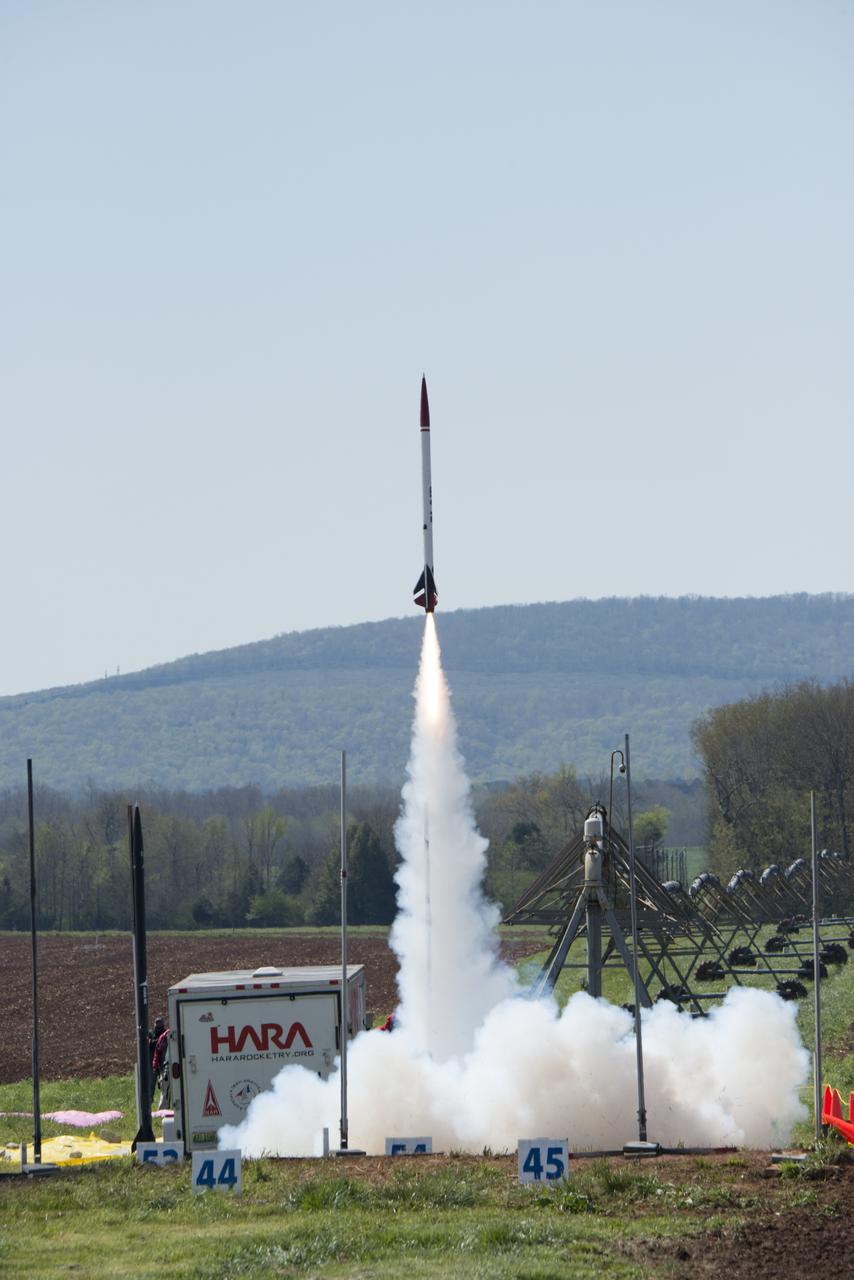
After eight months of designing, building and testing, the middle school, high school and college and university teams launched their rockets as part of NASA Student Launch on Sunday, April 8. The rockets and their payloads are designed to fly to 1-mile in altitude before deploying recovery systems that brings them safely to the ground.
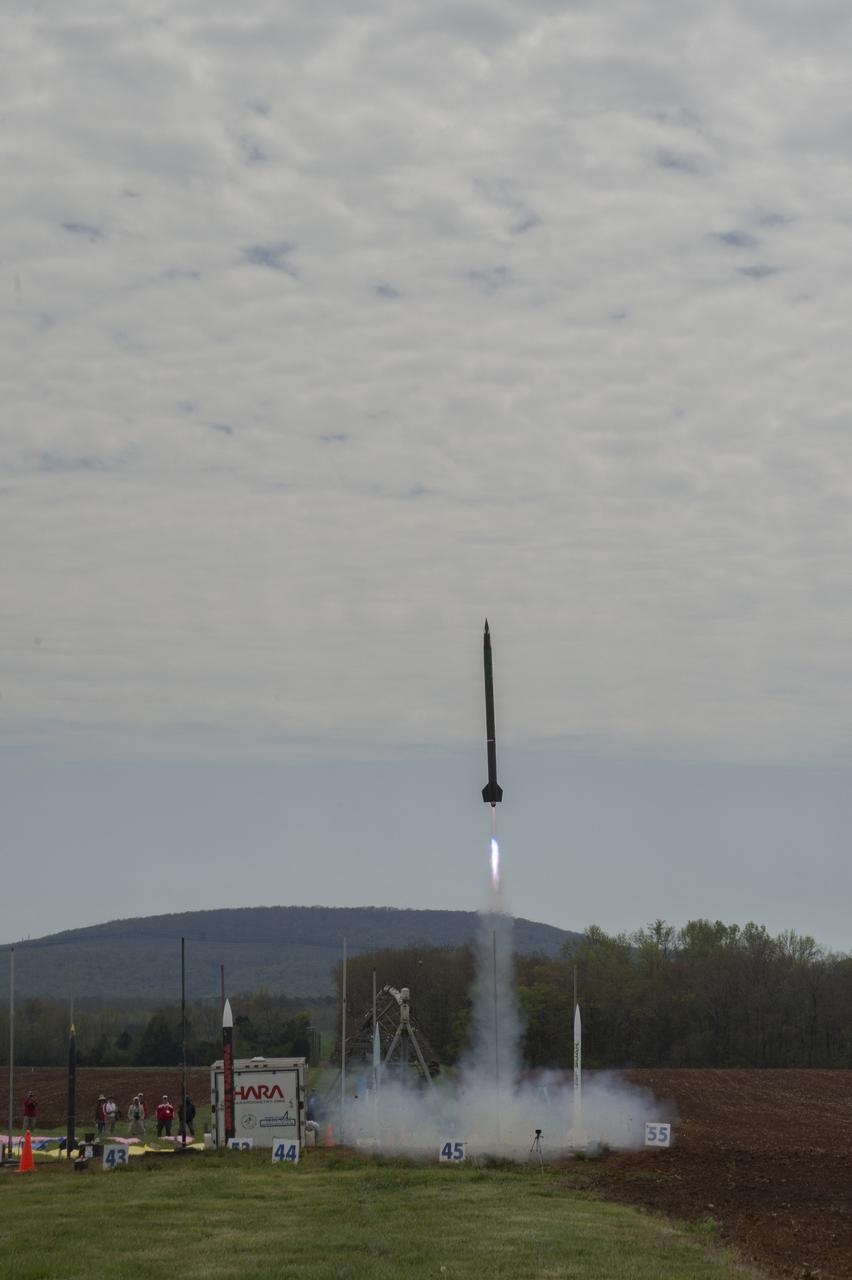
After eight months of designing, building and testing, the middle school, high school and college and university teams launched their rockets as part of NASA Student Launch on Sunday, April 8. The rockets and their payloads are designed to fly to 1-mile in altitude before deploying recovery systems that brings them safely to the ground.
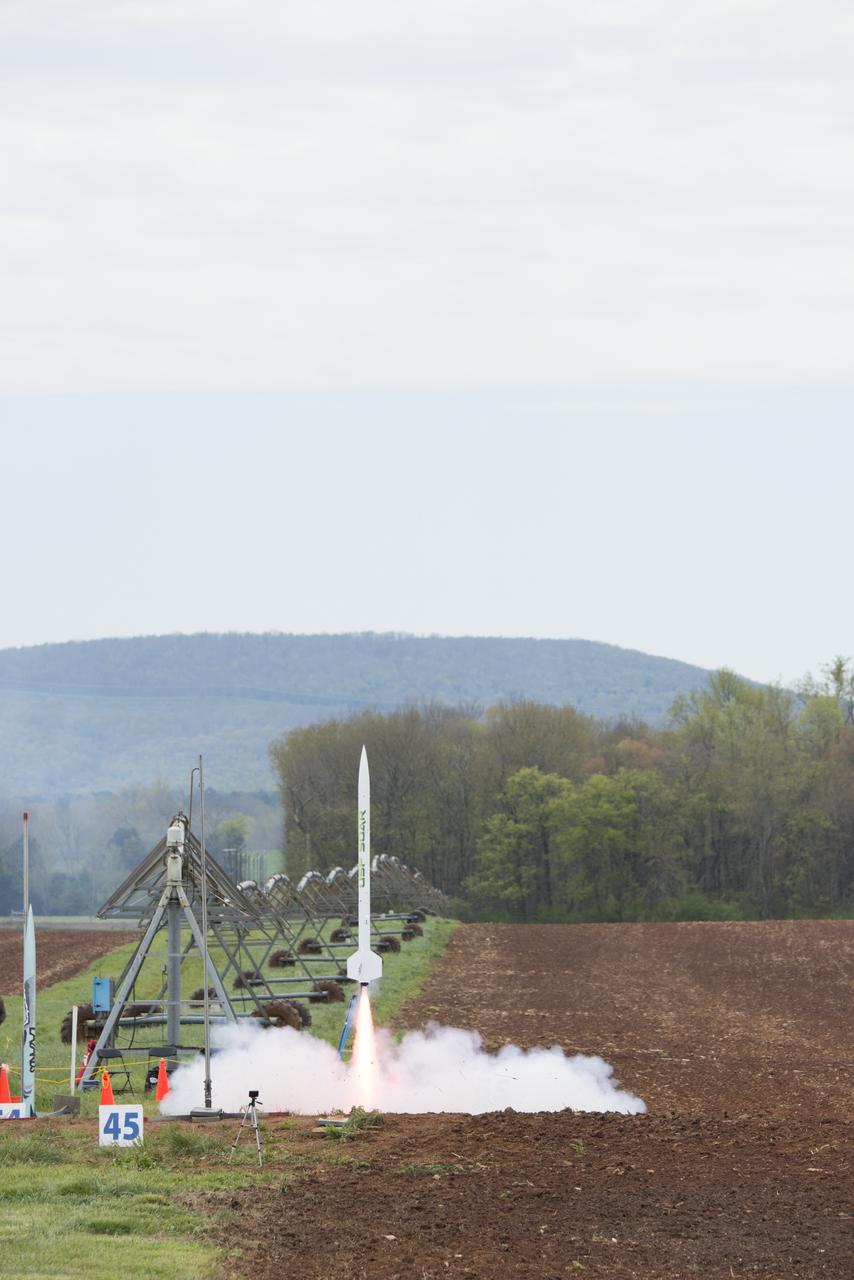
After eight months of designing, building and testing, the middle school, high school and college and university teams launched their rockets as part of NASA Student Launch on Sunday, April 8. The rockets and their payloads are designed to fly to 1-mile in altitude before deploying recovery systems that brings them safely to the ground.
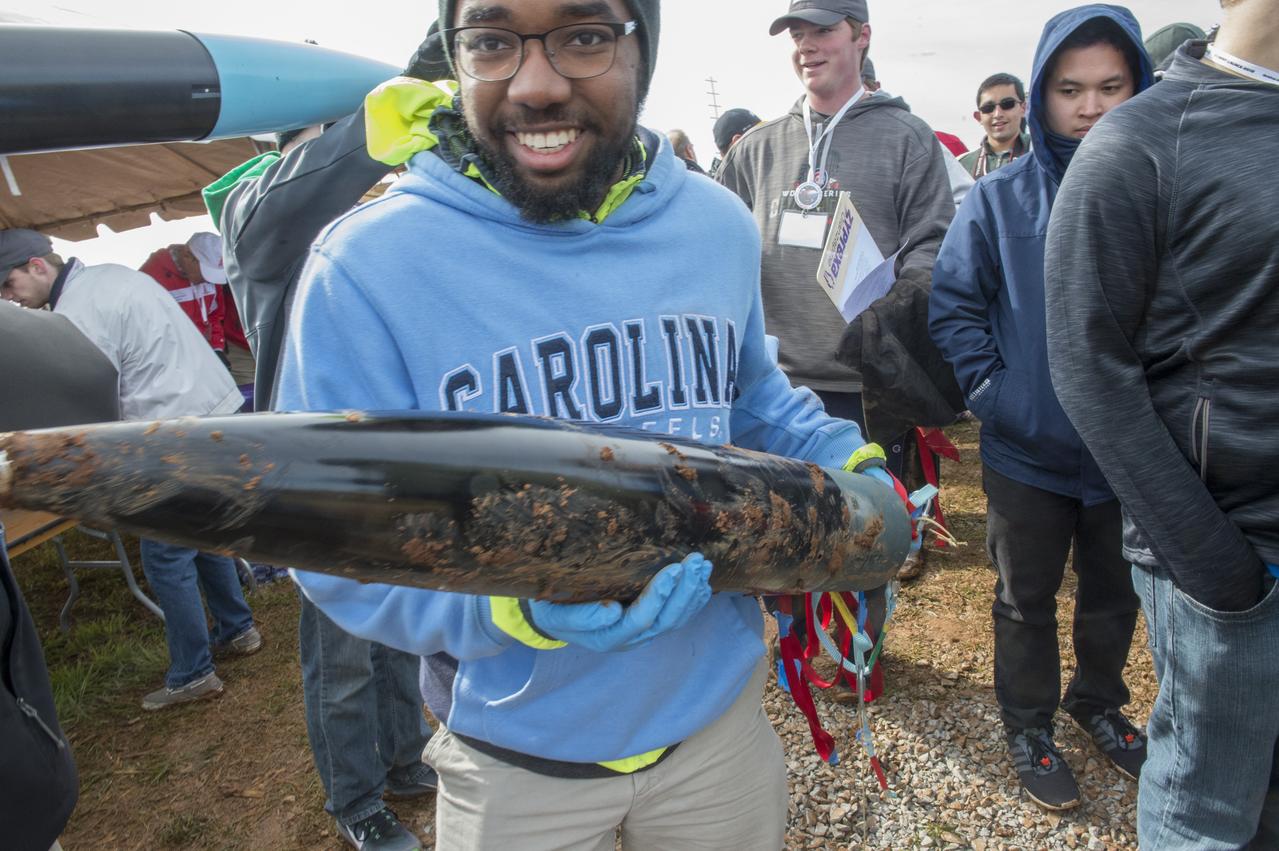
After eight months of designing, building and testing, the middle school, high school and college and university teams launched their rockets as part of NASA Student Launch on Sunday, April 8. The rockets and their payloads are designed to fly to 1-mile in altitude before deploying recovery systems that brings them safely to the ground.
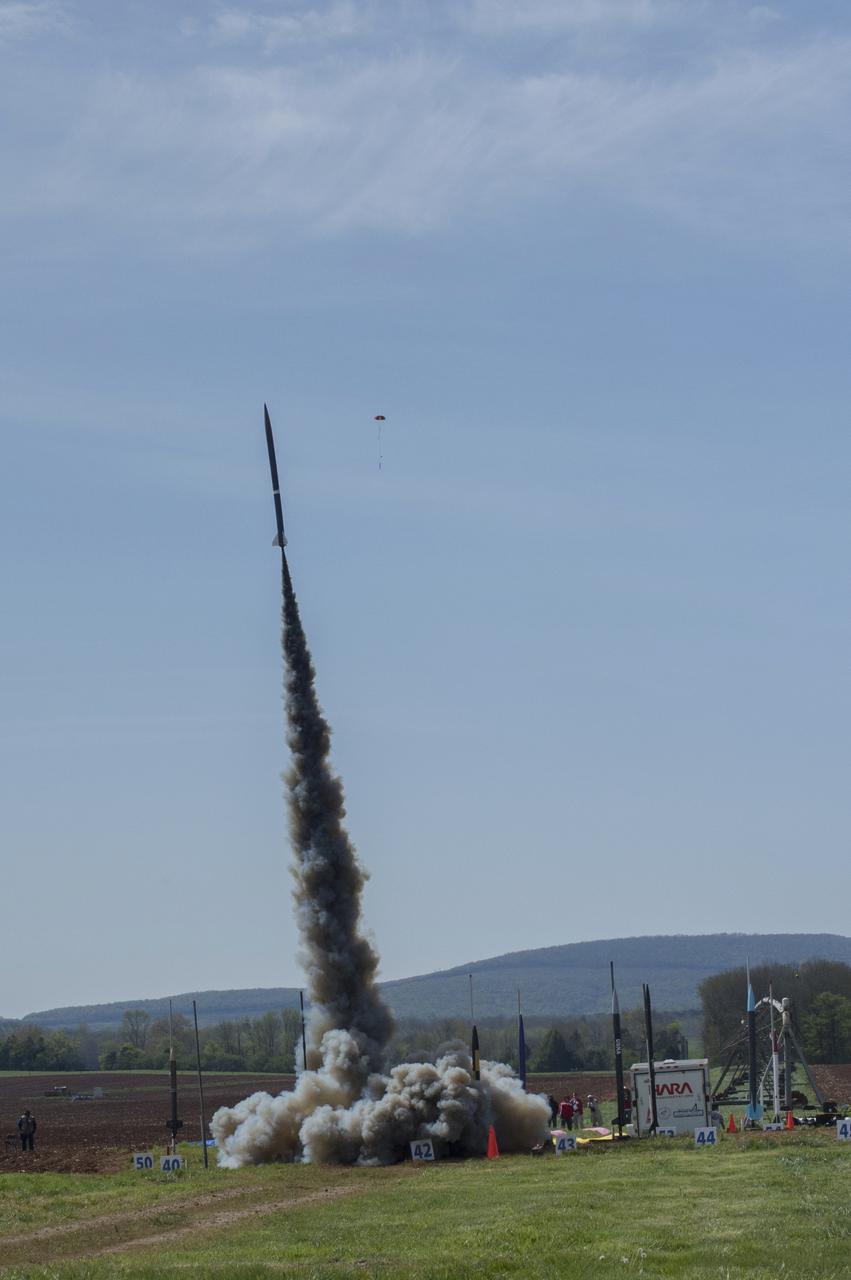
After eight months of designing, building and testing, the middle school, high school and college and university teams launched their rockets as part of NASA Student Launch on Sunday, April 8. The rockets and their payloads are designed to fly to 1-mile in altitude before deploying recovery systems that brings them safely to the ground.
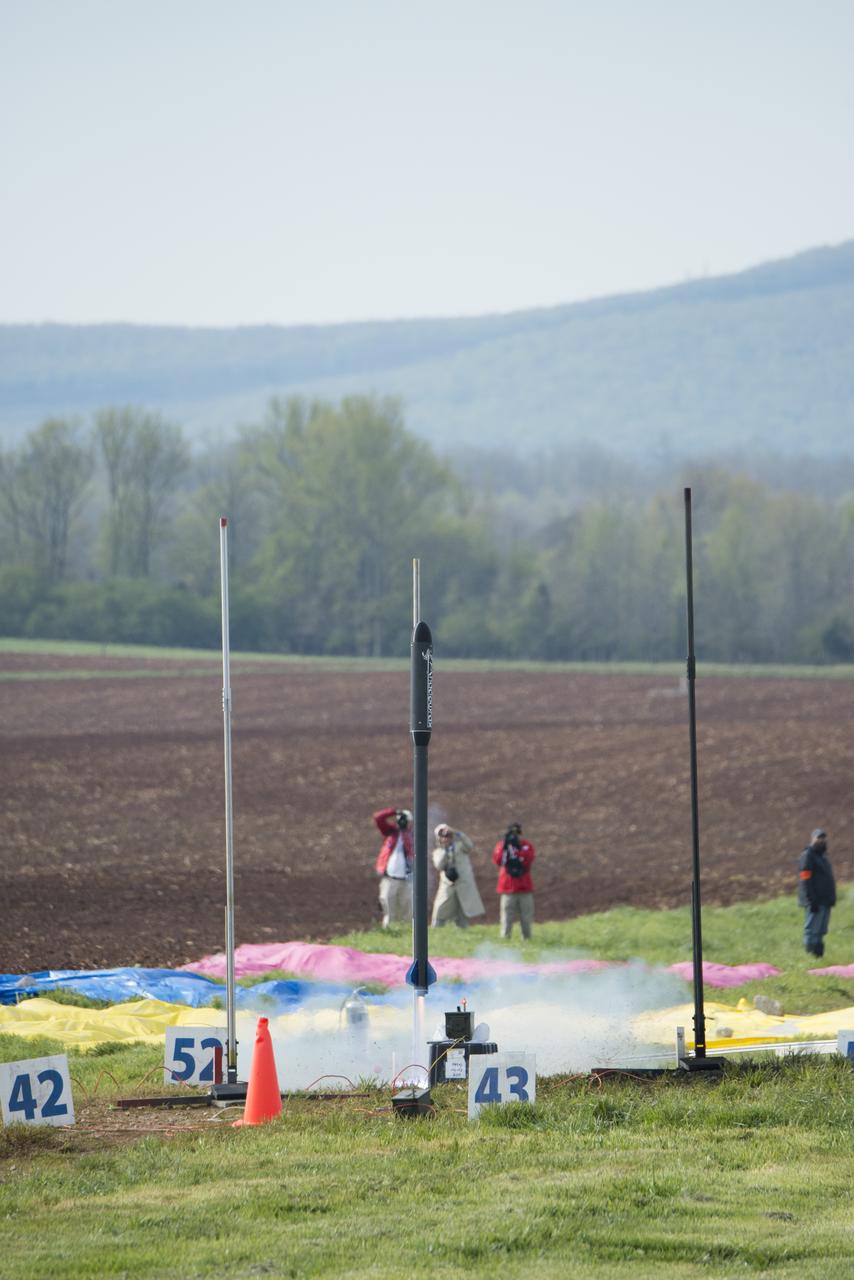
After eight months of designing, building and testing, the middle school, high school and college and university teams launched their rockets as part of NASA Student Launch on Sunday, April 8. The rockets and their payloads are designed to fly to 1-mile in altitude before deploying recovery systems that brings them safely to the ground.
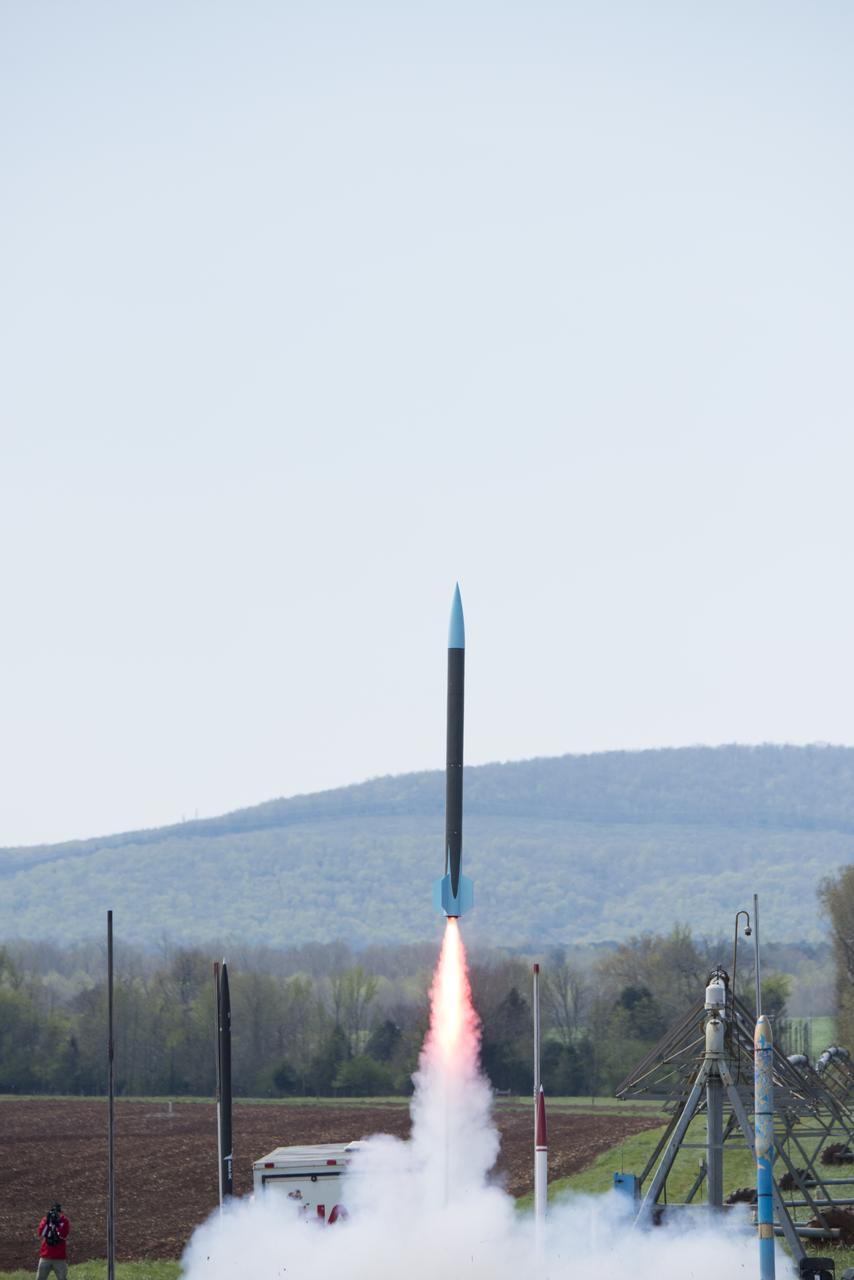
After eight months of designing, building and testing, the middle school, high school and college and university teams launched their rockets as part of NASA Student Launch on Sunday, April 8. The rockets and their payloads are designed to fly to 1-mile in altitude before deploying recovery systems that brings them safely to the ground.
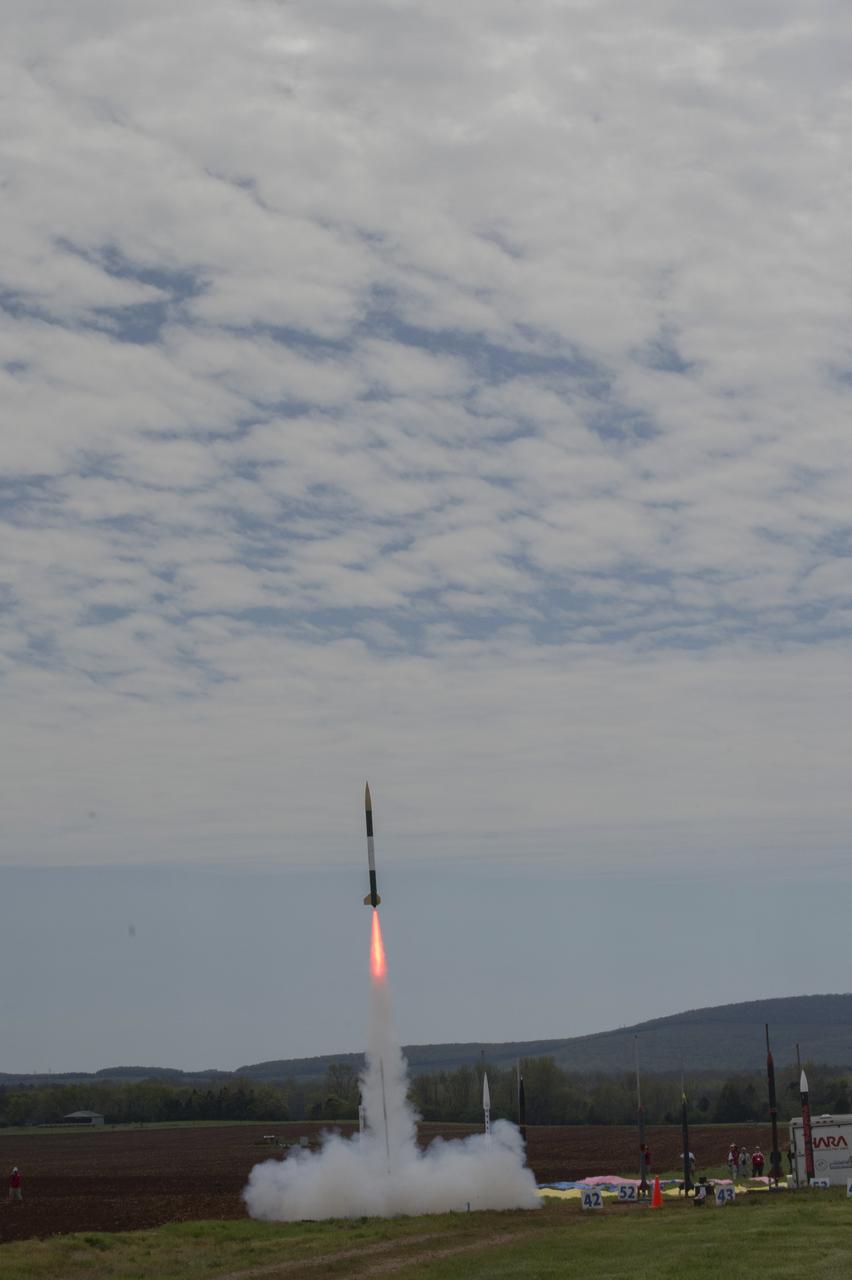
After eight months of designing, building and testing, the middle school, high school and college and university teams launched their rockets as part of NASA Student Launch on Sunday, April 8. The rockets and their payloads are designed to fly to 1-mile in altitude before deploying recovery systems that brings them safely to the ground.
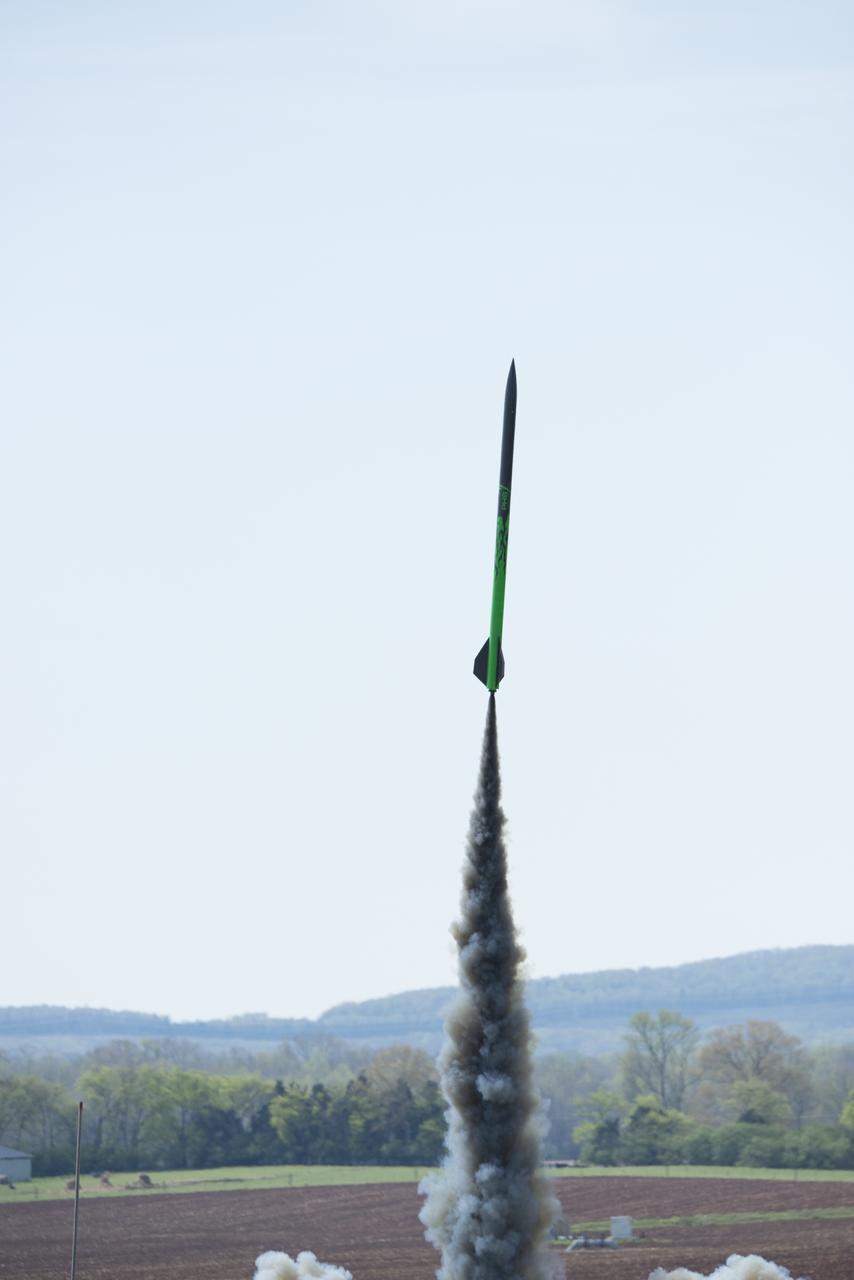
After eight months of designing, building and testing, the middle school, high school and college and university teams launched their rockets as part of NASA Student Launch on Sunday, April 8. The rockets and their payloads are designed to fly to 1-mile in altitude before deploying recovery systems that brings them safely to the ground.
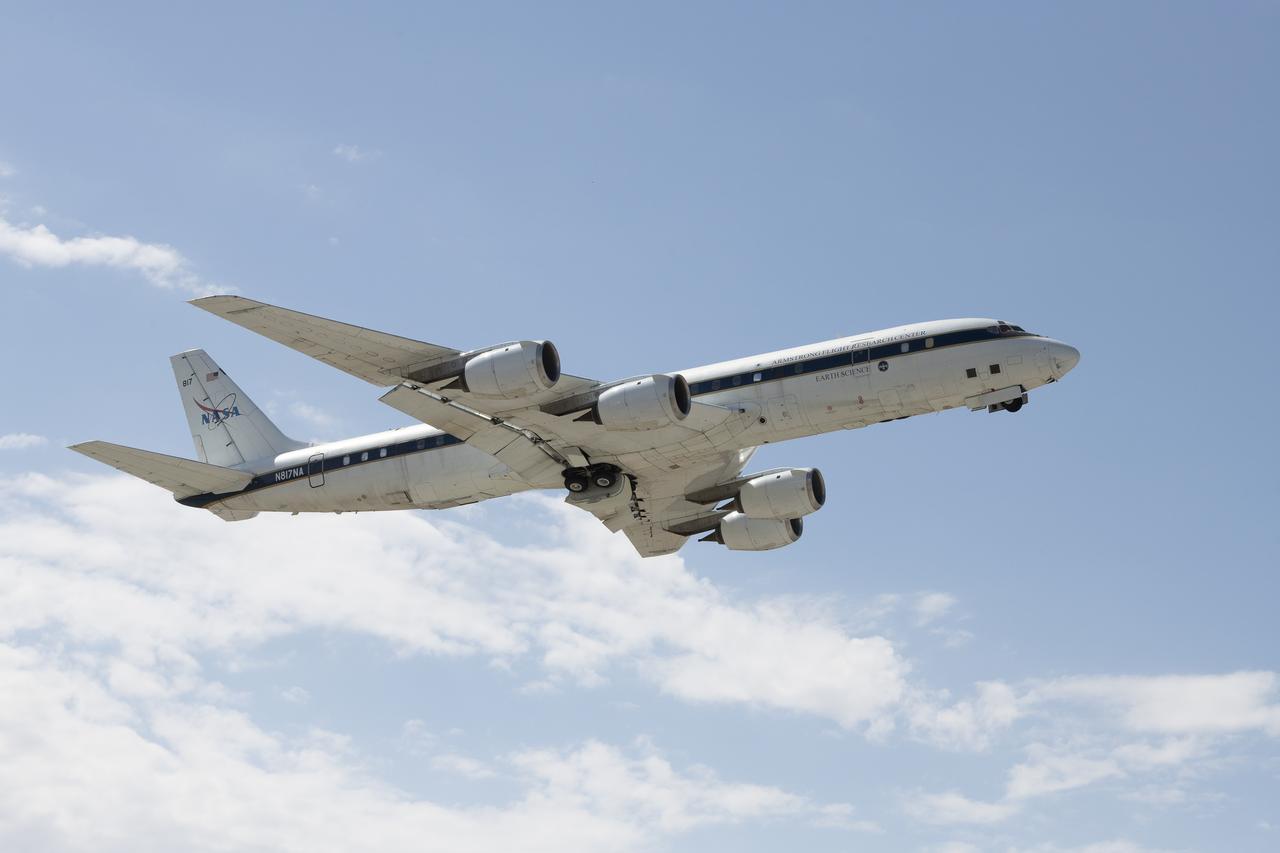
The DC-8 ascents during its final flight before it is retired from NASA’s Armstrong Flight Research Center Building 703 in Palmdale, California, to Idaho State University in Pocatello, Idaho. The DC-8 will provide real-world experience to train future aircraft technicians at the college’s Aircraft Maintenance Technology Program.
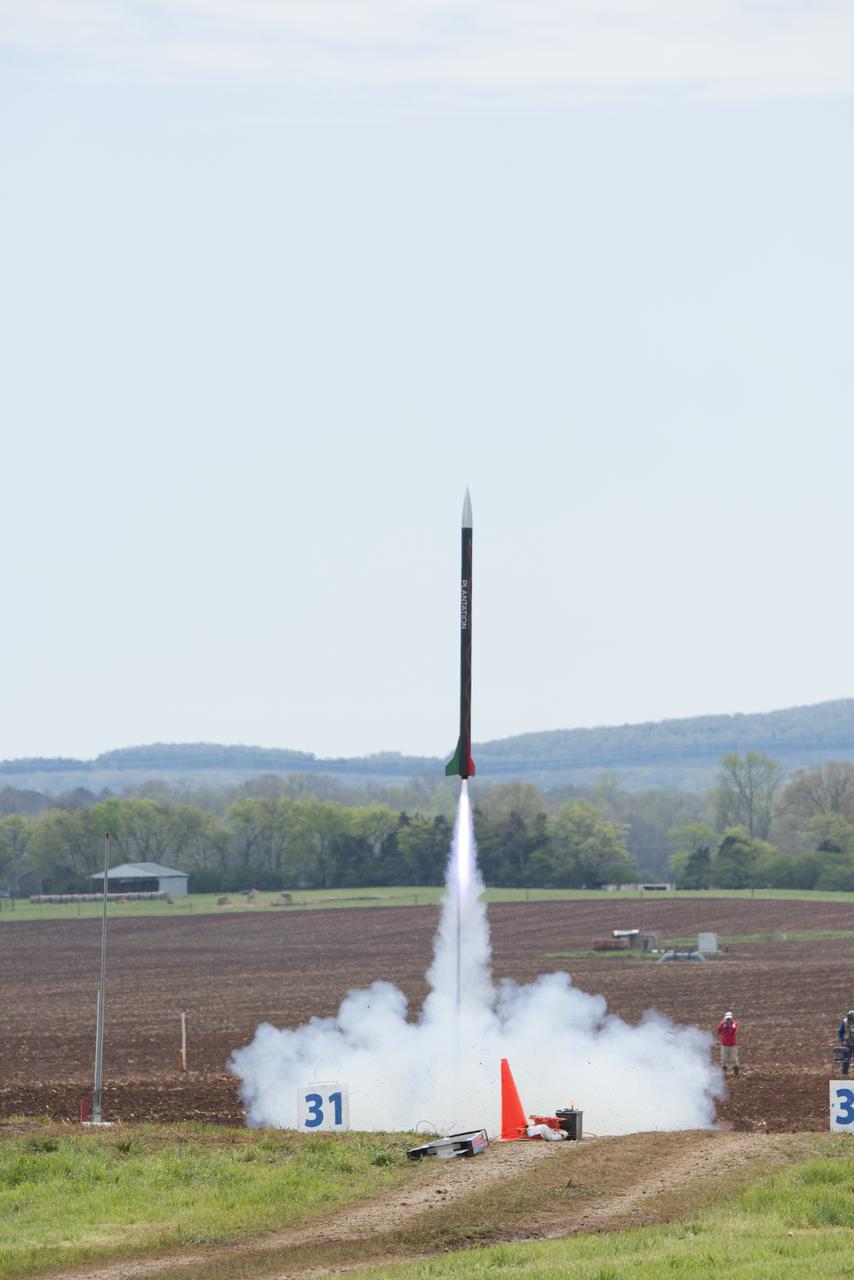
After eight months of designing, building and testing, the middle school, high school and college and university teams launched their rockets as part of NASA Student Launch on Sunday, April 8. The rockets and their payloads are designed to fly to 1-mile in altitude before deploying recovery systems that brings them safely to the ground.
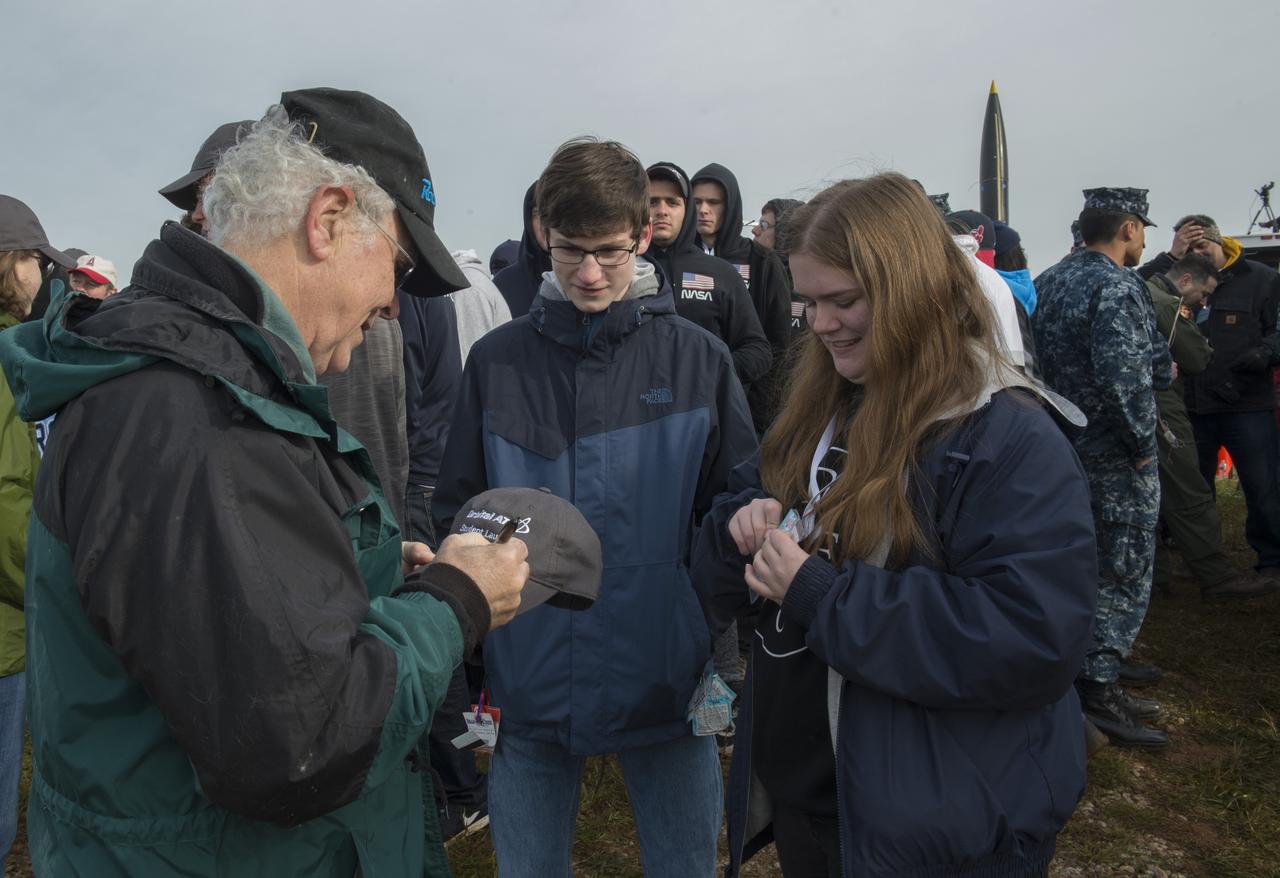
After eight months of designing, building and testing, the middle school, high school and college and university teams launched their rockets as part of NASA Student Launch on Sunday, April 8. The rockets and their payloads are designed to fly to 1-mile in altitude before deploying recovery systems that brings them safely to the ground.
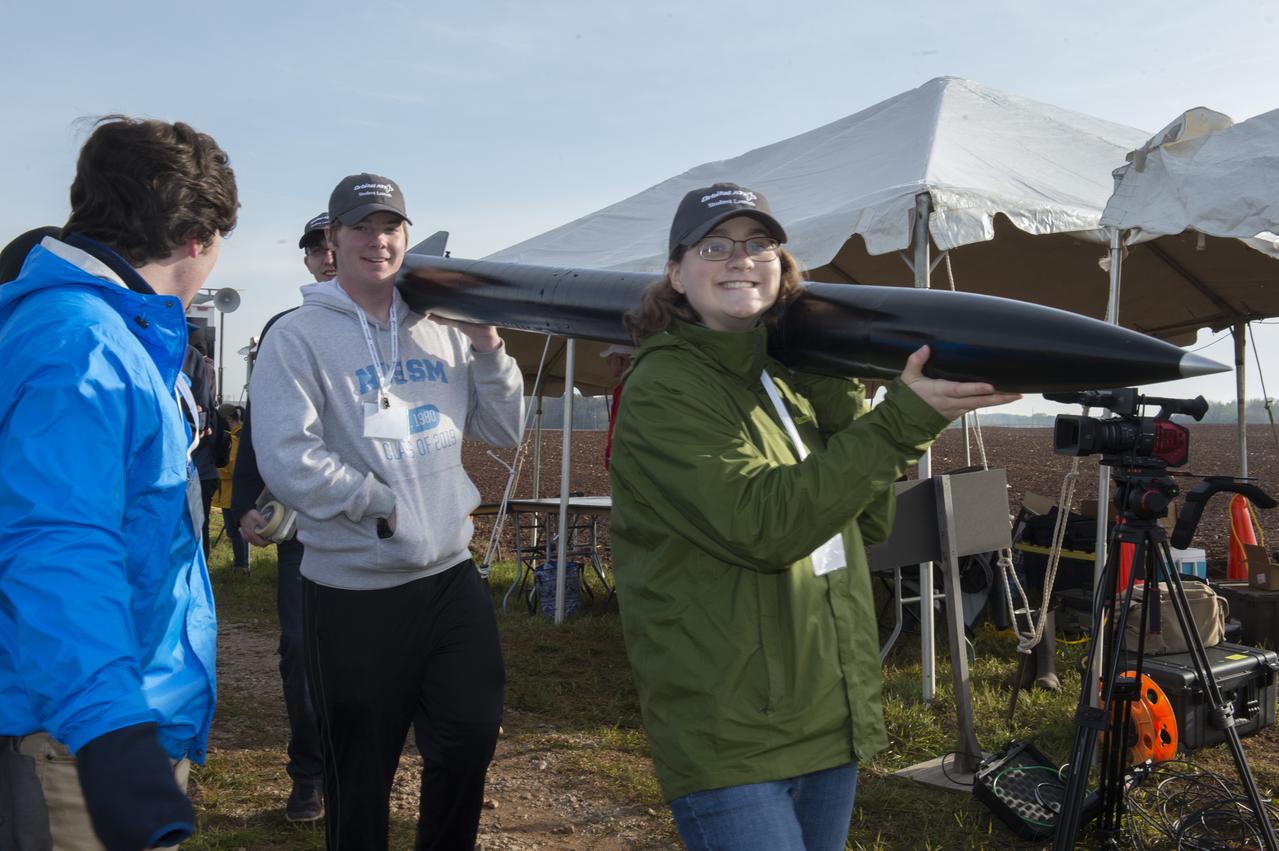
After eight months of designing, building and testing, the middle school, high school and college and university teams launched their rockets as part of NASA Student Launch on Sunday, April 8. The rockets and their payloads are designed to fly to 1-mile in altitude before deploying recovery systems that brings them safely to the ground.

After eight months of designing, building and testing, the middle school, high school and college and university teams launched their rockets as part of NASA Student Launch on Sunday, April 8. The rockets and their payloads are designed to fly to 1-mile in altitude before deploying recovery systems that brings them safely to the ground.
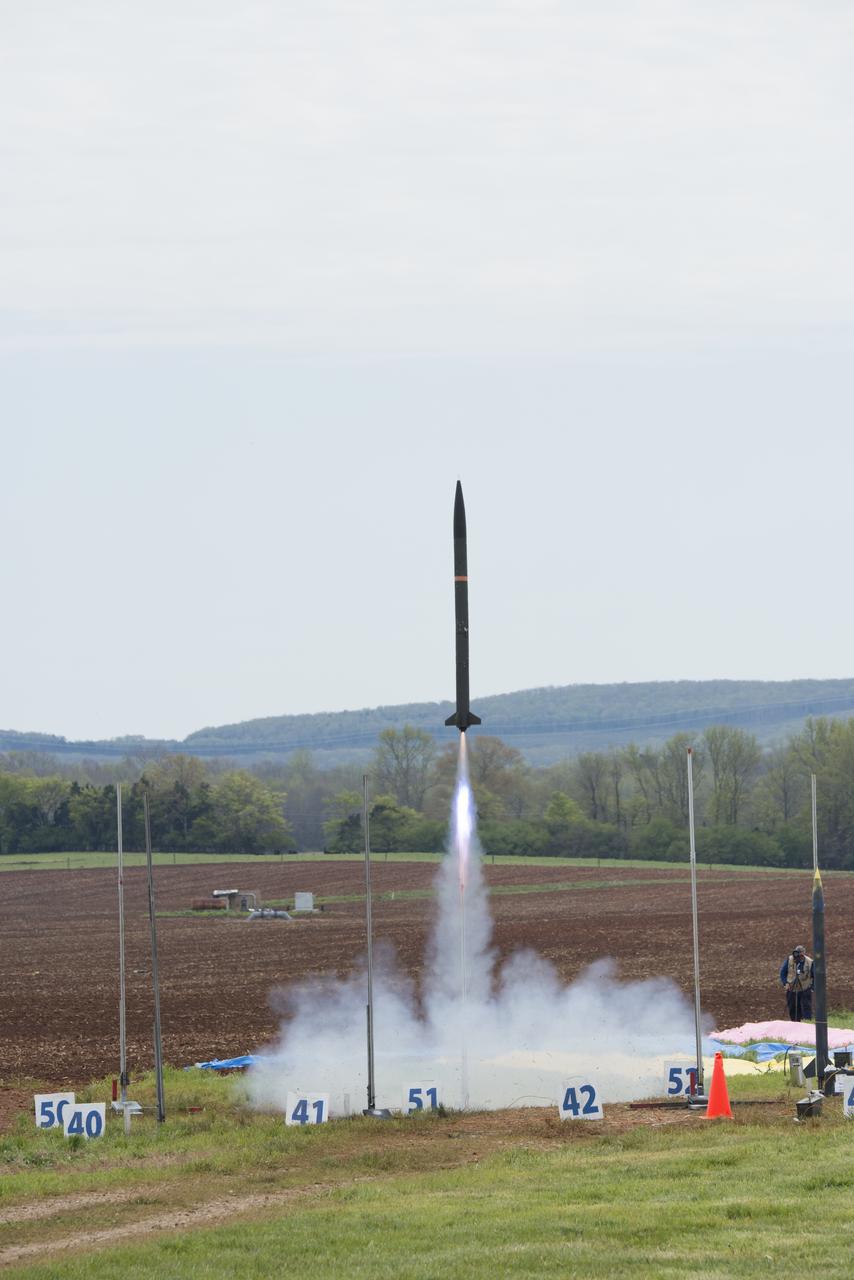
After eight months of designing, building and testing, the middle school, high school and college and university teams launched their rockets as part of NASA Student Launch on Sunday, April 8. The rockets and their payloads are designed to fly to 1-mile in altitude before deploying recovery systems that brings them safely to the ground.
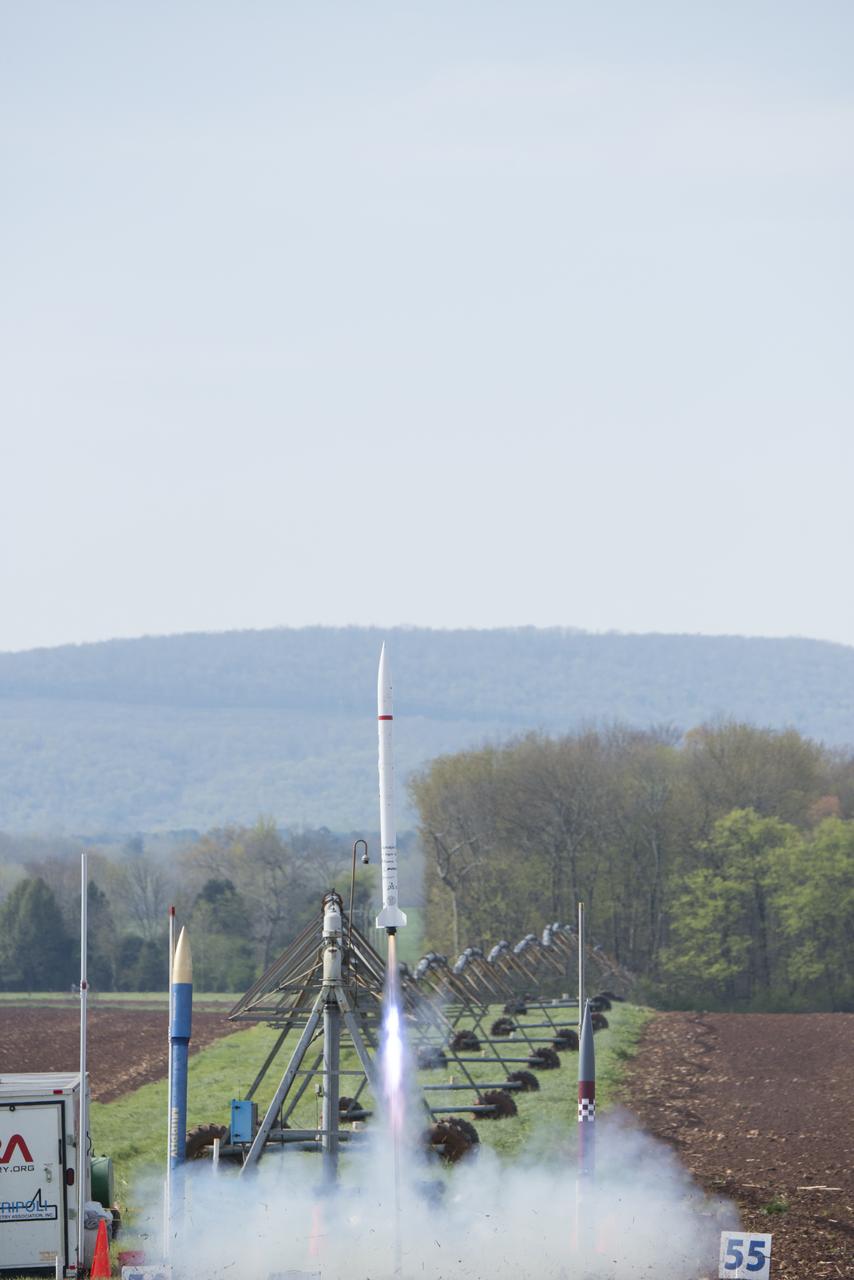
After eight months of designing, building and testing, the middle school, high school and college and university teams launched their rockets as part of NASA Student Launch on Sunday, April 8. The rockets and their payloads are designed to fly to 1-mile in altitude before deploying recovery systems that brings them safely to the ground.
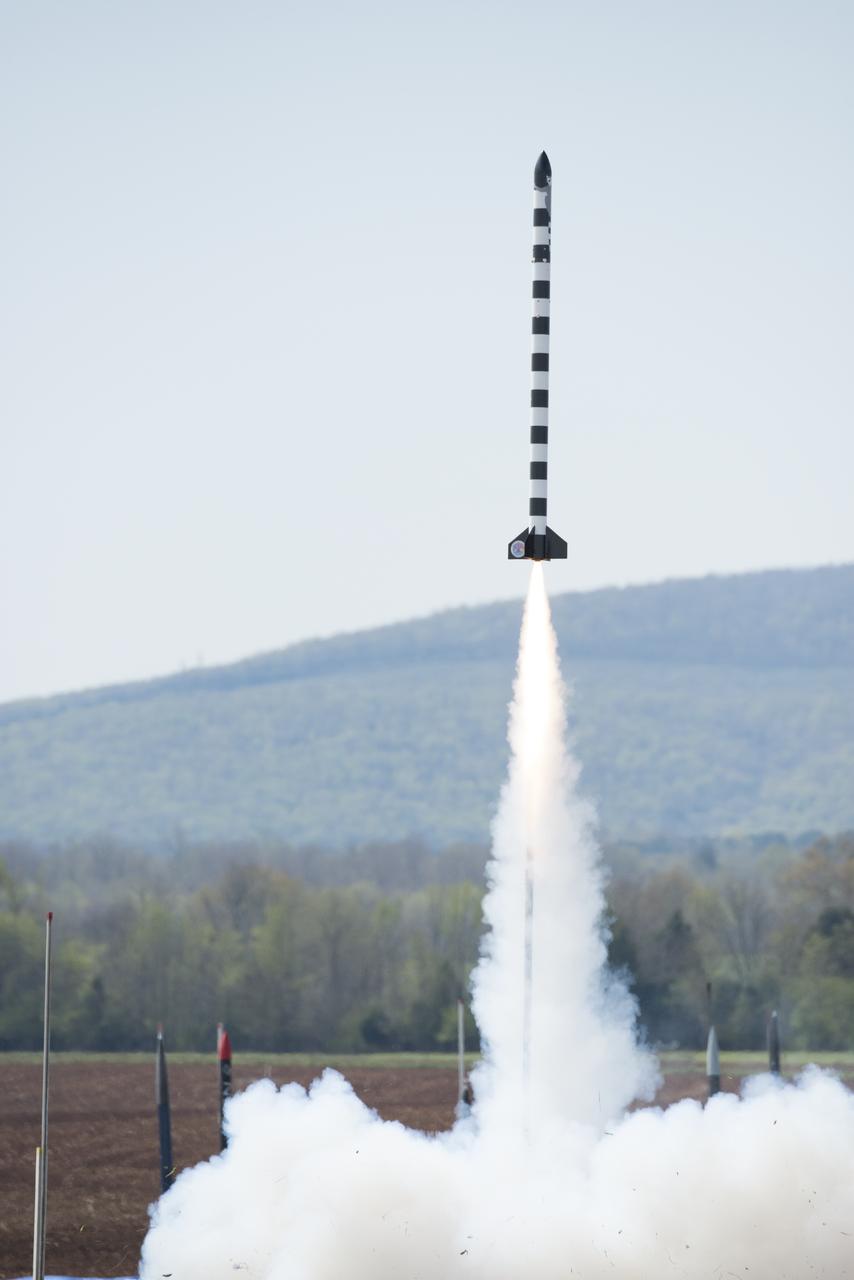
After eight months of designing, building and testing, the middle school, high school and college and university teams launched their rockets as part of NASA Student Launch on Sunday, April 8. The rockets and their payloads are designed to fly to 1-mile in altitude before deploying recovery systems that brings them safely to the ground.
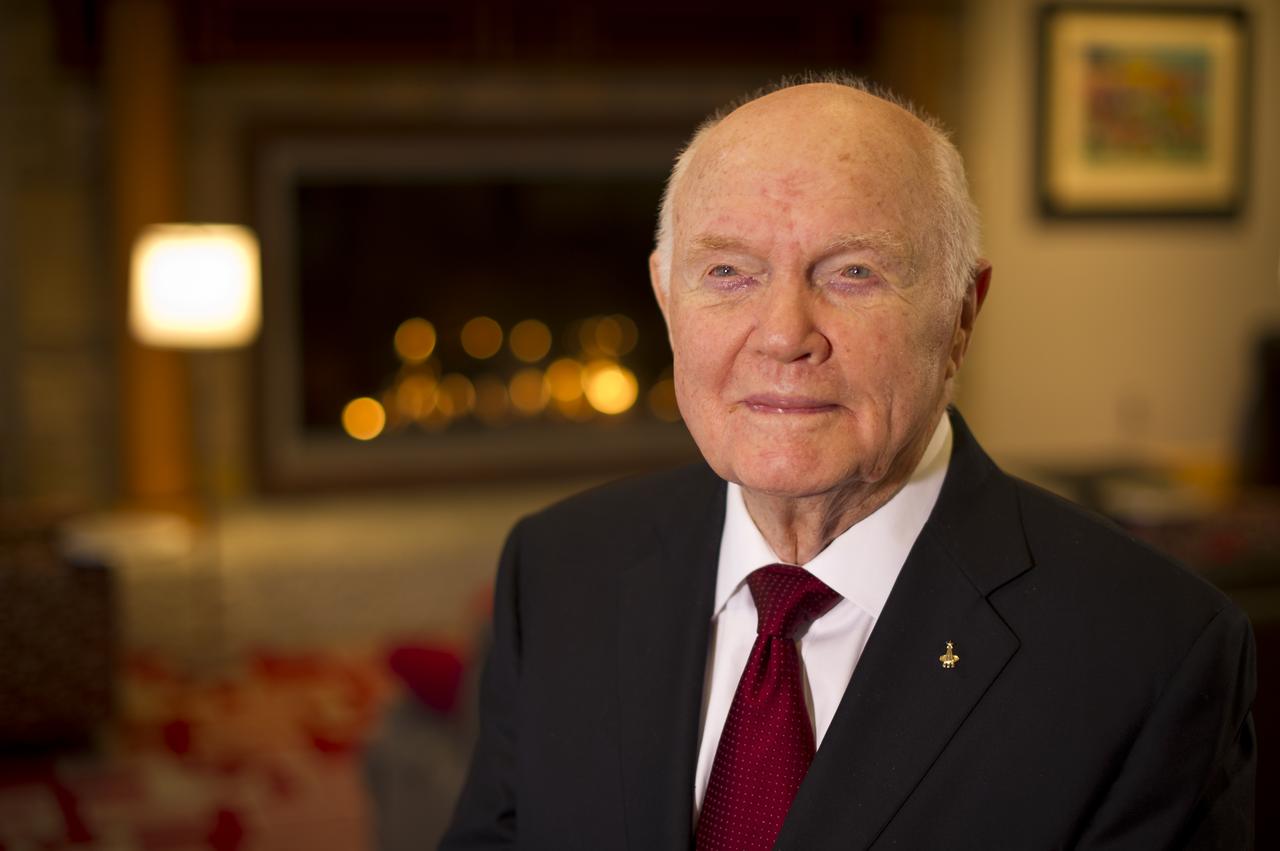
Sen. John Glenn poses for a portrait shortly after doing live television interviews from the Ohio State University Union building on Monday, Feb. 20, 2012, in Columbus, Ohio. Today marks the 50th anniversary of his historic flight. Glenn was the first American to orbit Earth. Photo Credit: (NASA/Bill Ingalls)