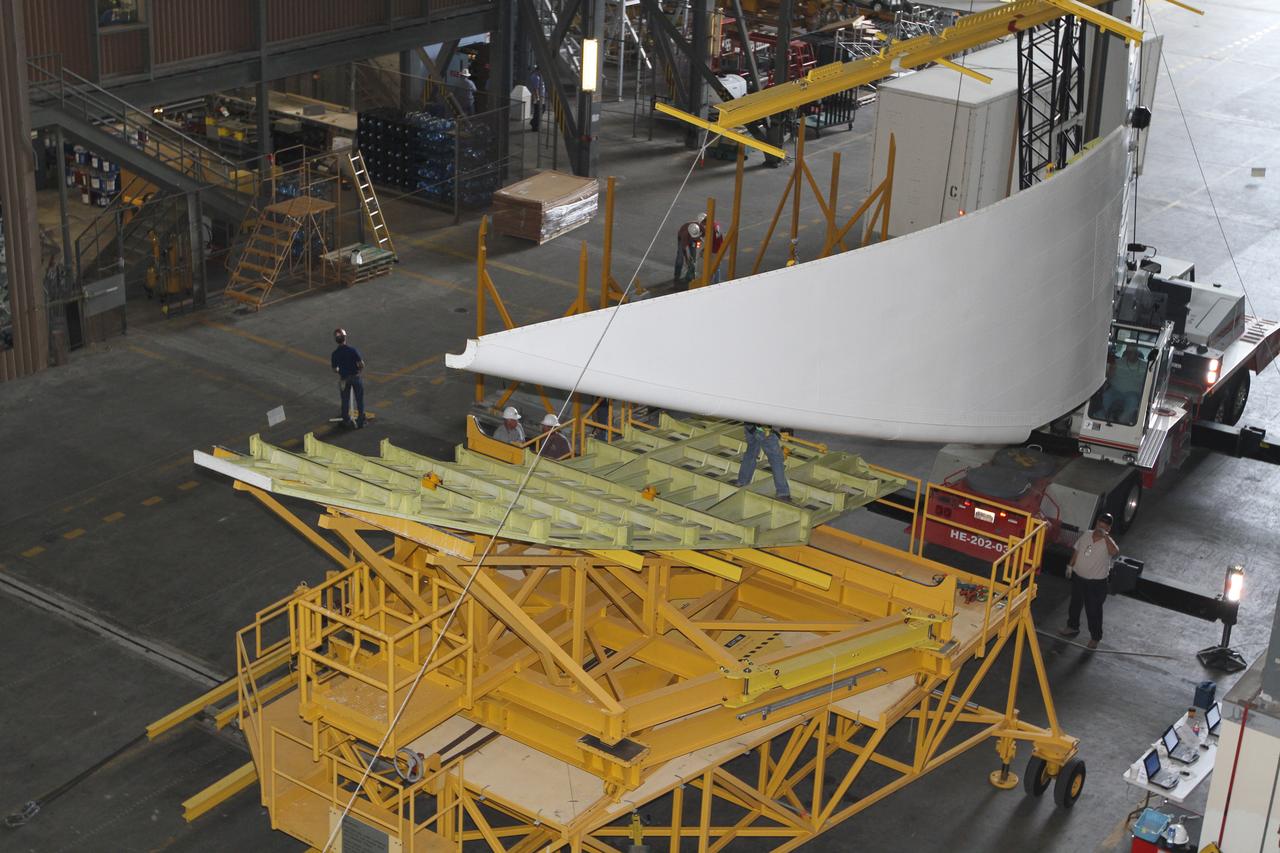
T&R Endeavour Right Side Tail Cone Buildup
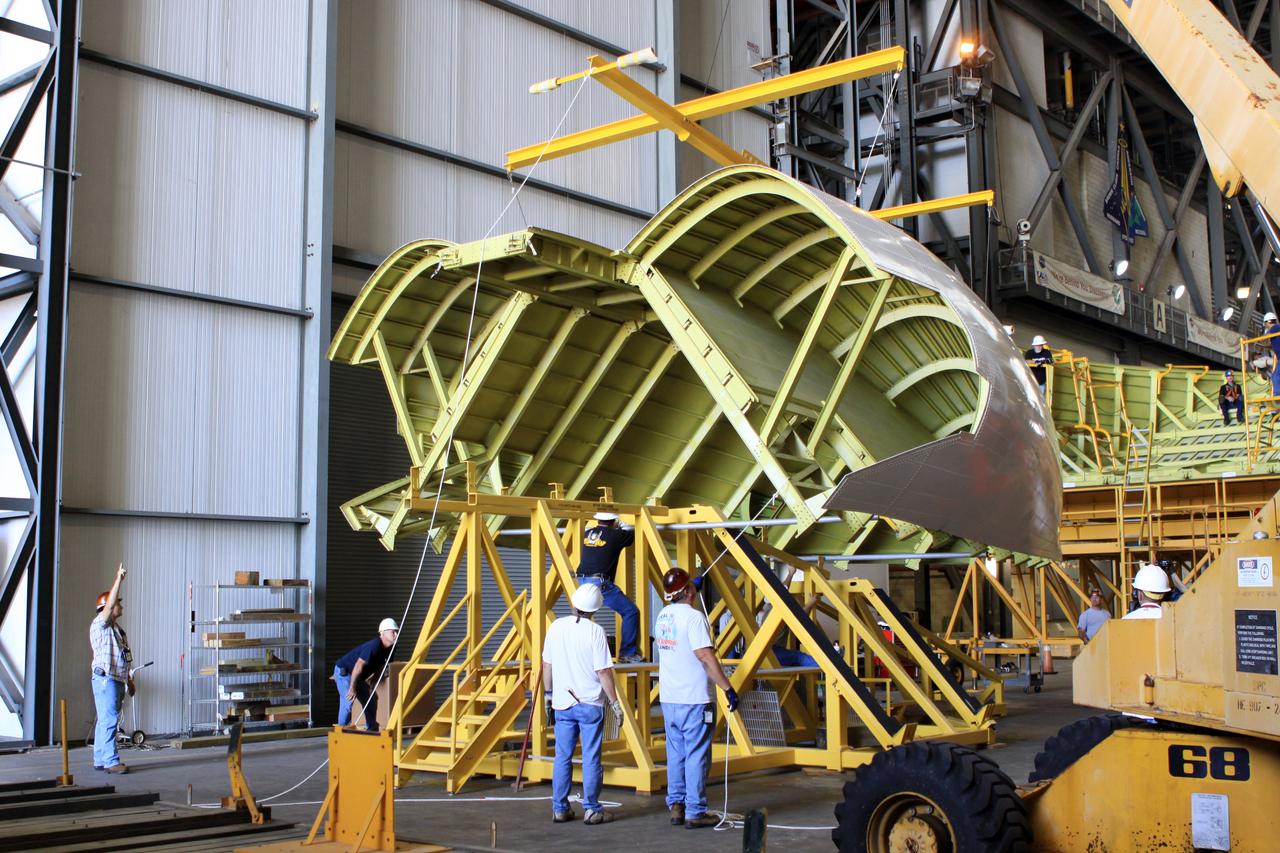
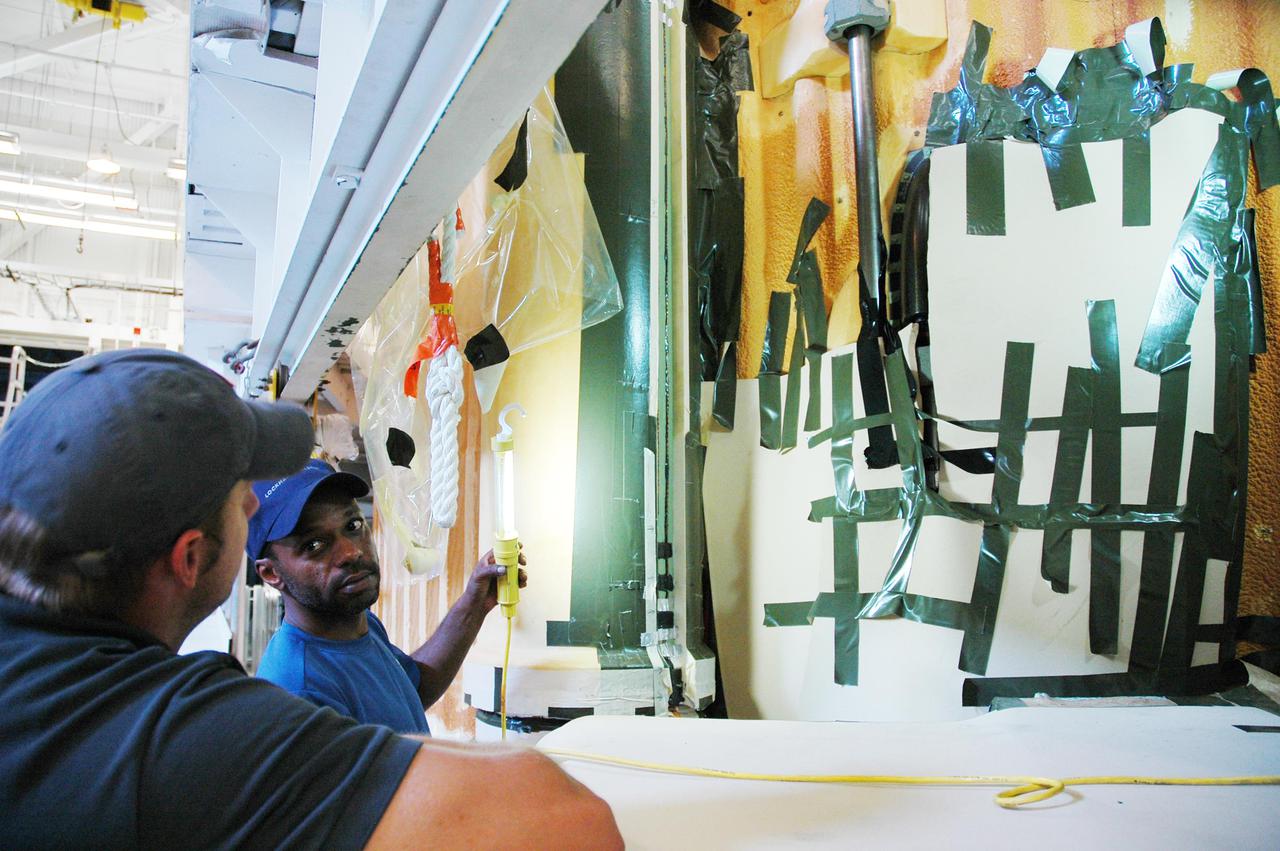
T&R Endeavour, Final Buildup of Tail Cover for Ferry Flight
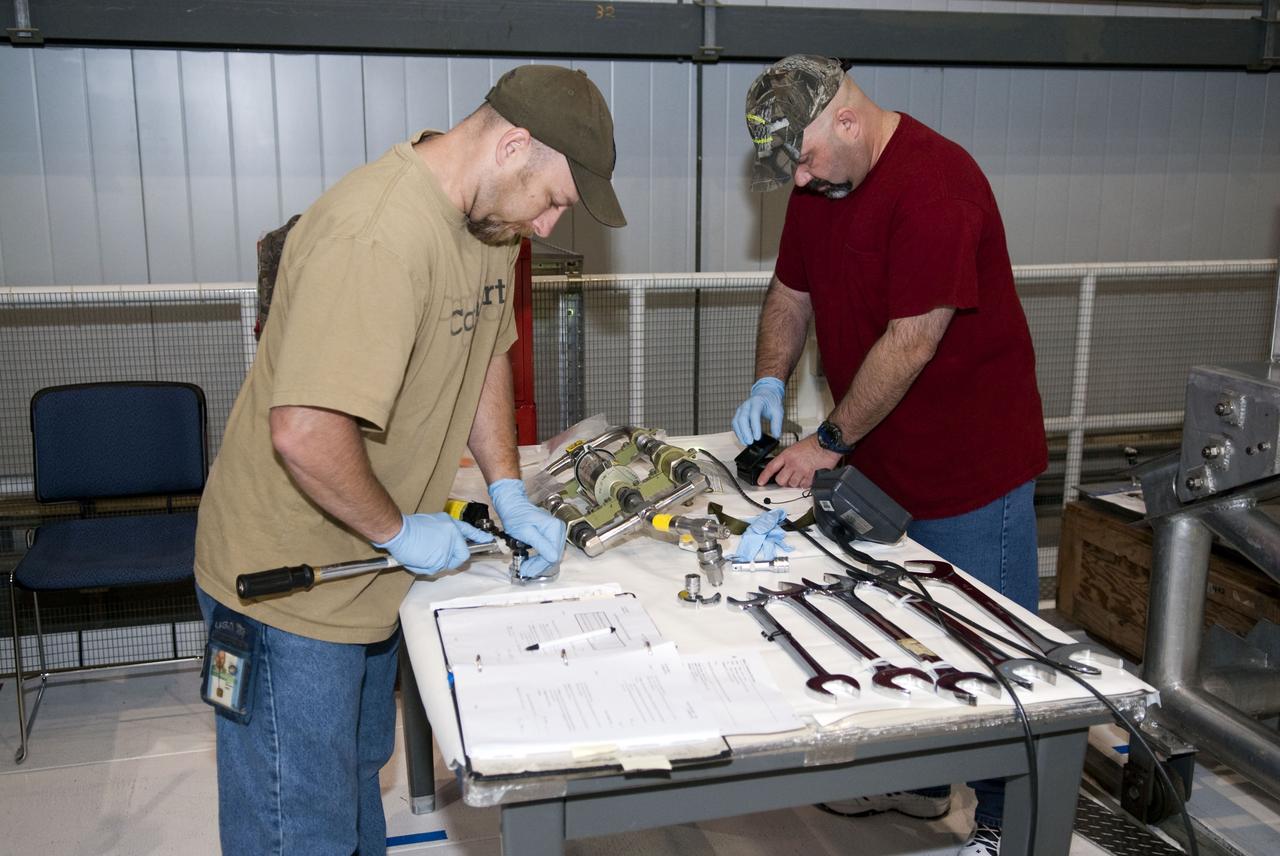
STS-132 ATLANTIS WCCS MANIFOLD FOR WINDOW PERGE BUILDUP
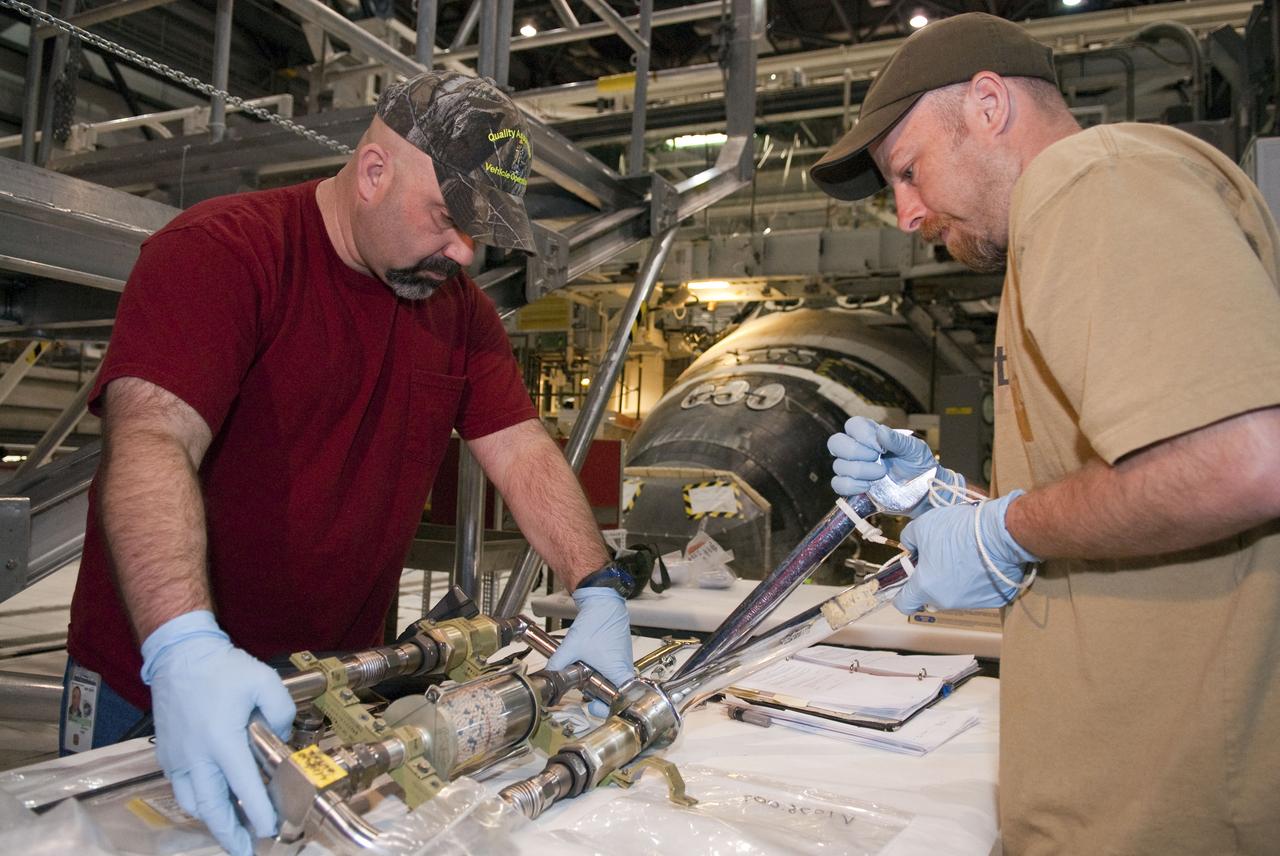
STS-132 ATLANTIS WCCS MANIFOLD FOR WINDOW PERGE BUILDUP
T&R Endeavour, Final Buildup of Tail Cover for Ferry Flight
T&R Endeavour, Final Buildup of Tail Cover for Ferry Flight
T&R Endeavour Left Side Tail Cone Buildup
T&R Endeavour, Final Buildup of Tail Cover for Ferry Flight
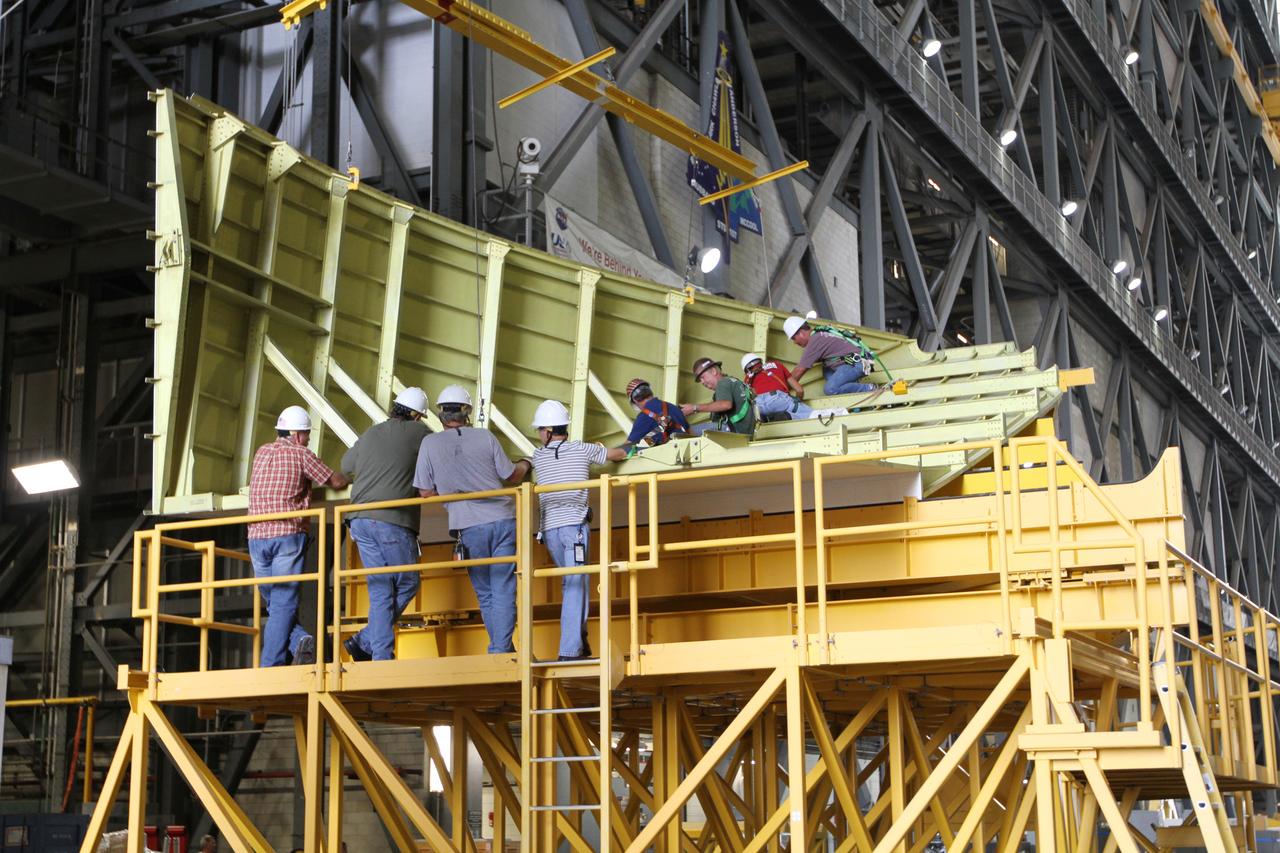
T&R Endeavour Right Side Tail Cone Buildup
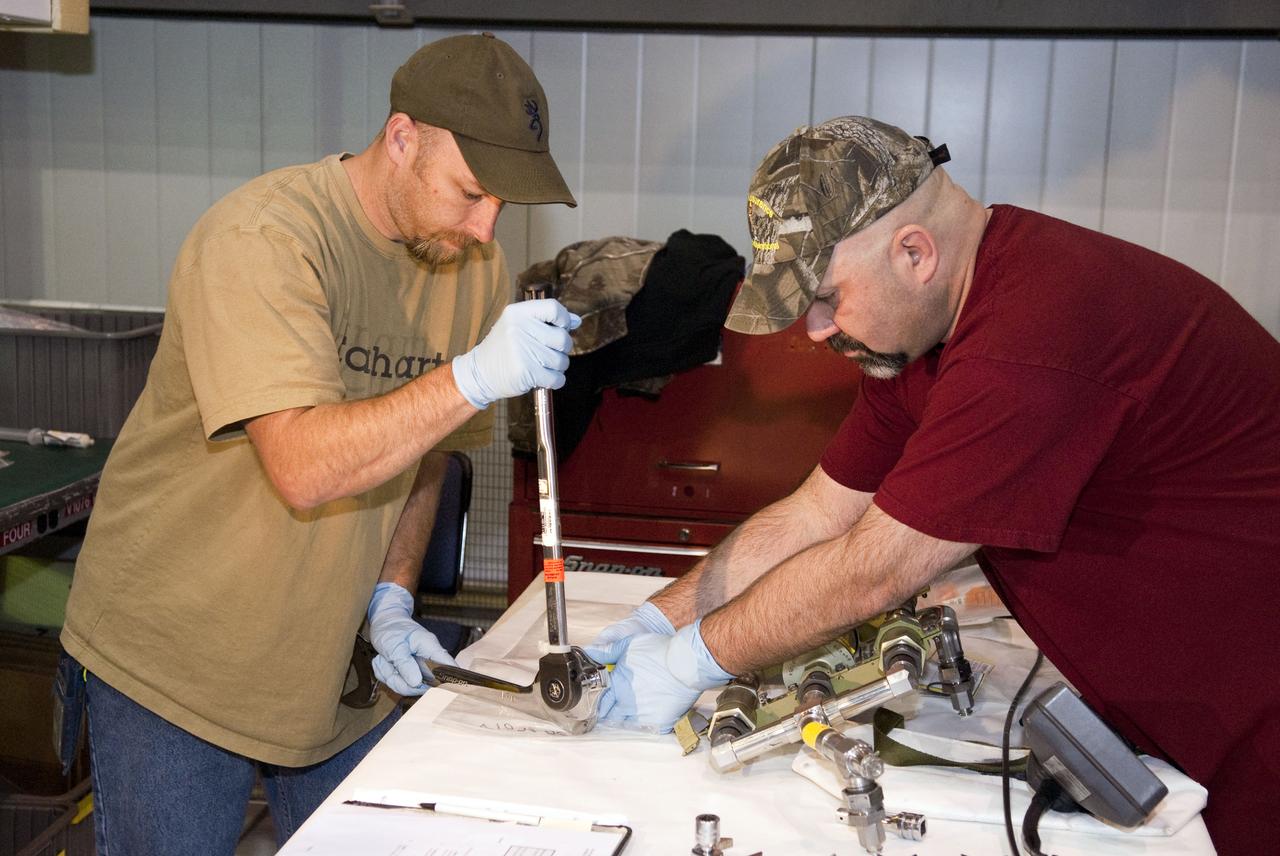
STS-132 ATLANTIS WCCS MANIFOLD FOR WINDOW PERGE BUILDUP
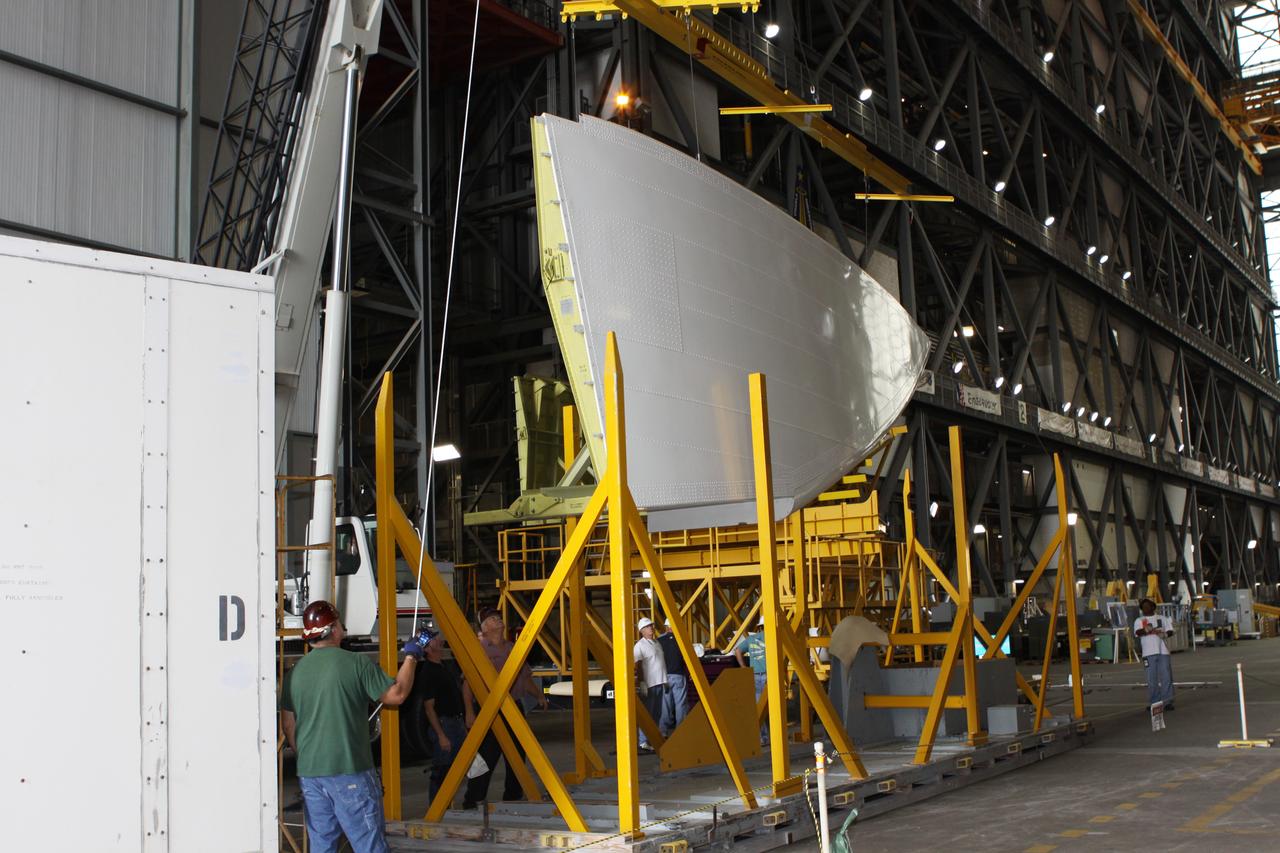
T&R Endeavour Left Side Tail Cone Buildup
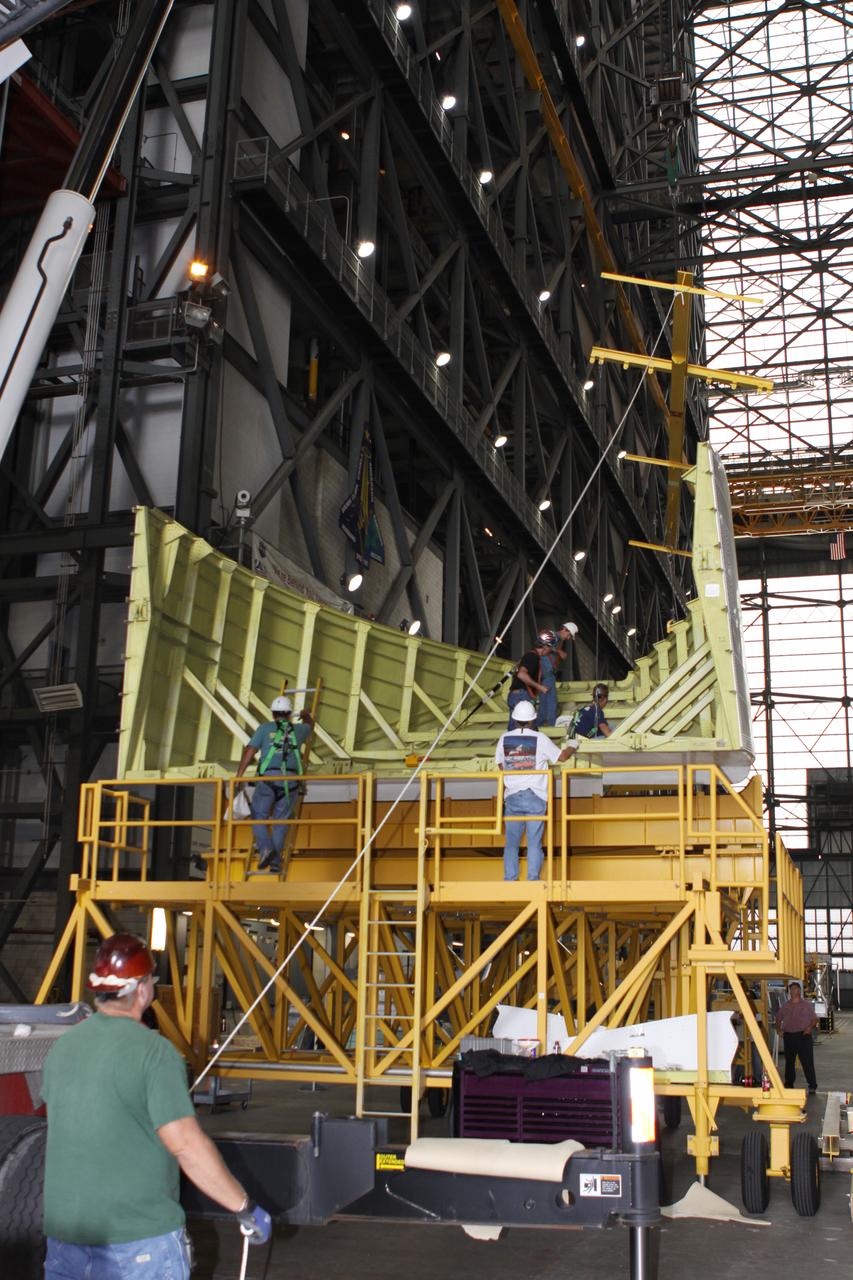
T&R Endeavour Left Side Tail Cone Buildup
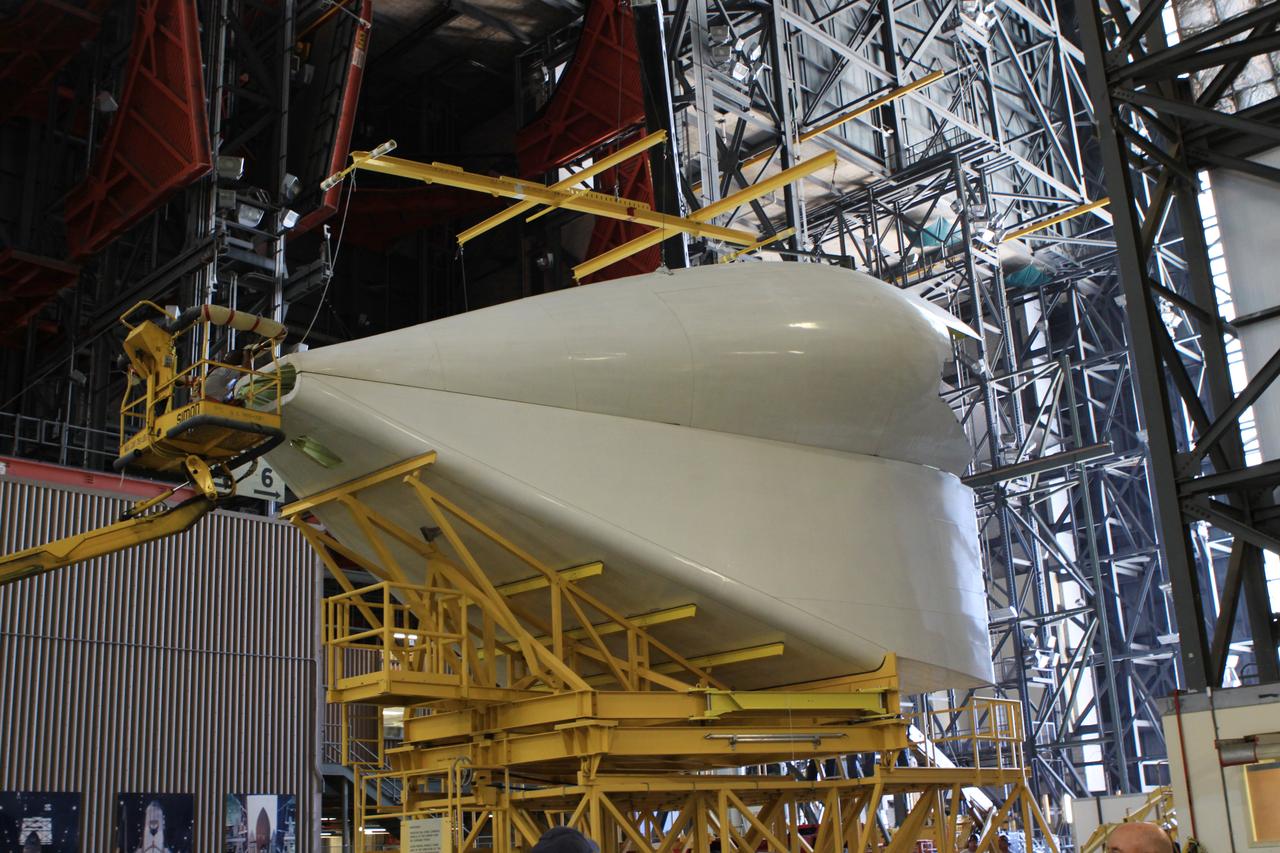
T&R Endeavour, Final Buildup of Tail Cover for Ferry Flight
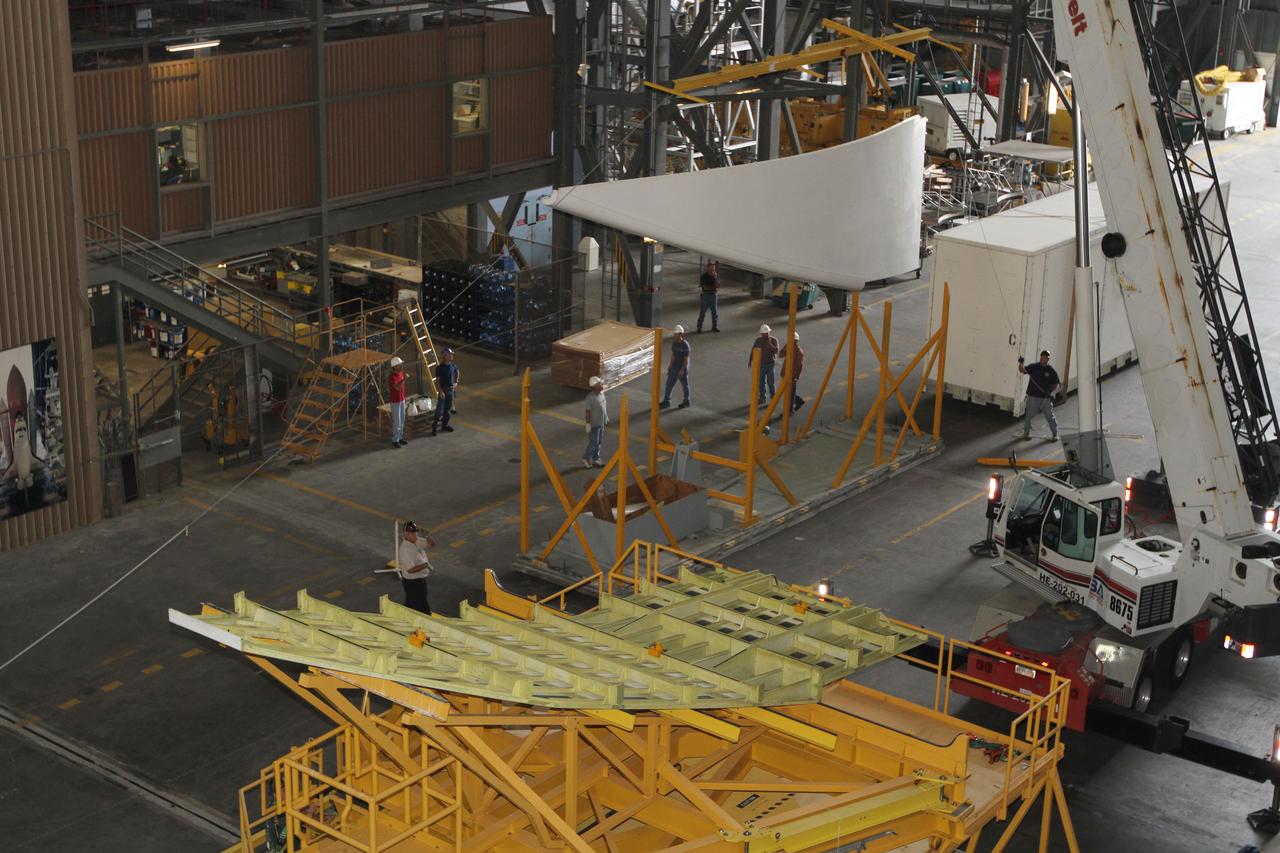
T&R Endeavour Right Side Tail Cone Buildup
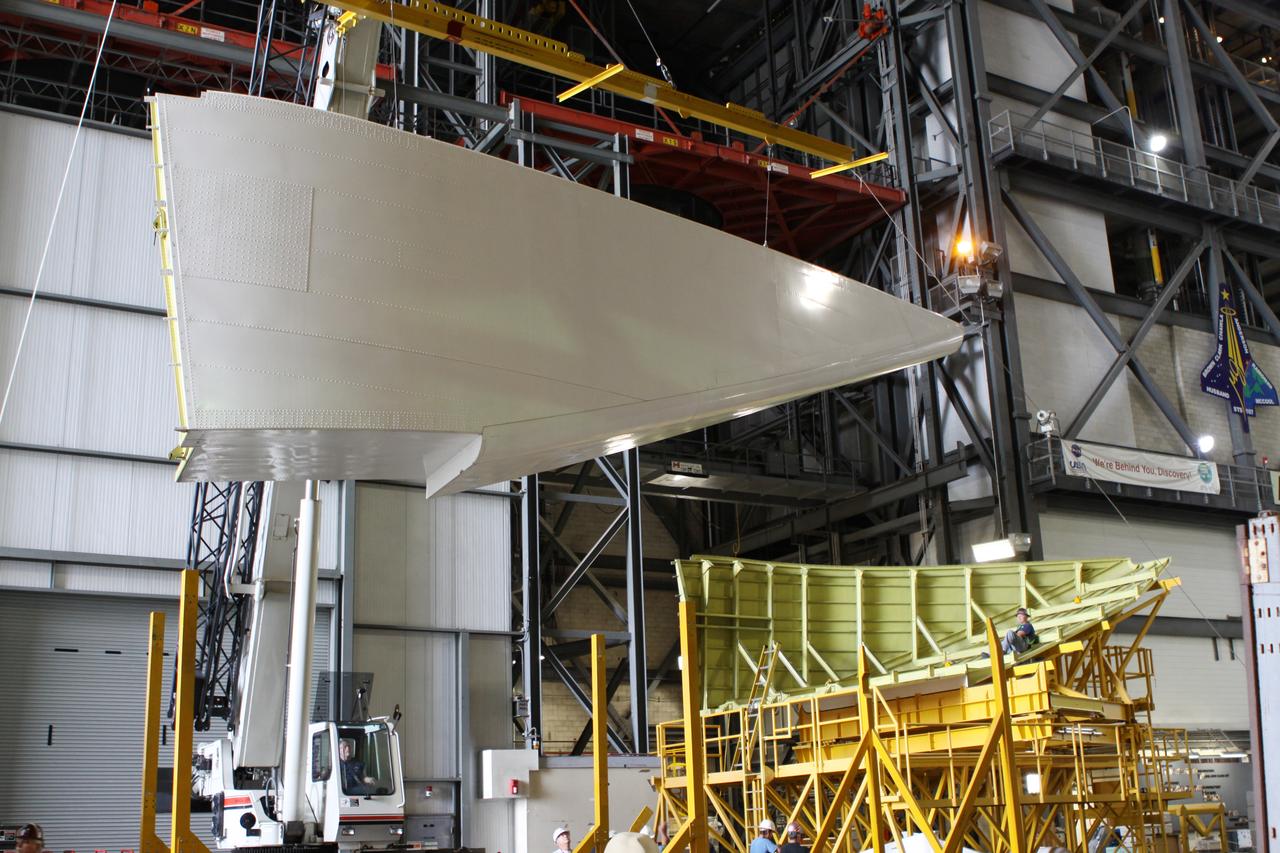
T&R Endeavour Left Side Tail Cone Buildup
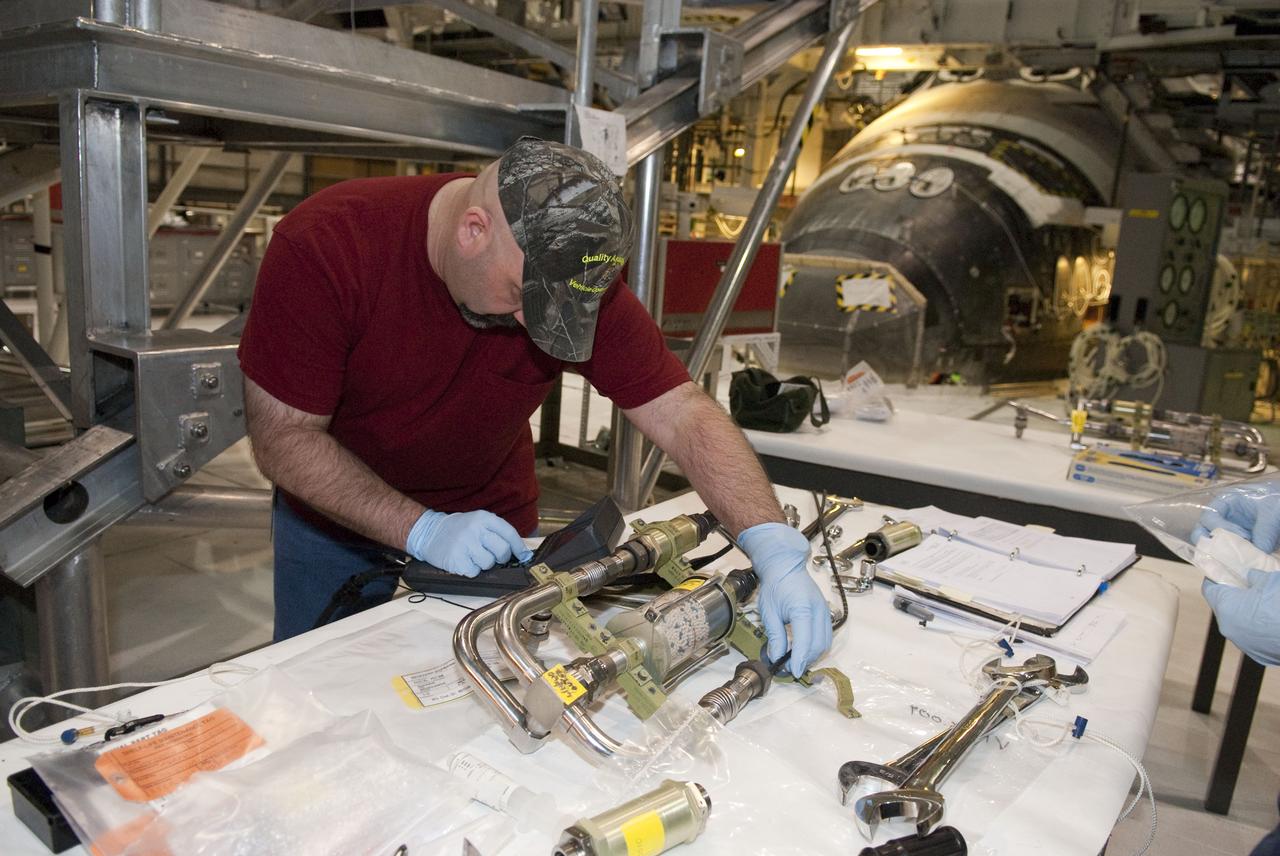
STS-132 ATLANTIS WCCS MANIFOLD FOR WINDOW PERGE BUILDUP
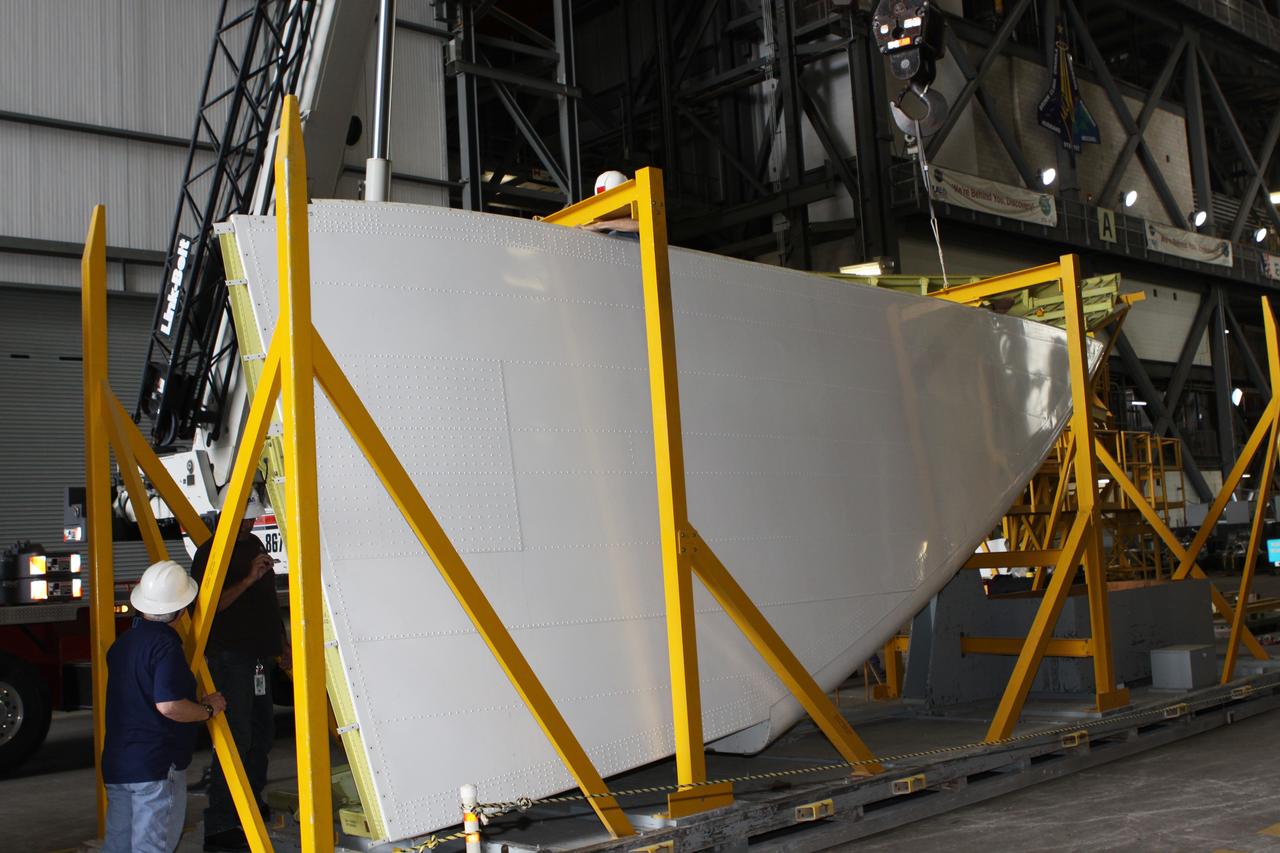
T&R Endeavour Left Side Tail Cone Buildup
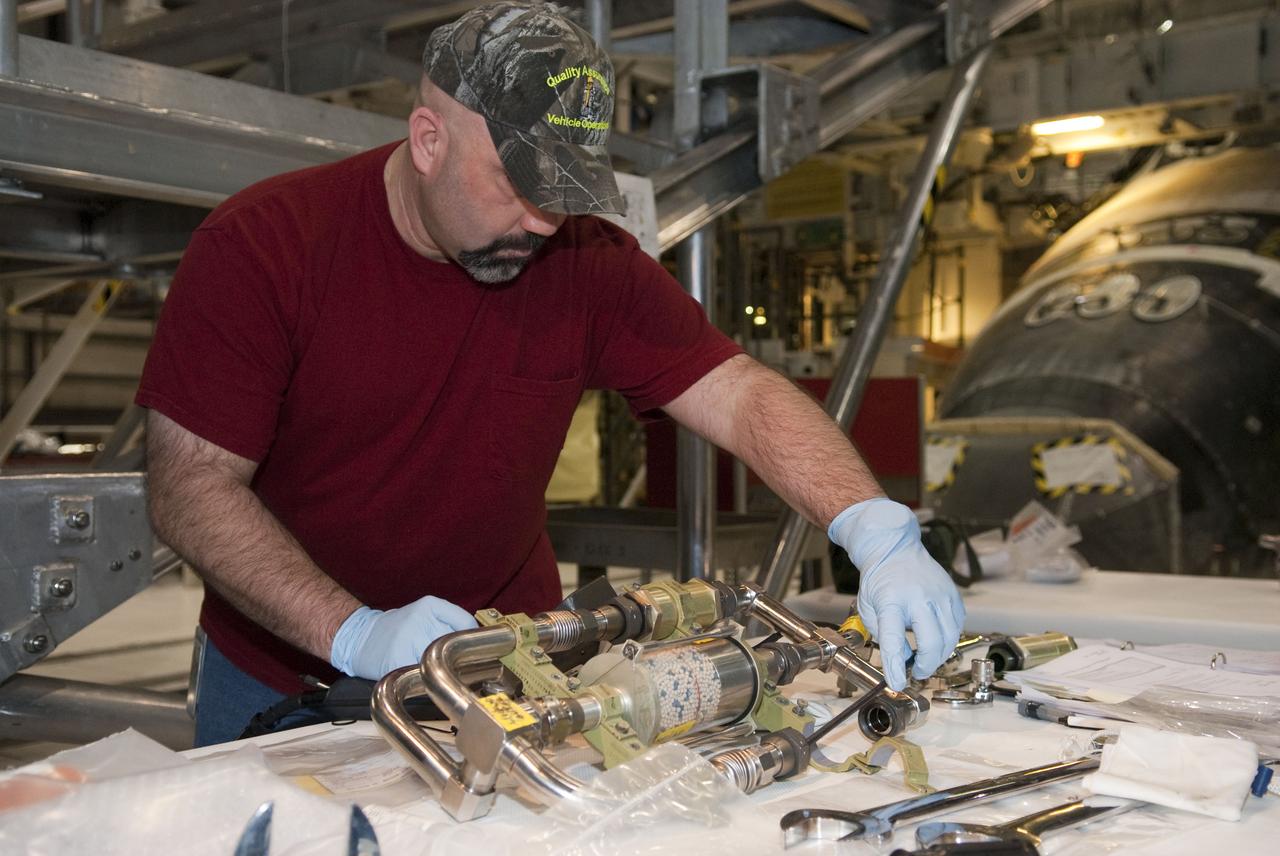
STS-132 ATLANTIS WCCS MANIFOLD FOR WINDOW PERGE BUILDUP
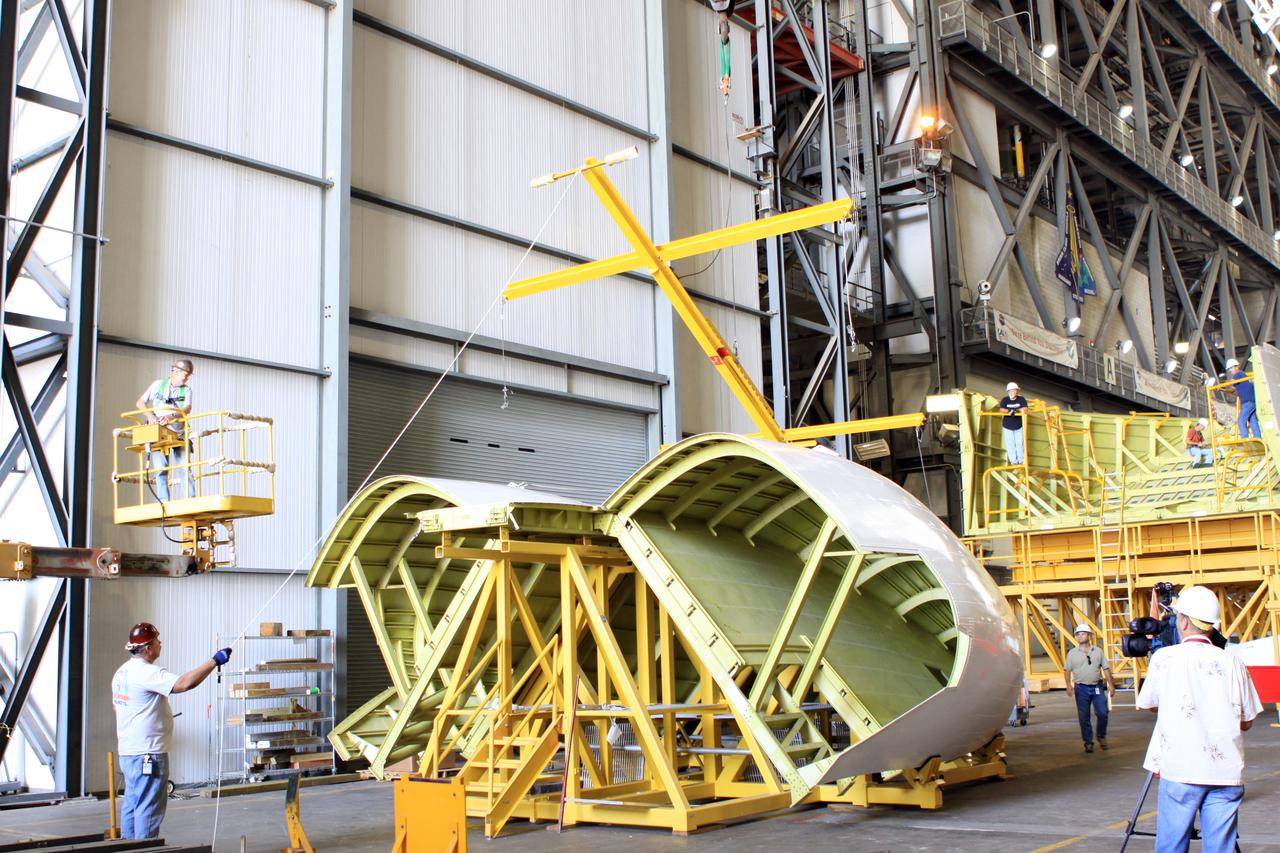
T&R Endeavour, Final Buildup of Tail Cover for Ferry Flight
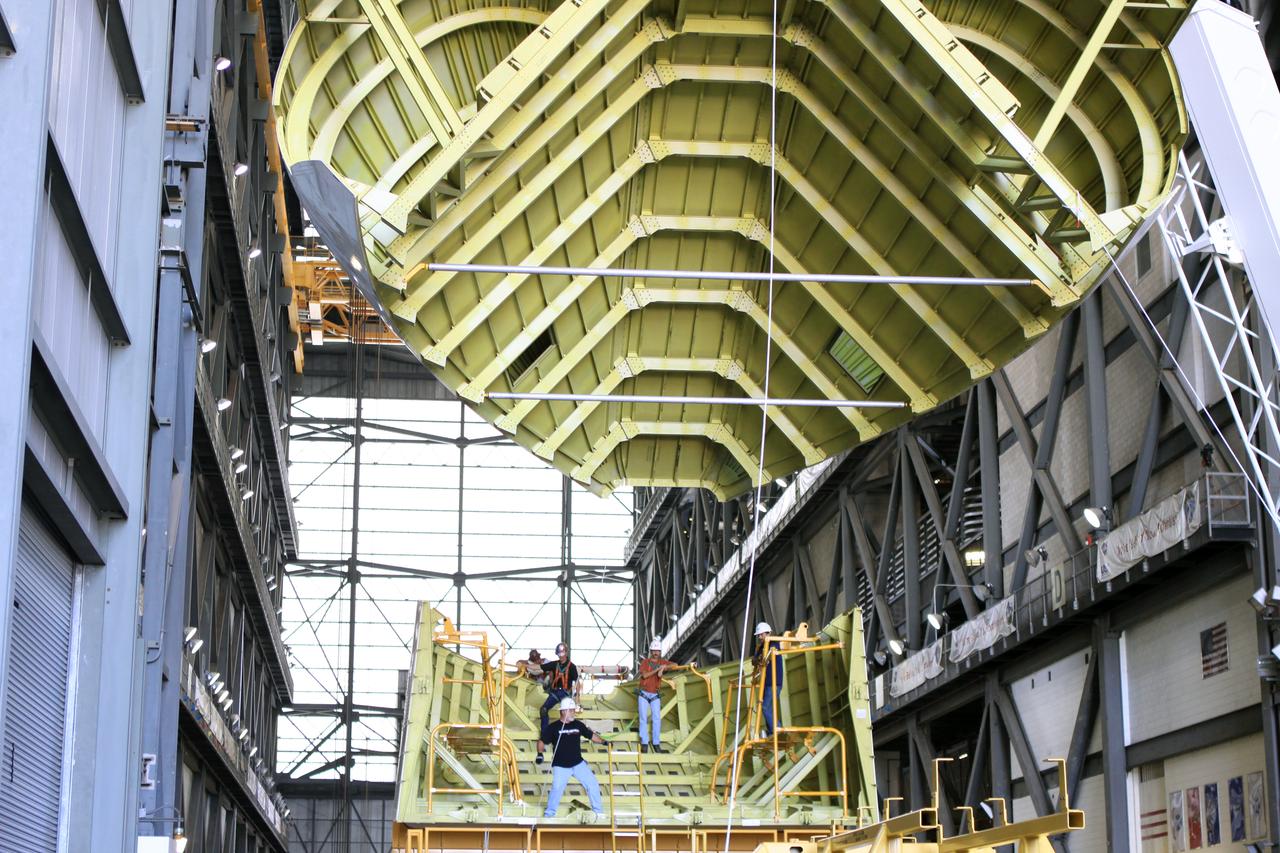
T&R Endeavour, Final Buildup of Tail Cover for Ferry Flight
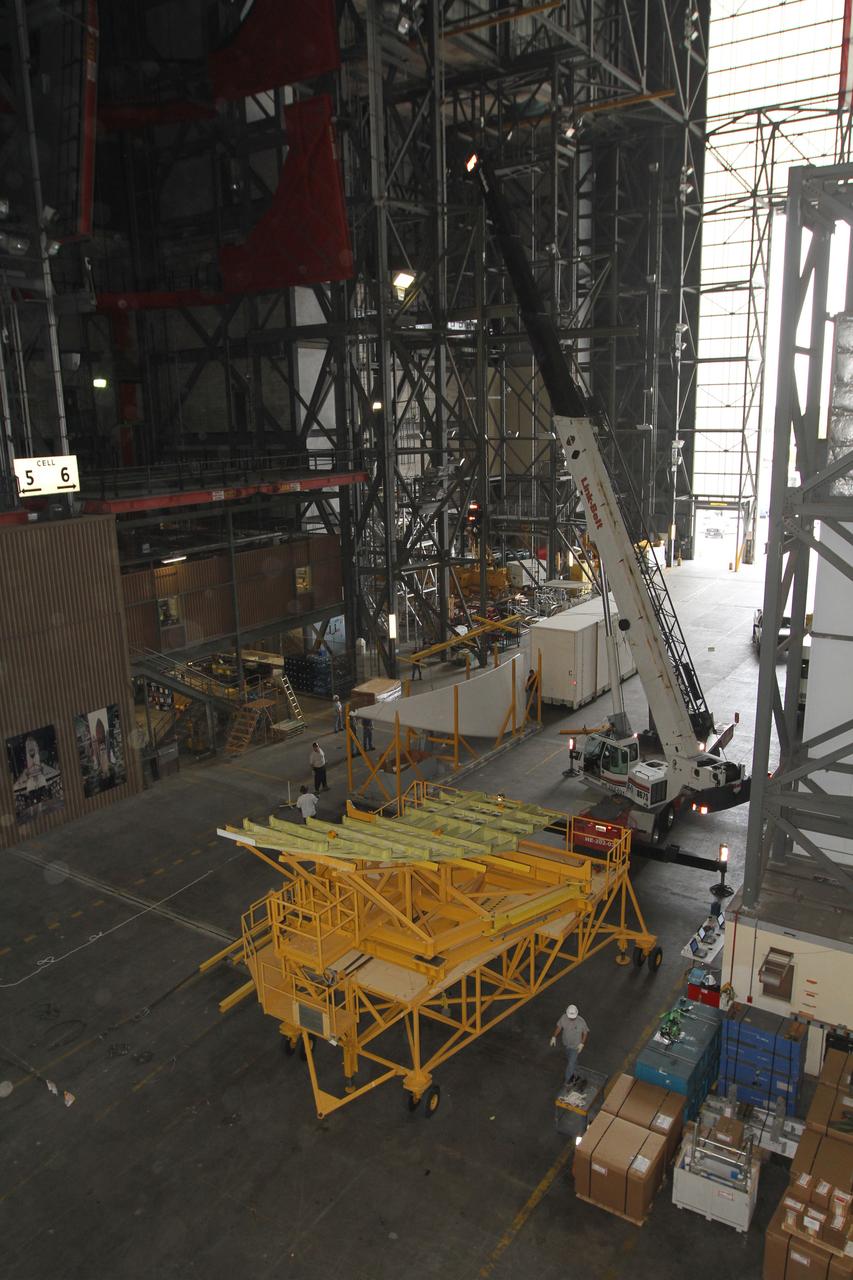
T&R Endeavour Right Side Tail Cone Buildup
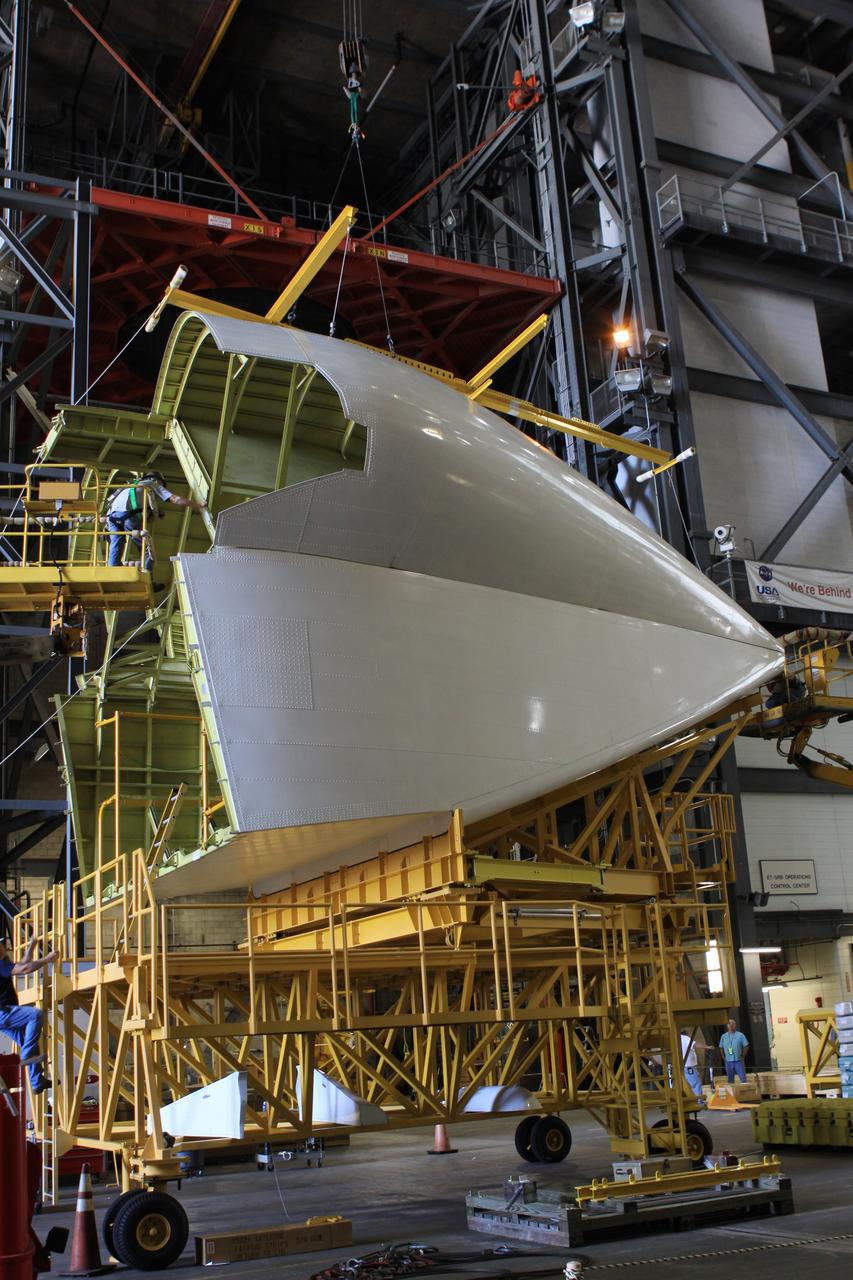
T&R Endeavour, Final Buildup of Tail Cover for Ferry Flight
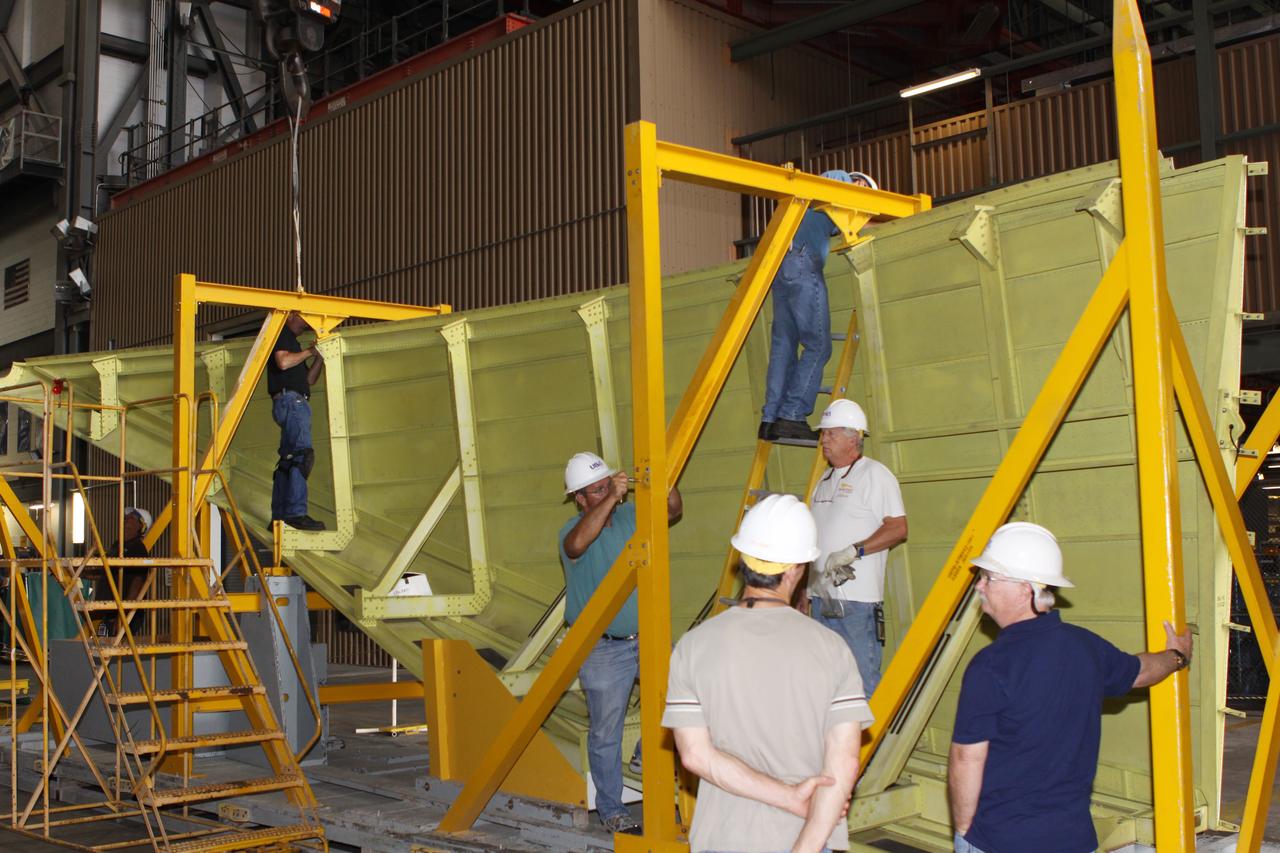
T&R Endeavour Left Side Tail Cone Buildup
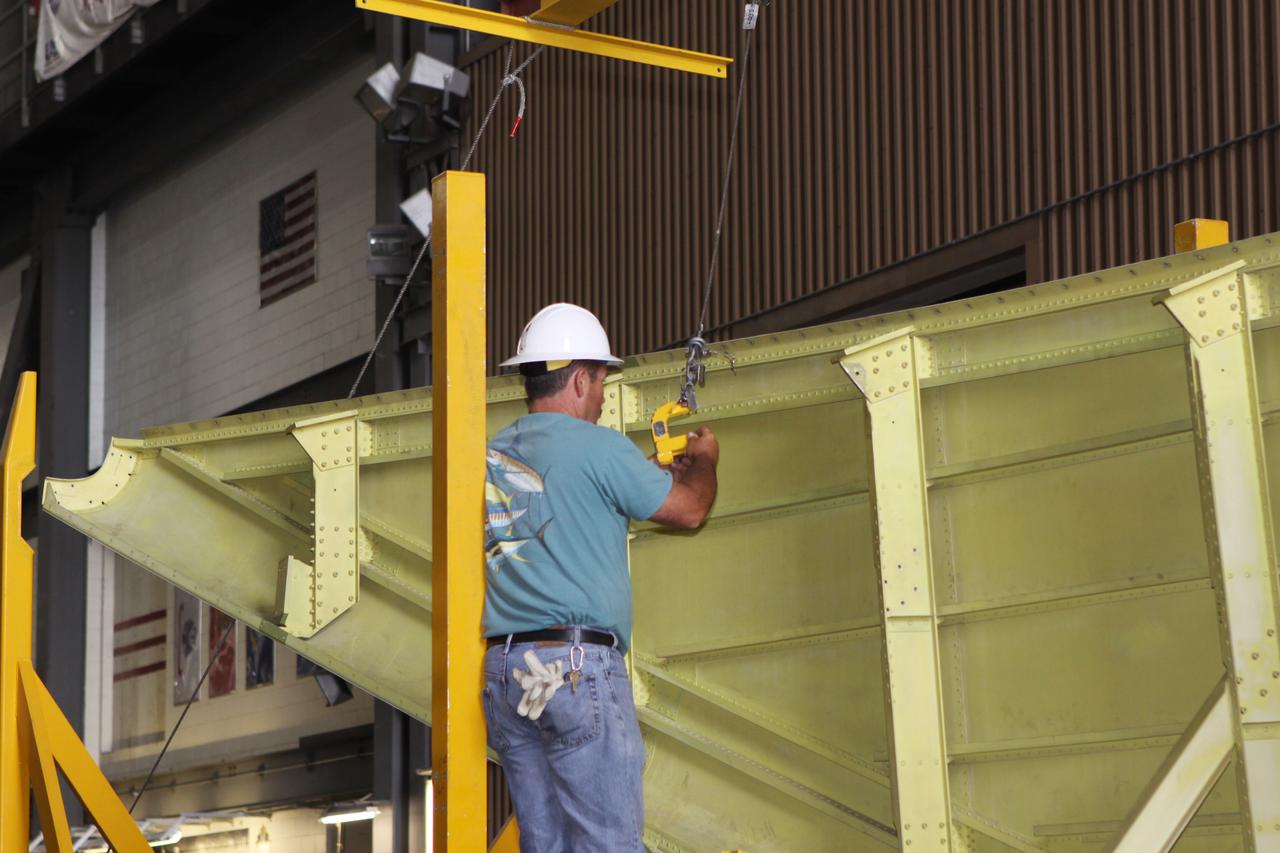
T&R Endeavour Left Side Tail Cone Buildup
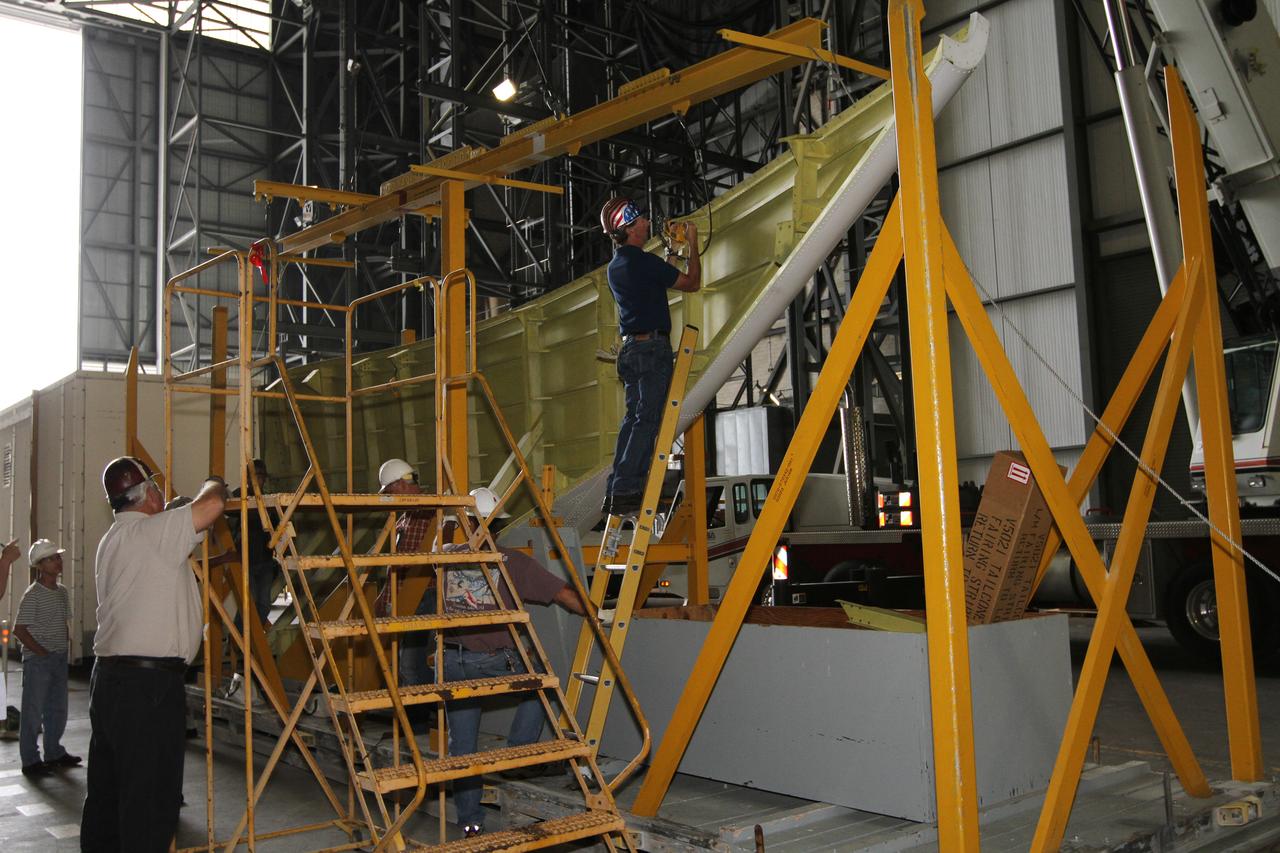
T&R Endeavour Right Side Tail Cone Buildup
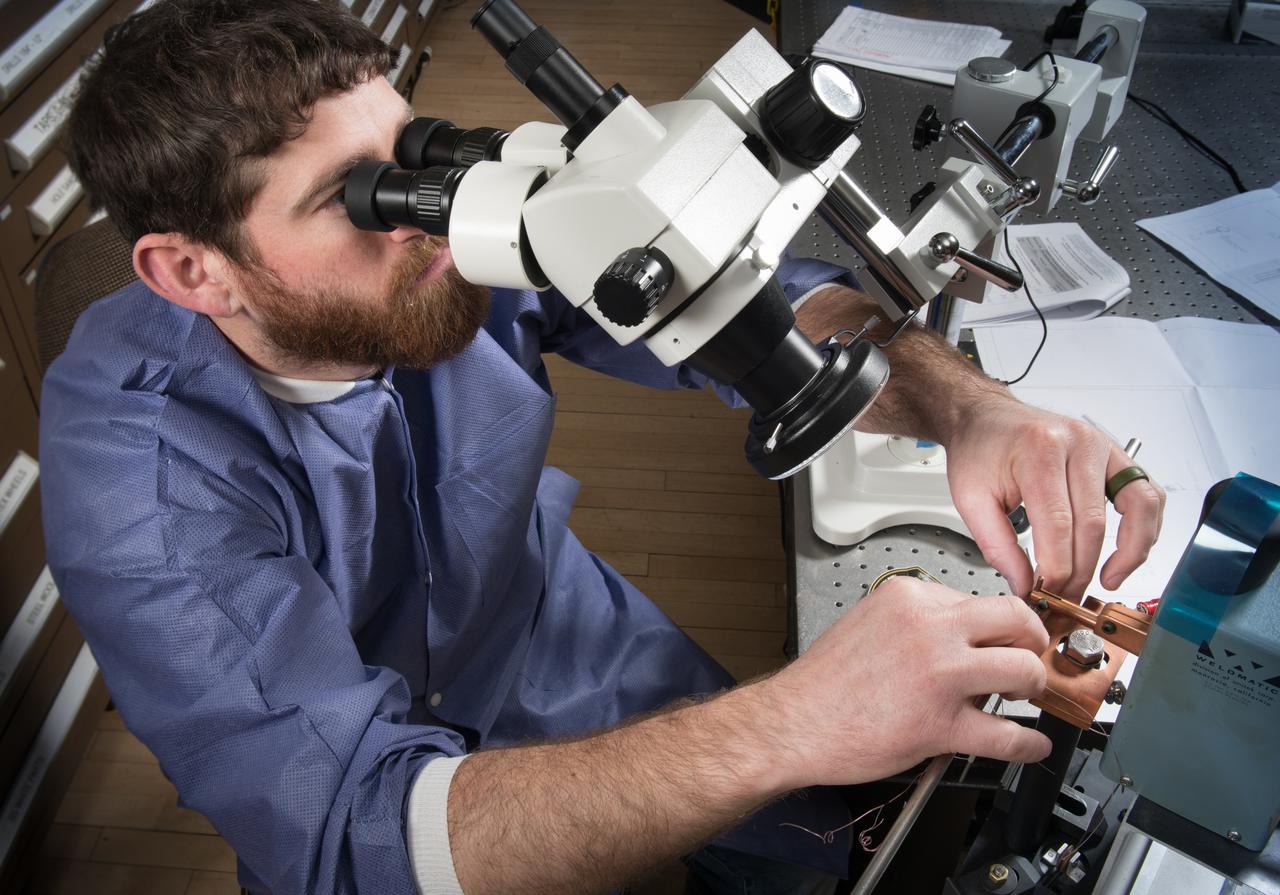
A technician in the Instrumentation Shop during the buildup of Flow Boiling Condensation Experiment, FBCE Micro Gravity Payload, Condensation Module – Heat Transfer, CM-HT, Test Section Hardware Fabrication
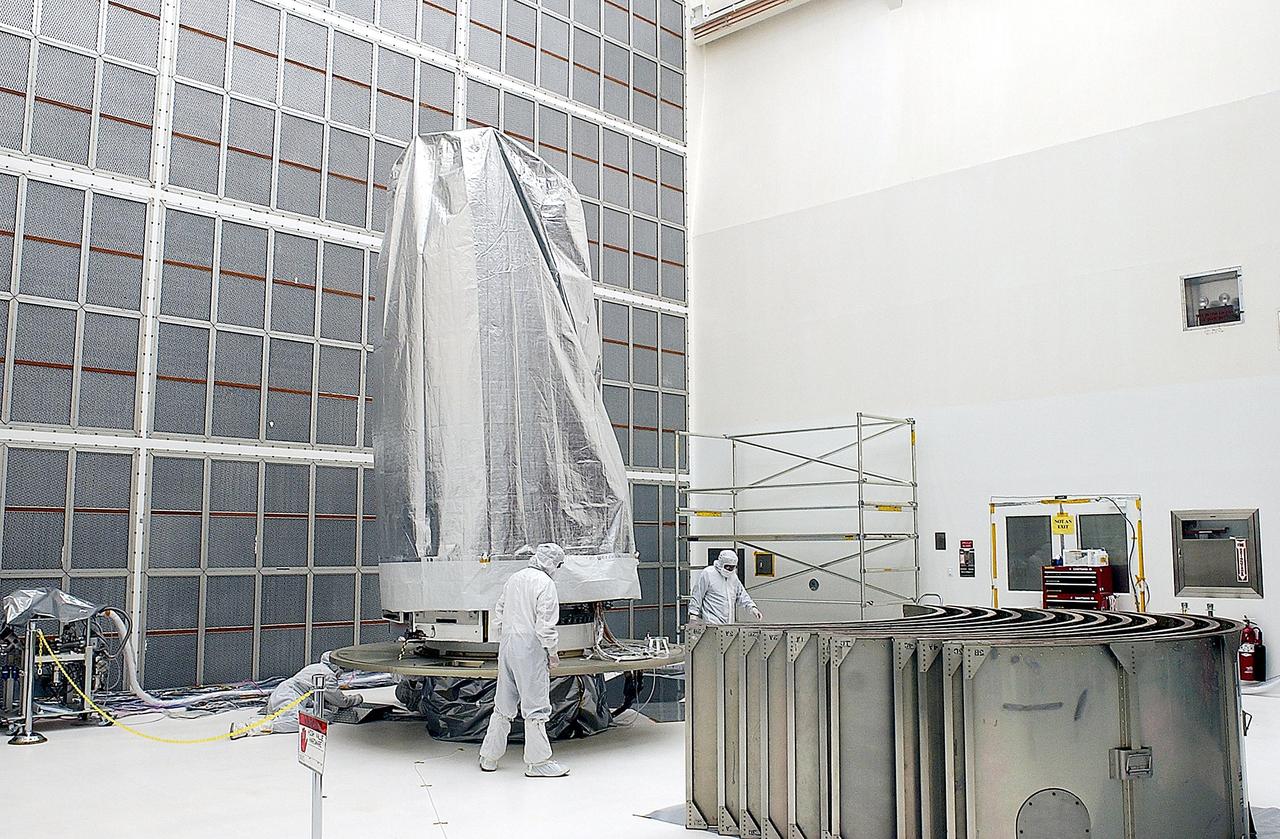
KENNEDY SPACE CENTER, FLA. - Workers in Building AE prepare the Space Infrared Telescope Facility (SIRTF), in the background, for buildup of the payload canister. SIRTF will be mated with the Delta II launch vehicle via the payload attach fitting at the bottom. SIRTF is currently scheduled for transportation to Launch Complex 17-B, Cape Canaveral Air Force Station, and hoisting atop the Delta II on or about April 4.
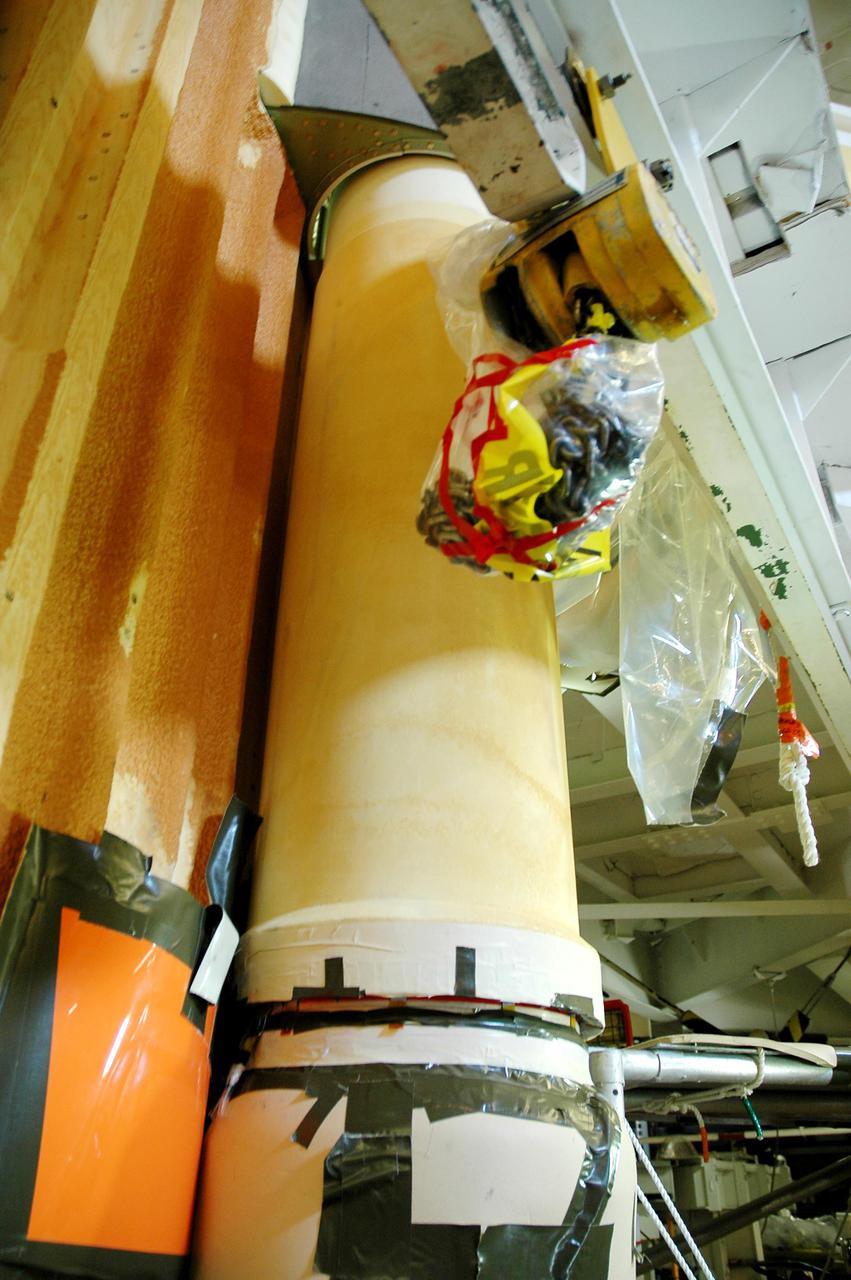
KENNEDY SPACE CENTER, FLA. - In the Vehicle Assembly Building at NASA’s Kennedy Space Center, a new heater has been added to the feedline bellows to minimize the potential for ice and frost buildup. The tank has been designated to fly on Discovery for Return to Flight mission STS-114, which has a launch window extending from July 13 to July 31.
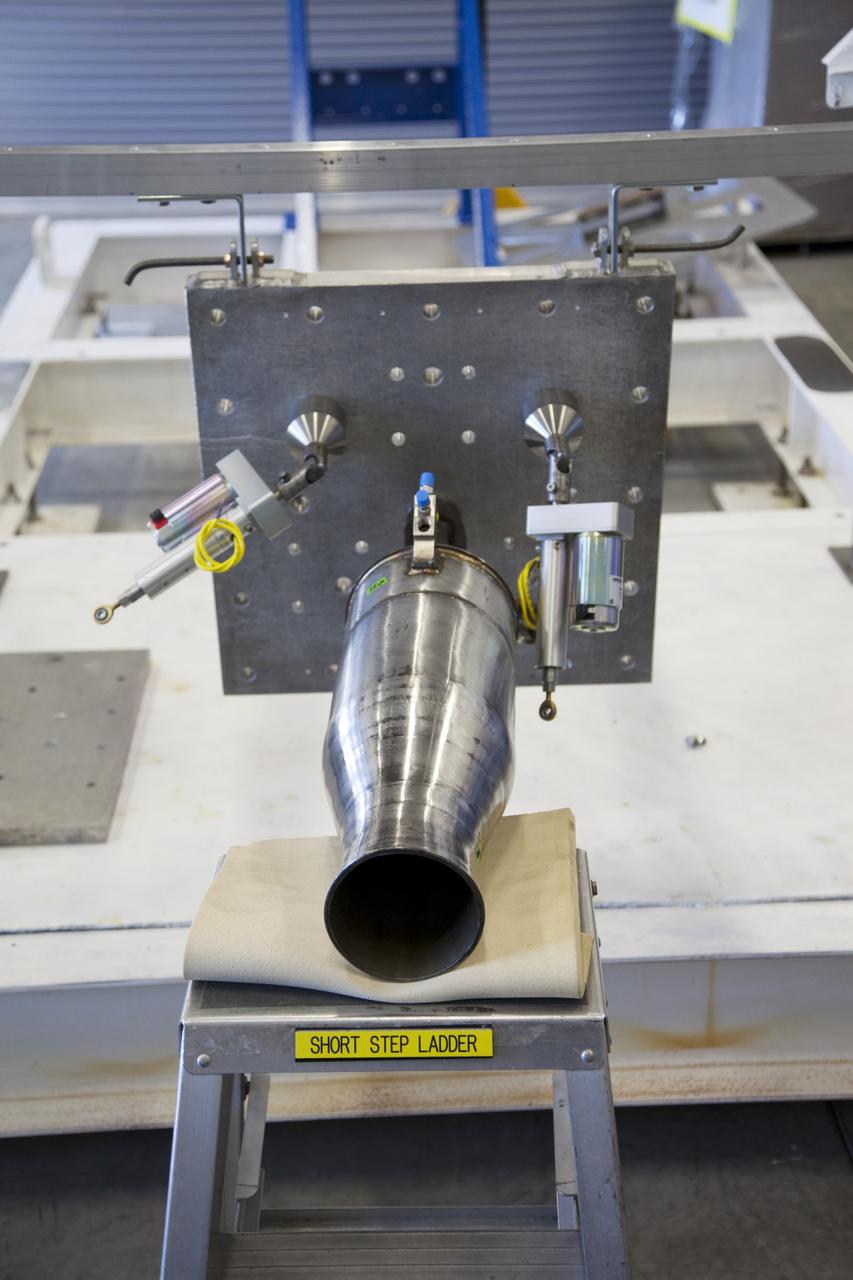
CAPE CANAVERAL, Fla. -- At the Neo Liquid Propellant Testbed inside a facility near Kennedy Space Center’s Shuttle Landing Facility in Florida, engineers are working on the buildup of the Neo test fixture and an Injector 71 engine that uses super-cooled propellants. NASA engineers are working on the design and assembly of the Neo Liquid Propellant Testbed as part of the Engineering Directorate’s Rocket University training program. Photo credit: NASA/Frankie Martin
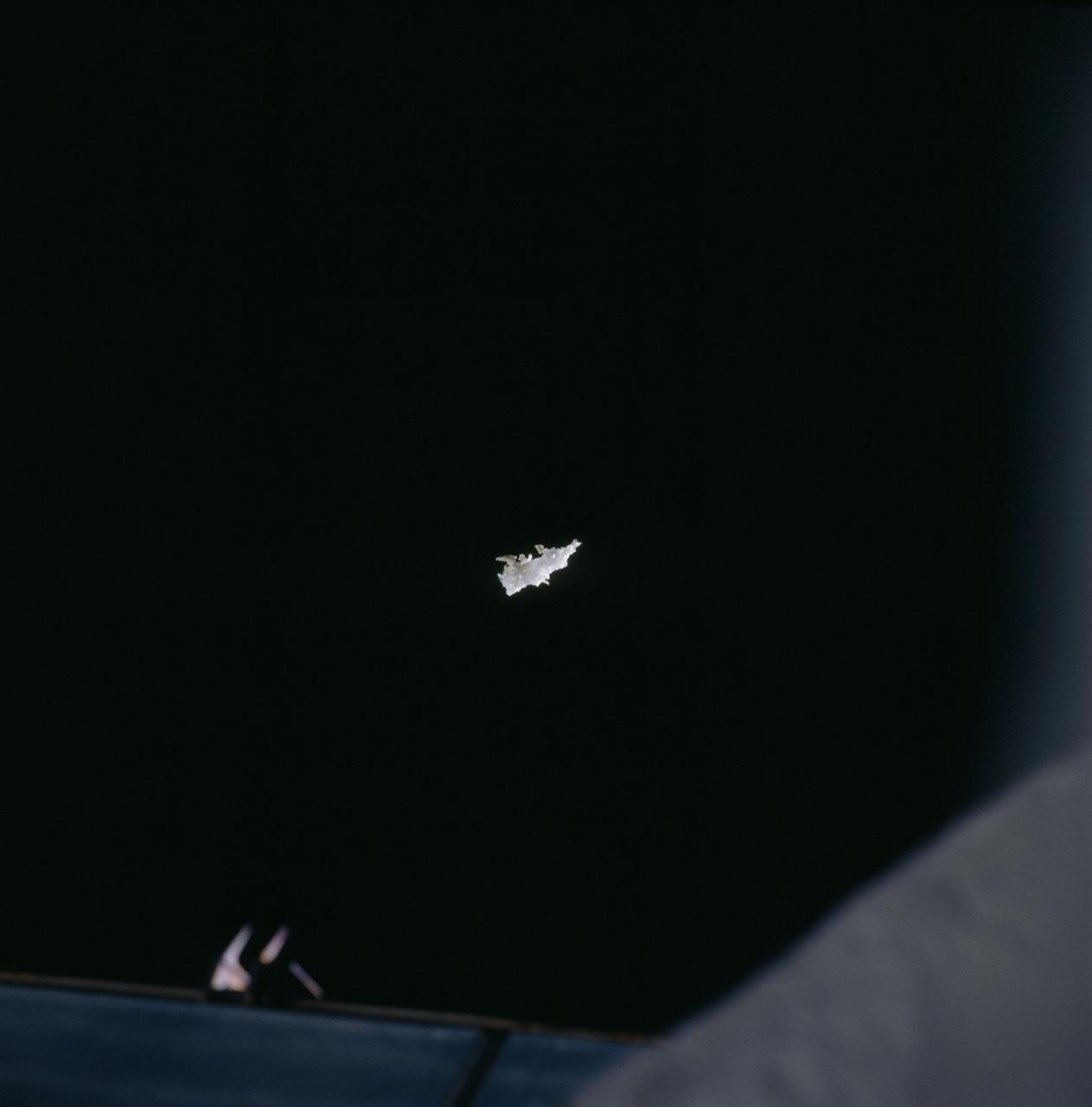
41D-33-071 (4 Sept. 1984) --- A collection of ice that developed around an external nozzle on Discovery’s port side mid fuselage sails by the spacecraft on Sept. 4, 1984, following a successful attempt to remove the troublesome buildup using the remote manipulator system (RMS) arm. A crew member on the flight deck alertly grabbed a 70-mm camera and recorded the final look at the chunk. Photo credit: NASA
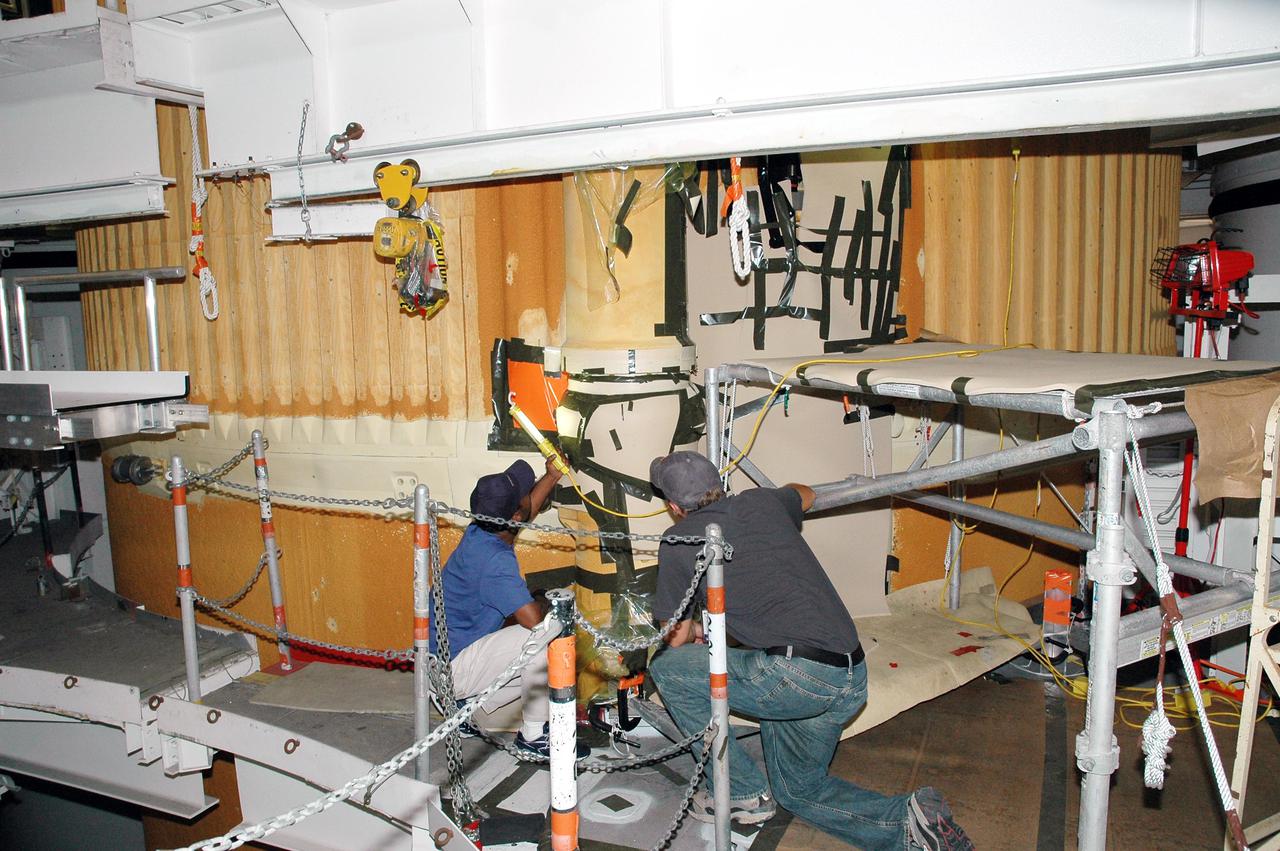
KENNEDY SPACE CENTER, FLA. - In the Vehicle Assembly Building at NASA’s Kennedy Space Center, workers inspect the newly installed liquid hydrogen bellows heater on External Tank 121. The new heater has been added to the feedline bellows to minimize the potential for ice and frost buildup. The tank has been designated to fly on Discovery for Return to Flight mission STS-114, which has a launch window extending from July 13 to July 31.
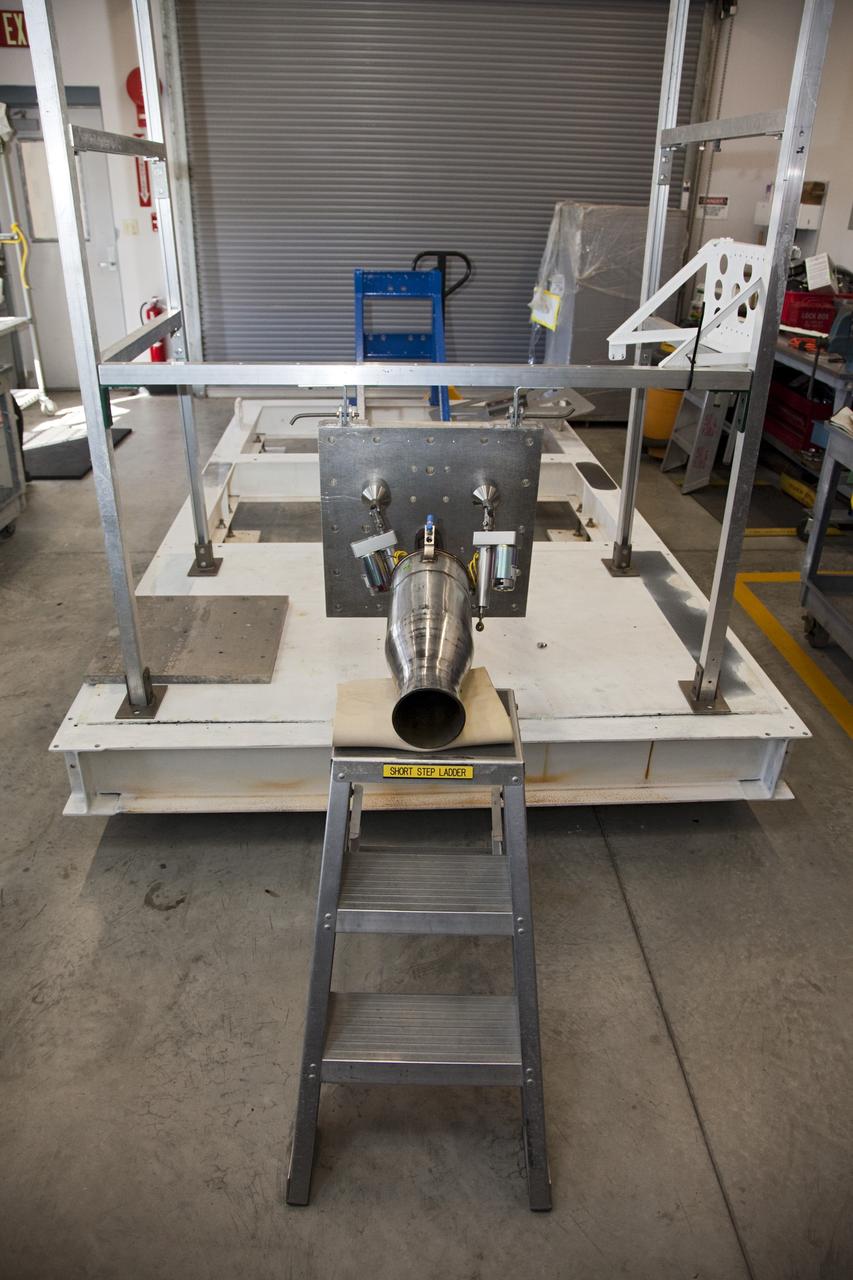
CAPE CANAVERAL, Fla. -- At the Neo Liquid Propellant Testbed inside a facility near Kennedy Space Center’s Shuttle Landing Facility in Florida, engineers are working on the buildup of the Neo test fixture and an Injector 71 engine that uses super-cooled propellants. NASA engineers are working on the design and assembly of the Neo Liquid Propellant Testbed as part of the Engineering Directorate’s Rocket University training program. Photo credit: NASA/Frankie Martin
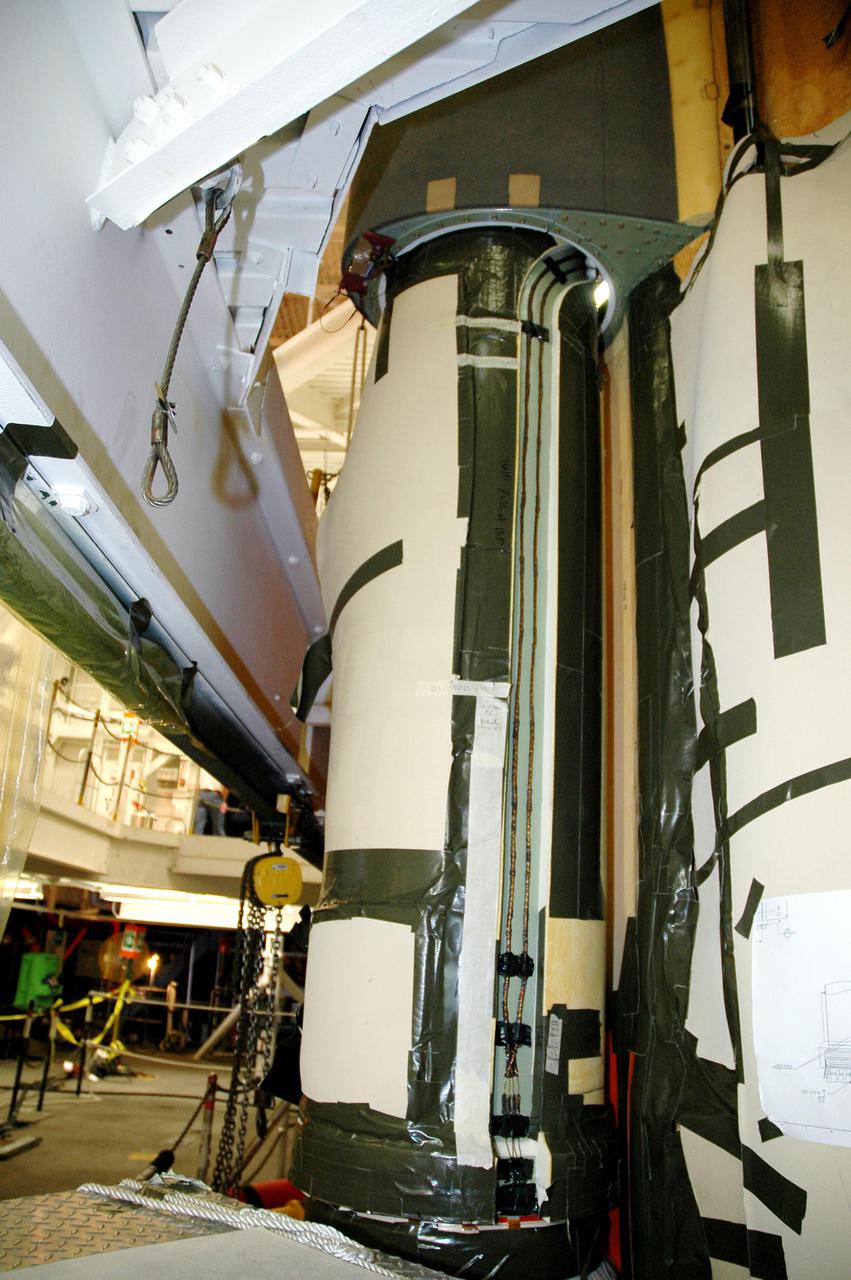
KENNEDY SPACE CENTER, FLA. - In the Vehicle Assembly Building at NASA’s Kennedy Space Center, the newly installed liquid oxygen bellows heater is seen on External Tank 120, recently removed from the orbiter Discovery. The new heater has been added to the feedline bellows to minimize the potential for ice and frost buildup. ET-120 will fly with Atlantis on the second Return to Flight mission STS-121. The launch window for STS-121 extends from Sept. 9 - 24.
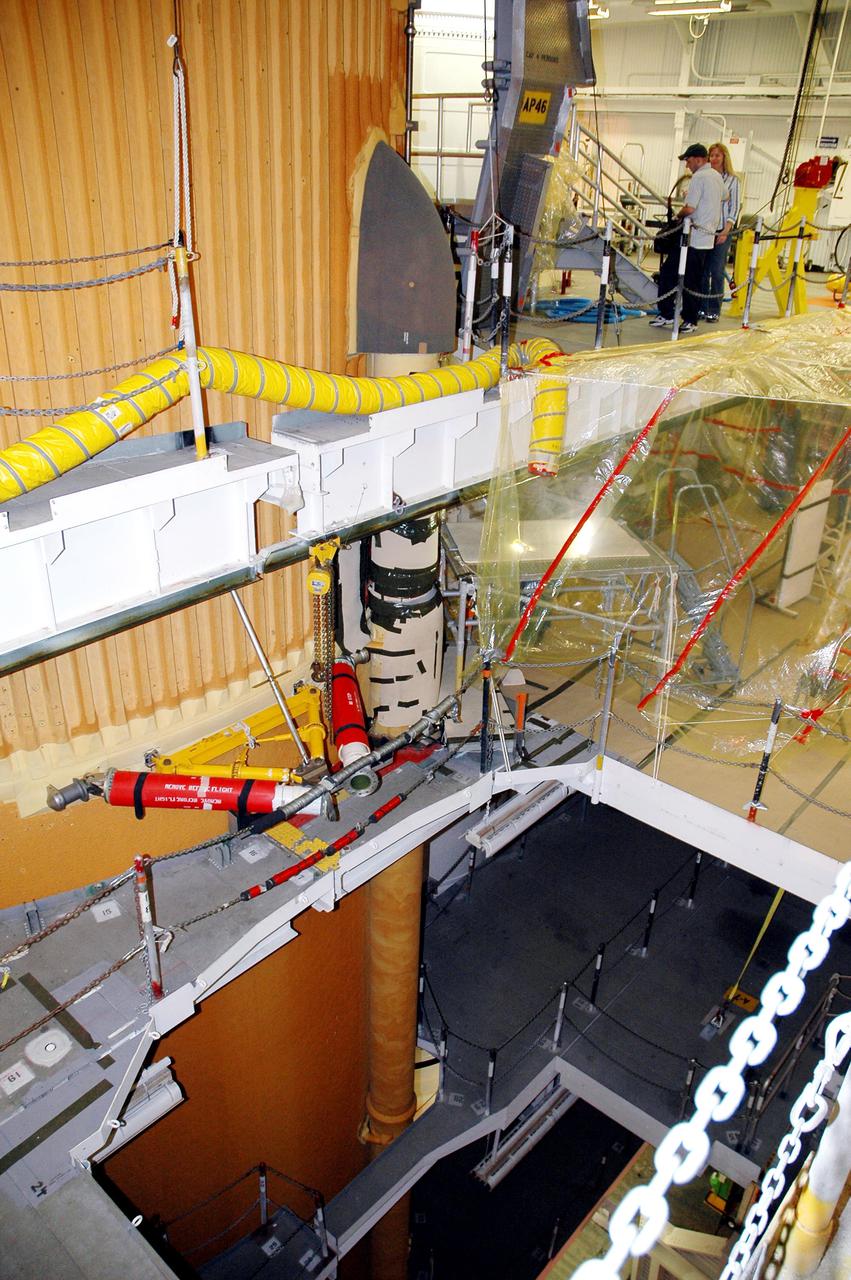
KENNEDY SPACE CENTER, FLA. -In the Vehicle Assembly Building at NASA’s Kennedy Space Center, the newly installed liquid oxygen bellows heater is seen on External Tank 120 (at left, behind it), recently removed from the orbiter Discovery. The new heater has been added to the feedline bellows to minimize the potential for ice and frost buildup. ET-120 will fly with Atlantis on the second Return to Flight mission STS-121. The launch window for STS-121 extends from Sept. 9 - 24.
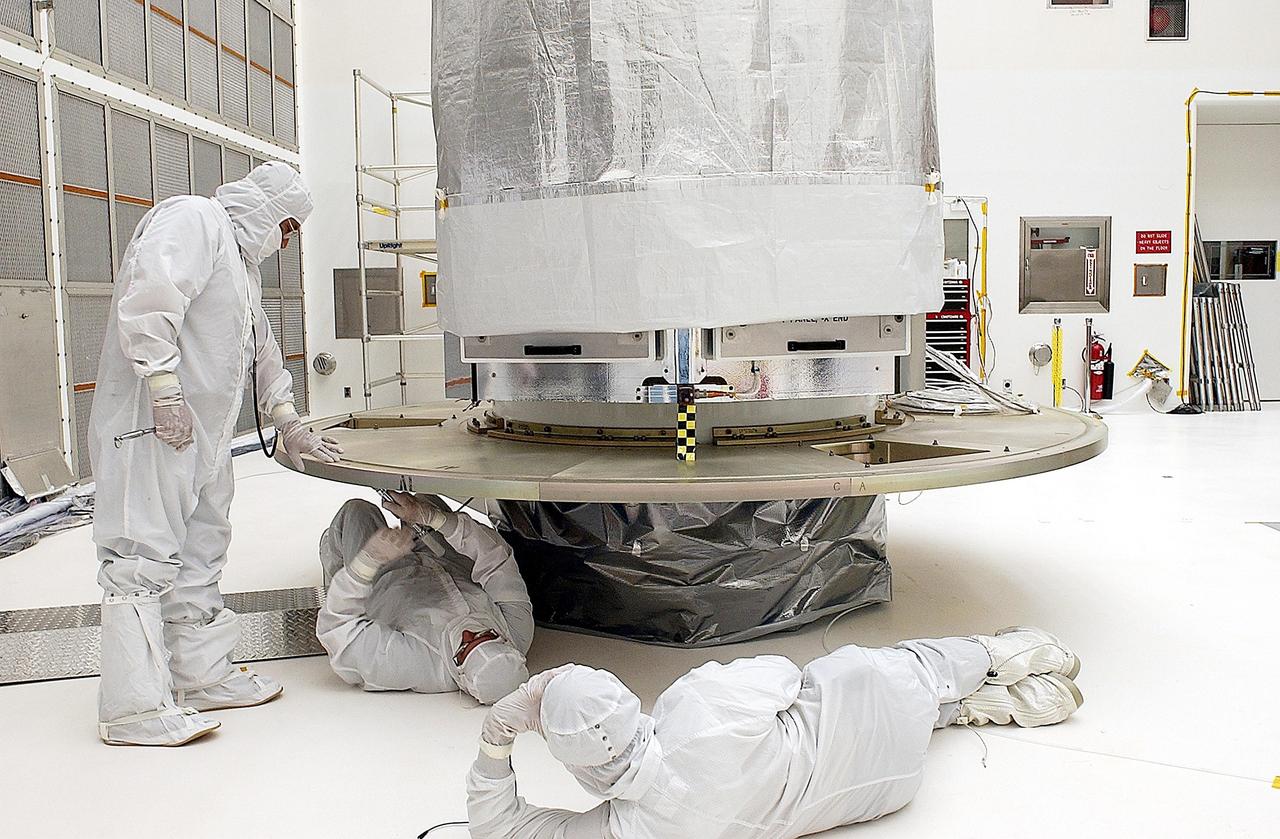
KENNEDY SPACE CENTER, FLA. -- Workers in Building AE adjust the payload attach fitting on the Space Infrared Telescope Facility (SIRTF) before buildup of the payload canister. SIRTF will be mated with the Delta II launch vehicle via the fitting. SIRTF is currently scheduled for transportation to Launch Complex 17-B, Cape Canaveral Air Force Station, and hoisting atop the Delta II on or about April 4.
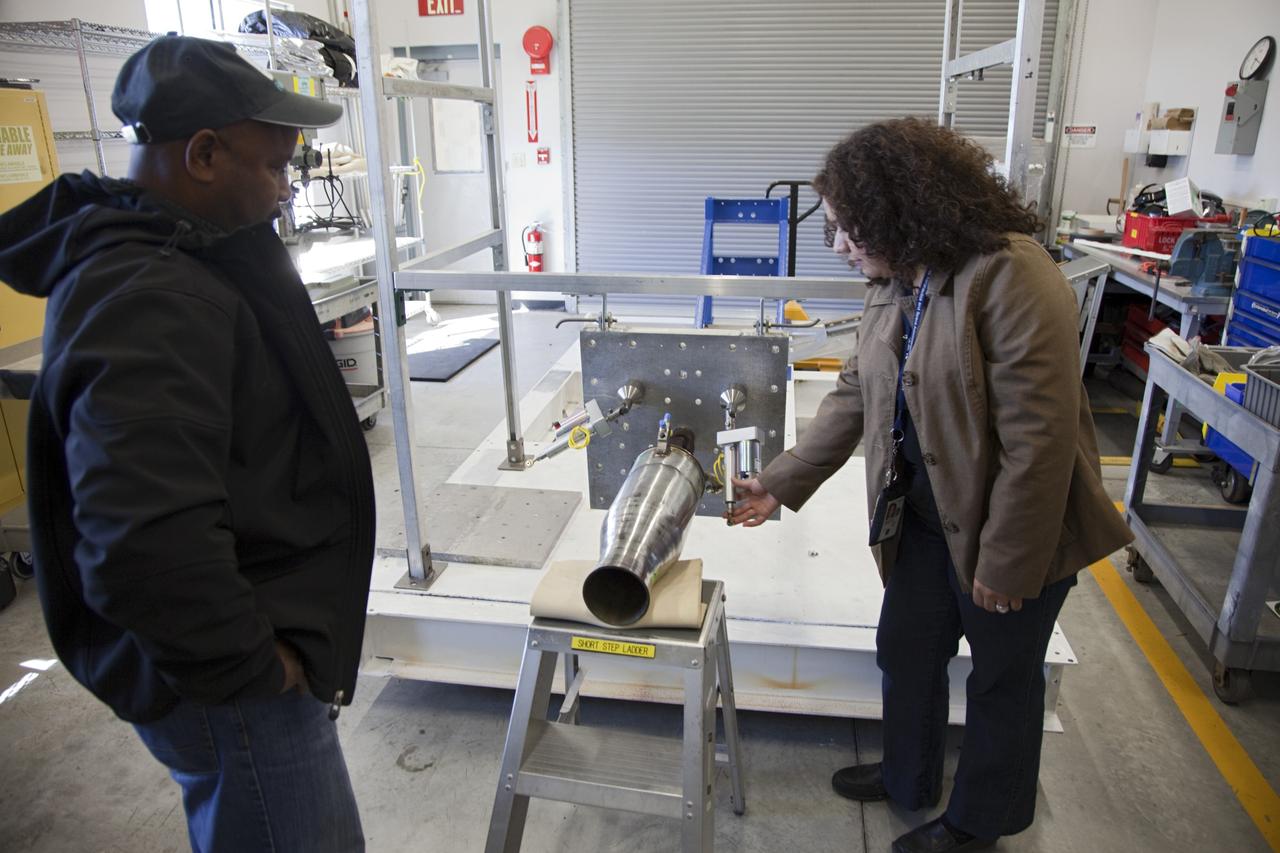
CAPE CANAVERAL, Fla. -- At the Neo Liquid Propellant Testbed inside a facility near Kennedy Space Center’s Shuttle Landing Facility in Florida, engineers and Rocket University project leads Kyle Dixon, left, and Evelyn Orozco-Smith check the buildup of the Neo test fixture and an Injector 71 engine that uses super-cooled propellants. NASA engineers are working on the design and assembly of the Neo Liquid Propellant Testbed as part of the Engineering Directorate’s Rocket University training program. Photo credit: NASA/Frankie Martin
KENNEDY SPACE CENTER, FLA. - In the Vehicle Assembly Building at NASA’s Kennedy Space Center, workers take a close look at the newly installed liquid hydrogen bellows heater on External Tank 121. The new heater has been added to the feedline bellows to minimize the potential for ice and frost buildup. The tank has been designated to fly on Discovery for Return to Flight mission STS-114, which has a launch window extending from July 13 to July 31.
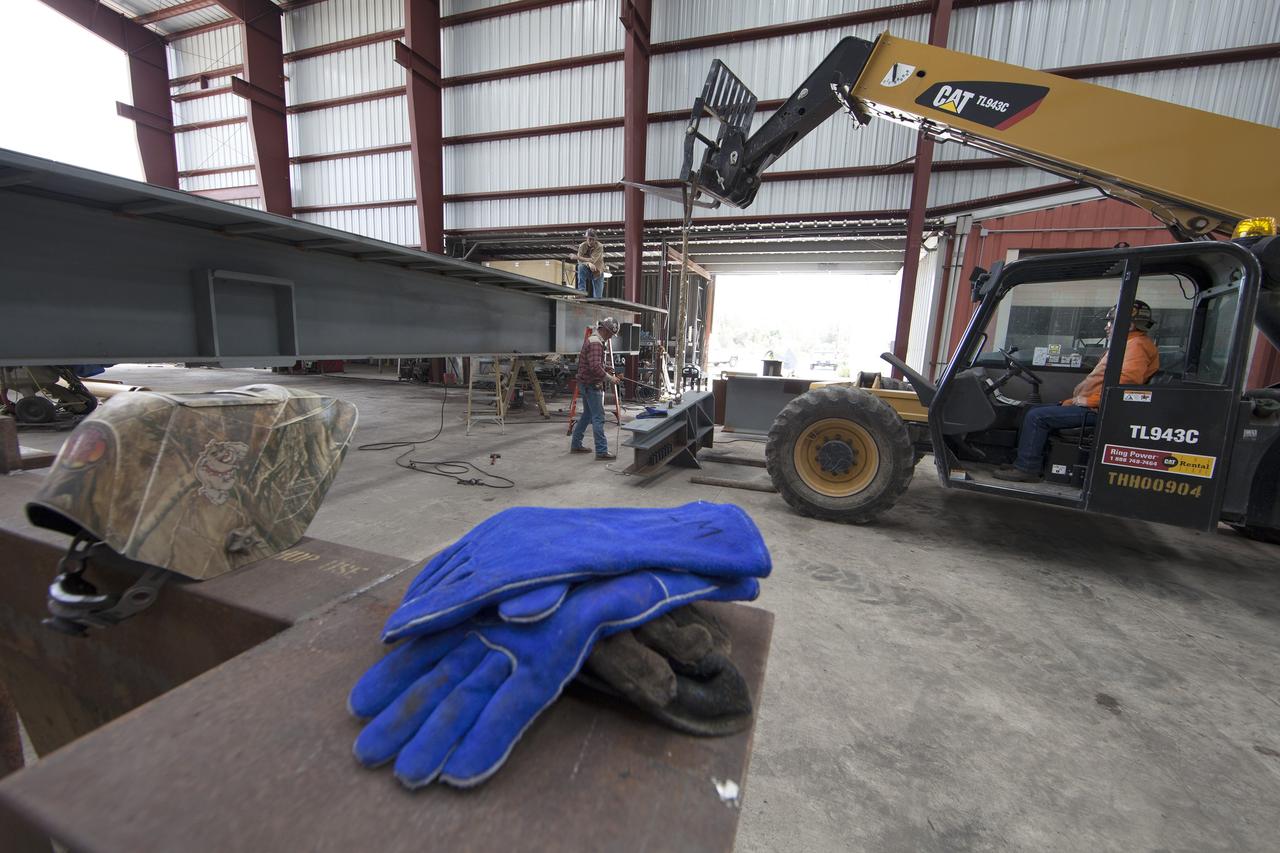
Bright-colored work gloves in the foreground are a stark contrast to the construction work going on at Sauer in Oak Hill, Florida. A forklift is being used to lift a segment of the first of 10 new work platforms for high bay 3 in the Vehicle Assembly Building at NASA's Kennedy Space Center in Florida, for buildup. A contract to modify high bay 3 was awarded by NASA to the Hensel Phelps Construction Co. of Orlando, Florida in March 2014. Sauer is a subcontractor to Hensel Phelps. The Ground Systems Development and Operations Program is overseeing upgrades and modifications to the high bay to support processing of NASA's Space Launch System and Orion spacecraft, and other exploration vehicles. Photo credit: NASA/Ben Smegelsky
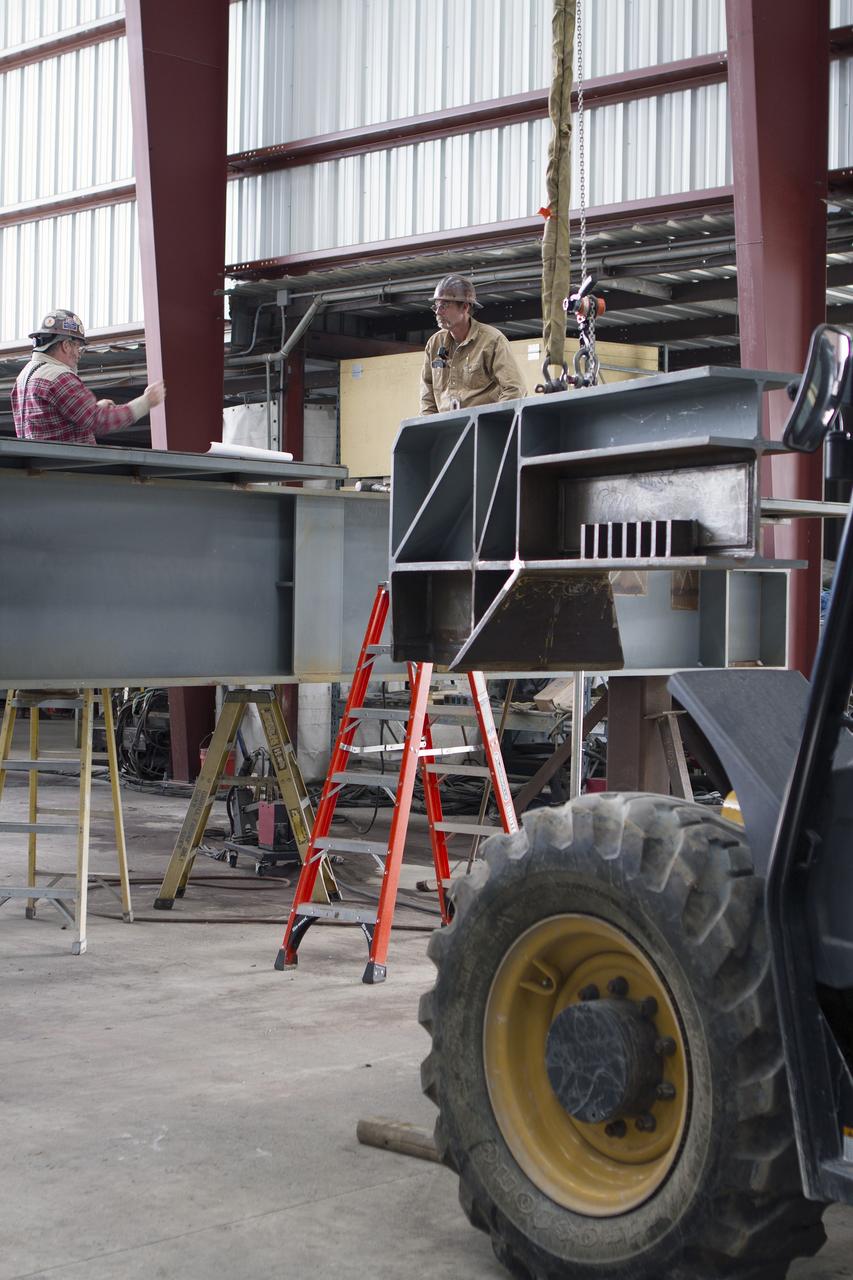
Construction workers at Sauer Co. in Oak Hill, Florida, work on the buildup of the first of 10 new work platforms that will be delivered for installation in high bay 3 of the Vehicle Assembly Building at NASA's Kennedy Space Center in Florida. A contract to modify high bay 3 was awarded by NASA to the Hensel Phelps Construction Co. of Orlando, Florida in March 2014. Sauer is a subcontractor to Hensel Phelps. The Ground Systems Development and Operations Program is overseeing upgrades and modifications to the high bay to support processing of NASA's Space Launch System and Orion spacecraft, and other exploration vehicles. Photo credit: NASA/Ben Smegelsky
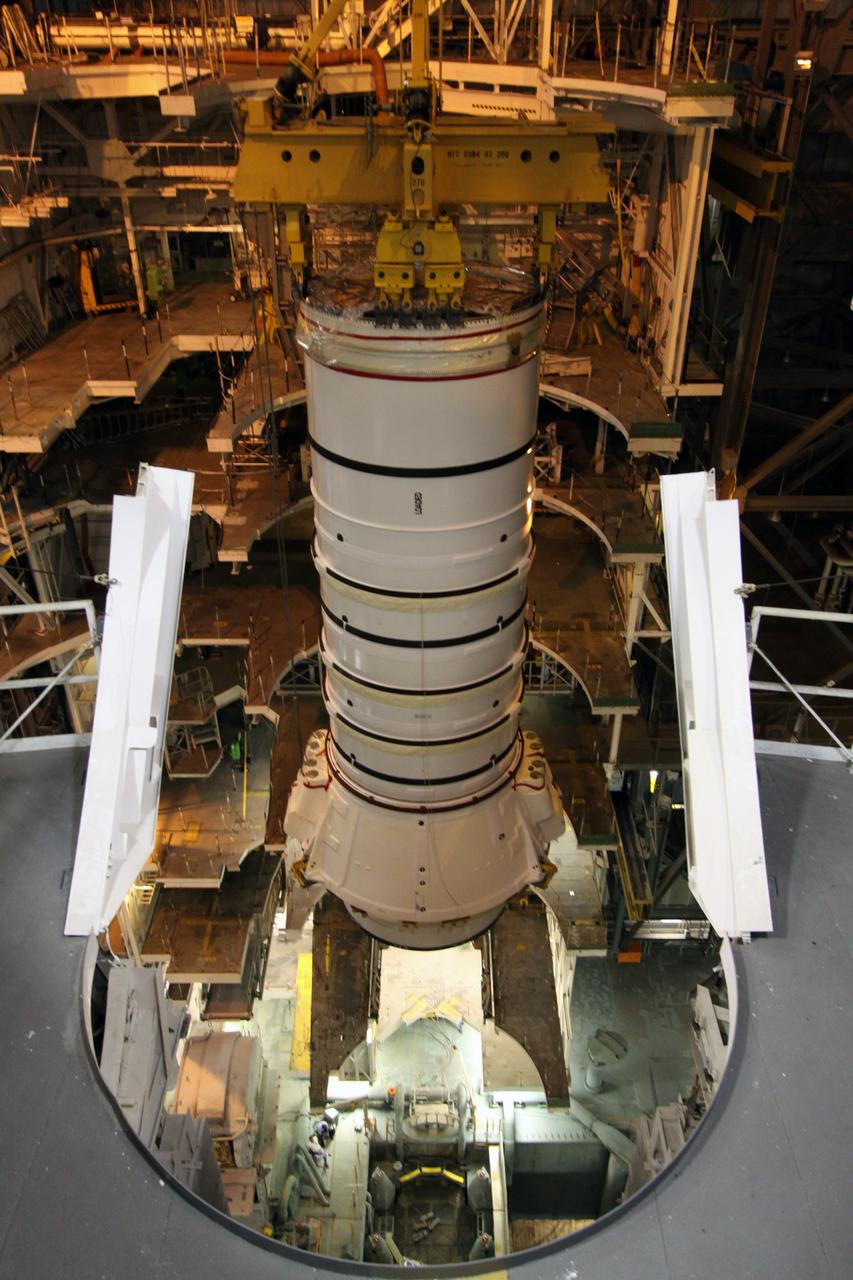
CAPE CANAVERAL, Fla. – In the Vehicle Assembly Building at NASA's Kennedy Space Center in Florida, the Ares I-X aft booster segment with the aft skirt is lowered into High Bay 3. It will be placed on the mobile launch platform. This is the start of the buildup of the Ares I-X launch vehicle for the flight test targeted for no earlier than Aug. 30. Part of the Constellation Program, the Ares I-X is the test vehicle for the Ares I, which is the essential core of a space transportation system that eventually will carry crewed missions back to the moon, on to Mars and out into the solar system. Photo credit: NASA/Jack Pfaller
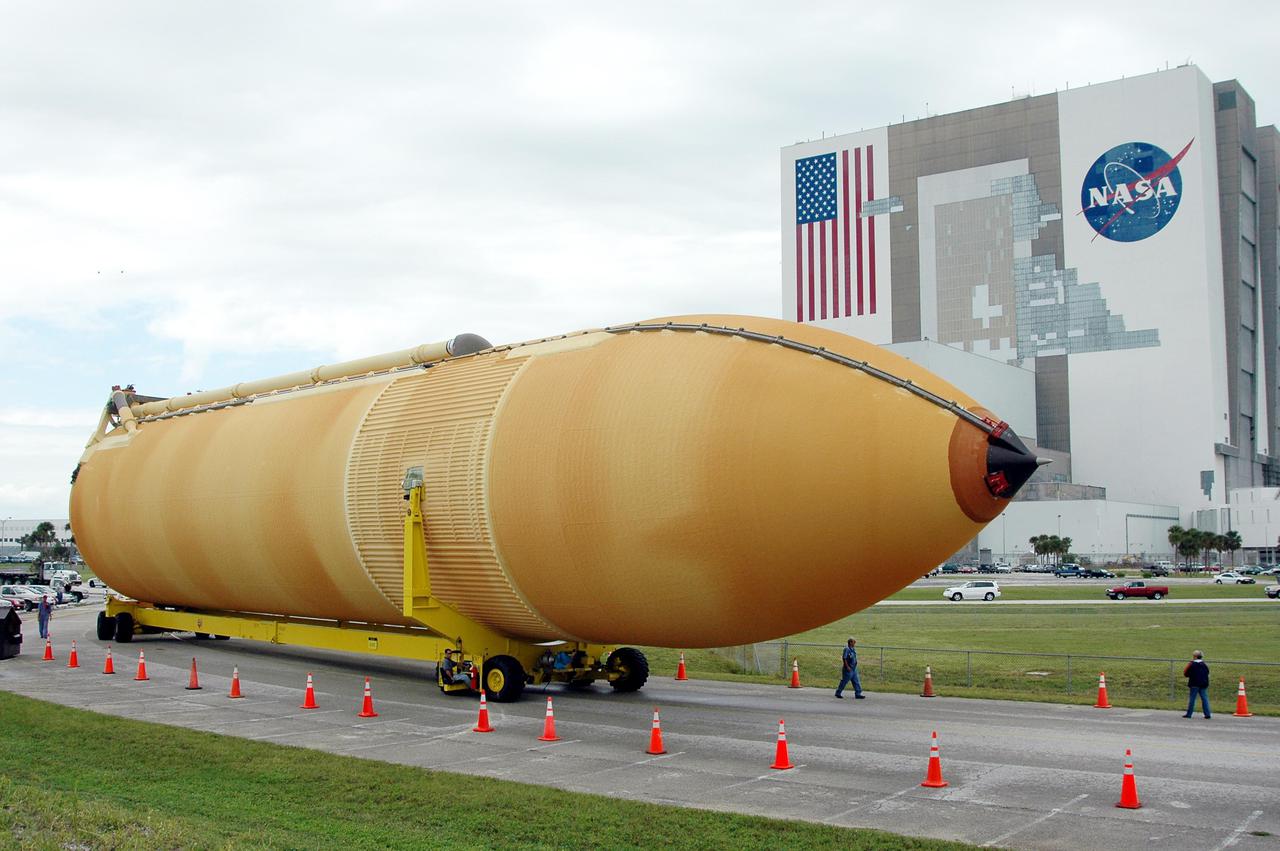
KENNEDY SPACE CENTER, FLA. - External Tank 118 (ET-118) moves from the Vehicle Assembly Building, in the background, toward the barge in the Turn Basin at Launch Complex 39. The tank will be transported to NASA’s Michoud Assembly Facility in New Orleans. The tank is being installed with an improved bipod fitting, which connects the external fuel tank to the Shuttle during launch. The new design, a significant milestone in the effort to return the Shuttle to safe flight, replaces the foam that was used to prevent ice buildup on the tank’s bipod fittings with four rod-shaped heaters. The heaters are being retrofitted on the 11 existing tanks and incorporated into the manufacture of all new tanks.
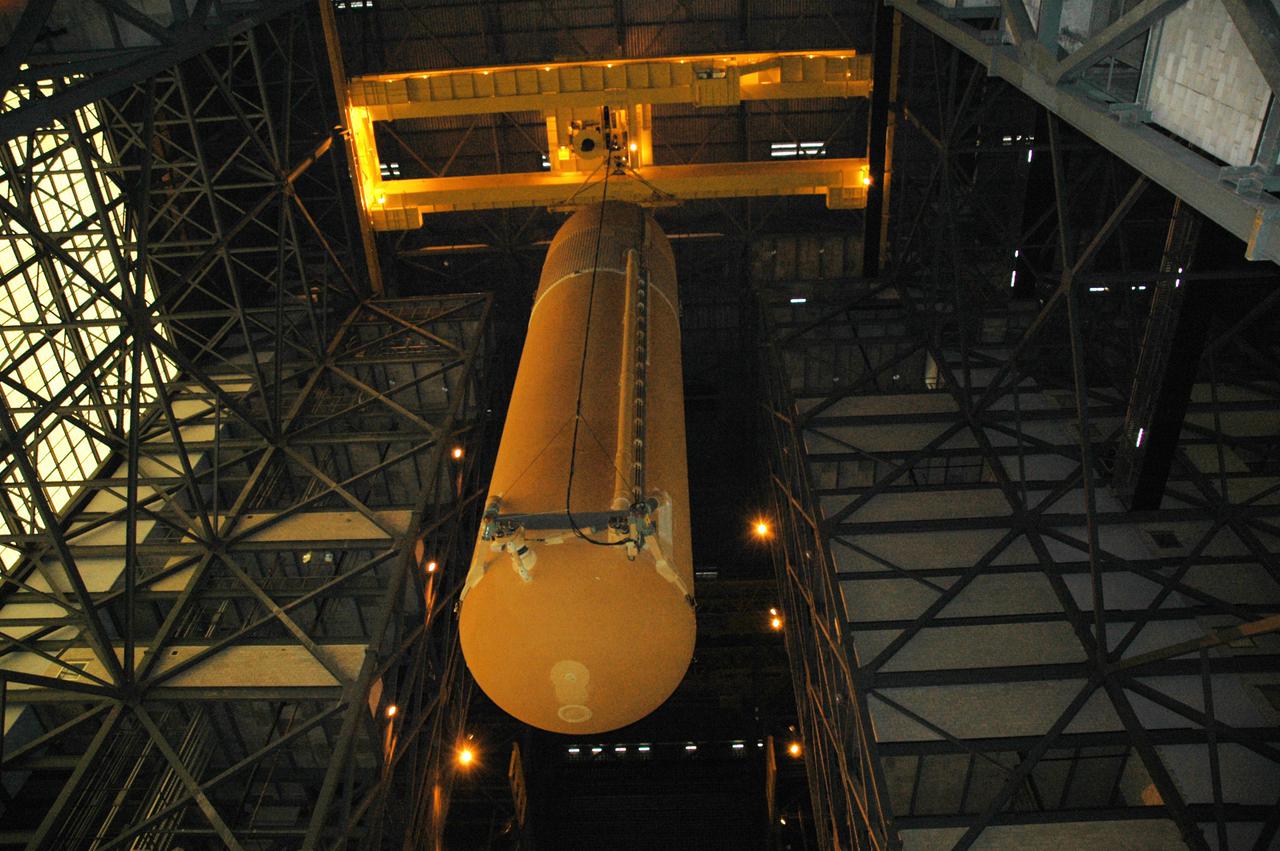
KENNEDY SPACE CENTER, FLA. - An overhead crane lowers the External Tank that will be used to return the Space Shuttle program to flight into high bay 3 in the Vehicle Assembly Building. The tank, ET-121, and the Solid Rocket Boosters were originally scheduled to fly with orbiter Atlantis on mission STS-121 but will now be used to launch Discovery on mission STS-114. Once secure in the high bay, a new heater will be added to the feedline bellows to minimize the potential for ice and frost buildup. STS-114 is the first Return to Flight mission to the International Space Station. The launch window extends from July 13 through July 31.
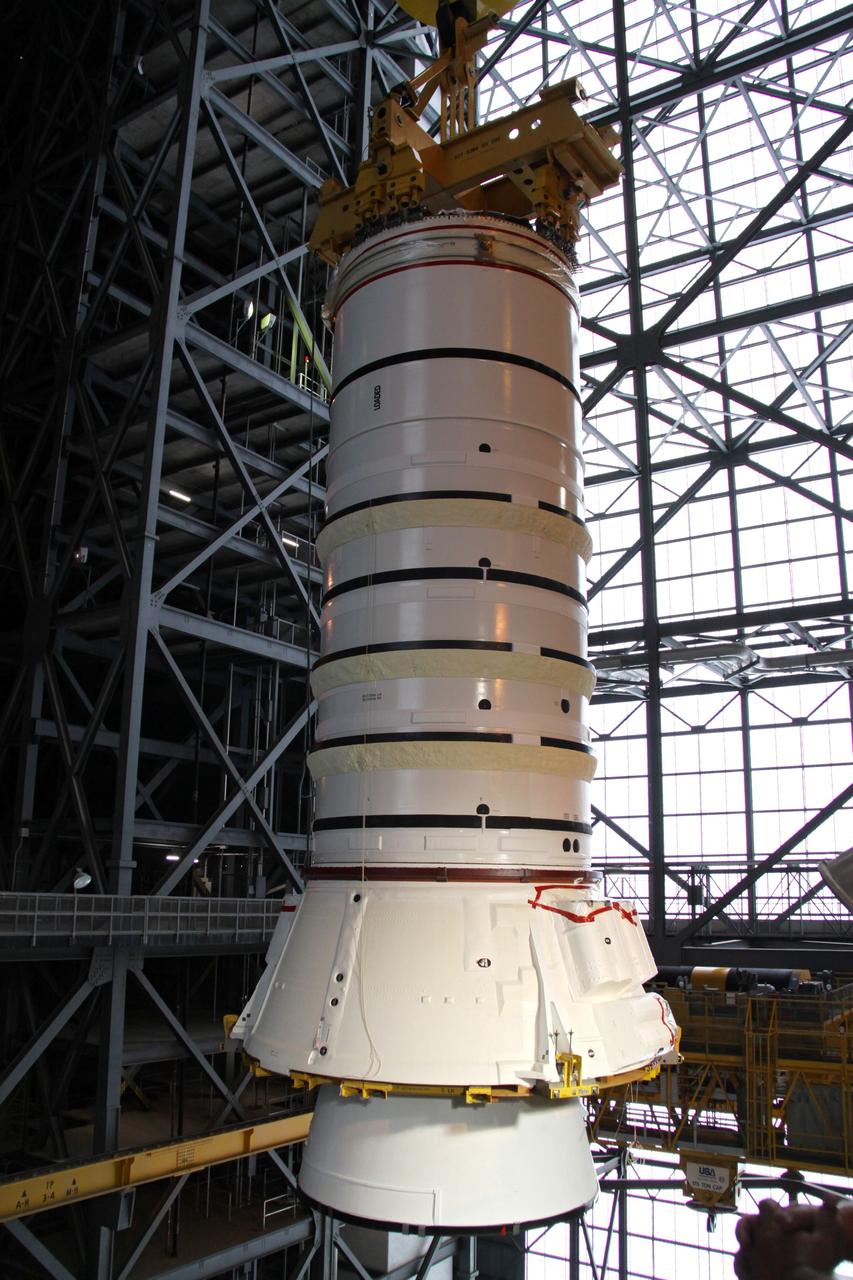
CAPE CANAVERAL, Fla. – In the Vehicle Assembly Building at NASA's Kennedy Space Center in Florida, the Ares I-X aft booster segment with the aft skirt is lifted into the upper regions of the VAB. The stack will be lowered onto the mobile launch platform in High Bay 3. This is the start of the buildup of the Ares I-X launch vehicle for the flight test targeted for no earlier than Aug. 30. Part of the Constellation Program, the Ares I-X is the test vehicle for the Ares I, which is the essential core of a space transportation system that eventually will carry crewed missions back to the moon, on to Mars and out into the solar system. Photo credit: NASA/Jack Pfaller
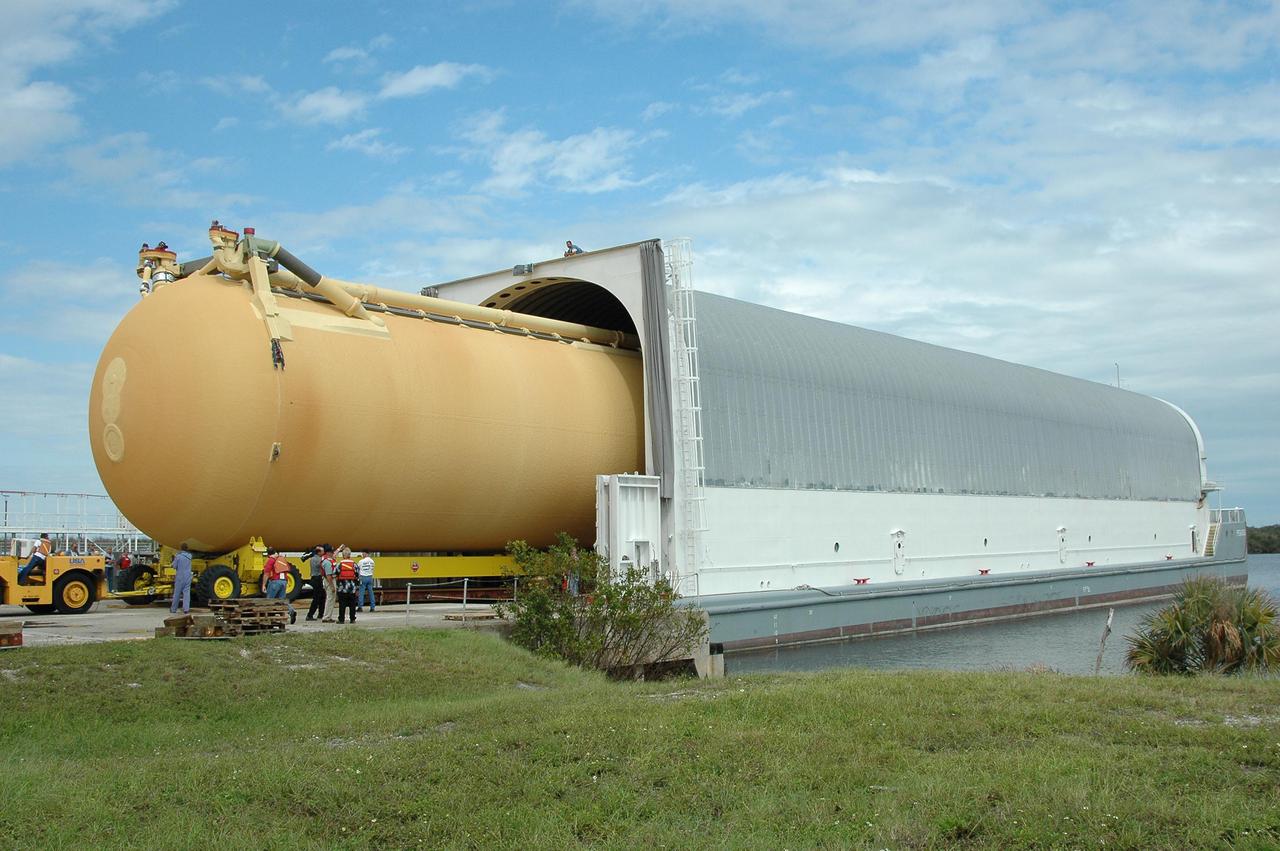
KENNEDY SPACE CENTER, FLA. - At the Turn Basin in Launch Complex 39, External Tank 118 (ET-118) enters the barge that will transport it to NASA’s Michoud Assembly Facility in New Orleans. It had been stored in the Vehicle Assembly Building. The tank is being installed with an improved bipod fitting, which connects the external fuel tank to the Shuttle during launch. The new design, a significant milestone in the effort to return the Shuttle to safe flight, replaces the foam that was used to prevent ice buildup on the tank’s bipod fittings with four rod-shaped heaters. The heaters are being retrofitted on the 11 existing tanks and incorporated into the manufacture of all new tanks.
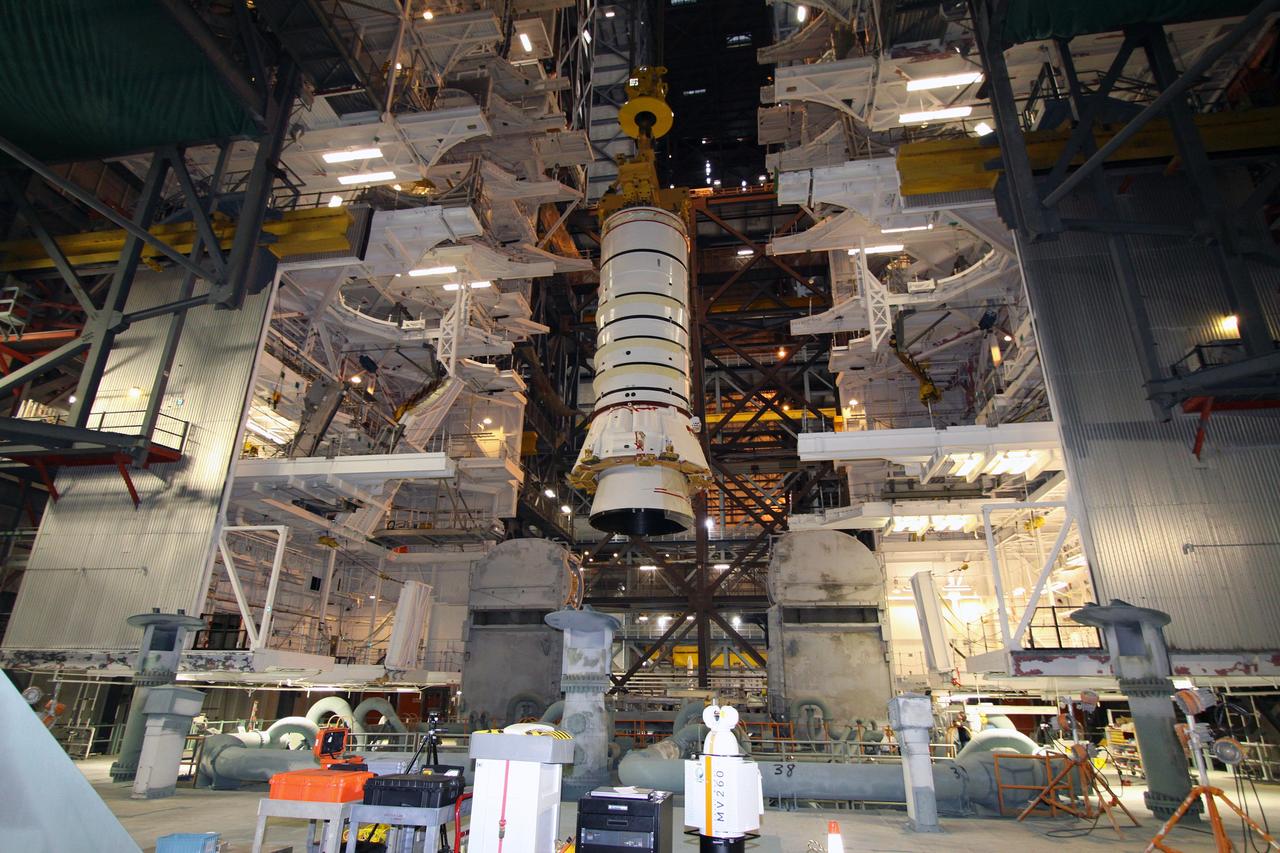
CAPE CANAVERAL, Fla. – In the Vehicle Assembly Building at NASA's Kennedy Space Center in Florida, the Ares I-X aft booster segment with the aft skirt is lowered toward the mobile launch platform in High Bay 3. This is the start of the buildup of the Ares I-X launch vehicle for the flight test targeted for no earlier than Aug. 30. Part of the Constellation Program, the Ares I-X is the test vehicle for the Ares I, which is the essential core of a space transportation system that eventually will carry crewed missions back to the moon, on to Mars and out into the solar system. Photo credit: NASA/Jack Pfaller
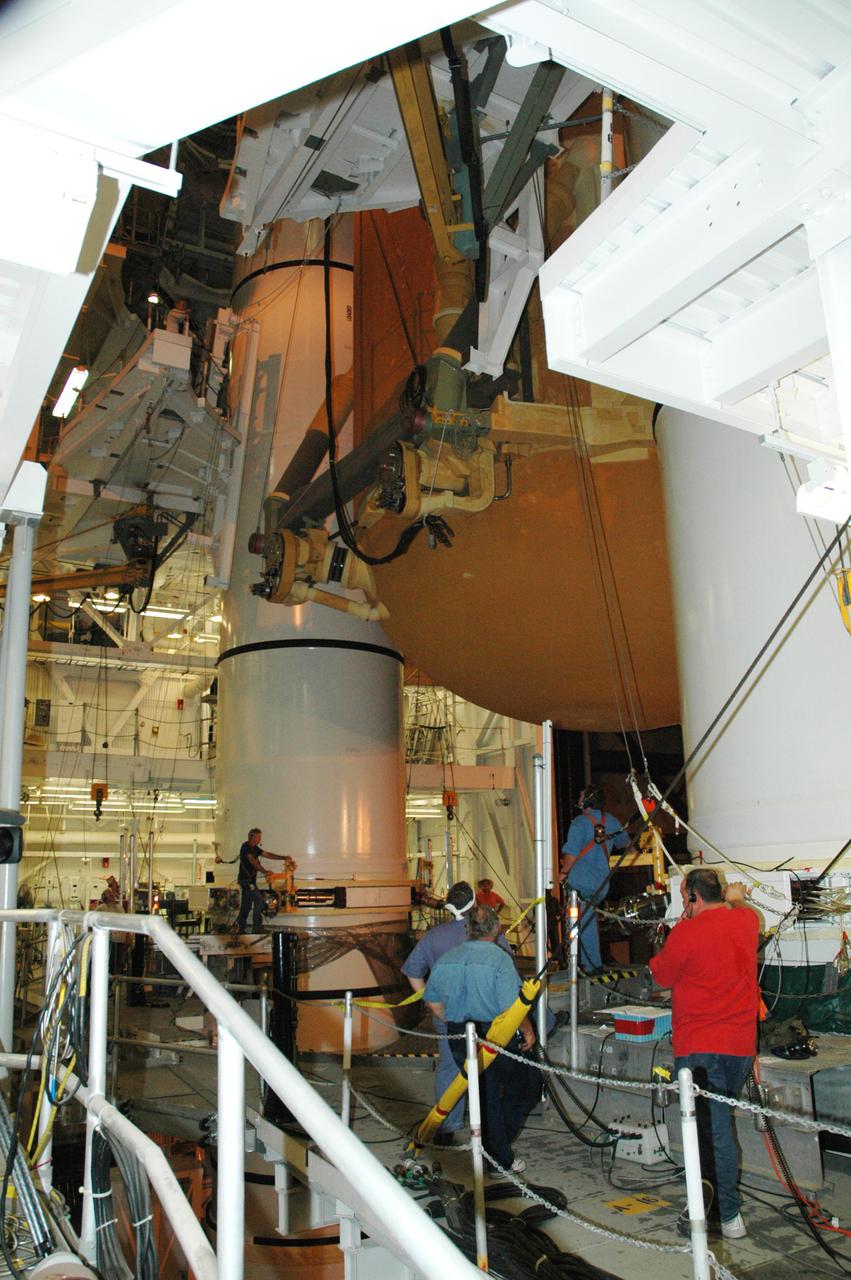
KENNEDY SPACE CENTER, FLA. - Technicians attach the External Tank that will be used to return the Space Shuttle program to flight to a pair of Solid Rocket Boosters in high bay 3 in the Vehicle Assembly Building. The tank, ET-121, and the Solid Rocket Boosters were originally scheduled to fly with orbiter Atlantis on mission STS-121 but will now be used to launch Discovery on mission STS-114. Once secure in the high bay, a new heater will be added to the feedline bellows to minimize the potential for ice and frost buildup. STS-114 is the first Return to Flight mission to the International Space Station. The launch window extends from July 13 through July 31.

KENNEDY SPACE CENTER, FLA. - At the Turn Basin in Launch Complex 39, KSC workers move External Tank 118 (ET-118) into the barge that will transport it to NASA’s Michoud Assembly Facility in New Orleans. It had been stored in the Vehicle Assembly Building. The tank is being installed with an improved bipod fitting, which connects the external fuel tank to the Shuttle during launch. The new design, a significant milestone in the effort to return the Shuttle to safe flight, replaces the foam that was used to prevent ice buildup on the tank’s bipod fittings with four rod-shaped heaters. The heaters are being retrofitted on the 11 existing tanks and incorporated into the manufacture of all new tanks.
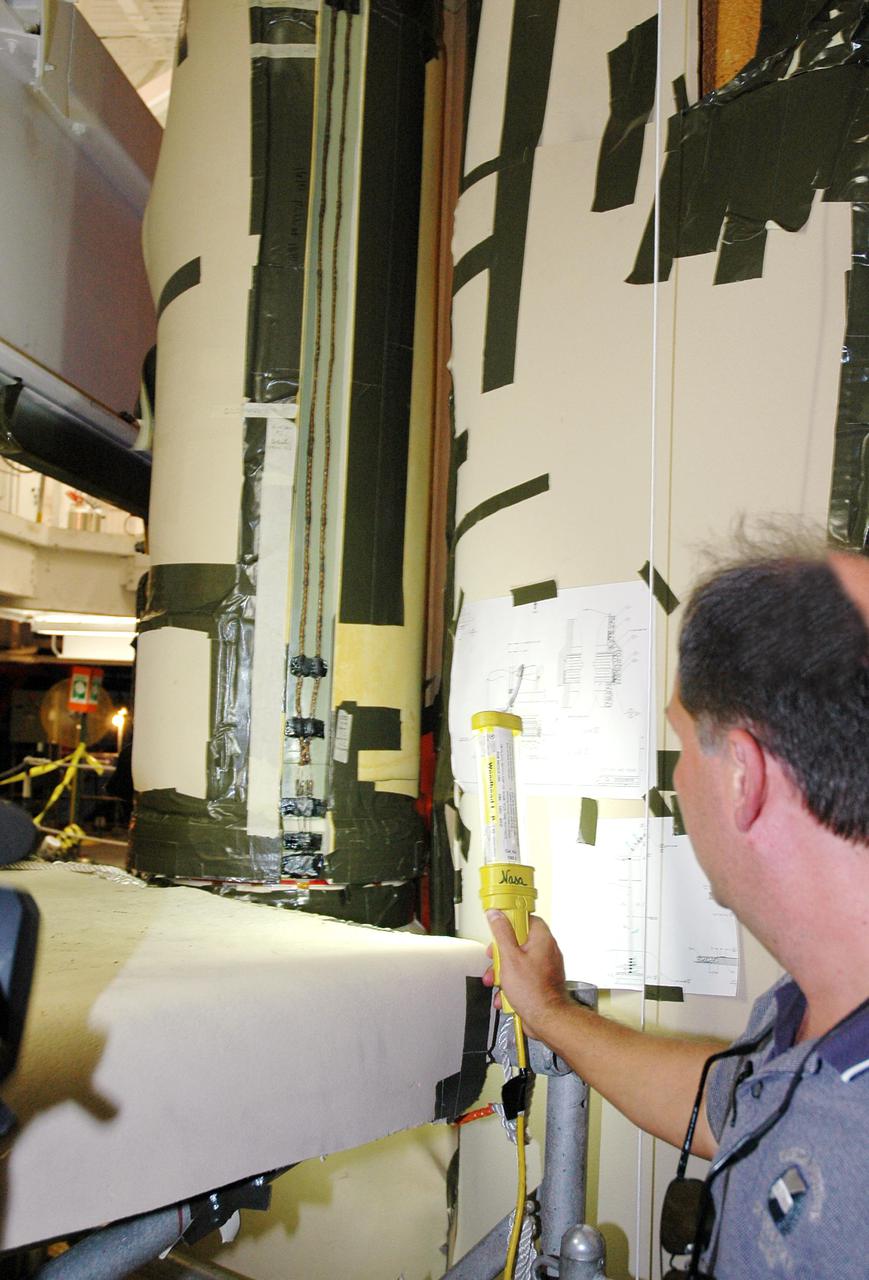
KENNEDY SPACE CENTER, FLA. - In the Vehicle Assembly Building at NASA’s Kennedy Space Center, Ken Revay, the ET_SRB processing manager with United Space Alliance, inspects the newly installed liquid oxygen bellows heater on External Tank 120, recently removed from the orbiter Discovery. The new heater has been added to the feedline bellows to minimize the potential for ice and frost buildup. ET-120 will fly with Atlantis on the second Return to Flight mission STS-121. The launch window for STS-121 extends from Sept. 9 - 24.
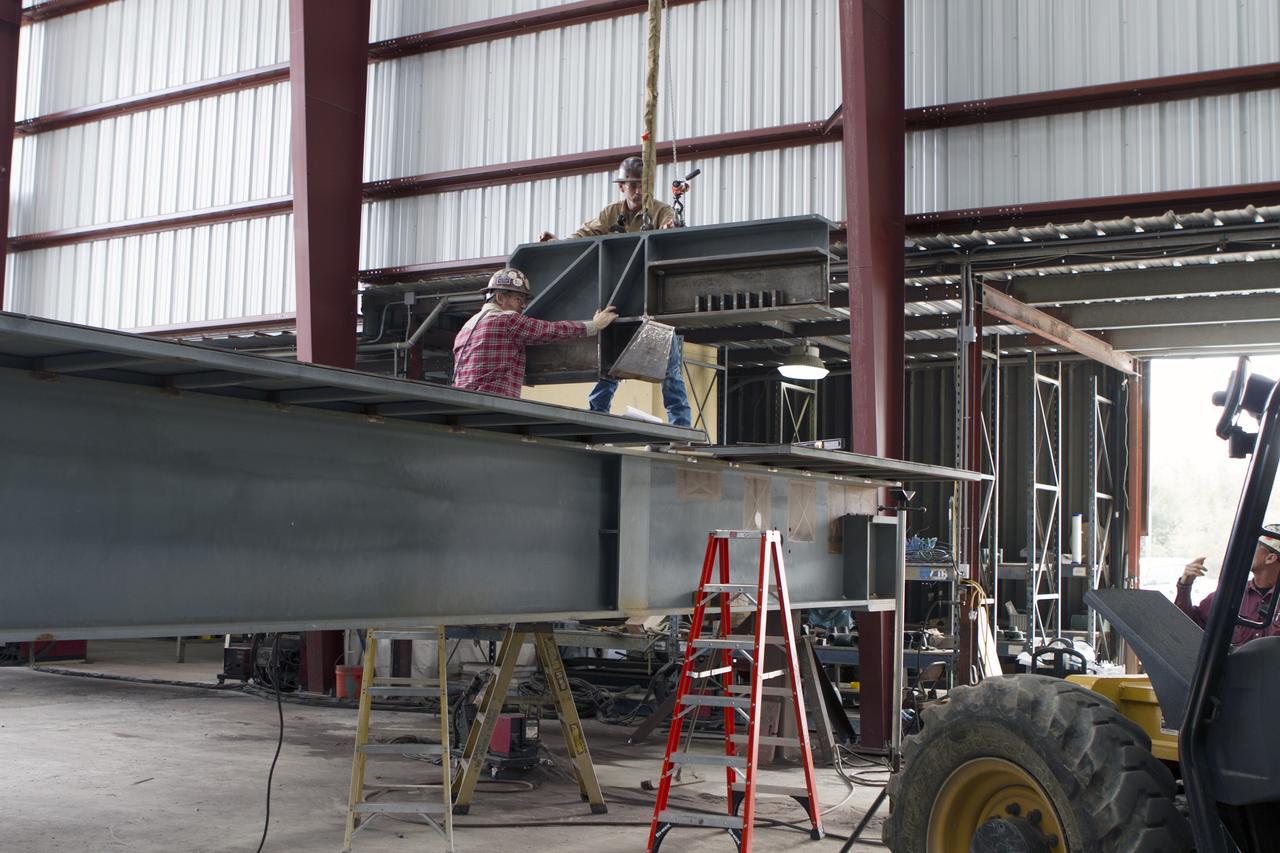
Construction workers at Sauer Co. in Oak Hill, Florida, work on the buildup of the first of 10 new work platforms that will be delivered for installation in high bay 3 of the Vehicle Assembly Building at NASA's Kennedy Space Center in Florida. A contract to modify high bay 3 was awarded by NASA to the Hensel Phelps Construction Co. of Orlando, Florida in March 2014. Sauer is a subcontractor to Hensel Phelps. The Ground Systems Development and Operations Program is overseeing upgrades and modifications to the high bay to support processing of NASA's Space Launch System and Orion spacecraft, and other exploration vehicles. Photo credit: NASA/Ben Smegelsky
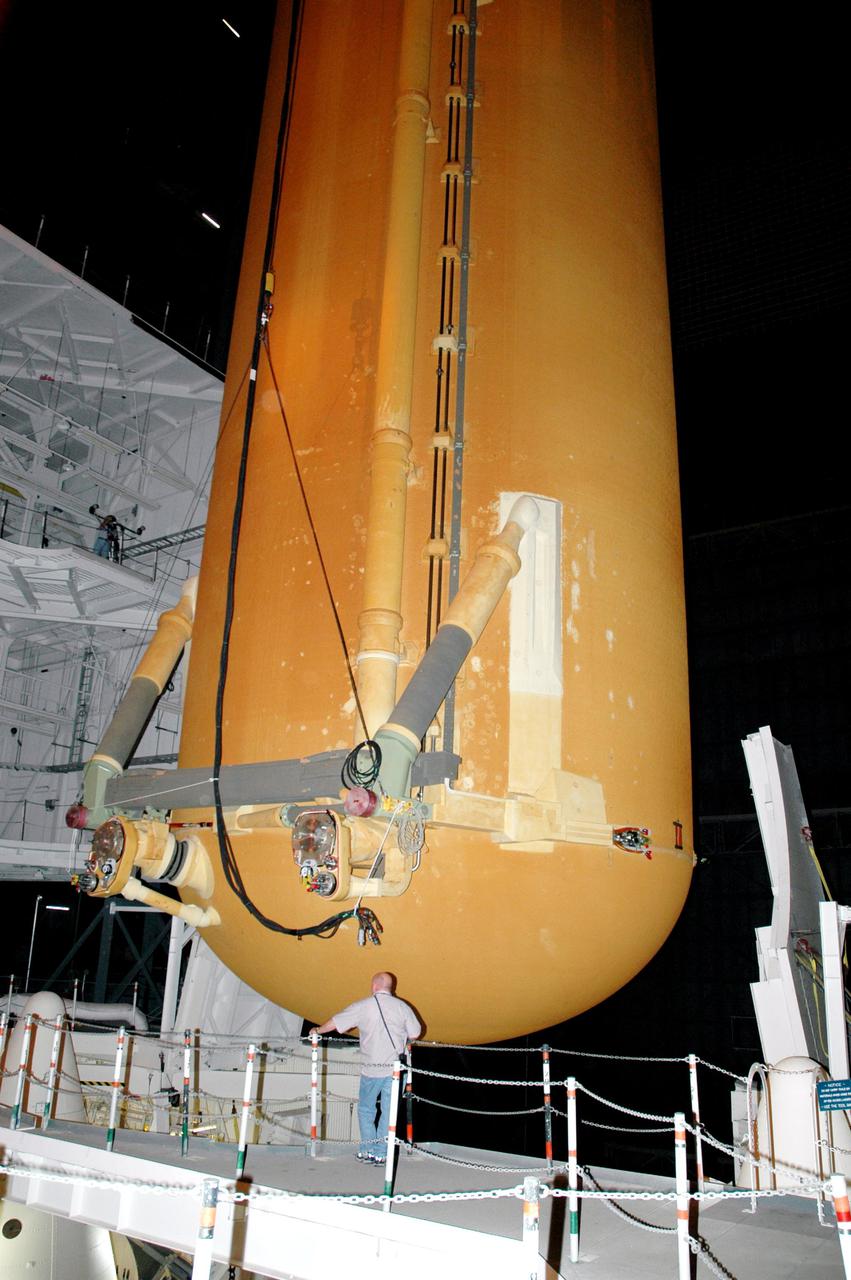
KENNEDY SPACE CENTER, FLA. - A technician monitors the External Tank that will be used to return the Space Shuttle program to flight as it is positioned into high bay 3 in the Vehicle Assembly Building. The tank, ET-121, and the Solid Rocket Boosters were originally scheduled to fly with orbiter Atlantis on mission STS-121 but will now be used to launch Discovery on mission STS-114. Once secure in the high bay, a new heater will be added to the feedline bellows to minimize the potential for ice and frost buildup. STS-114 is the first Return to Flight mission to the International Space Station. The launch window extends from July 13 through July 31.
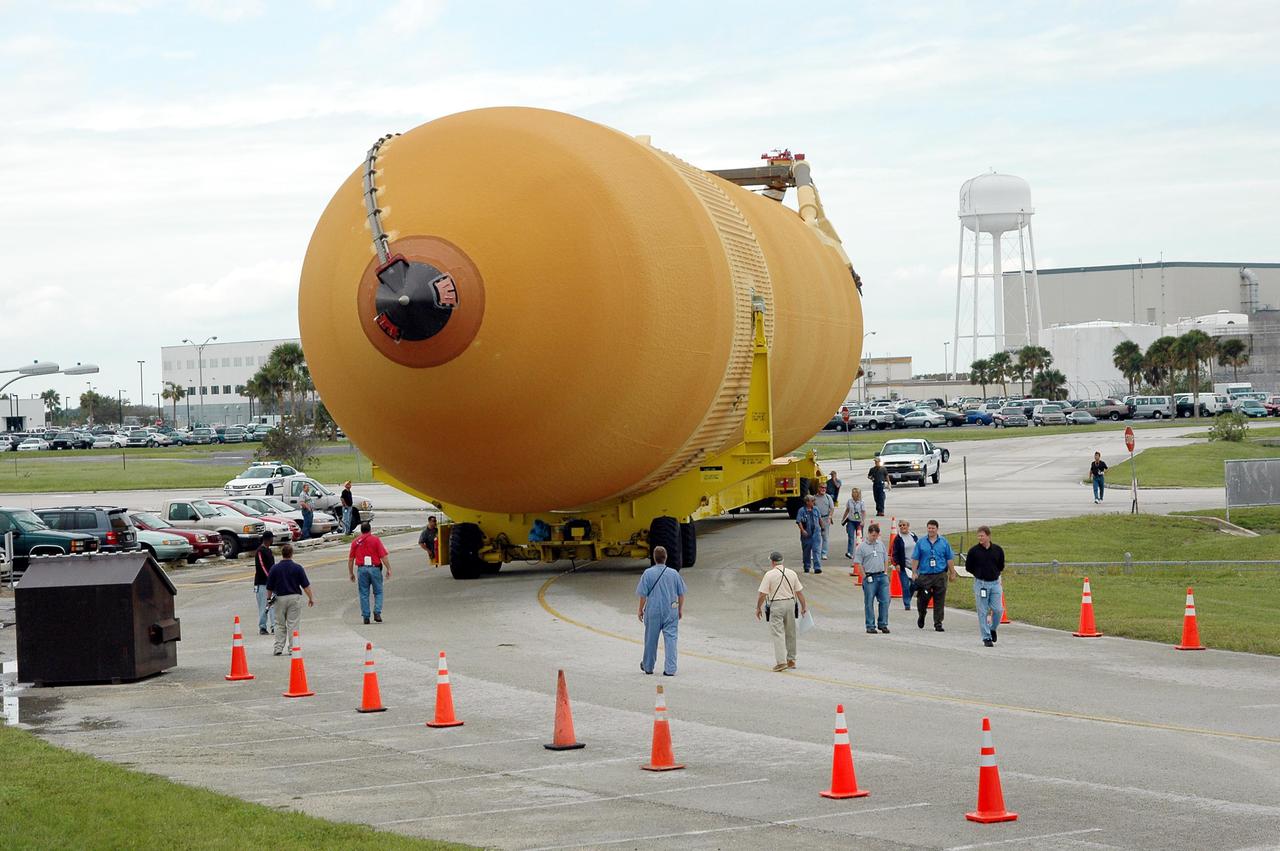
KENNEDY SPACE CENTER, FLA. - External Tank 118 (ET-118) is transferred from the Vehicle Assembly Building to the barge in the Turn Basin at Launch Complex 39. The tank will be transported to NASA’s Michoud Assembly Facility in New Orleans. The tank is being installed with an improved bipod fitting, which connects the external fuel tank to the Shuttle during launch. The new design, a significant milestone in the effort to return the Shuttle to safe flight, replaces the foam that was used to prevent ice buildup on the tank’s bipod fittings with four rod-shaped heaters. The heaters are being retrofitted on the 11 existing tanks and incorporated into the manufacture of all new tanks.
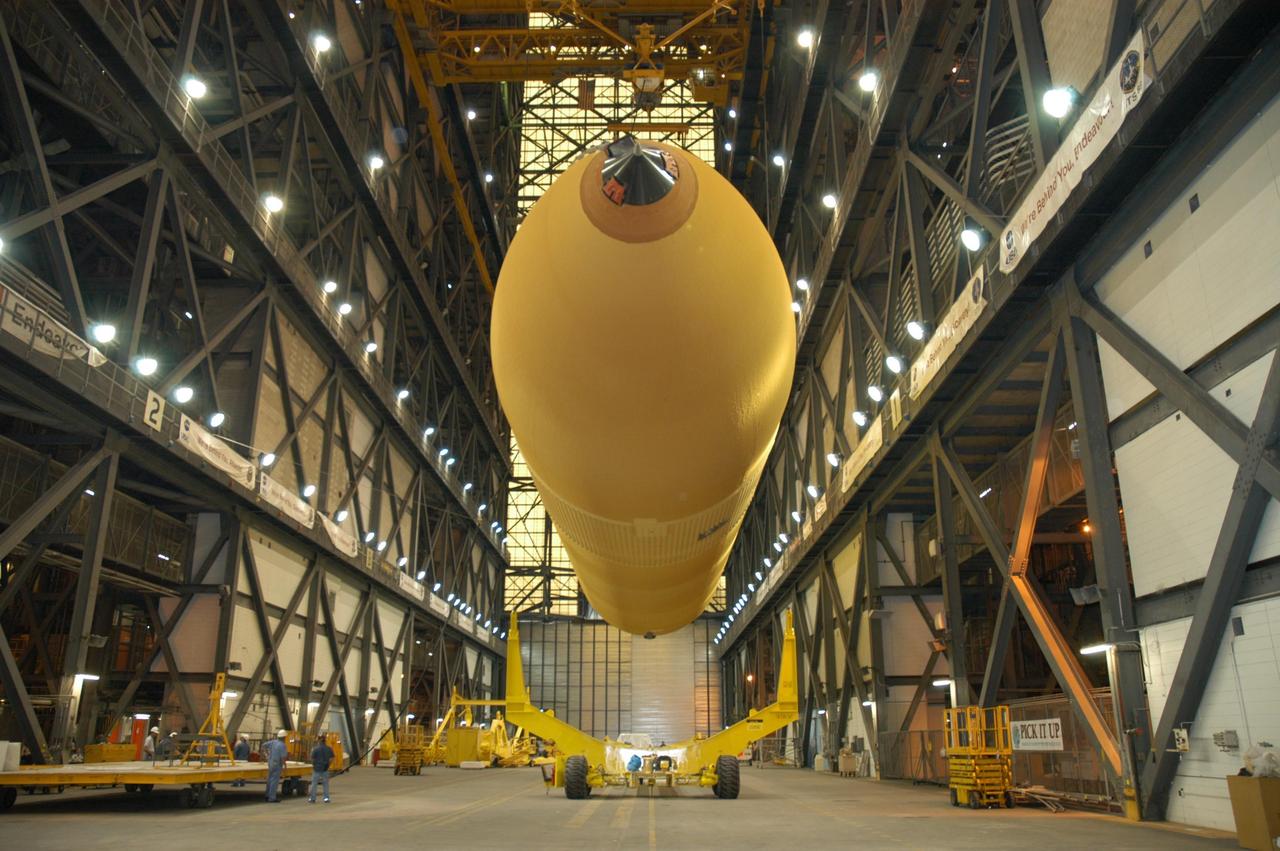
KENNEDY SPACE CENTER, FLA. - External Tank 118 (ET-118) is slowly moved above the transporter in the transfer aisle of the Vehicle Assembly Building before being lowered. The tank will be transferred to NASA’s Michoud Assembly Facility in New Orleans. The tank is being installed with an improved bipod fitting, which connects the external fuel tank to the Shuttle during launch. The new design, a significant milestone in the effort to return the Shuttle to safe flight, replaces the foam that was used to prevent ice buildup on the tank’s bipod fittings with four rod-shaped heaters. The heaters are being retrofitted on the 11 existing tanks and incorporated into the manufacture of all new tanks.
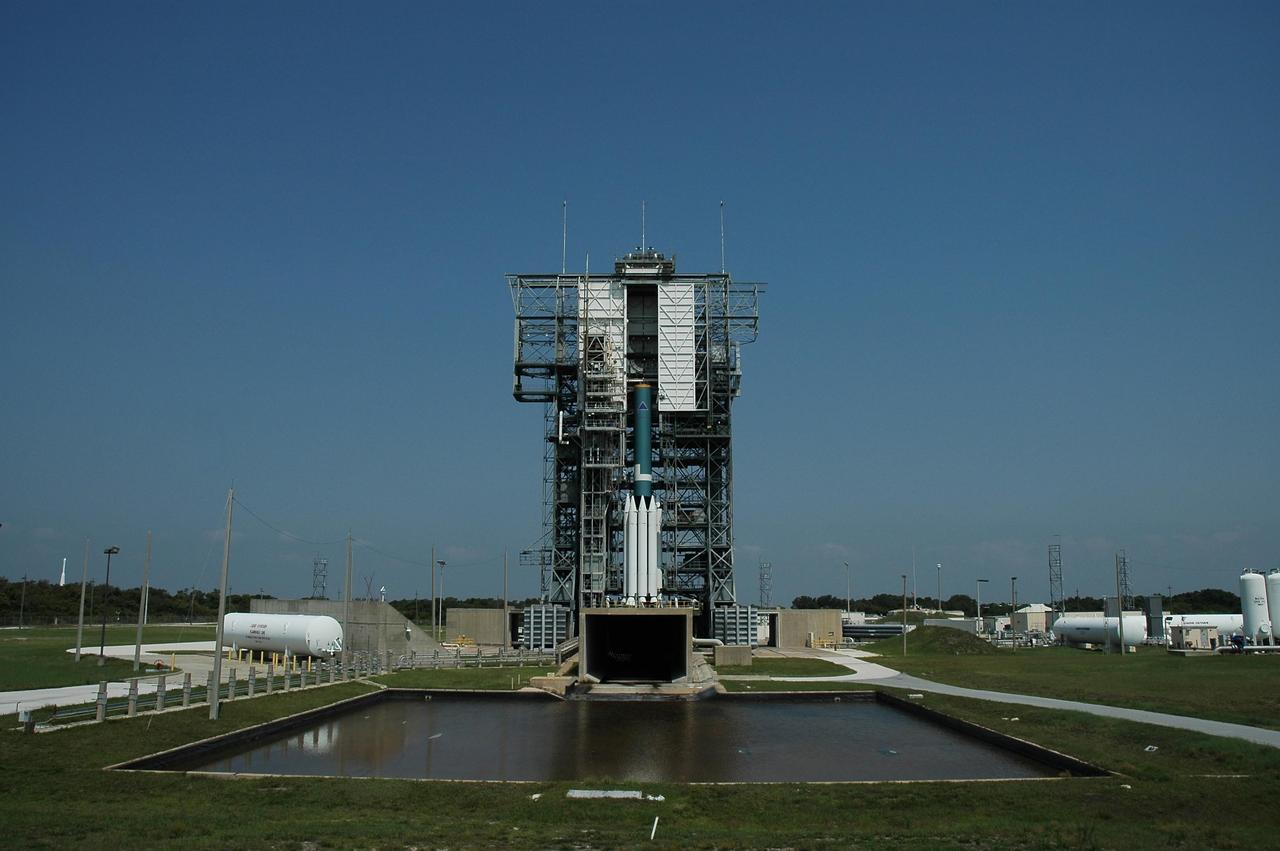
KENNEDY SPACE CENTER, FLA. -- On Launch Pad 17-B at Cape Canaveral Air Force Station, buildup of the Delta II first stage and solid rocket boosters for the Dawn spacecraft is seen. Below the rocket is the flame trench, and in the foreground is the overflow pool. Dawn's goal is to characterize the conditions and processes of the solar system's earliest epoch 4.5 billion years ago by investigating in detail two of the largest asteroids, Ceres and Vesta. They reside between Mars and Jupiter in the asteroid belt. Launch is targeted for July 7. Photo credit: NASA/Jim Grossmann
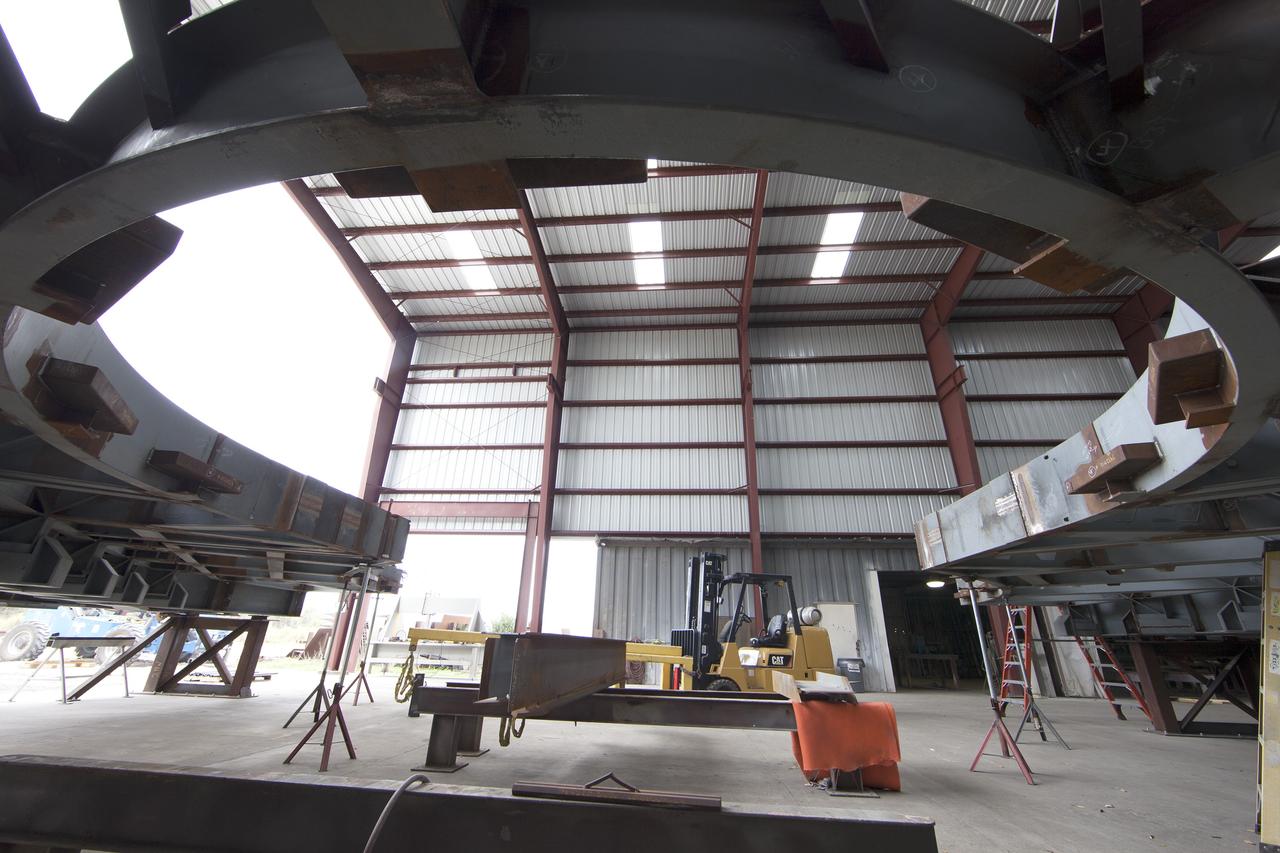
A view looking up reveals the buildup of the first of 10 new work platforms at Sauer Co. in Oak Hill, Florida. When completed, the first platform will be delivered for installation in high bay 3 of the Vehicle Assembly Building at NASA's Kennedy Space Center in Florida. A contract to modify high bay 3 was awarded by NASA to the Hensel Phelps Construction Co. of Orlando, Florida in March 2014. Sauer is a subcontractor to Hensel Phelps. The Ground Systems Development and Operations Program is overseeing upgrades and modifications to the high bay to support processing of NASA's Space Launch System and Orion spacecraft, and other exploration vehicles. Photo credit: NASA/Ben Smegelsky
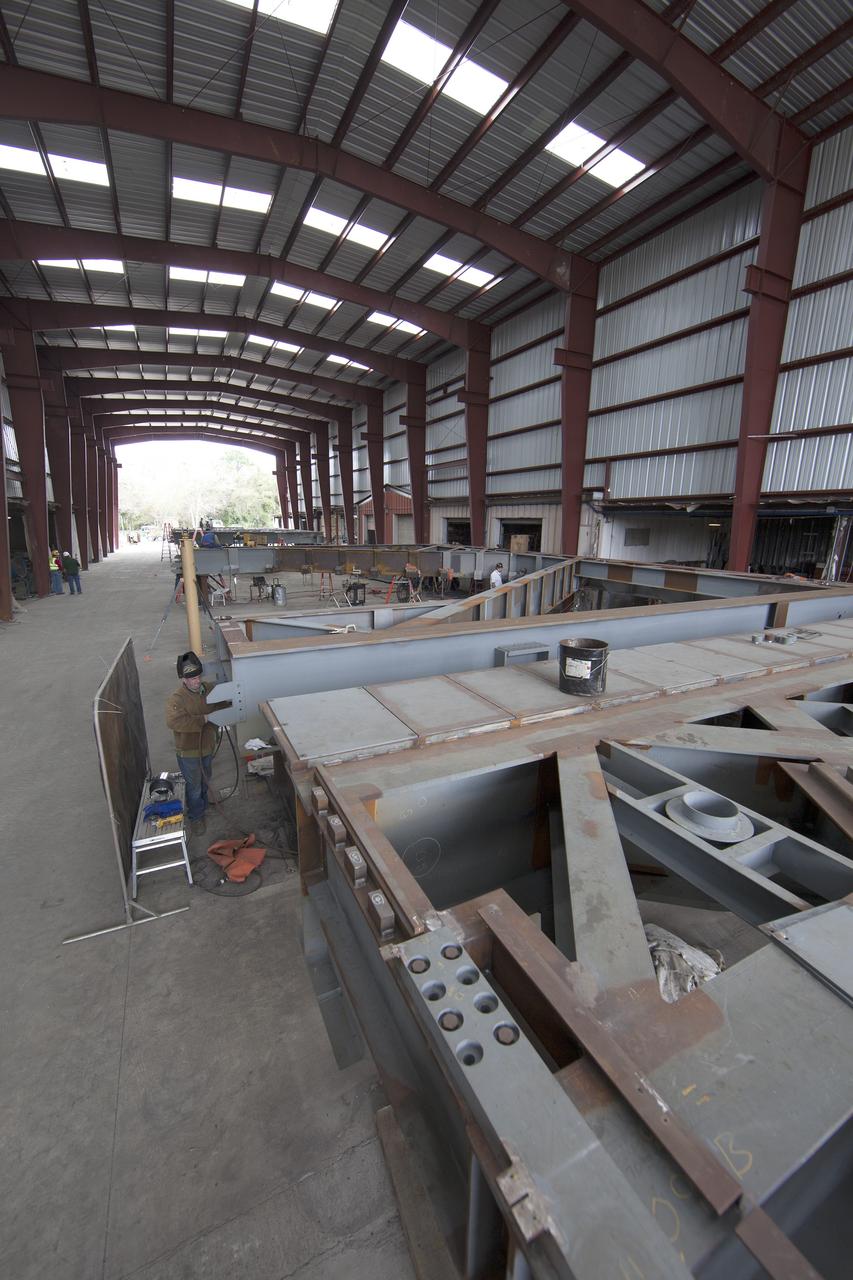
Construction workers at Sauer in Oak Hill, Florida, work on the buildup of the first of 10 new work platforms that will be delivered for installation in high bay 3 of the Vehicle Assembly Building at NASA's Kennedy Space Center in Florida. A contract to modify high bay 3 was awarded by NASA to the Hensel Phelps Construction Co. of Orlando, Florida in March 2014. Sauer is a subcontractor to Hensel Phelps. The Ground Systems Development and Operations Program is overseeing upgrades and modifications to the high bay to support processing of NASA's Space Launch System and Orion spacecraft, and other exploration vehicles. Photo credit: NASA/Ben Smegelsky
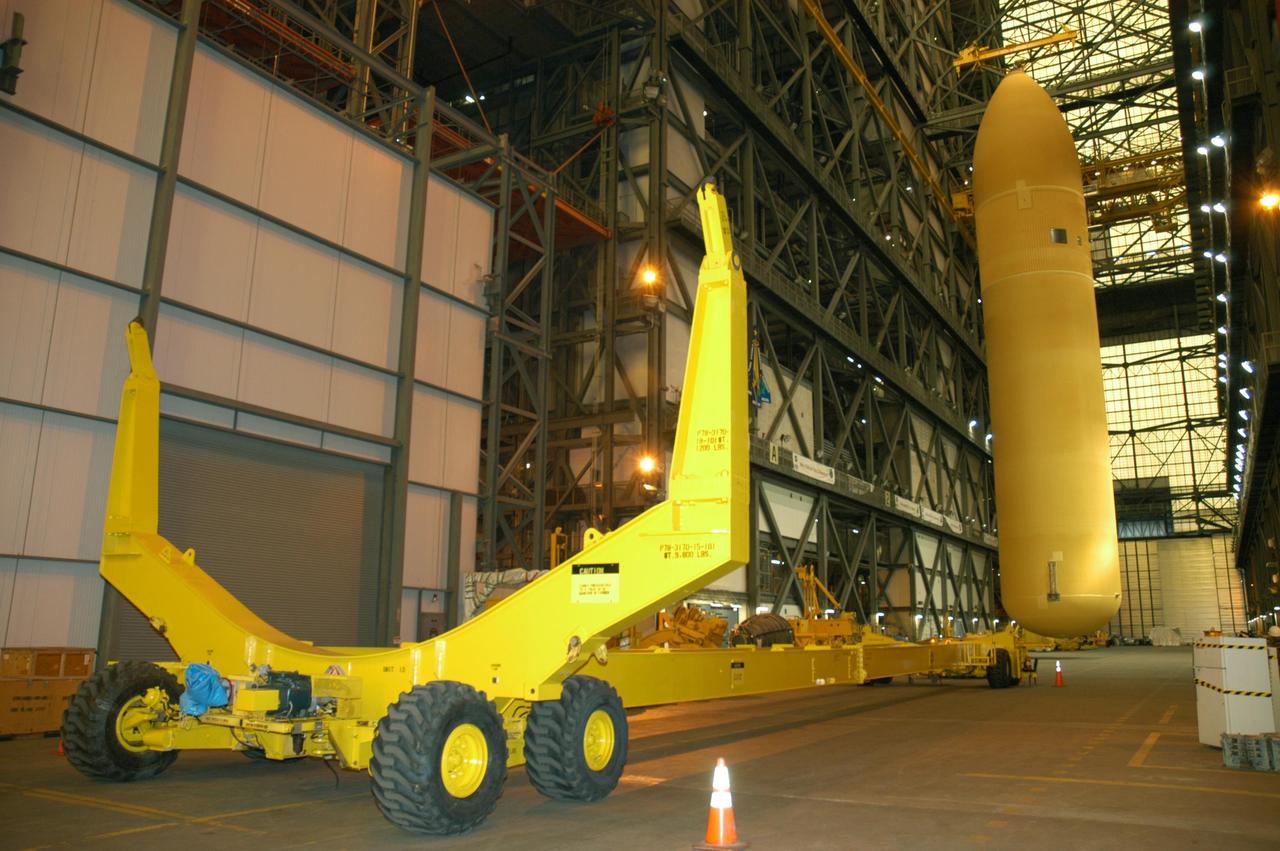
KENNEDY SPACE CENTER, FLA. - After being lowered from its cell in the Vehicle Assembly Building, External Tank 118 (ET-118) is suspended above the transfer aisle before being placed on the transporter at left. The tank will be transferred to NASA’s Michoud Assembly Facility in New Orleans. The tank is being installed with an improved bipod fitting, which connects the external fuel tank to the Shuttle during launch. The new design, a significant milestone in the effort to return the Shuttle to safe flight, replaces the foam that was used to prevent ice buildup on the tank’s bipod fittings with four rod-shaped heaters. The heaters are being retrofitted on the 11 existing tanks and incorporated into the manufacture of all new tanks.
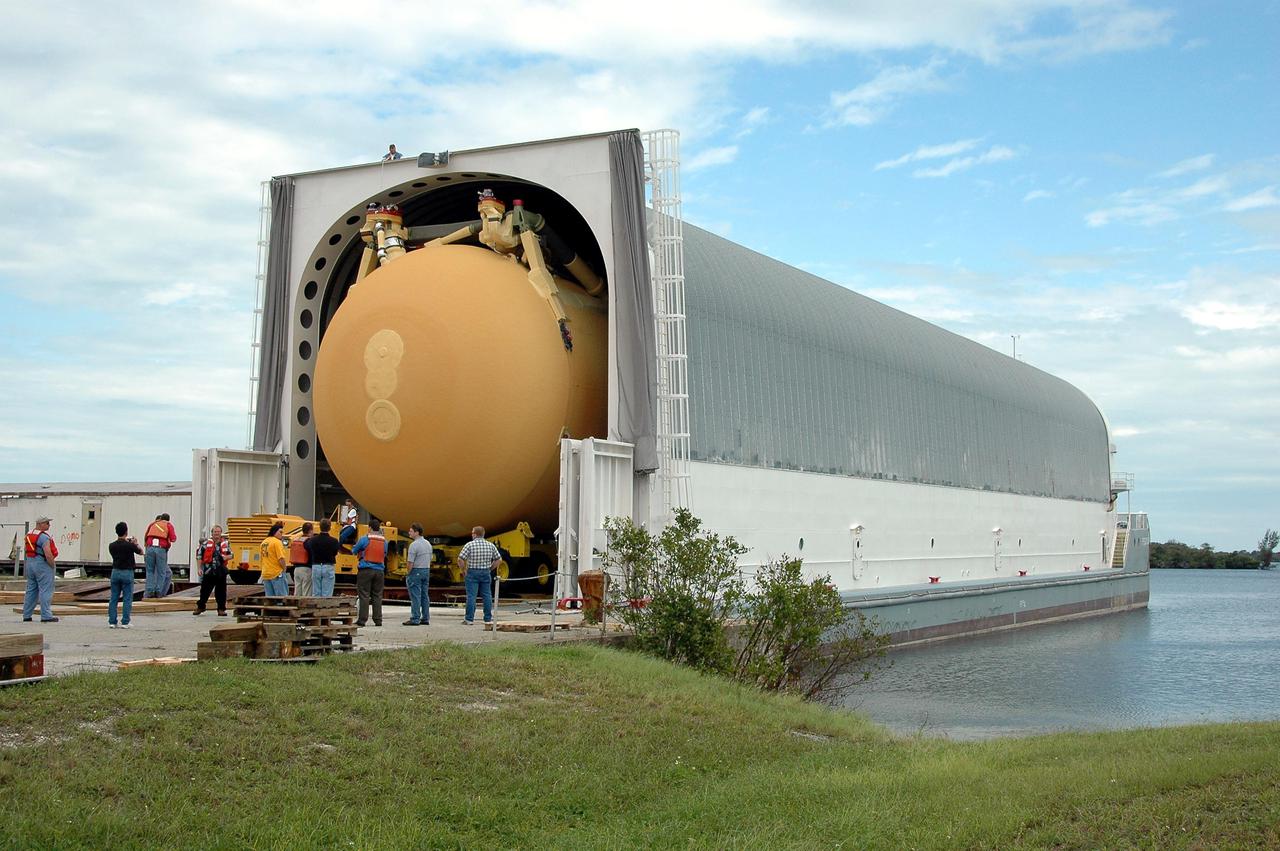
KENNEDY SPACE CENTER, FLA. - At the Turn Basin in Launch Complex 39, KSC workers prepare to secure External Tank 118 (ET-118) in the barge that will transport it to NASA’s Michoud Assembly Facility in New Orleans. It had been stored in the Vehicle Assembly Building. The tank is being installed with an improved bipod fitting, which connects the external fuel tank to the Shuttle during launch. The new design, a significant milestone in the effort to return the Shuttle to safe flight, replaces the foam that was used to prevent ice buildup on the tank’s bipod fittings with four rod-shaped heaters. The heaters are being retrofitted on the 11 existing tanks and incorporated into the manufacture of all new tanks.

KENNEDY SPACE CENTER, FLA. - Workers in the transfer aisle of the Vehicle Assembly Building prepare to lower the External Tank 118 (ET-118) to a horizontal position before being placed on a transporter. The tank will be transferred to NASA’s Michoud Assembly Facility in New Orleans. The tank is being installed with an improved bipod fitting, which connects the external fuel tank to the Shuttle during launch. The new design, a significant milestone in the effort to return the Shuttle to safe flight, replaces the foam that was used to prevent ice buildup on the tank’s bipod fittings with four rod-shaped heaters. The heaters are being retrofitted on the 11 existing tanks and incorporated into the manufacture of all new tanks.
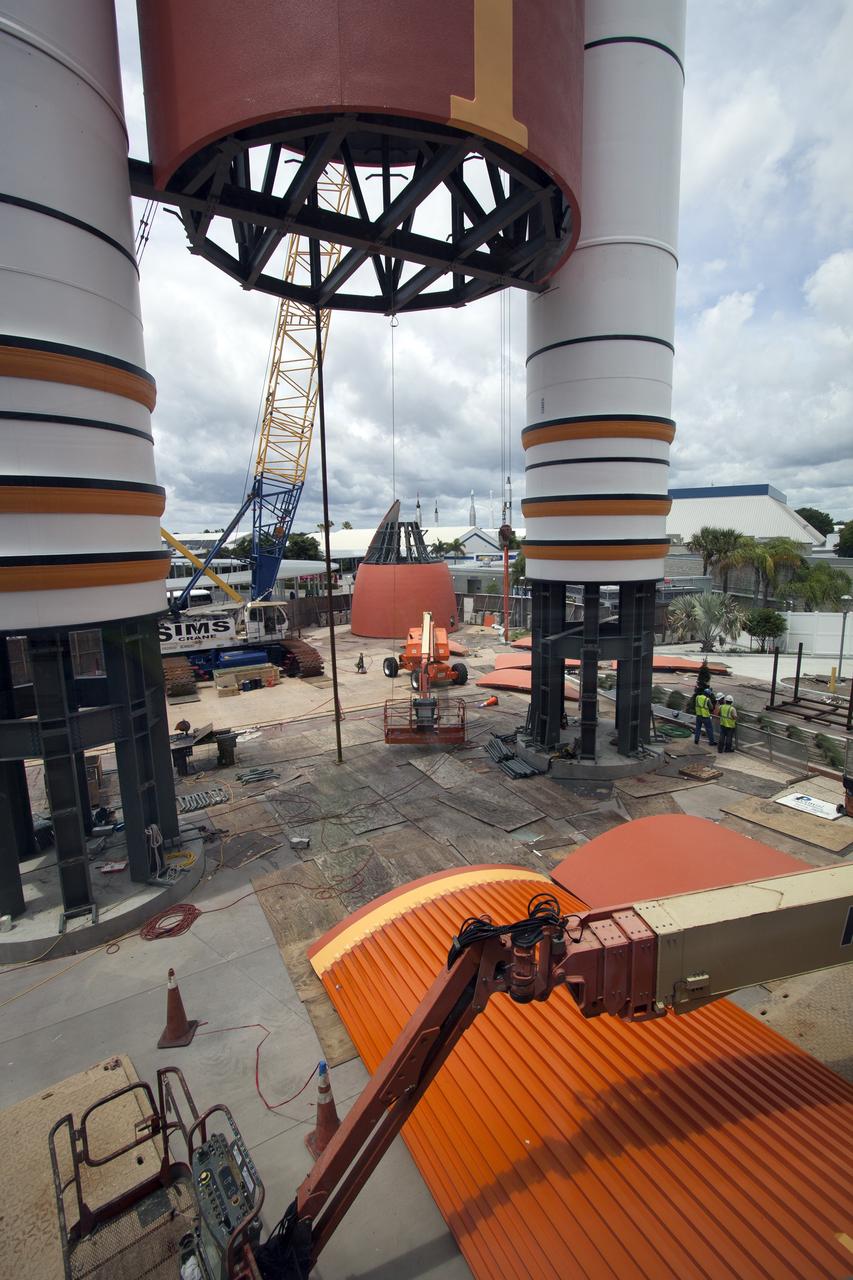
CAPE CANAVERAL, Fla. – At the Kennedy Space Center Visitor Complex in Florida, the buildup of the replica solid rocket boosters and external fuel tank are nearly complete in front of the entrance to the new “Space Shuttle Atlantis” exhibit. Atlantis is being prepared for display in the 90,000-square-foot facility, scheduled to open June 29, 2013. The new $100 million facility will include interactive exhibits that tell the story of the 30-year Space Shuttle Program and highlight the future of space exploration. Visitors to the exhibit will get an up close look at Atlantis with its payload bay doors open, similar to how it looked in space. Photo credit: NASA/Jim Grossmann
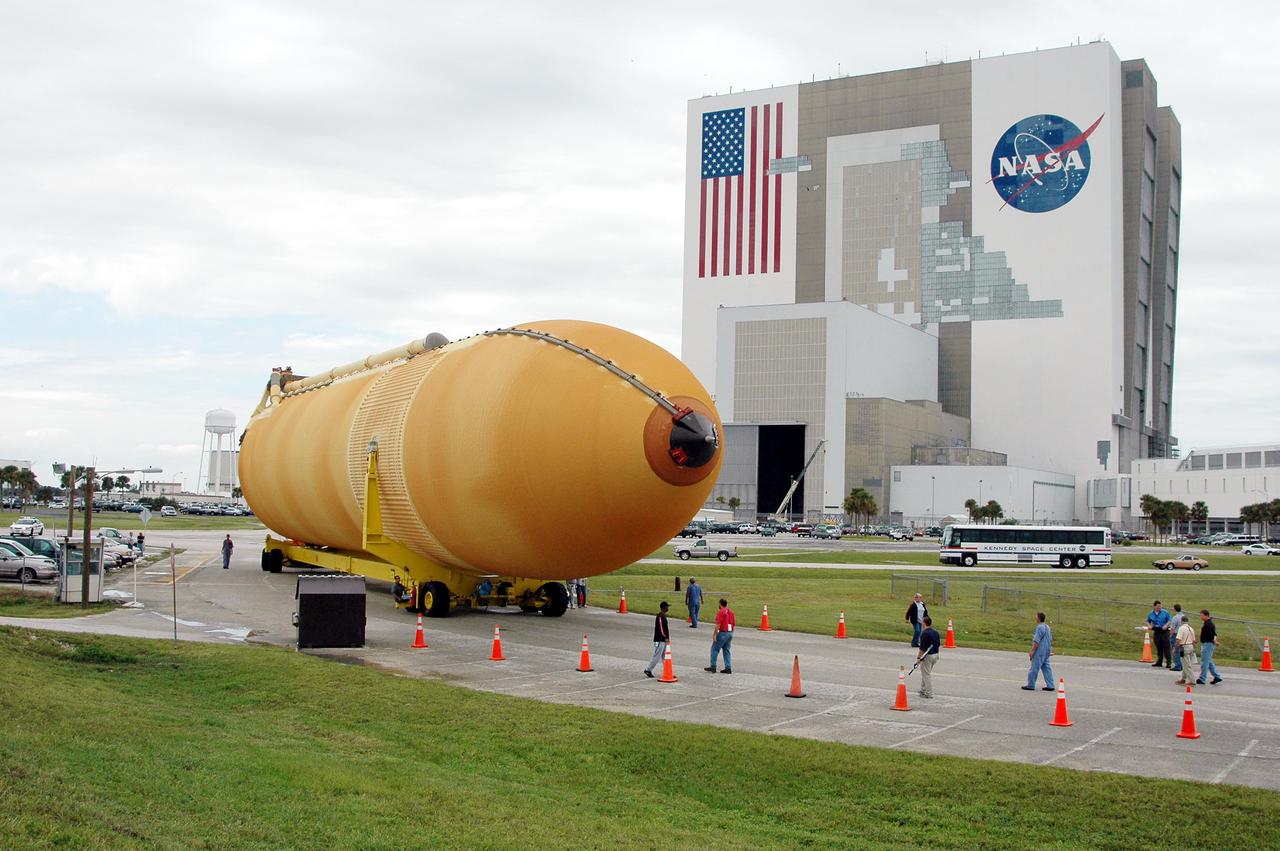
KENNEDY SPACE CENTER, FLA. - KSC workers escort External Tank 118 (ET-118) from the Vehicle Assembly Building, in the background, to the barge in the Turn Basin at Launch Complex 39. The tank will be transported to NASA’s Michoud Assembly Facility in New Orleans. The tank is being installed with an improved bipod fitting, which connects the external fuel tank to the Shuttle during launch. The new design, a significant milestone in the effort to return the Shuttle to safe flight, replaces the foam that was used to prevent ice buildup on the tank’s bipod fittings with four rod-shaped heaters. The heaters are being retrofitted on the 11 existing tanks and incorporated into the manufacture of all new tanks.
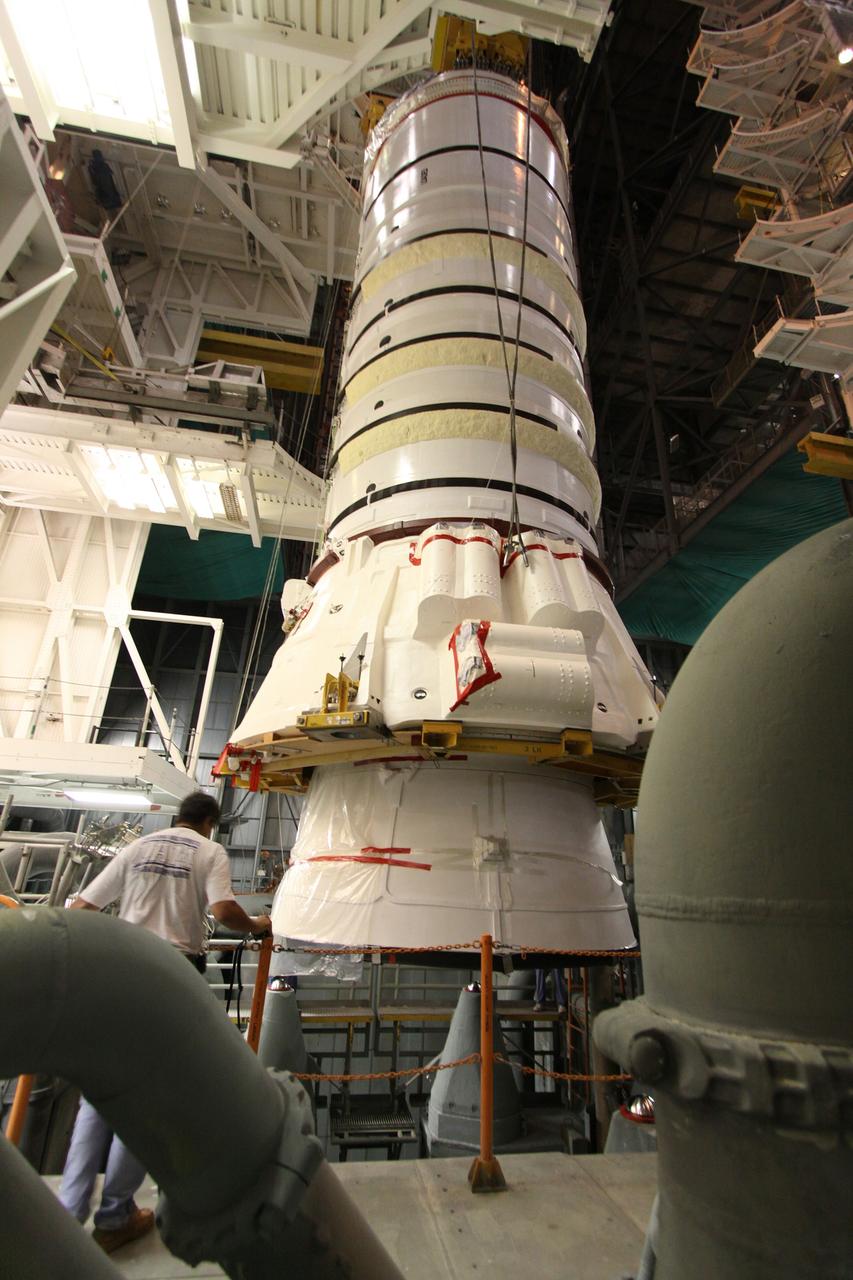
CAPE CANAVERAL, Fla. – In the Vehicle Assembly Building at NASA's Kennedy Space Center in Florida, workers keep watch as the Ares I-X aft booster segment with the aft skirt is lowered toward the mobile launch platform in High Bay 3. This is the start of the buildup of the Ares I-X launch vehicle for the flight test targeted for no earlier than Aug. 30. Part of the Constellation Program, the Ares I-X is the test vehicle for the Ares I, which is the essential core of a space transportation system that eventually will carry crewed missions back to the moon, on to Mars and out into the solar system. Photo credit: NASA/Jack Pfaller
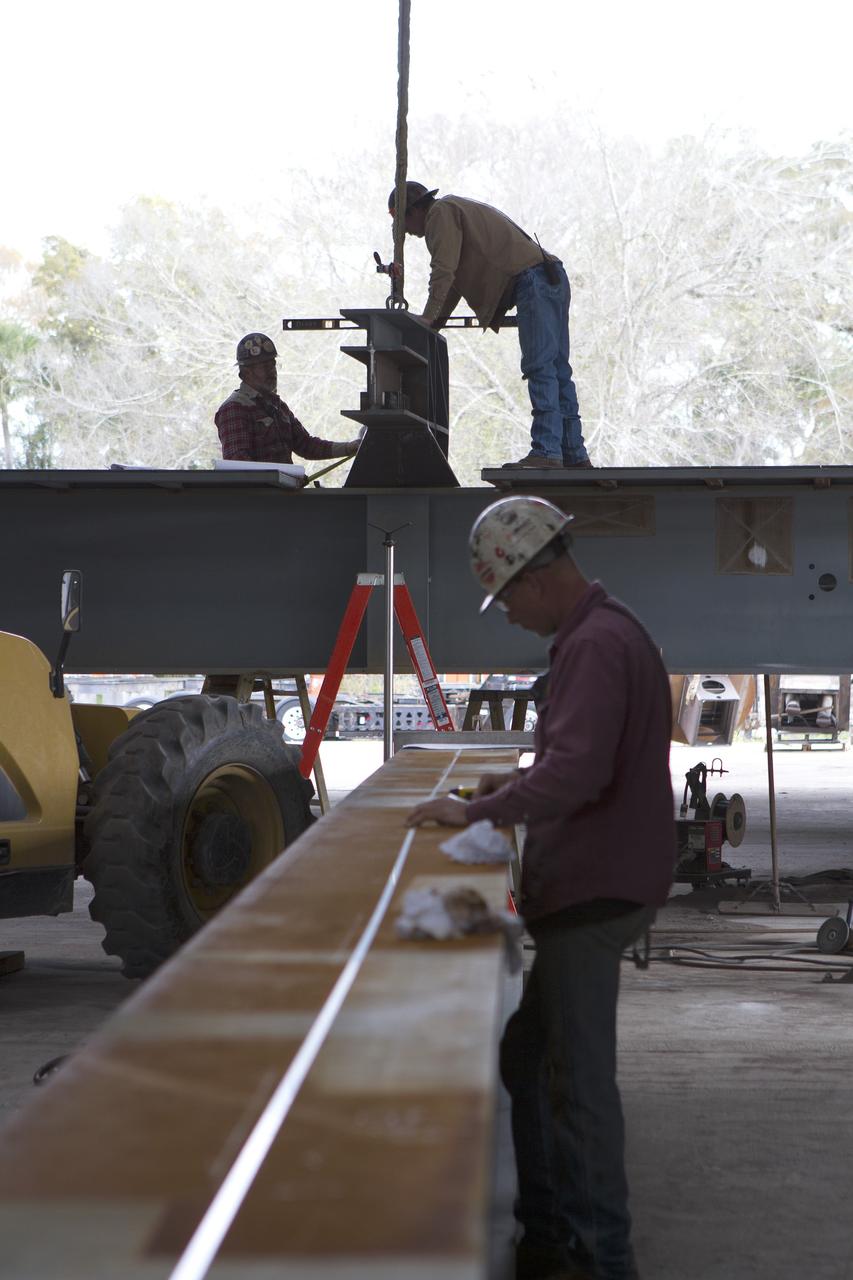
Construction workers at Sauer Co. in Oak Hill, Florida, work on the buildup of the first of 10 new work platforms that will be delivered for installation in high bay 3 of the Vehicle Assembly Building at NASA's Kennedy Space Center in Florida. A contract to modify high bay 3 was awarded by NASA to the Hensel Phelps Construction Co. of Orlando, Florida in March 2014. Sauer is a subcontractor to Hensel Phelps. The Ground Systems Development and Operations Program is overseeing upgrades and modifications to the high bay to support processing of NASA's Space Launch System and Orion spacecraft, and other exploration vehicles. Photo credit: NASA/Ben Smegelsky
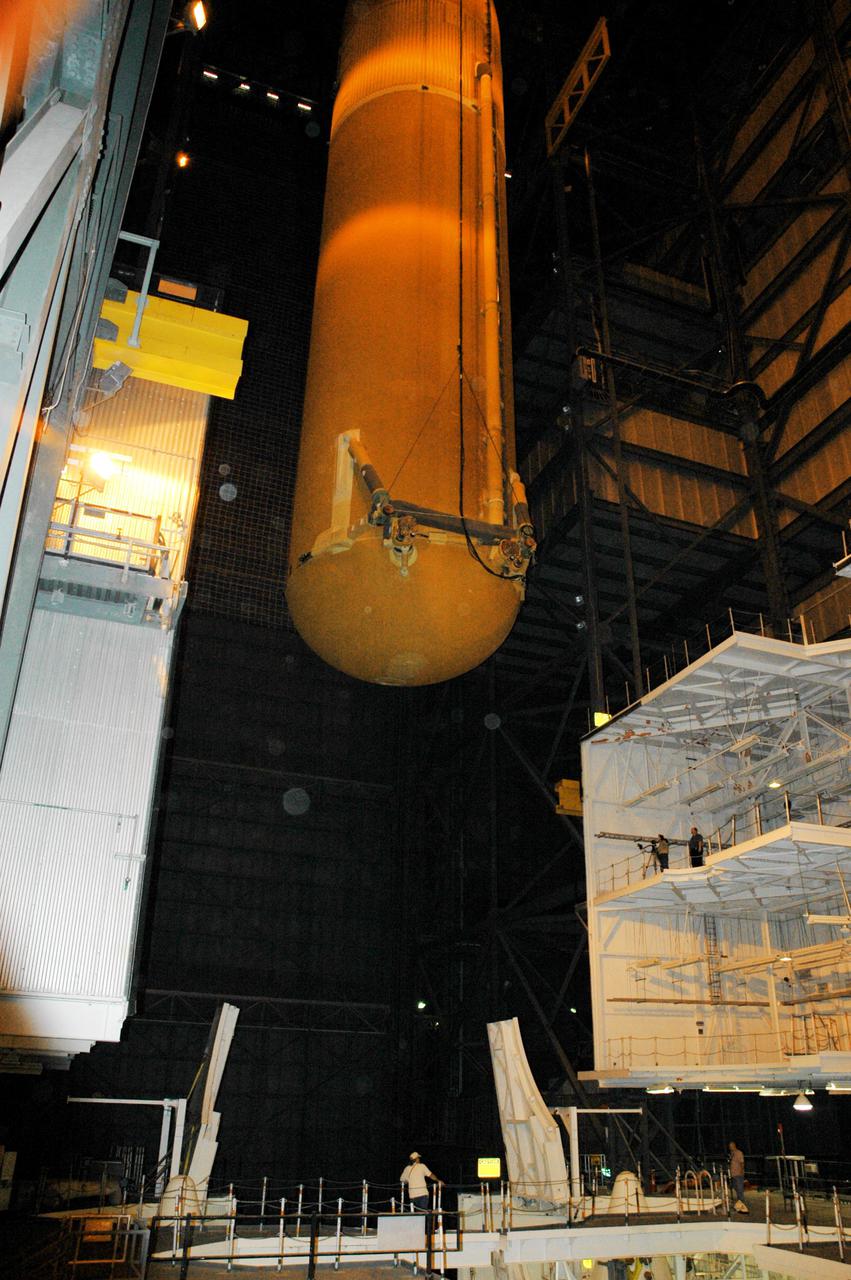
KENNEDY SPACE CENTER, FLA. - The External Tank that will be used to return the Space Shuttle program to flight is lowered into high bay 3 in the Vehicle Assembly Building. The tank, ET-121, and the Solid Rocket Boosters were originally scheduled to fly with orbiter Atlantis on mission STS-121 but will now be used to launch Discovery on mission STS-114. Once secure in the high bay, a new heater will be added to the feedline bellows to minimize the potential for ice and frost buildup. STS-114 is the first Return to Flight mission to the International Space Station. The launch window extends from July 13 through July 31.
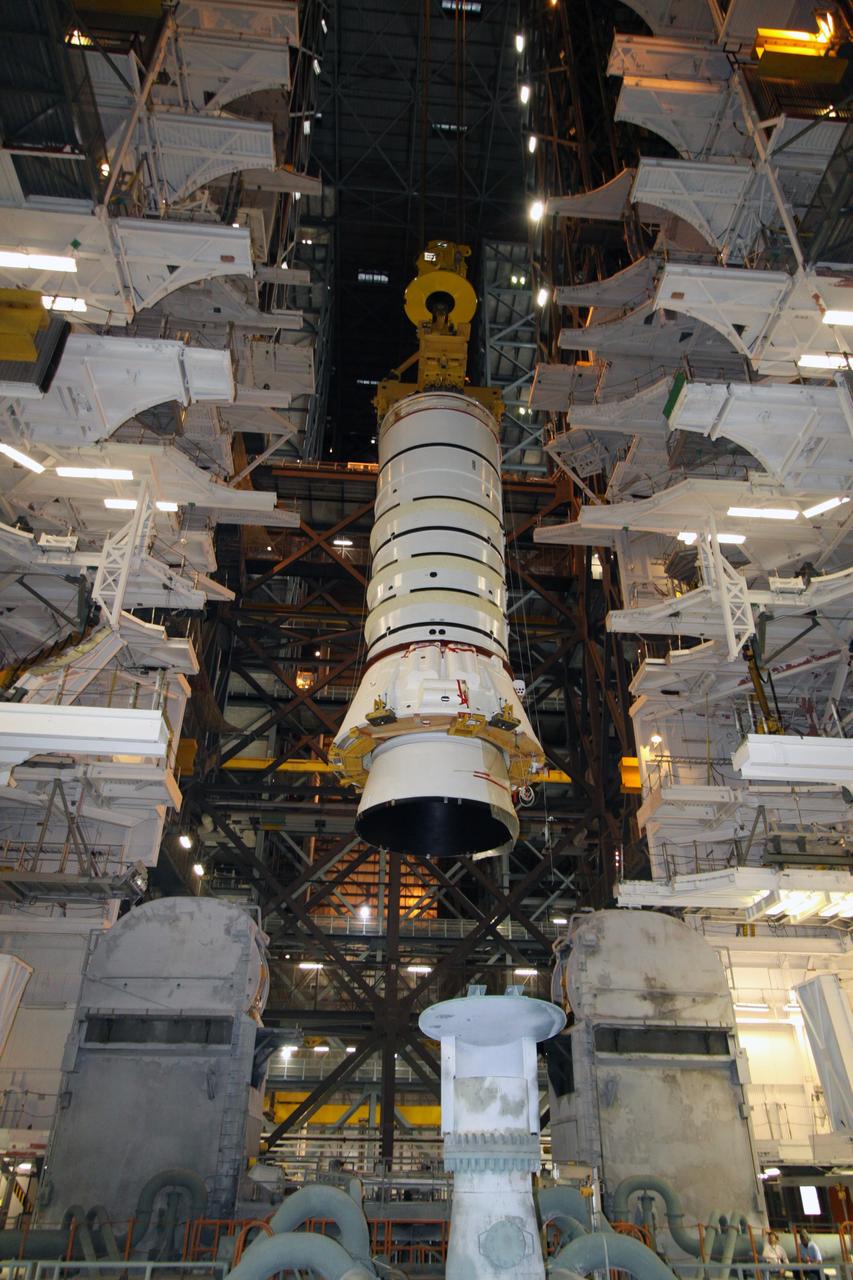
CAPE CANAVERAL, Fla. – In the Vehicle Assembly Building at NASA's Kennedy Space Center in Florida, the Ares I-X aft booster segment with the aft skirt is lowered toward the mobile launch platform in High Bay 3. This is the start of the buildup of the Ares I-X launch vehicle for the flight test targeted for no earlier than Aug. 30. Part of the Constellation Program, the Ares I-X is the test vehicle for the Ares I, which is the essential core of a space transportation system that eventually will carry crewed missions back to the moon, on to Mars and out into the solar system. Photo credit: NASA/Jack Pfaller
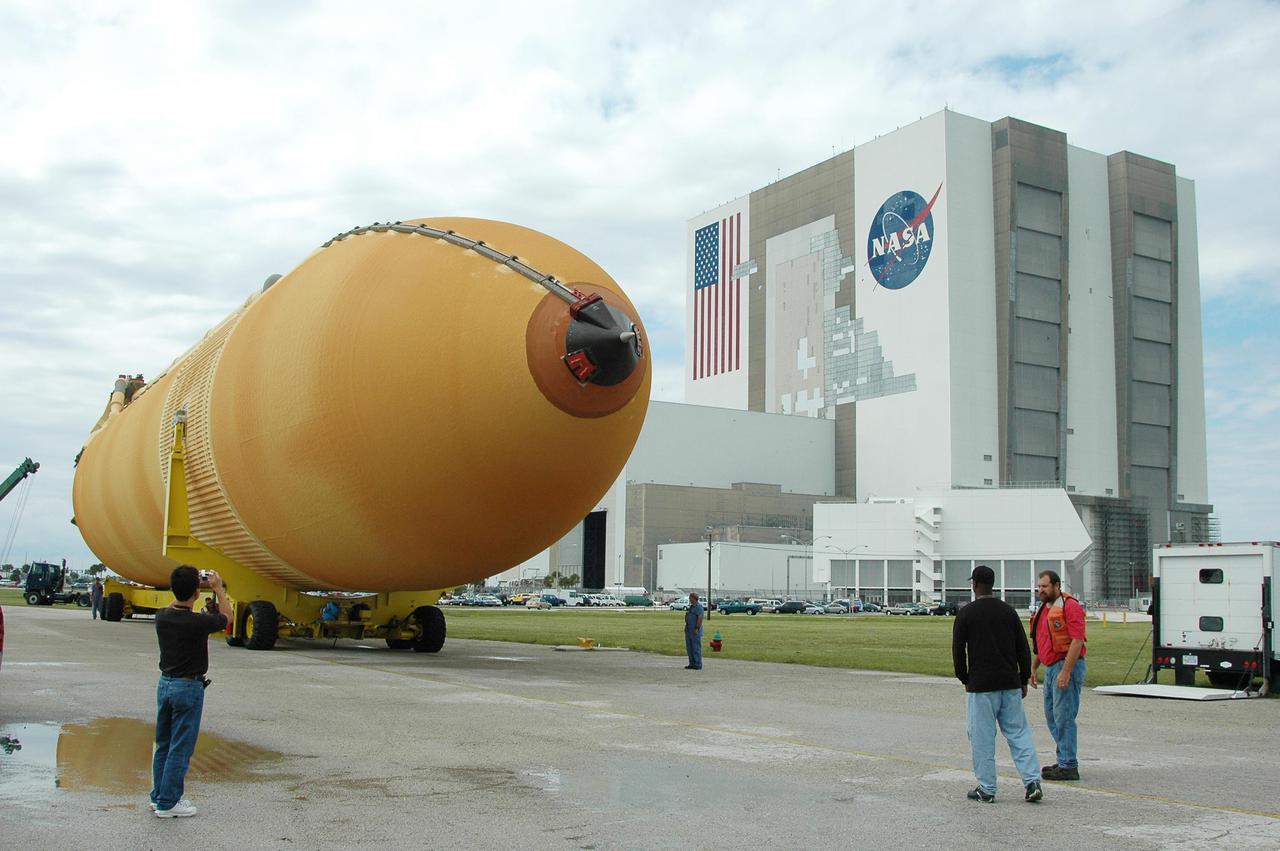
KENNEDY SPACE CENTER, FLA. - External Tank 118 (ET-118) progresses slowly from the Vehicle Assembly Building, in the background, to the barge in the Turn Basin at Launch Complex 39. The tank will be transported to NASA’s Michoud Assembly Facility in New Orleans. The tank is being installed with an improved bipod fitting, which connects the external fuel tank to the Shuttle during launch. The new design, a significant milestone in the effort to return the Shuttle to safe flight, replaces the foam that was used to prevent ice buildup on the tank’s bipod fittings with four rod-shaped heaters. The heaters are being retrofitted on the 11 existing tanks and incorporated into the manufacture of all new tanks.
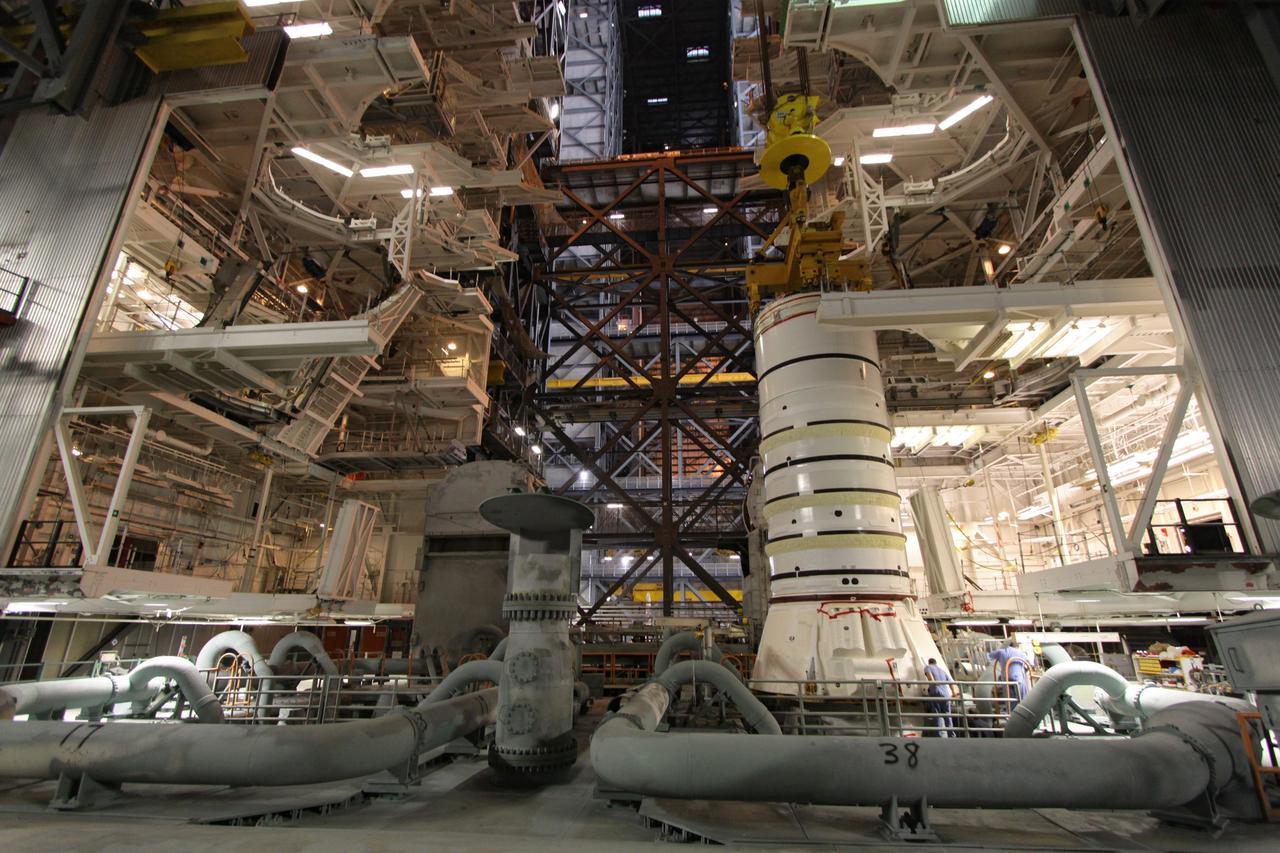
CAPE CANAVERAL, Fla. – In the Vehicle Assembly Building at NASA's Kennedy Space Center in Florida, the Ares I-X aft booster segment with the aft skirt is lowered onto the mobile launch platform in High Bay 3. This is the start of the buildup of the Ares I-X launch vehicle for the flight test targeted for no earlier than Aug. 30. Part of the Constellation Program, the Ares I-X is the test vehicle for the Ares I, which is the essential core of a space transportation system that eventually will carry crewed missions back to the moon, on to Mars and out into the solar system. Photo credit: NASA/Jack Pfaller
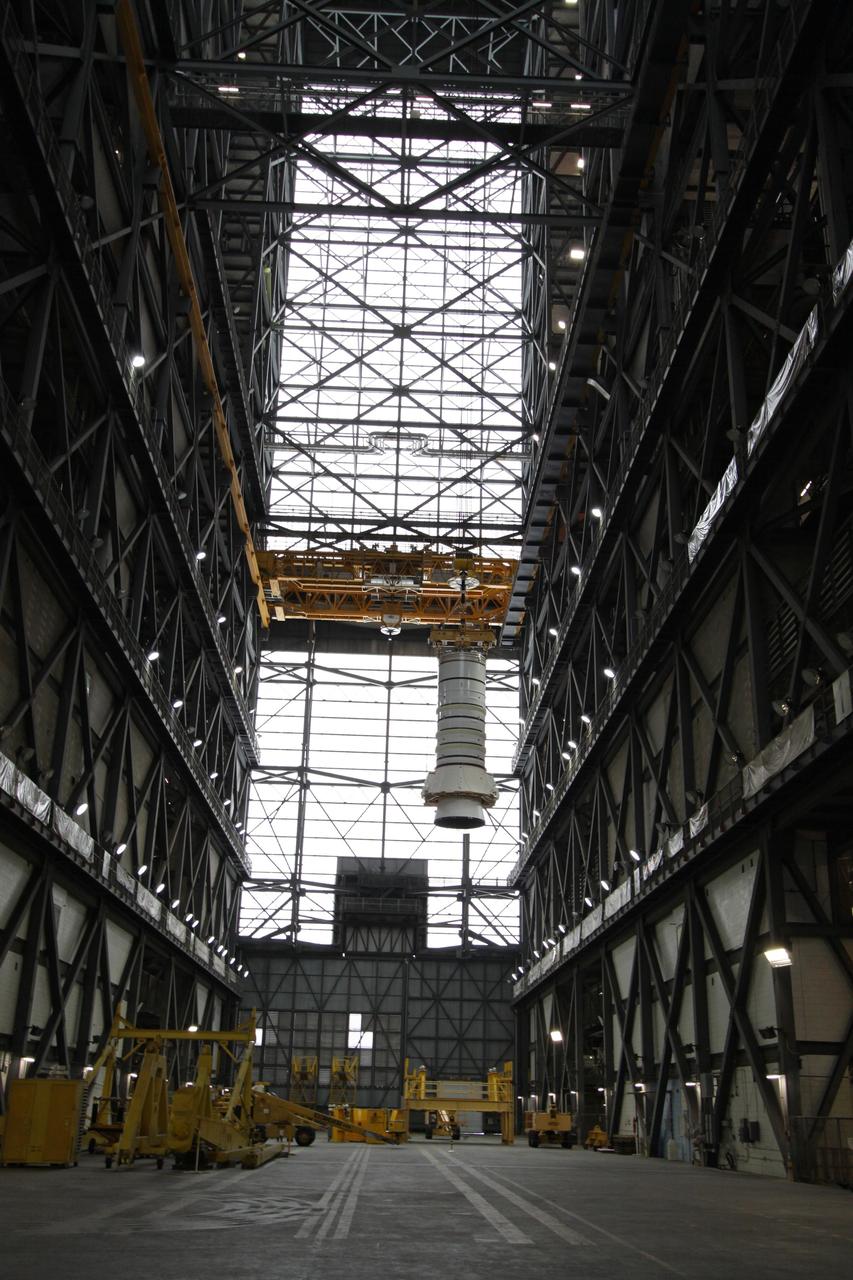
CAPE CANAVERAL, Fla. – In the Vehicle Assembly Building at NASA's Kennedy Space Center in Florida, the Ares I-X aft booster segment with the aft skirt is lifted across the VAB transfer aisle. The stack will be hoisted into the upper regions of the VAB and lowered onto the mobile launch platform in High Bay 3. This is the start of the buildup of the Ares I-X launch vehicle for the flight test targeted for no earlier than Aug. 30. Part of the Constellation Program, the Ares I-X is the test vehicle for the Ares I, which is the essential core of a space transportation system that eventually will carry crewed missions back to the moon, on to Mars and out into the solar system. Photo credit: NASA/Jack Pfaller
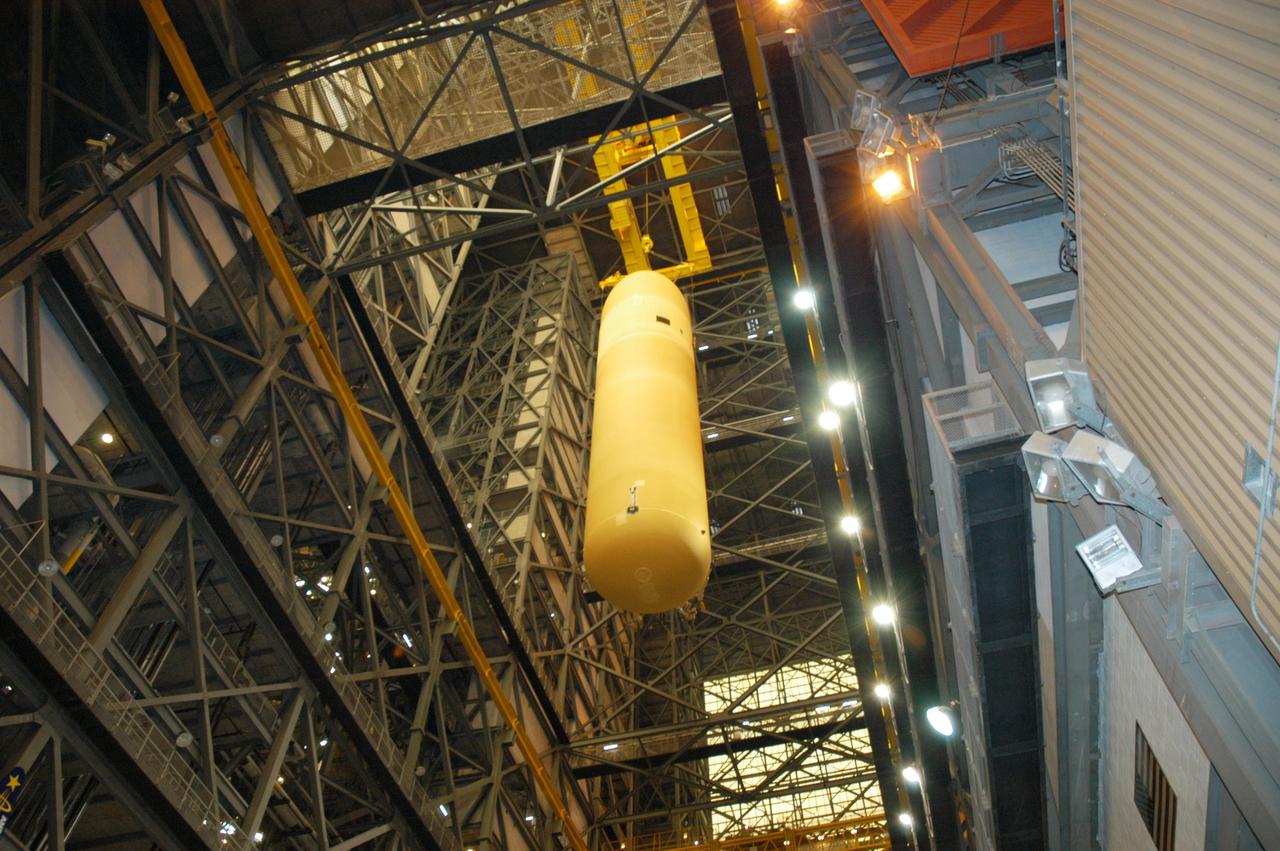
KENNEDY SPACE CENTER, FLA. - External Tank 118 (ET-118) is lowered from its cell in the Vehicle Assembly Building in order to place it on a transporter. The tank will be transferred to NASA’s Michoud Assembly Facility in New Orleans. The tank is being installed with an improved bipod fitting, which connects the external fuel tank to the Shuttle during launch. The new design, a significant milestone in the effort to return the Shuttle to safe flight, replaces the foam that was used to prevent ice buildup on the tank’s bipod fittings with four rod-shaped heaters. The heaters are being retrofitted on the 11 existing tanks and incorporated into the manufacture of all new tanks.
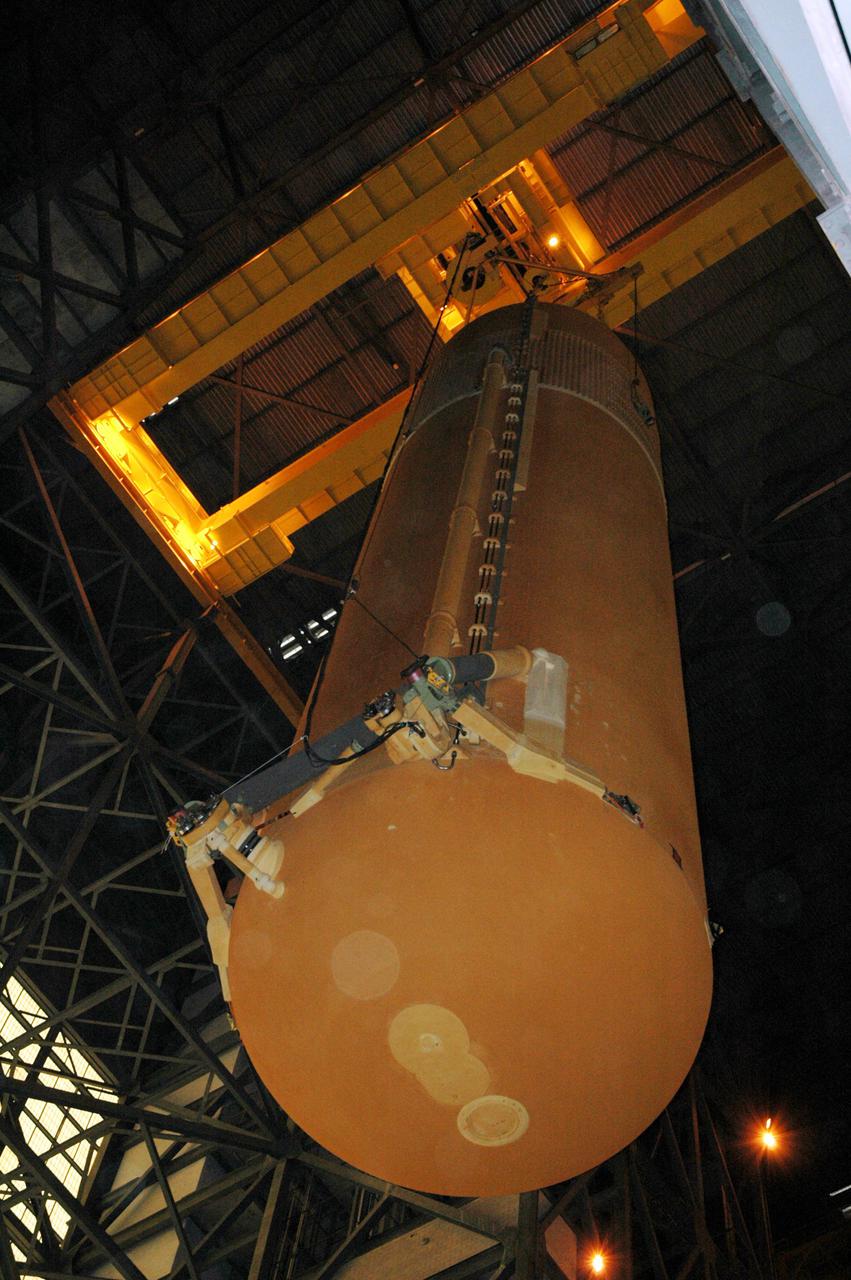
KENNEDY SPACE CENTER, FLA. - The External Tank that will be used to return the Space Shuttle program to flight is lifted into high bay 3 in the Vehicle Assembly Building. The tank, ET-121, and the Solid Rocket Boosters were originally scheduled to fly with orbiter Atlantis on mission STS-121 but will now be used to launch Discovery on mission STS-114. Once secure in the high bay, a new heater will be added to the feedline bellows to minimize the potential for ice and frost buildup. STS-114 is the first Return to Flight mission to the International Space Station. The launch window extends from July 13 through July 31.
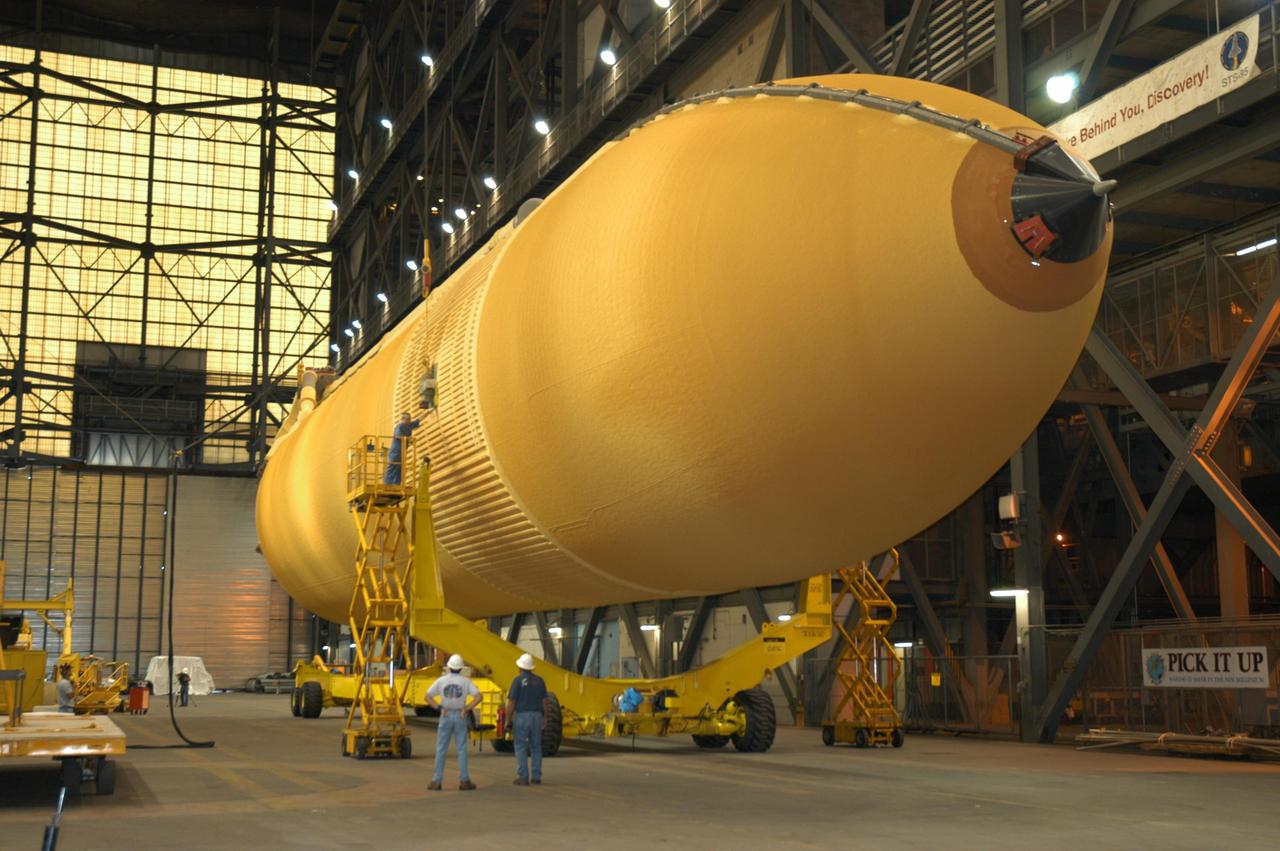
KENNEDY SPACE CENTER, FLA. - Workers in the transfer aisle of the Vehicle Assembly Building check the progress of External Tank 118 (ET-118) as it is lowered onto the transporter below it. The tank will be transferred to NASA’s Michoud Assembly Facility in New Orleans. The tank is being installed with an improved bipod fitting, which connects the external fuel tank to the Shuttle during launch. The new design, a significant milestone in the effort to return the Shuttle to safe flight, replaces the foam that was used to prevent ice buildup on the tank’s bipod fittings with four rod-shaped heaters. The heaters are being retrofitted on the 11 existing tanks and incorporated into the manufacture of all new tanks.
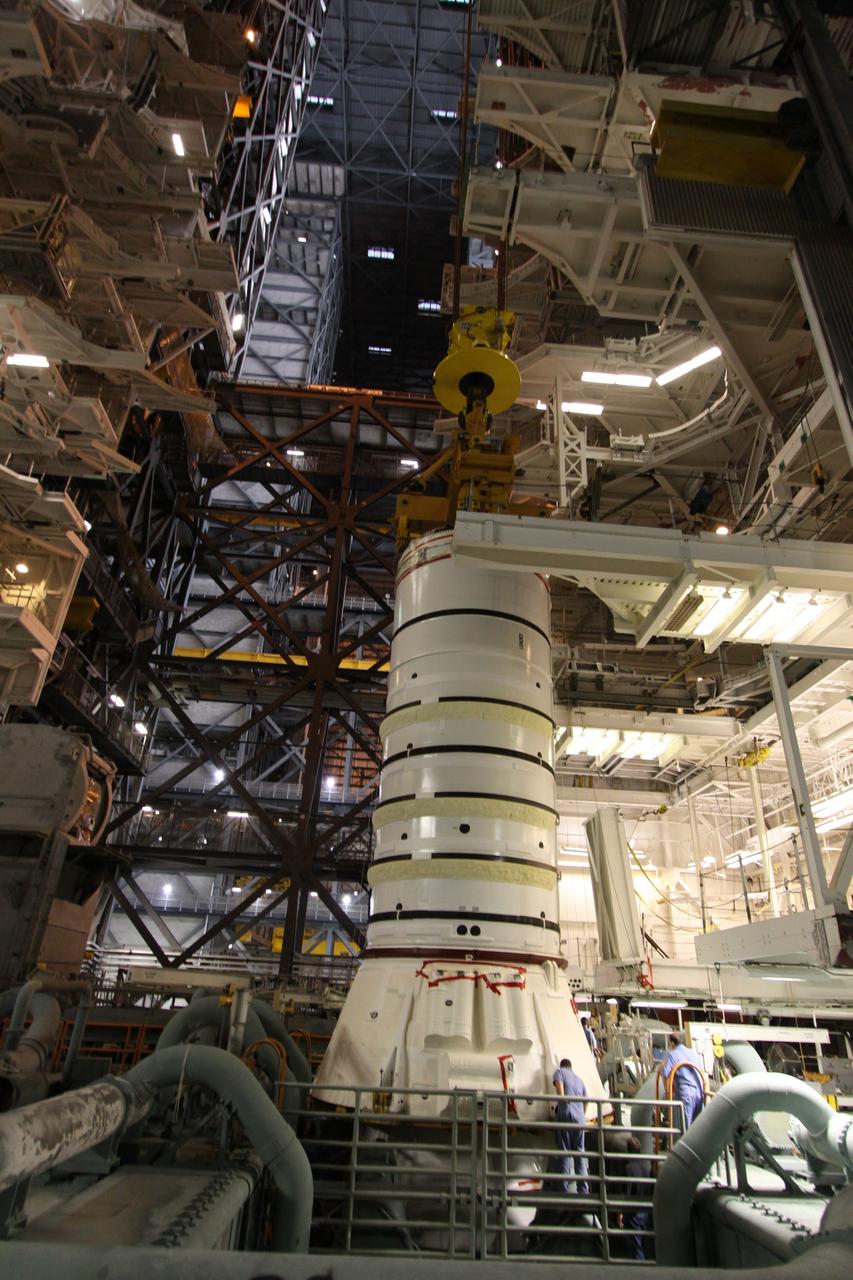
CAPE CANAVERAL, Fla. – In the Vehicle Assembly Building at NASA's Kennedy Space Center in Florida, workers keep watch as the Ares I-X aft booster segment with the aft skirt is lowered toward the mobile launch platform in High Bay 3. This is the start of the buildup of the Ares I-X launch vehicle for the flight test targeted for no earlier than Aug. 30. Part of the Constellation Program, the Ares I-X is the test vehicle for the Ares I, which is the essential core of a space transportation system that eventually will carry crewed missions back to the moon, on to Mars and out into the solar system. Photo credit: NASA/Jack Pfaller
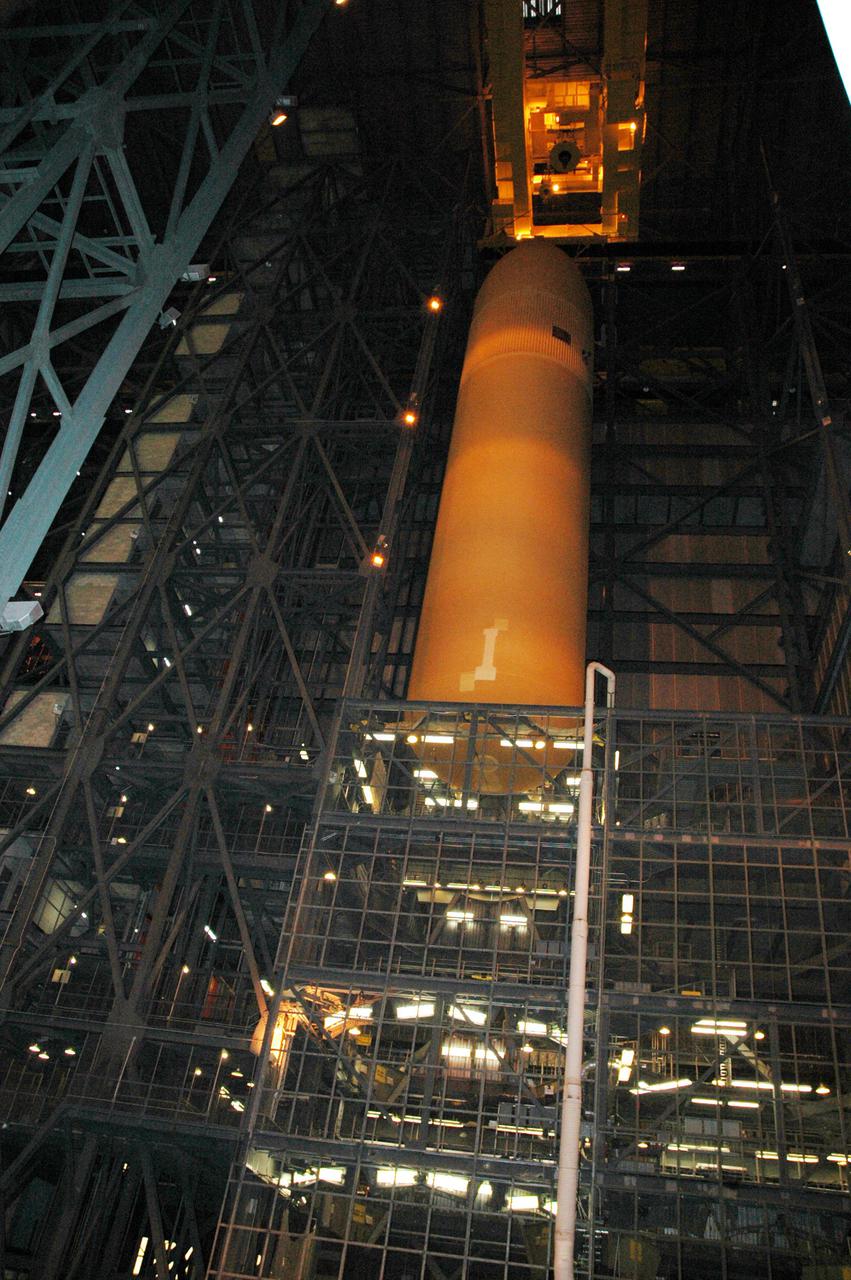
KENNEDY SPACE CENTER, FLA. - The External Tank that will be used to return the Space Shuttle program to flight is lifted into high bay 3 in the Vehicle Assembly Building. The tank, ET-121, and the Solid Rocket Boosters were originally scheduled to fly with orbiter Atlantis on mission STS-121 but will now be used to launch Discovery on mission STS-114. Once secure in the high bay, a new heater will be added to the feedline bellows to minimize the potential for ice and frost buildup. STS-114 is the first Return to Flight mission to the International Space Station. The launch window extends from July 13 through July 31.
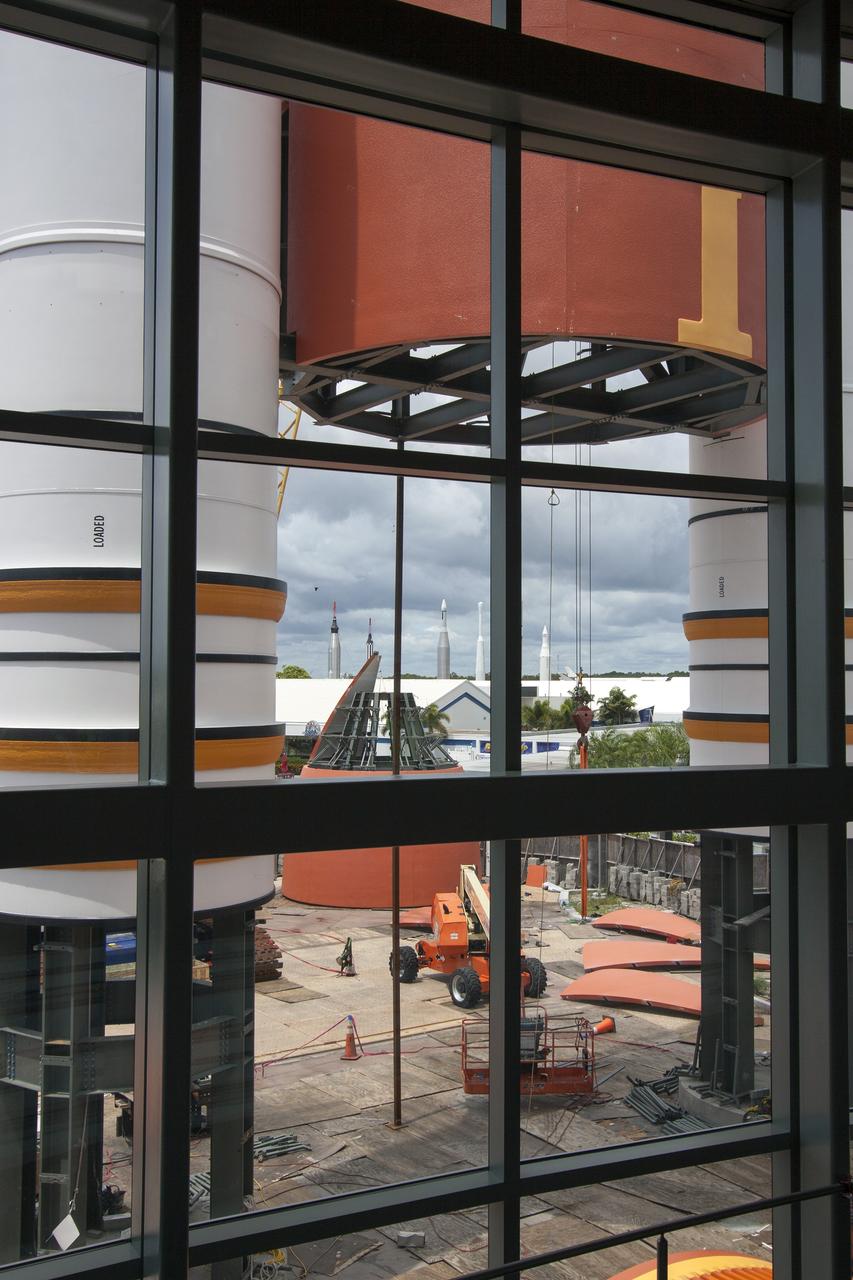
CAPE CANAVERAL, Fla. – A view from inside the new “Space Shuttle Atlantis” exhibit at the Kennedy Space Center Visitor Complex in Florida, shows the buildup of the replica solid rocket boosters and external fuel tank are nearly complete near the entrance. Atlantis is being prepared for display in the 90,000-square-foot facility, scheduled to open June 29, 2013. The new $100 million facility will include interactive exhibits that tell the story of the 30-year Space Shuttle Program and highlight the future of space exploration. Visitors to the exhibit will get an up close look at Atlantis with its payload bay doors open, similar to how it looked in space. Photo credit: NASA/Jim Grossmann
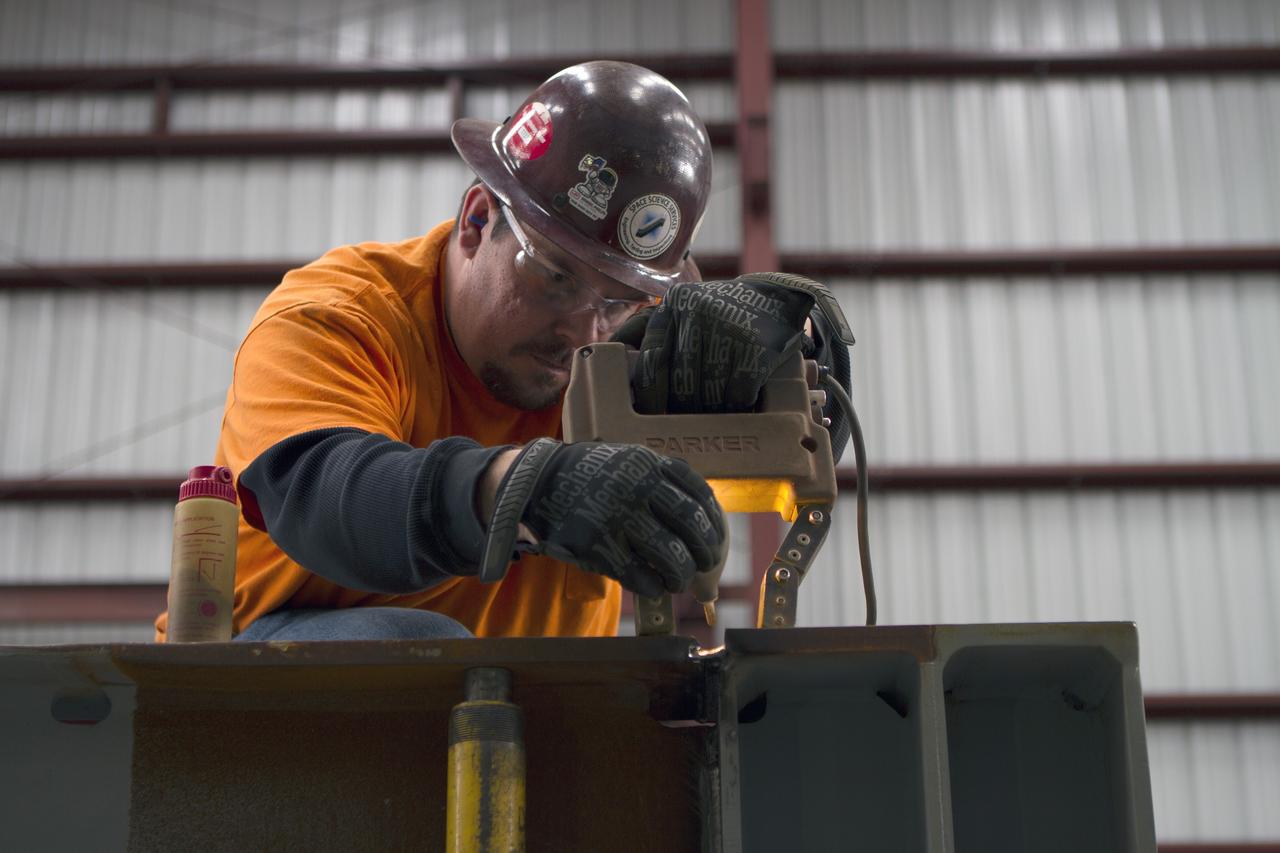
A construction worker at Sauer Co. in Oak Hill, Florida, works on the buildup of the first of 10 new work platforms that will be delivered for installation in high bay 3 of the Vehicle Assembly Building at NASA's Kennedy Space Center in Florida. A contract to modify high bay 3 was awarded by NASA to the Hensel Phelps Construction Co. of Orlando, Florida in March 2014. Sauer is a subcontractor to Hensel Phelps. The Ground Systems Development and Operations Program is overseeing upgrades and modifications to the high bay to support processing of NASA's Space Launch System and Orion spacecraft, and other exploration vehicles. Photo credit: NASA/Ben Smegelsky

KENNEDY SPACE CENTER, FLA. - At the Turn Basin in Launch Complex 39, External Tank 118 (ET-118) makes its way into the barge that will transport it to NASA’s Michoud Assembly Facility in New Orleans. It had been stored in the Vehicle Assembly Building in the background. The tank is being installed with an improved bipod fitting, which connects the external fuel tank to the Shuttle during launch. The new design, a significant milestone in the effort to return the Shuttle to safe flight, replaces the foam that was used to prevent ice buildup on the tank’s bipod fittings with four rod-shaped heaters. The heaters are being retrofitted on the 11 existing tanks and incorporated into the manufacture of all new tanks.
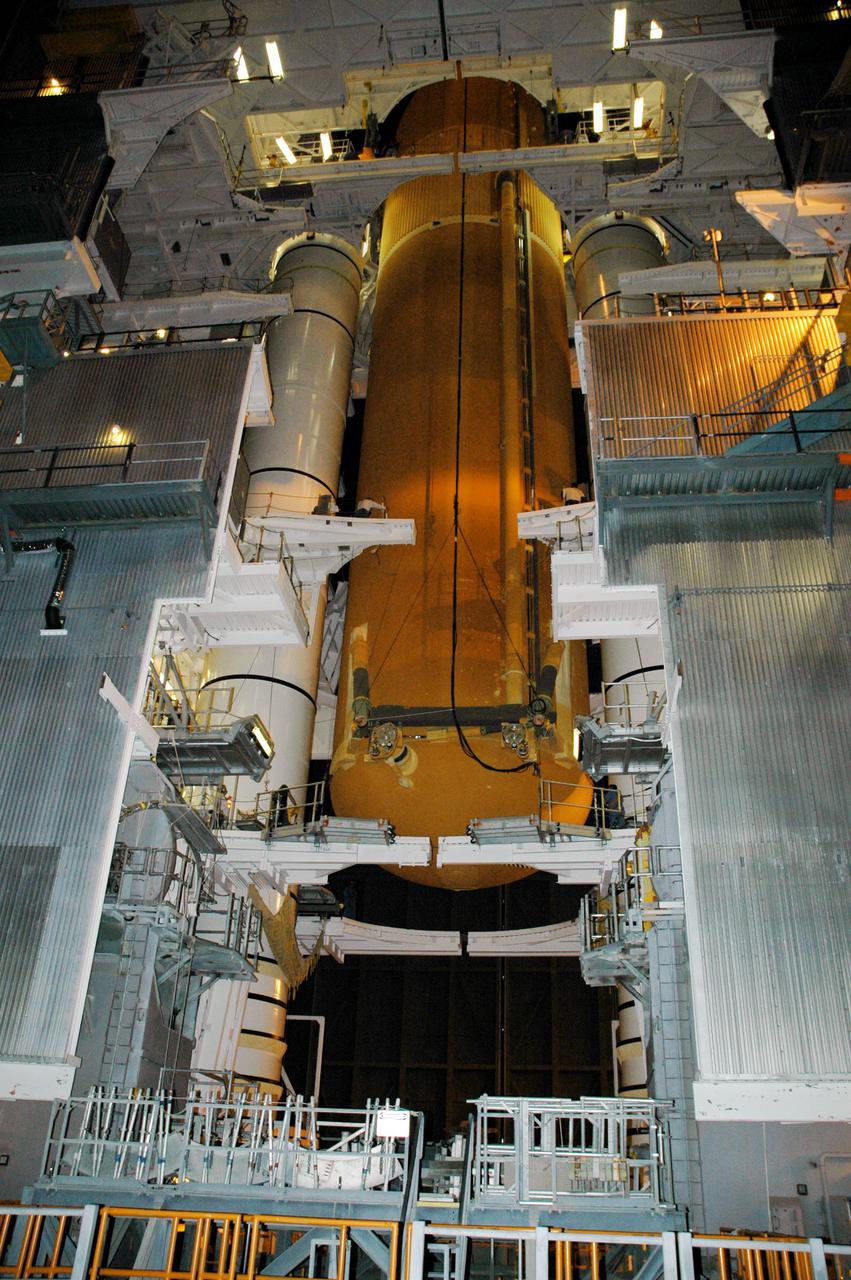
KENNEDY SPACE CENTER, FLA. - The External Tank that will be used to return the Space Shuttle program to flight is attached to a pair of Solid Rocket Boosters in high bay 3 in the Vehicle Assembly Building. The tank, ET-121, and the Solid Rocket Boosters were originally scheduled to fly with orbiter Atlantis on mission STS-121 but will now be used to launch Discovery on mission STS-114. Once secure in the high bay, a new heater will be added to the feedline bellows to minimize the potential for ice and frost buildup. STS-114 is the first Return to Flight mission to the International Space Station. The launch window extends from July 13 through July 31.
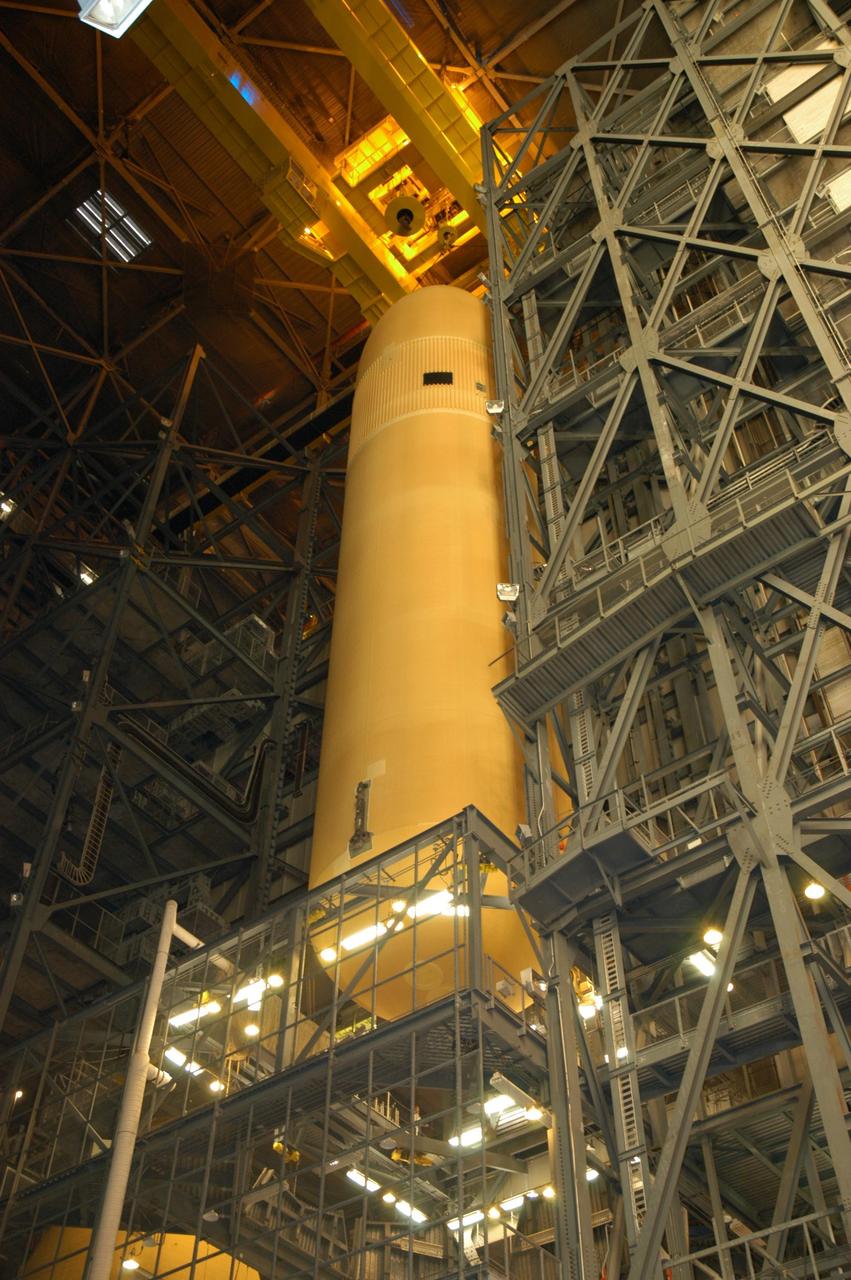
KENNEDY SPACE CENTER, FLA. - External Tank 118 (ET-118) is lifted from its cell in the Vehicle Assembly Building in order to place it on a transporter. The tank will be transferred to NASA’s Michoud Assembly Facility in New Orleans. The tank is being installed with an improved bipod fitting, which connects the external fuel tank to the Shuttle during launch. The new design, a significant milestone in the effort to return the Shuttle to safe flight, replaces the foam that was used to prevent ice buildup on the tank’s bipod fittings with four rod-shaped heaters. The heaters are being retrofitted on the 11 existing tanks and incorporated into the manufacture of all new tanks.
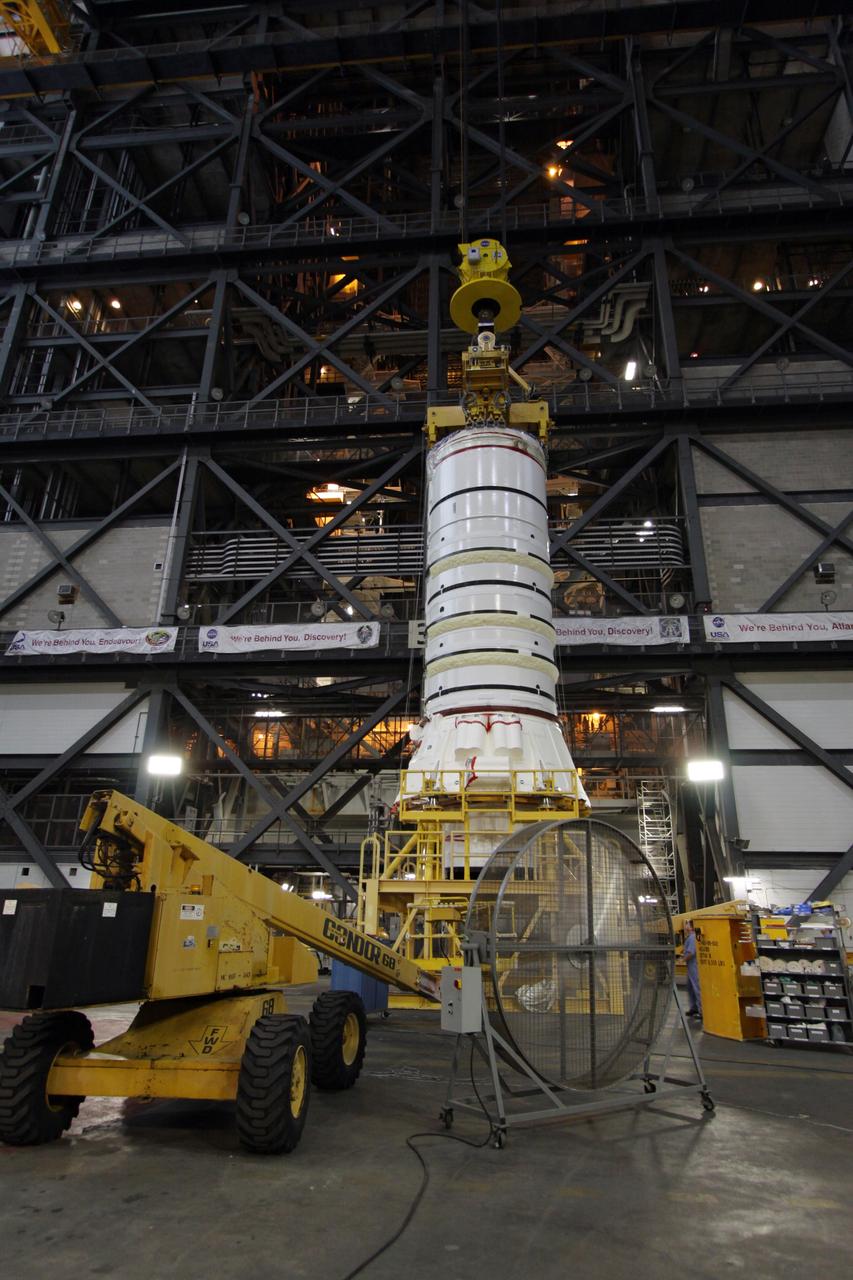
CAPE CANAVERAL, Fla. – In the Vehicle Assembly Building at NASA's Kennedy Space Center in Florida, the Ares I-X aft booster segment with the aft skirt is lifted from its stand. The stack will be hoisted into the upper regions of the VAB and lowered onto the mobile launch platform in High Bay 3. This is the start of the buildup of the Ares I-X launch vehicle for the flight test targeted for no earlier than Aug. 30. Part of the Constellation Program, the Ares I-X is the test vehicle for the Ares I, which is the essential core of a space transportation system that eventually will carry crewed missions back to the moon, on to Mars and out into the solar system. Photo credit: NASA/Jack Pfaller
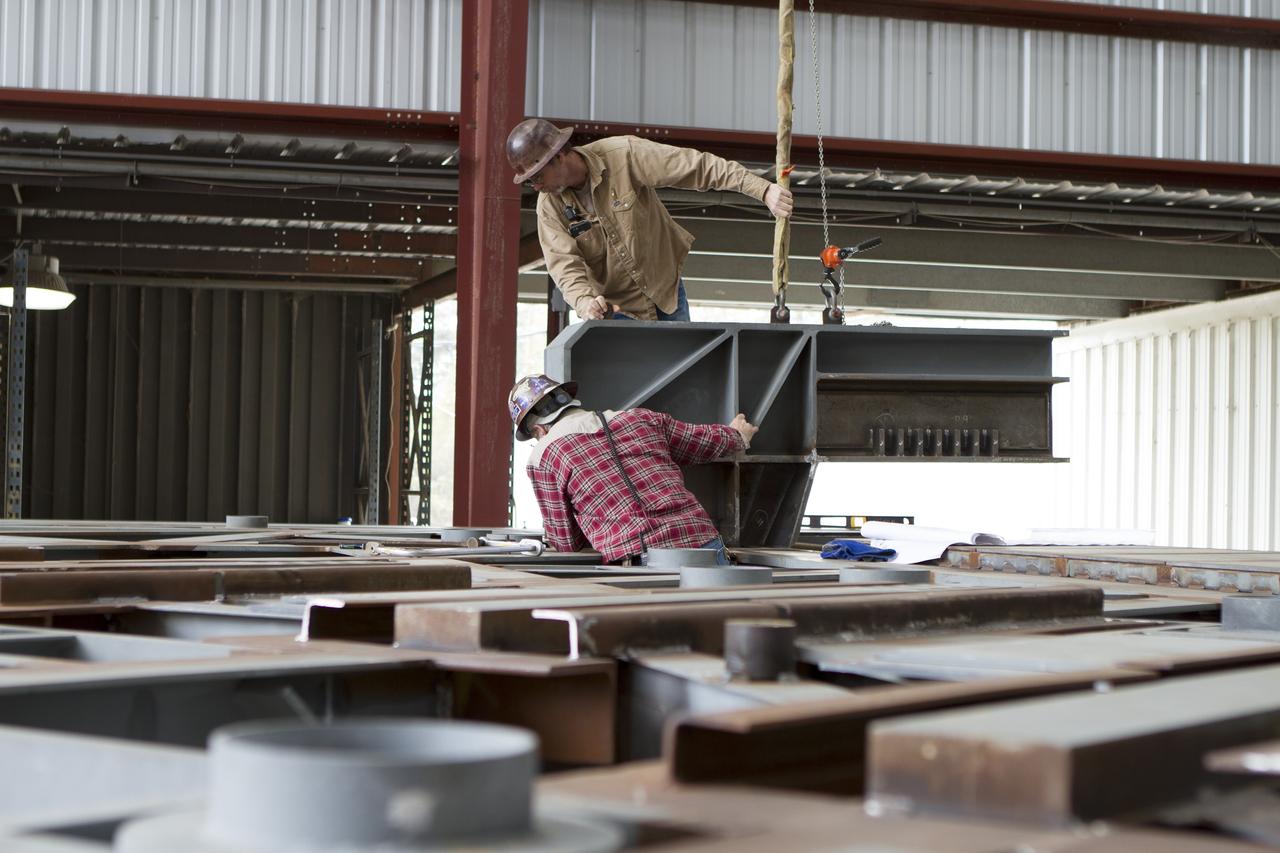
Construction workers at Sauer Co. in Oak Hill, Florida, work on the buildup of the first of 10 new work platforms that will be delivered for installation in high bay 3 of the Vehicle Assembly Building at NASA's Kennedy Space Center in Florida. A contract to modify high bay 3 was awarded by NASA to the Hensel Phelps Construction Co. of Orlando, Florida in March 2014. Sauer is a subcontractor to Hensel Phelps. The Ground Systems Development and Operations Program is overseeing upgrades and modifications to the high bay to support processing of NASA's Space Launch System and Orion spacecraft, and other exploration vehicles. Photo credit: NASA/Ben Smegelsky
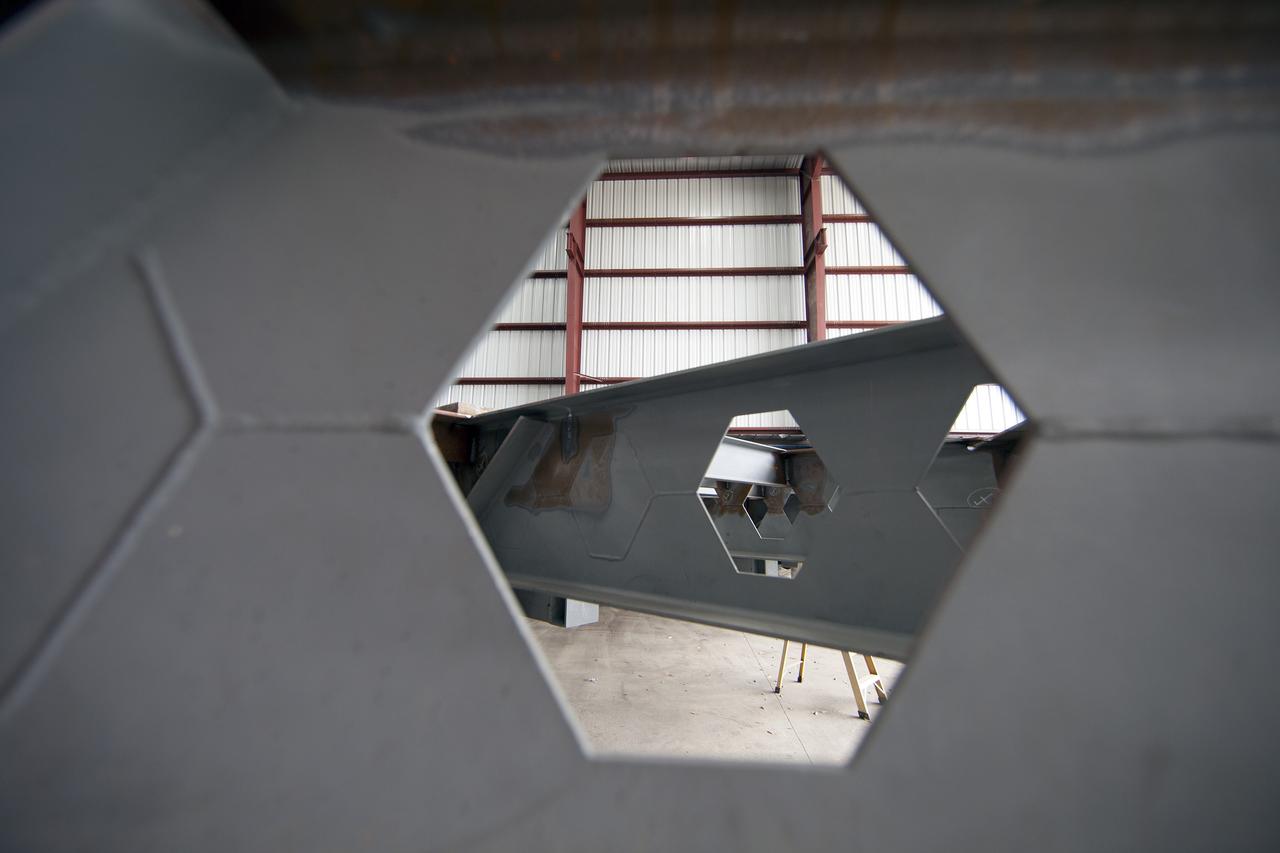
During construction buildup at Sauer Co. in Oak Hill, Florida, this view looking through a cutout in one of the segments, reveals other segments of the first new work platform for high bay 3 in the Vehicle Assembly Building at NASA's Kennedy Space Center in Florida. A contract to modify high bay 3 was awarded by NASA to the Hensel Phelps Construction Co. of Orlando, Florida in March 2014. Sauer is a subcontractor to Hensel Phelps. The Ground Systems Development and Operations Program is overseeing upgrades and modifications to the high bay to support processing of NASA's Space Launch System and Orion spacecraft, and other exploration vehicles. Photo credit: NASA/Ben Smegelsky
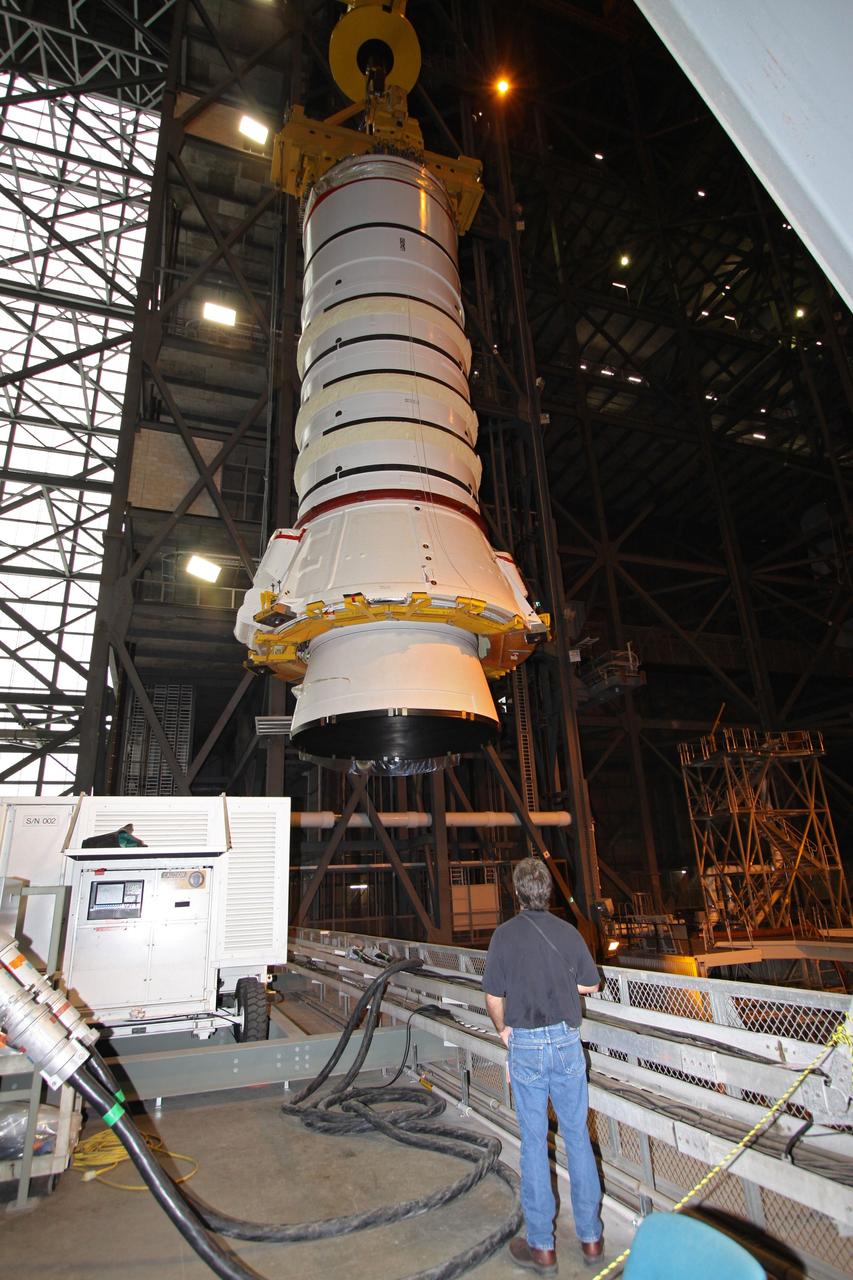
CAPE CANAVERAL, Fla. – In the Vehicle Assembly Building at NASA's Kennedy Space Center in Florida, the Ares I-X aft booster segment with the aft skirt is moved to High Bay 1 where it will be lowered onto the mobile launch platform in High Bay 3. This is the start of the buildup of the Ares I-X launch vehicle for the flight test targeted for no earlier than Aug. 30. Part of the Constellation Program, the Ares I-X is the test vehicle for the Ares I, which is the essential core of a space transportation system that eventually will carry crewed missions back to the moon, on to Mars and out into the solar system. Photo credit: NASA/Jack Pfaller
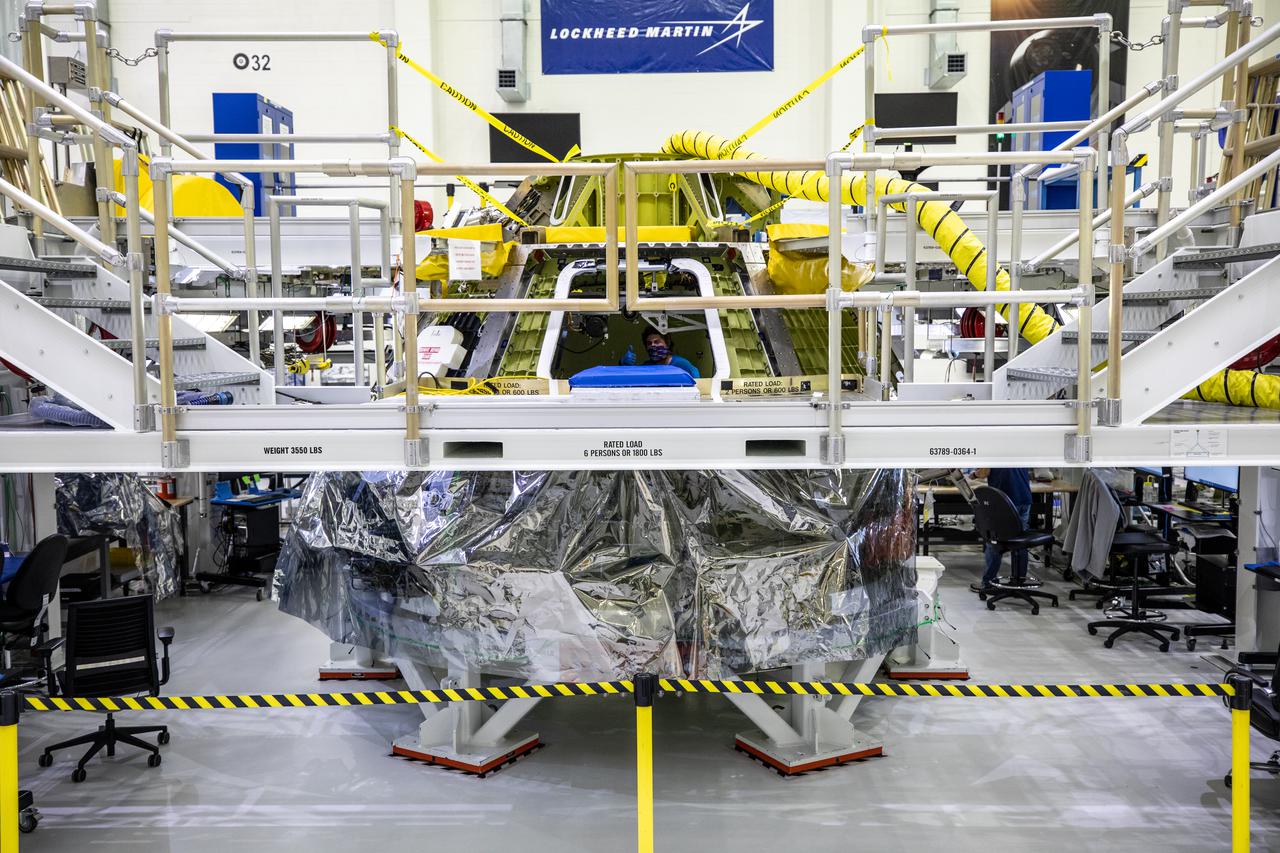
Inside the Neil Armstrong Operations and Checkout Building high bay at NASA's Kennedy Space Center in Florida, assembly continues on Orion’s Artemis II crew module on Feb. 5, 2021. The capsule will house astronauts during its mission around the Moon. Recently, teams removed the spacecraft from its clean room environment, where they have been performing the buildup of the Environmental Control and Propulsion System (ECPS) assemblies prior to their installation into the crew module. It will return to the clean room to complete ECPS final welds and assemblies. Artemis II will confirm all of the Orion spacecraft’s systems operate as designed in the actual environment of deep space with astronauts aboard. As part of the Artemis Program, NASA will send the first woman and next man to the Moon.
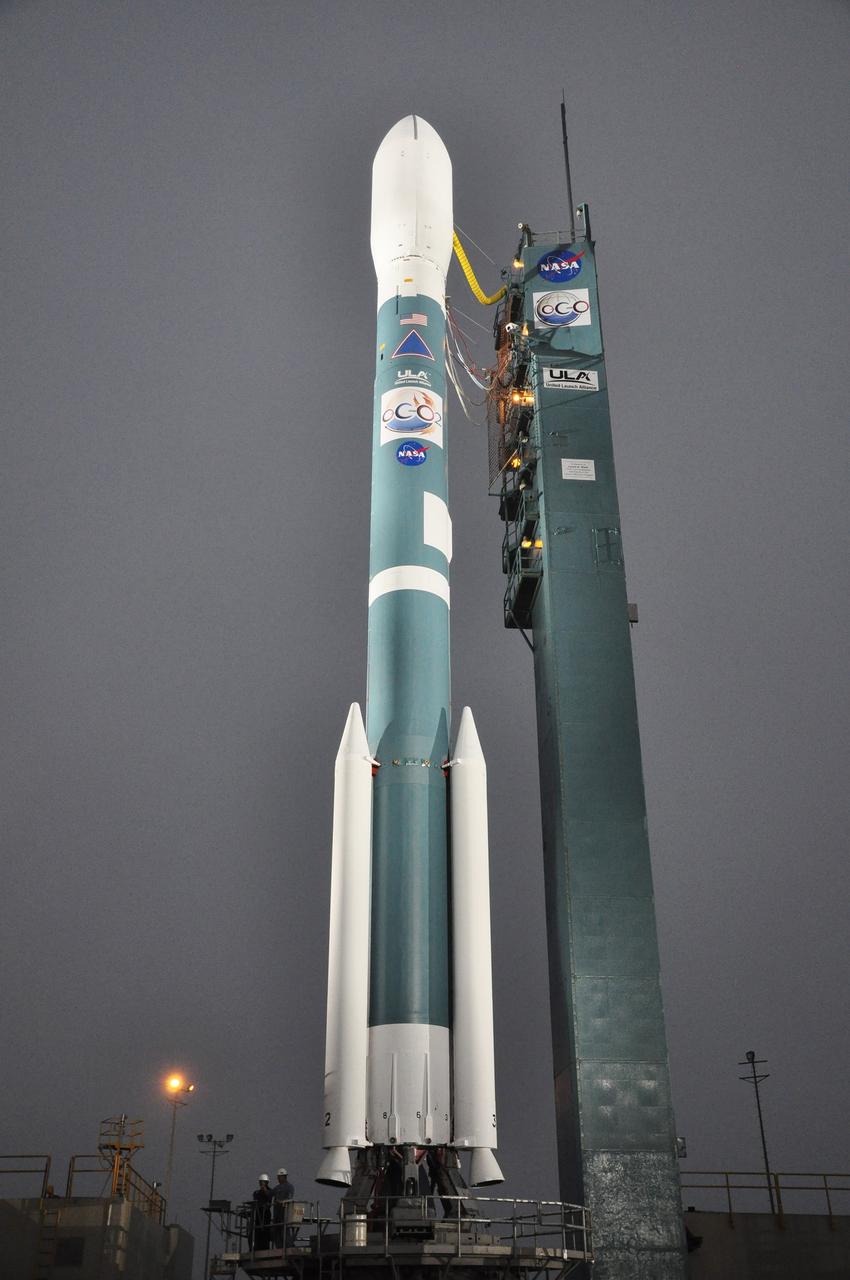
VANDENBERG AIR FORCE BASE, Calif. – At Vandenberg Air Force Base in California, the United Launch Alliance Delta II rocket carrying NASA's Orbiting Carbon Observatory-2, or OCO-2, awaits loading of its cryogenic propellants following rollback of the mobile service tower on Space Launch Complex 2. Launch is scheduled for 5:56 a.m. EDT on July 1. OCO-2 is NASA’s first mission dedicated to studying atmospheric carbon dioxide, the leading human-produced greenhouse gas driving changes in Earth’s climate. OCO-2 will provide a new tool for understanding the human and natural sources of carbon dioxide emissions and the natural "sinks" that absorb carbon dioxide and help control its buildup. The observatory will measure the global geographic distribution of these sources and sinks and study their changes over time. To learn more about OCO-2, visit http://www.nasa.gov/oco2. Photo credit: NASA/Randy Beaudoin
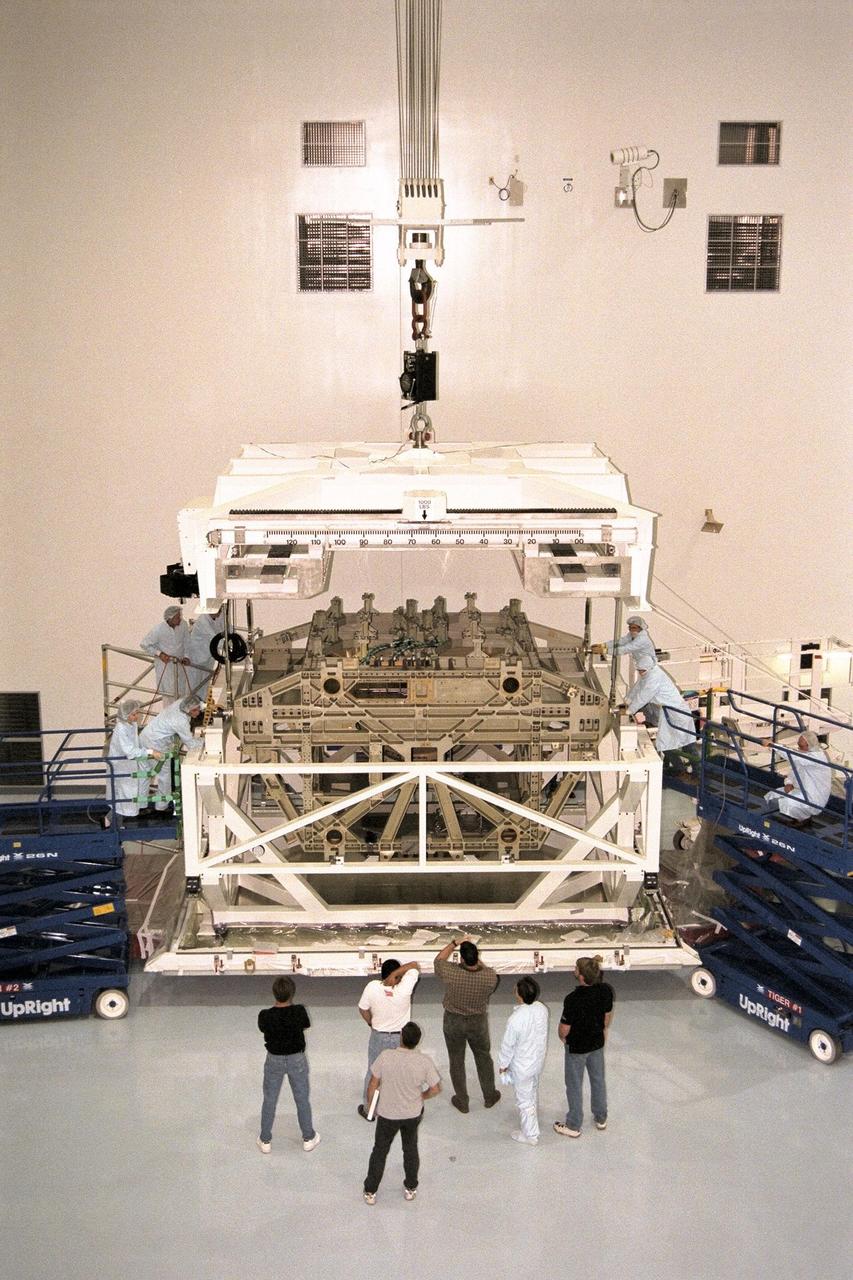
KENNEDY SPACE CENTER, FLA. -- The Z1 Integrated Truss Segment (ITS), a major element of the STS-92 mission scheduled for launch aboard Space Shuttle Atlantis in January 1999, is lowered into its workstand for processing in KSC's Space Station Processing Facility (SSPF). The Z-1 truss supports the staged buildup of International Space Station (ISS) on this third scheduled flight for ISS. The Z1 truss allows the temporary installation of the U.S. power module to Node 1. Early in the assembly sequence, the purpose of Z1 is to provide a mounting location for Ku-band and S-band telemetry and extravehicular activity (EVA) equipment. It also provides common berthing mechanism hardcover stowage. In addition, it will assist with the execution of nonpropulsive attitude control. The truss arrived at KSC on Feb. 17 for preflight processing in the SSPF
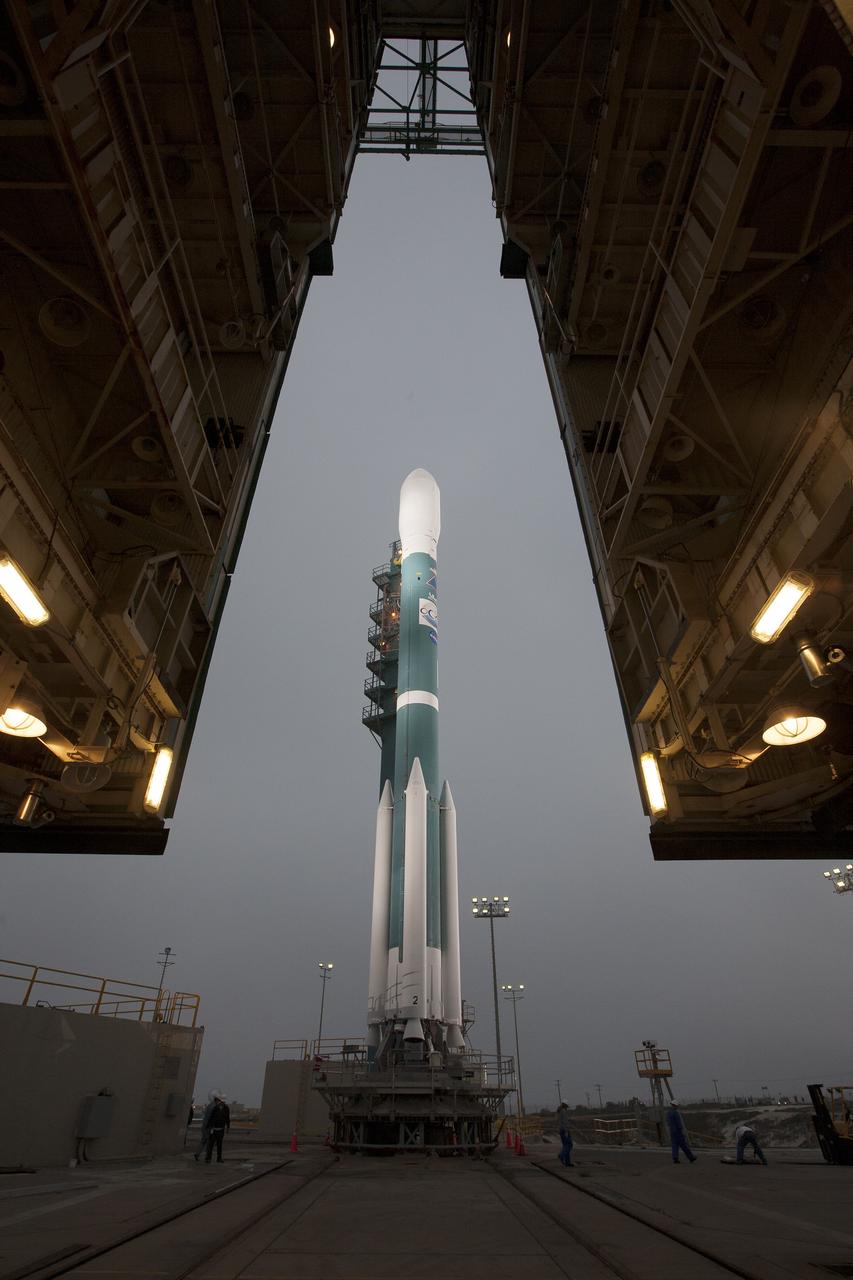
VANDENBERG AIR FORCE BASE, Calif. – NASA's Orbiting Carbon Observatory-2, or OCO-2, stands ready for launch aboard a United Launch Alliance Delta II rocket following rollback of the mobile service tower on Space Launch Complex 2 on Vandenberg Air Force Base in California. Launch is scheduled for 5:56 a.m. EDT on July 1. OCO-2 is NASA’s first mission dedicated to studying atmospheric carbon dioxide, the leading human-produced greenhouse gas driving changes in Earth’s climate. OCO-2 will provide a new tool for understanding the human and natural sources of carbon dioxide emissions and the natural "sinks" that absorb carbon dioxide and help control its buildup. The observatory will measure the global geographic distribution of these sources and sinks and study their changes over time. To learn more about OCO-2, visit http://www.nasa.gov/oco2. Photo credit: NASA/Kim Shiflett
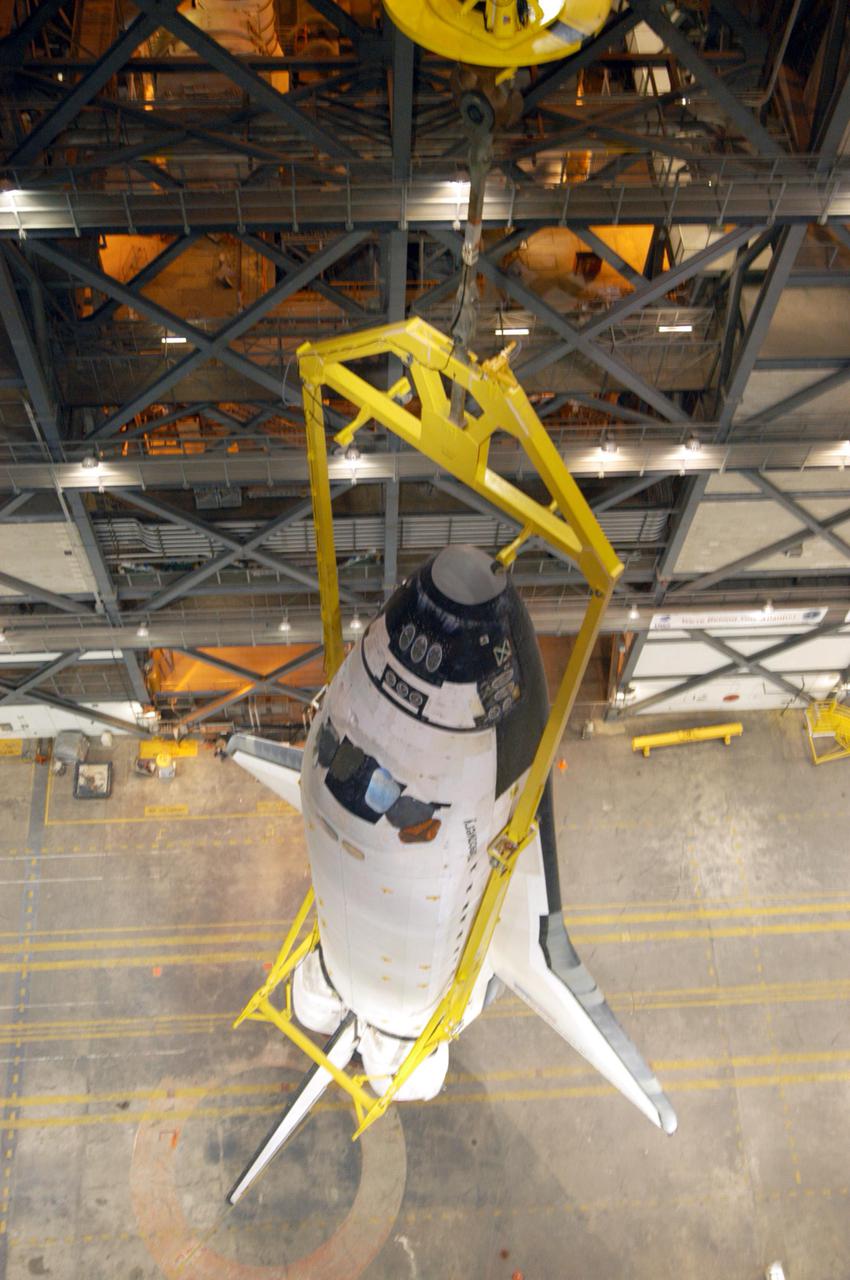
KENNEDY SPACE CENTER, FLA. - The orbiter Discovery hangs suspended above the floor of the transfer aisle in the Vehicle Assembly Building. It will be lifted over a cross-beam into high bay 3 and remated with the new External Tank, ET-121, and Solid Rocket Boosters in the bay. That tank was originally scheduled to fly with Atlantis on the second Return to Flight mission, STS-121. A new heater was added to the tank's feedline bellows, part of the pipeline that carries the liquid oxygen to the orbiter’s main engines, to minimize the potential for ice and frost buildup. After the remate, technicians will work final closeouts on the fully assembled Space Shuttle stack, and perform liquid oxygen and liquid hydrogen electrical mates and an interface verification test. Discovery is currently scheduled to return to Launch Pad 39B on June 13.

This four-panel graphic illustrates how the binary-star system V Hydrae is launching balls of plasma into space. Panel 1 shows the two stars orbiting each other. One of the stars is nearing the end of its life and has swelled in size, becoming a red giant. In panel 2, the smaller star's orbit carries the star into the red giant's expanded atmosphere. As the star moves through the atmosphere, it gobbles up material from the red giant that settles into a disk around the star. The buildup of material reaches a tipping point and is eventually ejected as blobs of hot plasma along the star's spin axis, as shown in panel 3. This ejection process is repeated every eight years, which is the time it takes for the orbiting star to make another pass through the bloated red giant's envelope, as shown in panel 4. http://photojournal.jpl.nasa.gov/catalog/PIA21071
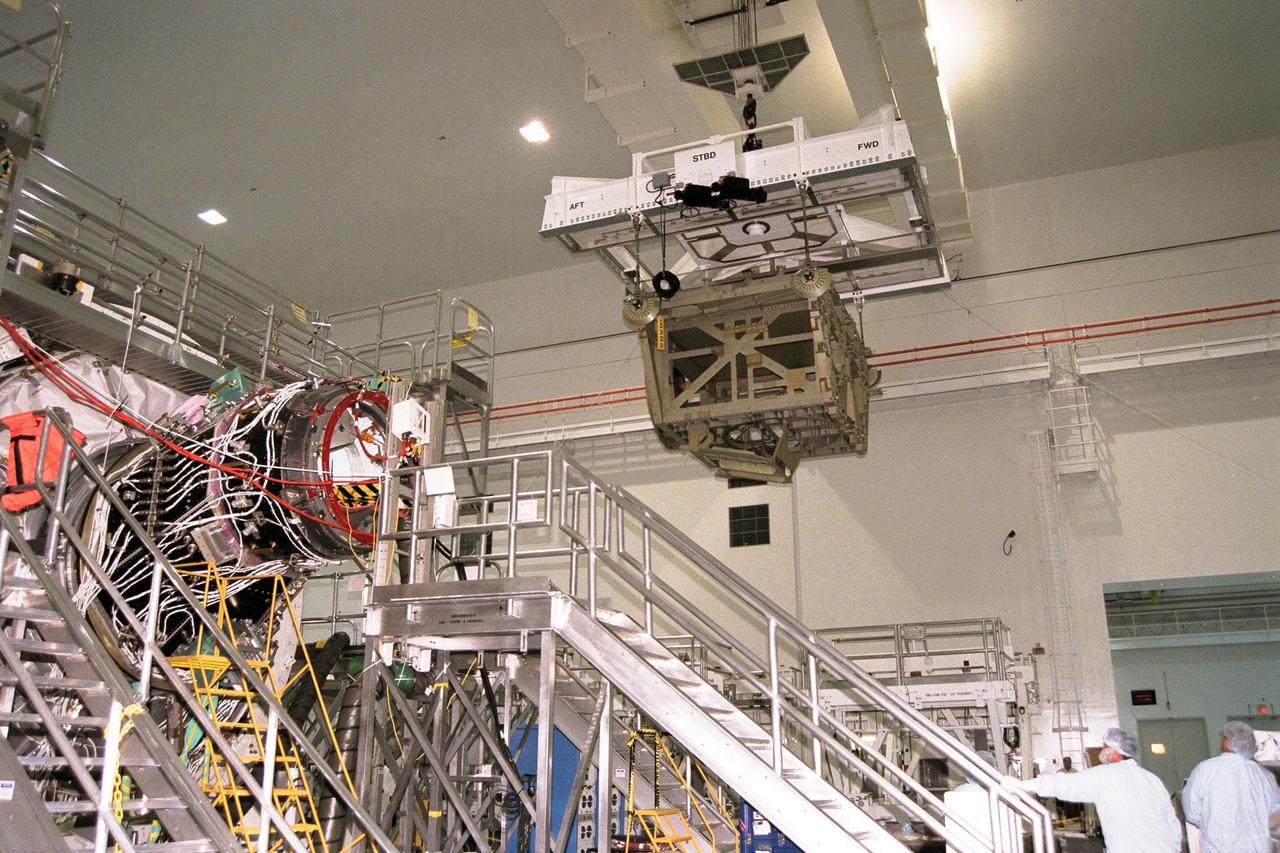
KENNEDY SPACE CENTER, FLA. -- The Z1 Integrated Truss Segment (ITS), a major element of the STS-92 mission scheduled for launch aboard Space Shuttle Atlantis in January 1999, is moved to its workstand for processing in KSC's Space Station Processing Facility (SSPF). The Z-1 truss supports the staged buildup of International Space Station (ISS) on this third scheduled flight for ISS. The Z1 truss allows the temporary installation of the U.S. power module to Node 1. Early in the assembly sequence, the purpose of Z1 is to provide a mounting location for Ku-band and S-band telemetry and extravehicular activity (EVA) equipment. It also provides common berthing mechanism hardcover stowage. In addition, it will assist with the execution of nonpropulsive attitude control. The truss arrived at KSC on Feb. 17 for preflight processing in the SSPF
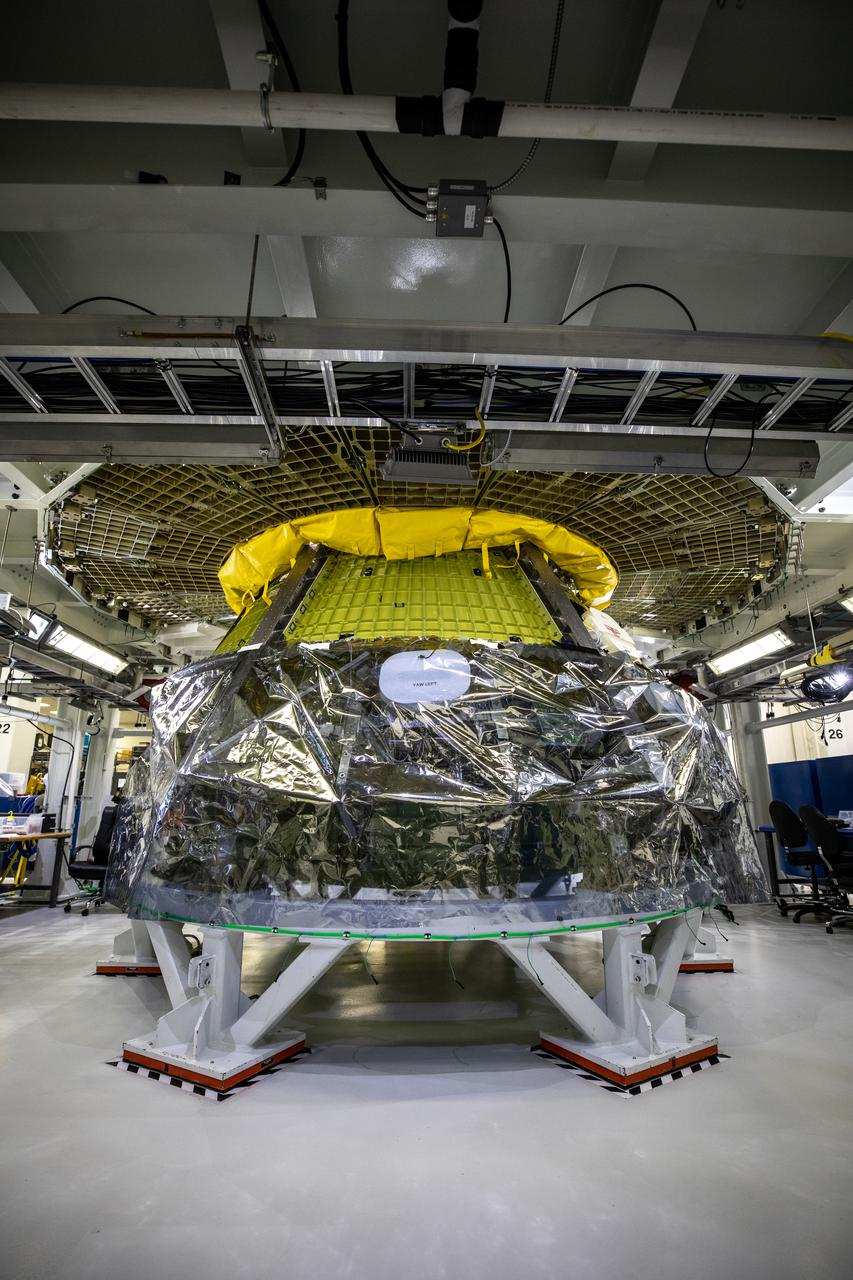
Inside the Neil Armstrong Operations and Checkout Building high bay at NASA's Kennedy Space Center in Florida, assembly continues on Orion’s Artemis II crew module on Feb. 5, 2021. The capsule will house astronauts during its mission around the Moon. Recently, teams removed the spacecraft from its clean room environment, where they have been performing the buildup of the Environmental Control and Propulsion System (ECPS) assemblies prior to their installation into the crew module. It will return to the clean room to complete ECPS final welds and assemblies. Artemis II will confirm all of the Orion spacecraft’s systems operate as designed in the actual environment of deep space with astronauts aboard. As part of the Artemis Program, NASA will send the first woman and next man to the Moon.
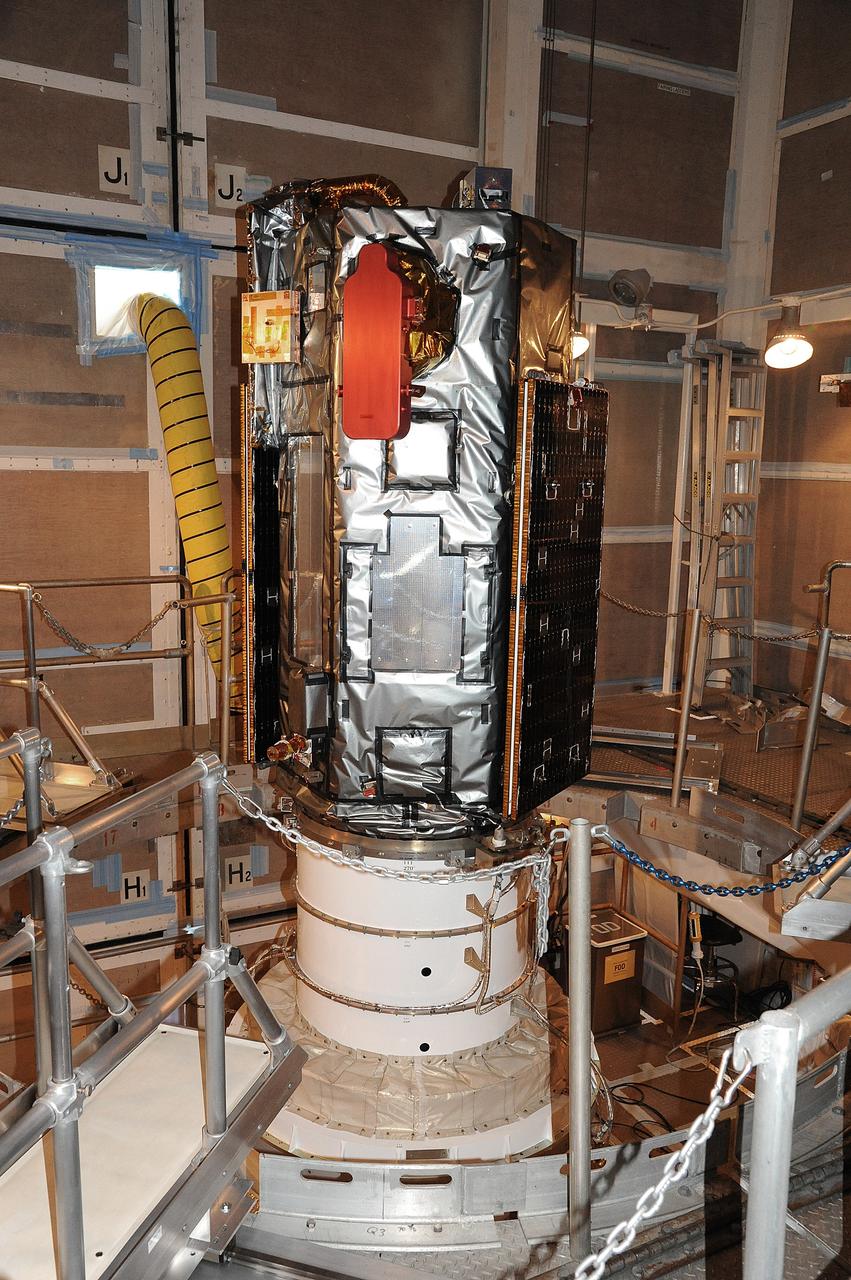
VANDENBERG AIR FORCE BASE, Calif. – NASA's Orbiting Carbon Observatory-2, or OCO-2, satellite sits atop a United Launch Alliance Delta II rocket prior to encapsulation in its payload fairing at Space Launch Complex 2 at Vandenberg Air Force Base in California. Launch is scheduled for 2:56 a.m. PDT 5:56 a.m. EDT on July 1. OCO-2 is NASA’s first mission dedicated to studying atmospheric carbon dioxide, the leading human-produced greenhouse gas driving changes in Earth’s climate. OCO-2 will provide a new tool for understanding the human and natural sources of carbon dioxide emissions and the natural "sinks" that absorb carbon dioxide and help control its buildup. The observatory will measure the global geographic distribution of these sources and sinks and study their changes over time. To learn more about OCO-2, visit http://oco.jpl.nasa.gov Photo credit: NASA/Mark Mackley
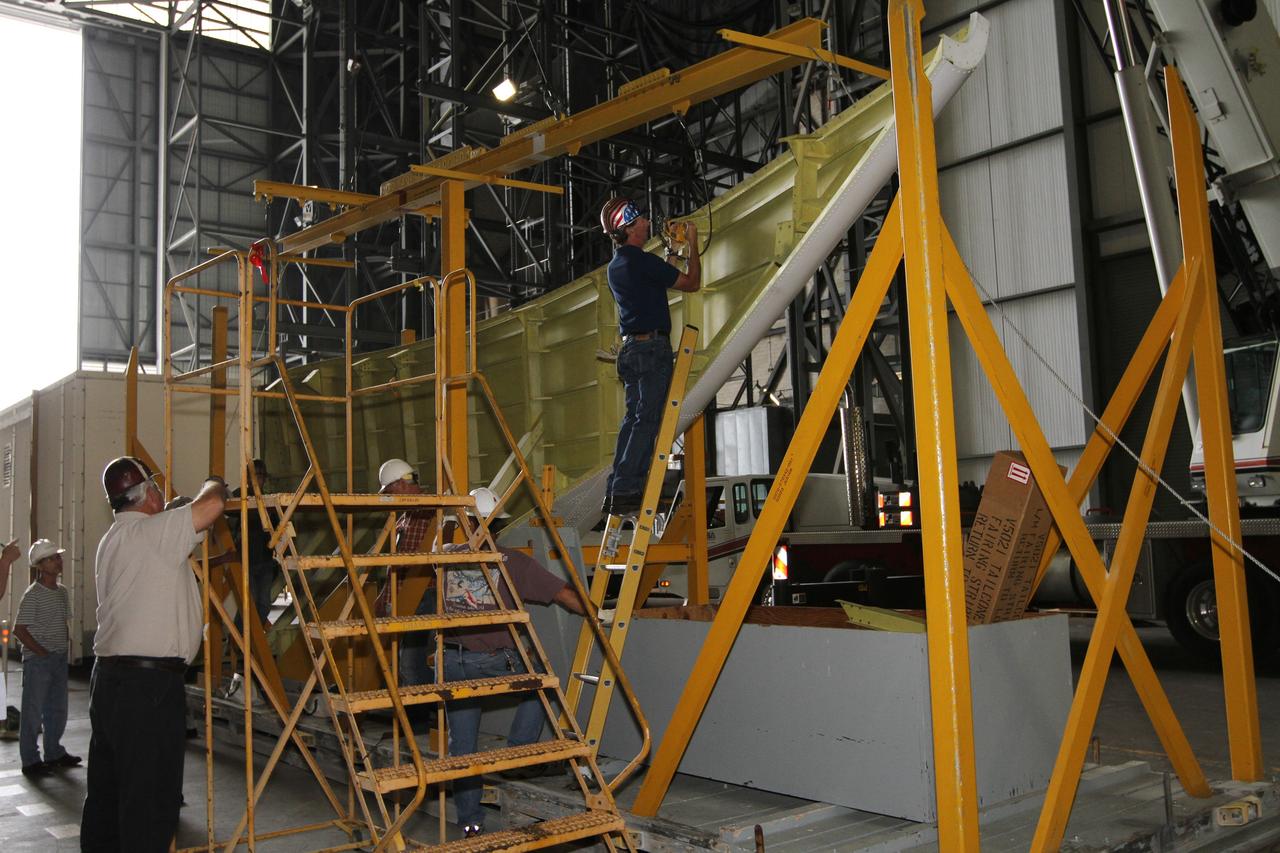
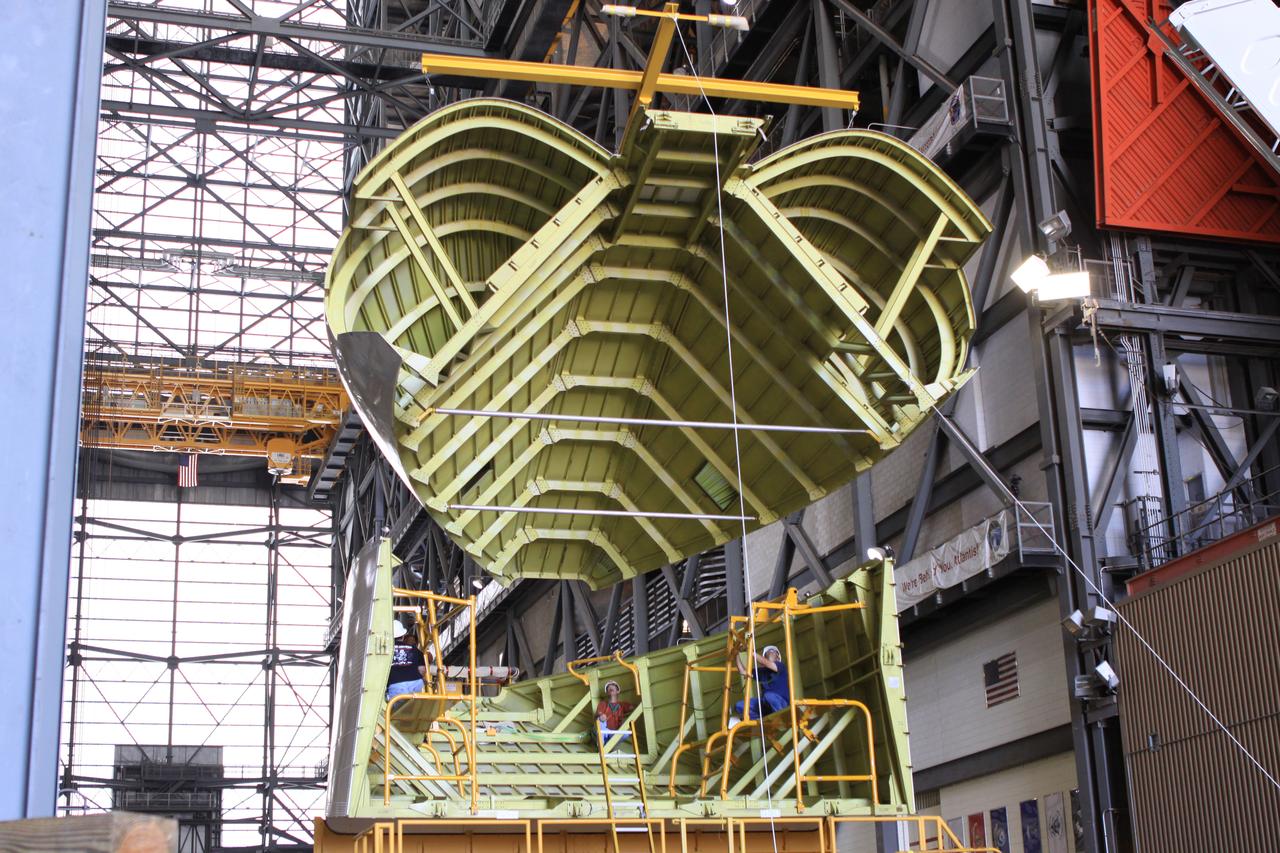
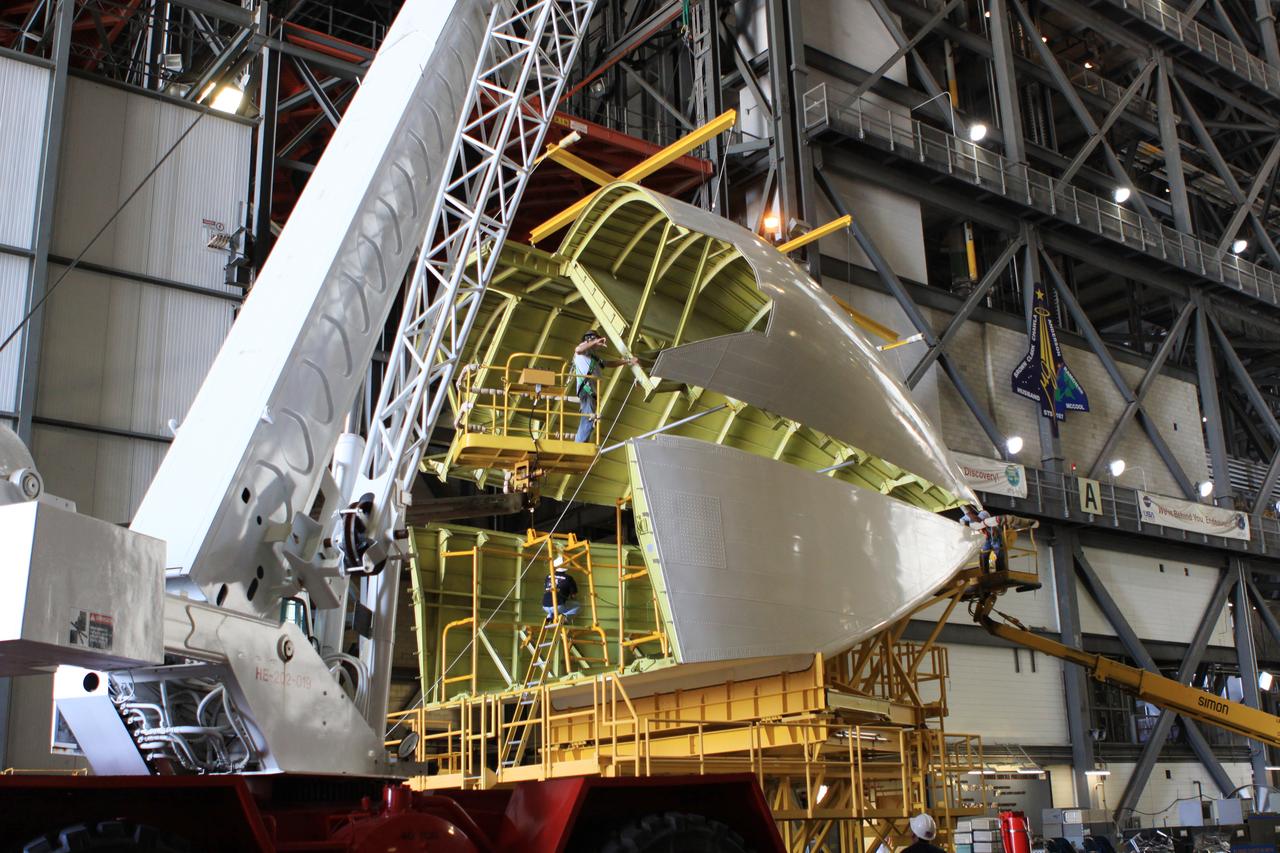
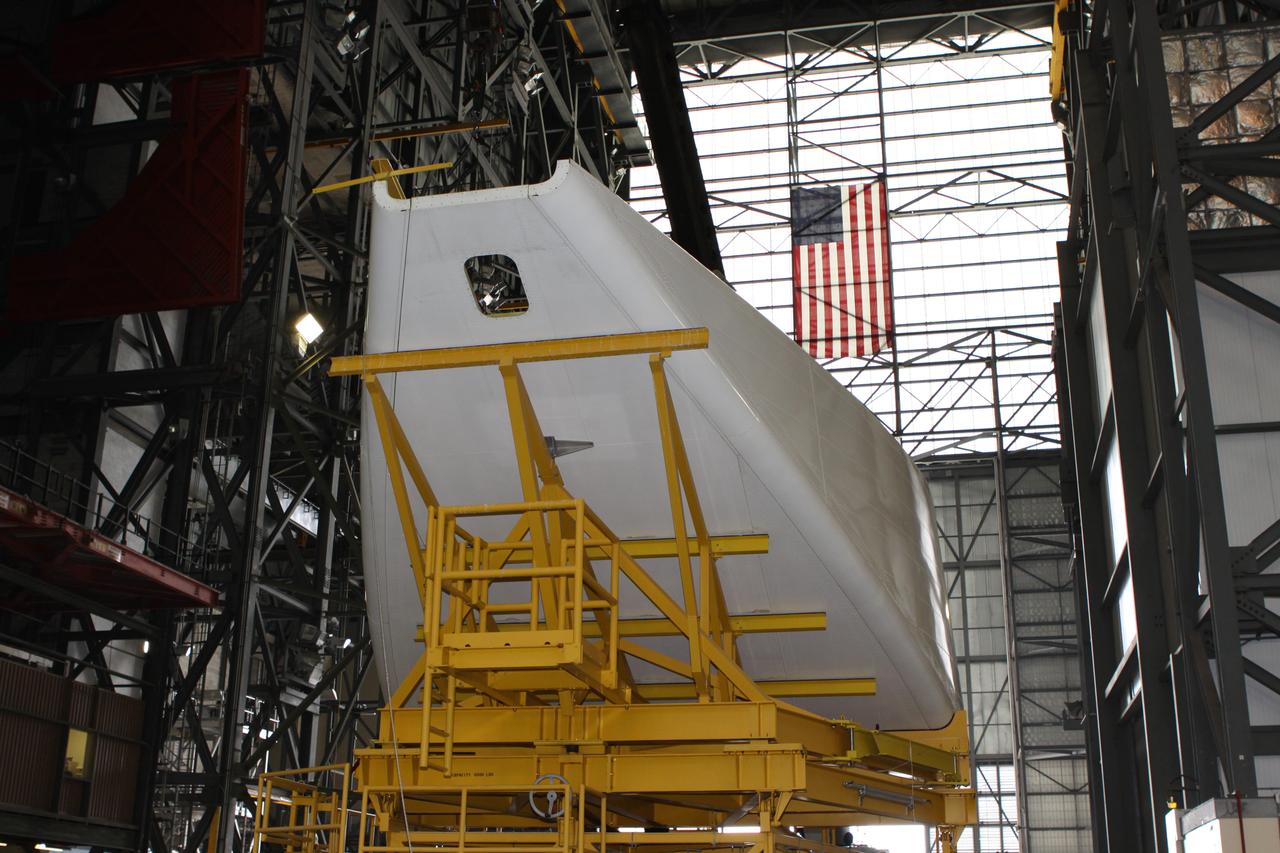
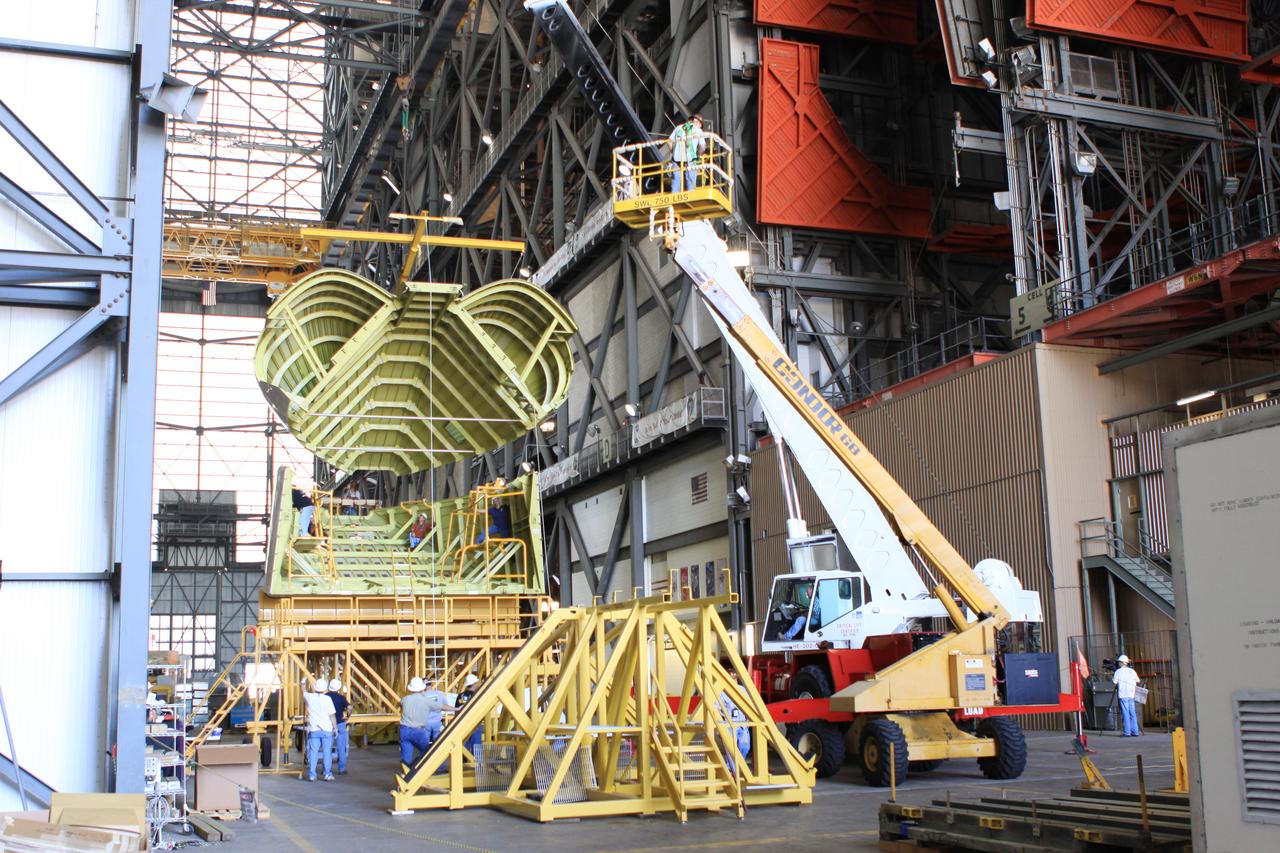
CAPE CANAVERAL, Fla. – Inside the Vehicle Assembly Building at NASA’s Kennedy Space Center in Florida, United Space Alliance technicians prepare the right side tail cone for buildup on space shuttle Endeavour. The tail cone protects space shuttle main engines during ferry flights on top of the Shuttle Carrier Aircraft, or SCA. The work is part of Transition and Retirement of the remaining space shuttles, Endeavour and Atlantis. Endeavour is being prepared for public display at the California Science Center in Los Angeles. Its ferry flight to California is targeted for mid-September. Endeavour was the last space shuttle added to NASA’s orbiter fleet. Over the course of its 19-year career, Endeavour spent 299 days in space during 25 missions. For more information, visit http://www.nasa.gov/shuttle. Photo credit: NASA/Kim Shiflett

KENNEDY SPACE CENTER, FLA. -- The Z1 Integrated Truss Segment (ITS), a major element of the STS-92 mission scheduled for launch aboard Space Shuttle Atlantis in January 1999, is moved toward its workstand for processing in KSC's Space Station Processing Facility (SSPF). The Z-1 truss supports the staged buildup of International Space Station (ISS) on this third scheduled flight for ISS. The Z1 truss allows the temporary installation of the U.S. power module to Node 1. Early in the assembly sequence, the purpose of Z1 is to provide a mounting location for Ku-band and S-band telemetry and extravehicular activity (EVA) equipment. It also provides common berthing mechanism hardcover stowage. In addition, it will assist with the execution of nonpropulsive attitude control. The truss arrived at KSC on Feb. 17 for preflight processing in the SSPF
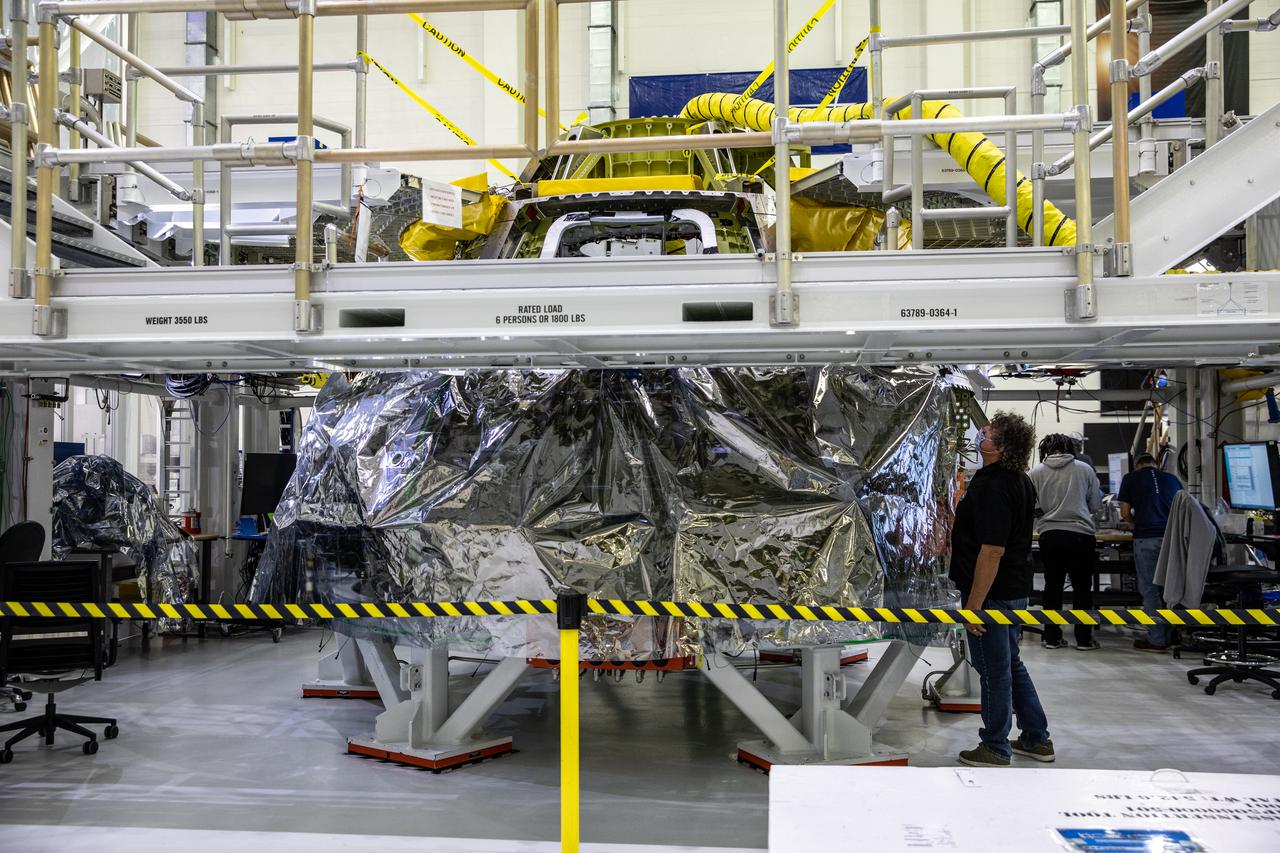
Workers inside the Neil Armstrong Operations and Checkout Building high bay at NASA's Kennedy Space Center in Florida, continue assembly of Orion’s Artemis II crew module on Feb. 5, 2021. The capsule will house astronauts during its mission around the Moon. Recently, teams removed the spacecraft from its clean room environment, where they have been performing the buildup of the Environmental Control and Propulsion System (ECPS) assemblies prior to their installation into the crew module. It will return to the clean room to complete ECPS final welds and assemblies. Artemis II will confirm all of the Orion spacecraft’s systems operate as designed in the actual environment of deep space with astronauts aboard. As part of the Artemis Program, NASA will send the first woman and next man to the Moon.
VANDENBERG AIR FORCE BASE, Calif. – Preparations are underway on Vandenberg Air Force Base in California to launch NASA's Orbiting Carbon Observatory-2, or OCO-2. Launch aboard a United Launch Alliance Delta II rocket from Space Launch Complex 2 is scheduled for 5:56 a.m. EDT on July 1. OCO-2 is NASA’s first mission dedicated to studying atmospheric carbon dioxide, the leading human-produced greenhouse gas driving changes in Earth’s climate. OCO-2 will provide a new tool for understanding the human and natural sources of carbon dioxide emissions and the natural "sinks" that absorb carbon dioxide and help control its buildup. The observatory will measure the global geographic distribution of these sources and sinks and study their changes over time. To learn more about OCO-2, visit http://www.nasa.gov/oco2. Photo credit: NASA/Kim Shiflett
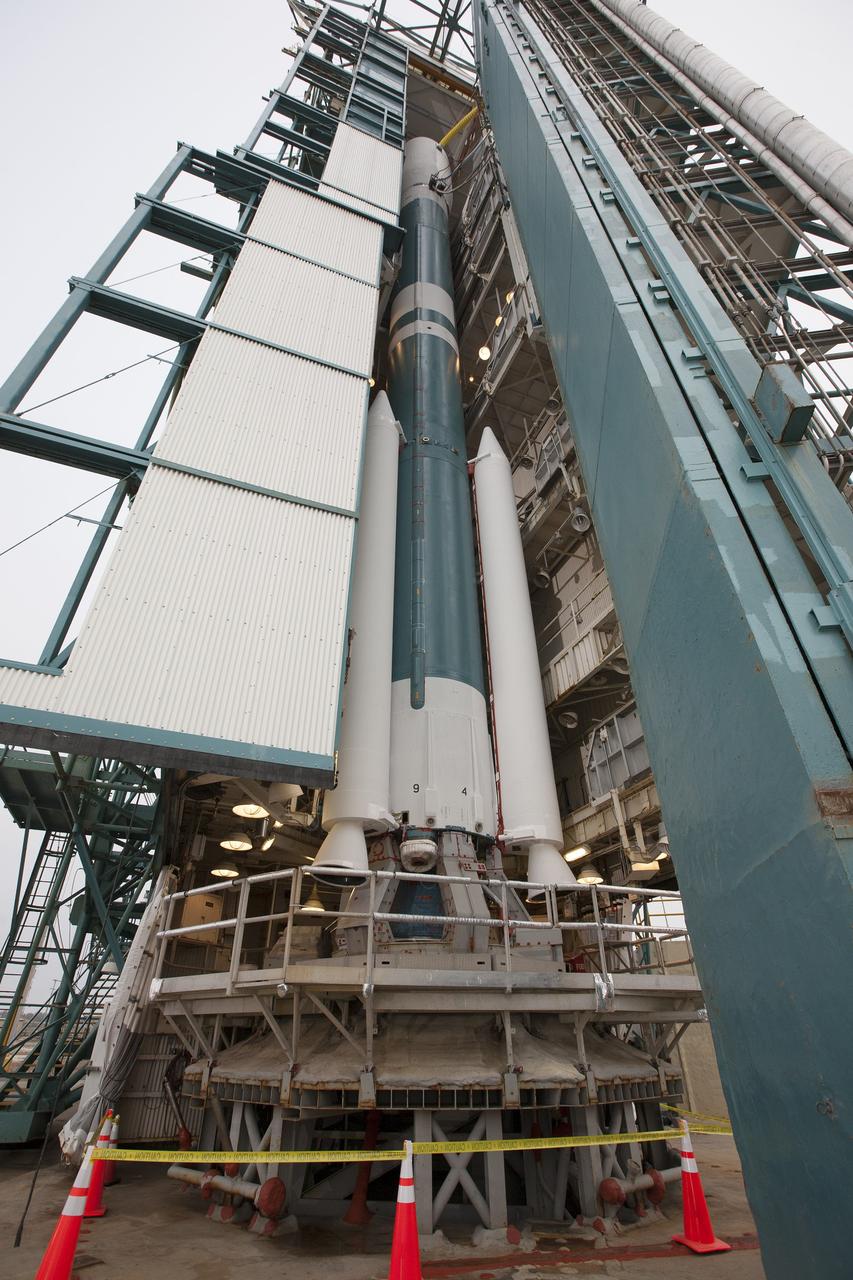
VANDENBERG AIR FORCE BASE, Calif. – The mobile service tower on Space Launch Complex 2 at Vandenberg Air Force Base in California begins to roll back from the United Launch Alliance Delta II rocket with NASA's Orbiting Carbon Observatory-2, or OCO-2, aboard. Launch is scheduled for 5:56 a.m. EDT on July 1. OCO-2 is NASA’s first mission dedicated to studying atmospheric carbon dioxide, the leading human-produced greenhouse gas driving changes in Earth’s climate. OCO-2 will provide a new tool for understanding the human and natural sources of carbon dioxide emissions and the natural "sinks" that absorb carbon dioxide and help control its buildup. The observatory will measure the global geographic distribution of these sources and sinks and study their changes over time. To learn more about OCO-2, visit http://www.nasa.gov/oco2. Photo credit: NASA/Kim Shiflett

CAPE CANAVERAL, Fla. – Inside the Vehicle Assembly Building at NASA’s Kennedy Space Center in Florida, United Space Alliance technicians prepare the right side tail cone for buildup on space shuttle Endeavour. The tail cone protects space shuttle main engines during ferry flights on top of the Shuttle Carrier Aircraft, or SCA. The work is part of Transition and Retirement of the remaining space shuttles, Endeavour and Atlantis. Endeavour is being prepared for public display at the California Science Center in Los Angeles. Its ferry flight to California is targeted for mid-September. Endeavour was the last space shuttle added to NASA’s orbiter fleet. Over the course of its 19-year career, Endeavour spent 299 days in space during 25 missions. For more information, visit http://www.nasa.gov/shuttle. Photo credit: NASA/Jim Grossmann
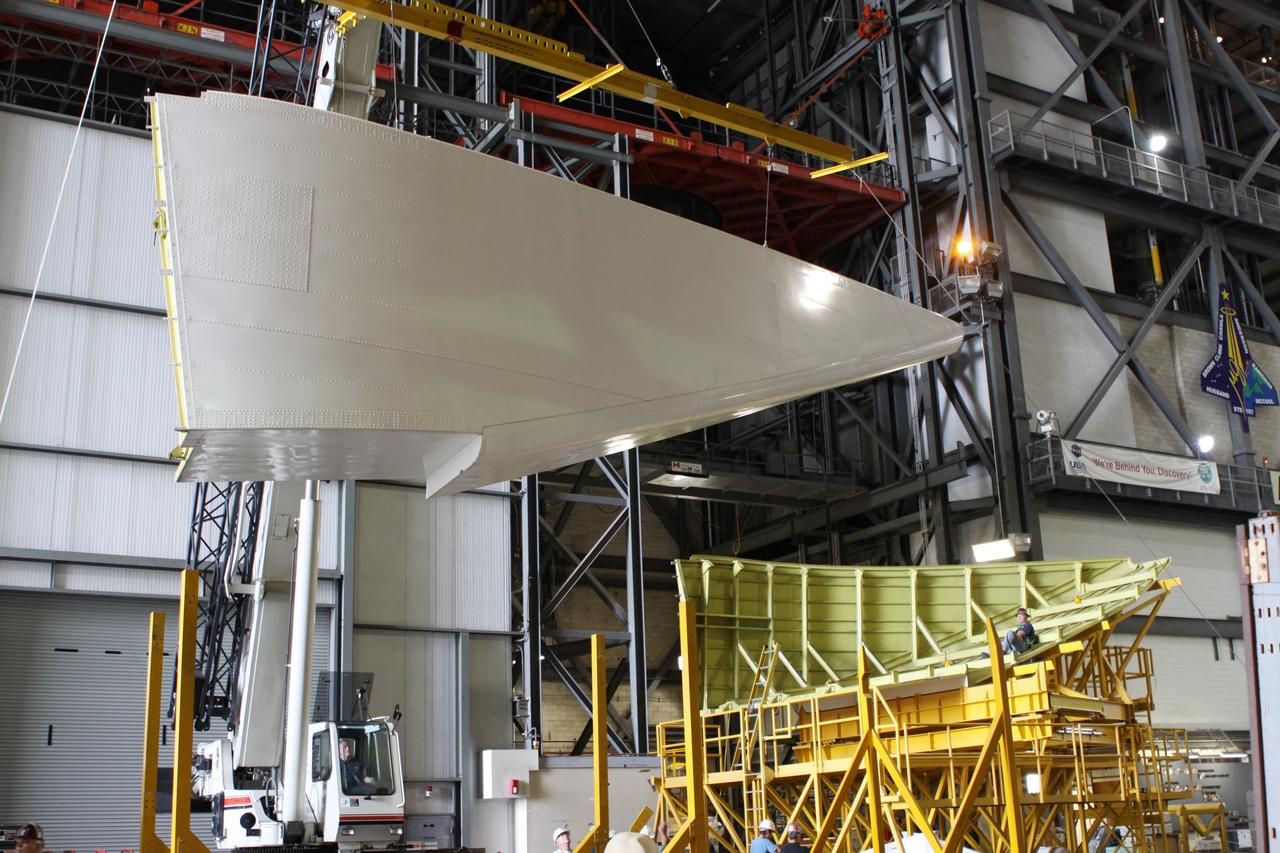
CAPE CANAVERAL, Fla. – Inside the Vehicle Assembly Building at NASA’s Kennedy Space Center in Florida, United Space Alliance technicians use a crane to pick up the right side tail cone for buildup on space shuttle Endeavour. The tail cone protects space shuttle main engines during ferry flights on top of the Shuttle Carrier Aircraft, or SCA. The work is part of Transition and Retirement of the remaining space shuttles, Endeavour and Atlantis. Endeavour is being prepared for public display at the California Science Center in Los Angeles. Its ferry flight to California is targeted for mid-September. Endeavour was the last space shuttle added to NASA’s orbiter fleet. Over the course of its 19-year career, Endeavour spent 299 days in space during 25 missions. For more information, visit http://www.nasa.gov/shuttle. Photo credit: NASA/Jim Grossmann
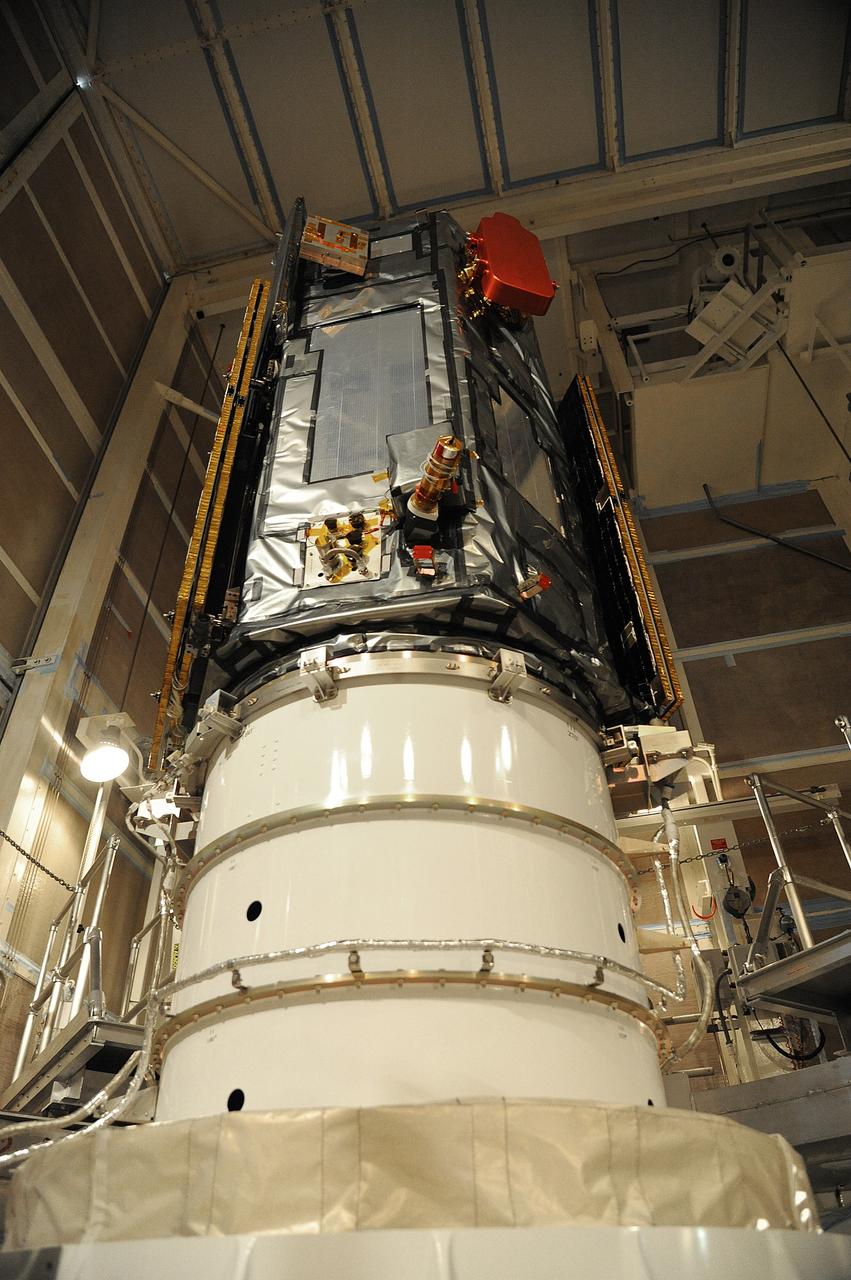
VANDENBERG AIR FORCE BASE, Calif. – NASA's Orbiting Carbon Observatory-2, or OCO-2, satellite sits atop a United Launch Alliance Delta II rocket prior to encapsulation in its payload fairing at Space Launch Complex 2 at Vandenberg Air Force Base in California. Launch is scheduled for 2:56 a.m. PDT 5:56 a.m. EDT on July 1. OCO-2 is NASA’s first mission dedicated to studying atmospheric carbon dioxide, the leading human-produced greenhouse gas driving changes in Earth’s climate. OCO-2 will provide a new tool for understanding the human and natural sources of carbon dioxide emissions and the natural "sinks" that absorb carbon dioxide and help control its buildup. The observatory will measure the global geographic distribution of these sources and sinks and study their changes over time. To learn more about OCO-2, visit http://oco.jpl.nasa.gov Photo credit: NASA/Mark Mackley
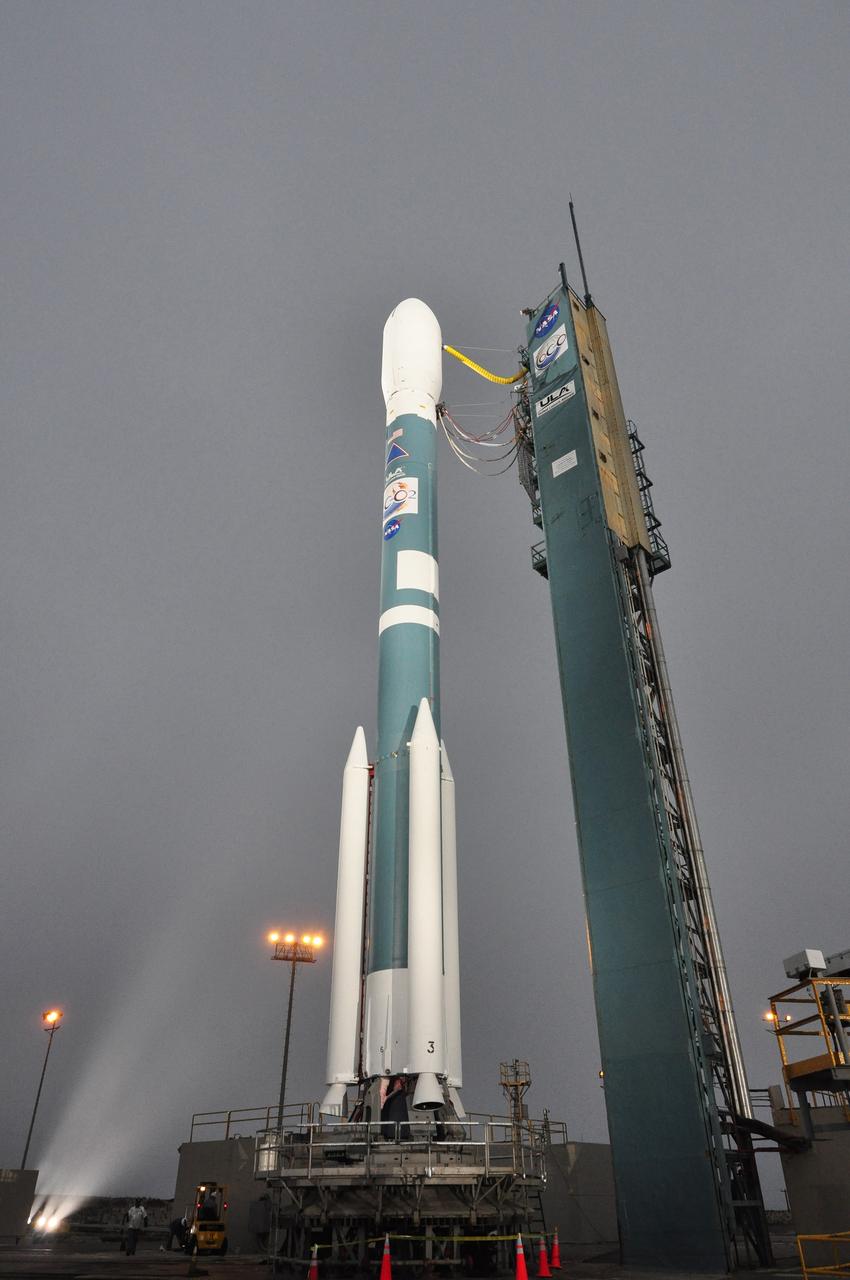
VANDENBERG AIR FORCE BASE, Calif. – Final preparations are underway for the launch of NASA's Orbiting Carbon Observatory-2, or OCO-2, aboard a United Launch Alliance Delta II rocket, following rollback of the mobile service tower on Space Launch Complex 2 on Vandenberg Air Force Base in California. Launch is scheduled for 5:56 a.m. EDT on July 1. OCO-2 is NASA’s first mission dedicated to studying atmospheric carbon dioxide, the leading human-produced greenhouse gas driving changes in Earth’s climate. OCO-2 will provide a new tool for understanding the human and natural sources of carbon dioxide emissions and the natural "sinks" that absorb carbon dioxide and help control its buildup. The observatory will measure the global geographic distribution of these sources and sinks and study their changes over time. To learn more about OCO-2, visit http://www.nasa.gov/oco2. Photo credit: NASA/Randy Beaudoin
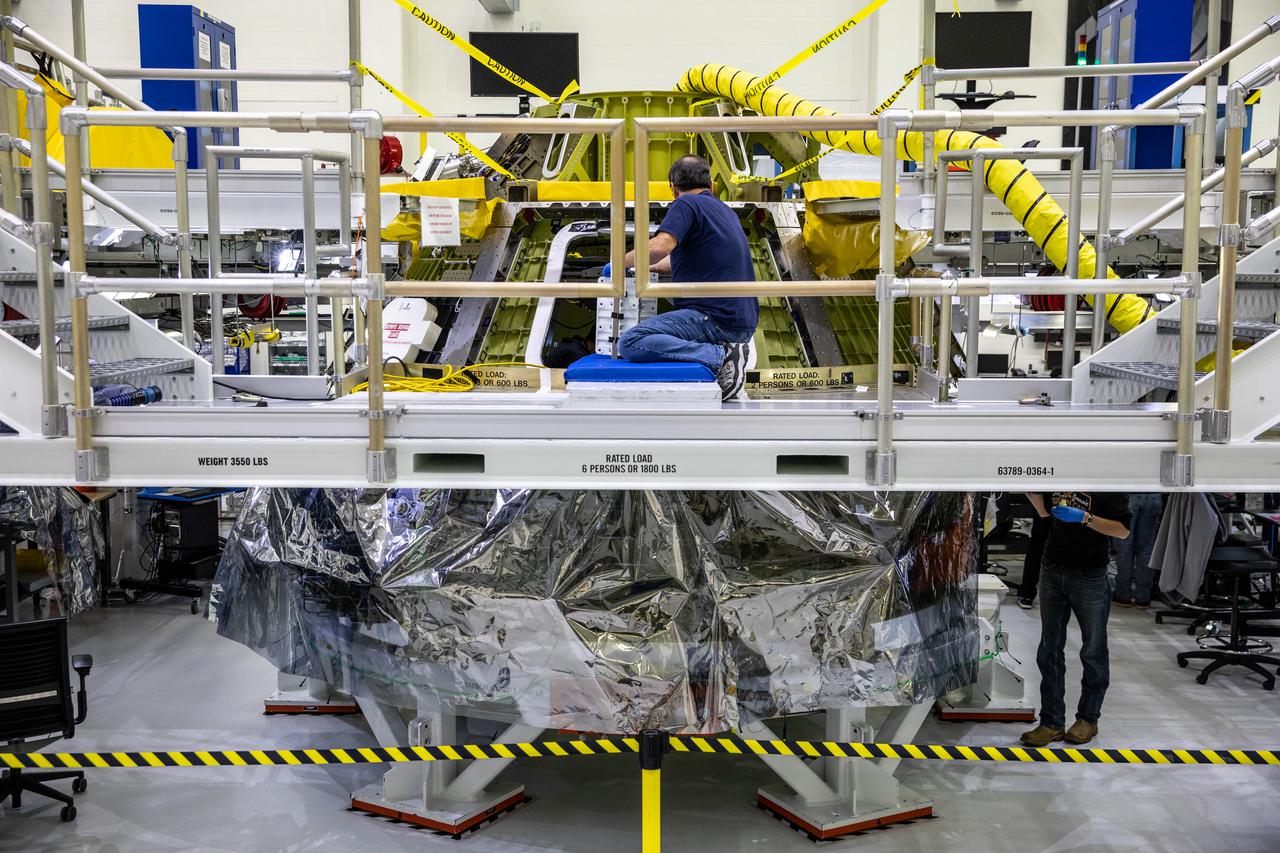
Inside the Neil Armstrong Operations and Checkout Building high bay at NASA's Kennedy Space Center in Florida, assembly continues on Orion’s Artemis II crew module on Feb. 5, 2021. The capsule will house astronauts during its mission around the Moon. Recently, teams removed the spacecraft from its clean room environment, where they have been performing the buildup of the Environmental Control and Propulsion System (ECPS) prior to their installation into the crew module. It will return to the clean room to complete ECPS final welds and assemblies. Artemis II will confirm all of the Orion spacecraft’s systems operate as designed in the actual environment of deep space with astronauts aboard. As part of the Artemis Program, NASA will send the first woman and next man to the Moon.