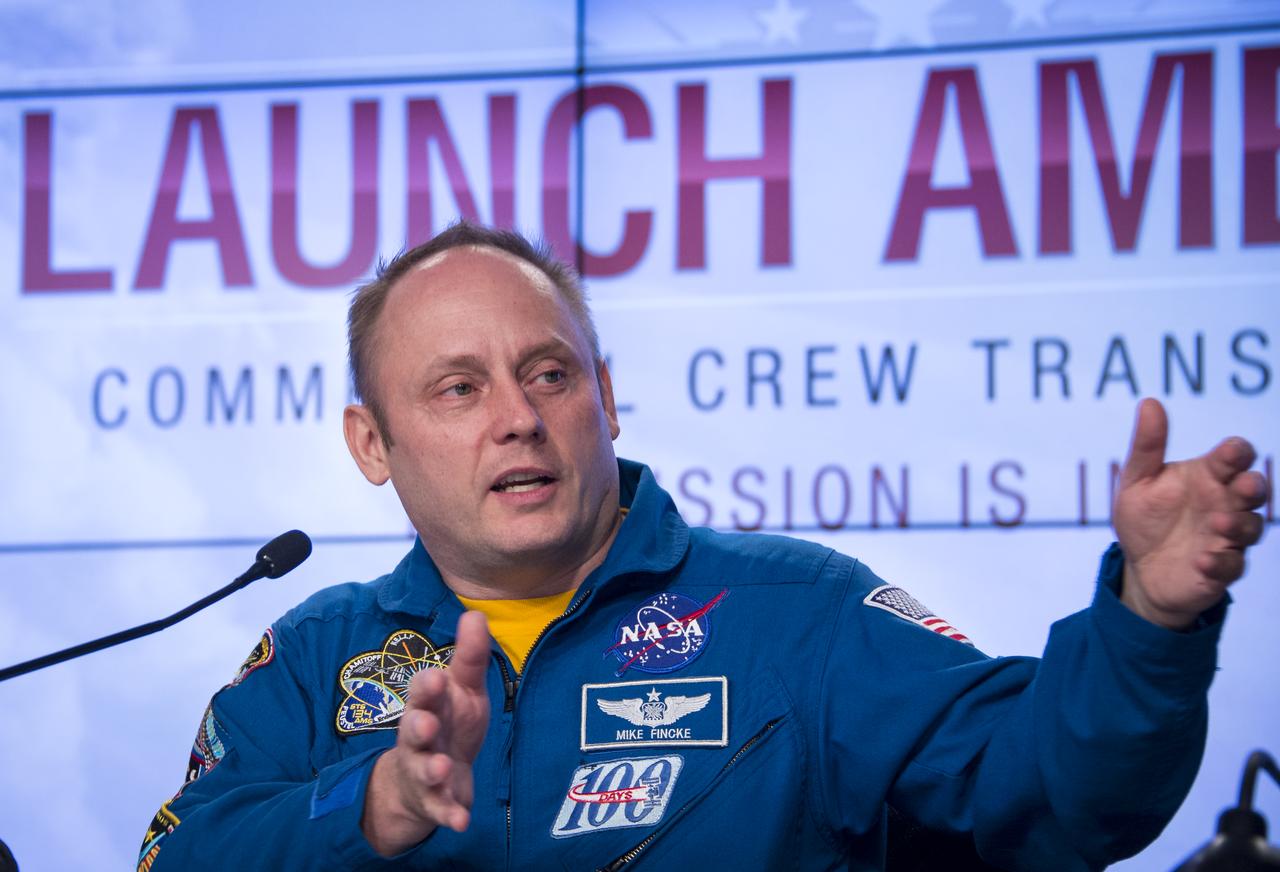
Astronaut Mike Fincke, a former commander of the International Space Station, speaks during a news conference where it was announced that Boeing and SpaceX have been selected to transport U.S. crews to and from the International Space Station using the Boeing CST-100 and the SpaceX Crew Dragon spacecraft, at NASA’s Kennedy Space Center in Cape Canaveral, Fla. on Tuesday, Sept. 16, 2014. These Commercial Crew Transportation Capability (CCtCap) contracts are designed to complete the NASA certification for a human space transportation system capable of carrying people into orbit. Once certification is complete, NASA plans to use these systems to transport astronauts to the space station and return them safely to Earth. Photo Credit: (NASA/Bill Ingalls)
Rovers Get New Driving Capability

Kathy Lueders, program manager of NASA's Commercial Crew Program, speaks during a news conference where it was announced that Boeing and SpaceX have been selected to transport U.S. crews to and from the International Space Station using the Boeing CST-100 and the SpaceX Crew Dragon spacecraft, at NASA’s Kennedy Space Center in Cape Canaveral, Fla. on Tuesday, Sept. 16, 2014. These Commercial Crew Transportation Capability (CCtCap) contracts are designed to complete the NASA certification for a human space transportation system capable of carrying people into orbit. Once certification is complete, NASA plans to use these systems to transport astronauts to the space station and return them safely to Earth. Photo Credit: (NASA/Bill Ingalls)
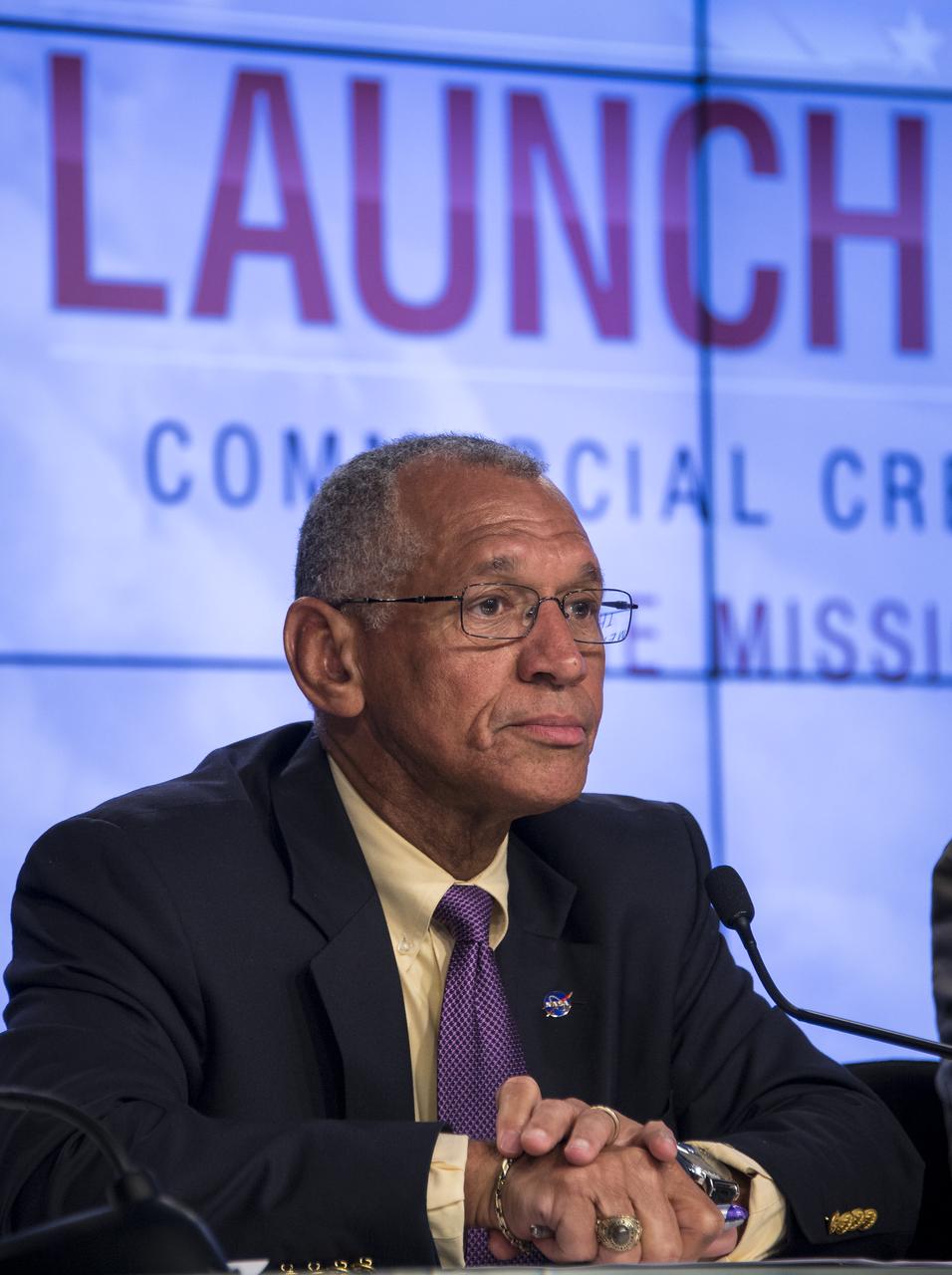
NASA Administrator Charles Bolden listens to a reporter’s question after he announced the agency’s selection of Boeing and SpaceX to transport U.S. crews to and from the International Space Station using the Boeing CST-100 and the SpaceX Crew Dragon spacecraft, at NASA’s Kennedy Space Center in Cape Canaveral, Fla. on Tuesday, Sept. 16, 2014. These Commercial Crew Transportation Capability (CCtCap) contracts are designed to complete the NASA certification for a human space transportation system capable of carrying people into orbit. Once certification is complete, NASA plans to use these systems to transport astronauts to the space station and return them safely to Earth. Photo Credit: (NASA/Bill Ingalls)
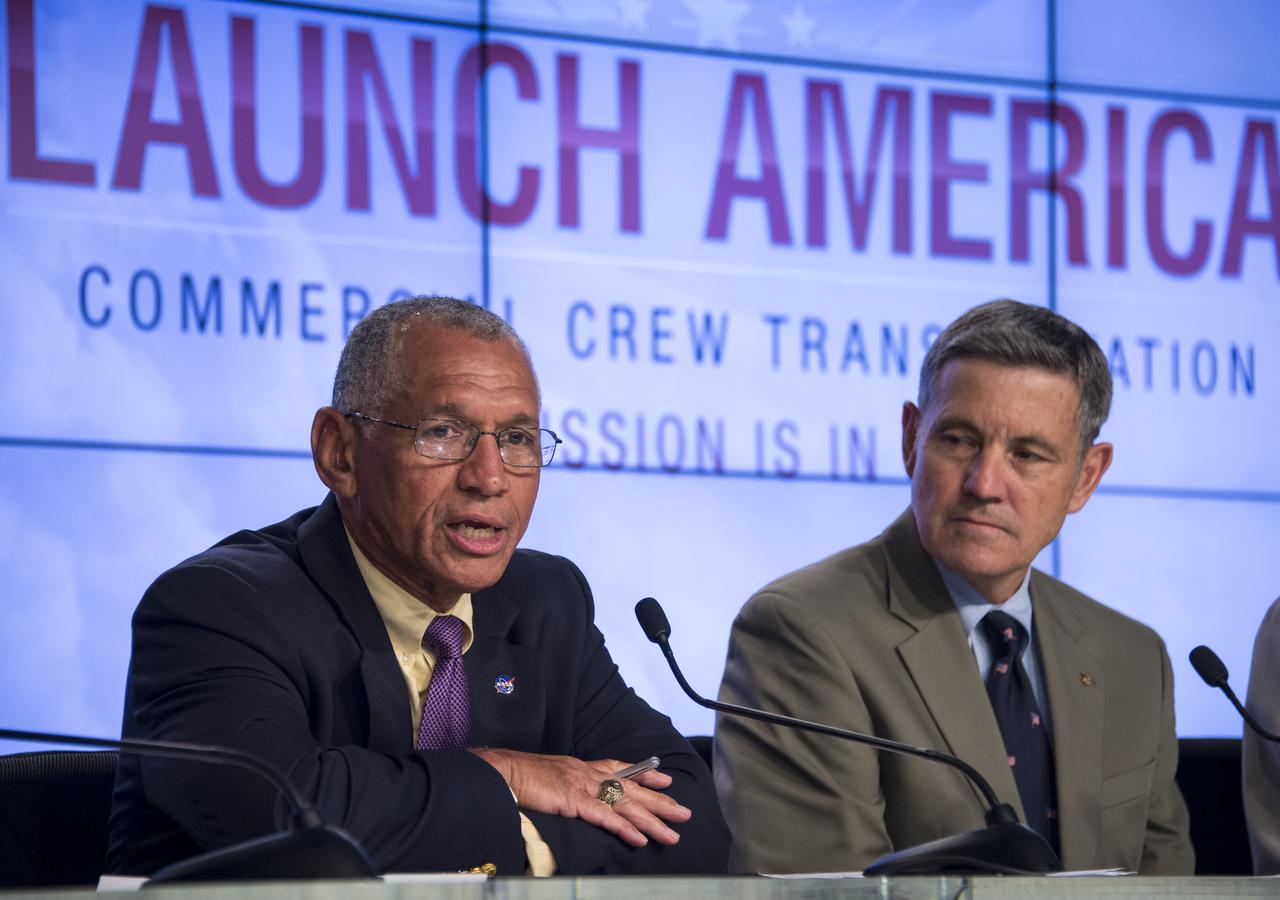
NASA Administrator Charles Bolden, left, announces the agency’s selection of Boeing and SpaceX to transport U.S. crews to and from the International Space Station using the Boeing CST-100 and the SpaceX Crew Dragon spacecraft as Former astronaut Bob Cabana, director of NASA's Kennedy Space Center in Florida looks on at NASA’s Kennedy Space Center in Cape Canaveral, Fla. on Tuesday, Sept. 16, 2014. These Commercial Crew Transportation Capability (CCtCap) contracts are designed to complete the NASA certification for a human space transportation system capable of carrying people into orbit. Once certification is complete, NASA plans to use these systems to transport astronauts to the space station and return them safely to Earth. Photo Credit: (NASA/Bill Ingalls)

Former astronaut Bob Cabana, director of NASA's Kennedy Space Center in Florida, speaks during a news conference where it was announced that Boeing and SpaceX have been selected to transport U.S. crews to and from the International Space Station using the Boeing CST-100 and the SpaceX Crew Dragon spacecraft, at NASA’s Kennedy Space Center in Cape Canaveral, Fla. on Tuesday, Sept. 16, 2014. These Commercial Crew Transportation Capability (CCtCap) contracts are designed to complete the NASA certification for a human space transportation system capable of carrying people into orbit. Once certification is complete, NASA plans to use these systems to transport astronauts to the space station and return them safely to Earth. Photo Credit: (NASA/Bill Ingalls)
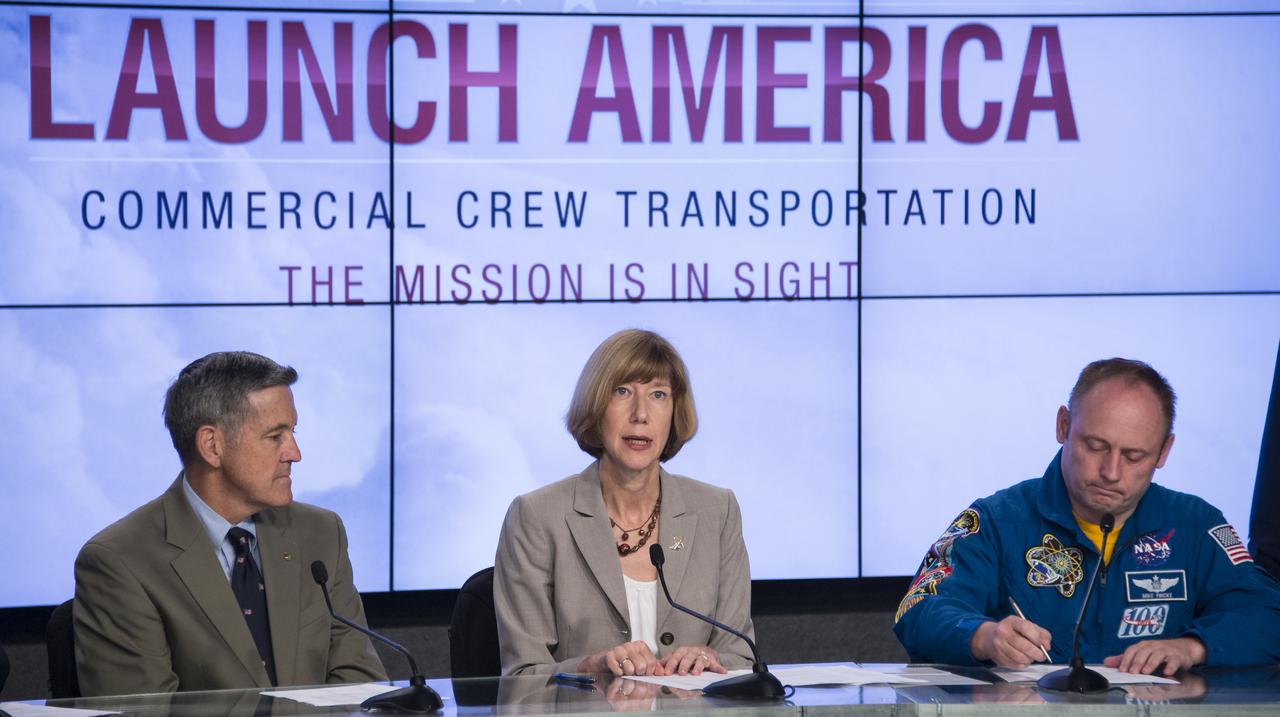
Kathy Lueders, program manager of NASA's Commercial Crew Program, speaks, as Former astronaut Bob Cabana, director of NASA's Kennedy Space Center in Florida, left, and Astronaut Mike Fincke, a former commander of the International Space Station look on during a news conference where it was announced that Boeing and SpaceX have been selected to transport U.S. crews to and from the International Space Station using the Boeing CST-100 and the SpaceX Crew Dragon spacecraft, at NASA’s Kennedy Space Center in Cape Canaveral, Fla. on Tuesday, Sept. 16, 2014. These Commercial Crew Transportation Capability (CCtCap) contracts are designed to complete the NASA certification for a human space transportation system capable of carrying people into orbit. Once certification is complete, NASA plans to use these systems to transport astronauts to the space station and return them safely to Earth. Photo Credit: (NASA/Bill Ingalls)
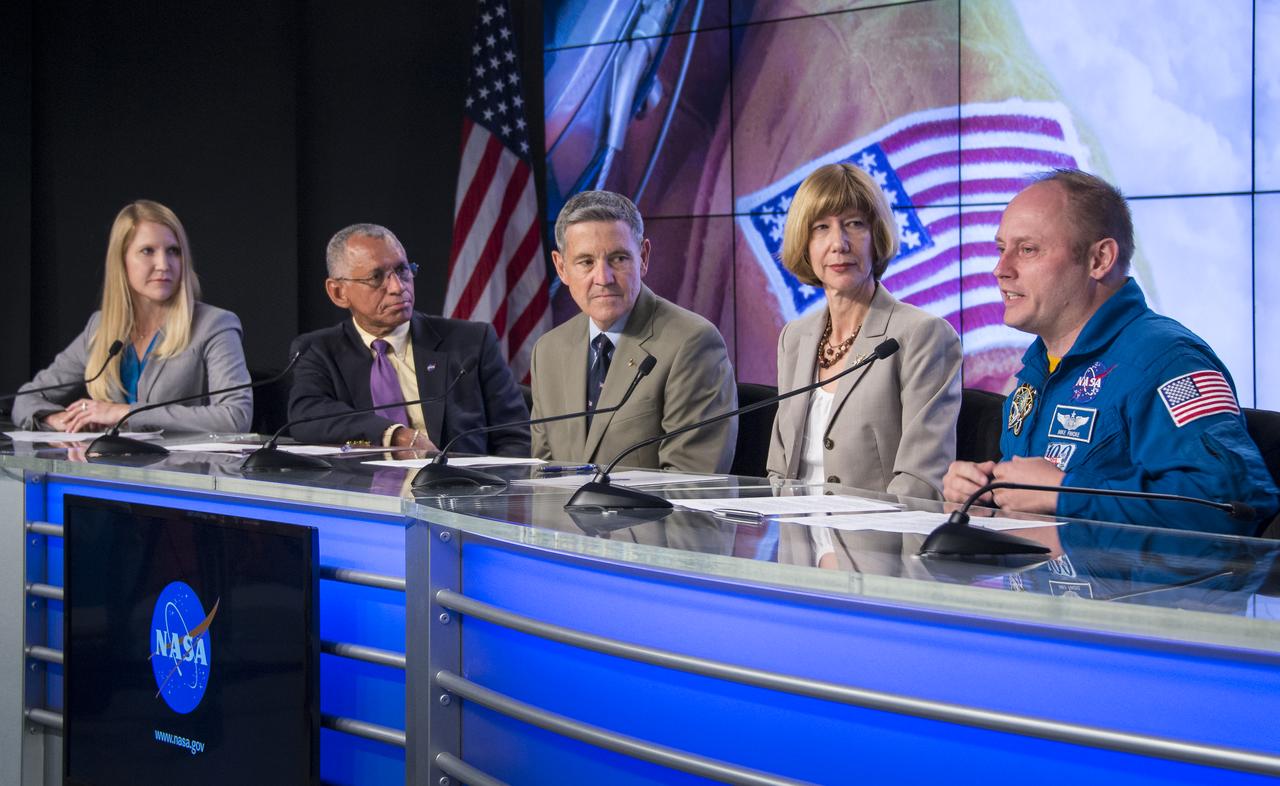
From left, NASA Public Affairs Officer Stephanie Schierholz, NASA Administrator Charles Bolden, Former astronaut Bob Cabana, director of NASA's Kennedy Space Center in Florida, Kathy Lueders, program manager of NASA's Commercial Crew Program, and Astronaut Mike Fincke, a former commander of the International Space Station, are seen during a news conference where it was announced that Boeing and SpaceX have been selected to transport U.S. crews to and from the International Space Station using the Boeing CST-100 and the SpaceX Crew Dragon spacecraft, at NASA’s Kennedy Space Center in Cape Canaveral, Fla. on Tuesday, Sept. 16, 2014. These Commercial Crew Transportation Capability (CCtCap) contracts are designed to complete the NASA certification for a human space transportation system capable of carrying people into orbit. Once certification is complete, NASA plans to use these systems to transport astronauts to the space station and return them safely to Earth. Photo Credit: (NASA/Bill Ingalls)
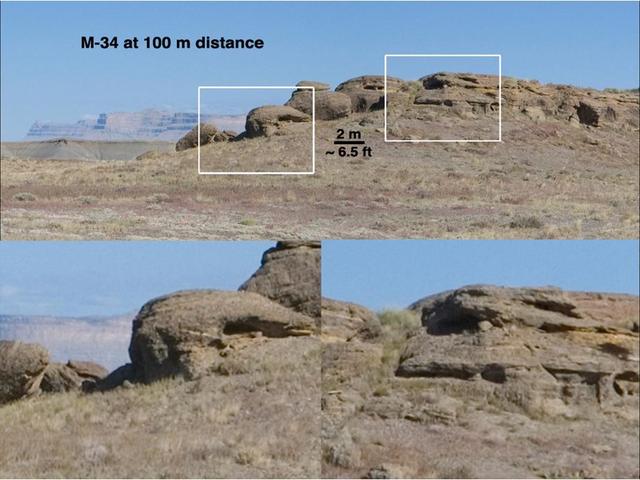
This set of views illustrates capabilities of the Mast Camera MastCam instrument on NASA Mars Science Laboratory Curiosity rover, using a scene on Earth as an example of what MastCam two cameras can see from different distances.
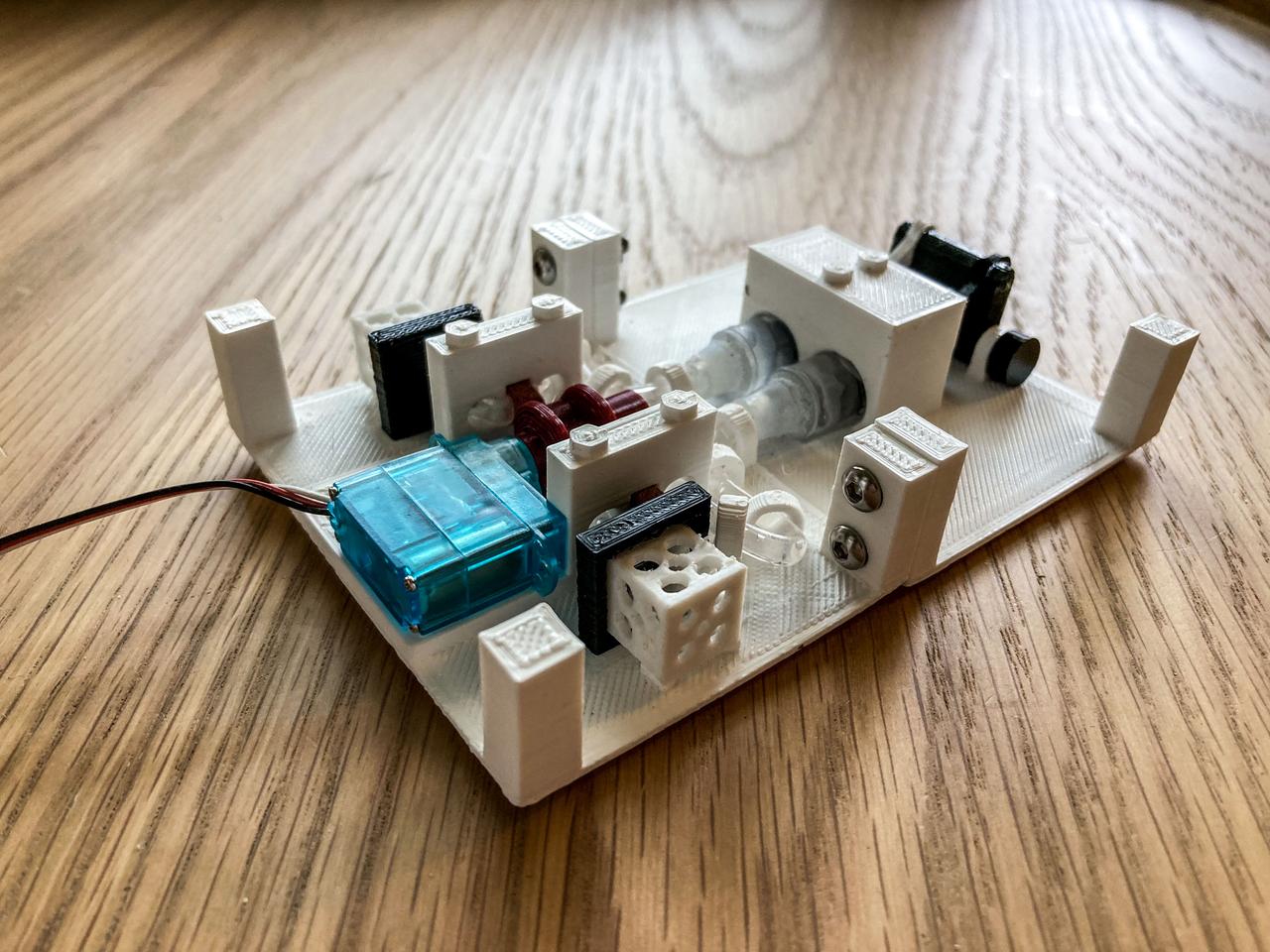
jsc2022e042480 (5/19/2022) --- An early iteration of the experiment hardware for the Biopolymer Research for In-Situ Capabilities investigation, launching aboard SpaceX’s 25th commercial resupply services mission to the International Space Station. Biopolymer Research for In-Situ Capabilities looks at how microgravity affects the process of creating biopolymer soil composite (BSC), a concrete alternative made by mixing an organic compound and silica, which is found in lunar and Martian dust. Image courtesy of James Wall.

jsc2022e042481 (4/13/2022) --- The Biopolymer Research for In-Situ Capabilities team assembles the control experiments that will be delivered to middle school classrooms for the students to run as part of the citizen science program. The Biopolymer Research for In-Situ Capabilities investigation will launch aboard SpaceX’s 25th commercial resupply services mission to the International Space Station. Image courtesy of Ben Gao.
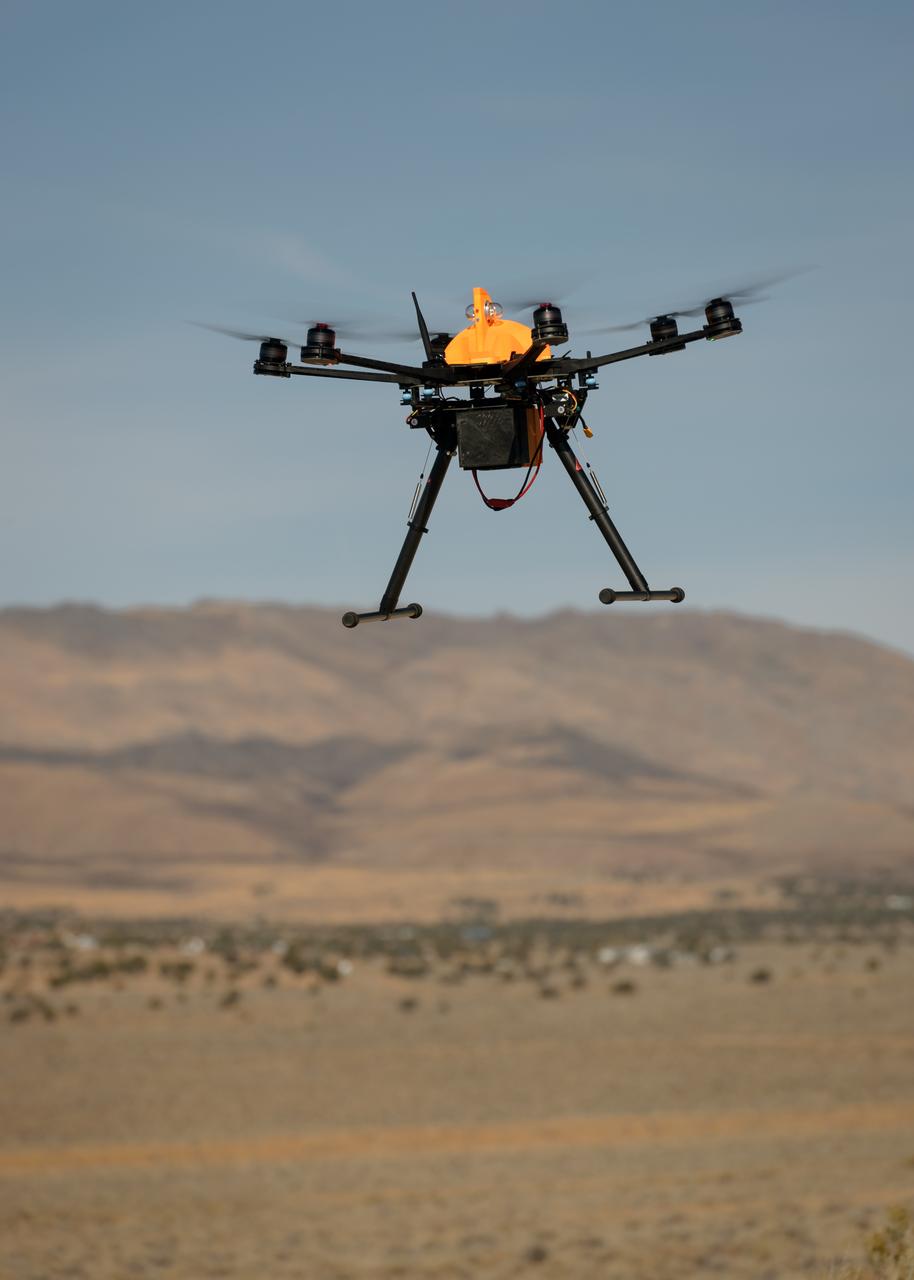
Test of Unmanned Aircraft Systems Traffic Management (UTM) technical capability Level 2 (TCL2) at Reno-Stead Airport, Nevada. During the test, five drones simultaneously crossed paths, separated by altitude. Two drones flew beyond visual line-of-sight and three flew within line-of-sight of their operators.
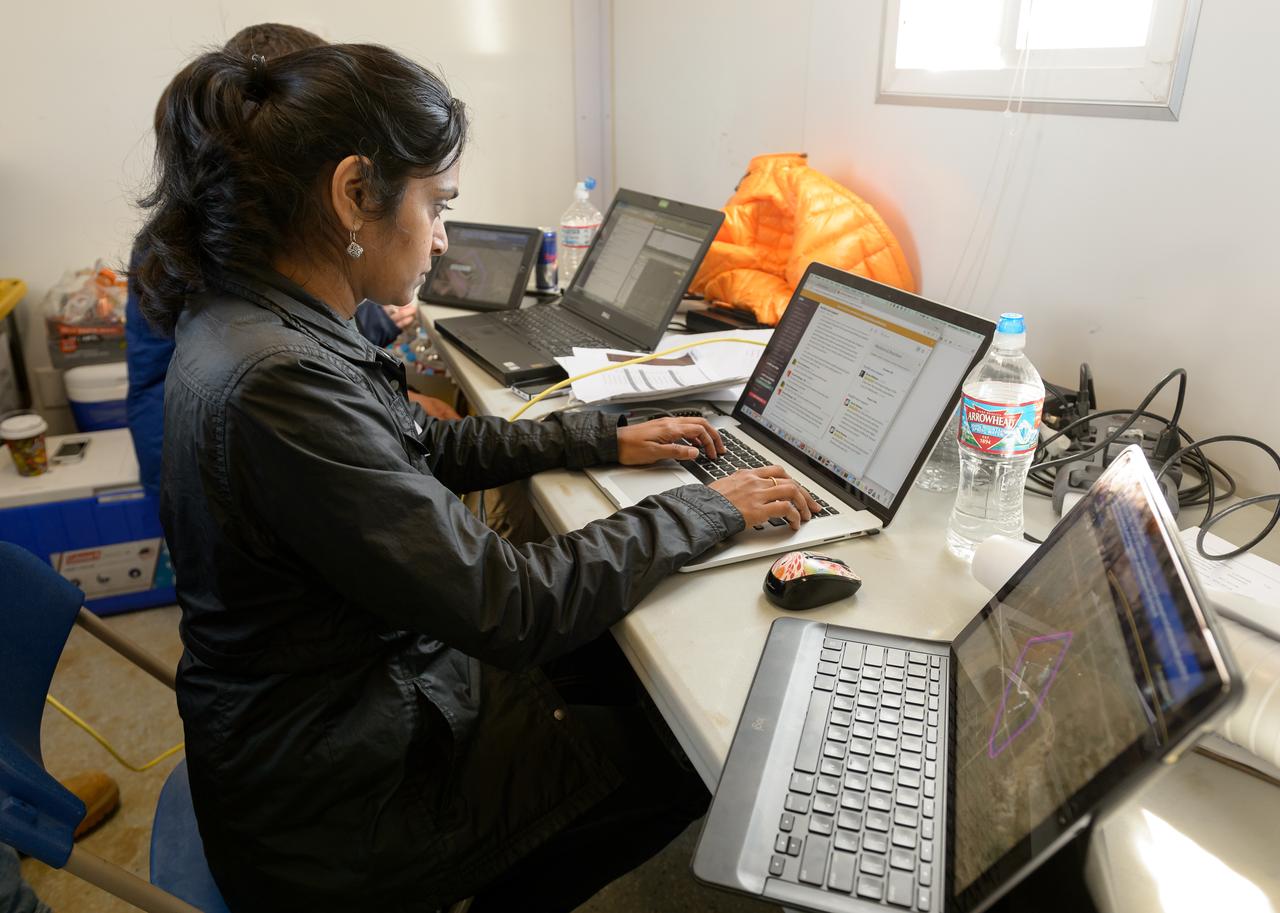
Test of Unmanned Aircraft Systems Traffic Management (UTM) technical capability Level 2 (TCL2) at Reno-Stead Airport, Nevada. During the test, five drones simultaneously crossed paths, separated by altitude. Two drones flew beyond visual line-of-sight and three flew within line-of-sight of their operators.
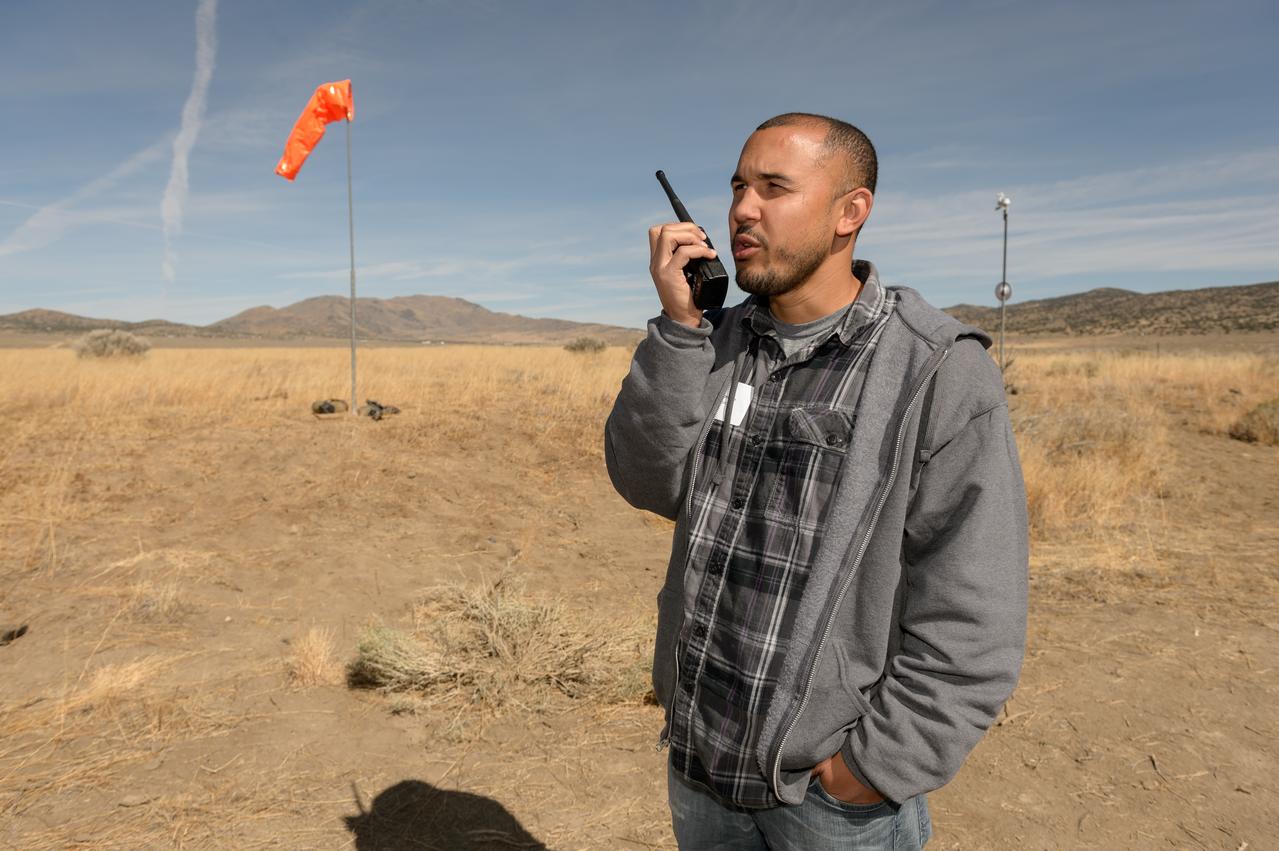
Test of Unmanned Aircraft Systems Traffic Management (UTM) technical capability Level 2 (TCL2) at Reno-Stead Airport, Nevada. During the test, five drones simultaneously crossed paths, separated by altitude. Two drones flew beyond visual line-of-sight and three flew within line-of-sight of their operators.

Test of Unmanned Aircraft Systems Traffic Management (UTM) technical capability Level 2 (TCL2) at Reno-Stead Airport, Nevada. During the test, five drones simultaneously crossed paths, separated by altitude. Two drones flew beyond visual line-of-sight and three flew within line-of-sight of their operators.
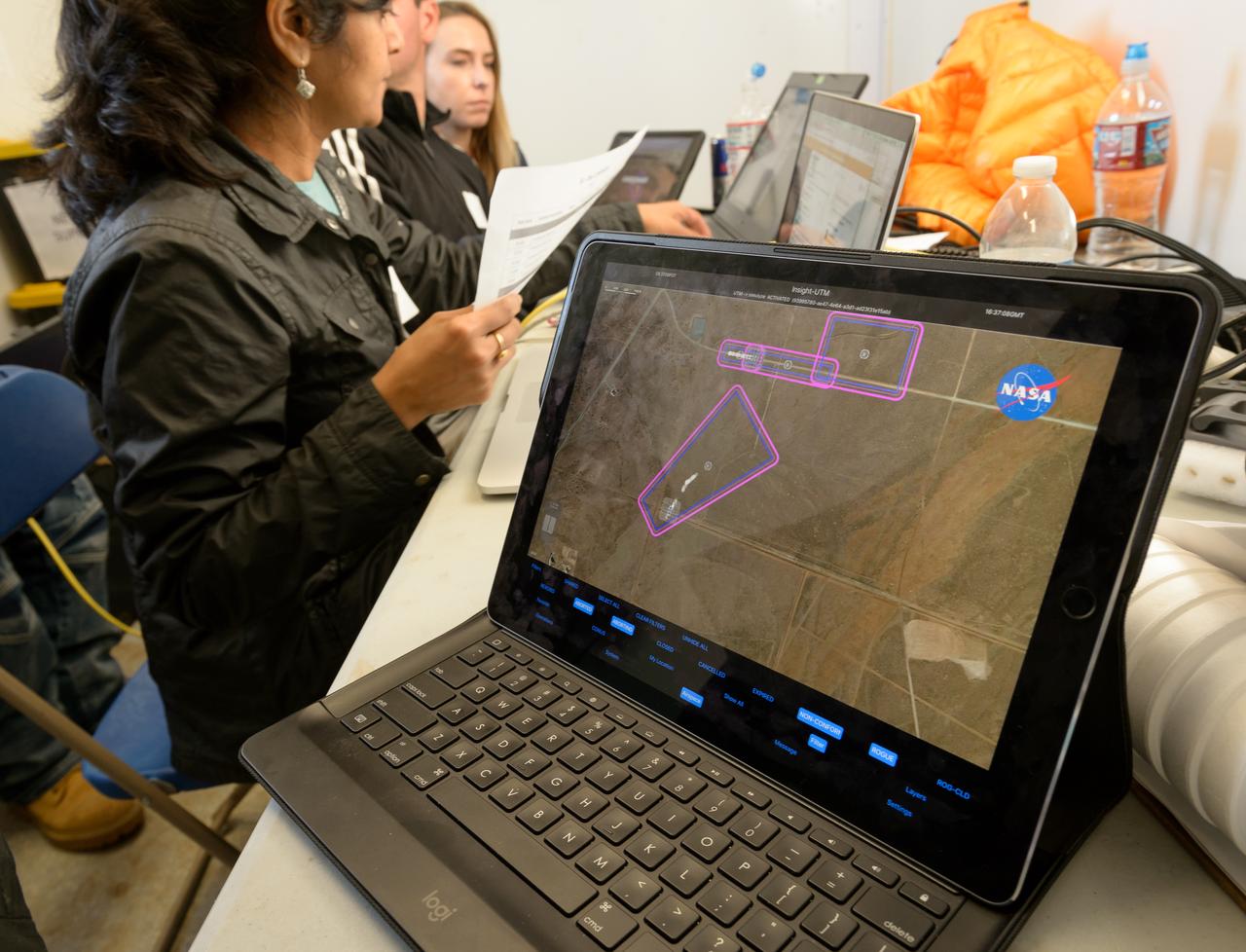
Test of Unmanned Aircraft Systems Traffic Management (UTM) technical capability Level 2 (TCL2) at Reno-Stead Airport, Nevada. During the test, five drones simultaneously crossed paths, separated by altitude. Two drones flew beyond visual line-of-sight and three flew within line-of-sight of their operators.
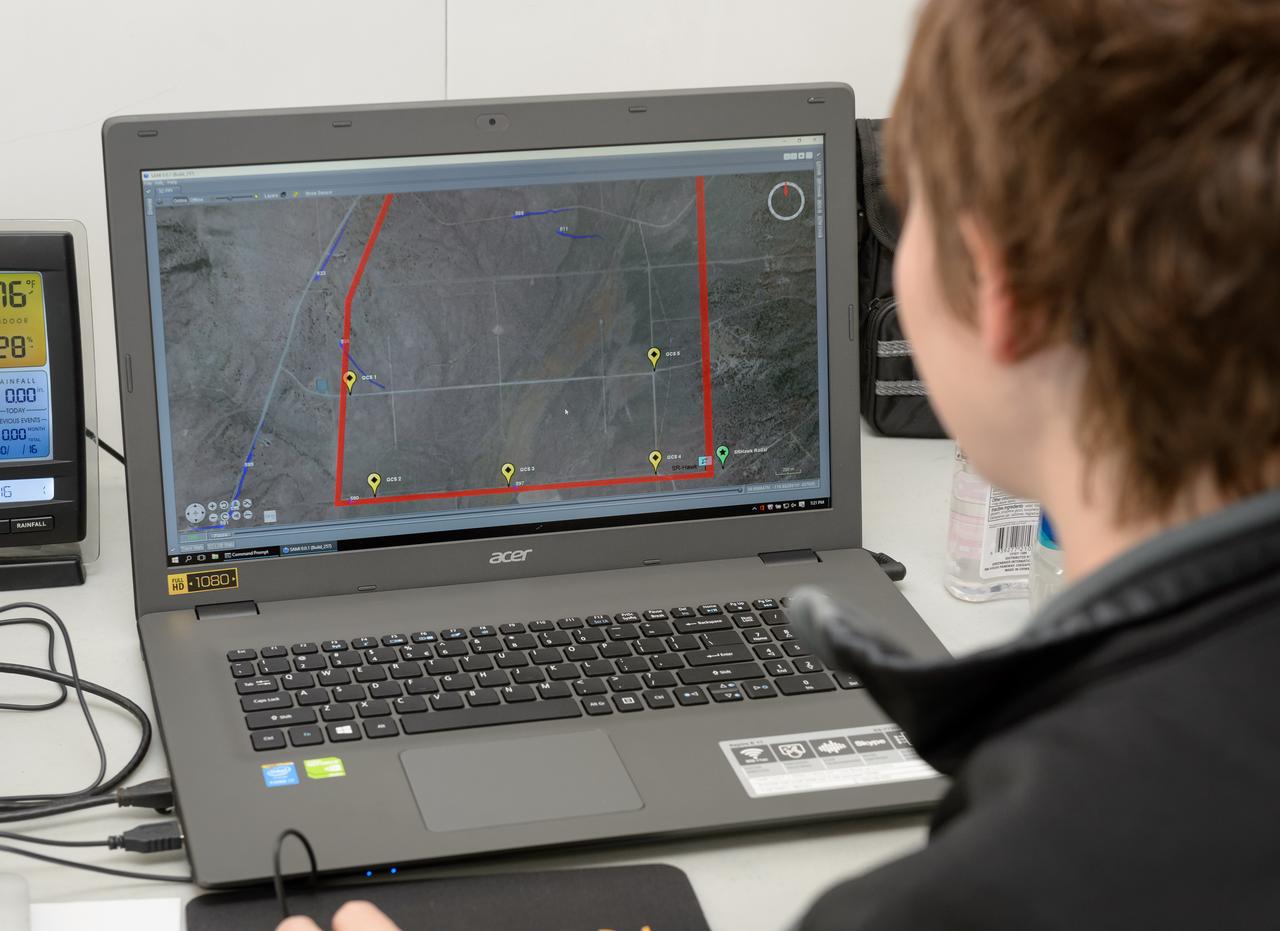
Test of Unmanned Aircraft Systems Traffic Management (UTM) technical capability Level 2 (TCL2) at Reno-Stead Airport, Nevada. During the test, five drones simultaneously crossed paths, separated by altitude. Two drones flew beyond visual line-of-sight and three flew within line-of-sight of their operators.

Test of Unmanned Aircraft Systems Traffic Management (UTM) technical capability Level 2 (TCL2) at Reno-Stead Airport, Nevada. During the test, five drones simultaneously crossed paths, separated by altitude. Two drones flew beyond visual line-of-sight and three flew within line-of-sight of their operators.
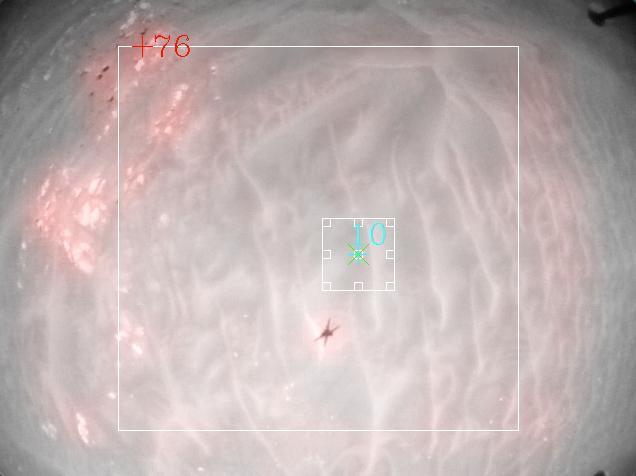
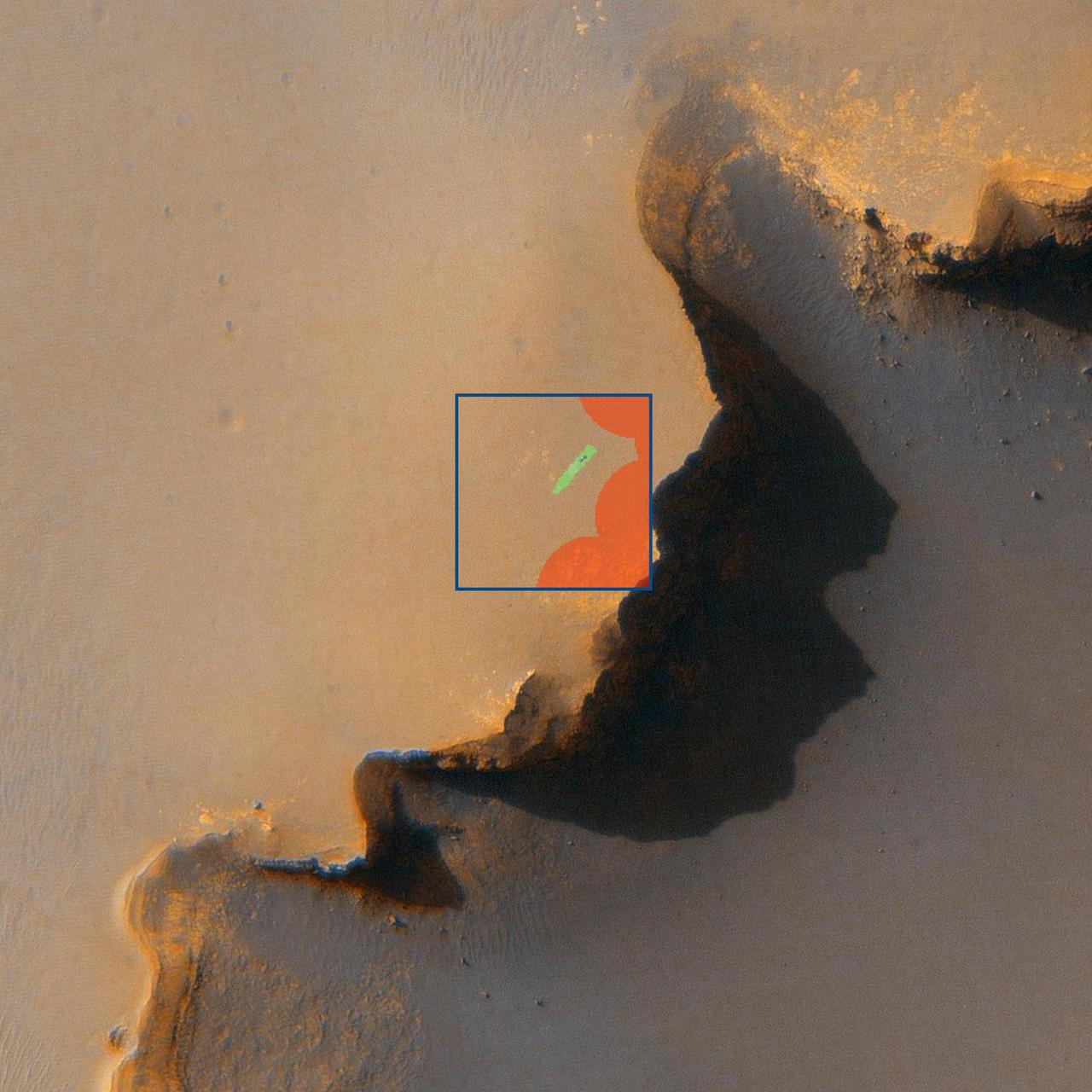
In this video, images from NASA's Mars Ingenuity Helicopter's Flight 9, which took place on July 5, 2021, have been post-processed using the helicopter's hazard avoidance capability, which was added via a software update to the helicopter in late 2022. The update provides two key improvements: It identifies areas unsuitable for landing (shaded in red) as well as candidate landing sites (shown in green). The algorithm also enables the use of digital elevation maps to help navigate. Movie available at https://photojournal.jpl.nasa.gov/catalog/PIA25662
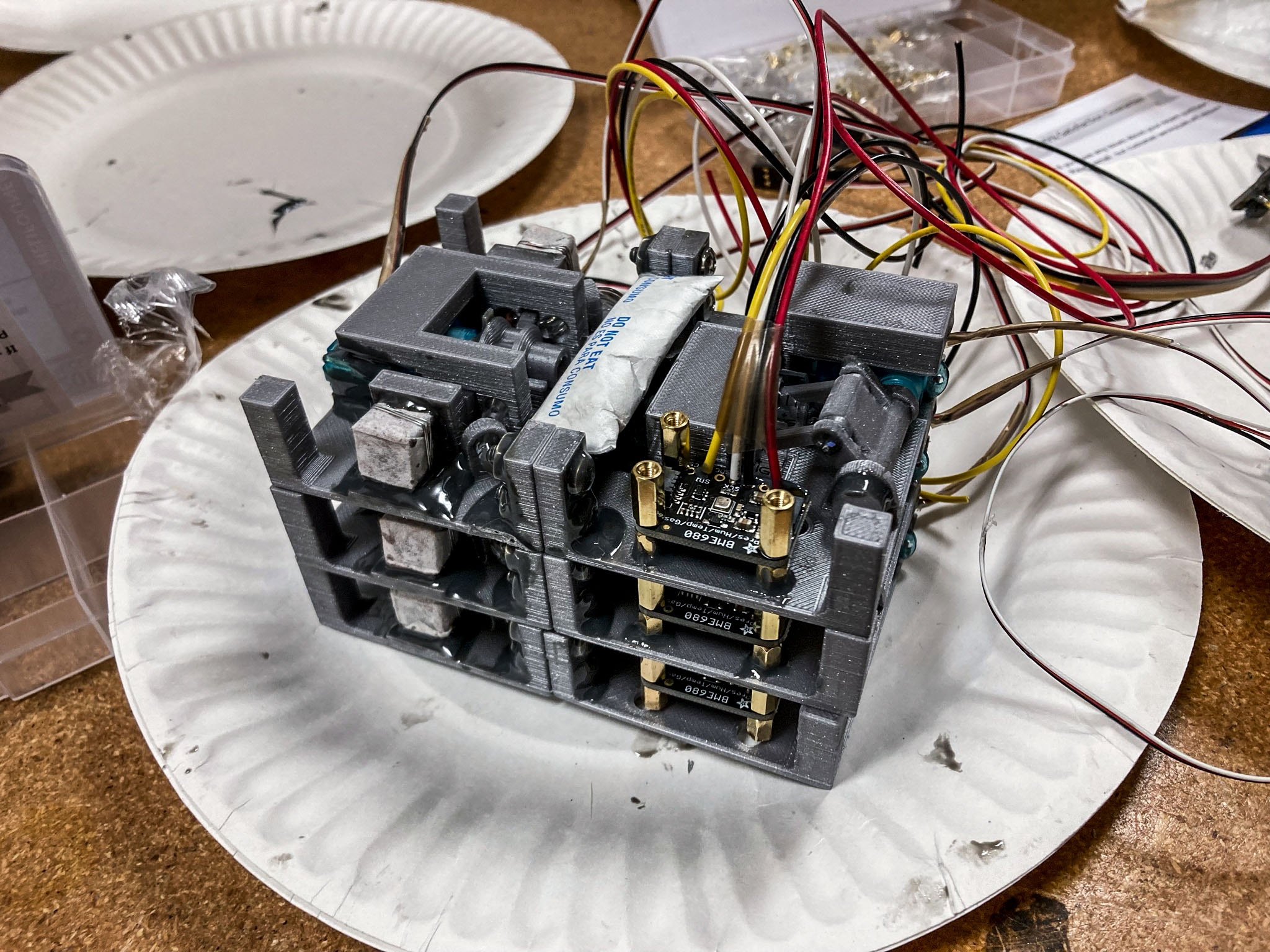
jsc2022e042479 (2/3/2022) --- This image shows three modules of flight hardware for the Biopolymer Research for In-Situ Capabilities investigation, launching aboard SpaceX’s 25th commercial resupply services mission to the International Space Station. The hardware is 3D printed in gray PLA, a desiccant packet is epoxied in the center of the module, and a pressure and humidity sensor is fastened to the left. Each module makes two bricks, for a total of six bricks that will be made in space. This investigation studies how microgravity affects the process of creating biopolymer soil composite (BSC), a concrete alternative that could be made with on-site material such as lunar or Martian dust. Image curtsey of James Wall.

Test of Unmanned Aircraft Systems Traffic Management (UTM) technical capability Level 2 (TCL2) at Reno-Stead Airport, Nevada. During the test, five drones simultaneously crossed paths, separated by altitude. Two drones flew beyond visual line-of-sight and three flew within line-of-sight of their operators. Precision Hawk pilot launches UAS Lancaster Mark 3, one of 11 vehicles in the UTM TCL2 demonstration that will fly beyond line of sight of the pilot in command in Nevada test.

Test of Unmanned Aircraft Systems Traffic Management (UTM) technical capability Level 2 (TCL2) at Reno-Stead Airport, Nevada. During the test, five drones simultaneously crossed paths, separated by altitude. Two drones flew beyond visual line-of-sight and three flew within line-of-sight of their operators. Precision Hawk pilot readies Lancaster Mark 3 UAS for test flight.

Test of Unmanned Aircraft Systems Traffic Management (UTM) technical capability Level 2 (TCL2) at Reno-Stead Airport, Nevada. During the test, five drones simultaneously crossed paths, separated by altitude. Two drones flew beyond visual line-of-sight and three flew within line-of-sight of their operators. Engineers Priya Venkatesan and Joey Mercer review flight paths using the UAS traffic management research platform at flight operations mission control at NASA’s UTM TCL2 test.

Test of Unmanned Aircraft Systems Traffic Management (UTM) technical capability Level 2 (TCL2) at Reno-Stead Airport, Nevada. During the test, five drones simultaneously crossed paths, separated by altitude. Two drones flew beyond visual line-of-sight and three flew within line-of-sight of their operators. Engineer Joey Mercer reviews flight paths using the UAS traffic management research platform UTM coordinator app to verify and validate flight paths.

Test of Unmanned Aircraft Systems Traffic Management (UTM) technical capability Level 2 (TCL2) at Reno-Stead Airport, Nevada. During the test, five drones simultaneously crossed paths, separated by altitude. Two drones flew beyond visual line-of-sight and three flew within line-of-sight of their operators. Drone Co-habitation Services operates a Phantom 3 commercial multi-rotor unmanned aircraft, one of 11 vehicles in the UTM TCL2 demonstration that will fly beyond line of sight of the pilot in command in Nevada test.
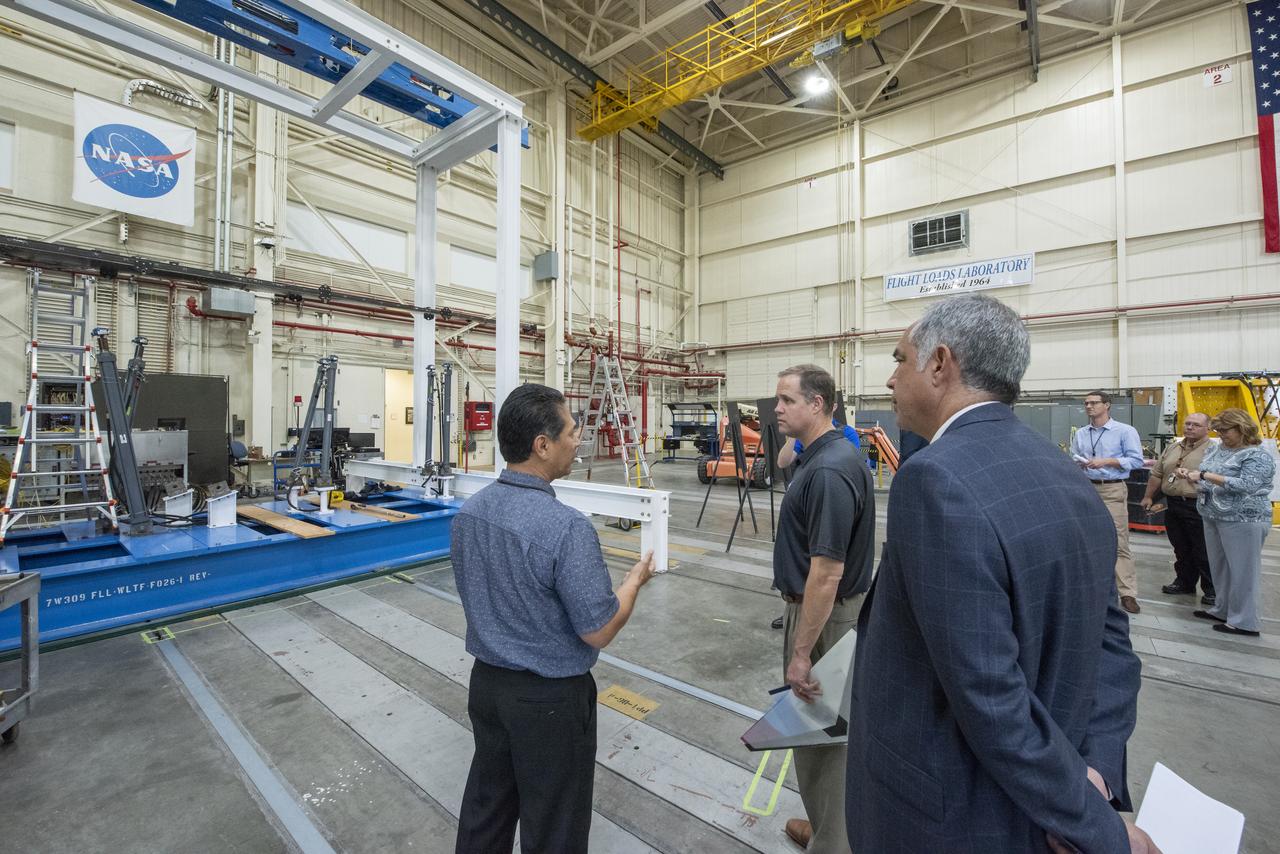
NASA Administrator Bridenstine talks with Armstrong's Larry Hudson about the capabilities of the Flight Loads Lab to conduct mechanical-load and thermal studies of structural components and complete flight vehicles.
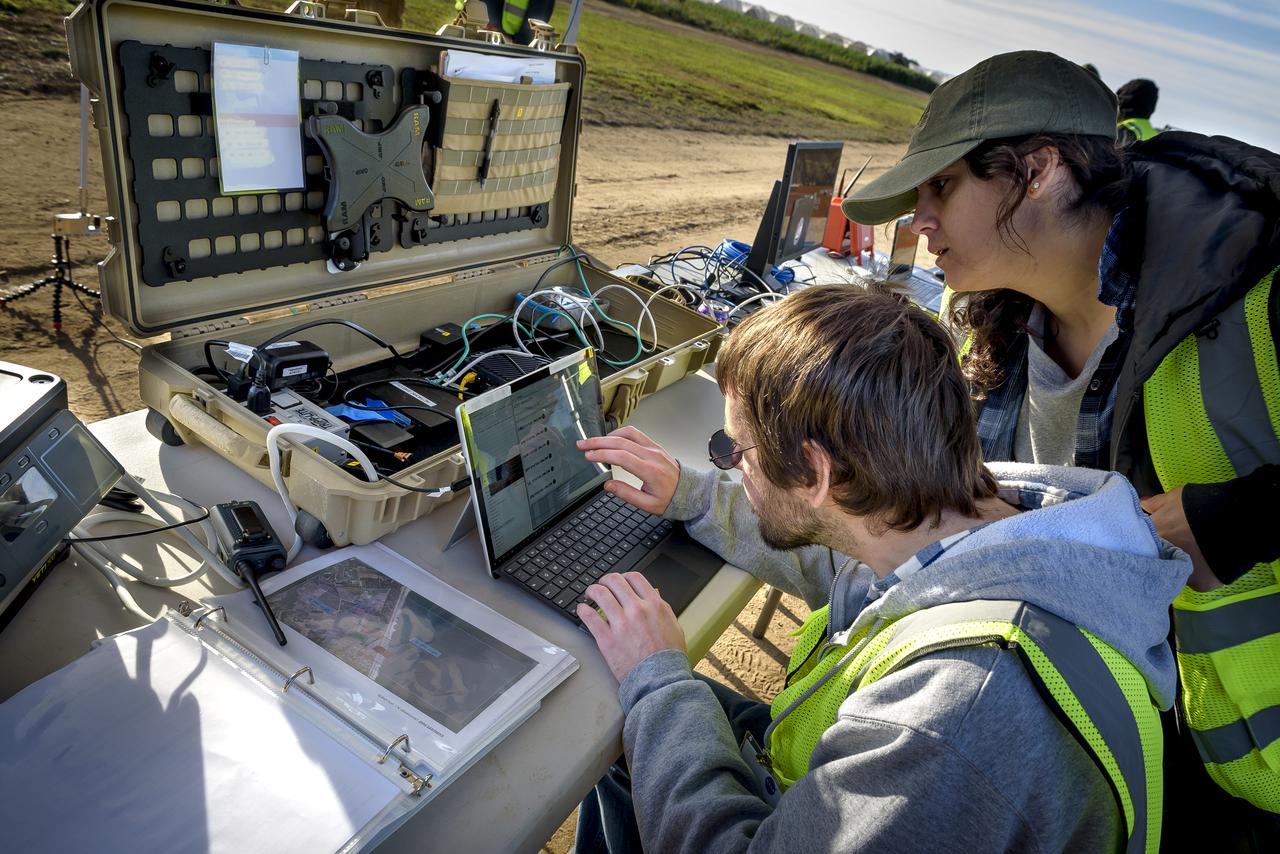
Joshua Kaurich, front, and Yasmin Arbab, works with the Advanced Capabilities for Emergency Response Operations (ACERO) Portable Airspace Management System (PAMS) case at the Monterey Bay Academy Airport near Watsonville, California.
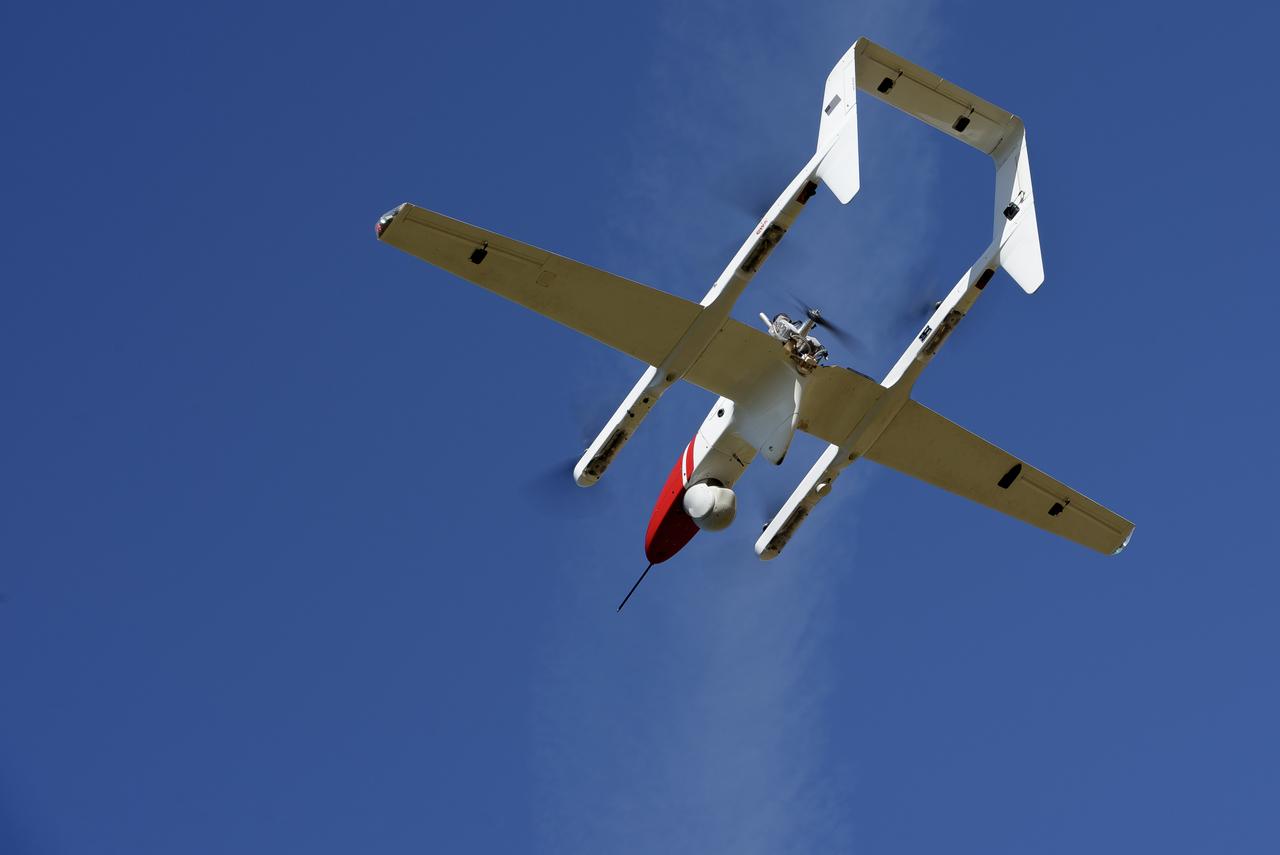
L3Harris FVR90 Unmanned Aerial Vehicle (UAV) lifts off from the Monterey Bay Academy Airport near Watsonville, California, during the Advanced Capabilities for Emergency Response Operations (ACERO) Shakedown Test.
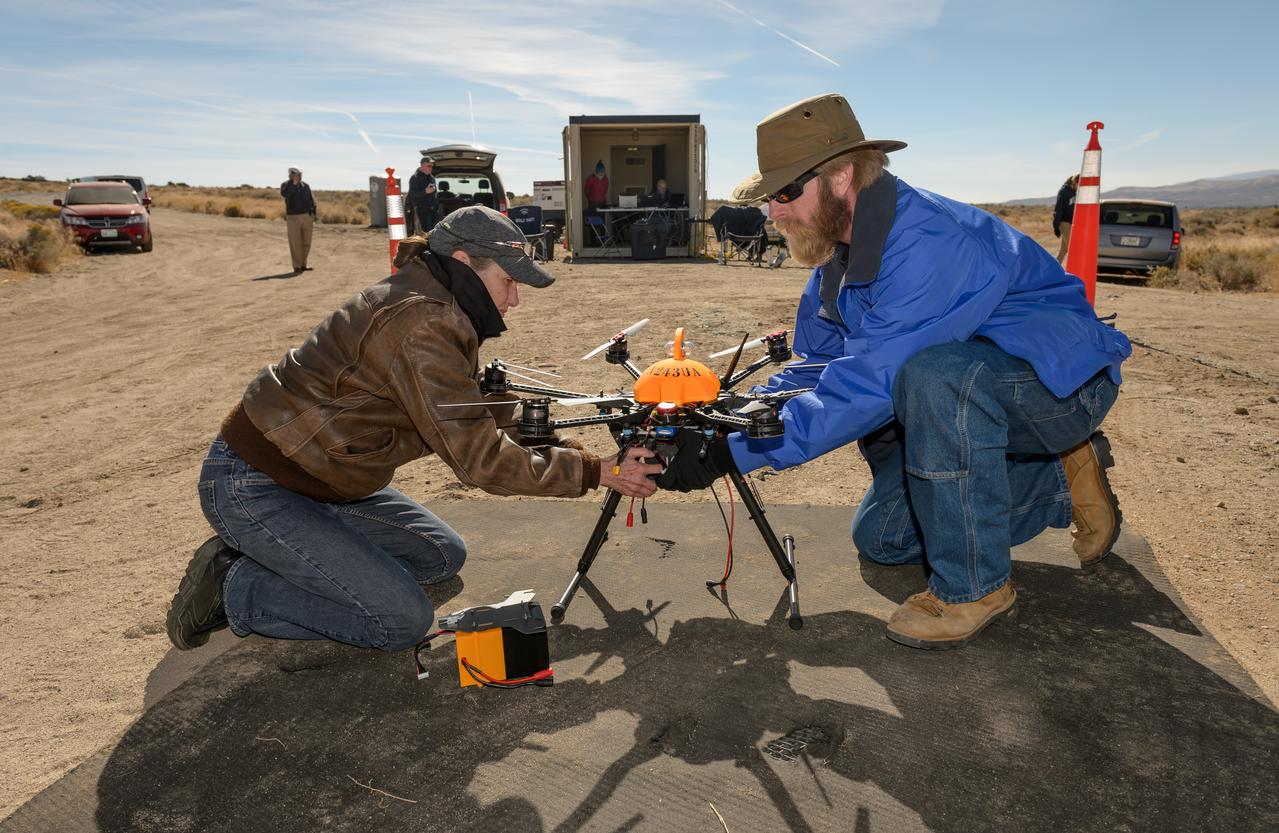
Test of Unmanned Aircraft Systems Traffic Management (UTM) technical capability Level 2 (TCL2) at Reno-Stead Airport, Nevada. During the test, five drones simultaneously crossed paths, separated by altitude. Two drones flew beyond visual line-of-sight and three flew within line-of-sight of their operators. Karen Bollinger pilot and Nick Atkins of Alaska Center for Unmanned Aircraft Systems Integration program fly Ptarmigan quadcopter, one of 11 vehicles in the UTM TCL2 demonstration that will fly beyond line of sight of the pilot in command in Nevada test.
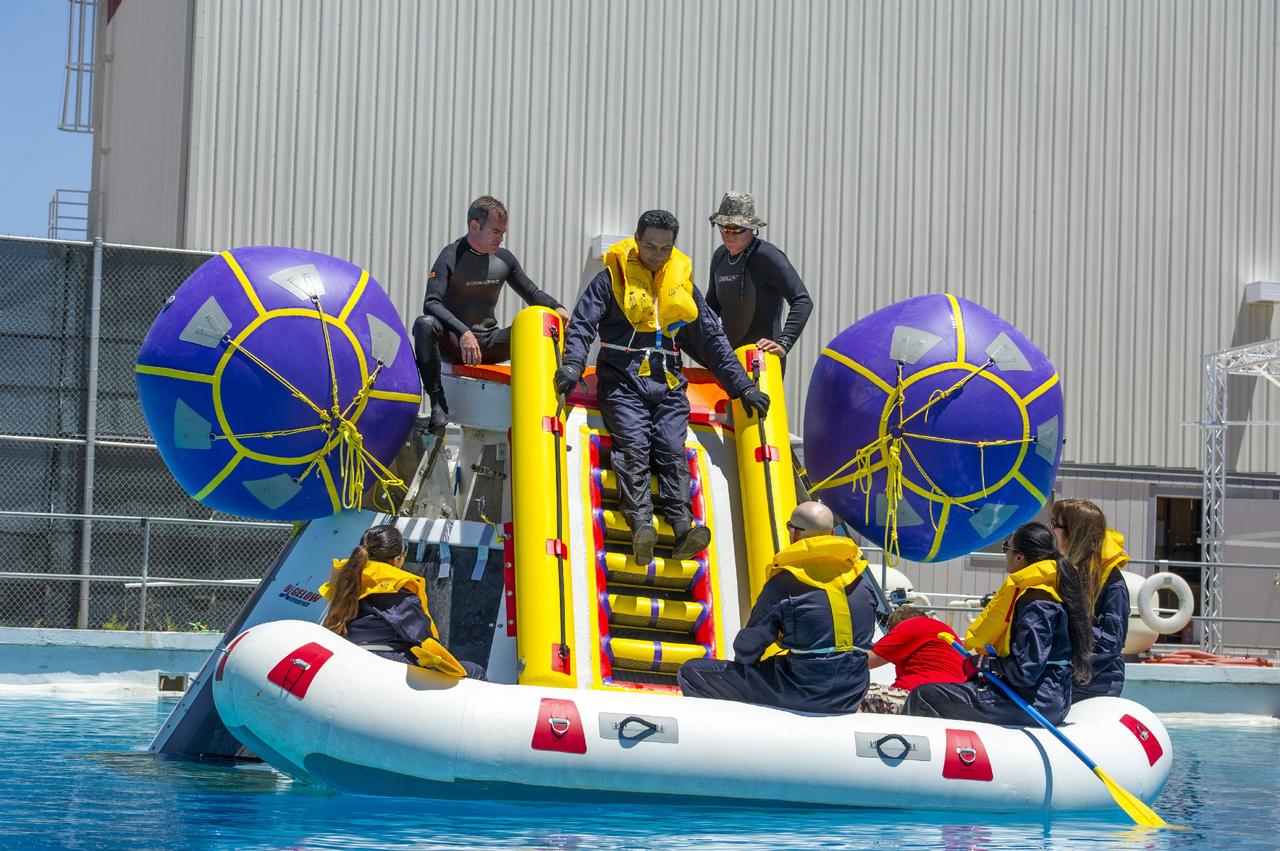
LAS VEGAS, Nev. – The Boeing Company performed simulated contingency water landing scenarios with a mock-up CST-100 spacecraft at Bigelow Aerospace's headquarters near Las Vegas. The CST-100 is designed for ground landings, but could splash down on the water, if necessary. During the water tests, Department of Defense search-and-recovery personnel practiced pulling five Boeing engineers out of the capsule and to safety. The tests are part of the company’s ongoing work supporting its funded Space Act Agreement with NASA’s Commercial Crew Program, or CCP, during the Commercial Crew Integrated Capability, or CCiCap, initiative. CCP is intended to lead to the availability of commercial human spaceflight services for government and commercial customers to low-Earth orbit. Future development and certification initiatives eventually will lead to the availability of human spaceflight services for NASA to send its astronauts to the International Space Station, where critical research is taking place daily. For more information about CCP, go to http://www.nasa.gov/commercialcrew. Photo credit: Boeing
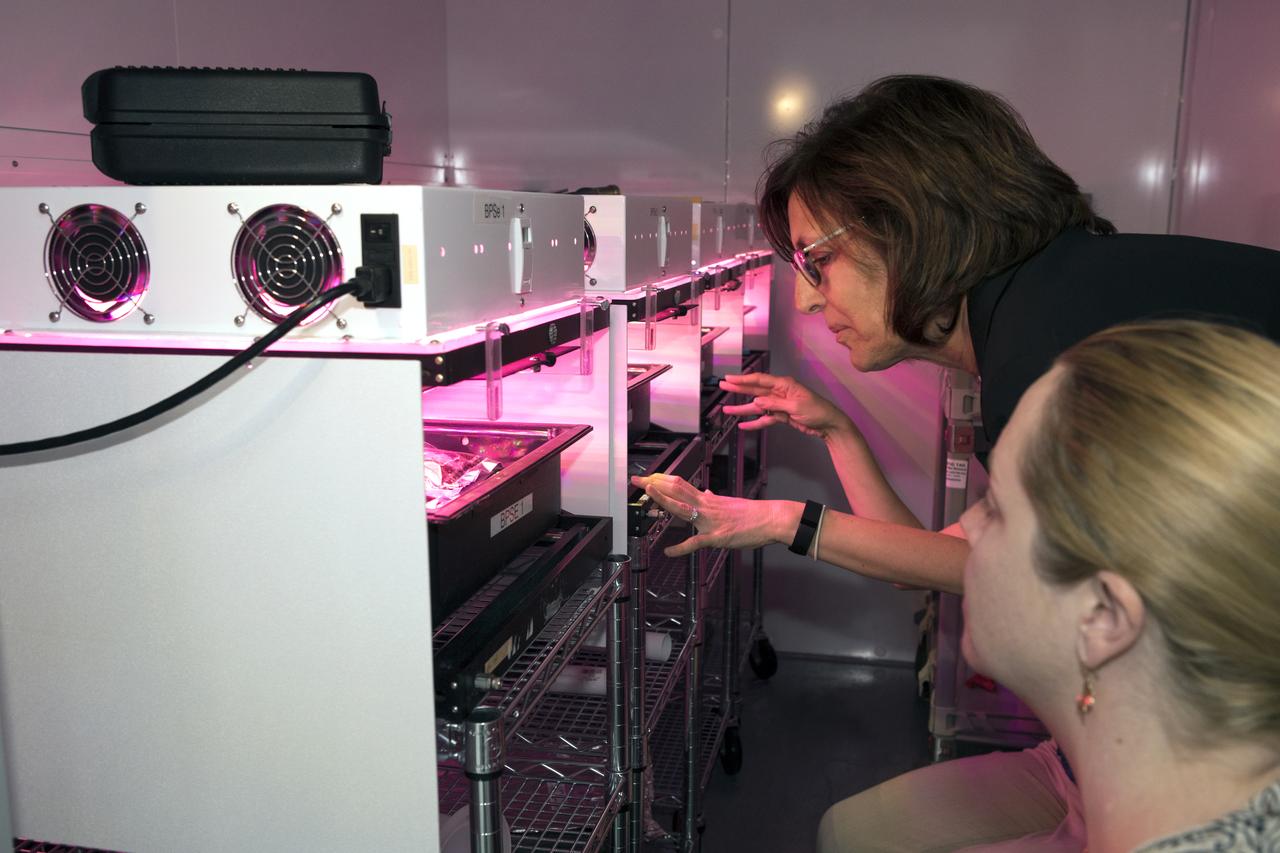
Robyn Gatens, left, deputy director, ISS Division and system capability leader for Environmental Control and Life Support Systems (ECLSS) at NASA Headquarters in Washington, tours laboratories in the Space Station Processing Facility at the agency's Kennedy Space Center in Florida, on June 13, 2018. To her right is Molly Anderson, deputy ECLSS capability lead at Johnson Space Center in Houston. They are viewing plant growth chambers and seeing firsthand some of the capabilities in the center's Exploration Research and Technology Programs.

The NASA Langley Alta-X Unmanned Aerial Vehicle (UAV) lifts off with a weather payload from the Monterey Bay Academy Airport near Watsonville, California, during the Advanced Capabilities for Emergency Response Operations (ACERO) Shakedown Test.
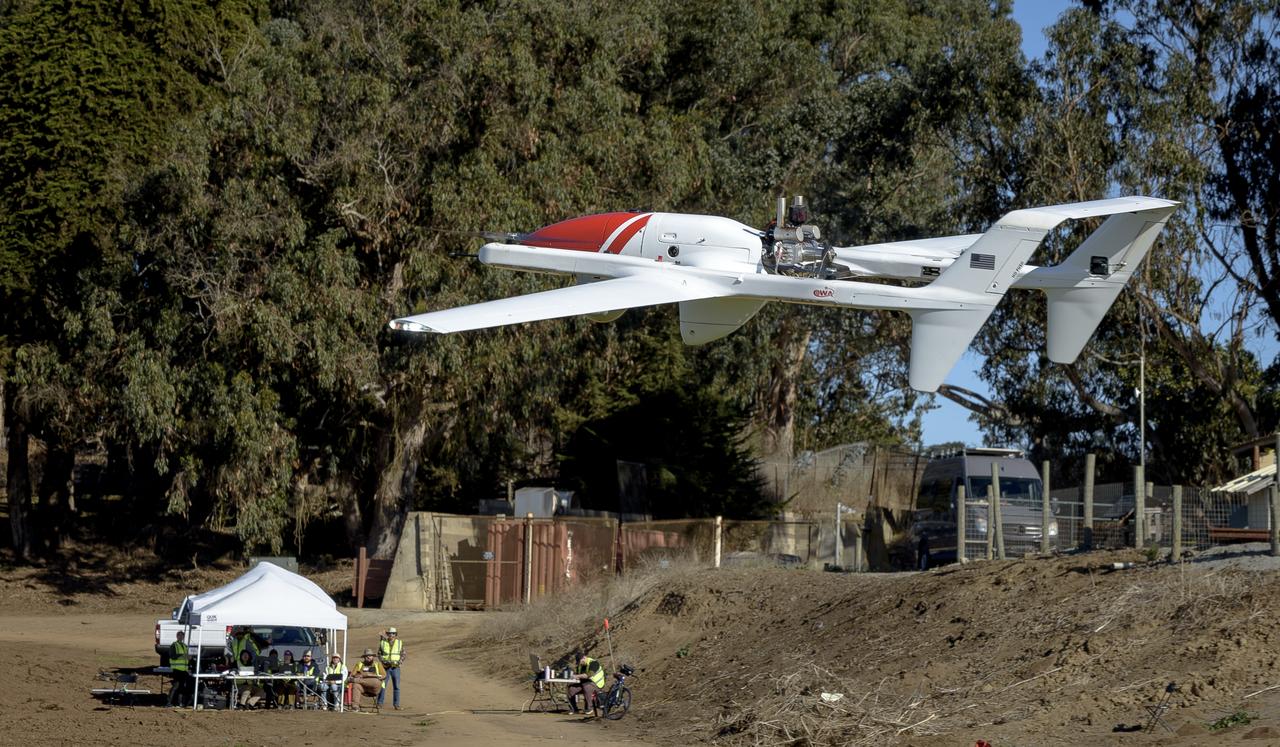
L3Harris FVR90 Unmanned Aerial Vehicle (UAV) lifts off from the Monterey Bay Academy Airport near Watsonville, California, during the Advanced Capabilities for Emergency Response Operations (ACERO) Shakedown Test as NASA researchers observe in the background.
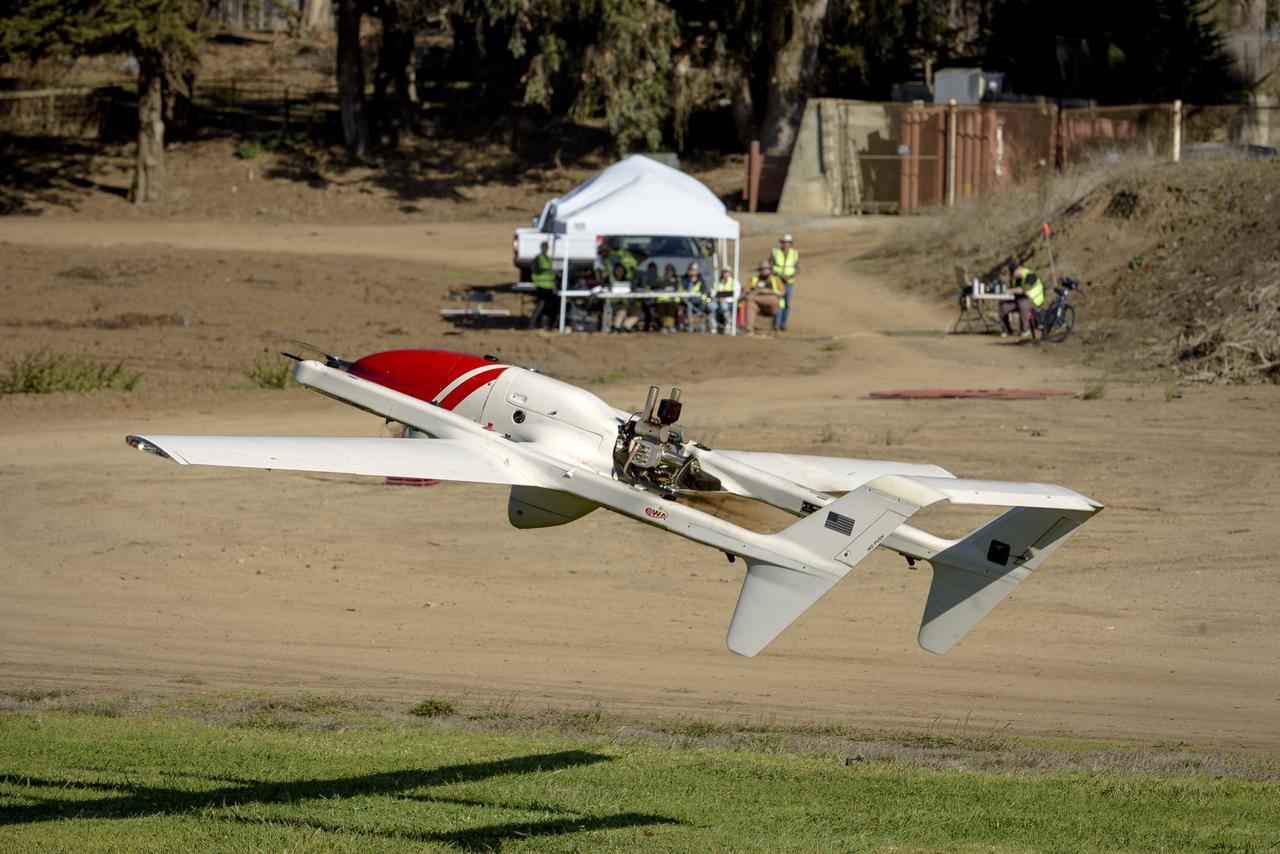
L3Harris FVR90 Unmanned Aerial Vehicle (UAV) lifts off from the Monterey Bay Academy Airport near Watsonville, California, during the Advanced Capabilities for Emergency Response Operations (ACERO) Shakedown Test as NASA researchers observe in the background.
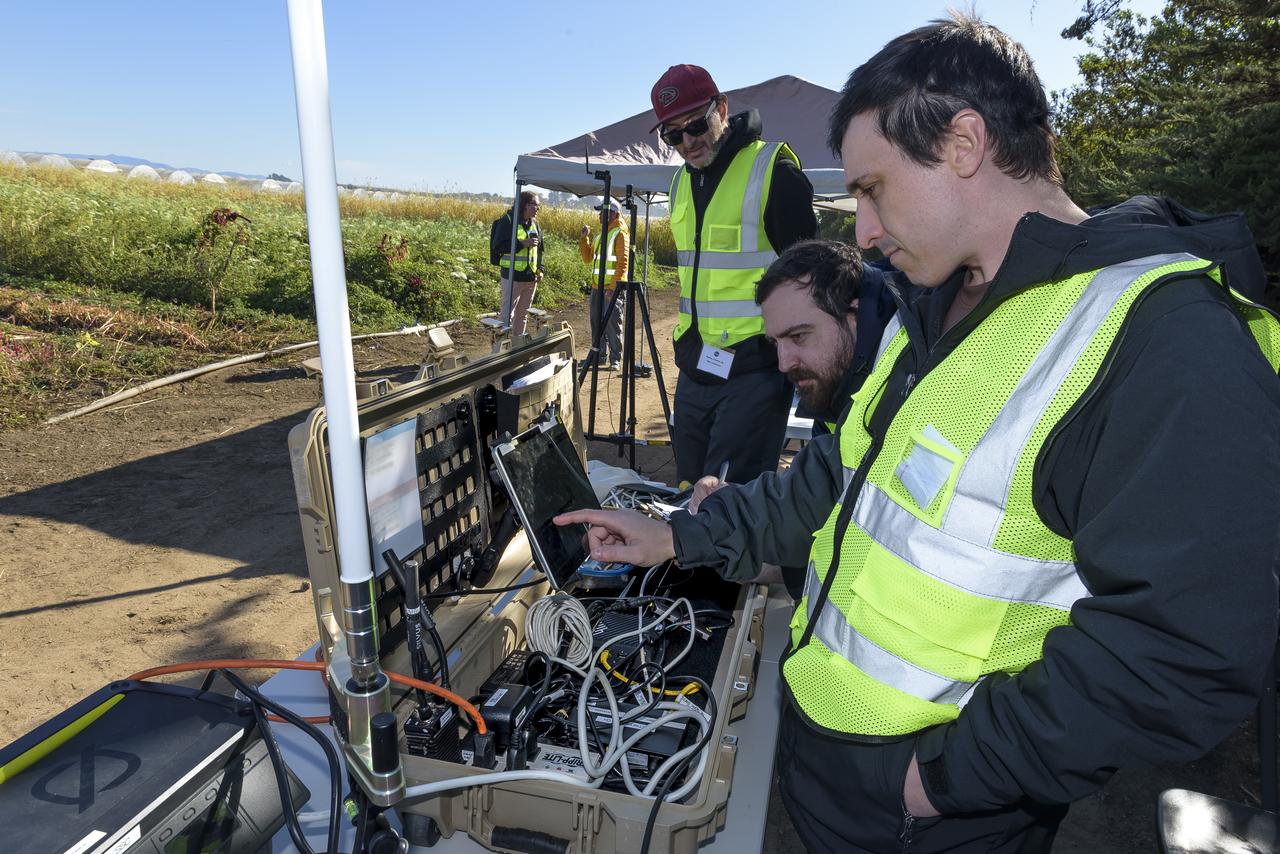
Greg Costedoat, front-right frame, Stefan Blandin, and Charles Walker, left, with the Advanced Capabilities for Emergency Response Operations (ACERO) Portable Airspace Management System (PAMS) case with the equipment stowed at the Monterey Bay Academy Airport near Watsonville, California.
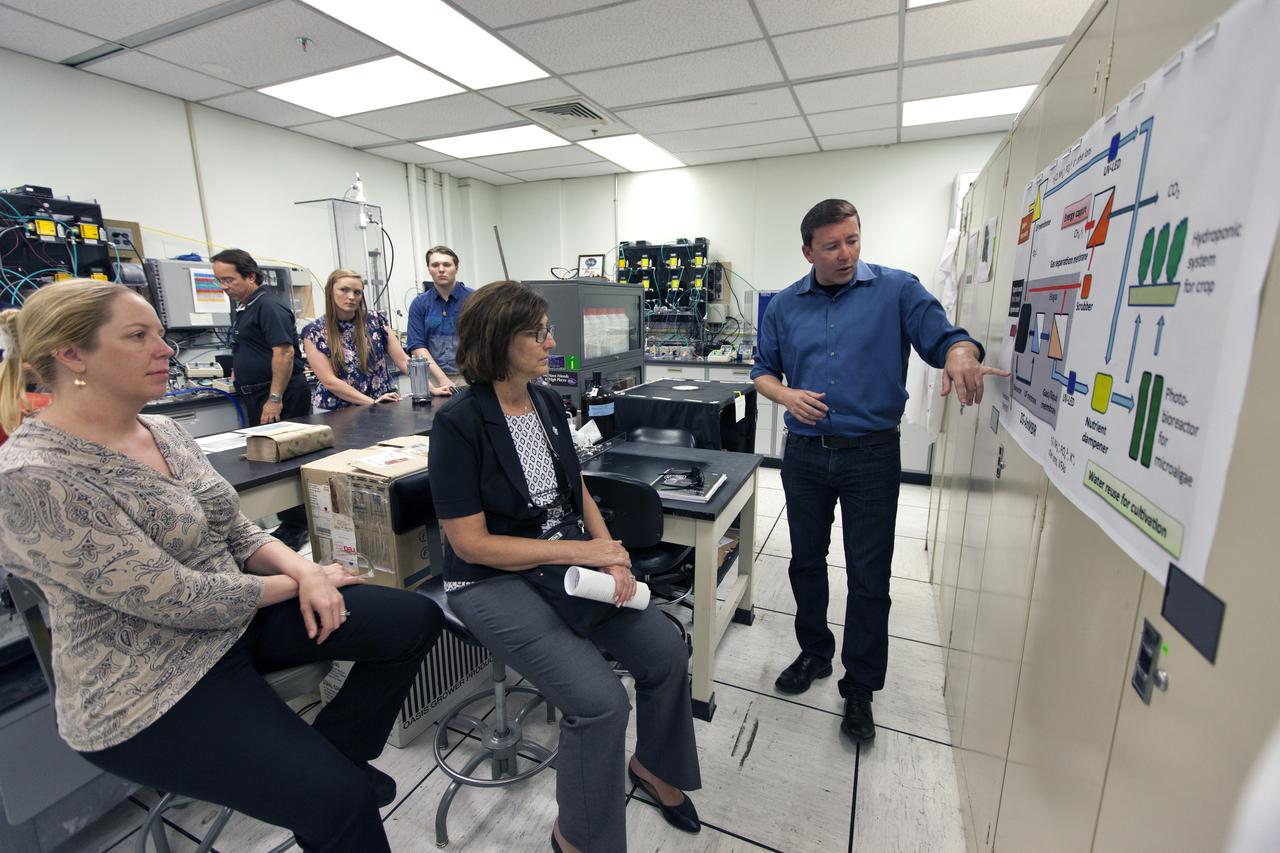
Inside a laboratory in the Neil Armstrong Operations and Checkout Building at NASA's Kennedy Space Center in Florida, Dr. Luke Roberson, right, principal investigator for research and development in Swamp Works, explains the algae bio reactor to Robyn Gatens, center, deputy director, ISS Division and system capability leader for Environmental Control and Life Support Systems (ECLSS) at NASA Headquarters in Washington, on June 13, 2018. At far left is Molly Anderson, deputy ECLSS capability lead at Johnson Space Center in Houston. They are seeing firsthand some of the capabilities in the center's Exploration Research and Technology Programs.
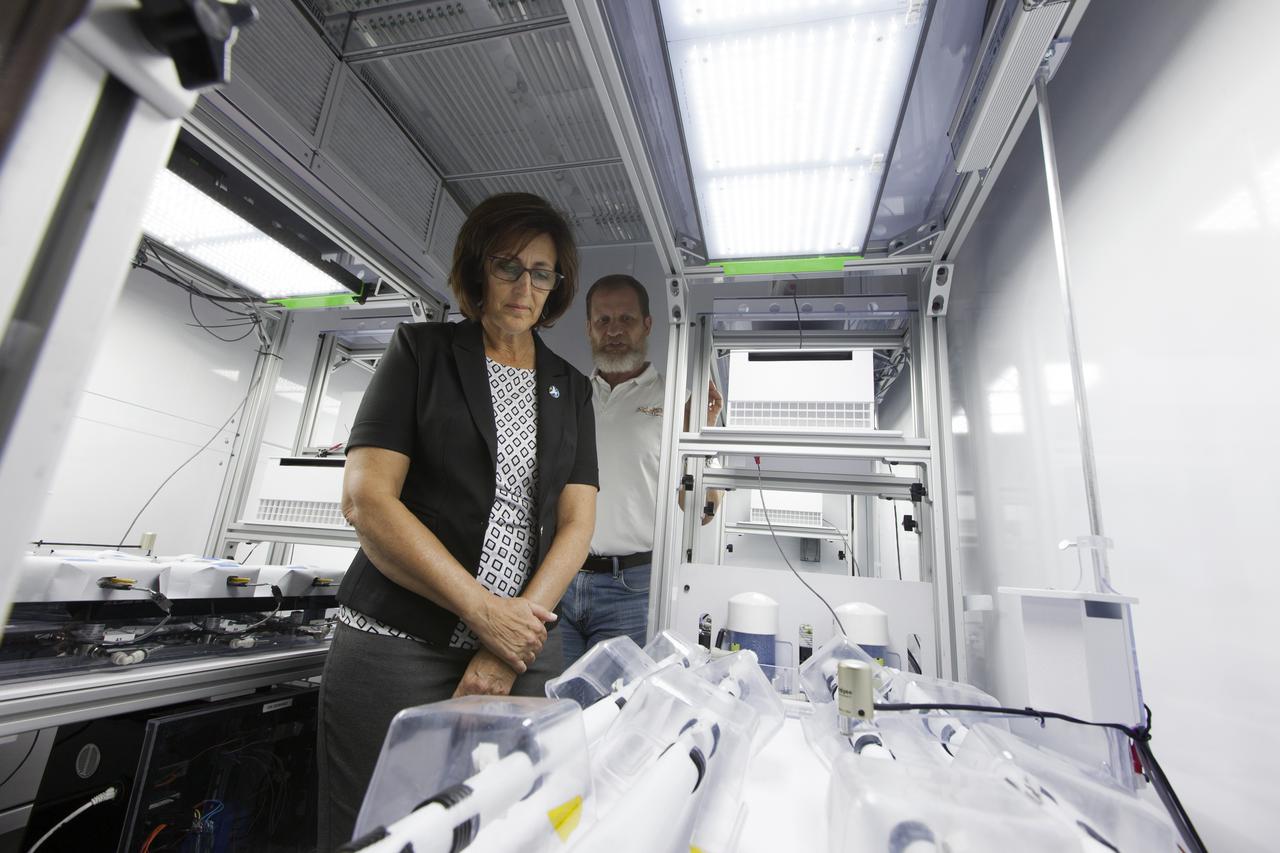
Robyn Gatens, left, deputy director, ISS Division and system capability leader for Environmental Control and Life Support Systems (ECLSS) at NASA Headquarters in Washington, tours laboratories in the Space Station Processing Facility at the agency's Kennedy Space Center in Florida, on June 13, 2018. Standing behind her is Ralph Fritsche, long-duration food production project manager at Kennedy. Gatens is viewing plant growth chambers and seeing firsthand some of the capabilities in the center's Exploration Research and Technology Programs.
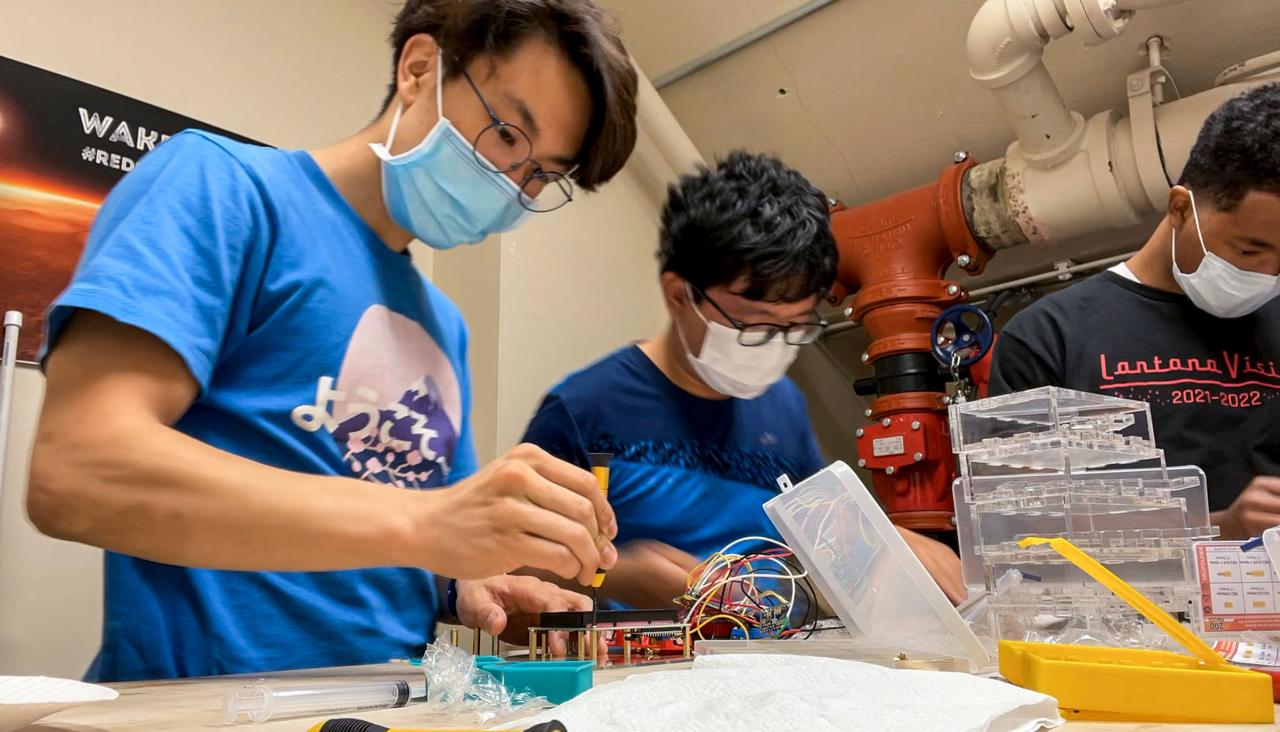
jsc2022e057880 (6/3/2022) --- The Biopolymer Research for In-Situ Capabilities team assembles the control experiments that will be delivered to middle school classrooms for the students to run as part of the citizen science program. Image courtesy of Ben Gao.

Bridenstine walks along with AFRC Center Director David McBride as McBride explains the aeronautical research happening at the center as well as discussing the capabilities used for agency missions.
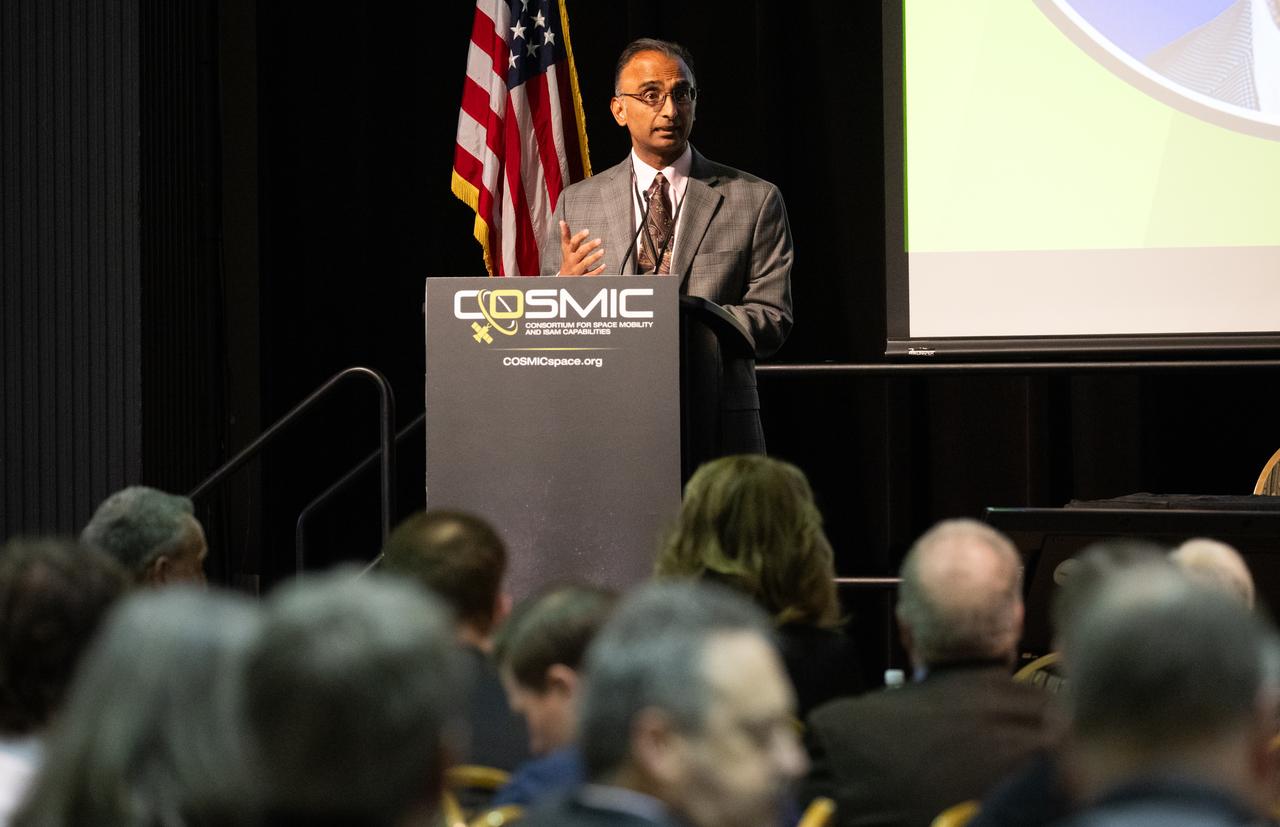
Prasun Desai, acting associate administrator for NASA's Space Technology Mission Directorate, delivers opening remarks at the Consortium for Space Mobility and ISAM Capabilities (COSMIC) workshop, Tuesday, Nov. 7, 2023, at the University of Maryland in College Park, Md. NASA’s Space Technology Mission Directorate formulated and funds COSMIC, aiming to create a nationwide aerospace community alliance that provides global leadership in space mobility and in-space servicing, assembly, and manufacturing (ISAM) for use in Earth orbit, lunar orbit, deep space, and on planetary surfaces. Photo Credit: (NASA/Joel Kowsky)
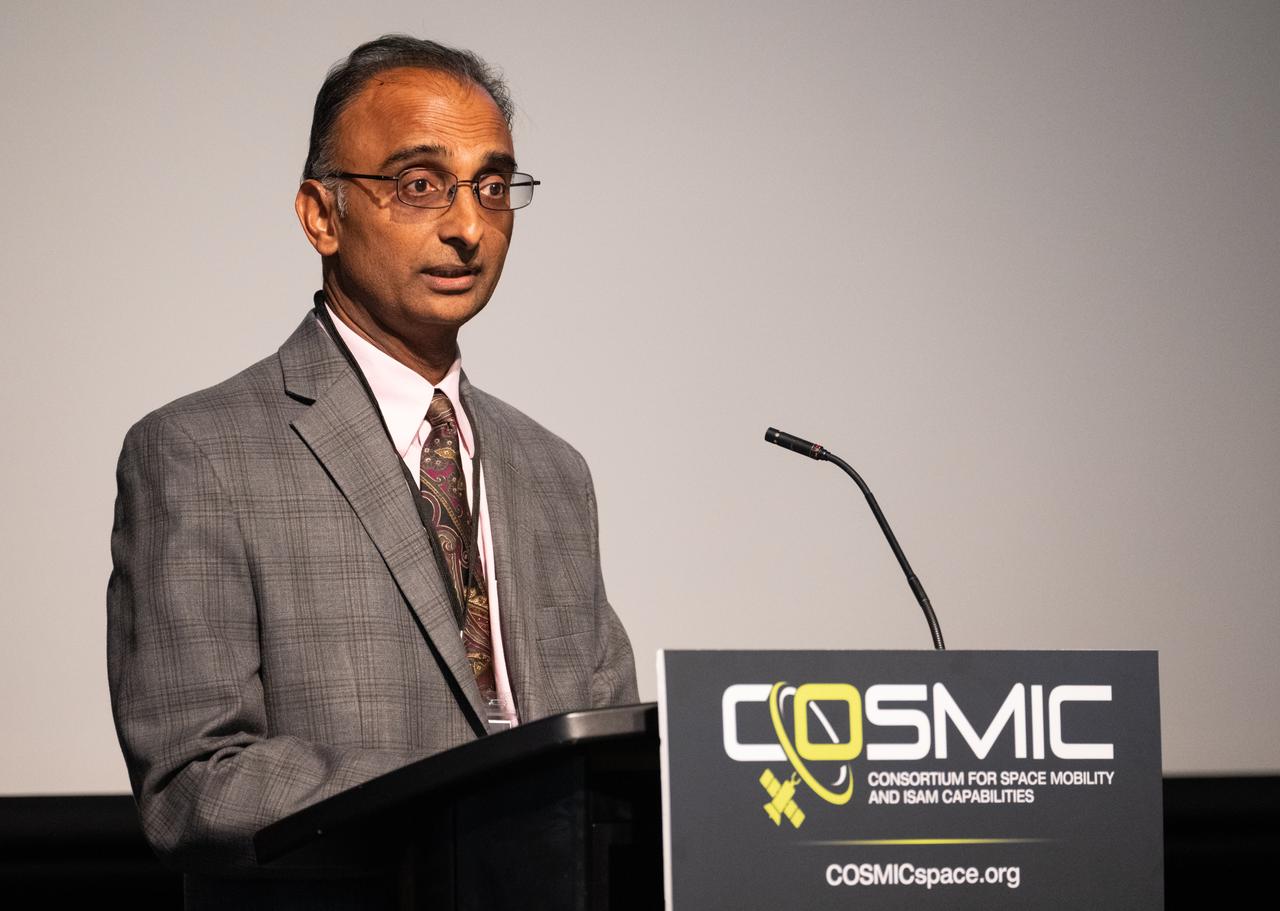
Prasun Desai, acting associate administrator for NASA's Space Technology Mission Directorate, delivers opening remarks at the Consortium for Space Mobility and ISAM Capabilities (COSMIC) workshop, Tuesday, Nov. 7, 2023, at the University of Maryland in College Park, Md. NASA’s Space Technology Mission Directorate formulated and funds COSMIC, aiming to create a nationwide aerospace community alliance that provides global leadership in space mobility and in-space servicing, assembly, and manufacturing (ISAM) for use in Earth orbit, lunar orbit, deep space, and on planetary surfaces. Photo Credit: (NASA/Joel Kowsky)
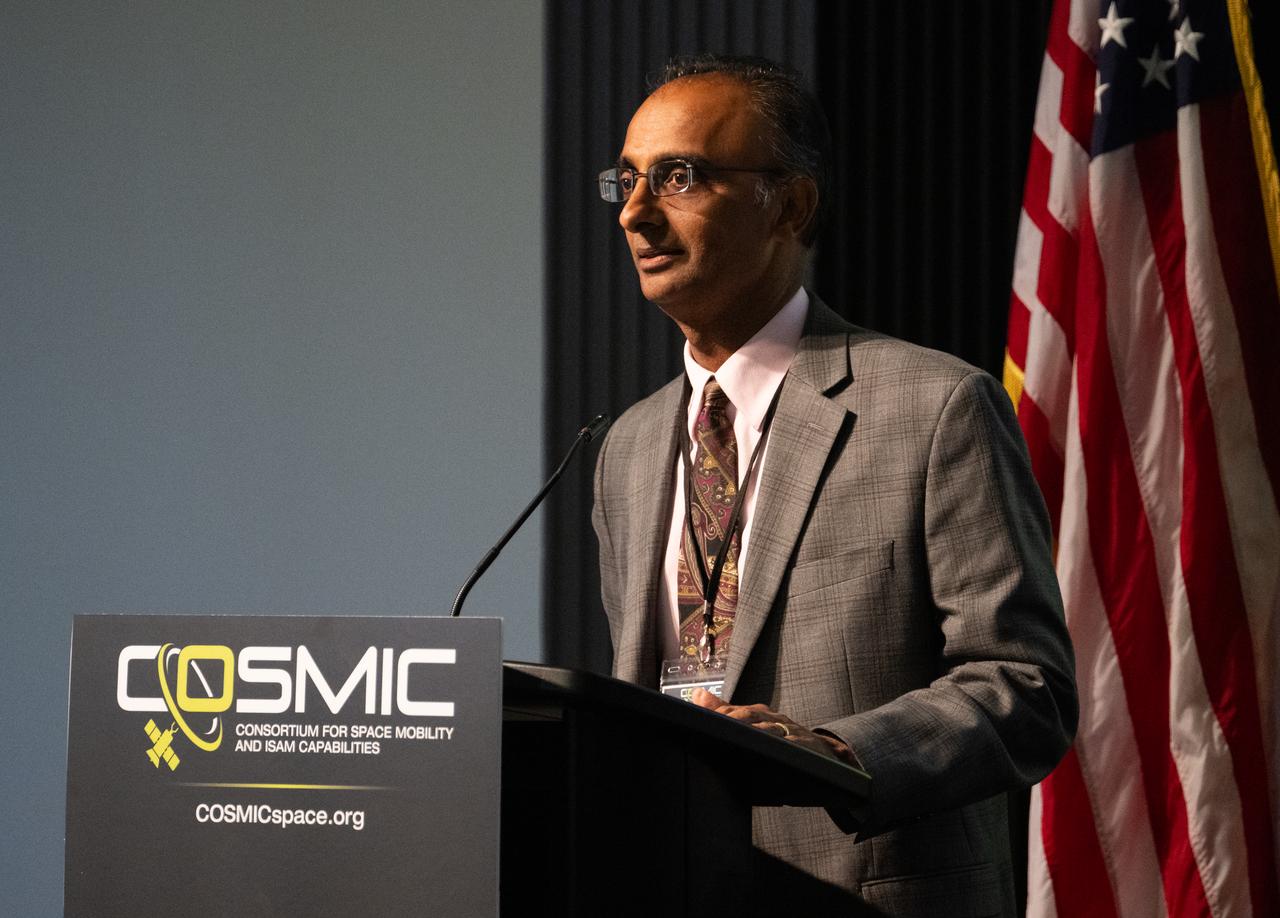
Prasun Desai, acting associate administrator for NASA's Space Technology Mission Directorate, delivers opening remarks at the Consortium for Space Mobility and ISAM Capabilities (COSMIC) workshop, Tuesday, Nov. 7, 2023, at the University of Maryland in College Park, Md. NASA’s Space Technology Mission Directorate formulated and funds COSMIC, aiming to create a nationwide aerospace community alliance that provides global leadership in space mobility and in-space servicing, assembly, and manufacturing (ISAM) for use in Earth orbit, lunar orbit, deep space, and on planetary surfaces. Photo Credit: (NASA/Joel Kowsky)
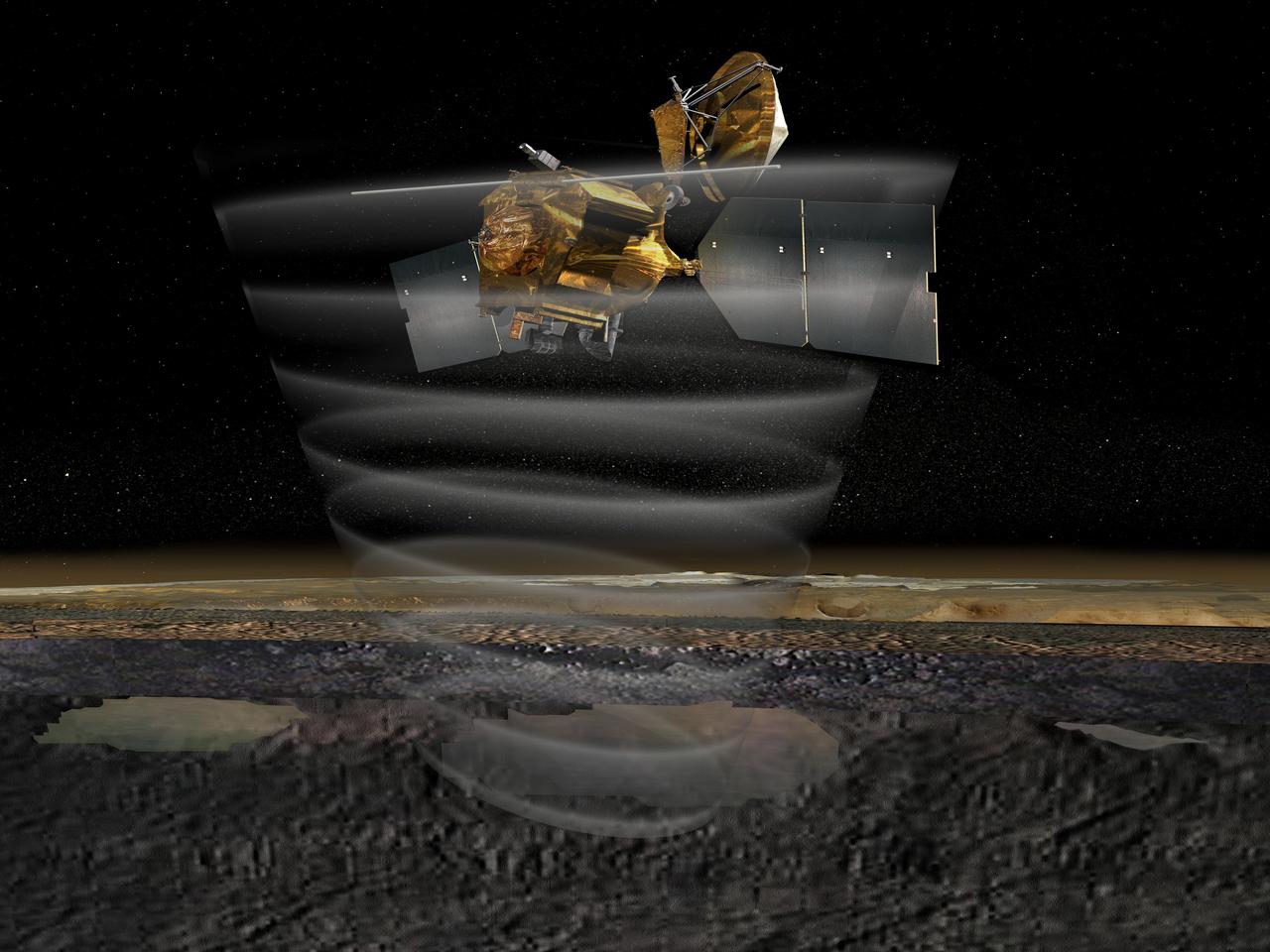
This artist concept of NASA Mars Reconnaissance Orbiter highlights the spacecraft radar capability.
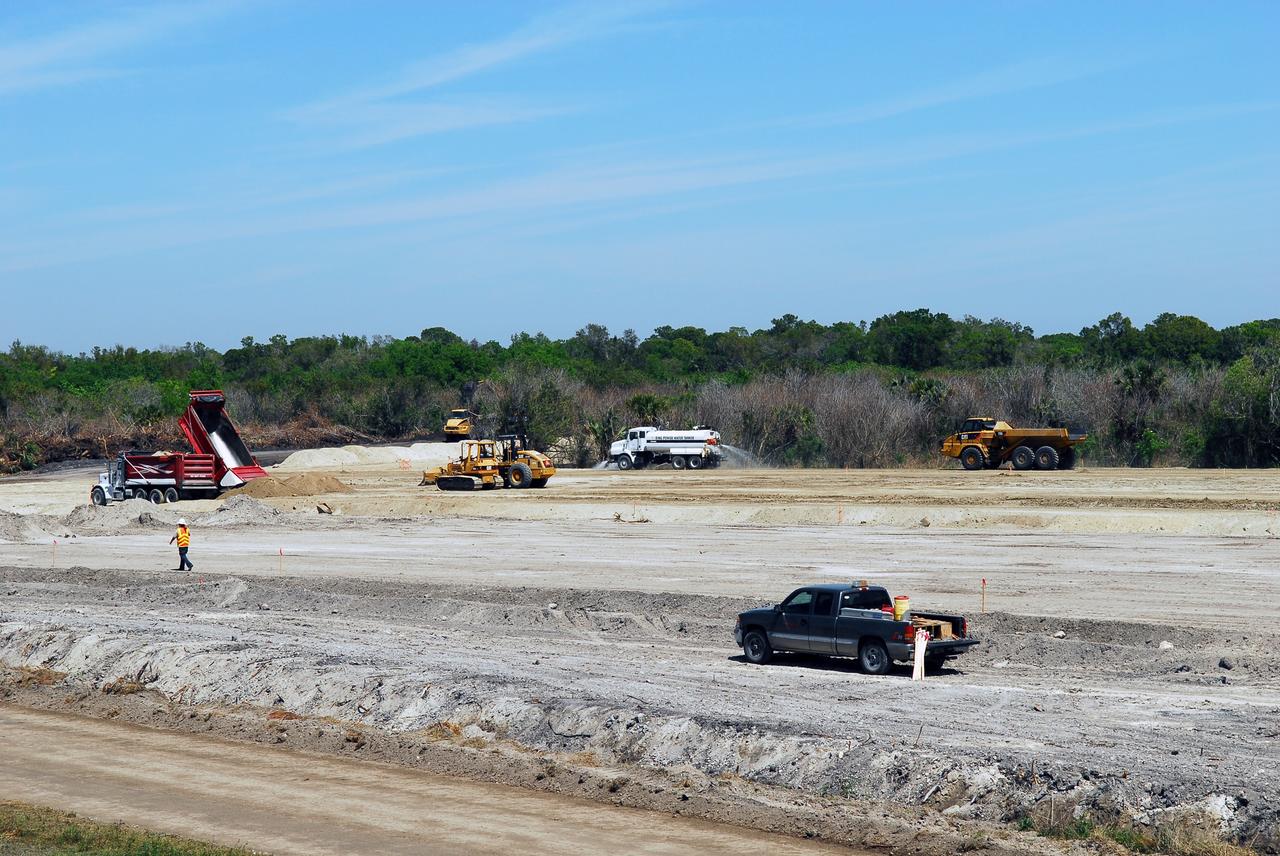
CAPE CANAVERAL, Fla. -- Crews continue to clear land and prepare for the construction of a new road at the Exploration Park site near the Space Life Sciences Laboratory (SLSL) at NASA's Kennedy Space Center in Florida. The first phase will encompass 60 acres just outside Kennedy’s security gates. Nine buildings will provide 350,000-square feet of work space, including educational, office, research and lab, and high-bay facilities. Each building is expected to be certified in the U.S. Green Building Council’s Leadership in Environmental and Energy Design (LEED). Exploration Park is designed to be a strategically located complex, adjacent to the SLSL, for servicing diverse tenants and uses that will engage in activities to support space-related activities of NASA, other government agencies and the U.S. commercial space industry. It also is expected to bring new aerospace work to the Space Coast. The SLSL will be the anchor facility for the park, which is expected to open its first new facility in early 2012. Photo credit: NASA/Jim Grossmann
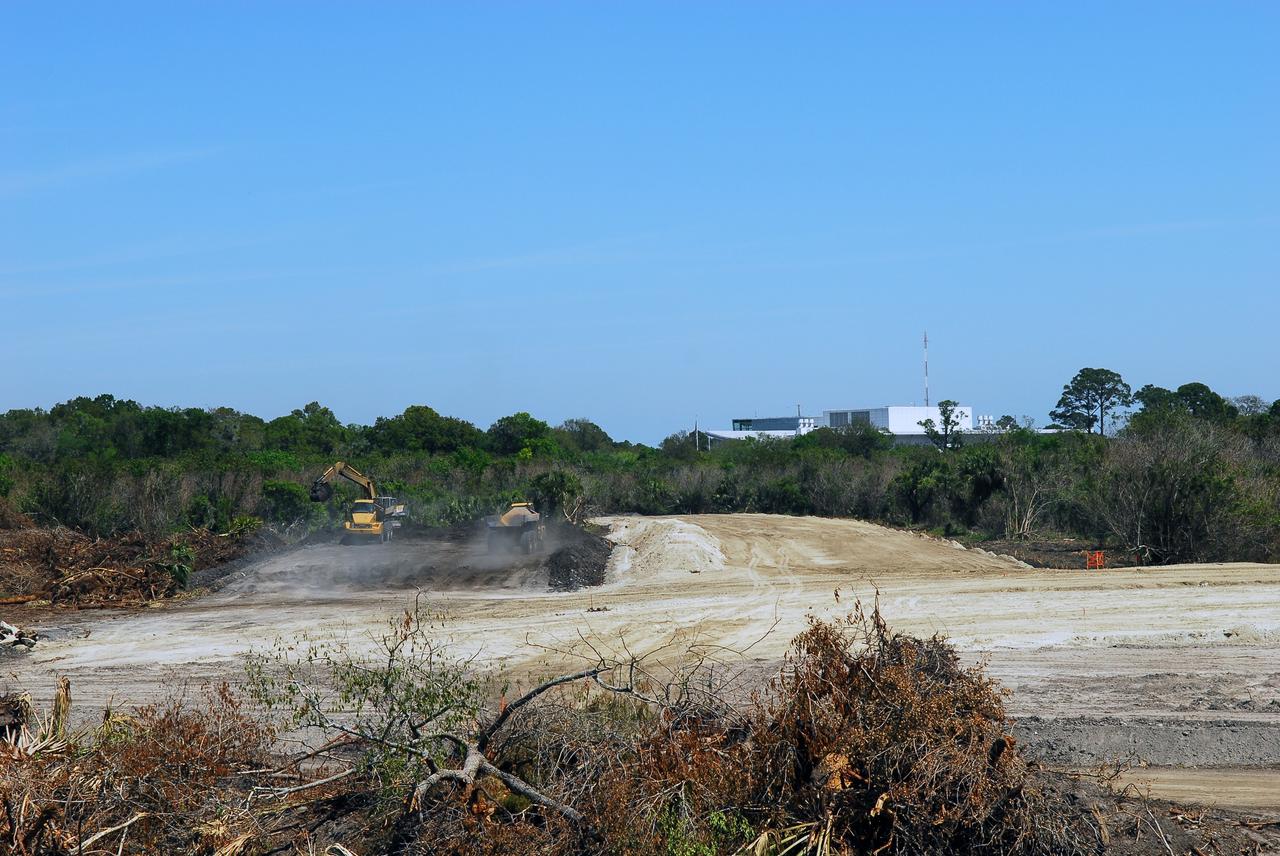
CAPE CANAVERAL, Fla. -- Crews continue to clear land and prepare for the construction of a new road at the Exploration Park site near the Space Life Sciences Laboratory (SLSL) at NASA's Kennedy Space Center in Florida. The first phase will encompass 60 acres just outside Kennedy’s security gates. Nine buildings will provide 350,000-square feet of work space, including educational, office, research and lab, and high-bay facilities. Each building is expected to be certified in the U.S. Green Building Council’s Leadership in Environmental and Energy Design (LEED). Exploration Park is designed to be a strategically located complex, adjacent to the SLSL, for servicing diverse tenants and uses that will engage in activities to support space-related activities of NASA, other government agencies and the U.S. commercial space industry. It also is expected to bring new aerospace work to the Space Coast. The SLSL will be the anchor facility for the park, which is expected to open its first new facility in early 2012. Photo credit: NASA/Jim Grossmann
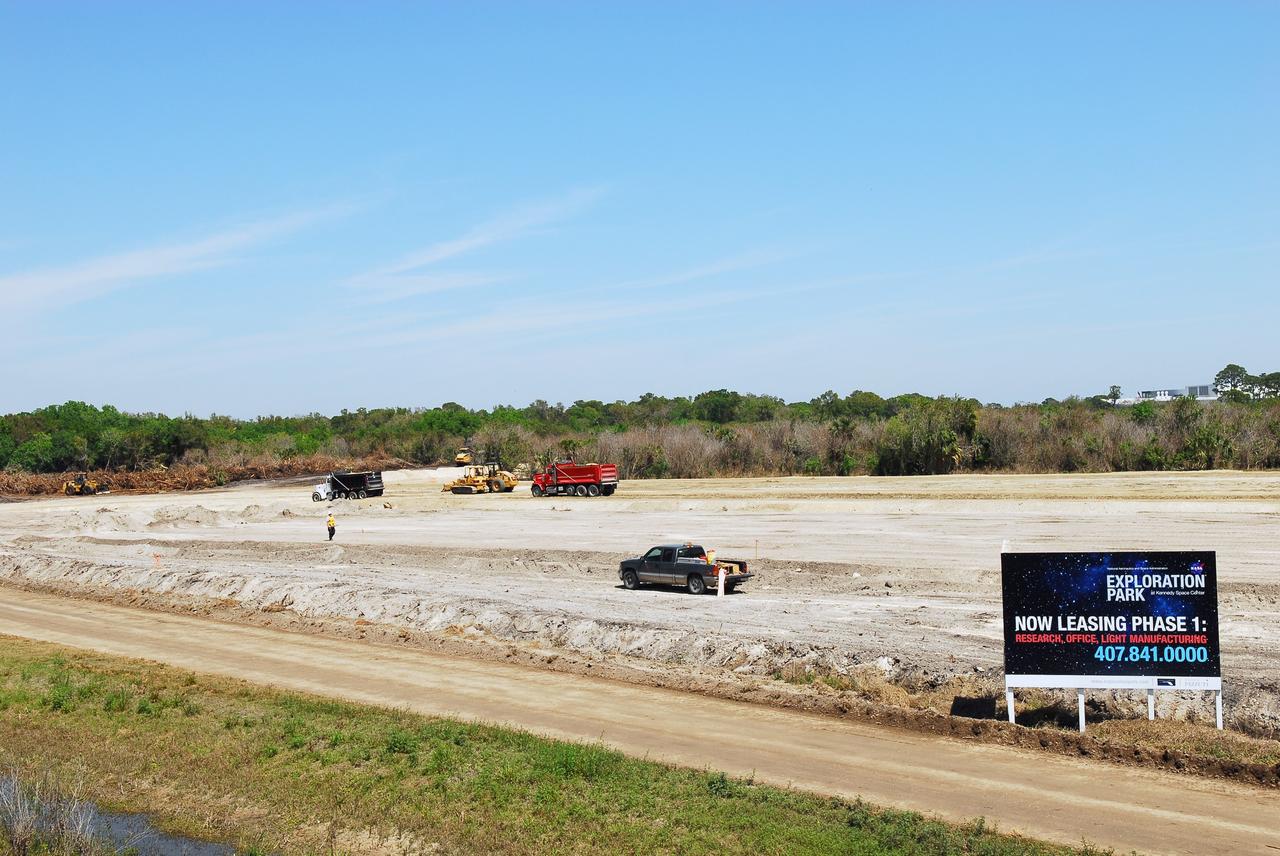
CAPE CANAVERAL, Fla. -- Crews continue to clear land and prepare for the construction of a new road at the Exploration Park site near the Space Life Sciences Laboratory (SLSL) at NASA's Kennedy Space Center in Florida. The first phase will encompass 60 acres just outside Kennedy’s security gates. Nine buildings will provide 350,000-square feet of work space, including educational, office, research and lab, and high-bay facilities. Each building is expected to be certified in the U.S. Green Building Council’s Leadership in Environmental and Energy Design (LEED). Exploration Park is designed to be a strategically located complex, adjacent to the SLSL, for servicing diverse tenants and uses that will engage in activities to support space-related activities of NASA, other government agencies and the U.S. commercial space industry. It also is expected to bring new aerospace work to the Space Coast. The SLSL will be the anchor facility for the park, which is expected to open its first new facility in early 2012. Photo credit: NASA/Jim Grossmann
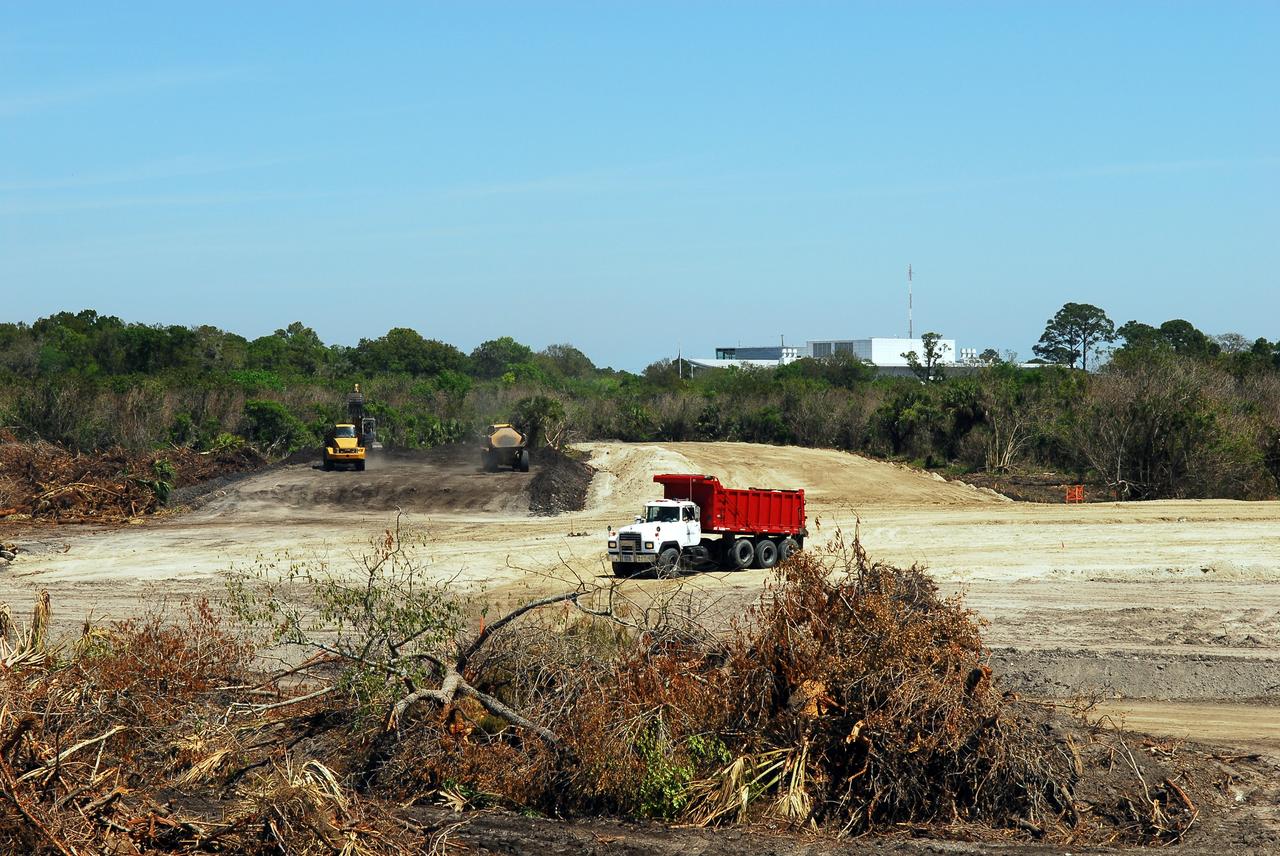
CAPE CANAVERAL, Fla. -- Crews continue to clear land and prepare for the construction of a new road at the Exploration Park site near the Space Life Sciences Laboratory (SLSL) at NASA's Kennedy Space Center in Florida. The first phase will encompass 60 acres just outside Kennedy’s security gates. Nine buildings will provide 350,000-square feet of work space, including educational, office, research and lab, and high-bay facilities. Each building is expected to be certified in the U.S. Green Building Council’s Leadership in Environmental and Energy Design (LEED). Exploration Park is designed to be a strategically located complex, adjacent to the SLSL, for servicing diverse tenants and uses that will engage in activities to support space-related activities of NASA, other government agencies and the U.S. commercial space industry. It also is expected to bring new aerospace work to the Space Coast. The SLSL will be the anchor facility for the park, which is expected to open its first new facility in early 2012. Photo credit: NASA/Jim Grossmann
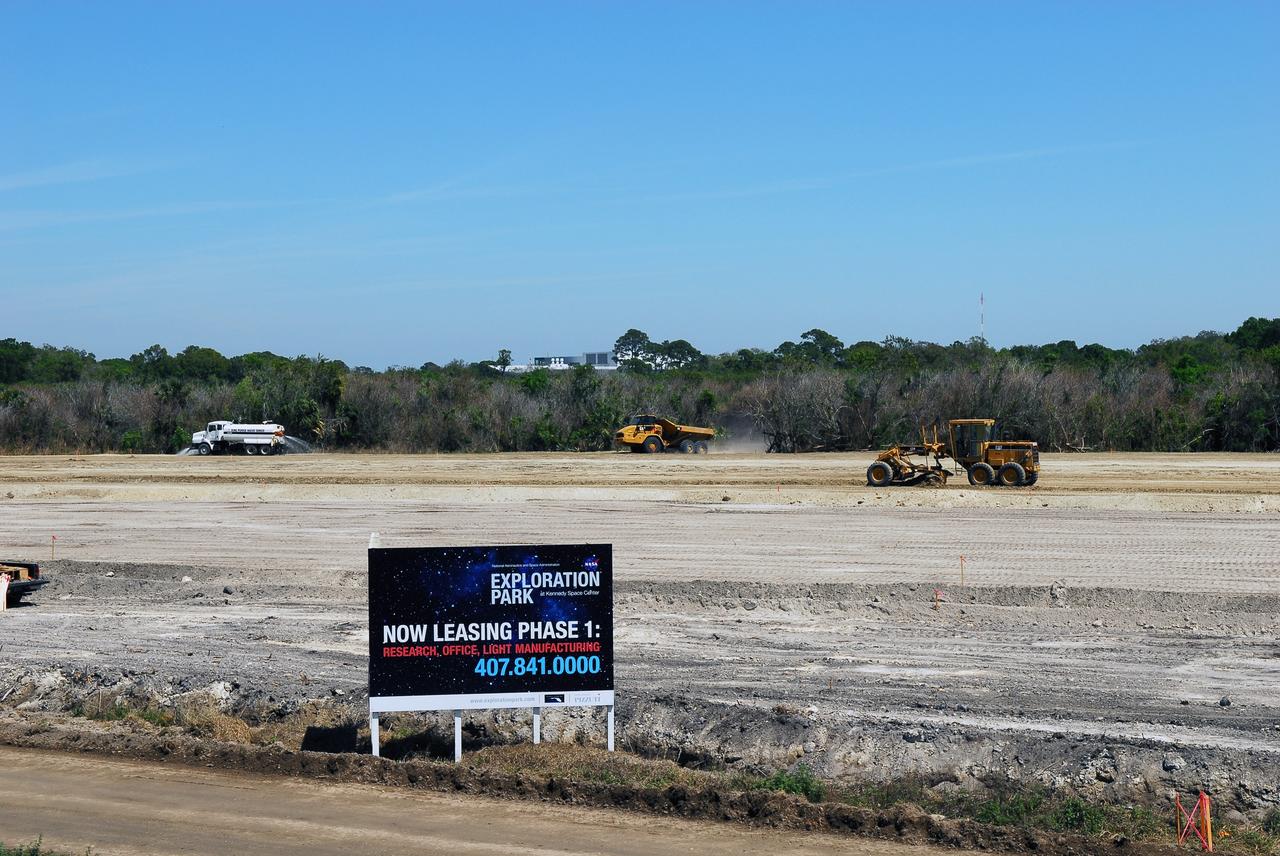
CAPE CANAVERAL, Fla. -- Crews continue to clear land and prepare for the construction of a new road at the Exploration Park site near the Space Life Sciences Laboratory (SLSL) at NASA's Kennedy Space Center in Florida. The first phase will encompass 60 acres just outside Kennedy’s security gates. Nine buildings will provide 350,000-square feet of work space, including educational, office, research and lab, and high-bay facilities. Each building is expected to be certified in the U.S. Green Building Council’s Leadership in Environmental and Energy Design (LEED). Exploration Park is designed to be a strategically located complex, adjacent to the SLSL, for servicing diverse tenants and uses that will engage in activities to support space-related activities of NASA, other government agencies and the U.S. commercial space industry. It also is expected to bring new aerospace work to the Space Coast. The SLSL will be the anchor facility for the park, which is expected to open its first new facility in early 2012. Photo credit: NASA/Jim Grossmann
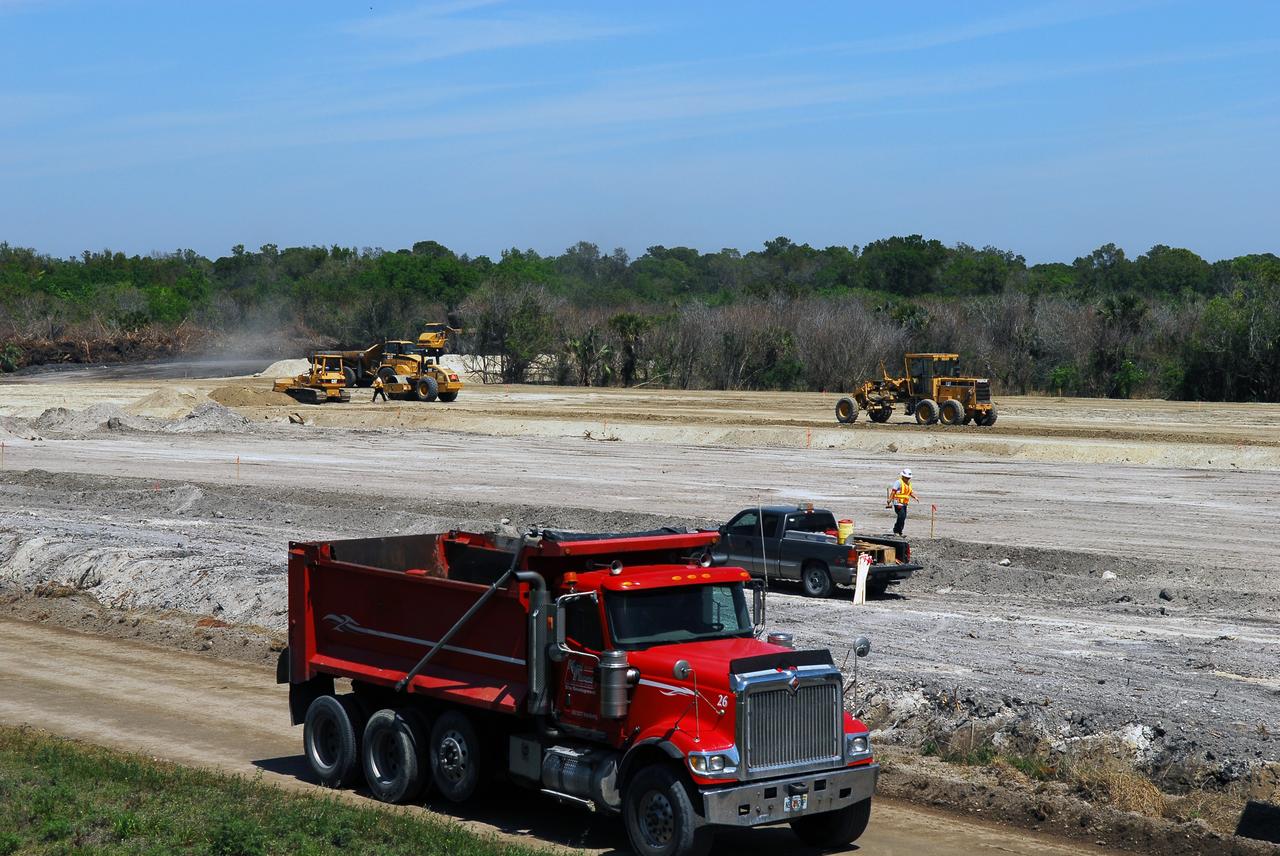
CAPE CANAVERAL, Fla. -- Crews continue to clear land and prepare for the construction of a new road at the Exploration Park site near the Space Life Sciences Laboratory (SLSL) at NASA's Kennedy Space Center in Florida. The first phase will encompass 60 acres just outside Kennedy’s security gates. Nine buildings will provide 350,000-square feet of work space, including educational, office, research and lab, and high-bay facilities. Each building is expected to be certified in the U.S. Green Building Council’s Leadership in Environmental and Energy Design (LEED). Exploration Park is designed to be a strategically located complex, adjacent to the SLSL, for servicing diverse tenants and uses that will engage in activities to support space-related activities of NASA, other government agencies and the U.S. commercial space industry. It also is expected to bring new aerospace work to the Space Coast. The SLSL will be the anchor facility for the park, which is expected to open its first new facility in early 2012. Photo credit: NASA/Jim Grossmann
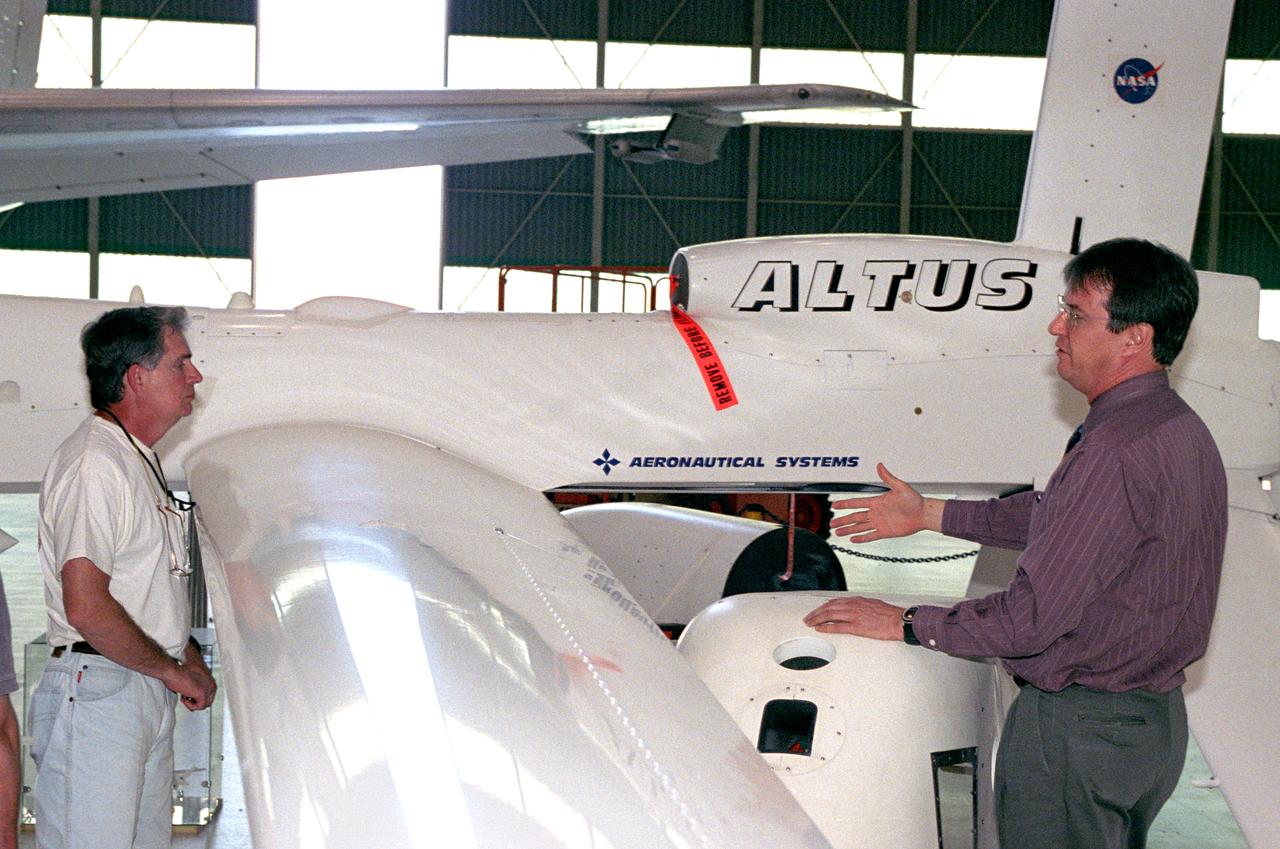
David Bushman, unmanned aerial vehicle (UAV) mission manager in NASA Dryden's Airborne Science Program, explains the capabilities of the Altus UAV to Charles Hudgins of NASA Langley's Chemistry and Dynamics Branch.
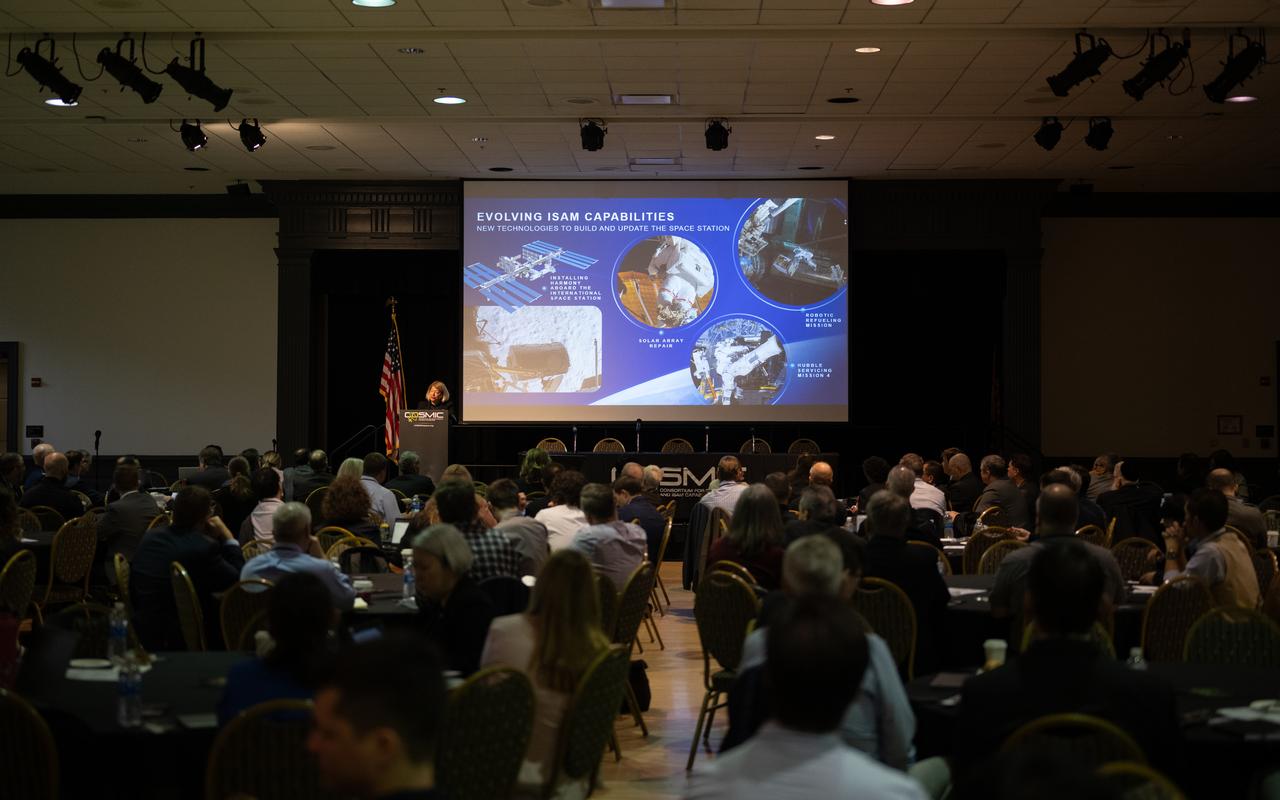
NASA Deputy Administrator Pam Melroy delivers keynote remarks at the Consortium for Space Mobility and ISAM Capabilities (COSMIC) workshop, Tuesday, Nov. 7, 2023, at the University of Maryland in College Park, Md. NASA’s Space Technology Mission Directorate formulated and funds COSMIC, aiming to create a nationwide aerospace community alliance that provides global leadership in space mobility and in-space servicing, assembly, and manufacturing (ISAM) for use in Earth orbit, lunar orbit, deep space, and on planetary surfaces. Photo Credit: (NASA/Joel Kowsky)
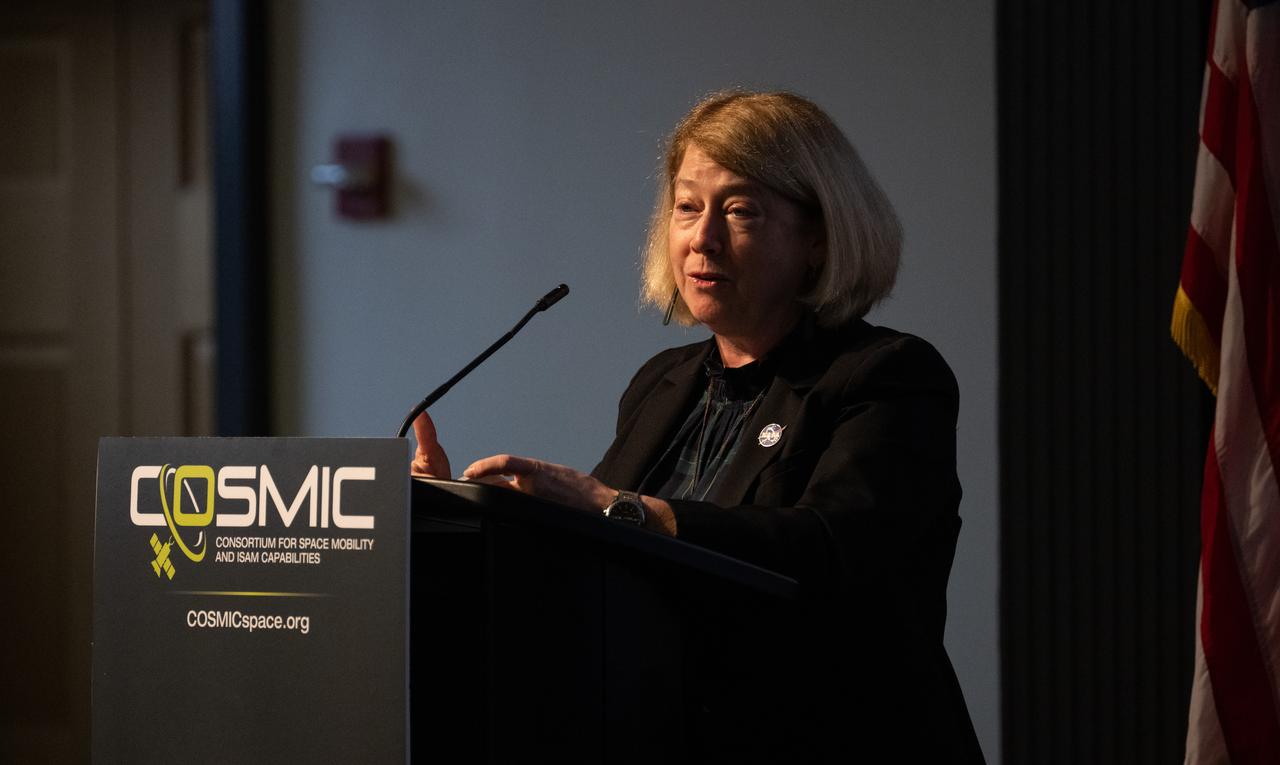
NASA Deputy Administrator Pam Melroy delivers keynote remarks at the Consortium for Space Mobility and ISAM Capabilities (COSMIC) workshop, Tuesday, Nov. 7, 2023, at the University of Maryland in College Park, Md. NASA’s Space Technology Mission Directorate formulated and funds COSMIC, aiming to create a nationwide aerospace community alliance that provides global leadership in space mobility and in-space servicing, assembly, and manufacturing (ISAM) for use in Earth orbit, lunar orbit, deep space, and on planetary surfaces. Photo Credit: (NASA/Joel Kowsky)
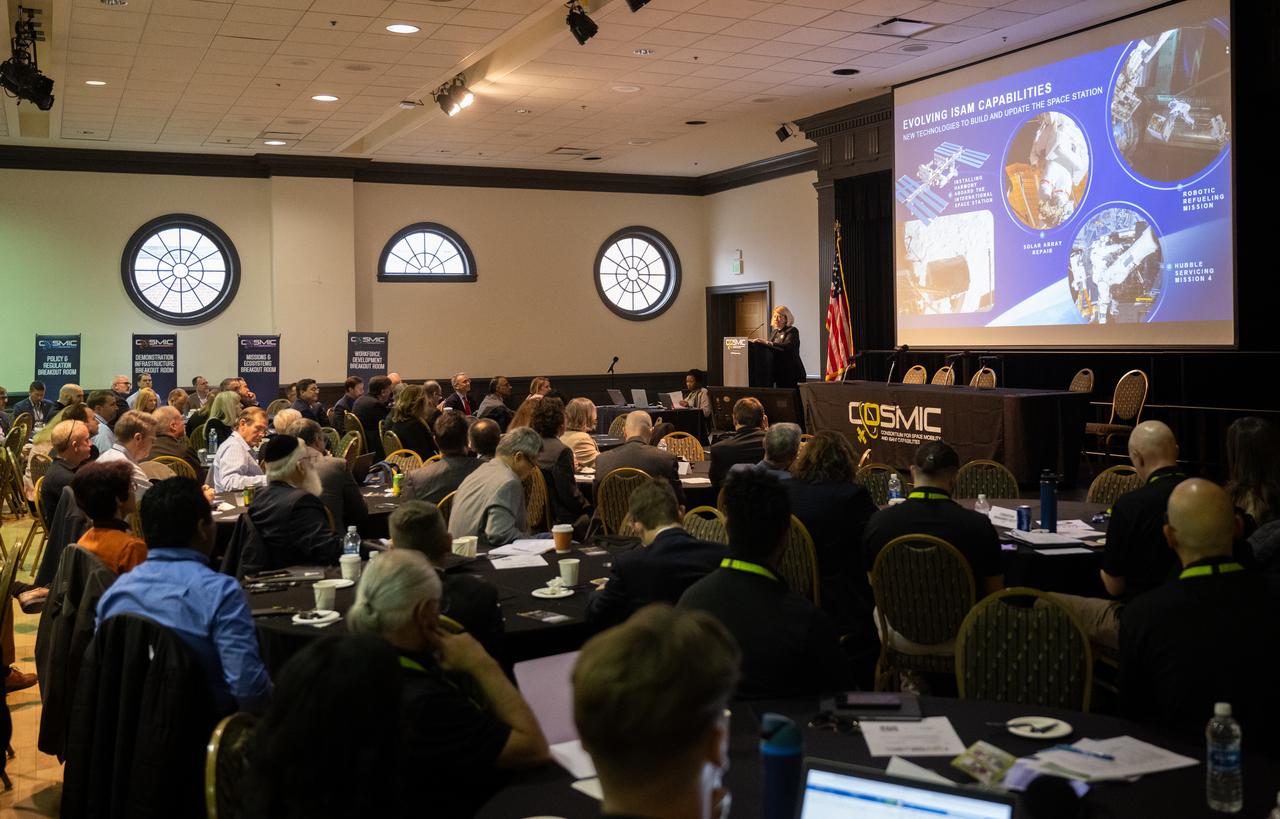
NASA Deputy Administrator Pam Melroy delivers keynote remarks at the Consortium for Space Mobility and ISAM Capabilities (COSMIC) workshop, Tuesday, Nov. 7, 2023, at the University of Maryland in College Park, Md. NASA’s Space Technology Mission Directorate formulated and funds COSMIC, aiming to create a nationwide aerospace community alliance that provides global leadership in space mobility and in-space servicing, assembly, and manufacturing (ISAM) for use in Earth orbit, lunar orbit, deep space, and on planetary surfaces. Photo Credit: (NASA/Joel Kowsky)

NASA Deputy Administrator Pam Melroy delivers keynote remarks at the Consortium for Space Mobility and ISAM Capabilities (COSMIC) workshop, Tuesday, Nov. 7, 2023, at the University of Maryland in College Park, Md. NASA’s Space Technology Mission Directorate formulated and funds COSMIC, aiming to create a nationwide aerospace community alliance that provides global leadership in space mobility and in-space servicing, assembly, and manufacturing (ISAM) for use in Earth orbit, lunar orbit, deep space, and on planetary surfaces. Photo Credit: (NASA/Joel Kowsky)
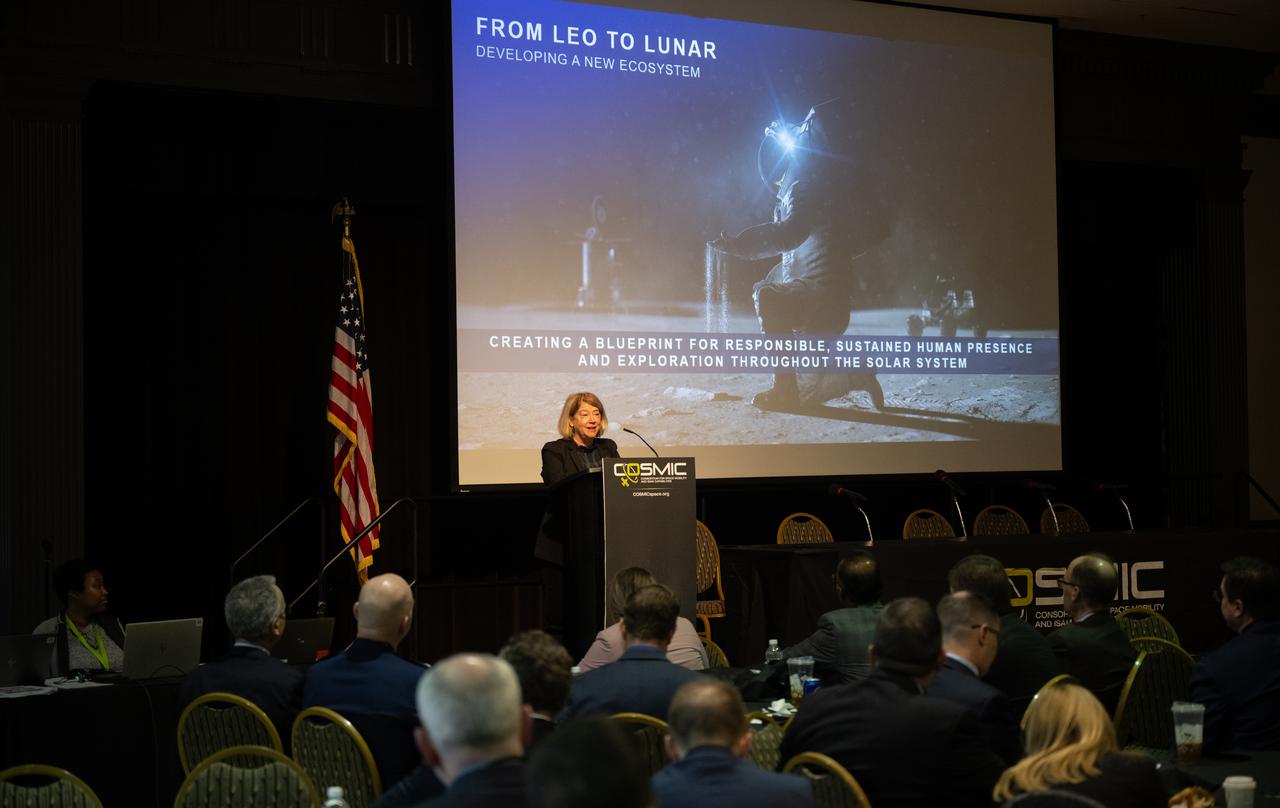
NASA Deputy Administrator Pam Melroy delivers keynote remarks at the Consortium for Space Mobility and ISAM Capabilities (COSMIC) workshop, Tuesday, Nov. 7, 2023, at the University of Maryland in College Park, Md. NASA’s Space Technology Mission Directorate formulated and funds COSMIC, aiming to create a nationwide aerospace community alliance that provides global leadership in space mobility and in-space servicing, assembly, and manufacturing (ISAM) for use in Earth orbit, lunar orbit, deep space, and on planetary surfaces. Photo Credit: (NASA/Joel Kowsky)
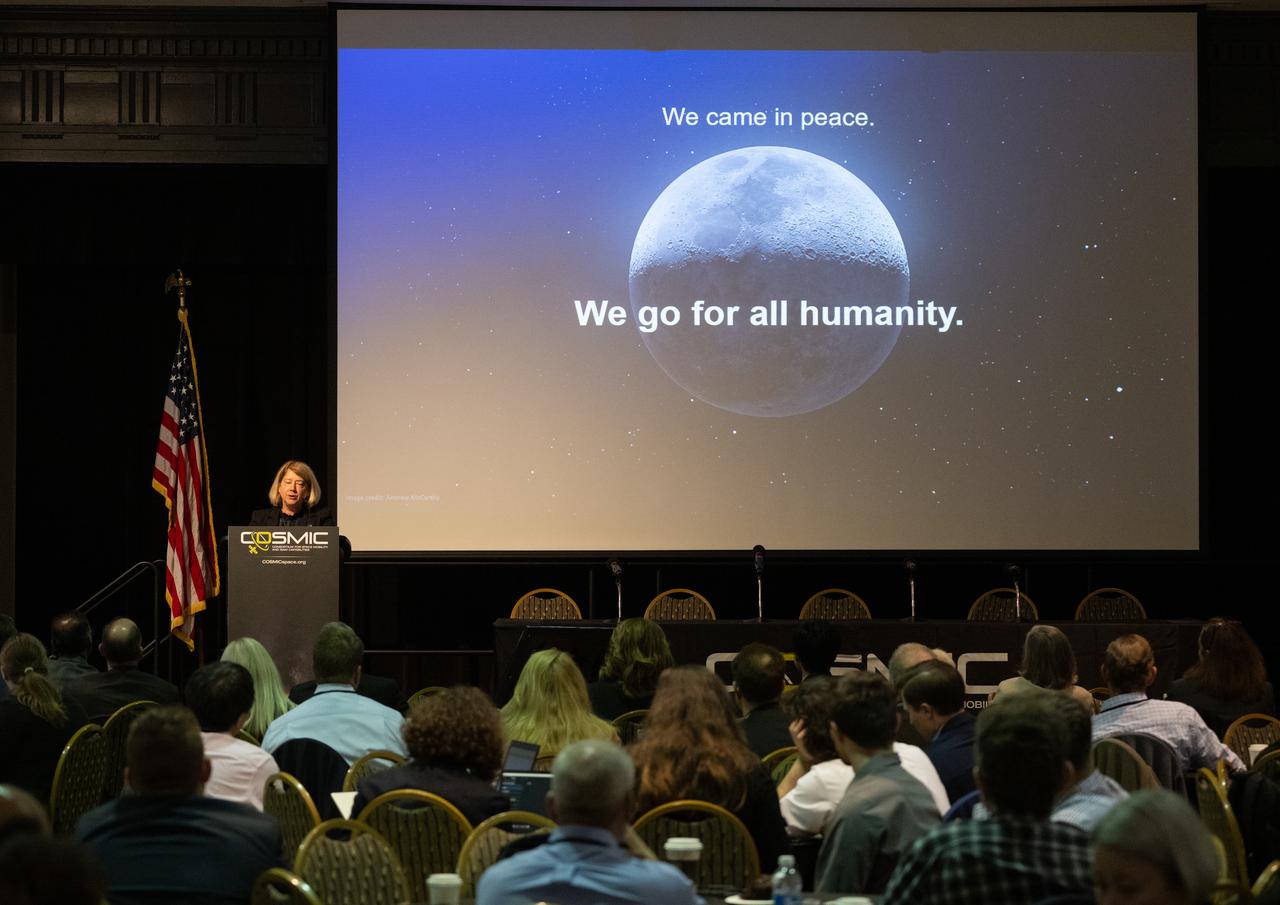
NASA Deputy Administrator Pam Melroy delivers keynote remarks at the Consortium for Space Mobility and ISAM Capabilities (COSMIC) workshop, Tuesday, Nov. 7, 2023, at the University of Maryland in College Park, Md. NASA’s Space Technology Mission Directorate formulated and funds COSMIC, aiming to create a nationwide aerospace community alliance that provides global leadership in space mobility and in-space servicing, assembly, and manufacturing (ISAM) for use in Earth orbit, lunar orbit, deep space, and on planetary surfaces. Photo Credit: (NASA/Joel Kowsky)
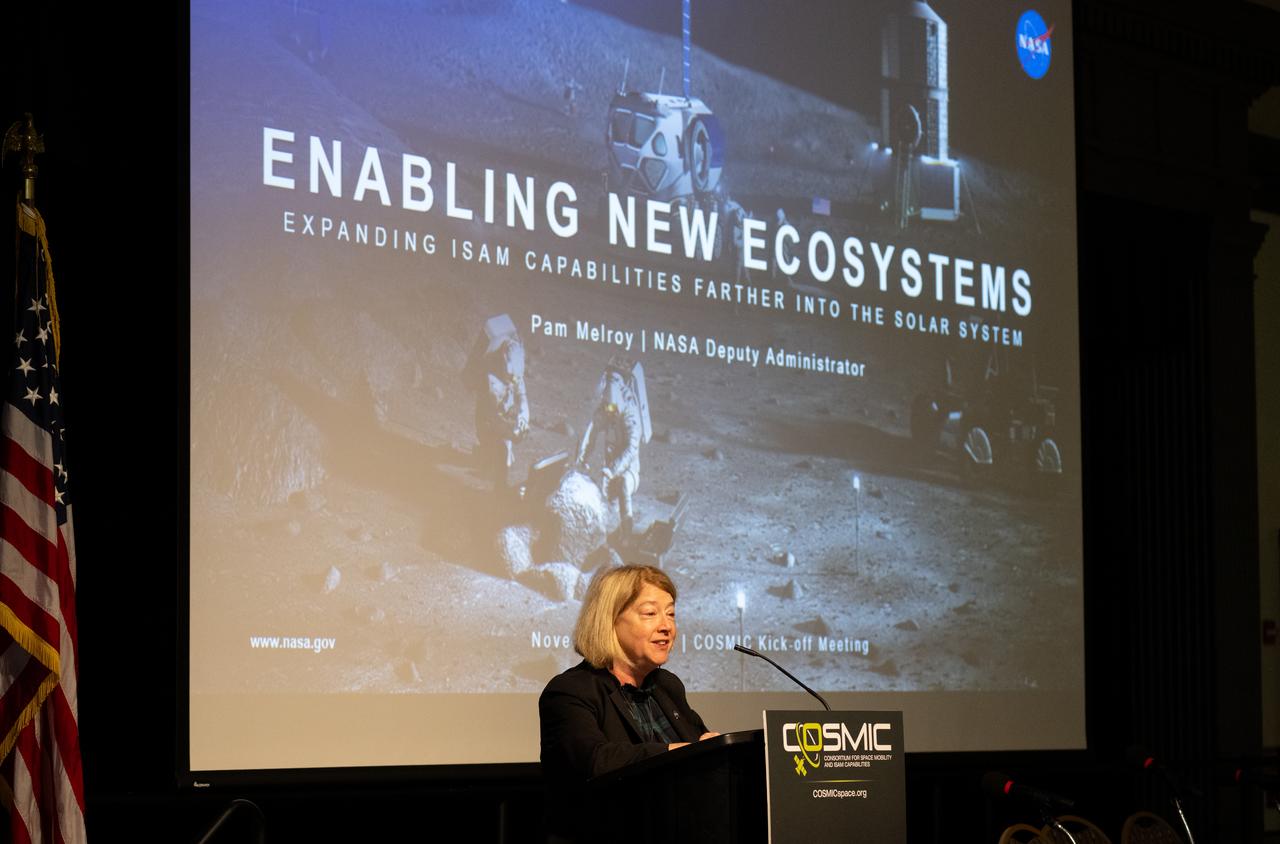
NASA Deputy Administrator Pam Melroy delivers keynote remarks at the Consortium for Space Mobility and ISAM Capabilities (COSMIC) workshop, Tuesday, Nov. 7, 2023, at the University of Maryland in College Park, Md. NASA’s Space Technology Mission Directorate formulated and funds COSMIC, aiming to create a nationwide aerospace community alliance that provides global leadership in space mobility and in-space servicing, assembly, and manufacturing (ISAM) for use in Earth orbit, lunar orbit, deep space, and on planetary surfaces. Photo Credit: (NASA/Joel Kowsky)
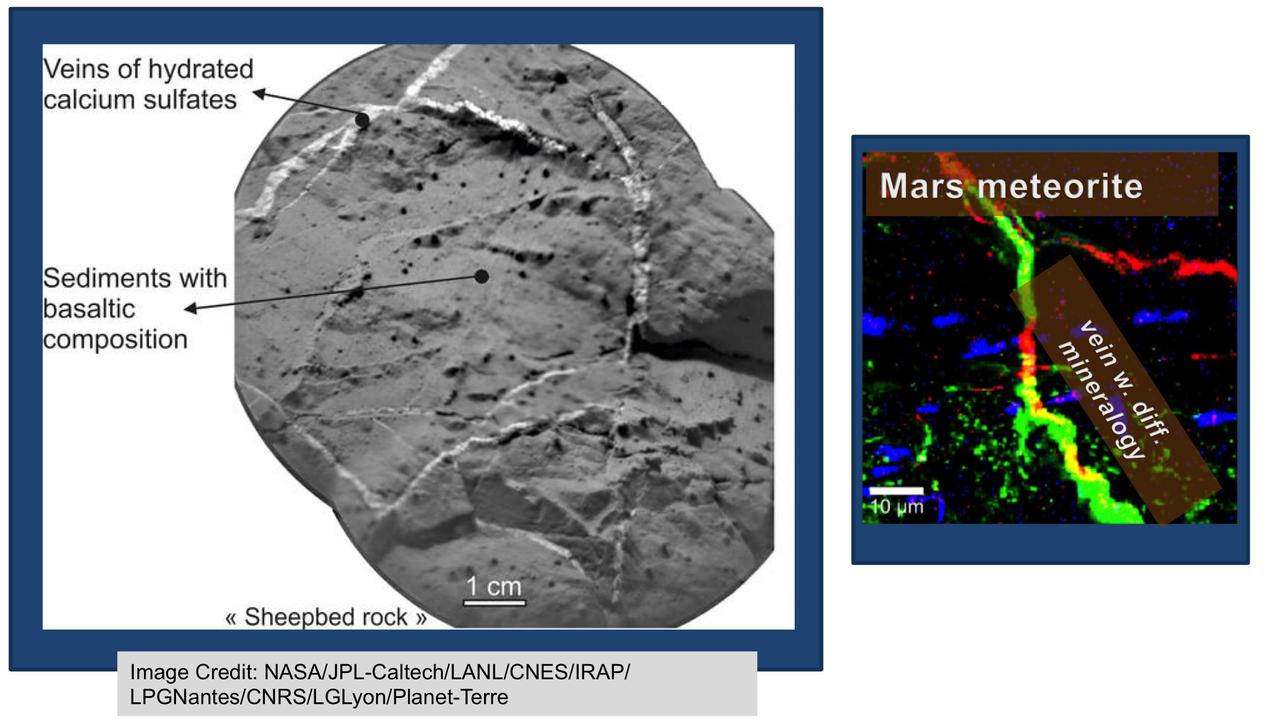
NASA Mars 2020 rover would have capabilities for nested-scale observations and localized composition identification down to microscopic scale.
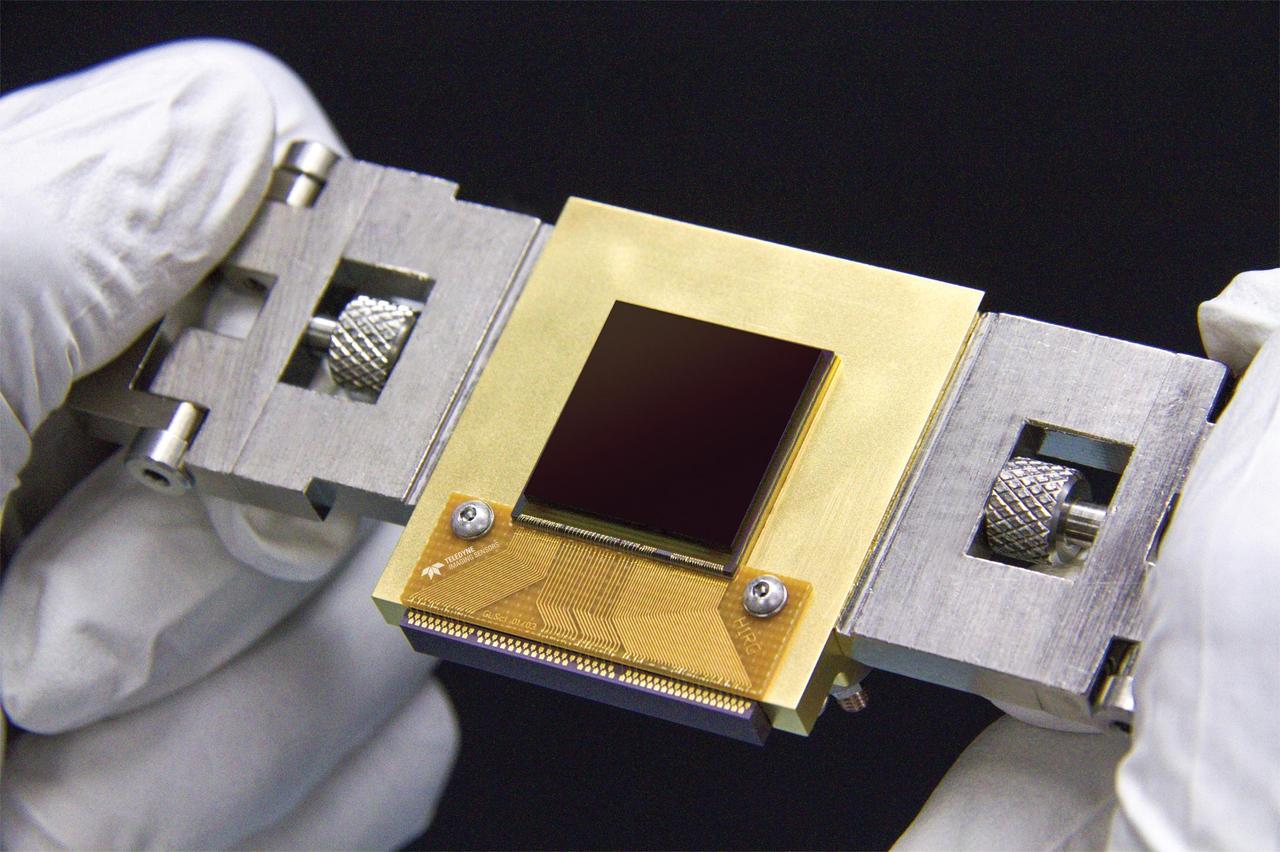
The NEOCam chip is the first megapixel sensor capable of detecting infrared wavelengths at temperatures achievable in deep space without refrigerators or cryogens.
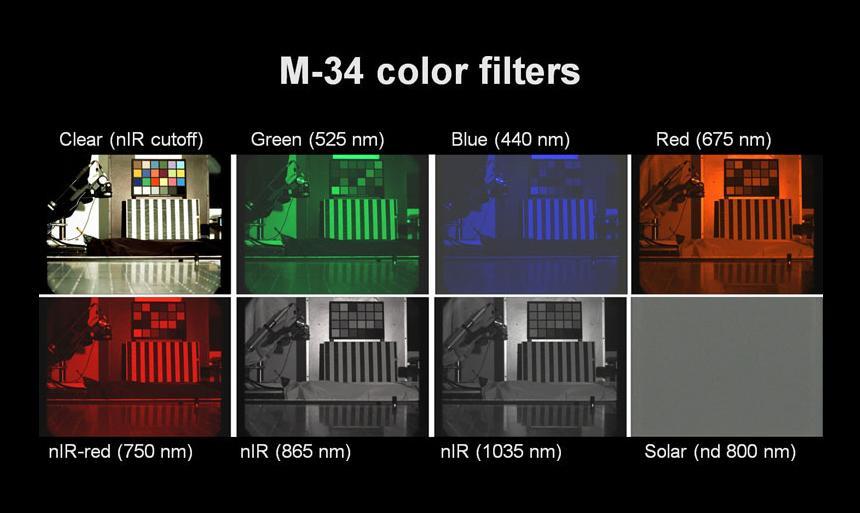
This figure shows images acquired through each of the eight filters in the filter wheel of the 34-millimeter-focal-length Mast Camera Mastcam-34 on NASA Mars rover Curiosity.
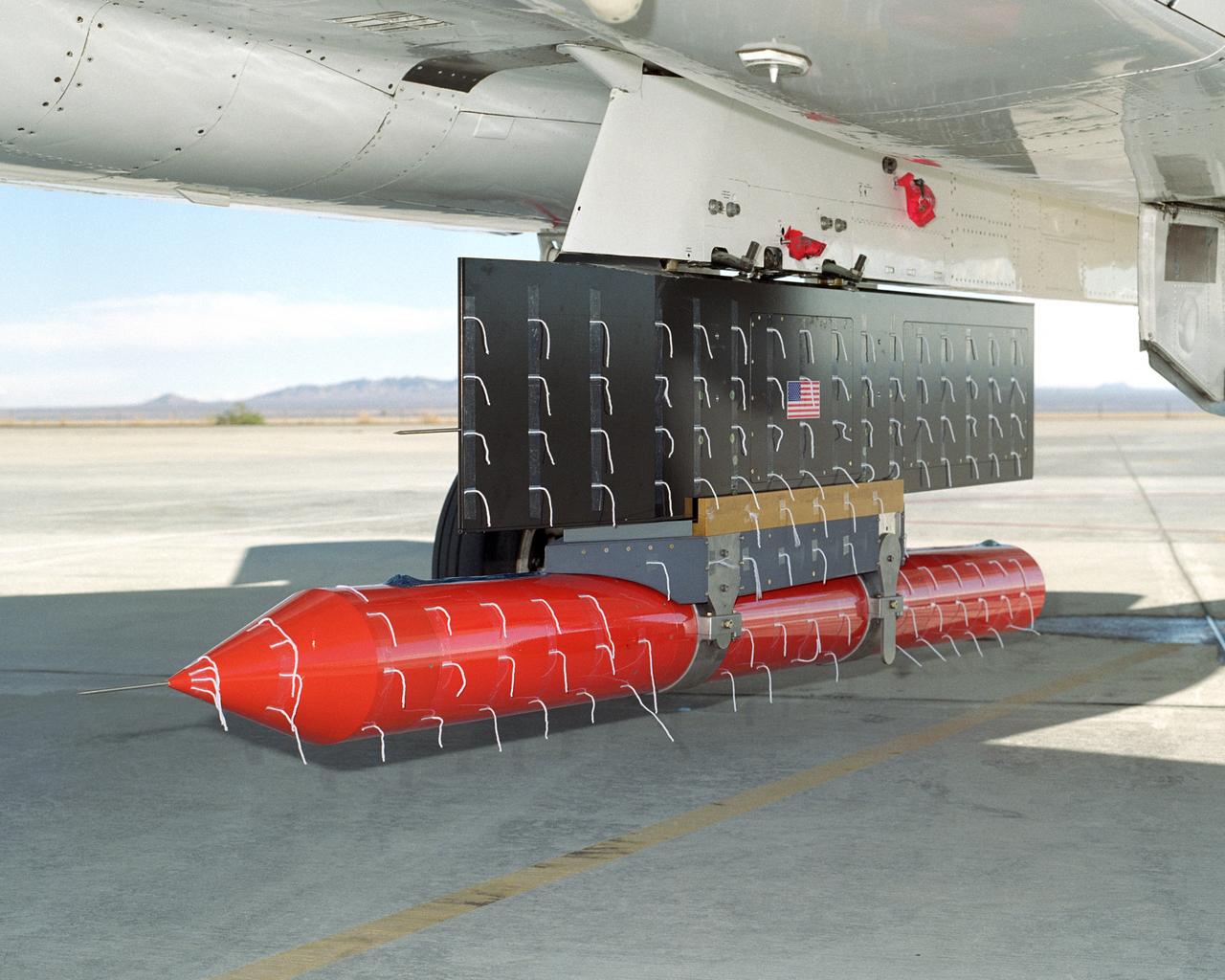
NASA Dryden's new in-house designed Propulsion Flight Test Fixture (PFTF), carried on an F-15B's centerline attachment point, underwent flight envelope expansion in order to verify its design and capabilities.
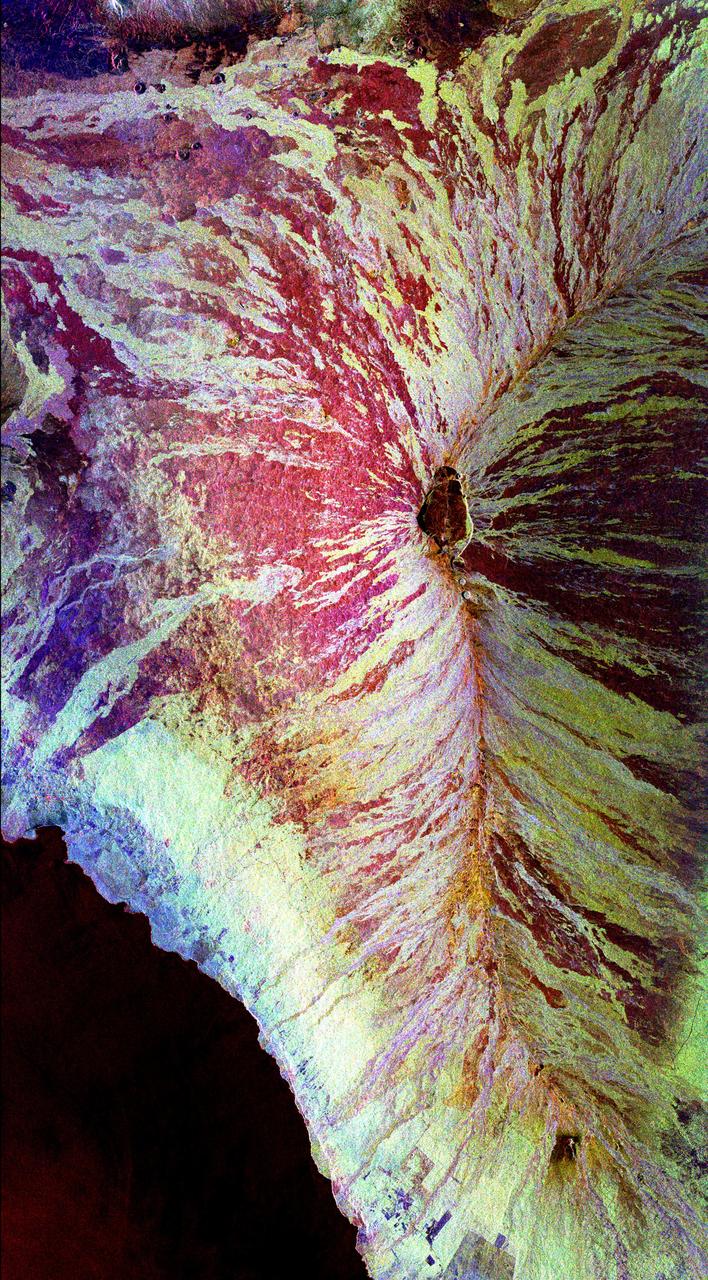
This image of the Mauna Loa volcano on the Big Island of Hawaii shows the capability of imaging radar to map lava flows and other volcanic structures.
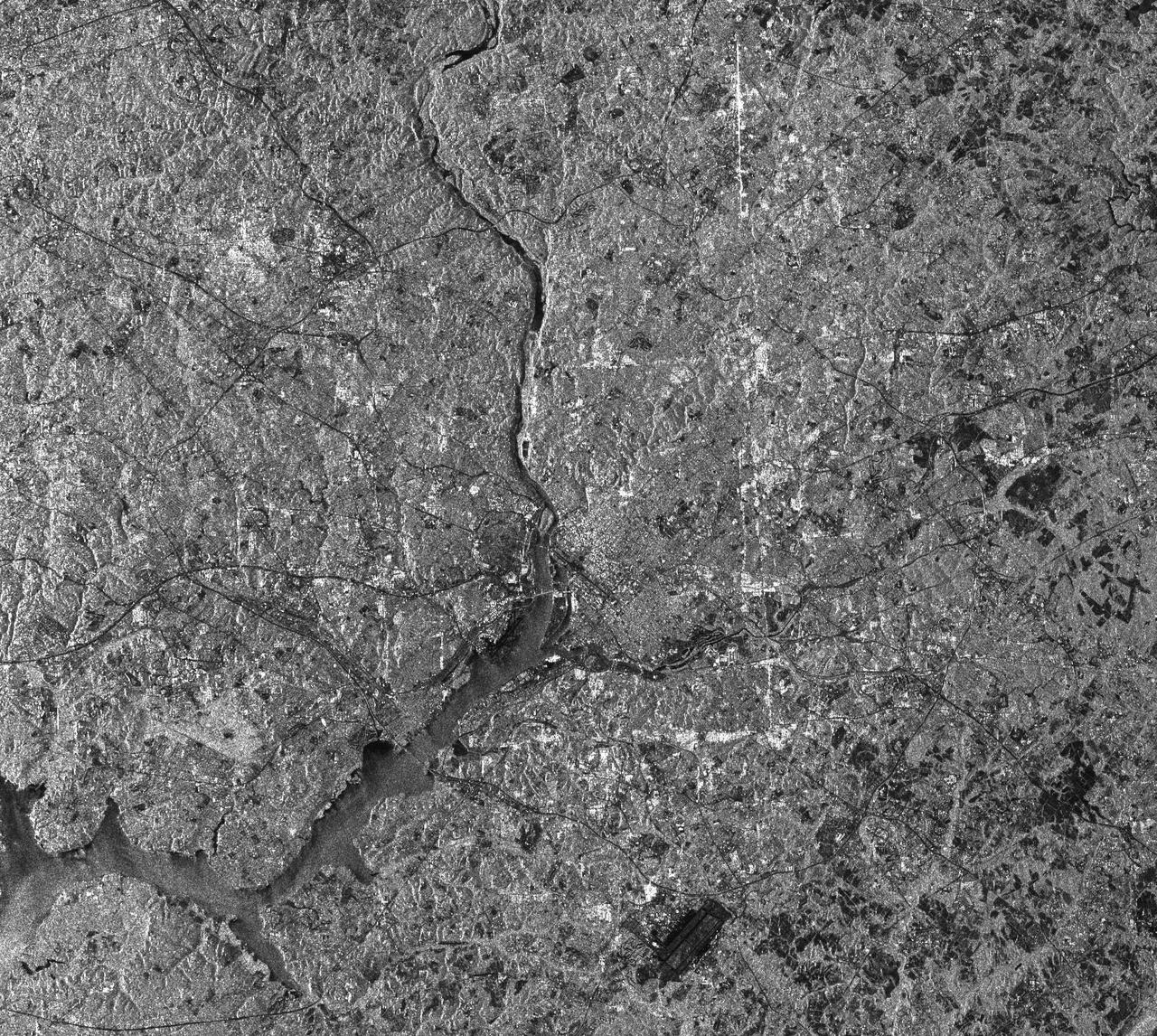
This radar image of the Washington, D.C. area demonstrates the capability of imaging radar as a useful tool for urban planners and managers to map and monitor land use patterns.
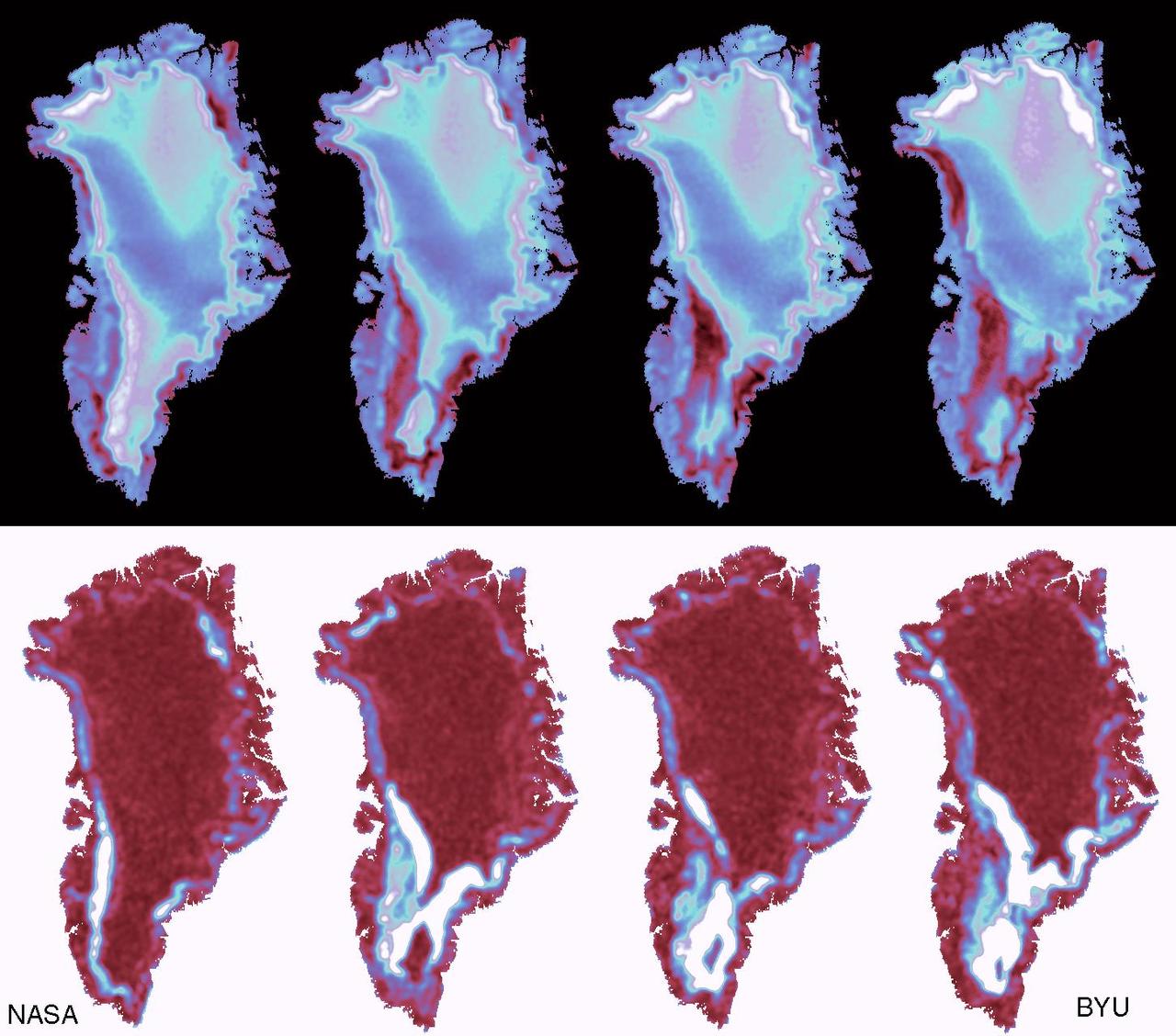
The frequent coverage provided by NASA SeaWinds instrument on the QuikScat satellite in 1999 provided unprecedented capability to monitor daily and seasonal changes in the key melt zones of Greenland.
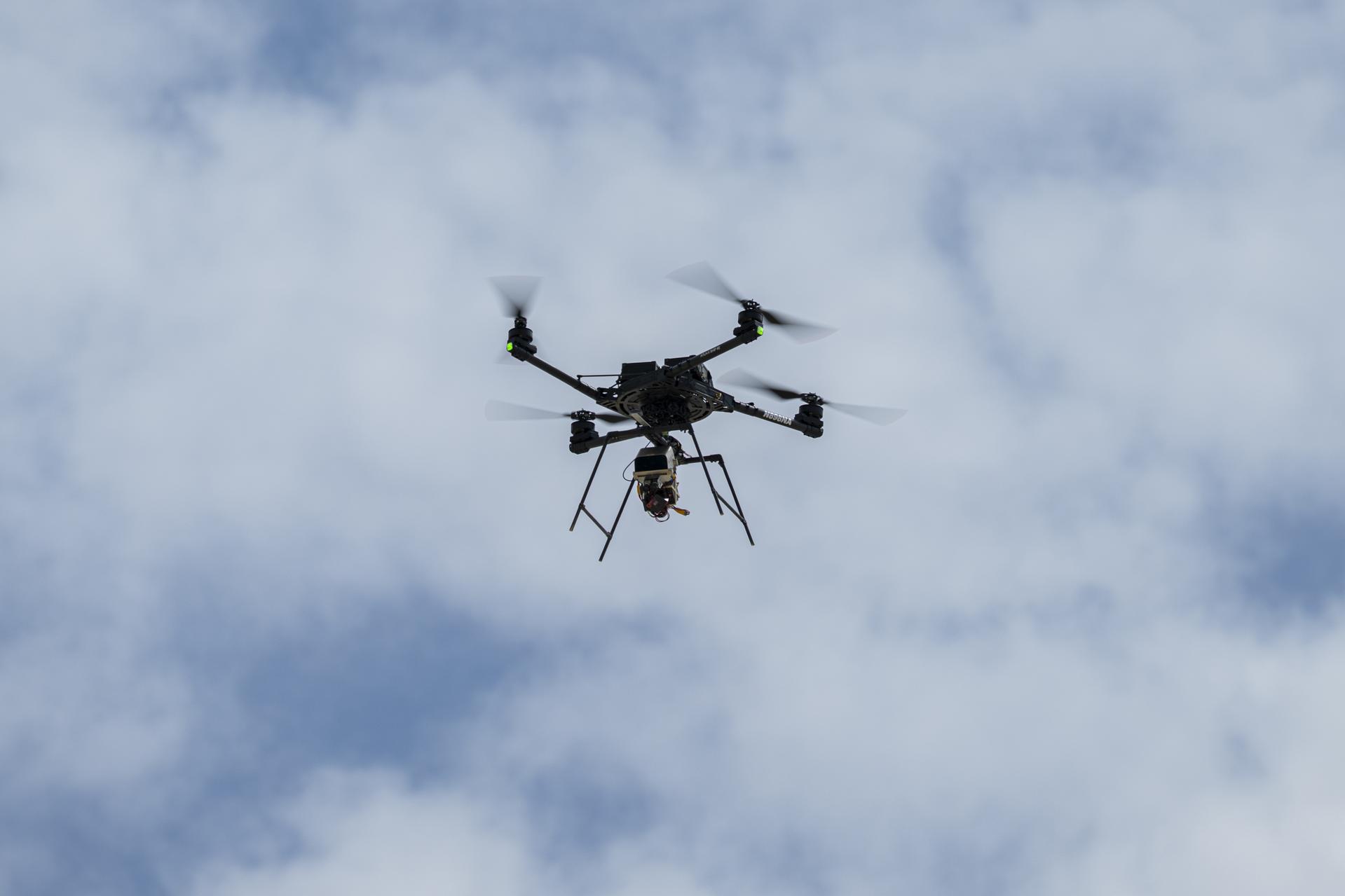
An Alta-X drone flies an advanced guidance and navigation system known as the Safe and Precise Landing – Integrated Capabilities Evolution (SPLICE) experiment near NASA’s Armstrong Flight Research Center in Edwards, California, on Thursday, Aug. 27, 2026. Researchers at NASA’s Johnson Space Center in Houston developed SPLICE, which successfully completed simulated lunar descent and landing maneuvers during recent testing. SPLICE will help spacecraft land precisely and detect and avoid potential hazards, which is critical for NASA missions to the Moon and to Mars.
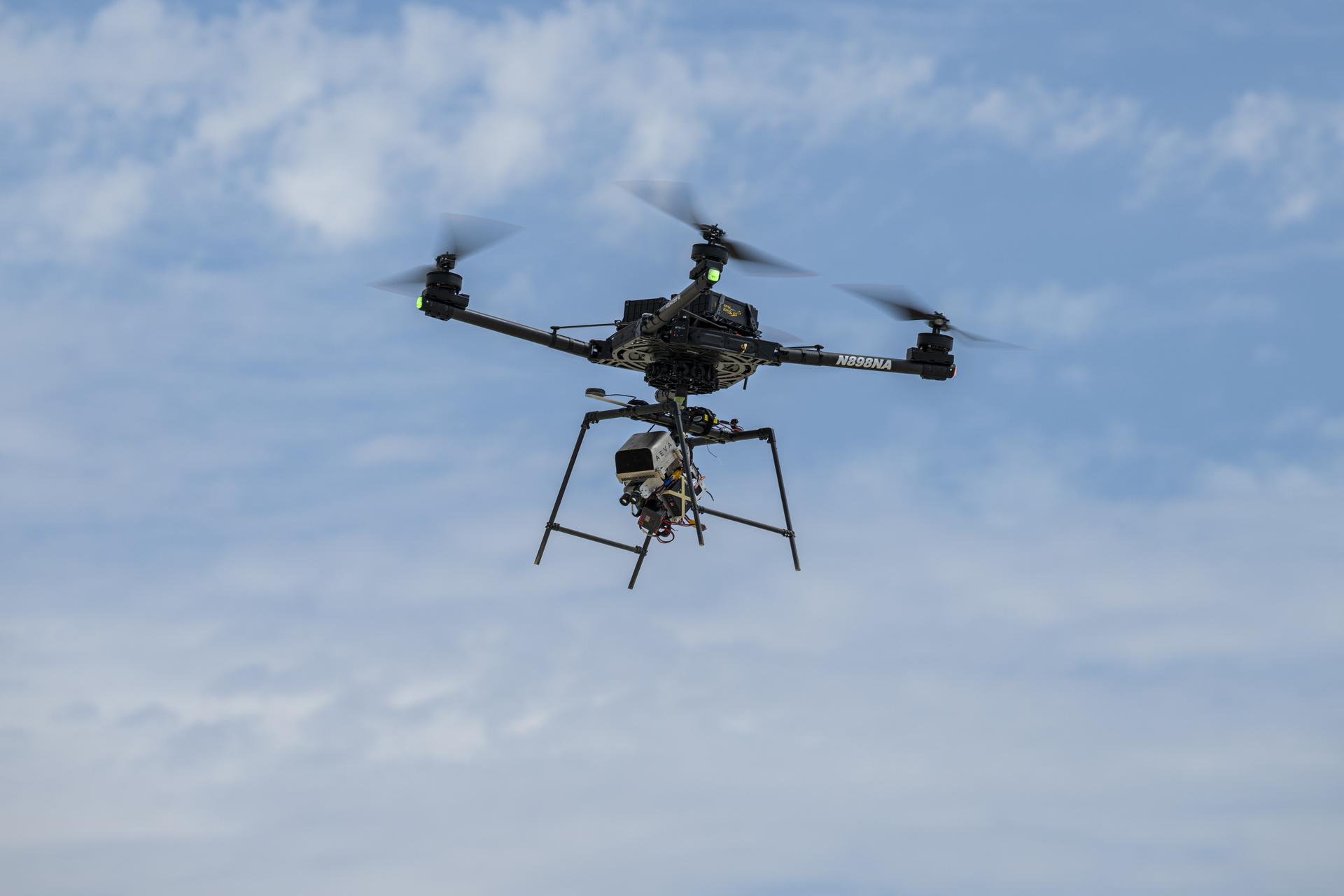
An Alta-X drone flies an advanced guidance and navigation system known as the Safe and Precise Landing – Integrated Capabilities Evolution (SPLICE) experiment near NASA’s Armstrong Flight Research Center in Edwards, California, on Thursday, Aug. 27, 2026. Researchers at NASA’s Johnson Space Center in Houston developed SPLICE, which successfully completed simulated lunar descent and landing maneuvers during recent testing. SPLICE will help spacecraft land precisely and detect and avoid potential hazards, which is critical for NASA missions to the Moon and to Mars.
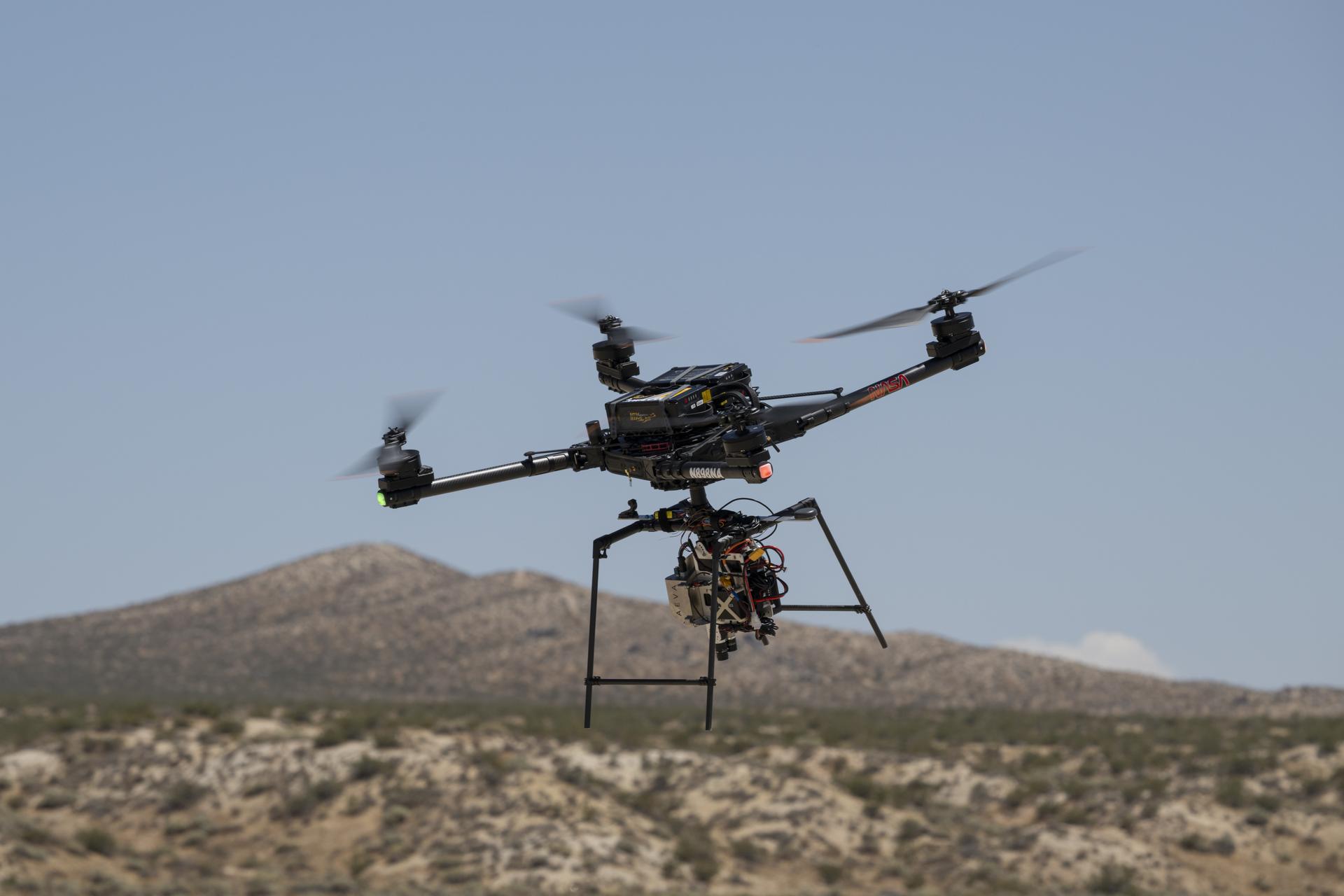
An Alta-X drone flies an advanced guidance and navigation system known as the Safe and Precise Landing – Integrated Capabilities Evolution (SPLICE) experiment near NASA’s Armstrong Flight Research Center in Edwards, California, on Wednesday, July 15, 2026. Researchers at NASA’s Johnson Space Center in Houston developed SPLICE, which successfully communicated with the remotely piloted aircraft during hover maneuvers in flight. SPLICE will help spacecraft land precisely and detect and avoid potential hazards, which is critical for NASA missions to the Moon and to Mars.
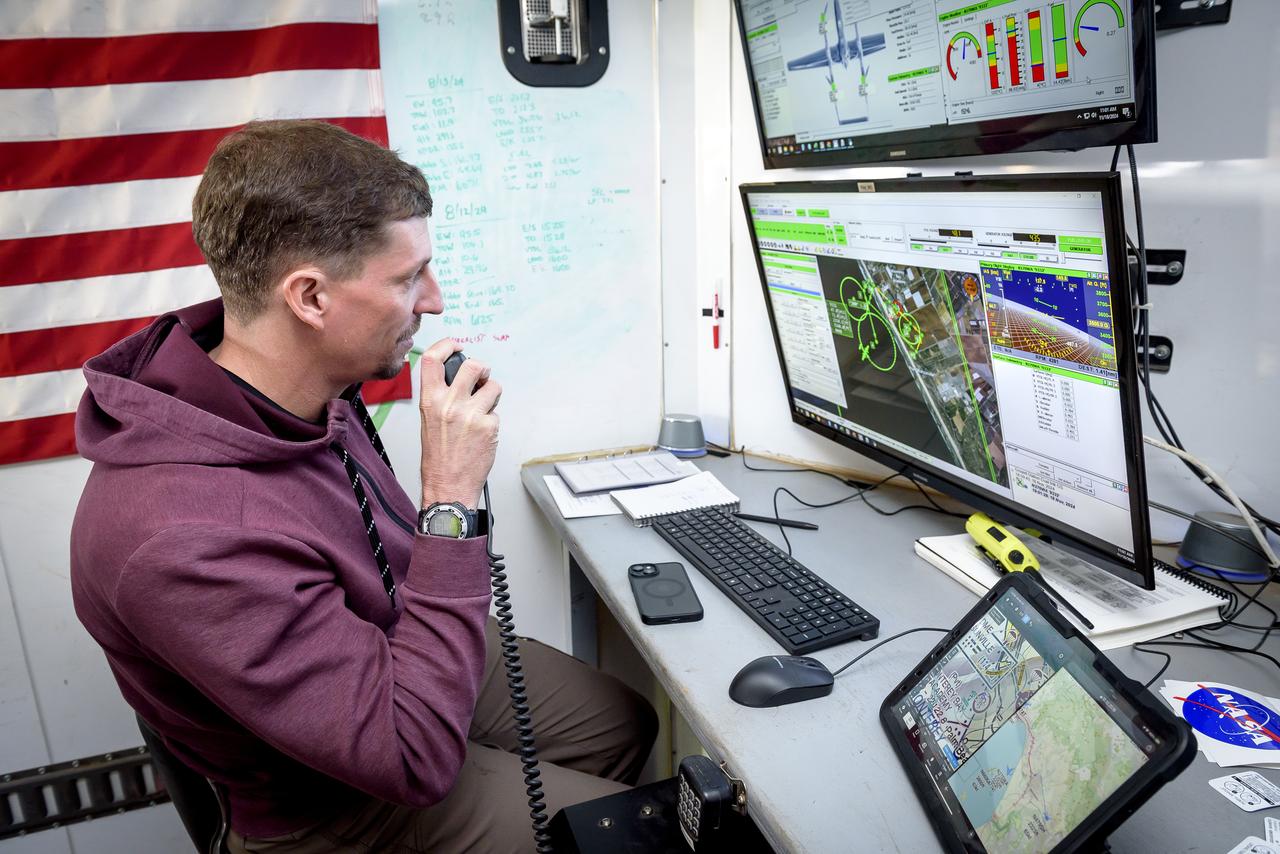
Co-founders of Overwatch Aero Chase Pietenpol, at the Ground Control Station (GCS) monitoring the flight of the L3Harris FVR90 Unmanned Aerial Vehicle (UAV) at the Monterey Bay Academy Airport near Watsonville, California.
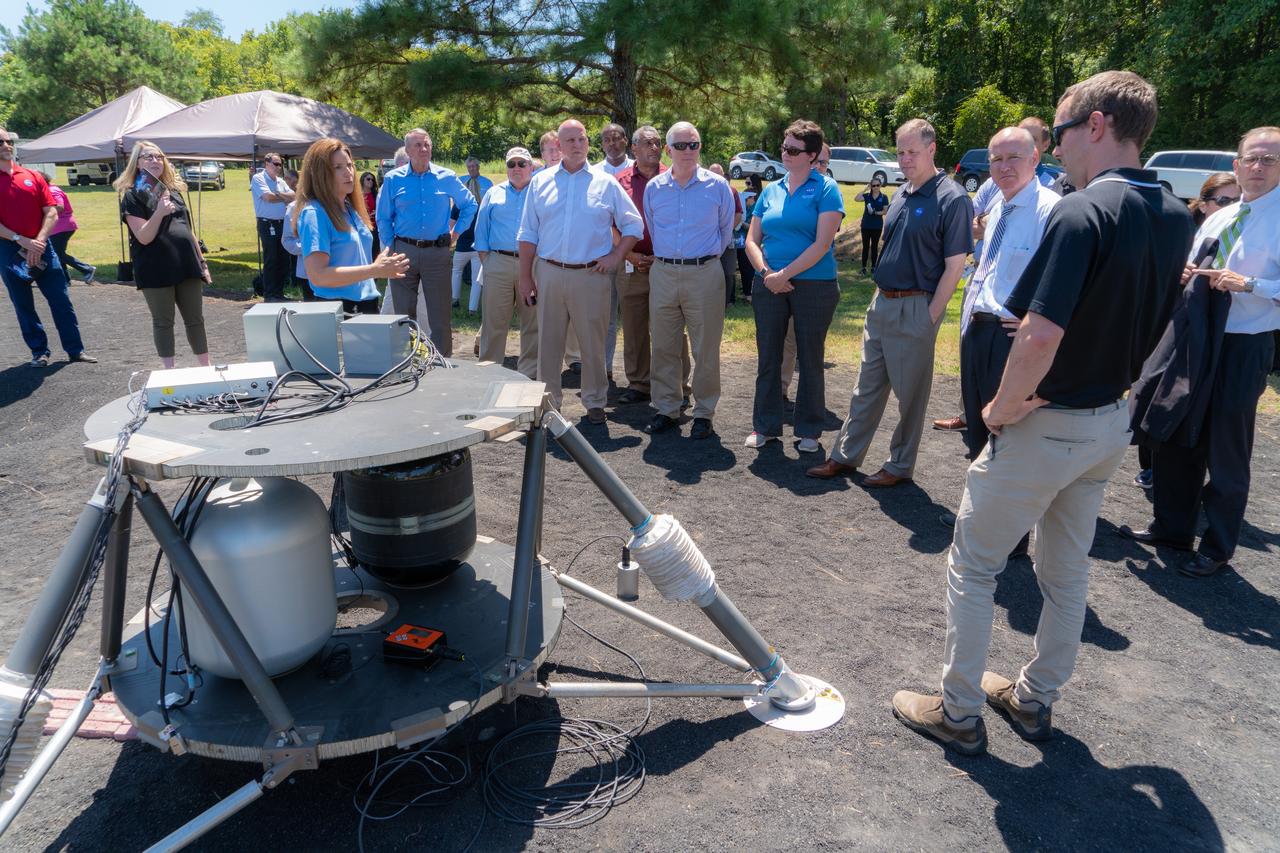
Lisa Watson-Morgan, center left, program manager of NASA’s Human Landing System Program at NASA’s Marshall Space Flight Center in Huntsville, Alabama, shows NASA Administrator Jim Bridenstine equipment used to test seismic sensors on a lunar lander platform on a simulated lunar surface at the center Aug. 16, 2019. Bridenstine was joined by Representatives Mo Brooks and Robert Aderholt of Alabama and Representative Scott DesJarlais of Tennessee. Planetary scientists performed the experiment to learn how these waves travel through simulated regolith, which is material similar to the Moon’s surface. The experiment will help guide instrument deployment scenarios for NASA’s Commercial Lunar Payload Service (CLPS) Program, delivering small science and technology payloads for Artemis. That same day, Bridenstine announced Marshall will lead the agency’s Human Landing System Program. (NASA/Fred Deaton) For more information: https://www.nasa.gov/artemis-1
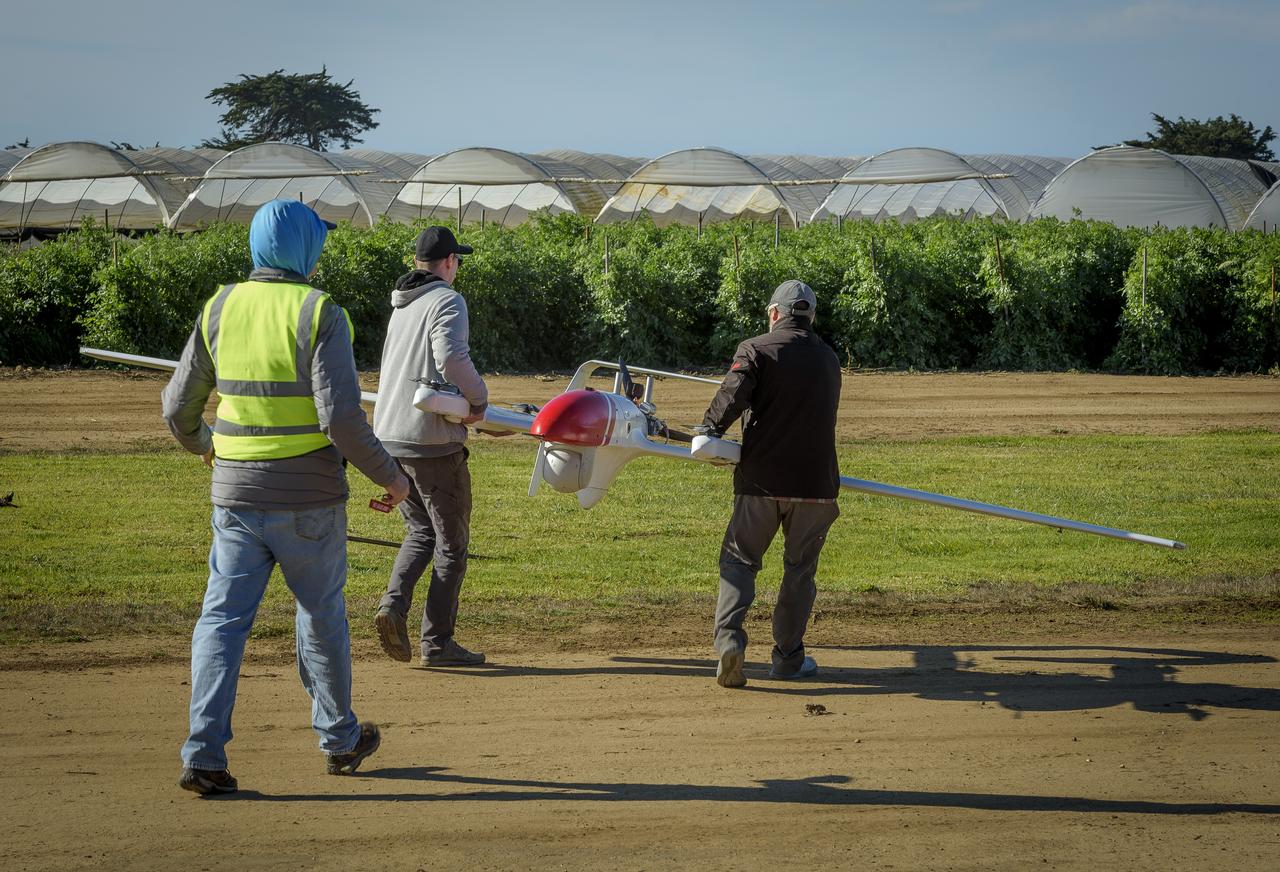
Jody Miller, left, Alex Godwin, and Jeff Strebler, right, prepares the L3Harris FVR90 Unmanned Aerial Vehicle (UAV) at the Monterey Bay Academy Airport near Watsonville, California.

The SuperVolo XL Unmanned Aerial Vehicle (UAV) lifts off at the Monterey Bay Academy Airport near Watsonville, California.
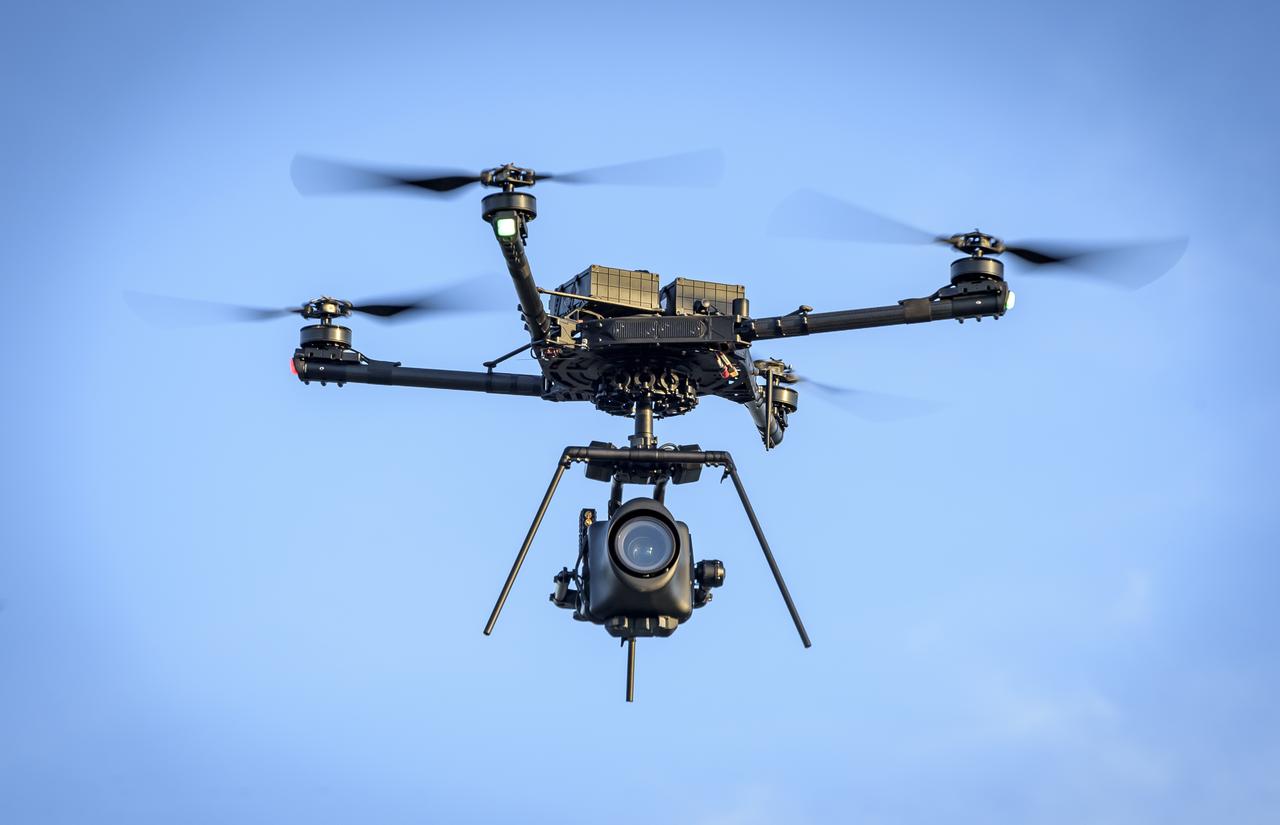
The Alta-X Unmanned Aerial Vehicle (UAV) with camera payload in flight at the Monterey Bay Academy Airport near Watsonville, California.
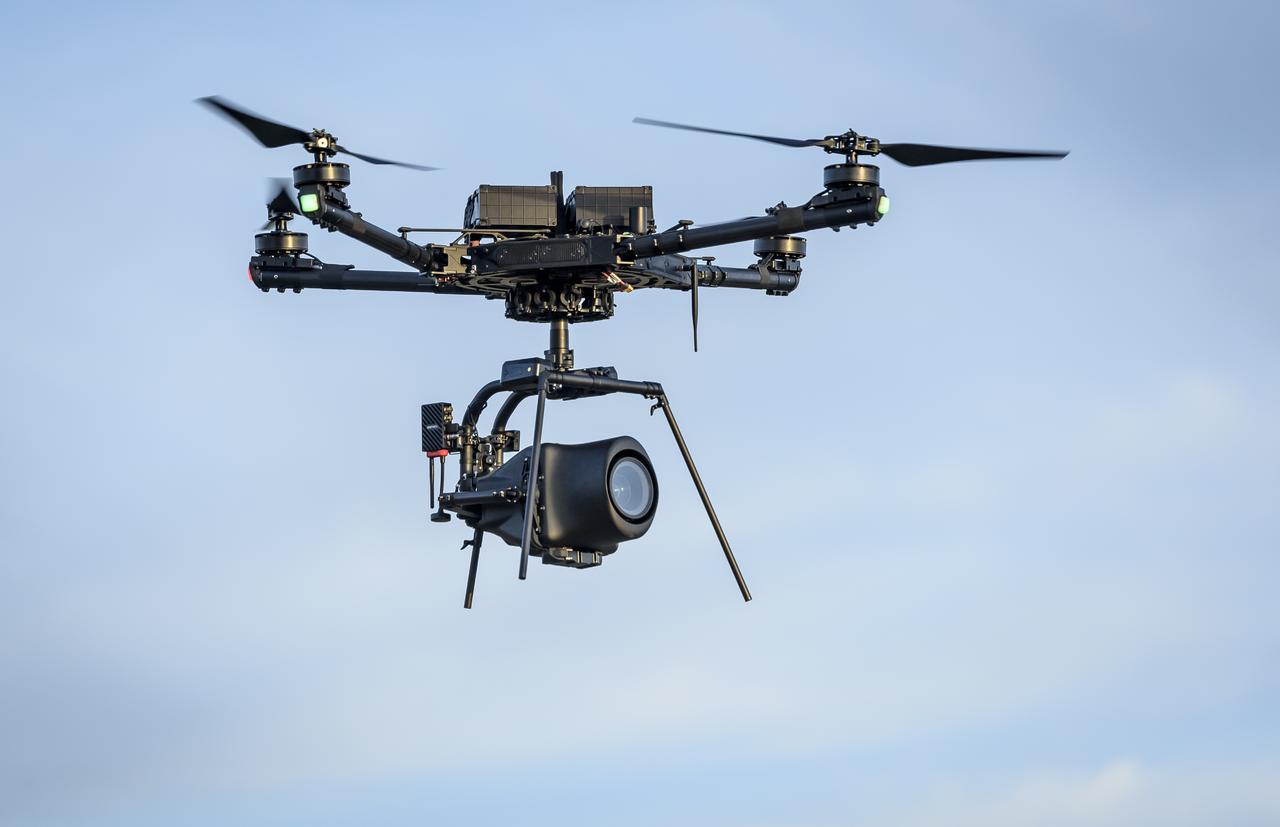
The Alta-X Unmanned Aerial Vehicle (UAV) with camera payload in flight at the Monterey Bay Academy Airport near Watsonville, California.
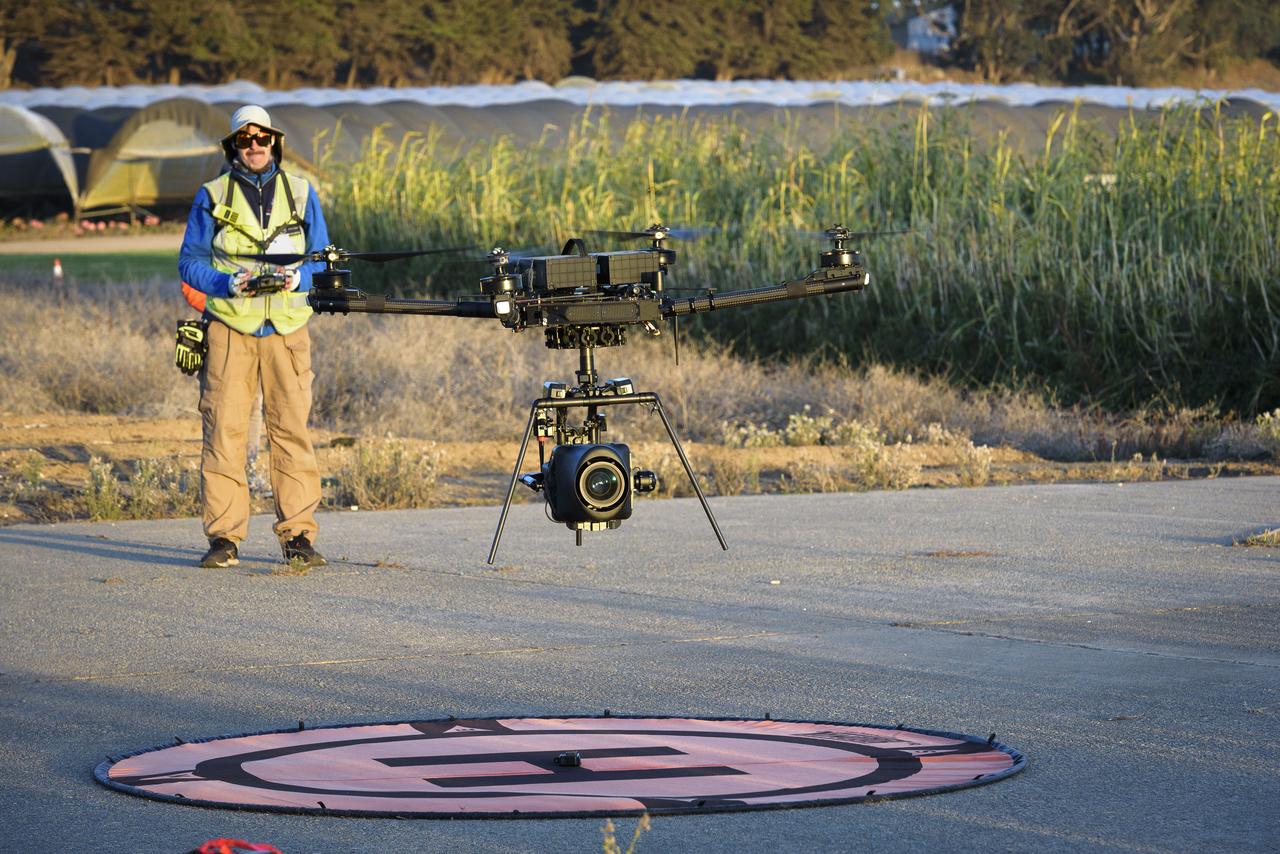
Jonas Jonsson guides the Alta-X Unmanned Aerial Vehicle (UAV) with camera payload down to the landing pad at the Monterey Bay Academy Airport near Watsonville, California.
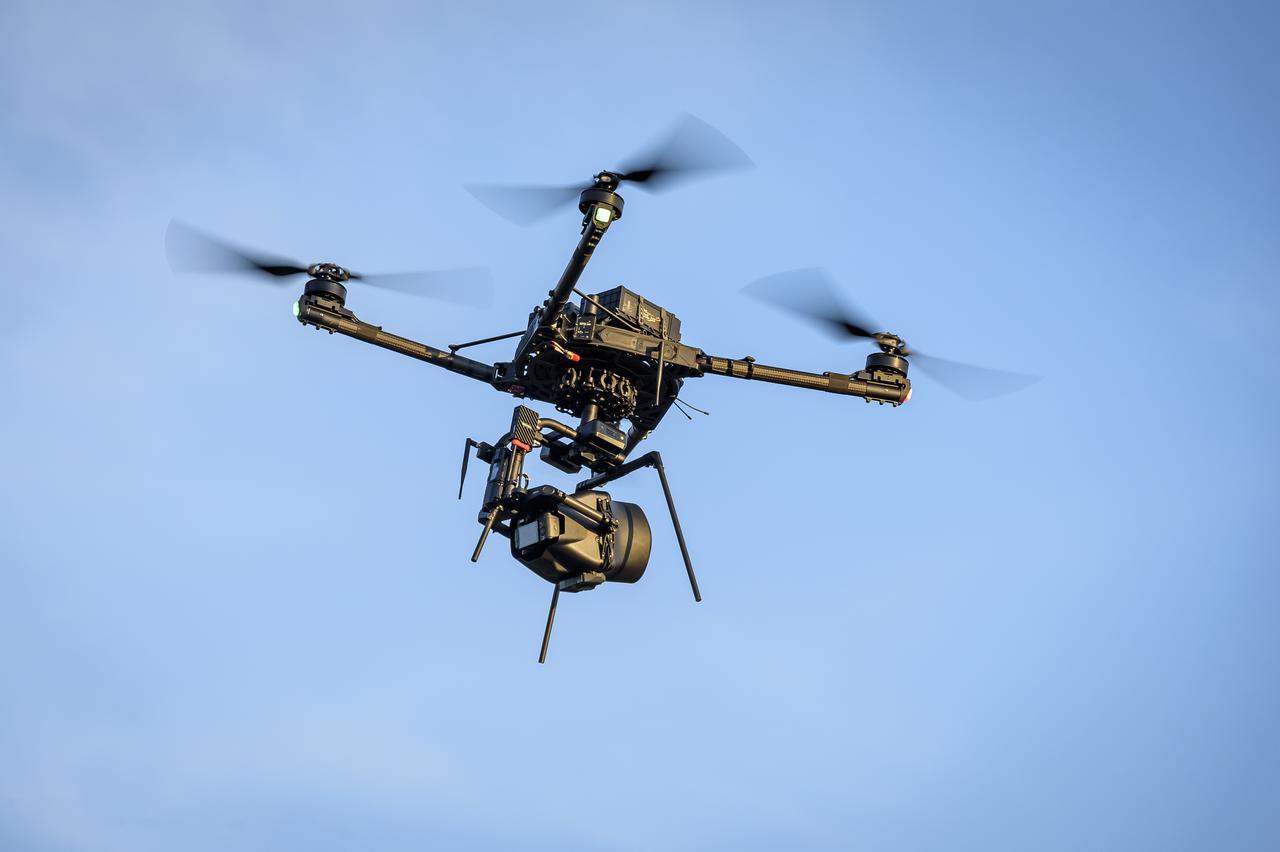
The Alta-X Unmanned Aerial Vehicle (UAV) with camera payload in flight at the Monterey Bay Academy Airport near Watsonville, California.
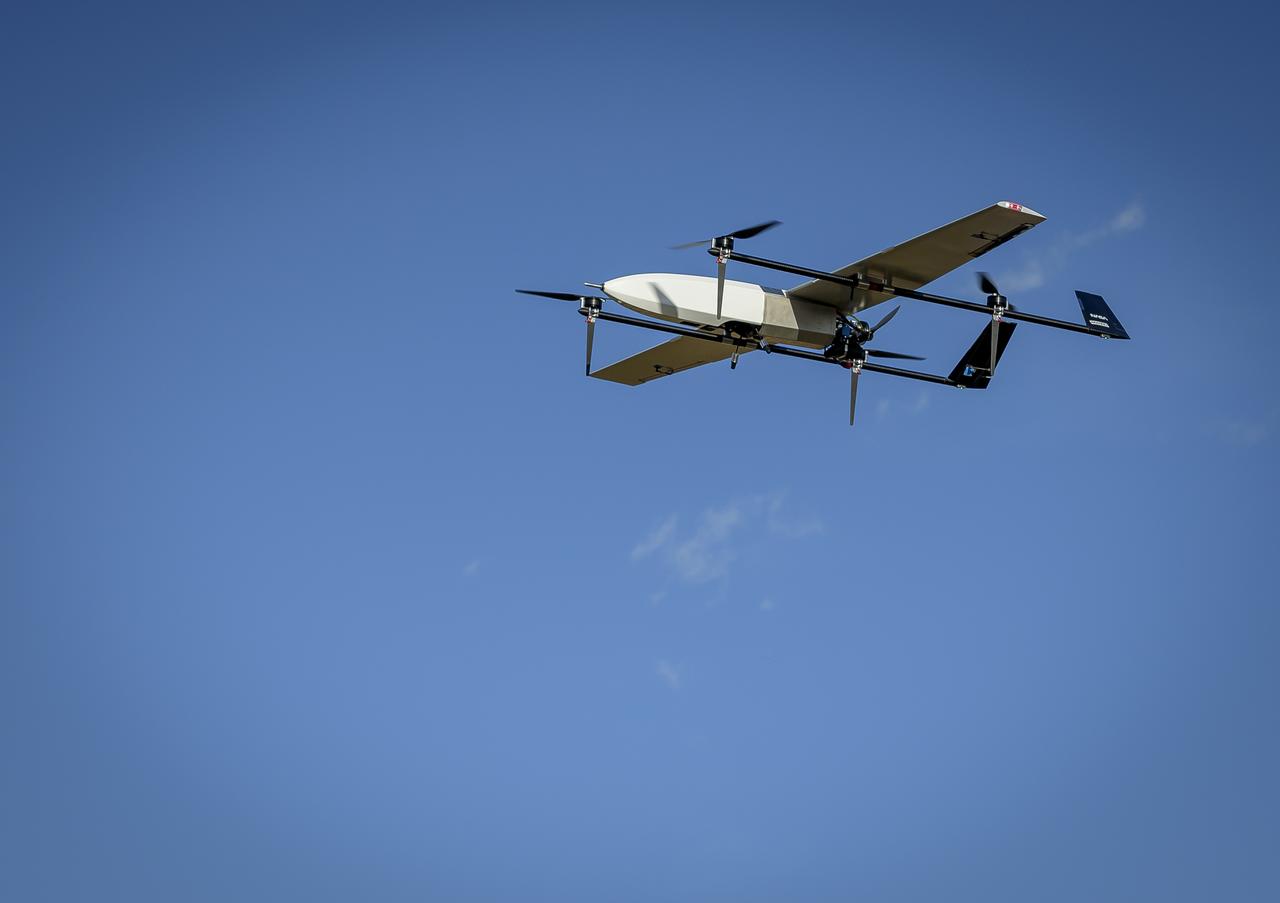
The SuperVolo XL Unmanned Aerial Vehicle (UAV) lifts off at the Monterey Bay Academy Airport near Watsonville, California.
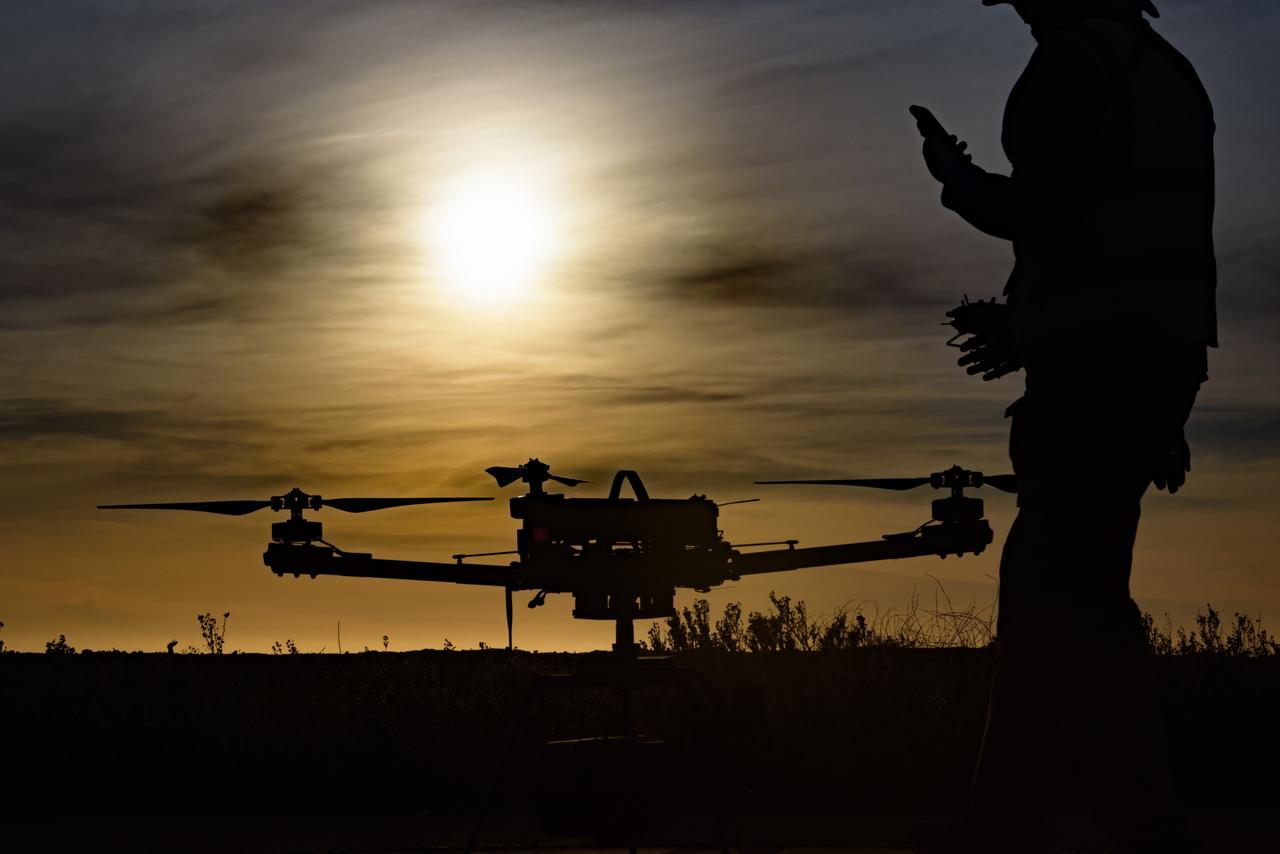
Silhouette view of Jonas Jonsson with the Alta-X Unmanned Aerial Vehicle (UAV) on the landing pad as the sun sets at the Monterey Bay Academy Airport near Watsonville, California.
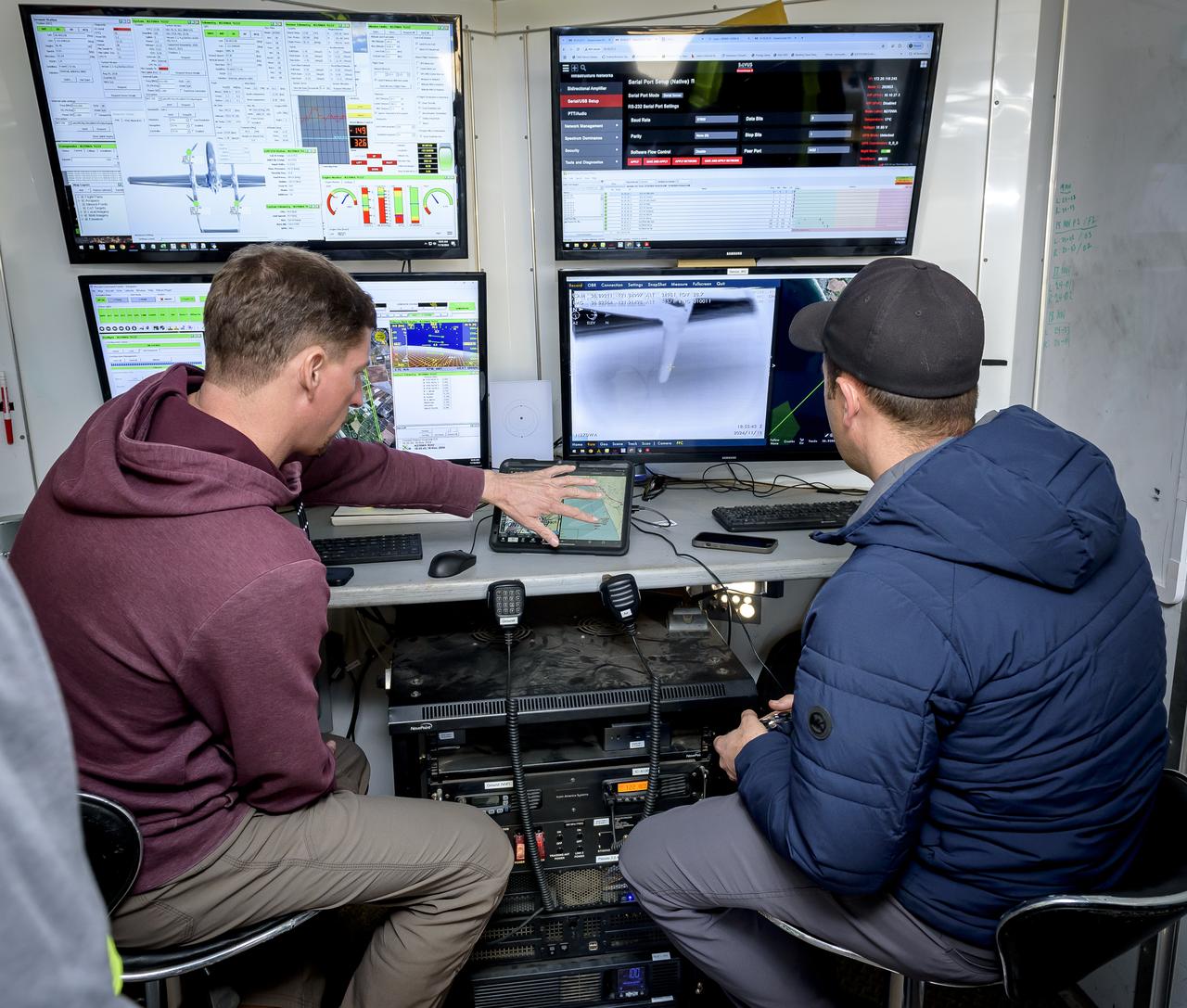
Co-founders of Overwatch Aero Chase Pietenpol, left, and Jordan Hahn at the Ground Control Station (GCS) monitoring the flight of the L3Harris FVR90 Unmanned Aerial Vehicle (UAV) at the Monterey Bay Academy Airport near Watsonville, California.
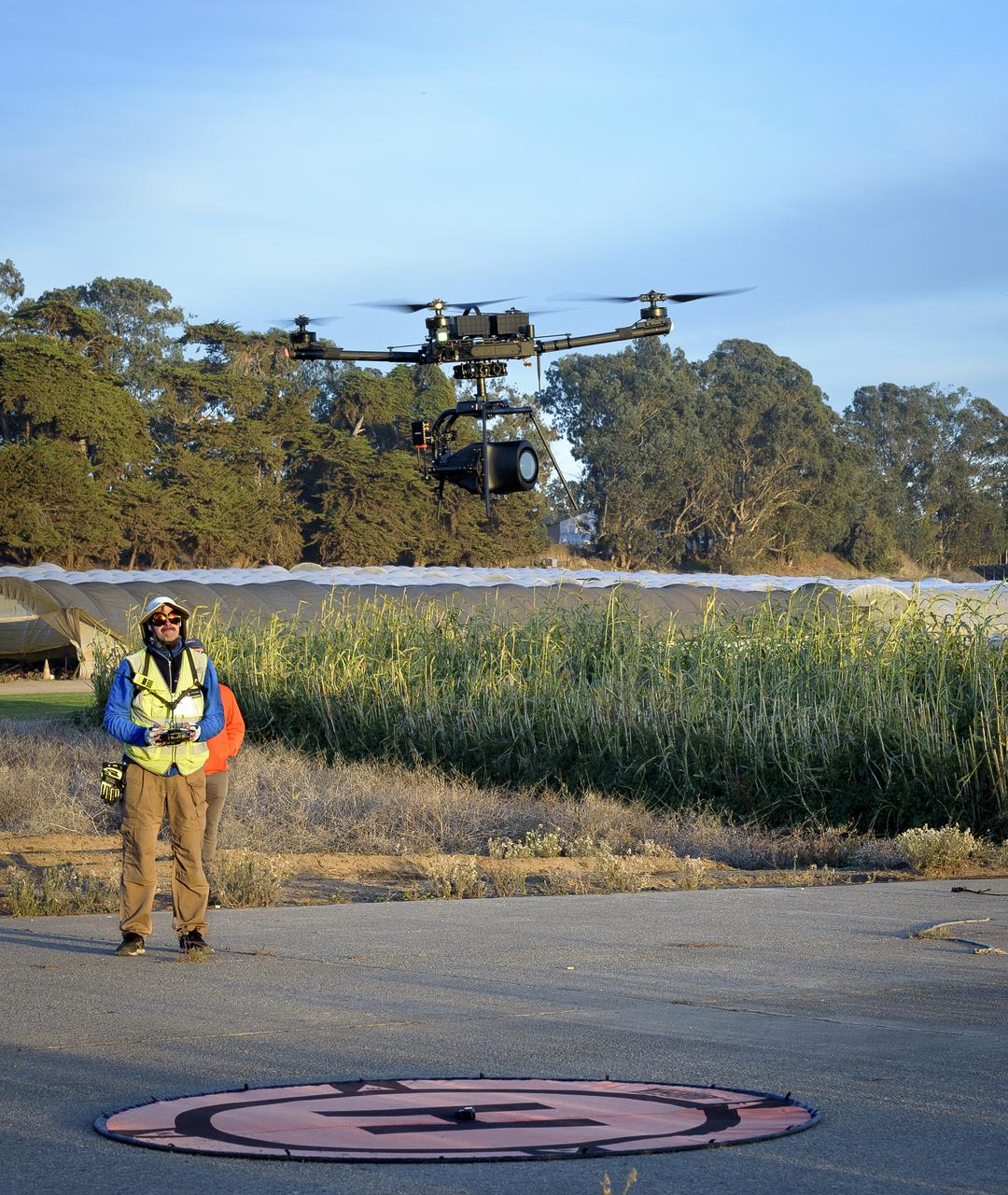
Jonas Jonsson guides the Alta-X Unmanned Aerial Vehicle (UAV) with camera payload down to the landing pad at the Monterey Bay Academy Airport near Watsonville, California.
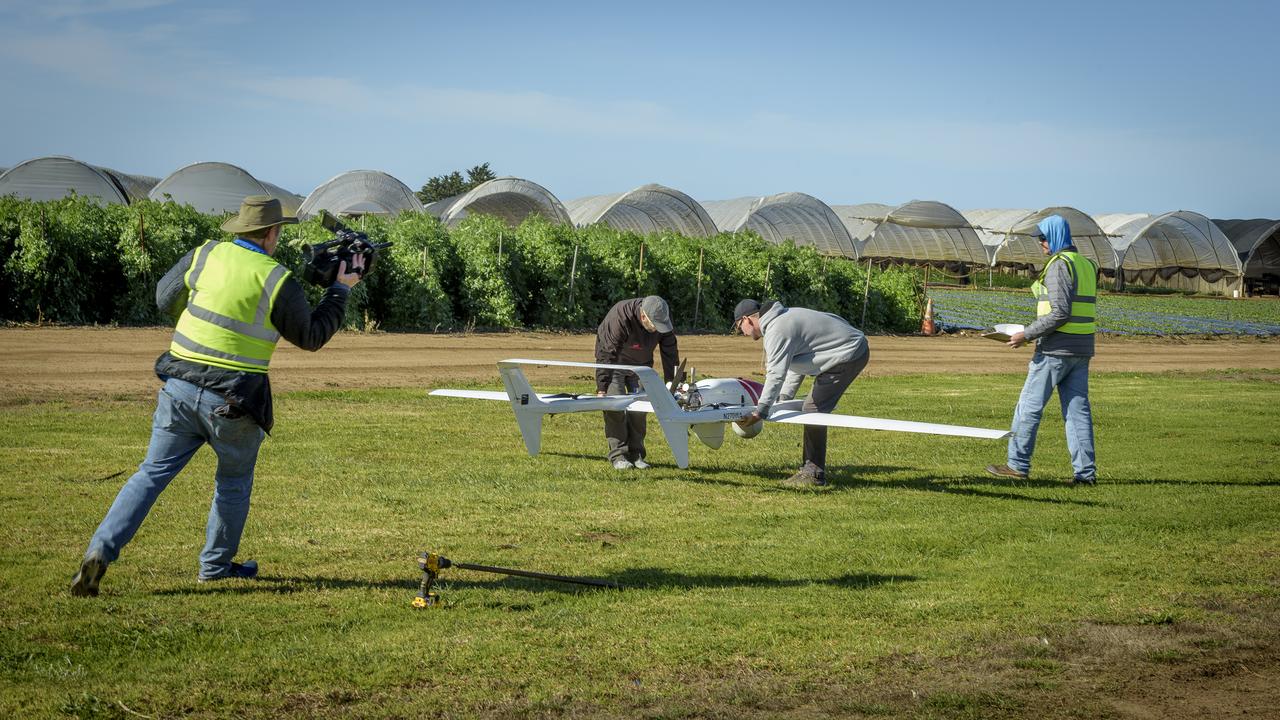
Ames video photographer Jesse Carpenter, left, films Jeff Strebler, Alex Godwin, and Jody Miller, right, as they prepare the L3Harris FVR90 Unmanned Aerial Vehicle (UAV) at the NASA/Overwatch Aero station at the Monterey Bay Academy Airport near Watsonville, California.
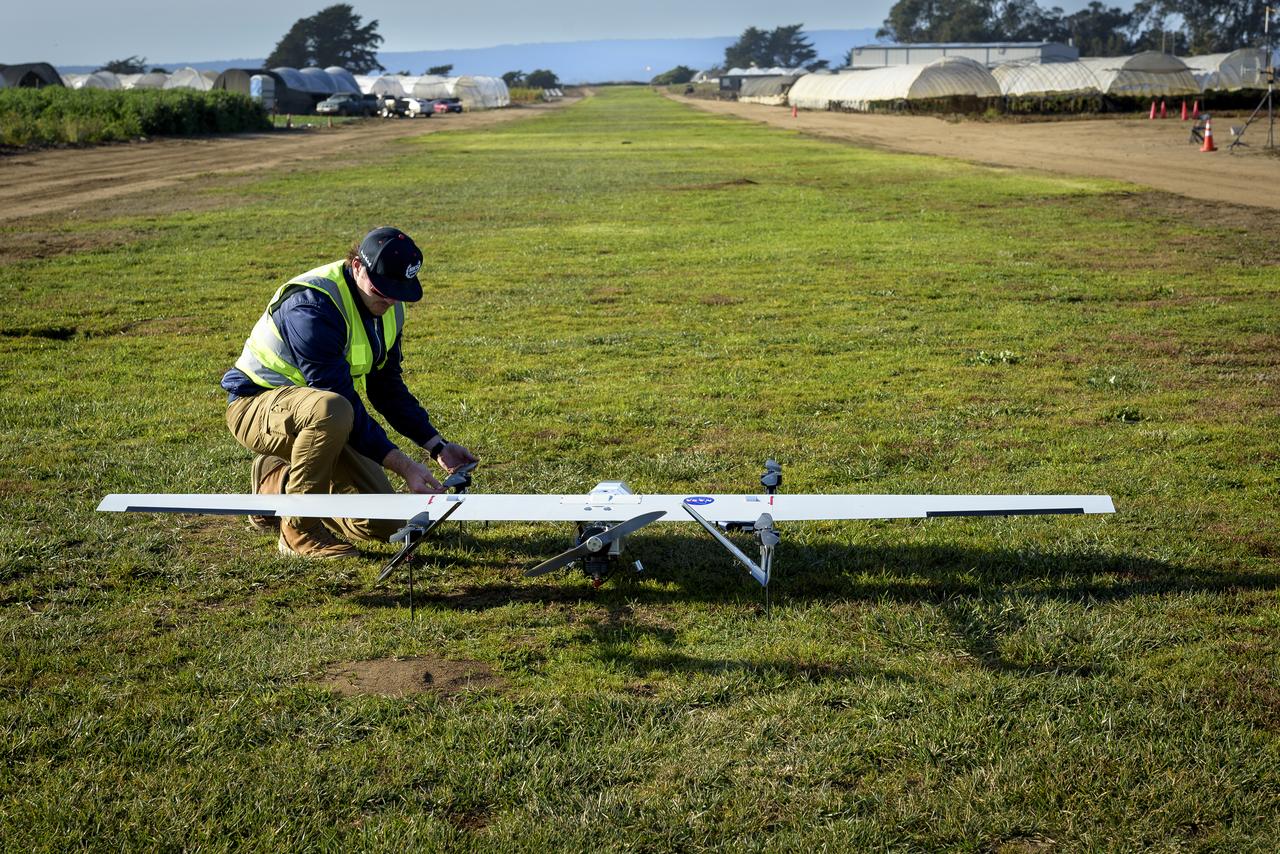
Brayden Chamberlain, preps the SuperVolo XL Unmanned Aerial Vehicle (UAV) for flight at the Monterey Bay Academy Airport near Watsonville, California.
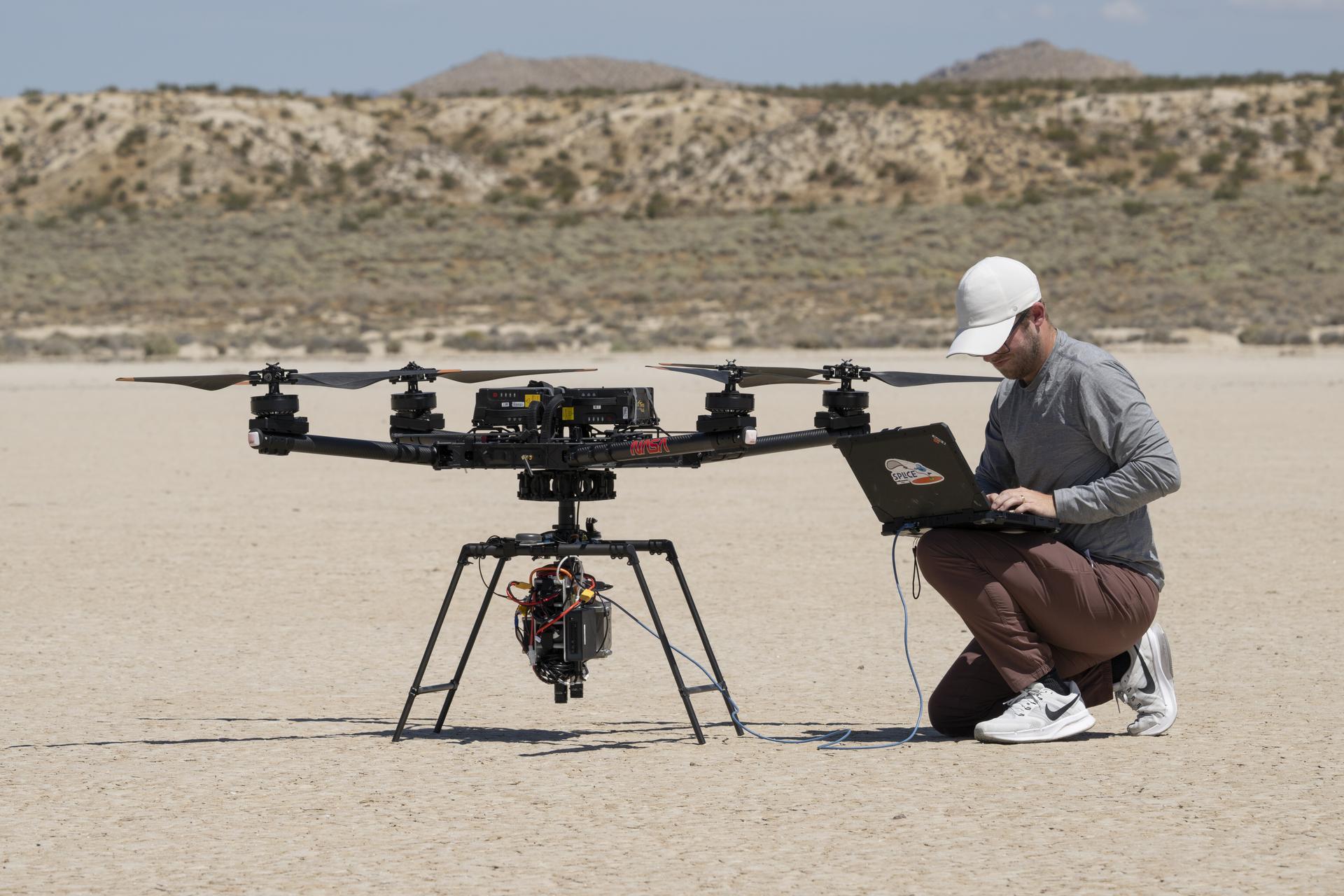
Davis Adams, project manager, confirms that an advanced guidance and navigation system known as the Safe and Precise Landing – Integrated Capabilities Evolution (SPLICE) experiment is communicating with an Alta-X drone near NASA’s Armstrong Flight Research Center in Edwards, California, on Wednesday, July 15, 2026. Researchers at NASA’s Johnson Space Center in Houston developed SPLICE, which successfully communicated with the remotely piloted aircraft during hover maneuvers in flight. SPLICE will help spacecraft land precisely and detect and avoid potential hazards, which is critical for NASA missions to the Moon and to Mars.
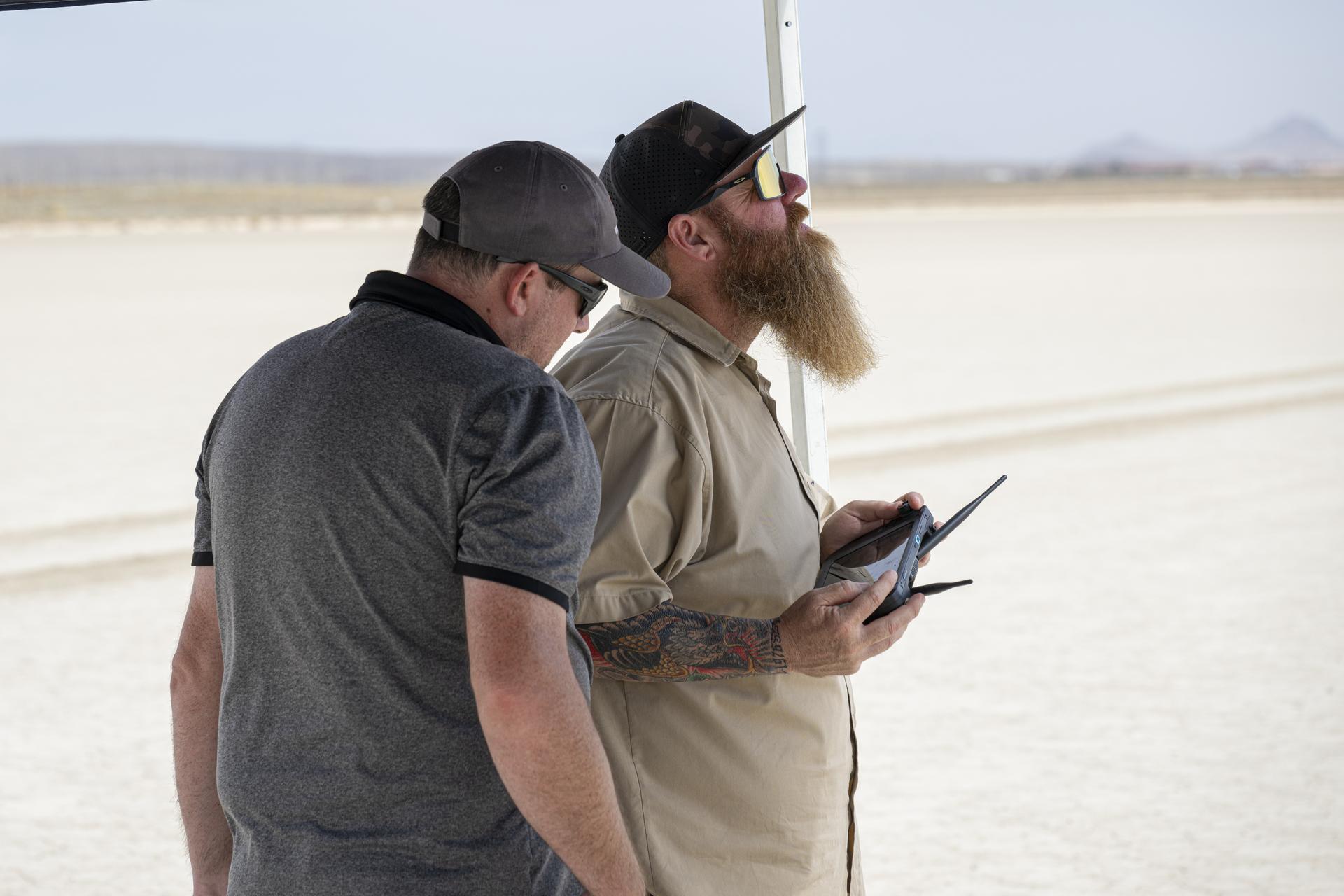
Justin Link, small uncrewed aircraft pilot, left, reads altitude data on a handheld display, as Justin Hall, Dale Reed Subscale Flight Research Laboratory chief pilot, flies NASA’s Alta-X drone near NASA’s Armstrong Flight Research Center in Edwards, California, on Thursday, Aug. 27, 2026. Researchers at NASA’s Johnson Space Center in Houston developed the advanced guidance and navigation system known as the Safe and Precise Landing – Integrated Capabilities Evolution (SPLICE) experiment, which is installed on the drone. SPLICE will help spacecraft land precisely and detect and avoid potential hazards, which is critical for NASA missions to the Moon and to Mars.
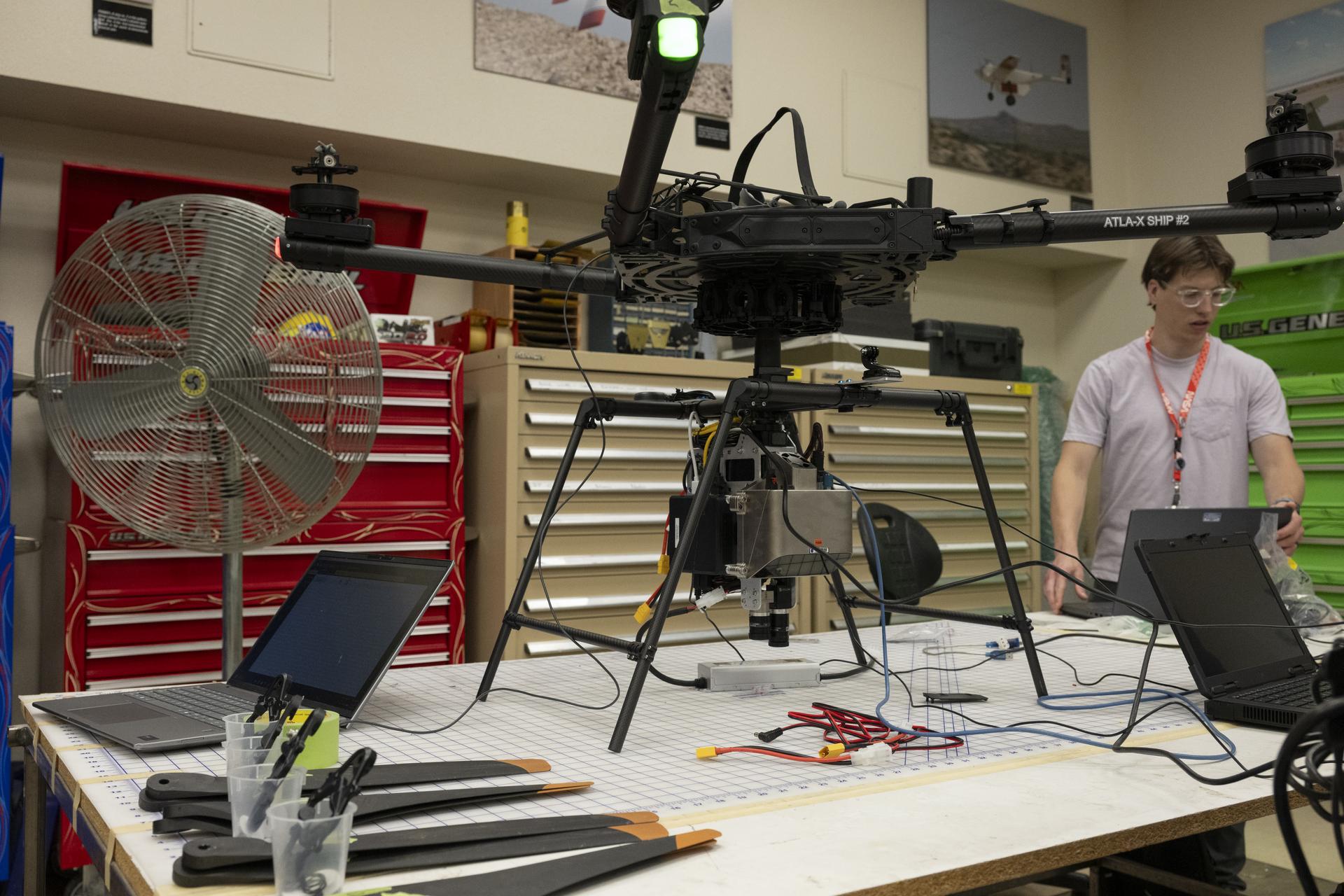
Isaac Rowe, flight software lead, tests how the advanced guidance and navigation system, known as the Safe and Precise Landing – Integrated Capabilities Evolution (SPLICE) experiment, communicates with the Alta-X drone at the Dale Reed Subscale Flight Research Laboratory at NASA’s Armstrong Flight Research Center in Edwards, California, on Monday, June 22, 2026. Rowe developed the system as part of a team at NASA’s Johnson Space Center in Houston. SPLICE will help spacecraft land precisely and detect and avoid potential hazards, which is critical for NASA missions to the Moon and to Mars.
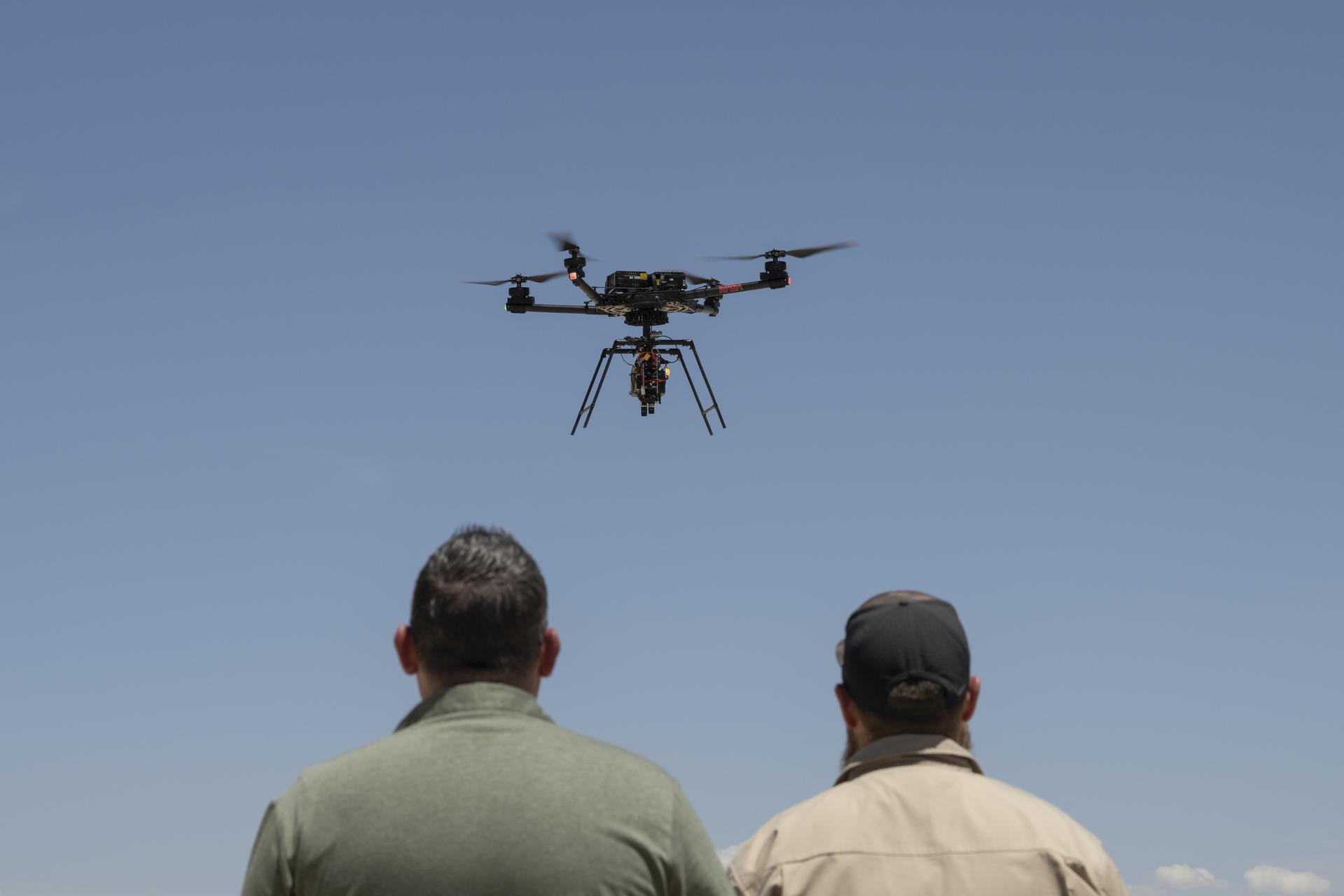
Justin Link, a small uncrewed aircraft pilot, left, and Justin Hall, chief pilot, fly a NASA Alta-X drone carrying an advanced guidance and navigation system known as the Safe and Precise Landing – Integrated Capabilities Evolution (SPLICE) experiment near NASA’s Armstrong Flight Research Center in Edwards, California, on Wednesday, July 15, 2026. Researchers at NASA’s Johnson Space Center in Houston developed SPLICE, which successfully communicated with the remotely piloted aircraft during hover maneuvers in flight. SPLICE will help spacecraft land precisely and detect and avoid potential hazards, which is critical for NASA missions to the Moon and to Mars.
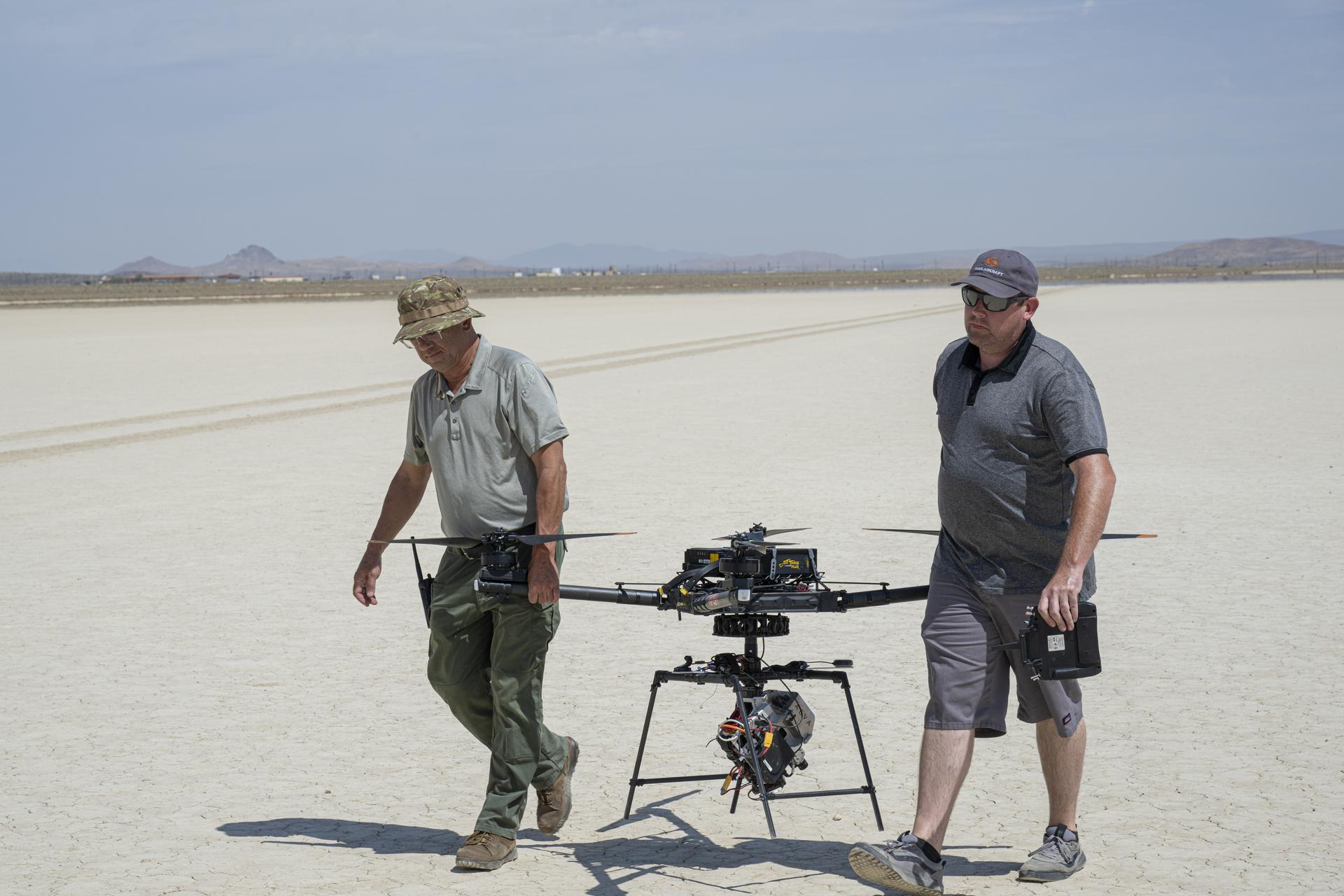
Derek Abramson, Dale Reed Subscale Flight Research Laboratory chief engineer, left, and Justin Link, small uncrewed aircraft pilot, carry NASA’s Alta-X drone near NASA’s Armstrong Flight Research Center in Edwards, California, on Thursday, Aug. 27, 2026. Researchers at NASA’s Johnson Space Center in Houston developed the advanced guidance and navigation system known as the Safe and Precise Landing – Integrated Capabilities Evolution (SPLICE) experiment, which is installed on this drone. SPLICE will help spacecraft land precisely and detect and avoid potential hazards, which is critical for NASA missions to the Moon and to Mars.
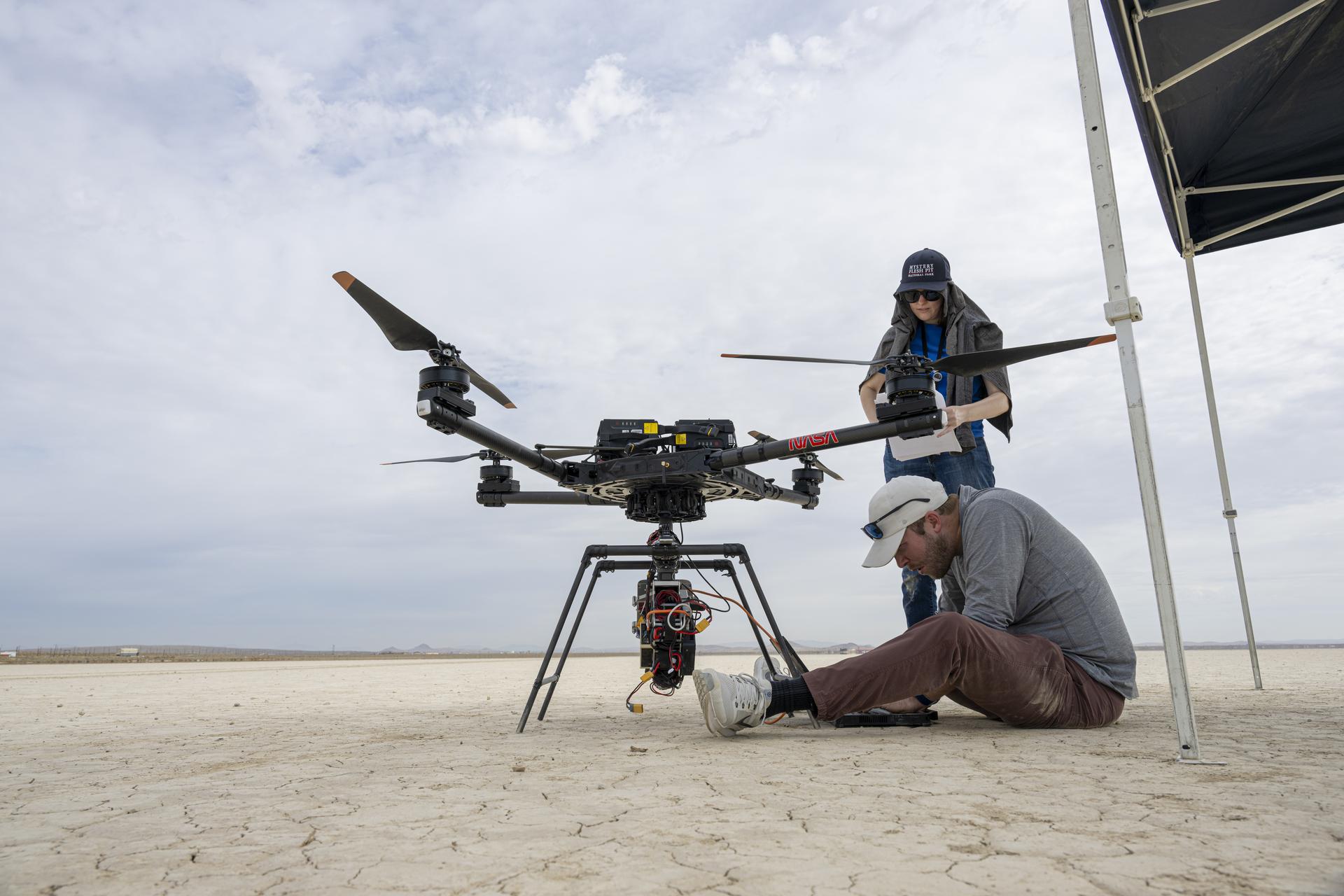
Davis Adams, project manager, sitting, and Jeanette Harper, flight software team member, check the guidance and navigation system known as the Safe and Precise Landing – Integrated Capabilities Evolution (SPLICE) experiment on an Alta-X drone near NASA’s Armstrong Flight Research Center in Edwards, California, on Thursday, Aug. 27, 2026. Researchers at NASA’s Johnson Space Center in Houston developed SPLICE, which recently completed simulated lunar descent and landing maneuvers. SPLICE will help spacecraft land precisely and detect and avoid potential hazards, which is critical for NASA missions to the Moon and to Mars.
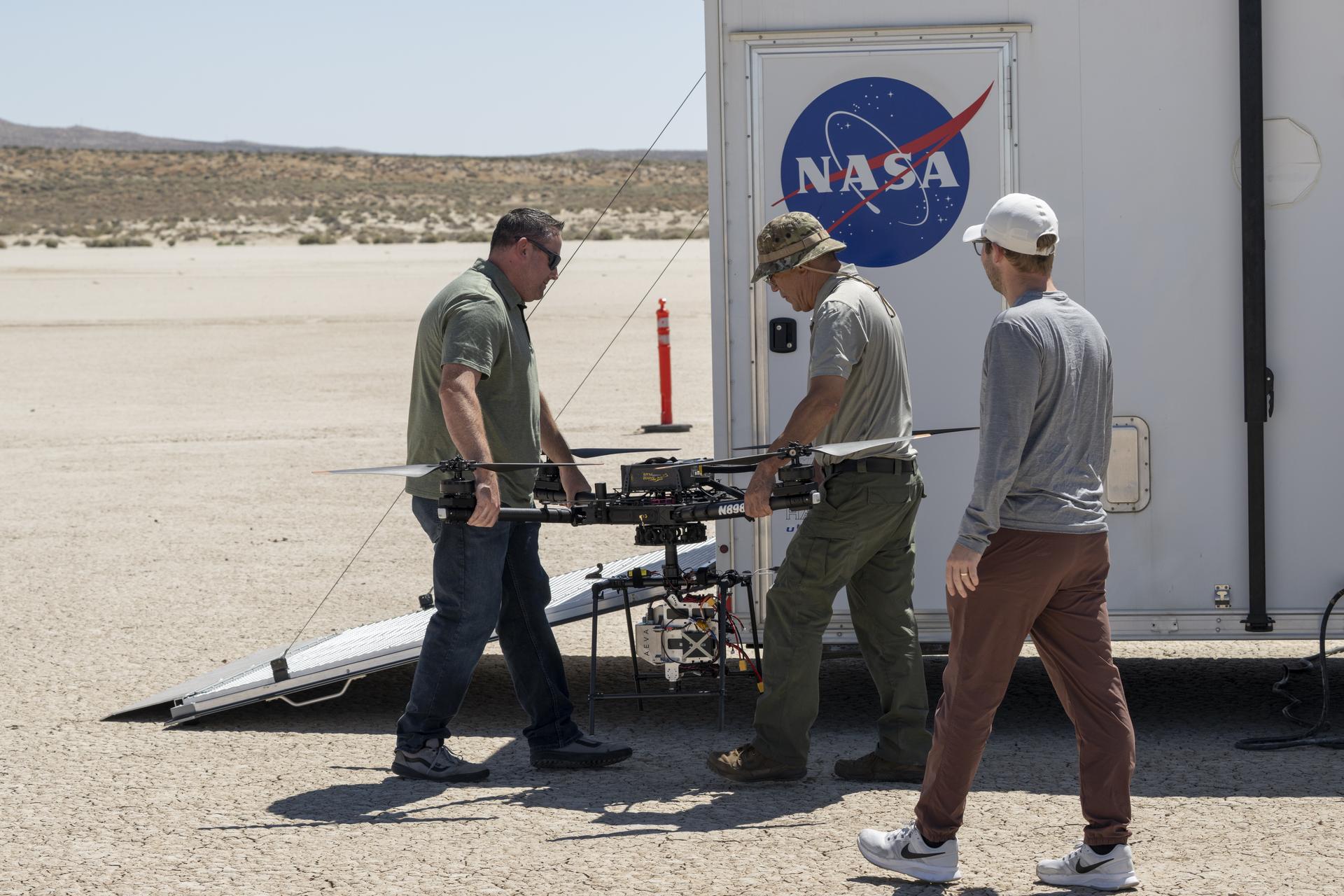
Justin Link, small uncrewed aircraft pilot, left, and Derek Abramson, chief engineer, carry NASA’s Alta-X drone as Davis Adams, project manager, observes test preparations near NASA’s Armstrong Flight Research Center in Edwards, California, on Wednesday, July 15, 2026. Researchers at NASA’s Johnson Space Center in Houston developed the advanced guidance and navigation system known as the Safe and Precise Landing – Integrated Capabilities Evolution (SPLICE) experiment, which was integrated with this drone. SPLICE will help spacecraft land precisely and detect and avoid potential hazards, which is critical for NASA missions to the Moon and to Mars.
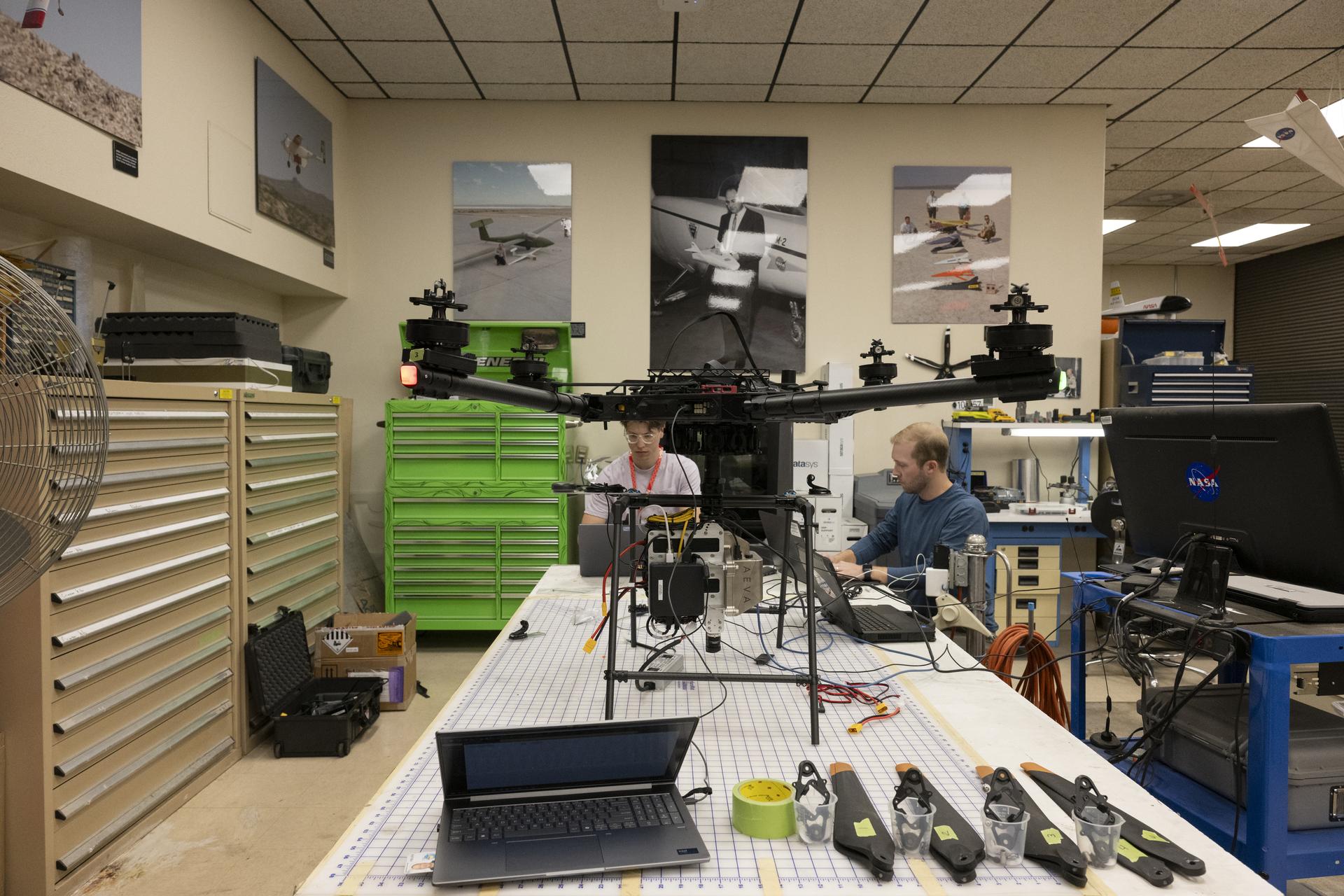
Isaac Rowe, left, flight software lead, and Davis Adams, project manager, work to integrate the advanced guidance and navigation system, known as the Safe and Precise Landing – Integrated Capabilities Evolution (SPLICE) experiment, with the Alta-X drone on Monday, June 22, 2026. Rowe and Adams developed the system at NASA’s Johnson Space Center in Houston. They worked with the Dale Reed Subscale Flight Research Laboratory team at NASA’s Armstrong Flight Research Center in Edwards, California, to test how the system and the drone communicated. The system will help spacecraft land precisely and detect and avoid potential hazards, which is critical for NASA missions to the Moon and to Mars.
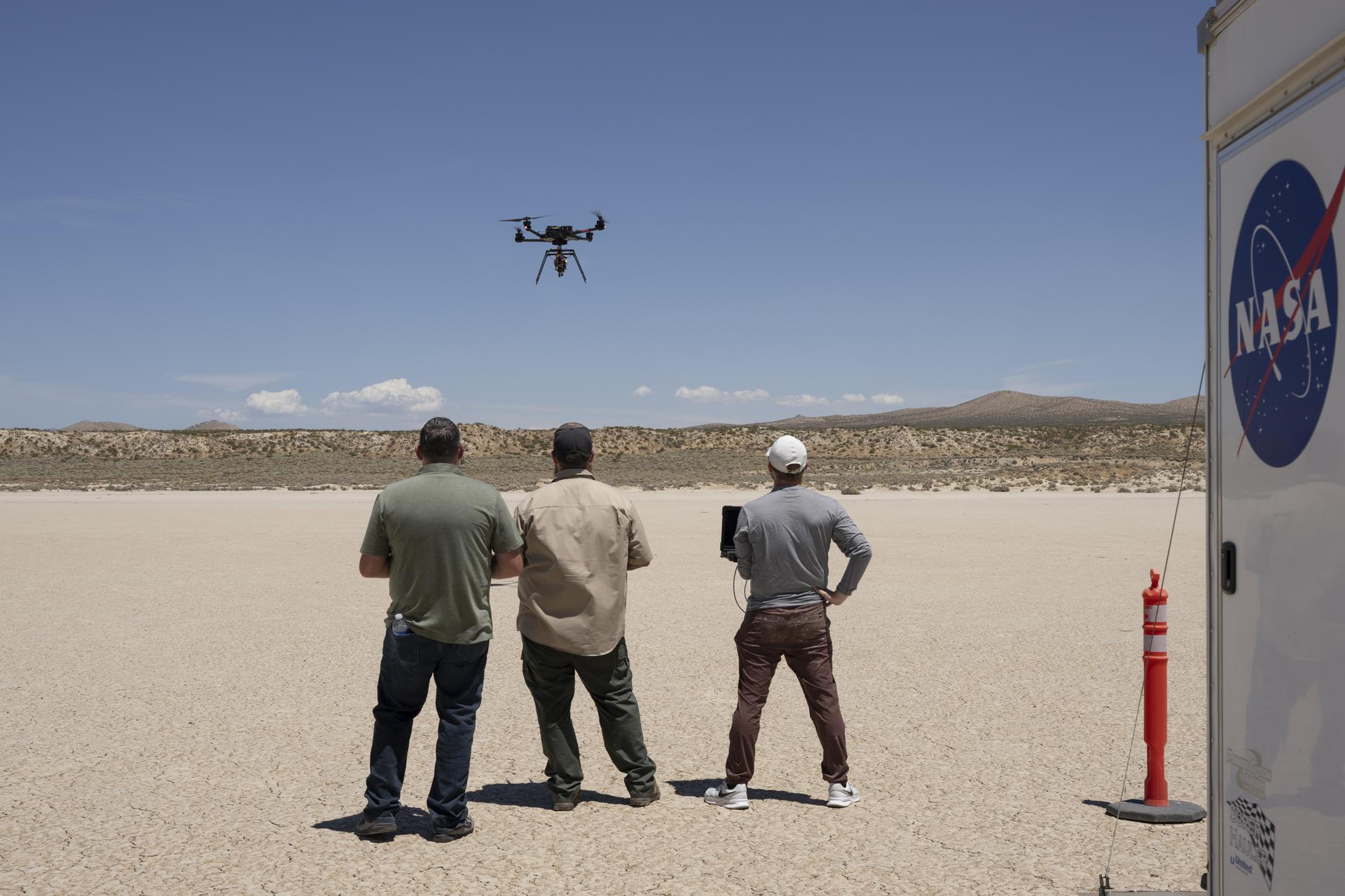
Justin Link, a small uncrewed aircraft pilot, left, Justin Hall, chief pilot, and Davis Adams, project manager, test an advanced guidance and navigation system known as the Safe and Precise Landing – Integrated Capabilities Evolution (SPLICE) experiment on an Alta-X drone near NASA’s Armstrong Flight Research Center in Edwards, California, on Wednesday, July 15, 2026. Researchers at NASA’s Johnson Space Center in Houston developed SPLICE, which successfully communicated with the remotely piloted aircraft during hover maneuvers in flight. SPLICE will help spacecraft land precisely and detect and avoid potential hazards, which is critical for NASA missions to the Moon and to Mars.
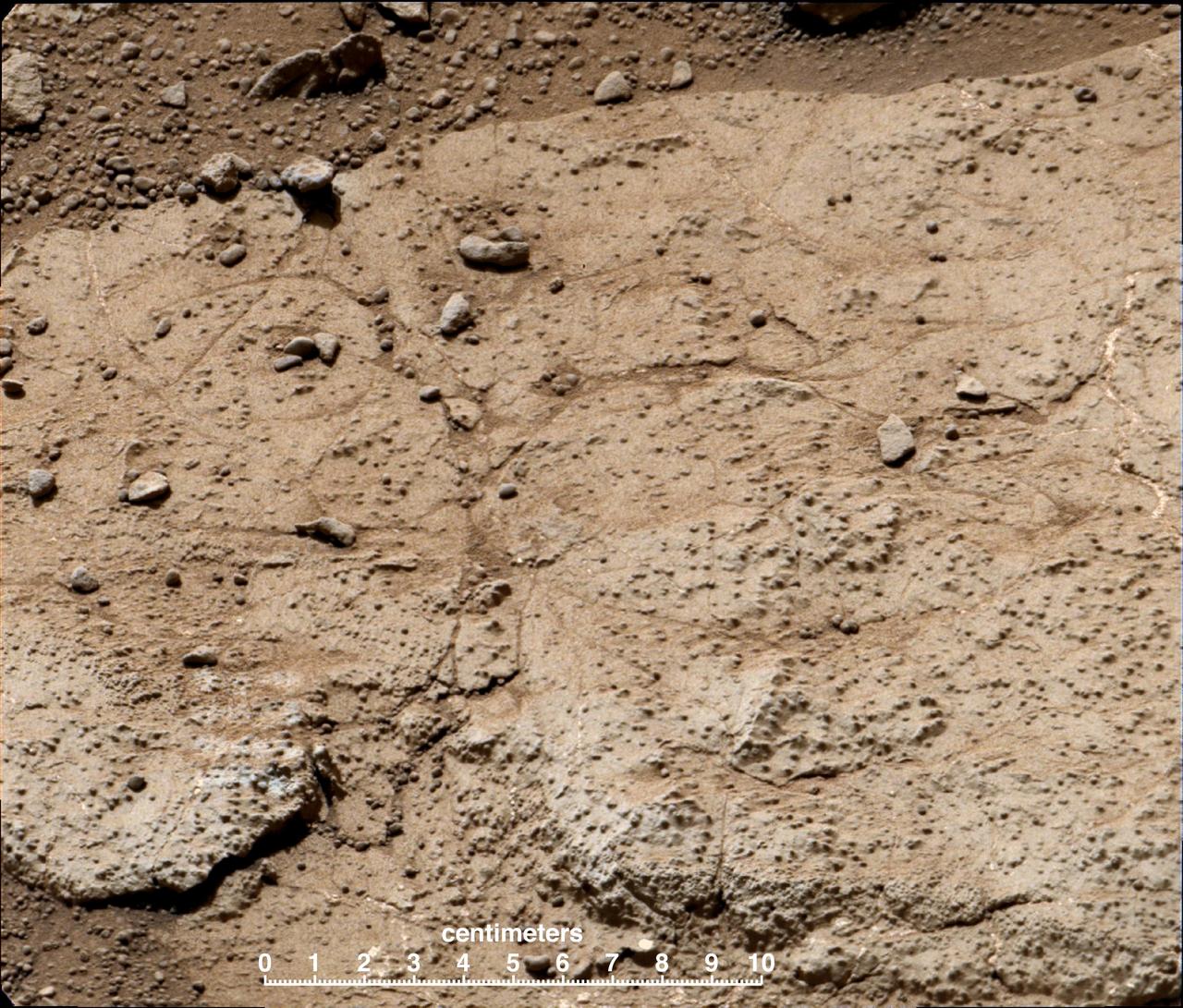
Cumberland has been selected as the second target for drilling by NASA Mars rover Curiosity. The rover has the capability to collect powdered material from inside the target rock and analyze that powder with laboratory instruments.
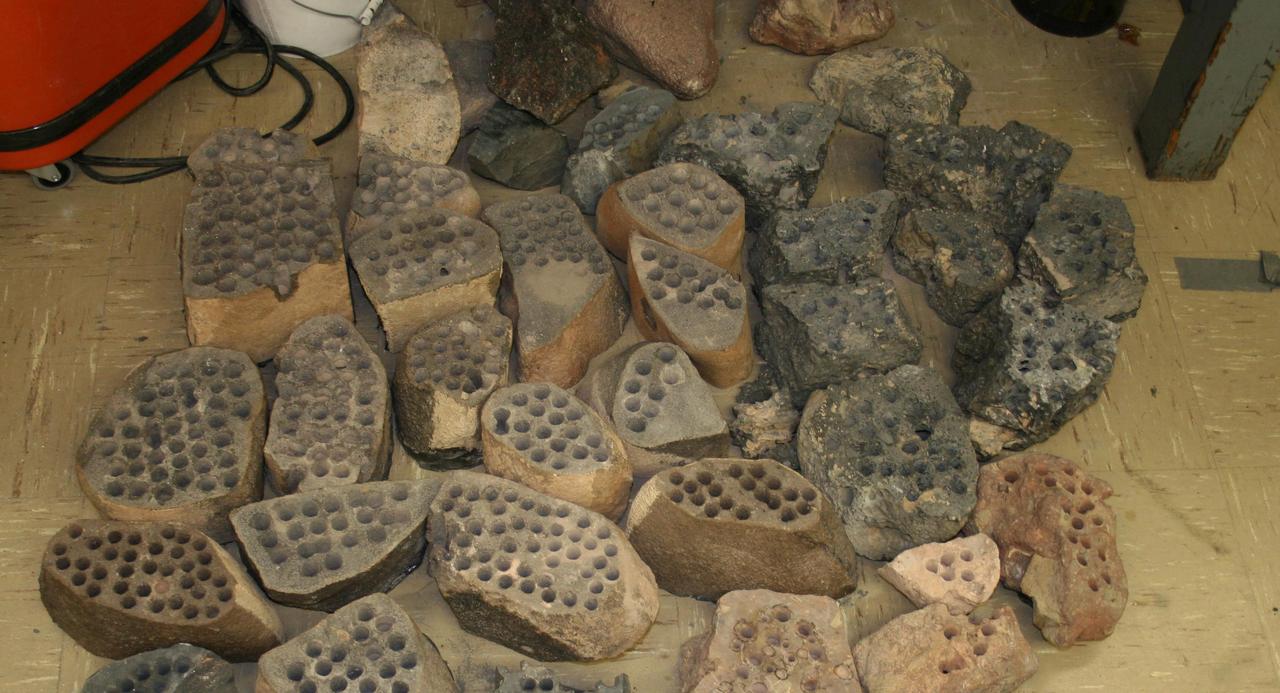
The development of the Mars rover Curiosity capabilities for drilling into a rock on Mars required years of development work. Seen here are some of the rocks used in bit development testing and lifespan testing at JPL in 2007.

The figure demonstrates of the capability of the SeaWinds instrument on NASA QuikScat satellite in monitoring both sea ice and ocean surface wind, thus helping to further our knowledge in wind-ice interaction and its effect on climate change.
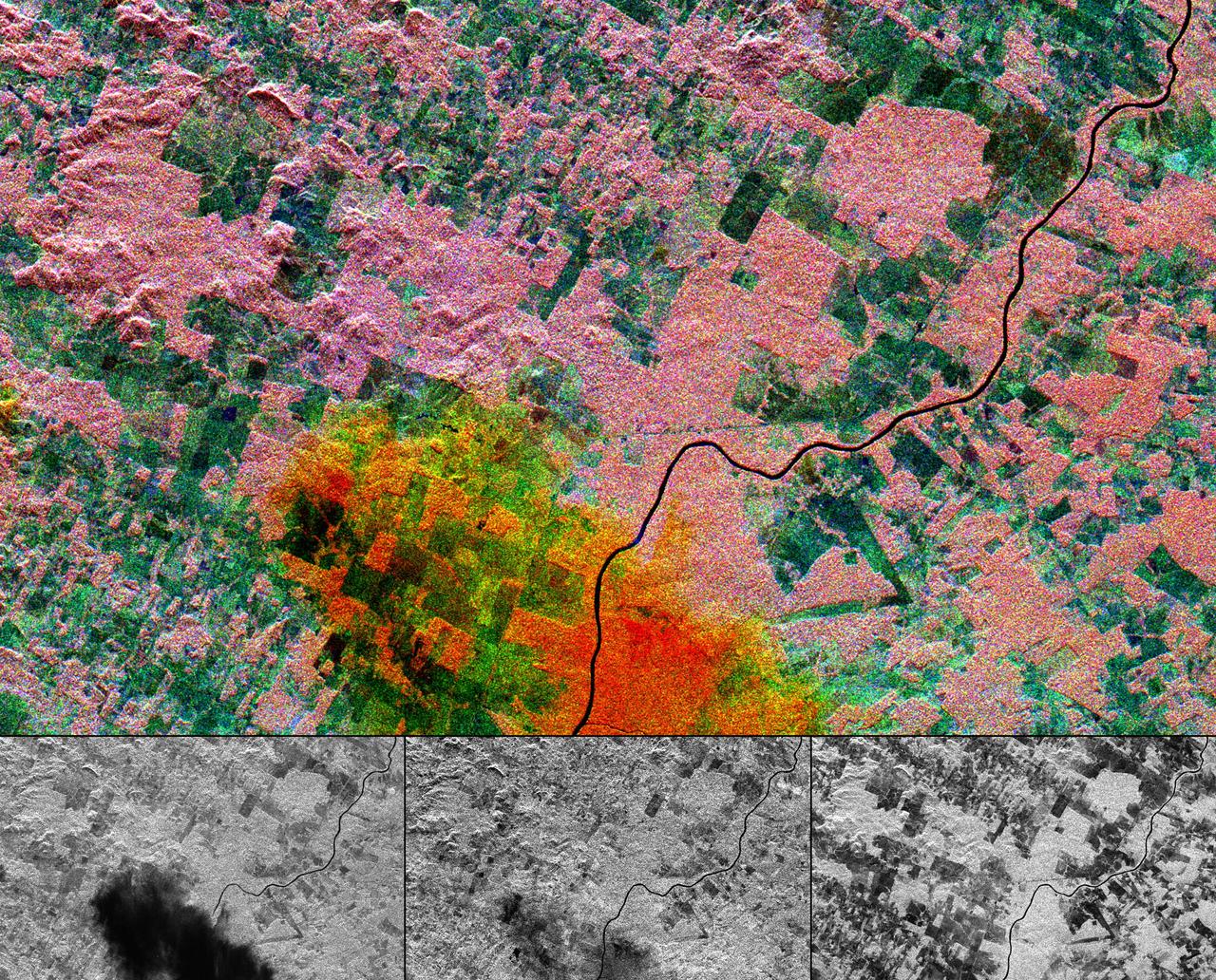
This multi-frequency space radar image of a tropical rainforest in western Brazil shows rapidly changing land use patterns and it also demonstrates the capability of the different radar frequencies to detect and penetrate heavy rainstorms.
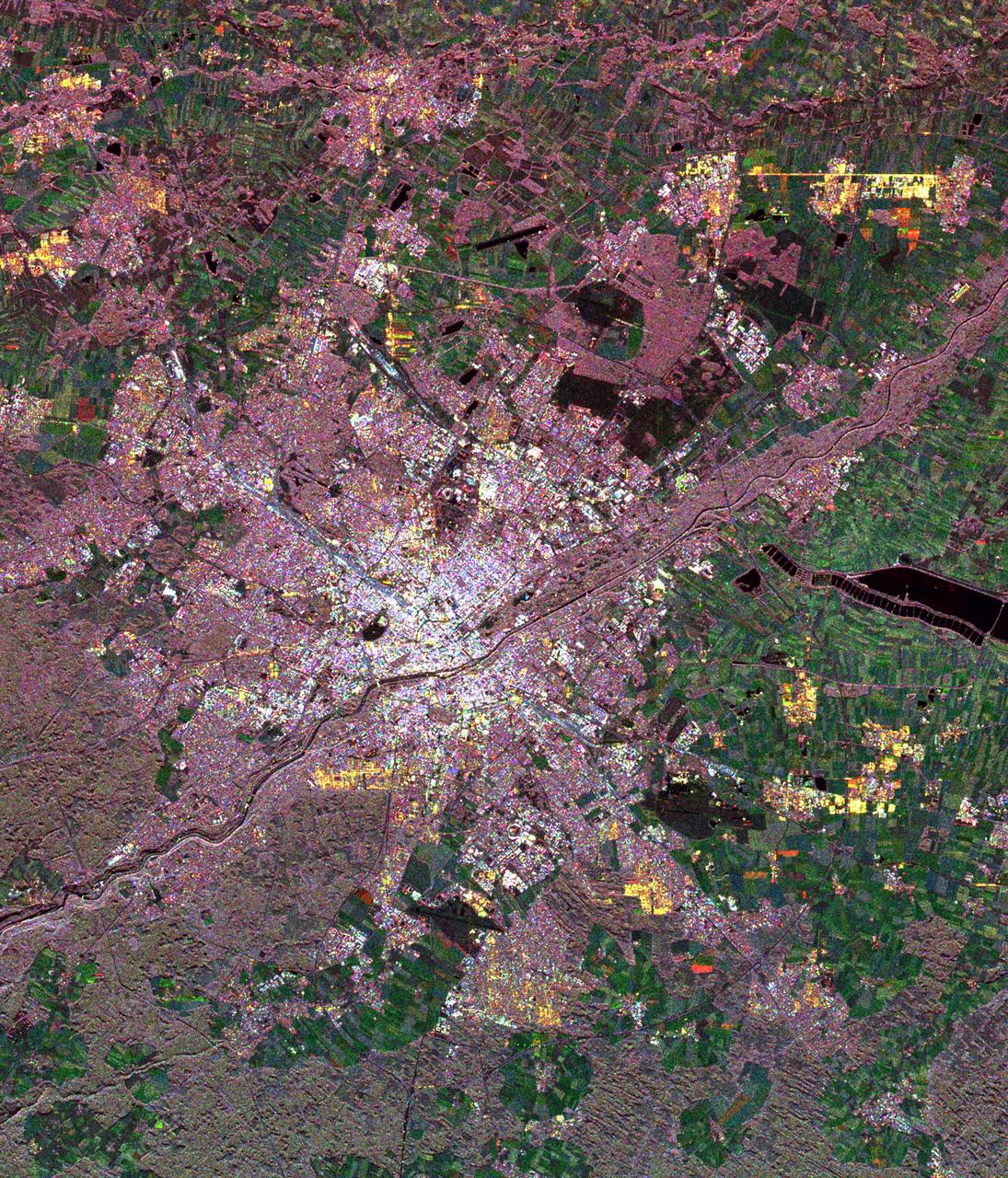
This spaceborne radar image of Munich, Germany illustrates the capability of a multi-frequency radar system to highlight different land use patterns in the area surrounding Bavaria largest city.
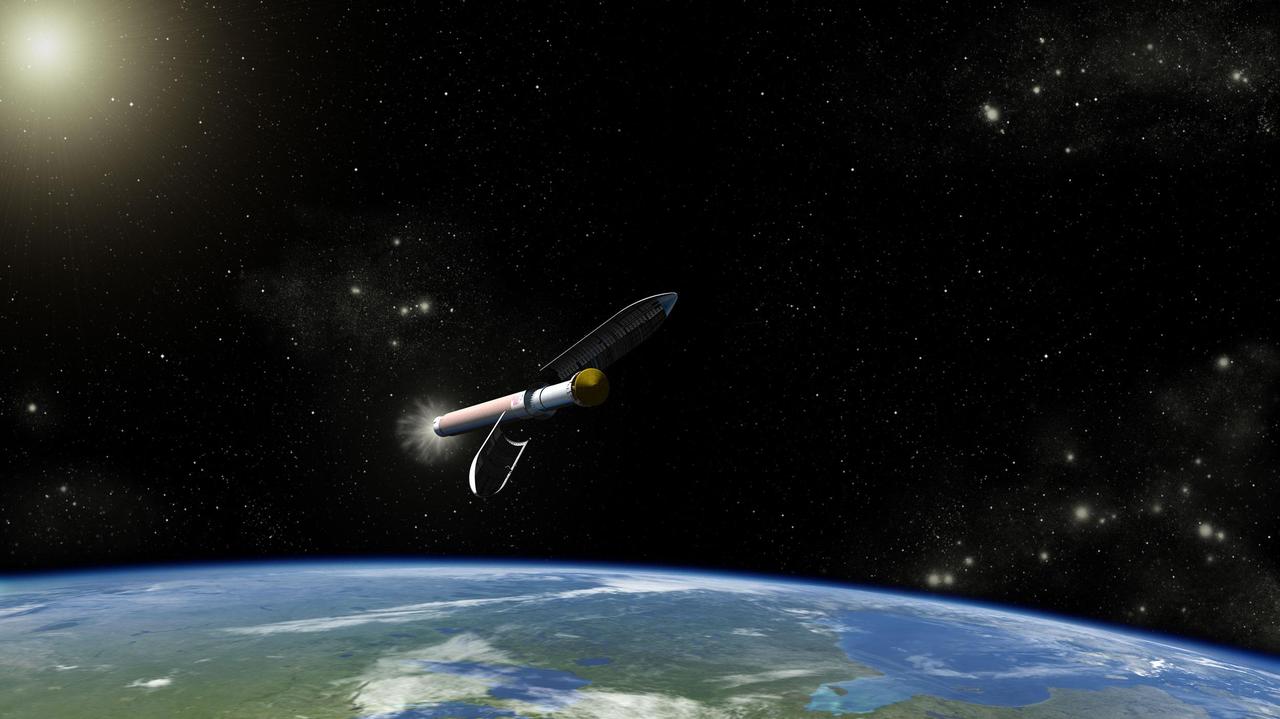
This artist concept is of the Atlas V541 launch vehicle that will carry NASA Curiosity rover on its way to Mars. The Atlas V 541 vehicle was selected as it has the right liftoff capability for heavy weight requirements of the rover and its spacecraft.
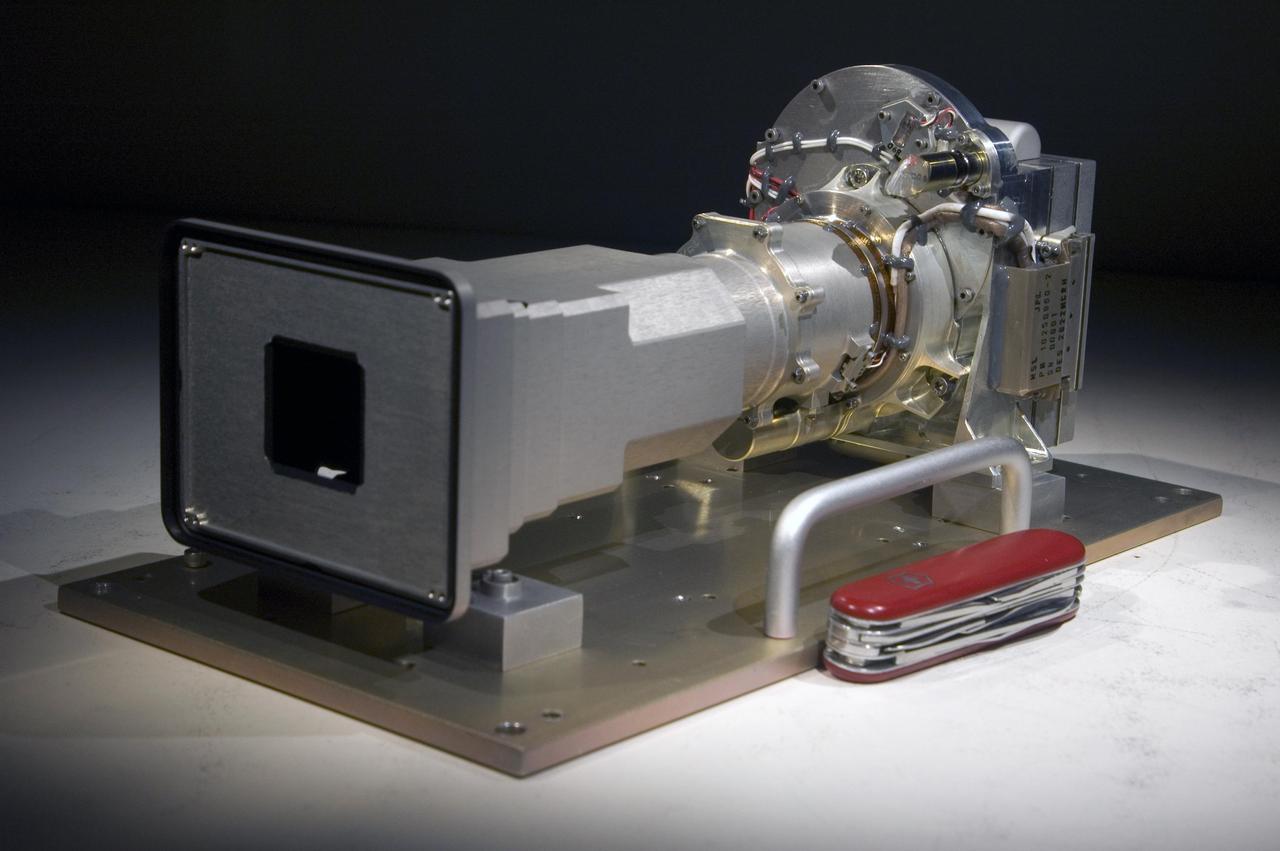
The Mast Camera Mastcam instrument for NASA Mars Science Laboratory will use a side-by side pair of cameras for examining terrain around the mission rover, Curiosity. The Mastcam 100 offers telephoto capability.

This three-frequency space radar image of south-central Egypt demonstrates the unique capability of imaging radar to penetrate thin sand cover in arid regions to reveal hidden details below the surface.
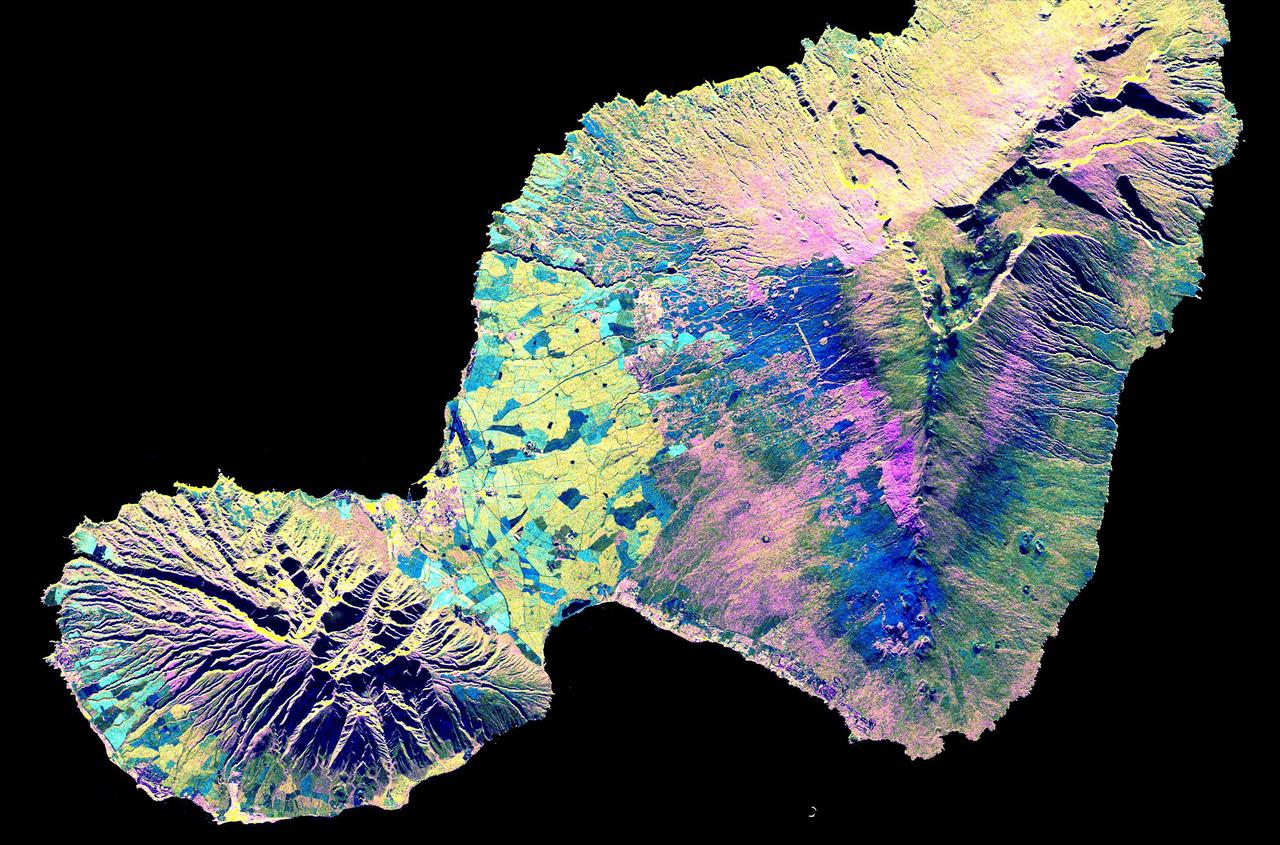
This spaceborne radar image shows the Valley Island of Maui, Hawaii. The cloud-penetrating capabilities of radar provide a rare view of many parts of the island, since the higher elevations are frequently shrouded in clouds.
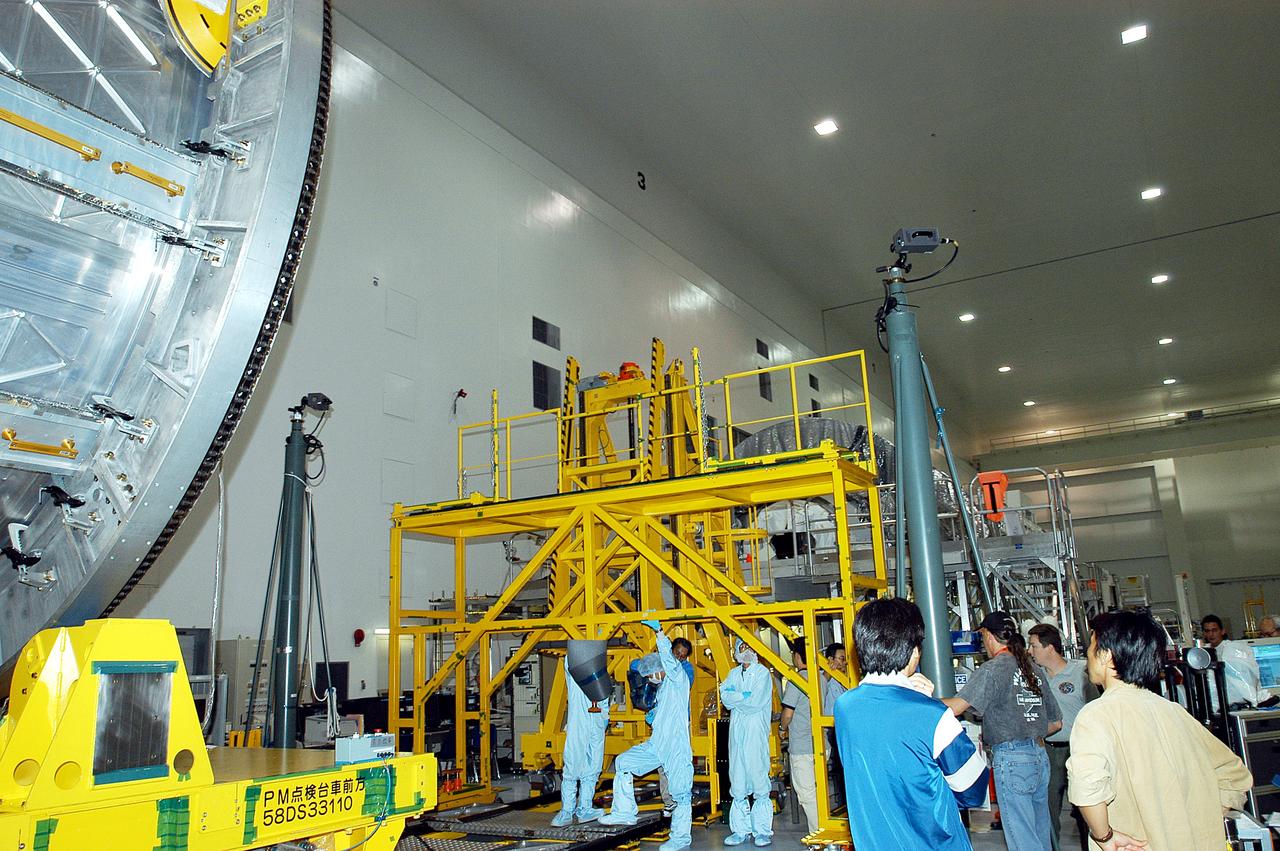
KENNEDY SPACE CENTER, FLA. - The Japanese Experiment Module (JEM) is moved on its workstand in the Space Station Processing Facility. The JEM will undergo pre-assembly measurements. Developed by the Japan Aerospace Exploration Agency (JAXA), the JEM will enhance the unique research capabilities of the orbiting complex by providing an additional environment for astronauts to conduct science experiments.