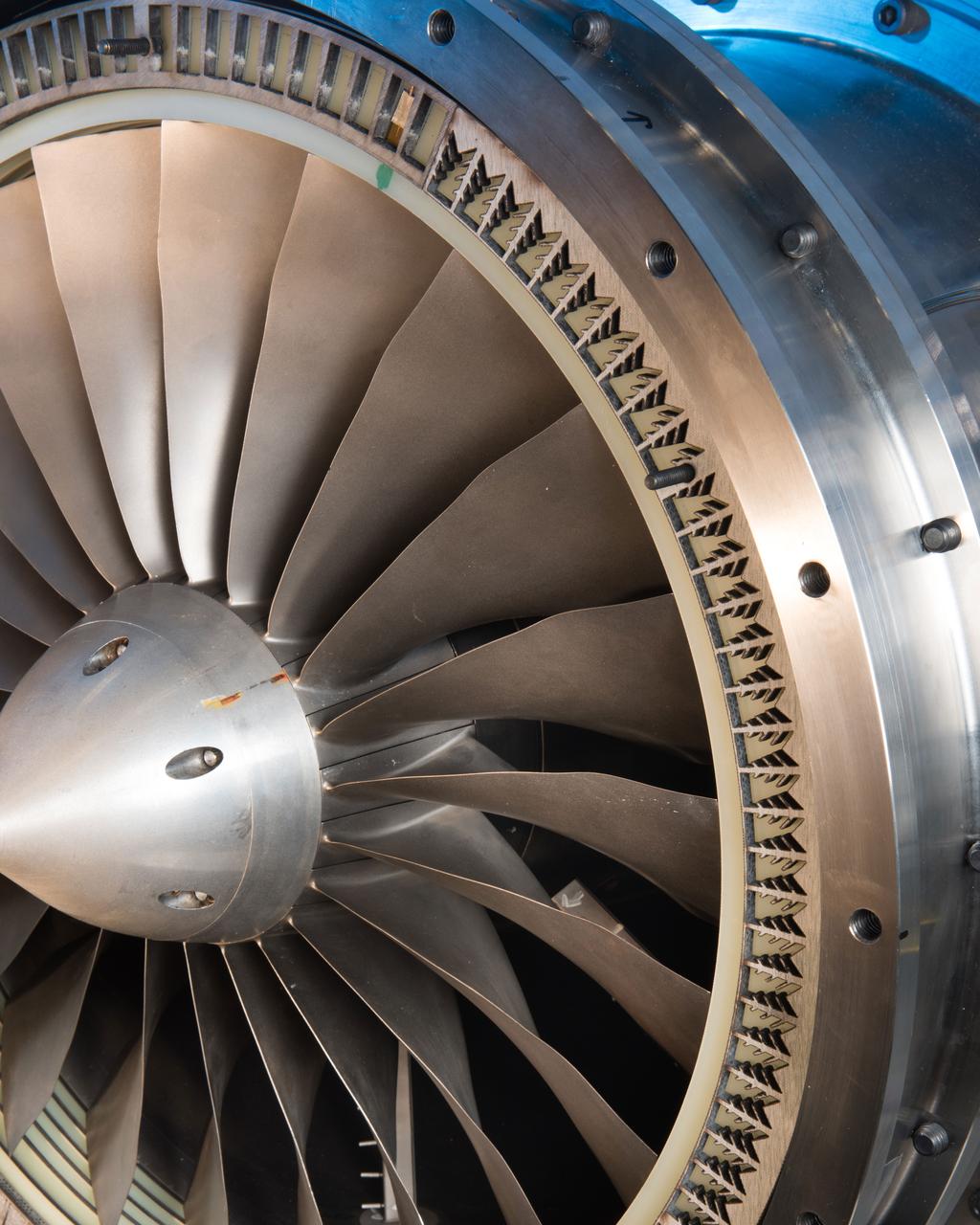
Acoustic Casing Treatment Testing Completed in the W-8 Single Stage Axial Compressor Facility at NASA Glenn. Four different over-the-rotor acoustic casing treatment concepts were tested along with two baseline configurations. Testing included steady-aerodynamic measurements of fan performance, hotfilm turbulence measurements, and inlet acoustic measurements with an in-duct array.
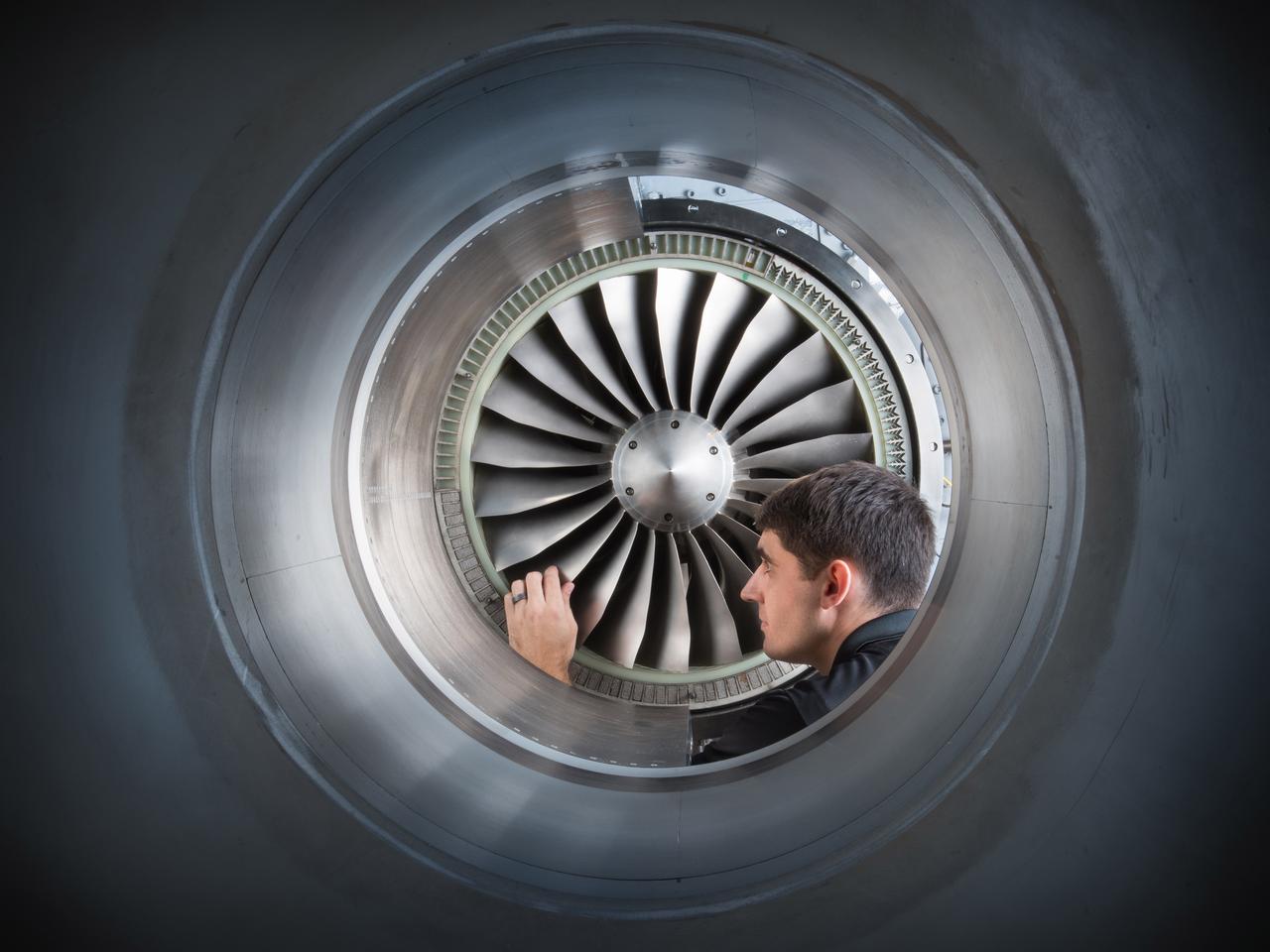
Acoustic Casing Treatment Testing Completed in the W-8 Single Stage Axial Compressor Facility at NASA Glenn. Four different over-the-rotor acoustic casing treatment concepts were tested along with two baseline configurations. Testing included steady-aerodynamic measurements of fan performance, hotfilm turbulence measurements, and inlet acoustic measurements with an in-duct array.
A Compelling Case
Case of the Lost Atmosphere

Title: W-8 Fan Acoustic Casing Treatment Test on the Source Diagnostic Test Rotor Alone Hardware Program: Advanced Air Vehicles Program (AAVP) Project: Advanced Air Transport Technology (AATT) Sub-project: Aircraft Noise Reduction (ANR) Weekly Highlight: · Acoustic Casing Treatment Testing Completed in the W-8 Single Stage Axial Compressor Facility: Testing of Acoustic Casing Treatments on the Source Diagnostic Test (SDT) rotor alone hardware which had begun in early January was completed on Thursday, February 16th. Four different over-the-rotor acoustic casing treatment concepts were tested along with two baseline configurations. Testing included steady-aerodynamic measurements of fan performance, hotfilm turbulence measurements, and inlet acoustic measurements with an in-duct array. These measurements will be used to assess the aerodynamic and acoustic impact of fan acoustic casing treatments on a high bypass ratio fan at TRL 3. This test was the last of 3 planned tests of potential over-the-rotor acoustic casing treatments. The first treatment test was completed in the Normal Incidence Tube (NIT) at Langley Research Center (LaRC) in Fall 2015 and the second was completed on the Advanced Noise Control Fan (ANCF) in the Aero-Acoustic Propulsion Laboratory (AAPL) in Winter 2016. This work is supported by the Aircraft Noise Reduction (ANR) subproject of the Advanced Air Transport Technology (AATT) Project. (POC: LTV/ Rick Bozak 3-5160)

NASA successfully launched the RockSat-X education payload on a Terrier-Improved Malemute suborbital sounding rocket at 7:33:30 a.m. EDT Aug. 17 from the Wallops Flight Facility in Virginia. Students from eight community colleges and universities from across the United States participated in the RockSat-X project.The payload carrying the experiments flew to an altitude of 95 miles. Data was received from most of the student experiments. However, the payload was not recovered as planned. NASA will investigate the anomaly. Credit: NASA/Wallops/A. Stancil <b><a href="http://www.nasa.gov/audience/formedia/features/MP_Photo_Guidelines.html" rel="nofollow">NASA image use policy.</a></b> <b><a href="http://www.nasa.gov/centers/goddard/home/index.html" rel="nofollow">NASA Goddard Space Flight Center</a></b> enables NASA’s mission through four scientific endeavors: Earth Science, Heliophysics, Solar System Exploration, and Astrophysics. Goddard plays a leading role in NASA’s accomplishments by contributing compelling scientific knowledge to advance the Agency’s mission. <b>Follow us on <a href="http://twitter.com/NASAGoddardPix" rel="nofollow">Twitter</a></b> <b>Like us on <a href="http://www.facebook.com/pages/Greenbelt-MD/NASA-Goddard/395013845897?ref=tsd" rel="nofollow">Facebook</a></b> <b>Find us on <a href="http://instagrid.me/nasagoddard/?vm=grid" rel="nofollow">Instagram</a></b>
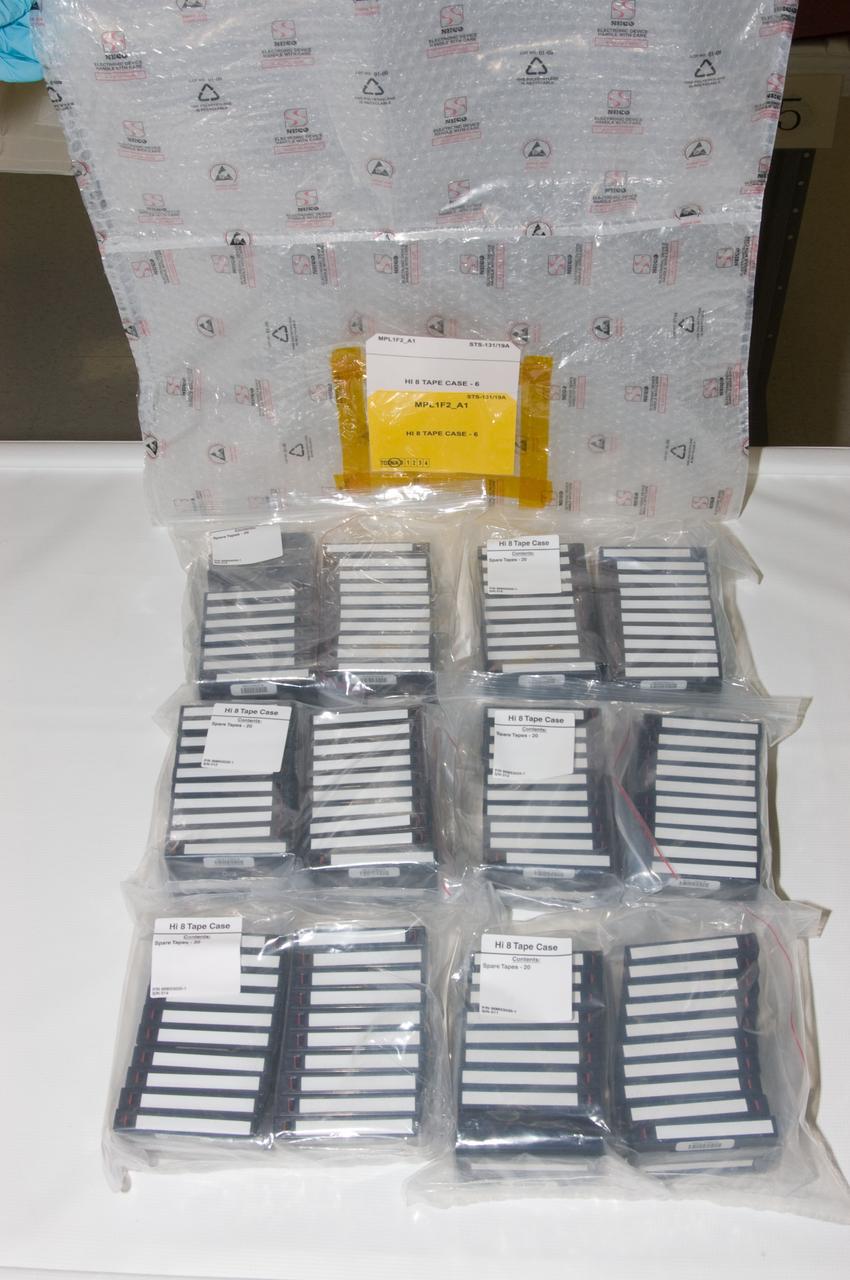
View of a Hi 8 Video Storage Bag and multiple Hi 8 Video Tape cases.
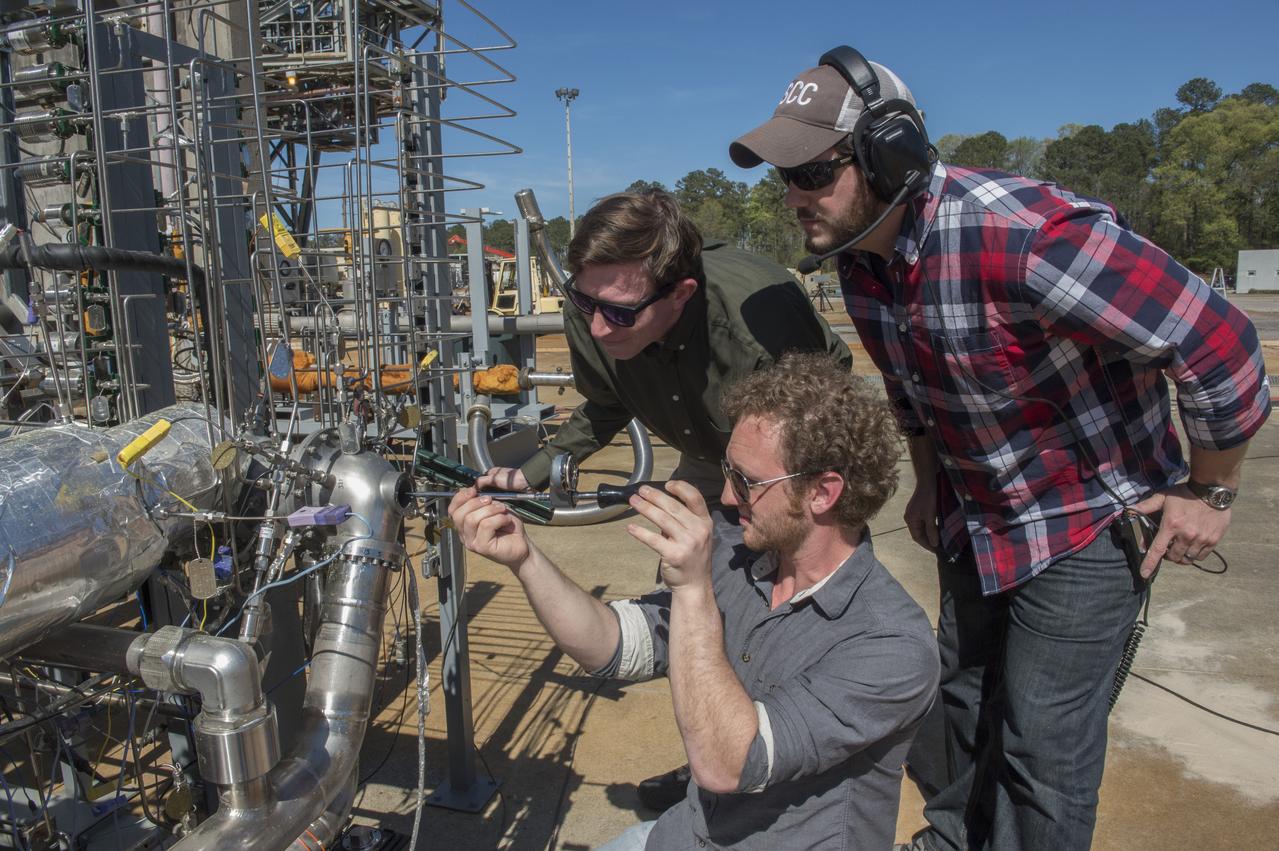
ENGINEERS PREPARE 3-D PRINTED TURBOPUMP FOR A TEST AT NASA’S MARSHALL SPACE FLIGHT CENTER IN HUNTSVILLE, ALABAMA. THE TURBOPUMP WAS TESTED AT FULL POWER, PUMPING 600 GALLONS OF LIQUID METHANE PER MINUTE, ENOUGH TO POWER AN ENGINE CAPABLE OF GENERATING 35,000 POUNDS OF THRUST…NICK CASE, (GREEN SHIRT), ANDREW HANKS, (PLAID SHIRT), MARTY CALVERT (KNEELING)
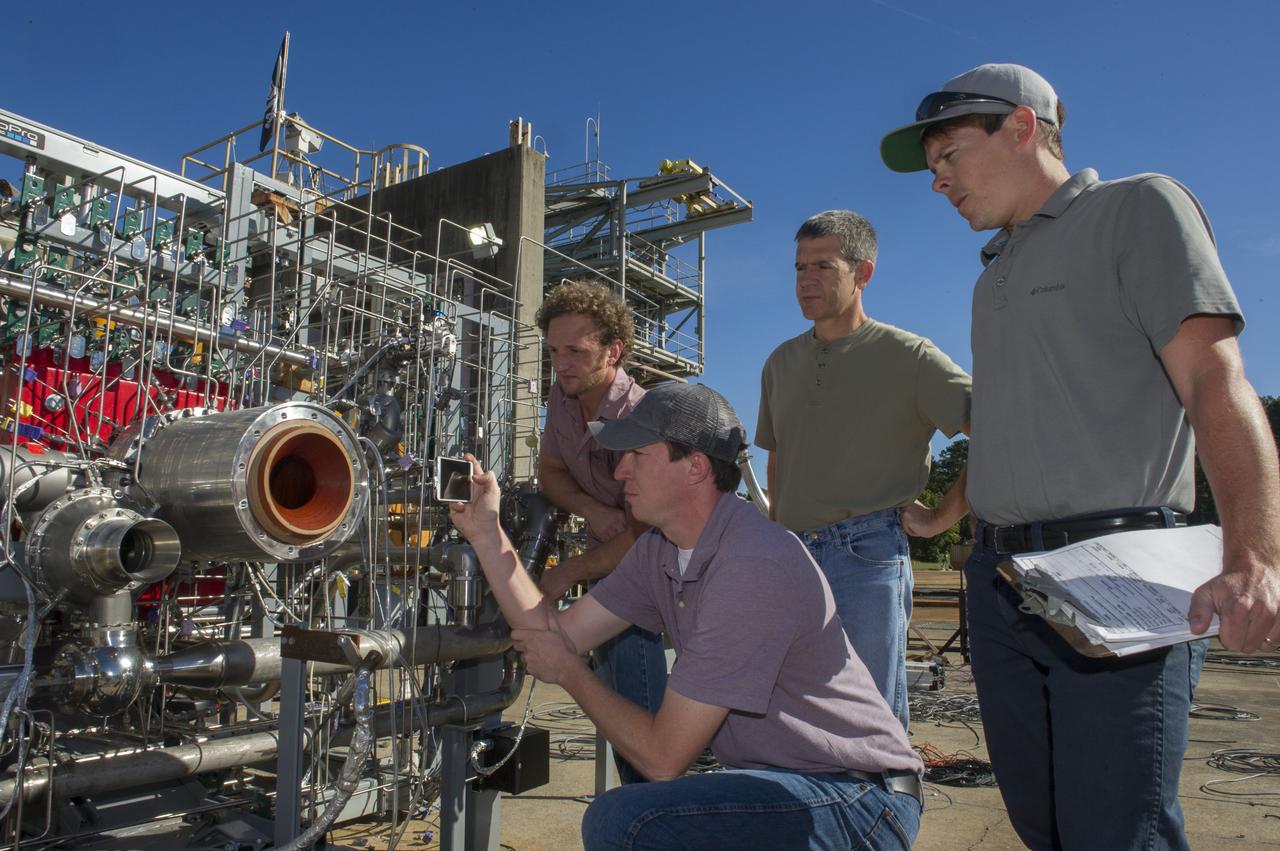
ASSEMBLING AND TESTING A BREADBOARD ENGINE MADE UP OF 3-D ENGINE COMPONENTS, PROPULSION ENGINEER NICK CASE (LEFT FRONT) PHOTOGRAPHS THE INJECTOR, WHILE RYAN WALLS (FAR RIGHT), THE TEST CONDUCTOR LOOKS ON. MARTY CALVERT (LEFT BACK) AND BRAD BULLARD (RIGHT BACK) HELPED DESIGN THE TURBOPUMP AND INJECTOR, TWO OF THE MOST COMPLEX ENGINE PARTS TESTED.
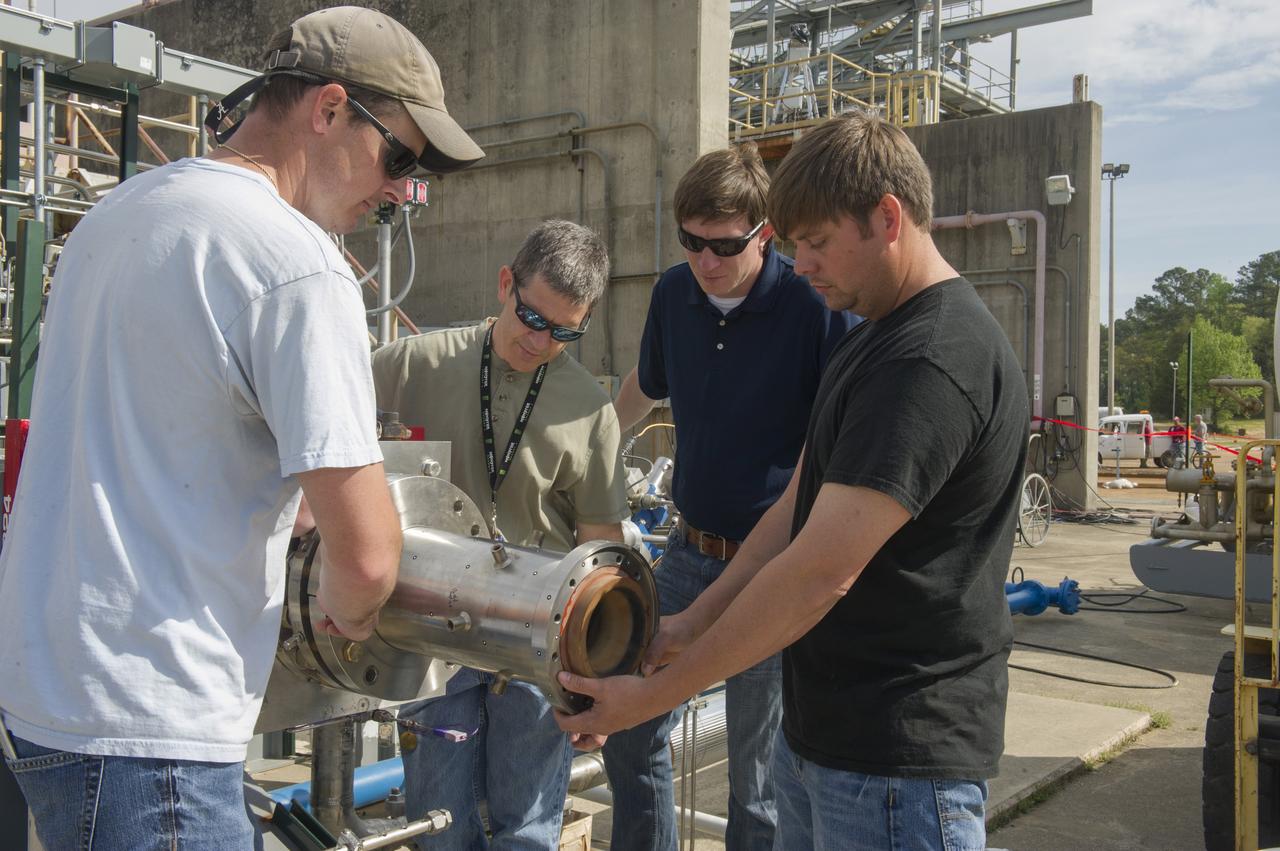
2. ENGINEERS AND TECHNICIANS PREPARE FOR AN UPCOMING HOT-FIRE TEST OF A ROCKET INJECTOR MANUFACTURED USING ADDITIVE MANUFACTURING, OR 3-D PRINTING…(L TO R) WILLIE PARKER, INFOPRO TECHNICIAN, BRAD BULLARD, NASA, NICK CASE, NASA, AND RANDALL MCALLISTER, INFOPRO TECHNICIAN
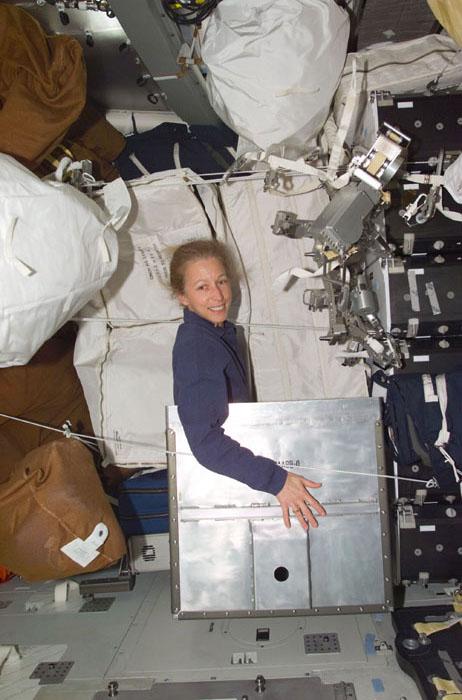
STS098-E-5272 (15 February 2001) --- Astronaut Marsha S. Ivins, STS-98 mission specialist, is photographed with the casing of the Vozdukh as it is strapped in storage position on the mid deck of the Space Shuttle Atlantis. Vozdukh is the Russian system in the Zvezda Service Module, which removes carbon dioxide from the ISS atmosphere. The scene was recorded with a digital still camera by one of the STS-98 astronauts aboard the shuttle.

iss023e056026 (6/1/2010) --- Photo documentation of Bioecology Cases containing Bioecology, BTKh-40/Bifidobacterius, and BTKh-41/Bacteriophage hardware aboard the International Space Station (ISS). The Study of the Effects of Spaceflight Factors on Bacterophages (Bakteriofag) investigation examines the therapeutic, diagnostic, and genetic properties of bacteriophages to discover possible changes in the physical, chemical, morphological, and genetic properties of therapeutic and diagnostic bacteriophages exposed to microgravity.
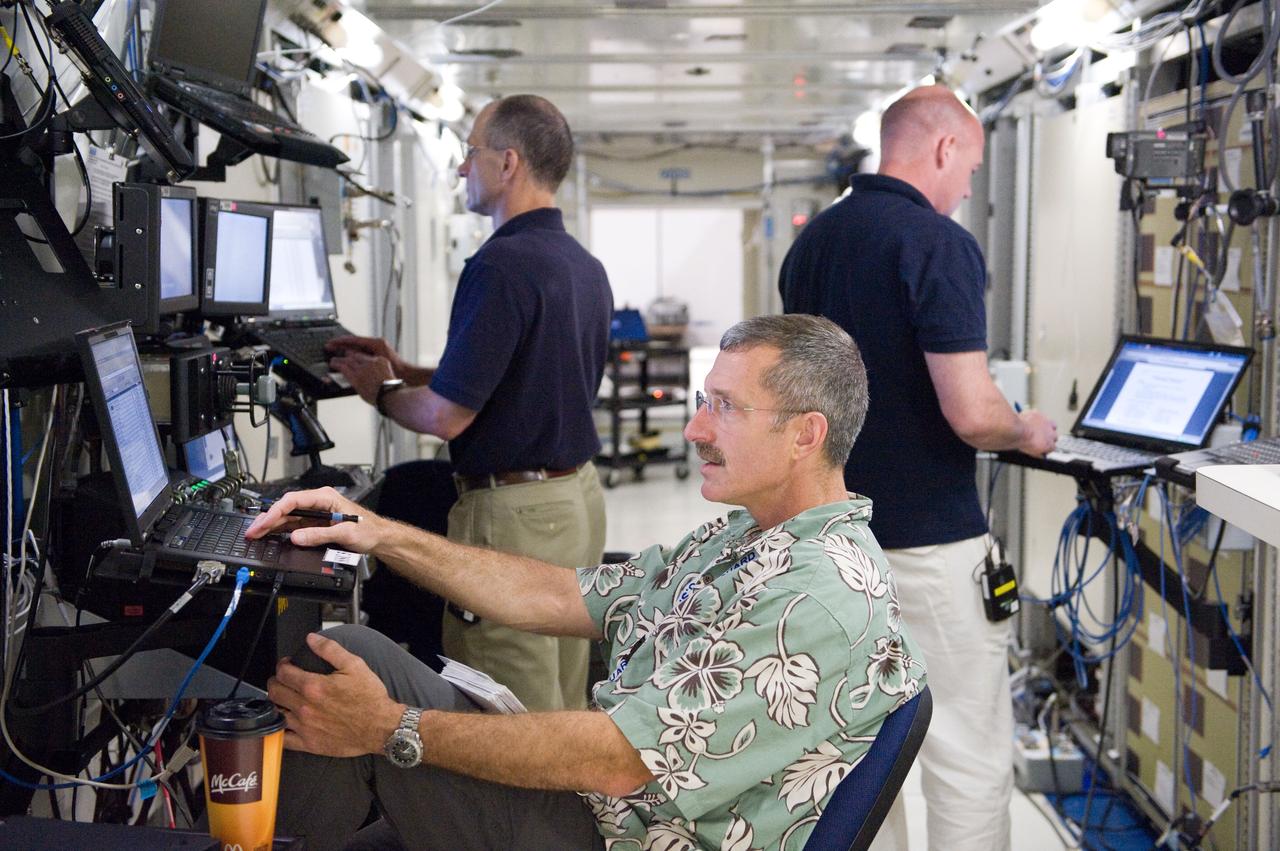
PHOTO DATE: 22 June 2011 LOCATION: Bldg. 5, Space Station Training Facility. SUBJECT: Expedition 29/30 crew training during Electrical Power System Major Case training event. Astronauts Dan Burbank, Don Pettit and Andre Kuipers working together in mockup. PHOTOGRAPHER: Mark Sowa
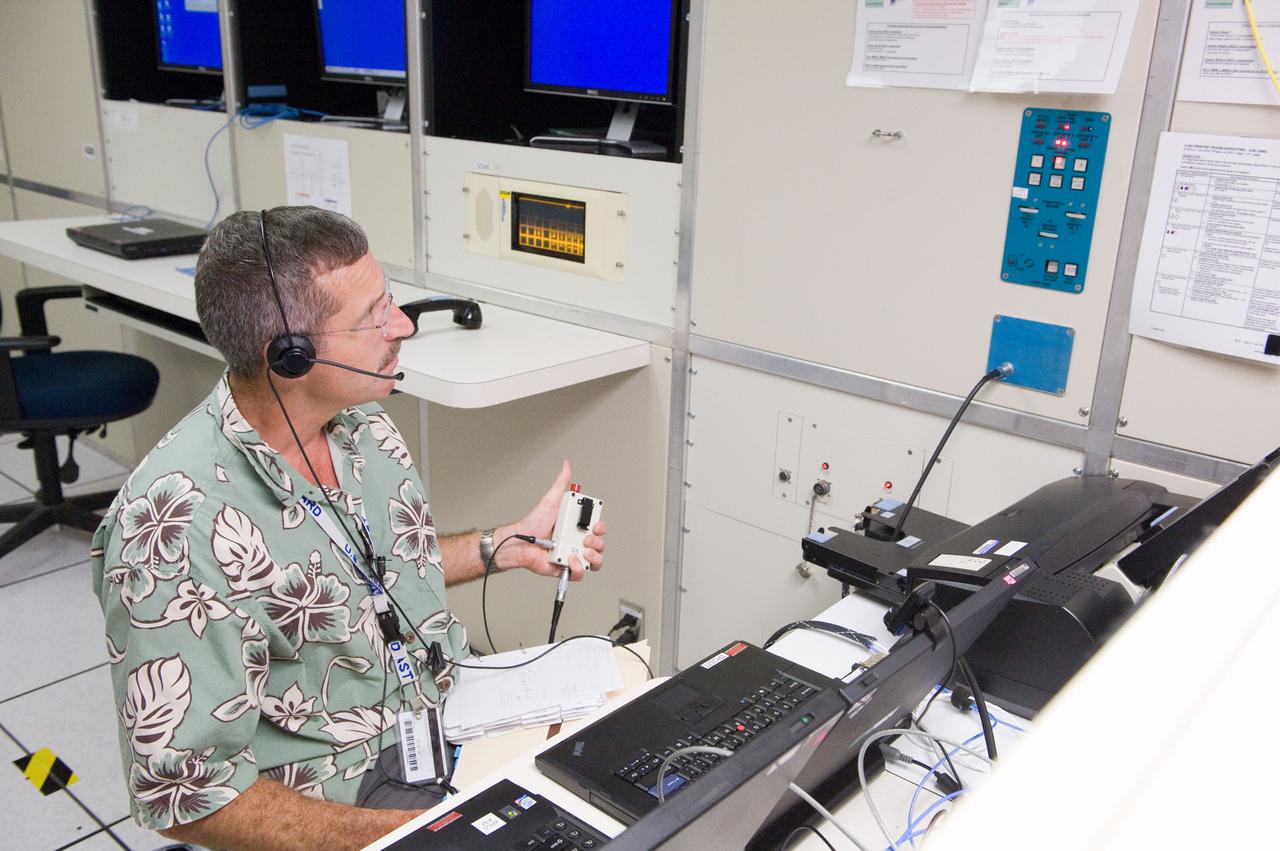
PHOTO DATE: 22 June 2011 LOCATION: Bldg. 5, Space Station Training Facility. SUBJECT: Expedition 29/30 crew training during Electrical Power System Major Case training event. Astronauts Dan Burbank, Don Pettit and Andre Kuipers working together in mockup. PHOTOGRAPHER: Mark Sowa
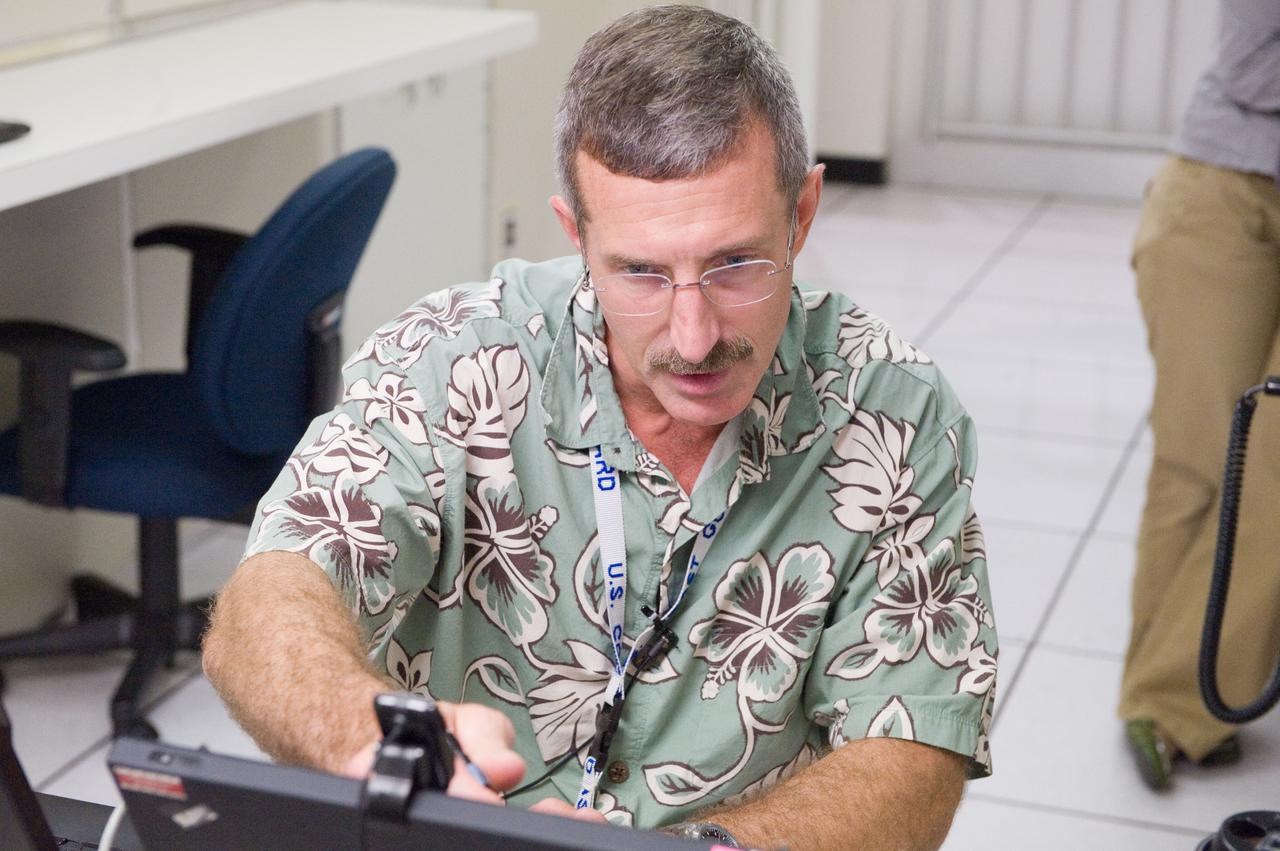
PHOTO DATE: 22 June 2011 LOCATION: Bldg. 5, Space Station Training Facility. SUBJECT: Expedition 29/30 crew training during Electrical Power System Major Case training event. Astronauts Dan Burbank, Don Pettit and Andre Kuipers working together in mockup. PHOTOGRAPHER: Mark Sowa
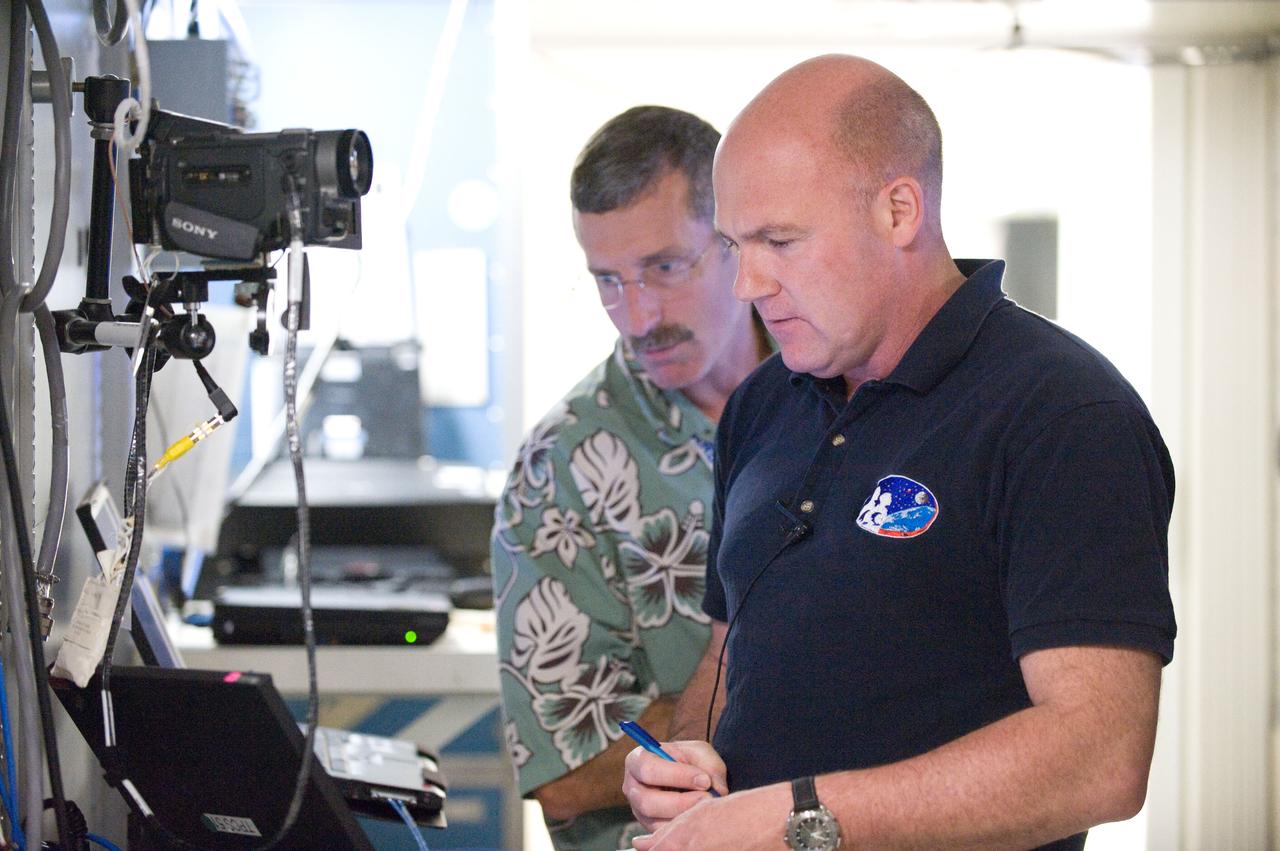
PHOTO DATE: 22 June 2011 LOCATION: Bldg. 5, Space Station Training Facility. SUBJECT: Expedition 29/30 crew training during Electrical Power System Major Case training event. Astronauts Dan Burbank, Don Pettit and Andre Kuipers working together in mockup. PHOTOGRAPHER: Mark Sowa
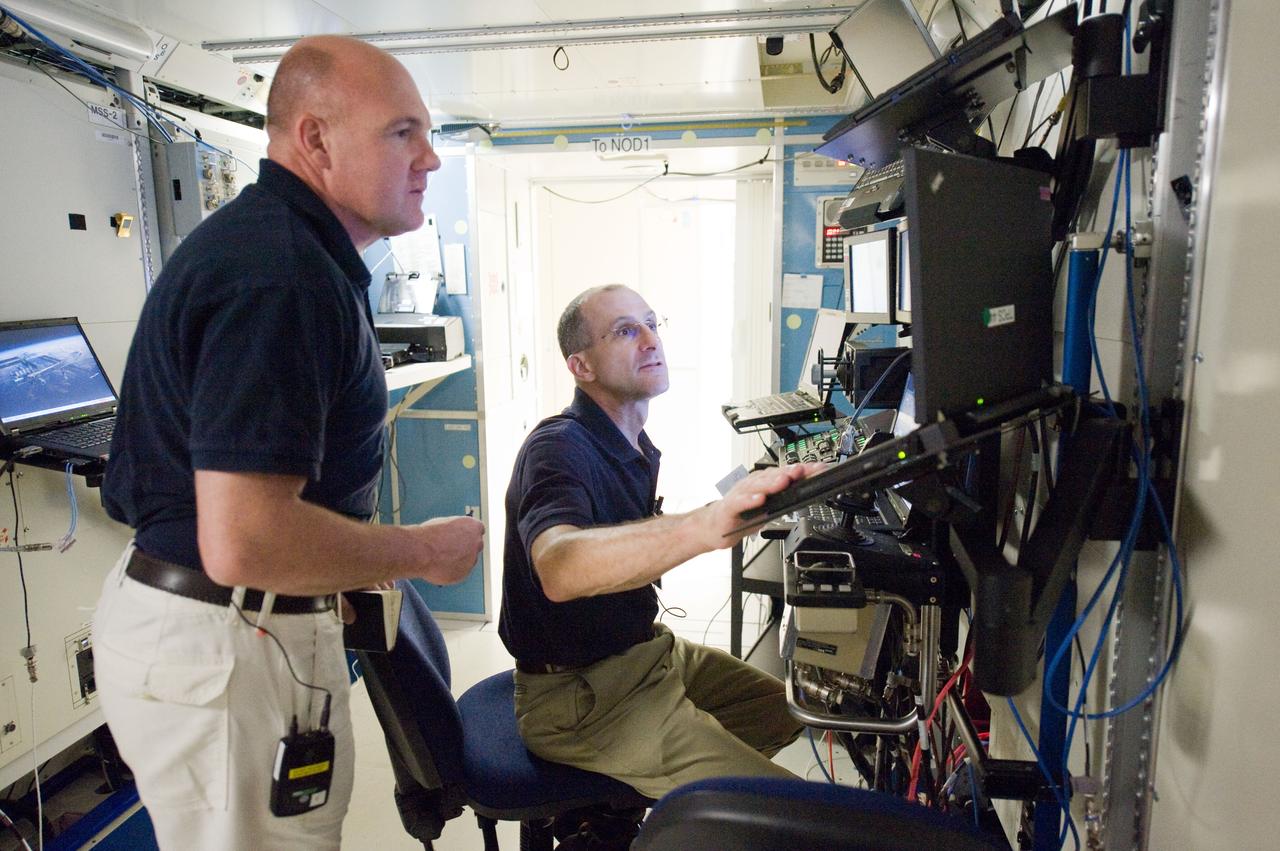
PHOTO DATE: 22 June 2011 LOCATION: Bldg. 5, Space Station Training Facility. SUBJECT: Expedition 29/30 crew training during Electrical Power System Major Case training event. Astronauts Dan Burbank, Don Pettit and Andre Kuipers working together in mockup. PHOTOGRAPHER: Mark Sowa
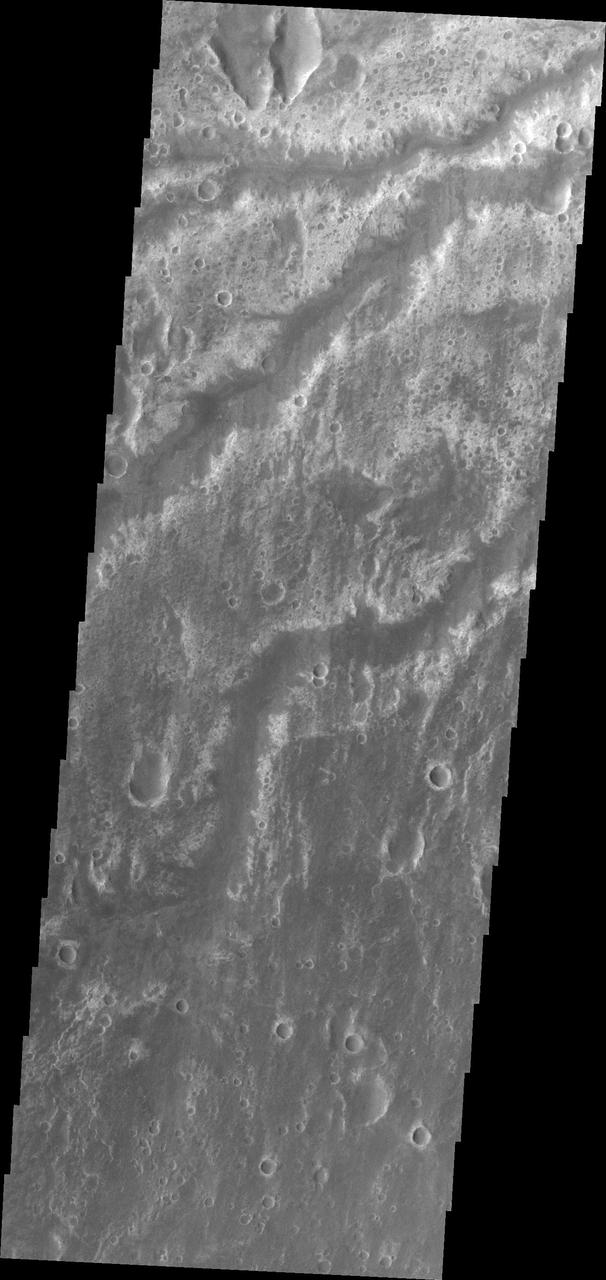
This image from NASA 2001 Mars Odyssey shows a few of the many channels named in this case Arda Valles and unnamed that empty into a large low in Margaritifer Terra.
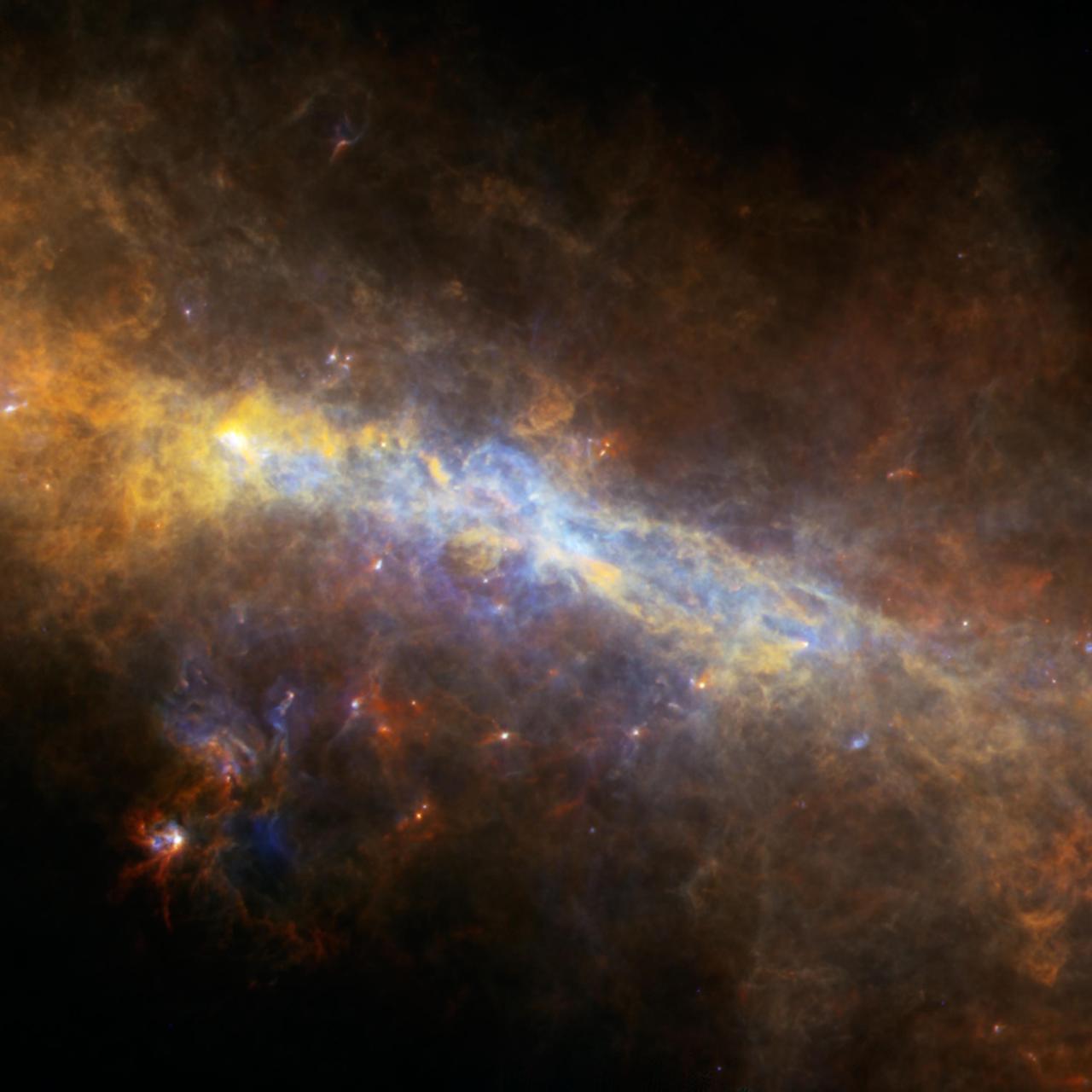
This image from ESA Herschel Space Observatory reveals a suspected ring at the center of our galaxy is warped for reasons scientists cannot explain. The ring is twisted so that part of it rises above and below the plane of our Milky Way galaxy.
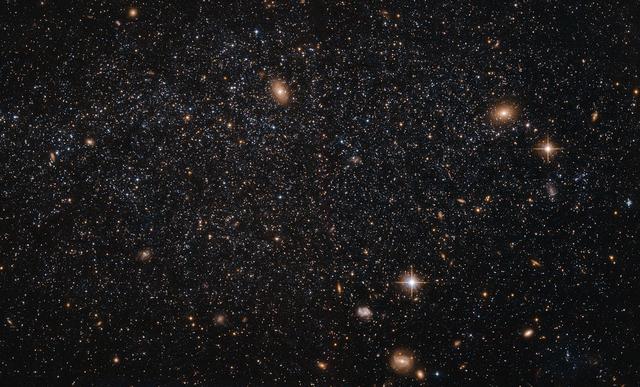
At first glance this NASA/ESA Hubble Space Telescope image seems to show an array of different cosmic objects, but the speckling of stars shown here actually forms a single body — a nearby dwarf galaxy known as Leo A. Its few million stars are so sparsely distributed that some distant background galaxies are visible through it. Leo A itself is at a distance of about 2.5 million light-years from Earth and a member of the Local Group of galaxies; a group that includes the Milky Way and the well-known Andromeda galaxy. Astronomers study dwarf galaxies because they are very numerous and are simpler in structure than their giant cousins. However, their small size makes them difficult to study at great distances. As a result, the dwarf galaxies of the Local Group are of particular interest, as they are close enough to study in detail. As it turns out, Leo A is a rather unusual galaxy. It is one of the most isolated galaxies in the Local Group, has no obvious structural features beyond being a roughly spherical mass of stars, and shows no evidence for recent interactions with any of its few neighbours. However, the galaxy’s contents are overwhelmingly dominated by relatively young stars, something that would normally be the result of a recent interaction with another galaxy. Around 90% of the stars in Leo A are less than eight billion years old — young in cosmic terms! This raises a number of intriguing questions about why star formation in Leo A did not take place on the “usual” timescale, but instead waited until it was good and ready.
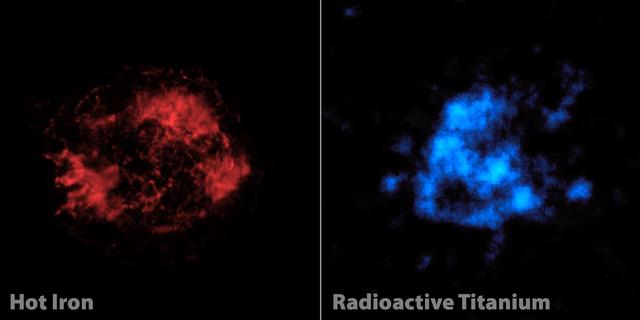
When astronomers first looked at images of a supernova remnant called Cassiopeia A, captured by NASA NuSTAR. The mystery of Cassiopeia A Cas A, a massive star that exploded in a supernova more than 11,000 years ago continues to confound scientists.
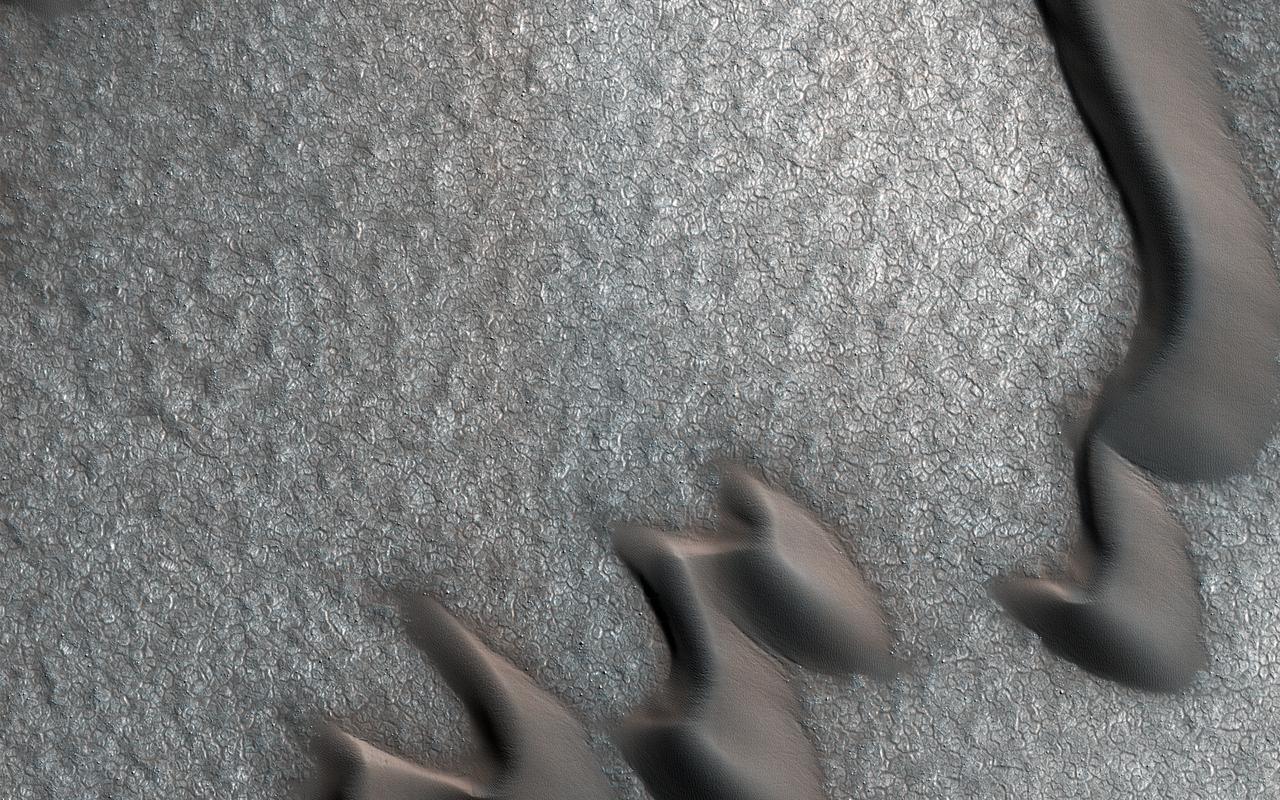
This image from NASA's Mars Reconnaissance Orbiter (MRO) was originally meant to track the movement of sand dunes near the North Pole of Mars, but what's on the ground in between the dunes is just as interesting! The ground has parallel dark and light stripes from upper left to lower right in this area. In the dark stripes, we see piles of boulders at regular intervals. What organized these boulders into neatly-spaced piles? In the Arctic back on Earth, rocks can be organized by a process called "frost heave." With frost heave, repeatedly freezing and thawing of the ground can bring rocks to the surface and organize them into piles, stripes, or even circles. On Earth, one of these temperature cycles takes a year, but on Mars it might be connected to changes in the planet's orbit around the Sun that take much longer. https://photojournal.jpl.nasa.gov/catalog/PIA22334

This infrared image from NASA Spitzer Space Telescope shows a swirling landscape of stars known as the North America nebula. Clusters of young stars about one million years old can be found throughout the image.
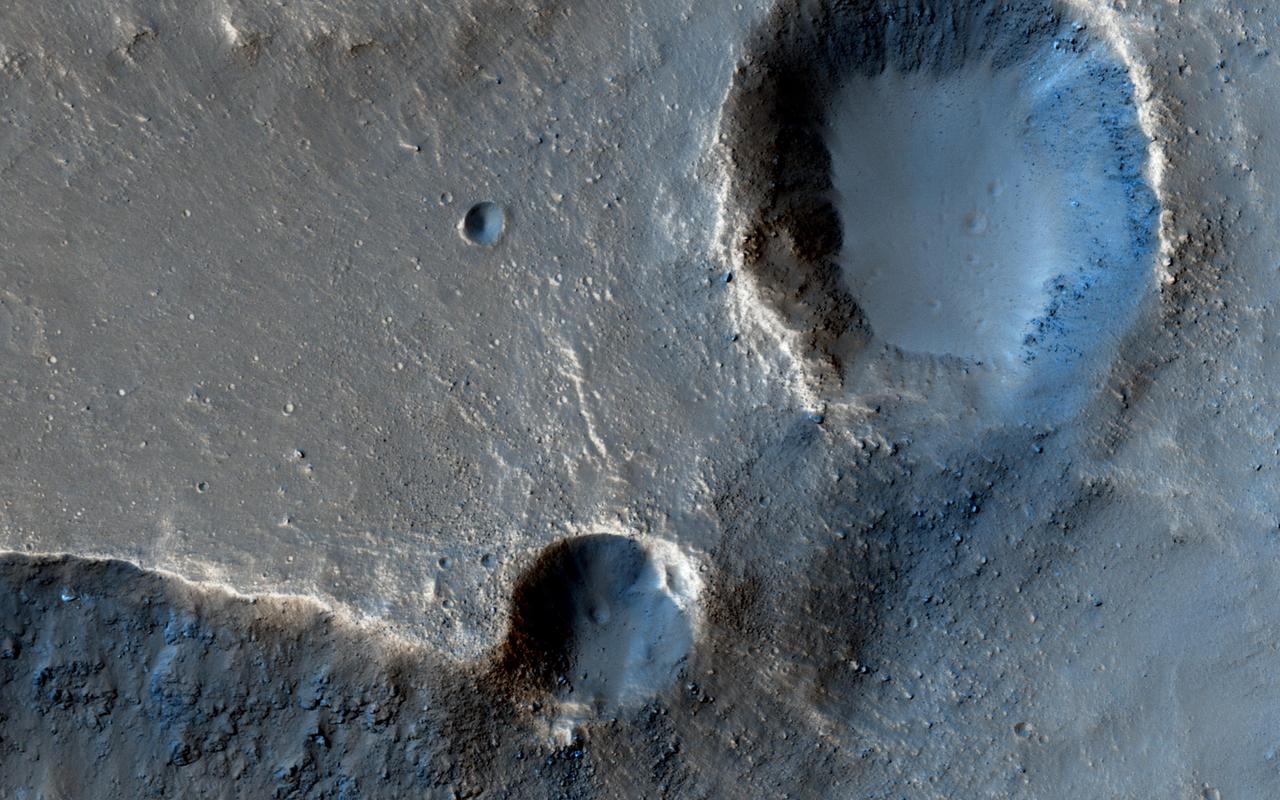
In this observation from NASA's Mars Reconnaissance Orbiter, these two craters perched at the edge of an outflow channel, appear to have lost a portion of their crater rims during a flood event. Alternatively, it is also possible that the craters impacted the edge of the outflow channel after the flood occurred and we are seeing the difference in the strength of the material impacted. https://photojournal.jpl.nasa.gov/catalog/PIA21881
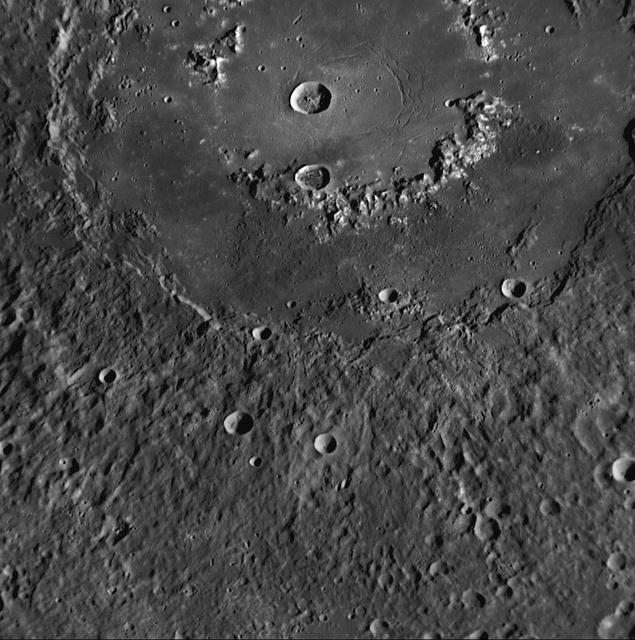
Raditladi basin, imaged during MESSENGER first Mercury flyby and named in April 2008, is intriguing for several reasons.
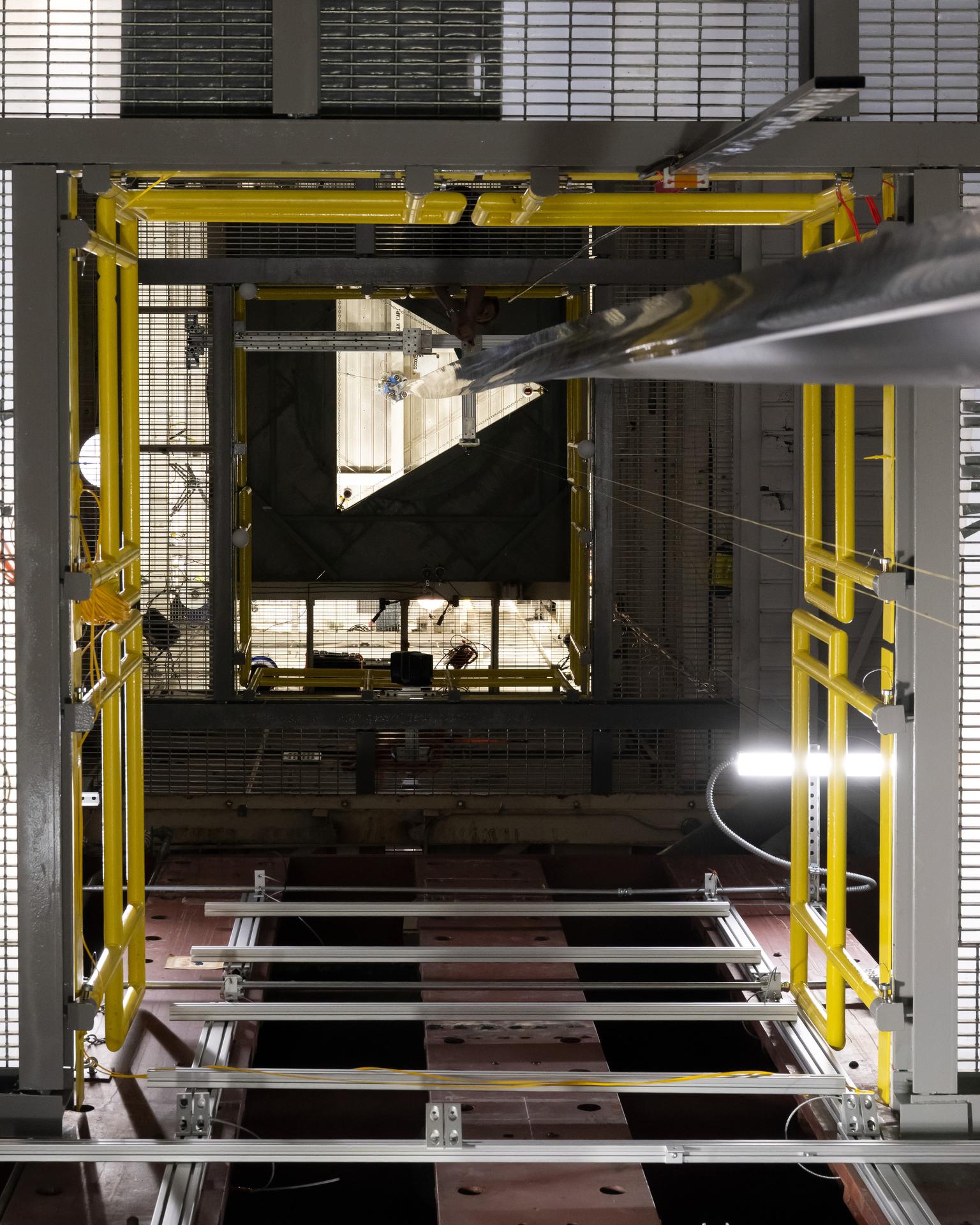
Full-Scale Test Campaign of Gravity Offloading and Analysis of Long Imperfection-Sensitive Elements (GOALIE) TRAC boom in B1293B Thor Tower, Test of Load Case C, Off-axis Compression

Full-Scale Test Campaign of Gravity Offloading and Analysis of Long Imperfection-Sensitive Elements (GOALIE) TRAC boom in B1293B Thor Tower, Test of Load Case C, Off-axis Compression
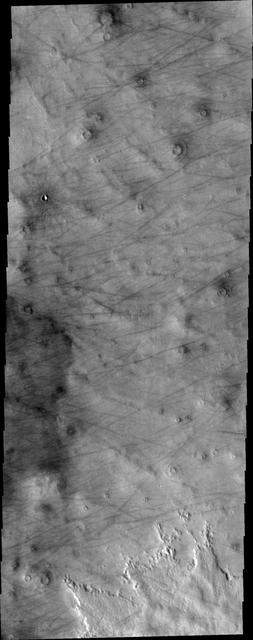
This image from NASA 2001 Mars Odyssey spacecraft of Daedalia Planum shows the termination or end of a single flow. In this case it is the end of the brighter/rougher flow on the right side of the image.
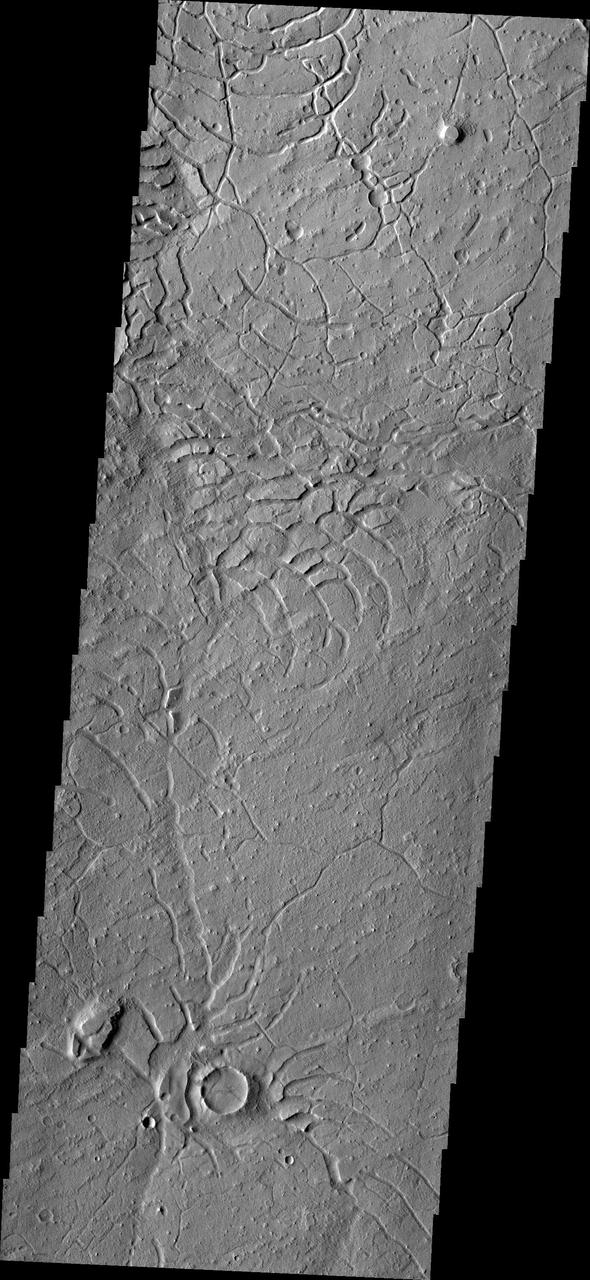
This image from NASA 2001 Mars Odyssey spacecraft of Daedalia Planum shows the termination or end of a single flow. In this case it is the end of the brighter/rougher flow on the right side of the image.
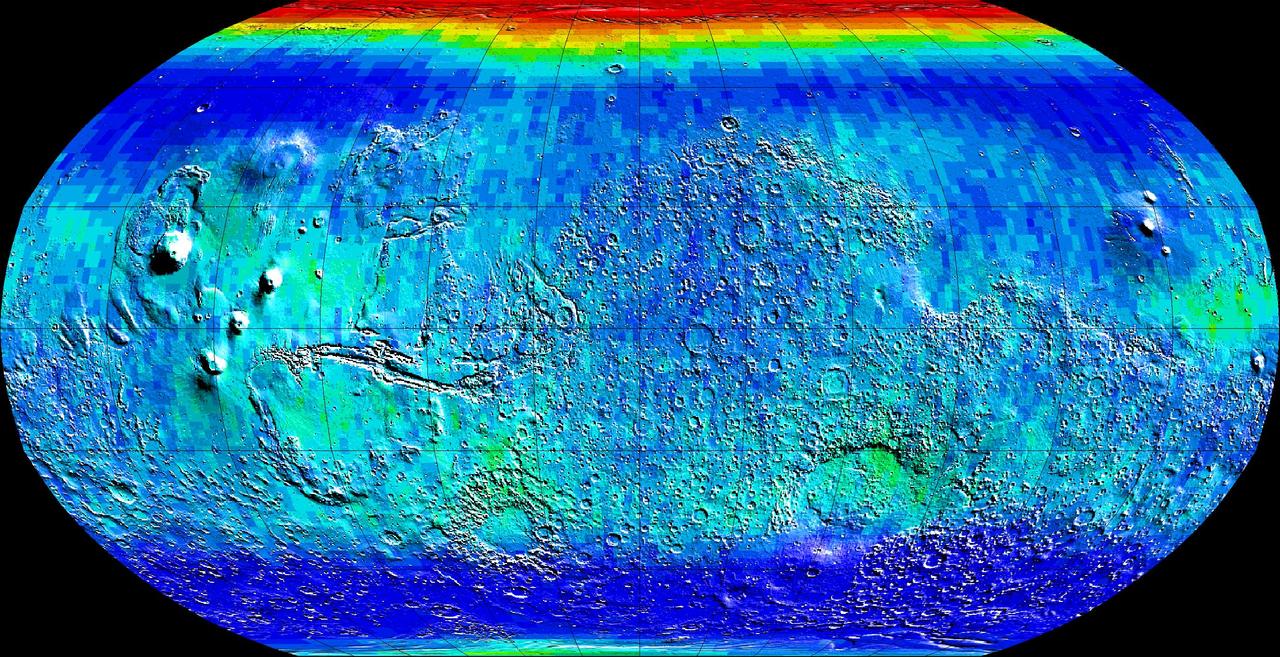
Observations by NASA Mars Odyssey spacecraft show a global view of Mars in low energy, or thermal, neutrons. Thermal neutrons are sensitive to the presence of hydrogen and the presence of carbon dioxide, in this case dry ice frost.
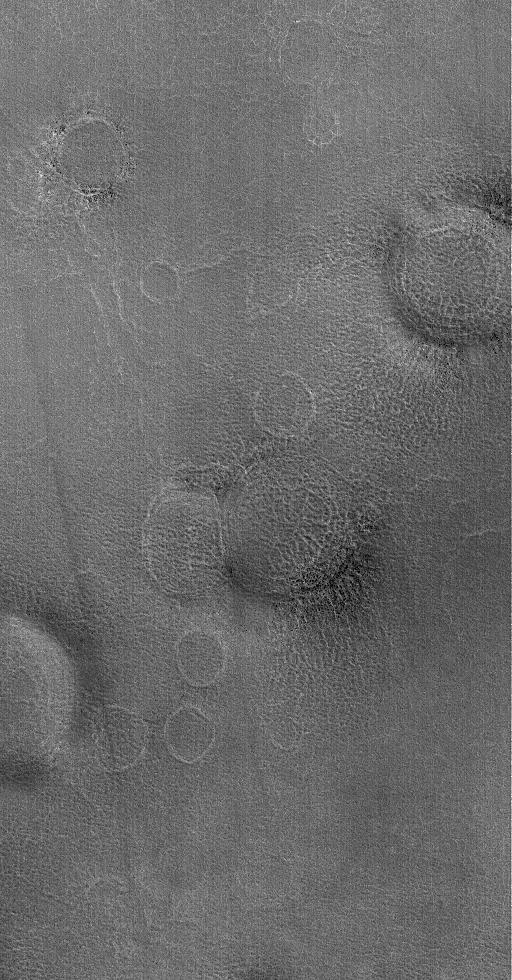
This MOC image shows a suite of rings on the martian northern plains. Each ring marks the location of a filled and buried or, in some cases, mostly-filled and nearly-buried impact crater
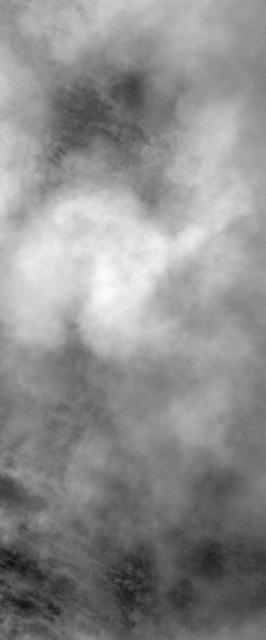
This MOC image shows billowing clouds of dust rising from a storm southeast of Hellas Planitia. The dust storm in this case obscured the Mars Orbiter Camera view of the martian surface
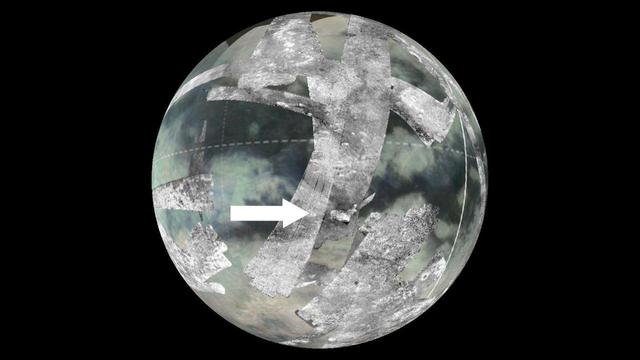
This image from NASA Cassini spacecraft shows the location of an area known as Sotra Facula on Saturn moon Titan. Scientists believe the Sotra Facula region makes the best case for a cryovolcanic, or ice volcano, region on Titan.
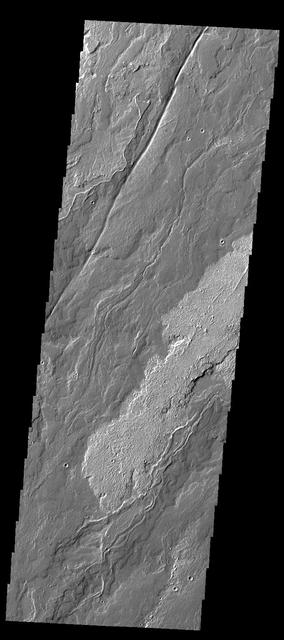
This image from NASA 2001 Mars Odyssey spacecraft of Daedalia Planum shows the termination or end of a single flow. In this case it is the end of the brighter/rougher flow on the right side of the image.

This image from NASA Mars Reconnaissance Orbiter shows a wonderful case of aeolian sandstone that preserves its original sand dune bedform shapes and lies unconformably over a previously-eroded surface of layered sedimentary rock.
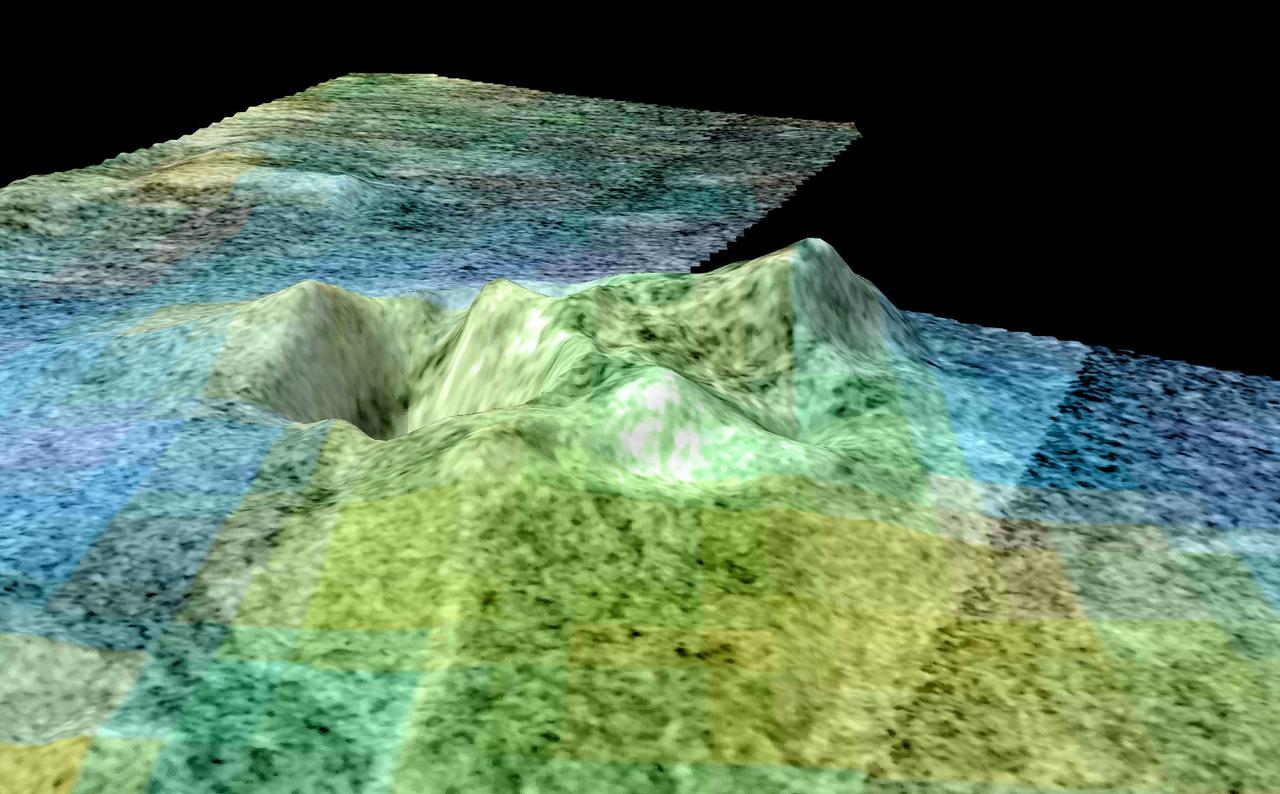
This frame from a movie is based on data from NASA Cassini spacecraft and shows a flyover of an area of Saturn moon Titan known as Sotra Facula. Scientists believe Sotra is the best case for an ice volcano, or cryovolcano, region on Titan.
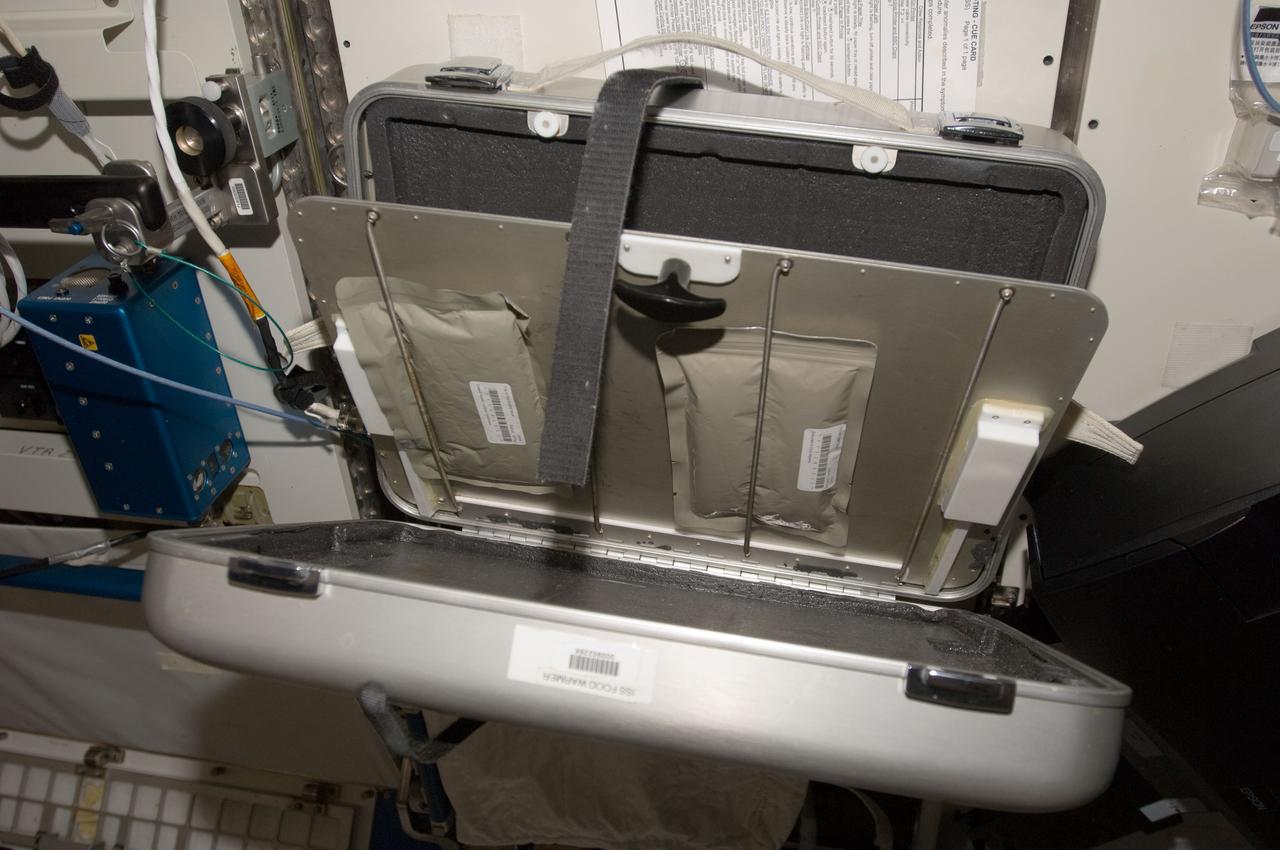
View of food packets tied down within suitcase. Photo was taken during Expedition 34.
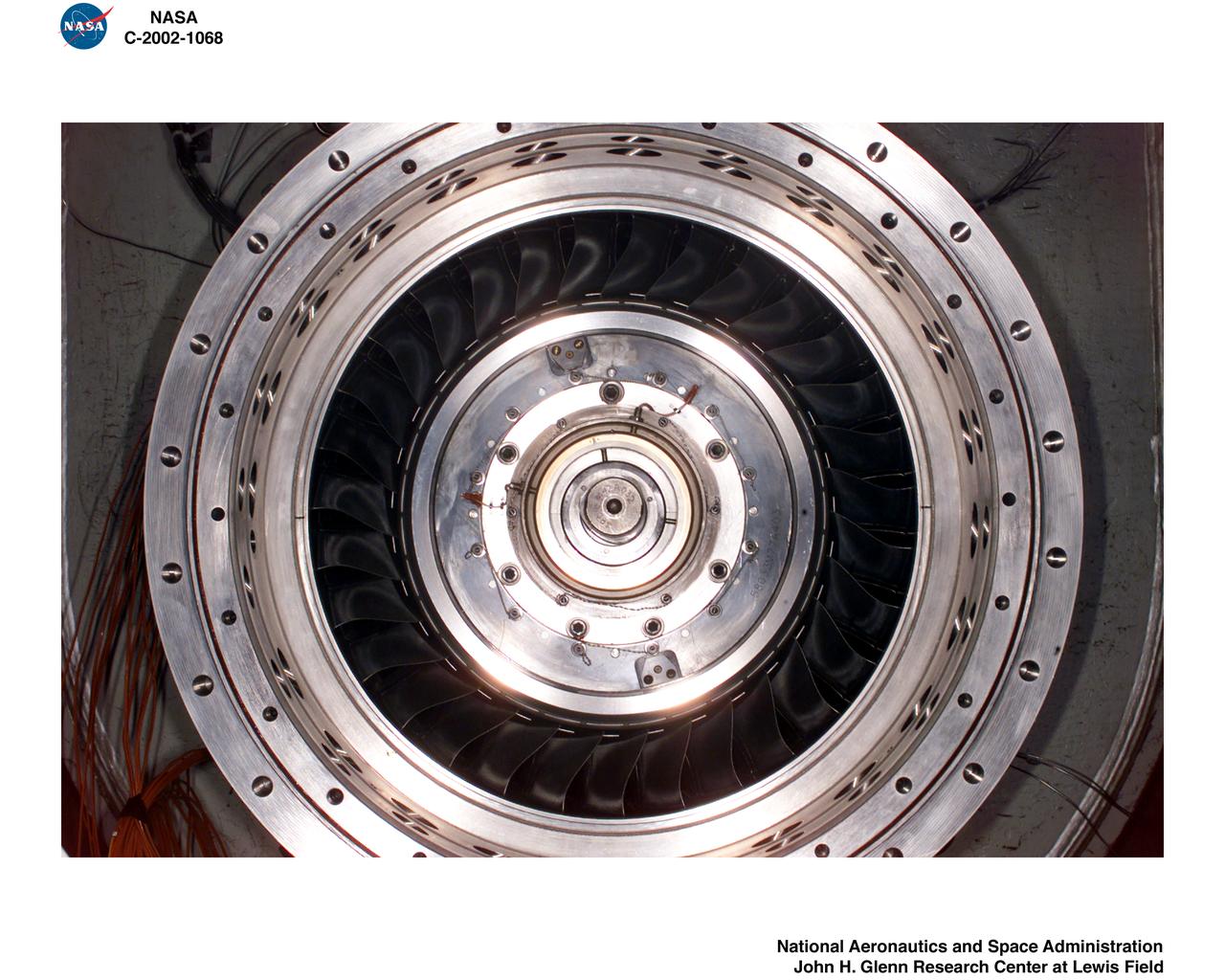
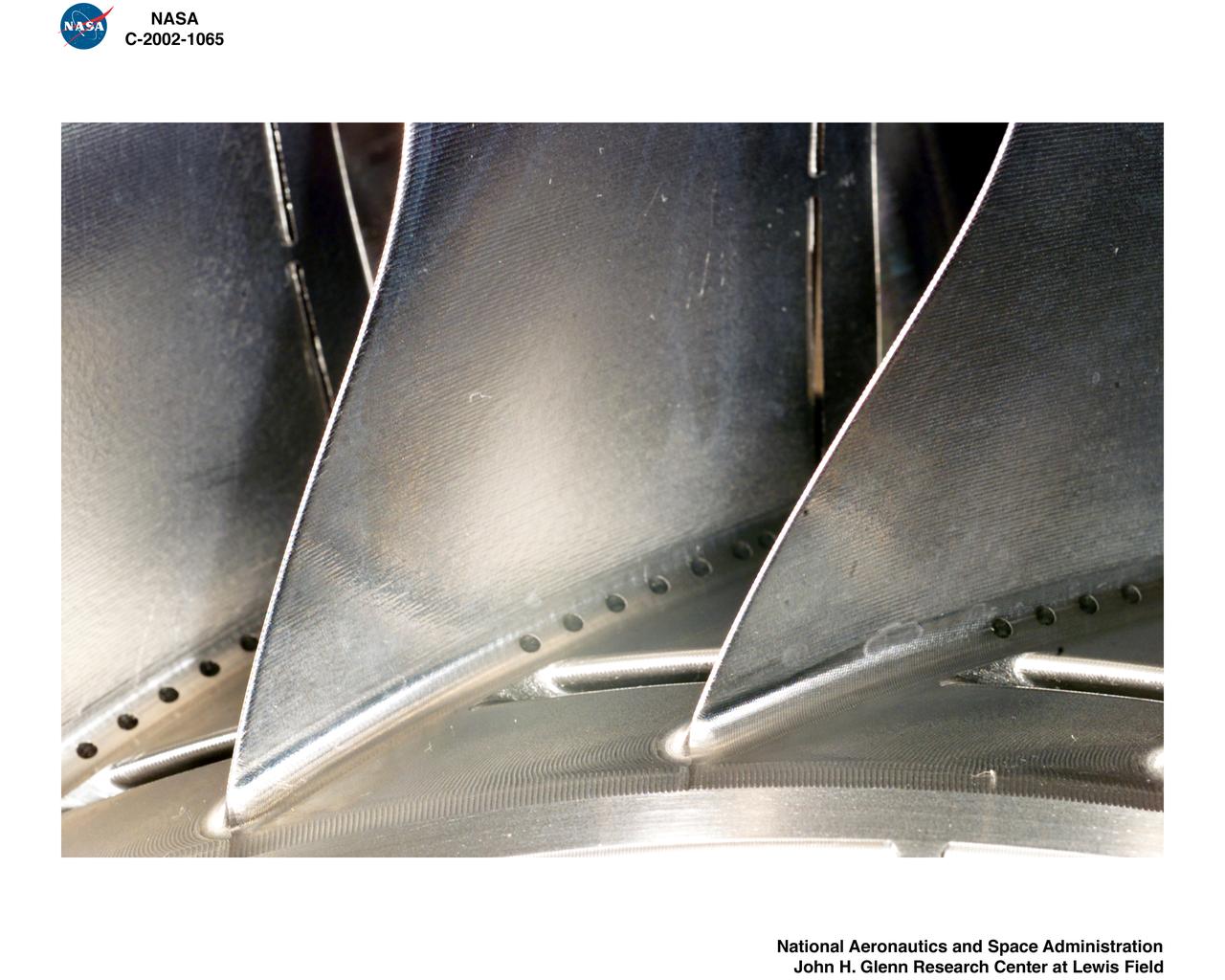
ASPIRATED COMPRESSOR STATOR AND CASING
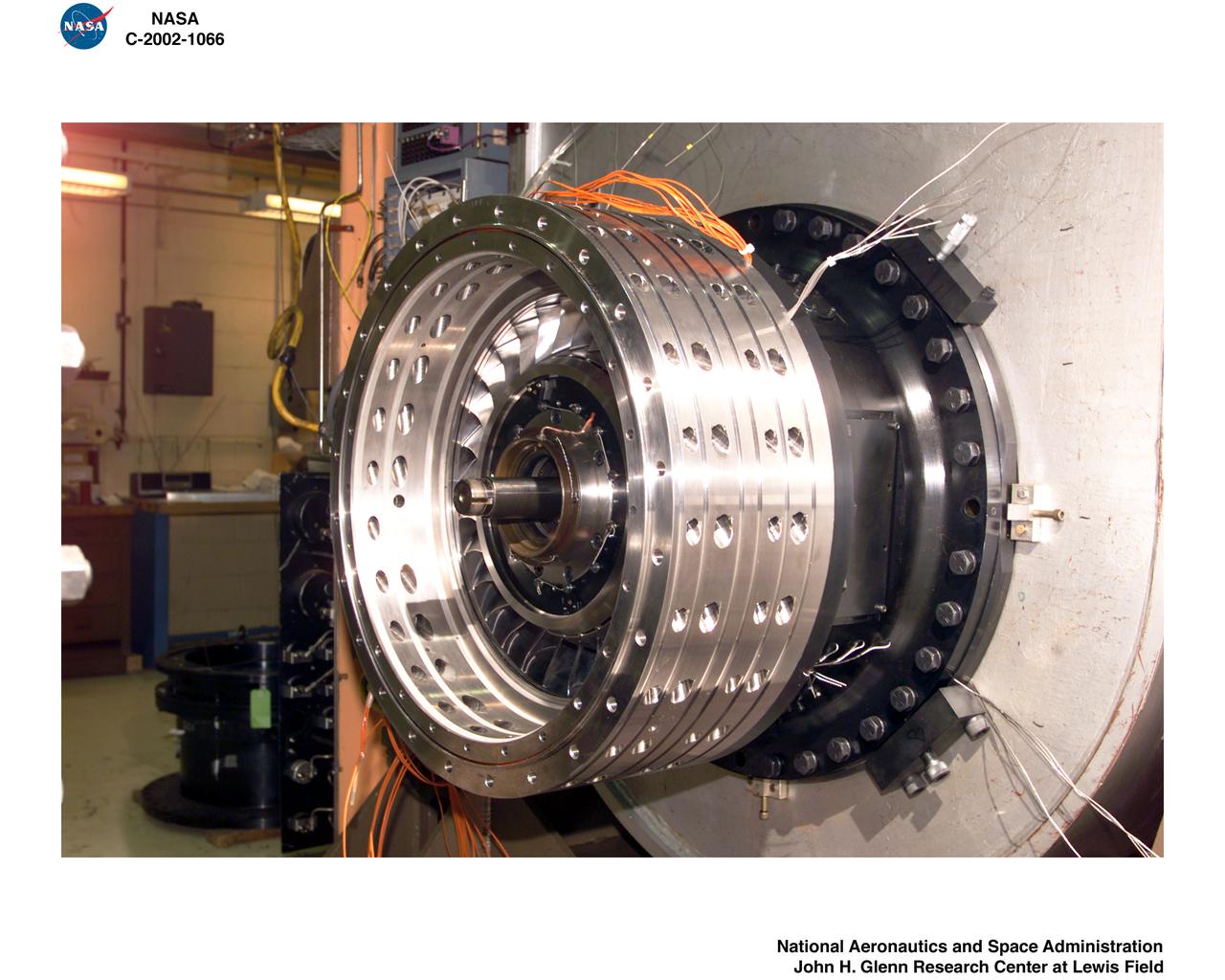
ASPIRATED COMPRESSOR STATOR AND CASING
ASPIRATED COMPRESSOR STATOR AND CASING
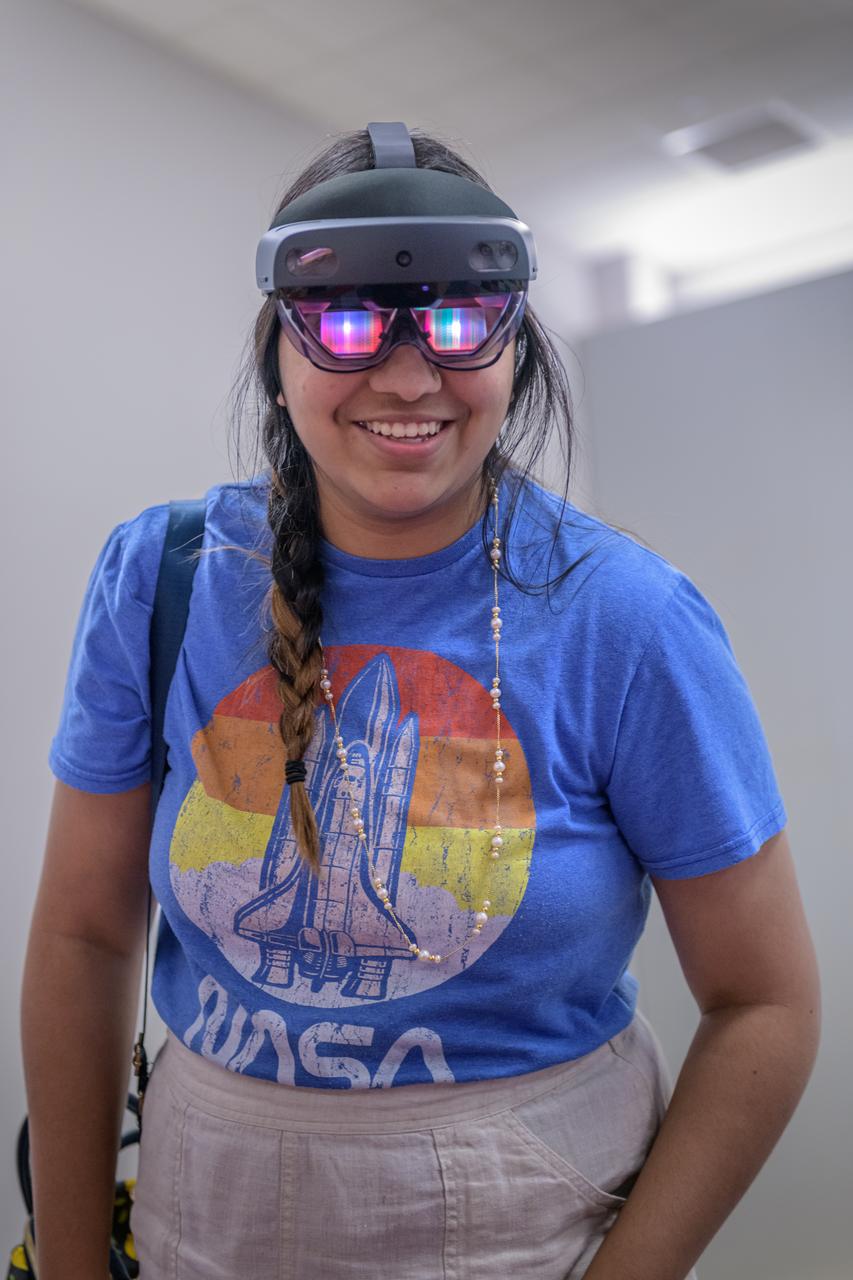
Demo by Case Western Reserve University, CWRU Interactive Commons and GVIS Lab

Seventh-grader Alexander Mather of Lake Braddock Secondary School in Burke, Virginia, submitted the winning entry in the agency's "Name the Rover" essay contest, making the case to name the Mars 2020 rover "Perseverance." For the contest, NASA received 28,000 essays (150 words or less) from K-12 students from every U.S. state and territory. https://photojournal.jpl.nasa.gov/catalog/PIA23761
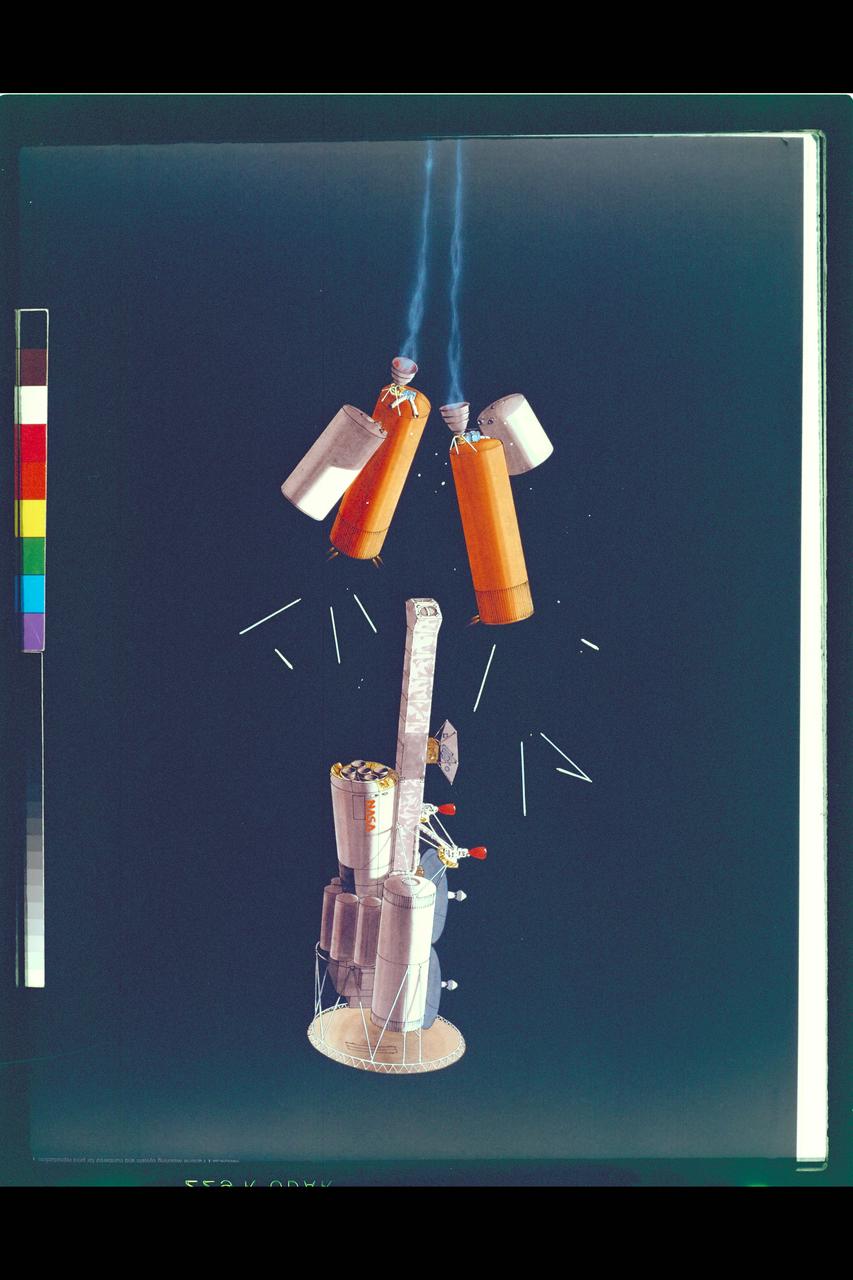
Artist: Carter Emmart 'The Case for Mars' conference artwork (Mission to Mars) NOTE; for government educational use only -
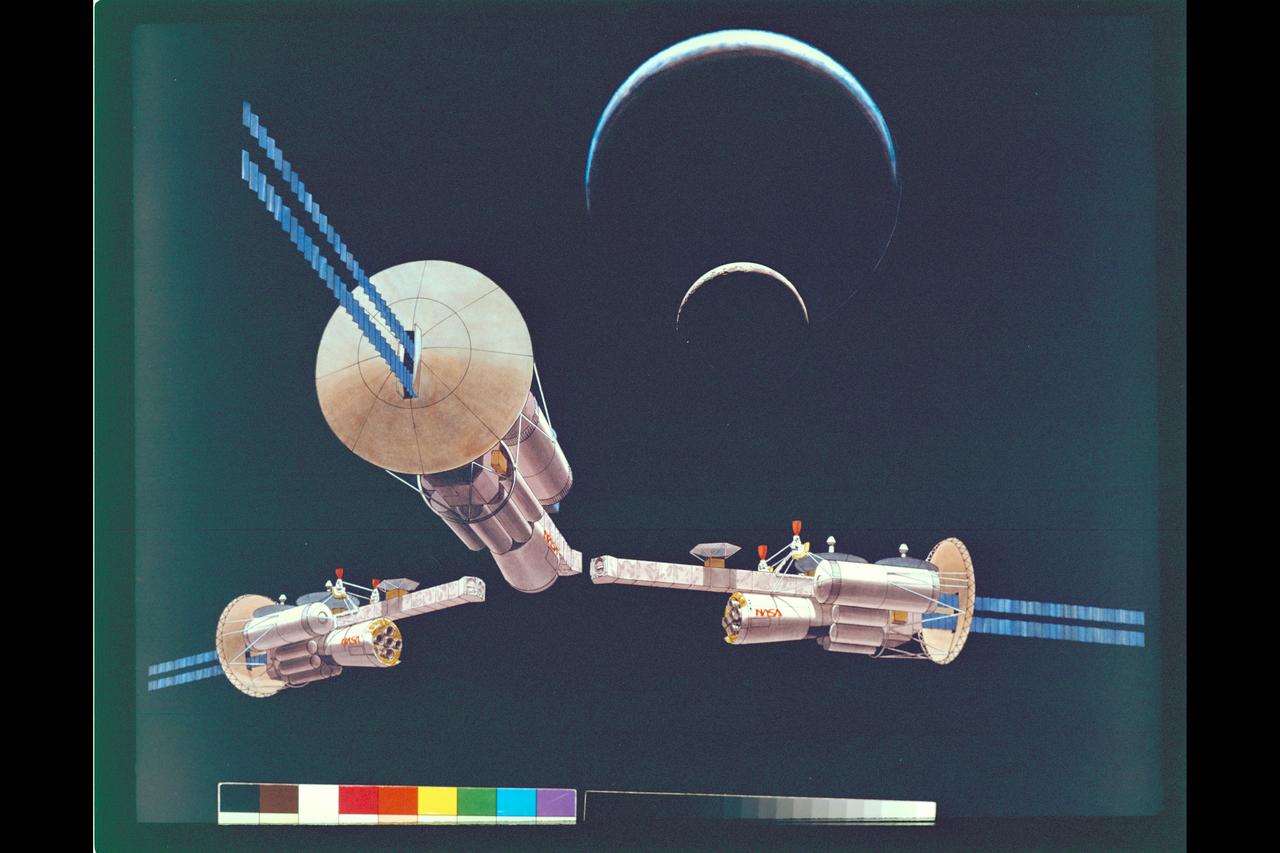
Artist: Carter Emmart 'The Case for Mars' conference artwork (Mission to Mars) NOTE; for government educational use only -
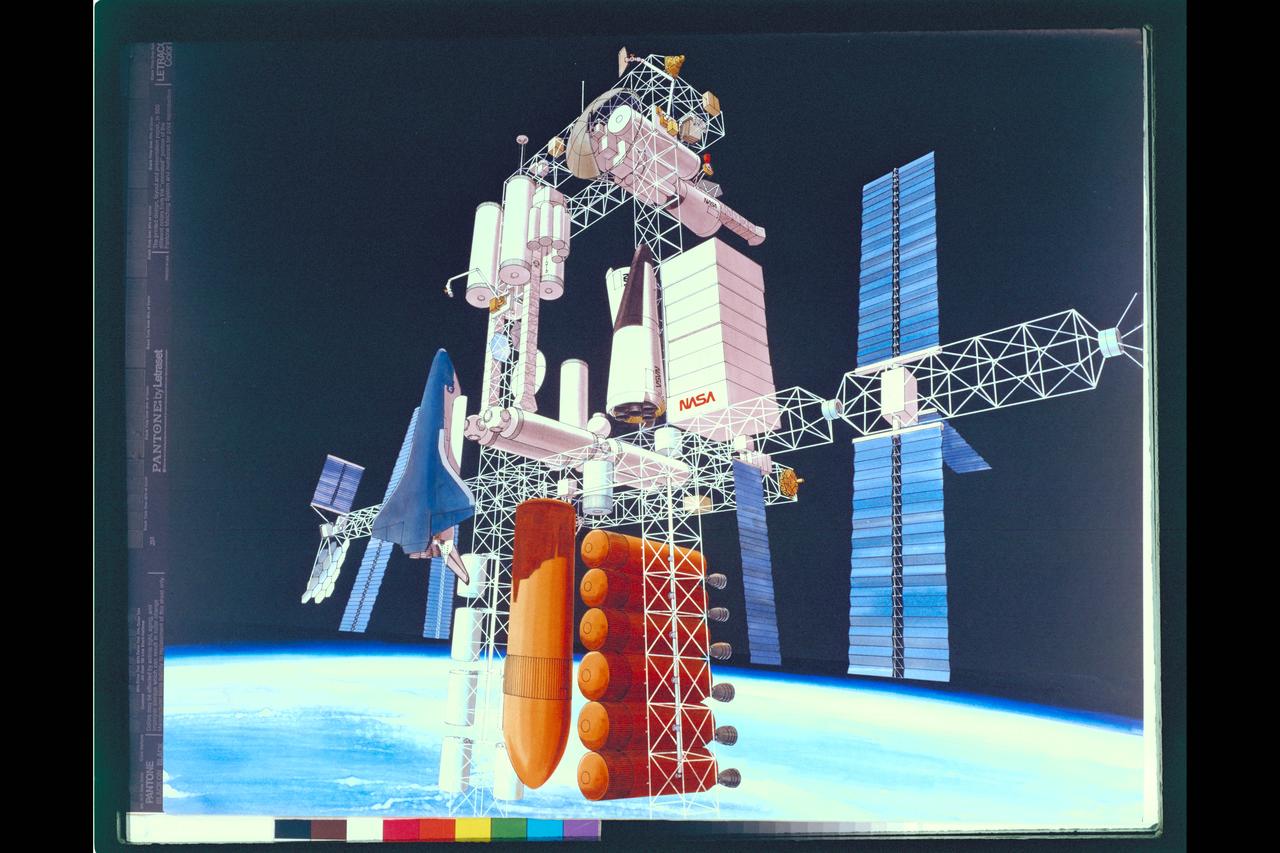
Artist: Carter Emmart 'The Case for Mars' conference artwork (Mission to Mars) NOTE; for government educational use only -
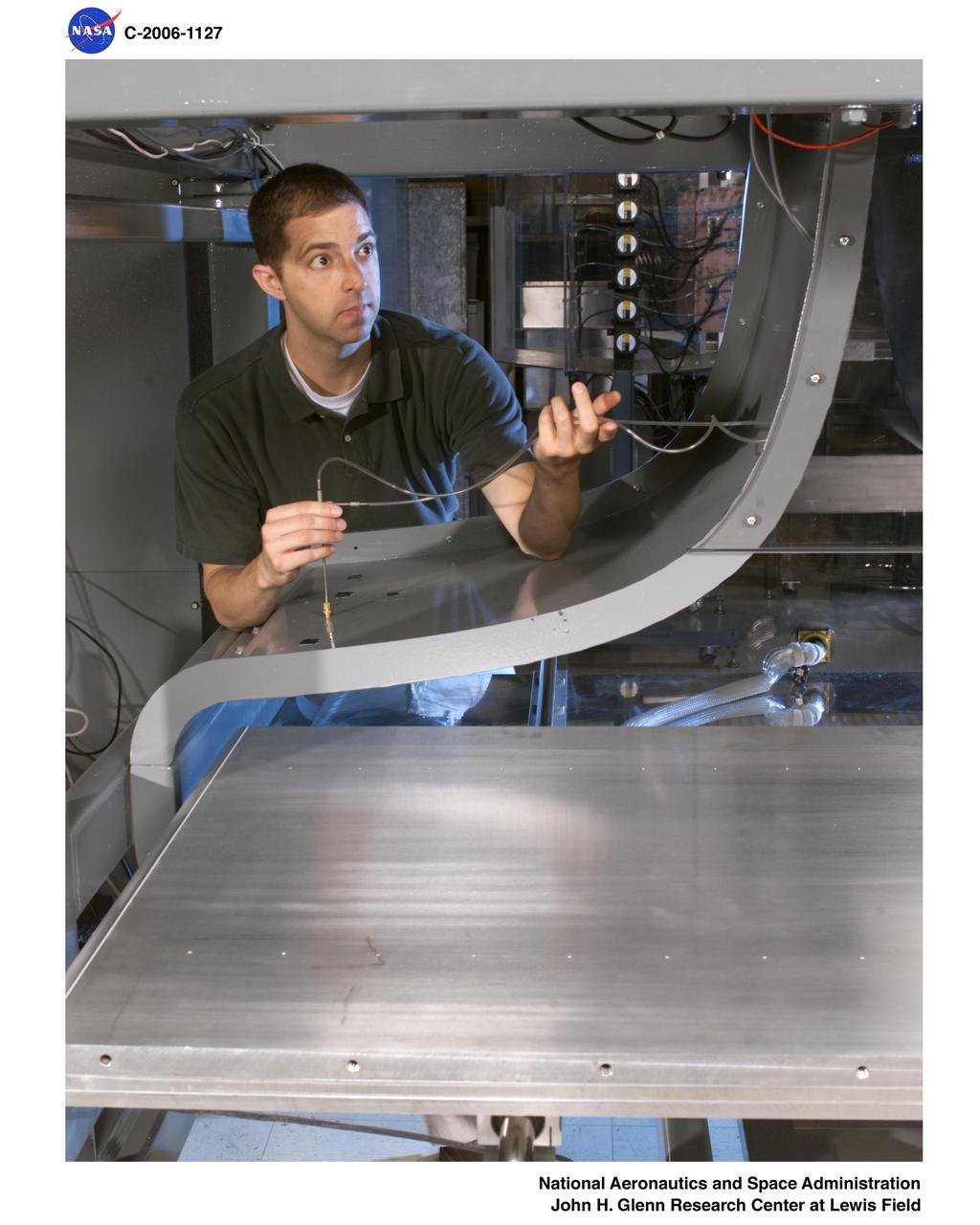
Icing Physics Flow Lab at Case Western Reserve University. Test bed in rolled out position with researcher making adjustments
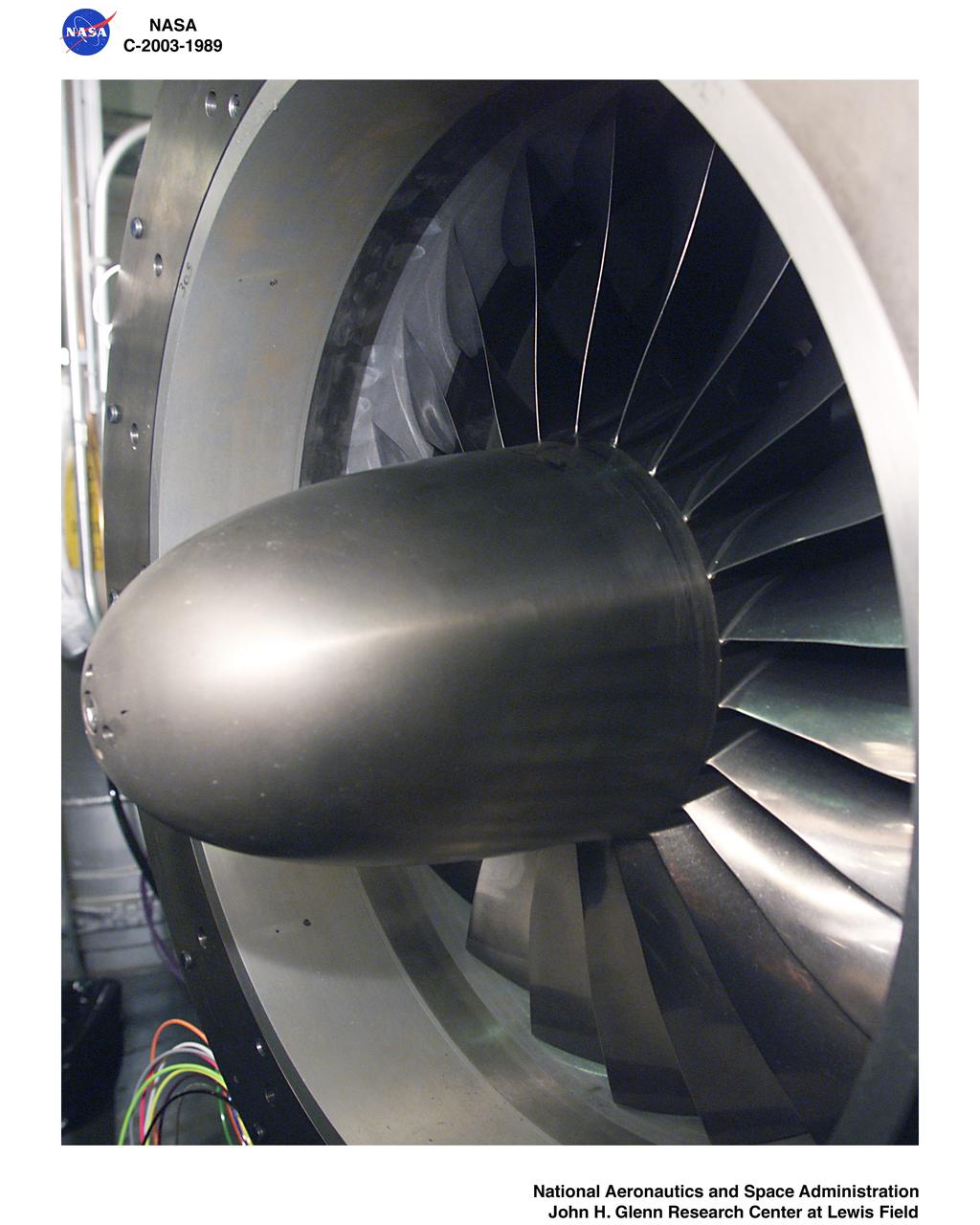
Ultra-Efficient Engine Technology - UEET - Proof of Concept Compressor - POCC - Advanced Compressor Casing Treatment Testing
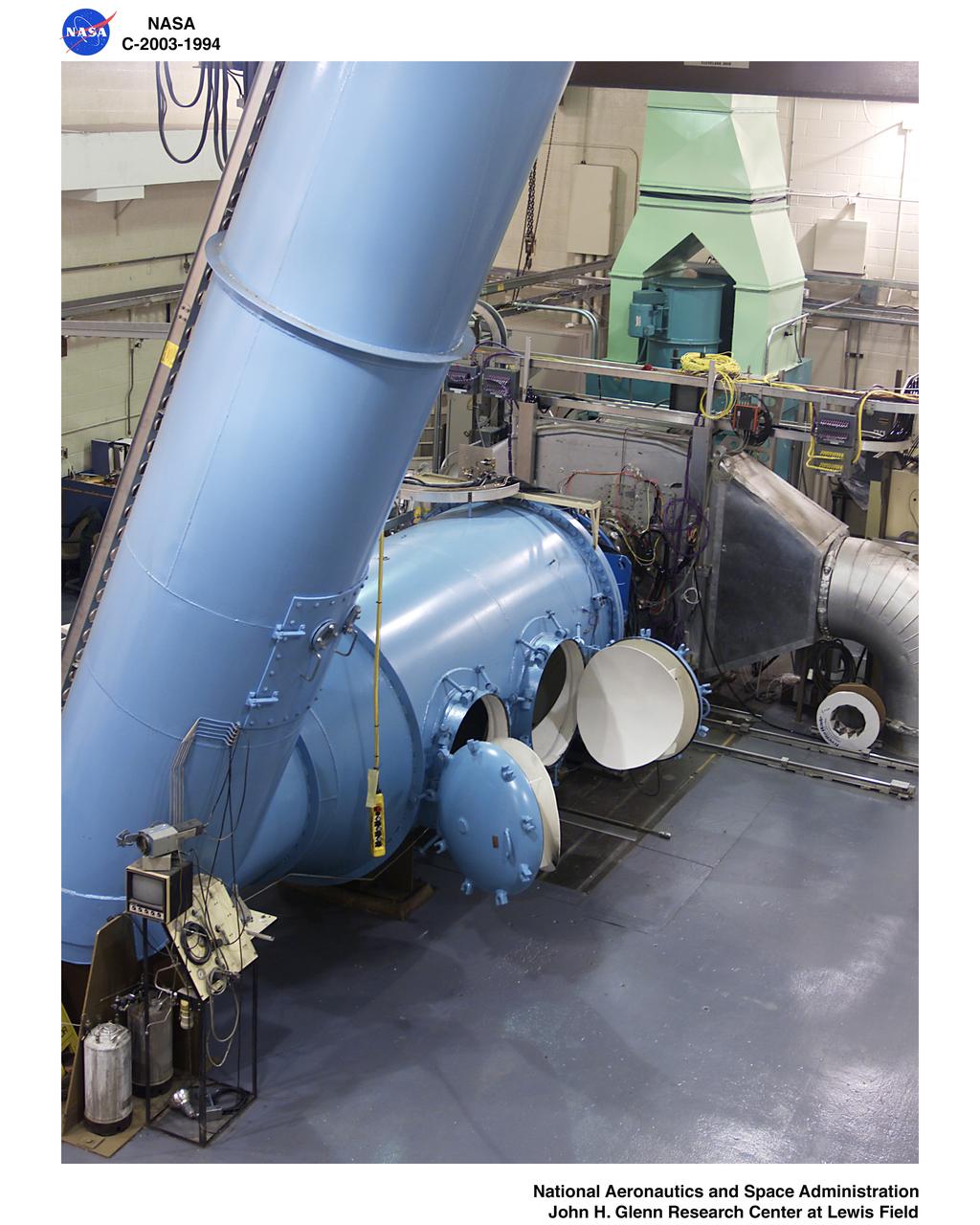
Ultra-Efficient Engine Technology - UEET - Proof of Concept Compressor - POCC - Advanced Compressor Casing Treatment Testing
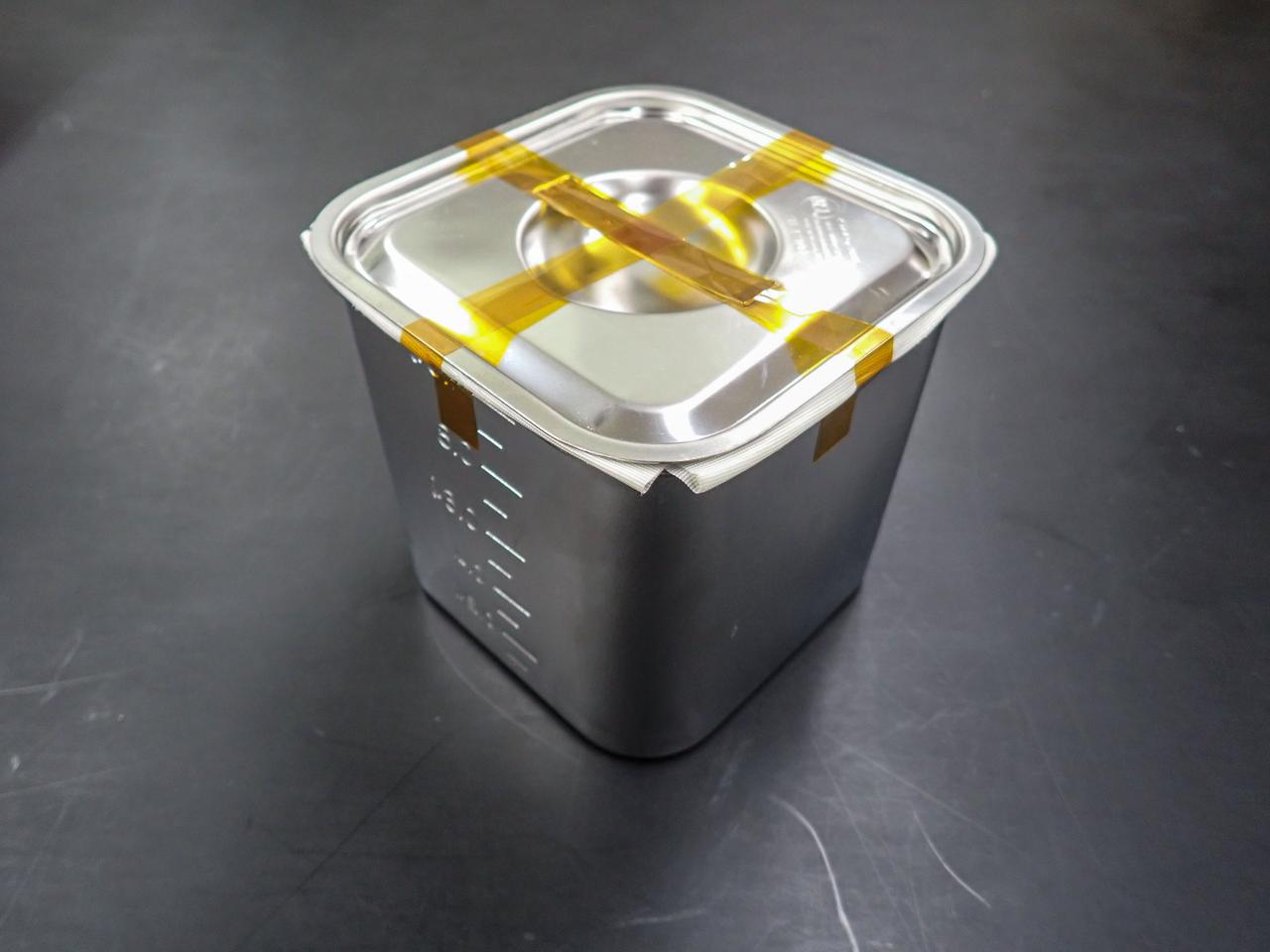
jsc2024e006081 (8/31/2023) --- Sample case for glass ampoules and dosimeters. Image Credit: JAXA
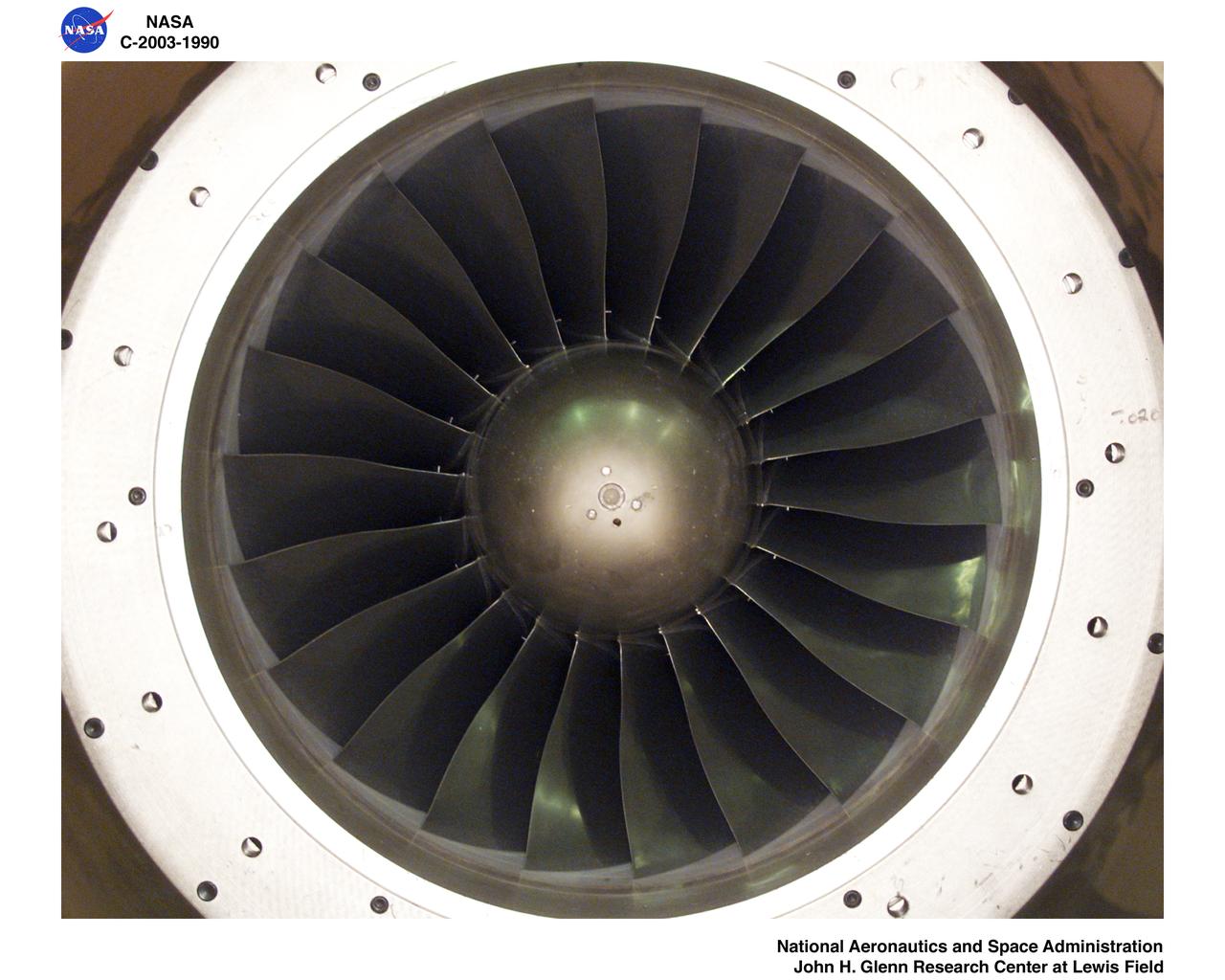
Ultra-Efficient Engine Technology - UEET - Proof of Concept Compressor - POCC - Advanced Compressor Casing Treatment Testing
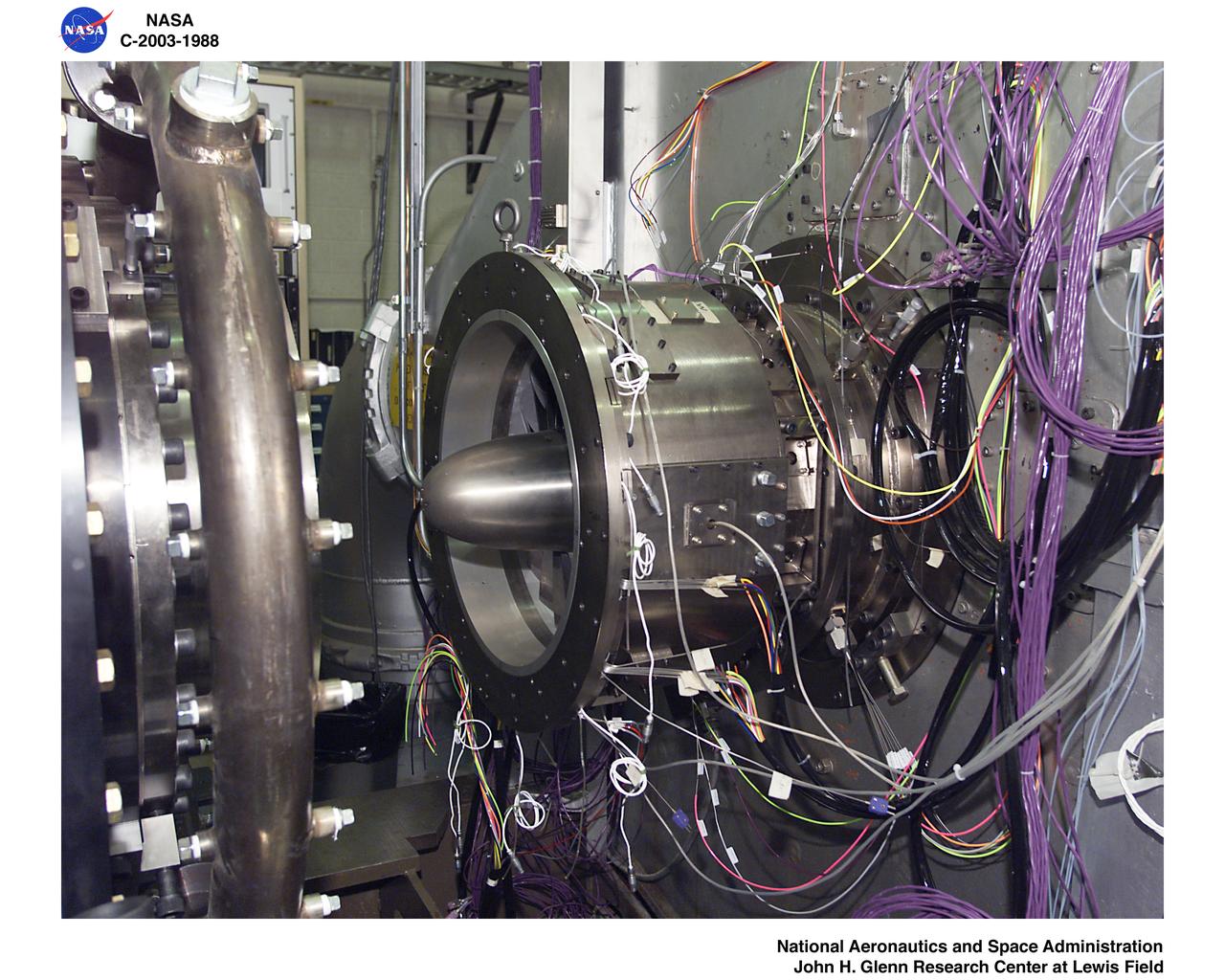
Ultra-Efficient Engine Technology - UEET - Proof of Concept Compressor - POCC - Advanced Compressor Casing Treatment Testing
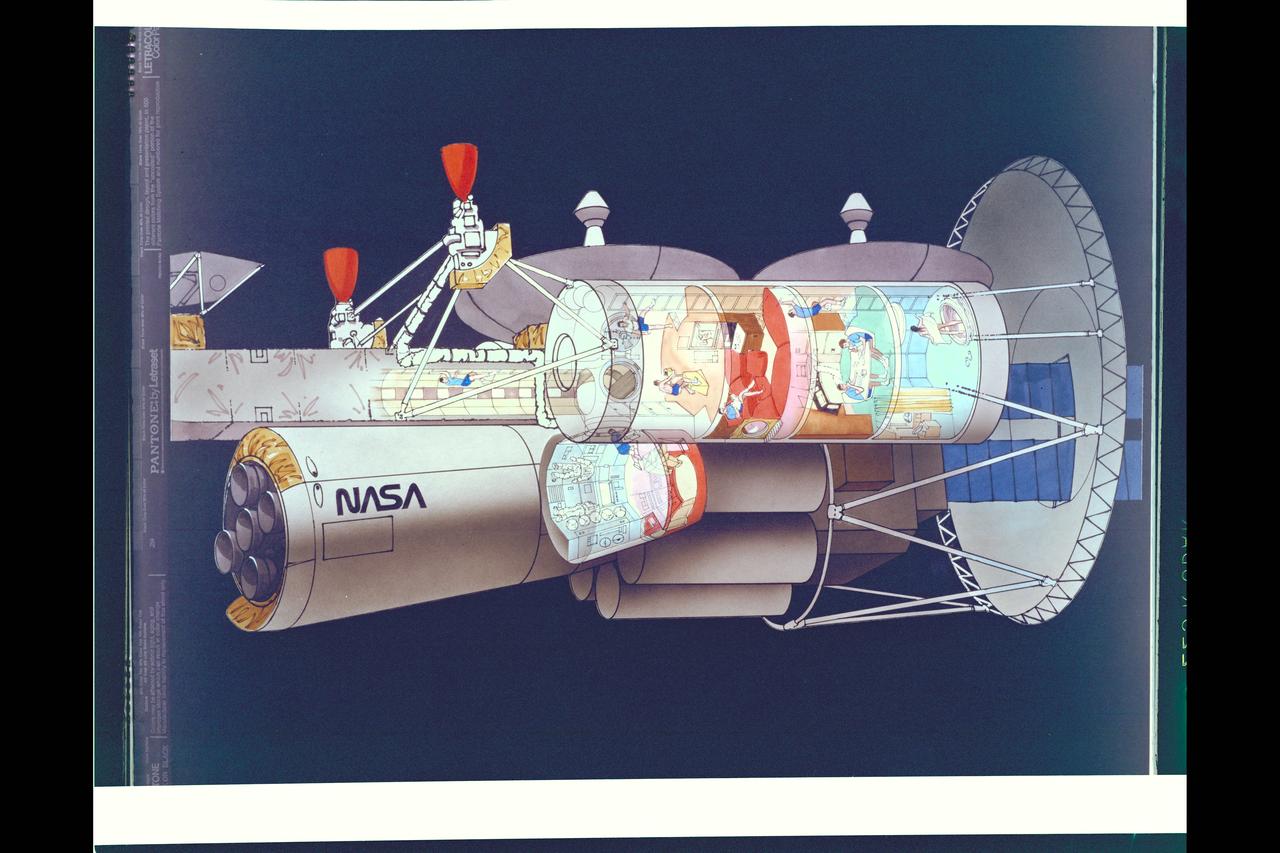
Artist: Carter Emmart 'The Case for Mars' conference artwork (Mission to Mars) NOTE; for government educational use only -
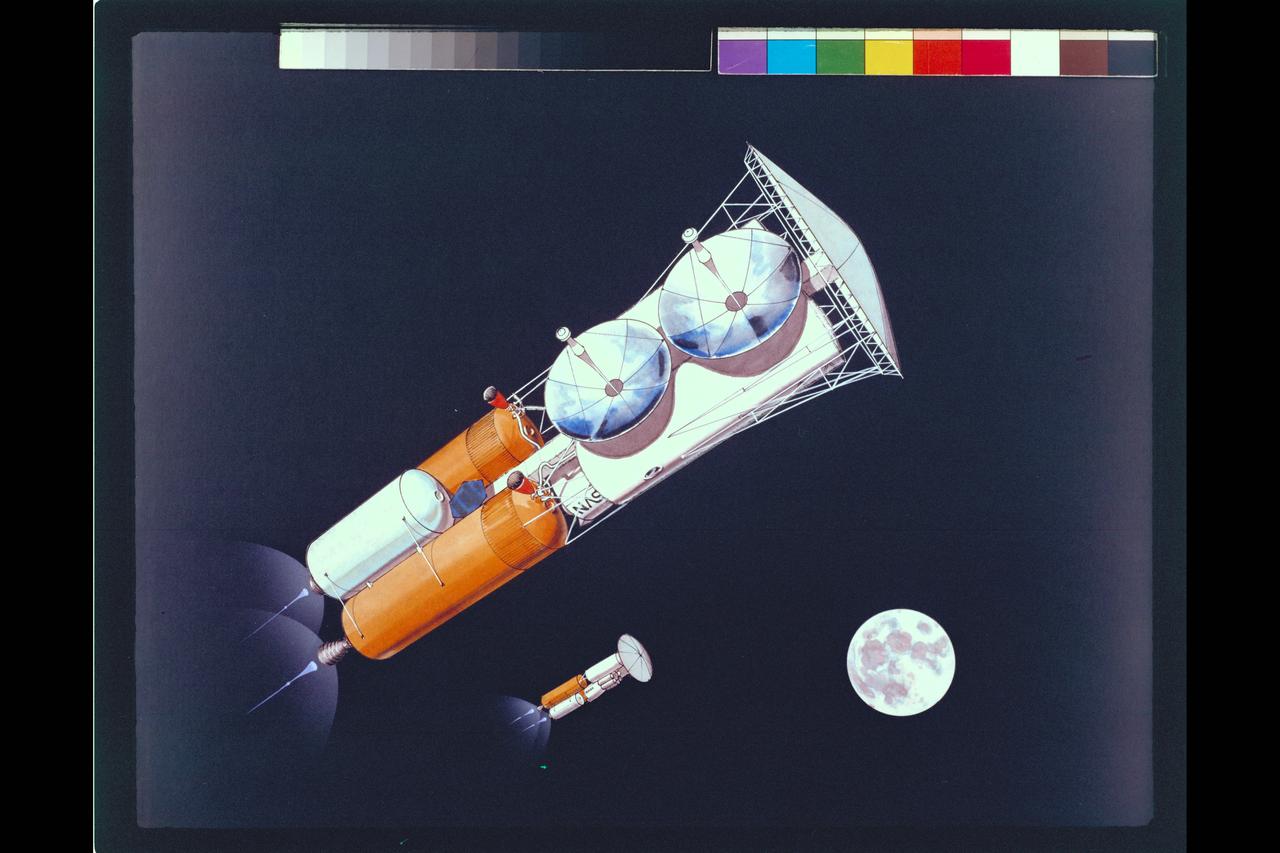
Artist: Carter Emmart 'The Case for Mars' conference artwork (Mission to Mars) NOTE; for government educational use only -
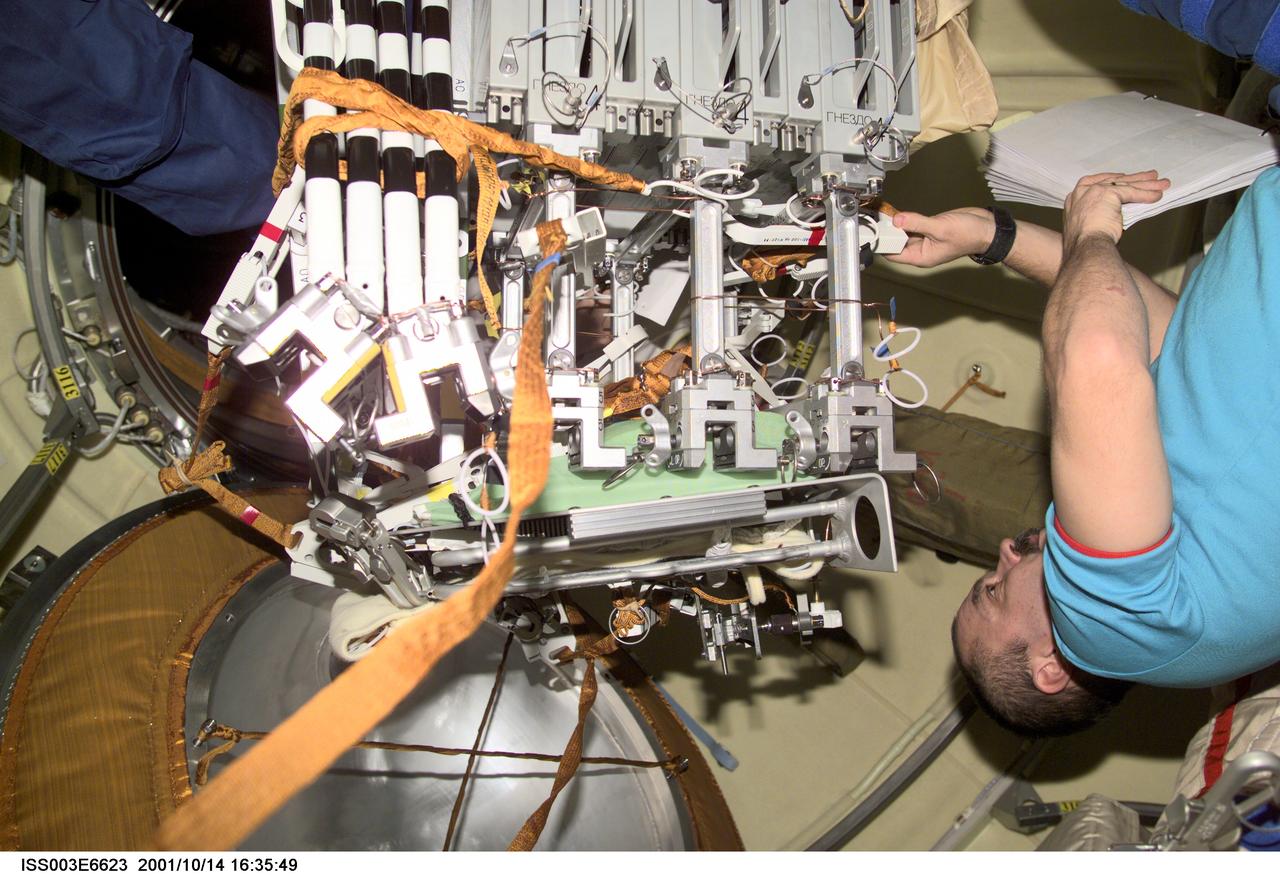
ISS003-E-6623 (14 October 2001) --- Cosmonaut Mikhail Tyurin, Expedition Three flight engineer representing Rosaviakosmos, works with hardware for the Micro-Particles Capturer (MPAC) and Space Environment Exposure Device (SEED) experiment and fixture mechanism in the Zvezda Service Module on the International Space Station (ISS). MPAC and SEED were developed by Japan’s National Space Development Agency (NASDA), and Russia developed the Fixture Mechanism. This image was taken with a digital still camera.
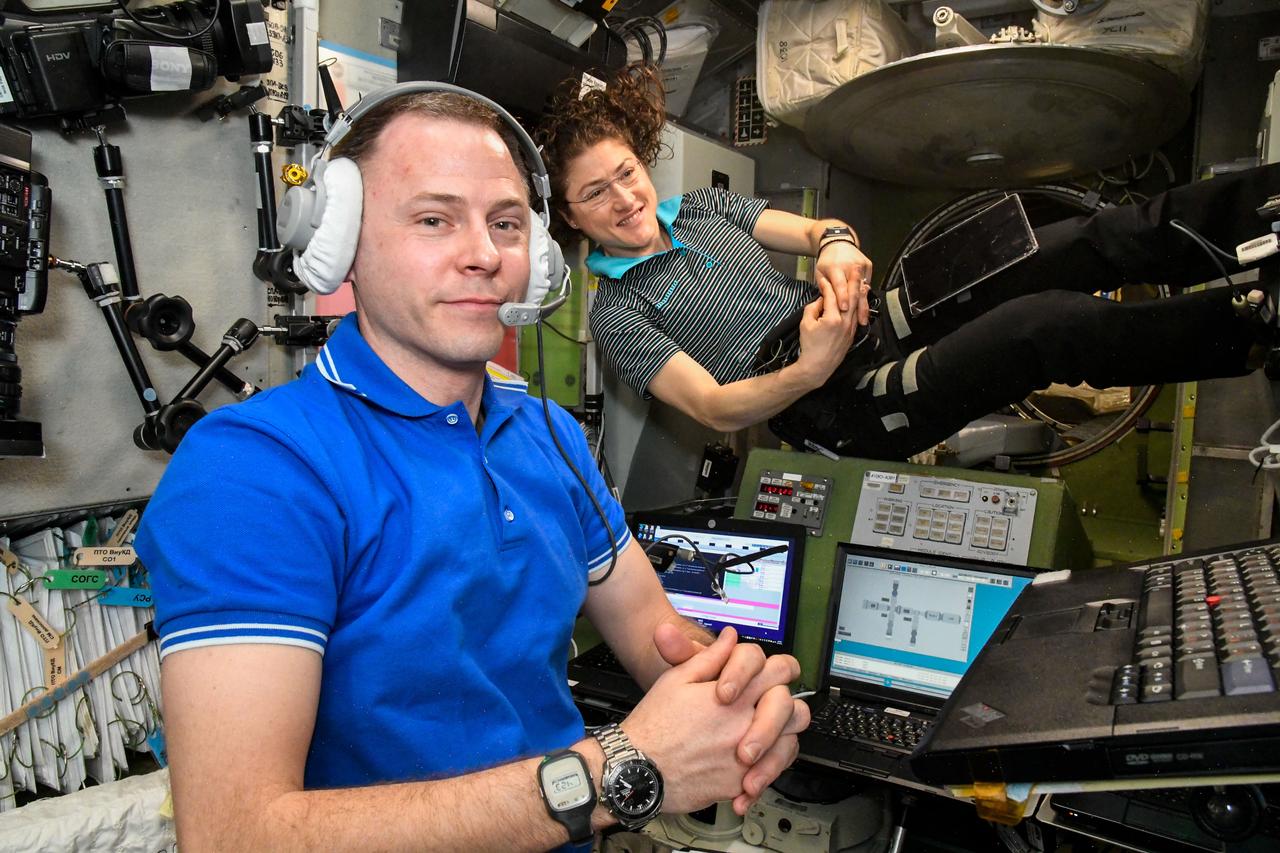
iss059e103111 (June 13, 2019) --- NASA astronauts Nick Hague and Christina Koch practice an emergency simulation inside the International Space Station's Zvezda service module. The duo along with cosmonaut Alexey Ovchinin (out of frame) practiced emergency procedures for quickly entering their Soyuz lifeboat, undocking from the station and descending to Earth. Credit: Roscosmos

Photo shows how the Space Launch Sysetm (SLS) rocket liquid oxygen tank failed during a structural qualification test at NASA’s Marshall Space Flight Center in Huntsville, Alabama. The photos show both the water flowing from the tank as it ruptured and the resultant tear left in the tank when it buckled during the test. Engineers pushed the liquid oxygen structural test article to the limits on purpose. The tank is a test article that is identical to tanks that are part of the SLS core stage that will produce 2 million pounds of thrust to help launch the rocket on the Artemis missions to the Moon. During the test, hydraulic cylinders were then calibrated and positioned along the tank to apply millions of pounds of crippling force from all sides while engineers measured and recorded the effects of the launch and flight forces. For the test, water used to simulate the liquid oxygen flows out of the tank after it ruptures. The structural test campaign was conducted on the rocket to ensure the SLS rocket’s structure can endure the rigors of launch and safely send astronauts to the Moon on the Artemis missions. For more information: https://www.nasa.gov/exploration/systems/sls/nasa-completes-artemis-sls-structural-testing-campaign.html
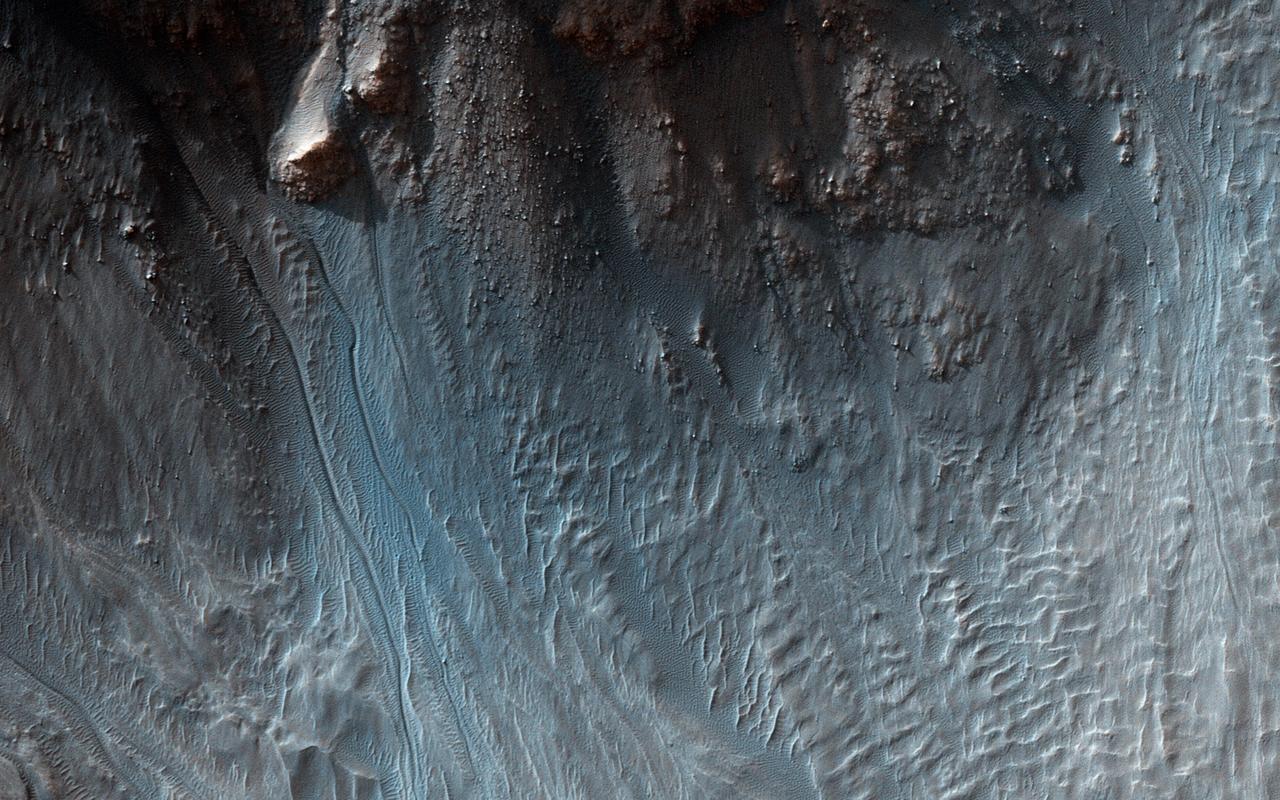
Sometimes a central pit forms inside some Martian craters, especially when there substantial ground ice. Such is the case in this observation from NASA Mars Reconnaissance Orbiter spacecraft. Sometimes what we call "mass wasting" processes (think small avalanches or landslides) occur on the slopes of the central pit. We took this image to search for any recent activity that would add to or modify previously identified gullies. http://photojournal.jpl.nasa.gov/catalog/PIA20005
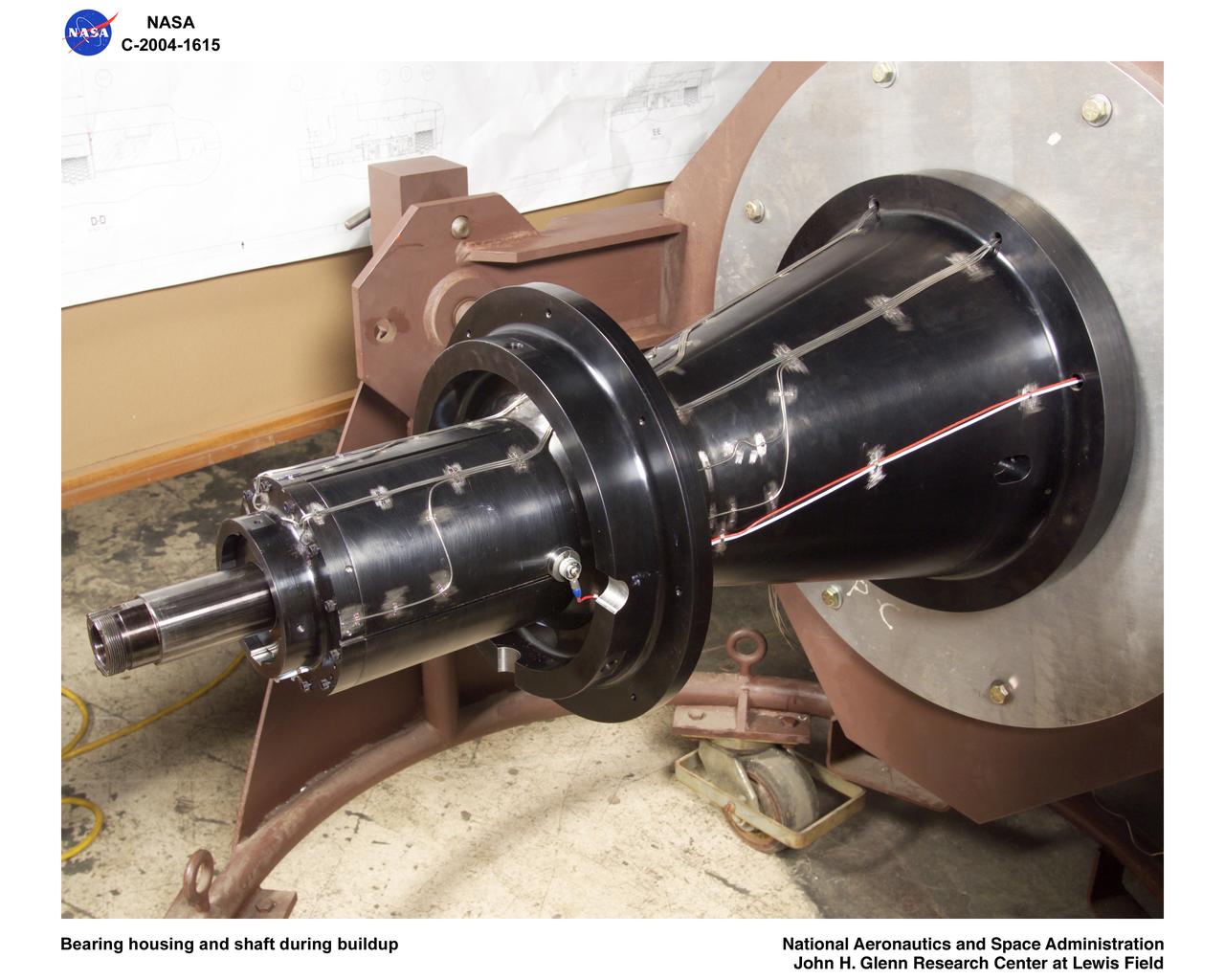
Ultra-Efficient Engine Technology (UEET), Proof of Concept Compressor, Advanced Compressor Casing Treatment testing; bearing housing and shaft during build-up
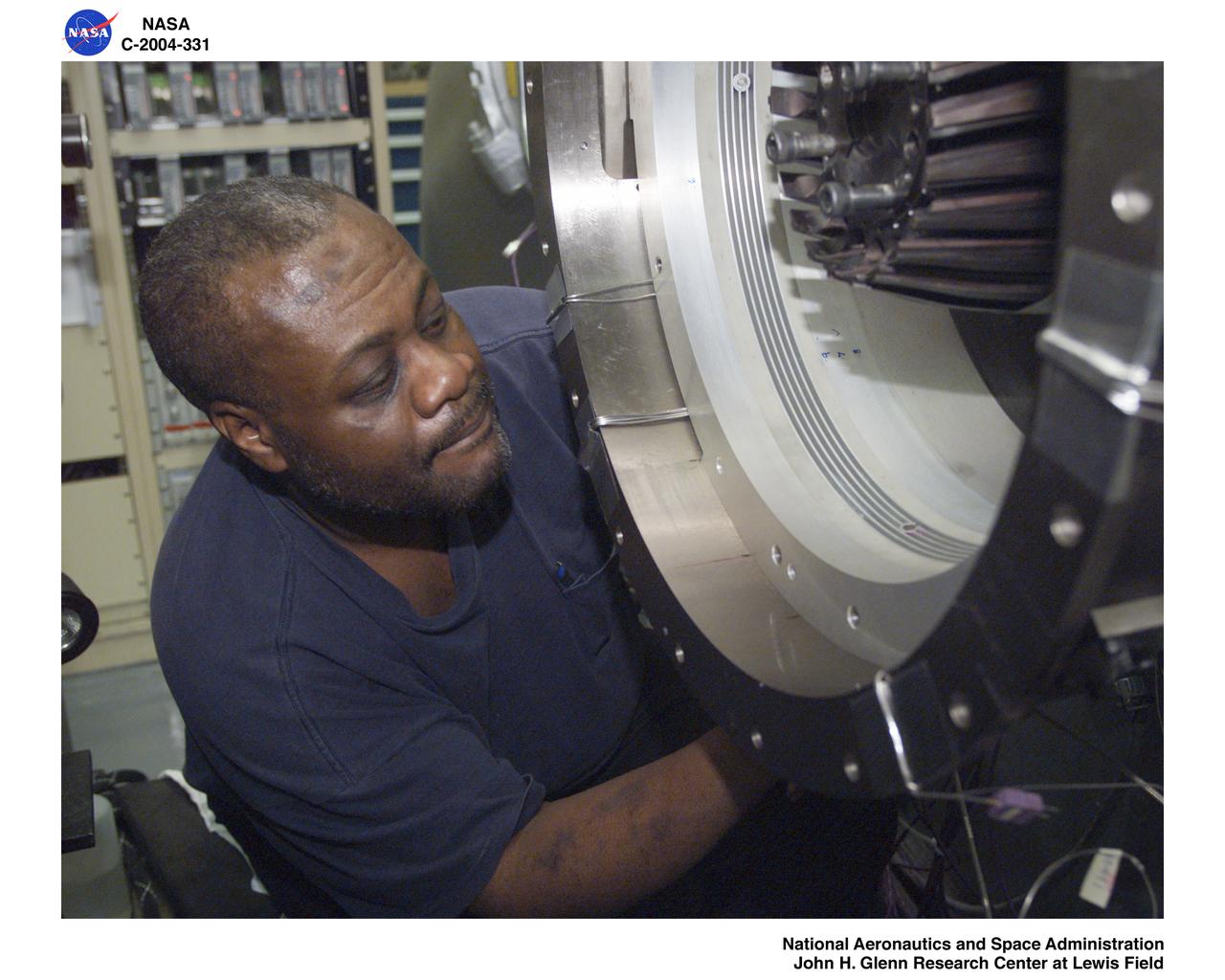
Ultra-Efficient Engine Technology (UEET) Proof of Concept Compressor, Advanced Compressor Casing Treatment testing, First Research Configuration (concentric grooves)
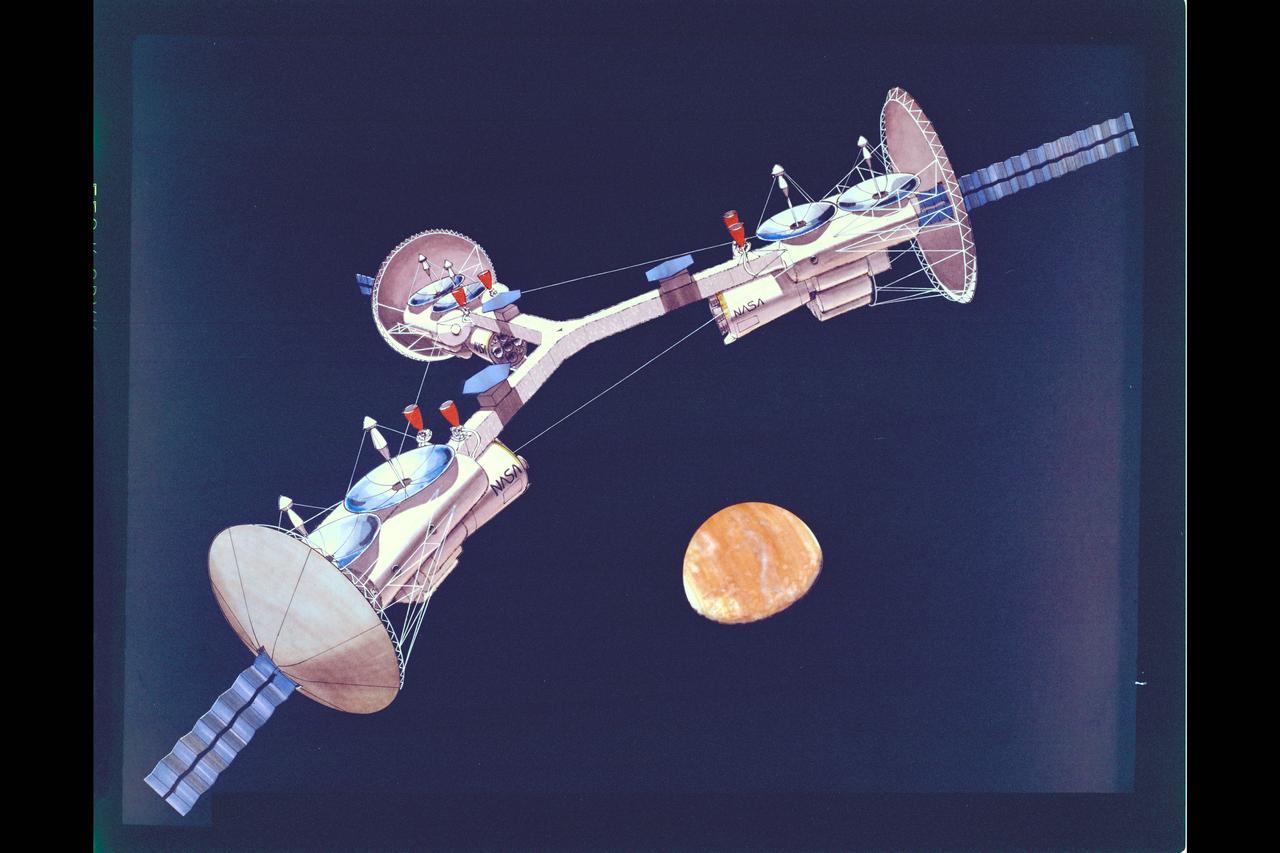
Artist: Carter Emmart 'The Case for Mars' conference artwork (Mission to Mars) NOTE; for government educational use only - copyright held by Carter Emmart
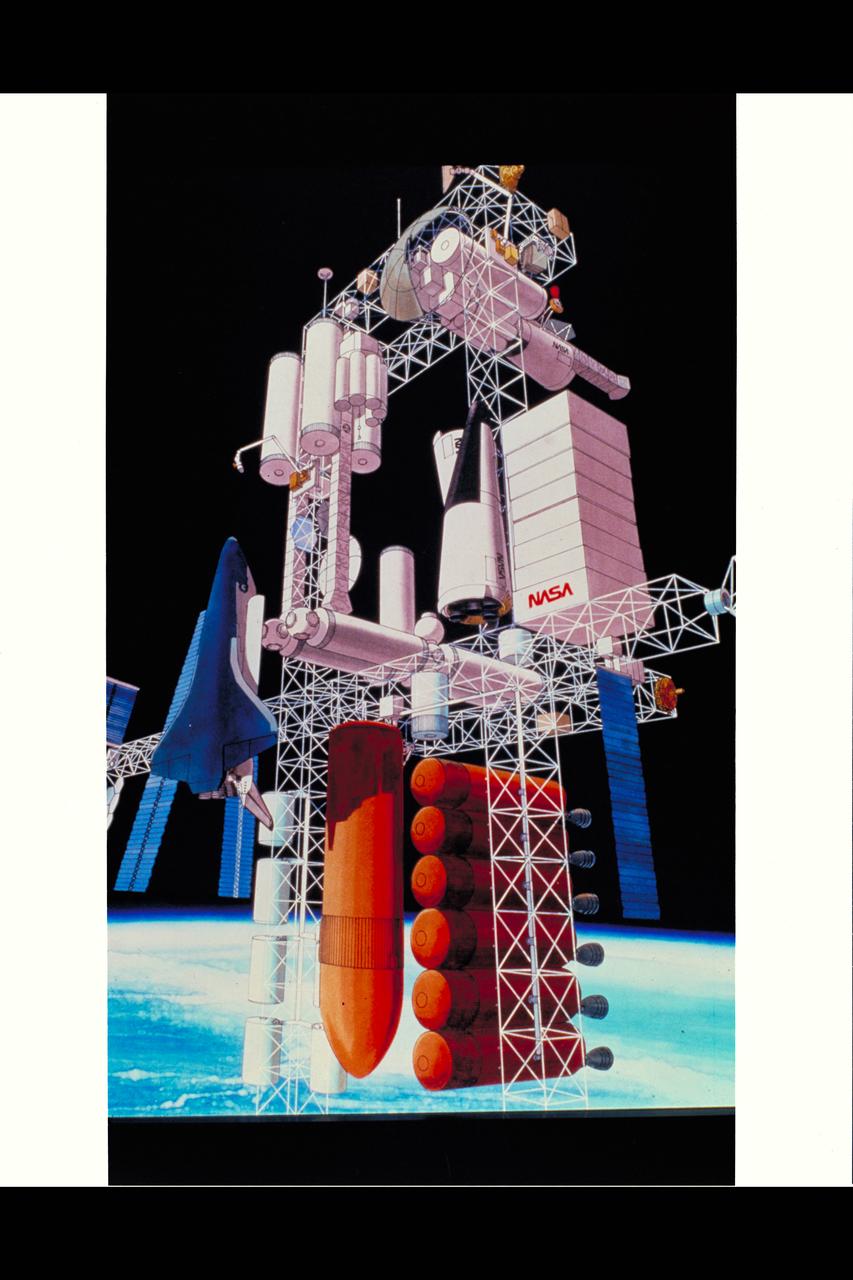
Artist: Carter Emmart 'The Case for Mars' conference artwork (Mission to Mars) NOTE; for government educational use only - copyright held by Carter Emmart
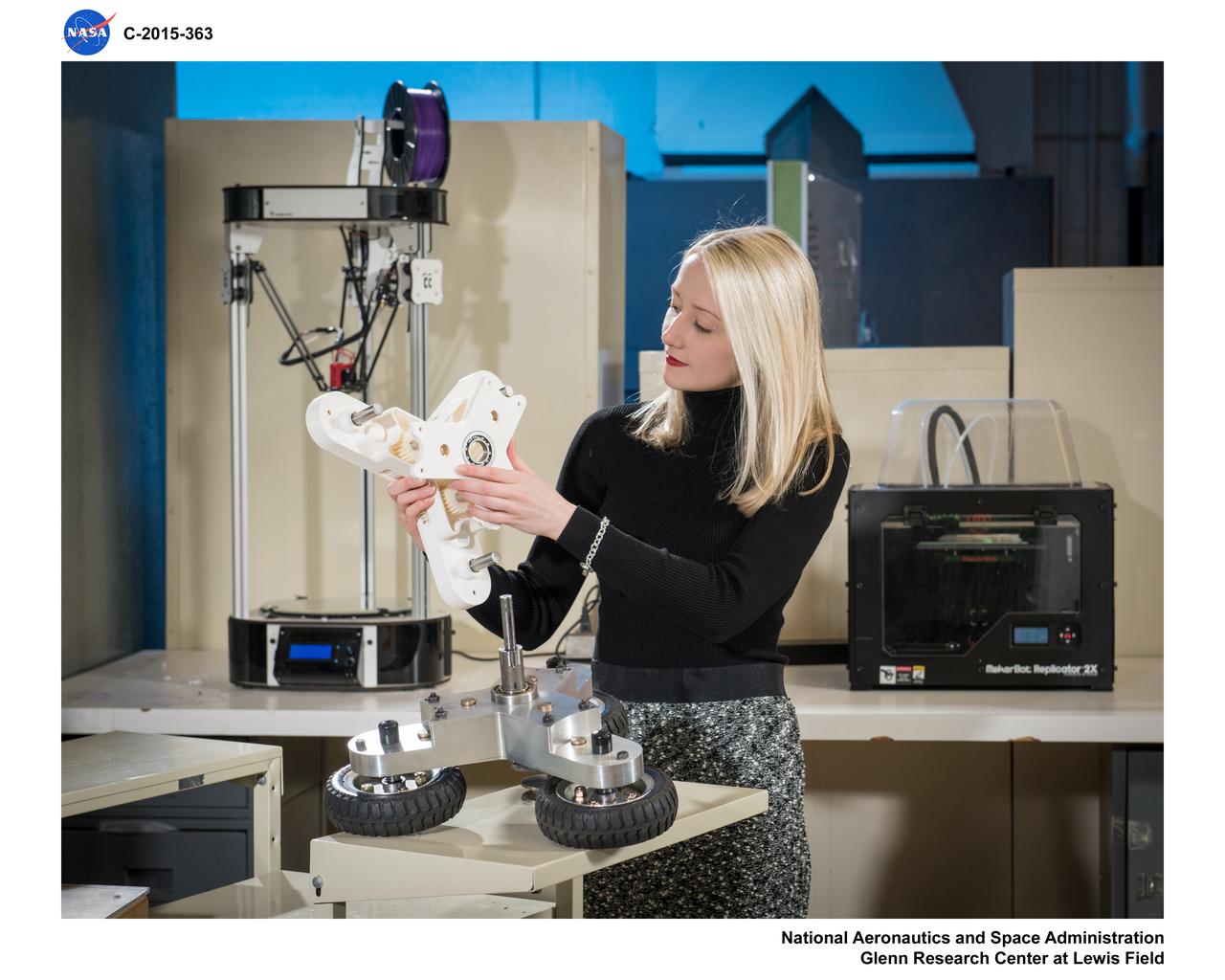
Tri Wheel Robot at i-Lab Creative and Innovation Lab at NASA GRC, Case Western Reserve University, CWRU, Masters of Science Graduate Student Partnership
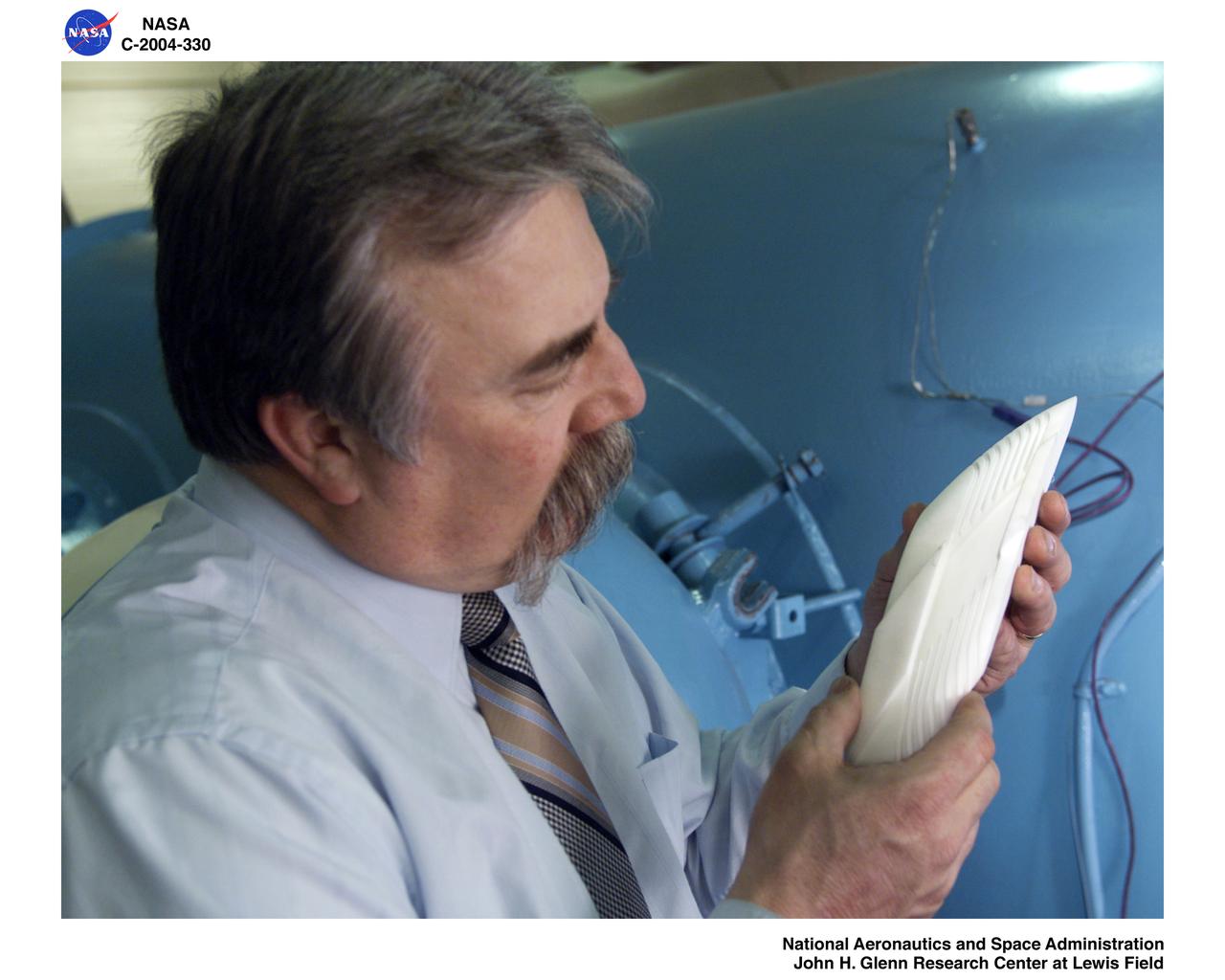
Ultra-Efficient Engine Technology (UEET) Proof of Concept Compressor, Advanced Compressor Casing Treatment testing, First Research Configuration (concentric grooves)
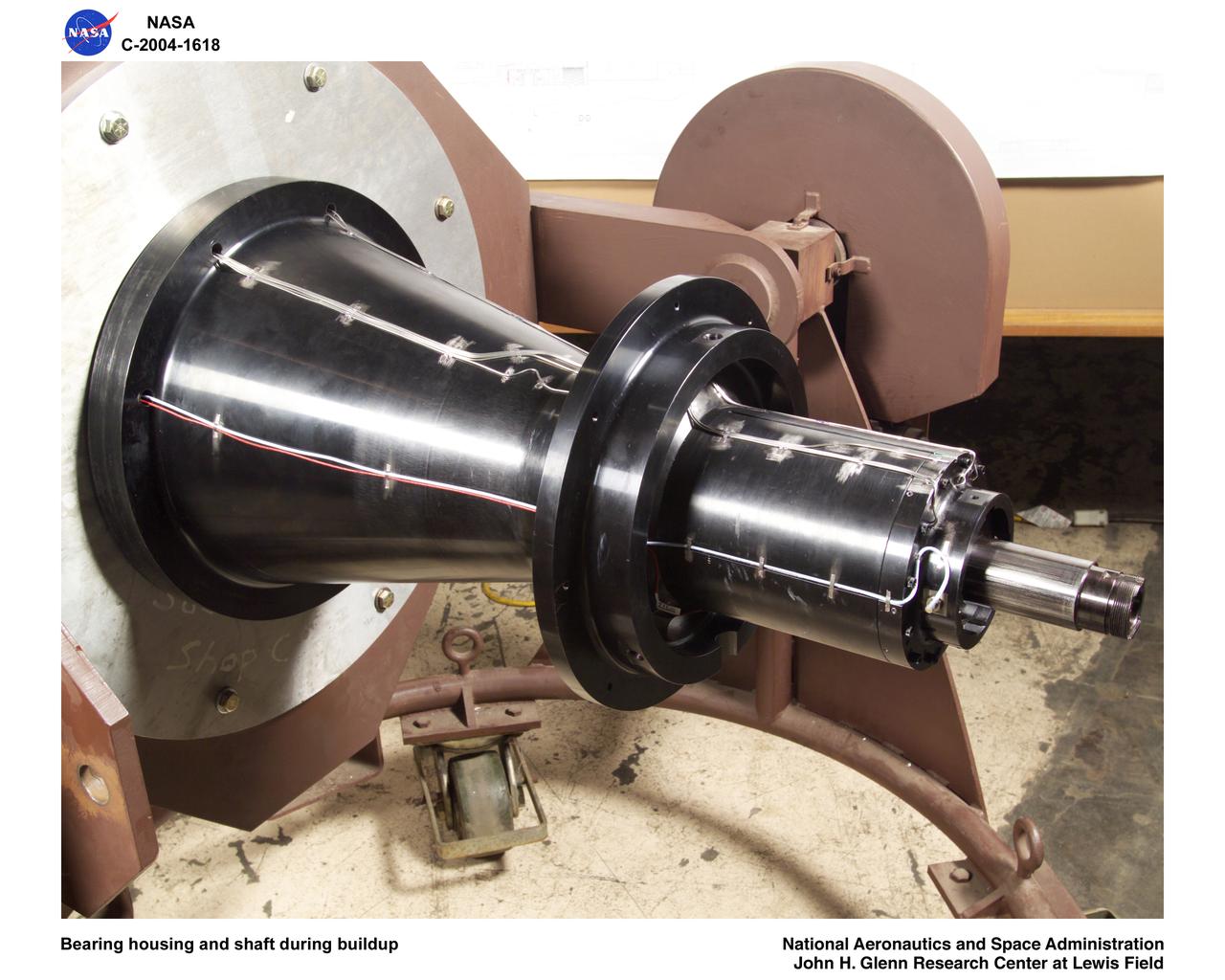
Ultra-Efficient Engine Technology (UEET), Proof of Concept Compressor, Advanced Compressor Casing Treatment testing; bearing housing and shaft during build-up
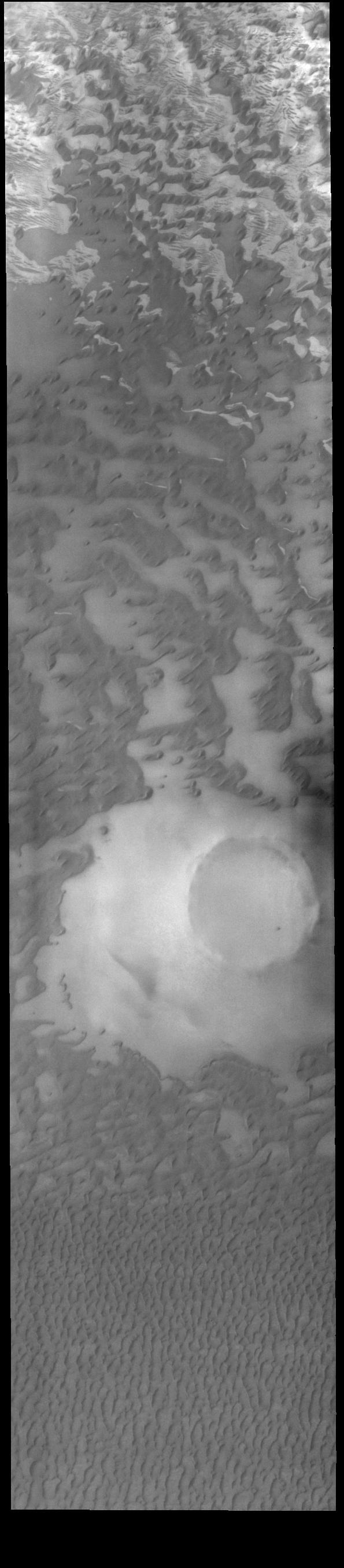
This VIS image shows part of Olympia Undae, a vast sand sea near the north pole. In regions with limited sand abundance, individual dunes form and the surface below the dunes are visible. This is the case at the top of the image. When sand abundances grow, the individual dunes coalesce into a sheet of sand hiding the underlaying surface. This is the case at the bottom of the image. Orbit Number: 80393 Latitude: 80.0028 Longitude: 143.285 Instrument: VIS Captured: 2020-01-28 21:30 https://photojournal.jpl.nasa.gov/catalog/PIA23835
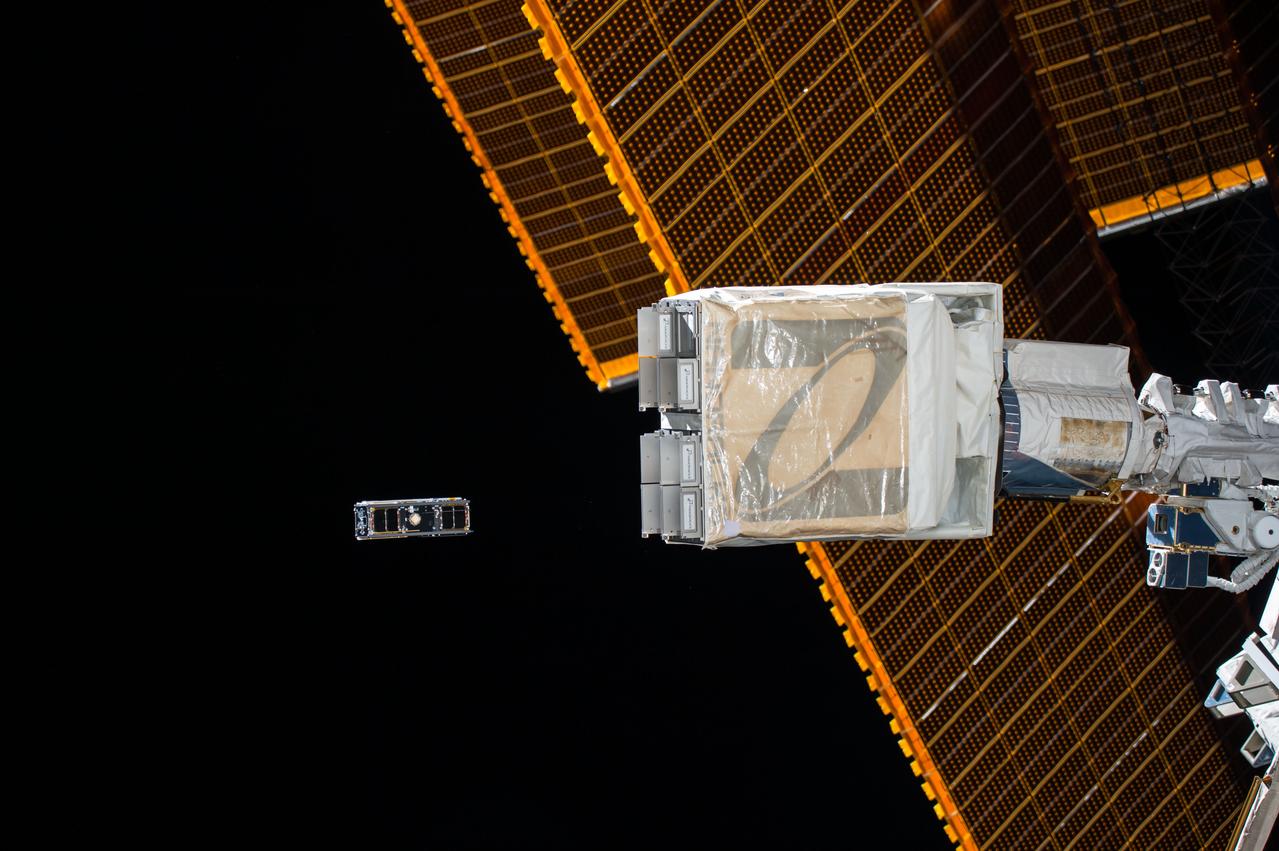
iss051e049985 )5/26/2017) --- A view of the NanoRacks CubeSat Deployer (NRCSD) 12 during the release of ExAlta-1, part of the NanoRacks-QB50 group of CubeSats. The NanoRacks CubeSat Deployer is a stackable, modular, ground loaded launch case. Each NanoRacks CubeSat Deployer accommodates up to 6.5U and eight launch cases are stacked for each JEM Airlock opening.
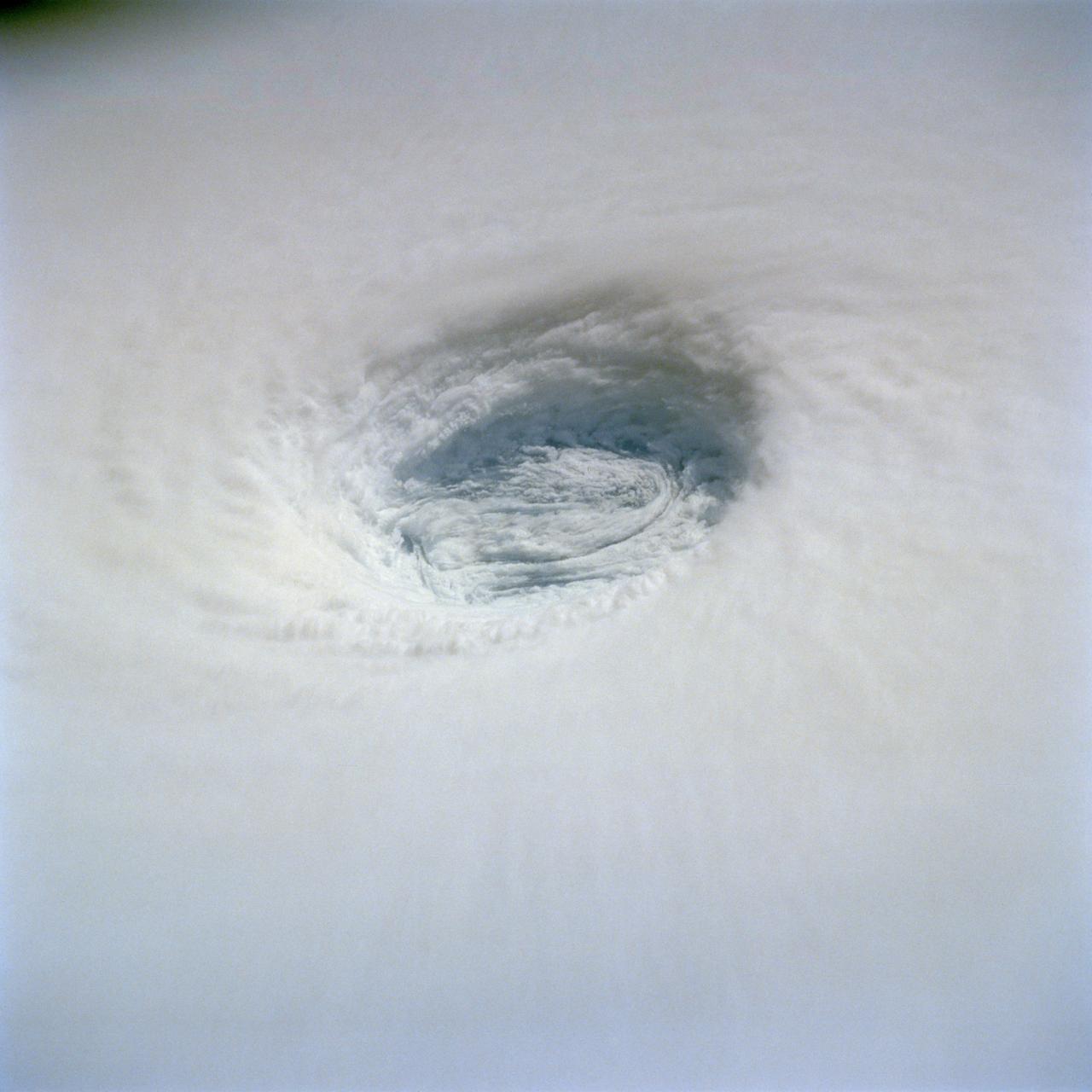
This detailed view of the eye of Supertyphoon Yuri (19.0N, 140.0E) shows the bowl shaped structure of the eye wall. The eye cylinder descends almost to the ocean surface, some 45,000 to 50,000 ft. In this case, the eye is filled with clouds but in most cases, the cylinder is at least partially clear so that the sea surface is visible. The storm at this time was at it's most intense with maximum sustained winds of 165 mph and gusting to 200 mph.
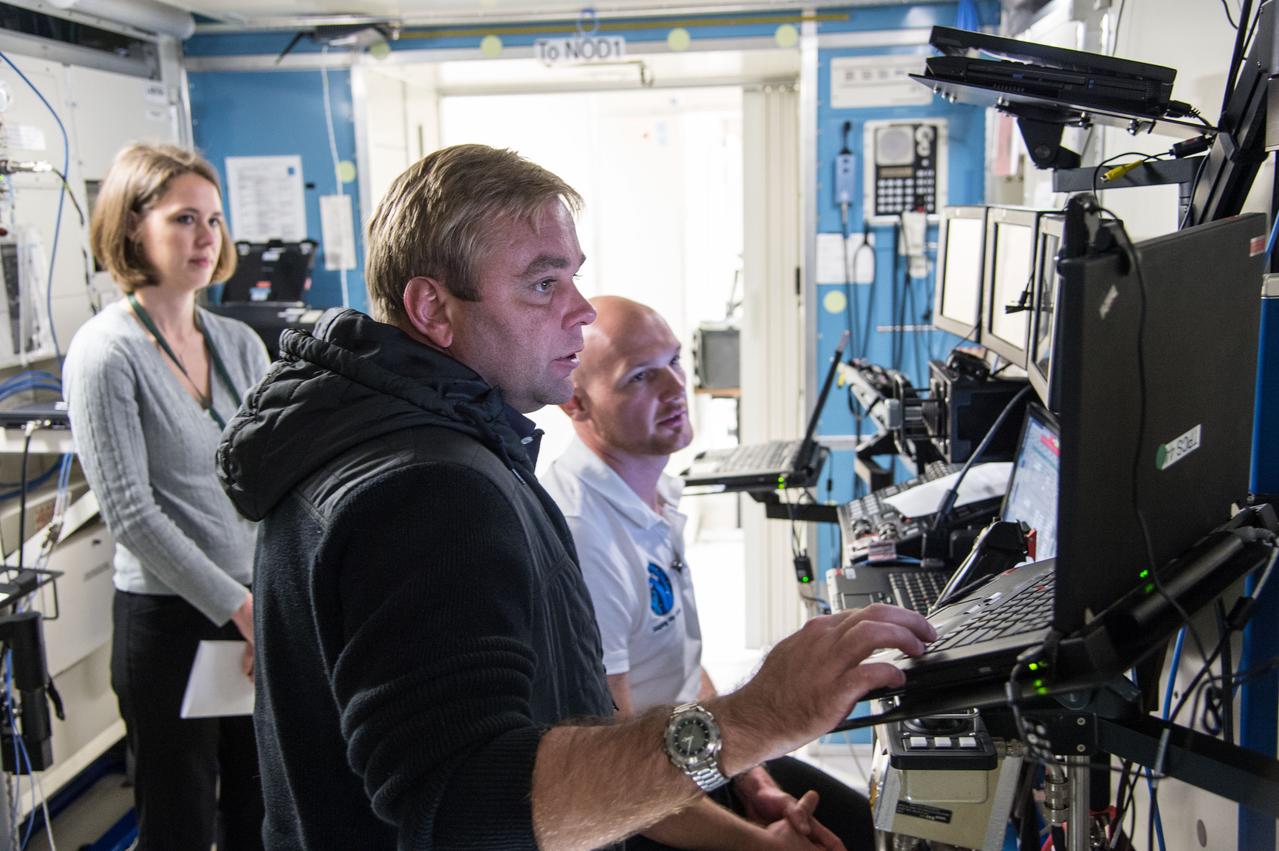
Date: 01-22-14 Location: Bldg 5, SSATA Subject: EPS Major Case with Expedition 41 crew (39S/Suraev, Wiseman and Gerst, along with 40S/Wilmore). Photographer: James Blair
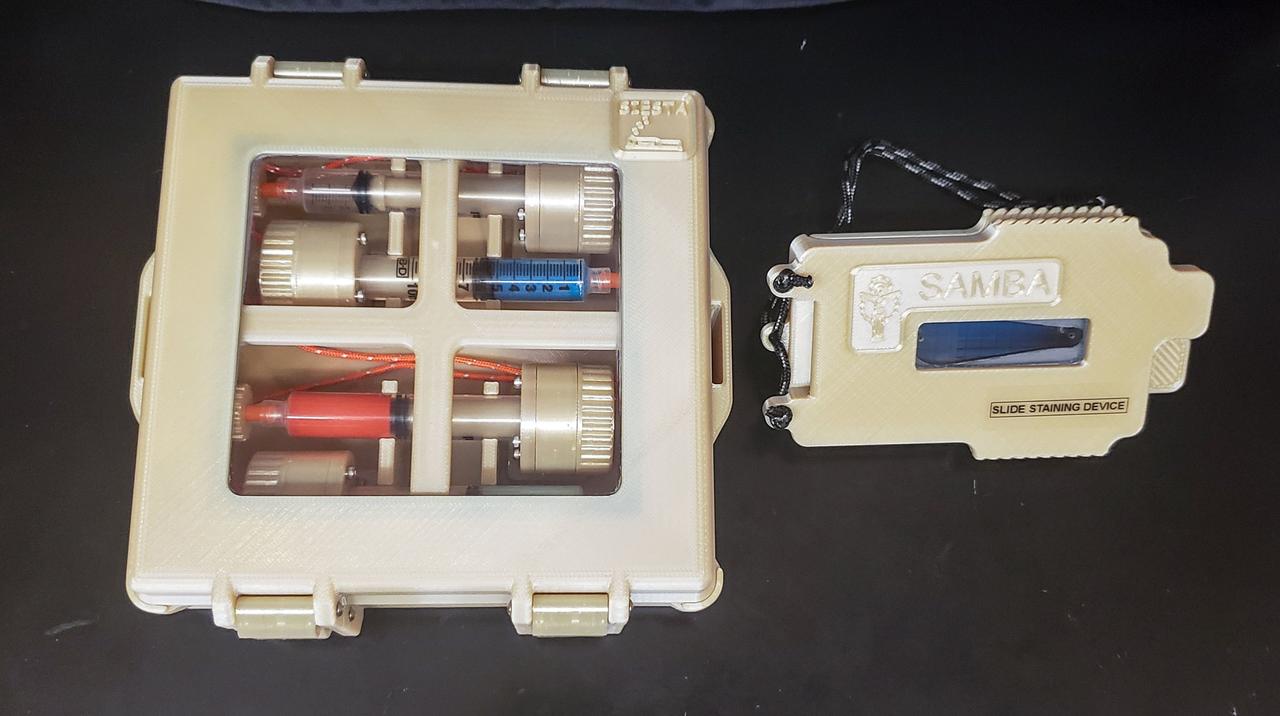
jsc2022e083573 (9/2/2022) --- A preflight image of staining reagents, casing, and staining device developed for the Moon Microscope investigation. Image courtesy of NASA’s Johnson Space Center Immunology/Virology Laboratory.
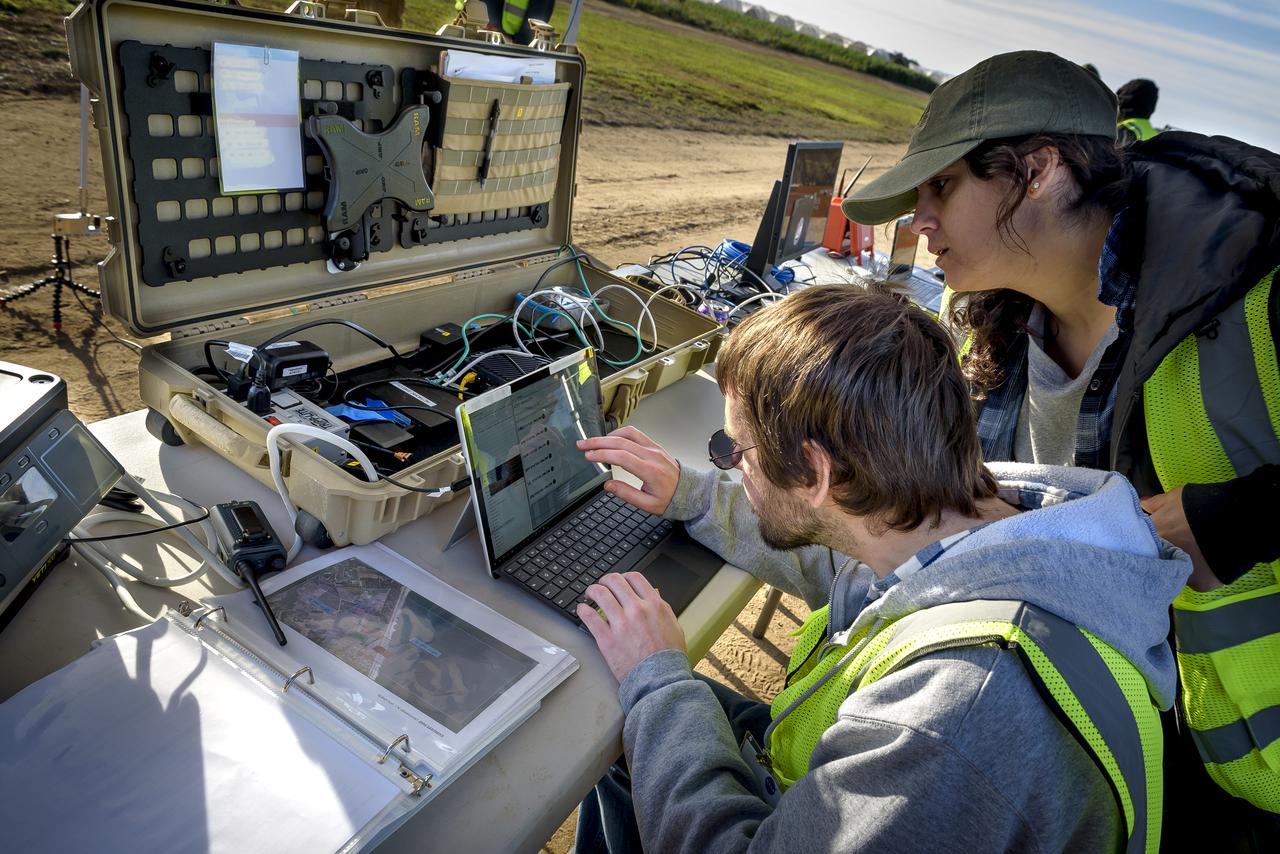
Joshua Kaurich, front, and Yasmin Arbab, works with the Advanced Capabilities for Emergency Response Operations (ACERO) Portable Airspace Management System (PAMS) case at the Monterey Bay Academy Airport near Watsonville, California.
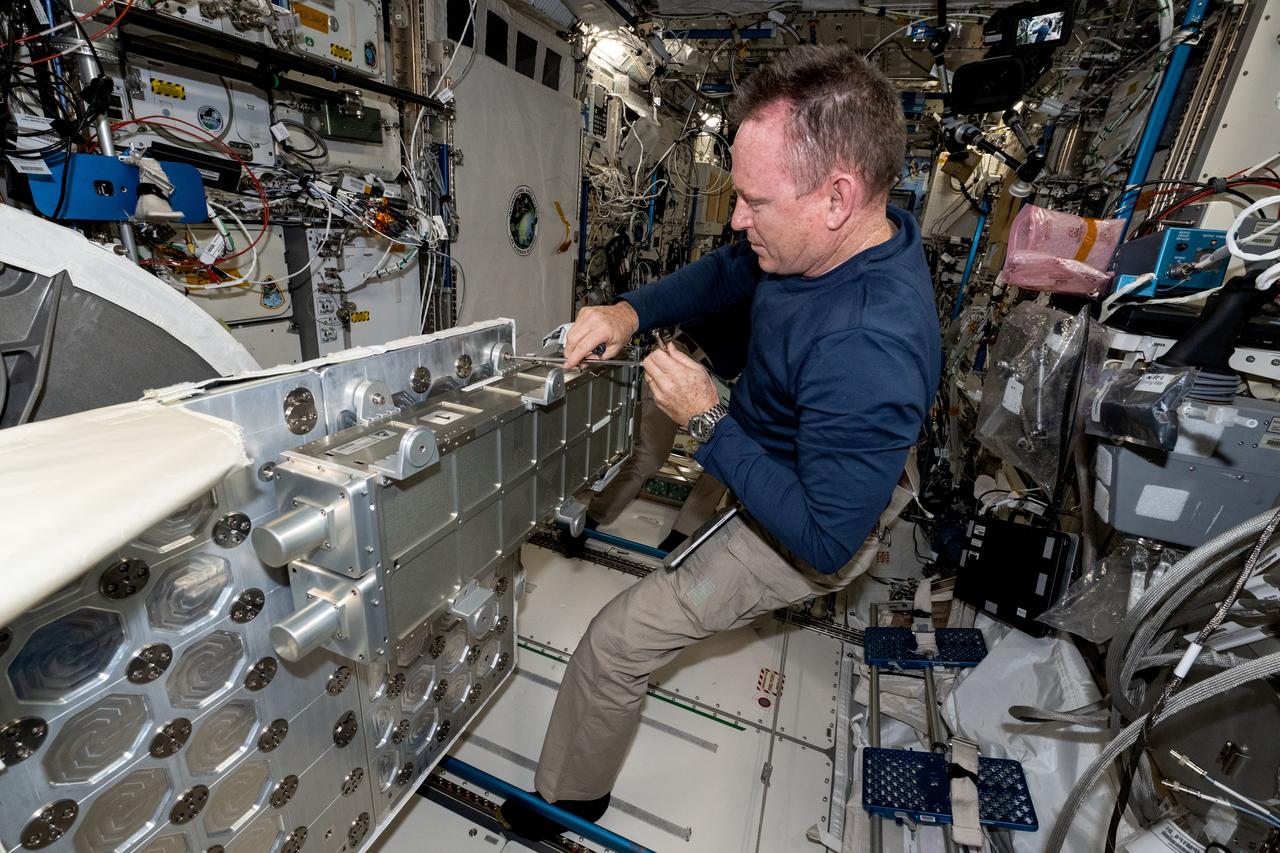
iss071e523308 (Aug. 21, 2024) --- NASA astronaut and Commander for Boeing's Crew Flight Test Butch Wilmore checks CubeSat configurations packed inside launch cases installed in the Kibo laboratory module's Small Satellite Orbital Deployer.

Date: 01-22-14 Location: Bldg 5, SSATA Subject: EPS Major Case with Expedition 41 crew (39S/Suraev, Wiseman and Gerst, along with 40S/Wilmore). Photographer: James Blair
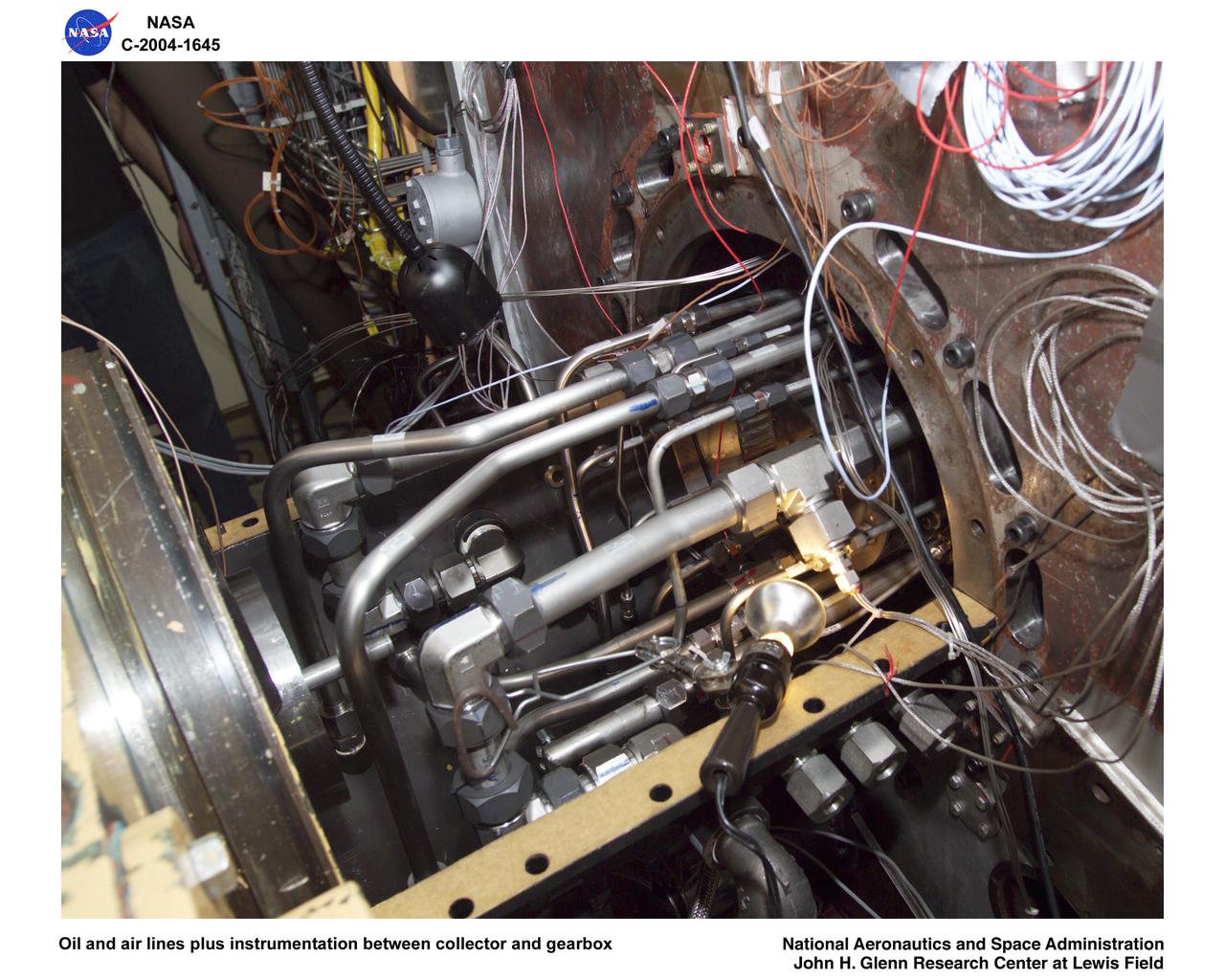
Ultra-Efficient Engine Technology (UEET), Proof of Concept Compressor, Advanced Compressor Casing Treatment testing; oil and air lines plus instrumentation between collector and gearbox
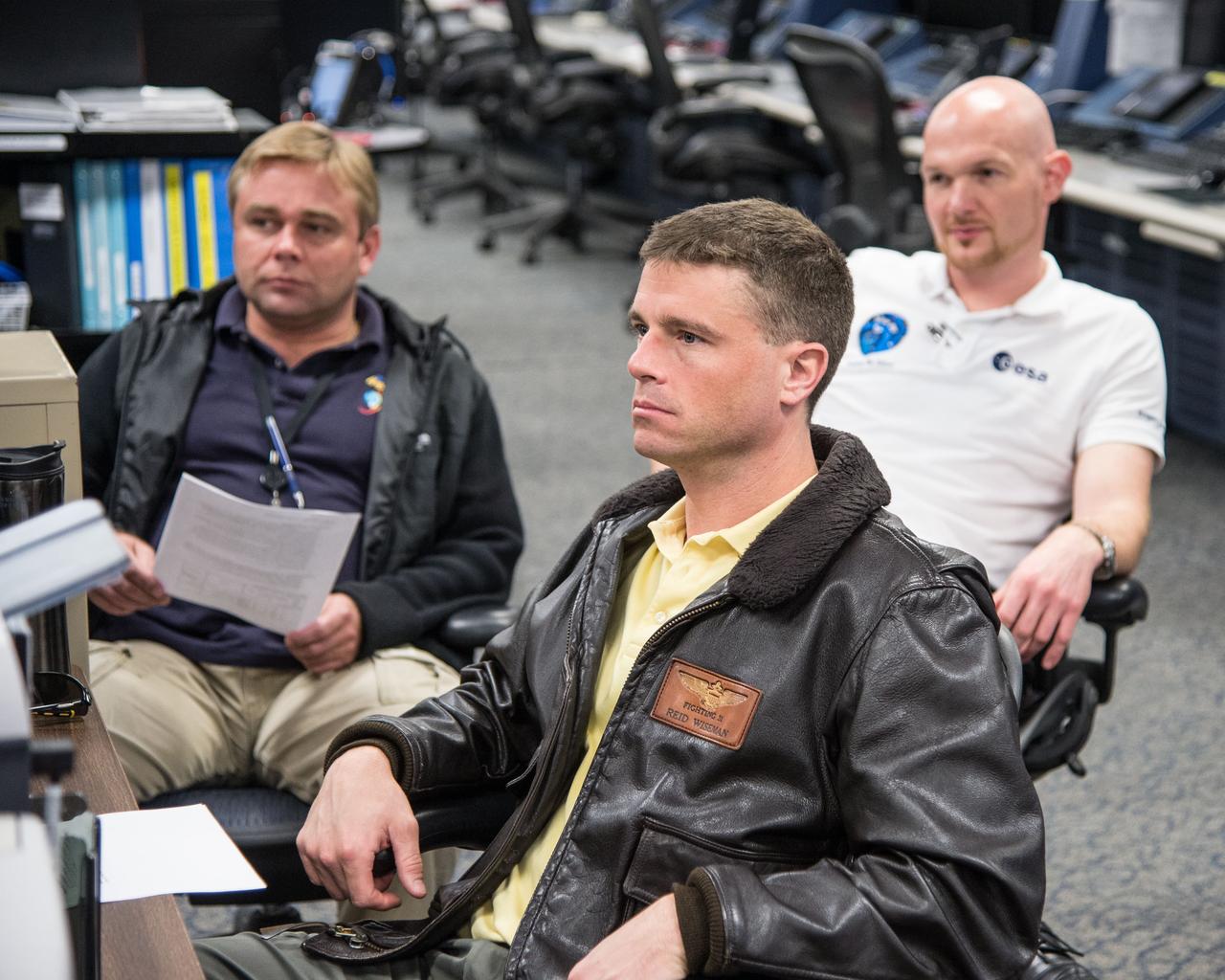
Date: 01-22-14 Location: Bldg 5, SSATA Subject: EPS Major Case with Expedition 41 crew (39S/Suraev, Wiseman and Gerst, along with 40S/Wilmore). Photographer: James Blair
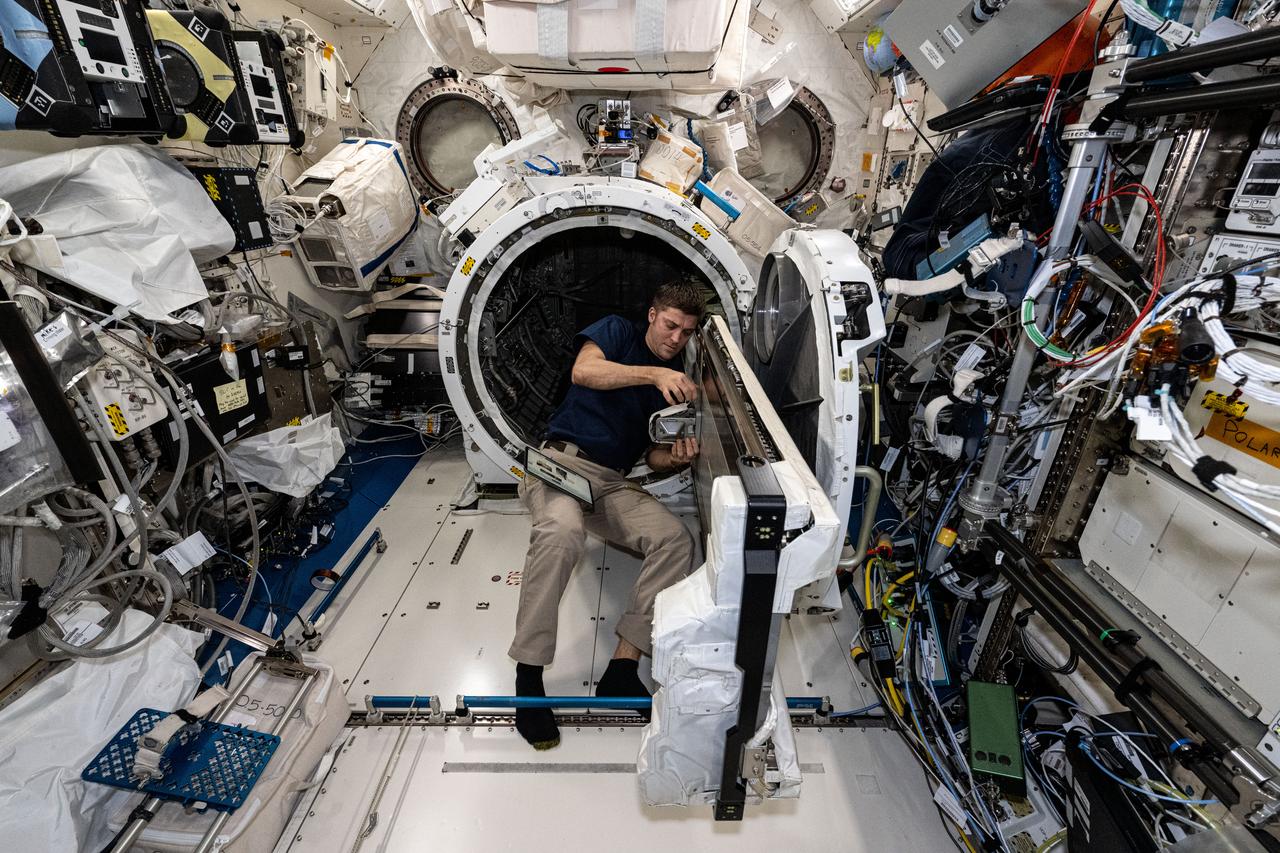
iss071e522256 (Aug. 21, 2024) --- NASA astronaut and Expedition 71 Flight Engineer Matthew Dominick checks CubeSat configurations packed inside launch cases installed in the Kibo laboratory module's Small Satellite Orbital Deployer.
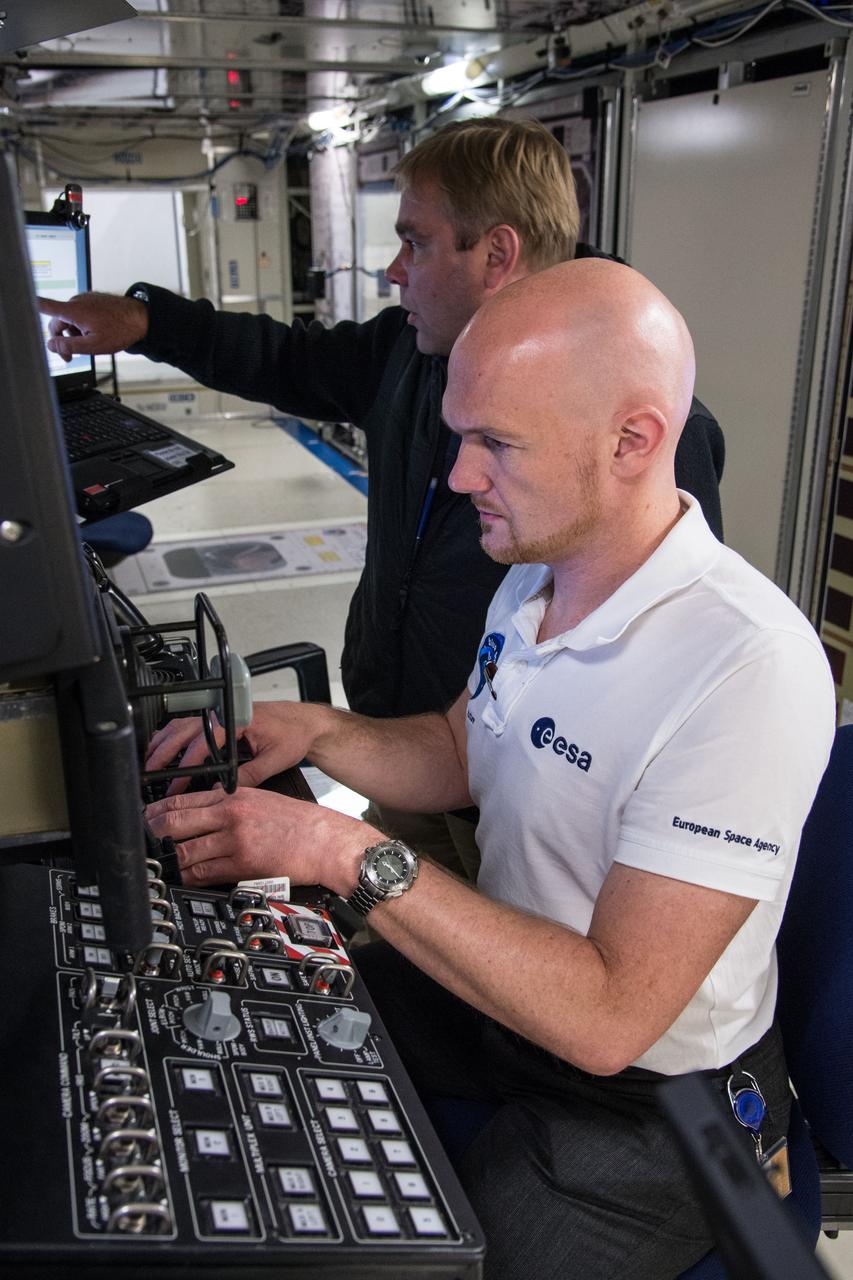
Date: 01-22-14 Location: Bldg 5, SSATA Subject: EPS Major Case with Expedition 41 crew (39S/Suraev, Wiseman and Gerst, along with 40S/Wilmore). Photographer: James Blair
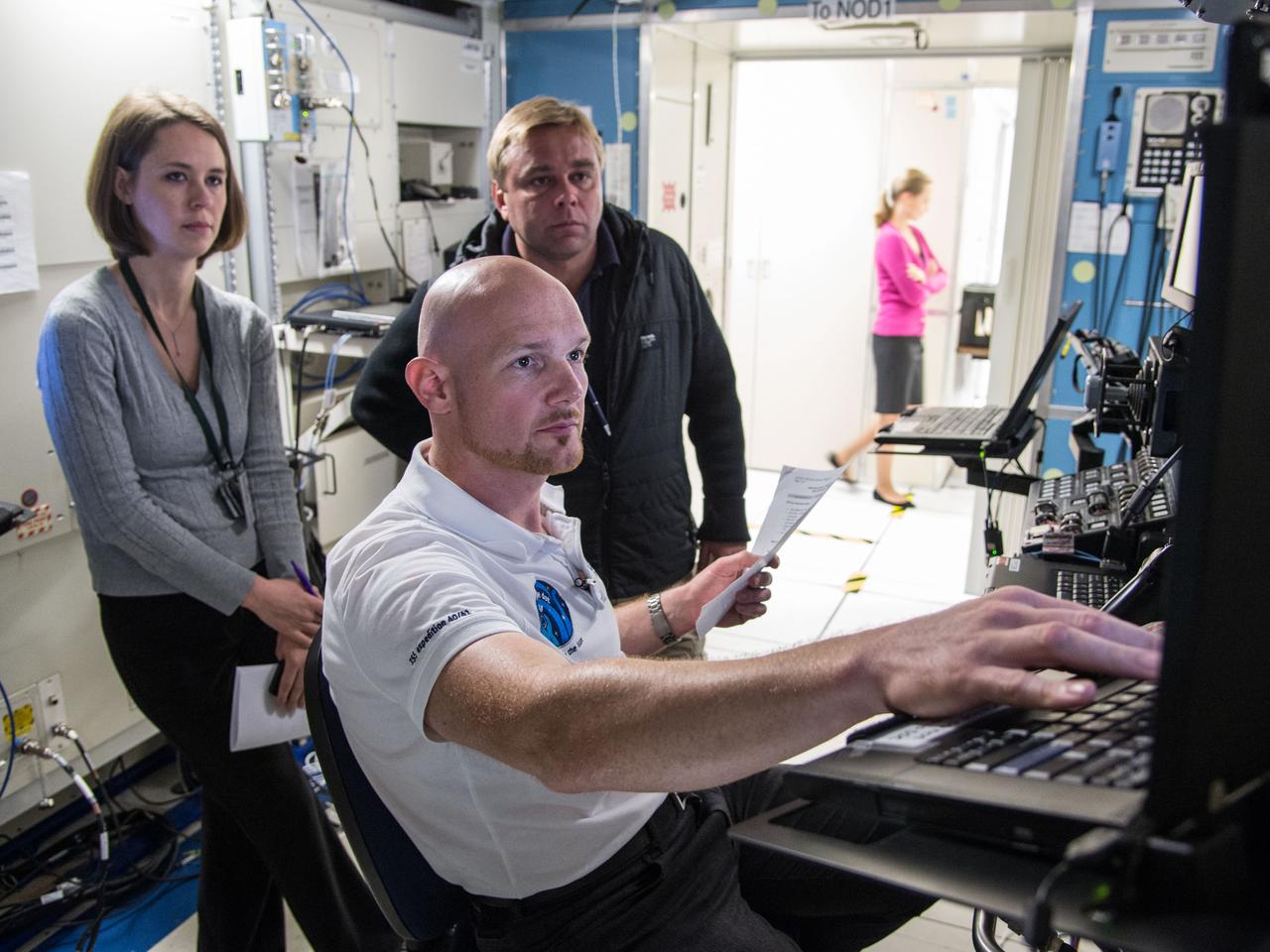
Date: 01-22-14 Location: Bldg 5, SSATA Subject: EPS Major Case with Expedition 41 crew (39S/Suraev, Wiseman and Gerst, along with 40S/Wilmore). Photographer: James Blair
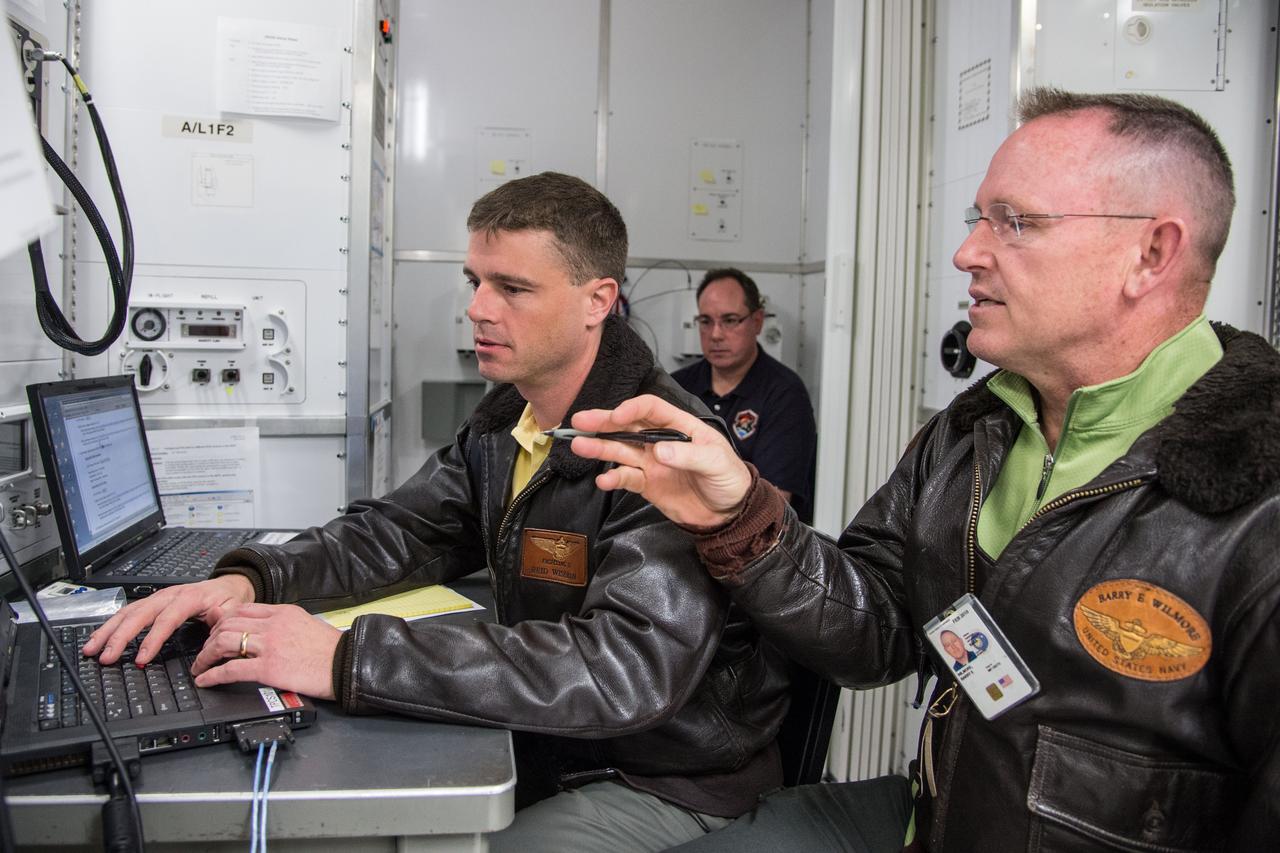
Date: 01-22-14 Location: Bldg 5, SSATA Subject: EPS Major Case with Expedition 41 crew (39S/Suraev, Wiseman and Gerst, along with 40S/Wilmore). Photographer: James Blair
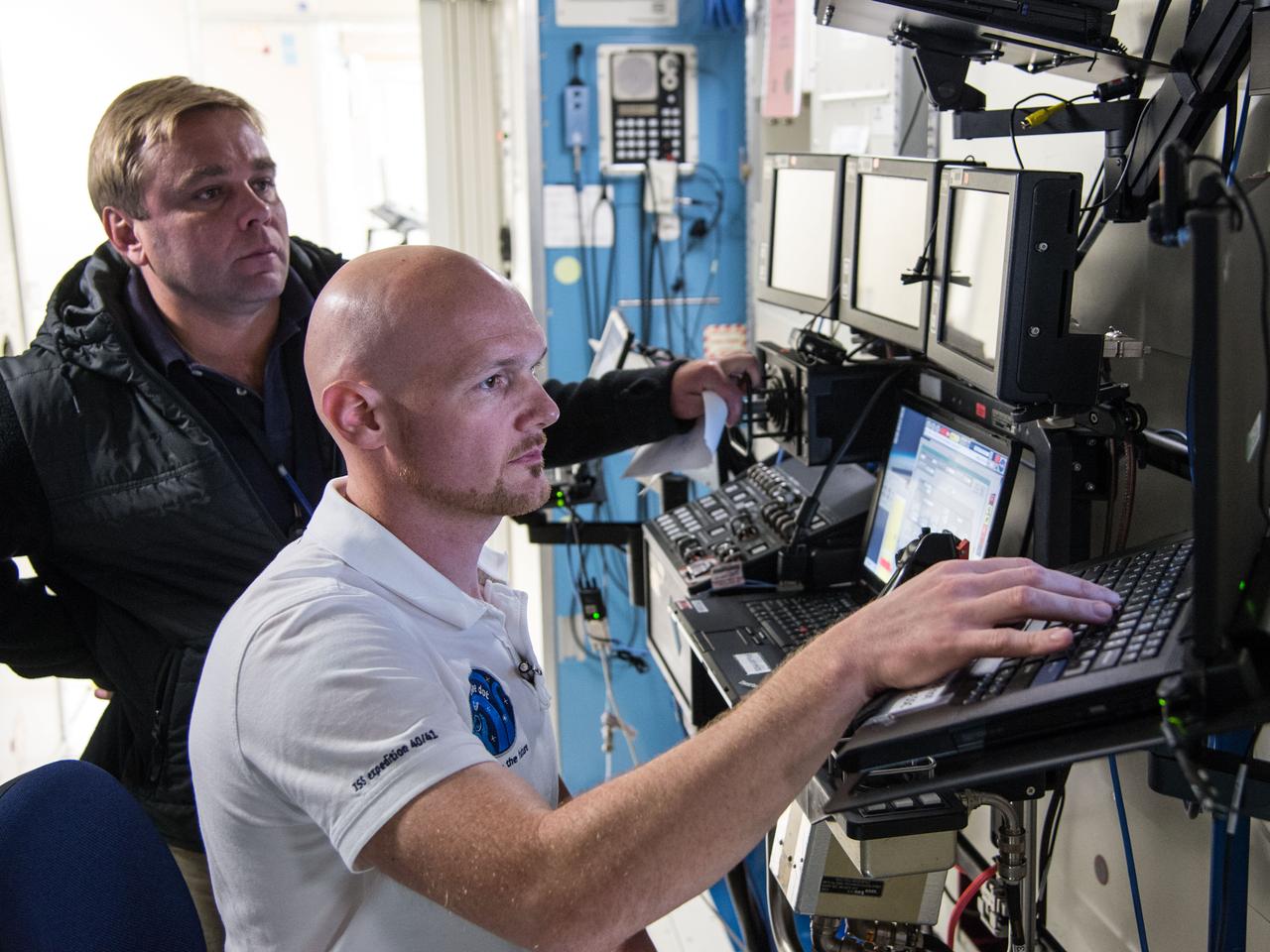
Date: 01-22-14 Location: Bldg 5, SSATA Subject: EPS Major Case with Expedition 41 crew (39S/Suraev, Wiseman and Gerst, along with 40S/Wilmore). Photographer: James Blair
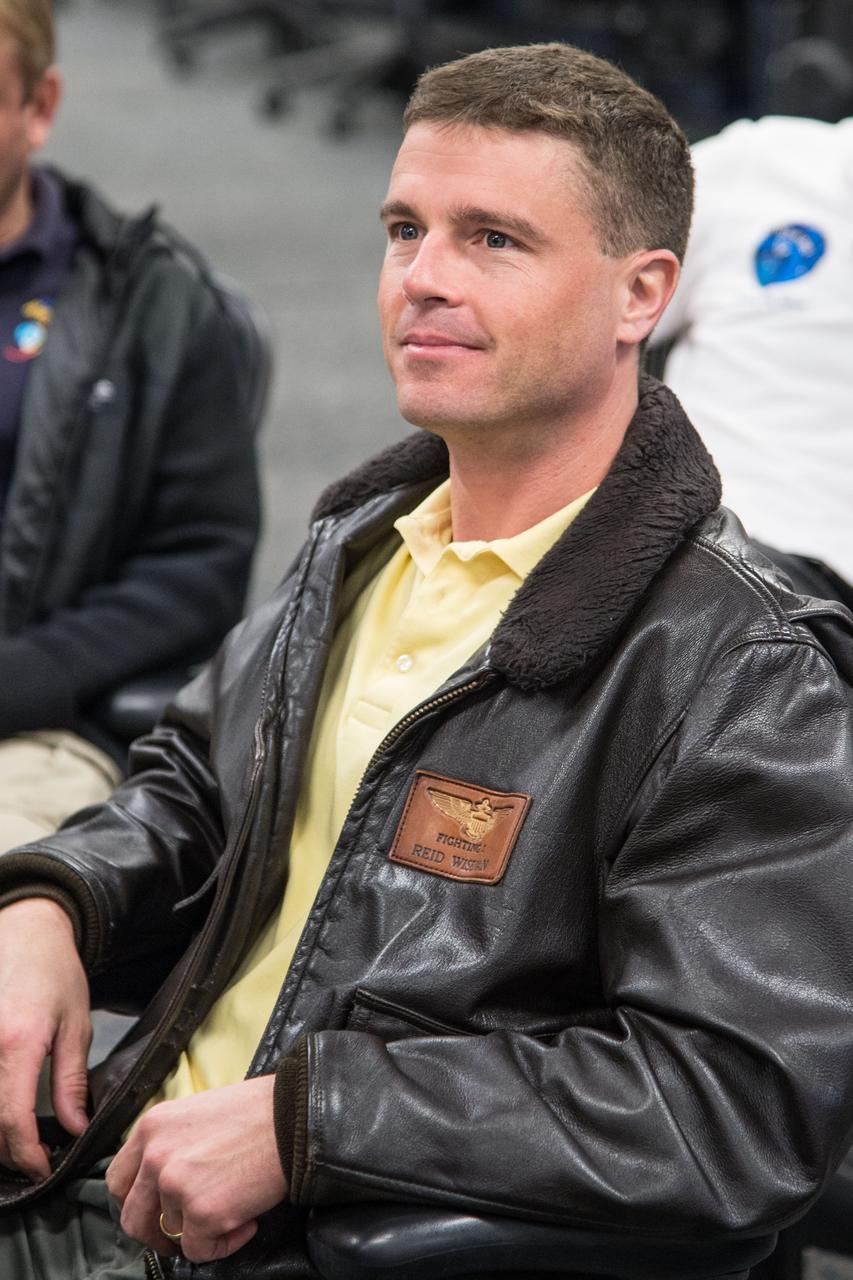
Date: 01-22-14 Location: Bldg 5, SSATA Subject: EPS Major Case with Expedition 41 crew (39S/Suraev, Wiseman and Gerst, along with 40S/Wilmore). Photographer: James Blair
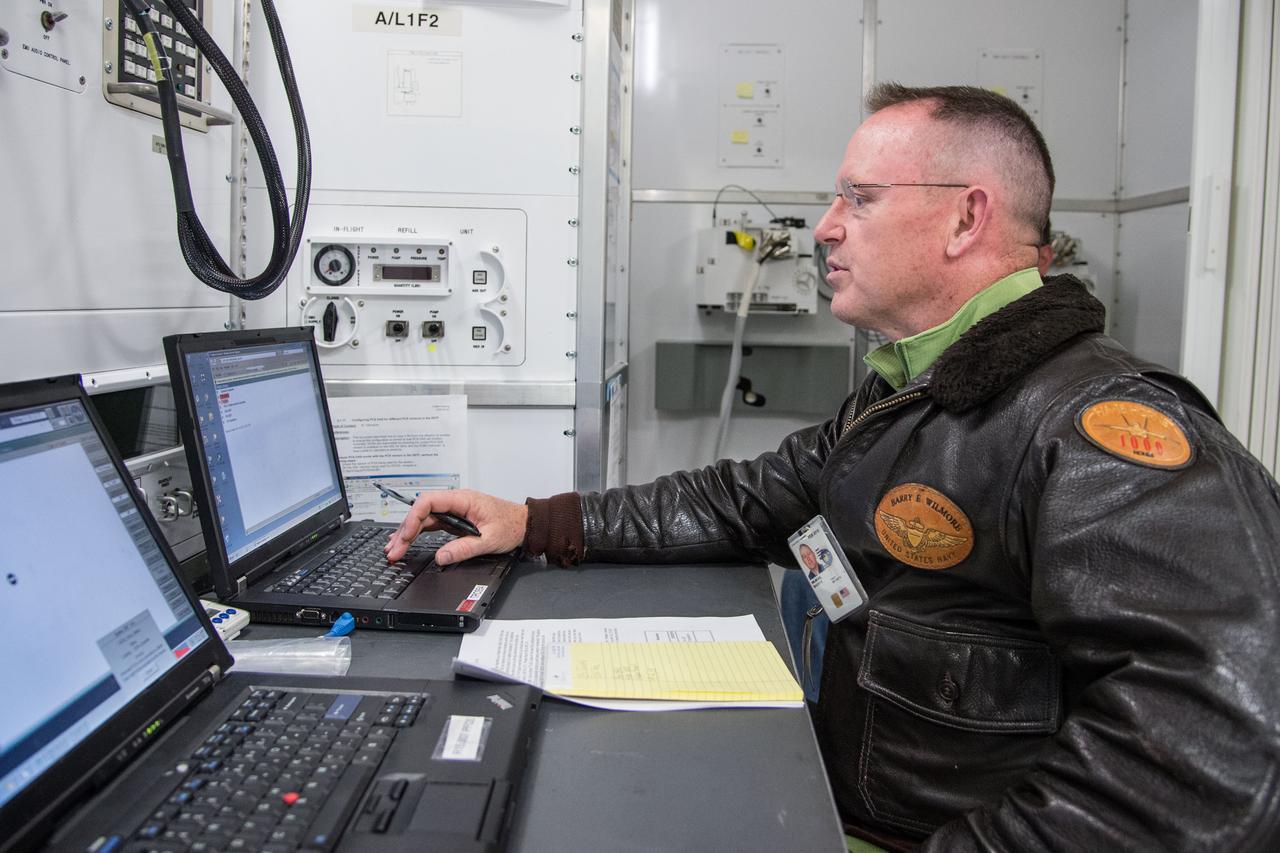
Date: 01-22-14 Location: Bldg 5, SSATA Subject: EPS Major Case with Expedition 41 crew (39S/Suraev, Wiseman and Gerst, along with 40S/Wilmore). Photographer: James Blair
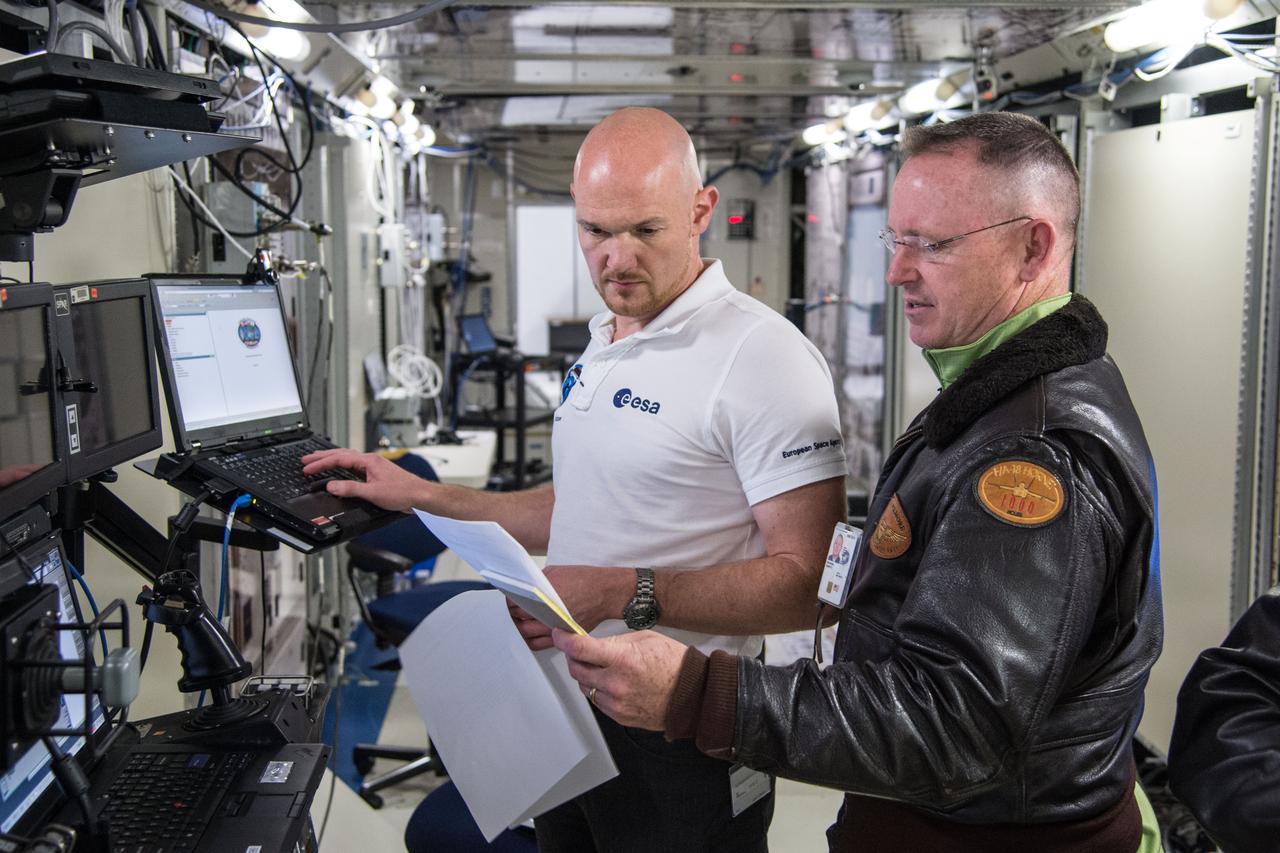
Date: 01-22-14 Location: Bldg 5, SSATA Subject: EPS Major Case with Expedition 41 crew (39S/Suraev, Wiseman and Gerst, along with 40S/Wilmore). Photographer: James Blair
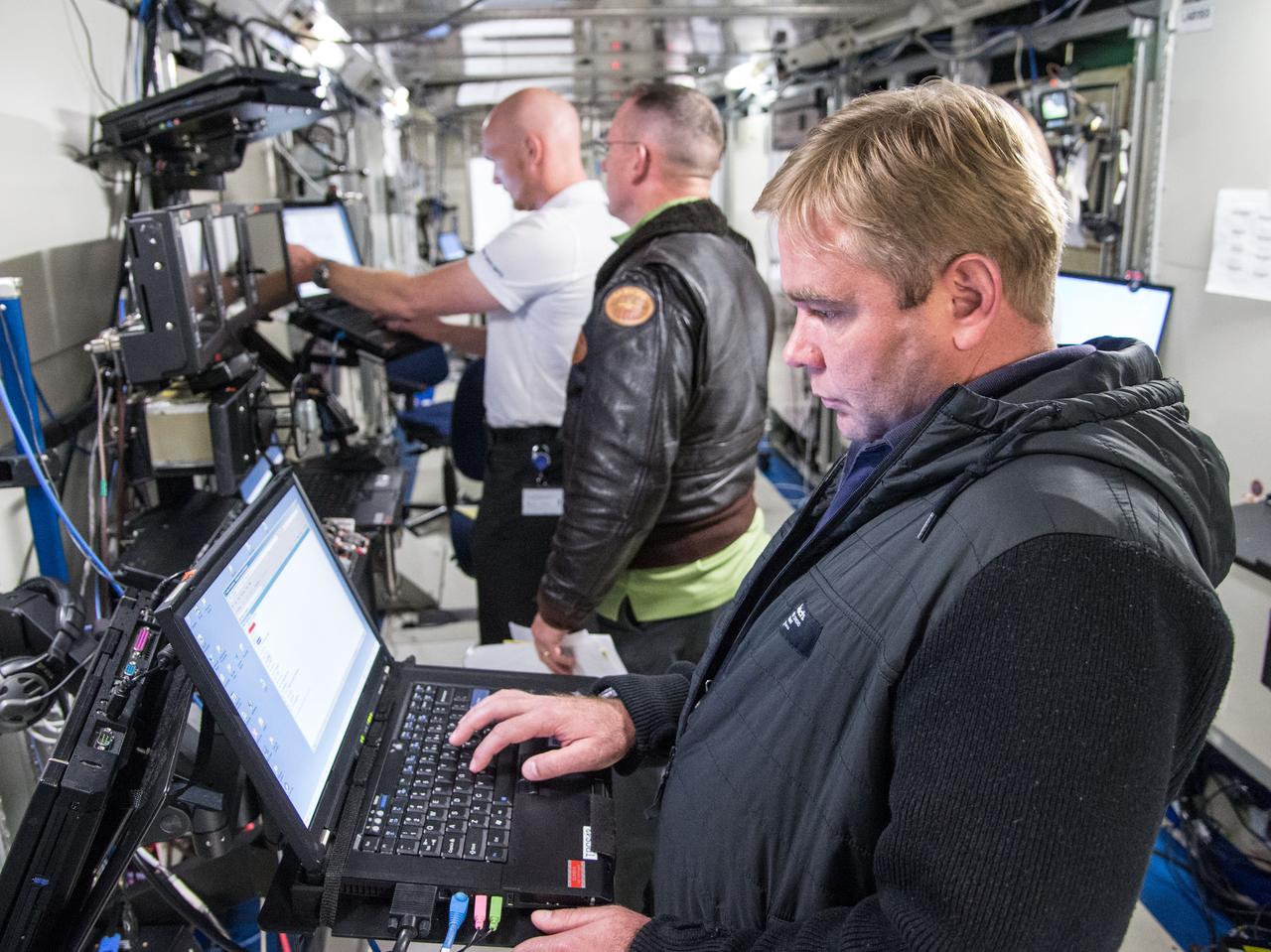
Date: 01-22-14 Location: Bldg 5, SSATA Subject: EPS Major Case with Expedition 41 crew (39S/Suraev, Wiseman and Gerst, along with 40S/Wilmore). Photographer: James Blair
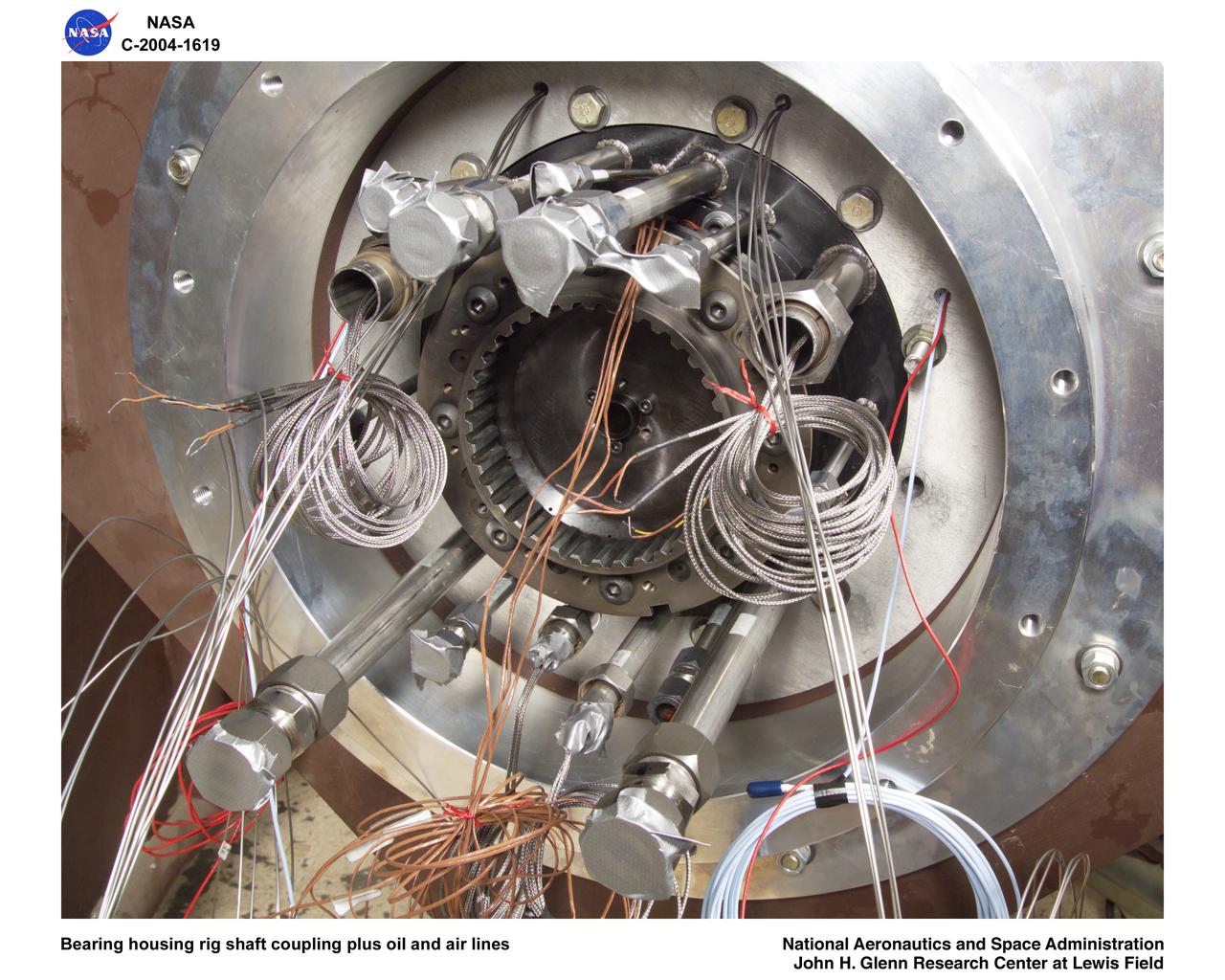
Ultra-Efficient Engine Technology (UEET), Proof of Concept Compressor, Advanced Compressor Casing Treatment testing; bearing housing rig shaft coupling and oil, air lines
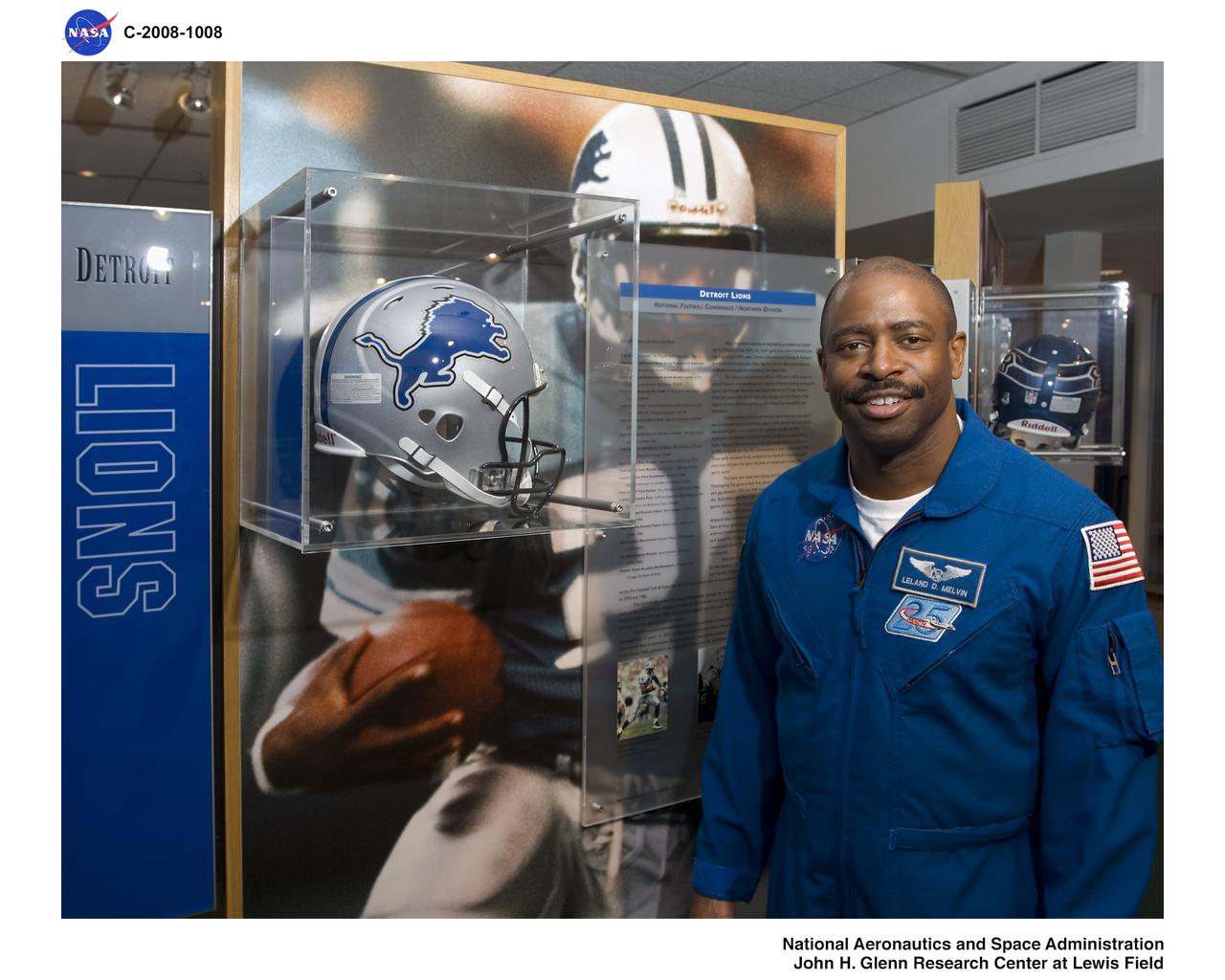
STS-122 Crew Members visit the Pro Football Hall of Fame in Canton Ohio. STS-122 Astronaut poses by a Detroit Lions display case. He was drafted by the Lions in 1986
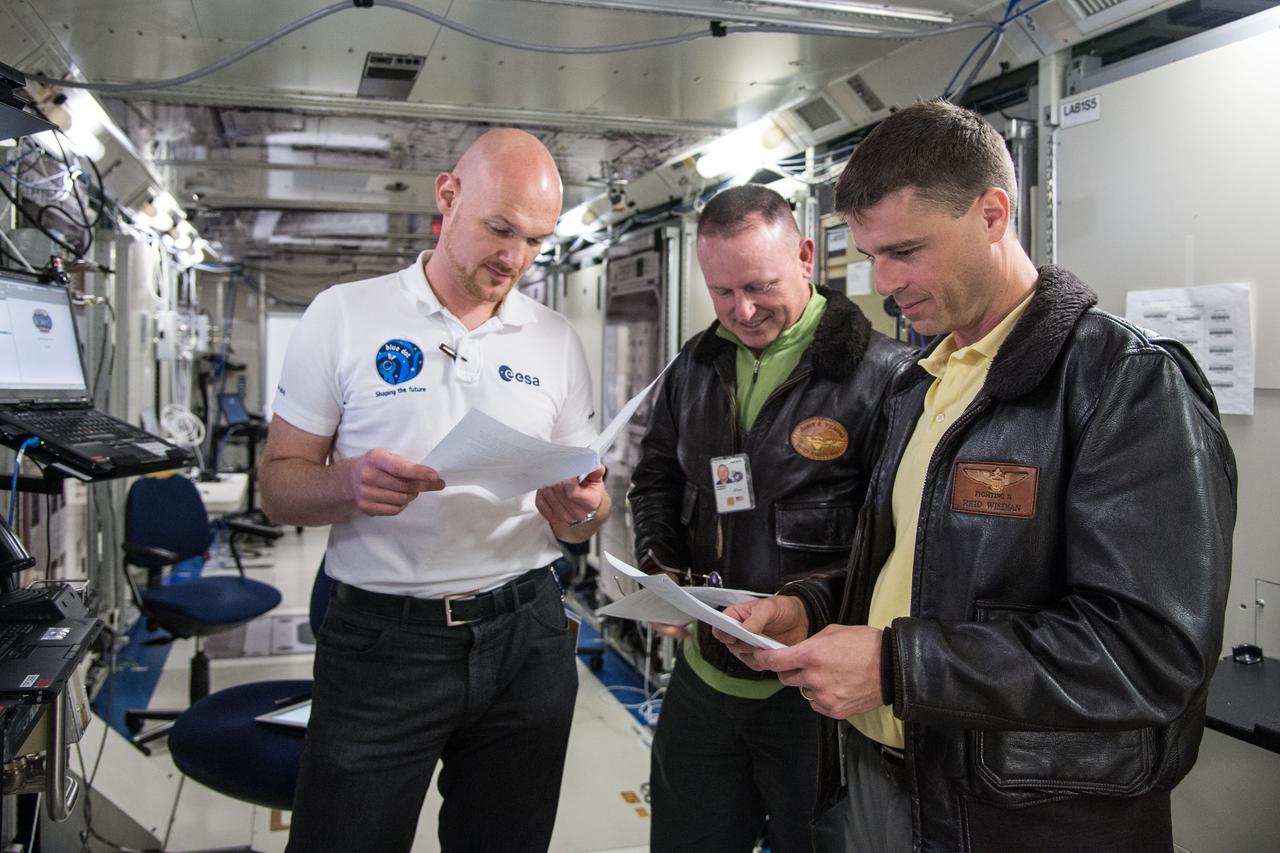
Date: 01-22-14 Location: Bldg 5, SSATA Subject: EPS Major Case with Expedition 41 crew (39S/Suraev, Wiseman and Gerst, along with 40S/Wilmore). Photographer: James Blair
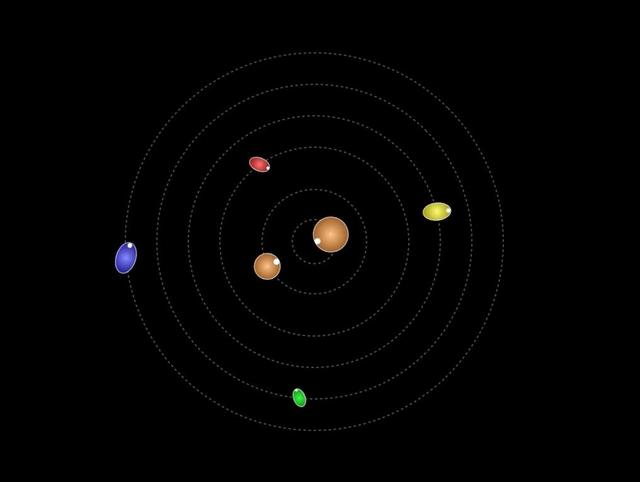
Most inner moons in the solar system keep one face pointed toward their central planet; this frame from an animation by NASA New Horizons shows that certainly isnt the case with the small moons of Pluto, which behave like spinning tops. Pluto is shown at center with, in order, from smaller to wider orbit: Charon, Styx, Nix, Kerberos, Hydra. http://photojournal.jpl.nasa.gov/catalog/PIA20152
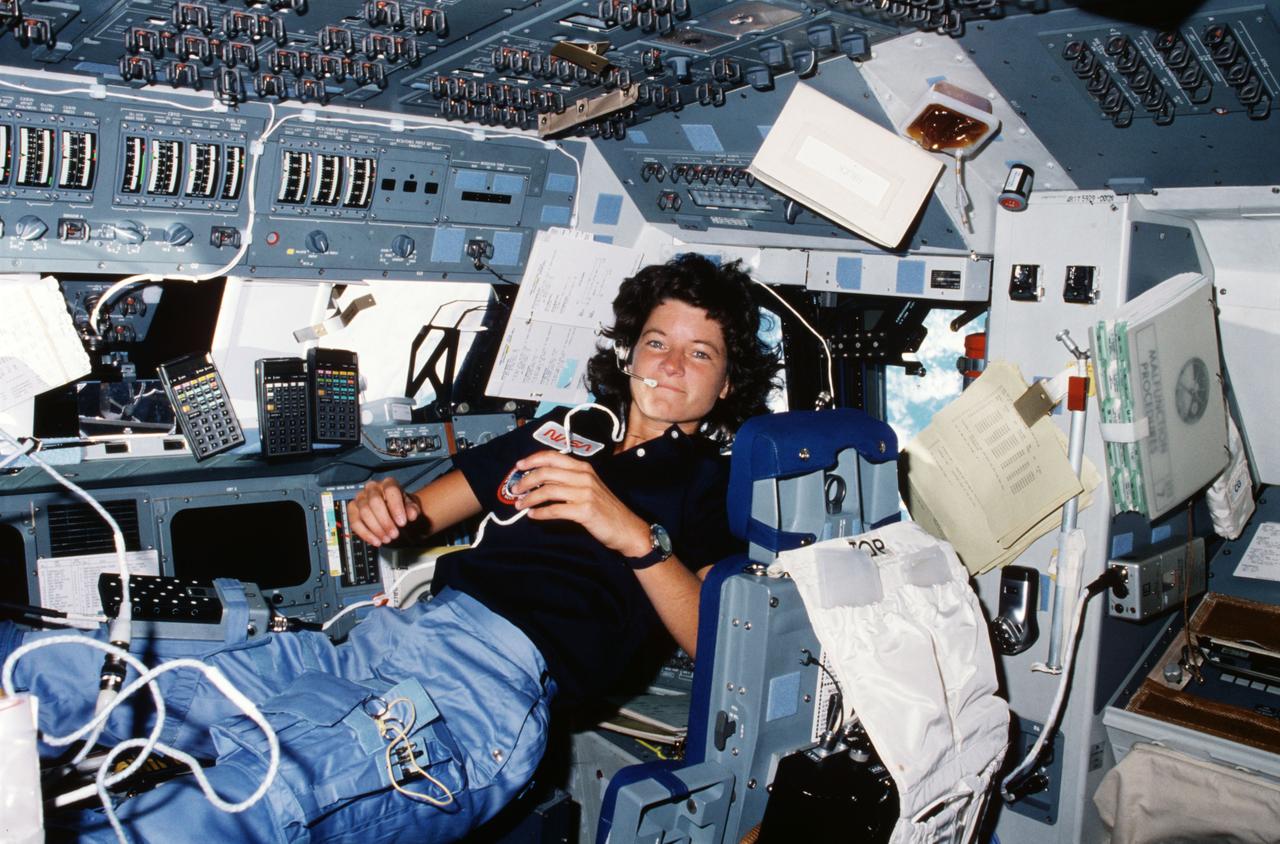
STS007-14-629 (21 June 1983) --– Astronaut Sally K. Ride, STS-7 mission specialist, performs a number of functions simultaneously, proving the necessity for versatility and dexterity in space travel. Floating freely on the flight deck, Dr. Ride communicates with ground controllers in Houston, moves within feet of important reference data, hand calculators and other aids all at the same time. She is one of the five astronaut crew members for the Challenger’s second orbital mission. Her head is in the station normally occupied by the pilot (in this case, Frederick H. (Rick) Hauck) and her feet are anchored at the station for the crew commander (in this case, Robert L. Crippen). Photo credit: NASA
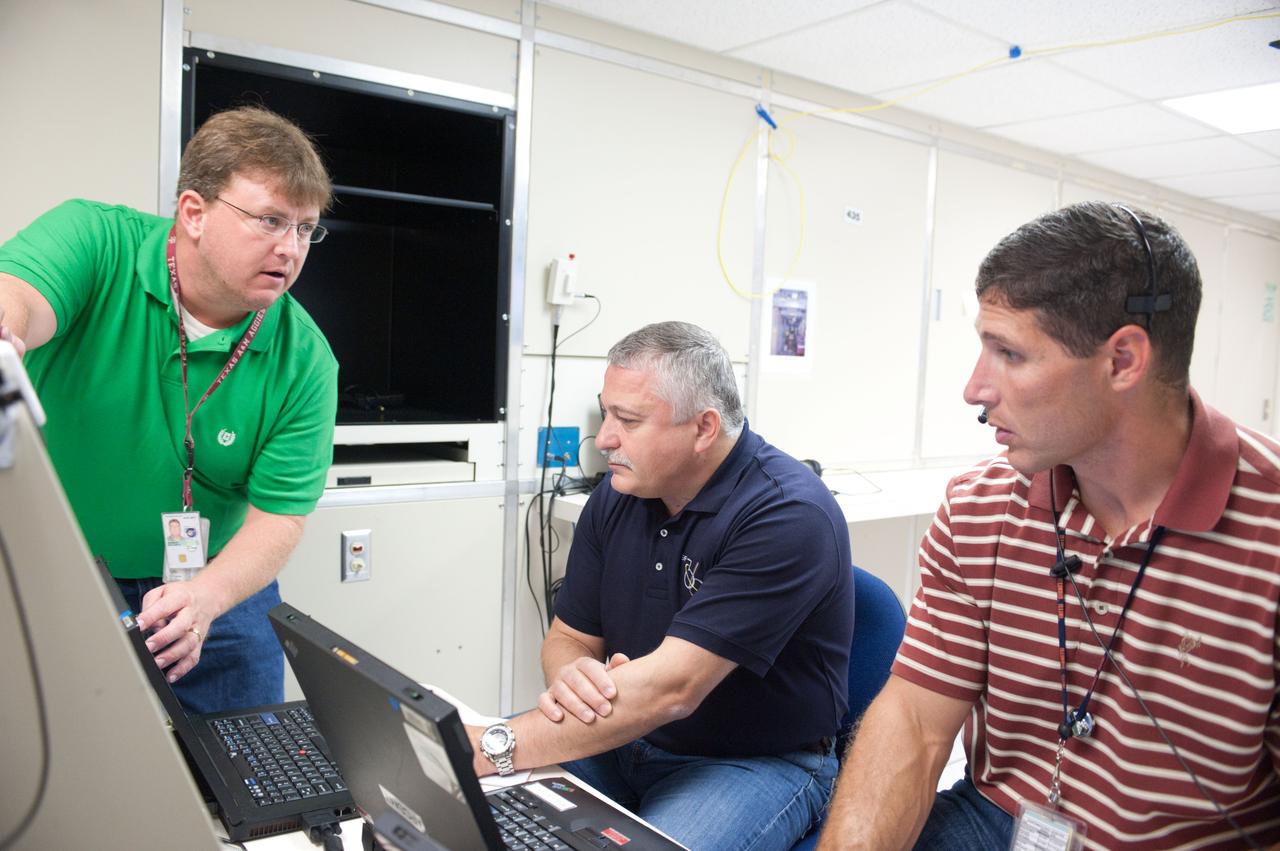
DATE: 9-11-12 LOCATION: Bldg. 5 - SSTF High Bay SUBJECT: Expedition 36/37 crew (Yurchikhin, Nyberg and Parmitano) along with Exp. 37/38’s Michael Hopkins during EPS Major Case Training. PHOTOGRAPHER: Lauren Harnett
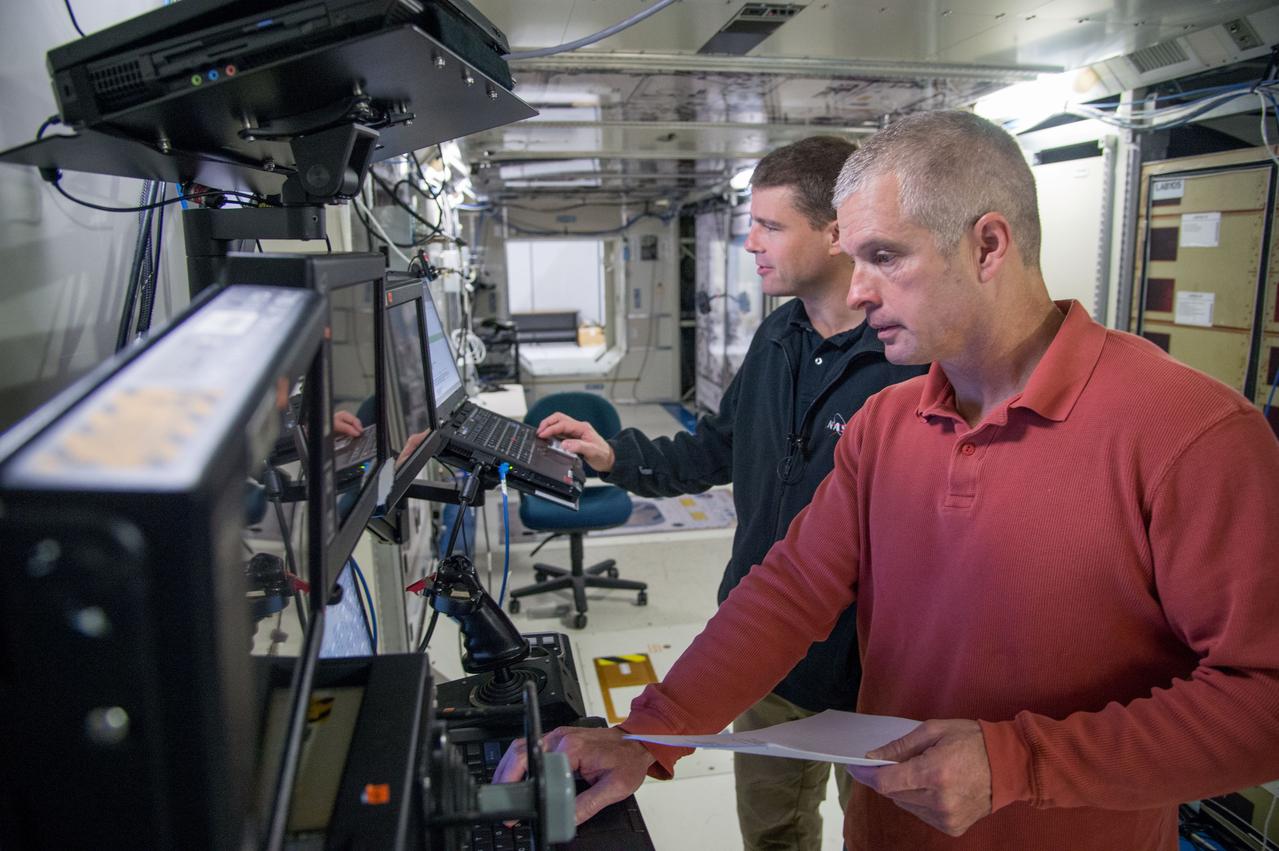
Date: 12-06-13 Location: Bldg 5, SSTF Subject: Expedition 40 crew members Steve Swanson, Greg Wiseman and Alexander Gerst during EPS MAJOR CASE B training in SSTF with instructor Jessica Newman Photographer: James Blair
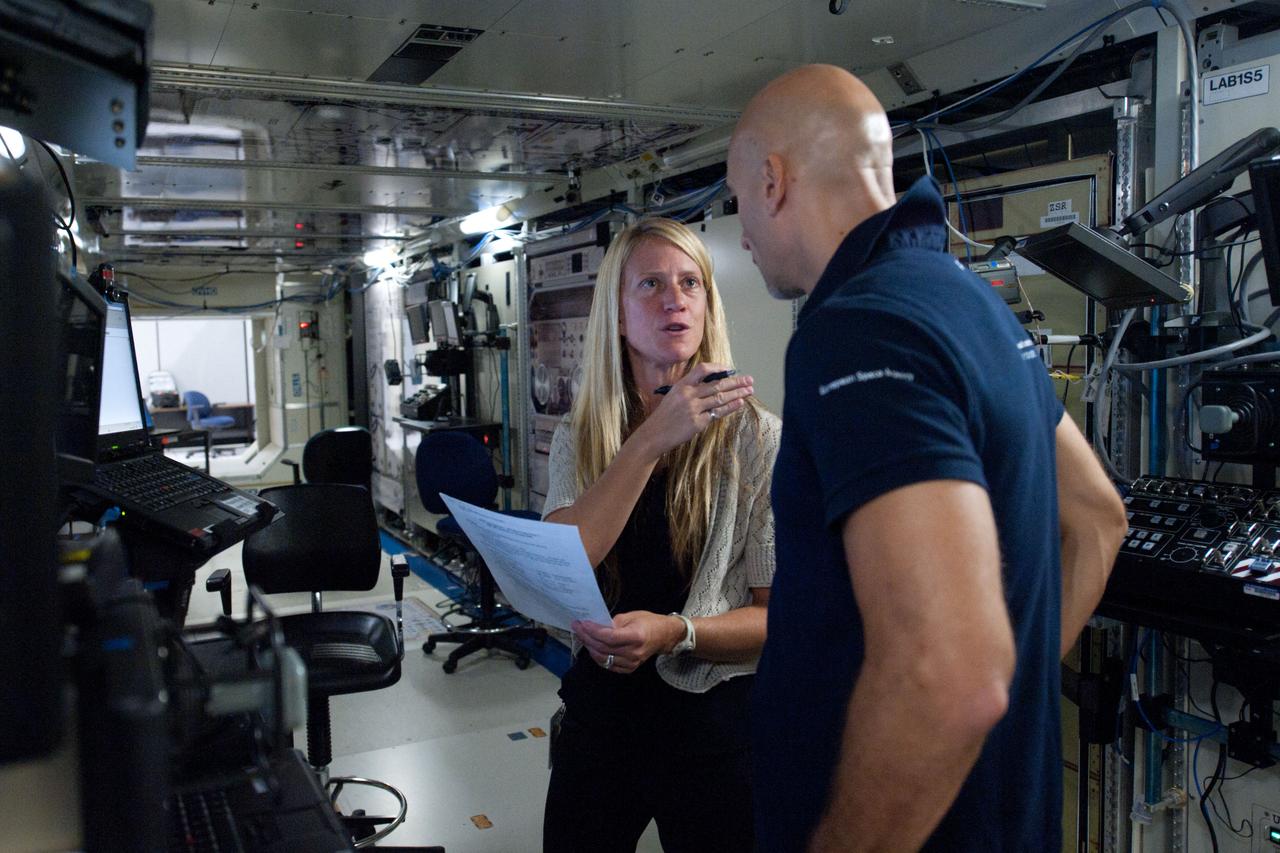
DATE: 9-11-12 LOCATION: Bldg. 5 - SSTF High Bay SUBJECT: Expedition 36/37 crew (Yurchikhin, Nyberg and Parmitano) along with Exp. 37/38’s Michael Hopkins during EPS Major Case Training. PHOTOGRAPHER: Lauren Harnett
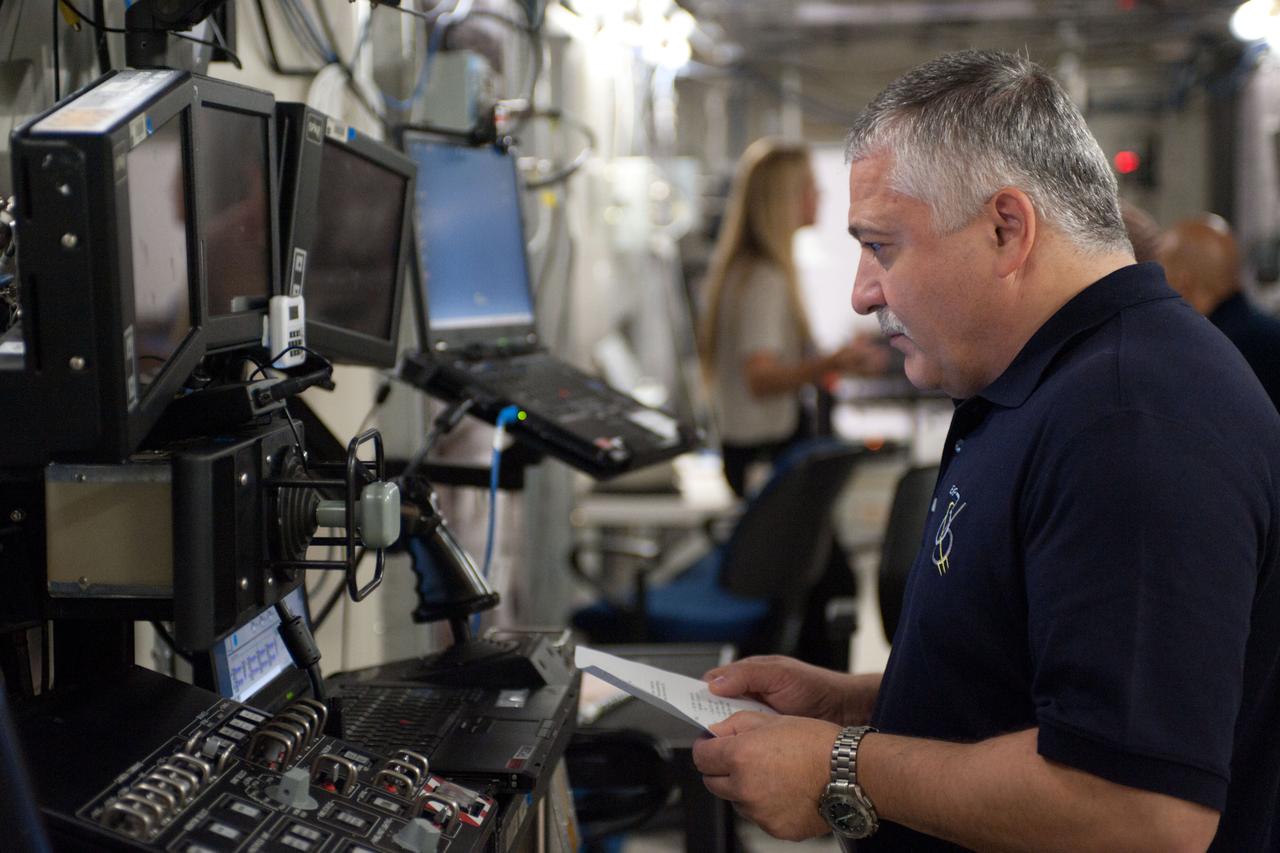
DATE: 9-11-12 LOCATION: Bldg. 5 - SSTF High Bay SUBJECT: Expedition 36/37 crew (Yurchikhin, Nyberg and Parmitano) along with Exp. 37/38’s Michael Hopkins during EPS Major Case Training. PHOTOGRAPHER: Lauren Harnett
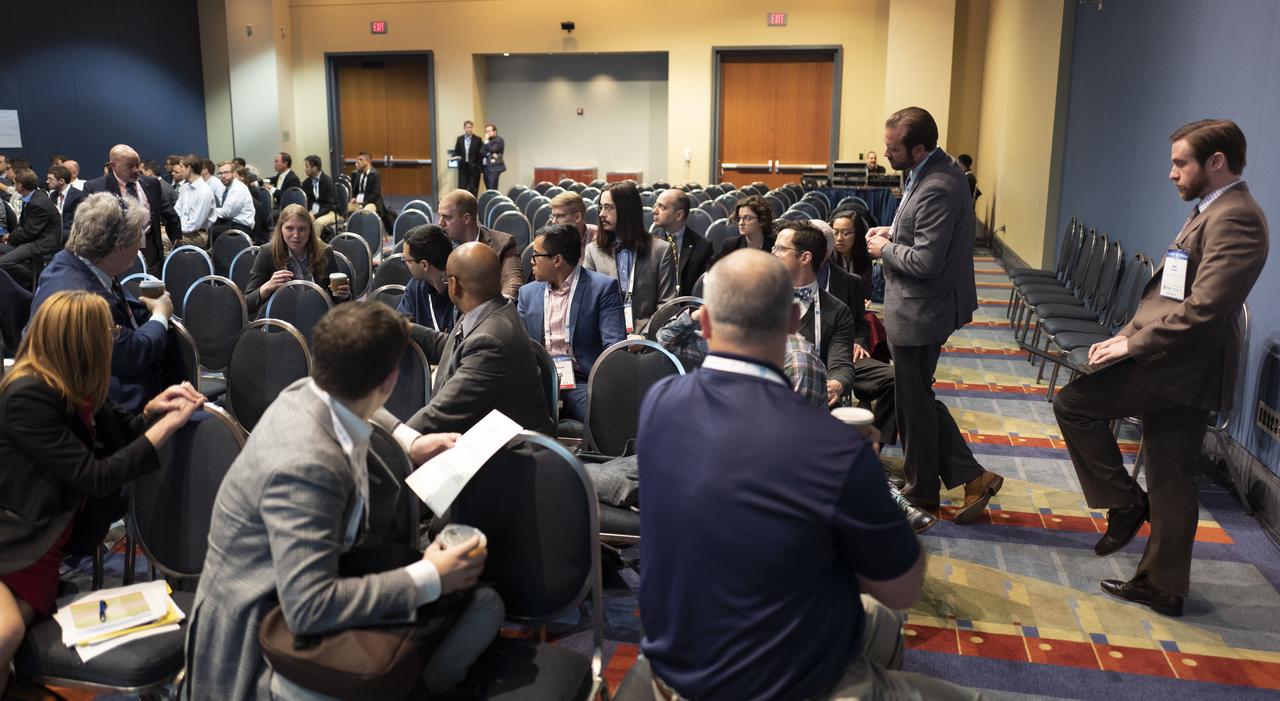
Audience members participate in a special session titled ”The Immortal Spaceship: A Discussion on the Use Cases and Value of Persistent Platforms” at the 70th International Astronautical Congress, Thursday, Oct. 24, 2019, at the Walter E. Washington Convention Center in Washington. Photo Credit: (NASA/Joel Kowsky)
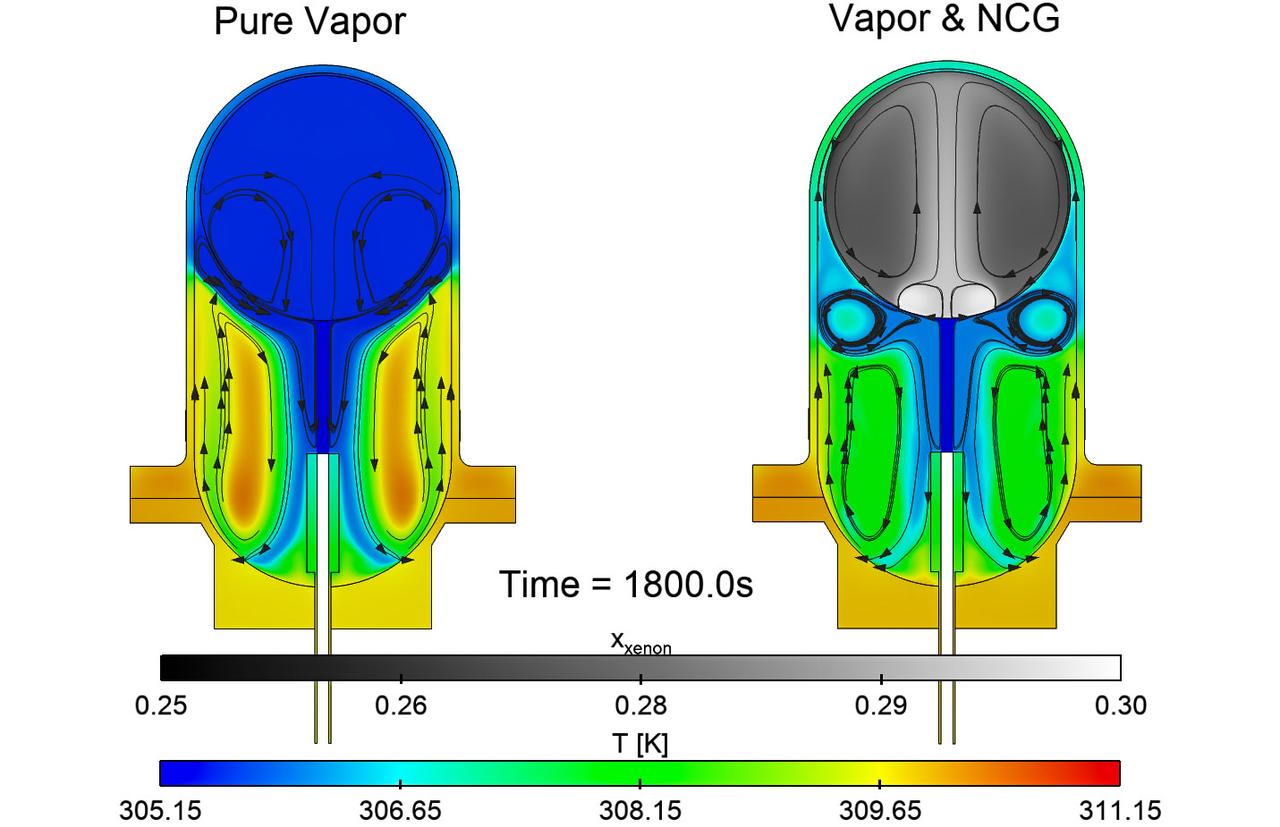
jsc2025e067420 (8/5/2025) --- Simulations of the effects of noncondensable gas on the flow and thermal structures that develop in a fuel tank in microgravity for the ZBOT-NC investigation. On the left, simulation of a tank with pure fluid and on the right, one with a fluid and gas. Credit: Case Western Reserve University
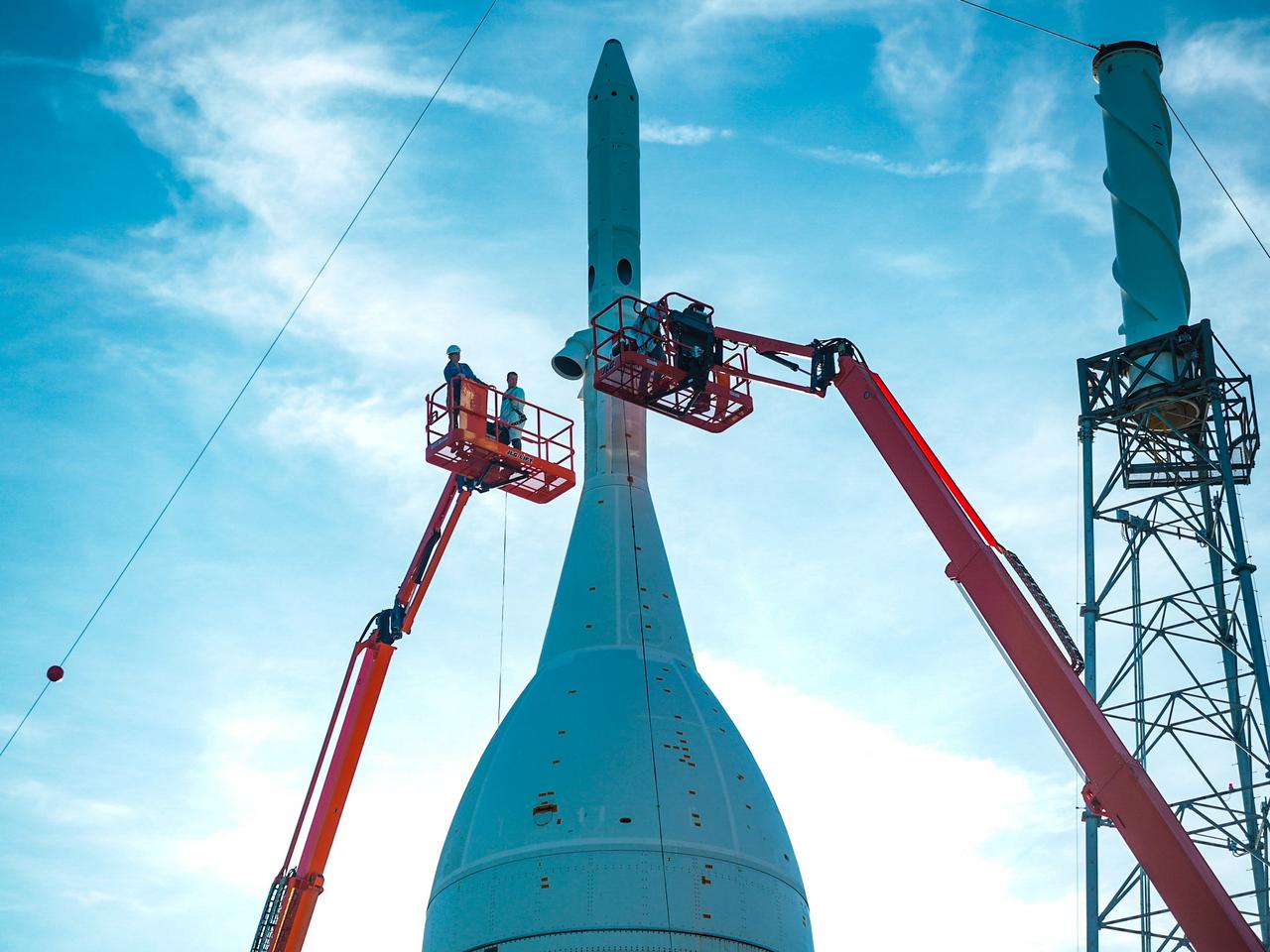
On July 1, 2019, the Orion Launch Abort System and Crew Module attached to the abort test booster are readied for flight on Ascent Abort-2 (AA-2). The successful test demonstrated the ability to carry the crew to safety in case of a mishap during ascent.

DATE: 9-11-12 LOCATION: Bldg. 5 - SSTF High Bay SUBJECT: Expedition 36/37 crew (Yurchikhin, Nyberg and Parmitano) along with Exp. 37/38’s Michael Hopkins during EPS Major Case Training. PHOTOGRAPHER: Lauren Harnett

DATE: 9-11-12 LOCATION: Bldg. 5 - SSTF High Bay SUBJECT: Expedition 36/37 crew (Yurchikhin, Nyberg and Parmitano) along with Exp. 37/38’s Michael Hopkins during EPS Major Case Training. PHOTOGRAPHER: Lauren Harnett
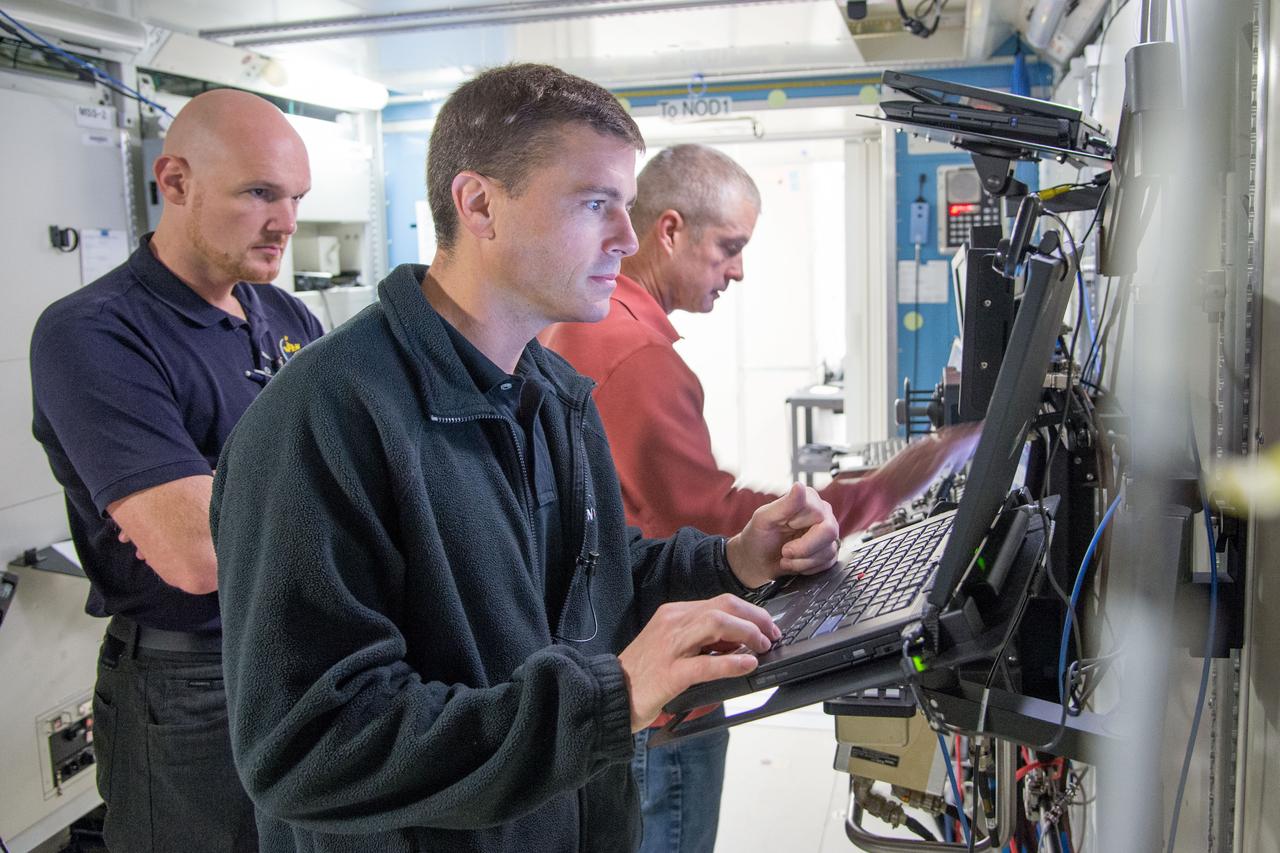
Date: 12-06-13 Location: Bldg 5, SSTF Subject: Expedition 40 crew members Steve Swanson, Greg Wiseman and Alexander Gerst during EPS MAJOR CASE B training in SSTF with instructor Jessica Newman Photographer: James Blair
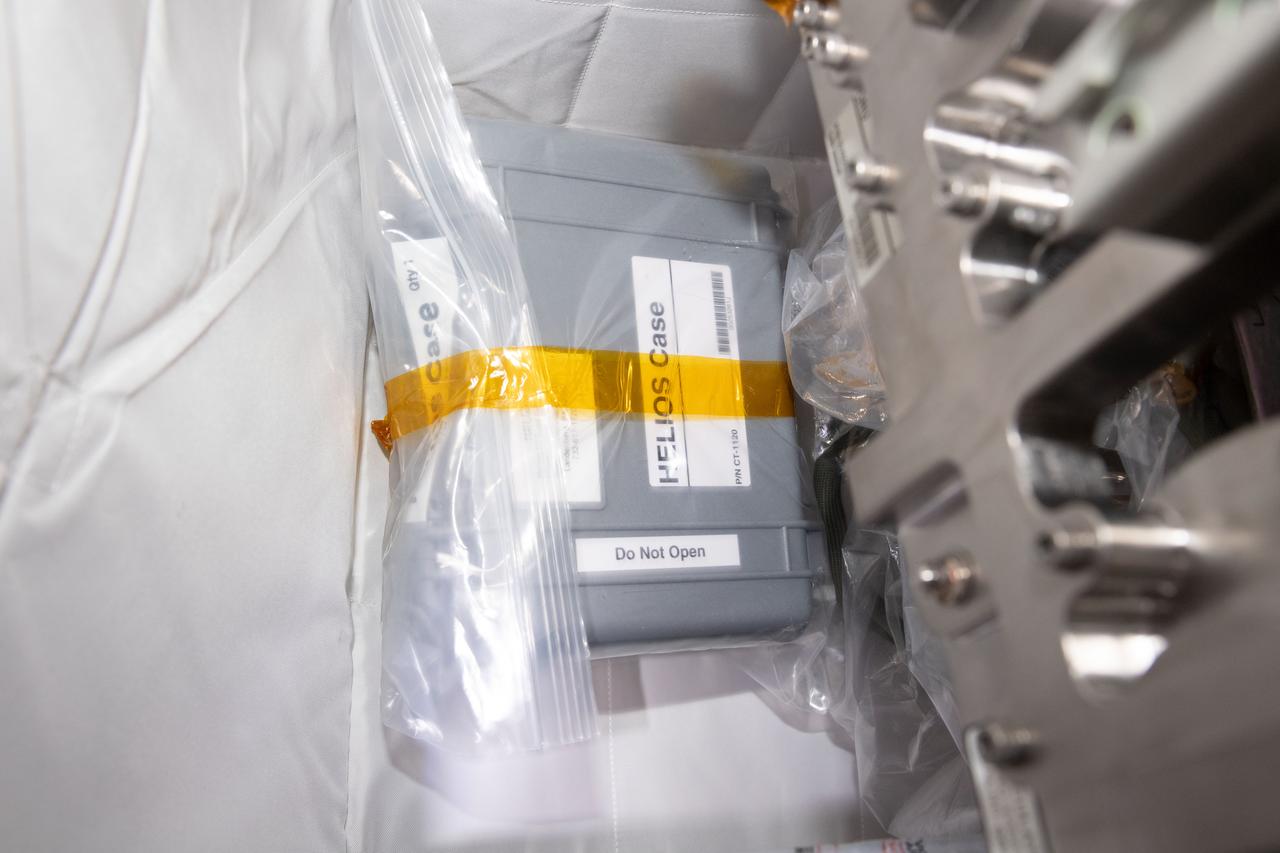
iss059e092346 (6/6/2019) --- A view of the Hardened Extremely Long-life Information in Optical Storage (HELIOS) case aboard the International Space Station (ISS). Hardened Extremely Long-life Information in Optical Storage (HELIOS) tests whether a data storage medium is resistant to space radiation.

jsc2023e054806 (7/2/2023) --- The Astro Bit payload is a BBC micro:bit microcontroller v2.21 enclosed in an aerospace grade aluminum case for use on board the International Space Station. Astro Bit students in Denmark and the other Scandinavian countries design an experiment that can also be repeated aboard the International Space Station with an interesting scientific outcome.