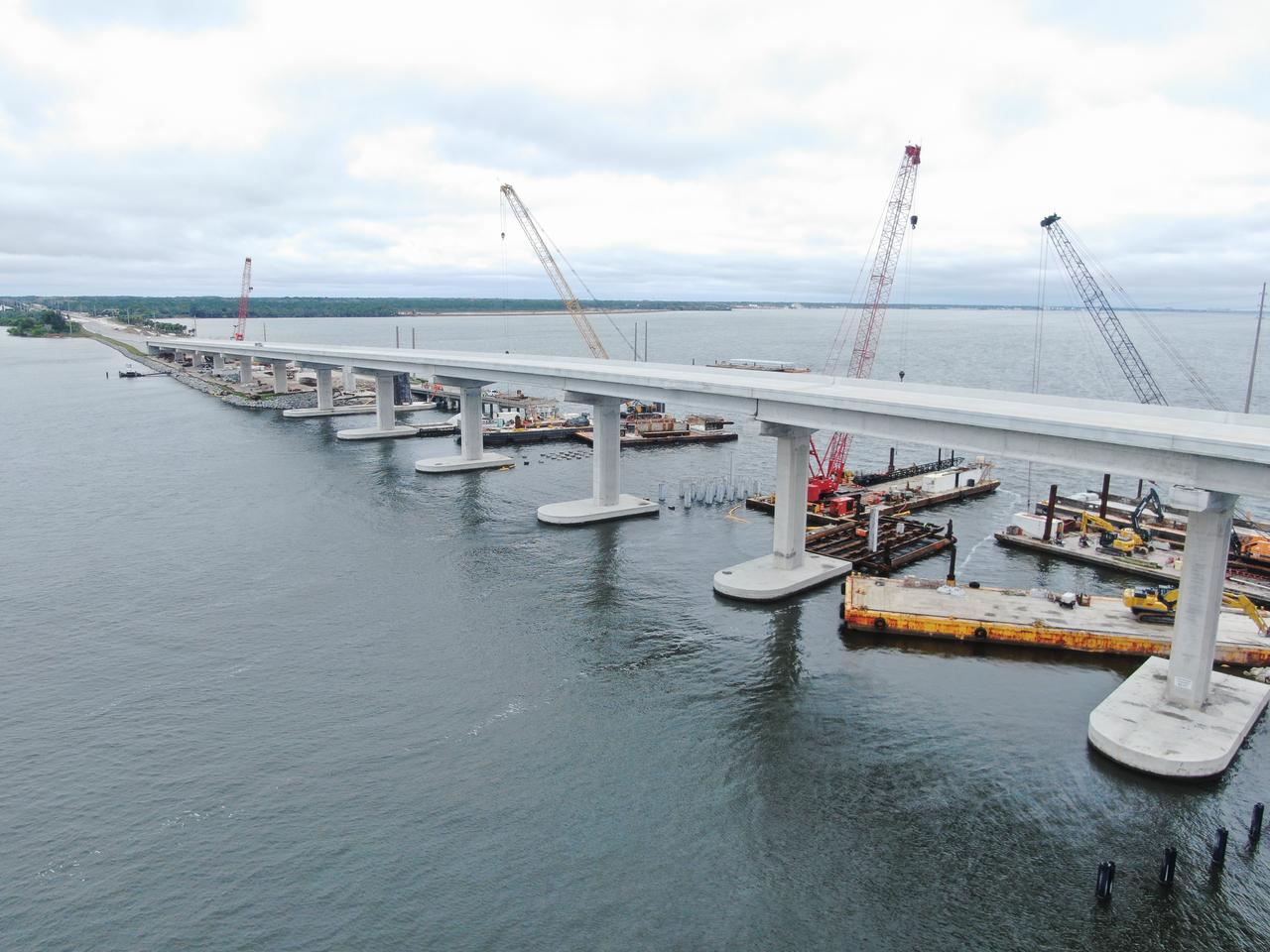
In this aerial view, crews with Orion Marine Construction work to complete the westbound span of the Indian River Bridge while daily traffic moves along the upgraded eastbound lanes of the bridge leading to NASA’s Kennedy Space Center in Florida on Monday, Nov. 27, 2023. The bridge crosses the Indian River Lagoon and connects Kennedy and the Cape Canaveral Space Force Station to the mainland via State Road 405/NASA Causeway in nearby Titusville. The new high-rise bridge serves as the primary entrance and exit to the space center for employees and visitors. The new bridge spans replace a pair of two-lane drawbridges built in the mid-1960s to support NASA’s Apollo program. The first of the two new spans opened to the public ahead of schedule on June 9, 2023. In development for well over a decade, the load capacity, width, and grade of the bridge were designed to support the largest future payloads and vehicles at the spaceport while simultaneously supporting increased public traffic to and from Kennedy.
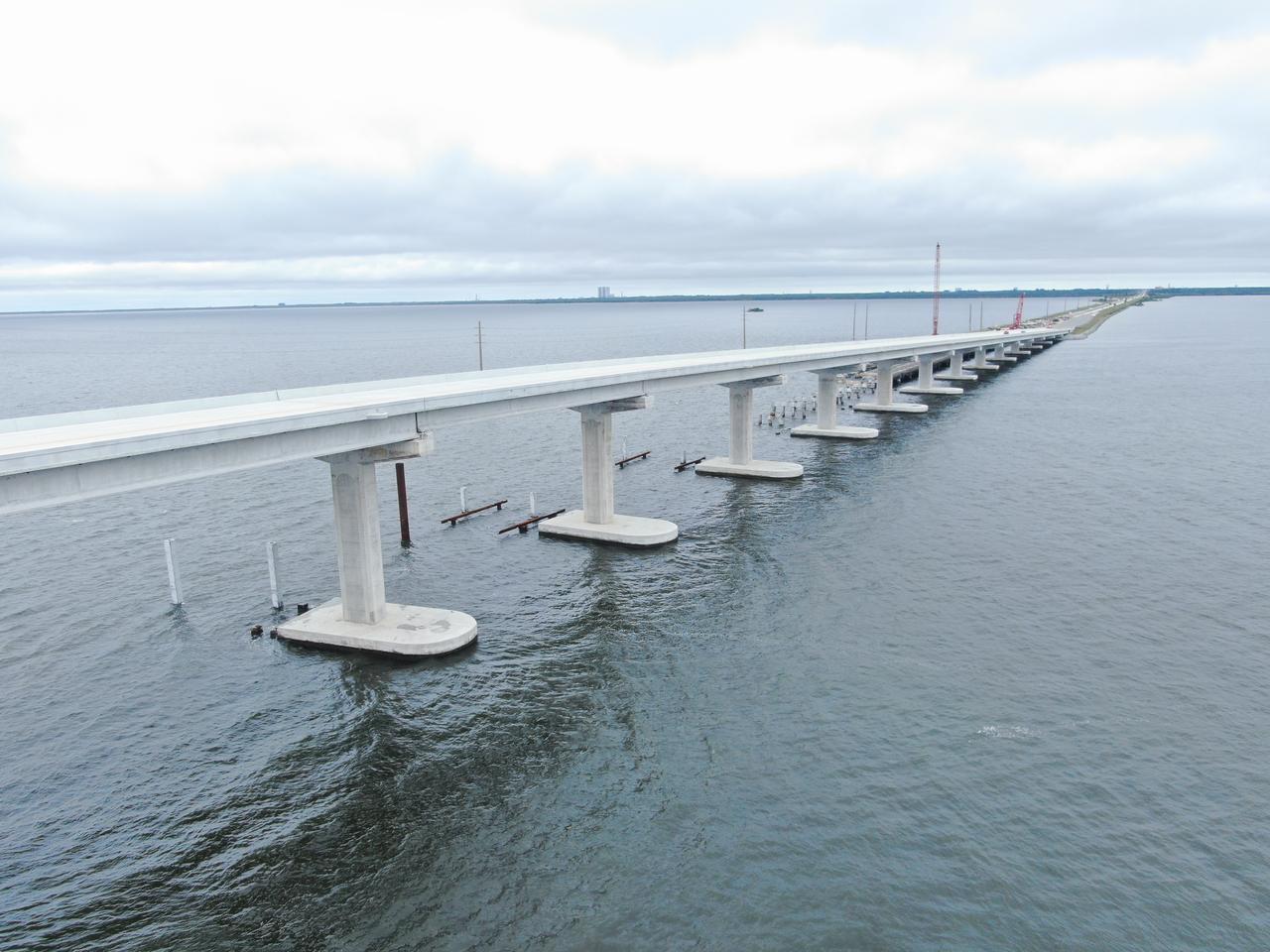
In this aerial view, crews with Orion Marine Construction work to complete the westbound span of the Indian River Bridge while daily traffic moves along the upgraded eastbound lanes of the bridge leading to NASA’s Kennedy Space Center in Florida on Monday, Nov. 27, 2023. The bridge crosses the Indian River Lagoon and connects Kennedy and the Cape Canaveral Space Force Station to the mainland via State Road 405/NASA Causeway in nearby Titusville. The new high-rise bridge serves as the primary entrance and exit to the space center for employees and visitors. The new bridge spans replace a pair of two-lane drawbridges built in the mid-1960s to support NASA’s Apollo program. The first of the two new spans opened to the public ahead of schedule on June 9, 2023. In development for well over a decade, the load capacity, width, and grade of the bridge were designed to support the largest future payloads and vehicles at the spaceport while simultaneously supporting increased public traffic to and from Kennedy.
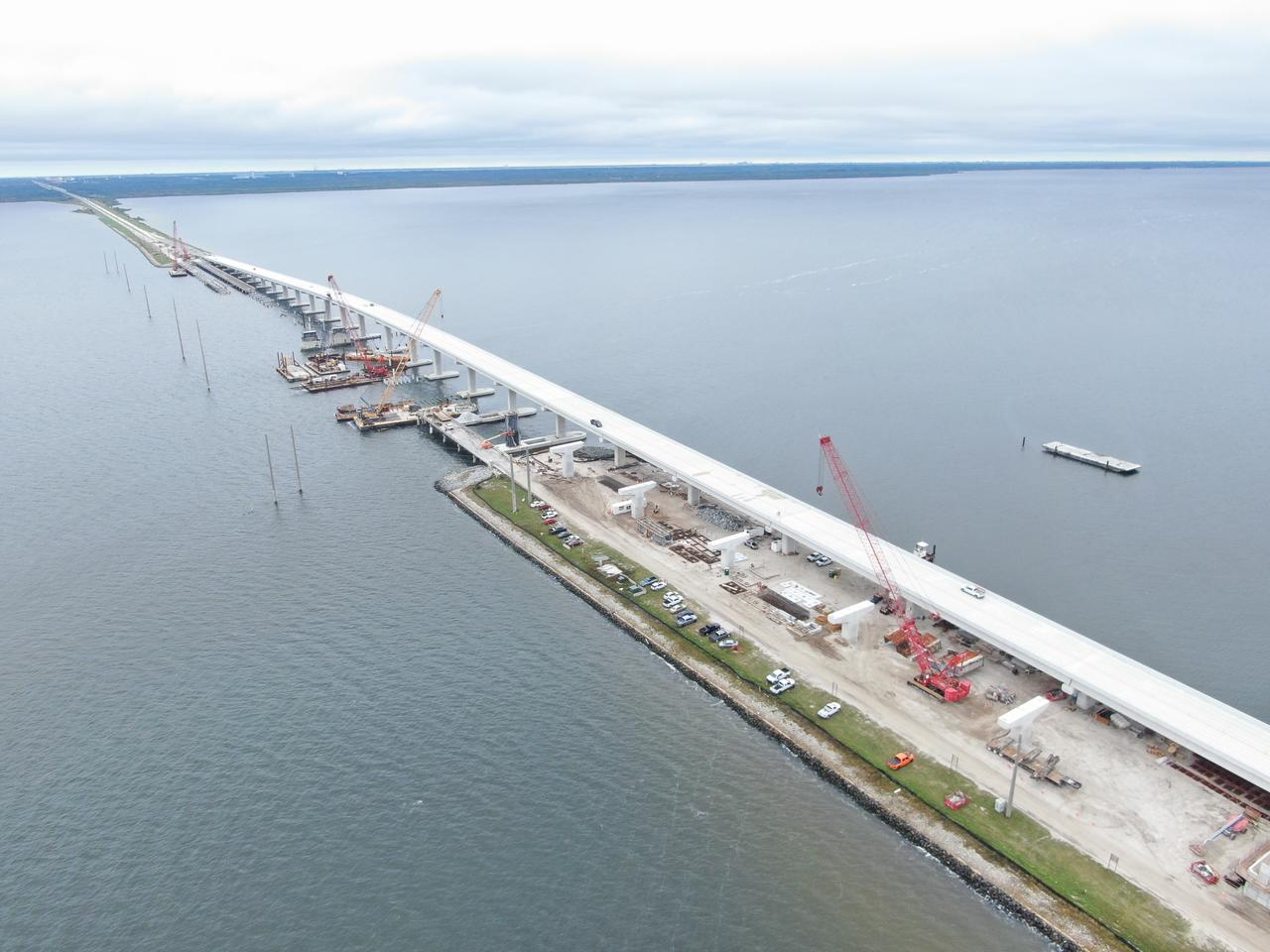
In this aerial view, crews with Orion Marine Construction work to complete the westbound span of the Indian River Bridge while daily traffic moves along the upgraded eastbound lanes of the bridge leading to NASA’s Kennedy Space Center in Florida on Monday, Nov. 27, 2023. The bridge crosses the Indian River Lagoon and connects Kennedy and the Cape Canaveral Space Force Station to the mainland via State Road 405/NASA Causeway in nearby Titusville. The new high-rise bridge serves as the primary entrance and exit to the space center for employees and visitors. The new bridge spans replace a pair of two-lane drawbridges built in the mid-1960s to support NASA’s Apollo program. The first of the two new spans opened to the public ahead of schedule on June 9, 2023. In development for well over a decade, the load capacity, width, and grade of the bridge were designed to support the largest future payloads and vehicles at the spaceport while simultaneously supporting increased public traffic to and from Kennedy.
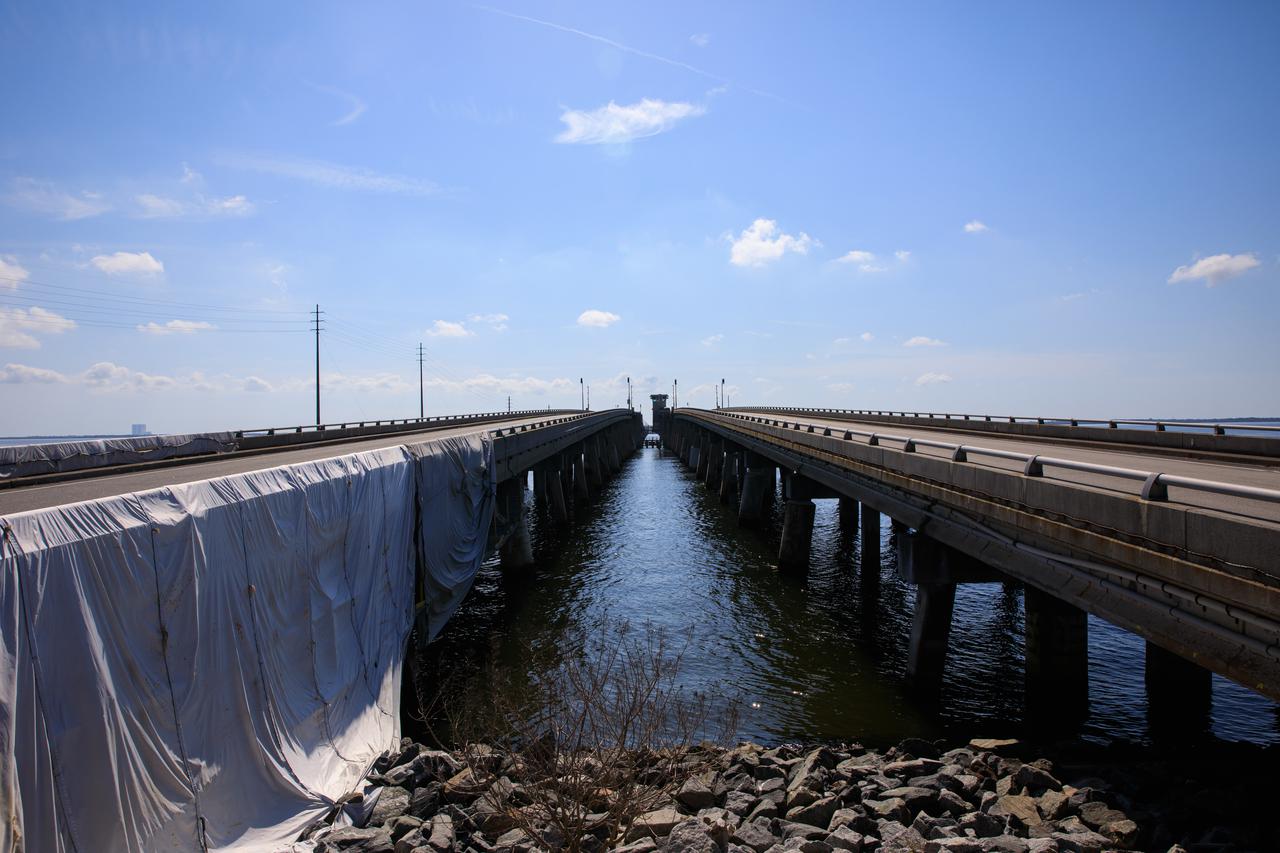
NASA’s bridge engineering team at Kennedy Space Center is managing multiple critical projects on the Indian River Bridge. This includes running new utility lines and safeguarding the existing wires and piping prior to the beginning of construction of the new Brevard County bridge. The much-traveled structure is a key access and evacuation route for the Florida spaceport and Cape Canaveral Space Force Station. Also known as the NASA Causeway Bridge, the Indian River Bridge was built in 1964.
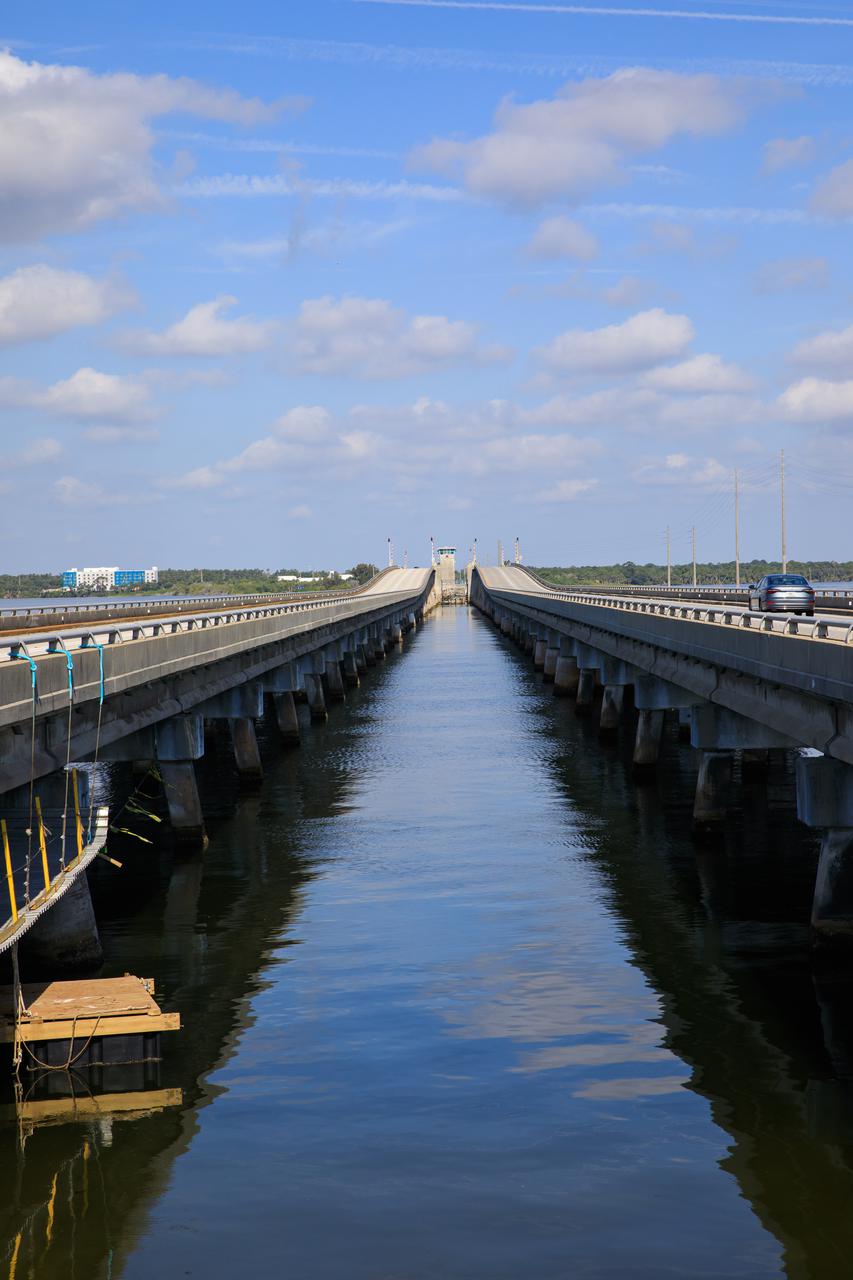
NASA’s bridge engineering team at Kennedy Space Center is managing multiple critical projects on the Indian River Bridge. This includes running new utility lines and safeguarding the existing wires and piping prior to the beginning of construction of the new Brevard County bridge. The much-traveled structure is a key access and evacuation route for the Florida spaceport and Cape Canaveral Space Force Station. Also known as the NASA Causeway Bridge, the Indian River Bridge was built in 1964.
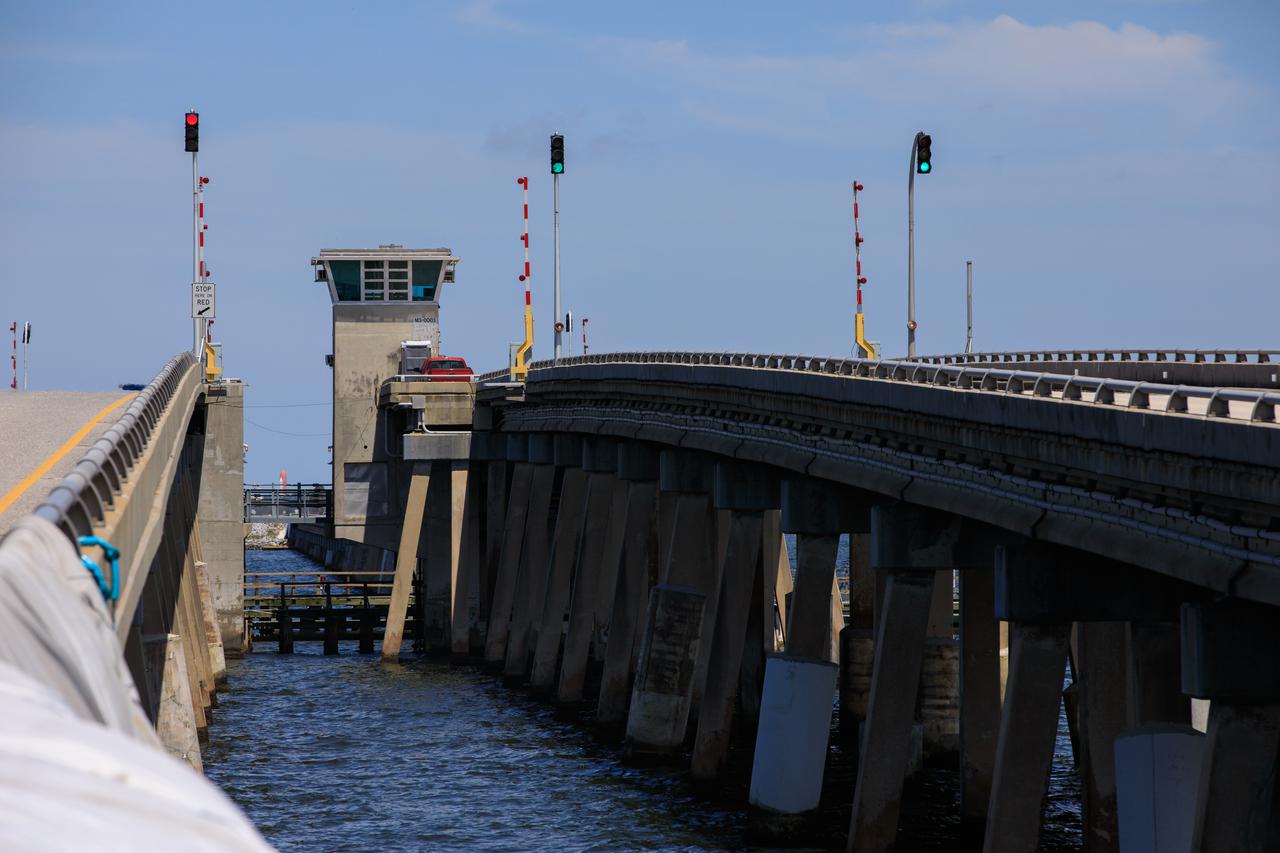
NASA’s bridge engineering team at Kennedy Space Center is managing multiple critical projects on the Indian River Bridge. This includes running new utility lines and safeguarding the existing wires and piping prior to the beginning of construction of the new Brevard County bridge. The much-traveled structure is a key access and evacuation route for the Florida spaceport and Cape Canaveral Space Force Station. Also known as the NASA Causeway Bridge, the Indian River Bridge was built in 1964.
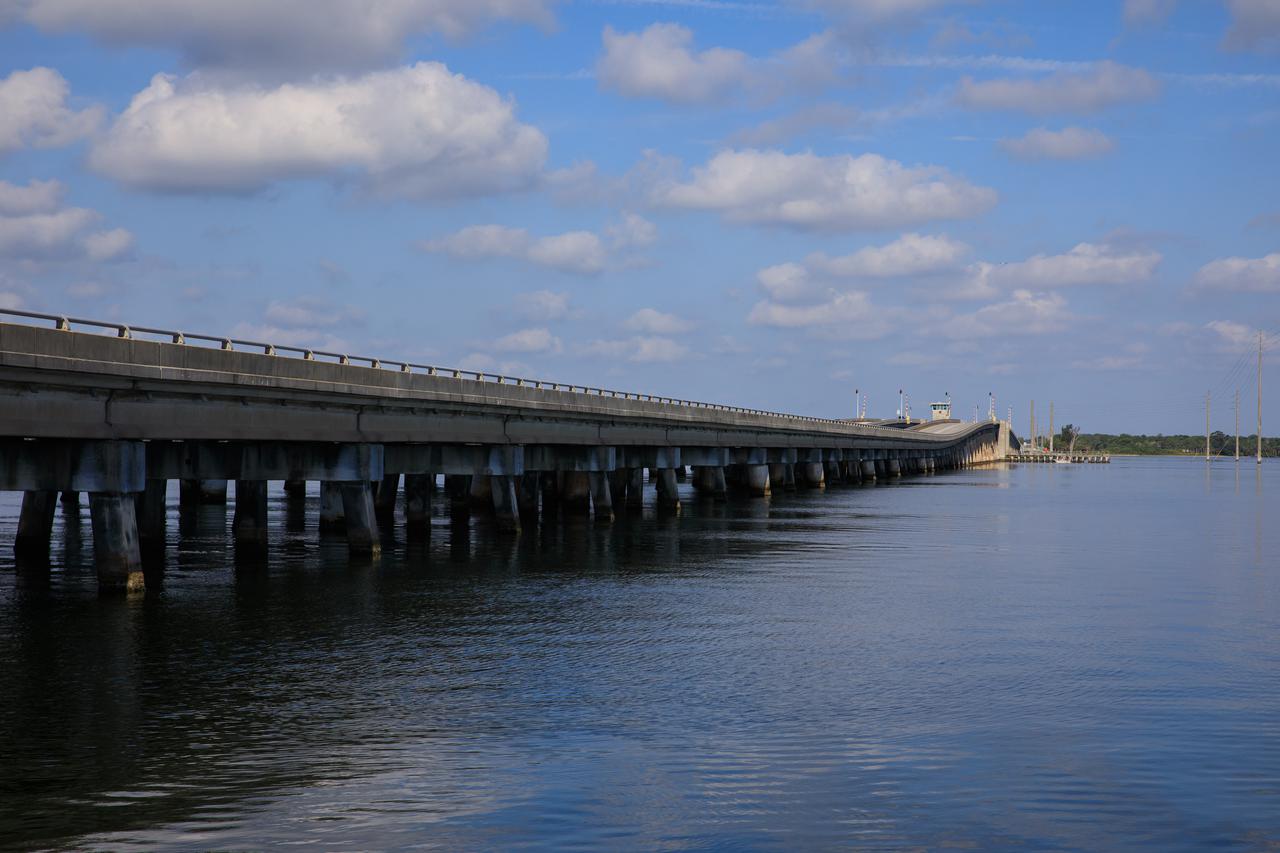
NASA’s bridge engineering team at Kennedy Space Center is managing multiple critical projects on the Indian River Bridge. This includes running new utility lines and safeguarding the existing wires and piping prior to the beginning of construction of the new Brevard County bridge. The much-traveled structure is a key access and evacuation route for the Florida spaceport and Cape Canaveral Space Force Station. Also known as the NASA Causeway Bridge, the Indian River Bridge was built in 1964.
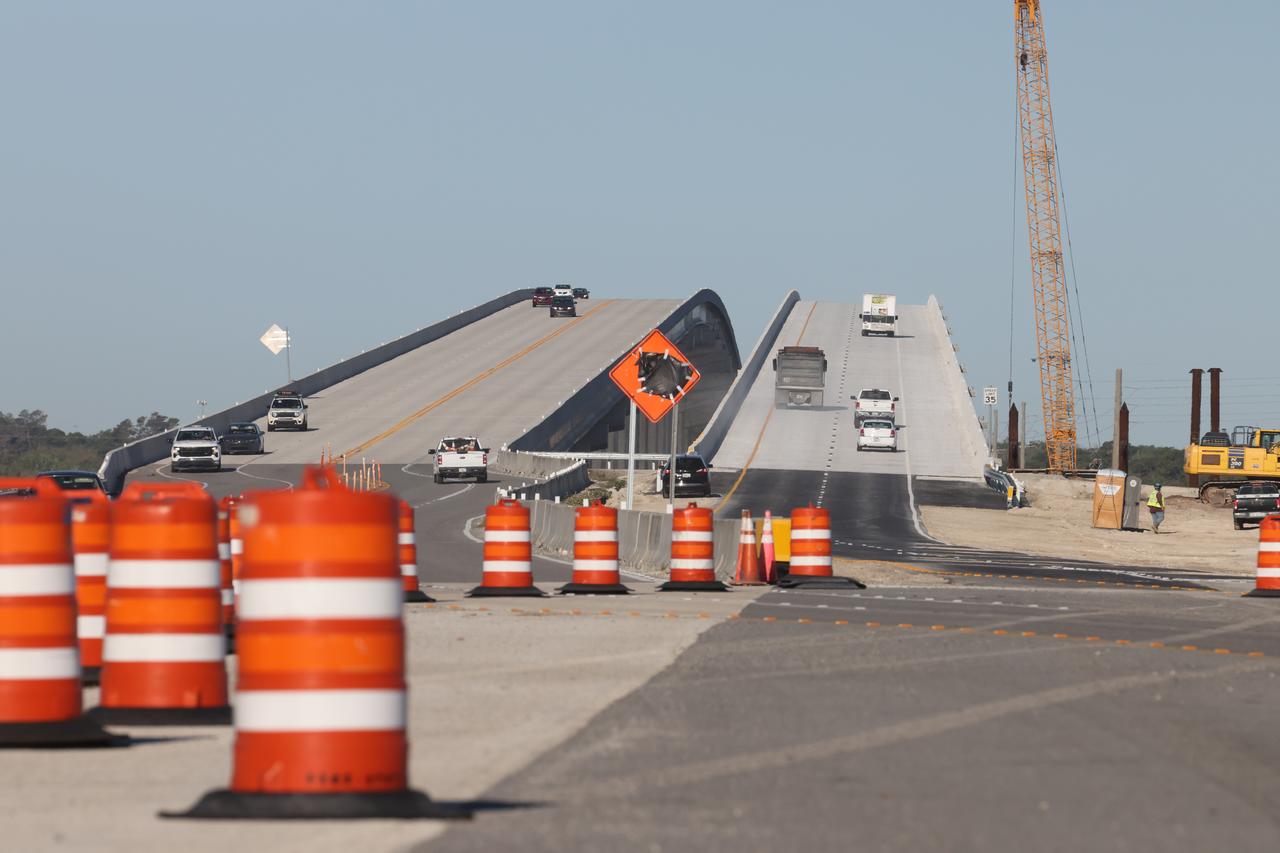
Cars drive over the newly completed westbound portion (right side of photo) of the NASA Causeway Bridge leading away from NASA’s Kennedy Space Center in Florida on Wednesday, March 19, 2025. The Florida Department of Transportation (FDOT) opened the span on Tuesday, March 18, 2025, alongside its twin on the eastbound side, which has accommodated traffic in both directions since FDOT opened it on June 9, 2023. The high-rise bridge spans the Indian River Lagoon and connects NASA Kennedy and the Cape Canaveral Space Force Station to the mainland via State Road 405/NASA Causeway in Titusville, replacing the two-lane drawbridge built in the mid-1960s to support the Apollo program.
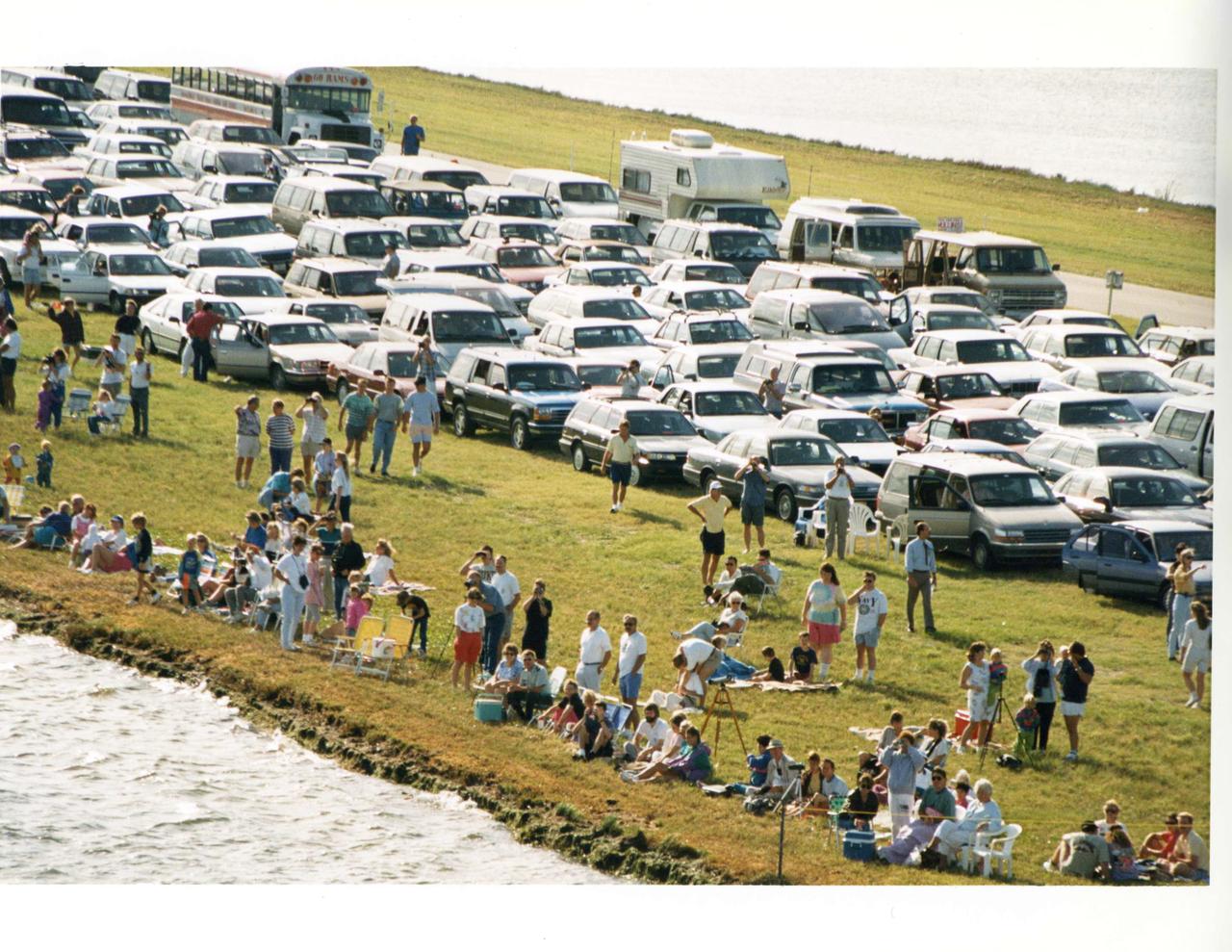
Aerial of the NASA Causeway East showing the viewing area set up for space shuttle launch viewers with car passes. Launch Complex 39 is to the north.
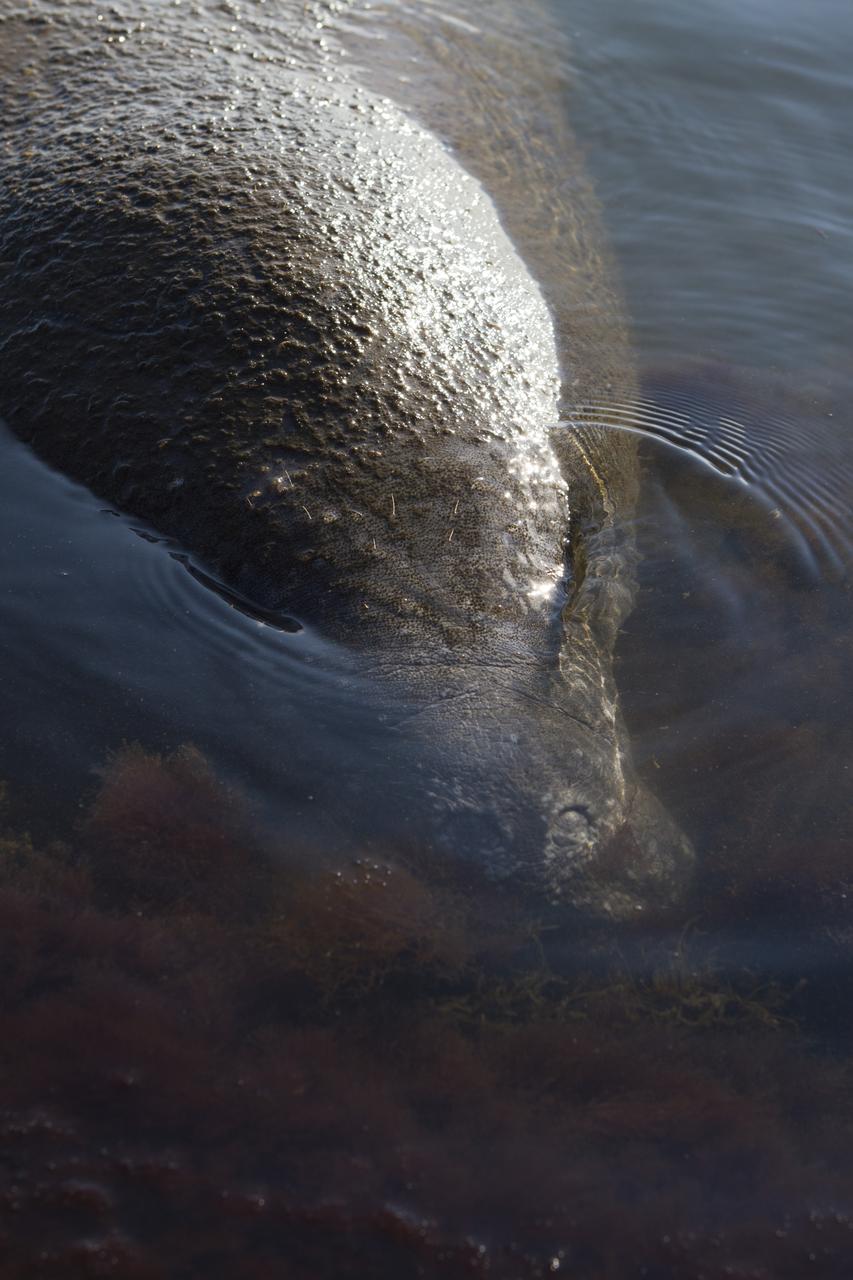
CAPE CANAVERAL, Fla. -- A manatee swims in the water near the NASA Causeway Bridge at Kennedy Space Center in Florida. The gentle sea cows prefer warmer inland waterways during the winter months. The center shares a boundary with the Merritt Island National Wildlife Refuge. The refuge encompasses 140,000 acres that are a habitat for more than 330 species of birds, 31 mammals, 117 fishes, and 65 amphibians and reptiles. It contains more than 1,000 known plant species. The marshes and open water of the refuge provide wintering areas for 23 species of migratory waterfowl, as well as a year-round home for great blue herons, great egrets, wood storks, cormorants, brown pelicans and other species of marsh and shore birds, and a variety of insects. Photo credit: NASA/Ben Smegelsky
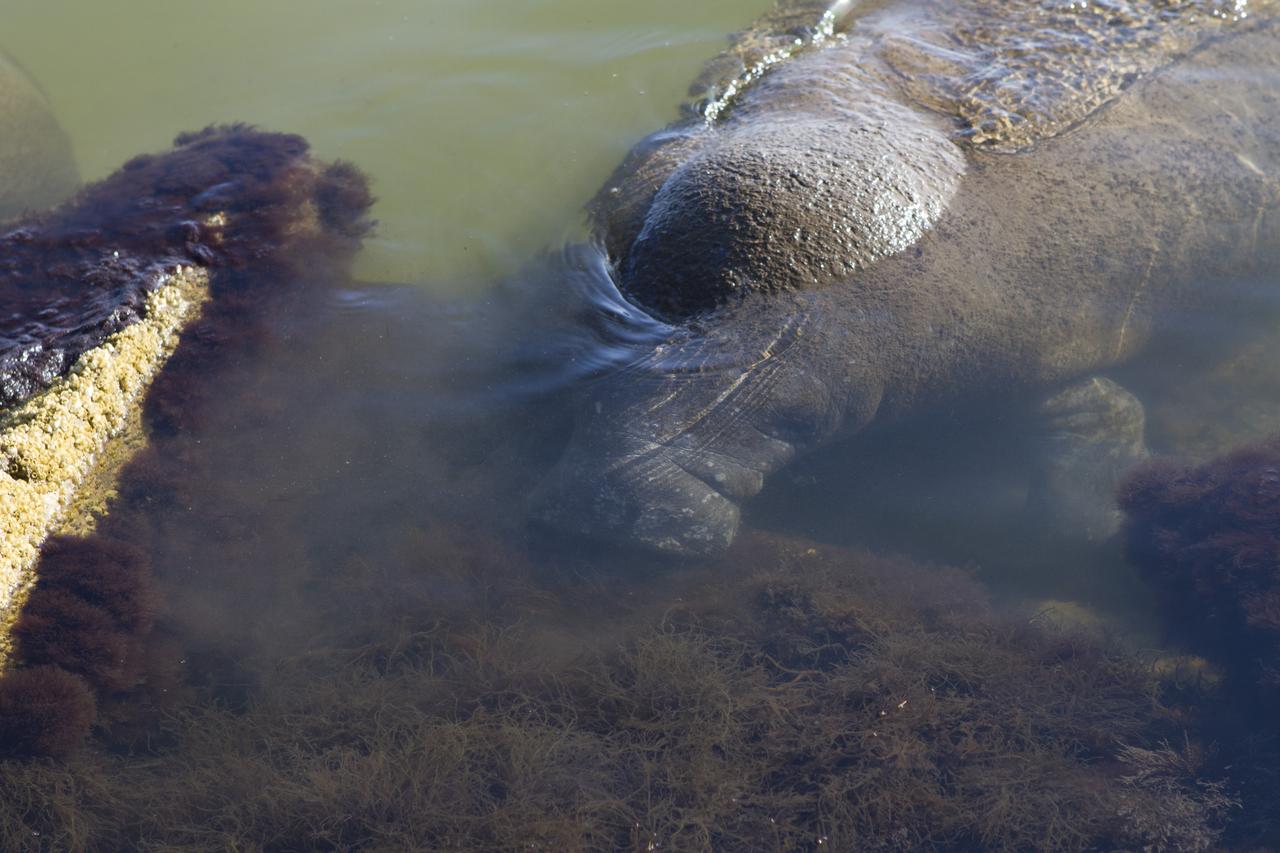
CAPE CANAVERAL, Fla. -- A manatee swims in the water near the NASA Causeway Bridge at Kennedy Space Center in Florida. The gentle sea cows prefer warmer inland waterways during the winter months. The center shares a boundary with the Merritt Island National Wildlife Refuge. The refuge encompasses 140,000 acres that are a habitat for more than 330 species of birds, 31 mammals, 117 fishes, and 65 amphibians and reptiles. It contains more than 1,000 known plant species. The marshes and open water of the refuge provide wintering areas for 23 species of migratory waterfowl, as well as a year-round home for great blue herons, great egrets, wood storks, cormorants, brown pelicans and other species of marsh and shore birds, and a variety of insects. Photo credit: NASA/Ben Smegelsky
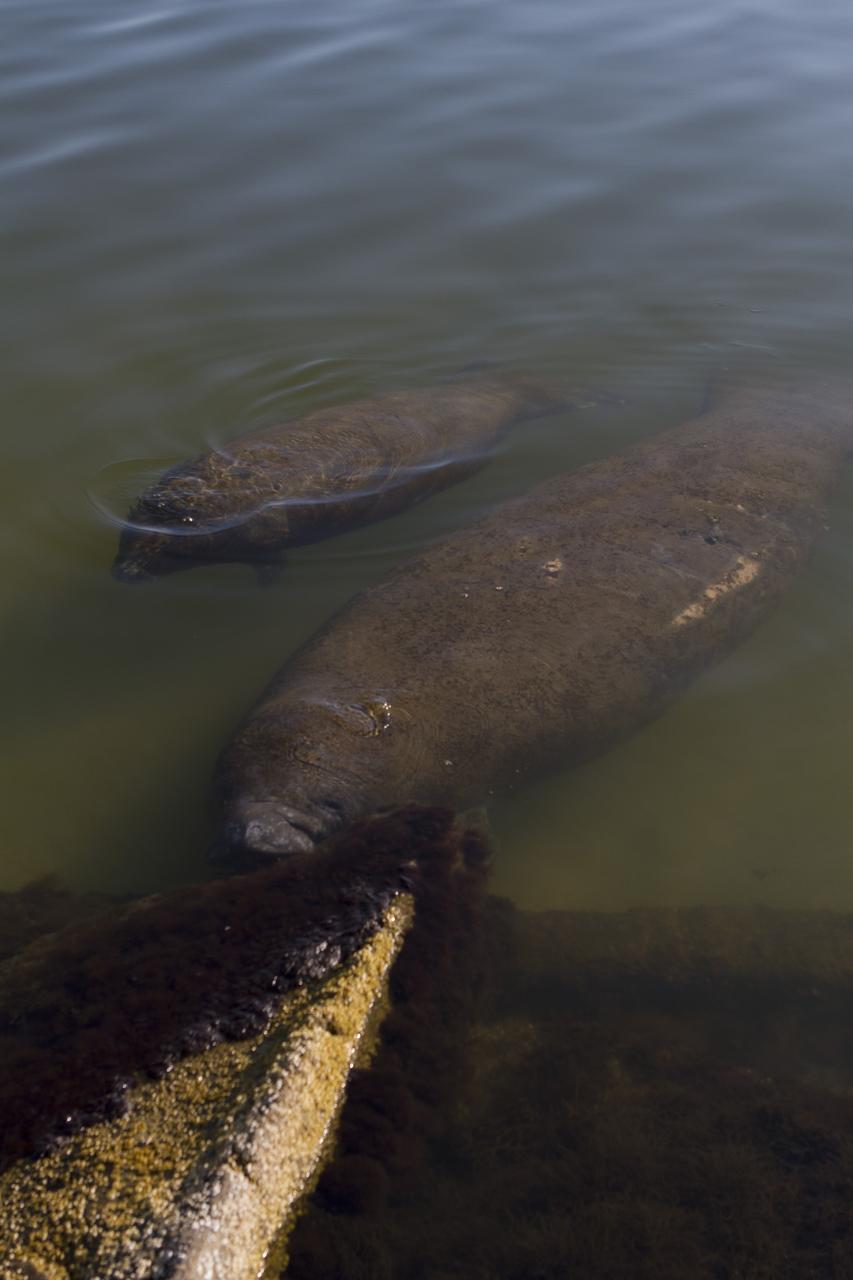
CAPE CANAVERAL, Fla. -- Two manatees swim in the water near the NASA Causeway Bridge at Kennedy Space Center in Florida. The gentle sea cows prefer warmer inland waterways during the winter months. The center shares a boundary with the Merritt Island National Wildlife Refuge. The refuge encompasses 140,000 acres that are a habitat for more than 330 species of birds, 31 mammals, 117 fishes, and 65 amphibians and reptiles. It contains more than 1,000 known plant species. The marshes and open water of the refuge provide wintering areas for 23 species of migratory waterfowl, as well as a year-round home for great blue herons, great egrets, wood storks, cormorants, brown pelicans and other species of marsh and shore birds, and a variety of insects. Photo credit: NASA/Ben Smegelsky
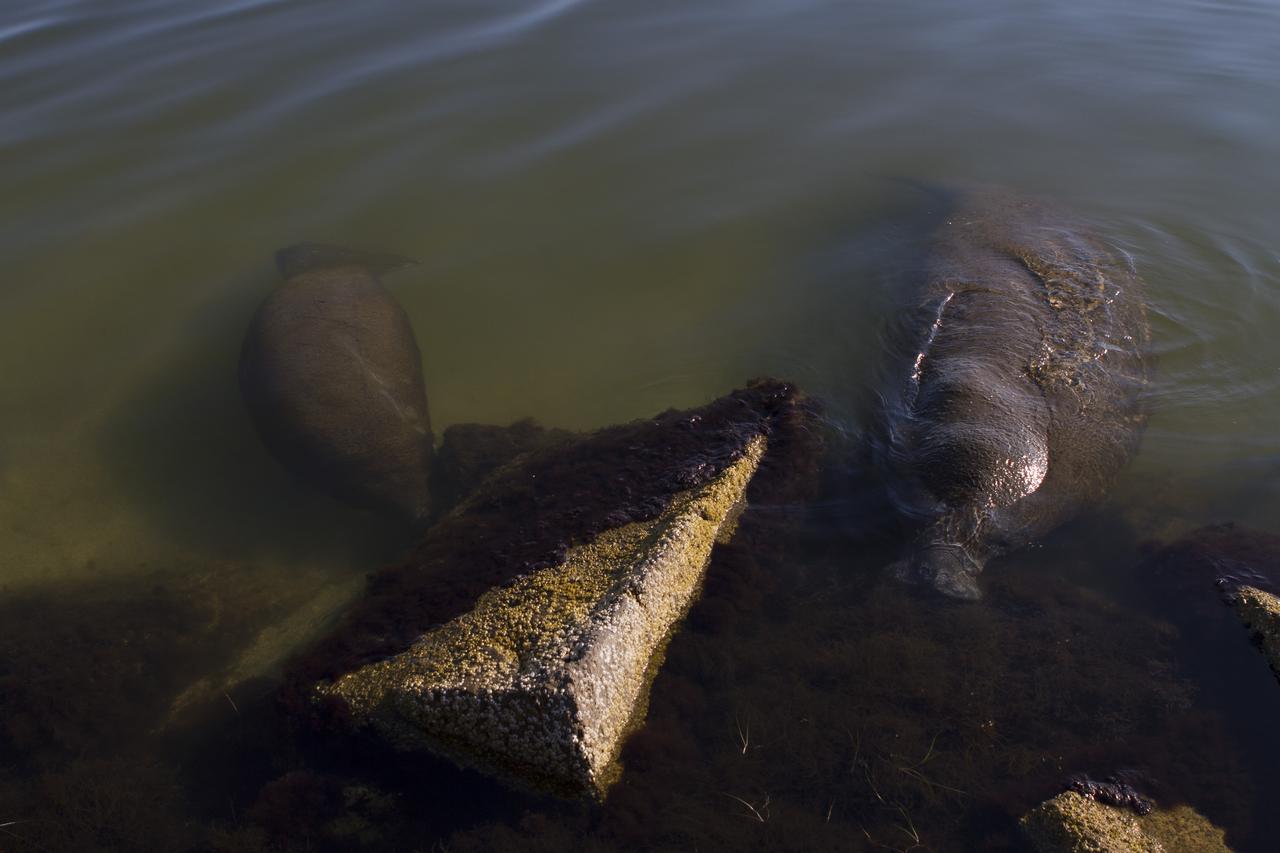
CAPE CANAVERAL, Fla. -- Two manatees swim in the water near the NASA Causeway Bridge at Kennedy Space Center in Florida. The gentle sea cows prefer warmer inland waterways during the winter months. The center shares a boundary with the Merritt Island National Wildlife Refuge. The refuge encompasses 140,000 acres that are a habitat for more than 330 species of birds, 31 mammals, 117 fishes, and 65 amphibians and reptiles. It contains more than 1,000 known plant species. The marshes and open water of the refuge provide wintering areas for 23 species of migratory waterfowl, as well as a year-round home for great blue herons, great egrets, wood storks, cormorants, brown pelicans and other species of marsh and shore birds, and a variety of insects. Photo credit: NASA/Ben Smegelsky
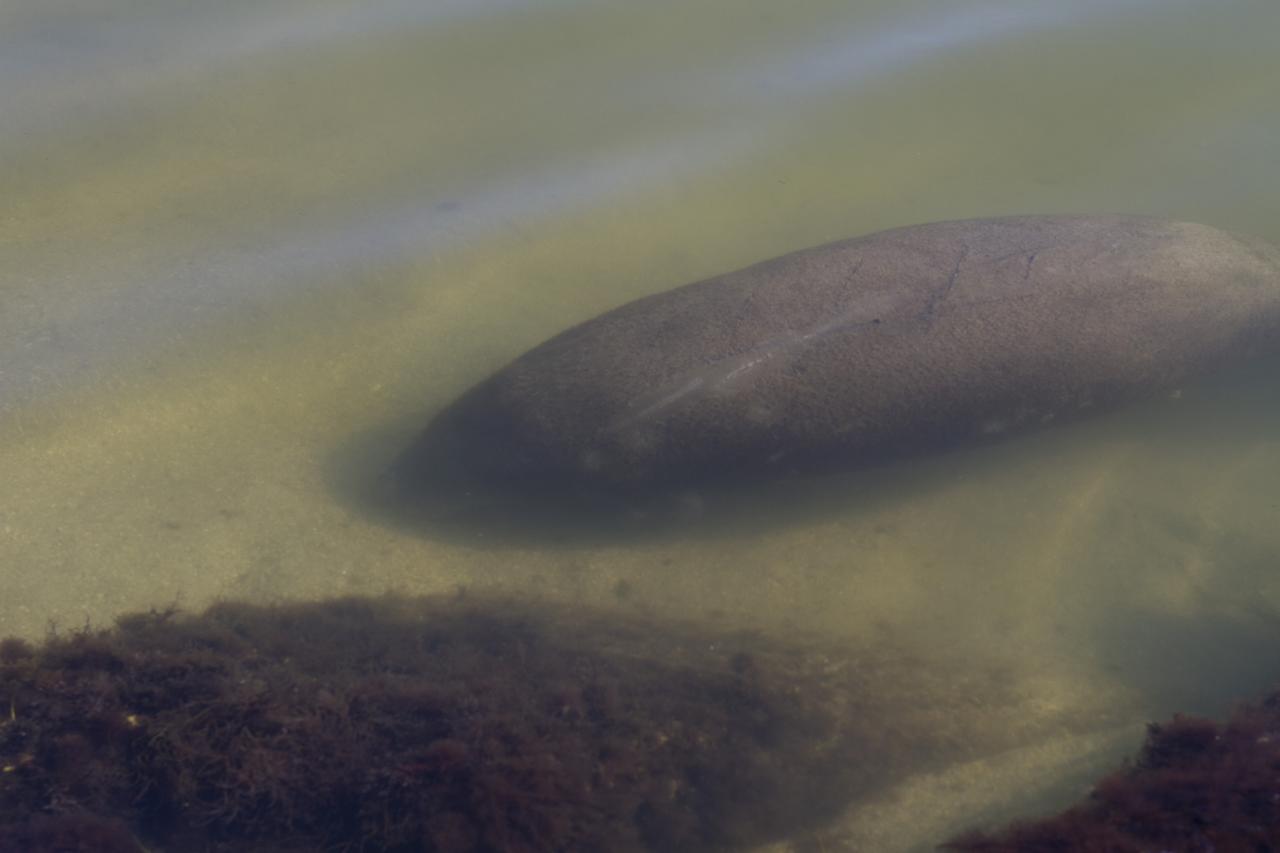
CAPE CANAVERAL, Fla. -- A manatee swims in the water near the NASA Causeway Bridge at Kennedy Space Center in Florida. The gentle sea cows prefer warmer inland waterways during the winter months. The center shares a boundary with the Merritt Island National Wildlife Refuge. The refuge encompasses 140,000 acres that are a habitat for more than 330 species of birds, 31 mammals, 117 fishes, and 65 amphibians and reptiles. It contains more than 1,000 known plant species. The marshes and open water of the refuge provide wintering areas for 23 species of migratory waterfowl, as well as a year-round home for great blue herons, great egrets, wood storks, cormorants, brown pelicans and other species of marsh and shore birds, and a variety of insects. Photo credit: NASA/Ben Smegelsky
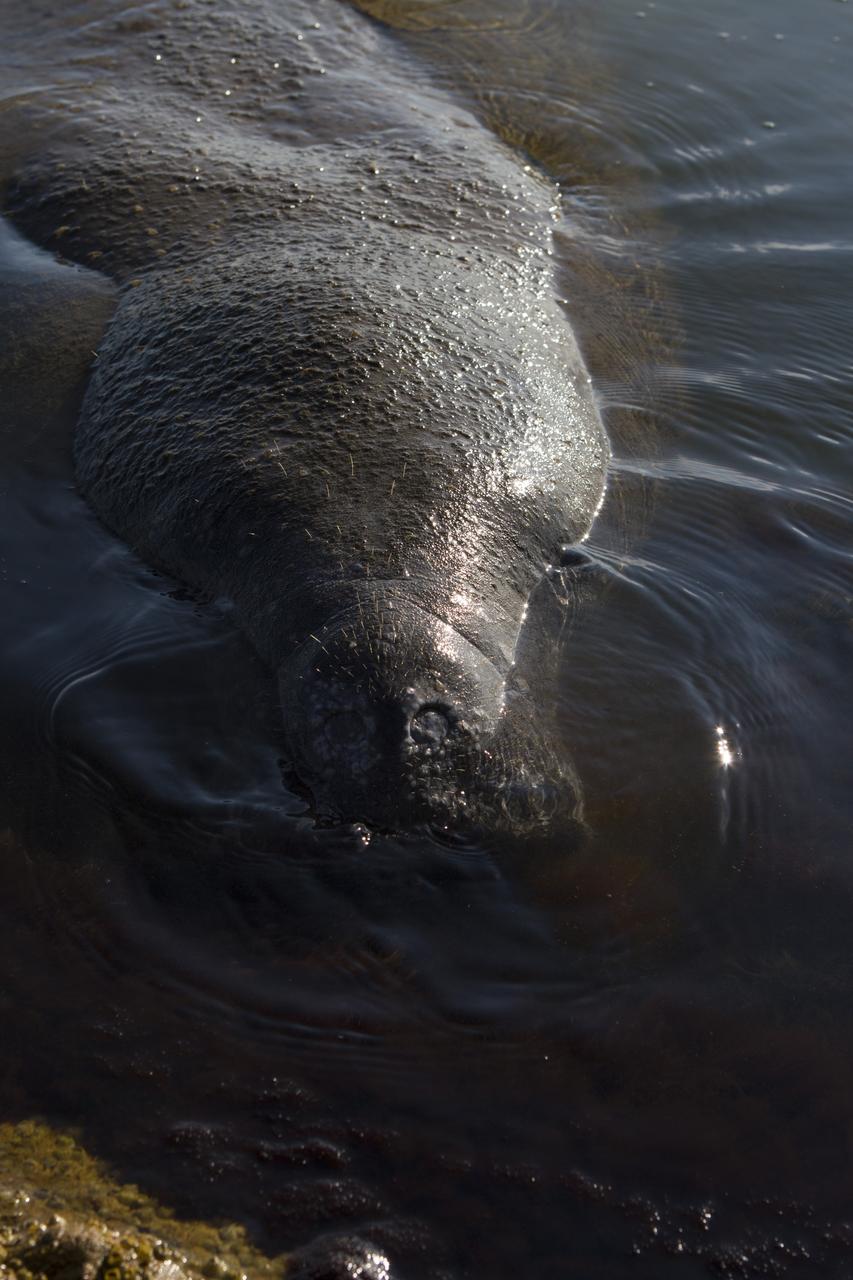
CAPE CANAVERAL, Fla. -- A manatee swims in the water near the NASA Causeway Bridge at Kennedy Space Center in Florida. The gentle sea cows prefer warmer inland waterways during the winter months. The center shares a boundary with the Merritt Island National Wildlife Refuge. The refuge encompasses 140,000 acres that are a habitat for more than 330 species of birds, 31 mammals, 117 fishes, and 65 amphibians and reptiles. It contains more than 1,000 known plant species. The marshes and open water of the refuge provide wintering areas for 23 species of migratory waterfowl, as well as a year-round home for great blue herons, great egrets, wood storks, cormorants, brown pelicans and other species of marsh and shore birds, and a variety of insects. Photo credit: NASA/Ben Smegelsky
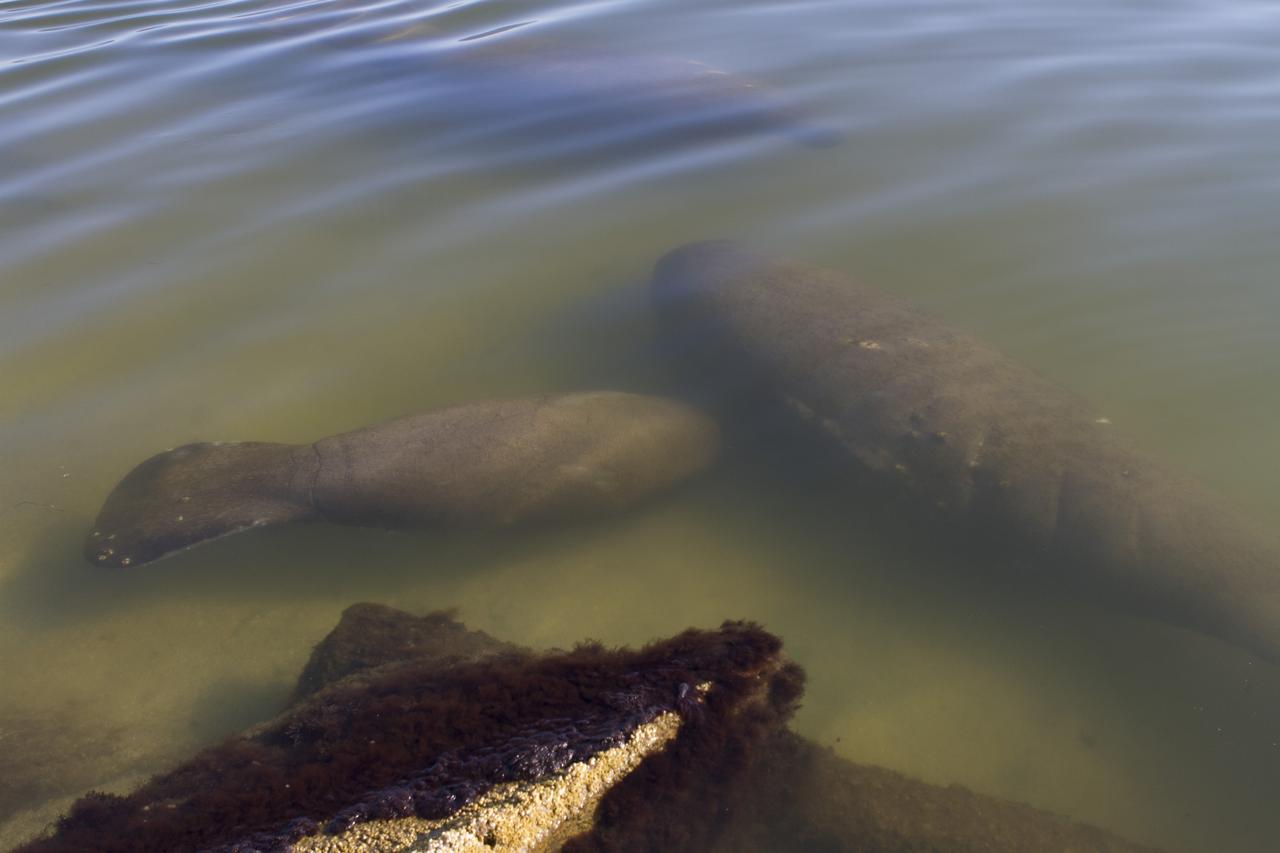
CAPE CANAVERAL, Fla. -- Two manatees swim in the water near the NASA Causeway Bridge at Kennedy Space Center in Florida. The gentle sea cows prefer warmer inland waterways during the winter months. The center shares a boundary with the Merritt Island National Wildlife Refuge. The refuge encompasses 140,000 acres that are a habitat for more than 330 species of birds, 31 mammals, 117 fishes, and 65 amphibians and reptiles. It contains more than 1,000 known plant species. The marshes and open water of the refuge provide wintering areas for 23 species of migratory waterfowl, as well as a year-round home for great blue herons, great egrets, wood storks, cormorants, brown pelicans and other species of marsh and shore birds, and a variety of insects. Photo credit: NASA/Ben Smegelsky
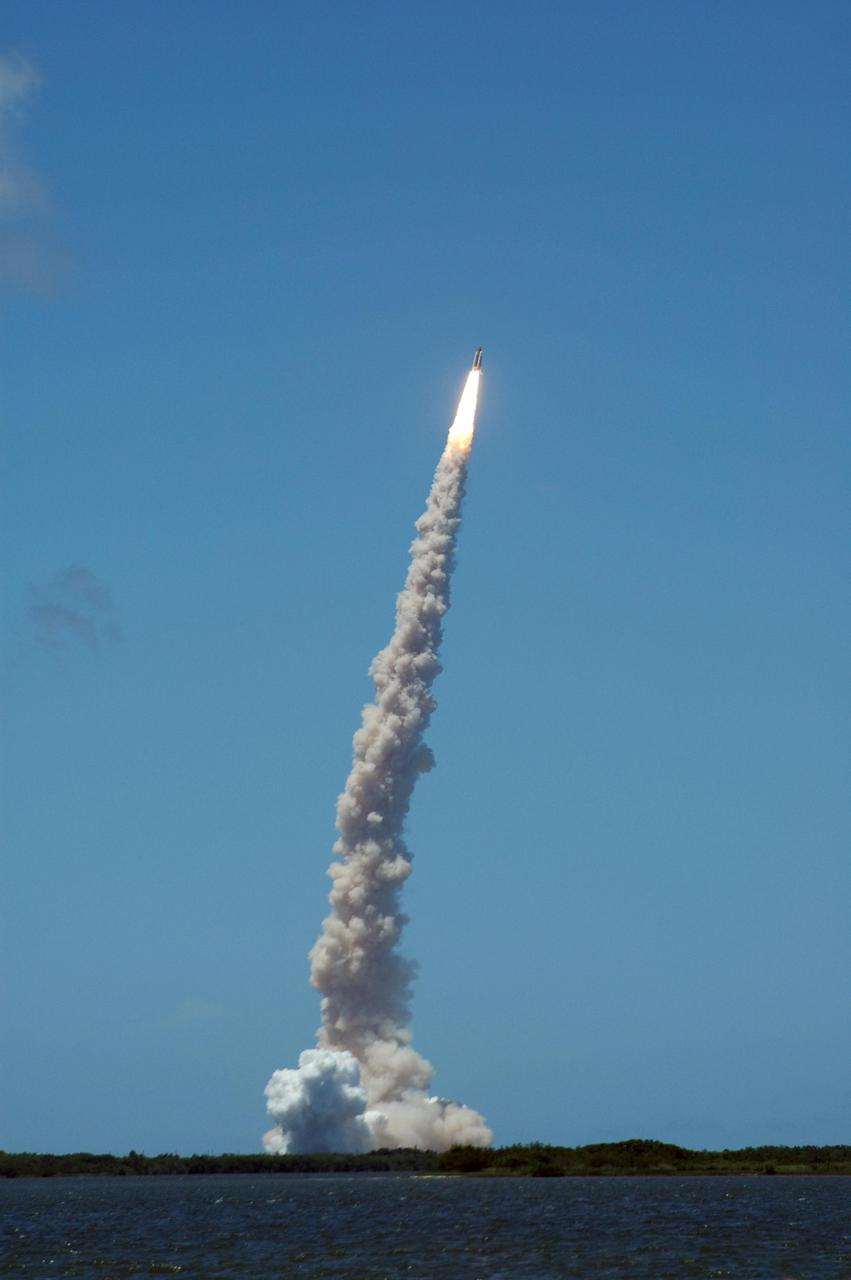
KENNEDY SPACE CENTER, FLA. - Viewed from the NASA Causeway, Space Shuttle Discovery makes a perfect launch as it shoots into the blue sky with its own Fourth of July fireworks. The launch made history as it was the first ever launch on Independence Day. Liftoff was on-time at 2:38 p.m. EDT. During the 12-day mission, the STS-121 crew of seven will test new equipment and procedures to improve shuttle safety, as well as deliver supplies and make repairs to the International Space Station. Landing is scheduled for July 16 or 17 at Kennedy's Shuttle Landing Facility. Photo credit: NASA/Carl Winebarger
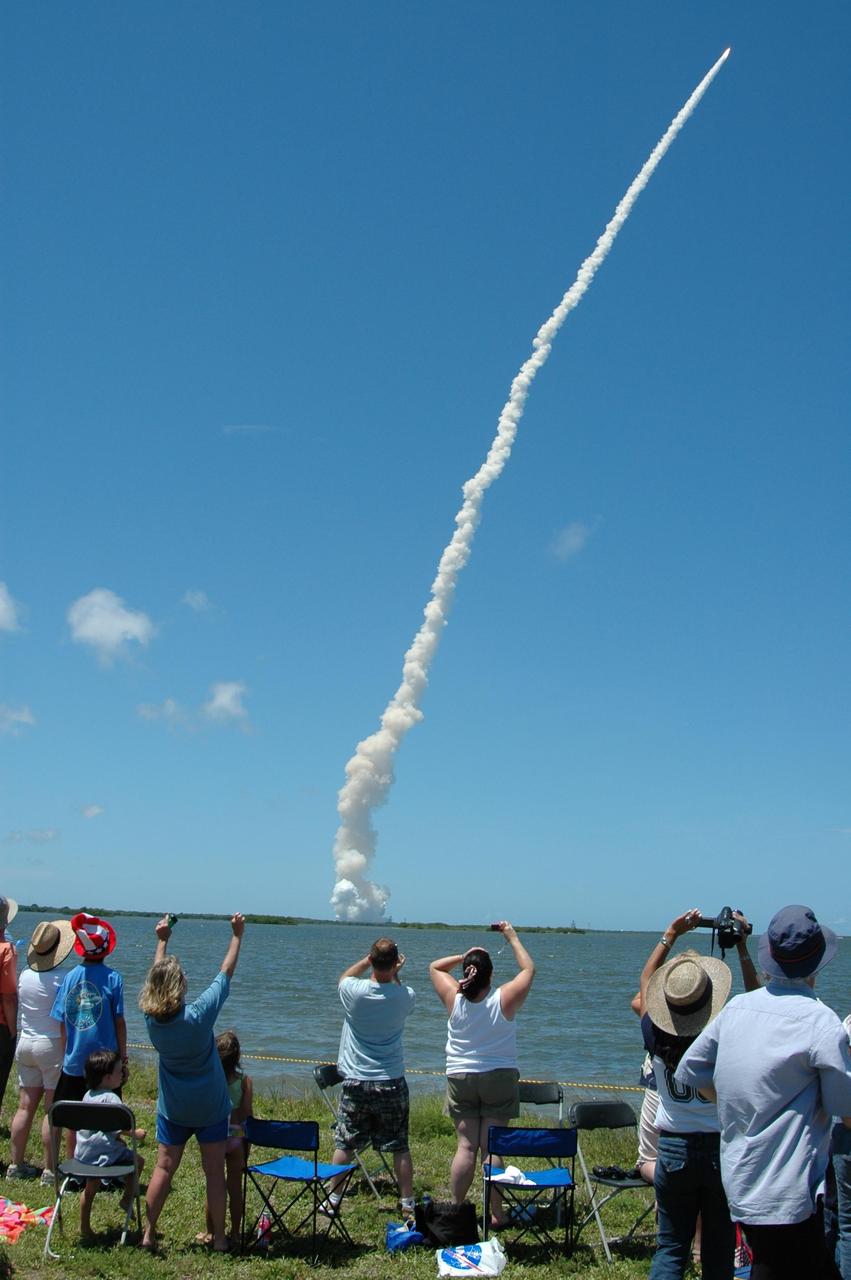
KENNEDY SPACE CENTER, FLA. - Crowds along the NASA Causeway are excited as Space Shuttle Discovery makes a perfect launch, shooting into the blue sky with its own Fourth of July fireworks. The launch made history as it was the first ever launch on Independence Day. Liftoff was on-time at 2:38 p.m. EDT. During the 12-day mission, the STS-121 crew of seven will test new equipment and procedures to improve shuttle safety, as well as deliver supplies and make repairs to the International Space Station. Landing is scheduled for July 16 or 17 at Kennedy's Shuttle Landing Facility. Photo credit: NASA/Carl Winebarger
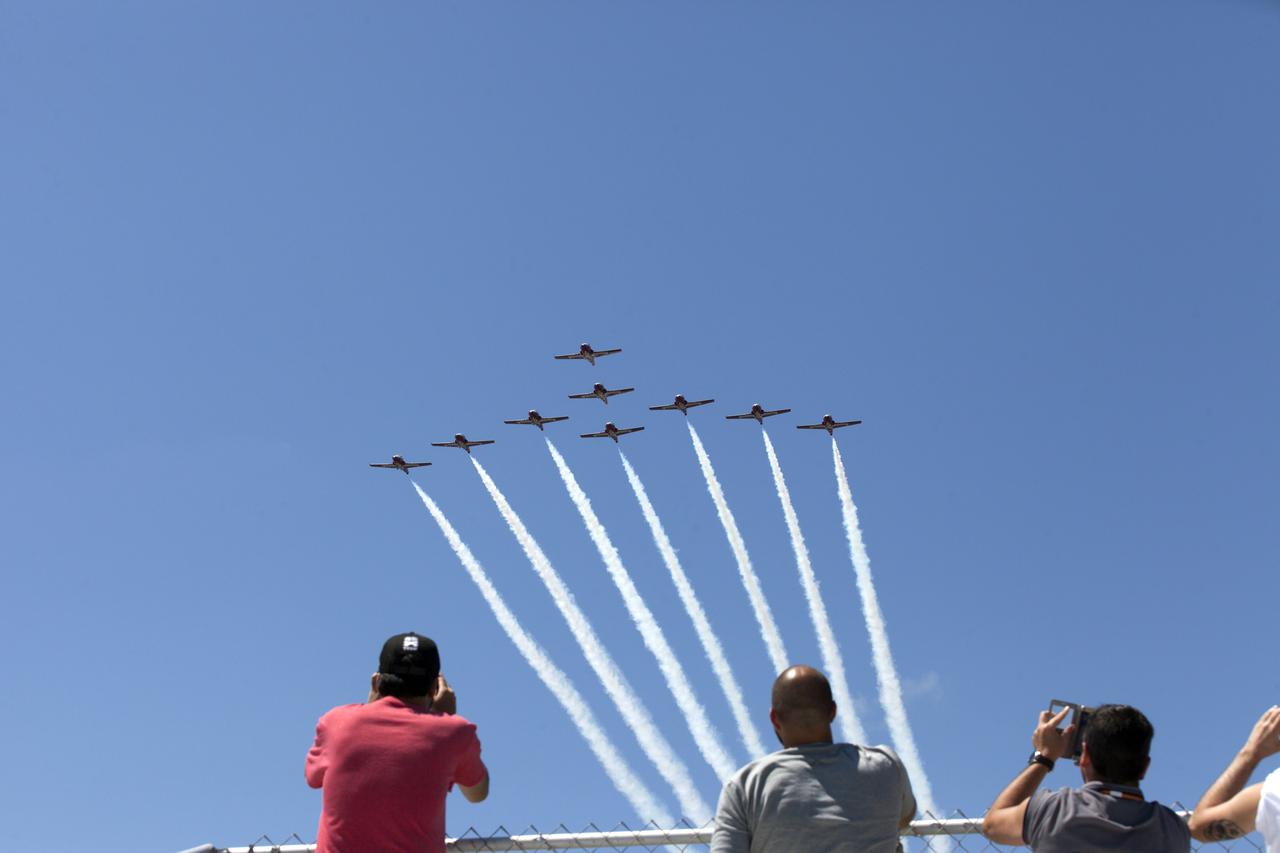
Workers along the NASA Causeway at NASA's Kennedy Space Center in Florida watch a practice flight of the Canadian Forces Snowbirds on May 9, 2018, between their scheduled U.S. air shows.
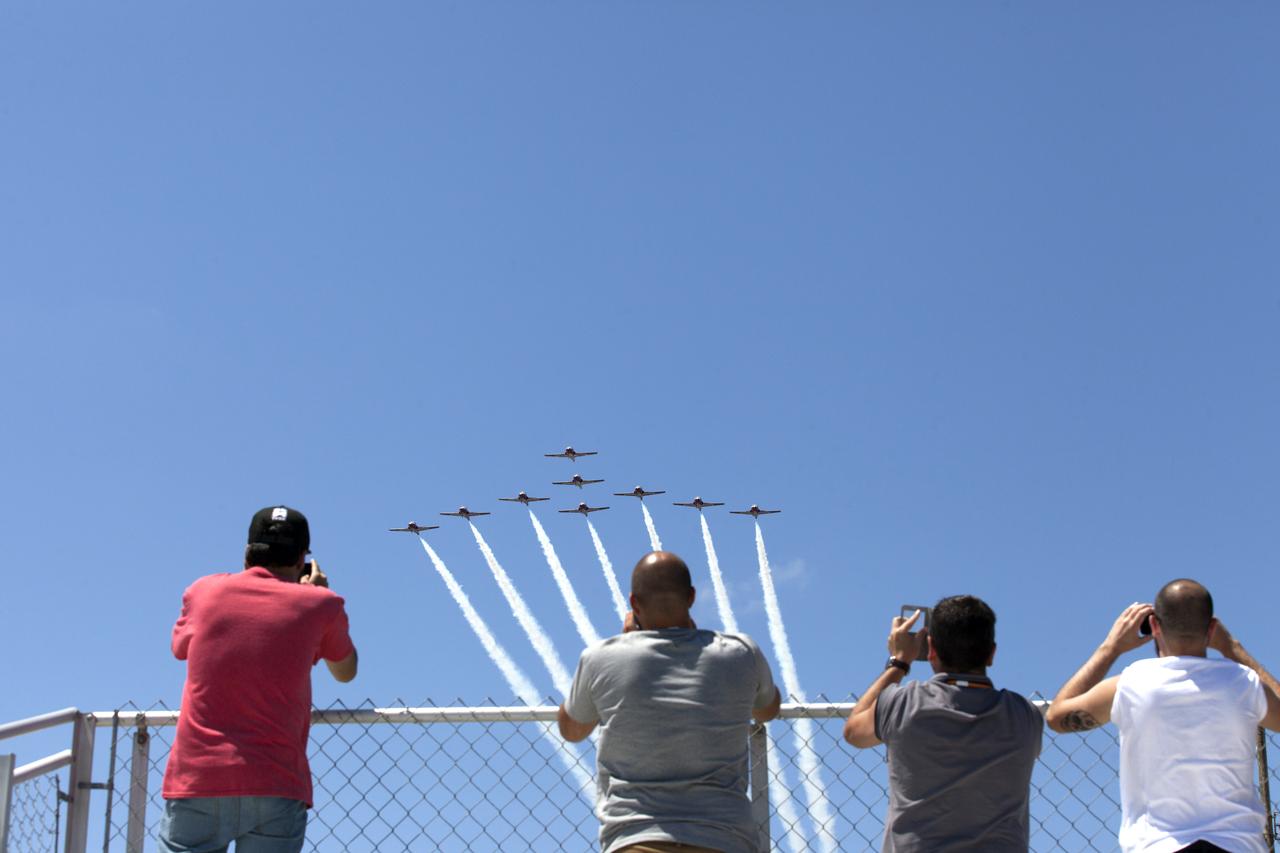
Workers along the NASA Causeway at NASA's Kennedy Space Center in Florida watch a practice flight of the Canadian Forces Snowbirds on May 9, 2018, between their scheduled U.S. air shows.
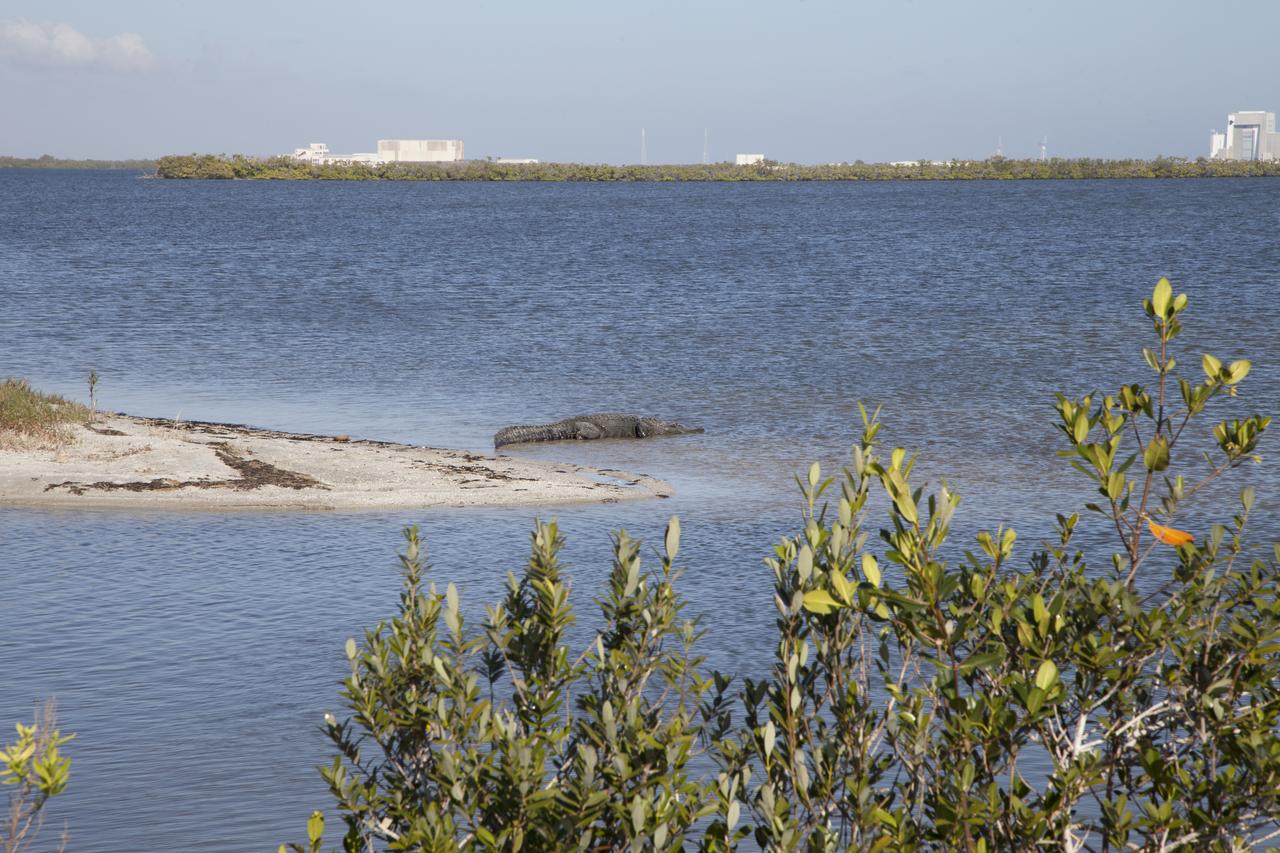
A large alligator basks in the intercoastal waterway near the NASA Causeway at Kennedy Space Center in Florida. The center shares a boundary with the Merritt Island National Wildlife Refuge. The refuge is home to more than 65 amphibian and reptile species, along with 330 native and migratory bird species, 25 mammal and 117 fish species.
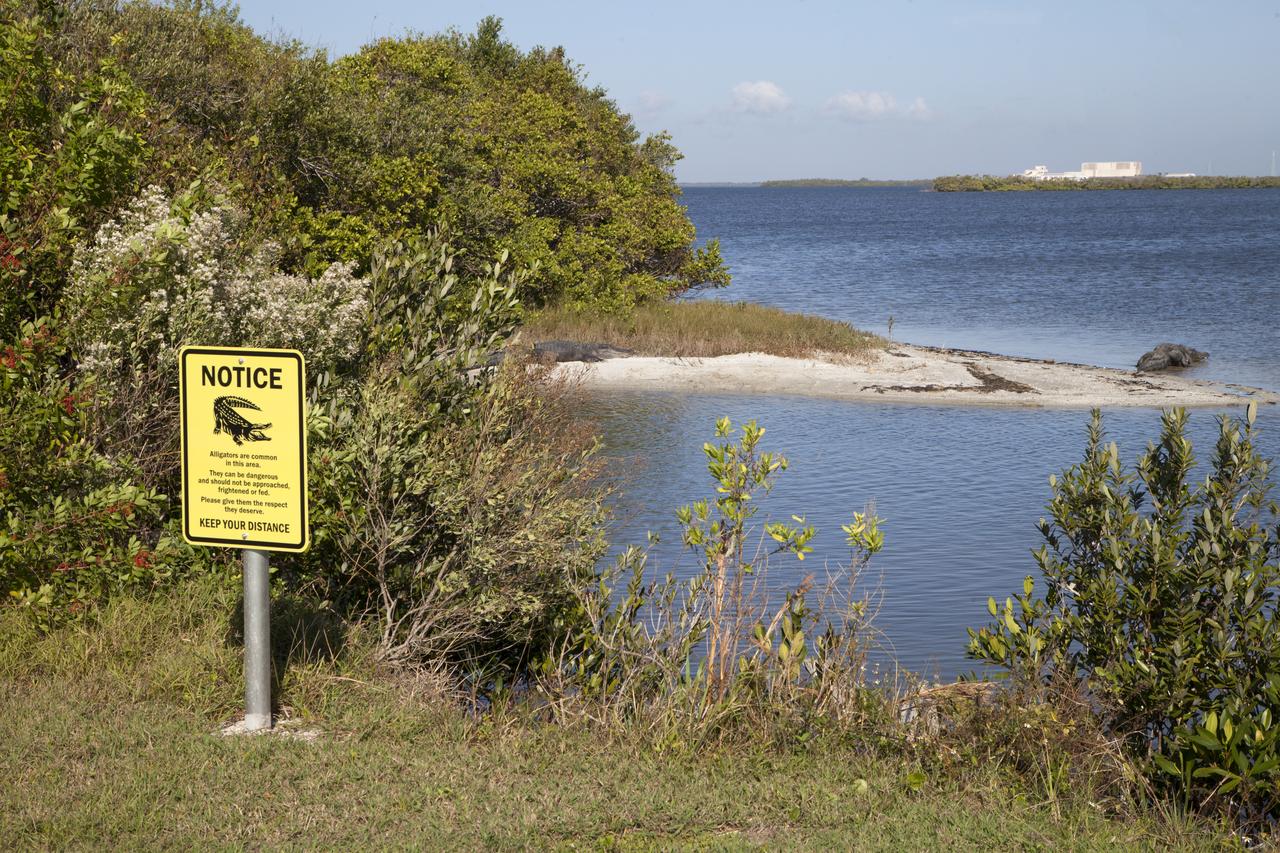
Two large alligators sun themselves on the sand near the NASA Causeway at Kennedy Space Center in Florida. The center shares a boundary with the Merritt Island National Wildlife Refuge. The refuge is home to more than 65 amphibian and reptile species, along with 330 native and migratory bird species, 25 mammal and 117 fish species.
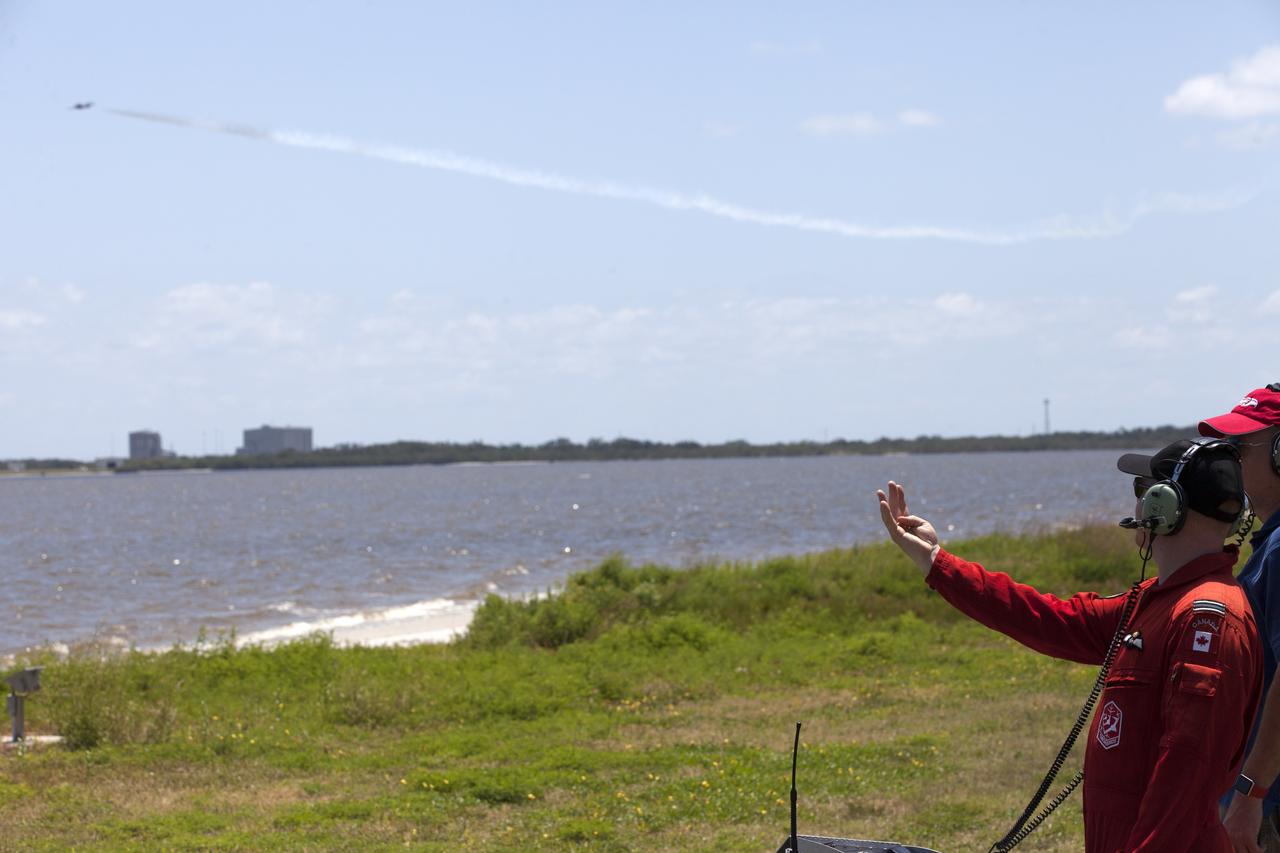
Capt. Blake McNaughton, team coordinator, Advance and Safety Pilot, 431 (Air Demonstration) Squadron Snowbirds Department of National Defence, communicates with the Canadian Forces Snowbird pilots from the NASA Causeway at Kennedy Space Center in Florida during a practice flight on May 9, 2018, between their scheduled U.S. Air Shows.

Incoming KSC Director James W. Kennedy (left) and departing KSC Director Roy D. Bridges Jr. (center) view the new sign on the NASA Causeway naming the bridge for Bridges who is leaving KSC to become the director of NASA's Langley Research Center, Hampton, Va. At right is the 45th Space Wing Commander Brig. Gen. J. Gregory Pavlovich. The bridge spans the Banana River on the NASA Causeway and connects Kennedy Space Center and Cape Canaveral Air Force Station.

From left, incoming KSC Director James W. Kennedy looks on as departing KSC Director Roy D. Bridges Jr. shakes hands with the 45th Space Wing Commander Brig. Gen. J. Gregory Pavlovich. The occasion is the unveiling of the new sign on the NASA Causeway naming the bridge for Bridges who is leaving KSC to become the director of NASA's Langley Research Center, Hampton, Va. The bridge spans the Banana River on the NASA Causeway and connects Kennedy Space Center and Cape Canaveral Air Force Station.
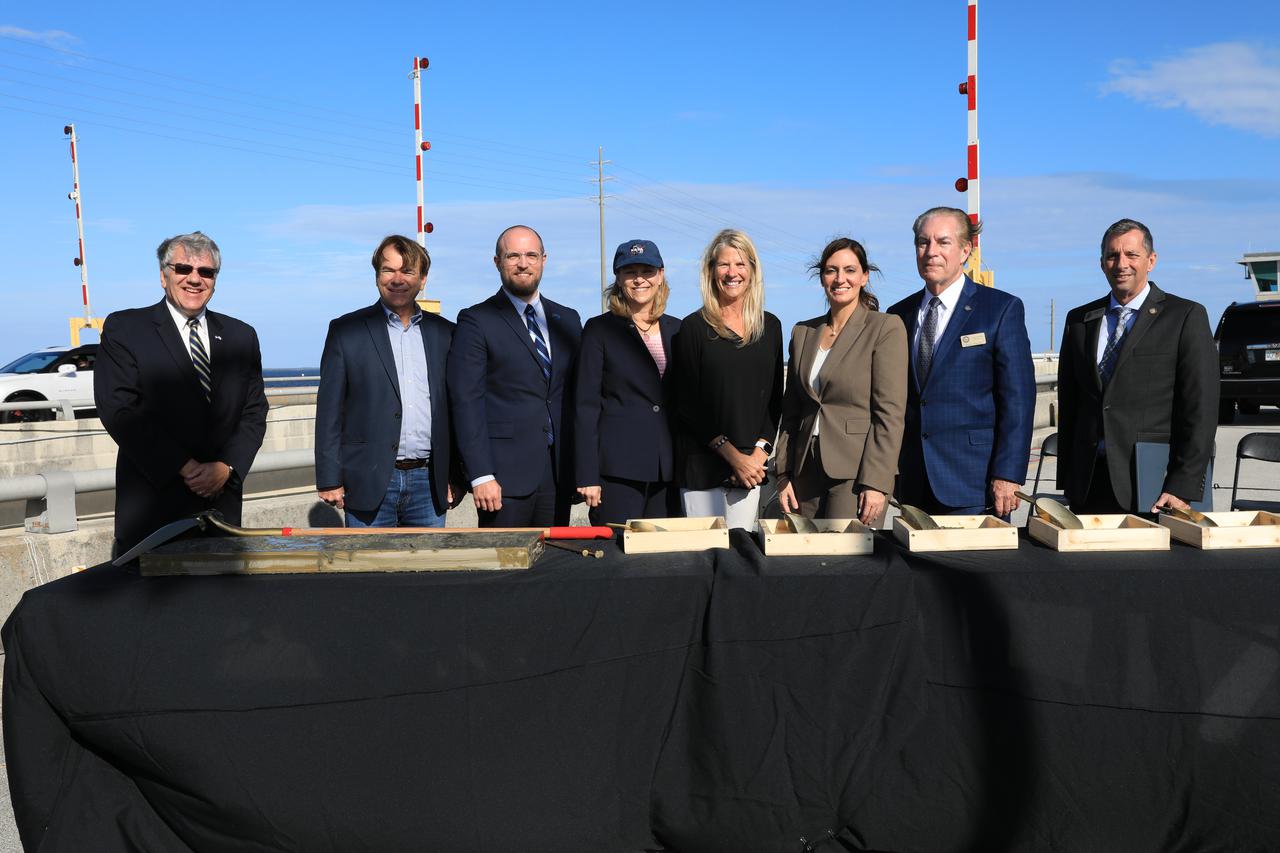
Center Director Janet Petro joins partners and elected officials for a groundbreaking ceremony on a new NASA Causeway bridge over the Indian River leading to NASA’s Kennedy Space Center on Merritt Island in Florida. The construction is made possible through a $90M Infrastructure for Rebuilding America (INFRA) grant, which was awarded thanks to an extensive effort by NASA, the State of Florida – through Florida Department of Transportation and Space Florida – as well as support from industry partners, other local, state, and federal government agencies. The new bridge enables Kennedy’s growth as a multi-user spaceport and will allow NASA to better support the space industry. Construction is scheduled to take several years. To commemorate the day, speakers left a handprint and signed their name in cement.
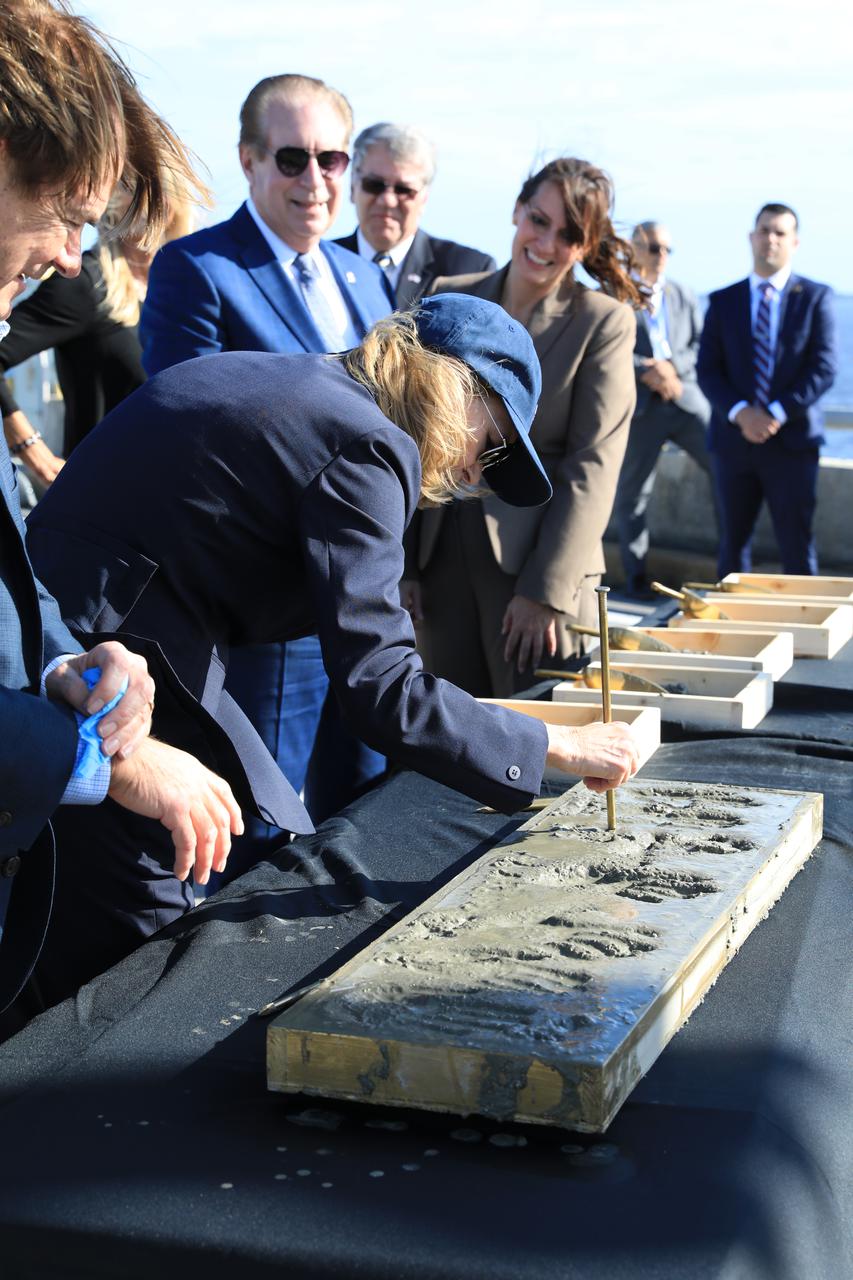
Center Director Janet Petro joins partners and elected officials for a groundbreaking ceremony on a new NASA Causeway bridge over the Indian River leading to NASA’s Kennedy Space Center on Merritt Island in Florida. The construction is made possible through a $90M Infrastructure for Rebuilding America (INFRA) grant, which was awarded thanks to an extensive effort by NASA, the State of Florida – through Florida Department of Transportation and Space Florida – as well as support from industry partners, other local, state, and federal government agencies. The new bridge enables Kennedy’s growth as a multi-user spaceport and will allow NASA to better support the space industry. Construction is scheduled to take several years. To commemorate the day, speakers left a handprint and signed their name in cement.
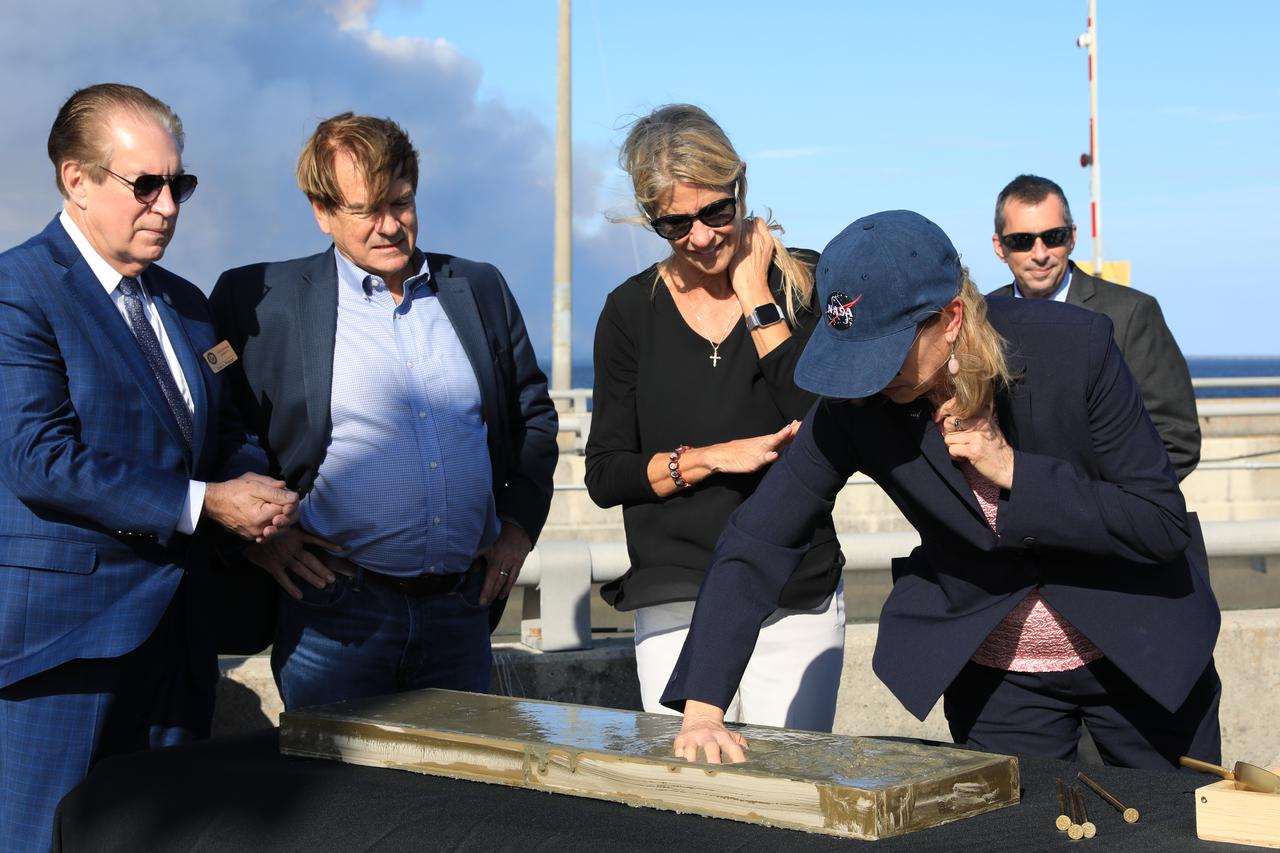
Center Director Janet Petro joins partners and elected officials for a groundbreaking ceremony on a new NASA Causeway bridge over the Indian River leading to NASA’s Kennedy Space Center on Merritt Island in Florida. The construction is made possible through a $90M Infrastructure for Rebuilding America (INFRA) grant, which was awarded thanks to an extensive effort by NASA, the State of Florida – through Florida Department of Transportation and Space Florida – as well as support from industry partners, other local, state, and federal government agencies. The new bridge enables Kennedy’s growth as a multi-user spaceport and will allow NASA to better support the space industry. Construction is scheduled to take several years. To commemorate the day, speakers left a handprint and signed their name in cement.
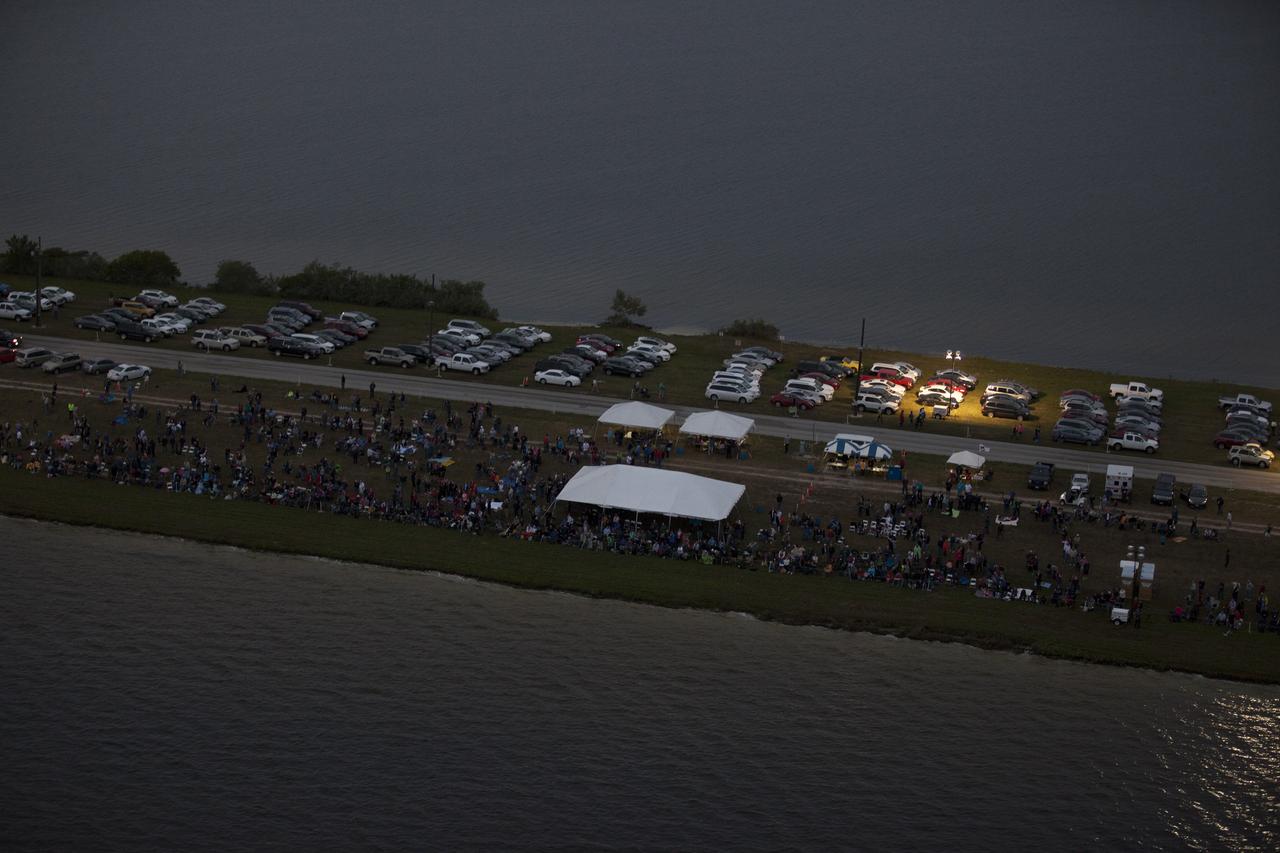
This helicopter view of the NASA Causeway connecting NASA's Kennedy Space Center with Cape Canaveral Air Force Staton shows the thousands of vehicles parked where guests gather to see the launch of the Orion Flight Test.
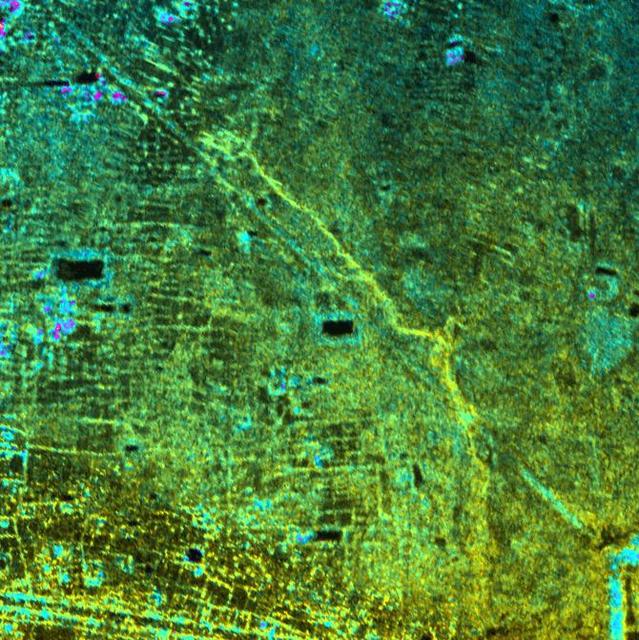
This radar image, taken by NASA Airborne Synthetic Aperture Radar AIRSAR in 2002, shows the Old Khmer Road Inrdratataka-Bakheng causeway in Cambodia.
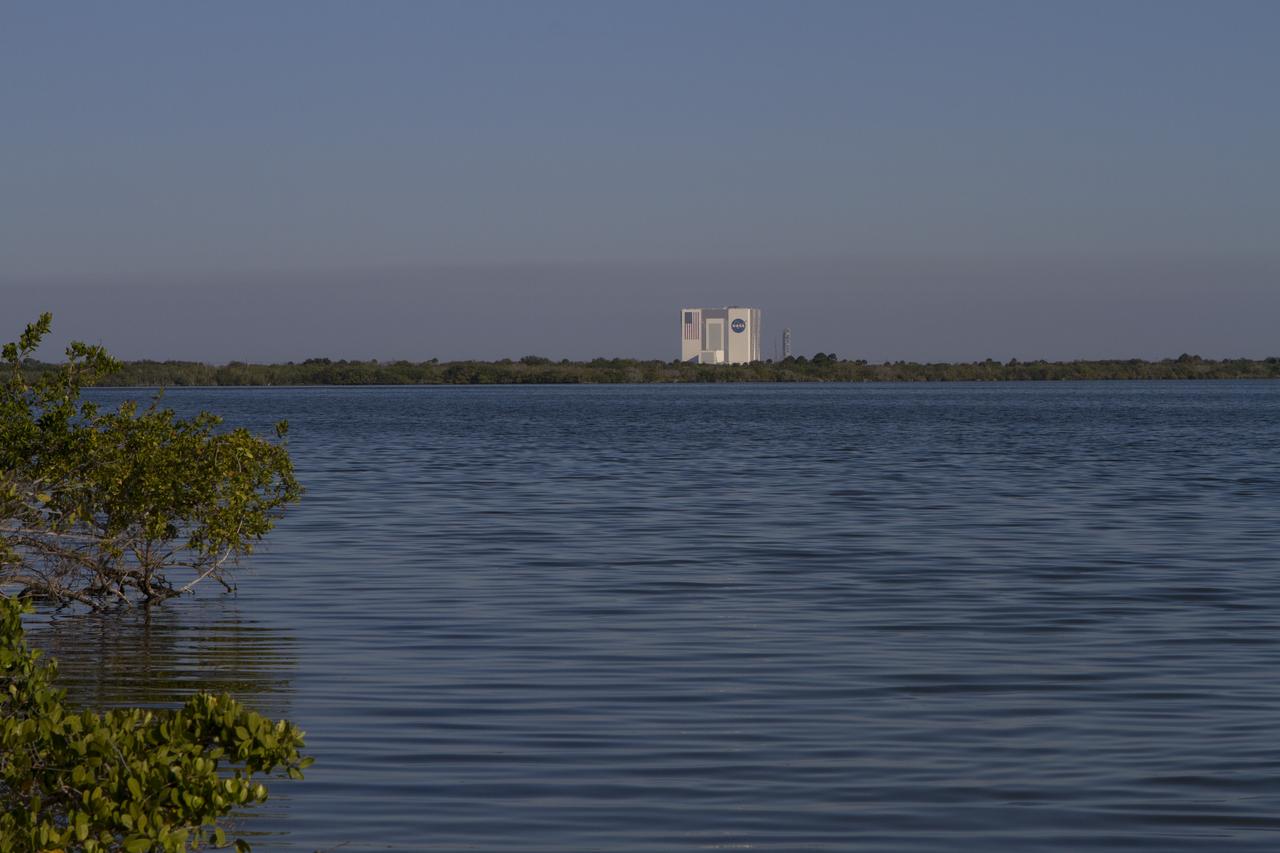
CAPE CANAVERAL, Fla. -- The 525-foot-tall Vehicle Assembly Building is seen from this view looking north across the inland waterway of the Banana River at NASA’s Kennedy Space Center in Florida. In view to the right is the Mobile Launcher. The center shares a boundary with the Merritt Island National Wildlife Refuge. The refuge encompasses 140,000 acres that are a habitat for more than 330 species of birds, 31 mammals, 117 fishes, and 65 amphibians and reptiles. It contains more than 1,000 known plant species. The marshes and open water of the refuge provide wintering areas for 23 species of migratory waterfowl, as well as a year-round home for great blue herons, great egrets, wood storks, cormorants, brown pelicans and other species of marsh and shore birds, and a variety of insects. Photo credit: NASA/Ben Smegelsky
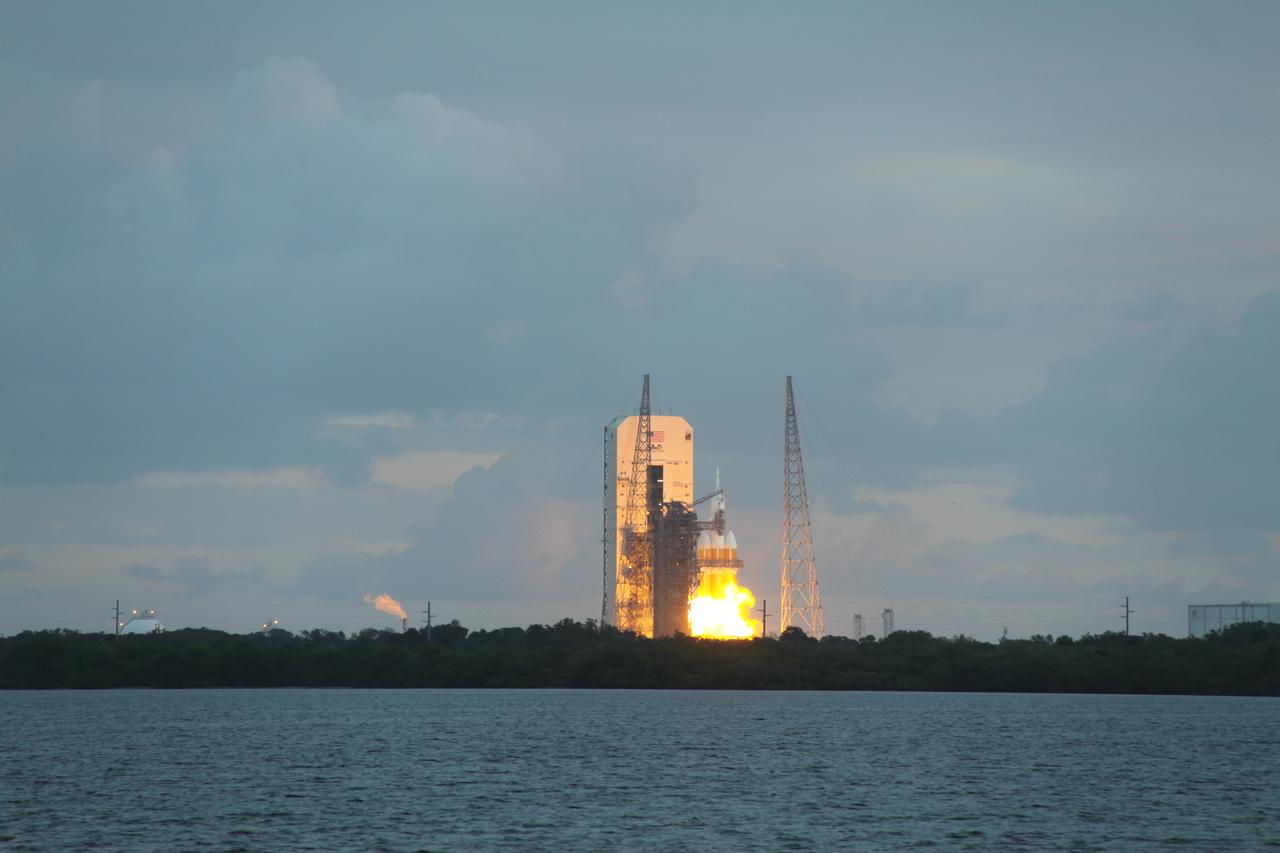
A Delta IV Heavy rocket lifts off from Space Launch Complex 37 at Cape Canaveral Air Force Station in Florida carrying NASA's Orion spacecraft on an unpiloted flight test to Earth orbit. Liftoff was at 7:05 a.m. EST. During the two-orbit, four-and-a-half hour mission, engineers will evaluate the systems critical to crew safety, the launch abort system, the heat shield and the parachute system.
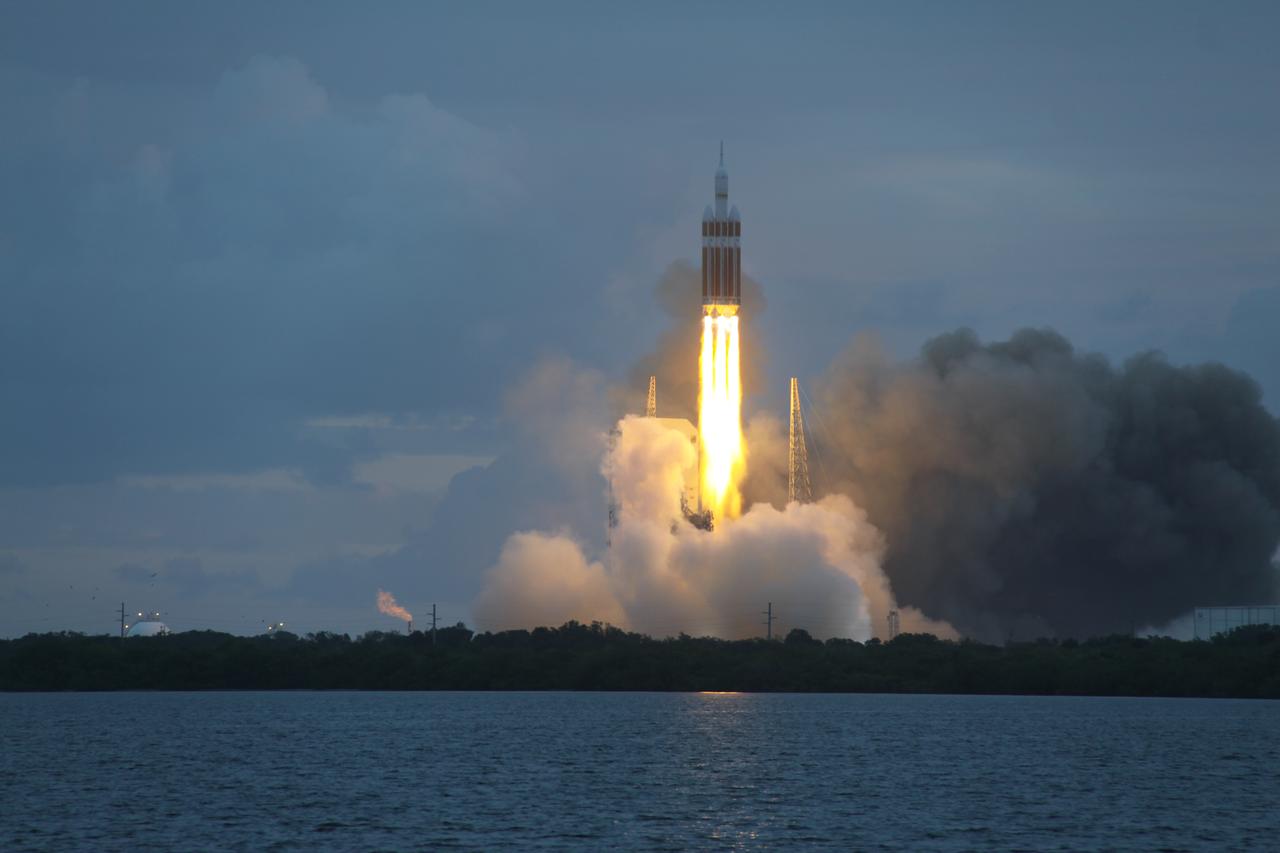
A Delta IV Heavy rocket lifts off from Space Launch Complex 37 at Cape Canaveral Air Force Station in Florida carrying NASA's Orion spacecraft on an unpiloted flight test to Earth orbit. Liftoff was at 7:05 a.m. EST. During the two-orbit, four-and-a-half hour mission, engineers will evaluate the systems critical to crew safety, the launch abort system, the heat shield and the parachute system.
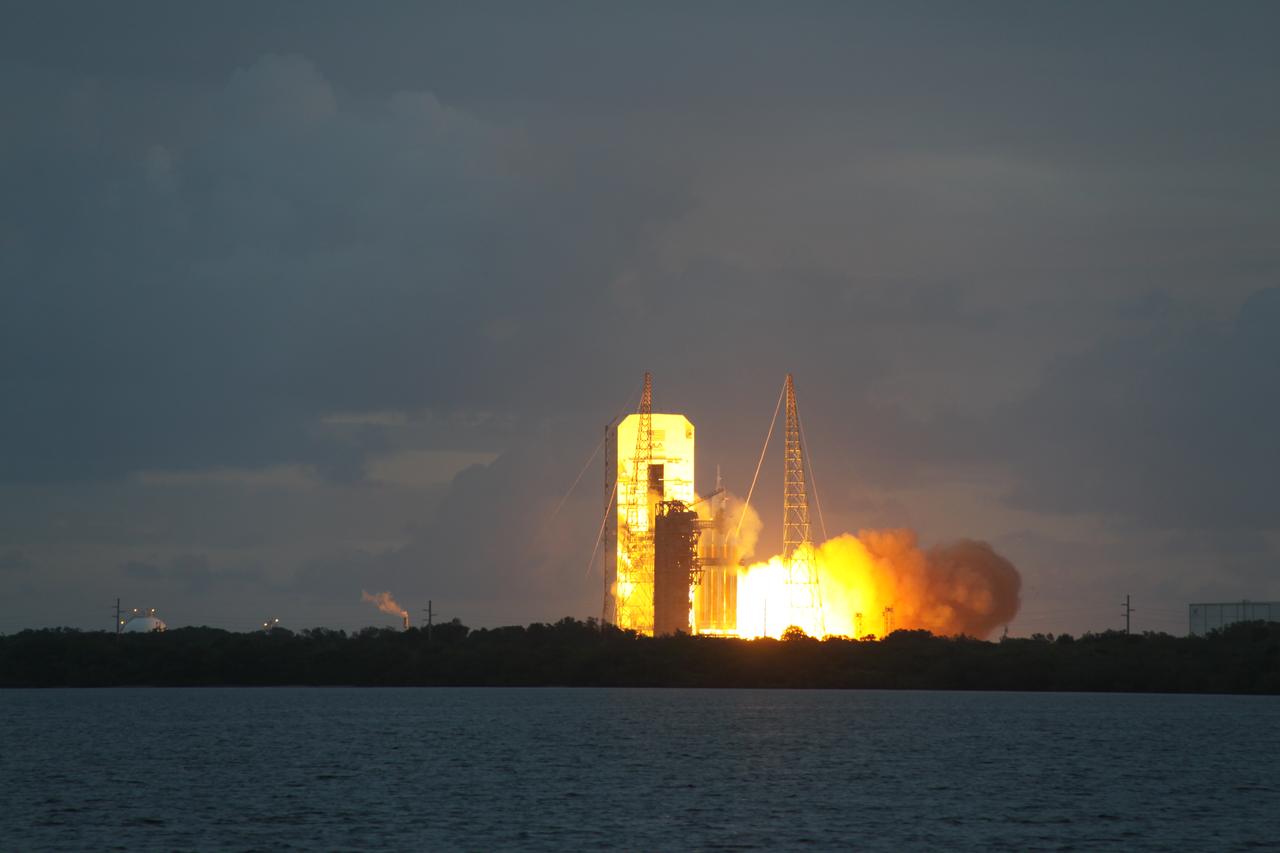
A Delta IV Heavy rocket lifts off from Space Launch Complex 37 at Cape Canaveral Air Force Station in Florida carrying NASA's Orion spacecraft on an unpiloted flight test to Earth orbit. Liftoff was at 7:05 a.m. EST. During the two-orbit, four-and-a-half hour mission, engineers will evaluate the systems critical to crew safety, the launch abort system, the heat shield and the parachute system.
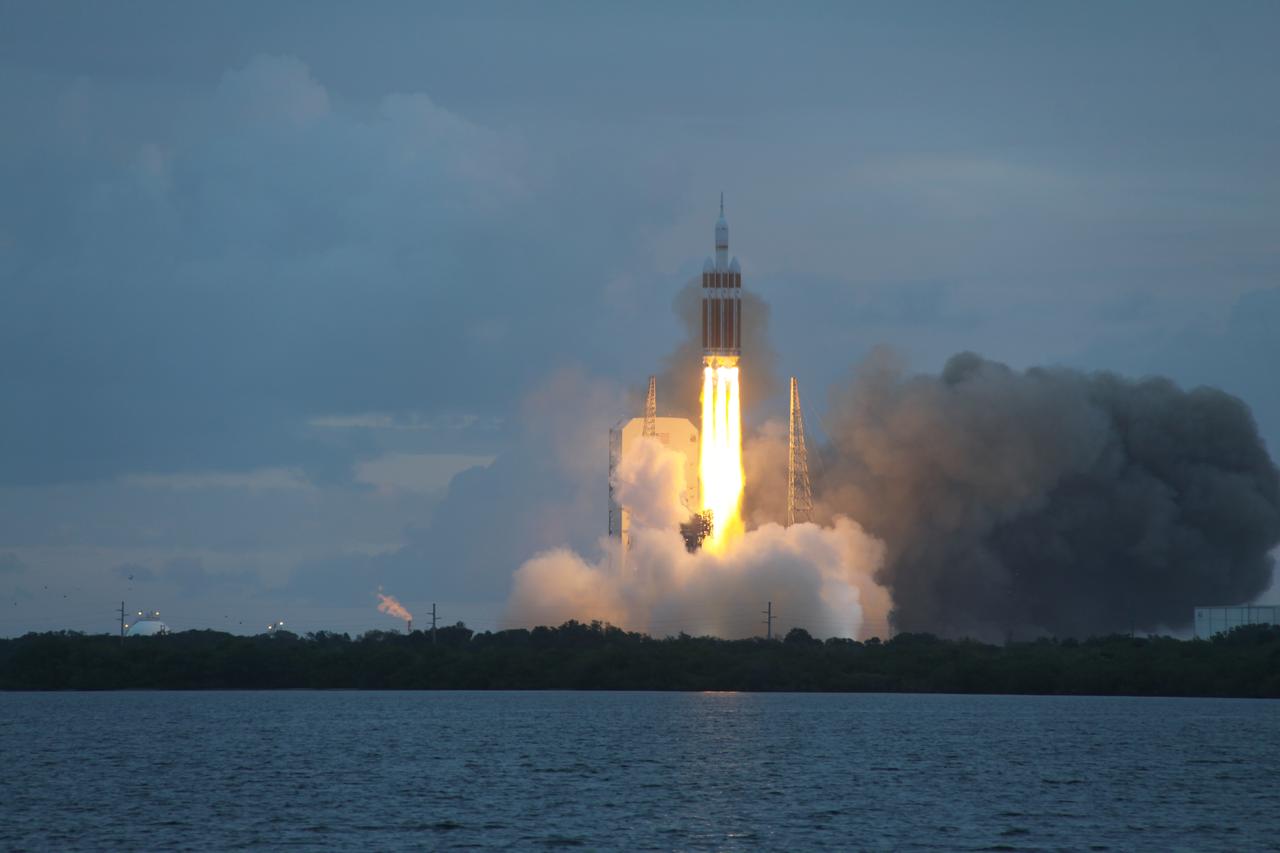
A Delta IV Heavy rocket lifts off from Space Launch Complex 37 at Cape Canaveral Air Force Station in Florida carrying NASA's Orion spacecraft on an unpiloted flight test to Earth orbit. Liftoff was at 7:05 a.m. EST. During the two-orbit, four-and-a-half hour mission, engineers will evaluate the systems critical to crew safety, the launch abort system, the heat shield and the parachute system.
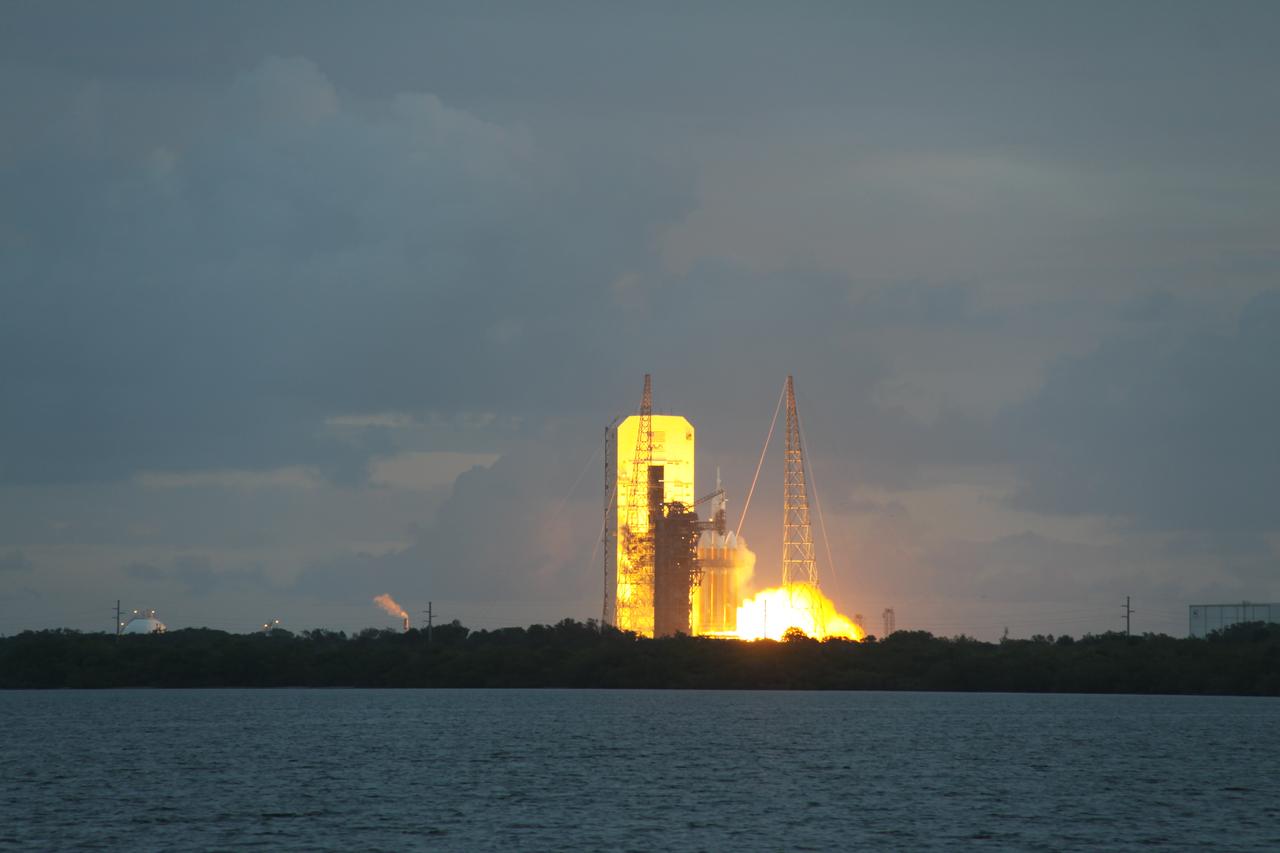
A Delta IV Heavy rocket lifts off from Space Launch Complex 37 at Cape Canaveral Air Force Station in Florida carrying NASA's Orion spacecraft on an unpiloted flight test to Earth orbit. Liftoff was at 7:05 a.m. EST. During the two-orbit, four-and-a-half hour mission, engineers will evaluate the systems critical to crew safety, the launch abort system, the heat shield and the parachute system.
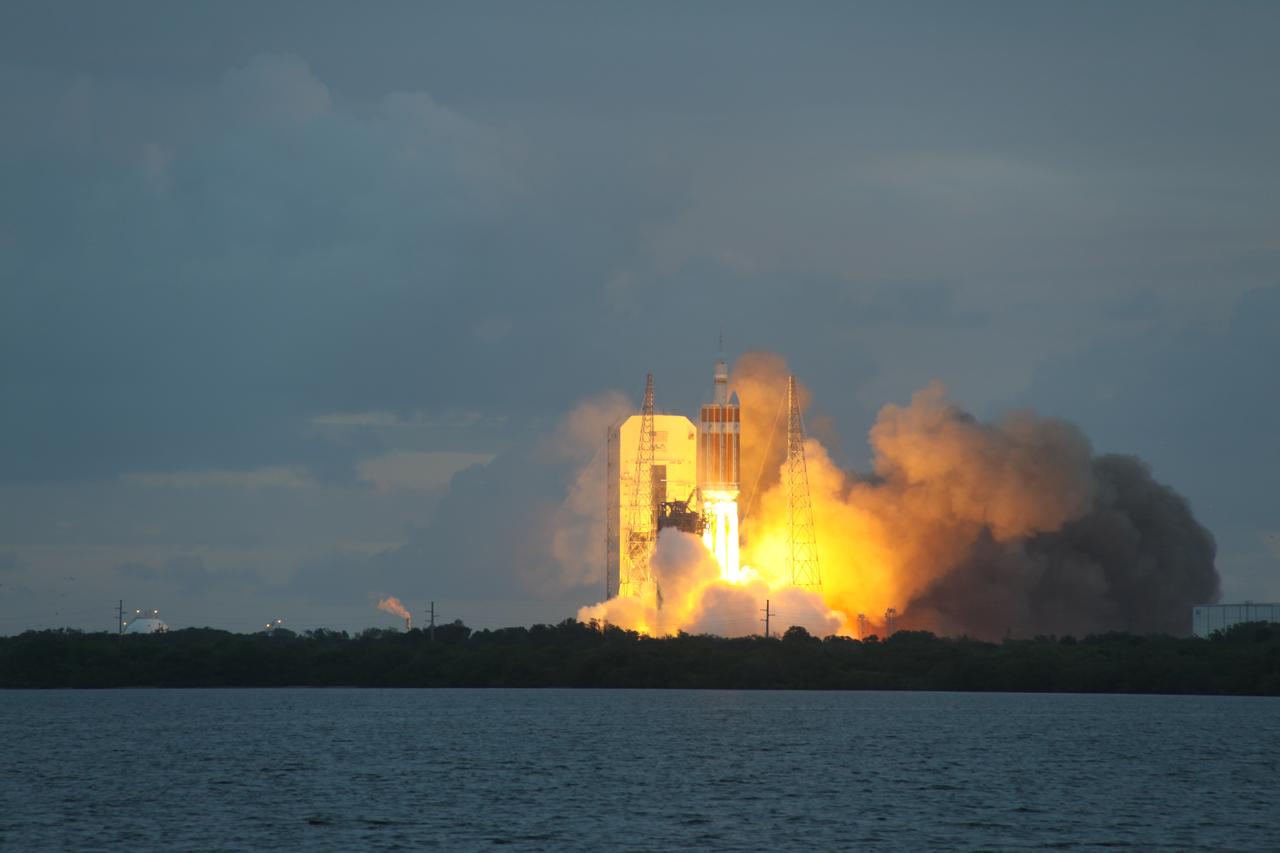
A Delta IV Heavy rocket lifts off from Space Launch Complex 37 at Cape Canaveral Air Force Station in Florida carrying NASA's Orion spacecraft on an unpiloted flight test to Earth orbit. Liftoff was at 7:05 a.m. EST. During the two-orbit, four-and-a-half hour mission, engineers will evaluate the systems critical to crew safety, the launch abort system, the heat shield and the parachute system.
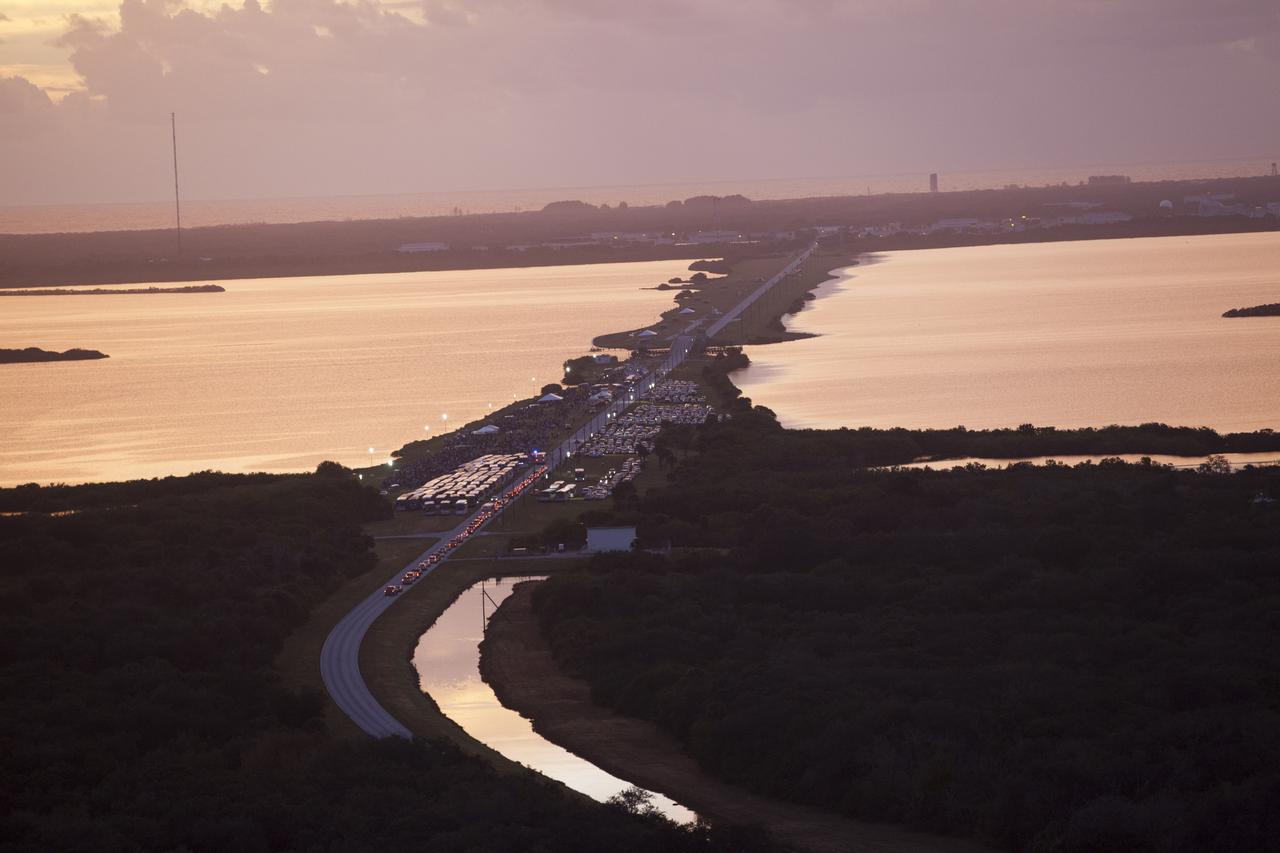
This helicopter view of the NASA Causeway connecting NASA's Kennedy Space Center with Cape Canaveral Air Force Staton shows the thousands of vehicles parked where guests gather to see the launch of the Orion Flight Test. The liftoff was postponed because of an issue related to fill and drain valves on the Delta IV Heavy rocket that teams could not troubleshoot by the time the launch window expired.
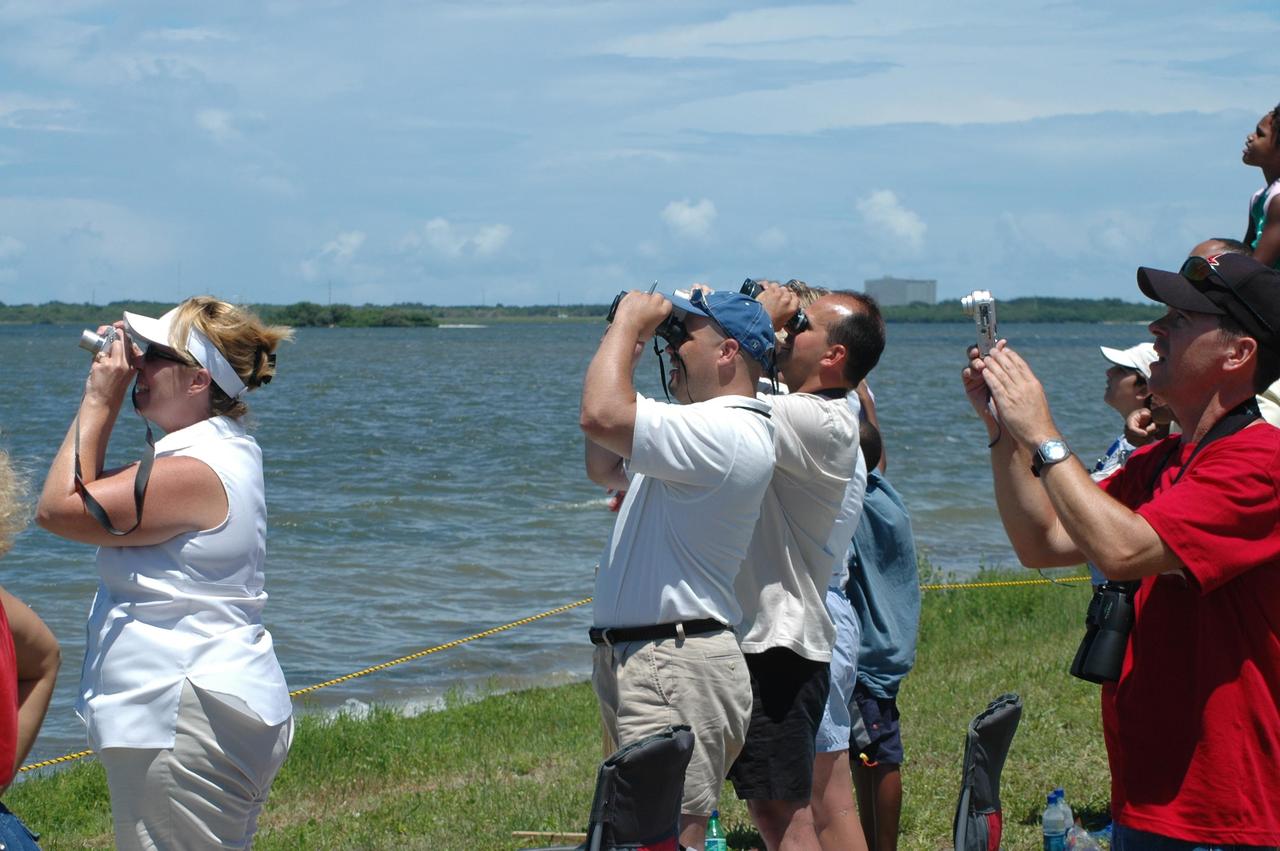
KENNEDY SPACE CENTER, FLA. - All eyes, and lenses, focus on the perfect launch of Space Shuttle Discovery on its third attempt in four days. Kicking off the Fourth of July with its own fireworks, the launch made history as it was the first ever launch on Independence Day. Liftoff was on-time at 2:38 p.m. EDT. During the 12-day mission, the STS-121 crew of seven will test new equipment and procedures to improve shuttle safety, as well as deliver supplies and make repairs to the International Space Station. Landing is scheduled for July 16 or 17 at Kennedy's Shuttle Landing Facility. Photo credit: NASA/Carl Winebarger
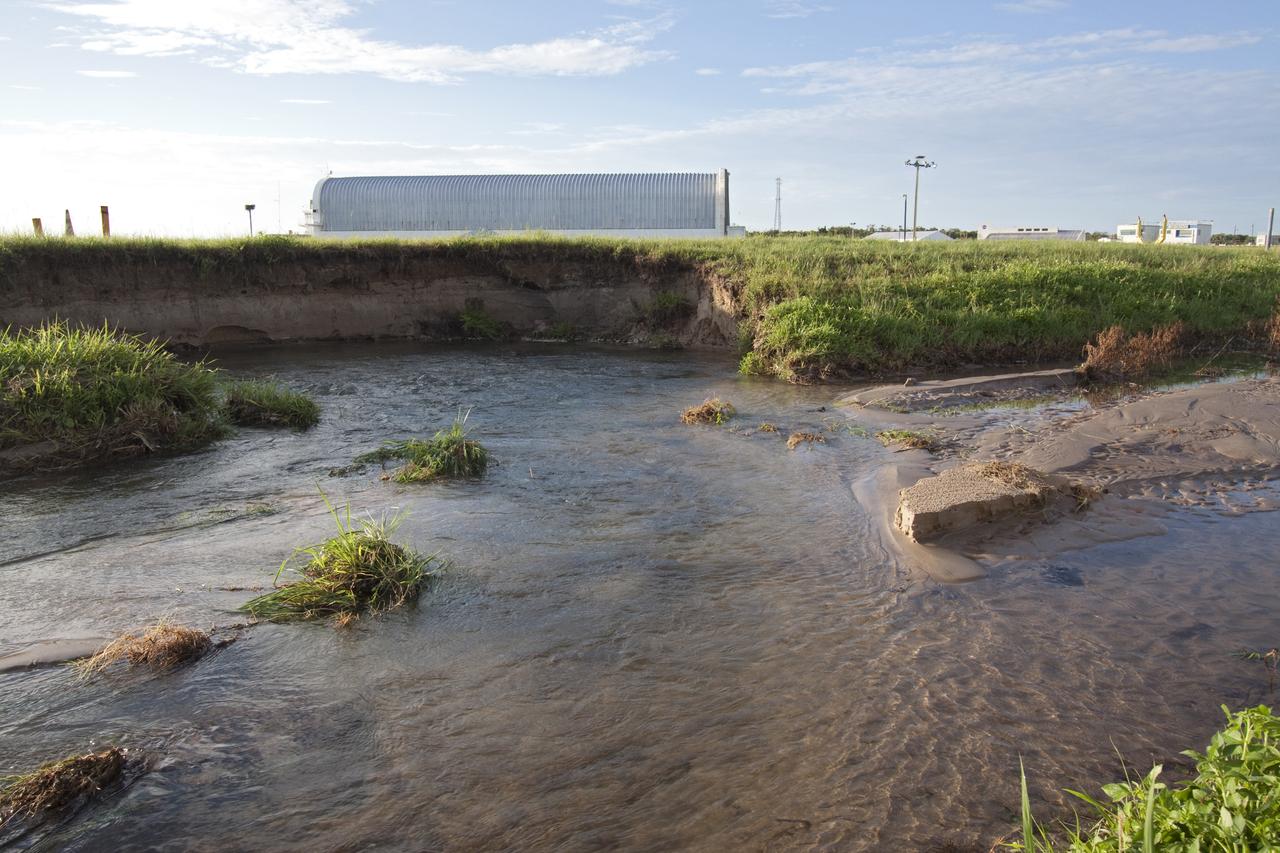
WATER MAIN BREAK AT KSC - SATURN CAUSEWAY
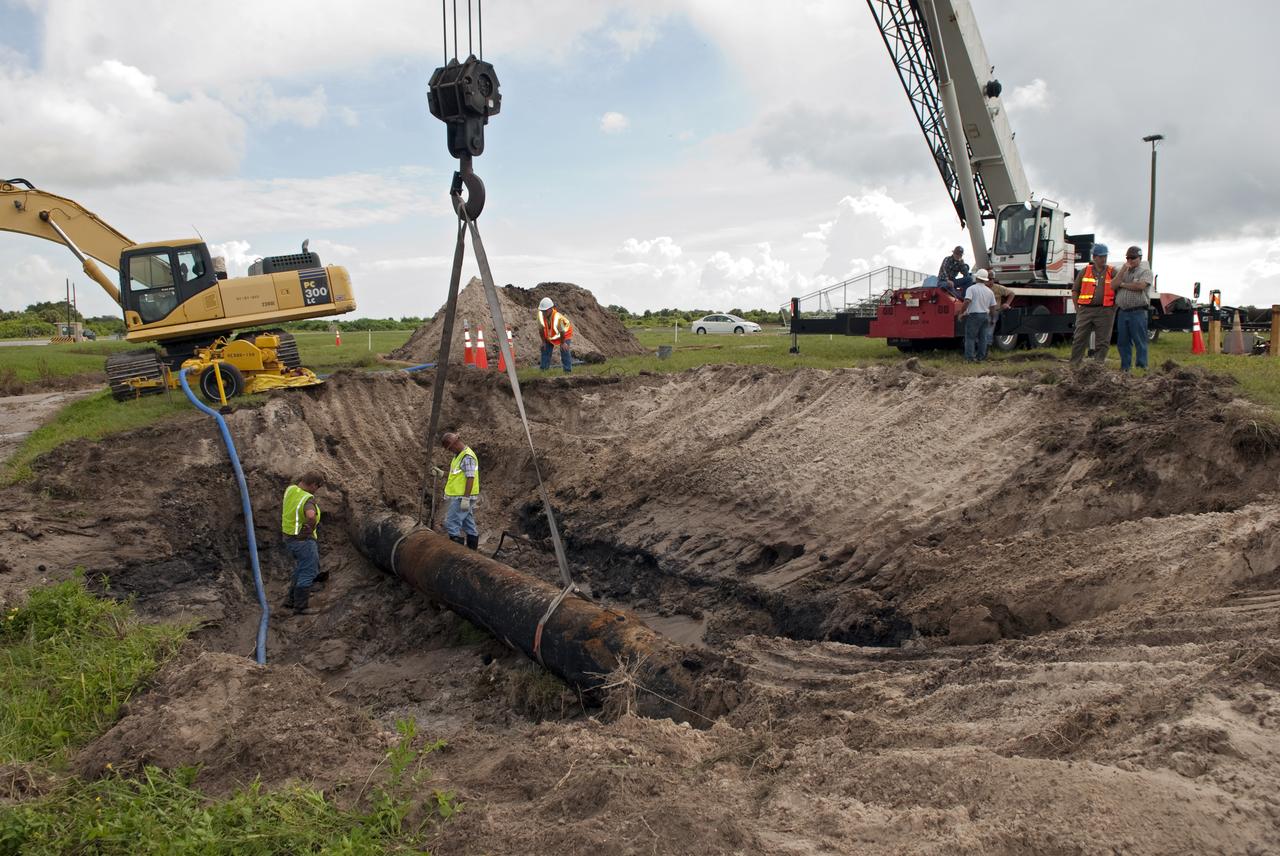
WATER MAIN BREAK REPAIRS ON SATURN CAUSEWAY
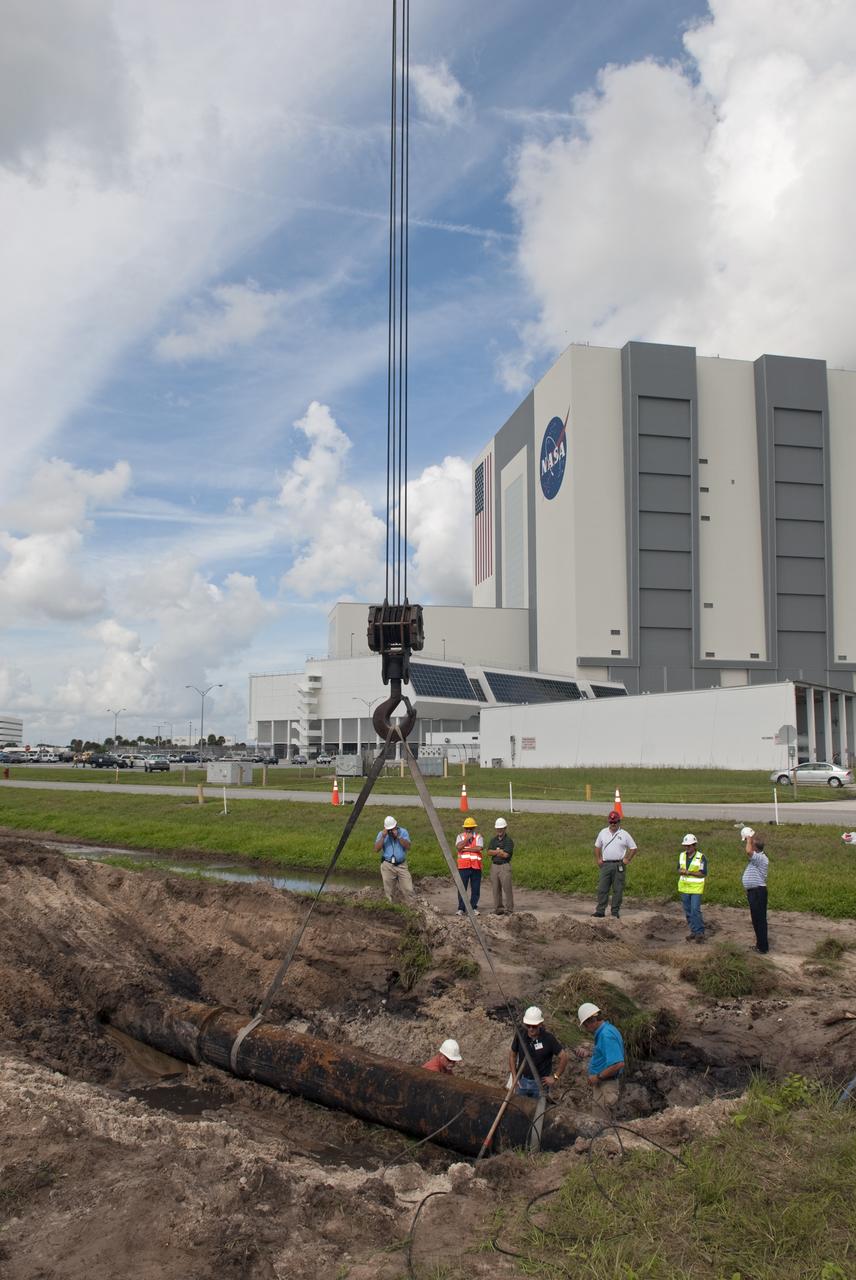
WATER MAIN BREAK REPAIRS ON SATURN CAUSEWAY
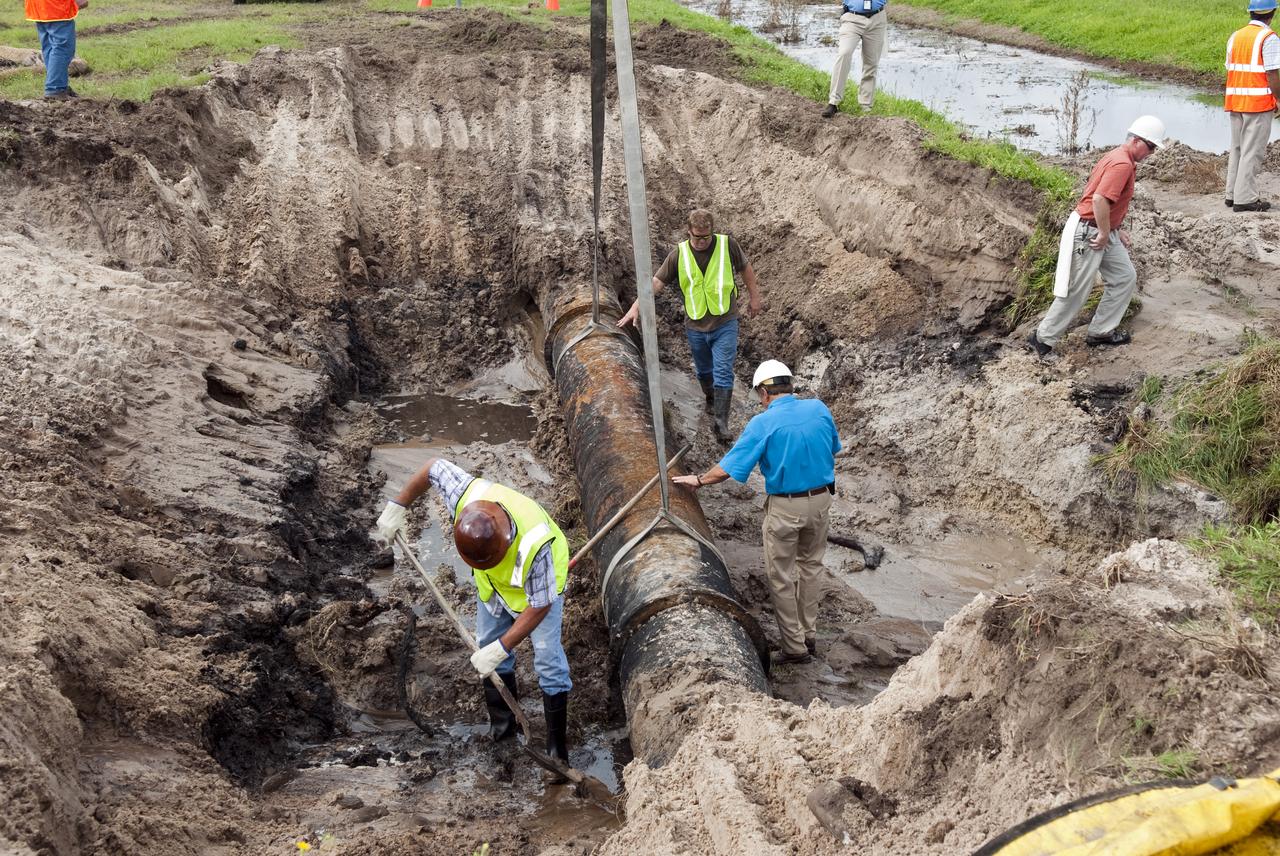
WATER MAIN BREAK REPAIRS ON SATURN CAUSEWAY

WATER MAIN BREAK REPAIRS ON SATURN CAUSEWAY
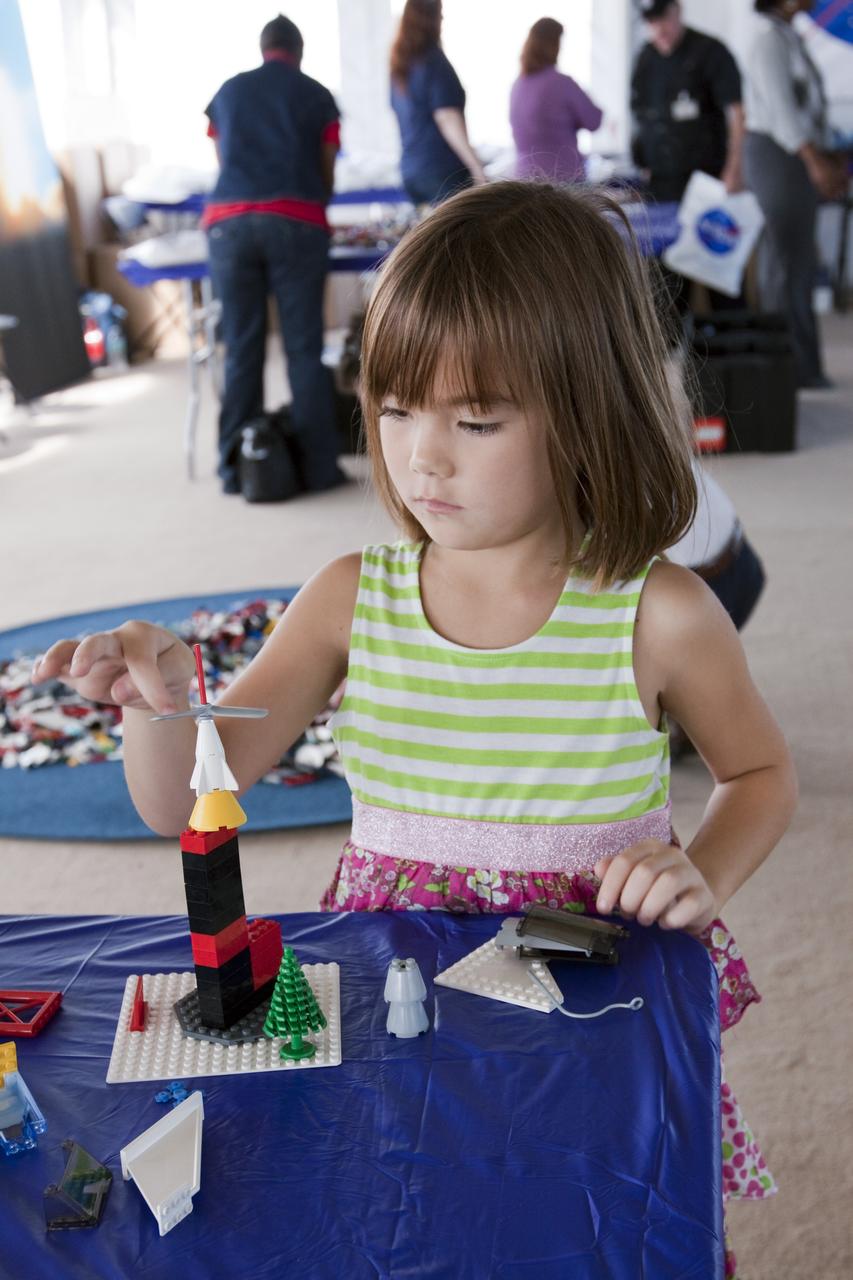
STS-133 LAUNCH L-1 LEGO EVENT FOR STUDENTS ON NASA CAUSEWAY
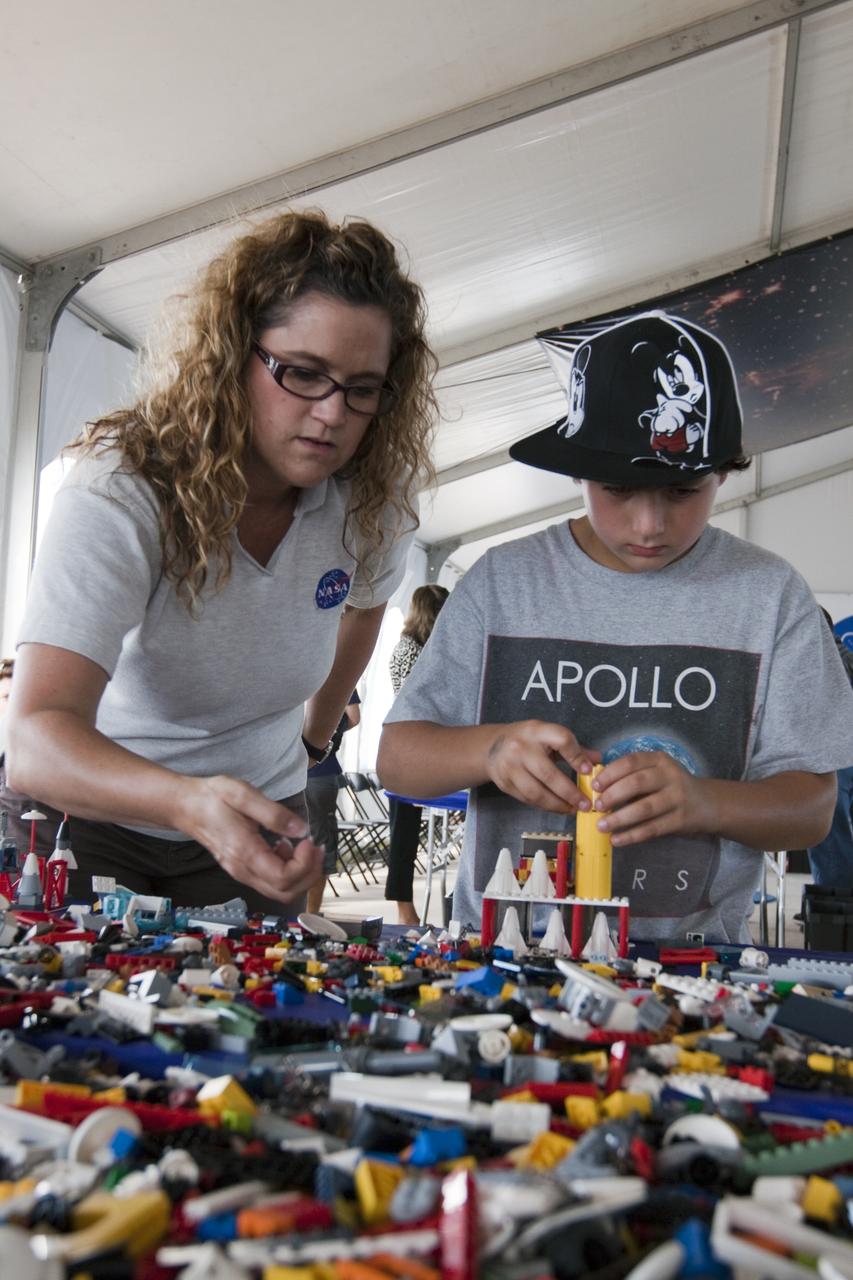
STS-133 LAUNCH L-1 LEGO EVENT FOR STUDENTS ON NASA CAUSEWAY
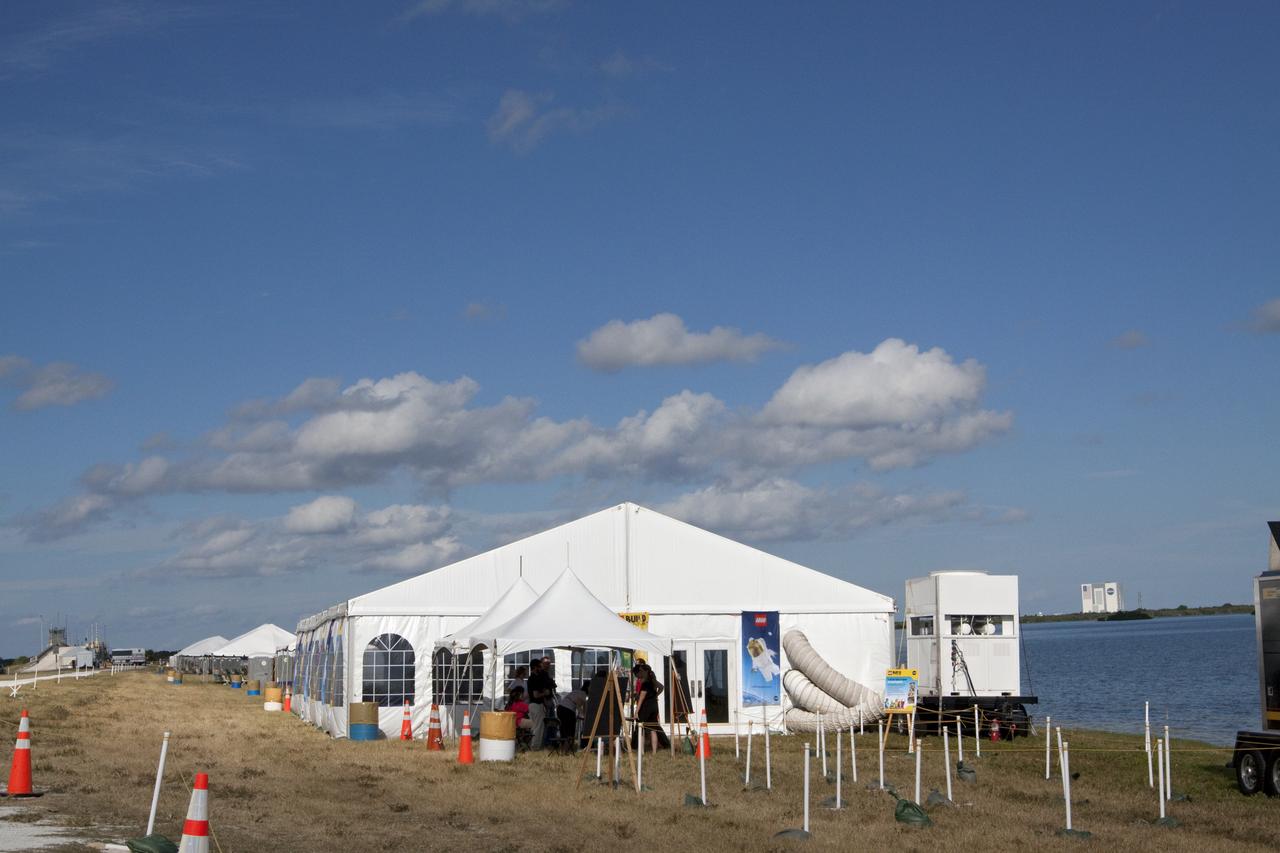
STS-133 LAUNCH L-1 LEGO EVENT FOR STUDENTS ON NASA CAUSEWAY
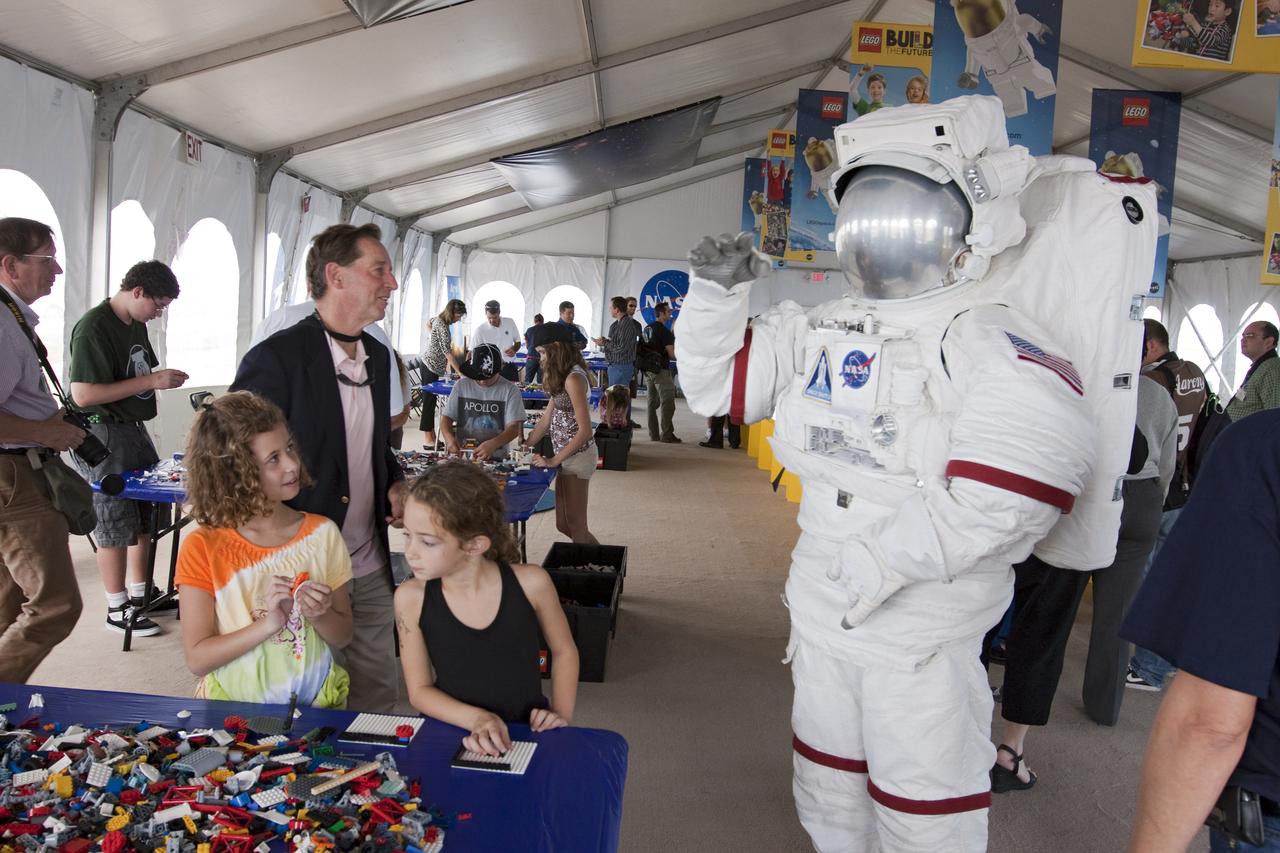
STS-133 LAUNCH L-1 LEGO EVENT FOR STUDENTS ON NASA CAUSEWAY
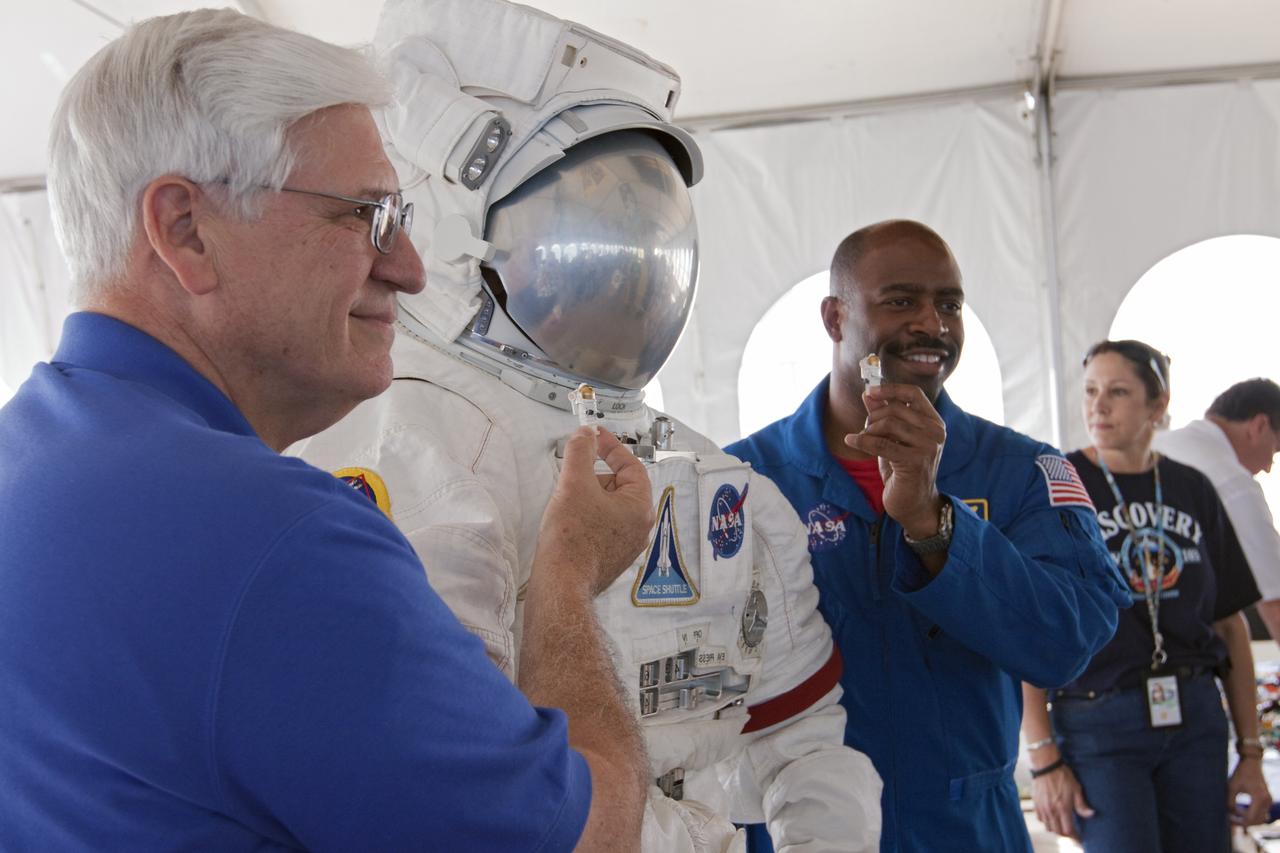
STS-133 LAUNCH L-1 LEGO EVENT FOR STUDENTS ON NASA CAUSEWAY
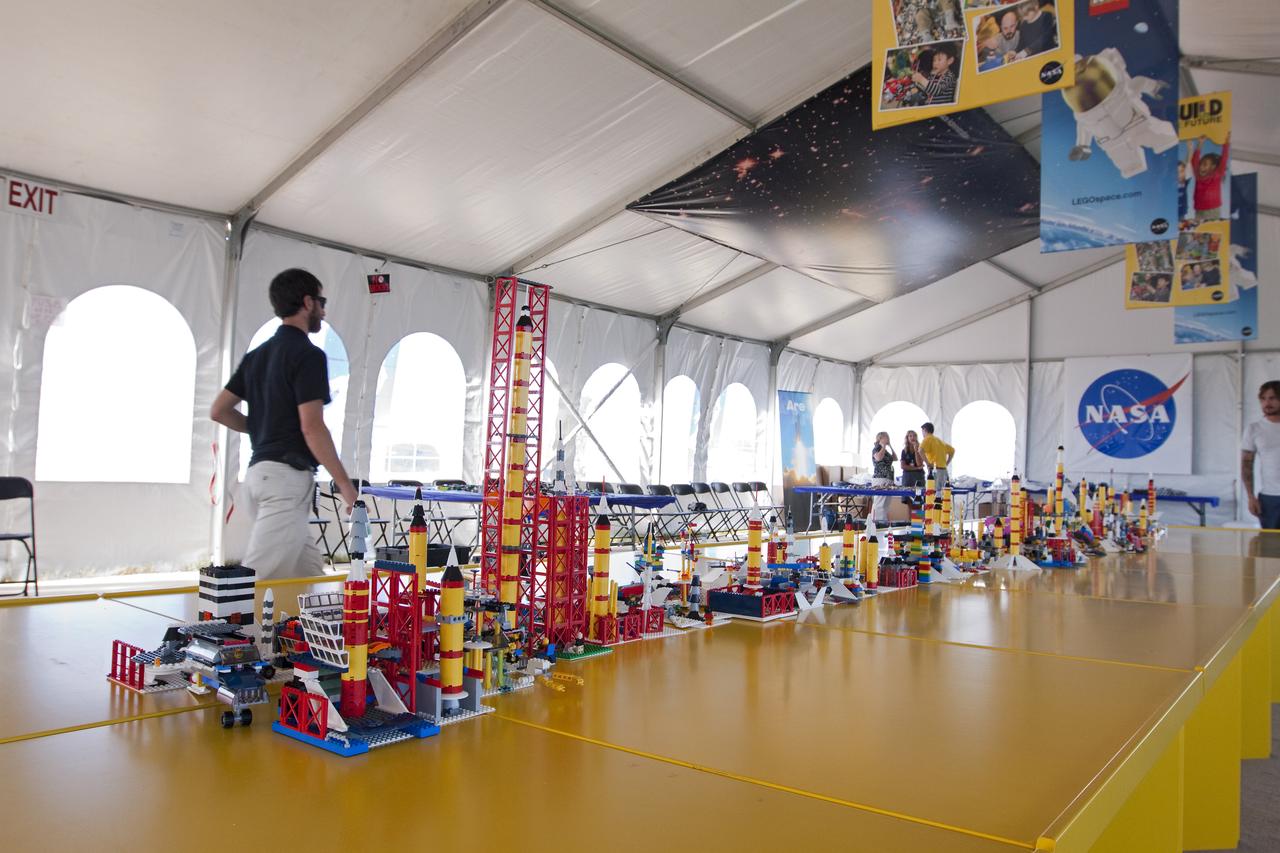
STS-133 LAUNCH L-1 LEGO EVENT FOR STUDENTS ON NASA CAUSEWAY
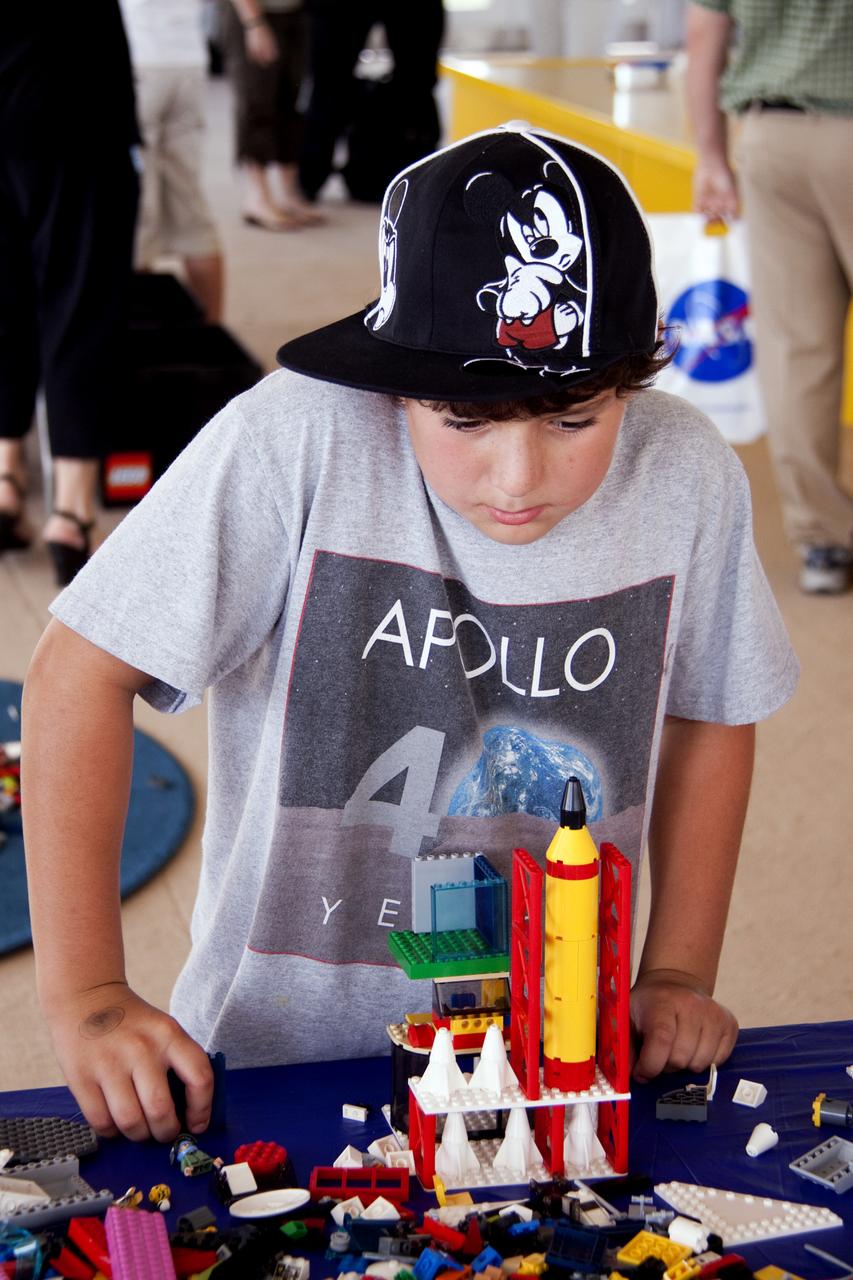
STS-133 LAUNCH L-1 LEGO EVENT FOR STUDENTS ON NASA CAUSEWAY
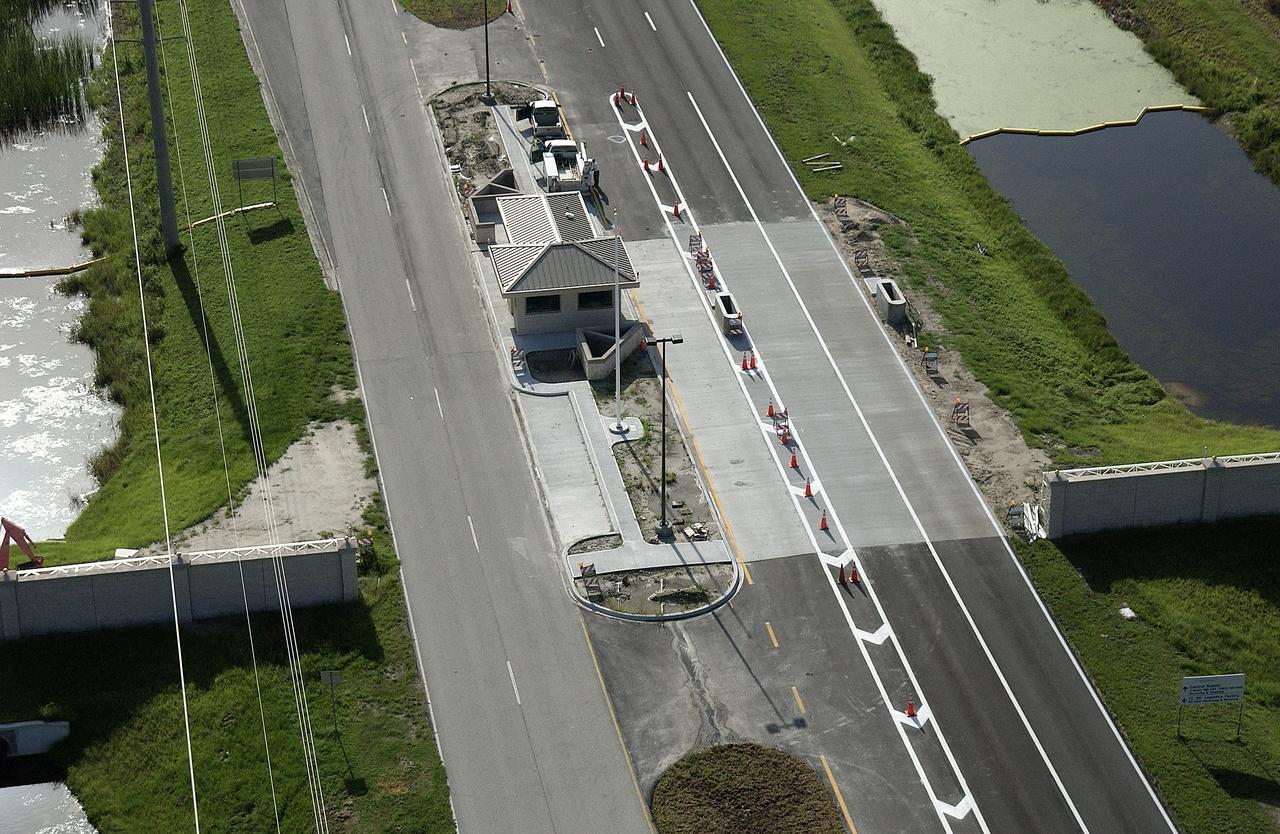
The new security gate on the NASA Causeway (S.R. 405) is seen from the air.
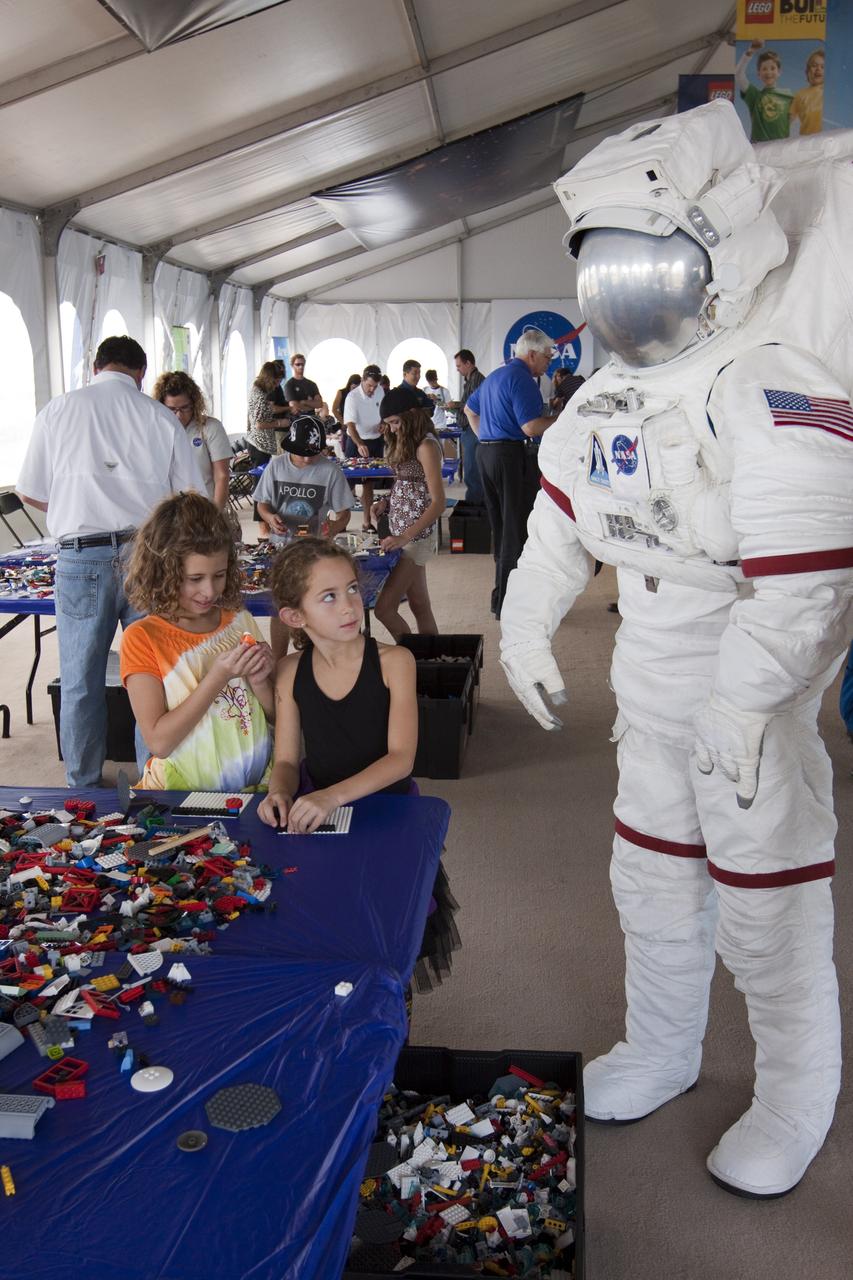
STS-133 LAUNCH L-1 LEGO EVENT FOR STUDENTS ON NASA CAUSEWAY
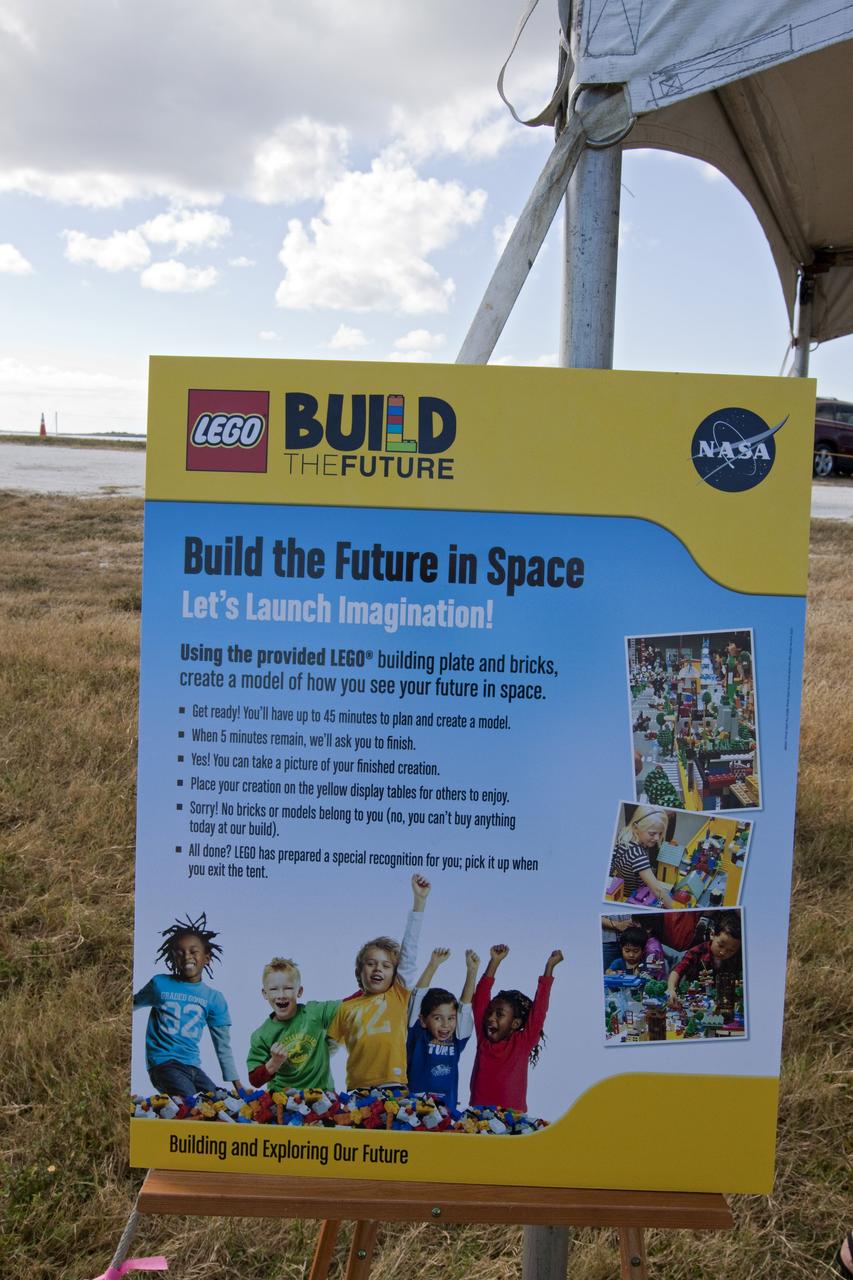
STS-133 LAUNCH L-1 LEGO EVENT FOR STUDENTS ON NASA CAUSEWAY
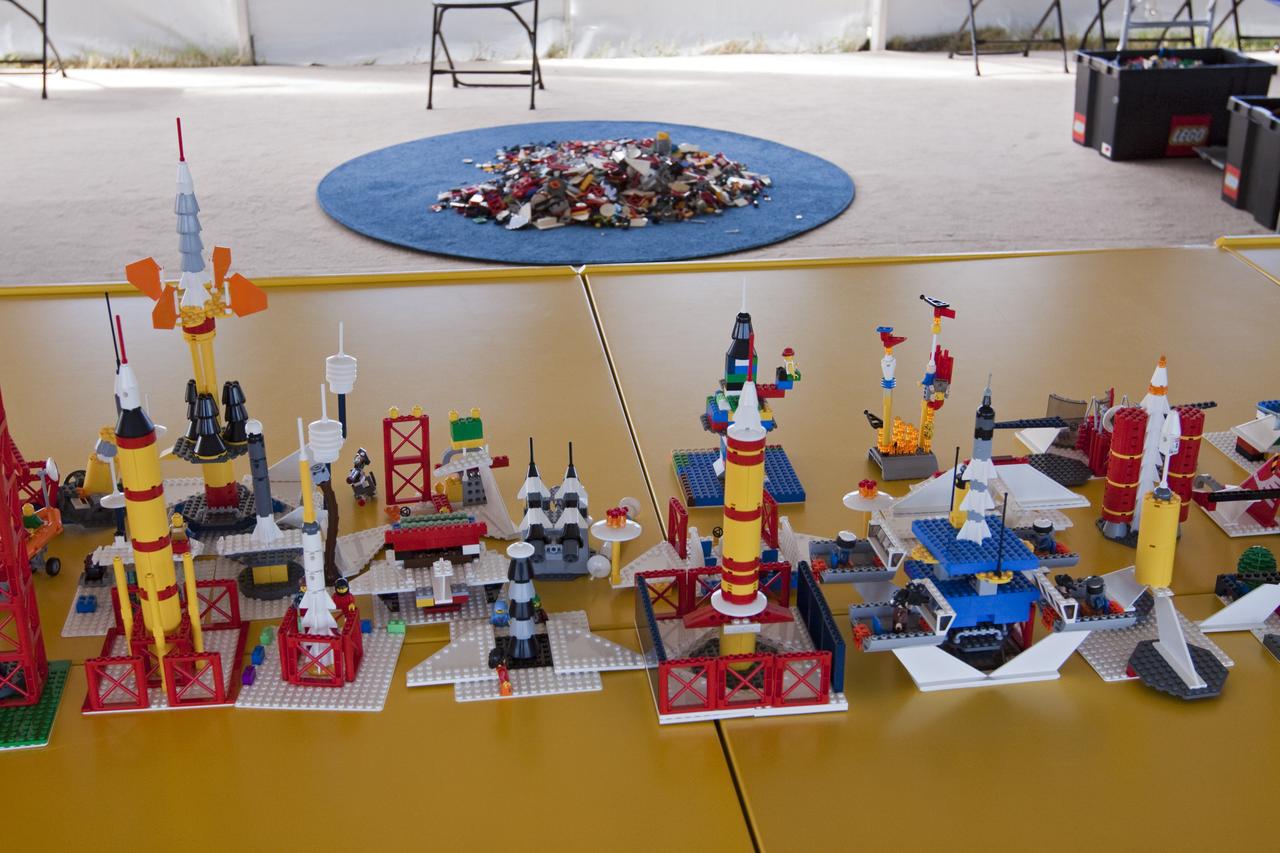
STS-133 LAUNCH L-1 LEGO EVENT FOR STUDENTS ON NASA CAUSEWAY
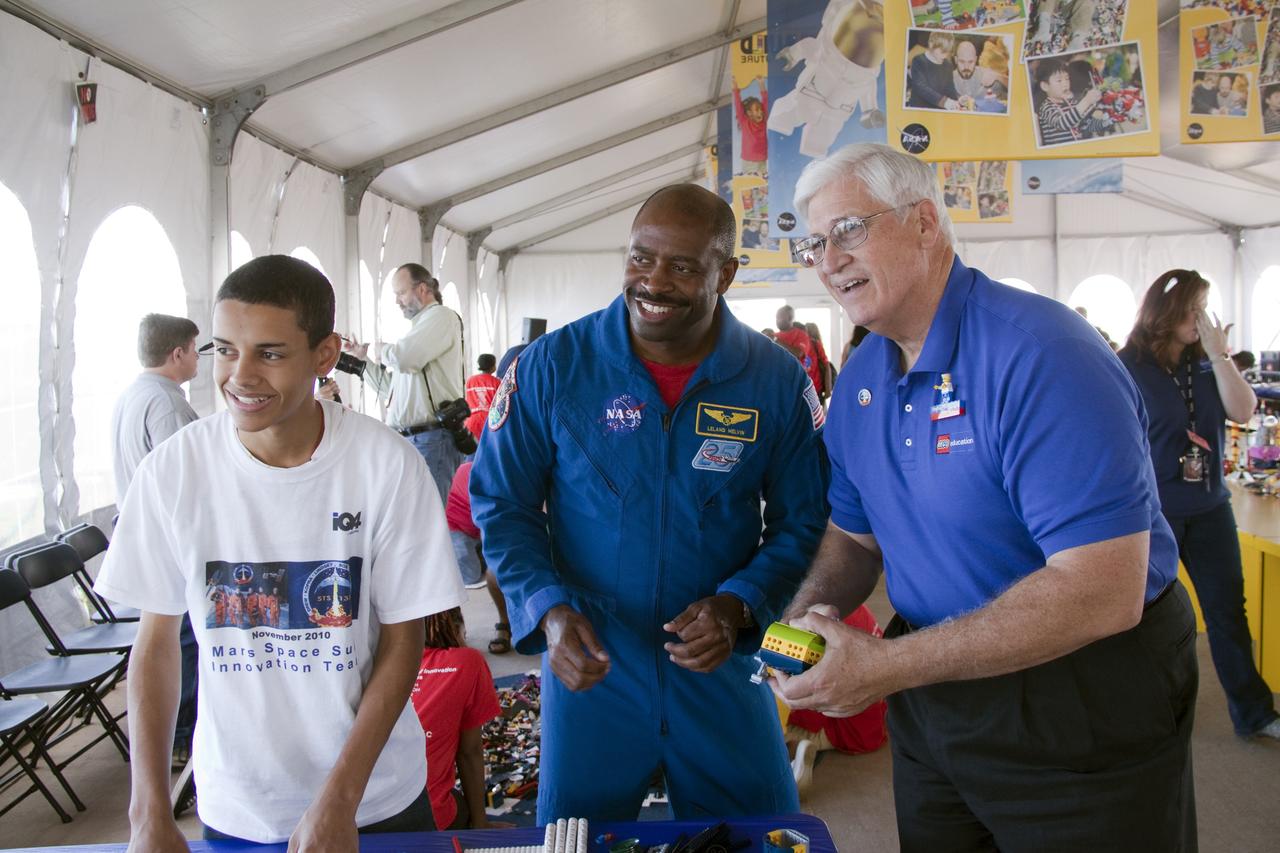
STS-133 LAUNCH L-1 LEGO EVENT FOR STUDENTS ON NASA CAUSEWAY
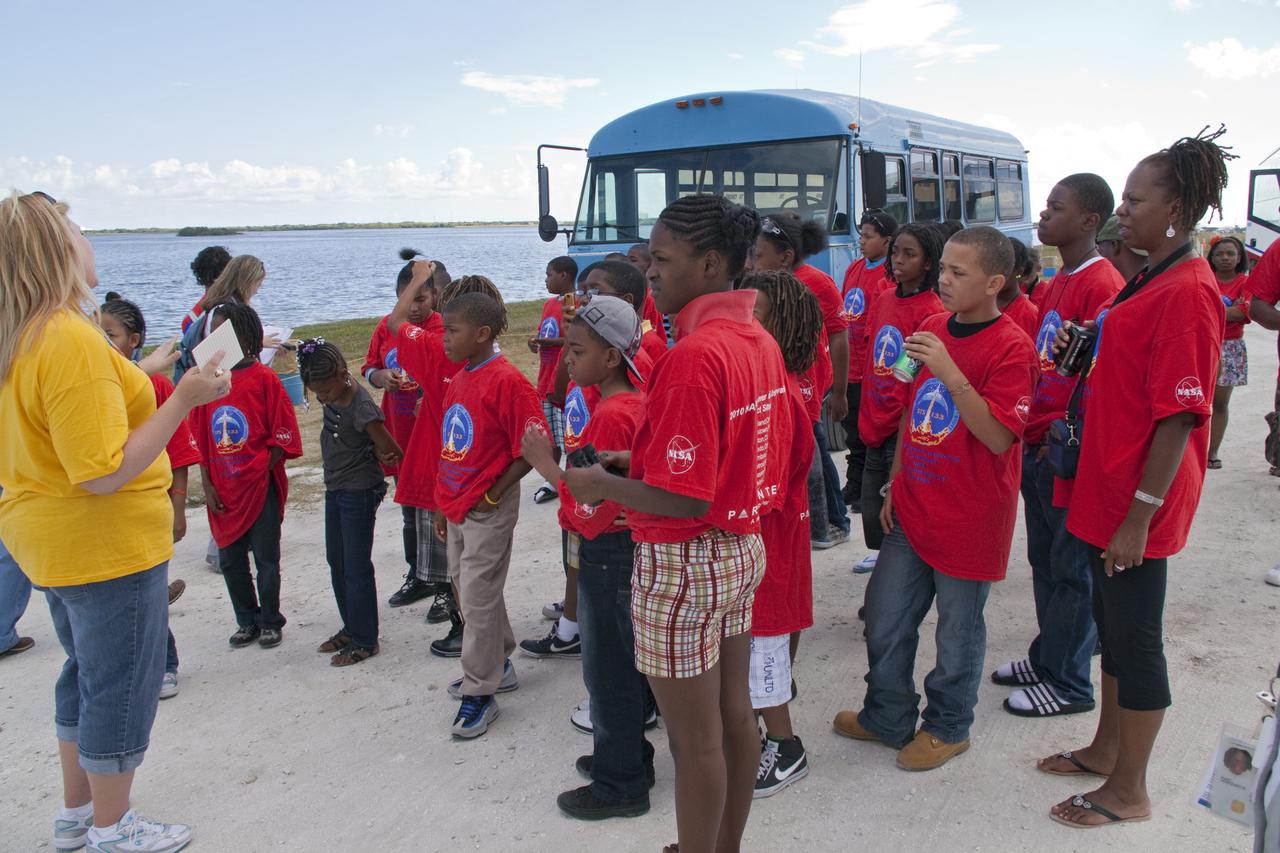
STS-133 LAUNCH L-1 LEGO EVENT FOR STUDENTS ON NASA CAUSEWAY
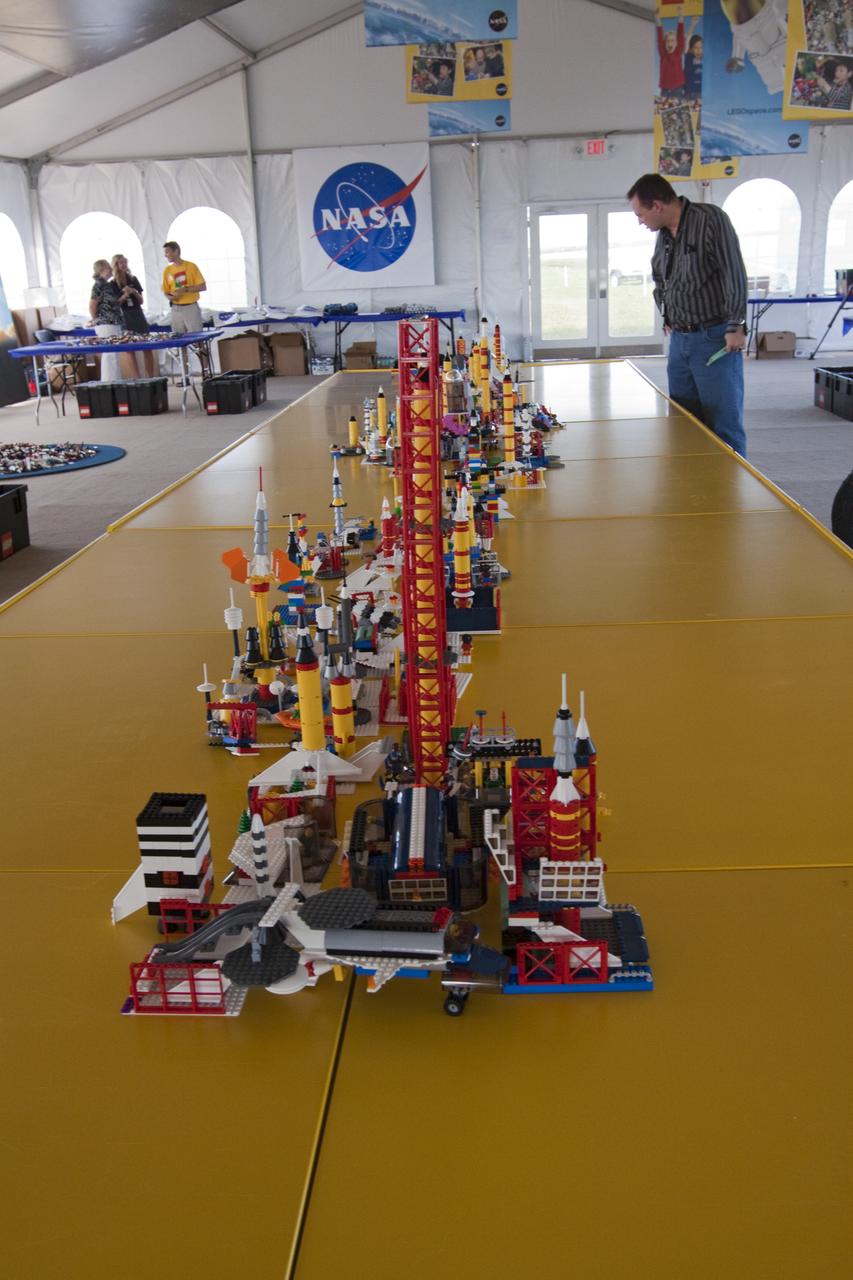
STS-133 LAUNCH L-1 LEGO EVENT FOR STUDENTS ON NASA CAUSEWAY

STS-133 LAUNCH L-1 LEGO EVENT FOR STUDENTS ON NASA CAUSEWAY
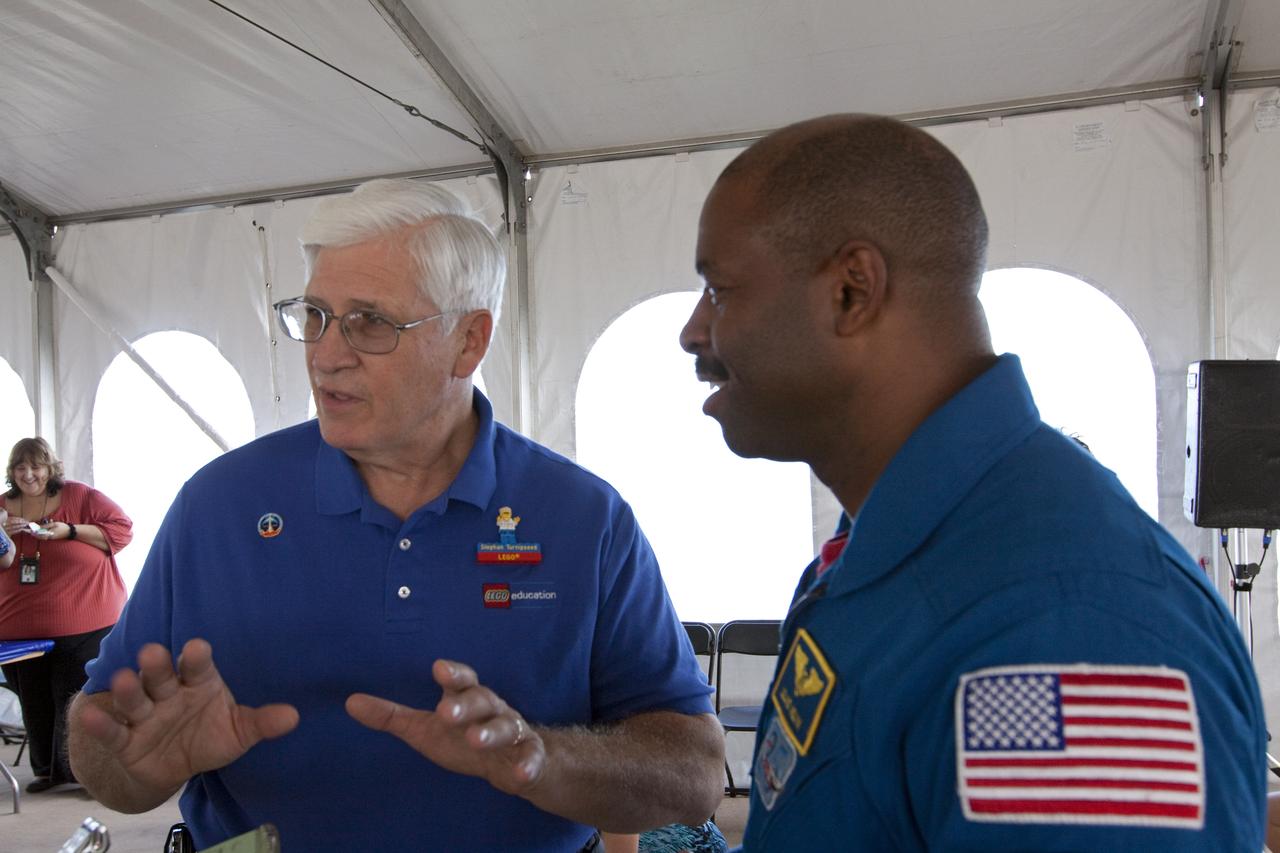
STS-133 LAUNCH L-1 LEGO EVENT FOR STUDENTS ON NASA CAUSEWAY
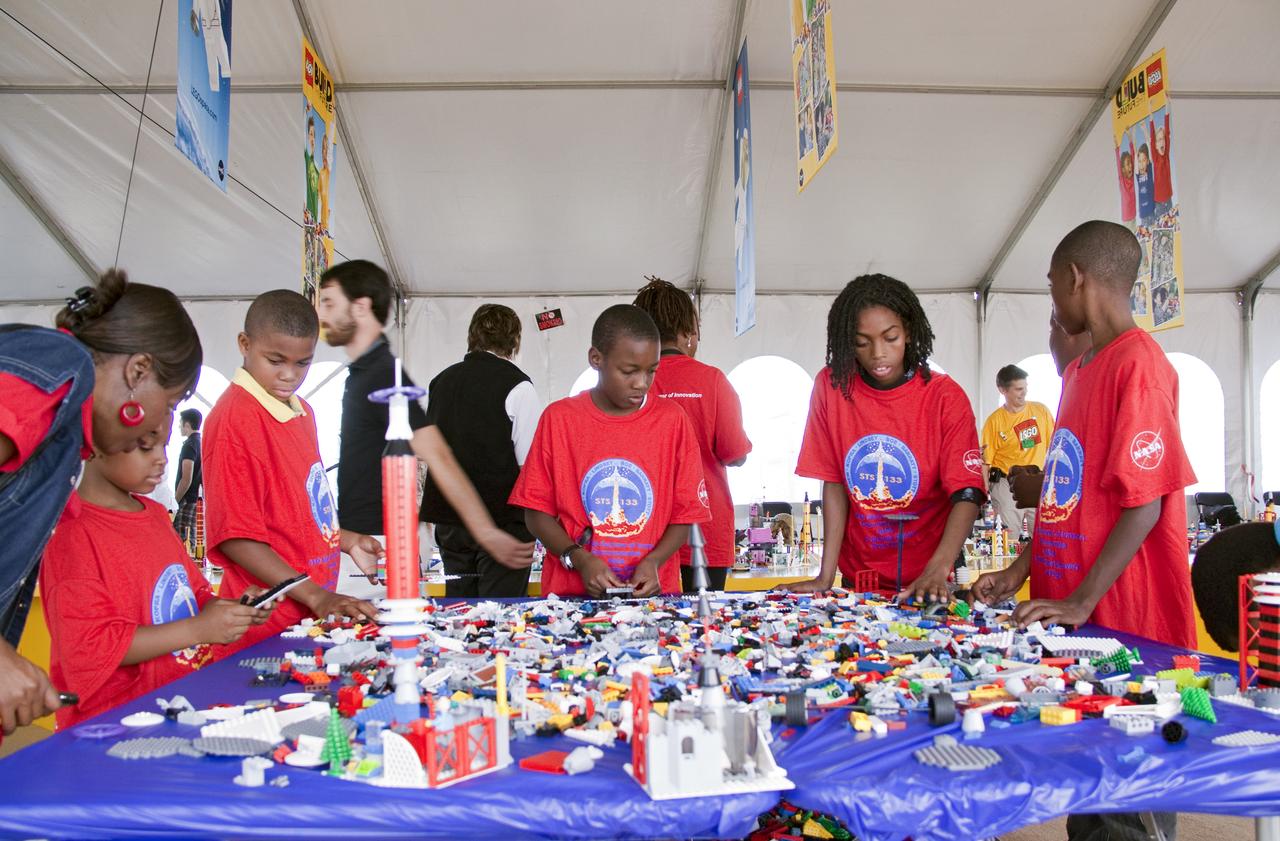
STS-133 LAUNCH L-1 LEGO EVENT FOR STUDENTS ON NASA CAUSEWAY
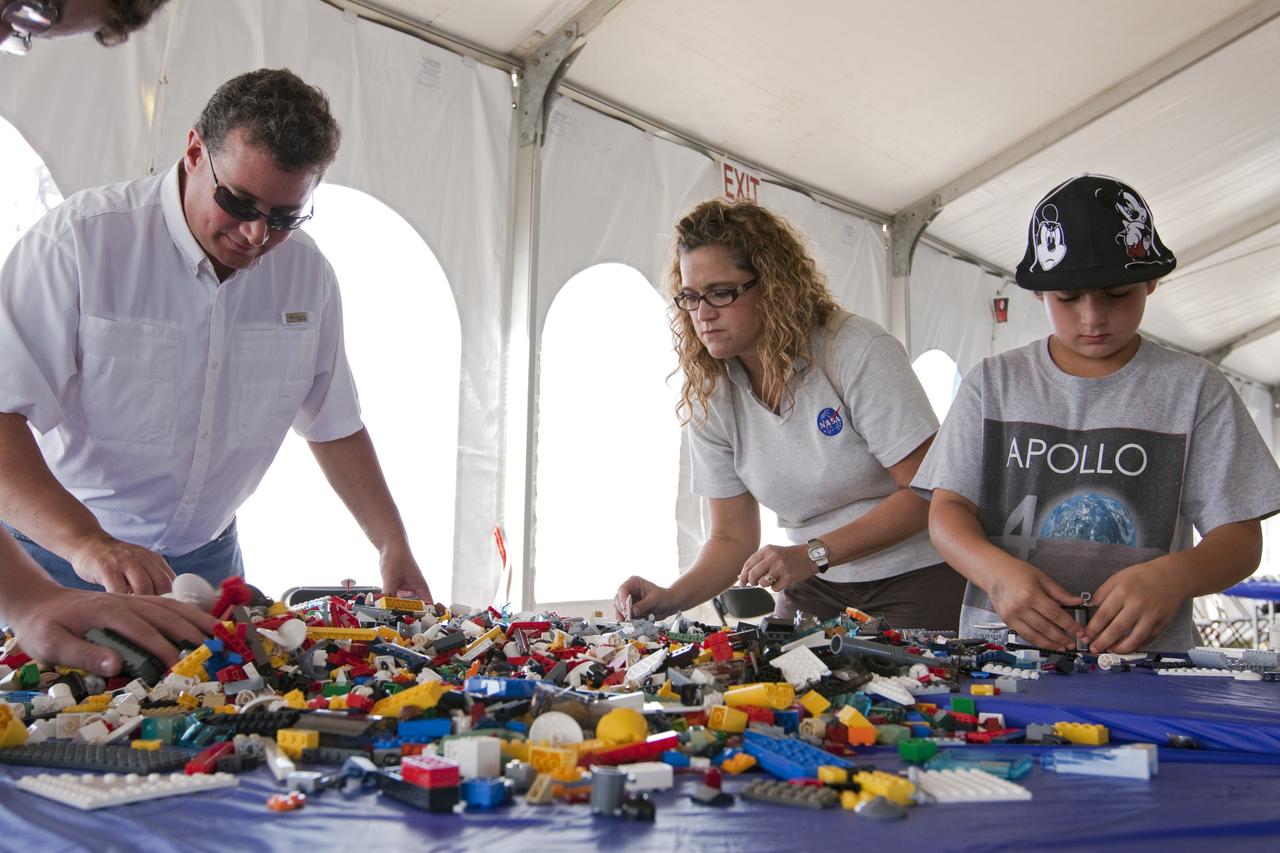
STS-133 LAUNCH L-1 LEGO EVENT FOR STUDENTS ON NASA CAUSEWAY
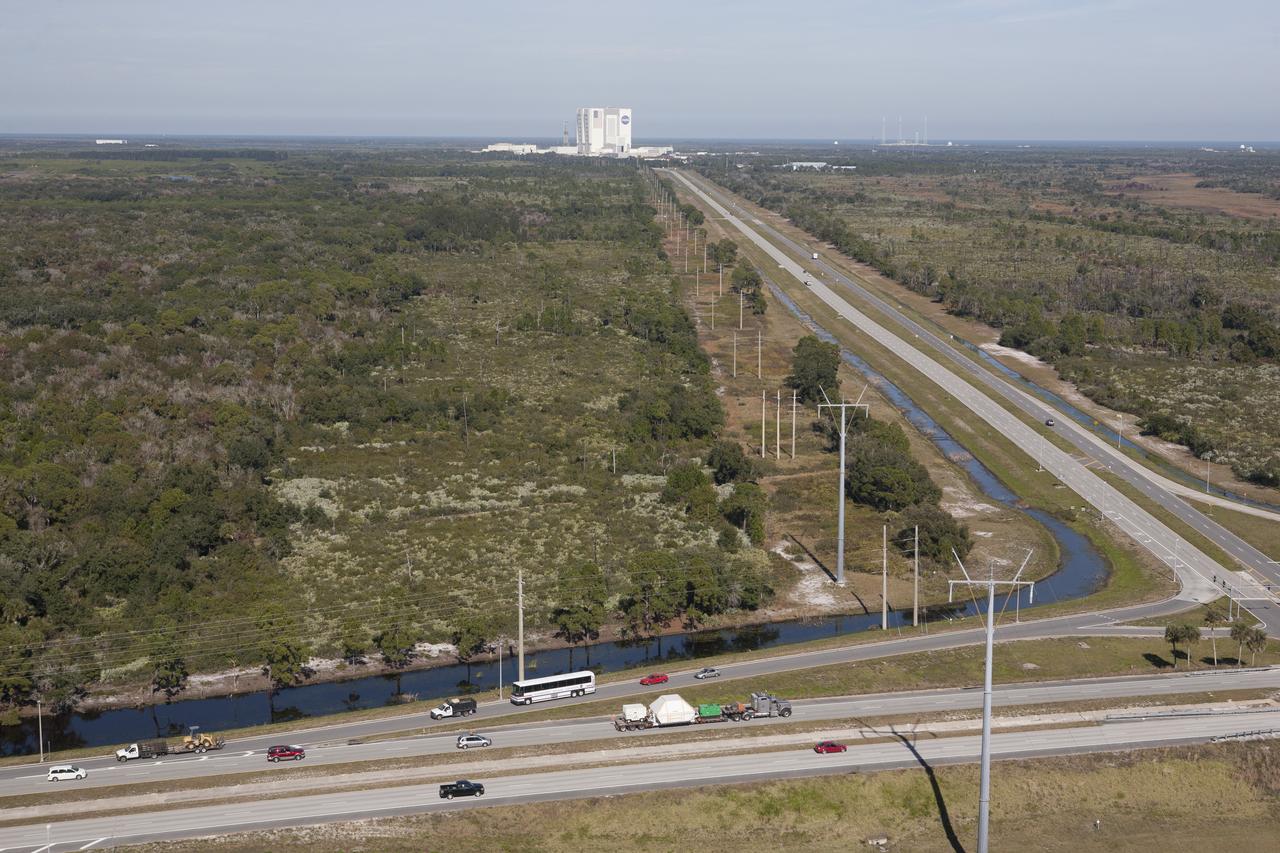
An aerial view reveals the Orion crew module, enclosed in its crew module transportation fixture and secured on a flatbed truck that is proceeding along the NASA Causeway at Kennedy Space Center in Florida. In the background is the iconic Vehicle Assembly Building. Orion made the 2,700 mile overland trip from Naval Base San Diego in California. The spacecraft was recovered from the Pacific Ocean after completing a two-orbit, four-and-a-half hour mission Dec. 5 to test systems critical to crew safety, including the launch abort system, the heat shield and the parachute system. The Ground Systems Development and Operations Program led the recovery, offload and transportation efforts.
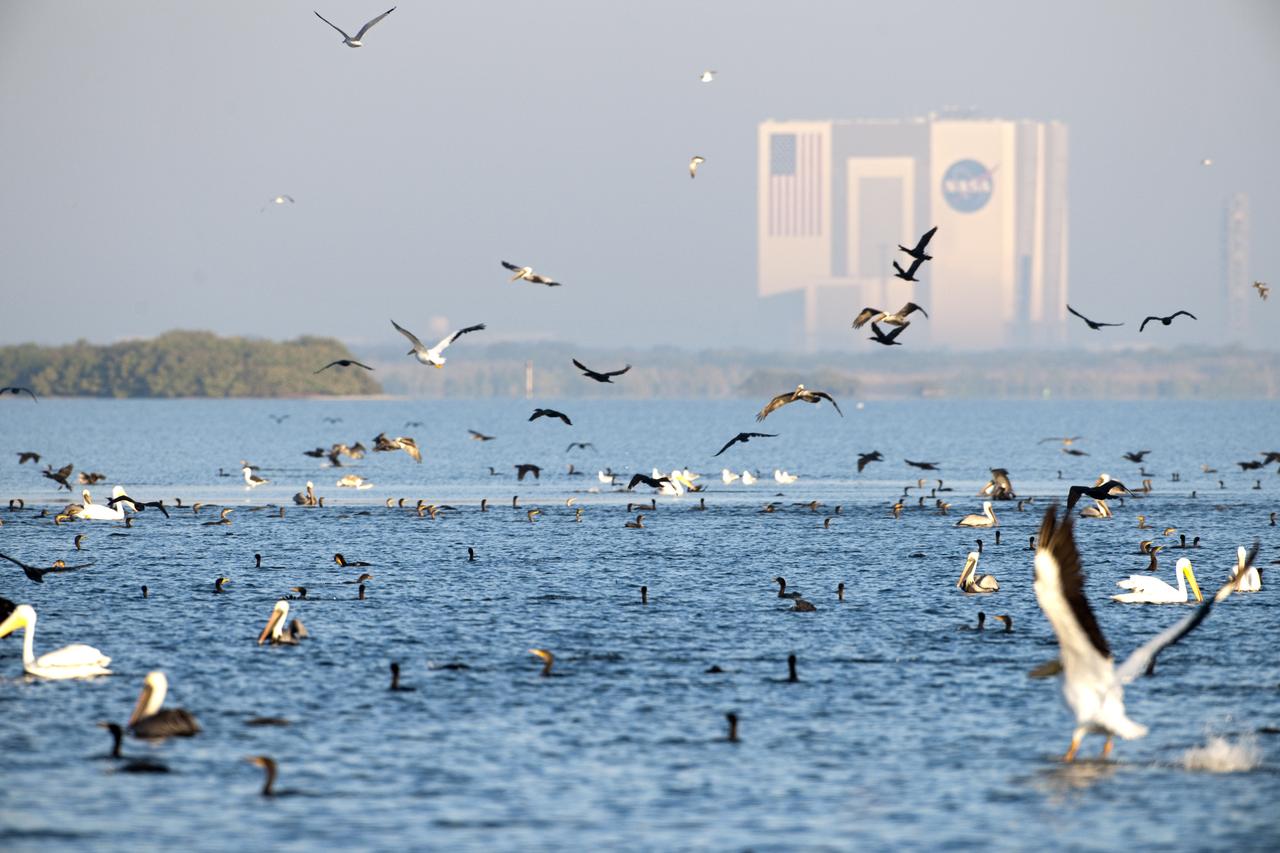
KSC Wildlife - Birds with VAB in Background - shot from NASA Causeway looking west

KSC Wildlife - Birds with VAB in Background - shot from NASA Causeway looking west
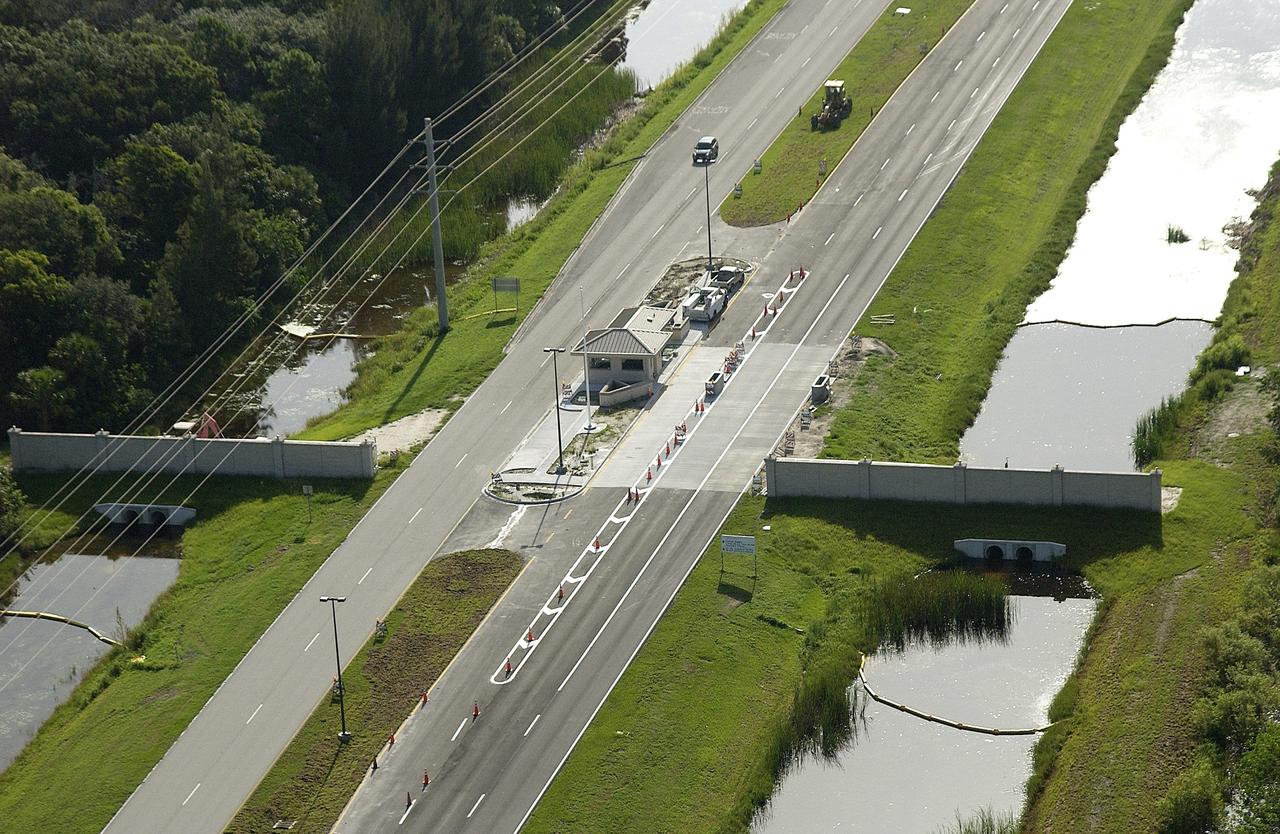
KENNEDY SPACE CENTER, FLA. - The new security gate on the NASA Causeway (S.R. 405) is seen from the air.
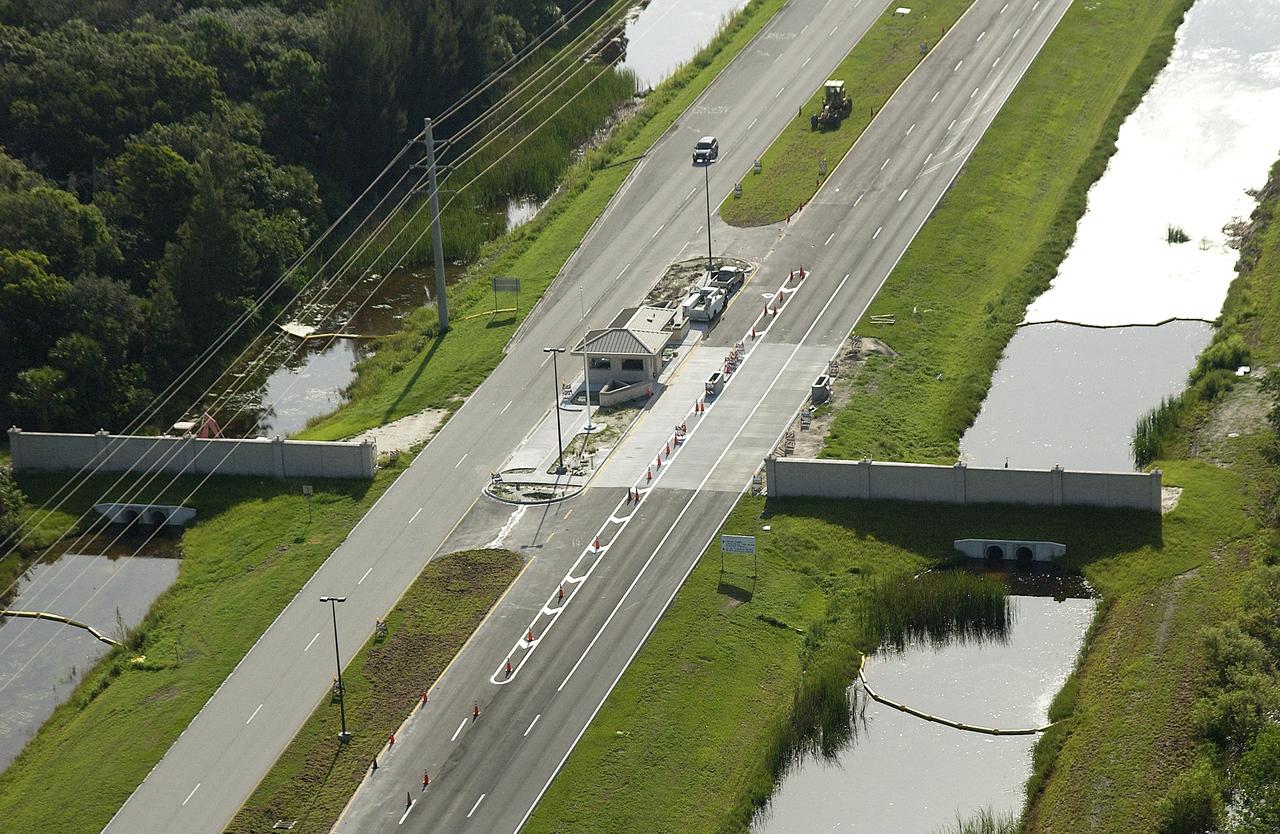
KENNEDY SPACE CENTER, FLA. – The new security gate on the NASA Causeway (S.R. 405) is seen from the air.

KENNEDY SPACE CENTER, FLA. - A new sign is in place on the NASA Causeway naming the bridge for departing KSC Director Roy D. Bridges Jr. Bridges is leaving KSC to become the director of NASA's Langley Research Center, Hampton, Va. The bridge spans the Banana River on the NASA Causeway and connects Kennedy Space Center and Cape Canaveral Air Force Station.
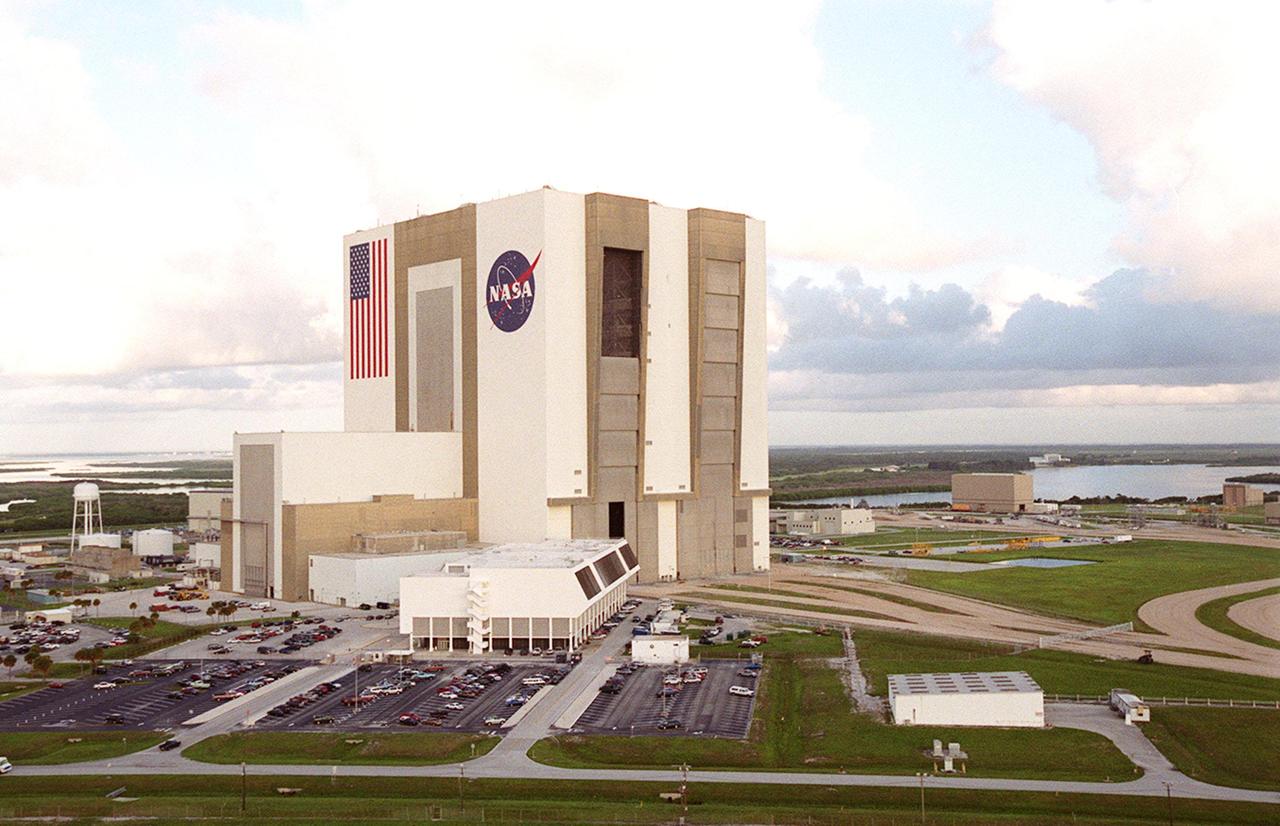
Even in this aerial view at KSC, the Vehicle Assembly Building is imposing. In front of it is the Launch Control Center. In the background is the Rotation/Processing Facility, next to the Banana Creek. In the foreground is the Saturn Causeway that leads to Launch Pads 39A and 39B.
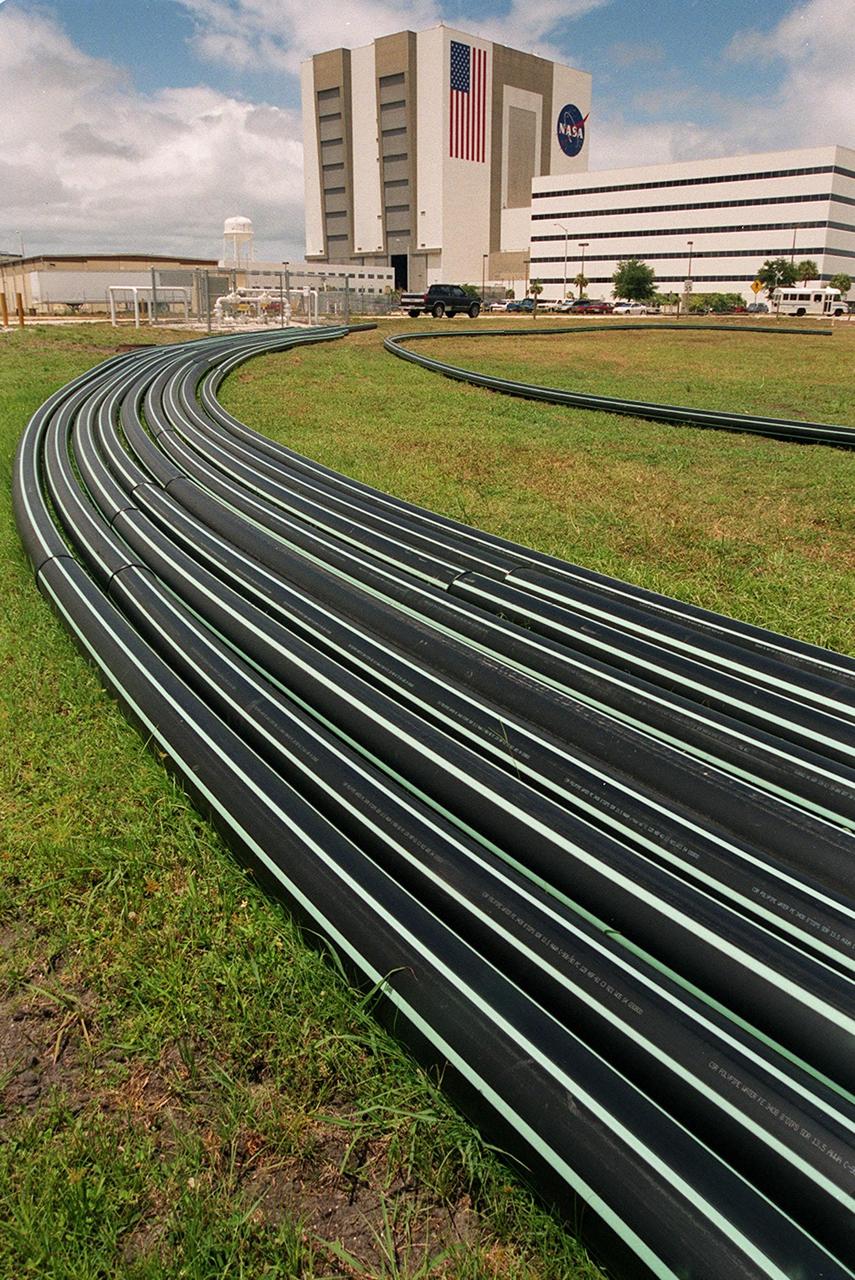
A bundle of flexible pipes arcing toward the Vehicle Assembly Building (left) and Operations Support Building (right) presents an artistic design to travelers on nearby Kennedy Parkway and Saturn Causeway
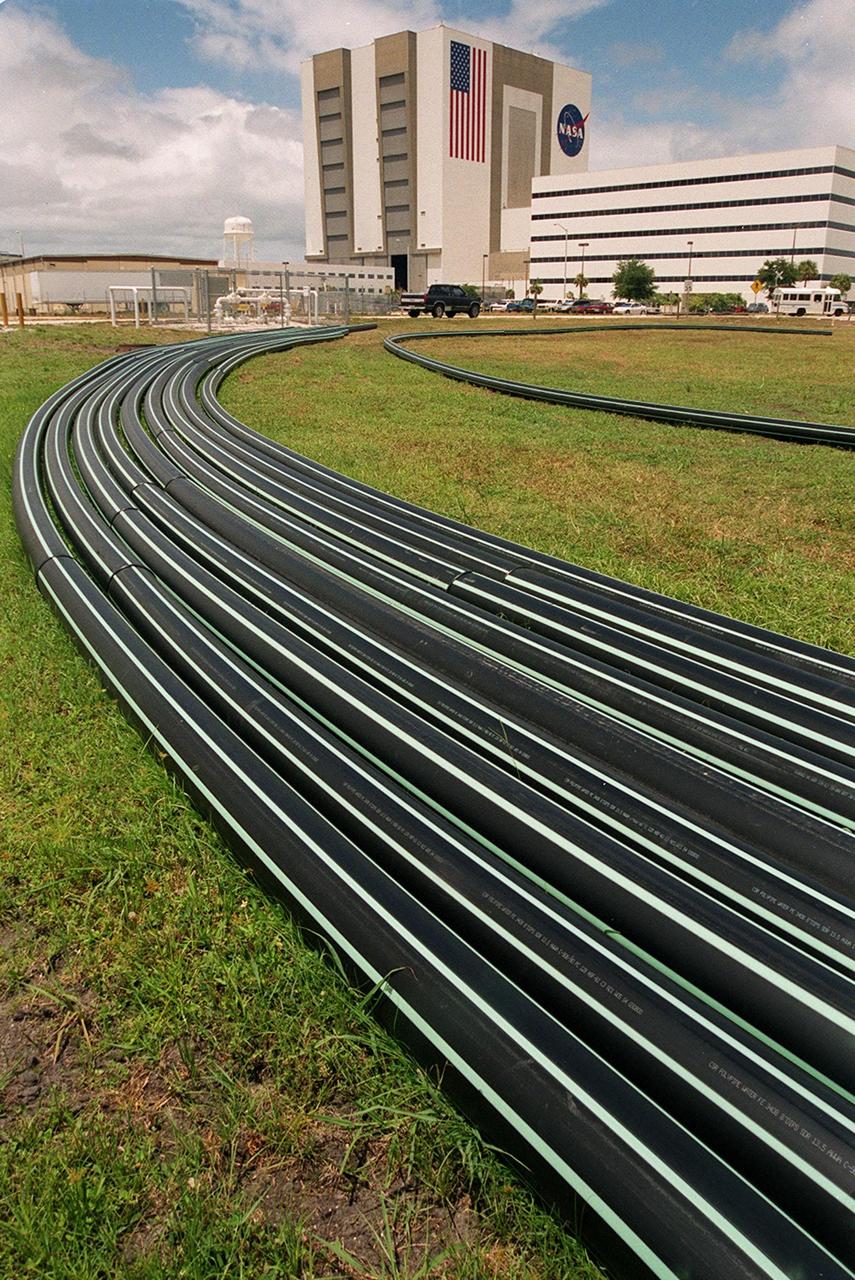
A bundle of flexible pipes arcing toward the Vehicle Assembly Building (left) and Operations Support Building (right) presents an artistic design to travelers on nearby Kennedy Parkway and Saturn Causeway
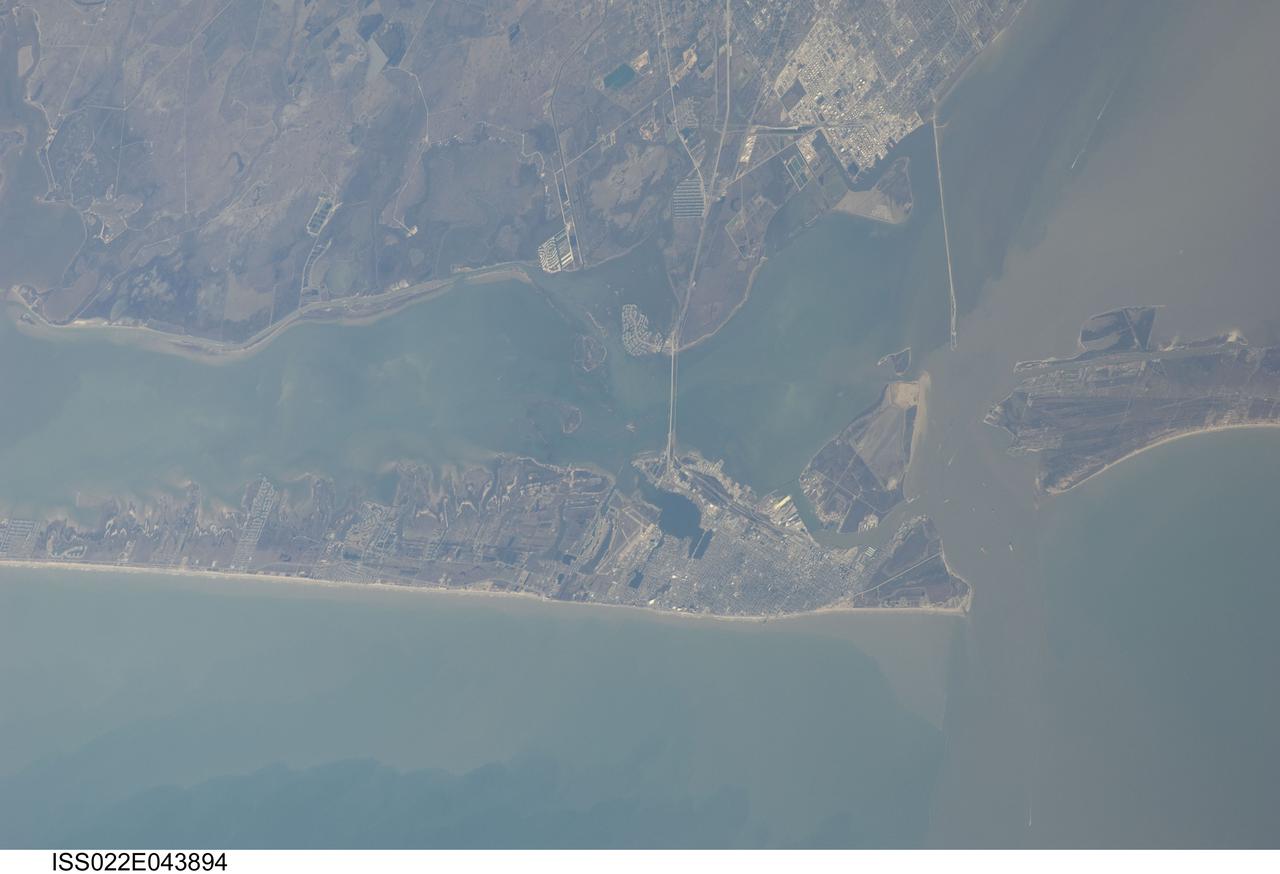
ISS022-E-043894 (1 Feb. 2010) --- This image of Galveston, Texas and environs, including island, peninsular (Bolivar) and many mainland locations of Galveston County, was photographed from the International Space Station by one of the members of the Expedition 22 crew. The I-45 causeway is the thin line in the center of the photo. To the right of the causeway can be seen the Texas City Dike, which remains closed after being very severely damaged by Hurricane Ike as was nearly all this area in October of 2008. Texas City can be seen in the upper right portion of the photo.
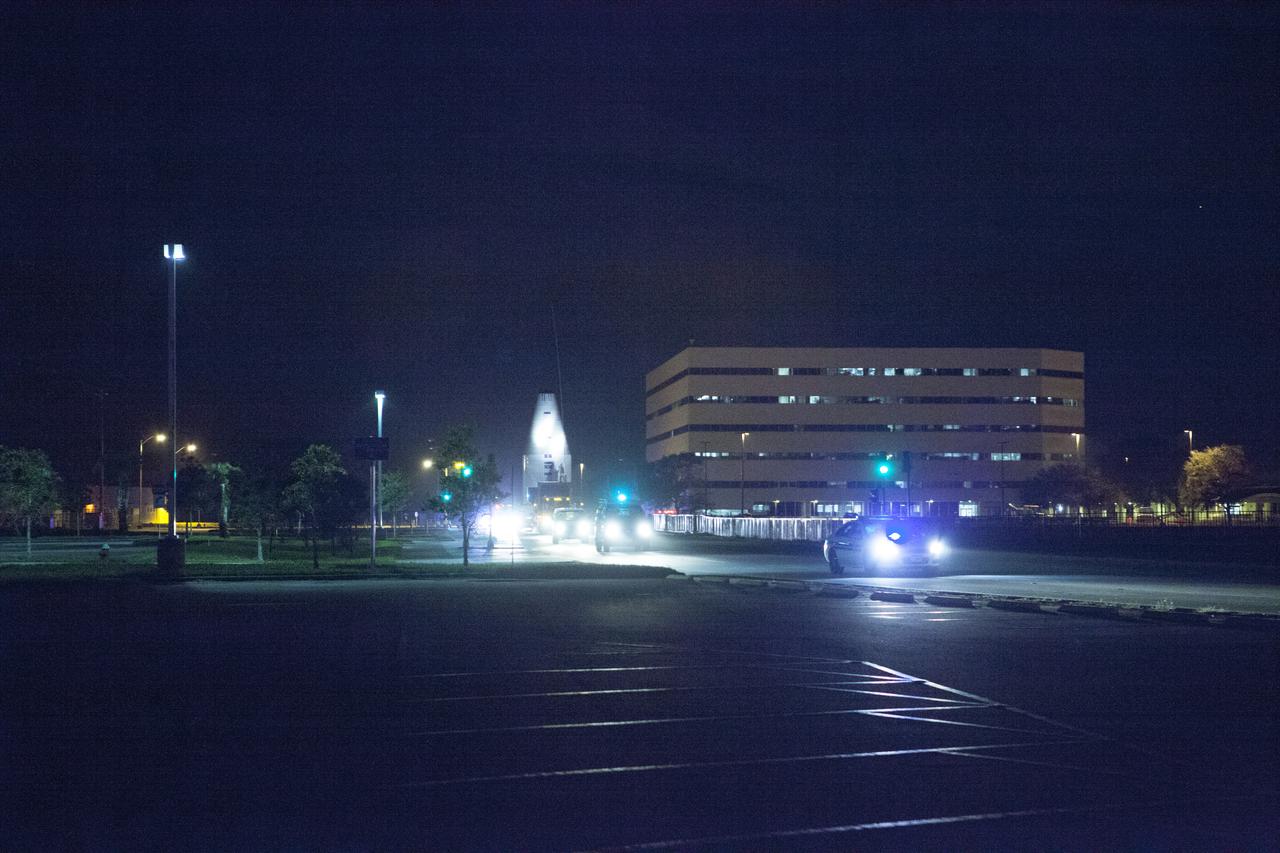
CAPE CANAVERAL, Fla. – Encapsulated in its payload fairing, NASA's Tracking and Data Relay Satellite, or TDRS-L, spacecraft is transported along the Saturn Causeway at the Kennedy Space Center on its way to Launch Complex 41 at Cape Canaveral Air Force Station. The TDRS-L satellite will be a part of the second of three next-generation spacecraft designed to ensure vital operational continuity for the NASA Space Network. It is scheduled to launch from Cape Canaveral's Space Launch Complex 41 atop a United Launch Alliance Atlas V rocket on January 23, 2014. The current Tracking and Data Relay Satellite system consists of eight in-orbit satellites distributed to provide near continuous information relay contact with orbiting spacecraft ranging from the International Space Station and Hubble Space Telescope to the array of scientific observatories. For more information, visit: http://www.nasa.gov/mission_pages/tdrs/home/index.html Photo credit: NASA/Dimitri Gerondidakis
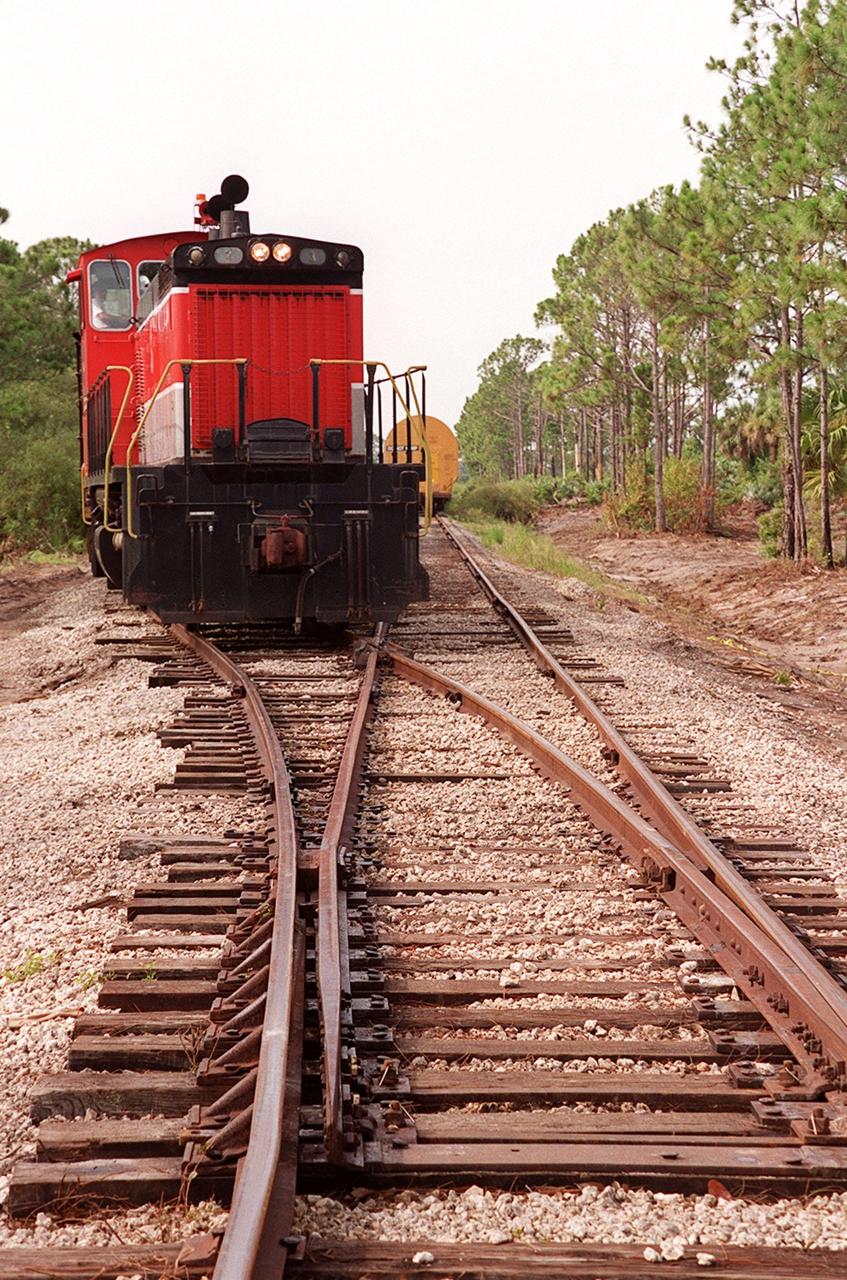
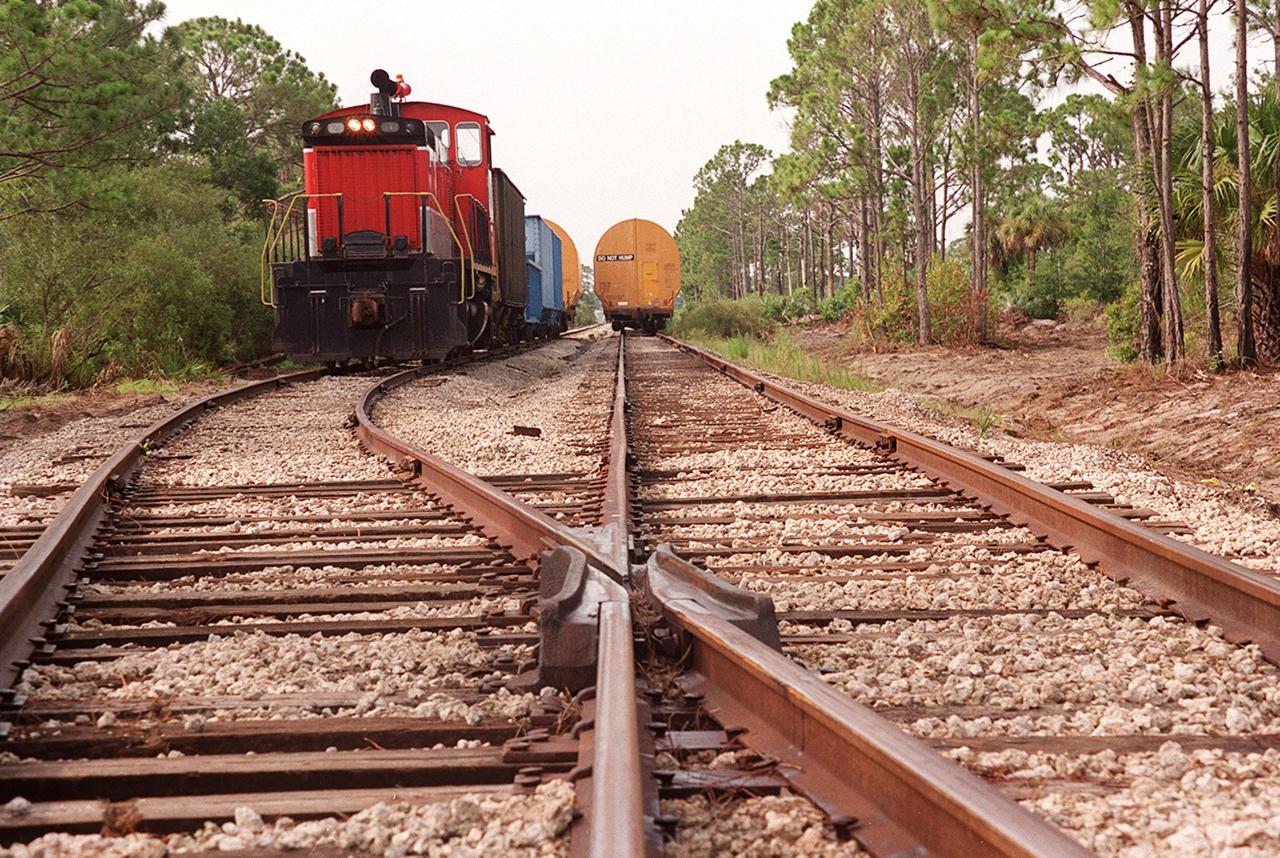
Railroad track repairs have been completed at Kennedy Space Center. This section of track is located on KSC property, just north of the NASA Causeway in the KSC Industrial Area. The repairs were required following the minor derailment of two solid rocket booster segment cars on July 18
Railroad track repairs have been completed at Kennedy Space Center. This section of track is located on KSC property, just north of the NASA Causeway in the KSC Industrial Area. The repairs were required following the minor derailment of two solid rocket booster segment cars on July 18
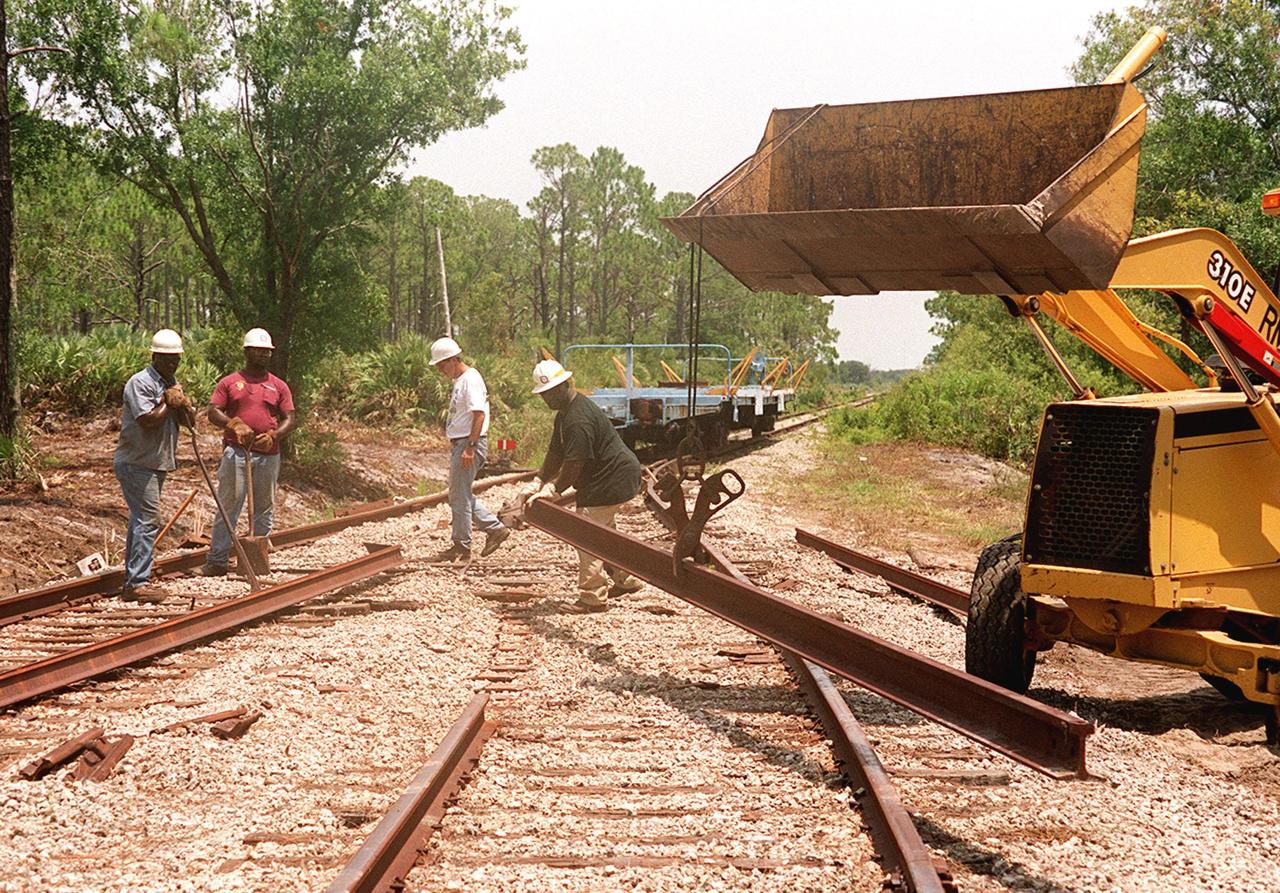
The railroad tracks are under repair at Kennedy Space Center. This section of track is located on KSC property, just north of the NASA Causeway in the KSC Industrial Area. The repairs were required following the minor derailment of two solid rocket booster segment cars on July 18
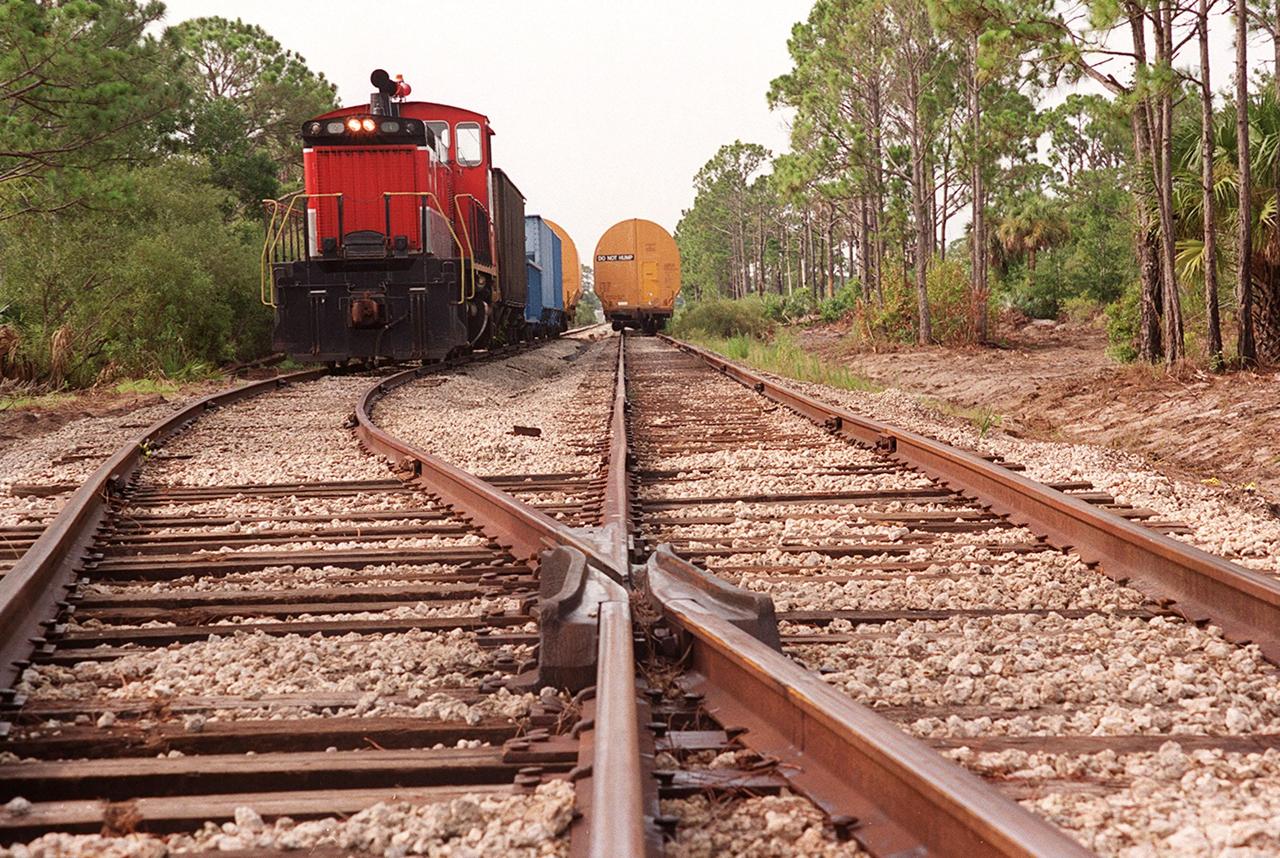
Railroad track repairs have been completed at Kennedy Space Center. This section of track is located on KSC property, just north of the NASA Causeway in the KSC Industrial Area. The repairs were required following the minor derailment of two solid rocket booster segment cars on July 18
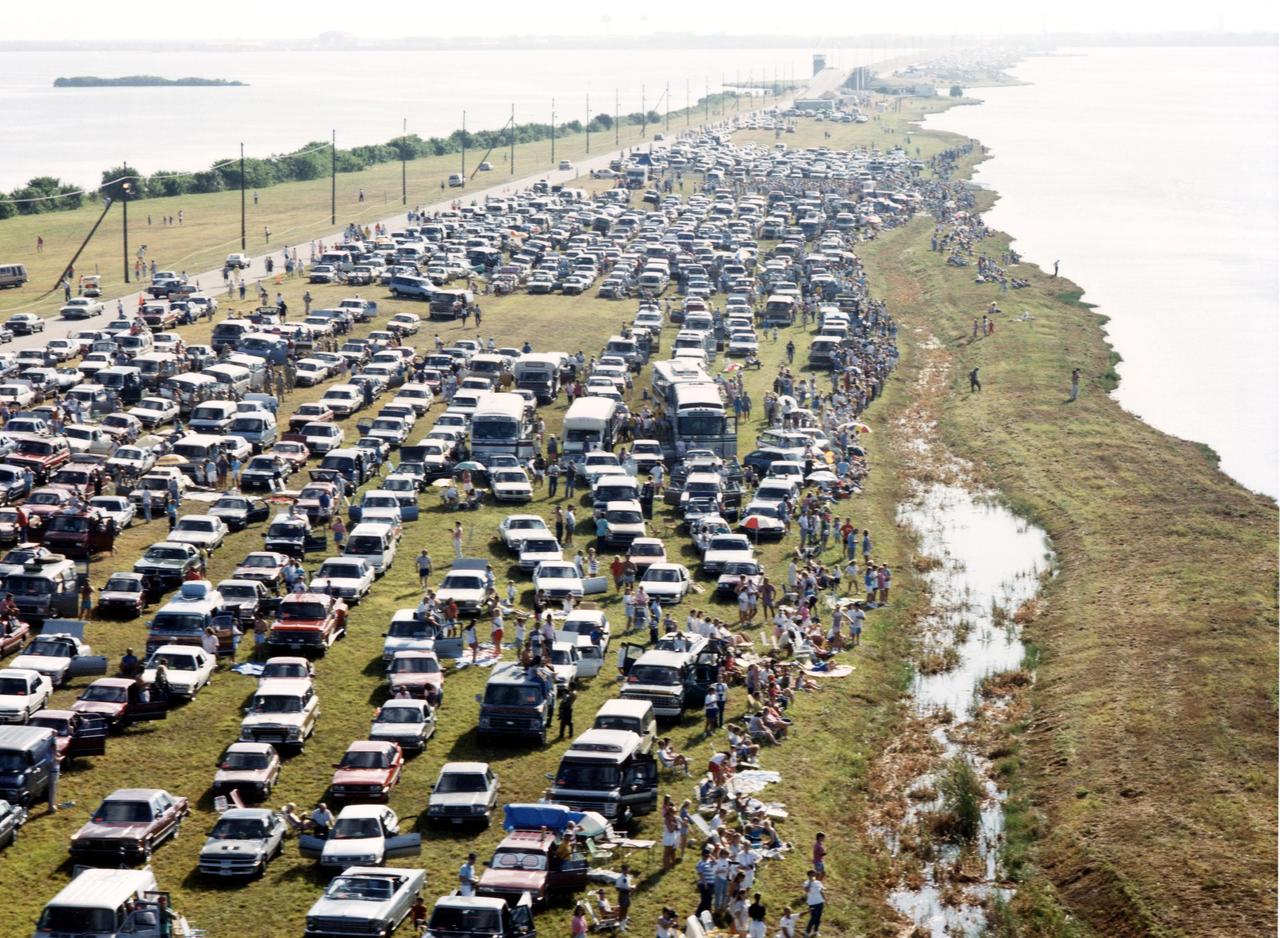
NASA employees, their family and friends gather on the NASA causeway over the Banana River, south of Kennedy Space Center, the morning of the launch of STS-26 and the Space Shuttle Discovery. An estimated 1 million people were expected to view the 11:37 a.m. launch from various locations in Central Florida
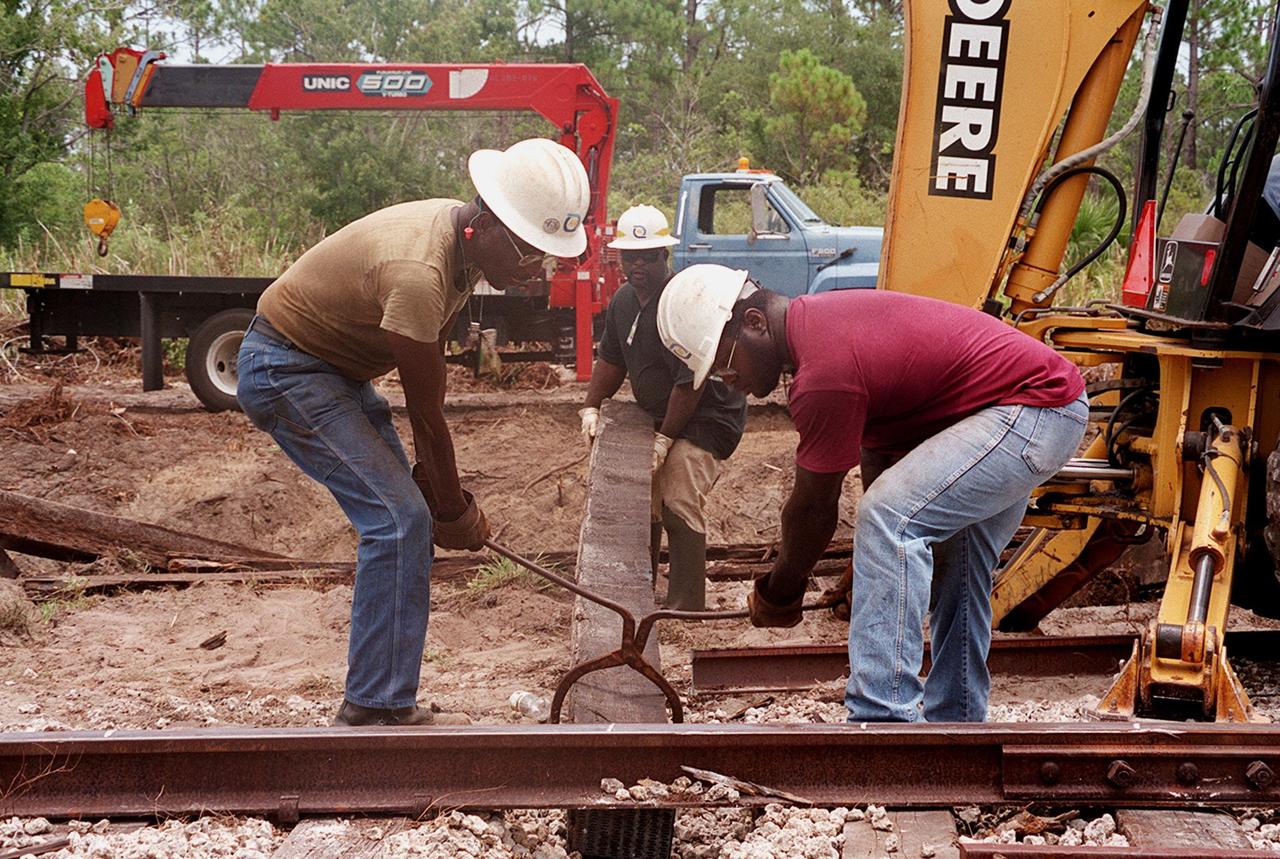
The railroad tracks are under repair at Kennedy Space Center. This section of track is located on KSC property, just north of the NASA Causeway in the KSC Industrial Area. The repairs were required following the minor derailment of two solid rocket booster segment cars on July 18
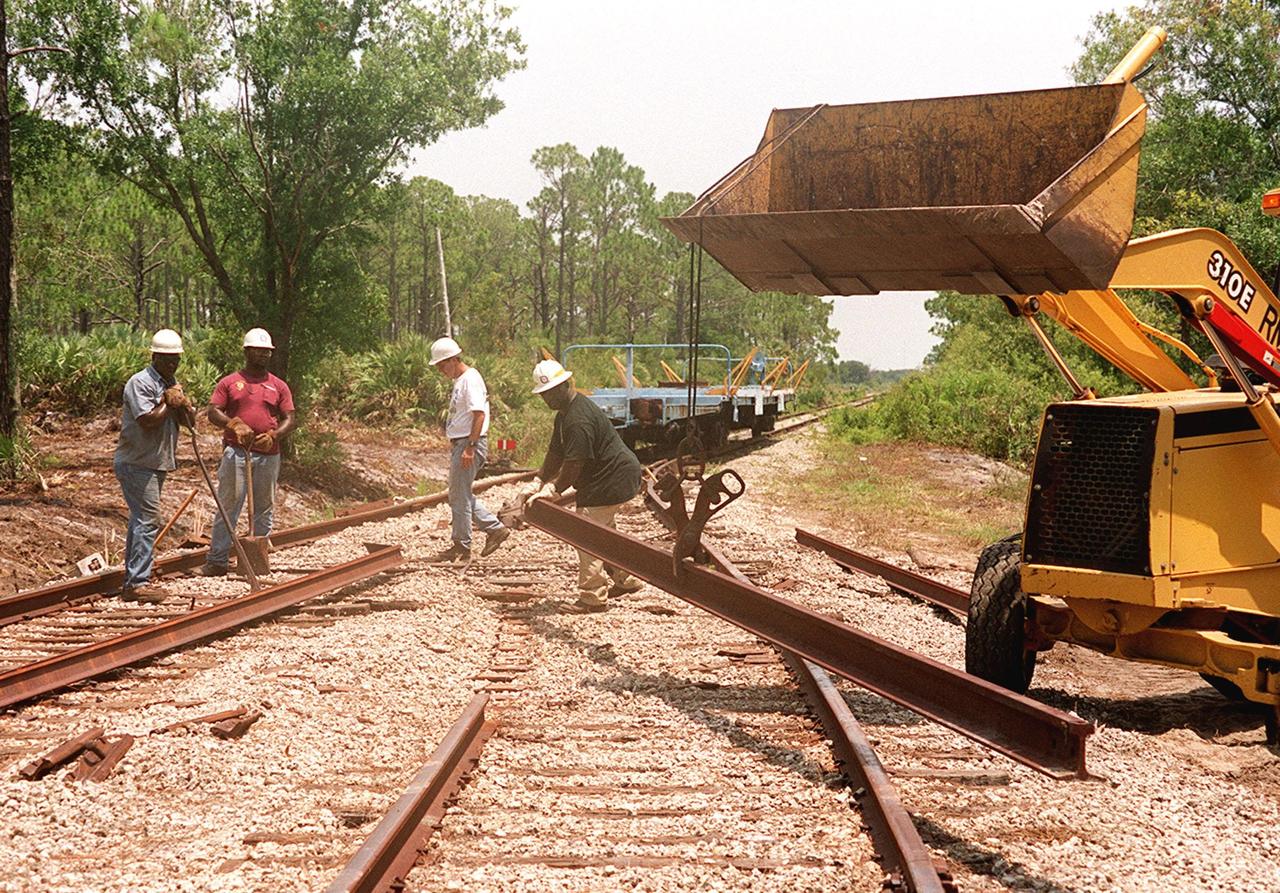
The railroad tracks are under repair at Kennedy Space Center. This section of track is located on KSC property, just north of the NASA Causeway in the KSC Industrial Area. The repairs were required following the minor derailment of two solid rocket booster segment cars on July 18
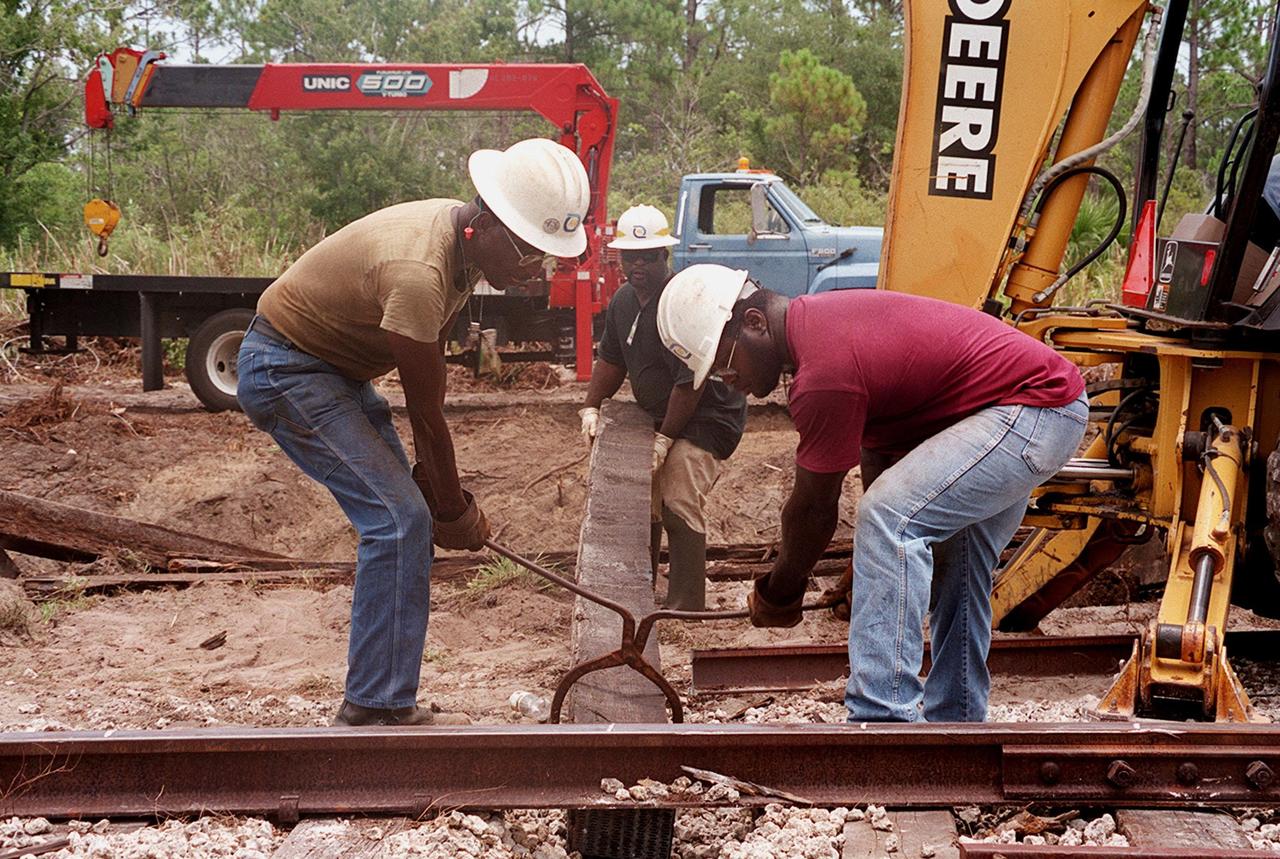
The railroad tracks are under repair at Kennedy Space Center. This section of track is located on KSC property, just north of the NASA Causeway in the KSC Industrial Area. The repairs were required following the minor derailment of two solid rocket booster segment cars on July 18
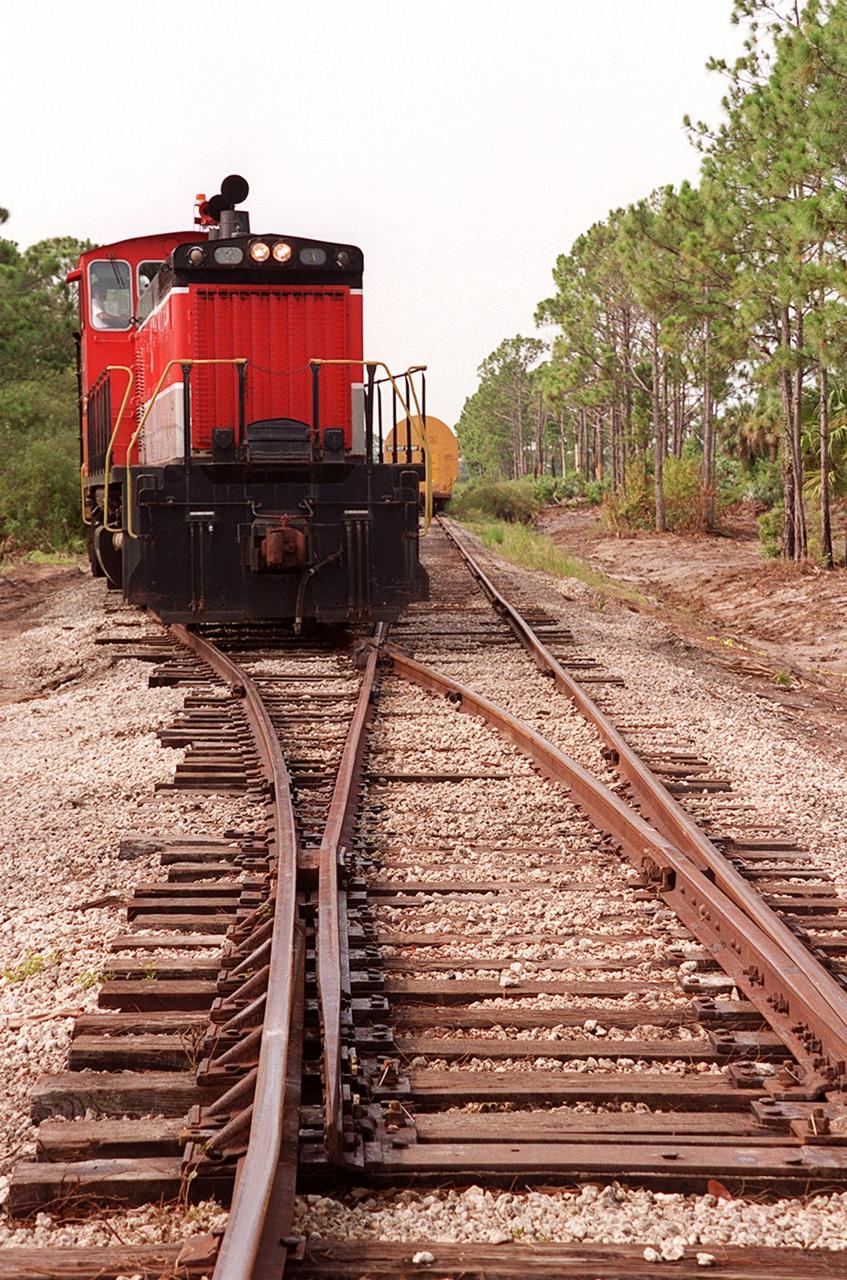
Railroad track repairs have been completed at Kennedy Space Center. This section of track is located on KSC property, just north of the NASA Causeway in the KSC Industrial Area. The repairs were required following the minor derailment of two solid rocket booster segment cars on July 18
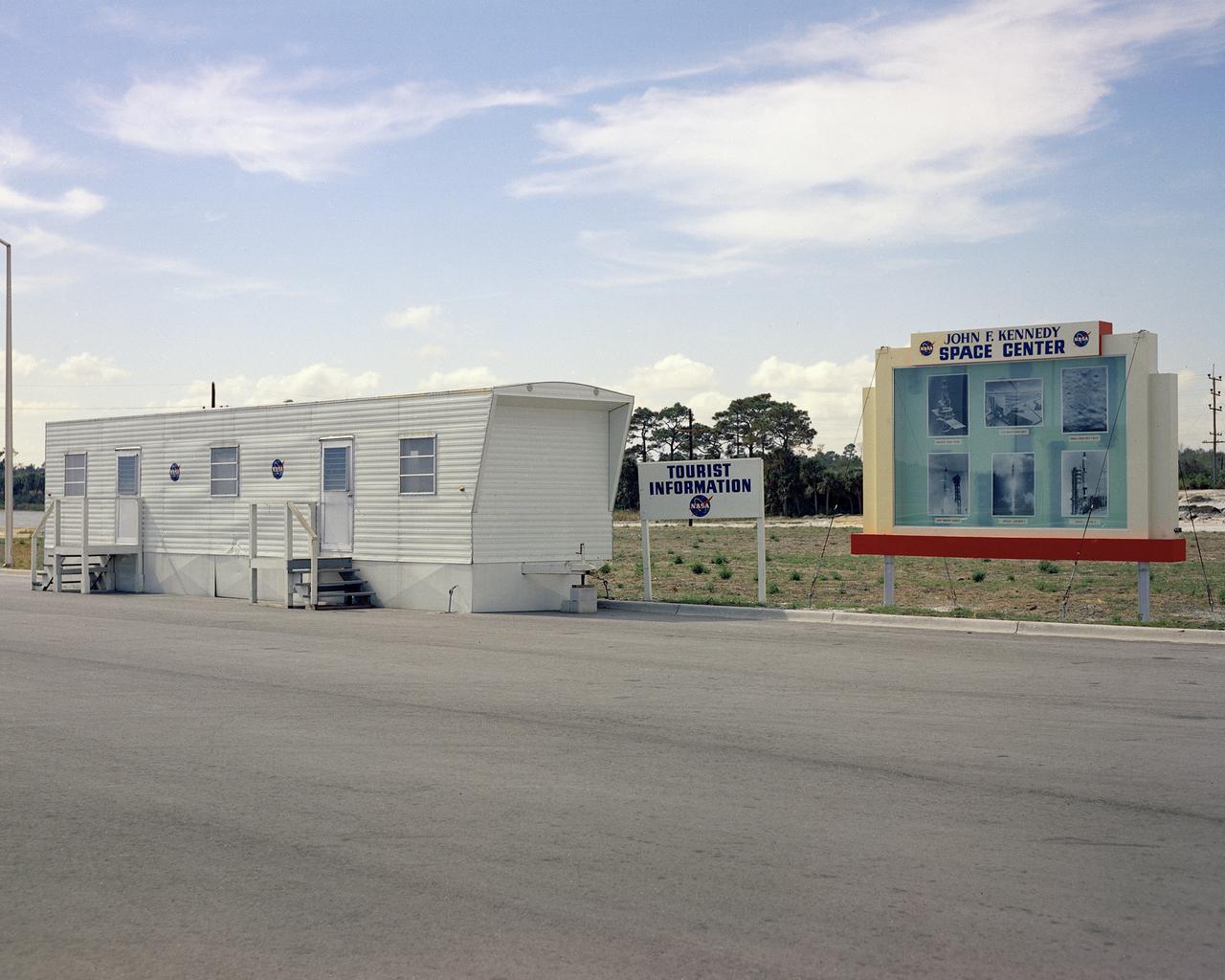
CAPE KENNEDY, Fla. -- An exterior view of the NASA Kennedy Space Center tourist information center located at the west end of NASA- Indian River Causeway. Beginning in November 1964, Sunday drive-through tours are available. Photo Credit: NASA
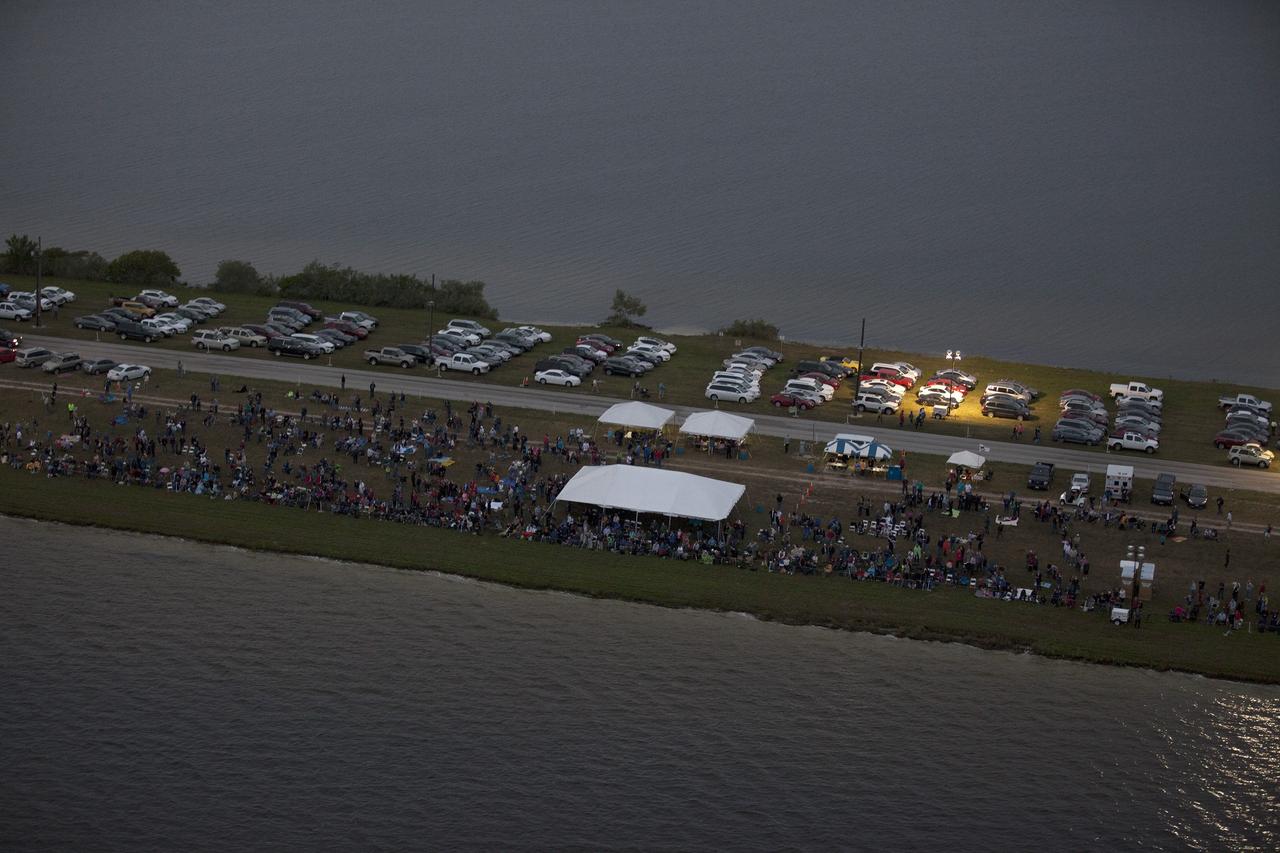
CAPE CANAVERAL, Fla. -- This helicopter view of the NASA Causeway connecting NASA's Kennedy Space Center with Cape Canaveral Air Force Staton shows the thousands of vehicles parked where guests gather to see the launch of the Orion Flight Test. For more information, visit www.nasa.gov/orion Photo credit: NASA/Kim Shiflett
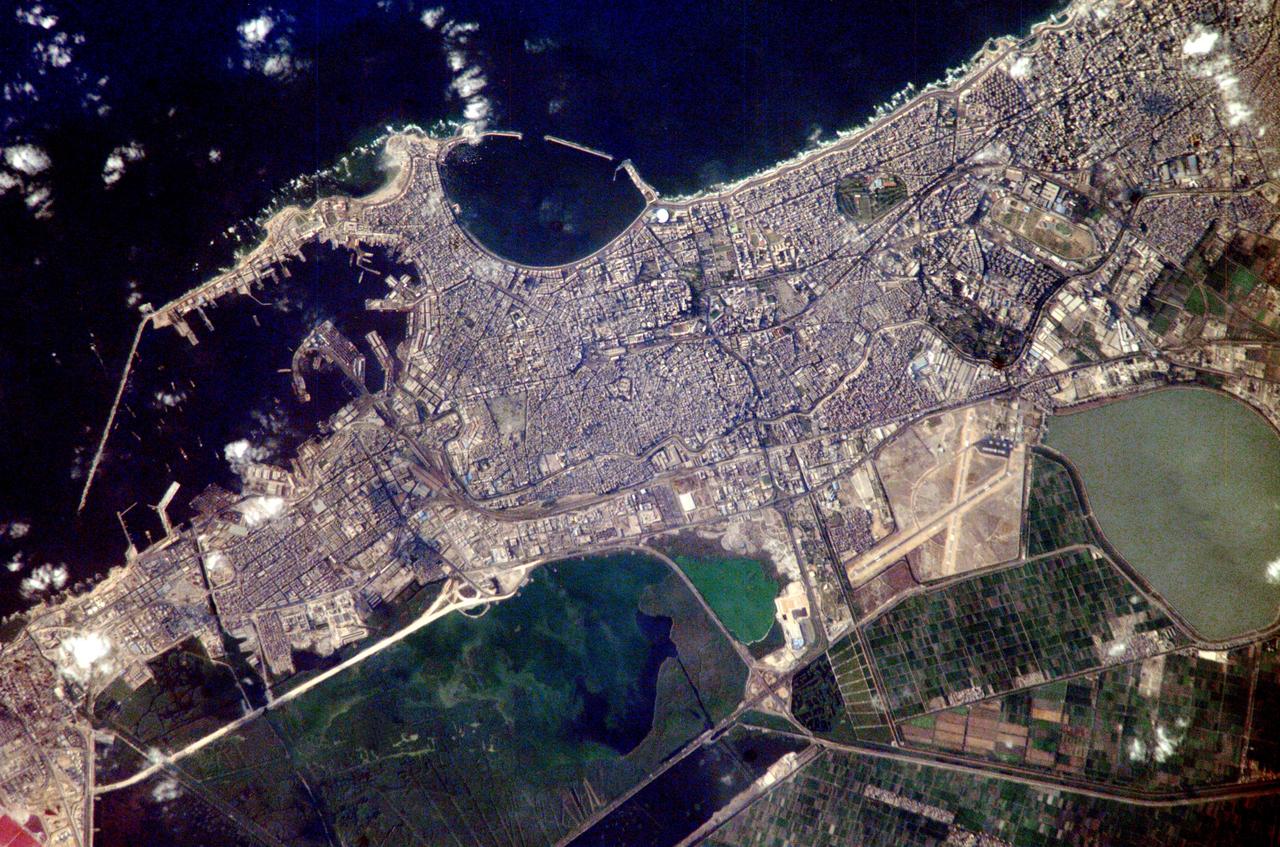
ISS007-E-10960 (27 July 2003) --- Alexandria, Egypt, is featured in this image photographed by an Expedition 7 crewmember on the International Space Station (ISS). Founded by Alexander the Great in 331 BC on the Mediterranean coast of Egypt, Alexandria became a center of trade and learning in the ancient world. Alexander built the causeway between the Eastern and Western Harbors, joining Pharos Island to the mainland. Alexandria’s cultural status was symbolized by the lighthouse on Pharos, one of the “Seven Wonders of the World.” The causeway is still known as the old part of the modern city. Since the year 2000, underwater archeologists have located the sunken palace, ceremonial buildings and port facilities of ancient Alexandria, located along most of the curved southern shoreline of the Eastern Harbor. This detailed image provides a view of the modern port facilities in the Western Harbor, where wharves and many moored ships can be detected.
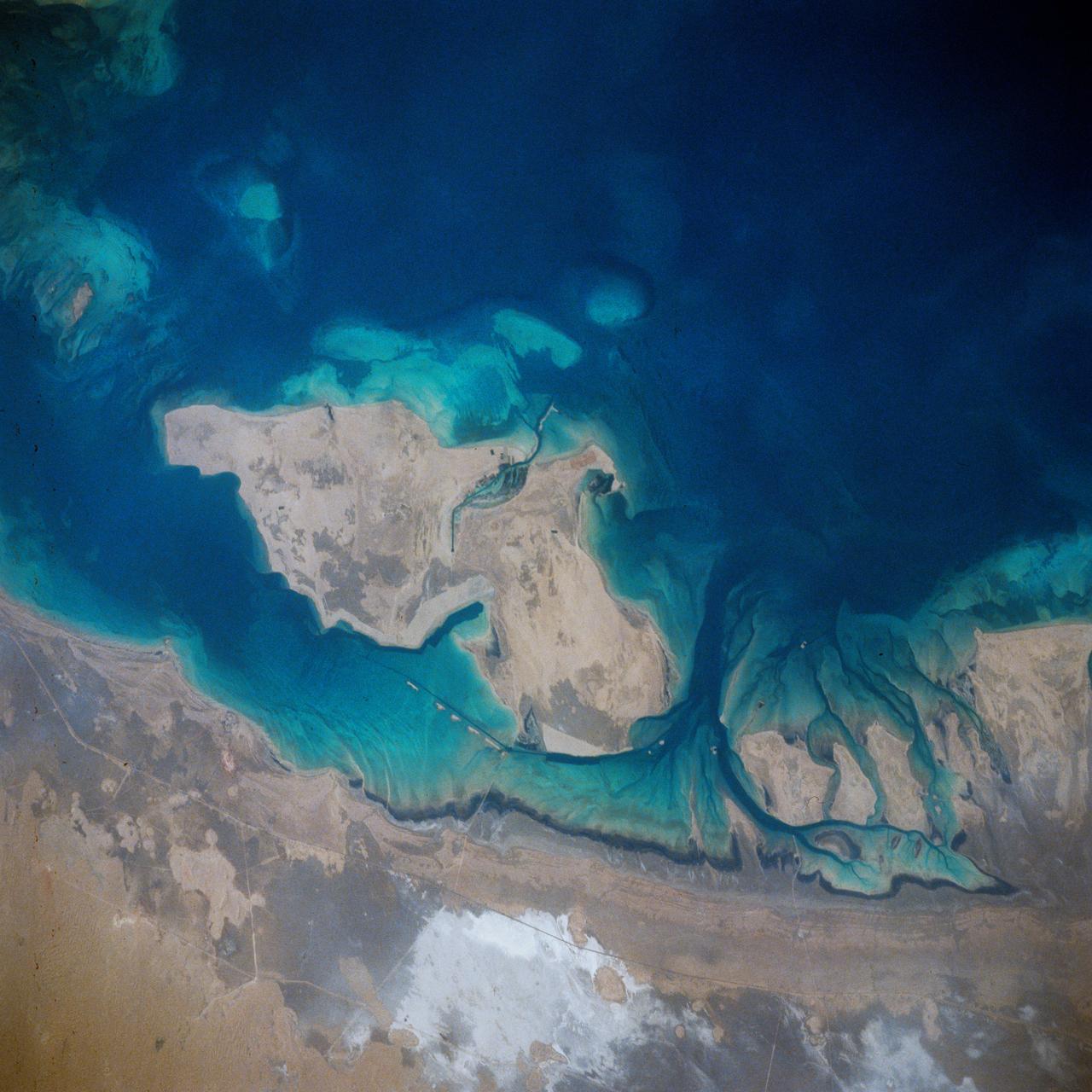
STS039-71-088 (28 April-6 May 1991) --- A handheld 70mm frame of the southern Persian Gulf area. The island in the middle of the frame is Al Jirab, 30 miles west of Abu Dhabi in the United Arab Emirates. On the mainland beaches opposite the island, a thick and continuous black fringe of oil can be seen as a line. Photo experts studying the STS 39 photography have not yet ascertained the source of the oil. They disclosed that if the oil does in fact stem from damaged Kuwaiti offshore oil fields, the slick has been blown southward at least 460 miles. The city of Tarif is visible in the affected area. Lighter brown slicks can be seen offshore. A causeway joins Al Jirab to the mainland and a dredged ship channel with its associated islands can be seen west of the causeway.
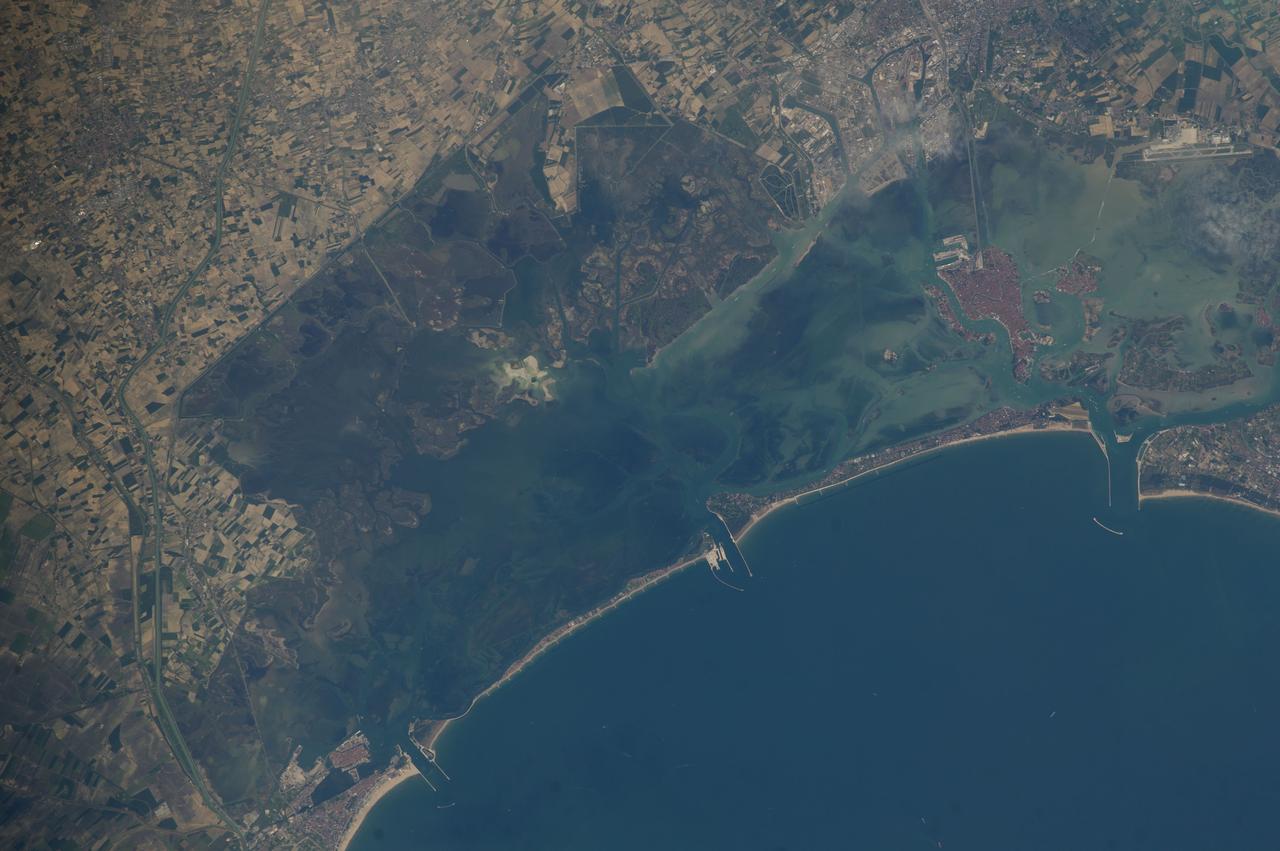
ISS039-E-019482 (9 May 2014) --- One of the Expedition 39 crew members aboard the Earth-orbiting International Space Station used a 400mm lens to take this photograph of Venice Lagoon, Italy on May 9, 2014. A narrow barrier island protects the Lagoon of Venice from storm waves in the northern Adriatic Sea, and breakwaters protect inlets to the lagoon. Red tiles of the roofs of the edifices on the island of Venice contrast with the grays of the mainland sister city of Mestre. The cities are joined by a prominent causeway. Another causeway joins the island to the airport (top right). Small bright agricultural fields of well drained soils (top left) contrast with the darker vegetation of back bay swamps where fishing is a popular pastime. Dense urban populations on its shores and heavy use by craft of all kinds result in turbid water in the northern half of the lagoon.
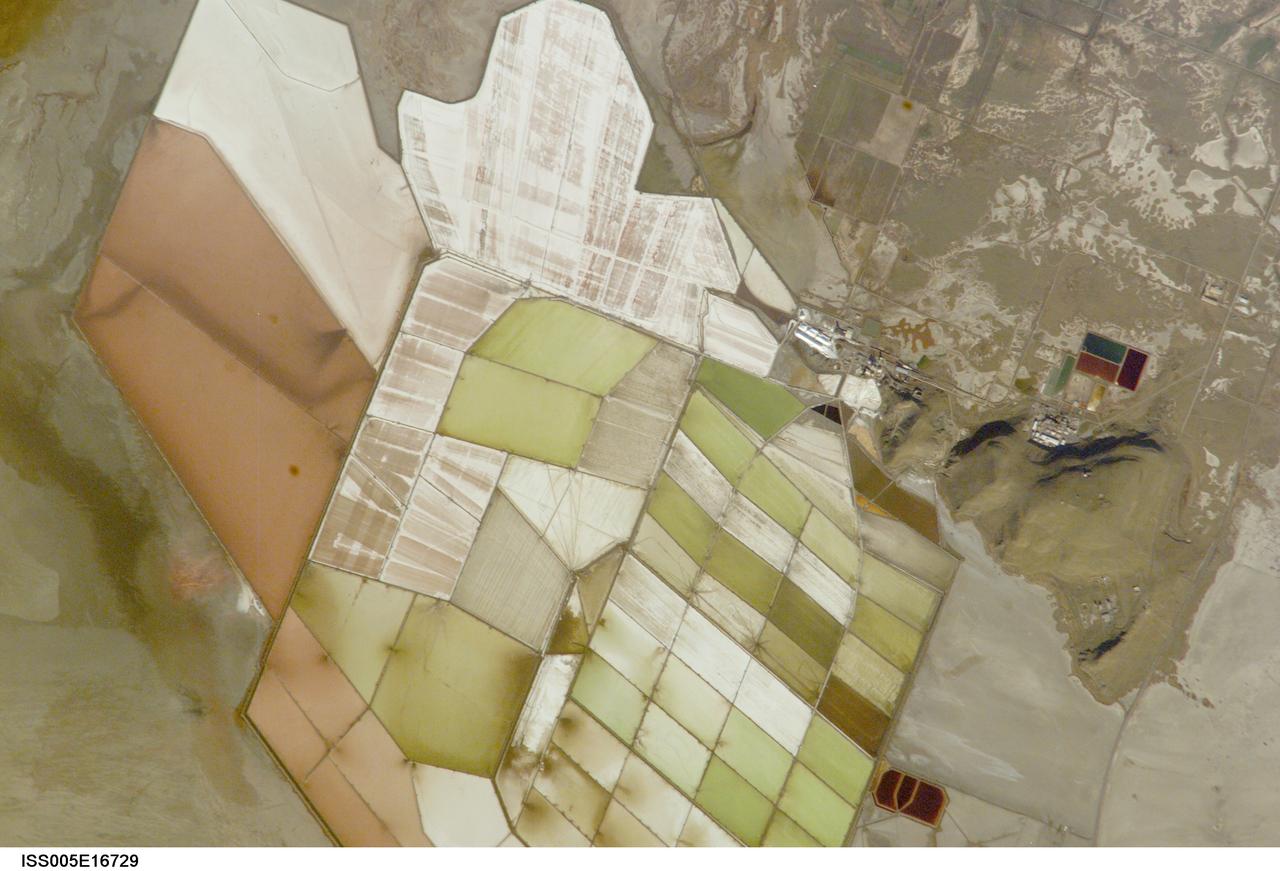
ISS005-E-16729 (7 October 2002) --- Great Salt Lake, Utah, is featured in this image photographed by an Expedition 5 crewmember on the International Space Station (ISS). Great Salt Lake serves as a striking visual marker for crewmembers orbiting over North America. A sharp line across its center is caused by the restriction in water flow from the railroad causeway. The eye-catching colors of the lake stem from the fact that Great Salt Lake is hyper saline, typically 3-5 times saltier than the ocean, and the high salinities support sets of plants and animals that affect the light-absorbing qualities of the water. North of the causeway salinities are higher, and the water turns red from the pigments of halophilic bacteria. In the shallower corner of the lake, earthen dikes mark large salt evaporation works, which take on the jewel tones of turquoise, russet, tamber and pearl white.
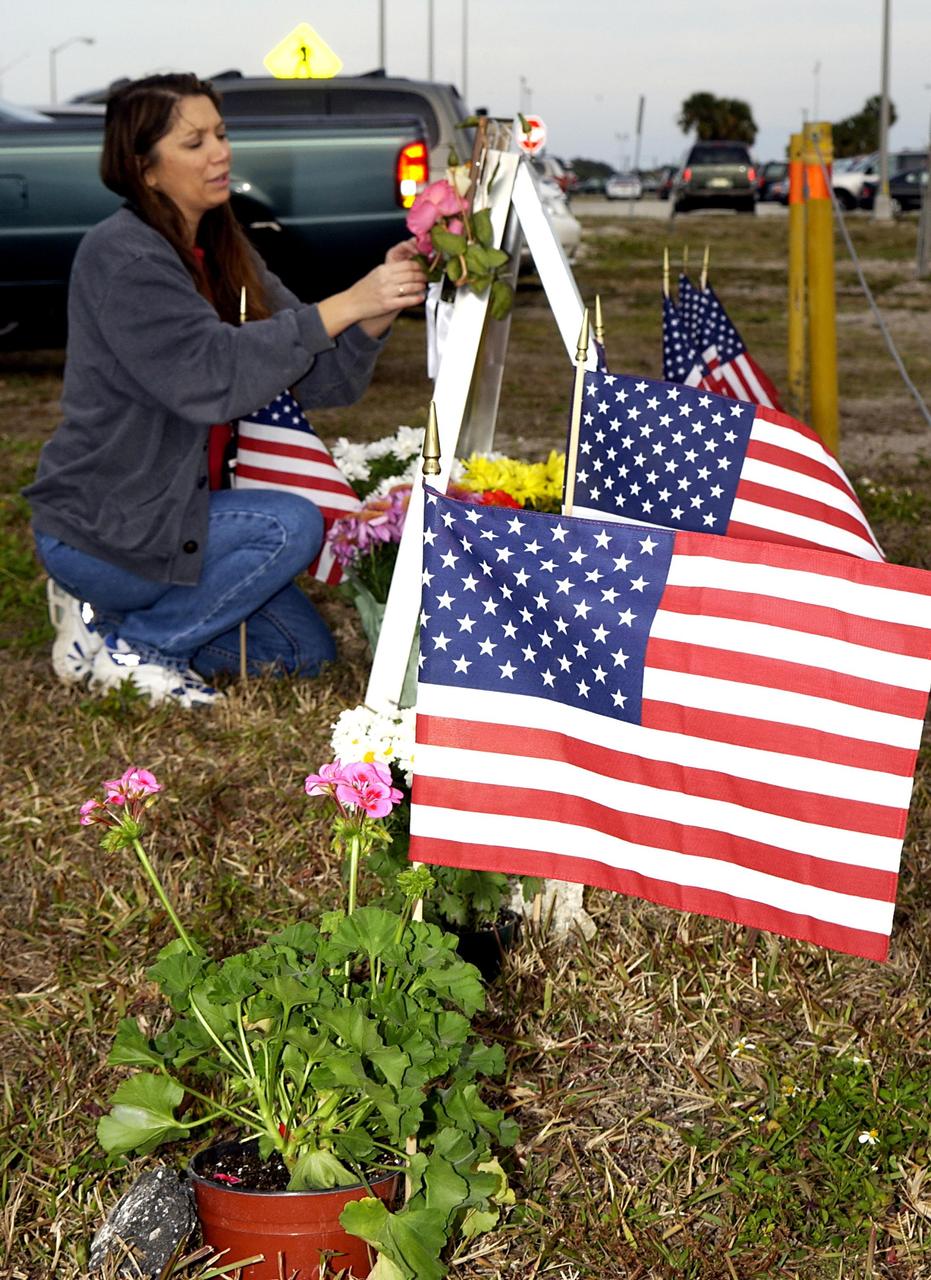
KENNEDY SPACE CENTER, FLA. - At the corner of Contractors Road and the Saturn Causeway, a KSC employee places an STS-107 crew photograph and surrounds it with flowers and U.S. flags as a memorial tribute to the fallen crew of Columbia. The Space Shuttle Columbia and her crew of seven were lost on Feb. 1, 2003, over East Texas as they returned to Earth after a 16-day research mission, STS-107.
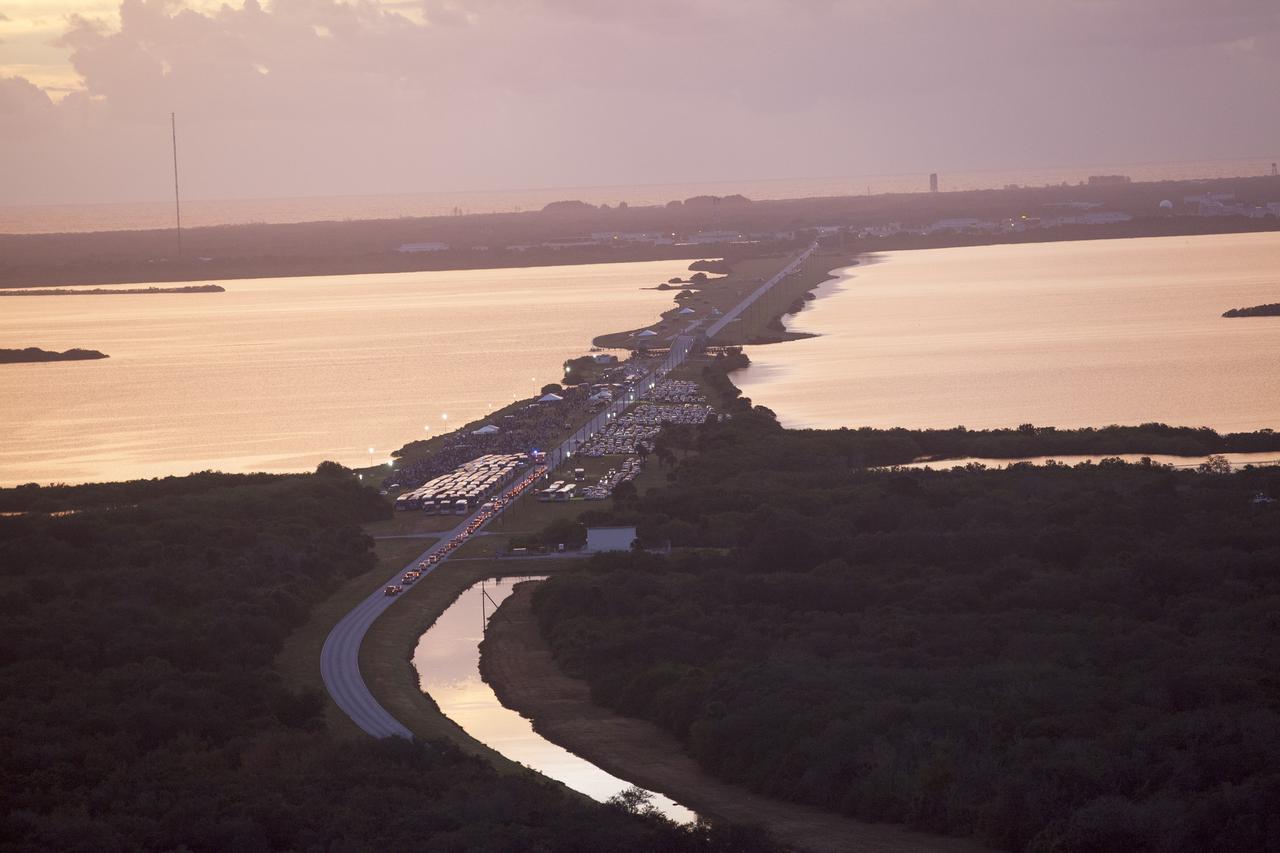
CAPE CANAVERAL, Fla. – This helicopter view of the NASA Causeway connecting NASA's Kennedy Space Center with Cape Canaveral Air Force Staton shows the thousands of vehicles parked where guests gather to see the launch of the Orion Flight Test. The liftoff was postponed because of an issue related to fill and drain valves on the Delta IV Heavy rocket that teams could not troubleshoot by the time the launch window expired. For more information, visit www.nasa.gov/orion Photo credit: NASA/Kim Shiflett
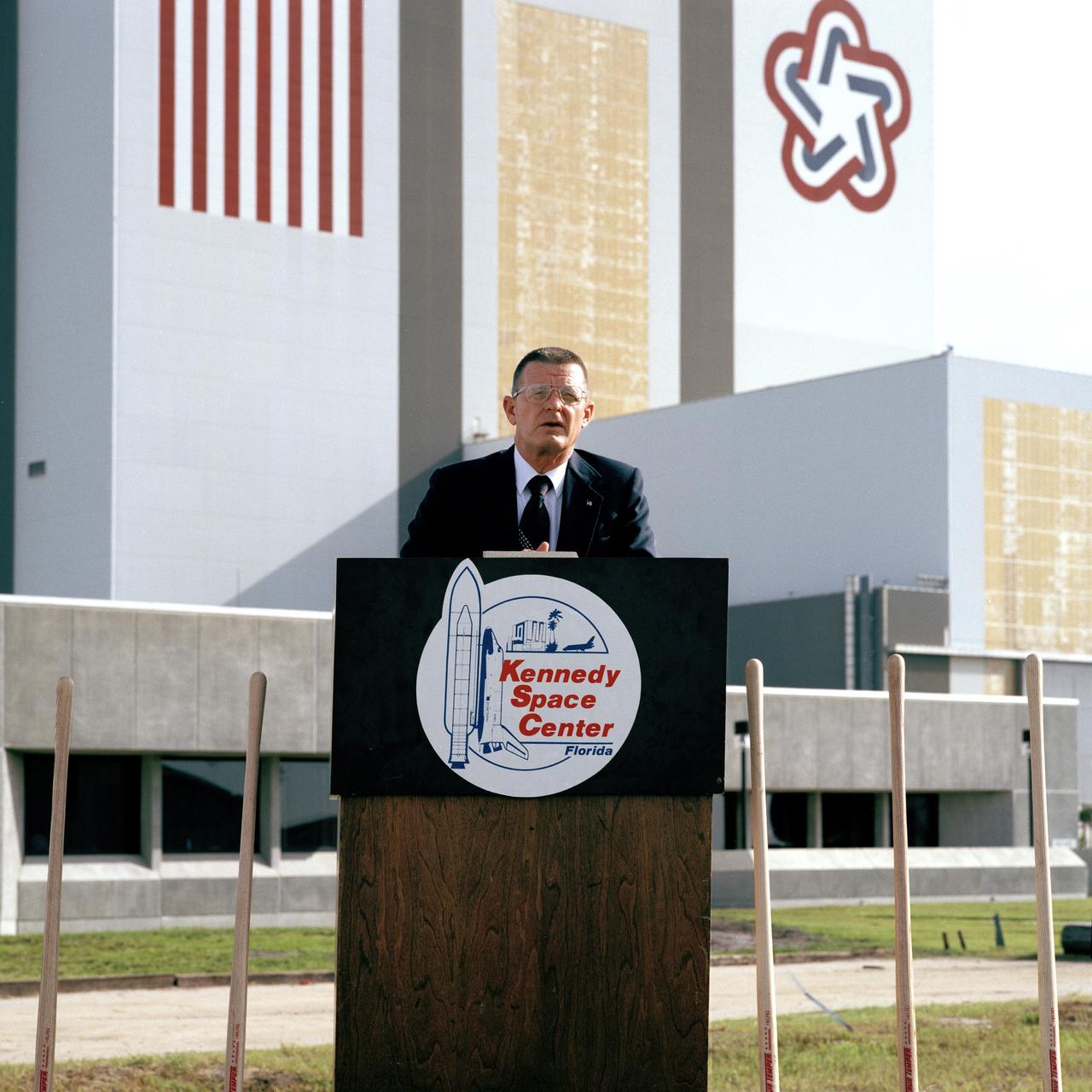
CAPE CANAVERAL, Fla. - Kennedy Space Center Director Forrest McCartney speaks at the ground-breaking ceremonies for the new Operations Support Building. This new facility will provide office accommodations for 1,700 NASA and contractor personnel. The $20,695,000, six-story, 300,000-square-foot building is located southwest of the Multi-Function Facility near the corner of the Saturn Causeway and Kennedy Parkway Roads. Construction is due to be completed by June 1990. Photo credit: NASA
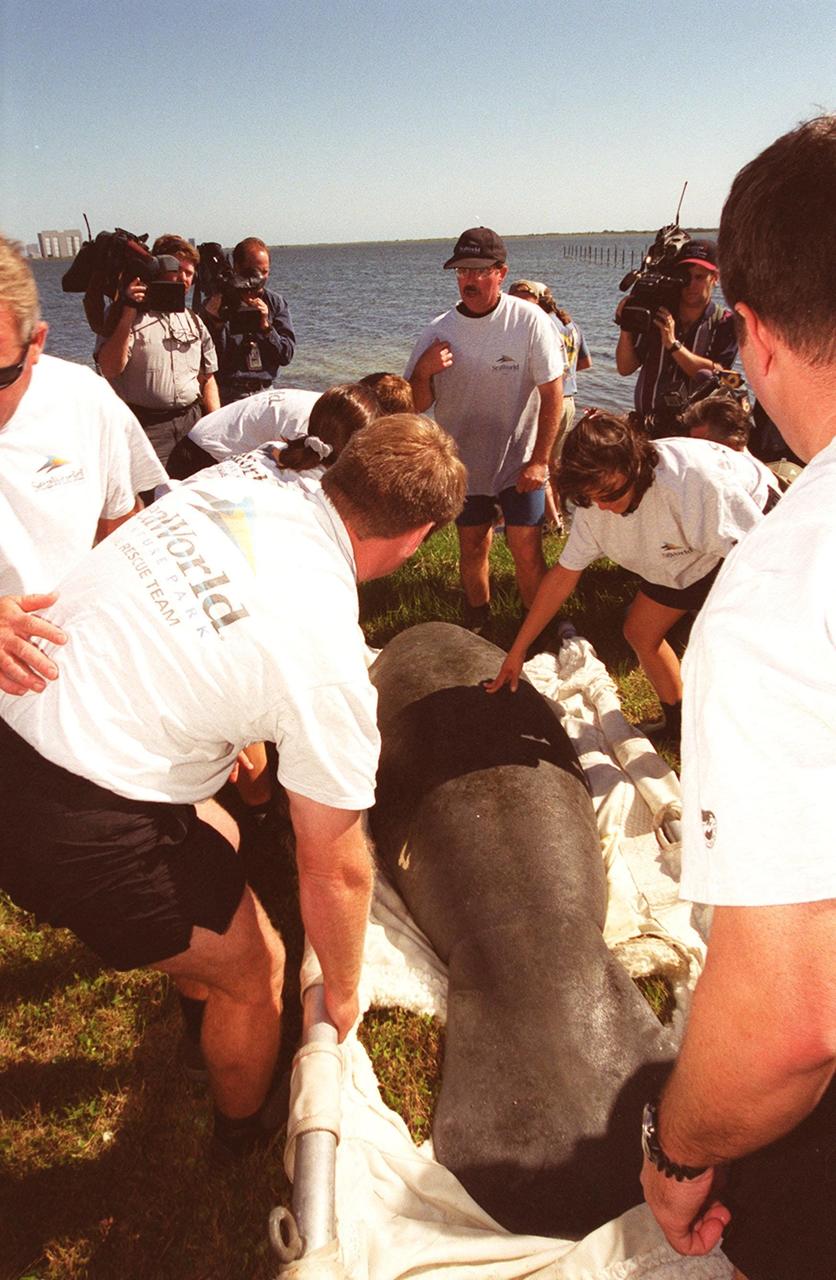
KENNEDY SPACE CENTER, FLA. -- After removing a young manatee from the van that brought it from Sea World, Orlando, Fla., workers get ready for the final step, releasing it into the Banana River behind them. The site is on the north side of the NASA Causeway, near Kennedy Space Center. The calf was one of two manatees being released after recovering from injuries. Manatees are frequently seen in the waters around Kennedy Space Center, which is surrounded by the Merritt Island National Wildlife Refuge
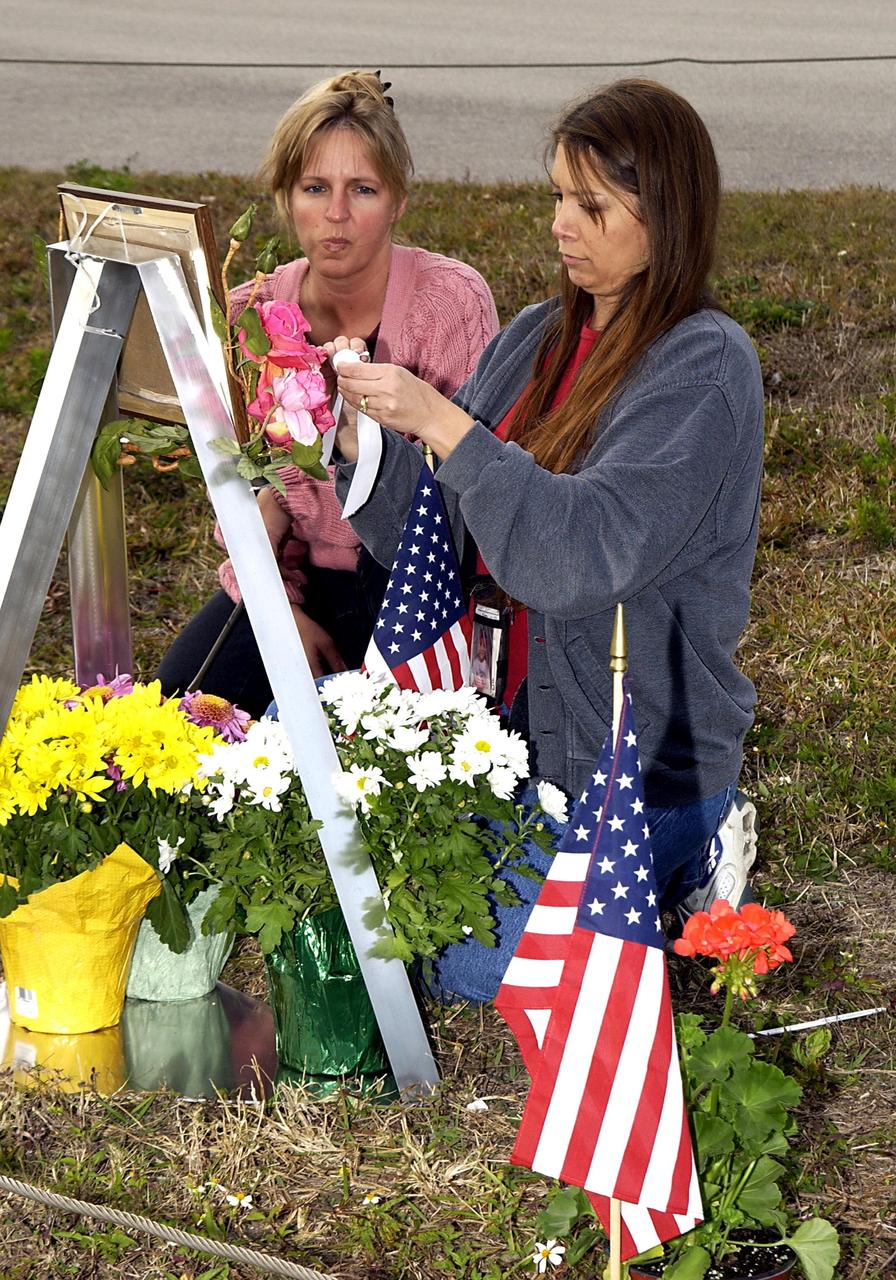
KENNEDY SPACE CENTER, FLA. - At the corner of Contractors Road and the Saturn Causeway, KSC employees place an STS-107 crew photograph and surround it with flowers as a memorial tribute to the fallen crew of Columbia. The Space Shuttle Columbia and her crew of seven were lost on Feb. 1, 2003, over East Texas as they returned to Earth after a 16-day research mission, STS-107.
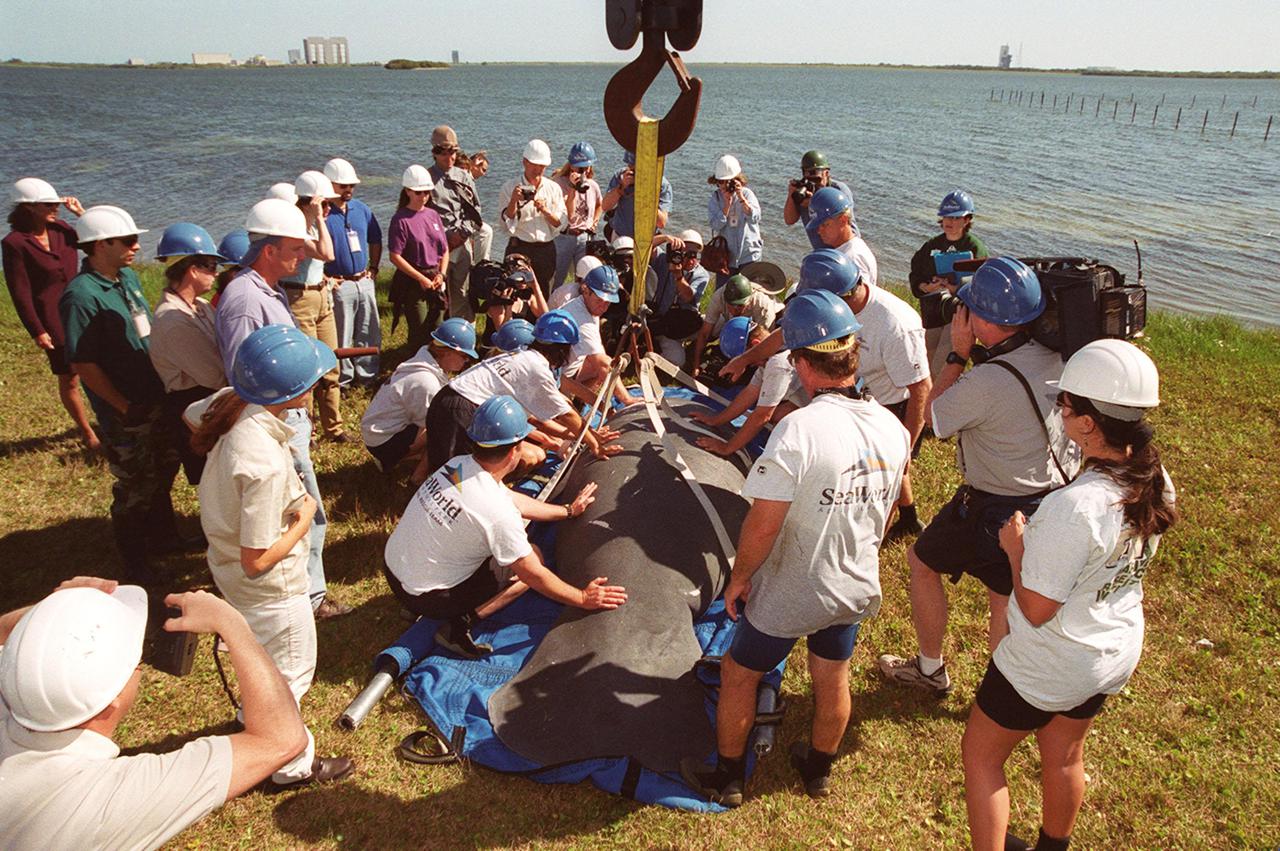
KENNEDY SPACE CENTER, FLA. -- Spectators and photographers gather around the adult manatee Sea World workers are releasing into the Banana River in the background. The site is on the north side of the NASA Causeway, near Kennedy Space Center. On the horizon at left can be seen the Vehicle Assembly Building. The weight of the manatee requires a hoist to lift it. Earlier, workers released a calf. The two manatees recovered from injuries at Sea World. Manatees are frequently seen in the waters around Kennedy Space Center, which is surrounded by the Merritt Island National Wildlife Refuge
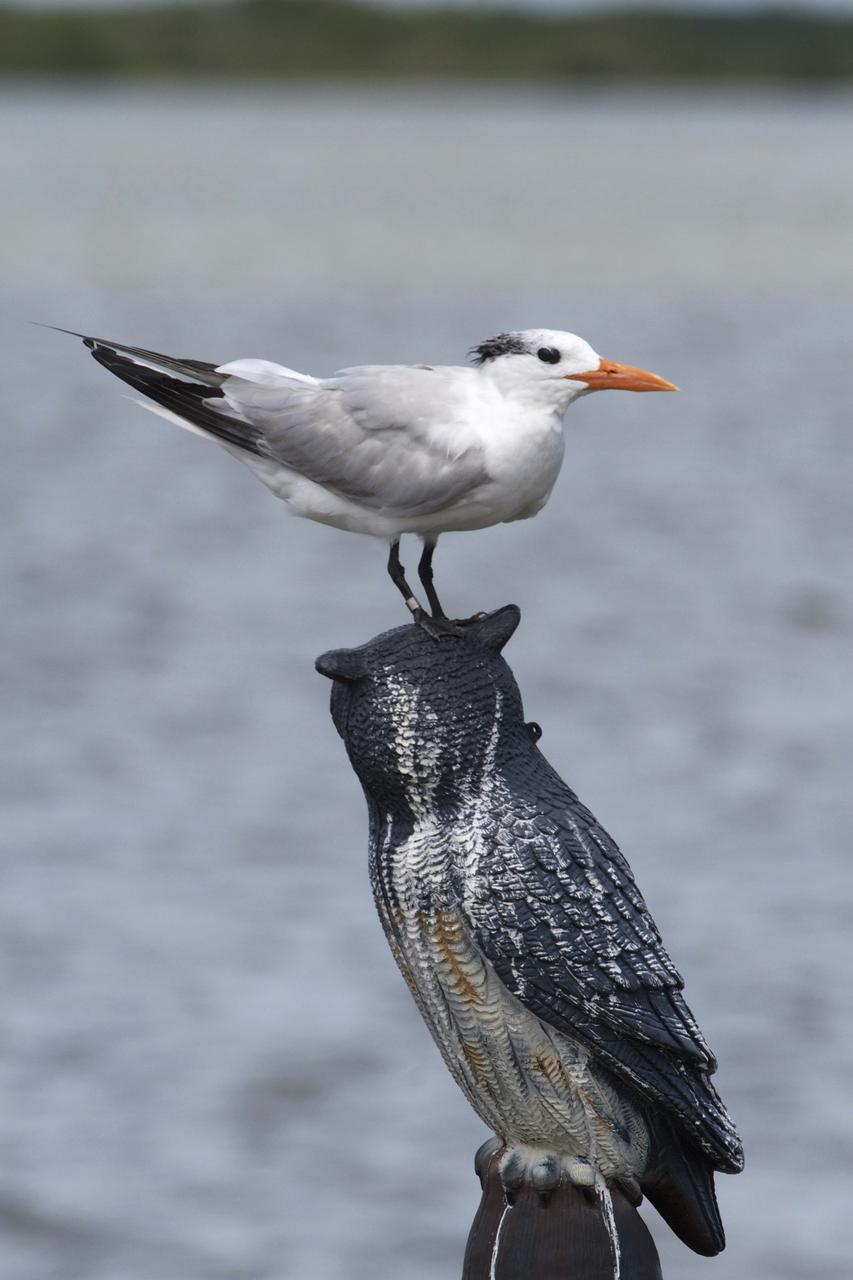
CAPE CANAVERAL, Fla. – At NASA’s Kennedy Space Center in Florida, a bird perches atop a wood-carved owl on a dock along the NASA Causeway. The center shares a boundary with the Merritt Island National Wildlife Refuge, consisting of 140,000 acres. The Refuge provides a wide variety of habitats: coastal dunes, saltwater estuaries and marshes, freshwater impoundments, scrub, pine flatwoods, and hardwood hammocks that provide habitat for more than 1,500 species of plants and animals, including about 331 species of birds. Photo credit: NASA_Ben Smegelsky
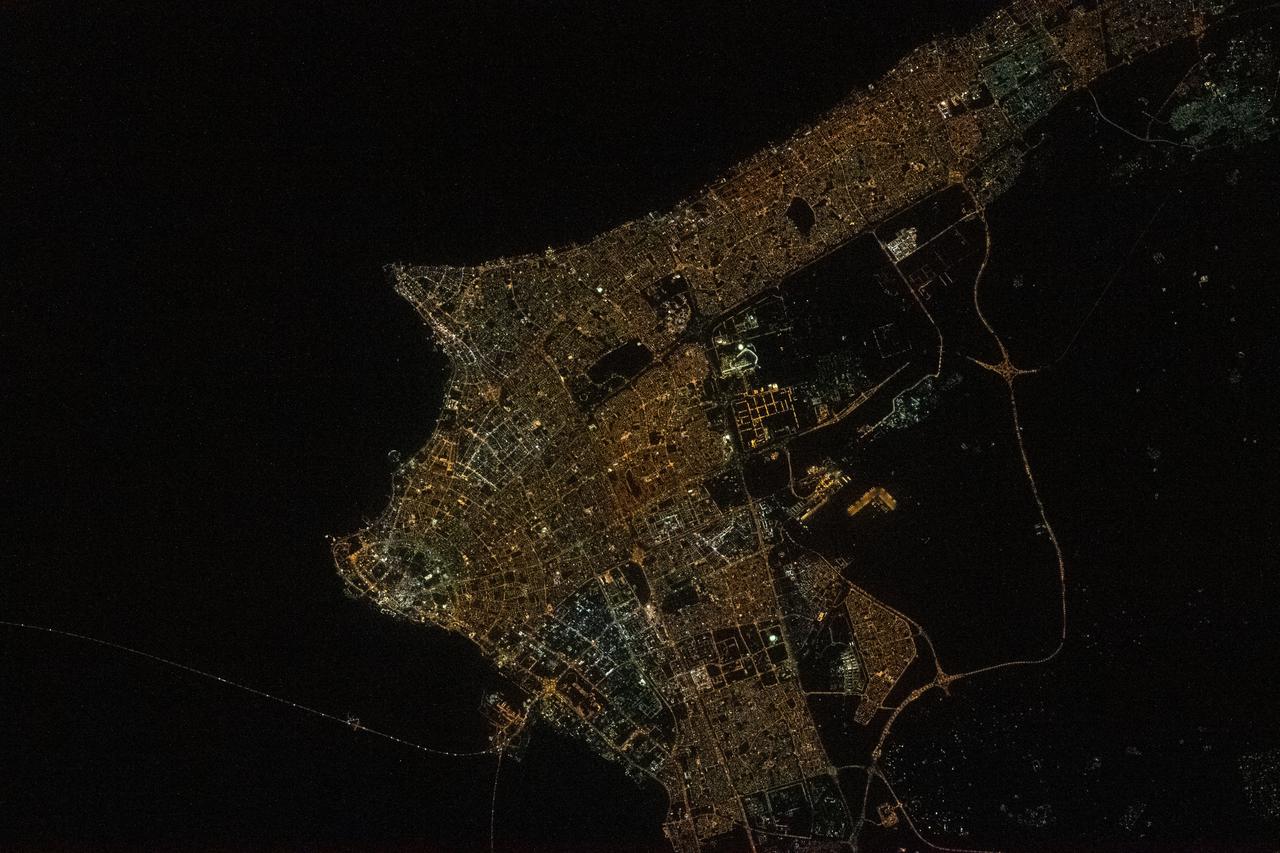
iss064e021961 (Jan. 9, 2021) --- Kuwait City is pictured during a night time pass from the International Space Station as it orbited 261 miles above the Iraq-Saudi Arabia border. Towards the bottom left, is the Sheikh Jaber Al-Ahmad Al-Sabah Causeway, the world's fourth longest road bridge at 24.5 miles, that crosses Kuwait Bay.
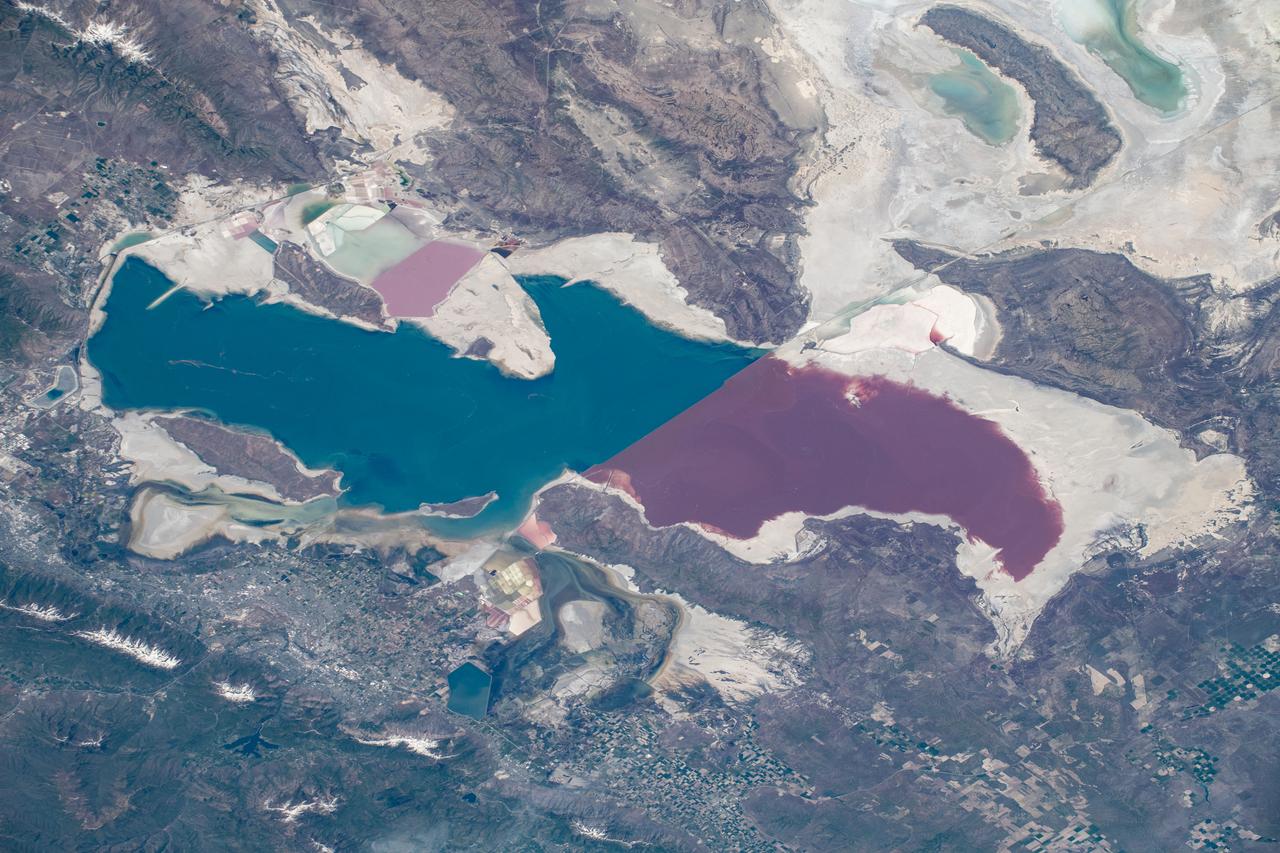
iss059e099093 (June 10, 2019) --- Utah's Great Salt Lake is pictured as the International Space Station orbited 255 miles above the southwestern United States. The distinct color differences in the lake is caused by a railroad causeway. The northern part of the lake (pointing right in this frame) has a much higher salinity than the southern freshwater portion of the lake.
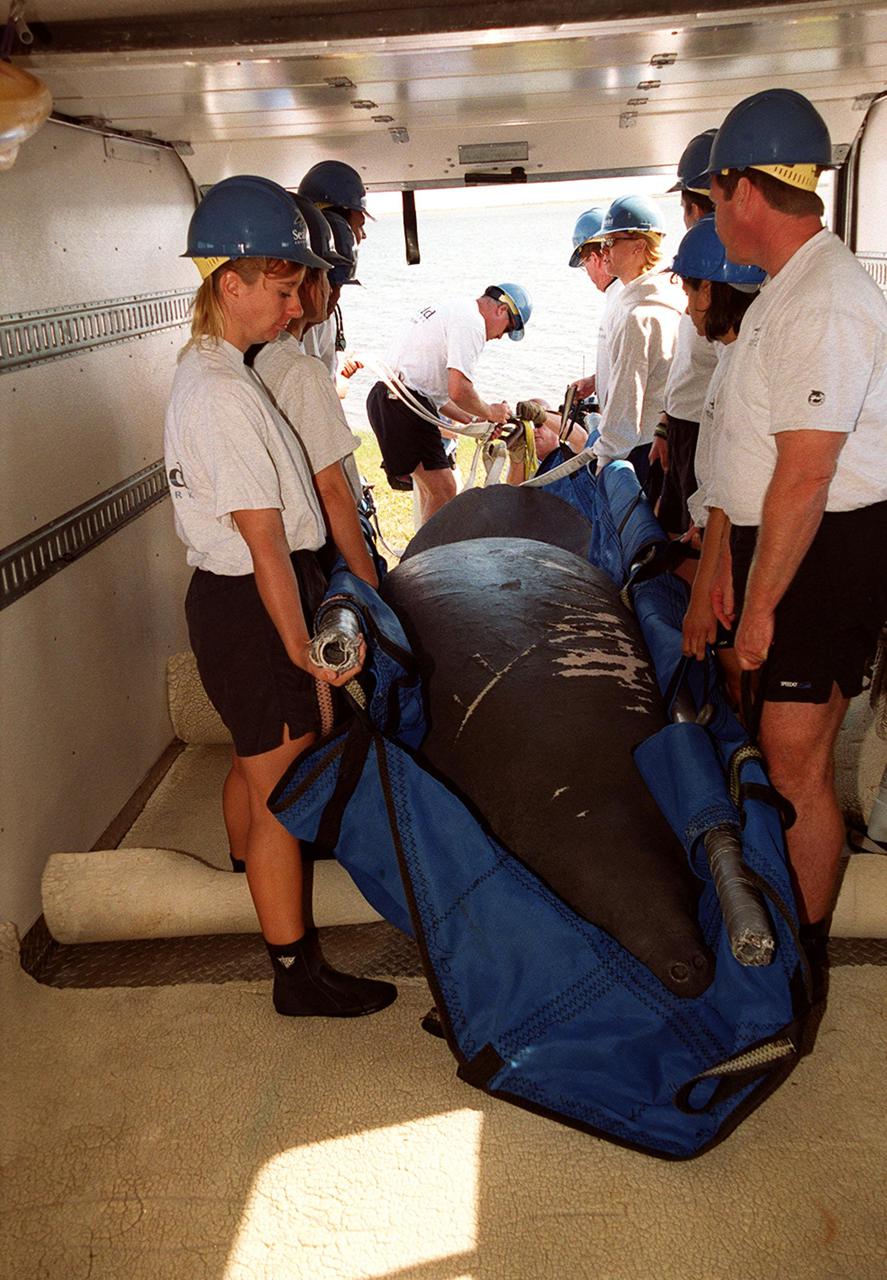
KENNEDY SPACE CENTER, FLA. -- A large adult manatee requires many helpers to lift it out of the van that brought it from Sea World for release into the Banana River. The site is on the north side of the NASA Causeway, near Kennedy Space Center. A calf was also released at the site. Manatees are frequently seen in the waters around Kennedy Space Center, which is surrounded by the Merritt Island National Wildlife Refuge
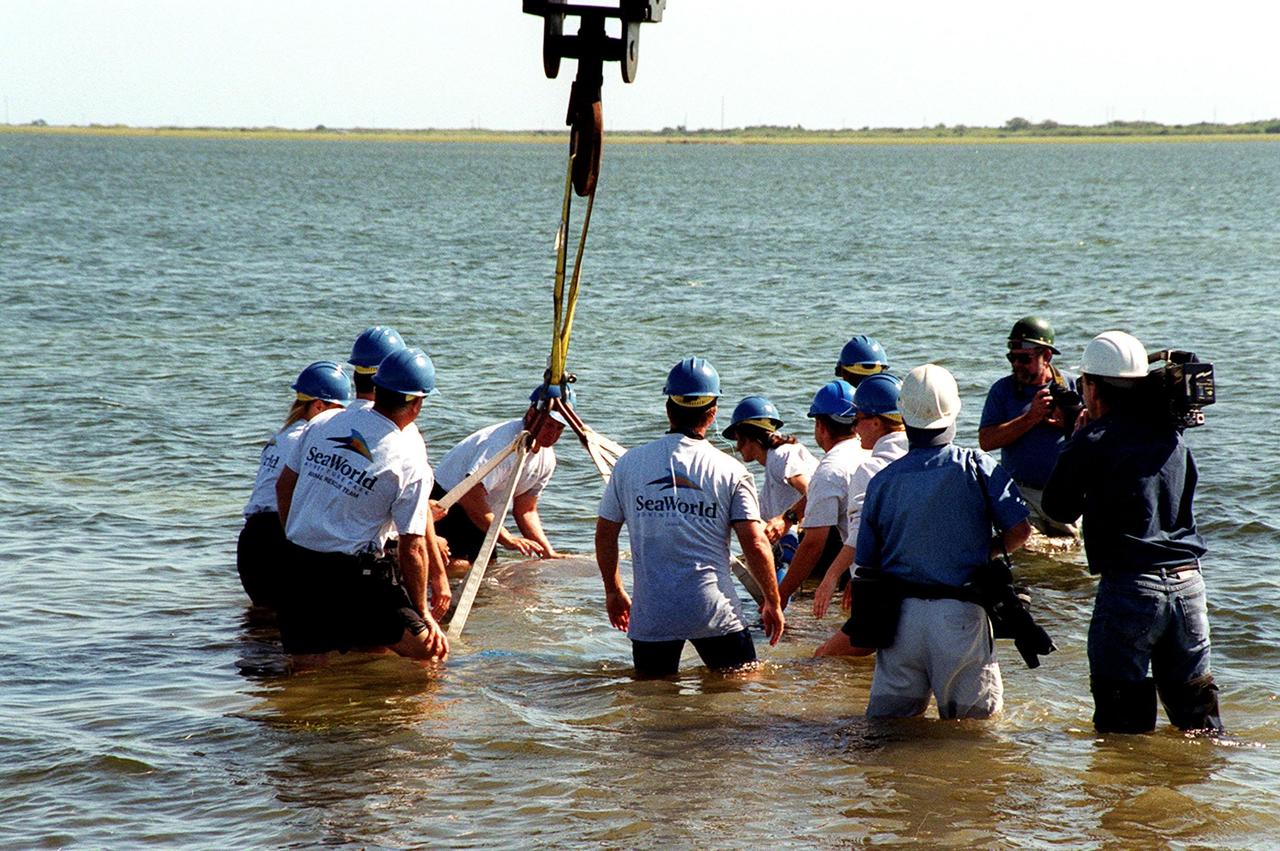
KENNEDY SPACE CENTER, FLA. -- Sea World workers coax a manatee into the Banana River after the hoist and sling it was in relaxes in the water. The site is on the north side of the NASA Causeway, near Kennedy Space Center. The manatee is one of two released after recovering at Sea World from injuries. Manatees are frequently seen in the waters around Kennedy Space Center, which is surrounded by the Merritt Island National Wildlife Refuge
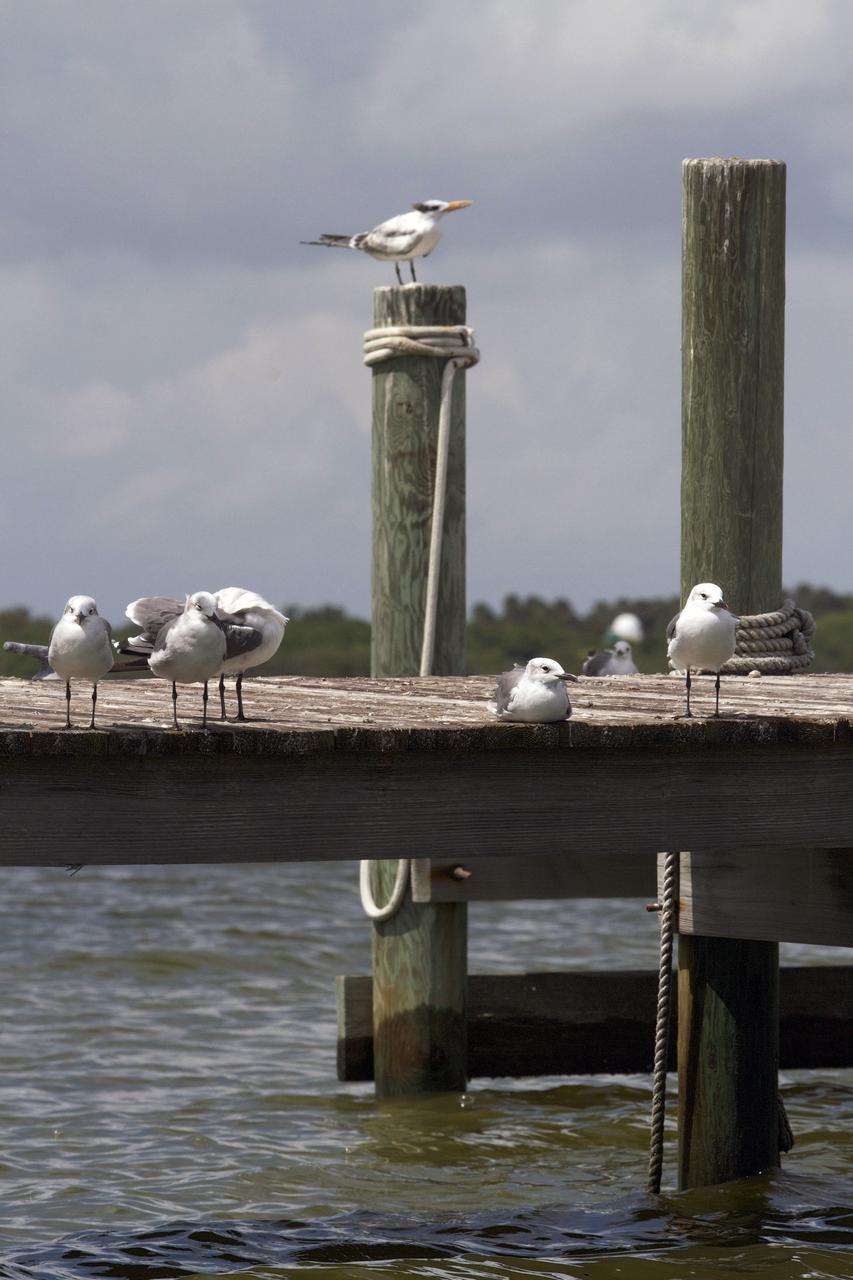
CAPE CANAVERAL, Fla. – At NASA’s Kennedy Space Center in Florida, several birds, including some seagulls, sit on a dock along the NASA Causeway. The center shares a boundary with the Merritt Island National Wildlife Refuge, consisting of 140,000 acres. The Refuge provides a wide variety of habitats: coastal dunes, saltwater estuaries and marshes, freshwater impoundments, scrub, pine flatwoods, and hardwood hammocks that provide habitat for more than 1,500 species of plants and animals, including about 331 species of birds. Photo credit: NASA_Ben Smegelsky