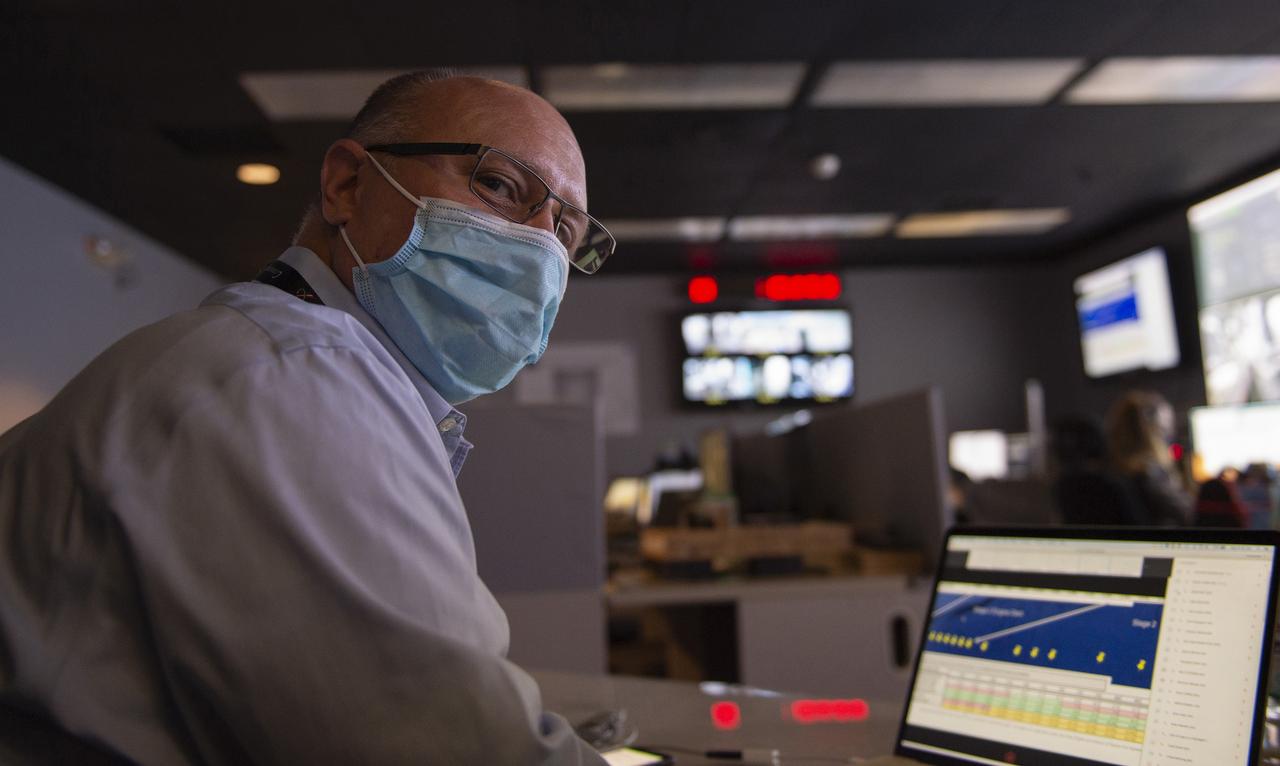
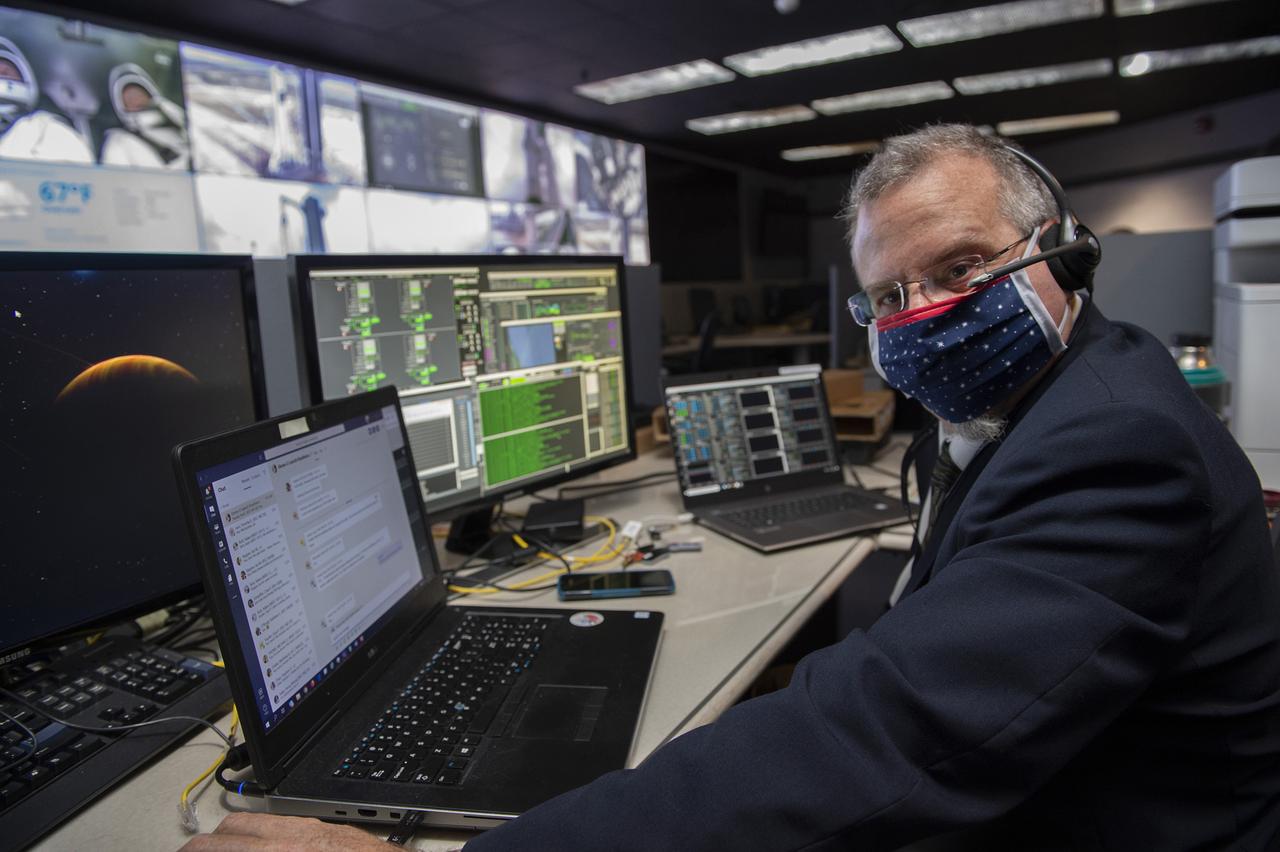
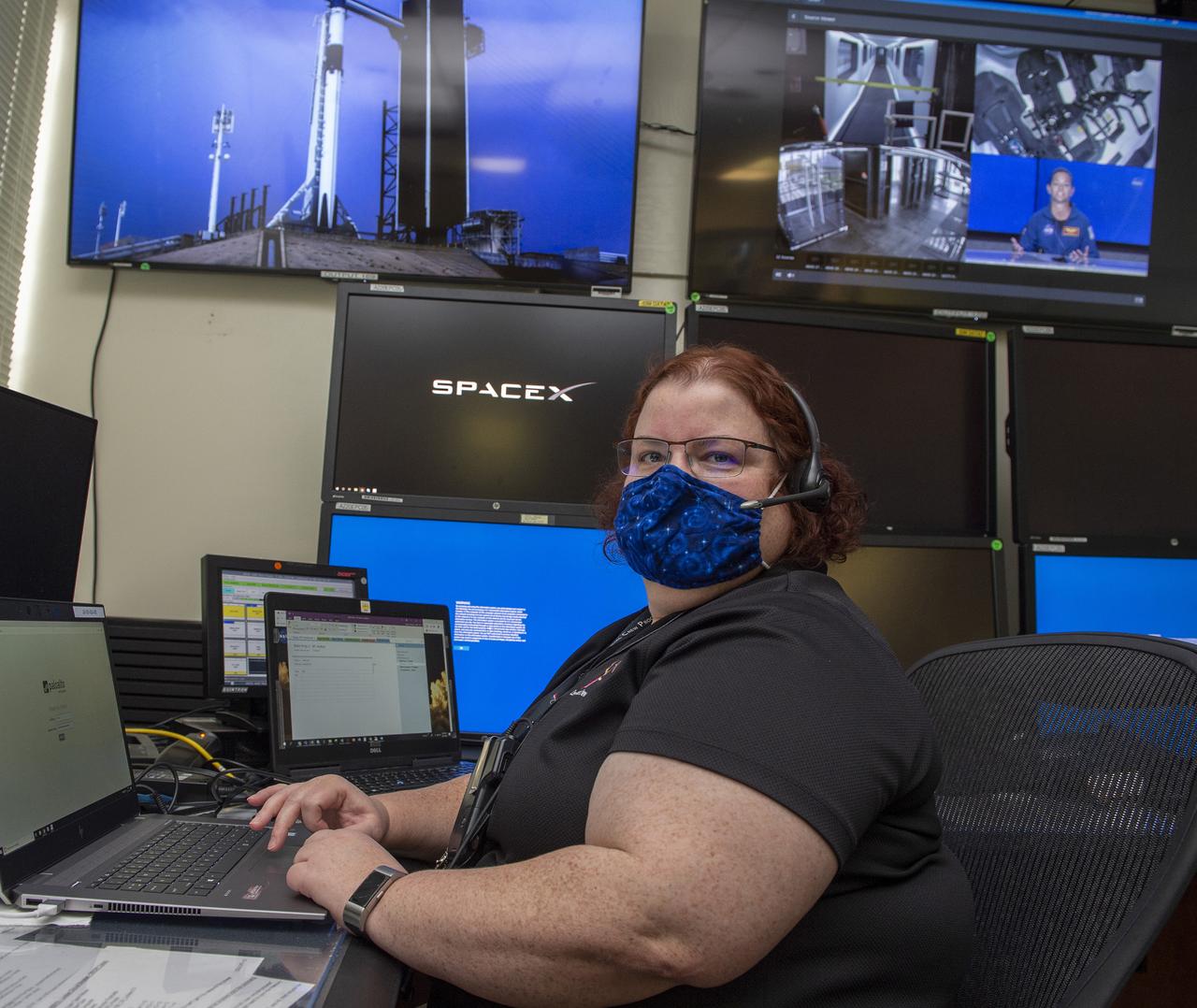
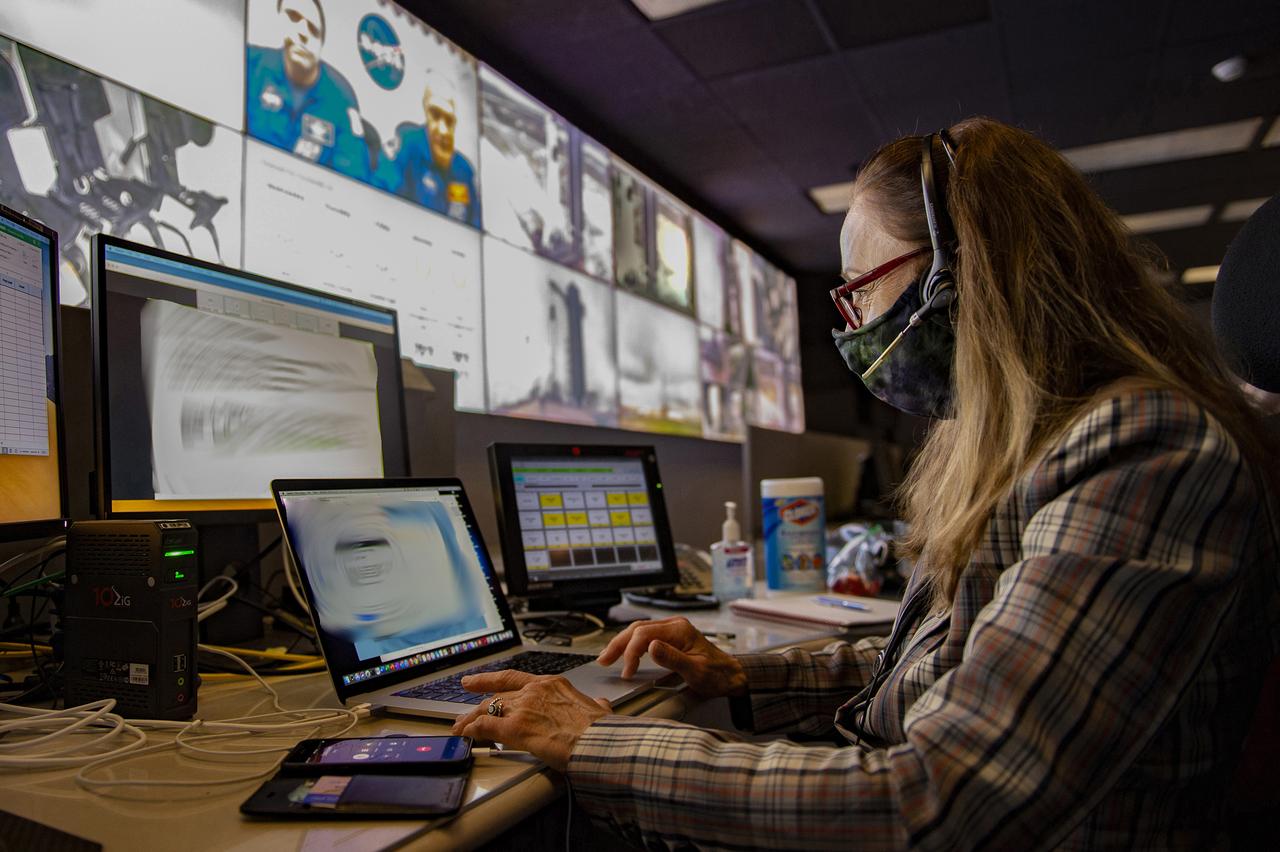
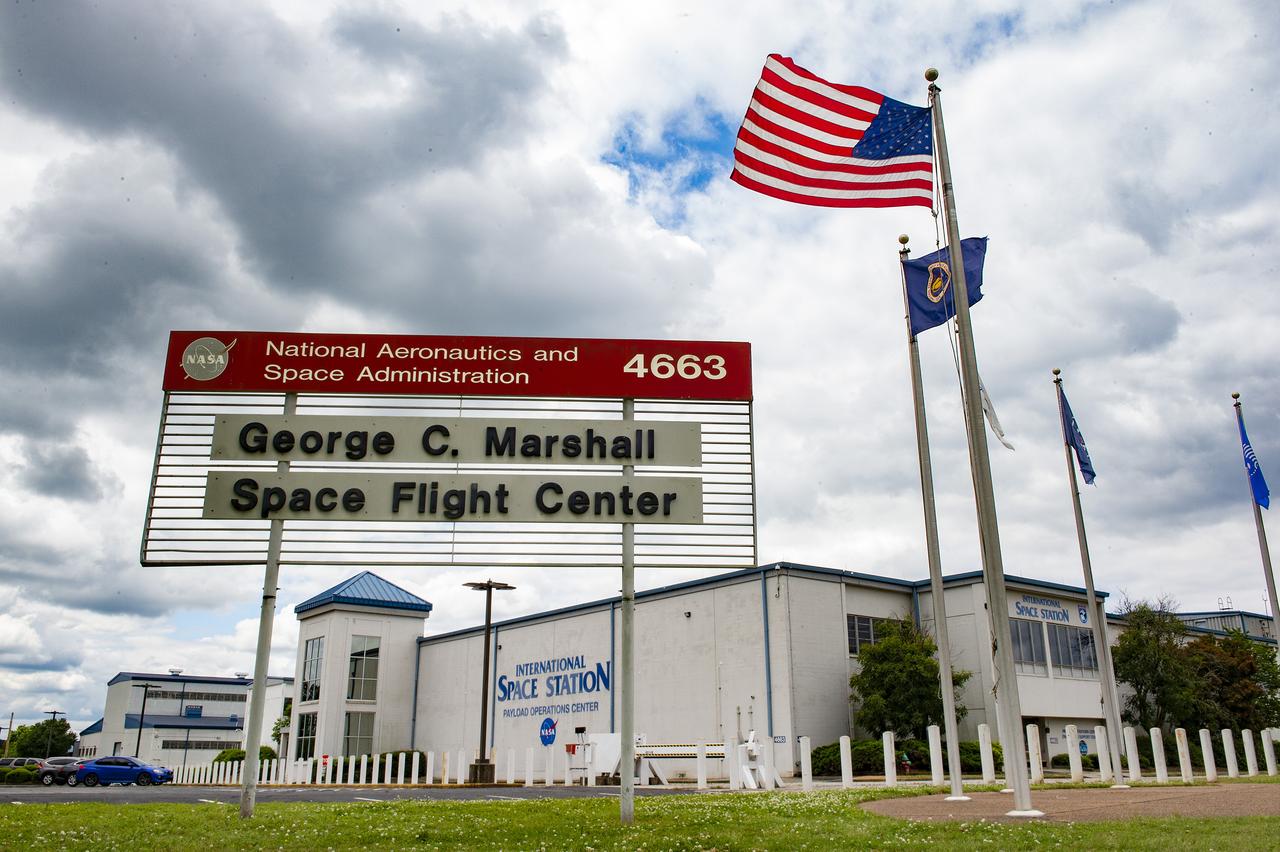
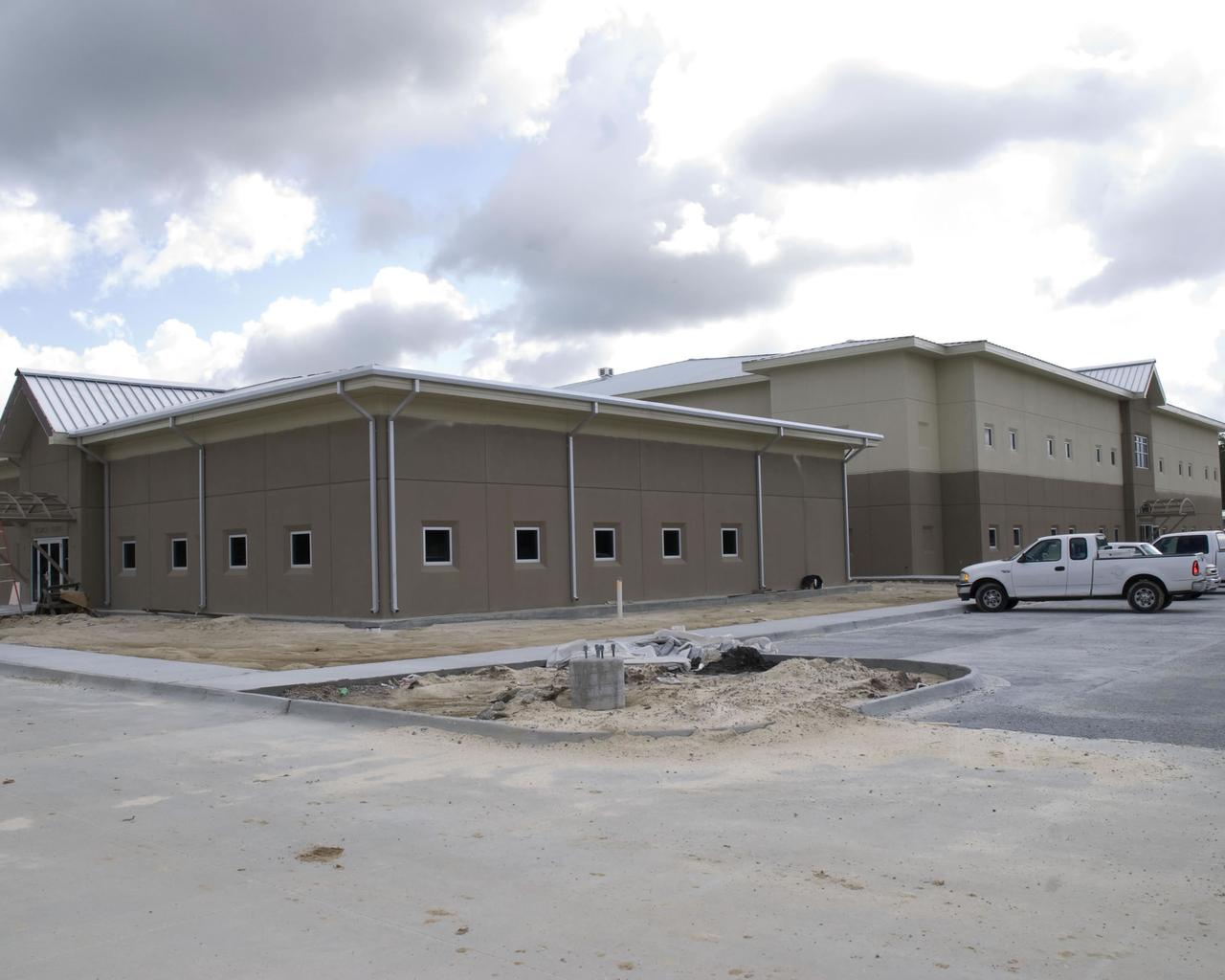
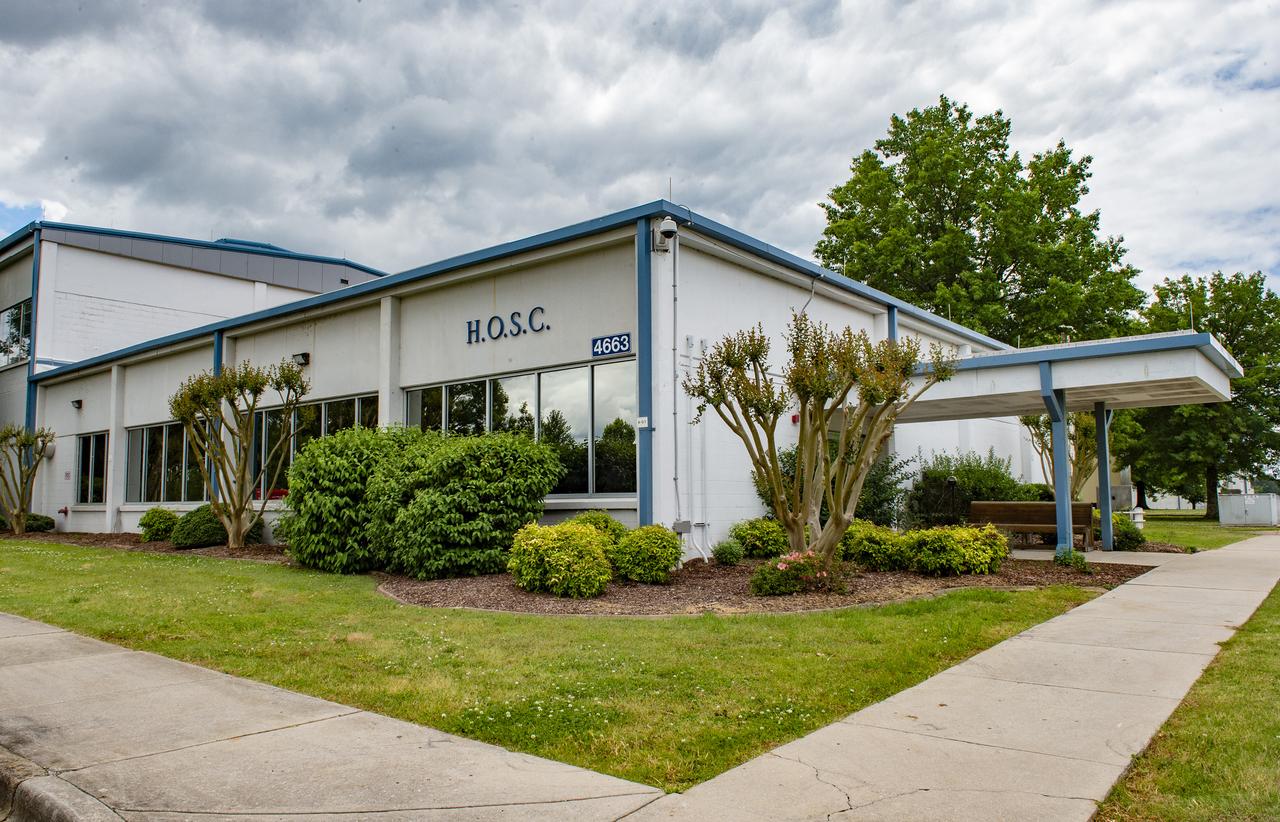
MSFC Building 4663, NE corner view of Huntsville Operations  Support Center, housing the Payload Operations Integration Center (POIC). The POIC supports ongoing flight operations and scientific experiments aboard the International Space Station (ISS)
Huntsville Operations Support Center (HOSC)
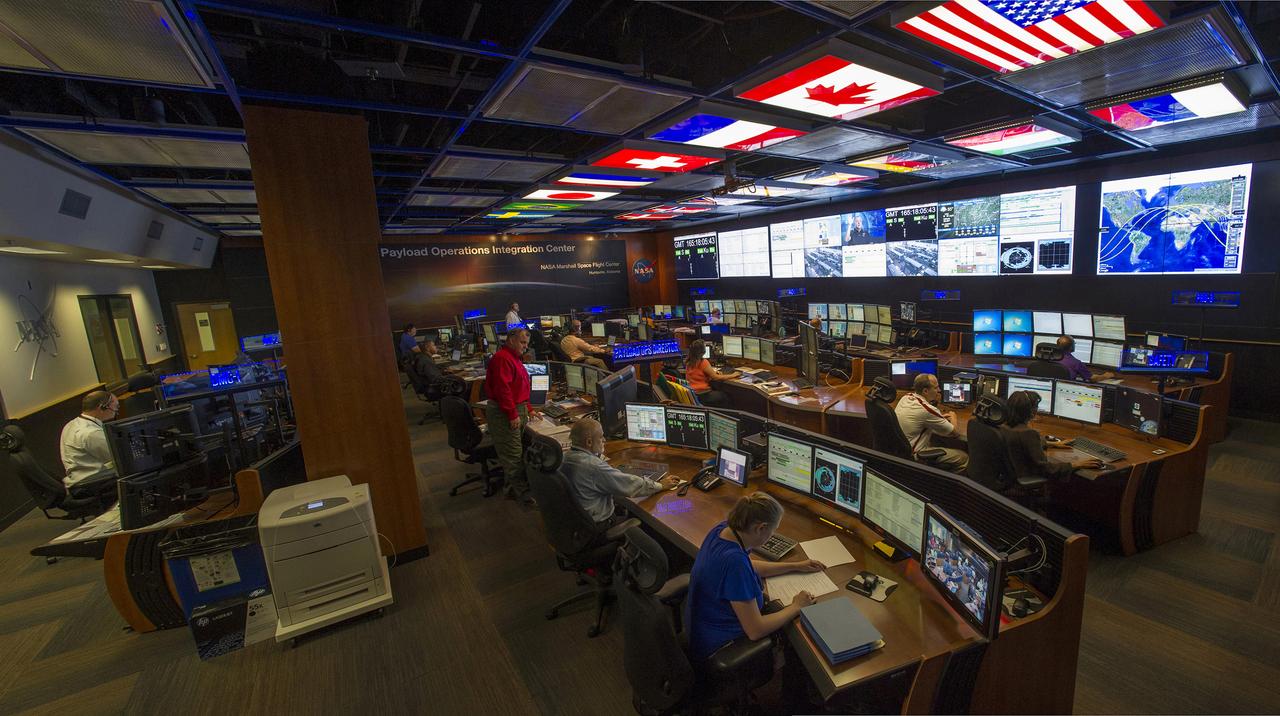
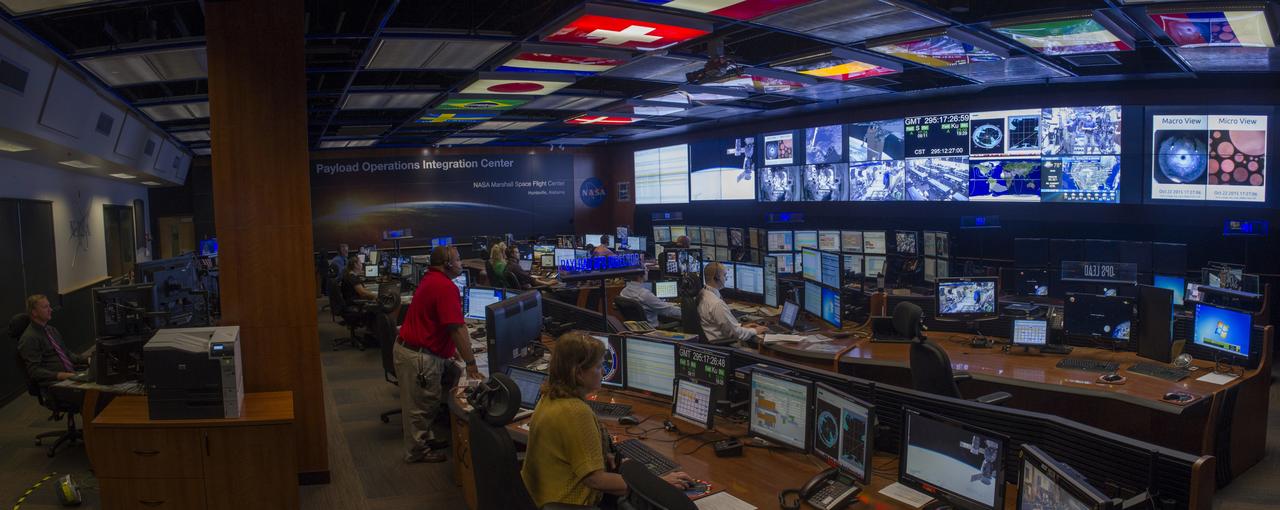
PANORAMIC VIEW OF PAYLOAD OPERATIONS INTEGRATION CENTER, PCA1, BLDG. 4663…UPDATED 10/21/15
Panoramic view of the Payload Operations Integration Center
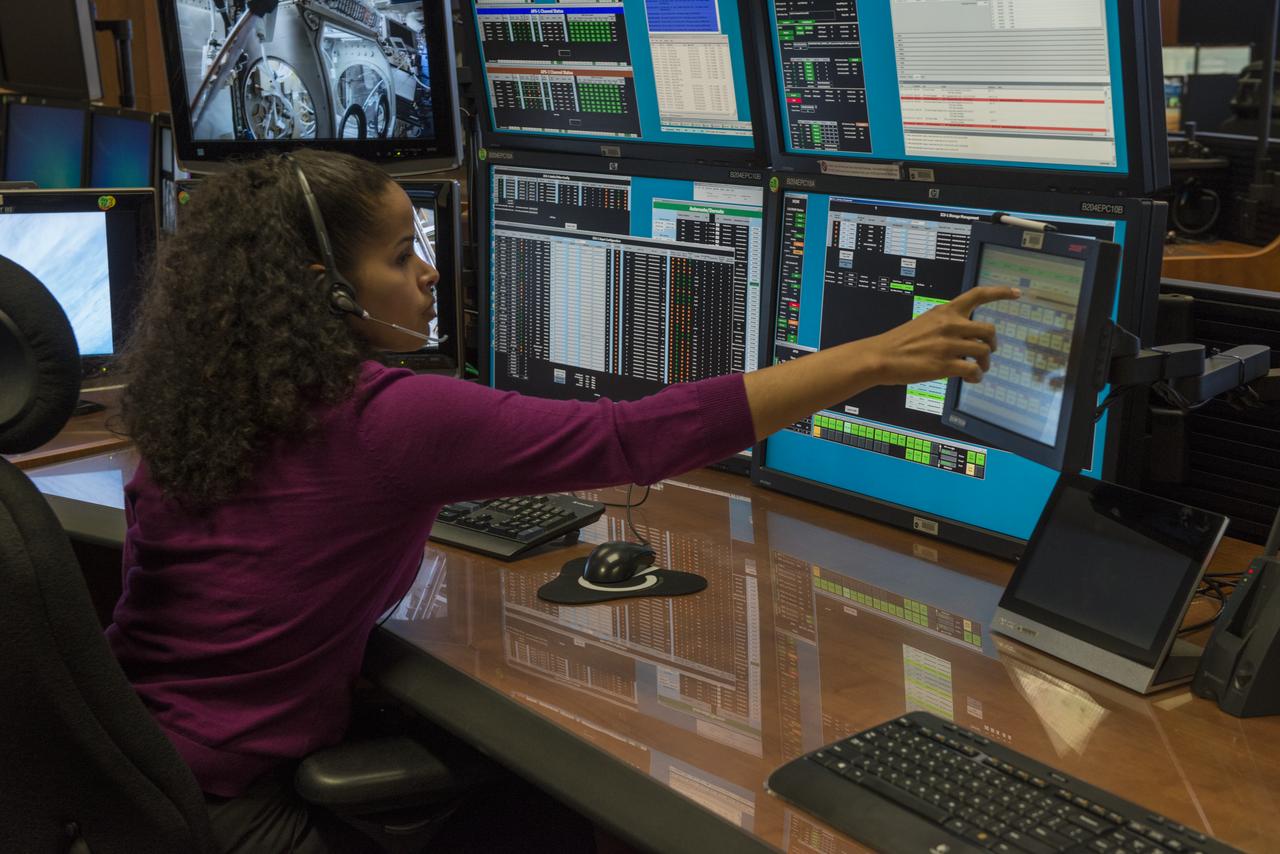
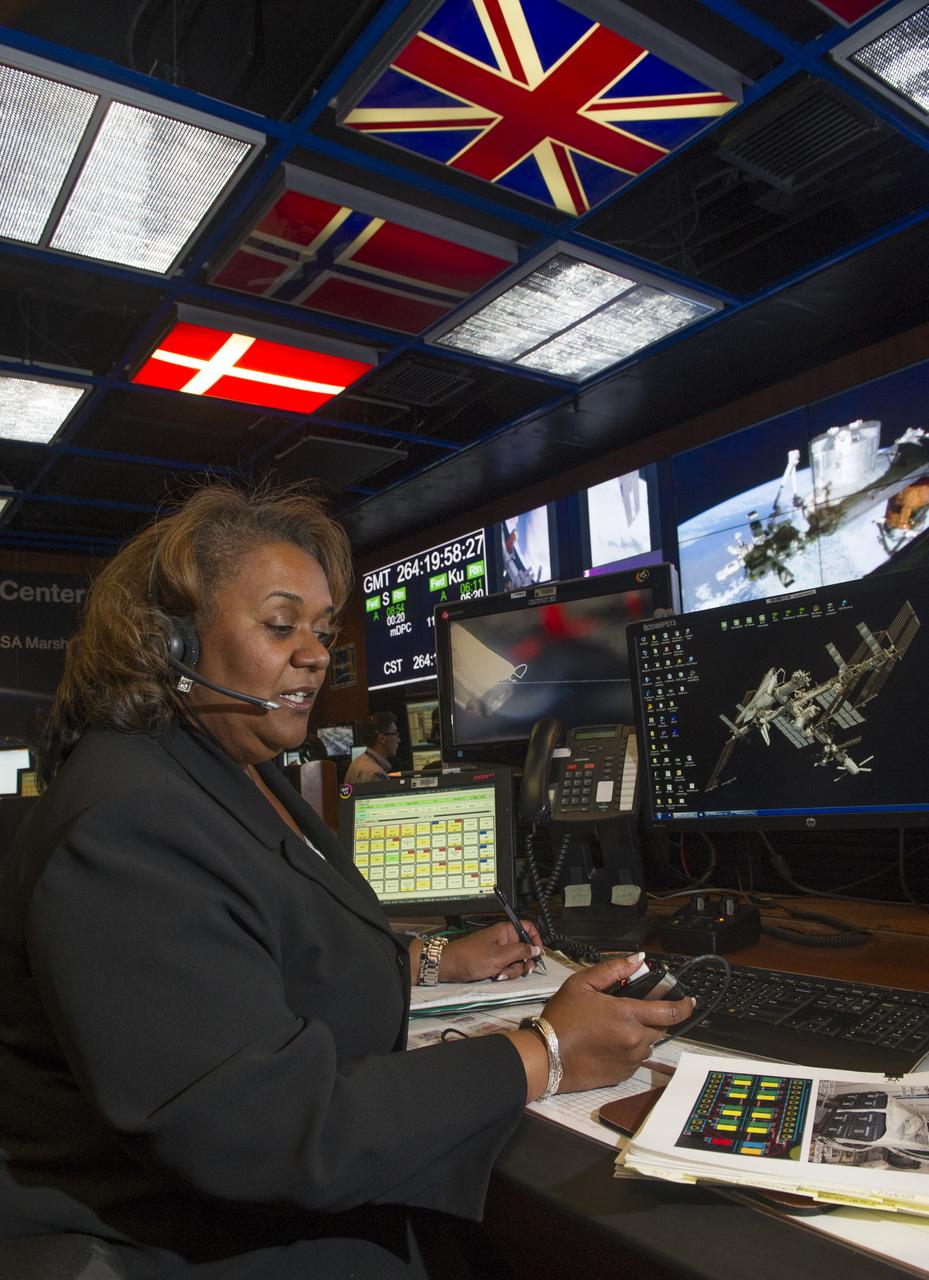
LYBREASE WOODARD ON CONSOLE AT PAYLOAD OPERATIONS CONTROL CENTER FOR FORBES MAGAZINE ARTICLE
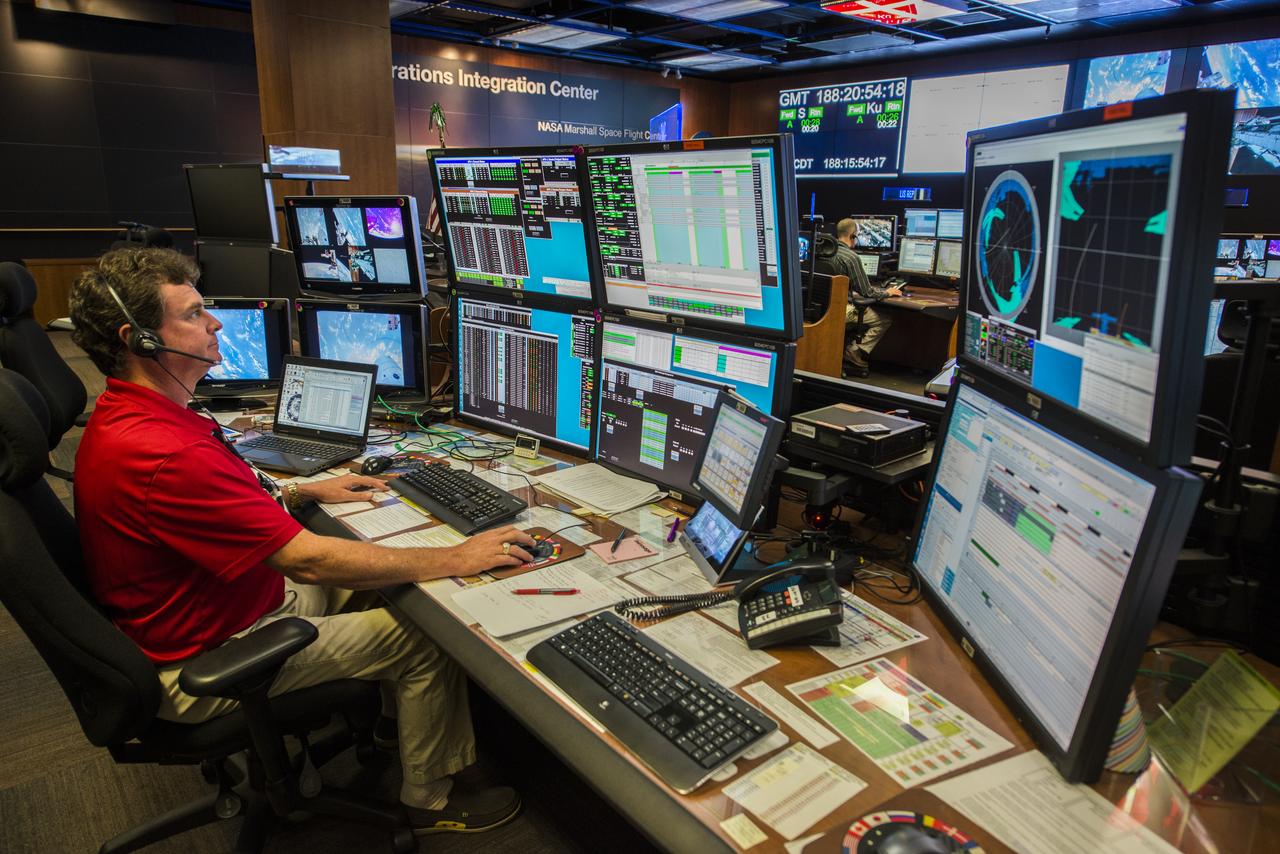
Lybrease Woodard on console in the Payload Operations Integration Center.
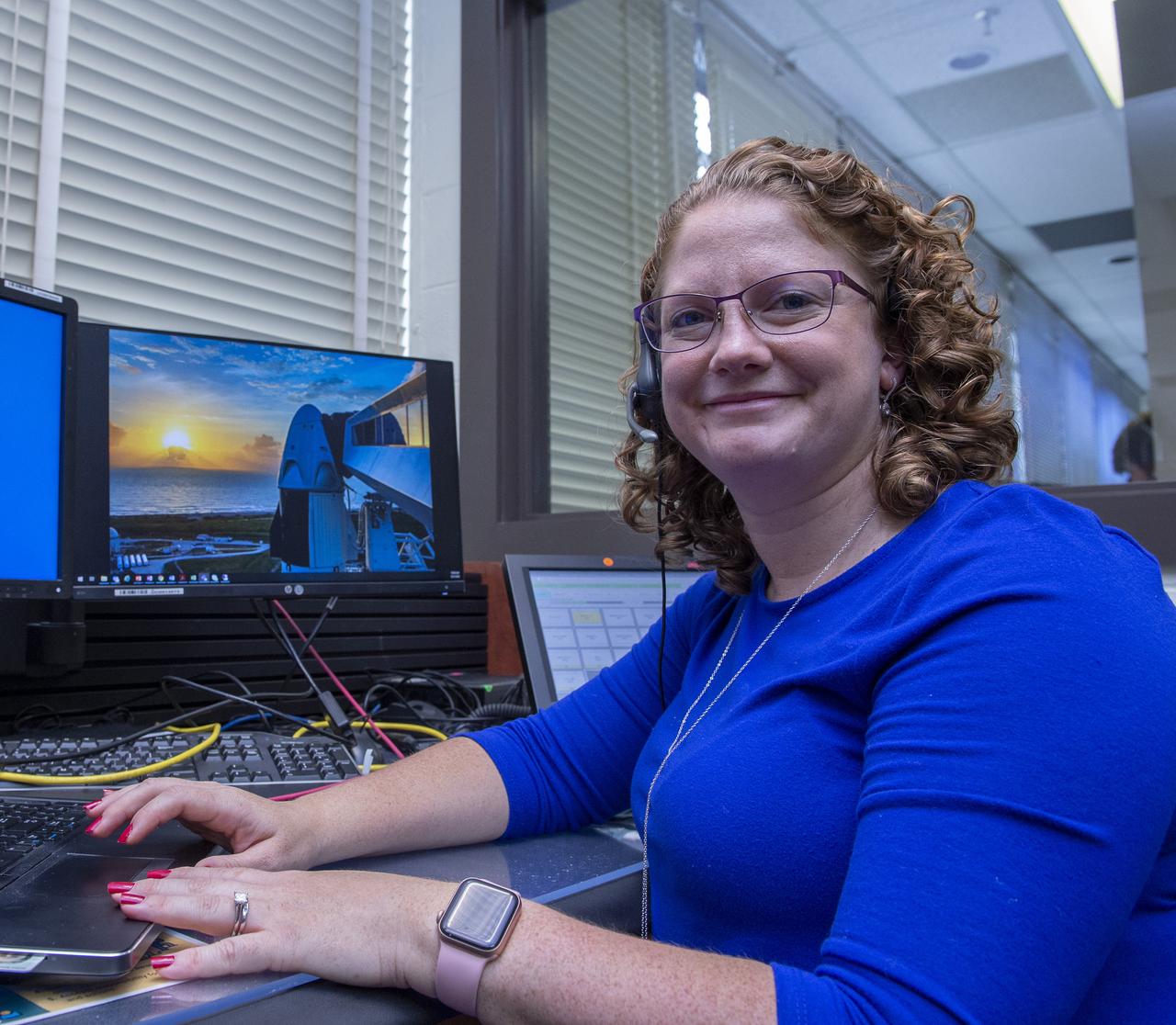
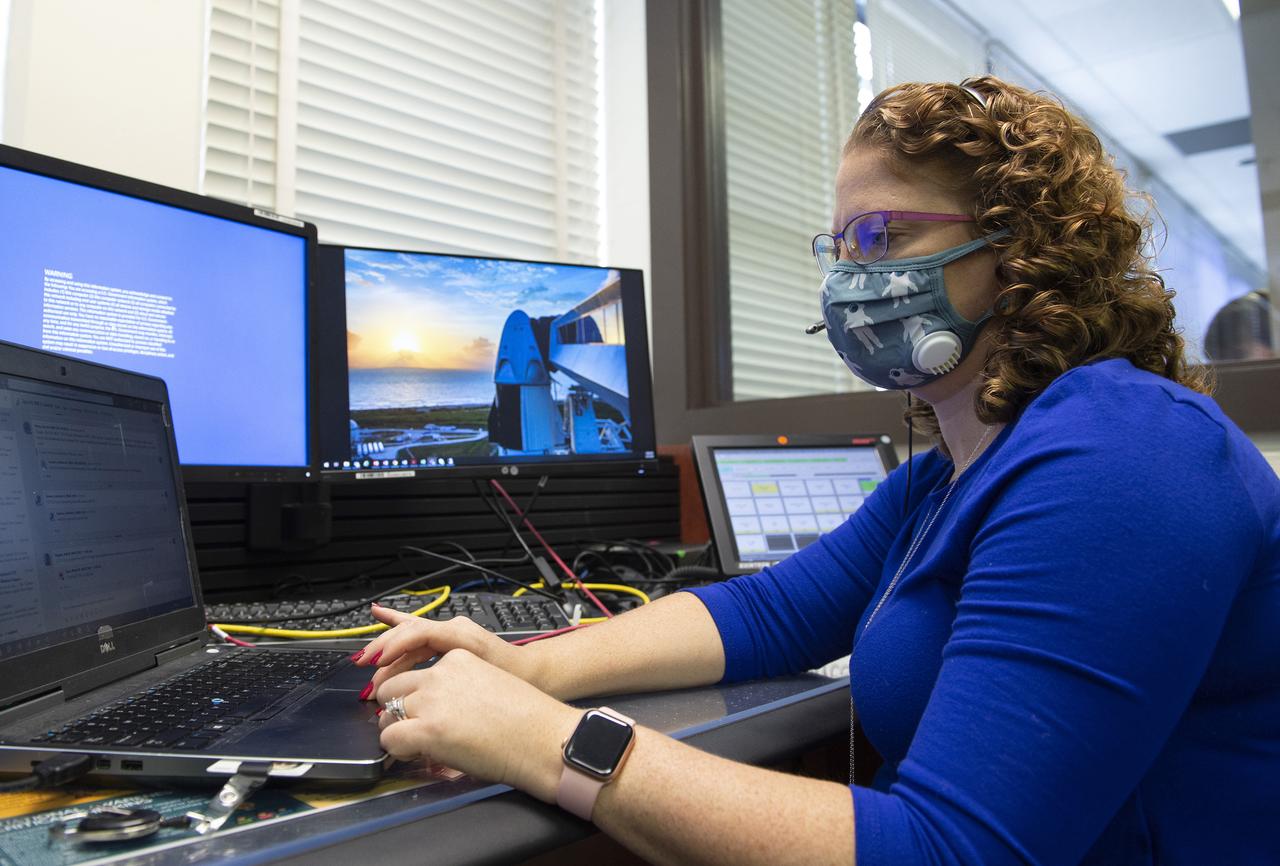
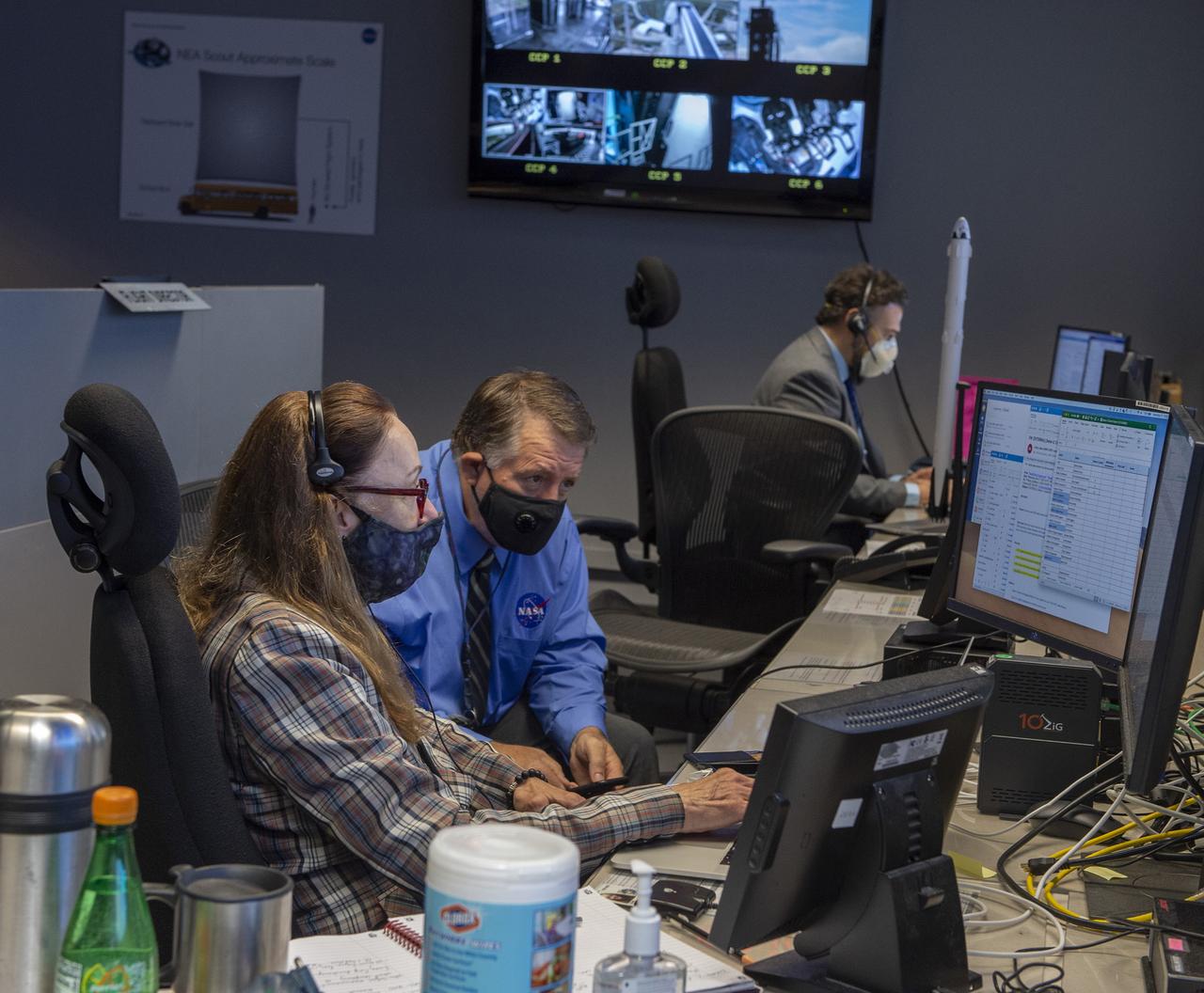
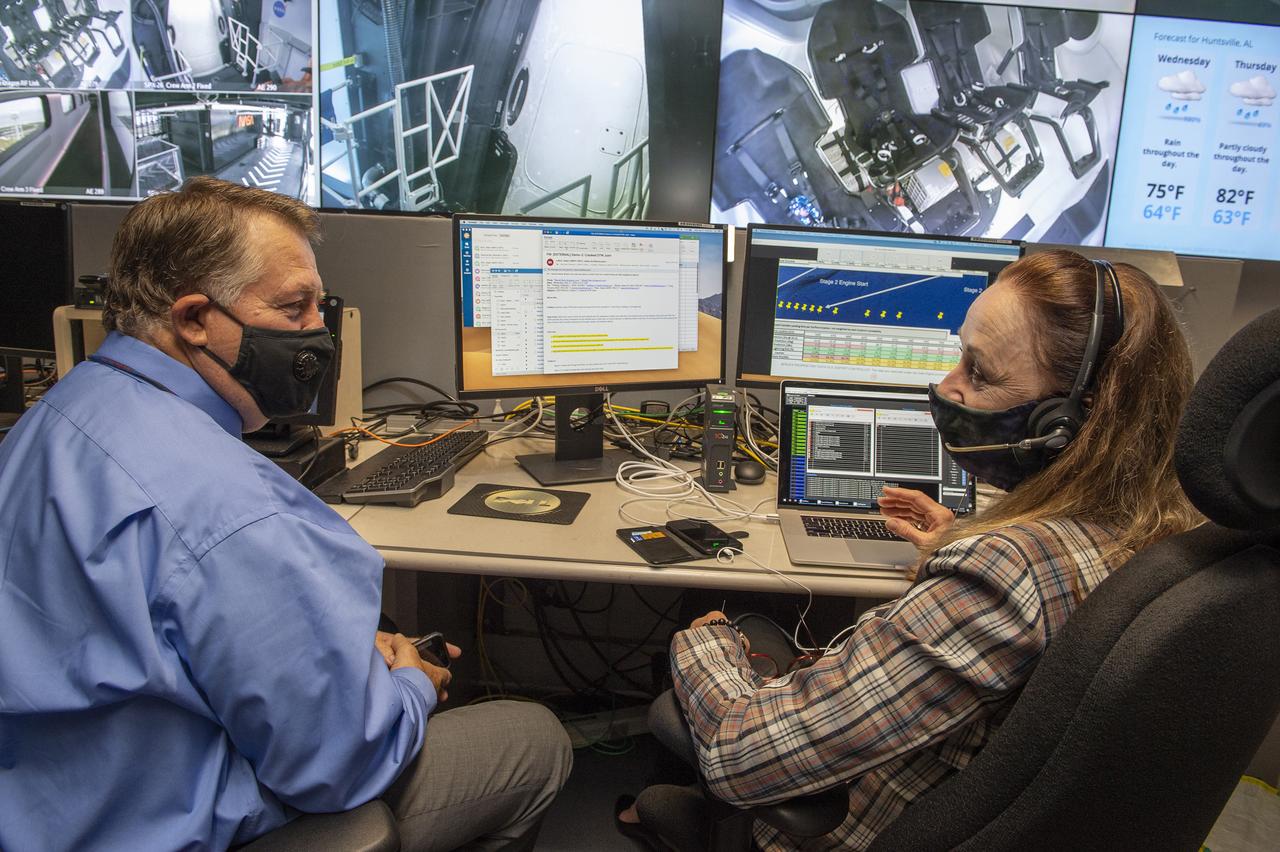
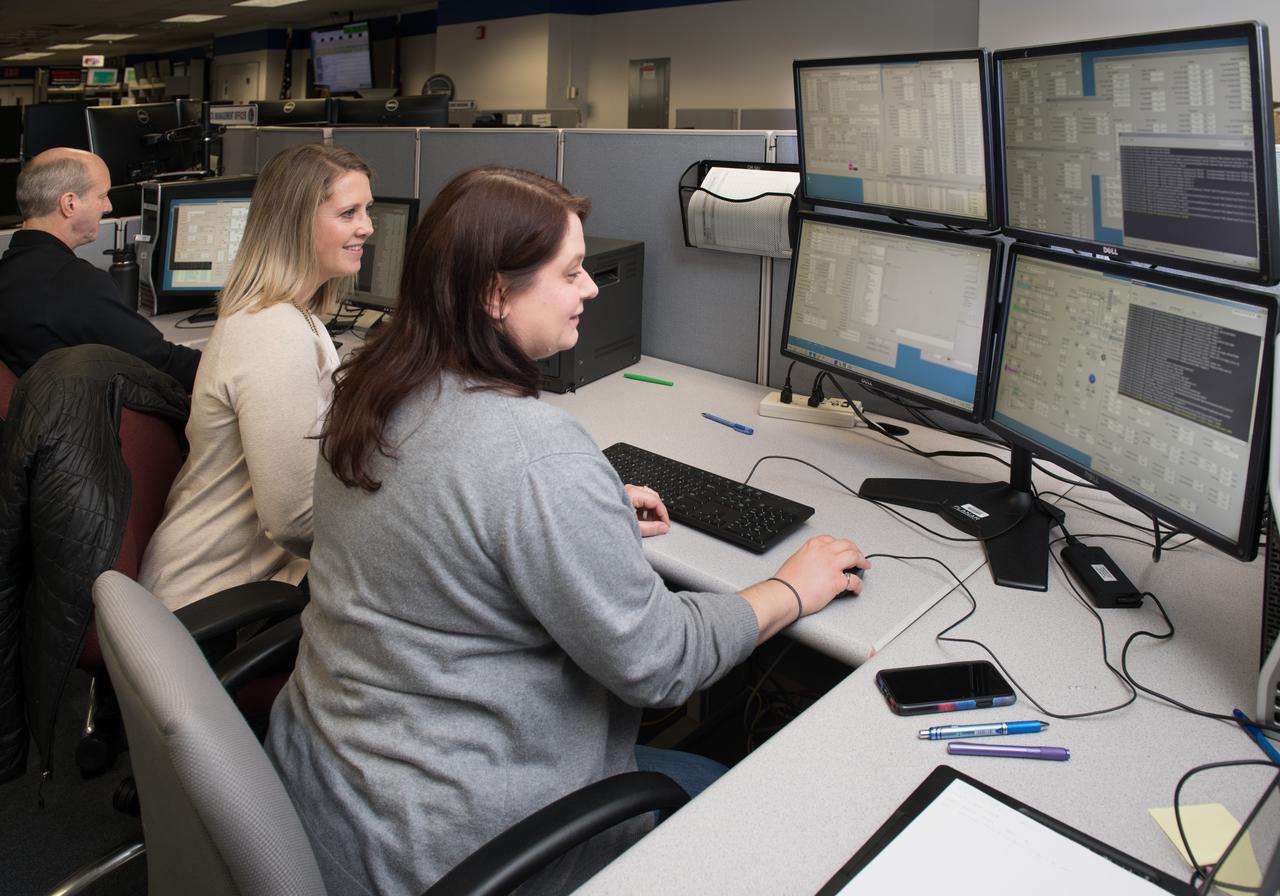
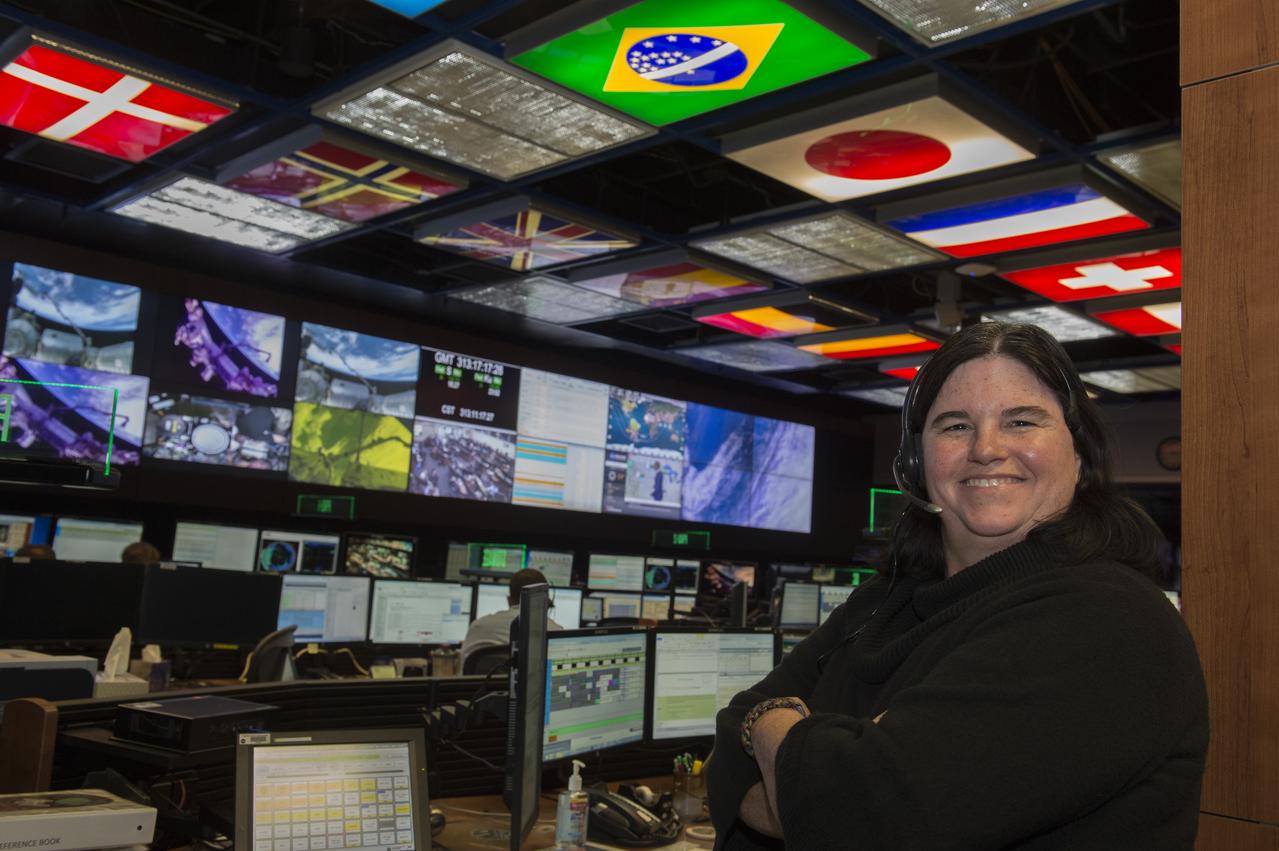
Penny Pettigrew is an International Space Station Payload Communications Manager, or PAYCOM, in the Payload Operations Integration Center at NASA's Marshall Space Flight Center in Huntsville, Alabama.
Penny Pettigrew in the Payload Operations Integration Center
Construction work on a new Emergency Operations Center at Stennis Space Center is nearing completion. Construction is expected to be complete by February 2009, with actual occupancy of the building planned for later that year. The new building will house fire, medical and security teams and will provide a top-grade facility to support storm emergency responder teams and emergency management operations for the south Mississippi facility.
Hurricane risk mitigation - Emergency Operations Center
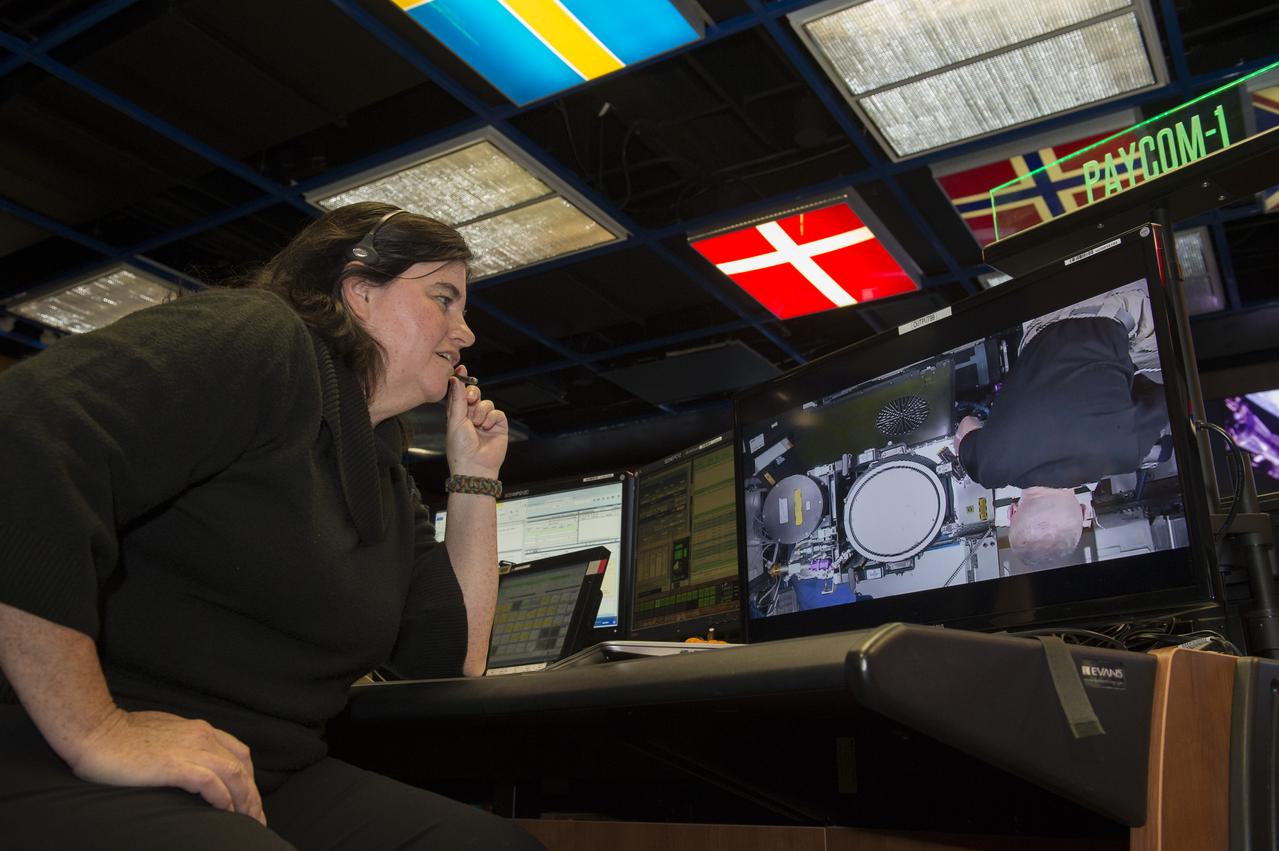
Penny Pettigrew chats in real time with a space station crew member conducting an experiment in microgravity some 250 miles overhead. The Payload Operations Integration Center cadre monitor science communications on station 24 hours a day, seven days a week, 365 days per year.
Penny Pettigrew in the Payload Operations Integration Center
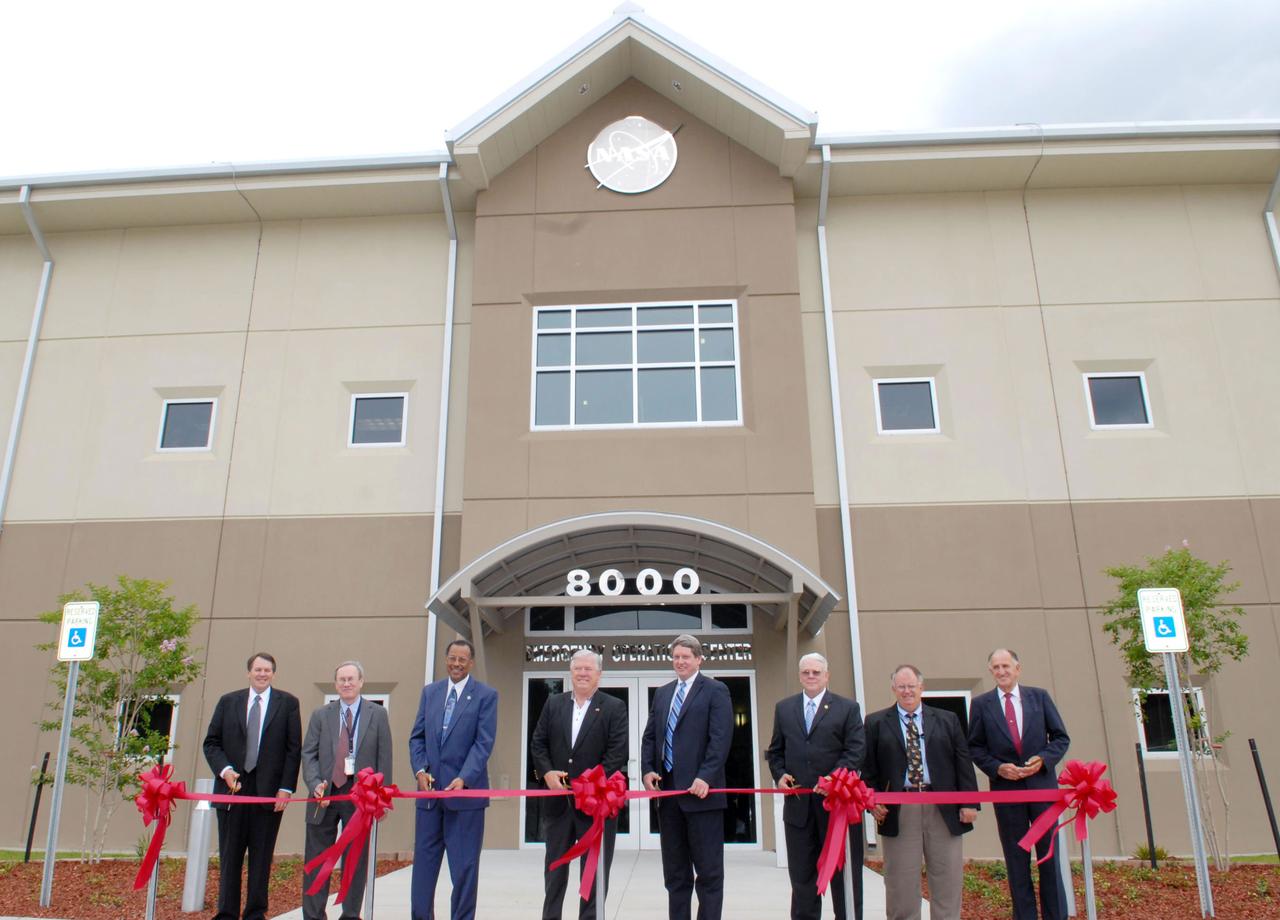
Center Director Gene Goldman and special guests celebrate the opening of the site's new Emergency Operations Center on June 2. Participants included (l t r): Steven Cooper, deputy director of the National Weather Service Southern Region; Tom Luedtke, NASA associate administrator for institutions and management; Charles Scales, NASA associate deputy administrator; Mississippi Gov. Haley Barbour; Gene Goldman, director of Stennis Space Center; Jack Forsythe, NASA assistant administrator for the Office of Security and Program Protection; Dr. Richard Williams, NASA chief health and medical officer; and Weldon Starks, president of Starks Contracting Company Inc. of Biloxi.
Emergency Operations Center ribbon cutting
MSFC Building 4663, NW corner view showing entrance to Huntsville Operations Support Center (HOSC). The HOSC is home to the Payload Operations Integration Center (POIC) which supports the mission and scientific experiments aboard the International Space Station (ISS).
MSFC Building 4663, NW corner view showing entrance to Huntsville Operations Support Center (HOSC).
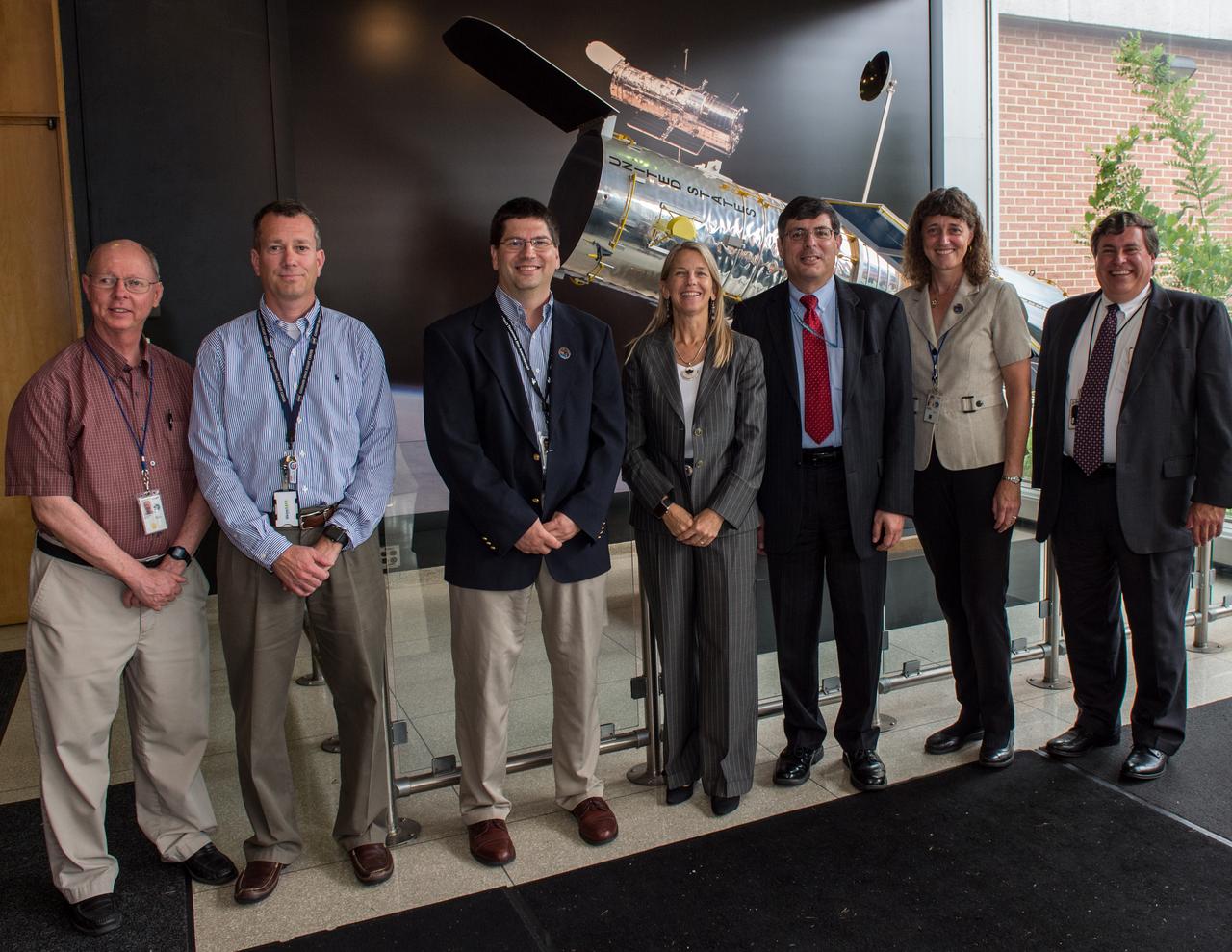
Hubble Operations Control Center, NASA Deputy Administrator Dr. Dava Newman tours Goddard Space Flight Center with Center Director  Chris Scolese; Kevin Hartnet; Dave Haskins;Patrick Crouse; Dava Newman; Chris Scolese; Jennifer Wiseman; George Morrow
Hubble Operations Control Center, NASA Deputy Administrator Dr.
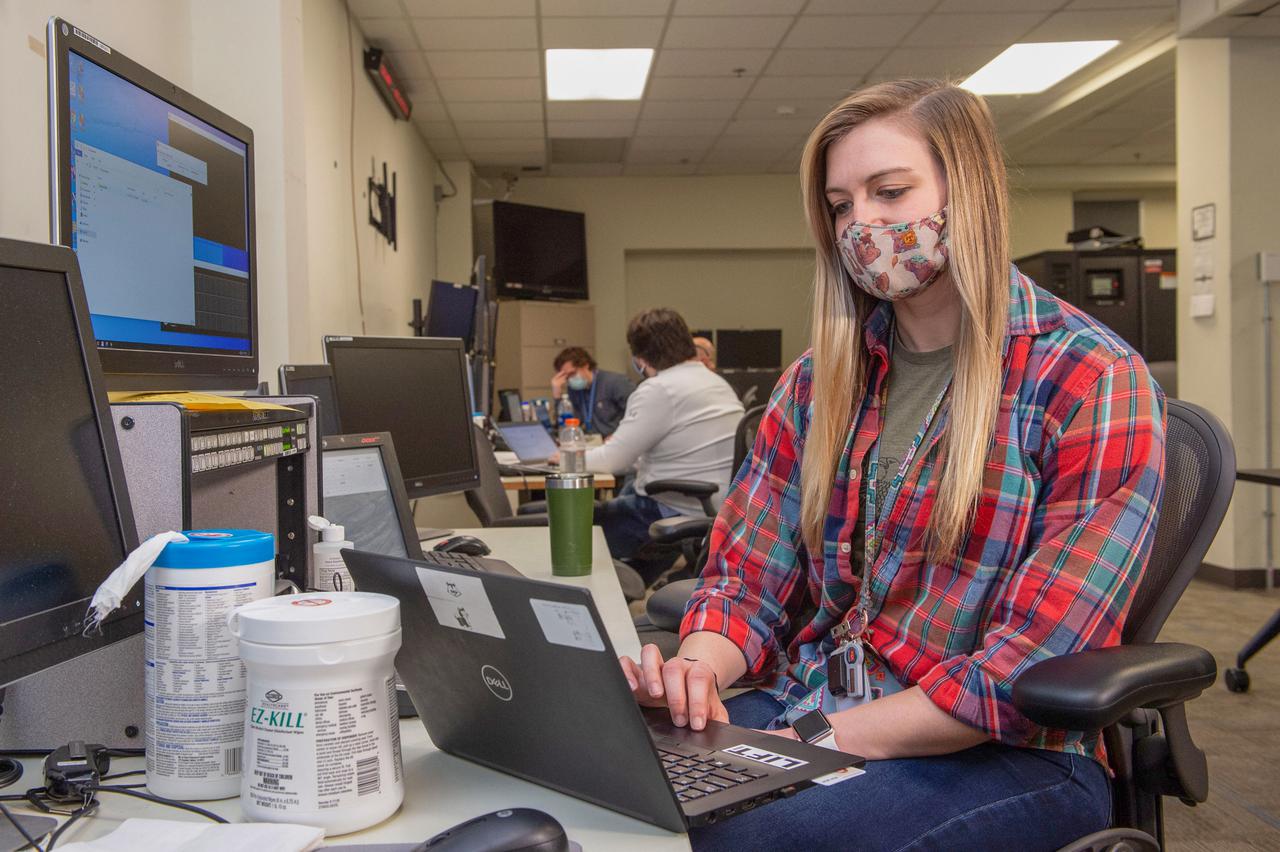
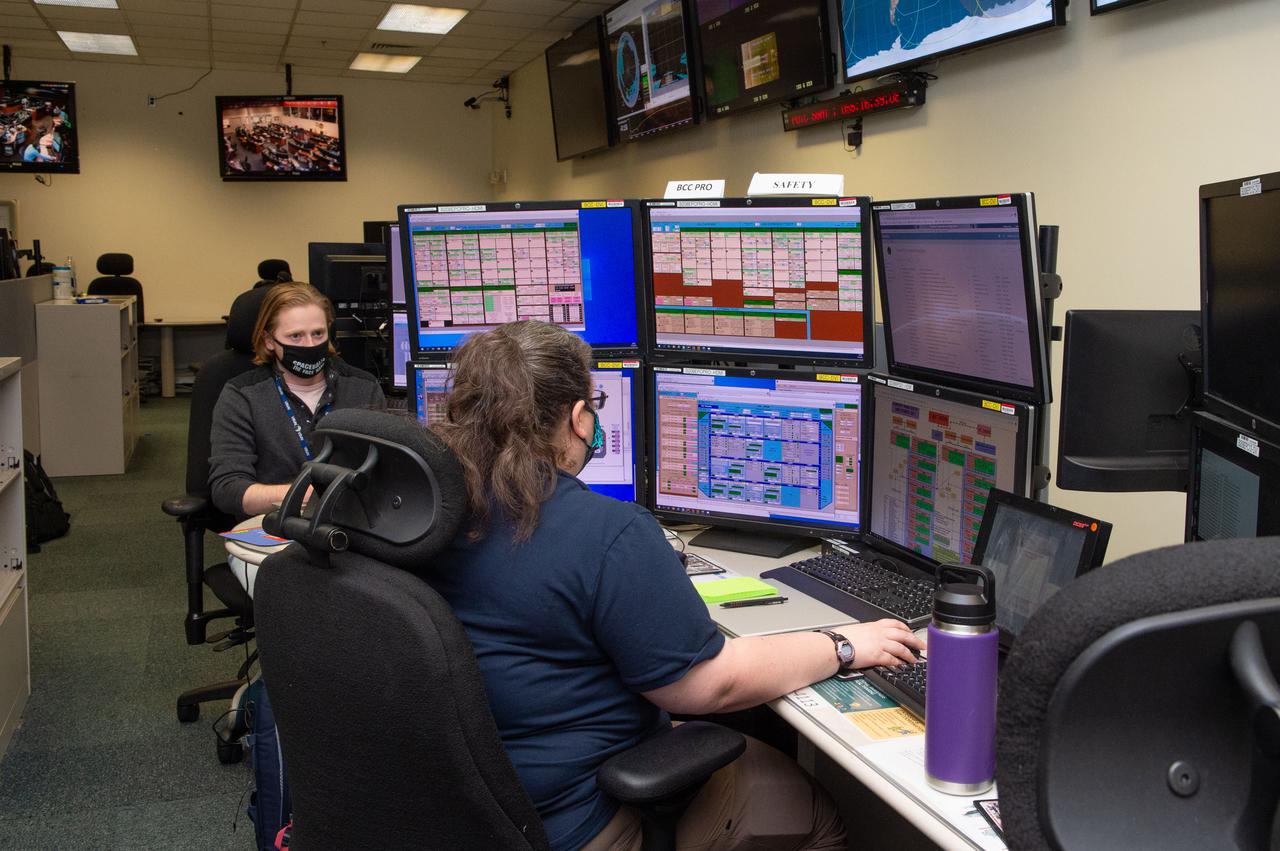
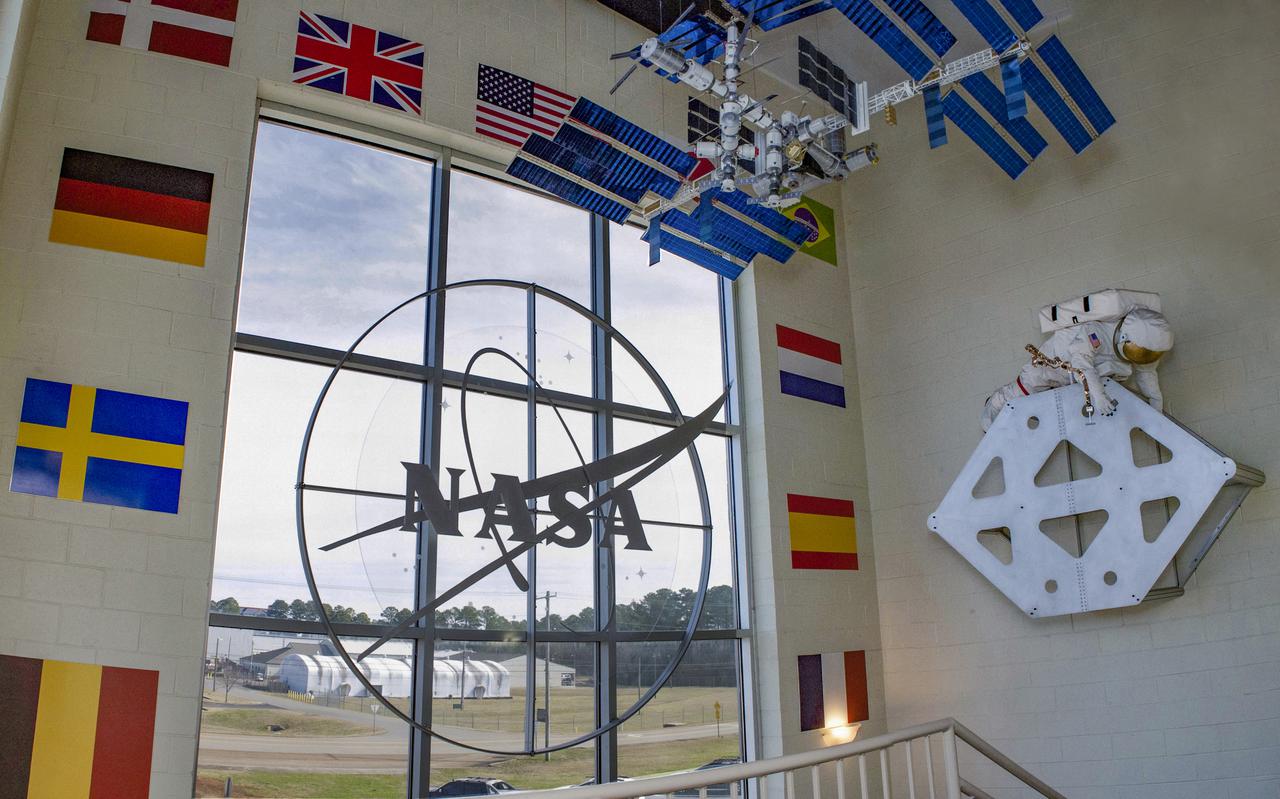
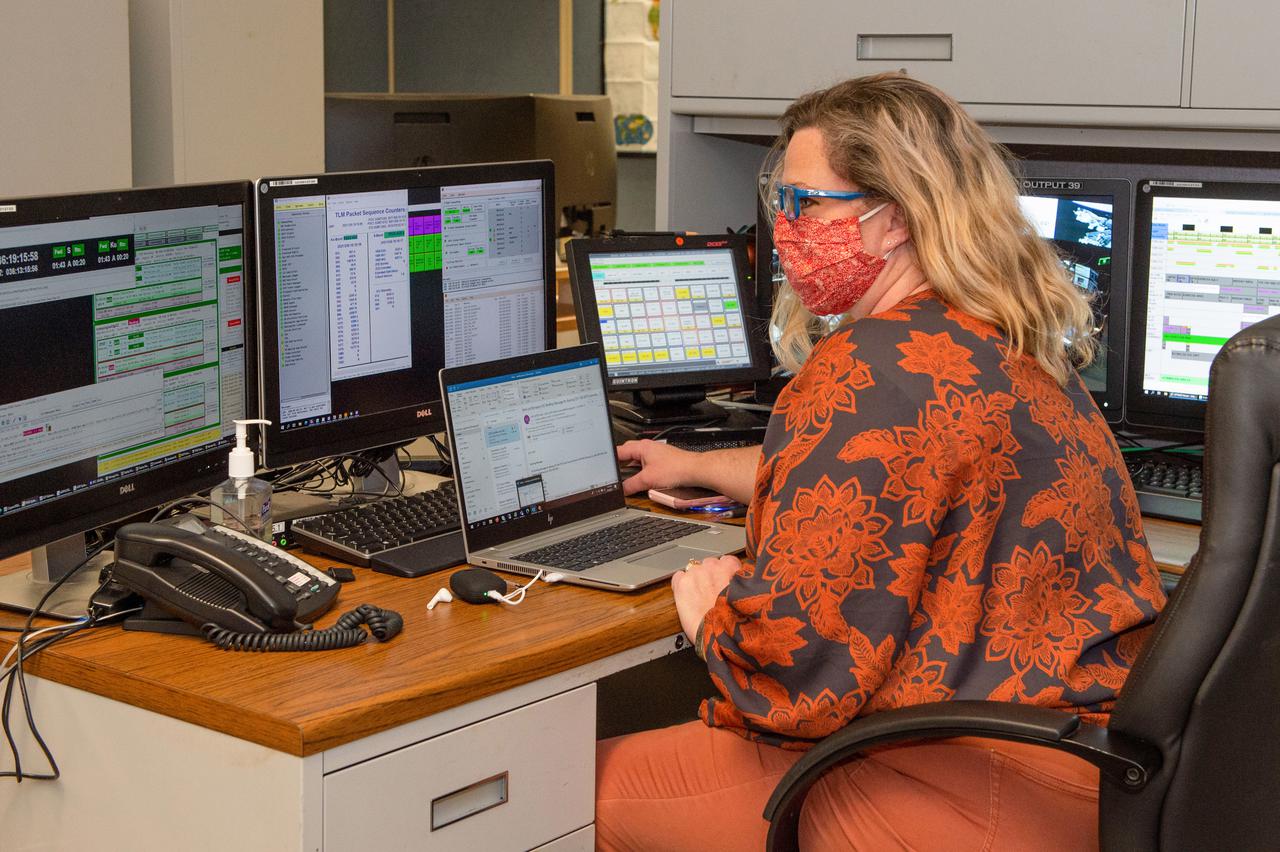
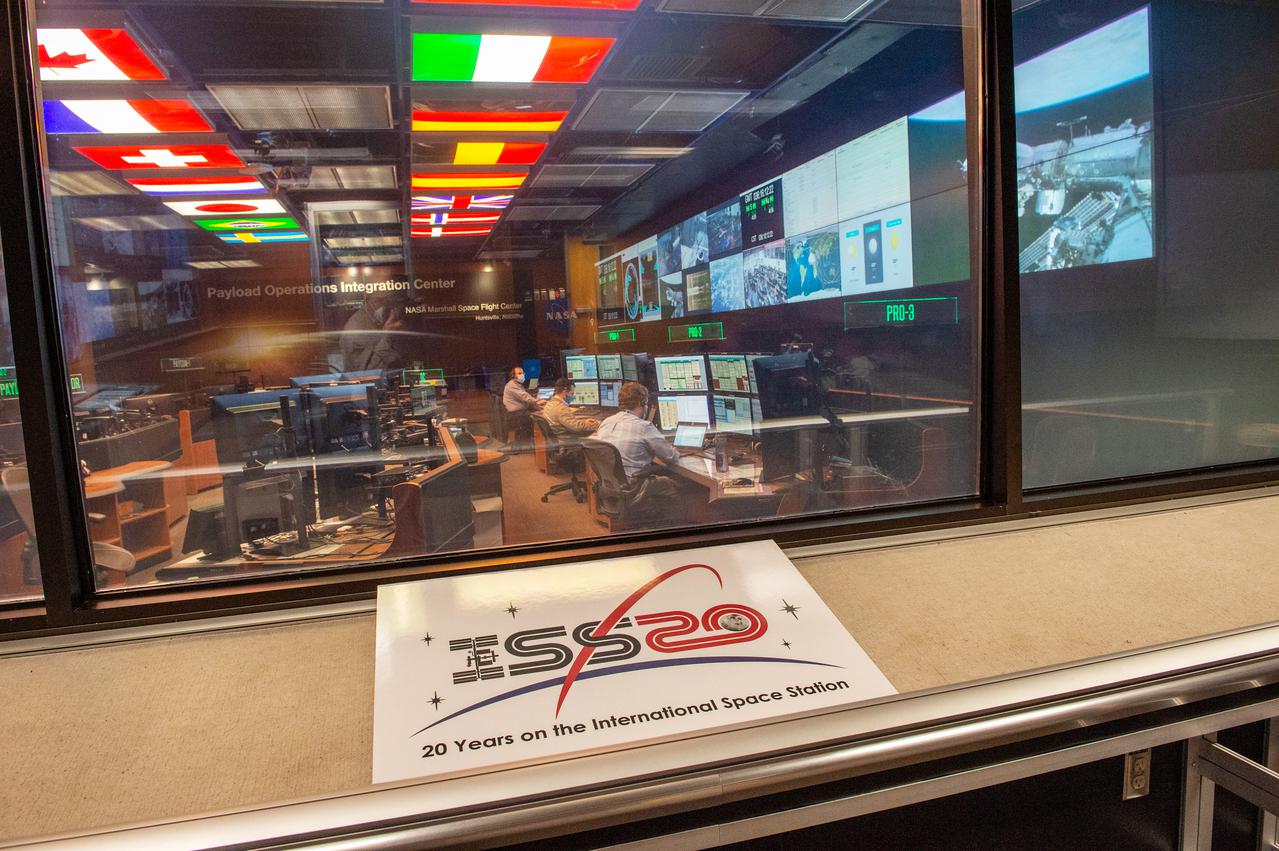
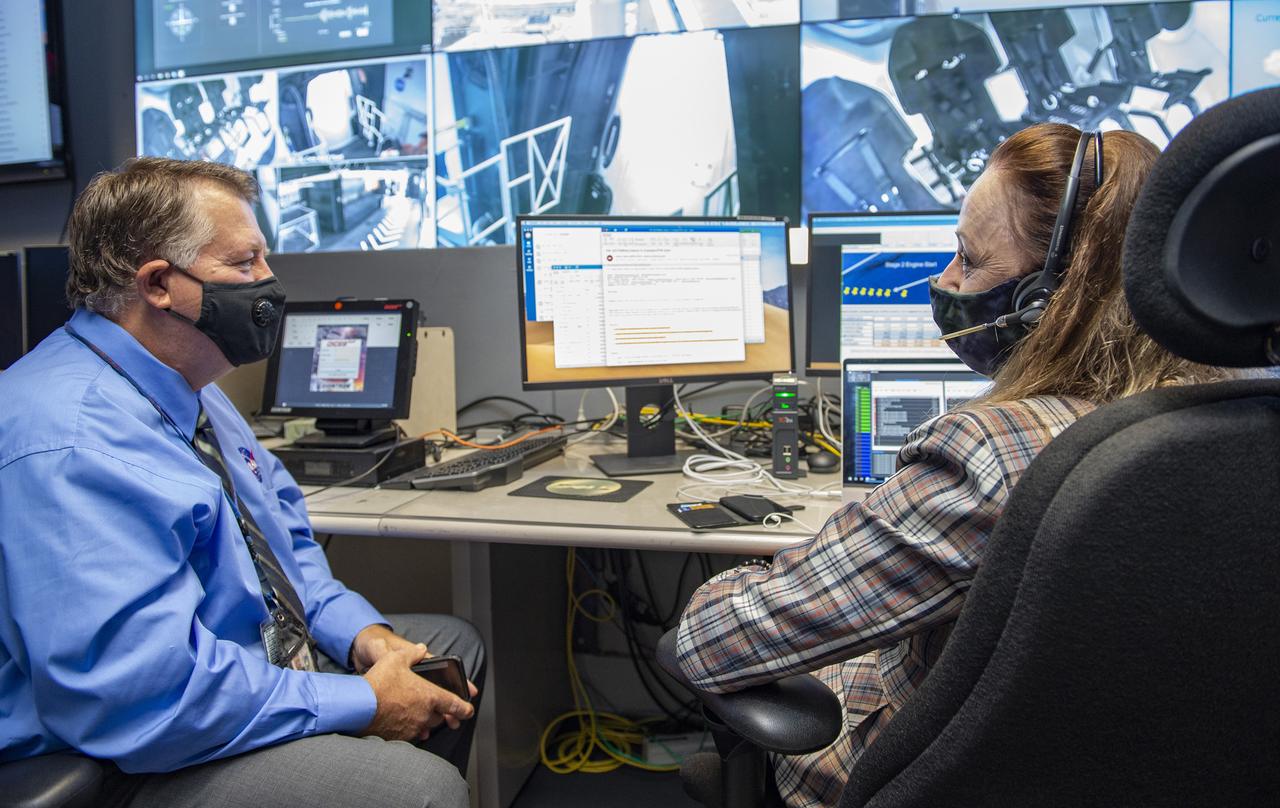
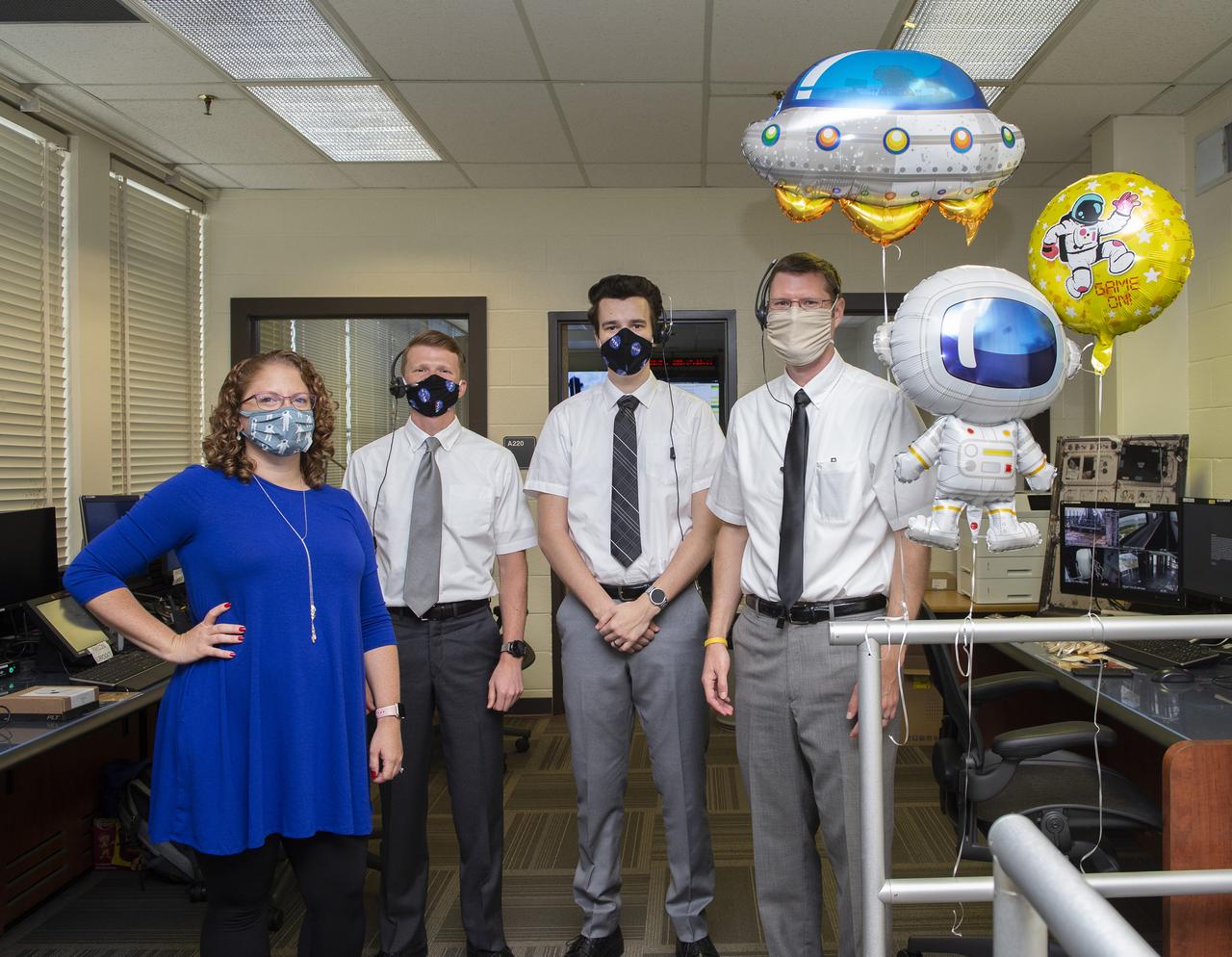
A look inside the International Space Station Payload Operations Integration Center at NASA’s Marshall Space Flight Center in Huntsville, AL.  The POIC team supports science operations on the International Space Station 24 hours a day, 7 days a week. For more than 20 years the POIC team has worked with scientists from around the world to enable the space station crew to conduct experiments that improve life on Earth and enable future exploration.
A look inside the International Space Station Payload Operations Integration Center at NASA’s Marshall Space Flight Center in Huntsville, AL. The POIC team supports science operations on the International Space Station 24 hours a day, 7 days a week. For more than 20 years the POIC team has worked with scientists from around the world to enable the space station crew to conduct experiments that improve life on Earth and enable future exploration.
A look inside the International Space Station Payload Operations Integration Center at NASA’s Marshall Space Flight Center in Huntsville, AL.  The POIC team supports science operations on the International Space Station 24 hours a day, 7 days a week. For more than 20 years the POIC team has worked with scientists from around the world to enable the space station crew to conduct experiments that improve life on Earth and enable future exploration.
A look inside the International Space Station Payload Operations Integration Center at NASA’s Marshall Space Flight Center in Huntsville, AL. The POIC team supports science operations on the International Space Station 24 hours a day, 7 days a week. For more than 20 years the POIC team has worked with scientists from around the world to enable the space station crew to conduct experiments that improve life on Earth and enable future exploration.
A look inside the International Space Station Payload Operations Integration Center at NASA’s Marshall Space Flight Center in Huntsville, AL.  The POIC team supports science operations on the International Space Station 24 hours a day, 7 days a week. For more than 20 years the POIC team has worked with scientists from around the world to enable the space station crew to conduct experiments that improve life on Earth and enable future exploration.
A look inside the International Space Station Payload Operations Integration Center at NASA’s Marshall Space Flight Center in Huntsville, AL. The POIC team supports science operations on the International Space Station 24 hours a day, 7 days a week. For more than 20 years the POIC team has worked with scientists from around the world to enable the space station crew to conduct experiments that improve life on Earth and enable future exploration.
A look inside the International Space Station Payload Operations Integration Center at NASA’s Marshall Space Flight Center in Huntsville, AL.  The POIC team supports science operations on the International Space Station 24 hours a day, 7 days a week. For more than 20 years the POIC team has worked with scientists from around the world to enable the space station crew to conduct experiments that improve life on Earth and enable future exploration.
A look inside the International Space Station Payload Operations Integration Center at NASA’s Marshall Space Flight Center in Huntsville, AL. The POIC team supports science operations on the International Space Station 24 hours a day, 7 days a week. For more than 20 years the POIC team has worked with scientists from around the world to enable the space station crew to conduct experiments that improve life on Earth and enable future exploration.
A look inside the International Space Station Payload Operations Integration Center at NASA’s Marshall Space Flight Center in Huntsville, AL.  The POIC team supports science operations on the International Space Station 24 hours a day, 7 days a week. For more than 20 years the POIC team has worked with scientists from around the world to enable the space station crew to conduct experiments that improve life on Earth and enable future exploration.
A look inside the International Space Station Payload Operations Integration Center at NASA’s Marshall Space Flight Center in Huntsville, AL. The POIC team supports science operations on the International Space Station 24 hours a day, 7 days a week. For more than 20 years the POIC team has worked with scientists from around the world to enable the space station crew to conduct experiments that improve life on Earth and enable future exploration.
A look inside the International Space Station Payload Operations Integration Center at NASA’s Marshall Space Flight Center in Huntsville, AL.  The POIC team supports science operations on the International Space Station 24 hours a day, 7 days a week. For more than 20 years the POIC team has worked with scientists from around the world to enable the space station crew to conduct experiments that improve life on Earth and enable future exploration.
A look inside the International Space Station Payload Operations Integration Center at NASA’s Marshall Space Flight Center in Huntsville, AL. The POIC team supports science operations on the International Space Station 24 hours a day, 7 days a week. For more than 20 years the POIC team has worked with scientists from around the world to enable the space station crew to conduct experiments that improve life on Earth and enable future exploration.
A look inside the International Space Station Payload Operations Integration Center at NASA’s Marshall Space Flight Center in Huntsville, AL.  The POIC team supports science operations on the International Space Station 24 hours a day, 7 days a week. For more than 20 years the POIC team has worked with scientists from around the world to enable the space station crew to conduct experiments that improve life on Earth and enable future exploration.
A look inside the International Space Station Payload Operations Integration Center at NASA’s Marshall Space Flight Center in Huntsville, AL. The POIC team supports science operations on the International Space Station 24 hours a day, 7 days a week. For more than 20 years the POIC team has worked with scientists from around the world to enable the space station crew to conduct experiments that improve life on Earth and enable future exploration.
A look inside the International Space Station Payload Operations Integration Center at NASA’s Marshall Space Flight Center in Huntsville, AL.  The POIC team supports science operations on the International Space Station 24 hours a day, 7 days a week. For more than 20 years the POIC team has worked with scientists from around the world to enable the space station crew to conduct experiments that improve life on Earth and enable future exploration.
A look inside the International Space Station Payload Operations Integration Center at NASA’s Marshall Space Flight Center in Huntsville, AL. The POIC team supports science operations on the International Space Station 24 hours a day, 7 days a week. For more than 20 years the POIC team has worked with scientists from around the world to enable the space station crew to conduct experiments that improve life on Earth and enable future exploration.
A look inside the International Space Station Payload Operations Integration Center at NASA’s Marshall Space Flight Center in Huntsville, AL.  The POIC team supports science operations on the International Space Station 24 hours a day, 7 days a week. For more than 20 years the POIC team has worked with scientists from around the world to enable the space station crew to conduct experiments that improve life on Earth and enable future exploration.
A look inside the International Space Station Payload Operations Integration Center at NASA’s Marshall Space Flight Center in Huntsville, AL. The POIC team supports science operations on the International Space Station 24 hours a day, 7 days a week. For more than 20 years the POIC team has worked with scientists from around the world to enable the space station crew to conduct experiments that improve life on Earth and enable future exploration.
A look inside the International Space Station Payload Operations Integration Center at NASA’s Marshall Space Flight Center in Huntsville, AL.  The POIC team supports science operations on the International Space Station 24 hours a day, 7 days a week. For more than 20 years the POIC team has worked with scientists from around the world to enable the space station crew to conduct experiments that improve life on Earth and enable future exploration.
A look inside the International Space Station Payload Operations Integration Center at NASA’s Marshall Space Flight Center in Huntsville, AL. The POIC team supports science operations on the International Space Station 24 hours a day, 7 days a week. For more than 20 years the POIC team has worked with scientists from around the world to enable the space station crew to conduct experiments that improve life on Earth and enable future exploration.
A look inside the International Space Station Payload Operations Integration Center at NASA’s Marshall Space Flight Center in Huntsville, AL.  The POIC team supports science operations on the International Space Station 24 hours a day, 7 days a week. For more than 20 years the POIC team has worked with scientists from around the world to enable the space station crew to conduct experiments that improve life on Earth and enable future exploration.
A look inside the International Space Station Payload Operations Integration Center at NASA’s Marshall Space Flight Center in Huntsville, AL. The POIC team supports science operations on the International Space Station 24 hours a day, 7 days a week. For more than 20 years the POIC team has worked with scientists from around the world to enable the space station crew to conduct experiments that improve life on Earth and enable future exploration.
A look inside the International Space Station Payload Operations Integration Center at NASA’s Marshall Space Flight Center in Huntsville, AL.  The POIC team supports science operations on the International Space Station 24 hours a day, 7 days a week. For more than 20 years the POIC team has worked with scientists from around the world to enable the space station crew to conduct experiments that improve life on Earth and enable future exploration.
A look inside the International Space Station Payload Operations Integration Center at NASA’s Marshall Space Flight Center in Huntsville, AL. The POIC team supports science operations on the International Space Station 24 hours a day, 7 days a week. For more than 20 years the POIC team has worked with scientists from around the world to enable the space station crew to conduct experiments that improve life on Earth and enable future exploration.
A look inside the International Space Station Payload Operations Integration Center at NASA’s Marshall Space Flight Center in Huntsville, AL.  The POIC team supports science operations on the International Space Station 24 hours a day, 7 days a week. For more than 20 years the POIC team has worked with scientists from around the world to enable the space station crew to conduct experiments that improve life on Earth and enable future exploration.
A look inside the International Space Station Payload Operations Integration Center at NASA’s Marshall Space Flight Center in Huntsville, AL. The POIC team supports science operations on the International Space Station 24 hours a day, 7 days a week. For more than 20 years the POIC team has worked with scientists from around the world to enable the space station crew to conduct experiments that improve life on Earth and enable future exploration.
A look inside the International Space Station Payload Operations Integration Center at NASA’s Marshall Space Flight Center in Huntsville, AL.  The POIC team supports science operations on the International Space Station 24 hours a day, 7 days a week. For more than 20 years the POIC team has worked with scientists from around the world to enable the space station crew to conduct experiments that improve life on Earth and enable future exploration.
A look inside the International Space Station Payload Operations Integration Center at NASA’s Marshall Space Flight Center in Huntsville, AL. The POIC team supports science operations on the International Space Station 24 hours a day, 7 days a week. For more than 20 years the POIC team has worked with scientists from around the world to enable the space station crew to conduct experiments that improve life on Earth and enable future exploration.
A look inside the International Space Station Payload Operations Integration Center at NASA’s Marshall Space Flight Center in Huntsville, AL.  The POIC team supports science operations on the International Space Station 24 hours a day, 7 days a week. For more than 20 years the POIC team has worked with scientists from around the world to enable the space station crew to conduct experiments that improve life on Earth and enable future exploration.
A look inside the International Space Station Payload Operations Integration Center at NASA’s Marshall Space Flight Center in Huntsville, AL. The POIC team supports science operations on the International Space Station 24 hours a day, 7 days a week. For more than 20 years the POIC team has worked with scientists from around the world to enable the space station crew to conduct experiments that improve life on Earth and enable future exploration.
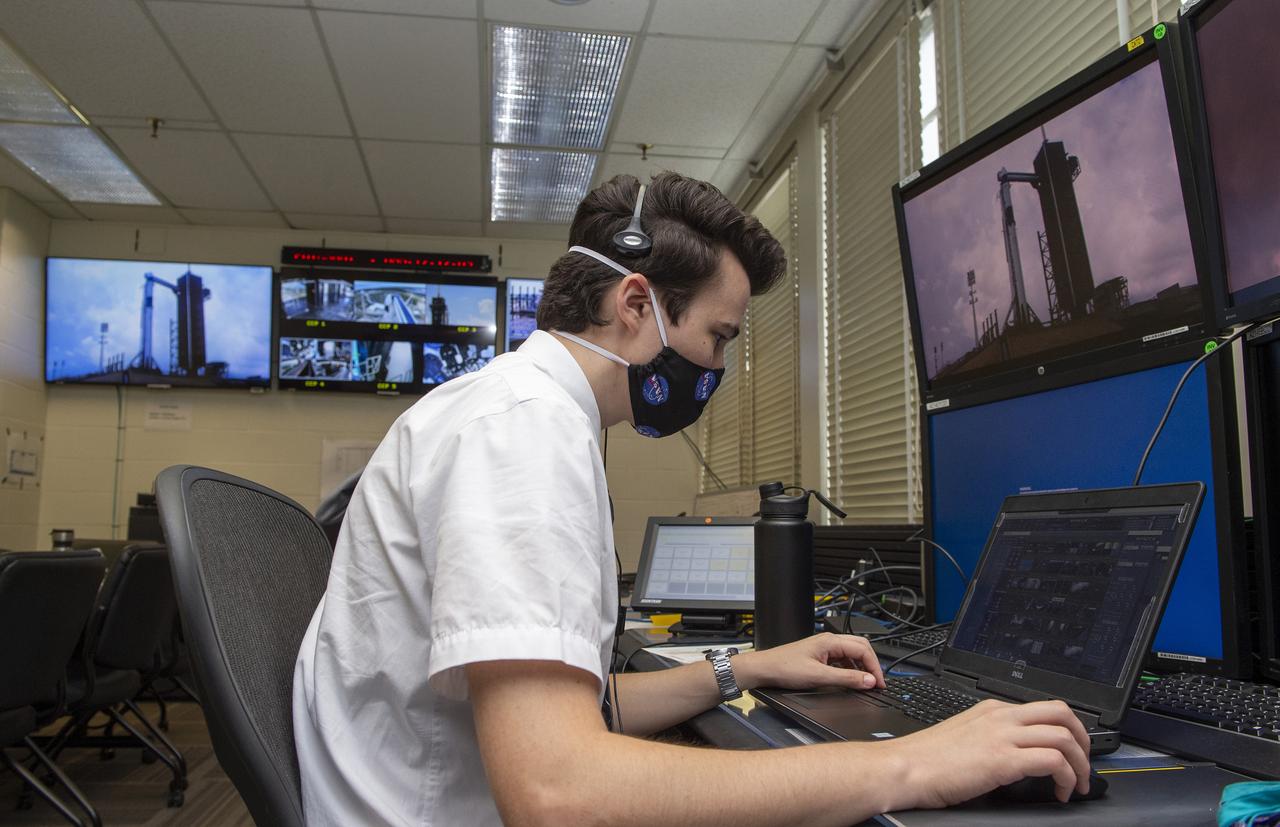
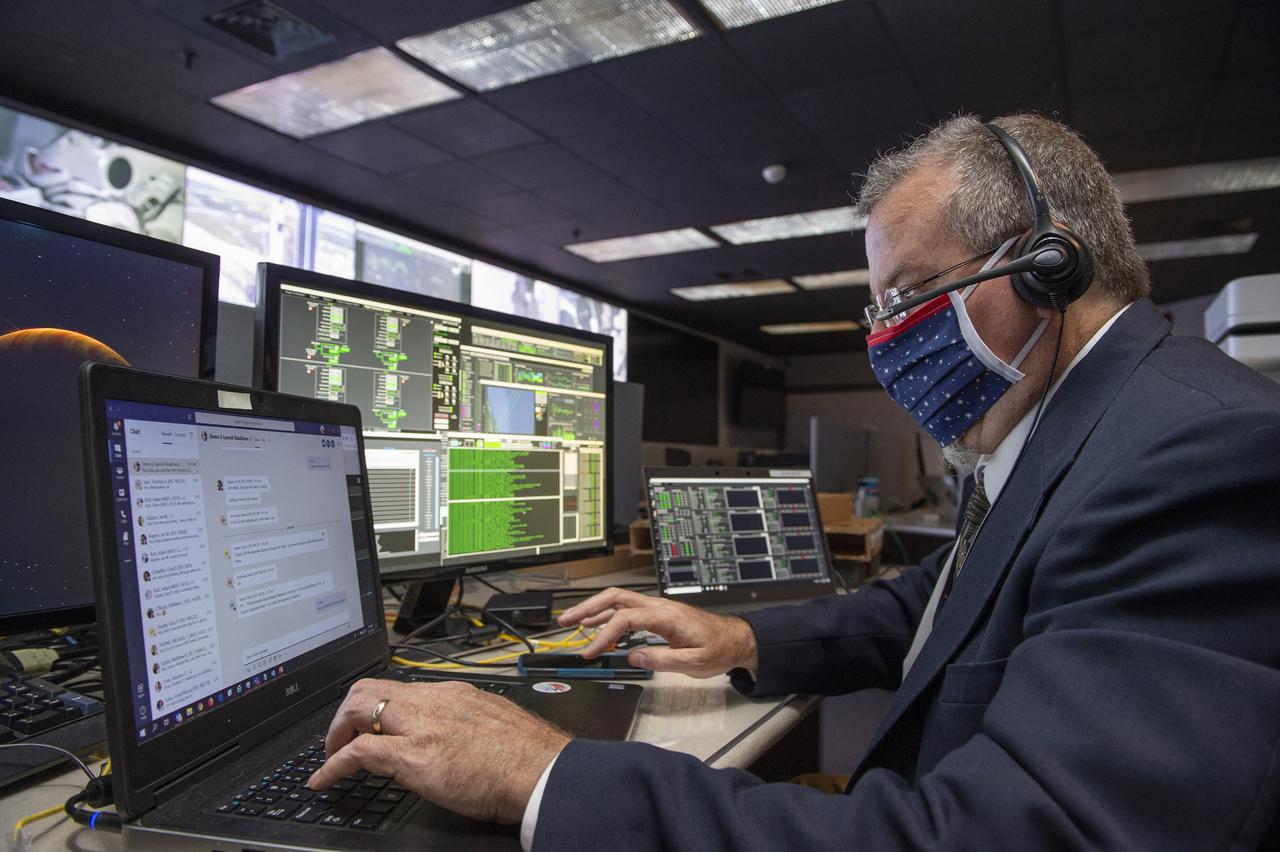
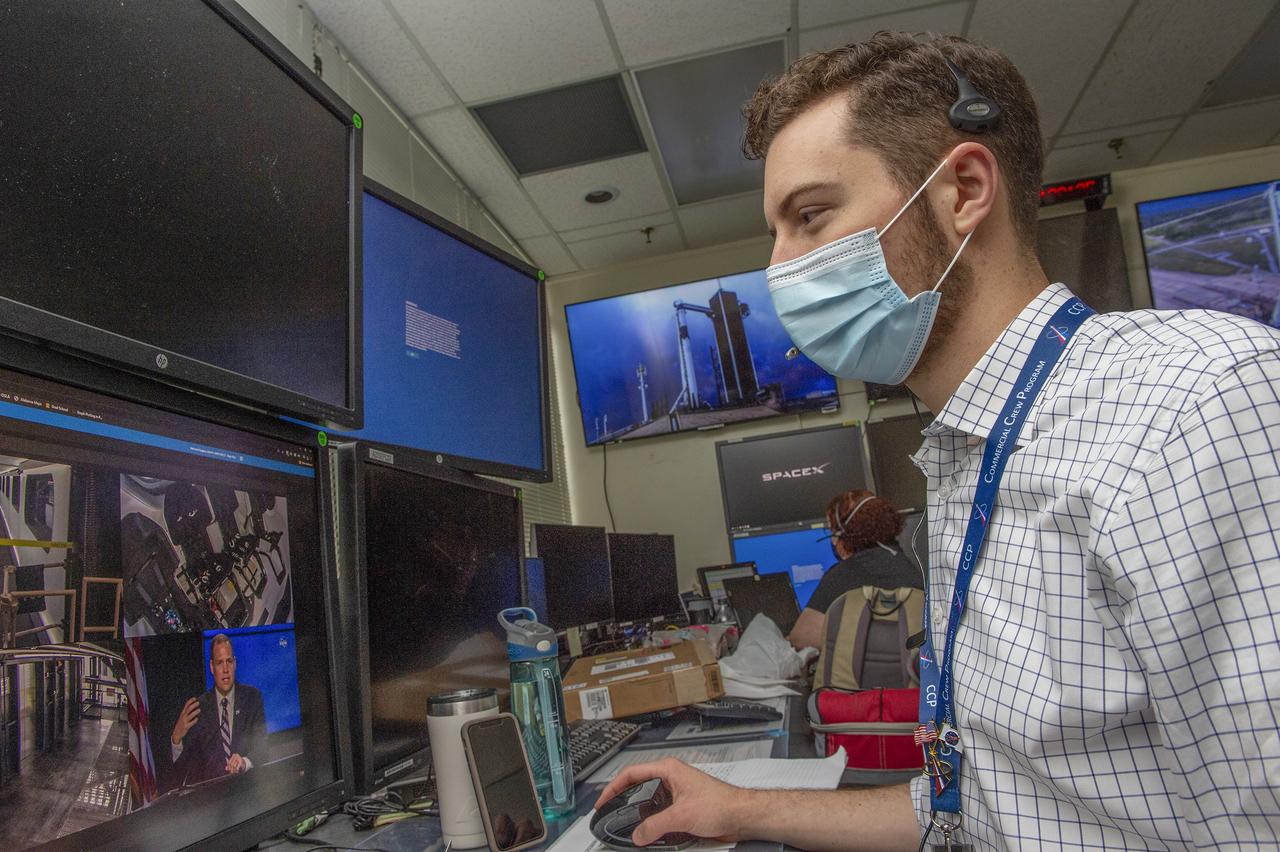
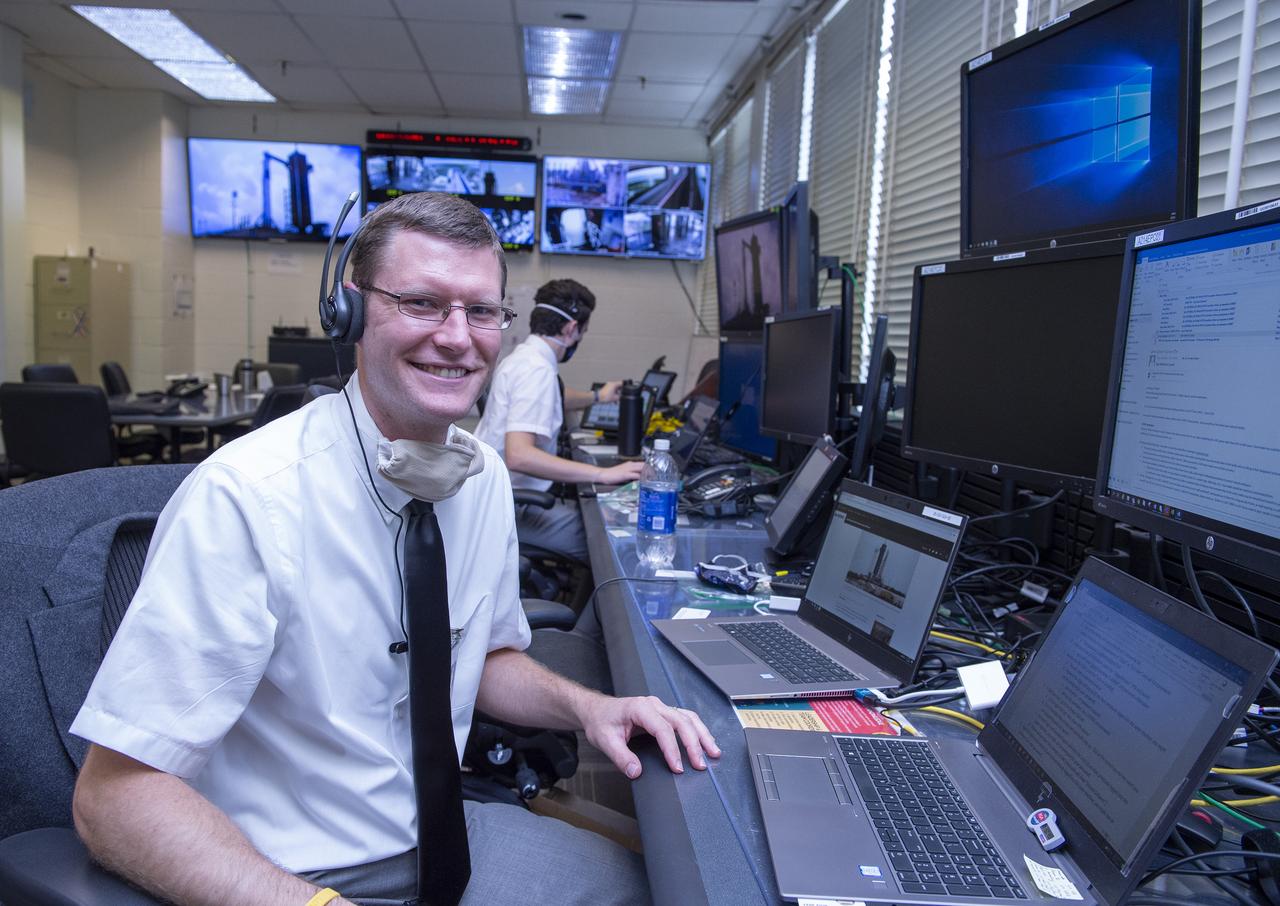
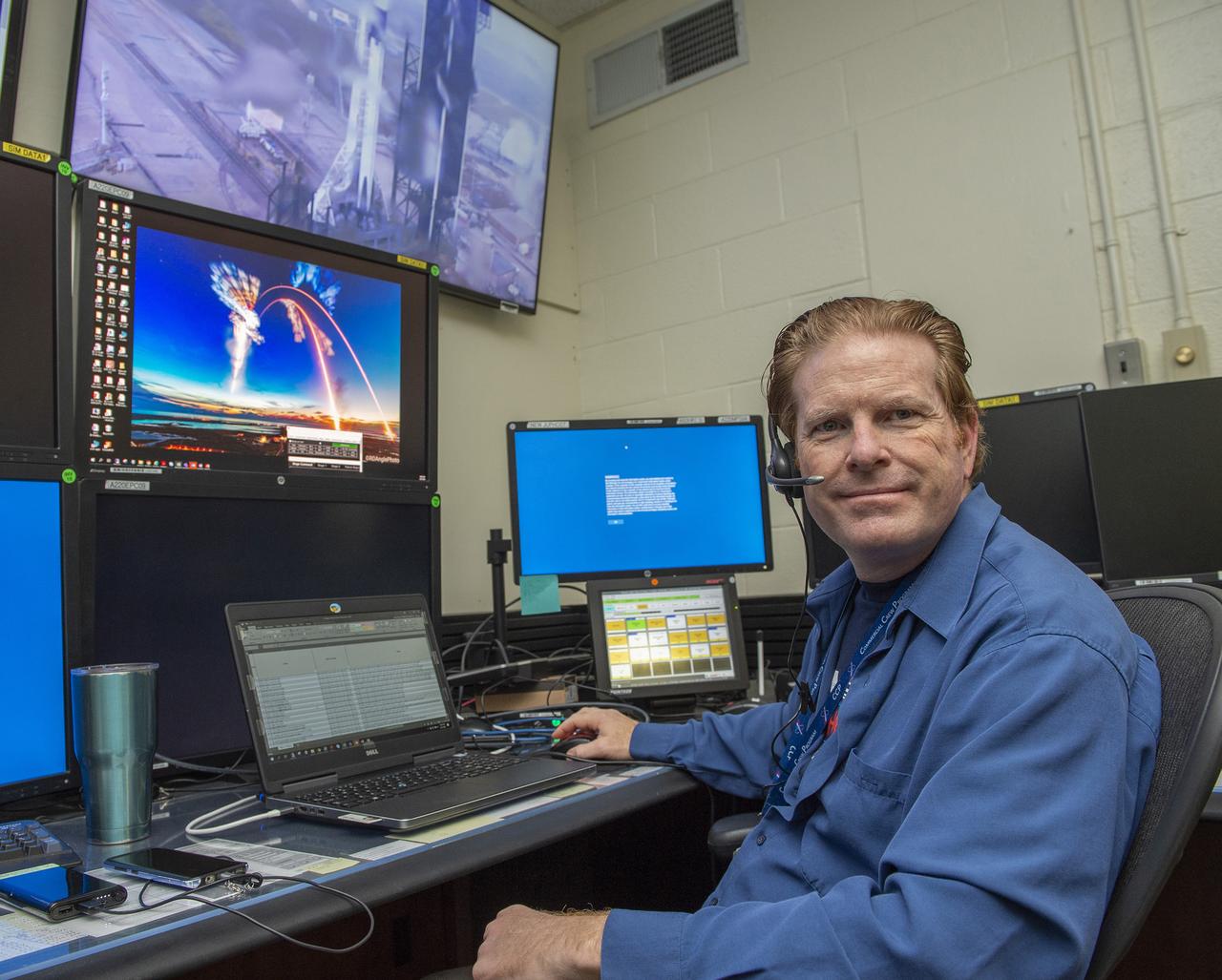
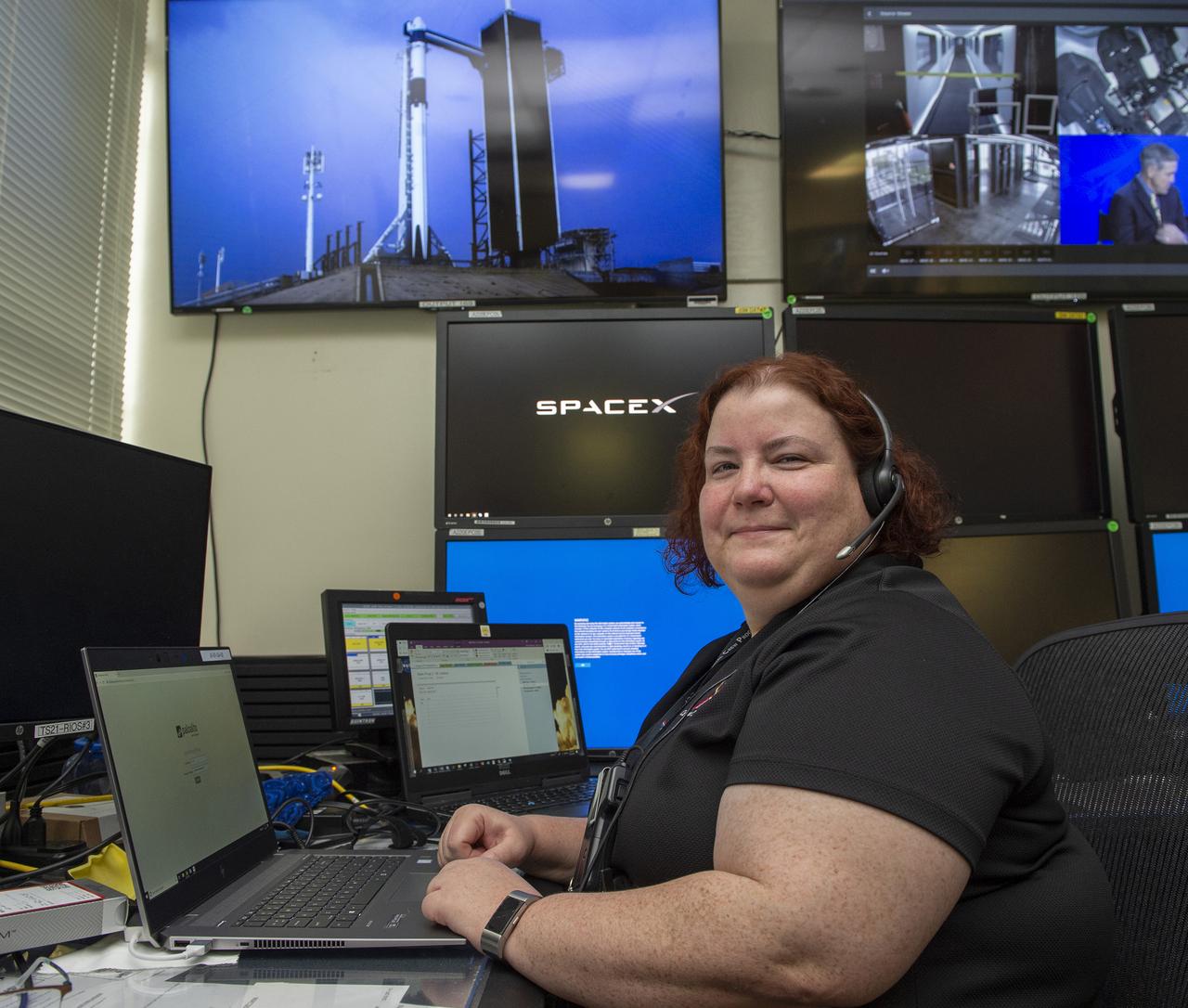
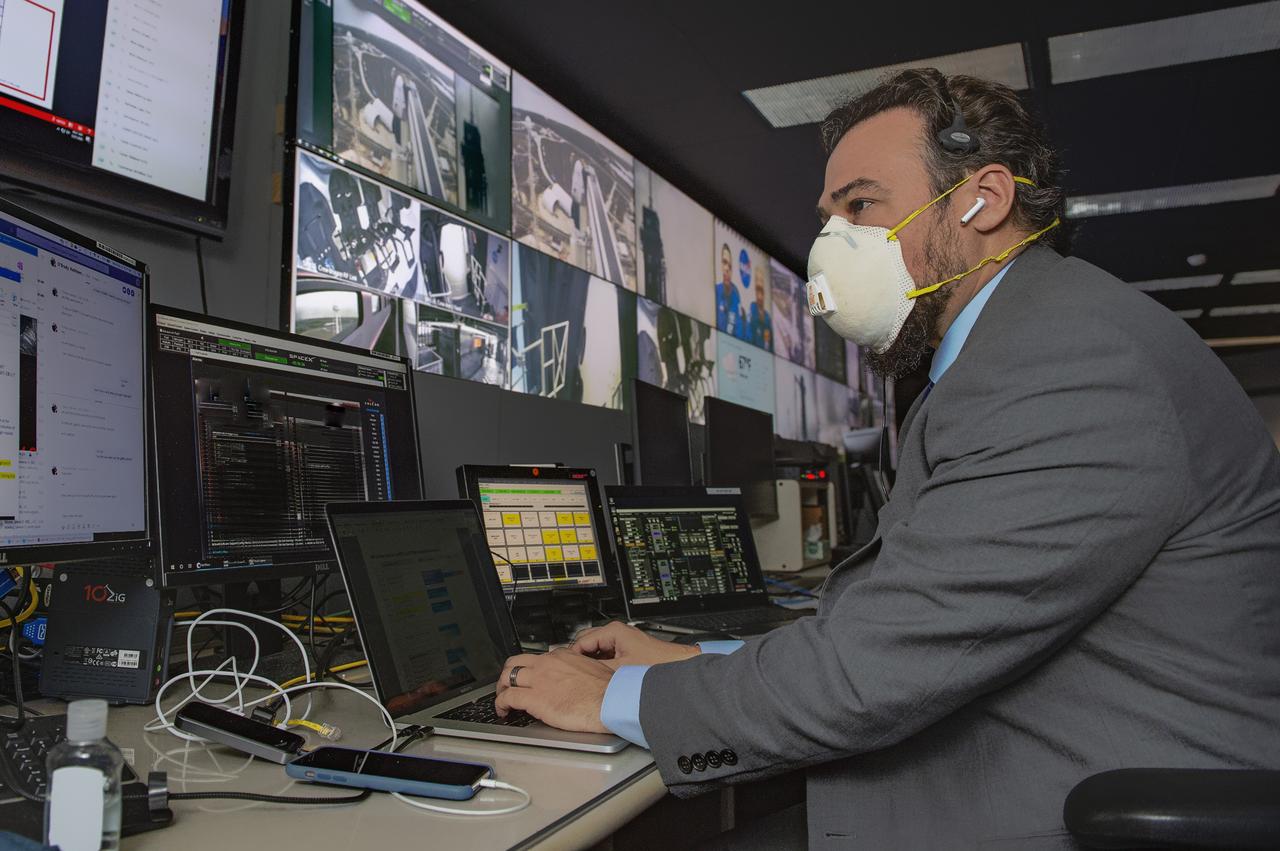
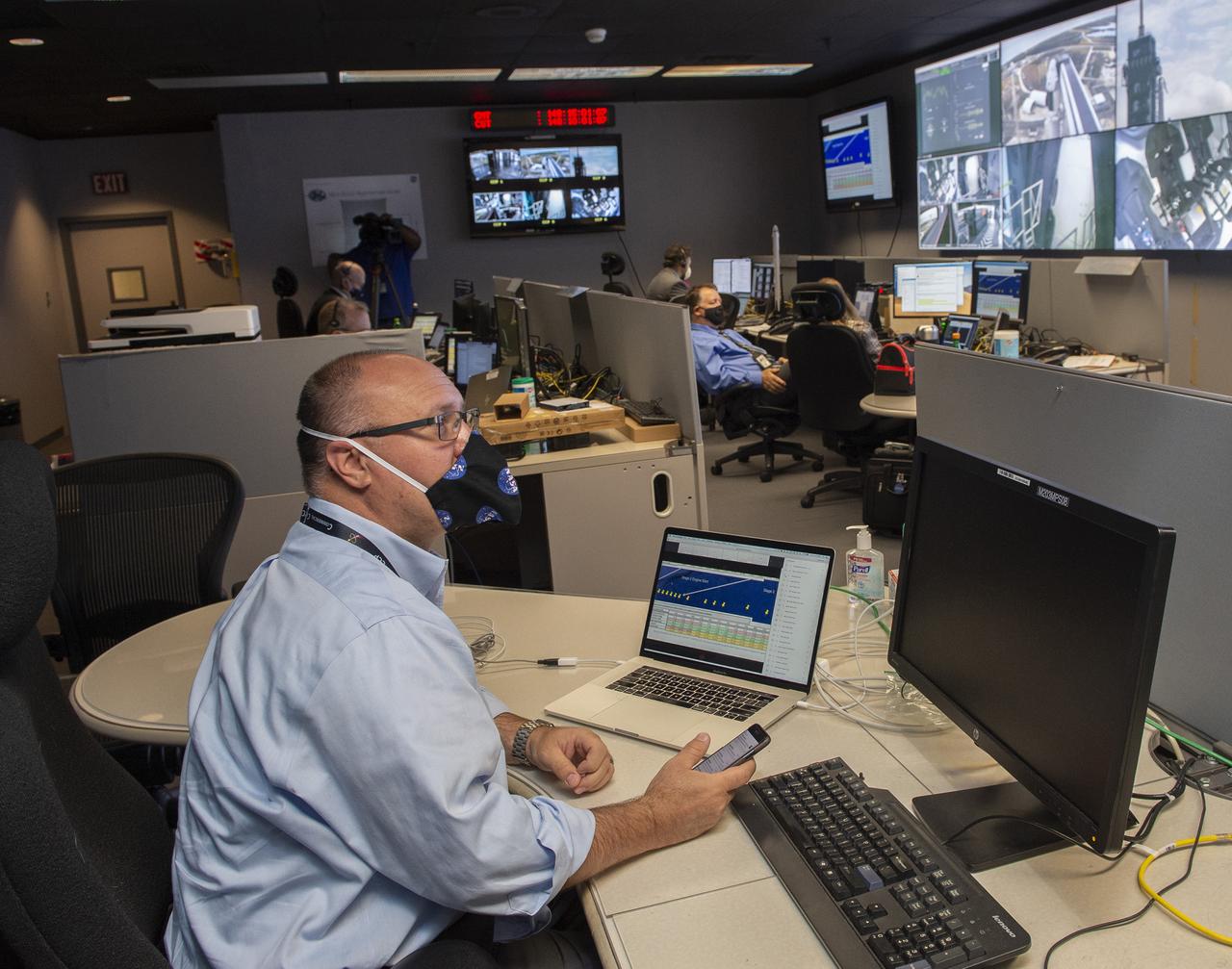
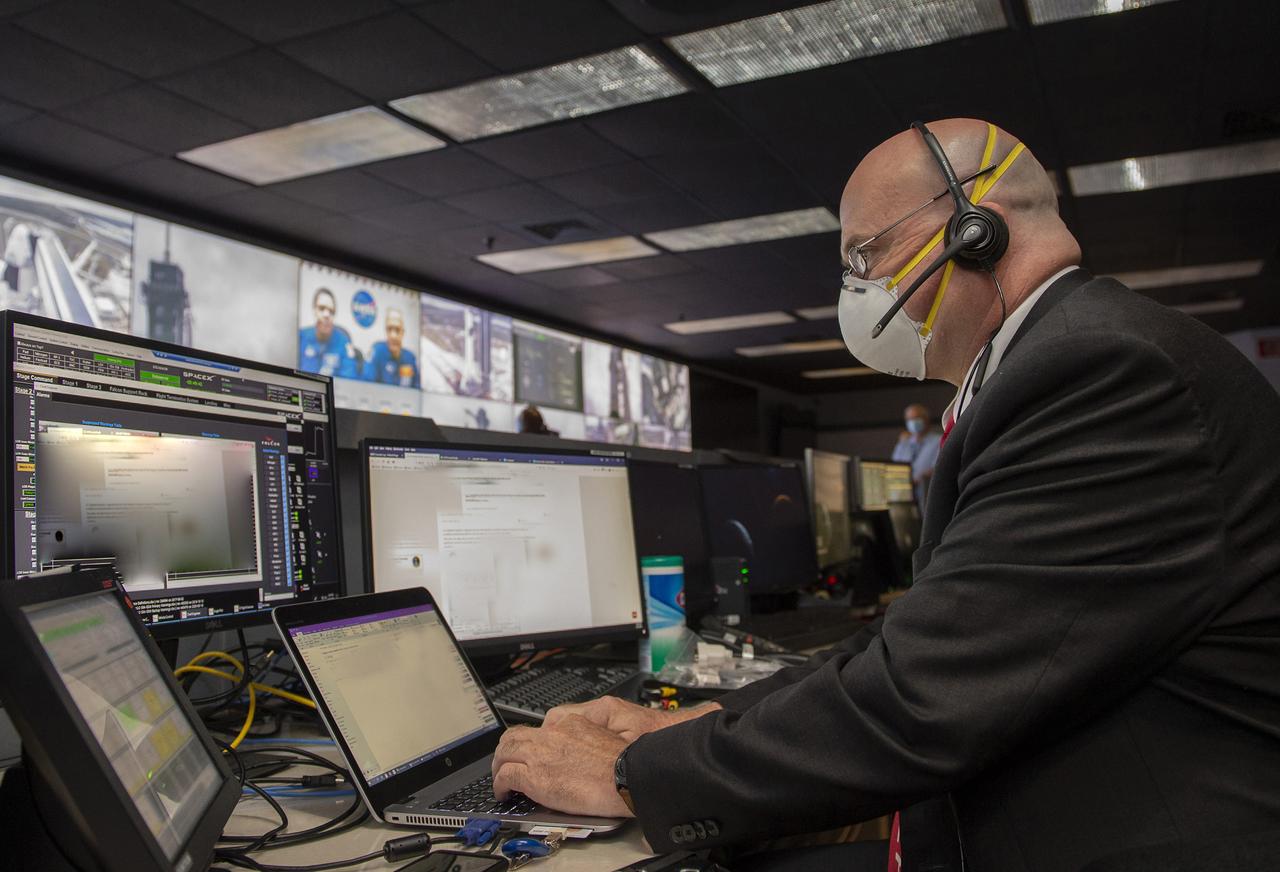
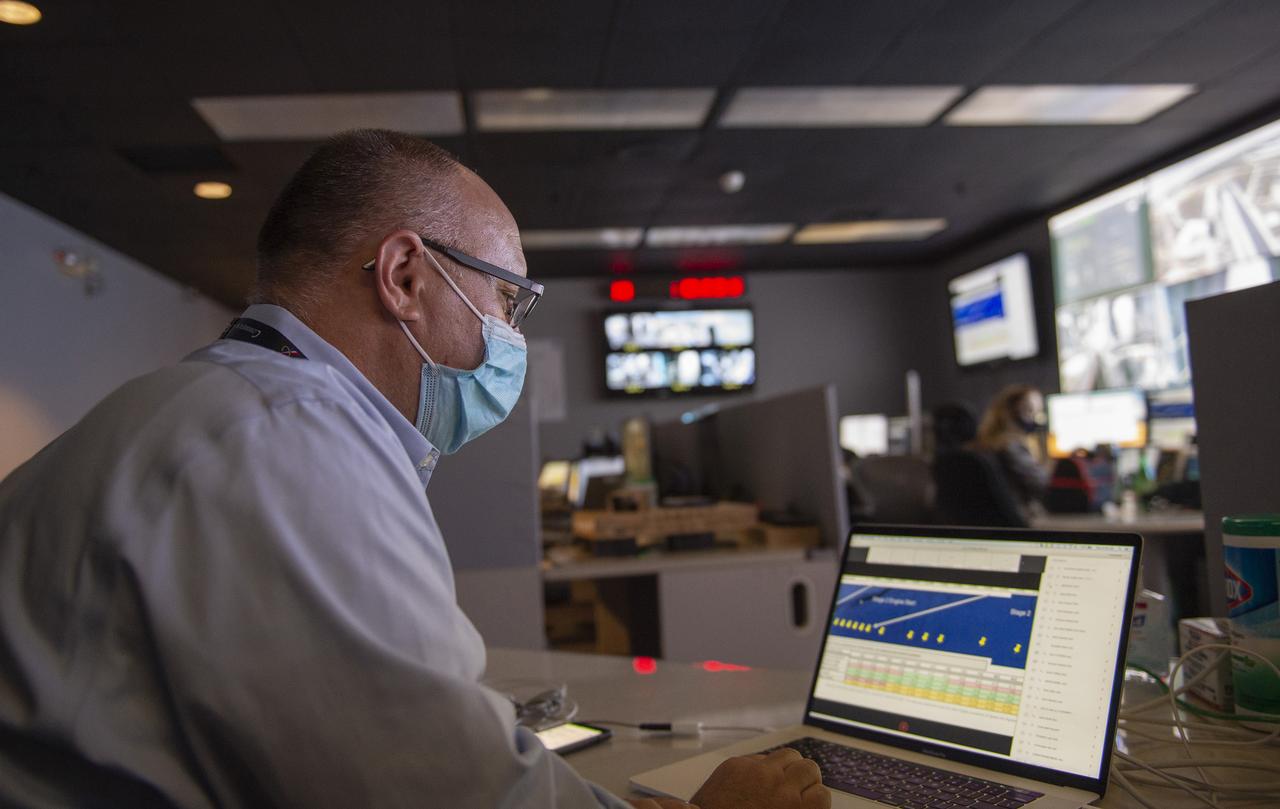
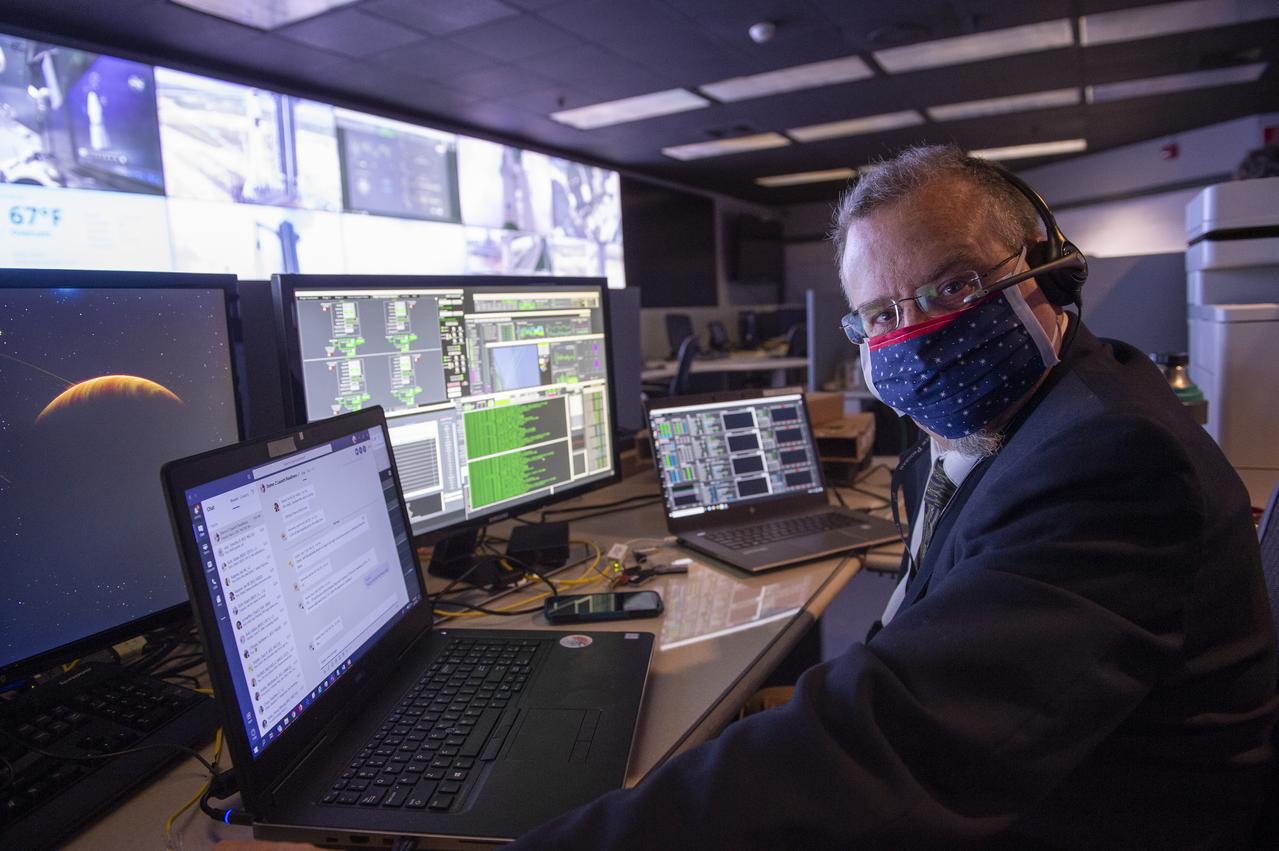
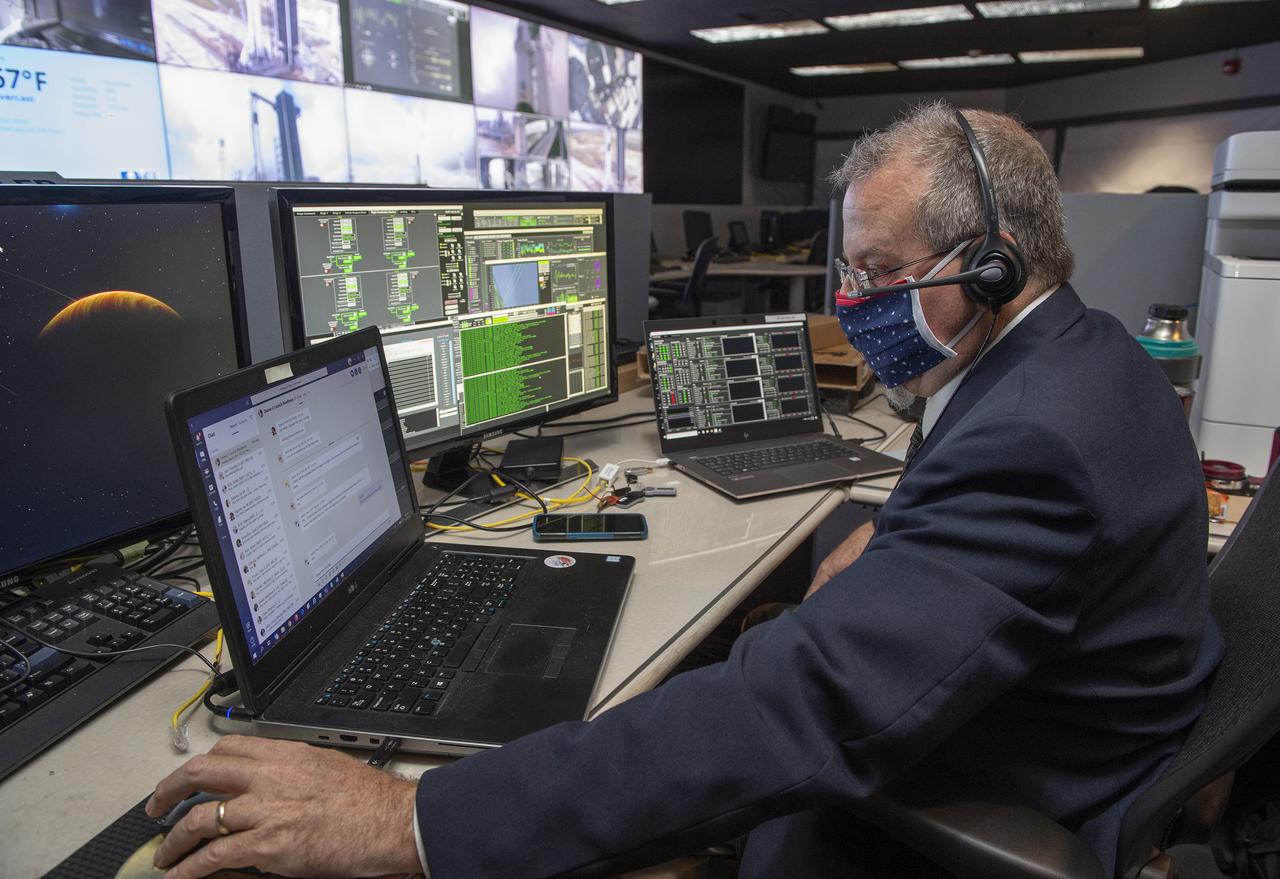
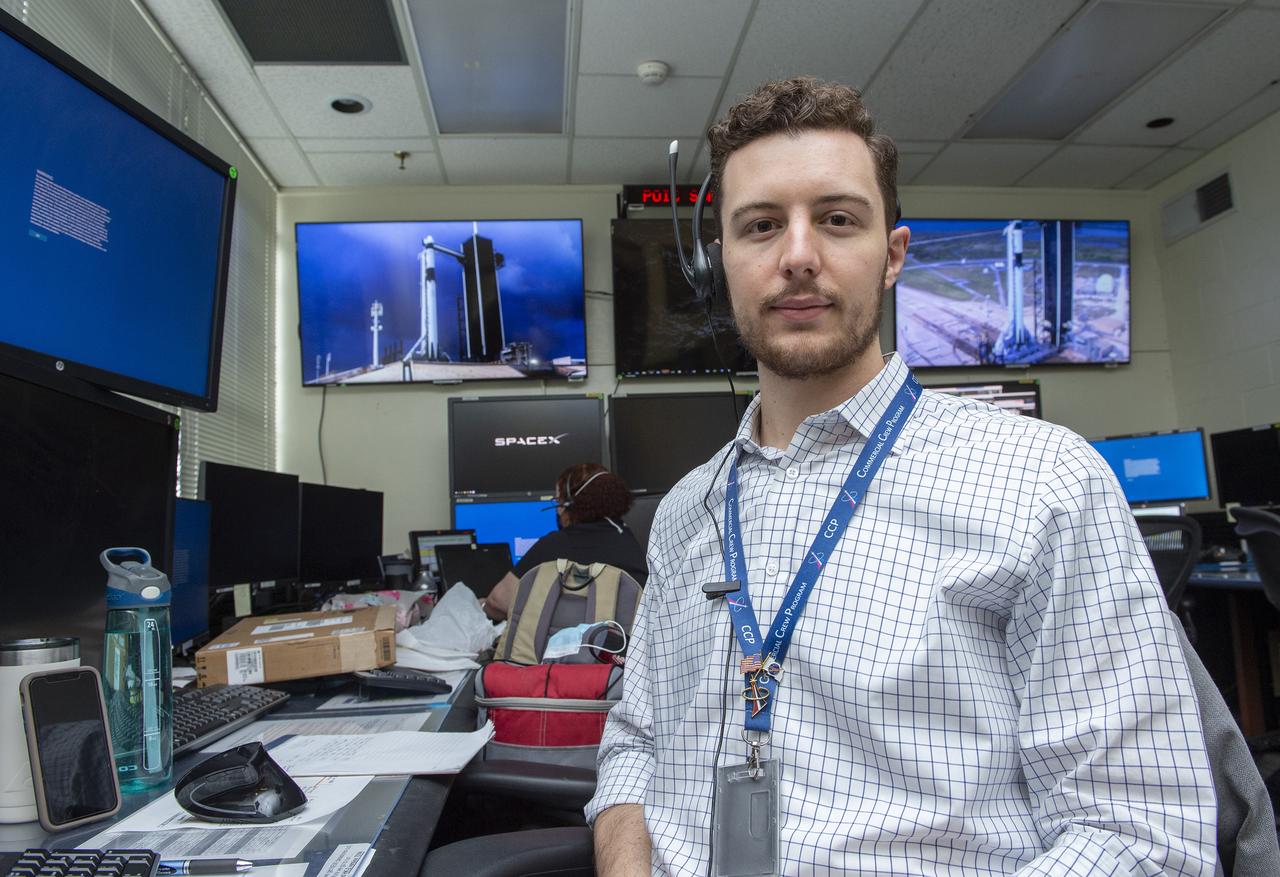
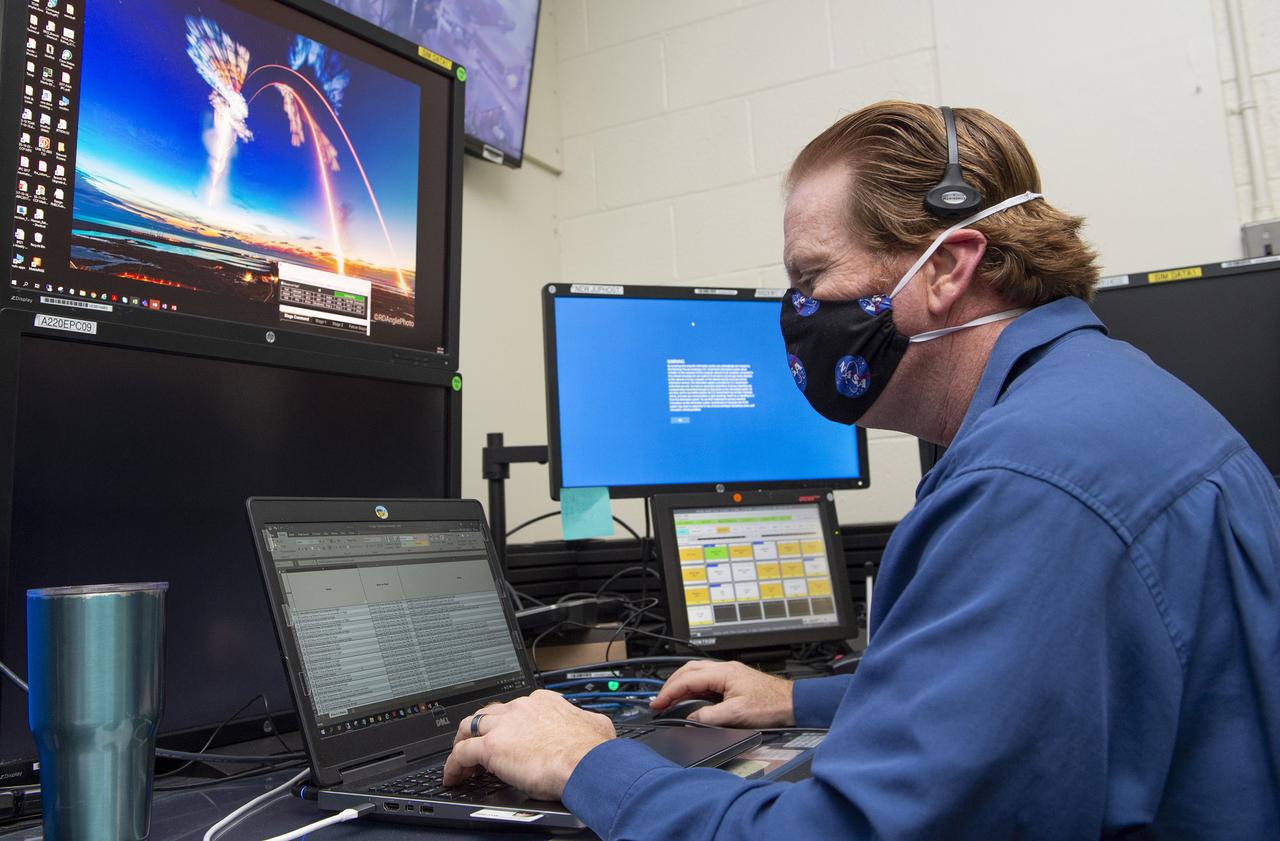
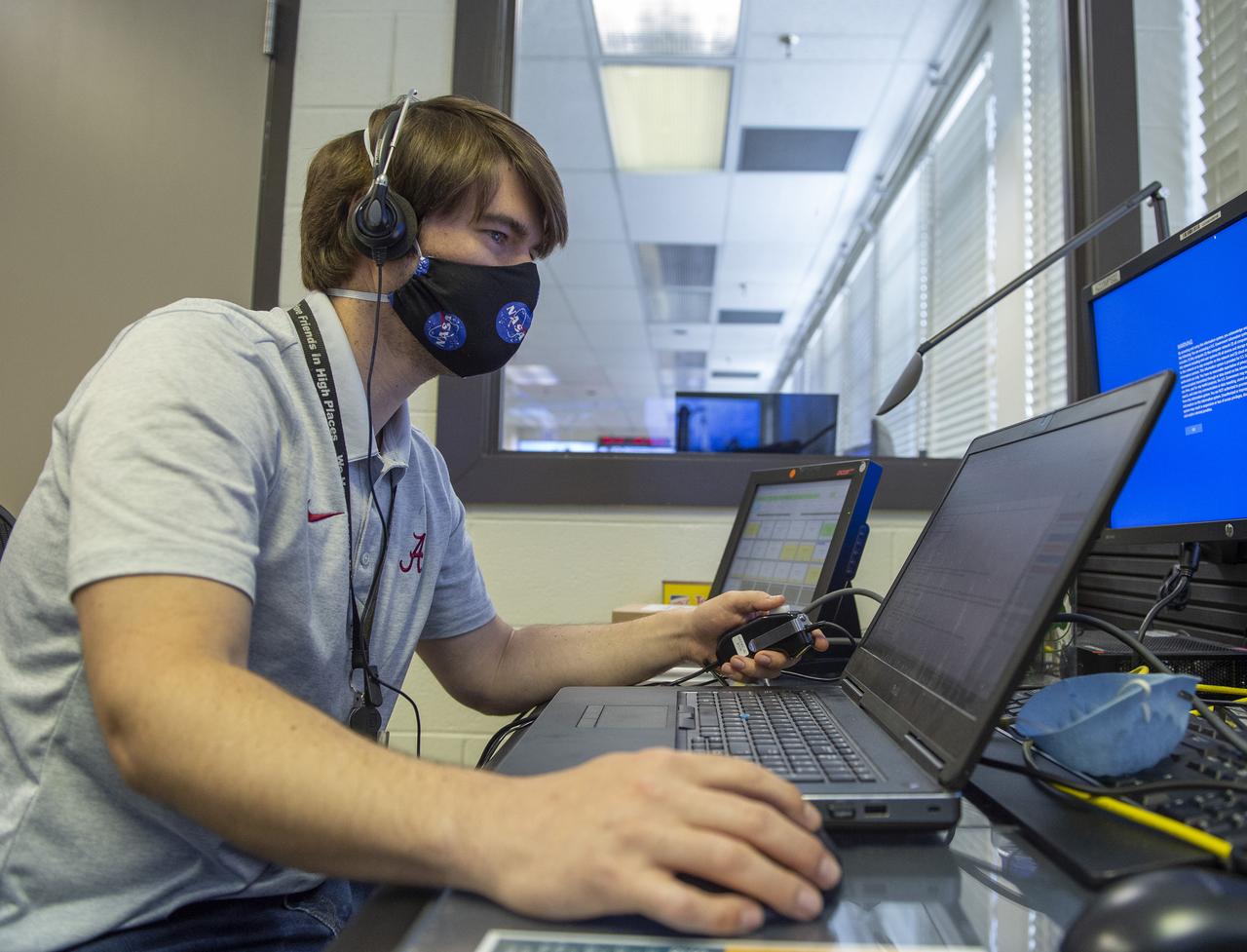
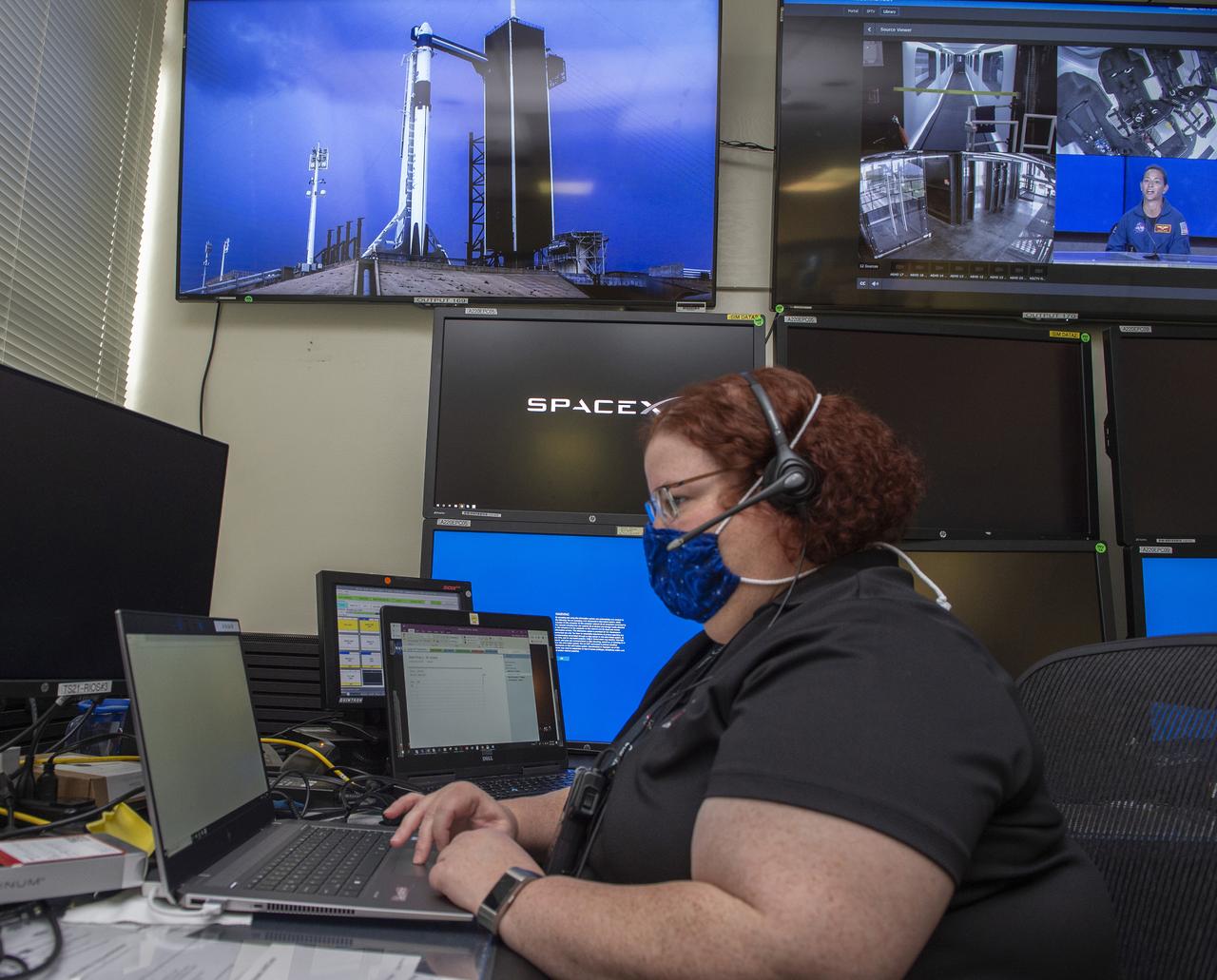
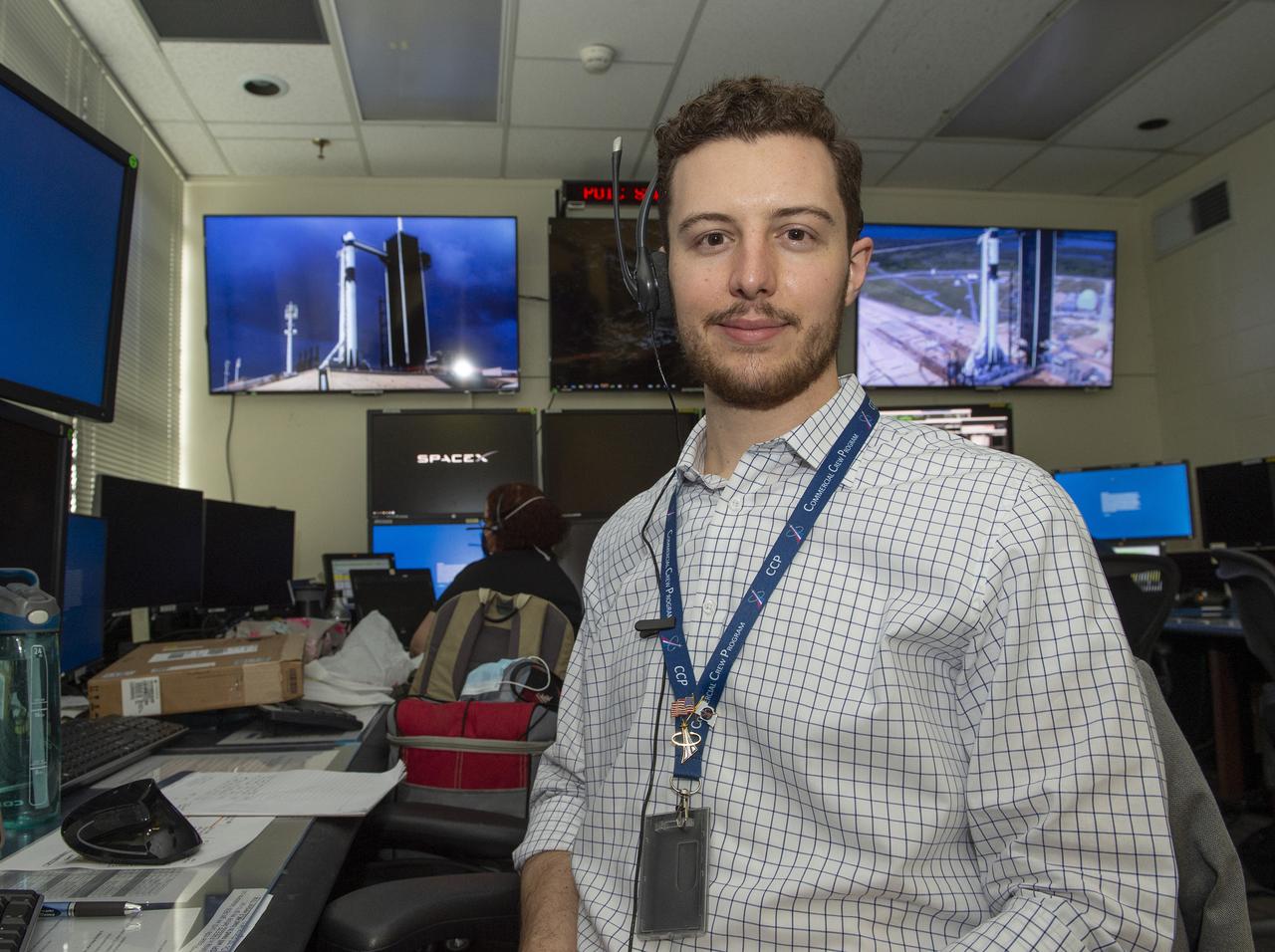
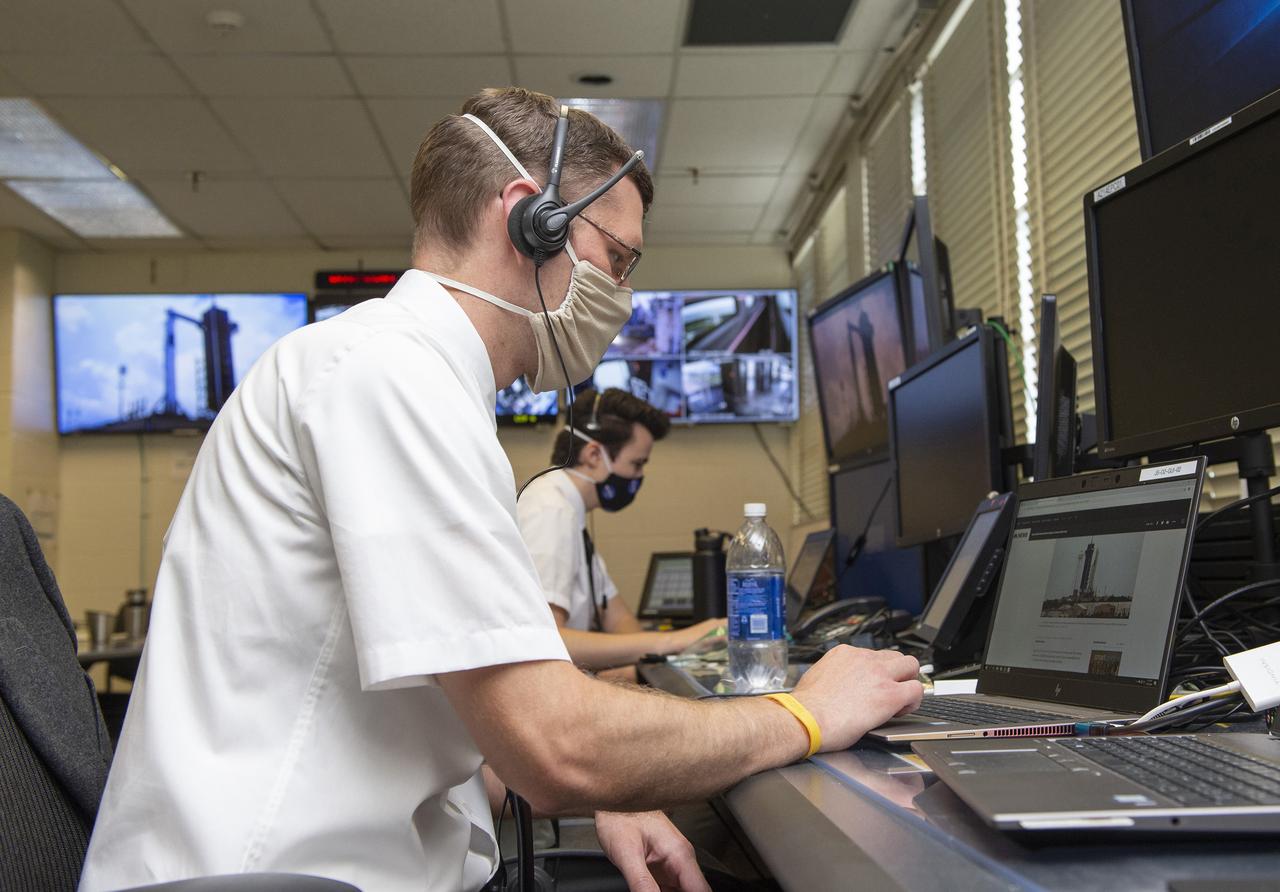
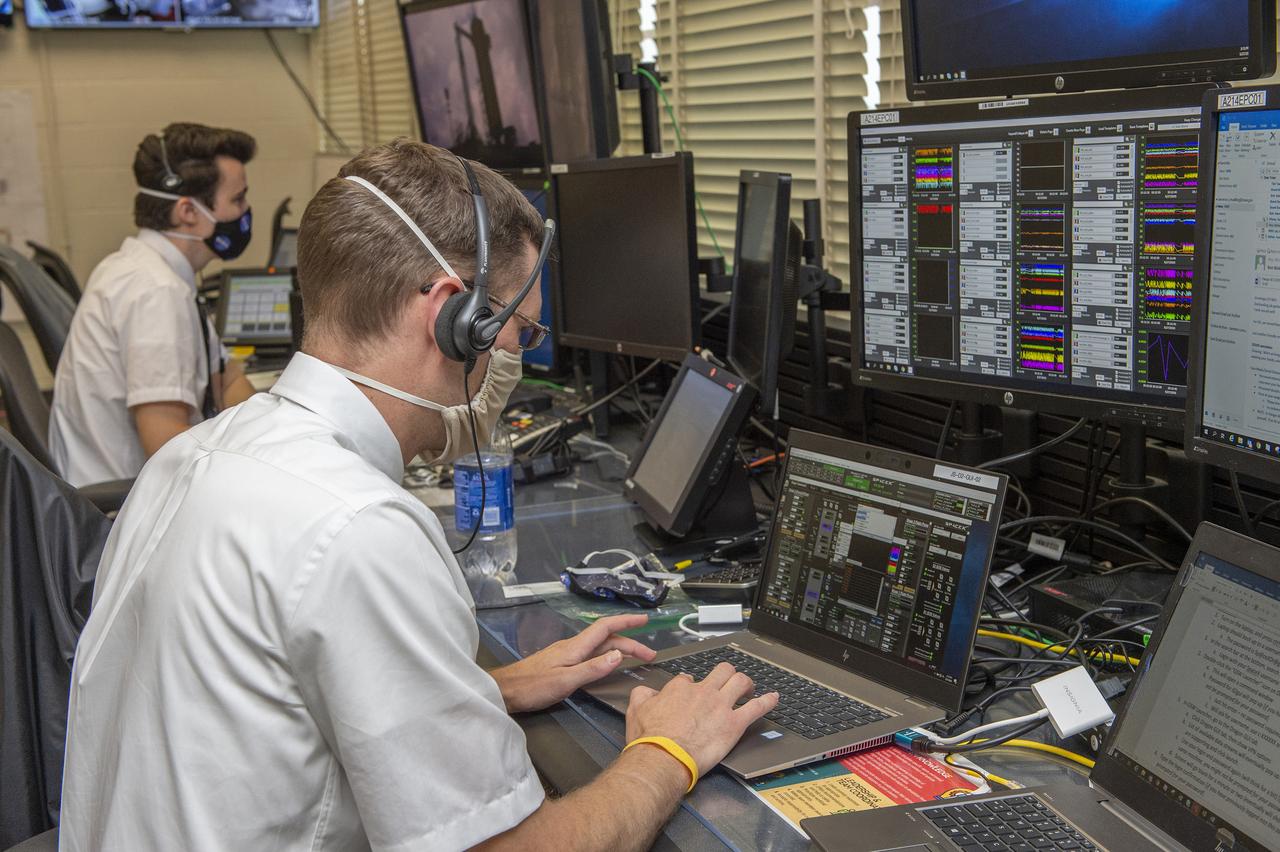
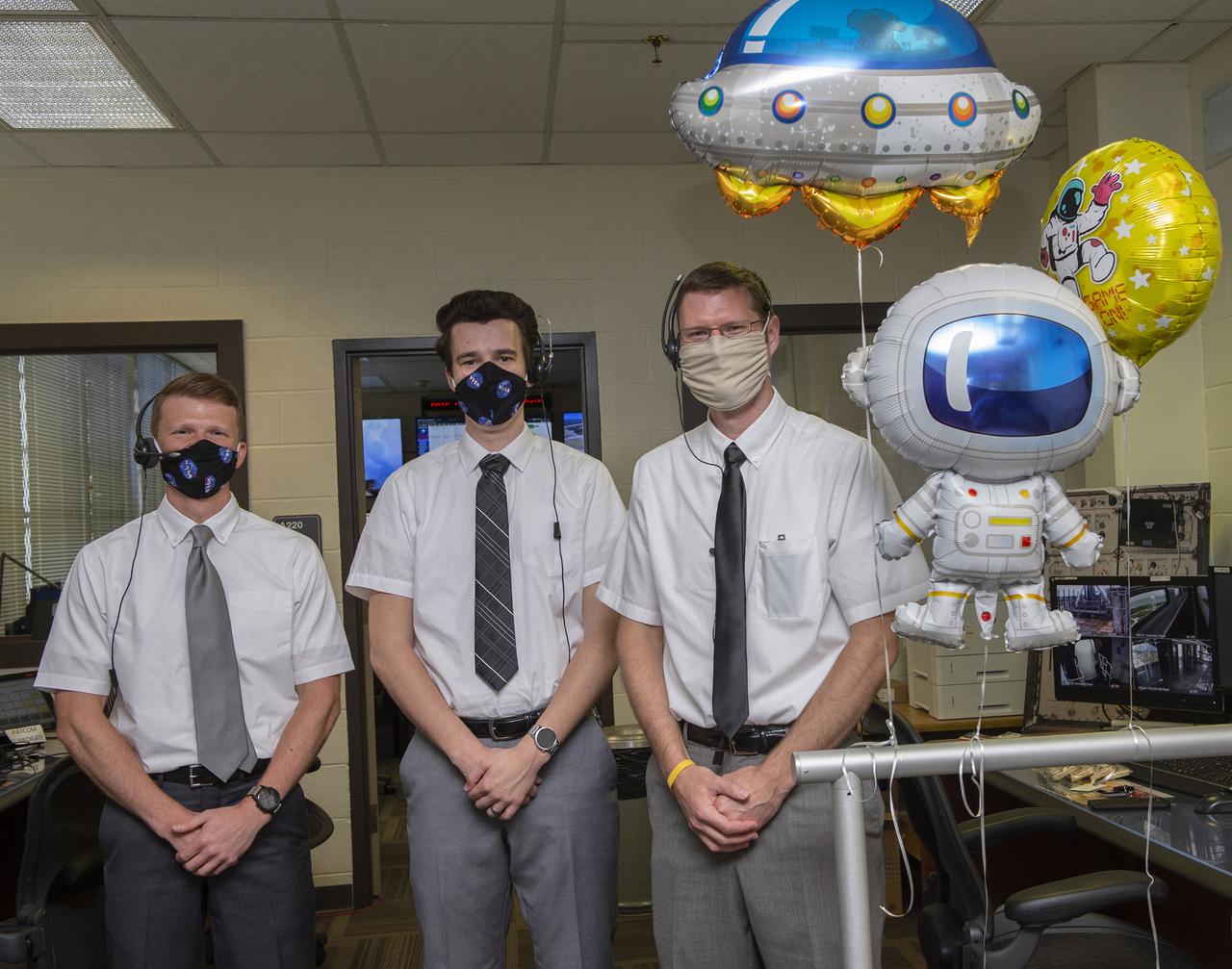
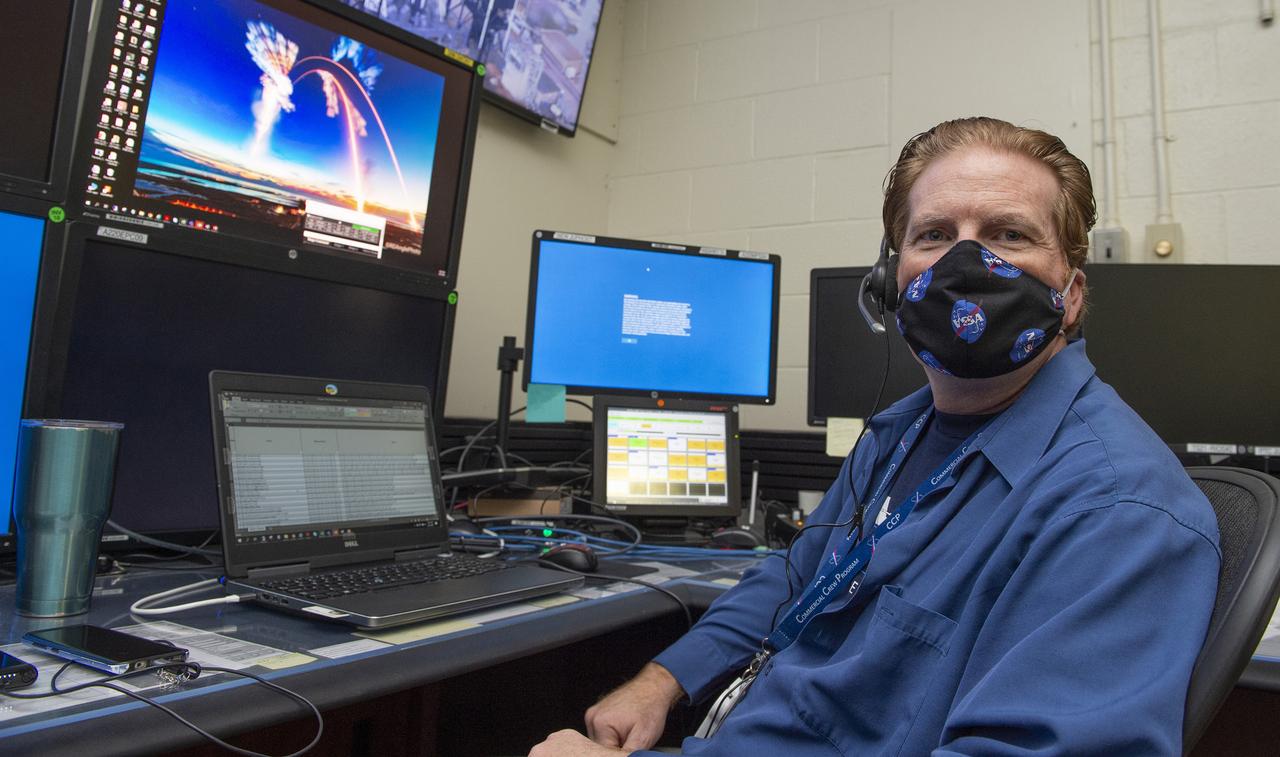
Stewart Whaley and teams at NASA’s Marshall Space Flight Center help monitor launch conditions for the Demo-2 mission from the Huntsville Operations Support Center, HOSC.
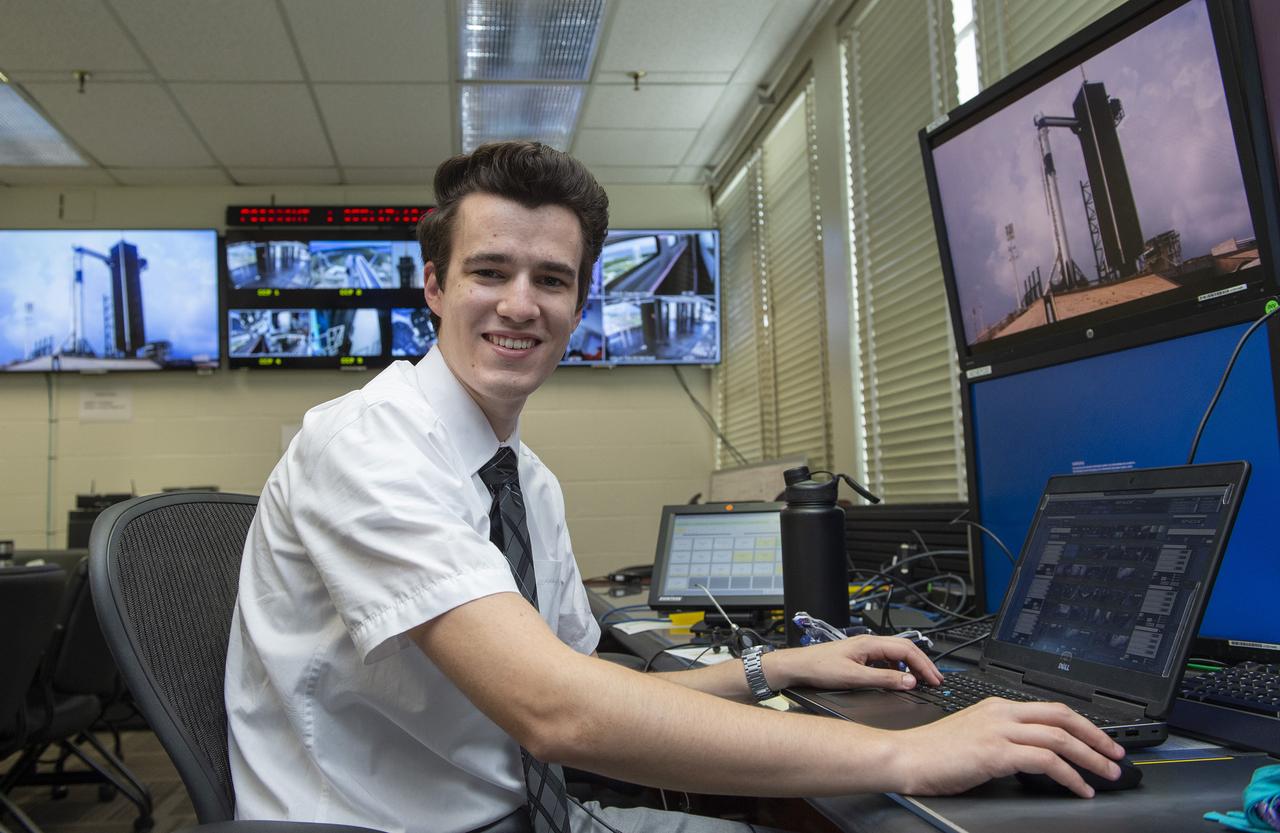
Reid Ruggles and teams at NASA’s Marshall Space Flight Center help monitor launch conditions for the Demo-2 mission from the Huntsville Operations Support Center, HOSC.
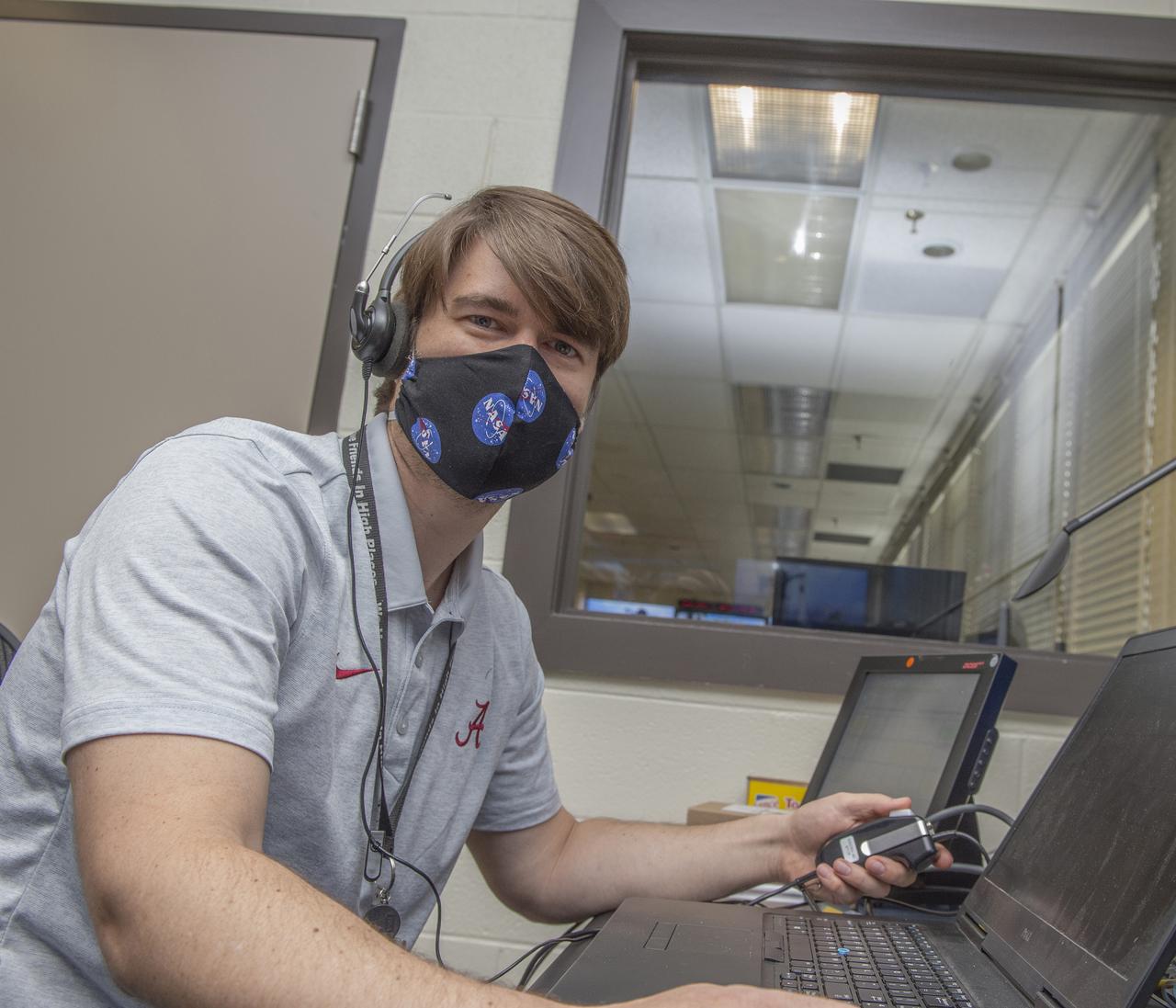
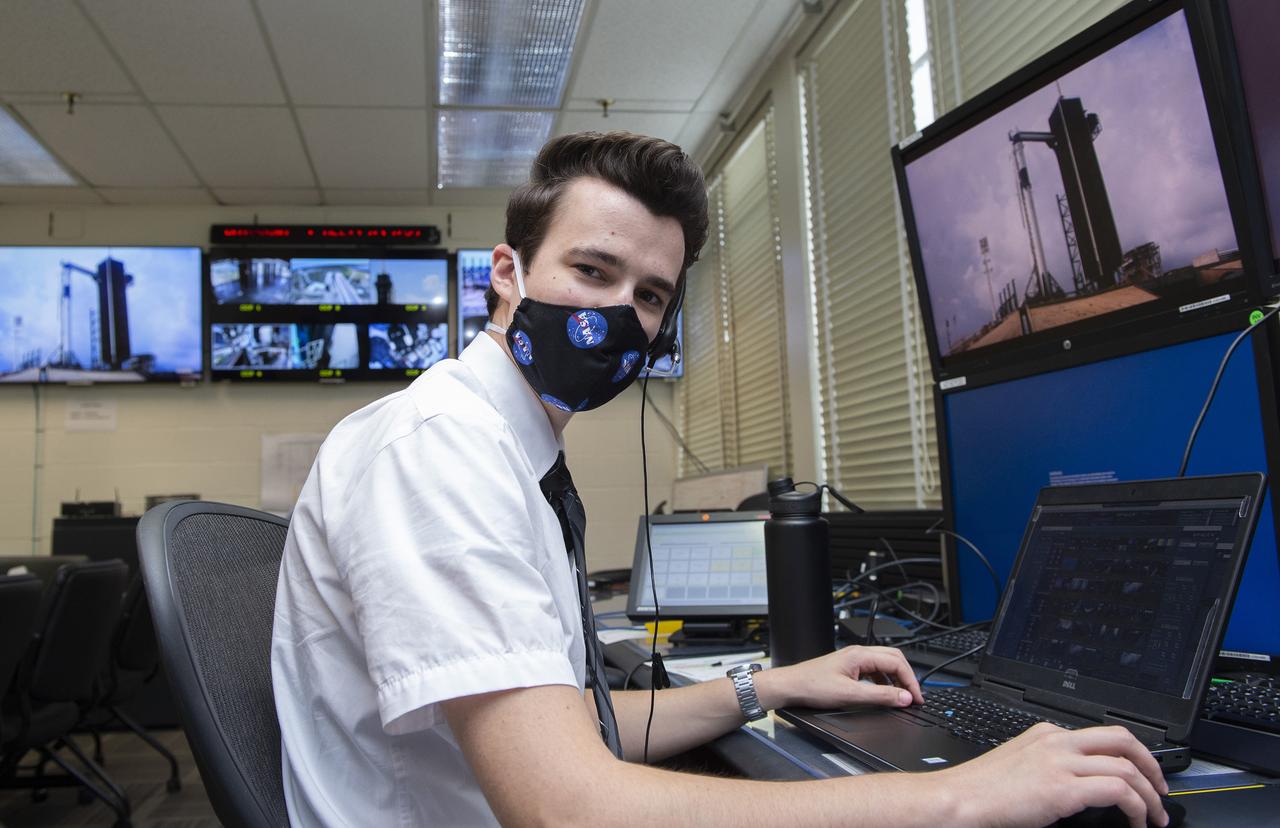
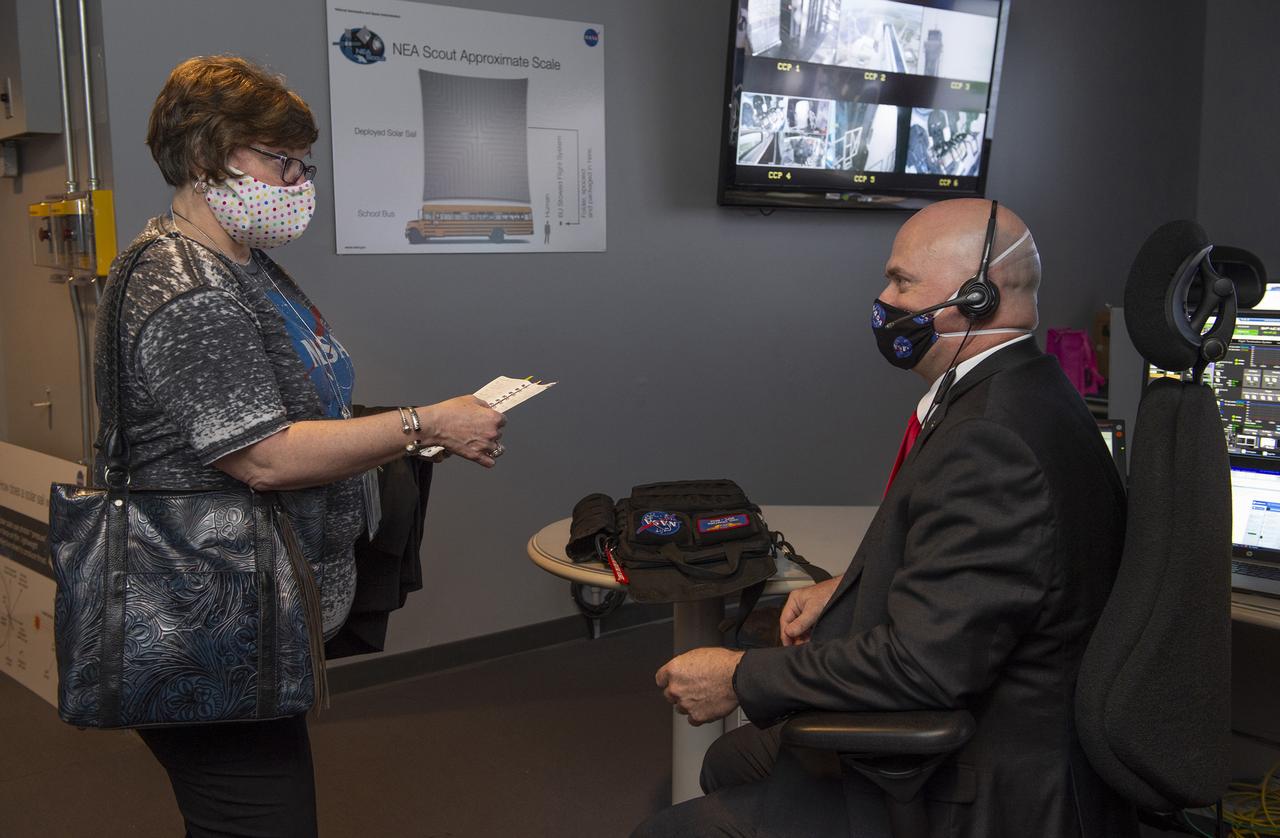
Sean Kenny and teams at NASA’s Marshall Space Flight Center help monitor launch conditions for the Demo-2 mission from the Huntsville Operations Support Center, HOSC.
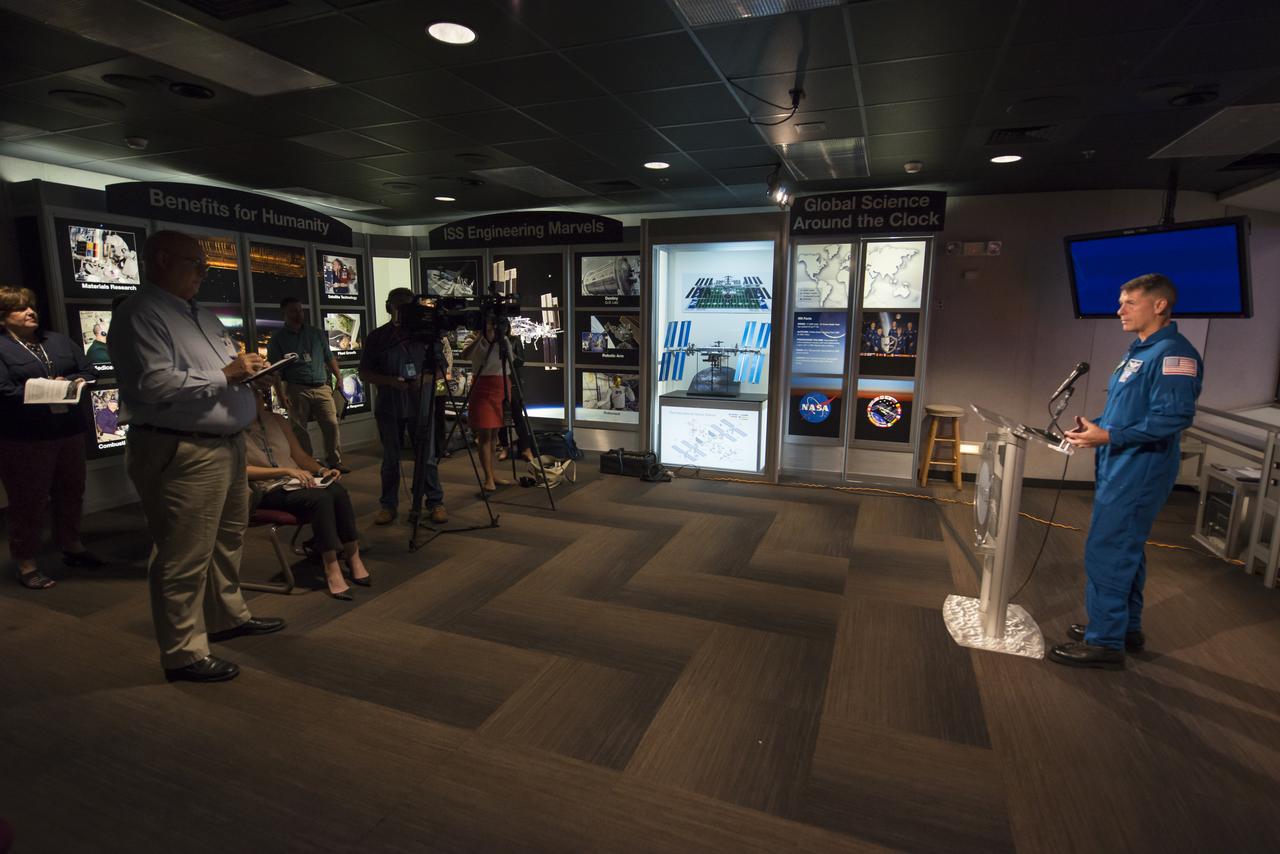
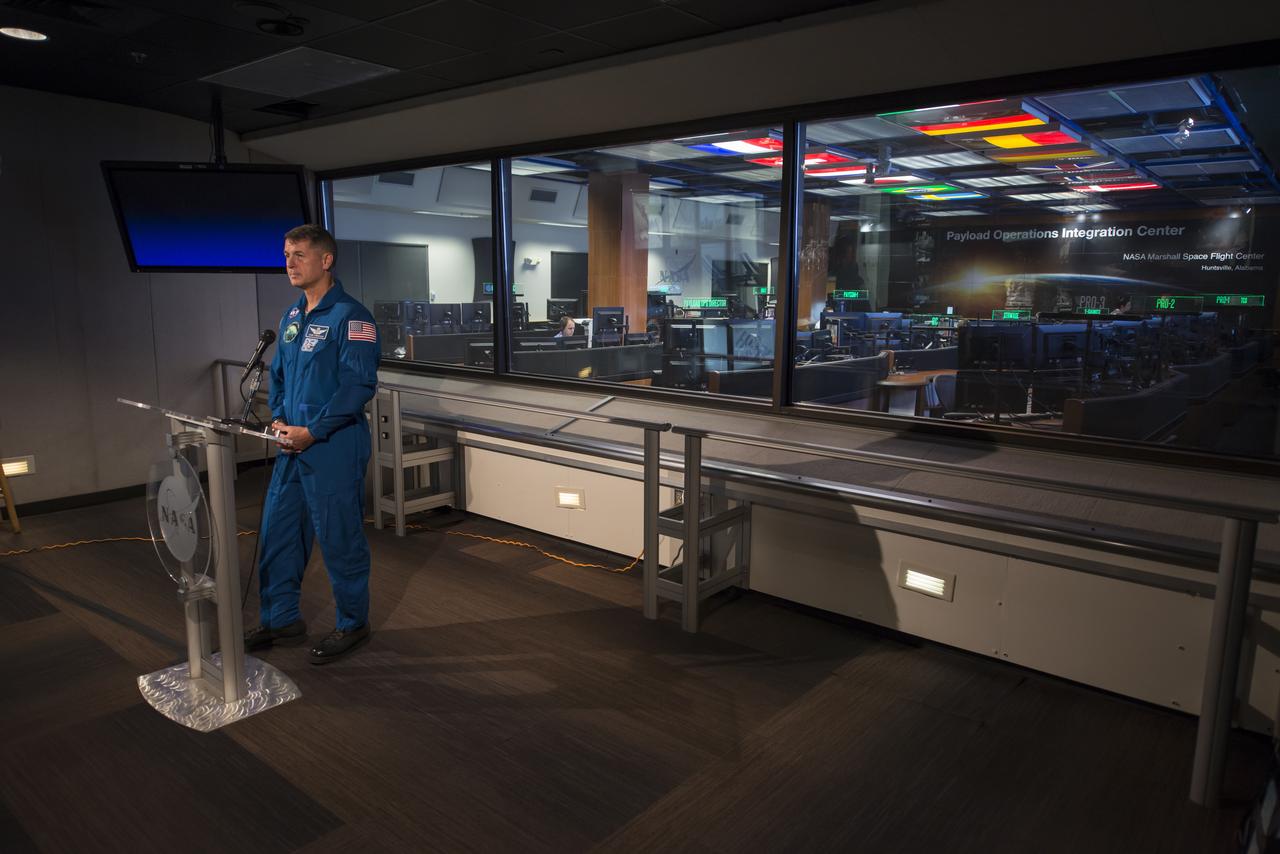
Expedition 49/50 Astronaut Shane Kimbrough briefs the press on his extended mission to the International Space Station in the Marshall Space Flight Center Payload Operations Integration Center (POIC).
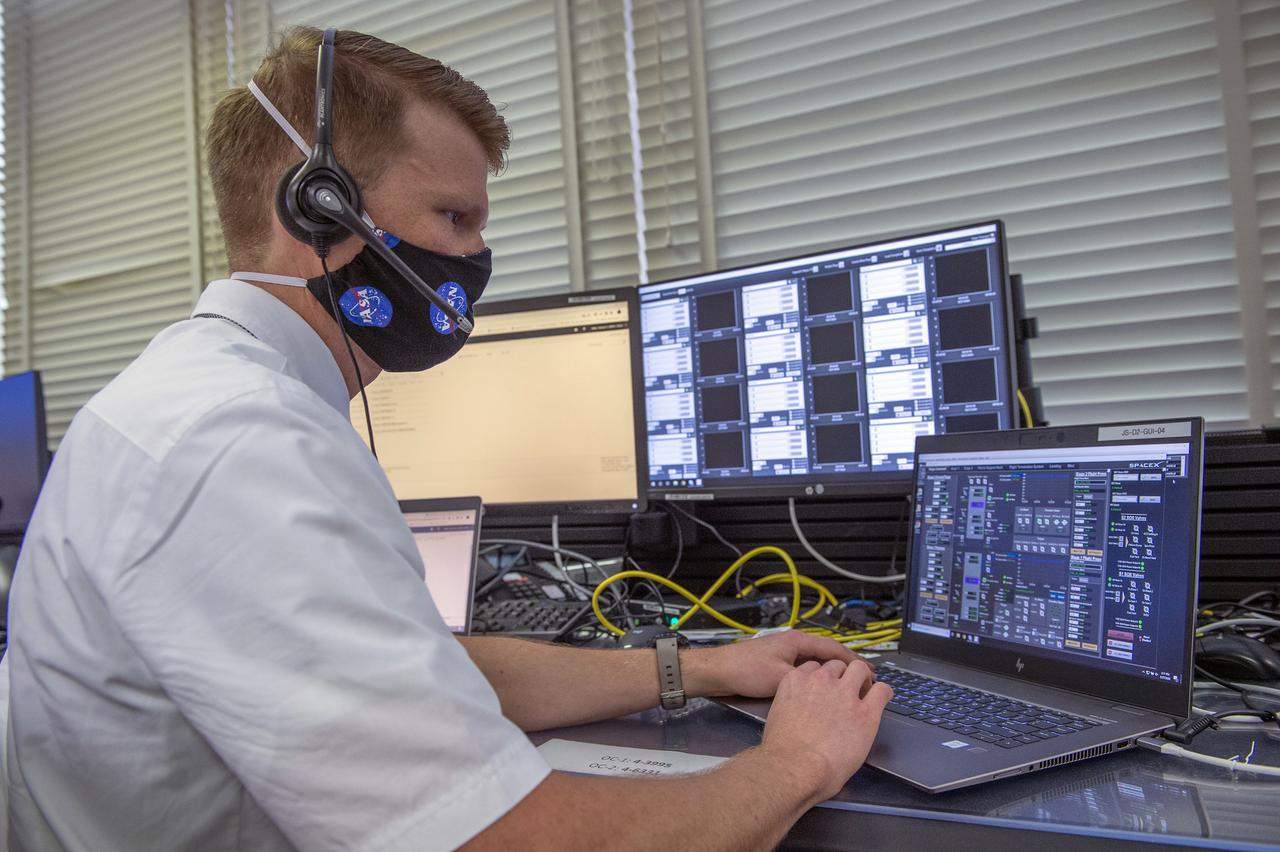
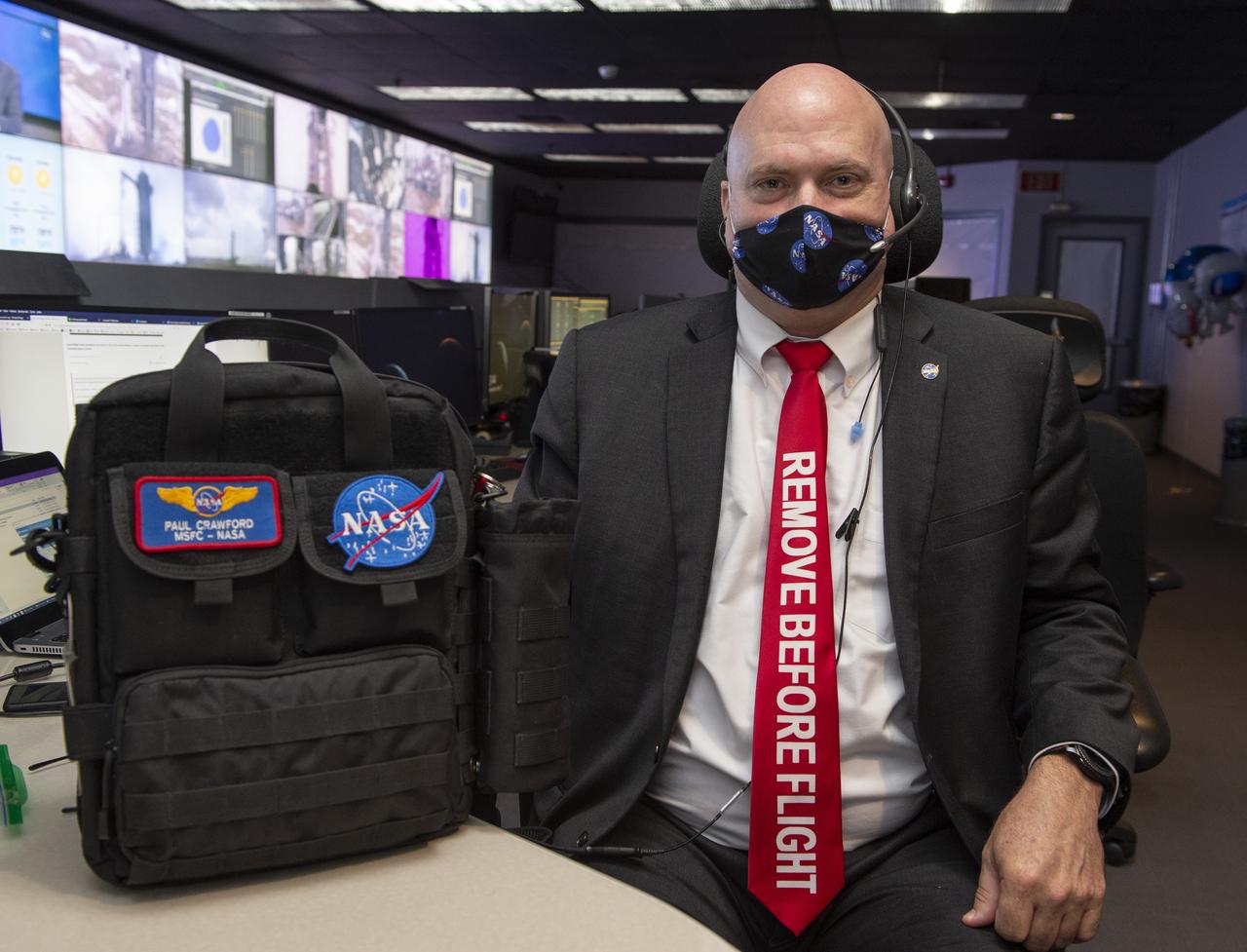
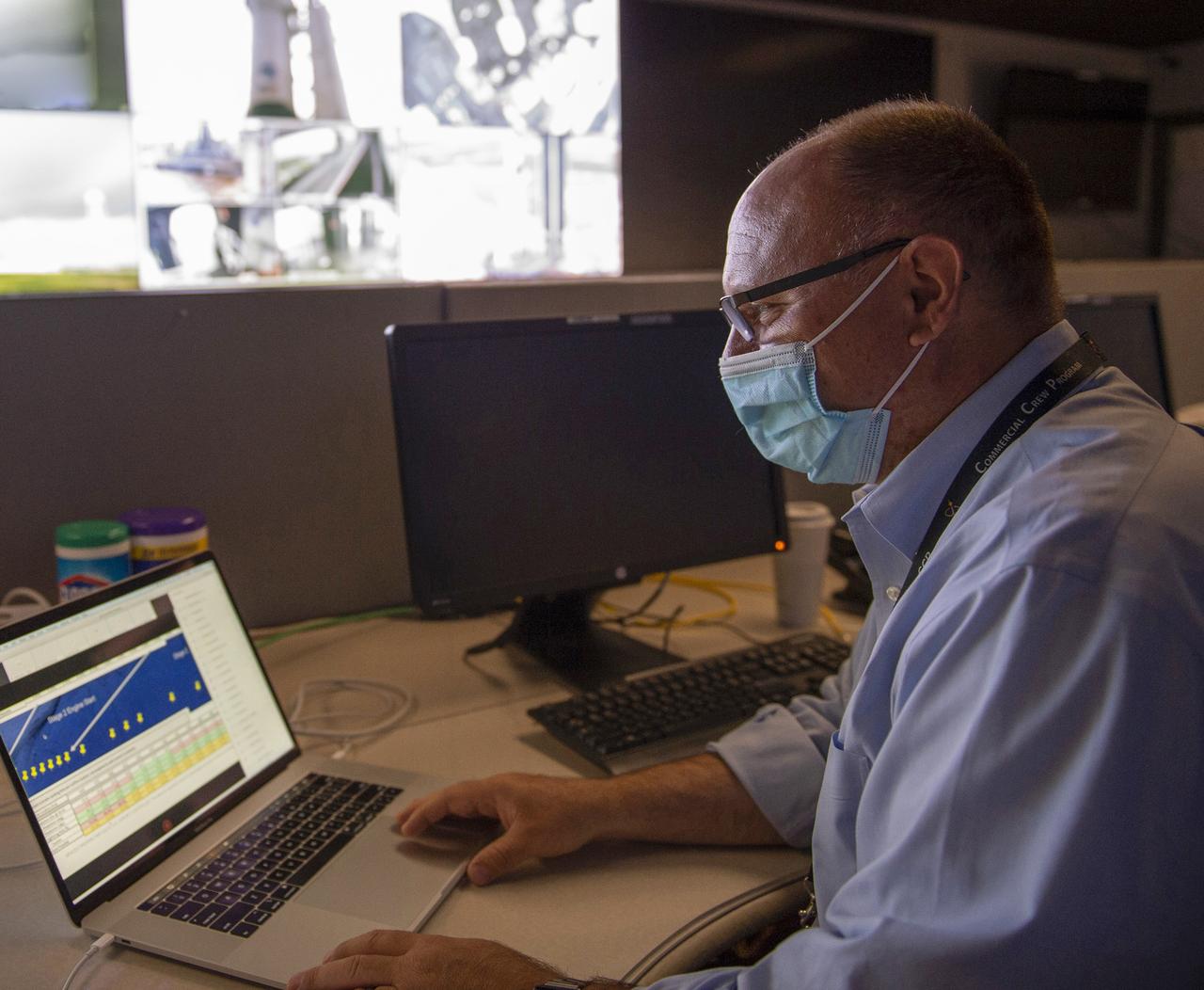
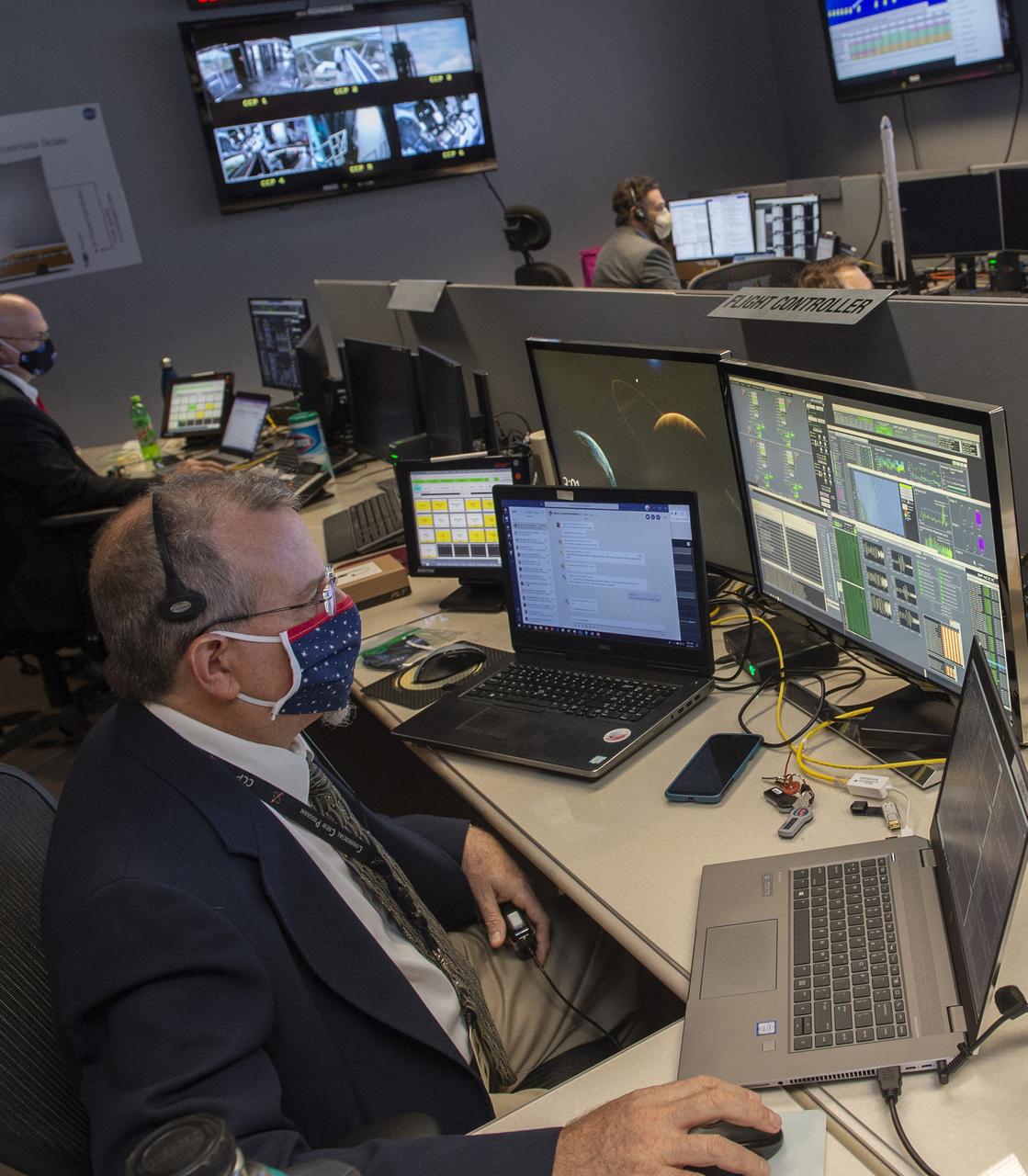
Paul Crawford and Teams at NASA’s Marshall Space Flight Center help monitor launch conditions for the Demo-2 mission from the Huntsville Operations Support Center, HOSC.
Steve Gaddis and teams at NASA’s Marshall Space Flight Center help monitor launch conditions for the Demo-2 mission from the Huntsville Operations Support Center, HOSC.
Steve Gaddis and Teams at NASA’s Marshall Space Flight Center help monitor launch conditions for the Demo-2 mission from the Huntsville Operations Support Center, HOSC.
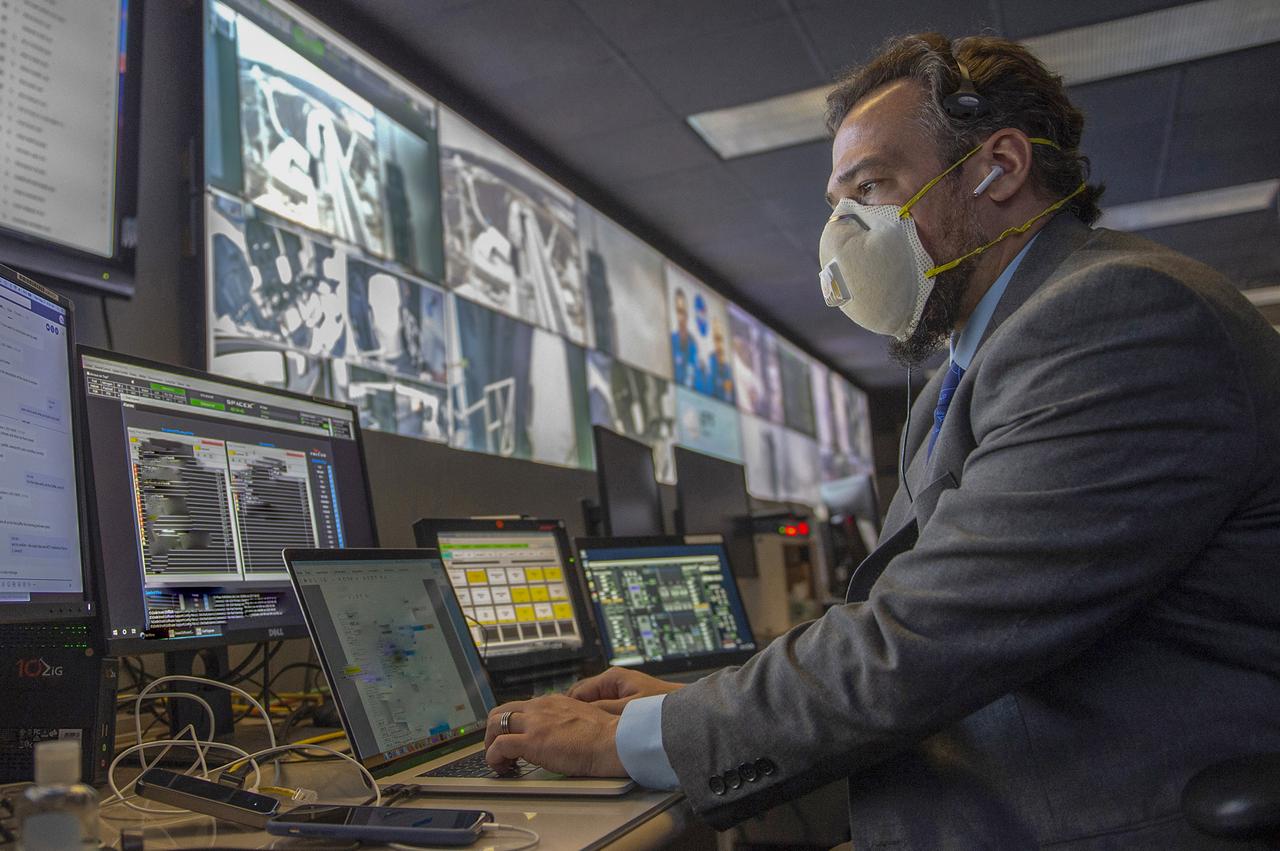
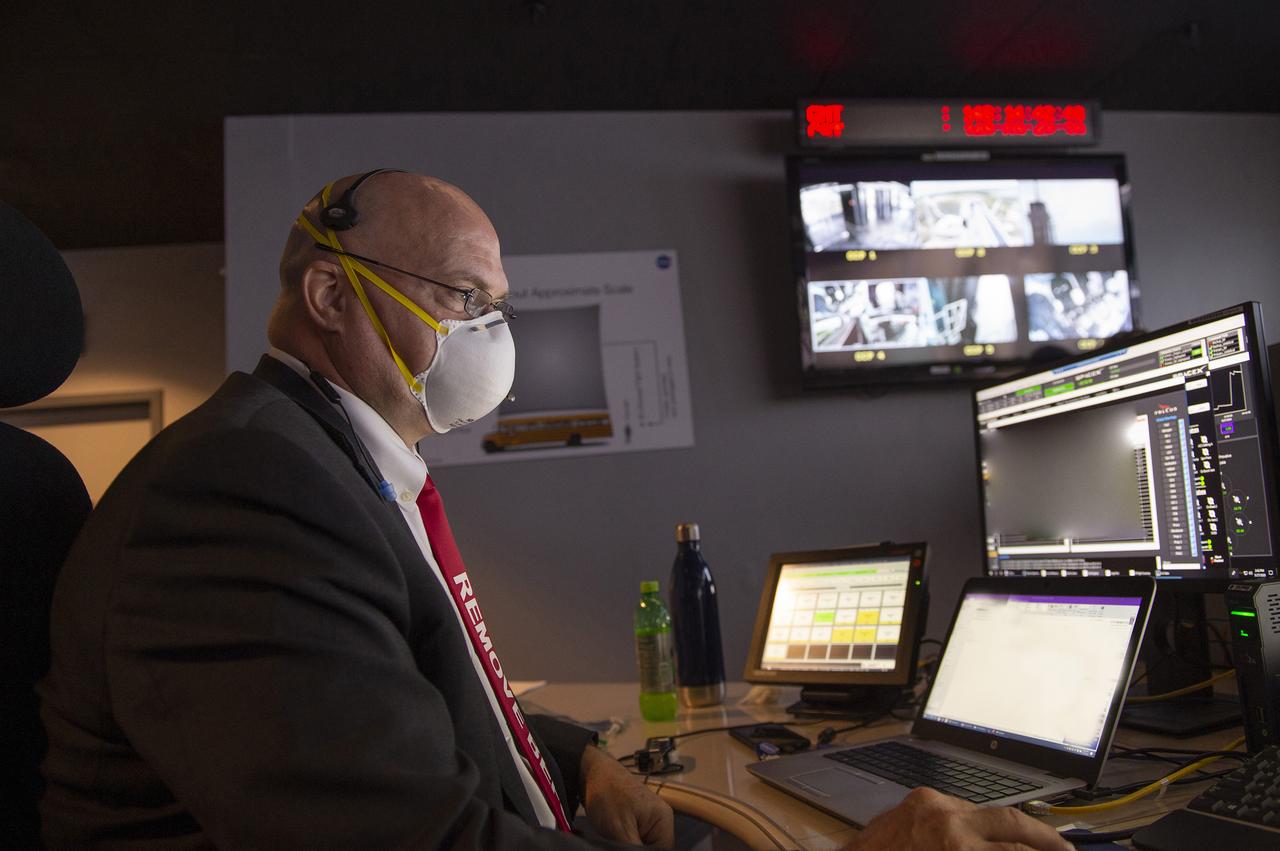
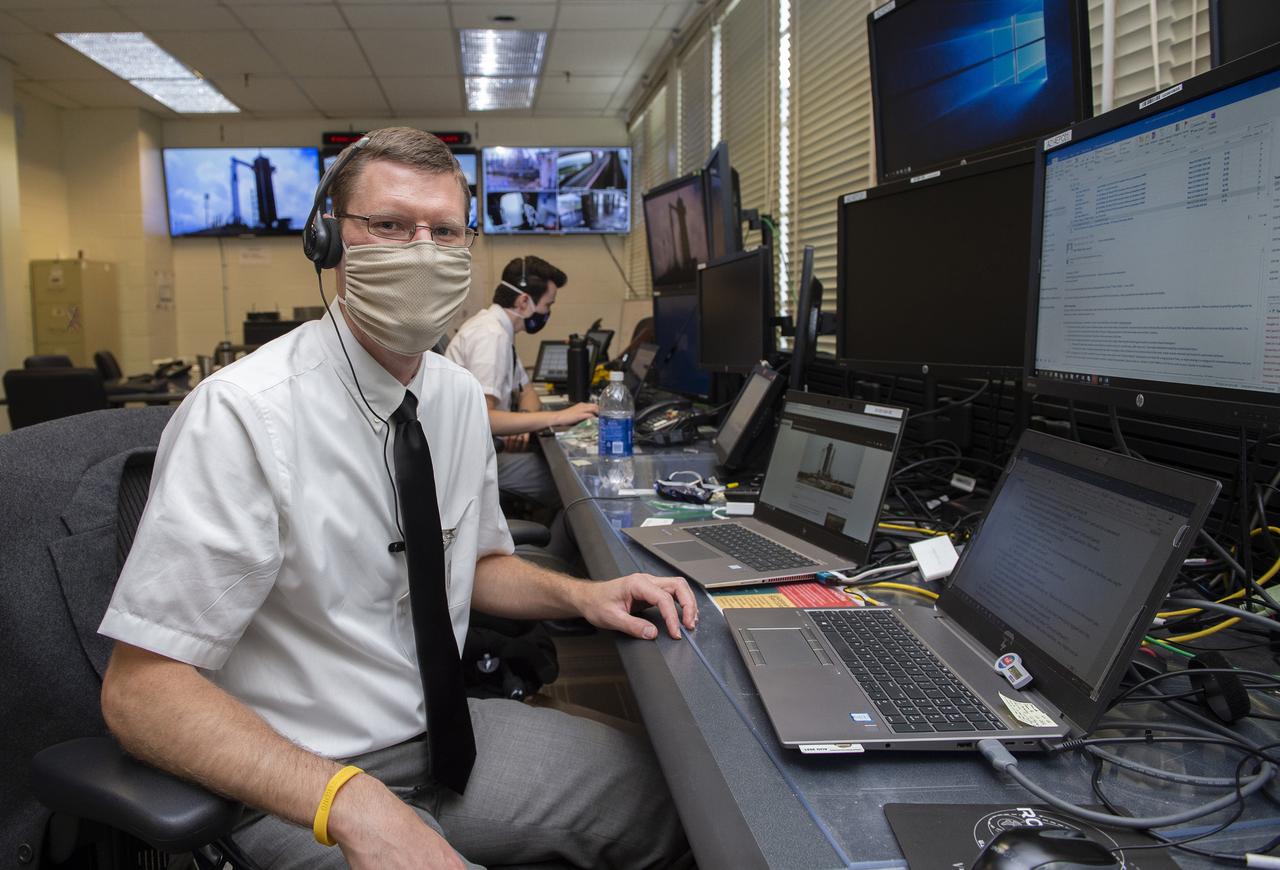
Adam Butt andTeams at NASA’s Marshall Space Flight Center help monitor launch conditions for the Demo-2 mission from the Huntsville Operations Support Center, HOSC.
Adam Butt and Teams at NASA’s Marshall Space Flight Center help monitor launch conditions for the Demo-2 mission from the Huntsville Operations Support Center, HOSC.
Steve Gaddis and teams  at NASA’s Marshall Space Flight Center help monitor launch conditions for the Demo-2 mission from the Huntsville Operations Support Center, HOSC.
Steve Gaddis and teams at NASA’s Marshall Space Flight Center help monitor launch conditions for the Demo-2 mission from the Huntsville Operations Support Center, HOSC.
Miranda Holton and teams at NASA’s Marshall Space Flight Center help monitor launch conditions for the Demo-2 mission from the Huntsville Operations Support Center, HOSC.
Reid Ruggles and teams at NASA’s Marshall Space Flight Center help monitor launch conditions for the Demo-2 mission from the Huntsville Operations Support Center, HOSC.
Amanda Stein and teams at NASA’s Marshall Space Flight Center help monitor launch conditions for the Demo-2 mission from the Huntsville Operations Support Center, HOSC.
Jimmy Moore and teams at NASA’s Marshall Space Flight Center help monitor launch conditions for the Demo-2 mission from the Huntsville Operations Support Center, HOSC.
Paul Crawford andTeams at NASA’s Marshall Space Flight Center help monitor launch conditions for the Demo-2 mission from the Huntsville Operations Support Center, HOSC.
Paul Crawford and Teams at NASA’s Marshall Space Flight Center help monitor launch conditions for the Demo-2 mission from the Huntsville Operations Support Center, HOSC.
Paul Crawford and  teams at NASA’s Marshall Space Flight Center help monitor launch conditions for the Demo-2 mission from the Huntsville Operations Support Center, HOSC.
Paul Crawford and teams at NASA’s Marshall Space Flight Center help monitor launch conditions for the Demo-2 mission from the Huntsville Operations Support Center, HOSC.
Amanda Stein and teams at NASA’s Marshall Space Flight Center help monitor launch conditions for the Demo-2 mission from the Huntsville Operations Support Center, HOSC.
Amanda Stein and eams at NASA’s Marshall Space Flight Center help monitor launch conditions for the Demo-2 mission from the Huntsville Operations Support Center, HOSC.
Patrick Mills and teams at NASA’s Marshall Space Flight Center help monitor launch conditions for the Demo-2 mission from the Huntsville Operations Support Center, HOSC.
Reid Ruggles and teams at NASA’s Marshall Space Flight Center help monitor launch conditions for the Demo-2 mission from the Huntsville Operations Support Center, HOSC.
Steve Gaddis and teams at NASA’s Marshall Space Flight Center help monitor launch conditions for the Demo-2 mission from the Huntsville Operations Support Center, HOSC.
Ken Schrock and teams at NASA’s Marshall Space Flight Center help monitor launch conditions for the Demo-2 mission from the Huntsville Operations Support Center, HOSC.
Miranda Holton and teams at NASA’s Marshall Space Flight Center help monitor launch conditions for the Demo-2 mission from the Huntsville Operations Support Center, HOSC.
Deborah Crane andTeams at NASA’s Marshall Space Flight Center help monitor launch conditions for the Demo-2 mission from the Huntsville Operations Support Center, HOSC.
Deborah Crane and Teams at NASA’s Marshall Space Flight Center help monitor launch conditions for the Demo-2 mission from the Huntsville Operations Support Center, HOSC.
Steve Gaddis and teams at NASA’s Marshall Space Flight Center help monitor launch conditions for the Demo-2 mission from the Huntsville Operations Support Center, HOSC.
Steve Gaddis and teamsat NASA’s Marshall Space Flight Center help monitor launch conditions for the Demo-2 mission from the Huntsville Operations Support Center, HOSC.
Deborah Crane and Teams at NASA’s Marshall Space Flight Center help monitor launch conditions for the Demo-2 mission from the Huntsville Operations Support Center, HOSC.
Ken Schrock and teams at NASA’s Marshall Space Flight Center help monitor launch conditions for the Demo-2 mission from the Huntsville Operations Support Center, HOSC.
Jimmy Moore and teams at NASA’s Marshall Space Flight Center help monitor launch conditions for the Demo-2 mission from the Huntsville Operations Support Center, HOSC.
Adam Butt andTeams at NASA’s Marshall Space Flight Center help monitor launch conditions for the Demo-2 mission from the Huntsville Operations Support Center, HOSC.
Adam Butt and Teams at NASA’s Marshall Space Flight Center help monitor launch conditions for the Demo-2 mission from the Huntsville Operations Support Center, HOSC.
Expedition 49/50 Astronaut Shane Kimbrough briefs the press on his extended mission to the International Space Station in the Marshall Space Flight Center Payload Operations Integration Center (POIC).
Ken Schrock and teams at NASA’s Marshall Space Flight Center help monitor launch conditions for the Demo-2 mission from the Huntsville Operations Support Center, HOSC.
Patrick Mills and teams at NASA’s Marshall Space Flight Center help monitor launch conditions for the Demo-2 mission from the Huntsville Operations Support Center, HOSC.
Stewart Whaley and teams  at NASA’s Marshall Space Flight Center help monitor launch conditions for the Demo-2 mission from the Huntsville Operations Support Center, HOSC.
Stewart Whaley and teams at NASA’s Marshall Space Flight Center help monitor launch conditions for the Demo-2 mission from the Huntsville Operations Support Center, HOSC.
 Steve Gaddis and teams at NASA’s Marshall Space Flight Center help monitor launch conditions for the Demo-2 mission from the Huntsville Operations Support Center, HOSC.
Steve Gaddis and teams at NASA’s Marshall Space Flight Center help monitor launch conditions for the Demo-2 mission from the Huntsville Operations Support Center, HOSC.
Stewart Whaley and teams at NASA’s Marshall Space Flight Center help monitor launch conditions for the Demo-2 mission from the Huntsville Operations Support Center, HOSC.
Sean Kenny and teams at NASA’s Marshall Space Flight Center help monitor launch conditions for the Demo-2 mission from the Huntsville Operations Support Center, HOSC.
Steve Gaddis and Teams at NASA’s Marshall Space Flight Center help monitor launch conditions for the Demo-2 mission from the Huntsville Operations Support Center, HOSC.
Sean Kenny and teams at NASA’s Marshall Space Flight Center help monitor launch conditions for the Demo-2 mission from the Huntsville Operations Support Center, HOSC.
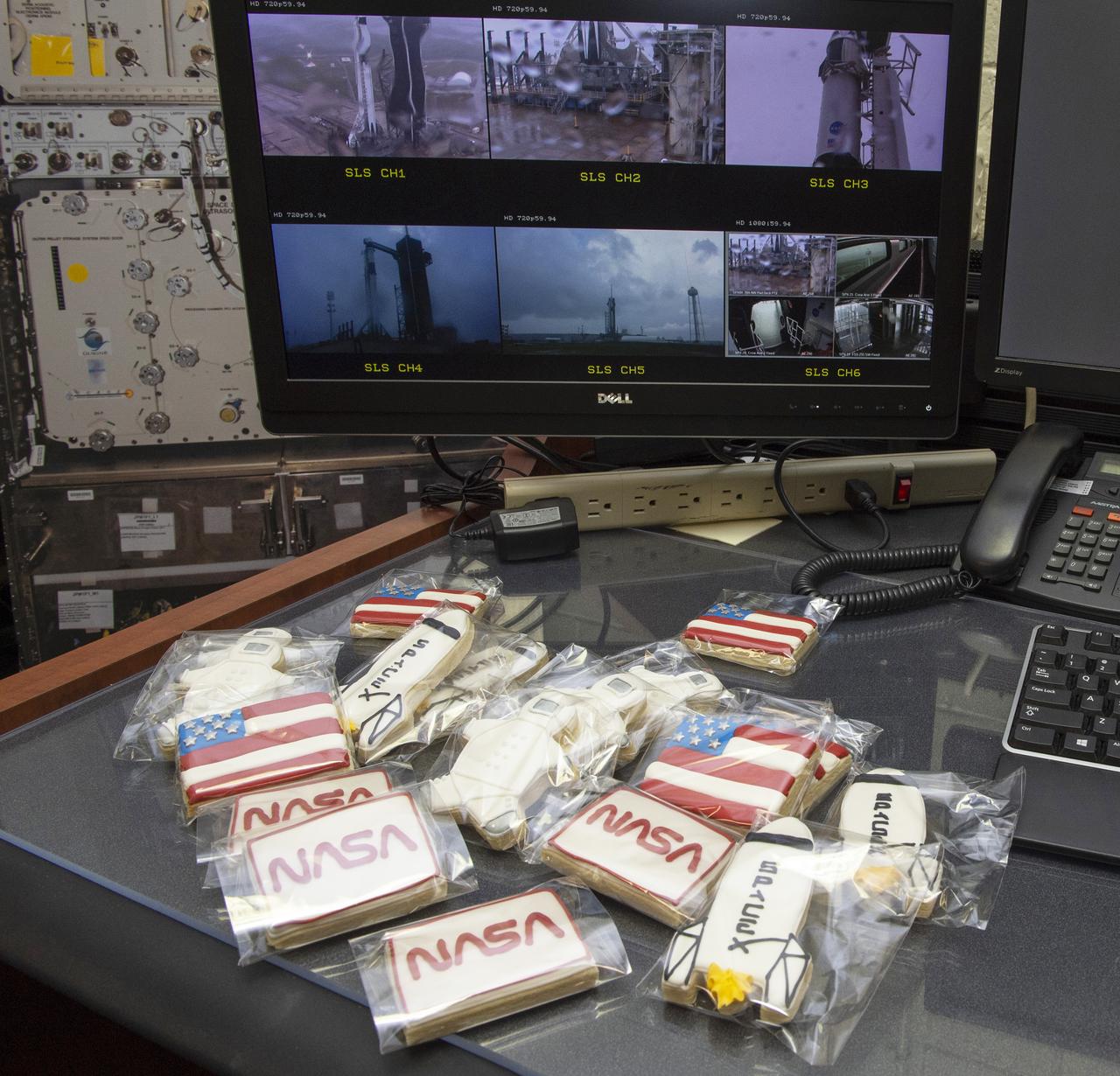
NASA themed cookies for teams at NASA’s Marshall Space Flight Center help monitor launch conditions for the Demo-2 mission from the Huntsville Operations Support Center, HOSC.
 Reid Ruggles and teams at NASA’s Marshall Space Flight Center help monitor launch conditions for the Demo-2 mission from the Huntsville Operations Support Center, HOSC.
Reid Ruggles and teams at NASA’s Marshall Space Flight Center help monitor launch conditions for the Demo-2 mission from the Huntsville Operations Support Center, HOSC.
Adam Butt andTeams at NASA’s Marshall Space Flight Center help monitor launch conditions for the Demo-2 mission from the Huntsville Operations Support Center, HOSC.
Adam Butt and Teams at NASA’s Marshall Space Flight Center help monitor launch conditions for the Demo-2 mission from the Huntsville Operations Support Center, HOSC.
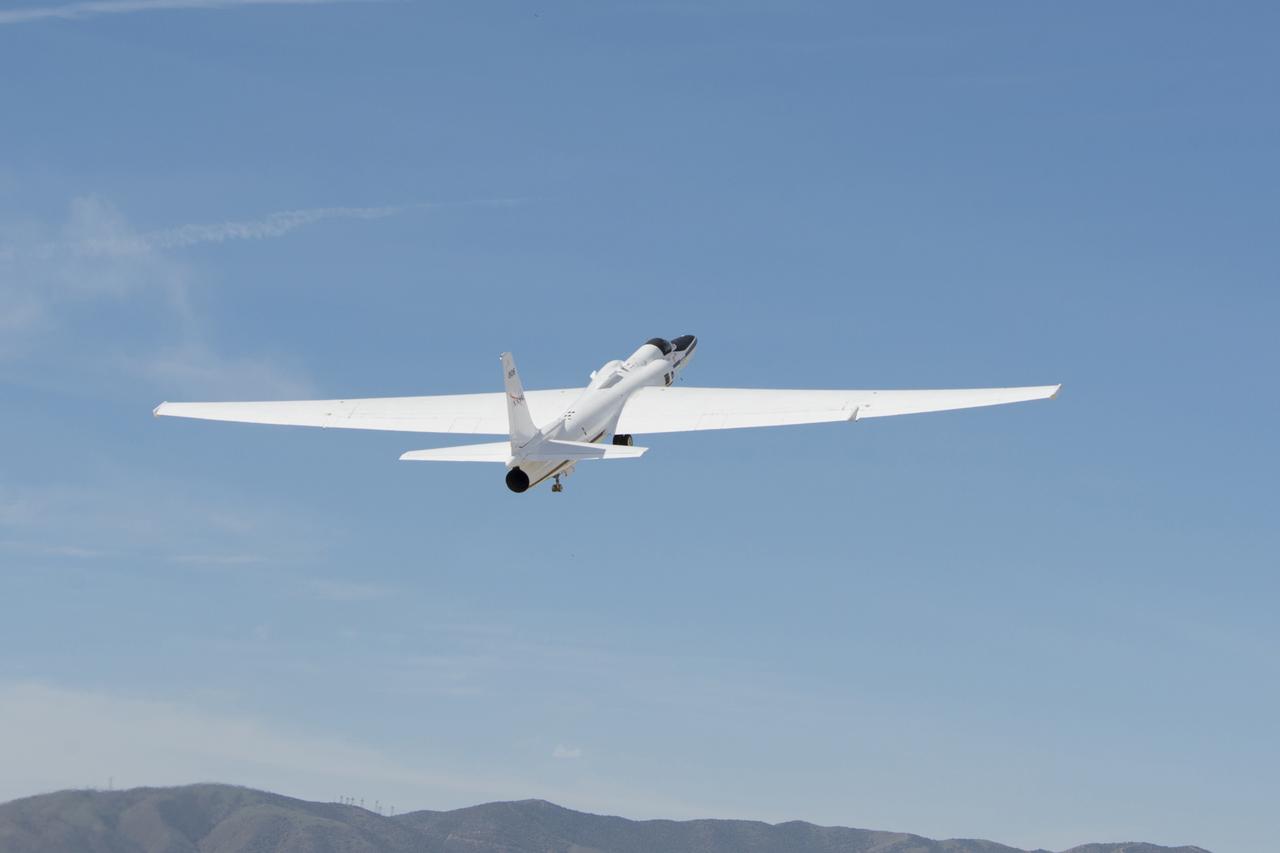
NASA’s ER-2 takes off from its base of operations at NASA’s Armstrong Flight Research Center Building 703 in Palmdale, California to test instruments that will support upcoming science flights for the Geostationary Operational Environmental Satellite-R-series.
AFRC2016-0105-15
Ken Schrock, Paul Crawford, Adam Butt, and teams at NASA’s Marshall Space Flight Center help monitor launch conditions for the Demo-2 mission from the Huntsville Operations Support Center, HOSC.
Stewart Whaley, Cameron Muelling, foreground, and teams  at NASA’s Marshall Space Flight Center help monitor launch conditions for the Demo-2 mission from the Huntsville Operations Support Center, HOSC.
Stewart Whaley, Cameron Muelling, foreground, and teams at NASA’s Marshall Space Flight Center help monitor launch conditions for the Demo-2 mission from the Huntsville Operations Support Center, HOSC.
Preston Jones, Deborah Crane, and teams at NASA’s Marshall Space Flight Center help monitor launch conditions for the Demo-2 mission from the Huntsville Operations Support Center, HOSC.
Patrick Mills, Stewart Whaley, Cameron Muelling and teams at NASA’s Marshall Space Flight Center help monitor launch conditions for the Demo-2 mission from the Huntsville Operations Support Center, HOSC.
Stewart Whaley, Cameron Muelling, foreground, and teams at NASA’s Marshall Space Flight Center help monitor launch conditions for the Demo-2 mission from the Huntsville Operations Support Center, HOSC.
Preston Jones, Deborah Crane, Adam Butt, and teams at NASA’s Marshall Space Flight Center help monitor launch conditions for the Demo-2 mission from the Huntsville Operations Support Center, HOSC.
 Stewart Whaley, Cameron Muelling, foreground, and teamsat NASA’s Marshall Space Flight Center help monitor launch conditions for the Demo-2 mission from the Huntsville Operations Support Center, HOSC.
Stewart Whaley, Cameron Muelling, foreground, and teams at NASA’s Marshall Space Flight Center help monitor launch conditions for the Demo-2 mission from the Huntsville Operations Support Center, HOSC.
Janet Anderson, Paul Crawford, and teams at NASA’s Marshall Space Flight Center help monitor launch conditions for the Demo-2 mission from the Huntsville Operations Support Center, HOSC.
 NEWLY REMODELED POIC (PAYLOAD OPERATIONS INTEGRATION CENTER) SHOWING ALL STATIONS STAFFED, JUNE 14, 2013
1300346
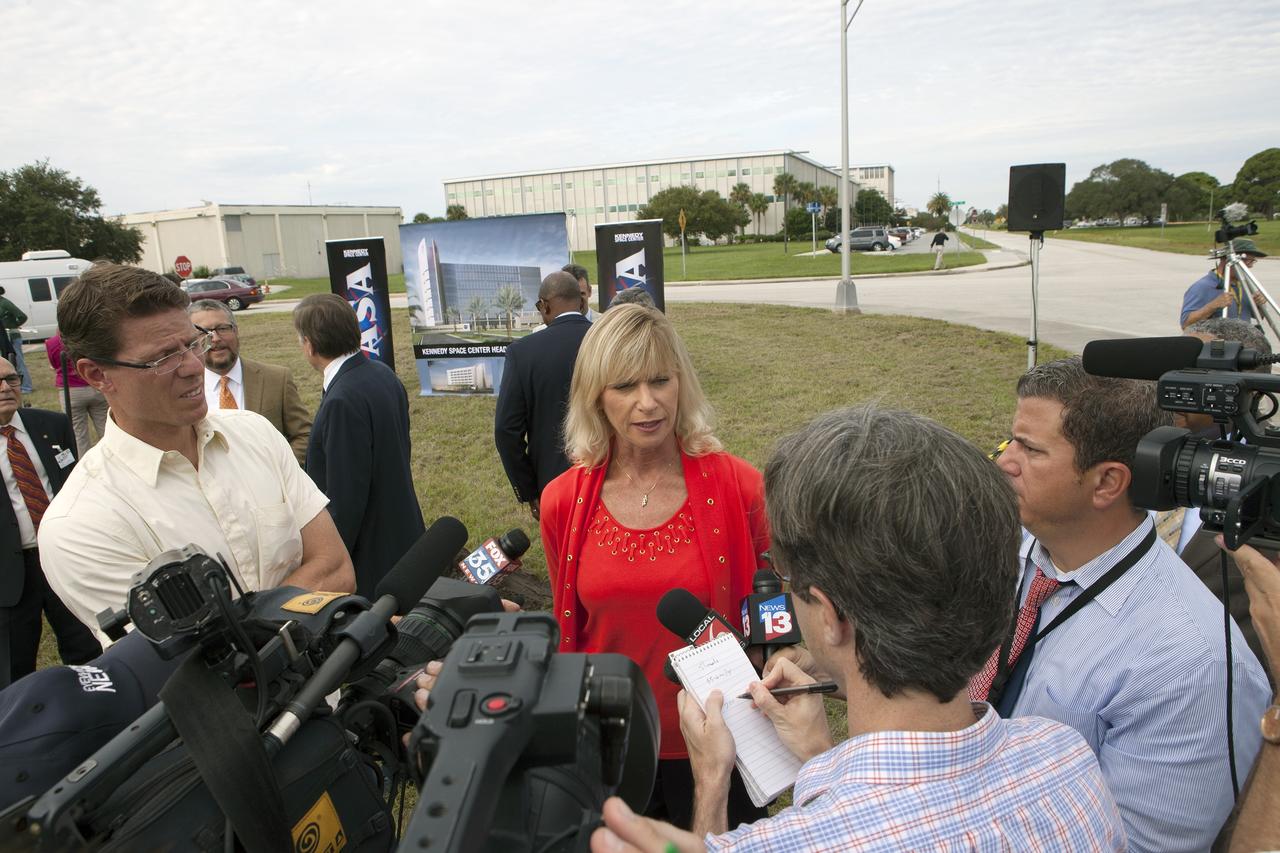
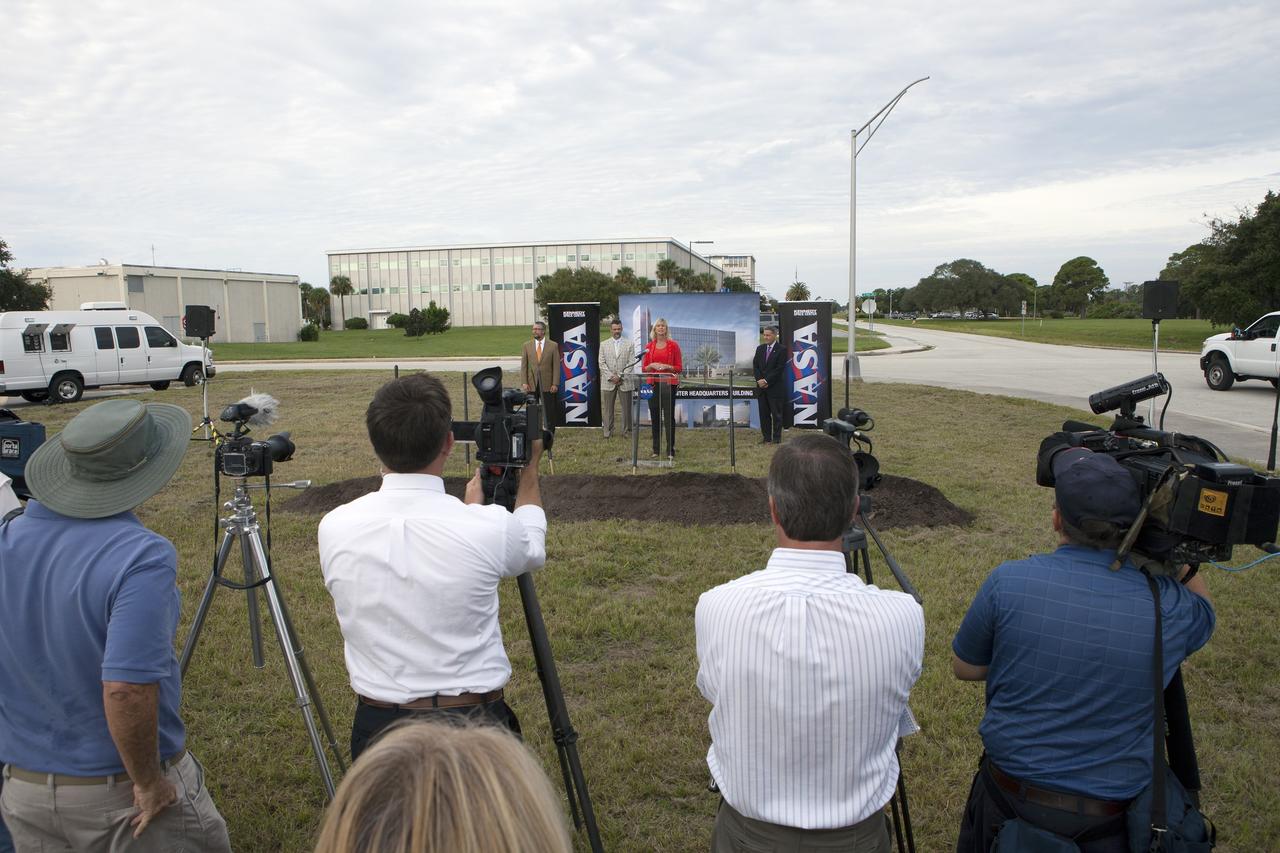
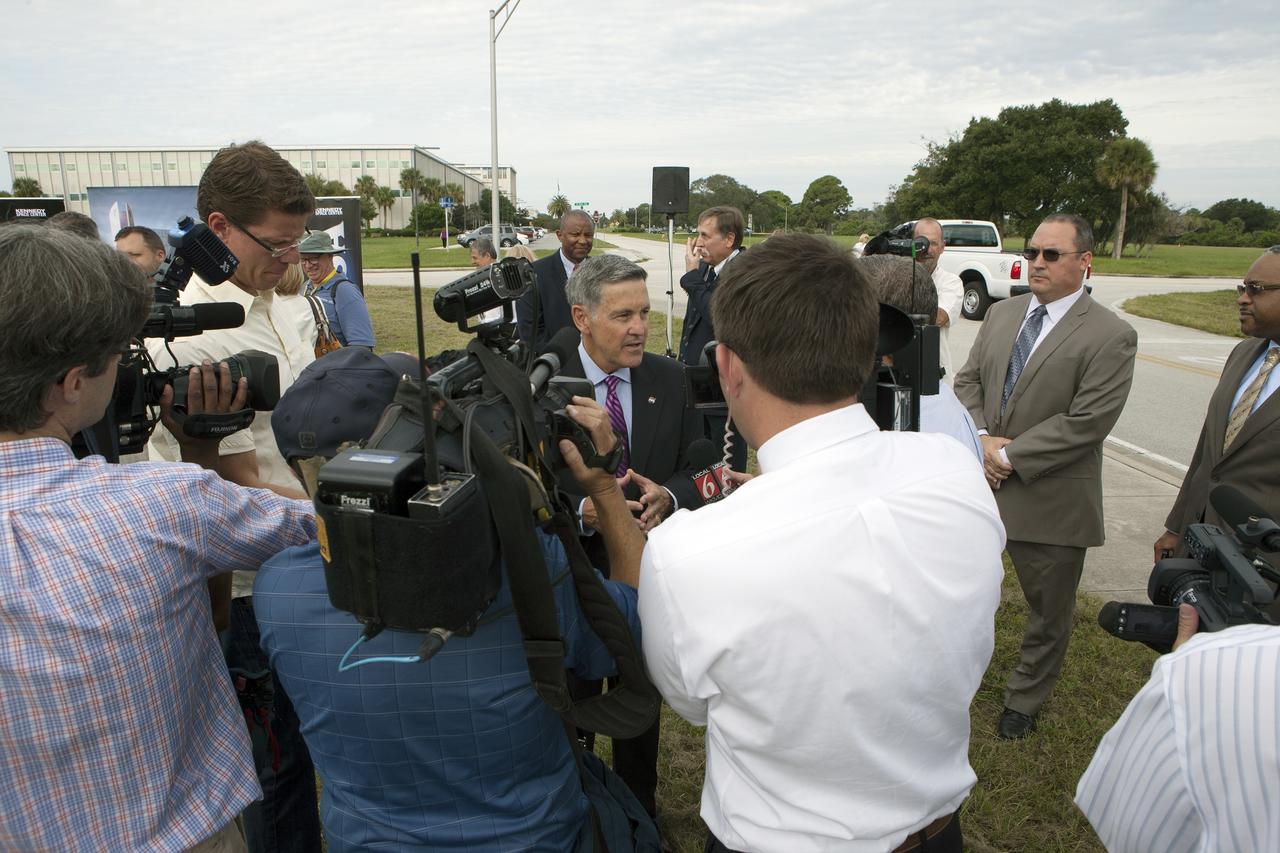
CAPE CANAVERAL, Fla. – Groundbreaking for the new Central Campus will take place in the Industrial Area at NASA's Kennedy Space Center in Florida. Nancy Bray, director of Kennedy's Center Operations Directorate, is interviewed by members of the media during the groundbreaking ceremony.    Kennedy is transforming into a multi-user, 21st century spaceport supporting both commercial and government users and operations. Central Campus Phase I includes construction of a new Headquarters Building as one of the major components of the strategy. The new Headquarters Building will be a seven-story, 200,000-square-foot facility that will house about 500 NASA civil service and contractor employees. Photo credit: NASA/Kim Shiflett
KSC-2014-4205
PANORAMA PHOTOGRAPHS OF THE NEWLY REMODELED PAYLOAD OPERATIONS INTEGRATION CENTER (POIC) IN BUILDING 4663 AT THE MARSHALL SPACE FLIGHT CENTER
1300415
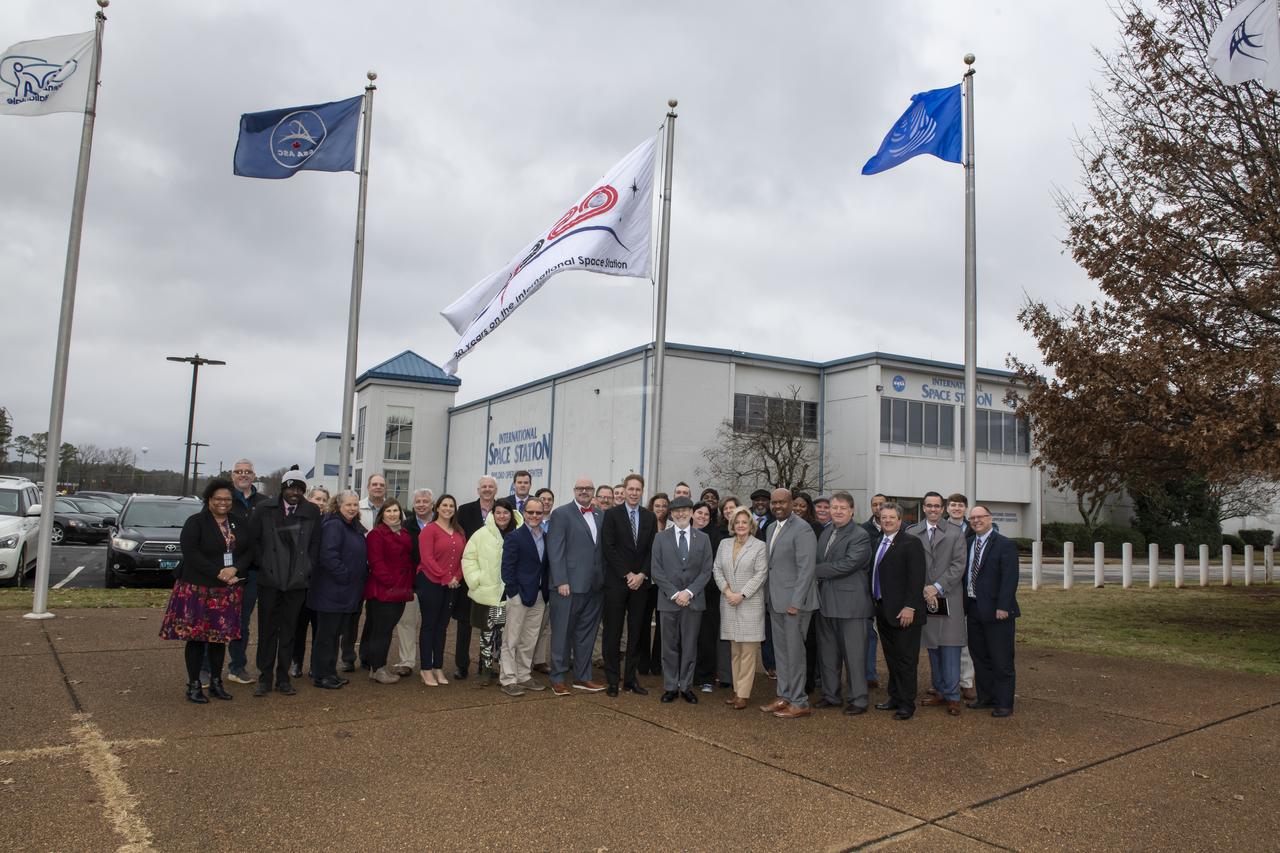
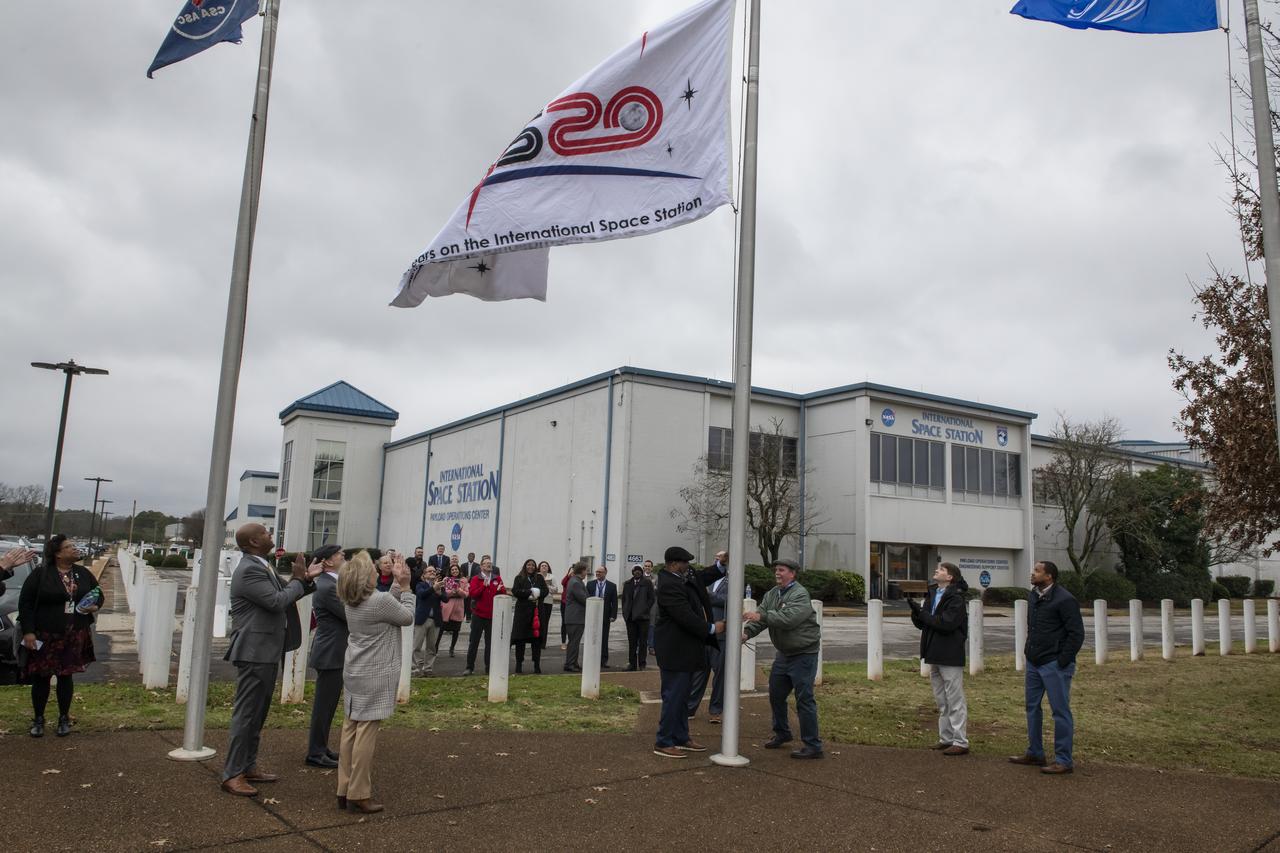
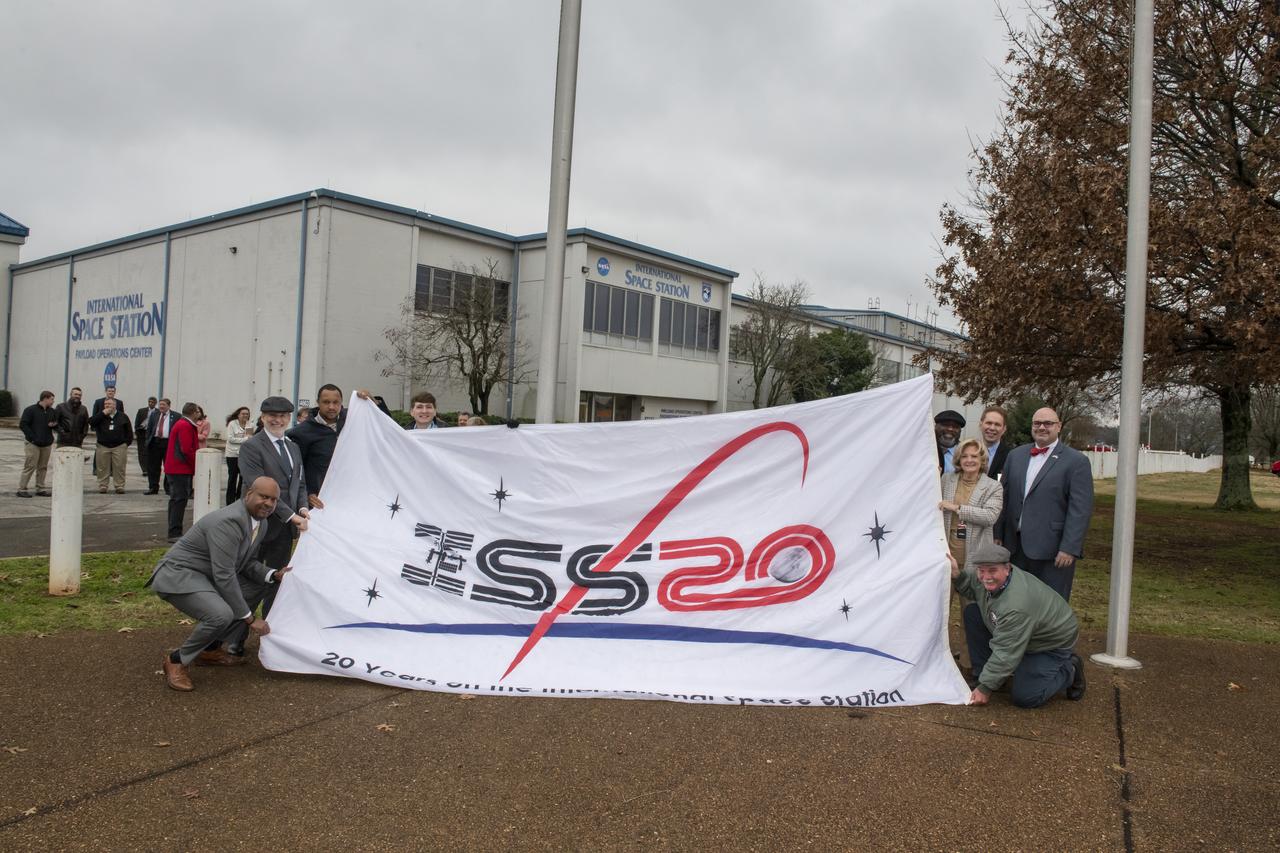
NASA Associate Administrator for the Human Exploration and Operations Mission Directorate and Marshall Center Director Jody Singer participate in the hanging of a new International Space Station flag out side of the Huntsville Operations Support Center (HOSC). Also participating were employees of the support center and the Payload Operations Integration Center.
Associate Administrator Douglas Loverro Participates in the Hanging of the ISS Flag
NASA Associate Administrator for the Human Exploration and Operations Mission Directorate and Marshall Center Director Jody Singer participate in the hanging of a new International Space Station flag out side of the Huntsville Operations Support Center (HOSC). Also participating were employees of the support center and the Payload Operations Integration Center.
Associate Administrator Douglas Loverro Participates in the Hanging of the ISS Flag
NASA Associate Administrator for the Human Exploration and Operations Mission Directorate and Marshall Center Director Jody Singer participate in the hanging of a new International Space Station flag out side of the Huntsville Operations Support Center (HOSC). Also participating were employees of the support center and the Payload Operations Integration Center.
Associate Administrator Douglas Loverro Participates in the Hanging of the ISS Flag
Amanda Stein, Patrick Mills, Stewart Whaley, Cameron Muelling and teams at NASA’s Marshall Space Flight Center help monitor launch conditions for the Demo-2 mission from the Huntsville Operations Support Center, HOSC.
Amanda Stein, Patrick Mills, Stewart Whaley, Cameron Muelling and Teams at NASA’s Marshall Space Flight Center help monitor launch conditions for the Demo-2 mission from the Huntsville Operations Support Center, HOSC.
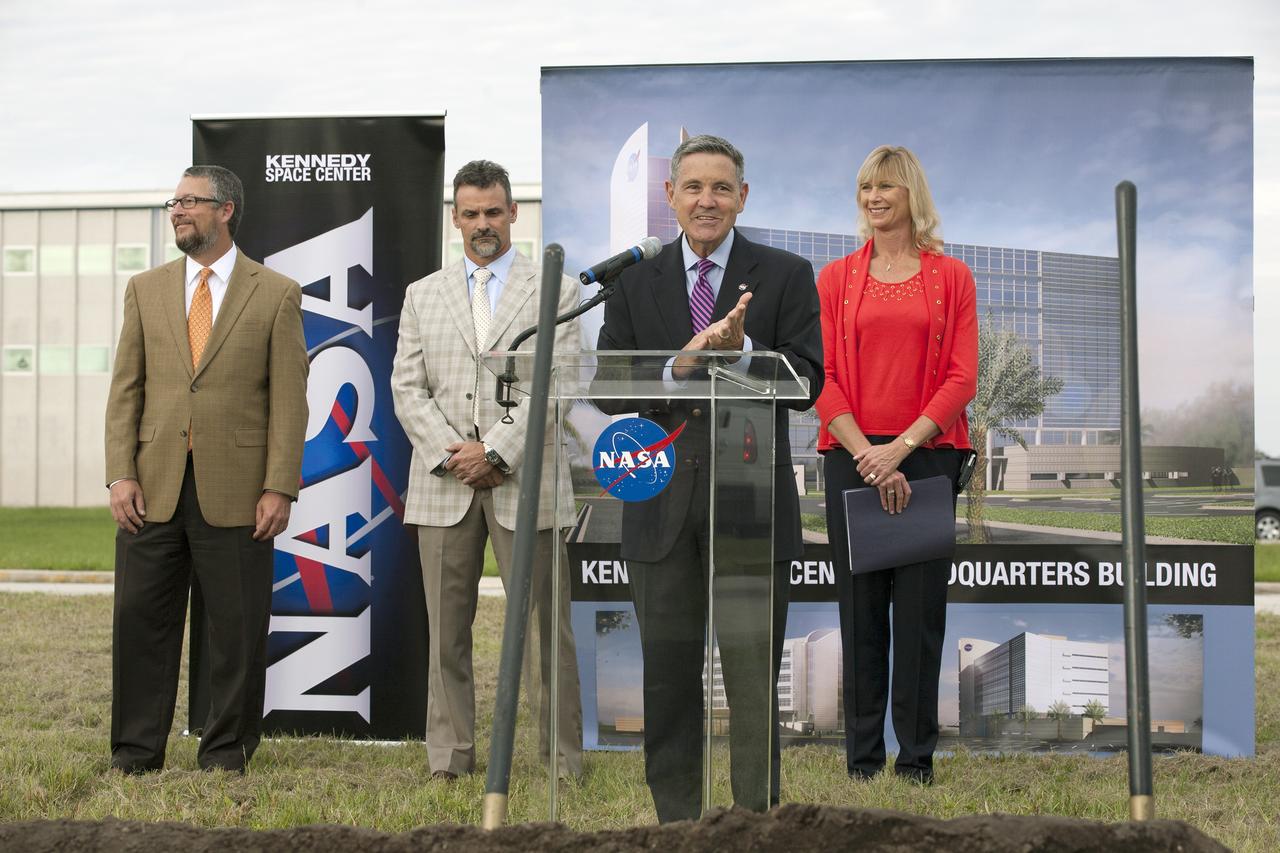
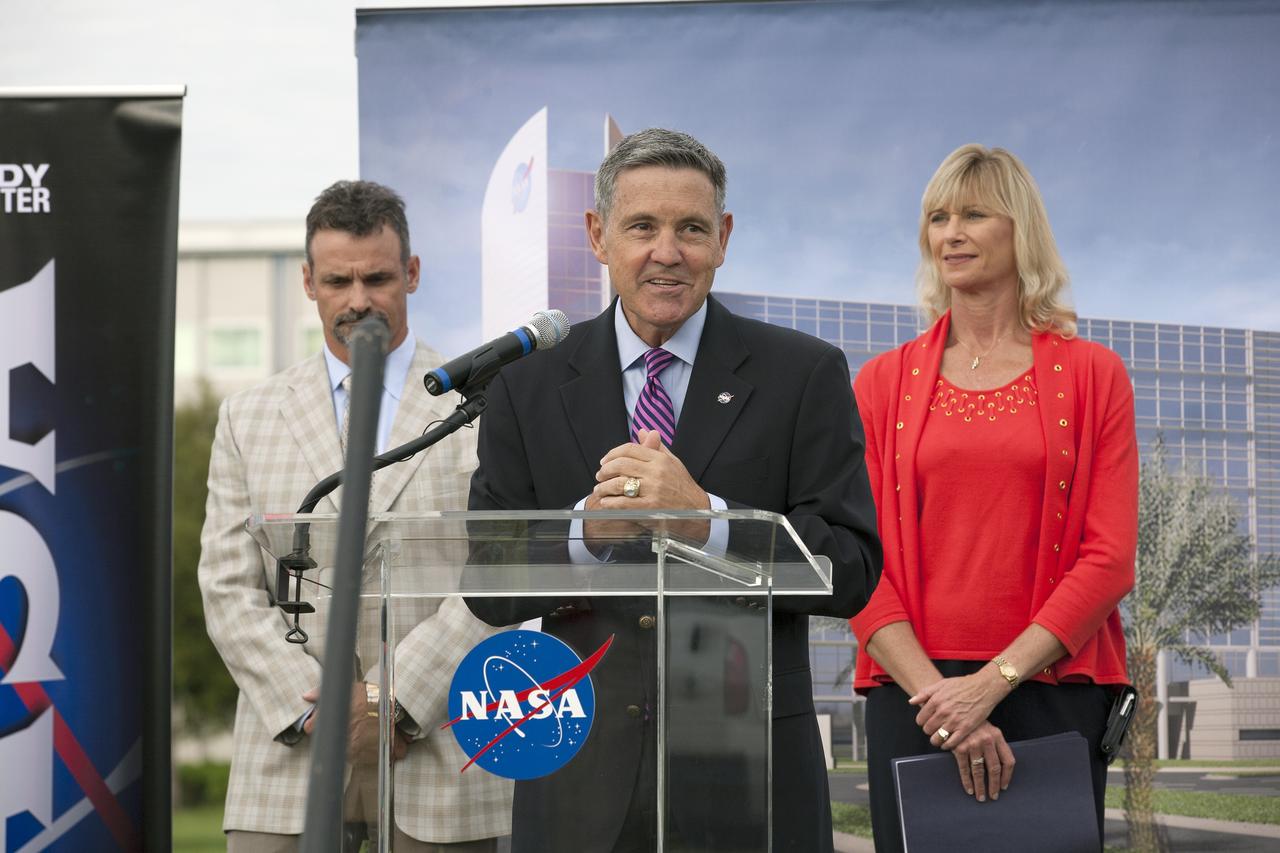
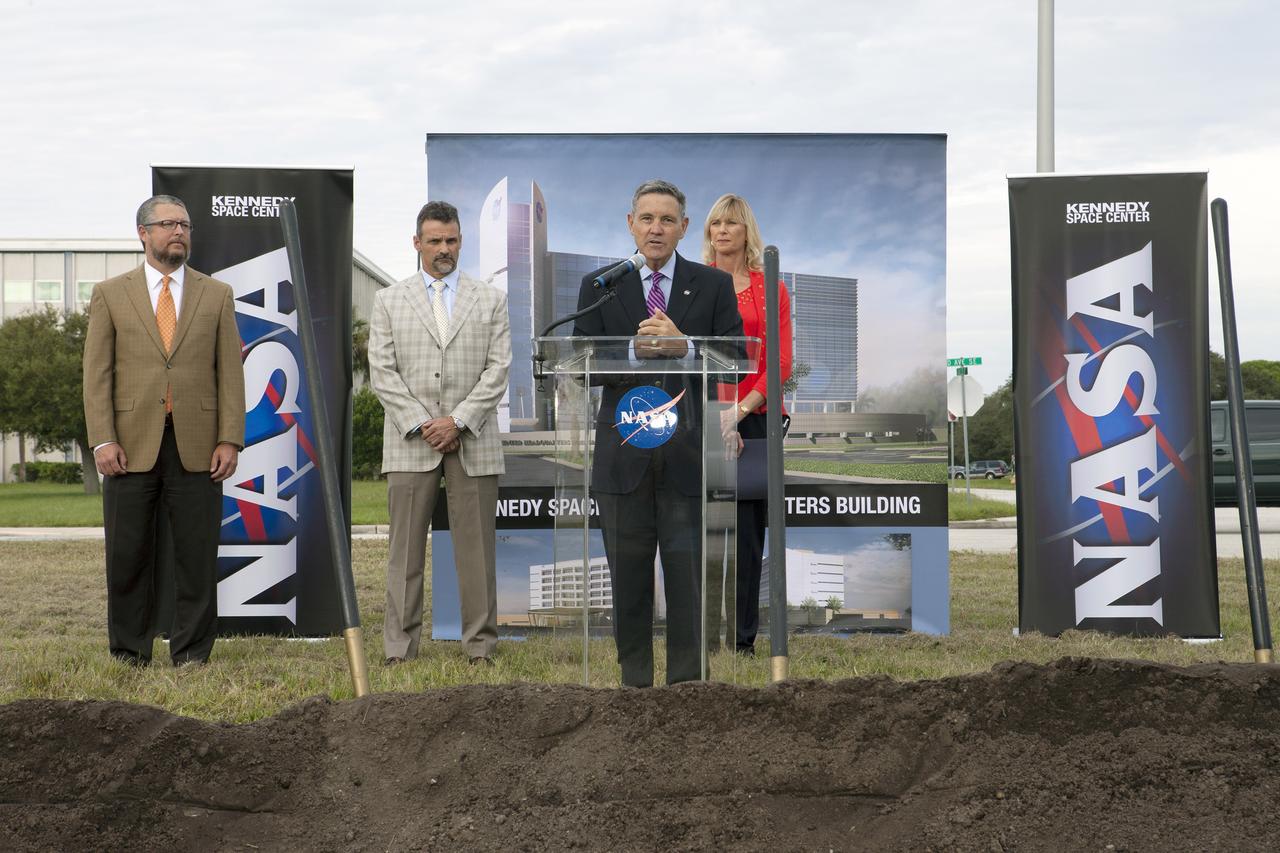
CAPE CANAVERAL, Fla. – Groundbreaking for the new Central Campus took place in the Industrial Area at NASA's Kennedy Space Center in Florida. Kennedy Center Director Bob Cabana speaks to members of the media and guests during the ceremony. Behind Cabana is Nancy Bray, director of Kennedy's Center Operations Directorate. From far left, are Steve Belflower, vice president of HuntonBrady Architects of Orlando, and Kirk Hazen, southeast district manager and vice president of Hensel Phelps, the construction contractor.     Kennedy is transforming into a multi-user, 21st century spaceport supporting both commercial and government users and operations. Central Campus Phase I includes construction of a new Headquarters Building as one of the major components of the strategy. The new Headquarters Building will be a seven-story, 200,000-square-foot facility that will house about 500 NASA civil service and contractor employees. Photo credit: NASA/Kim Shiflett
KSC-2014-4207
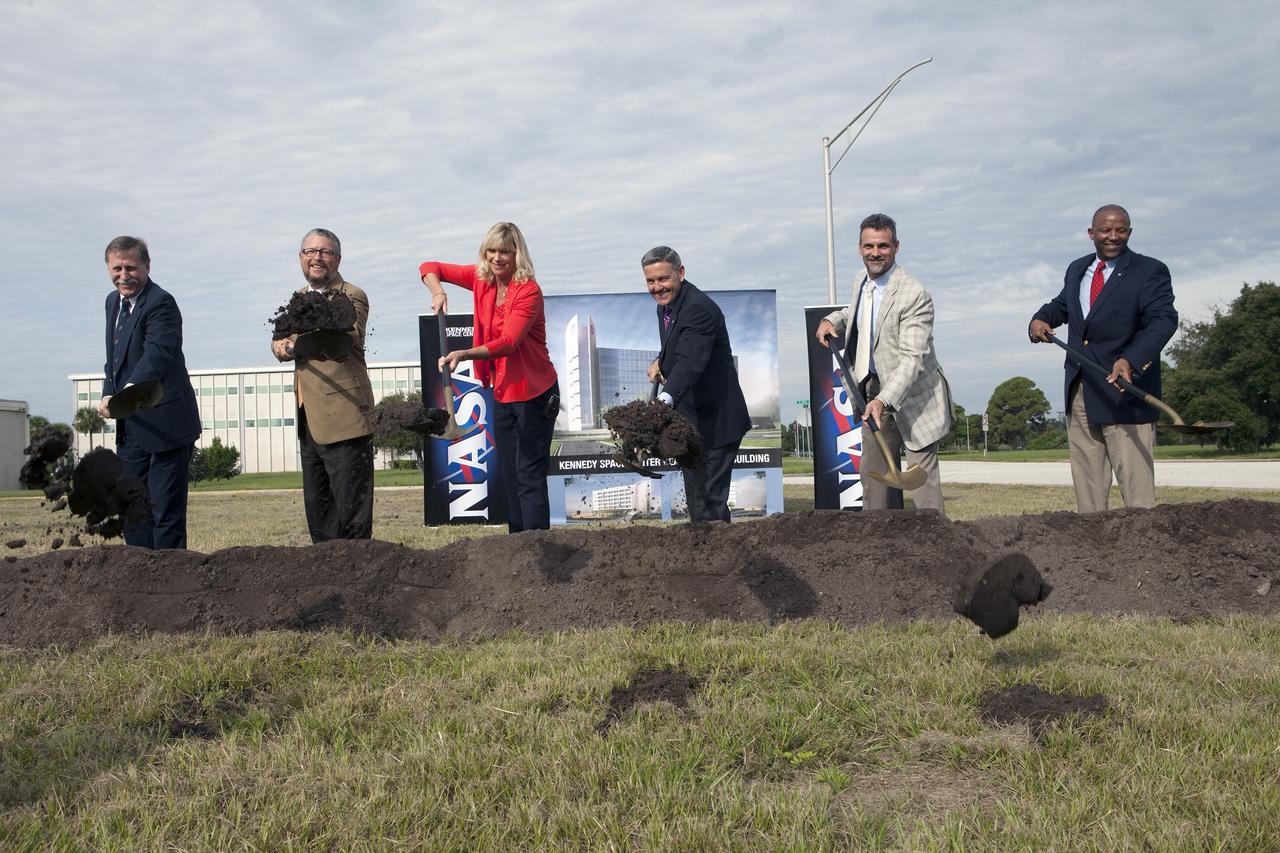
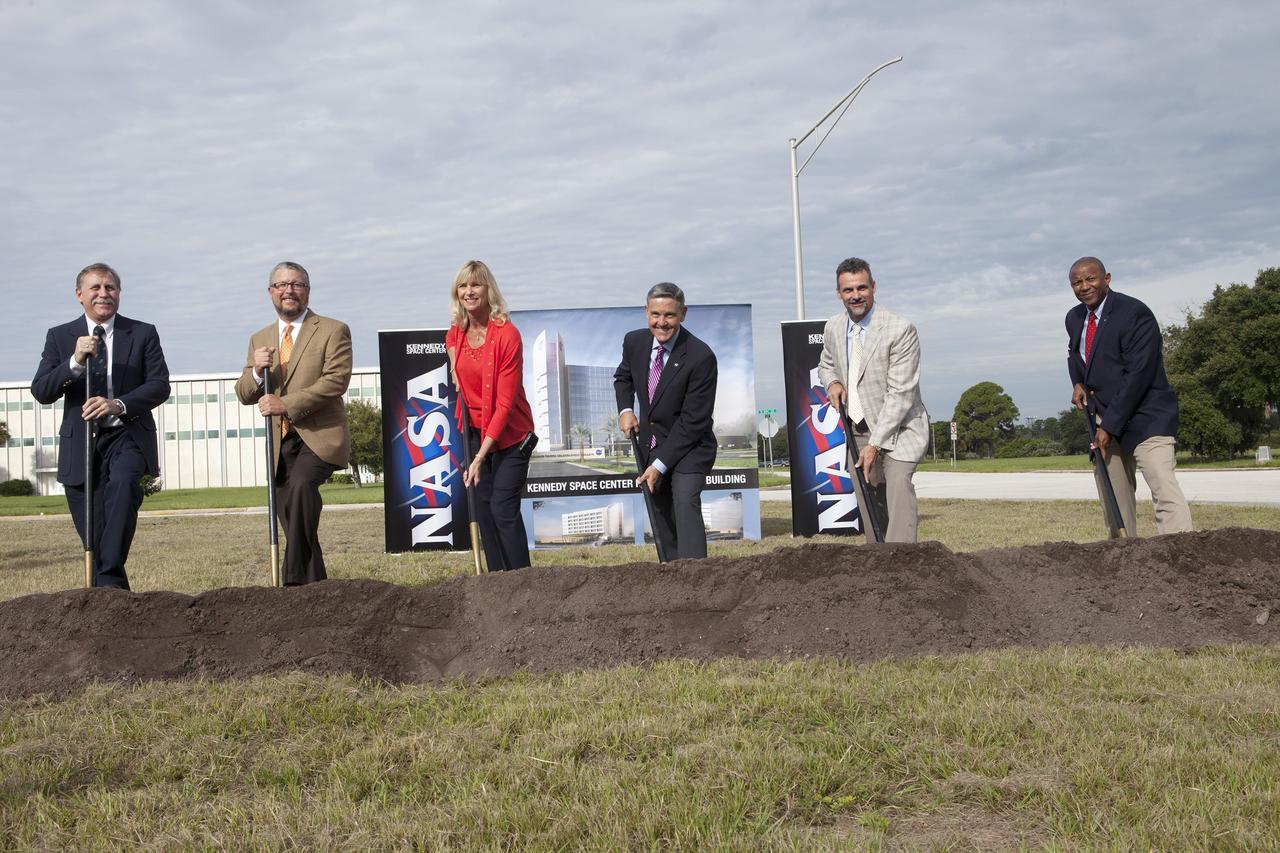
CAPE CANAVERAL, Fla. – Groundbreaking for the new Central Campus took place in the Industrial Area at NASA's Kennedy Space Center in Florida. Digging in with shovels during the groundbreaking ceremony, are Dan Tweed, associate director for Facilities at Kennedy Steve Belflower, vice president of HuntonBrady Architects of Orlando Nancy Bray, director of Kennedy's Center Operations Directorate Kennedy Center Director Bob Cabana Kirk Hazen, southeast district manager and vice president of Hensel Phelps, the construction contractor and Kelvin Manning, Kennedy's associate director.    Kennedy is transforming into a multi-user, 21st century spaceport supporting both commercial and government users and operations. Central Campus Phase I includes construction of a new Headquarters Building as one of the major components of the strategy. The new Headquarters Building will be a seven-story, 200,000-square-foot facility that will house about 500 NASA civil service and contractor employees. Photo credit: NASA/Kim Shiflett
KSC-2014-4213
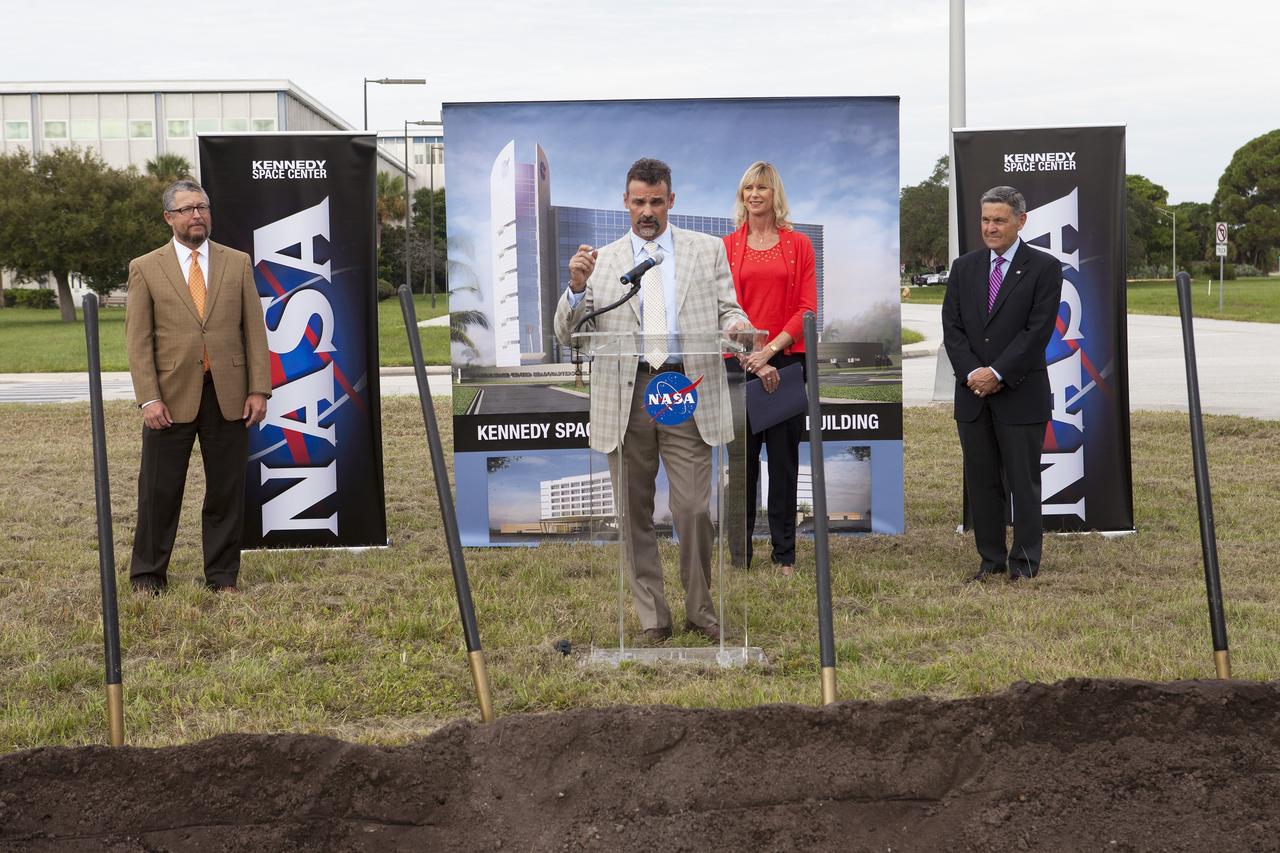
CAPE CANAVERAL, Fla. – Groundbreaking for the new Central Campus took place in the Industrial Area at NASA's Kennedy Space Center in Florida. Kirk Hazen, southeast district manager and vice president of Hensel Phelps, the construction contractor, speaks to members of the media and guests during the groundbreaking ceremony. Behind him is Nancy Bray, director of Kennedy's Center Operations Directorate. To his right is Kennedy Center Director Bob Cabana. To his left is Steve Belflower, vice president of HuntonBrady Architects of Orlando.      Kennedy is transforming into a multi-user, 21st century spaceport supporting both commercial and government users and operations. Central Campus Phase I includes construction of a new Headquarters Building as one of the major components of the strategy. The new Headquarters Building will be a seven-story, 200,000-square-foot facility that will house about 500 NASA civil service and contractor employees. Photo credit: NASA/Kim Shiflett
KSC-2014-4210
CAPE CANAVERAL, Fla. – Groundbreaking for the new Central Campus took place in the Industrial Area at NASA's Kennedy Space Center in Florida. Nancy Bray, director of Kennedy's Center Operations Directorate, speaks to members of the media and guests during the ceremony. To her right is Kennedy Center Director Bob Cabana. From far left, are Steve Belflower, vice president of HuntonBrady Architects of Orlando, and Kirk Hazen, southeast district manager and vice president of Hensel Phelps, the construction contractor.     Kennedy is transforming into a multi-user, 21st century spaceport supporting both commercial and government users and operations. Central Campus Phase I includes construction of a new Headquarters Building as one of the major components of the strategy. The new Headquarters Building will be a seven-story, 200,000-square-foot facility that will house about 500 NASA civil service and contractor employees. Photo credit: NASA/Kim Shiflett
KSC-2014-4208
CAPE CANAVERAL, Fla. – Groundbreaking for the new Central Campus took place in the Industrial Area at NASA's Kennedy Space Center in Florida. Digging in with shovels during the groundbreaking ceremony, are Dan Tweed, associate director for Facilities at Kennedy Steve Belflower, vice president of HuntonBrady Architects of Orlando Nancy Bray, director of Kennedy's Center Operations Directorate Kennedy Center Director Bob Cabana Kirk Hazen, southeast district manager and vice president of Hensel Phelps, the construction contractor and Kelvin Manning, Kennedy's associate director.      Kennedy is transforming into a multi-user, 21st century spaceport supporting both commercial and government users and operations. Central Campus Phase I includes construction of a new Headquarters Building as one of the major components of the strategy. The new Headquarters Building will be a seven-story, 200,000-square-foot facility that will house about 500 NASA civil service and contractor employees. Photo credit: NASA/Kim Shiflett
KSC-2014-4212
CAPE CANAVERAL, Fla. – Groundbreaking for the new Central Campus took place in the Industrial Area at NASA's Kennedy Space Center in Florida. Kennedy Center Director Bob Cabana speaks to members of the media and guests during the groundbreaking ceremony. To his right is Nancy Bray, director of Kennedy's Center Operations Directorate. From far left, are Steve Belflower, vice president of HuntonBrady Architects of Orlando, and Kirk Hazen, southeast district manager and vice president of Hensel Phelps, the construction contractor.    Kennedy is transforming into a multi-user, 21st century spaceport supporting both commercial and government users and operations. Central Campus Phase I includes construction of a new Headquarters Building as one of the major components of the strategy. The new Headquarters Building will be a seven-story, 200,000-square-foot facility that will house about 500 NASA civil service and contractor employees. Photo credit: NASA/Kim Shiflett
KSC-2014-4216
CAPE CANAVERAL, Fla. – Groundbreaking for the new Central Campus will take place in the Industrial Area at NASA's Kennedy Space Center in Florida. Kennedy Center Director Bob Cabana welcomes members of the media and guests to the ceremony. To his right is Nancy Bray, director of Kennedy's Center Operations Directorate. To his left is Kirk Hazen, southeast district manager and vice president of Hensel Phelps, the construction contractor.    Kennedy is transforming into a multi-user, 21st century spaceport supporting both commercial and government users and operations. Central Campus Phase I includes construction of a new Headquarters Building as one of the major components of the strategy. The new Headquarters Building will be a seven-story, 200,000-square-foot facility that will house about 500 NASA civil service and contractor employees. Photo credit: NASA/Kim Shiflett
KSC-2014-4206
MARK ROBERTS, DATA MANAGEMENT COORDINATOR, AT HIS WORKSTATION IN THE PAYLOAD OPERATIONS INTEGRATION CENTER (POIC).
1400609
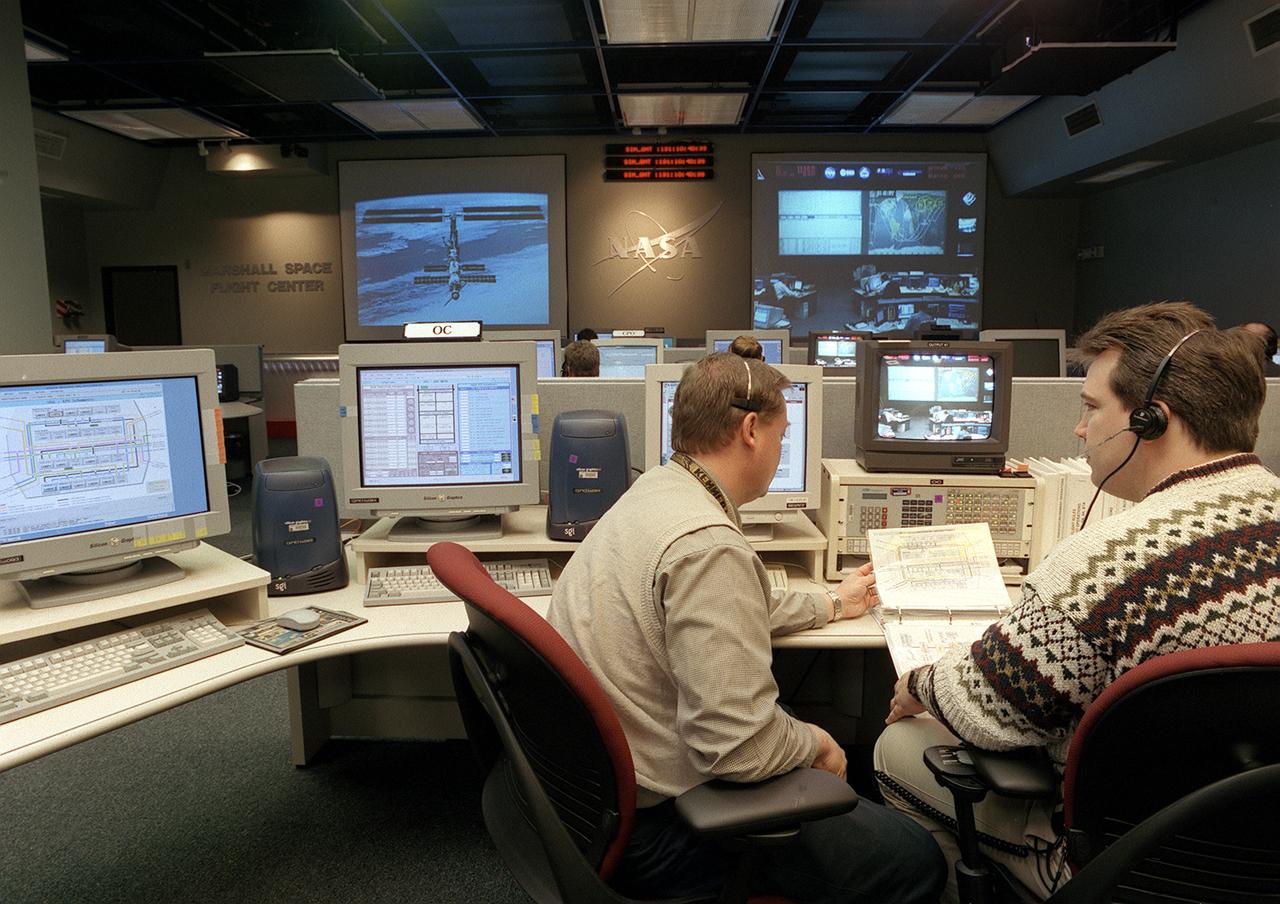
The Payload Operations Center (POC) is the science command post for the International Space Station (ISS). Located at NASA's Marshall Space Flight Center in Huntsville, Alabama, it is the focal point for American and international science activities aboard the ISS. The POC's unique capabilities allow science experts and researchers around the world to perform cutting-edge science in the unique microgravity environment of space. The POC is staffed around the clock by shifts of payload flight controllers. At any given time, 8 to 10 flight controllers are on consoles operating, plarning for, and controlling various systems and payloads. This photograph shows the Operations Controllers (OC) at their work stations. The OC coordinates the configuration of resources to enable science operations, such as power, cooling, commanding, and the availability of items like tools and laboratory equipment.
International Space Station (ISS)
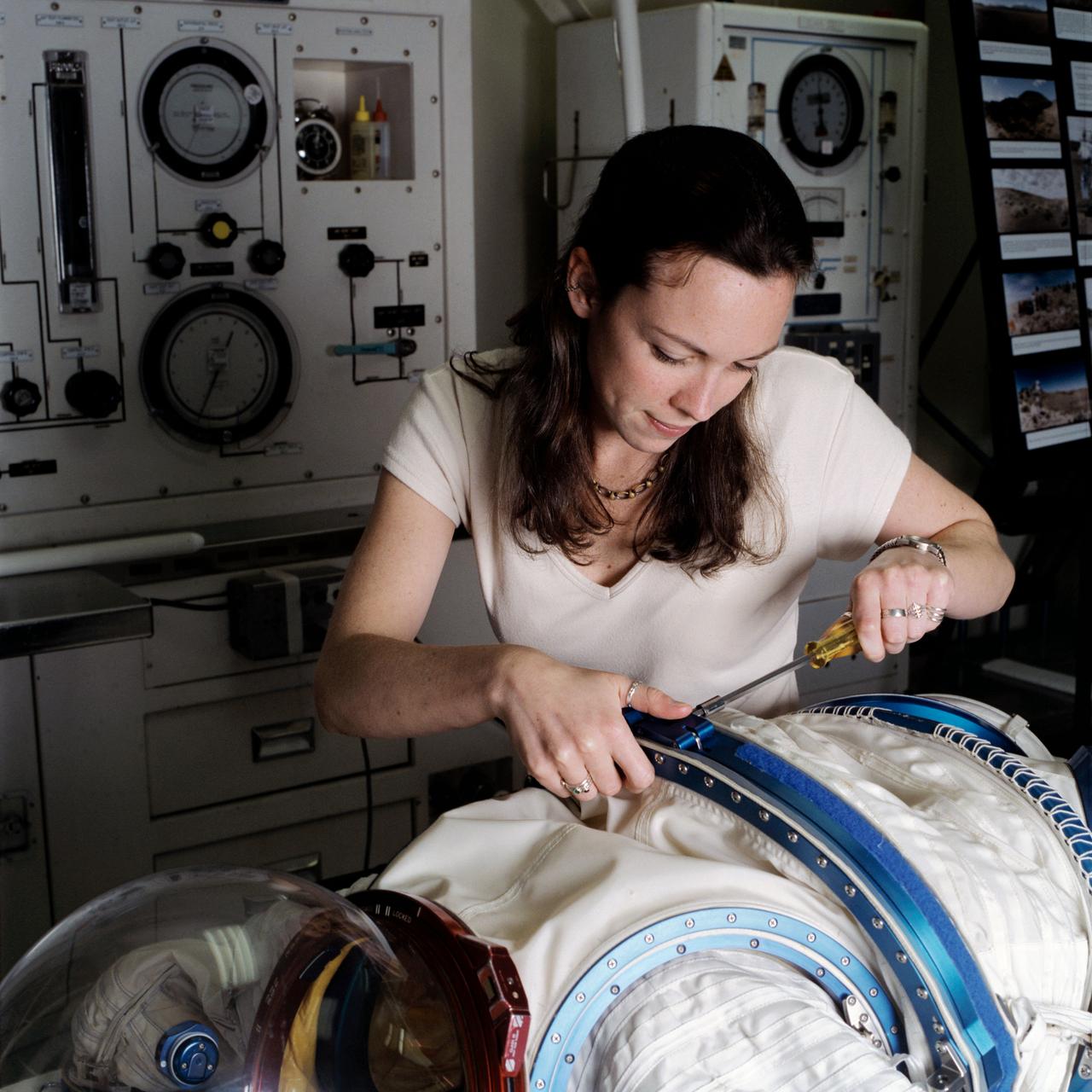
Photographic documentation showing co-operative students performing their various tasks around Johnson Space Center. These images will be used for displays and brochures for the co-operative program. Images include: a student tightening a bolt on the upper torso of the experimental soft space suit (04726-7); three students working at the Guidance/Navigation (GNC) console in the Mission Control Center (MCC) in Building 30S - the front large screens are visible in the background (04728); two students working at the Guidance/Navigation (GNC) console in the Mission Control Center (MCC) in Building 30S - the front large screens are visible in the background (04729); two students working with an experimental soft space suit (04730); three students working with an experimental soft space suit (04731); and a student tests her manual dexterity using a glove box while another student looks on (04732-3).
Co-operative students at work at Johnson Space Center
Testing of software with ground hardware for the Structue and Response of Spherical Diffusion Flames, s-Flame, experiment  - of the Advanced Combustion via Microgravity Experiments, ACME, project conducted in the ISS Combustion Integrated Rack, CIR - by ACME Software Engineer Jeffrey Eggers, Operations Lead Angela Adams, and Planning Lead Melani Smajdek in the Telescience Support Center, TSC, also known as the Glenn ISS Payload Operations Center, GIPOC
Testing of software with ground hardware for the Structue and Response of Spherical Diffusion Flames, s-Flame, experiment in the Telescience Support Center, TSC, also known as the Glenn ISS Payload Operations Center, GIPOC
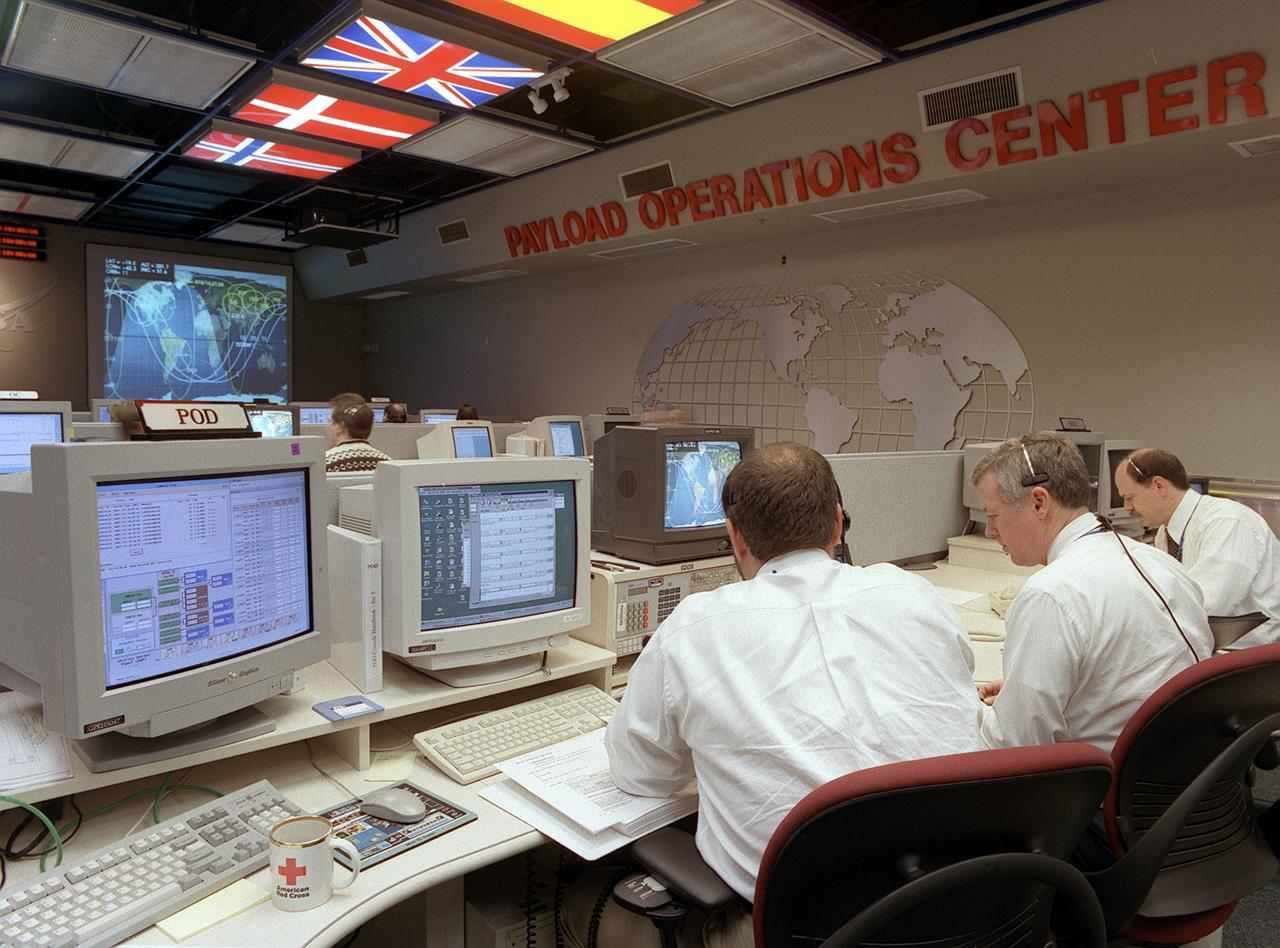
The Payload Operations Center (POC) is the science command post for the International Space Station (ISS). Located at NASA's Marshall Space Flight Center in Huntsville, Alabama, it is the focal point for American and international science activities aboard the ISS. The POC's unique capabilities allow science experts and researchers around the world to perform cutting-edge science in the unique microgravity environment of space. The POC is staffed around the clock by shifts of payload flight controllers. At any given time, 8 to 10 flight controllers are on consoles, operating, plarning for, and controlling various systems and payloads. This photograph shows the Payload Operations Director (POD) at work. The POD is the leader of the POC flight control team. The Director guides all payload activities in coordination with Mission Control at Johnson Space Center at Houston, Texas, the Station crew, the international partners, and other research facilities.
International Space Station (ISS)
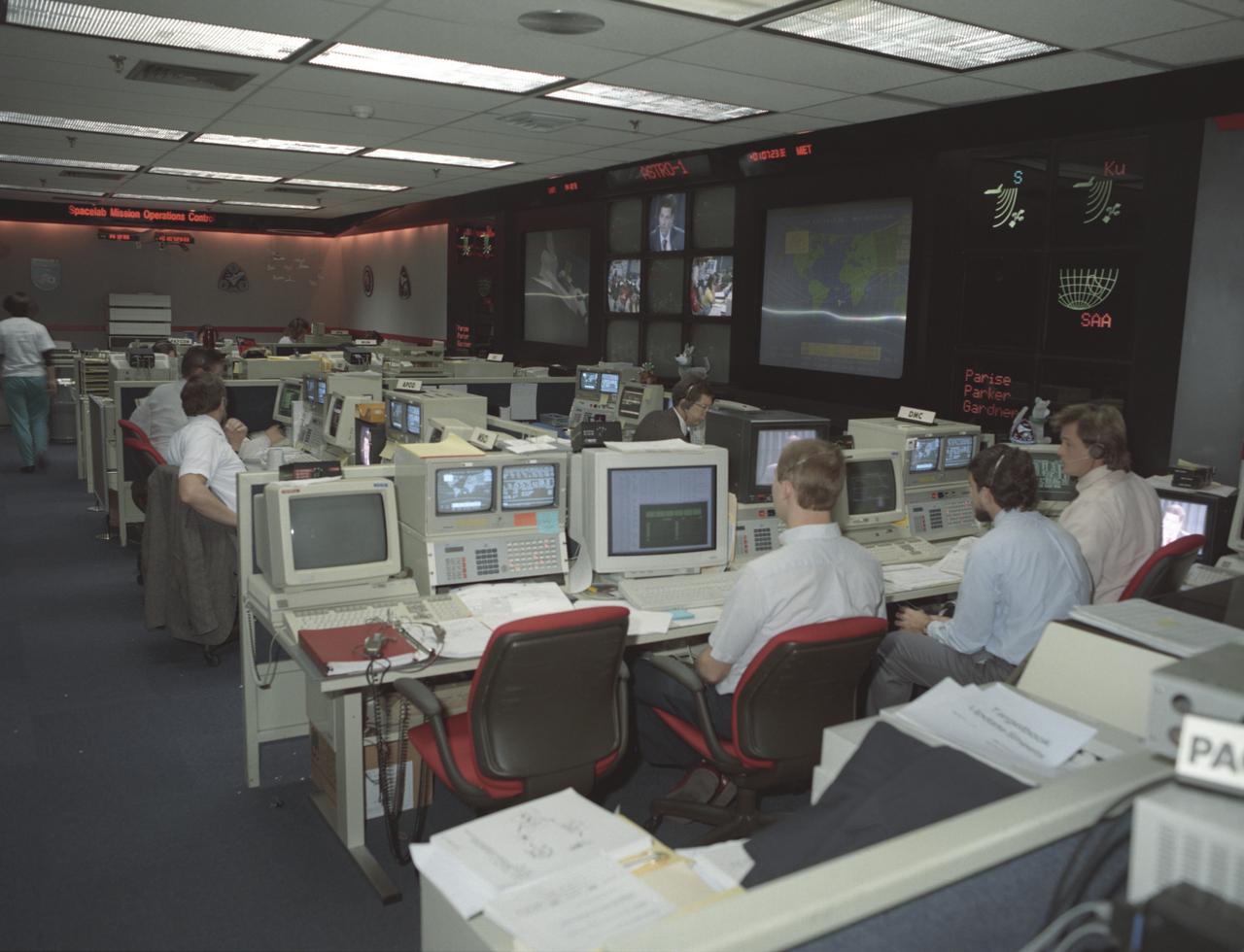
Activities in the Spacelab Mission Operations Control facility at the Marshall Space Flight Center (MSFC) are shown in this photograph. All NASA Spacelab science missions were controlled from and the science astronauts were supported by this facility during the missions. Teams of flight controllers and researchers at the MSFC Space Mission Operations Control Center directed all NASA science operations, sent commands directly to the crew of Spacelab, and received and analyzed data from experiments on board the Spacelab. The facility used the air/ground communications charnels between the astronauts and ground control teams during the Spacelab missions. Spacelab science operations were a cooperative effort between the science astronaut crew in orbit and their colleagues in the Space Mission Operations Control Center. Though the crew and the instrument science teams were separated by many miles, they interacted with one another to evaluate observations and solve problems in much the same way as they would when working side by side in a ground-based laboratory. Most of the action was centered in two work areas: The payload control area from which the overall payload was monitored and controlled and the science operations area where teams of scientists monitored their instruments and direct experiment activities. This facility is no longer operational since the last Spacelab mission, U.S. Microgravity Payload-4 in December 1997, and has become one of the historical sites at MSFC. The facility was reopened as the International Space Station Payload Operations Center in March 2001.
Spacelab
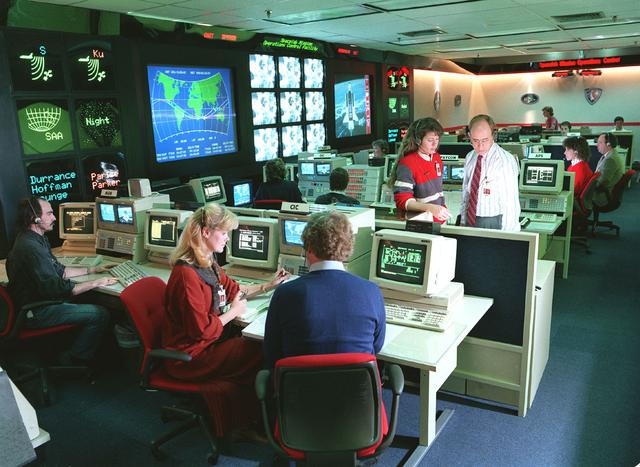
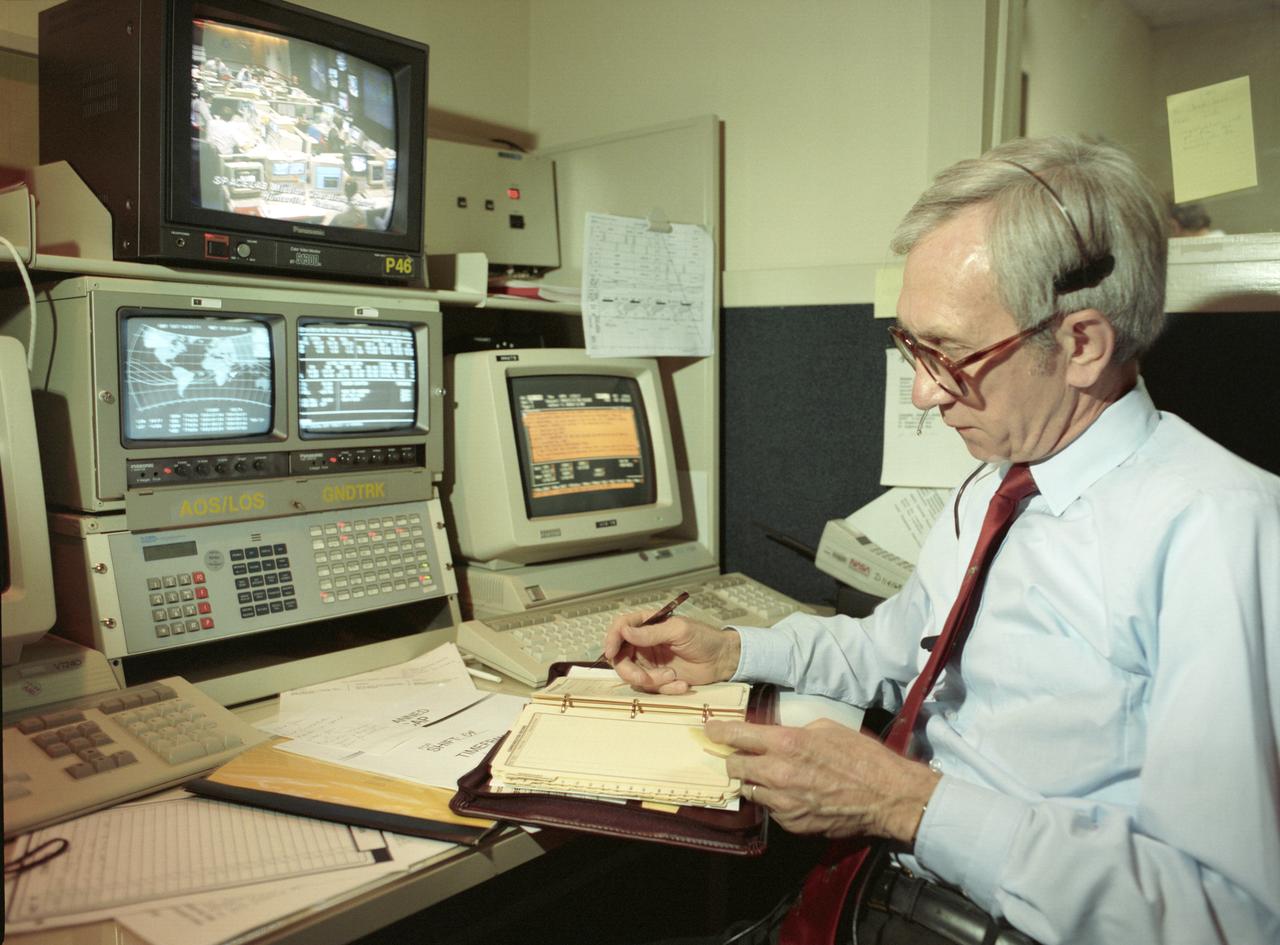
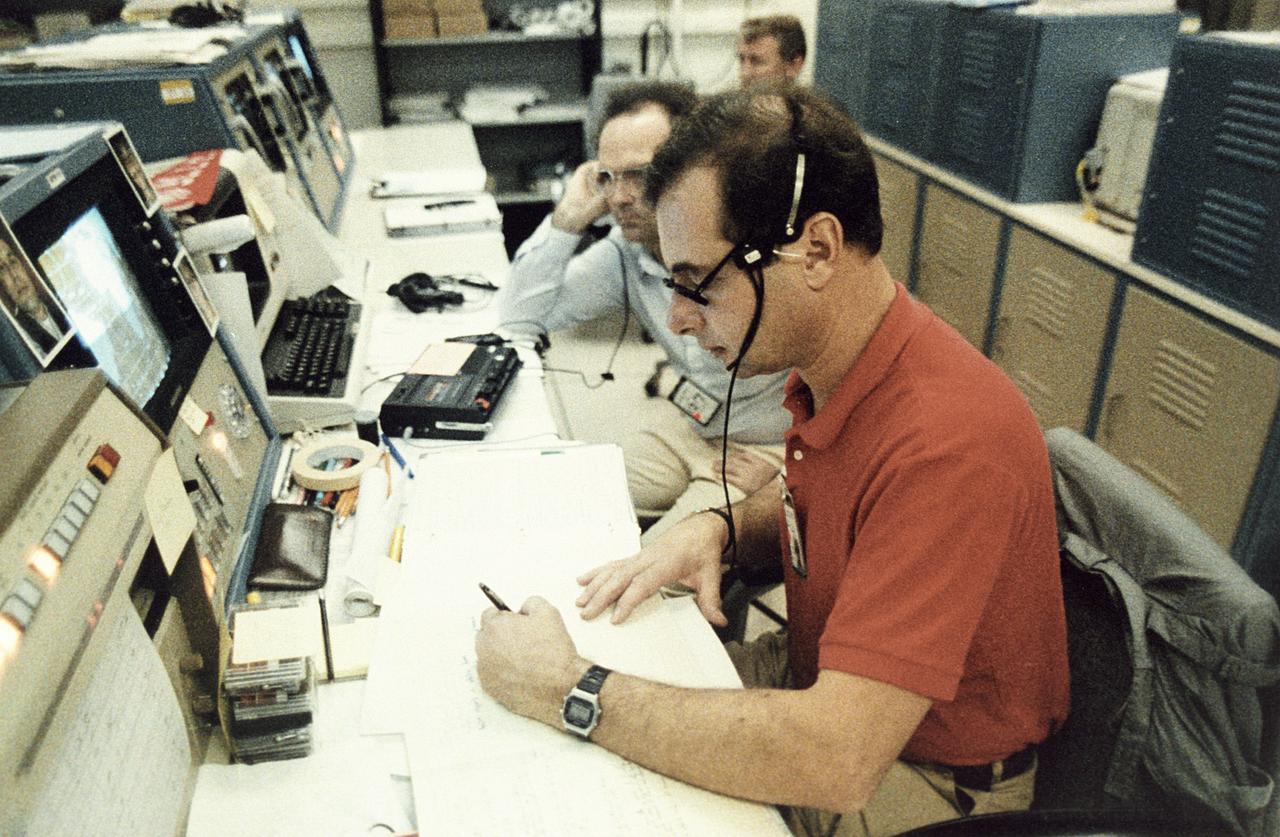
The primary objective of the STS-35 mission was round the clock observation of the celestial sphere in ultraviolet and X-Ray astronomy with the Astro-1 observatory which consisted of four telescopes: the Hopkins Ultraviolet Telescope (HUT); the Wisconsin Ultraviolet Photo-Polarimeter Experiment (WUPPE); the Ultraviolet Imaging Telescope (UIT); and the Broad Band X-Ray Telescope (BBXRT). The Huntsville Operations Support Center (HOSC) Spacelab Payload Operations Control Center (SL POCC) at the Marshall Space Flight Center (MSFC) was the air/ground communication channel used between the astronauts and ground control teams during the Spacelab missions. Teams of controllers and researchers directed on-orbit science operations, sent commands to the spacecraft, received data from experiments aboard the Space Shuttle, adjusted mission schedules to take advantage of unexpected science opportunities or unexpected results, and worked with crew members to resolve problems with their experiments. Pictured is Jack Jones in the Mission Manager Area.
Around Marshall
This photograph was taken during the Astro-1 mission (STS-35) showing activities at NASA's new Payload Operations Control Center (POCC) at the Marshall Space Flight Center. The POCC was the air/ground communication charnel used between the astronauts and ground control teams during the Spacelab missions. Teams of controllers and researchers directed on-orbit science operations, sent commands to the spacecraft, received data from experiments aboard the Space Shuttle, adjusted mission schedules to take advantage of unexpected science opportunities or unexpected results, and worked with crewmembers to resolve problems with their experiments.
Spacelab
CAPE CANAVERAL, Fla. – Groundbreaking for the new Central Campus took place in the Industrial Area at NASA's Kennedy Space Center in Florida. Kennedy's Center Director Bob Cabana speaks to members of the media after the groundbreaking ceremony.    Kennedy is transforming into a multi-user, 21st century spaceport supporting both commercial and government users and operations. Central Campus Phase I includes construction of a new Headquarters Building as one of the major components of the strategy. The new Headquarters Building will be a seven-story, 200,000-square-foot facility that will house about 500 NASA civil service and contractor employees. Photo credit: NASA/Kim Shiflett
KSC-2014-4214
During a Spacelab flight, the hub of activity was the Payload Operations Control Center (POCC) at the Johnson Space Flight Center (JSC) in Houston, Texas. The POCC became home to the management and science teams who worked around the clock to guide and support the mission. All Spacelab principal investigators and their teams of scientists and engineers set up work areas in the POCC. Through the use of computers, they could send commands to their instruments and receive and analyze experiment data. Instantaneous video and audio communications made it possible for scientists on the ground to follow the progress of their research almost as if they were in space with the crew. This real-time interaction between investigators on the ground and the crew in space was probably the most exciting of Spacelab's many capabilities. As principal investigators talked to the payload specialists during the mission, they consulted on experiment operations, made decisions, and shared in the thrill of gaining new knowledge. In December 1990, a newly-established POCC at the Marshall Space Flight Center (MSFC) opened its door for the operations of the Spacelab payloads and experiments, while JSC monitored the Shuttle flight operations. MSFC had managing responsibilities for the Spacelab missions.
Spacelab
Dwight Mosby, Payload Operations Mission Division Manager, welcomes scientists and engineers from around the world as they participate in the annual Payload Operations and Integration Working Group meeting held Oct. 20-21. The event offers payload developers, investigators and project managers the opportunity to coordinate processes and schedules and to review the status of scientific payloads currently on or soon launching to the International Space Station. The gathering, hosted by NASA Marshall’s Payload Operations and Integration Center, was held virtually.  The POIC is mission control for science on the International Space Station.
Dwight Mosby Opens the Annual Payload Operations and Integration
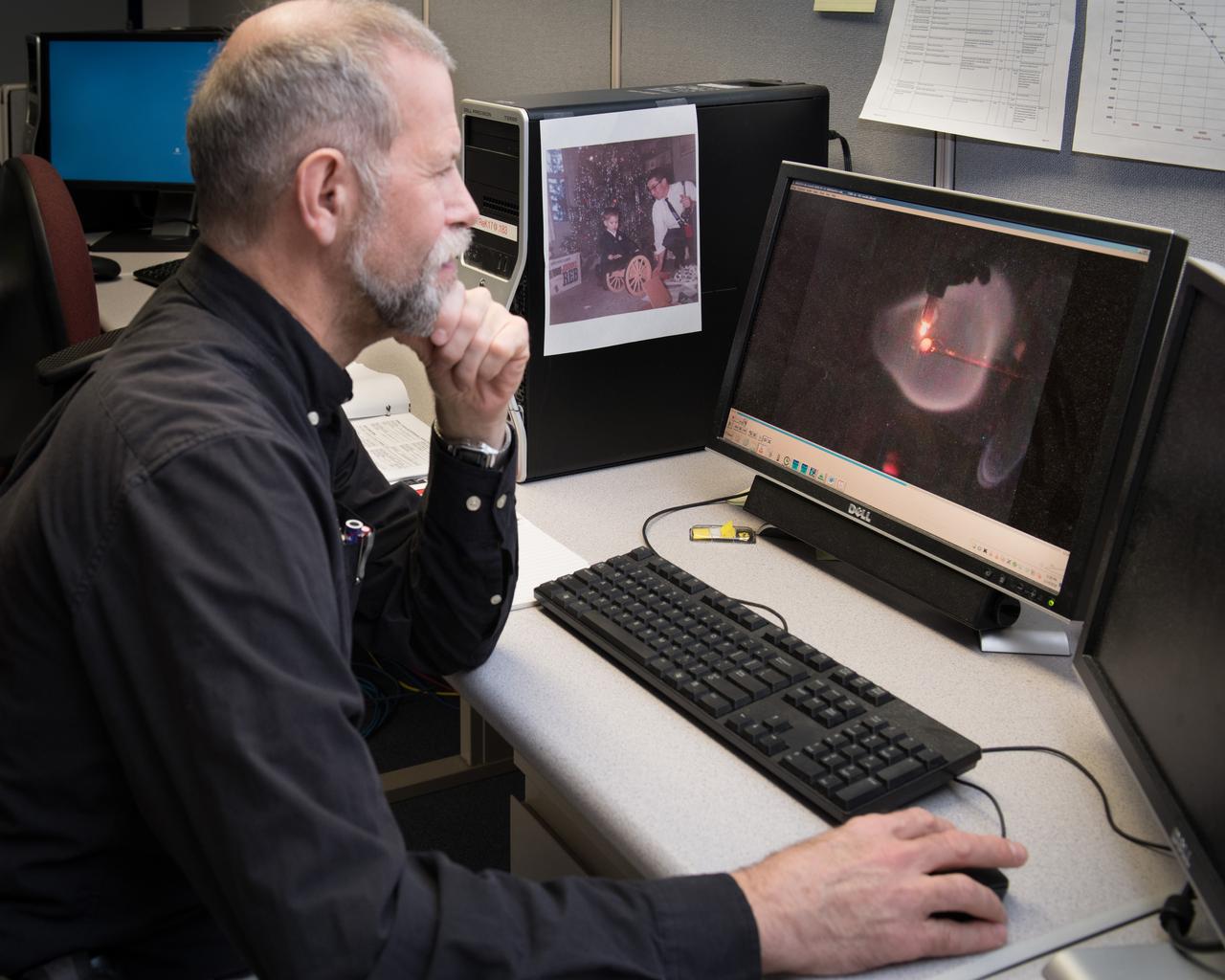
Review of ISS data from the Structure and Response of Spherical Diffusion Flames (s-Flame) experiment - of the Advanced Combustion via Microgravity Experiments. ACME project conducted in the Combustion Integrated Rack, CIR - by ACME Project Scientist Dennis Stocker in the Telescience Support Center,TSC, also known as the Glenn ISS Payload Operations Center, GIPOC
Review of International Space Station, ISS data from the Structure and Response of Spherical Diffusion Flames, s-Flame experiment in the Telescience Support Center, TSC, also known as the Glenn ISS Payload Operations Center, GIPOC