
This infrared image from NASA Wide-field Infrared Survey Explorer shows the Lambda Centauri nebula, a star-forming cloud in our Milky Way galaxy, also known as the Running Chicken nebula.
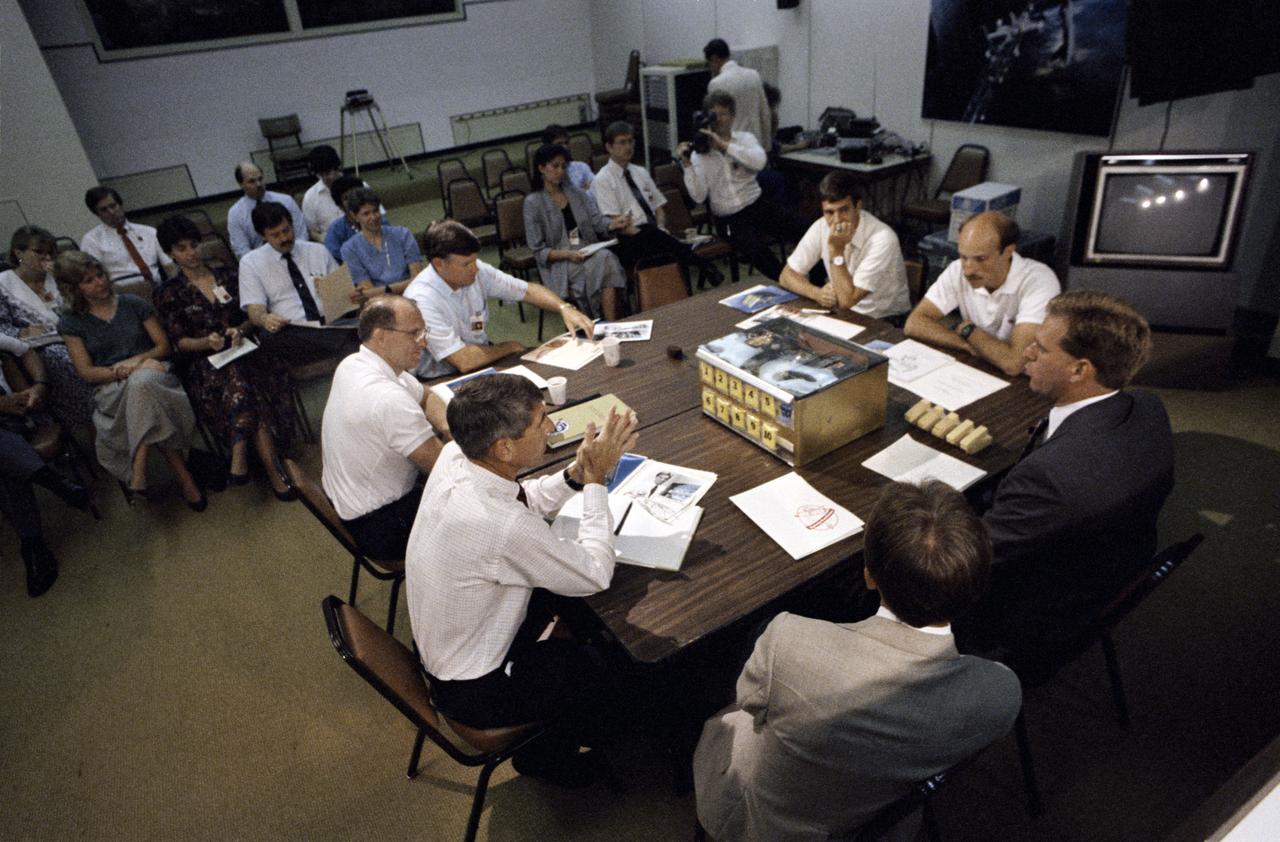
S88-44517 (13 Aug 1988) --- Student experimenter John C. Vellinger, right, explains operation of an incubator used in his experiment to be carried onboard the Discovery for NASA's STS-29 mission next year. His primary audience is made up of STS-29's five-man crew, who will monitor in-space operation of the experiment, titled "Chicken Embryo Development in Space." Kentucky Fried Chicken.
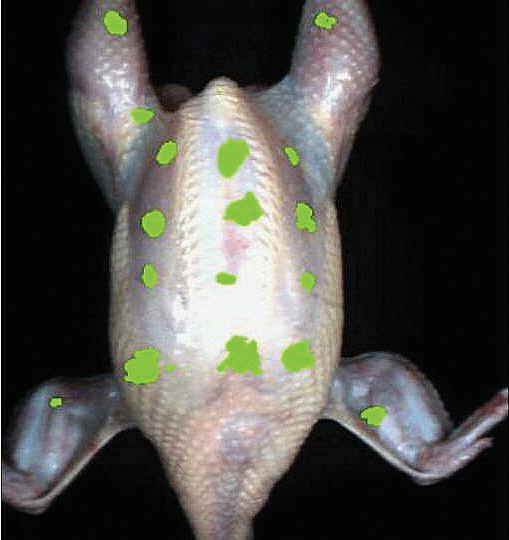
ProVision Technologies, a NASA research partnership center at Sternis Space Center in Mississippi, has developed a new hyperspectral imaging (HSI) system that is much smaller than the original large units used aboard remote sensing aircraft and satellites. The new apparatus is about the size of a breadbox. Health-related applications of HSI include scanning chickens during processing to help prevent contaminated food from getting to the table. ProVision is working with Sanderson Farms of Mississippi and the U.S. Department of Agriculture. ProVision has a record in its spectral library of the unique spectral signature of fecal contamination, so chickens can be scanned and those with a positive reading can be separated. HSI sensors can also determine the quantity of surface contamination. Research in this application is quite advanced, and ProVision is working on a licensing agreement for the technology. The potential for future use of this equipment in food processing and food safety is enormous.
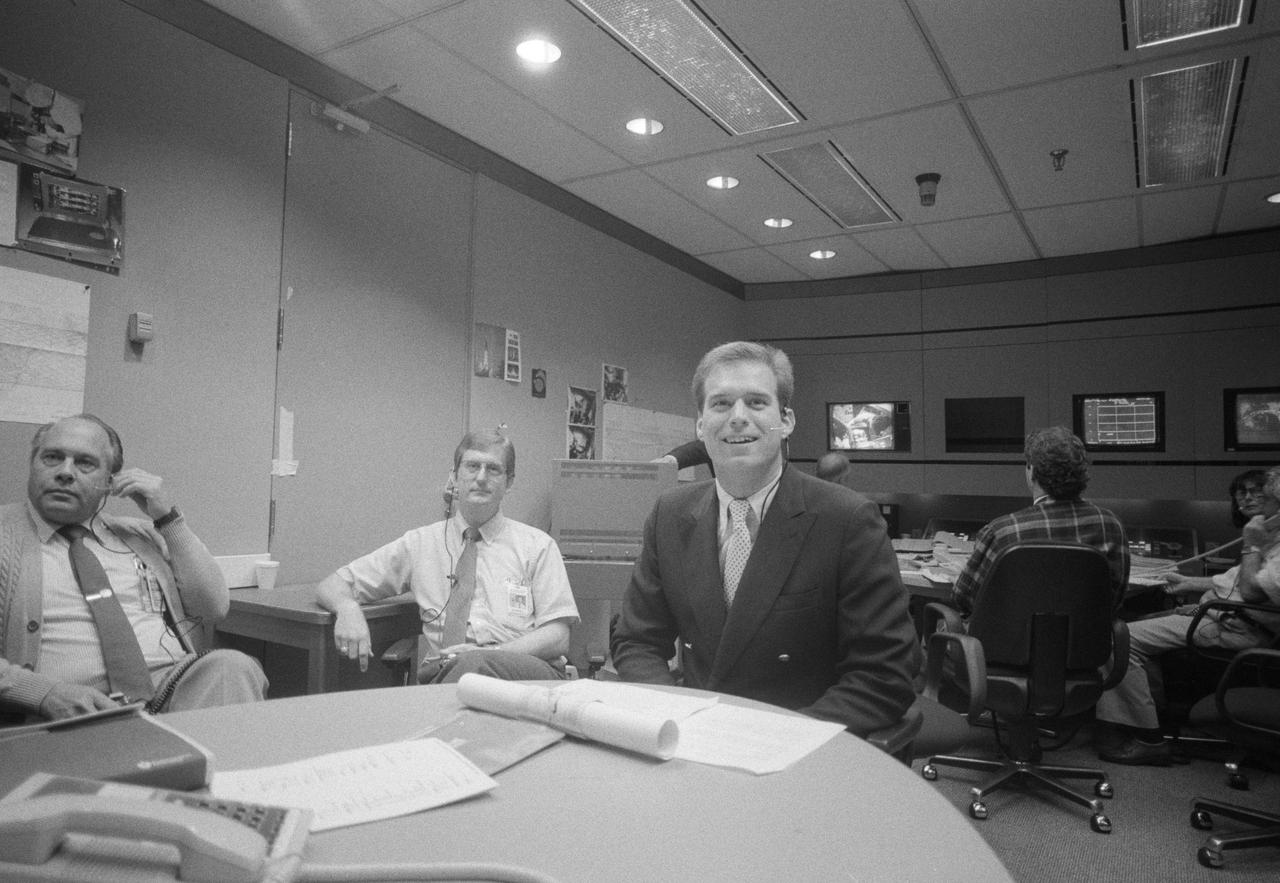
STS029-S-047 (16 Mar 1989) --- Student experimenter John C. Vellinger, right, watches a TV monitor in the customer support room of Johnson Space Center's mission control center during a downlink from the spacecraft of astronaut John E. Blaha conducting the experiment in the incubator used for the test. The experiment is titled "Chicken Embryo Development in Space." Also visible are Neil Criestie and Robert N. Stuckey of JSC. The experiment's sponsor is Kentucky Fried Chicken.
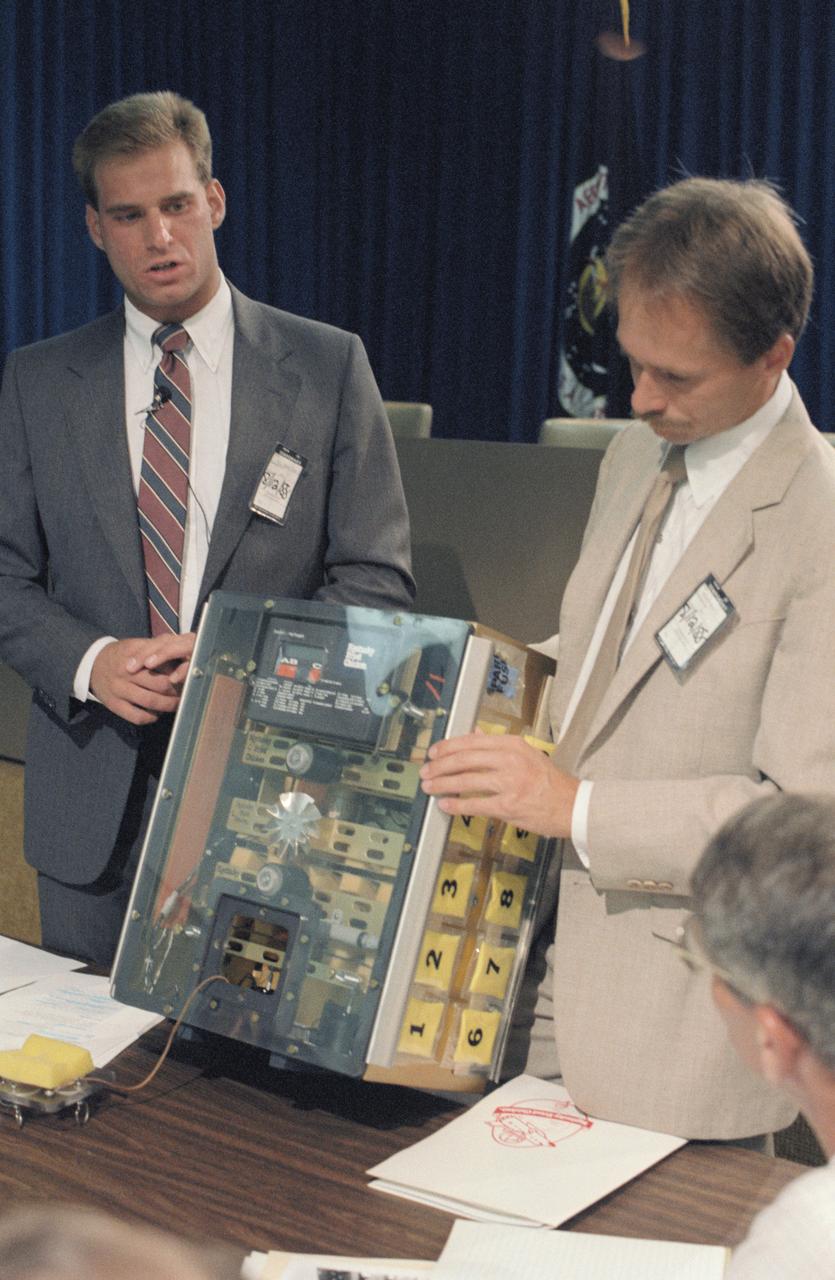
S88-44514 (13 Aug 1988) --- Student experimenter John C. Vellinger, left, explains components of an incubator used in his experiment to be carried onboard the Discovery for NASA's STS-29 mission next year. Mark S. Deusser, representing the sponsoring organization, holds up the incubator for inspection by members of the STS-29 crew who will monitor in-space operation of the experiment, titled "Chicken Embryo Development in Space." Astronaut Robert C. Springer is partially visible in lower right foreground. The student's sponsor is Kentucky Fried Chicken.
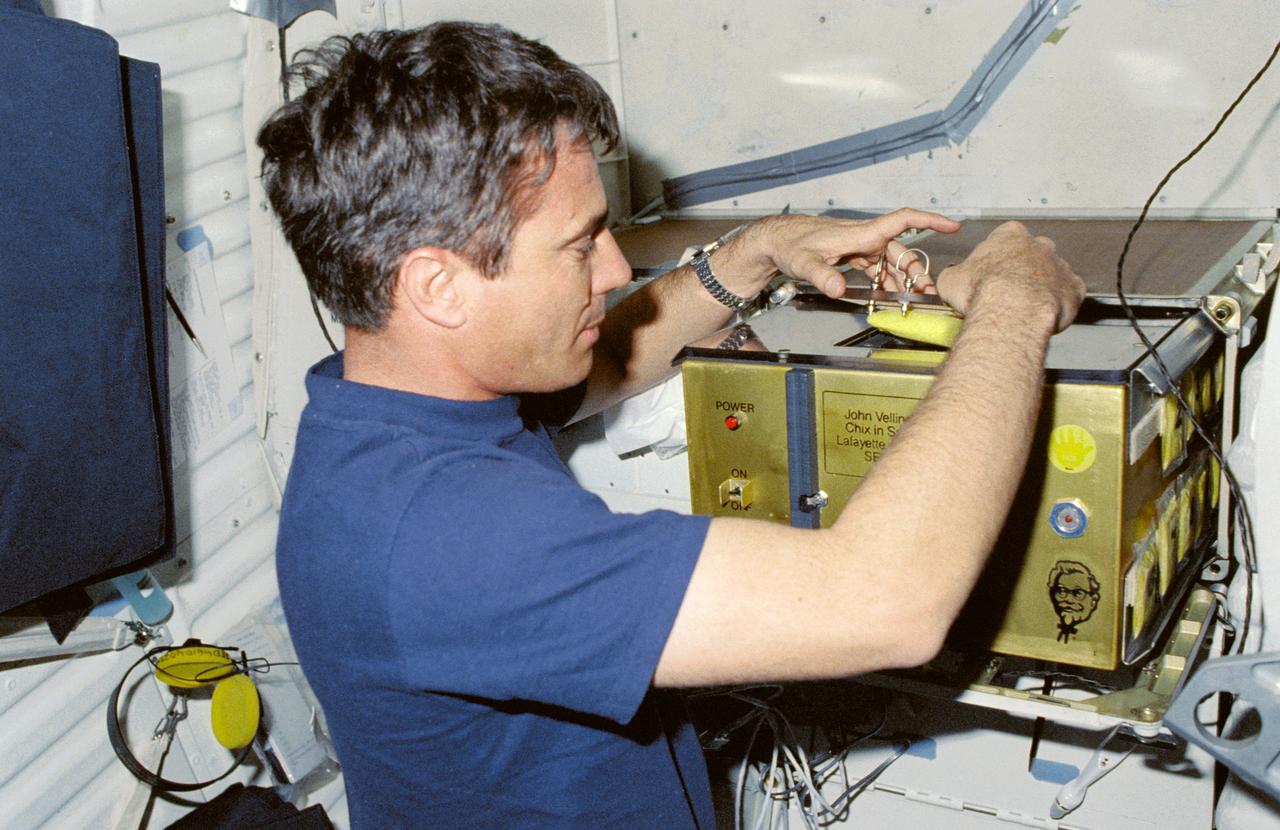
STS029-01-001 (16 Marach 1989) --- Astronaut John E. Blaha, STS-29 pilot, checks an incubator on the mid deck of Earth-orbiting Discovery during Flight Day 4 activity. The incubator is part of a student involvement program experiment titled, "Chicken Embryo Development in Space." The student experimenter is John C. Vellinger. The experiment's sponsor is Kentucky Fried Chicken. This photographic frame was among NASA's third STS-29 photo release. Monday, March 20, 1989. Crewmembers were Astronauts Michael L. Coats, John E. Blaha, James F. Buchli, Robert C. Springer and James P. Bagian.
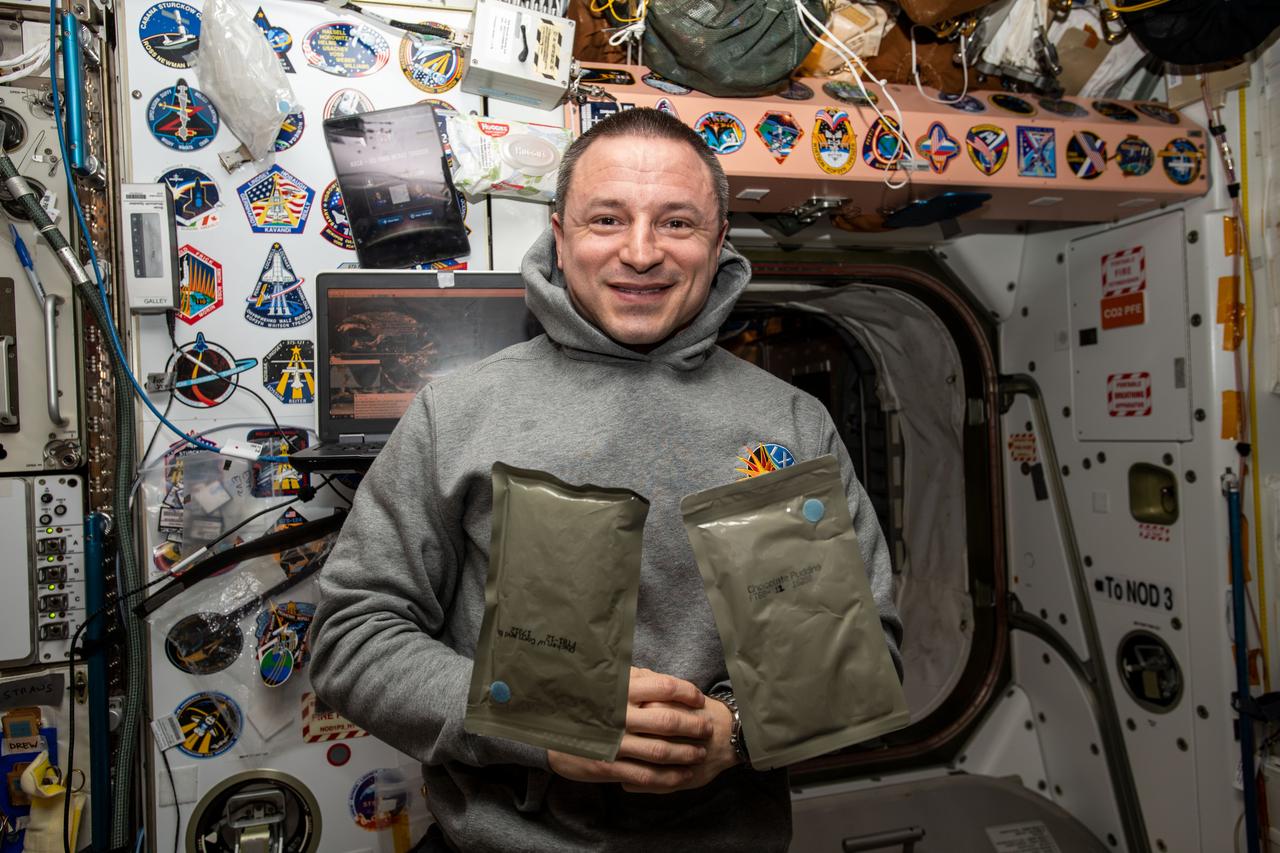
iss061e112476 (Jan. 1, 2020) --- NASA astronaut and Expedition 61 Flight Engineer Andrew Morgan poses with two food packets, chicken with cornbread and chocolate pudding, during dinner time aboard the International Space Station's Unity module.
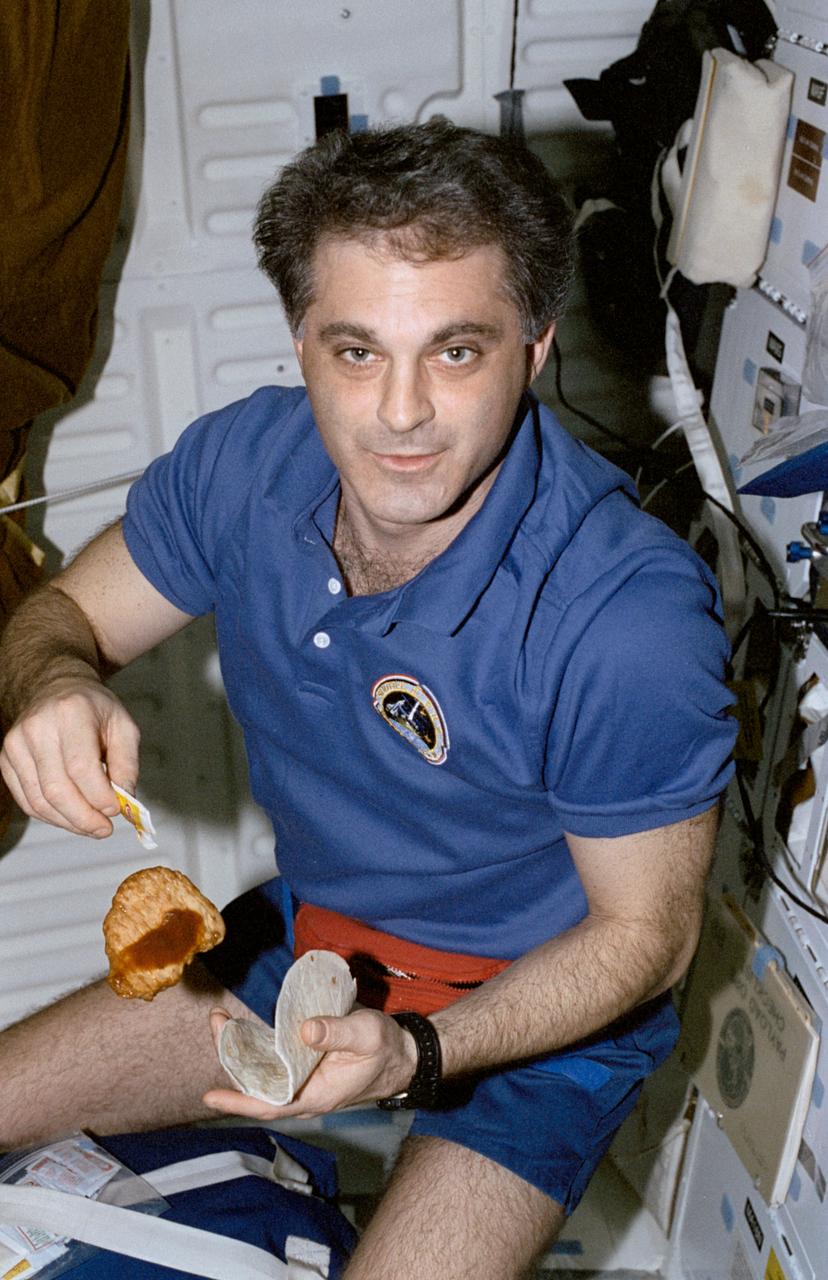
STS089-370-034 (22-31 Jan. 1998) --- Astronaut David A. Wolf, freshly removed from a long stay aboard Russia’s Mir Space Station, creates a sandwich onboard the Earth-orbiting space shuttle Endeavour. Wolf had earlier been replaced on Mir by Andrew S. W. Thomas, cosmonaut guest researcher, who will be last NASA astronaut assigned to Mir duty as part of the Phase I program. Photo credit: NASA
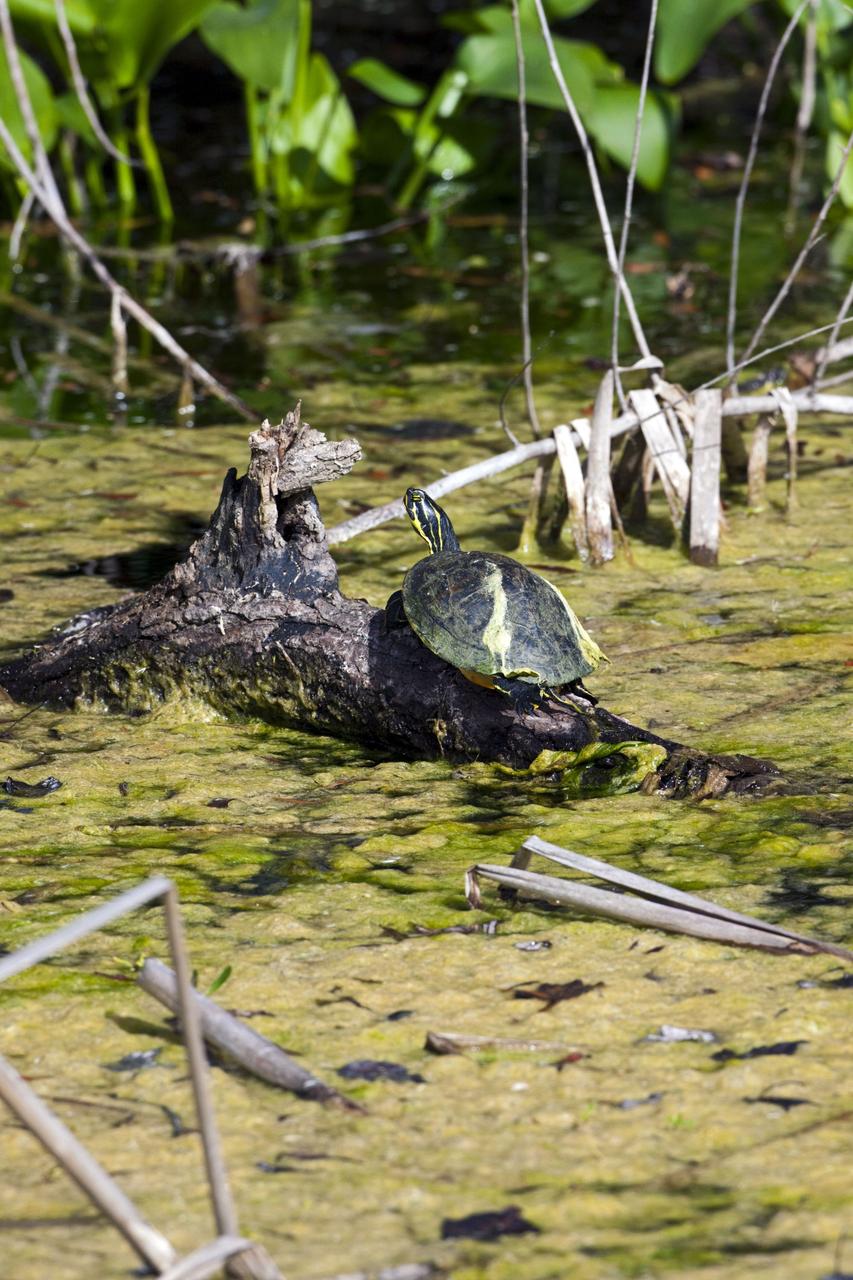
CAPE CANAVERAL, Fla. -- A Florida chicken turtle basks on a sunlit log in one of the many bodies of water at NASA's Kennedy Space Center. The center shares a boundary with the Merritt Island National Wildlife Refuge, consisting of 140,000 acres. The refuge provides a wide variety of habitats -- coastal dunes, saltwater estuaries and marshes, freshwater impoundments, scrub, pine flatwoods, and hardwood hammocks -- that provide sanctuary for more than 1,500 species of plants and animals, including about 331 species of birds. Photo credit: NASA/Jim Grossmann
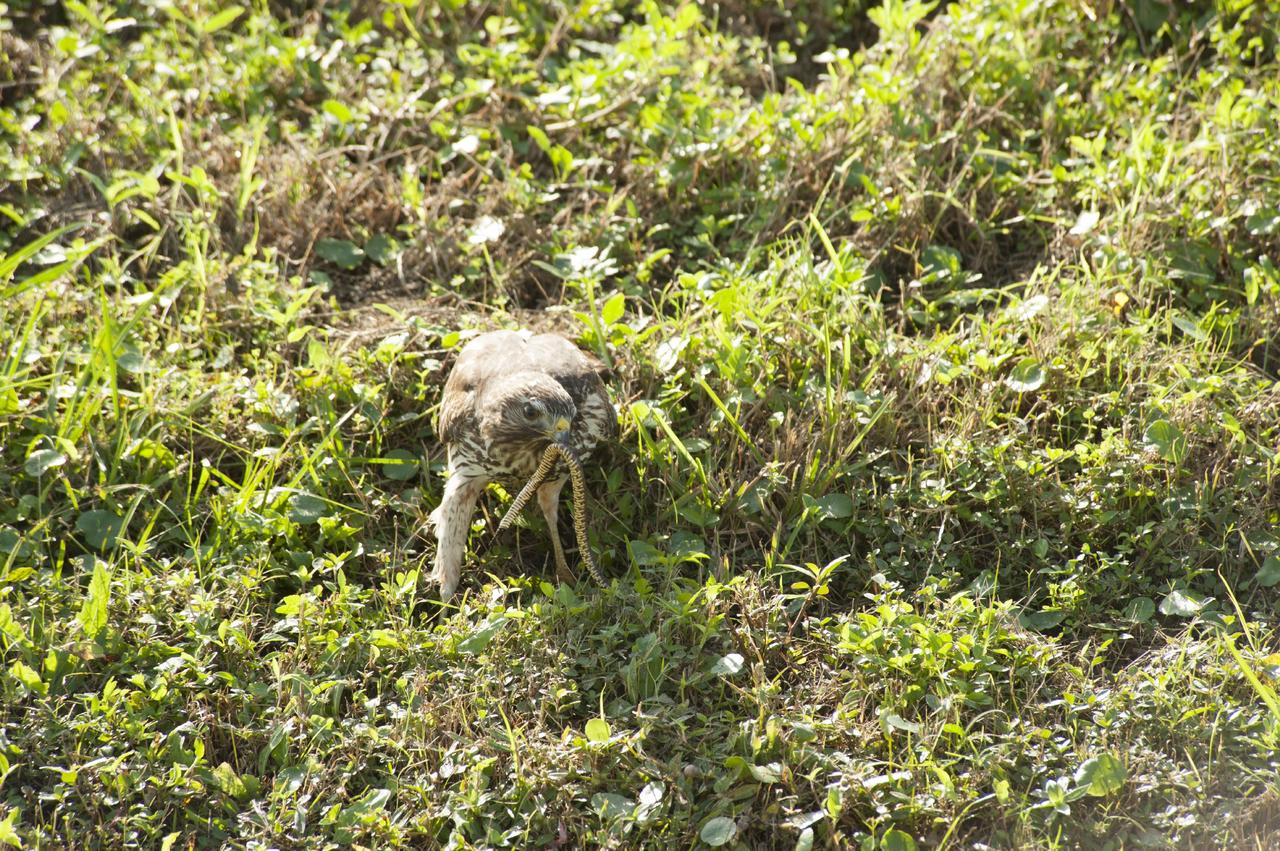
CAPE CANAVERAL, Fla. -- A snake becomes part of the diet of a red-tailed hawk, hunting near the Headquarters Building on NASA's Kennedy Space Center in Florida. In the United States, the red-tailed hawk is commonly called a "chicken hawk." Kennedy coexists with the Merritt Island National Wildlife Refuge, which was established in 1963 as an overlay of the center. The 140,000-acre refuge is habitat to more than 320 species of birds. For more information, visit http://www.fws.gov/merrittisland/. Photo credit: NASA/Tony Gray
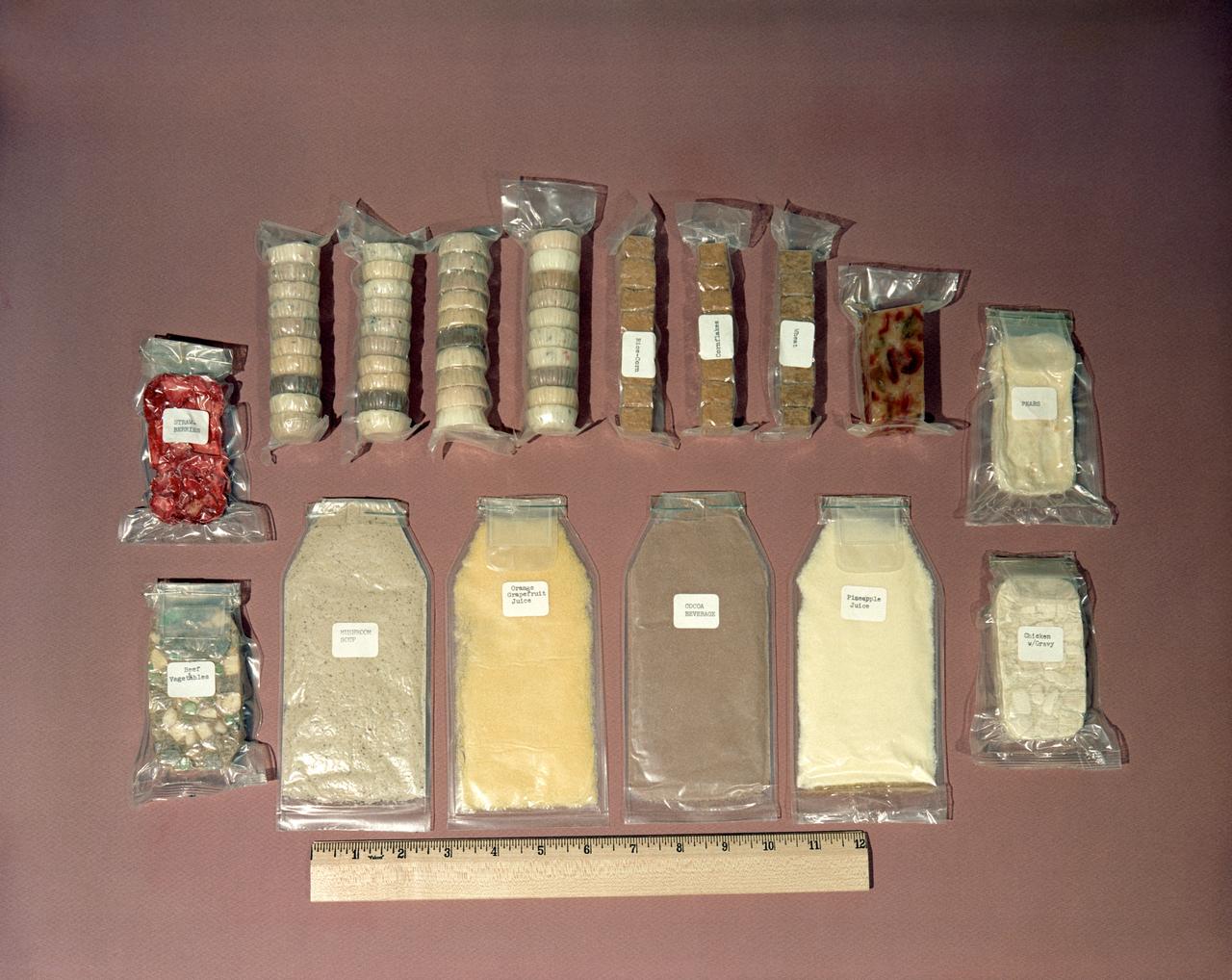
S62-08742 (1962) --- Food kit used by Mercury astronauts. Some is dehydrated and needs water, other packets are ready to eat. Size is measured relative to a ruler. Included are packets of mushroom soup, orange-grapefruit juice, cocoa beverage, pineapple juice, chicken with gravy, pears, strawberries, beef and vegetables and other assorted food containers. Photo credit: NASA
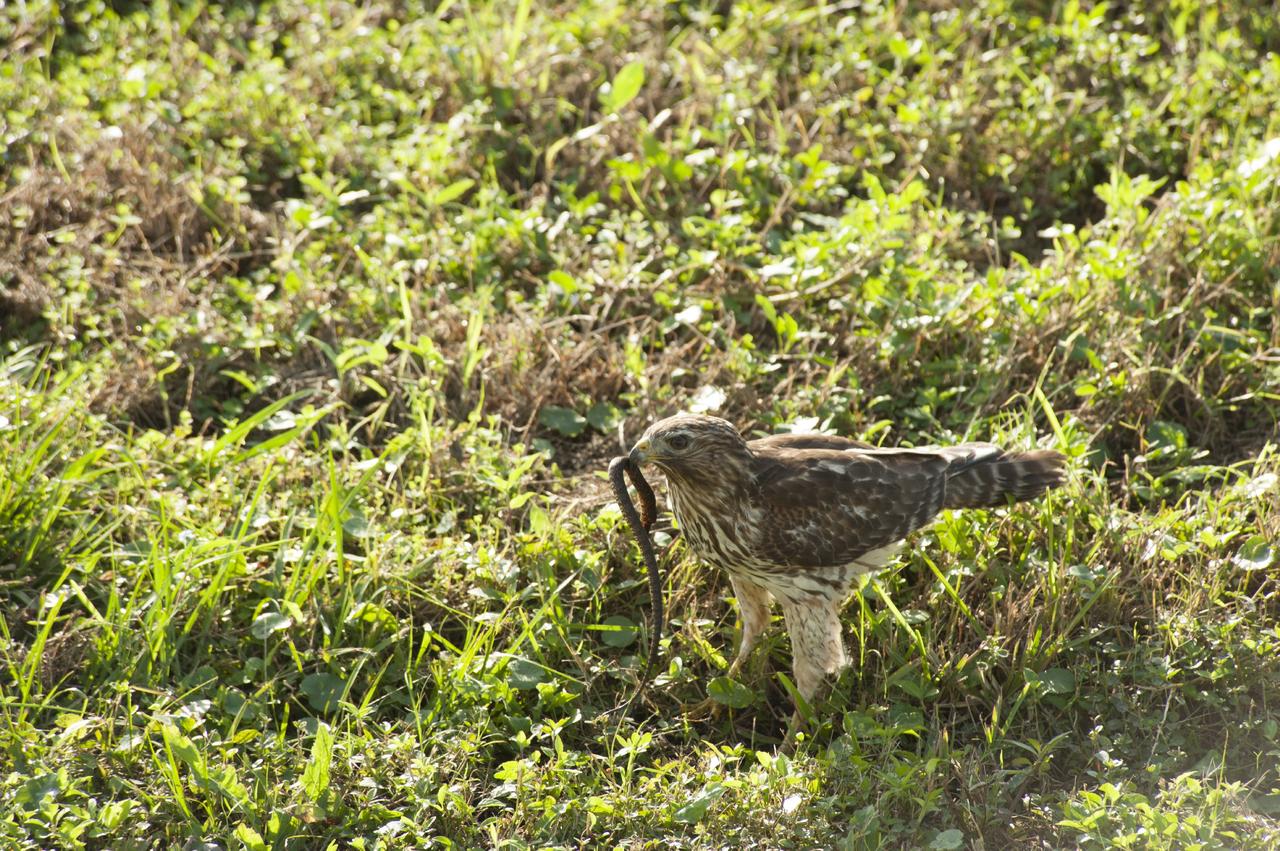
CAPE CANAVERAL, Fla. -- A successful hunting expedition near the Headquarters Building at NASA's Kennedy Space Center in Florida produces a snake for dinner for this red-tailed hawk. In the United States, the red-tailed hawk is commonly called a "chicken hawk." Kennedy coexists with the Merritt Island National Wildlife Refuge, which was established in 1963 as an overlay of the center. The 140,000-acre refuge is habitat to more than 320 species of birds. For more information, visit http://www.fws.gov/merrittisland/. Photo credit: NASA/Tony Gray
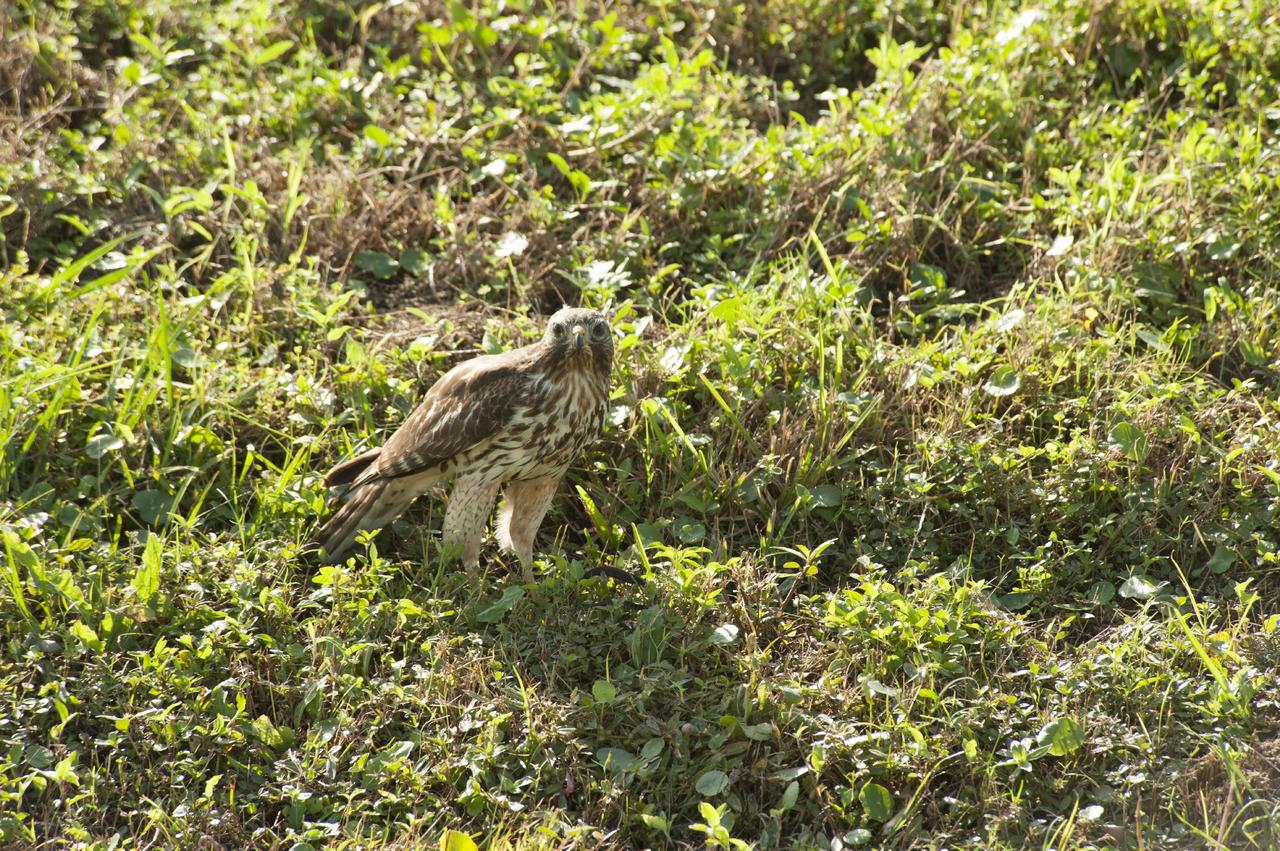
CAPE CANAVERAL, Fla. -- A red-tailed hawk closes in on a snake during its hunting expedition near the Headquarters Building on NASA's Kennedy Space Center in Florida. In the United States, the red-tailed hawk is commonly called a "chicken hawk." Kennedy coexists with the Merritt Island National Wildlife Refuge, which was established in 1963 as an overlay of the center. The 140,000-acre refuge is habitat to more than 320 species of birds. For more information, visit http://www.fws.gov/merrittisland/. Photo credit: NASA/Tony Gray
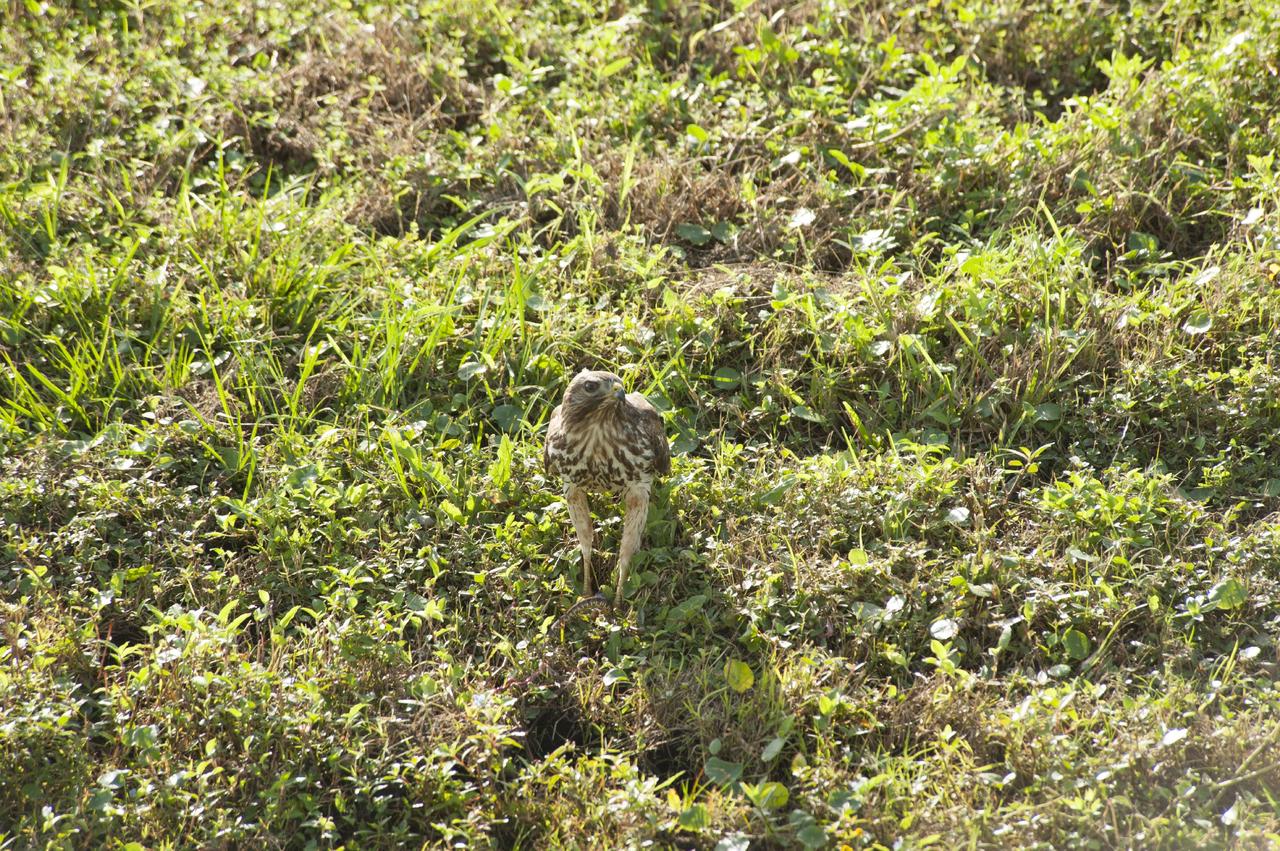
CAPE CANAVERAL, Fla. -- A red-tailed hawk hunts for its dinner near the Headquarters Building on NASA's Kennedy Space Center in Florida. In the United States, the red-tailed hawk is commonly called a "chicken hawk." Kennedy coexists with the Merritt Island National Wildlife Refuge, which was established in 1963 as an overlay of the center. The 140,000-acre refuge is habitat to more than 320 species of birds. For more information, visit http://www.fws.gov/merrittisland/. Photo credit: NASA/Tony Gray
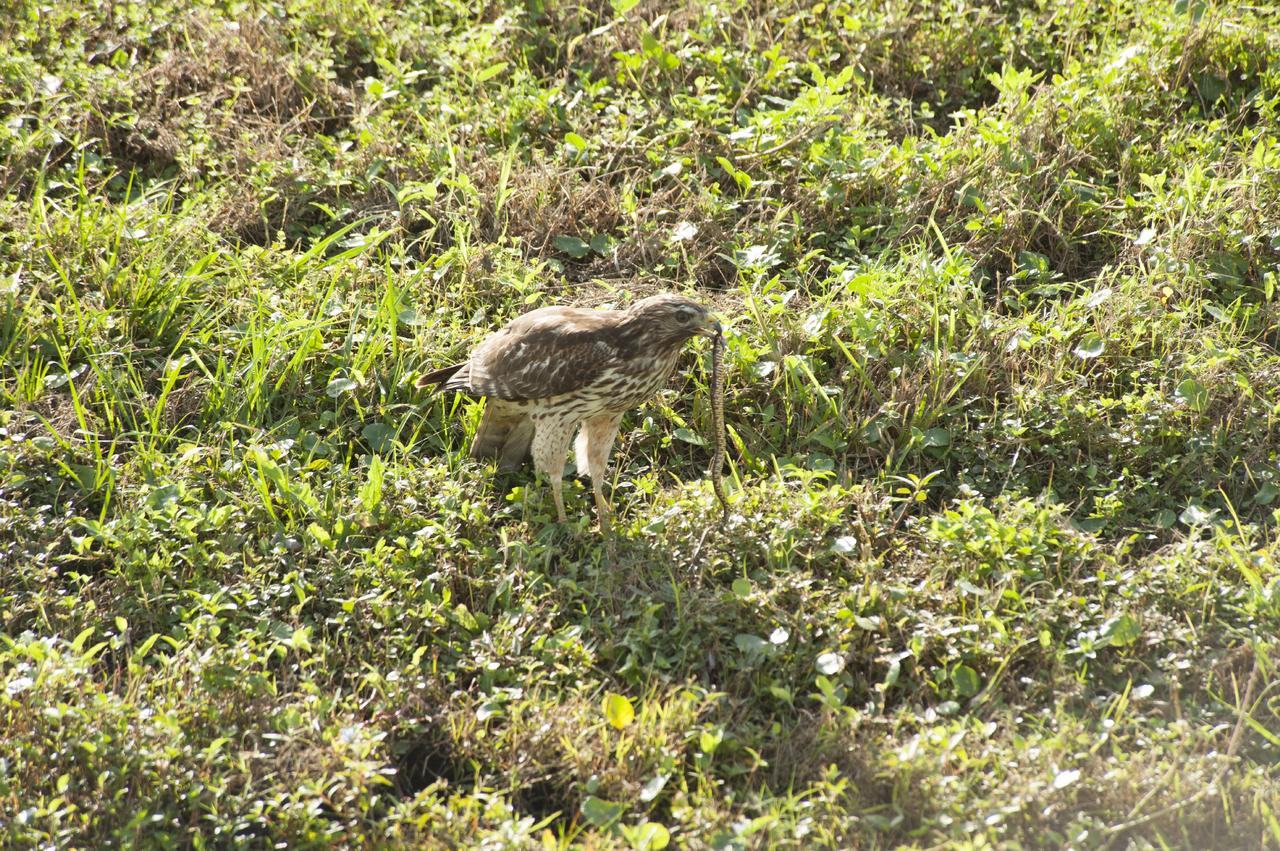
CAPE CANAVERAL, Fla. -- A snake makes a fine dinner for a red-tailed hawk, hunting near the Headquarters Building on NASA's Kennedy Space Center in Florida. In the United States, the red-tailed hawk is commonly called a "chicken hawk." Kennedy coexists with the Merritt Island National Wildlife Refuge, which was established in 1963 as an overlay of the center. The 140,000-acre refuge is habitat to more than 320 species of birds. For more information, visit http://www.fws.gov/merrittisland/. Photo credit: NASA/Tony Gray
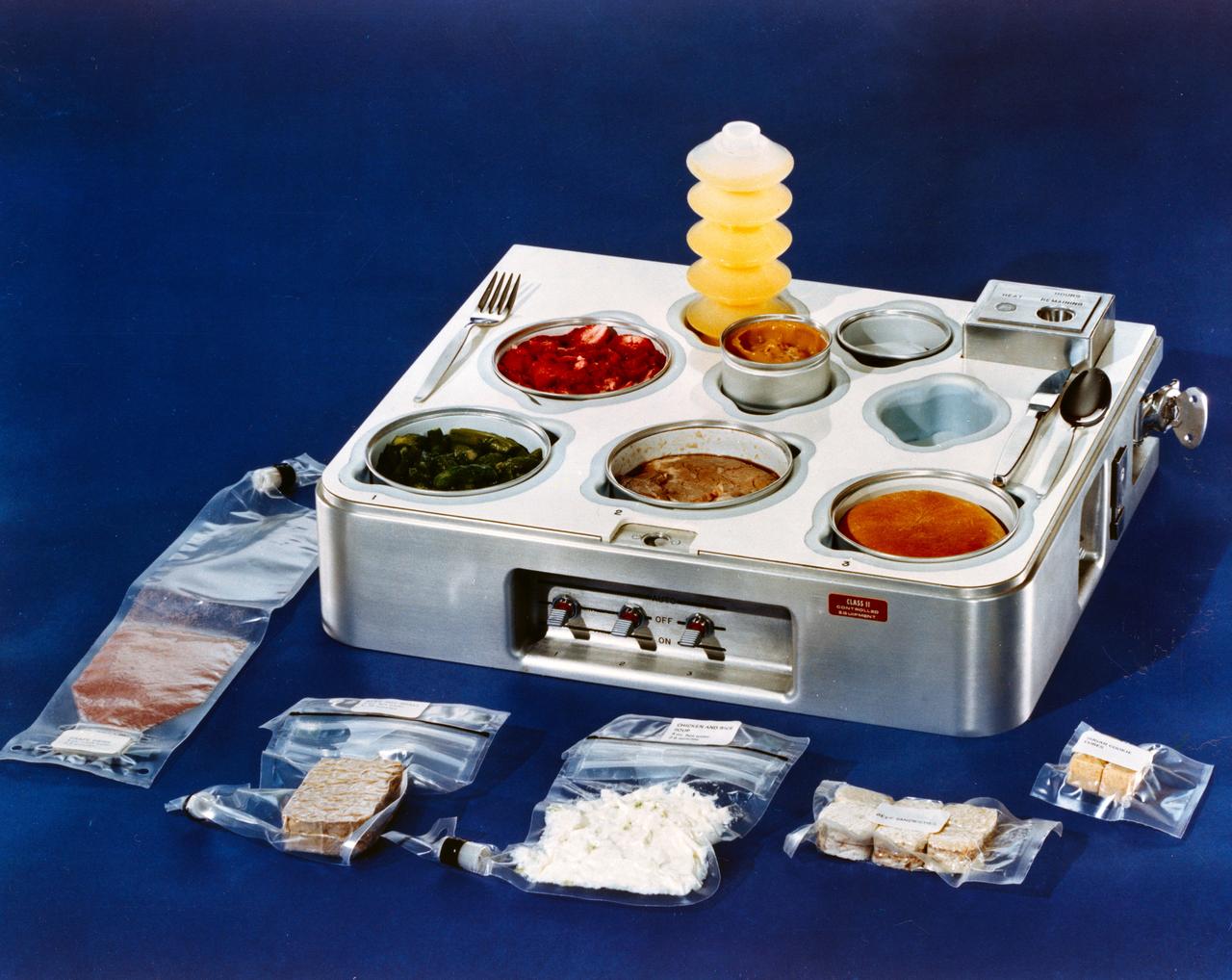
S72-15409 (1972) --- A close-up view of a food tray which is scheduled to be used in the Skylab program. Several packages of space food lie beside the tray. The food in the tray is ready to eat. Out of tray, starting from bottom left: grape drink, beef pot roast, chicken and rice, beef sandwiches and sugar cookie cubes. In tray, from back left: orange drink, strawberries, asparagus, prime rib, dinner roll and butterscotch pudding in the center. Photo credit: NASA
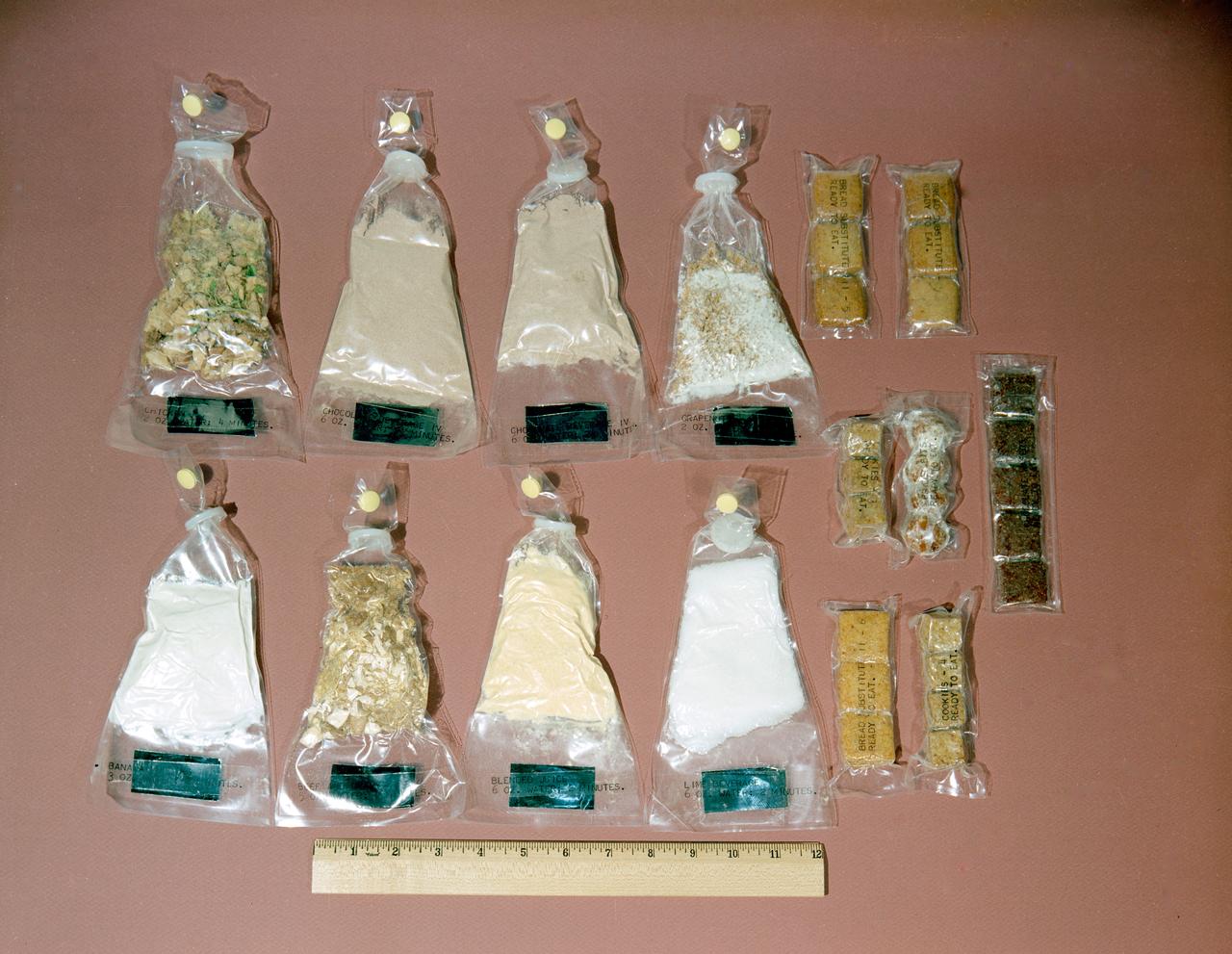
S62-08743 (1962) --- Food kit used by Mercury astronauts. Some is dehydrated and needs water, other packets are ready to eat. Size is measured relative to a ruler. Included are packets of mushroom soup, orange-grapefruit juice, cocoa beverage, pineapple juice, chicken with gravy, pears, strawberries, beef and vegetables and other assorted food containers. Photo credit: NASA
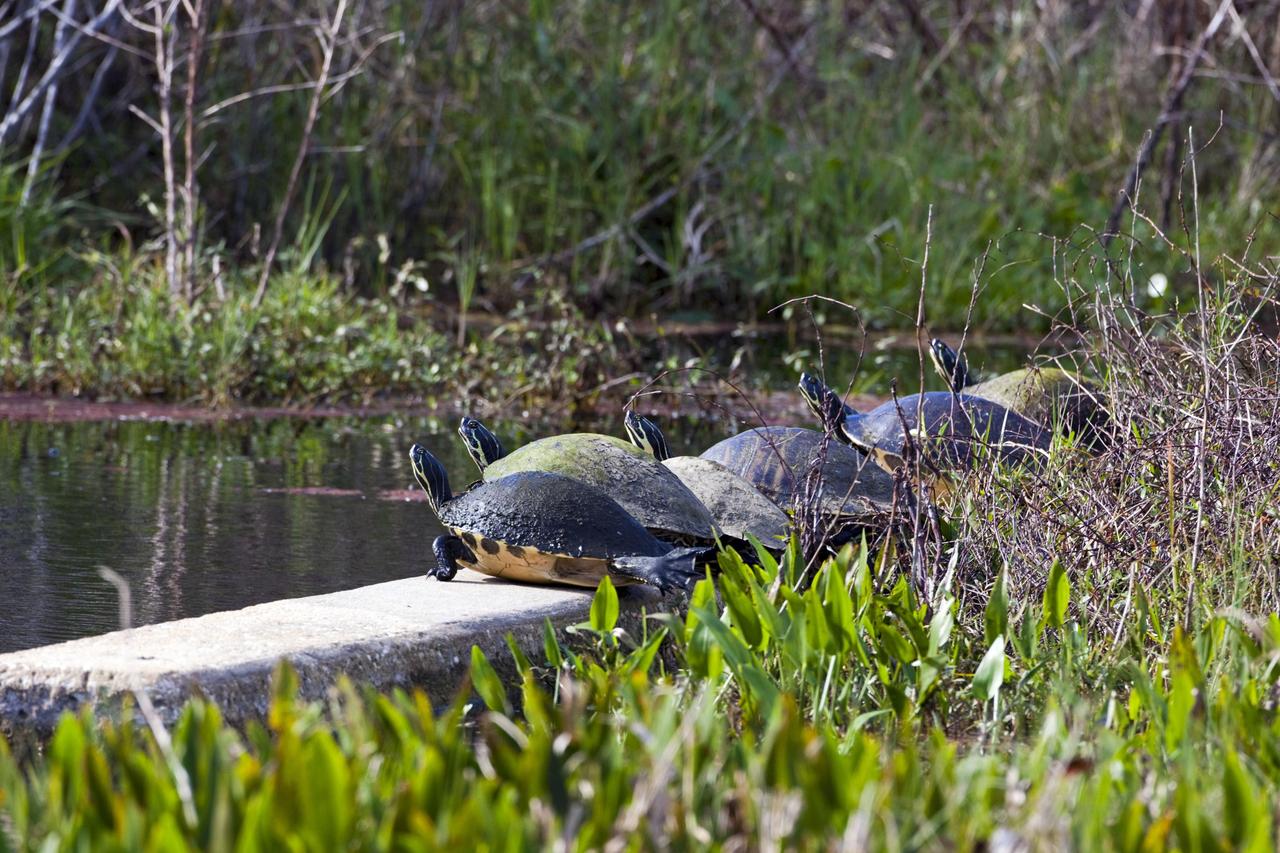
CAPE CANAVERAL, Fla. – Several Florida chicken turtles line up to sun themselves atop a concrete structure at Black Point Wildlife Drive, part of the Merritt Island National Wildlife Refuge. NASA's Kennedy Space Center shares a boundary with the refuge, consisting of 140,000 acres. The Refuge provides a wide variety of habitats: coastal dunes, saltwater estuaries and marshes, freshwater impoundments, scrub, pine flatwoods, and hardwood hammocks that provide habitat for more than 1,500 species of plants and animals, including about 331 species of birds. Photo credit: NASA/Jim Grossmann
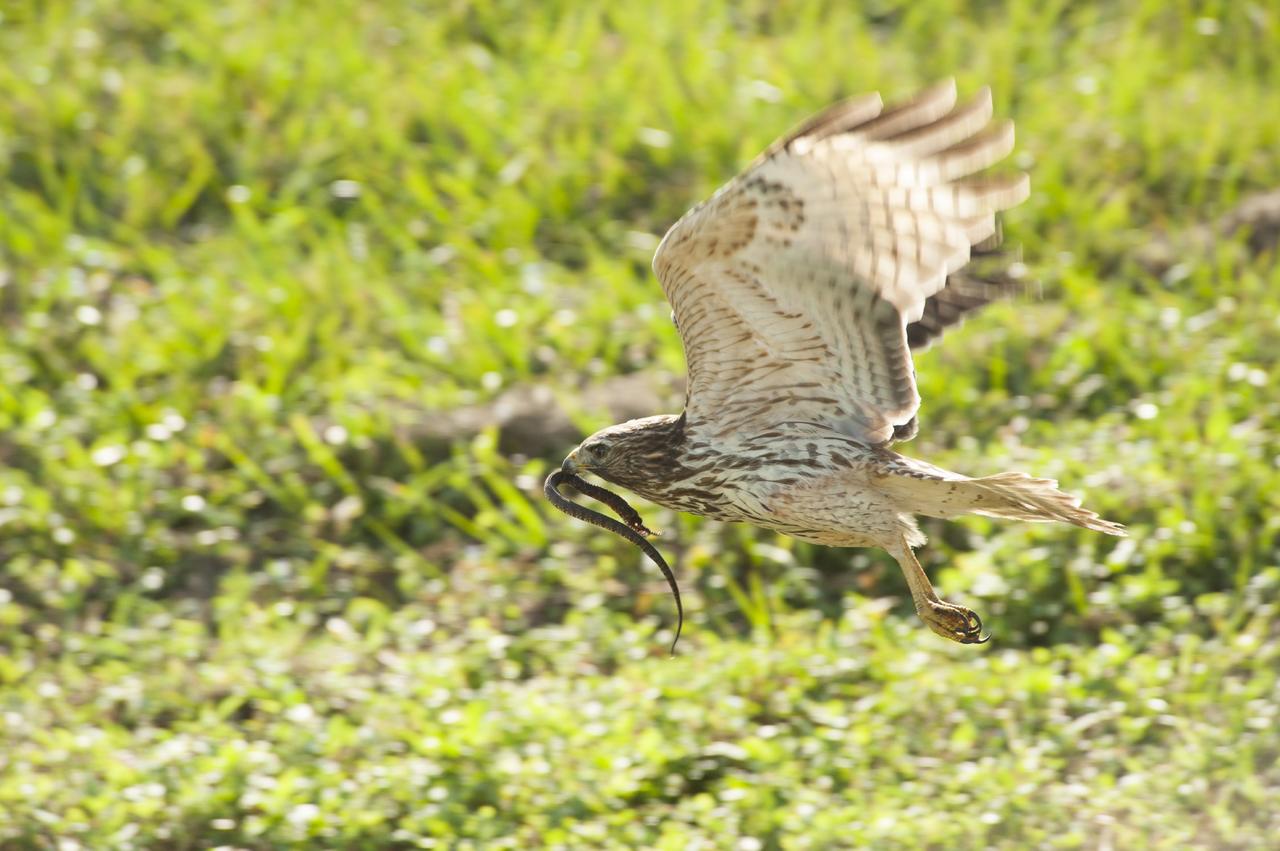
CAPE CANAVERAL, Fla. -- A red-tailed hawk, a snake draping from its beak, seeks a quiet place near the Headquarters Building at NASA's Kennedy Space Center in Florida to enjoy its dinner. In the United States, the red-tailed hawk is commonly called a "chicken hawk." Kennedy coexists with the Merritt Island National Wildlife Refuge, which was established in 1963 as an overlay of the center. The 140,000-acre refuge is habitat to more than 320 species of birds. For more information, visit http://www.fws.gov/merrittisland/. Photo credit: NASA/Tony Gray

S71-44671 (30 July 1971) --- A near vertical view of the Hadley-Apennine area, as photographed by the Fairchild metric camera in the Scientific Instrumentation Module (SIM) bay of the Apollo 15 Command and Service Modules (CSM) in lunar orbit. This picture was taken shortly after the Lunar Module (LM) touched down on the moon. Hadley Rille meanders through the lower center of the picture. The Apennine Mountains dominate the picture. The LM landing site is on the east side of the rille's "chicken beak" in the center of the picture. The crater Hadley C is near the center of the photograph at the west edge of the rille. North will be at the top if the photo is held with the dark mare are on the left. The smooth, dark area is the Marsh of Decay. The three-inch mapping camera was one of eight lunar orbital science experiments mounted in the SIM bay.
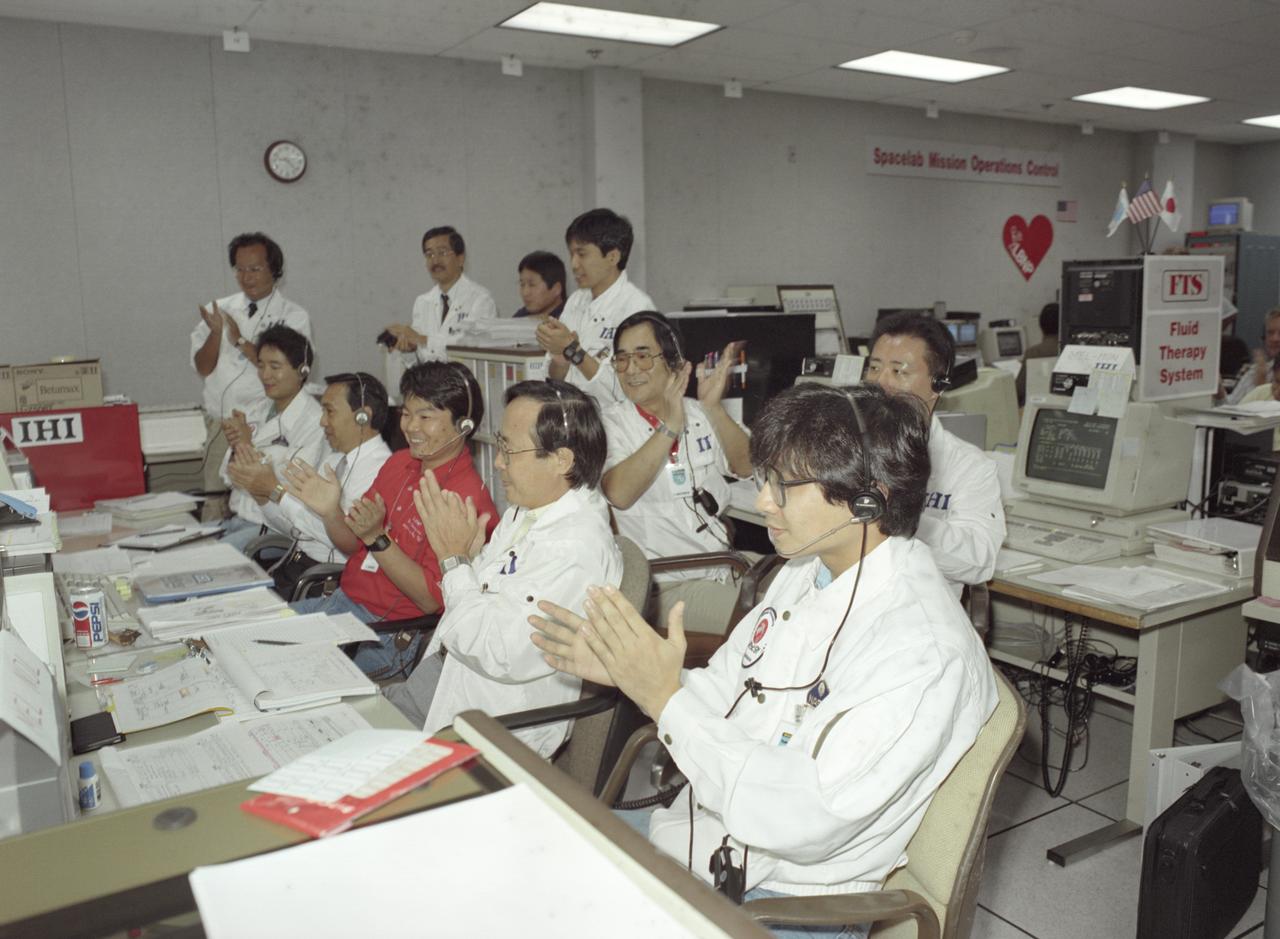
The science laboratory, Spacelab-J (SL-J), flown aboard the STS-47 flight was a joint venture between NASA and the National Space Development Agency of Japan (NASDA) utilizing a manned Spacelab module. The mission conducted 24 materials science and 20 life science experiments, of which 35 were sponsored by NASDA, 7 by NASA, and two collaborative efforts. Materials science investigations covered such fields as biotechnology, electronic materials, fluid dynamics and transport phenomena, glasses and ceramics, metals and alloys, and acceleration measurements. Life sciences included experiments on human health, cell separation and biology, developmental biology, animal and human physiology and behavior, space radiation, and biological rhythms. Test subjects included the crew, Japanese koi fish (carp), cultured animal and plant cells, chicken embryos, fruit flies, fungi and plant seeds, and frogs and frog eggs. Featured together in the Science Operation Area (SOA) are payload specialists’ first Materials Processing Test during NASA/NASDA joint ground activities at the Huntsville Operations Support Center (HOSC) Spacelab Payload Operations Control Center (SL POCC) at Marshall Space Flight Center (MSFC).

S71-44667 (31 July-2 Aug. 1971) --- An oblique view of the Hadley-Apennine area, looking north, as photographed by the Fairchild metric camera in the Scientific Instrumentation Module (SIM) bay of the Apollo 15 Command and Service Modules (CSM) in lunar orbit. Hadley Rille meanders through the lower center of the picture. The Apennine Mountains are at lower right. The Apollo 15 Lunar Module (LM) touchdown point is on the east side of the "chicken beak" of Hadley Rille. The Caucasus Mountains are at upper right. The dark mare area at the extreme upper right is a portion of the Sea of Serenity. The Marsh of Decay is at lower left. The large crater near the horizon is Aristillus, which is about 55 kilometers (34.18 statute miles) in diameter. The crater just to the south of Aristillus is Autolycus, which is about 40 kilometers (25 statute miles) in diameter. The crater Cassini is barely visible on the horizon at upper right. The three-inch mapping camera was one of eight lunar orbital science experiments mounted in the SIM bay.
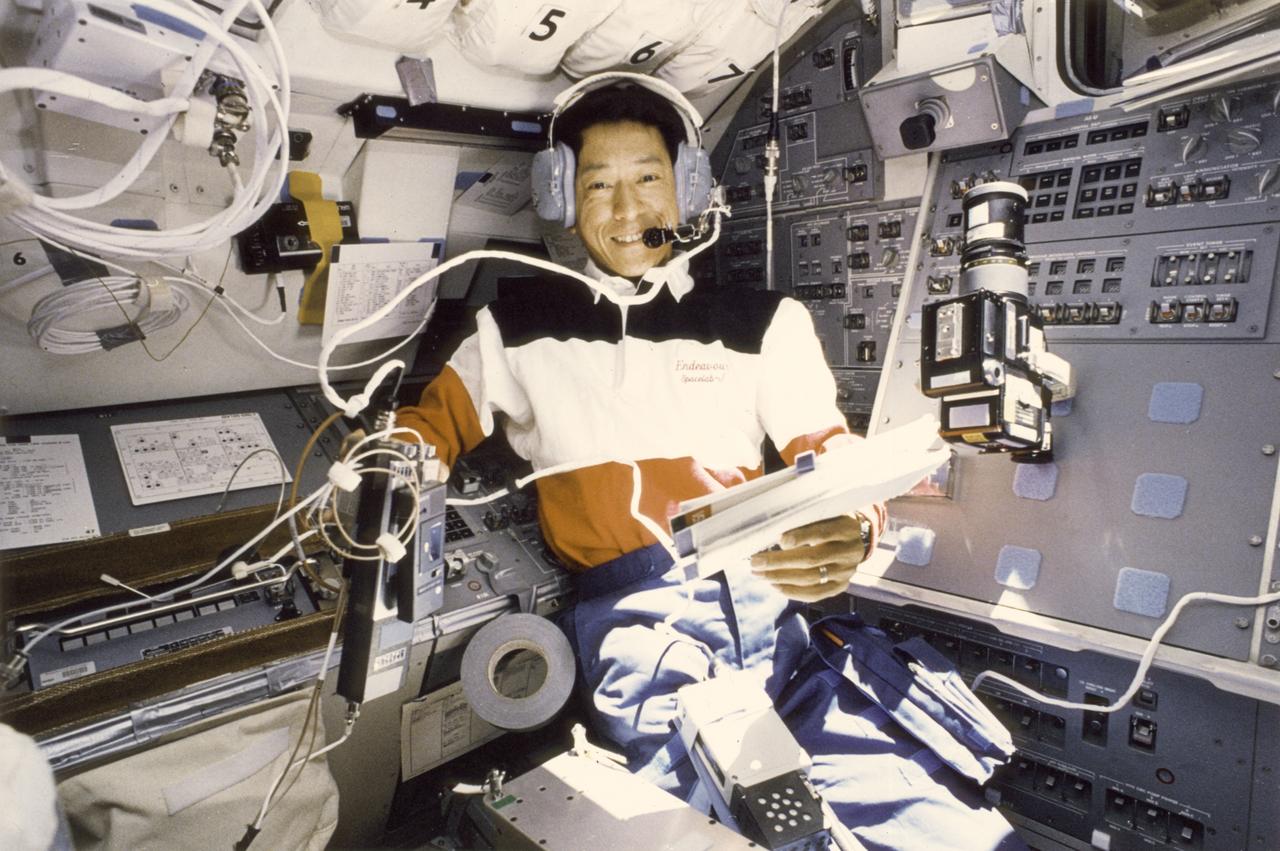
Japanese astronaut, Mamoru Mohri, talks to Japanese students from the aft flight deck of the Space Shuttle Orbiter Endeavour during the Spacelab-J (SL-J) mission. The SL-J mission was a joint venture between NASA and the National Space Development Agency of Japan (NASDA) utilizing a marned Spacelab module. The mission conducted 24 materials science and 20 life science experiments, of which 35 were sponsored by NASDA, 7 by NASA, and two collaborative efforts. Materials science investigations covered such fields as biotechnology, electronic materials, fluid dynamics and transport phenomena, glasses and ceramics, metals and alloys, and acceleration measurements. Life sciences included experiments on human health, cell separation and biology, developmental biology, animal and human physiology and behavior, space radiation, and biological rhythms. Test subjects included the crew, Japanese koi fish (carp), cultured animal and plant cells, chicken embryos, fruit flies, fungi and plant seeds, and frogs and frog eggs. Spacelab-J was launched aboard the Space Shuttle Orbiter Endeavour on September 12, 1992.
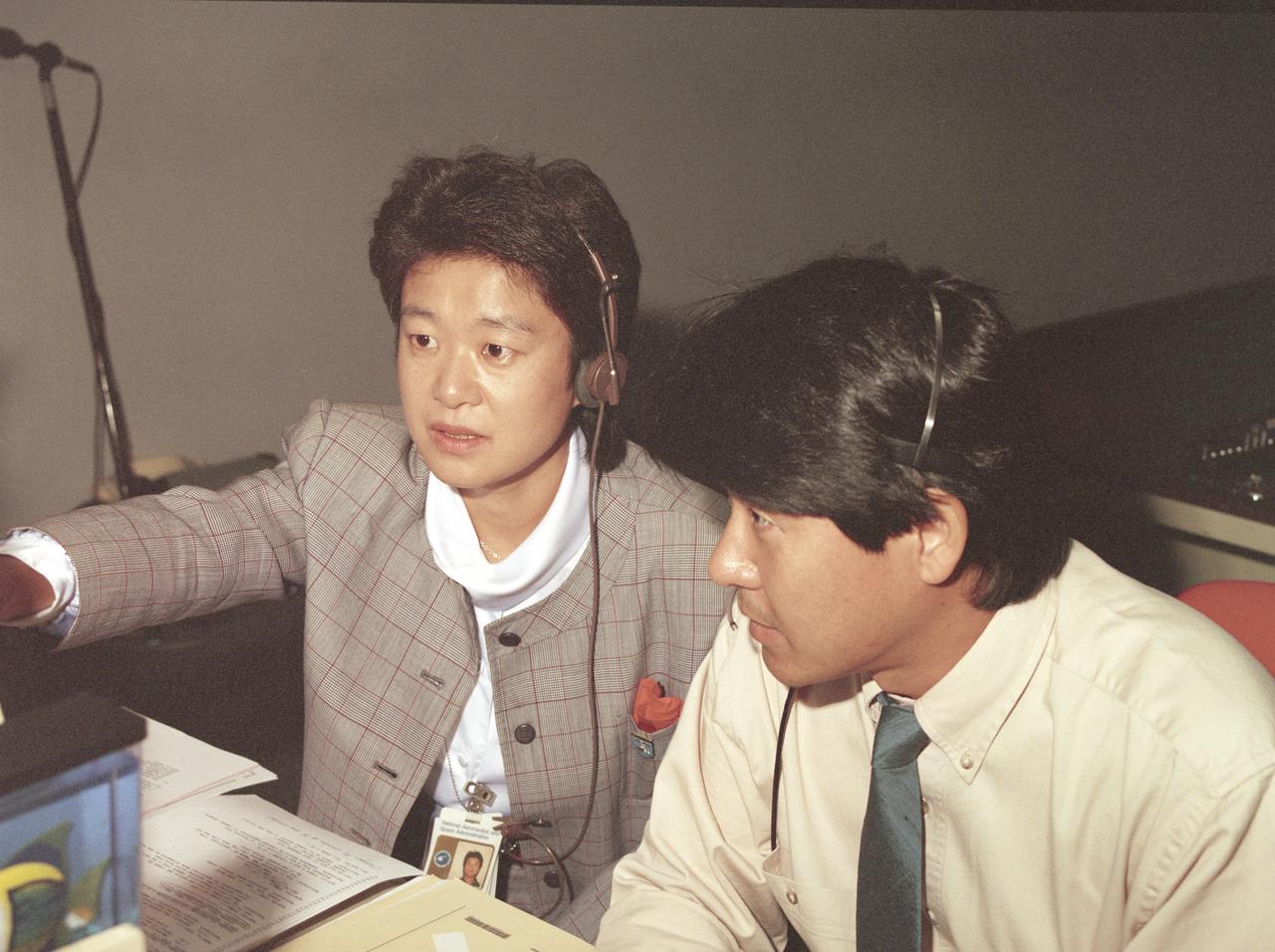
The science laboratory, Spacelab-J (SL-J), flown aboard the STS-47 flight was a joint venture between NASA and the National Space Development Agency of Japan (NASDA) utilizing a manned Spacelab module. The mission conducted 24 materials science and 20 life science experiments, of which 35 were sponsored by NASDA, 7 by NASA, and two collaborative efforts. Materials science investigations covered such fields as biotechnology, electronic materials, fluid dynamics and transport phenomena, glasses and ceramics, metals and alloys, and acceleration measurements. Life sciences included experiments on human health, cell separation and biology, developmental biology, animal and human physiology and behavior, space radiation, and biological rhythms. Test subjects included the crew, Japanese koi fish (carp), cultured animal and plant cells, chicken embryos, fruit flies, fungi and plant seeds, and frogs and frog eggs. Pictured in the Huntsville Operations Support Center (HOSC) Spacelab Payload Operations Control Center (SL POCC) of Marshall Space Flight Center (MSFC) are NASDA alternate payload specialists Dr. Doi and Dr. Mukai.
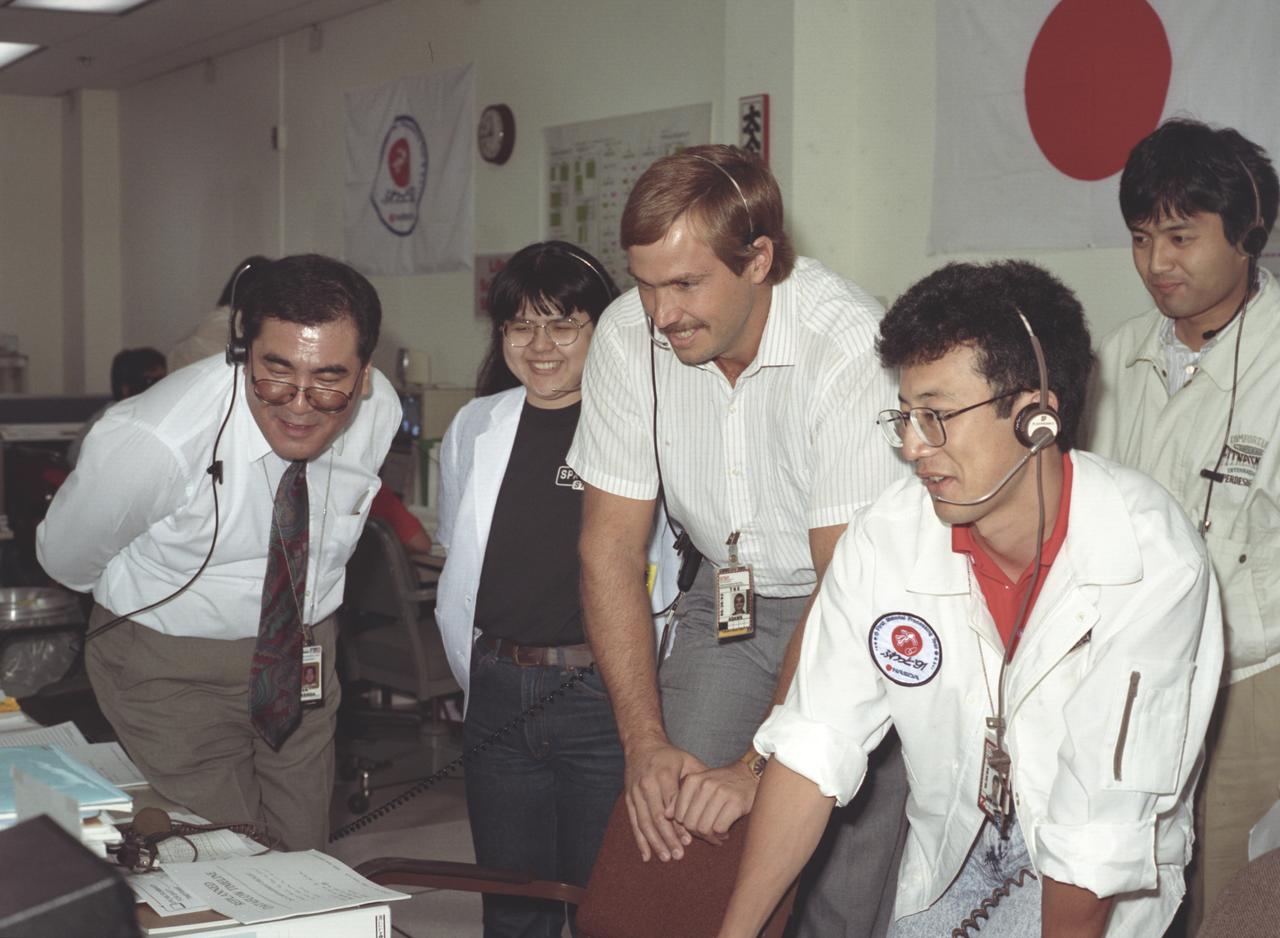
The science laboratory, Spacelab-J (SL-J), flown aboard the STS-47 flight was a joint venture between NASA and the National Space Development Agency of Japan (NASDA) utilizing a manned Spacelab module. The mission conducted 24 materials science and 20 life science experiments, of which 35 were sponsored by NASDA, 7 by NASA, and two collaborative efforts. Materials science investigations covered such fields as biotechnology, electronic materials, fluid dynamics and transport phenomena, glasses and ceramics, metals and alloys, and acceleration measurements. Life sciences included experiments on human health, cell separation and biology, developmental biology, animal and human physiology and behavior, space radiation, and biological rhythms. Test subjects included the crew, Japanese koi fish (carp), cultured animal and plant cells, chicken embryos, fruit flies, fungi and plant seeds, and frogs and frog eggs. Featured together in joint ground activities during the SL-J mission are NASA/NASDA personnel at the Huntsville Operations Support Center (HOSC) Spacelab Payload Operations Control Center (SL POCC) at Marshall Space Flight Center (MSFC).
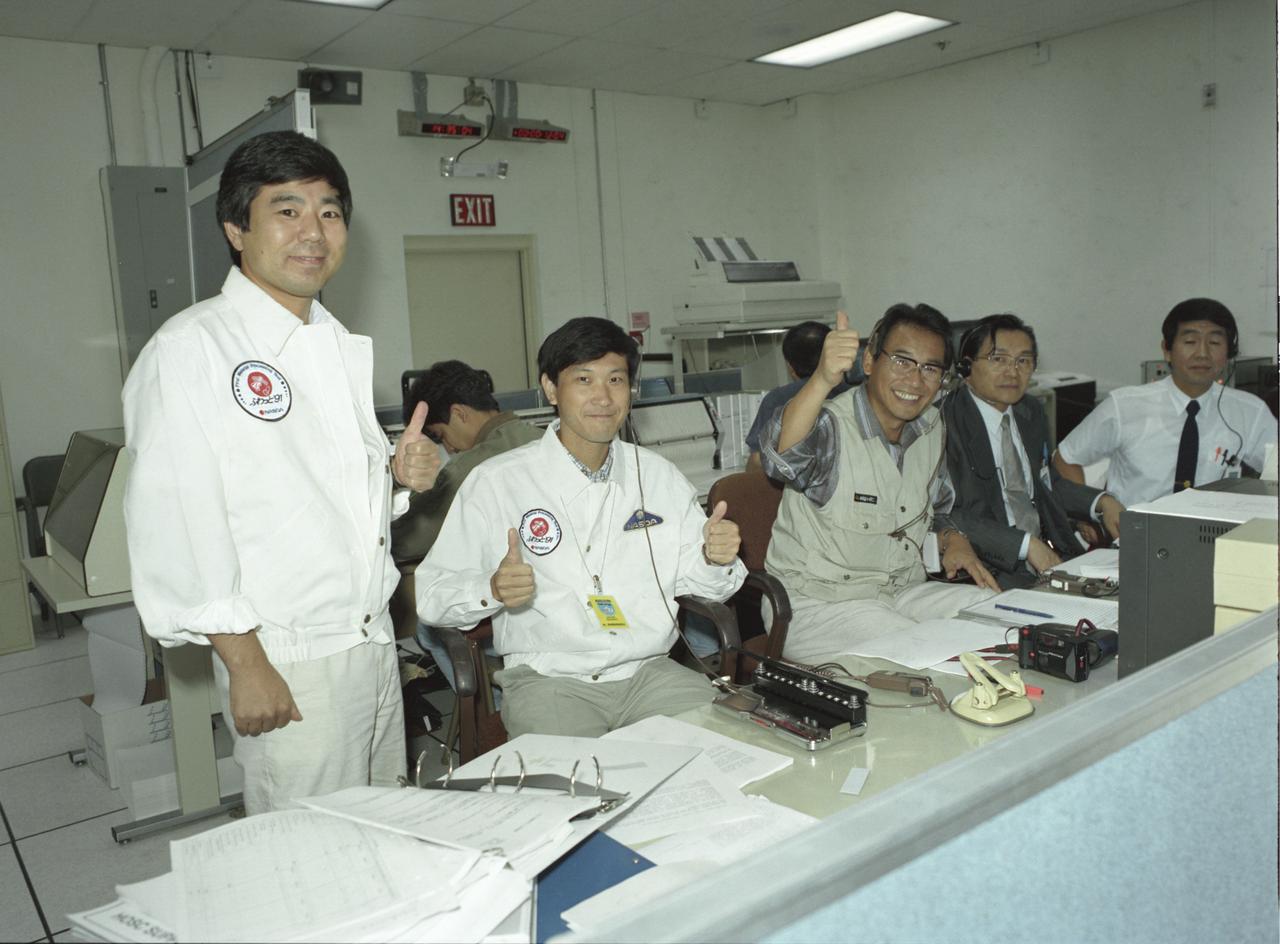
The group of Japanese researchers of the Spacelab-J (SL-J) were thumbs-up in the Payload Operations Control Center (POCC) at the Marshall Space Flight Center after the successful launch of Space Shuttle Orbiter Endeavour that carried their experiments. The SL-J was a joint mission of NASA and the National Space Development Agency of Japan (NASDA) utilizing a marned Spacelab module. The mission conducted microgravity investigations in materials and life sciences. Materials science investigations covered such fields as biotechnology, electronic materials, fluid dynamics and transport phenomena, glasses and ceramics, metals and alloys, and acceleration measurements. Life sciences included experiments on human health, cell separation and biology, developmental biology, animal and human physiology and behavior, space radiation, and biological rhythms. Test subjects included the crew, Japanese koi fish (carp), cultured animal and plant cells, chicken embryos, fruit flies, fungi and plant seeds, frogs, and frog eggs. The POCC was the air/ground communications channel between the astronauts and ground control teams during the Spacelab missions. The Spacelab science operations were a cooperative effort between the science astronaut crew in orbit and their colleagues in the POCC. Spacelab-J was launched aboard the Space Shuttle Orbiter Endeavour on September 12, 1992.
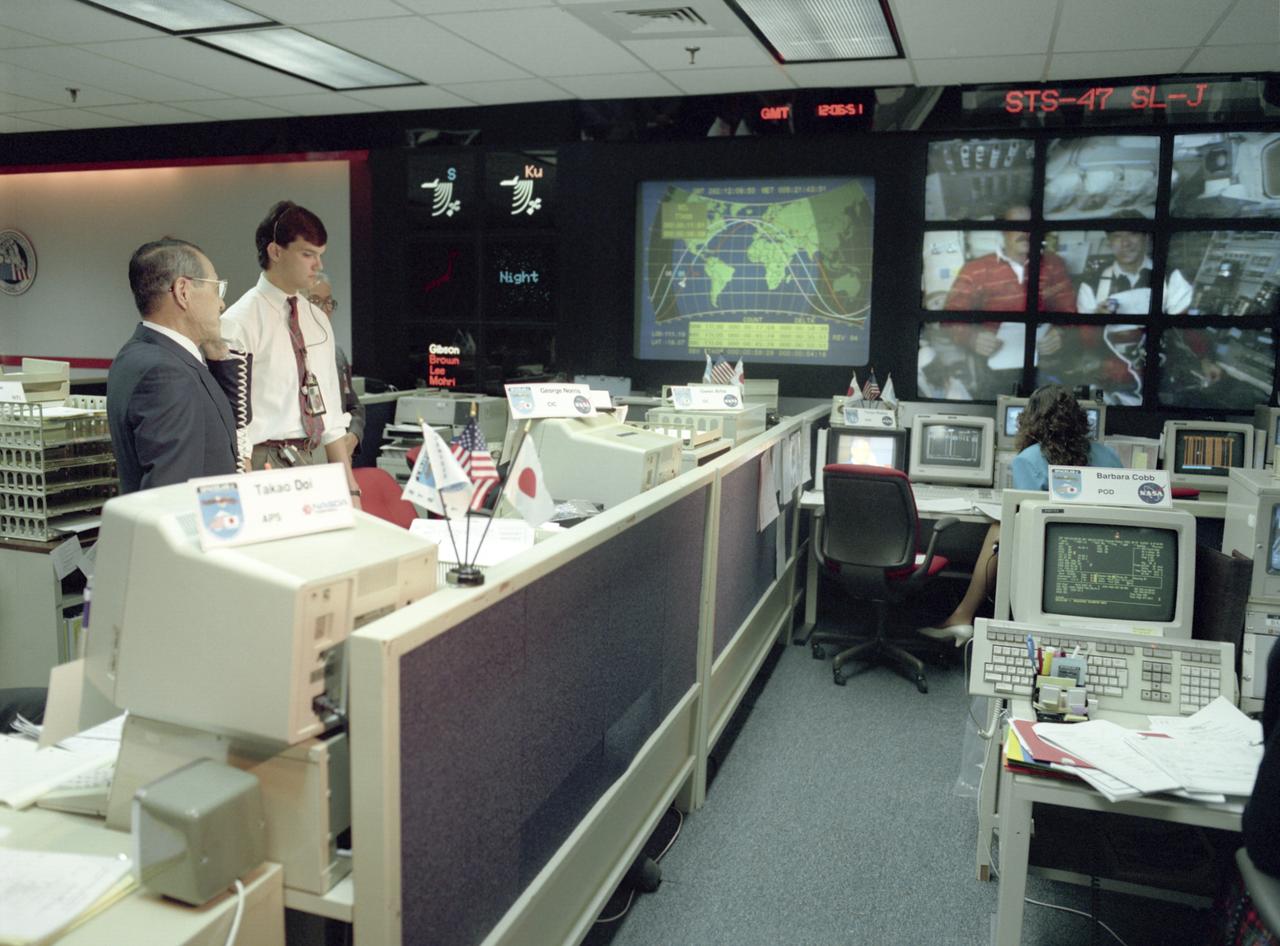
The science laboratory, Spacelab-J (SL-J), flown aboard the STS-47 flight was a joint venture between NASA and the National Space Development Agency of Japan (NASDA) utilizing a manned Spacelab module. The mission conducted 24 materials science and 20 life science experiments, of which 35 were sponsored by NASDA, 7 by NASA, and two collaborative efforts. Materials science investigations covered such fields as biotechnology, electronic materials, fluid dynamics and transport phenomena, glasses and ceramics, metals and alloys, and acceleration measurements. Life sciences included experiments on human health, cell separation and biology, developmental biology, animal and human physiology and behavior, space radiation, and biological rhythms. Test subjects included the crew, Japanese koi fish (carp), cultured animal and plant cells, chicken embryos, fruit flies, fungi and plant seeds, and frogs and frog eggs. From the Huntsville Operations Support Center (HOSC) Spacelab Payload Operations Control Center (SL POCC), NASDA President, Mr. Yamano, speaks to Payload Specialist Mamoru Mohri, a Japanese crew member aboard the STS-47 Spacelab J mission.
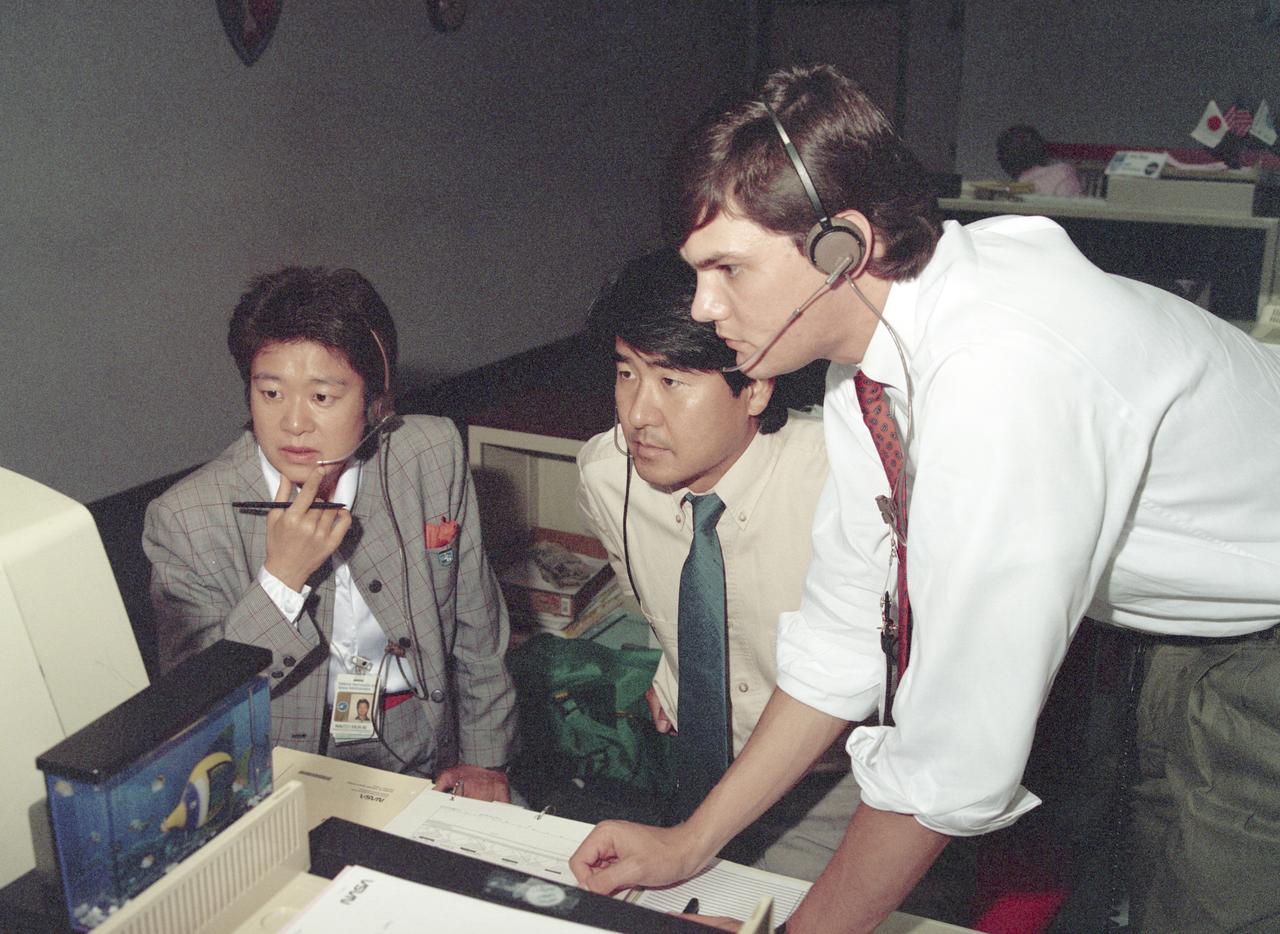
The science laboratory, Spacelab-J (SL-J), flown aboard the STS-47 flight was a joint venture between NASA and the National Space Development Agency of Japan (NASDA) utilizing a manned Spacelab module. The mission conducted 24 materials science and 20 life science experiments, of which 35 were sponsored by NASDA, 7 by NASA, and two collaborative efforts. Materials science investigations covered such fields as biotechnology, electronic materials, fluid dynamics and transport phenomena, glasses and ceramics, metals and alloys, and acceleration measurements. Life sciences included experiments on human health, cell separation and biology, developmental biology, animal and human physiology and behavior, space radiation, and biological rhythms. Test subjects included the crew, Japanese koi fish (carp), cultured animal and plant cells, chicken embryos, fruit flies, fungi and plant seeds, and frogs and frog eggs. Pictured along with George Norris in the Huntsville Operations Support Center (HOSC) Spacelab Payload Operations Control Center (SL POCC) at Marshall Space Flight Center (MSFC) are NASDA alternate payload specialists Dr. Doi and Dr. Mukai.