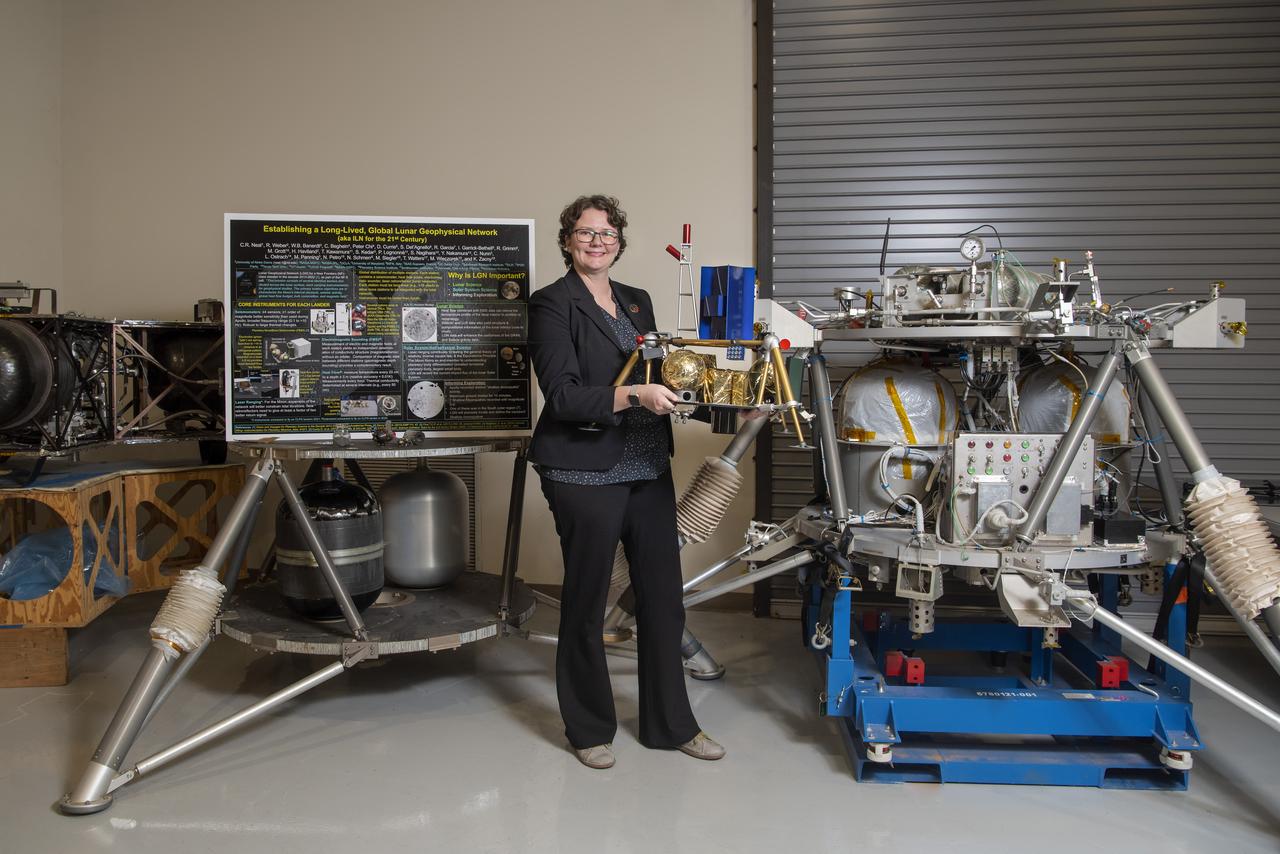
Environmental portrait of Renee Weber, commemorating her recent transition to the MSFC Chief Scientist position. Pictured with lunar lander models in the lander lab building 4747.
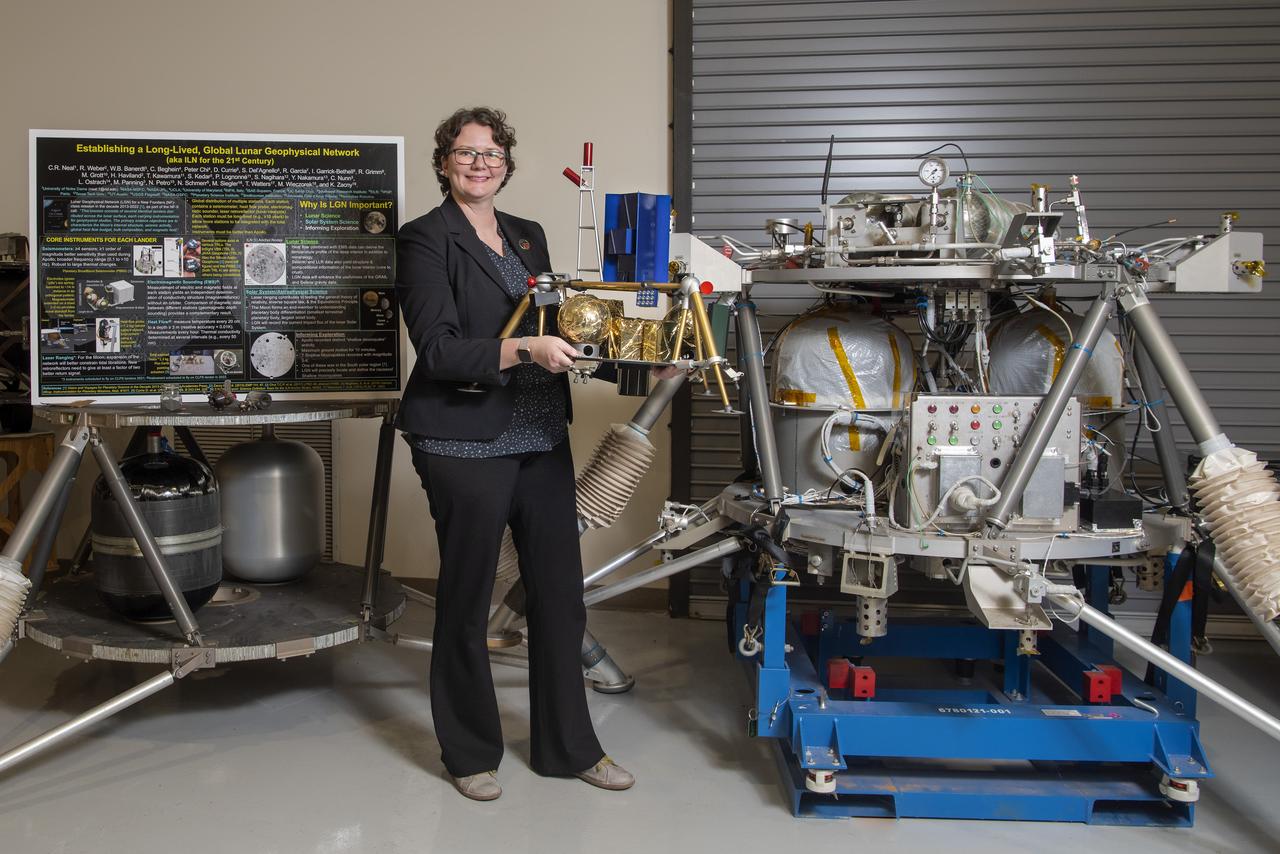
Environmental portrait of Renee Weber, commemorating her recent transition to the MSFC Chief Scientist position. Pictured with lunar lander models in the lander lab building 4747.
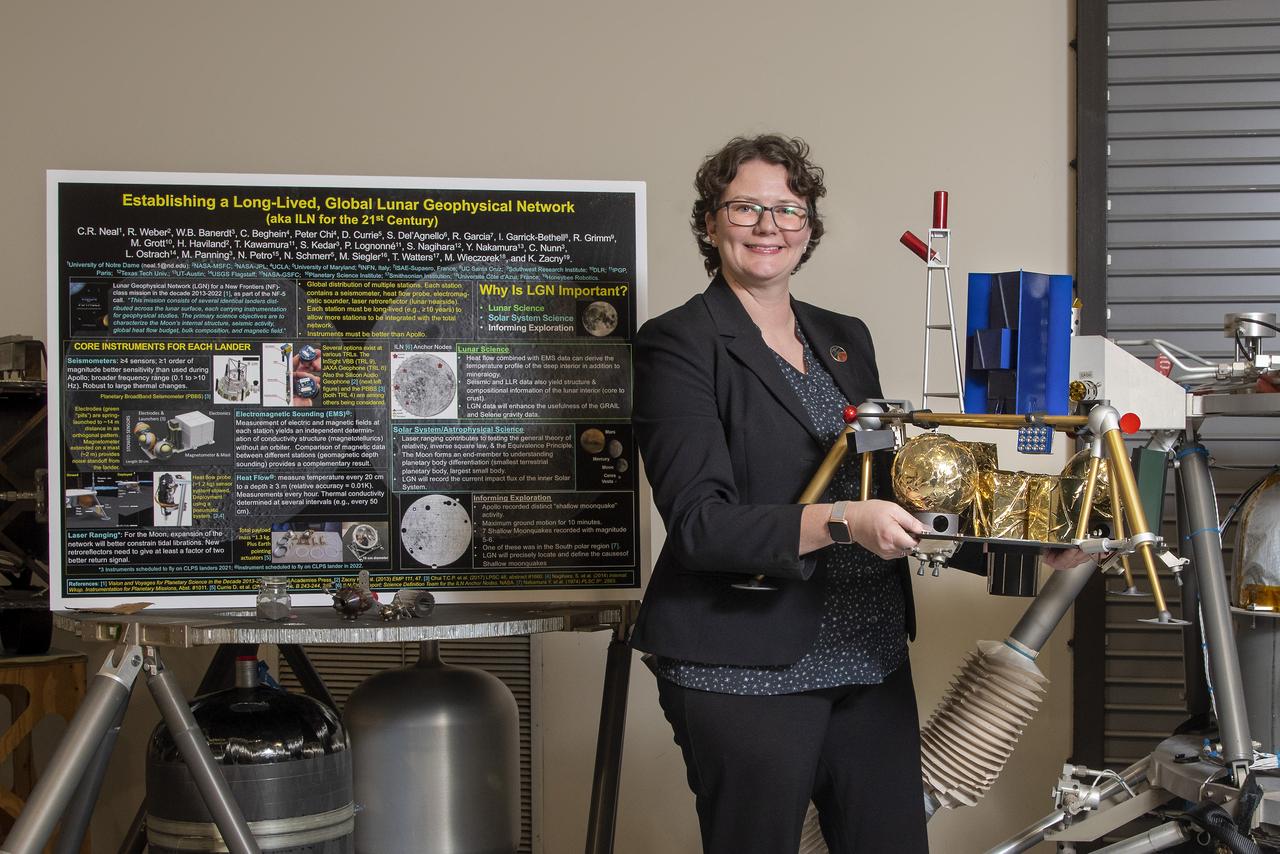
Environmental portrait of Renee Weber, commemorating her recent transition to the MSFC Chief Scientist position. Pictured with lunar lander models in the lander lab building 4747.
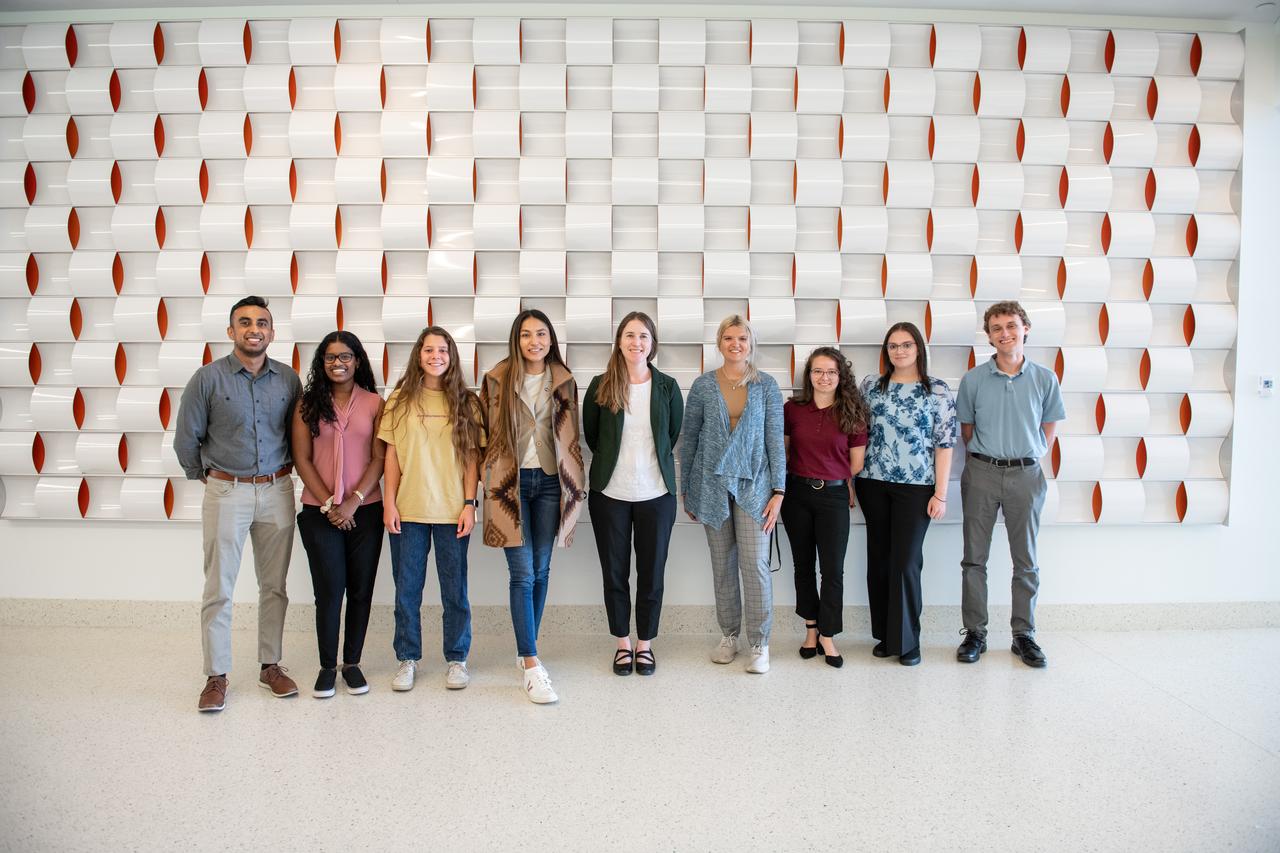
Chief Scientist and Senior Climate Advisor Dr. Kate Calvin held a meet and greet with some of the Summer 2024 interns on June 17, 2024 at Glenn Research Center.
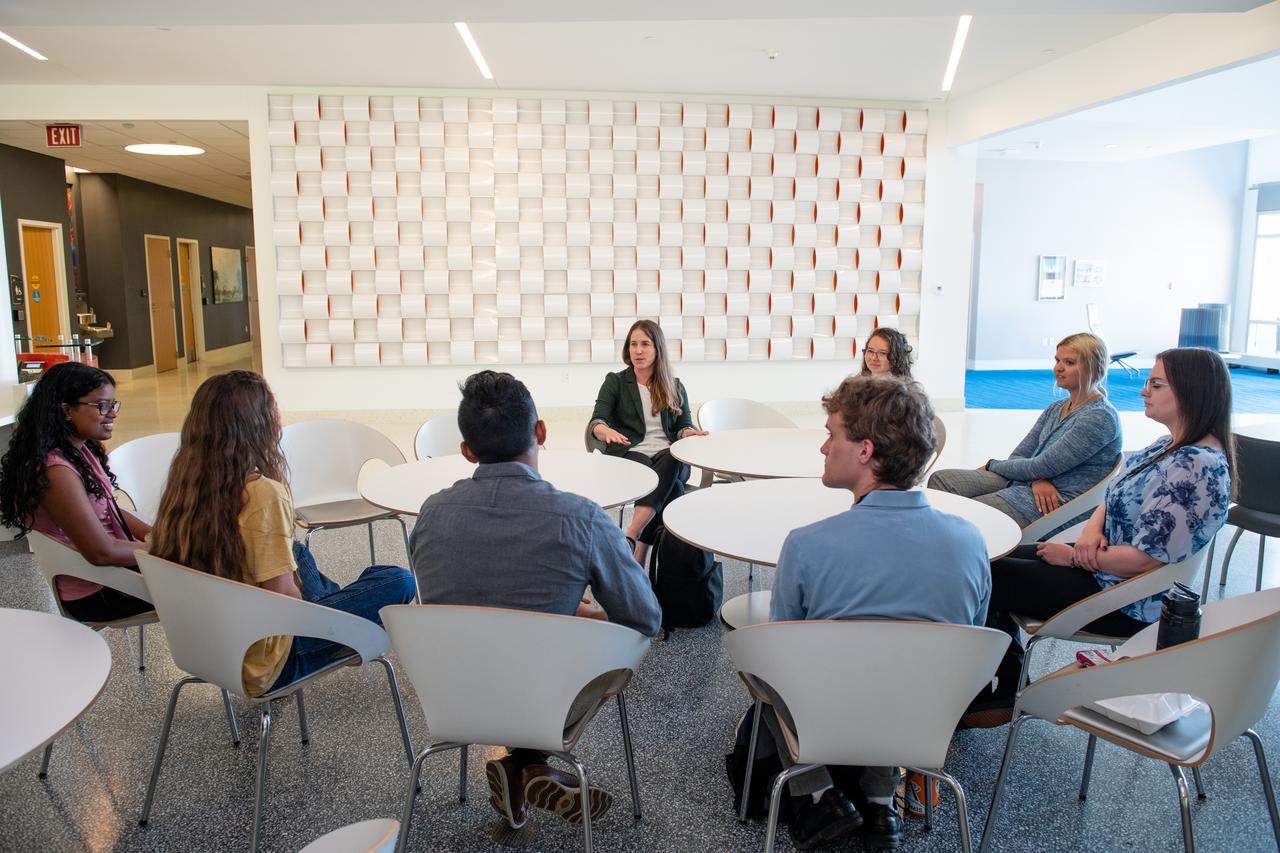
Chief Scientist and Senior Climate Advisor Dr. Kate Calvin held a meet and greet with some of the Summer 2024 interns on June 17, 2024 at Glenn Research Center.
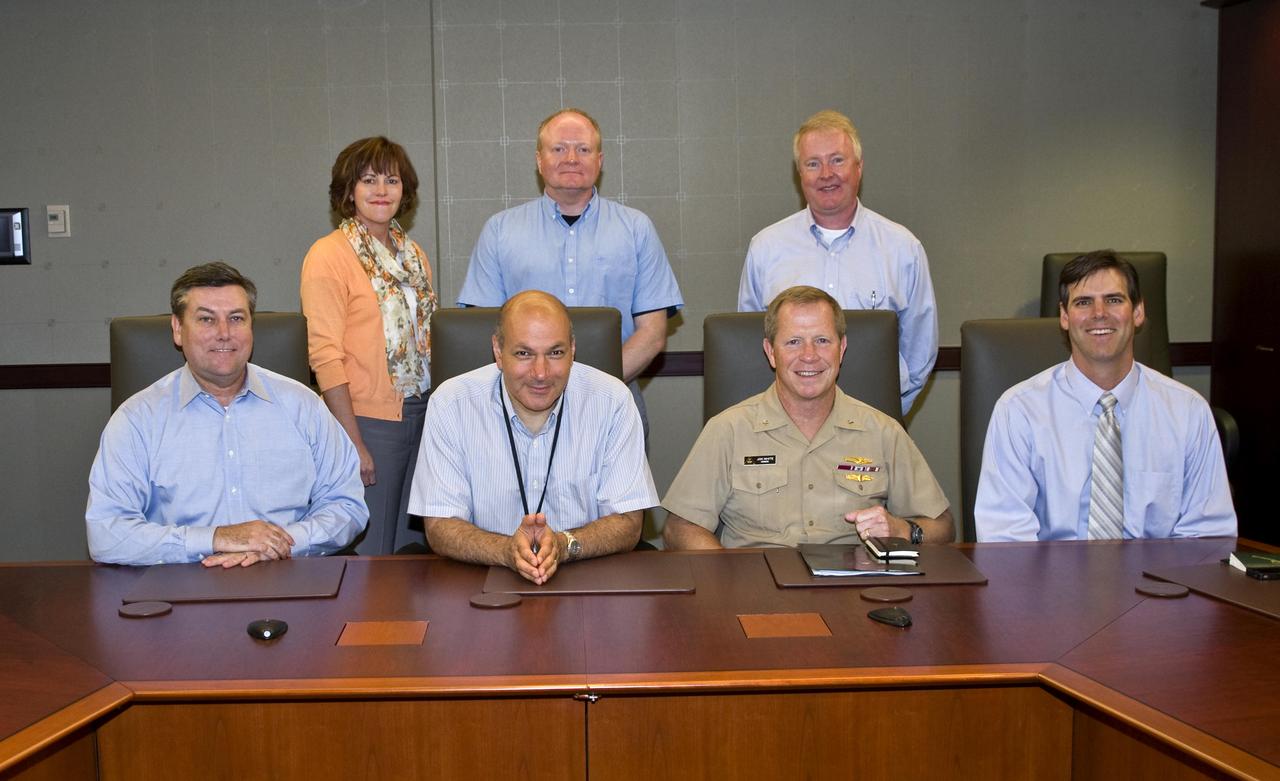
NASA Chief Scientist Dr. Waleed Abdalati visited Stennis Space Center on July 19, to learn about the extensive science capabilities onsite. Shown at right are: (seated, l to r), Stennis Center Director Patrick Scheuermann; Dr. Abdalati; U.S. Navy Rear Adm. Jonathan White; NOAA National Data Buoy Center Program Manager Shannon McArthur; (standing, l to r) Stennis Project Directorate Assistant Director Anne Peek; Stennis Applied Science & Technology Project Office Chief Duane Armstrong; and Stennis Project Directorate Director Keith Brock.
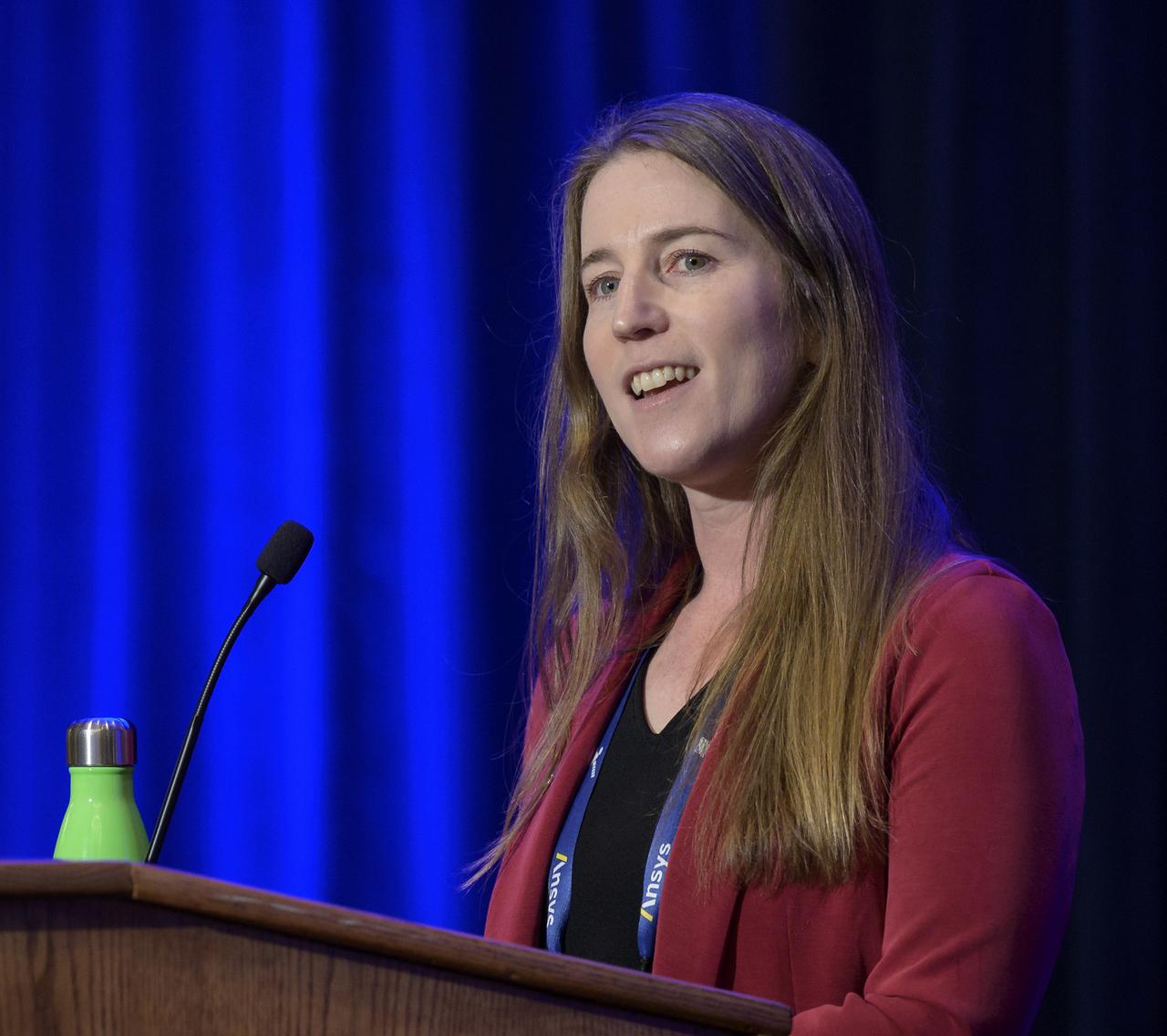
Dr. Kate Calvin, NASA's chief scientist and senior climate advisor, speaks at the 37th Space Symposium, Tuesday, April 5, 2022, in Colorado Springs, Colorado. Photo Credit: (NASA/Bill Ingalls)
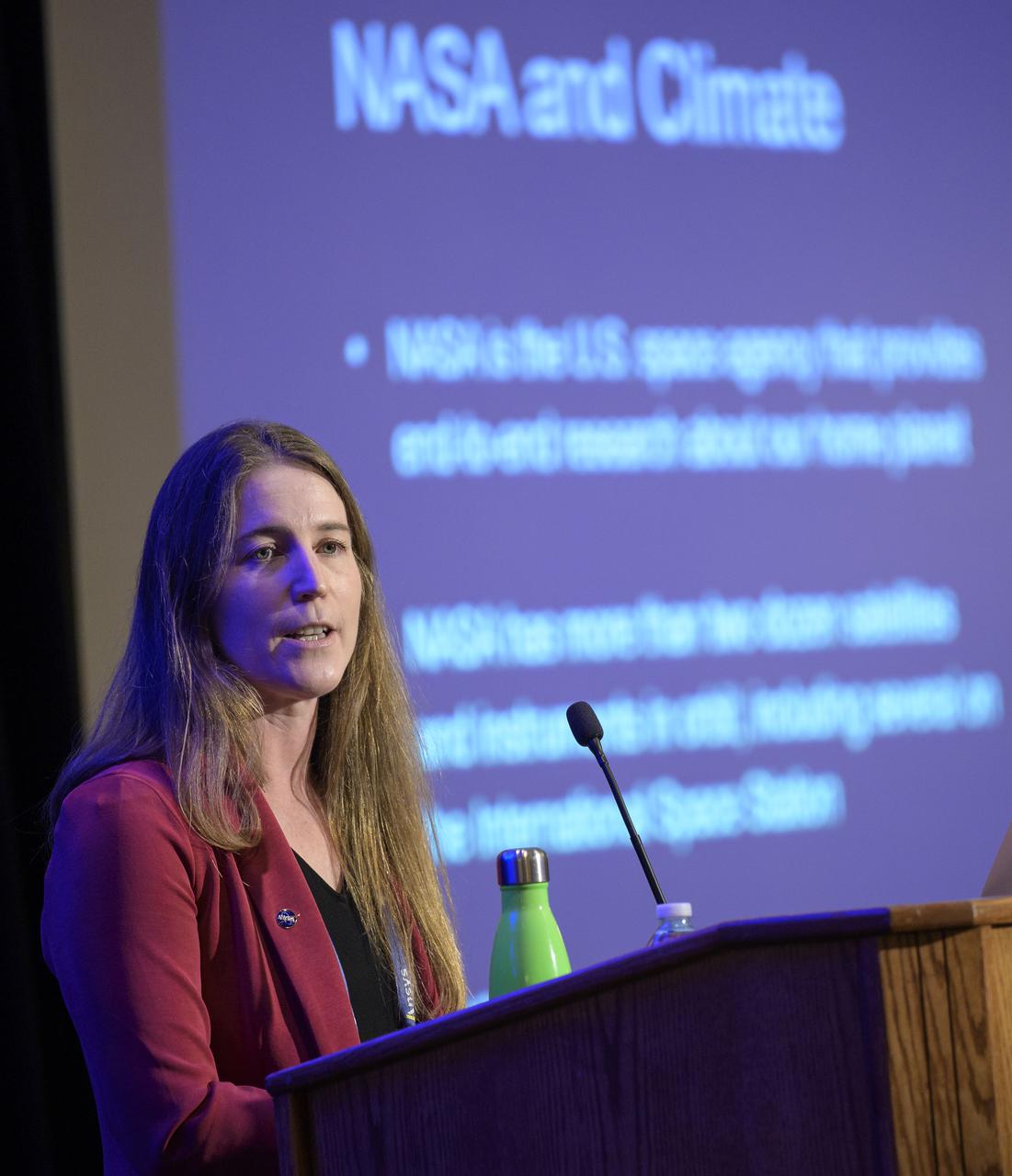
Dr. Kate Calvin, NASA's chief scientist and senior climate advisor, speaks at the 37th Space Symposium, Tuesday, April 5, 2022, in Colorado Springs, Colorado. Photo Credit: (NASA/Bill Ingalls)
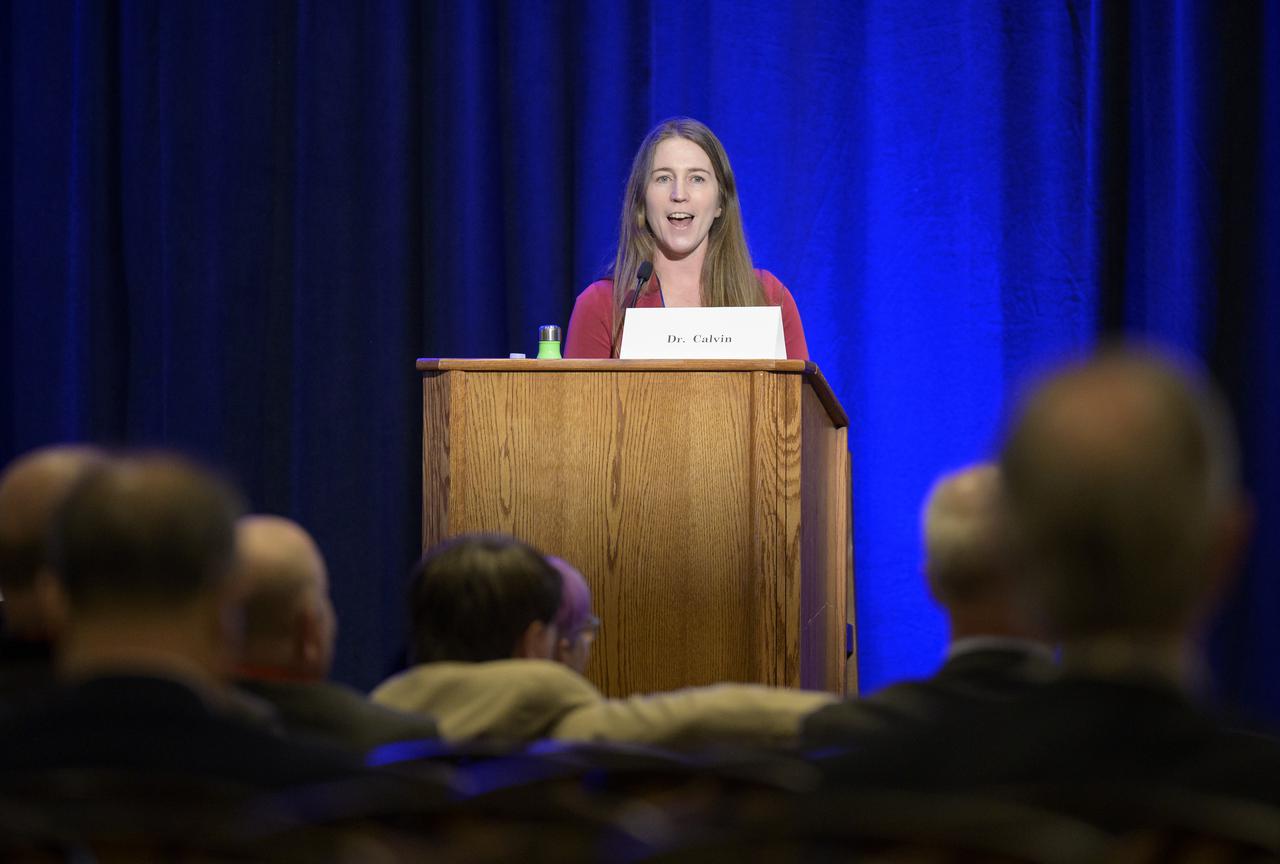
Dr. Kate Calvin, NASA's chief scientist and senior climate advisor, speaks at the 37th Space Symposium, Tuesday, April 5, 2022, in Colorado Springs, Colorado. Photo Credit: (NASA/Bill Ingalls)
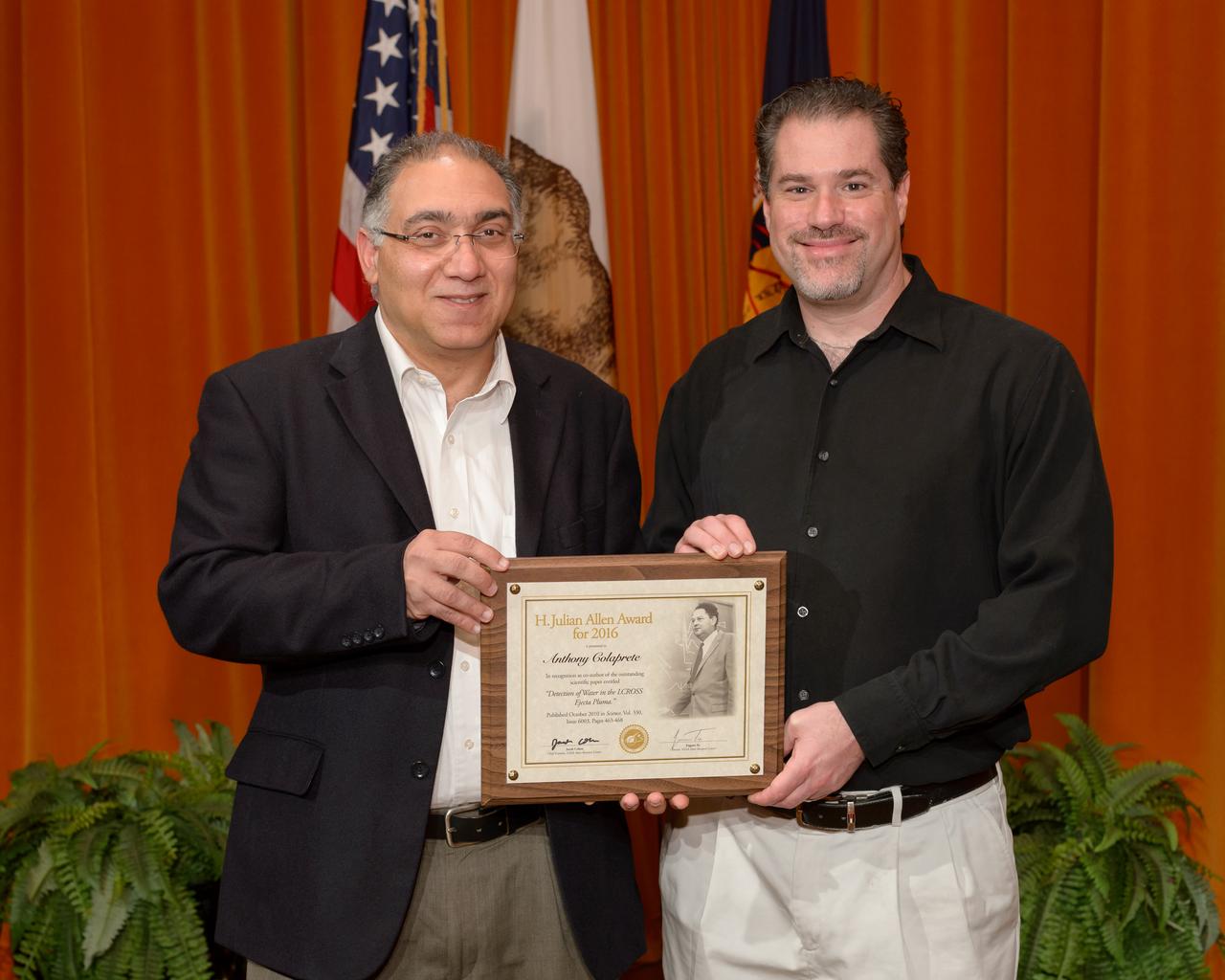
Dr. Jacob Cohen Director Office of Chief Scientist with Dr. Anthony Colaprete recipient of the H. Julian Allen Award In recognition as co-author of the outstanding scientific paper entitled "Detection of Water in the LCROSS Ejecta Pluma." Shown here Dr. Jacob Cohen presents the H. Julian Allen award to Anthony Colaprete.
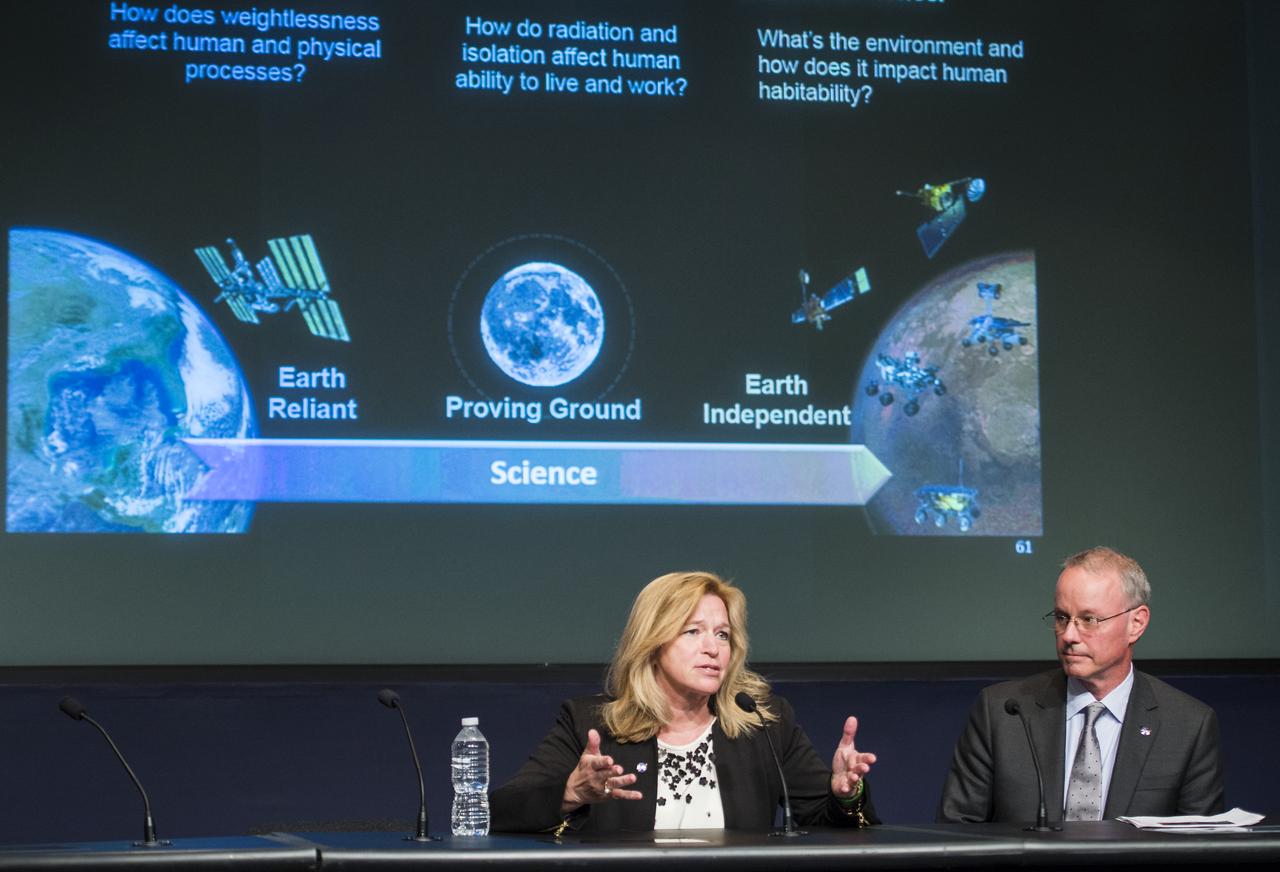
Ellen Stofan, NASA Chief Scientist, left, and David Miller, NASA Chief Technologist, right, participate in a panel discussion during an Exploration Forum showcasing NASA's human exploration path to Mars in the James E. Webb Auditorium at NASA Headquarters on Tuesday, April 29, 2014. Photo Credit: (NASA/Joel Kowsky)
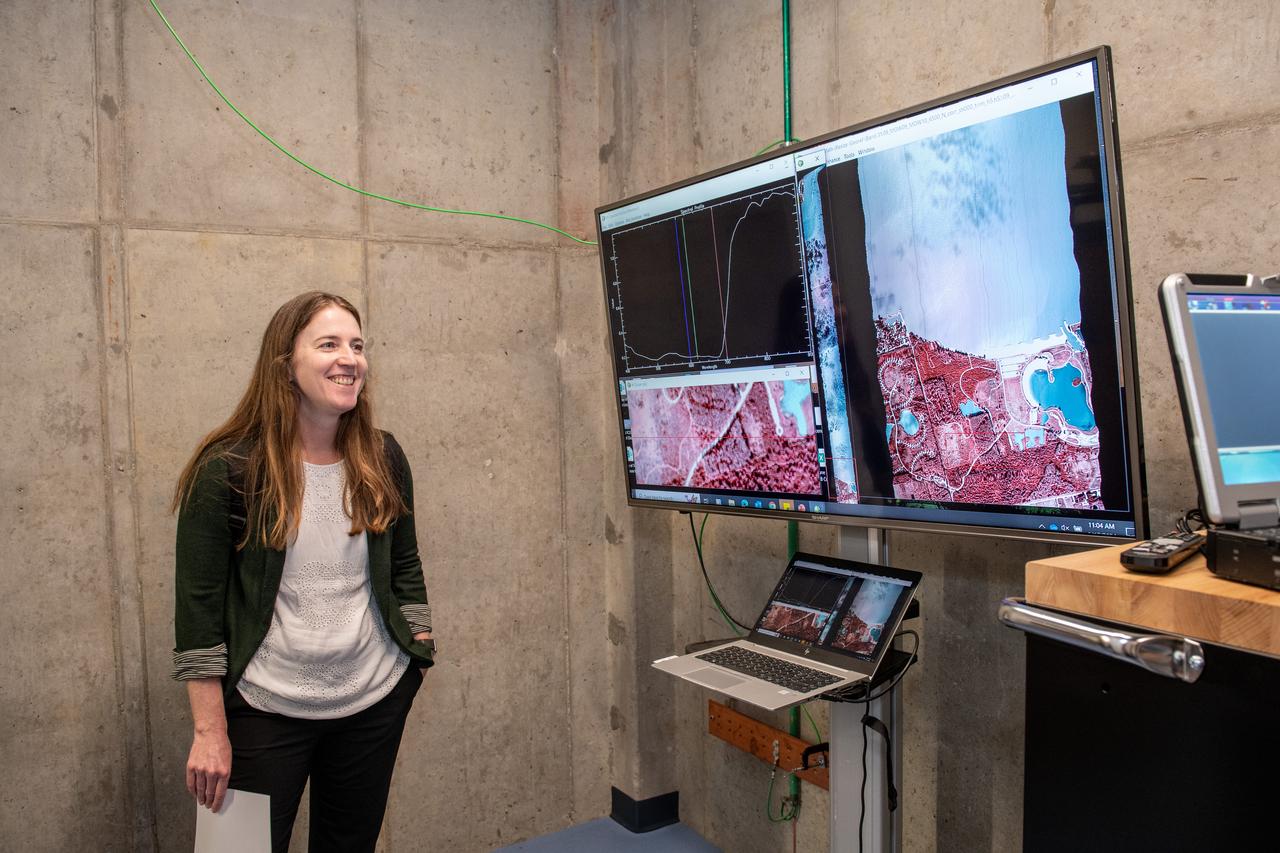
Dr. Katherine Calvin listens to a harmful algal bloom presentation on June 17, 2024. NASA Glenn Research Center conducts aerial remote sensing of harmful algal blooms to warn water filtration plants to enact more stringent filtering when harmful blooms are present. Aerial remote sensing is advantageous to satellite remote sensing that is limited by factors of resolution, on demand performance, cloud cover, and upgrades to instrumentation. Photo Credit: (NASA/Sara Lowthian-Hanna)

Tour of the Electrified Powertrain Flight Demonstration in the HyPER lab on June 17th, 2024 at Glenn Research Center. NASA’s Electrified Powertrain Flight Demonstration (EPFD) project focuses advancing the future of sustainable aviation by turning hybrid electric flight into a reality. HyPER is a hardware-in-the-loop laboratory that was designed specifically to investigate the dynamic interactions between turbomachinery, the electric power system, and the constantly varying loads of electrified aircraft. It is a small-scale lab capable of rapid reconfiguration through software. This allows the emulation of new engines using simulation models that are easily replaced and then appropriately scaled for power and inertia to the test hardware. Photo Credit: (NASA/Sara Lowthian-Hanna)
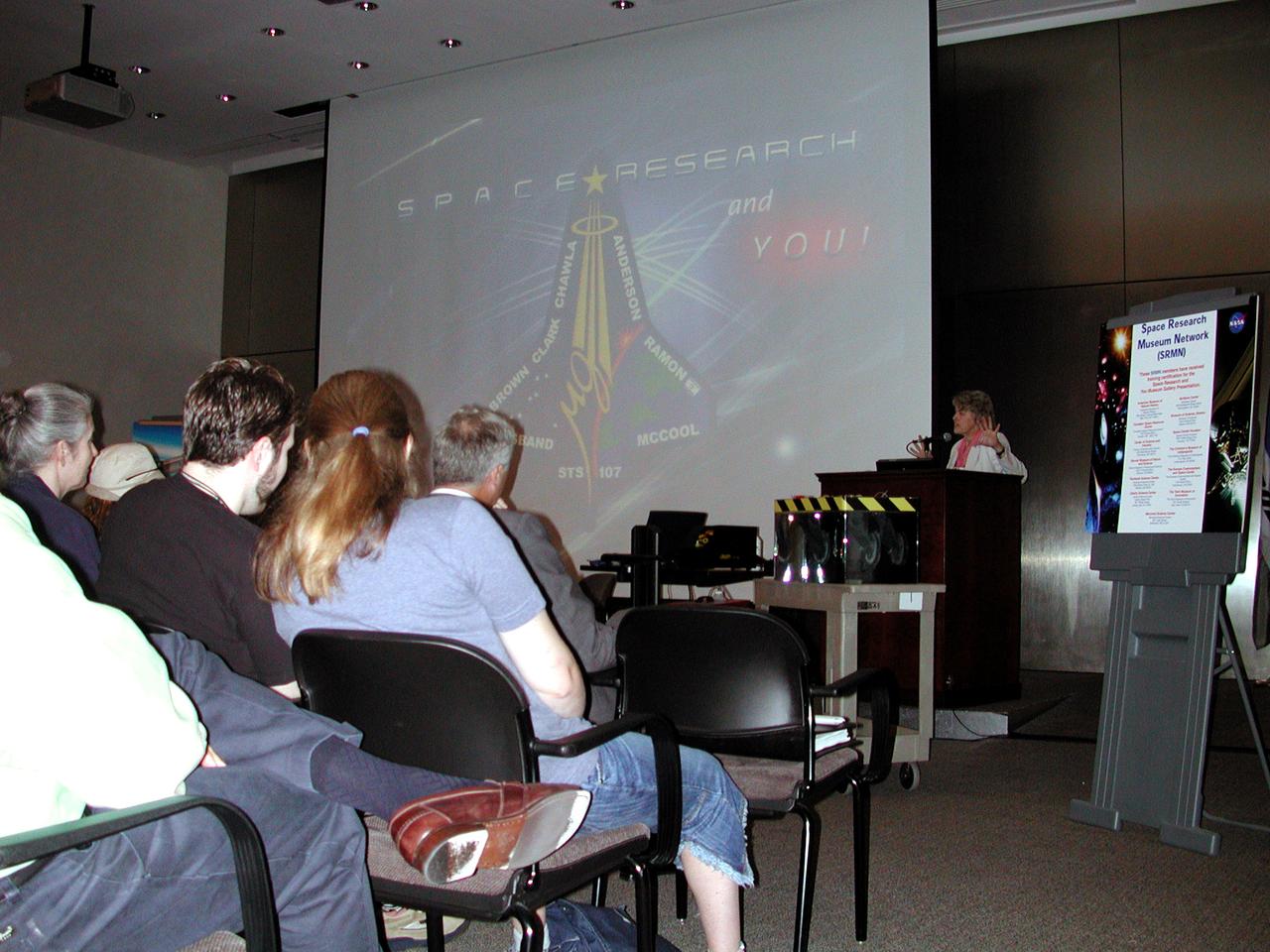
NASA Chief Scientist Shannon Lucid, a former astronaut, introduces Northern Virginia students to the research that will be conducted on the STS-107 mission. The activity was part of the Space Research and You education event held by NASA's Office of Biological and Physical Research on June 25, 2002, in Arlington, VA, to highlight the research that will be conducted on STS-107.
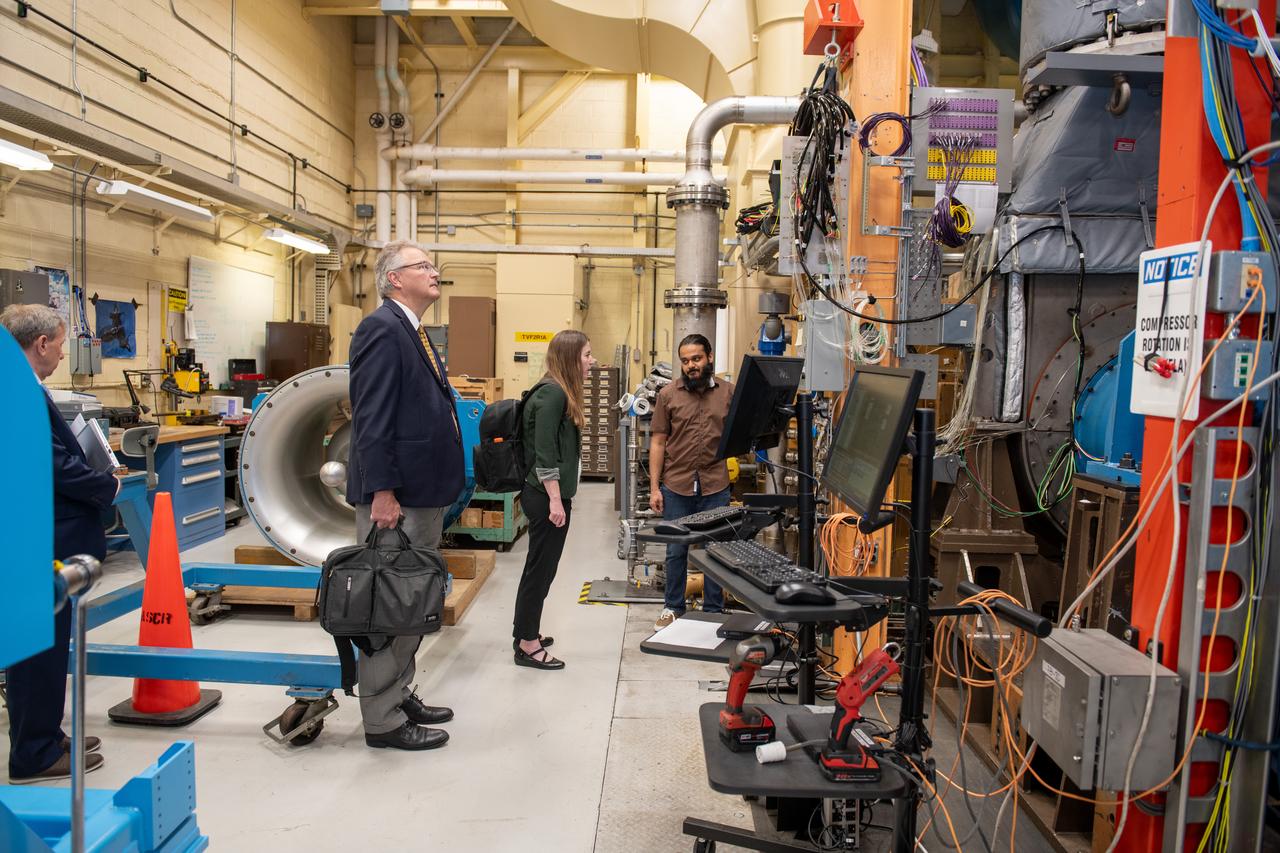
Tour of the Hybrid Thermally Efficient Core (HyTEC) Facility on June 17th, 2024 at Glenn Research Center. The Hybrid Thermally Efficient Core (HyTEC) project is working with industry partners to develop small core engine technologies to enable fuel burn reductions, additional use of electric airplane systems through power extracted from the engine, and advance engine operability and compatibility with sustainable aviation fuels.
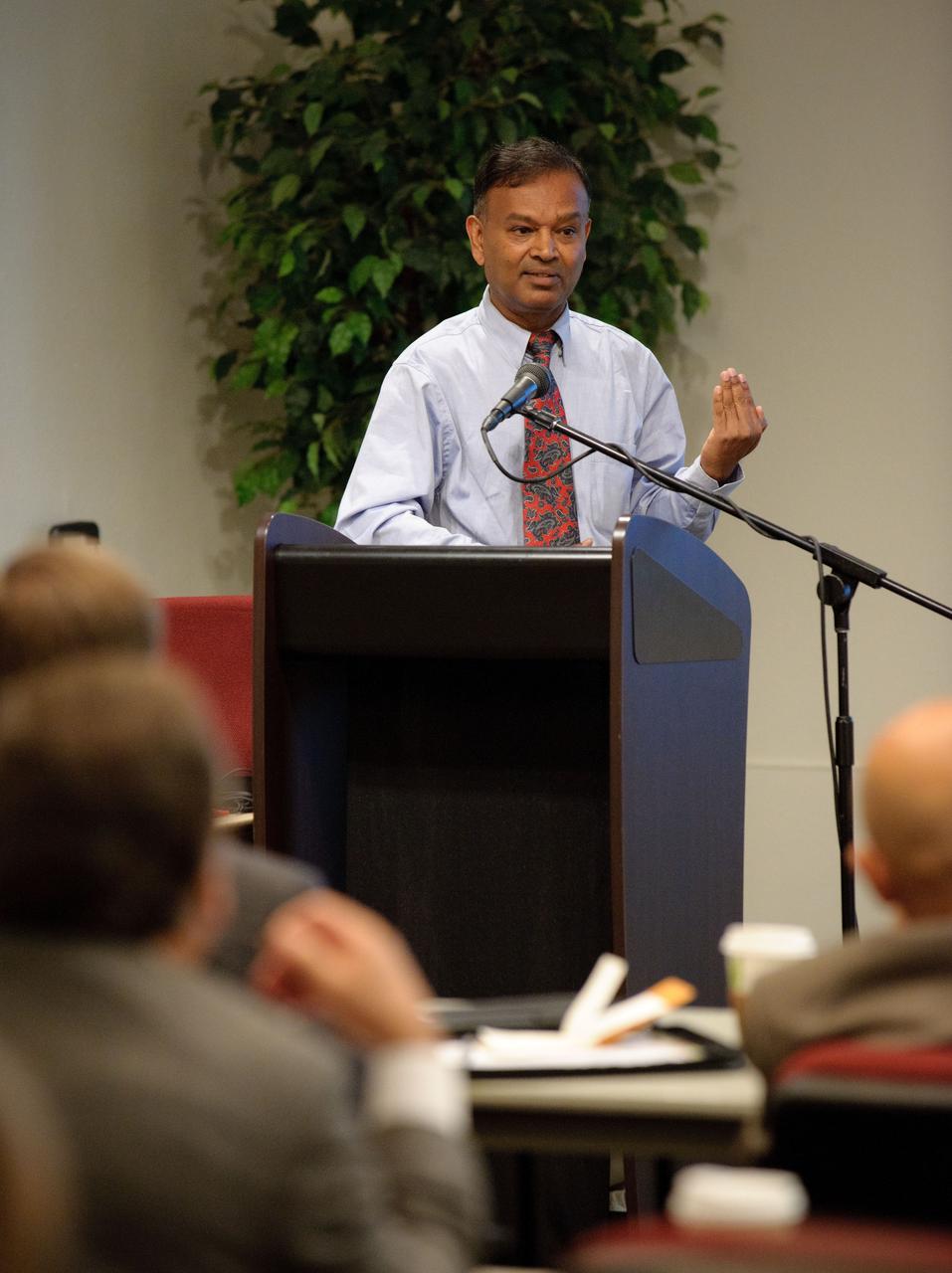
Tech Expo Day at NASA Ames Research Center. Nanosensors with Dr Meyya Meyyappan, Chief Scientist of Nanotechnology
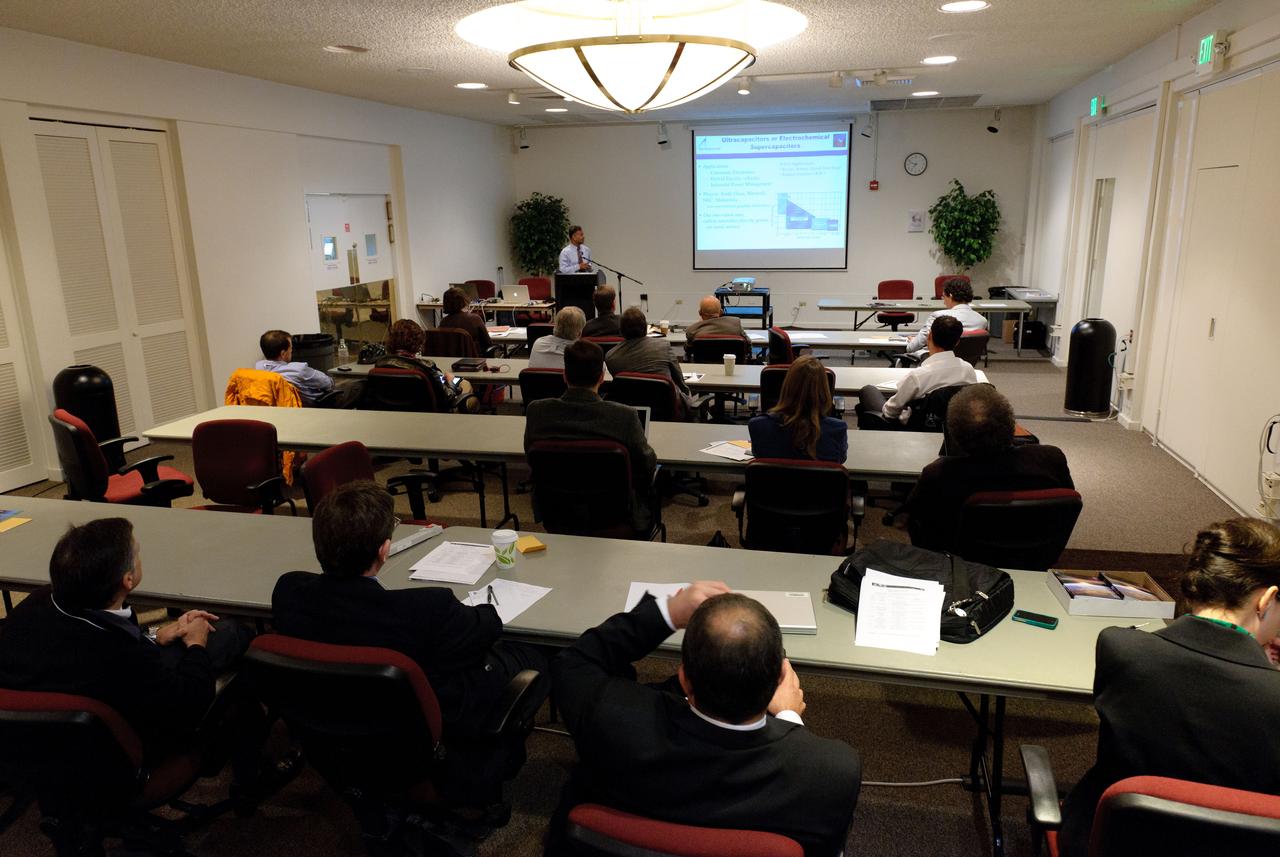
Tech Expo Day at NASA Ames Research Center. Nanosensors with Dr Meyya Meyyappan, Chief Scientist of Nanotechnology
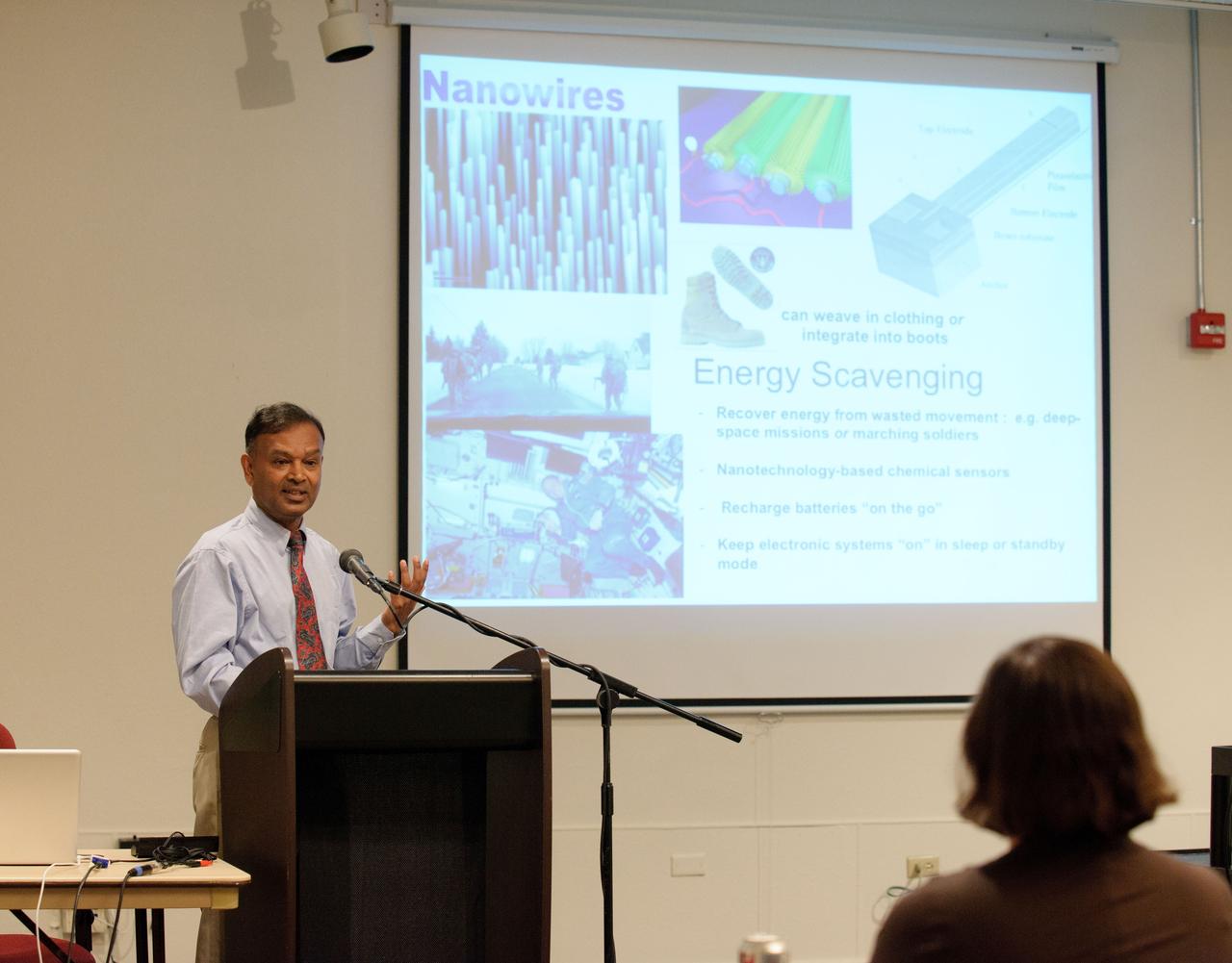
Tech Expo Day at NASA Ames Research Center. Nanosensors with Dr Meyya Meyyappan, Chief Scientist of Nanotechnology
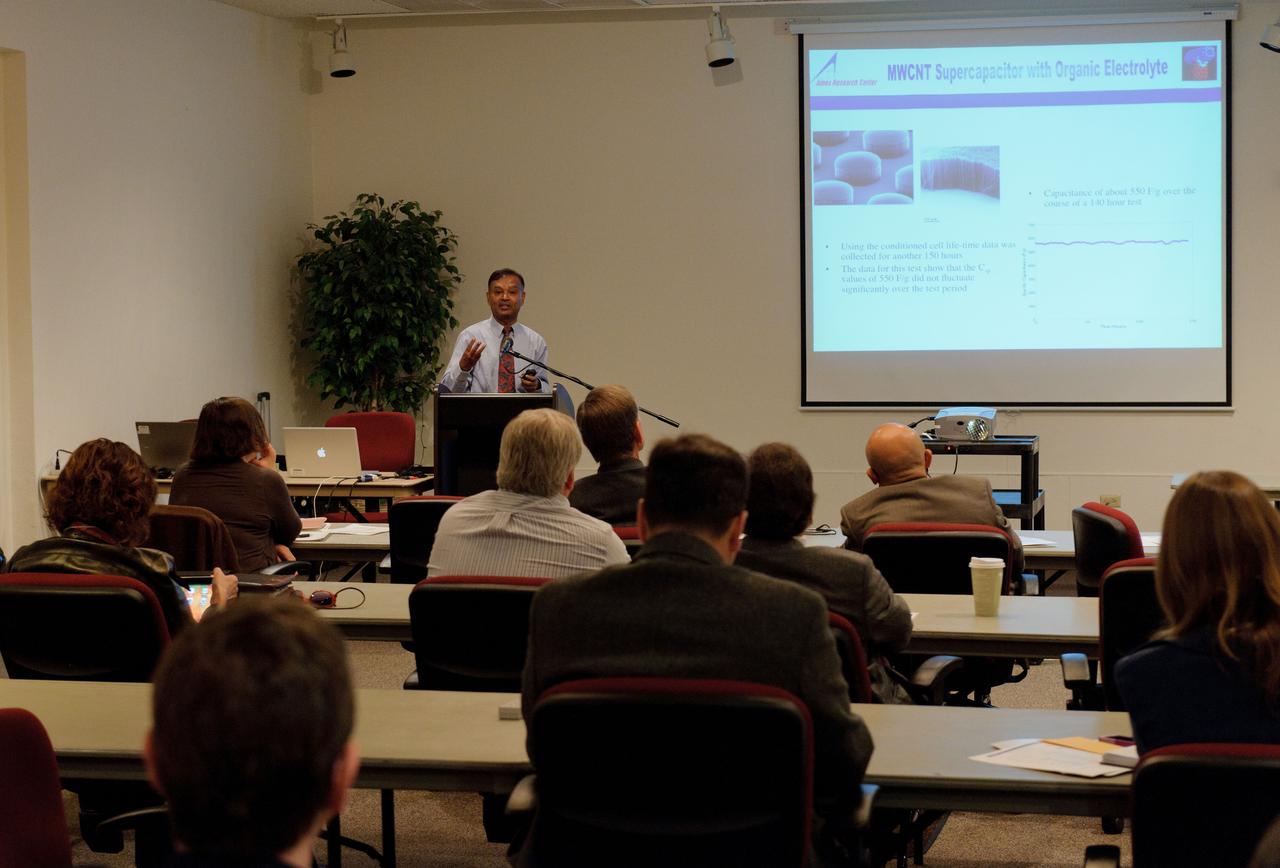
Tech Expo Day at NASA Ames Research Center. Nanosensors with Dr Meyya Meyyappan, Chief Scientist of Nanotechnology
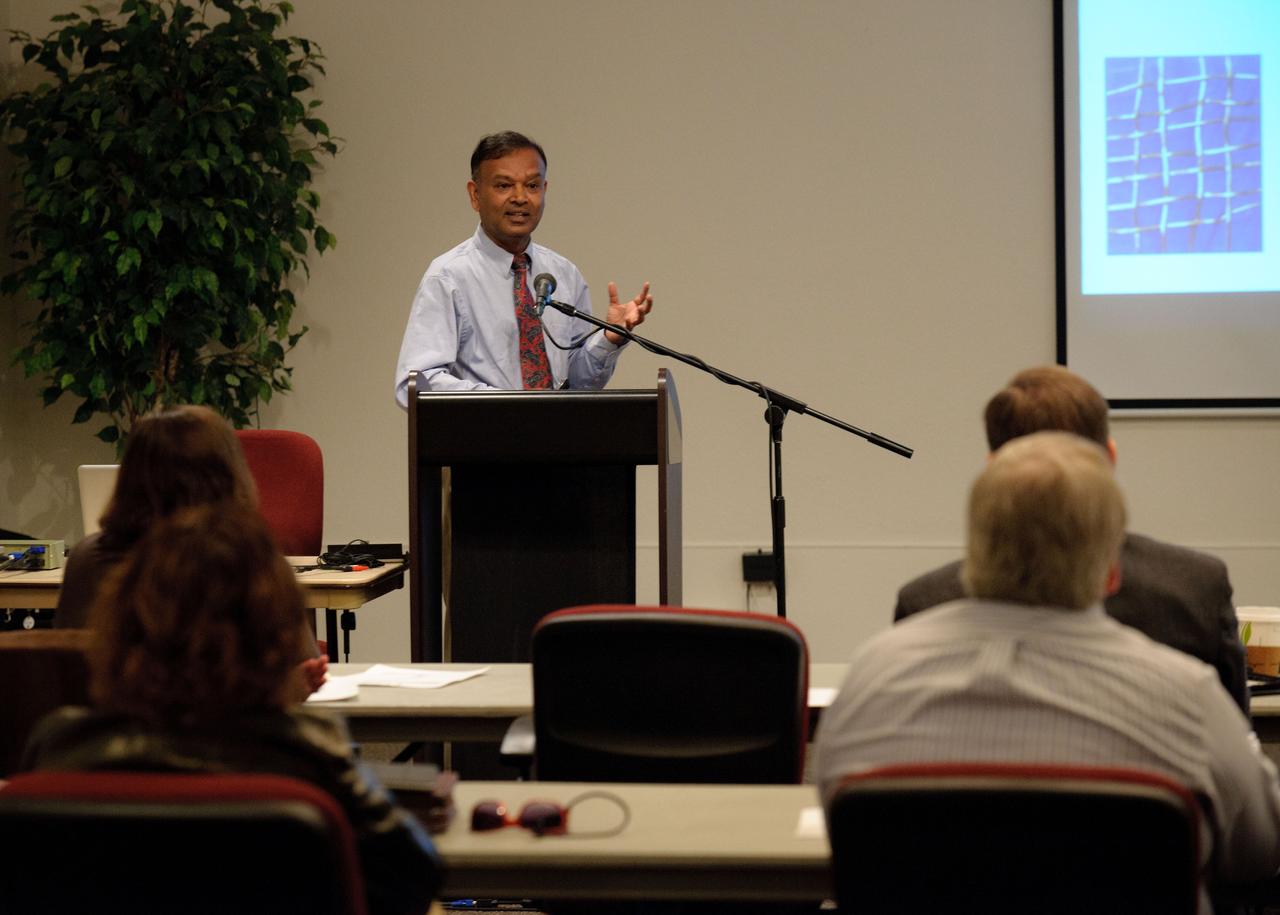
Tech Expo Day at NASA Ames Research Center. Nanosensors with Dr Meyya Meyyappan, Chief Scientist of Nanotechnology
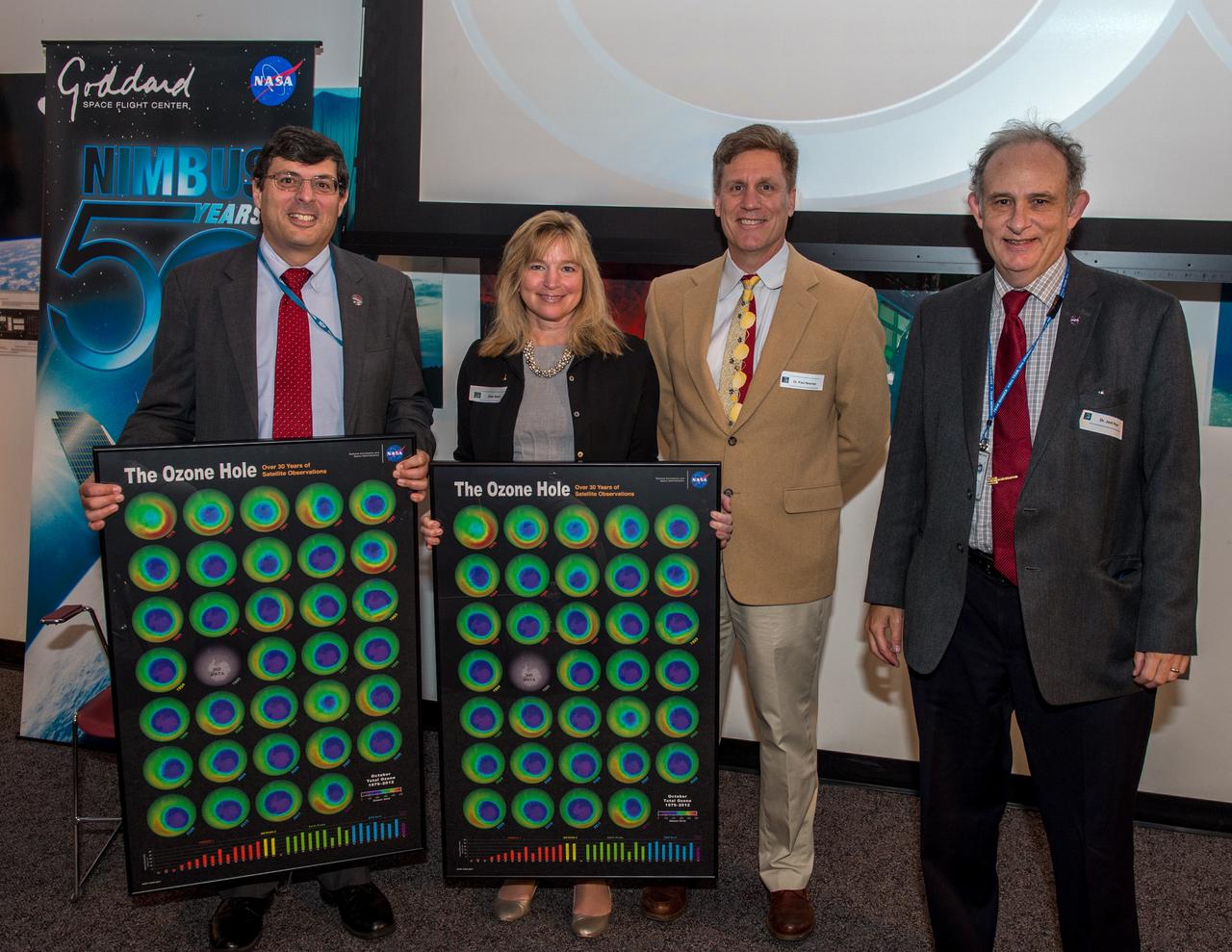
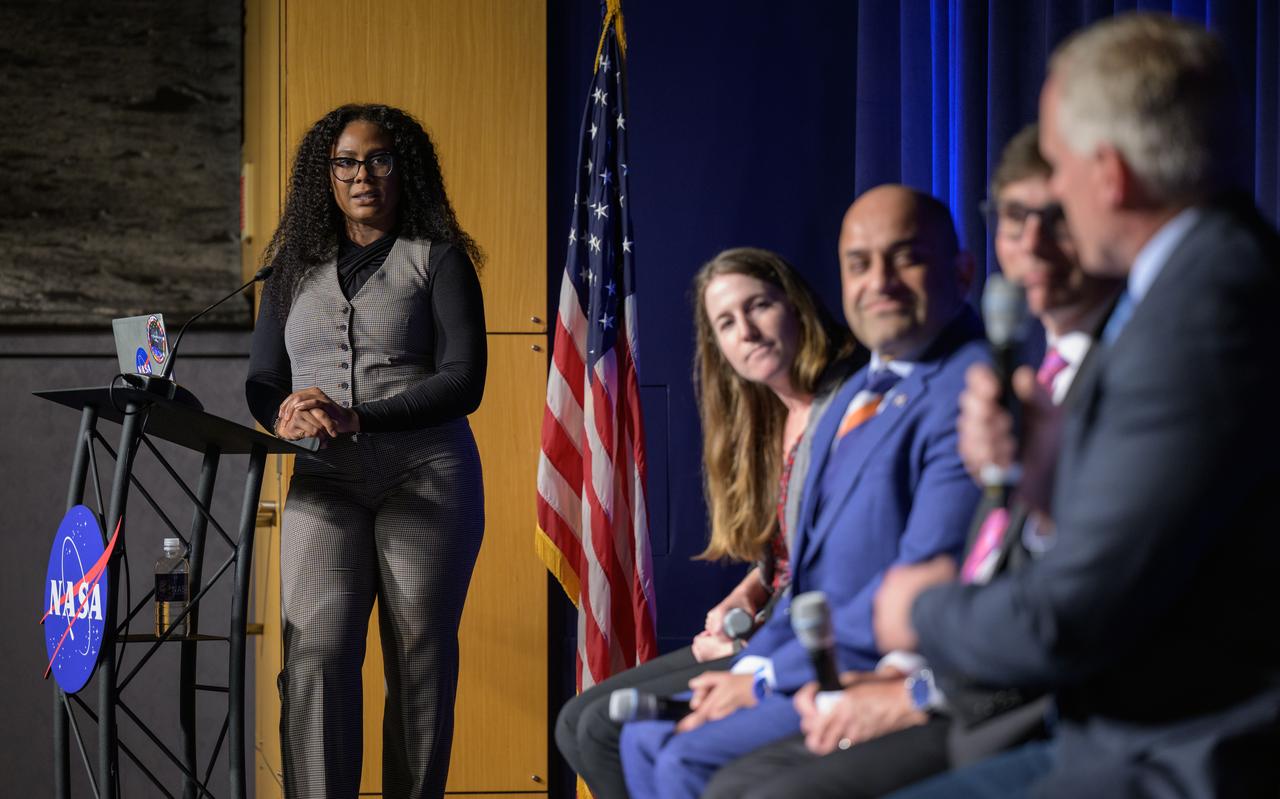
NASA Public Affairs Specialist Melissa Howell, left, NASA Chief Scientist Kate Calvin, NASA Chief Technologist A.C. Charania, NASA Chief Artificial Intelligence Officer David Salvagnini, and NASA Chief Information Officer Jeff Seaton, right, participate in a NASA employee town hall on how the agency is using and developing Artificial Intelligence (AI) tools to advance missions and research, Wednesday, May 22, 2024, at the NASA Headquarters Mary W. Jackson Building in Washington. Photo Credit: (NASA/Bill Ingalls)
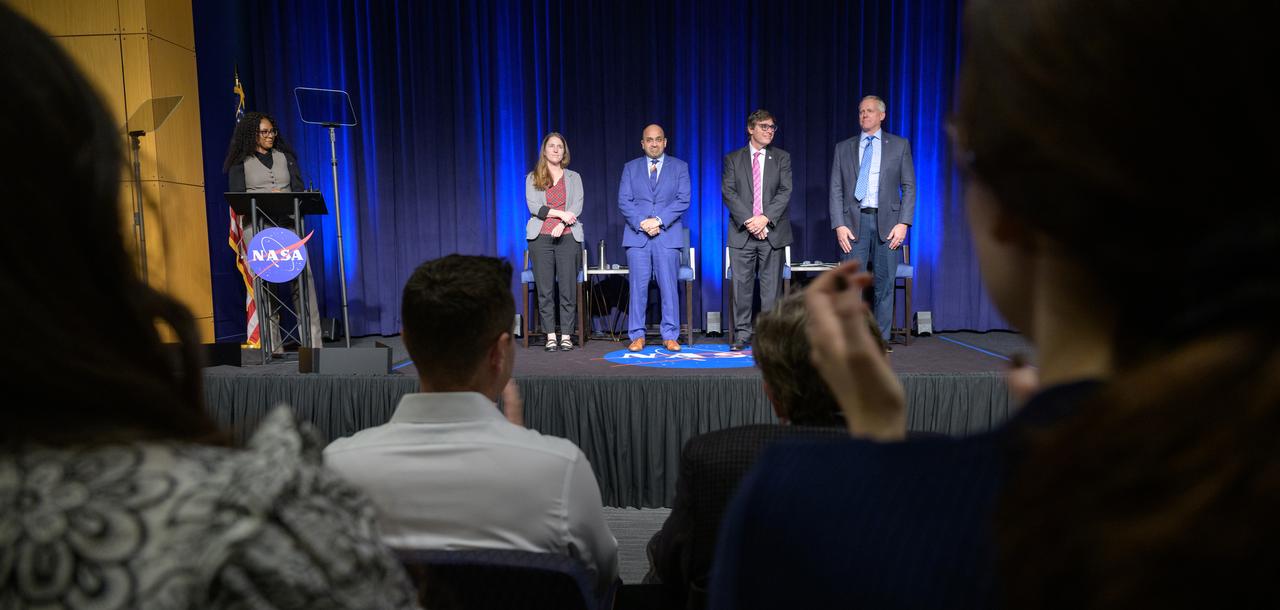
NASA Public Affairs Specialist Melissa Howell, left, NASA Chief Scientist Kate Calvin, NASA Chief Technologist A.C. Charania, NASA Chief Artificial Intelligence Officer David Salvagnini, and NASA Chief Information Officer Jeff Seaton, right, participate in a NASA employee town hall on how the agency is using and developing Artificial Intelligence (AI) tools to advance missions and research, Wednesday, May 22, 2024, at the NASA Headquarters Mary W. Jackson Building in Washington. Photo Credit: (NASA/Bill Ingalls)
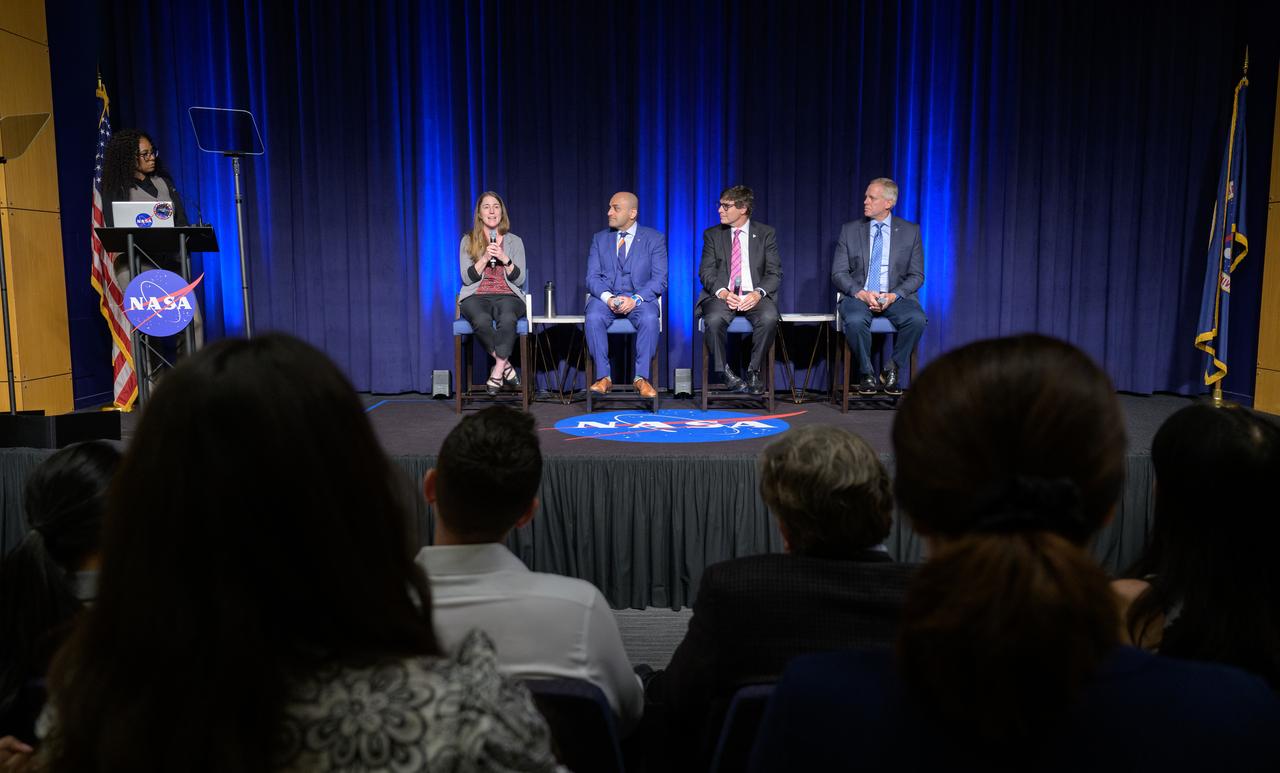
NASA Public Affairs Specialist Melissa Howell, left, NASA Chief Scientist Kate Calvin, NASA Chief Technologist A.C. Charania, NASA Chief Artificial Intelligence Officer David Salvagnini, and NASA Chief Information Officer Jeff Seaton, right, participate in a NASA employee town hall on how the agency is using and developing Artificial Intelligence (AI) tools to advance missions and research, Wednesday, May 22, 2024, at the NASA Headquarters Mary W. Jackson Building in Washington. Photo Credit: (NASA/Bill Ingalls)
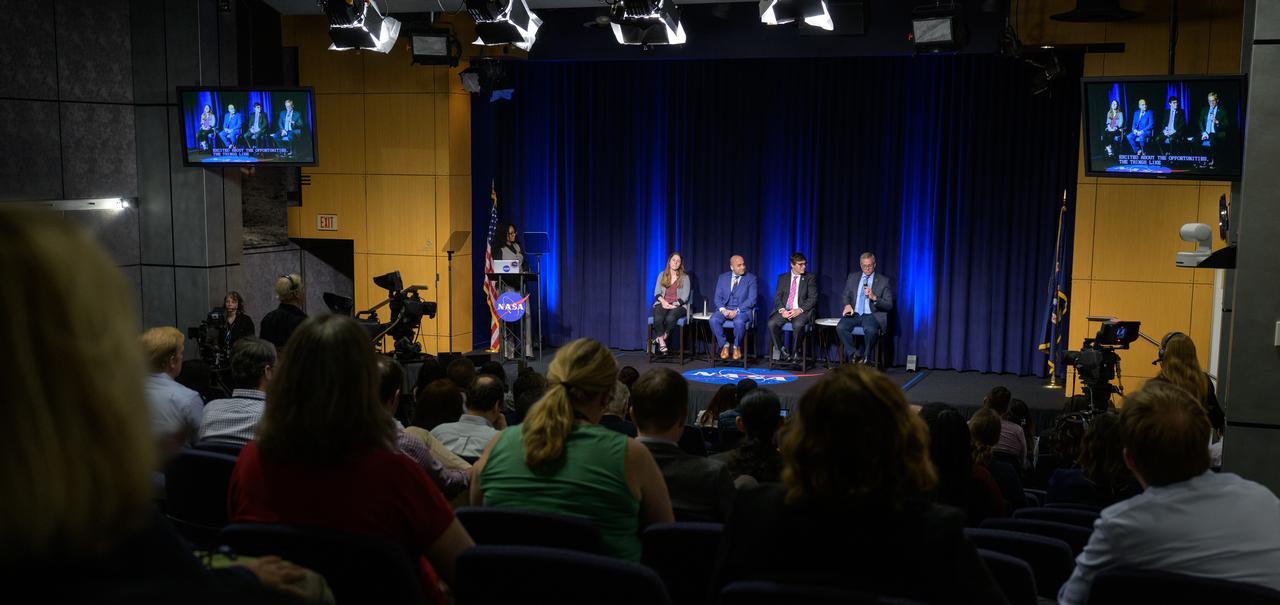
NASA Public Affairs Specialist Melissa Howell, left, NASA Chief Scientist Kate Calvin, NASA Chief Technologist A.C. Charania, NASA Chief Artificial Intelligence Officer David Salvagnini, and NASA Chief Information Officer Jeff Seaton, right, participate in a NASA employee town hall on how the agency is using and developing Artificial Intelligence (AI) tools to advance missions and research, Wednesday, May 22, 2024, at the NASA Headquarters Mary W. Jackson Building in Washington. Photo Credit: (NASA/Bill Ingalls)
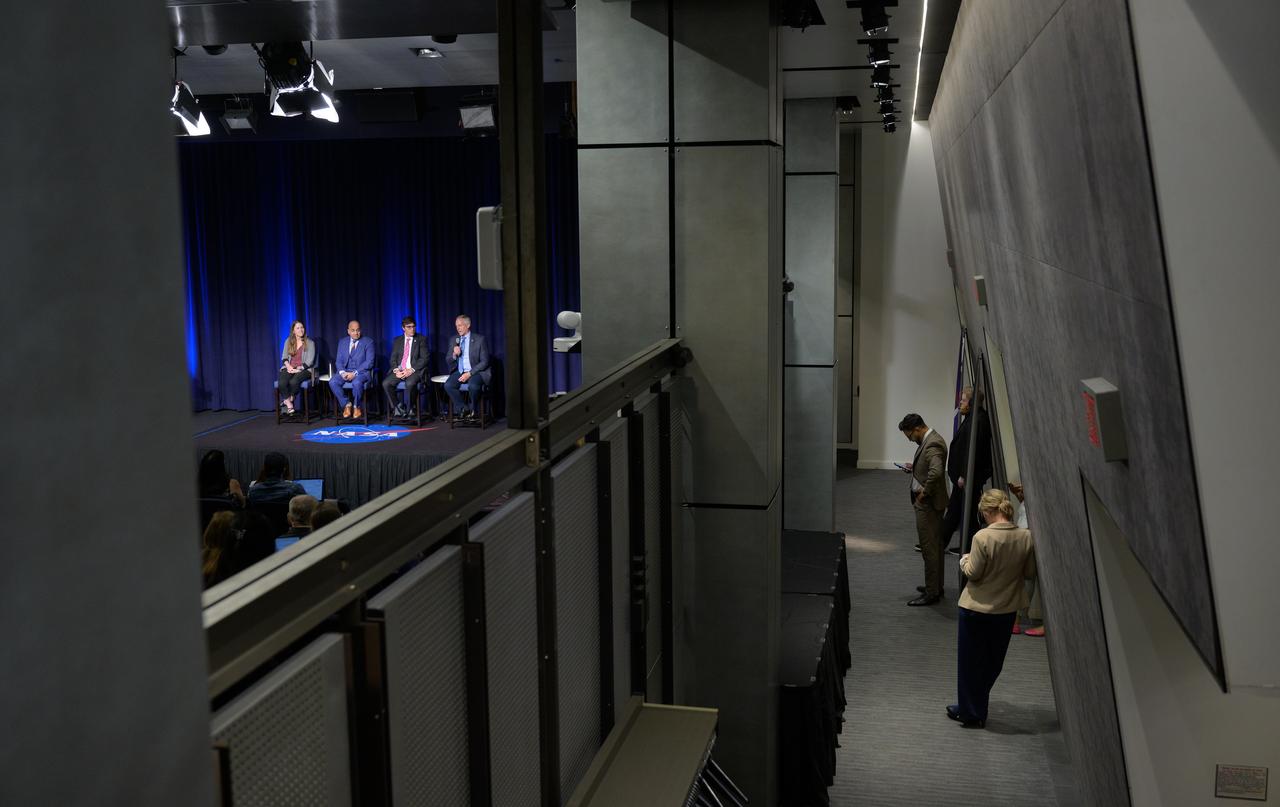
NASA Public Affairs Specialist Melissa Howell, left, NASA Chief Scientist Kate Calvin, NASA Chief Technologist A.C. Charania, NASA Chief Artificial Intelligence Officer David Salvagnini, and NASA Chief Information Officer Jeff Seaton, right, participate in a NASA employee town hall on how the agency is using and developing Artificial Intelligence (AI) tools to advance missions and research, Wednesday, May 22, 2024, at the NASA Headquarters Mary W. Jackson Building in Washington. Photo Credit: (NASA/Bill Ingalls)
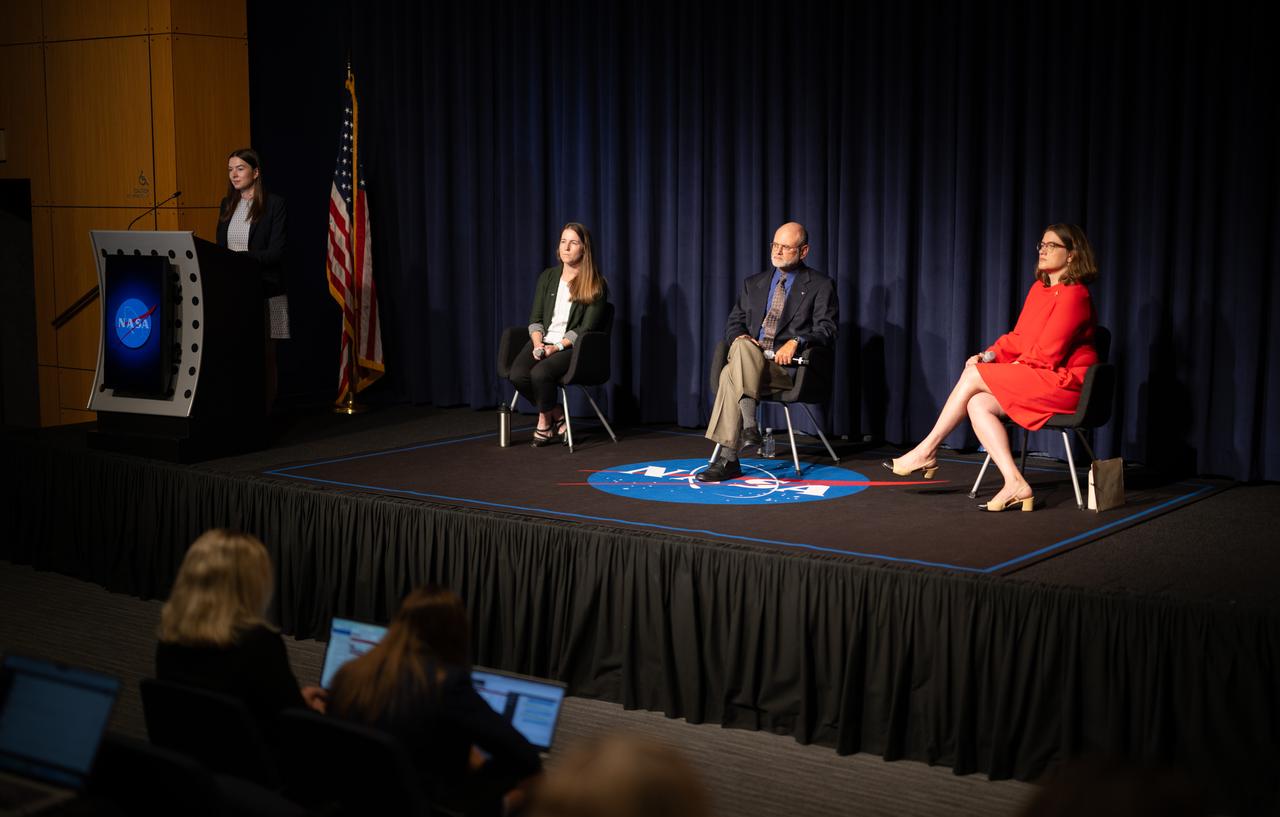
NASA Press Secretary Jackie McGuinness, left, Kate Calvin, NASA Chief Scientist and senior climate advisor, second from left, Carlos Del Castillo, chief of the Ocean Ecology Laboratory at NASA’s Goddard Space Flight Center, second from right, and Sarah Kapnick, Chief Scientist at the National Oceanic and Atmospheric Administration (NOAA), right, are seen during a news conference to discuss the latest global temperature data, Monday, Aug. 14, 2023, at the Mary W. Jackson NASA Headquarters building in Washington. Photo Credit: (NASA/Joel Kowsky)
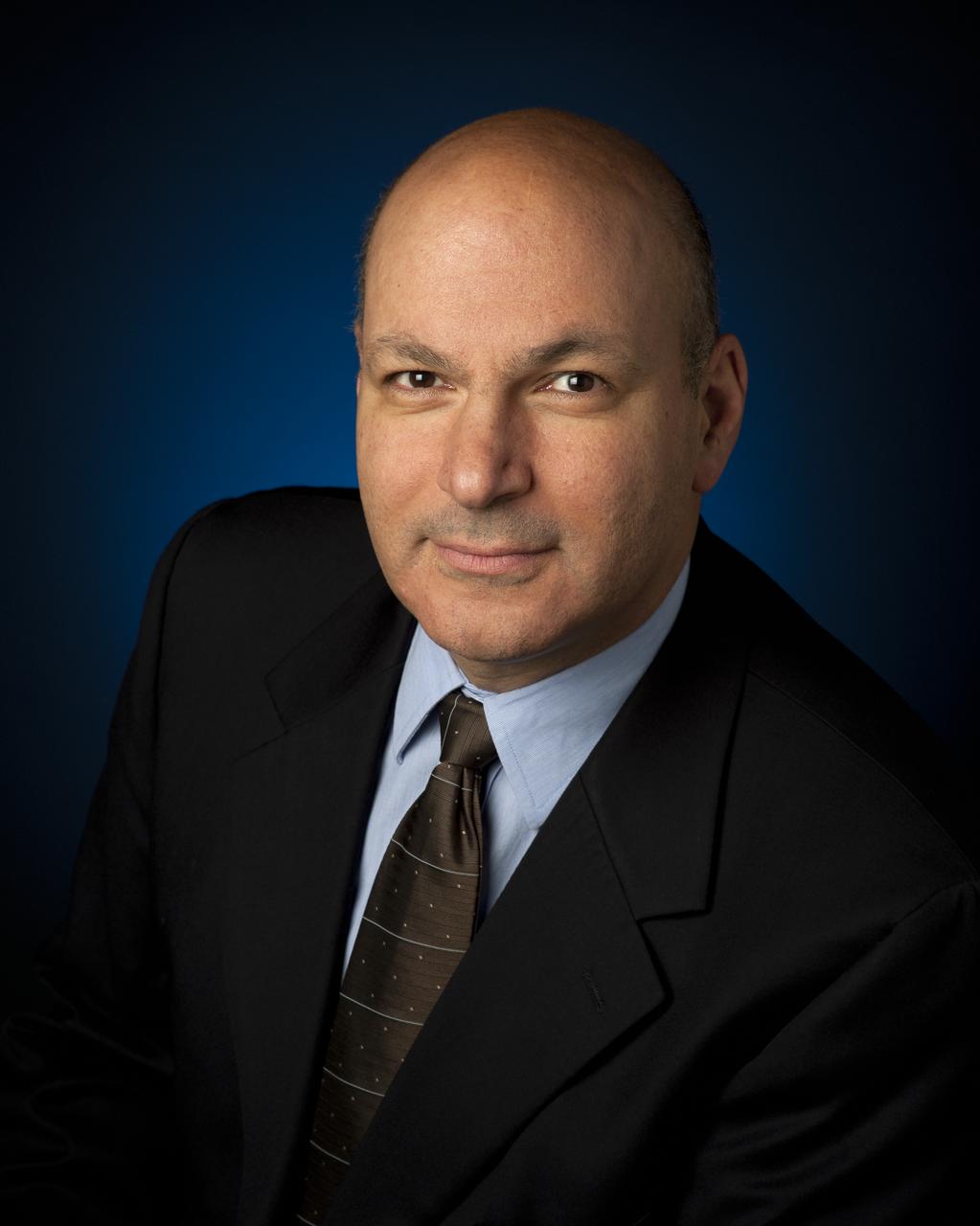
Official portrait, Waleed Abdalati, NASA Chief Scientist, NASA Headquarters, Thursday Jan. 6, 2011 in Washington. Photo Credit: (NASA/Bill Ingalls)
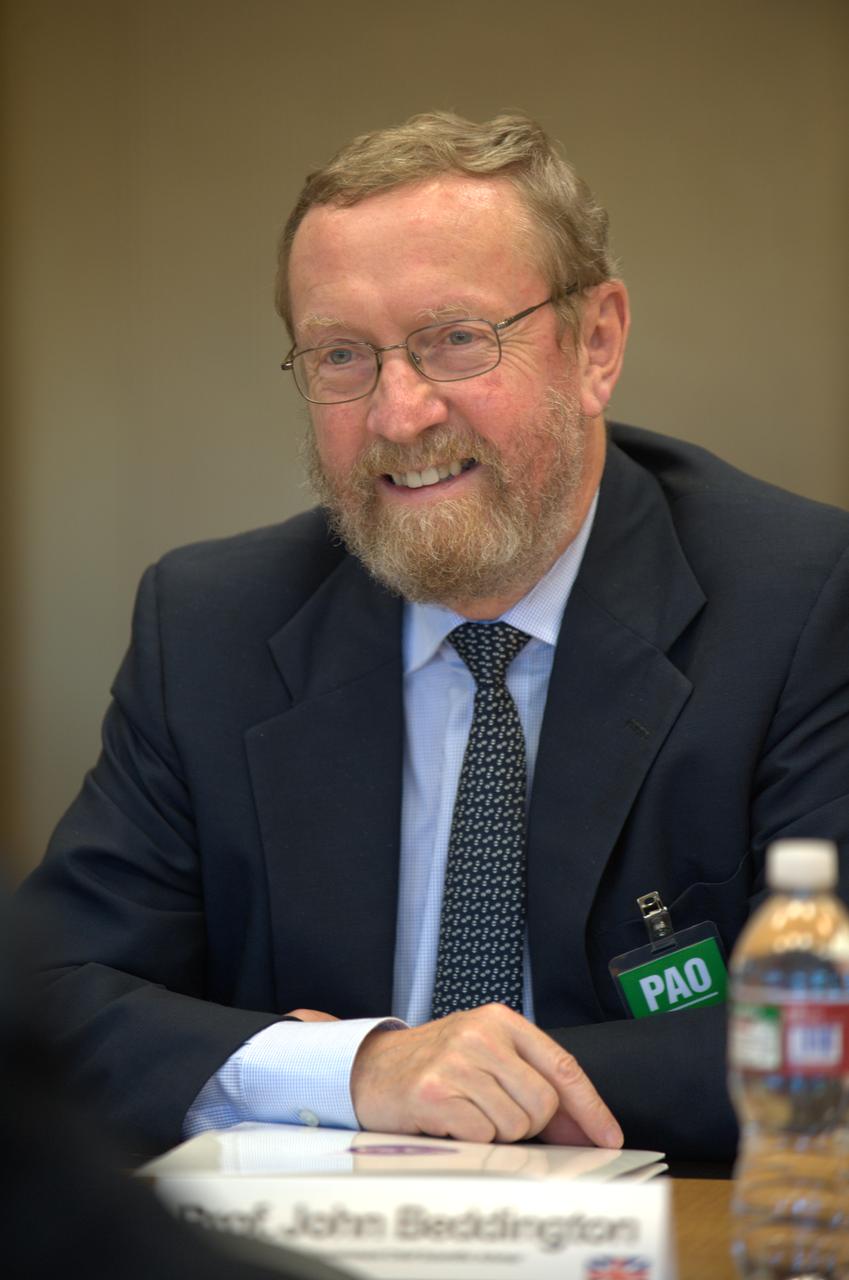
Professor John Beddington, UK (United Kingdom) Government Chief Scientist Advisor visit to Ames in Bldg N-200 Boyd Room
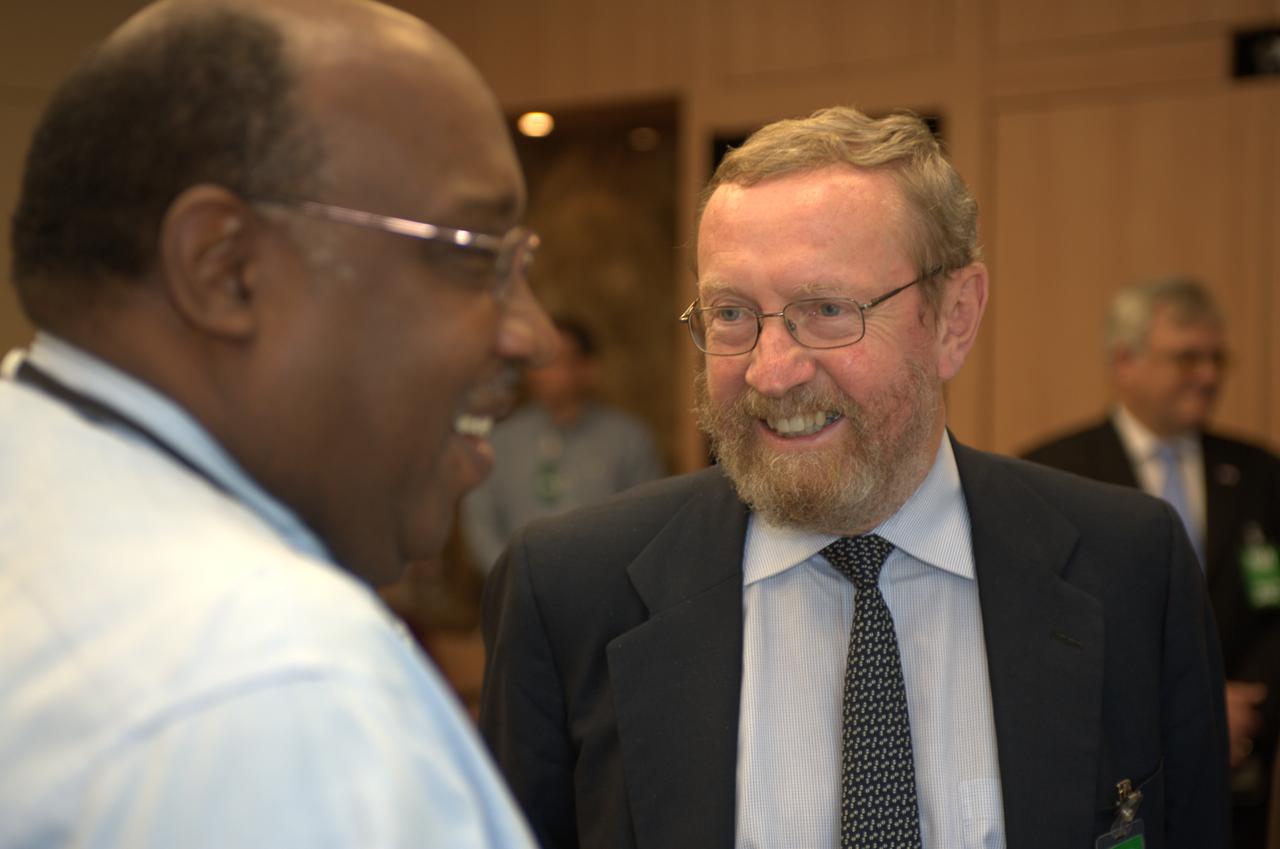
Professor John Beddington, UK (United Kingdom) Government Chief Scientist Advisor visit to Ames with John Hinein N-200 Boyd Room
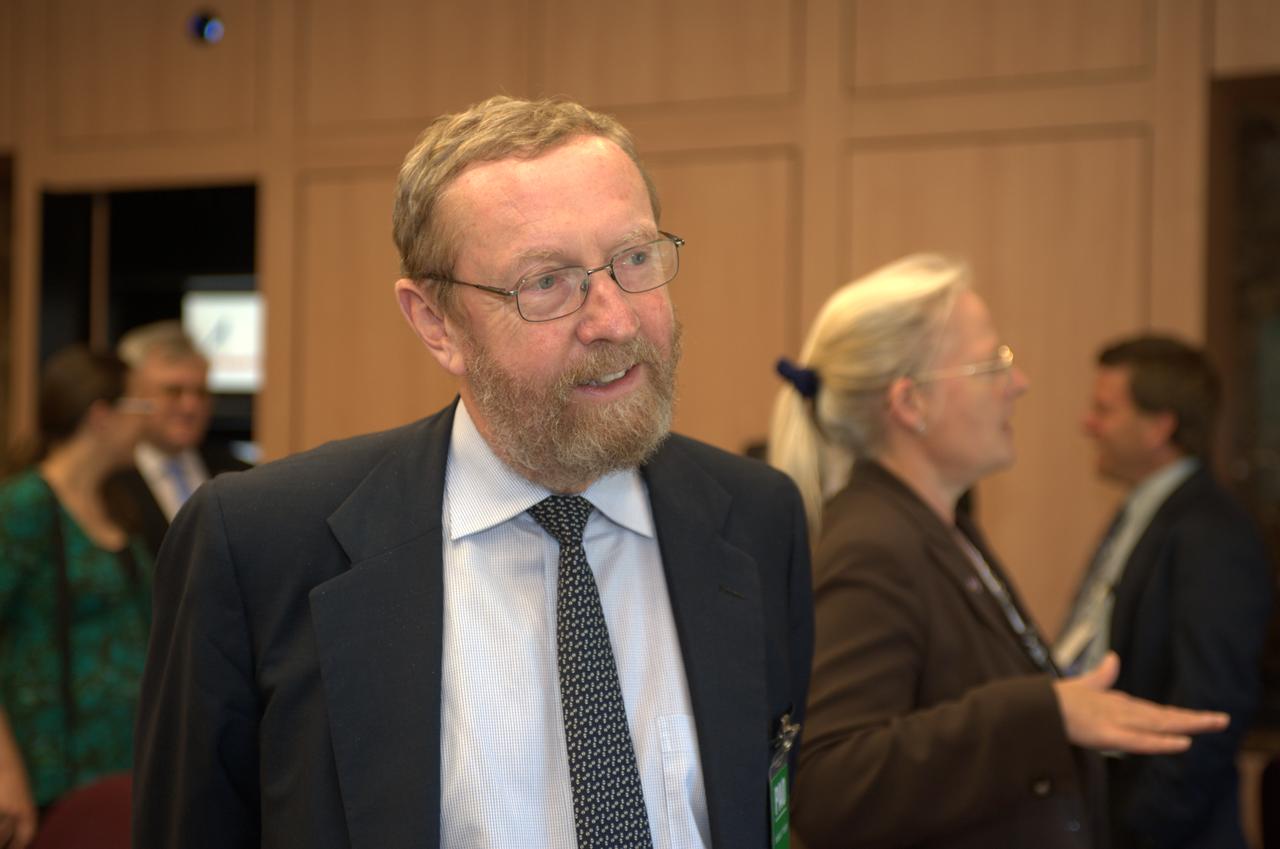
Professor John Beddington, UK (United Kingdom) Government Chief Scientist Advisor visit to Ames in Bldg N-200 Boyd Room
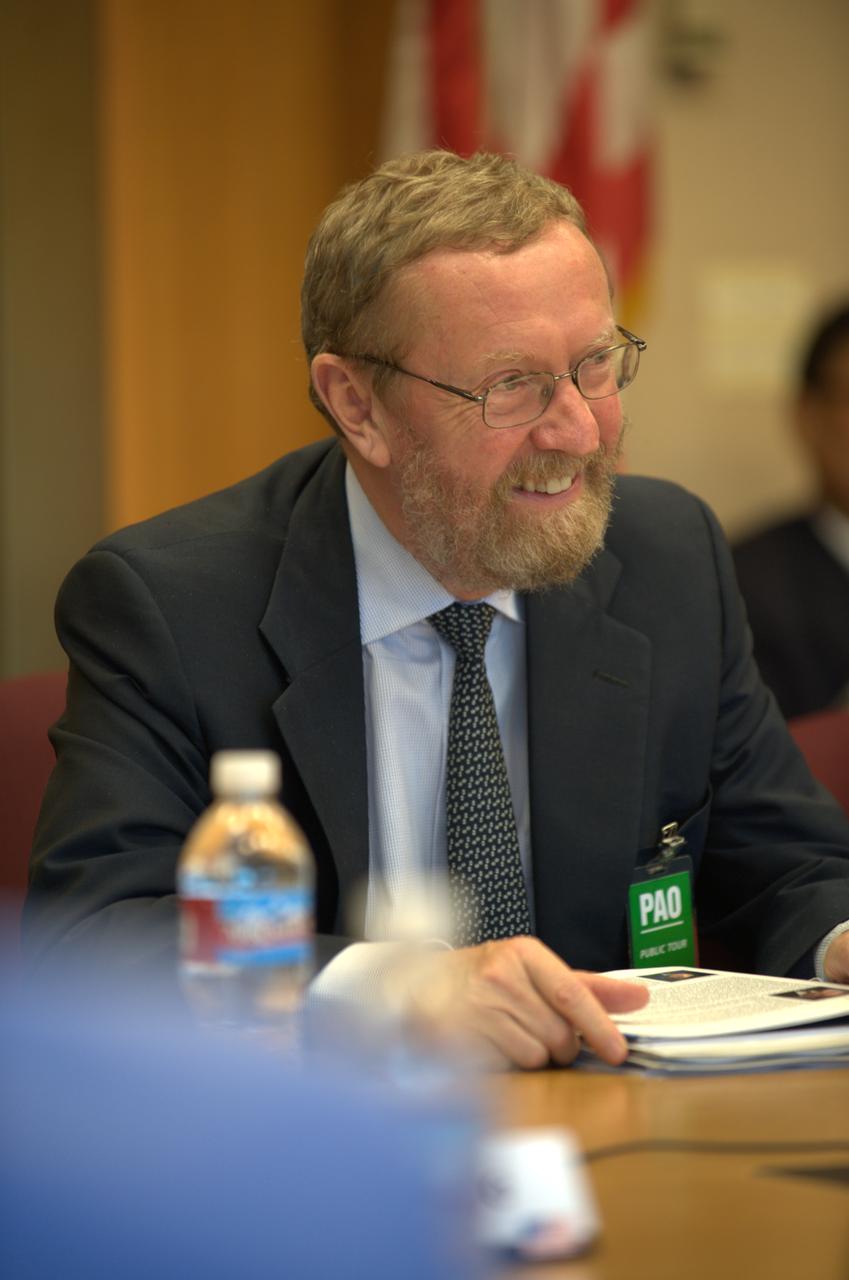
Professor John Beddington, UK (United Kingdom) Government Chief Scientist Advisor visit to Ames in Bldg N-200 Boyd Room
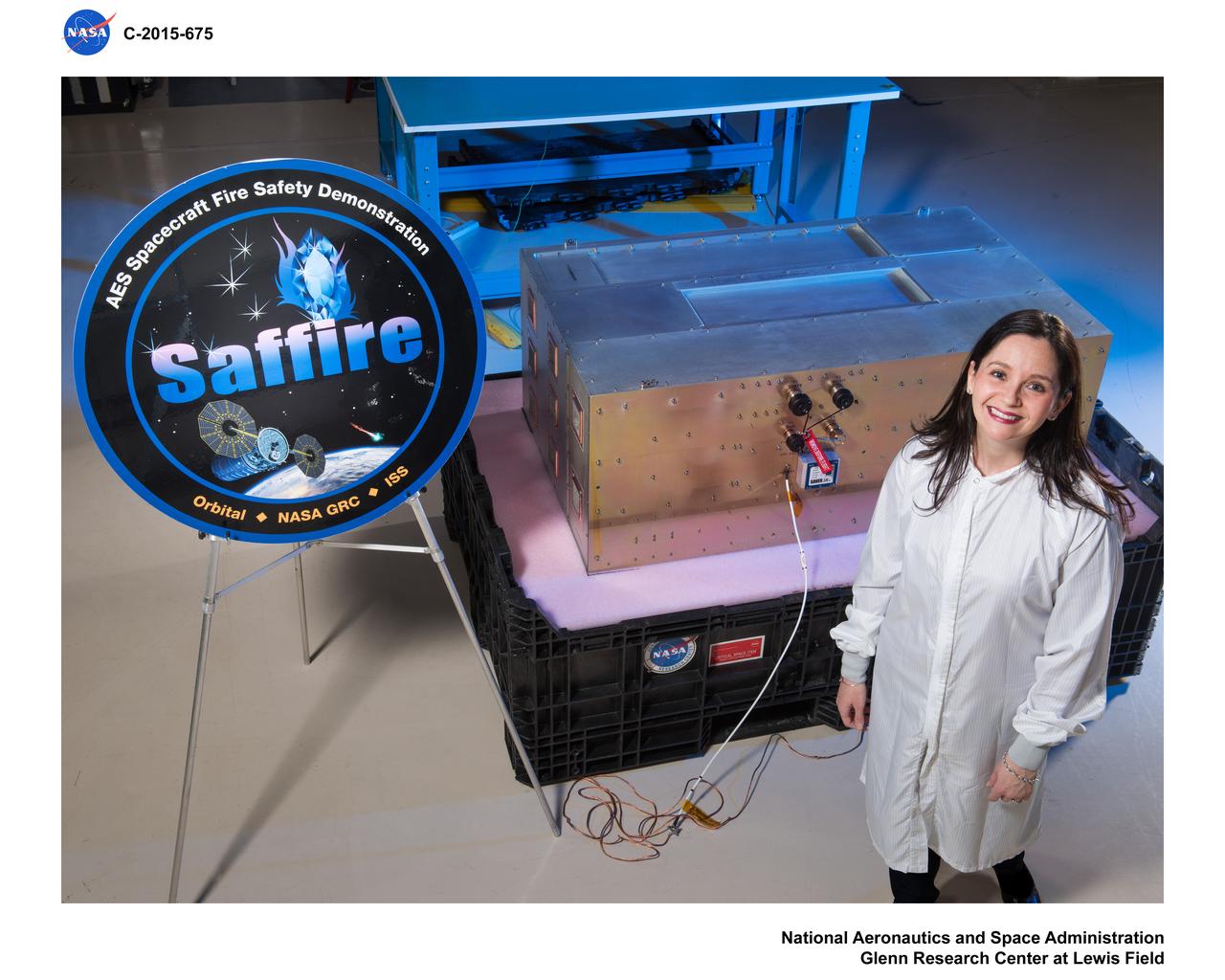
NASA Advanced Exploration Systems, Spacecraft Fire Safety Demonstration, Chief Scientist poses with the flight hardware. Photo taken for a NASA GRC Web Feature
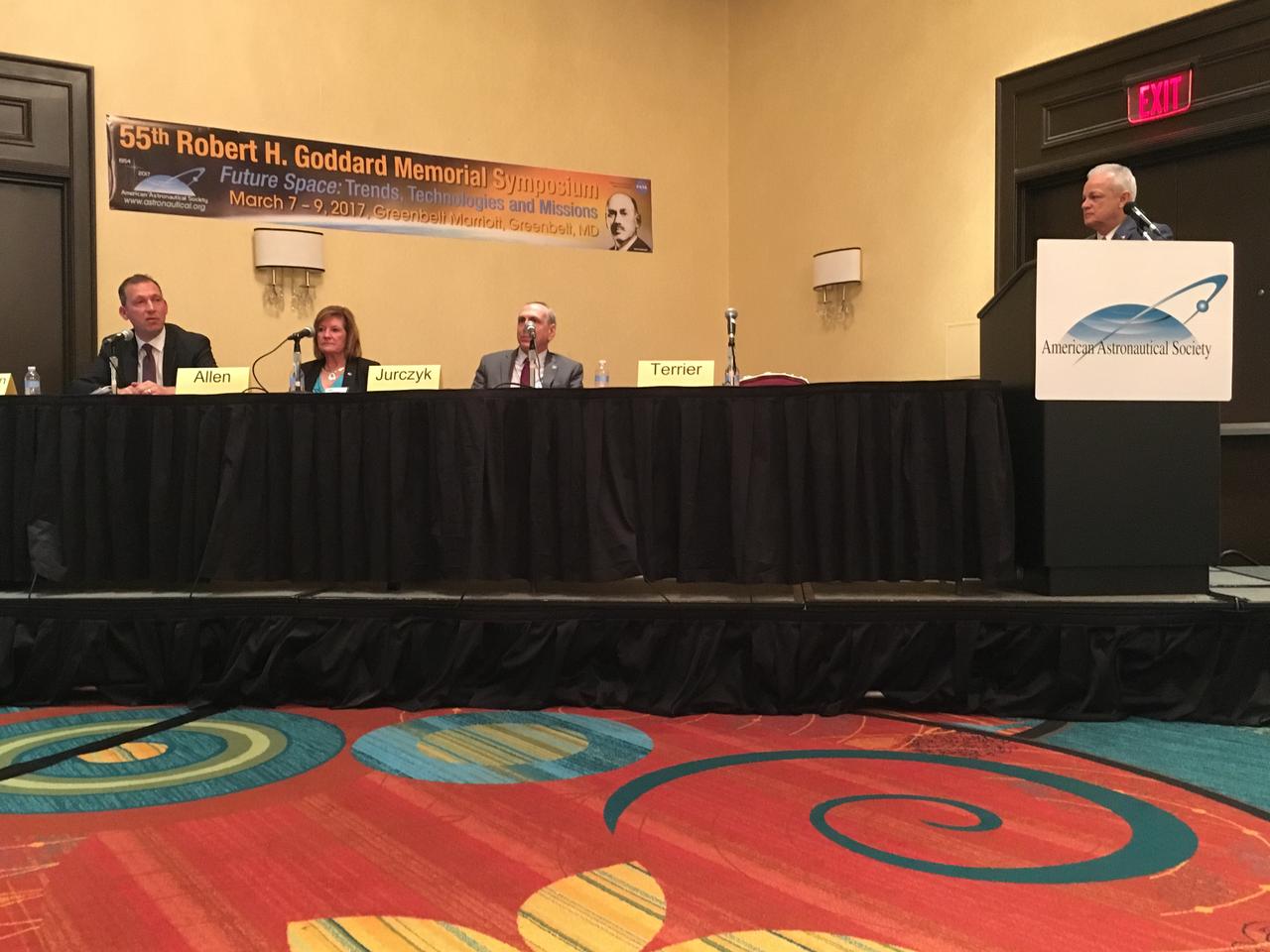
NASA Chief Technologist Douglas Terrier moderated the discussion “NASA Leadership in the Future of Science and Technology" during the AAS 55th Robert H. Goddard Memorial Symposium on March 8, 2017. Terrier was joined by Associate Administrator for Space Technology Steve Jurczyk, Chief Scientist Gale Allen and Associate Administrator for Science Thomas Zurbuchen.
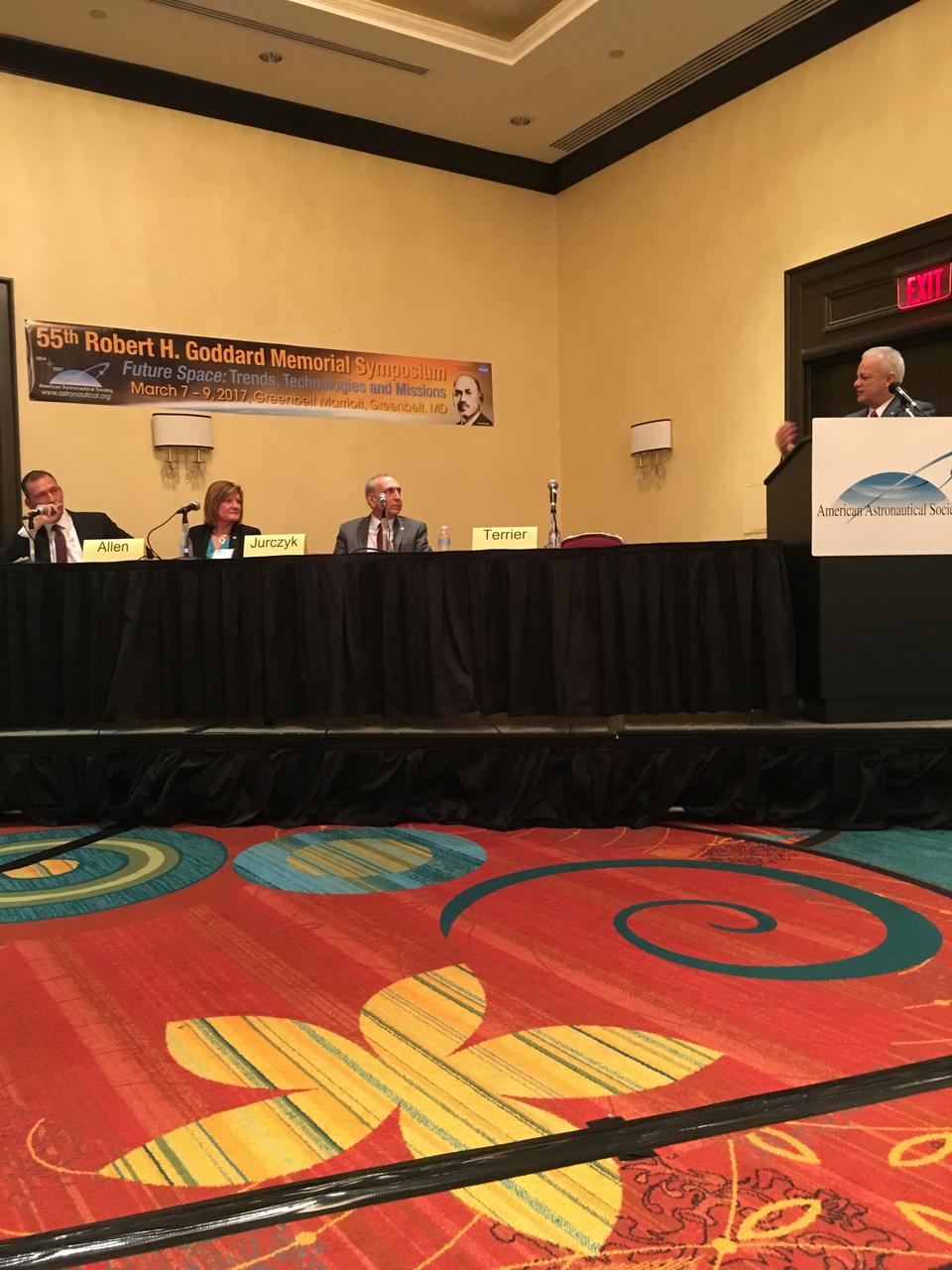
NASA Chief Technologist Douglas Terrier moderated the discussion “NASA Leadership in the Future of Science and Technology" during the AAS 55th Robert H. Goddard Memorial Symposium on March 8, 2017. Terrier was joined by Associate Administrator for Space Technology Steve Jurczyk, Chief Scientist Gale Allen and Associate Administrator for Science Thomas Zurbuchen.
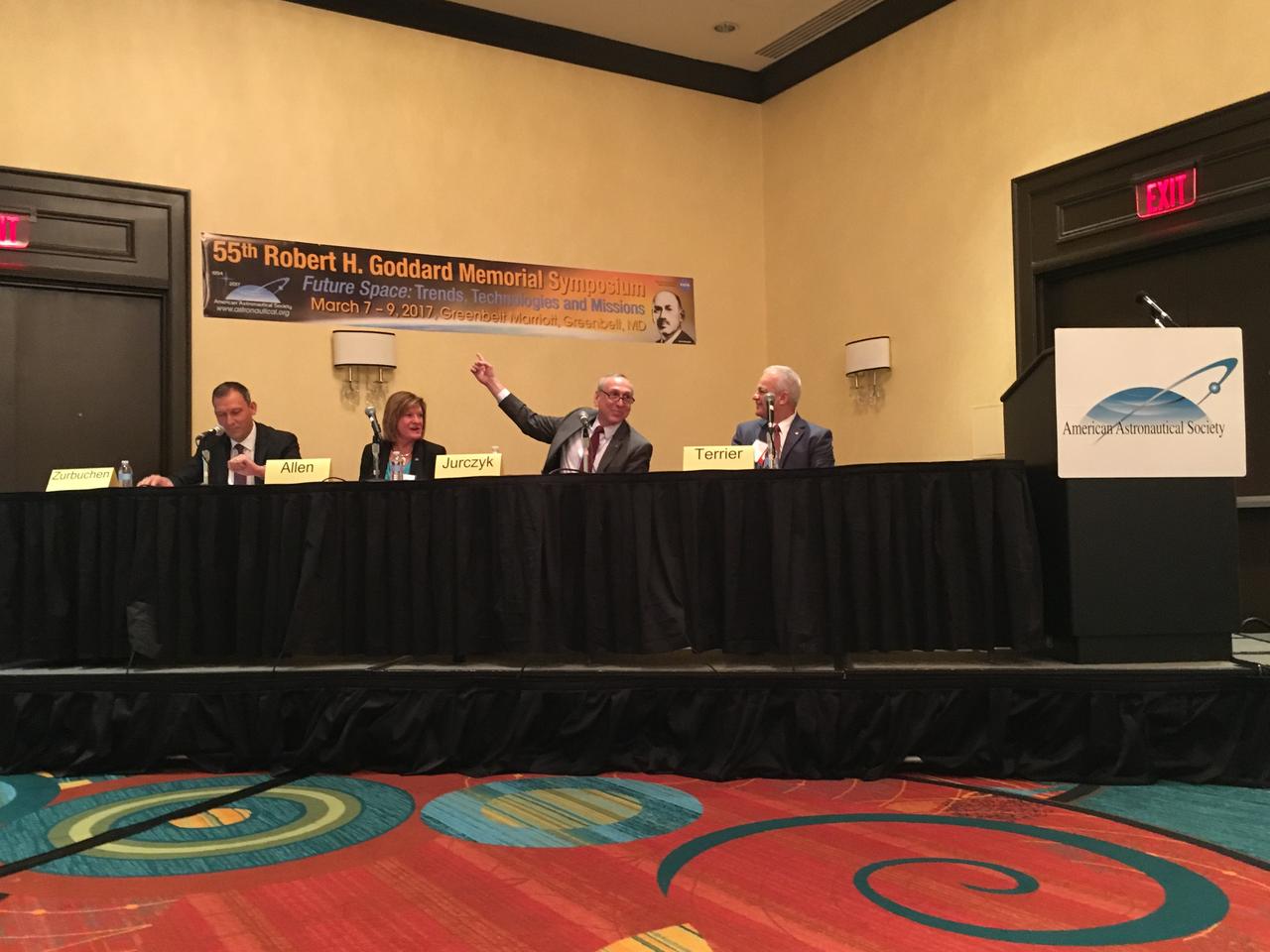
NASA Chief Technologist Douglas Terrier moderated the discussion “NASA Leadership in the Future of Science and Technology" during the AAS 55th Robert H. Goddard Memorial Symposium on March 8, 2017. Terrier was joined by Associate Administrator for Space Technology Steve Jurczyk, Chief Scientist Gale Allen and Associate Administrator for Science Thomas Zurbuchen.
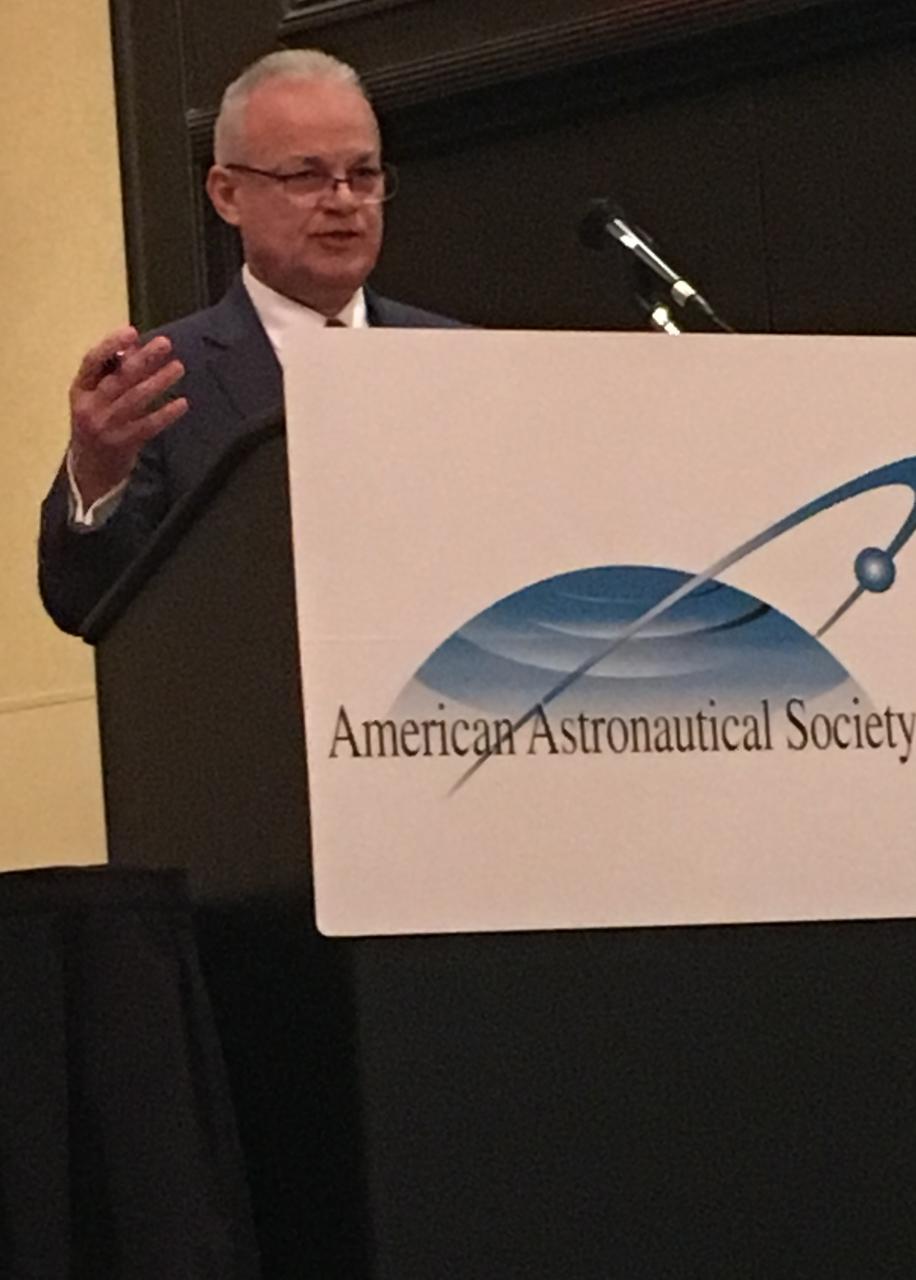
NASA Chief Technologist Douglas Terrier moderated the discussion “NASA Leadership in the Future of Science and Technology" during the AAS 55th Robert H. Goddard Memorial Symposium on March 8, 2017. Terrier was joined by Associate Administrator for Space Technology Steve Jurczyk, Chief Scientist Gale Allen and Associate Administrator for Science Thomas Zurbuchen.
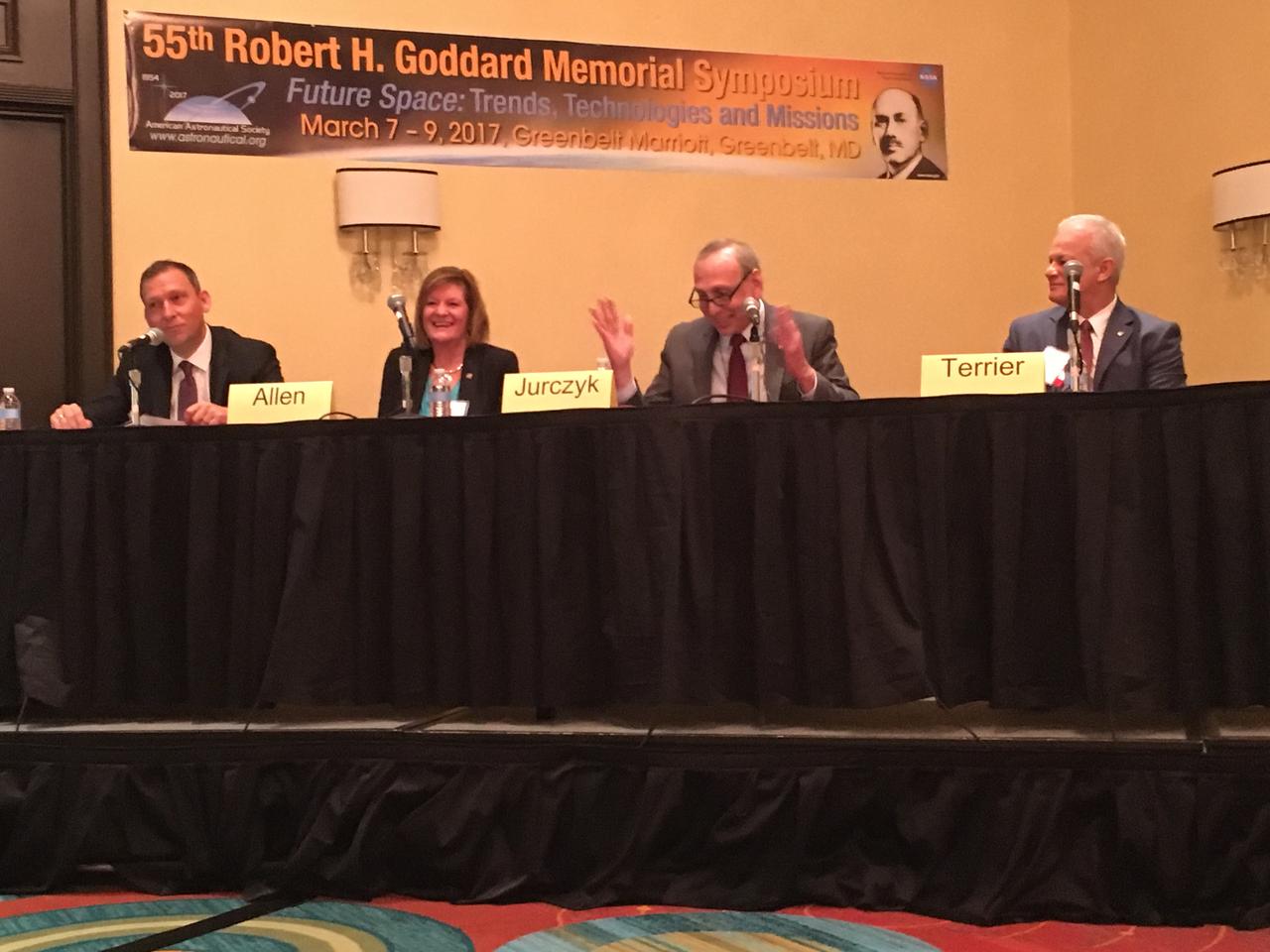
NASA Chief Technologist Douglas Terrier moderated the discussion “NASA Leadership in the Future of Science and Technology" during the AAS 55th Robert H. Goddard Memorial Symposium on March 8, 2017. Terrier was joined by Associate Administrator for Space Technology Steve Jurczyk, Chief Scientist Gale Allen and Associate Administrator for Science Thomas Zurbuchen.
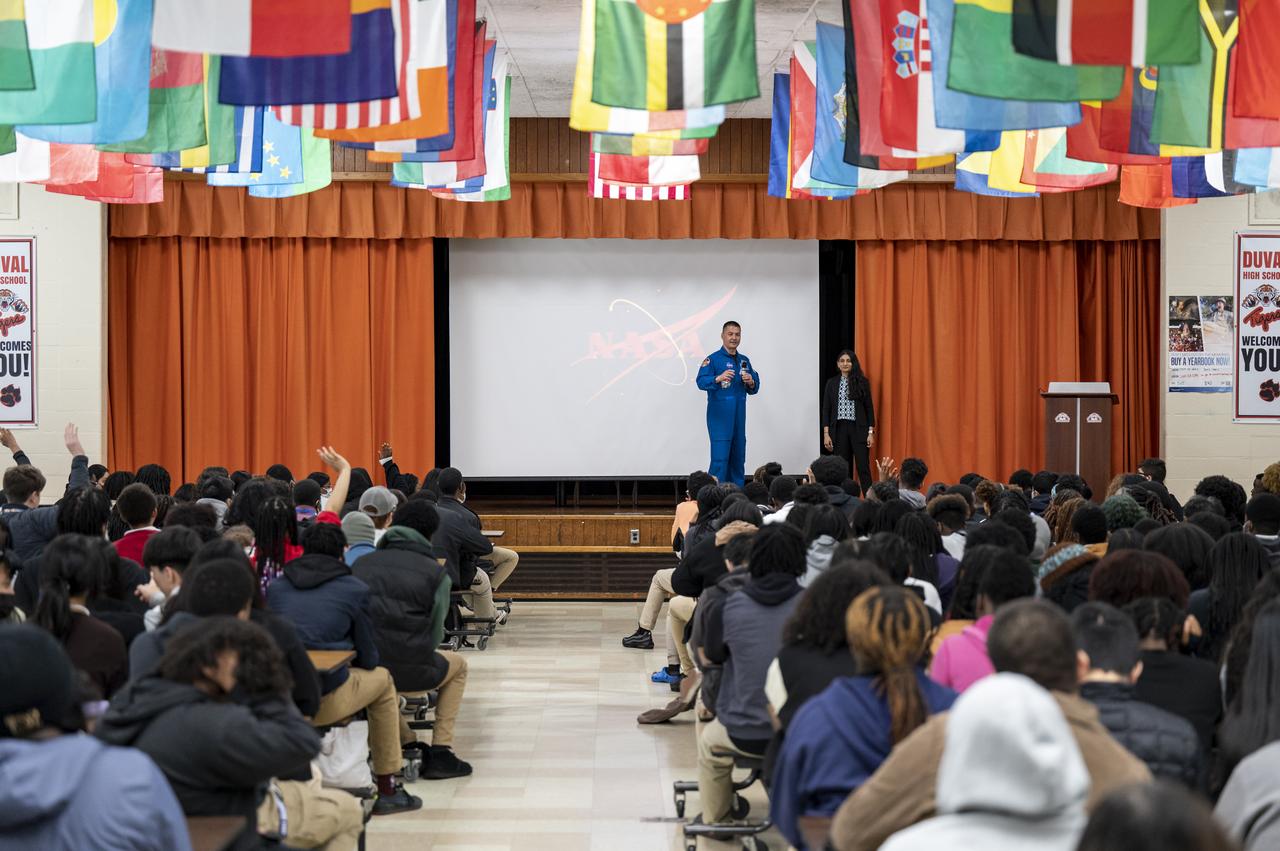
NASA astronaut Kjell Lindgren, left, and NASA Associate Chief Scientist for Exploration and Applied Research in the Office of the Chief Scientist Dr. Mamta Patel Nagaraja, right, answer questions from students during a STEM event at DuVal High School, Thursday, March 30, 2023, in Lanham, Maryland. Lindgren spent 170 days in space as part of Expeditions 67 and 68 aboard the International Space Station. Photo Credit: (NASA/Keegan Barber)
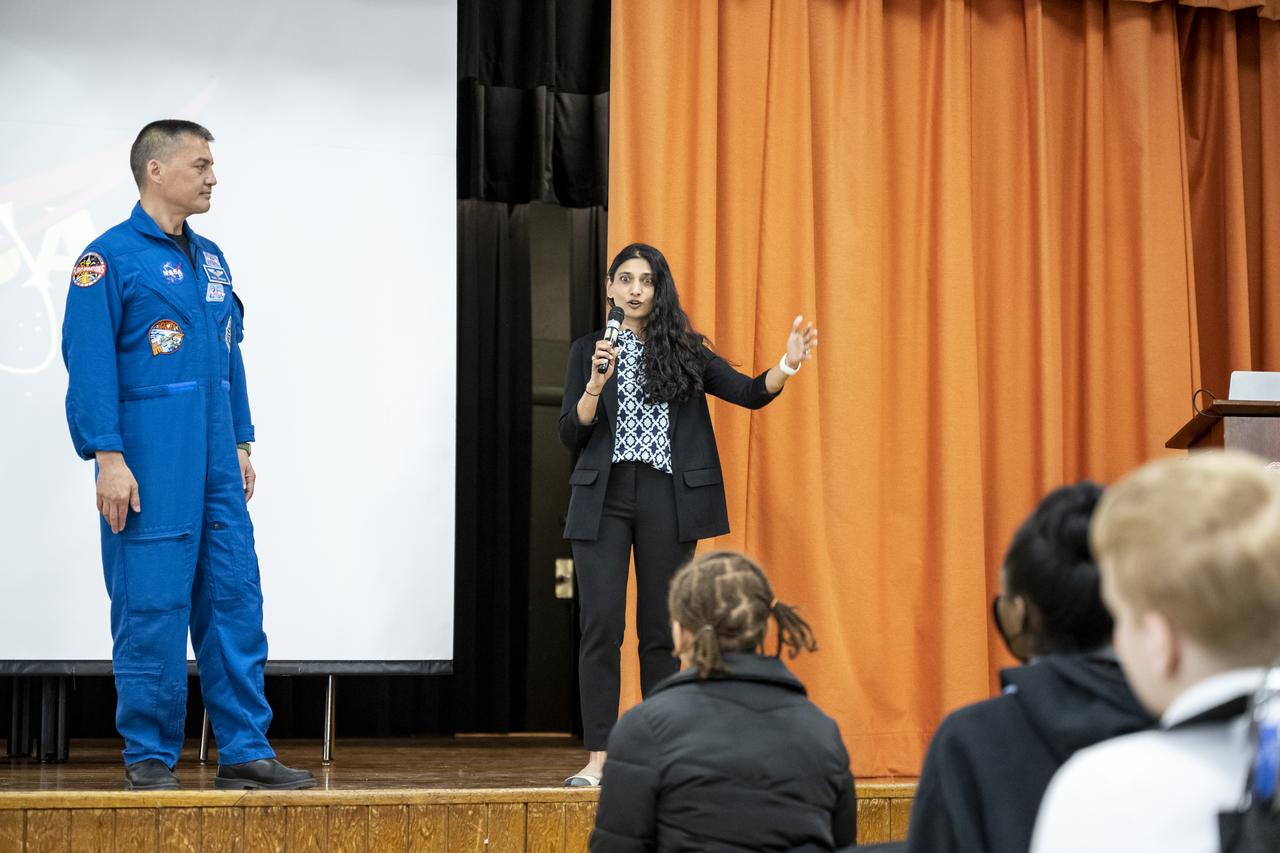
NASA astronaut Kjell Lindgren, left, and NASA Associate Chief Scientist for Exploration and Applied Research in the Office of the Chief Scientist Dr. Mamta Patel Nagaraja, right, answer questions from students during a STEM event at DuVal High School, Thursday, March 30, 2023, in Lanham, Maryland. Lindgren spent 170 days in space as part of Expeditions 67 and 68 aboard the International Space Station. Photo Credit: (NASA/Keegan Barber)
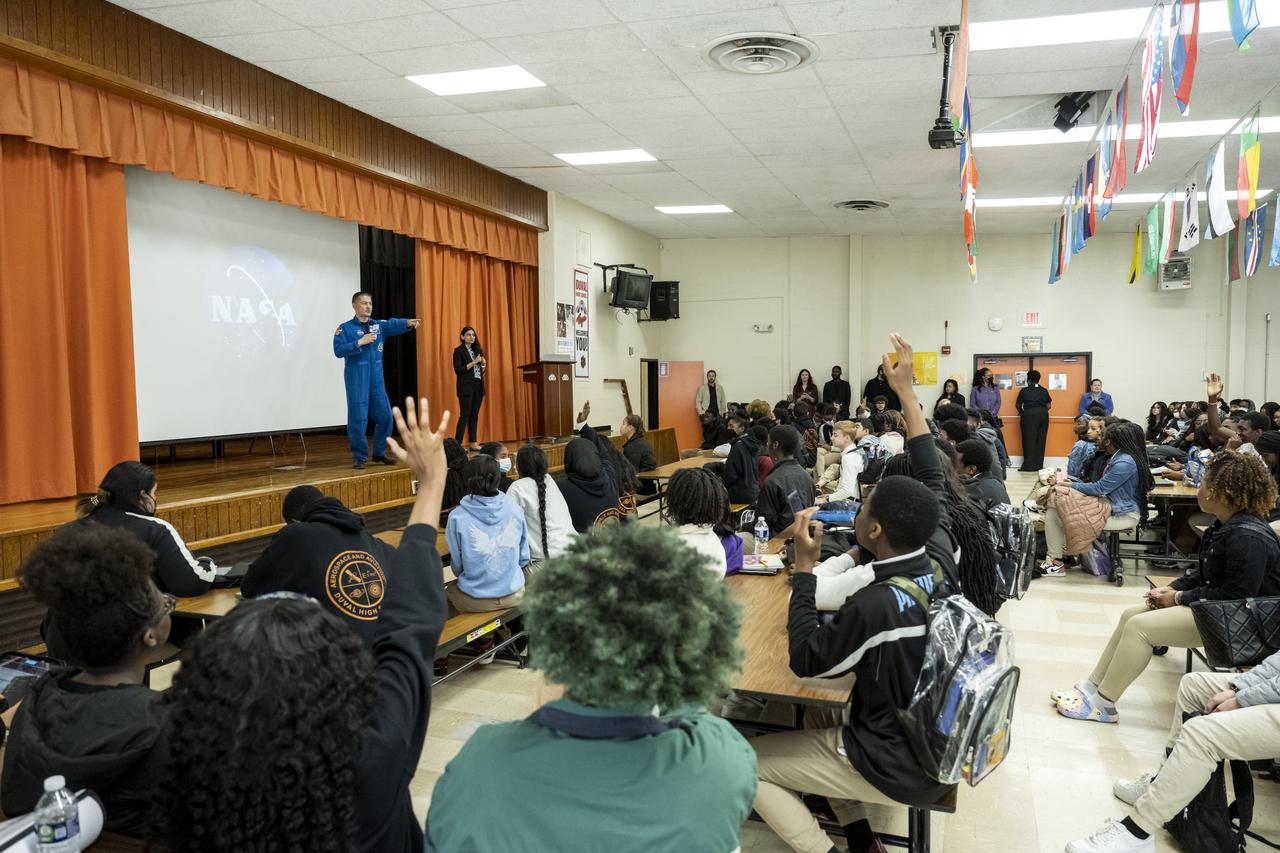
NASA astronaut Kjell Lindgren, left, and NASA Associate Chief Scientist for Exploration and Applied Research in the Office of the Chief Scientist Dr. Mamta Patel Nagaraja, right, answer questions from students during a STEM event at DuVal High School, Thursday, March 30, 2023, in Lanham, Maryland. Lindgren spent 170 days in space as part of Expeditions 67 and 68 aboard the International Space Station. Photo Credit: (NASA/Keegan Barber)
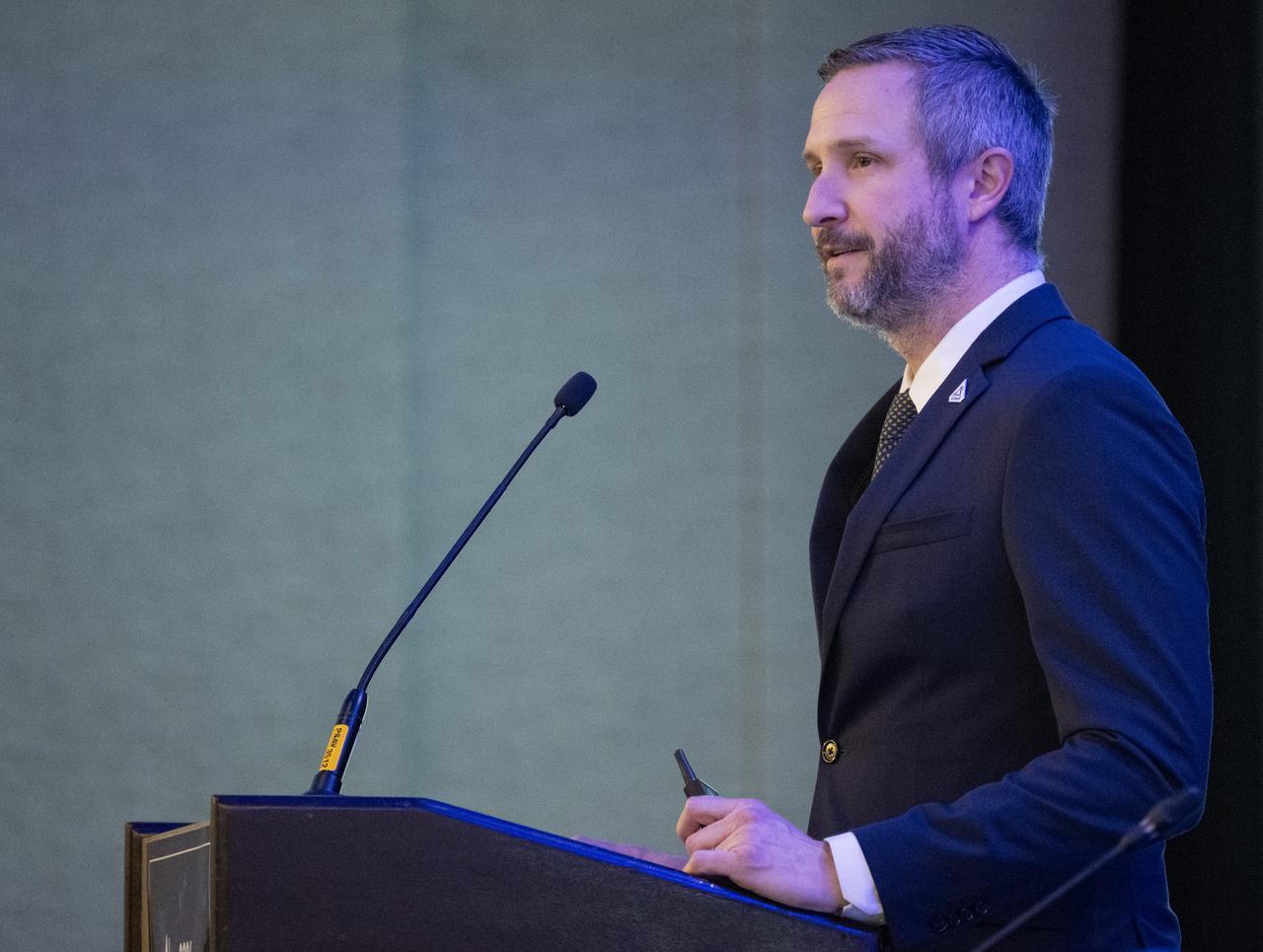
Jacob Bleacher, chief exploration scientist at NASA, speaks during the 2024 Artemis Suppliers Conference, Wednesday, Feb. 28, 2024, at the Grand Hyatt Hotel in Washington. Photo Credit: (NASA/Joel Kowsky)
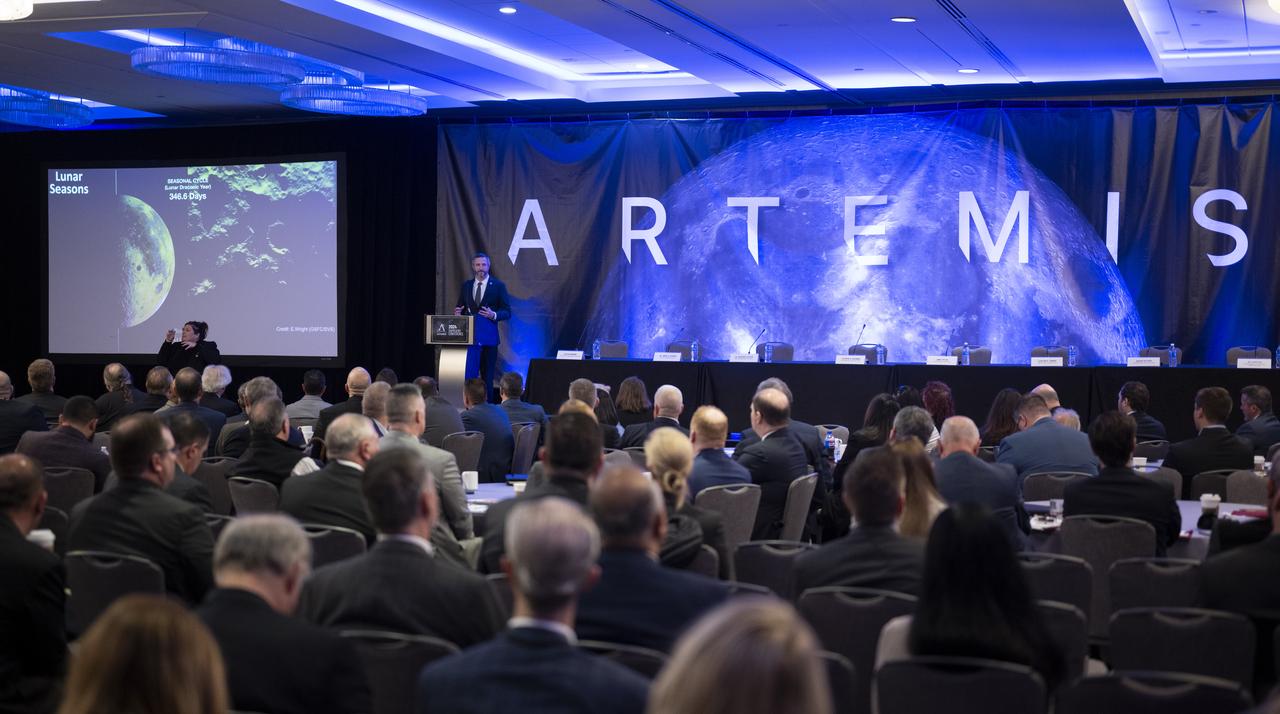
Jacob Bleacher, chief exploration scientist at NASA, speaks during the 2024 Artemis Suppliers Conference, Wednesday, Feb. 28, 2024, at the Grand Hyatt Hotel in Washington. Photo Credit: (NASA/Joel Kowsky)
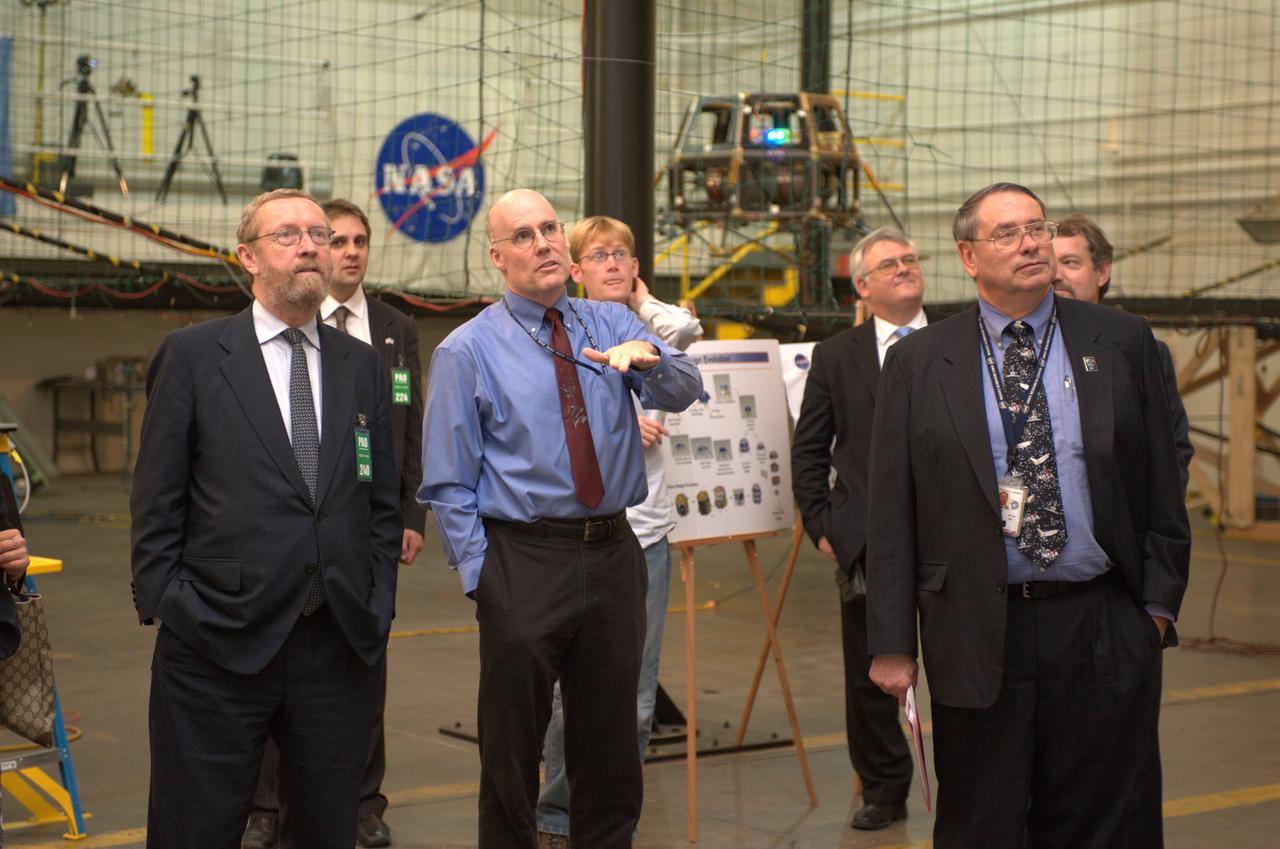
Professor John Beddington, UK (United Kingdom) Government Chief Scientist Advisor visit to Ames on tour of the Small Satellites area Bldg 45 with ______and Ames Center Director Pete Worden (and a lunar lander prototype)
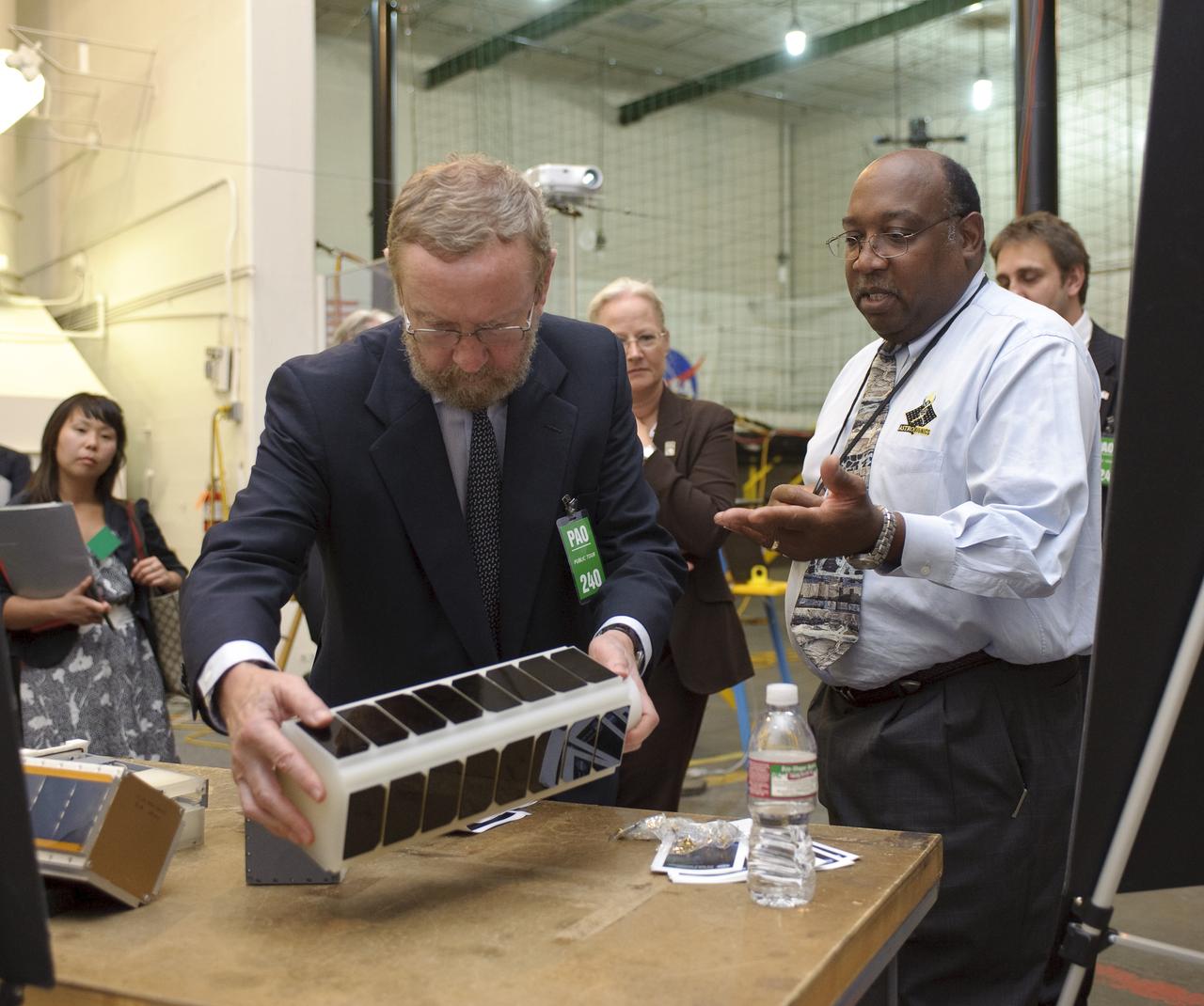
Professor John Beddington, UK (United Kingdom) Government Chief Scientist Advisor visit to Ames on tour of the Small Satellites area Bldg 45 with John Hine of Ames Research Center
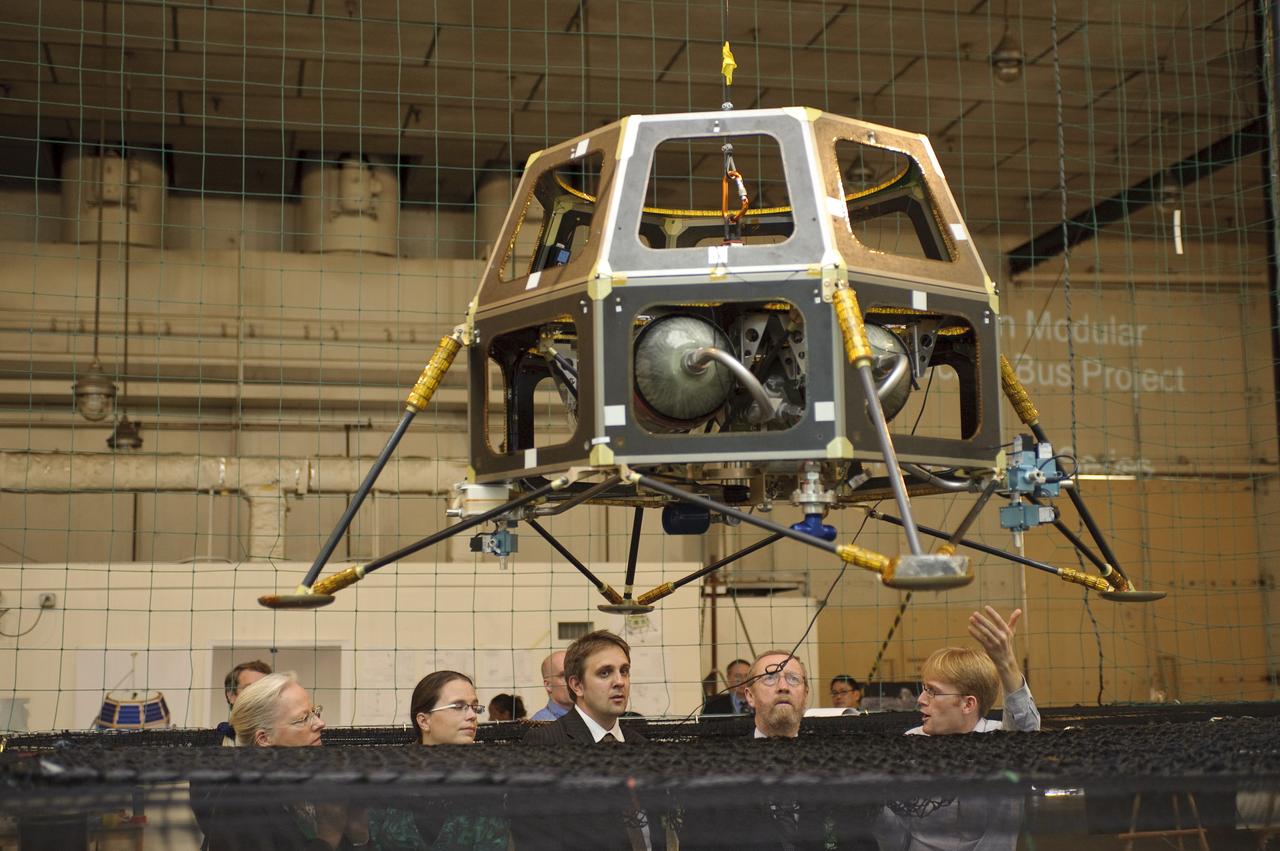
Professor John Beddington, UK (United Kingdom) Government Chief Scientist Advisor visit to Ames on tour of the Small Satellites area Bldg 45 (and a lunar lander prototype LADEE)
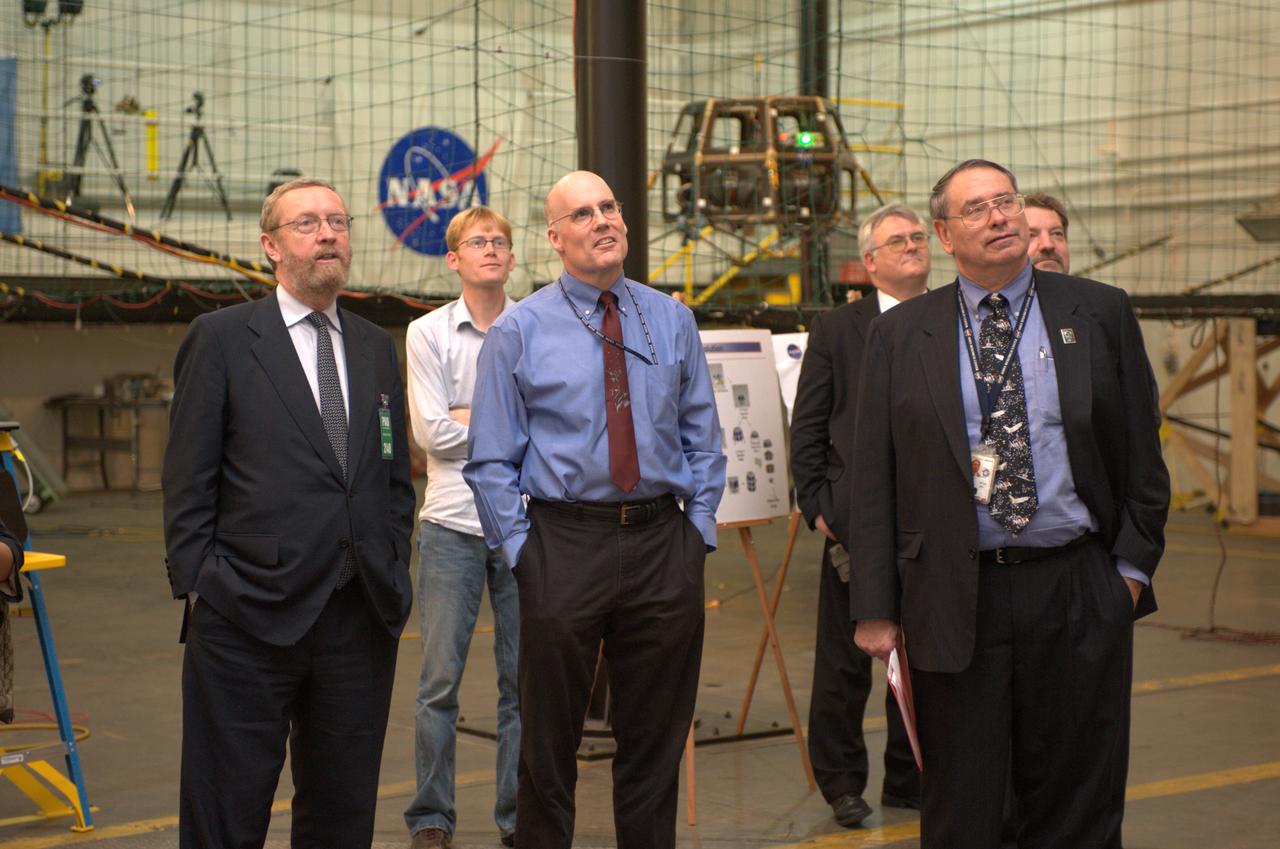
Professor John Beddington, UK (United Kingdom) Government Chief Scientist Advisor visit to Ames on tour of the Small Satellites area Bldg 45 (and a lunar lander prototype)
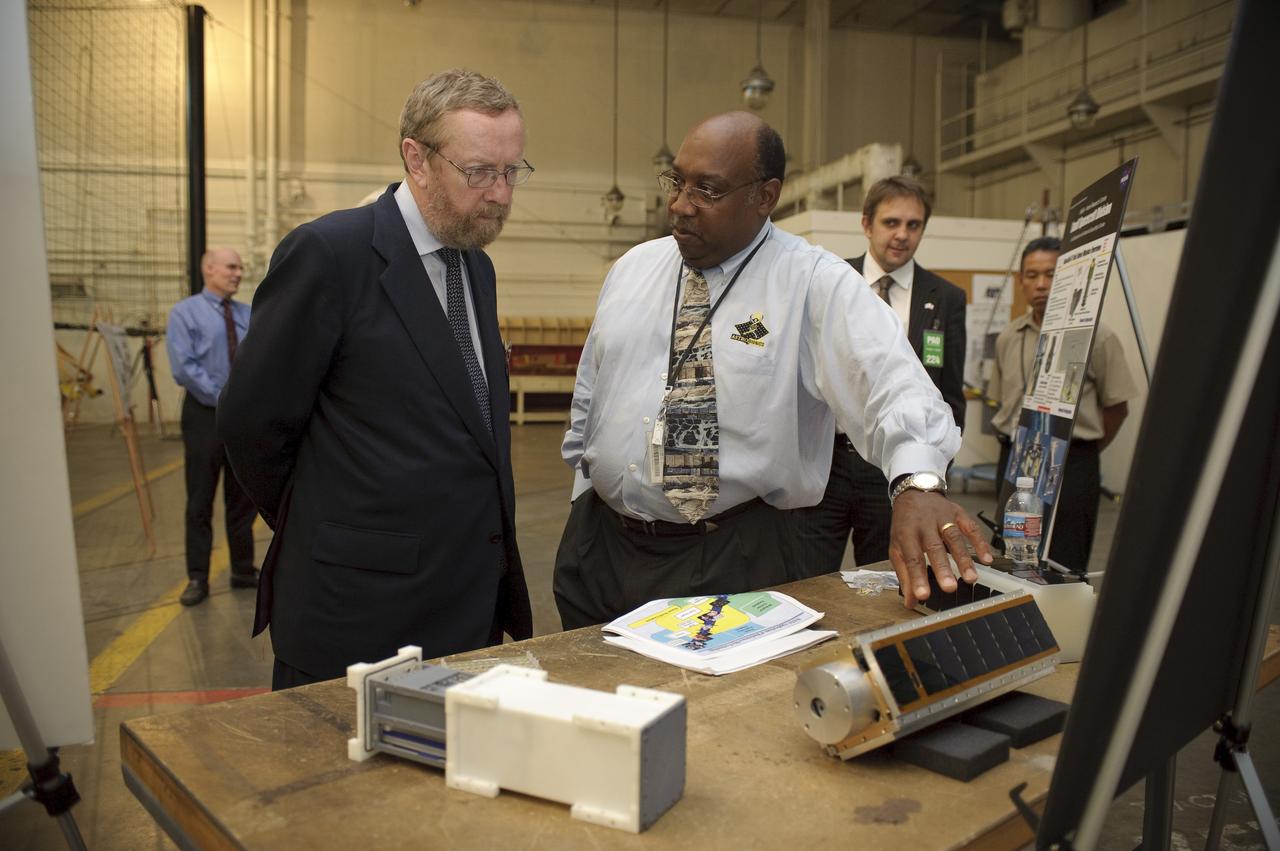
Professor John Beddington, UK (United Kingdom) Government Chief Scientist Advisor visit to Ames on tour of the Small Satellites area Bldg 45 with John Hine of Ames Research Center
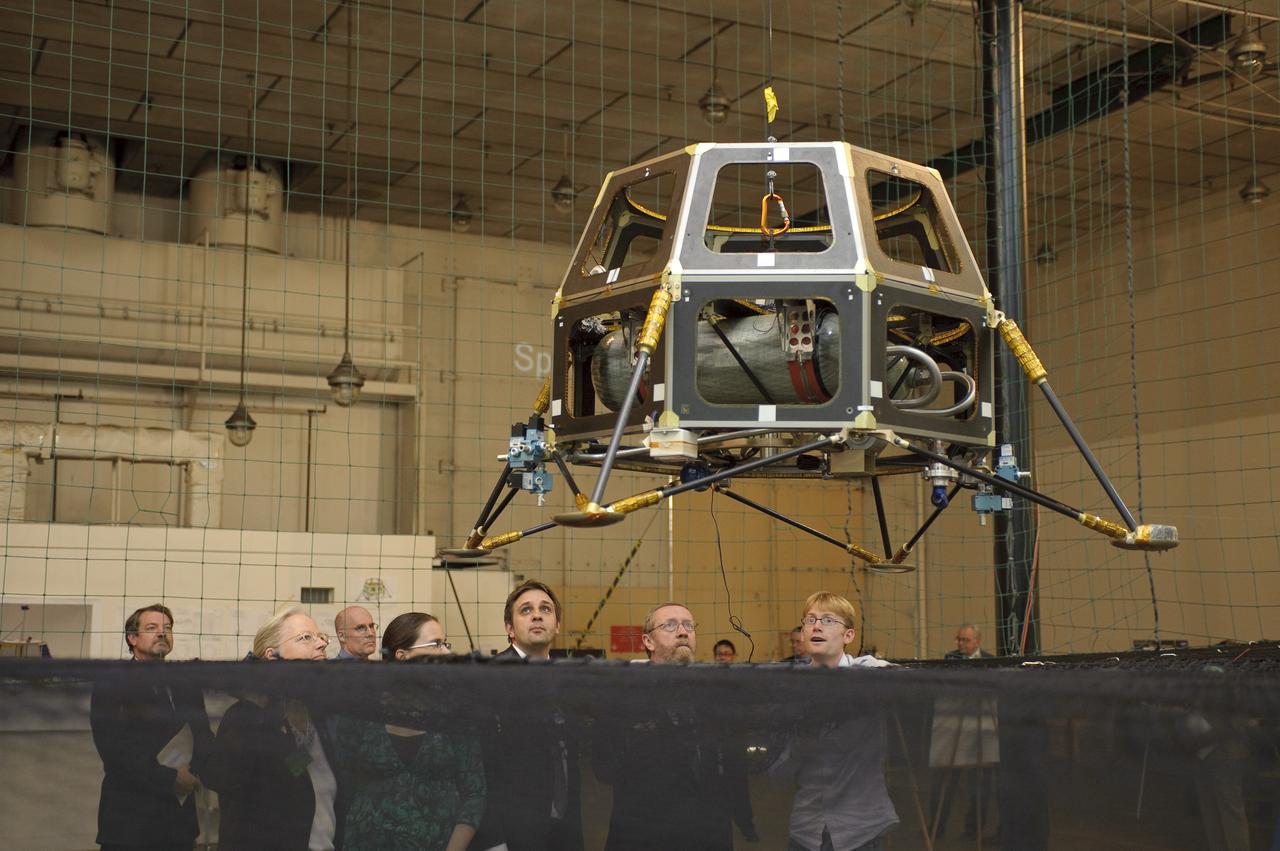
Professor John Beddington, UK (United Kingdom) Government Chief Scientist Advisor visit to Ames on tour of the Small Satellites area Bldg 45 (and a lunar lander prototype LADEE)
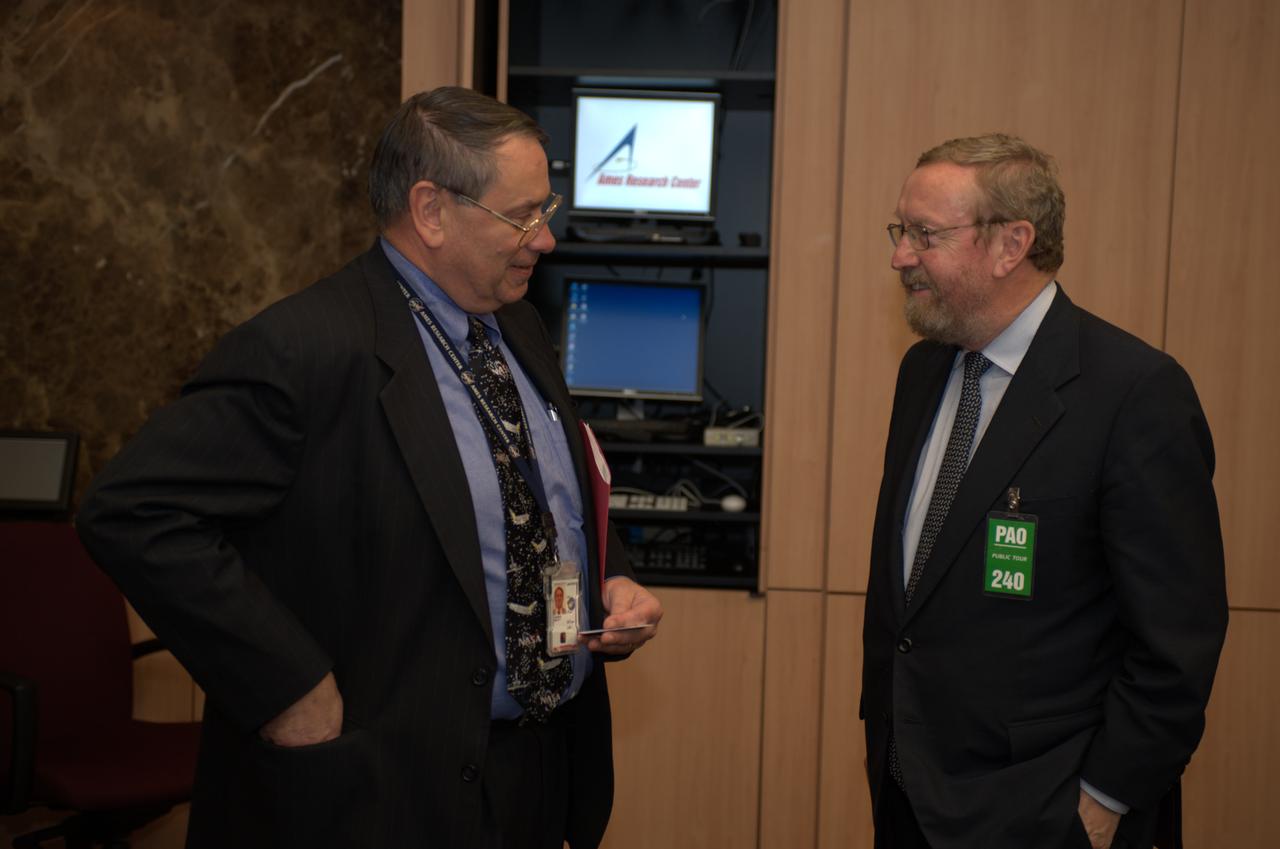
Professor John Beddington, UK (United Kingdom) Government Chief Scientist Advisor visit to Ames - greeted by Ames Center Director Pete Worden in Bldg N-200 Boyd Room
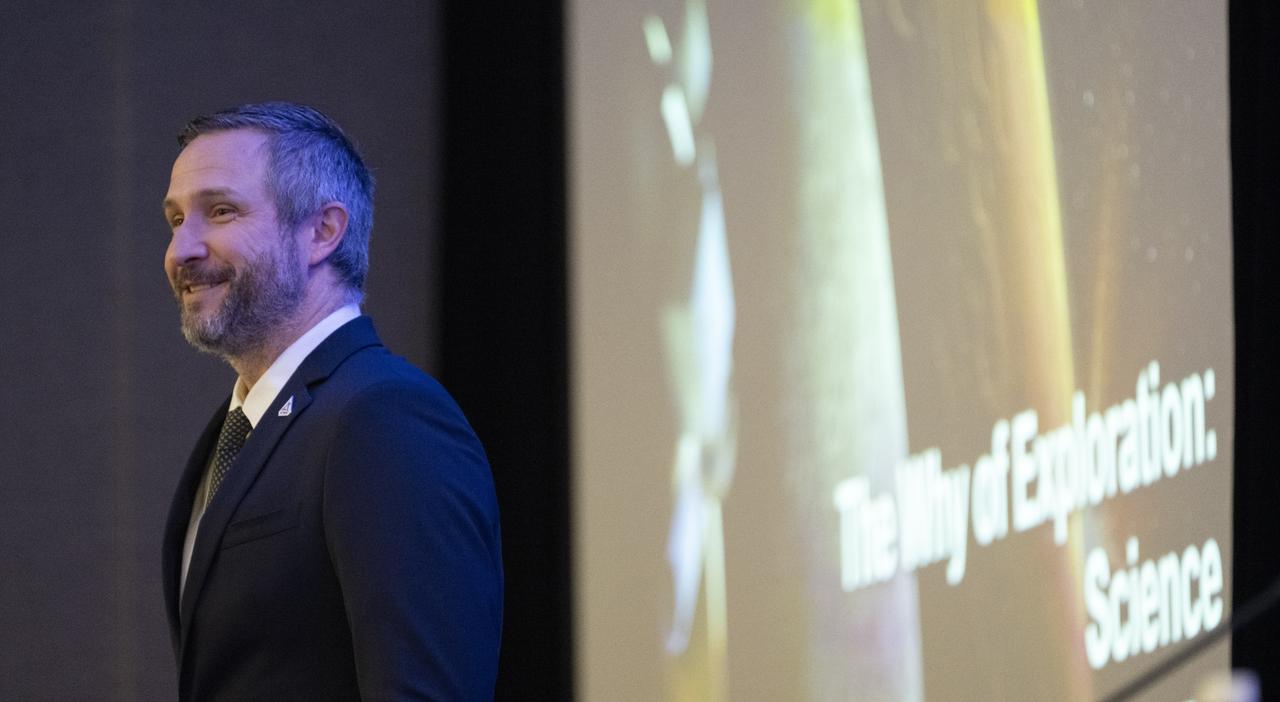
Jacob Bleacher, chief exploration scientist at NASA, speaks during the 2024 Artemis Suppliers Conference, Wednesday, Feb. 28, 2024, at the Grand Hyatt Hotel in Washington. Photo Credit: (NASA/Joel Kowsky)
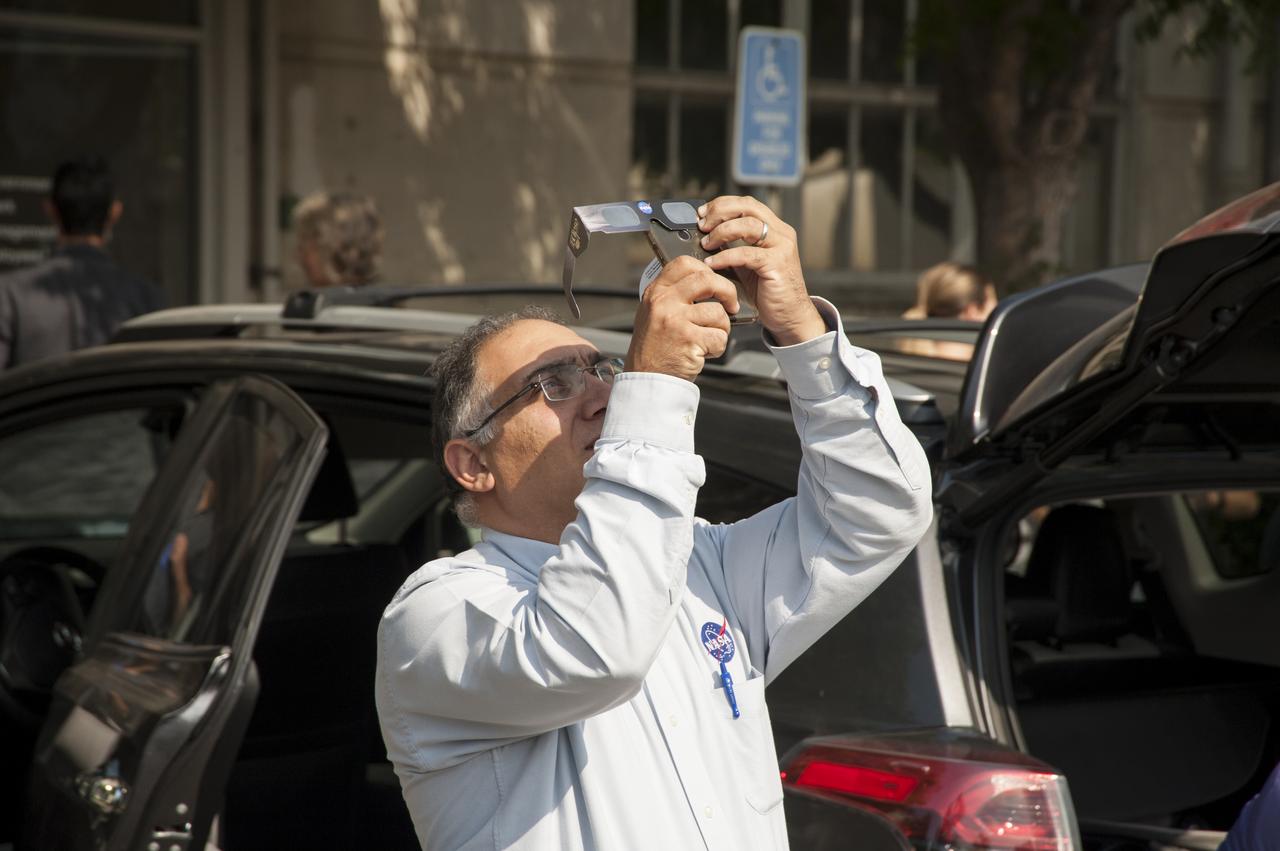
Taking a break from his duties at Ames Research Center Jacob Cohen, Ames Chief Scientist grabs his own view of the 2017 Solar Eclipse with his cellphone at 09:16:11 on August 21, 2017.
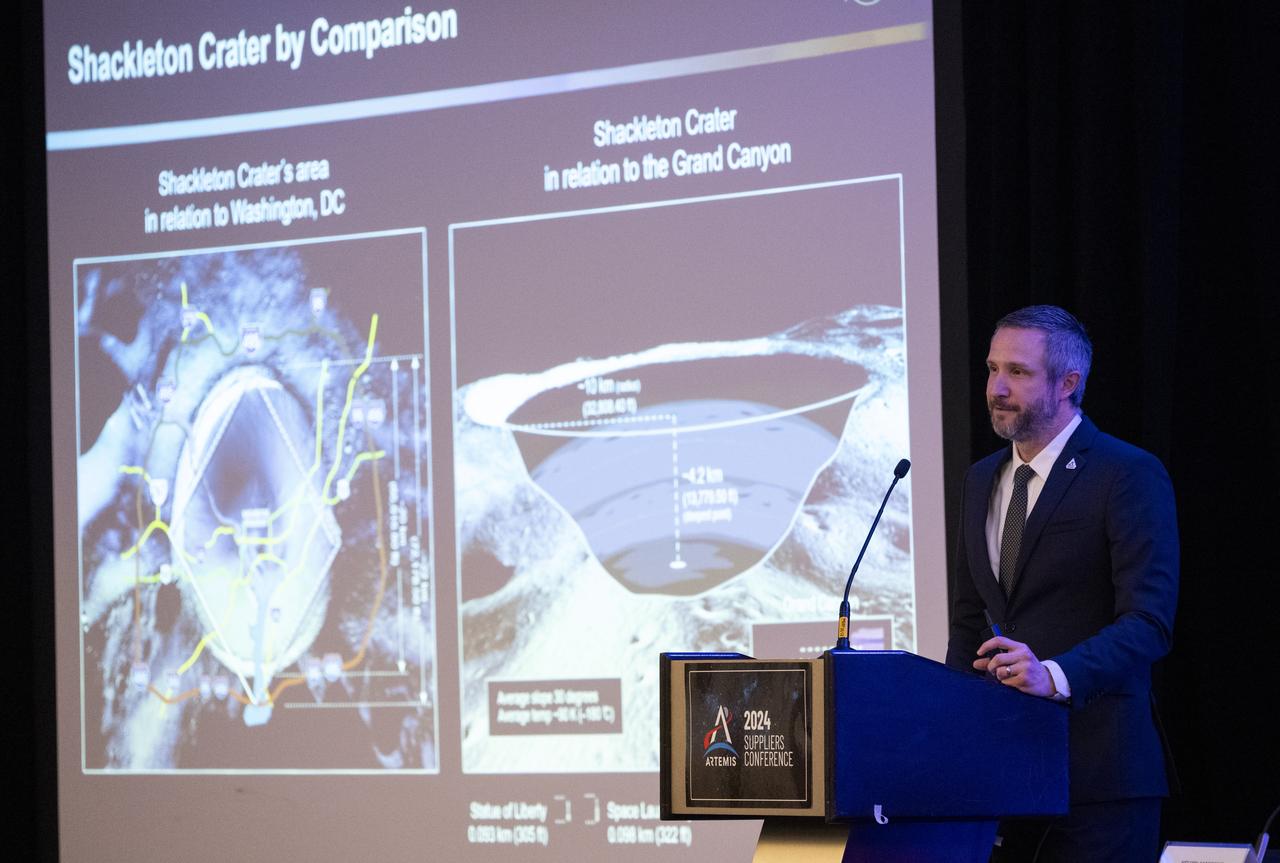
Jacob Bleacher, chief exploration scientist at NASA, speaks during the 2024 Artemis Suppliers Conference, Wednesday, Feb. 28, 2024, at the Grand Hyatt Hotel in Washington. Photo Credit: (NASA/Joel Kowsky)
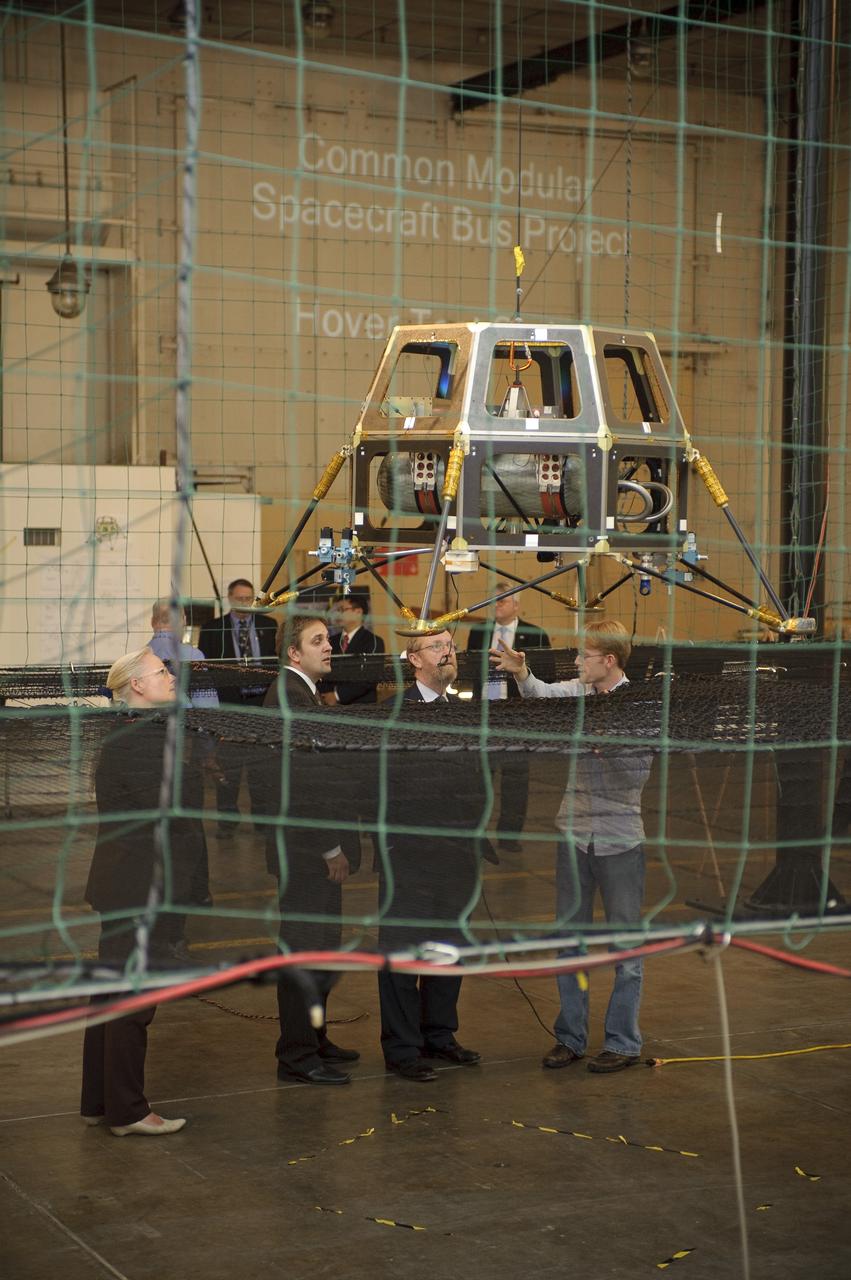
Professor John Beddington, UK (United Kingdom) Government Chief Scientist Advisor visit to Ames on tour of the Small Satellites area Bldg 45 (and a lunar lander prototype LADEE)
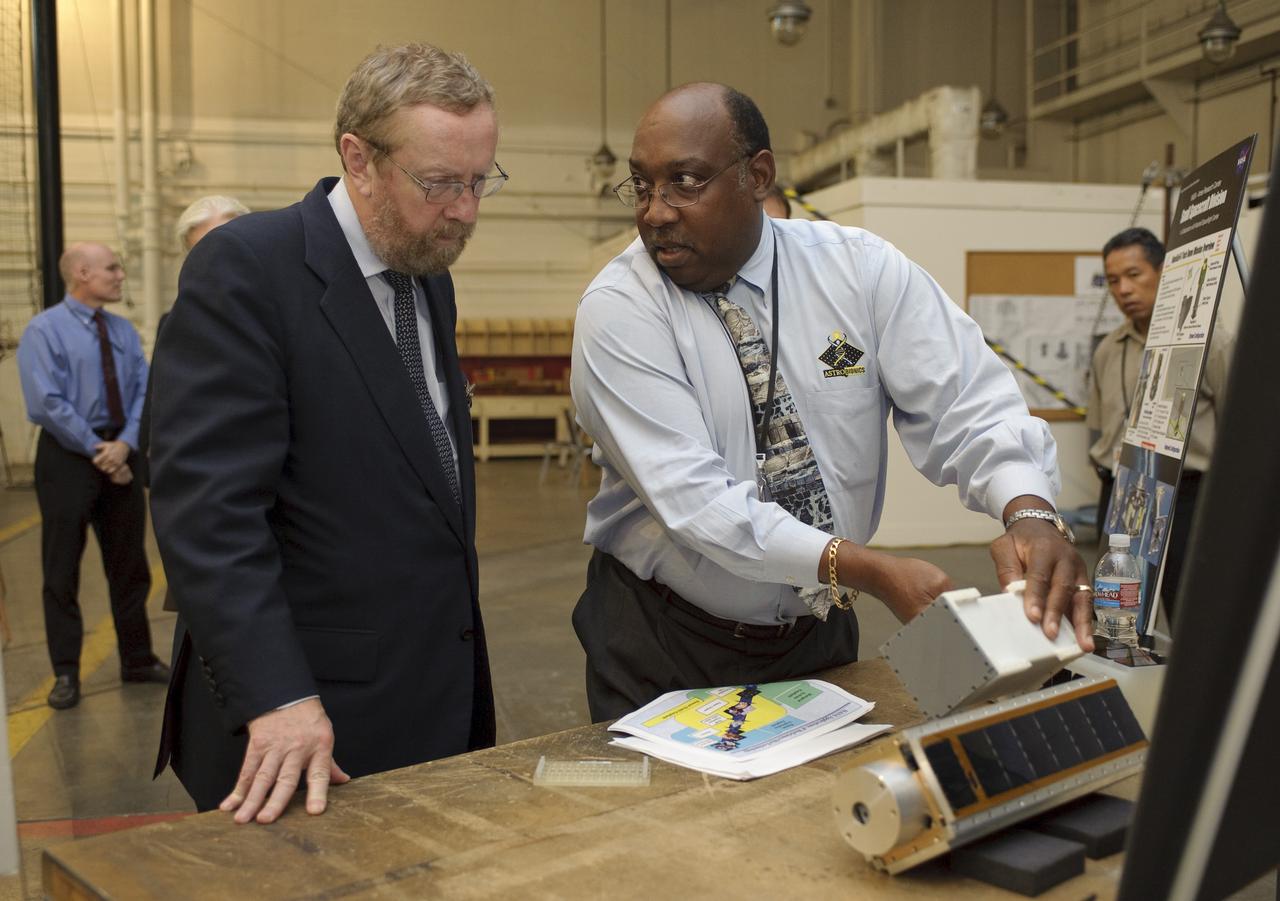
Professor John Beddington, UK (United Kingdom) Government Chief Scientist Advisor visit to Ames on tour of the Small Satellites area Bldg 45 with John Hine of Ames Research Center
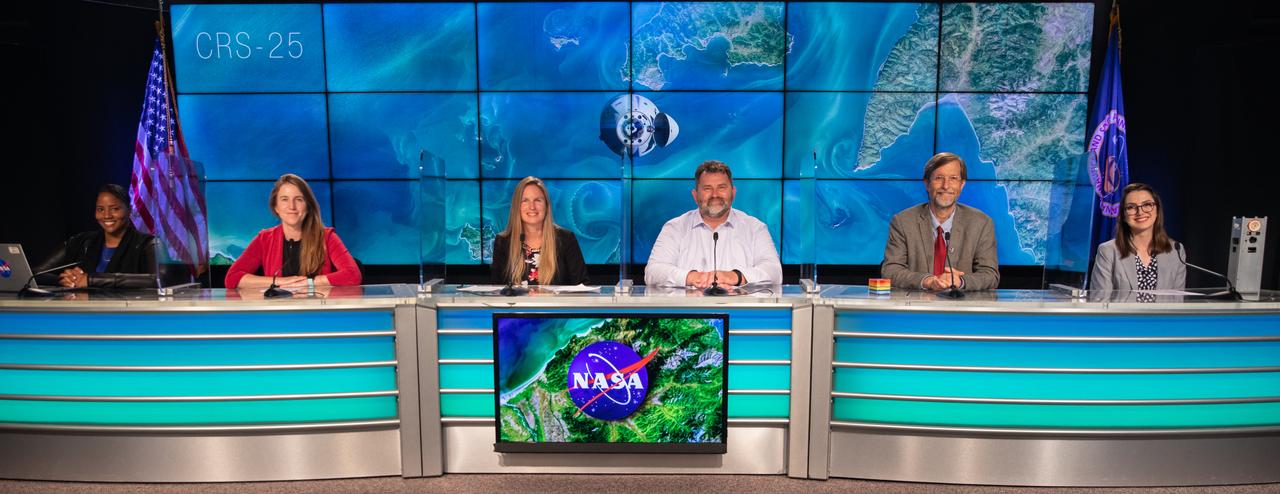
A climate conversation is held at NASA’s Kennedy Space Center in Florida on July 13, 2022, leading up to SpaceX’s 25th Commercial Resupply Services mission for NASA to the International Space Station. Participants, from left are Moderator Tylar Greene, NASA Communications; Kate Calvin, NASA’s chief scientist and climate advisor; Heidi Parris, associate scientist, International Space Station Program; Mike Roberts, chief scientist, ISS National Lab; Rob Green, JPL senior research scientist and EMIT (Earth Surface Mineral Dust Source Investigation) principal investigator; and Paula do Vale Pereira, BeaverCube, Massachusetts Institute of Technology. The Dragon capsule atop SpaceX’s Falcon 9 rocket is scheduled to lift off from Kennedy’s Launch Complex 39A on July 14 at 8:44 p.m. EDT. Dragon will deliver more than 5,800 pounds of cargo, including a variety of NASA investigations, to the space station.
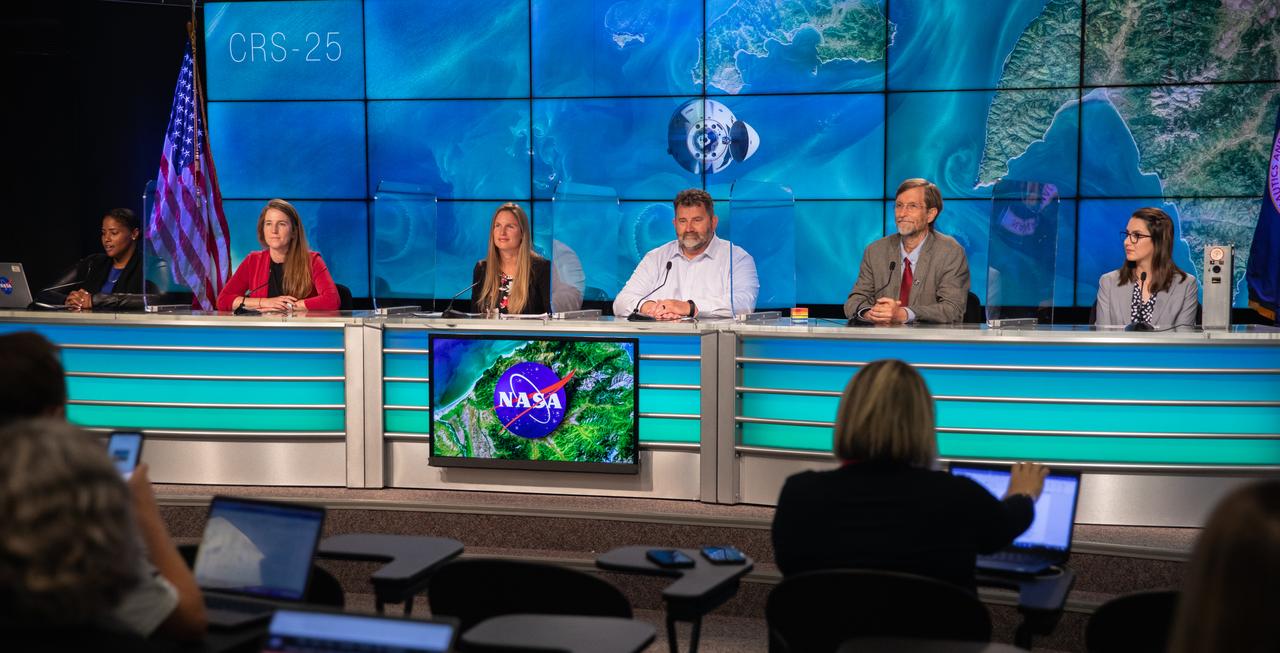
A climate conversation is held at NASA’s Kennedy Space Center in Florida on July 13, 2022, leading up to SpaceX’s 25th Commercial Resupply Services mission for NASA to the International Space Station. Participants, from left are Moderator Tylar Greene, NASA Communications; Kate Calvin, NASA’s chief scientist and climate advisor; Heidi Parris, associate scientist, International Space Station Program; Mike Roberts, chief scientist, ISS National Lab; Rob Green, JPL senior research scientist and EMIT (Earth Surface Mineral Dust Source Investigation) principal investigator; and Paula do Vale Pereira, BeaverCube, Massachusetts Institute of Technology. The Dragon capsule atop SpaceX’s Falcon 9 rocket is scheduled to lift off from Kennedy’s Launch Complex 39A on July 14 at 8:44 p.m. EDT. Dragon will deliver more than 5,800 pounds of cargo, including a variety of NASA investigations, to the space station.

Tour of the Hybrid Thermally Efficient Core (HyTEC) Facility on June 17, 2024 at Glenn Research Center. Pictured in the photo is Tony Nerone, W. Allen Kilgore, Dr. Katherine Calvin, and Sameer Kulkarni. The Hybrid Thermally Efficient Core (HyTEC) project is working with industry partners to develop small core engine technologies to enable fuel burn reductions, additional use of electric airplane systems through power extracted from the engine, and advance engine operability and compatibility with sustainable aviation fuels.
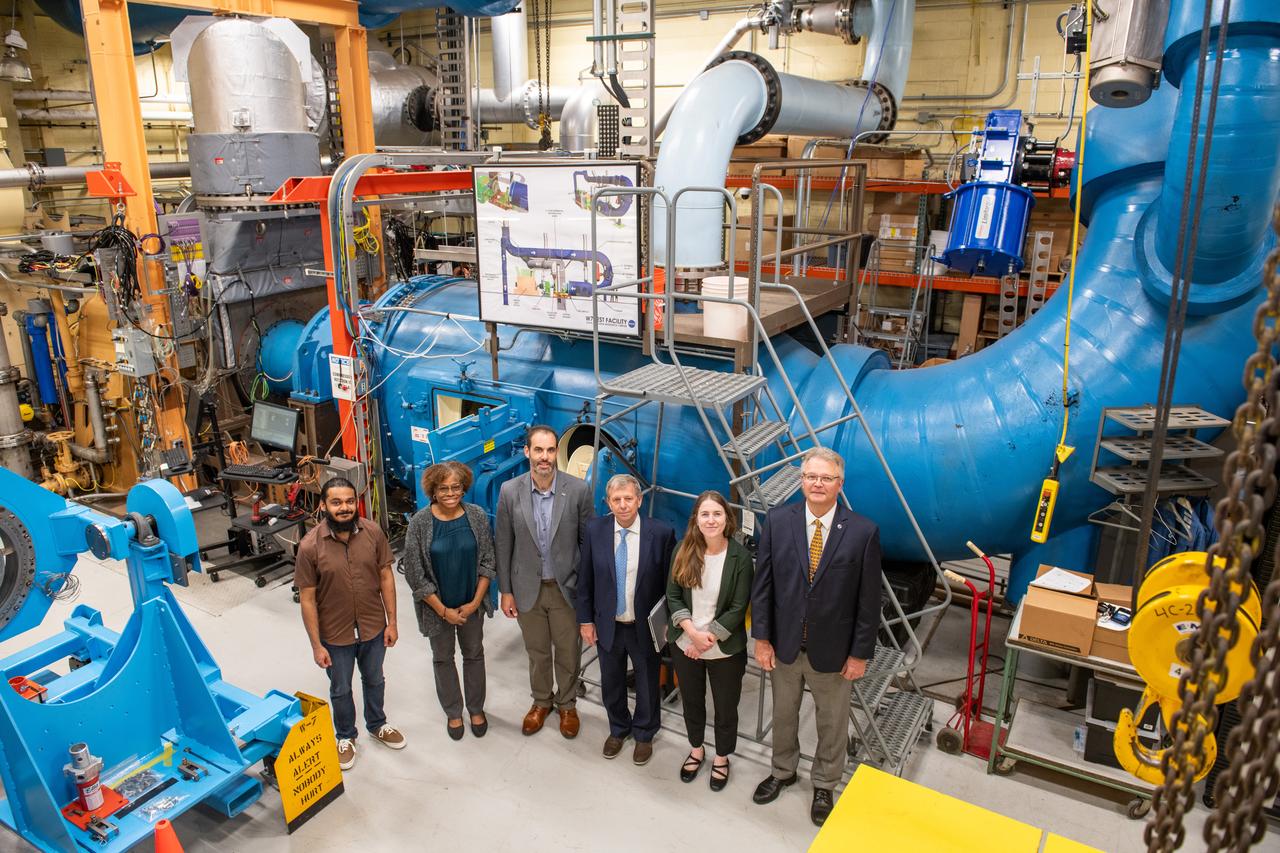
Tour of the Hybrid Thermally Efficient Core (HyTEC) Facility on June 17, 2024 at Glenn Research Center. Pictured in the photo is Sameer Kulkarni, Concha Reid, Tony Nerone, Tibor Kremic and Dr. Katherine Calvin, and W. Allen Kilgore. The Hybrid Thermally Efficient Core (HyTEC) project is working with industry partners to develop small core engine technologies to enable fuel burn reductions, additional use of electric airplane systems through power extracted from the engine, and advance engine operability and compatibility with sustainable aviation fuels.
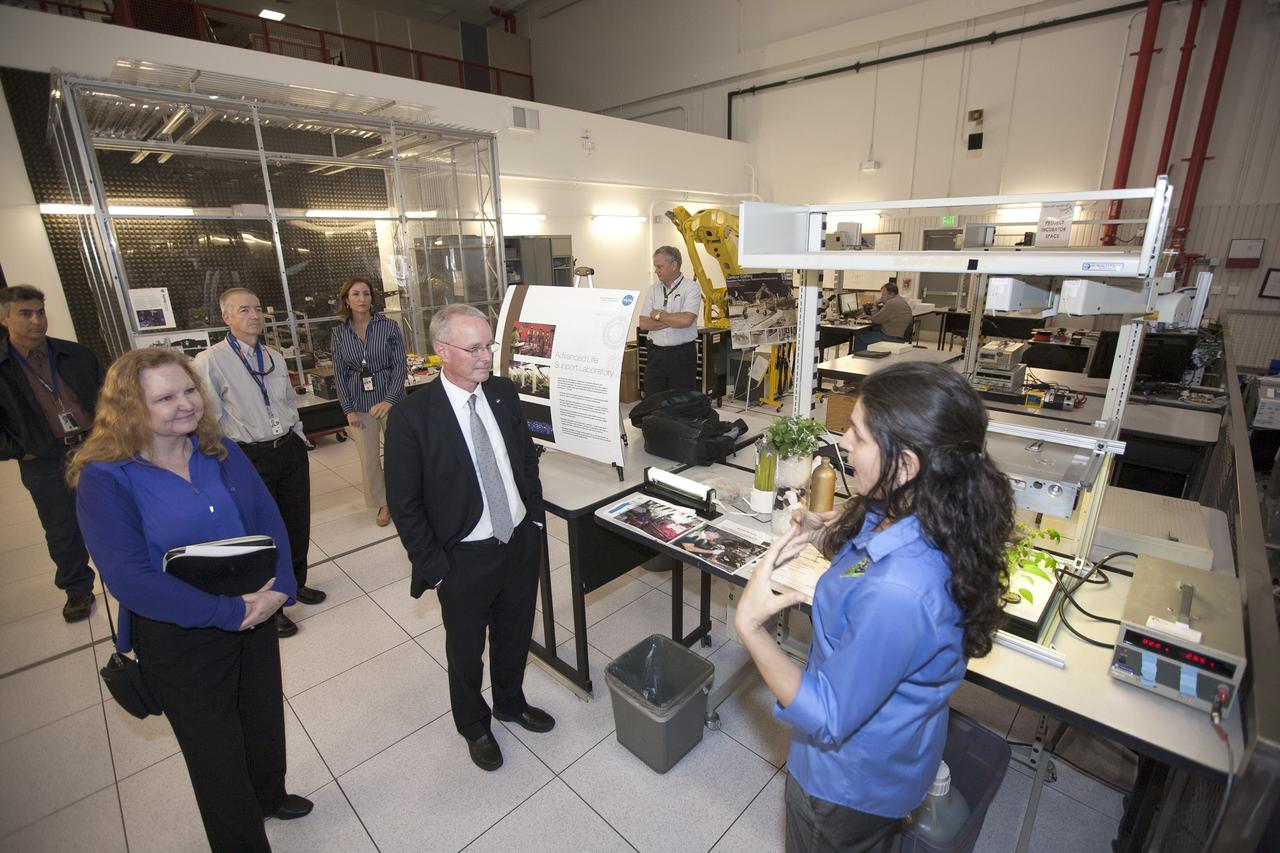
CAPE CANAVERAL, Fla. -- During a visit to NASA's Kennedy Space Center in Florida, NASA Chief Technologist David Miller, center, tours laboratories inside the Swamp Works facility. At right, Dr. Gioia Massa, NASA project scientist in the Engineering and Technology Directorate, discusses the VEGGIE plant growth system. At left is Karen Thompson, Kennedy's chief technologist. Photo credit: NASA/Kim Shiflett
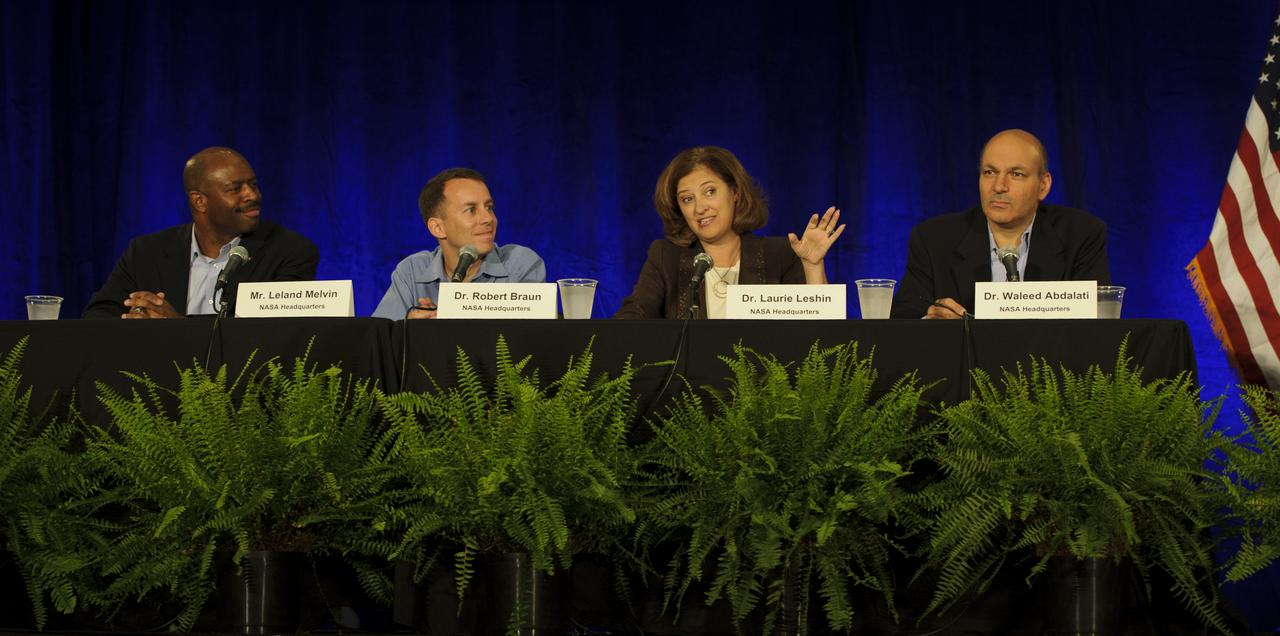
Dr. Laurie Leshin, NASA Deputy Associate Administrator Exploration Systems Mission Directortorate, second from right, speaks as Dr. Waleed Abdalati, NASA Chief Scientist, right, Dr. Robert Braun, NASA Chief Technologist, and Leland Melvin, Assoicate Administrator for NASA Education, far left, at the NASA Future Forum held at the Riggs Alumni Center on the campus of the University of Maryland, Thursday, Aug. 11, 2011 in College Park, Md. Photo Credit: (NASA/Paul E. Alers)
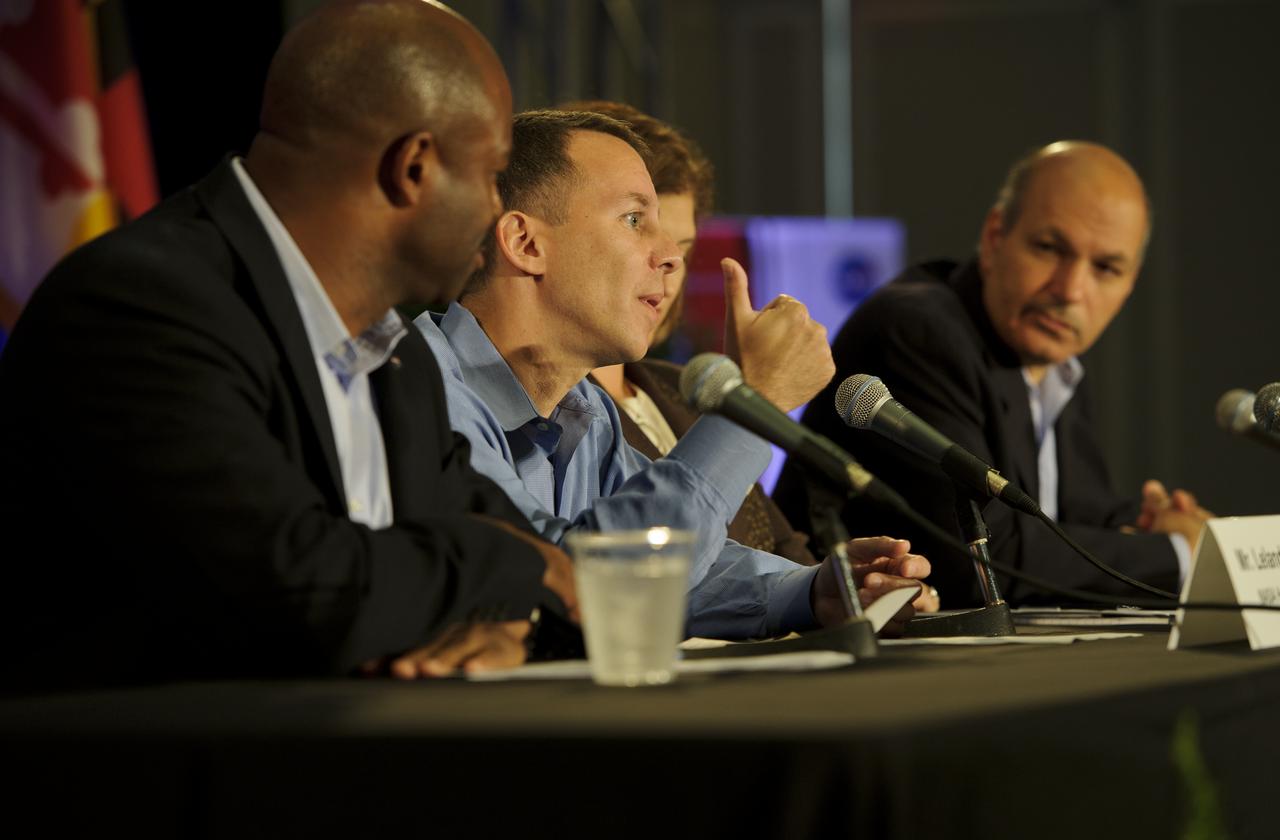
Dr. Robert Braun, NASA Chief Technologist, second from left, makes a point, as panelists Leland Melvin, Assoicate Administrator for NASA Education, left, Dr. Laurie Leshin, NASA Deputy Associate Administrator Exploration Systems Mission Directortorate, and Dr. Waleed Abdalati, NASA Chief Scientist, right, look on during a panel discussion at the NASA Future Forum held at the Riggs Alumni Center on the campus of the University of Maryland, Thursday, Aug. 11, 2011 in College Park, Md. Photo Credit: (NASA/Paul E. Alers)
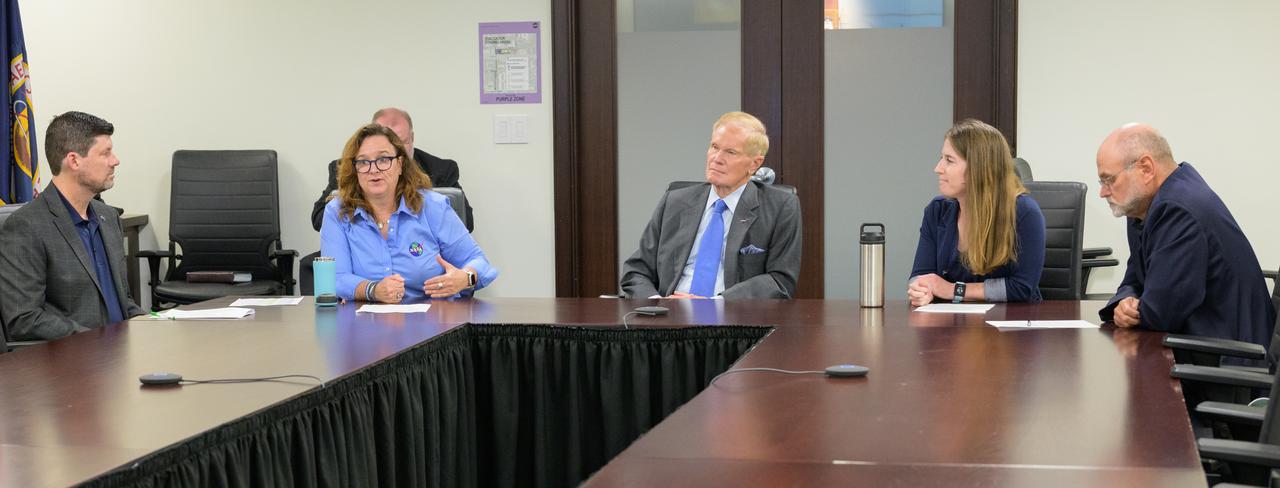
NASA Earth Action Associate Director Tom Wagner, left, NASA Earth Science Division Director Karen St. Germain, NASA Administrator Bill Nelson, NASA Chief Scientist and Senior Climate Adviser Kate Calvin, and NASA Goddard Space Flight Center Ocean Ecology Laboratory Chief Carlos Del Castillo, highlight NASA’s climate work during a media roundtable, Thursday, July 20, 2023, at the NASA Headquarters Mary W. Jackson Building in Washington. Photo Credit: (NASA/Bill Ingalls)
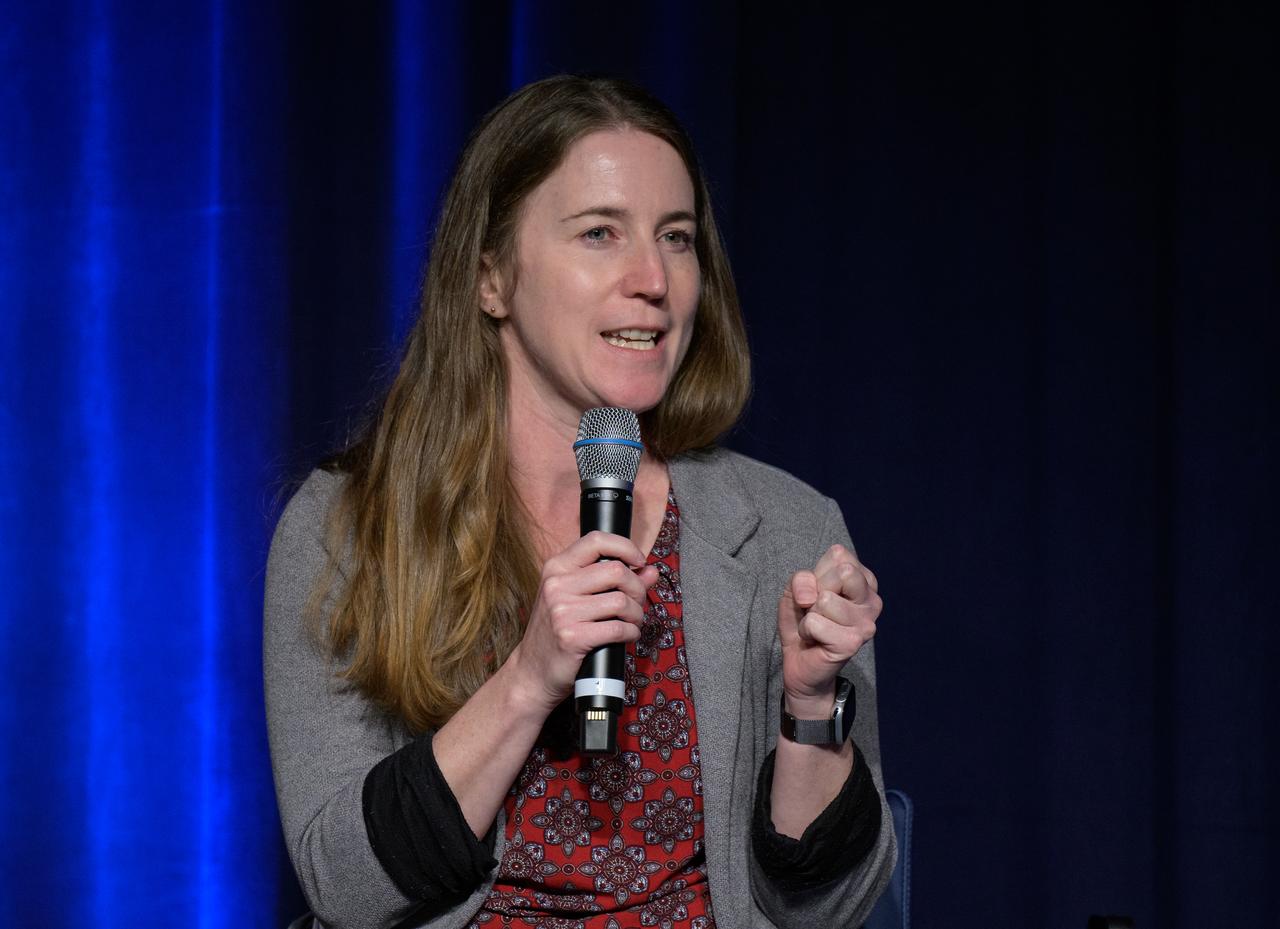
NASA Chief Scientist Kate Calvin participates in a NASA employee town hall on how the agency is using and developing Artificial Intelligence (AI) tools to advance missions and research, Wednesday, May 22, 2024, at the NASA Headquarters Mary W. Jackson Building in Washington. Photo Credit: (NASA/Bill Ingalls)
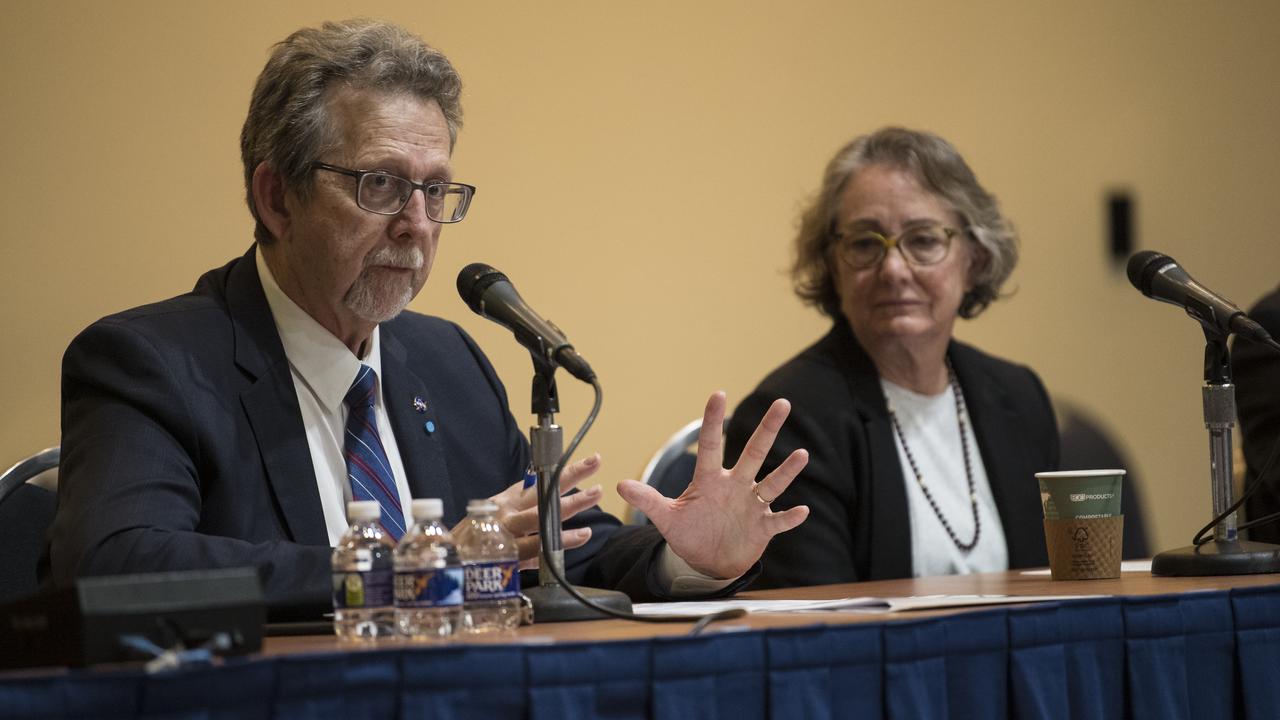
NASA Chief Scientist Jim Green is seen during a special session titled “Planetary Protection for the Future: Science, Exploration, and Commerce” at the 70th International Astronautical Congress, Thursday, Oct. 24, 2019 at the Walter E. Washington Convention Center in Washington. Photo Credit: (NASA/Joel Kowsky)
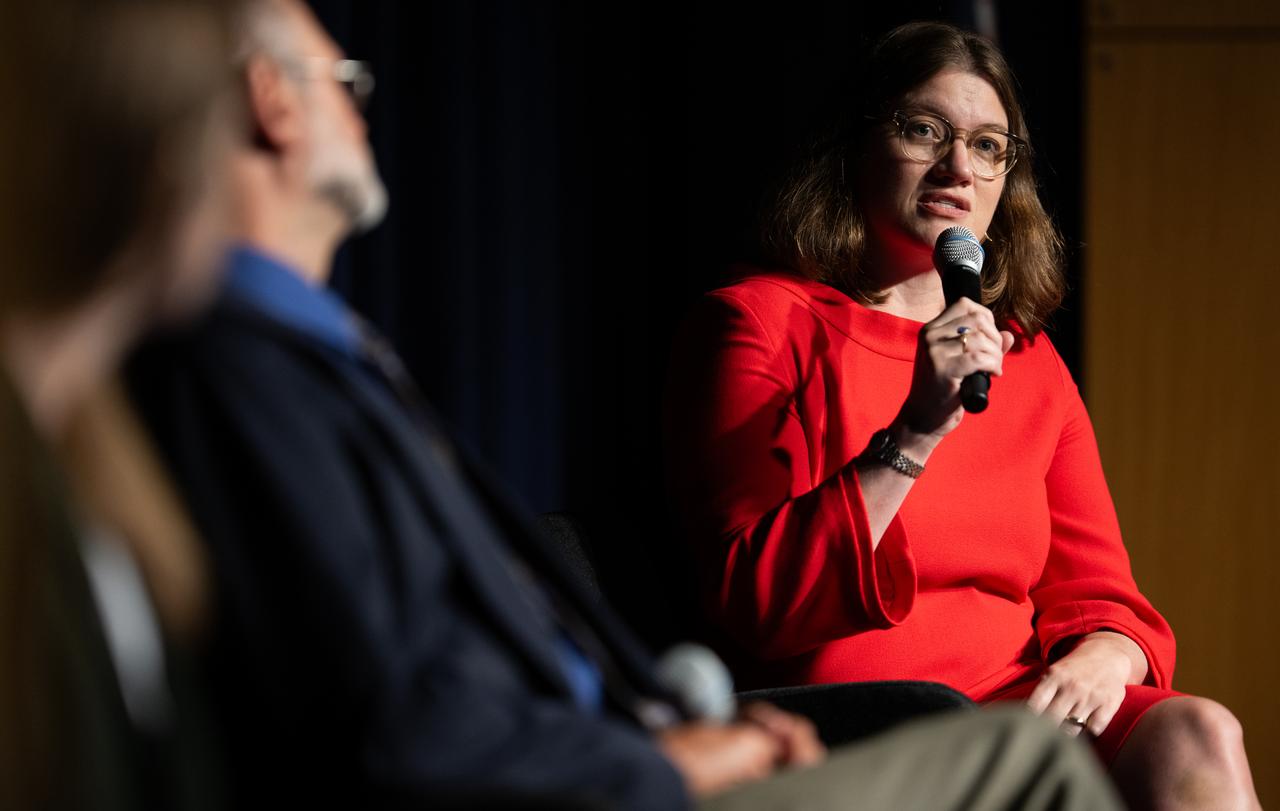
Sarah Kapnick, Chief Scientist at the National Oceanic and Atmospheric Administration, answers a question during a news conference to discuss the latest global temperature data, Monday, Aug. 14, 2023, at the Mary W. Jackson NASA Headquarters building in Washington. Photo Credit: (NASA/Joel Kowsky)
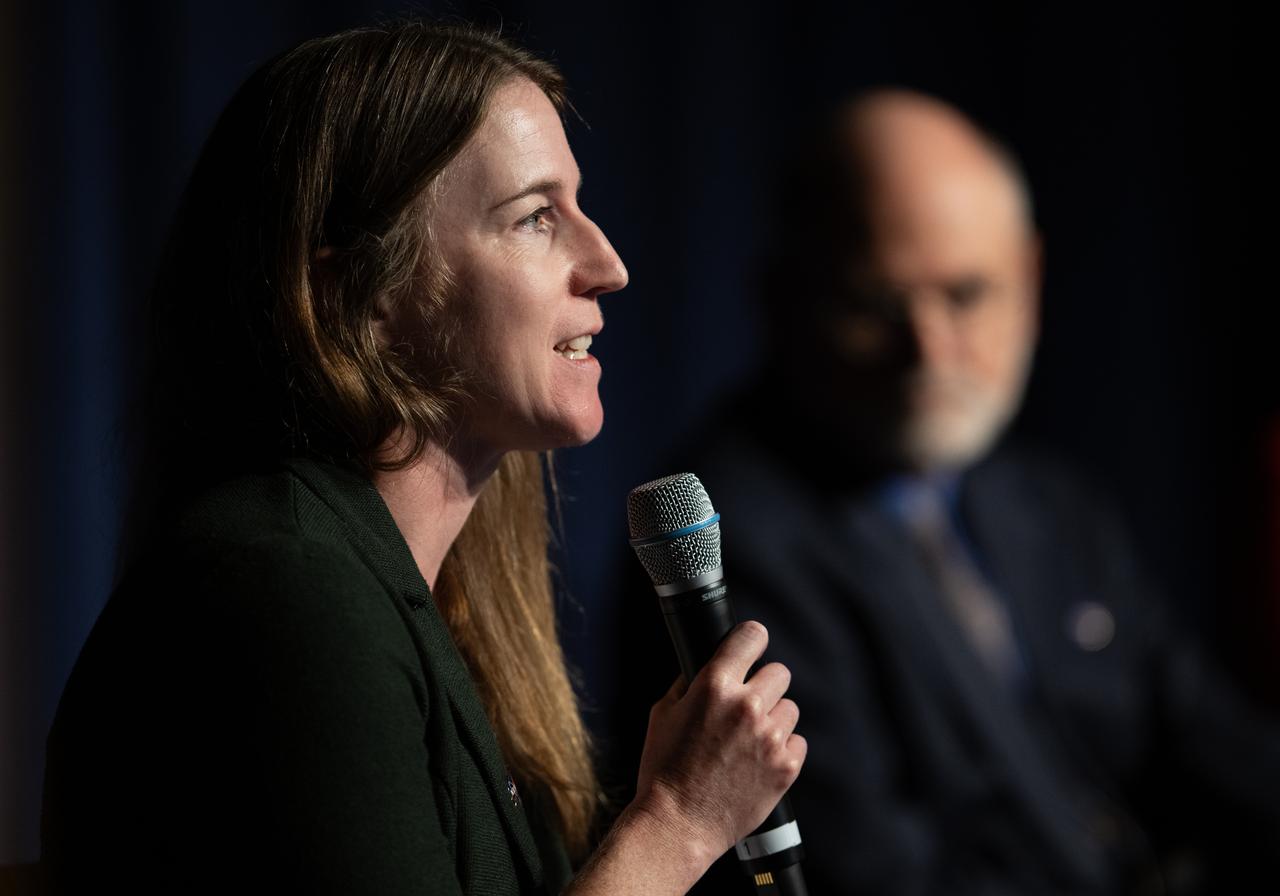
Kate Calvin, NASA Chief Scientist and senior climate advisor, answers a question during a news conference to discuss the latest global temperature data, Monday, Aug. 14, 2023, at the Mary W. Jackson NASA Headquarters building in Washington. Photo Credit: (NASA/Joel Kowsky)
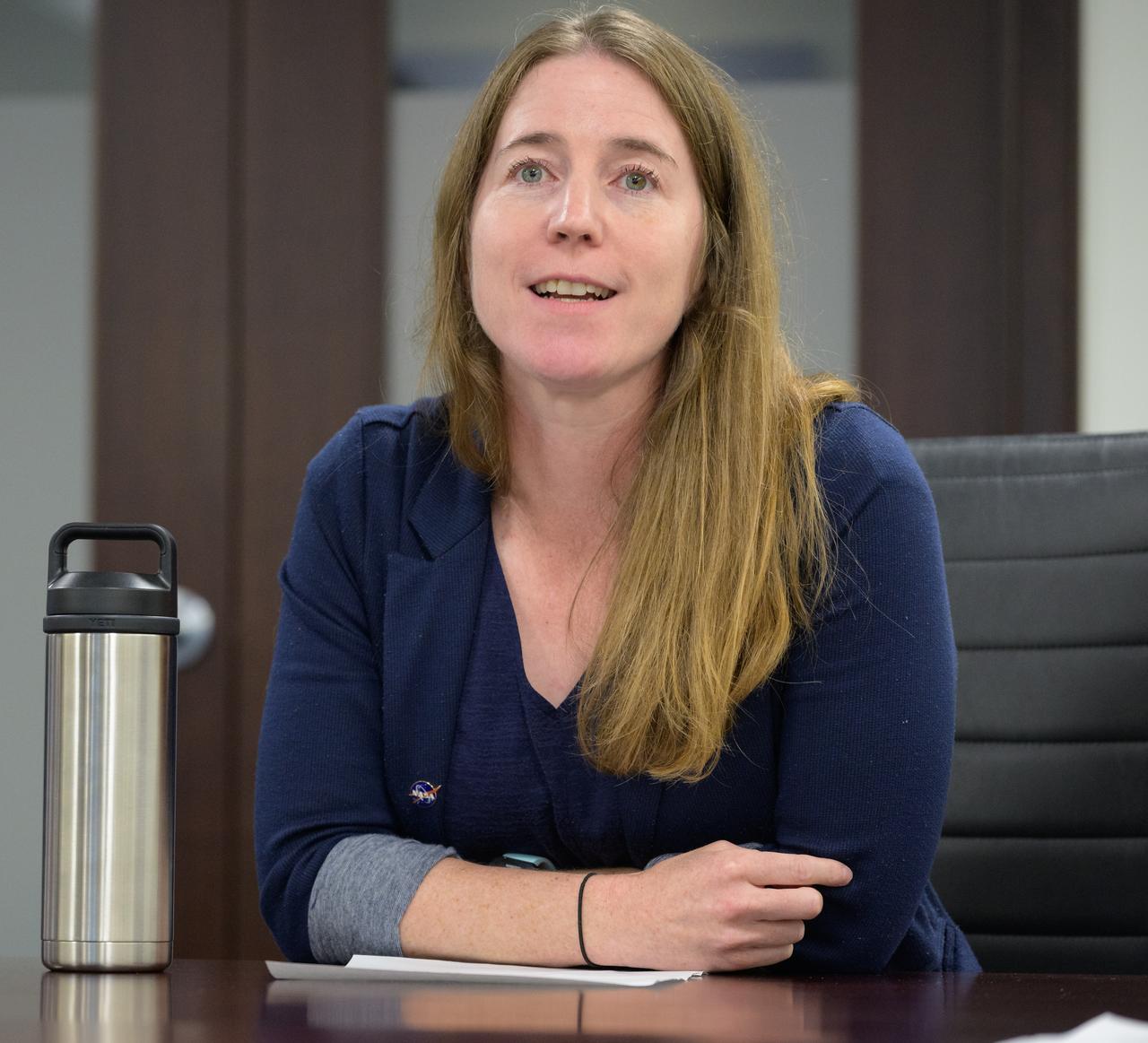
NASA Chief Scientist and Senior Climate Adviser Kate Calvin highlights NASA’s climate work during a media roundtable, Thursday, July 20, 2023, at the NASA Headquarters Mary W. Jackson Building in Washington. Photo Credit: (NASA/Bill Ingalls)
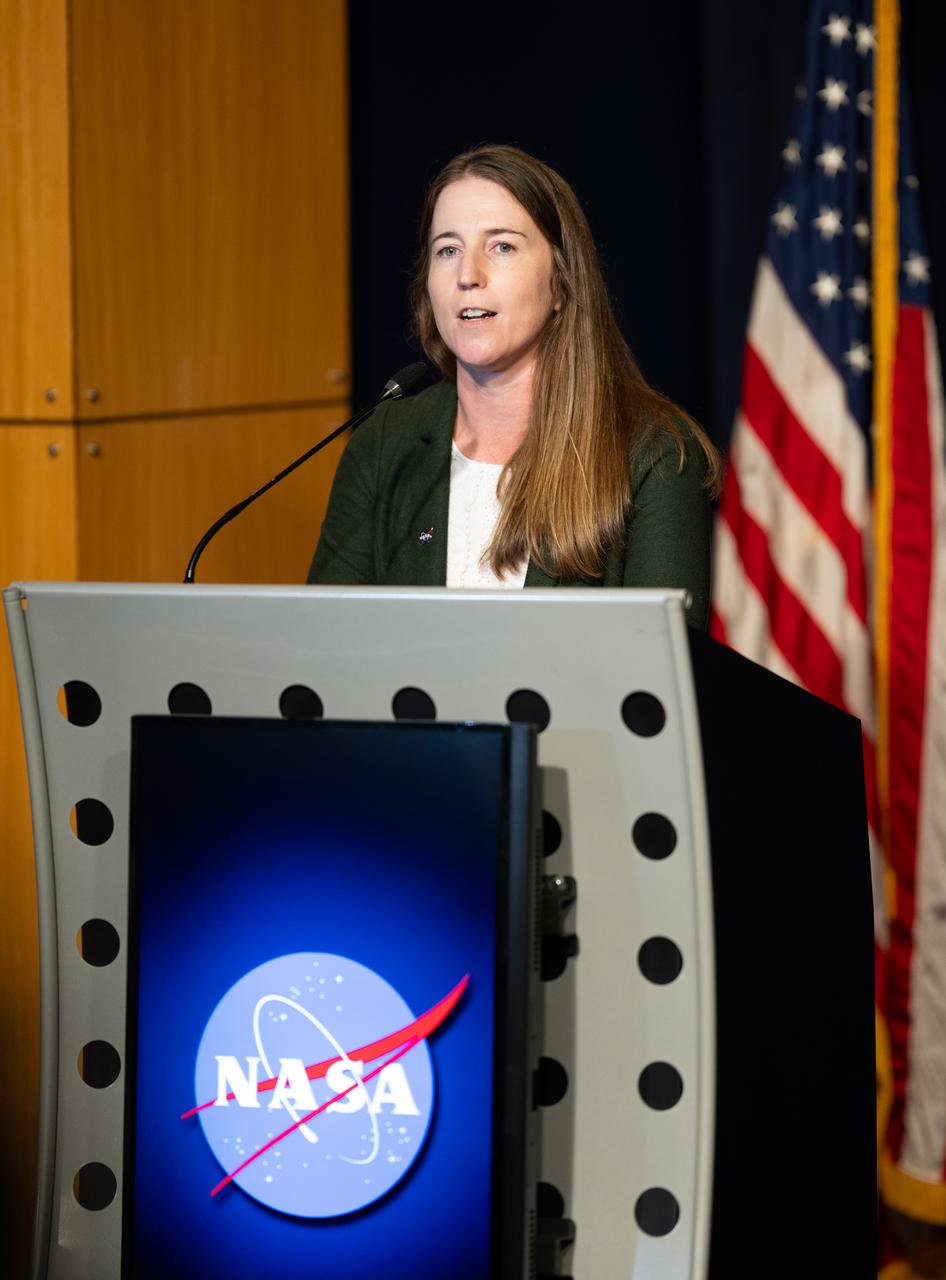
Kate Calvin, NASA Chief Scientist and senior climate advisor, speaks during a news conference to discuss the latest global temperature data, Monday, Aug. 14, 2023, at the Mary W. Jackson NASA Headquarters building in Washington. Photo Credit: (NASA/Joel Kowsky)
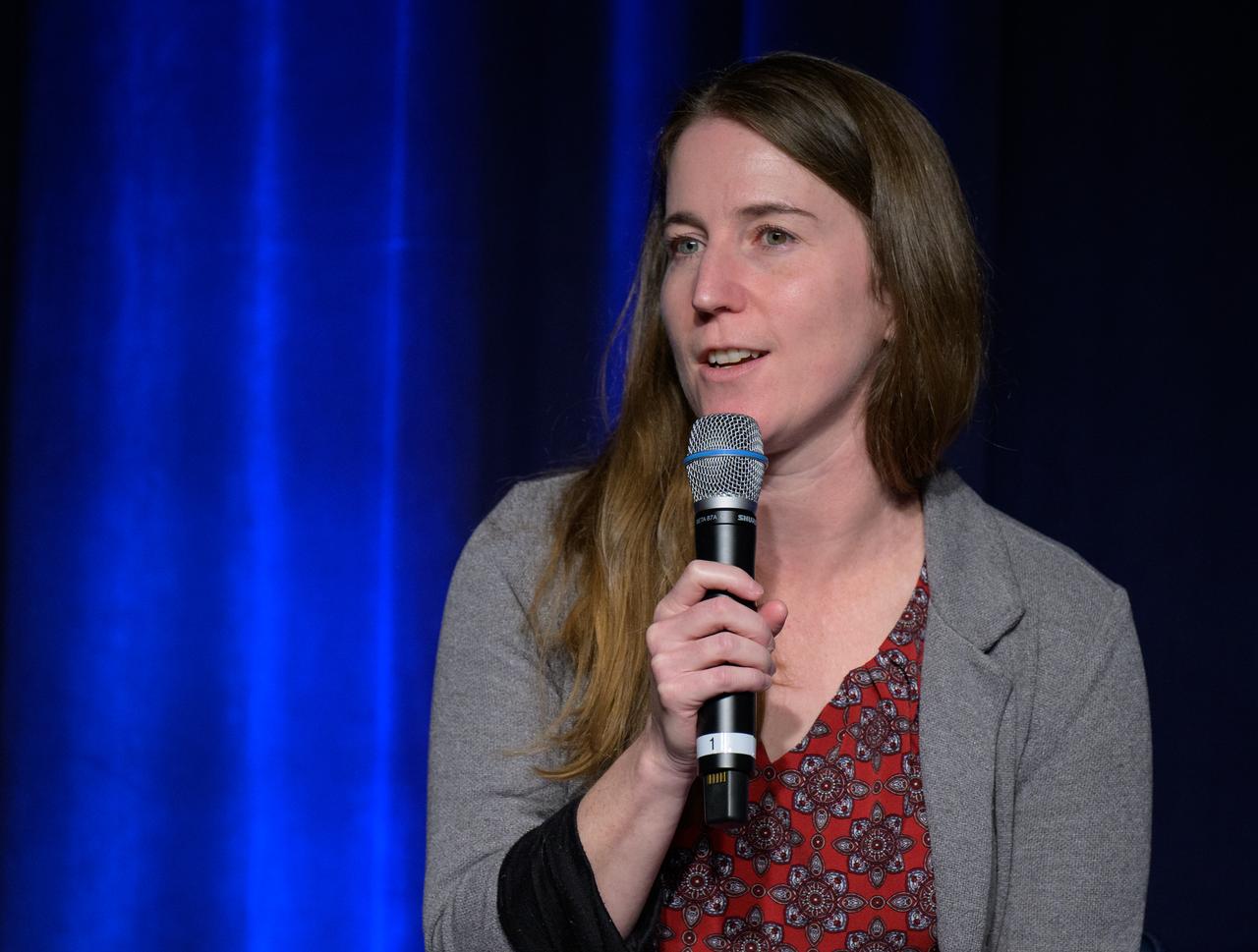
NASA Chief Scientist Kate Calvin participates in a NASA employee town hall on how the agency is using and developing Artificial Intelligence (AI) tools to advance missions and research, Wednesday, May 22, 2024, at the NASA Headquarters Mary W. Jackson Building in Washington. Photo Credit: (NASA/Bill Ingalls)
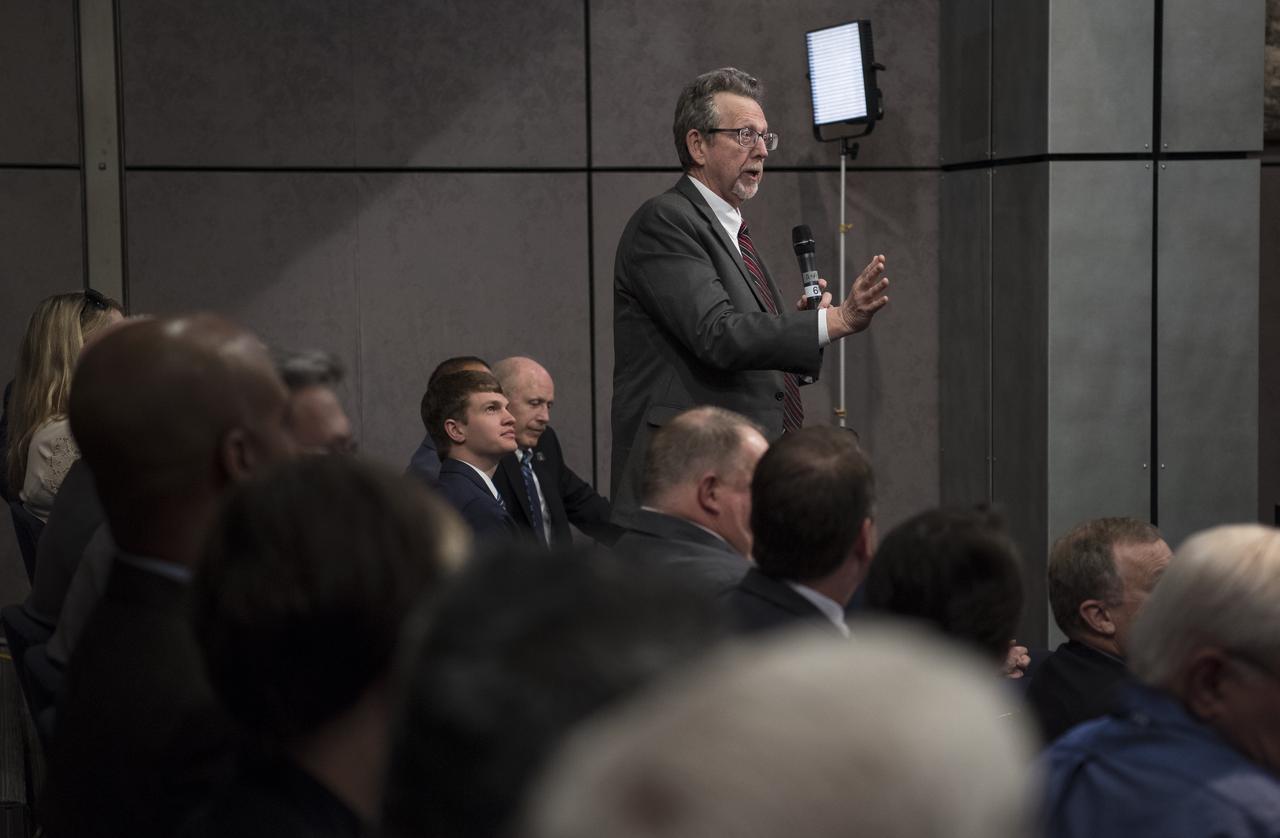
NASA Chief Scientist Jim Green asks a question during a NASA town hall on the amendment to the fiscal year 2020 budget request that supports the agency’s plan to land astronauts on the Moon by 2024, Tuesday, May 14, 2019 at NASA Headquarters in Washington, DC. Photo Credit: (NASA/Joel Kowsky)
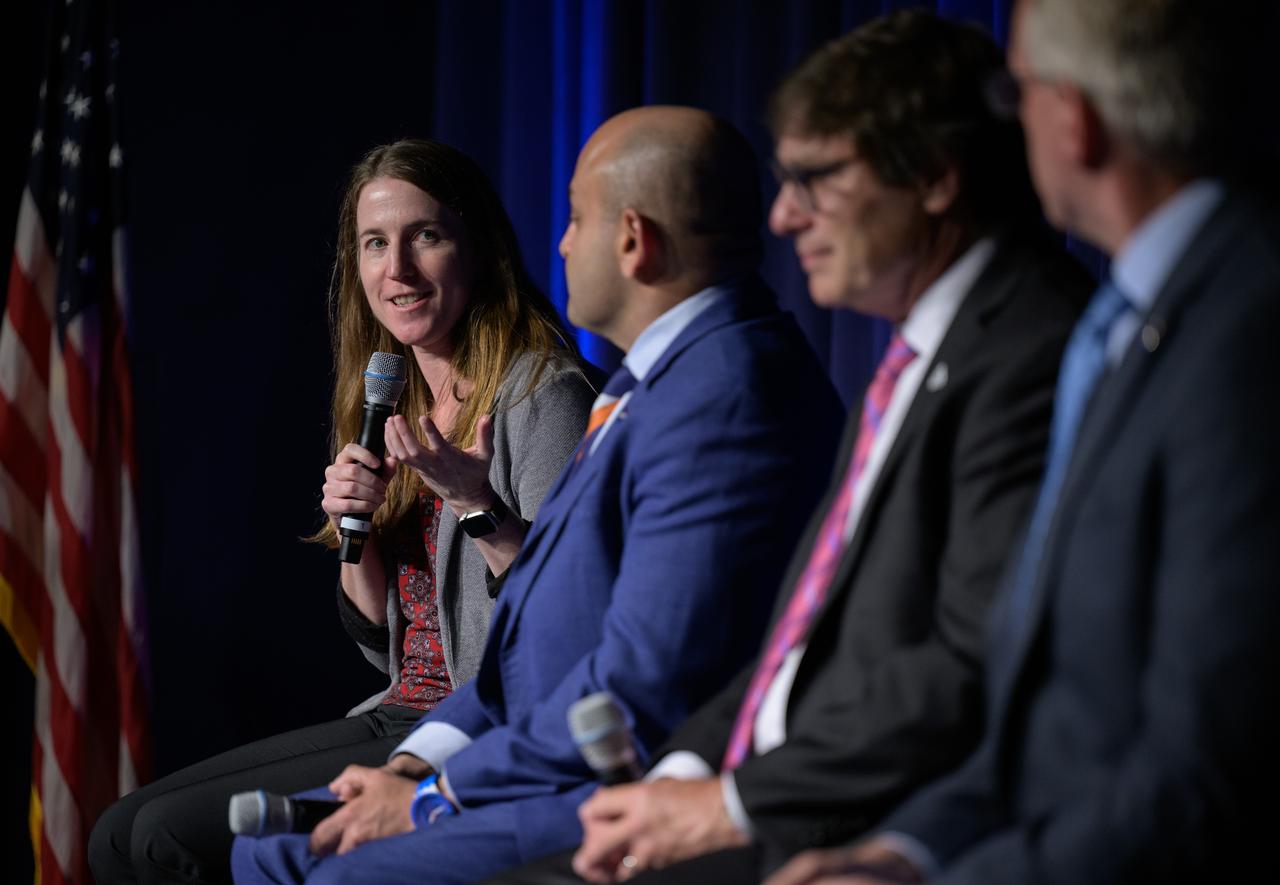
NASA Chief Scientist Kate Calvin gives remarks in a NASA employee town hall on how the agency is using and developing Artificial Intelligence (AI) tools to advance missions and research, Wednesday, May 22, 2024, at the NASA Headquarters Mary W. Jackson Building in Washington. Photo Credit: (NASA/Bill Ingalls)
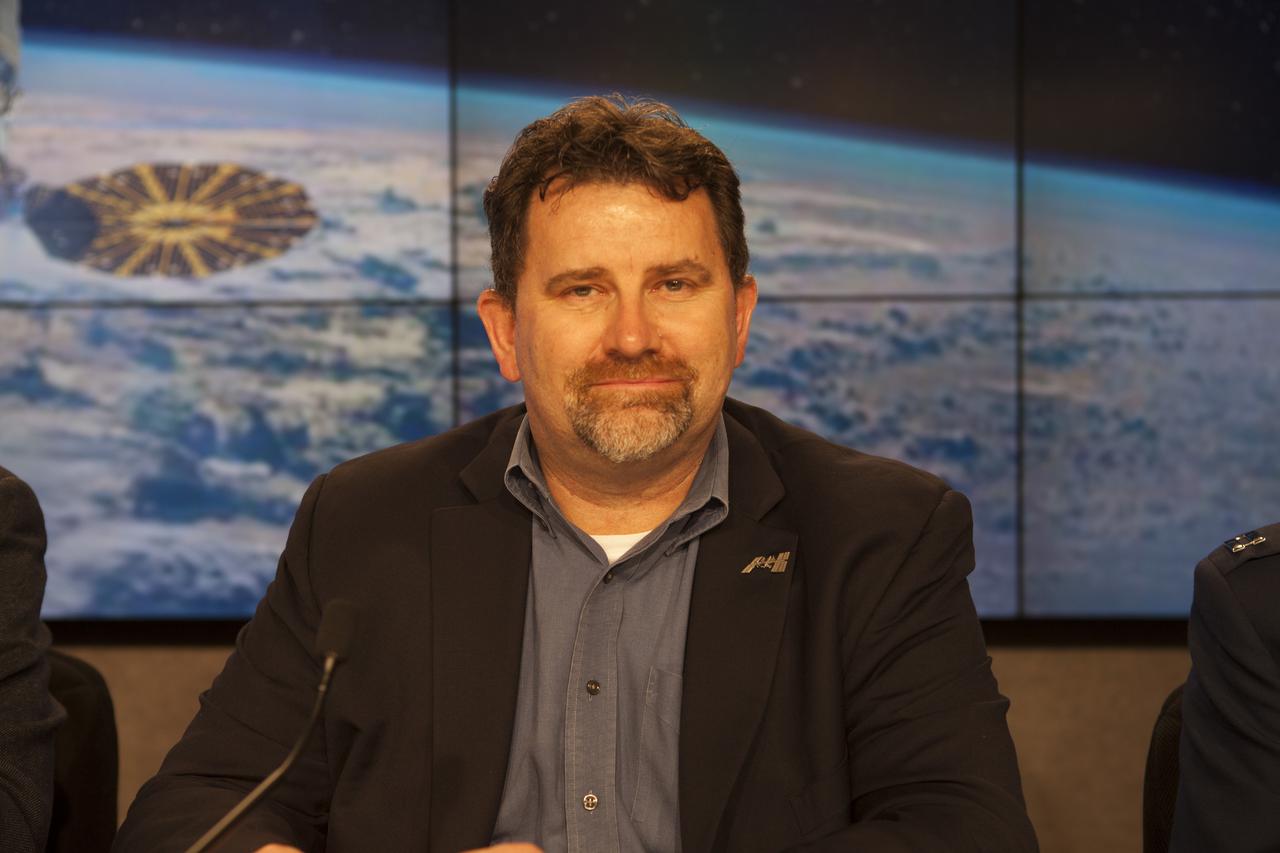
In the Kennedy Space Center’s Press Site auditorium, Dr. Michael Roberts deputy chief scientist for the Center for the Advancement for Science in Space, or CASIS, speaks to members of the media at a prelaunch news conference for Orbital ATK CRS-6 commercial resupply services mission to the International Space Station.
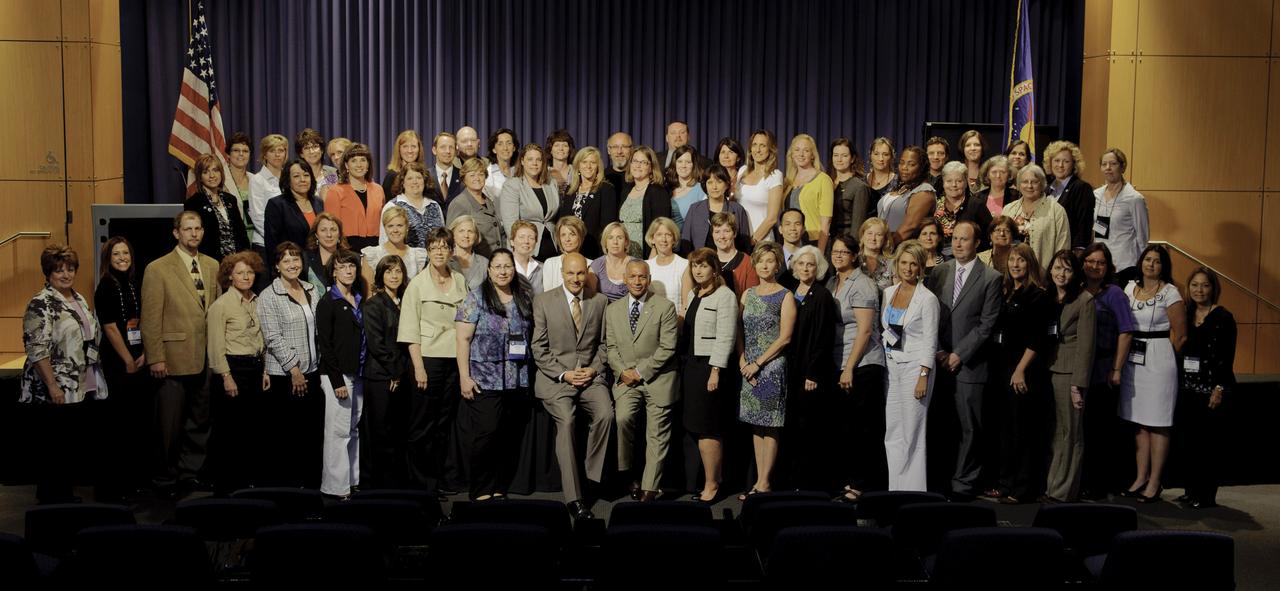
Recipients of the Presidential Award for Excellence in Mathematics and Science Teaching stand together with NASA Administrator Charles Bolden and chief scientist Waleed Abdalati, center, at NASA Headquarters in Washington on Wednesday, May 19, 2011. Photo Credit: (NASA/Paul E. Alers)
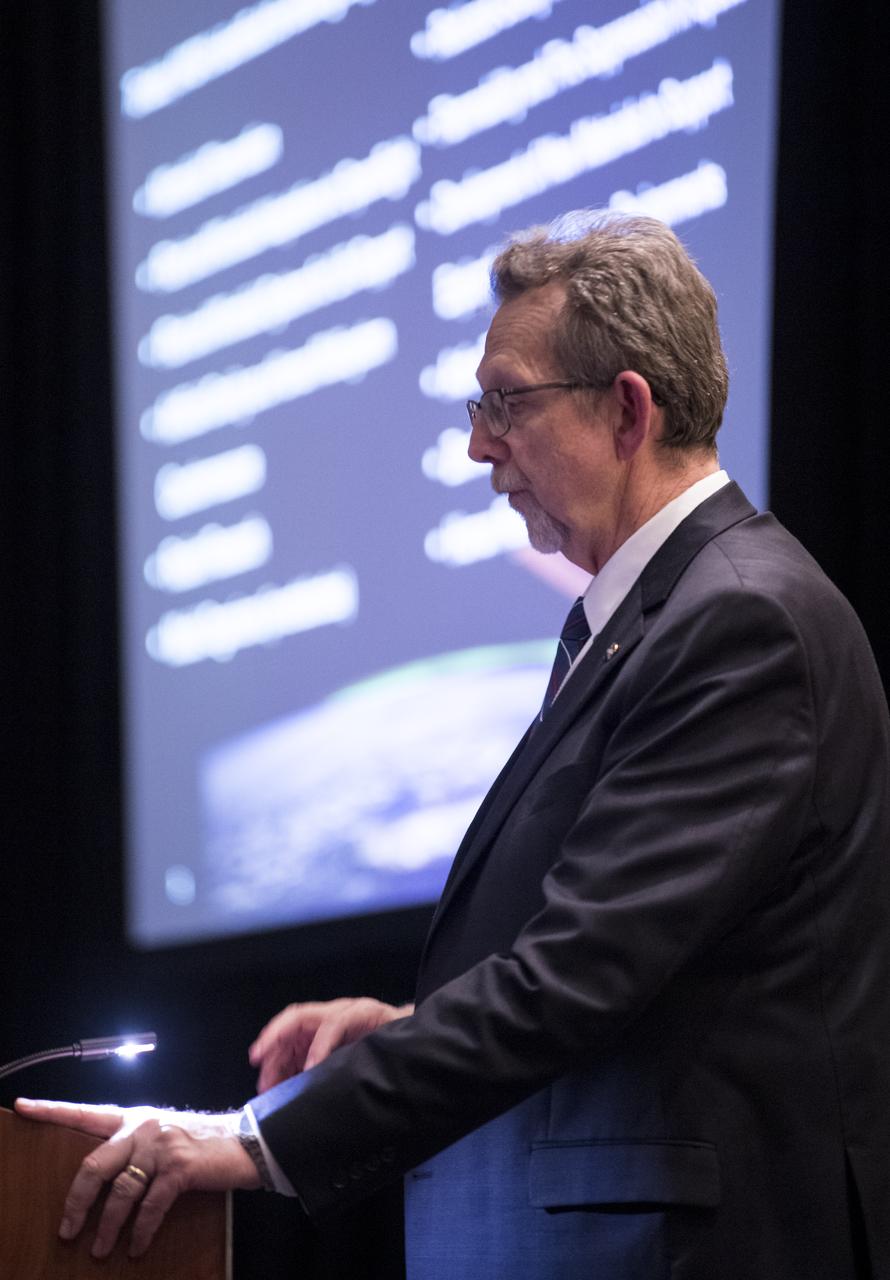
NASA Chief Scientist Jim Green speaks about NASA Science under the National Space Exploration Campaign during a keynote at the 70th International Astronautical Congress, Monday, Oct. 21, 2019 at the Walter E. Washington Convention Center in Washington. Photo Credit: (NASA/Joel Kowsky)
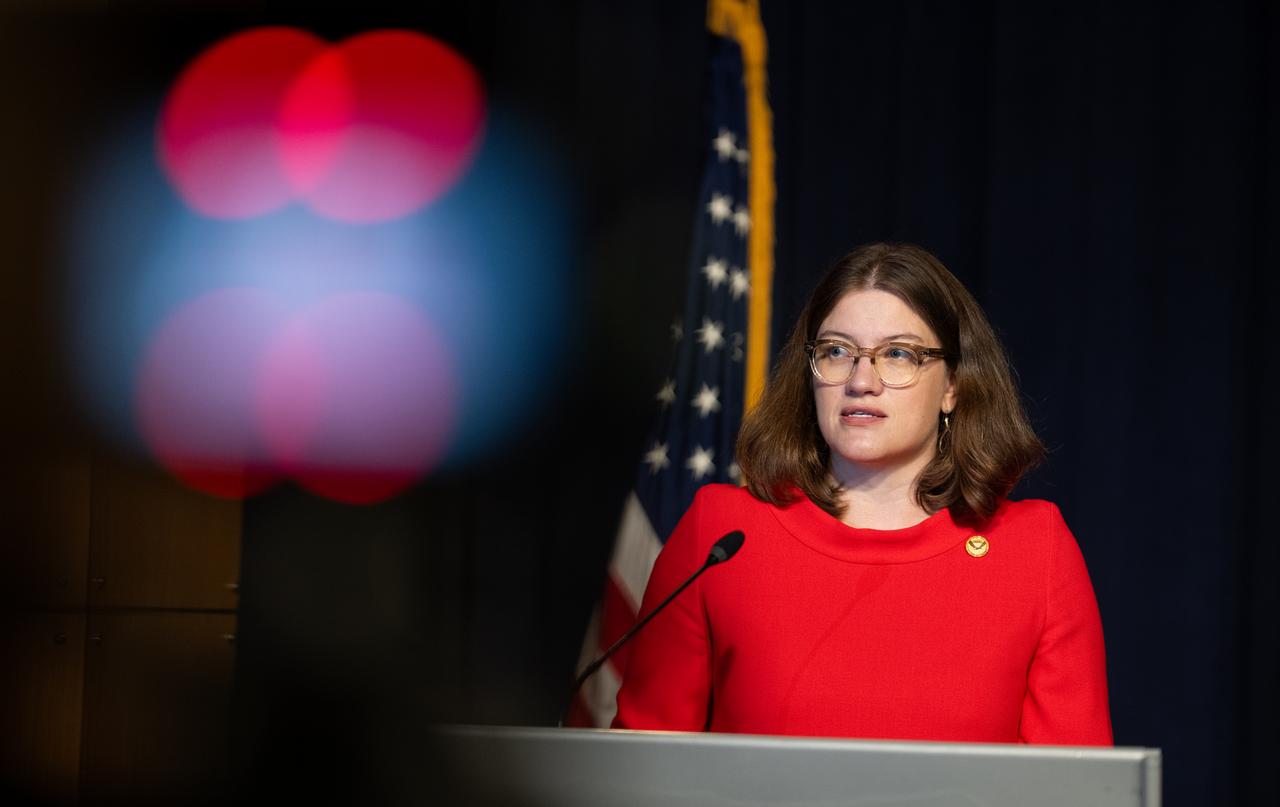
Sarah Kapnick, Chief Scientist at the National Oceanic and Atmospheric Administration, speaks during a news conference to discuss the latest global temperature data, Monday, Aug. 14, 2023, at the Mary W. Jackson NASA Headquarters building in Washington. Photo Credit: (NASA/Joel Kowsky)
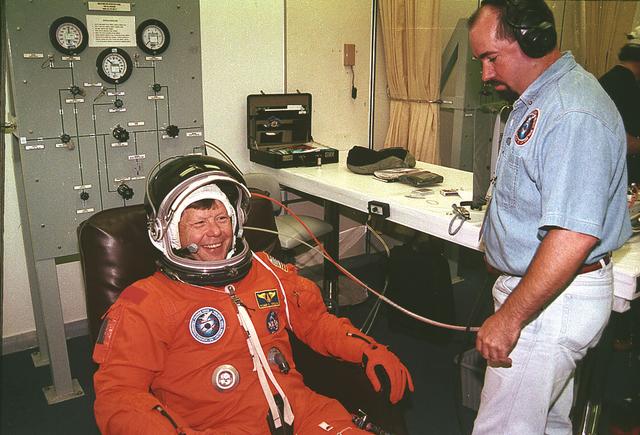
STS-94 Payload Specialist Roger K. Crouch is helped into his launch/entry suit by a suit technician in the Operations and Checkout (OC) building after the suit has been given a pressure test. He is the Chief Scientist of the NASA Microgravity Space and Applications Division. He also has served as a Program Scientist for previous missions and is an expert in semiconductor crystal growth. Crouch and six other crewmembers prepare to depart the OC and head for Launch Pad 39a, where the Space Shuttle Columbia will lift off.
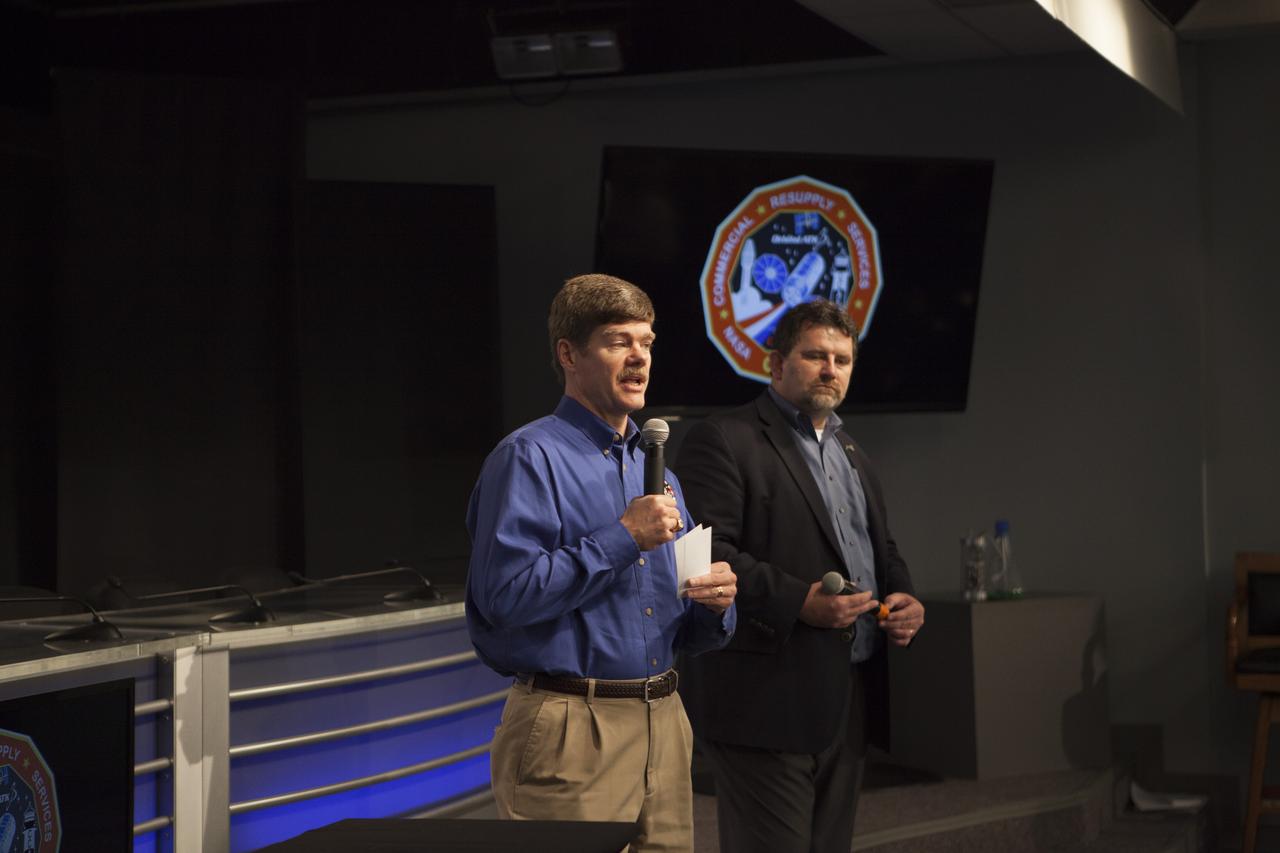
In the Kennedy Space Center’s Press Site auditorium, members of the media participate in a briefing on science research and technology work planned for the International Space Station, or ISS. NASA is preparing for the launch of a Cygnus spacecraft on the Orbital ATK CRS-6 commercial resupply services mission to the ISS. From left are: Pete Hasbrook, NASA associate program scientist for the ISS Program at the Johnson Space Center in Houston, and Dr. Michael Roberts, deputy chief scientist for the Center for the Advancement for Science in Space, or CASIS.
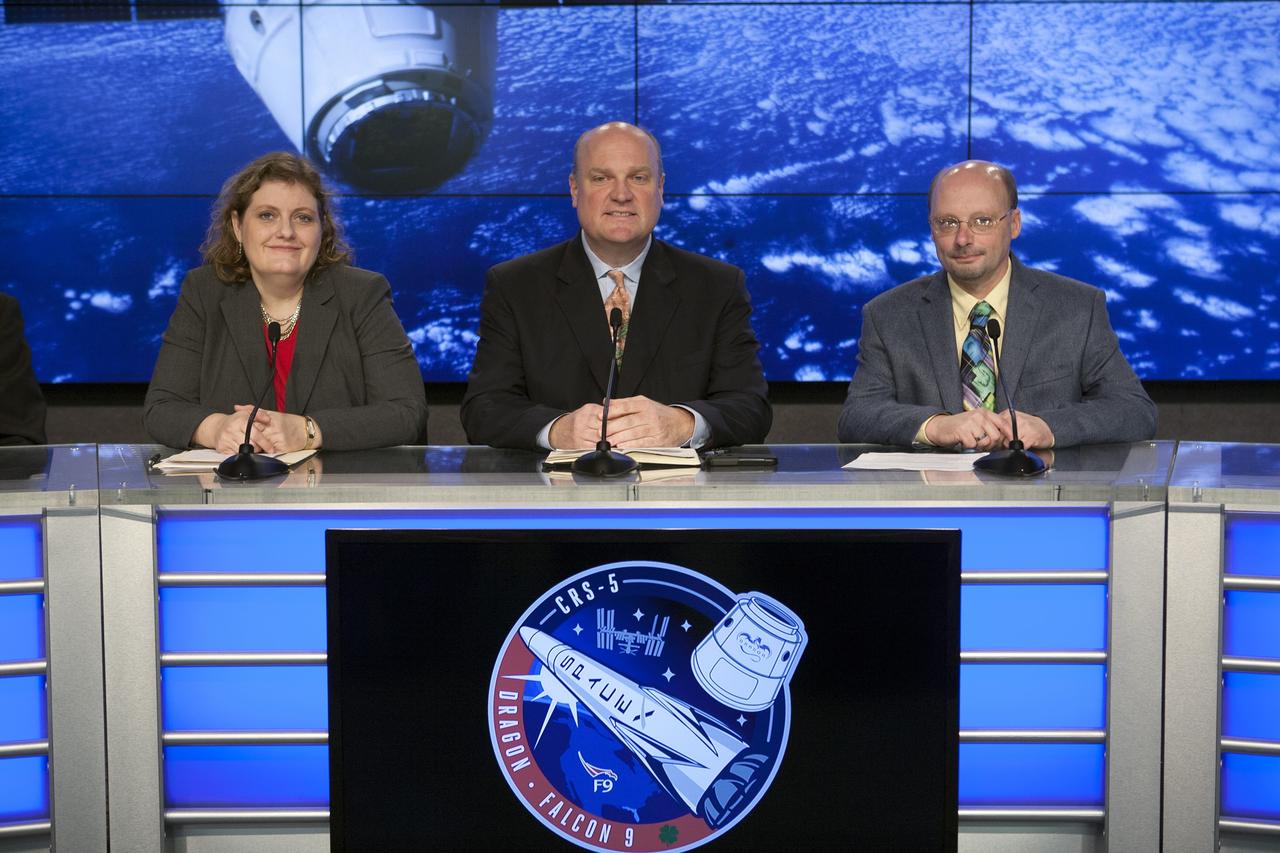
CAPE CANAVERAL, Fla. – In the Kennedy Space Center’s Press Site auditorium, agency leaders spoke to members of the news media on the Cloud-Aerosol Transport System. CATS will monitor cloud and aerosol coverage that directly impacts global climate. From left are: Julie Robinson, ISS Program chief scientist at NASA’s Johnson Space Center, Robert Swap, program scientist at NASA Headquarters' Earth Science Division, and Matthew McGill, CATS principal investigator at Goddard. Photo credit: NASA/Kim Shiflett
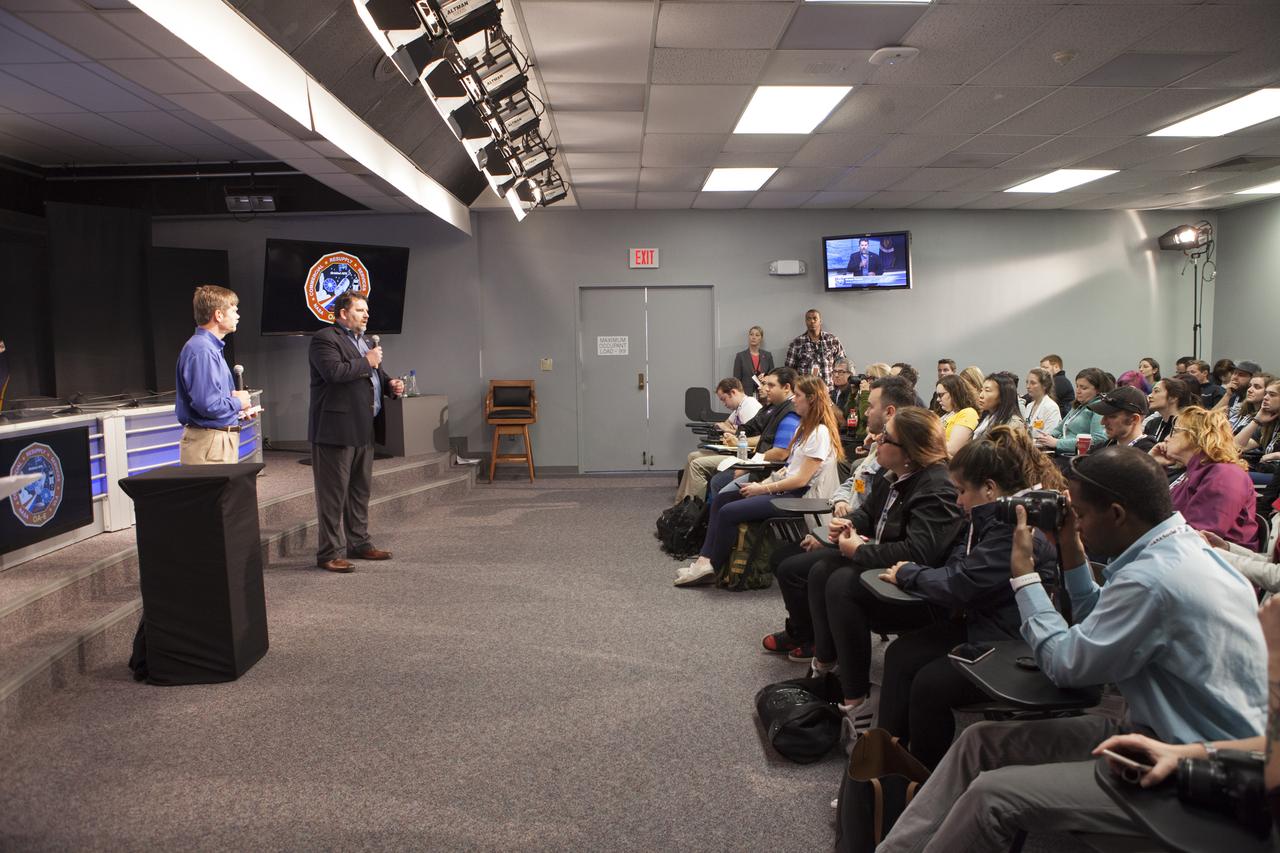
In the Kennedy Space Center’s Press Site auditorium, members of the media participate in a briefing on science research and technology work planned for the International Space Station, or ISS. NASA is preparing for the launch of a Cygnus spacecraft on the Orbital ATK CRS-6 commercial resupply services mission to the ISS. From left are: Pete Hasbrook, NASA associate program scientist for the ISS Program at the Johnson Space Center in Houston, and Dr. Michael Roberts, deputy chief scientist for the Center for the Advancement for Science in Space, or CASIS.
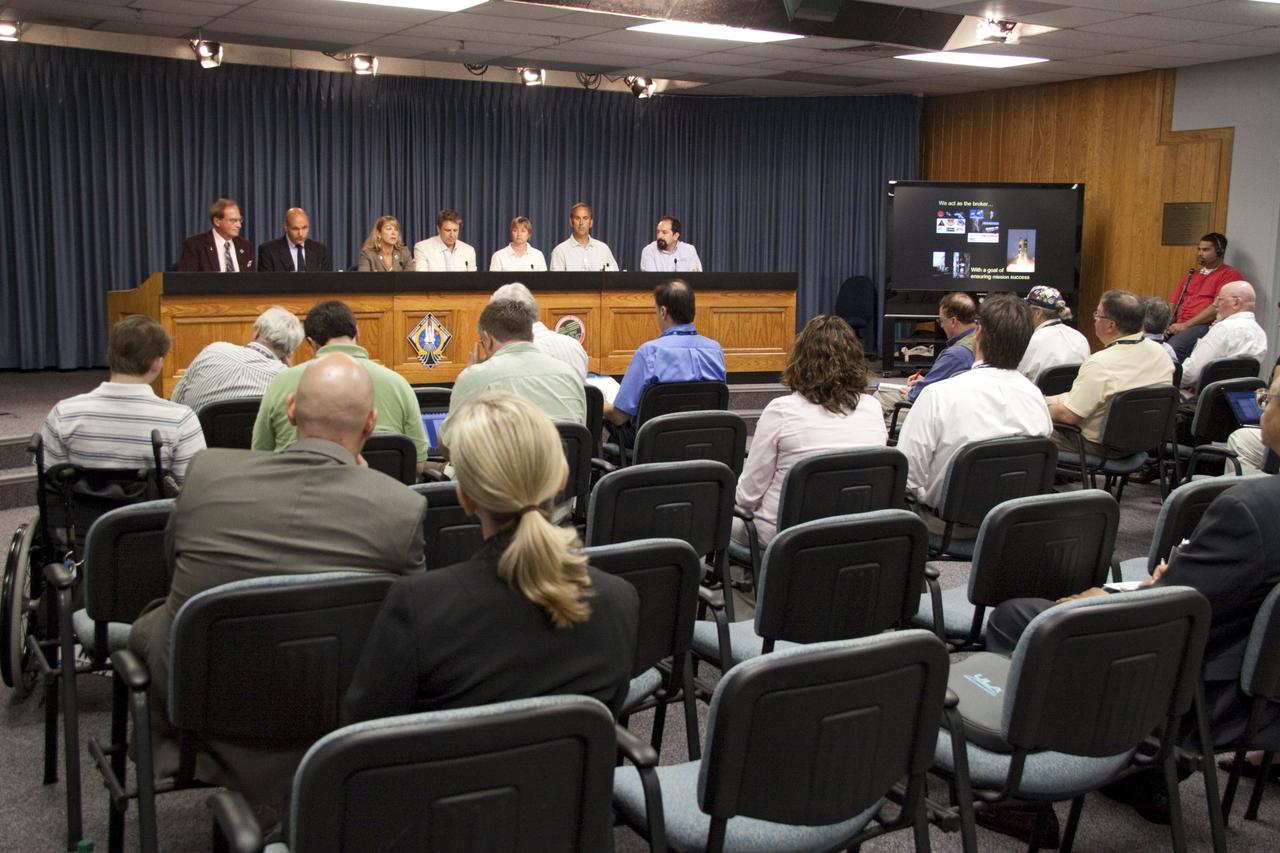
CAPE CANAVERAL, Fla. -- In the Press Site auditorium at NASA's Kennedy Space Center in Florida, media were briefed about NASA's future science missions. Seen here are NASA Public Affairs Officer George Diller (left); Waleed Abdalati, NASA chief scientist; Amanda Mitskevich, NASA Launch Services Program manager; Scott Bolton, Juno principal investigator with the Southwest Research Institute, San Antonio; Maria Zuber, GRAIL principal investigator with the Massachusetts Institute of Technology; John Grotzinger, Mars Science Lab project scientist with the California Institute of Technology and Daniel Stern, NuStar project scientist with NASA's Jet Propulsion Laboratory in Calif. Photo credit: NASA/Jack Pfaller
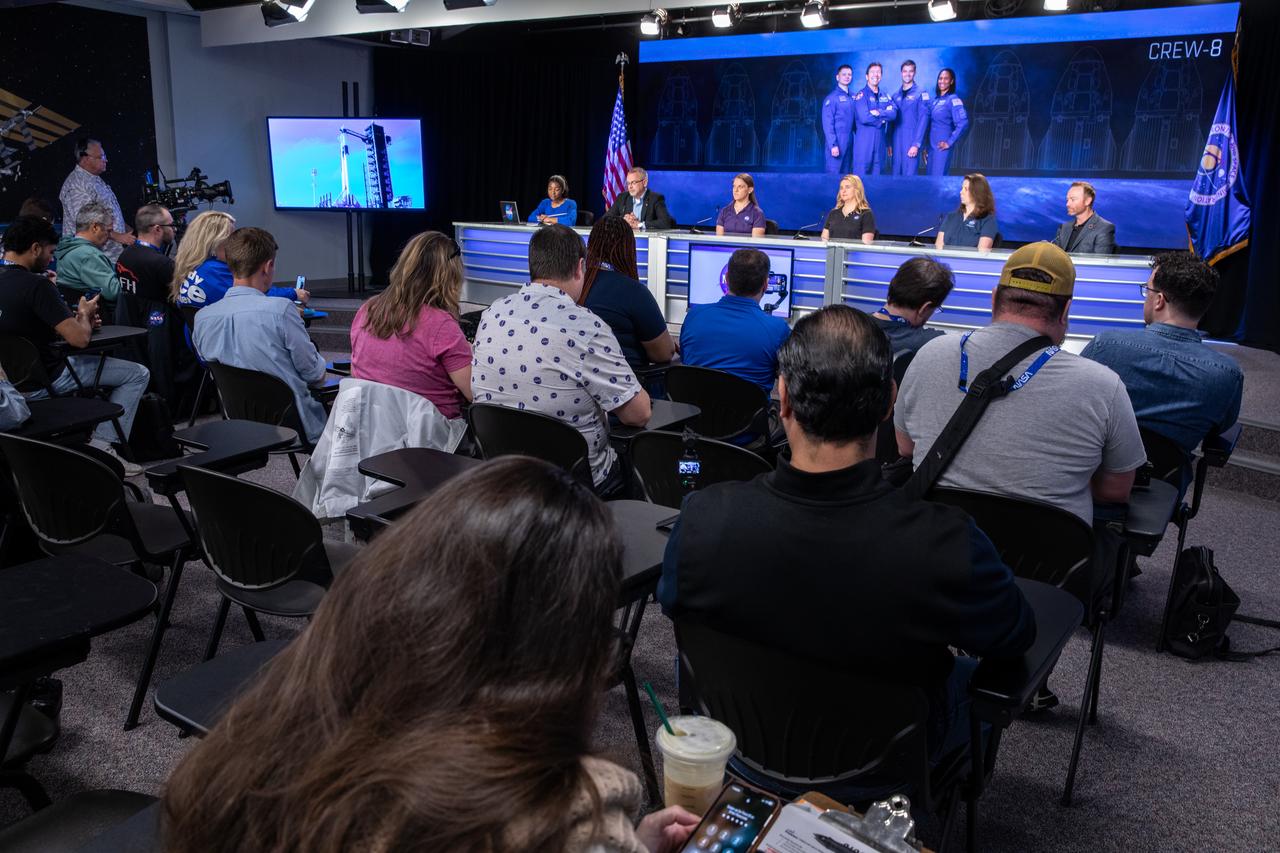
A social media panel discussion takes place inside the John Holliman Auditorium of the News Center at NASA’s Kennedy Space Center in Florida on Wednesday, Feb. 28, 2024, ahead of NASA’s SpaceX Crew-8 mission to the International Space Station. Participants, from left to right are Jasmine Hopkins, NASA Communications; NASA Associate Administrator Jim Free; Carla Koch, mission manager of NASA’s Commercial Crew Program; Jennifer Buchli, chief scientist, International Space Station; Kristin Fabre, deputy chief scientist of NASA’s Human Research Program; and Patrick O’Neill, public affairs and outreach lead of the ISS National Laboratory. Liftoff of the eighth crew rotation mission with SpaceX to the station and the ninth flight of Dragon with people as part of the agency’s Commercial Crew Program from Kennedy’s Launch Complex 39A is targeted for 12:04 a.m. on Friday, March 1.
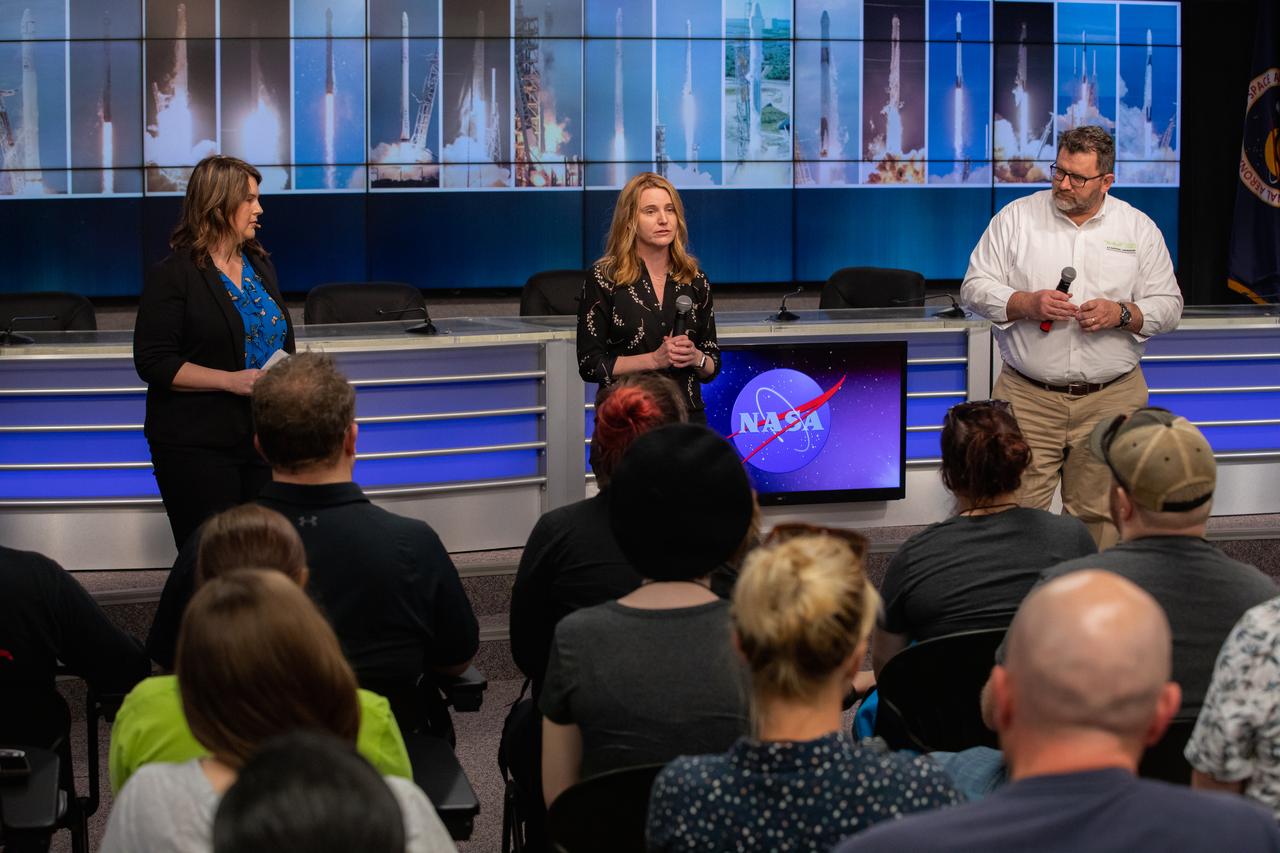
From left, NASA Communications’ Jennifer Wolfinger, briefing moderator; Jennifer Buchli, deputy chief scientist for NASA’s International Space Station Program Science Office; and Michael Roberts, interim chief scientist for the International Space Station U.S. National Laboratory, address NASA Social participants during a What’s on Board science briefing at the agency’s Kennedy Space Center in Florida on March 5, 2020. The briefing provided a closer look at some of the payloads launching on SpaceX’s 20th Commercial Resupply Services (CRS-20) mission to the International Space Station. The company’s Falcon 9 rocket is scheduled to lift off from Cape Canaveral Air Force Station’s Space Launch Complex 40 at 11:50 p.m. EST on March 6, 2020.
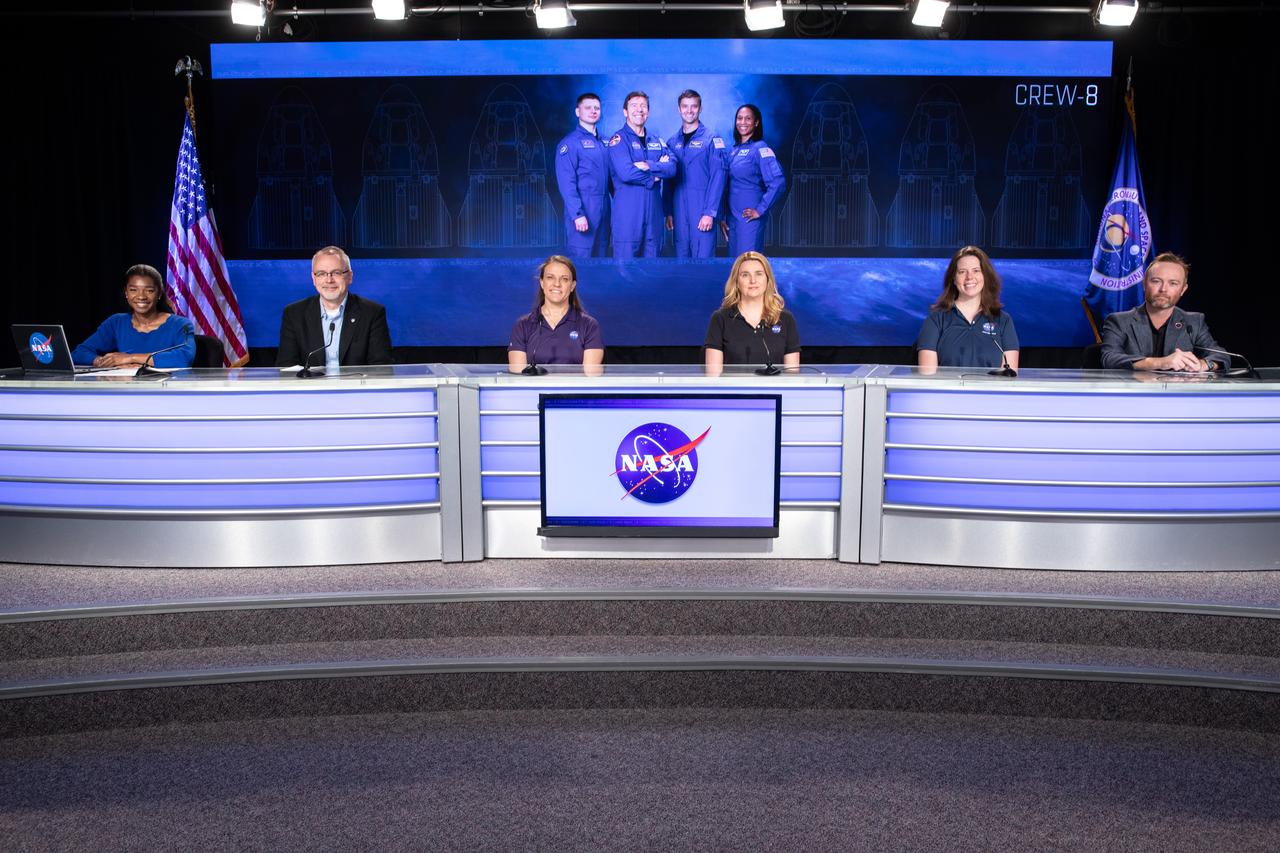
A social media panel discussion takes place inside the John Holliman Auditorium of the News Center at NASA’s Kennedy Space Center in Florida on Wednesday, Feb. 28, 2024, ahead of NASA’s SpaceX Crew-8 mission to the International Space Station. Participants, from left to right are Jasmine Hopkins, NASA Communications; NASA Associate Administrator Jim Free; Carla Koch, mission manager of NASA’s Commercial Crew Program; Jennifer Buchli, chief scientist, International Space Station; Kristin Fabre, deputy chief scientist of NASA’s Human Research Program; and Patrick O’Neill, public affairs and outreach lead of the ISS National Laboratory. Liftoff of the eighth crew rotation mission with SpaceX to the station and the ninth flight of Dragon with people as part of the agency’s Commercial Crew Program from Kennedy’s Launch Complex 39A is targeted for 12:04 a.m. on Friday, March 1.
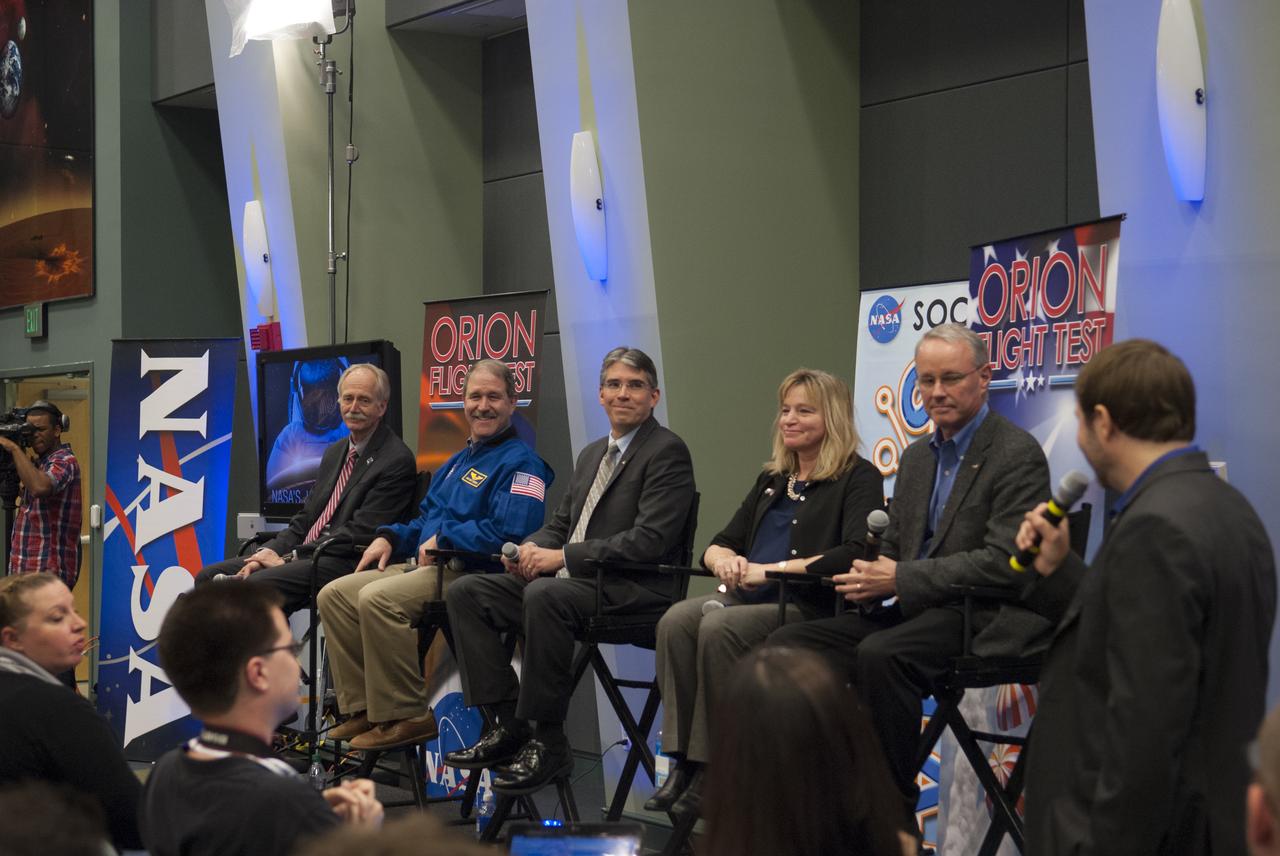
At NASA's Kennedy Space Center in Florida, NASA leaders spoke to social media participants as the Orion spacecraft and its Delta IV Heavy rocket were being prepared for launch. Speakers included, from the left, NASA Associate Administrator Human Exploration and Operations Bill Gerstenmaier, Associate Administrator for the agency's Science Mission Directorate John Grunsfeld, Associate Administrator for the Space Technology Directorate Michael Gazaria, NASA Chief Scientist Ellen Stofan, and Chief Technologist David Miller. Moderator for the panel session was John Yembrick, with the microphone on the far right, who is NASA's social media lead at the agency's Headquarters in Washington.
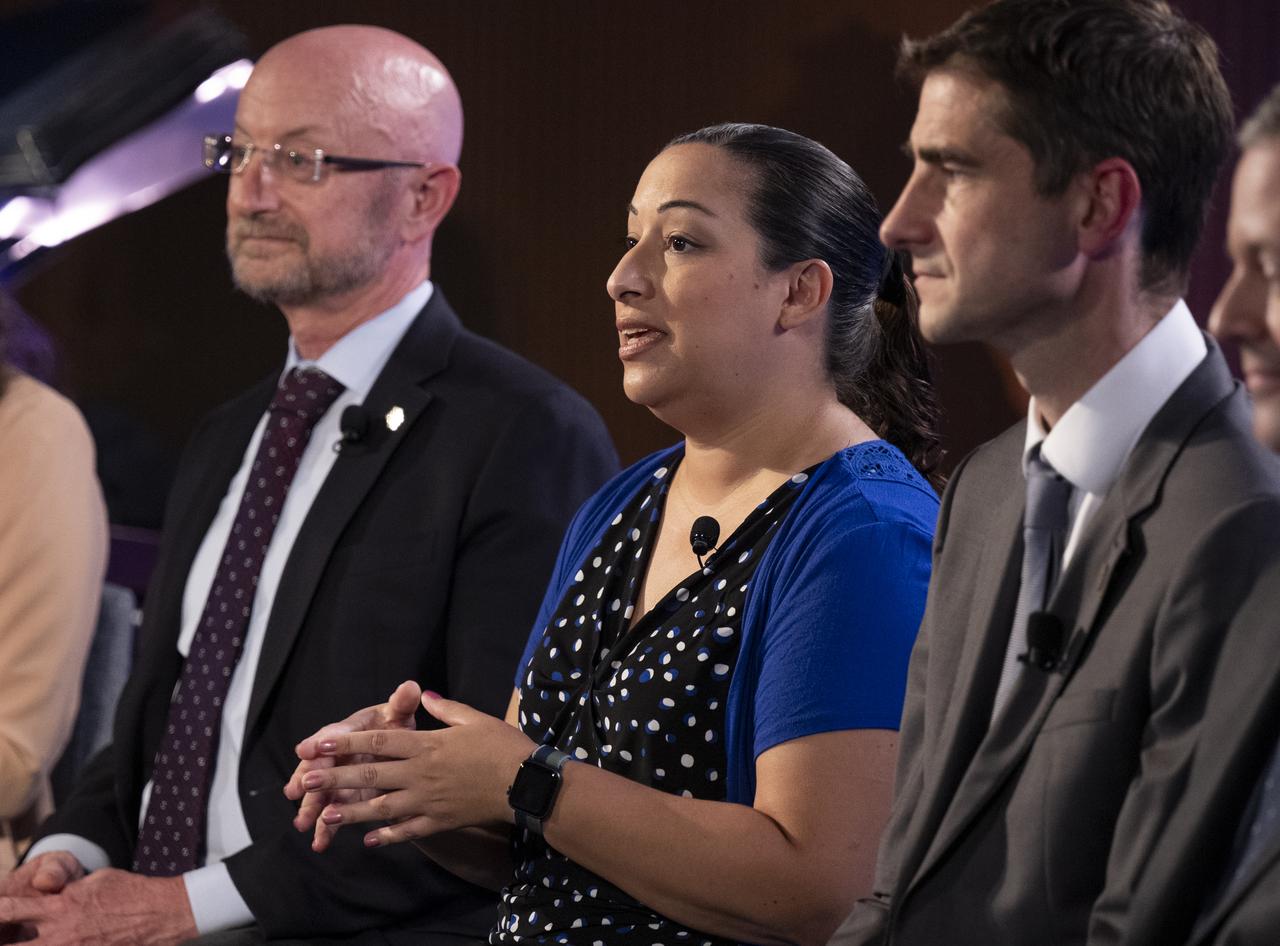
NASA James Webb Space Telescope Deputy Project Scientist for Exoplanet Science Knicole Colón, center, answers a question from a member of the media alongside NASA James Webb Space Telescope Program Scientist and Astrophysics Division Chief Scientist Eric Smith, left, and NASA James Webb Space Telescope Project Scientist at ESA (European Space Agency) Christopher Evans, during a briefing following the release of the first full-color images from NASA’s James Webb Space Telescope, Tuesday, July 12, 2022, at NASA’s Goddard Space Flight Center in Greenbelt, Md. The first full-color images and spectroscopic data from the James Webb Space Telescope, a partnership with ESA (European Space Agency) and the Canadian Space Agency (CSA), are a demonstration of the power of Webb as the telescope begins its science mission to unfold the infrared universe. Photo Credit: (NASA/Bill Ingalls)
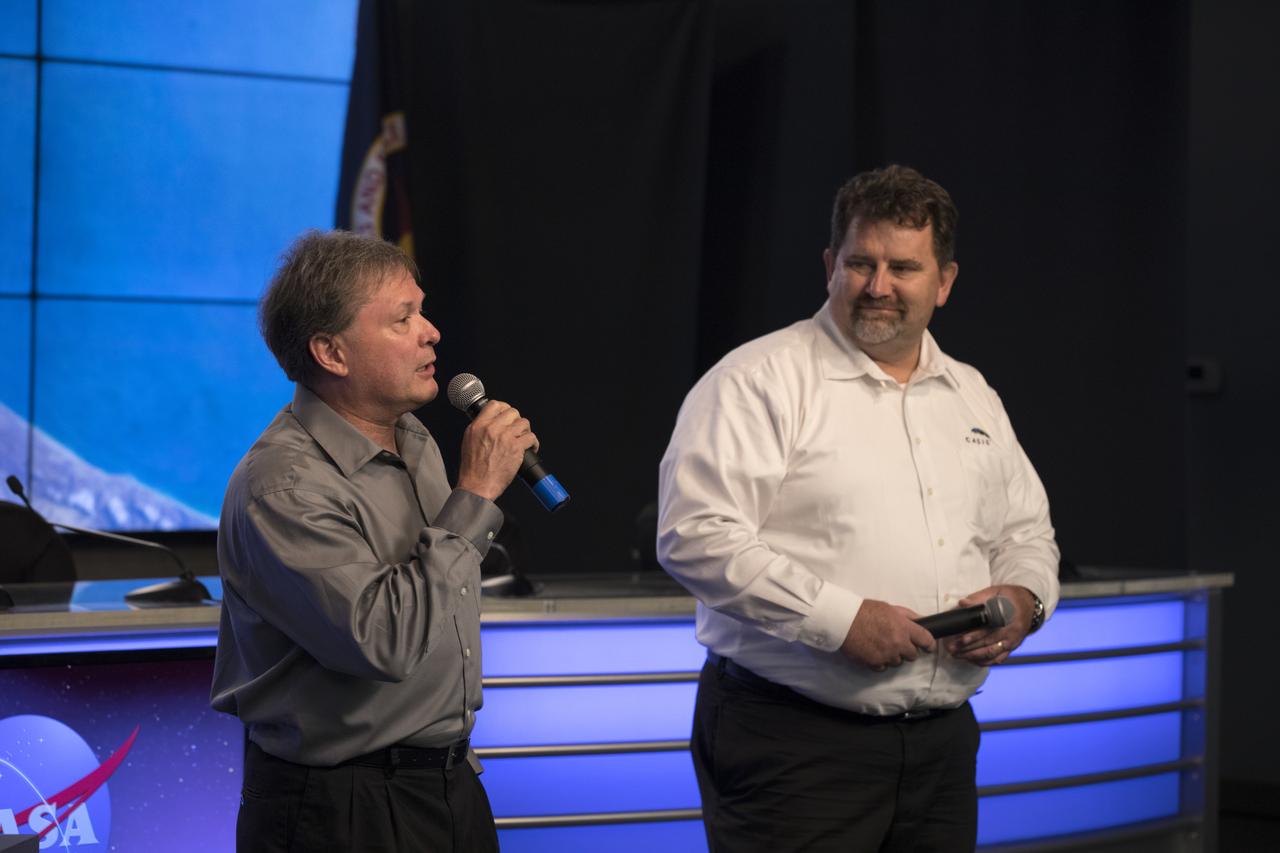
David Brady, assistant program scientist for the International Space Station Program at NASA’s Johnson Space Center left, speaks to members of the media during a briefing in the Kennedy Space Center’s Press Site auditorium. At right is Mike Roberts, deputy chief scientist, Center for the Advancement of Science in Space (CASIS). The briefing focused on research planned for launch to the International Space Station. The scientific materials and supplies will be aboard a SpaceX Dragon spacecraft scheduled for liftoff from Cape Canaveral Air Force Station's Space Launch Complex 40. The SpaceX Falcon 9 rocket will launch the company's 15th Commercial Resupply Services mission to the space station.
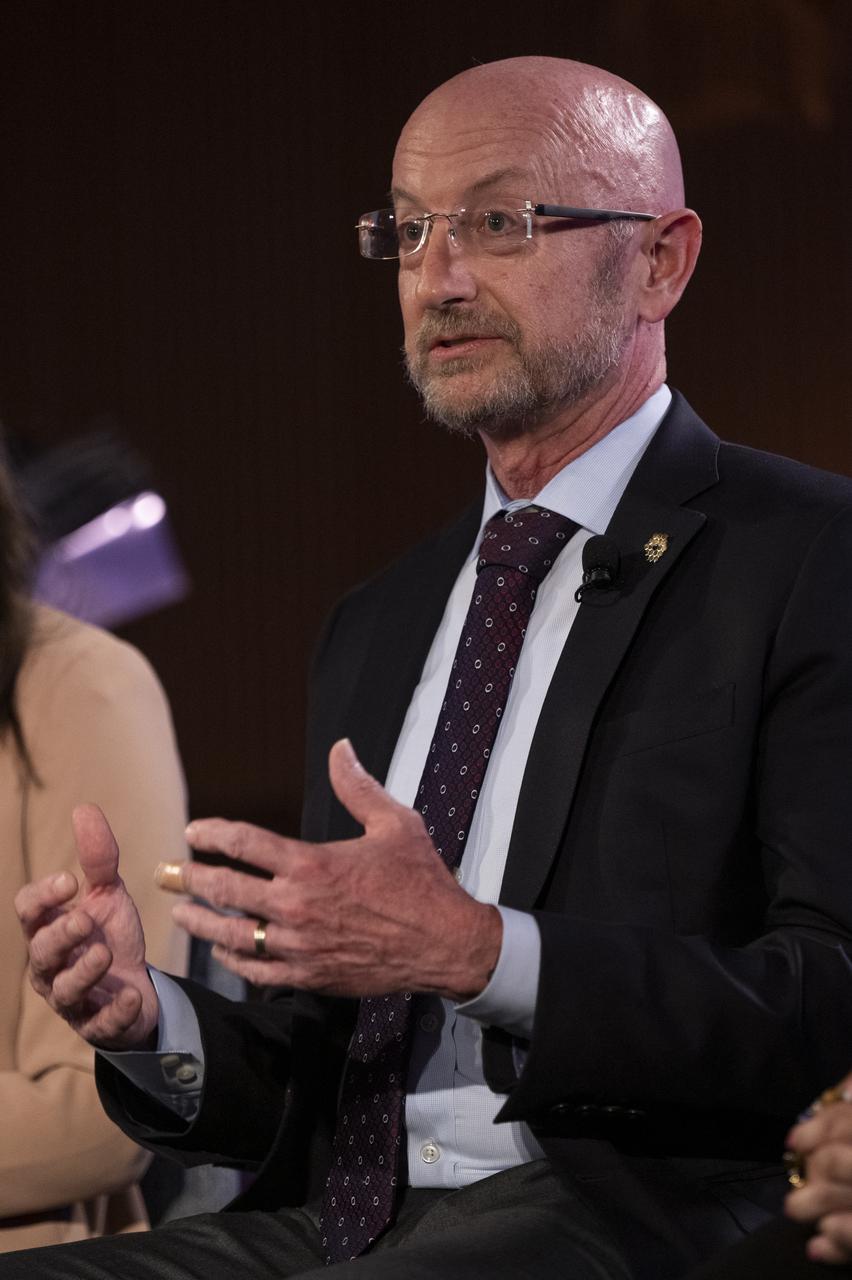
NASA James Webb Space Telescope Program Scientist and Astrophysics Division Chief Scientist Eric Smith delivers opening remarks during a briefing following the release of the first full-color images from NASA’s James Webb Space Telescope, Tuesday, July 12, 2022, at NASA’s Goddard Space Flight Center in Greenbelt, Md. The first full-color images and spectroscopic data from the James Webb Space Telescope, a partnership with ESA (European Space Agency) and the Canadian Space Agency (CSA), are a demonstration of the power of Webb as the telescope begins its science mission to unfold the infrared universe. Photo Credit: (NASA/Bill Ingalls)
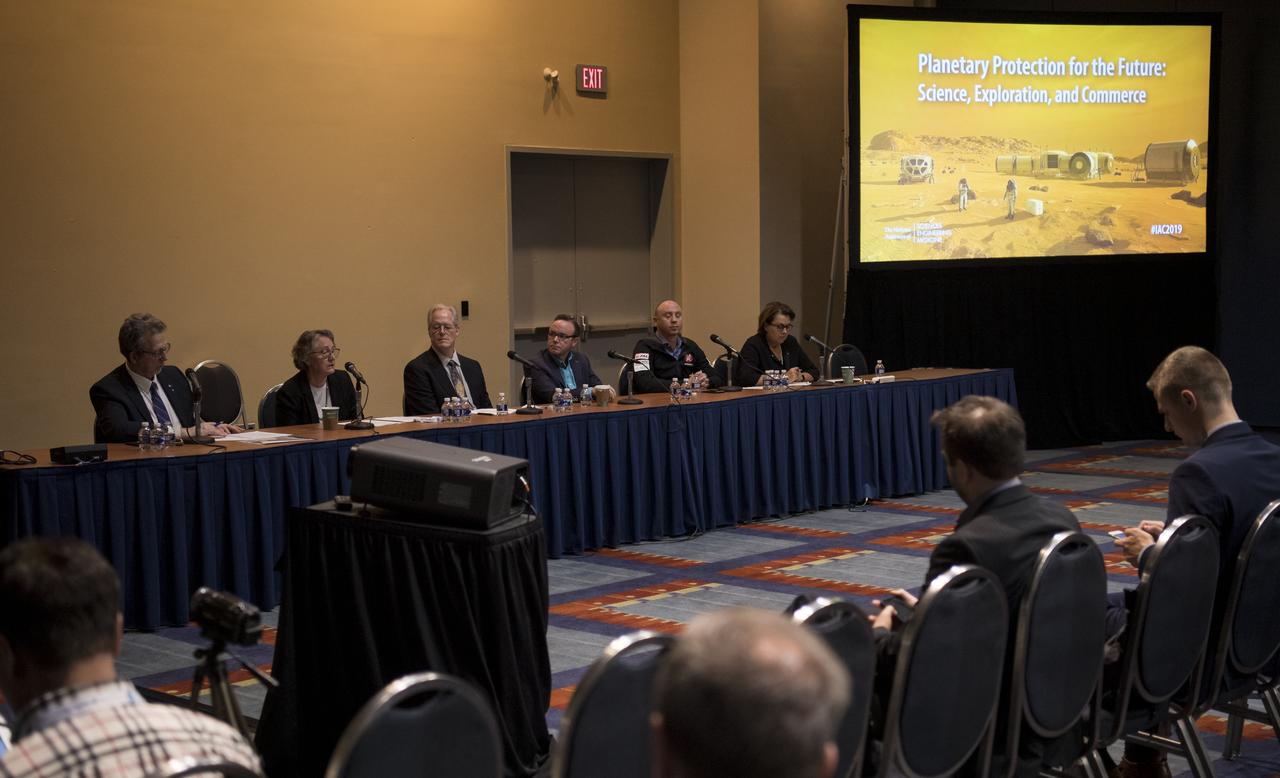
NASA Chief Scientist Jim Green, left, Lisa Pratt, NASA's Planetary Protection Officer, Michael Meyer, Lead Scientist for NASA's Mars Exploration Program, Dan Hendrickson, Vice President of Business Development at Astrobotic Technology, Kyle Acierno, Vice President of Global Sales and Strategy at ispace, and Simonetta Di Pippo, Director of the United Nations Office for Outer Space Affairs, right, are seen during a special session titled “Planetary Protection for the Future: Science, Exploration, and Commerce” at the 70th International Astronautical Congress, Thursday, Oct. 24, 2019, at the Walter E. Washington Convention Center in Washington. Photo Credit: (NASA/Joel Kowsky)
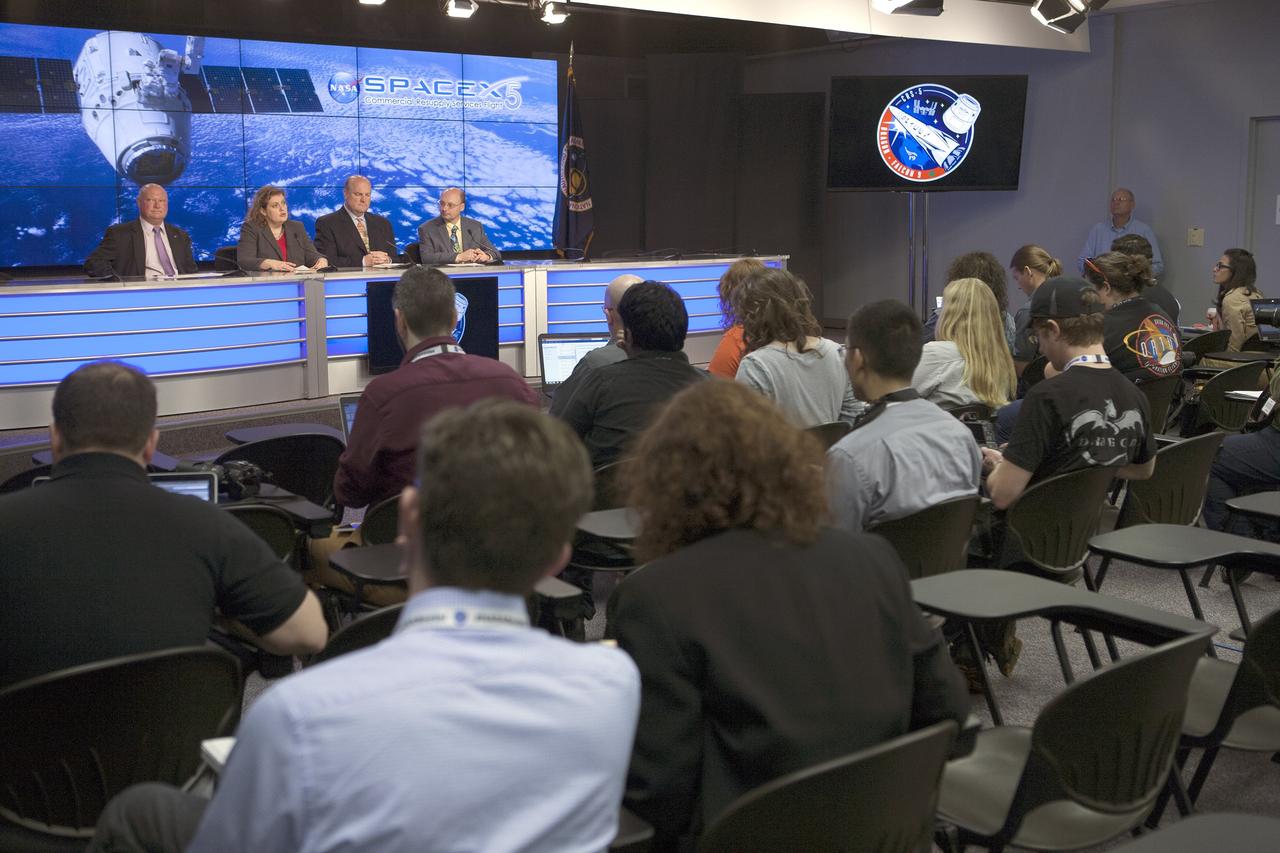
CAPE CANAVERAL, Fla. –In the Kennedy Space Center’s Press Site auditorium, agency leaders spoke to members of the news media on the Cloud-Aerosol Transport System. CATS will monitor cloud and aerosol coverage that directly impacts global climate. From left are: Mike Curie of NASA Public Affairs, Julie Robinson, ISS Program chief scientist at NASA’s Johnson Space Center, Robert Swap, program scientist at NASA Headquarters' Earth Science Division, and Matthew McGill, CATS principal investigator at Goddard. Photo credit: NASA/Kim Shiflett
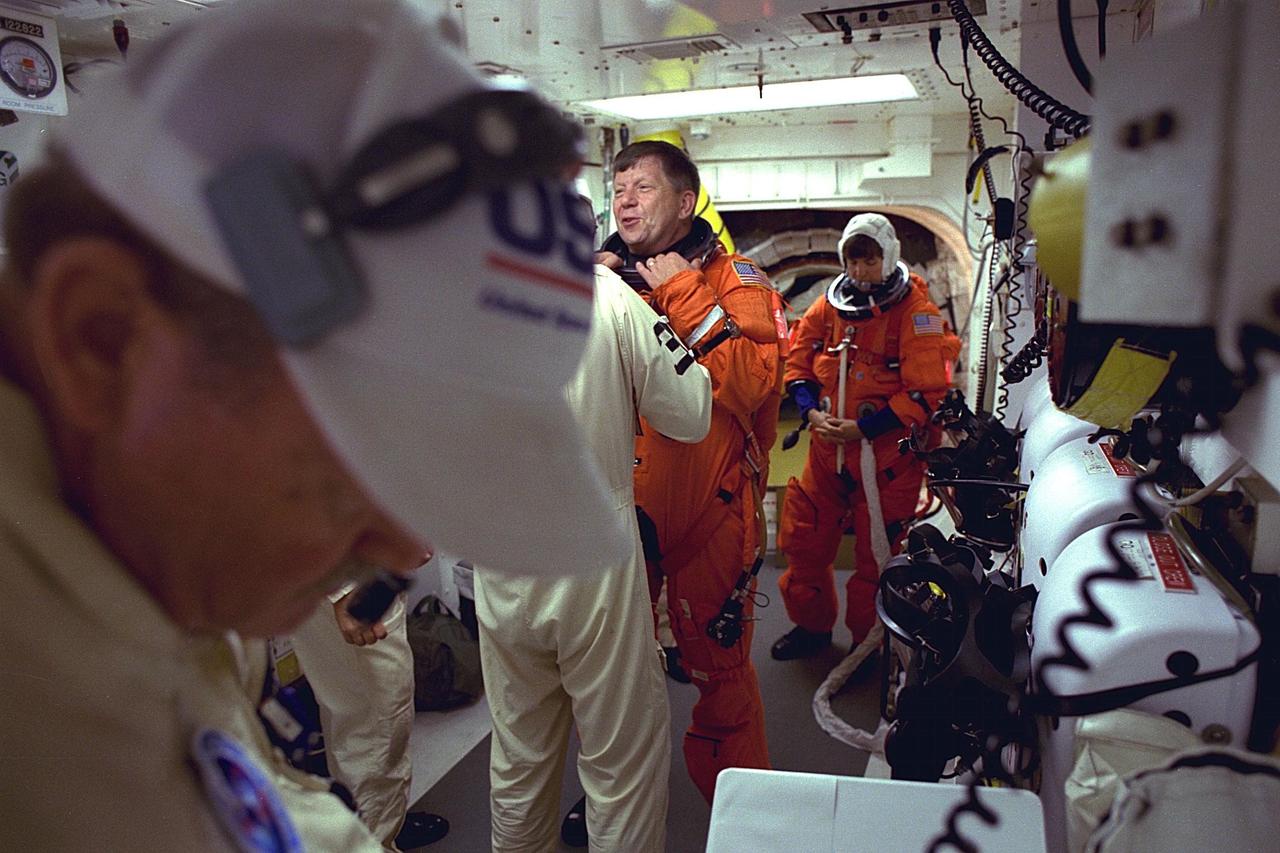
STS-94 Payload Specialist Roger K. Crouch prepares to enter the Space Shuttle Columbia at Launch Pad 39A in preparation for launch. He is the Chief Scientist of the NASA Microgravity Space and Applications Division. He also has served as a Program Scientist for previous Spacelab microgravity missions and is an expert in semiconductor crystal growth. Since Crouch has more than 25 years of experience as a materials scientist, he will be concentrating on the five physics of materials processing experiments in the Middeck Glovebox Facility on the Blue shift. He will also share the workload with Thomas by monitoring the materials furnace experiments during this time. Crouch and six fellow crew members will lift off during a launch window that opens at 1:50 p.m. EDT, July 1. The launch window will open 47 minutes early to improve the opportunity to lift off before Florida summer rain showers reach the space center
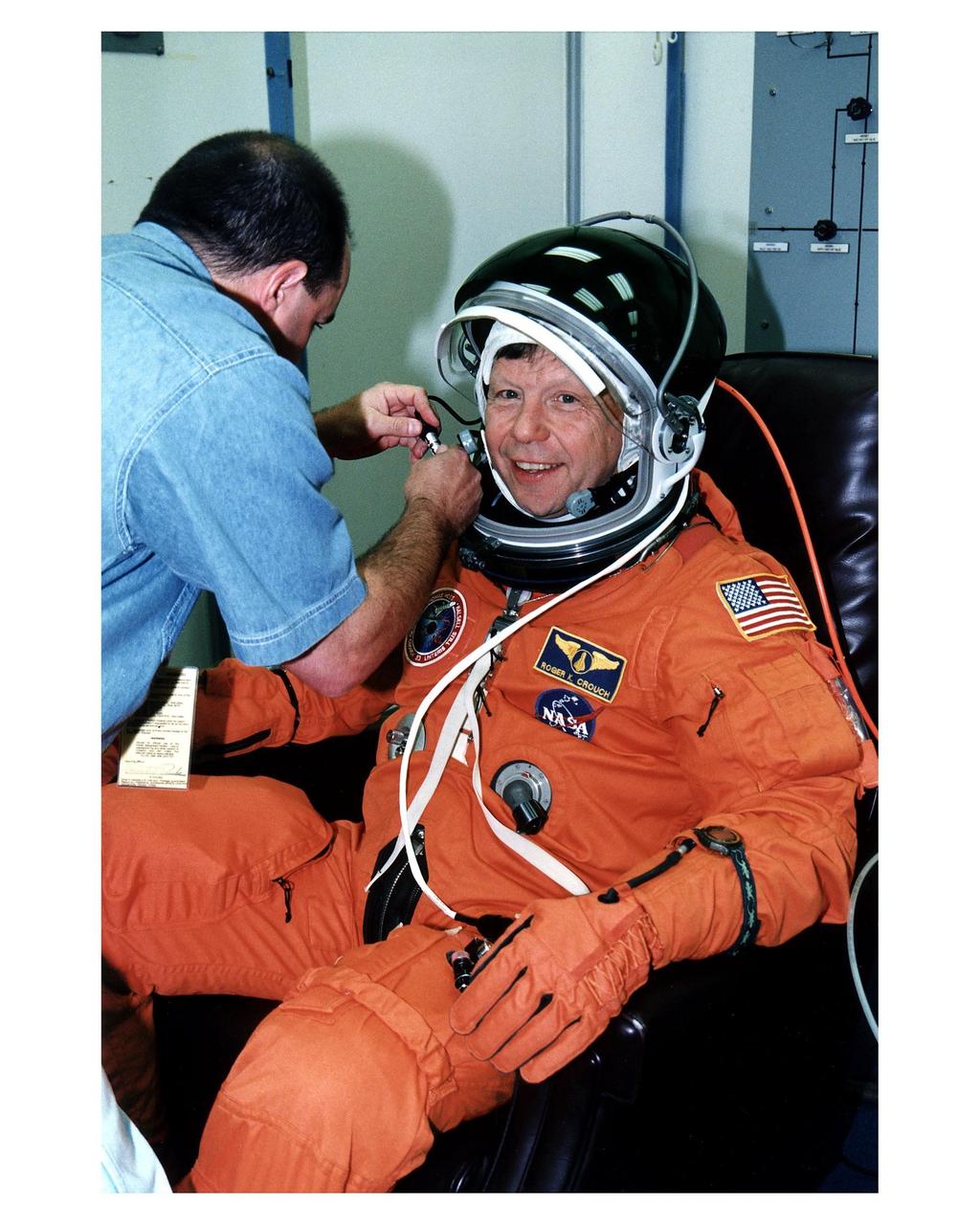
STS-83 Payload Specialist Roger K. Crouch is assisted into his launch/entry suit in the Operations and Checkout (O&C) Building. He is the Chief Scientist of the NASA Microgravity Space and Applications Division. He also has served as a Program Scientist for previous Spacelab microgravity missions and is an expert in semiconductor crystal growth. Since Crouch has more than 25 years of experience as a materials scientist, he will be concentrating on the five physics of materials processing experiments in the Middeck Glovebox Facility on the Blue shift. He will also share the workload with Thomas by monitoring the materials furnace experiments during this time. Crouch and six fellow crew members will shortly depart the O&C and head for Launch Pad 39A, where the Space Shuttle Columbia will lift off during a launch window that opens at 2:00 p.m. EST, April 4
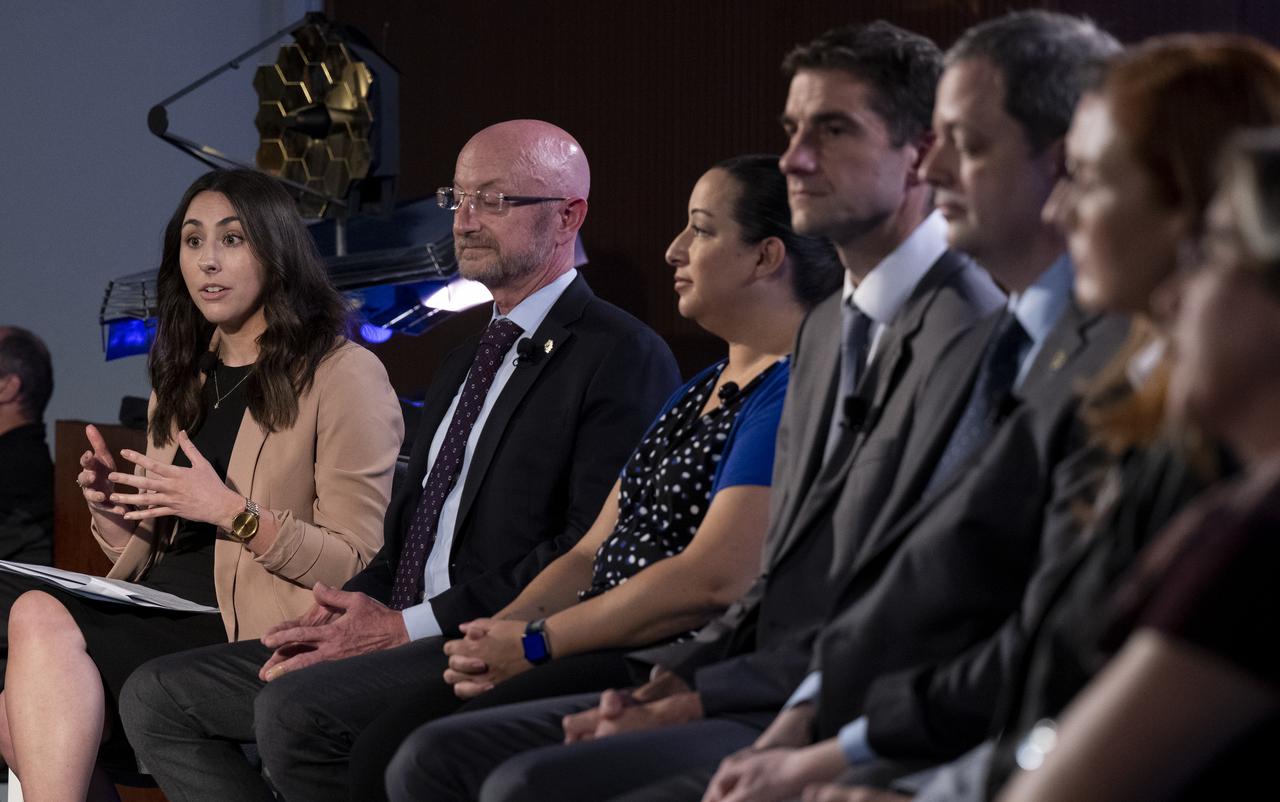
NASA Public Affairs Officer Alise Fisher, left, moderates a briefing with NASA James Webb Space Telescope Program Scientist and Astrophysics Division Chief Scientist Eric Smith, NASA James Webb Space Telescope Deputy Project Scientist for Exoplanet Science Knicole Colón, NASA James Webb Space Telescope Project Scientist at ESA (European Space Agency) Christopher Evans, NASA James Webb Space Telescope project scietntist, Space Telescope Science Institute, Klaus Pontoppidan, Principal Investigator for the Canadian Near-Infrared Imager and Slitless Spectrograph at the University of Montreal René Doyon, NASA James Webb Space Telescope Deputy Project Scientist for Communications Amber Straughn, and NASA James Webb Space Telescope Operations Project Scientist Jane Rigby following the release of the first full-color images from NASA’s James Webb Space Telescope, Tuesday, July 12, 2022, at NASA’s Goddard Space Flight Center in Greenbelt, Md. The first full-color images and spectroscopic data from the James Webb Space Telescope, a partnership with ESA (European Space Agency) and the Canadian Space Agency (CSA), are a demonstration of the power of Webb as the telescope begins its science mission to unfold the infrared universe. Photo Credit: (NASA/Bill Ingalls)
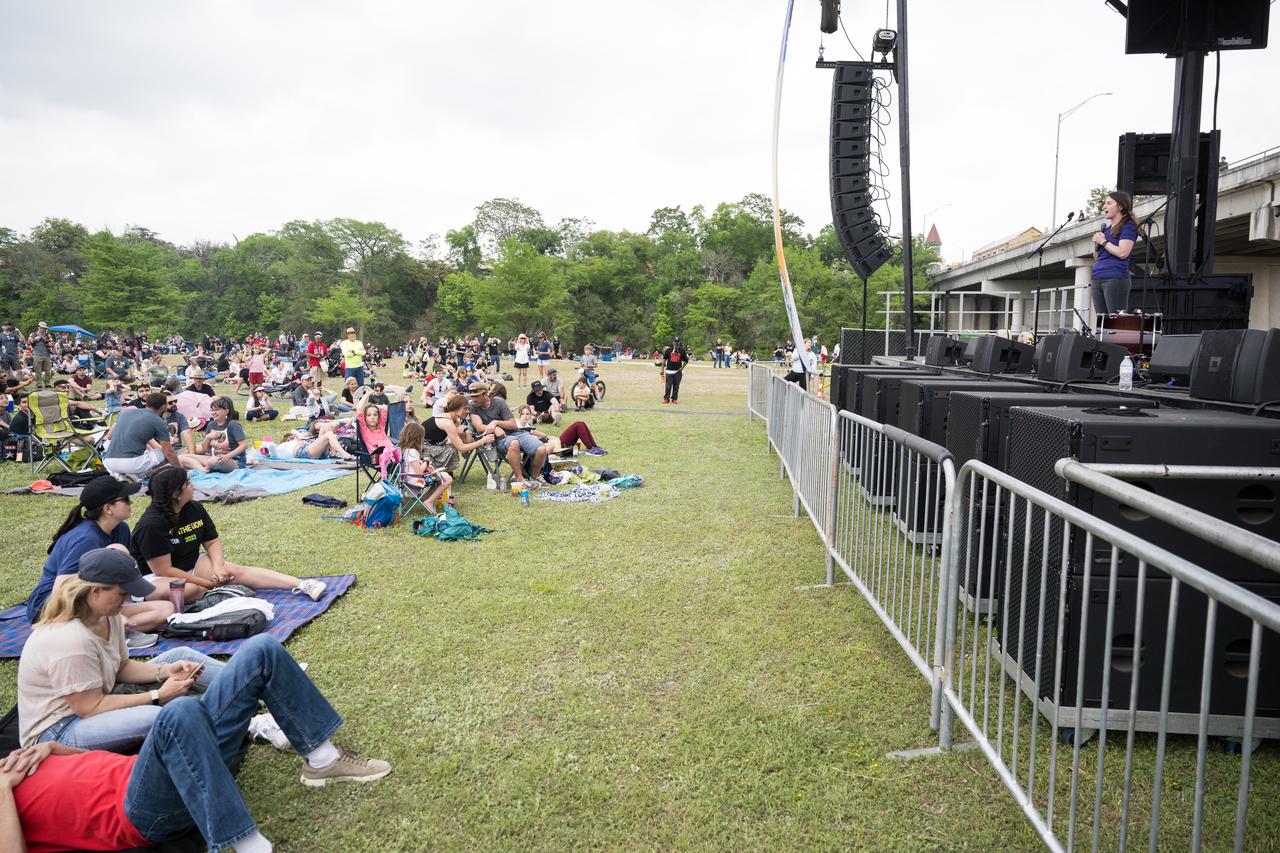
NASA Chief Scientist Kate Calvin speaks on the main stage at the Kerrville eclipse festival in Kerrville, TX on Monday, April 8, 2024. A total solar eclipse swept across a narrow portion of the North American continent from Mexico’s Pacific coast to the Atlantic coast of Newfoundland, Canada. A partial solar eclipse was visible across the entire North American continent along with parts of Central America and Europe. Photo Credit: (NASA/Aubrey Gemignani)
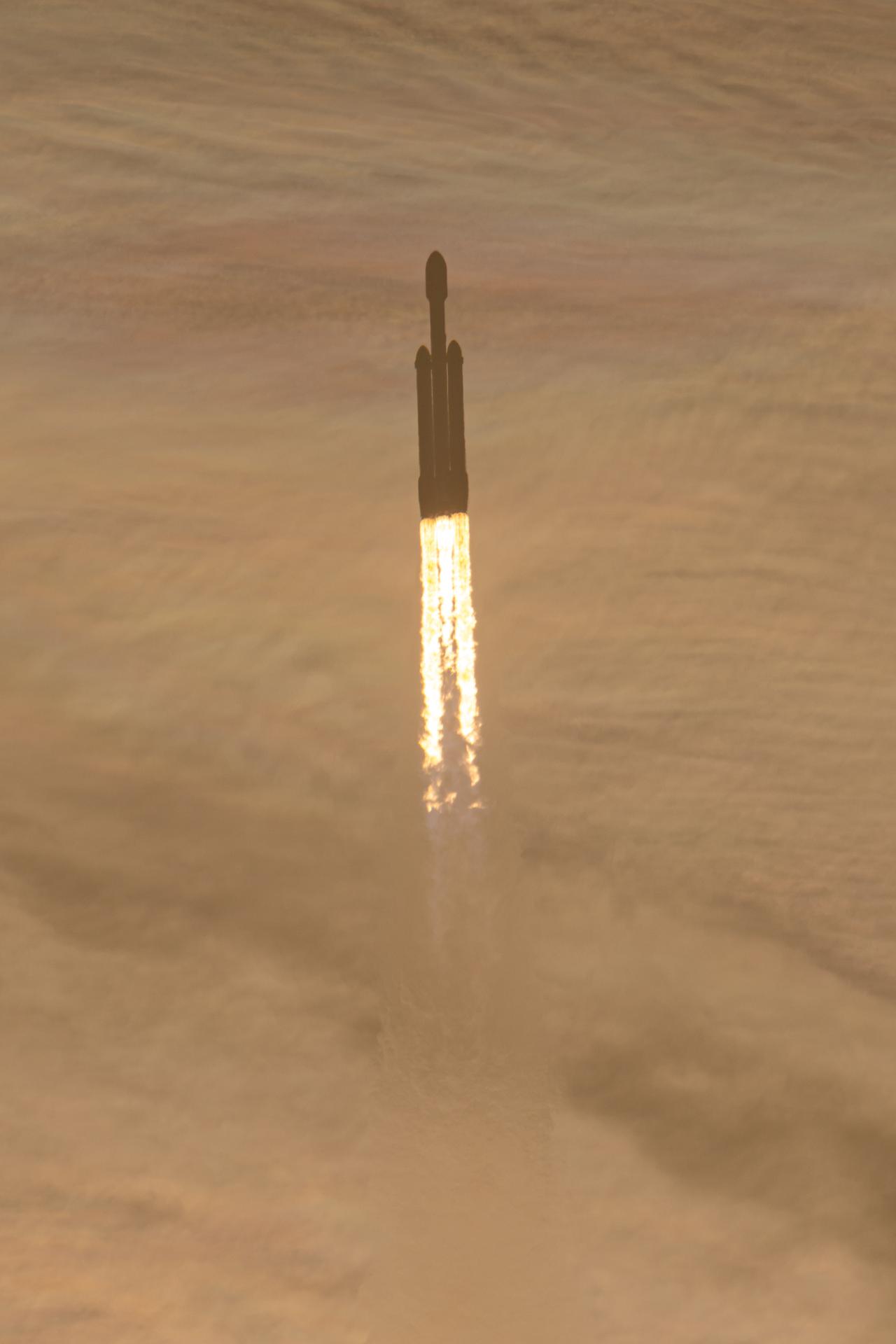
A SpaceX Falcon Heavy rocket with NASA’s Nancy Grace Roman Space Telescope on board launches from Launch Complex 39A, Sunday, Aug. 30, 2026, at NASA’s Kennedy Space Center in Florida. The Nancy Grace Roman Space Telescope, named after the agency’s first chief astronomer, will survey billions of stars and galaxies with a field of view far larger than Hubble’s, helping scientists study dark energy, exoplanets and the evolution of the universe. Photo Credit: (NASA/John Kraus)
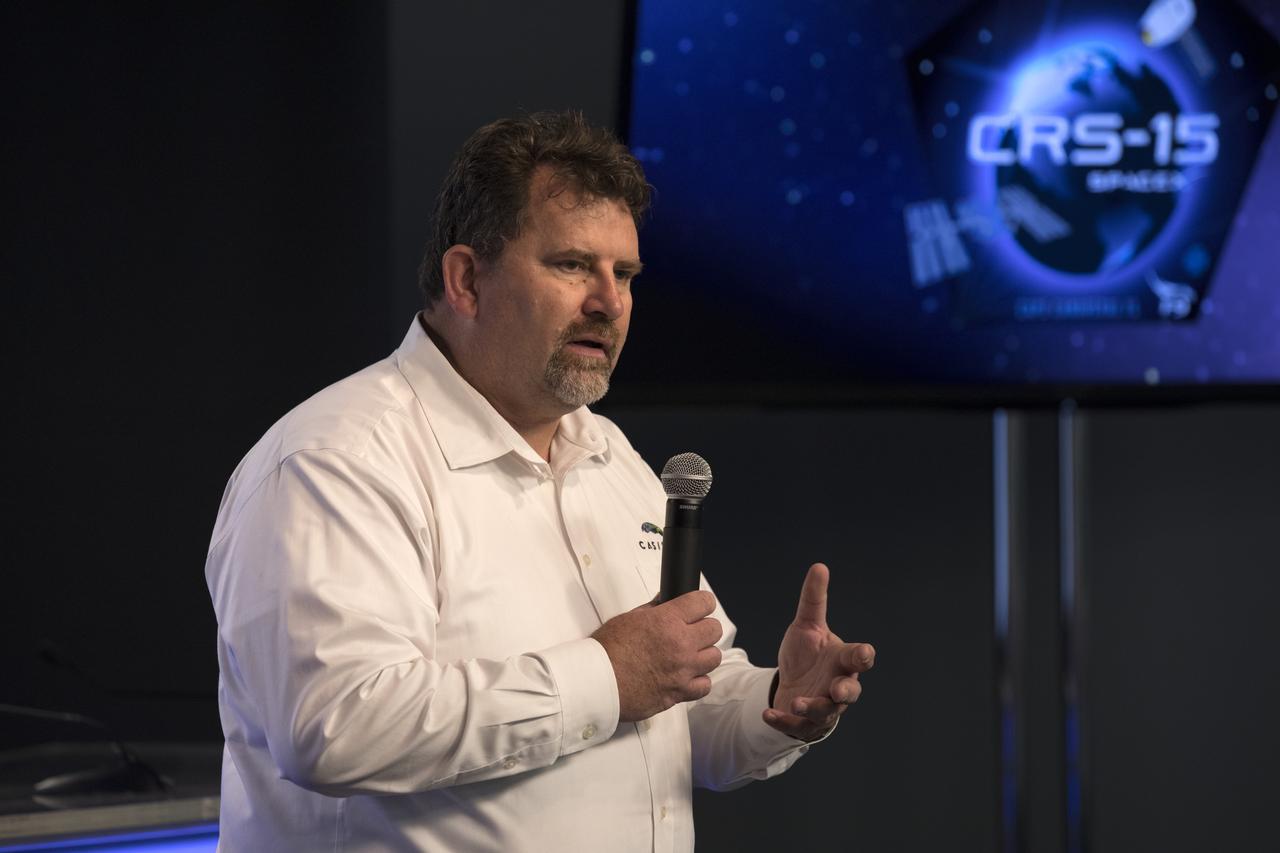
Mike Roberts, deputy chief scientist, Center for the Advancement of Science in Space (CASIS), speaks to members of the media during a briefing in the Kennedy Space Center’s Press Site auditorium. The briefing focused on research planned for launch to the International Space Station. The scientific materials and supplies will be aboard a SpaceX Dragon spacecraft scheduled for liftoff from Cape Canaveral Air Force Station's Space Launch Complex 40. The SpaceX Falcon 9 rocket will launch the company's 15th Commercial Resupply Services mission to the space station.
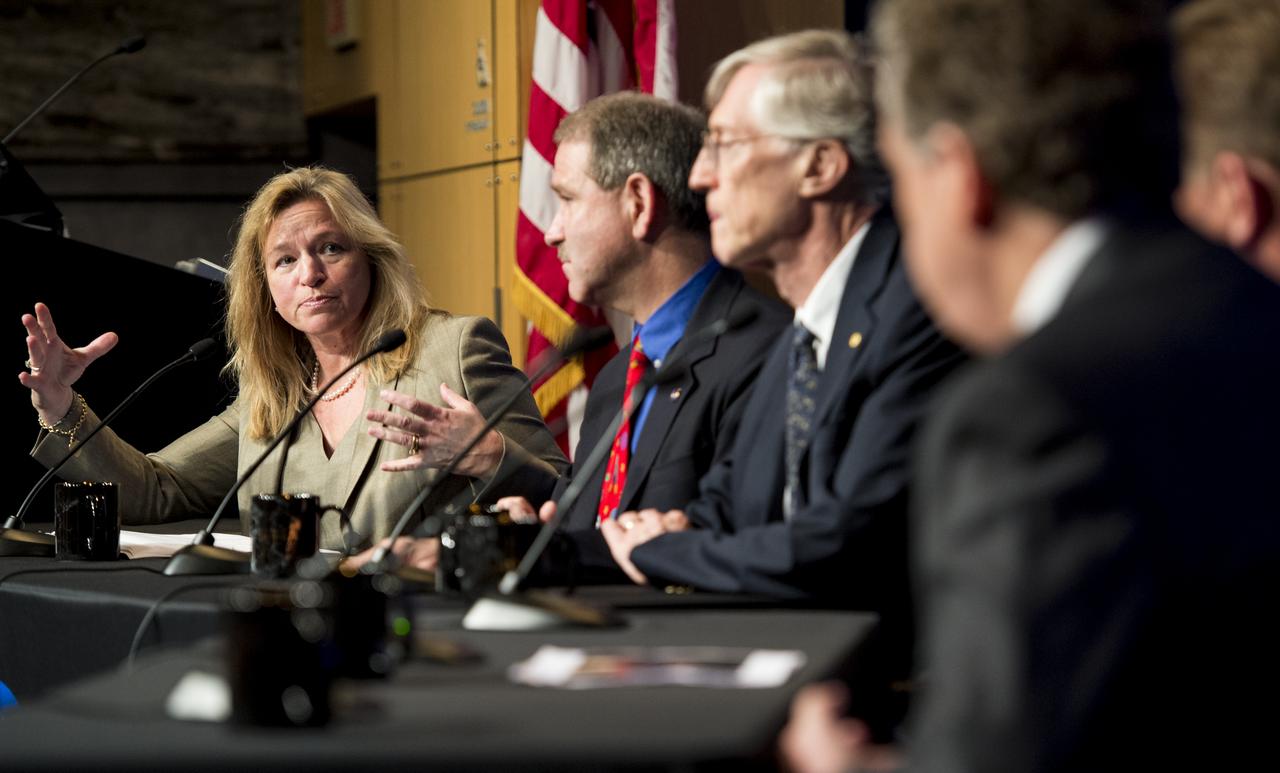
NASA Chief Scientist Ellen Stofan, far left, asks the members of the panel a question during a discussion of the search for life beyond Earth in the James E. Webb Auditorium at NASA Headquarters on Monday, July 14, 2014 in Washington, DC. The panel discussed how NASA's space-based observatories are making new discoveries and how the agency's new telescope, the James Webb Space Telescope, will continue this path of discovery after its schedule launch in 2018. Photo Credit: (NASA/Joel Kowsky)
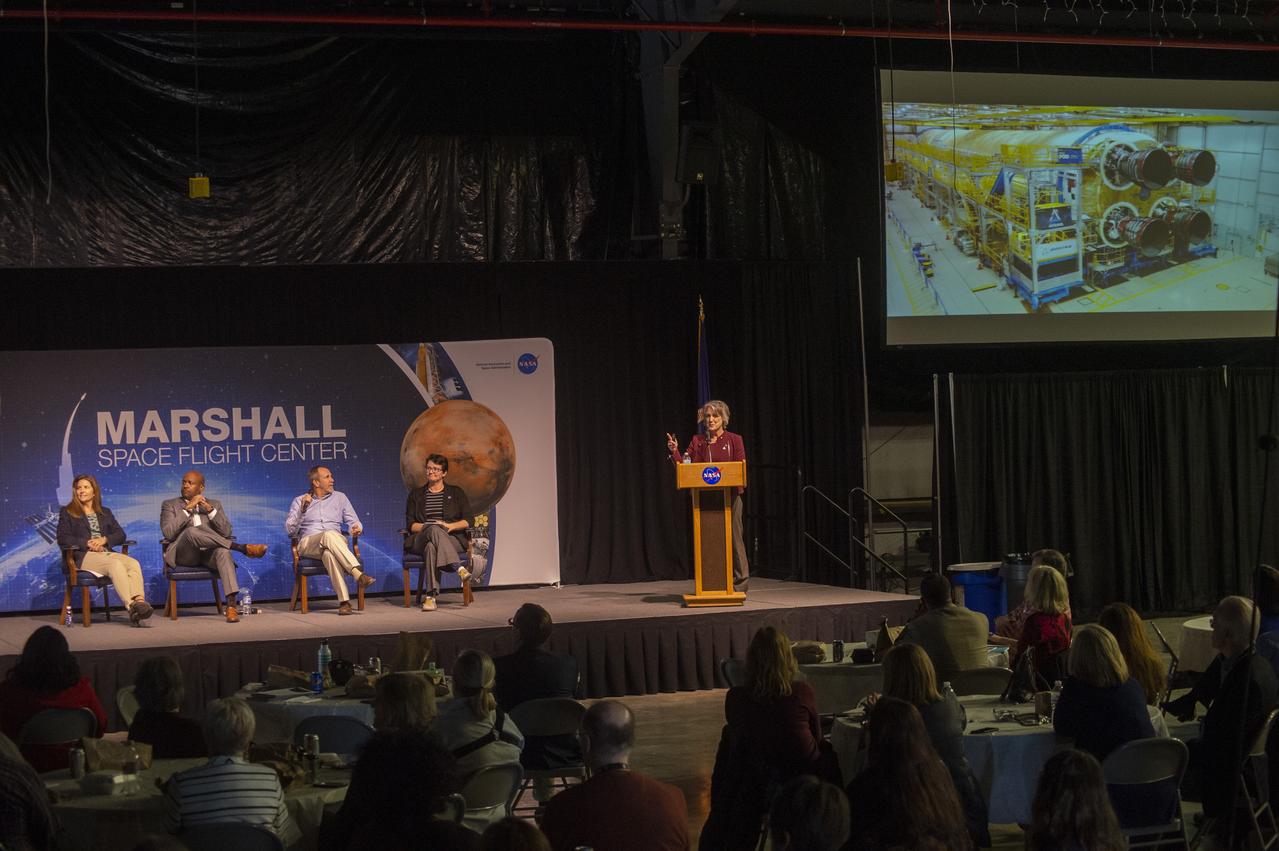
MARCIA LINDSTROM, AT PODIUM, FACILITATES ARTEMIS PROGRAM PANEL DISCUSSION AT NOVEMBER MARSHALL ASSOCIATION LUNCHEON. (L TO R), LISA WATSON-MORGAN, PROGRAM MANAGER, HUMAN LANDING SYSTEM; BOBBY WATKINS, DIRECTOR HUMAN EXPLORATION DEVELOPMENT & OPERATIONS OFFICE; DAVID BEAMAN, MANAGER, SYSTEMS ENGINEERING & INTEGRATION OFFICE, RENEE WEBER, ACTING CENTER CHIEF SCIENTIST
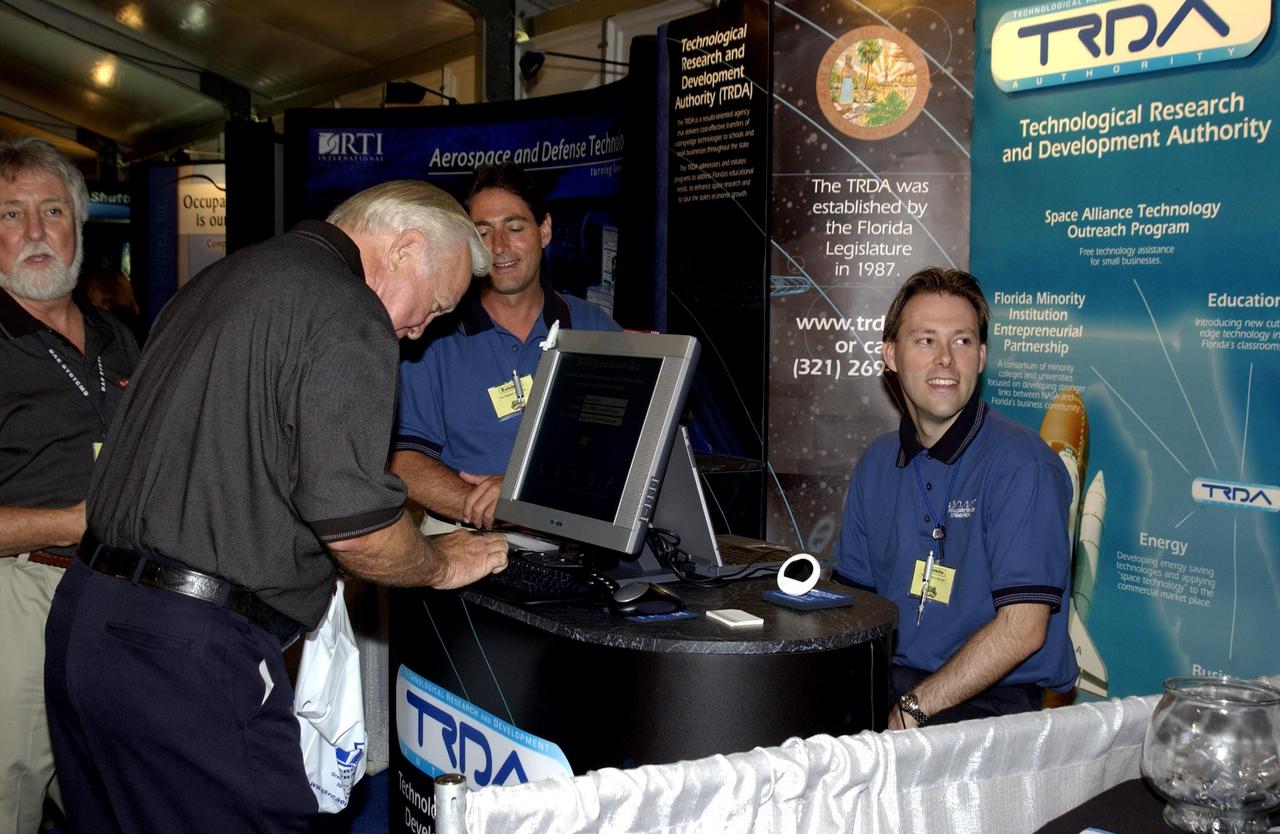
KENNEDY SPACE CENTER, FLA. - Dr. Shannon Lucid, NASA chief scientist, speaks to attendees of a panel session during the 40th Space Congress held April 28-May 1, 2003, in Cape Canaveral, Fla. The Space Congress is an international conference that gathers attendees from the scientific community, the space industry workforce, educators and local supporting industries. This year's event commemorated the 40th anniversary of the Kennedy Space Center and the Centennial of Flight. The theme for the Space Congress was "Linking the Past to the Future: A Celebration of Space."
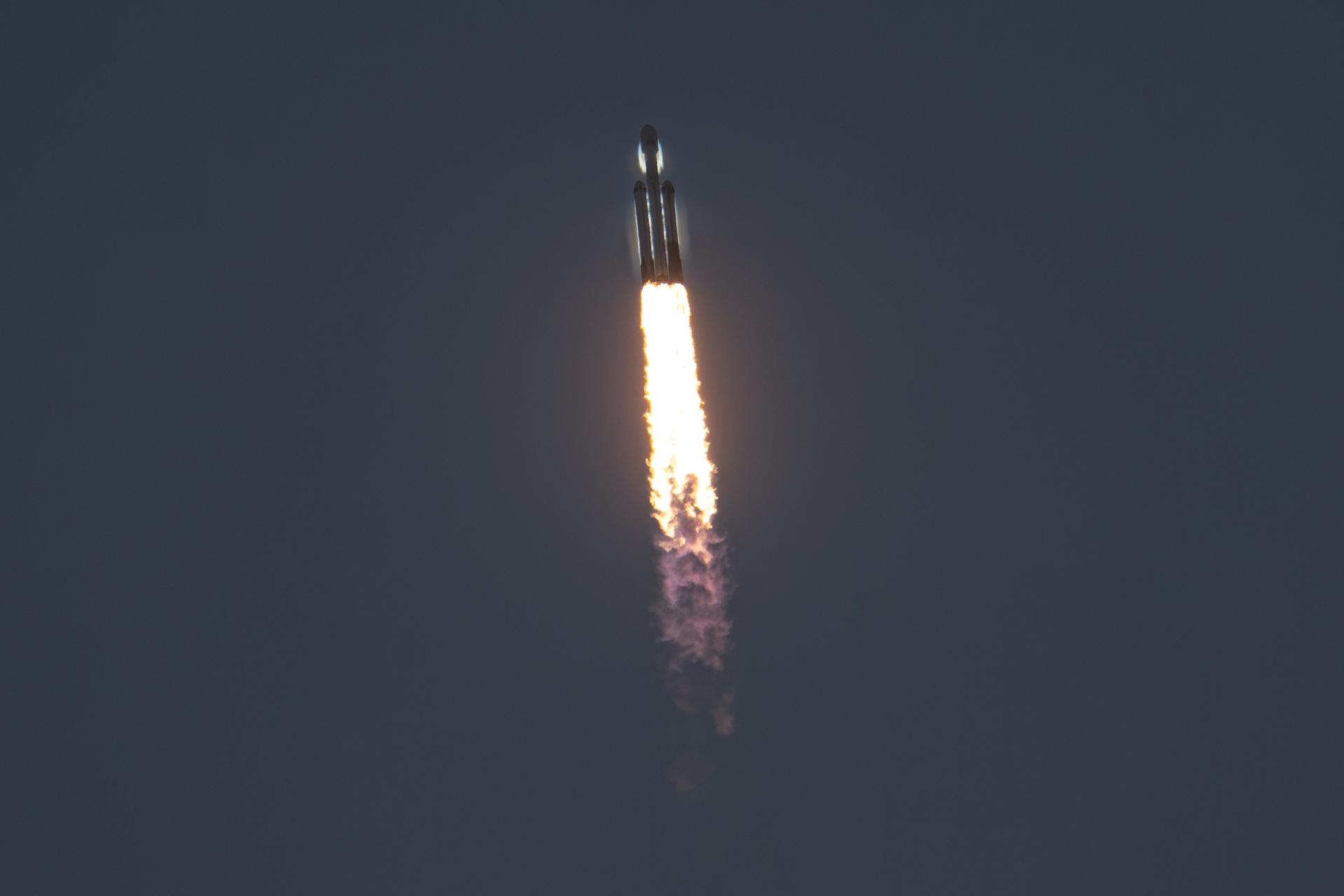
A SpaceX Falcon Heavy rocket with NASA’s Nancy Grace Roman Space Telescope on board launches from Launch Complex 39A, Sunday, Aug. 30, 2026, at NASA’s Kennedy Space Center in Florida. The Nancy Grace Roman Space Telescope, named after the agency’s first chief astronomer, will survey billions of stars and galaxies with a field of view far larger than Hubble’s, helping scientists study dark energy, exoplanets and the evolution of the universe. Photo Credit: (NASA/John Kraus)