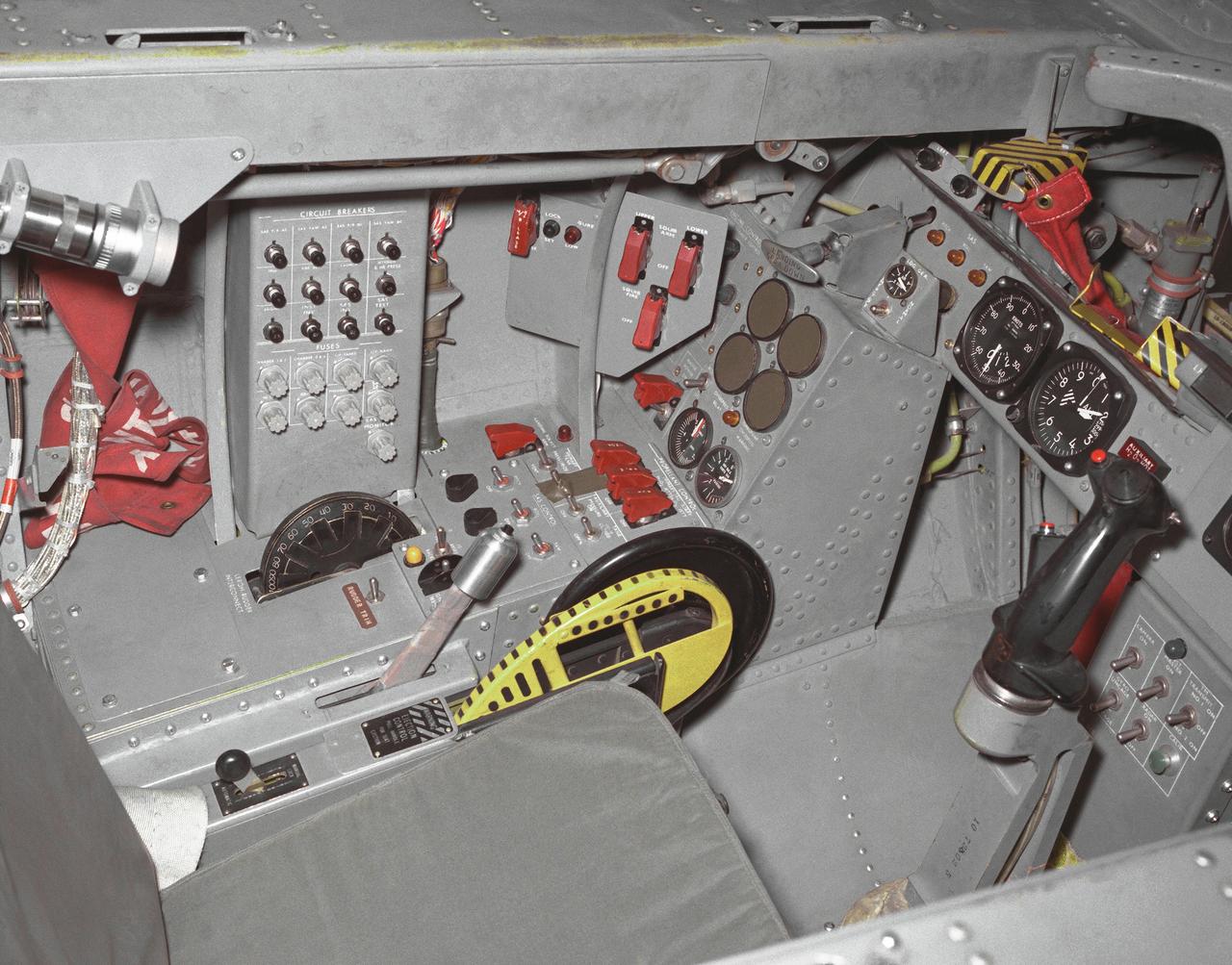
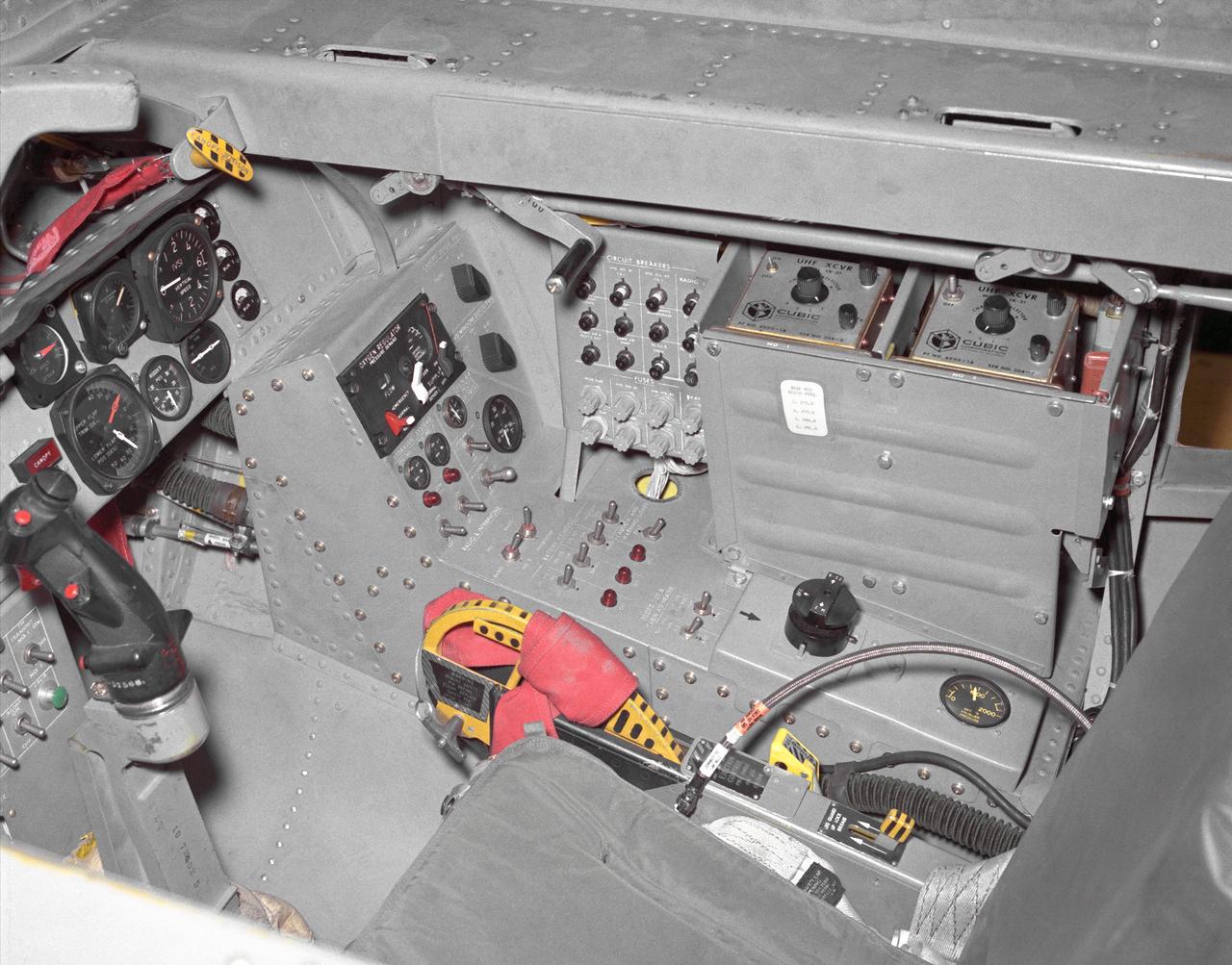
T-33 #351 Cockpit control panel. Feb. 13, 1964
T-33 #351 Cockpit control panel
JF-100C #709 cockpit control panel July 17, 1963
E63-10169
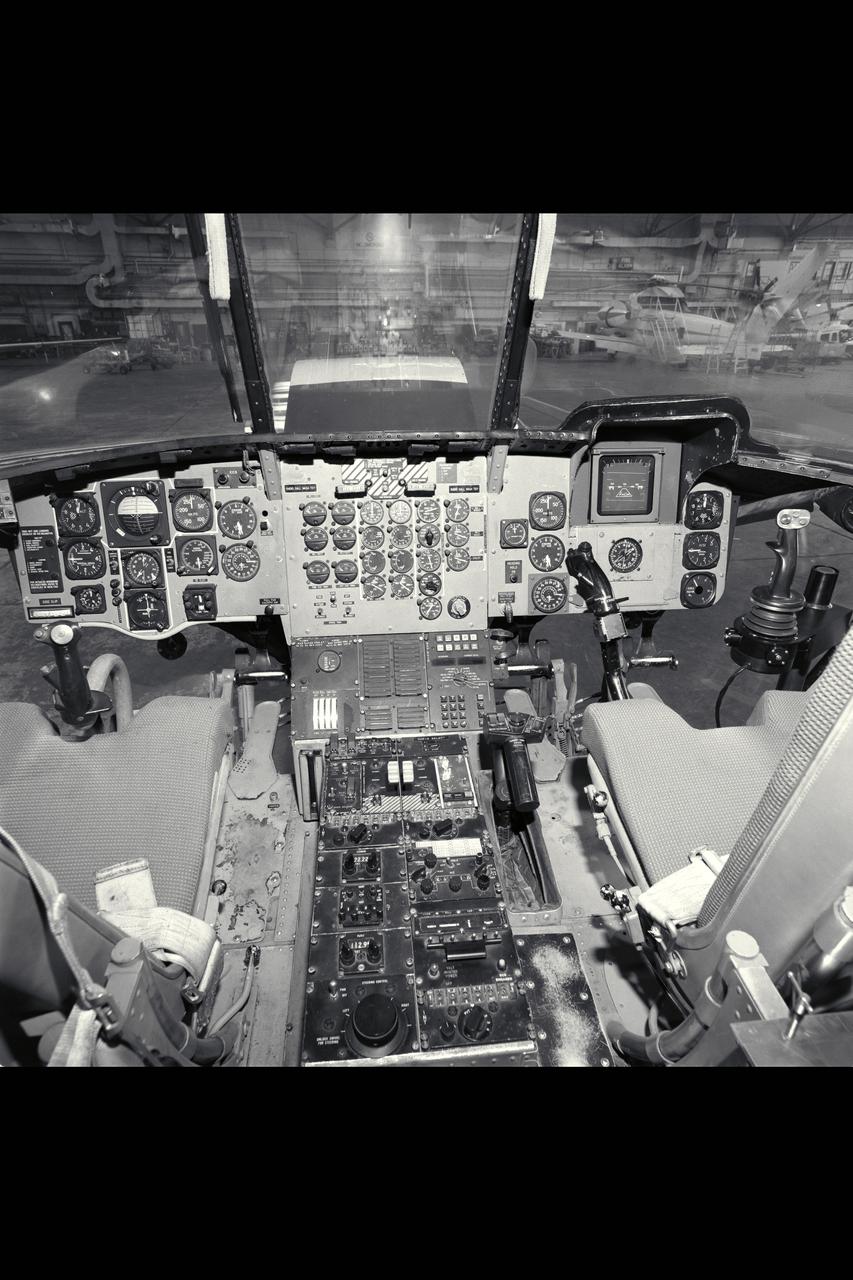
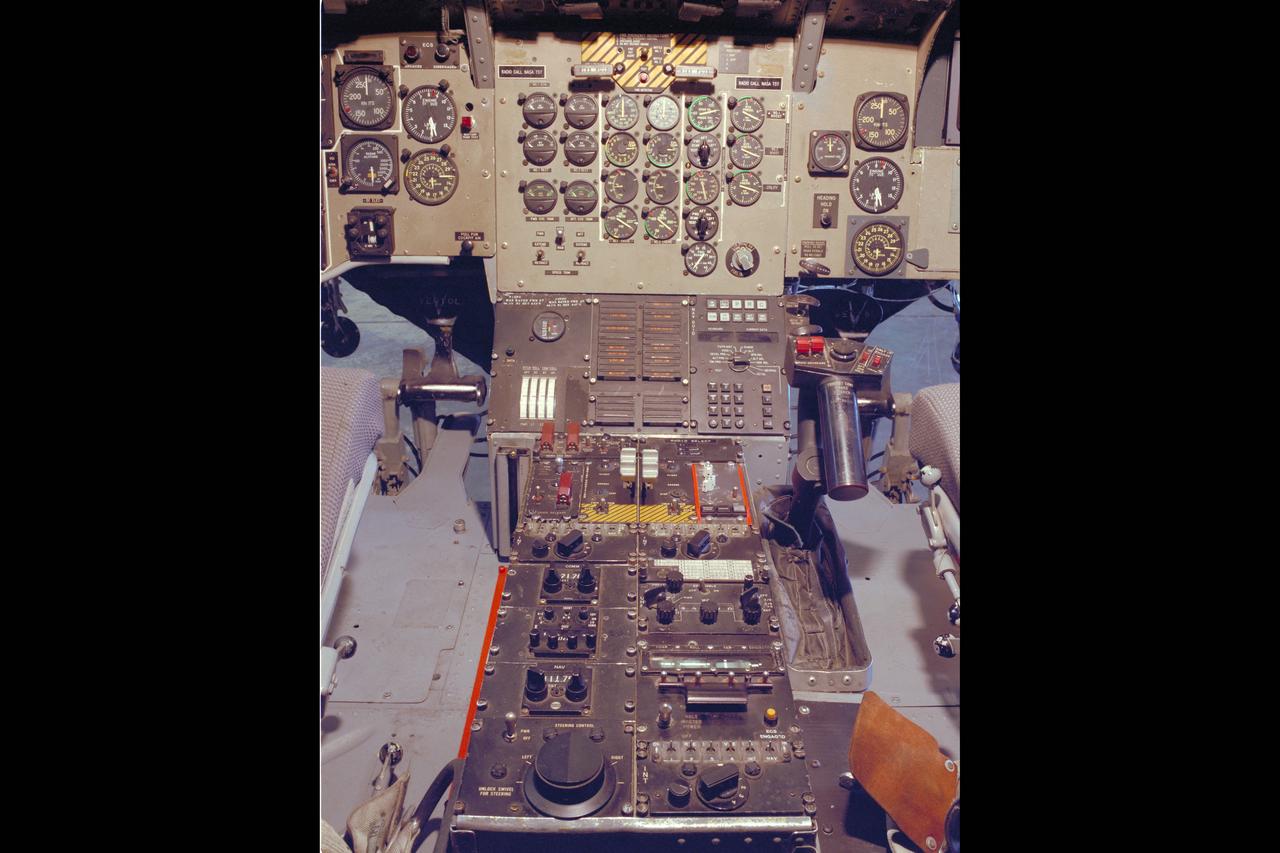
CH-47 (NASA-737) Control Panel and Cockpit
ARC-1986-A86-0235
CH-47 (NASA-737) Control Panel and Cockpit
ARC-1986-AC86-0235-6
CH-47 (NASA-737) Control Panel and Cockpit
ARC-1986-AC86-0235-5
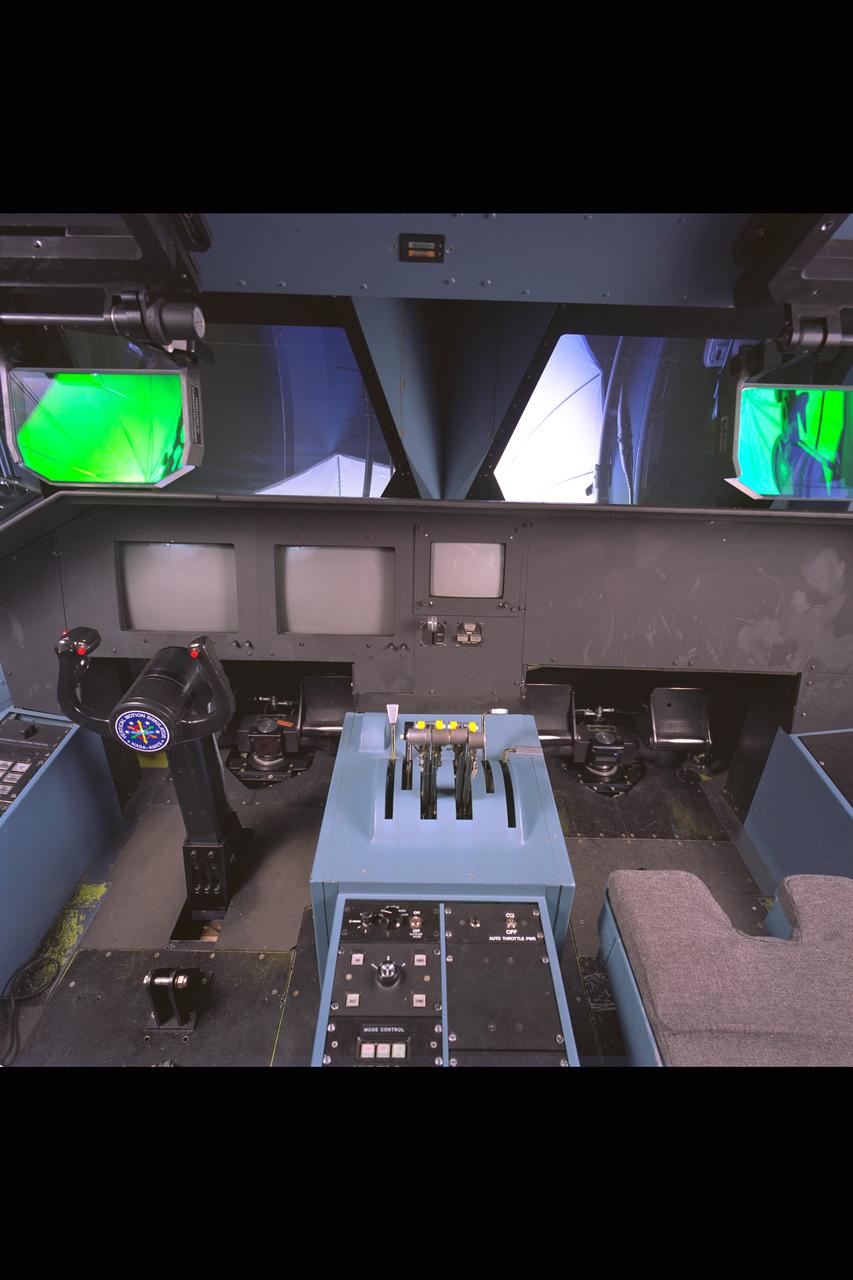
NASA Ames VMS (Vertical Motion simulator) S-Cab: Cockpit, Control Panel and heads-up displays
ARC-1993-AC93-0484-3
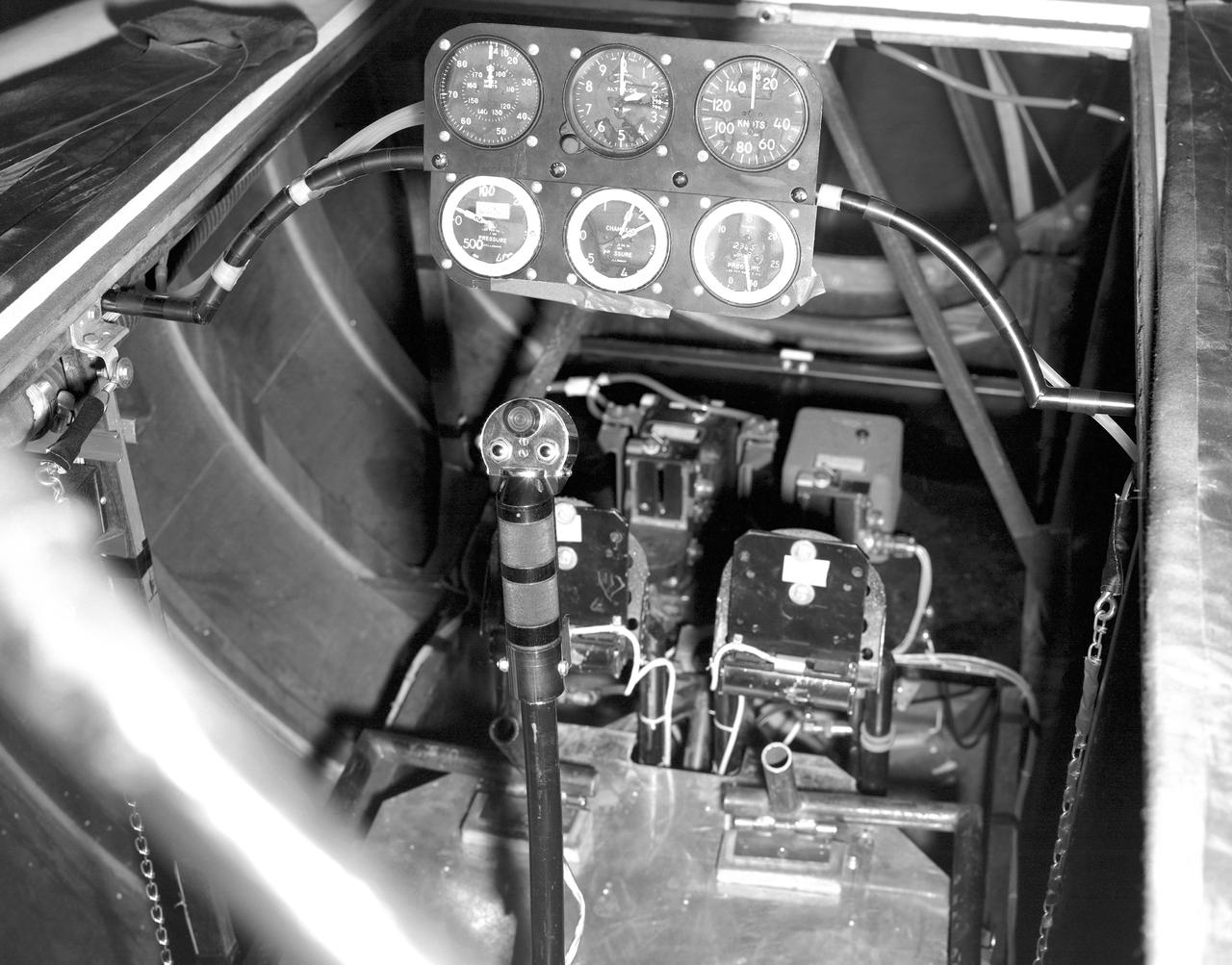
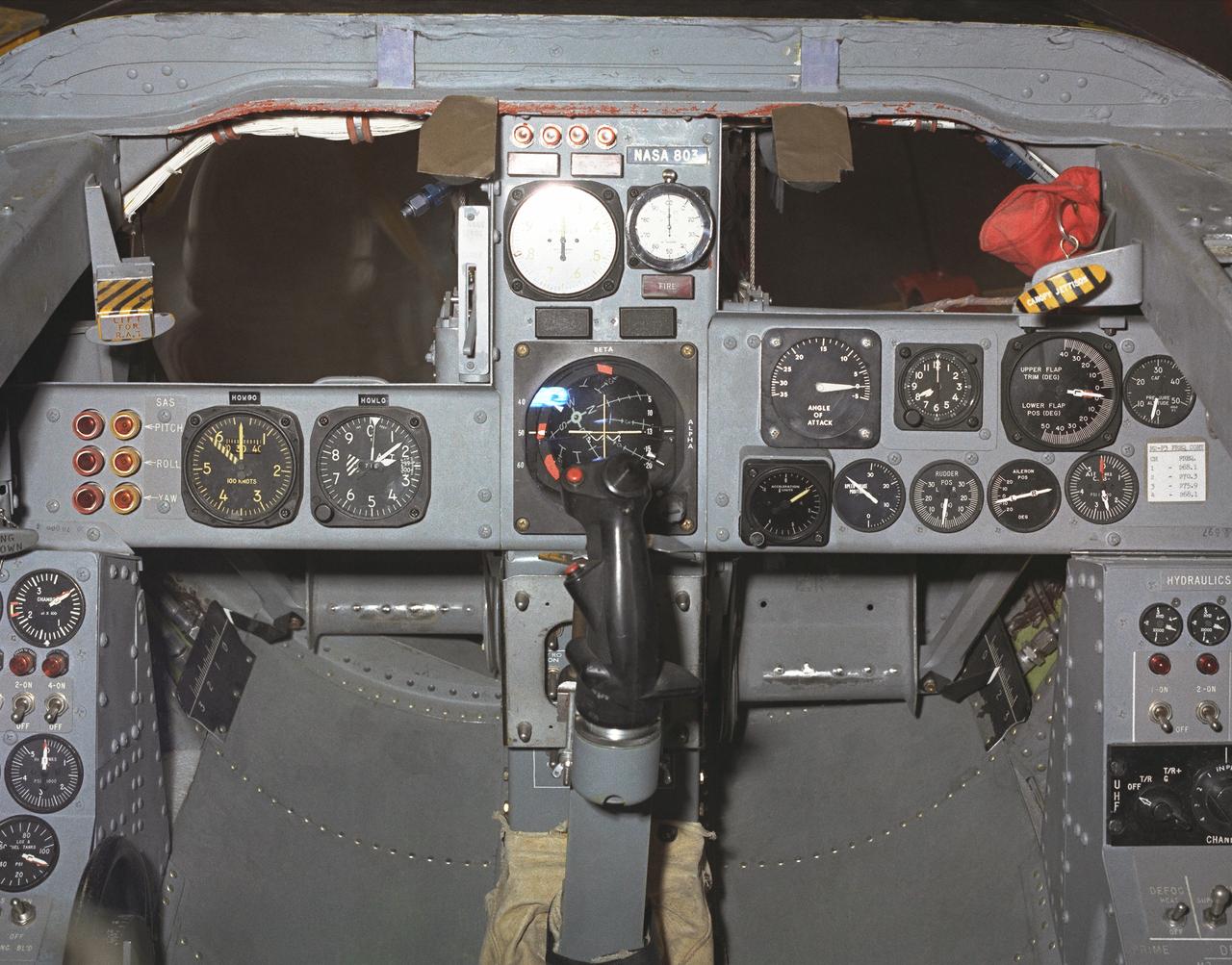
This photo shows the cockpit configuration of the M2-F1 wingless lifting body. With a top speed of about 120 knots, the M2-F1 had a simple instrument panel. Besides the panel itself, the ribs of the wooden shell (left) and the control stick (center) are also visible.
M2-F1 cockpit
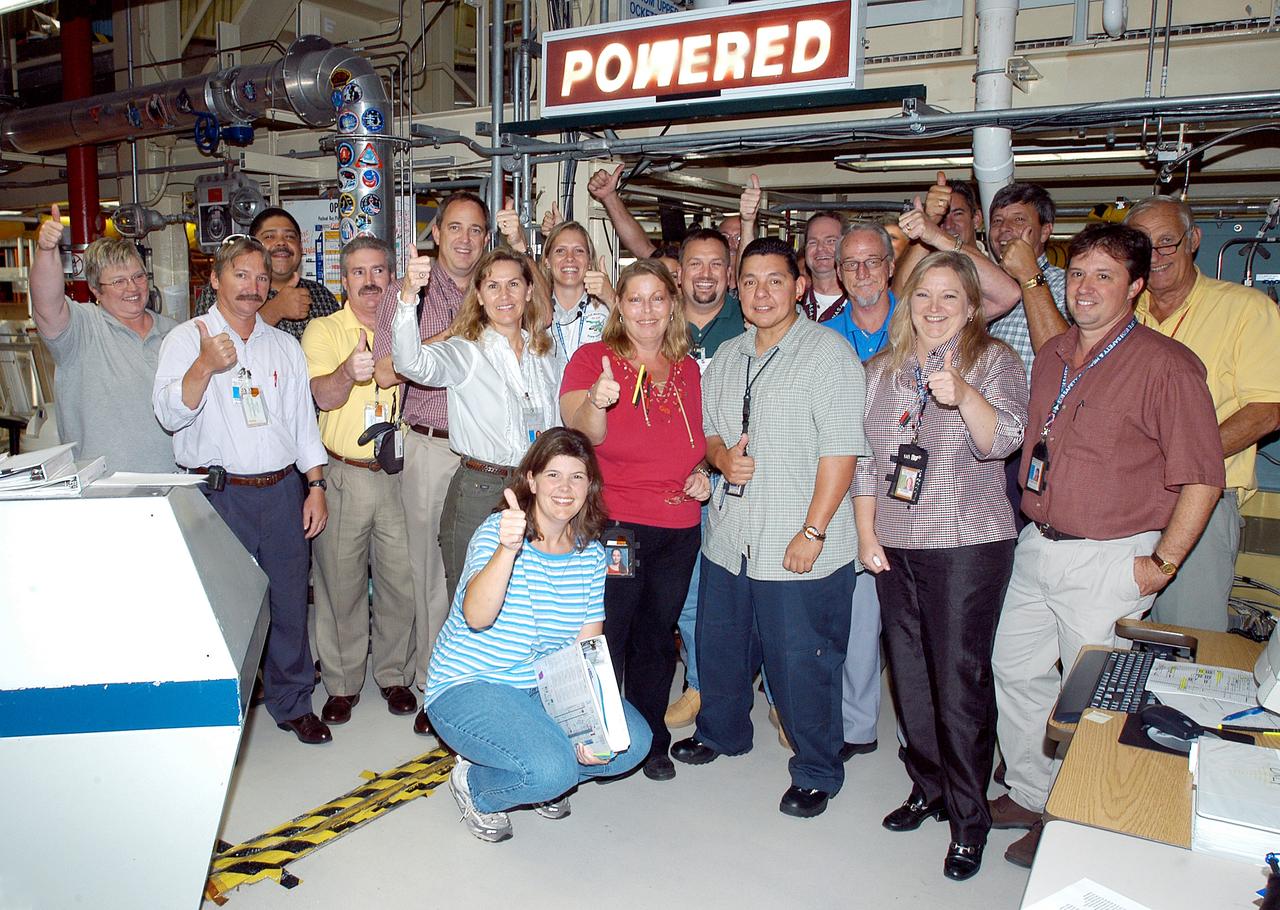
KENNEDY SPACE CENTER, FLA.  -  In the Orbiter Processing Facility, the processing team celebrates the  successful power-up of the orbiter Discovery.  The vehicle has been undergoing Orbiter Major Modifications in the past year, ranging from wiring, control panels and black boxes to gaseous and fluid systems tubing and components.  These systems were deserviced, disassembled, inspected, modified, reassembled, checked out and reserviced, as were most other systems onboard.  The work includes the installation of the Multifunction Electronic Display Subsystem (MEDS) - a state-of-the-art “glass cockpit.”
KENNEDY SPACE CENTER, FLA. - In the Orbiter Processing Facility, the processing team celebrates the successful power-up of the orbiter Discovery. The vehicle has been undergoing Orbiter Major Modifications in the past year, ranging from wiring, control panels and black boxes to gaseous and fluid systems tubing and components. These systems were deserviced, disassembled, inspected, modified, reassembled, checked out and reserviced, as were most other systems onboard. The work includes the installation of the Multifunction Electronic Display Subsystem (MEDS) - a state-of-the-art “glass cockpit.”
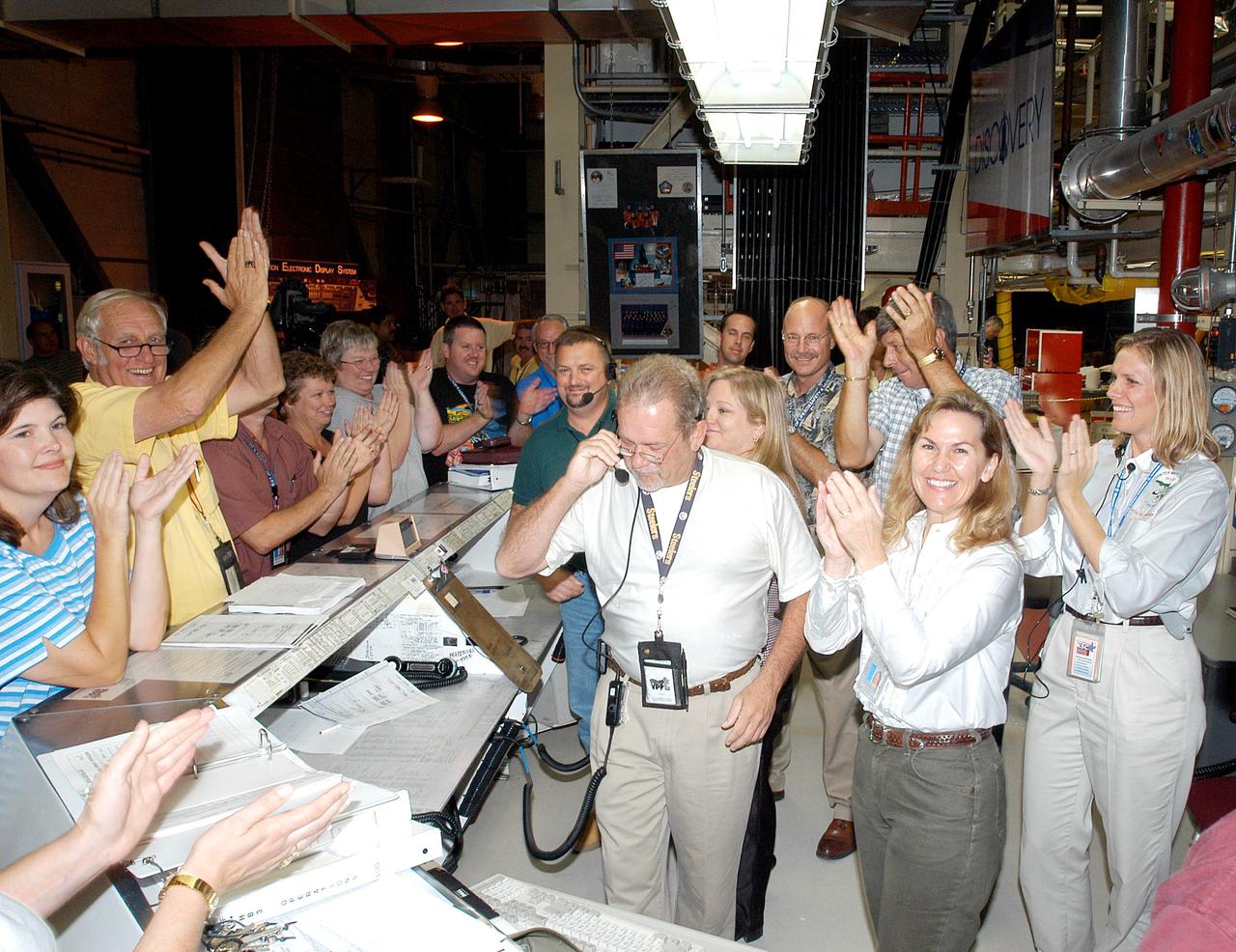
KENNEDY SPACE CENTER, FLA.  -   In the Orbiter Processing Facility, the processing team applaud the successful power-up of the orbiter Discovery.  The vehicle has been undergoing Orbiter Major Modifications in the past year, ranging from wiring, control panels and black boxes to gaseous and fluid systems tubing and components.  These systems were deserviced, disassembled, inspected, modified, reassembled, checked out and reserviced, as were most other systems onboard.  The work includes the installation of the Multifunction Electronic Display Subsystem (MEDS) - a state-of-the-art “glass cockpit.”
KENNEDY SPACE CENTER, FLA. - In the Orbiter Processing Facility, the processing team applaud the successful power-up of the orbiter Discovery. The vehicle has been undergoing Orbiter Major Modifications in the past year, ranging from wiring, control panels and black boxes to gaseous and fluid systems tubing and components. These systems were deserviced, disassembled, inspected, modified, reassembled, checked out and reserviced, as were most other systems onboard. The work includes the installation of the Multifunction Electronic Display Subsystem (MEDS) - a state-of-the-art “glass cockpit.”
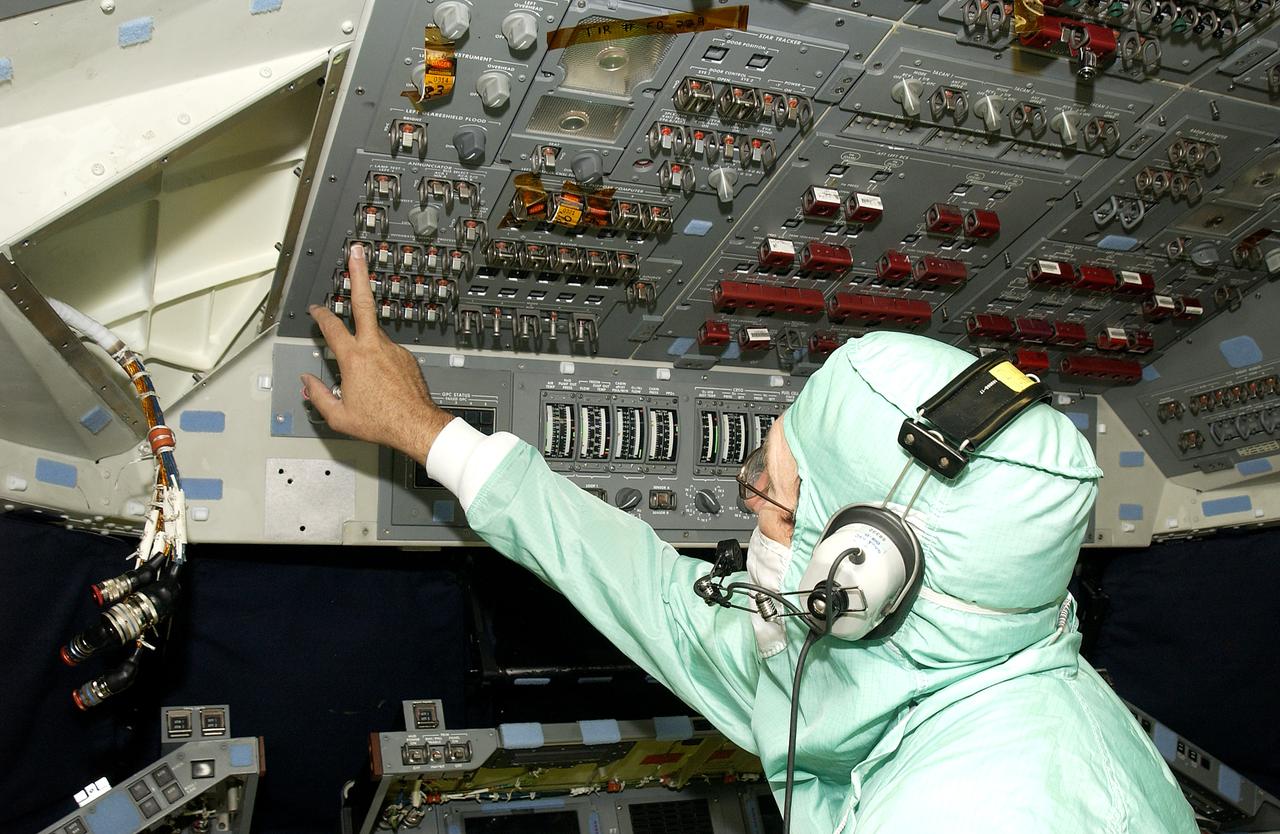
KENNEDY SPACE CENTER, FLA.  -   During power-up of the orbiter Discovery in the Orbiter Processing Facility, a technician turns on a switch.  Discovery has been undergoing Orbiter Major Modifications in the past year, ranging from wiring, control panels and black boxes to gaseous and fluid systems tubing and components.  These systems were deserviced, disassembled, inspected, modified, reassembled, checked out and reserviced, as were most other systems onboard.  The work includes the installation of the Multifunction Electronic Display Subsystem (MEDS) - a state-of-the-art “glass cockpit.”
KENNEDY SPACE CENTER, FLA. - During power-up of the orbiter Discovery in the Orbiter Processing Facility, a technician turns on a switch. Discovery has been undergoing Orbiter Major Modifications in the past year, ranging from wiring, control panels and black boxes to gaseous and fluid systems tubing and components. These systems were deserviced, disassembled, inspected, modified, reassembled, checked out and reserviced, as were most other systems onboard. The work includes the installation of the Multifunction Electronic Display Subsystem (MEDS) - a state-of-the-art “glass cockpit.”
KENNEDY SPACE CENTER, FLA.  -  During power-up of the orbiter Discovery in the Orbiter Processing Facility, a technician moves a switch.  Discovery has been undergoing Orbiter Major Modifications in the past year, ranging from wiring, control panels and black boxes to gaseous and fluid systems tubing and components.  These systems were deserviced, disassembled, inspected, modified, reassembled, checked out and reserviced, as were most other systems onboard.  The work includes the installation of the Multifunction Electronic Display Subsystem (MEDS) - a state-of-the-art “glass cockpit.”
KENNEDY SPACE CENTER, FLA. - During power-up of the orbiter Discovery in the Orbiter Processing Facility, a technician moves a switch. Discovery has been undergoing Orbiter Major Modifications in the past year, ranging from wiring, control panels and black boxes to gaseous and fluid systems tubing and components. These systems were deserviced, disassembled, inspected, modified, reassembled, checked out and reserviced, as were most other systems onboard. The work includes the installation of the Multifunction Electronic Display Subsystem (MEDS) - a state-of-the-art “glass cockpit.”
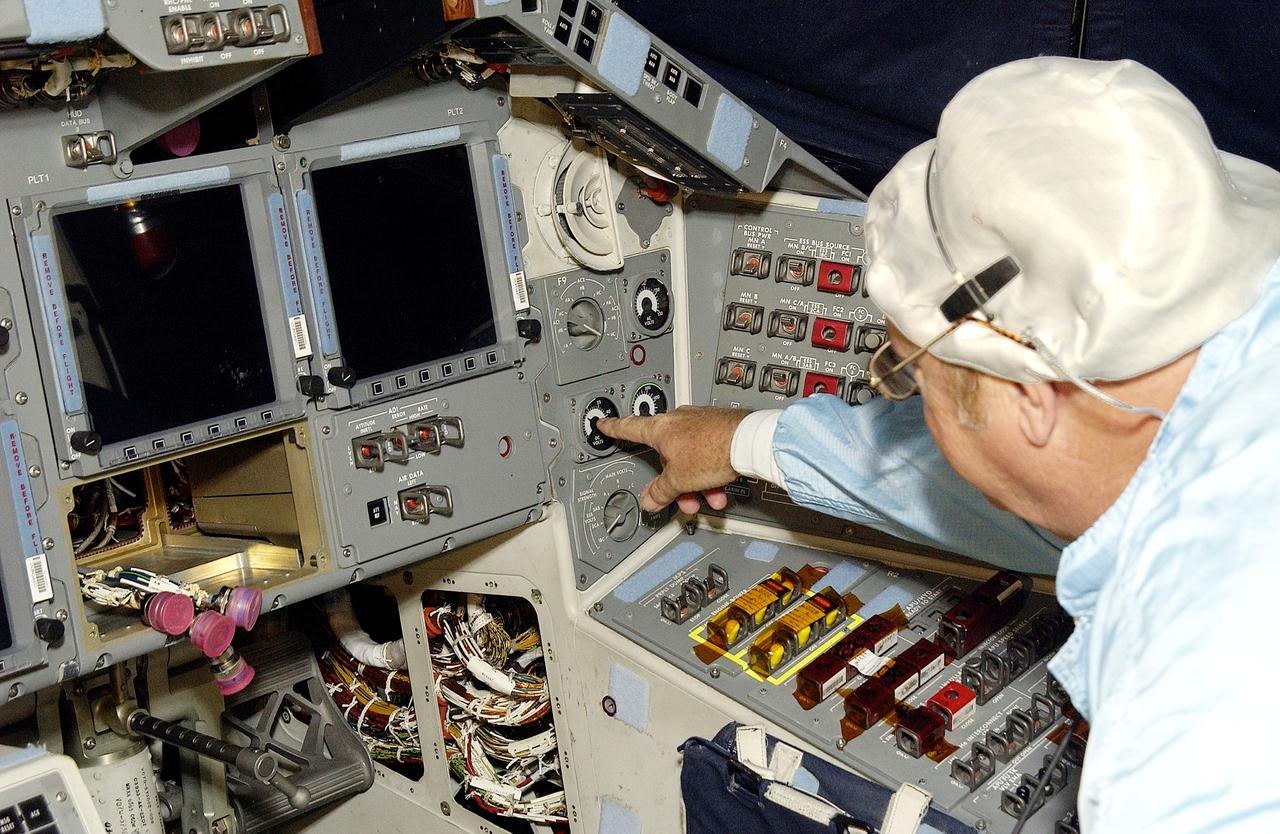
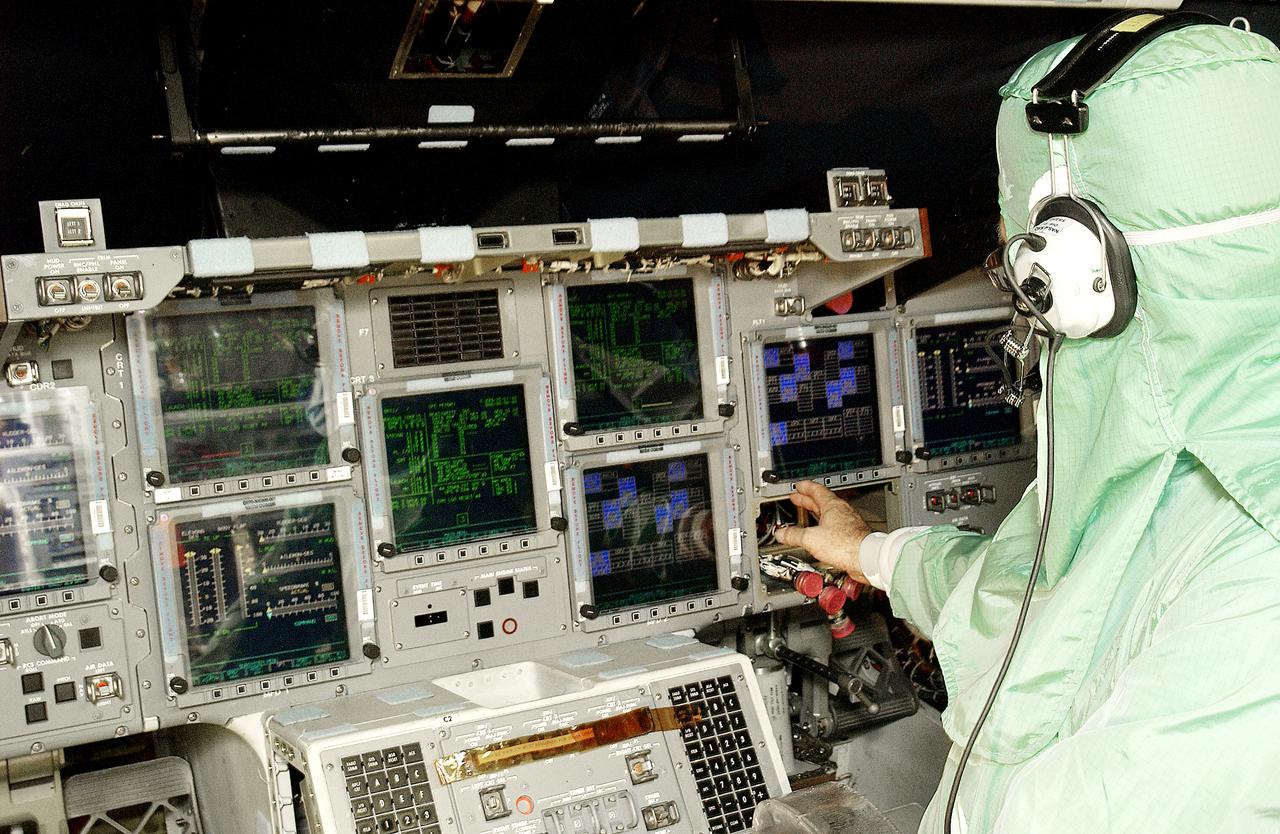
During power-up of the orbiter Discovery in the Orbiter Processing Facility, a technician moves a circuit reset on the cockpit console. Discovery has been undergoing Orbiter Major Modifications in the past year, ranging from wiring, control panels and black boxes to gaseous and fluid systems tubing and components. These systems were deserviced, disassembled, inspected, modified, reassembled, checked out and reserviced, as were most other systems onboard. The work includes the installation of the Multifunction Electronic Display Subsystem (MEDS) - a state-of-the-art “glass cockpit.”
Discovery Orbiter Major Modifications
KENNEDY SPACE CENTER, FLA.  -  During power-up of the orbiter Discovery in the Orbiter Processing Facility, a technician (left) looks at the circuit breaker lights in the cabin.  Discovery has been undergoing Orbiter Major Modifications in the past year, ranging from wiring, control panels and black boxes to gaseous and fluid systems tubing and components.  These systems were deserviced, disassembled, inspected, modified, reassembled, checked out and reserviced, as were most other systems onboard.  The work includes the installation of the Multifunction Electronic Display Subsystem (MEDS) - a state-of-the-art “glass cockpit.”
KENNEDY SPACE CENTER, FLA. - During power-up of the orbiter Discovery in the Orbiter Processing Facility, a technician (left) looks at the circuit breaker lights in the cabin. Discovery has been undergoing Orbiter Major Modifications in the past year, ranging from wiring, control panels and black boxes to gaseous and fluid systems tubing and components. These systems were deserviced, disassembled, inspected, modified, reassembled, checked out and reserviced, as were most other systems onboard. The work includes the installation of the Multifunction Electronic Display Subsystem (MEDS) - a state-of-the-art “glass cockpit.”
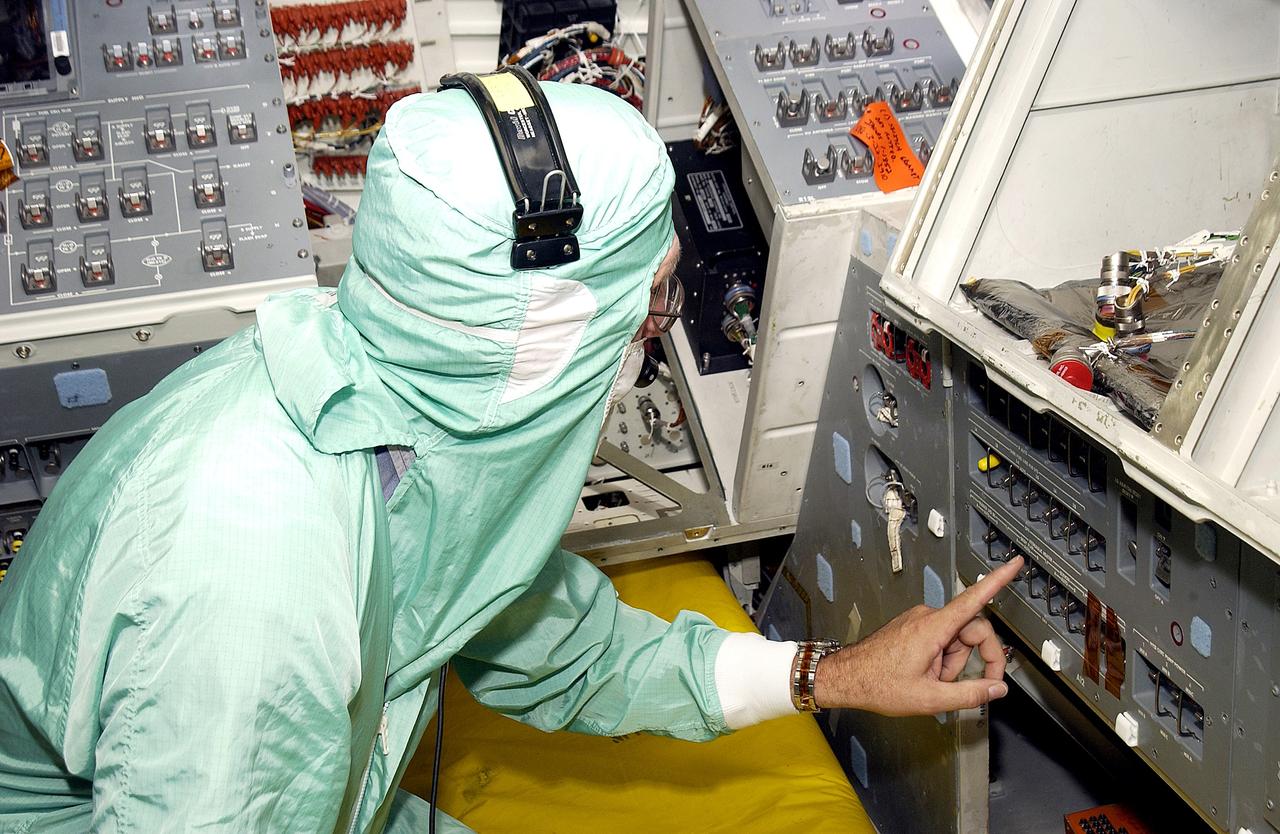
KENNEDY SPACE CENTER, FLA.  -   A technician with United Space Alliance works inside orbiter Discovery before power-up of the vehicle in the Orbiter Processing Facility .  Discovery has been undergoing Orbiter Major Modifications in the past year, ranging from wiring, control panels and black boxes to gaseous and fluid systems tubing and components.  These systems were deserviced, disassembled, inspected, modified, reassembled, checked out and reserviced, as were most other systems onboard.  The work includes the installation of the Multifunction Electronic Display Subsystem (MEDS) - a state-of-the-art “glass cockpit.”
KENNEDY SPACE CENTER, FLA. - A technician with United Space Alliance works inside orbiter Discovery before power-up of the vehicle in the Orbiter Processing Facility . Discovery has been undergoing Orbiter Major Modifications in the past year, ranging from wiring, control panels and black boxes to gaseous and fluid systems tubing and components. These systems were deserviced, disassembled, inspected, modified, reassembled, checked out and reserviced, as were most other systems onboard. The work includes the installation of the Multifunction Electronic Display Subsystem (MEDS) - a state-of-the-art “glass cockpit.”
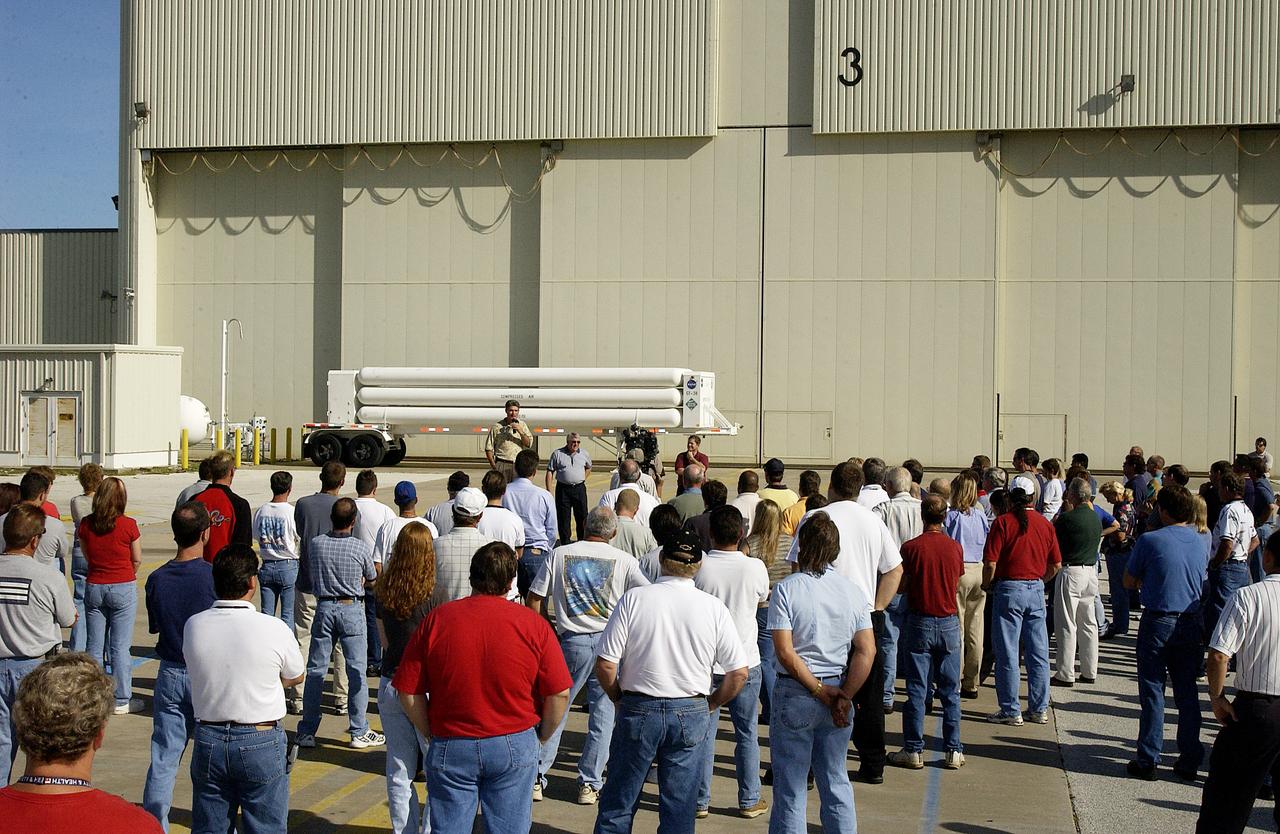
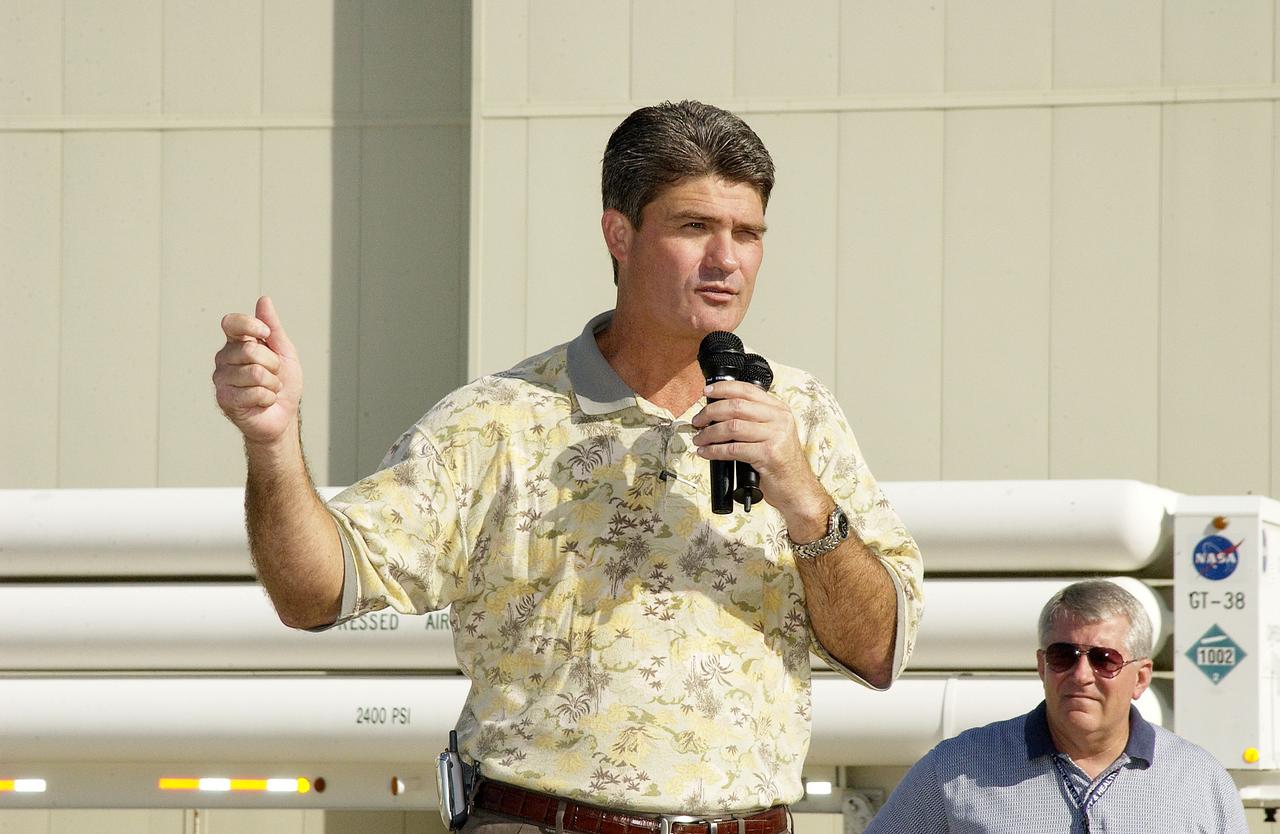
KENNEDY SPACE CENTER, FLA.  -  Shuttle Program Manager Bill Parsons praises the Discovery processing team for their successful power-up of the vehicle after Orbiter Major Modifications (OMM). The OMM work ranged from wiring, control panels and black boxes to gaseous and fluid systems tubing and components.  These systems were deserviced, disassembled, inspected, modified, reassembled, checked out and reserviced, as were most other systems onboard.  The work included the installation of the Multifunction Electronic Display Subsystem (MEDS) - a state-of-the-art “glass cockpit.”
KSC-03pd2467
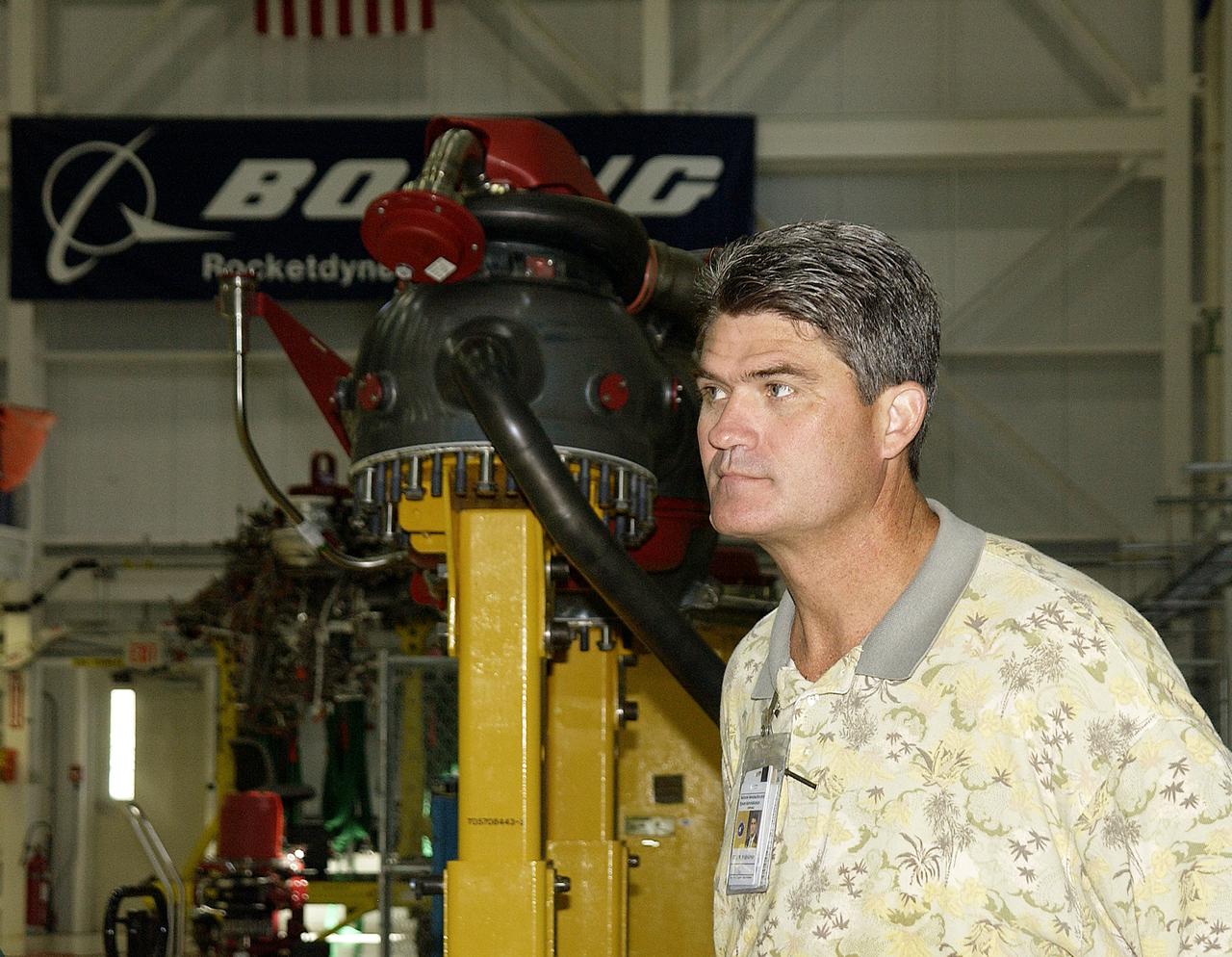
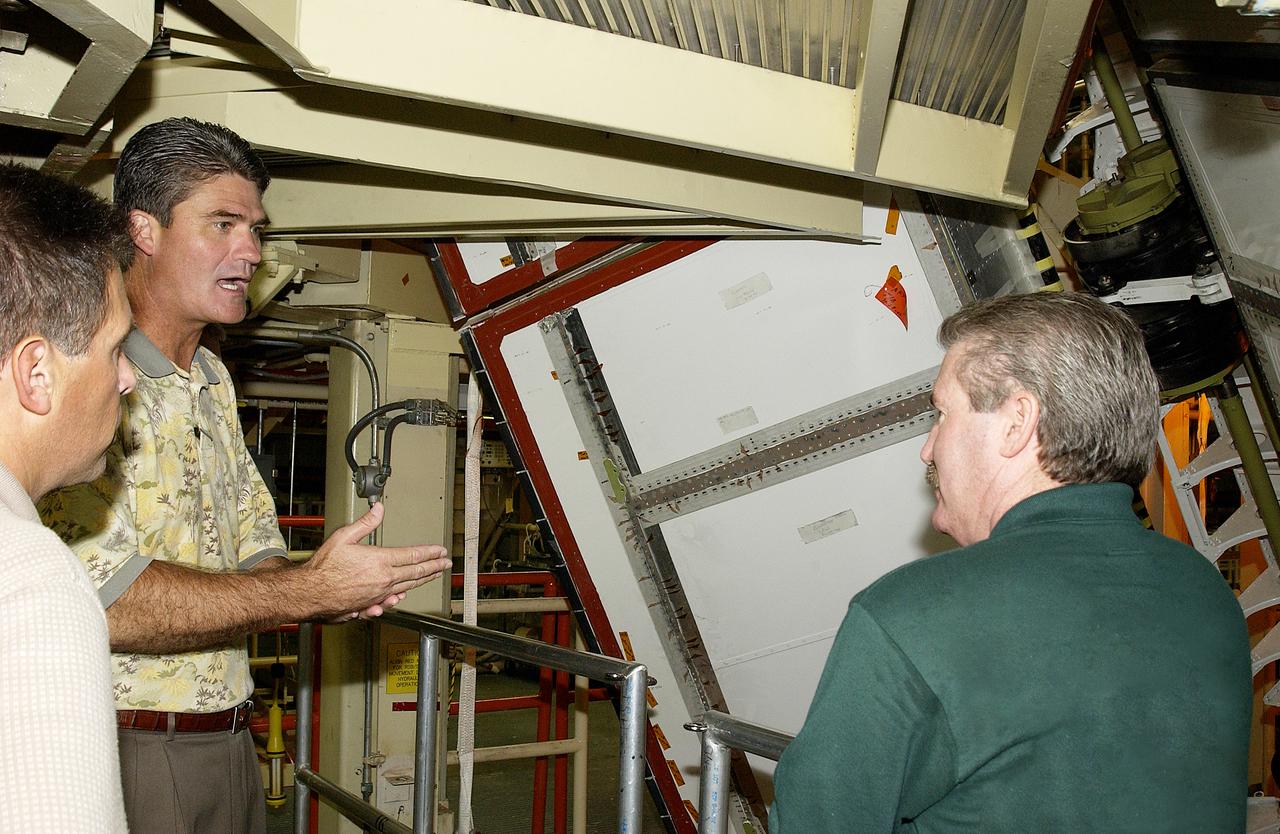
In the Orbiter Processing Facility, Shuttle Program Manager Bill Parsons, center, is briefed on Orbiter Major Modifications (OMM) that were recently completed on Discovery. The OMM work ranged from wiring, control panels and black boxes to gaseous and fluid systems tubing and components. These systems were deserviced, disassembled, inspected, modified, reassembled, checked out and reserviced, as were most other systems onboard. The work included the installation of the Multifunction Electronic Display Subsystem (MEDS) - a state-of-the-art “glass cockpit.”
Bill Parsons with Discovery Processing Team
Shuttle Program Manager Bill Parsons praises the Discovery processing team for their successful power-up of the vehicle after Orbiter Major Modifications (OMM). The OMM work ranged from wiring, control panels and black boxes to gaseous and fluid systems tubing and components. These systems were deserviced, disassembled, inspected, modified, reassembled, checked out and reserviced, as were most other systems onboard. The work included the installation of the Multifunction Electronic Display Subsystem (MEDS) - a state-of-the-art “glass cockpit.”
Bill Parsons with Discovery Processing Team
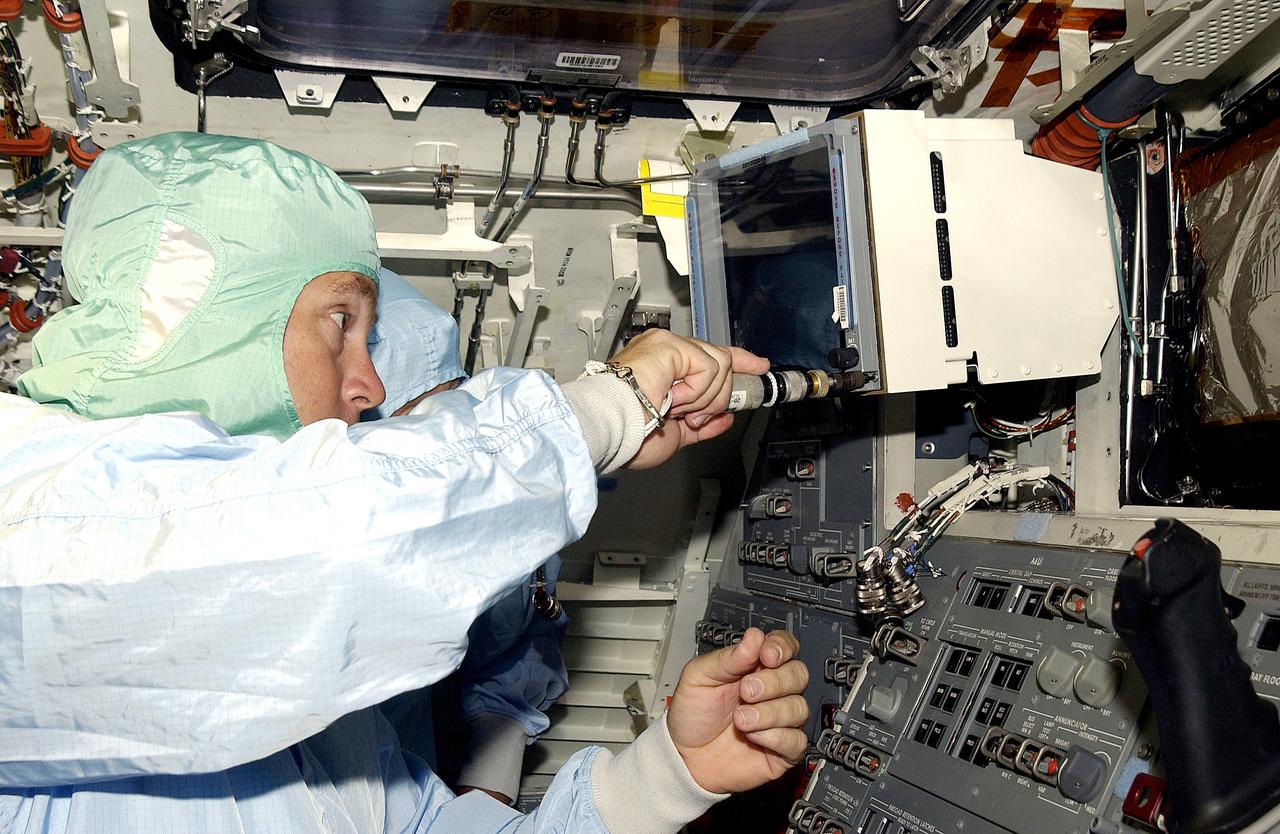
During power-up of the orbiter Discovery in the Orbiter Processing Facility, a technician adjusts a monitor on the console. Discovery has been undergoing Orbiter Major Modifications in the past year, ranging from wiring, control panels and black boxes to gaseous and fluid systems tubing and components. These systems were deserviced, disassembled, inspected, modified, reassembled, checked out and reserviced, as were most other systems onboard. The work includes the installation of the Multifunction Electronic Display Subsystem (MEDS) - a state-of-the-art “glass cockpit.”
Discovery Orbiter Major Modifications
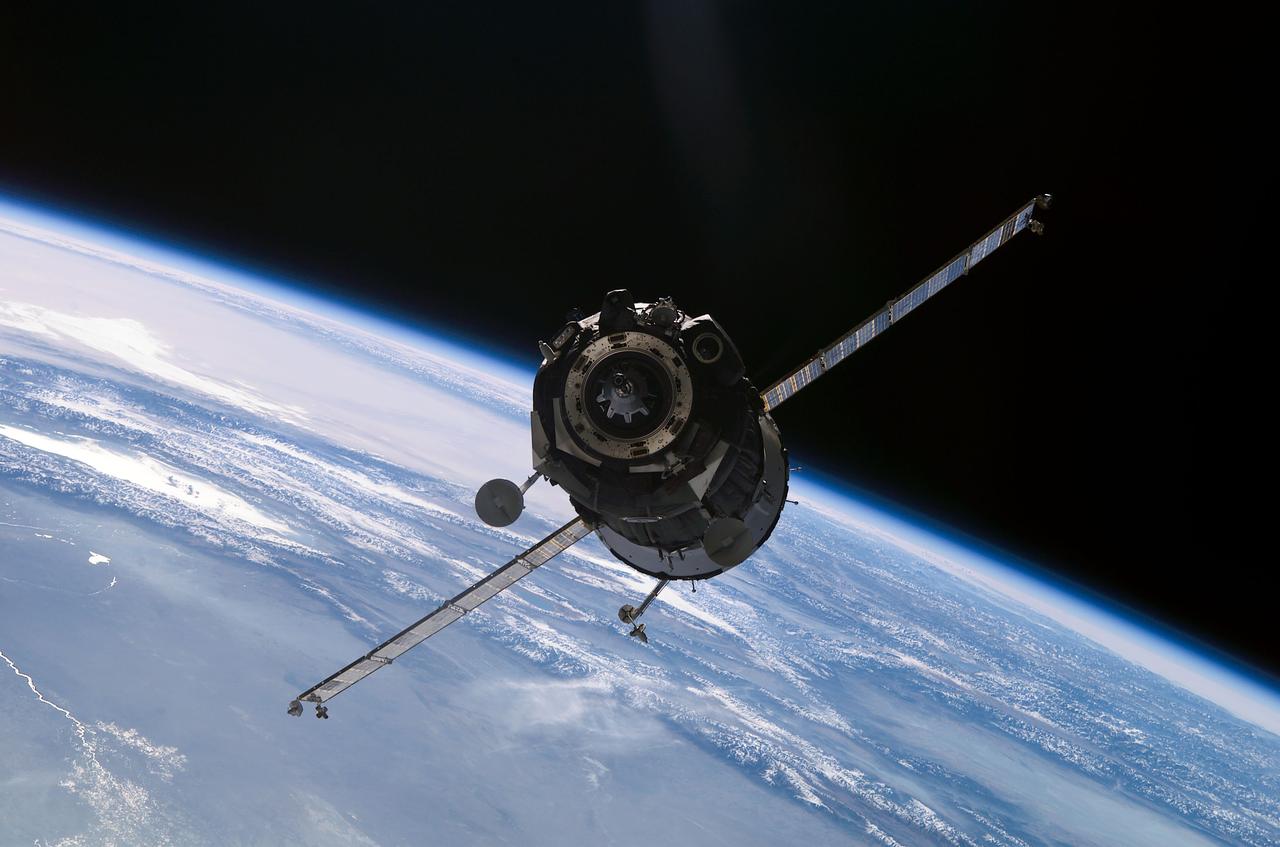
ISS005-E-19567 (4 November 2002) --- A Soyuz spacecraft, which carried the Soyuz 5 taxi crew, is docked to the Pirs docking compartment on the International Space Station (ISS). The new Soyuz TMA-1 vehicle was designed to accommodate larger or smaller crewmembers, and is equipped with upgraded computers, a new cockpit control panel and improved avionics. The blackness of space and Earth’s horizon provide the backdrop for the scene.
Soyuz Spacecraft docked to the Pirs DC during Expedition Five on the ISS
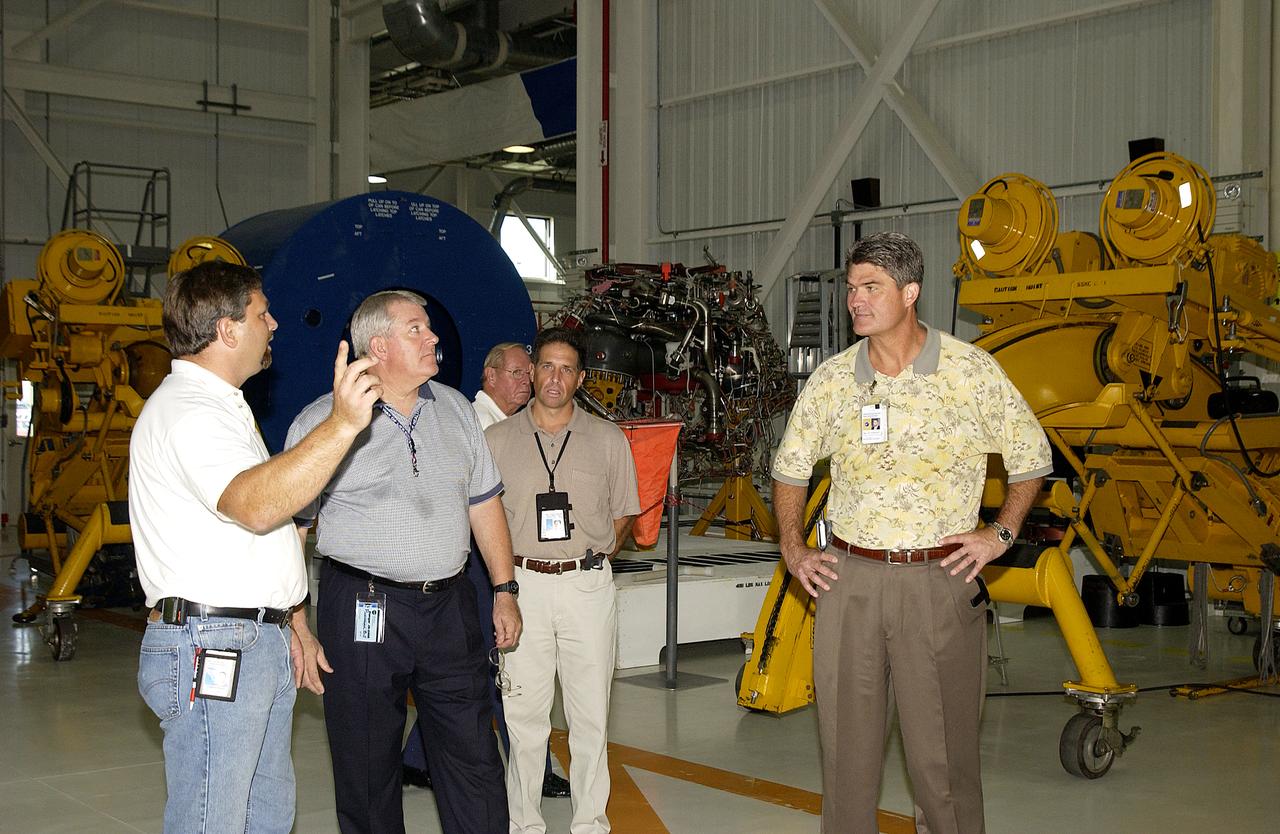
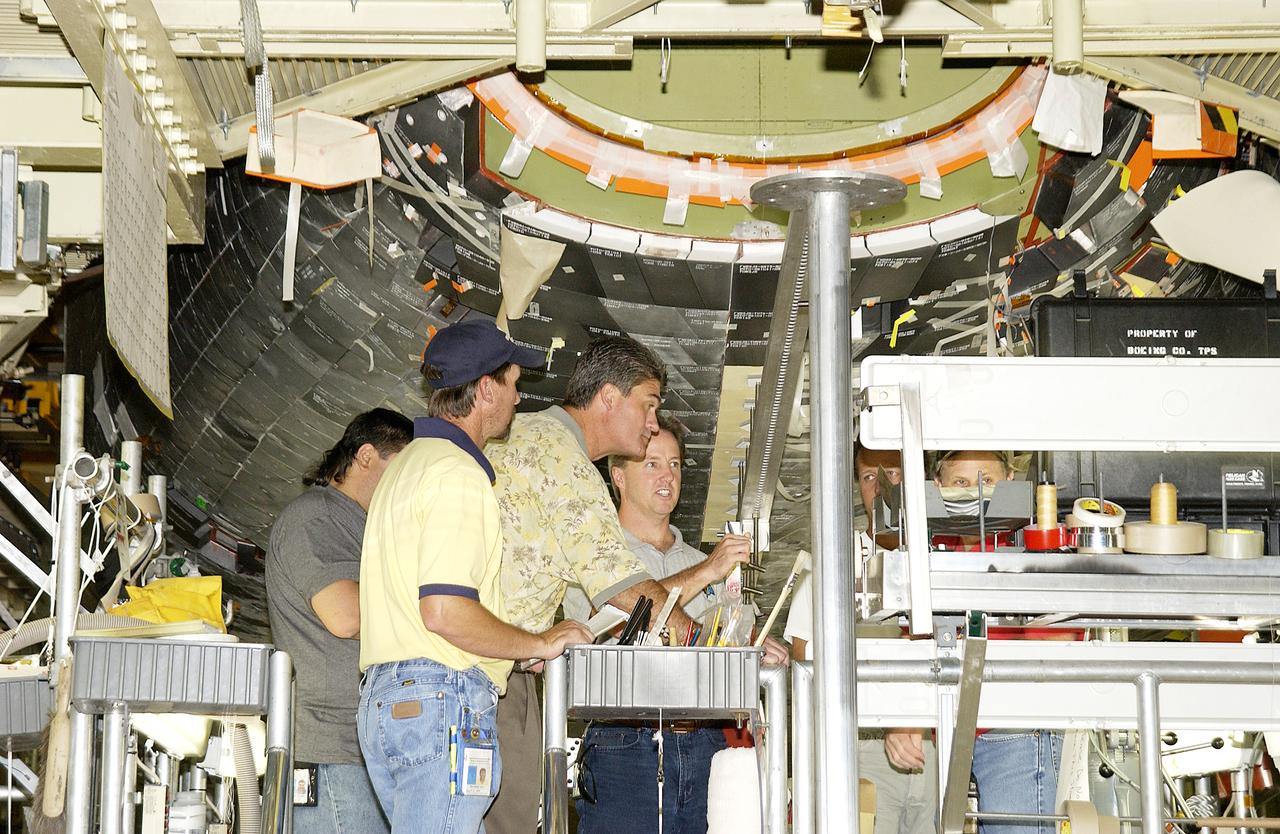
Shuttle Program Manager Bill Parsons, right, is briefed on Orbiter Major Modifications (OMM) that were recently completed on Discovery. From left are a Boeing representative; Bill Pickavance, vice president and deputy program manager, Florida operations, United Space Alliance (USA); and Mark Nappi, deputy associate program manager, ground operations, USA. The OMM work ranged from wiring, control panels and black boxes to gaseous and fluid systems tubing and components. These systems were deserviced, disassembled, inspected, modified, reassembled, checked out and reserviced, as were most other systems onboard. The work included the installation of the Multifunction Electronic Display Subsystem (MEDS) - a state-of-the-art “glass cockpit.”
Bill Parsons with Discovery Processing Team
ISS005-E-19267 (1 November 2002) --- A Soyuz spacecraft approaches the Pirs docking compartment on the International Space Station (ISS) carrying the Soyuz 5 taxi crew, Commander Sergei Zalyotin, Belgian Flight Engineer Frank DeWinne, and Flight Engineer Yuri V. Lonchakov for an eight-day stay on the station. The new Soyuz TMA-1 vehicle was designed to accommodate larger or smaller crewmembers, and is equipped with upgraded computers, a new cockpit control panel and improved avionics. Zalyotin and Lonchakov represent Rosaviakosmos and DeWinne represents the European Space Agency (ESA). The blackness of space and Earth’s horizon provide the backdrop for the scene.
View of Soyuz TMA-1/5S arrival to the ISS during Expedition Five
United Space Alliance workers explain tile installation around Discovery’s nose landing gear to Shuttle Program Manager Bill Parsons (center). Discovery has been undergoing Orbiter Major Modifications. The OMM work ranged from wiring, control panels and black boxes to gaseous and fluid systems tubing and components. These systems were deserviced, disassembled, inspected, modified, reassembled, checked out and reserviced, as were most other systems onboard. The work included the installation of the Multifunction Electronic Display Subsystem (MEDS) - a state-of-the-art “glass cockpit.”
Bill Parsons with Discovery Processing Team
Mark McGee (right) shows the bead blasting completed on the rudder speed brake on orbiter Discovery to Shuttle Program Manager Bill Parsons (center). McGee is manager, Orbiter Processing Facility, with United Space Alliance. At left is Mark Nappi, deputy associate program manager, ground operations, USA. The work was part of Orbiter Major Modifications (OMM) that were recently completed on Discovery. The OMM work ranged from wiring, control panels and black boxes to gaseous and fluid systems tubing and components. These systems were deserviced, disassembled, inspected, modified, reassembled, checked out and reserviced, as were most other systems onboard. The work included the installation of the Multifunction Electronic Display Subsystem (MEDS) - a state-of-the-art “glass cockpit.”
Bill Parsons with Discovery Processing Team
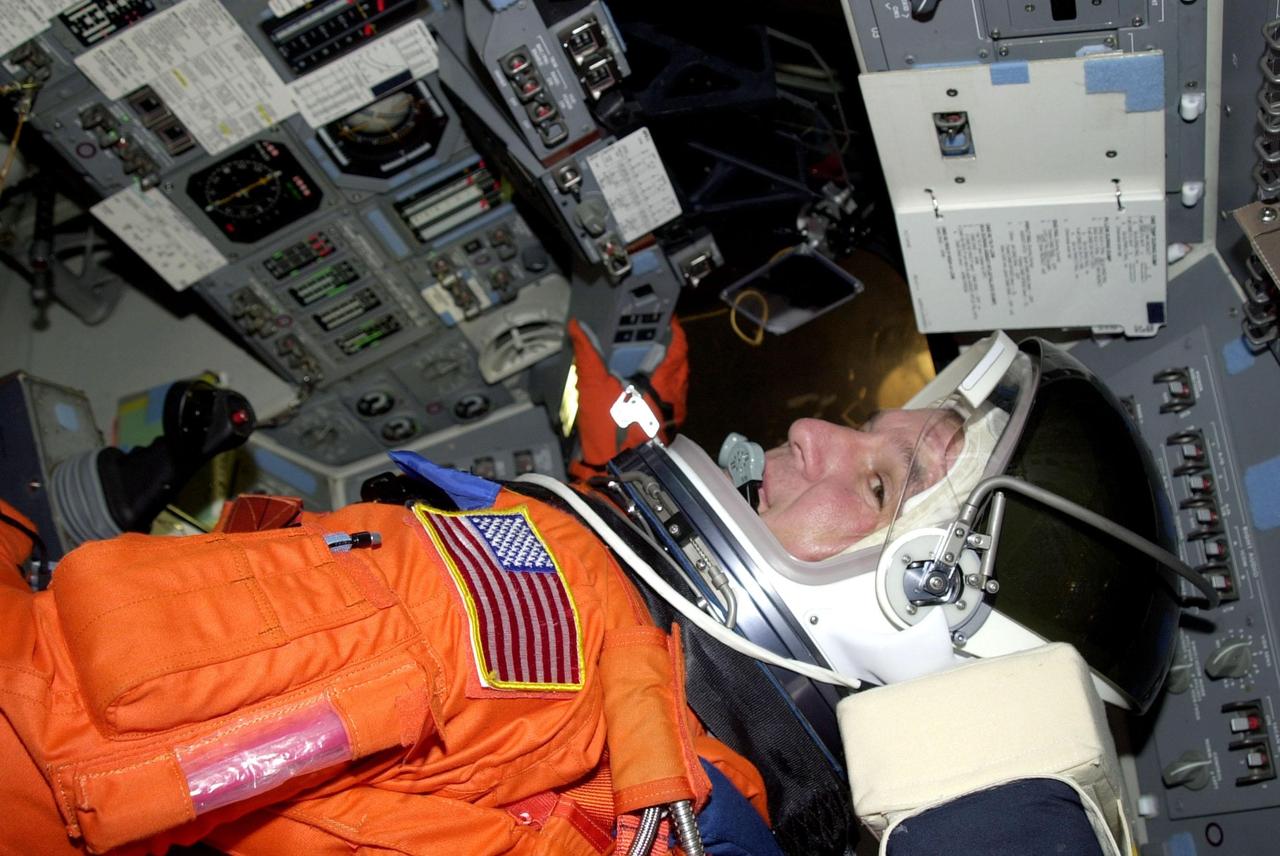
STS-97 Pilot Mike Bloomfield reaches for the control panel as he settles into his seat in the cockpit on Space Shuttle Endeavour on Launch Pad 39B. He and the rest of the crew are taking part in a simulated launch countdown, part of Terminal Countdown Demonstration Test activities that also include emergency egress training and familiarization with the payload. Mission STS-97 is the sixth construction flight to the International Space Station. Its payload includes the P6 Integrated Truss Structure and a photovoltaic (PV) module, with giant solar arrays that will provide power to the Station. The mission includes two spacewalks to complete the solar array connections. STS-97 is scheduled to launch Nov. 30 at about 10:05 p.m. EST
KSC-00padig091
This photo shows the cockpit instrument panel of the M2-F3 Lifting Body.
M2-F3 cockpit instrument panel
This photo shows the left side cockpit instrumentation panel of the M2-F2 Lifting Body. The success of Dryden's M2-F1 program led to NASA's development and construction of two heavyweight lifting bodies based on studies at NASA's Ames and Langley research centers -- the M2-F2 and the HL-10, both built by the Northrop Corporation. The "M" refers to "manned" and "F" refers to "flight" version. "HL" comes from "horizontal landing" and 10 is for the tenth lifting body model to be investigated by Langley.  The first flight of the M2-F2 -- which looked much like the "F1" -- was on July 12, 1966. Milt Thompson was the pilot. By then, the same B-52 used to air launch the famed X-15 rocket research aircraft was modified to also carry the lifting bodies. Thompson was dropped from the B-52's wing pylon mount at an altitude of 45,000 feet on that maiden glide flight.  The M2-F2 weighed 4,620 pounds, was 22 feet long, and had a width of about 10 feet.  On May 10, 1967, during the sixteenth glide flight leading up to powered flight, a landing accident severely damaged the vehicle and seriously injured the NASA pilot, Bruce Peterson.  NASA pilots and researchers realized the M2-F2 had lateral control problems, even though it had a stability augmentation control system. When the M2-F2 was rebuilt at Dryden and redesignated the M2-F3, it was modified with an additional third vertical fin -- centered between the tip fins -- to improve control characteristics.  The M2-F2/F3 was the first of the heavy-weight, entry-configuration lifting bodies. Its successful development as a research test vehicle answered many of the generic questions about these vehicles.  NASA donated the M2-F3 vehicle to the Smithsonian Institute in December 1973. It is currently hanging in the Air and Space Museum along with the X-15 aircraft number 1, which was its hangar partner at Dryden from 1965 to 1969.
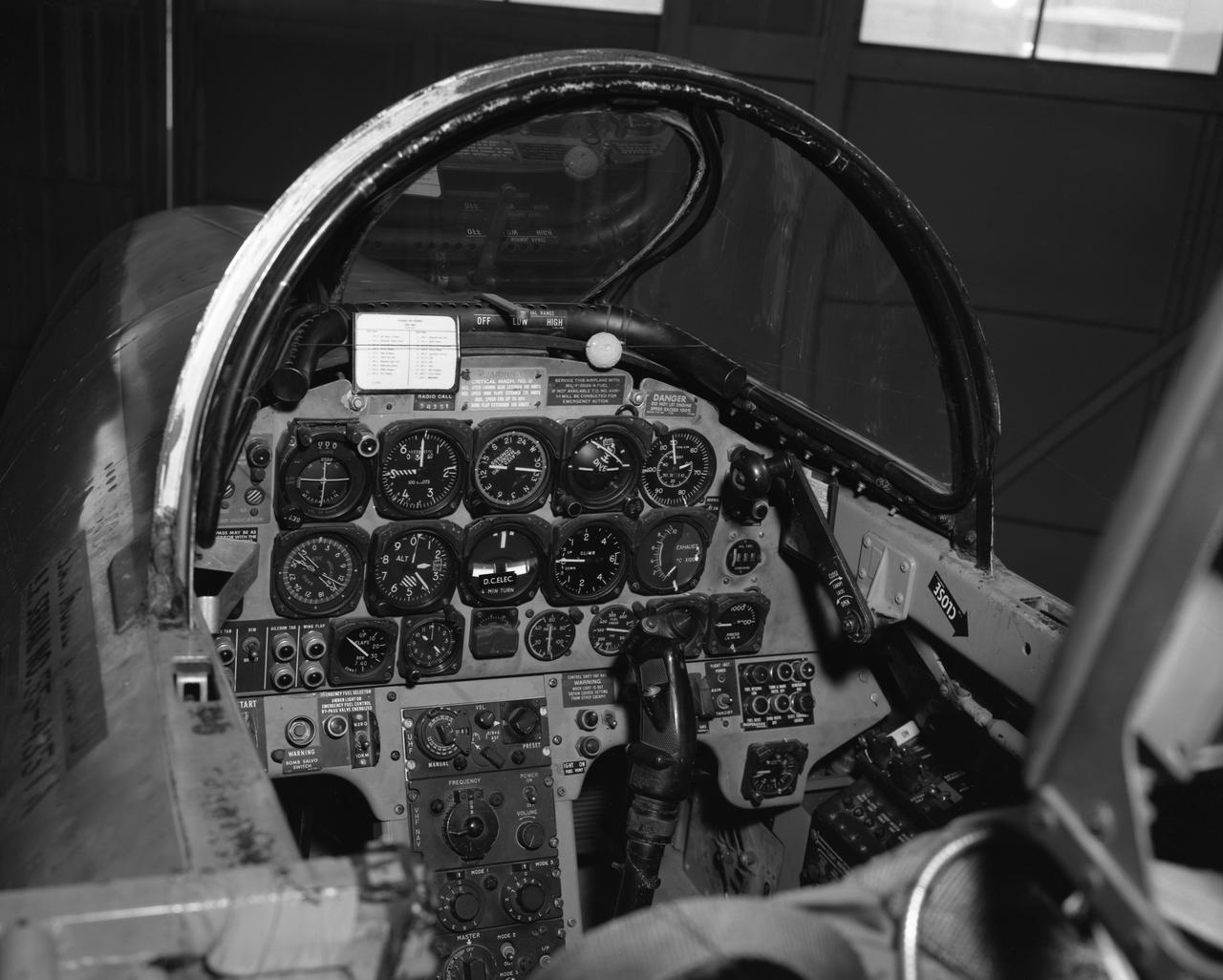
M2-F2 cockpit instrument panels
This photo shows the right side cockpit instrumentation panel of the M2-F2 Lifting Body. The success of Dryden's M2-F1 program led to NASA's development and construction of two heavyweight lifting bodies based on studies at NASA's Ames and Langley research centers -- the M2-F2 and the HL-10, both built by the Northrop Corporation. The "M" refers to "manned" and "F" refers to "flight" version. "HL" comes from "horizontal landing" and 10 is for the tenth lifting body model to be investigated by Langley.  The first flight of the M2-F2 -- which looked much like the "F1" -- was on July 12, 1966. Milt Thompson was the pilot. By then, the same B-52 used to air launch the famed X-15 rocket research aircraft was modified to also carry the lifting bodies. Thompson was dropped from the B-52's wing pylon mount at an altitude of 45,000 feet on that maiden glide flight.  The M2-F2 weighed 4,620 pounds, was 22 feet long, and had a width of about 10 feet.  On May 10, 1967, during the sixteenth glide flight leading up to powered flight, a landing accident severely damaged the vehicle and seriously injured the NASA pilot, Bruce Peterson.  NASA pilots and researchers realized the M2-F2 had lateral control problems, even though it had a stability augmentation control system. When the M2-F2 was rebuilt at Dryden and redesignated the M2-F3, it was modified with an additional third vertical fin -- centered between the tip fins -- to improve control characteristics.  The M2-F2/F3 was the first of the heavy-weight, entry-configuration lifting bodies. Its successful development as a research test vehicle answered many of the generic questions about these vehicles.  NASA donated the M2-F3 vehicle to the Smithsonian Institute in December 1973. It is currently hanging in the Air and Space Museum along with the X-15 aircraft number 1, which was its hangar partner at Dryden from 1965 to 1969.
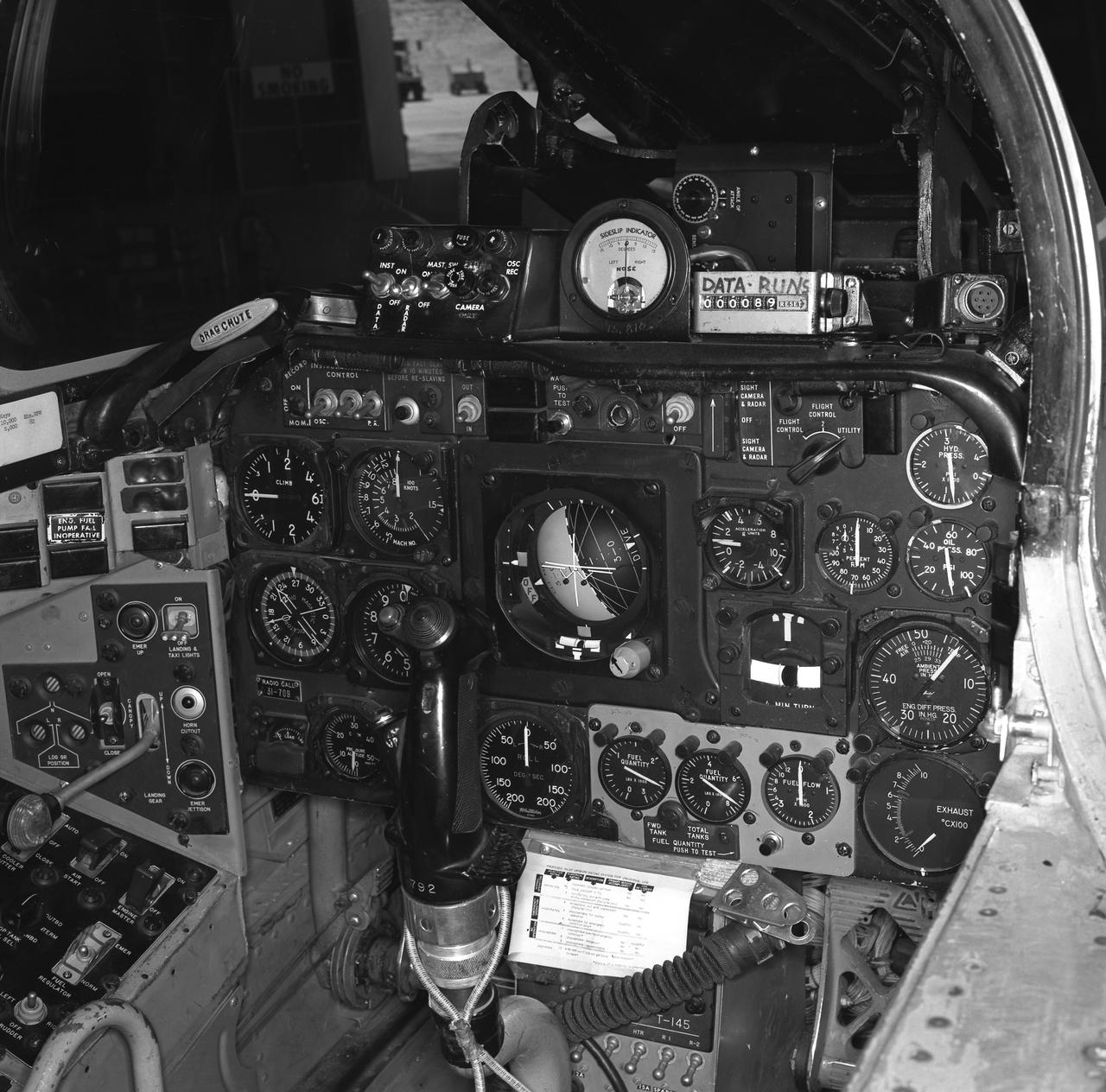
M2-F2 cockpit instrument panels