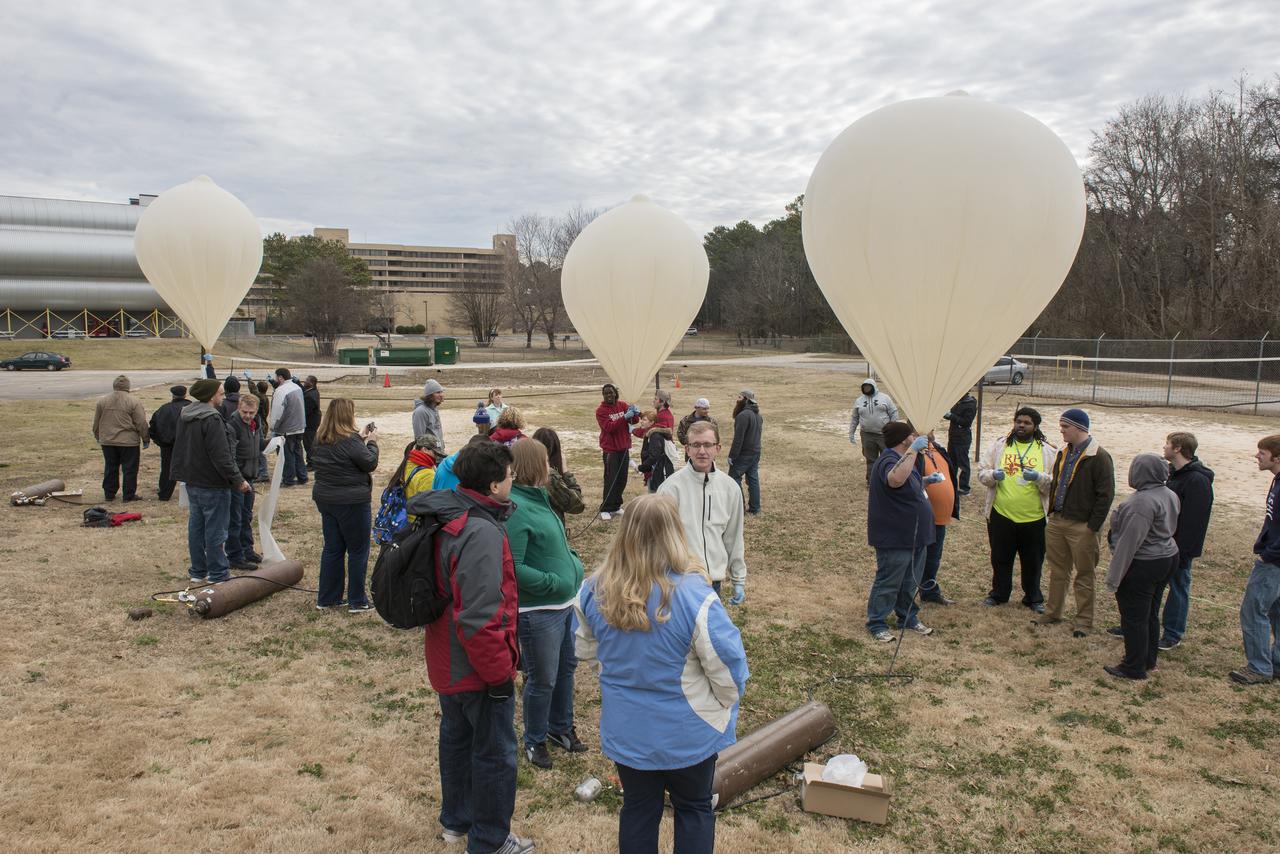
STUDENTS FROM COMMUNITY COLLEGES THROUGHOUT THE SOUTH CAME TOGETHER AT THE U.S. SPACE AND ROCKET CENTER FOR THE BALLOONSAT LAUNCH EVENT. EACH COMMUNITY COLLEGE TEAM ASSEMBLED ITS OWN PAYLOAD, DESIGNED TO DOWNLOAD SCIENTIFIC AND ATMOSPHERIC INFORMATION, AND THEN 2 WEATHER BALLOONS WERE SENT ALOFT TO APPROXIMATELY 100,000 FEET WITH THE PAYLOADS. THE PAYLOADS WERE RECOVERED IN N. GEORGIA AND TAKEN BACK TO THE INDIVIDUAL SCHOOLS FOR DOWNLOADING.
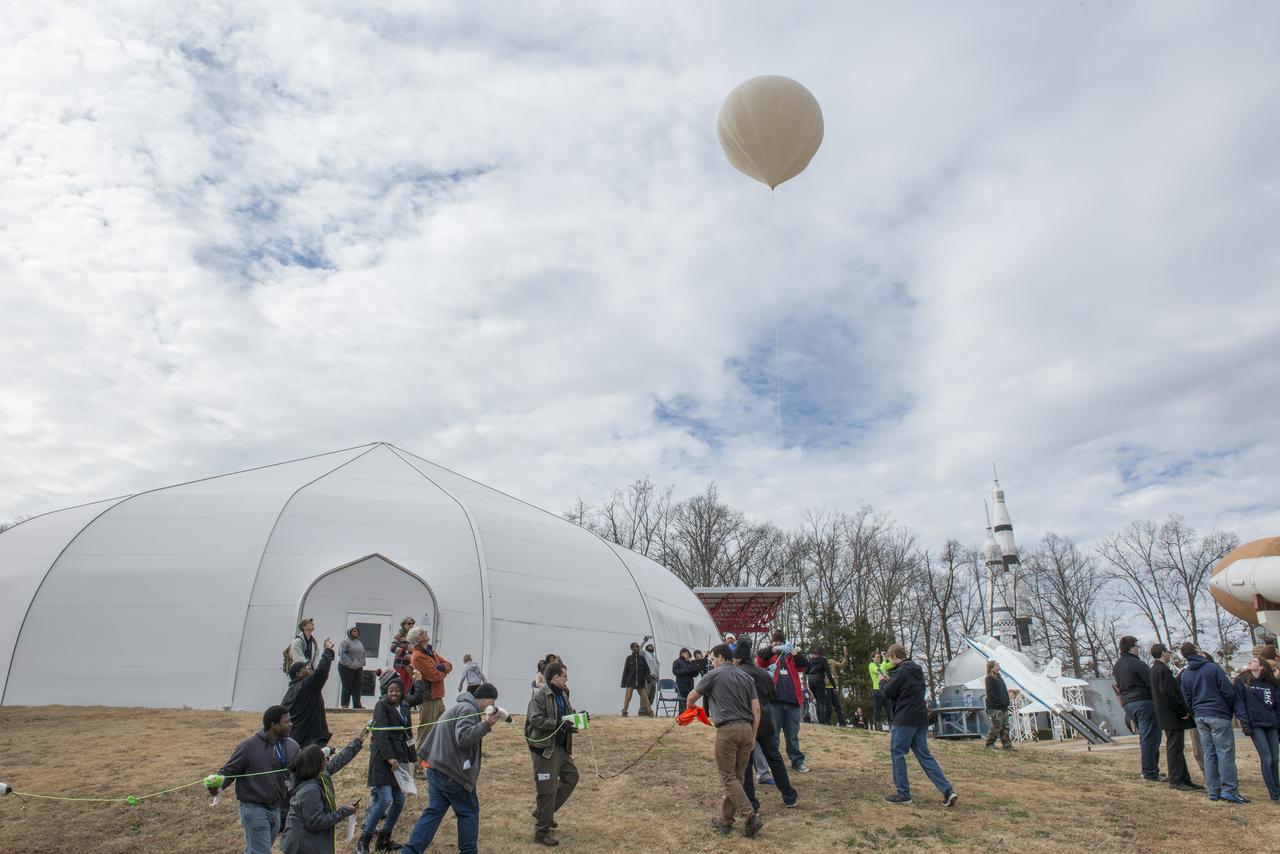
STUDENTS FROM COMMUNITY COLLEGES THROUGHOUT THE SOUTH CAME TOGETHER AT THE U.S. SPACE AND ROCKET CENTER FOR THE BALLOONSAT LAUNCH EVENT. EACH COMMUNITY COLLEGE TEAM ASSEMBLED ITS OWN PAYLOAD, DESIGNED TO DOWNLOAD SCIENTIFIC AND ATMOSPHERIC INFORMATION, AND THEN 2 WEATHER BALLOONS WERE SENT ALOFT TO APPROXIMATELY 100,000 FEET WITH THE PAYLOADS. THE PAYLOADS WERE RECOVERED IN N. GEORGIA AND TAKEN BACK TO THE INDIVIDUAL SCHOOLS FOR DOWNLOADING.
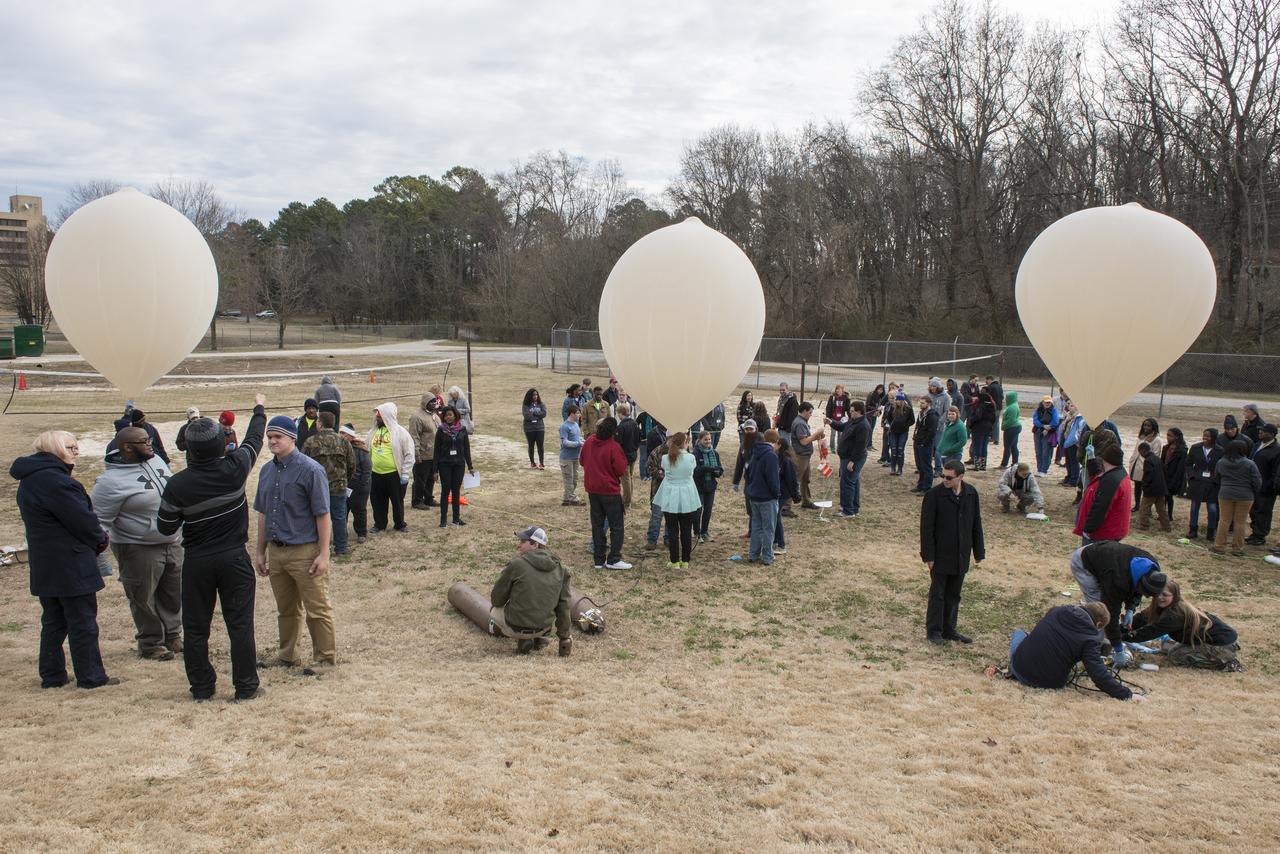
STUDENTS FROM COMMUNITY COLLEGES THROUGHOUT THE SOUTH CAME TOGETHER AT THE U.S. SPACE AND ROCKET CENTER FOR THE BALLOONSAT LAUNCH EVENT. EACH COMMUNITY COLLEGE TEAM ASSEMBLED ITS OWN PAYLOAD, DESIGNED TO DOWNLOAD SCIENTIFIC AND ATMOSPHERIC INFORMATION, AND THEN 2 WEATHER BALLOONS WERE SENT ALOFT TO APPROXIMATELY 100,000 FEET WITH THE PAYLOADS. THE PAYLOADS WERE RECOVERED IN N. GEORGIA AND TAKEN BACK TO THE INDIVIDUAL SCHOOLS FOR DOWNLOADING.
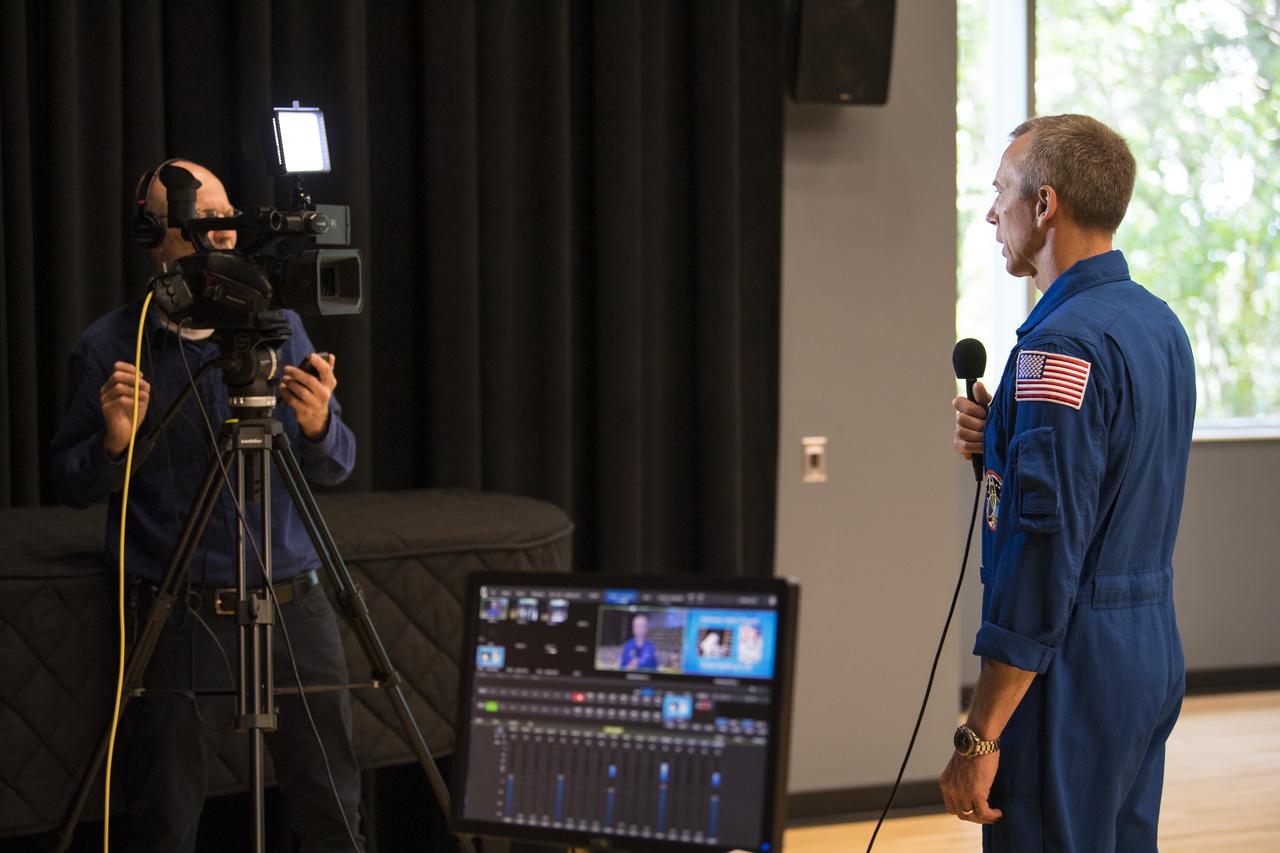
NASA astronaut Drew Feustel is interviewed about his community college experience and why he chose to be an astronaut at Northern Virginia Community College's Alexandria campus, Monday, May 6, 2019 in Virginia. Photo Credit: (NASA/Aubrey Gemignani)
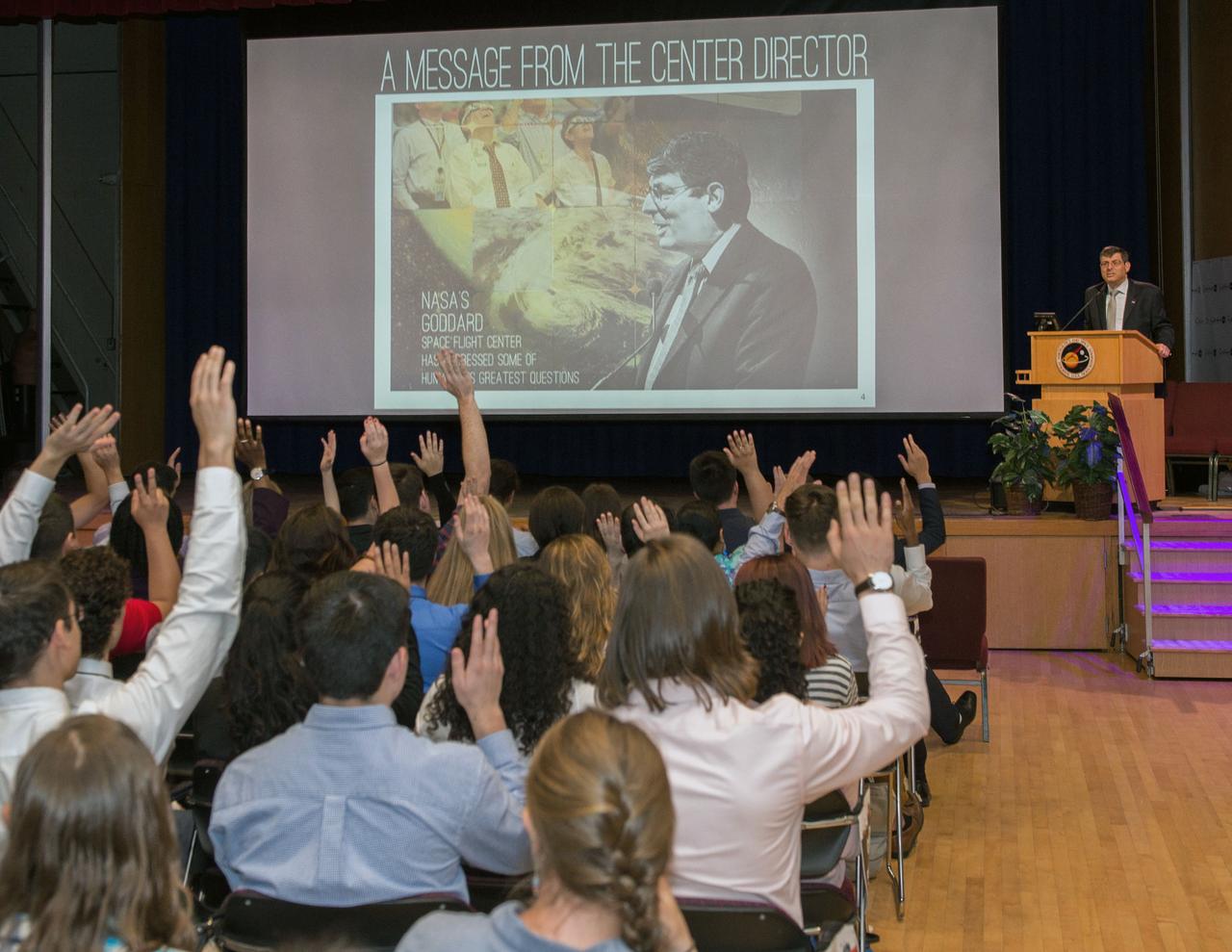
Summer 2018 College Intern Orientation. Center Director Chris Scolese.

Student Assistant Antoinette Davis (left) of Utica; Carmella Forsythe, 13, of Clinton; Terri Henderson, 14, of Clinton; Tyra Greer, 12, of Port Gibson; and Kala Battle, 14, of Edwards, answer curriculum questions about NASA's Return to Flight mission exhibit at StenniSphere, the visitor center at NASA's Stennis Space Center (SSC) near Bay St. Louis, Miss. The girls were on a field trip to StenniSphere with fellow participants in Hinds Community College's MSEIP (Minority Science Engineering Improvement Program) summer program. MSEIP encourages students to pursue and prepare for careers in science, technology, engineering and math.
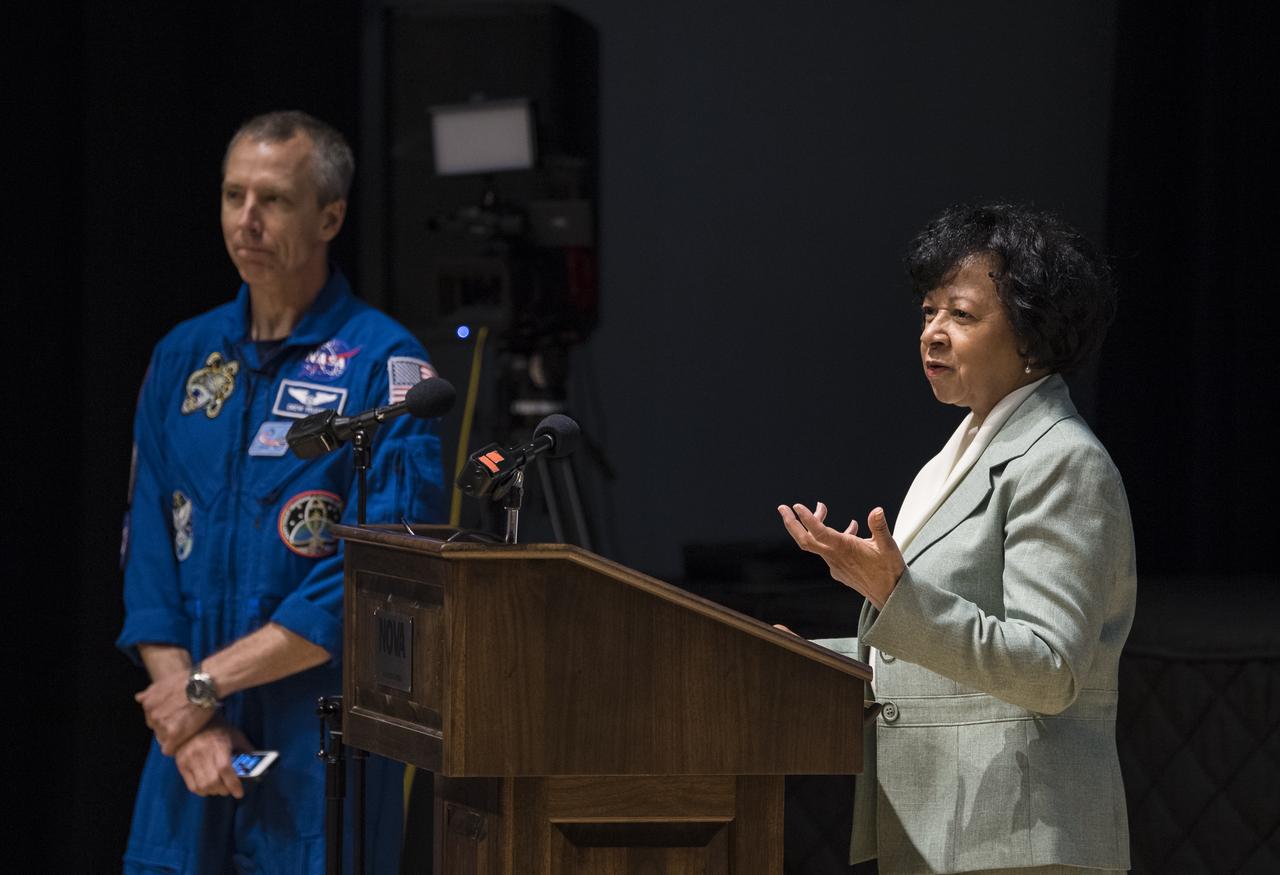
NASA astronaut Drew Feustel is introduced by Northern Virginia Community College's Alexandria campus provost, Dr. Annette Haggray, Monday, May 6, 2019 in Virginia. Photo Credit: (NASA/Aubrey Gemignani)
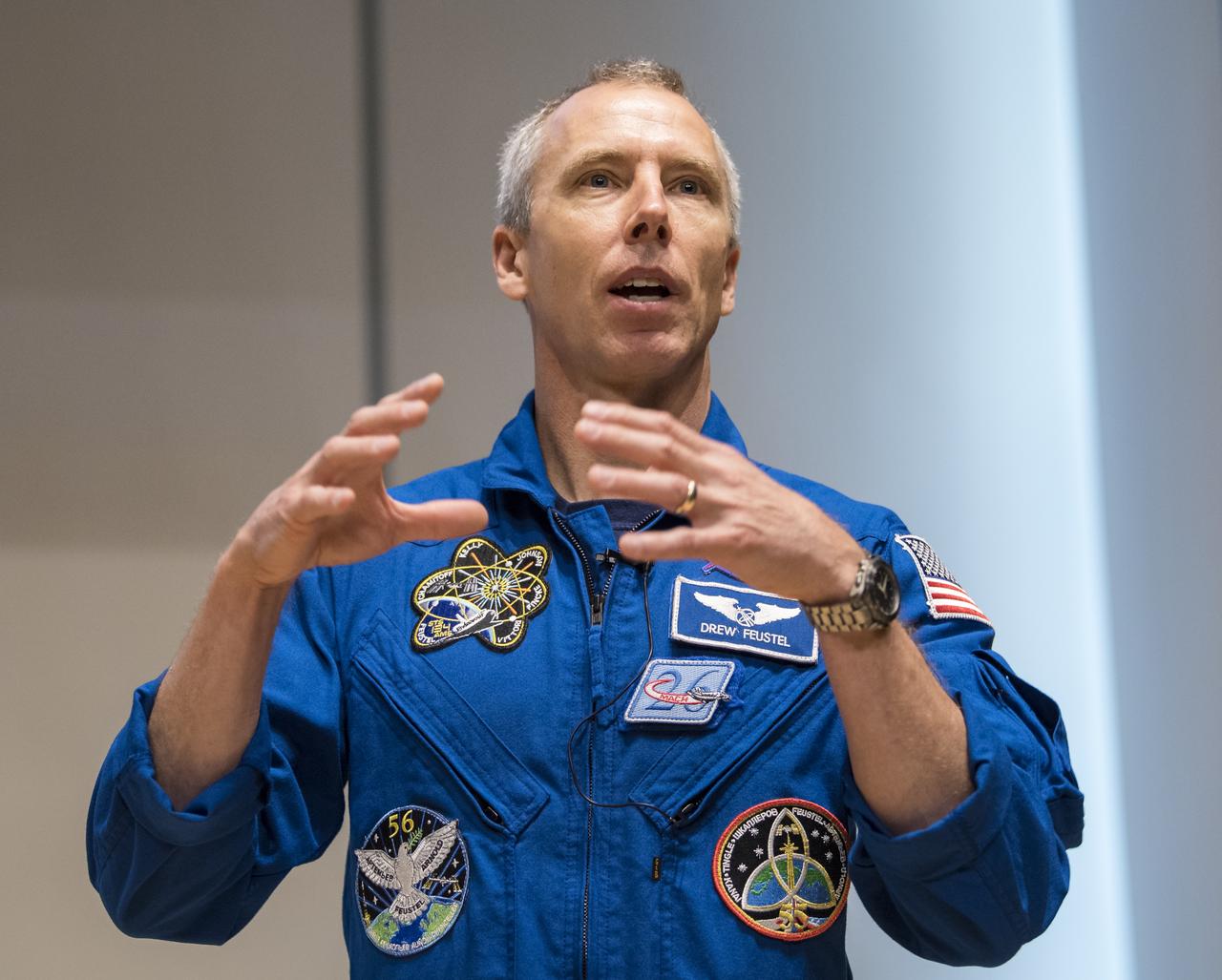
NASA astronaut Drew Feustel speaks about his experience on two shuttle missions, STS-125 and STS-134, as well as Expeditions 55 and 56 on the International Space Station, at Northern Virginia Community College's Alexandria campus, Monday, May 6, 2019 in Virginia. Photo Credit: (NASA/Aubrey Gemignani)
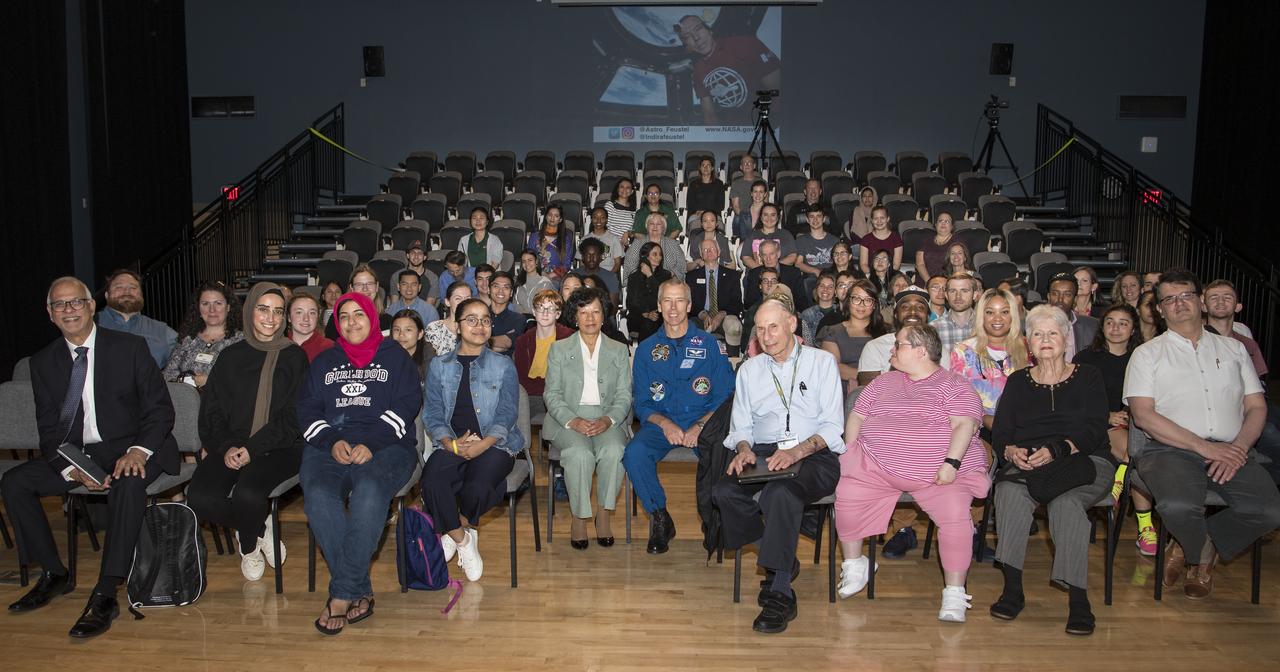
NASA astronaut Drew Feustel, center right, poses for a photo with Northern Virginia Community College's Alexandria campus provost, Dr. Annette Haggray, center left, and attendees of his presentation on spaceflight, Monday, May 6, 2019 in Virginia. Photo Credit: (NASA/Aubrey Gemignani)
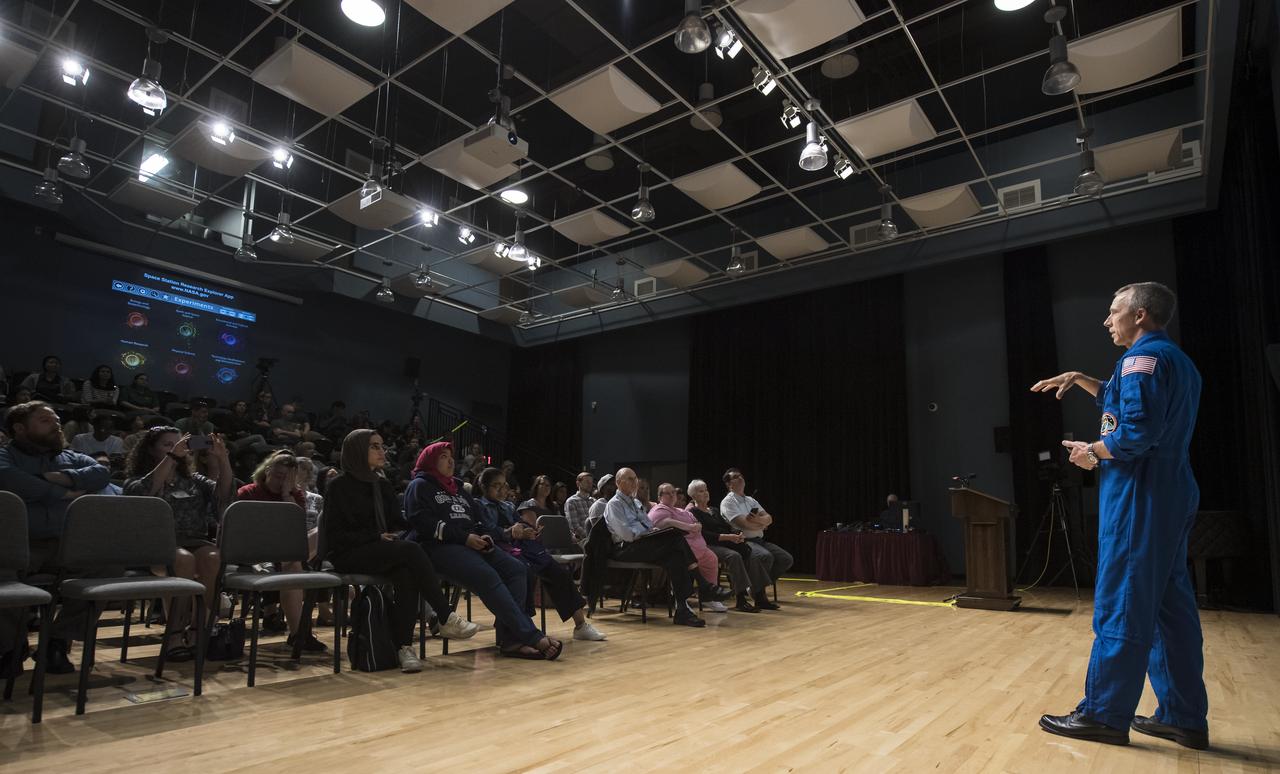
NASA astronaut Drew Feustel speaks about his experience on two shuttle missions, STS-125 and STS-134, as well as Expeditions 55 and 56 on the International Space Station, at Northern Virginia Community College's Alexandria campus, Monday, May 6, 2019 in Virginia. Photo Credit: (NASA/Aubrey Gemignani)
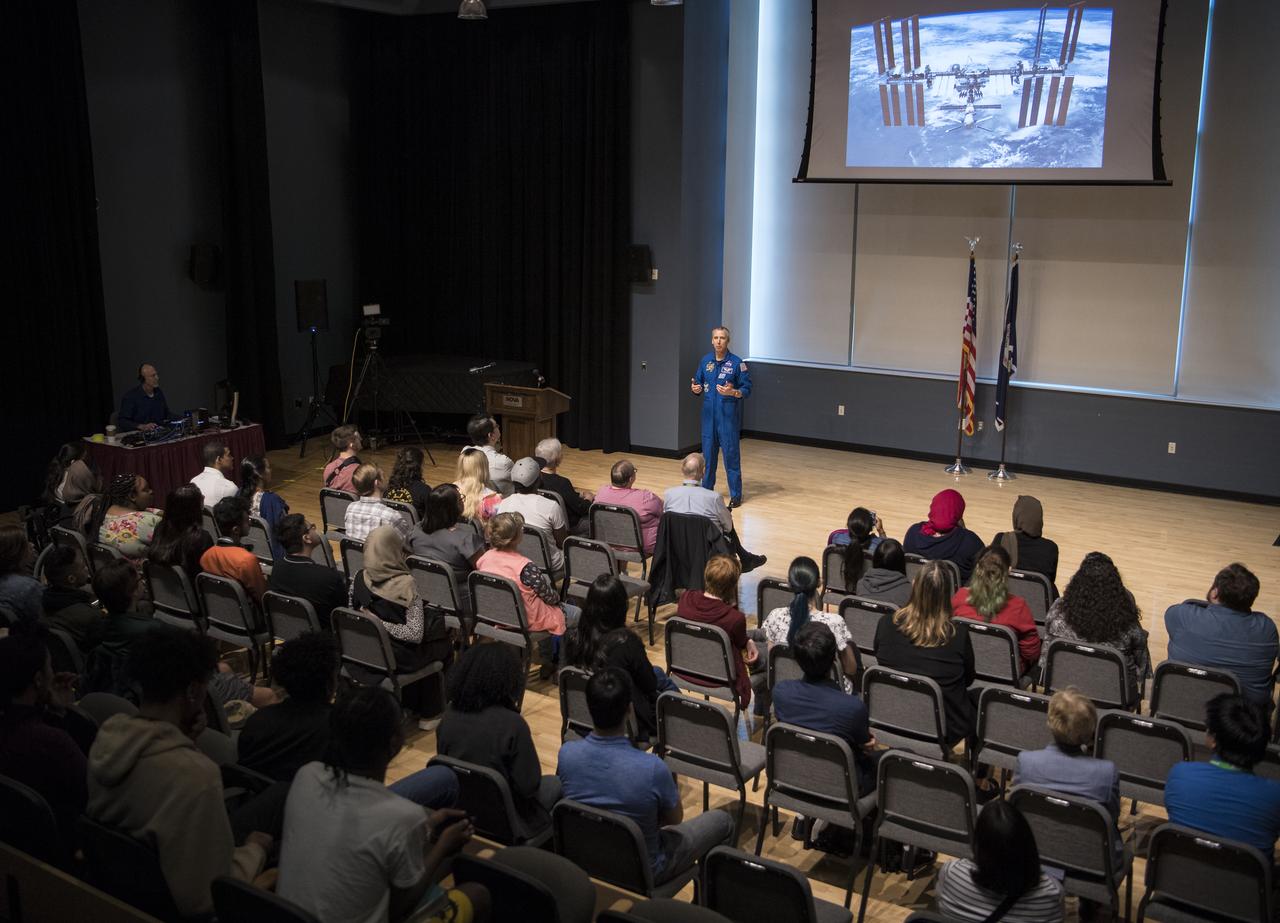
NASA astronaut Drew Feustel speaks about his experience on two shuttle missions, STS-125 and STS-134, as well as Expeditions 55 and 56 on the International Space Station, at Northern Virginia Community College's Alexandria campus, Monday, May 6, 2019 in Virginia. Photo Credit: (NASA/Aubrey Gemignani)
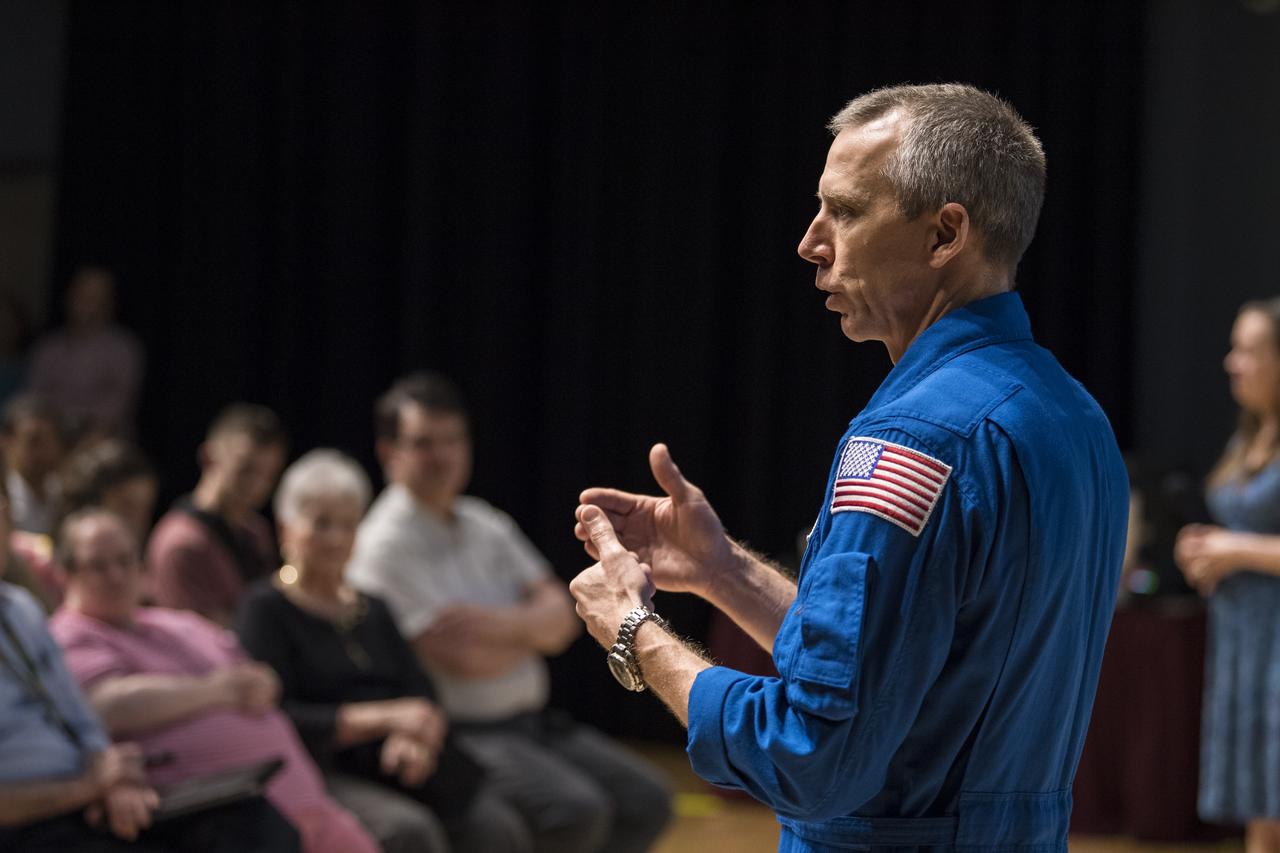
NASA astronaut Drew Feustel speaks about his experience on two shuttle missions, STS-125 and STS-134, as well as Expeditions 55 and 56 on the International Space Station, at Northern Virginia Community College's Alexandria campus, Monday, May 6, 2019 in Virginia. Photo Credit: (NASA/Aubrey Gemignani)
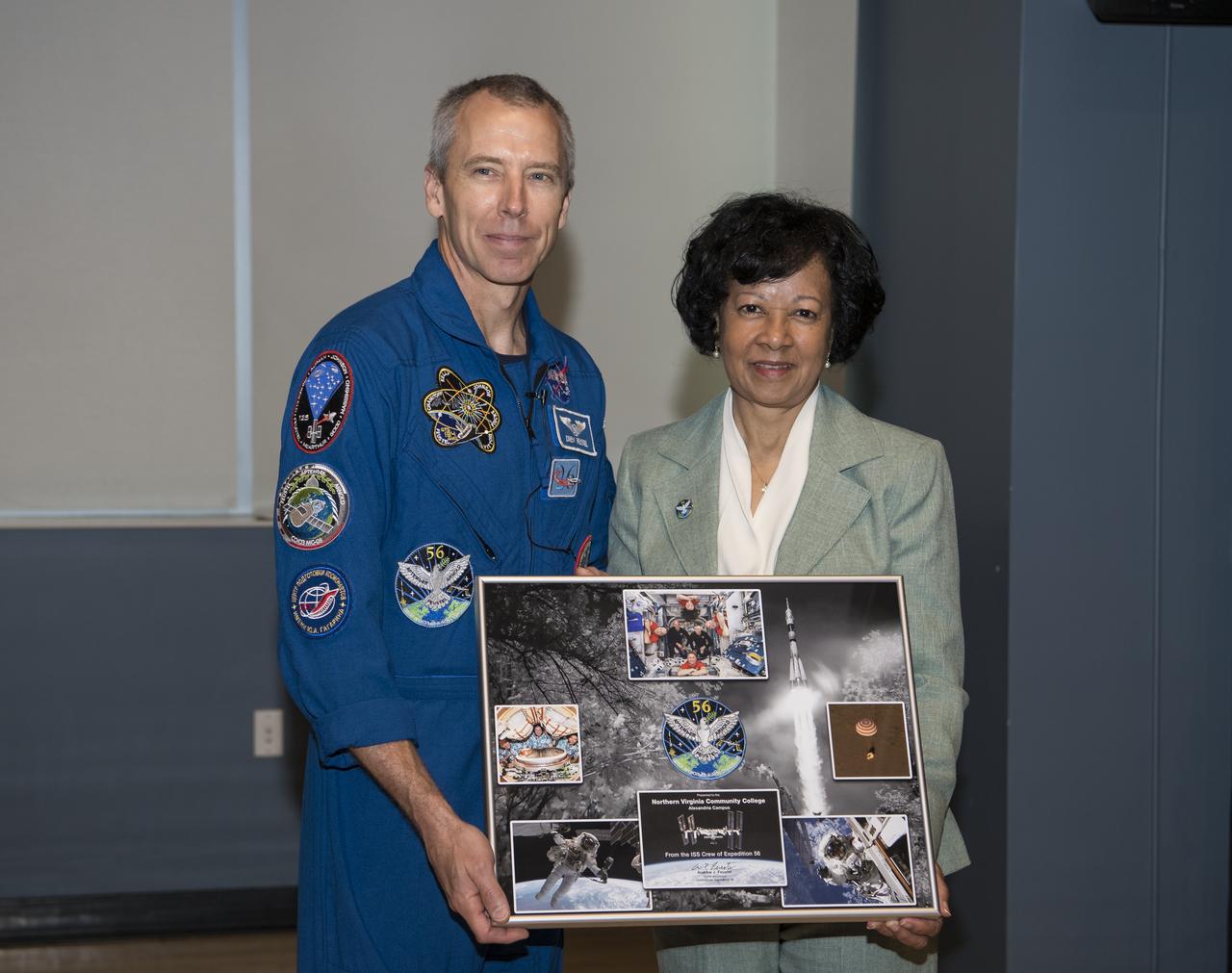
NASA astronaut Drew Feustel, left, poses for a photo with Northern Virginia Community College's Alexandria campus provost, Dr. Annette Haggray, after presenting her with a montage from Expeditions 55 and 56, Monday, May 6, 2019 in Virginia. Photo Credit: (NASA/Aubrey Gemignani)
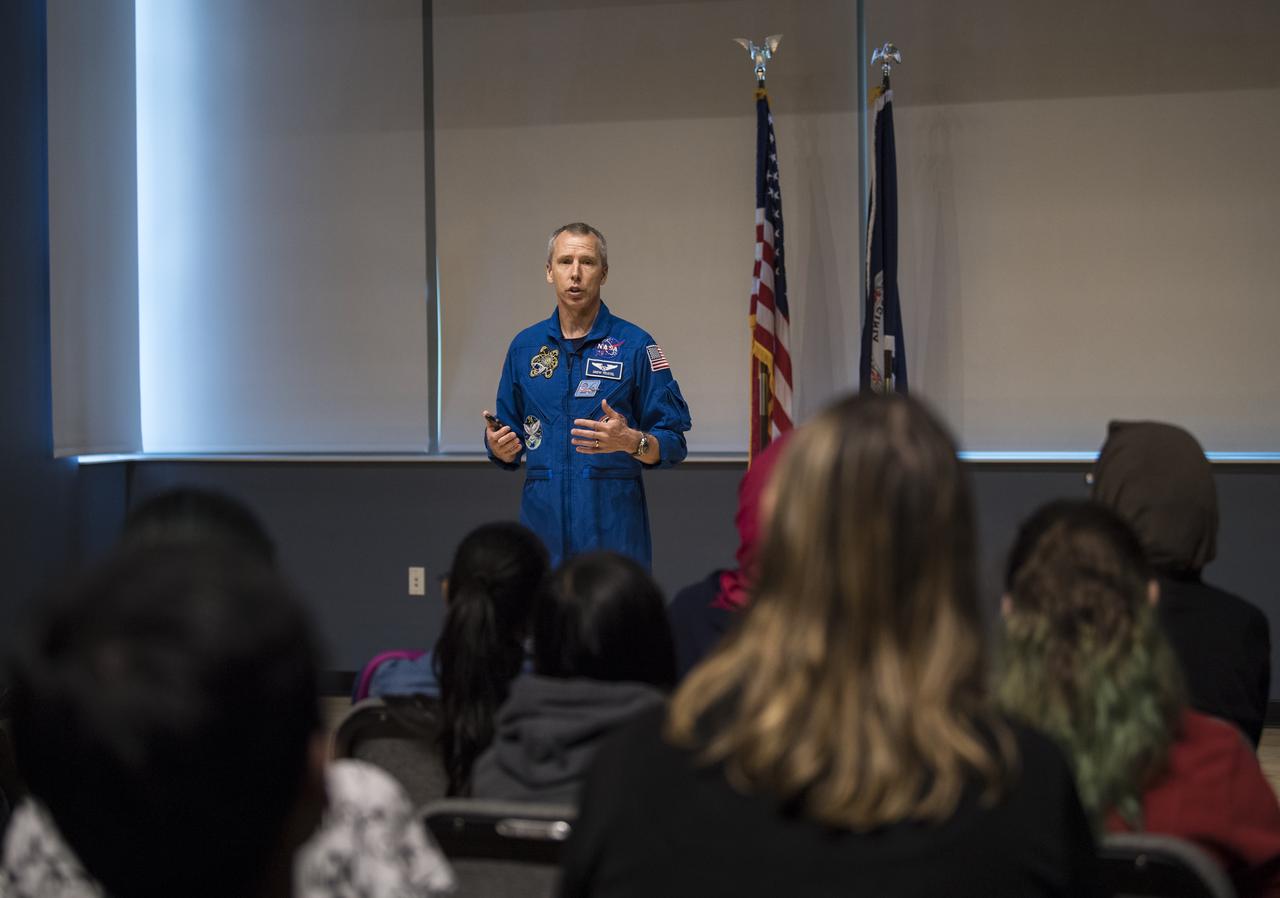
NASA astronaut Drew Feustel speaks about his experience on two shuttle missions, STS-125 and STS-134, as well as Expeditions 55 and 56 on the International Space Station, at Northern Virginia Community College's Alexandria campus, Monday, May 6, 2019 in Virginia. Photo Credit: (NASA/Aubrey Gemignani)
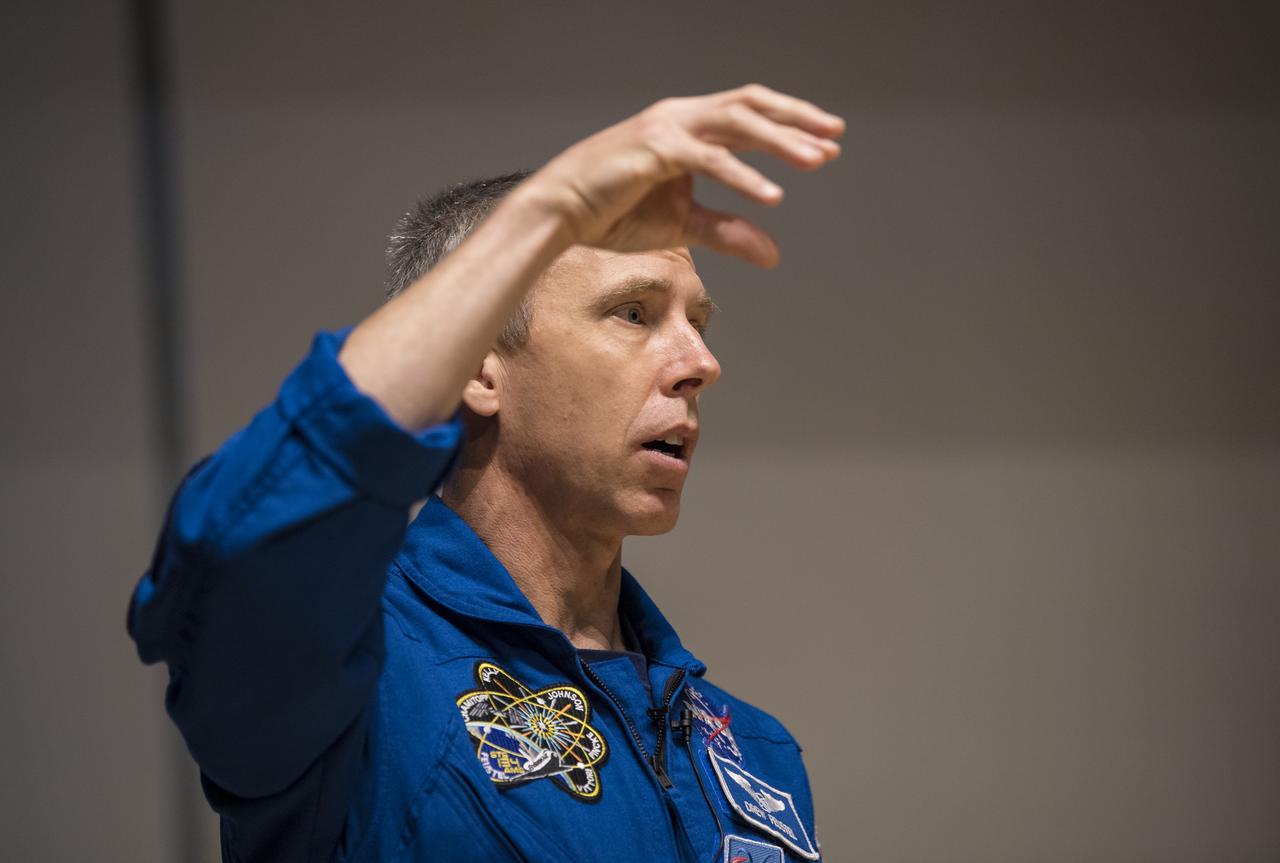
NASA astronaut Drew Feustel speaks about his experience on two shuttle missions, STS-125 and STS-134, as well as Expeditions 55 and 56 on the International Space Station, at Northern Virginia Community College's Alexandria campus, Monday, May 6, 2019 in Virginia. Photo Credit: (NASA/Aubrey Gemignani)
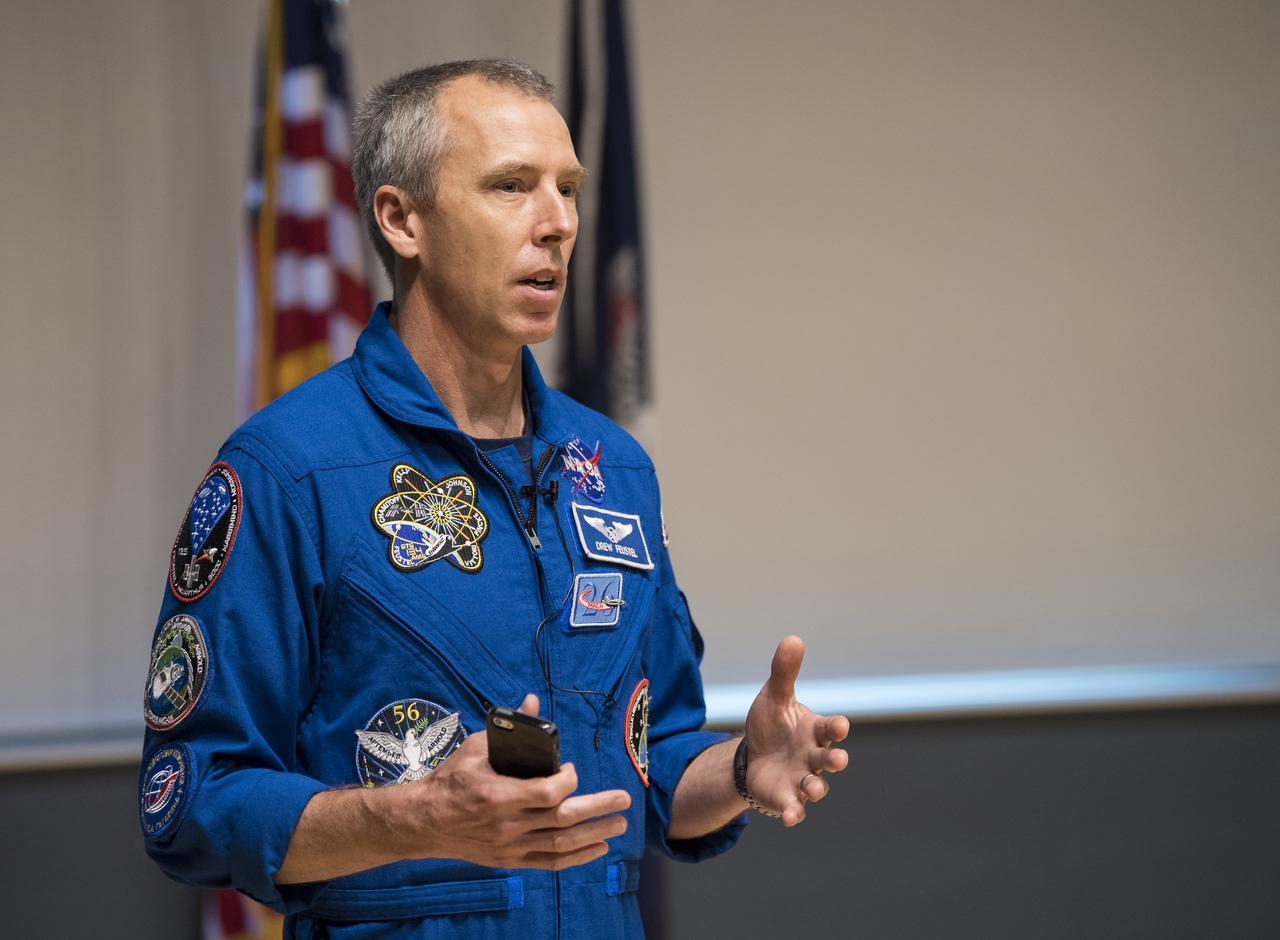
NASA astronaut Drew Feustel speaks about his experience on two shuttle missions, STS-125 and STS-134, as well as Expeditions 55 and 56 on the International Space Station, at Northern Virginia Community College's Alexandria campus, Monday, May 6, 2019 in Virginia. Photo Credit: (NASA/Aubrey Gemignani)
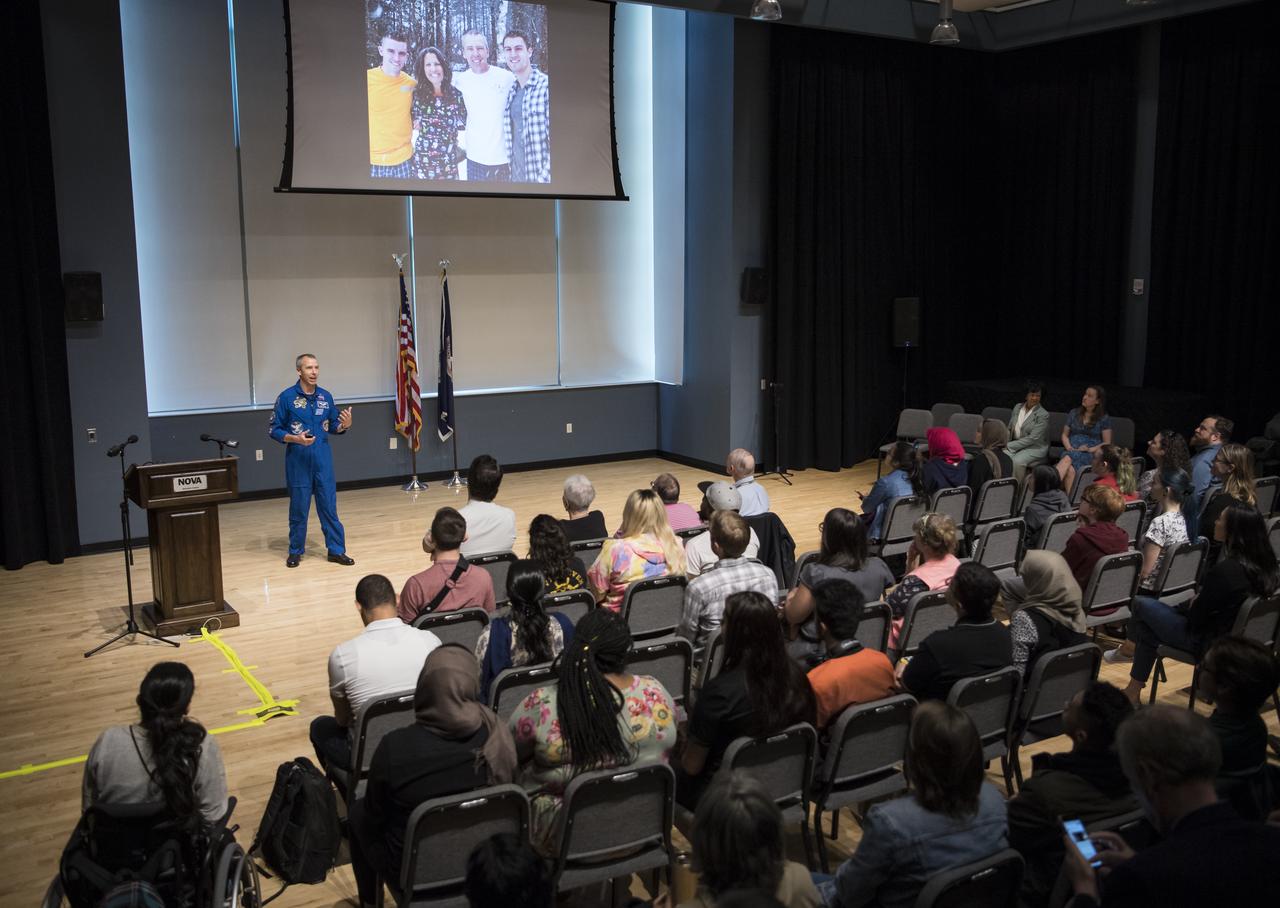
NASA astronaut Drew Feustel speaks about his experience on two shuttle missions, STS-125 and STS-134, as well as Expeditions 55 and 56 on the International Space Station, at Northern Virginia Community College's Alexandria campus, Monday, May 6, 2019 in Virginia. Photo Credit: (NASA/Aubrey Gemignani)
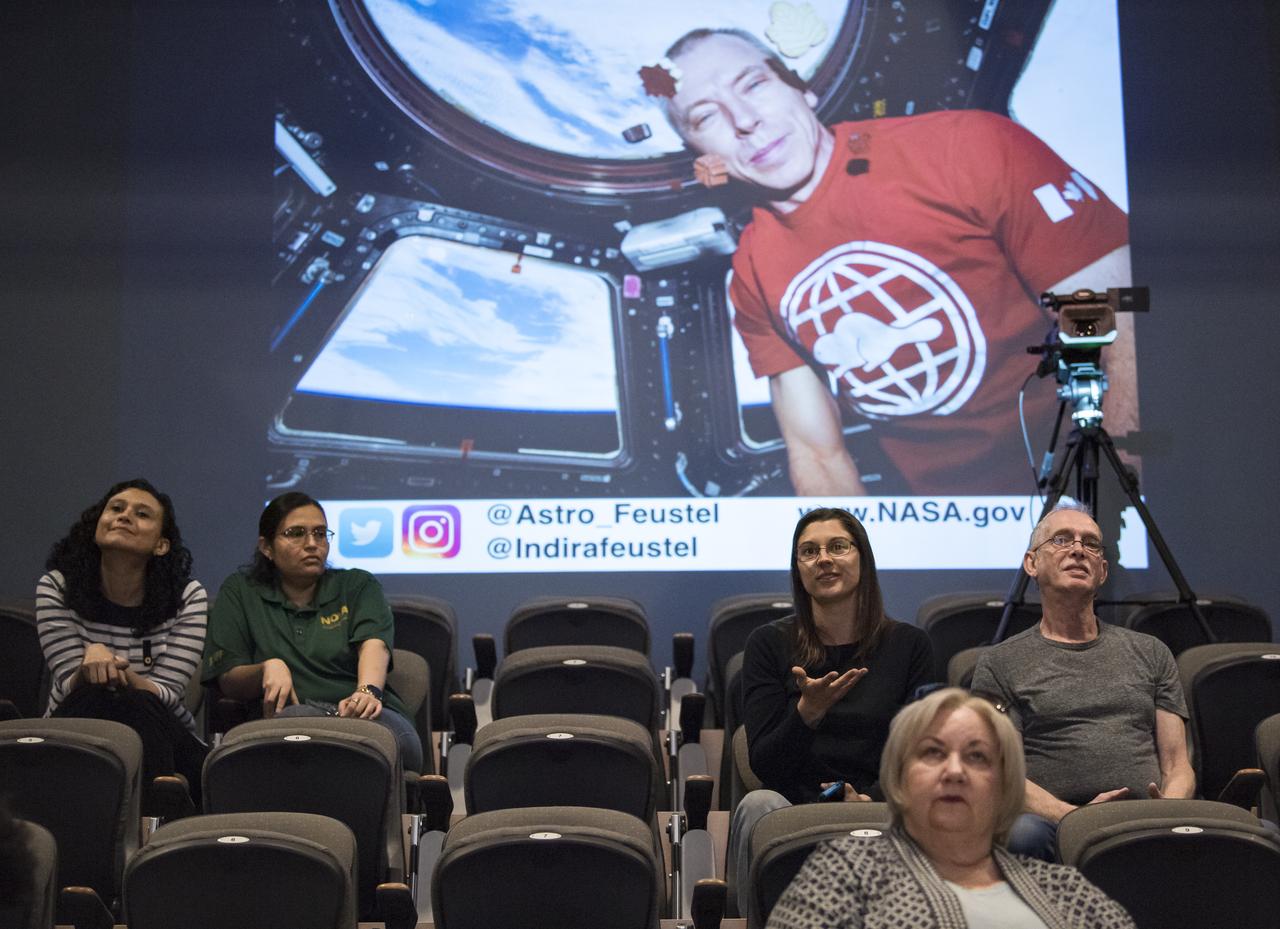
An audience member asks a question after NASA astronaut Drew Feustel gave a presentation about his experience on two shuttle missions, STS-125 and STS-134, as well as Expeditions 55 and 56 on the International Space Station, at Northern Virginia Community College's Alexandria campus, Monday, May 6, 2019 in Virginia. Photo Credit: (NASA/Aubrey Gemignani)

The College Fjord with its glaciers was imaged by ASTER on June 24, 2000. This image covers an area 20 kilometers (13 miles) wide and 24 kilometers (15 miles) long in three bands of the reflected visible and infrared wavelength region. College Fjord is located in Prince Williams Sound, east of Seward, Alaska. Vegetation is in red, and snow and ice are white and blue. Ice bergs calved off of the glaciers can be seen as white dots in the water. At the head of the fjord, Harvard Glacier (left) is one of the few advancing glaciers in the area; dark streaks on the glacier are medial moraines: rock and dirt that indicate the incorporated margins of merging glaciers. Yale Glacier to the right is retreating, exposing (now vegetated) bedrock where once there was ice. On the west edge of the fjord, several small glaciers enter the water. This fjord is a favorite stop for cruise ships plying Alaska's inland passage. This image is located at 61.2 degrees north latitude and 147.7 degrees west longitude. http://photojournal.jpl.nasa.gov/catalog/PIA02664

Representatives of the state of Alabama, academia, and industry listen and take part in a panel discussion led by NASA Marshall Space Flight Center's Ruth Jones as part of the first Alabama Historically Black Colleges and Universities Roundtable Discussion. The event focused on drawing more minorities, specifically women, into academic fields and careers in science, technology, engineering and mathematics.
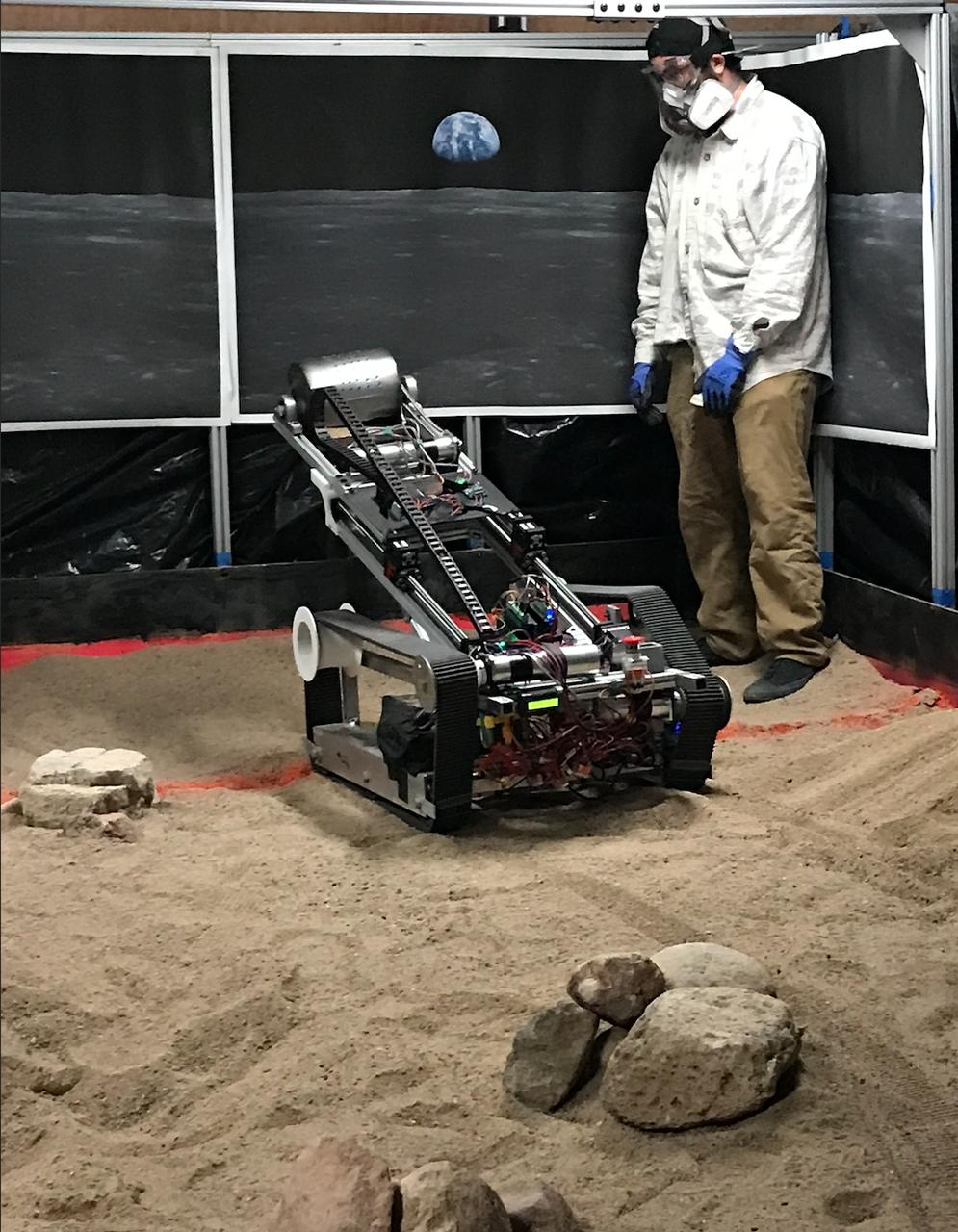
The New Mexico College of Mining and Technology robotic miner takes its first dig in the school’s mining arena. More than 40 teams from around the U.S. participated in NASA’s Lunabotics competition, which challenges collegiate teams to design and built remote-controlled robots under constraints similar to those the agency will face as it returns to the lunar surface through Artemis. The objective of the challenge is to see which team’s robot can collect and deposit the most rocky regolith within a specified amount of time.
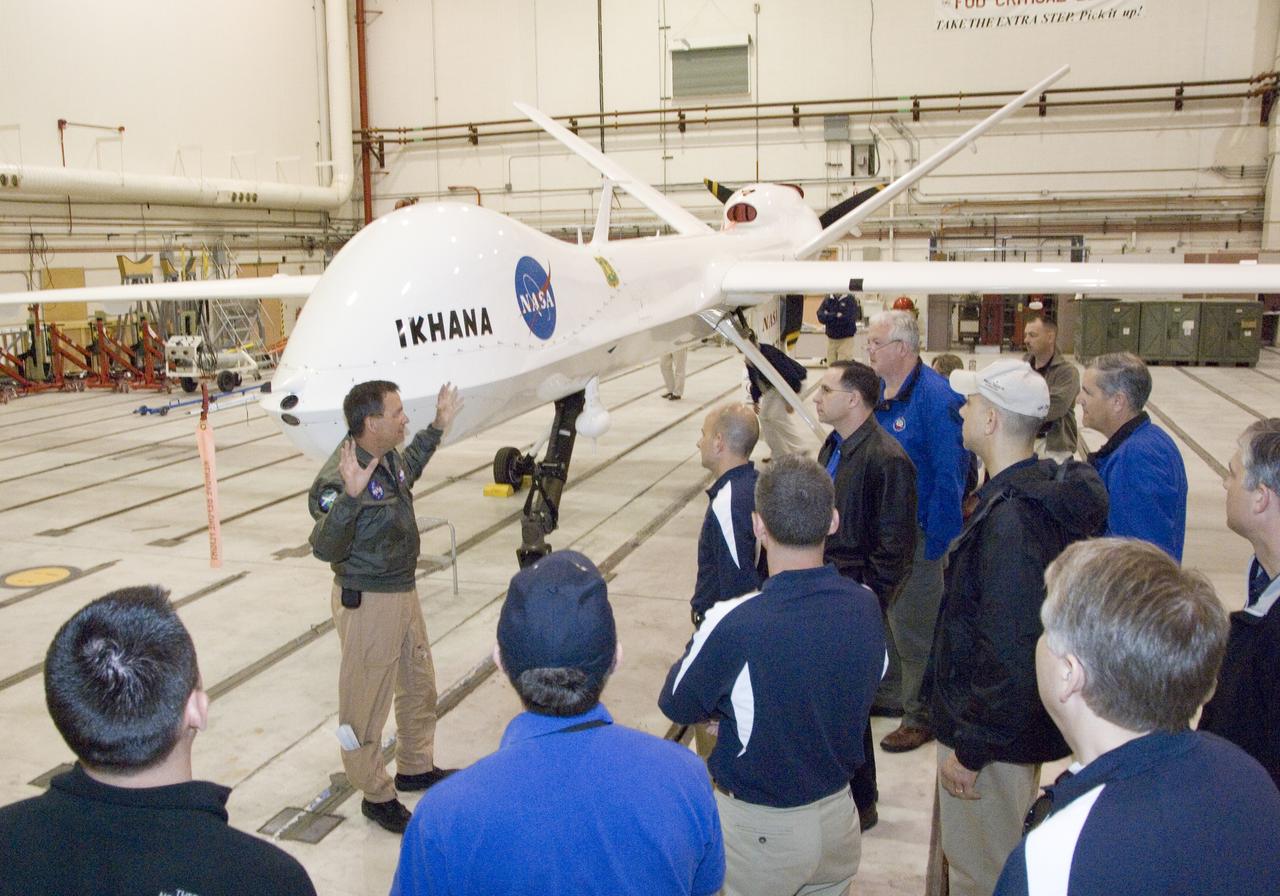
Industrial College of the Armed Forces students on a VIP tour receive a briefing on the Ikhana unmanned air vehicle from NASA Dryden pilot Mark Pestana.
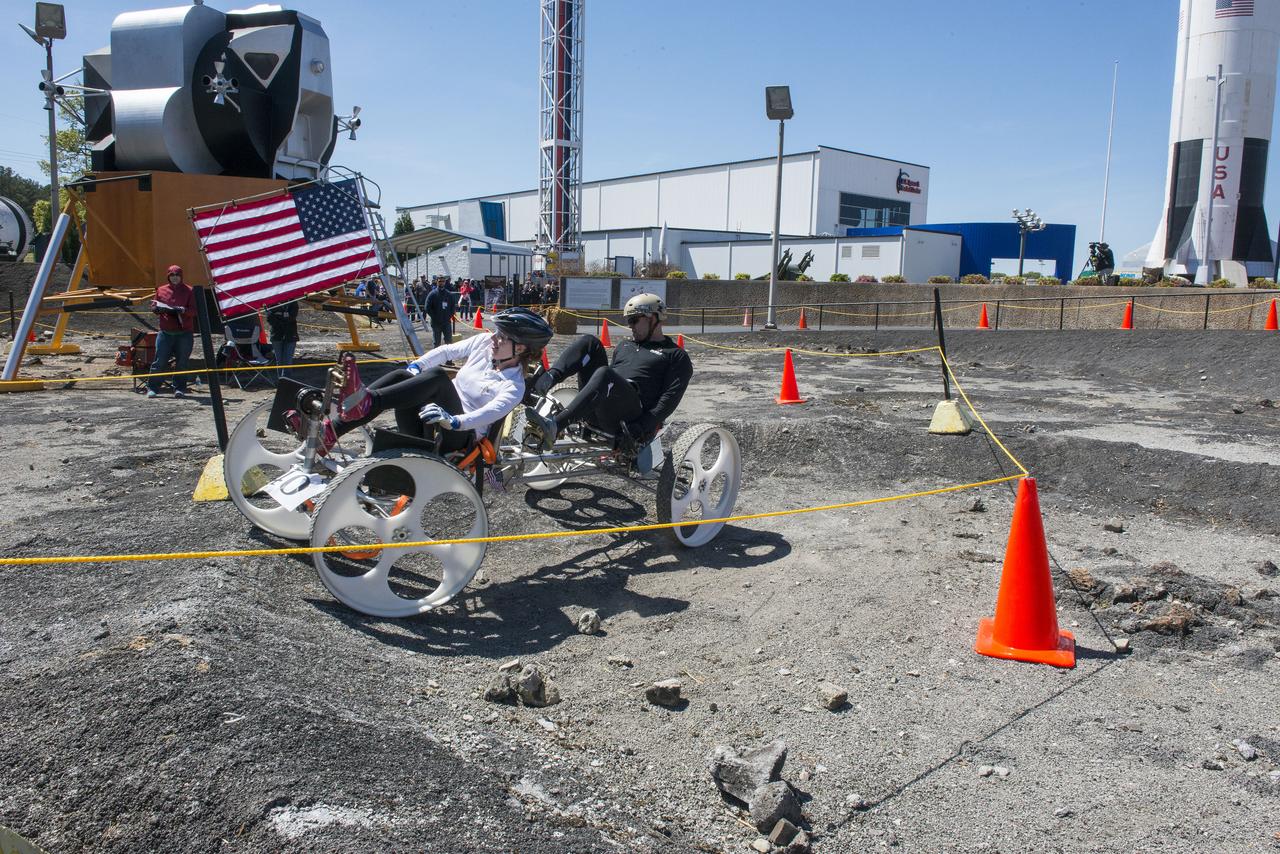
2016 LUNAR ROVER CHALLENGE COLLEGE 1ST PLACE WINNER: TEAM #40 PURDUE UNIVERSITY CALUMET TEAM 1
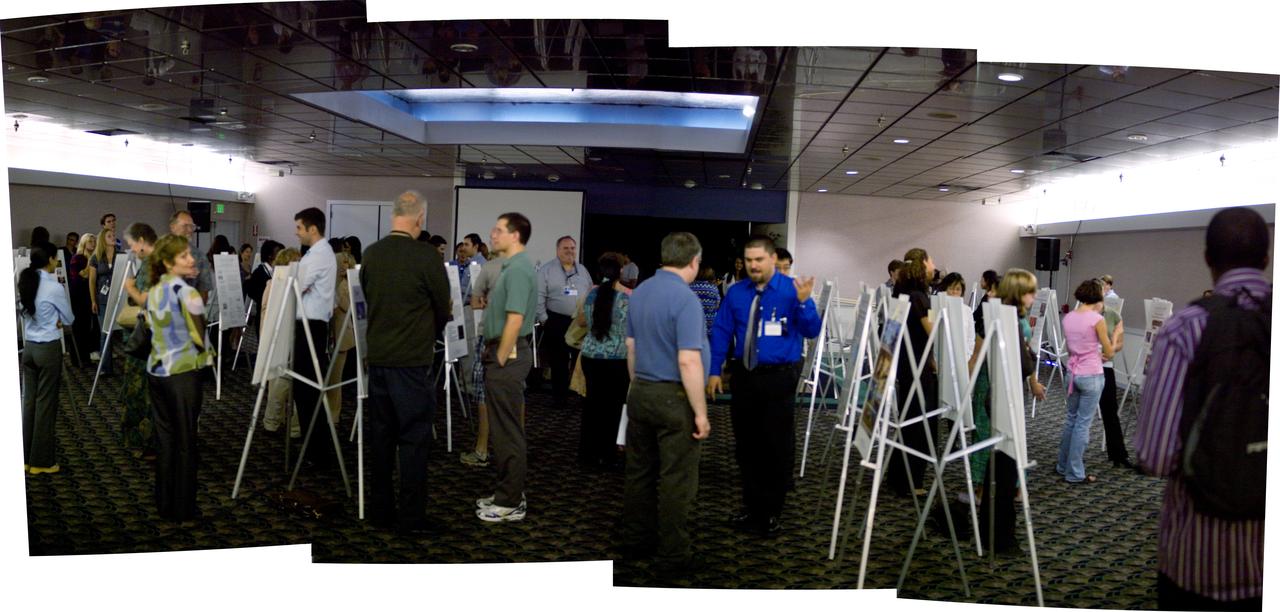
Foothill-DeAnza Community College Dstrict Internship Program poster Session NOTE: Photo taken by Summer Photo Intern Nick Tran.
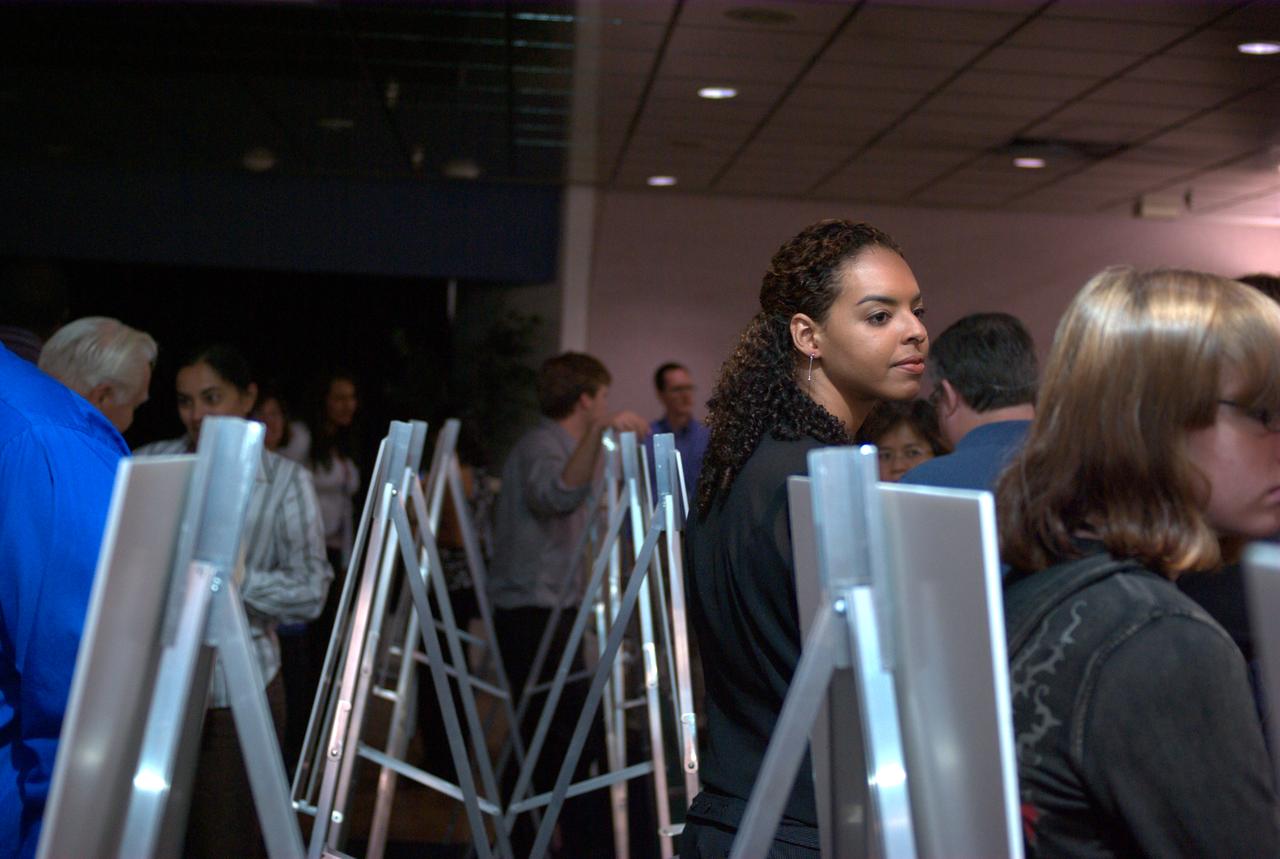
Foothill-DeAnza Community College Dstrict Internship Program poster Session NOTE: Photo taken by Summer Photo Intern Nick Tran.
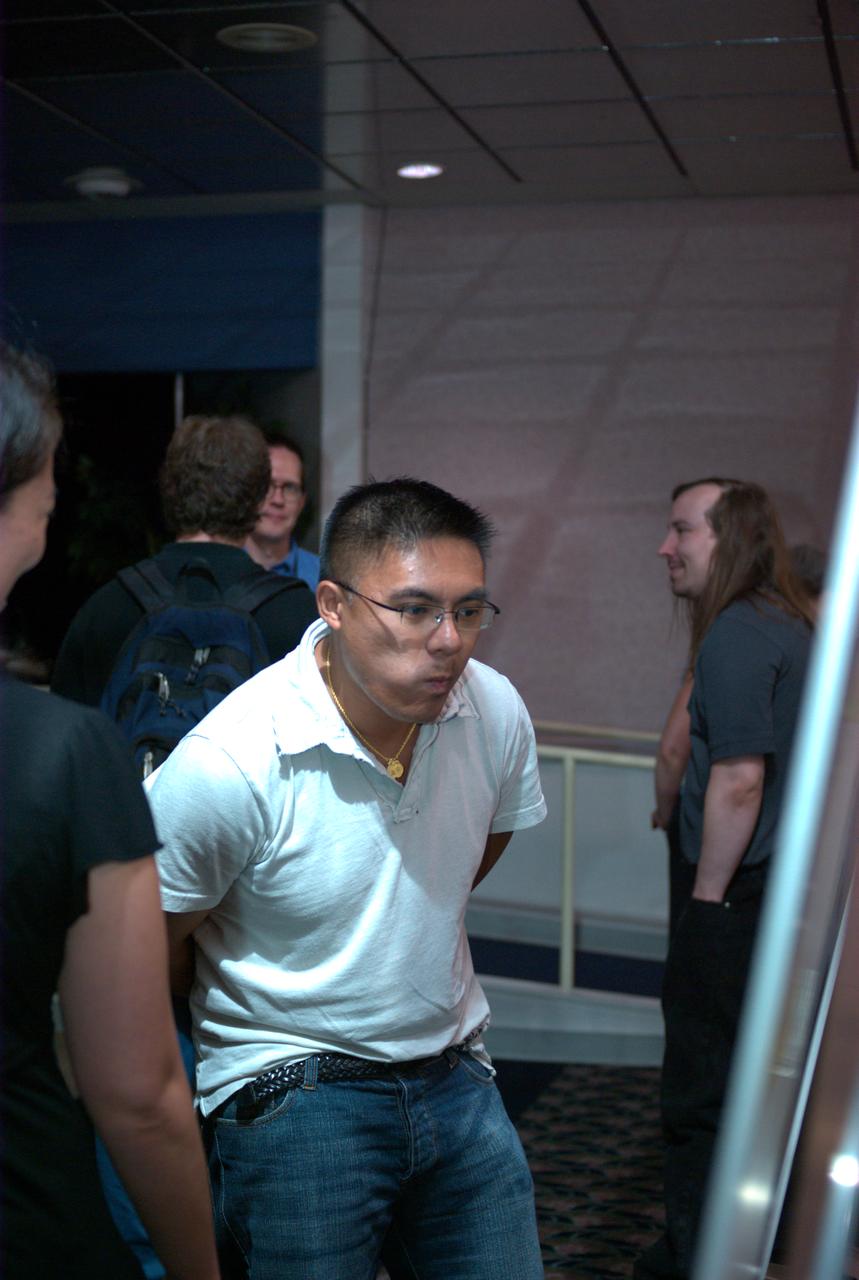
Foothill-DeAnza Community College Dstrict Internship Program poster Session NOTE: Photo taken by Summer Photo Intern Nick Tran.
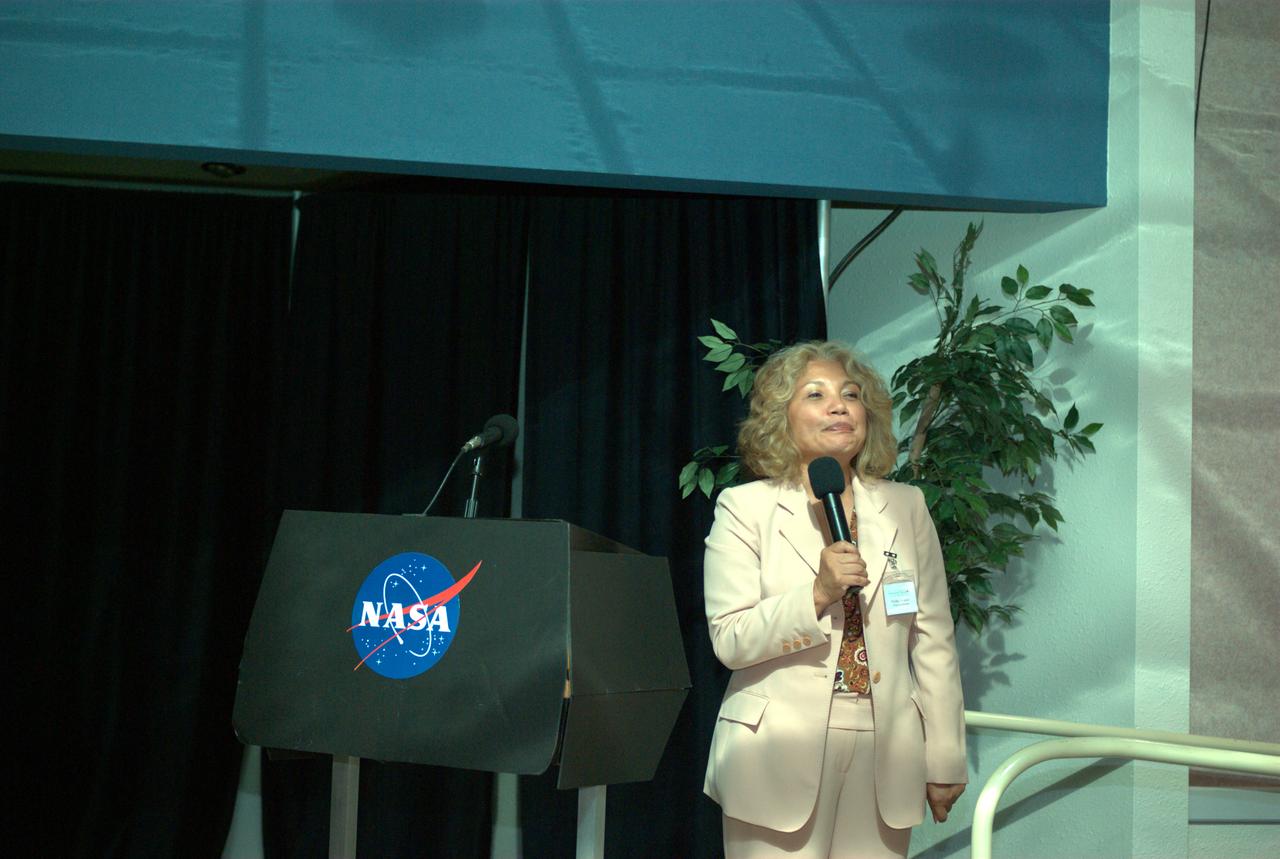
Foothill-DeAnza Community College Dstrict Internship Program poster Session NOTE: Photo taken by Summer Photo Intern Nick Tran.
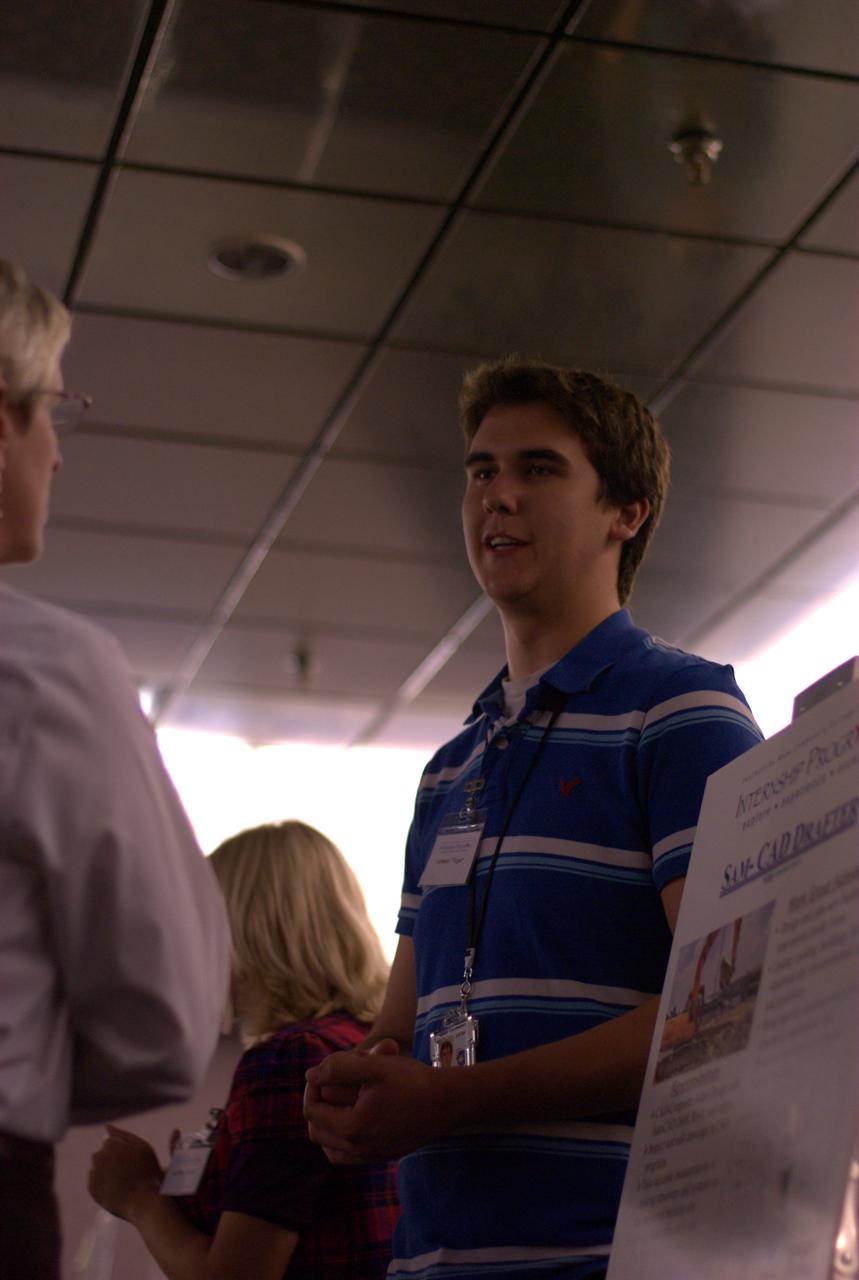
Foothill-DeAnza Community College Dstrict Internship Program poster Session NOTE: Photo taken by Summer Photo Intern Nick Tran.
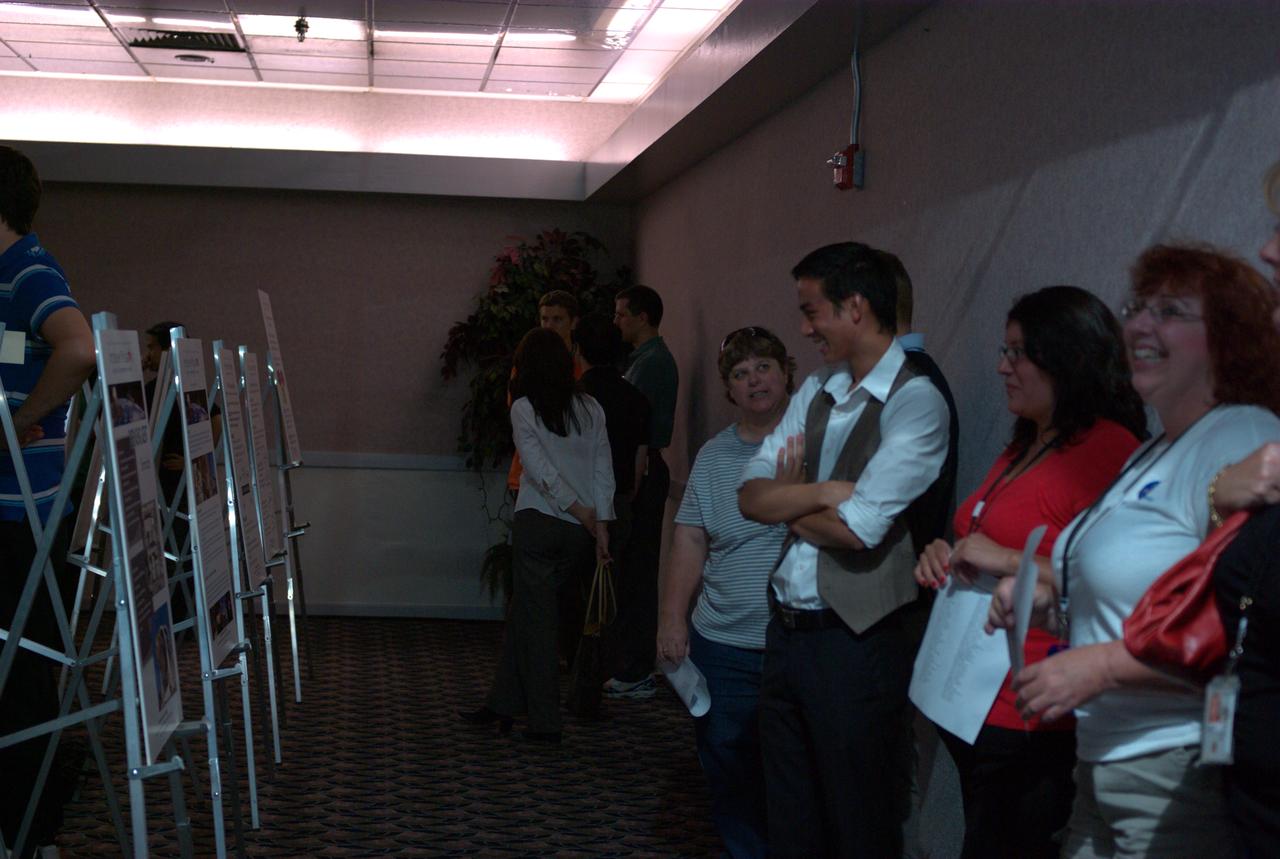
Foothill-DeAnza Community College Dstrict Internship Program poster Session NOTE: Photo taken by Summer Photo Intern Nick Tran.
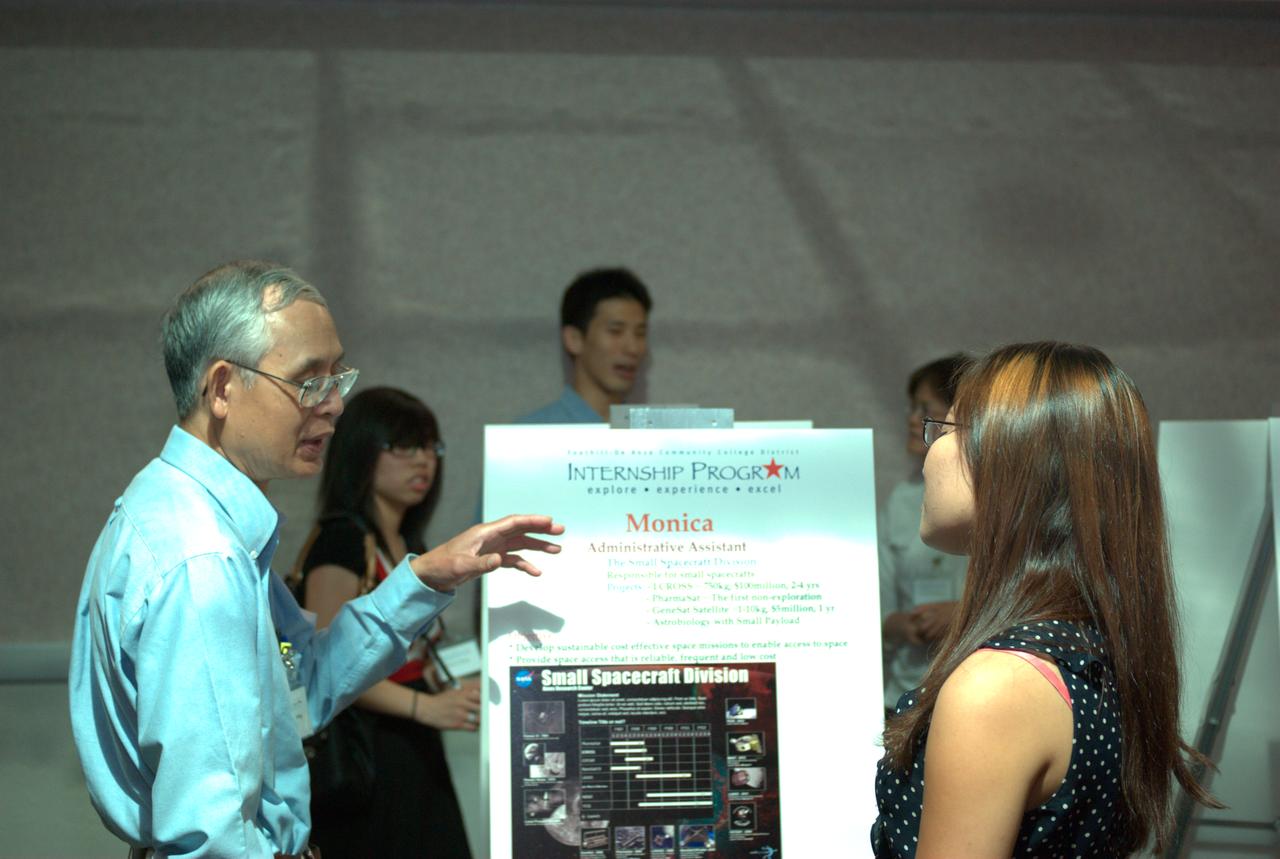
Foothill-DeAnza Community College Dstrict Internship Program poster Session NOTE: Photo taken by Summer Photo Intern Nick Tran.
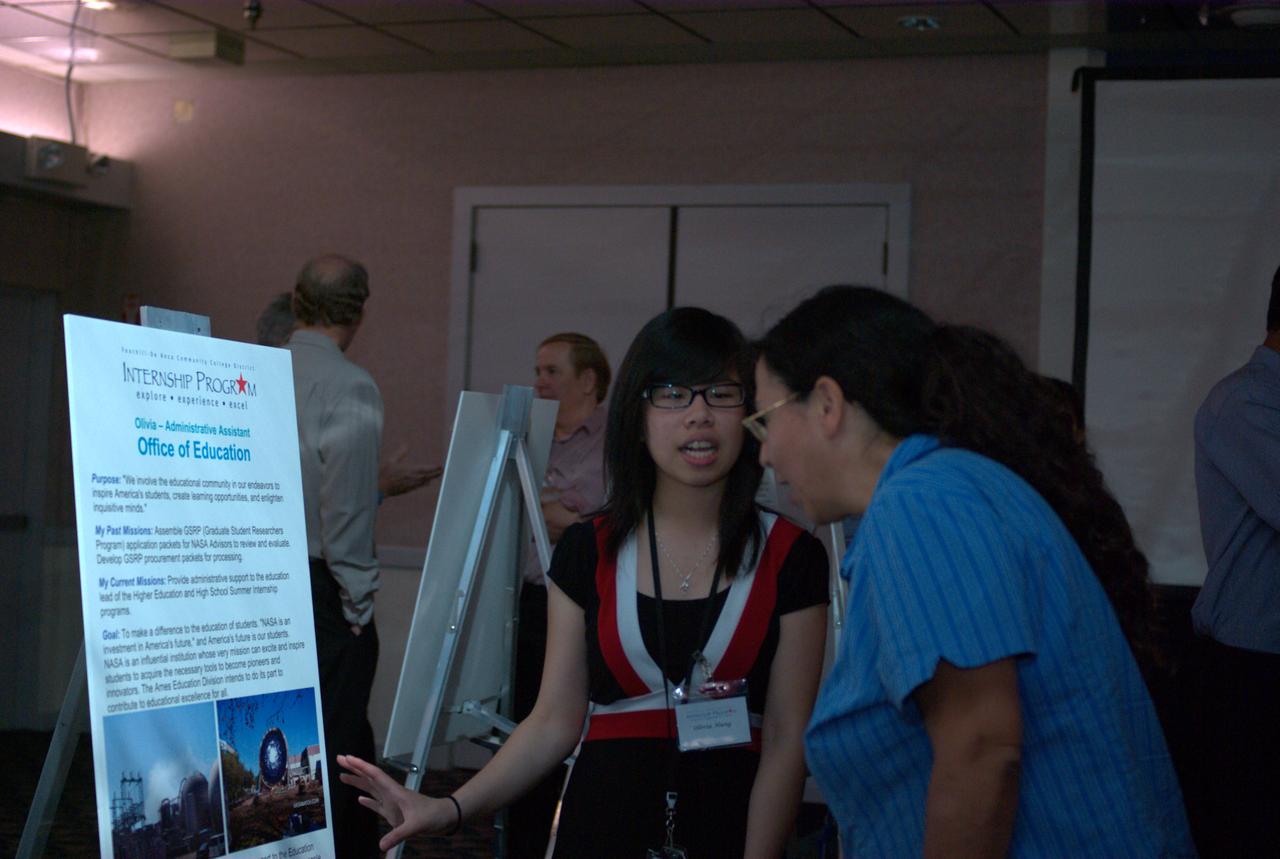
Foothill-DeAnza Community College Dstrict Internship Program poster Session NOTE: Photo taken by Summer Photo Intern Nick Tran.
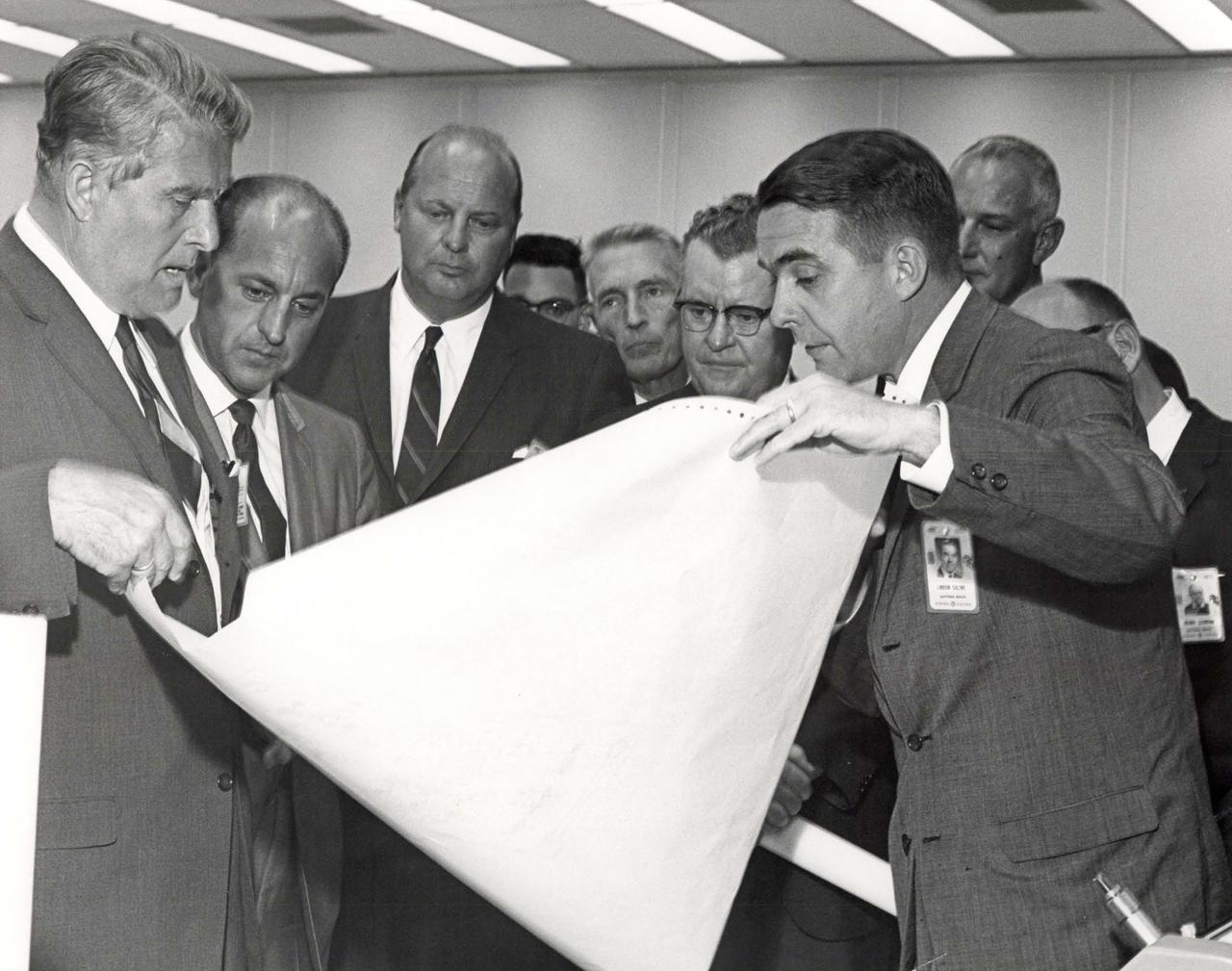
Dr. Wernher Von Braun photographed during his visit to Wagner College, Staten Island, N.Y. for commencement exercises.
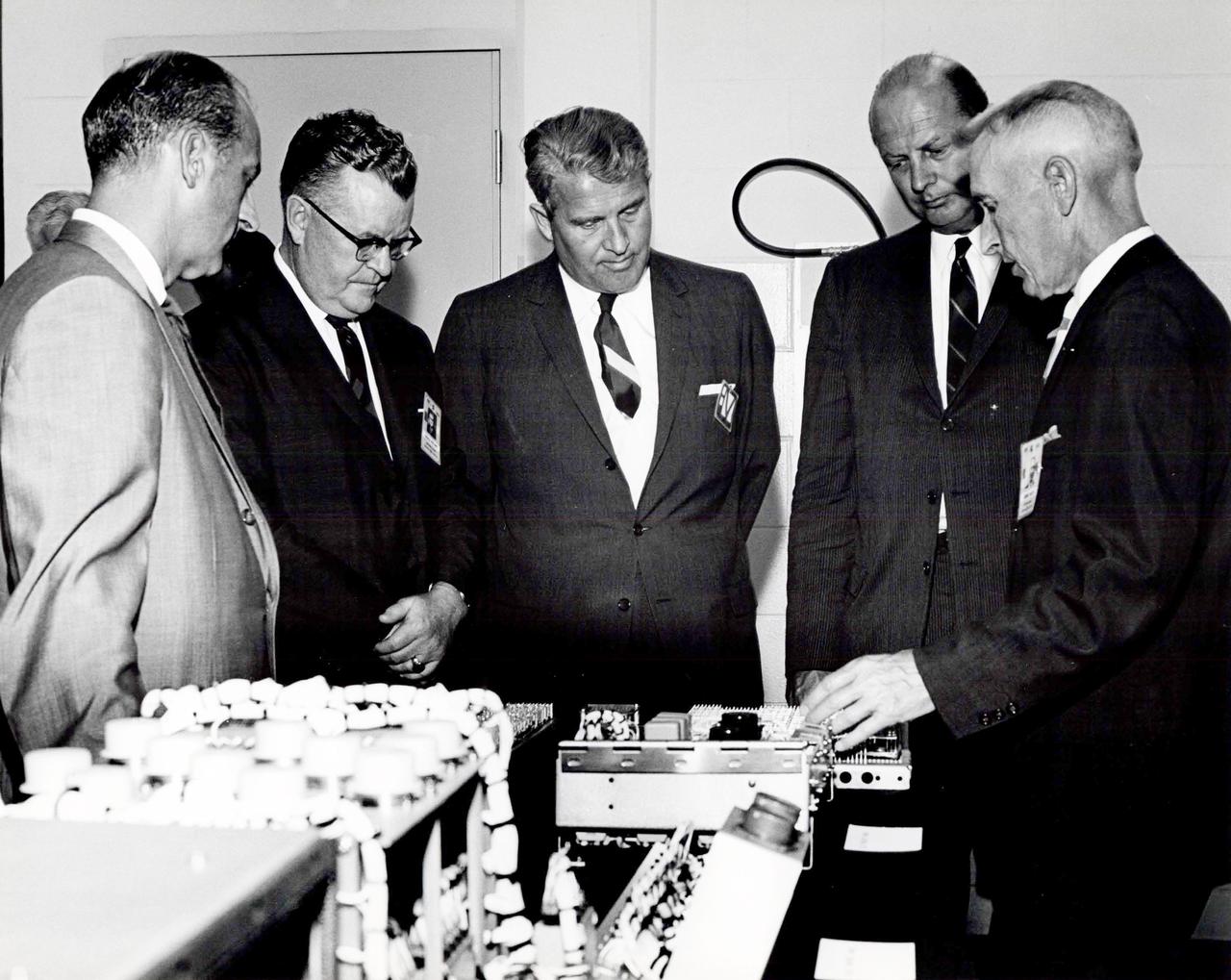
Dr. Wernher Von Braun shown after commencement exercises at Wagner College, Staten Island, N.Y.
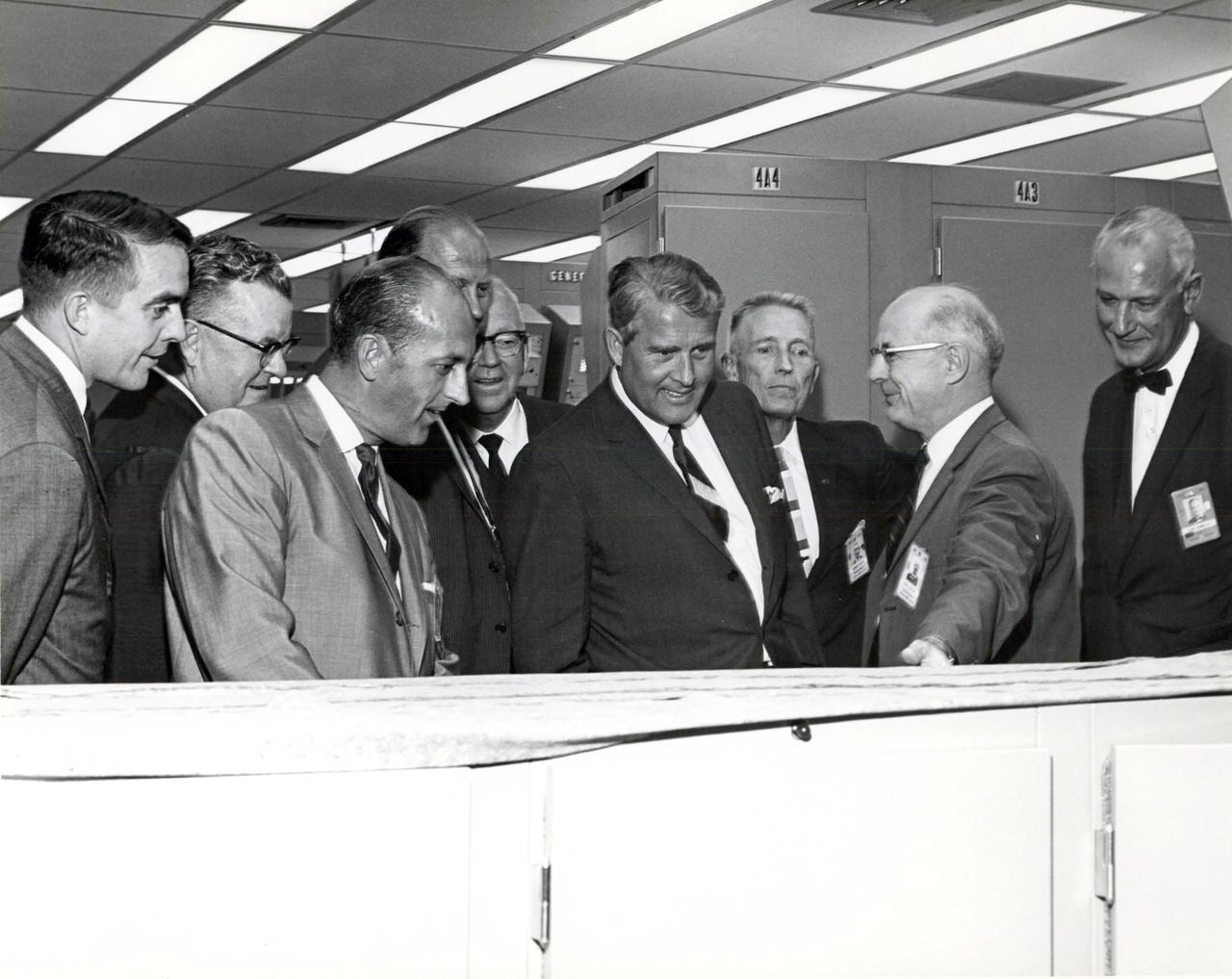
Dr. Wernher Von Braun attending commencement exercises of Wagner College, Staten Island, N.Y.
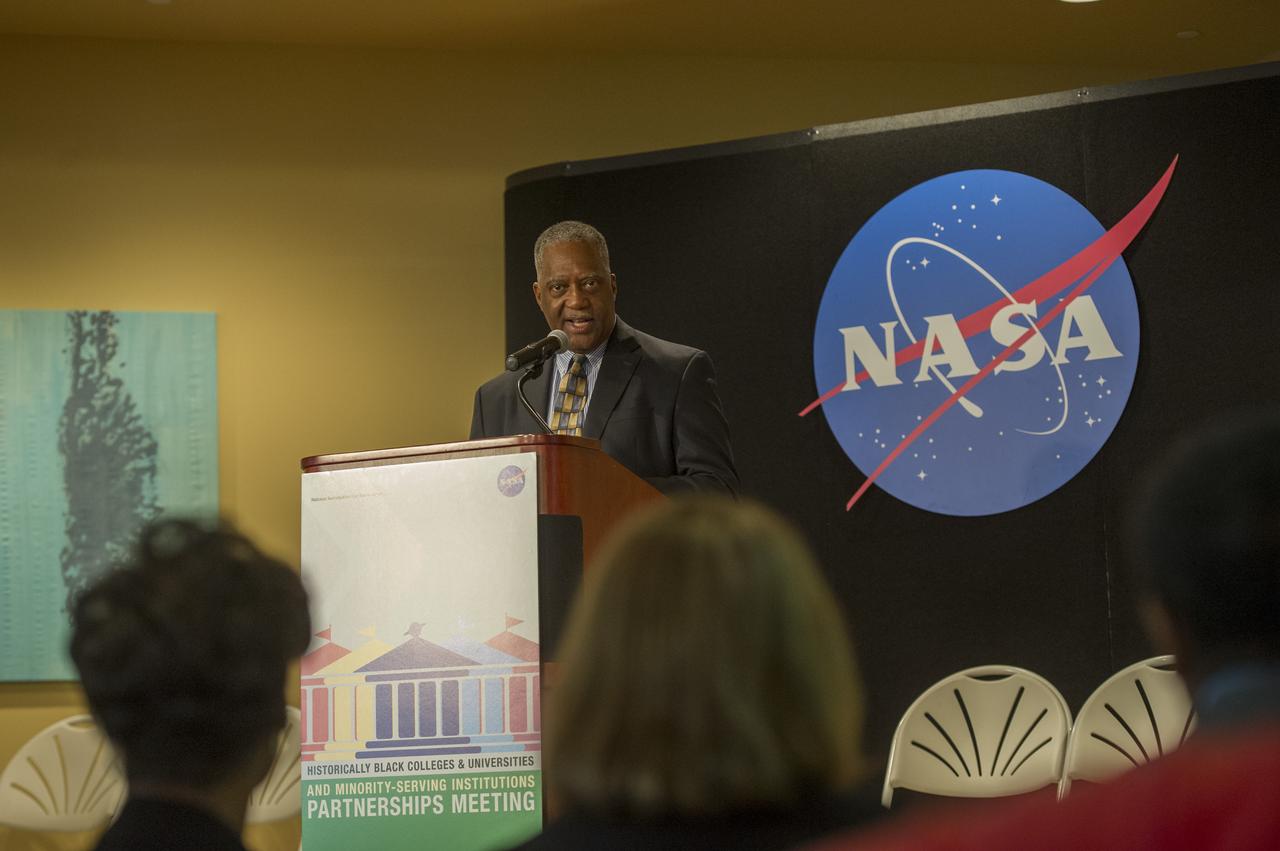
RONALD BLAKELY, ASSOCIATE DIRECTOR FOR THE WHITE HOUSE INITIATIVE ON HISTORICALLY BLACK COLLEGES AND UNIVERSITIES, SPEAKS DURING NASA’S FIRST PARTNERSHIPS MEETING FOR HISTORICALLY BLACK COLLEGES AND UNIVERSITIES AND MINORITY SERVING INSTITUTIONS. NASA’S OFFICE OF SMALL BUSINESS PROGRAMS HOSTED THE EVENT, WHICH ALLOWED REPRESENTATIVES FROM 30 NATIONWIDE UNIVERSITIES AND NASA PRIME CONTRACTORS TO DISCUSS POTENTIAL SUBCONTRACTING OPPORTUNITIES

Retired Marshall scientist, Jeanette Scissum-Mickens, was honored by Alabama Governor Kay Ivey at the Alabama Historically Black Colleges and Universities Roundtable Discussion: Minority Women in STEM event held at the University of Alabama A&M in Huntsville, Alabama. Scissum-Mickens was honored as the “Hidden Figure of Alabama A&M.” She was the first African-American mathematician hired by Marshall in 1964.
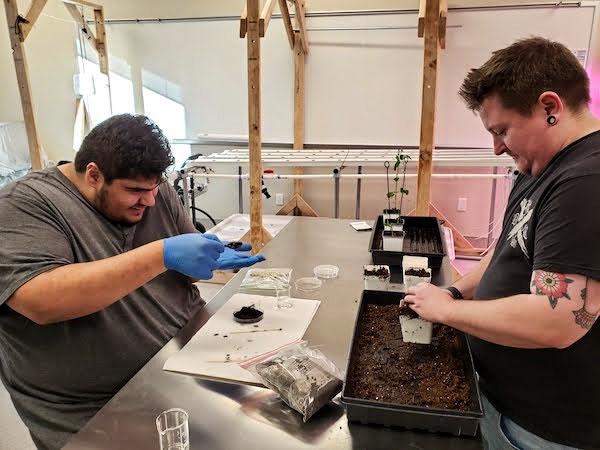
jsc2023e065205 (1/26/2023) --- Collin College student researchers Henry Elmendorf and Stefano Sacripanti work on their experiment, which will be included in the Nanoracks-National Center for Earth and Space Science Education-Orbiter-Student Spaceflight Experiments Program Mission 17 to ISS (Nanoracks-NCESSE-Orbiter-SSEP).
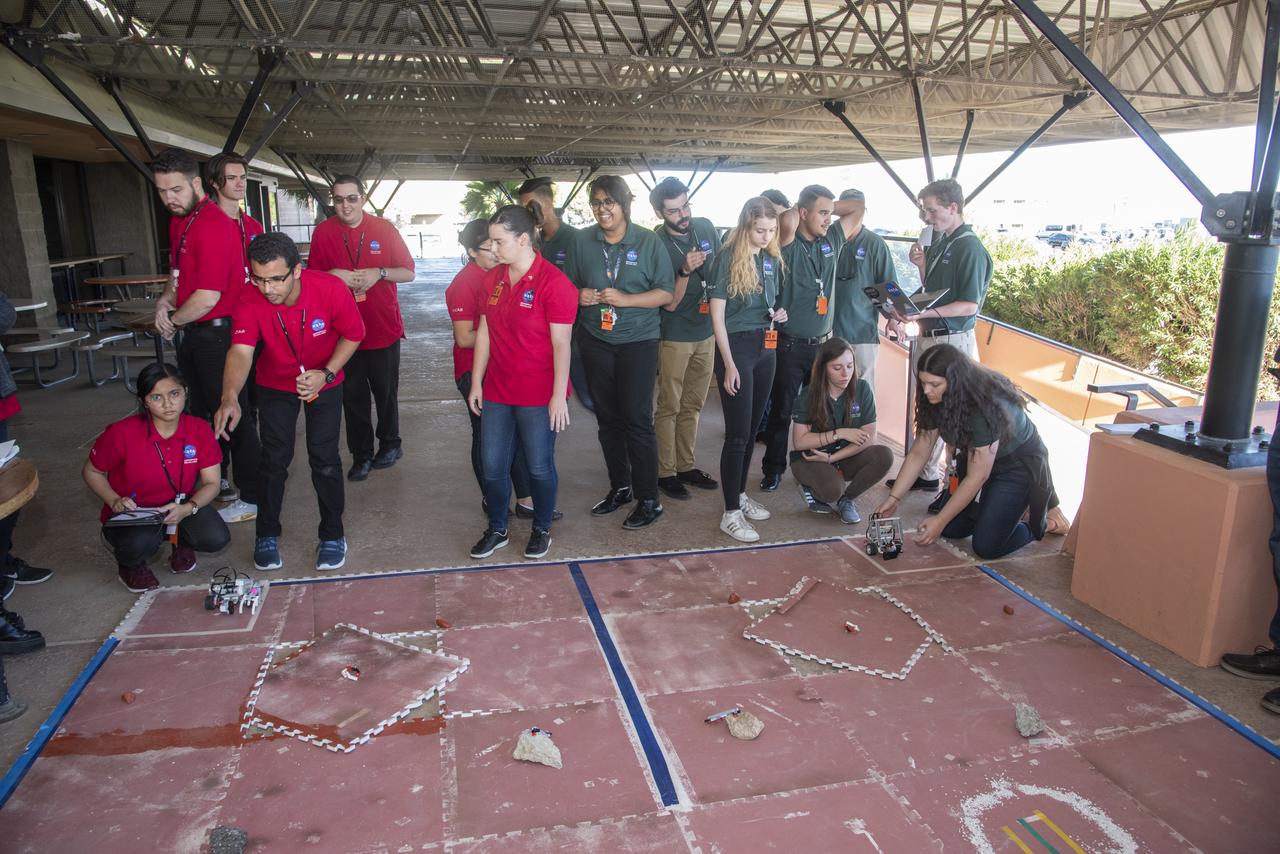
Four student teams: Blue, Gold, Green and Red built, designed and tested a LEGO robotic Martian rover prototype at NASA's Armstrong Flight Research Center. The teams competed against each other during a four-day workshop coordinated by the NASA Community College Aerospace Scholars. Each team prepared a marketing package to "sell" their design to NASA based on the performance of its Martian rover.
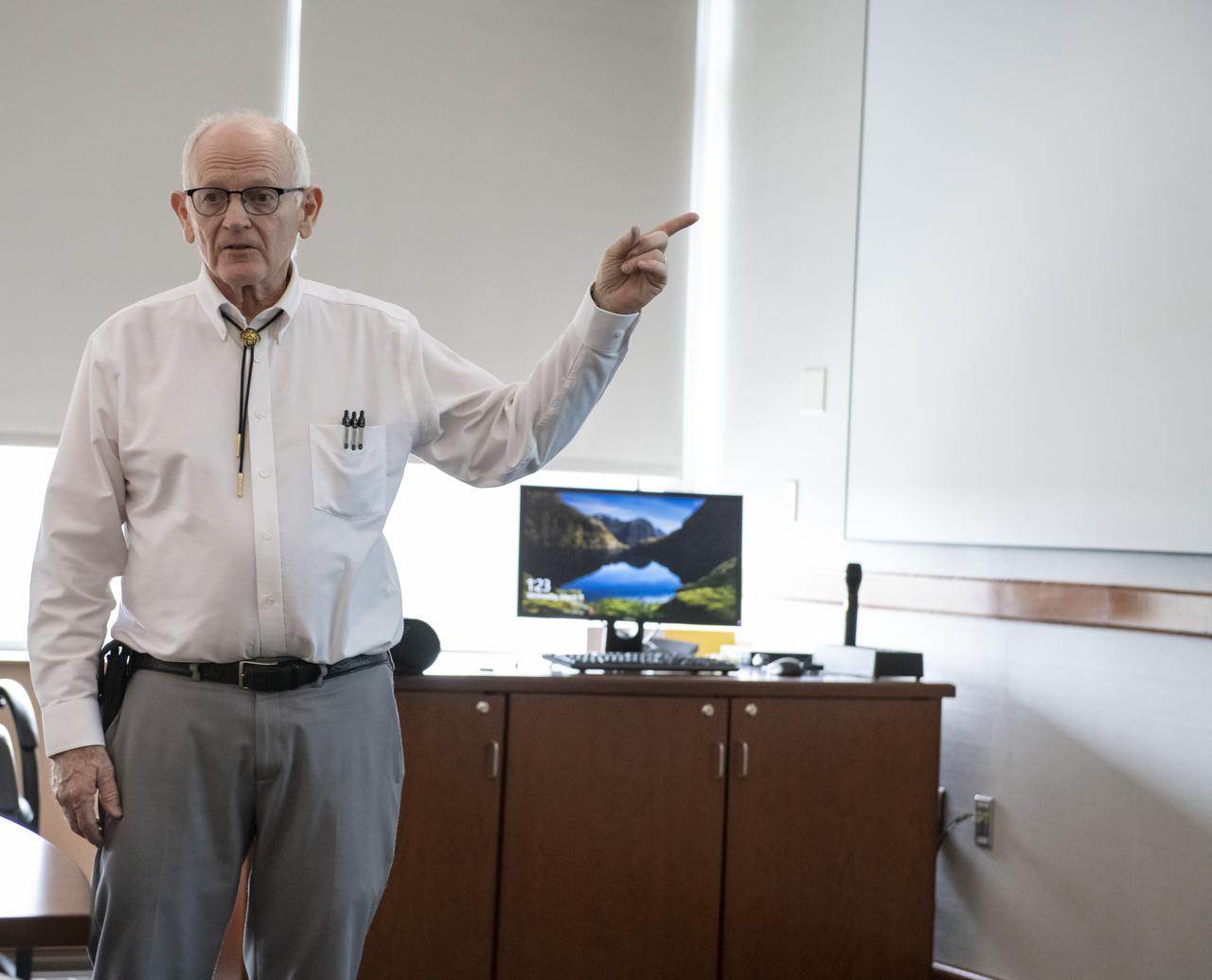
Dr. Thomas T. Meek of The Crown College in Powell, Tennessee addressed the March, 2020 Tech Talk forum on the topic of Microwave Processing of Ceramics as it Pertains to the Proposed Lunar Base.

Dr. Thomas T. Meek of The Crown College in Powell, Tennessee addressed the March, 2020 Tech Talk forum on the topic of Microwave Processing of Ceramics as it Pertains to the Proposed Lunar Base.
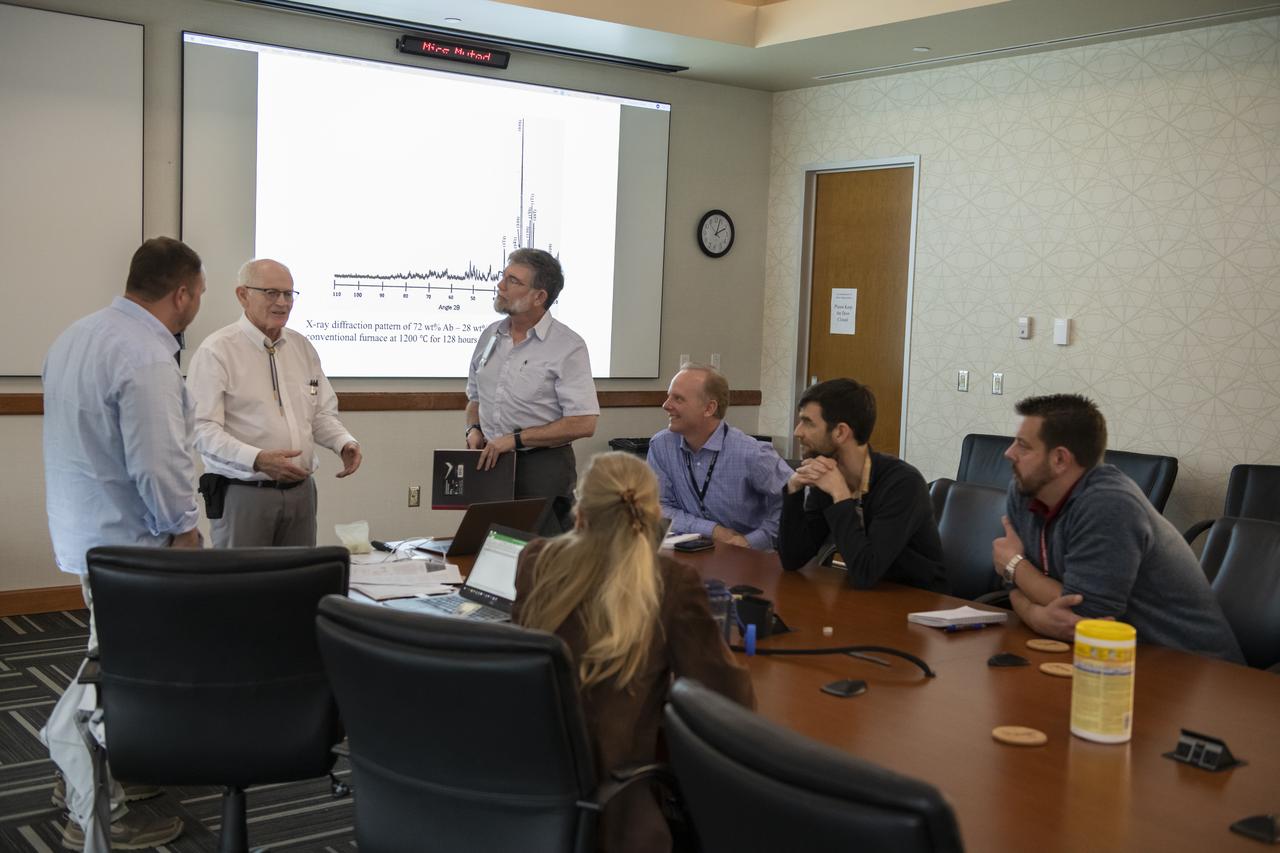
Dr. Thomas T. Meek of The Crown College in Powell, Tennessee addressed the March, 2020 Tech Talk forum on the topic of Microwave Processing of Ceramics as it Pertains to the Proposed Lunar Base.
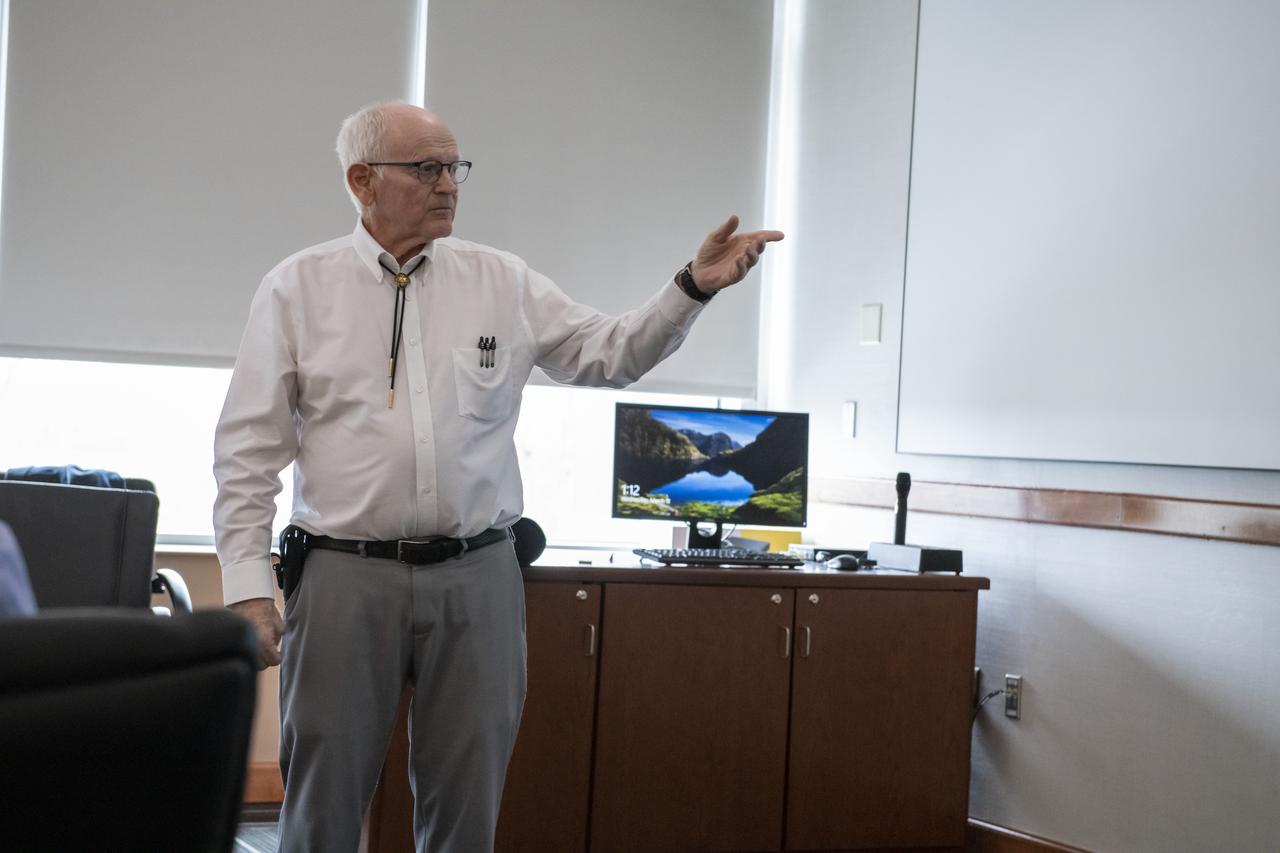
Dr. Thomas T. Meek of The Crown College in Powell, Tennessee addressed the March, 2020 Tech Talk forum on the topic of Microwave Processing of Ceramics as it Pertains to the Proposed Lunar Base.

NASA astronaut Ricky Arnold speaks to students in the Science, Discovery and the Universe Scholars Program about his time onboard the International Space Station, Thursday, May 2, 2019 at the University of Maryland in College Park, Md. During Arnold’s 197 days onboard the International Space Station, as part of Expeditions 55 and 56, he ventured outside the space station on three spacewalks in addition to conducting numerous experiments and educational downlink events. Photo Credit: (NASA/Joel Kowsky)

NASA astronaut Ricky Arnold speaks to students in the Science, Discovery and the Universe Scholars Program about his time onboard the International Space Station, Thursday, May 2, 2019 at the University of Maryland in College Park, Md. During Arnold’s 197 days onboard the International Space Station, as part of Expeditions 55 and 56, he ventured outside the space station on three spacewalks in addition to conducting numerous experiments and educational downlink events. Photo Credit: (NASA/Joel Kowsky)

NASA astronaut Ricky Arnold speaks to students in the Science, Discovery and the Universe Scholars Program about his time onboard the International Space Station, Thursday, May 2, 2019 at the University of Maryland in College Park, Md. During Arnold’s 197 days onboard the International Space Station, as part of Expeditions 55 and 56, he ventured outside the space station on three spacewalks in addition to conducting numerous experiments and educational downlink events. Photo Credit: (NASA/Joel Kowsky)

NASA astronaut Ricky Arnold speaks to students in the Science, Discovery and the Universe Scholars Program about his time onboard the International Space Station, Thursday, May 2, 2019 at the University of Maryland in College Park, Md. During Arnold’s 197 days onboard the International Space Station, as part of Expeditions 55 and 56, he ventured outside the space station on three spacewalks in addition to conducting numerous experiments and educational downlink events. Photo Credit: (NASA/Joel Kowsky)

NASA astronaut Ricky Arnold speaks to students in the Science, Discovery and the Universe Scholars Program about his time onboard the International Space Station, Thursday, May 2, 2019 at the University of Maryland in College Park, Md. During Arnold’s 197 days onboard the International Space Station, as part of Expeditions 55 and 56, he ventured outside the space station on three spacewalks in addition to conducting numerous experiments and educational downlink events. Photo Credit: (NASA/Joel Kowsky)

NASA astronaut Ricky Arnold speaks to students in the Science, Discovery and the Universe Scholars Program about his time onboard the International Space Station, Thursday, May 2, 2019 at the University of Maryland in College Park, Md. During Arnold’s 197 days onboard the International Space Station, as part of Expeditions 55 and 56, he ventured outside the space station on three spacewalks in addition to conducting numerous experiments and educational downlink events. Photo Credit: (NASA/Joel Kowsky)
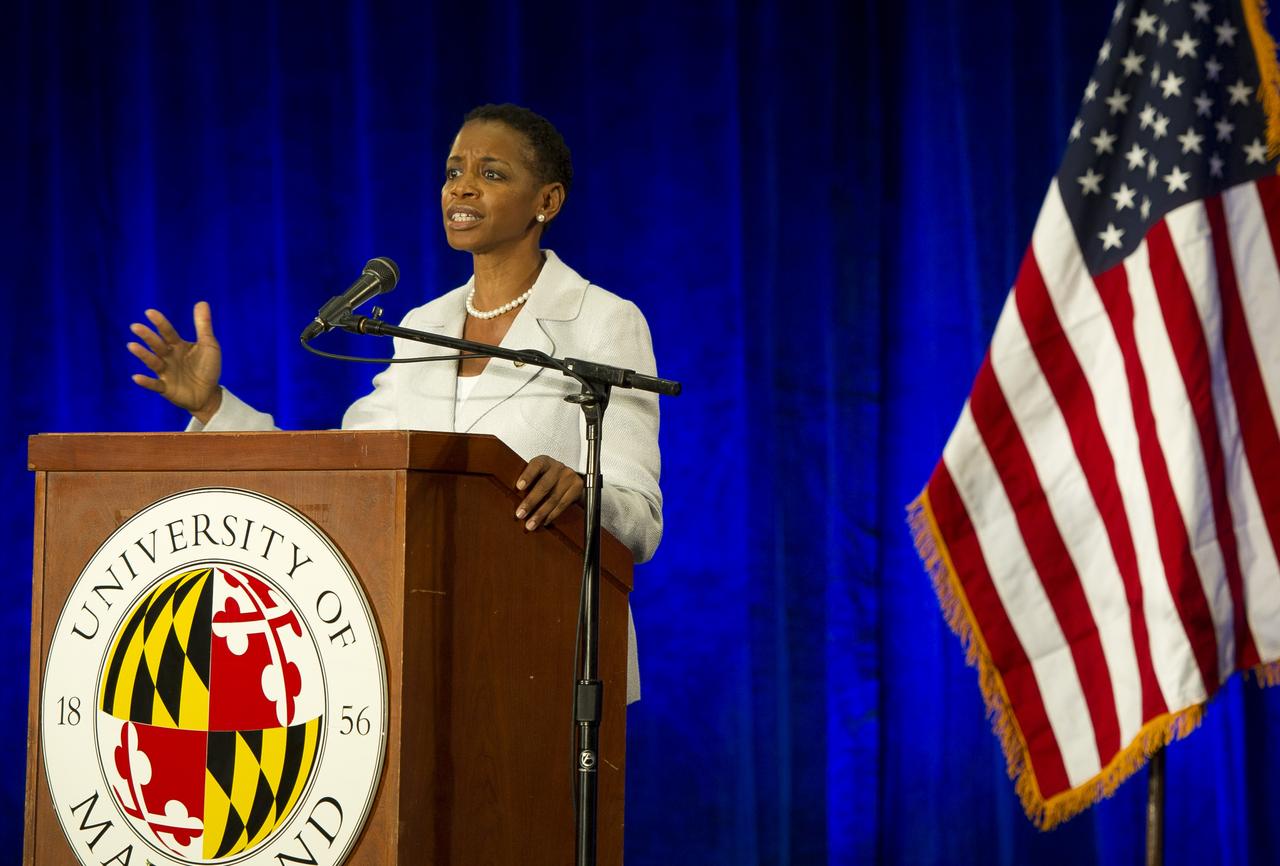
U.S. Rep. Donna Edwards, D-Md., addresses the audience at the 2011 NASA Future Forum, Thursday, Aug. 11, 2011, at the Riggs Alumni Center on the campus of the University of Maryland in College Park, Md. Photo Credit: (NASA/Paul E. Alers)
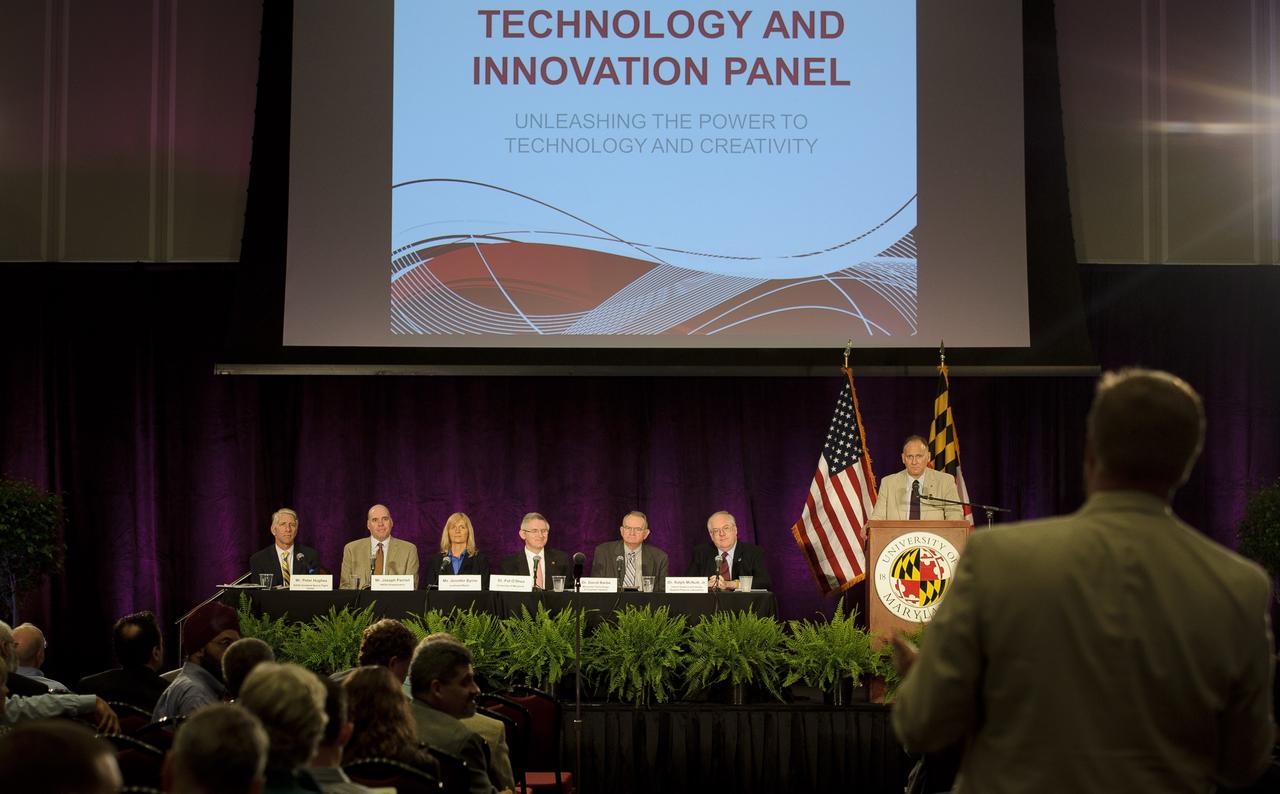
A member of the audience asks a question to the technology and innovation panel at the 2011 NASA Future Forum, Thursday, Aug. 11, 2011, at the Riggs Alumni Center on the campus of the University of Maryland in College Park, Md. Photo Credit: (NASA/Paul E. Alers)
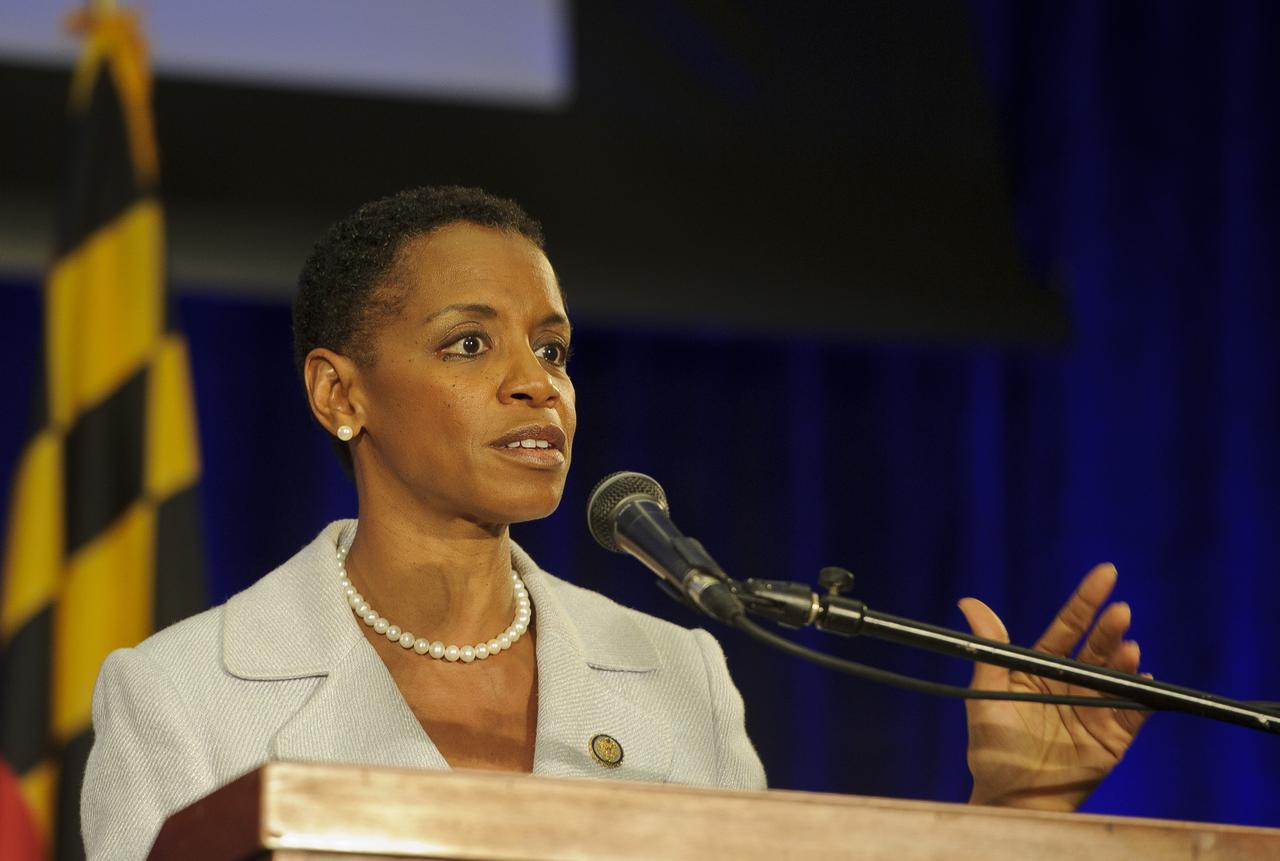
U.S. Rep. Donna Edwards, D-Md., addresses the audience at the 2011 NASA Future Forum, Thursday, Aug. 11, 2011, at the Riggs Alumni Center on the campus of the University of Maryland in College Park, Md. Photo Credit: (NASA/Paul E. Alers)
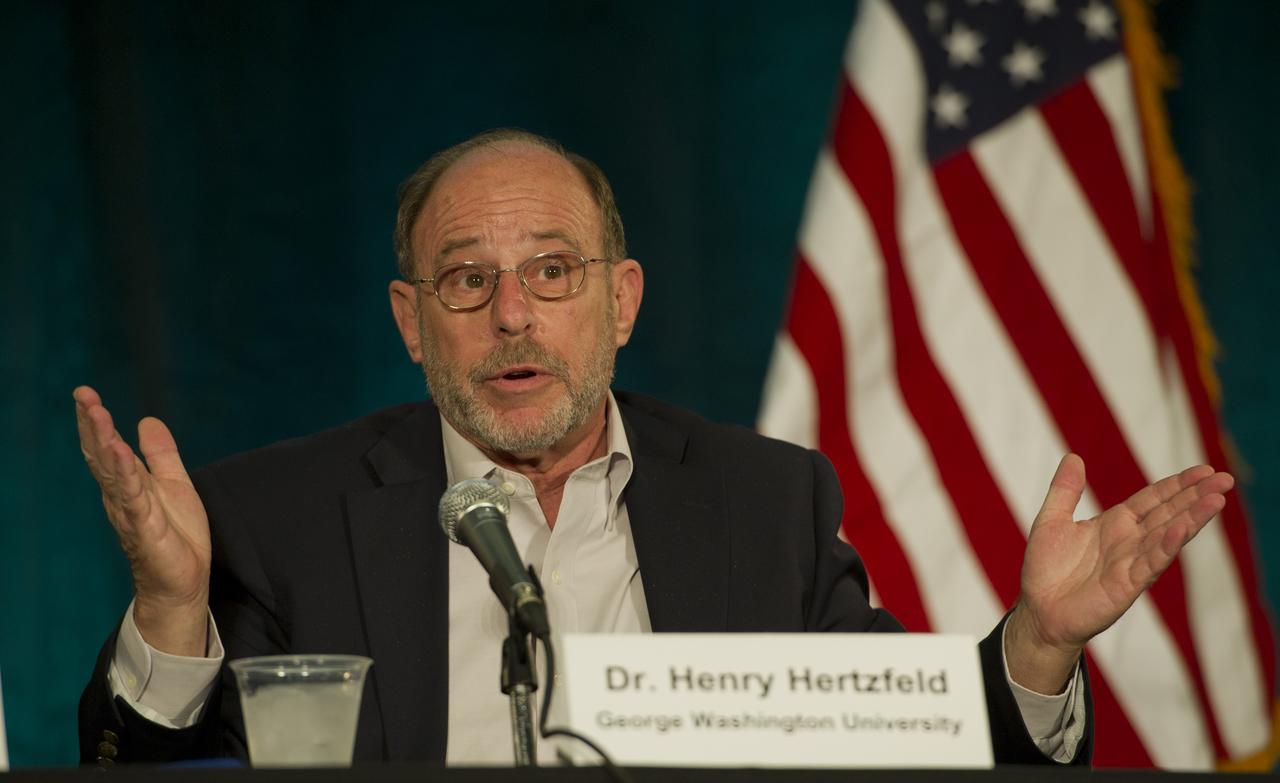
Dr. Henry Hertzfeld, from George Washington University, speaks about technology investments and their benefits during a panel discussion at the 2011 NASA Future Forum held at the Riggs Alumni Center on the campus of the University of Maryland, Thursday, Aug. 11, 2011, in College Park, Md. Photo Credit: (NASA/Paul E. Alers)
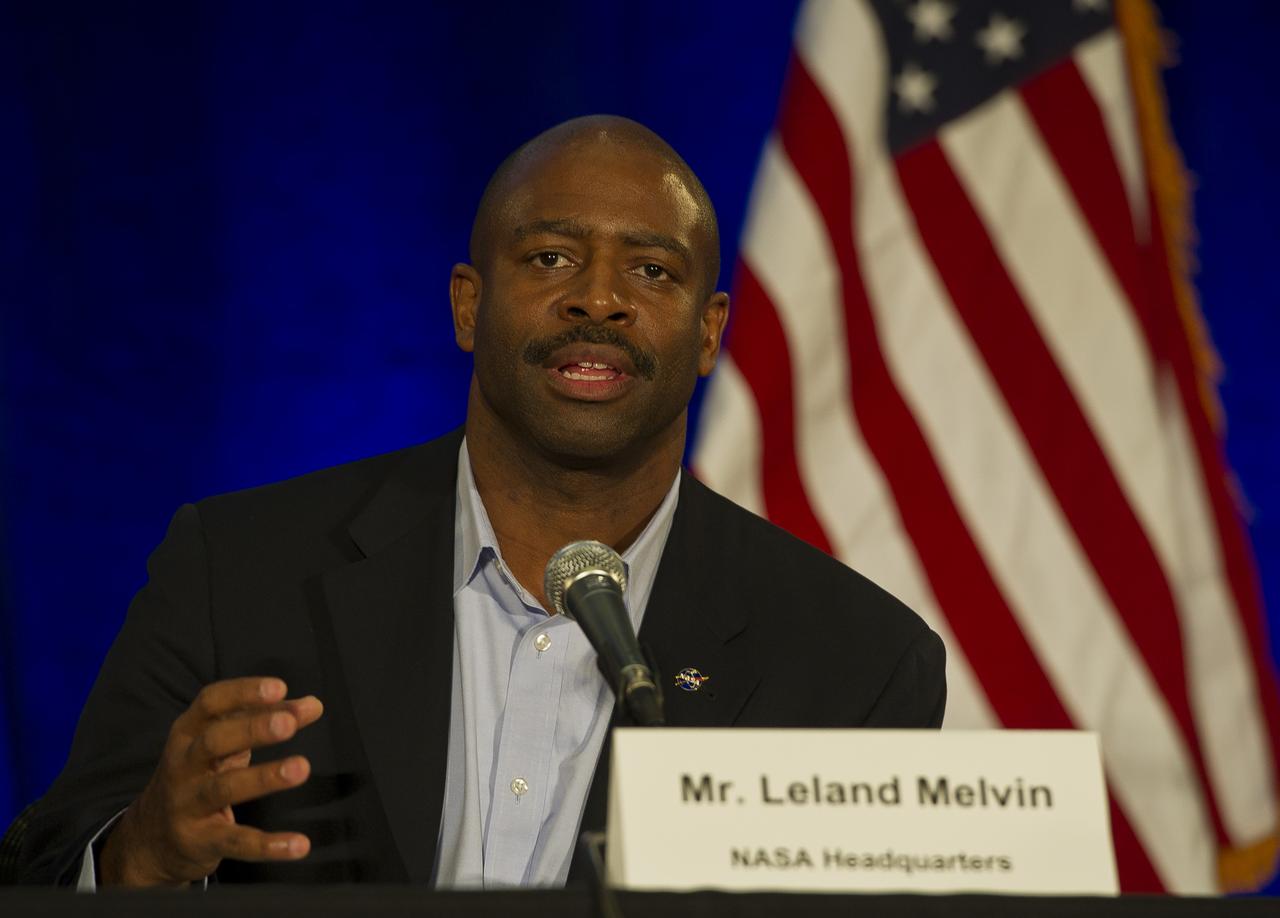
Leland Melvin, NASA Associate Administrator for Education, speaks during a panel discussion on inspiration in education at the 2011 NASA Future Forum held at the Riggs Alumni Center on the campus of the University of Maryland, Thursday, Aug. 11, 2011, in College Park, Md. Photo Credit: (NASA/Paul E. Alers)
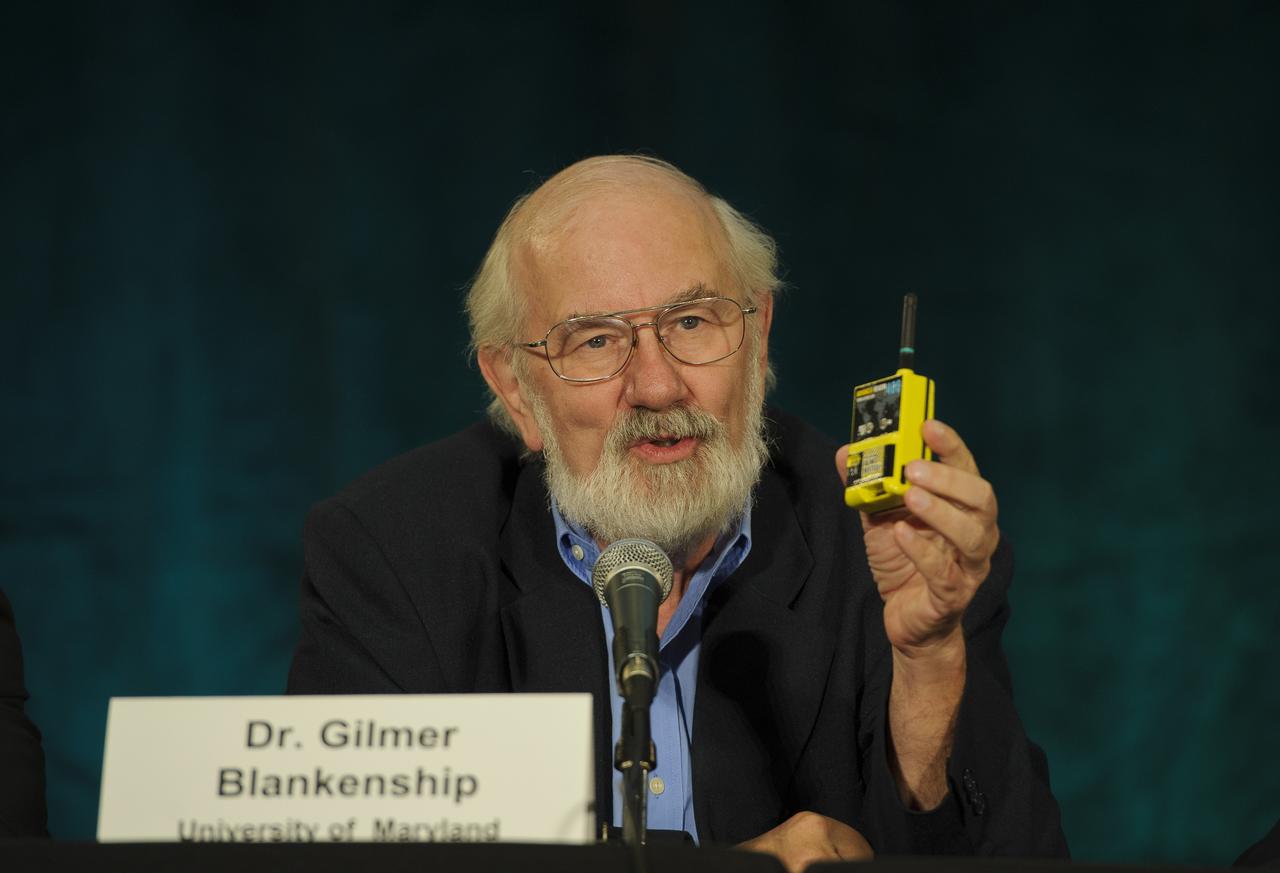
Dr. Gilmer Blankenship, of the University of Maryland, speaks about technology investments and their benefits during a panel discussion at the 2011 NASA Future Forum held at the Riggs Alumni Center on the campus of the University of Maryland, Thursday, Aug. 11, 2011, in College Park, Md. Photo Credit: (NASA/Paul E. Alers)
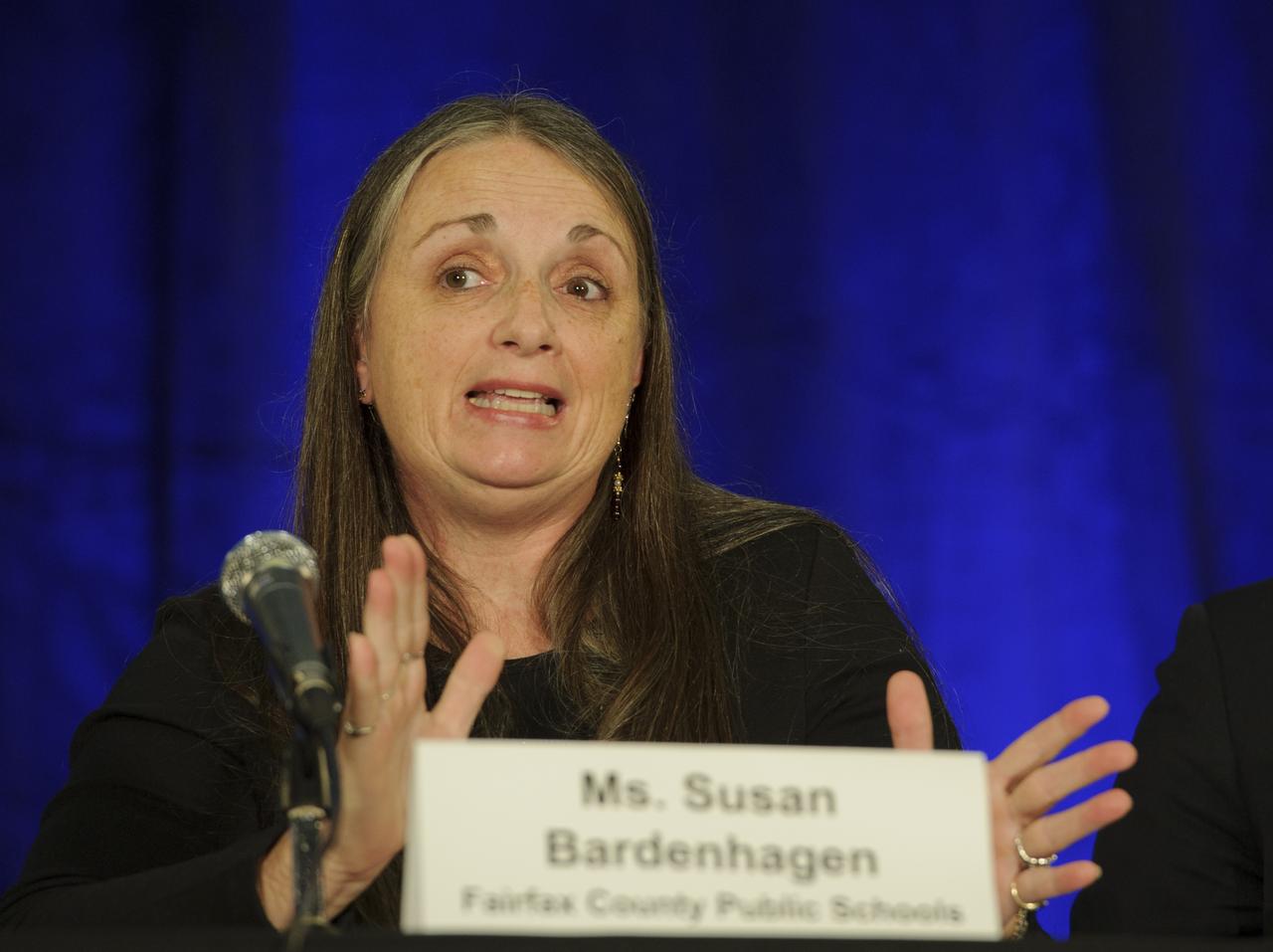
Susan Bardenhagen, an educator from the Fairfax County Public Schools, speaks during a panel discussion on inspiration in education at the 2011 NASA Future Forum held at the Riggs Alumni Center on the campus of the University of Maryland, Thursday, Aug. 11, 2011, in College Park, Md. Photo Credit: (NASA/Paul E. Alers)
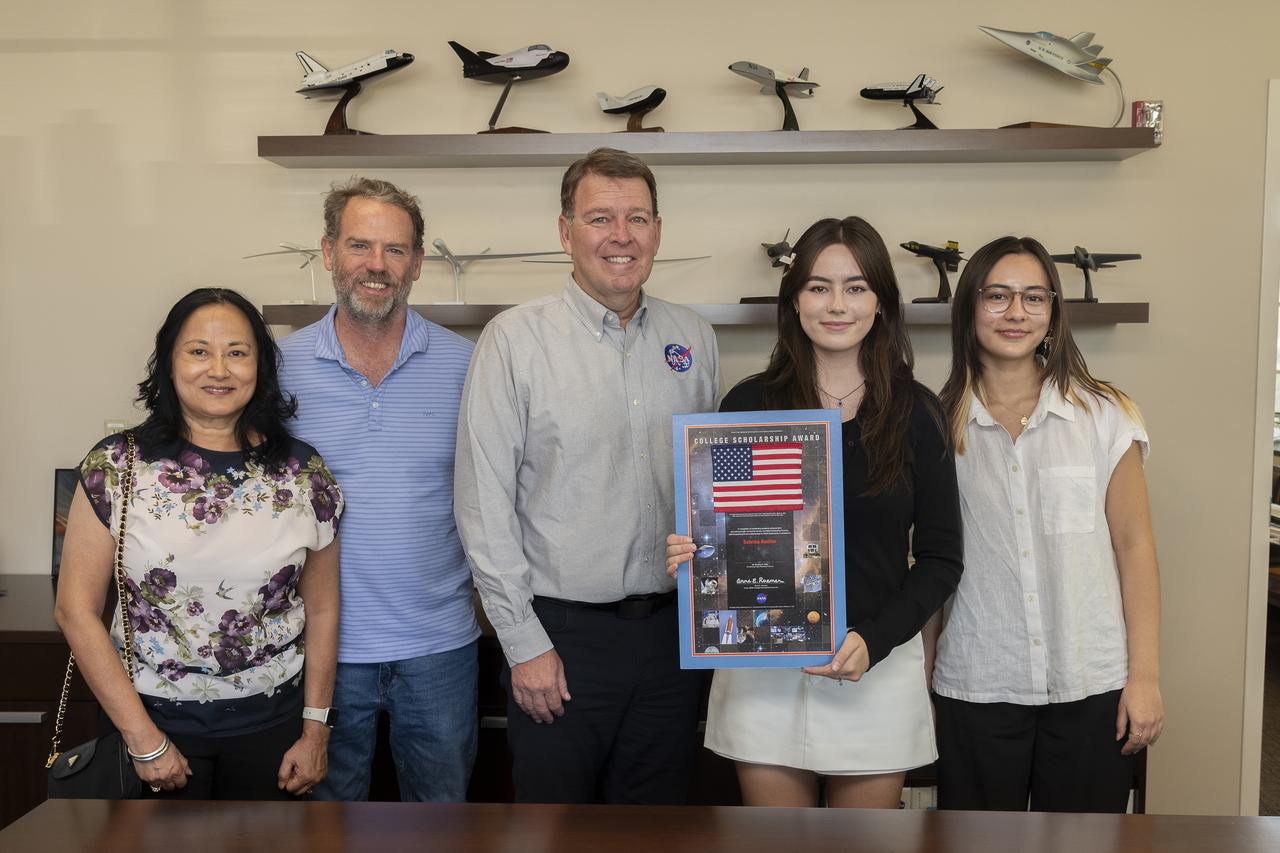
Brad Flick, center director at NASA’s Armstrong Flight Research Center in Edwards, California, presents a 2024 NASA College Scholarship Award to Sabrina Redifer. From left to right are Sabrina Redifer’s parents Matthew and Saynne Redifer, Flick, Sabrina Redifer, and her sister Samantha Redifer.
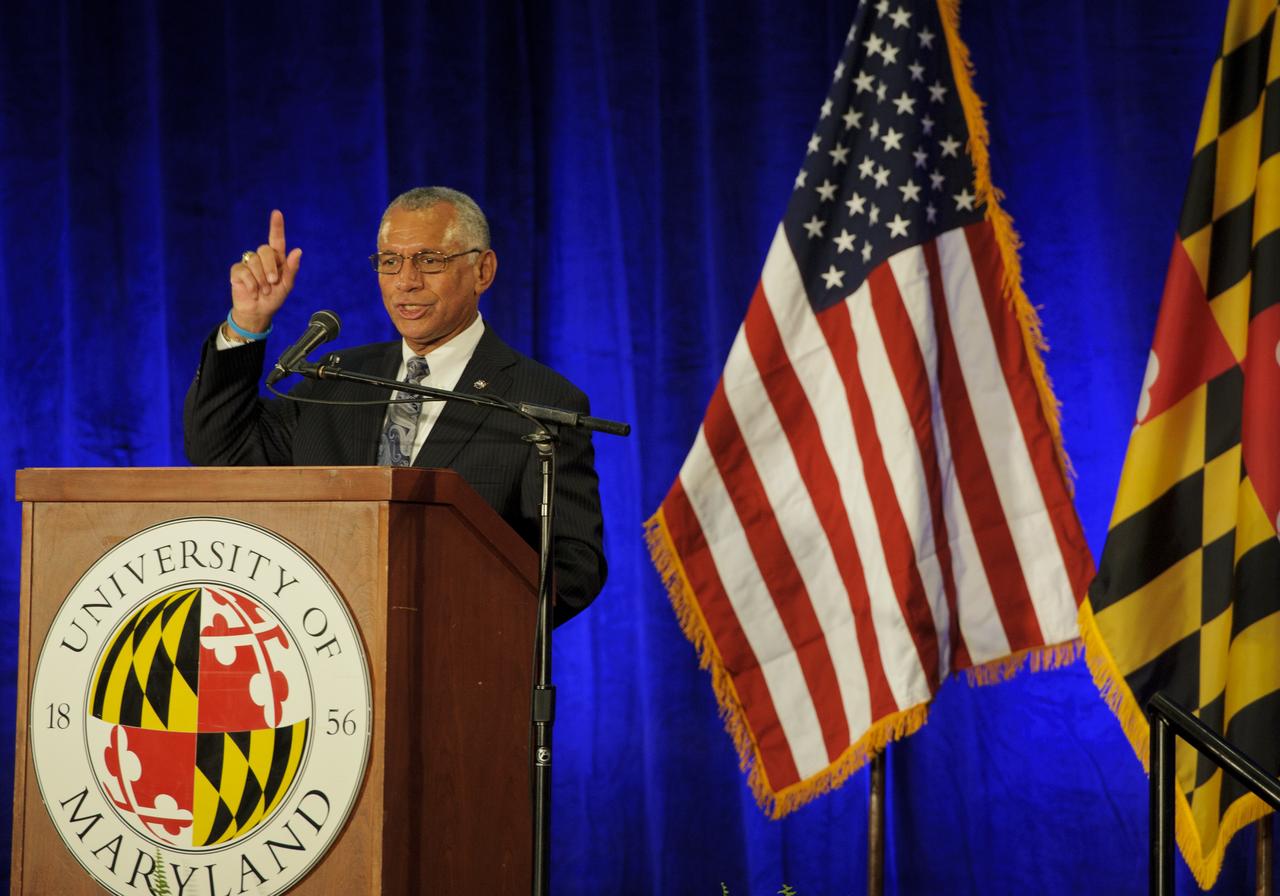
NASA Administrator Charles Bolden delivers opening remarks at the NASA Future Forum held at the Riggs Alumni Center on the campus of the University of Maryland, Thursday, Aug. 11, 2011 in College Park, Md. Photo Credit: (NASA/Paul E. Alers)
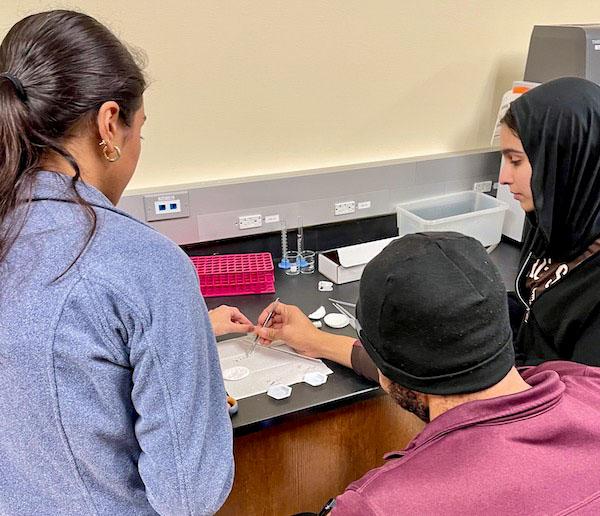
jsc2024e067100 (1/22/2024) --- The San Jacinto College – South Campus student team prepares a trial run to optimize germination conditions for their experiment, Comparison of Arabidopsis thaliana Germination and Cell Wall Growth in Microgravity versus Standard Conditions. Their experiment is part of the Nanoracks-National Center for Earth and Space Science Education-Surveyor-Student Spaceflight Experiments Program Mission 18 to ISS (Nanoracks-NCESSE-Surveyor-SSEP).
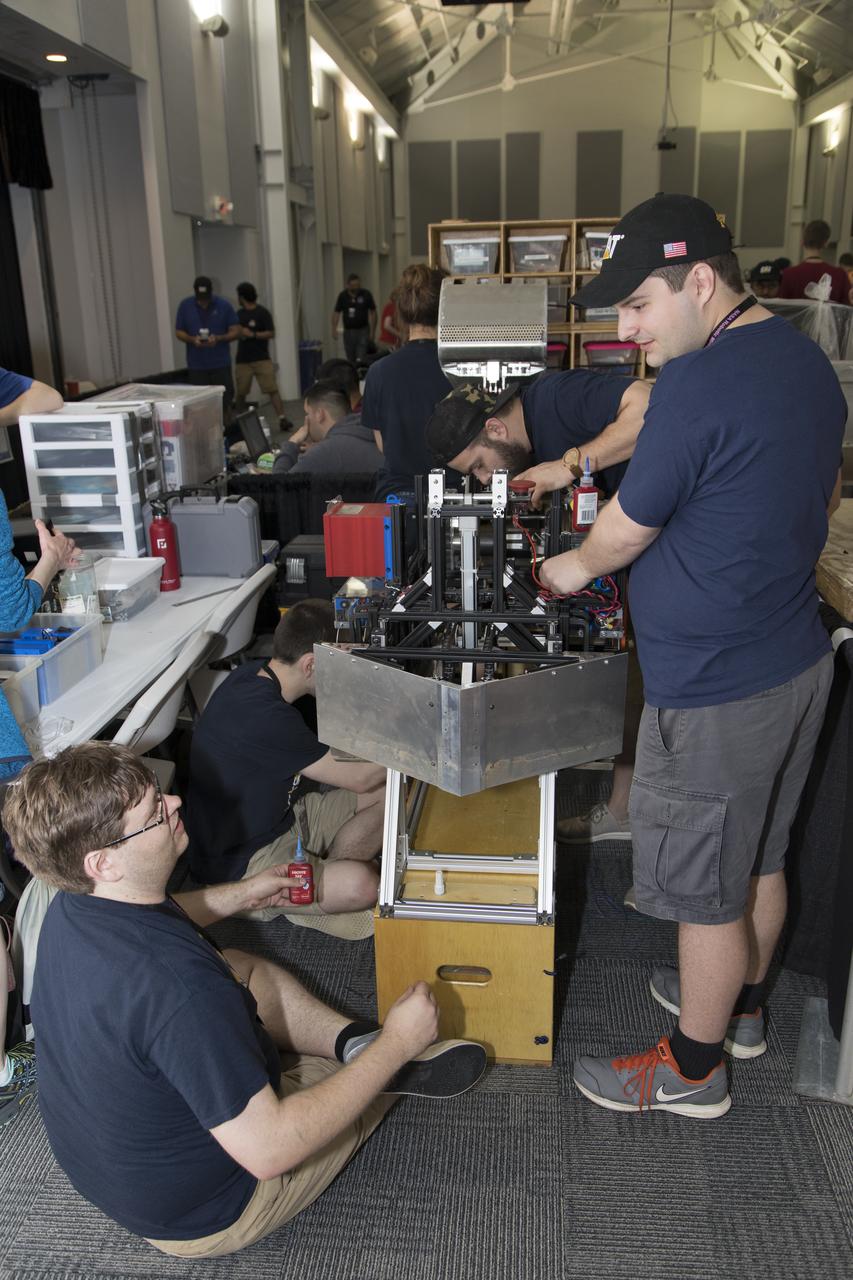
On the first day of NASA's 9th Robotic Mining Competition, set-up day on May 14, college team members work on their robot miner in the RobotPits in the Educator Resource Center at Kennedy Space Center Visitor Complex in Florida. More than 40 student teams from colleges and universities around the U.S. will use their mining robots to dig in a supersized sandbox filled with BP-1, or simulated Lunar soil, gravel and rocks, and participate in other competition requirements. The Robotic Mining Competition is a NASA Human Exploration and Operations Mission Directorate project designed to encourage students in science, technology, engineering and math, or STEM fields. The project provides a competitive environment to foster innovative ideas and solutions that could be used on NASA's deep space missions.
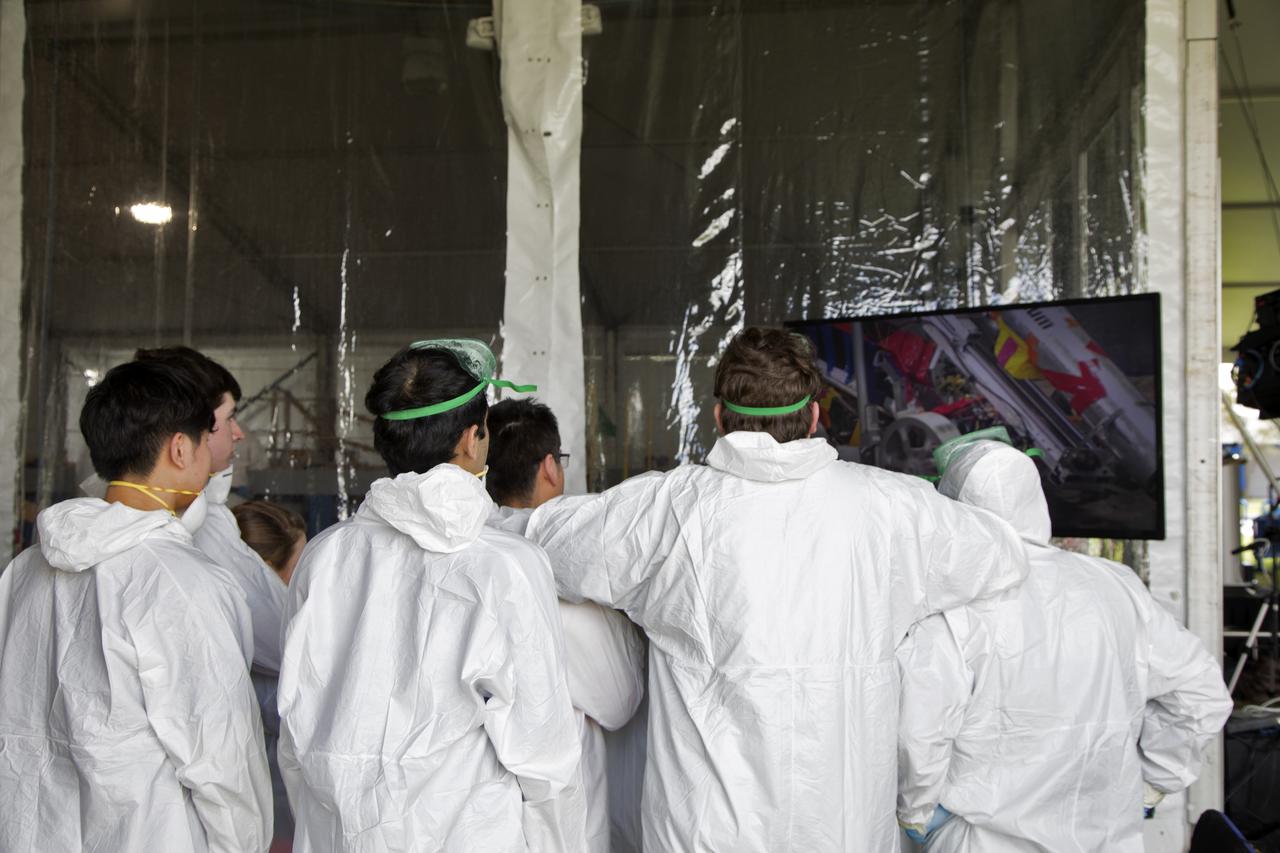
Members of a college team watch on the monitor as their robot miner digs in the mining arena on the third day of NASA's 9th Robotic Mining Competition, May 16, at NASA's Kennedy Space Center Visitor Complex in Florida. More than 40 student teams from colleges and universities around the U.S. will use their mining robots to dig in a supersized sandbox filled with BP-1, or simulated Lunar soil, gravel and rocks, and participate in other competition requirements. The Robotic Mining Competition is a NASA Human Exploration and Operations Mission Directorate project designed to encourage students in science, technology, engineering and math, or STEM fields. The project provides a competitive environment to foster innovative ideas and solutions that could be used on NASA's deep space missions.

Members of a college team watch on the monitor as their robot miner digs in the mining arena on the third day of NASA's 9th Robotic Mining Competition, May 16, at NASA's Kennedy Space Center Visitor Complex in Florida. More than 40 student teams from colleges and universities around the U.S. will use their mining robots to dig in a supersized sandbox filled with BP-1, or simulated Lunar soil, gravel and rocks, and participate in other competition requirements. The Robotic Mining Competition is a NASA Human Exploration and Operations Mission Directorate project designed to encourage students in science, technology, engineering and math, or STEM fields. The project provides a competitive environment to foster innovative ideas and solutions that could be used on NASA's deep space missions.
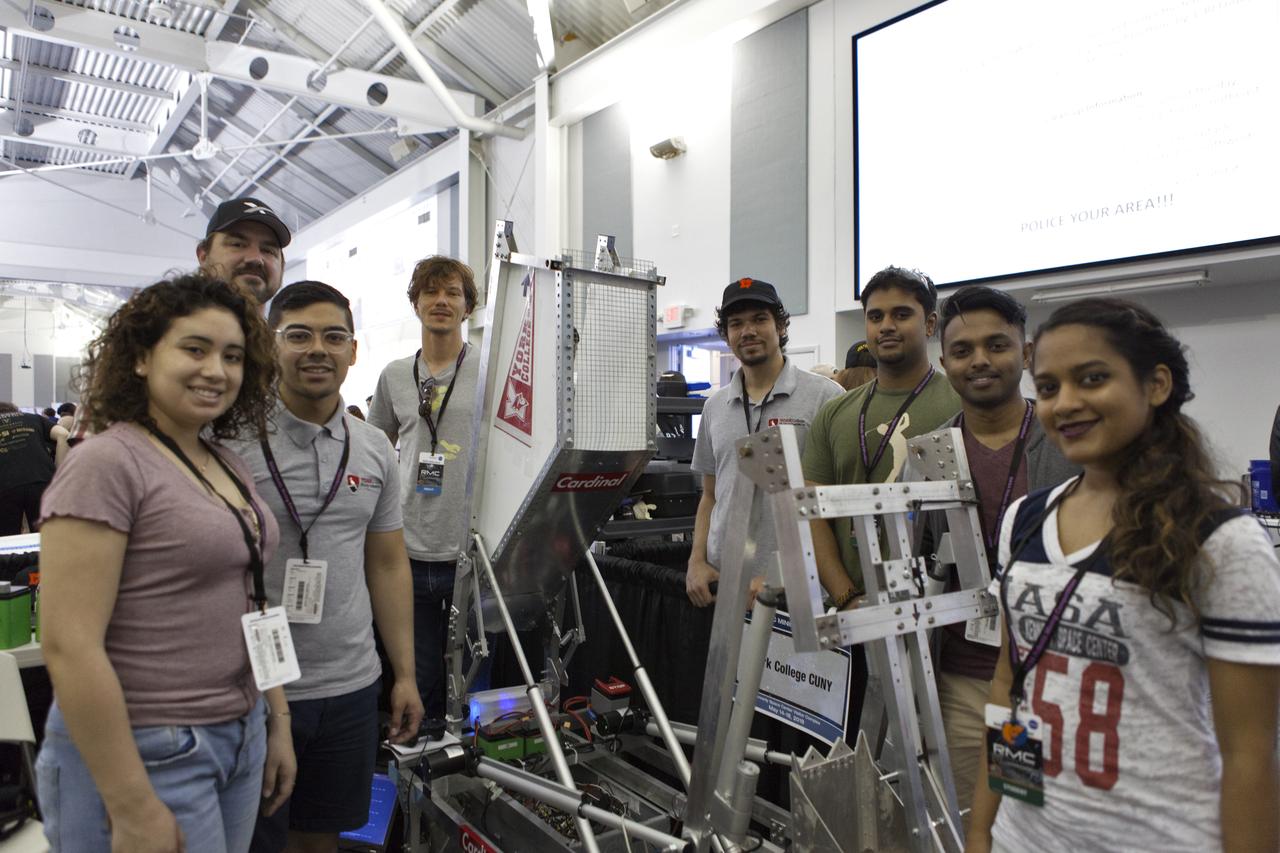
Team members from York College CUNY are with their robot miner in the RobotPits on the fourth day of NASA's 9th Robotic Mining Competition, May 17, at NASA's Kennedy Space Center Visitor Complex in Florida. More than 40 student teams from colleges and universities around the U.S. are using their mining robots to dig in a supersized sandbox filled with BP-1, or simulated Lunar soil, gravel and rocks, and participate in other competition requirements. The Robotic Mining Competition is a NASA Human Exploration and Operations Mission Directorate project designed to encourage students in science, technology, engineering and math, or STEM fields. The project provides a competitive environment to foster innovative ideas and solutions that could be used on NASA's deep space missions.
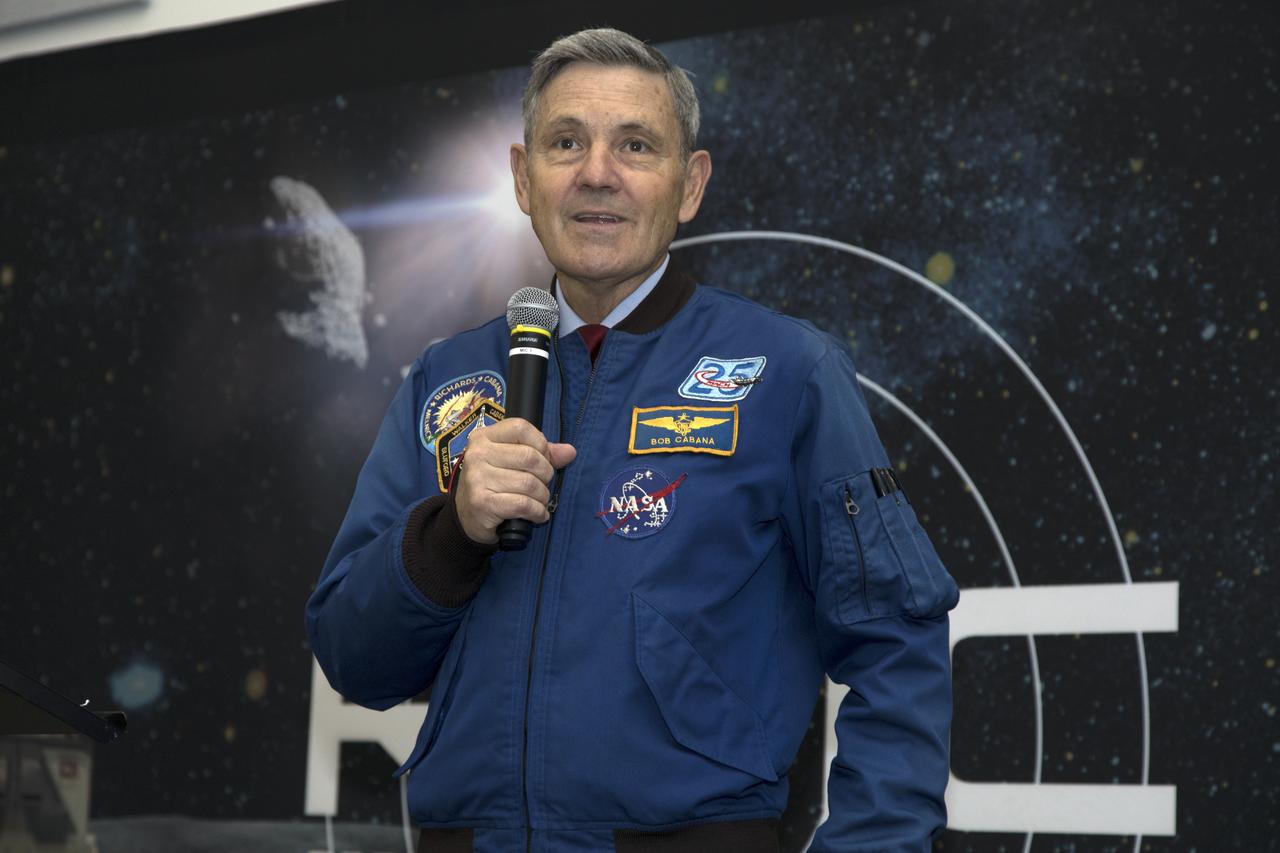
NASA Kennedy Space Center Director Bob Cabana welcomes college and university teams to NASA's 9th Robotic Mining Competition, May 15, during the opening ceremony in the RobotPits in the Educator Resource Center at Kennedy Space Center Visitor Complex in Florida. More than 40 student teams from colleges and universities around the U.S. will use their mining robots to dig in a supersized sandbox filled with BP-1, or simulated Lunar soil, gravel and rocks, and participate in other competition requirements. The Robotic Mining Competition is a NASA Human Exploration and Operations Mission Directorate project designed to encourage students in science, technology, engineering and math, or STEM fields. The project provides a competitive environment to foster innovative ideas and solutions that could be used on NASA's deep space missions.
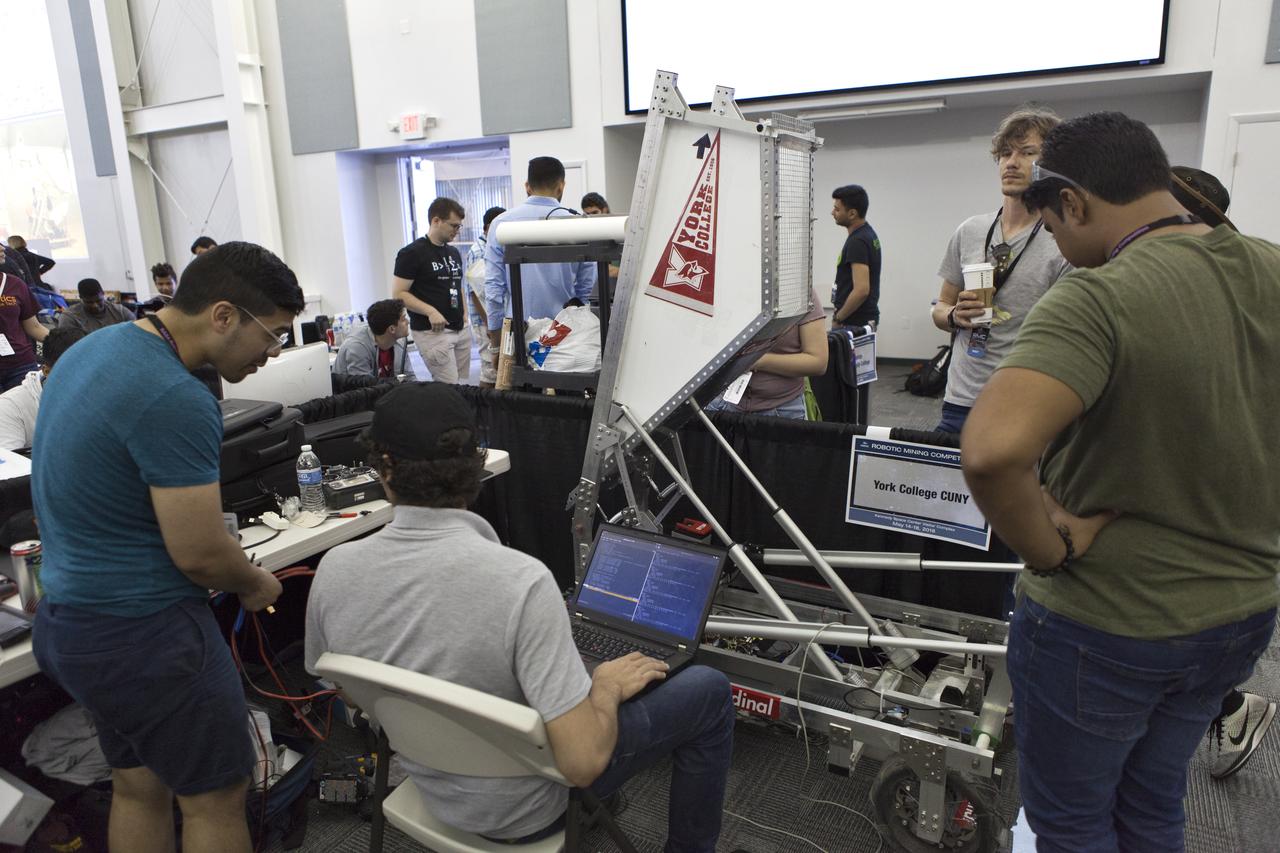
Team members from York College CUNY make adjustments to their robot miner for its turn in the mining arena on the fourth day of NASA's 9th Robotic Mining Competition, May 17, inside the RobotPits at NASA's Kennedy Space Center Visitor Complex in Florida. More than 40 student teams from colleges and universities around the U.S. are using their mining robots to dig in a supersized sandbox filled with BP-1, or simulated Lunar soil, gravel and rocks, and participate in other competition requirements. The Robotic Mining Competition is a NASA Human Exploration and Operations Mission Directorate project designed to encourage students in science, technology, engineering and math, or STEM fields. The project provides a competitive environment to foster innovative ideas and solutions that could be used on NASA's deep space missions.

NASA astronaut Ricky Arnold presents a montage from his mission to Alan Peel, program director, and Erin Thompson, program associate, for the Science, Discovery and the Universe Scholars Program following his presentation to students, May 2, 2019 at the University of Maryland in College Park, Md. During Arnold’s 197 days onboard the International Space Station, as part of Expeditions 55 and 56, he ventured outside the space station on three spacewalks in addition to conducting numerous experiments and educational downlink events. Photo Credit: (NASA/Joel Kowsky)
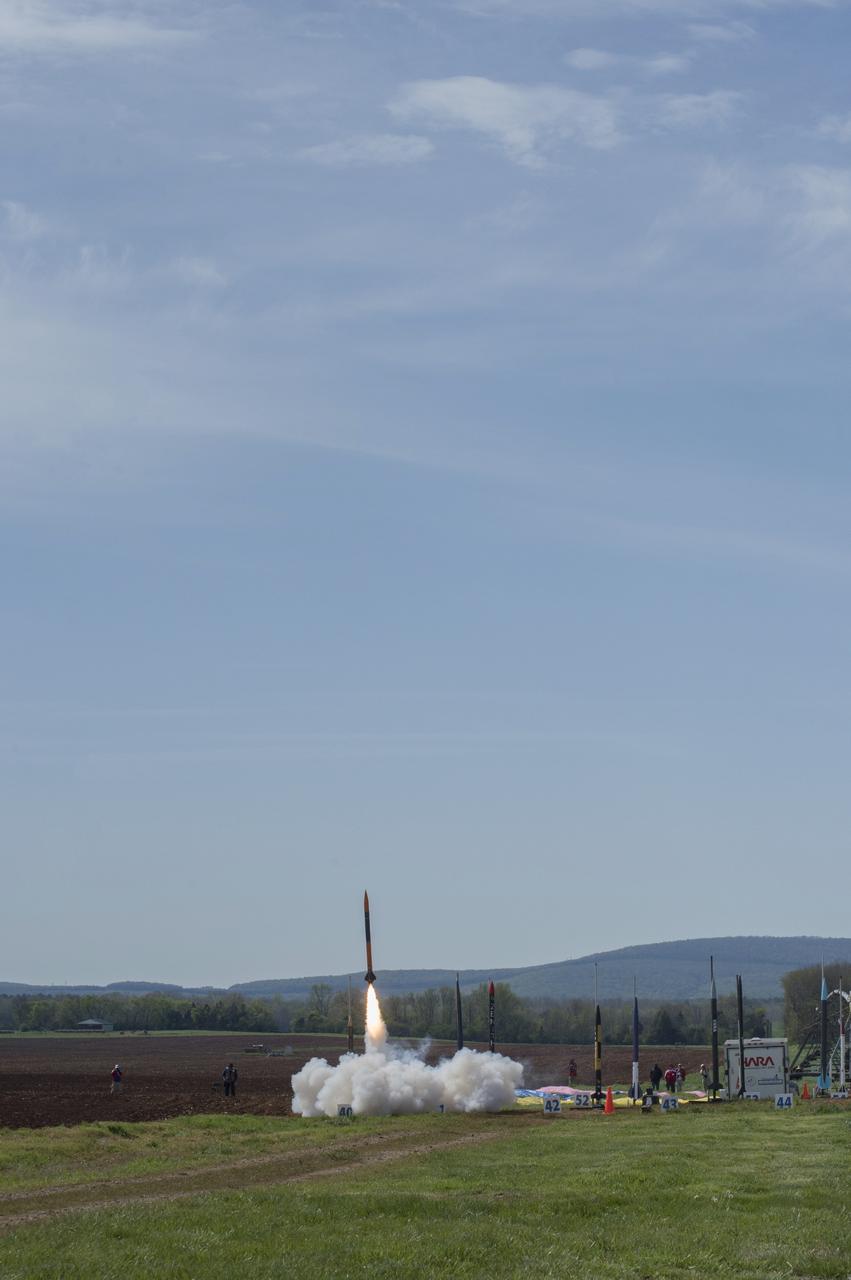
After eight months of designing, building and testing, the middle school, high school and college and university teams launched their rockets as part of NASA Student Launch on Sunday, April 8. The rockets and their payloads are designed to fly to 1-mile in altitude before deploying recovery systems that brings them safely to the ground.
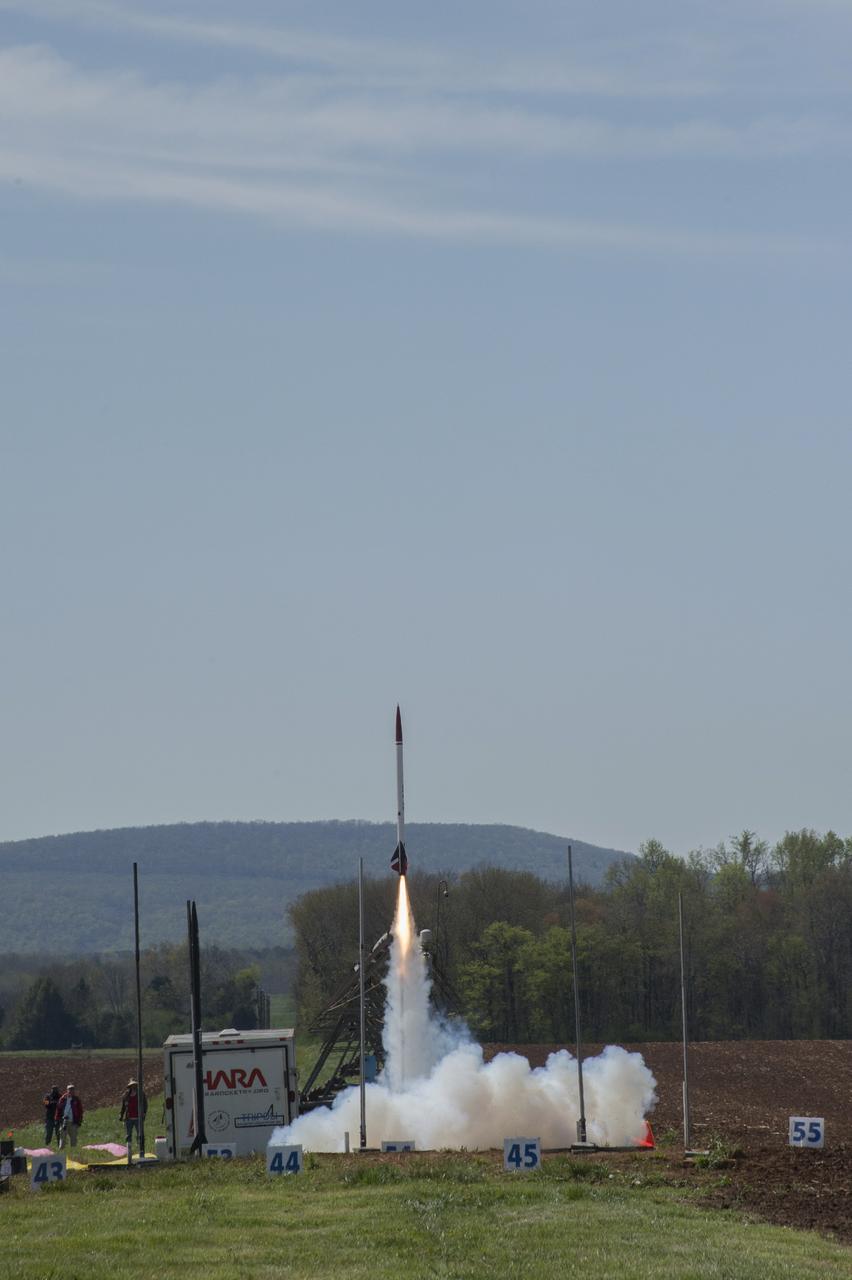
After eight months of designing, building and testing, the middle school, high school and college and university teams launched their rockets as part of NASA Student Launch on Sunday, April 8. The rockets and their payloads are designed to fly to 1-mile in altitude before deploying recovery systems that brings them safely to the ground.
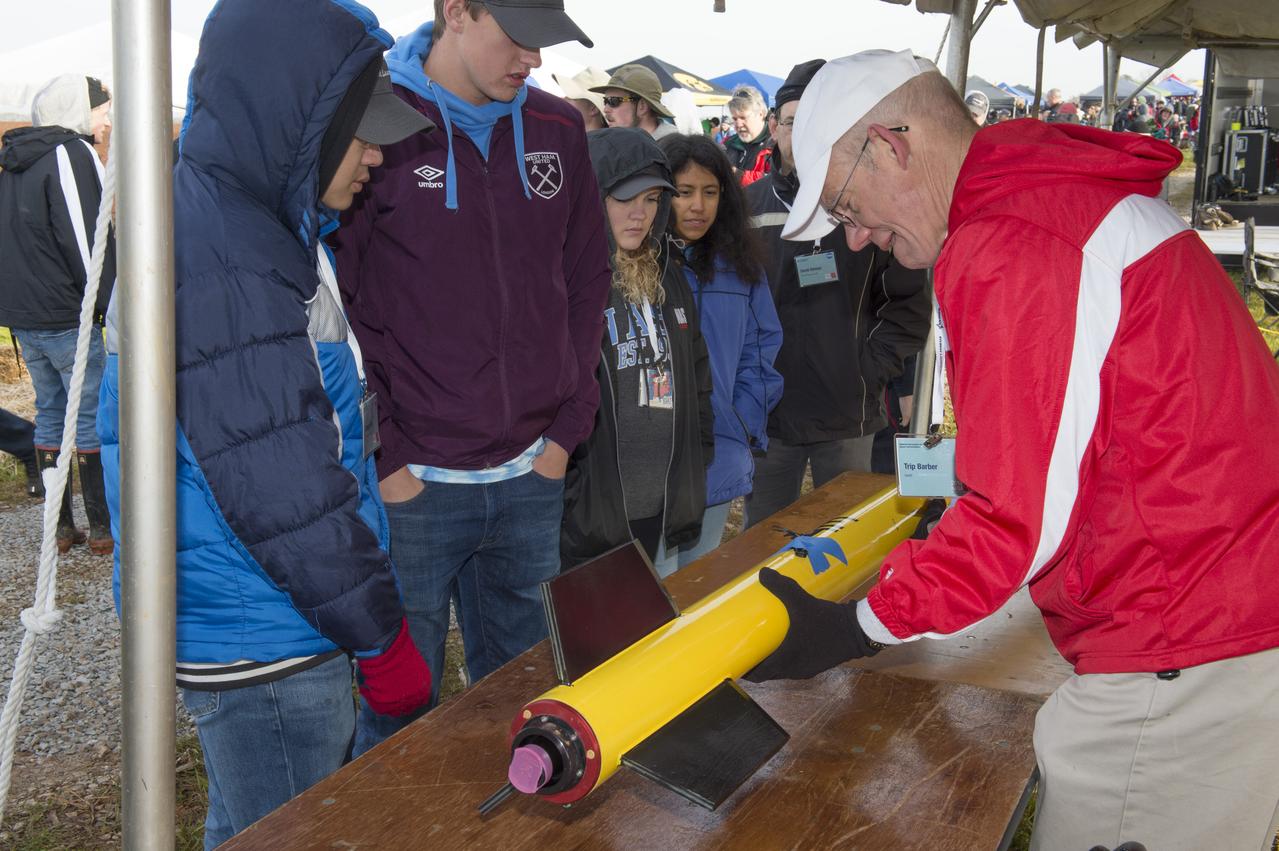
After eight months of designing, building and testing, the middle school, high school and college and university teams launched their rockets as part of NASA Student Launch on Sunday, April 8. The rockets and their payloads are designed to fly to 1-mile in altitude before deploying recovery systems that brings them safely to the ground.
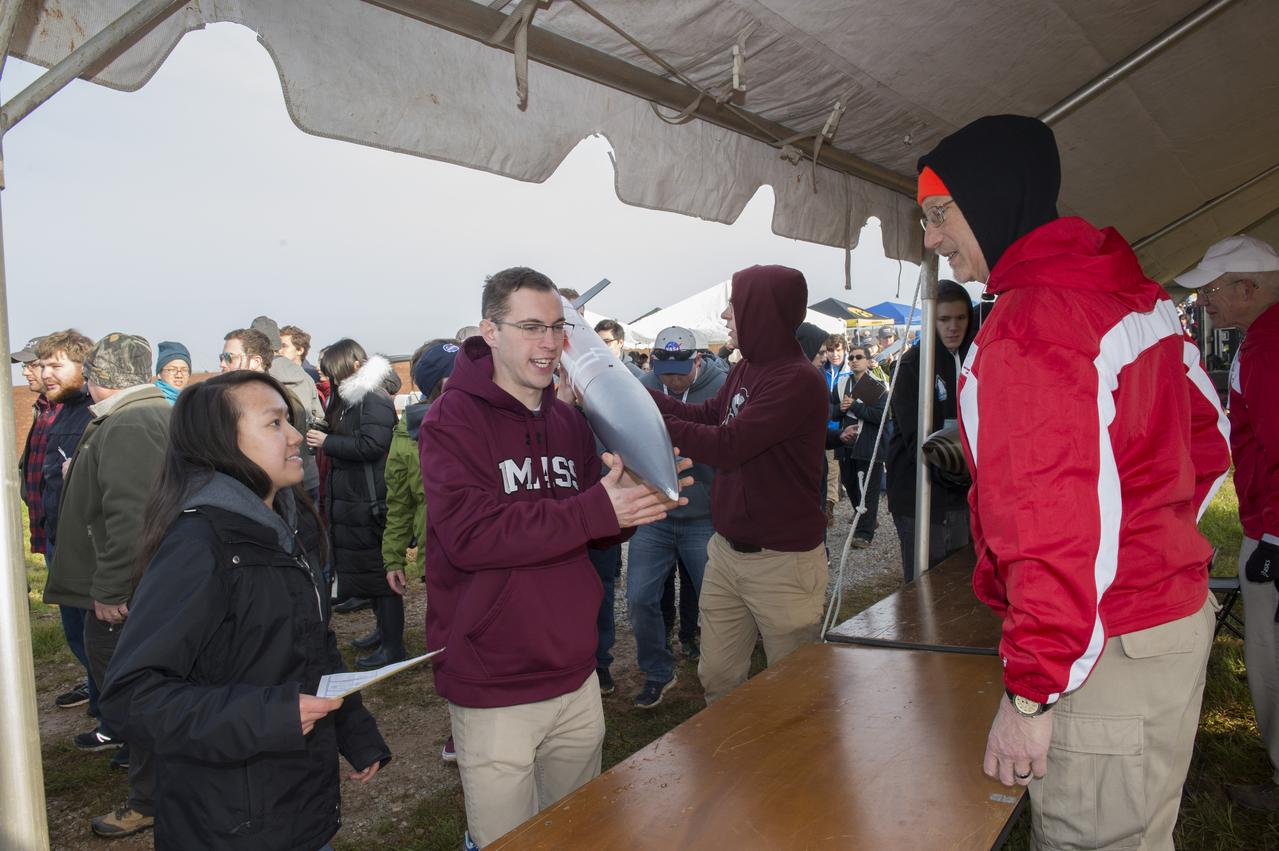
After eight months of designing, building and testing, the middle school, high school and college and university teams launched their rockets as part of NASA Student Launch on Sunday, April 8. The rockets and their payloads are designed to fly to 1-mile in altitude before deploying recovery systems that brings them safely to the ground.
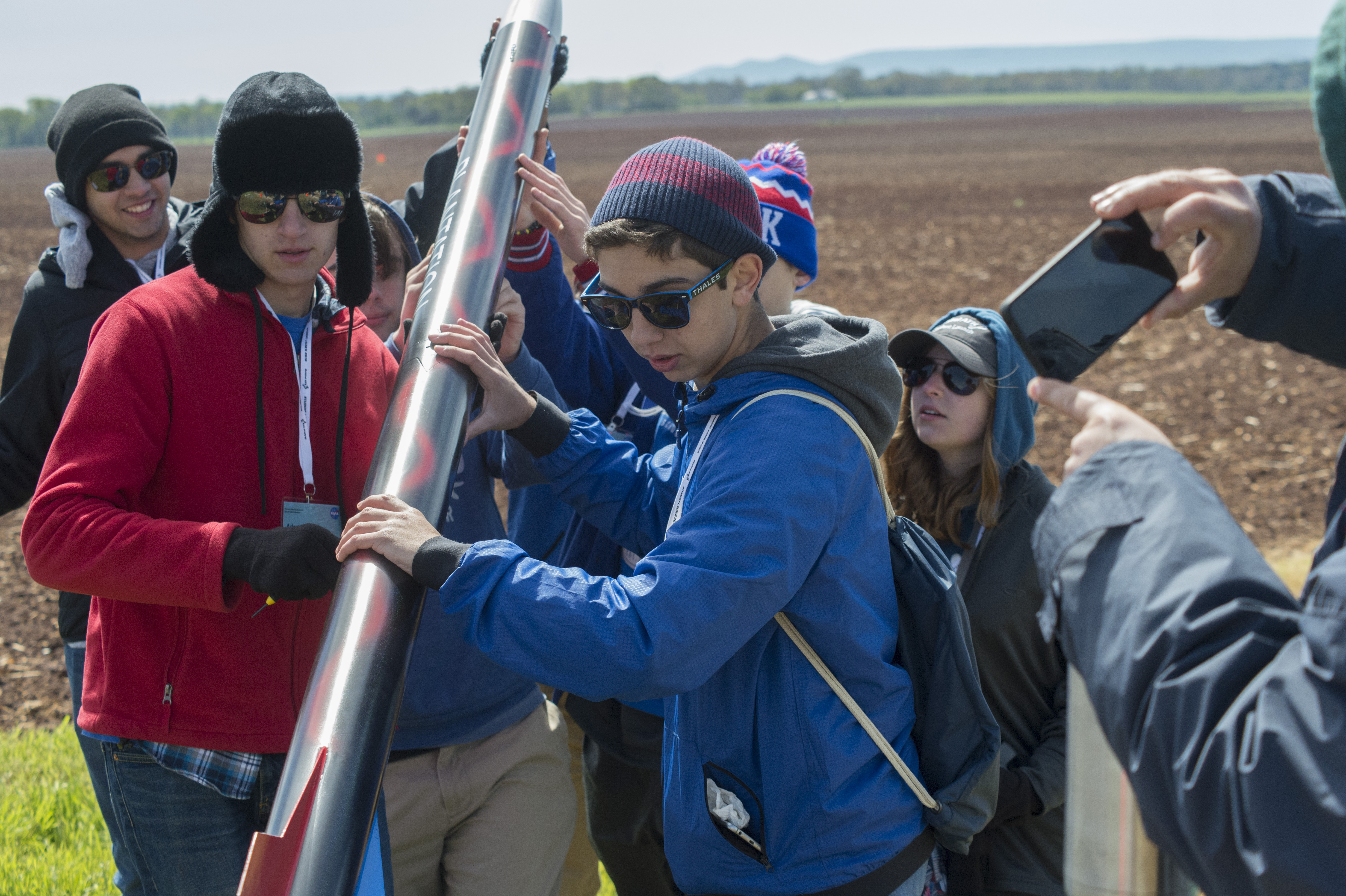
After eight months of designing, building and testing, the middle school, high school and college and university teams launched their rockets as part of NASA Student Launch on Sunday, April 8. The rockets and their payloads are designed to fly to 1-mile in altitude before deploying recovery systems that brings them safely to the ground.
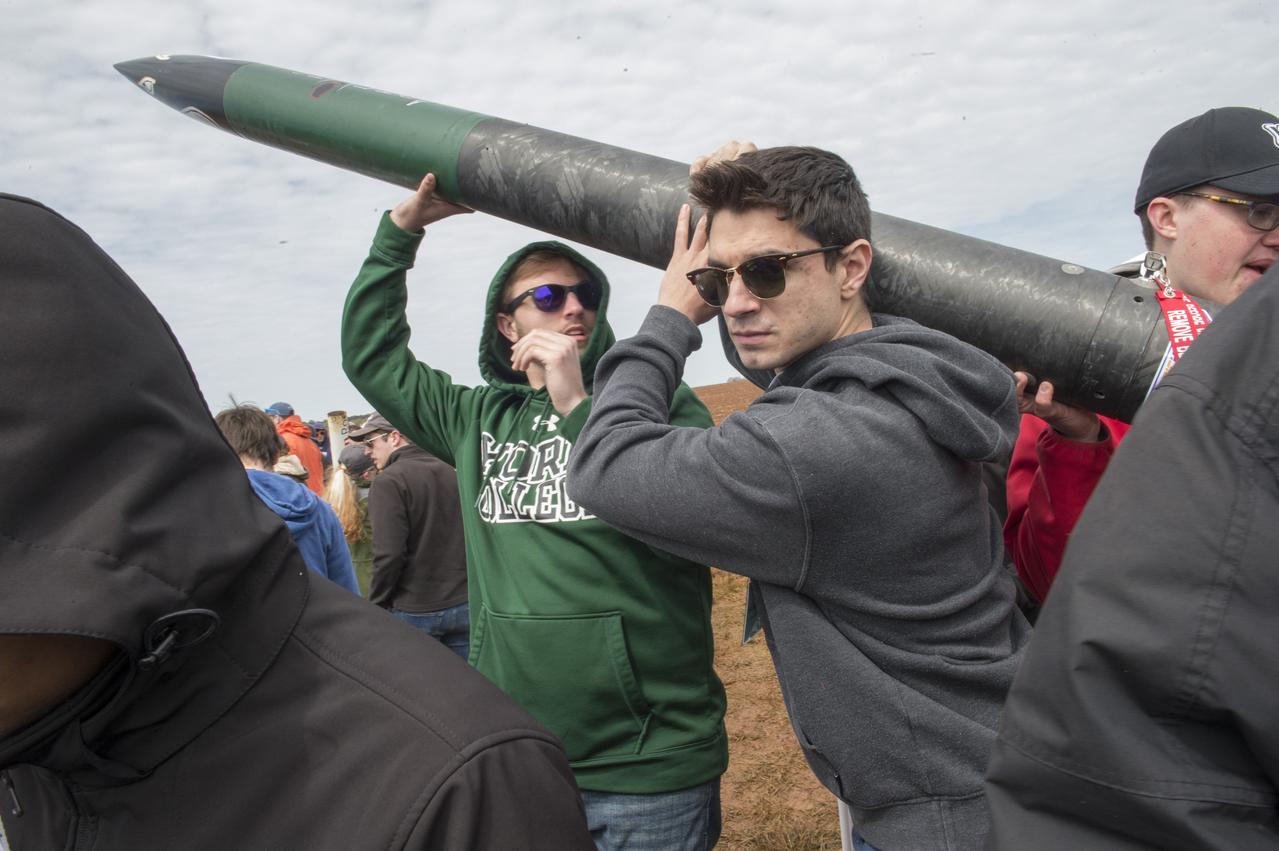
After eight months of designing, building and testing, the middle school, high school and college and university teams launched their rockets as part of NASA Student Launch on Sunday, April 8. The rockets and their payloads are designed to fly to 1-mile in altitude before deploying recovery systems that brings them safely to the ground.
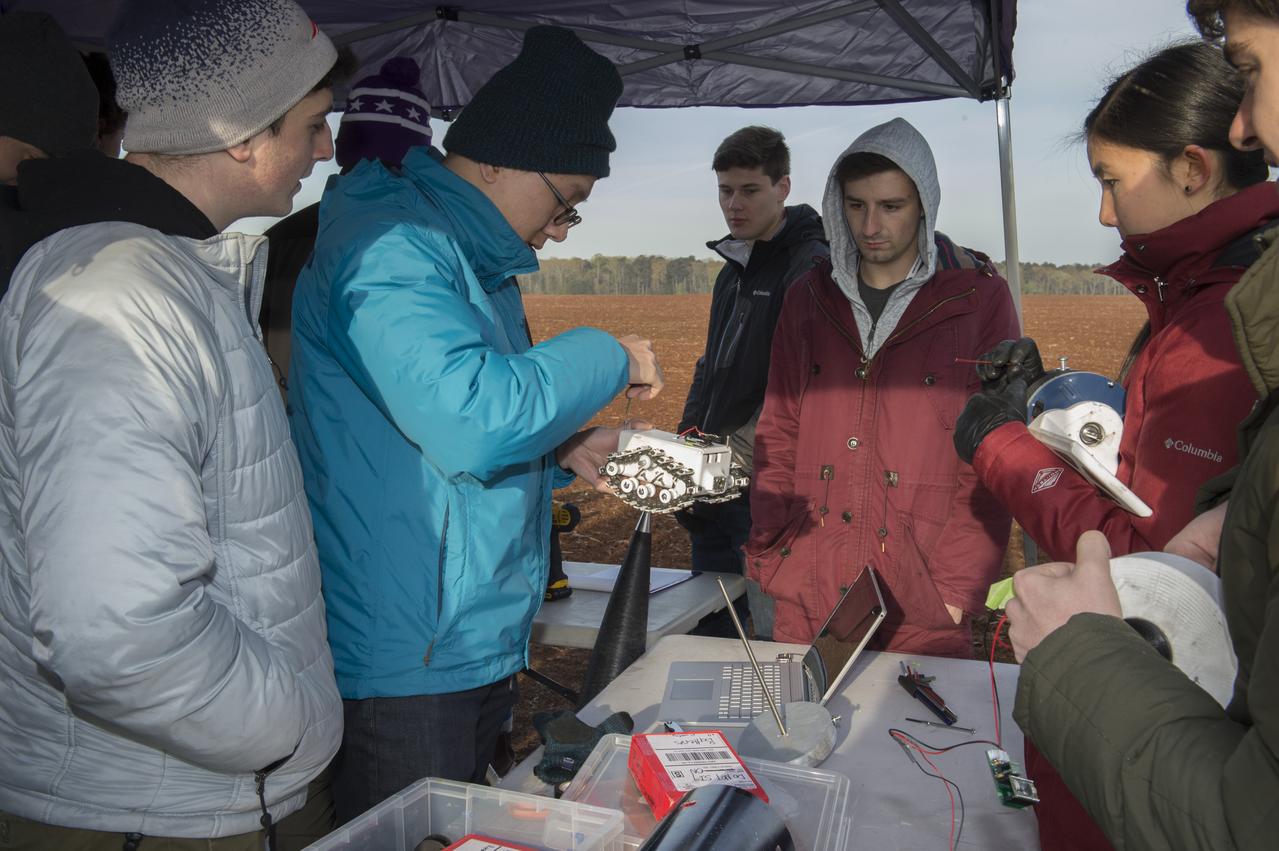
After eight months of designing, building and testing, the middle school, high school and college and university teams launched their rockets as part of NASA Student Launch on Sunday, April 8. The rockets and their payloads are designed to fly to 1-mile in altitude before deploying recovery systems that brings them safely to the ground.
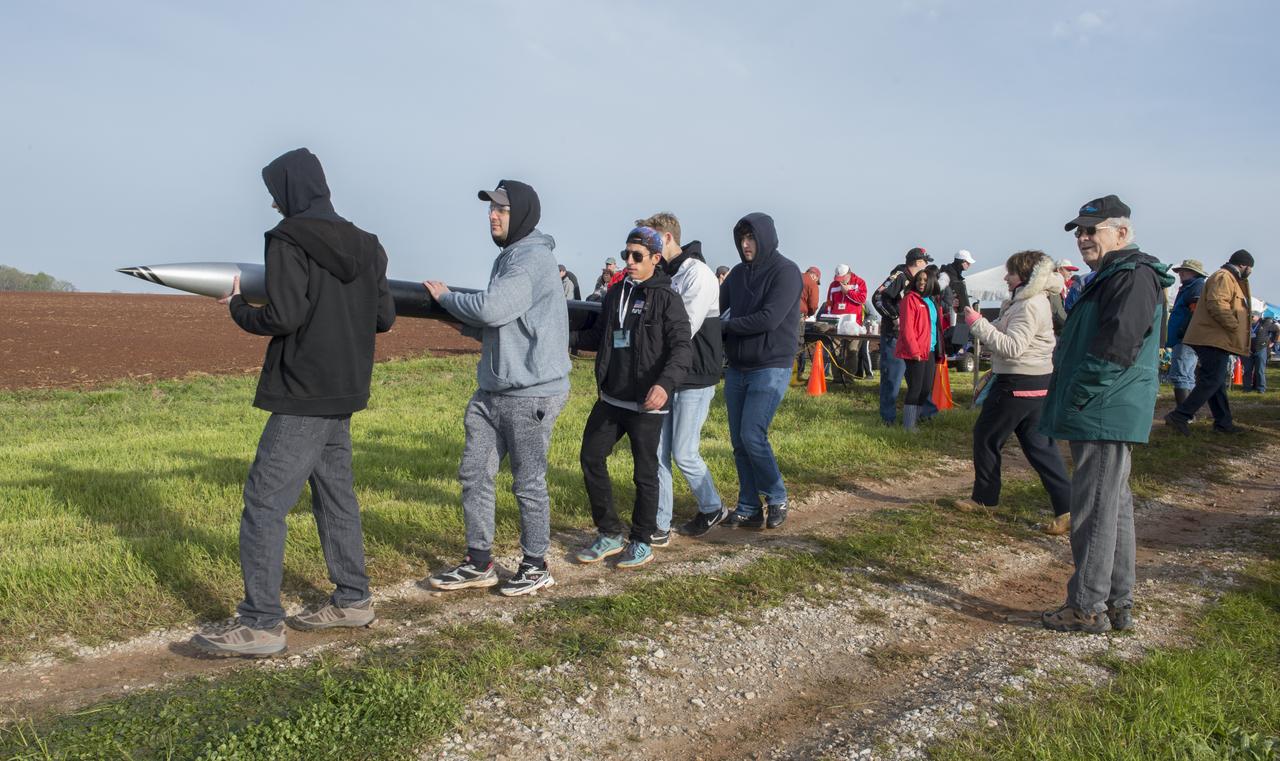
After eight months of designing, building and testing, the middle school, high school and college and university teams launched their rockets as part of NASA Student Launch on Sunday, April 8. The rockets and their payloads are designed to fly to 1-mile in altitude before deploying recovery systems that brings them safely to the ground.
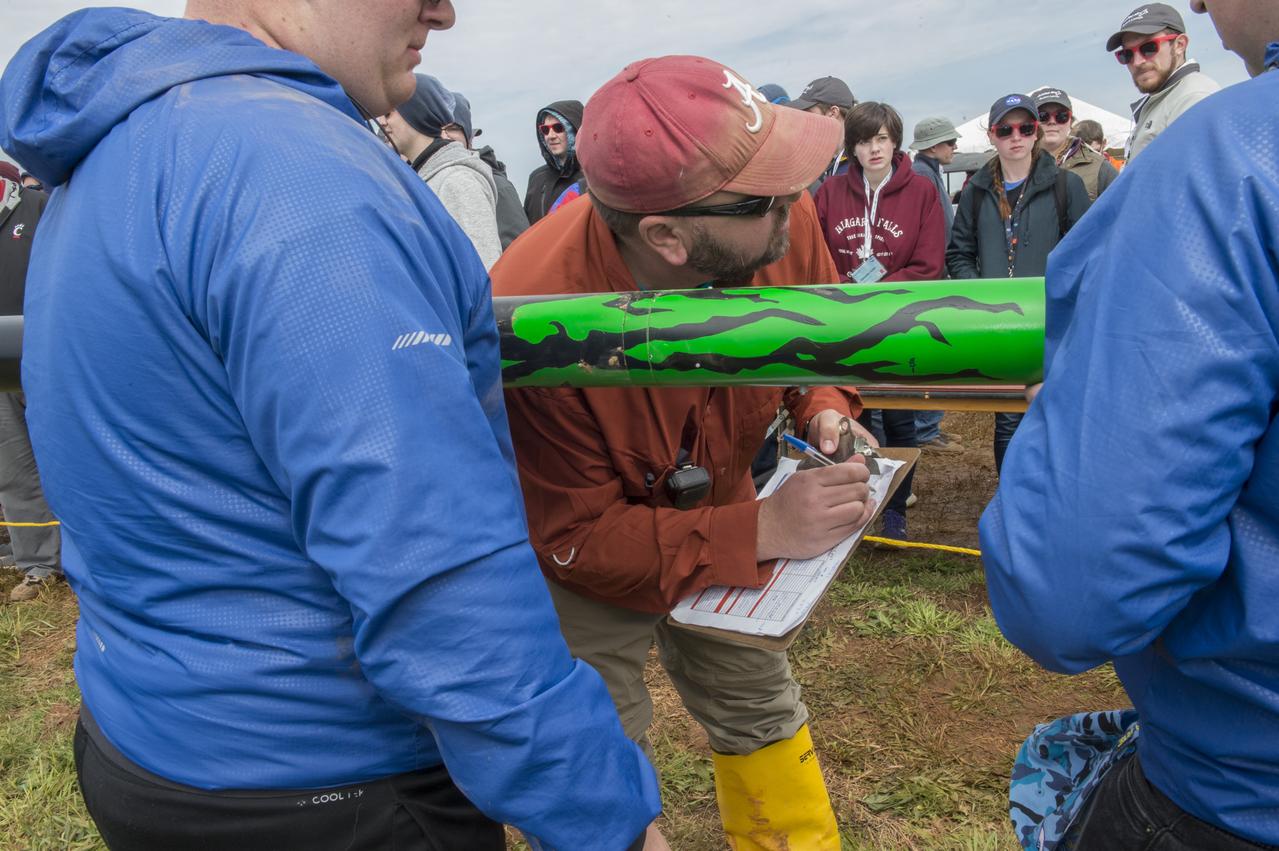
After eight months of designing, building and testing, the middle school, high school and college and university teams launched their rockets as part of NASA Student Launch on Sunday, April 8. The rockets and their payloads are designed to fly to 1-mile in altitude before deploying recovery systems that brings them safely to the ground.
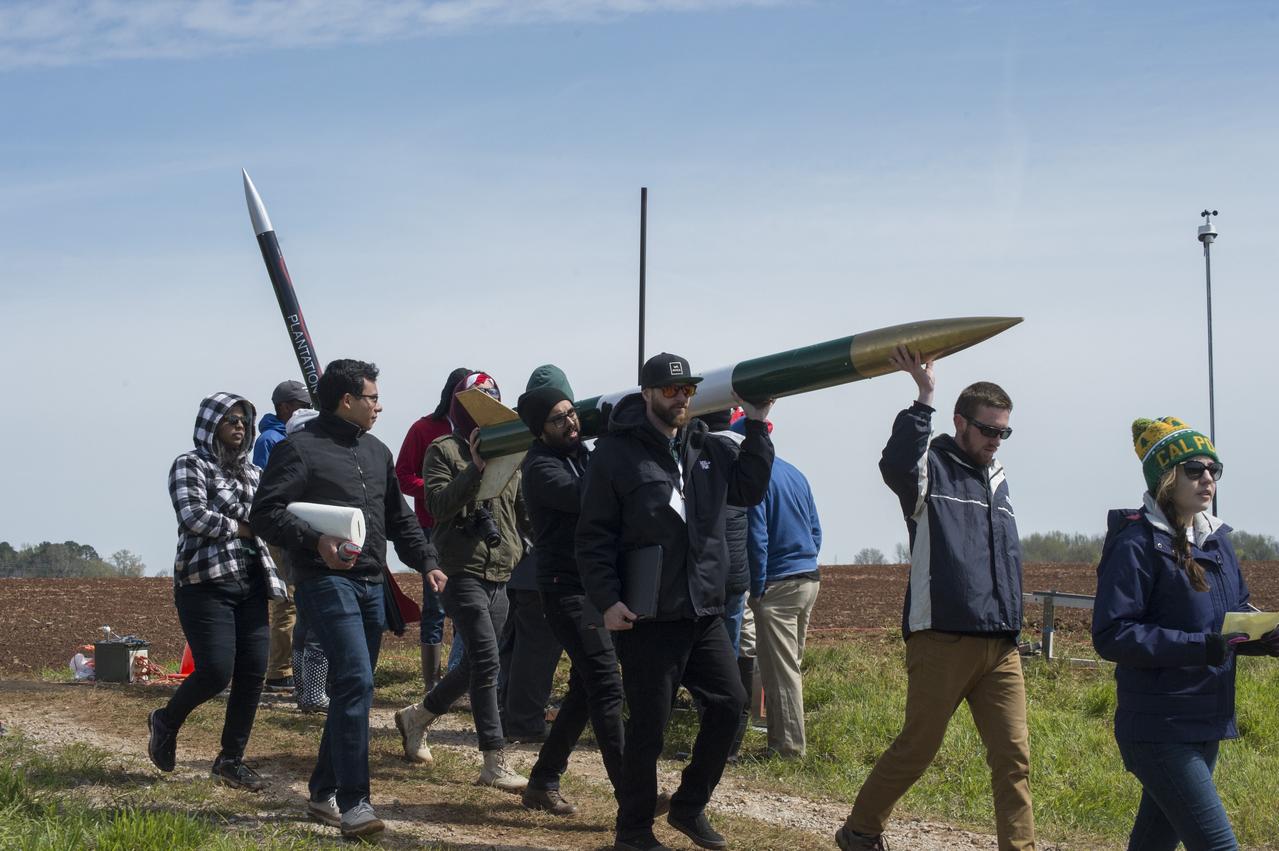
After eight months of designing, building and testing, the middle school, high school and college and university teams launched their rockets as part of NASA Student Launch on Sunday, April 8. The rockets and their payloads are designed to fly to 1-mile in altitude before deploying recovery systems that brings them safely to the ground.
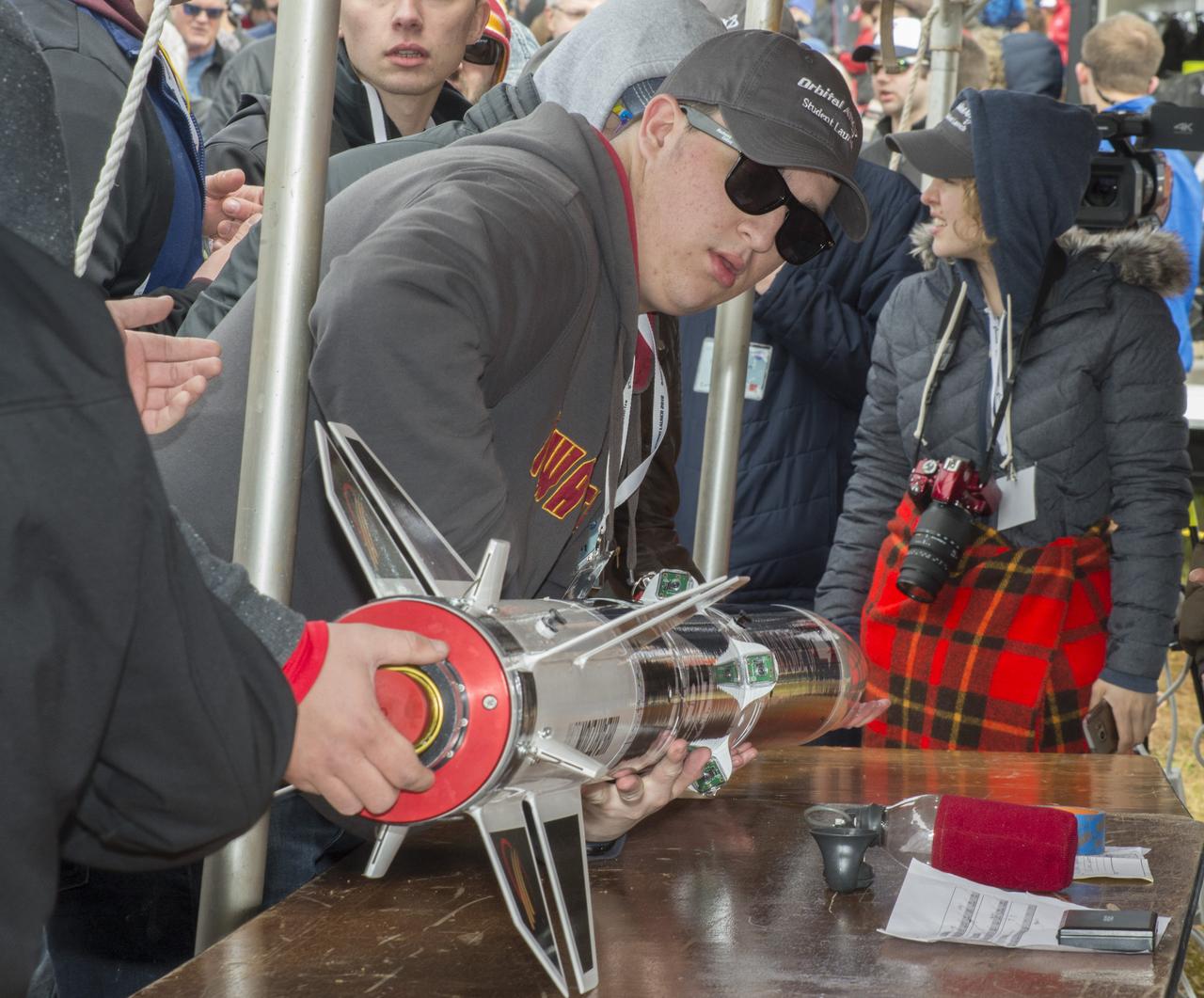
After eight months of designing, building and testing, the middle school, high school and college and university teams launched their rockets as part of NASA Student Launch on Sunday, April 8. The rockets and their payloads are designed to fly to 1-mile in altitude before deploying recovery systems that brings them safely to the ground.
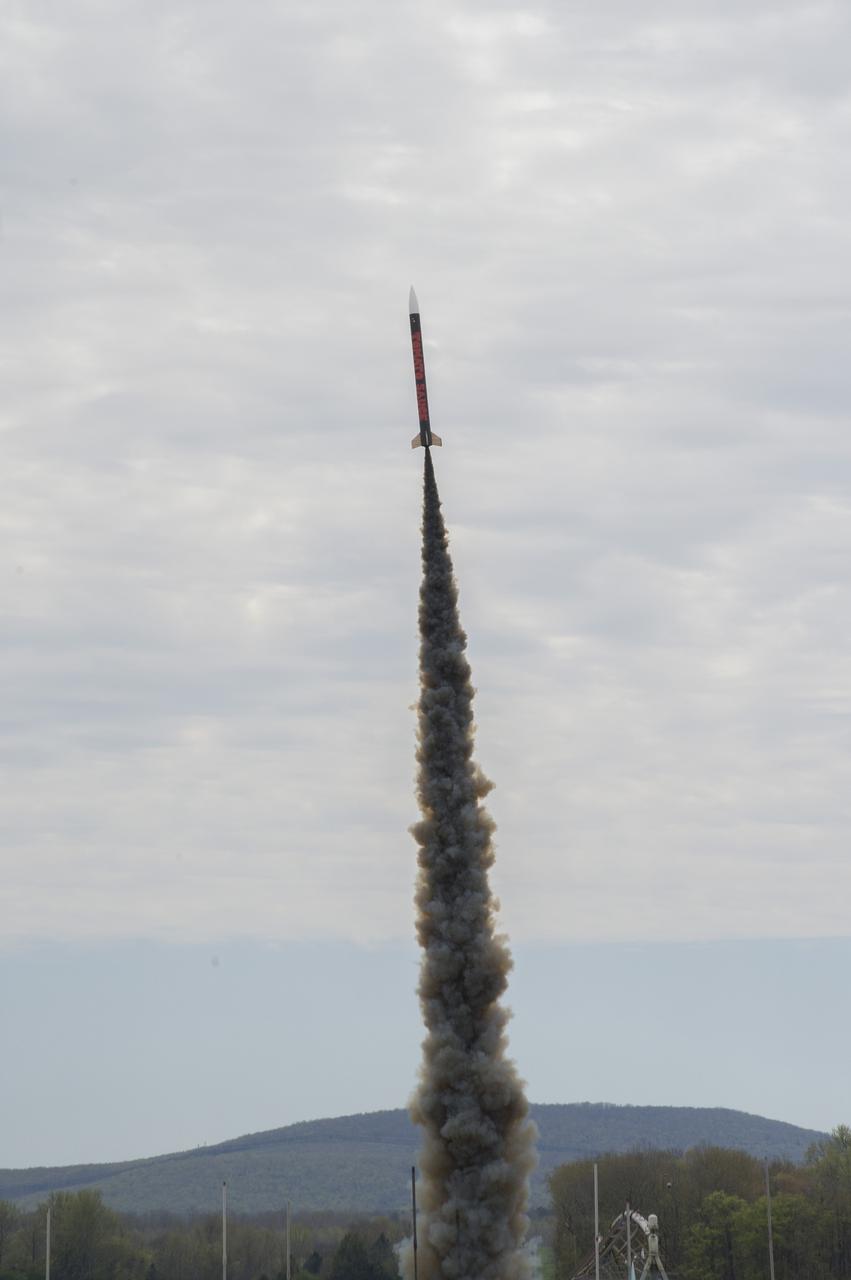
After eight months of designing, building and testing, the middle school, high school and college and university teams launched their rockets as part of NASA Student Launch on Sunday, April 8. The rockets and their payloads are designed to fly to 1-mile in altitude before deploying recovery systems that brings them safely to the ground.
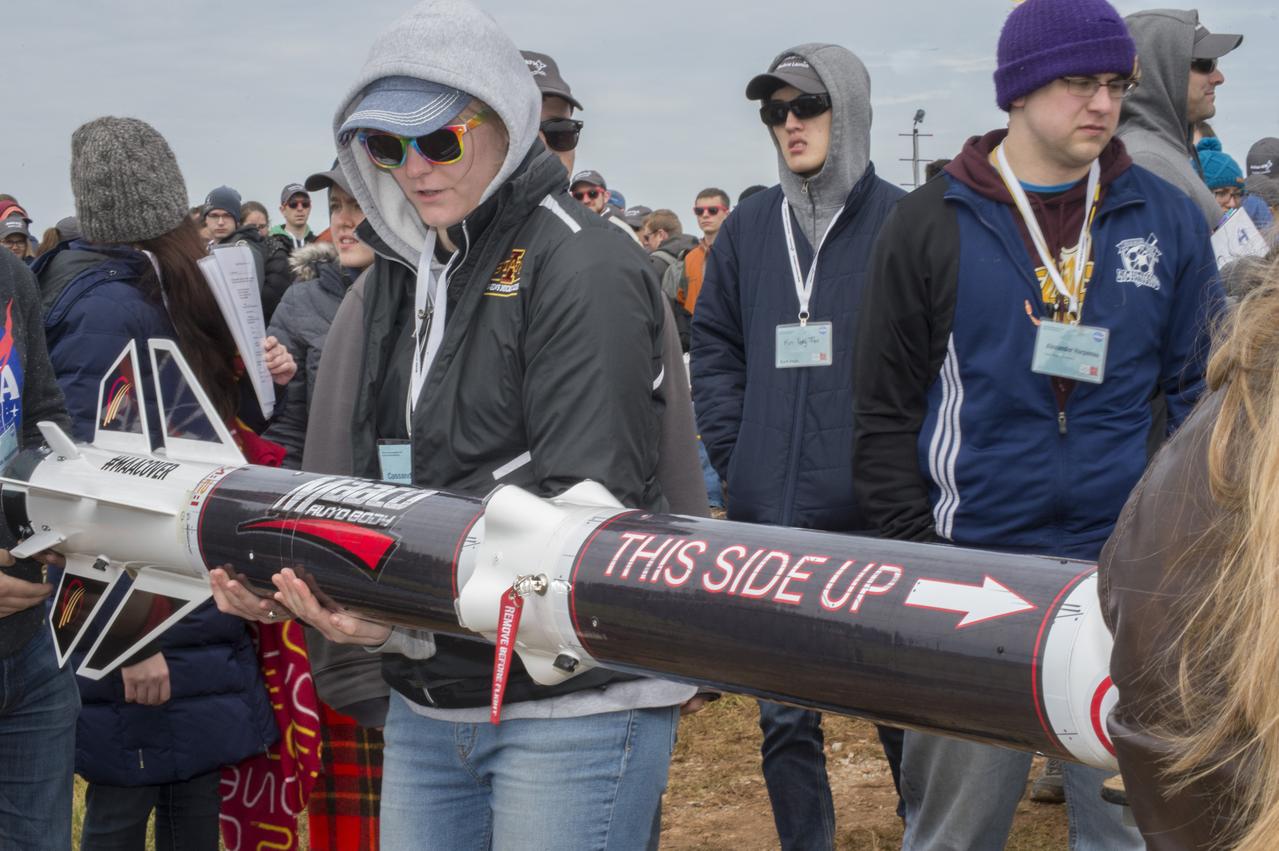
After eight months of designing, building and testing, the middle school, high school and college and university teams launched their rockets as part of NASA Student Launch on Sunday, April 8. The rockets and their payloads are designed to fly to 1-mile in altitude before deploying recovery systems that brings them safely to the ground.
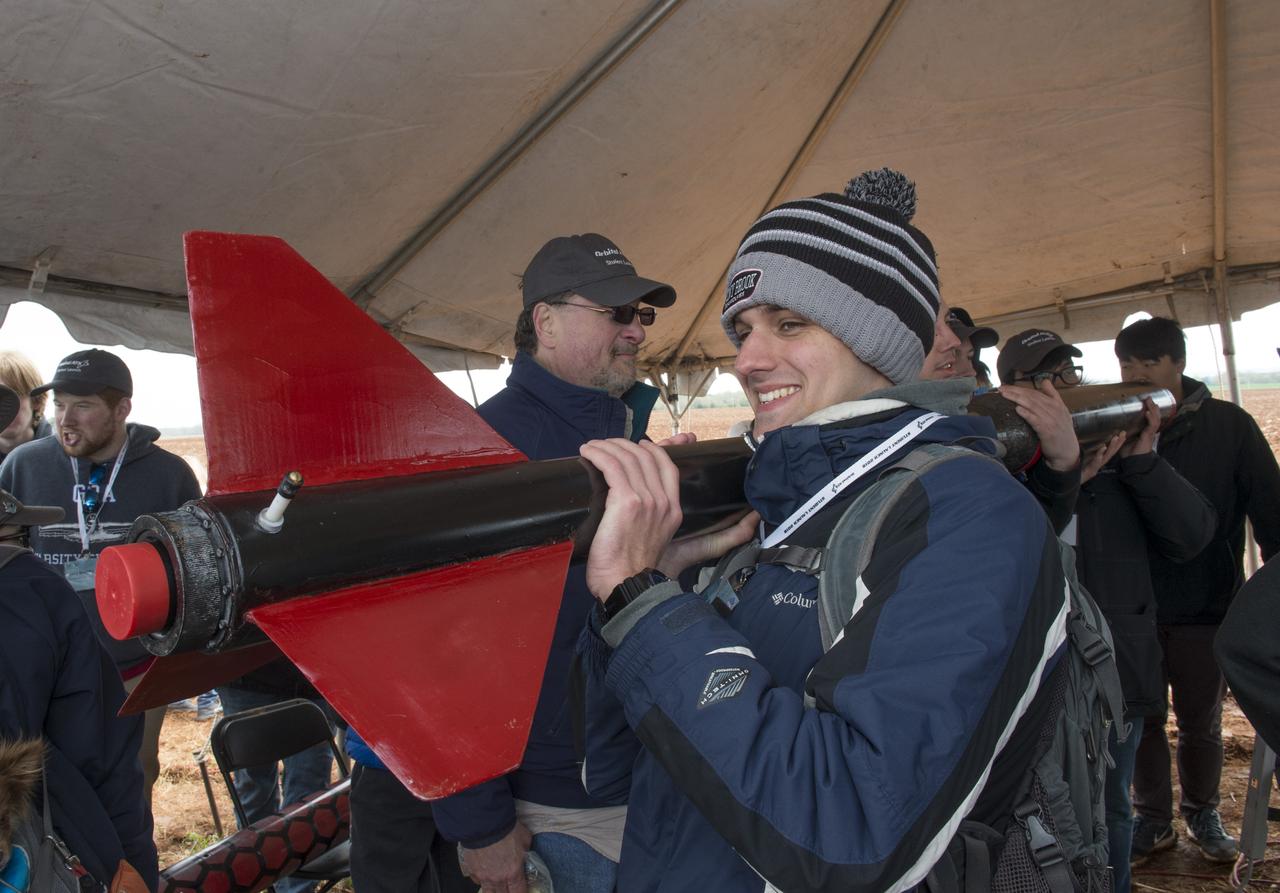
After eight months of designing, building and testing, the middle school, high school and college and university teams launched their rockets as part of NASA Student Launch on Sunday, April 8. The rockets and their payloads are designed to fly to 1-mile in altitude before deploying recovery systems that brings them safely to the ground.
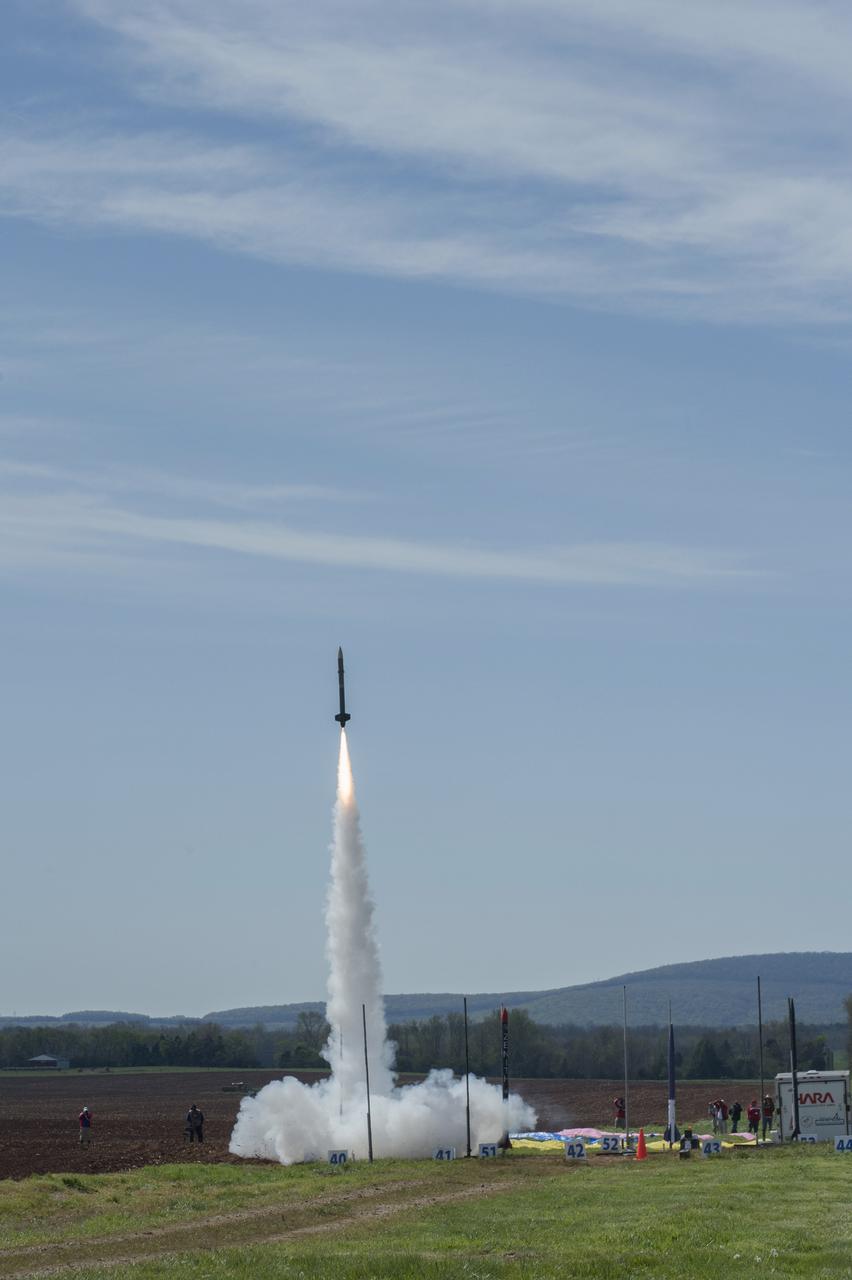
After eight months of designing, building and testing, the middle school, high school and college and university teams launched their rockets as part of NASA Student Launch on Sunday, April 8. The rockets and their payloads are designed to fly to 1-mile in altitude before deploying recovery systems that brings them safely to the ground.
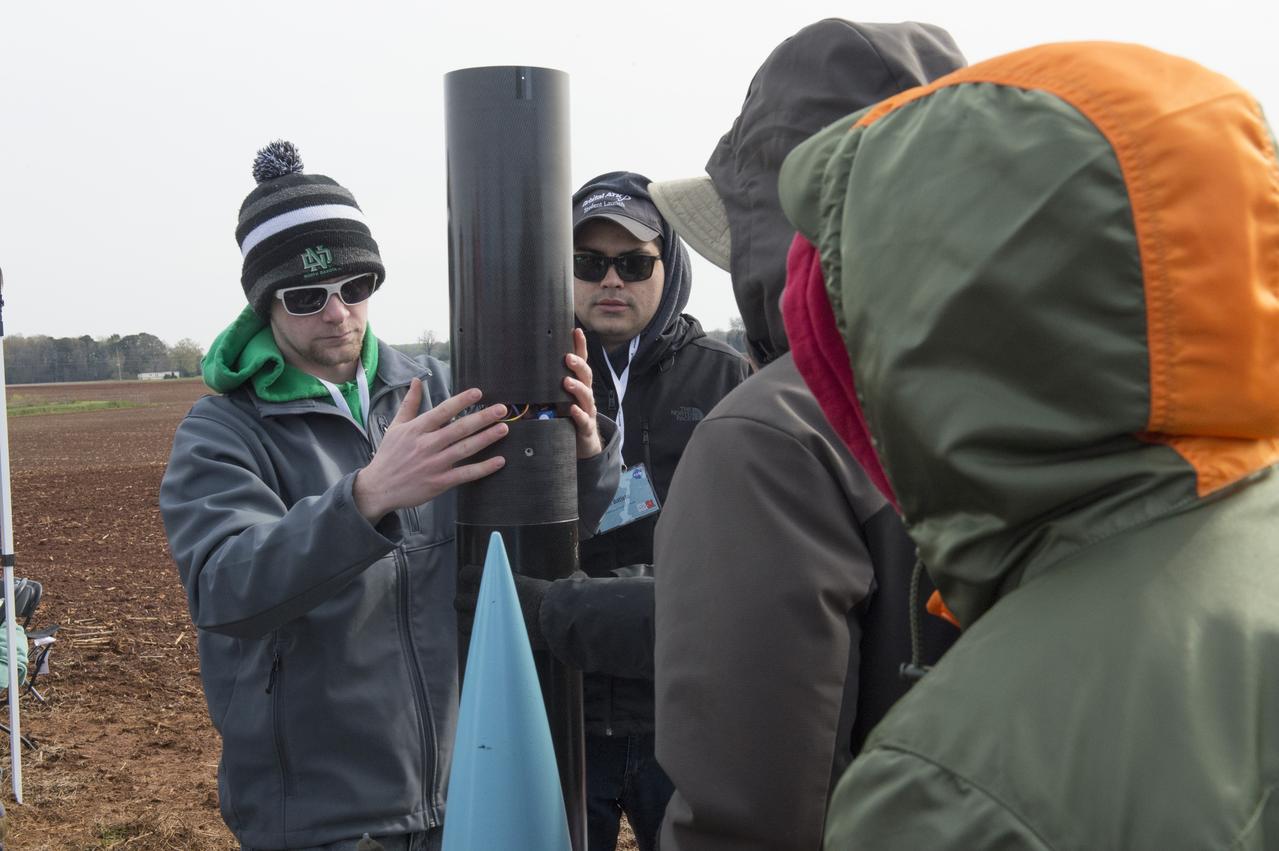
After eight months of designing, building and testing, the middle school, high school and college and university teams launched their rockets as part of NASA Student Launch on Sunday, April 8. The rockets and their payloads are designed to fly to 1-mile in altitude before deploying recovery systems that brings them safely to the ground.
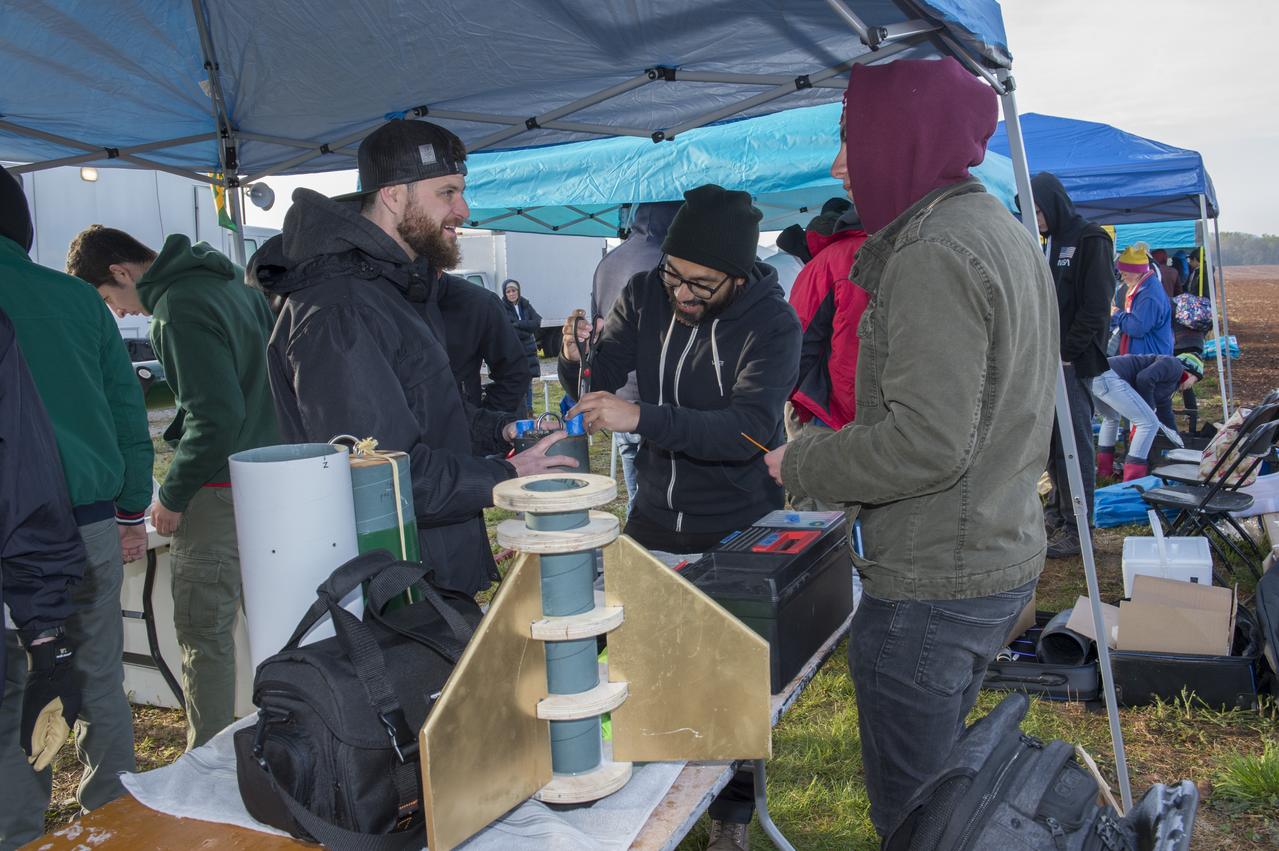
After eight months of designing, building and testing, the middle school, high school and college and university teams launched their rockets as part of NASA Student Launch on Sunday, April 8. The rockets and their payloads are designed to fly to 1-mile in altitude before deploying recovery systems that brings them safely to the ground.
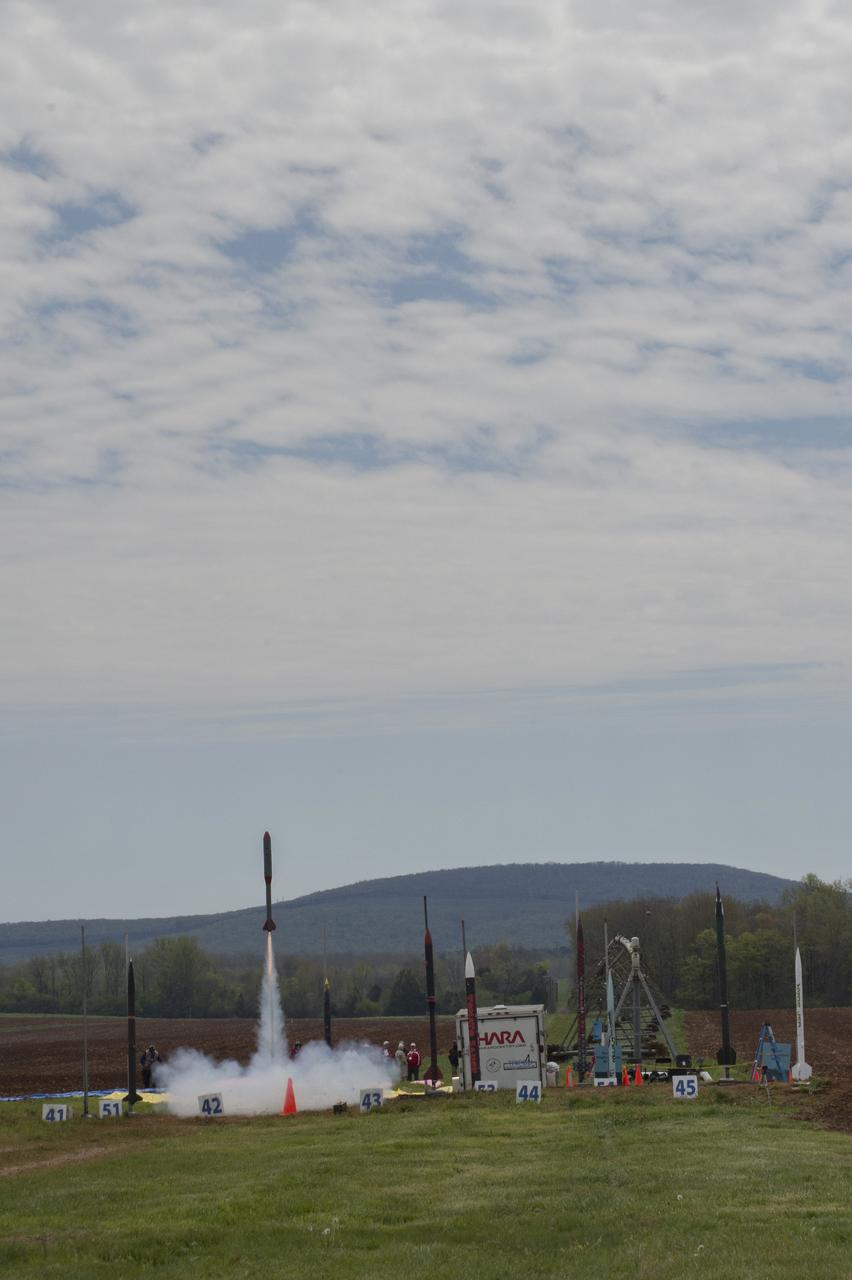
After eight months of designing, building and testing, the middle school, high school and college and university teams launched their rockets as part of NASA Student Launch on Sunday, April 8. The rockets and their payloads are designed to fly to 1-mile in altitude before deploying recovery systems that brings them safely to the ground.
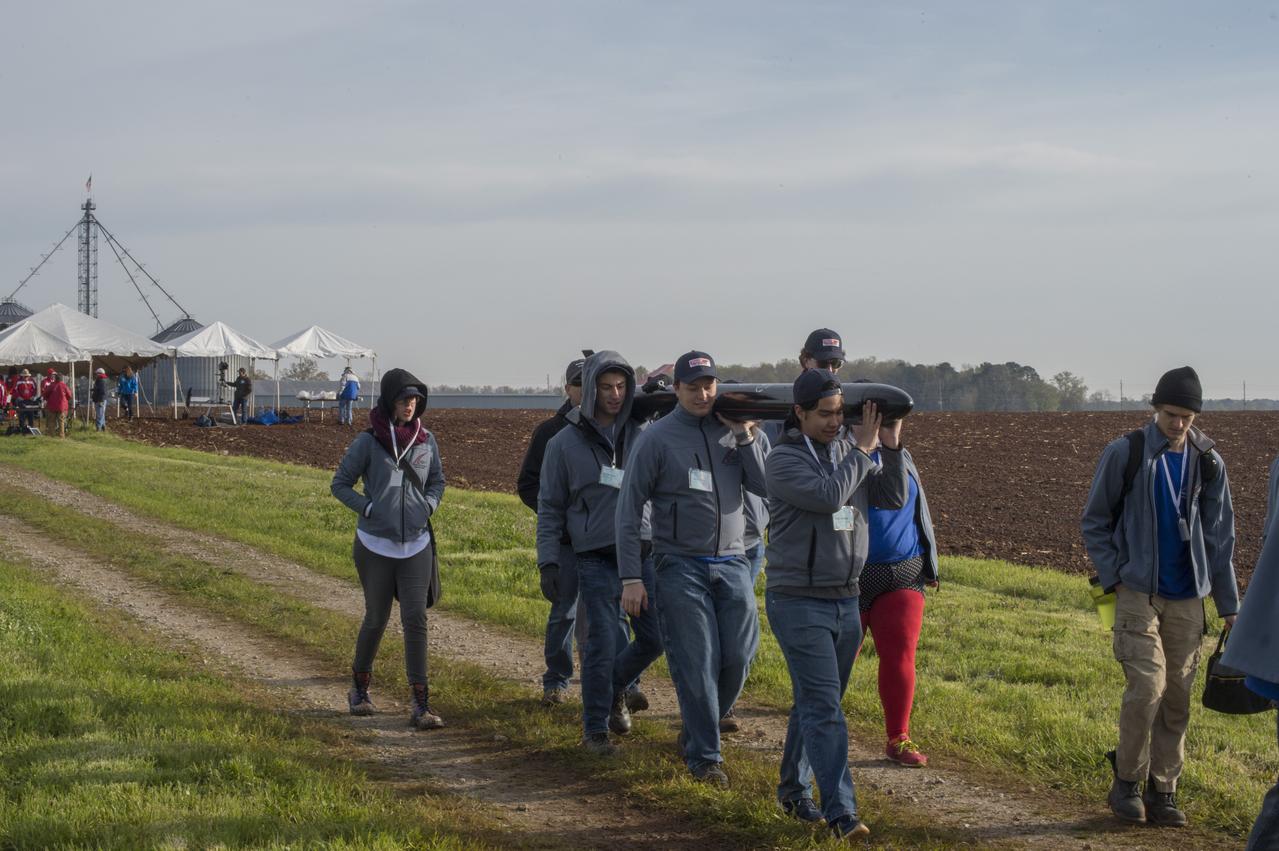
After eight months of designing, building and testing, the middle school, high school and college and university teams launched their rockets as part of NASA Student Launch on Sunday, April 8. The rockets and their payloads are designed to fly to 1-mile in altitude before deploying recovery systems that brings them safely to the ground.
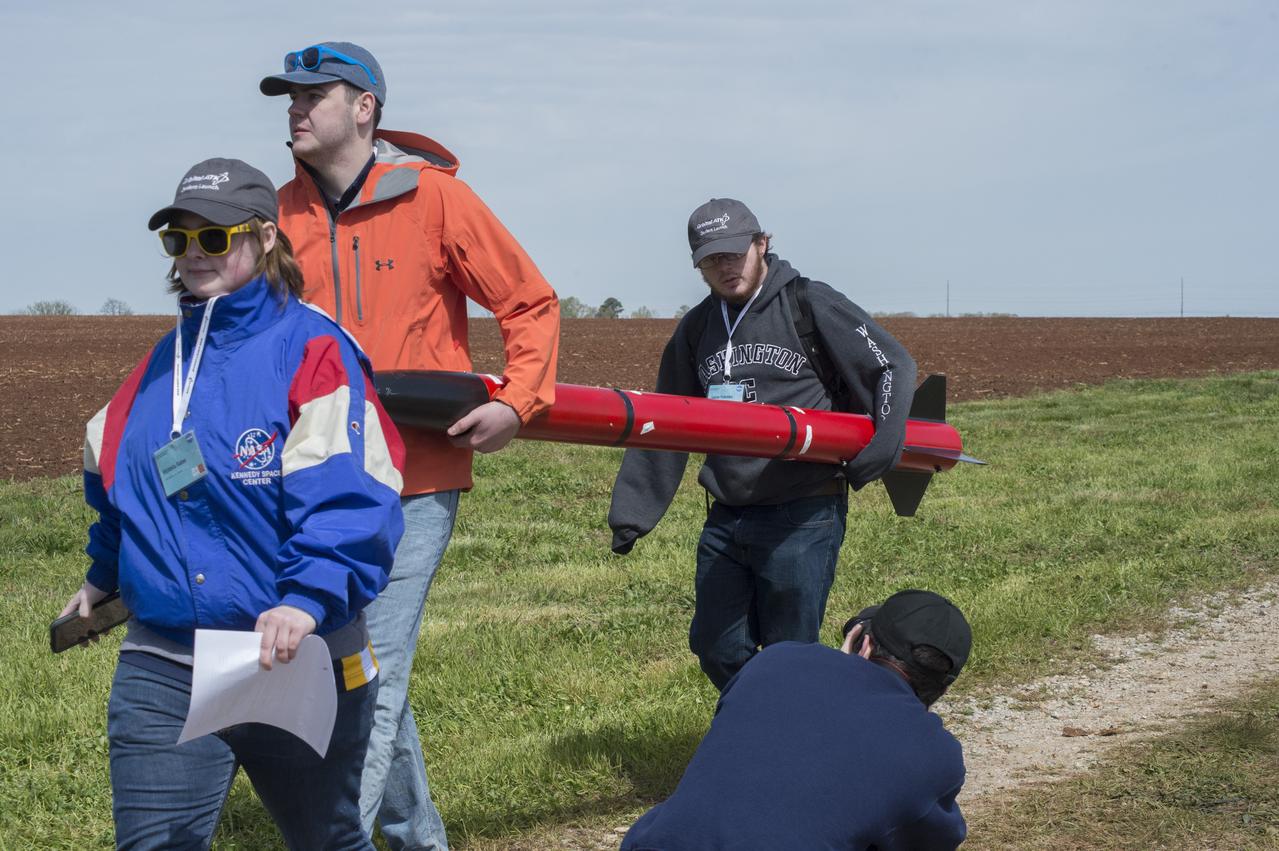
After eight months of designing, building and testing, the middle school, high school and college and university teams launched their rockets as part of NASA Student Launch on Sunday, April 8. The rockets and their payloads are designed to fly to 1-mile in altitude before deploying recovery systems that brings them safely to the ground.
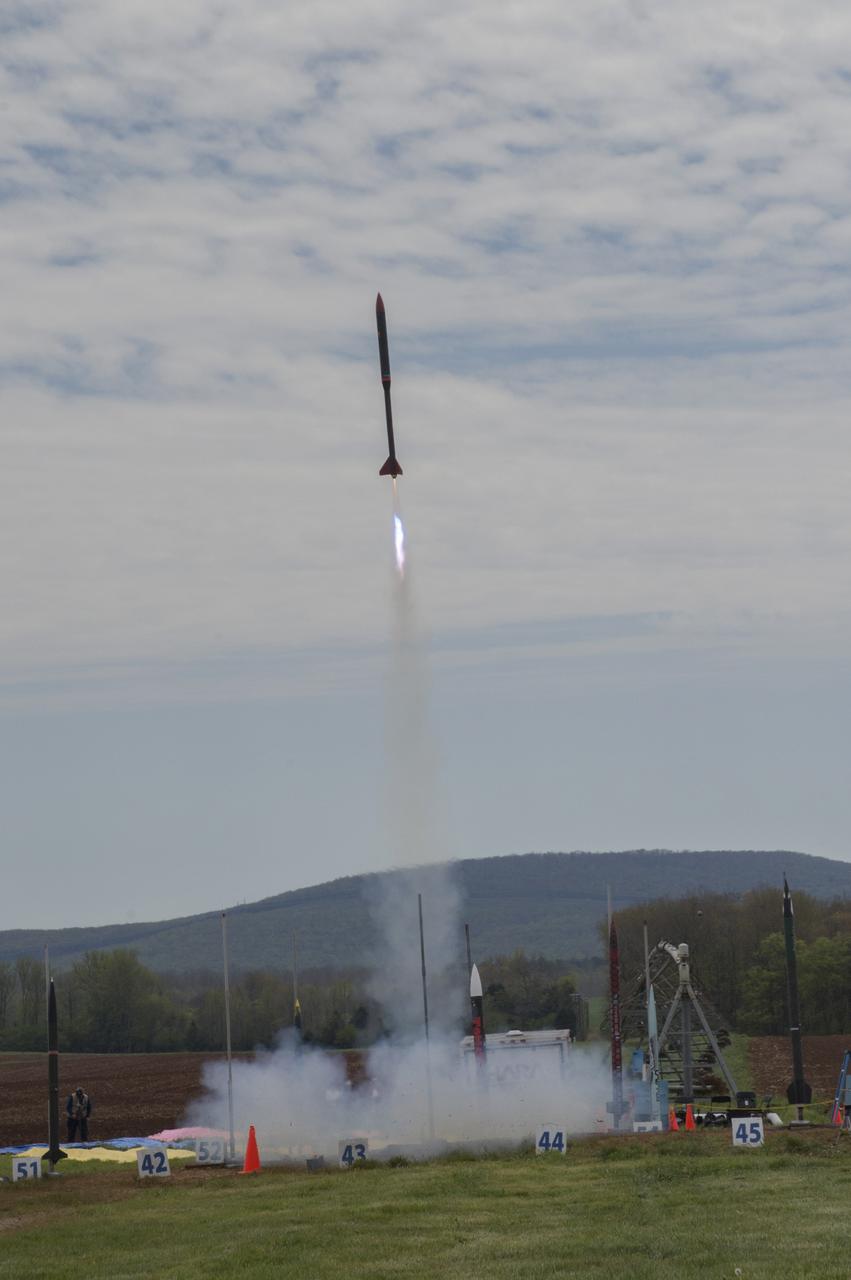
After eight months of designing, building and testing, the middle school, high school and college and university teams launched their rockets as part of NASA Student Launch on Sunday, April 8. The rockets and their payloads are designed to fly to 1-mile in altitude before deploying recovery systems that brings them safely to the ground.
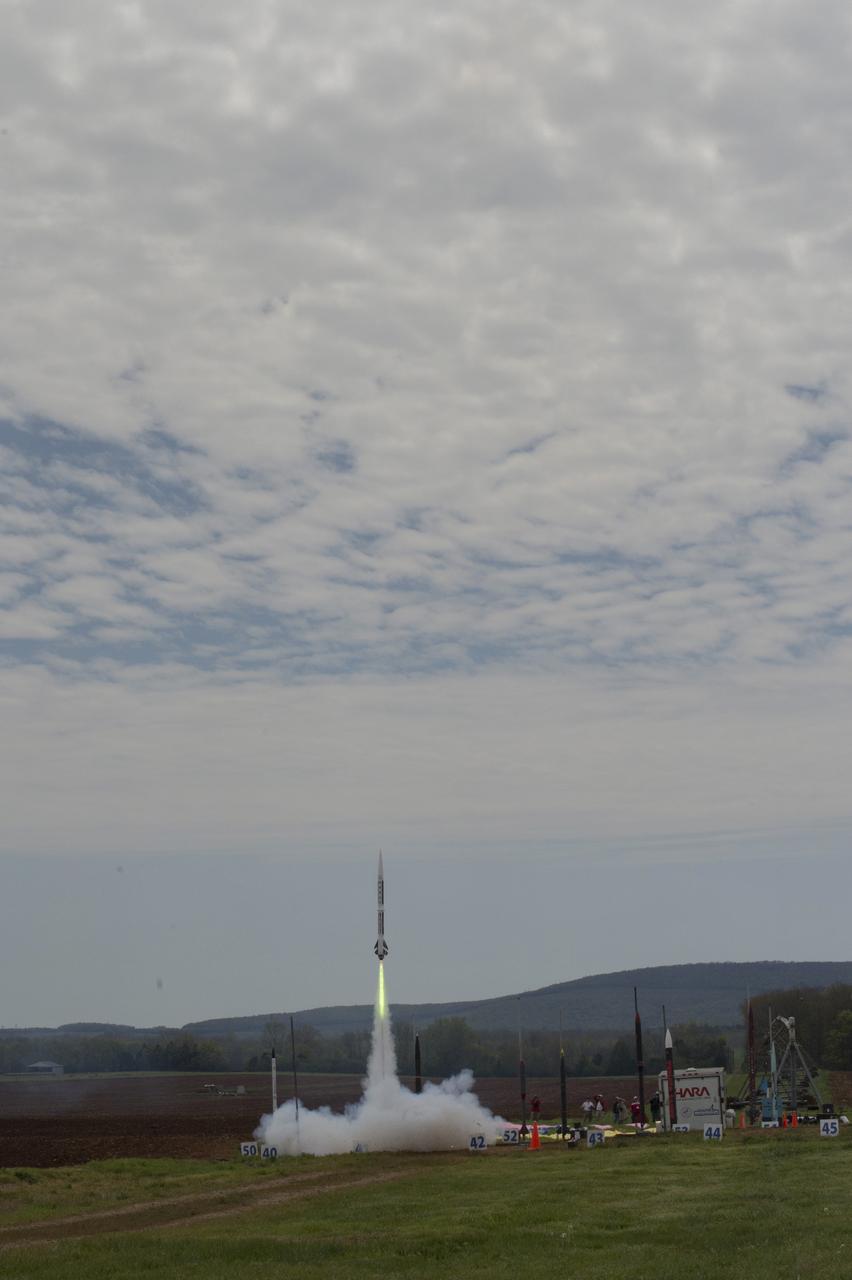
After eight months of designing, building and testing, the middle school, high school and college and university teams launched their rockets as part of NASA Student Launch on Sunday, April 8. The rockets and their payloads are designed to fly to 1-mile in altitude before deploying recovery systems that brings them safely to the ground.
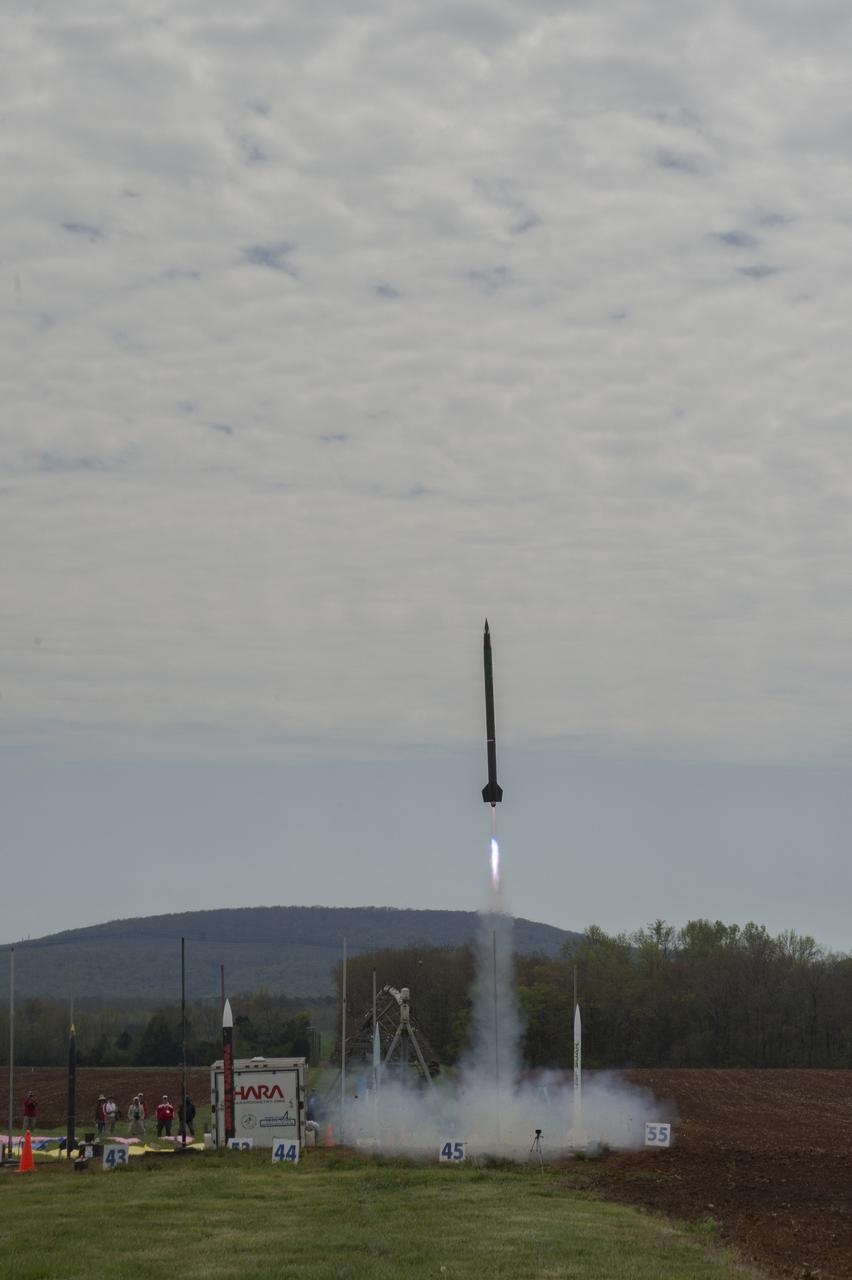
After eight months of designing, building and testing, the middle school, high school and college and university teams launched their rockets as part of NASA Student Launch on Sunday, April 8. The rockets and their payloads are designed to fly to 1-mile in altitude before deploying recovery systems that brings them safely to the ground.
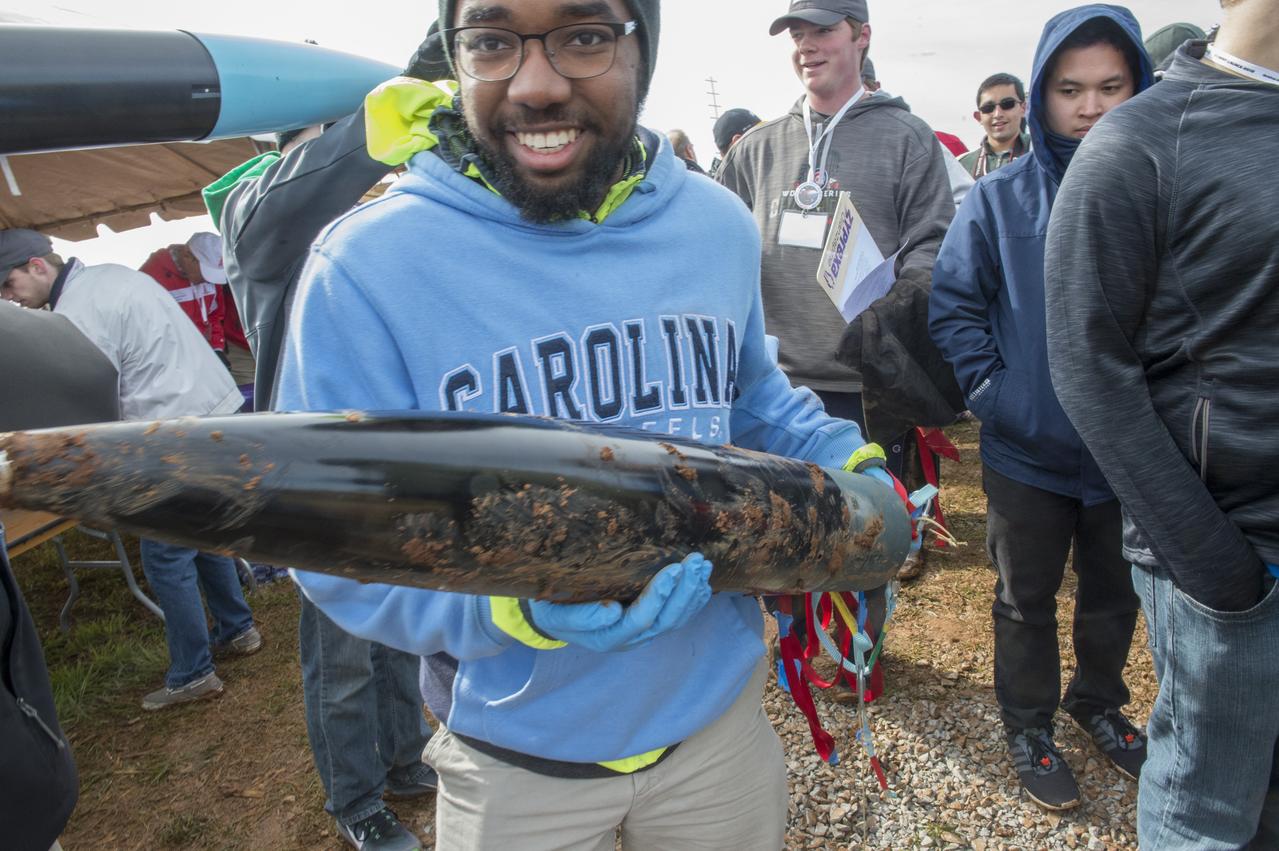
After eight months of designing, building and testing, the middle school, high school and college and university teams launched their rockets as part of NASA Student Launch on Sunday, April 8. The rockets and their payloads are designed to fly to 1-mile in altitude before deploying recovery systems that brings them safely to the ground.
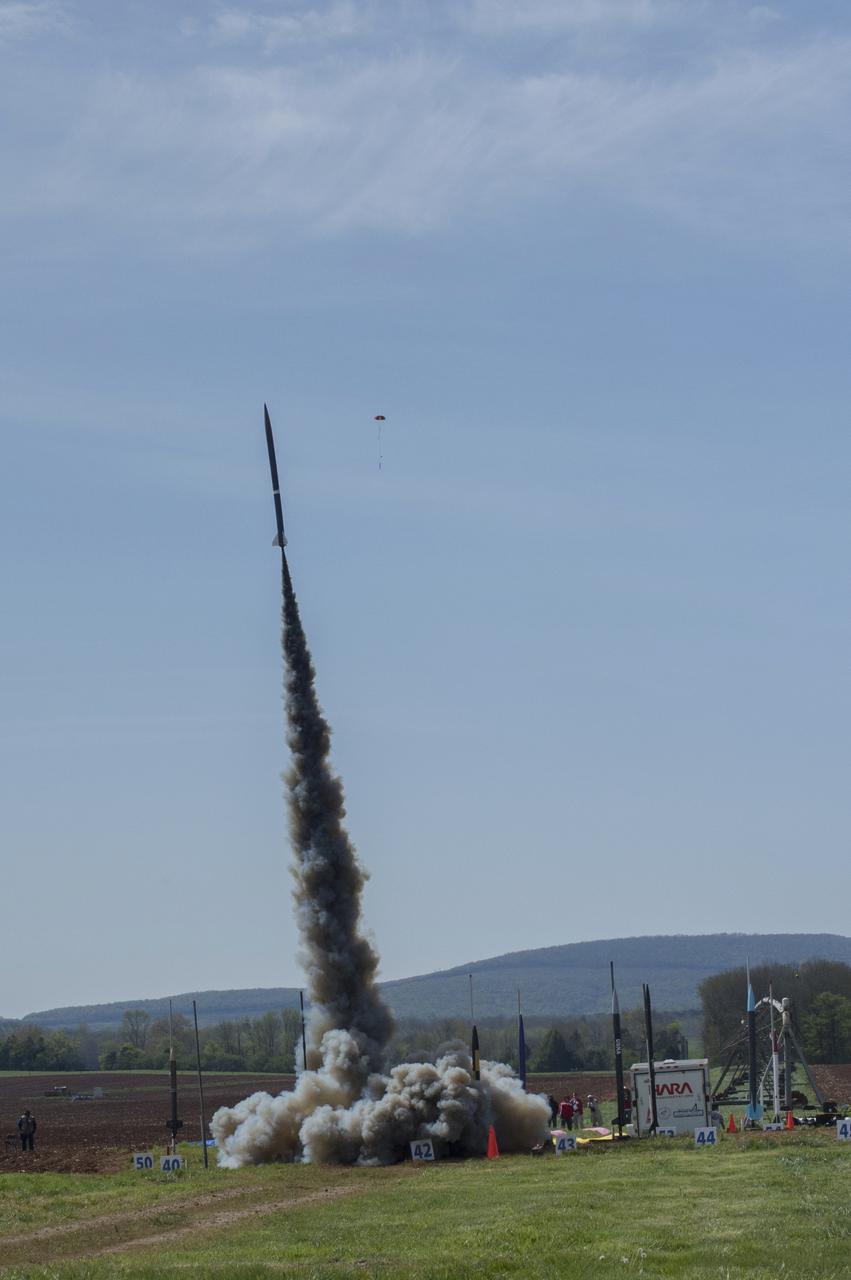
After eight months of designing, building and testing, the middle school, high school and college and university teams launched their rockets as part of NASA Student Launch on Sunday, April 8. The rockets and their payloads are designed to fly to 1-mile in altitude before deploying recovery systems that brings them safely to the ground.
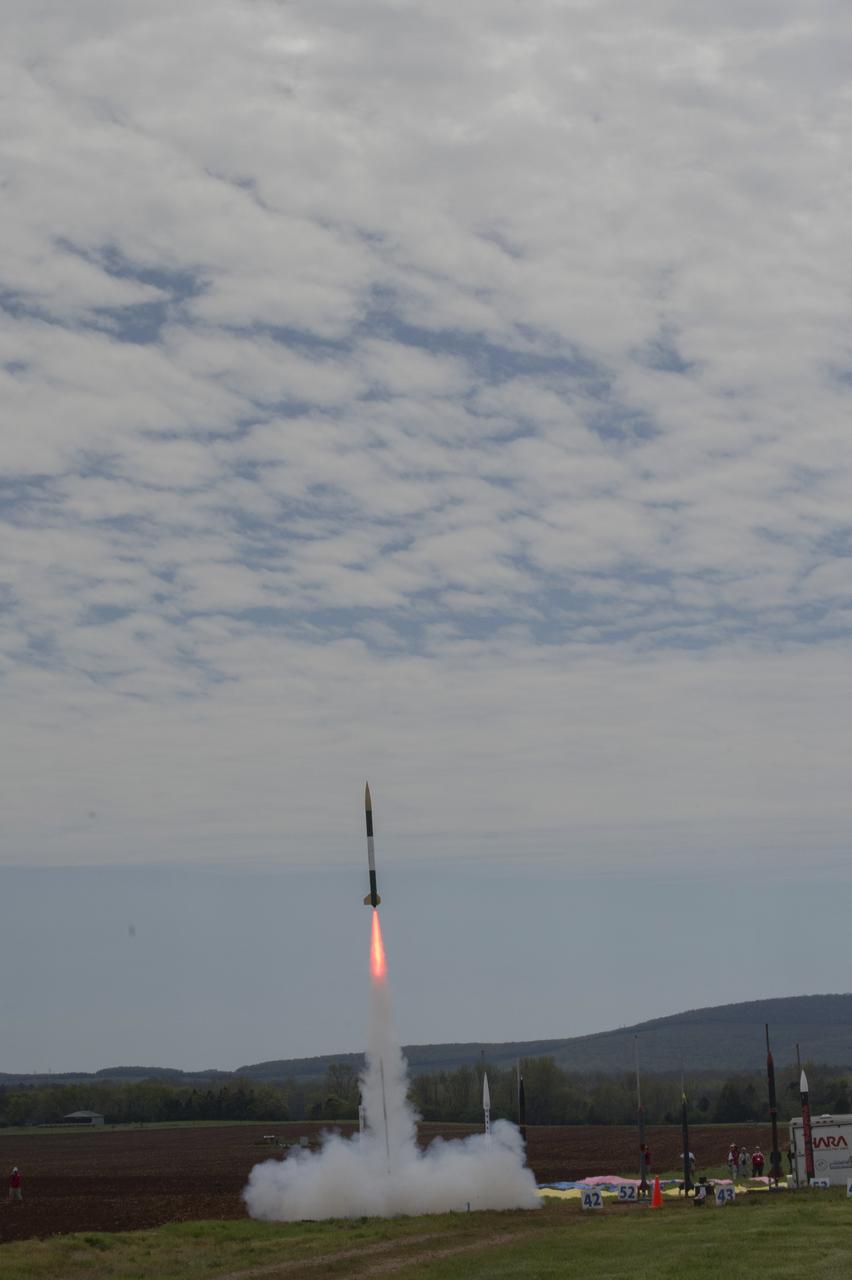
After eight months of designing, building and testing, the middle school, high school and college and university teams launched their rockets as part of NASA Student Launch on Sunday, April 8. The rockets and their payloads are designed to fly to 1-mile in altitude before deploying recovery systems that brings them safely to the ground.
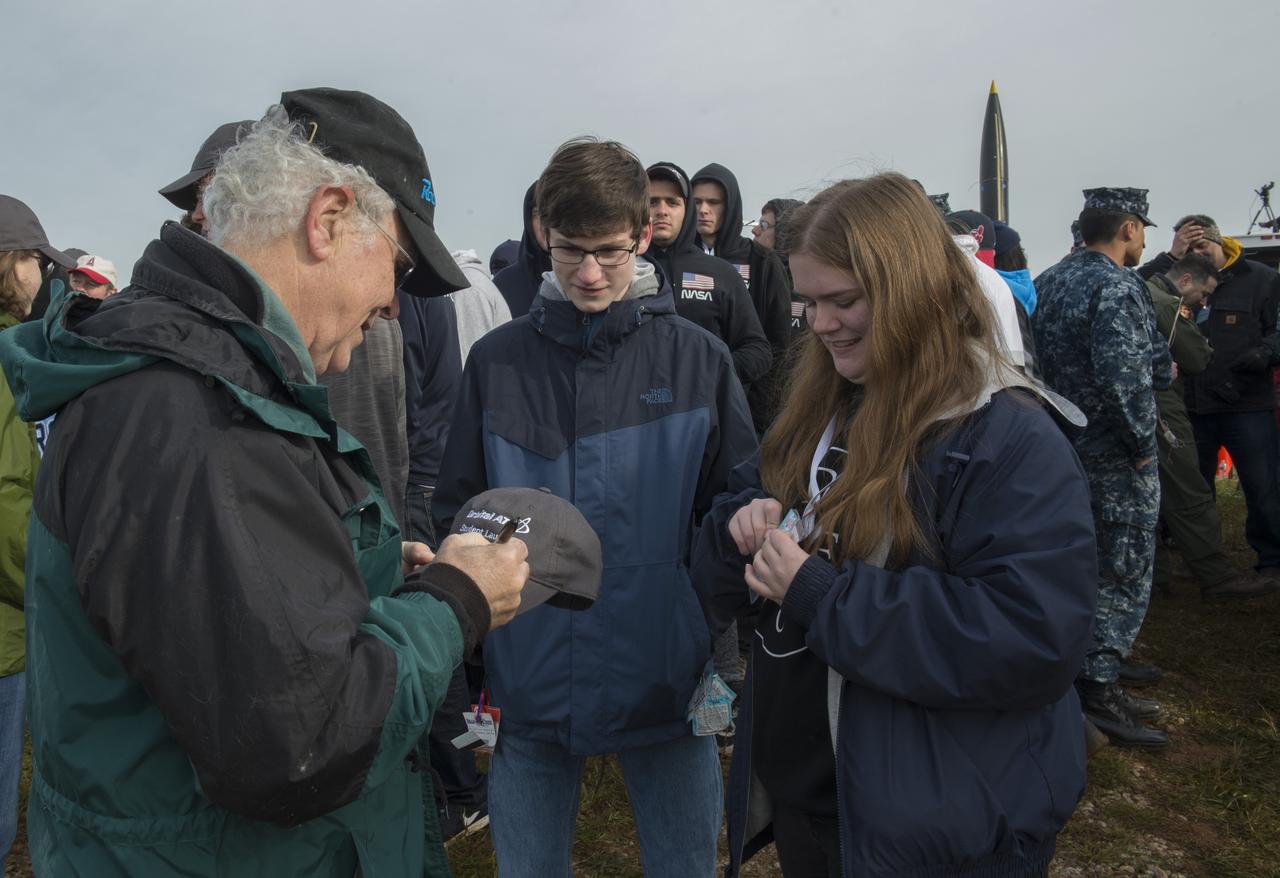
After eight months of designing, building and testing, the middle school, high school and college and university teams launched their rockets as part of NASA Student Launch on Sunday, April 8. The rockets and their payloads are designed to fly to 1-mile in altitude before deploying recovery systems that brings them safely to the ground.
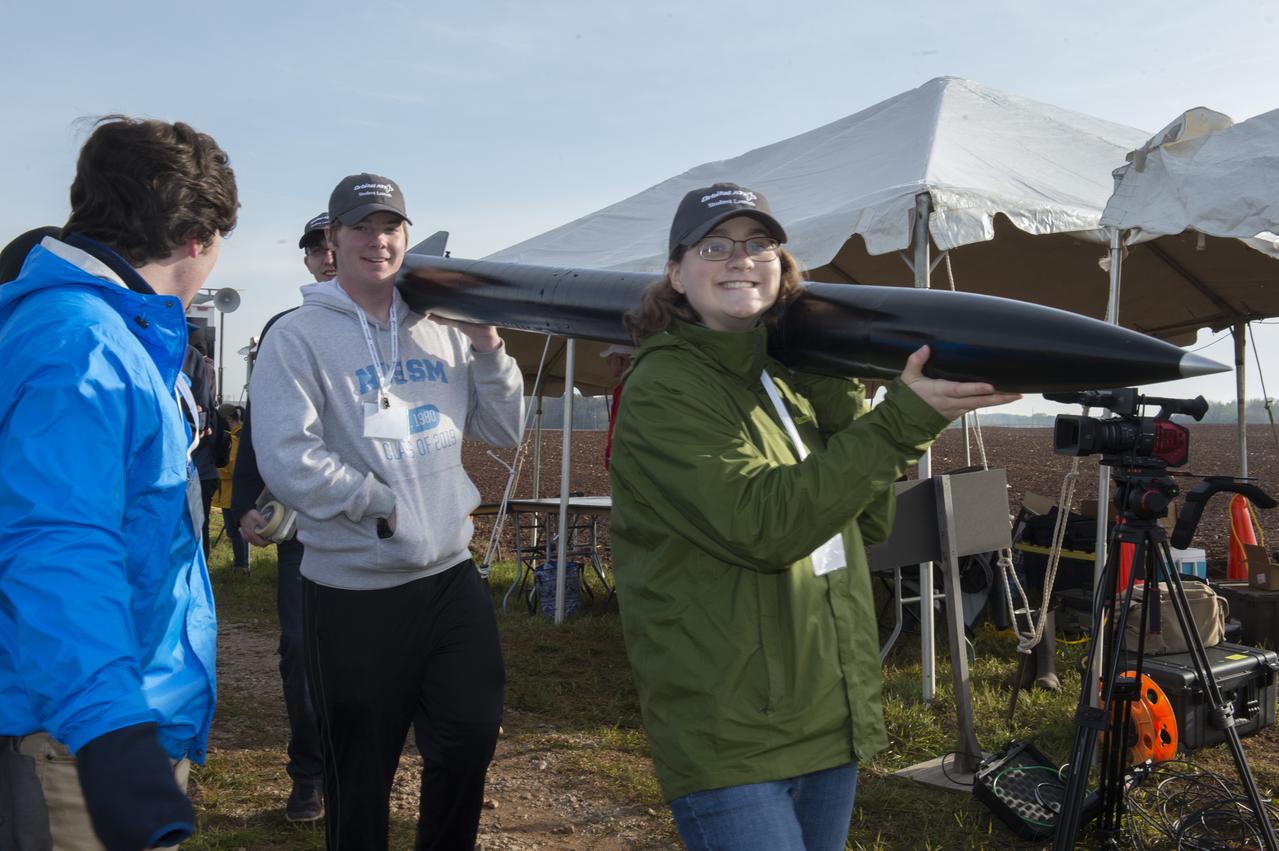
After eight months of designing, building and testing, the middle school, high school and college and university teams launched their rockets as part of NASA Student Launch on Sunday, April 8. The rockets and their payloads are designed to fly to 1-mile in altitude before deploying recovery systems that brings them safely to the ground.

After eight months of designing, building and testing, the middle school, high school and college and university teams launched their rockets as part of NASA Student Launch on Sunday, April 8. The rockets and their payloads are designed to fly to 1-mile in altitude before deploying recovery systems that brings them safely to the ground.
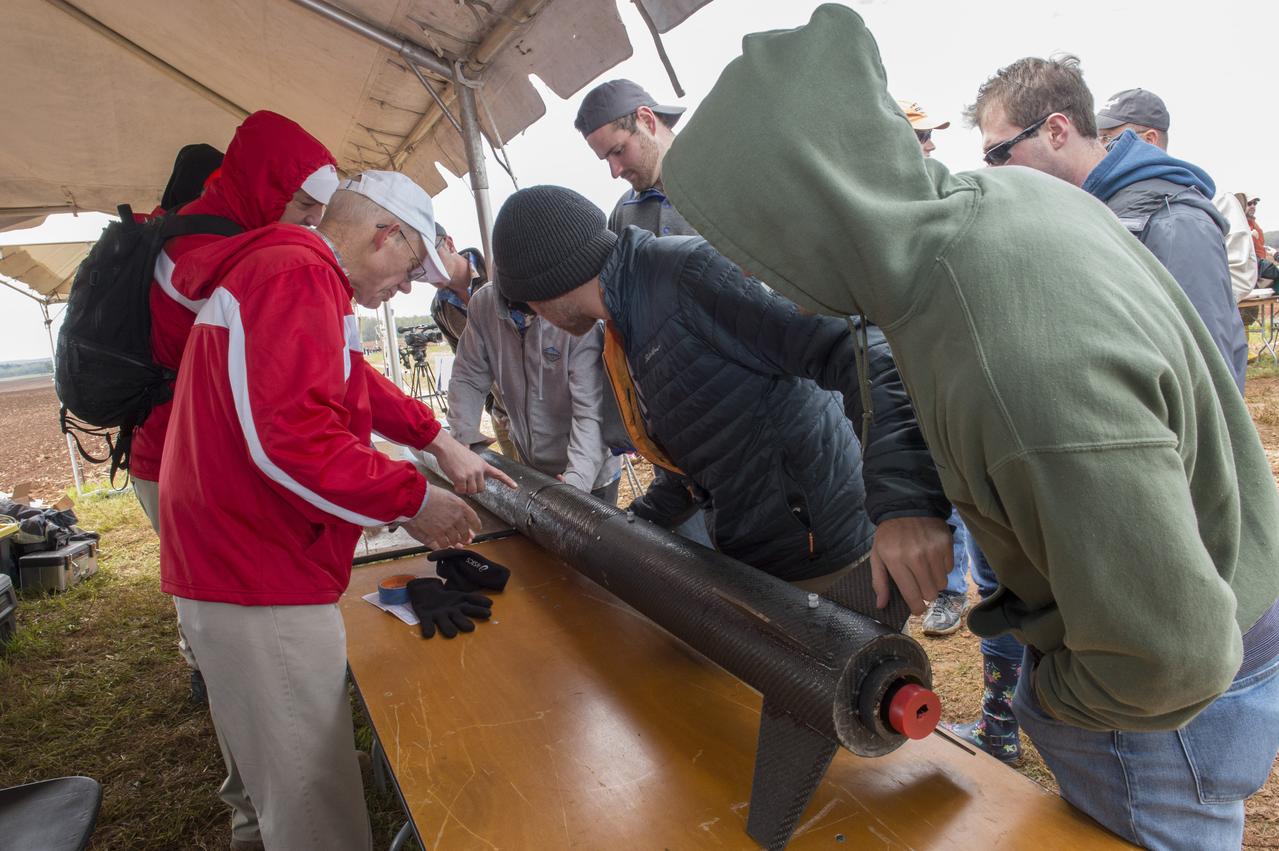
After eight months of designing, building and testing, the middle school, high school and college and university teams launched their rockets as part of NASA Student Launch on Sunday, April 8. The rockets and their payloads are designed to fly to 1-mile in altitude before deploying recovery systems that brings them safely to the ground.
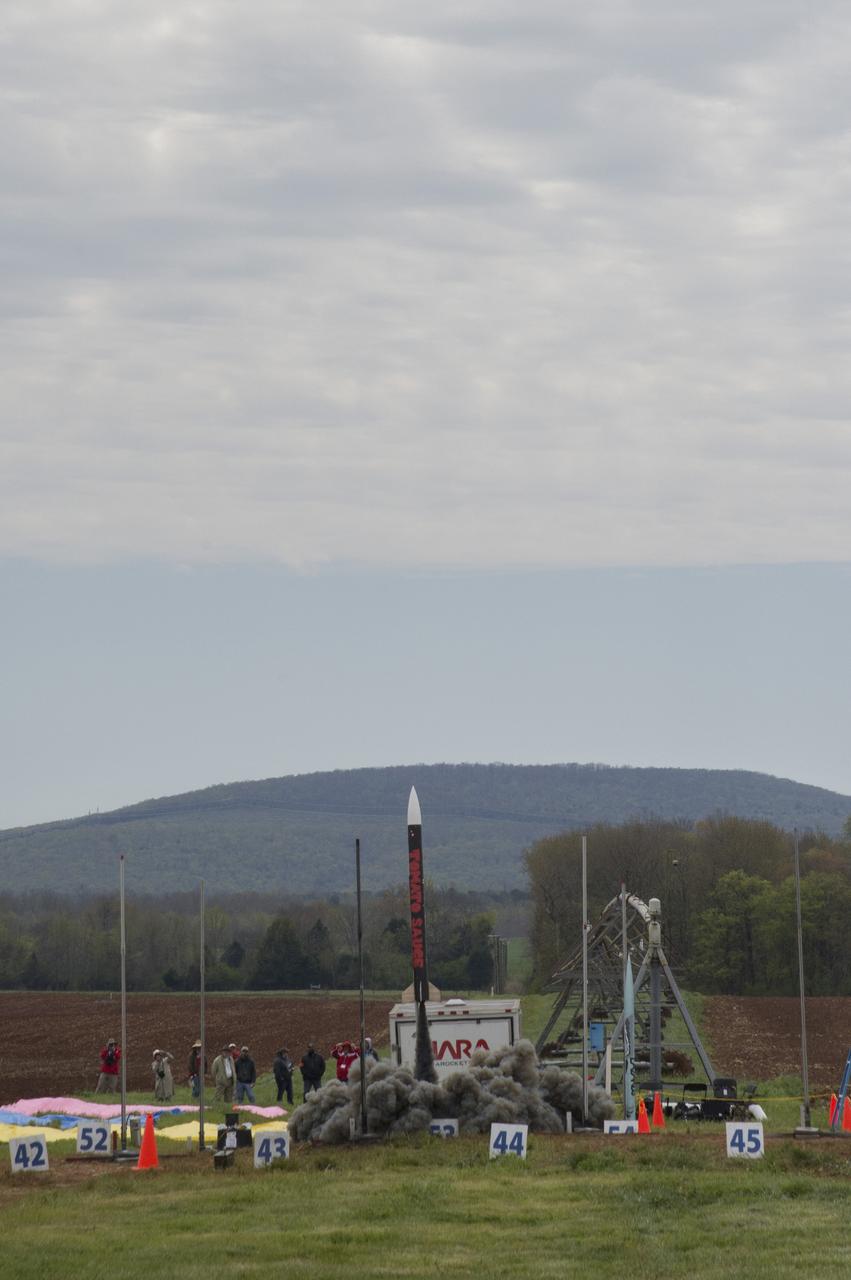
After eight months of designing, building and testing, the middle school, high school and college and university teams launched their rockets as part of NASA Student Launch on Sunday, April 8. The rockets and their payloads are designed to fly to 1-mile in altitude before deploying recovery systems that brings them safely to the ground.
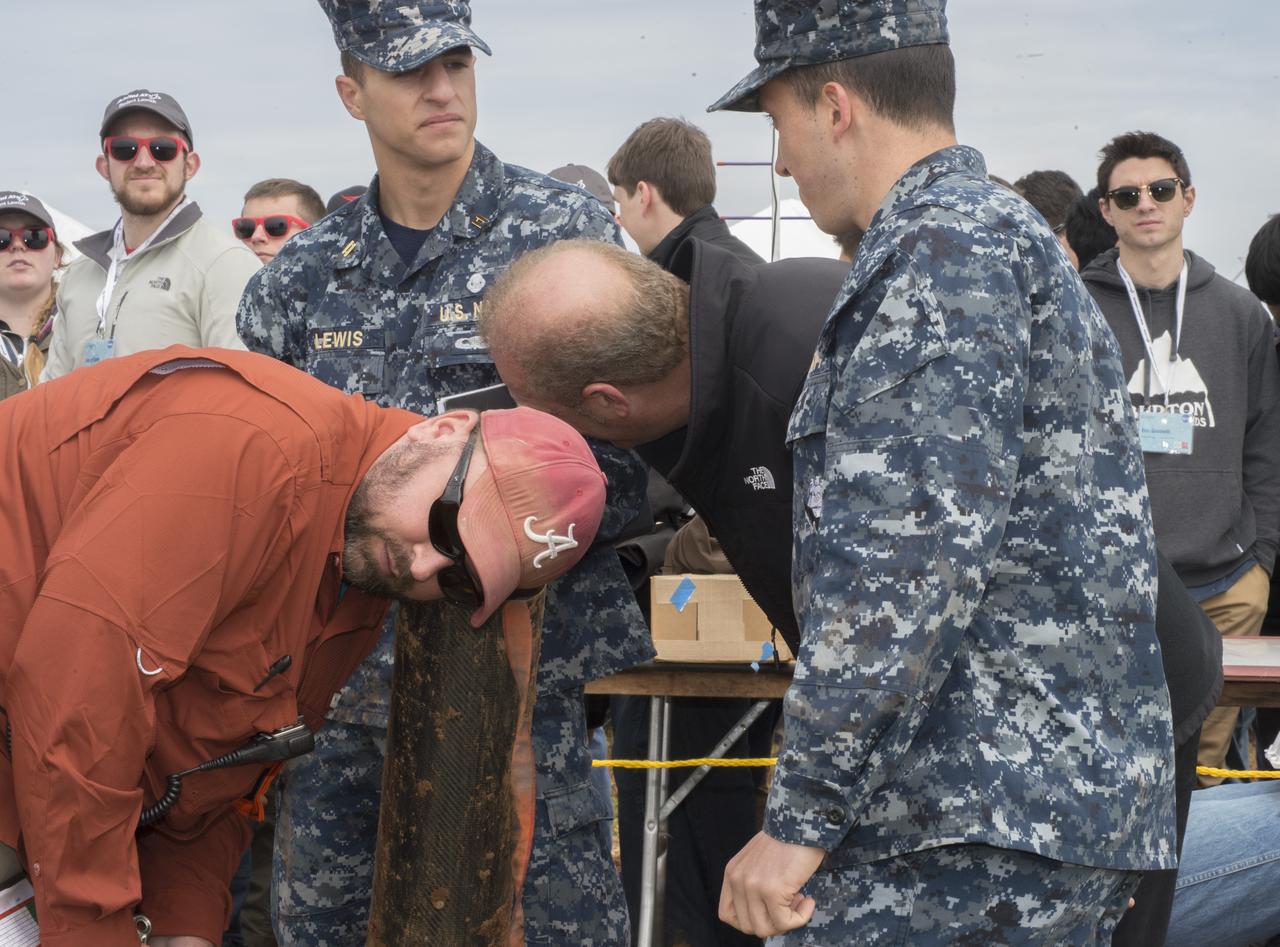
After eight months of designing, building and testing, the middle school, high school and college and university teams launched their rockets as part of NASA Student Launch on Sunday, April 8. The rockets and their payloads are designed to fly to 1-mile in altitude before deploying recovery systems that brings them safely to the ground.
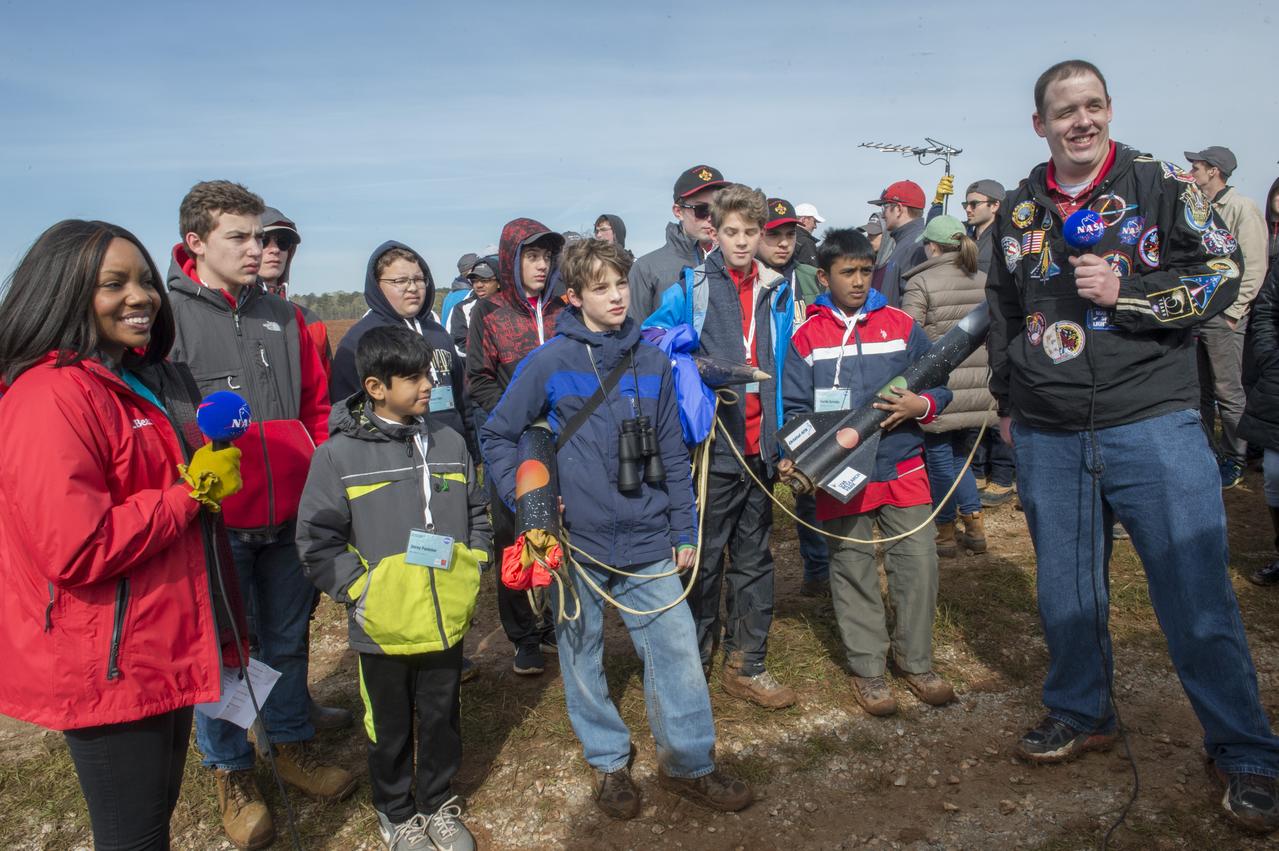
After eight months of designing, building and testing, the middle school, high school and college and university teams launched their rockets as part of NASA Student Launch on Sunday, April 8. The rockets and their payloads are designed to fly to 1-mile in altitude before deploying recovery systems that brings them safely to the ground.
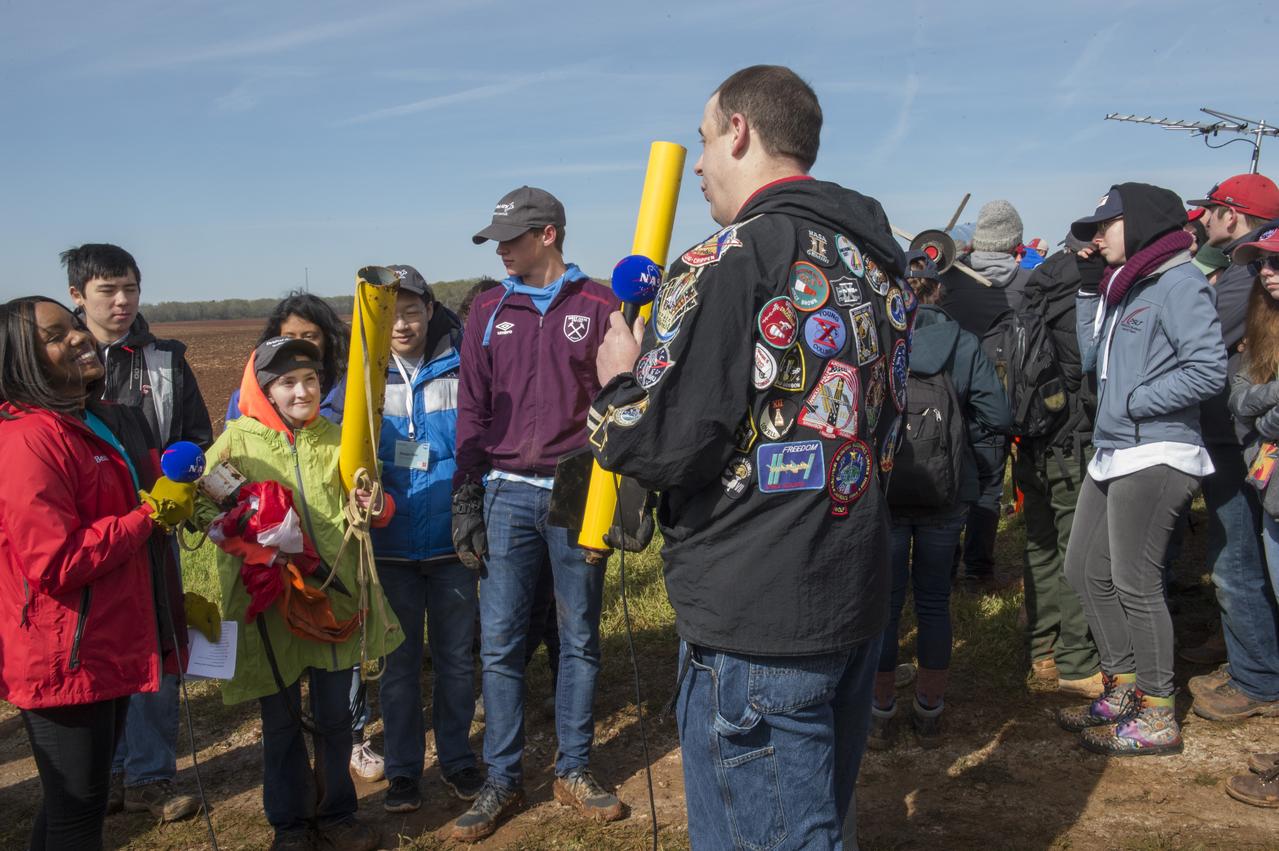
After eight months of designing, building and testing, the middle school, high school and college and university teams launched their rockets as part of NASA Student Launch on Sunday, April 8. The rockets and their payloads are designed to fly to 1-mile in altitude before deploying recovery systems that brings them safely to the ground.
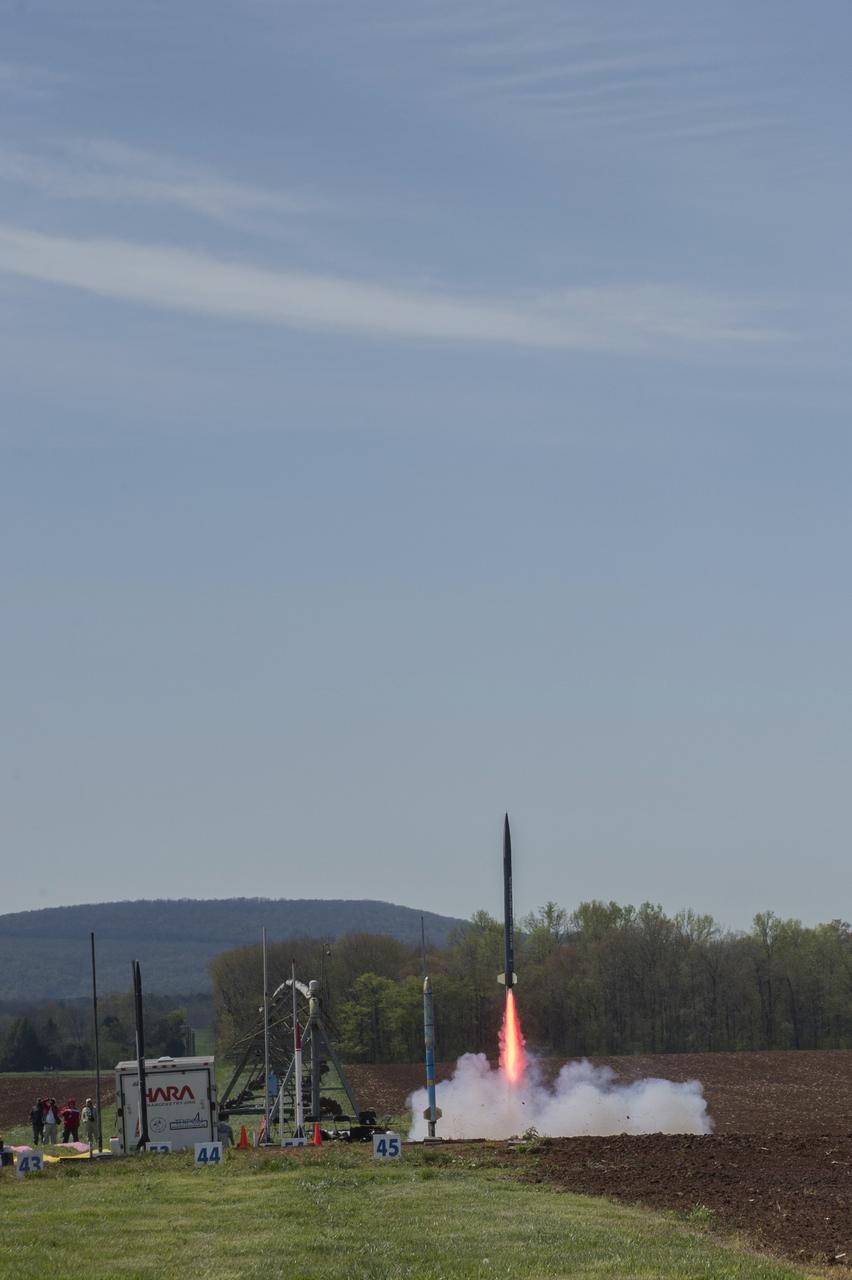
After eight months of designing, building and testing, the middle school, high school and college and university teams launched their rockets as part of NASA Student Launch on Sunday, April 8. The rockets and their payloads are designed to fly to 1-mile in altitude before deploying recovery systems that brings them safely to the ground.