iss073e0033632 (May 16, 2025) --- NASA astronaut and Expedition 73 Flight Engineer Jonny Kim works on computer networking maintenance inside the International Space Station's Columbus laboratory module.
NASA astronaut Jonny Kim works on computer networking maintenance
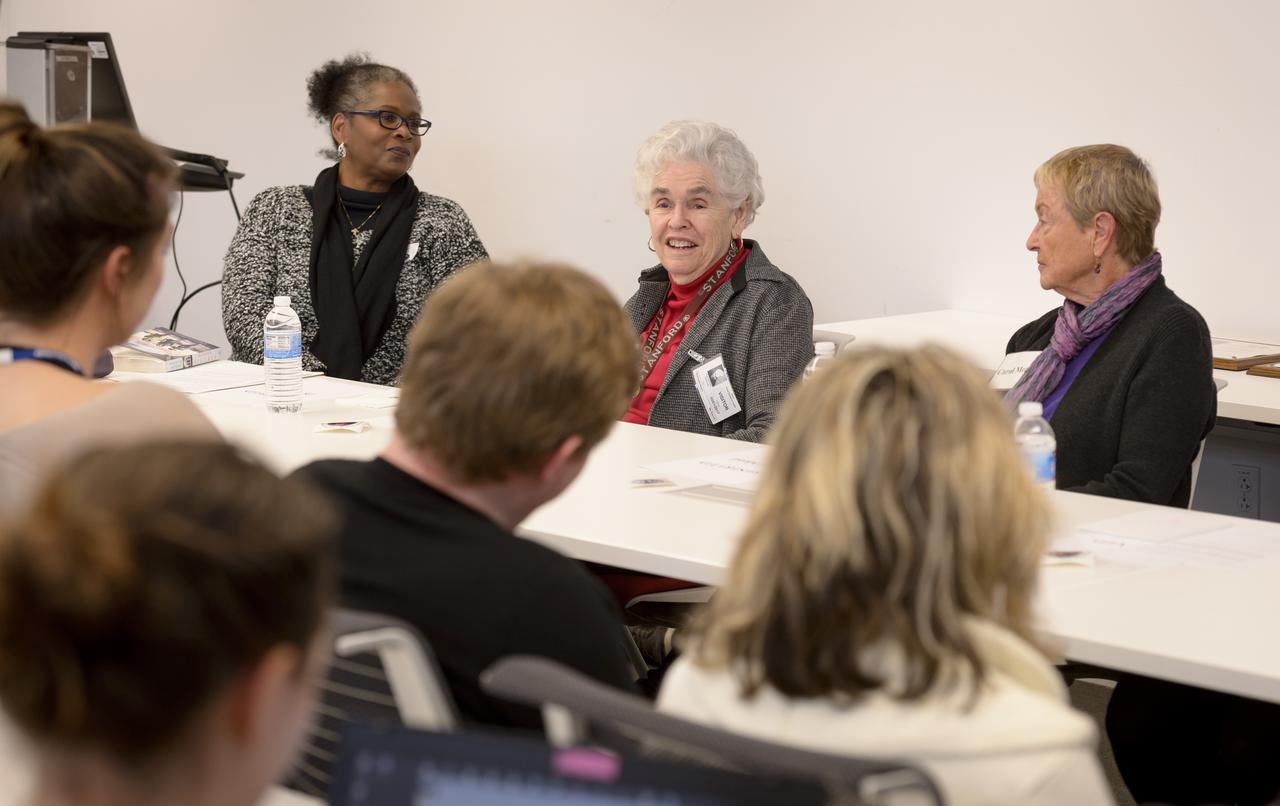
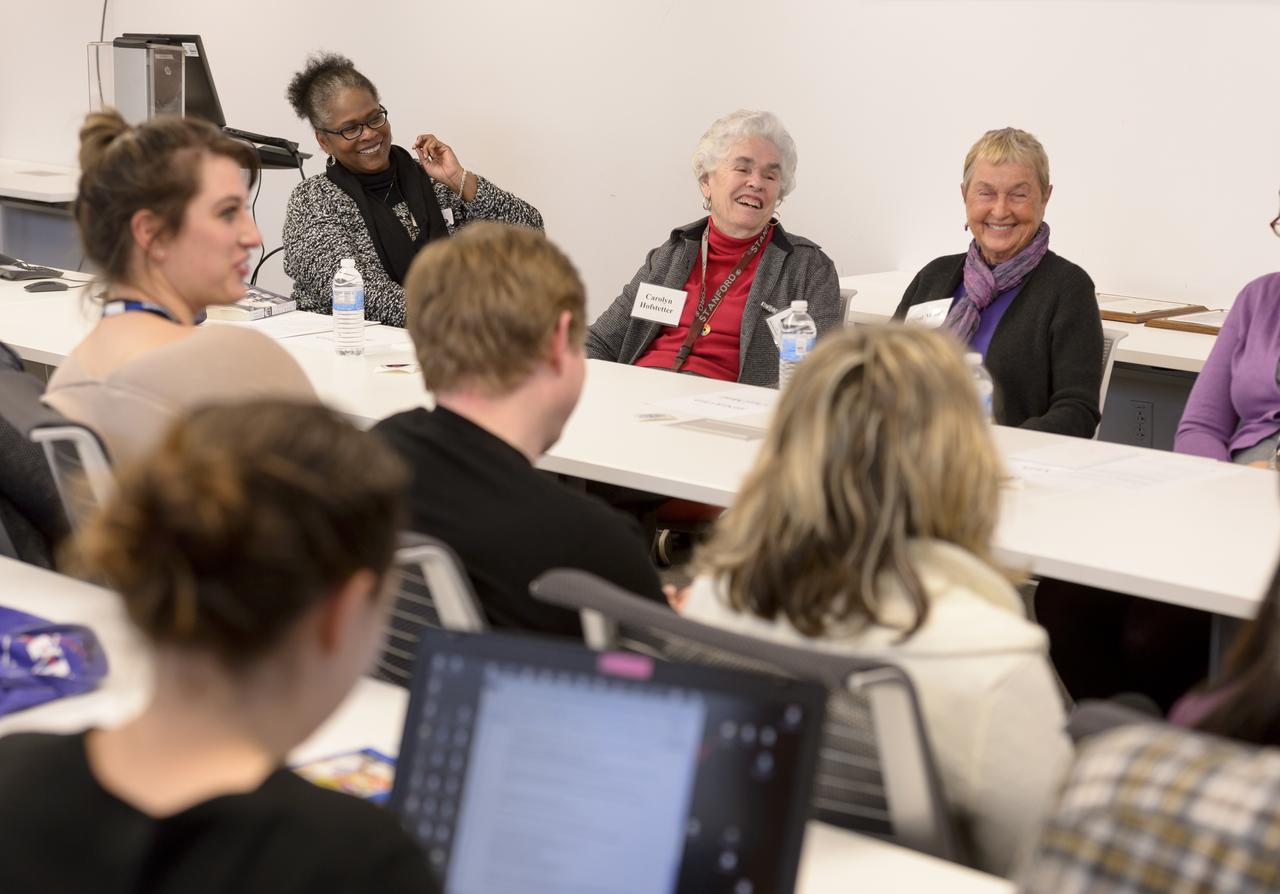
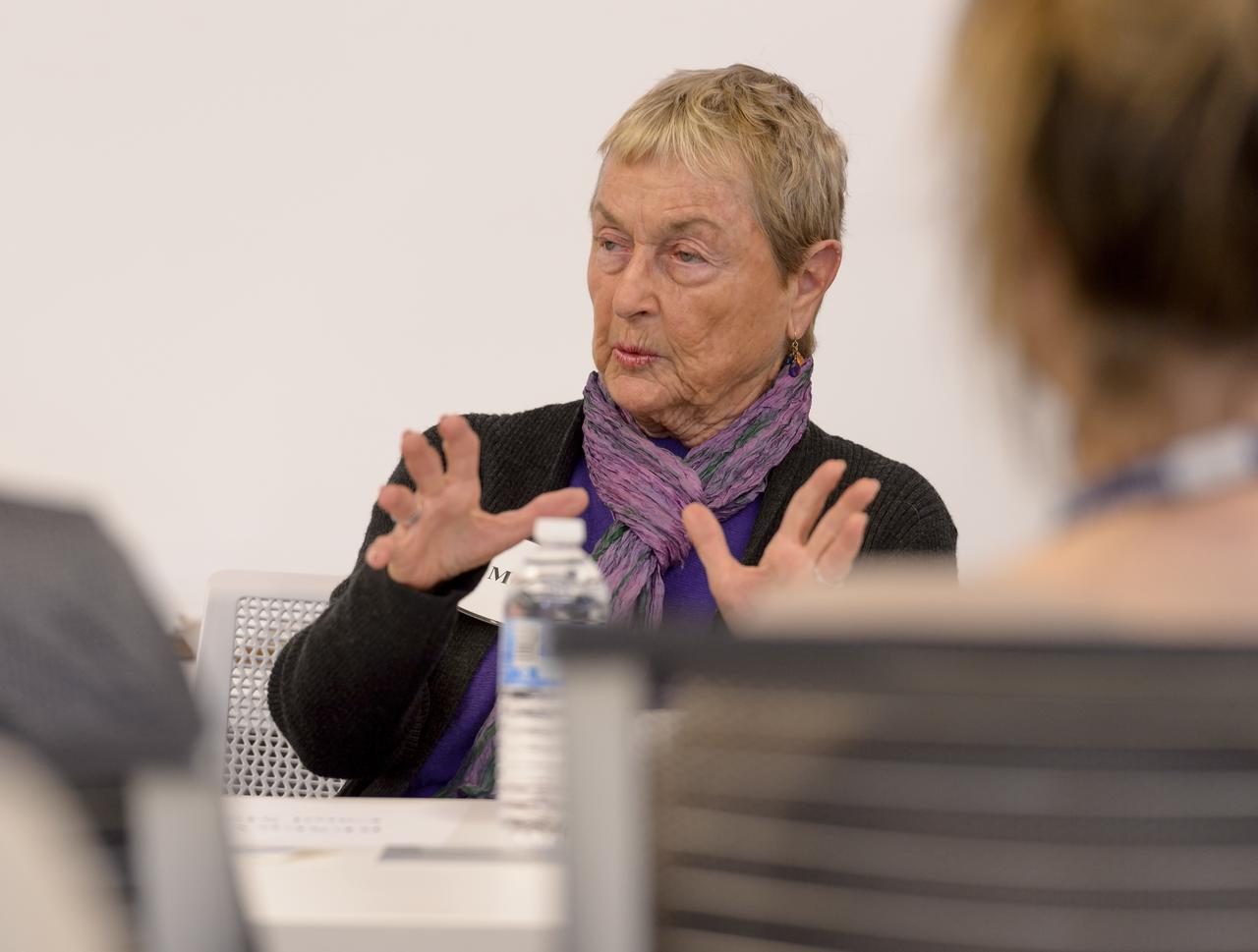
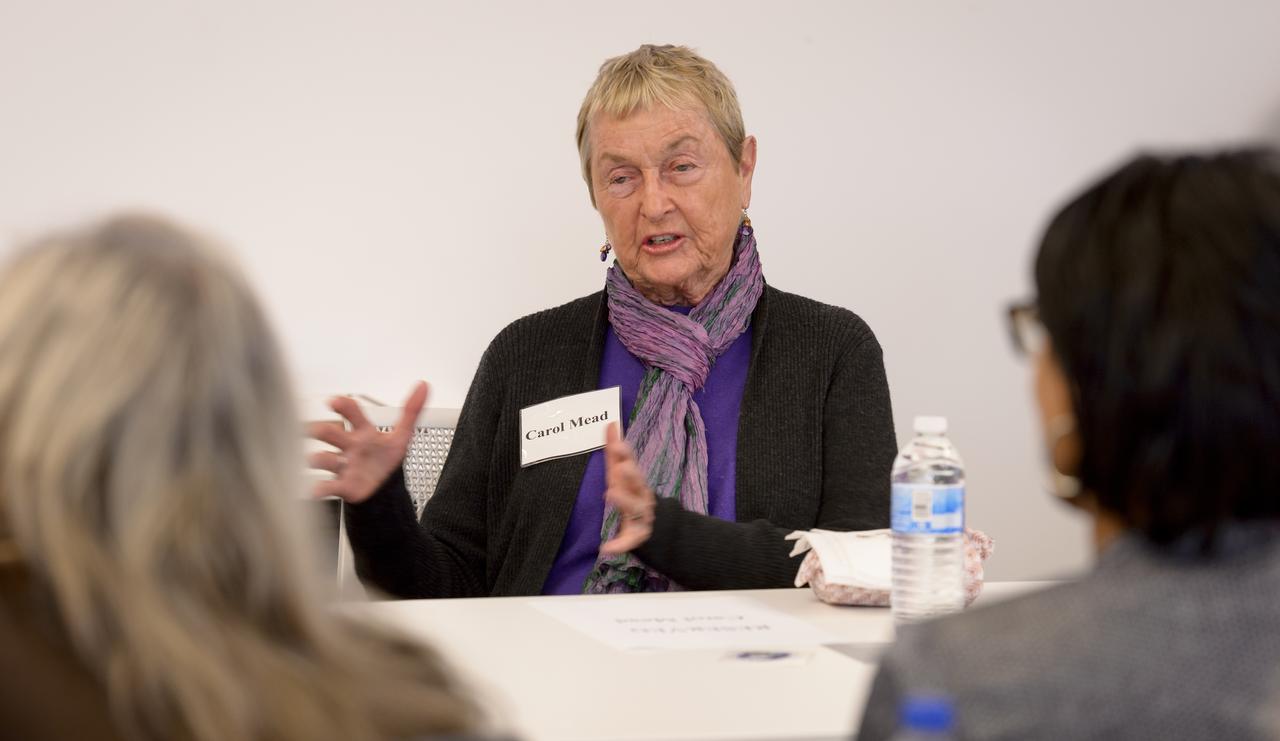
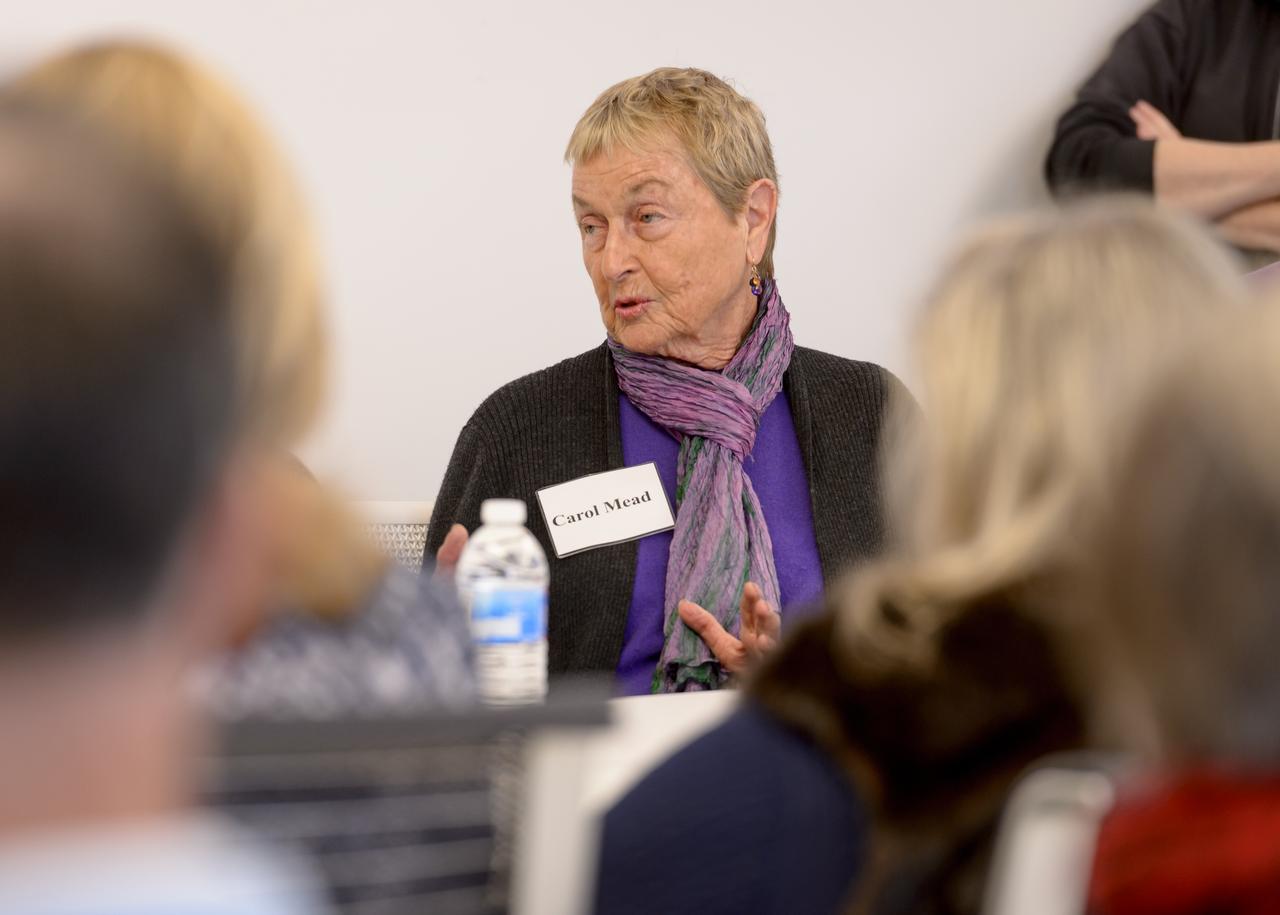
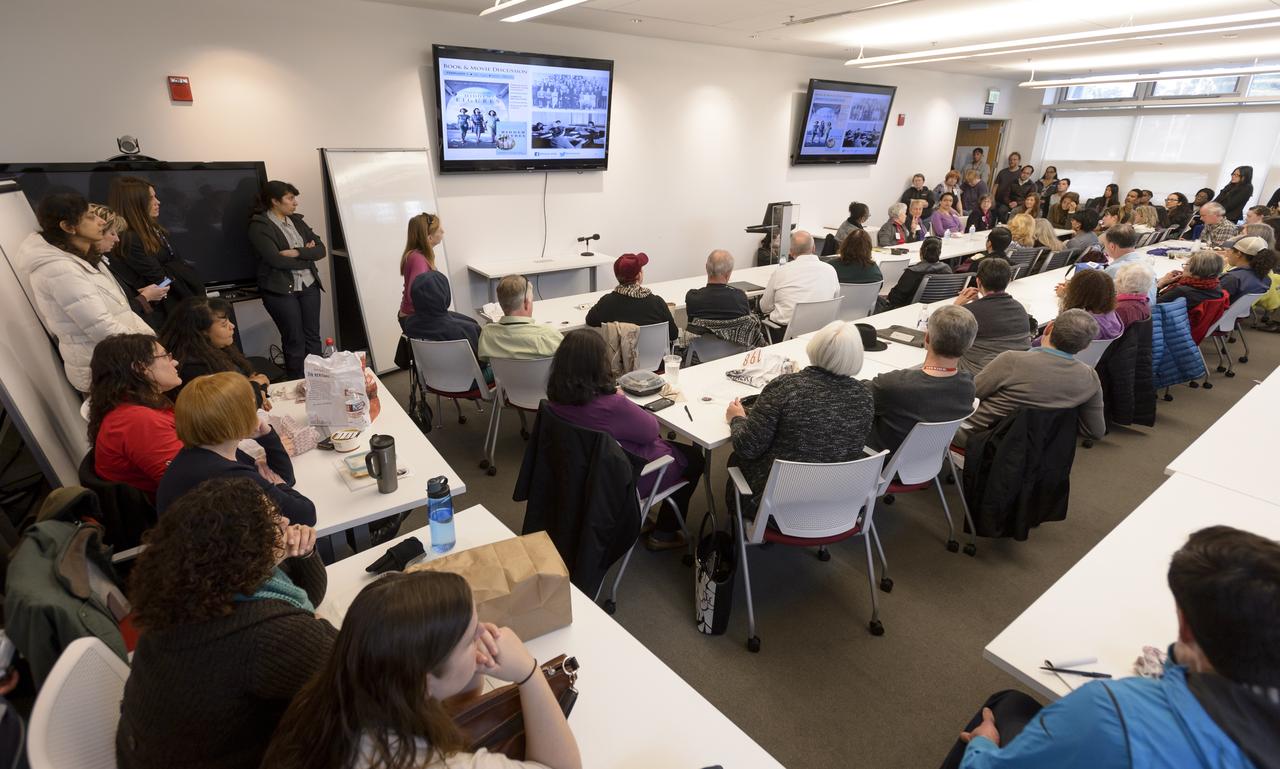
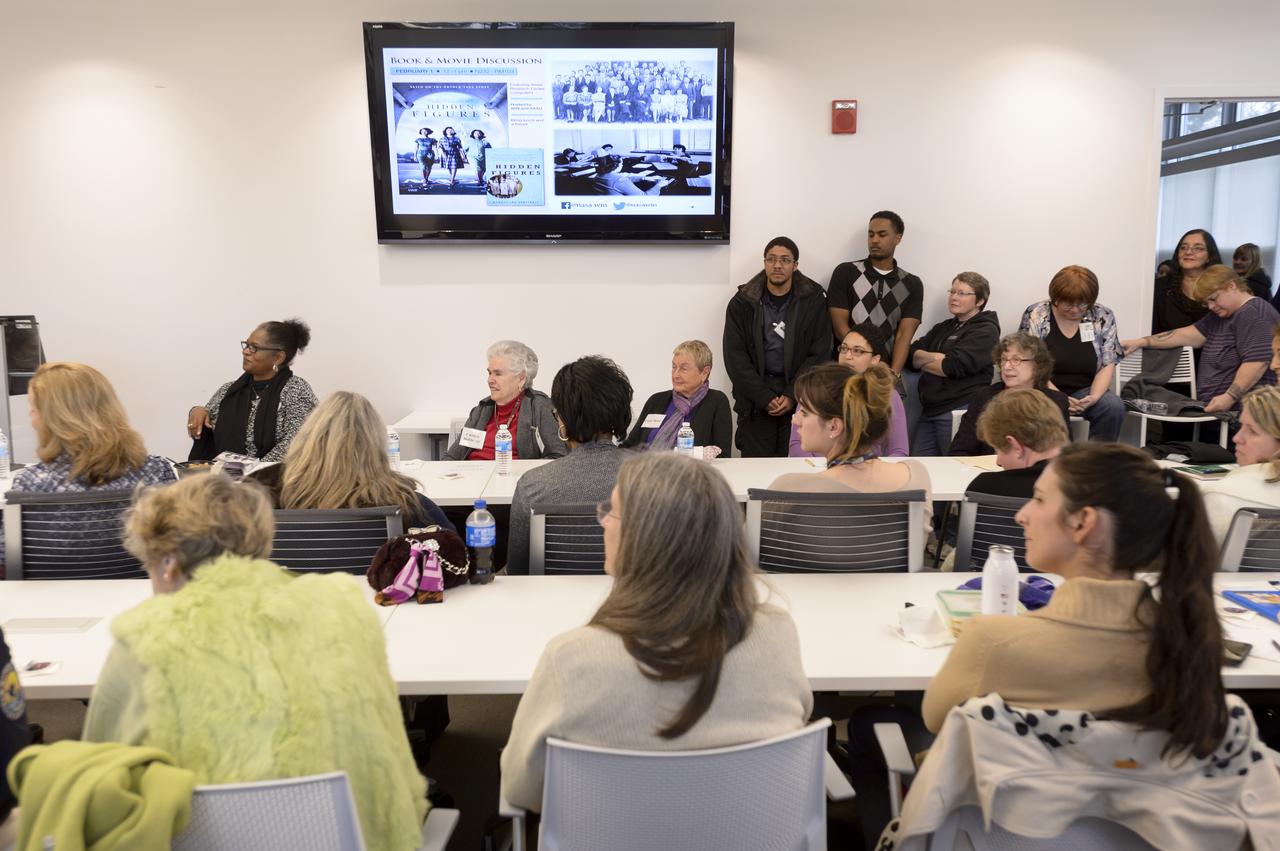
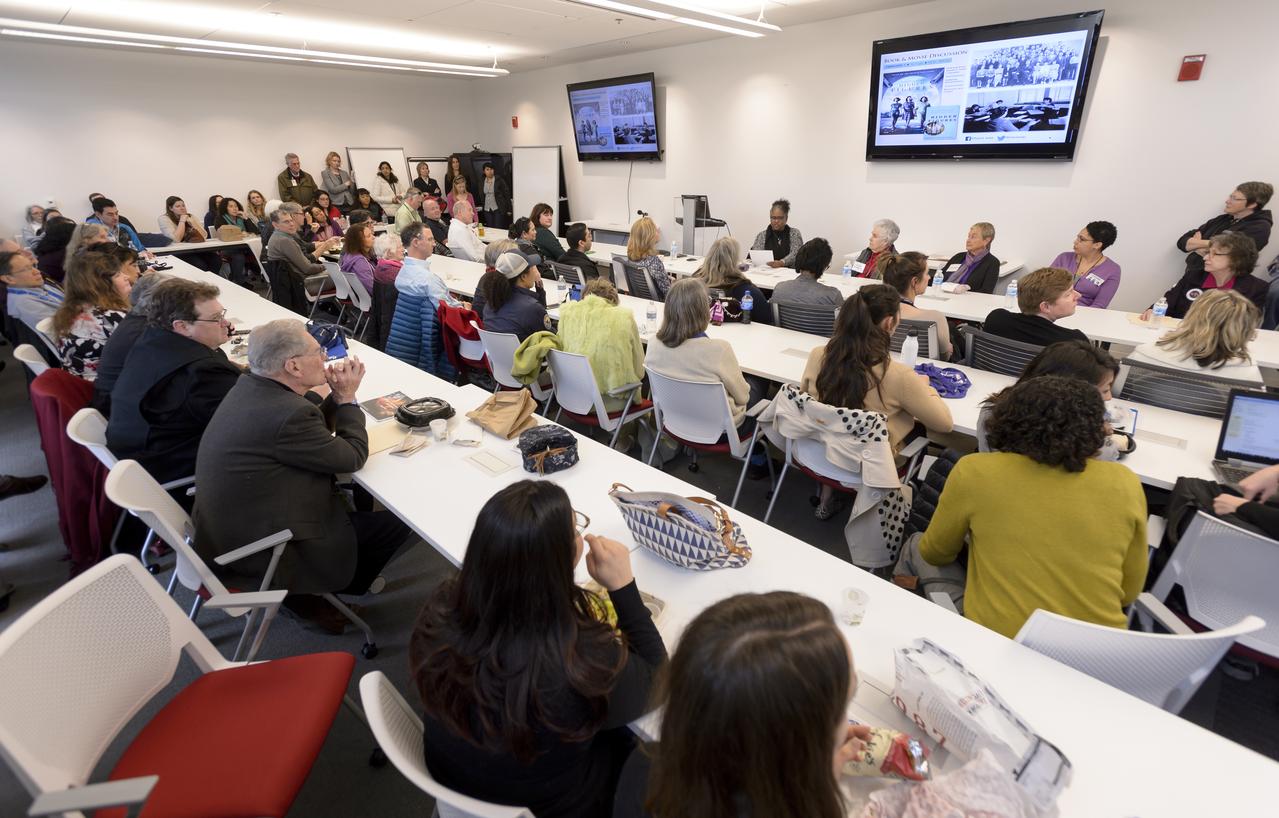
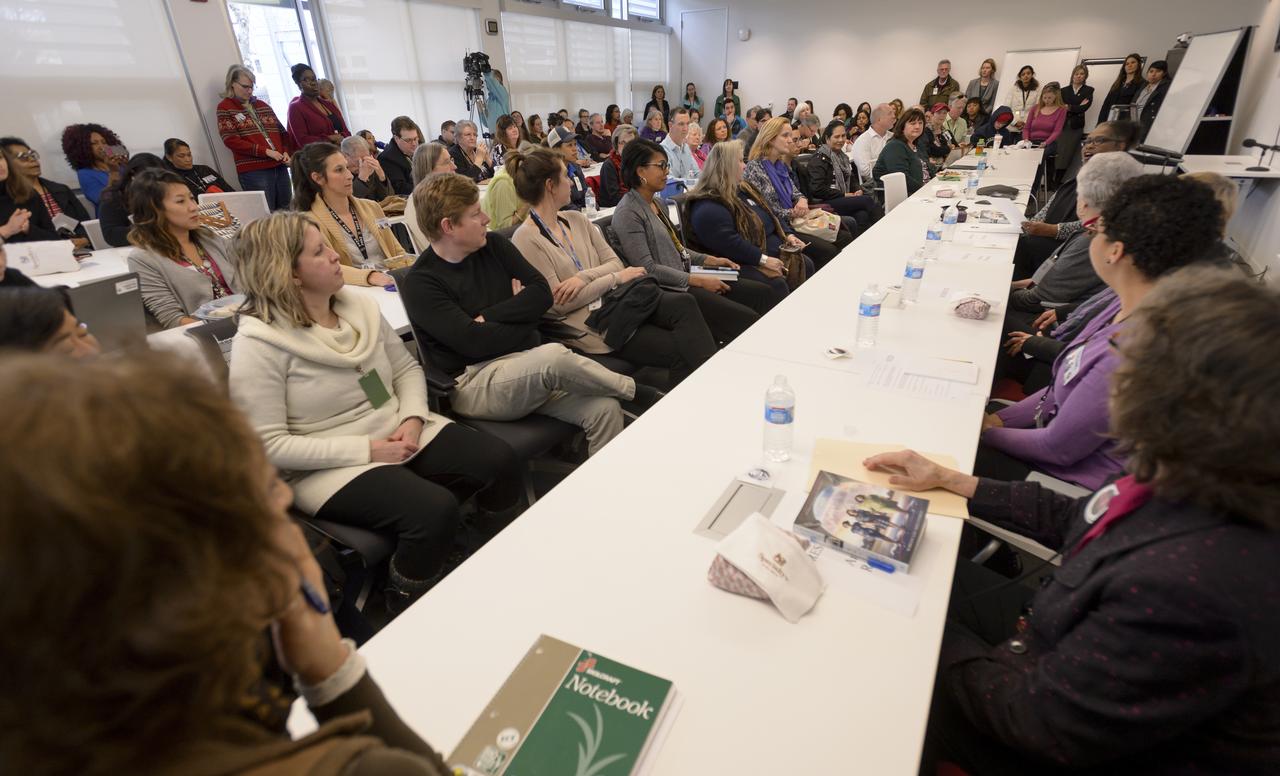
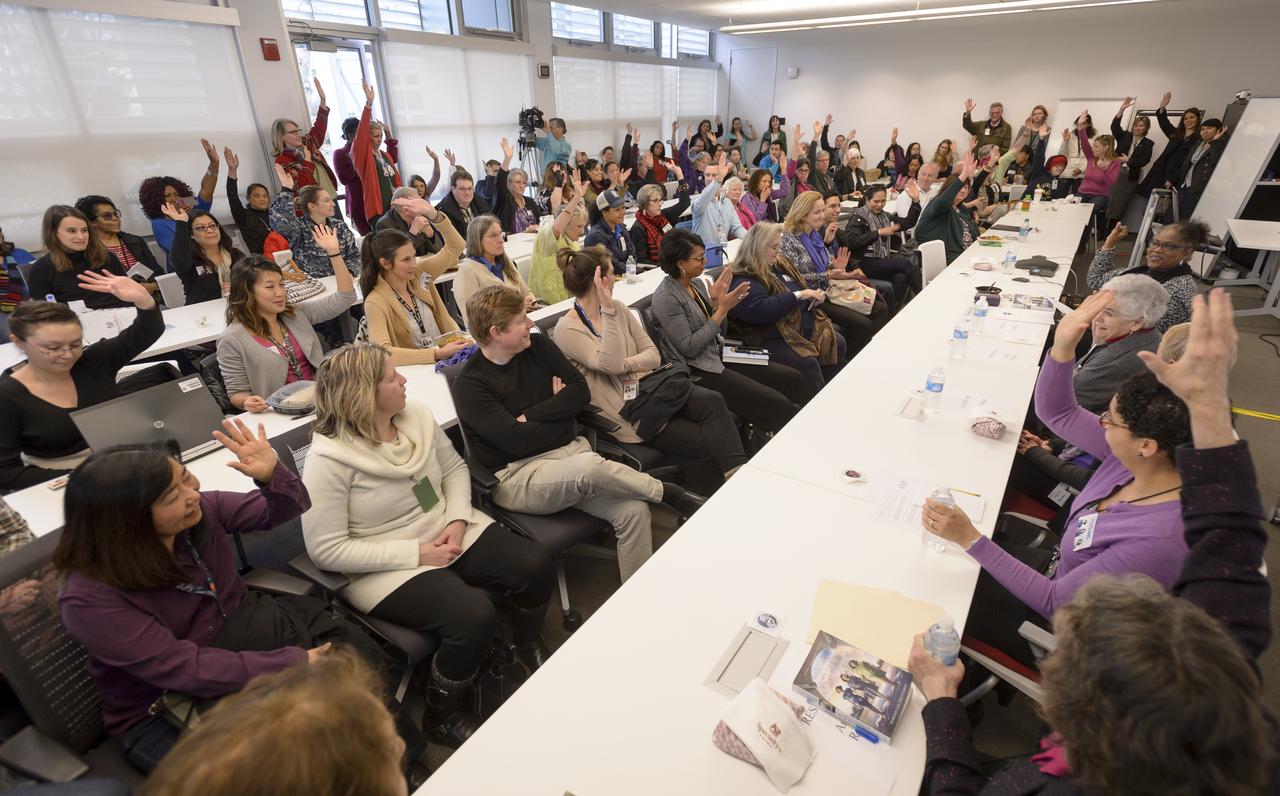
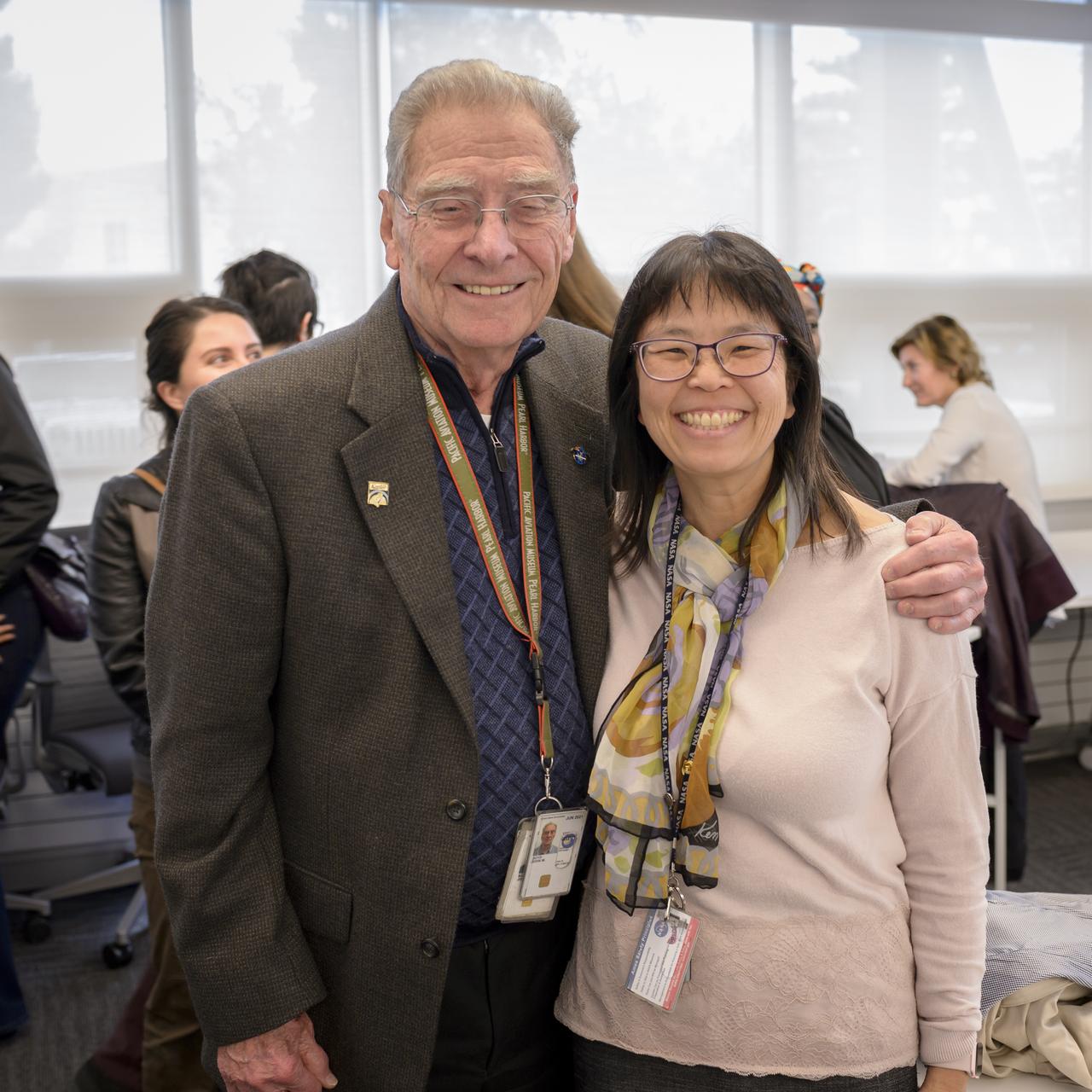
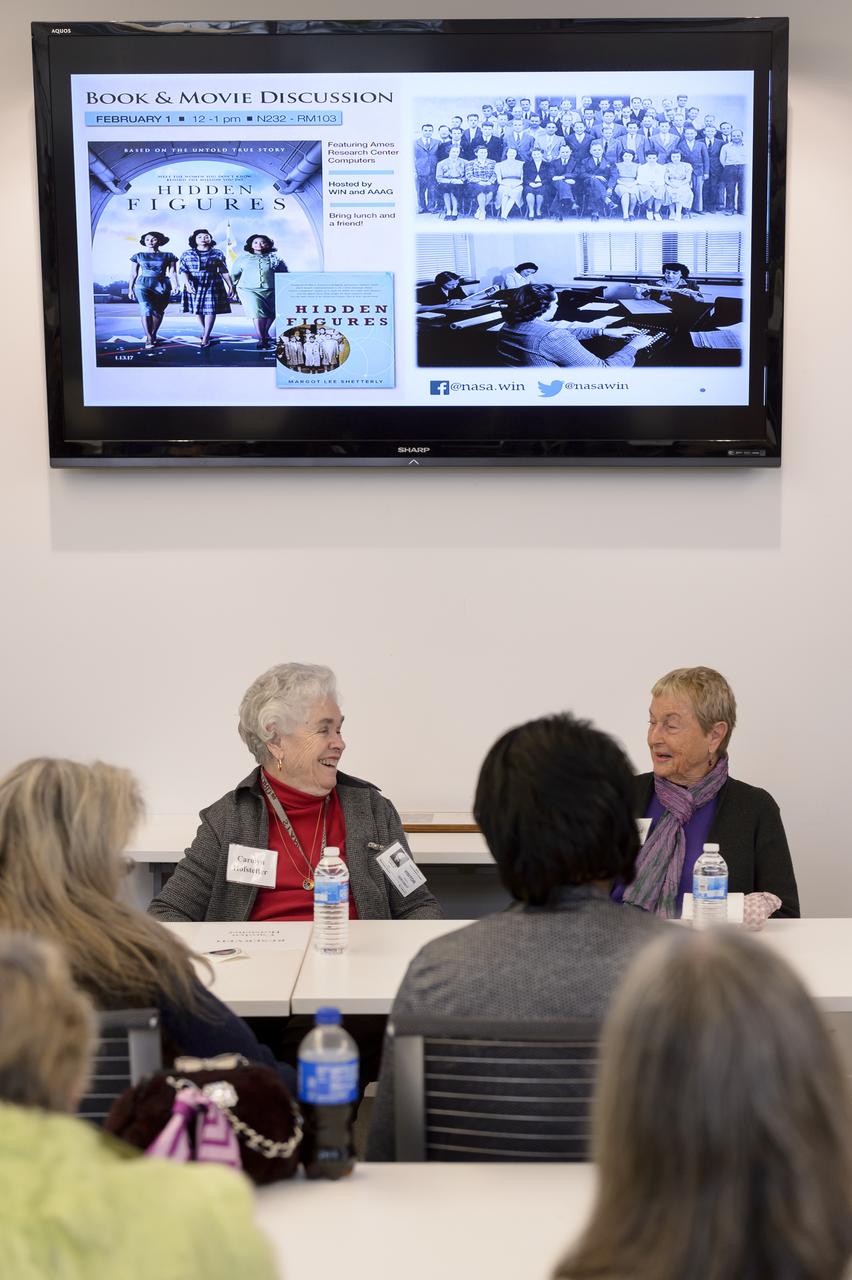
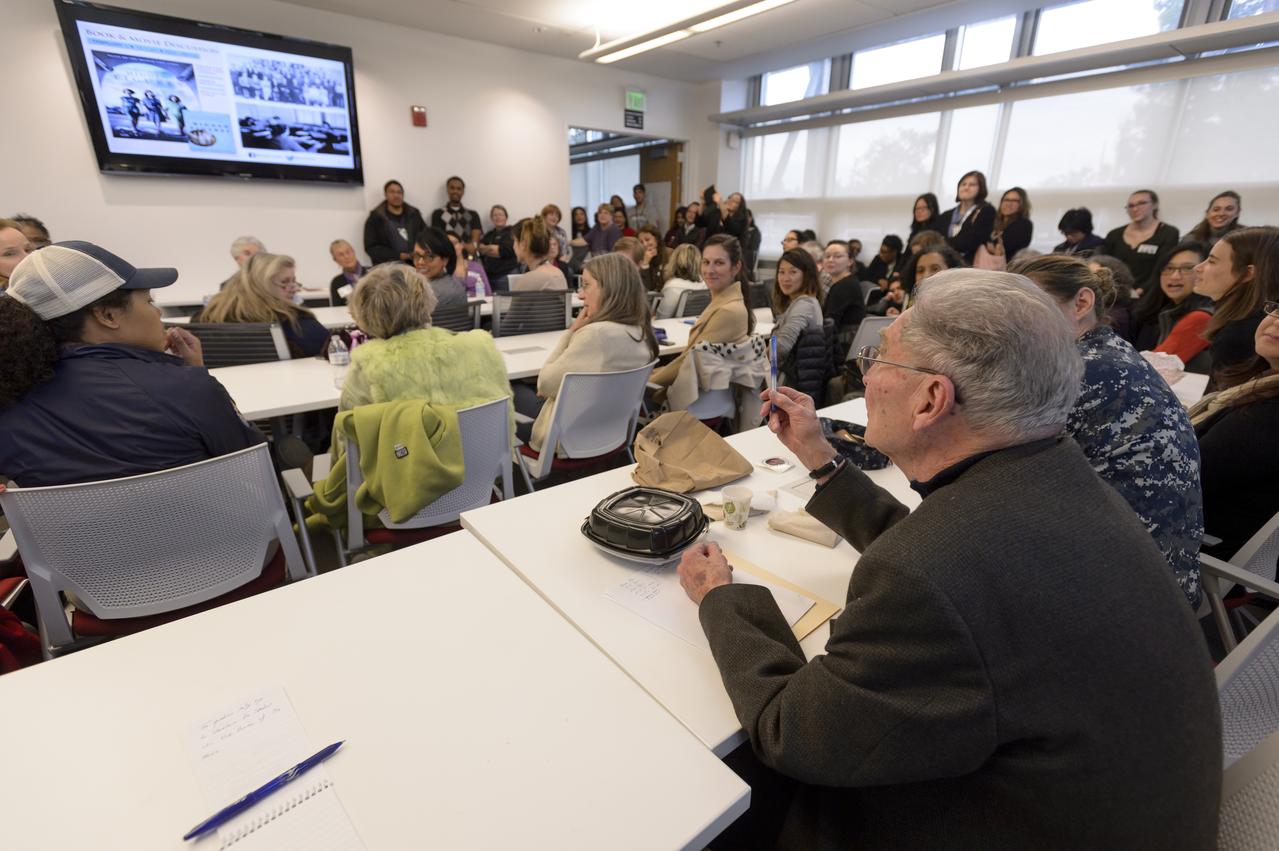
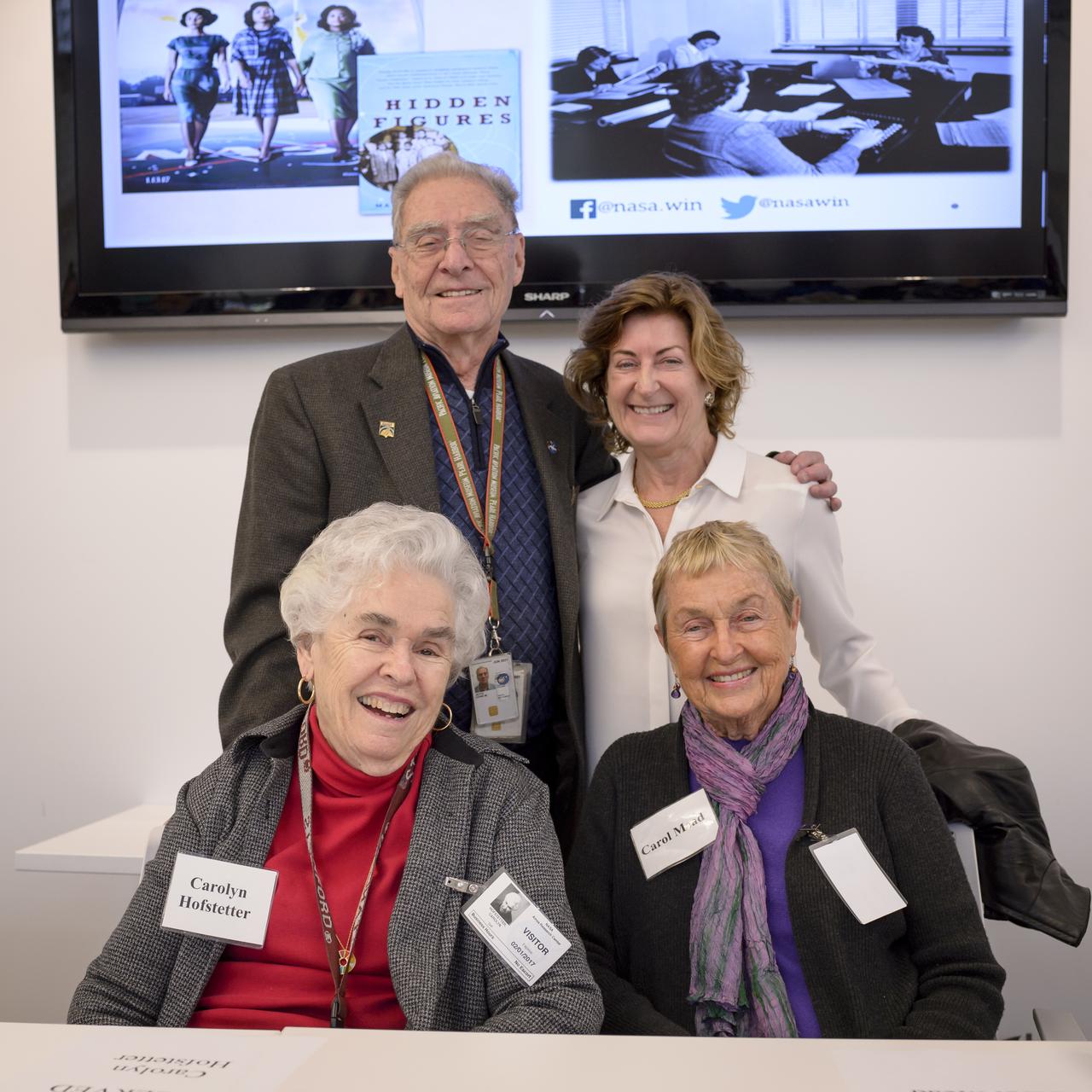
Ames Women's Influence Network (WIN) Hidden Figures talk with "Computers" Carolyn Hofstetter and Carol Mead co-sponsored by the AAAG.  Computer Carol Mead during Q& A
Ames Women's Influence Network (WIN) Hidden Figures talk with "Computers" Carolyn Hofstetter and Carol Mead co-sponsored by the AAAG
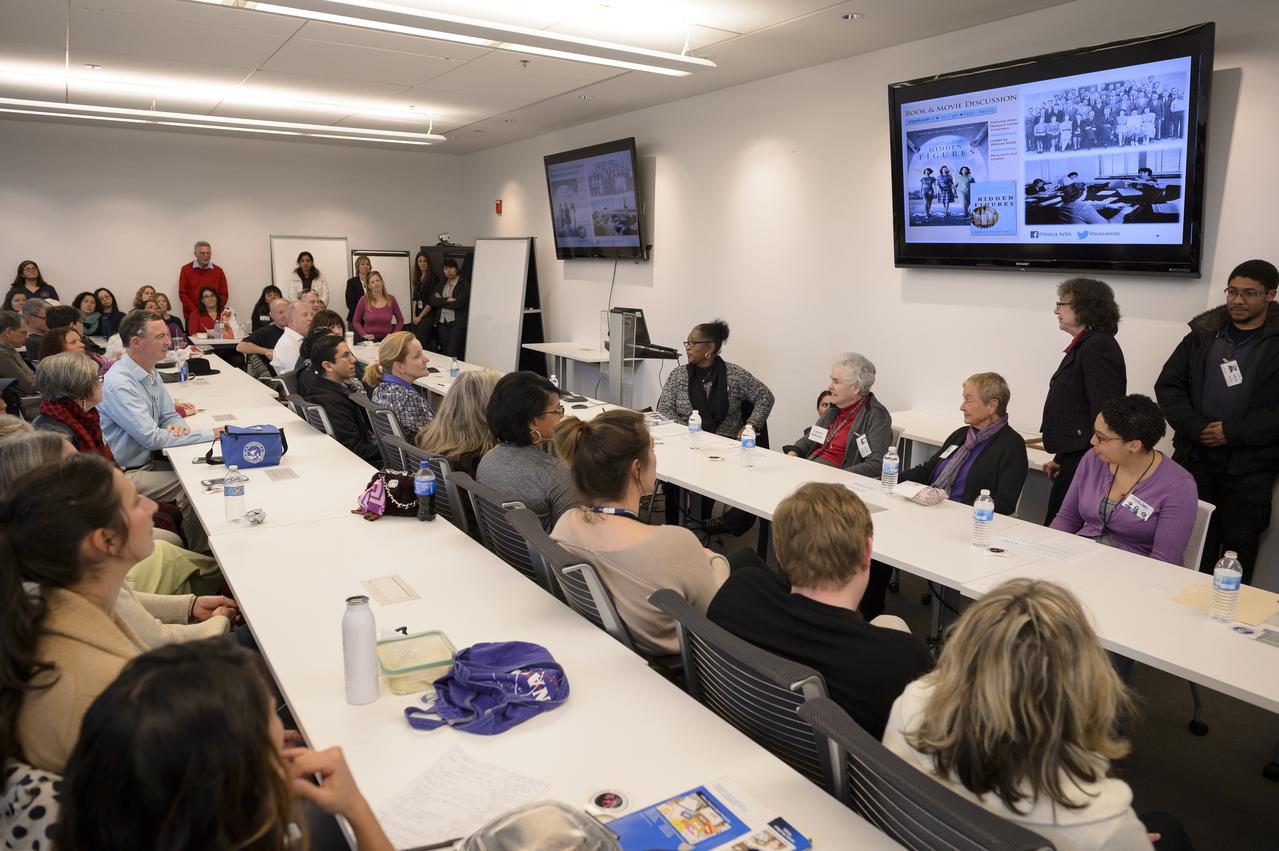
Ames Women's Influence Network (WIN) Hidden Figures talk with "Computers" Carolyn Hofstetter and Carol Mead co-sponsored by the AAAG. Computer Carol Mead during Q& A
Ames Women's Influence Network (WIN) Hidden Figures talk with "Computers" Carolyn Hofstetter and Carol Mead co-sponsored by the AAAG
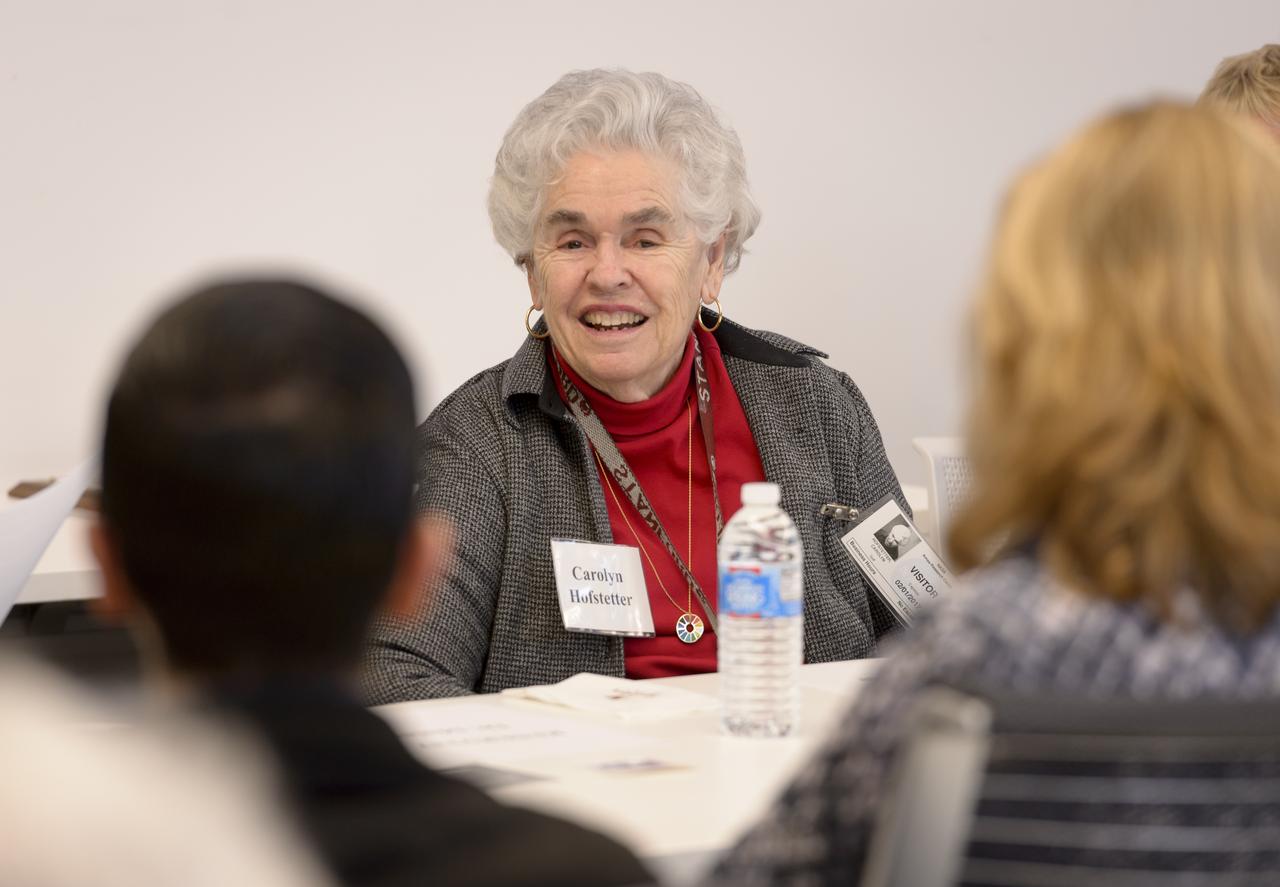
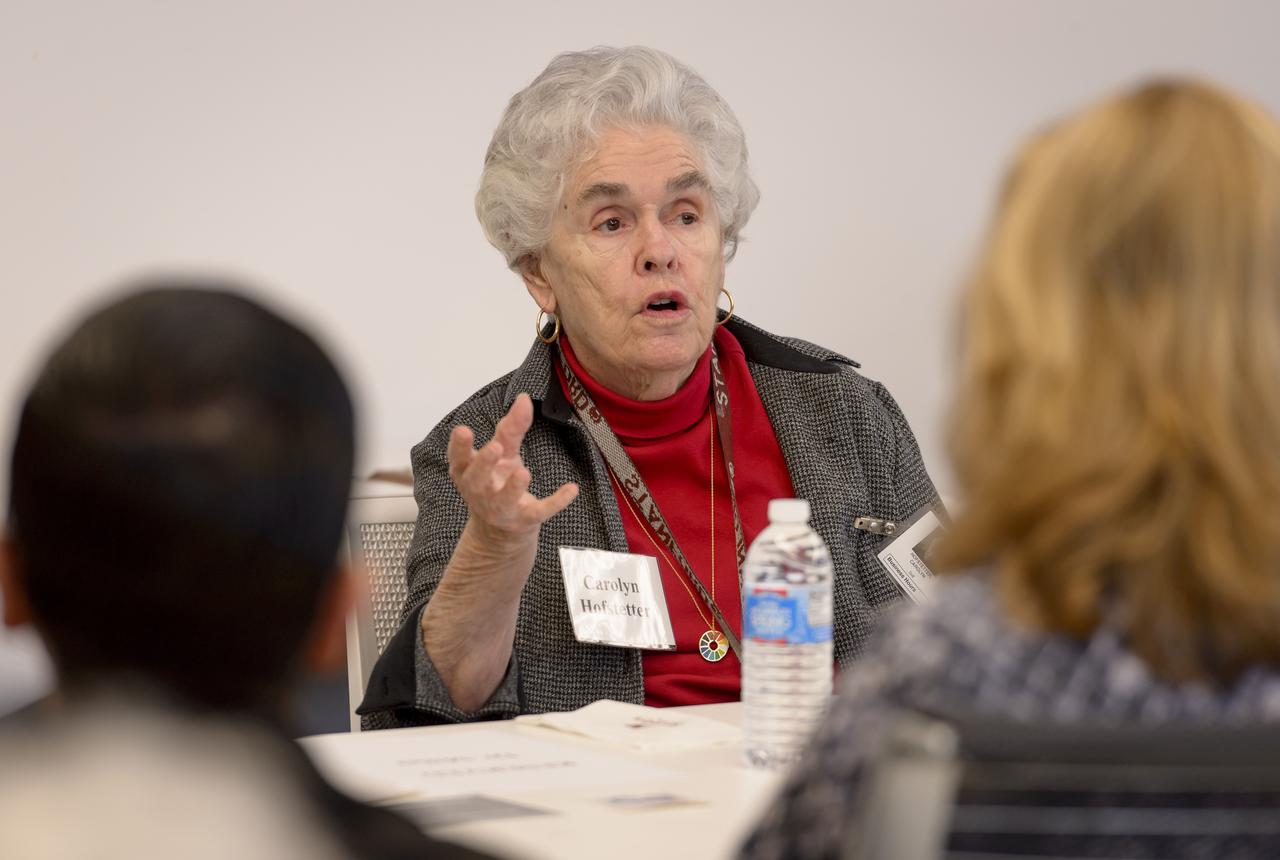
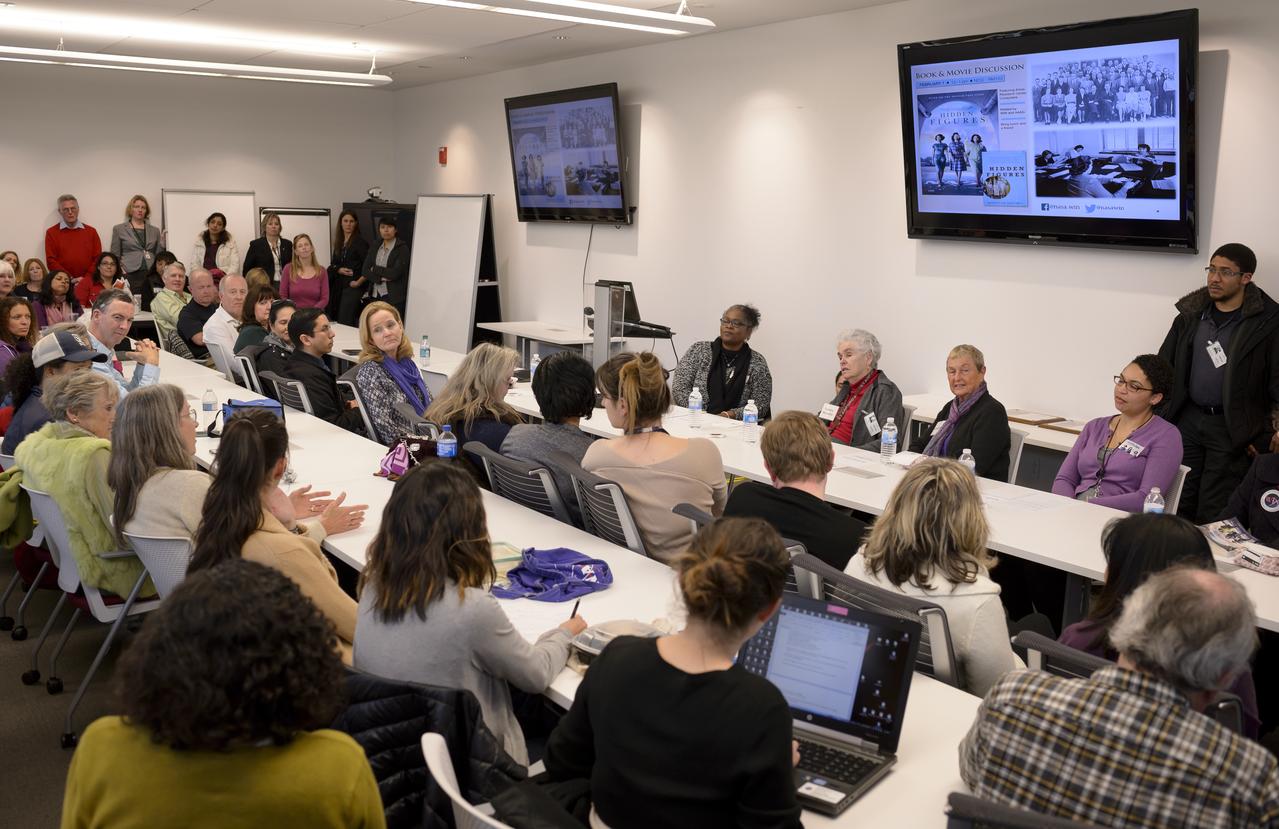
Ames Women's Influence Network (WIN) Hidden Figures talk with "Computers" Carolyn Hofstetter and Carol Mead co-sponsored by the AAAG. Computer Carolyn Hofstetter during Q & A
Ames Women's Influence Network (WIN) Hidden Figures talk with "Computers" Carolyn Hofstetter and Carol Mead co-sponsored by the AAAG
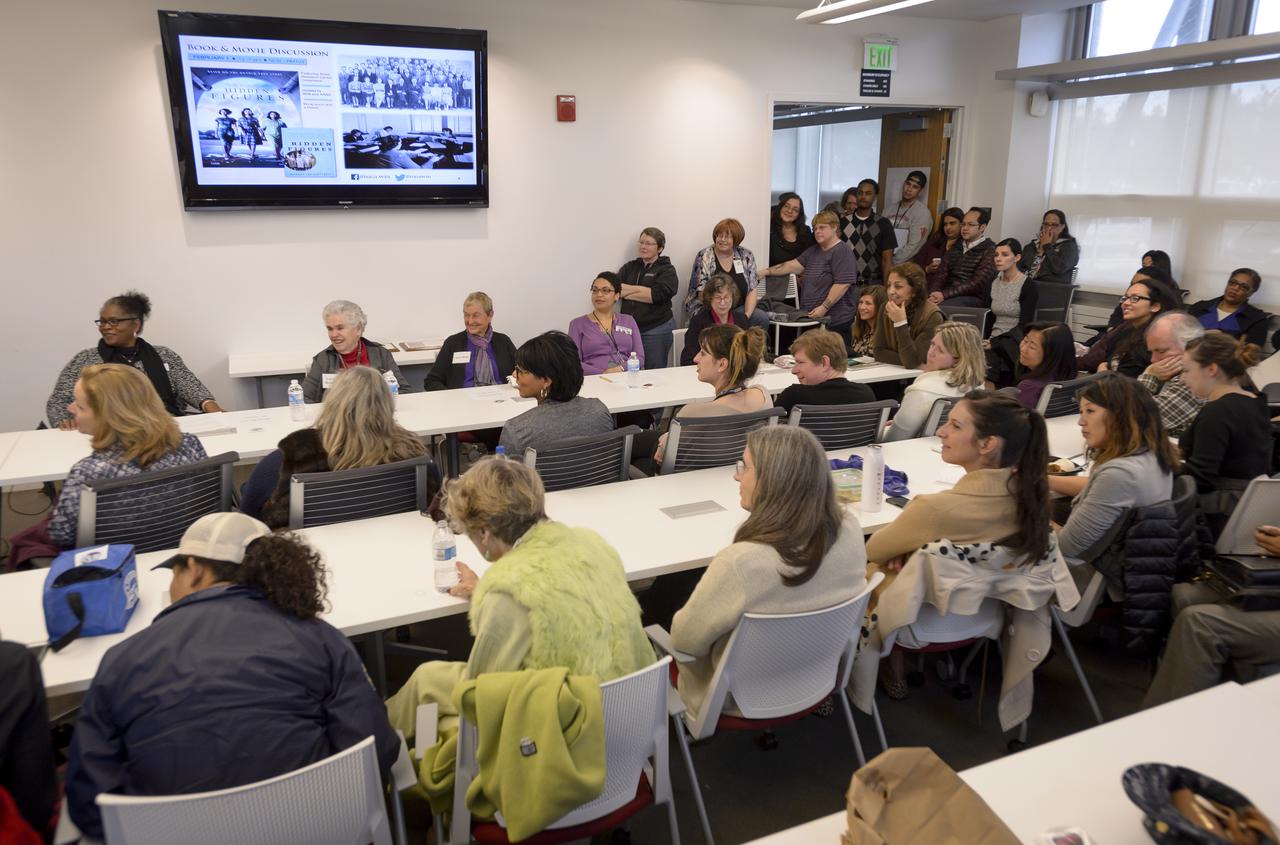
Ames Women's Influence Network (WIN) Hidden Figures talk with "Computers" Carolyn Hofstetter and Carol Mead co-sponsored by the AAAG... Computer Carol Mead during Q& A
Ames Women's Influence Network (WIN) Hidden Figures talk with "Computers" Carolyn Hofstetter and Carol Mead co-sponsored by the AAAG
Ames Women's Influence Network (WIN) Hidden Figures talk with "Computers" Carolyn Hofstetter and Carol Mead co-sponsored by the AAAG. Computer Carol Mead during Q& A
Ames Women's Influence Network (WIN) Hidden Figures talk with "Computers" Carolyn Hofstetter and Carol Mead co-sponsored by the AAAG
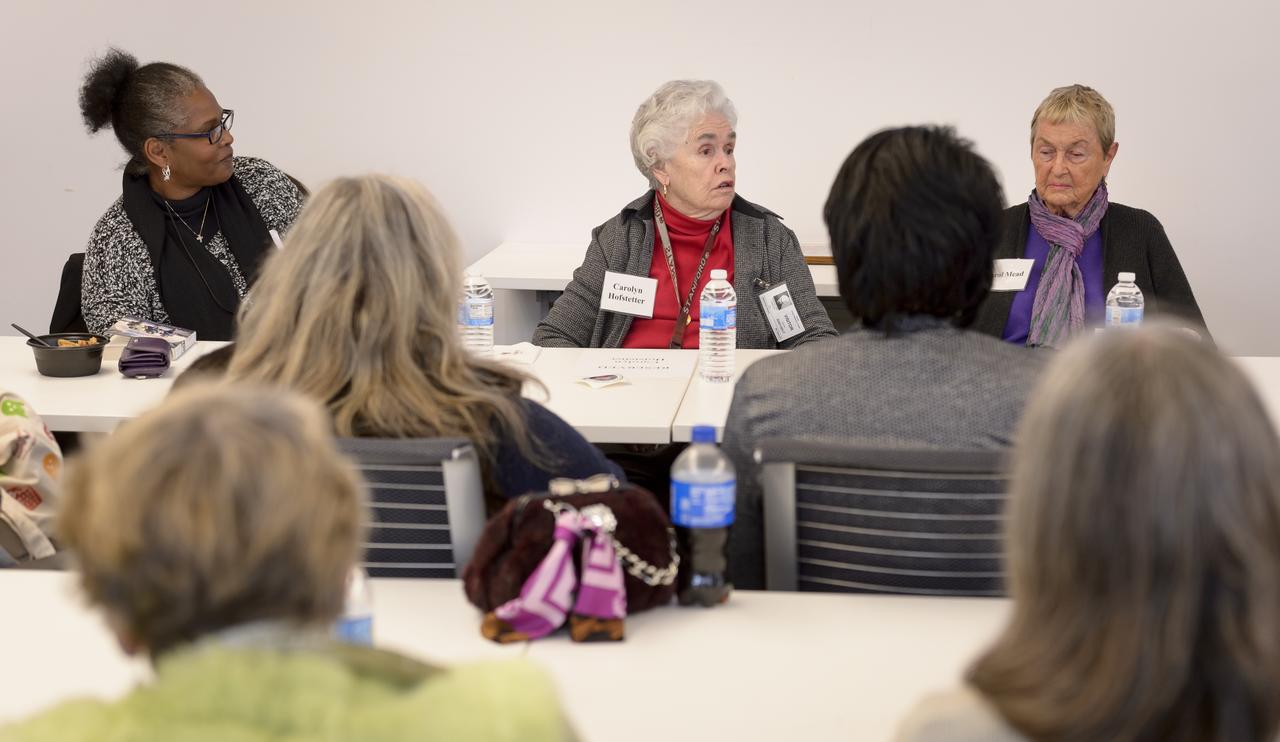
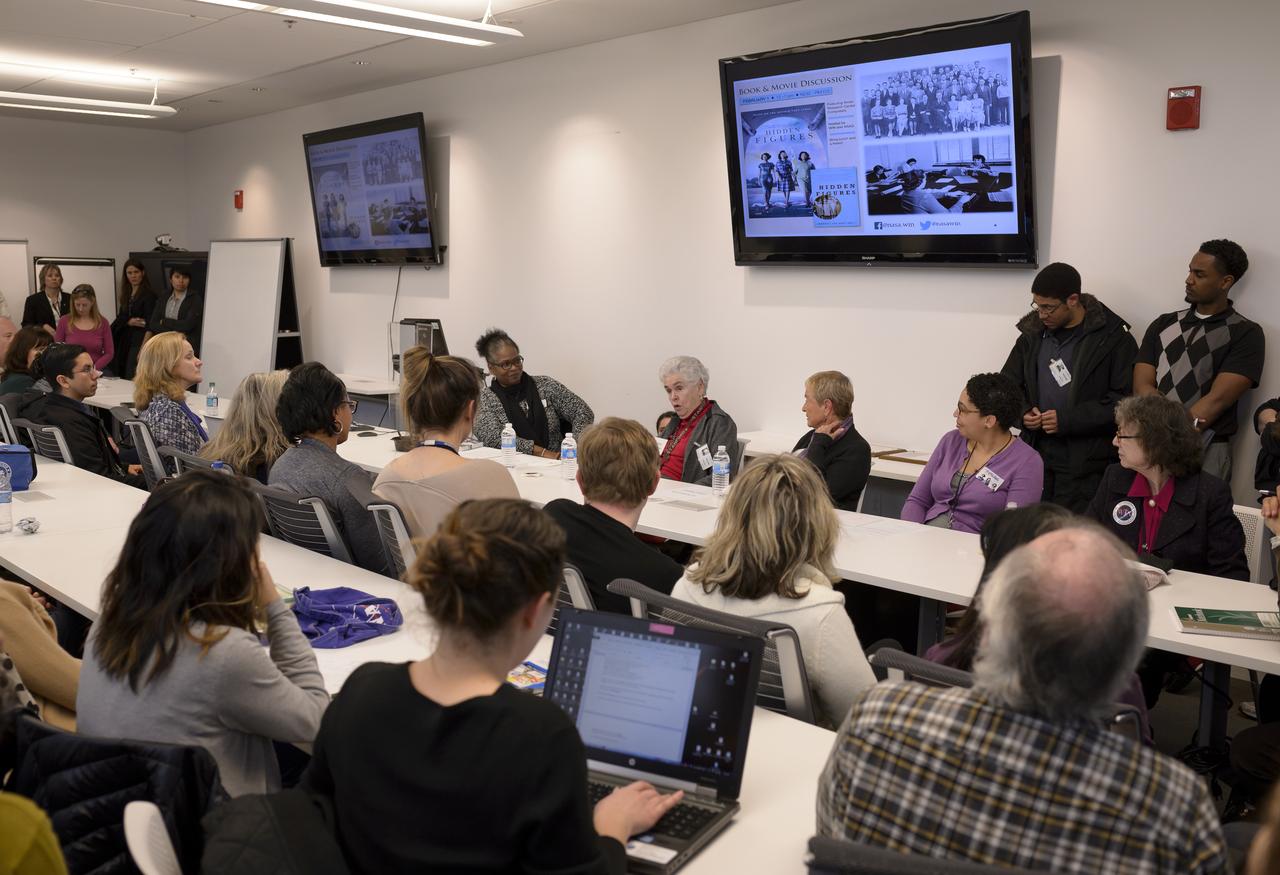
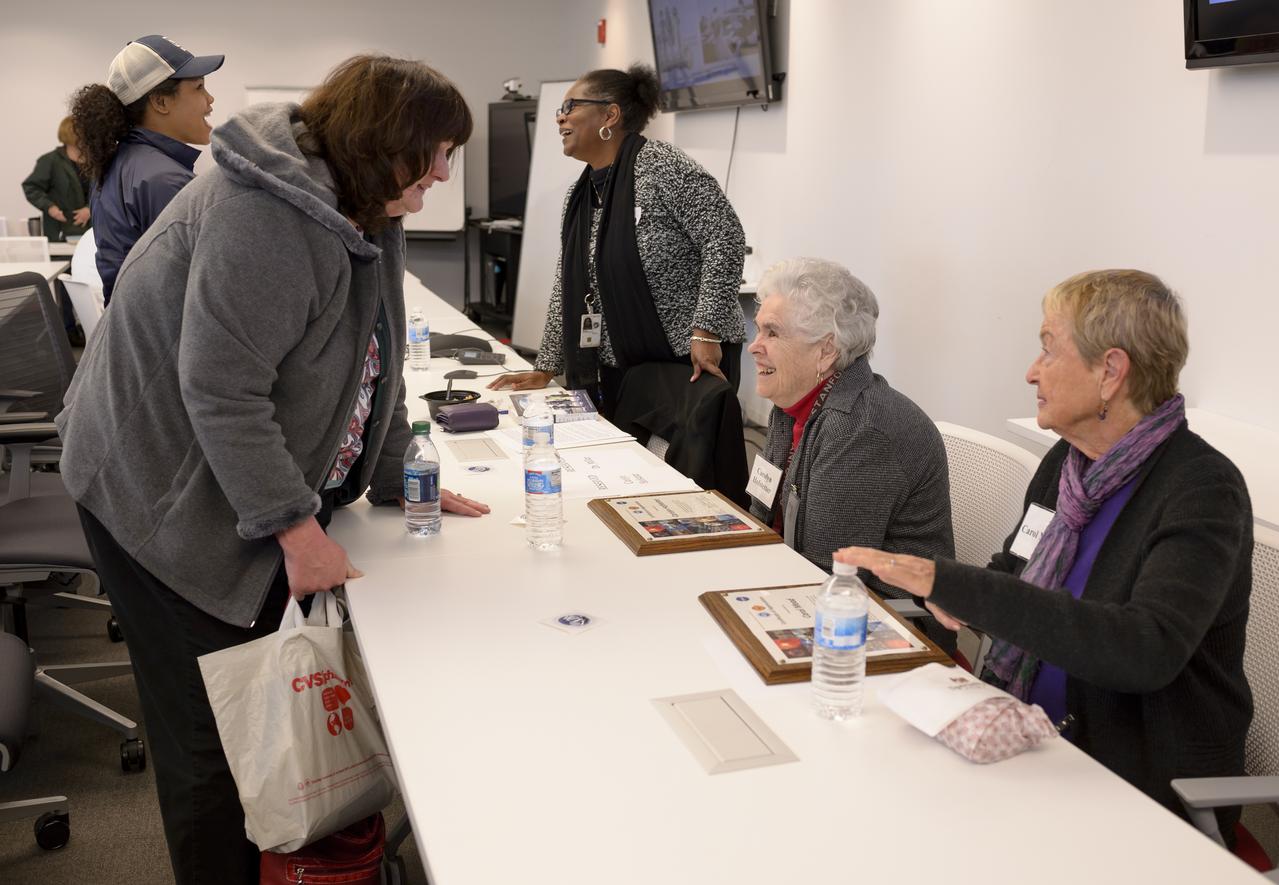
Ames Women's Influence Network (WIN) Hidden Figures talk with "Computers" Carolyn Hofstetter and Carol Mead co-sponsored by the AAAG.. Left to right Barbara Miller, Ames EEO, Computers Carolyn Hofstetter and Carol Mead
Ames Women's Influence Network (WIN) Hidden Figures talk with "Computers" Carolyn Hofstetter and Carol Mead co-sponsored by the AAAG
Ames Women's Influence Network (WIN) Hidden Figures talk with "Computers" Carolyn Hofstetter and Carol Mead co-sponsored by the AAAG. Left to right Barbara Miller, Ames EEO, Computers Carolyn Hofstetter and Carol Mead
Ames Women's Influence Network (WIN) Hidden Figures talk with "Computers" Carolyn Hofstetter and Carol Mead co-sponsored by the AAAG
Ames Women's Influence Network (WIN) Hidden Figures talk with "Computers" Carolyn Hofstetter and Carol Mead co-sponsored by the AAAG. Computer Carolyn Hofstetter during Q & A
Ames Women's Influence Network (WIN) Hidden Figures talk with "Computers" Carolyn Hofstetter and Carol Mead co-sponsored by the AAAG
Ames Women's Influence Network (WIN) Hidden Figures talk with "Computers" Carolyn Hofstetter and Carol Mead co-sponsored by the AAAG. Left to right Barbara Miller, Ames EEO, Computers Carolyn Hofstetter and Carol Mead
Ames Women's Influence Network (WIN) Hidden Figures talk with "Computers" Carolyn Hofstetter and Carol Mead co-sponsored by the AAAG
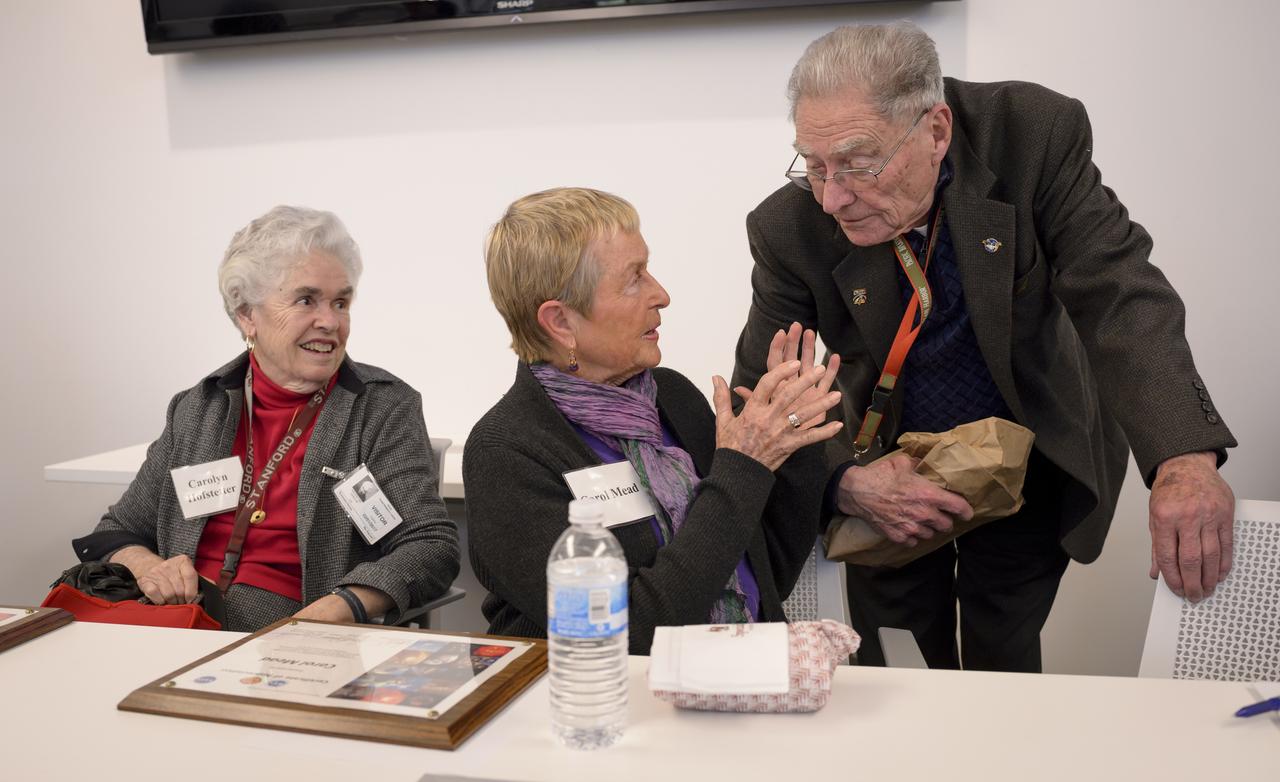
Ames Women's Influence Network (WIN) Hidden Figures talk with "Computers" Carolyn Hofstetter and Carol Mead co-sponsored by the AAAG. Left to right  Computers Carolyn Hofstetter, Carol Mead and Jack Boyd
Ames Women's Influence Network (WIN) Hidden Figures talk with "Computers" Carolyn Hofstetter and Carol Mead co-sponsored by the AAAG
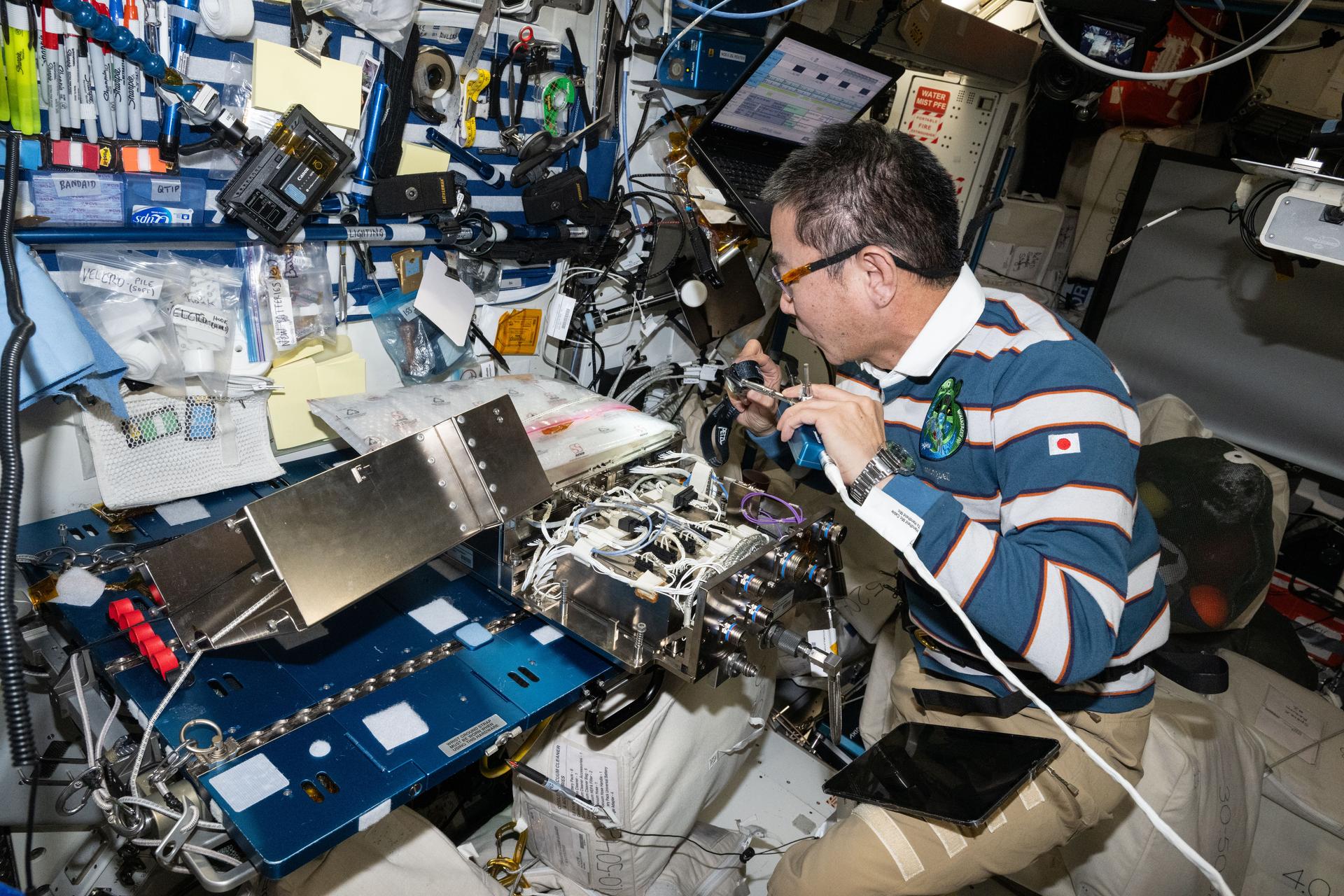
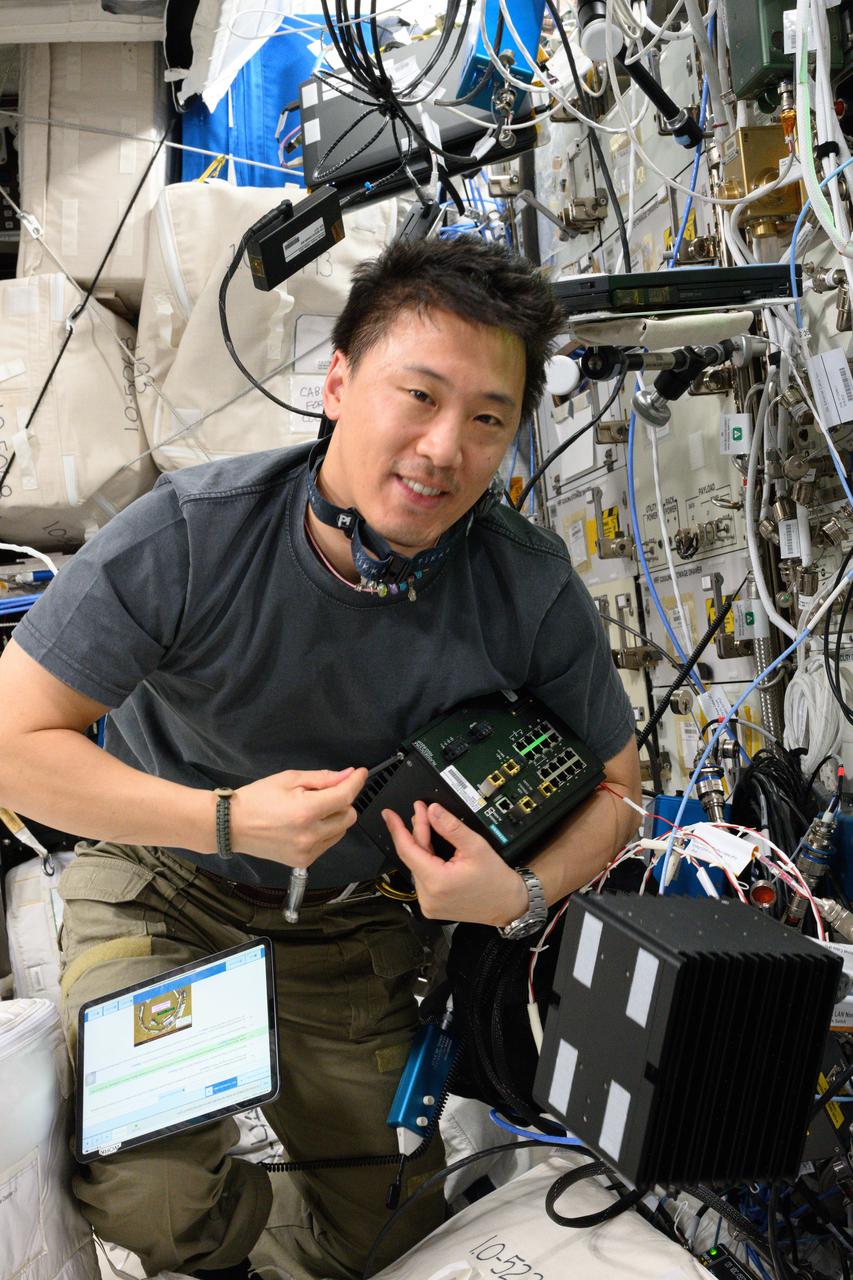
iss073e0764319 (Sept. 22, 2025) --- JAXA (Japan Aerospace Exploration Agency) astronaut and Expedition 73 Flight Engineer Kimiya Yui prepares new computer networking gear for installation inside the International Space Station's Kibo laboratory module. The ethernet hub upgrades will transmit data quicker and more efficiently throughout the orbital outpost.
JAXA astronaut Kimiya Yui prepares new computer networking gear for installation
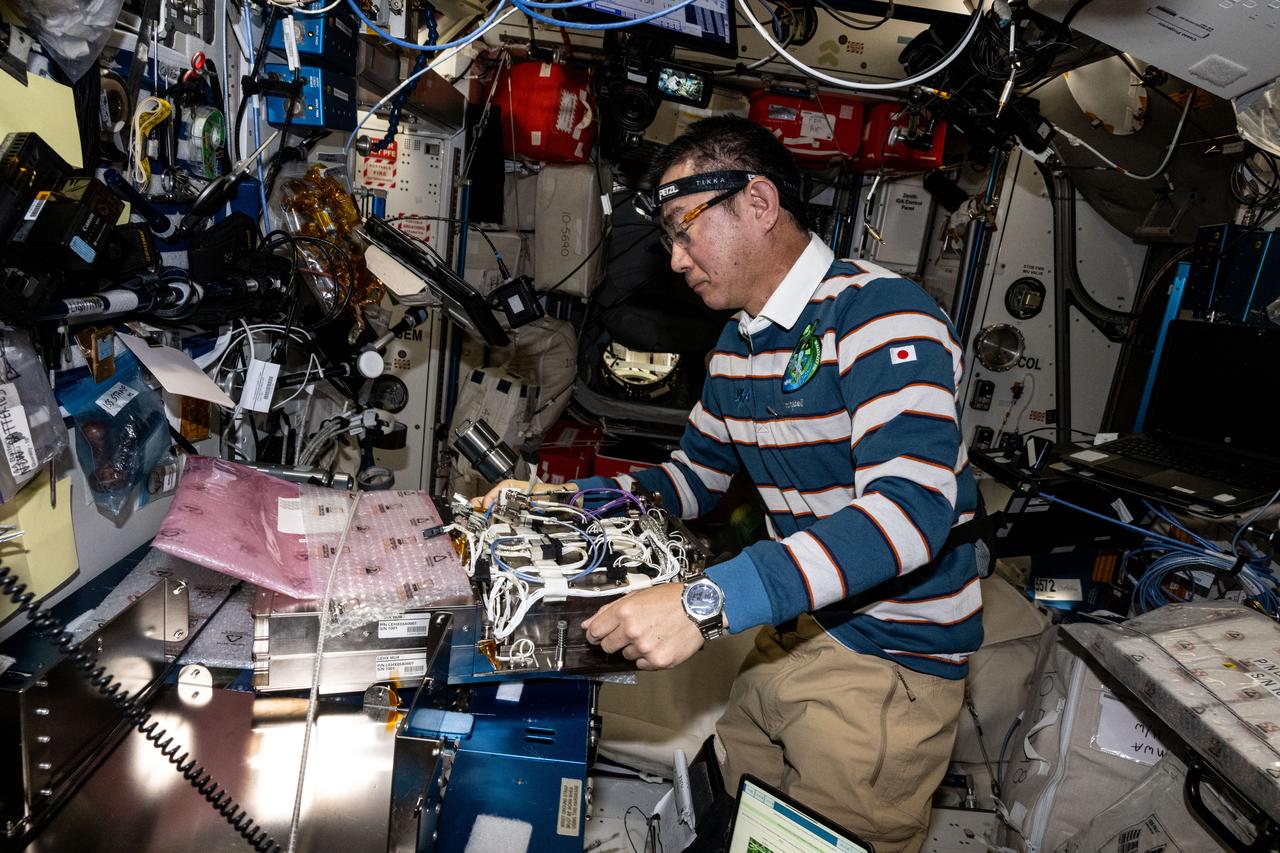
iss073e0767245 (Sept. 22, 2025) --- JAXA (Japan Aerospace Exploration Agency) astronaut and Expedition 73 Flight Engineer Kimiya Yui works on computer networking hardware inside the International Space Station's Harmony module. Yui was conducting ethernet hub upgrades to transmit data quicker and more efficiently throughout the orbital outpost.
JAXA astronaut Kimiya Yui works on computer networking hardware
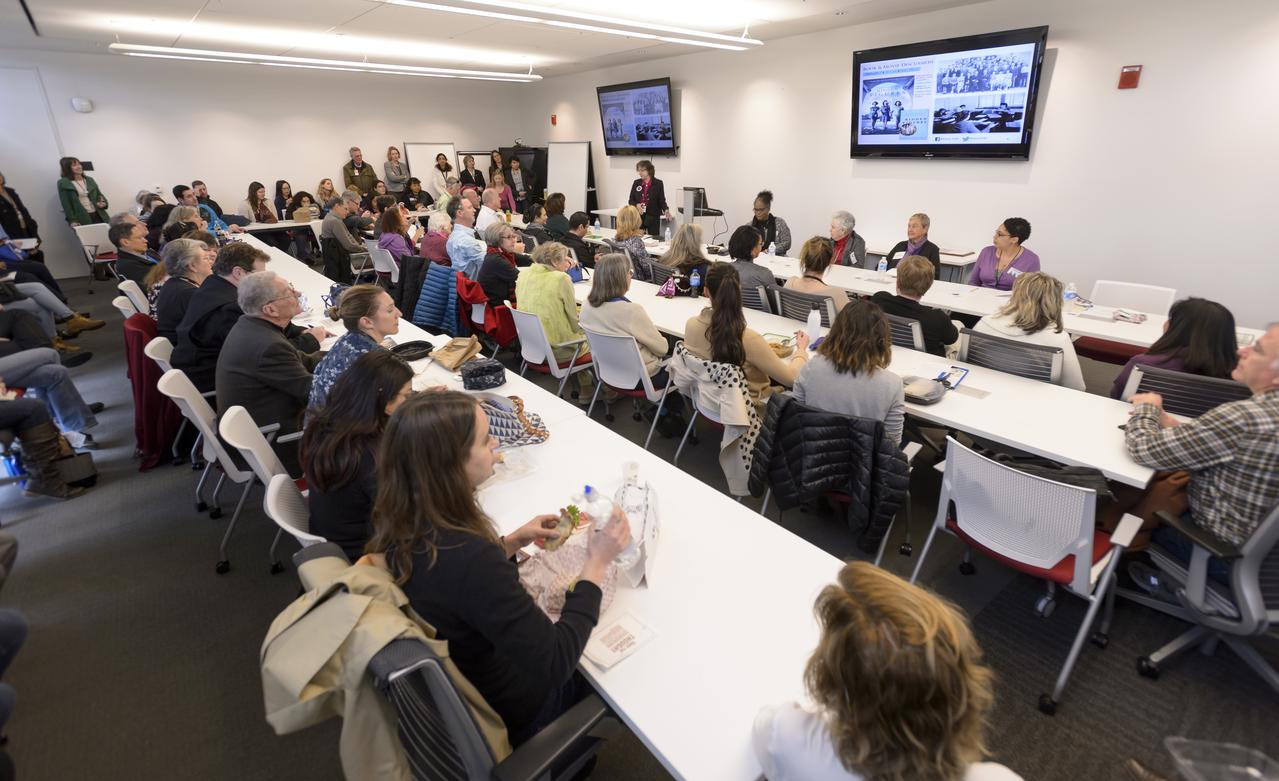
Ames Women's Influence Network (WIN) Hidden Figures talk with "Computers" Carolyn Hofstetter and Carol Mead co-sponsored by the AAAG.
Ames Women's Influence Network (WIN) Hidden Figures talk with "Computers" Carolyn Hofstetter and Carol Mead co-sponsored by the AAAG
Ames Women's Influence Network (WIN) Hidden Figures talk with "Computers" Carolyn Hofstetter and Carol Mead co-sponsored by the AAAG.
Ames Women's Influence Network (WIN) Hidden Figures talk with "Computers" Carolyn Hofstetter and Carol Mead co-sponsored by the AAAG
Ames Women's Influence Network (WIN) Hidden Figures talk with "Computers" Carolyn Hofstetter and Carol Mead co-sponsored by the AAAG.
Ames Women's Influence Network (WIN) Hidden Figures talk with "Computers" Carolyn Hofstetter and Carol Mead co-sponsored by the AAAG
Ames Women's Influence Network (WIN) Hidden Figures talk with "Computers" Carolyn Hofstetter and Carol Mead co-sponsored by the AAAG.
Ames Women's Influence Network (WIN) Hidden Figures talk with "Computers" Carolyn Hofstetter and Carol Mead co-sponsored by the AAAG
Ames Women's Influence Network (WIN) Hidden Figures talk with "Computers" Carolyn Hofstetter and Carol Mead co-sponsored by the AAAG.
Ames Women's Influence Network (WIN) Hidden Figures talk with "Computers" Carolyn Hofstetter and Carol Mead co-sponsored by the AAAG
Ames Women's Influence Network (WIN) Hidden Figures talk with "Computers" Carolyn Hofstetter and Carol Mead co-sponsored by the AAAG.
Ames Women's Influence Network (WIN) Hidden Figures talk with "Computers" Carolyn Hofstetter and Carol Mead co-sponsored by the AAAG
Ames Women's Influence Network (WIN) Hidden Figures talk with "Computers" Carolyn Hofstetter and Carol Mead co-sponsored by the AAAG.
Ames Women's Influence Network (WIN) Hidden Figures talk with "Computers" Carolyn Hofstetter and Carol Mead co-sponsored by the AAAG
Ames Women's Influence Network (WIN) Hidden Figures talk with "Computers" Carolyn Hoffetter and Carol Mead co-sponsored by the AAAG.
Ames Women's Influence Network (WIN) Hidden Figures talk with "Computers" Carolyn Hofstetter and Carol Mead co-sponsored by the AAAG
Ames Women's Influence Network (WIN) Hidden Figures talk with "Computers" Carolyn Hofstetter and Carol Mead co-sponsored by the AAAG. Left to right Barbara Miller, Ames EEO, Computers Carolyn Hoffstetter and Carol Mead, talking to Carolyn Hofstetter is Arlene Spencer
Ames Women's Influence Network (WIN) Hidden Figures talk with "Computers" Carolyn Hofstetter and Carol Mead co-sponsored by the AAAG
Ames Women's Influence Network (WIN) Hidden Figures talk with "Computers" Carolyn Hofsetter and Carol Mead co-sponsored by the AAAG. clockwise Jack Boyd, Miss Mead daughter of Carol Mead, Carol Mead and Carolyn Hofstetter
Ames Women's Influence Network (WIN) Hidden Figures talk with "Computers" Carolyn Hofstetter and Carol Mead co-sponsored by the AAAG
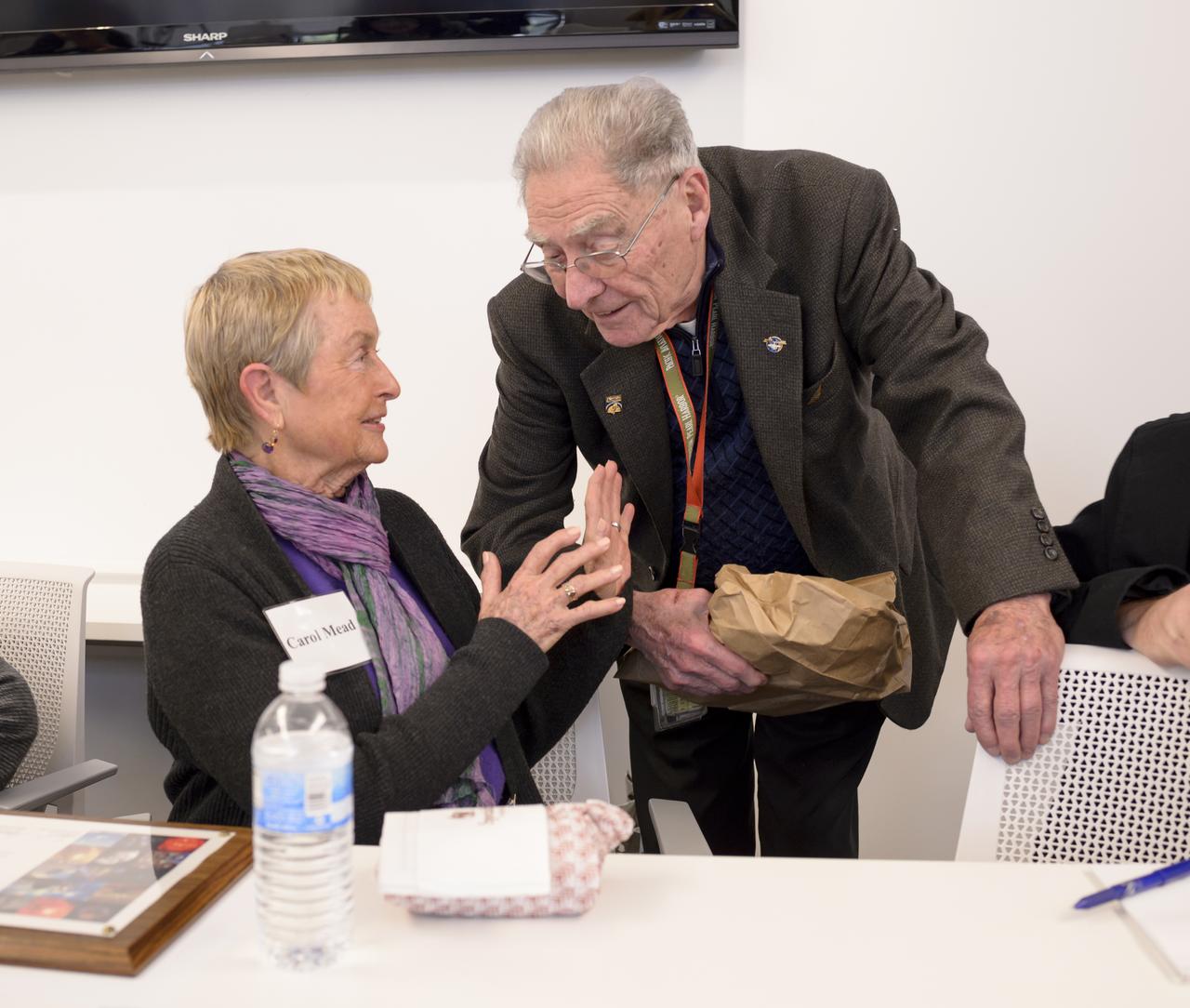
Ames Women's Influence Network (WIN) Hidden Figures talk with "Computers" Carolyn Hofstetter and Carol Mead co-sponsored by the AAAG. Left to right Carol Mead and Jack Boyd
Ames Women's Influence Network (WIN) Hidden Figures talk with "Computers" Carolyn Hofstetter and Carol Mead co-sponsored by the AAAG
Ames Women's Influence Network (WIN) Hidden Figures talk with "Computers" Carolyn Hofstetter and Carol Mead co-sponsored by the AAAG. Jack Boyd talk of working in the same 6ft w.t. group as Carol Mead.
Ames Women's Influence Network (WIN) Hidden Figures talk with "Computers" Carolyn Hofstetter and Carol Mead co-sponsored by the AAAG
Ames Women's Influence Network (WIN) Hidden Figures talk with "Computers" Carolyn Hofstetter and Carol Mead co-sponsored by the AAAG. At table left to right Carolyn Hofstetter and Carol Mead
Ames Women's Influence Network (WIN) Hidden Figures talk with "Computers" Carolyn Hofstetter and Carol Mead co-sponsored by the AAAG
Ames Women's Influence Network (WIN) Hidden Figures talk with "Computers" Carolyn Hofstetter and Carol Mead co-sponsored by the AAAG. Attending event are Jack Boyd and Cathy Lee
Ames Women's Influence Network (WIN) Hidden Figures talk with "Computers" Carolyn Hofsetter and Carol Mead co-sponsored by the AAAG
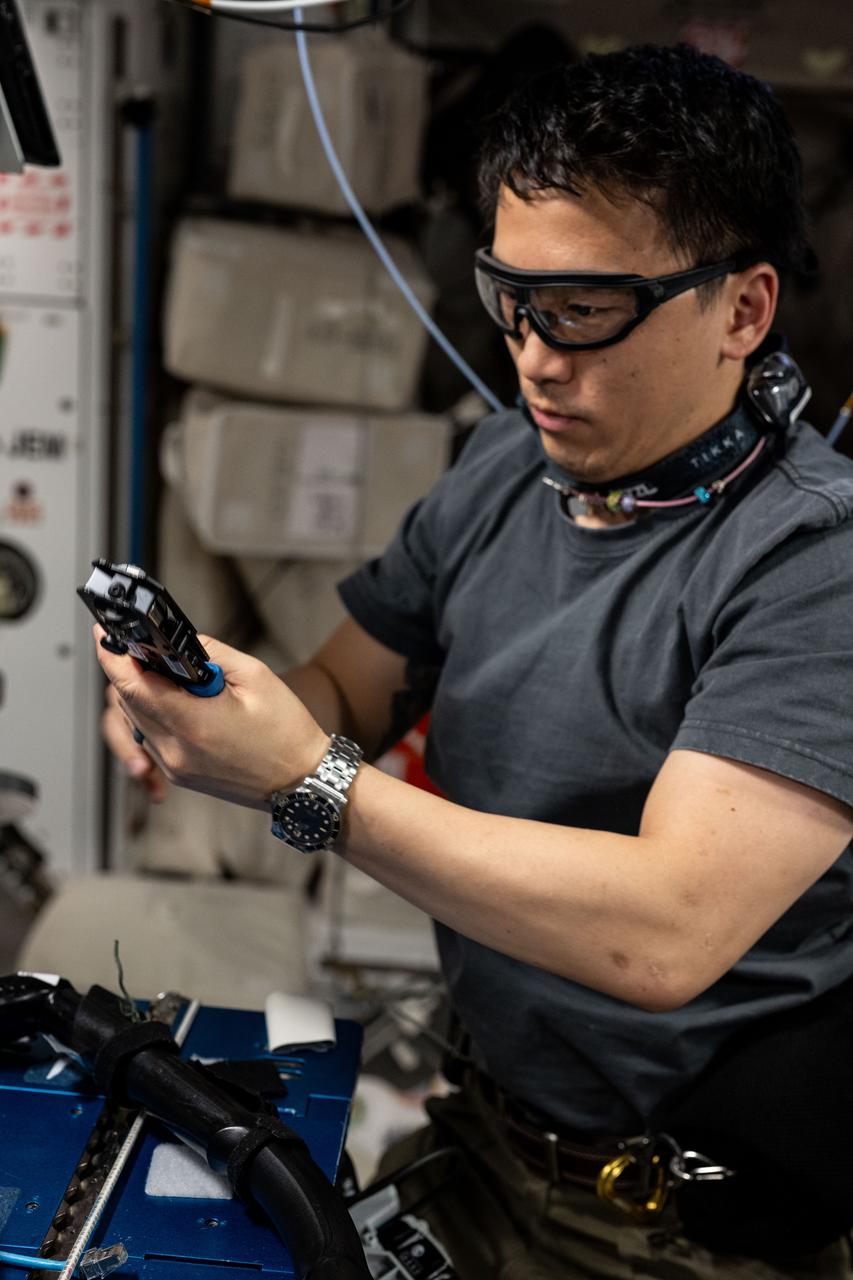
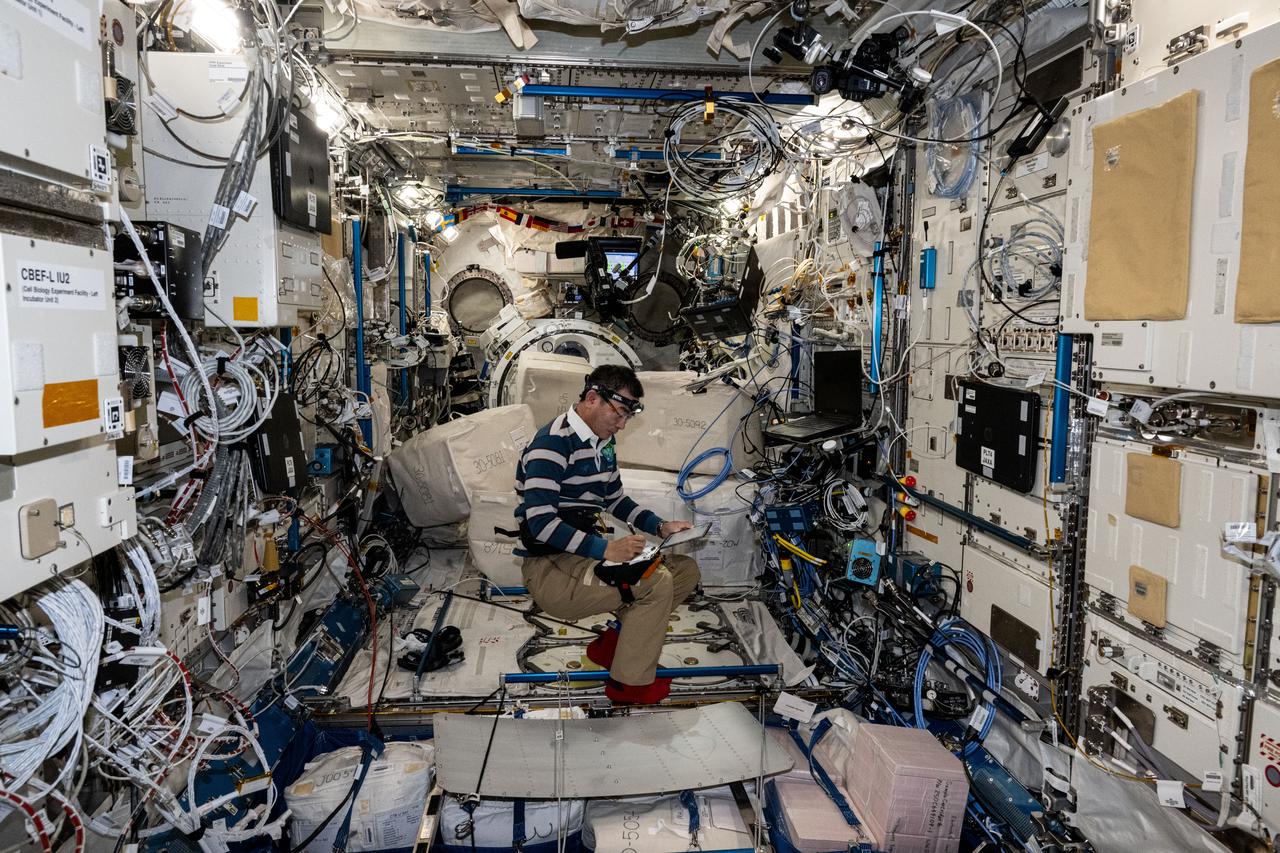
iss073e0072896 (May 20, 2025) --- NASA astronaut and Expedition 73 Flight Engineer Jonny Kim wears goggles while working on computer network maintenance aboard the International Space Station's Harmony module.
NASA astronaut Jonny Kim wears goggles while working on computer network maintenance
iss073e0764322 (Sept. 22, 2025) --- JAXA (Japan Aerospace Exploration Agency) astronaut and Expedition 73 Flight Engineer Kimiya Yui takes notes while installing new computer networking gear inside the Kibo laboratory module. The ethernet hub upgrades will transmit data quicker and more efficiently throughout the International Space Station.
JAXA astronaut Kimiya Yui takes notes while installing new computer networking gear
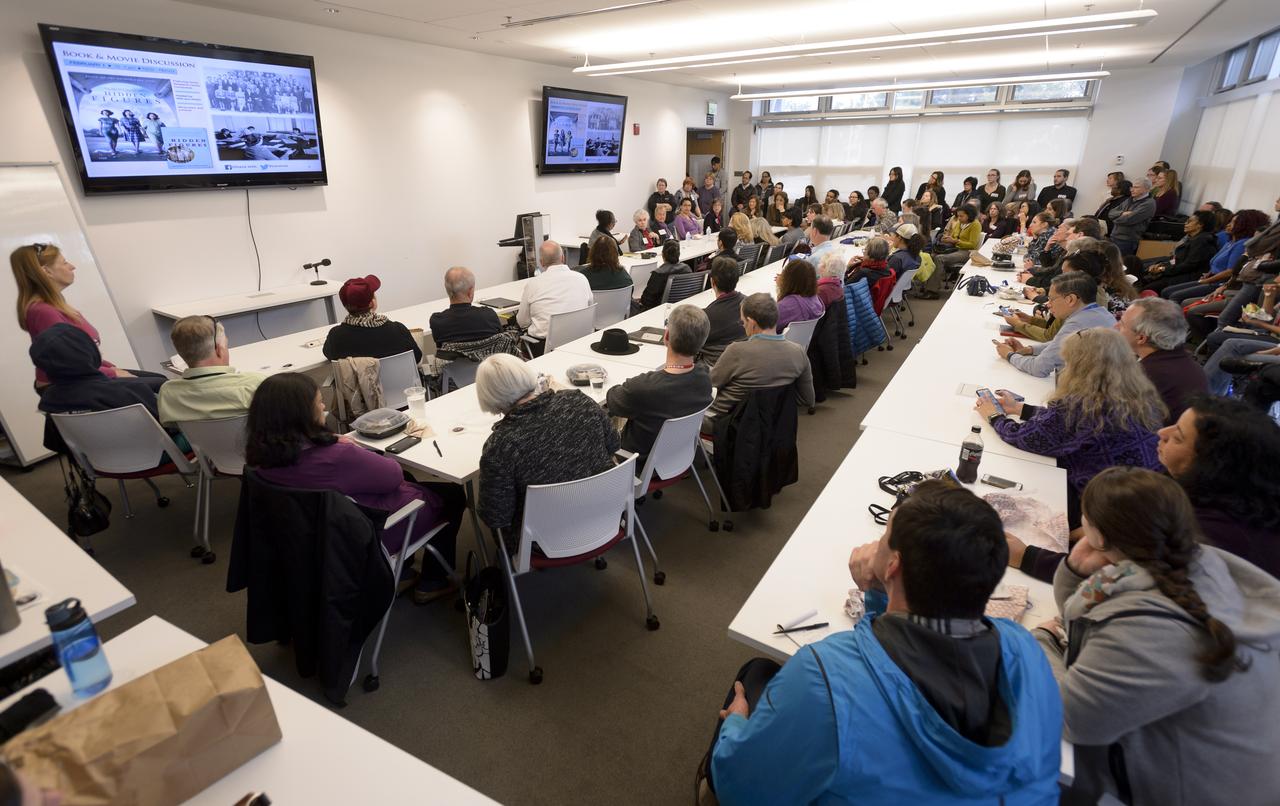
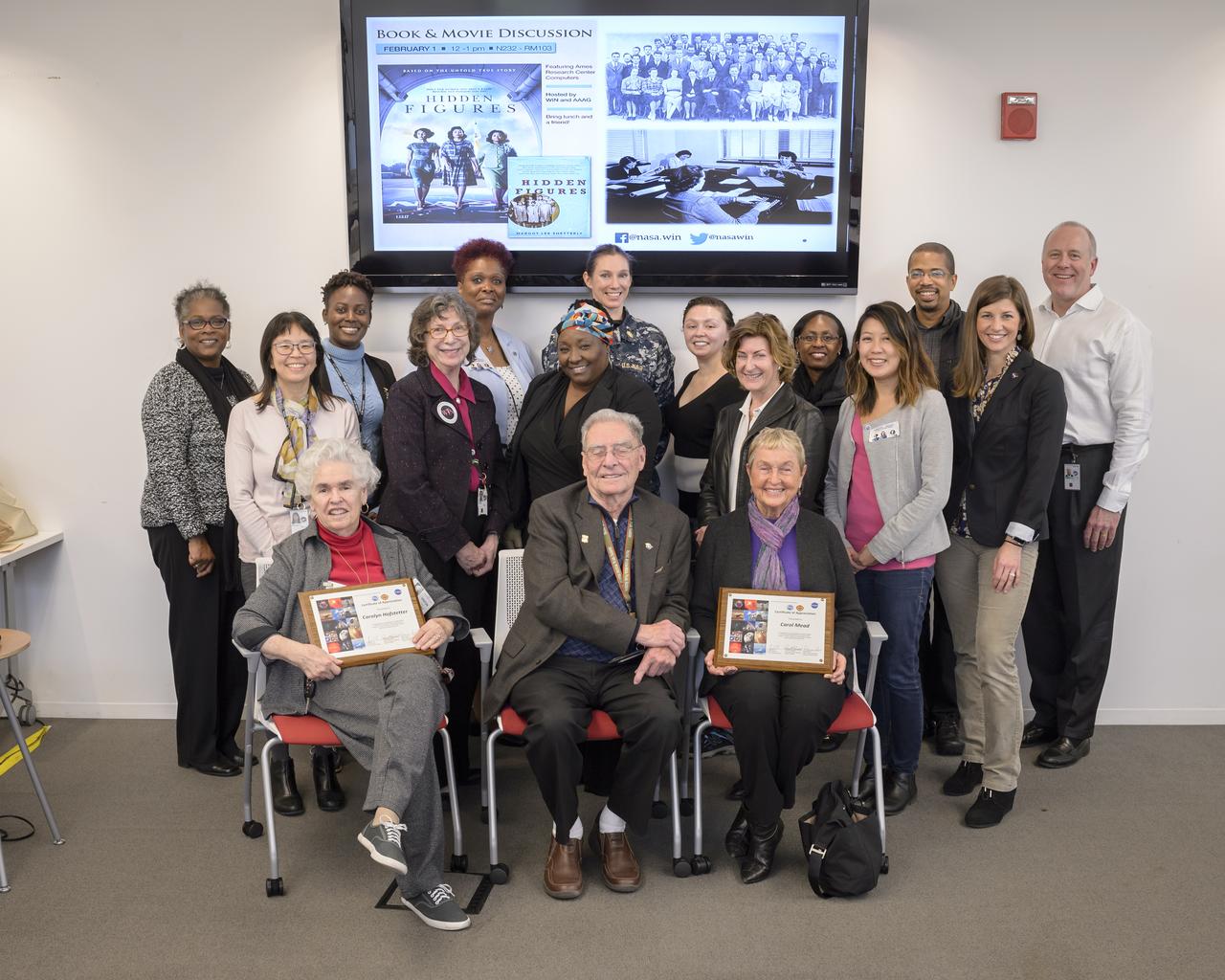
Ames Women's Influence Network (WIN) Hidden Figures talk with "Computers" Carolyn Hofstetter and Carol Mead co-sponsored by the AAAG. Group photo Front Row left to right; Carolyn Hofstetter, Jack Boyd, Carol Mead  Middle Row: Kathy Lee, Annette Randall, Trincella Lewis, Ann Mead (daughter to Carol Mead), Vanessa Kuroda, Netti Halcomb Roozeboom  Back Row; Dr Barbara Miller, Dr Wendy Okolo, Denise Snow, Leedjia Svec, Erika Rodriquez, Rhonda Baker, Ray Gilstrap, Glenn Bugos
Ames Women's Influence Network (WIN) Hidden Figures talk with "Computers" Carolyn Hofstetter and Carol Mead co-sponsored by the AAAG.
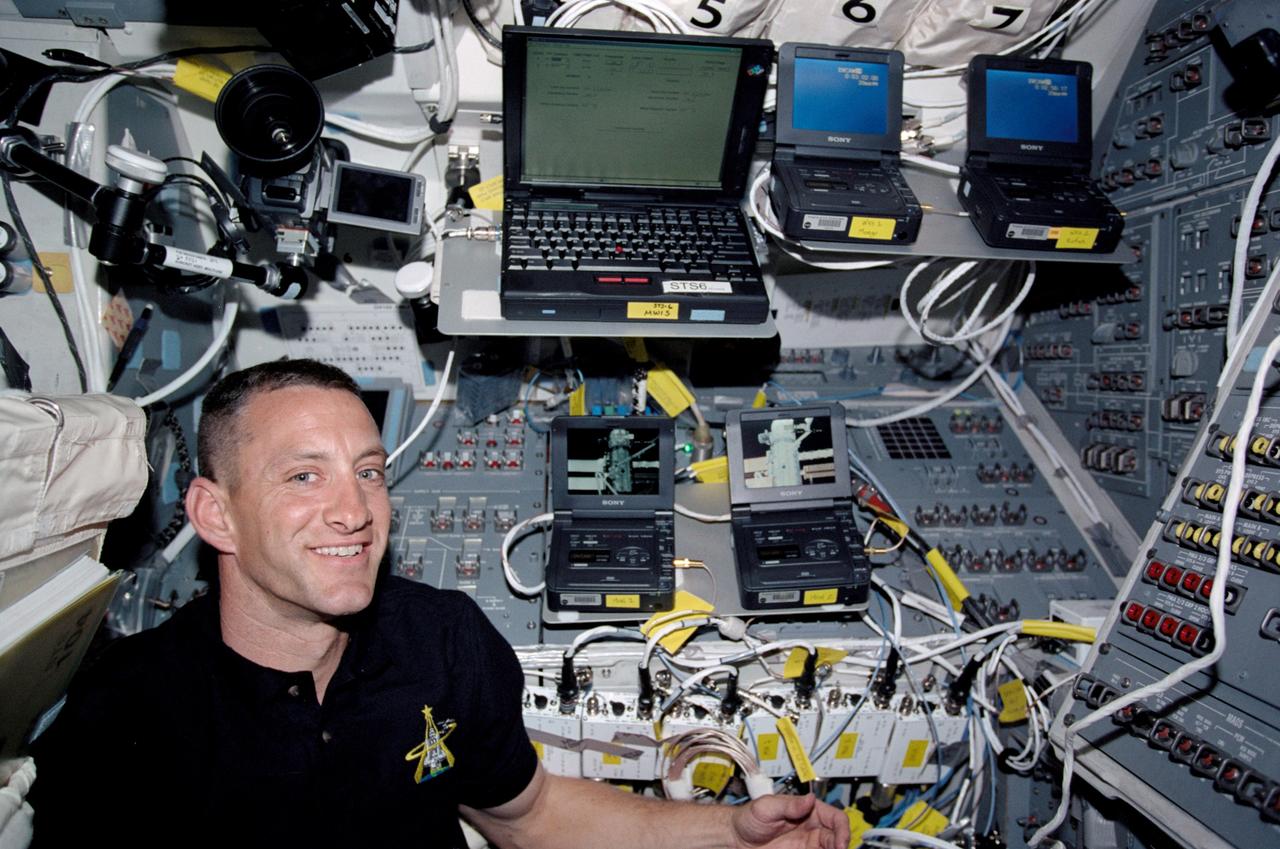
STS104-326-005 (12-24 July 2001) ---  Astronaut Charles O. Hobaugh, STS-104 pilot, prepares to do some work at the  recently-fashioned computer network  station on the flight deck of the Space Shuttle Atlantis.
STS-104 PLT Hobaugh and DV Cam units on Atlantis flight deck
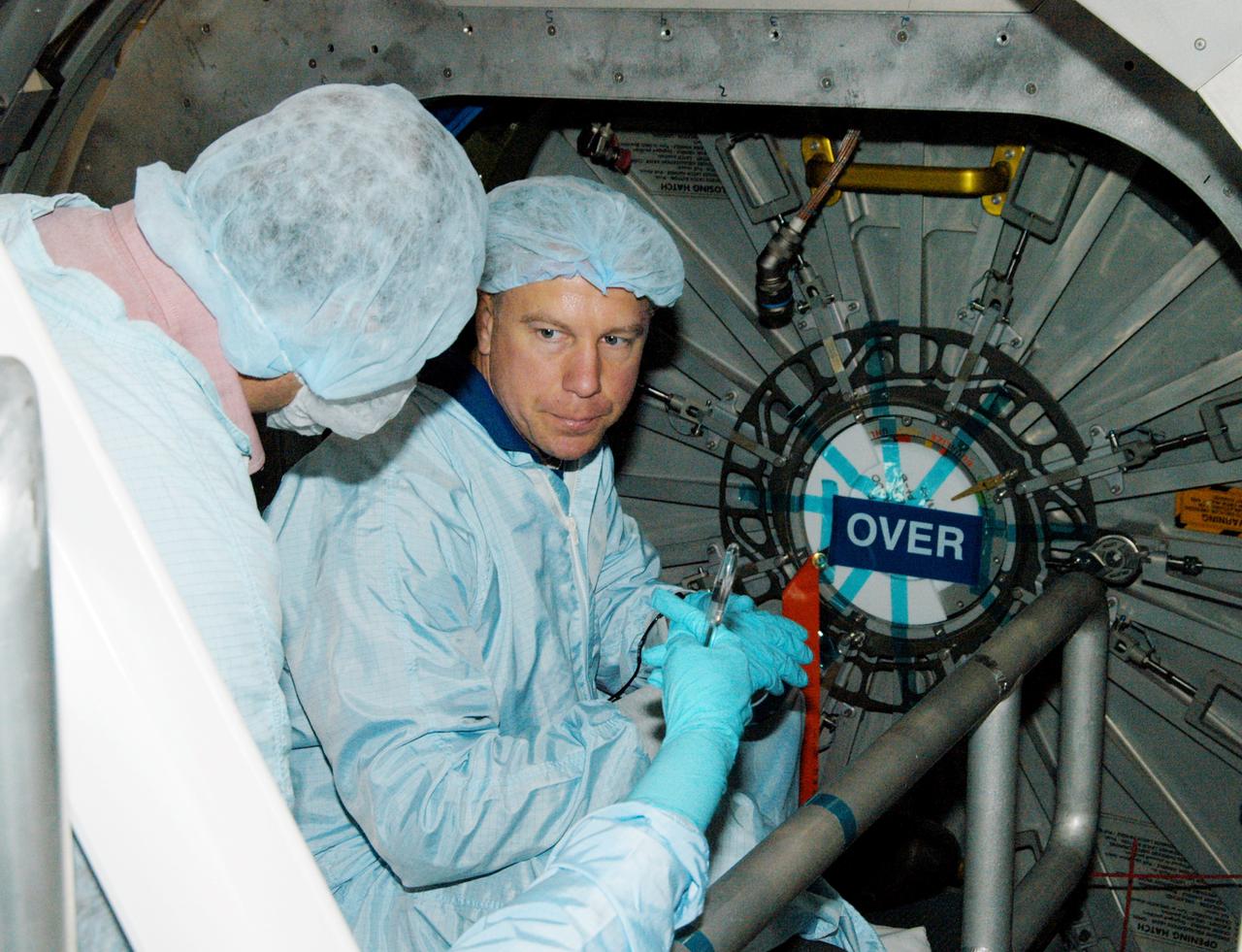
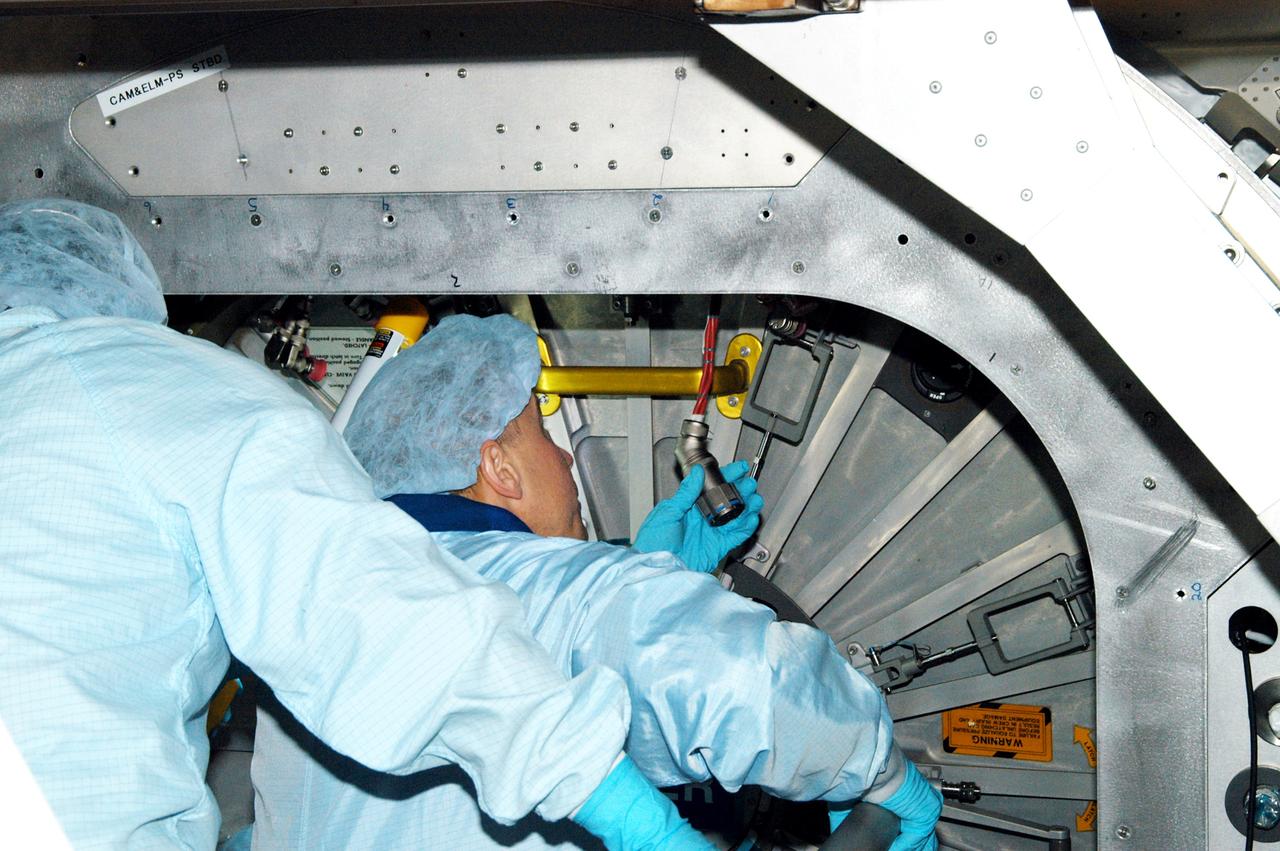
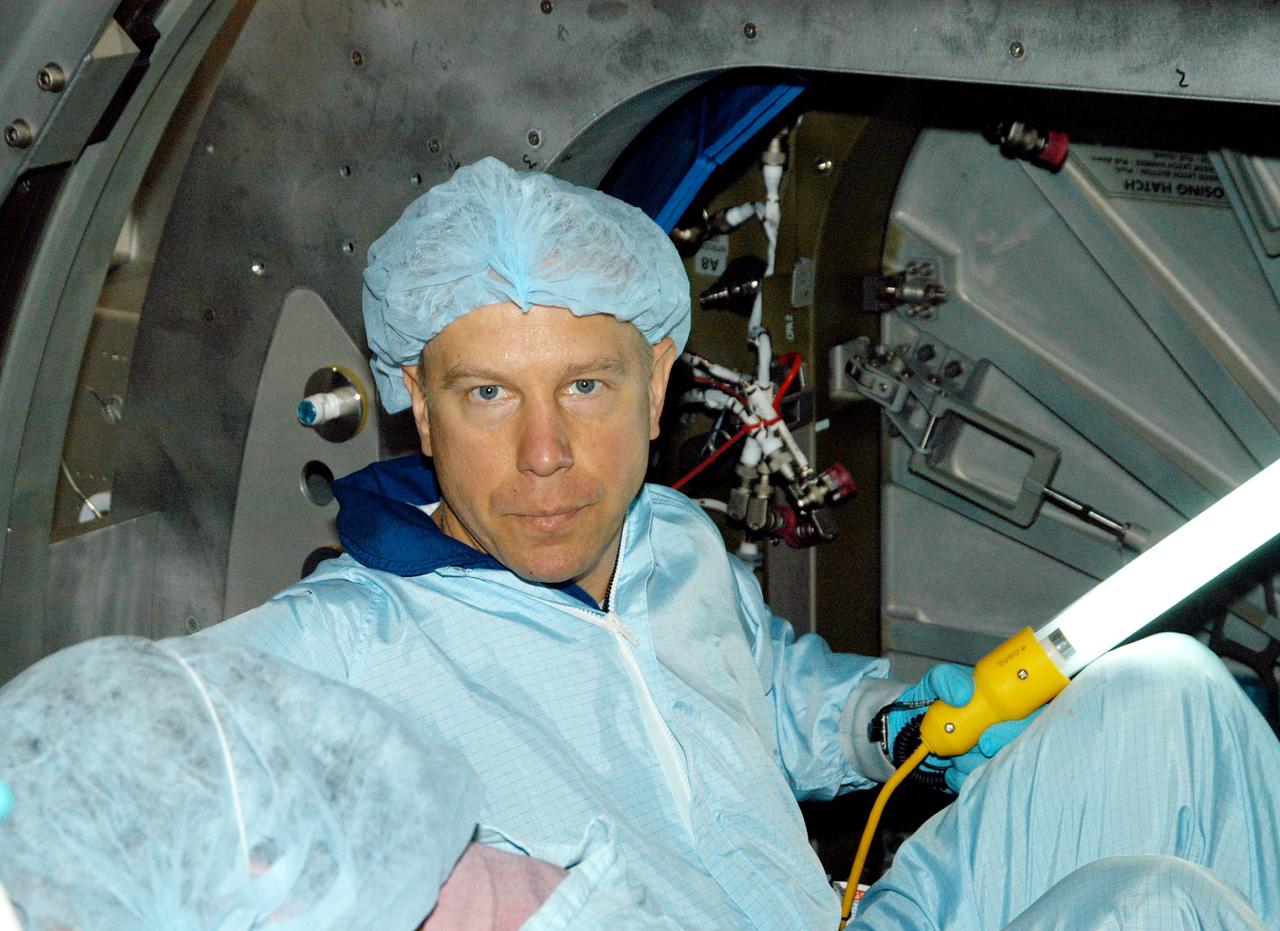
KENNEDY SPACE CENTER, FLA. - Astronaut Tim Kopra aids in Intravehicular Activity (IVA) constraints testing on the Italian-built Node 2, a future element of the International Space Station.  The second of three Station connecting modules, the Node 2 attaches to the end of the U.S. Lab and provides attach locations for several other elements.  Kopra is currently assigned technical duties in the Space Station Branch of the Astronaut Office, where his primary focus involves the testing of crew interfaces for two future ISS modules as well as the implementation of support computers and operational Local Area Network on ISS.   Node 2 is scheduled to launch on mission STS-120, Station assembly flight 10A.
KENNEDY SPACE CENTER, FLA. - Astronaut Tim Kopra aids in Intravehicular Activity (IVA) constraints testing on the Italian-built Node 2, a future element of the International Space Station. The second of three Station connecting modules, the Node 2 attaches to the end of the U.S. Lab and provides attach locations for several other elements. Kopra is currently assigned technical duties in the Space Station Branch of the Astronaut Office, where his primary focus involves the testing of crew interfaces for two future ISS modules as well as the implementation of support computers and operational Local Area Network on ISS. Node 2 is scheduled to launch on mission STS-120, Station assembly flight 10A.
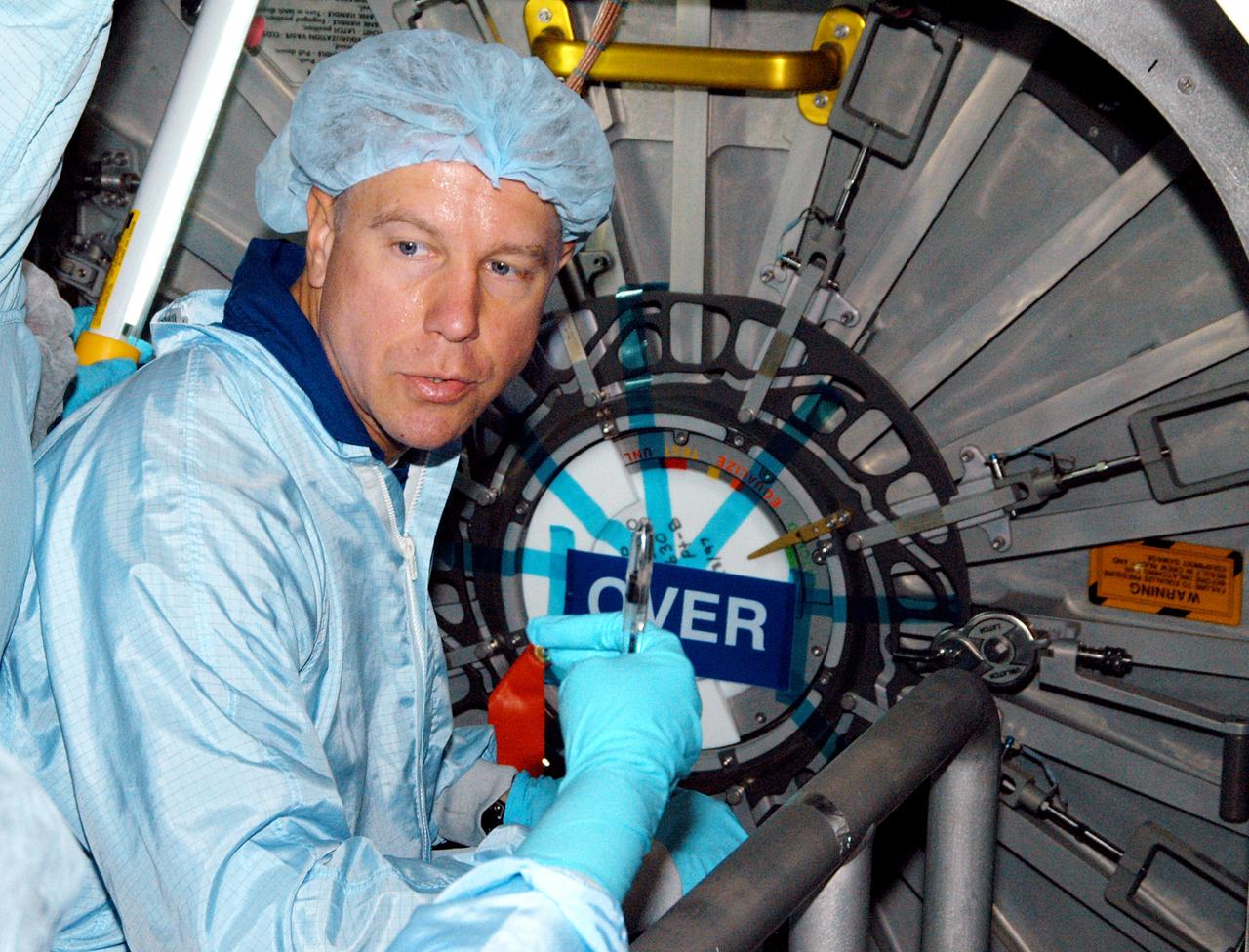
KENNEDY SPACE CENTER, FLA. - Astronaut Tim Kopra (facing camera) aids in Intravehicular Activity (IVA) constraints testing on the Italian-built Node 2, a future element of the International Space Station.  The second of three Station connecting modules, the Node 2 attaches to the end of the U.S. Lab and provides attach locations for several other elements.  Kopra is currently assigned technical duties in the Space Station Branch of the Astronaut Office, where his primary focus involves the testing of crew interfaces for two future ISS modules as well as the implementation of support computers and operational Local Area Network on ISS.   Node 2 is scheduled to launch on mission STS-120, Station assembly flight 10A.
KENNEDY SPACE CENTER, FLA. - Astronaut Tim Kopra (facing camera) aids in Intravehicular Activity (IVA) constraints testing on the Italian-built Node 2, a future element of the International Space Station. The second of three Station connecting modules, the Node 2 attaches to the end of the U.S. Lab and provides attach locations for several other elements. Kopra is currently assigned technical duties in the Space Station Branch of the Astronaut Office, where his primary focus involves the testing of crew interfaces for two future ISS modules as well as the implementation of support computers and operational Local Area Network on ISS. Node 2 is scheduled to launch on mission STS-120, Station assembly flight 10A.
KENNEDY SPACE CENTER, FLA. - In the Space Station Processing Facility, workers check over the Italian-built Node 2, a future element of the International Space Station.  The second of three Station connecting modules, the Node 2 attaches to the end of the U.S. Lab and provides attach locations for several other elements.  Kopra is currently assigned technical duties in the Space Station Branch of the Astronaut Office, where his primary focus involves the testing of crew interfaces for two future ISS modules as well as the implementation of support computers and operational Local Area Network on ISS.   Node 2 is scheduled to launch on mission STS-120, Station assembly flight 10A.
KENNEDY SPACE CENTER, FLA. - In the Space Station Processing Facility, workers check over the Italian-built Node 2, a future element of the International Space Station. The second of three Station connecting modules, the Node 2 attaches to the end of the U.S. Lab and provides attach locations for several other elements. Kopra is currently assigned technical duties in the Space Station Branch of the Astronaut Office, where his primary focus involves the testing of crew interfaces for two future ISS modules as well as the implementation of support computers and operational Local Area Network on ISS. Node 2 is scheduled to launch on mission STS-120, Station assembly flight 10A.
KENNEDY SPACE CENTER, FLA. - Astronaut Tim Kopra aids in Intravehicular Activity (IVA) constraints testing on the Italian-built Node 2, a future element of the International Space Station.  The second of three Station connecting modules, the Node 2 attaches to the end of the U.S. Lab and provides attach locations for several other elements.  Kopra is currently assigned technical duties in the Space Station Branch of the Astronaut Office, where his primary focus involves the testing of crew interfaces for two future ISS modules as well as the implementation of support computers and operational Local Area Network on ISS.   Node 2 is scheduled to launch on mission STS-120, Station assembly flight 10A.
KENNEDY SPACE CENTER, FLA. - Astronaut Tim Kopra aids in Intravehicular Activity (IVA) constraints testing on the Italian-built Node 2, a future element of the International Space Station. The second of three Station connecting modules, the Node 2 attaches to the end of the U.S. Lab and provides attach locations for several other elements. Kopra is currently assigned technical duties in the Space Station Branch of the Astronaut Office, where his primary focus involves the testing of crew interfaces for two future ISS modules as well as the implementation of support computers and operational Local Area Network on ISS. Node 2 is scheduled to launch on mission STS-120, Station assembly flight 10A.
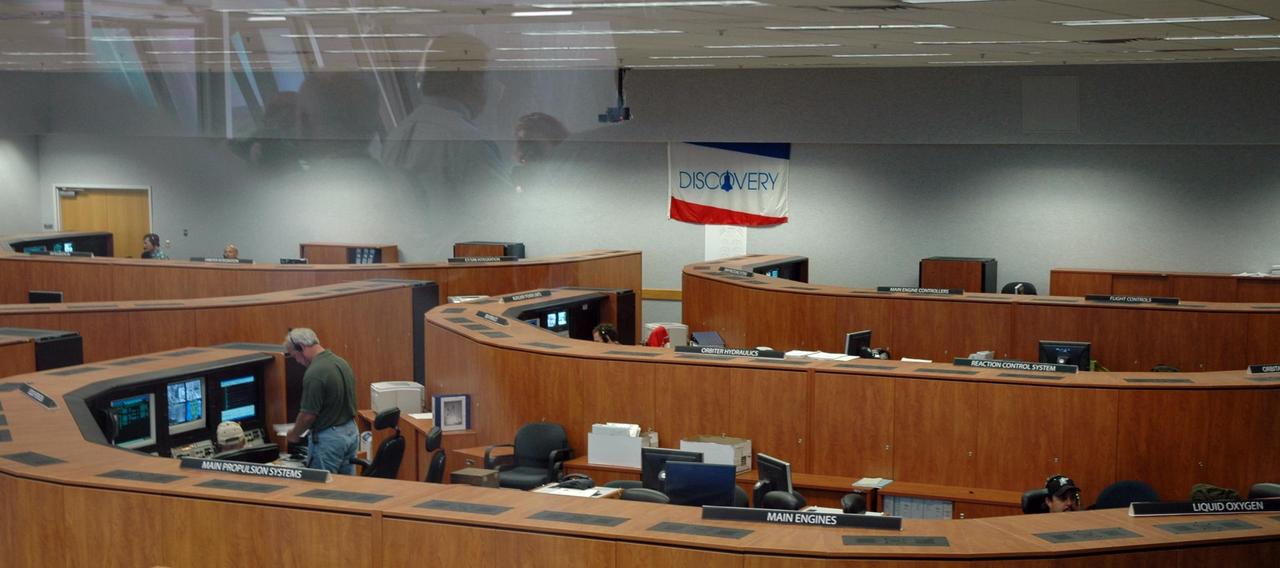
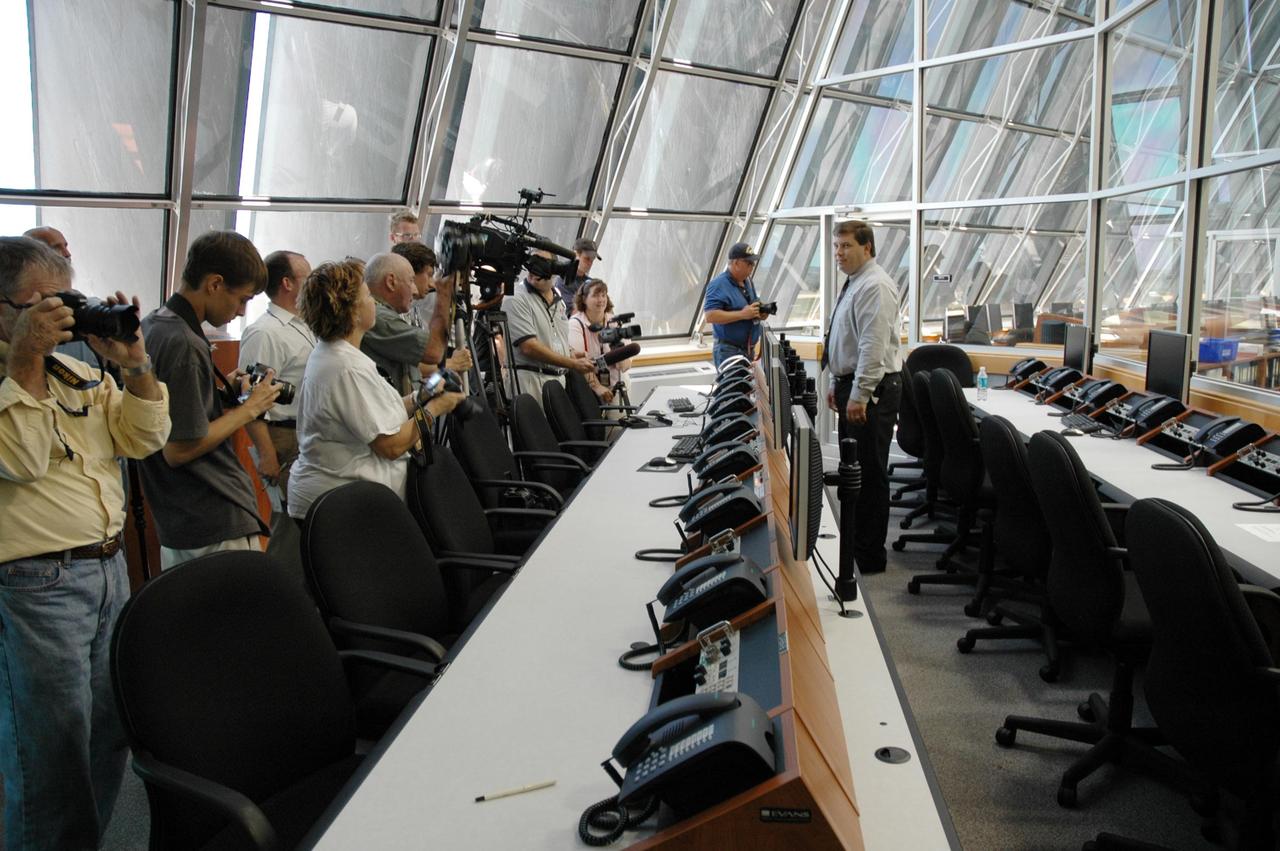
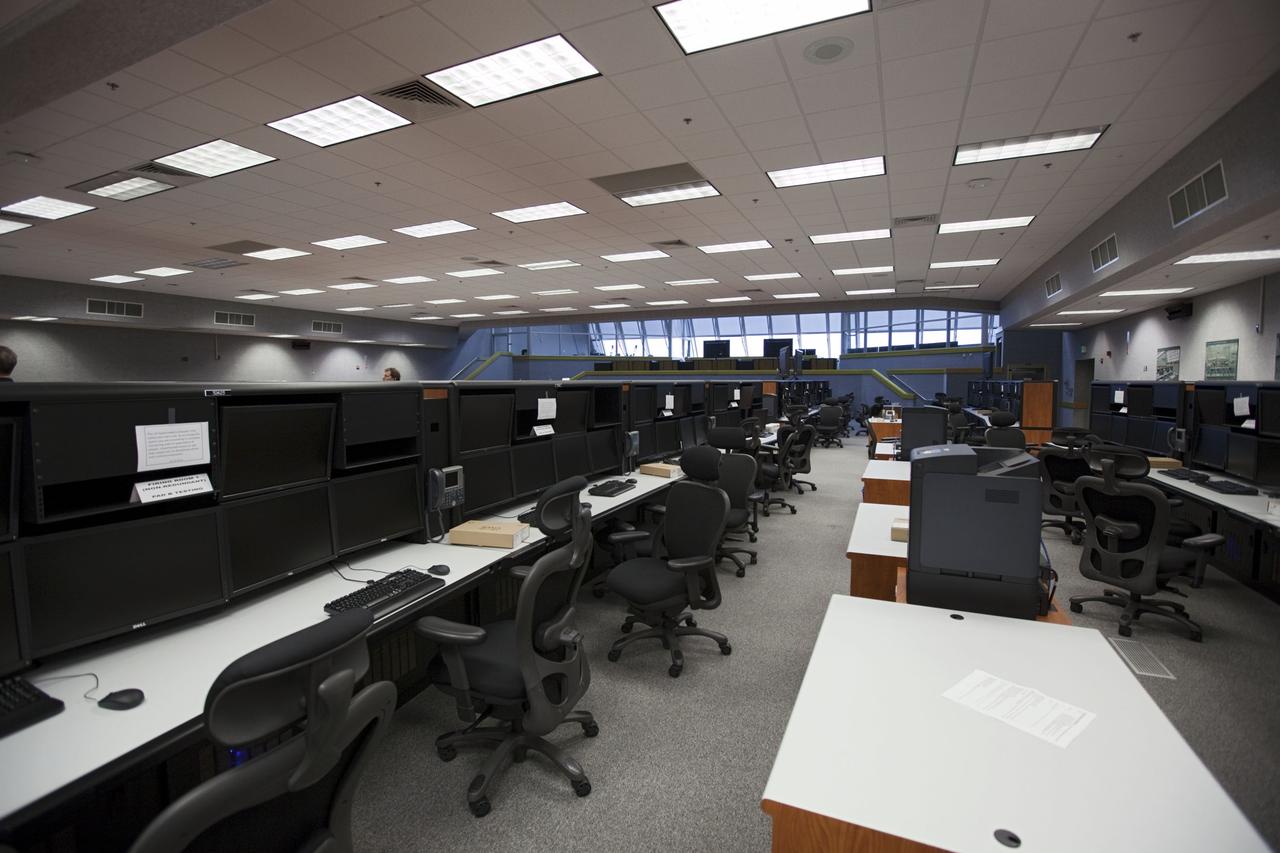
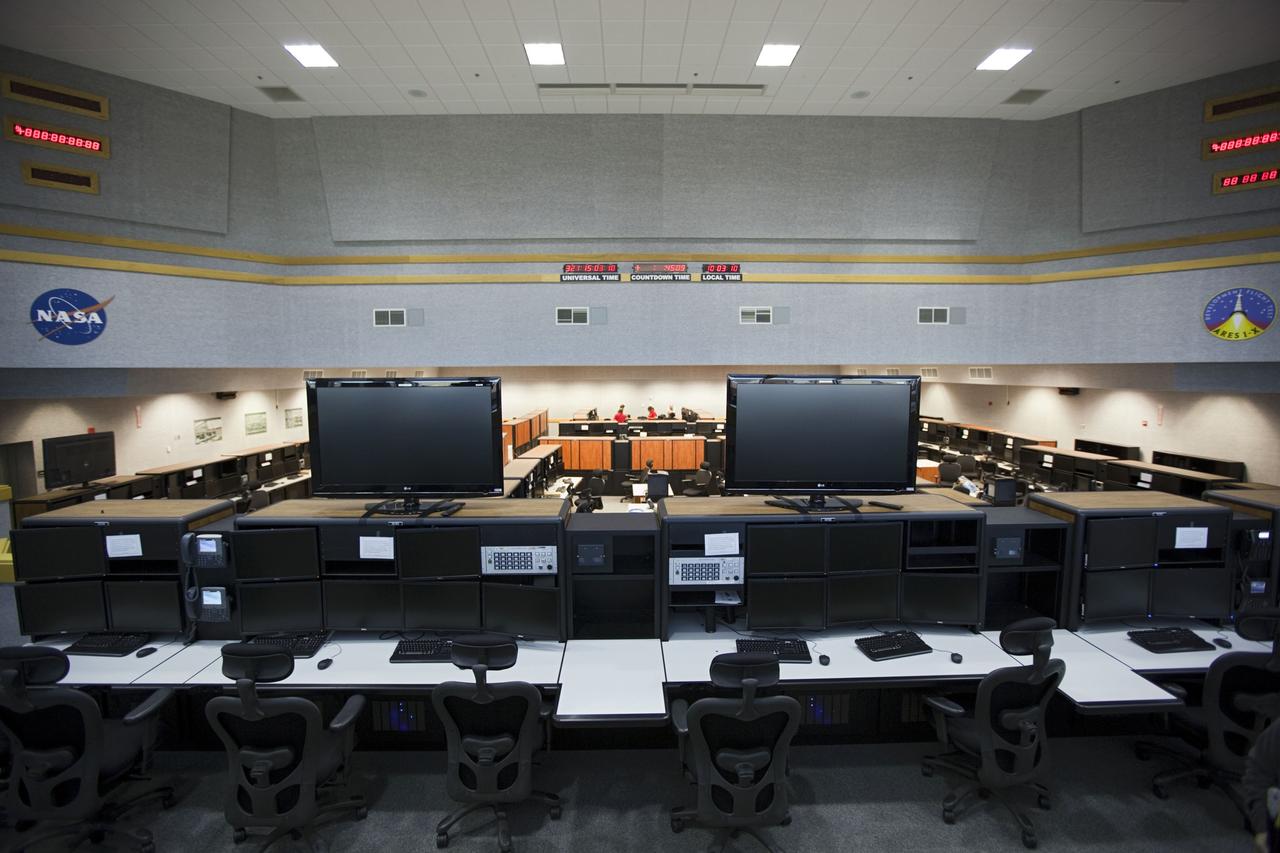
KENNEDY SPACE CENTER, FLA. -  An overview of the new Firing Room 4 shows the expanse of computer stations and the various operations the facility will be able to manage.  FR4 is now designated the primary firing room for all remaining shuttle launches, and will also be used daily to manage operations in the Orbiter Processing Facilities and for integrated processing for the shuttle. The firing room now includes sound-suppressing walls and floors, new humidity control, fire-suppression systems and consoles, support tables with  computer stations, communication systems and laptop computer ports.  FR 4 also has power and computer network connections and a newly  improved Checkout, Control and Monitor Subsystem. The renovation is part of the Launch Processing System Extended  Survivability Project that began in 2003. United Space Alliance's Launch Processing System directorate managed the FR 4 project for NASA. Photo credit: NASA/Dimitri Gerondidakis
KSC-06pd1204
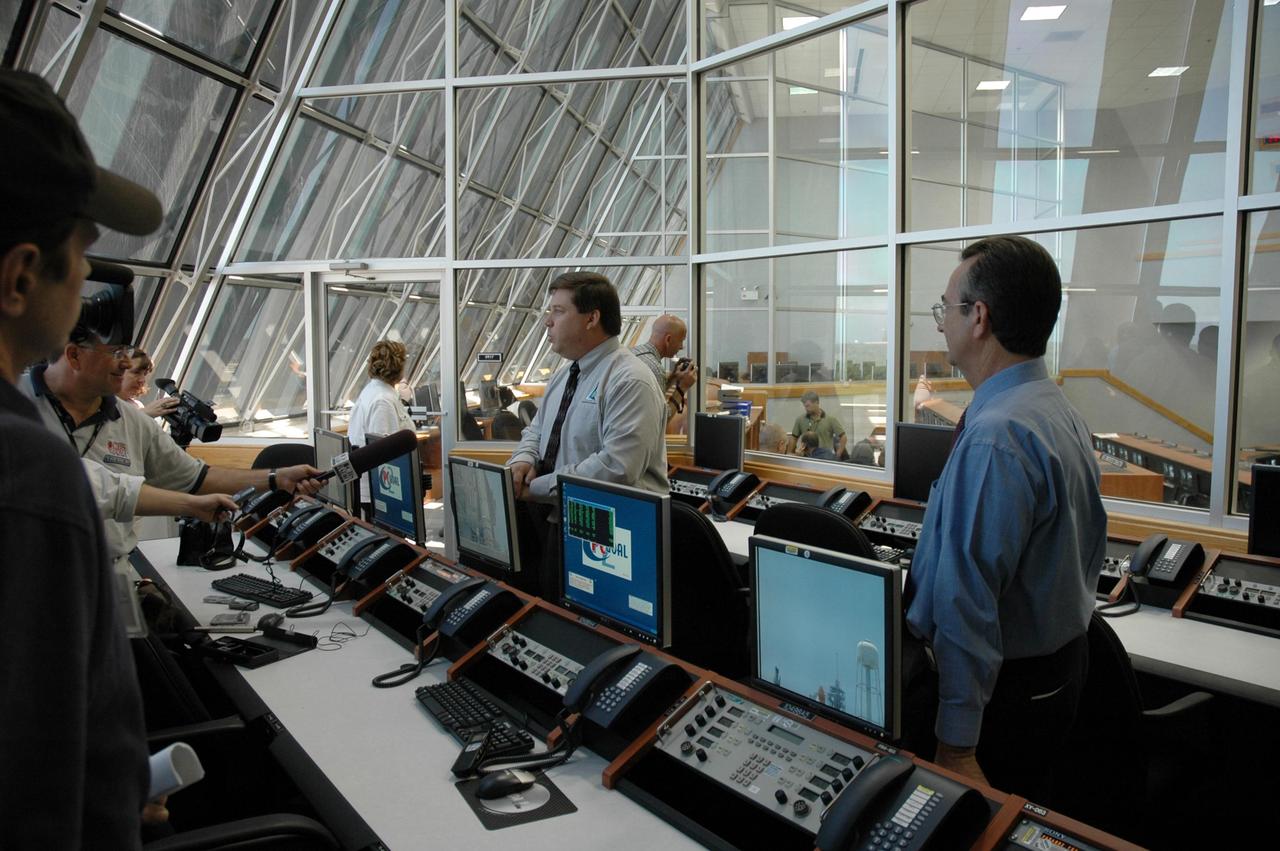
KENNEDY SPACE CENTER, FLA. - NASA Test Director Ted Mosteller (center) briefs the media about Firing Room 4 (FR4), which has been undergoing renovations for two years. FR4 is now designated the primary firing room for all remaining shuttle launches, and will also be used daily to manage operations in the Orbiter Processing Facilities and for integrated processing for the shuttle. The firing room now includes sound-suppressing walls and floors, new humidity control, fire-suppression systems and consoles, support tables with  computer stations, communication systems and laptop computer ports.  FR 4 also has power and computer network connections and a newly  improved Checkout, Control and Monitor Subsystem. The renovation is part of the Launch Processing System Extended  Survivability Project that began in 2003. United Space Alliance's Launch Processing System directorate managed the FR 4 project for NASA. Photo credit: NASA/Dimitri Gerondidakis
KSC-06pd1203
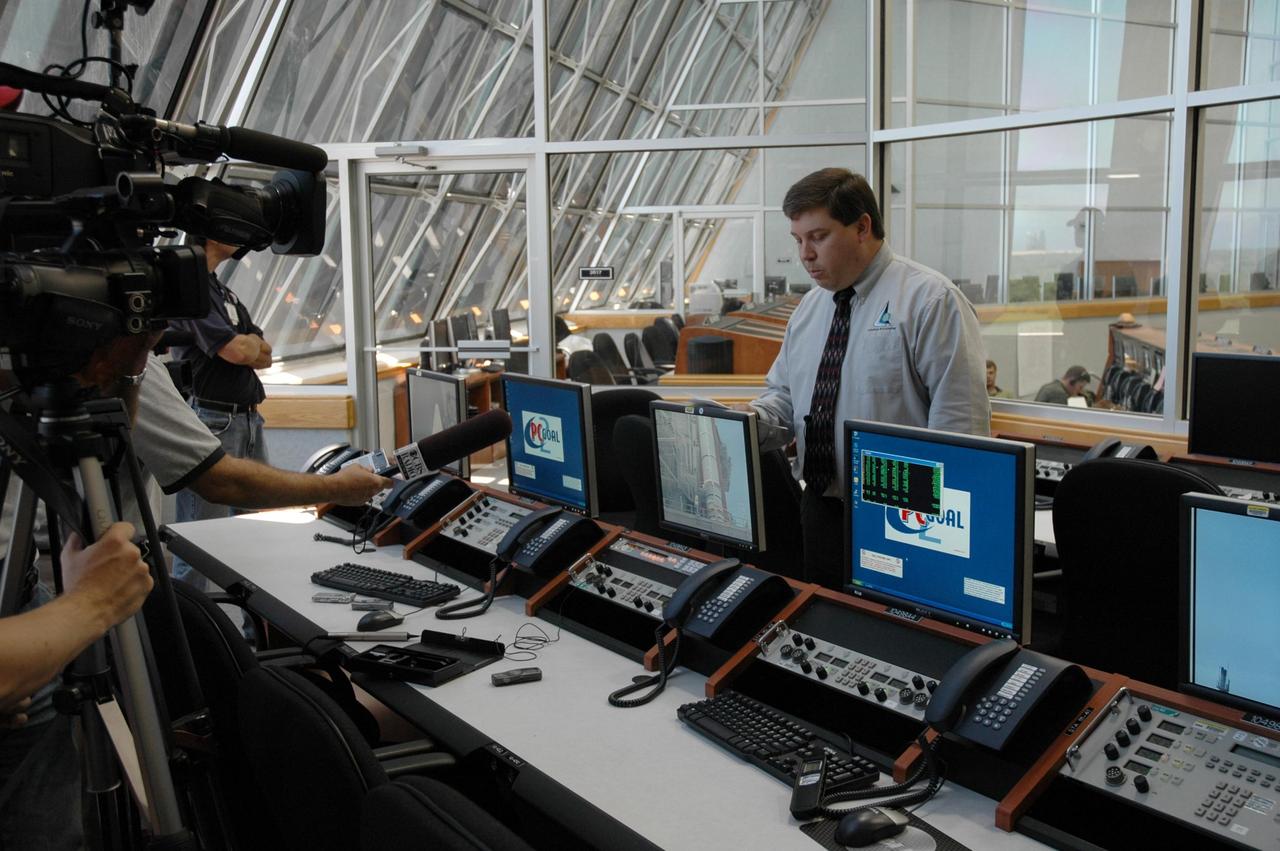
KENNEDY SPACE CENTER, FLA. - Ted Mosteller (right), NASA test director, briefs the media about Firing Room 4 (FR4), which has been undergoing renovations for two years. FR4 is now designated the primary firing room for all remaining shuttle launches, and will also be used daily to manage operations in the Orbiter Processing Facilities and for integrated processing for the shuttle. The firing room now includes sound-suppressing walls and floors, new humidity control, fire-suppression systems and consoles, support tables with  computer stations, communication systems and laptop computer ports.  FR 4 also has power and computer network connections and a newly  improved Checkout, Control and Monitor Subsystem. The renovation is part of the Launch Processing System Extended  Survivability Project that began in 2003. United Space Alliance's Launch Processing System directorate managed the FR 4 project for NASA. Photo credit: NASA/Dimitri Gerondidakis
KSC-06pd1201
KENNEDY SPACE CENTER, FLA. -  NASA Test Director Ted Mosteller (right) briefs the media about Firing Room 4 (FR4), which has been undergoing renovations for two years. FR4 is now designated the primary firing room for all remaining shuttle launches, and will also be used daily to manage operations in the Orbiter Processing Facilities and for integrated processing for the shuttle. The firing room now includes sound-suppressing walls and floors, new humidity control, fire-suppression systems and consoles, support tables with  computer stations, communication systems and laptop computer ports.  FR 4 also has power and computer network connections and a newly  improved Checkout, Control and Monitor Subsystem. The renovation is part of the Launch Processing System Extended  Survivability Project that began in 2003. United Space Alliance's Launch Processing System directorate managed the FR 4 project for NASA. Photo credit: NASA/Dimitri Gerondidakis
KSC-06pd1202
CAPE CANAVERAL, Fla. – Firing Room 1, also known as the Young-Crippen Firing Room, has been outfitted with computer, communications and networking systems to host rockets and spacecraft that are currently under development. The firing room is where the launch of rockets and spacecraft are controlled at NASA's Kennedy Space Center in Florida. Flight controllers also monitor processing and preparations of launch vehicles from the firing room. There are four firing rooms inside the Launch Control Center at Kennedy. Photo credit: NASA/Dmitri Gerondidakis
KSC-2012-6402
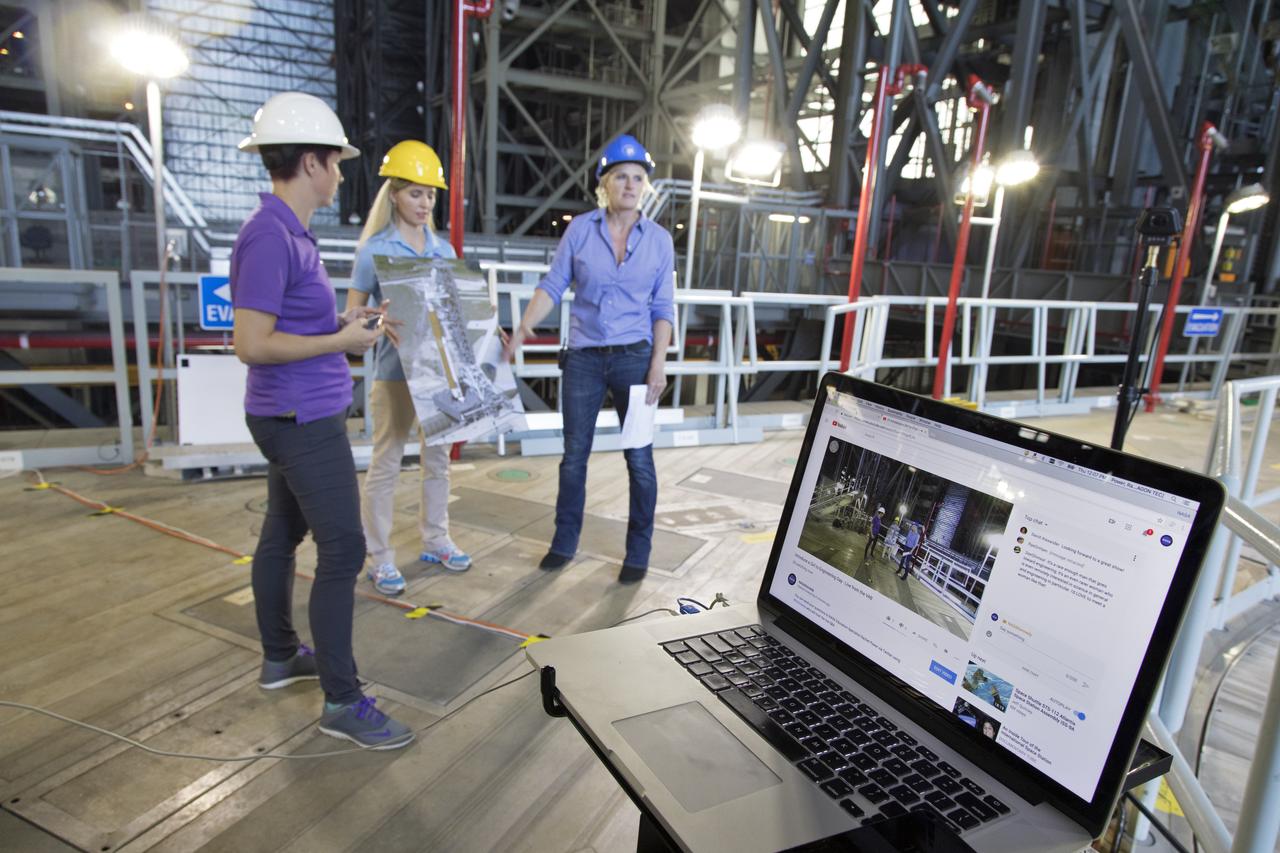
The laptop computer in the foreground displays Rachel Power, left, of NASA’s Digital Expansion to Engage the Public (DEEP) Network; Bethanne’ Hull, center, of NASA Outreach; and NASA engineer Krista Shaffer inside Kennedy Space Center’s Vehicle Assembly Building during Introduce a Girl to Engineering Day. Held in conjunction with National Engineers Week and Girl Day, the event allowed students from throughout the nation to speak with female NASA scientists and technical experts.
Introducing a Girl to Engineering Day
CAPE CANAVERAL, Fla. – Firing Room 1, also known as the Young-Crippen Firing Room, has been outfitted with computer, communications and networking systems to host rockets and spacecraft that are currently under development. The firing room is where the launch of rockets and spacecraft are controlled at NASA's Kennedy Space Center in Florida. Flight controllers also monitor processing and preparations of launch vehicles from the firing room. There are four firing rooms inside the Launch Control Center at Kennedy. Photo credit: NASA/Dmitri Gerondidakis
KSC-2012-6401
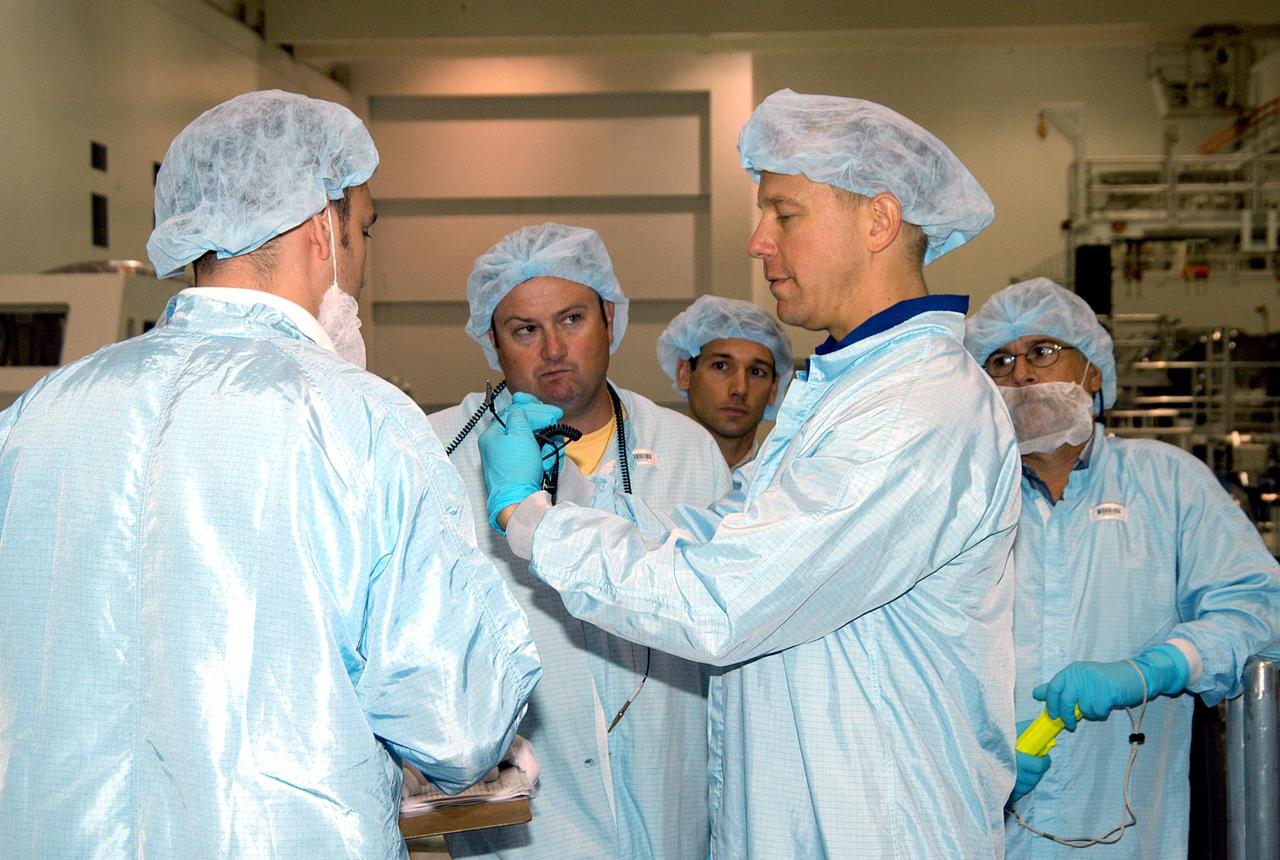
KENNEDY SPACE CENTER, FLA. - Astronaut Tim Kopra (second from right) talks with workers in the Space Station Processing Facility about the Intravehicular Activity (IVA) constraints testing on the Italian-built Node 2, a future element of the International Space Station.  .  The second of three Station connecting modules, the Node 2 attaches to the end of the U.S. Lab and provides attach locations for several other elements.  Kopra is currently assigned technical duties in the Space Station Branch of the Astronaut Office, where his primary focus involves the testing of crew interfaces for two future ISS modules as well as the implementation of support computers and operational Local Area Network on ISS.   Node 2 is scheduled to launch on mission STS-120, Station assembly flight 10A.
KENNEDY SPACE CENTER, FLA. - Astronaut Tim Kopra (second from right) talks with workers in the Space Station Processing Facility about the Intravehicular Activity (IVA) constraints testing on the Italian-built Node 2, a future element of the International Space Station. . The second of three Station connecting modules, the Node 2 attaches to the end of the U.S. Lab and provides attach locations for several other elements. Kopra is currently assigned technical duties in the Space Station Branch of the Astronaut Office, where his primary focus involves the testing of crew interfaces for two future ISS modules as well as the implementation of support computers and operational Local Area Network on ISS. Node 2 is scheduled to launch on mission STS-120, Station assembly flight 10A.
KENNEDY SPACE CENTER, FLA. - Astronaut Tim Kopra talks to a technician (off-camera) during Intravehicular Activity (IVA) constraints testing on the Italian-built Node 2, a future element of the International Space Station.  The second of three Station connecting modules, the Node 2 attaches to the end of the U.S. Lab and provides attach locations for several other elements.  Kopra is currently assigned technical duties in the Space Station Branch of the Astronaut Office, where his primary focus involves the testing of crew interfaces for two future ISS modules as well as the implementation of support computers and operational Local Area Network on ISS.   Node 2 is scheduled to launch on mission STS-120, Station assembly flight 10A.
KENNEDY SPACE CENTER, FLA. - Astronaut Tim Kopra talks to a technician (off-camera) during Intravehicular Activity (IVA) constraints testing on the Italian-built Node 2, a future element of the International Space Station. The second of three Station connecting modules, the Node 2 attaches to the end of the U.S. Lab and provides attach locations for several other elements. Kopra is currently assigned technical duties in the Space Station Branch of the Astronaut Office, where his primary focus involves the testing of crew interfaces for two future ISS modules as well as the implementation of support computers and operational Local Area Network on ISS. Node 2 is scheduled to launch on mission STS-120, Station assembly flight 10A.
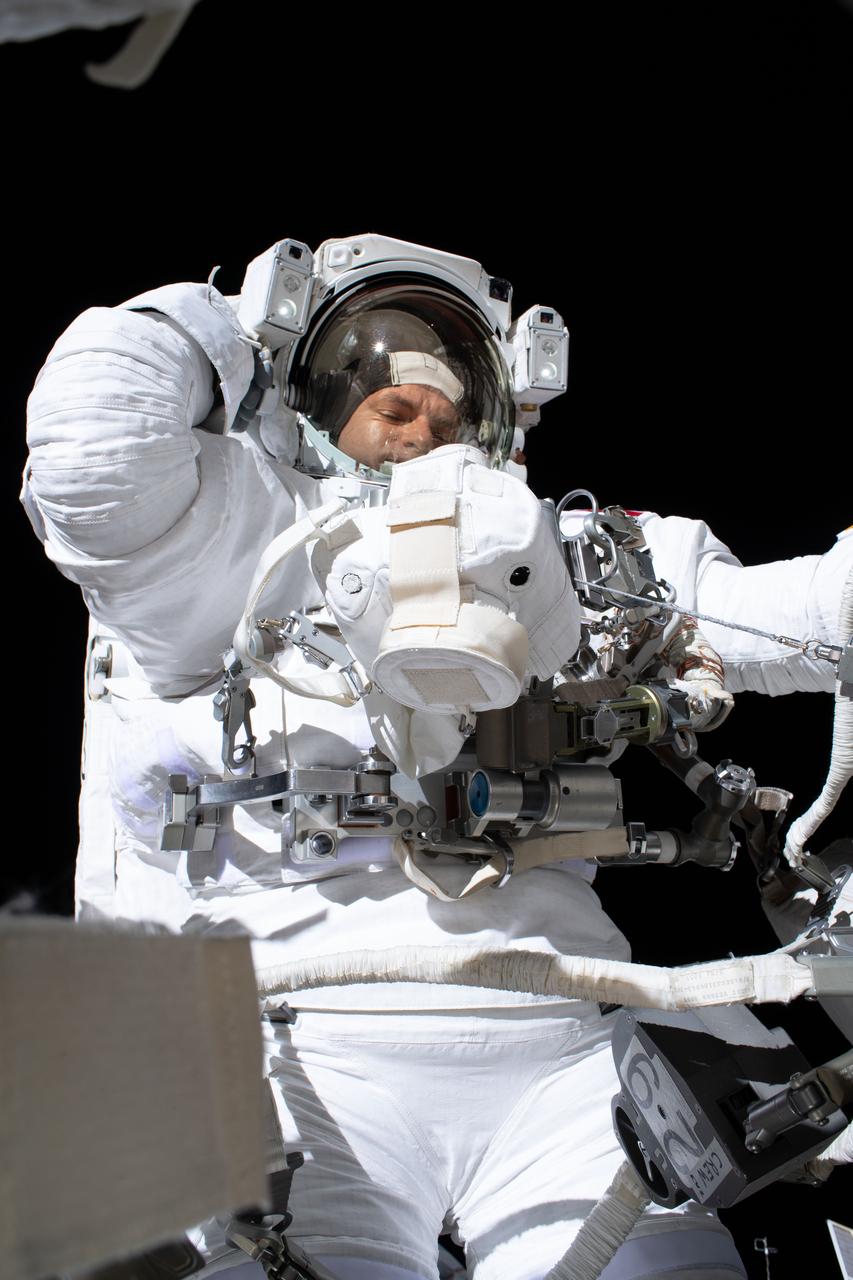
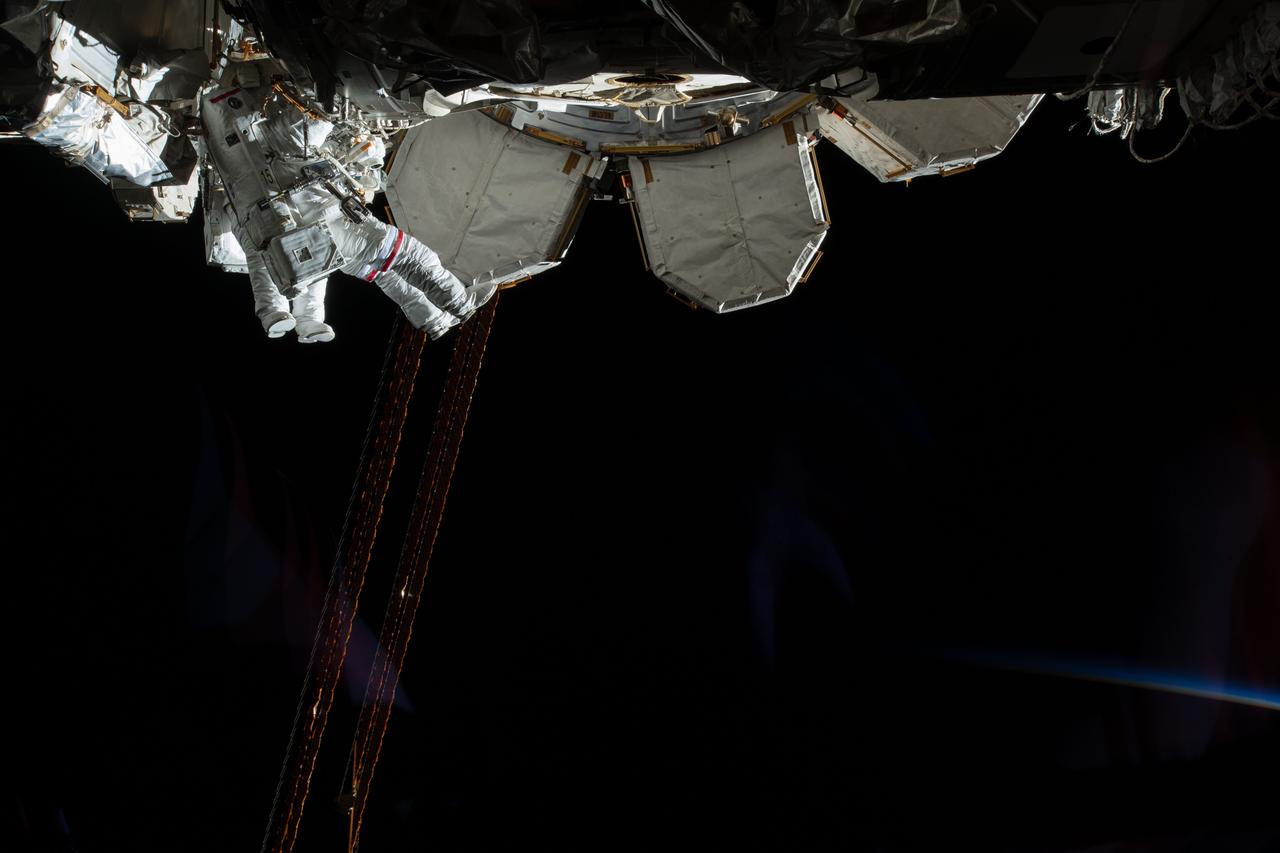
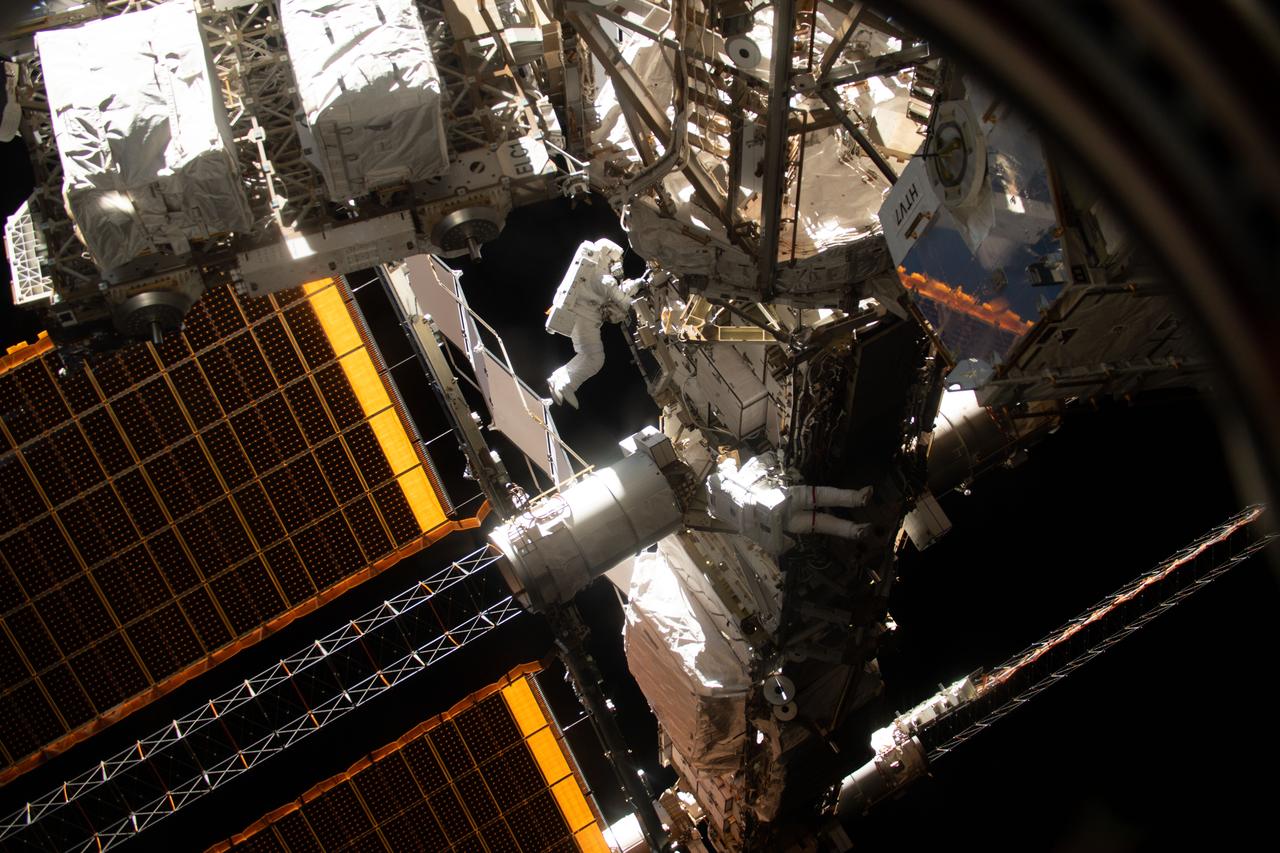
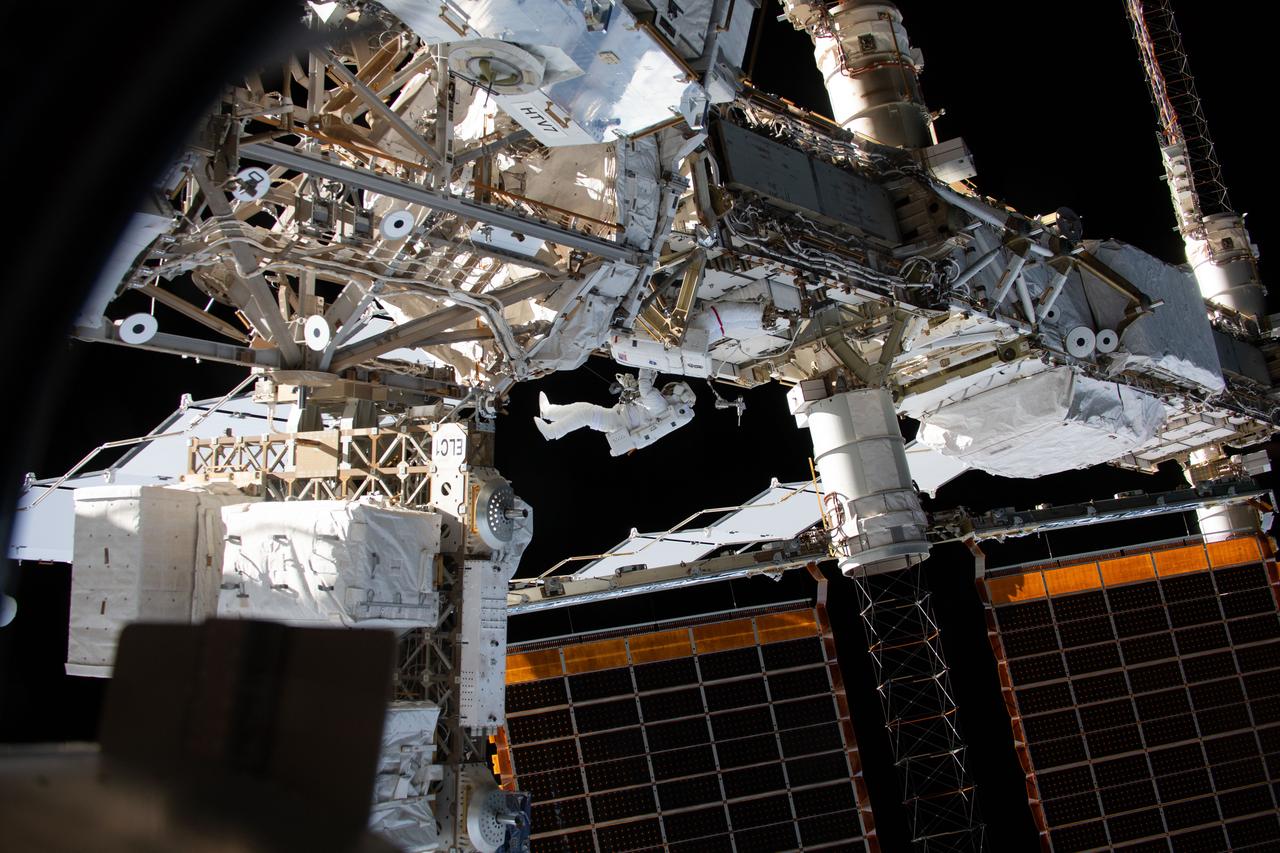
iss059e016991 (April 8, 2019) --- Expedition 59 Flight Engineers Anne McClain of NASA (red stripes) and David Saint-Jacques of the Canadian Space Agency are seen while working outside the International Space Station. In a six and a half hour spacewalk, McClain and Saint-Jacques successfully established a redundant path of power to the Canadian-built robotic arm, known as Canadarm2, and installed cables to provide for more expansive wireless communications coverage outside the orbital complex, as well as for enhanced hardwired computer network capability. The duo also relocated an adapter plate from the first spacewalk in preparation for future battery upgrade operations.
iss059e016991
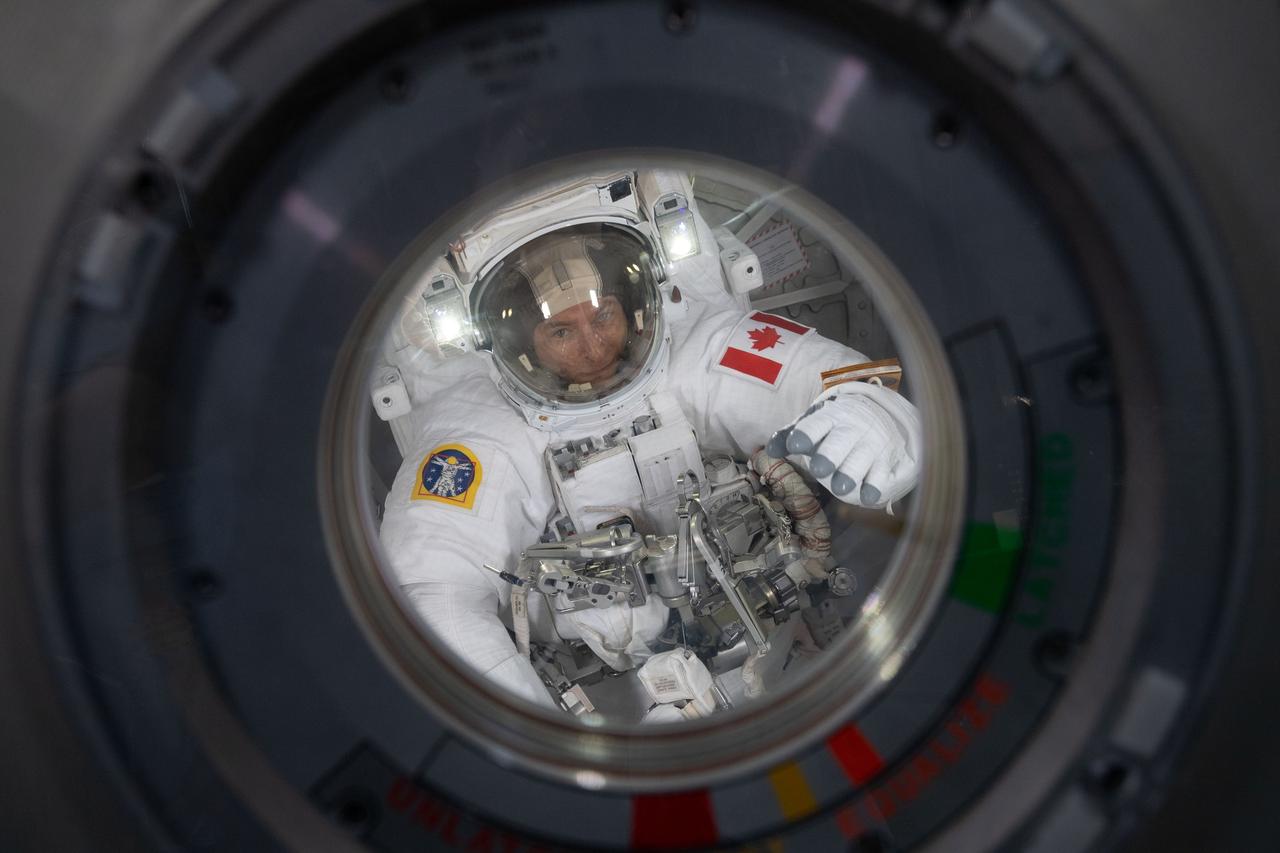
iss059e013306 (April 8, 2019) --- Expedition 59 Flight Engineer David Saint-Jacques of the Canadian Space Agency is seen inside the Quest airlock at the beginning of his first spacewalk. In a six and a half hour spacewalk, Saint-Jacques and NASA astronaut Anne McClain successfully established a redundant path of power to the Canadian-built robotic arm, known as Canadarm2, and installed cables to provide for more expansive wireless communications coverage outside the orbital complex, as well as for enhanced hardwired computer network capability. The duo also relocated an adapter plate from the first spacewalk in preparation for future battery upgrade operations.
iss059e013306
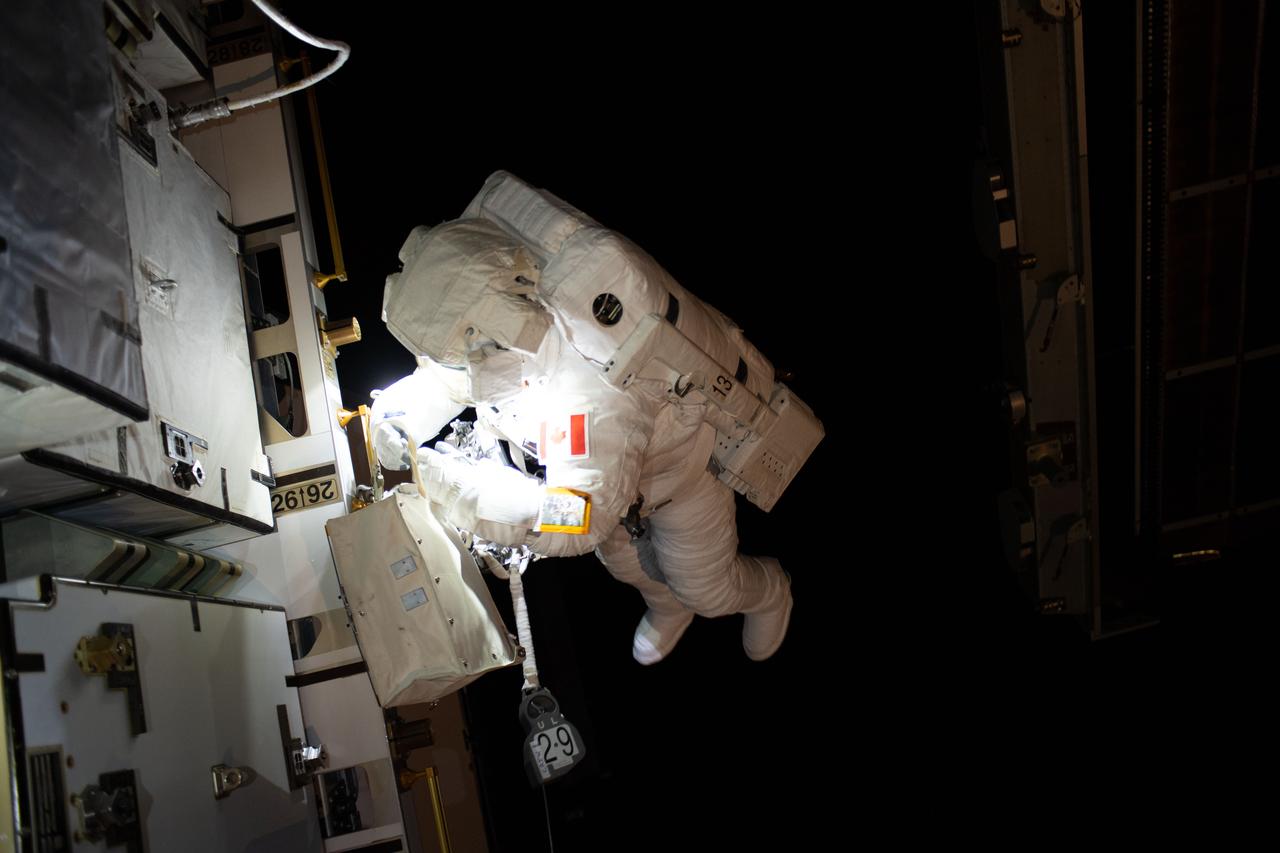
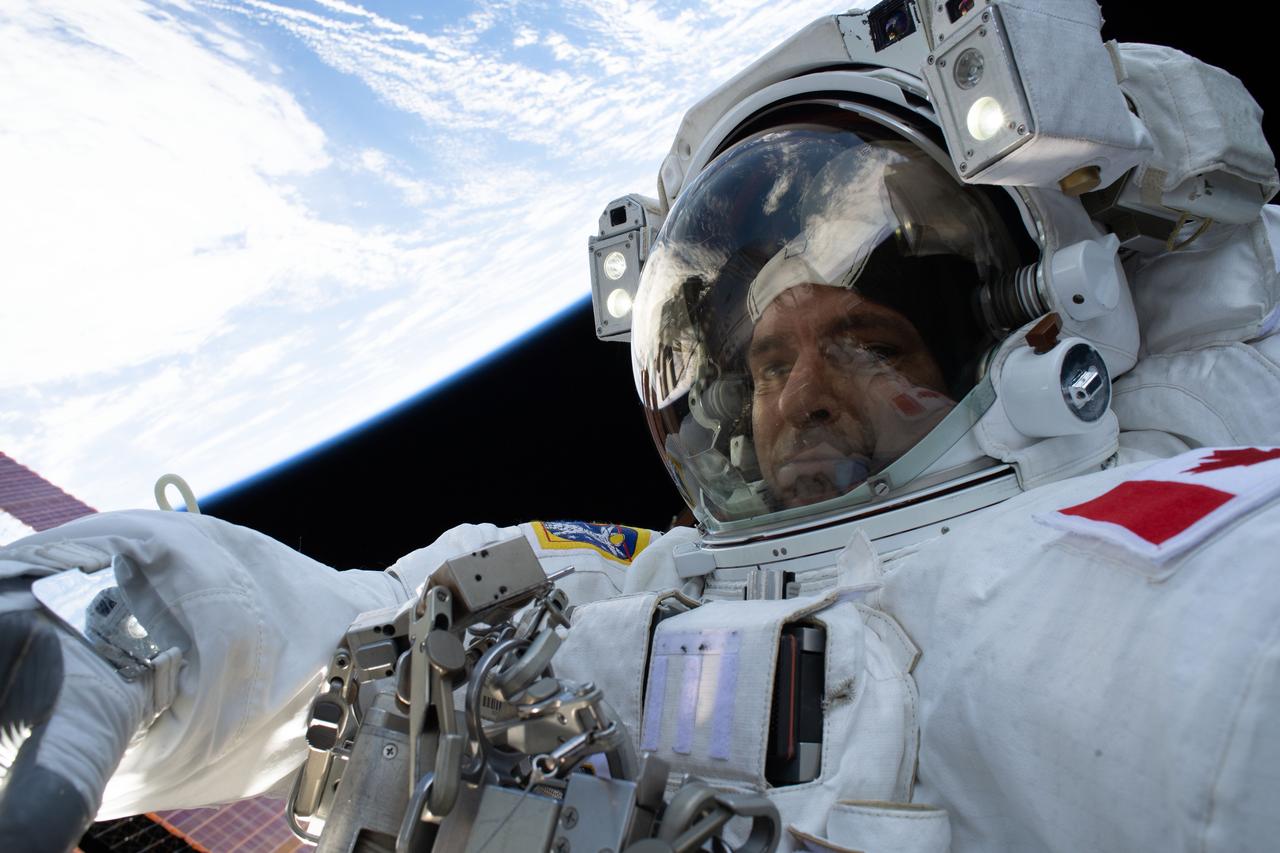
iss059e016574 (April 8, 2019) --- Expedition 59 Flight Engineer David Saint-Jacques of the Canadian Space Agency takes a quick self portrait while working outside the International Space Station. In a six and a half hour spacewalk, Saint-Jacques and NASA astronaut Anne McClain successfully established a redundant path of power to the Canadian-built robotic arm, known as Canadarm2, and installed cables to provide for more expansive wireless communications coverage outside the orbital complex, as well as for enhanced hardwired computer network capability. The duo also relocated an adapter plate from the first spacewalk in preparation for future battery upgrade operations.
iss059e016574
iss059e016770 (April 8, 2019) --- Expedition 59 Flight Engineer David Saint-Jacques of the Canadian Space Agency participates in a six-and-a-half hour spacewalk with NASA astronaut Anne McClain (out of frame). The spacewalkers successfully established a redundant path of power to the Canadian-built robotic arm, known as Canadarm2, and installed cables to provide for more expansive wireless communications coverage outside the orbital complex, as well as for enhanced hardwired computer network capability. The duo also relocated an adapter plate from the first spacewalk in preparation for future battery upgrade operations.
EVA 54
iss059e016830 (April 8, 2019) --- Expedition 59 Flight Engineer David Saint-Jacques of the Canadian Space Agency is seen working to relocate a battery adapter plate outside the International Space Station. In a six and a half hour spacewalk, Saint-Jacques and NASA astronaut Anne McClain successfully established a redundant path of power to the Canadian-built robotic arm, known as Canadarm2, and installed cables to provide for more expansive wireless communications coverage outside the orbital complex, as well as for enhanced hardwired computer network capability. The duo also relocated an adapter plate from the first spacewalk in preparation for future battery upgrade operations.
iss059e016830
iss059e016628 (April 8, 2019) --- Expedition 59 Flight Engineer David Saint-Jacques of the Canadian Space Agency participates in a six-and-a-half hour spacewalk with NASA astronaut Anne McClain (out of frame). The spacewalkers successfully established a redundant path of power to the Canadian-built robotic arm, known as Canadarm2, and installed cables to provide for more expansive wireless communications coverage outside the orbital complex, as well as for enhanced hardwired computer network capability. The duo also relocated an adapter plate from the first spacewalk in preparation for future battery upgrade operations.
iss059e016628
iss059e016956 (April 8, 2019) --- Expedition 59 Flight Engineers Anne McClain of NASA and David Saint-Jacques of the Canadian Space Agency are seen while working outside the International Space Station. In a six and a half hour spacewalk, McClain and Saint-Jacques successfully established a redundant path of power to the Canadian-built robotic arm, known as Canadarm2, and installed cables to provide for more expansive wireless communications coverage outside the orbital complex, as well as for enhanced hardwired computer network capability. The duo also relocated an adapter plate from the first spacewalk in preparation for future battery upgrade operations.
iss059e016956
iss059e017006 (April 8, 2019) --- Expedition 59 Flight Engineers Anne McClain of NASA (red stripes, right) and David Saint-Jacques (no stripes, left) of the Canadian Space Agency are seen while working outside the International Space Station. In a six and a half hour spacewalk, McClain and Saint-Jacques successfully established a redundant path of power to the Canadian-built robotic arm, known as Canadarm2, and installed cables to provide for more expansive wireless communications coverage outside the orbital complex, as well as for enhanced hardwired computer network capability. The duo also relocated an adapter plate from the first spacewalk in preparation for future battery upgrade operations.
iss059e017006
iss059e016966 (April 8, 2019) --- Expedition 59 Flight Engineers Anne McClain of NASA (red stripes) and David Saint-Jacques of the Canadian Space Agency are seen while working outside the International Space Station. In a six and a half hour spacewalk, McClain and Saint-Jacques successfully established a redundant path of power to the Canadian-built robotic arm, known as Canadarm2, and installed cables to provide for more expansive wireless communications coverage outside the orbital complex, as well as for enhanced hardwired computer network capability. The duo also relocated an adapter plate from the first spacewalk in preparation for future battery upgrade operations.
iss059e016966
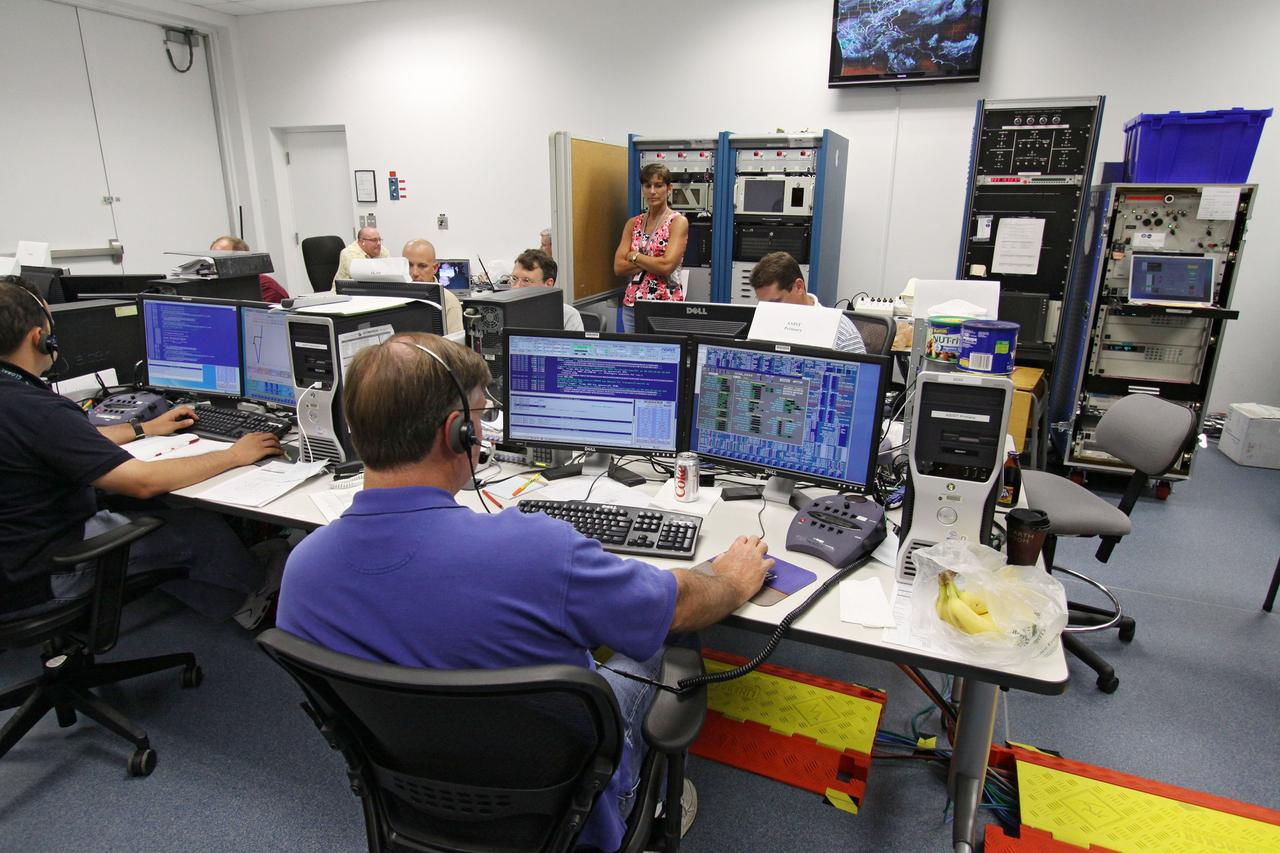
CAPE CANAVERAL, Fla. – At the Astrotech Space Operations facility in Titusville, Fla., workers in the control room monitor the data on computer screens from the movement of the high-gain antenna on the Solar Dynamics Observatory, or SDO.  The SDO is undergoing performance testing.  All of the spacecraft science instruments are being tested in their last major evaluation before launch.  SDO is the first space weather research network mission in NASA's Living With a Star Program.  The spacecraft's long-term measurements will give solar scientists in-depth information about changes in the sun's magnetic field and insight into how they affect Earth.  In preparation for launch, engineers will perform a battery of comprehensive tests to ensure SDO can withstand the stresses and vibrations of the launch itself, as well as what it will encounter in the space environment after launch.  Liftoff on an Atlas V rocket is scheduled for Dec. 4.  Photo credit: NASA/Jack Pfaller
KSC-2009-4592
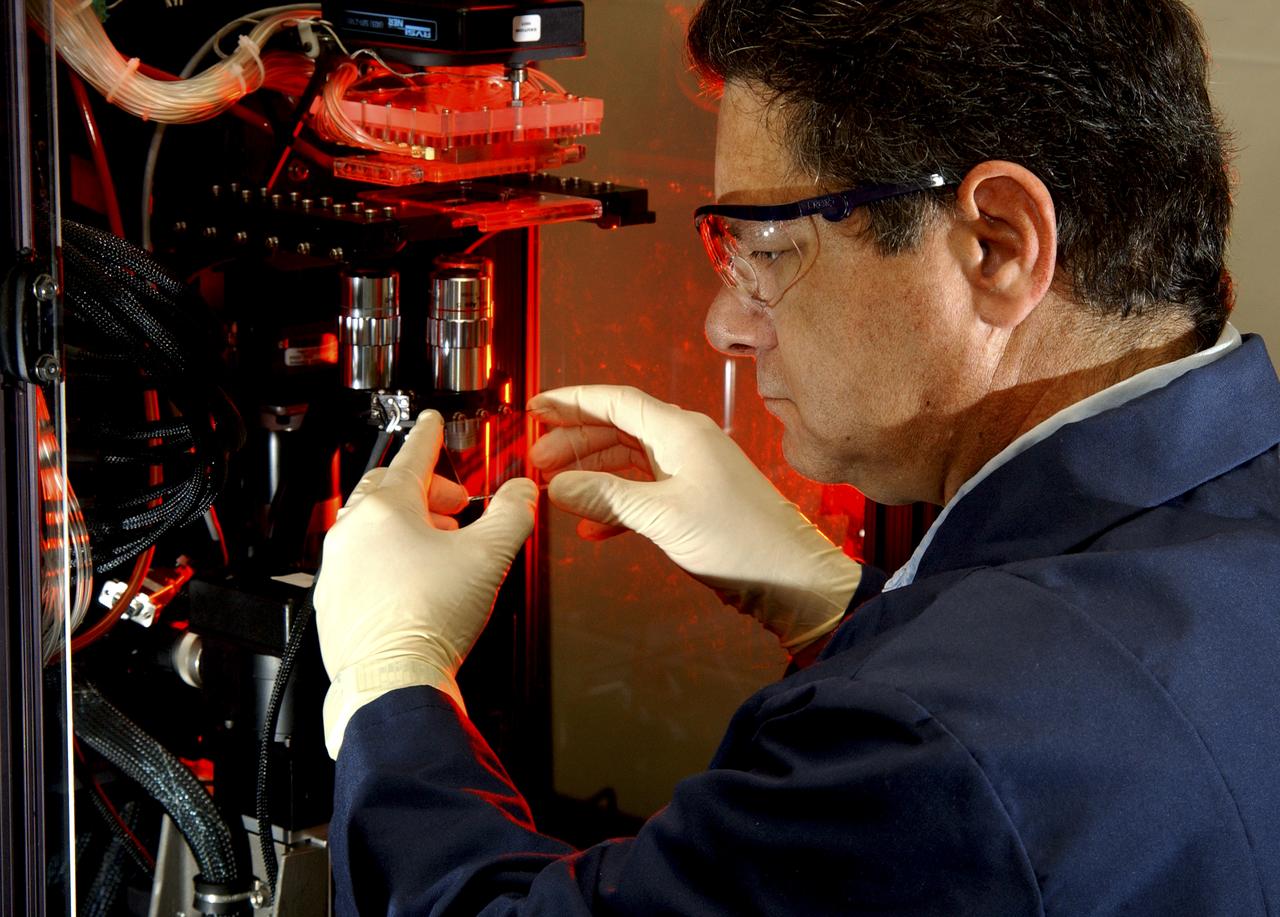
Andy Jenkins, an engineer for the Lab on a Chip Applications Development program, helped build the Applications Development Unit (ADU-25), a one-of-a-kind facility for controlling and analyzing processes on chips with extreme accuracy. Pressure is used to cause fluids to travel through network of fluid pathways, or micro-channels, embossed on the chips through a process similar to the one used to print circuits on computer chips. To make customized chips for various applications, NASA has an agreement with the U.S. Army's Micro devices and Micro fabrication Laboratory at Redstone Arsenal in Huntsville, Alabama, where NASA's Marshall Space Flight Center (MSFC) is located. The Marshall Center team is also collaborating with scientists at other NASA centers and at universities to develop custom chip designs for many applications, such as studying how fluidic systems work in spacecraft and identifying microbes in self-contained life support systems. Chips could even be designed for use on Earth, such as for detecting deadly microbes in heating and air systems. (NASA/MSFC/D.Stoffer)
Around Marshall
KENNEDY SPACE CENTER, FLA. -  Sponsor representatives of the 2003 Southeastern Regional FIRST Robotic Competition take a moment to compare notes between events.  From left are Wayne Weinberg, director of development for the University of Central Florida College of Engineering and Computer Science; Erik Halleus, chair of the FIRST Regional Advisory Committee and a vice president at Siemens Enterprise Networks; and Roy D. Bridges, Jr., director of the NASA/Kennedy Space Center.  The competition is being held at the University of Central Florida (UCF) in Orlando, March 20-23. Forty student teams from around the country are participating in the event that pits team-built gladiator robots against each other in an athletic-style competition. The teams are sponsored by NASA/Kennedy Space Center, The Boeing Company/Brevard Community College, and Lockheed Martin Space Operations/Mission Systems for the nonprofit organization For Inspiration and Recognition of Science and Technology, known as FIRST. The vision of FIRST is to inspire in the youth of our nation an appreciation of science and technology and an understanding that mastering these disciplines can enrich the lives of all mankind.
KSC-03pd0810
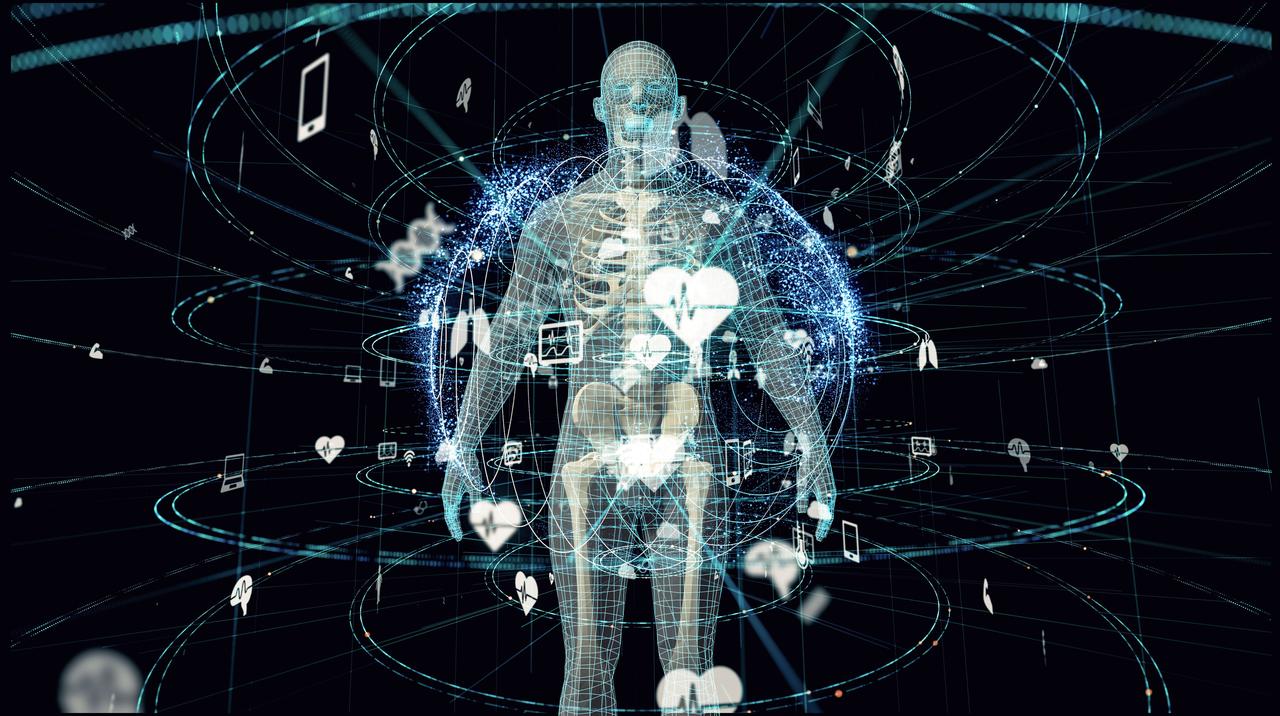
jsc2022e062020 (6/30/2022) --- Space Health will create a digital twin of the astronaut from the data collected by the Bio-Monitor and demonstrate how this could be used for autonomous health monitoring on future space missions. (Image courtesy of CSA)
1132912601
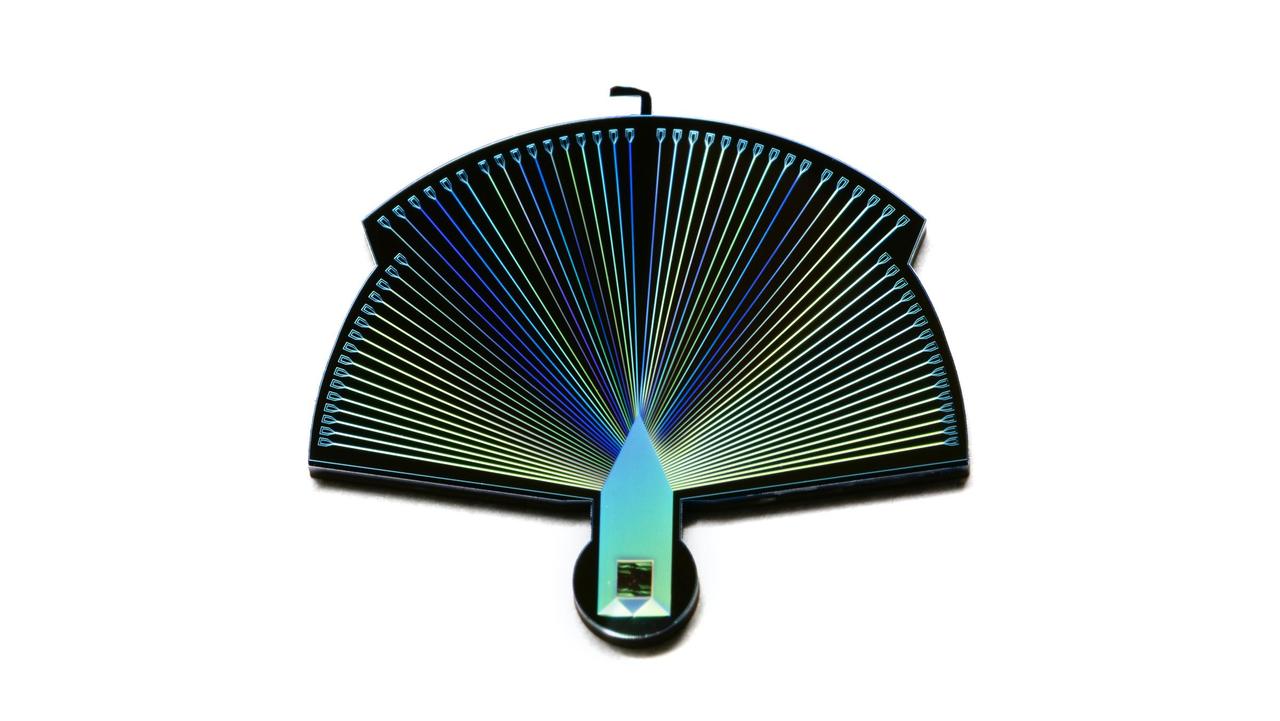
This close-up photograph shows a single Performance-Enhanced Array for Counting Optical Quanta (PEACOQ) detector. Smaller than a dime, a single detector consists of 32 niobium nitride superconducting nanowires on a silicon chip, which is attached to connectors that fan out like the plumage of the device's namesake. Each individual nanowire is about 10,000 times thinner than a human hair and the active detector (housed inside the green-black square at the bottom of the device) measures only 13 microns across.  Figure A shows a silicon wafer that has had 32 PEACOQ detectors printed onto it by the Microdevices Laboratory at NASA's Jet Propulsion Laboratory in Southern California.  The exquisitely sensitive PEACOQ detector is being developed at JPL to detect single photons – quantum particles of light – at an extremely high rate. Like counting individual droplets of water while being sprayed by a firehose, each PEACOQ detector can measure the precise time each photon hits the detector (to within 100 trillionths of a second) at a rate of 1.5 billion photons per second. No other detector has achieved that rate.  The detector could help form a global quantum communications network, facilitating the transfer of data between quantum computers that are separated by hundreds of miles. PEACOQ detectors could be located at ground-based terminals to receive photons encoded with quantum information transmitted from space "nodes" aboard satellites orbiting Earth.  https://photojournal.jpl.nasa.gov/catalog/PIA25260
PEACOQ: New Quantum Detector Could Help Quantum Computers Communicate
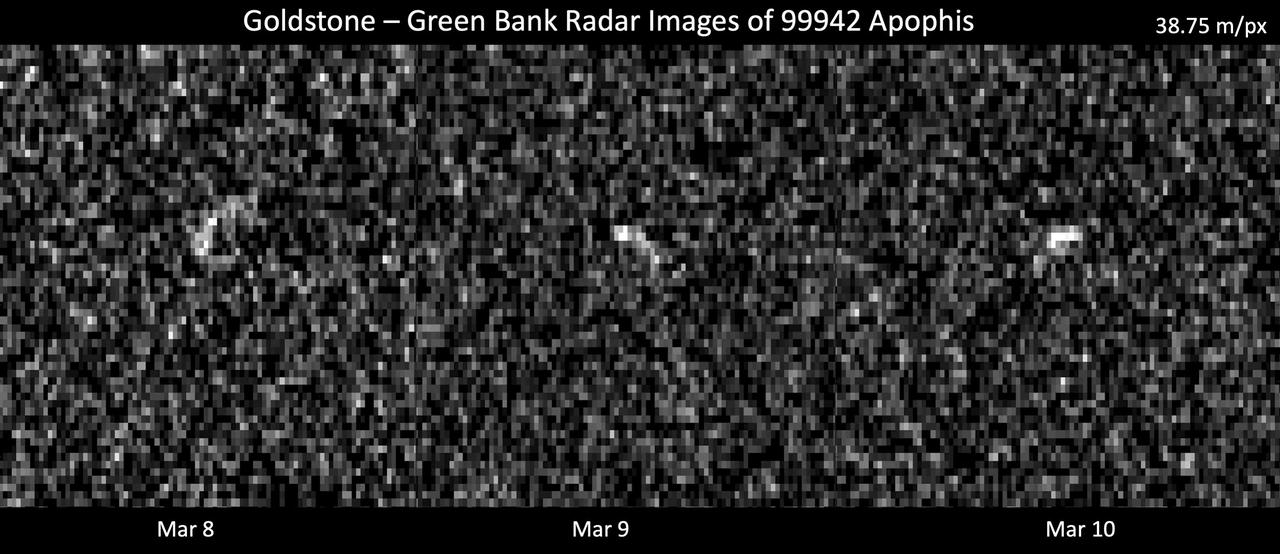
These images represent radar observations of asteroid 99942 Apophis on March 8, 9, and 10, 2021, as it made its last close approach before its 2029 Earth encounter that will see the object pass our planet by less than 20,000 miles (32,000 kilometers). The 70-meter radio antenna at the Deep Space Network's Goldstone Deep Space Communications Complex near Barstow, California, and the 100-meter Green Bank Telescope in West Virginia used radar to precisely track Apophis' motion. At the time of these observations, Apophis was about 10.6 million miles (17 million kilometers) from Earth, and each pixel has a resolution of 127 feet (38.75 meters).  These observations helped scientists of the Center for Near Earth Object Studies (CNEOS), managed by NASA's Jet Propulsion Laboratory, precisely determine the 1,100-feet-wide (340-meter-wide) asteroid's orbit around the Sun, ruling out any Earth impact threat for the next hundred years or more. As a result of these observations, Apophis was removed from the Sentry Impact Risk Table. The radar team will continue to analyze these observations to determine more information about Apophis' size, shape, and rate of spin.  Relying on optical telescopes and ground-based radar to help characterize every near-Earth object's orbit to improve long-term hazard assessments, CNEOS computes high-precision orbits in support of NASA's Planetary Defense Coordination Office.  https://photojournal.jpl.nasa.gov/catalog/PIA24168
Radar Observations of Asteroid 99942 Apophis
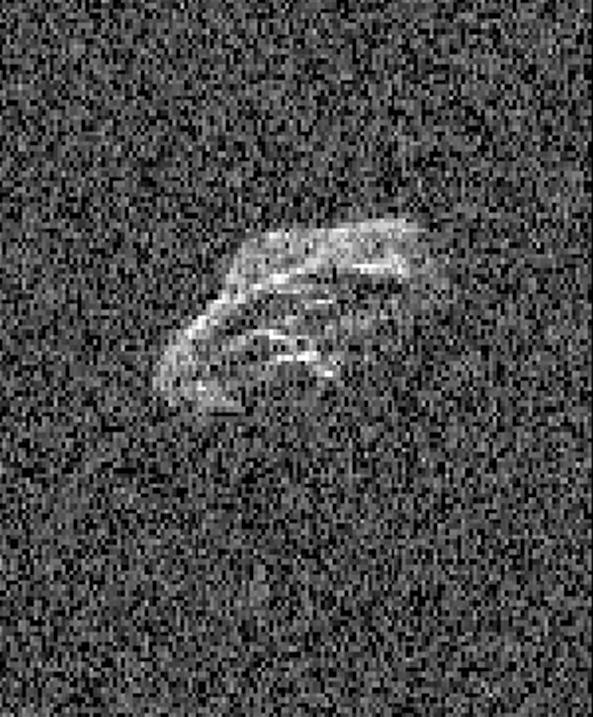
Scientists using two giant, Earth-based radio telescopes bounced radar signals off passing asteroid 2011 UW158 to create images for this animation showing the rocky body's fast rotation.  The passing asteroid made its closest approach to Earth on July 19, 2015 at 7:37 a.m. PST (4:37 a.m. EST) at a distance of about 1.5 million miles (2.4 million kilometers, or 6 times the distance from Earth to the moon). The close proximity during the pass made 2011 UW158 one of the best asteroid flybys of 2015 for imaging from Earth using radar.  The radar images reveal that the shape of the asteroid is extremely irregular and quite elongated. Prominent parallel, linear features run along the length of the object that cause a large increase in brightness of the radar images as they rotate into view.  Scientists note that the asteroid appears to be fairly unusual. Its fast rotation suggests the object has greater mechanical strength than other asteroids its size. A fast-rotating asteroid with lower mechanical strength would tend to split apart.  To obtain the views, researchers paired the 230-foot- (70-meter-) wide Deep Space Network antenna at Goldstone, California, in concert with the National Radio Astronomy Observatory's 330-foot (100-meter) Green Bank Telescope. Using this technique, the Goldstone antenna beams a radar signal at an asteroid and Green Bank receives the reflections. The technique, referred to as a bi-static observation, dramatically improves the amount of detail that can be seen in radar images. The new views obtained with the technique show features as small as about 24 feet (7.5 meters) wide.  The 171 individual images used in the movie were generated from data collected on July 18. They show the asteroid is approximately 2000 by 1000 feet (600 by 300 meters) across. The observations also confirm earlier estimates by astronomers that the asteroid rotates quickly, completing one spin in just over half an hour. The movie spans a period of about an hour and 45 minutes.  The trajectory of asteroid 2011 UW158 is well understood. This flyby was the closest approach the asteroid will make to Earth for at least the next 93 years.  Asteroid 2011 UW158 was discovered on October 25, 2011, by the PanSTARRS 1 telescope, located on the summit of Haleakala on Maui, Hawaii. Managed by the University of Hawaii, the PanSTARRS survey receives NASA funding.  Radar is a powerful technique for studying an asteroid's size, shape, rotation state, surface features and surface roughness, and for improving the calculation of asteroid orbits. Radar measurements of asteroid distances and velocities often enable computation of asteroid orbits much further into the future than if radar observations weren't available.  http://photojournal.jpl.nasa.gov/catalog/PIA19644
Radar Movie of Asteroid 2011 UW158