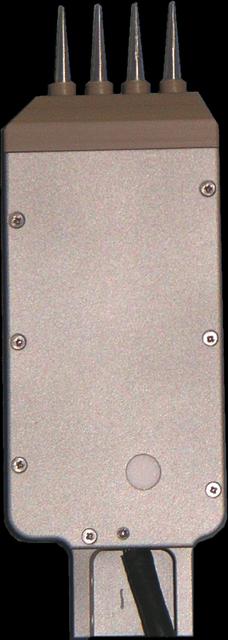
Conductivity Probe
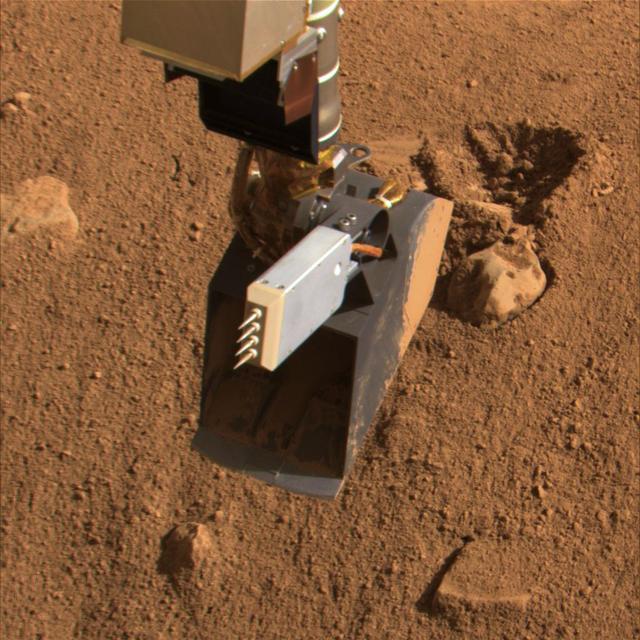
Phoenix Conductivity Probe
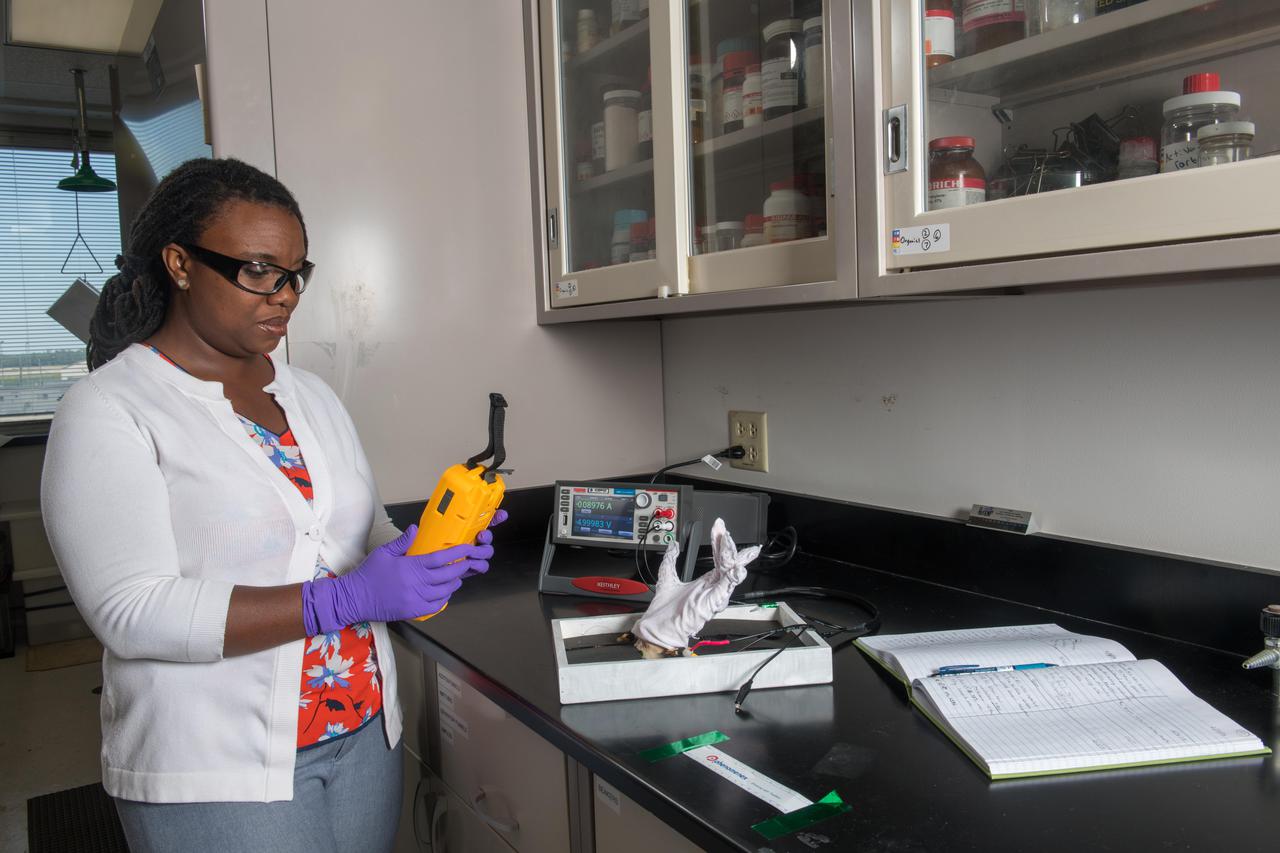
Development of Lightweight, Electrically Conductive, Multi-functional Textiles and Composites
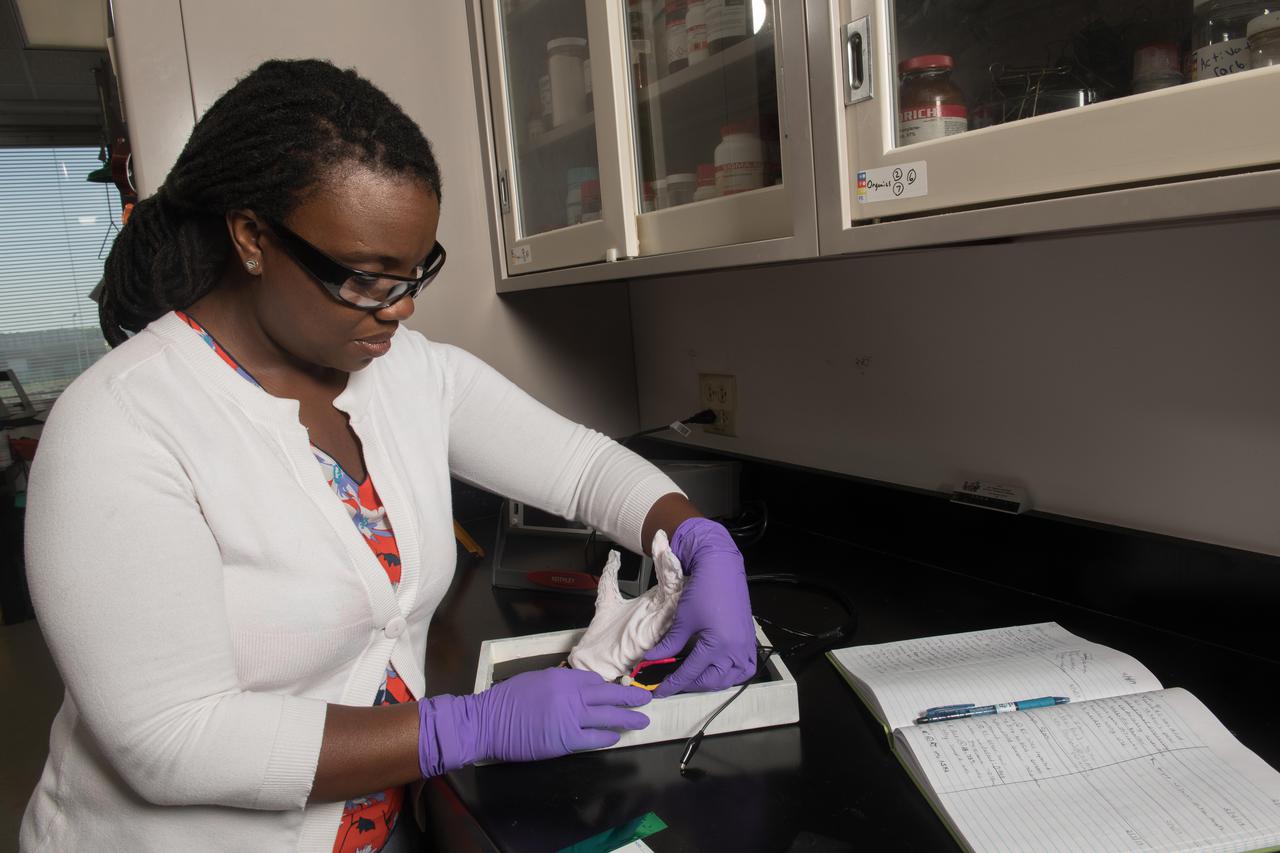
Development of Lightweight, Electrically Conductive, Multi-functional Textiles and Composites
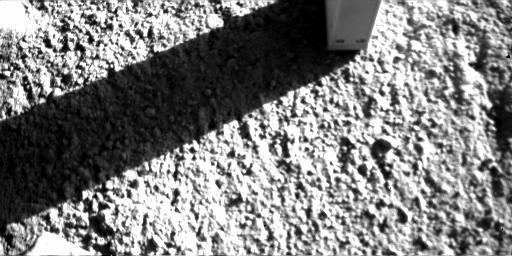
Phoenix Conductivity Probe with Shadow and Toothmark
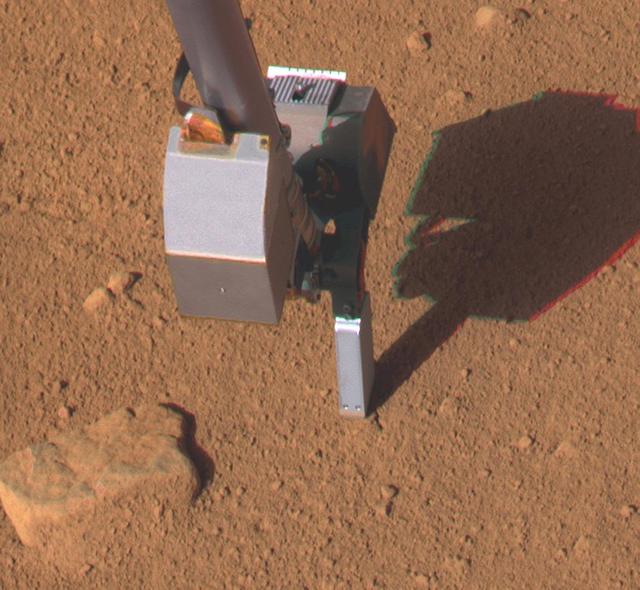
Conductivity Probe Inserted in Martian Soil, Sol 46
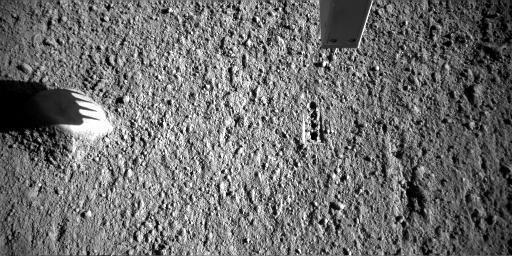
Phoenix Conductivity Probe Inserted into Martian Soil
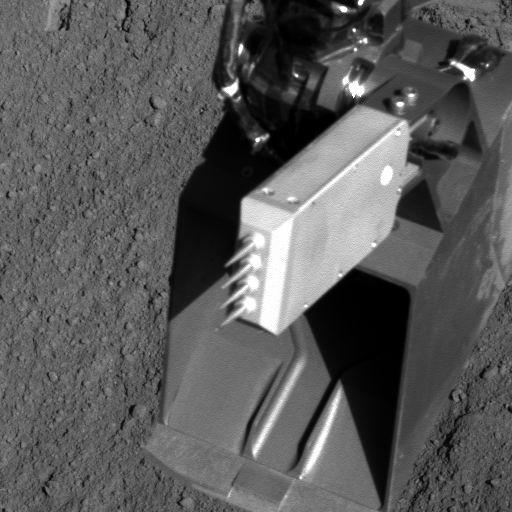
Conductivity Probe after Trench-Bottom Placement
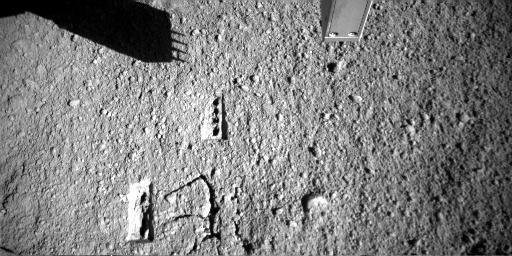
Martian Surface after Phoenix Conductivity Measurements
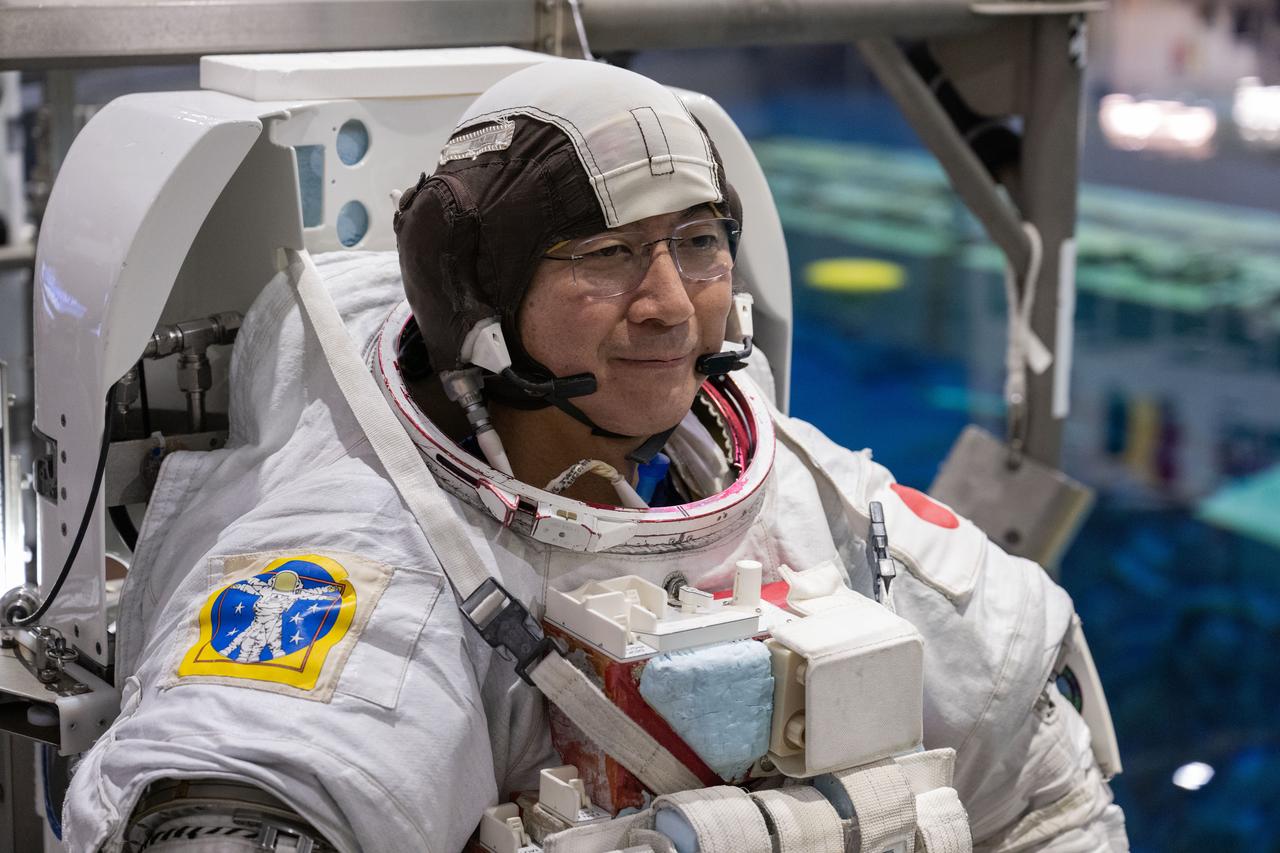
jsc2024e028394 (April 25, 2024) --- JAXA astronaut Kimiya Yui conducts training for a spacewalk at the Neutral Buoyancy Laboratory at NASA's Johnson Space Center in Houston, Texas. Credit: NASA/James Blair
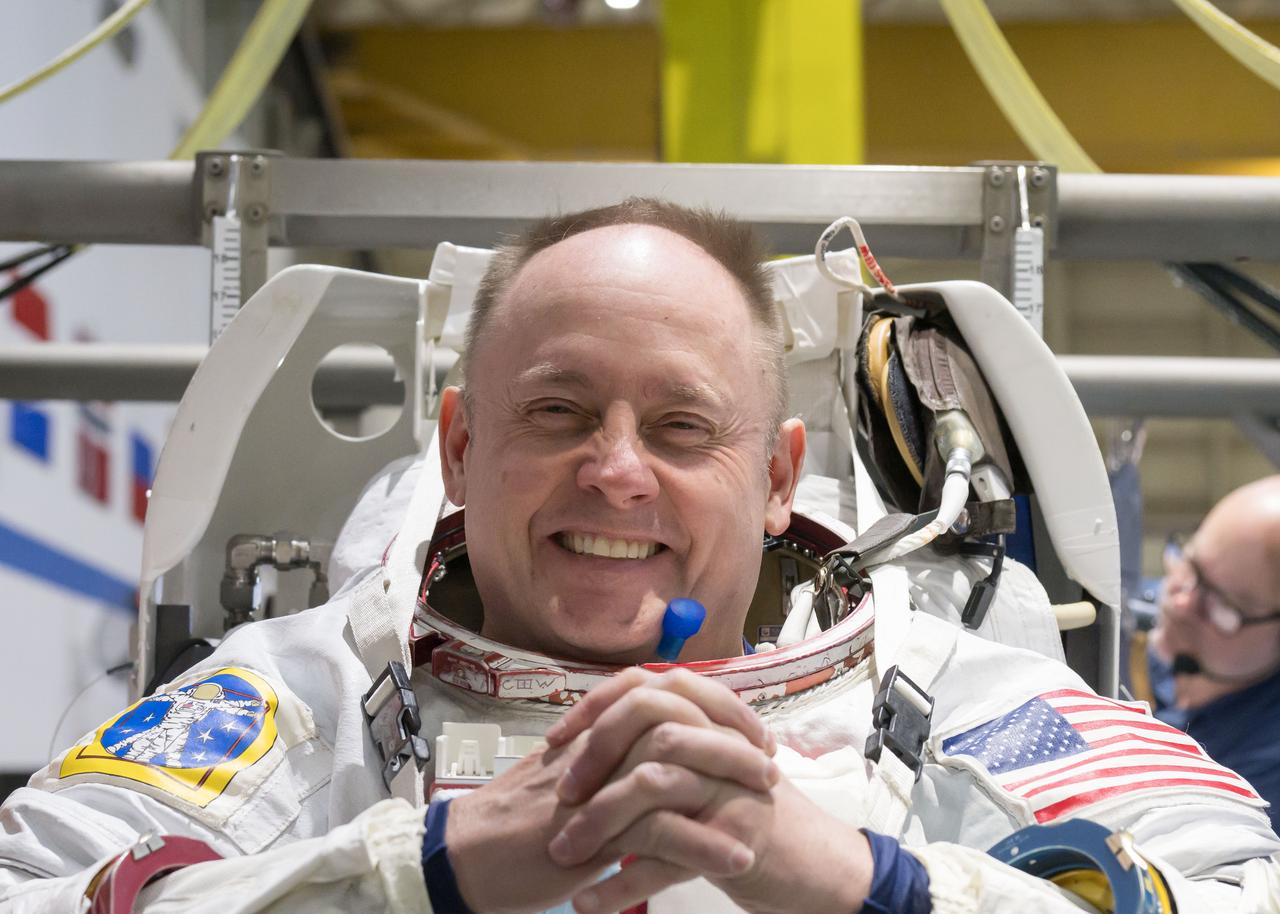
jsc2023e080760 (Dec. 15, 2023) --- NASA astronaut Mike Fincke conducts training for a spacewalk at the Neutral Buoyancy Laboratory at NASA's Johnson Space Center in Houston, Texas. Credit: NASA/Bill Stafford
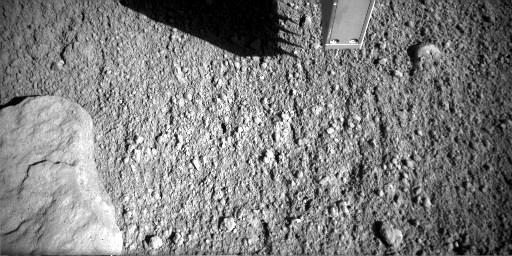
This image shows the first time that the four spikes of the NASA Phoenix Mars Lander thermal and electrical conductivity probe were inserted into Martian soil.
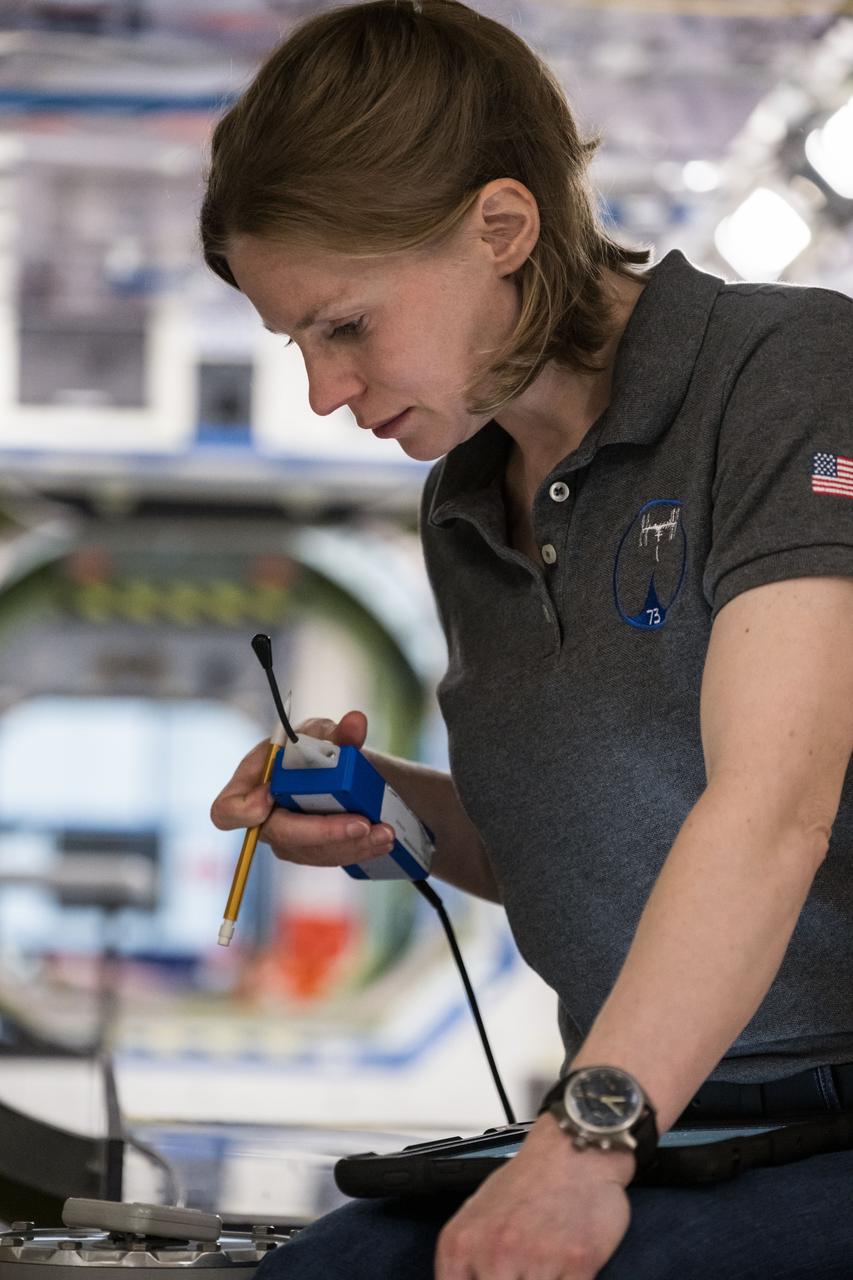
jsc2025e032534 (March 18, 2025) --- NASA astronaut Zena Cardman conducts training for the unlikely event of an emergency at the Space Vehicle Mockup Facility at NASA’s Johnson Space Center in Houston, Texas. Credit: NASA/David DeHoyos
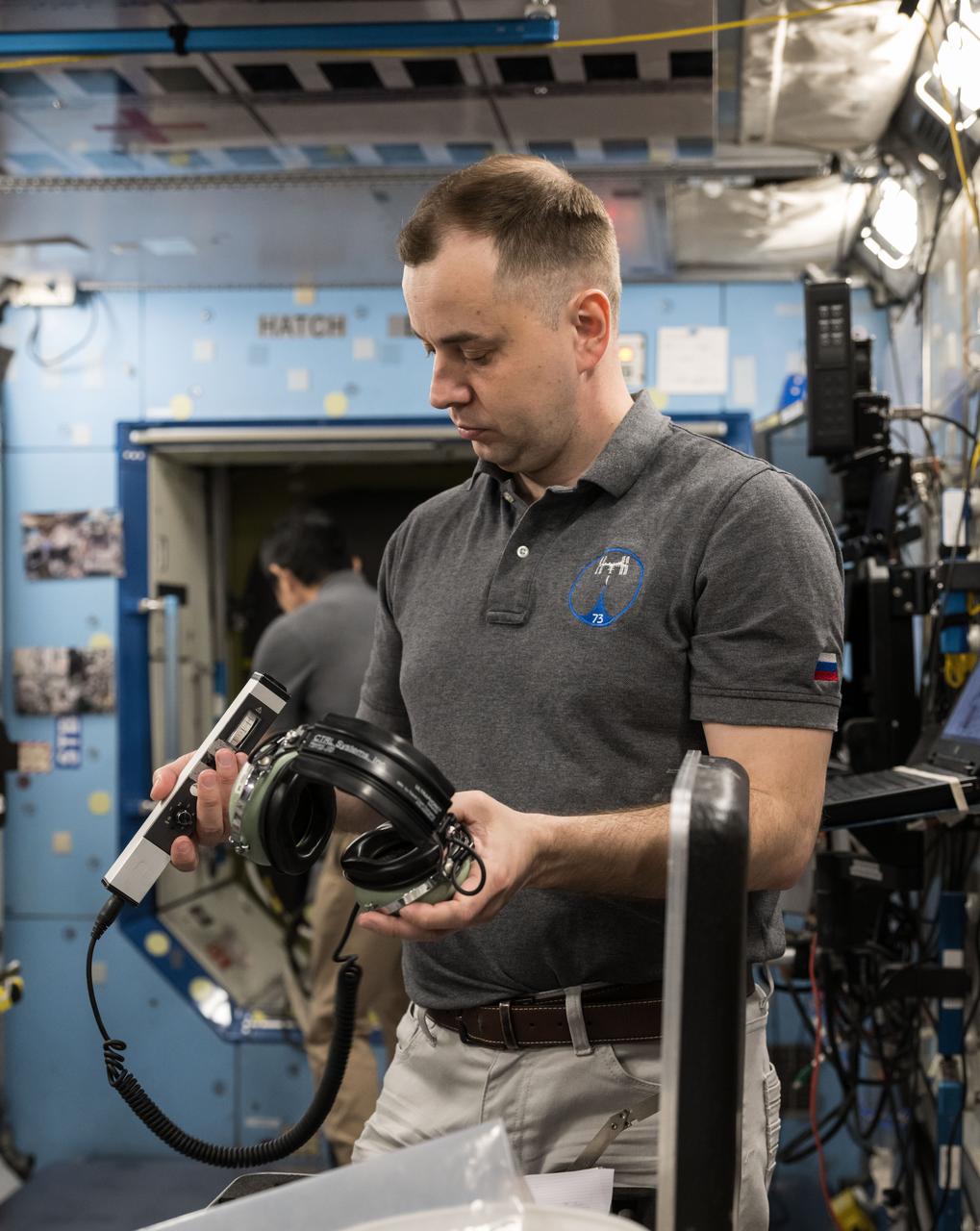
jsc2025e032495 (March 18, 2025) --- Roscosmos cosmonaut Oleg Platonov conducts training for the unlikely event of an emergency at the Space Vehicle Mockup Facility at NASA’s Johnson Space Center in Houston, Texas. Credit: NASA/David DeHoyos
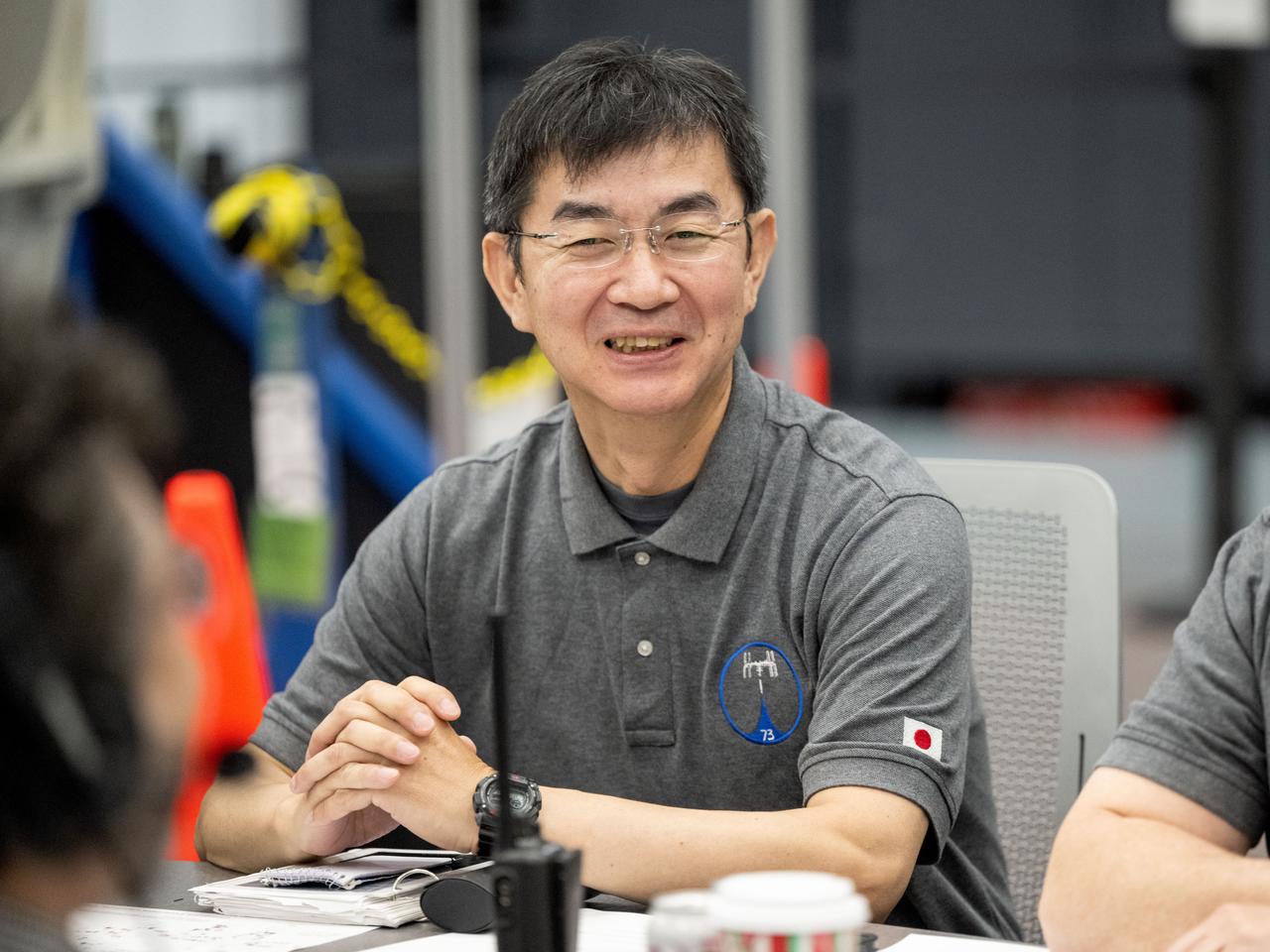
jsc2024e074737 (Nov. 13, 2024) --- JAXA astronaut Kimiya Yui conducts training for the unlikely event of an emergency at the Space Vehicle Mockup Facility at NASA’s Johnson Space Center in Houston, Texas. Credit: NASA/Josh Valcarcel
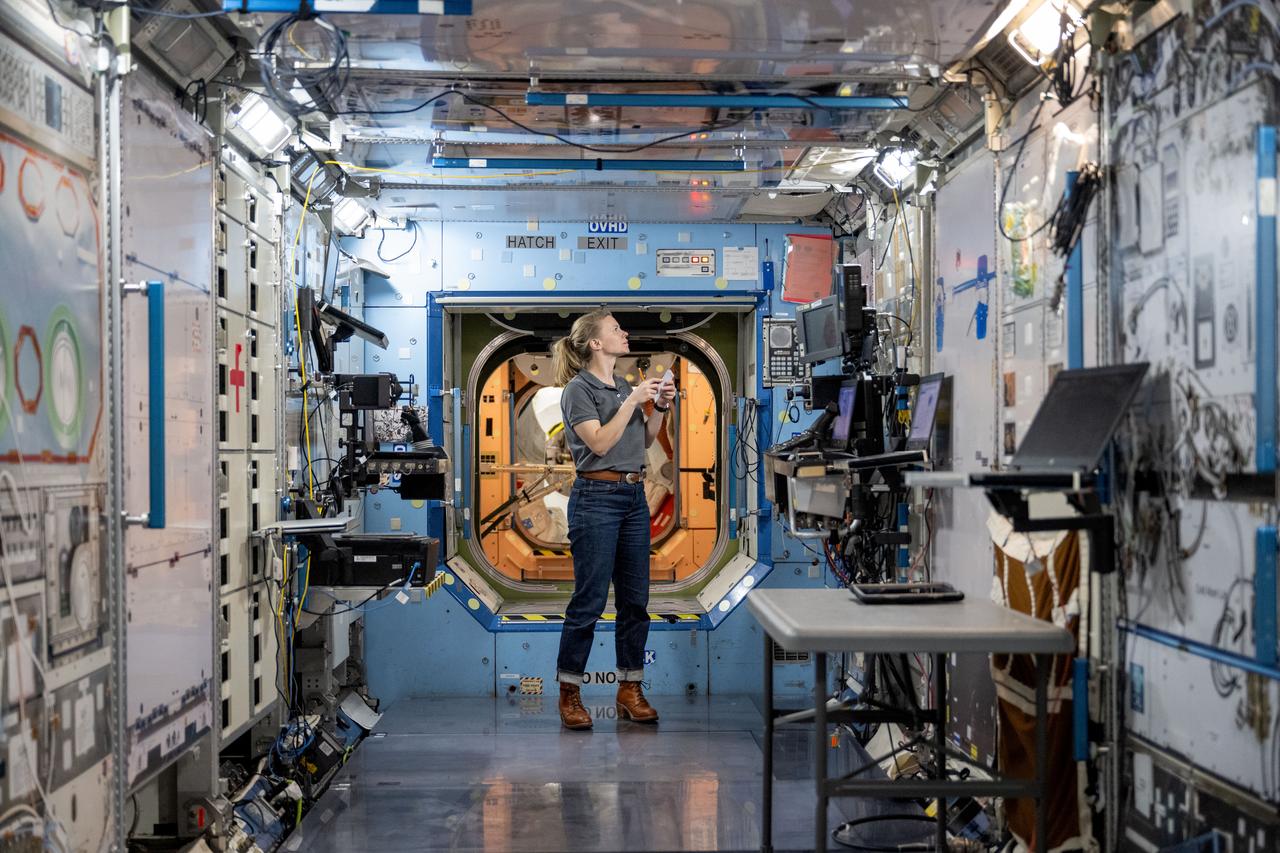
jsc2024e074784 (Nov. 13, 2024) --- NASA astronaut Zena Cardman conducts training for the unlikely event of an emergency at the Space Vehicle Mockup Facility at NASA’s Johnson Space Center in Houston, Texas. Credit: NASA/Josh Valcarcel
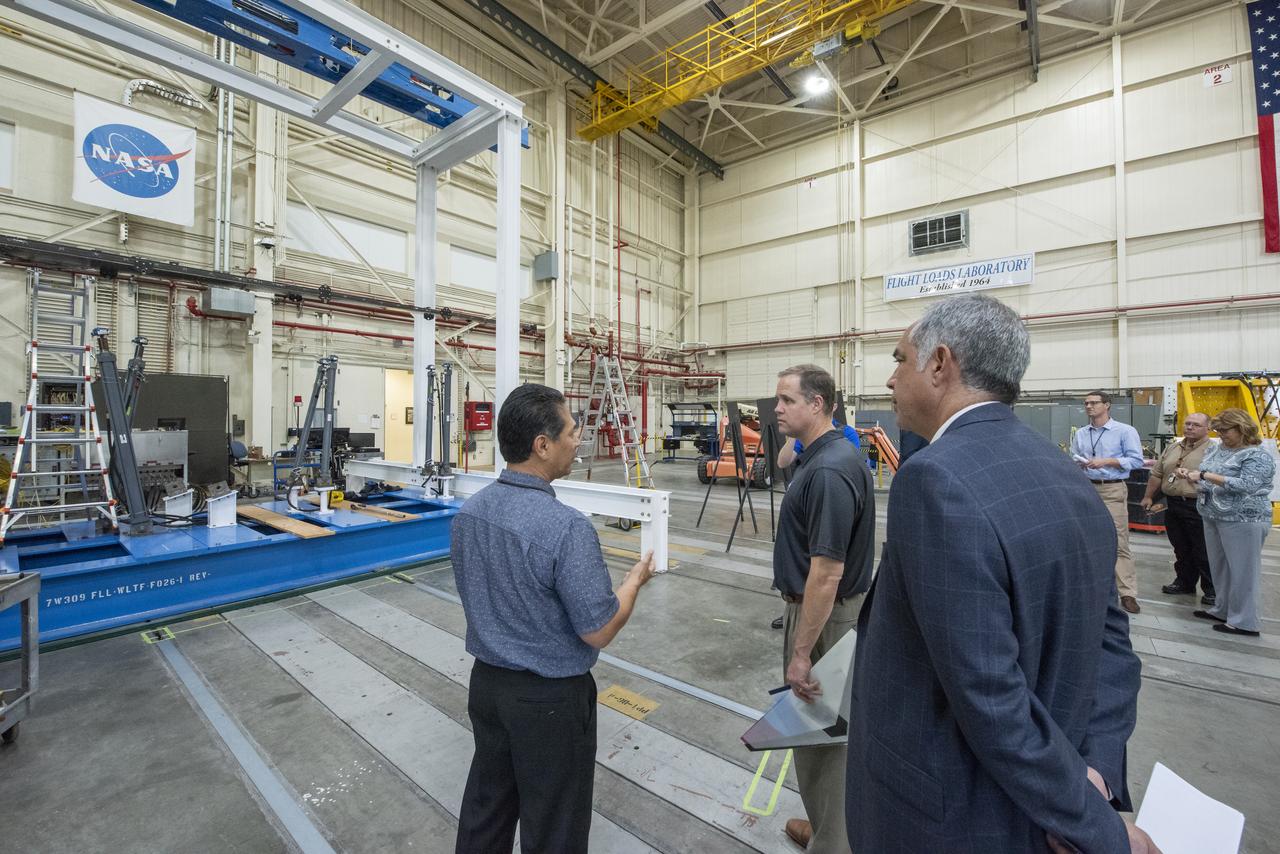
NASA Administrator Bridenstine talks with Armstrong's Larry Hudson about the capabilities of the Flight Loads Lab to conduct mechanical-load and thermal studies of structural components and complete flight vehicles.
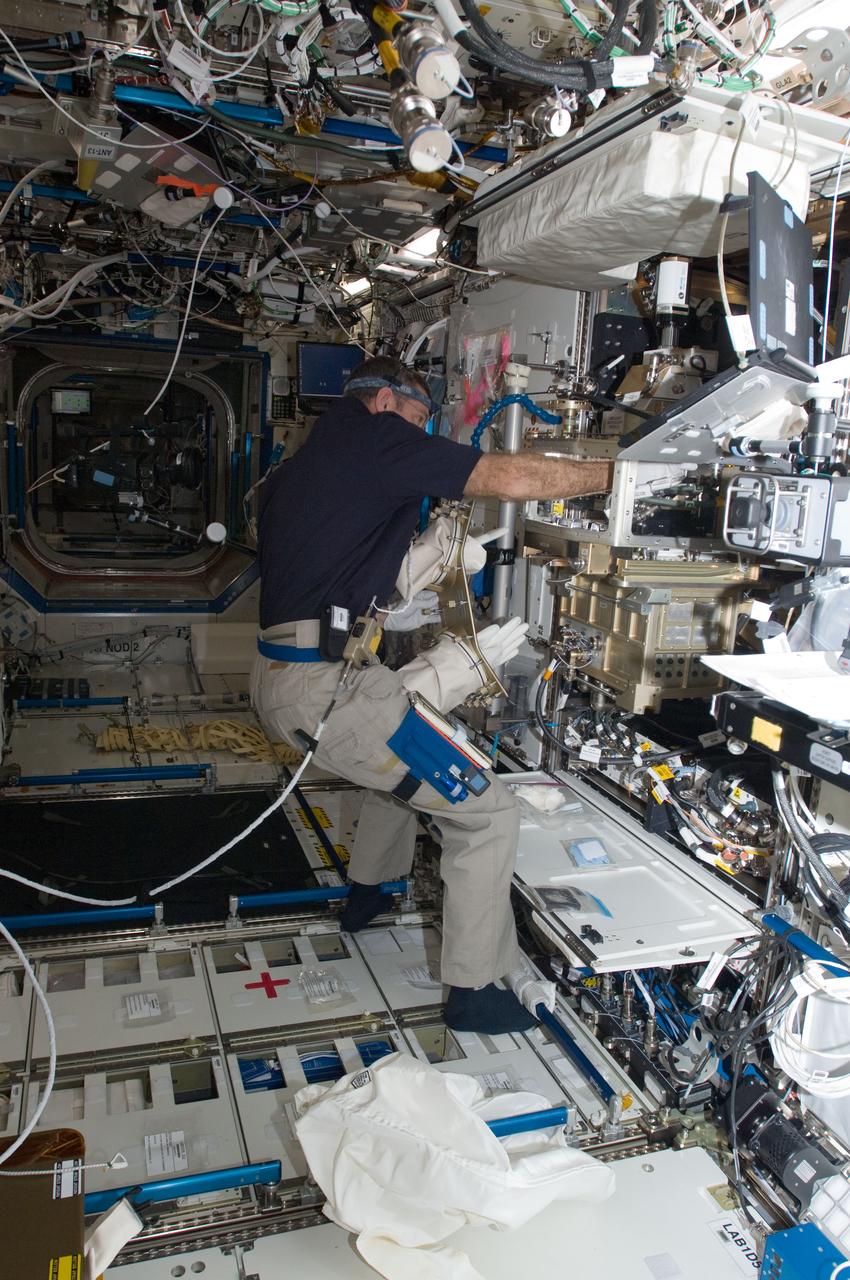
ISS030-E-007418 (1 Dec. 2011) --- In the International Space Station’s Destiny laboratory, NASA astronaut Dan Burbank, Expedition 30 commander, conducts a session with the Preliminary Advanced Colloids Experiment (PACE) at the Light Microscopy Module (LMM) in the Fluids Integrated Rack / Fluids Combustion Facility (FIR/FCF). PACE is designed to investigate the capability of conducting high magnification colloid experiments with the LMM for determining the minimum size particles which can be resolved with it.
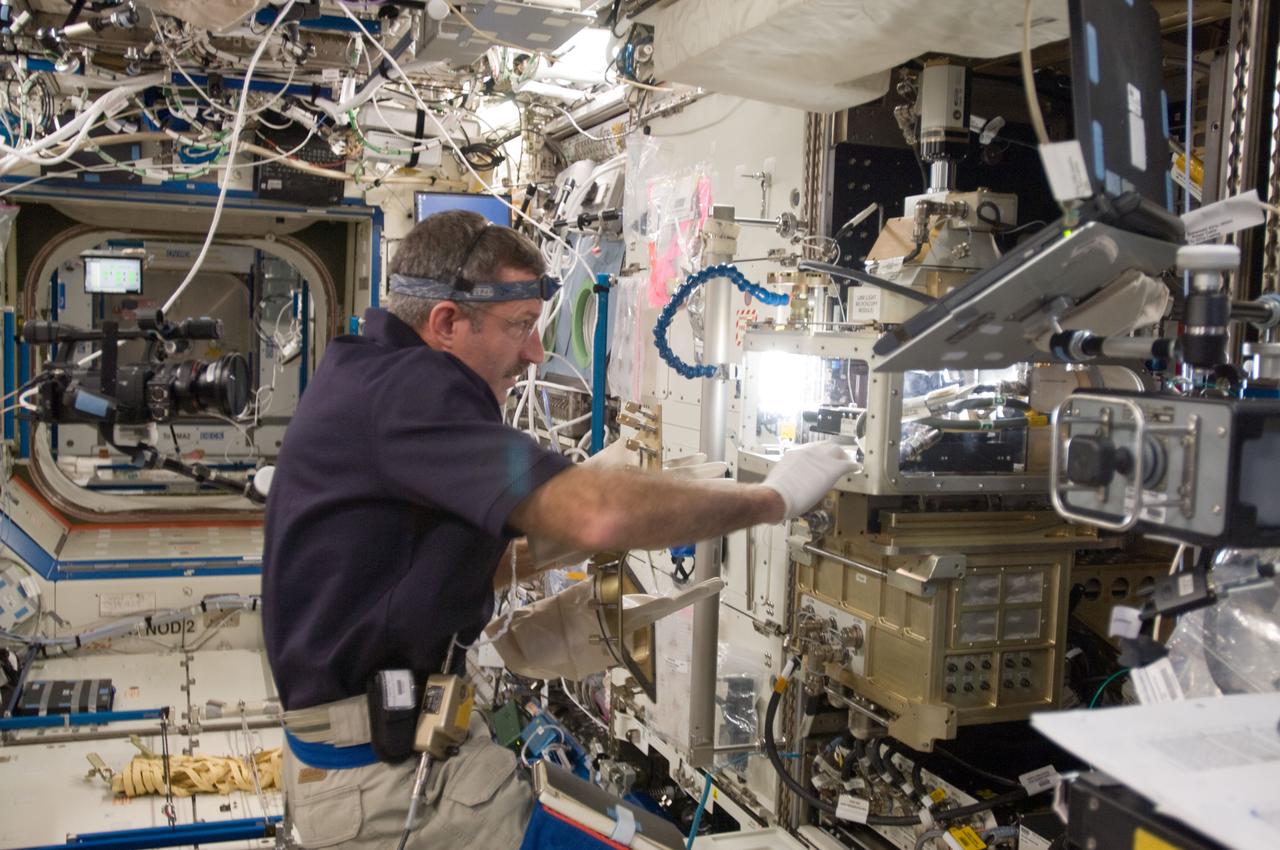
ISS030-E-007417 (1 Dec. 2011) --- In the International Space Station?s Destiny laboratory, NASA astronaut Dan Burbank, Expedition 30 commander, conducts a session with the Preliminary Advanced Colloids Experiment (PACE) at the Light Microscopy Module (LMM) in the Fluids Integrated Rack / Fluids Combustion Facility (FIR/FCF). PACE is designed to investigate the capability of conducting high magnification colloid experiments with the LMM for determining the minimum size particles which can be resolved with it.
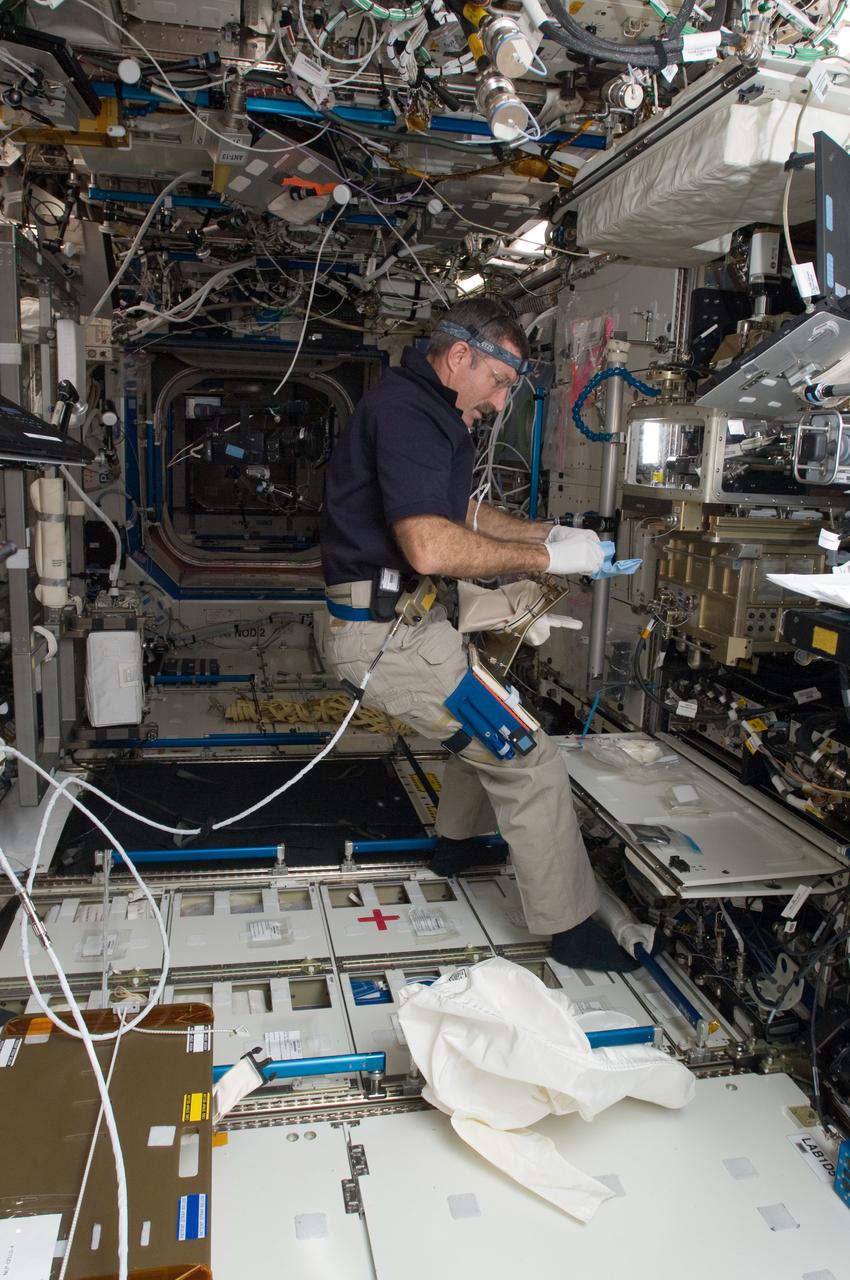
ISS030-E-007419 (1 Dec. 2011) --- In the International Space Station’s Destiny laboratory, NASA astronaut Dan Burbank, Expedition 30 commander, conducts a session with the Preliminary Advanced Colloids Experiment (PACE) at the Light Microscopy Module (LMM) in the Fluids Integrated Rack / Fluids Combustion Facility (FIR/FCF). PACE is designed to investigate the capability of conducting high magnification colloid experiments with the LMM for determining the minimum size particles which can be resolved with it.
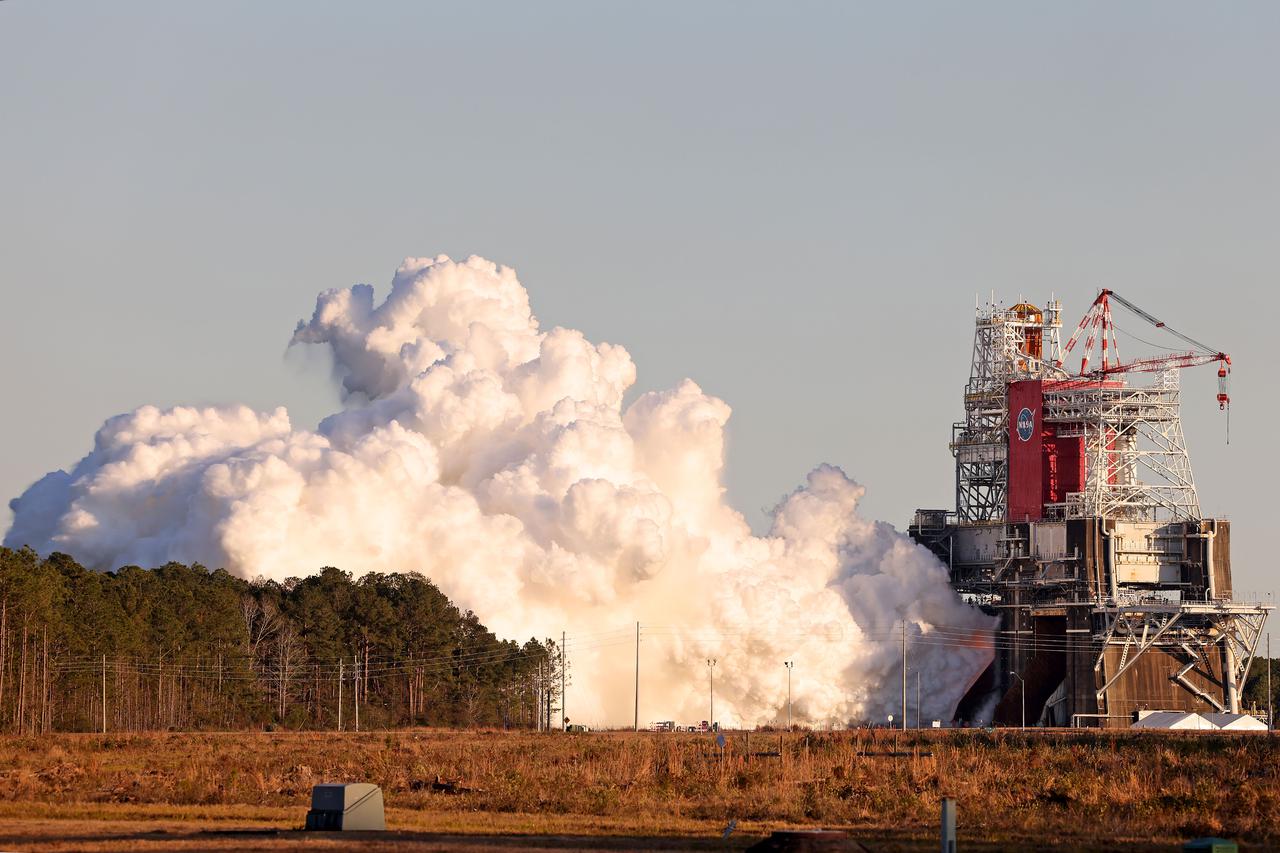
NASA conducts a hot fire test Jan. 16, 2021, of the core stage for the agency’s Space Launch System rocket on the B-2 Test Stand at Stennis Space Center near Bay St. Louis. The hot fire test of the stage’s four RS-25 engines generated a combined 1.6 million pounds of thrust, just as will occur during an actual launch. The hot fire is the final test of the Green Run test series, a comprehensive assessment of the SLS core stage prior to launching the Artemis I mission to the Moon.
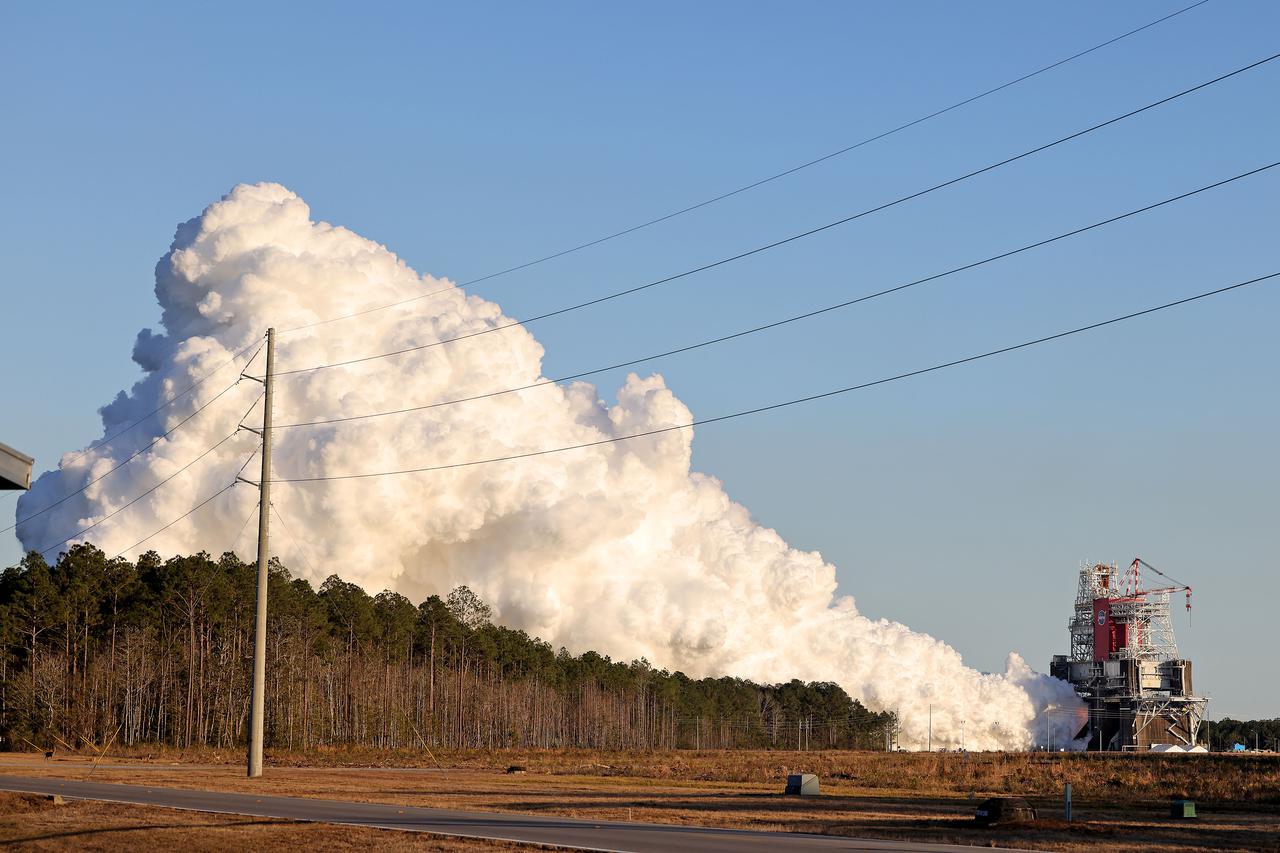
NASA conducts a hot fire test Jan. 16, 2021, of the core stage for the agency’s Space Launch System rocket on the B-2 Test Stand at Stennis Space Center near Bay St. Louis. The hot fire test of the stage’s four RS-25 engines generated a combined 1.6 million pounds of thrust, just as will occur during an actual launch. The hot fire is the final test of the Green Run test series, a comprehensive assessment of the SLS core stage prior to launching the Artemis I mission to the Moon.
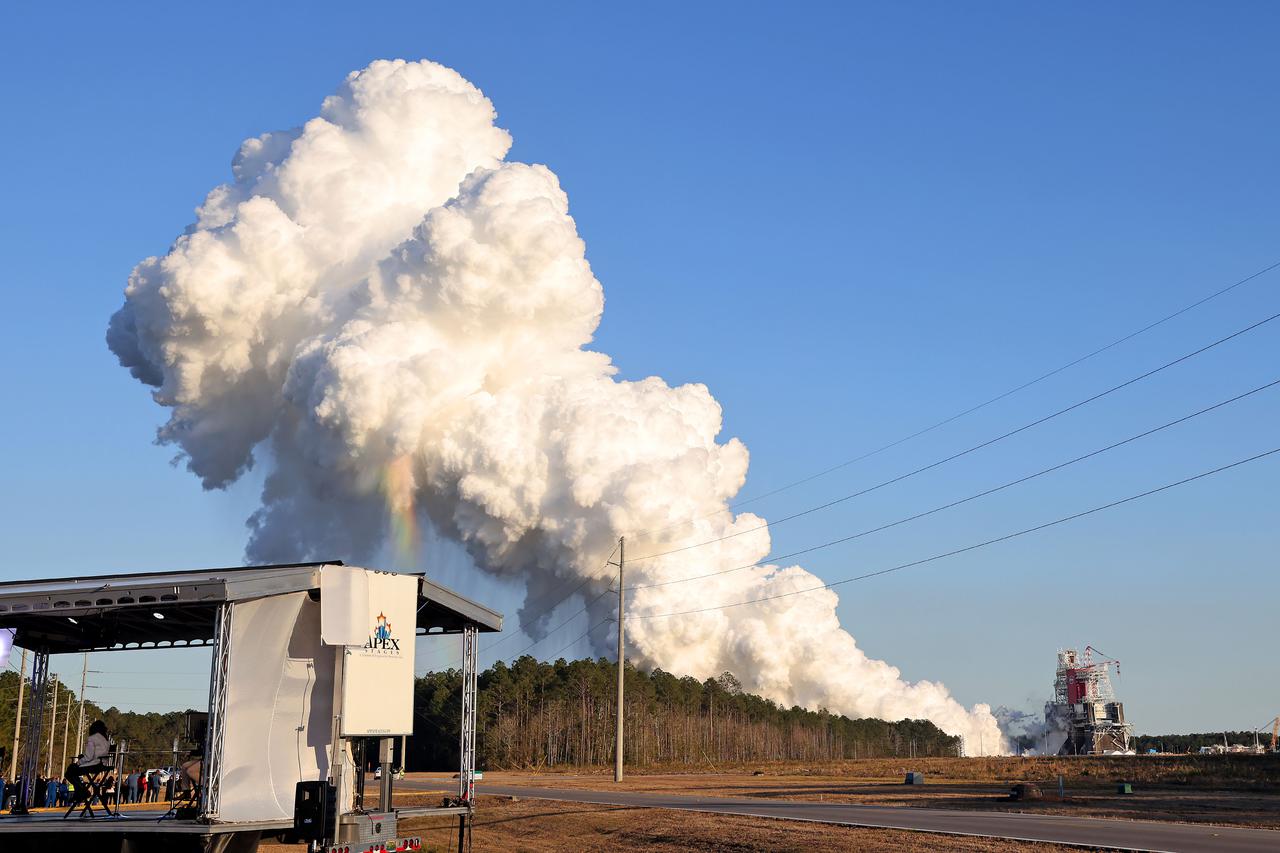
NASA conducts a hot fire test Jan. 16, 2021, of the core stage for the agency’s Space Launch System rocket on the B-2 Test Stand at Stennis Space Center near Bay St. Louis. The hot fire test of the stage’s four RS-25 engines generated a combined 1.6 million pounds of thrust, just as will occur during an actual launch. The hot fire is the final test of the Green Run test series, a comprehensive assessment of the SLS core stage prior to launching the Artemis I mission to the Moon.
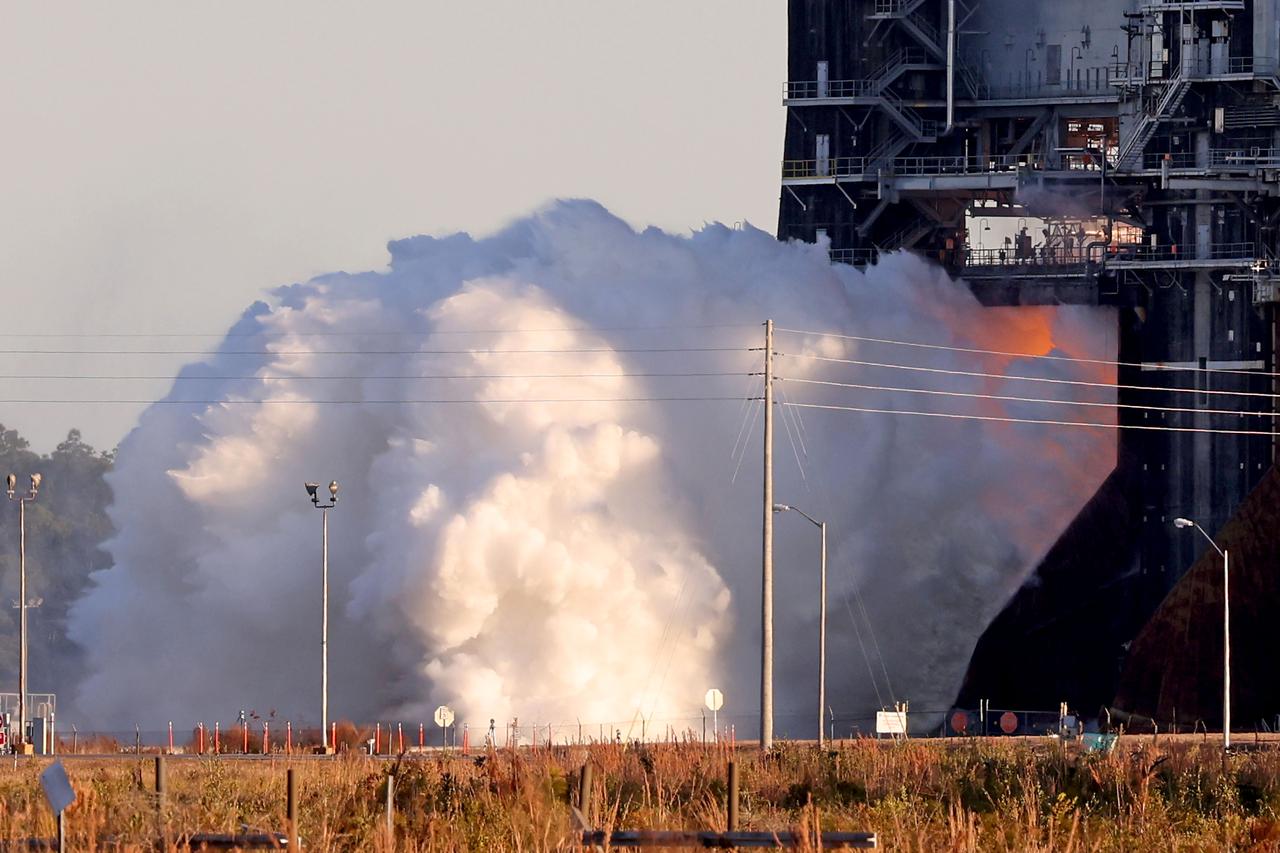
NASA conducts a hot fire test Jan. 16, 2021, of the core stage for the agency’s Space Launch System rocket on the B-2 Test Stand at Stennis Space Center near Bay St. Louis. The hot fire test of the stage’s four RS-25 engines generated a combined 1.6 million pounds of thrust, just as will occur during an actual launch. The hot fire is the final test of the Green Run test series, a comprehensive assessment of the SLS core stage prior to launching the Artemis I mission to the Moon.

jsc2024e010943 (Jan. 26, 2024) --- NASA astronaut Zena Cardman conducts cold transfer skills training at NASA’s Johnson Space Center in Houston, Texas. Credit: NASA/Josh Valcarcel
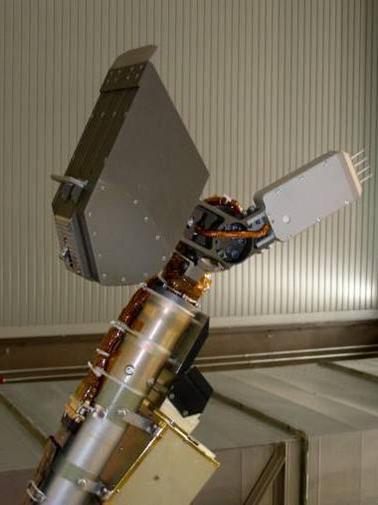
This four-spike tool, called the thermal and electrical conductivity probe, is in the middle-right of this photo, mounted near the end of the arm near NASA Phoenix Mars Lander scoop upper left.
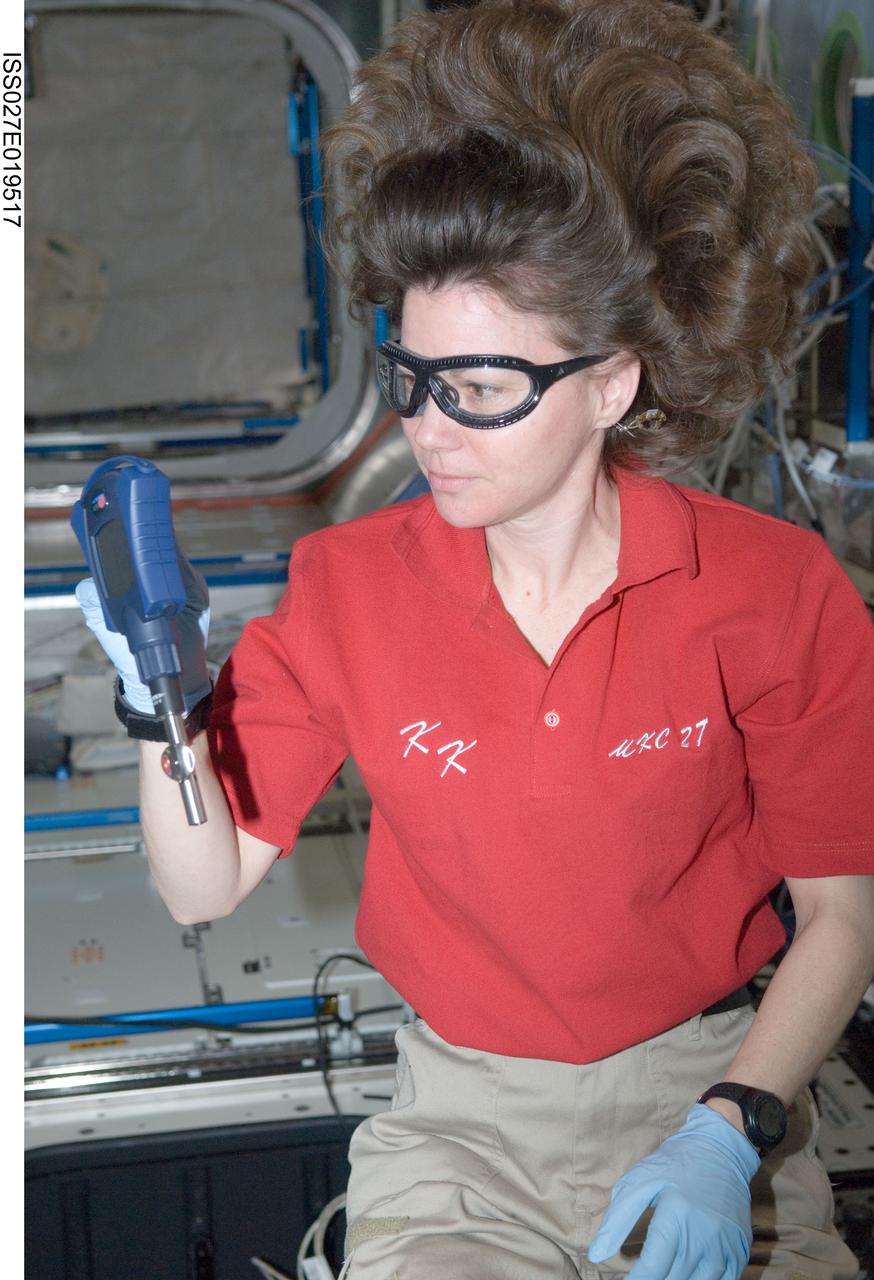
ISS027-E-019517 (6 April 2011) --- NASA astronaut Cady Coleman, Expedition 27 flight engineer, is pictured near a conductivity meter floating freely in the Tranquility node of the International Space Station.
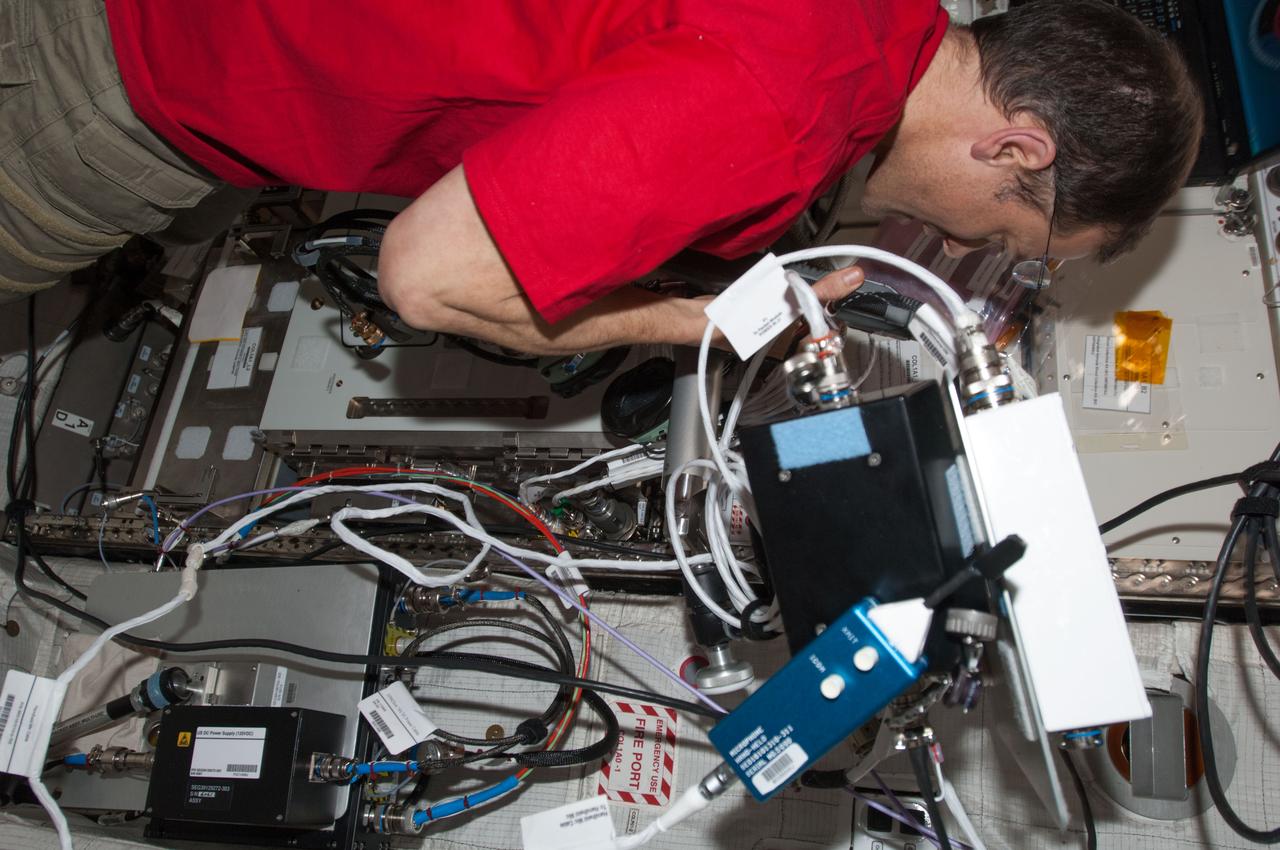
ISS034-E-042418 (9 Feb. 2013) --- NASA astronaut Tom Marshburn, Expedition 34 flight engineer, conducts a ham radio session in the Columbus laboratory of the International Space Station.
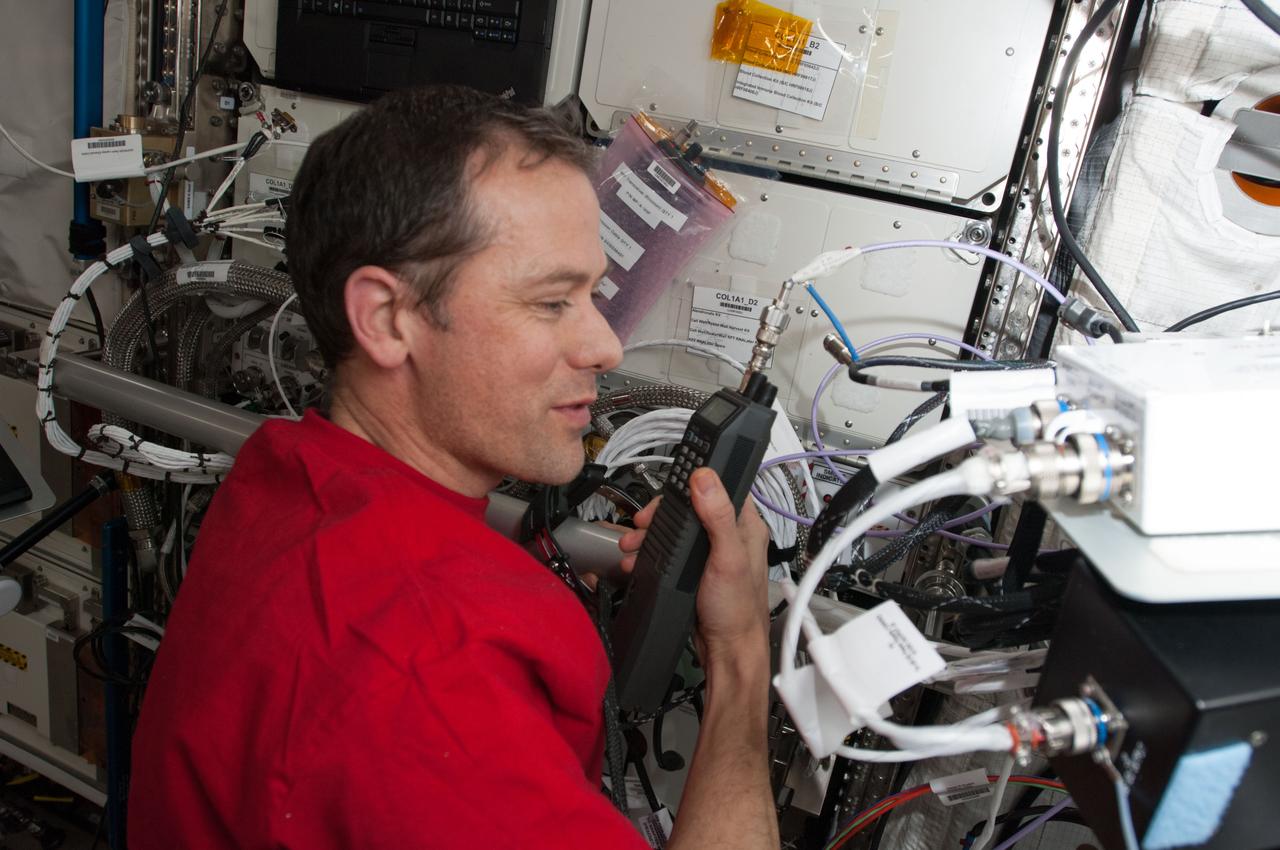
ISS034-E-042431 (9 Feb. 2013) --- NASA astronaut Tom Marshburn, Expedition 34 flight engineer, conducts a ham radio session in the Columbus laboratory of the International Space Station.

jsc2024e074803 (Nov. 13, 2024) --- From left to right: JAXA astronaut Kimiya Yui, NASA astronaut Mike Fincke, and NASA astronaut Zena Cardman conduct training for the unlikely event of an emergency at the Space Vehicle Mockup Facility at NASA’s Johnson Space Center in Houston, Texas. Credit: NASA/Josh Valcarcel
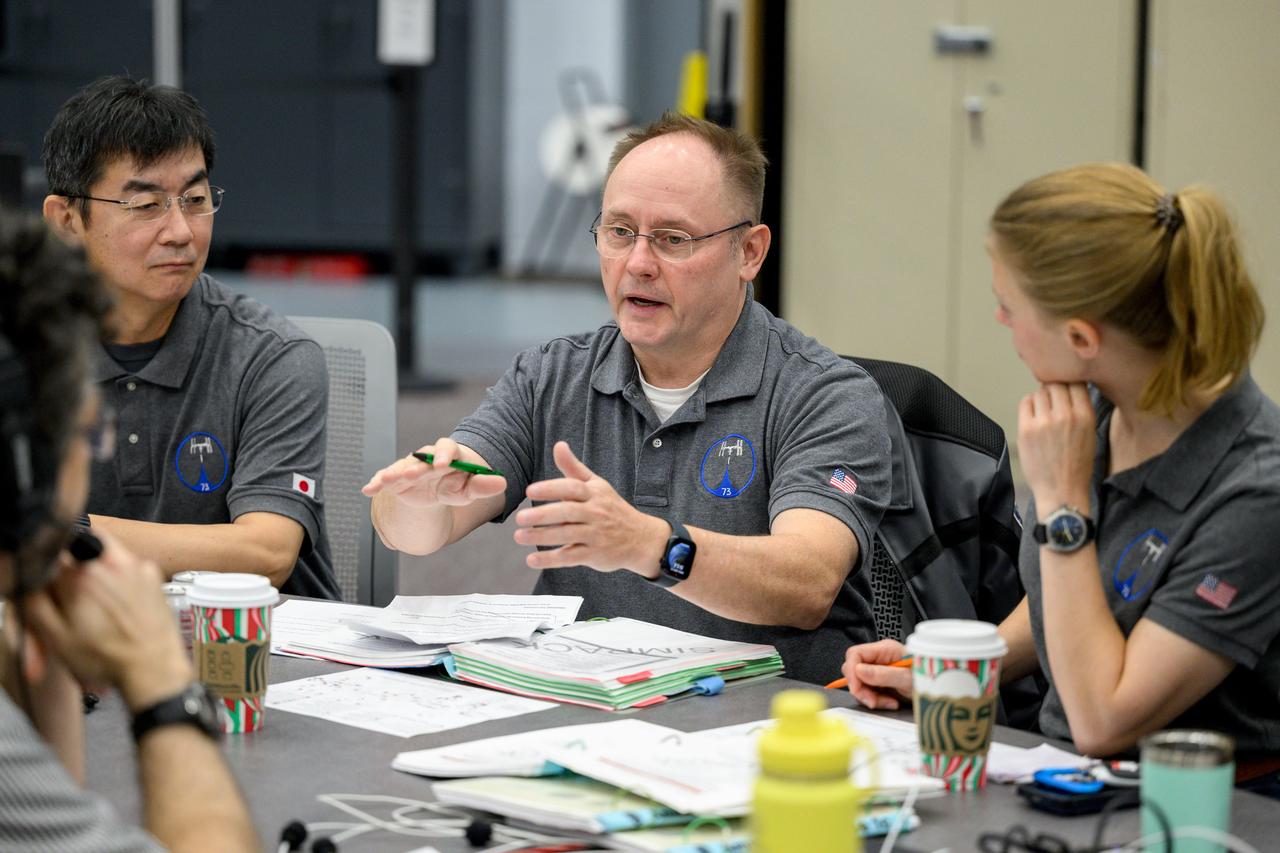
jsc2024e074736 (Nov. 13, 2024) --- From left to right: JAXA astronaut Kimiya Yui, NASA astronaut Mike Fincke, and NASA astronaut Zena Cardman conduct training for the unlikely event of an emergency at the Space Vehicle Mockup Facility at NASA’s Johnson Space Center in Houston, Texas. Credit: NASA/Josh Valcarcel
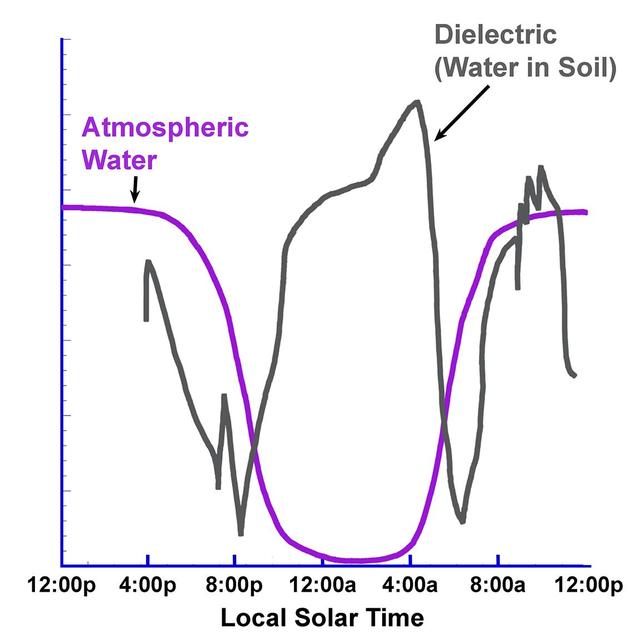
This graph presents simplified data from overnight measurements by the Thermal and Electrical Conductivity Probe on NASA Phoenix Mars Lander from noon of the mission 70th Martian day, or sol, to noon the following sol Aug. 5 to Aug. 6, 2008.
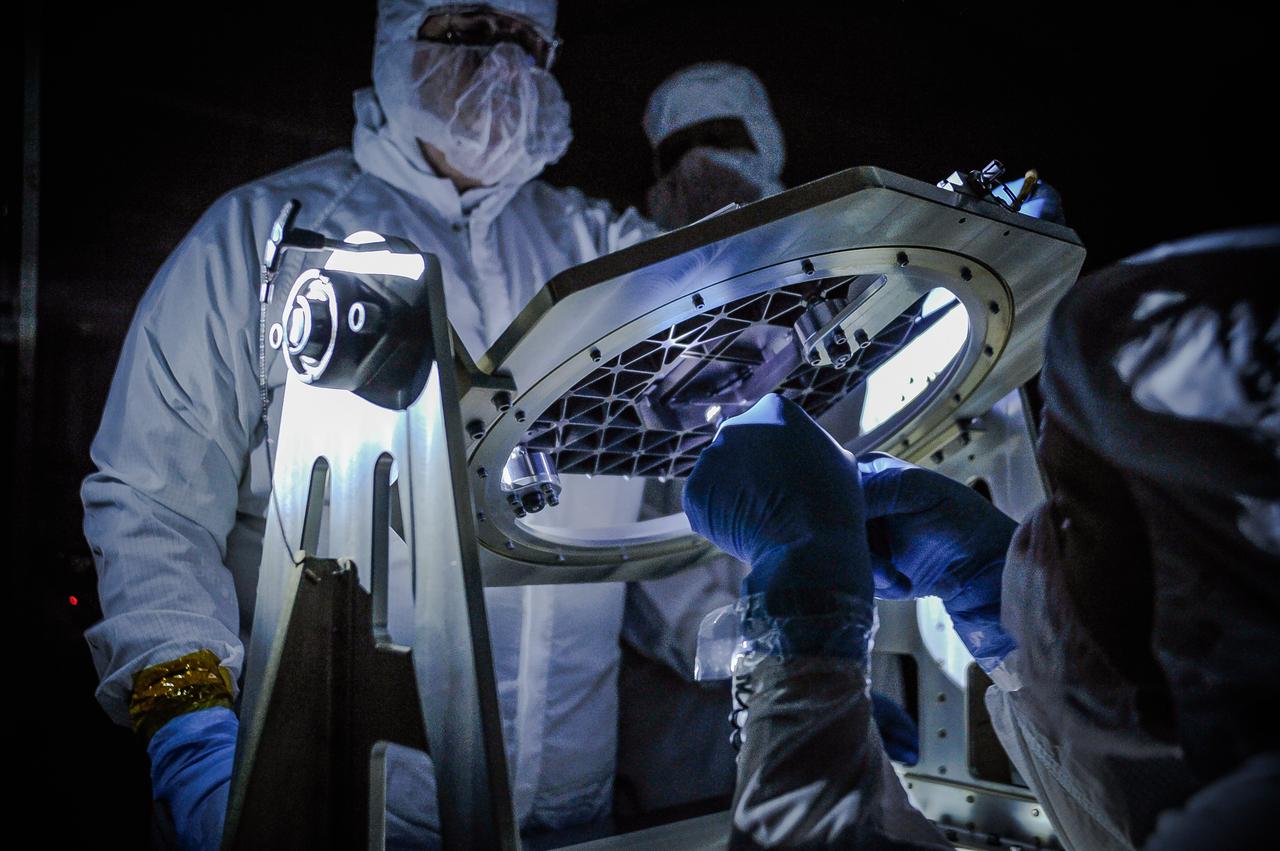
NASA engineers inspect a new piece of technology developed for the James Webb Space Telescope, the micro shutter array, with a low light test at NASA's Goddard Space Flight Center in Greenbelt, Maryland. Developed at Goddard to allow Webb's Near Infrared Spectrograph to obtain spectra of more than 100 objects in the universe simultaneously, the micro shutter array uses thousands of tiny shutters to capture spectra from selected objects of interest in space and block out light from all other sources. Credit: NASA/Goddard/Chris Gunn <b><a href="http://www.nasa.gov/audience/formedia/features/MP_Photo_Guidelines.html" rel="nofollow">NASA image use policy.</a></b> <b><a href="http://www.nasa.gov/centers/goddard/home/index.html" rel="nofollow">NASA Goddard Space Flight Center</a></b> enables NASA’s mission through four scientific endeavors: Earth Science, Heliophysics, Solar System Exploration, and Astrophysics. Goddard plays a leading role in NASA’s accomplishments by contributing compelling scientific knowledge to advance the Agency’s mission. <b>Follow us on <a href="http://twitter.com/NASAGoddardPix" rel="nofollow">Twitter</a></b> <b>Like us on <a href="http://www.facebook.com/pages/Greenbelt-MD/NASA-Goddard/395013845897?ref=tsd" rel="nofollow">Facebook</a></b> <b>Find us on <a href="http://instagrid.me/nasagoddard/?vm=grid" rel="nofollow">Instagram</a></b>
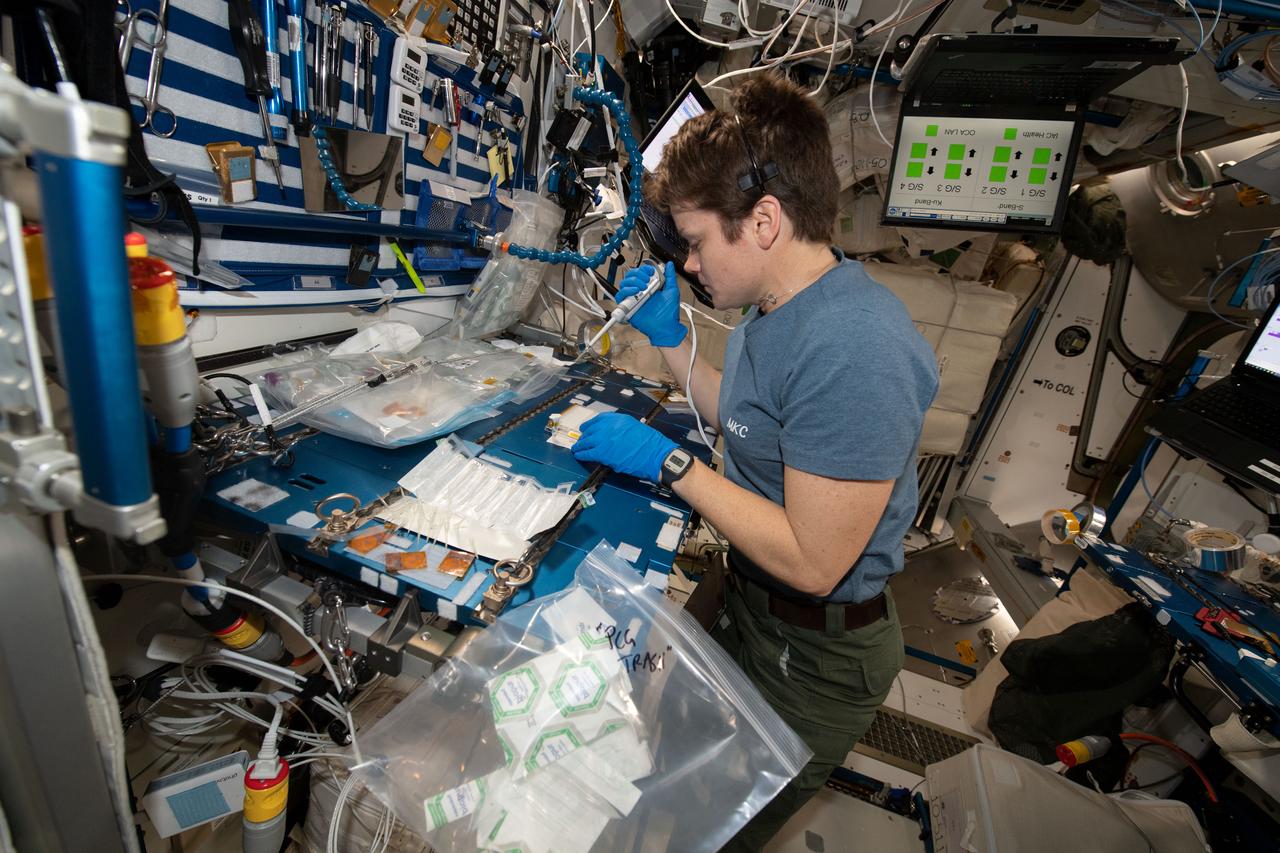
iss058e001880 (Jan. 2, 2019) --- NASA astronaut and Expedition 58 Flight Engineer Anne McClain works inside the Unity module conducting research operations for the Protein Crystal Experiment-16 that is exploring therapies for Parkinson's disease.
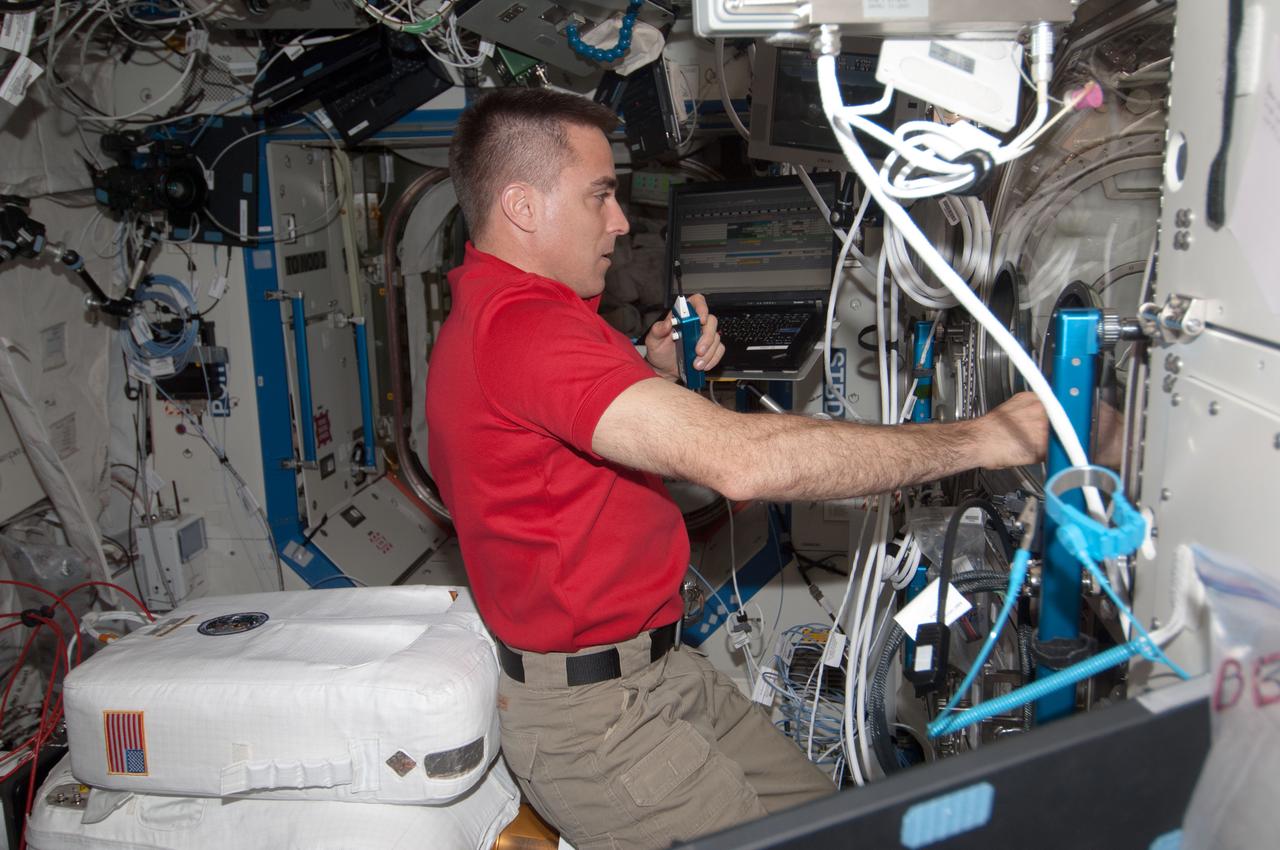
ISS035-E-16429 (9 April 2013) --- Astronaut Chris Cassidy, Expedition 35 flight engineer, conducts a session of the Burning and Suppression of Solids (BASS) experiment located in the U.S. lab Destiny onboard the Earth-orbiting International Space Station. Cassidy over a period of several days, has conducted several "runs" of the experiment, which examines the burning and extinction characteristics of a wide variety of fuel samples in microgravity and will guide strategies for extinguishing fires in microgravity. BASS results contribute to the combustion computational models used in the design of fire detection and suppression systems in microgravity and on Earth.
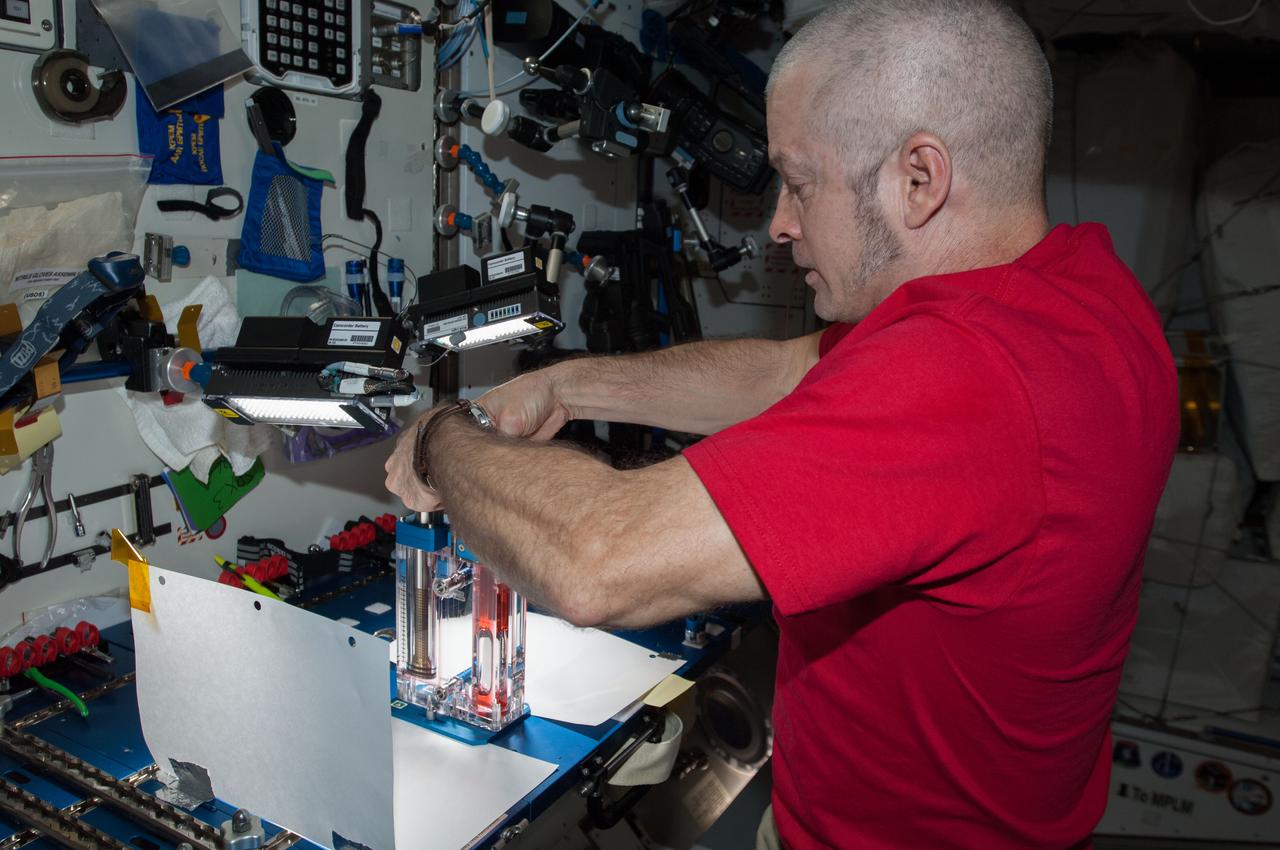
ISS040-E-032820 (3 July 2014) --- NASA astronaut Steve Swanson, Expedition 40 commander, conducts a session with the Capillary Flow Experiment (CFE) in the Harmony node of the International Space Station. CFE is a suite of fluid physics experiments that investigate how fluids move up surfaces in microgravity. The results aim to improve current computer models that are used by designers of low gravity fluid systems and may improve fluid transfer systems for water on future spacecraft.
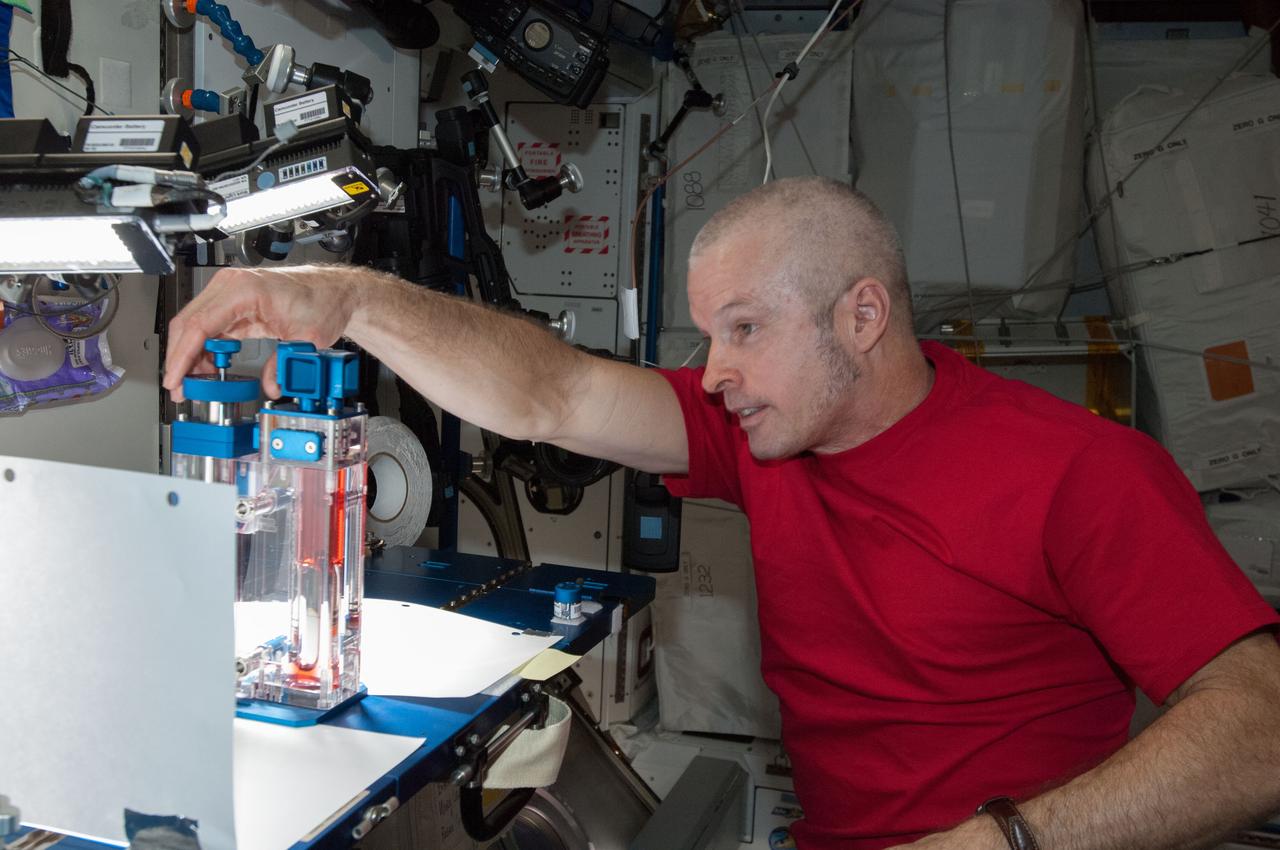
ISS040-E-032825 (3 July 2014) --- NASA astronaut Steve Swanson, Expedition 40 commander, conducts a session with the Capillary Flow Experiment (CFE) in the Harmony node of the International Space Station. CFE is a suite of fluid physics experiments that investigate how fluids move up surfaces in microgravity. The results aim to improve current computer models that are used by designers of low gravity fluid systems and may improve fluid transfer systems for water on future spacecraft.
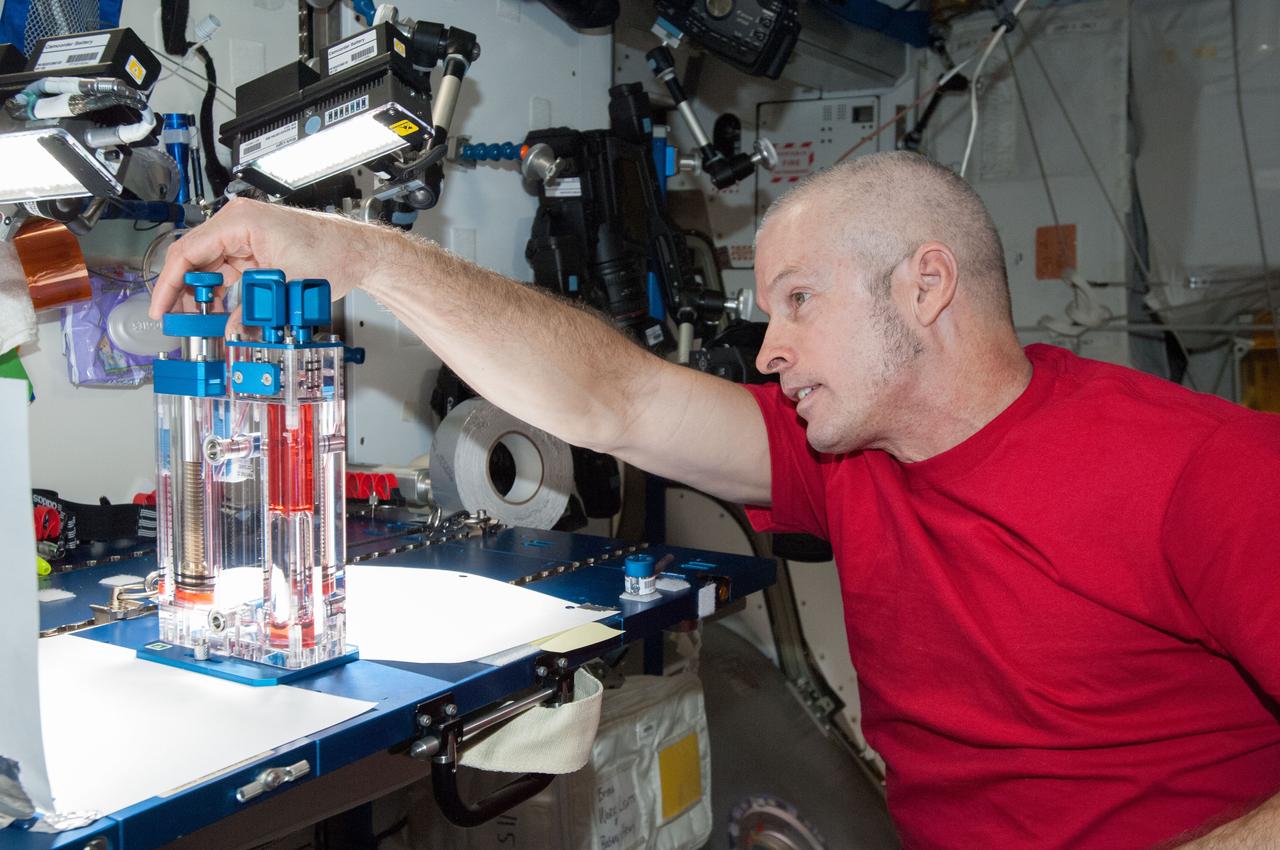
ISS040-E-032827 (3 July 2014) --- NASA astronaut Steve Swanson, Expedition 40 commander, conducts a session with the Capillary Flow Experiment (CFE) in the Harmony node of the International Space Station. CFE is a suite of fluid physics experiments that investigate how fluids move up surfaces in microgravity. The results aim to improve current computer models that are used by designers of low gravity fluid systems and may improve fluid transfer systems for water on future spacecraft.
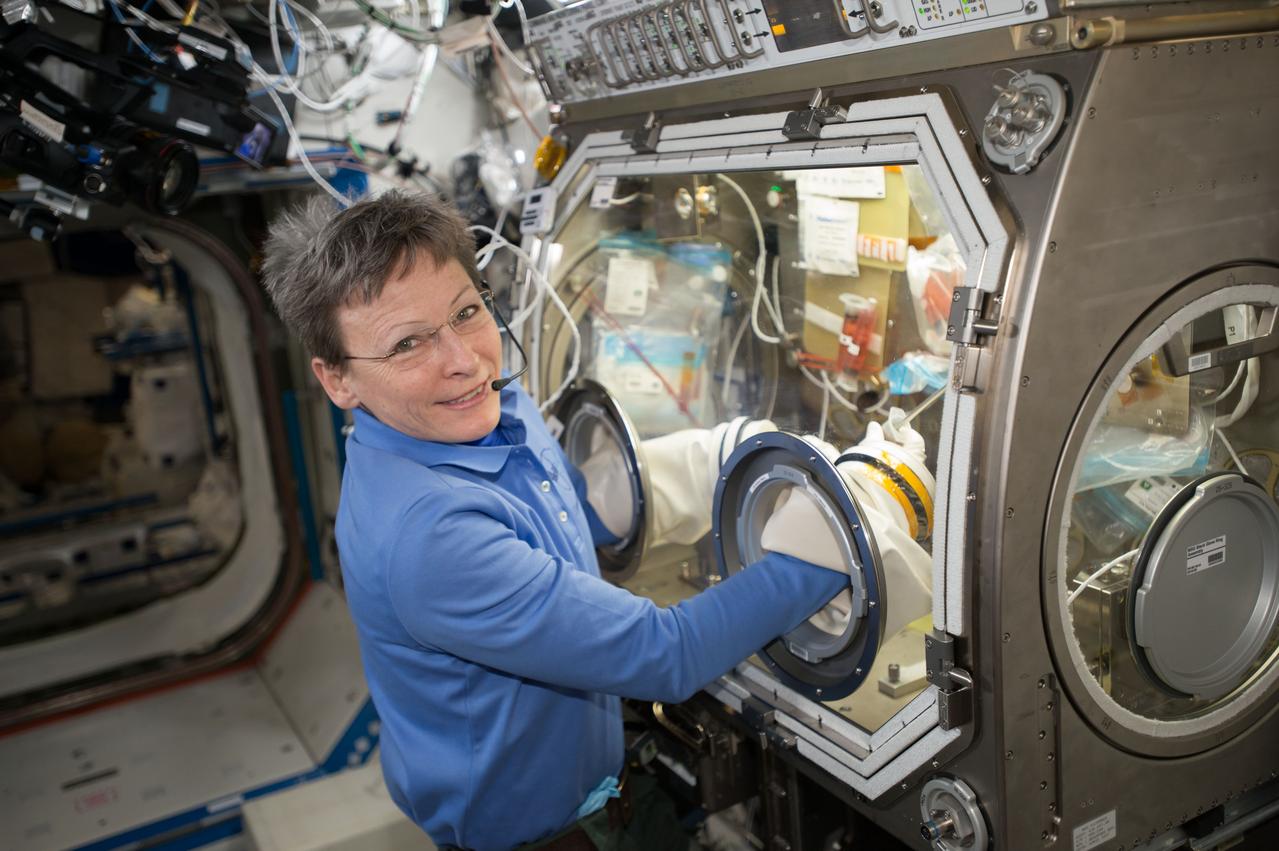
iss051e034104 (5/02/2017) --- NASA astronaut Peggy Whitson pauses for a photo while working inside the Microgravity Sciences Glovebox (MSG) to conduct the first BioCell media change for the OsteoOmics experiment. Image was taken in the Destiny U.S. Laboratory.
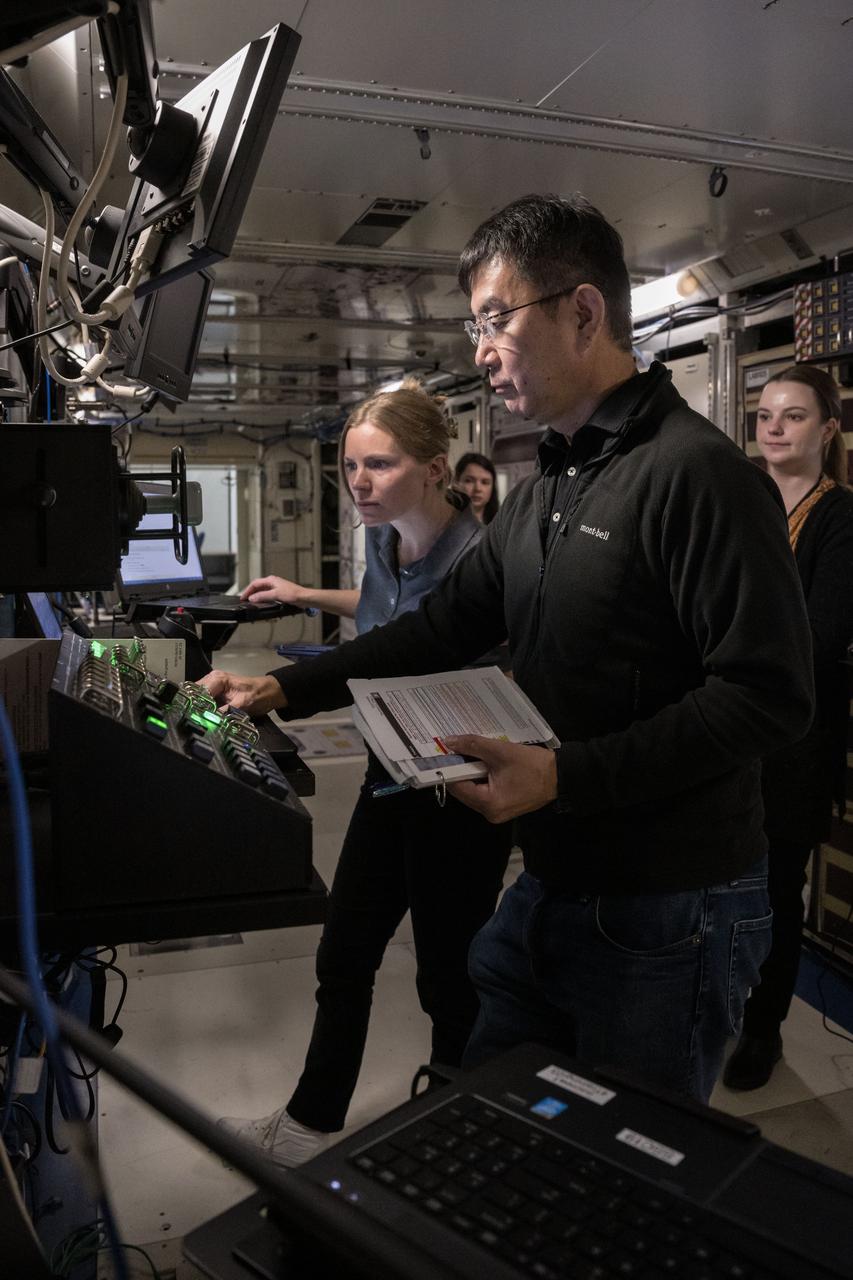
jsc2025e006003 (Feb. 3, 2025) --- NASA astronaut Zena Cardman (left), and JAXA astronaut Kimiya Yui (right) conduct training scenarios with their instructors at NASA’s Johnson Space Center in Houston, Texas for their upcoming mission to the International Space Station. Credit: NASA/Helen Arase Vargas
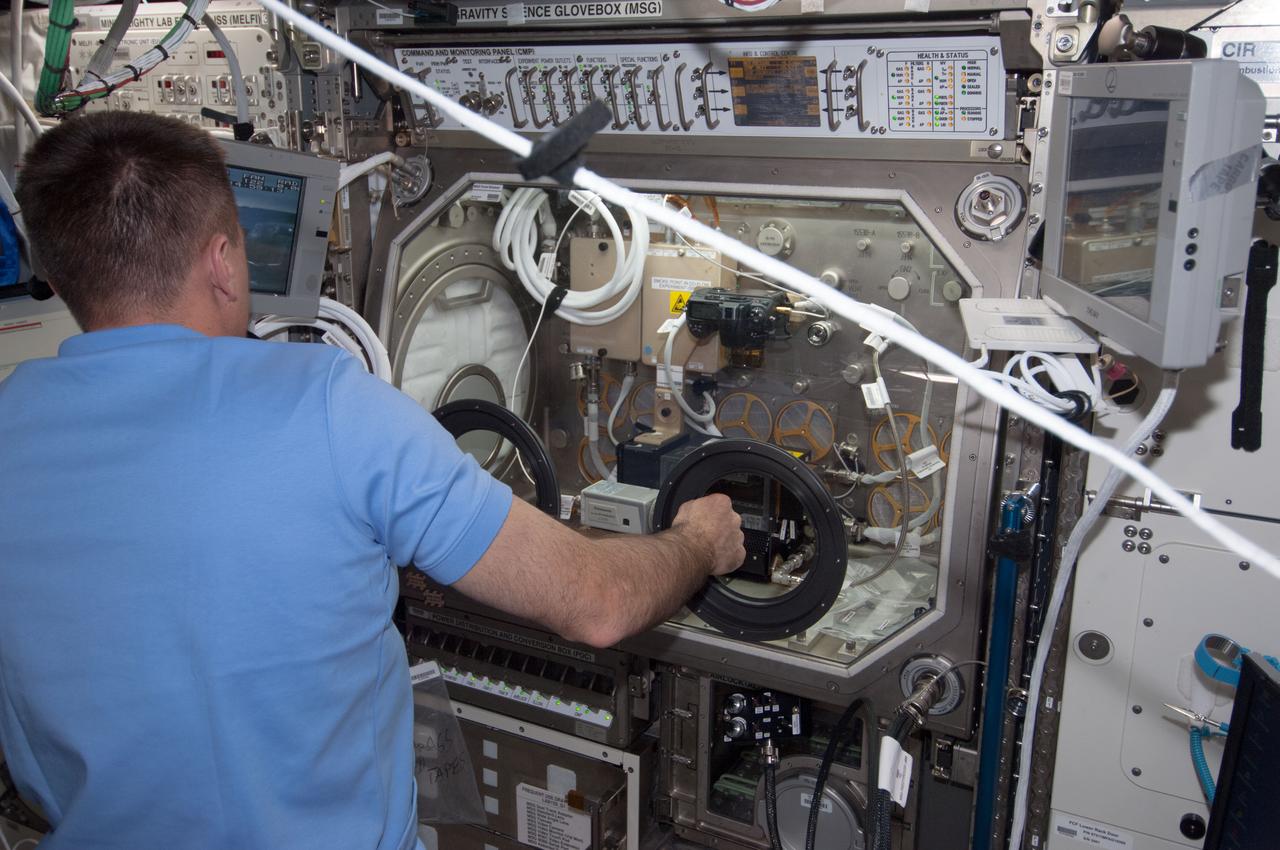
ISS035-E-015081 (5 April 2013) --- Astronaut Chris Cassidy, Expedition 35 flight engineer, conducts a session of the Burning and Suppression of Solids (BASS) experiment onboard the Earth-orbiting International Space Station. Following a series of preparations, Cassidy conducted a run of the experiment, which examined the burning and extinction characteristics of a wide variety of fuel samples in microgravity and will guide strategies for extinguishing fires in microgravity. BASS results contribute to the combustion computational models used in the design of fire detection and suppression systems in microgravity and on Earth.

This test conducted in May 1988 shows what happens during launch if a space shuttle main engine fails. The test was conducted in the 10X10 supersonic wind tunnel at the John H. Glenn Research Center.

This test conducted in May 1988 shows what happens during launch if a space shuttle main engine fails. The test was conducted in the 10X10 supersonic wind tunnel at the John H. Glenn Research Center.
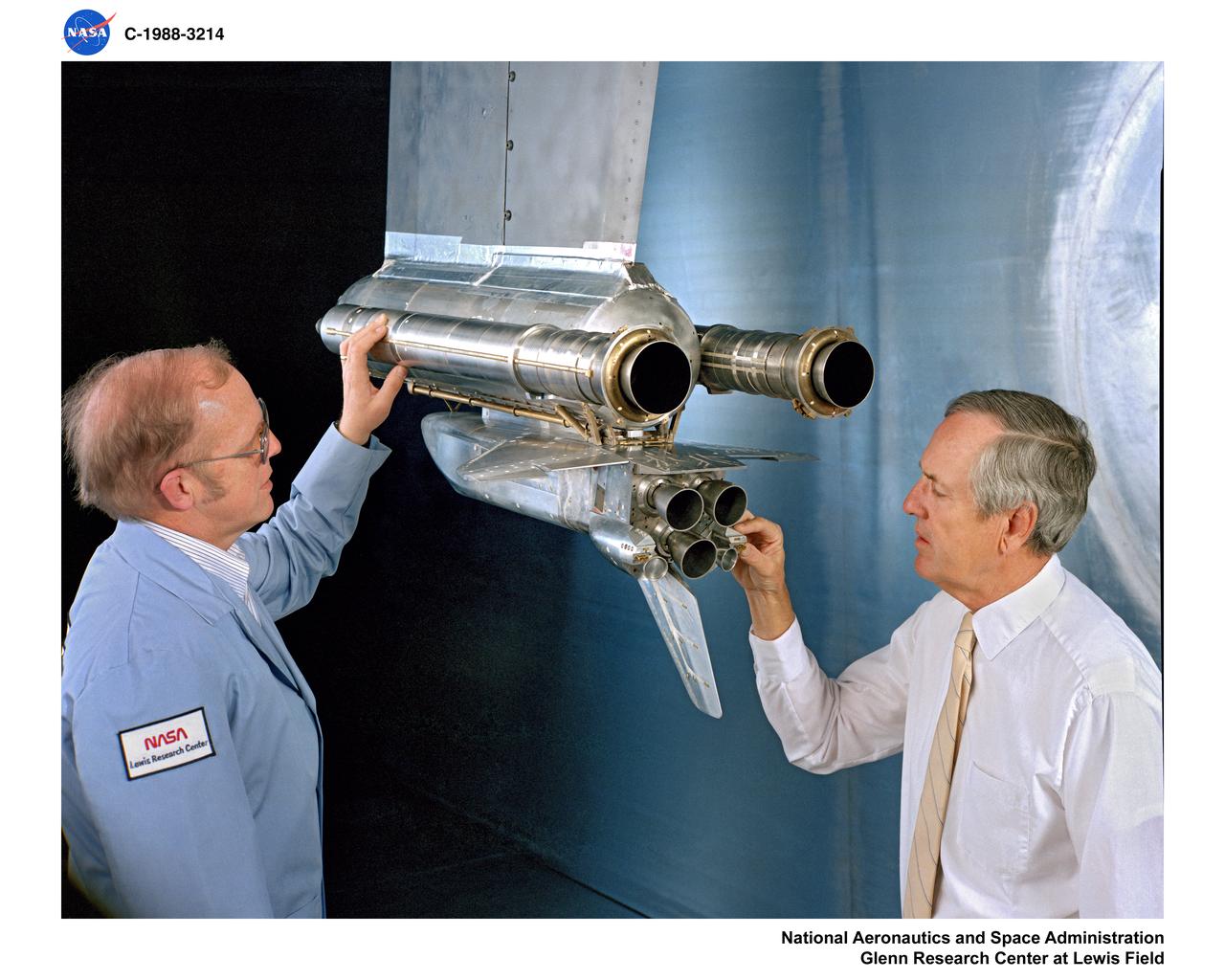
This test conducted in May 1988 shows what happens during launch if a space shuttle main engine fails. The test was conducted in the 10X10 supersonic wind tunnel at the John H. Glenn Research Center.
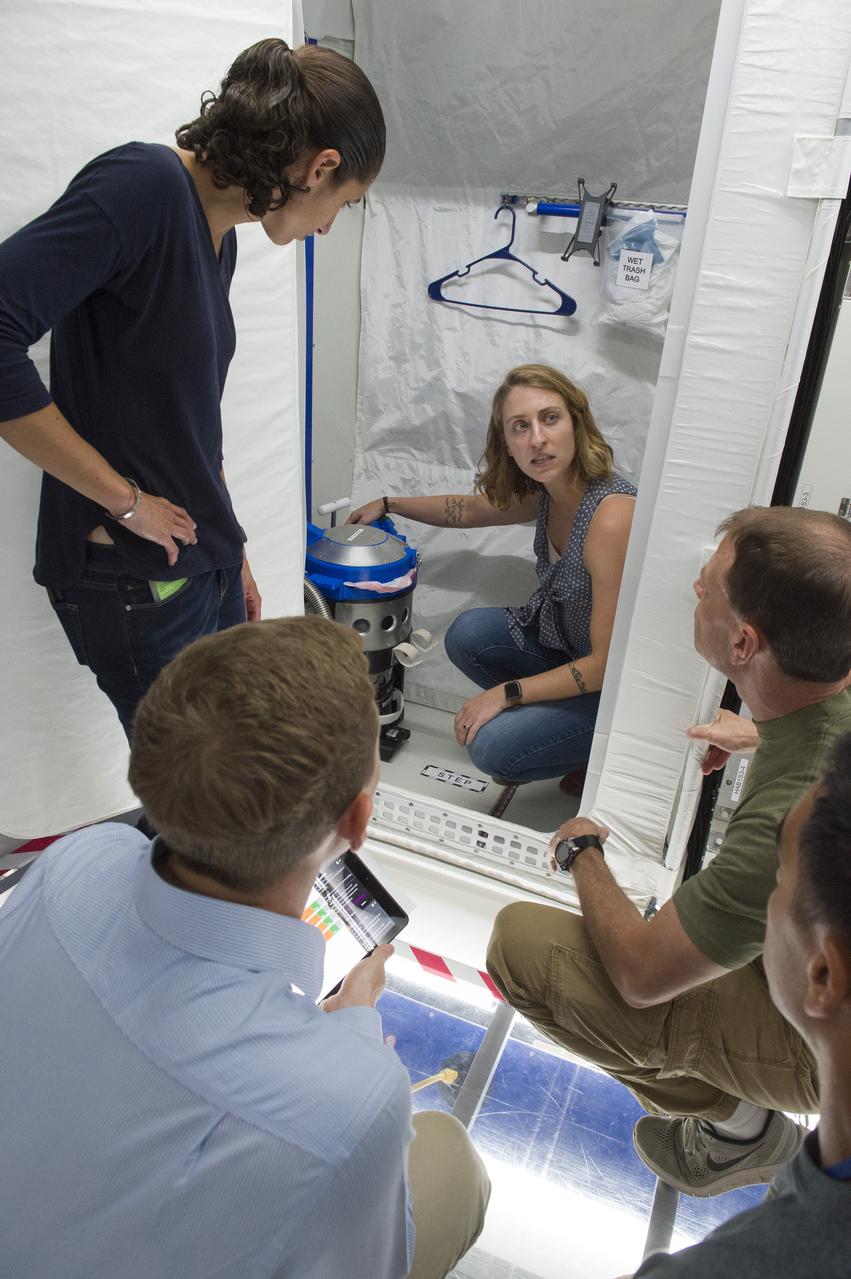
Boeing trainers conduct simulations inside the Boeing Exploration Habitat Demonstrator with astronauts to evaluate the internal layout and ergonomics, to support efficient work-life balance aboard a deep space ship.
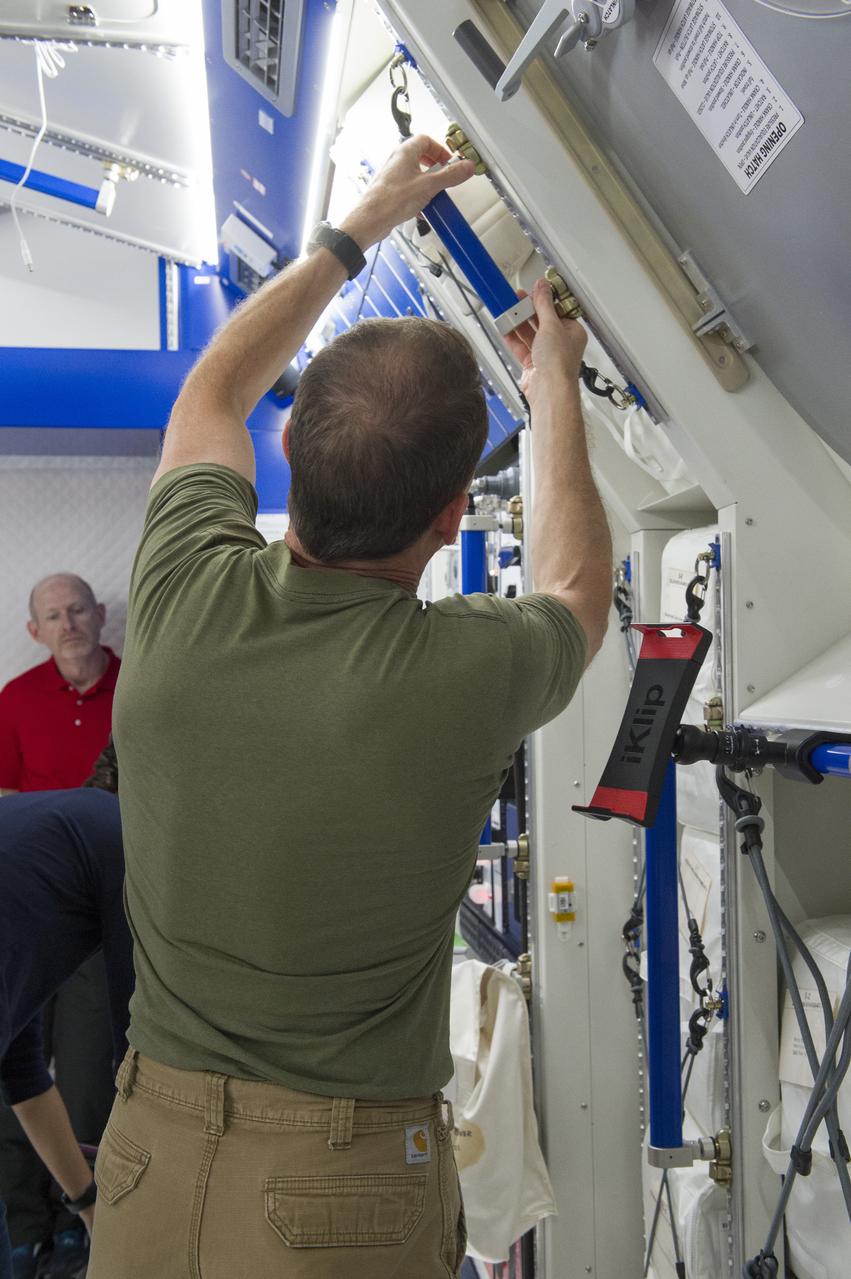
Boeing trainers conduct simulations inside the Boeing Exploration Habitat Demonstrator with astronauts to evaluate the internal layout and ergonomics, to support efficient work-life balance aboard a deep space ship.
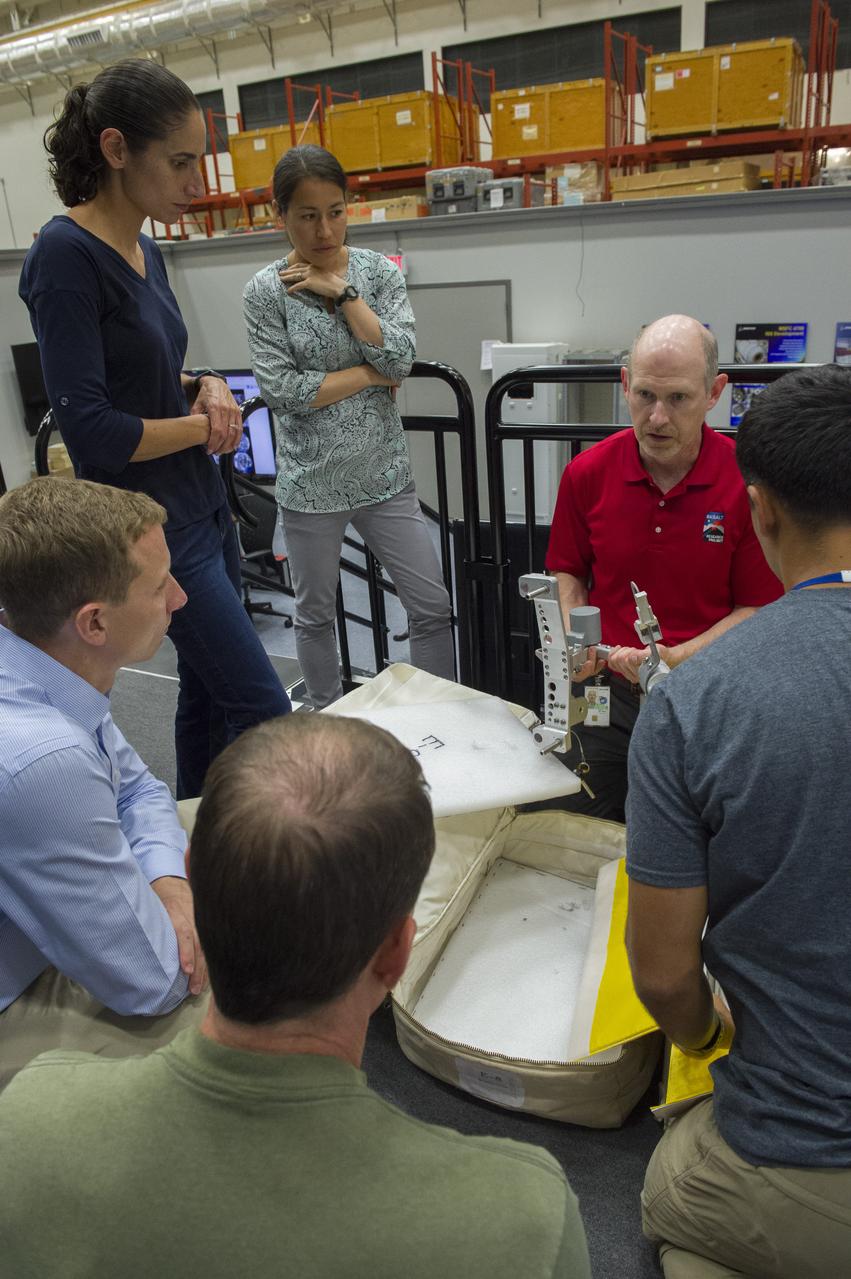
Boeing trainers conduct simulations inside the Boeing Exploration Habitat Demonstrator with astronauts to evaluate the internal layout and ergonomics, to support efficient work-life balance aboard a deep space ship.
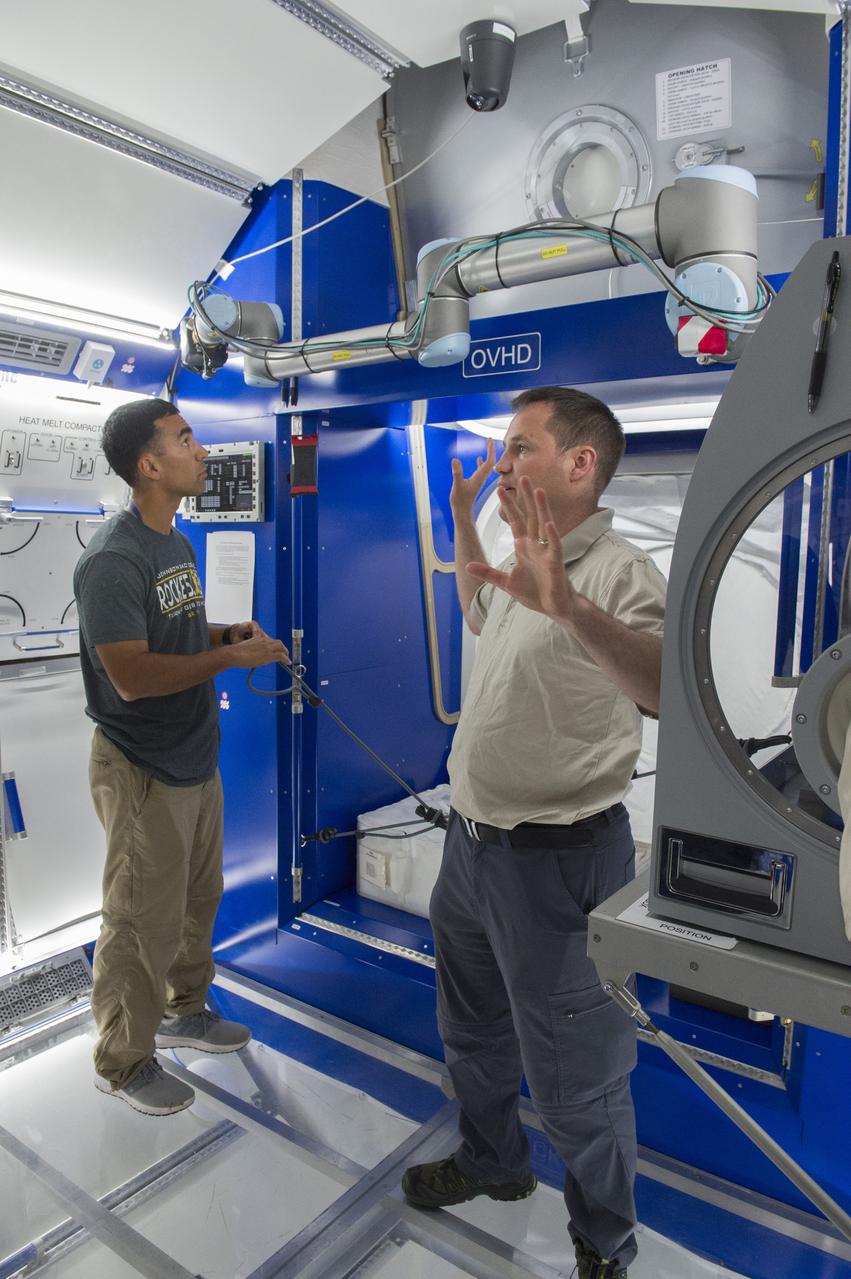
Boeing trainers conduct simulations inside the Boeing Exploration Habitat Demonstrator with astronauts to evaluate the internal layout and ergonomics, to support efficient work-life balance aboard a deep space ship.
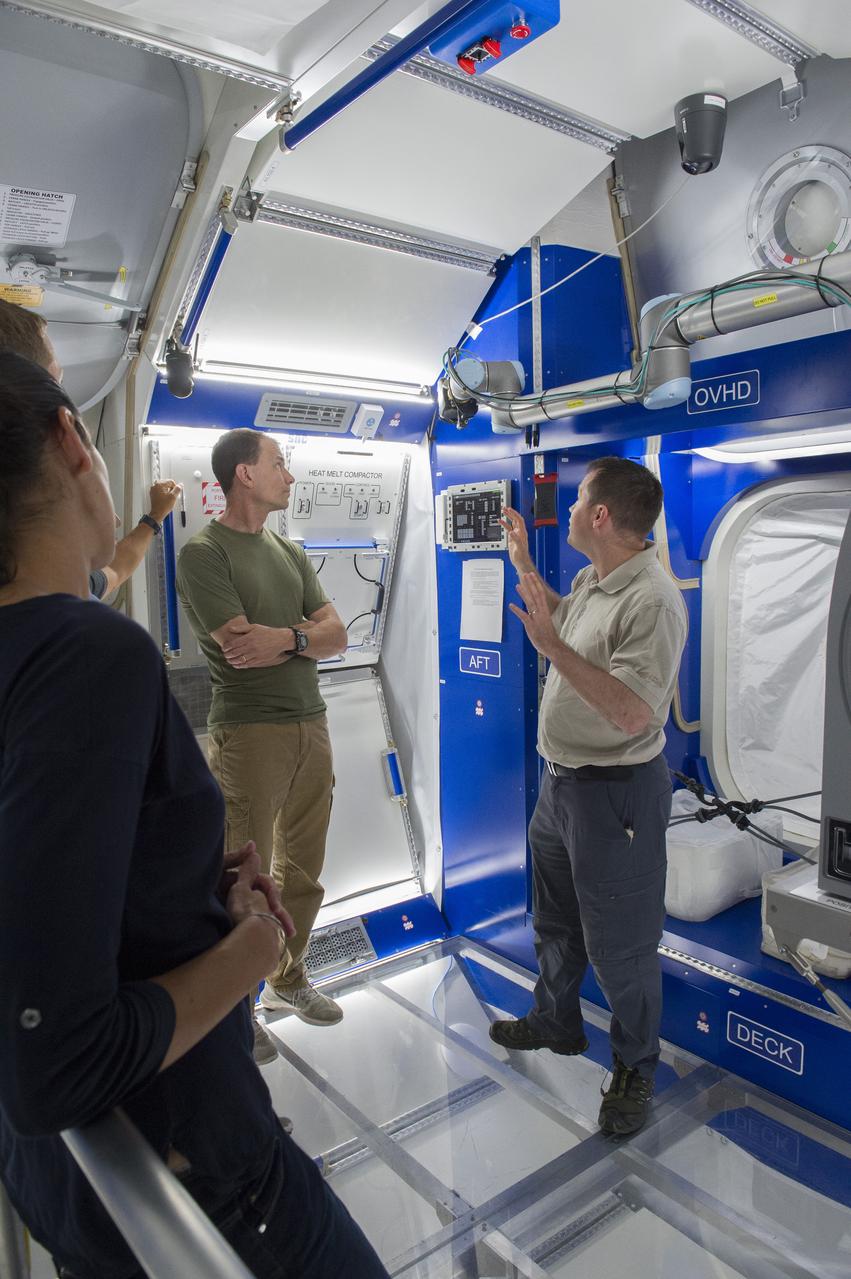
Boeing trainers conduct simulations inside the Boeing Exploration Habitat Demonstrator with astronauts to evaluate the internal layout and ergonomics, to support efficient work-life balance aboard a deep space ship.
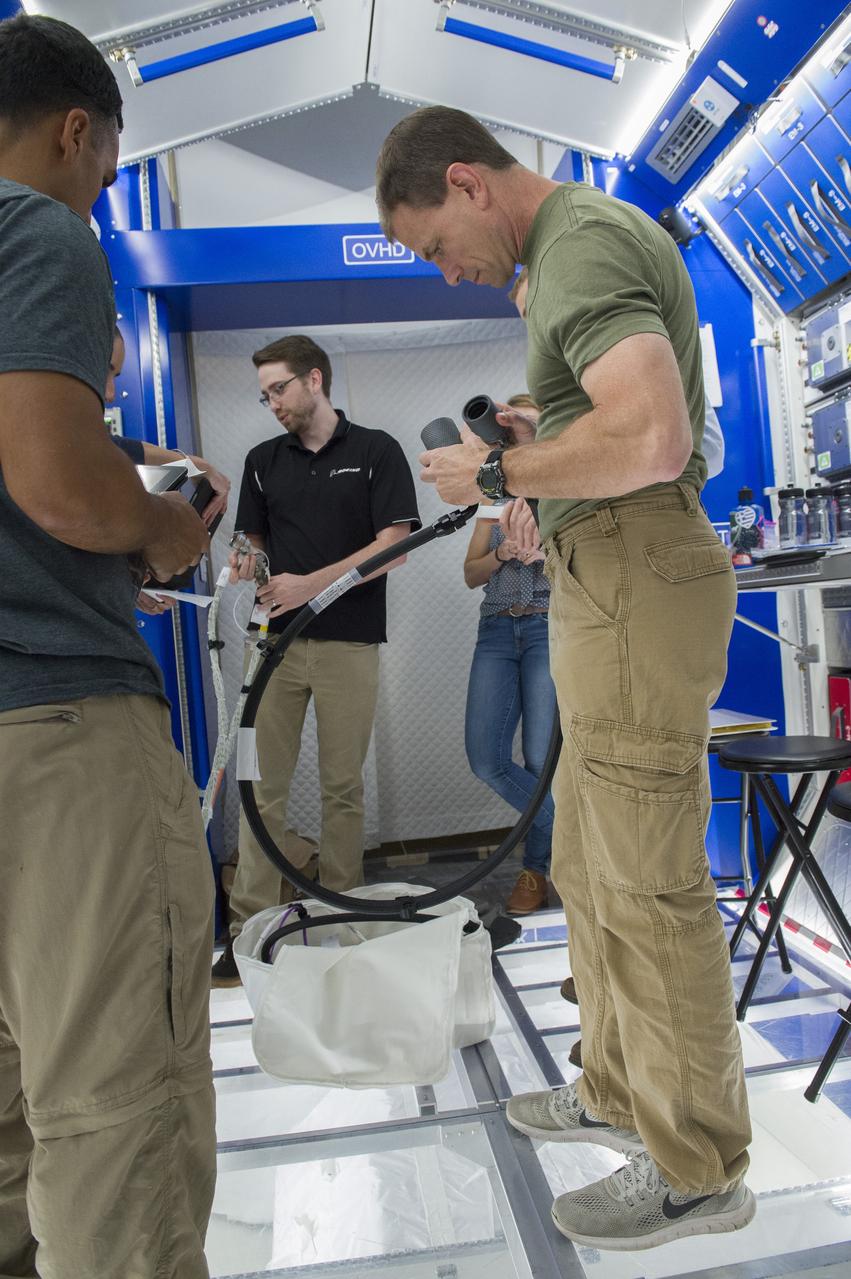
Boeing trainers conduct simulations inside the Boeing Exploration Habitat Demonstrator with astronauts to evaluate the internal layout and ergonomics, to support efficient work-life balance aboard a deep space ship.
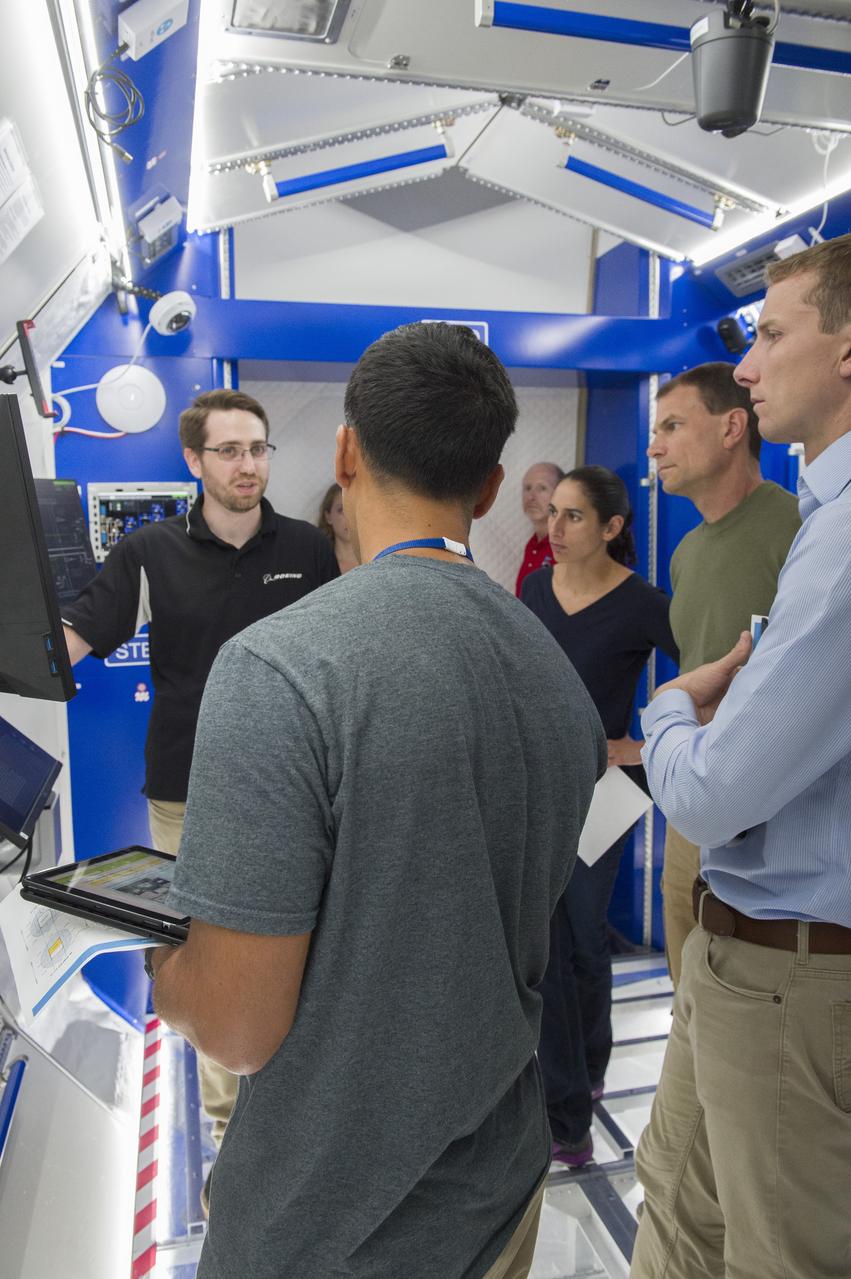
Boeing trainers conduct simulations inside the Boeing Exploration Habitat Demonstrator with astronauts to evaluate the internal layout and ergonomics, to support efficient work-life balance aboard a deep space ship.
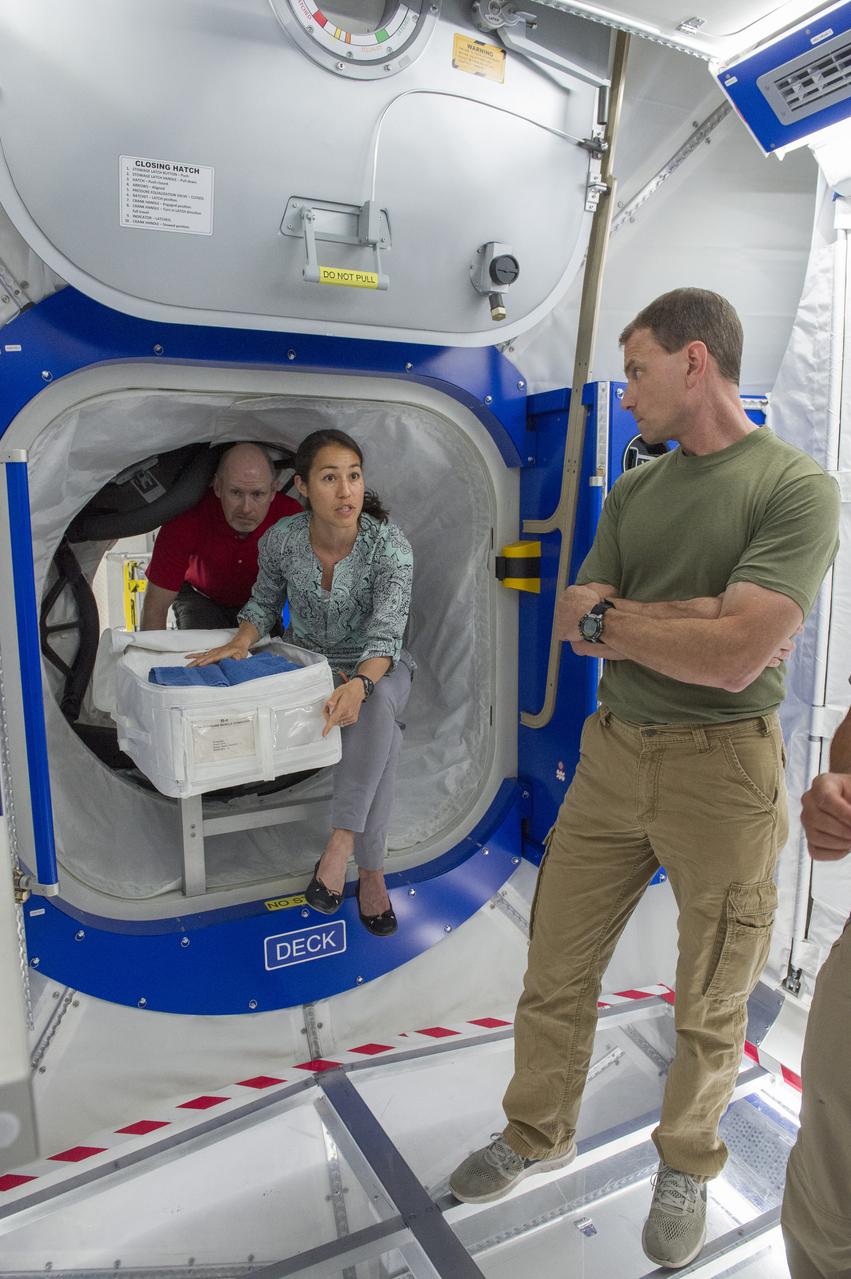
Boeing trainers conduct simulations inside the Boeing Exploration Habitat Demonstrator with astronauts to evaluate the internal layout and ergonomics, to support efficient work-life balance aboard a deep space ship.
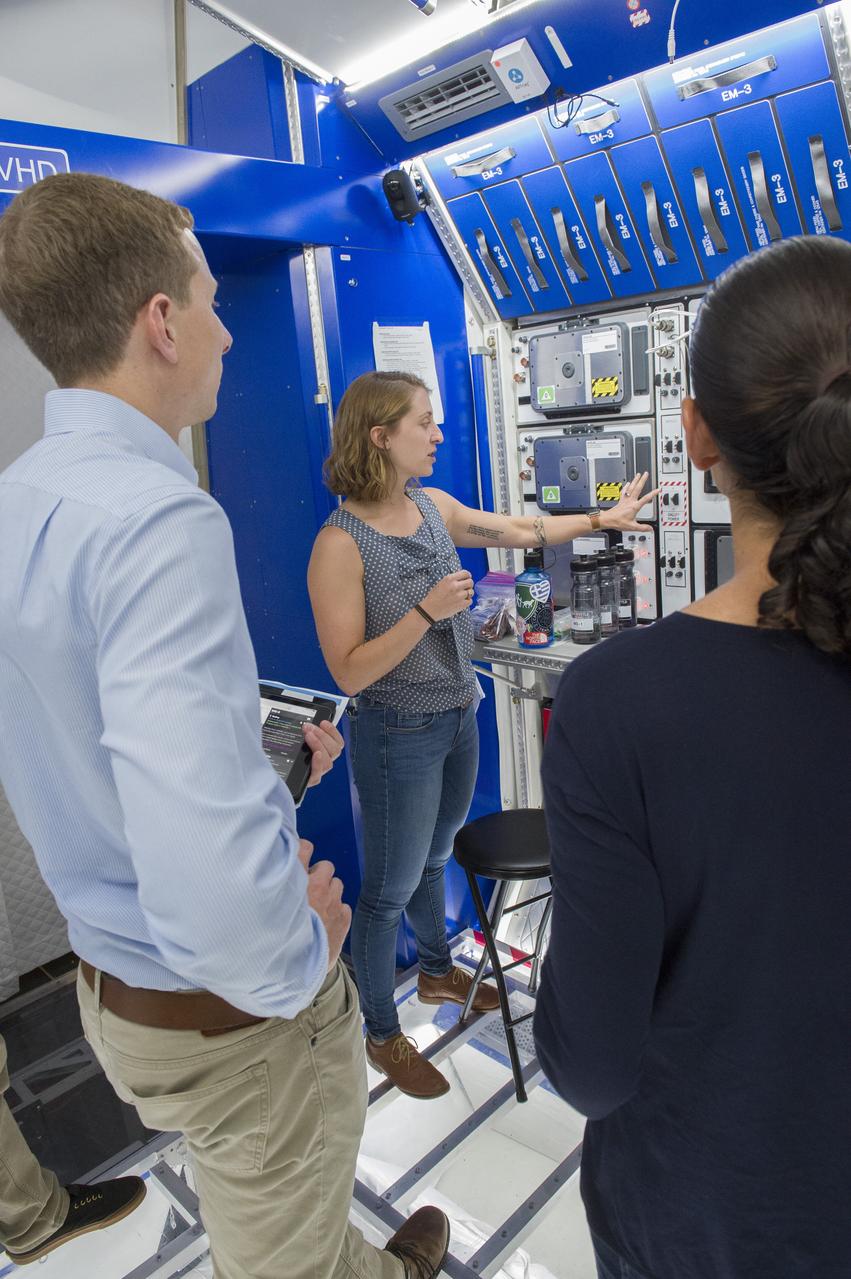
Boeing trainers conduct simulations inside the Boeing Exploration Habitat Demonstrator with astronauts to evaluate the internal layout and ergonomics, to support efficient work-life balance aboard a deep space ship.
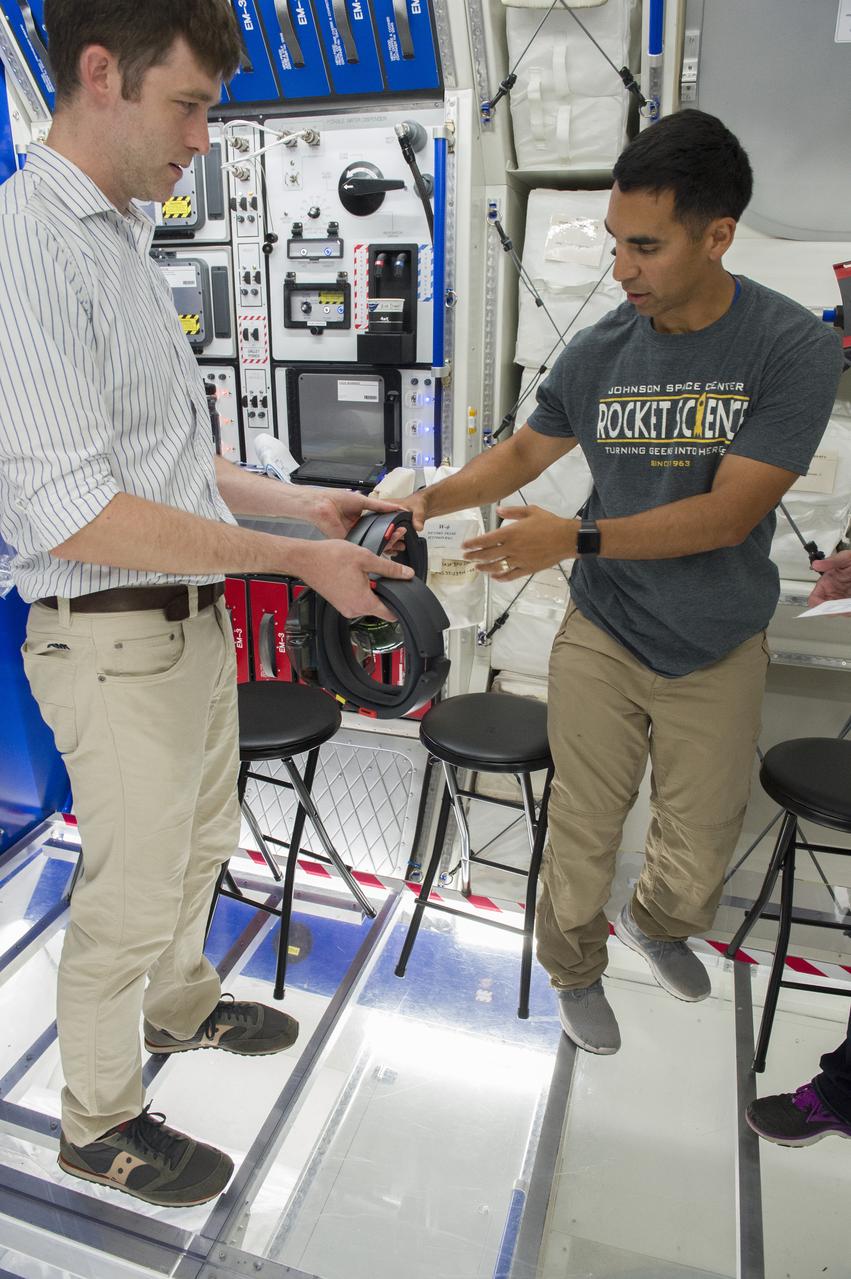
Boeing trainers conduct simulations inside the Boeing Exploration Habitat Demonstrator with astronauts to evaluate the internal layout and ergonomics, to support efficient work-life balance aboard a deep space ship.
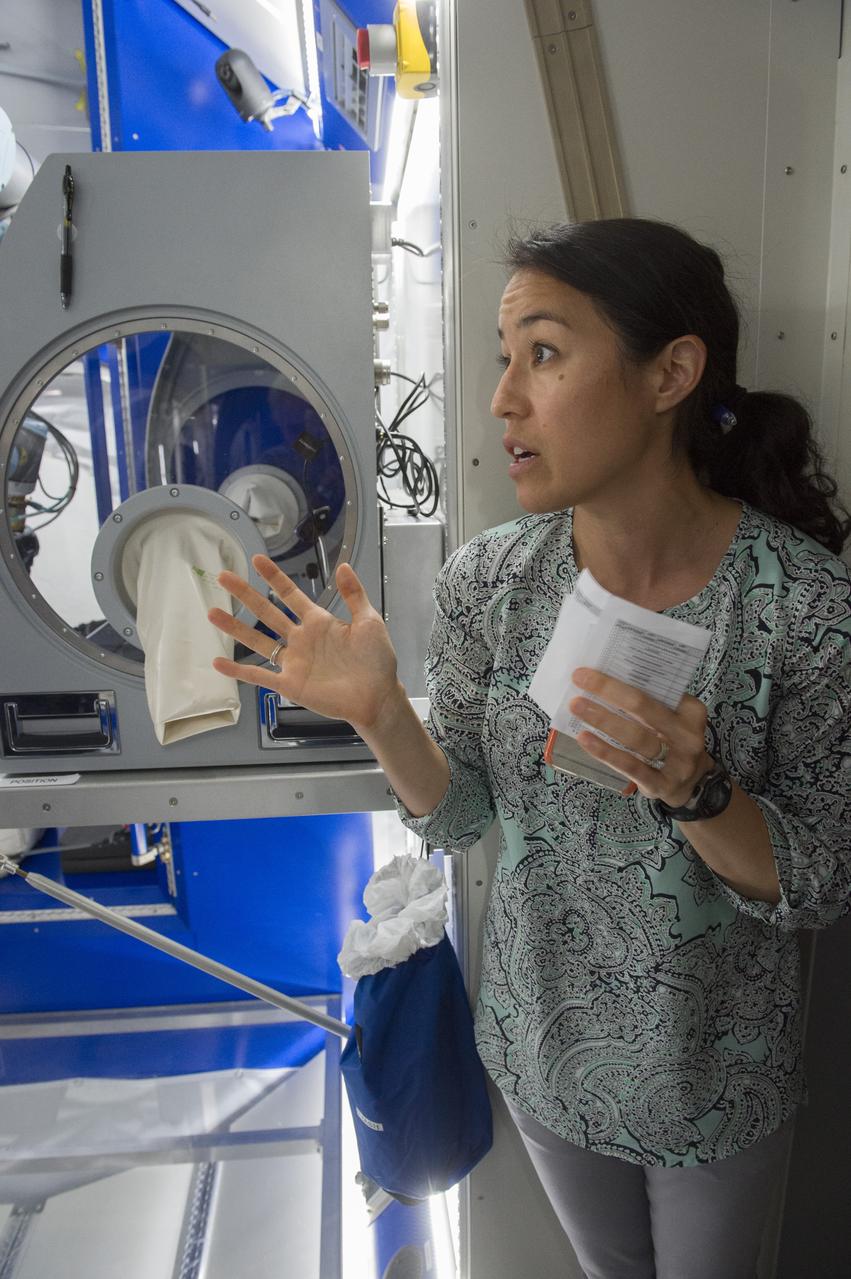
Boeing trainers conduct simulations inside the Boeing Exploration Habitat Demonstrator with astronauts to evaluate the internal layout and ergonomics, to support efficient work-life balance aboard a deep space ship.
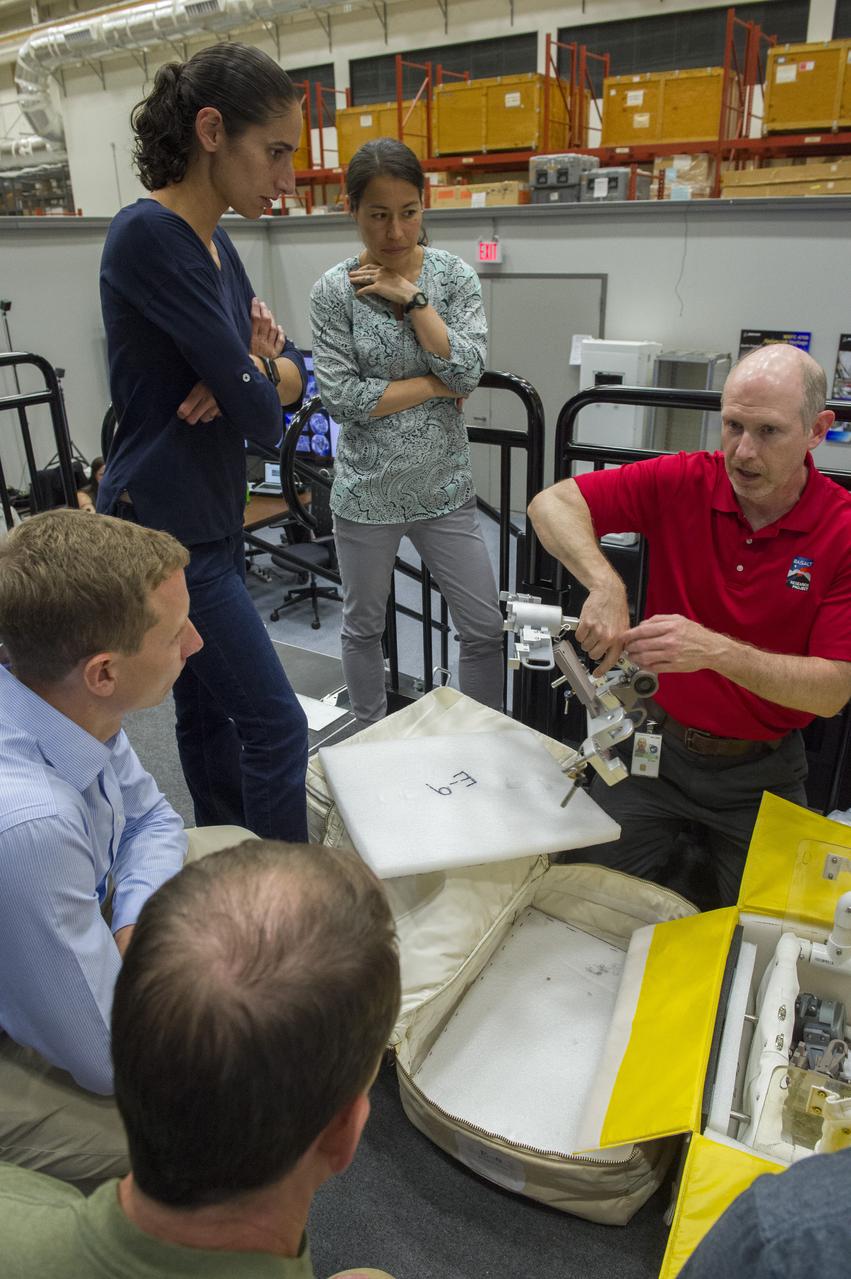
Boeing trainers conduct simulations inside the Boeing Exploration Habitat Demonstrator with astronauts to evaluate the internal layout and ergonomics, to support efficient work-life balance aboard a deep space ship.
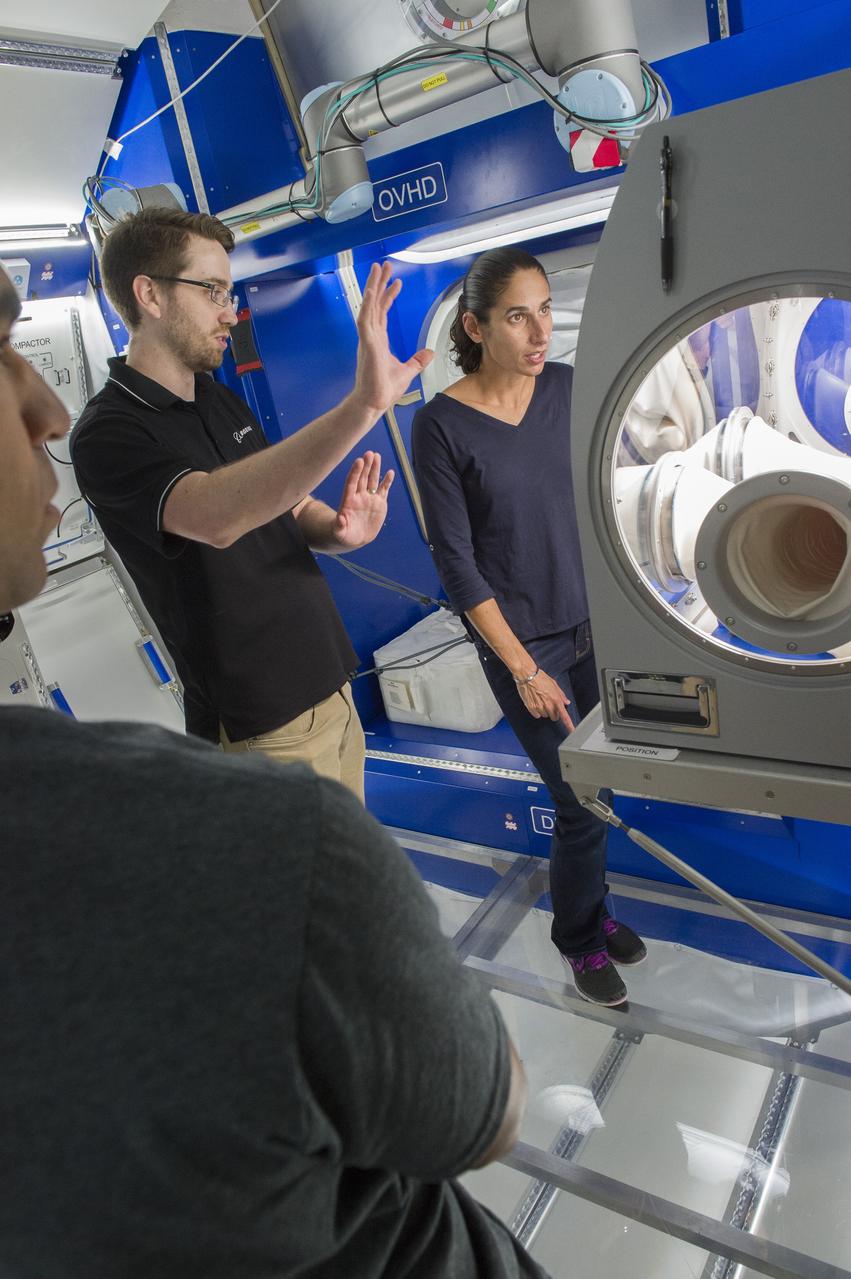
Boeing trainers conduct simulations inside the Boeing Exploration Habitat Demonstrator with astronauts to evaluate the internal layout and ergonomics, to support efficient work-life balance aboard a deep space ship.
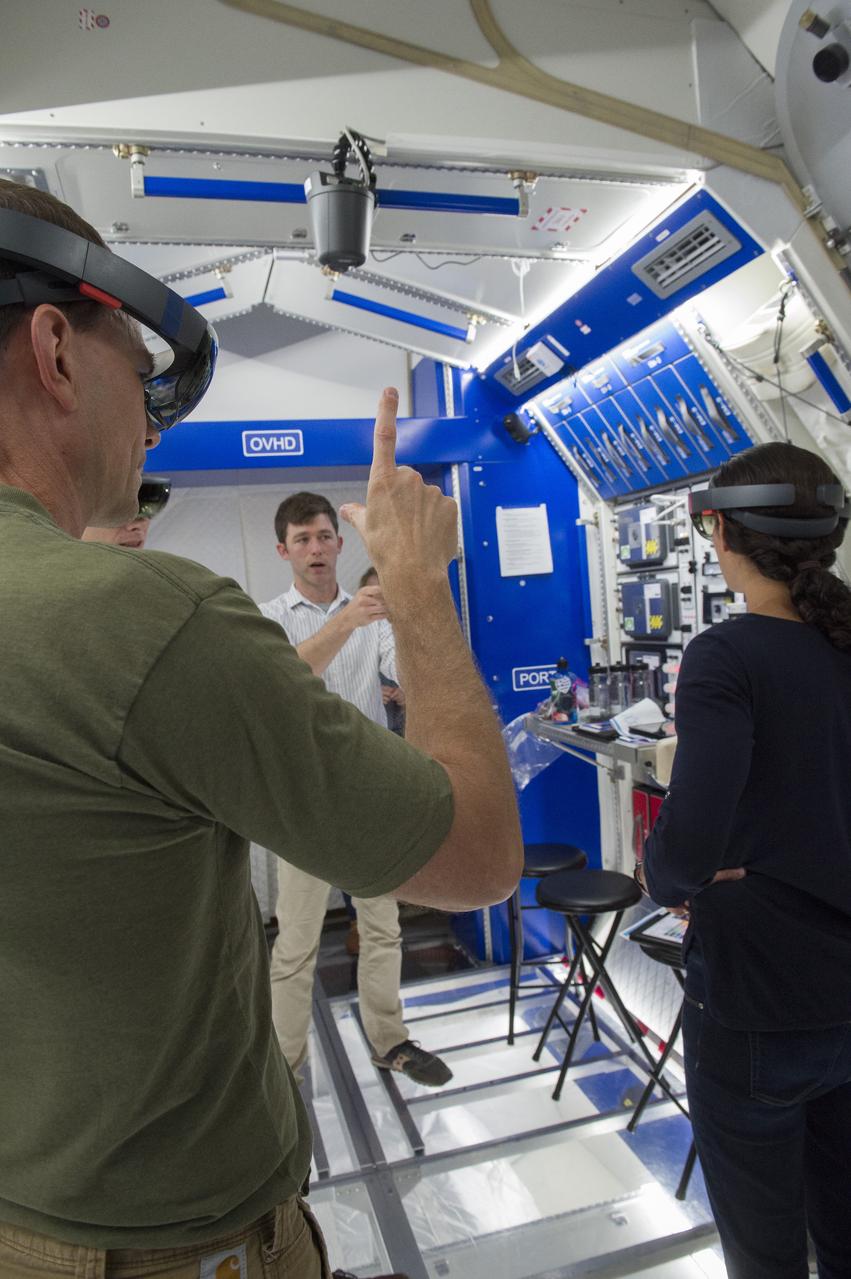
Boeing trainers conduct simulations inside the Boeing Exploration Habitat Demonstrator with astronauts to evaluate the internal layout and ergonomics, to support efficient work-life balance aboard a deep space ship.
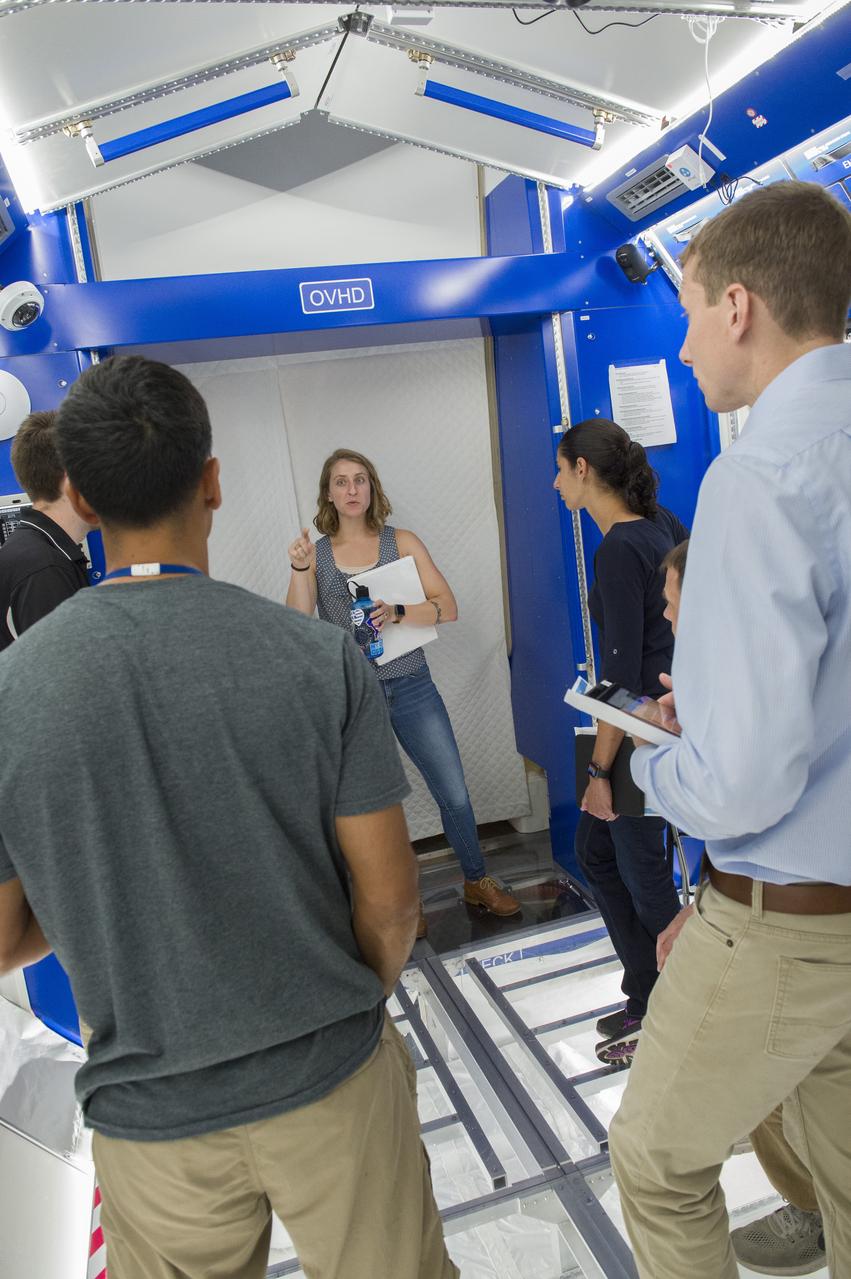
Boeing trainers conduct simulations inside the Boeing Exploration Habitat Demonstrator with astronauts to evaluate the internal layout and ergonomics, to support efficient work-life balance aboard a deep space ship.
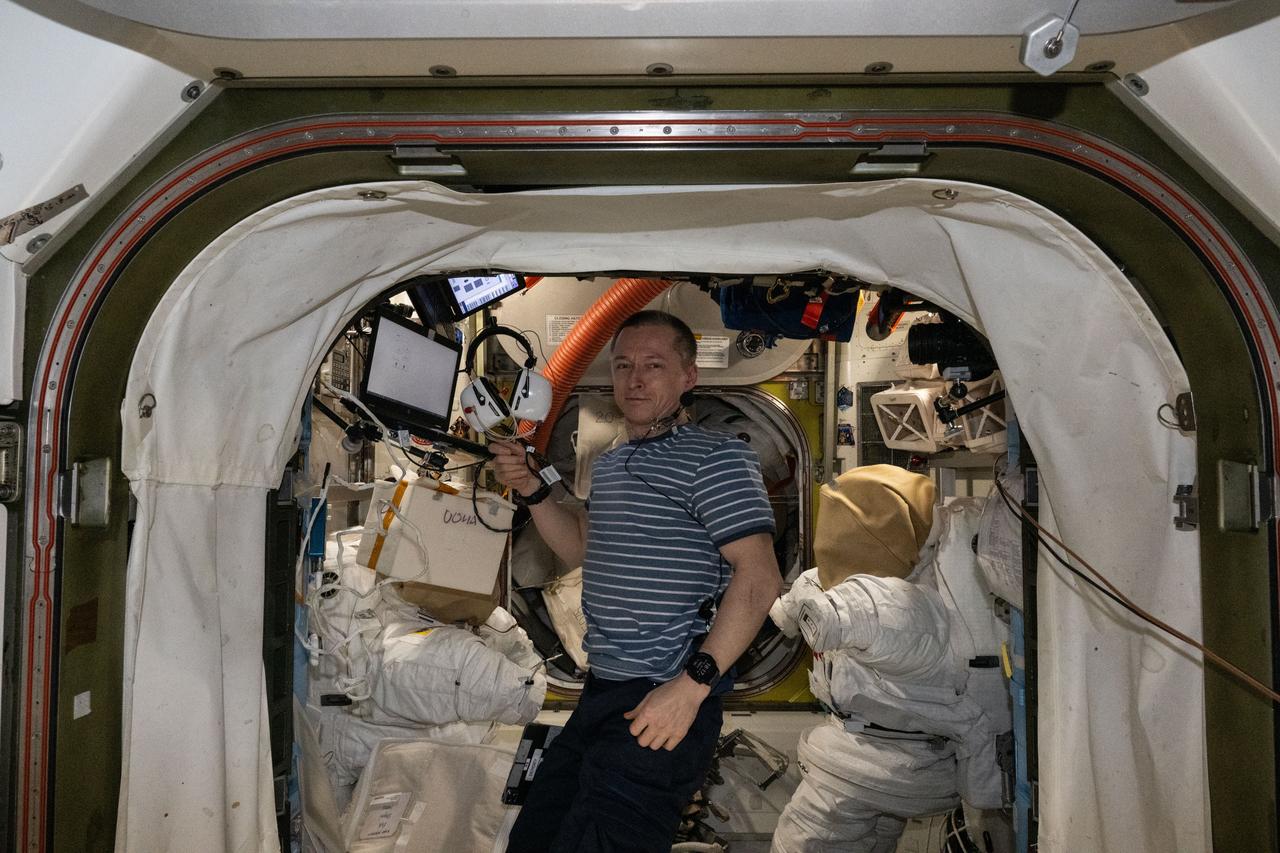
iss073e0658312 (Sept. 10, 2025) --- Roscosmos cosmonaut and Expedition 73 Commander Sergey Ryzhikov holds a headset inside the International Space Station's Quest airlock. Ryzhikov was conducting a hearing examination frequently conducted inside Quest due to the module's quiet environment. Quest is used primarily to service spacesuits and stage spacewalks.
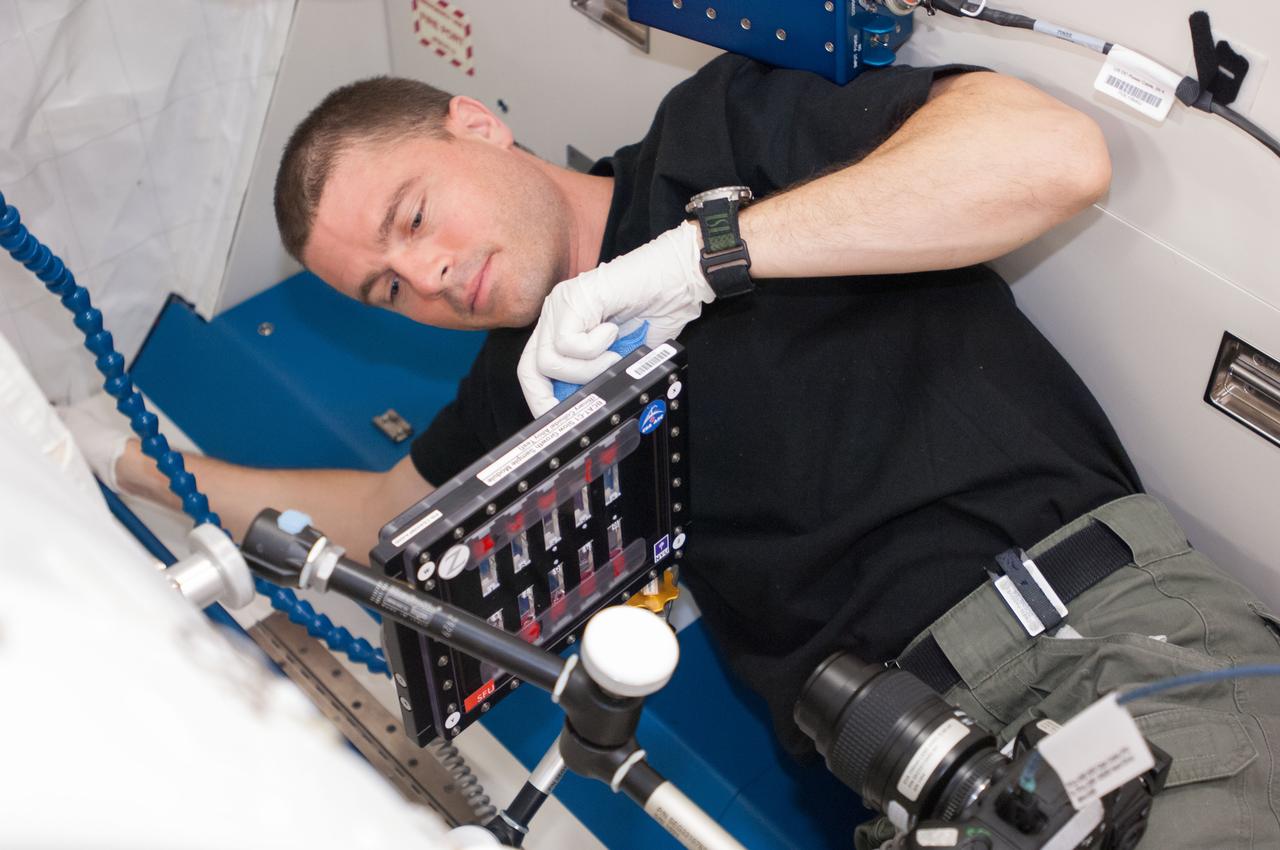
ISS040-E-076510 (25 July 2014) --- NASA astronaut Reid Wiseman, Expedition 40 flight engineer, conducts a session with the Binary Colloidal Alloy Test-C1, or BCAT-C1, experiment in the Kibo laboratory of the International Space Station. Results from this ongoing investigation of colloids ? mixtures of small particles distributed throughout a liquid ? will help materials scientists to develop new consumer products with unique properties and longer shelf lives.
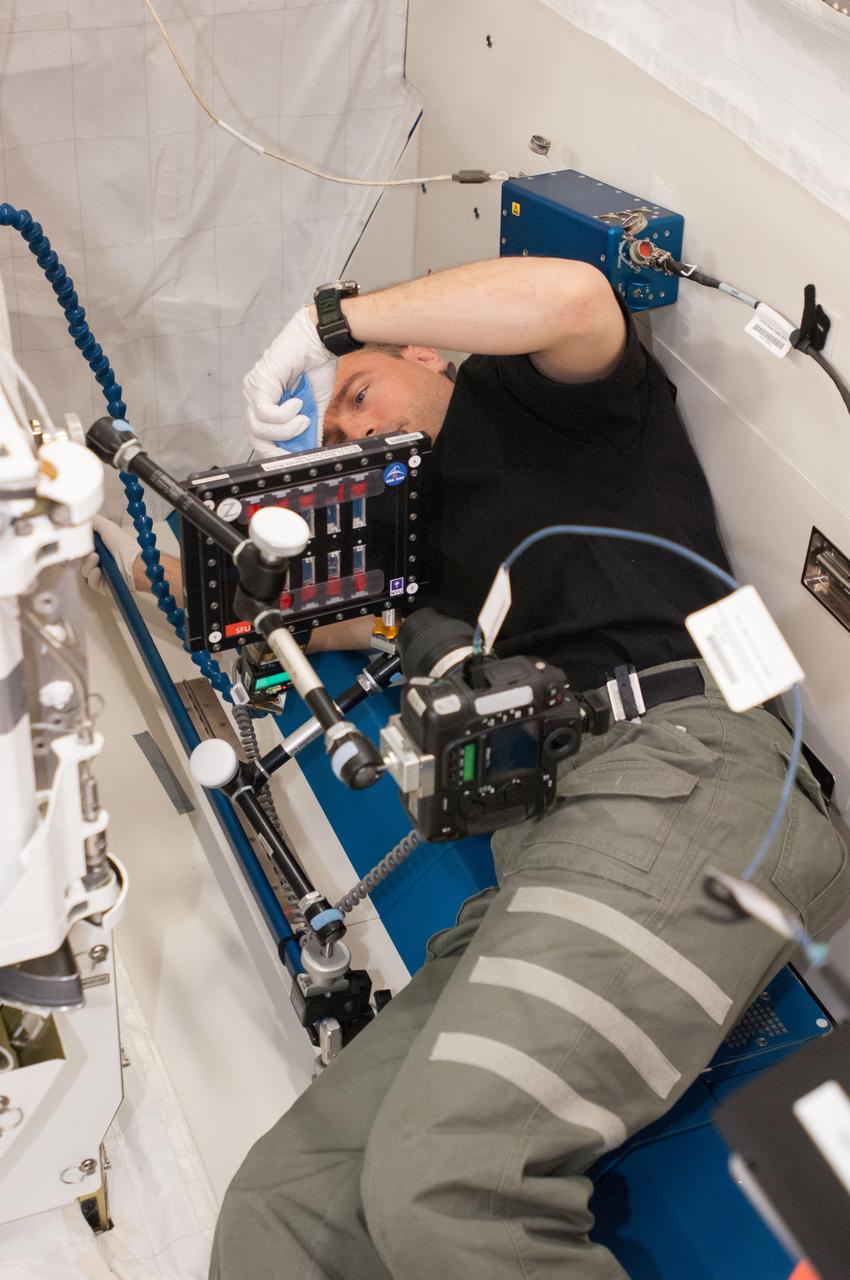
ISS040-E-076505 (25 July 2014) --- NASA astronaut Reid Wiseman, Expedition 40 flight engineer, conducts a session with the Binary Colloidal Alloy Test-C1, or BCAT-C1, experiment in the Kibo laboratory of the International Space Station. Results from this ongoing investigation of colloids ? mixtures of small particles distributed throughout a liquid ? will help materials scientists to develop new consumer products with unique properties and longer shelf lives.
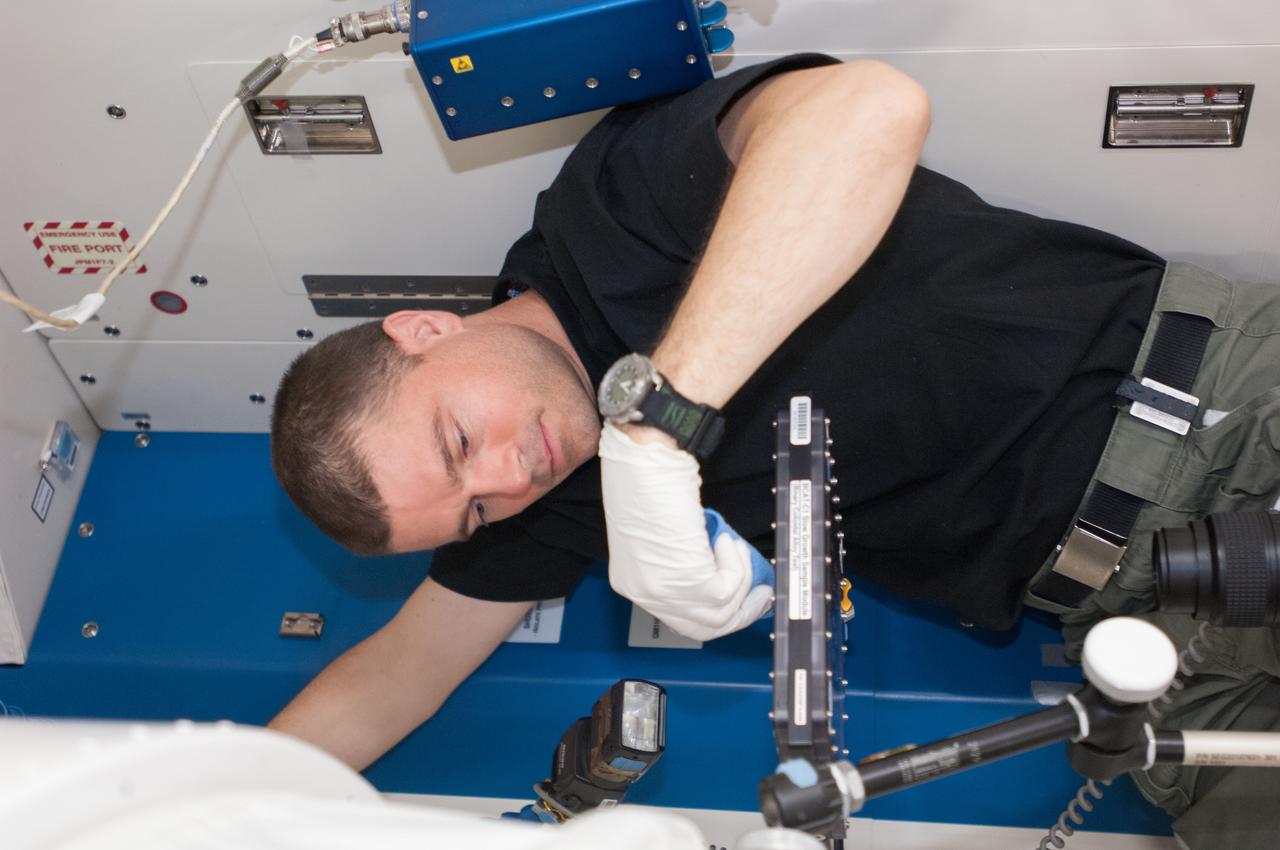
ISS040-E-076507 (25 July 2014) --- NASA astronaut Reid Wiseman, Expedition 40 flight engineer, conducts a session with the Binary Colloidal Alloy Test-C1, or BCAT-C1, experiment in the Kibo laboratory of the International Space Station. Results from this ongoing investigation of colloids ? mixtures of small particles distributed throughout a liquid ? will help materials scientists to develop new consumer products with unique properties and longer shelf lives.
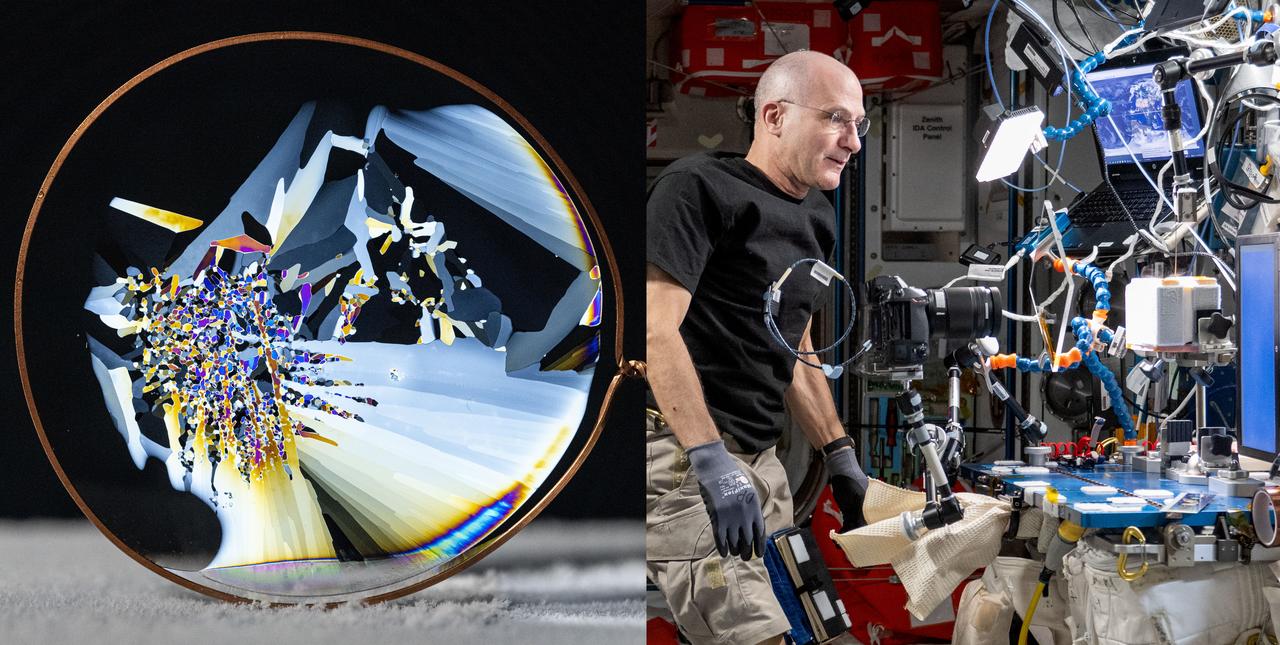
iss072e096196 and iss072e098100 (Oct. 23, 2024) -- NASA Astronaut Don Pettit views thin wafers of ice under polarized filters on the International Space Station. Pettit conducts “science of opportunity” using station’s MELFI freezer to understand the behaviors of freezing water under microgravity conditions without gravitational buoyancy. This ice wafer was photographed between a polarized filter and a laptop display used to illuminate and cross-polarize the thin ice, giving a colorful image highlighting the fragmented crystals. This is a composite image of iss072e098100 and iss072e096196.
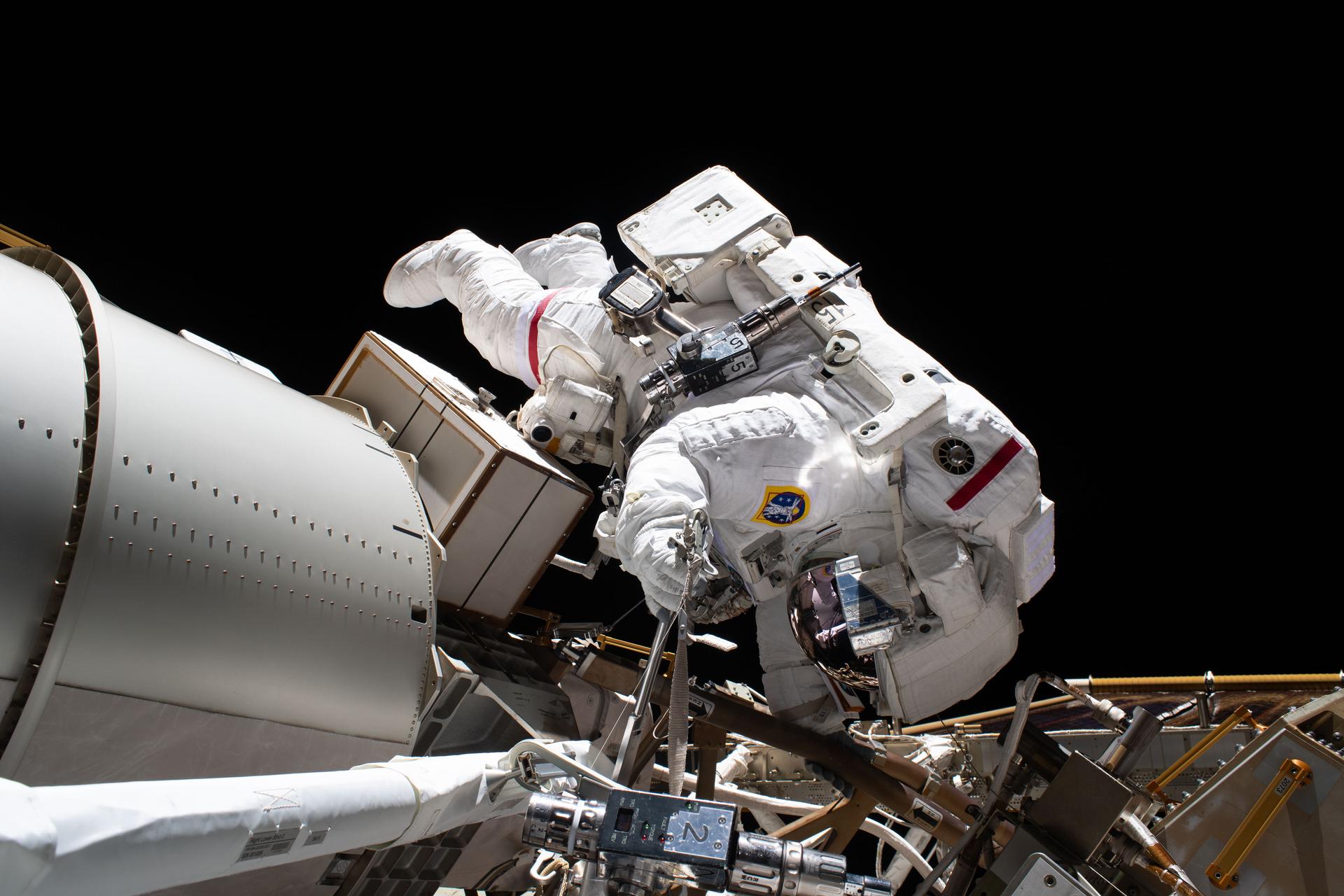
iss075e0010873 (Aug. 6, 2026) --- NASA astronaut and Expedition 75 commander Jessica Meir conducts a spacewalk to prepare the International Space Station for future upgrades to its power system. Meir helped build a modification kit on the station’s Starboard 6 truss segment where a roll out solar array is slated to be installed later this year. Credit: NASA
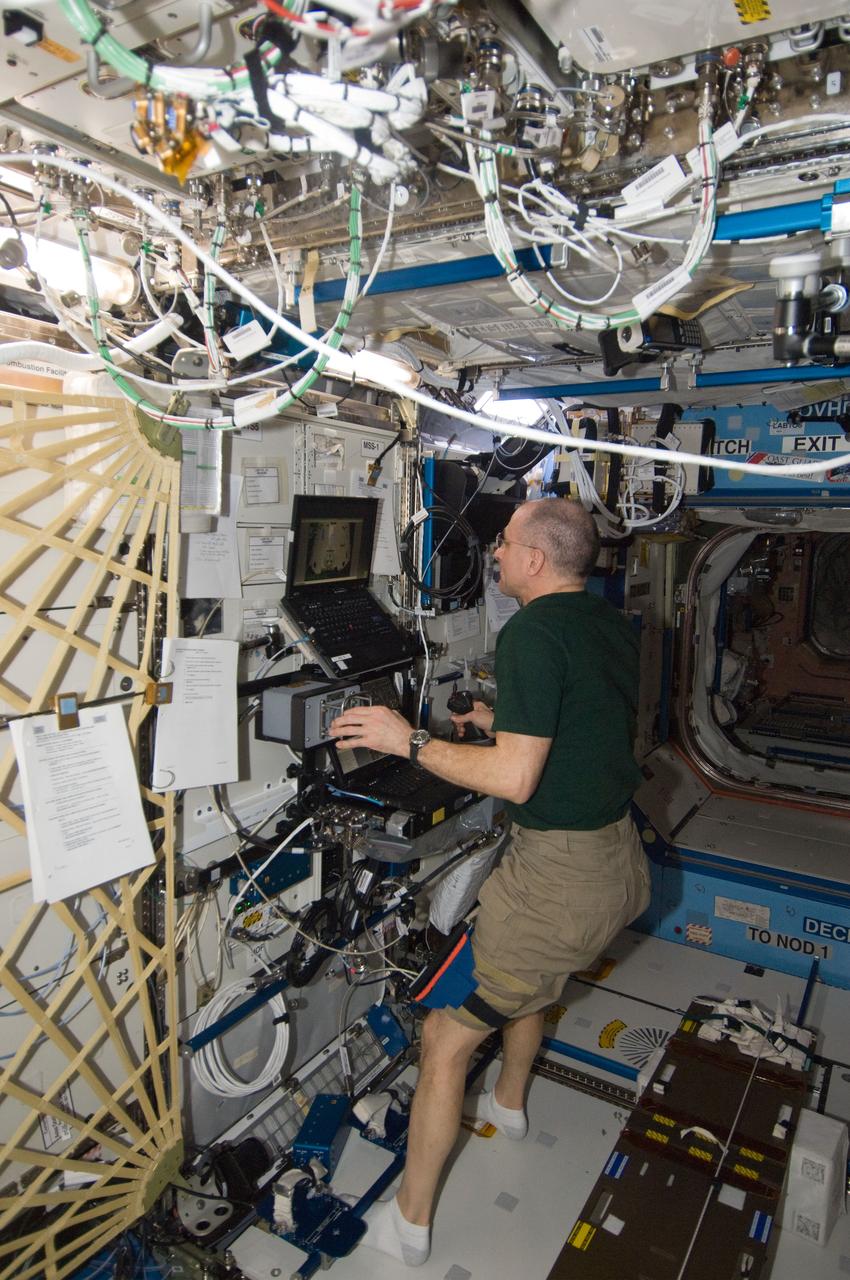
ISS030-E-235581 (11 April 2012) --- In the International Space Station’s Destiny laboratory, NASA astronaut Don Pettit, Expedition 30 flight engineer, conducts the first of three sessions on the ROBoT simulator in preparation for the arrival of the SpaceX Dragon. Slated for liftoff on April 30, 2012, at 12:22 (EDT) from the Kennedy Space Center, the goal of Dragon’s planned 21-day mission will be to test the unpiloted capsule’s ability to rendezvous with the space station.
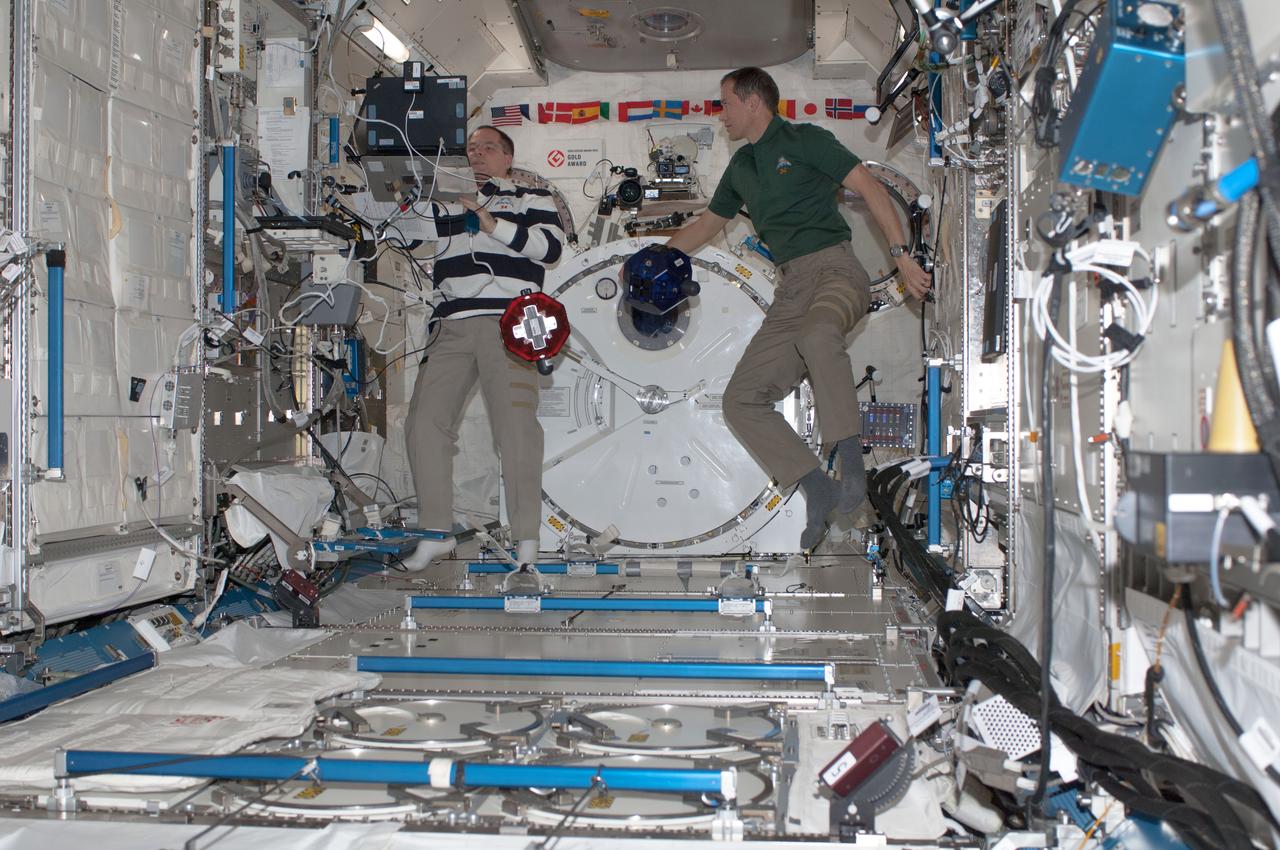
ISS034-E-028342 (11 Jan. 2013) --- NASA astronauts Kevin Ford (left), Expedition 34 commander; and Tom Marshburn, flight engineer, conduct a session of the Synchronized Position Hold, Engage, Reorient, Experimental Satellites Zero Robotics (SPHERES ZR) program in the Kibo laboratory of the International Space Station.
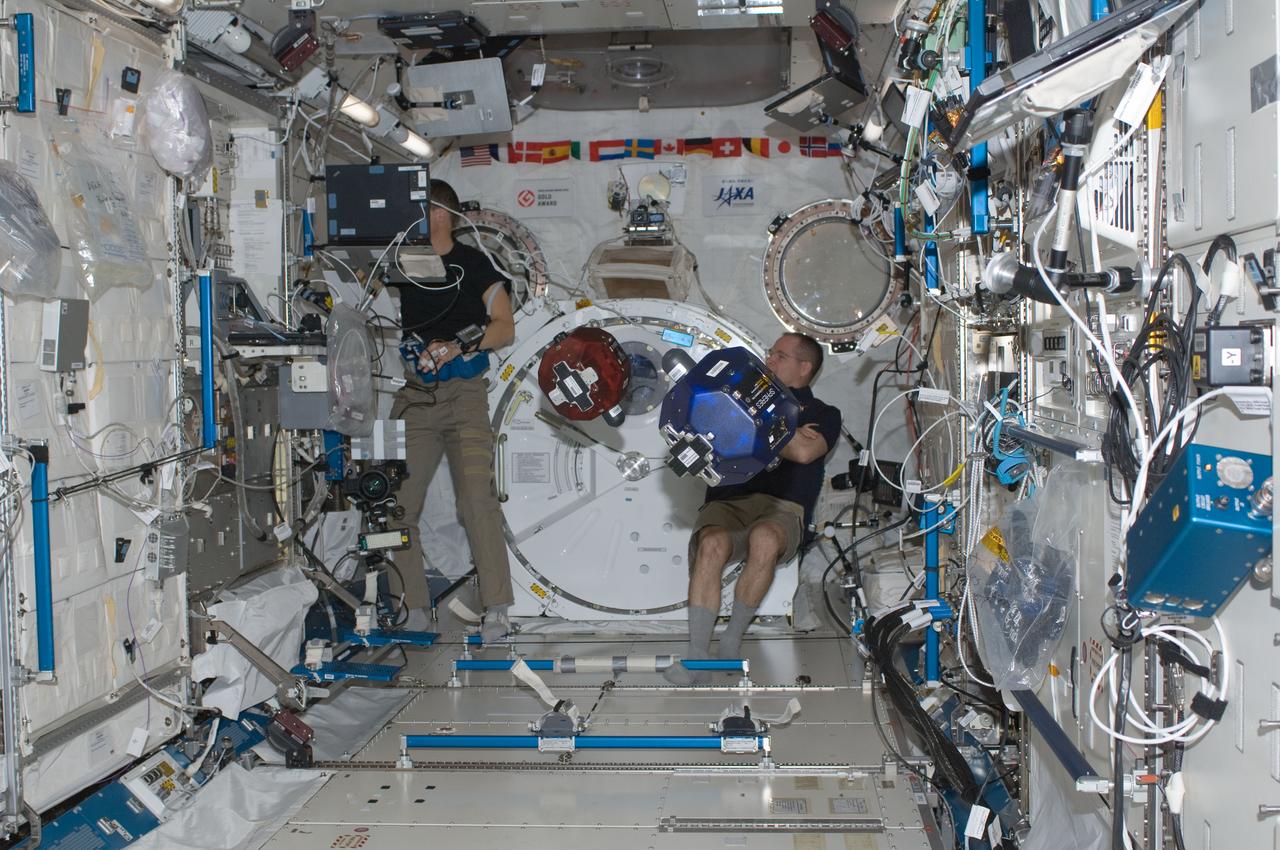
ISS034-E-014548 (4 Jan. 2013) --- With their feet anchored in floor restraints, NASA astronauts Kevin Ford (right), Expedition 34 commander; and Tom Marshburn, flight engineer, conduct a session of the Synchronized Position Hold, Engage, Reorient, Experimental Satellites (SPHERES) program in the Kibo laboratory of the International Space Station.
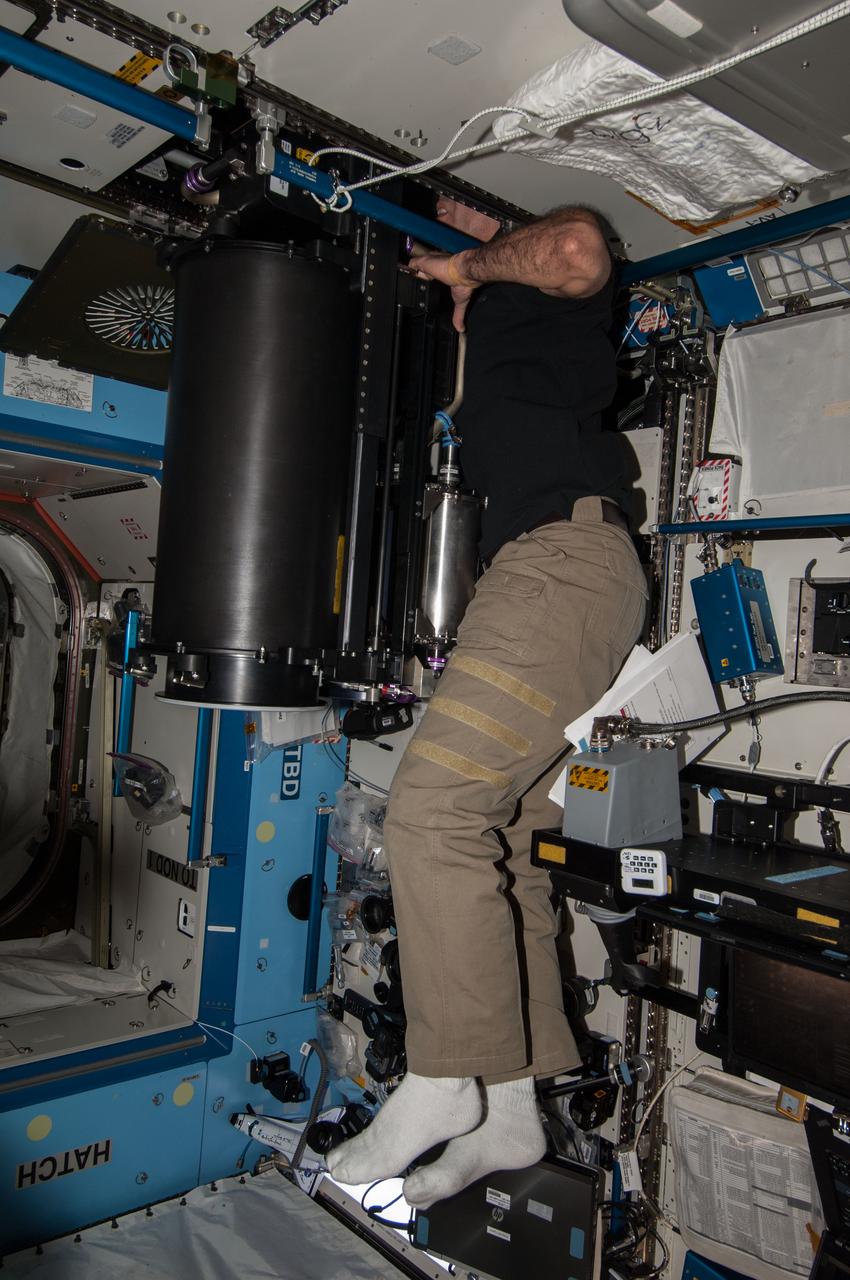
Expedition 39 flight engineer Rick Mastracchio looks for a loose connection as he conducts troubleshooting operations on the Carbon Dioxide Removal Assembly (CDRA) in the Destiny U.S. Laboratory. Image was released by astronaut on Twitter. (IO Note: Camera data file contains incorrect time.)
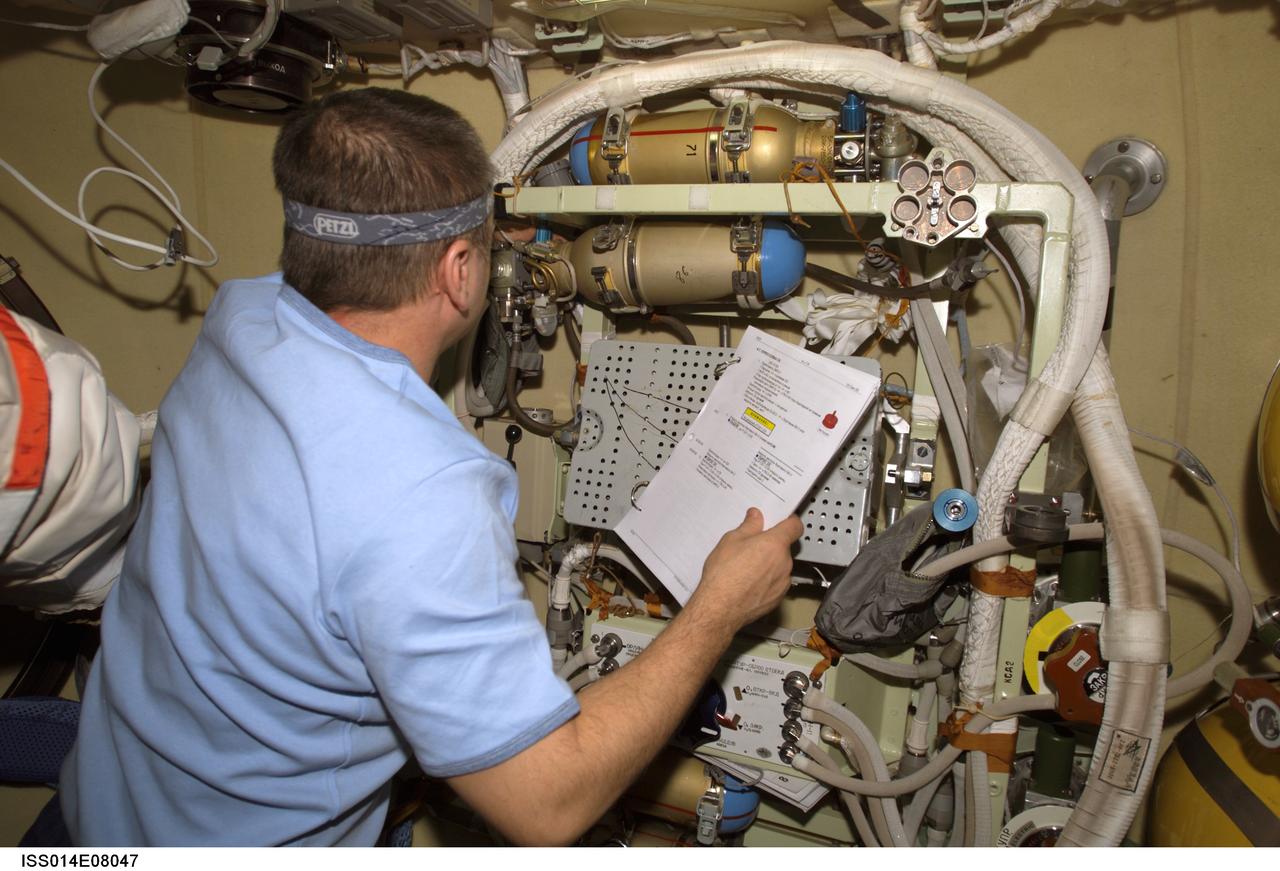
ISS014-E-08047 (14 Nov. 2006) --- Cosmonaut Mikhail Tyurin, Expedition 14 flight engineer representing Russia's Federal Space Agency, conducts a check on the Orlan Interface Unit in the Pirs Docking Compartment of the International Space Station.
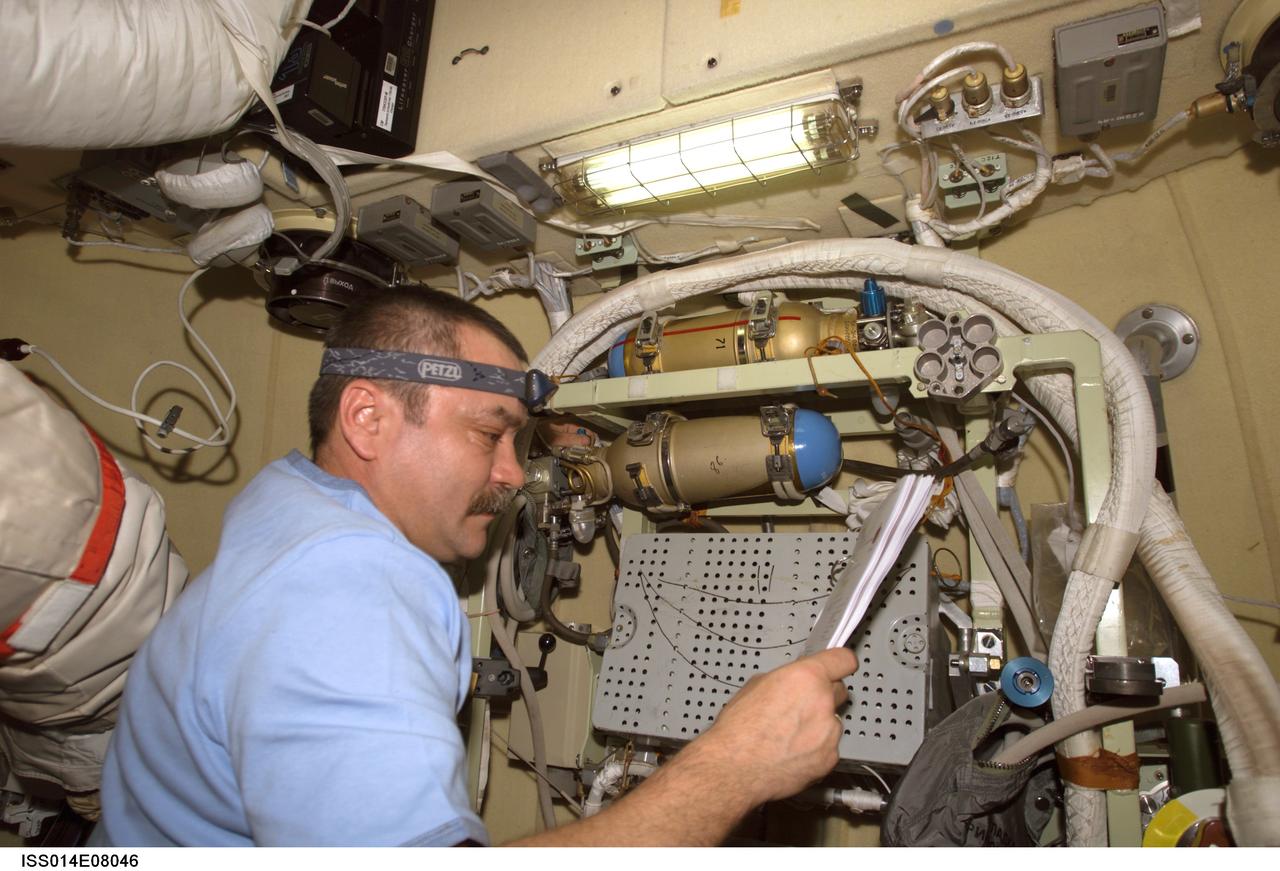
ISS014-E-08046 (14 Nov. 2006) --- Cosmonaut Mikhail Tyurin, Expedition 14 flight engineer representing Russia's Federal Space Agency, conducts a check on the Orlan Interface Unit in the Pirs Docking Compartment of the International Space Station.
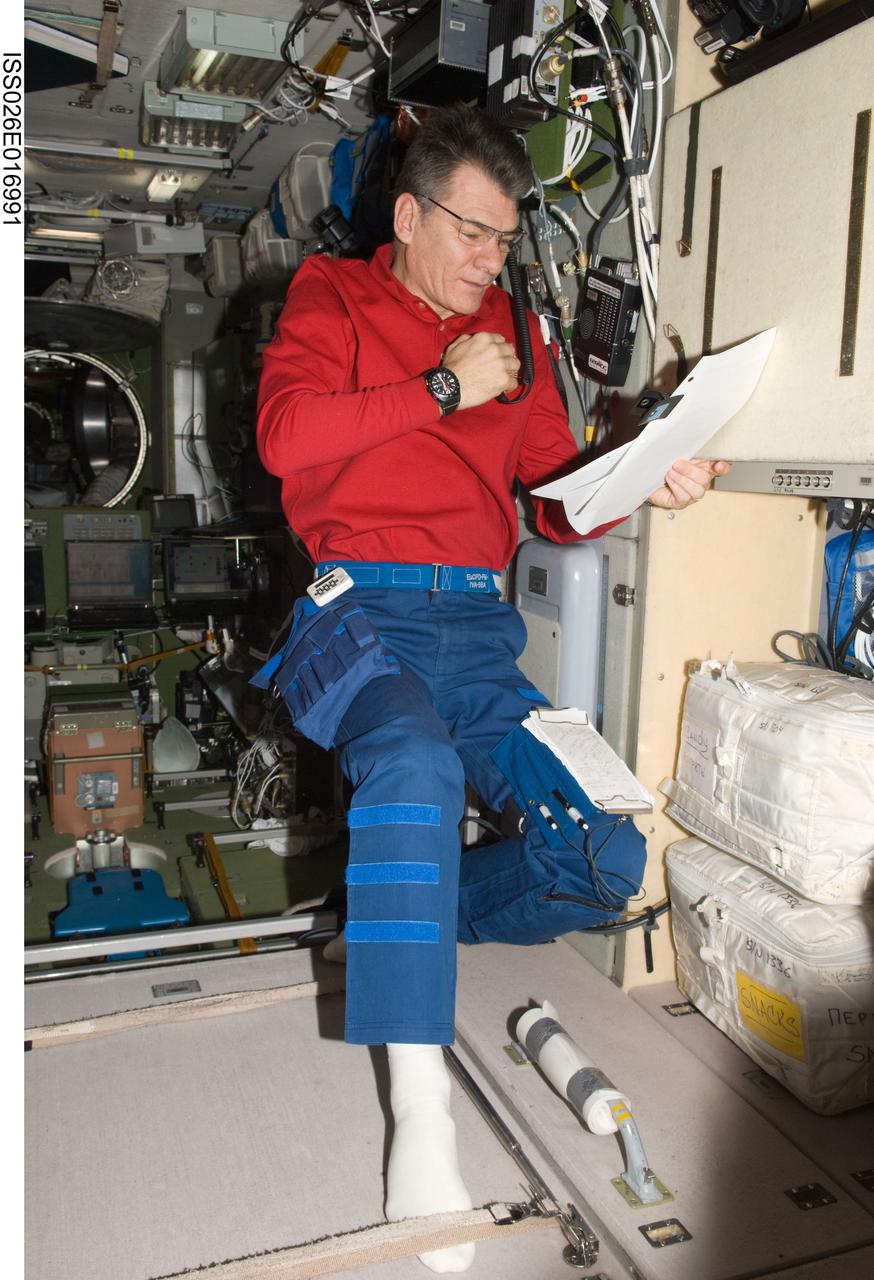
ISS026-E-016991 (8 Jan. 2011) --- European Space Agency astronaut Paolo Nespoli, Expedition 26 flight engineer, conducts a ham radio session from the Zvezda Service Module of the International Space Station with students at Universit? degli studi di Bari ?Cittadella Mediterranea della Scienza,? Bari, Italy.
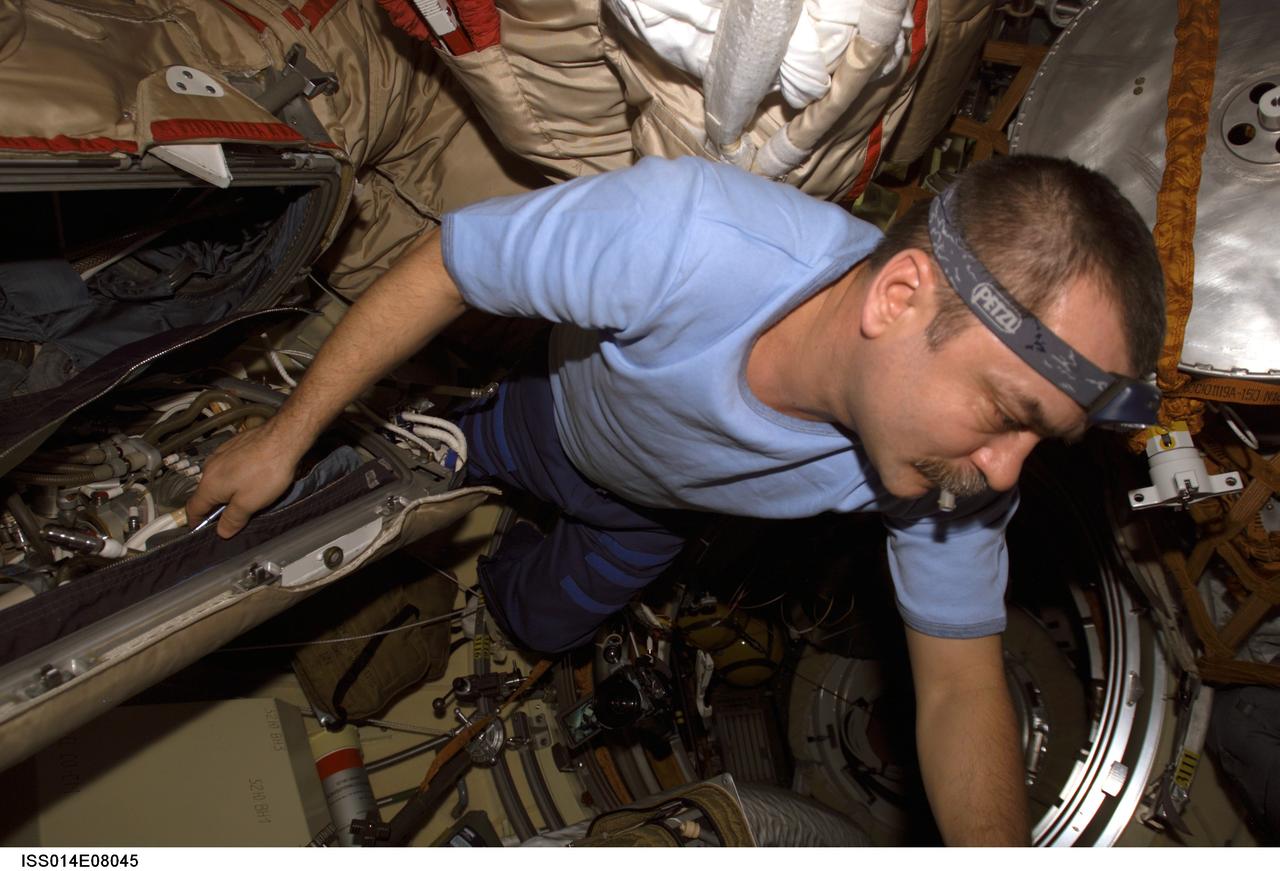
ISS014-E-08045 (14 Nov. 2006) --- Cosmonaut Mikhail Tyurin, Expedition 14 flight engineer representing Russia's Federal Space Agency, conducts a check on the Orlan Interface Unit in the Pirs Docking Compartment of the International Space Station.
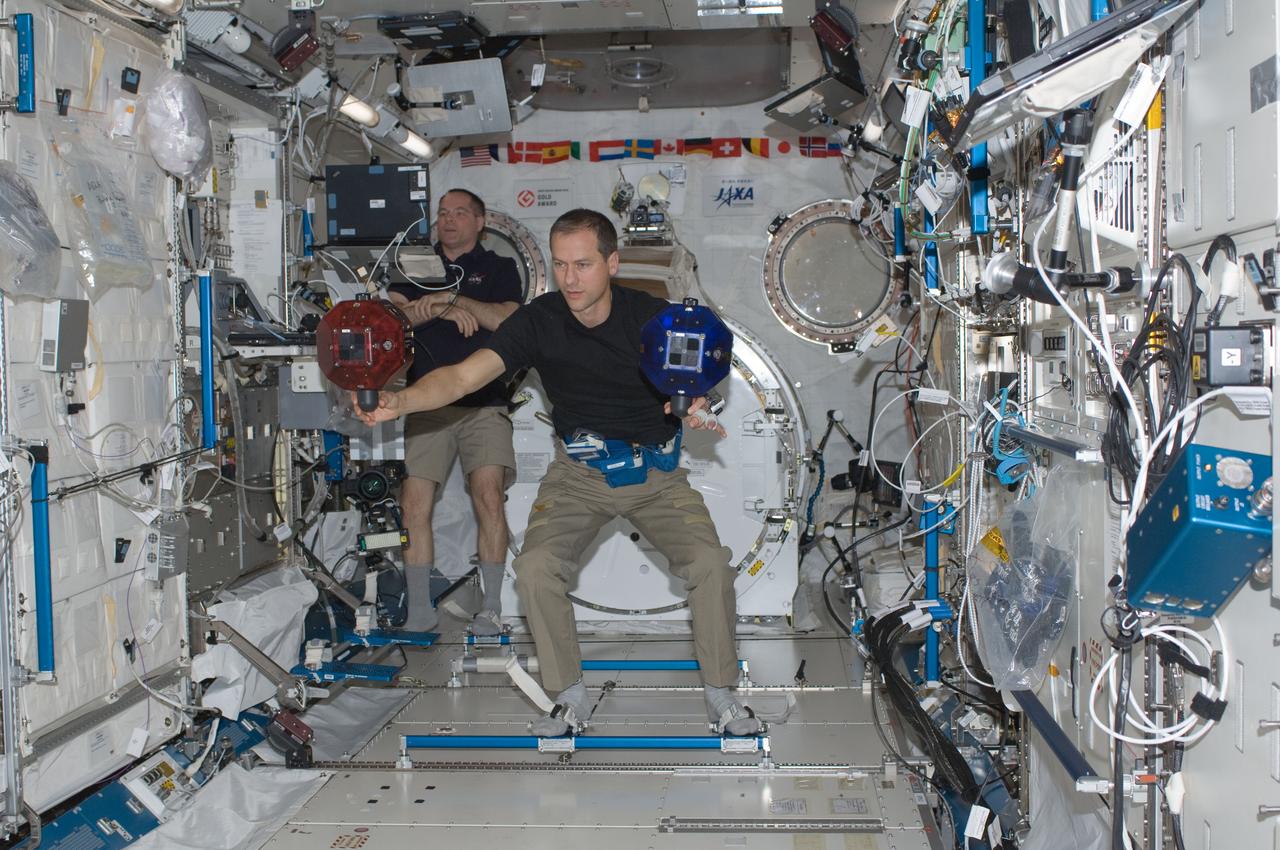
ISS034-E-014543 (4 Jan. 2013) --- With their feet anchored in floor restraints, NASA astronauts Kevin Ford (background), Expedition 34 commander; and Tom Marshburn, flight engineer, conduct a session of the Synchronized Position Hold, Engage, Reorient, Experimental Satellites (SPHERES) program in the Kibo laboratory of the International Space Station.
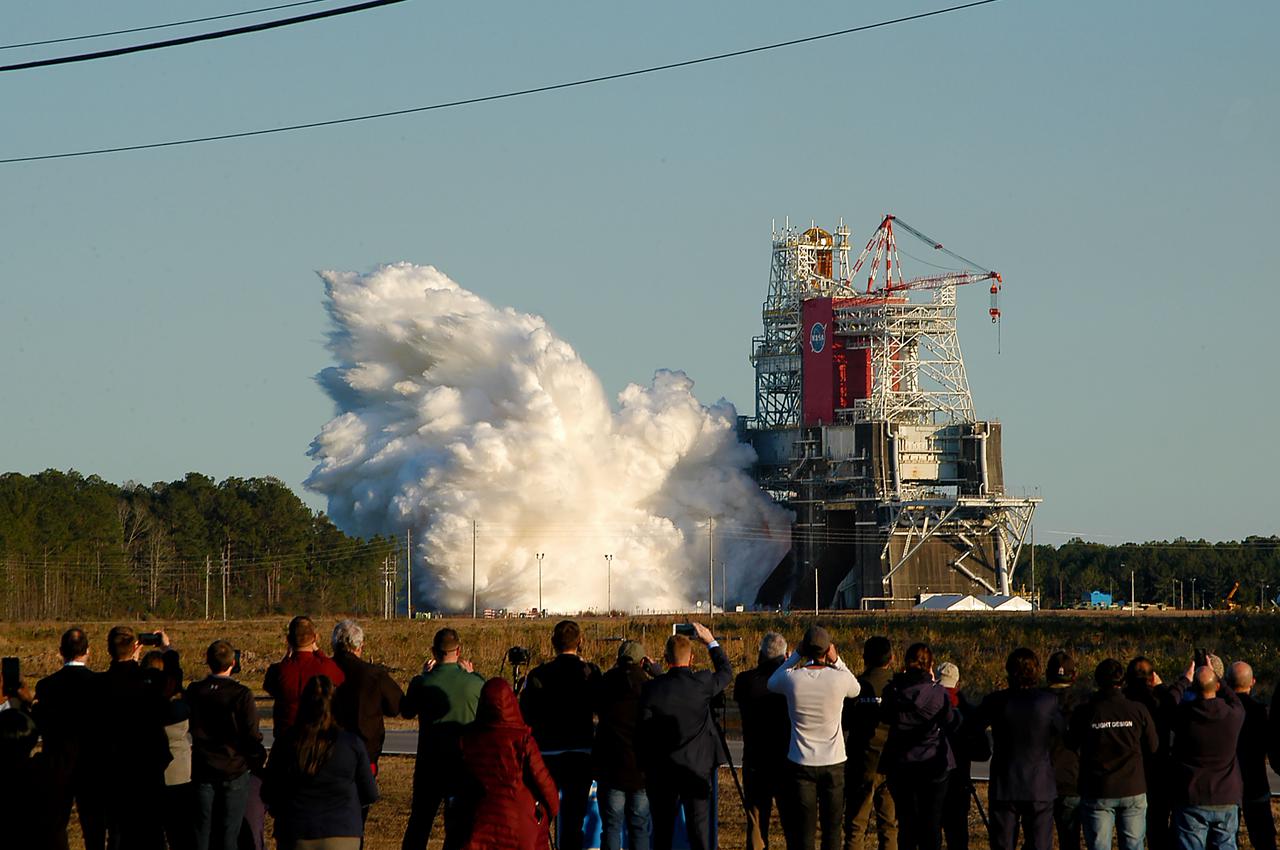
NASA conducts a hot fire test Jan. 16, 2021, of the core stage for the agency’s Space Launch System rocket on the B-2 Test Stand at Stennis Space Center near Bay St. Louis. The hot fire test of the stage’s four RS-25 engines generated a combined 1.6 million pounds of thrust, just as will occur during an actual launch. The hot fire is the final test of the Green Run test series, a comprehensive assessment of the SLS core stage prior to launching the Artemis I mission to the Moon.
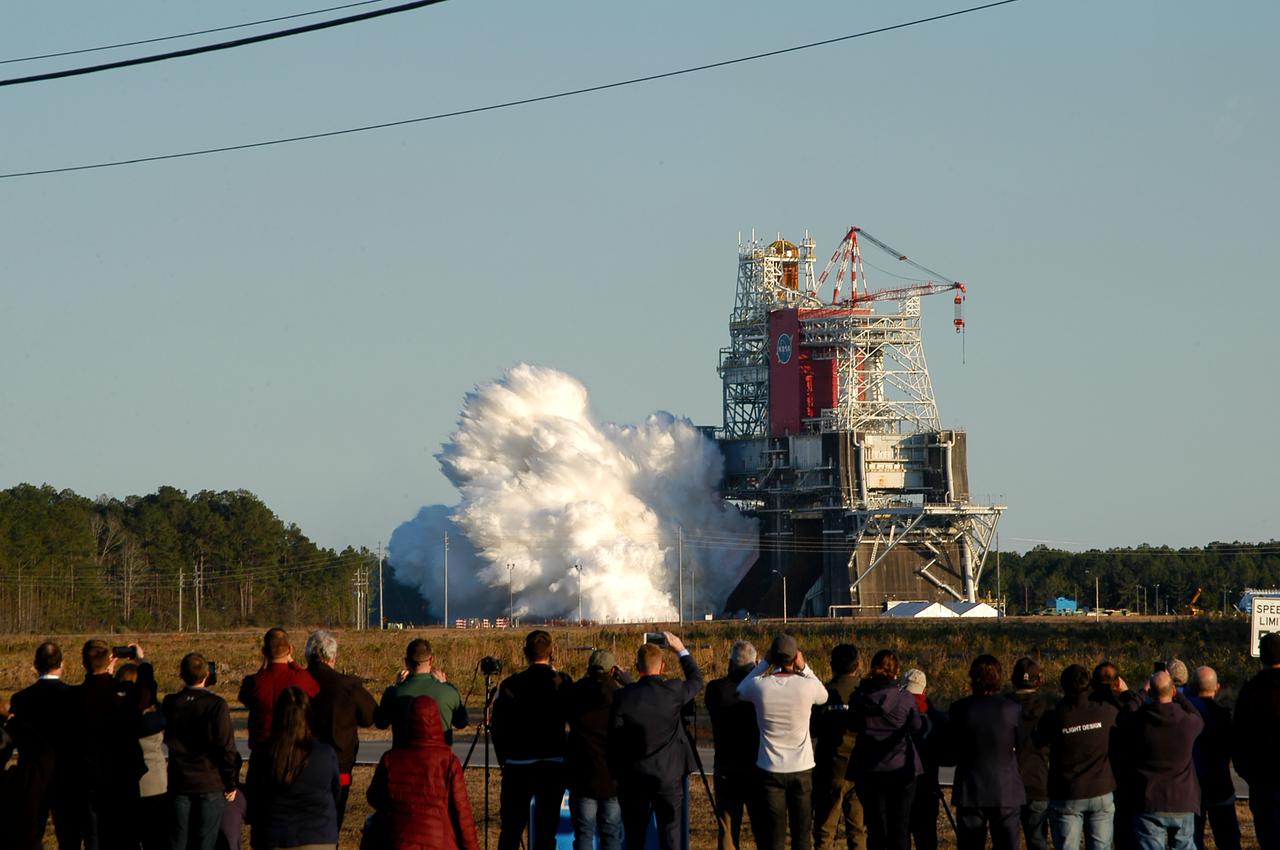
NASA conducts a hot fire test Jan. 16, 2021, of the core stage for the agency’s Space Launch System rocket on the B-2 Test Stand at Stennis Space Center near Bay St. Louis. The hot fire test of the stage’s four RS-25 engines generated a combined 1.6 million pounds of thrust, just as will occur during an actual launch. The hot fire is the final test of the Green Run test series, a comprehensive assessment of the SLS core stage prior to launching the Artemis I mission to the Moon.
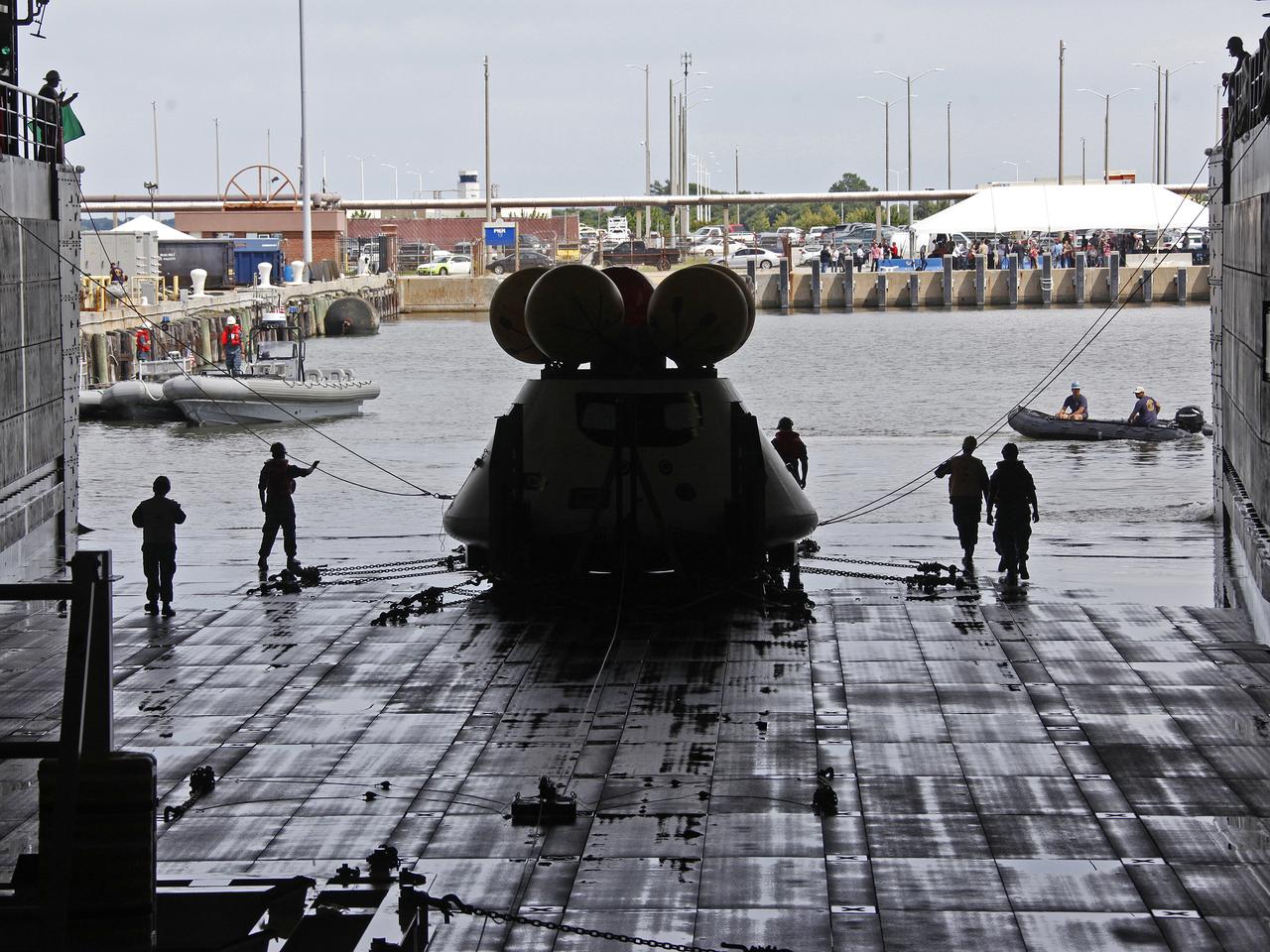
On August 15, 2013, at the Naval Station Norfolk near NASA’s Langley Research Center in Virginia, NASA and the U.S. Navy conducted a stationary recovery test on the Orion boilerplate test article in the water near a U.S. Navy ship. NASA and the U.S. Navy are conducting tests to prepare for recovery of the Orion crew module and forward bay cover on its return from a deep space mission. The stationary recovery tests allow the teams to demonstrate and evaluate the recovery processes, the hardware and the test personnel in a controlled environment. During the test, the U.S Navy Dive Team checked the capsule for hazards while sailors from the USS Arlington approached the capsule in inflatable boats, and towed it back to the ship’s flooded well deck. A second test will be conducted next year in the open waters of the Pacific Ocean.
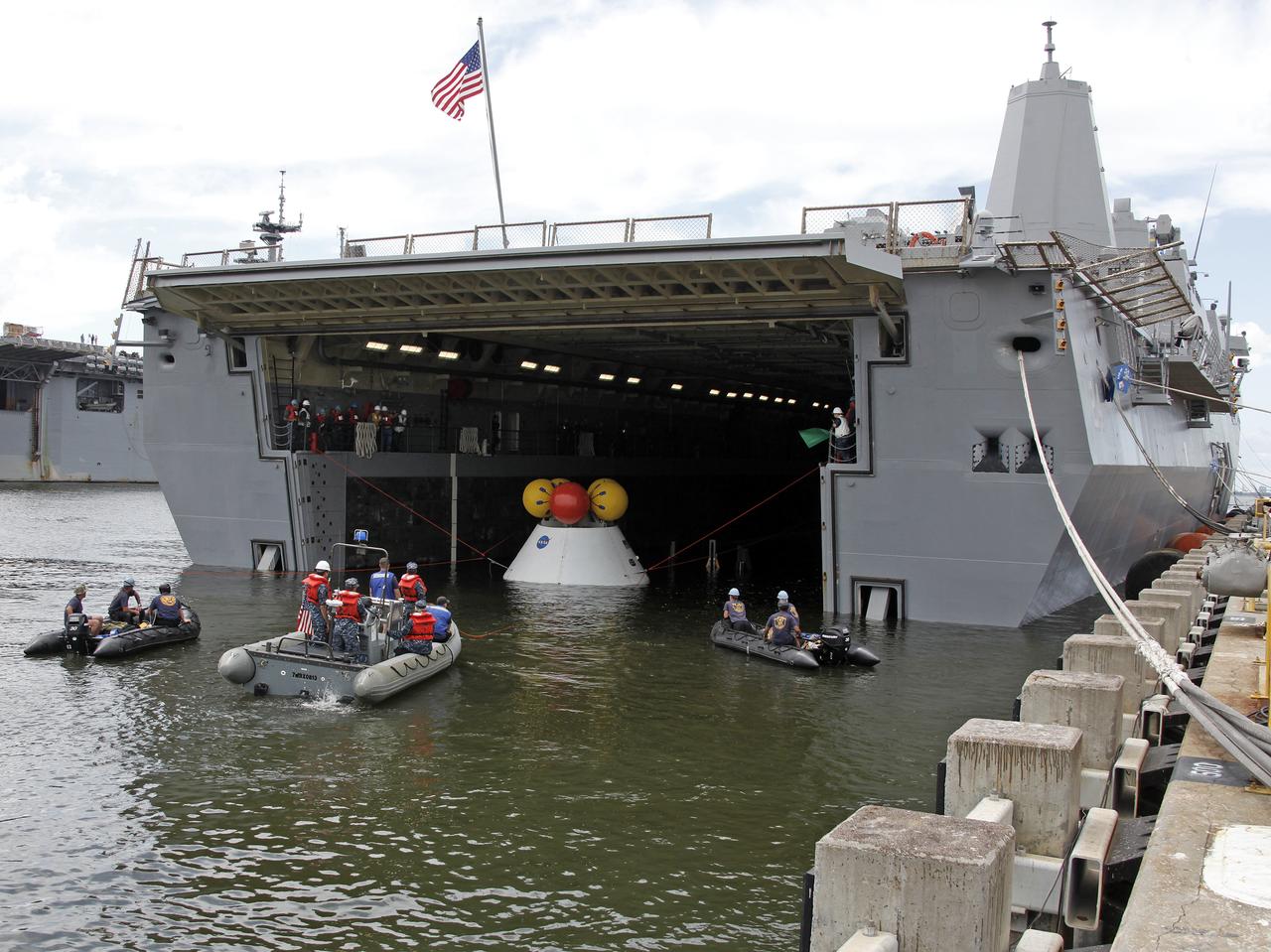
On August 15, 2013, at the Naval Station Norfolk near NASA’s Langley Research Center in Virginia, NASA and the U.S. Navy conducted a stationary recovery test on the Orion boilerplate test article in the water near a U.S. Navy ship. NASA and the U.S. Navy are conducting tests to prepare for recovery of the Orion crew module and forward bay cover on its return from a deep space mission. The stationary recovery tests allow the teams to demonstrate and evaluate the recovery processes, the hardware and the test personnel in a controlled environment. During the test, the U.S Navy Dive Team checked the capsule for hazards while sailors from the USS Arlington approached the capsule in inflatable boats, and towed it back to the ship’s flooded well deck. A second test will be conducted next year in the open waters of the Pacific Ocean.
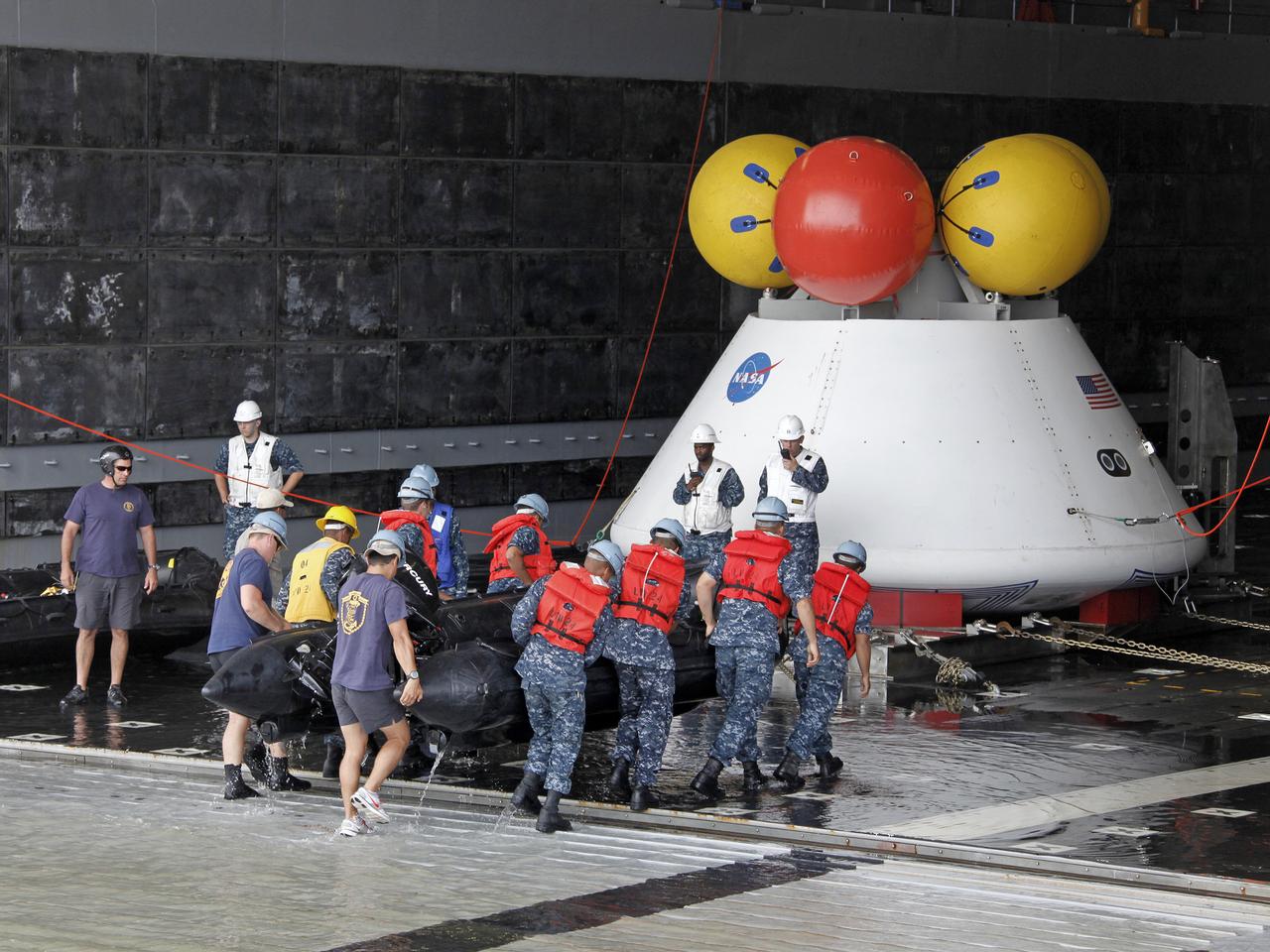
On August 15, 2013, at the Naval Station Norfolk near NASA’s Langley Research Center in Virginia, NASA and the U.S. Navy conducted a stationary recovery test on the Orion boilerplate test article in the water near a U.S. Navy ship. NASA and the U.S. Navy are conducting tests to prepare for recovery of the Orion crew module and forward bay cover on its return from a deep space mission. The stationary recovery tests allow the teams to demonstrate and evaluate the recovery processes, the hardware and the test personnel in a controlled environment. During the test, the U.S Navy Dive Team checked the capsule for hazards while sailors from the USS Arlington approached the capsule in inflatable boats, and towed it back to the ship’s flooded well deck. A second test will be conducted next year in the open waters of the Pacific Ocean.
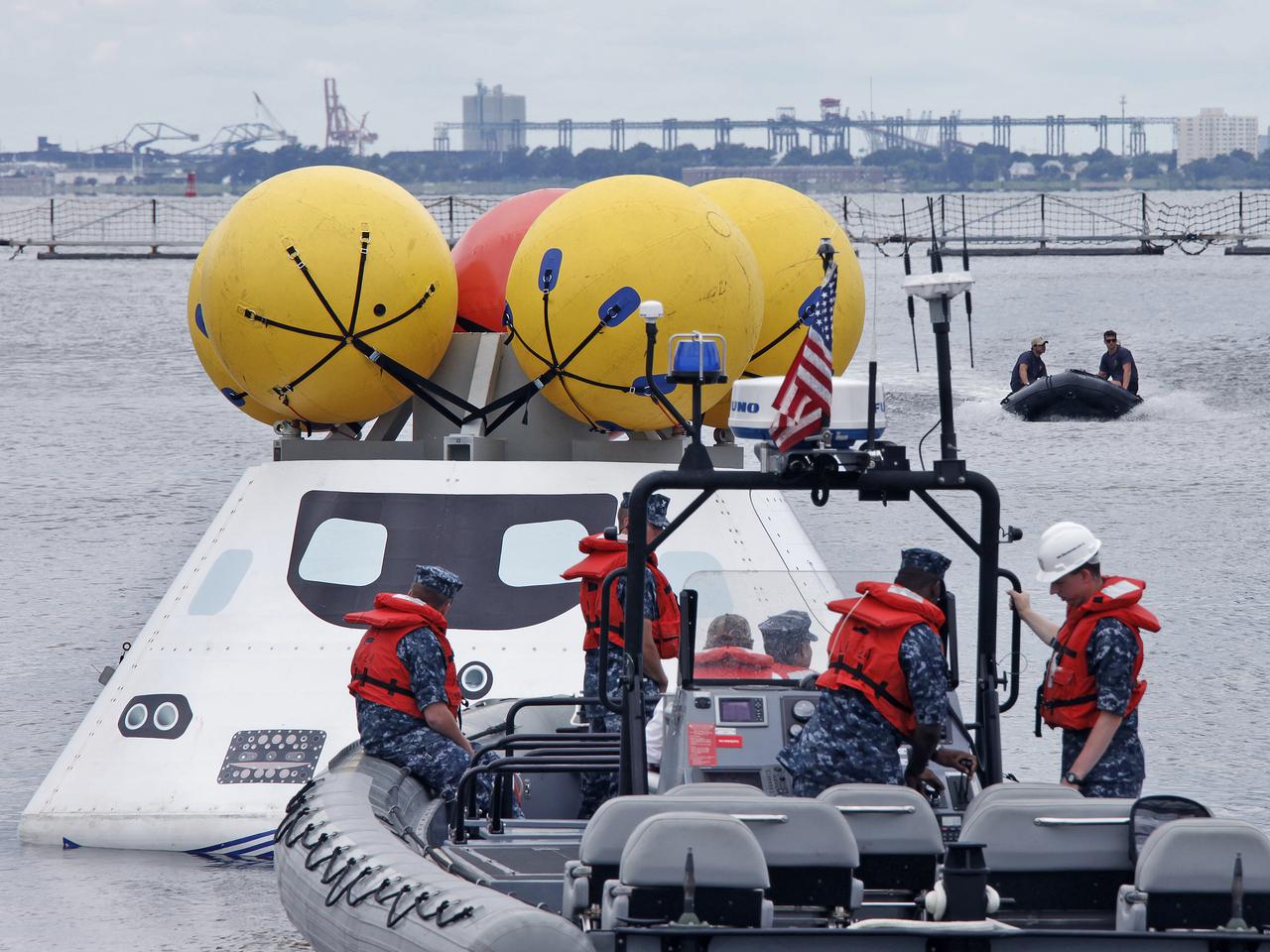
On August 15, 2013, at the Naval Station Norfolk near NASA’s Langley Research Center in Virginia, NASA and the U.S. Navy conducted a stationary recovery test on the Orion boilerplate test article in the water near a U.S. Navy ship. NASA and the U.S. Navy are conducting tests to prepare for recovery of the Orion crew module and forward bay cover on its return from a deep space mission. The stationary recovery tests allow the teams to demonstrate and evaluate the recovery processes, the hardware and the test personnel in a controlled environment. During the test, the U.S Navy Dive Team checked the capsule for hazards while sailors from the USS Arlington approached the capsule in inflatable boats, and towed it back to the ship’s flooded well deck. A second test will be conducted next year in the open waters of the Pacific Ocean.
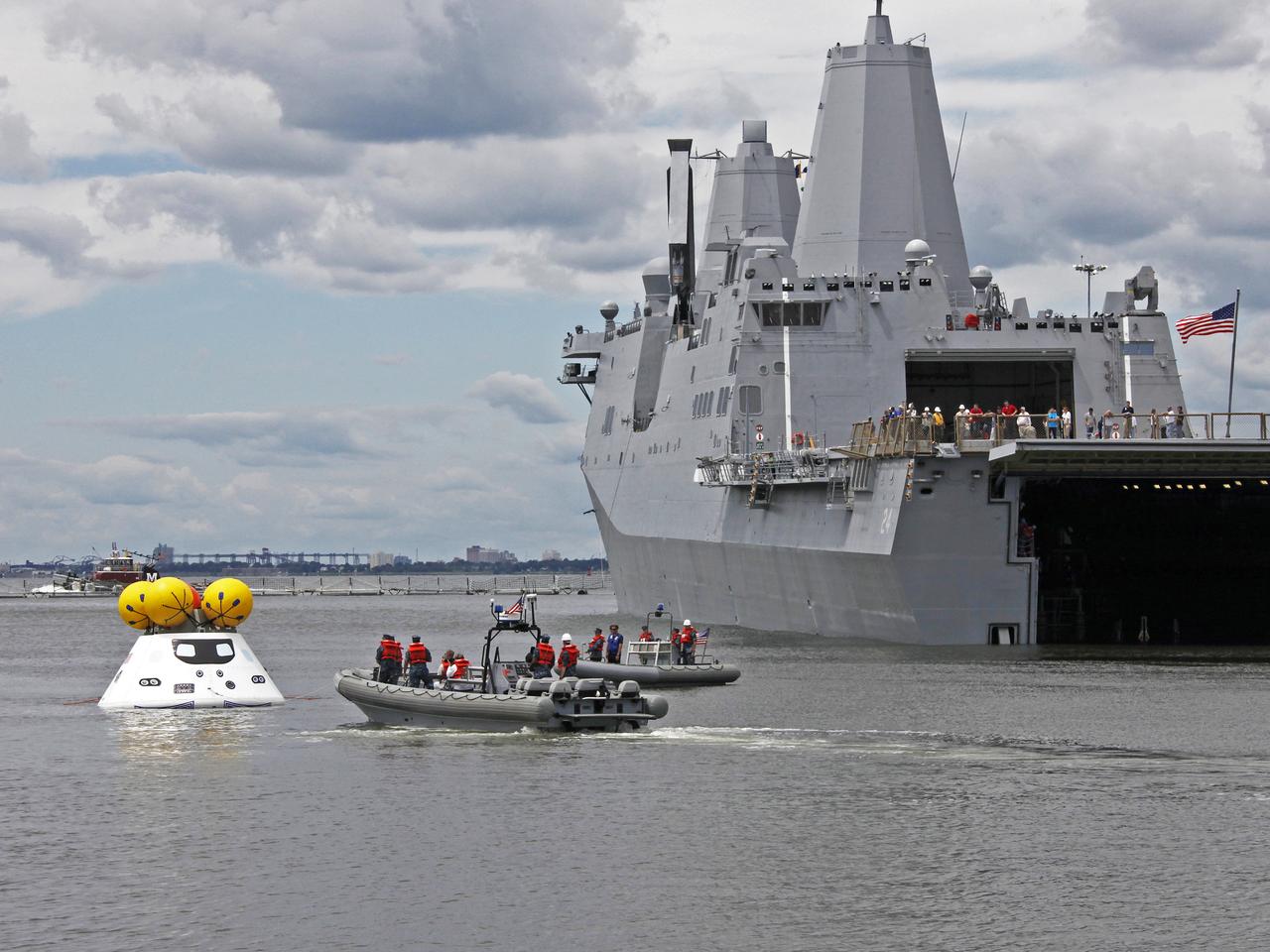
On August 15, 2013, at the Naval Station Norfolk near NASA’s Langley Research Center in Virginia, NASA and the U.S. Navy conducted a stationary recovery test on the Orion boilerplate test article in the water near a U.S. Navy ship. NASA and the U.S. Navy are conducting tests to prepare for recovery of the Orion crew module and forward bay cover on its return from a deep space mission. The stationary recovery tests allow the teams to demonstrate and evaluate the recovery processes, the hardware and the test personnel in a controlled environment. During the test, the U.S Navy Dive Team checked the capsule for hazards while sailors from the USS Arlington approached the capsule in inflatable boats, and towed it back to the ship’s flooded well deck. A second test will be conducted next year in the open waters of the Pacific Ocean.
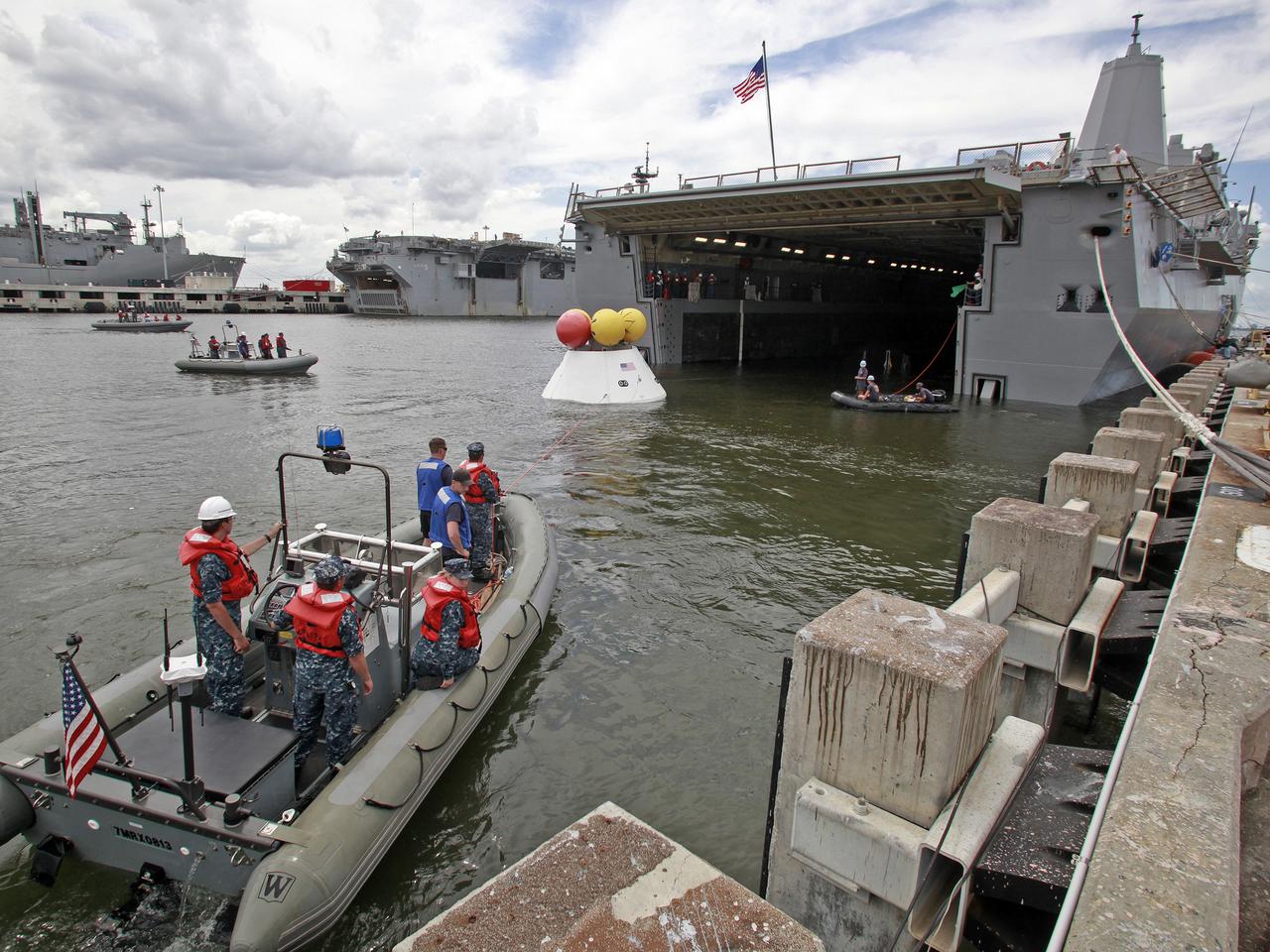
On August 15, 2013, at the Naval Station Norfolk near NASA’s Langley Research Center in Virginia, NASA and the U.S. Navy conducted a stationary recovery test on the Orion boilerplate test article in the water near a U.S. Navy ship. NASA and the U.S. Navy are conducting tests to prepare for recovery of the Orion crew module and forward bay cover on its return from a deep space mission. The stationary recovery tests allow the teams to demonstrate and evaluate the recovery processes, the hardware and the test personnel in a controlled environment. During the test, the U.S Navy Dive Team checked the capsule for hazards while sailors from the USS Arlington approached the capsule in inflatable boats, and towed it back to the ship’s flooded well deck. A second test will be conducted next year in the open waters of the Pacific Ocean.
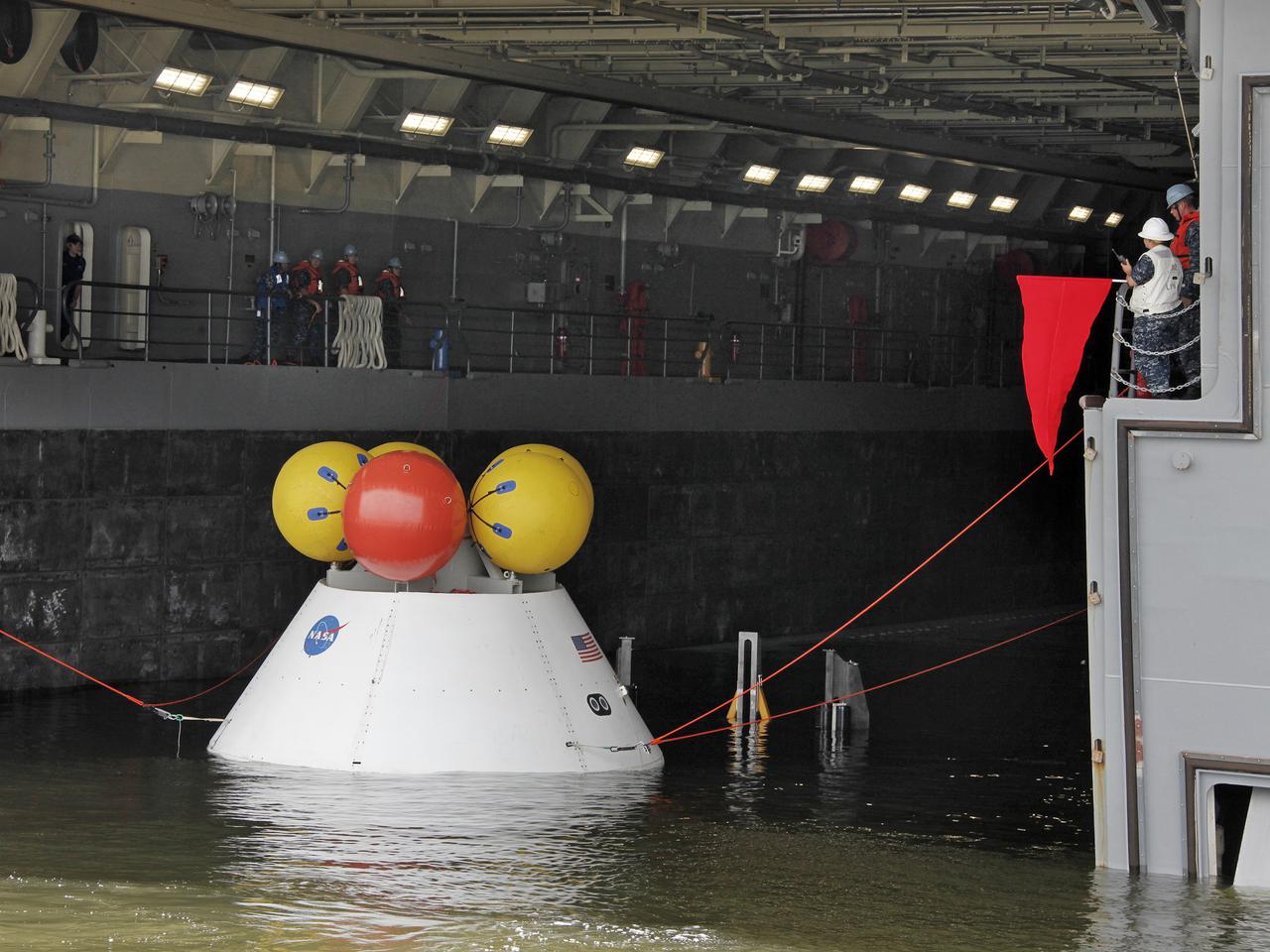
On August 15, 2013, at the Naval Station Norfolk near NASA’s Langley Research Center in Virginia, NASA and the U.S. Navy conducted a stationary recovery test on the Orion boilerplate test article in the water near a U.S. Navy ship. NASA and the U.S. Navy are conducting tests to prepare for recovery of the Orion crew module and forward bay cover on its return from a deep space mission. The stationary recovery tests allow the teams to demonstrate and evaluate the recovery processes, the hardware and the test personnel in a controlled environment. During the test, the U.S Navy Dive Team checked the capsule for hazards while sailors from the USS Arlington approached the capsule in inflatable boats, and towed it back to the ship’s flooded well deck. A second test will be conducted next year in the open waters of the Pacific Ocean.
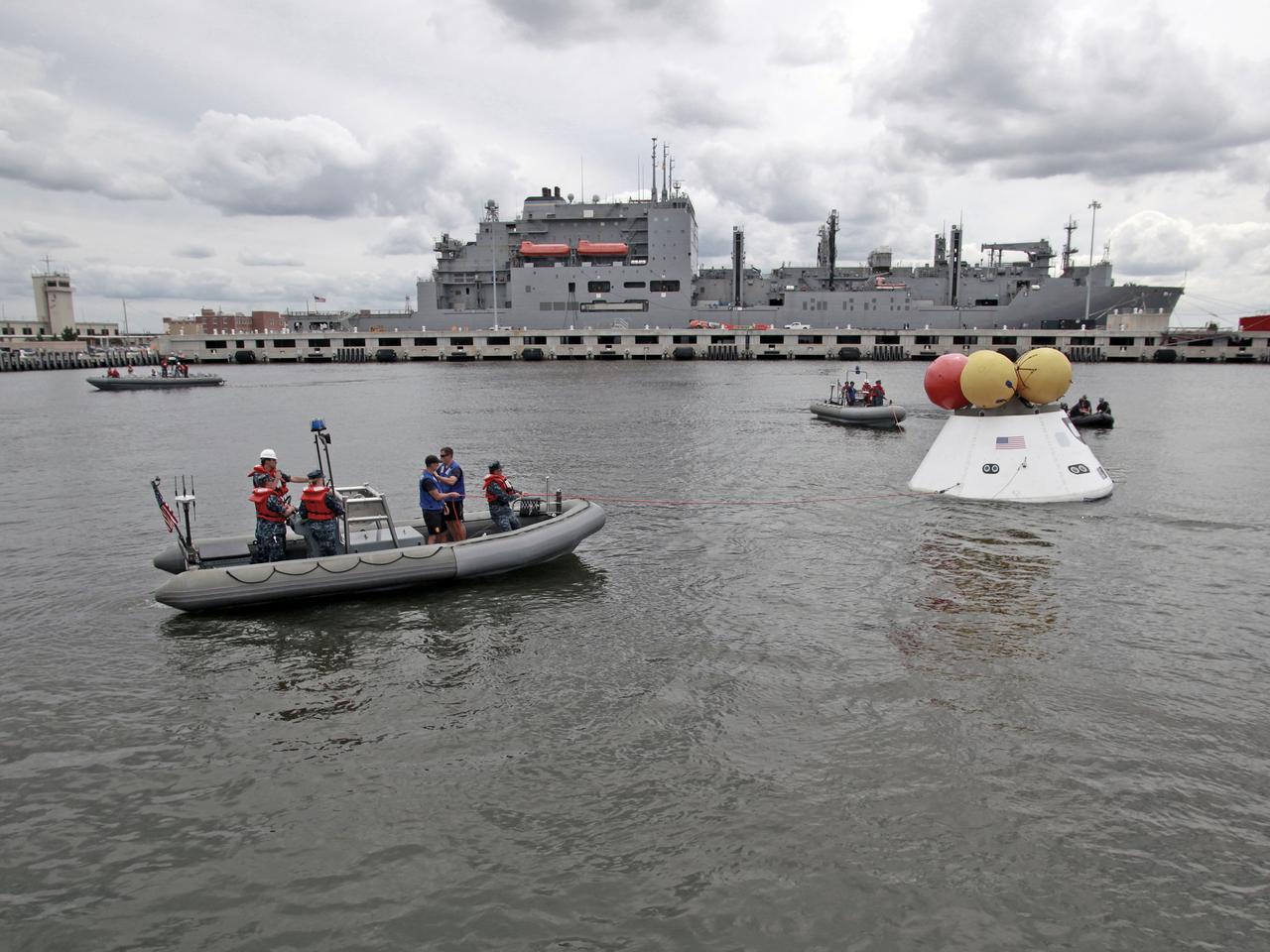
On August 15, 2013, at the Naval Station Norfolk near NASA’s Langley Research Center in Virginia, NASA and the U.S. Navy conducted a stationary recovery test on the Orion boilerplate test article in the water near a U.S. Navy ship. NASA and the U.S. Navy are conducting tests to prepare for recovery of the Orion crew module and forward bay cover on its return from a deep space mission. The stationary recovery tests allow the teams to demonstrate and evaluate the recovery processes, the hardware and the test personnel in a controlled environment. During the test, the U.S Navy Dive Team checked the capsule for hazards while sailors from the USS Arlington approached the capsule in inflatable boats, and towed it back to the ship’s flooded well deck. A second test will be conducted next year in the open waters of the Pacific Ocean.
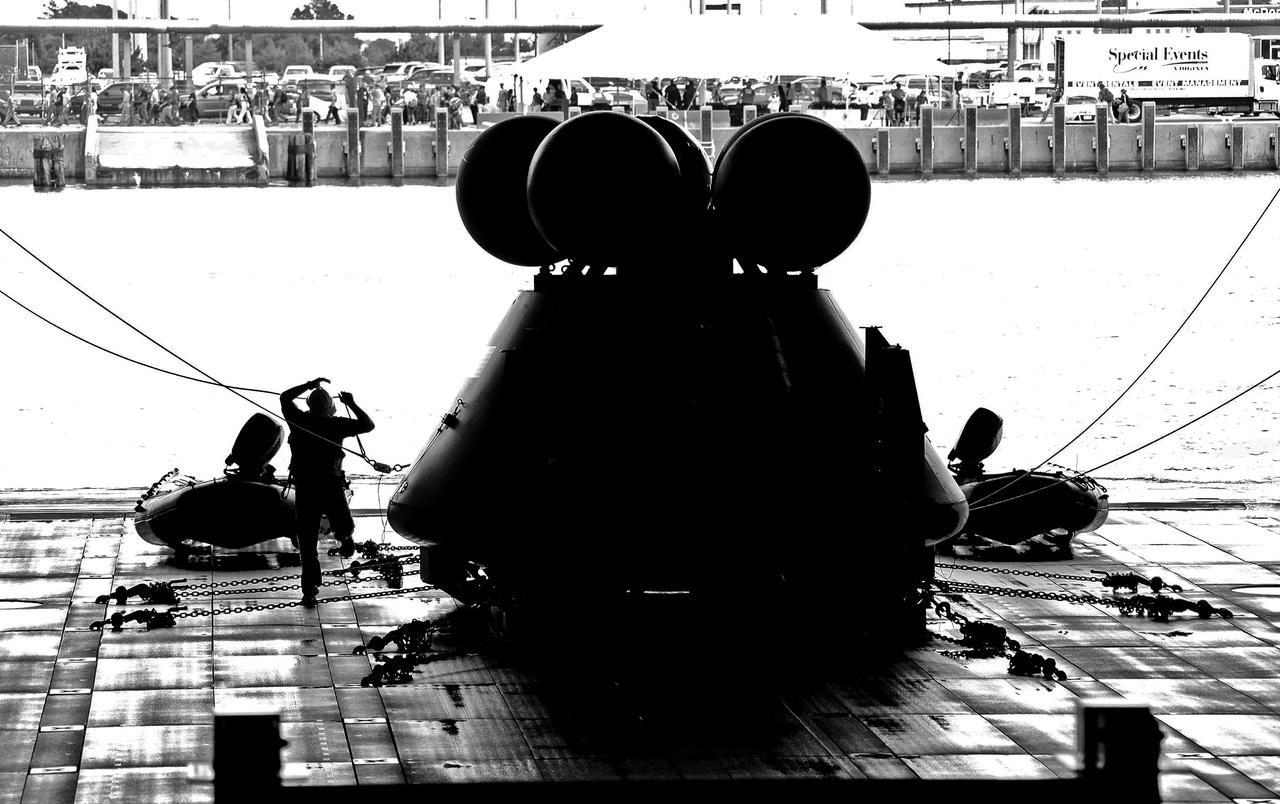
On August 15, 2013, at the Naval Station Norfolk near NASA’s Langley Research Center in Virginia, NASA and the U.S. Navy conducted a stationary recovery test on the Orion boilerplate test article in the water near a U.S. Navy ship. NASA and the U.S. Navy are conducting tests to prepare for recovery of the Orion crew module and forward bay cover on its return from a deep space mission. The stationary recovery tests allow the teams to demonstrate and evaluate the recovery processes, the hardware and the test personnel in a controlled environment. During the test, the U.S Navy Dive Team checked the capsule for hazards while sailors from the USS Arlington approached the capsule in inflatable boats, and towed it back to the ship’s flooded well deck. A second test will be conducted next year in the open waters of the Pacific Ocean.
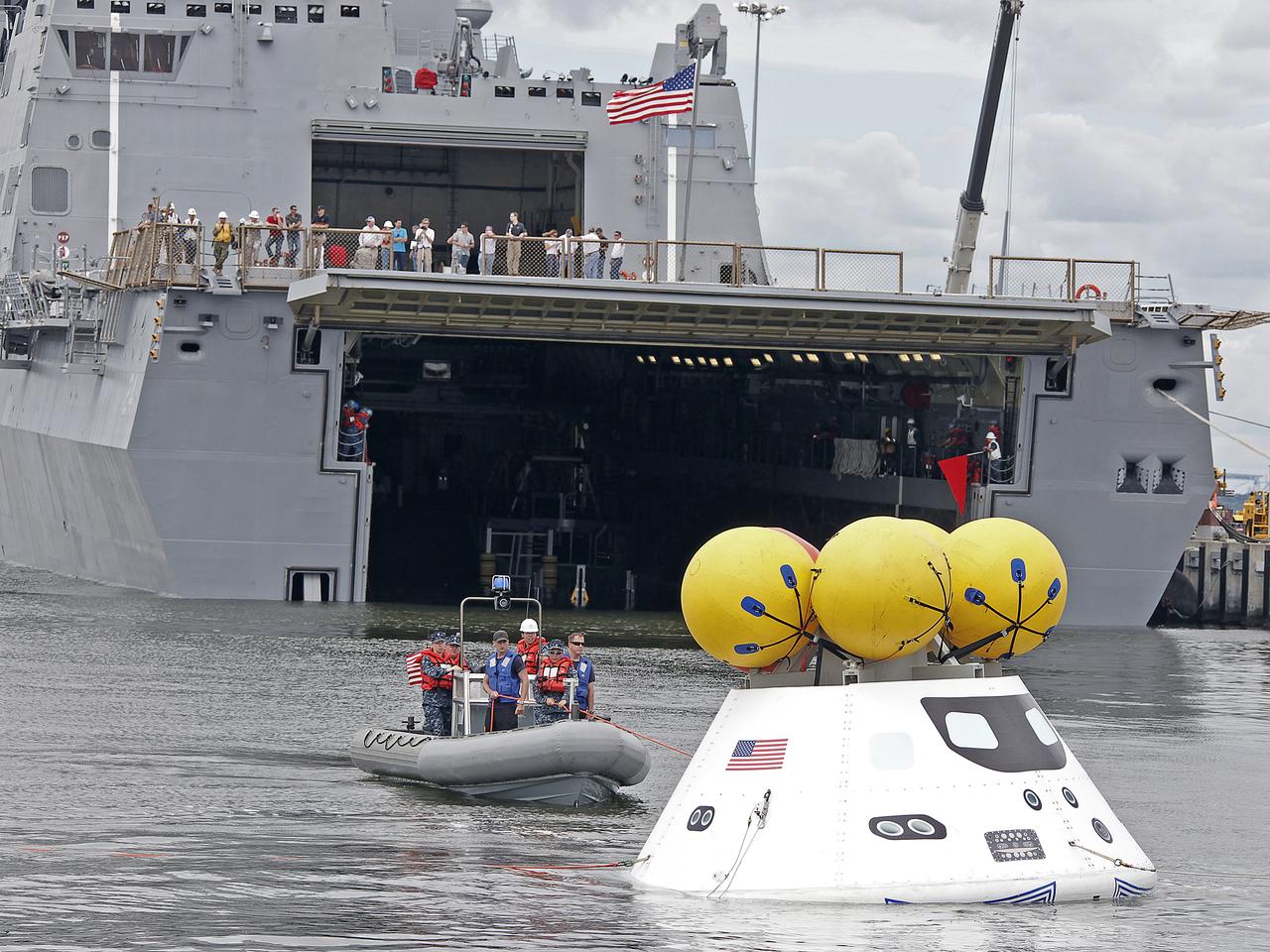
On August 15, 2013, at the Naval Station Norfolk near NASA’s Langley Research Center in Virginia, NASA and the U.S. Navy conducted a stationary recovery test on the Orion boilerplate test article in the water near a U.S. Navy ship. NASA and the U.S. Navy are conducting tests to prepare for recovery of the Orion crew module and forward bay cover on its return from a deep space mission. The stationary recovery tests allow the teams to demonstrate and evaluate the recovery processes, the hardware and the test personnel in a controlled environment. During the test, the U.S Navy Dive Team checked the capsule for hazards while sailors from the USS Arlington approached the capsule in inflatable boats, and towed it back to the ship’s flooded well deck. A second test will be conducted next year in the open waters of the Pacific Ocean.
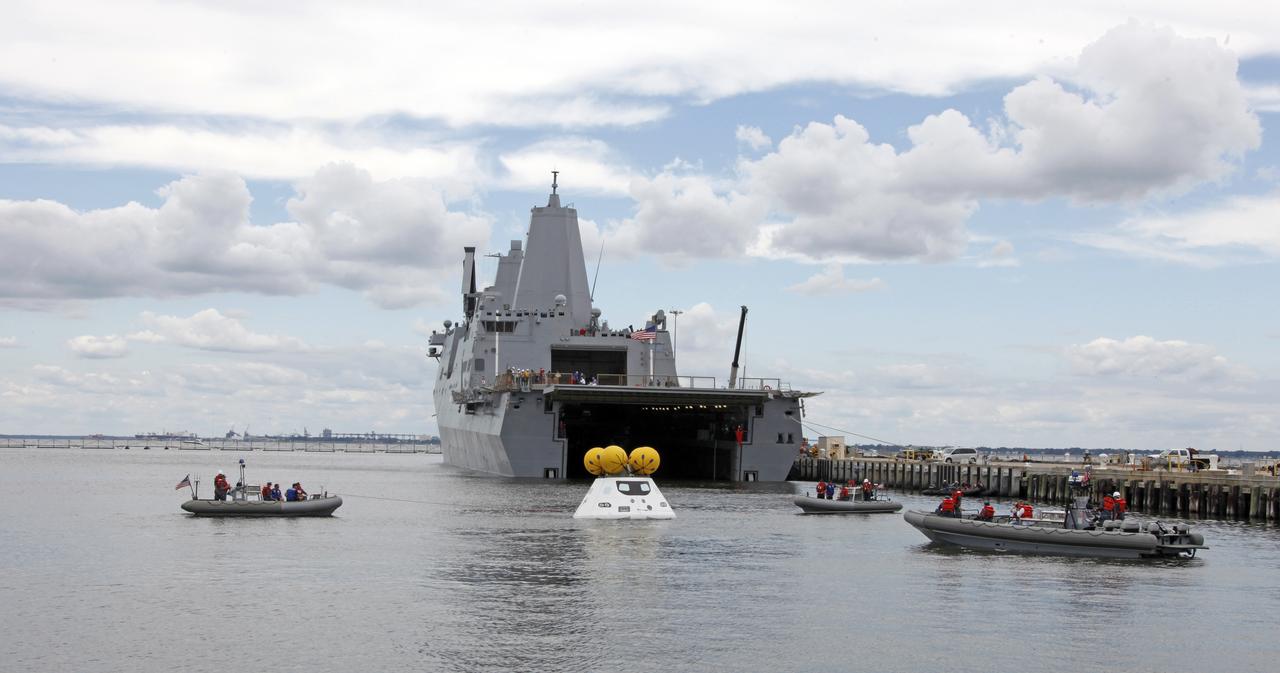
On August 15, 2013, at the Naval Station Norfolk near NASA’s Langley Research Center in Virginia, NASA and the U.S. Navy conducted a stationary recovery test on the Orion boilerplate test article in the water near a U.S. Navy ship. NASA and the U.S. Navy are conducting tests to prepare for recovery of the Orion crew module and forward bay cover on its return from a deep space mission. The stationary recovery tests allow the teams to demonstrate and evaluate the recovery processes, the hardware and the test personnel in a controlled environment. During the test, the U.S Navy Dive Team checked the capsule for hazards while sailors from the USS Arlington approached the capsule in inflatable boats, and towed it back to the ship’s flooded well deck. A second test will be conducted next year in the open waters of the Pacific Ocean.
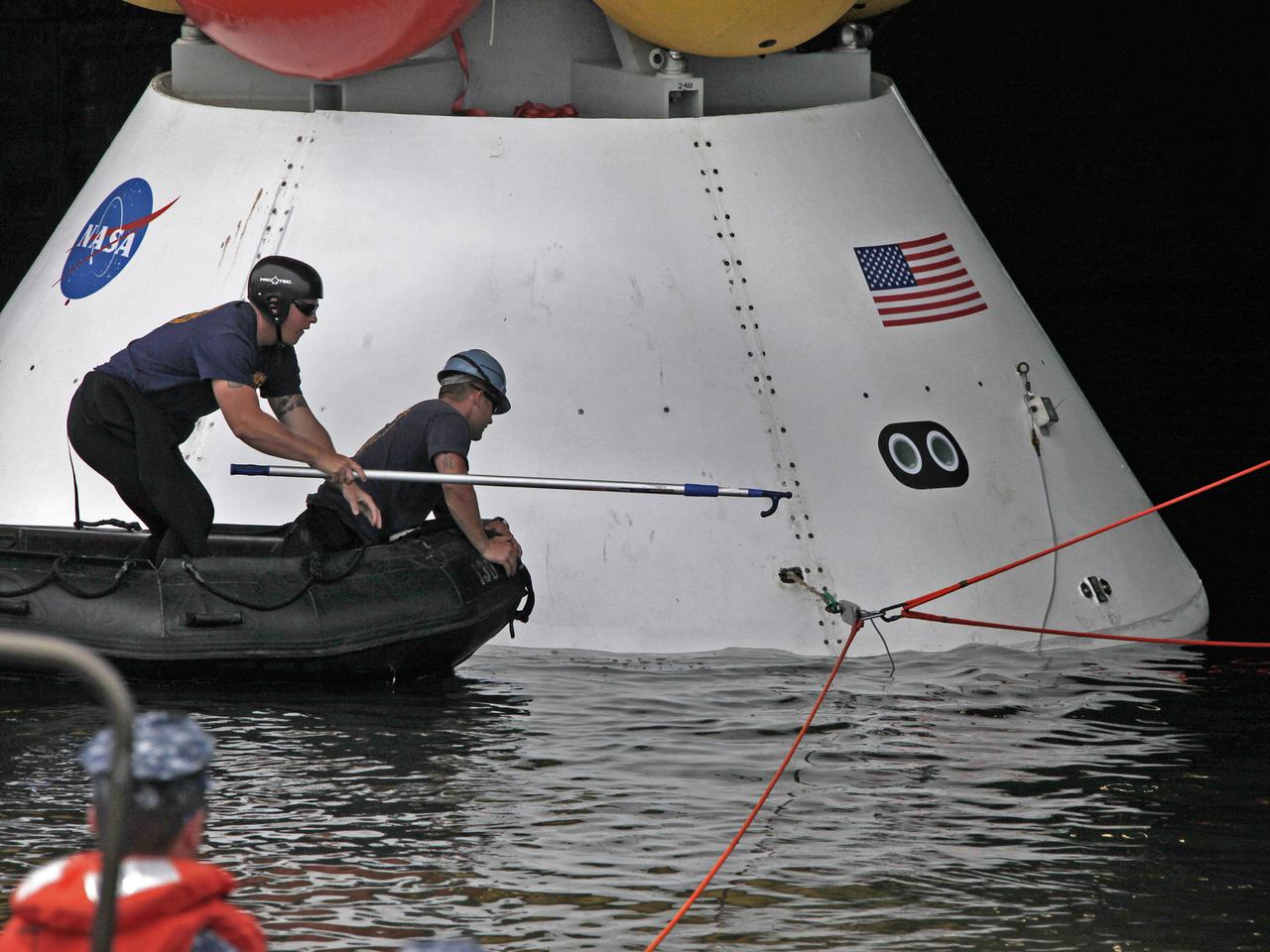
On August 15, 2013, at the Naval Station Norfolk near NASA’s Langley Research Center in Virginia, NASA and the U.S. Navy conducted a stationary recovery test on the Orion boilerplate test article in the water near a U.S. Navy ship. NASA and the U.S. Navy are conducting tests to prepare for recovery of the Orion crew module and forward bay cover on its return from a deep space mission. The stationary recovery tests allow the teams to demonstrate and evaluate the recovery processes, the hardware and the test personnel in a controlled environment. During the test, the U.S Navy Dive Team checked the capsule for hazards while sailors from the USS Arlington approached the capsule in inflatable boats, and towed it back to the ship’s flooded well deck. A second test will be conducted next year in the open waters of the Pacific Ocean.
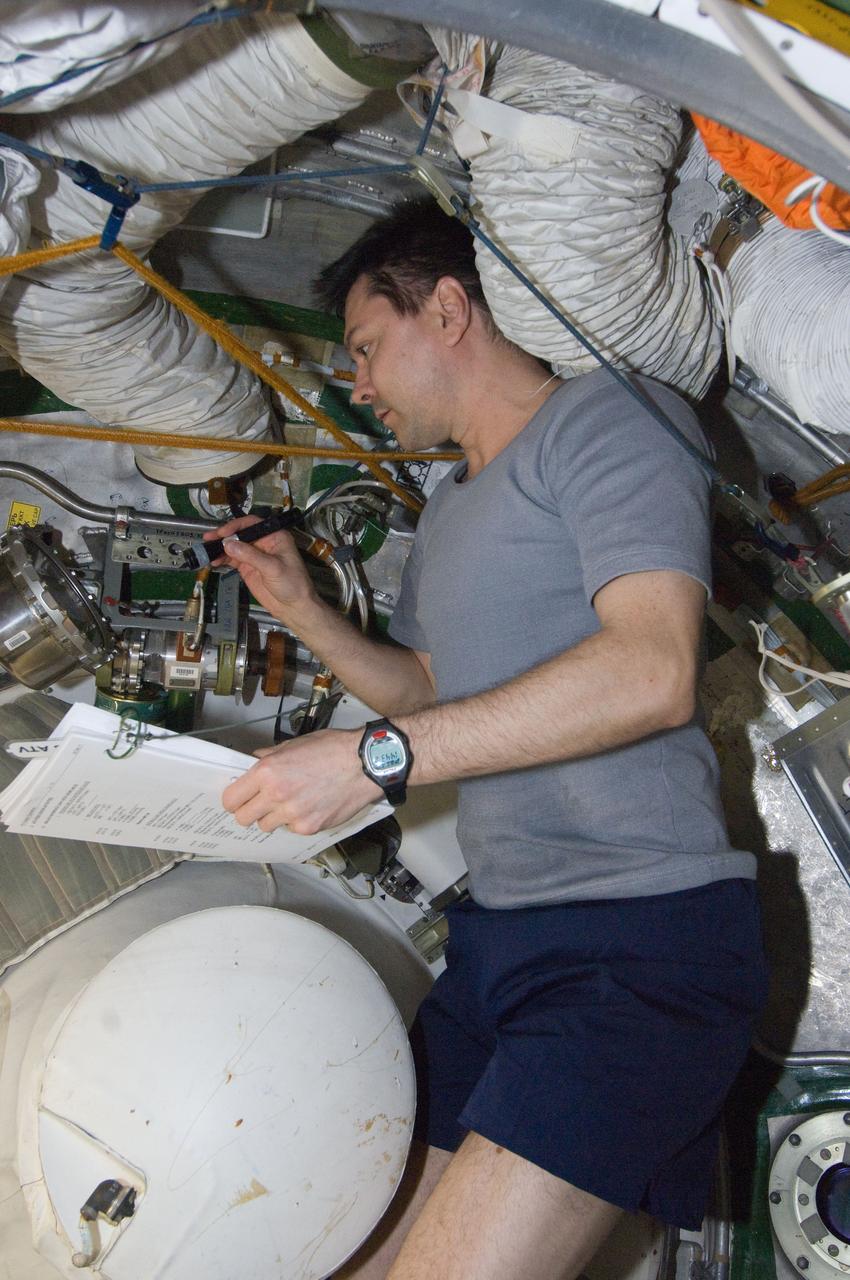
ISS030-E-177370 (29 March 2012) --- Russian cosmonaut Oleg Kononenko, Expedition 30 flight engineer, conducts a leak check in the Zvezda Service Module transfer tunnel/ATV vestibule of the International Space Station.
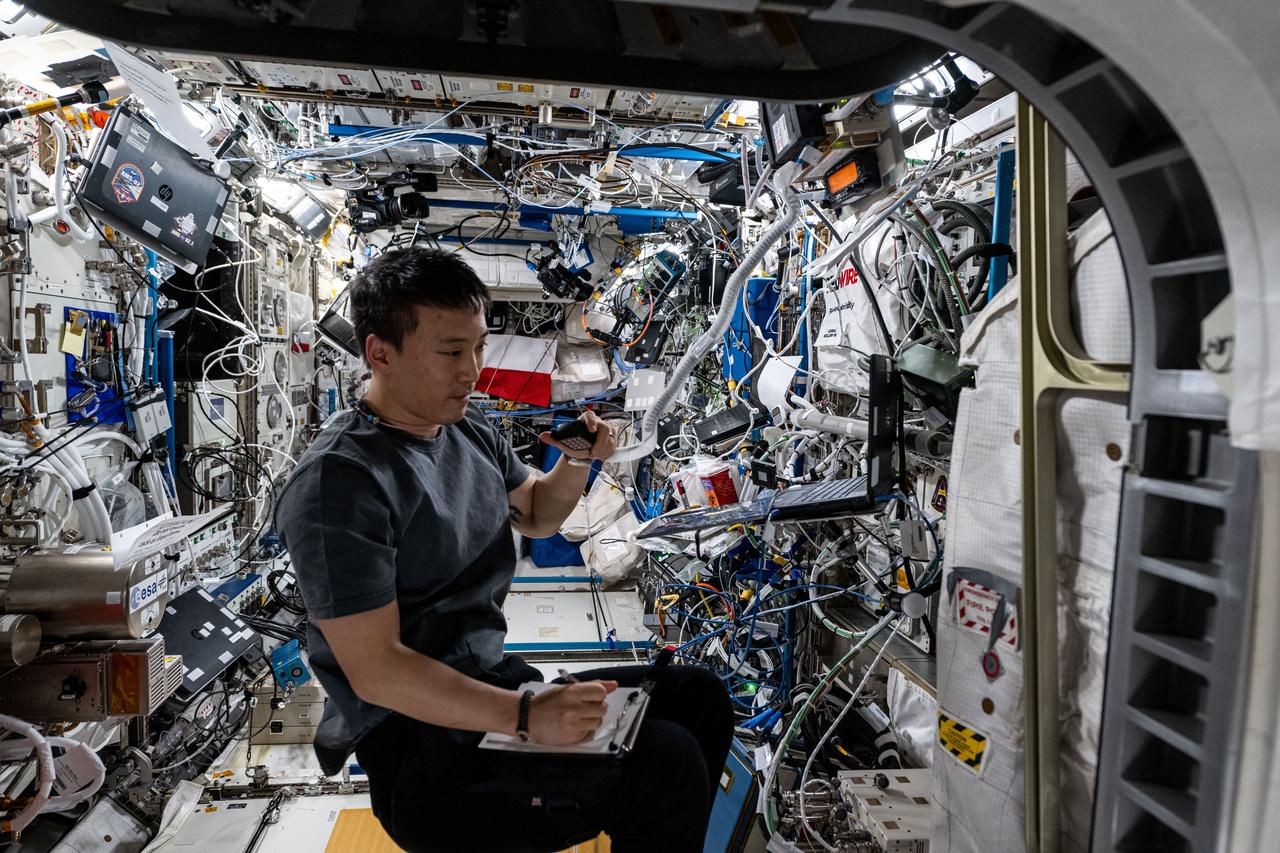
iss073e0252501 (June 29, 2025) --- NASA astronaut and Expedition 73 Flight Engineer Jonny Kim conducts a ham radio session and takes notes inside the International Space Station's Columbus laboratory module.
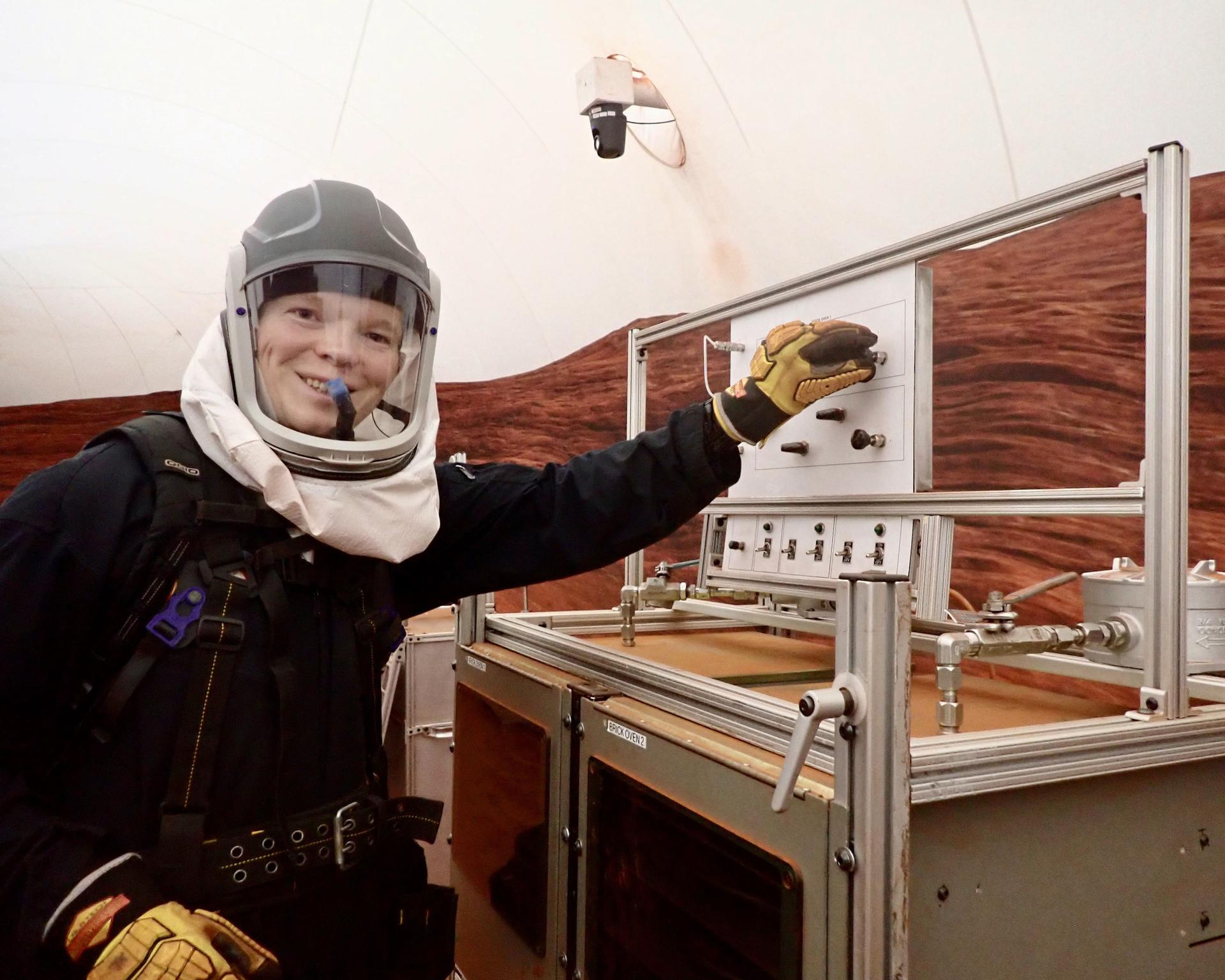
jsc2026e409152 (June 26, 2026) -- Crew Health and Performance Exploration Analog (CHAPEA) Mission 2 flight engineer, James Spicer, conducts a maintenance activity outside the habitat during a simulated EVA. Credit: NASA
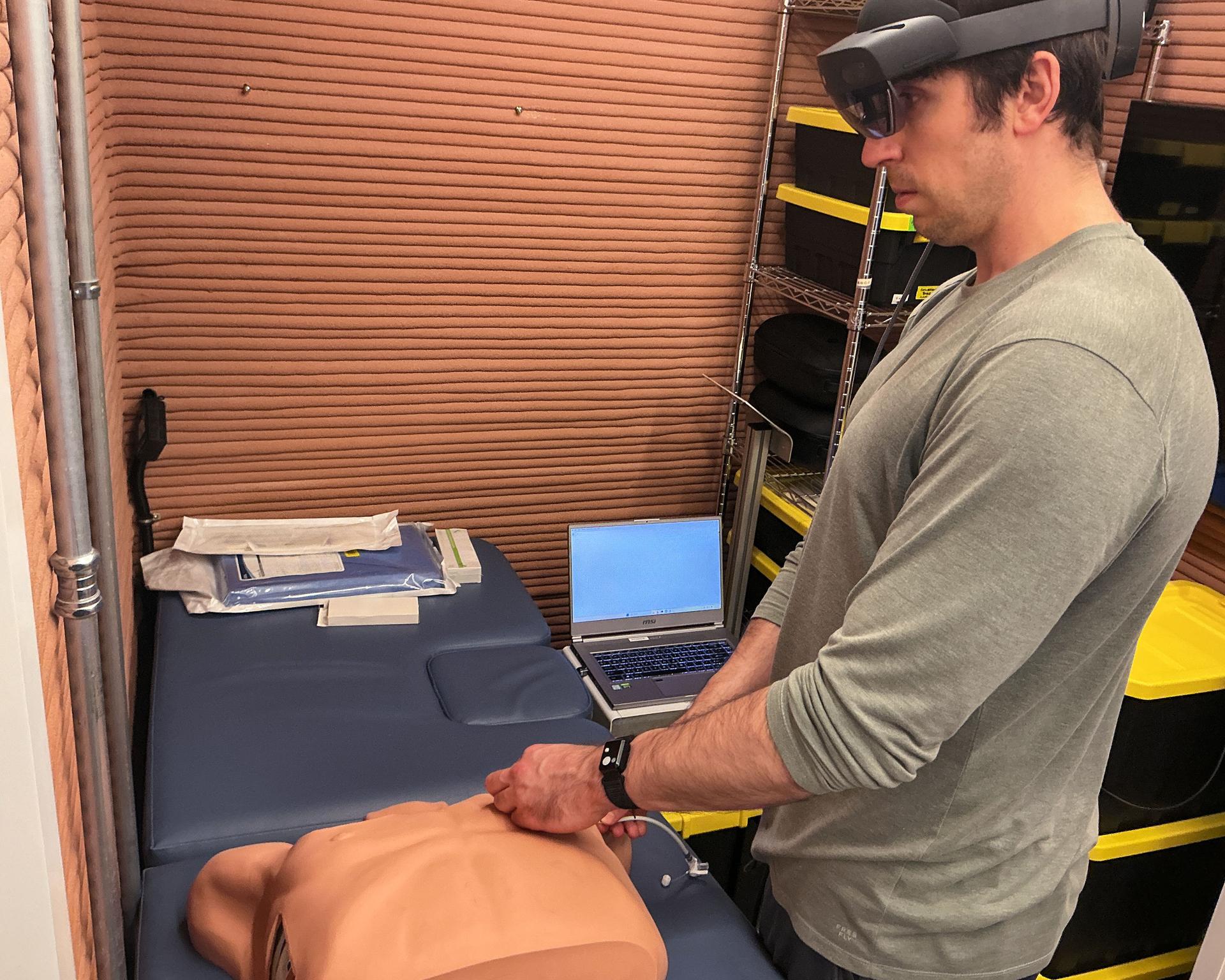
jsc2026e409149 (July 23, 2026) -- Ross Elder, Crew Health and Performance Exploration Analog (CHAPEA) Mission 2 commander, conducts a demonstration of an artificial intelligence-enabled medical system. Credit: NASA
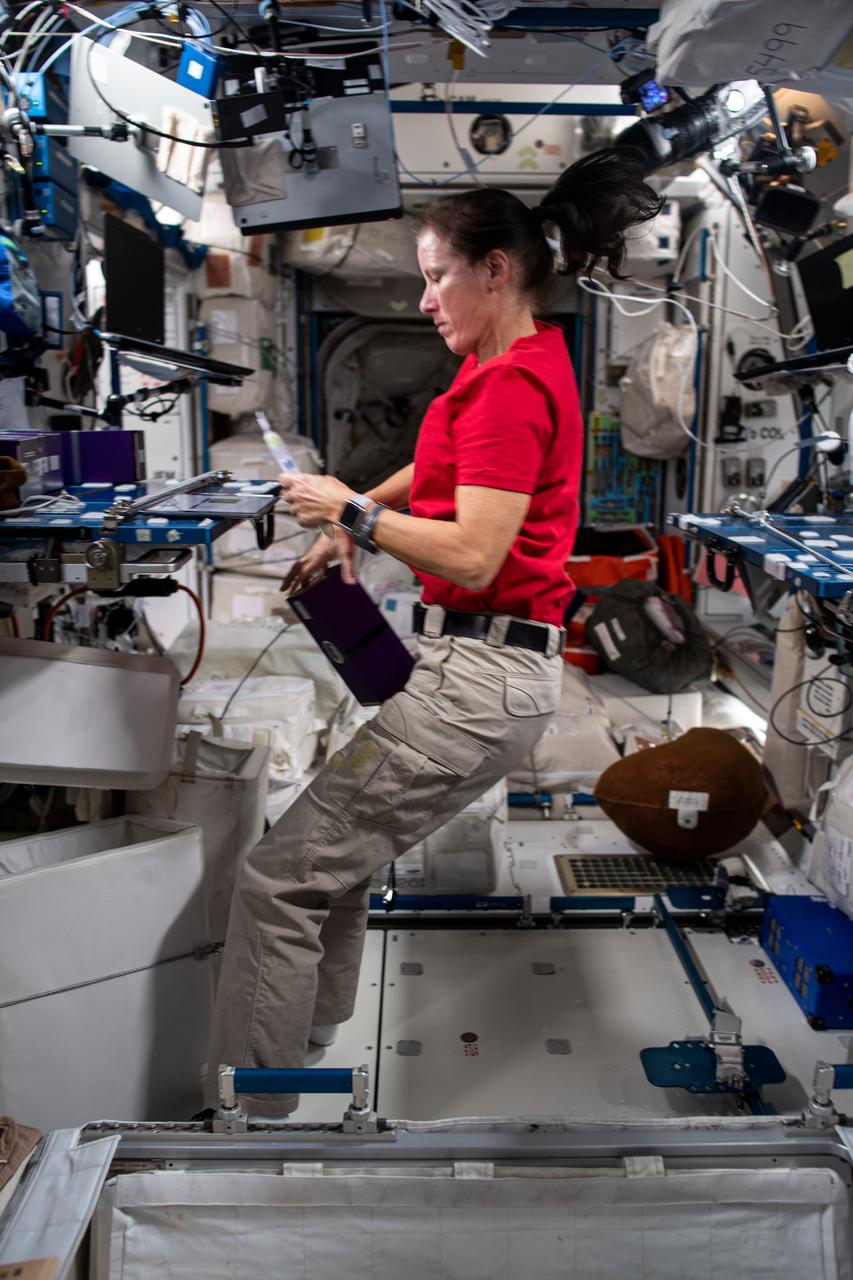
iss064e010970 (12/8/2020) --- NASA astronaut Shannon Walker conducts activation operations (OPS) for a Nanoracks-National Center for Earth and Space Science Education-Apollo-SSEP Mission 14 to ISS (Nanoracks-NCESSE-Apollo) experiment Mixture Tube, part of Nanoracks Module-9. The photo was taken in the Harmony Node 2 module aboard the International Space Station (ISS).
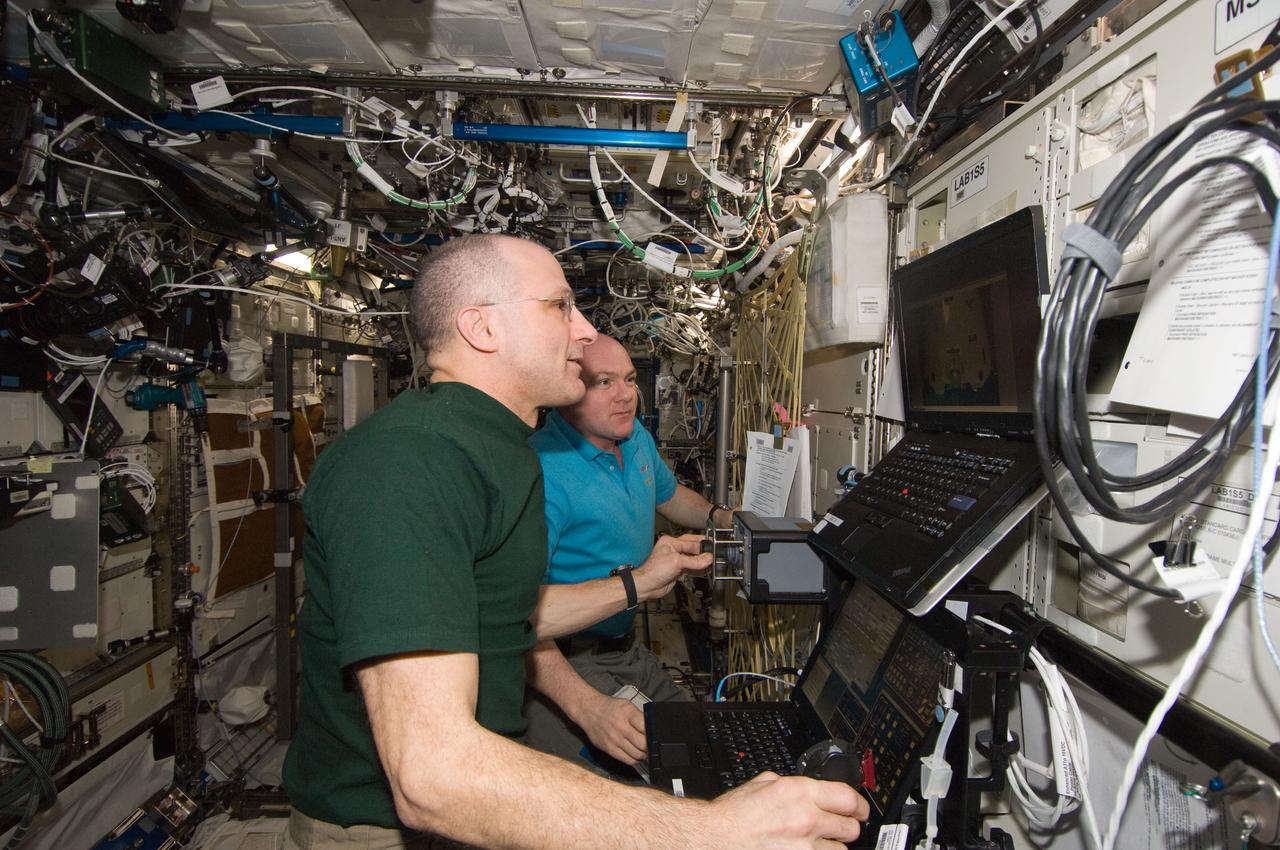
ISS030-E-235593 (11 April 2012) --- In the International Space Station’s Destiny laboratory, NASA astronaut Don Pettit (foreground) and European Space Agency astronaut Andre Kuipers, both Expedition 30 flight engineers, conduct the first of three sessions on the ROBoT simulator in preparation for the arrival of the SpaceX Dragon. Slated for liftoff on April 30, 2012, at 12:22 (EDT) from the Kennedy Space Center, the goal of Dragon’s planned 21-day mission will be to test the unpiloted capsule’s ability to rendezvous with the space station.
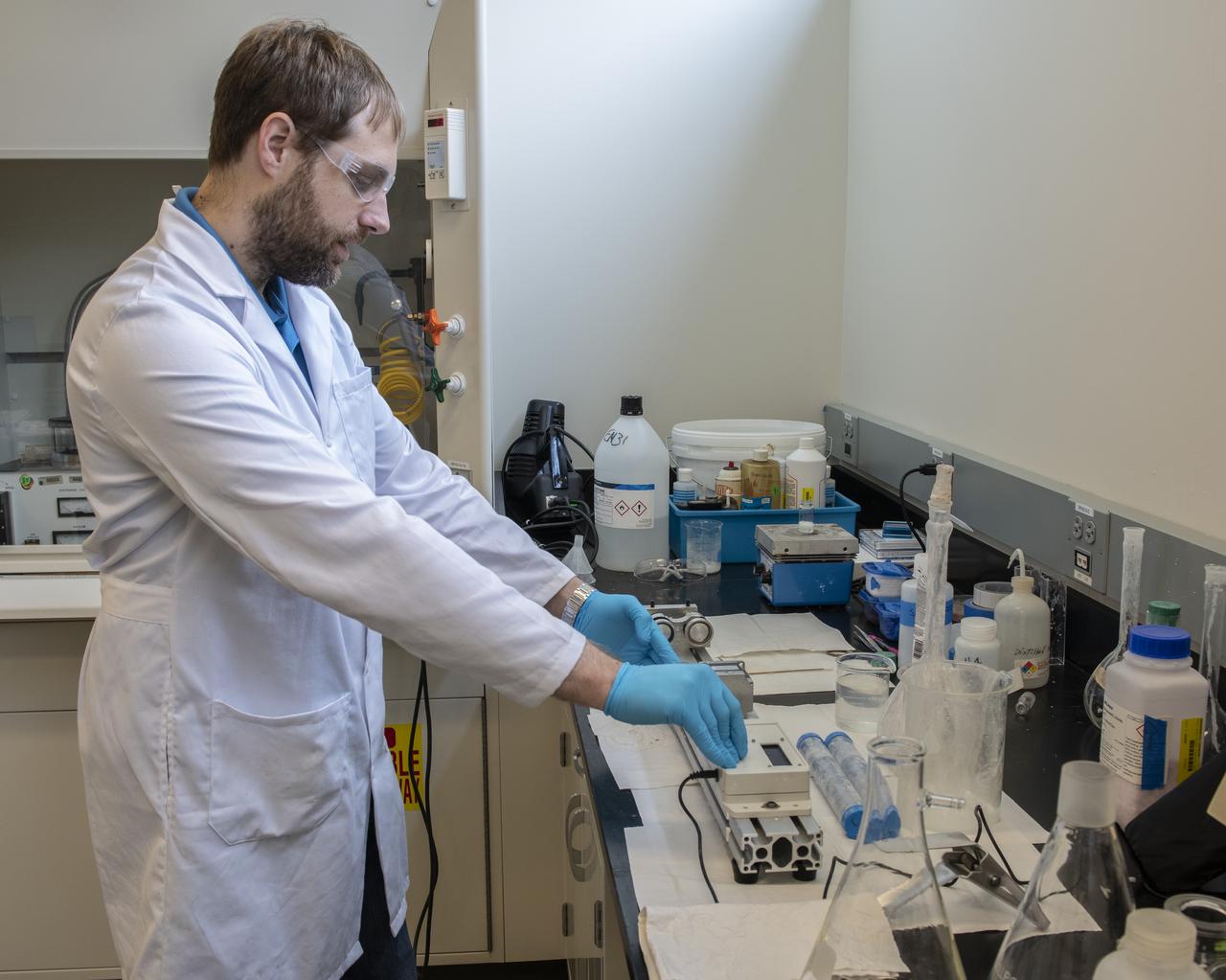
Alexander Blanchard, a chemistry doctoral student at Florida State University and graduate student at Marshall this summer, conducts analysis in a Marshall laboratory on the Chemical Gardens experiment, which is growing delicate crystalline structures in solution in the microgravity environment on the space station. Researchers hope the study could yield practical benefits for bioremediation and other "green" commercial applications.
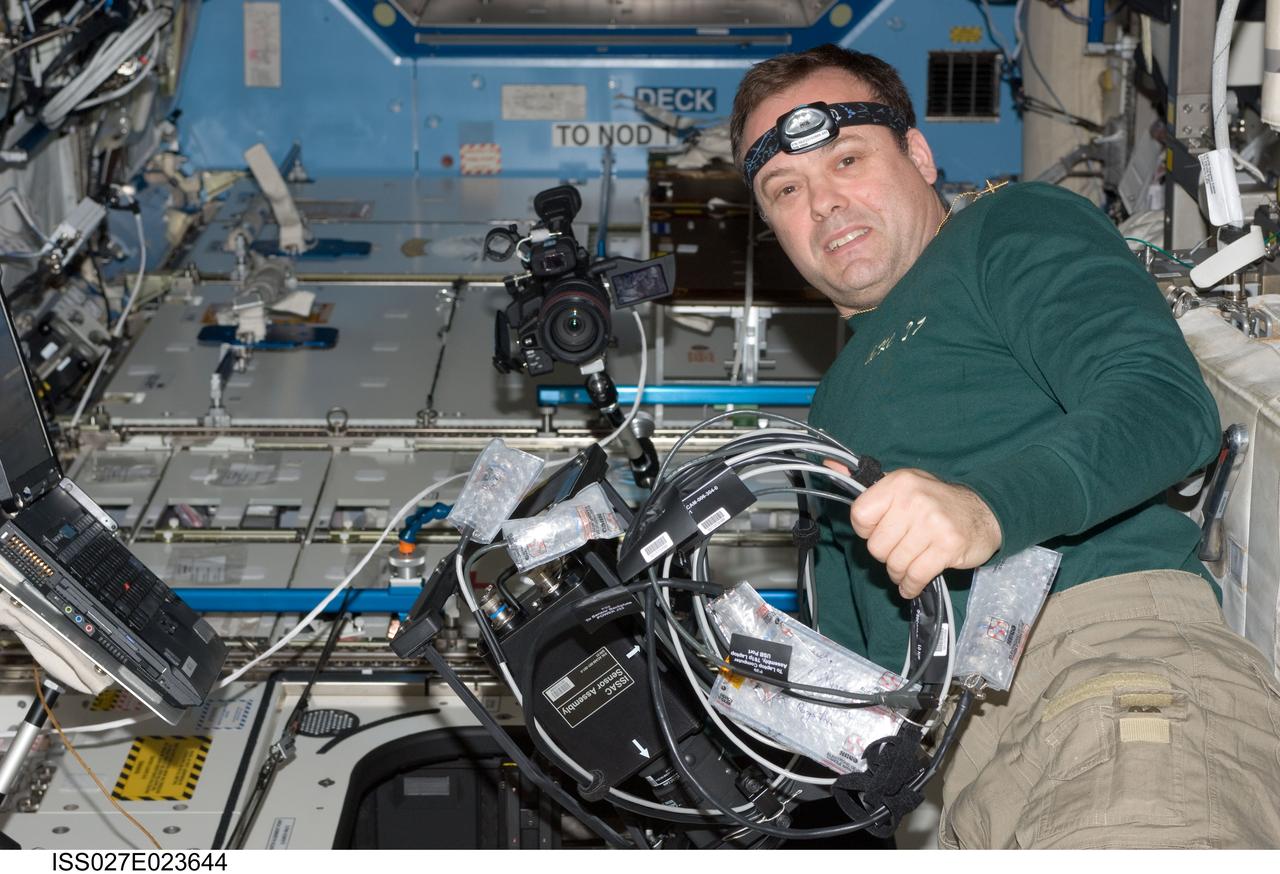
ISS027-E-023644 (6 May 2011) --- NASA astronaut Ron Garan, Expedition 27 flight engineer, works with ISS Agricultural Camera (ISSAC) hardware in the Destiny laboratory of the International Space Station. ISSAC, a successor of the earlier AgCam, will operate in conjunction with EarthKAM, both instruments to conduct simultaneous but independent operations in the WORF rack in Destiny.
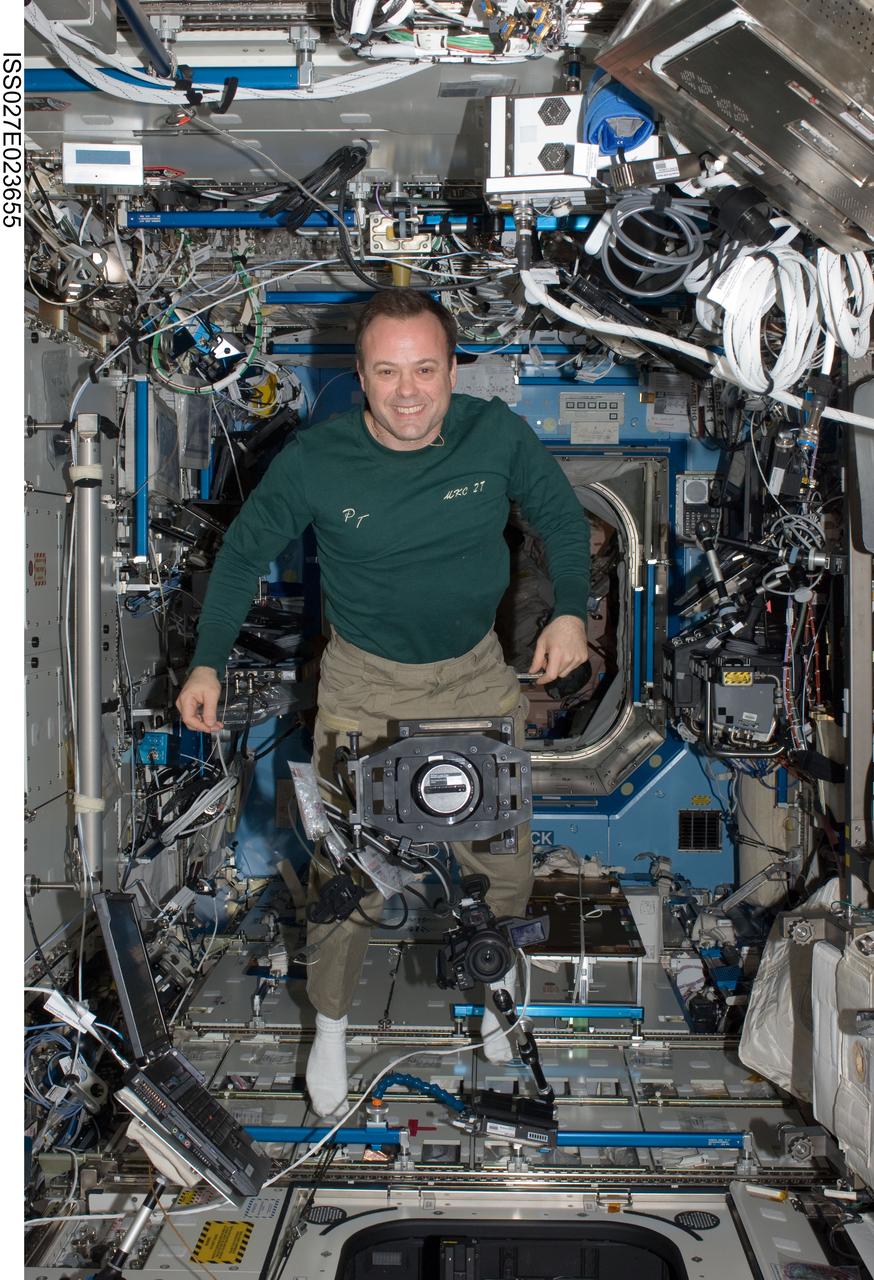
ISS027-E-023655 (6 May 2011) --- NASA astronaut Ron Garan, Expedition 27 flight engineer, works with ISS Agricultural Camera (ISSAC) hardware in the Destiny laboratory of the International Space Station. ISSAC, a successor of the earlier AgCam, will operate in conjunction with EarthKAM, both instruments to conduct simultaneous but independent operations in the WORF rack in Destiny.
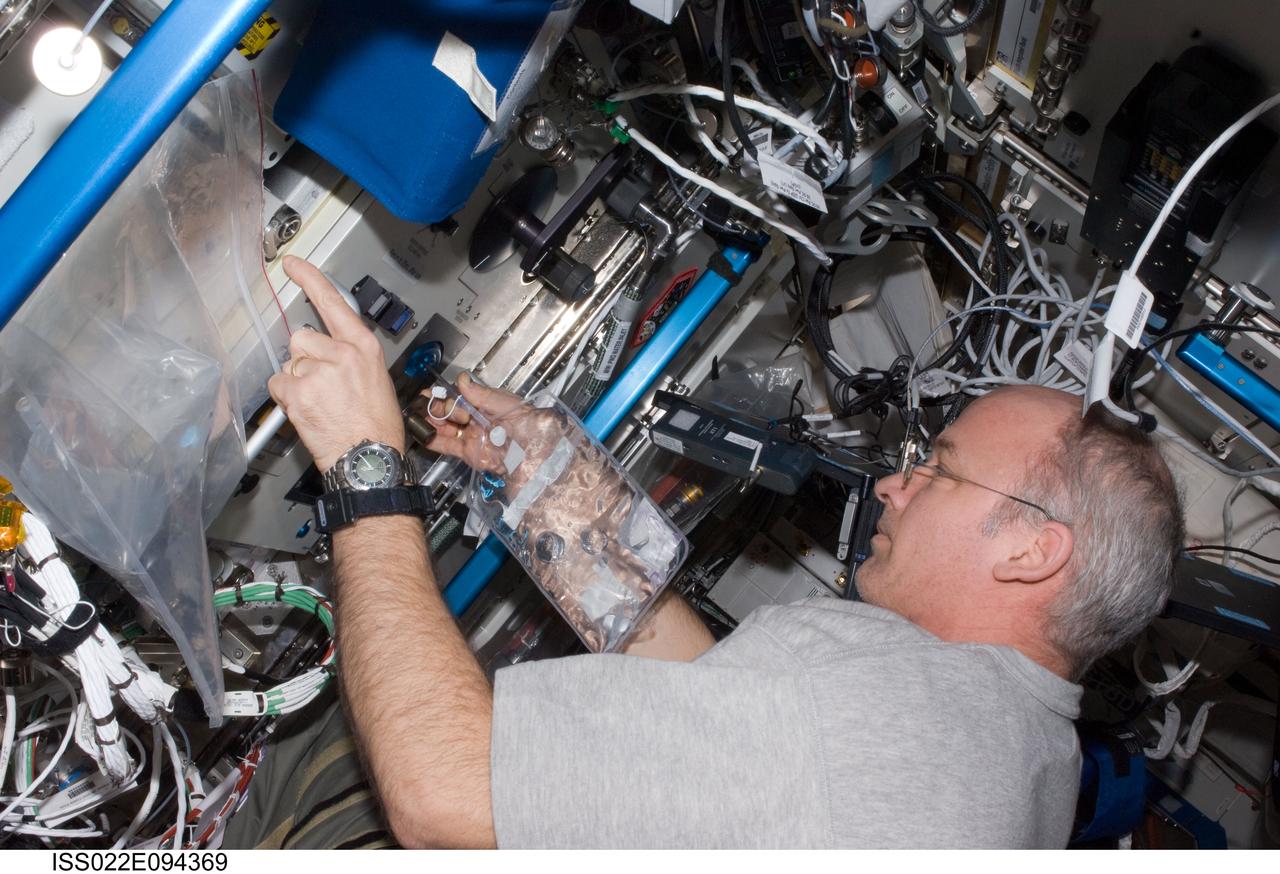
ISS022-E-094369 (15 March 2010) --- NASA astronaut Jeffrey Williams, Expedition 22 commander, conducts a Surface, Water and Air Biocharacterization (SWAB) water sampling from the Potable Water Dispenser (PWD) in the Destiny laboratory of the International Space Station. SWAB uses advanced molecular techniques to comprehensively evaluate microbes onboard the space station, including pathogens (organisms that may cause disease). This study will allow an assessment of the risk of microbes to the crew and the spacecraft.
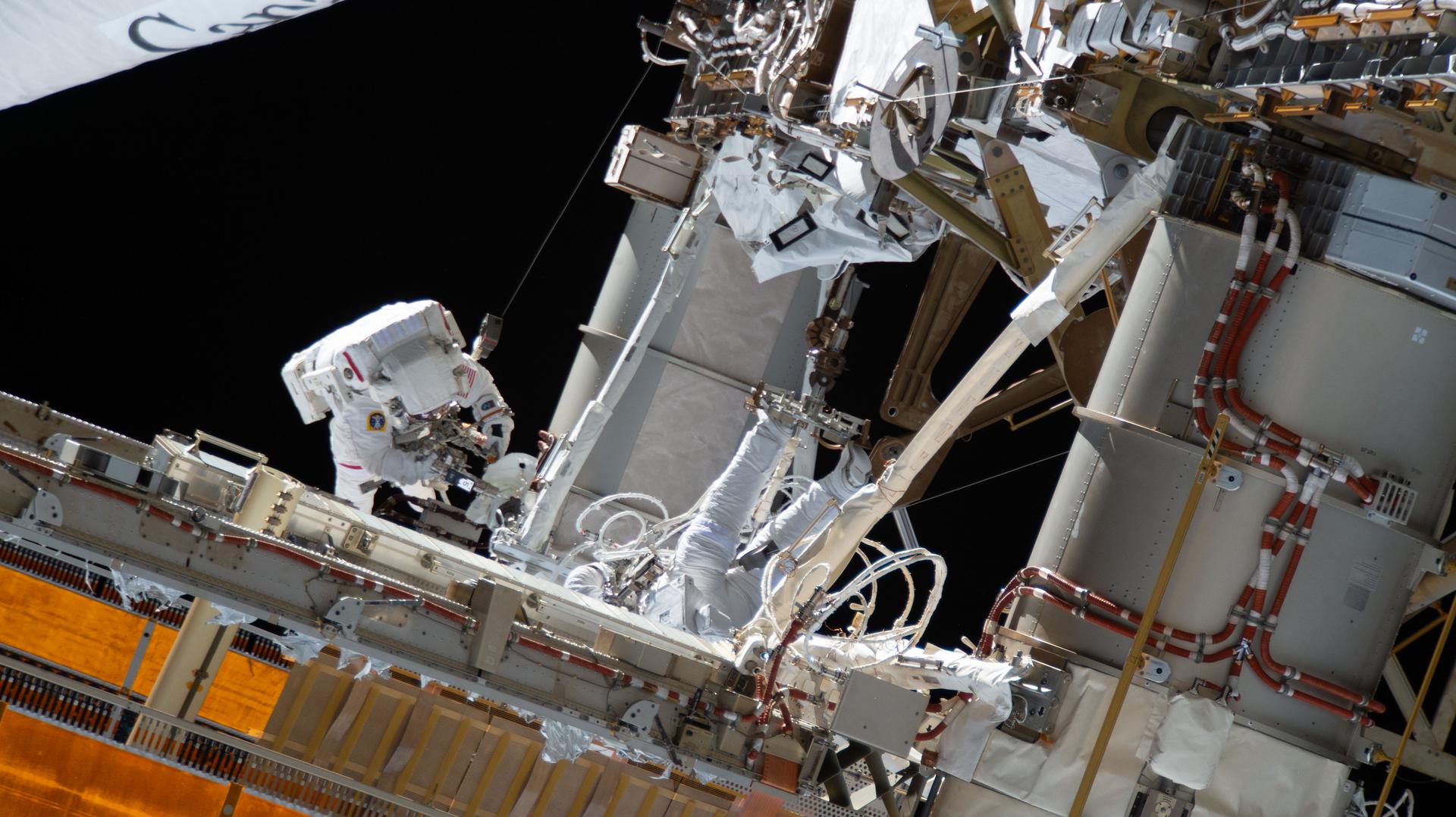
iss075e0003980 (Aug. 6, 2026) --- NASA astronaut and Expedition 75 commander Jessica Meir conducts a spacewalk to prepare the International Space Station for future upgrades to its power system. Meir worked in the vacuum of space for six hours and 37 minutes with Expedition 75 flight engineer Anil Menon of NASA (out of frame) building a modification kit on the station’s Starboard 6 truss segment where a roll out solar array is slated to be installed later this year. Credit: NASA
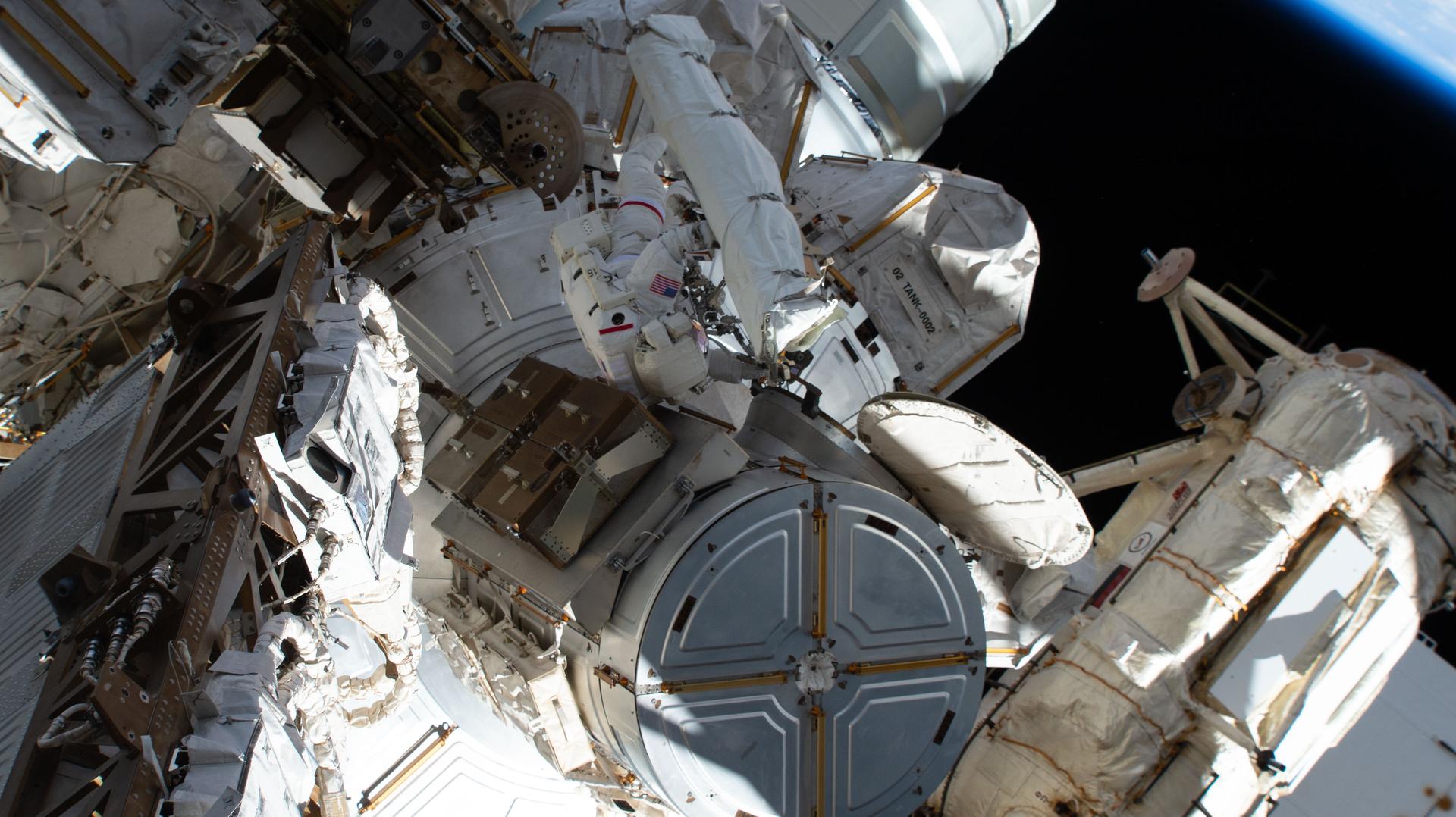
iss075e0003317 (Aug. 6, 2026) --- NASA astronaut and Expedition 75 commander Jessica Meir conducts a spacewalk to prepare the International Space Station for future upgrades to its power system. Meir worked in the vacuum of space for six hours and 37 minutes with Expedition 75 flight engineer Anil Menon of NASA (out of frame) building a modification kit on the station’s Starboard 6 truss segment where a roll out solar array is slated to be installed later this year. Credit: NASA