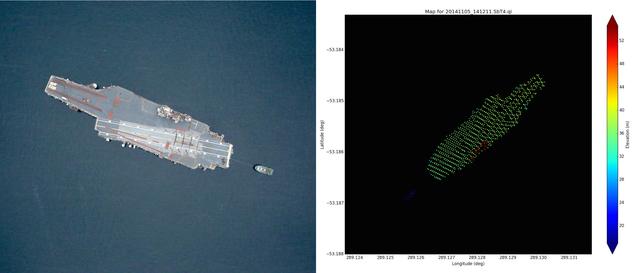
Left: NASA Digital Mapping System image of the USS Constellation taken near Punta Arenas, Chile on Nov. 5, 2014. Credit: NASA/DMS Right: Airborne Topographic Mapper wide scan lidar elevation data taken over the USS Constellation during Nov. 5, 2014 overflight. The water elevation has been removed and was 17 meters. The Constellation flight deck is about 16m above the water surface and the conning tower is about 33m above the water. Credit: NASA/ATM Read more: <a href="http://www.nasa.gov/content/goddard/icebridge/news/fall14/uss-constellation-and-thurston-island-nov-5/#.VGOy4khvL2g" rel="nofollow">www.nasa.gov/content/goddard/icebridge/news/fall14/uss-co...</a>
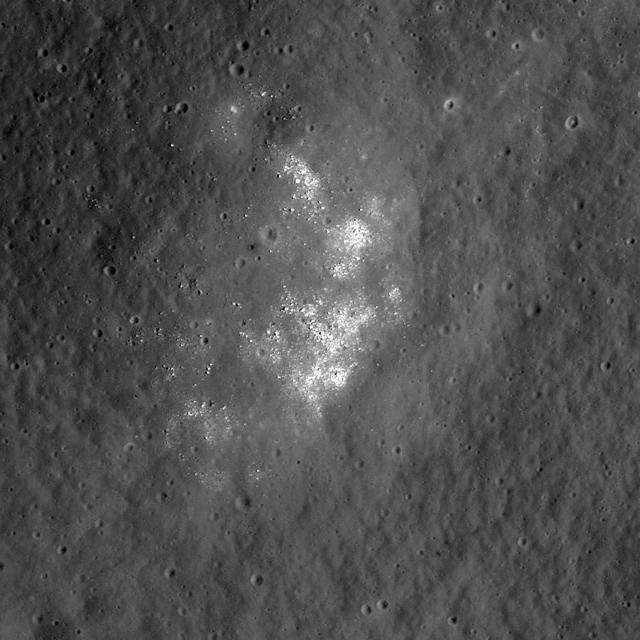
Hertzsprung Constellation Site

Members of the media listen during a press conference with NASA Administrator Michael Griffin, Scott Horowitz, NASA Associate Administrator for Exploration Systems and Jeff Hanley, Constellation Program Manager, outlining specific center responsibilities associated with the Constellation Program for robotic and human Moon and Mars exploration, Monday, June 5, 2006, at NASA Headquarters in Washington. Photo Credit (NASA/Bill Ingalls)

Jeff Hanley, Constellation Program Manager, announces to NASA employees and members of the media the responsibilities of the NASA centers associated with the Constellation Program for robotic and human Moon and Mars exploration on Wednesday, June 5, 2006, at NASA Headquarters in Washington. Photo Credit: (NASA/Bill Ingalls)

Jeff Hanley, Constellation Program Manager, right, listens to a question during a NASA Update outlining responsibilities of the NASA centers associated with the Constellation Program for robotic and human Moon and Mars exploration on Wednesday, June 5, 2006, at NASA Headquarters in Washington. Photo Credit: (NASA/Bill Ingalls)

Jeff Hanley, Constellation Program Manager, speaks during a press conference outlining specific center responsibilities associated with the Constellation Program for robotic and human Moon and Mars exploration, Monday, June 5, 2006, at NASA Headquarters in Washington. Photo Credit (NASA/Bill Ingalls)
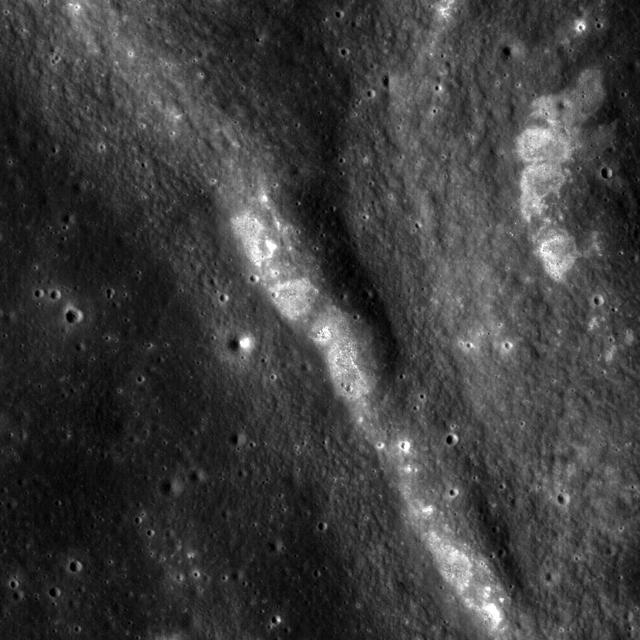
Constellation Region of Interest at Mare Tranquillitatis
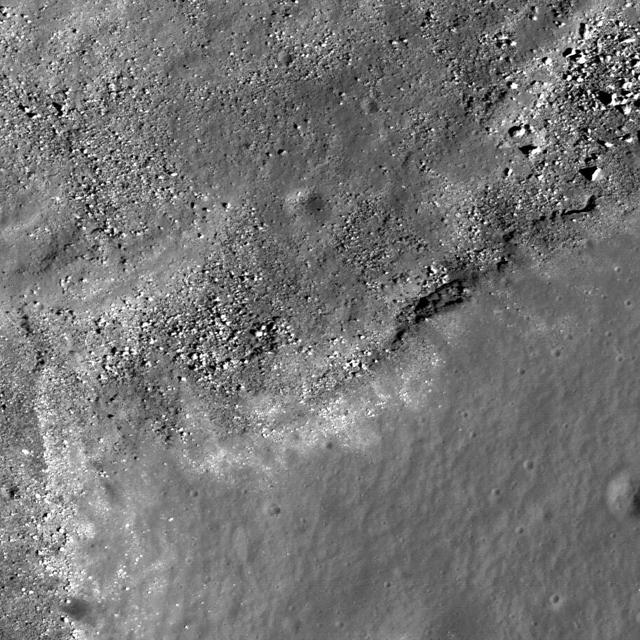
Marius Hills Constellation Region of Interest
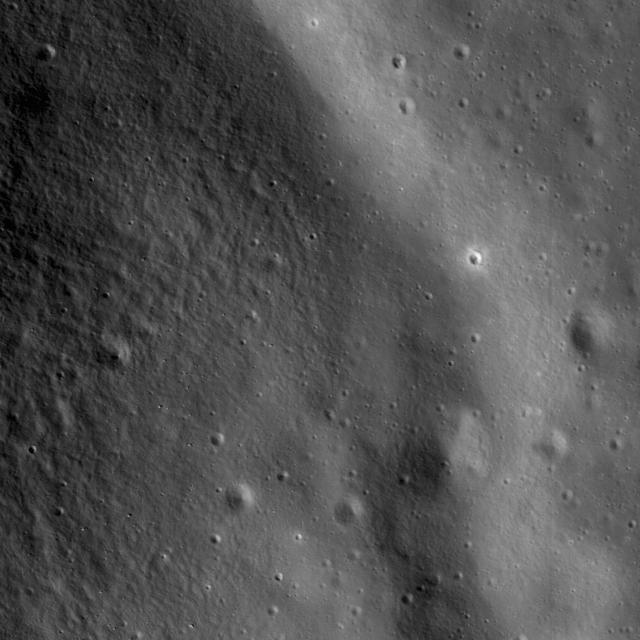
Gruithuisen Domes - Constellation Region of Interest

Scott Horowitz, NASA Associate Administrator for Exploration Systems, left, and Jeff Hanley, Constellation Program Manager, are seen during a press conference outlining specific center responsibilities associated with the Constellation Program for robotic and human Moon and Mars exploration, Monday, June 5, 2006, at NASA Headquarters in Washington. Photo Credit (NASA/Bill Ingalls)

Scott Horowitz, NASA Associate Administrator for Exploration Systems, center, speaks as Jeff Hanley, Constellation Program Manager, right, looks on during a press conference outlining specific center responsibilities associated with the Constellation Program for robotic and human Moon and Mars exploration, Monday, June 5, 2006, at NASA Headquarters in Washington. Photo Credit (NASA/Bill Ingalls)

Scott J. Horowitz, NASA Associate Administrator for Exploration Systems, center, announces to NASA employees and members of the media the responsibilities of the NASA centers associated with the Constellation Program for robotic and human Moon and Mars exploration on Wednesday, June 5, 2006, at NASA Headquarters in Washington. Horowitz was joined by NASA Administrator Michael Griffin, left, and Jeff Hanley, Constellation Program Manager. Photo Credit: (NASA/Bill Ingalls)

Scott Horowitz, NASA Associate Administrator for Exploration Systems, left, looks on as Jeff Hanley, Constellation Program Manager, speaks during a press conference outlining specific center responsibilities associated with the Constellation Program for robotic and human Moon and Mars exploration, Monday, June 5, 2006, at NASA Headquarters in Washington. Photo Credit (NASA/Bill Ingalls)

Dean Acosta, NASA Deputy Assistant Administrator and Press Secretary, moderates a press conference with NASA Administrator Michael Griffin Scott Horowitz, NASA Associate Administrator for Exploration Systems and Jeff Hanley, Constellation Program Manager, outlining specific center responsibilities associated with the Constellation Program for robotic and human Moon and Mars exploration, Monday, June 5, 2006, at NASA Headquarters in Washington. Photo Credit (NASA/Bill Ingalls)

Scott Horowitz, NASA Associate Administrator for Exploration Systems, left, looks on as Jeff Hanley, Constellation Program Manager, speaks during a press conference outlining specific center responsibilities associated with the Constellation Program for robotic and human Moon and Mars exploration, Monday, June 5, 2006, at NASA Headquarters in Washington. Photo Credit (NASA/Bill Ingalls)
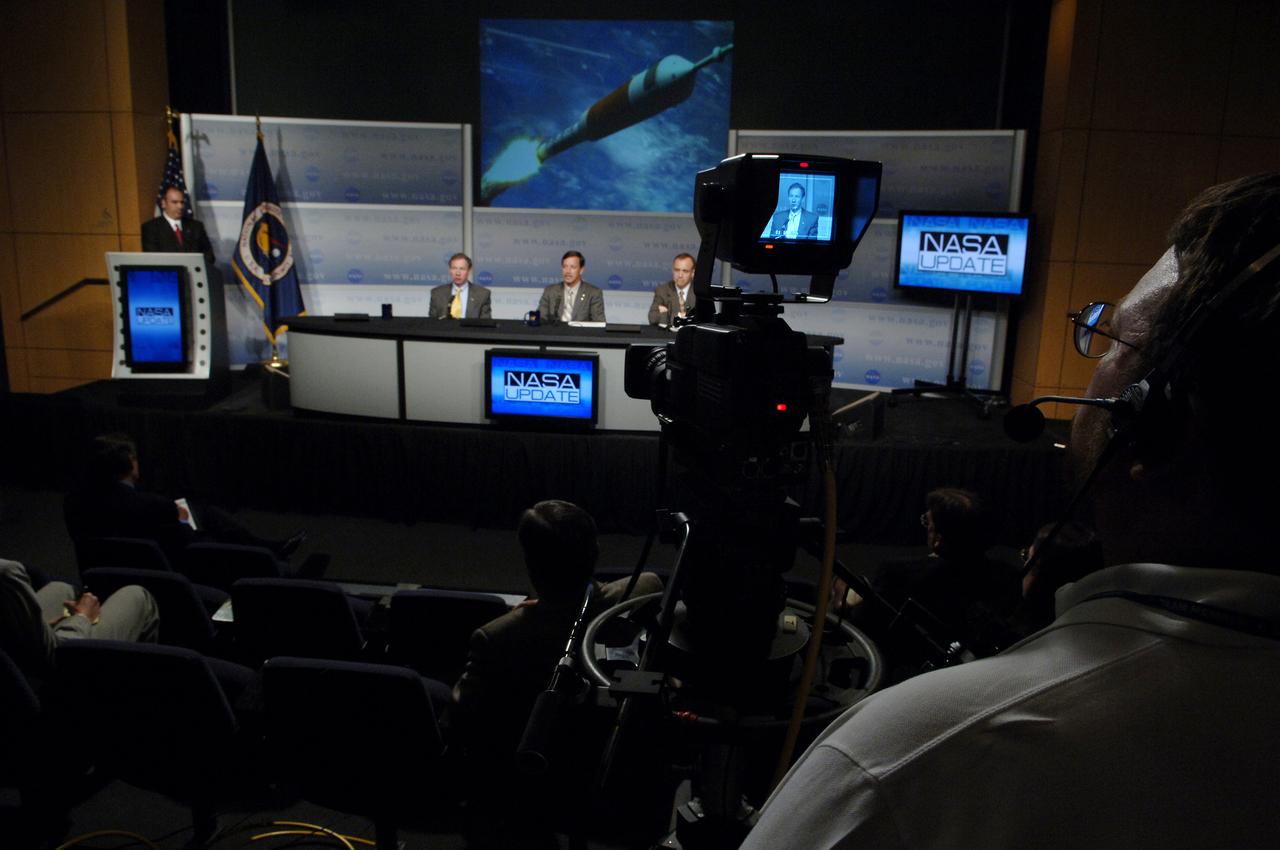
NASA Administrator Michael Griffin is seen through a television camera at a NASA Update announcing to NASA employees and members of the media the responsibilities of the NASA centers associated with the Constellation Program for robotic and human Moon and Mars exploration on Wednesday, June 5, 2006, at NASA Headquarters in Washington. Griffin was joined by Scott J. Horowitz, NASA Associate Administrator for Exploration Systems and Jeff Hanley, Constellation Program Manager, right. Dean Acosta, NASA Deputy Assistant Administrator and Press Secretary, far left, moderates the program. Photo Credit: (NASA/Bill Ingalls)
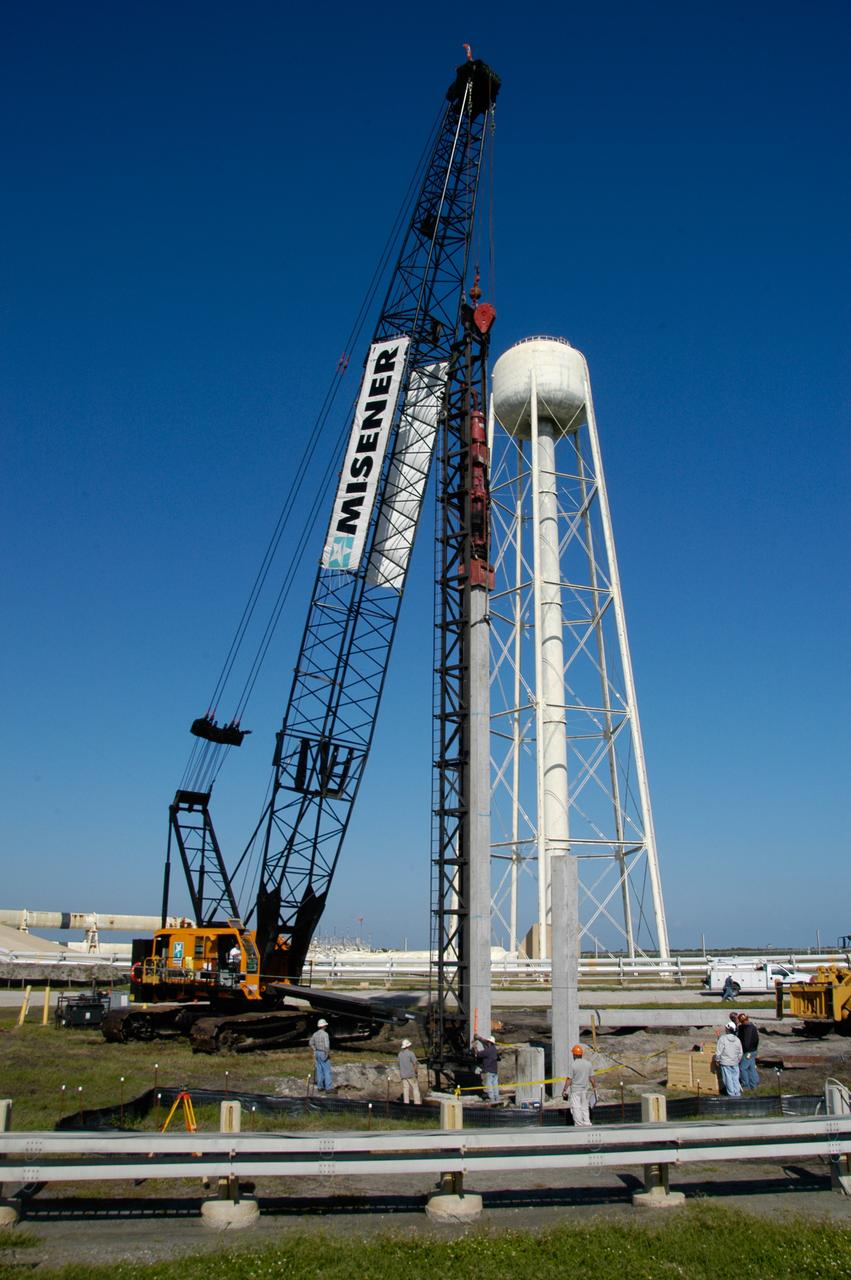
On Launch Pad 39B at NASA's Kennedy Space Center, the crane crawler puts a piling into place to be pounded into the ground to help construct lightning towers for the Constellation Program and Ares/Orion launches. Pad B will be the site of the first Ares vehicle launch, including Ares I-X which is scheduled for April 2009.

On Launch Pad 39B at NASA's Kennedy Space Center, the crane crawler lifts a piling off a truck. The piling will be pounded into the ground to help construct lightning towers for the Constellation Program and Ares/Orion launches. Pad B will be the site of the first Ares vehicle launch, including Ares I-X which is scheduled for April 2009.
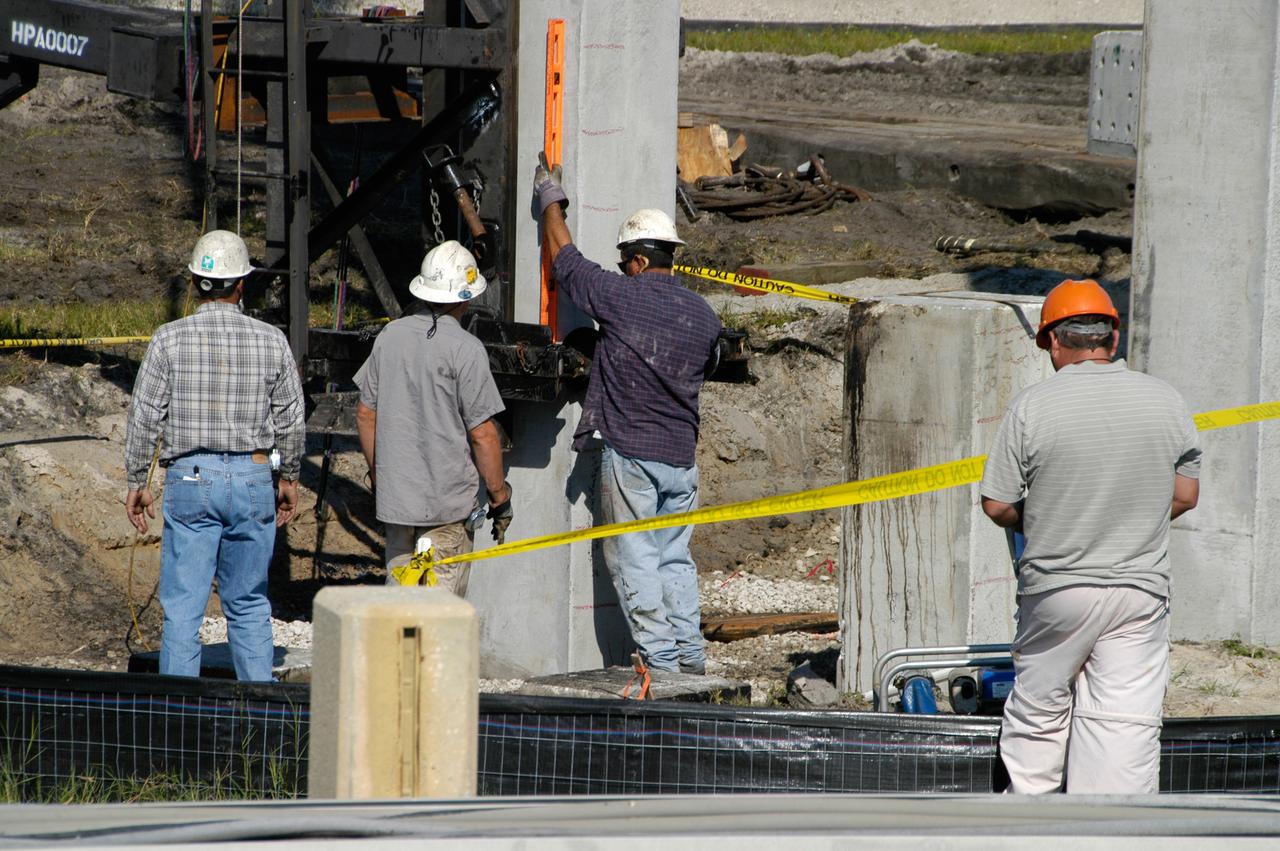
On Launch Pad 39B at NASA's Kennedy Space Center, workers measure the piling being pounded into the ground to help construct lightning towers for the Constellation Program and Ares/Orion launches. Pad B will be the site of the first Ares vehicle launch, including Ares I-X which is scheduled for April 2009.
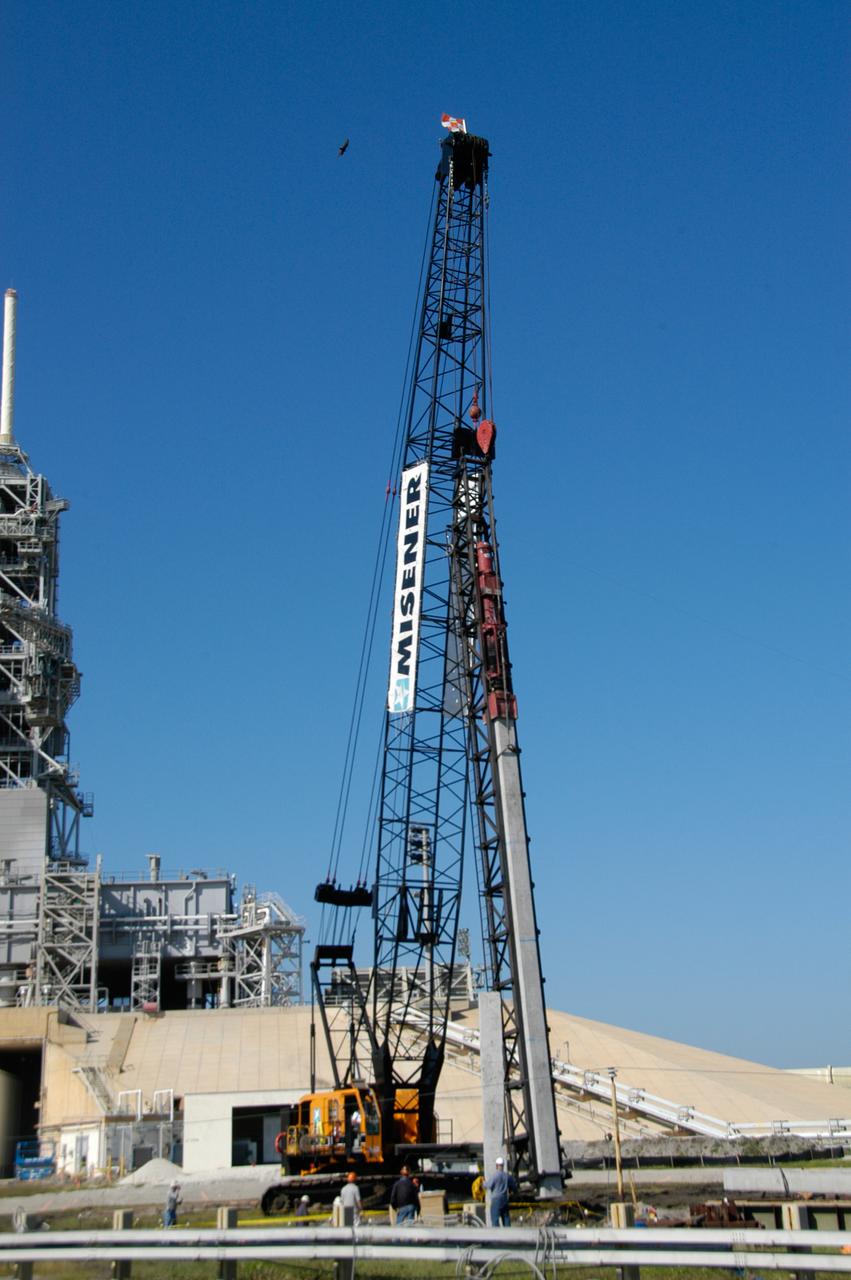
On Launch Pad 39B at NASA's Kennedy Space Center, the crane crawler lifts a piling into place to be pounded into the ground to help construct lightning towers for the Constellation Program and Ares/Orion launches. Pad B will be the site of the first Ares vehicle launch, including Ares I-X which is scheduled for April 2009.
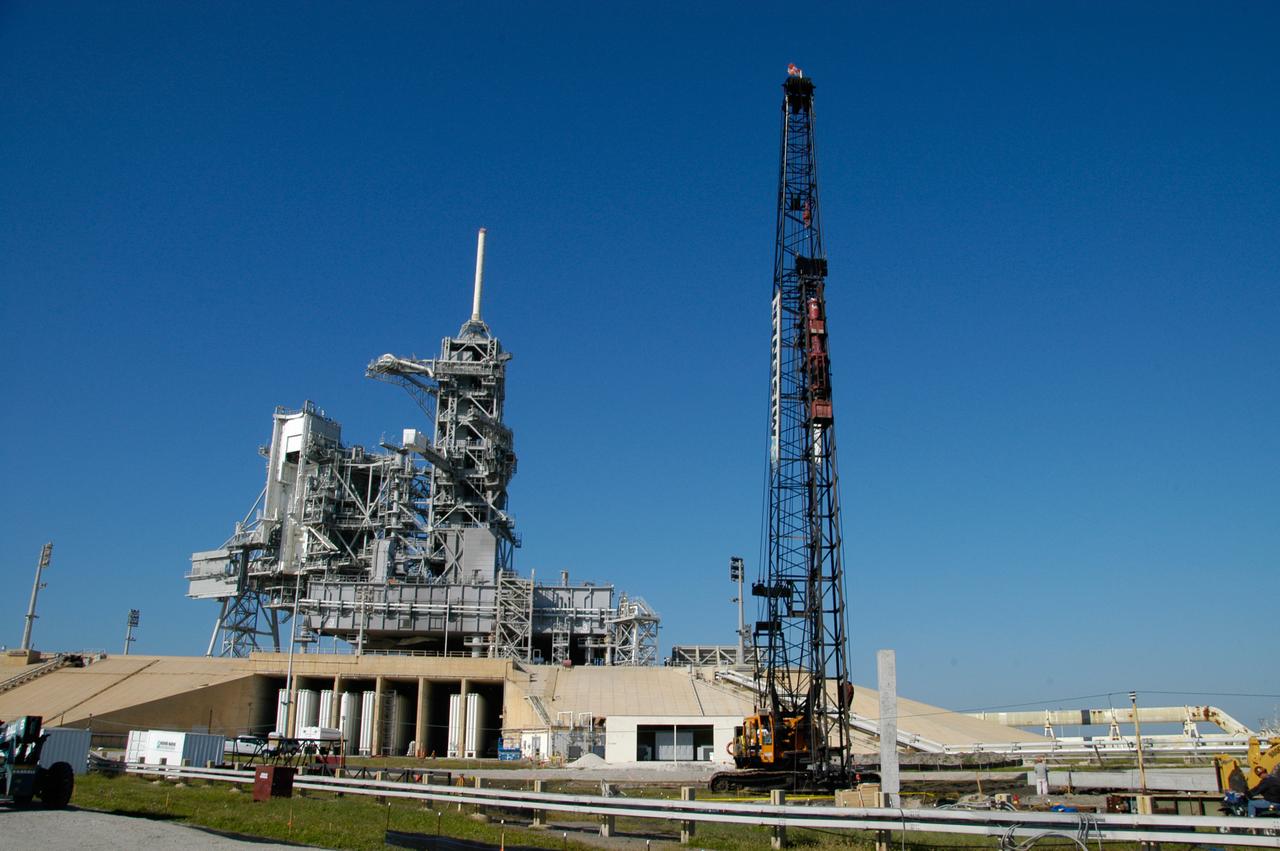
On Launch Pad 39B at NASA's Kennedy Space Center, pilings are being pounded into the ground to help construct lightning towers for the Constellation Program and Ares/Orion launches. Pad B will be the site of the first Ares vehicle launch, including Ares I-X which is scheduled for April 2009.
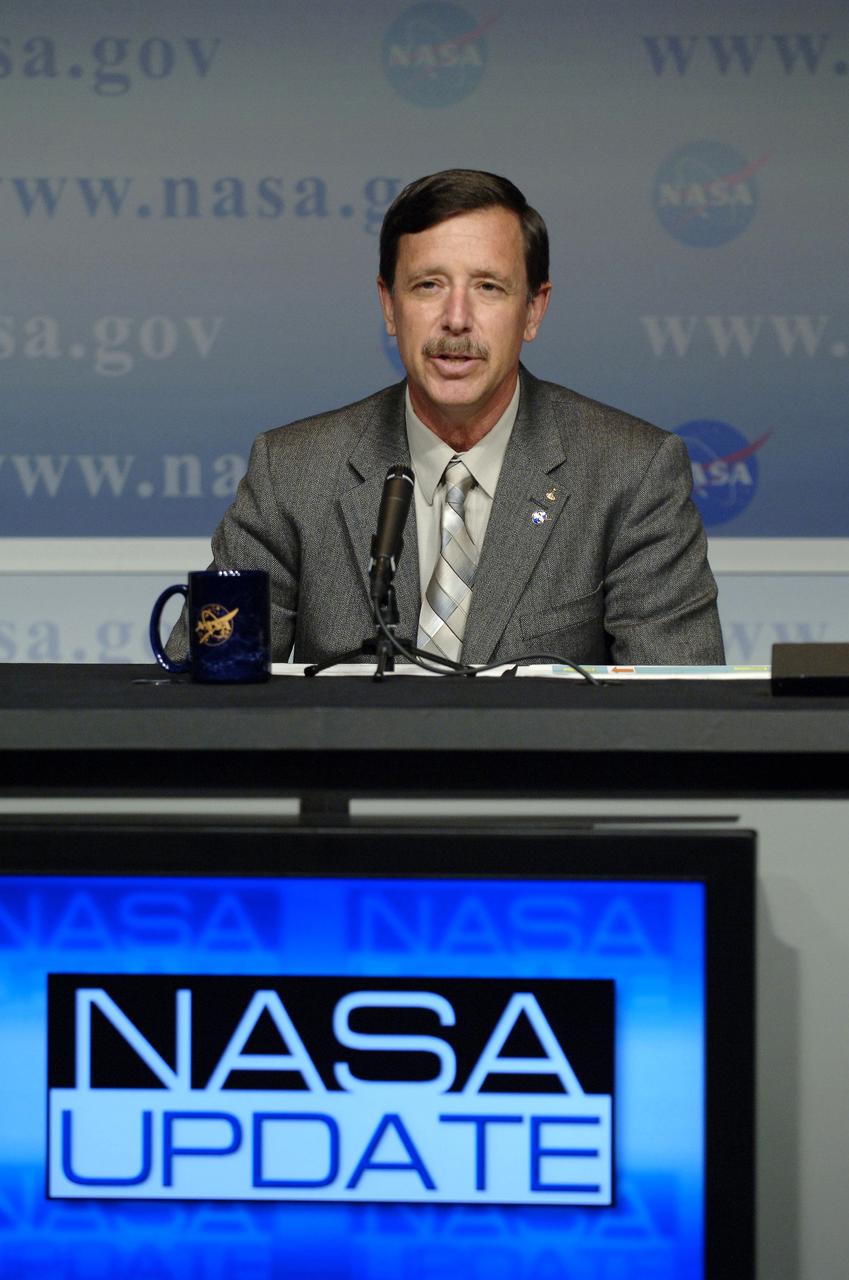
Scott J. Horowitz, NASA Associate Administrator for Exploration Systems, announces to NASA employees and members of the media the responsibilities of the NASA centers associated with the Constellation Program for robotic and human Moon and Mars exploration on Wednesday, June 5, 2006, at NASA Headquarters in Washington. Photo Credit: (NASA/Bill Ingalls)

NASA Administrator Michael Griffin addresses NASA employees and members of the media about the responsibilities of the NASA centers associated with the Constellation Program for robotic and human Moon and Mars exploration during a NASA Update on Wednesday, June 5, 2006, at NASA Headquarters in Washington. Photo Credit: (NASA/Bill Ingalls)

NASA Administrator Michael Griffin, speaks during a press conference outlining specific center responsibilities associated with the Constellation Program for robotic and human Moon and Mars exploration, Monday, June 5, 2006, at NASA Headquarters in Washington. Photo Credit (NASA/Bill Ingalls)
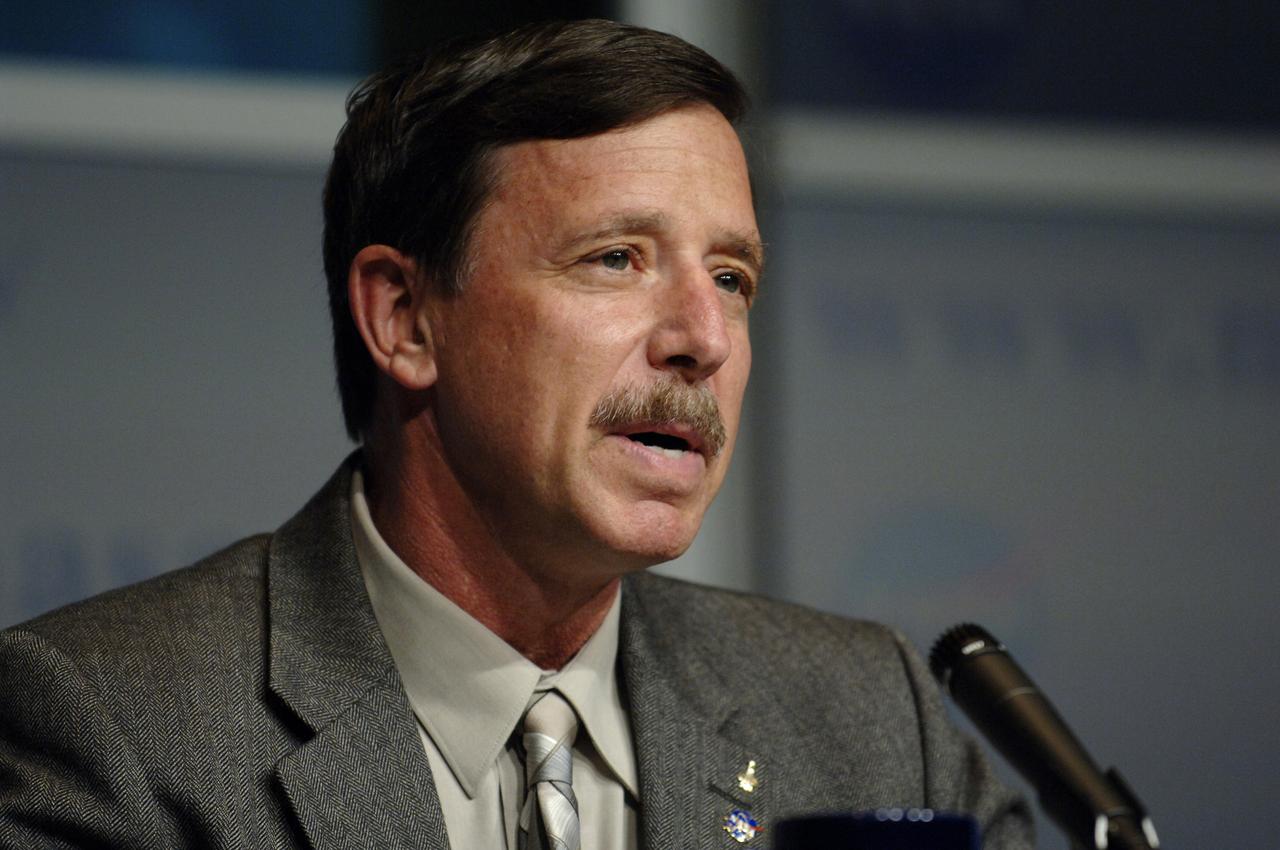
Scott J. Horowitz, NASA Associate Administrator for Exploration Systems, announces to NASA employees and members of the media the responsibilities of the NASA centers associated with the Constellation Program for robotic and human Moon and Mars exploration on Wednesday, June 5, 2006, at NASA Headquarters in Washington. Photo Credit: (NASA/Bill Ingalls)
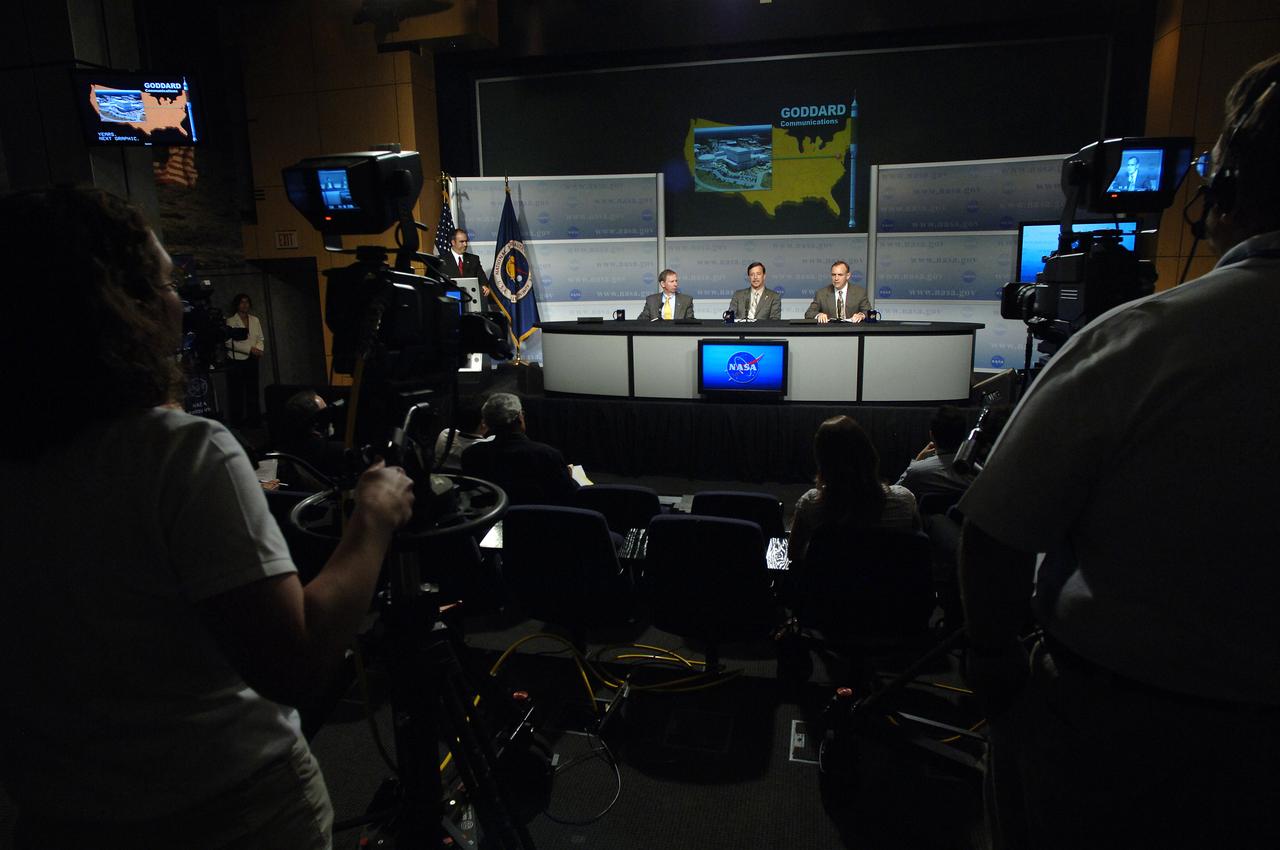
NASA Administrator Michael Griffin, left, Scott Horowitz, NASA Associate Administrator for Exploration Systems and Jeff Hanley, Constellation Program Manager, right, are seen during a press conference outlining specific center responsibilities associated with the Constellation Program for robotic and human Moon and Mars exploration, Monday, June 5, 2006, at NASA Headquarters in Washington. Photo Credit (NASA/Bill Ingalls)
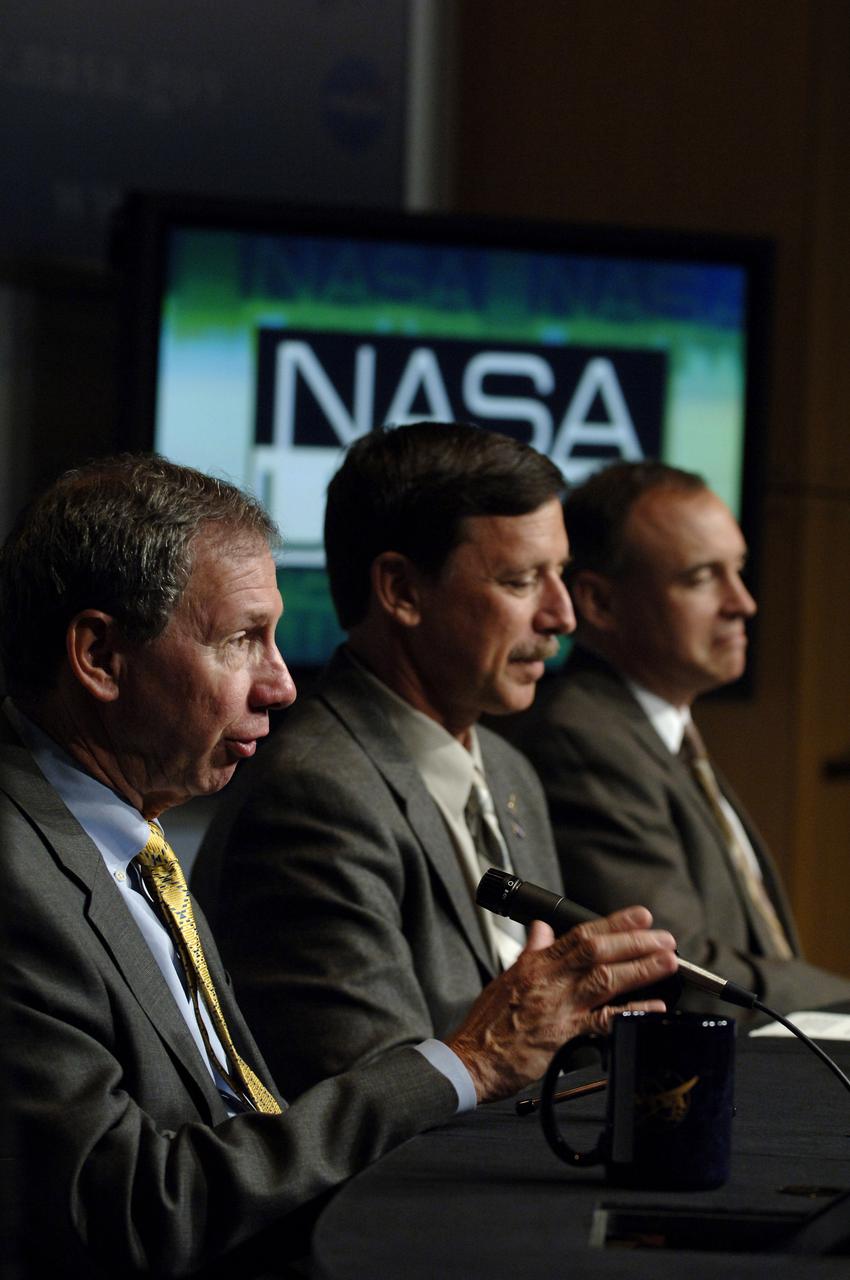
NASA Administrator Michael Griffin, left, announces to NASA employees and members of the media the responsibilities of the NASA centers associated with the Constellation Program for robotic and human Moon and Mars exploration on Wednesday, June 5, 2006, at NASA Headquarters in Washington. He is joined by Scott J. Horowitz, NASA Associate Administrator for Exploration Systems and Jeff Hanley, Constellation Program Manager, right. Photo Credit: (NASA/Bill Ingalls)
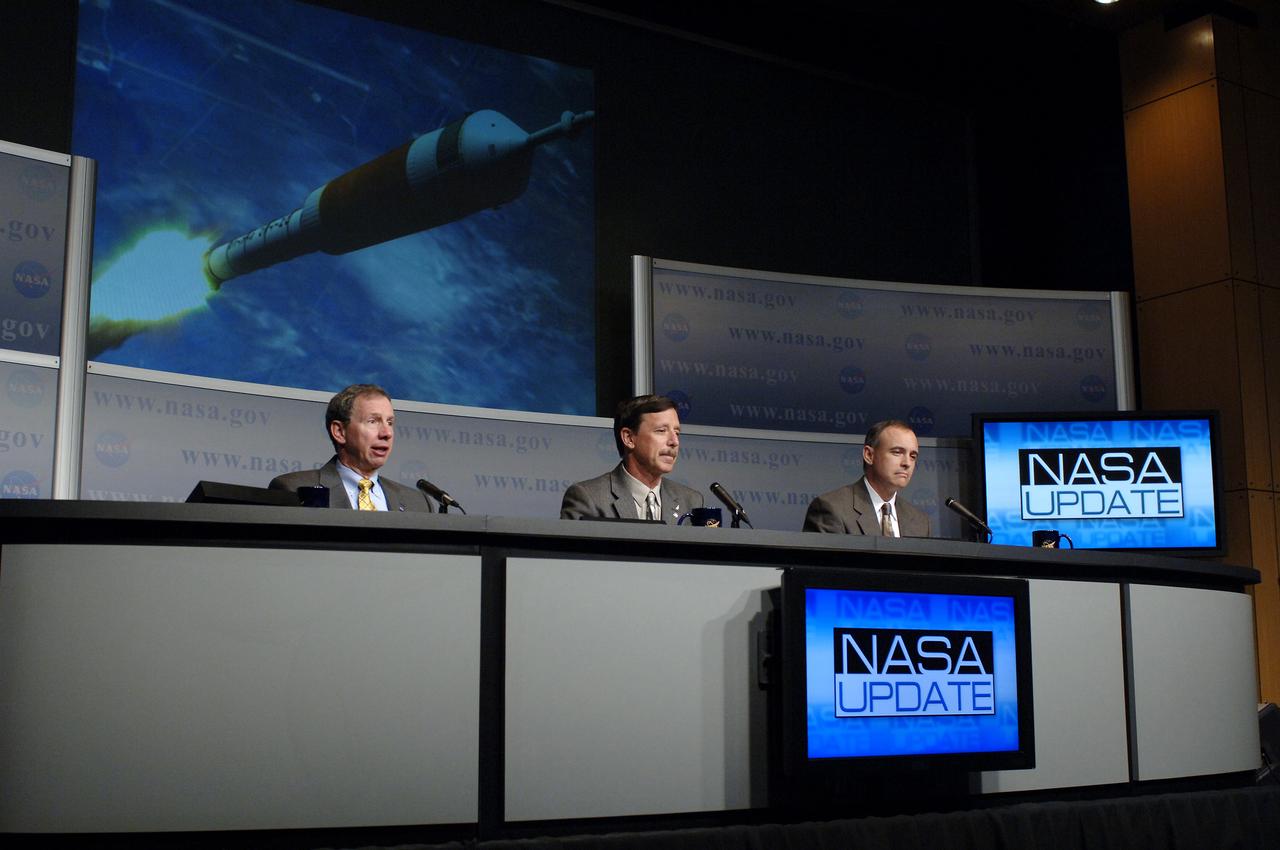
NASA Administrator Michael Griffin, left, Scott J. Horowitz, NASA Associate Administrator for Exploration Systems and Jeff Hanley, Constellation Program Manager, right, announce to NASA employees and members of the media the responsibilities of the NASA centers associated with the Constellation Program for robotic and human Moon and Mars exploration on Wednesday, June 5, 2006, at NASA Headquarters in Washington. Photo Credit: (NASA/Bill Ingalls)

NASA Administrator Michael Griffin, seated left, Scott Horowitz, NASA Associate Administrator for Exploration Systems and Jeff Hanley, Constellation Program Manager, right, are seen during a press conference outlining specific center responsibilities associated with the Constellation Program for robotic and human moon and Mars exploration, Monday, June 5, 2006, at NASA Headquarters in Washington. Dean Acosta, NASA Deputy Assistant Administrator and Press Secretary, far left, moderates the program. Photo Credit (NASA/Bill Ingalls)
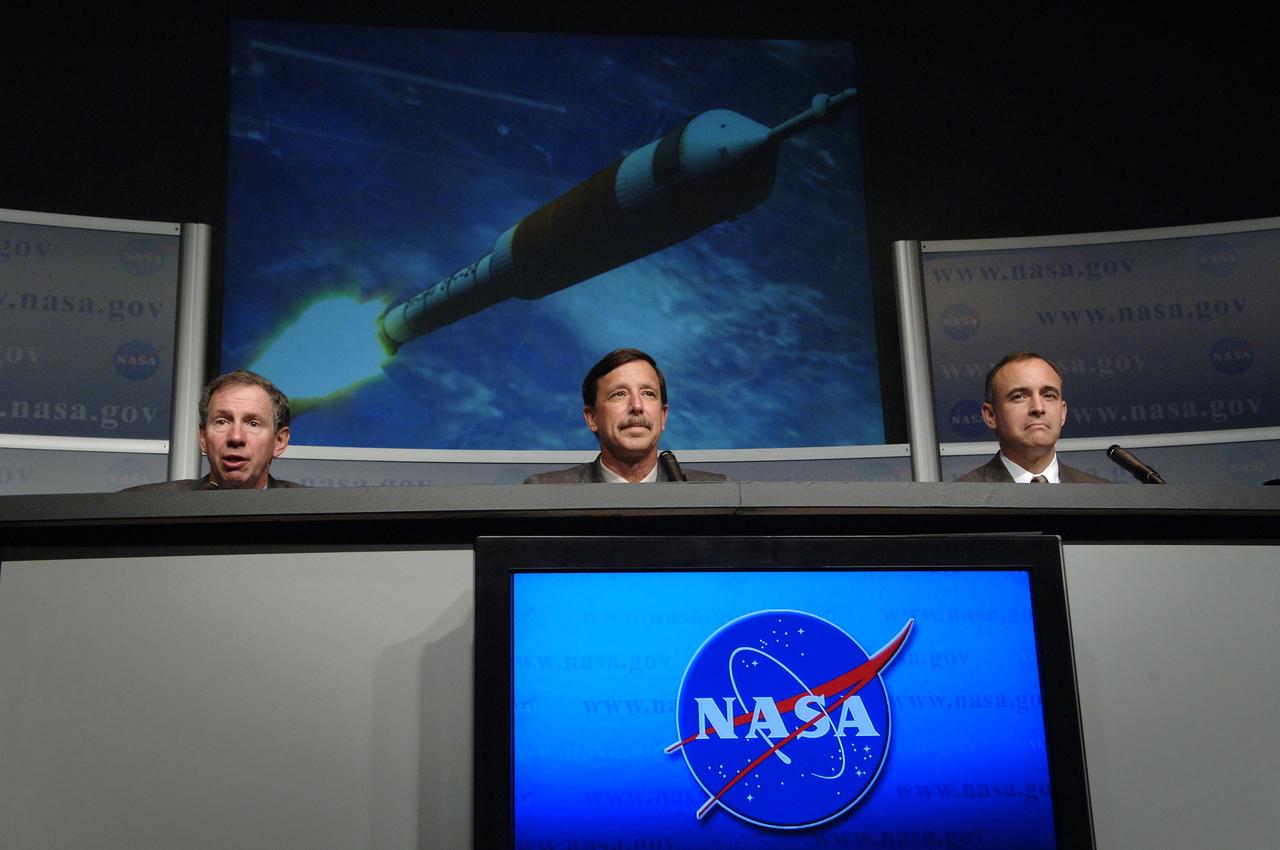
NASA Administrator Michael Griffin, left, Scott Horowitz, NASA Associate Administrator for Exploration Systems and Jeff Hanley, Constellation Program Manager, right, are seen during a press conference outlining specific center responsibilities associated with the Constellation Program for robotic and human Moon and Mars exploration, Monday, June 5, 2006, at NASA Headquarters in Washington. Photo Credit (NASA/Bill Ingalls)
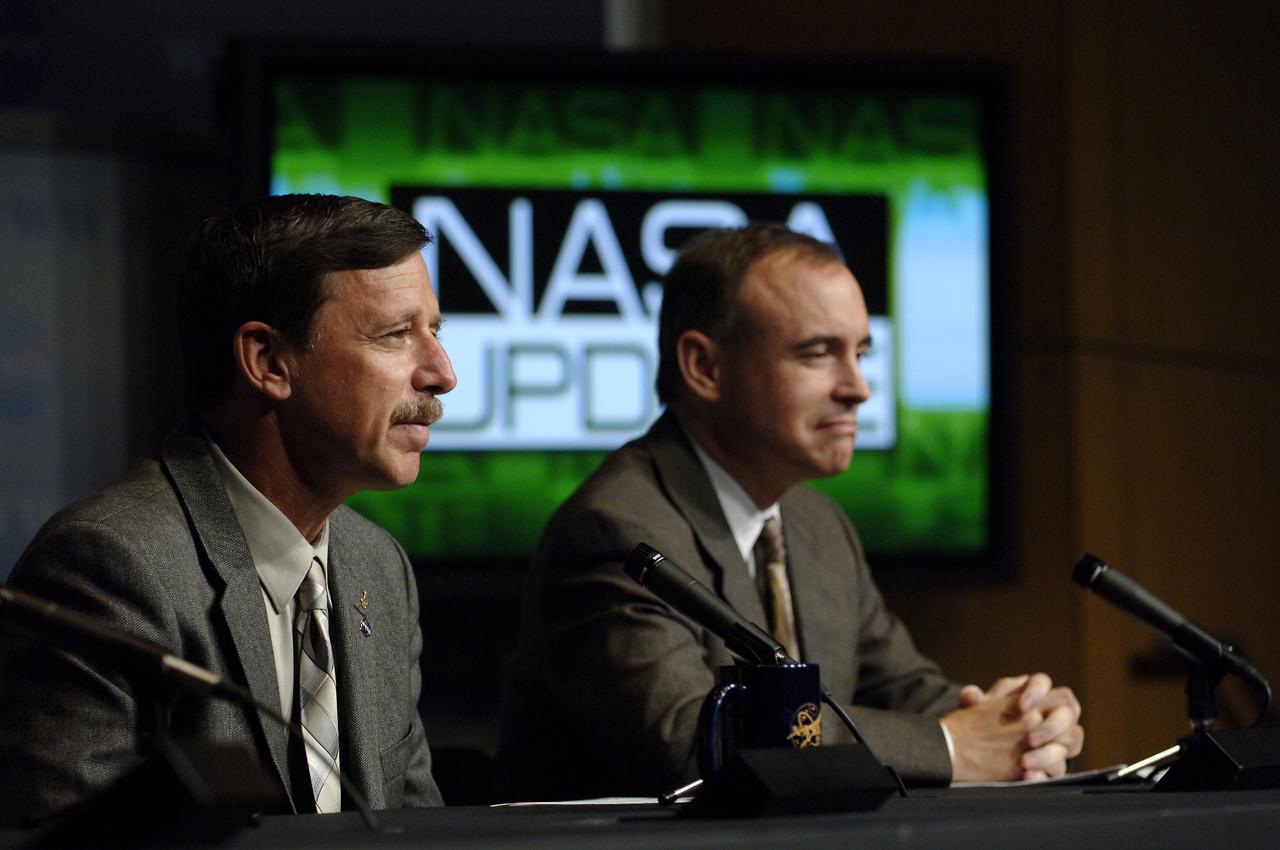
Scott J. Horowitz, NASA Associate Administrator for Exploration Systems, left, and Jeff Hanley, Constellation Program Manager, announce to NASA employees and members of the media the responsibilities of the NASA centers associated with the Constellation Program for robotic and human Moon and Mars exploration on Wednesday, June 5, 2006, at NASA Headquarters in Washington. Photo Credit: (NASA/Bill Ingalls)
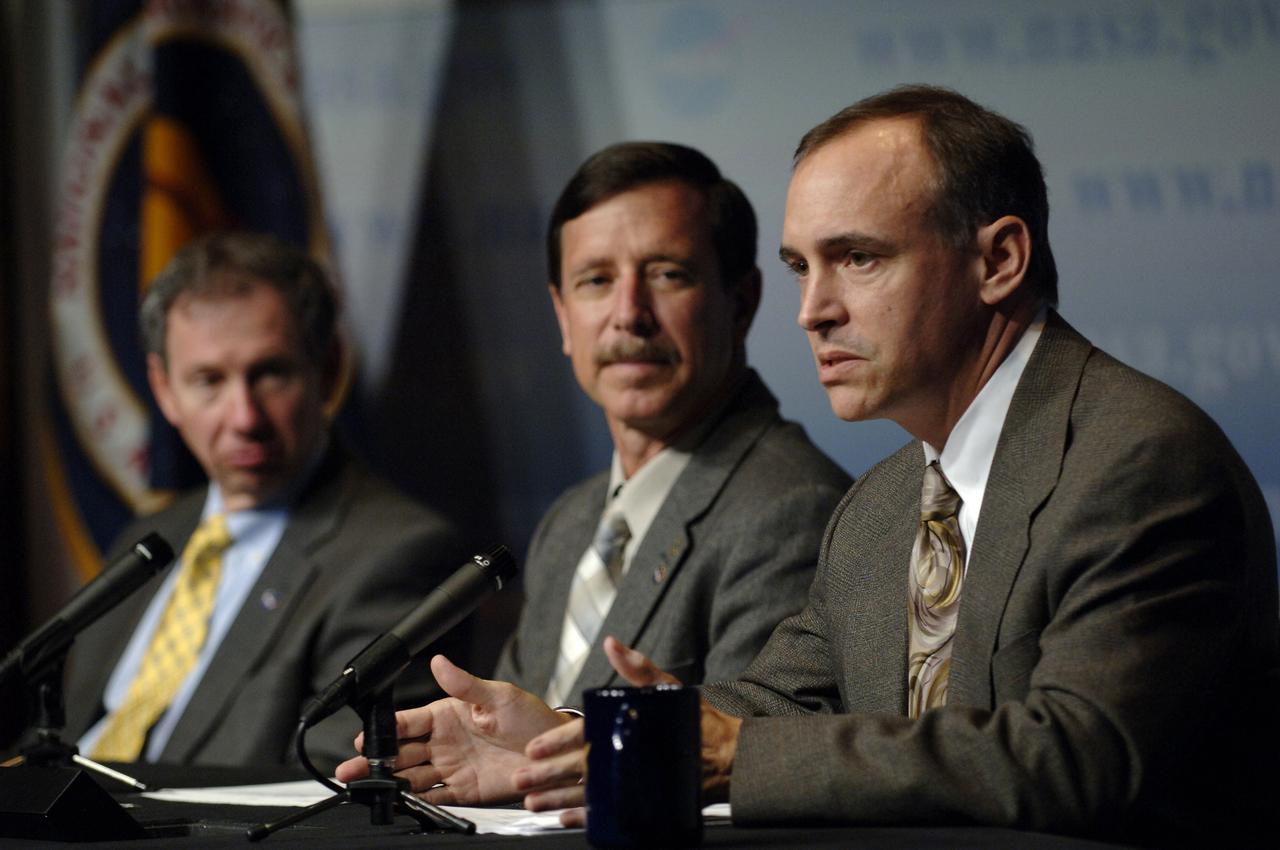
Jeff Hanley, Constellation Program Manager, right, announces to NASA employees and members of the media the responsibilities of the NASA centers associated with the Constellation Program for robotic and human Moon and Mars exploration on Wednesday, June 5, 2006, at NASA Headquarters in Washington. Hanley is joined by Scott J. Horowitz, NASA Associate Administrator for Exploration Systems and NASA Administrator Michael Griffin, left. Photo Credit: (NASA/Bill Ingalls)
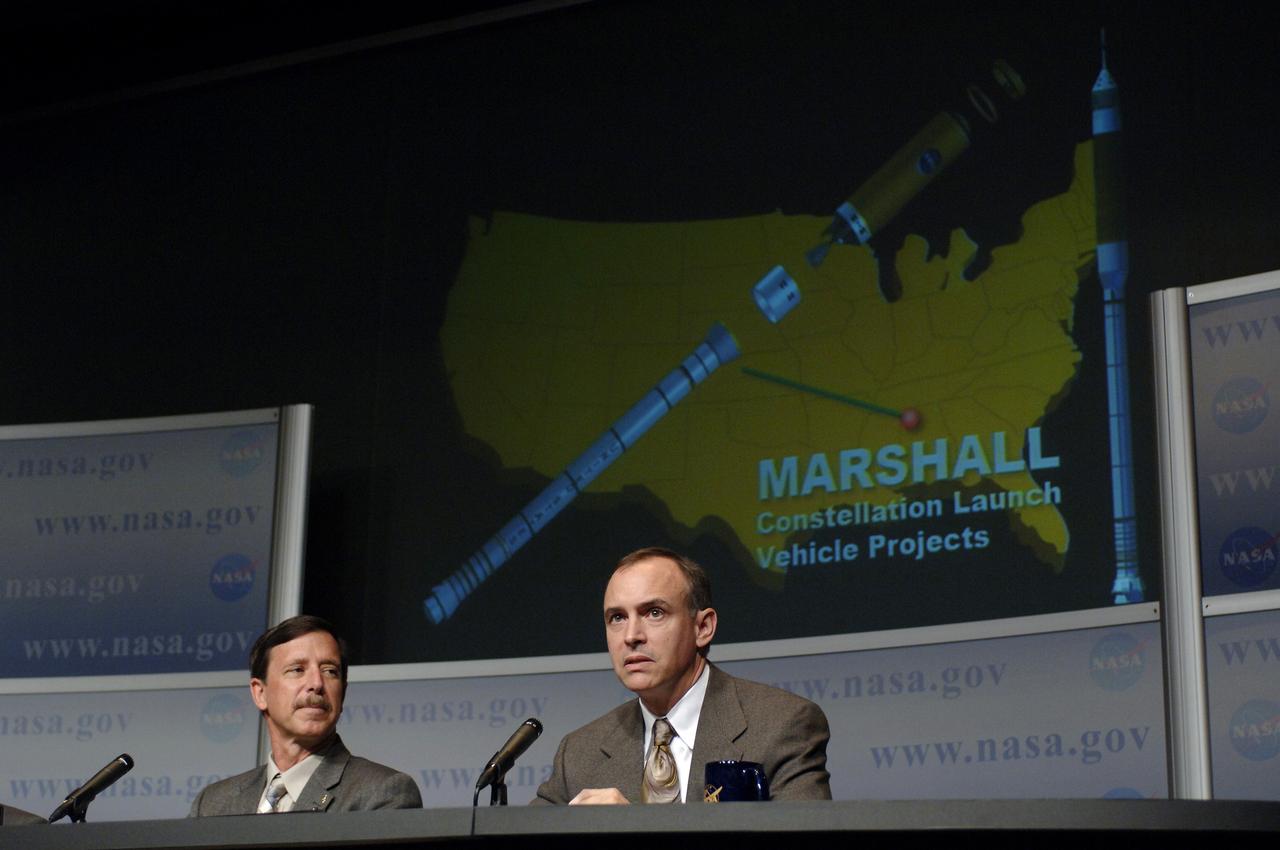
Jeff Hanley, Constellation Program Manager, right, and Scott J. Horowitz, NASA Associate Administrator for Exploration Systems announce to NASA employees and members of the media the responsibilities of the NASA centers associated with the Constellation Program for robotic and human Moon and Mars exploration on Wednesday, June 5, 2006, at NASA Headquarters in Washington. Photo Credit: (NASA/Bill Ingalls)

NASA Administrator Michael Griffin, left, Scott Horowitz, NASA Associate Administrator for Exploration Systems and Jeff Hanley, Constellation Program Manager, right, are seen during a press conference outlining specific center responsibilities associated with the Constellation Program for robotic and human Moon and Mars exploration, Monday, June 5, 2006, at NASA Headquarters in Washington. Photo Credit (NASA/Bill Ingalls)
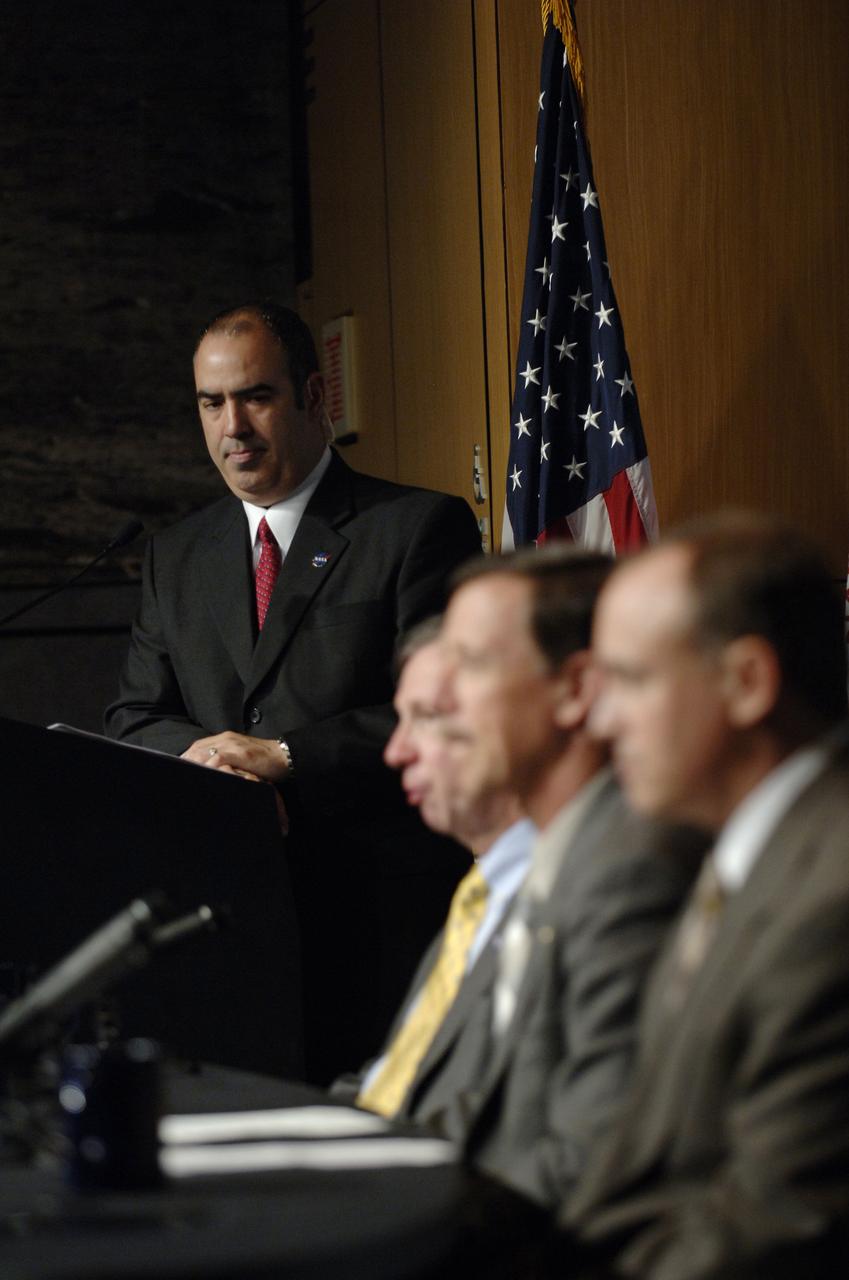
Dean Acosta, NASA Deputy Assistant Administrator and Press Secretary, left, moderates a NASA Update with NASA Administrator Michael Griffin, Scott J. Horowitz, NASA Associate Administrator for Exploration Systems and Jeff Hanley, Constellation Program Manager, right, on Wednesday, June 5, 2006, at NASA Headquarters in Washington. Photo Credit: (NASA/Bill Ingalls)

NASA Administrator Michael Griffin, left, looks on as Scott Horowitz, NASA Associate Administrator for Exploration Systems speaks during a press conference outlining specific center responsibilities associated with the Constellation Program for robotic and human Moon and Mars exploration, Monday, June 5, 2006, at NASA Headquarters in Washington. Photo Credit (NASA/Bill Ingalls)

The A-1 Test Stand at NASA Stennis Space Center near Bay St. Louis, Miss., was the focus of a ceremony held Thursday to transition the storied facility to a new program of work: testing the J-2X engines that will power the agency's next generation spacecraft, Ares I & V. Standing before the historic structure, with a plaque commemorating the change, are (from left) SSC Center Director Richard Gilbrech; NASA Associate Administrator for Exploration Systems Scott Horowitz; and NASA Space Operations Deputy Associate Administrator for Program Integration Michael Hawes. Ares vehicles are the crew and cargo launch vehicles being developed under NASA's Constellation Program.
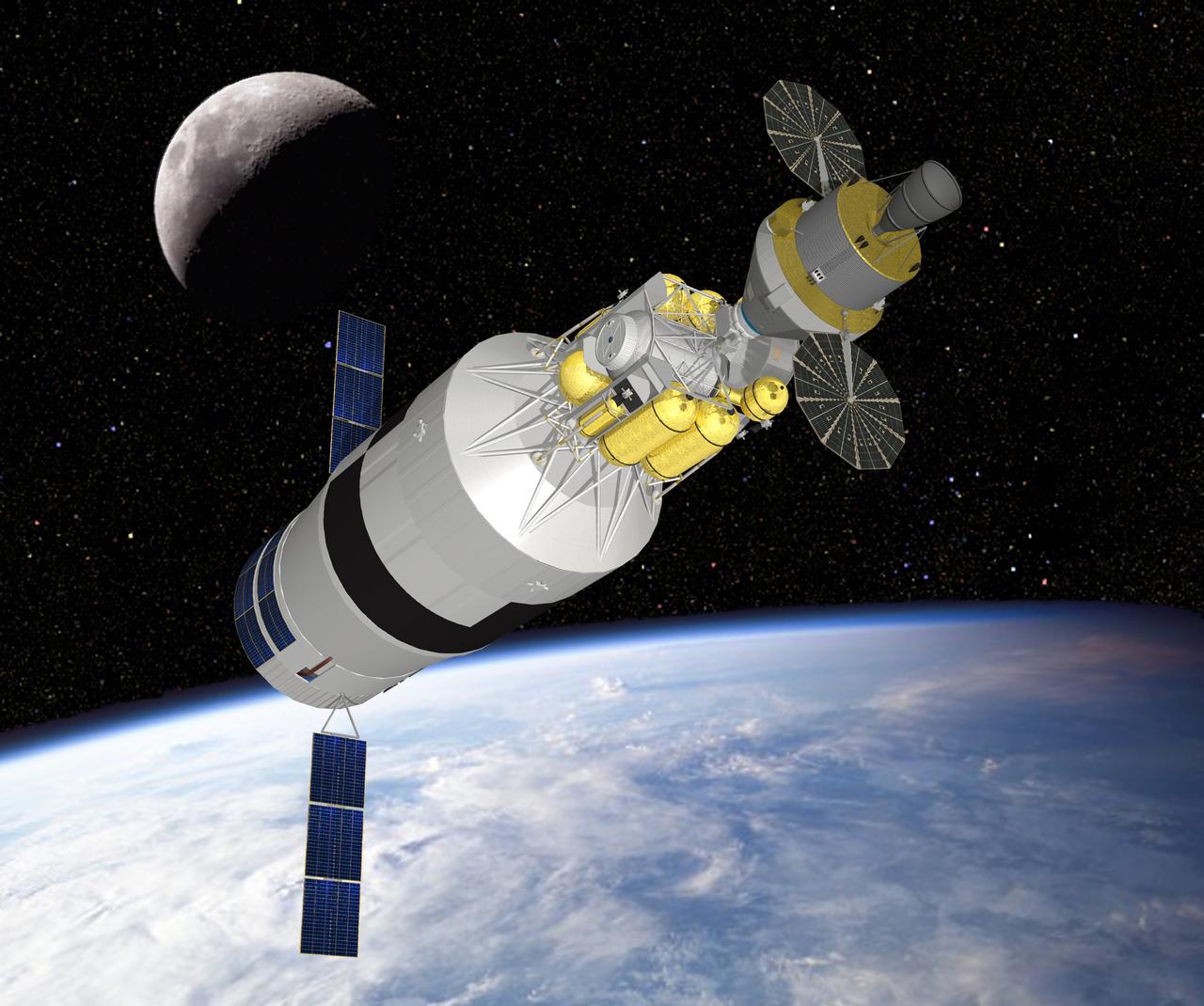
SHOWN IS A CONCEPT IMAGE OF THE ARES V EARTH DEPARTURE STAGE AND LUNAR SURFACE ACCESS MODULE DOCKED WITH THE ORION CREW EXPLORATION VEHICLE IN EARTH ORBIT. THE DEPARTURE STAGE, POWERED BY A J-2X ENGINE, IS NEEDED TO ESCAPE EARTH'S GRAVITY AND SEND THE CREW VEHICLE AND LUNAR MODULE ON THEIR JOURNEY TO THE MOON.

STS054-97-018 (13-19 Jan 1993) --- The STS-54 crew used a handheld 70mm camera to record this view of the constellation Orion. Five astronauts spent six days aboard the Space Shuttle Endeavour in Earth orbit.
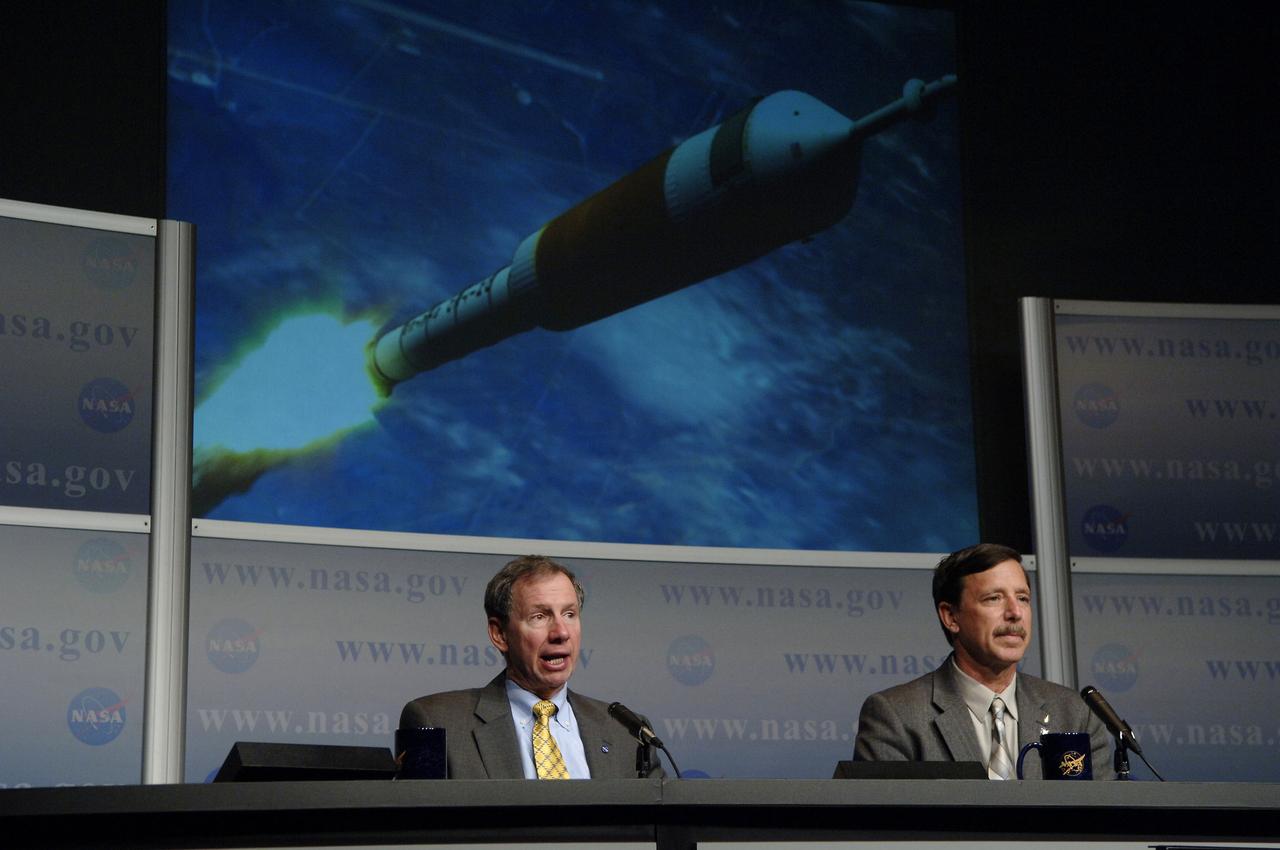
NASA Administrator Michael Griffin, left, and Scott J. Horowitz, NASA Associate Administrator for Exploration Systems, announce to NASA employees and members of the media the responsibilities of the NASA centers associated with the Constellation Program for robotic and human Moon and Mars exploration on Wednesday, June 5, 2006, at NASA Headquarters in Washington. Photo Credit: (NASA/Bill Ingalls)
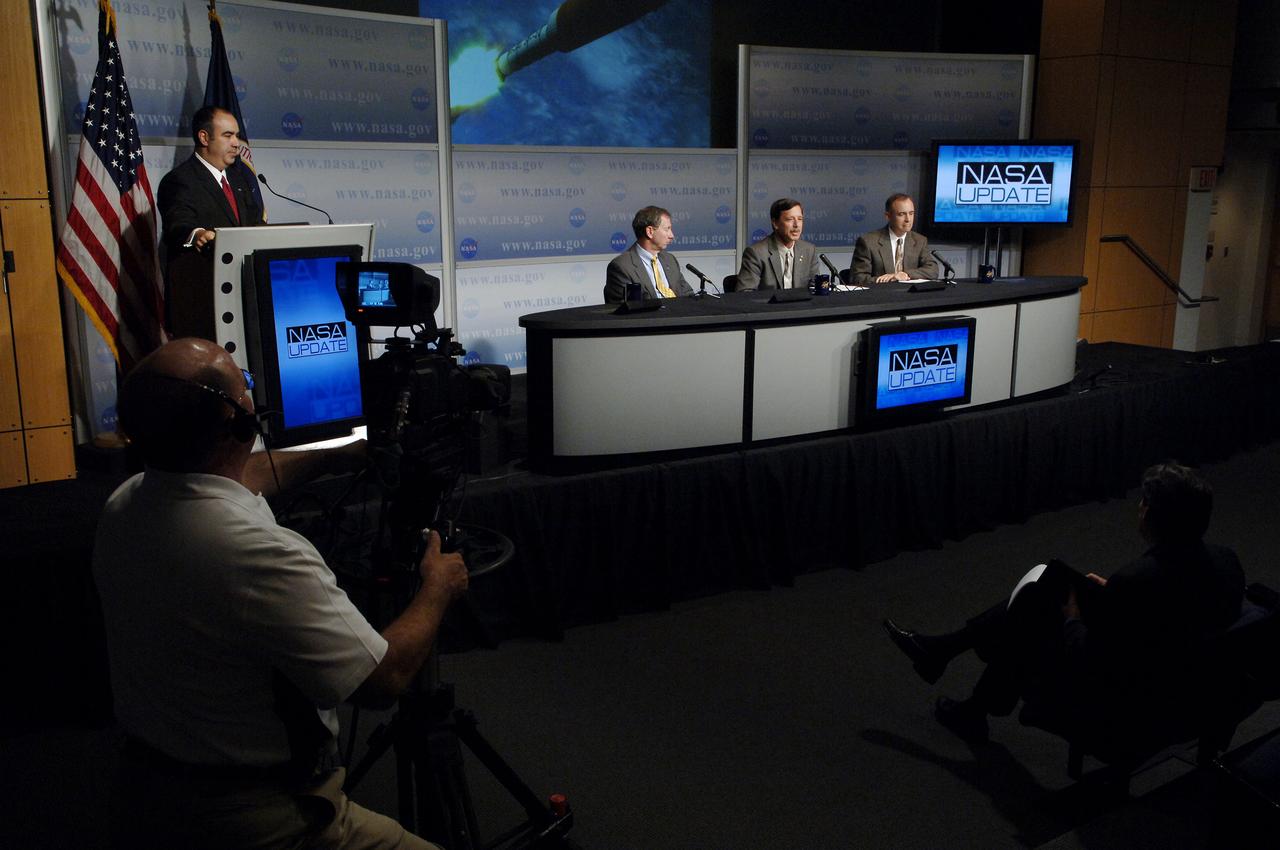
Dean Acosta, NASA Deputy Assistant Administrator and Press Secretary, left, moderates a NASA Update with NASA Administrator Michael Griffin, second from left, Scott J. Horowitz, NASA Associate Administrator for Exploration Systems and Jeff Hanley, Constellation Program Manager, right, on Wednesday, June 5, 2006, at NASA Headquarters in Washington. Photo Credit: (NASA/Bill Ingalls)
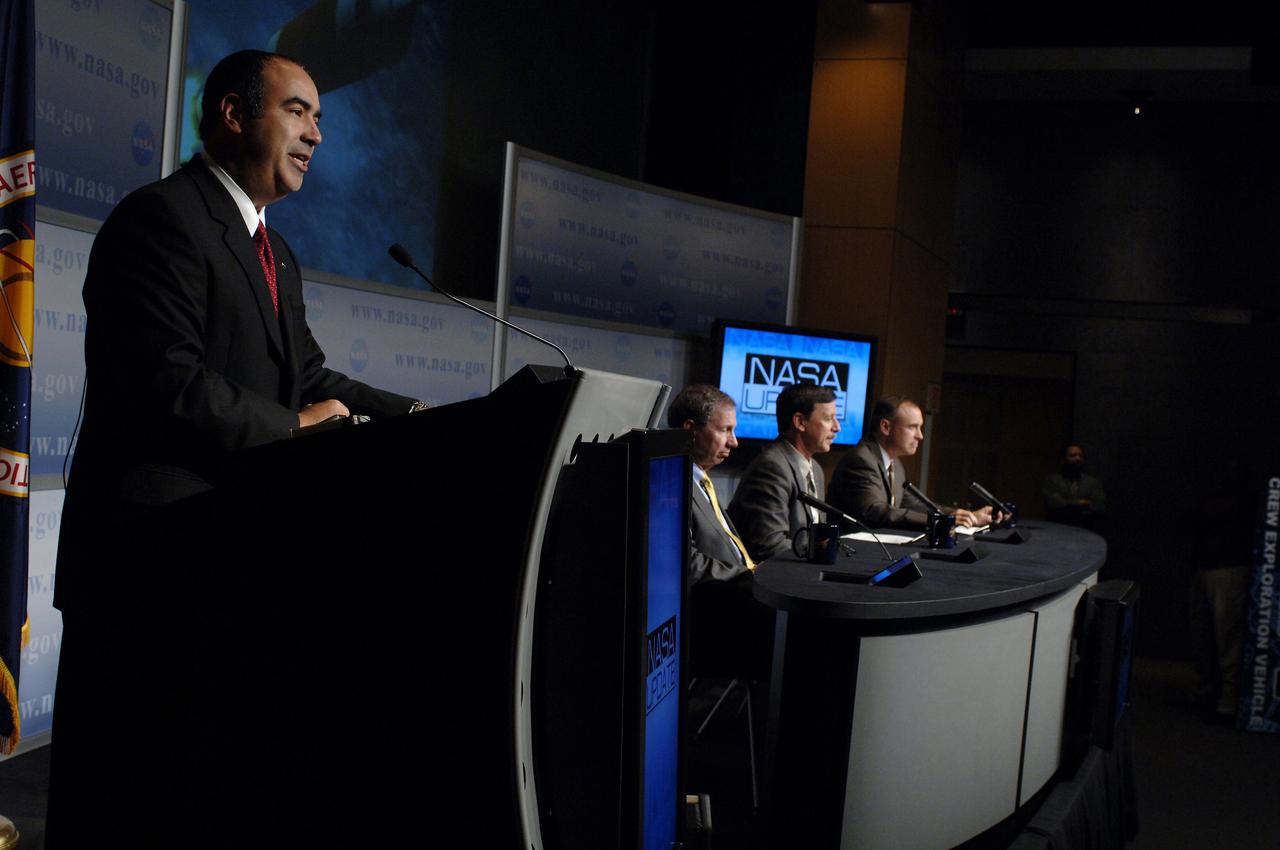
Dean Acosta, NASA Deputy Assistant Administrator and Press Secretary, left, moderates a NASA Update with NASA Administrator Michael Griffin, second from left, Scott J. Horowitz, NASA Associate Administrator for Exploration Systems and Jeff Hanley, Constellation Program Manager, right, on Wednesday, June 5, 2006, at NASA Headquarters in Washington. Photo Credit: (NASA/Bill Ingalls)
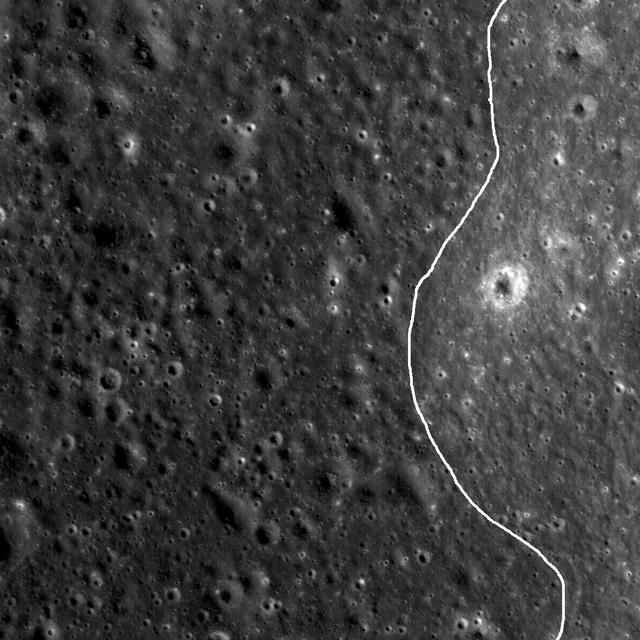
NASA Lunar Reconnaissance Orbiter spied a very subtle mare-highlands boundary in Mare Moscoviense on the lunar farside, near the center of the Constellation Program region of interest.
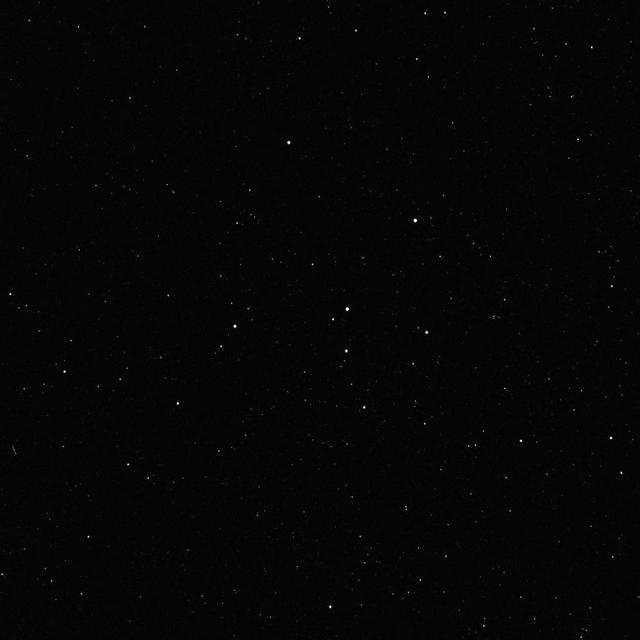
A star field in the constellation Cepheus is a composite of two 600-second exposures by the Framing Camera acquired during tests on December 3, 2007.
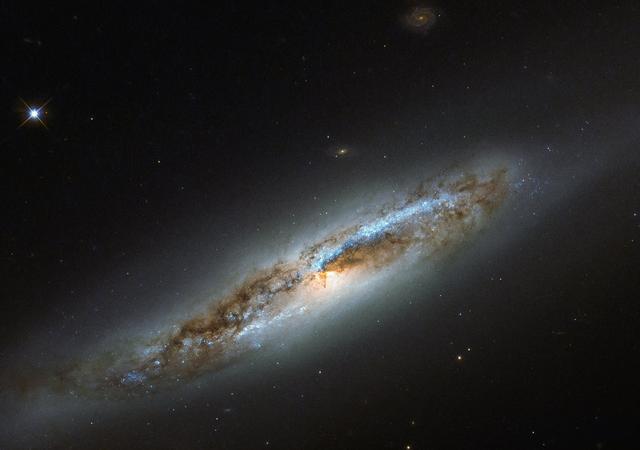
The constellation of Virgo (The Virgin) is especially rich in galaxies, due in part to the presence of a massive and gravitationally-bound collection of more than 1300 galaxies called the Virgo Cluster. One particular member of this cosmic community, NGC 4388, is captured in this image, as seen by the NASA/ESA Hubble Space Telescope’s Wide Field Camera 3. Located some 60 million light-years away, NGC 4388 is experiencing some of the less desirable effects that come with belonging to such a massive galaxy cluster. It is undergoing a transformation and has taken on a somewhat confused identity. While the galaxy’s outskirts appear smooth and featureless, a classic feature of an elliptical galaxy, its center displays remarkable dust lanes constrained within two symmetric spiral arms, which emerge from the galaxy’s glowing core — one of the obvious features of a spiral galaxy. Within the arms, speckles of bright blue mark the locations of young stars, indicating that NGC 4388 has hosted recent bursts of star formation. Despite the mixed messages, NGC 4388 is classified as a spiral galaxy. Its unusual combination of features are thought to have been caused by interactions between NGC 4388 and other galaxies in the Virgo Cluster. Gravitational interactions — from glancing blows to head-on collisions, tidal influencing, mergers, and galactic cannibalism — can be devastating to galaxies. While some may be lucky enough to simply suffer a distorted spiral arm or newly-triggered wave of star formation, others see their structure and contents completely and irrevocably altered. Image credits: ESA/NASA
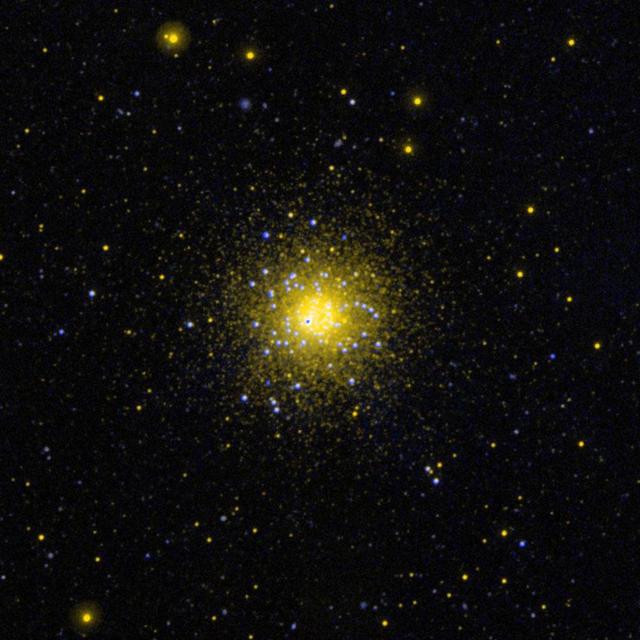
This ultraviolet image from NASA Galaxy Evolution Explorer is of the globular cluster NGC 1851 in the southern constellation Columba.
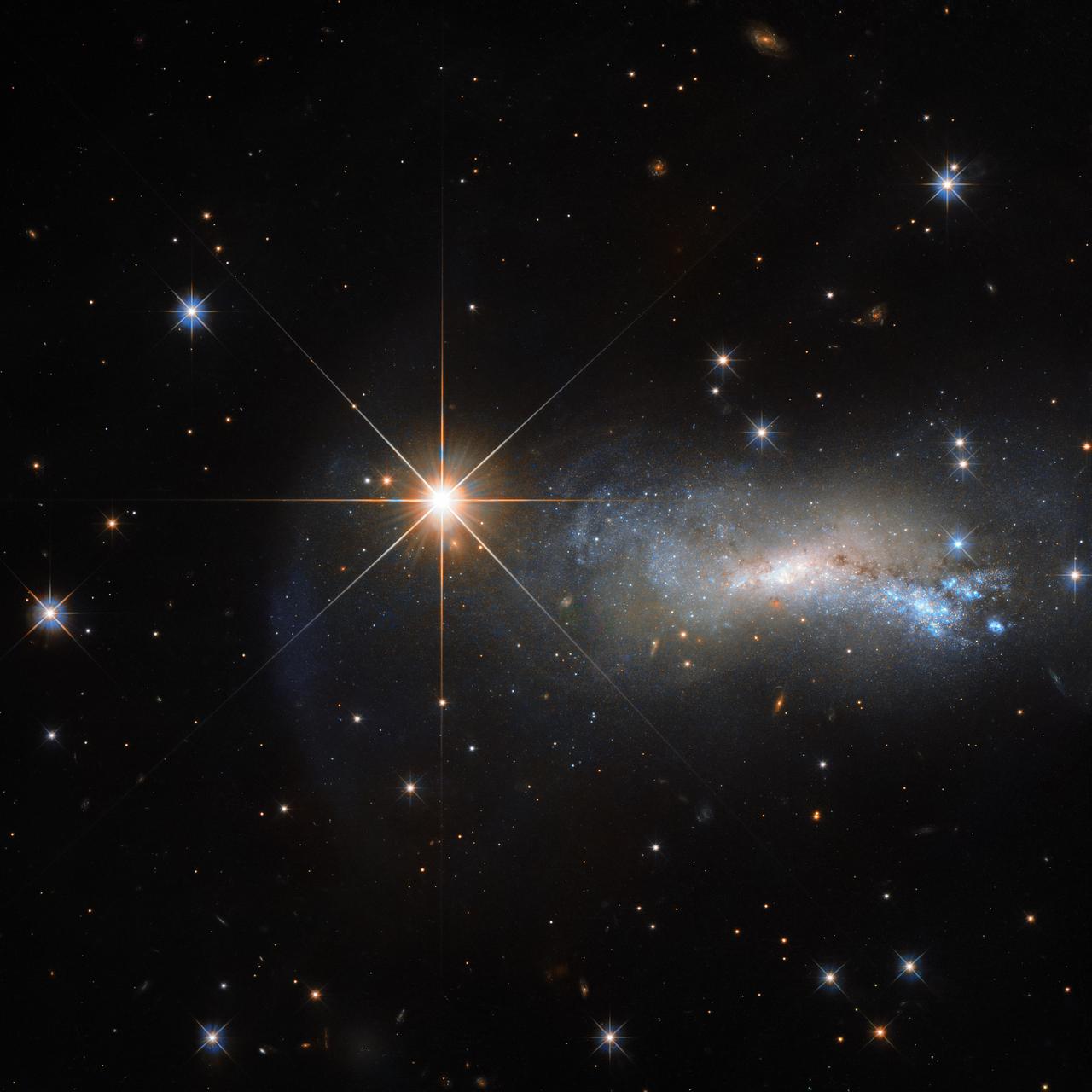
In space, being outshone is an occupational hazard. This NASA/ESA Hubble Space Telescope image captures a galaxy named NGC 7250. Despite being remarkable in its own right — it has bright bursts of star formation and recorded supernova explosions— it blends into the background somewhat thanks to the gloriously bright star hogging the limelight next to it. The bright object seen in this Hubble image is a single and little-studied star named TYC 3203-450-1, located in the constellation of Lacerta (The Lizard). The star is much closer than the much more distant galaxy. Only this way can a normal star outshine an entire galaxy, consisting of billions of stars. Astronomers studying distant objects call these stars “foreground stars” and they are often not very happy about them, as their bright light is contaminating the faint light from the more distant and interesting objects they actually want to study. In this case, TYC 3203-450-1 is million times closer than NGC 7250, which lies more than 45 million light-years away from us. If the star were the same distance from us as NGC 7250, it would hardly be visible in this image. Credit: ESA/Hubble & NASA <b><a href="http://www.nasa.gov/audience/formedia/features/MP_Photo_Guidelines.html" rel="nofollow">NASA image use policy.</a></b> <b><a href="http://www.nasa.gov/centers/goddard/home/index.html" rel="nofollow">NASA Goddard Space Flight Center</a></b> enables NASA’s mission through four scientific endeavors: Earth Science, Heliophysics, Solar System Exploration, and Astrophysics. Goddard plays a leading role in NASA’s accomplishments by contributing compelling scientific knowledge to advance the Agency’s mission. <b>Follow us on <a href="http://twitter.com/NASAGoddardPix" rel="nofollow">Twitter</a></b> <b>Like us on <a href="http://www.facebook.com/pages/Greenbelt-MD/NASA-Goddard/395013845897?ref=tsd" rel="nofollow">Facebook</a></b> <b>Find us on <a href="http://instagrid.me/nasagoddard/?vm=grid" rel="nofollow">Instagram</a></b>
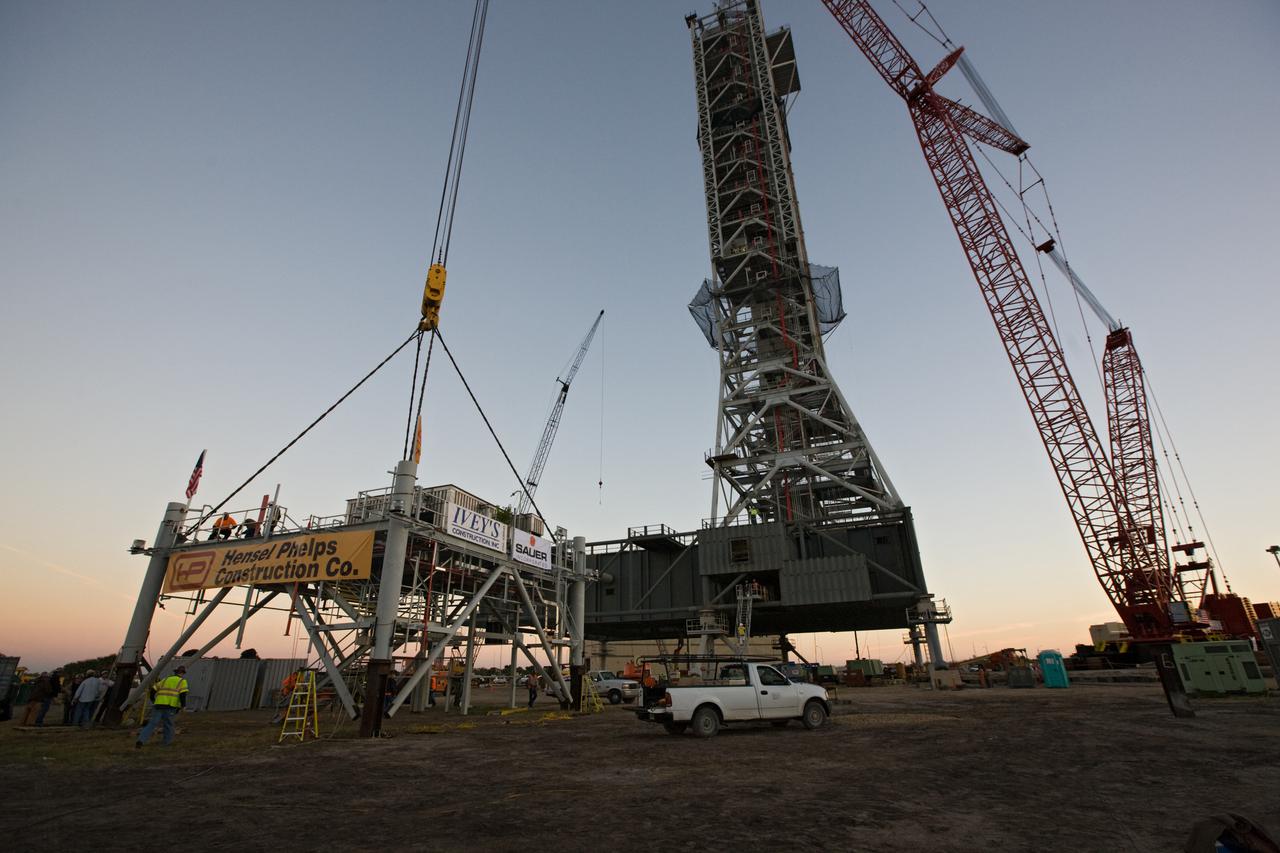
CAPE CANAVERAL, Fla. – At NASA’s Kennedy Space Center in Florida, a large crane is attached to the tenth and final tower segment of the new mobile launcher, or ML, being constructed to support the Constellation Program. When completed, the tower will be approximately 345 feet tall and have multiple platforms for personnel access. Its base is being made lighter than space shuttle mobile launcher platforms so the crawler-transporter can pick up the heavier load of the tower and a taller rocket. For information on the Constellation Program, visit http:__www.nasa.gov_constellation. Photo credit: NASA_Amanda Diller
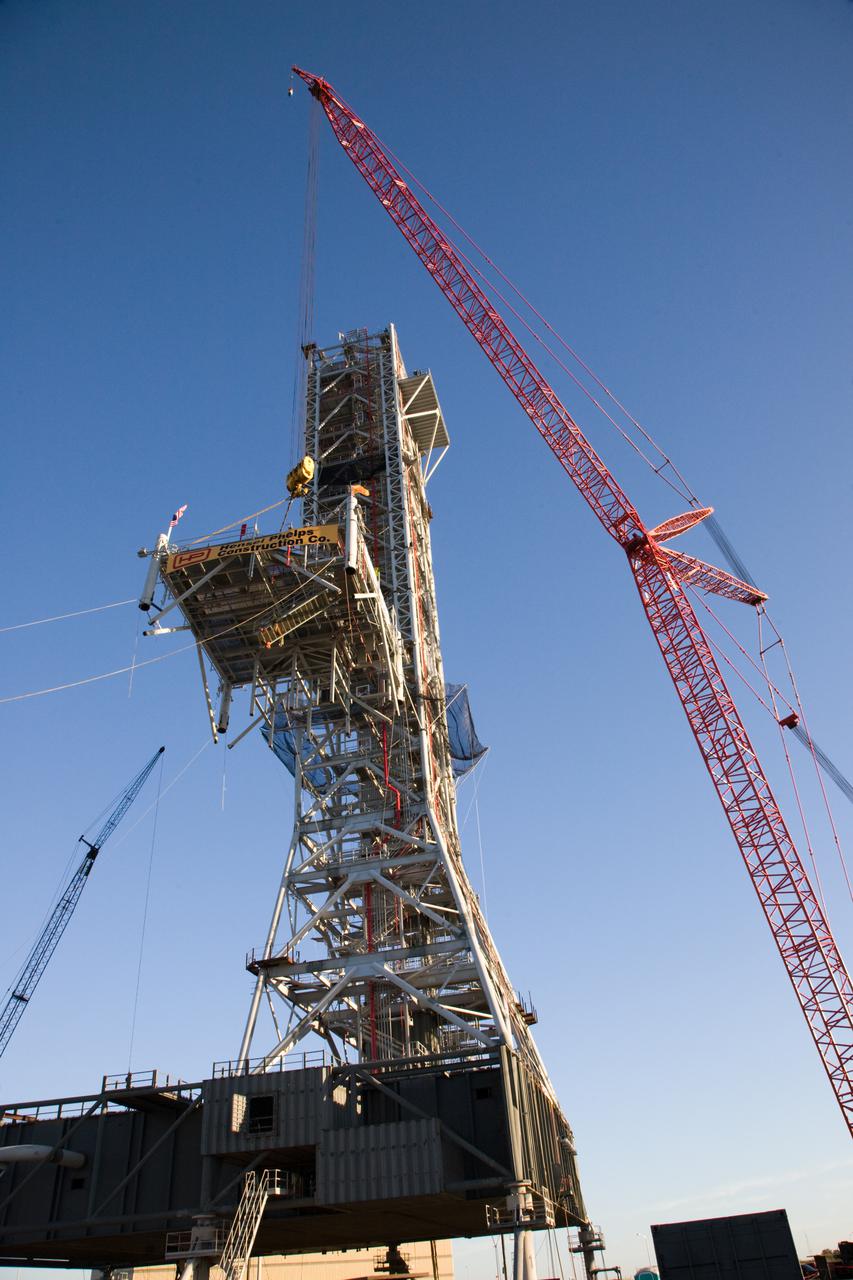
CAPE CANAVERAL, Fla. – At NASA’s Kennedy Space Center in Florida, a large crane lifts the tenth and final tower segment of a new mobile launcher, or ML, being constructed to support the Constellation Program, to the top of the growing tower. When completed, the tower will be approximately 345 feet tall and have multiple platforms for personnel access. Its base is being made lighter than space shuttle mobile launcher platforms so the crawler-transporter can pick up the heavier load of the tower and a taller rocket. For information on the Constellation Program, visit http:__www.nasa.gov_constellation. Photo credit: NASA_Amanda Diller
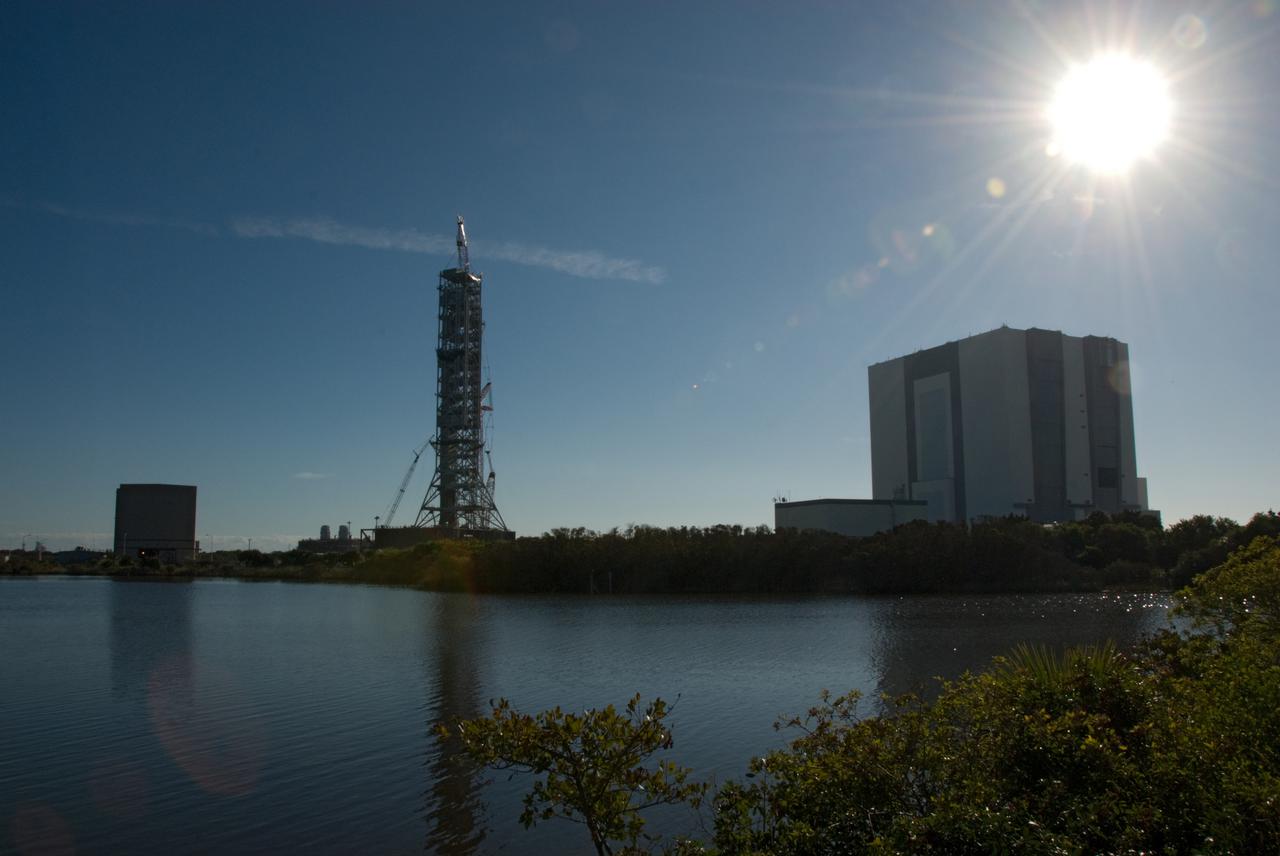
CAPE CANAVERAL, Fla. – At NASA’s Kennedy Space Center in Florida, the sun shines brightly over the Vehicle Assembly Building as a large crane lowers the tenth and final segment of a new mobile launcher, or ML, being constructed to support the Constellation Program, onto the top of the tower. When completed, the tower will be approximately 345 feet tall and have multiple platforms for personnel access. Its base is being made lighter than space shuttle mobile launcher platforms so the crawler-transporter can pick up the heavier load of the tower and a taller rocket. For information on the Constellation Program, visit http:__www.nasa.gov_constellation. Photo credit: NASA_Kim Shiflett
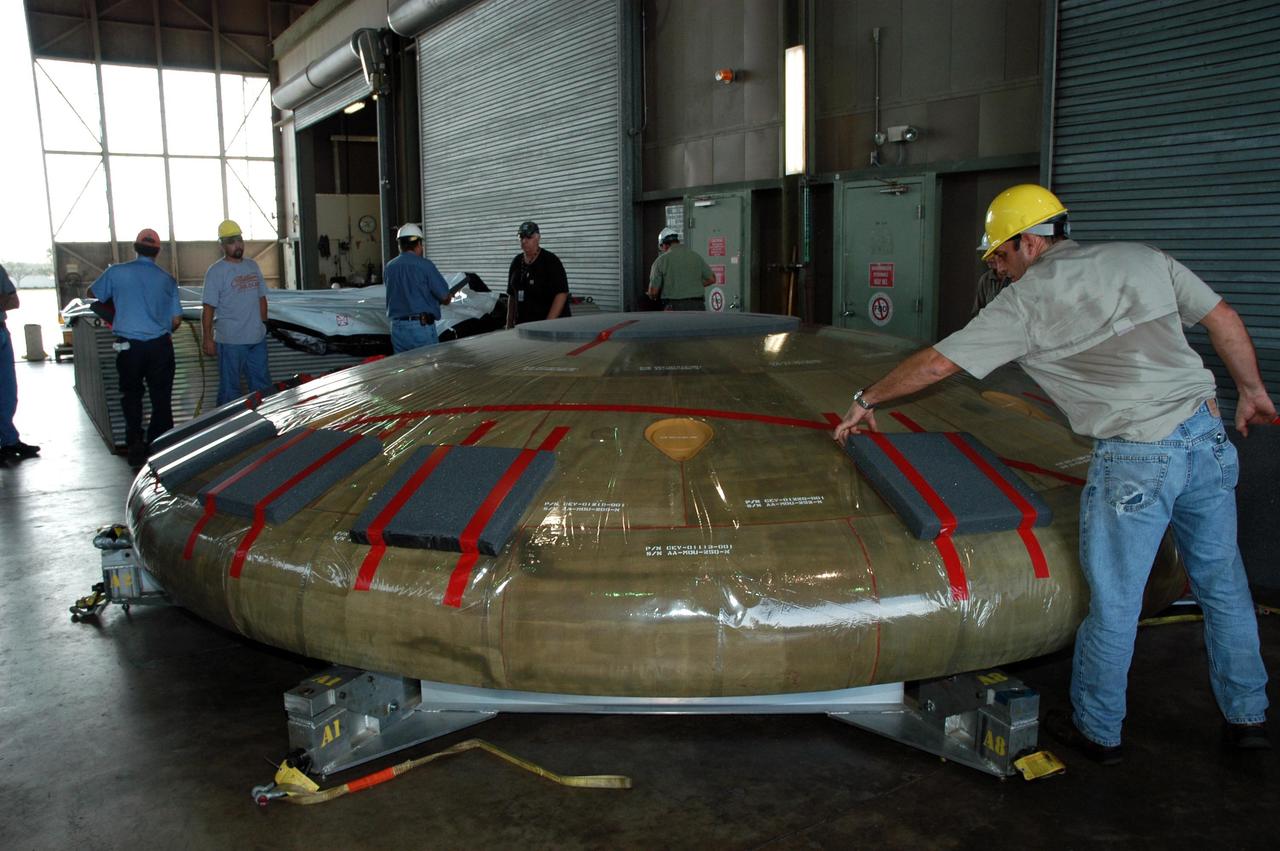
KENNEDY SPACE CENTER, FLA. -- In Hangar N at NASA's Kennedy Space Center, a heat shield for the Constellation crew exploration vehicle, or CEV, is being prepared for a demonstration. A developmental heat shield for the Orion spacecraft is being tested and evaluated at Kennedy. The shield was designed and assembled by the Boeing Company in Huntington Beach, Calif., for NASA's Constellation Program. The thermal protection system manufacturing demonstration unit is designed to protect astronauts from extreme heat during re-entry to Earth's atmosphere from low Earth orbit and lunar missions. The CEV will be used to dock and gain access to the International Space Station, travel to the moon in the 2018 timeframe and play a crucial role in exploring Mars. Photo credit: NASA/Kim Shiflett
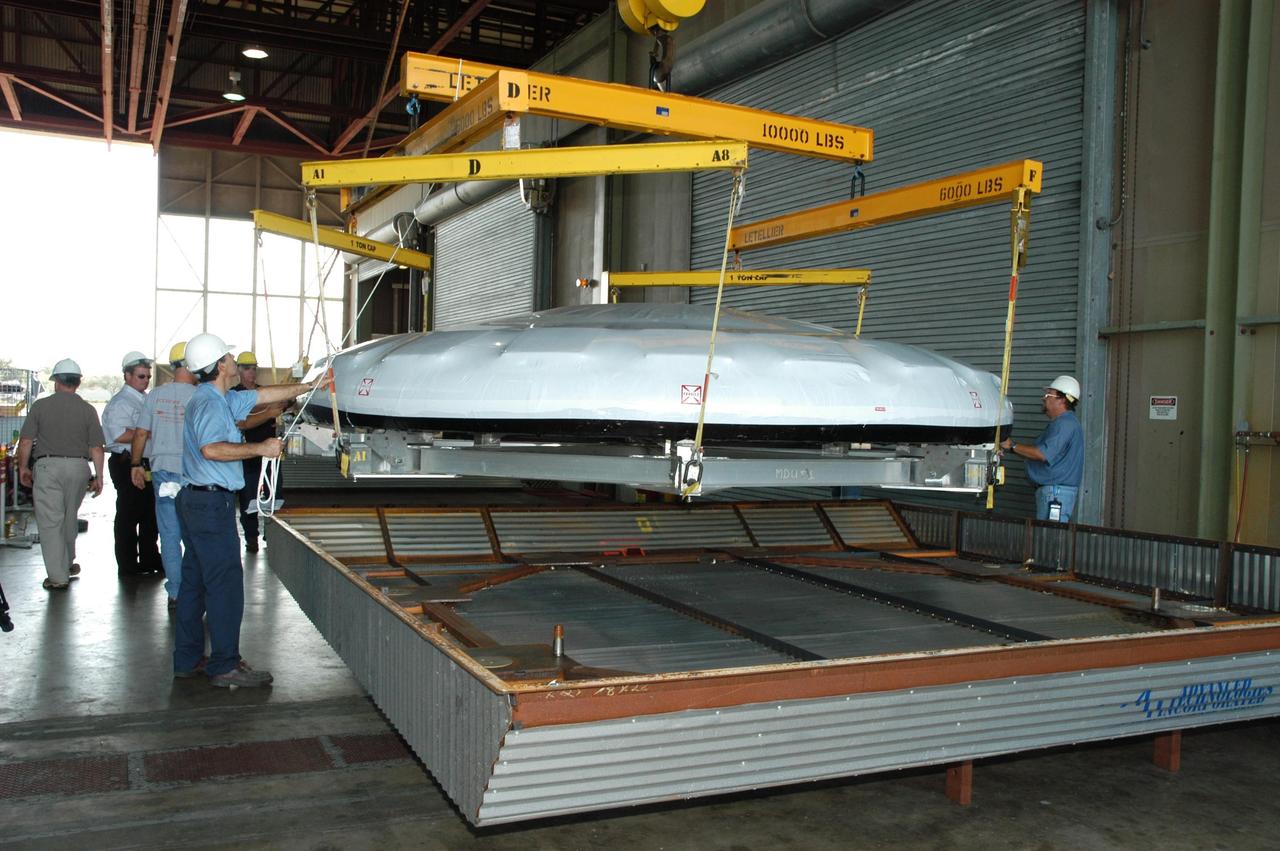
KENNEDY SPACE CENTER, FLA. -- In Hangar N at NASA's Kennedy Space Center, a heat shield for the Constellation crew exploration vehicle, or CEV, is being prepared for a demonstration. A developmental heat shield for the Orion spacecraft is being tested and evaluated at Kennedy. The shield was designed and assembled by the Boeing Company in Huntington Beach, Calif., for NASA's Constellation Program. The thermal protection system manufacturing demonstration unit is designed to protect astronauts from extreme heat during re-entry to Earth's atmosphere from low Earth orbit and lunar missions. The CEV will be used to dock and gain access to the International Space Station, travel to the moon in the 2018 timeframe and play a crucial role in exploring Mars. Photo credit: NASA/Kim Shiflett
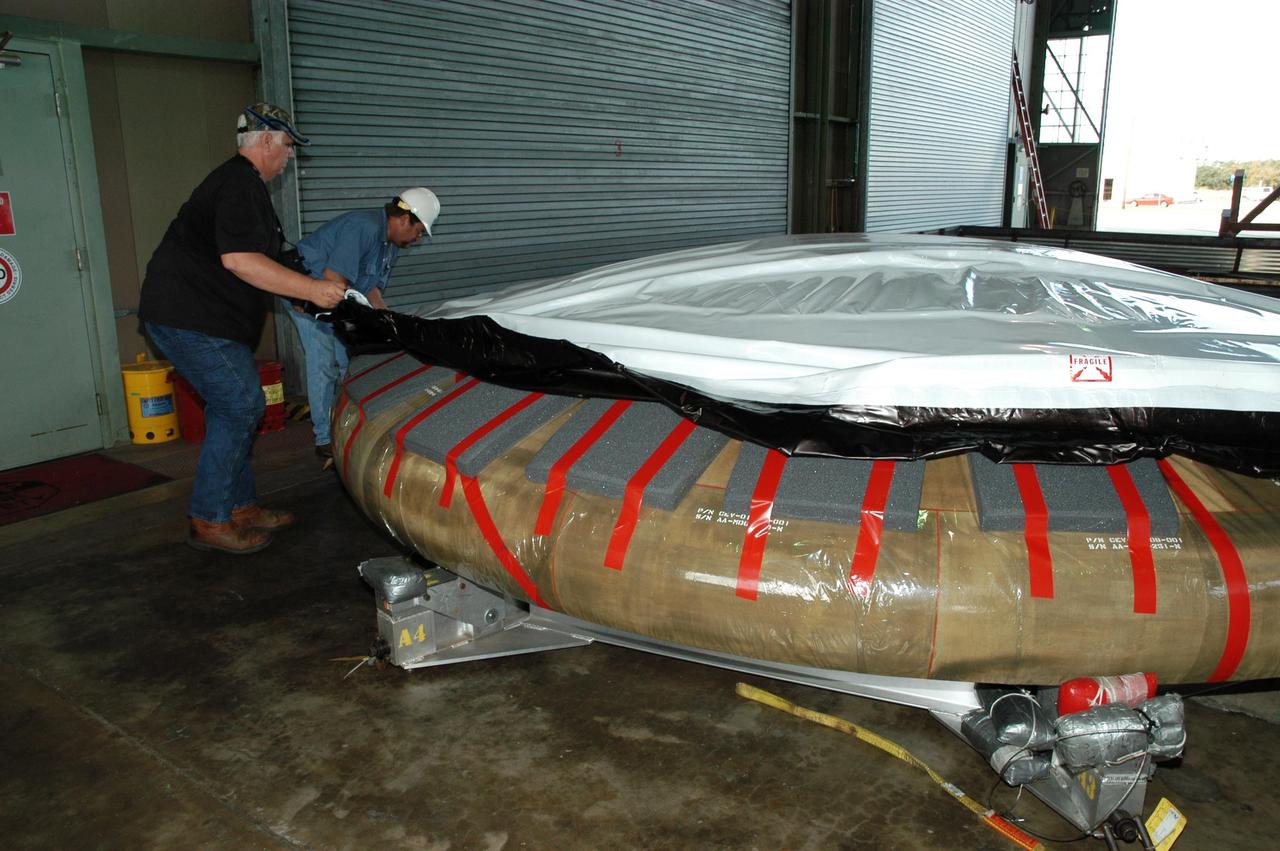
KENNEDY SPACE CENTER, FLA. -- In Hangar N at NASA's Kennedy Space Center, a heat shield for the Constellation crew exploration vehicle, or CEV, is being prepared for a demonstration. A developmental heat shield for the Orion spacecraft is being tested and evaluated at Kennedy. The shield was designed and assembled by the Boeing Company in Huntington Beach, Calif., for NASA's Constellation Program. The thermal protection system manufacturing demonstration unit is designed to protect astronauts from extreme heat during re-entry to Earth's atmosphere from low Earth orbit and lunar missions. The CEV will be used to dock and gain access to the International Space Station, travel to the moon in the 2018 timeframe and play a crucial role in exploring Mars. Photo credit: NASA/Kim Shiflett
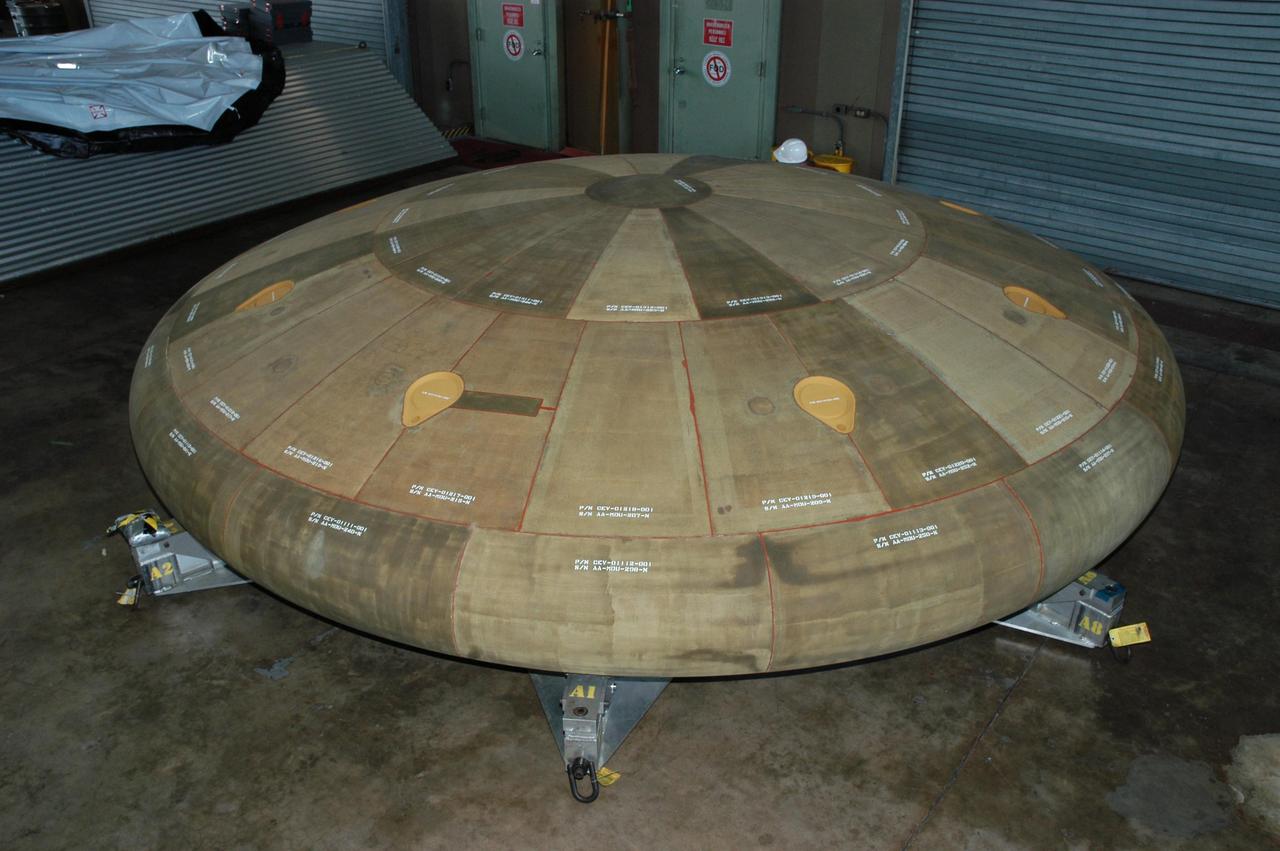
KENNEDY SPACE CENTER, FLA. -- In Hangar N at NASA's Kennedy Space Center, a heat shield for the Constellation crew exploration vehicle, or CEV, is being prepared for a demonstration. A developmental heat shield for the Orion spacecraft is being tested and evaluated at Kennedy. The shield was designed and assembled by the Boeing Company in Huntington Beach, Calif., for NASA's Constellation Program. The thermal protection system manufacturing demonstration unit is designed to protect astronauts from extreme heat during re-entry to Earth's atmosphere from low Earth orbit and lunar missions. The CEV will be used to dock and gain access to the International Space Station, travel to the moon in the 2018 timeframe and play a crucial role in exploring Mars. Photo credit: NASA/Kim Shiflett
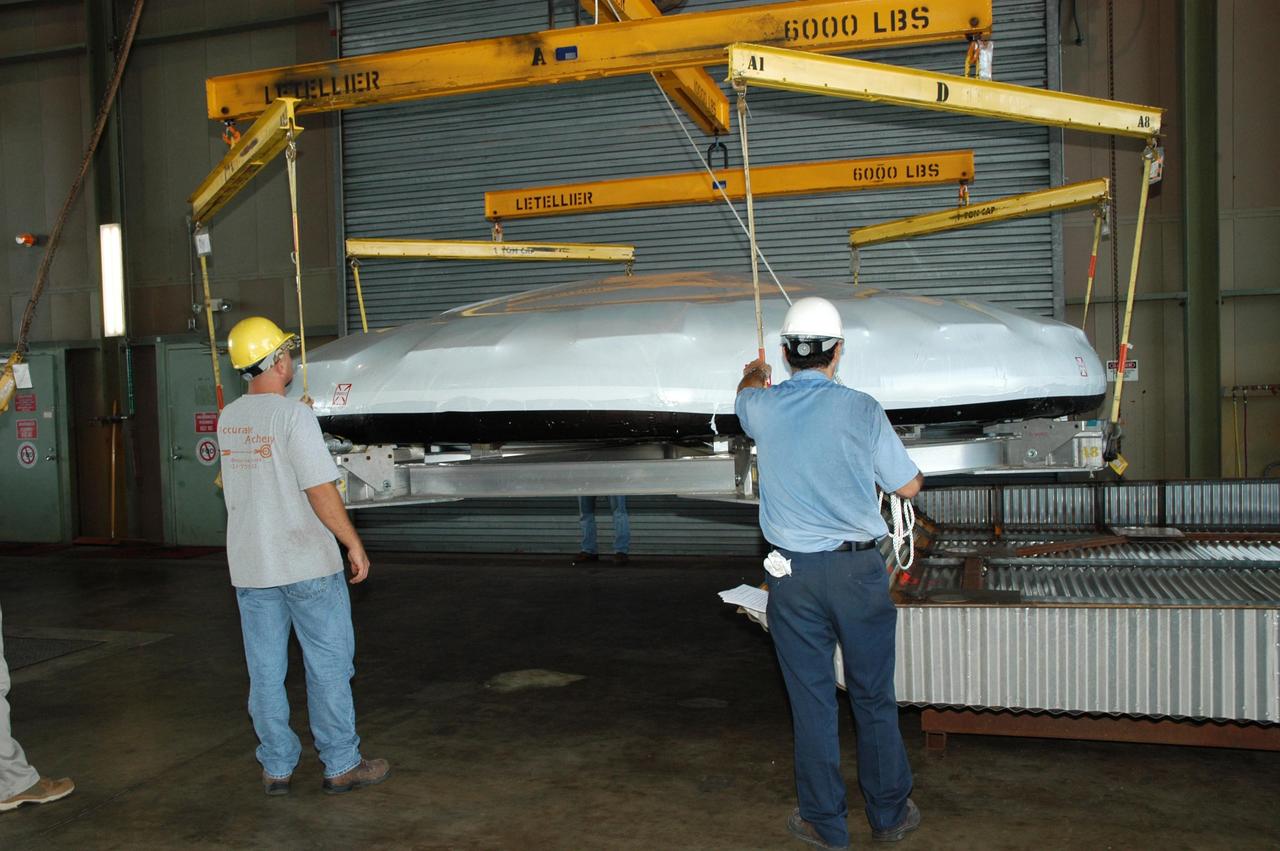
KENNEDY SPACE CENTER, FLA. -- In Hangar N at NASA's Kennedy Space Center, a heat shield for the Constellation crew exploration vehicle, or CEV, is being prepared for a demonstration. A developmental heat shield for the Orion spacecraft is being tested and evaluated at Kennedy. The shield was designed and assembled by the Boeing Company in Huntington Beach, Calif., for NASA's Constellation Program. The thermal protection system manufacturing demonstration unit is designed to protect astronauts from extreme heat during re-entry to Earth's atmosphere from low Earth orbit and lunar missions. The CEV will be used to dock and gain access to the International Space Station, travel to the moon in the 2018 timeframe and play a crucial role in exploring Mars. Photo credit: NASA/Kim Shiflett
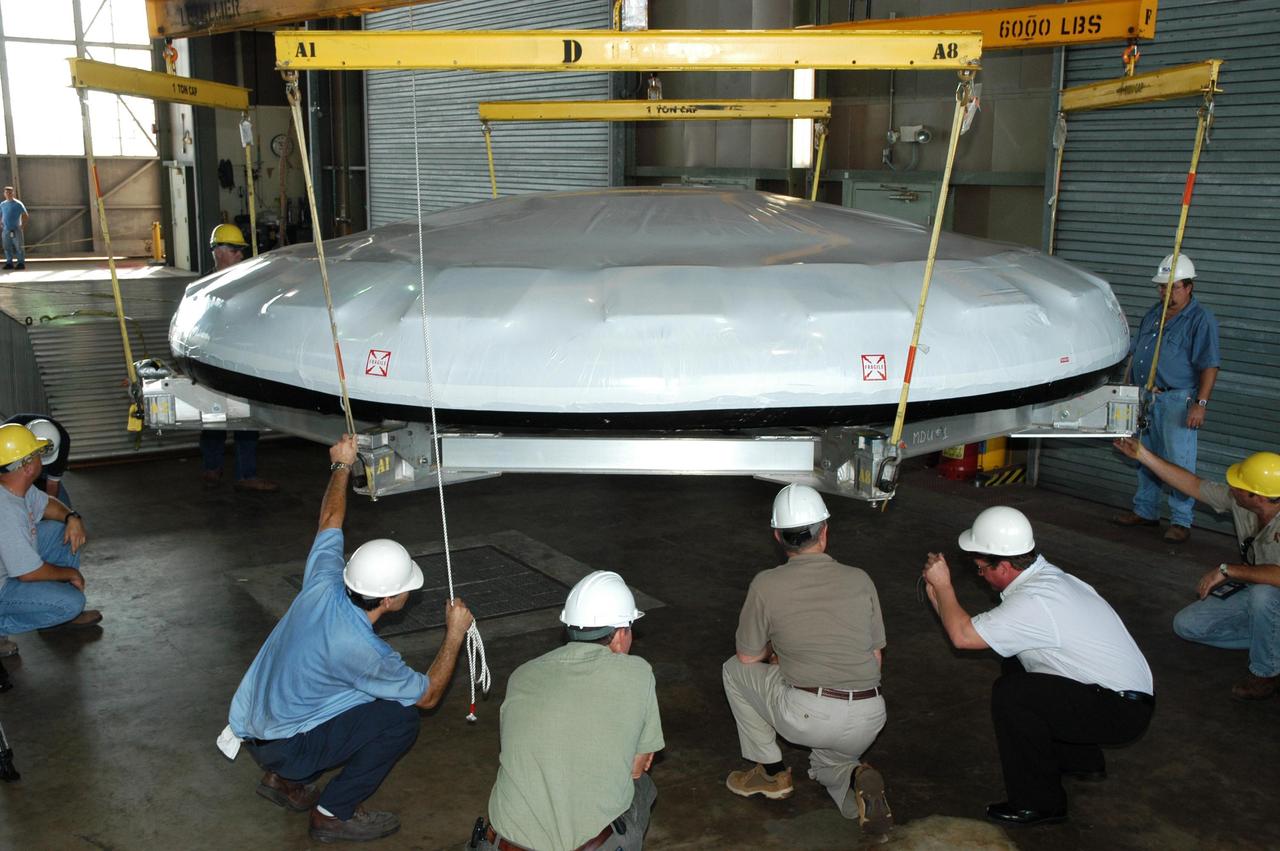
KENNEDY SPACE CENTER, FLA. -- In Hangar N at NASA's Kennedy Space Center, a heat shield for the Constellation crew exploration vehicle, or CEV, is being prepared for a demonstration. A developmental heat shield for the Orion spacecraft is being tested and evaluated at Kennedy. The shield was designed and assembled by the Boeing Company in Huntington Beach, Calif., for NASA's Constellation Program. The thermal protection system manufacturing demonstration unit is designed to protect astronauts from extreme heat during re-entry to Earth's atmosphere from low Earth orbit and lunar missions. The CEV will be used to dock and gain access to the International Space Station, travel to the moon in the 2018 timeframe and play a crucial role in exploring Mars. Photo credit: NASA/Kim Shiflett
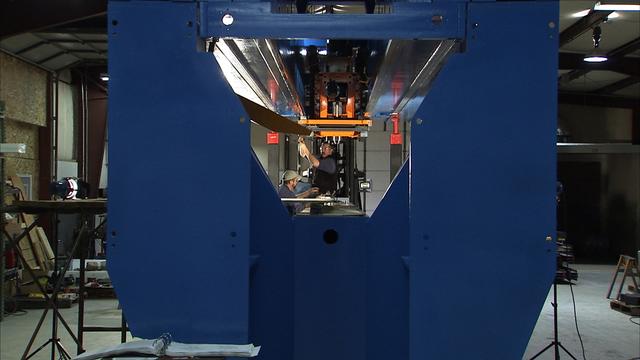
Workers are shown assembling the vertical weld tool in support of the Ares/Constellation upperstage project. This image extracted from high definition video and is the highest resolution available.
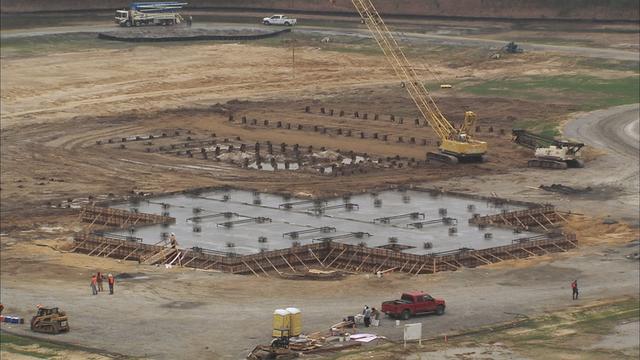
THIS IMAGE DOCUMENTS THE DEVELOPMENT AND CONSTRUCTION OF THE A3 TEST STAND IN SUPPORT OF THE ARES/CLV UPPER STAGE ENGINE DEVELOPMENT AT STENNIS SPACE CENTER, MISSIPPI IN SUPPORT OF THE DEVELOPMENT OF THE CONSTELLATION/ARES PROJECT. THIS IMAGE IS EXTRACTED FROM A HIGH DEFINITION VIDEO FILE AND IS THE HIGHEST RESOLUTION AVAILABLE
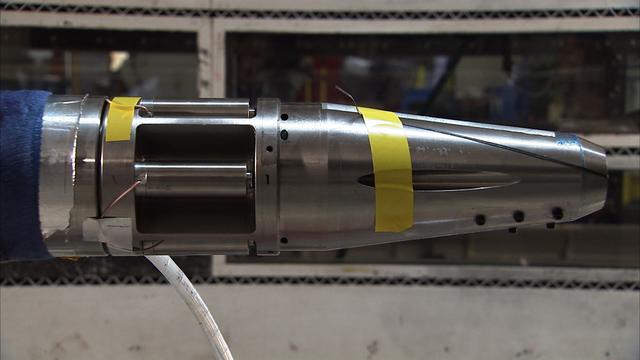
Active damper wind tunnel test in support of the development of Constellation/Ares. Testing of the 1% and .548% models for active damper and wall interference assessment in support of the Ares/CLV integrated vehicle. This test occurred at the 11 foot wind tunnel at the Ames Research Center, California. This image is extracted from high definition video file and is the highest resolution available.
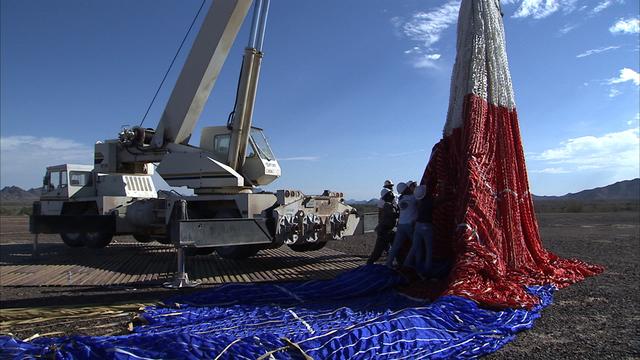
Shown is the testing of the Main Parachute for the Ares/CLV first stage in support of the Ares/Constellation program at the Yuma Proving Ground, Arizona. This image is extracted from high definition video and is the highest resolution available.
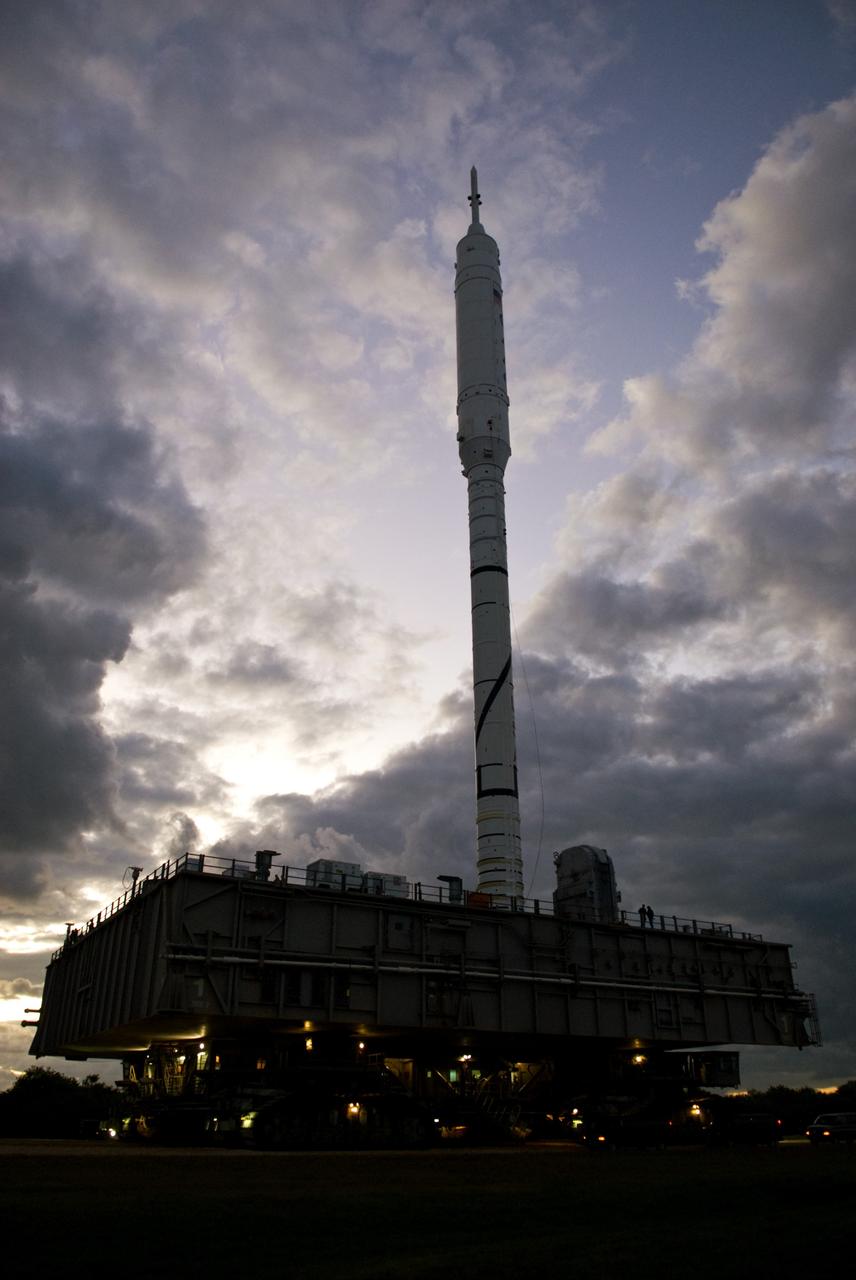
CAPE CANAVERAL, Fla. – The towering 327-foot-tall Ares I-X rocket, moved by the power of a crawler-transporter, is revealed on its 4.2-mile trip to Launch Pad 39B by the sun rising over NASA's Kennedy Space Center in Florida. The test rocket left the Vehicle Assembly Building at 1:39 a.m. EDT on its 4.2-mile trek to the pad and was "hard down" on the pad’s pedestals at 9:17 a.m. The transfer of the pad from the Space Shuttle Program to the Constellation Program took place May 31. Modifications made to the pad include the removal of shuttle unique subsystems, such as the orbiter access arm and a section of the gaseous oxygen vent arm, along with the installation of three 600-foot lightning towers, access platforms, environmental control systems and a vehicle stabilization system. Part of the Constellation Program, the Ares I-X is the test vehicle for the Ares I. The Ares I-X flight test is targeted for Oct. 27. For information on the Ares I-X vehicle and flight test, visit http://www.nasa.gov/aresIX. Photo credit: NASA/Kim Shiflett
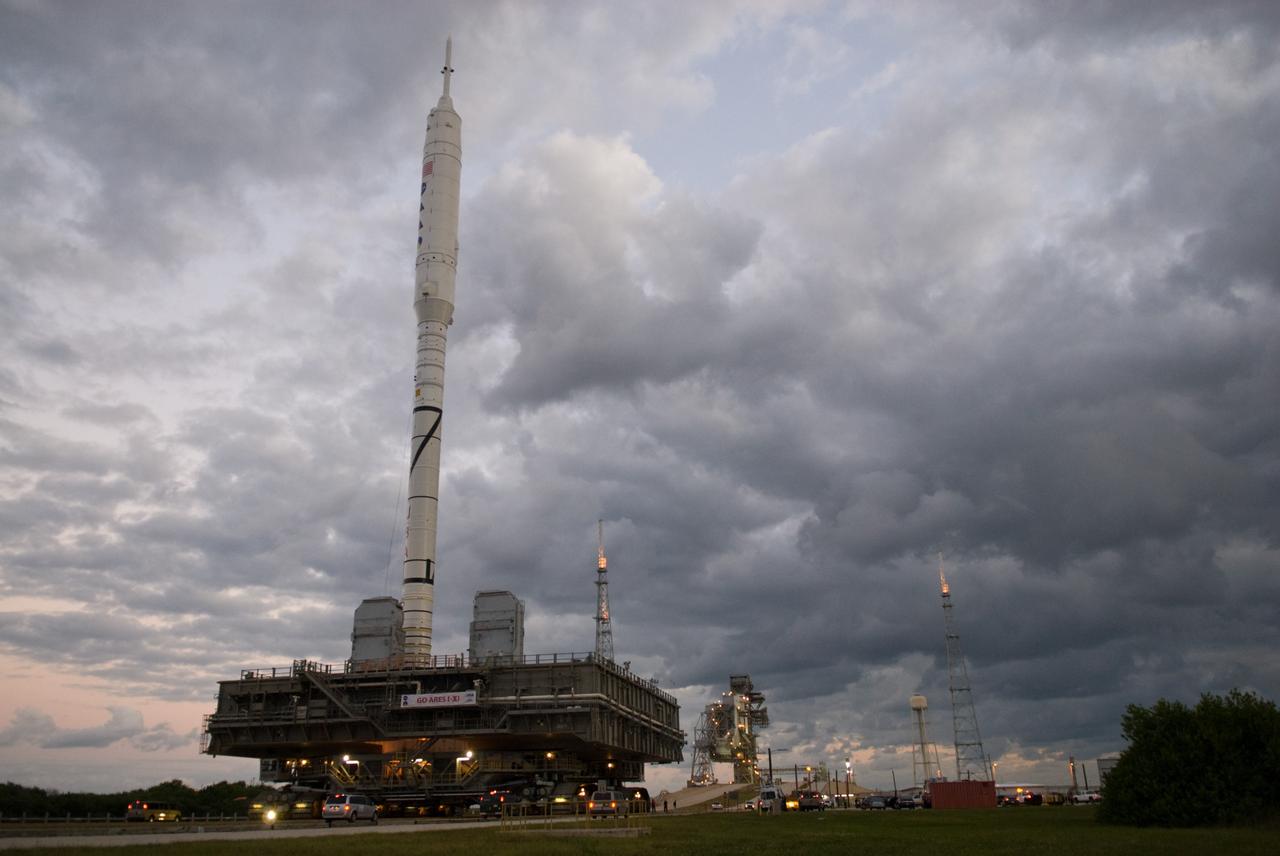
CAPE CANAVERAL, Fla. – As the sun rises over Launch Pad 39B at NASA's Kennedy Space Center in Florida, the 327-foot-tall Ares I-X rocket, secured to a mobile launcher platform, prepares to climb the five percent grade of the crawlerway to the top of the pad. The test rocket left the Vehicle Assembly Building at 1:39 a.m. EDT on its 4.2-mile trek to the pad and was "hard down" on the pad’s pedestals at 9:17 a.m. The transfer of the pad from the Space Shuttle Program to the Constellation Program took place May 31. Modifications made to the pad include the removal of shuttle unique subsystems, such as the orbiter access arm and a section of the gaseous oxygen vent arm, along with the installation of three 600-foot lightning towers, access platforms, environmental control systems and a vehicle stabilization system. Part of the Constellation Program, the Ares I-X is the test vehicle for the Ares I. The Ares I-X flight test is targeted for Oct. 27. For information on the Ares I-X vehicle and flight test, visit http://www.nasa.gov/aresIX. Photo credit: NASA/Kim Shiflett
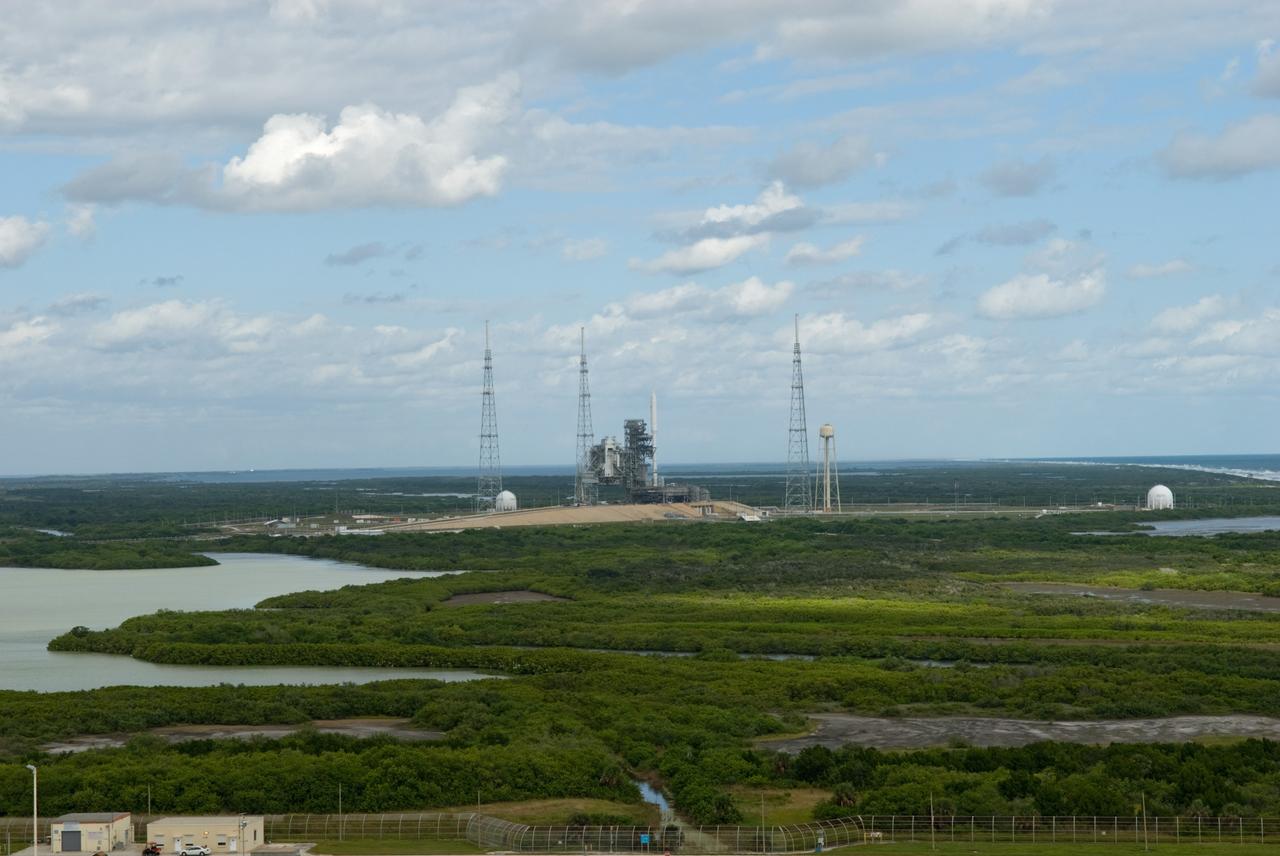
CAPE CANAVERAL, Fla. - This view from Launch Pad 39A at NASA's Kennedy Space Center in Florida shows the Ares I-X rocket on Pad 39B, ready for final processing for its upcoming flight test. The test rocket left the Vehicle Assembly Building at 1:39 a.m. EDT on its 4.2-mile trek to the pad and was "hard down" on the pad’s pedestals at 9:17 a.m. The transfer of the pad from the Space Shuttle Program to the Constellation Program took place May 31. Modifications made to the pad include the removal of shuttle unique subsystems, such as the orbiter access arm and a section of the gaseous oxygen vent arm, along with the installation of three 600-foot lightning towers, access platforms, environmental control systems and a vehicle stabilization system. Part of the Constellation Program, the Ares I-X is the test vehicle for the Ares I. The Ares I-X flight test is targeted for Oct. 27. For information on the Ares I-X vehicle and flight test, visit http://www.nasa.gov/aresIX. Photo credit: NASA/Jim Grossmann
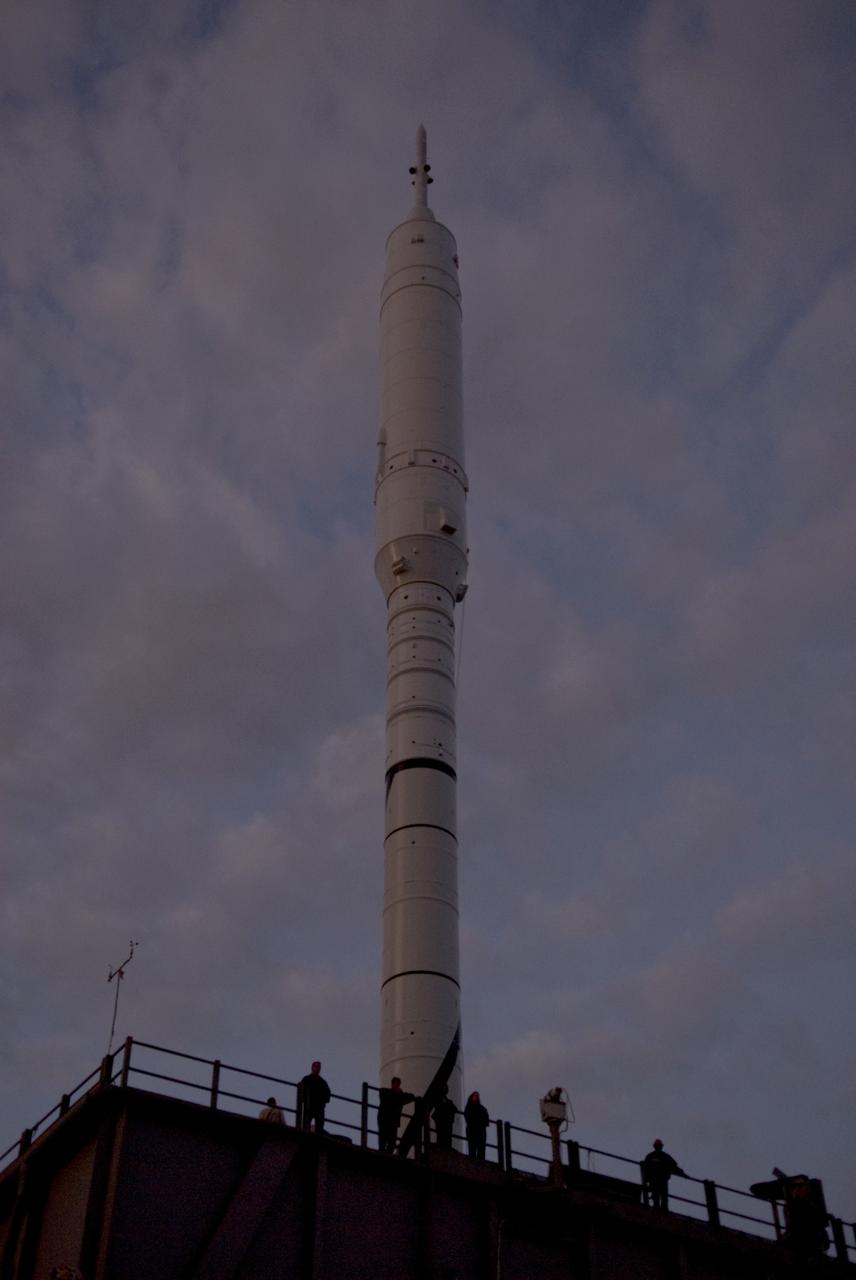
CAPE CANAVERAL, Fla. – As the sun rises over NASA's Kennedy Space Center in Florida, workers ride on the mobile launcher platform to Launch Pad 39B with the 327-foot-tall Ares I-X rocket. The test rocket left the Vehicle Assembly Building at 1:39 a.m. EDT on its 4.2-mile trek to the pad and was "hard down" on the pad’s pedestals at 9:17 a.m. The transfer of the pad from the Space Shuttle Program to the Constellation Program took place May 31. Modifications made to the pad include the removal of shuttle unique subsystems, such as the orbiter access arm and a section of the gaseous oxygen vent arm, along with the installation of three 600-foot lightning towers, access platforms, environmental control systems and a vehicle stabilization system. Part of the Constellation Program, the Ares I-X is the test vehicle for the Ares I. The Ares I-X flight test is targeted for Oct. 27. For information on the Ares I-X vehicle and flight test, visit http://www.nasa.gov/aresIX. Photo credit: NASA/Kim Shiflett

CAPE CANAVERAL, Fla. – Workers prepare to close the arms of the vehicle stabilization system around the towering 327-foot-tall Ares I-X rocket, newly arrived on Launch Pad 39B at NASA's Kennedy Space Center in Florida. The test rocket left the Vehicle Assembly Building at 1:39 a.m. EDT on its 4.2-mile trek to the pad and was "hard down" on the pad’s pedestals at 9:17 a.m. The transfer of the pad from the Space Shuttle Program to the Constellation Program took place May 31. Modifications made to the pad include the removal of shuttle unique subsystems, such as the orbiter access arm and a section of the gaseous oxygen vent arm, along with the installation of three 600-foot lightning towers, access platforms, environmental control systems and a vehicle stabilization system. Part of the Constellation Program, the Ares I-X is the test vehicle for the Ares I. The Ares I-X flight test is targeted for Oct. 27. For information on the Ares I-X vehicle and flight test, visit http://www.nasa.gov/aresIX. Photo credit: NASA/Kim Shiflett
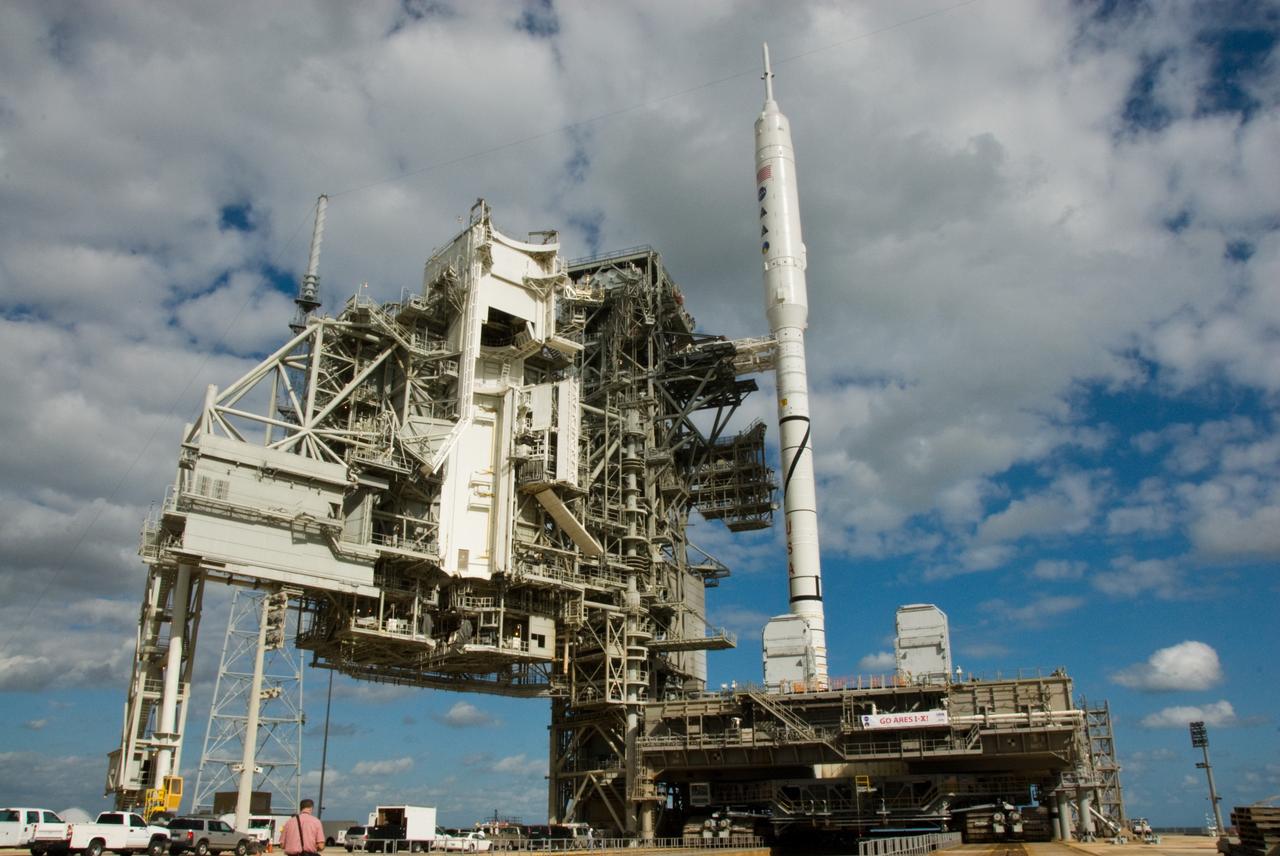
CAPE CANAVERAL, Fla. – The towering 327-foot-tall Ares I-X rocket, newly arrived on Launch Pad 39B at NASA's Kennedy Space Center in Florida, confidently greats the day following its seven-hour early-morning trek. The test rocket left the Vehicle Assembly Building at 1:39 a.m. EDT on its 4.2-mile trek to the pad and was "hard down" on the pad’s pedestals at 9:17 a.m. The transfer of the pad from the Space Shuttle Program to the Constellation Program took place May 31. Modifications made to the pad include the removal of shuttle unique subsystems, such as the orbiter access arm and a section of the gaseous oxygen vent arm, along with the installation of three 600-foot lightning towers, access platforms, environmental control systems and a vehicle stabilization system. Part of the Constellation Program, the Ares I-X is the test vehicle for the Ares I. The Ares I-X flight test is targeted for Oct. 27. For information on the Ares I-X vehicle and flight test, visit http://www.nasa.gov/aresIX. Photo credit: NASA/Kim Shiflett
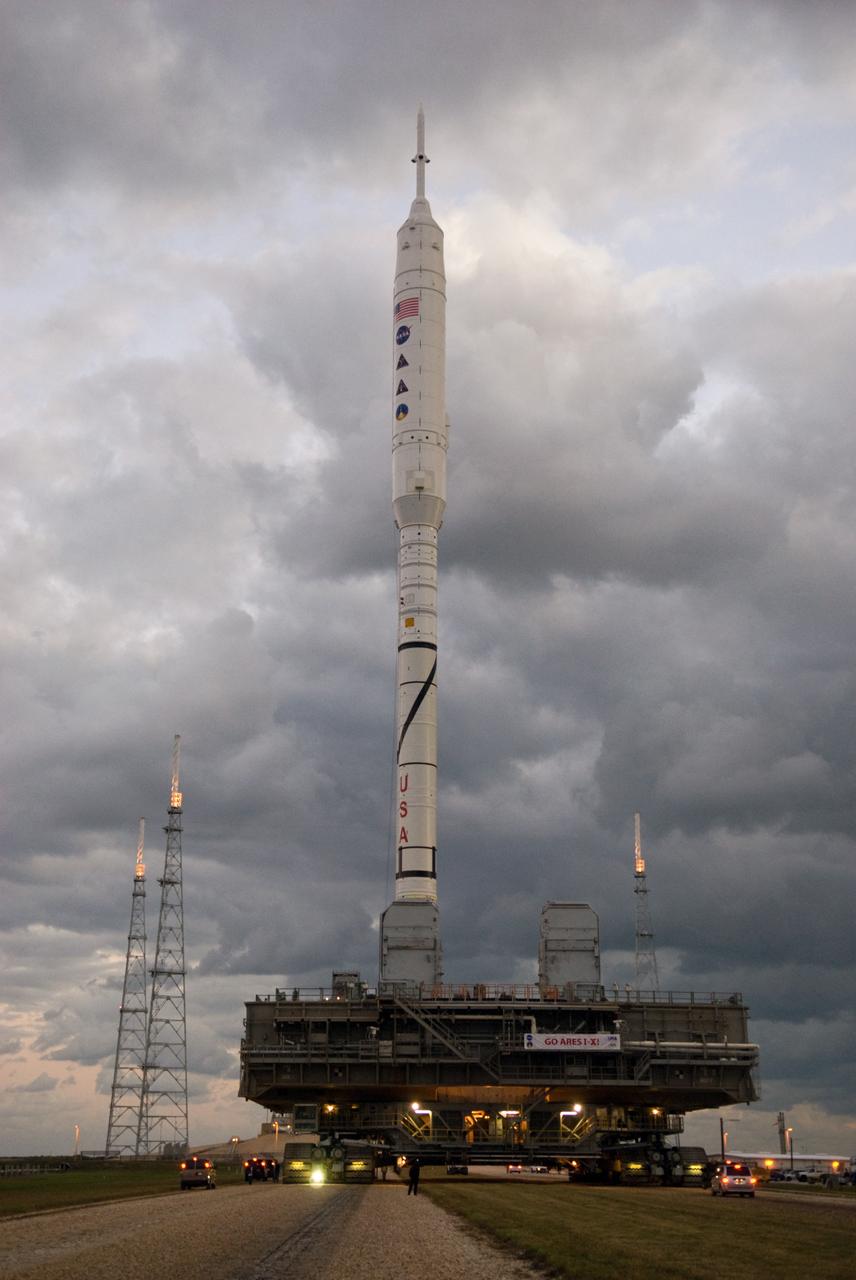
CAPE CANAVERAL, Fla. – As the sun rises over Launch Pad 39B at NASA's Kennedy Space Center in Florida, the 327-foot-tall Ares I-X rocket, secured to a mobile launcher platform, approaches the pad's perimeter fence. The test rocket left the Vehicle Assembly Building at 1:39 a.m. EDT on its 4.2-mile trek to the pad and was "hard down" on the pad’s pedestals at 9:17 a.m. The transfer of the pad from the Space Shuttle Program to the Constellation Program took place May 31. Modifications made to the pad include the removal of shuttle unique subsystems, such as the orbiter access arm and a section of the gaseous oxygen vent arm, along with the installation of three 600-foot lightning towers, access platforms, environmental control systems and a vehicle stabilization system. Part of the Constellation Program, the Ares I-X is the test vehicle for the Ares I. The Ares I-X flight test is targeted for Oct. 27. For information on the Ares I-X vehicle and flight test, visit http://www.nasa.gov/aresIX. Photo credit: NASA/Kim Shiflett
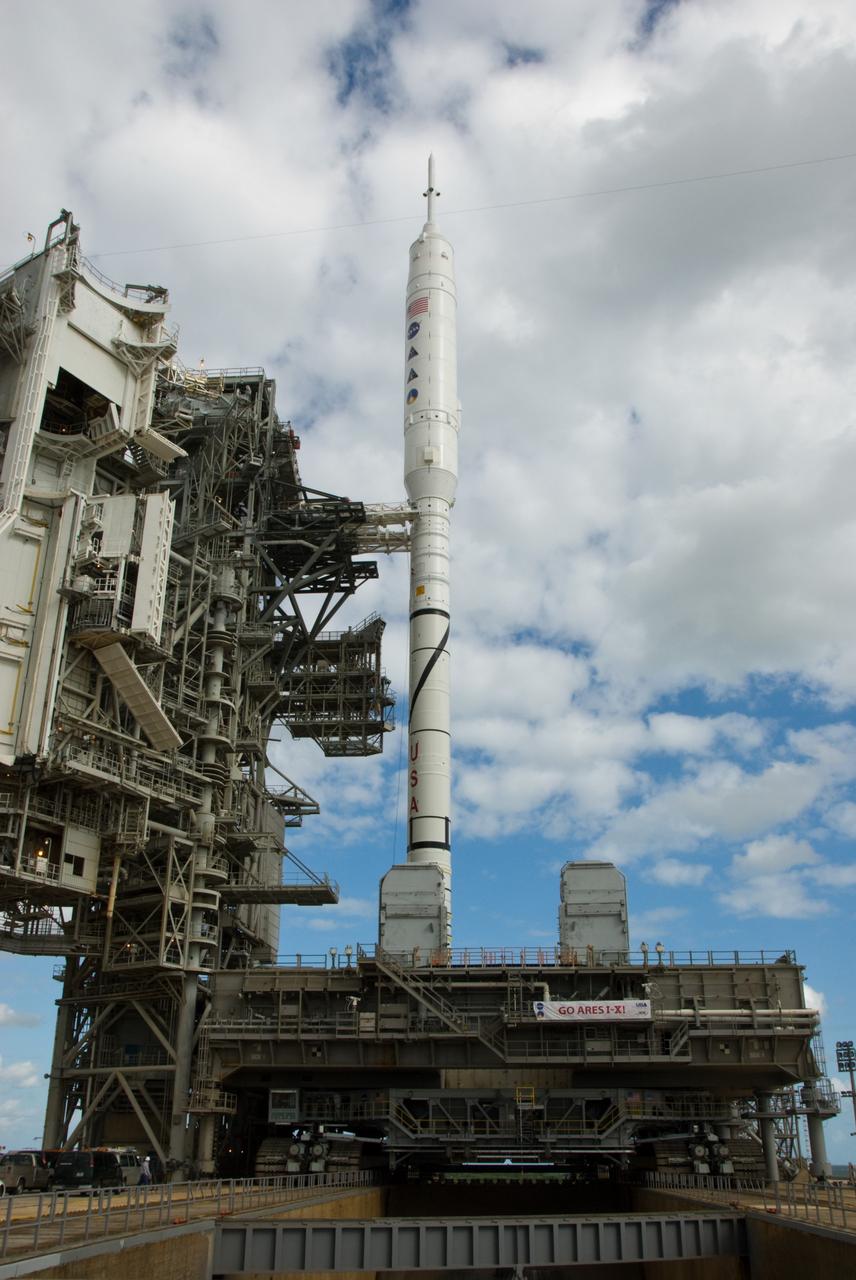
CAPE CANAVERAL, Fla. – The towering 327-foot-tall Ares I-X rocket, newly arrived on Launch Pad 39B at NASA's Kennedy Space Center in Florida, rests securely on its mobile launcher platform following its seven-hour early-morning trek. The test rocket left the Vehicle Assembly Building at 1:39 a.m. EDT on its 4.2-mile trek to the pad and was "hard down" on the pad’s pedestals at 9:17 a.m. The transfer of the pad from the Space Shuttle Program to the Constellation Program took place May 31. Modifications made to the pad include the removal of shuttle unique subsystems, such as the orbiter access arm and a section of the gaseous oxygen vent arm, along with the installation of three 600-foot lightning towers, access platforms, environmental control systems and a vehicle stabilization system. Part of the Constellation Program, the Ares I-X is the test vehicle for the Ares I. The Ares I-X flight test is targeted for Oct. 27. For information on the Ares I-X vehicle and flight test, visit http://www.nasa.gov/aresIX. Photo credit: NASA/Kim Shiflett
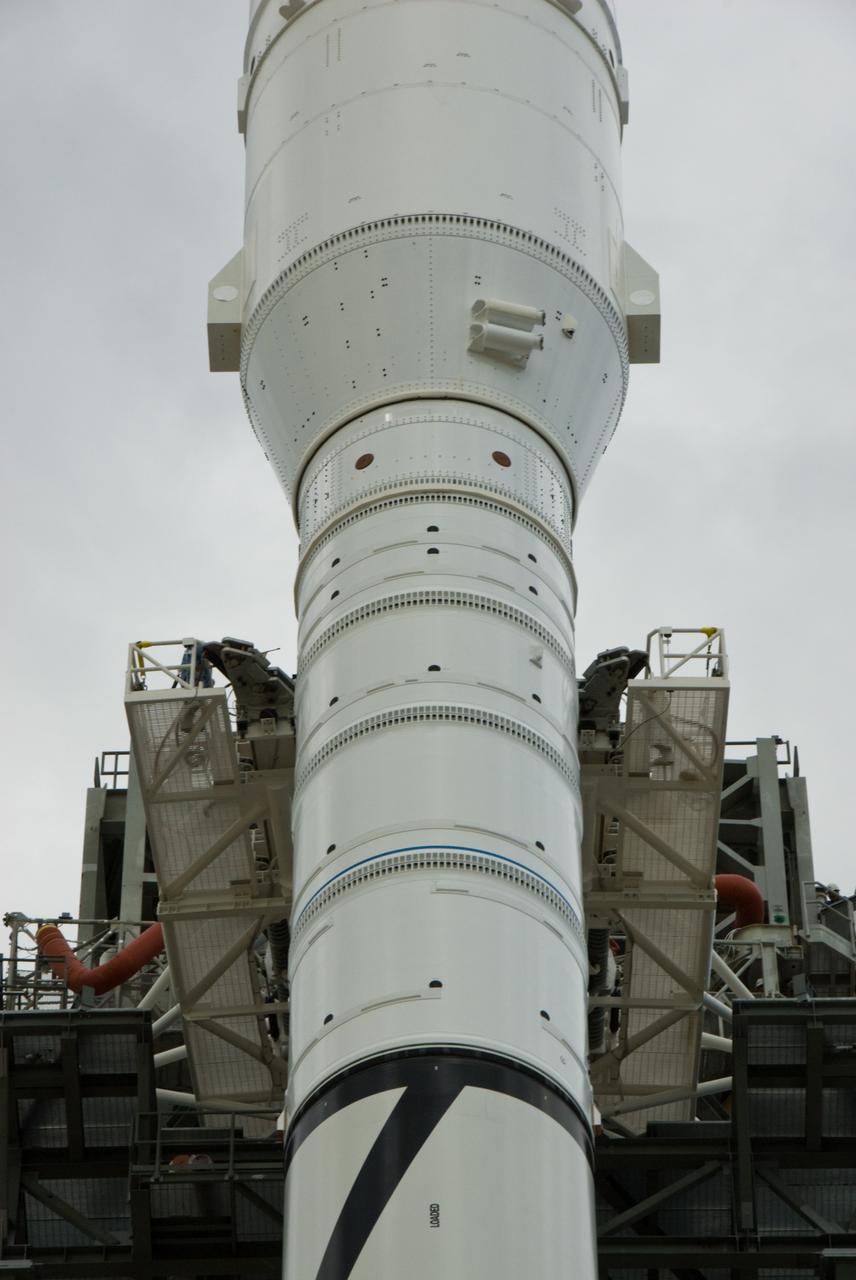
CAPE CANAVERAL, Fla. – The arms of the vehicle stabilization system are closed around the towering 327-foot-tall Ares I-X rocket, newly arrived on Launch Pad 39B at NASA's Kennedy Space Center in Florida. The test rocket left the Vehicle Assembly Building at 1:39 a.m. EDT on its 4.2-mile trek to the pad and was "hard down" on the pad’s pedestals at 9:17 a.m. The transfer of the pad from the Space Shuttle Program to the Constellation Program took place May 31. Modifications made to the pad include the removal of shuttle unique subsystems, such as the orbiter access arm and a section of the gaseous oxygen vent arm, along with the installation of three 600-foot lightning towers, access platforms, environmental control systems and a vehicle stabilization system. Part of the Constellation Program, the Ares I-X is the test vehicle for the Ares I. The Ares I-X flight test is targeted for Oct. 27. For information on the Ares I-X vehicle and flight test, visit http://www.nasa.gov/aresIX. Photo credit: NASA/Kim Shiflett
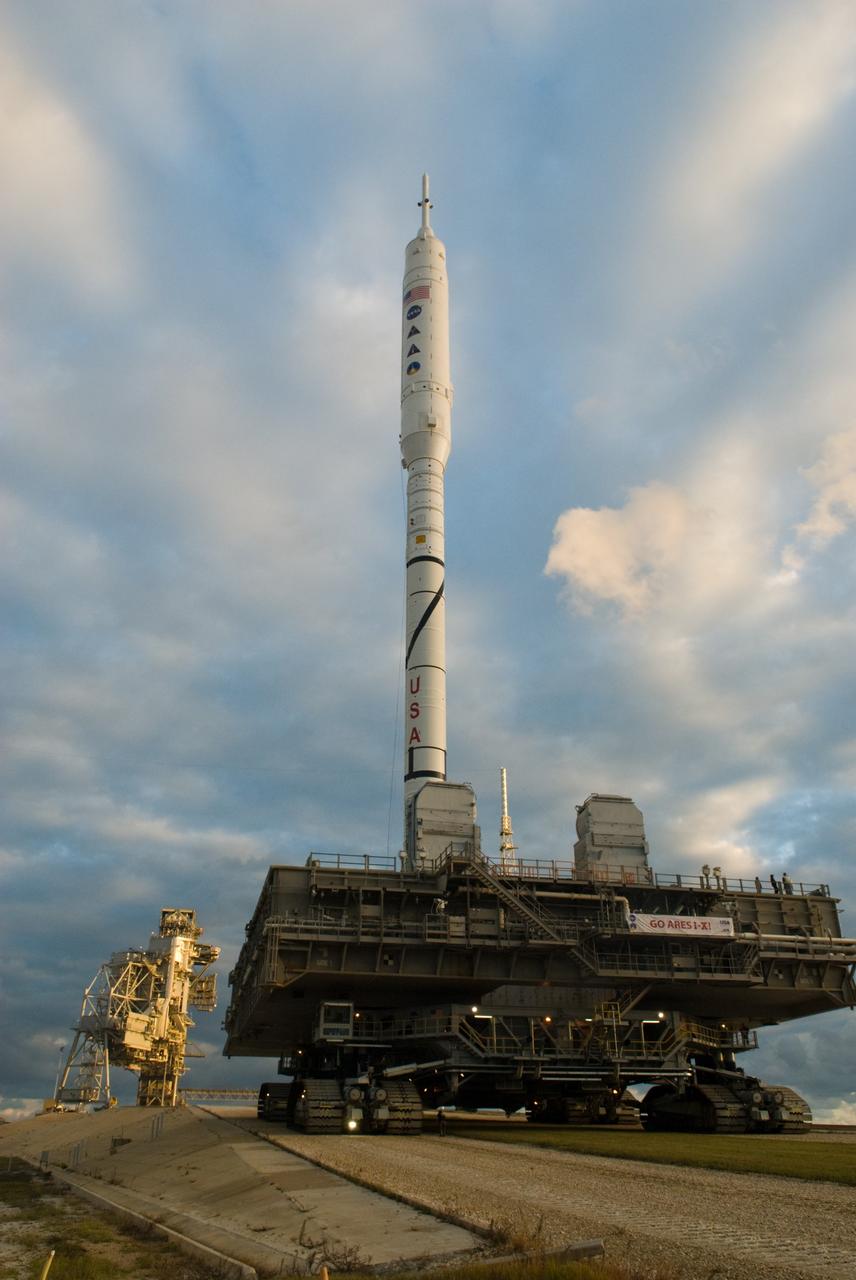
CAPE CANAVERAL, Fla. – The towering 327-foot-tall Ares I-X rocket slowly approaches the fixed service structure on Launch Pad 39B at NASA's Kennedy Space Center in Florida, a 4.2-mile trip that began seven hours earlier. The test rocket left the Vehicle Assembly Building at 1:39 a.m. EDT on its 4.2-mile trek to the pad and was "hard down" on the pad’s pedestals at 9:17 a.m. The transfer of the pad from the Space Shuttle Program to the Constellation Program took place May 31. Modifications made to the pad include the removal of shuttle unique subsystems, such as the orbiter access arm and a section of the gaseous oxygen vent arm, along with the installation of three 600-foot lightning towers, access platforms, environmental control systems and a vehicle stabilization system. Part of the Constellation Program, the Ares I-X is the test vehicle for the Ares I. The Ares I-X flight test is targeted for Oct. 27. For information on the Ares I-X vehicle and flight test, visit http://www.nasa.gov/aresIX. Photo credit: NASA/Kim Shiflett
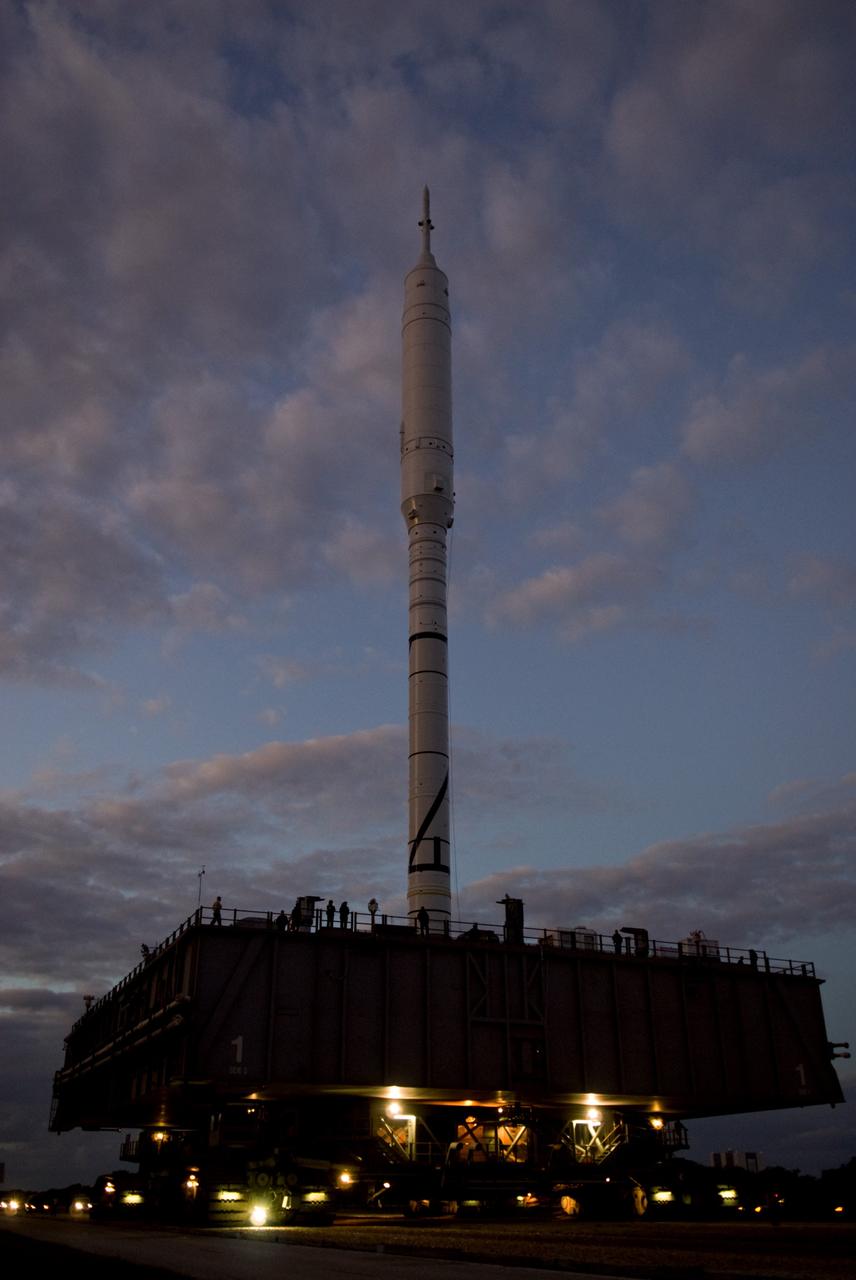
CAPE CANAVERAL, Fla. – As the sun rises over NASA's Kennedy Space Center in Florida, workers hitch a ride on the mobile launcher platform with the 327-foot-tall Ares I-X rocket, on its way to Launch Pad 39B. The test rocket left the Vehicle Assembly Building at 1:39 a.m. EDT on its 4.2-mile trek to the pad and was "hard down" on the pad’s pedestals at 9:17 a.m. The transfer of the pad from the Space Shuttle Program to the Constellation Program took place May 31. Modifications made to the pad include the removal of shuttle unique subsystems, such as the orbiter access arm and a section of the gaseous oxygen vent arm, along with the installation of three 600-foot lightning towers, access platforms, environmental control systems and a vehicle stabilization system. Part of the Constellation Program, the Ares I-X is the test vehicle for the Ares I. The Ares I-X flight test is targeted for Oct. 27. For information on the Ares I-X vehicle and flight test, visit http://www.nasa.gov/aresIX. Photo credit: NASA/Kim Shiflett
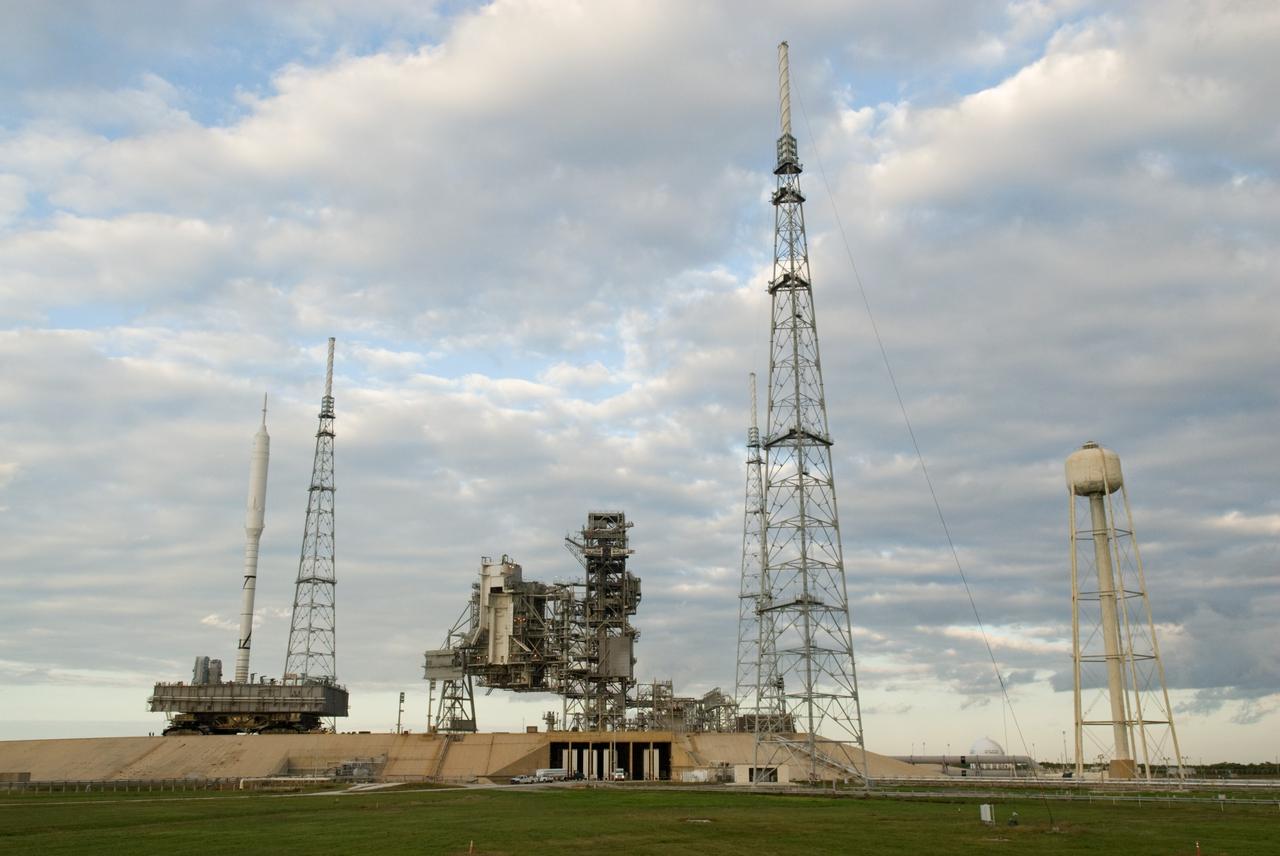
CAPE CANAVERAL, Fla. – The towering 327-foot-tall Ares I-X rocket, secured to a mobile launcher platform, nears its place beside the fixed service structure on Launch Pad 39B at NASA's Kennedy Space Center in Florida. The test rocket left the Vehicle Assembly Building at 1:39 a.m. EDT on its 4.2-mile trek to the pad and was "hard down" on the pad’s pedestals at 9:17 a.m. The transfer of the pad from the Space Shuttle Program to the Constellation Program took place May 31. Modifications made to the pad include the removal of shuttle unique subsystems, such as the orbiter access arm and a section of the gaseous oxygen vent arm, along with the installation of three 600-foot lightning towers, access platforms, environmental control systems and a vehicle stabilization system. Part of the Constellation Program, the Ares I-X is the test vehicle for the Ares I. The Ares I-X flight test is targeted for Oct. 27. For information on the Ares I-X vehicle and flight test, visit http://www.nasa.gov/aresIX. Photo credit: NASA/Kim Shiflett
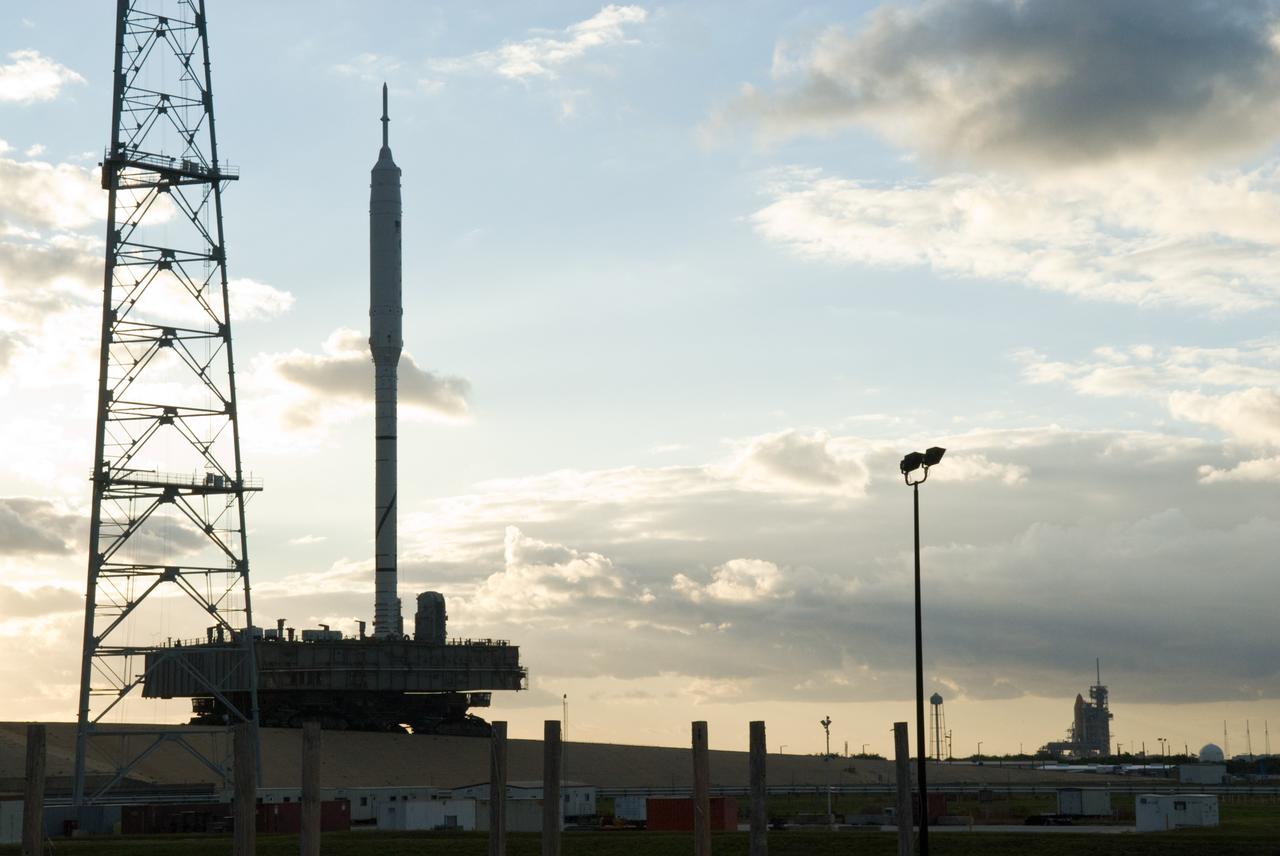
CAPE CANAVERAL, Fla. – It's a full house at NASA's Kennedy Space Center in Florida with launch vehicles on both of the center's pads. The towering 327-foot-tall Ares I-X rocket is newly arrived on Launch Pad 39B, at left, with space shuttle Atlantis filling Launch Pad 39A in the distance. The test rocket left the Vehicle Assembly Building at 1:39 a.m. EDT on its 4.2-mile trek to the pad and was "hard down" on the pad’s pedestals at 9:17 a.m. The transfer of the pad from the Space Shuttle Program to the Constellation Program took place May 31. Modifications made to the pad include the removal of shuttle unique subsystems, such as the orbiter access arm and a section of the gaseous oxygen vent arm, along with the installation of three 600-foot lightning towers, access platforms, environmental control systems and a vehicle stabilization system. Part of the Constellation Program, the Ares I-X is the test vehicle for the Ares I. The Ares I-X flight test is targeted for Oct. 27. For information on the Ares I-X vehicle and flight test, visit http://www.nasa.gov/aresIX. Photo credit: NASA/Kim Shiflett
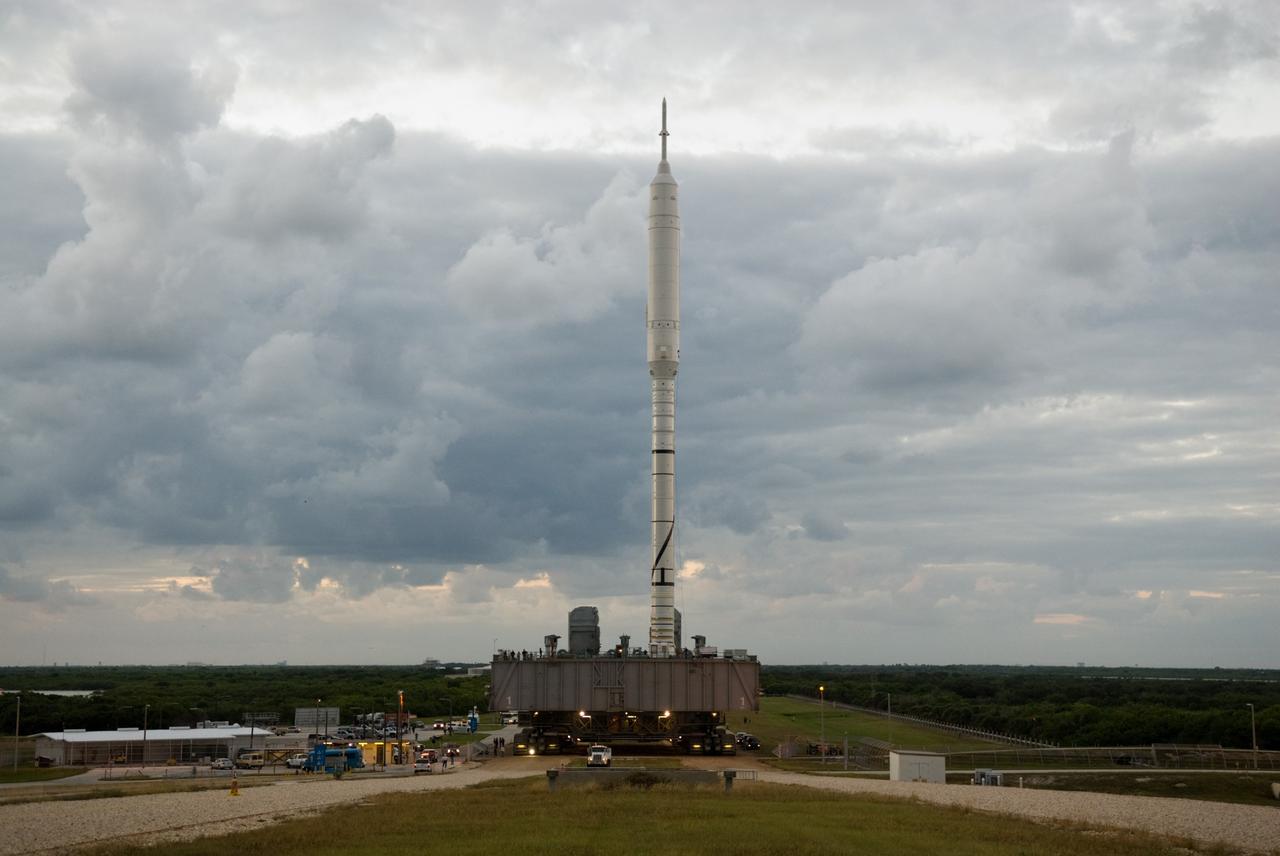
CAPE CANAVERAL, Fla. – As the sun rises over at NASA's Kennedy Space Center in Florida, the 327-foot-tall Ares I-X rocket, secured to a mobile launcher platform, makes steady progress toward the top of Launch Pad 39B. The test rocket left the Vehicle Assembly Building at 1:39 a.m. EDT on its 4.2-mile trek to the pad and was "hard down" on the pad’s pedestals at 9:17 a.m. The transfer of the pad from the Space Shuttle Program to the Constellation Program took place May 31. Modifications made to the pad include the removal of shuttle unique subsystems, such as the orbiter access arm and a section of the gaseous oxygen vent arm, along with the installation of three 600-foot lightning towers, access platforms, environmental control systems and a vehicle stabilization system. Part of the Constellation Program, the Ares I-X is the test vehicle for the Ares I. The Ares I-X flight test is targeted for Oct. 27. For information on the Ares I-X vehicle and flight test, visit http://www.nasa.gov/aresIX. Photo credit: NASA/Kim Shiflett
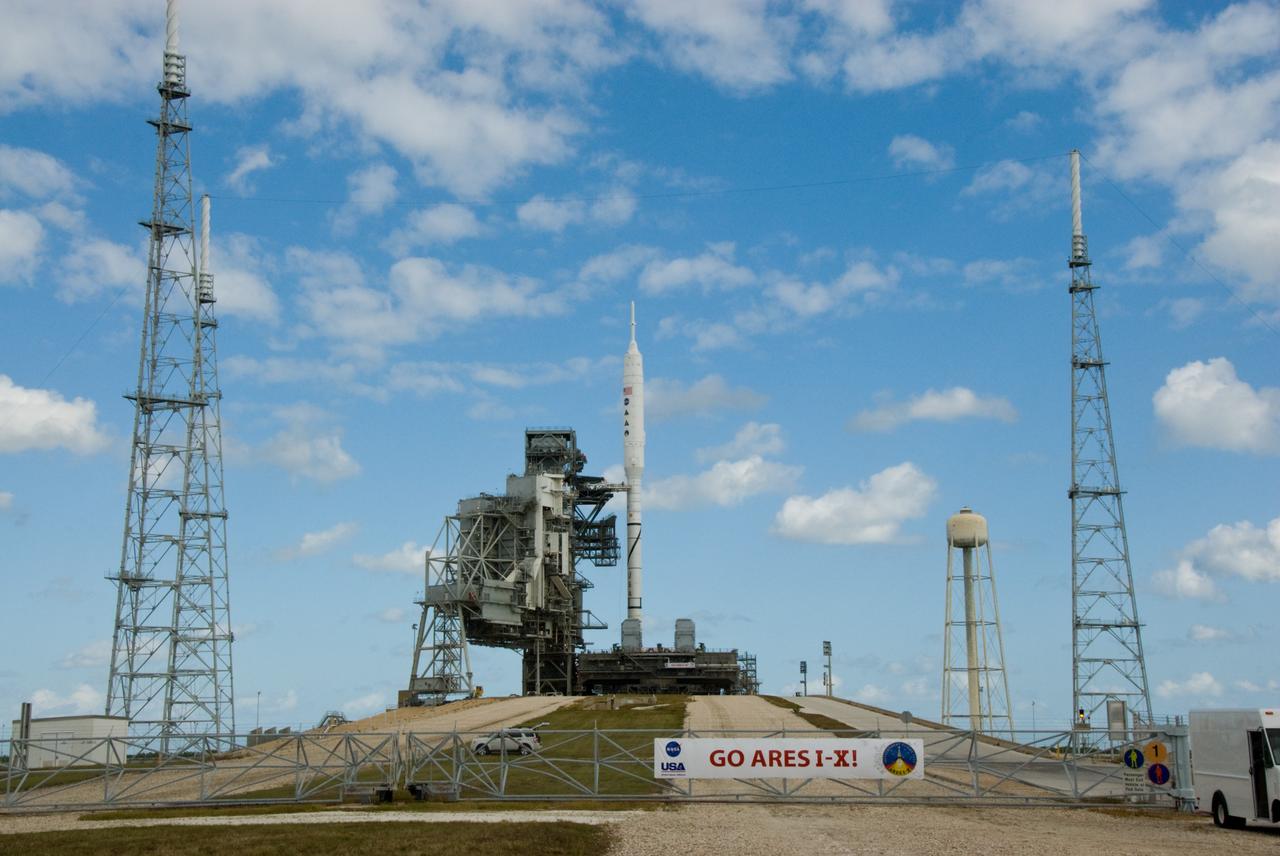
CAPE CANAVERAL, Fla. – The perimeter fence on Launch Pad 39B at NASA's Kennedy Space Center in Florida, is closed following the arrival of the towering 327-foot-tall Ares I-X rocket following its seven-hour early-morning trek. The test rocket left the Vehicle Assembly Building at 1:39 a.m. EDT on its 4.2-mile trek to the pad and was "hard down" on the pad’s pedestals at 9:17 a.m. The transfer of the pad from the Space Shuttle Program to the Constellation Program took place May 31. Modifications made to the pad include the removal of shuttle unique subsystems, such as the orbiter access arm and a section of the gaseous oxygen vent arm, along with the installation of three 600-foot lightning towers, access platforms, environmental control systems and a vehicle stabilization system. Part of the Constellation Program, the Ares I-X is the test vehicle for the Ares I. The Ares I-X flight test is targeted for Oct. 27. For information on the Ares I-X vehicle and flight test, visit http://www.nasa.gov/aresIX. Photo credit: NASA/Kim Shiflett

CAPE CANAVERAL, Fla. – Early morning finds a crawler-transporter moving the towering 327-foot-tall Ares I-X rocket slowly and steadily along the 4.2-mile route to Launch Pad 39B at NASA's Kennedy Space Center in Florida. The test rocket left the Vehicle Assembly Building at 1:39 a.m. EDT on its 4.2-mile trek to the pad and was "hard down" on the pad’s pedestals at 9:17 a.m. The transfer of the pad from the Space Shuttle Program to the Constellation Program took place May 31. Modifications made to the pad include the removal of shuttle unique subsystems, such as the orbiter access arm and a section of the gaseous oxygen vent arm, along with the installation of three 600-foot lightning towers, access platforms, environmental control systems and a vehicle stabilization system. Part of the Constellation Program, the Ares I-X is the test vehicle for the Ares I. The Ares I-X flight test is targeted for Oct. 27. For information on the Ares I-X vehicle and flight test, visit http://www.nasa.gov/aresIX. Photo credit: NASA/Kim Shiflett
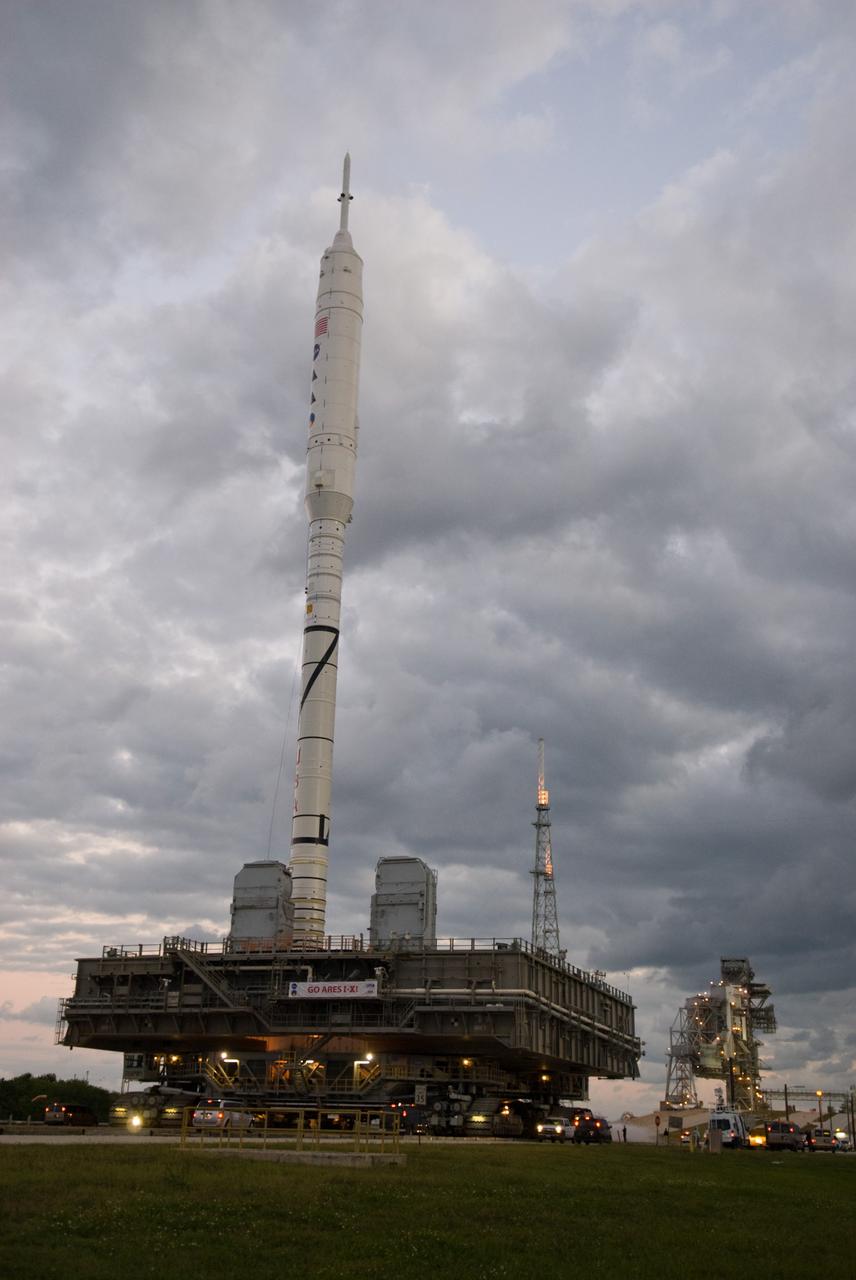
CAPE CANAVERAL, Fla. – As the sun rises over Launch Pad 39B at NASA's Kennedy Space Center in Florida, the 327-foot-tall Ares I-X rocket, secured to a mobile launcher platform, nears its destination beside the pad's fixed service structure. The test rocket left the Vehicle Assembly Building at 1:39 a.m. EDT on its 4.2-mile trek to the pad and was "hard down" on the pad’s pedestals at 9:17 a.m. The transfer of the pad from the Space Shuttle Program to the Constellation Program took place May 31. Modifications made to the pad include the removal of shuttle unique subsystems, such as the orbiter access arm and a section of the gaseous oxygen vent arm, along with the installation of three 600-foot lightning towers, access platforms, environmental control systems and a vehicle stabilization system. Part of the Constellation Program, the Ares I-X is the test vehicle for the Ares I. The Ares I-X flight test is targeted for Oct. 27. For information on the Ares I-X vehicle and flight test, visit http://www.nasa.gov/aresIX. Photo credit: NASA/Kim Shiflett
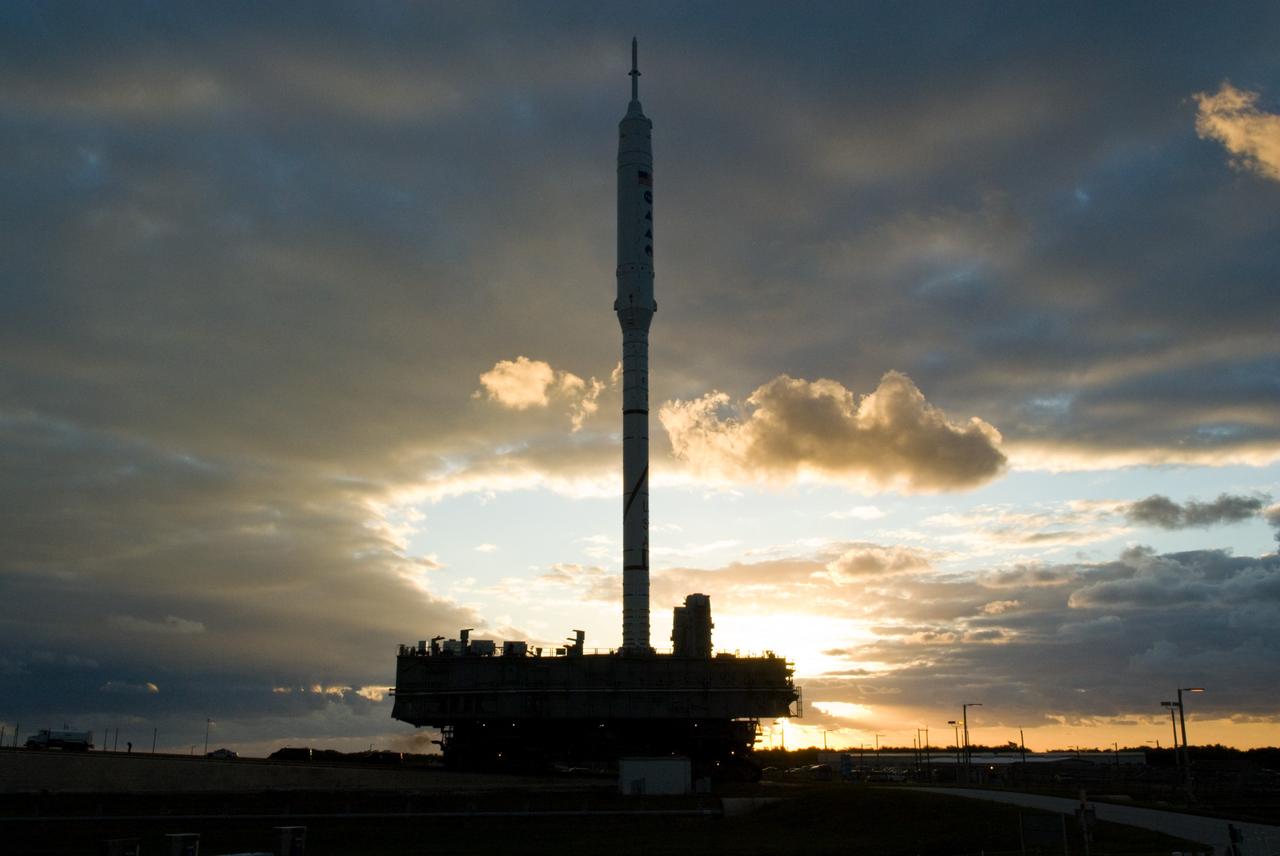
CAPE CANAVERAL, Fla. – The towering 327-foot-tall Ares I-X rocket is silhouetted again the early morning sky as it lumbers along the 4.2-mile route to Launch Pad 39B at NASA's Kennedy Space Center in Florida. The test rocket left the Vehicle Assembly Building at 1:39 a.m. EDT on its 4.2-mile trek to the pad and was "hard down" on the pad’s pedestals at 9:17 a.m. The transfer of the pad from the Space Shuttle Program to the Constellation Program took place May 31. Modifications made to the pad include the removal of shuttle unique subsystems, such as the orbiter access arm and a section of the gaseous oxygen vent arm, along with the installation of three 600-foot lightning towers, access platforms, environmental control systems and a vehicle stabilization system. Part of the Constellation Program, the Ares I-X is the test vehicle for the Ares I. The Ares I-X flight test is targeted for Oct. 27. For information on the Ares I-X vehicle and flight test, visit http://www.nasa.gov/aresIX. Photo credit: NASA/Kim Shiflett
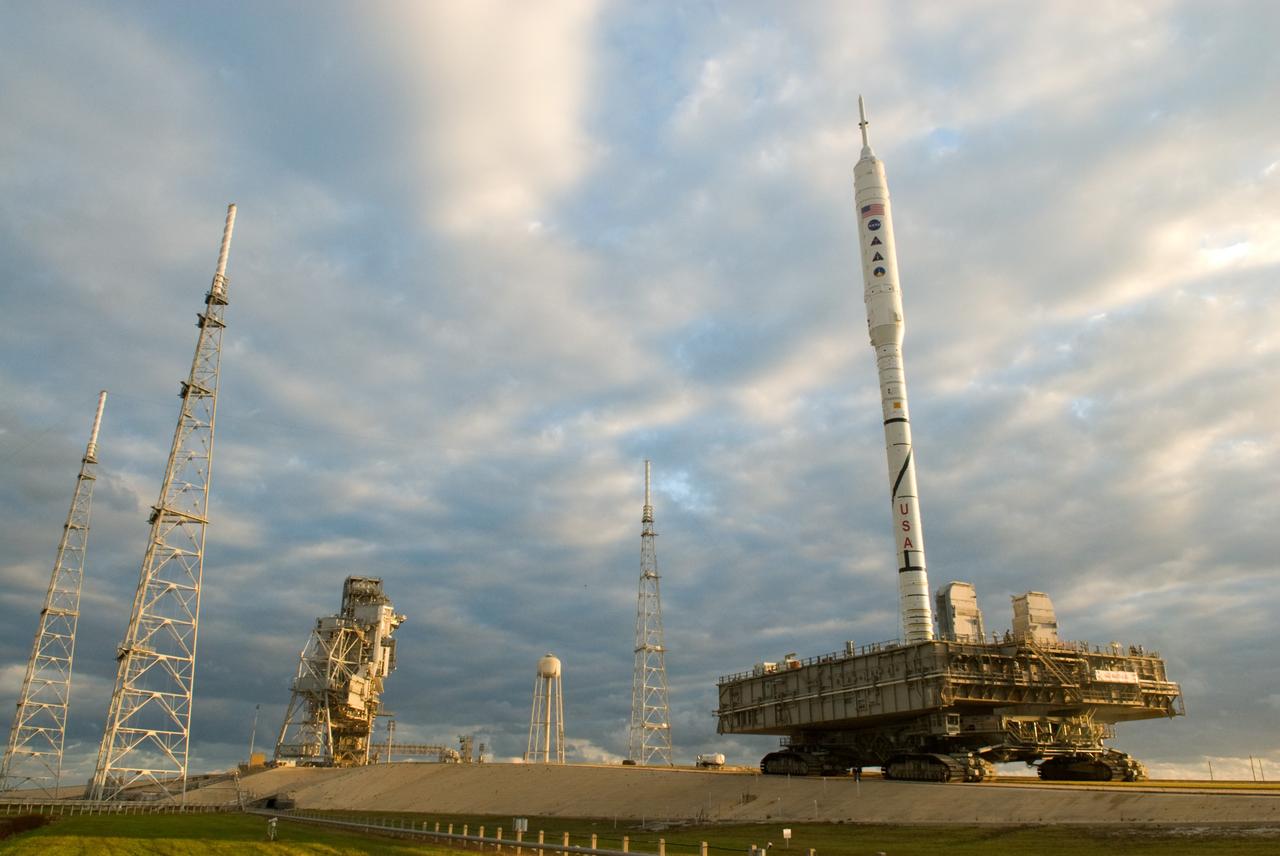
CAPE CANAVERAL, Fla. – Daybreak finds the towering 327-foot-tall Ares I-X rocket slowly making its way up the five percent grade of the crawlerway on Launch Pad 39B at NASA's Kennedy Space Center in Florida, a 4.2-mile trip that began seven hours earlier. The test rocket left the Vehicle Assembly Building at 1:39 a.m. EDT on its 4.2-mile trek to the pad and was "hard down" on the pad’s pedestals at 9:17 a.m. The transfer of the pad from the Space Shuttle Program to the Constellation Program took place May 31. Modifications made to the pad include the removal of shuttle unique subsystems, such as the orbiter access arm and a section of the gaseous oxygen vent arm, along with the installation of three 600-foot lightning towers, access platforms, environmental control systems and a vehicle stabilization system. Part of the Constellation Program, the Ares I-X is the test vehicle for the Ares I. The Ares I-X flight test is targeted for Oct. 27. For information on the Ares I-X vehicle and flight test, visit http://www.nasa.gov/aresIX. Photo credit: NASA/Kim Shiflett
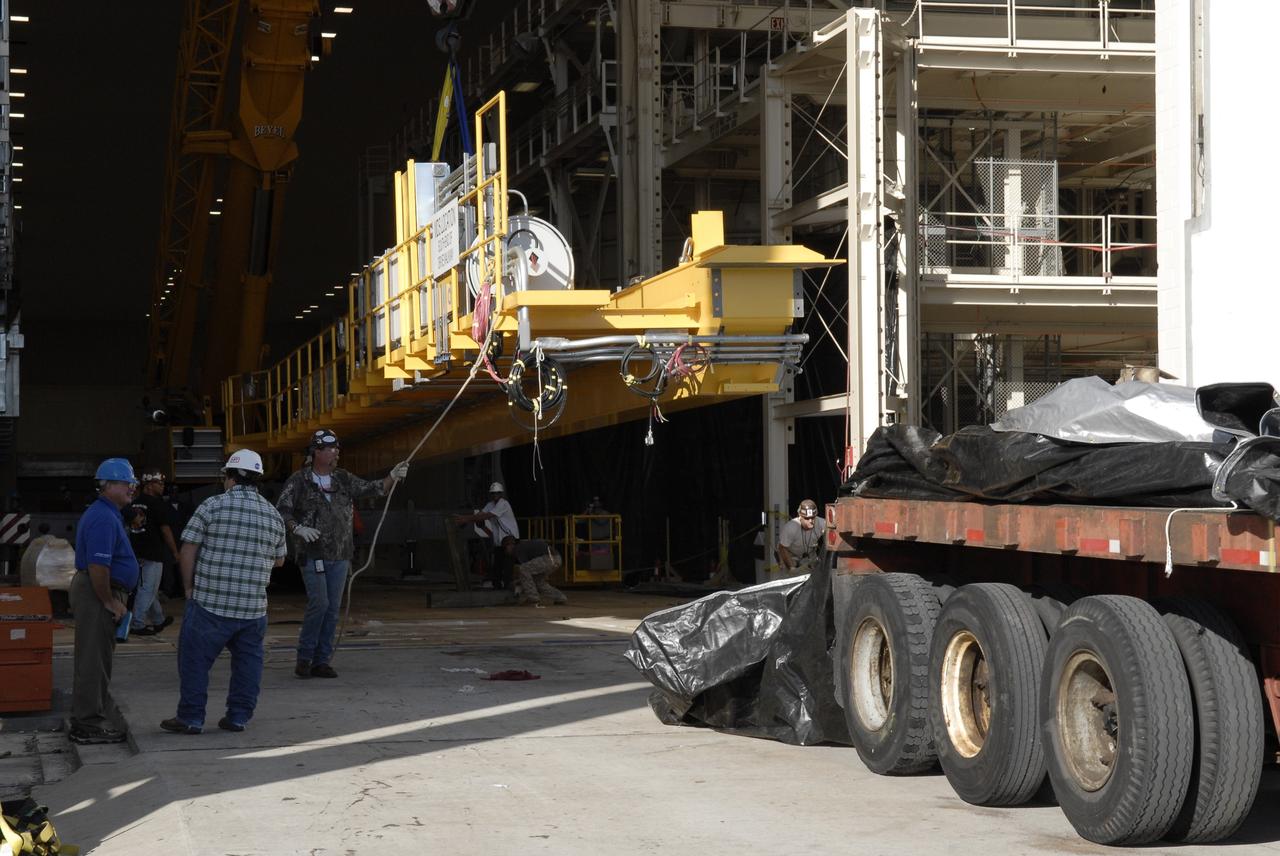
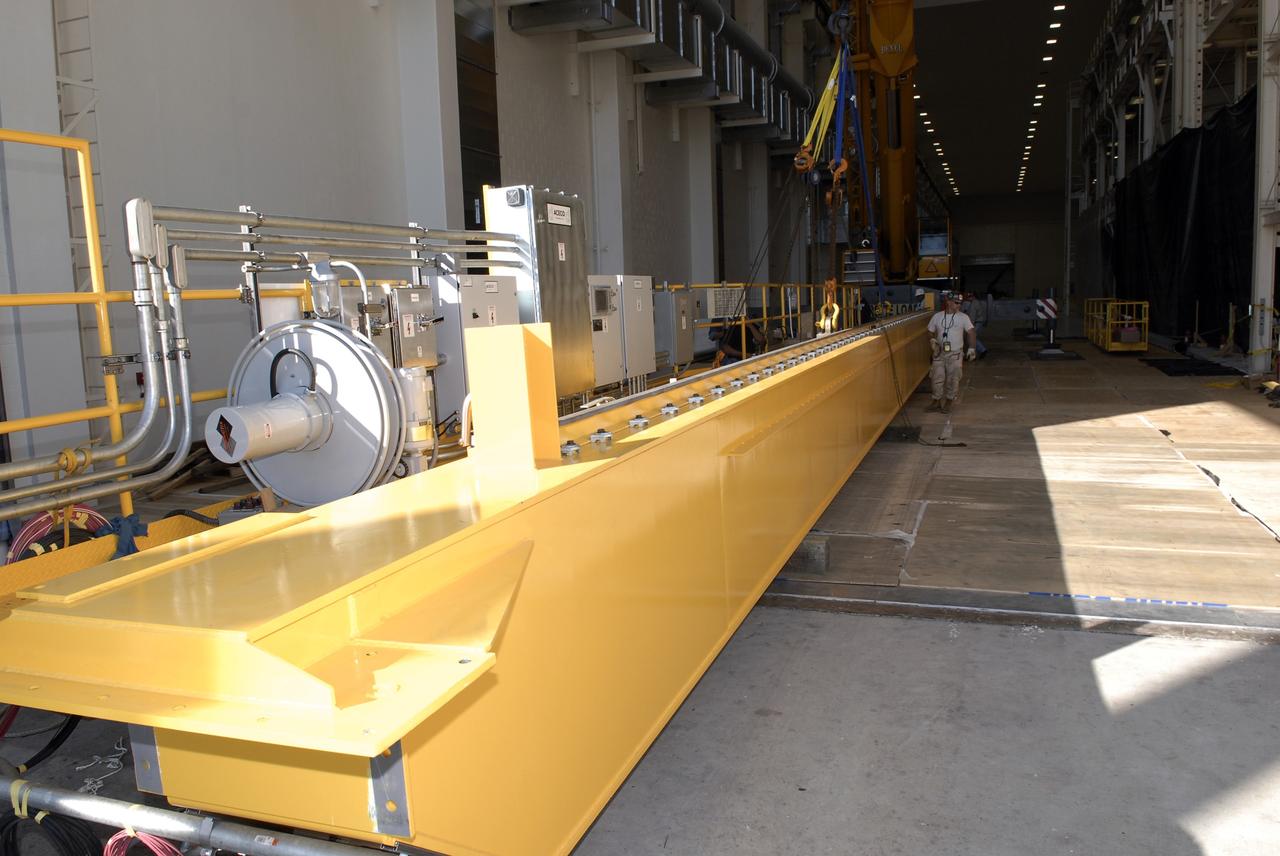
CAPE CANAVERAL, Fla. – Segments of a crane are being offloaded at the Operations and Checkout Building at NASA's Kennedy Space Center in Florida. The new O&C low-bay crane is a 25-ton overhead bridge crane built for Lockheed Martin and Space Florida by American Crane and Equipment Corporation in Douglasville, Pa. The crane has a bridge span of 78’-2” and a hook height of 48’-10”. The crane will be used for lifting and moving flight hardware, fixtures and equipment in support of the Orion spacecraft manufacturing. Part of NASA's Constellation Program, the Orion spacecraft will return humans to the moon and prepare for future voyages to Mars and other destinations in our solar system. Photo credit: NASA/Kim Shiflett
CAPE CANAVERAL, Fla. – Segments of a crane are moved into the Operations and Checkout Building at NASA's Kennedy Space Center in Florida. The new O&C low-bay crane is a 25-ton overhead bridge crane built for Lockheed Martin and Space Florida by American Crane and Equipment Corporation in Douglasville, Pa. The crane has a bridge span of 78’-2” and a hook height of 48’-10”. The crane will be used for lifting and moving flight hardware, fixtures and equipment in support of the Orion spacecraft manufacturing. Part of NASA's Constellation Program, the Orion spacecraft will return humans to the moon and prepare for future voyages to Mars and other destinations in our solar system. Photo credit: NASA/Kim Shiflett
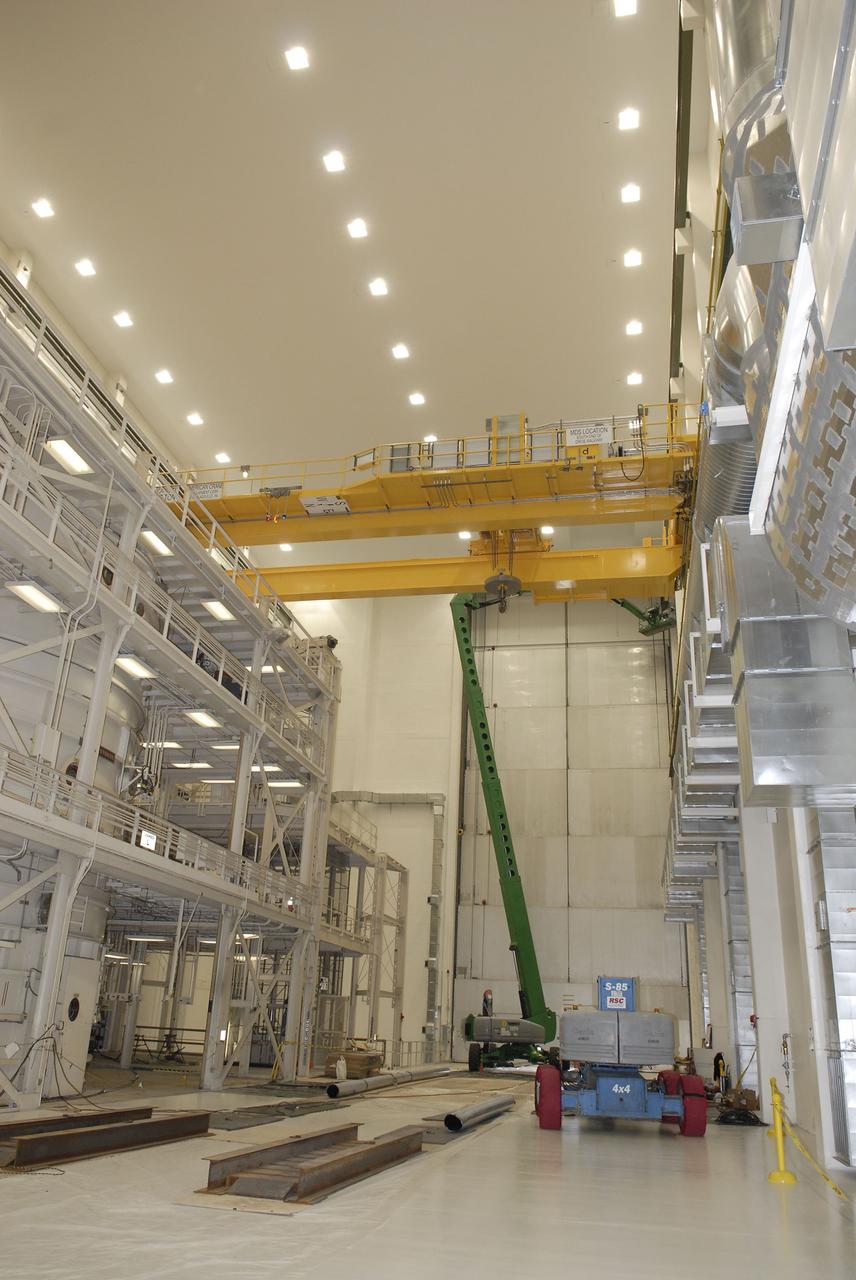
CAPE CANAVERAL, Fla. – Segments of a new crane are tested inside the Operations and Checkout Building at NASA's Kennedy Space Center in Florida. The new O&C low-bay crane is a 25-ton overhead bridge crane built for Lockheed Martin and Space Florida by American Crane and Equipment Corporation in Douglasville, Pa. The crane has a bridge span of 78’-2” and a hook height of 48’-10”. The crane will be used for lifting and moving flight hardware, fixtures and equipment in support of the Orion spacecraft manufacturing. Part of NASA's Constellation Program, the Orion spacecraft will return humans to the moon and prepare for future voyages to Mars and other destinations in our solar system. Photo credit: NASA/Kim Shiflett
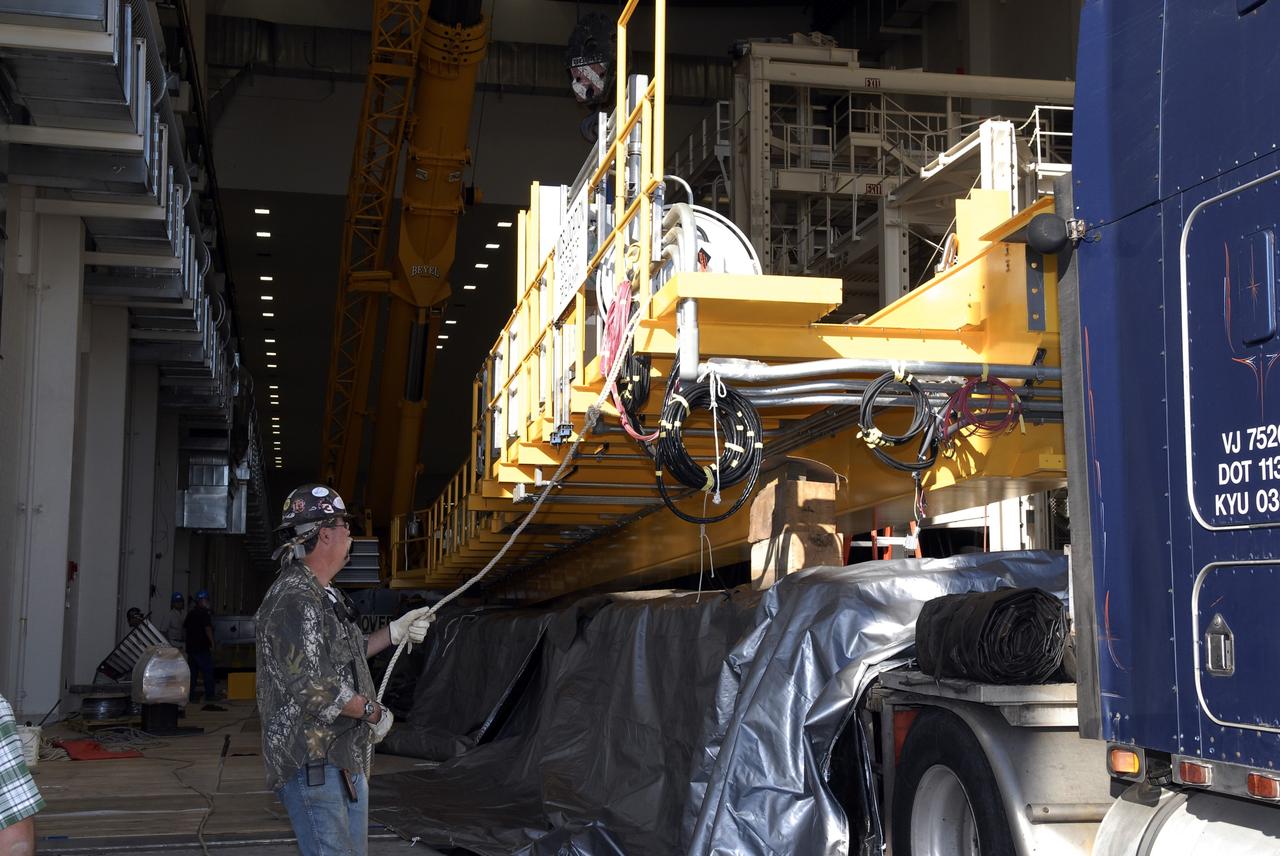
CAPE CANAVERAL, Fla. – Segments of a crane arrive at the Operations and Checkout Building at NASA's Kennedy Space Center in Florida. The new O&C low-bay crane is a 25-ton overhead bridge crane built for Lockheed Martin and Space Florida by American Crane and Equipment Corporation in Douglasville, Pa. The crane has a bridge span of 78’-2” and a hook height of 48’-10”. The crane will be used for lifting and moving flight hardware, fixtures and equipment in support of the Orion spacecraft manufacturing. Part of NASA's Constellation Program, the Orion spacecraft will return humans to the moon and prepare for future voyages to Mars and other destinations in our solar system. Photo credit: NASA/Kim Shiflett
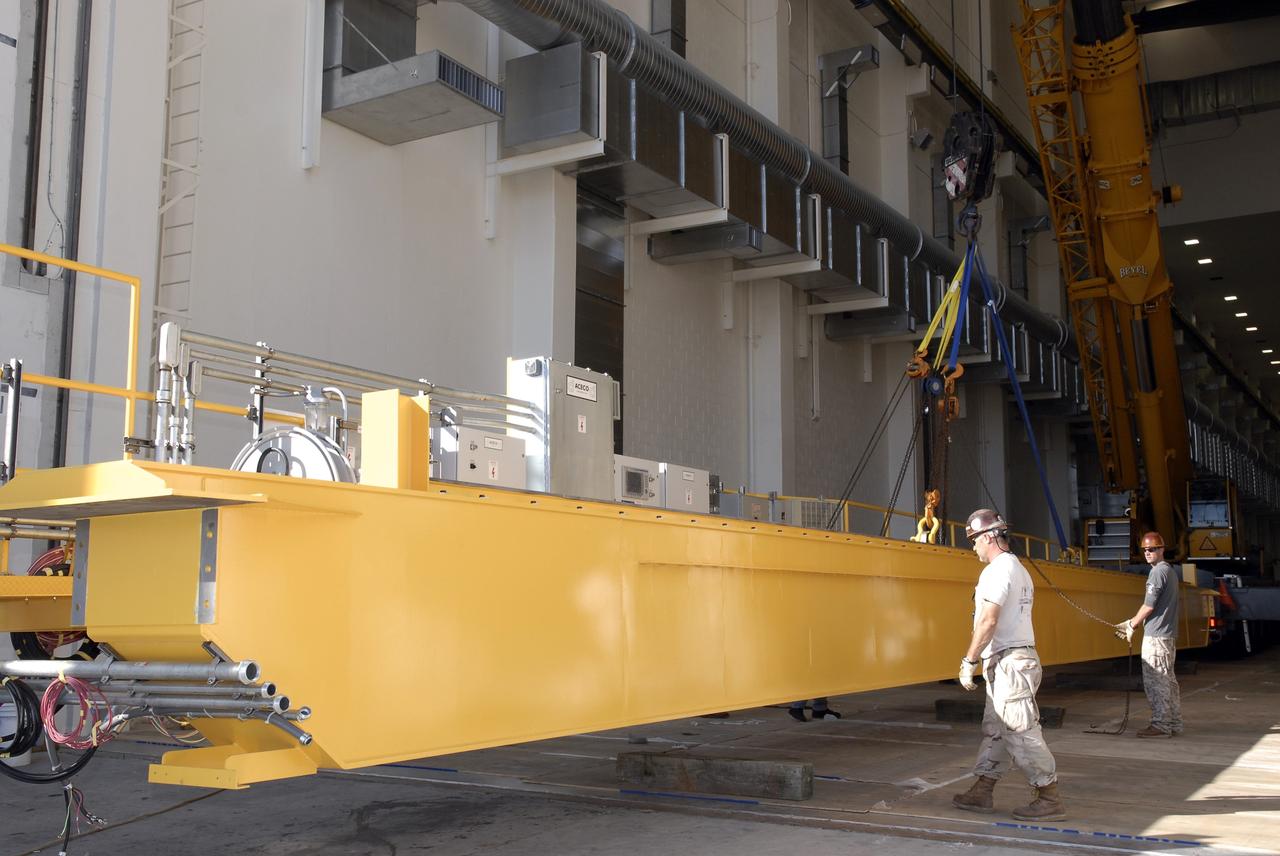
CAPE CANAVERAL, Fla. – Segments of a crane are lowered onto the floor of the Operations and Checkout Building at NASA's Kennedy Space Center in Florida. The new O&C low-bay crane is a 25-ton overhead bridge crane built for Lockheed Martin and Space Florida by American Crane and Equipment Corporation in Douglasville, Pa. The crane has a bridge span of 78’-2” and a hook height of 48’-10”. The crane will be used for lifting and moving flight hardware, fixtures and equipment in support of the Orion spacecraft manufacturing. Part of NASA's Constellation Program, the Orion spacecraft will return humans to the moon and prepare for future voyages to Mars and other destinations in our solar system. Photo credit: NASA/Kim Shiflett
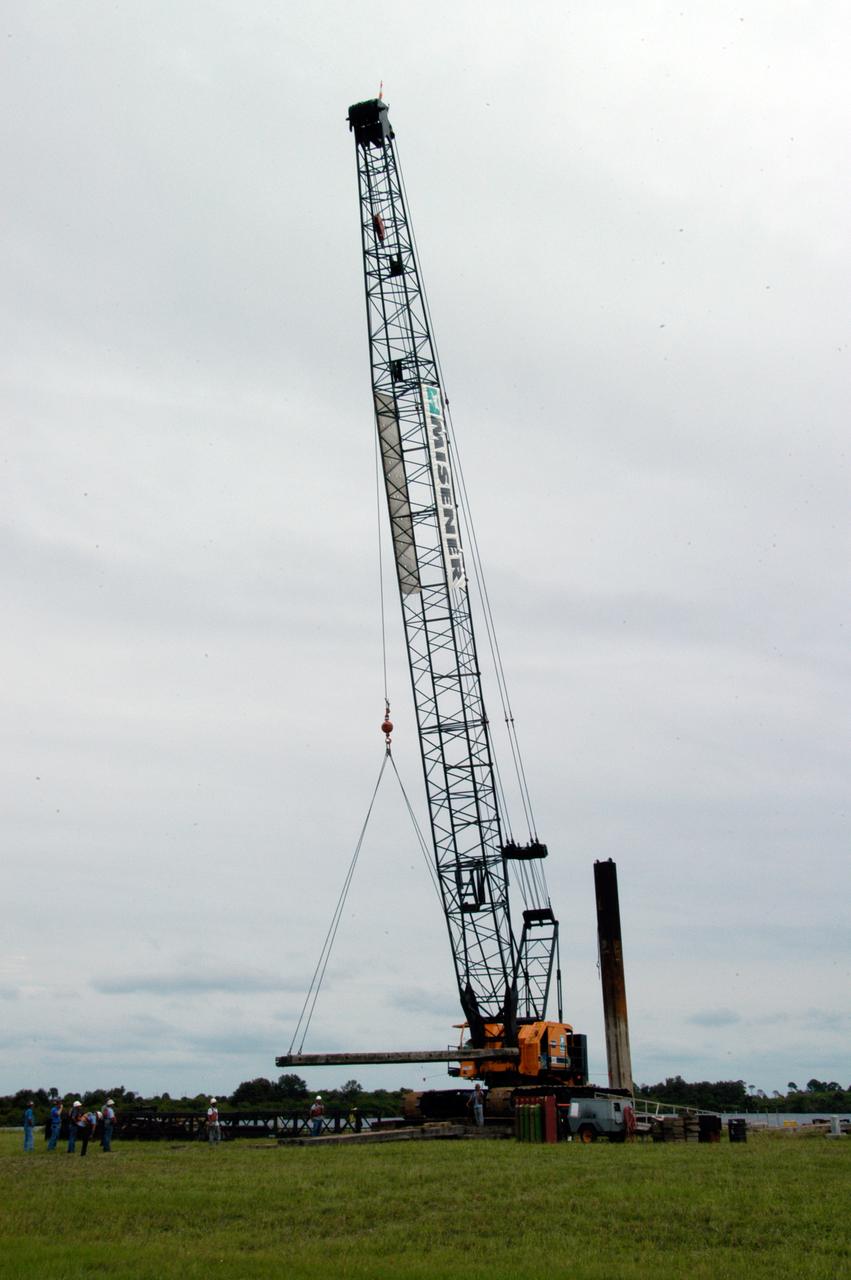
A large crawler crane arrives at the turn basin at the Launch Complex 39 Area on NASA's Kennedy Space Center. The crane with its 70-foot boom will be moved to Launch Pad 39B and used to construct a new lightning protection system for the Constellation Program and Ares/Orion launches. Pad B will be the site of the first Ares vehicle launch, including Ares I-X which is scheduled for April 2009.
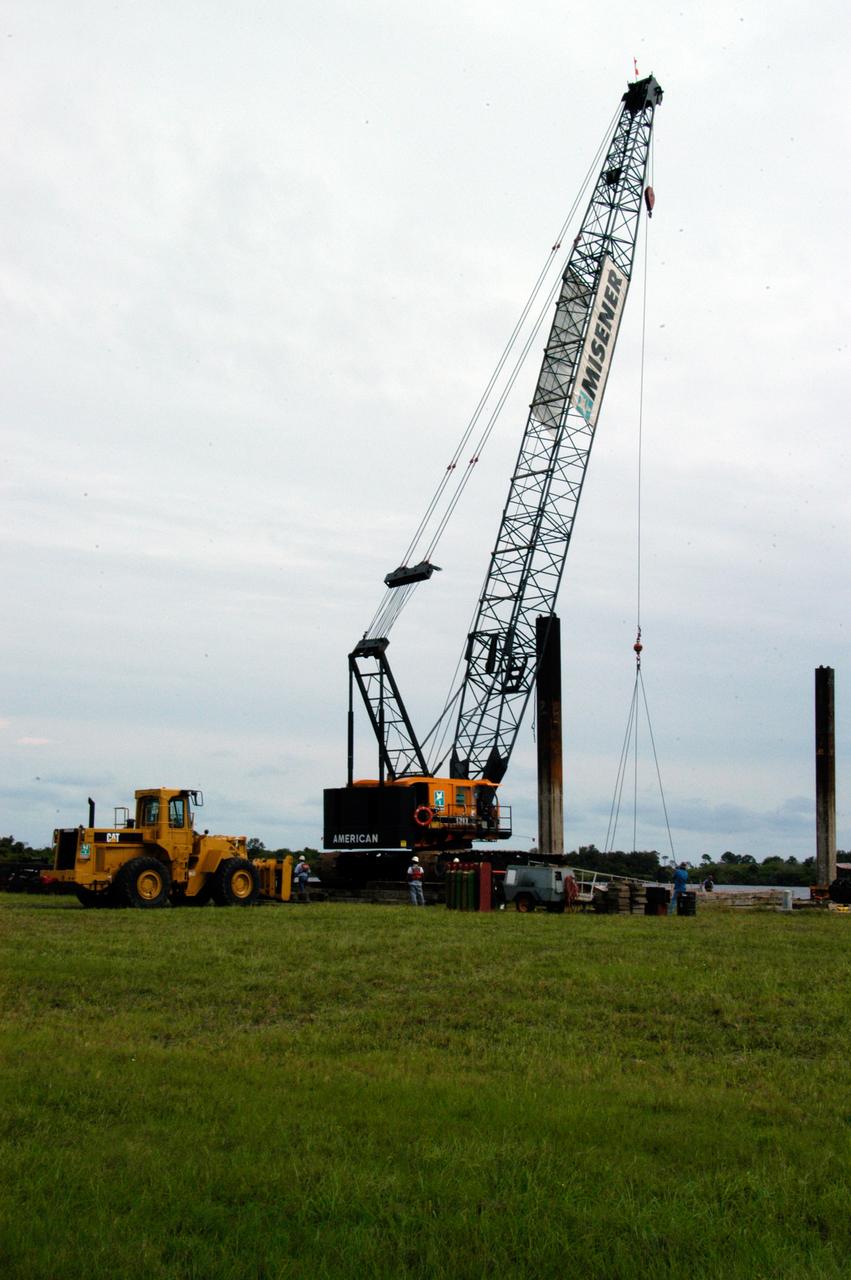
A large crawler crane arrives at the turn basin at the Launch Complex 39 Area on NASA's Kennedy Space Center. The crane with its 70-foot boom will be moved to Launch Pad 39B and used to construct a new lightning protection system for the Constellation Program and Ares/Orion launches. Pad B will be the site of the first Ares vehicle launch, including Ares I-X which is scheduled for April 2009.
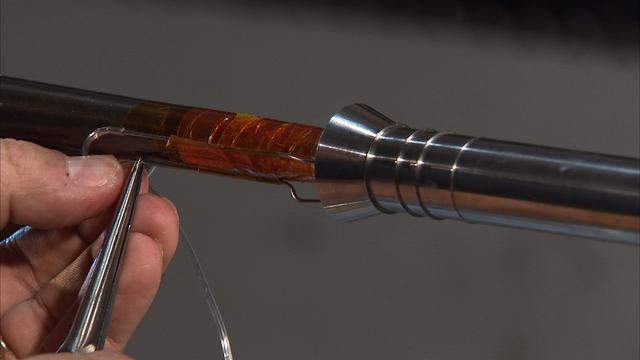
Active damper wind tunnel test in support of the development of Constellation/Ares. Testing of the 1% and .548% models for active damper and wall interference assessment in support of the Ares/CLV integrated vehicle. This test occurred at the 11 foot wind tunnel at the Ames Research Center, California. This image is extracted from high definition video file and is the highest resolution available.
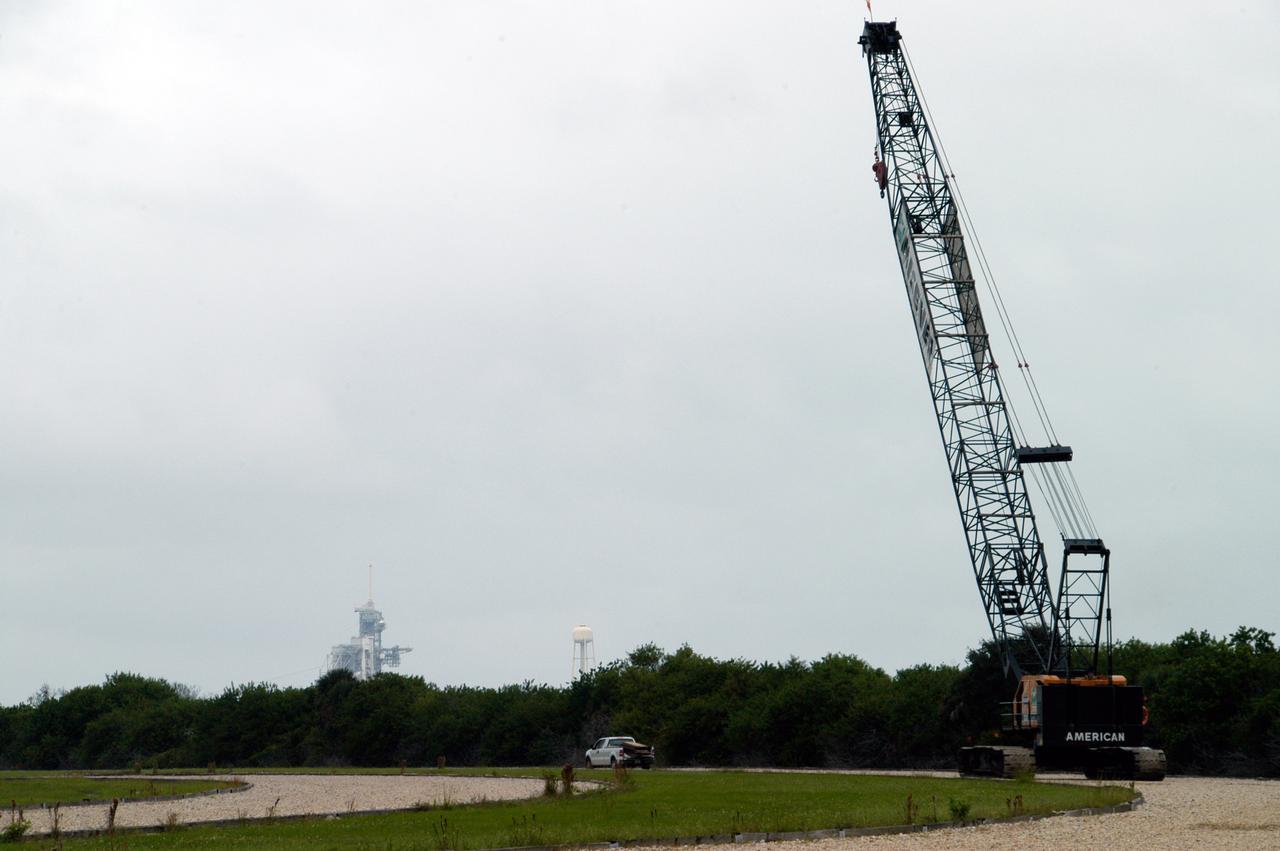
A large crawler crane traveling long one of the crawlerway tracks makes the turn toward Launch Pad 39B. The crane with its 70-foot boom will be used to construct a new lightning protection system for the Constellation Program and Ares/Orion launches. Pad B will be the site of the first Ares vehicle launch, including Ares I-X which is scheduled for April 2009.
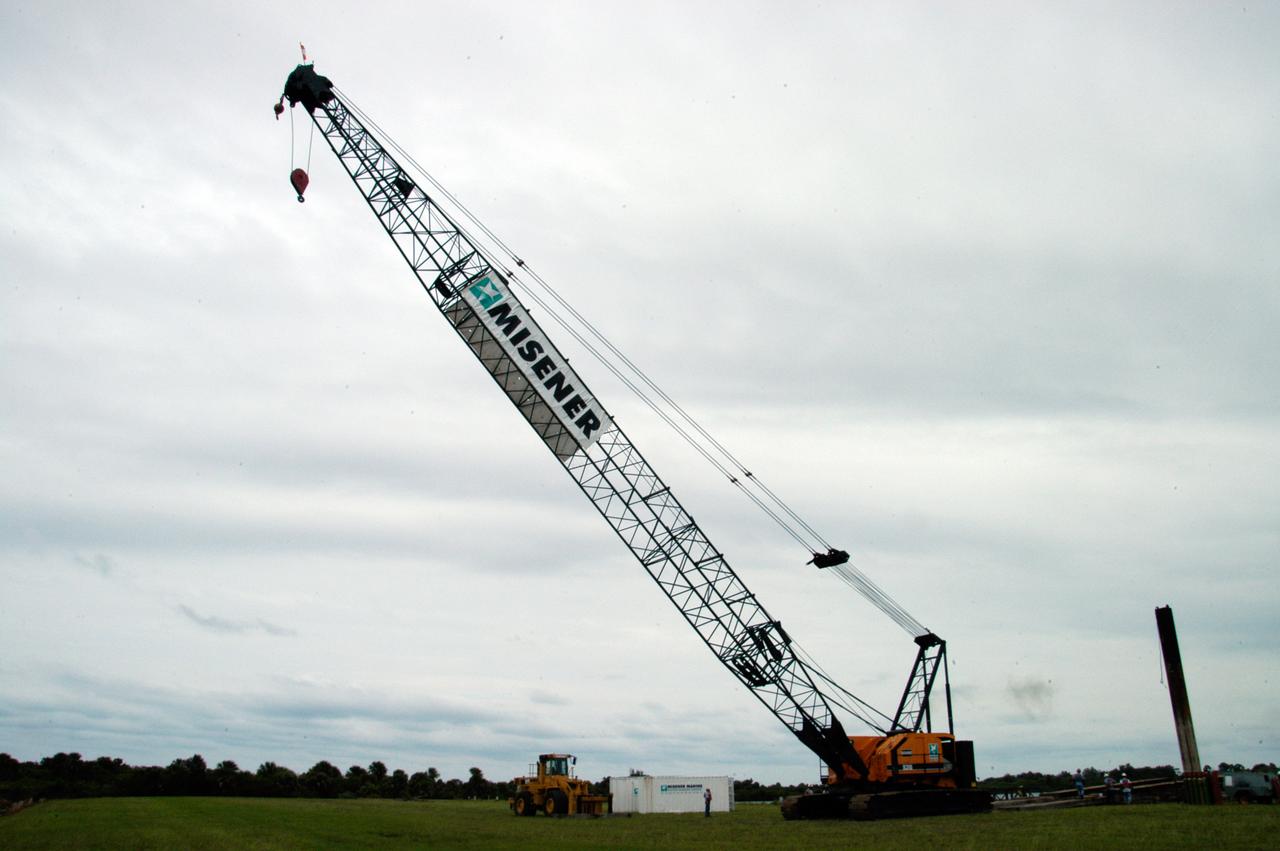
A large crawler crane begins moving away from the turn basin at the Launch Complex 39 Area on NASA's Kennedy Space Center. The crane with its 70-foot boom will be moved to Launch Pad 39B and used to construct a new lightning protection system for the Constellation Program and Ares/Orion launches. Pad B will be the site of the first Ares vehicle launch, including Ares I-X which is scheduled for April 2009.
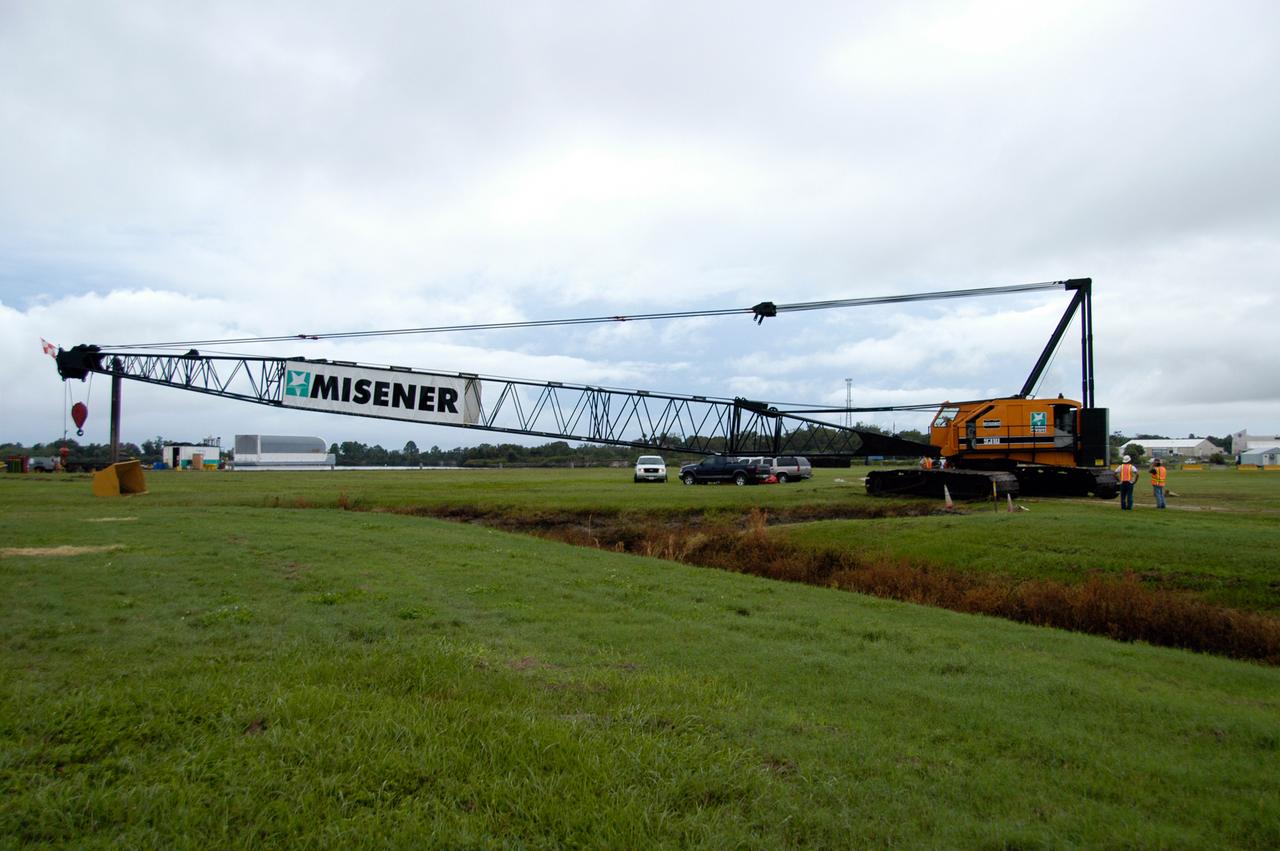
A large crawler crane begins moving away from the turn basin at the Launch Complex 39 Area on NASA's Kennedy Space Center. The crane with its 70-foot boom will be moved to Launch Pad 39B and used to construct a new lightning protection system for the Constellation Program and Ares/Orion launches. Pad B will be the site of the first Ares vehicle launch, including Ares I-X which is scheduled for April 2009.
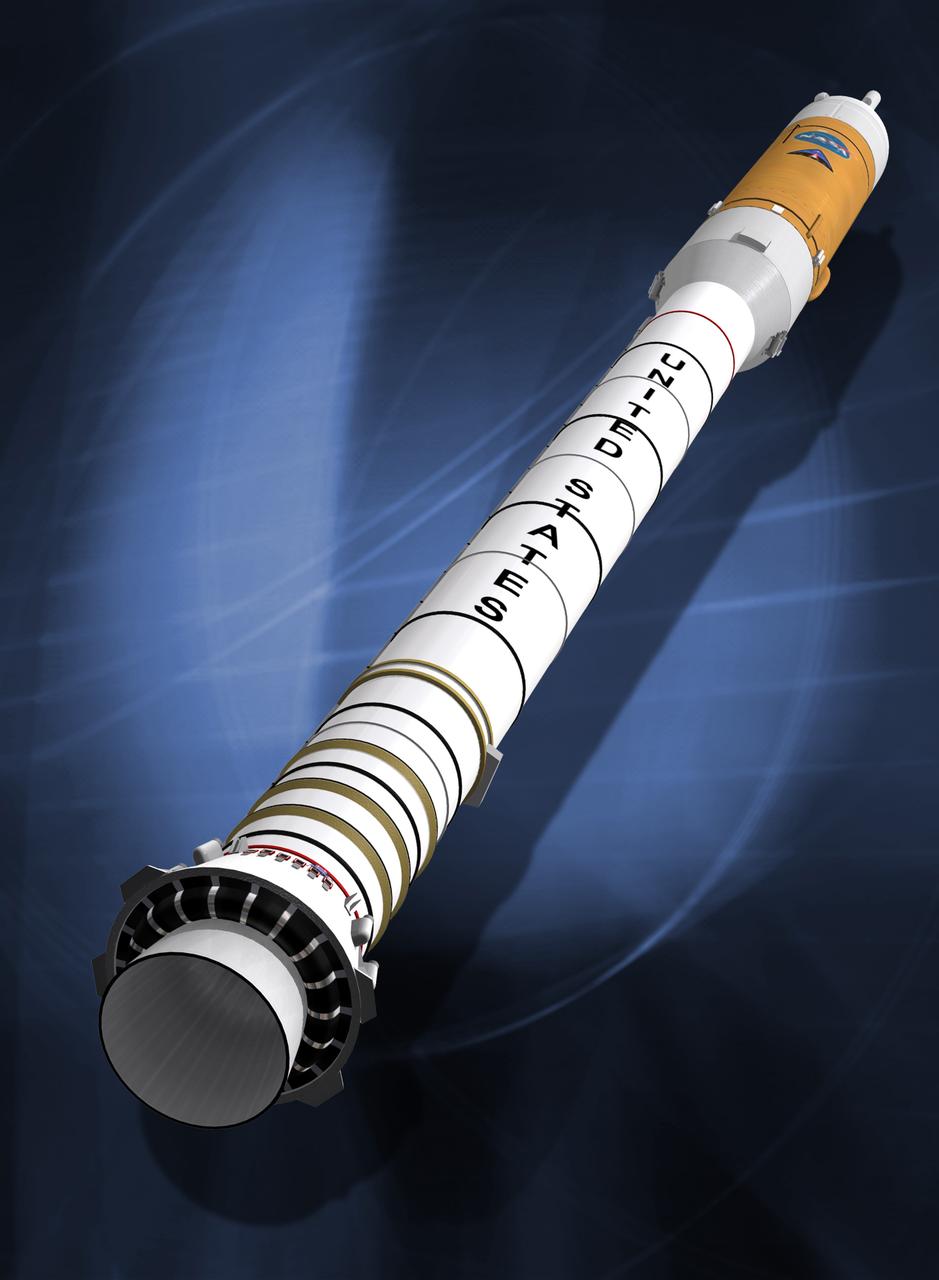
Shown is an illustration of the Ares I concept. The first stage will be a single, five-segment solid rocket booster derived from the space shuttle programs reusable solid rocket motor. The first stage is managed by NASA's Marshall Space Flight Center in Huntsville, Alabama for NASA's Constellation program.
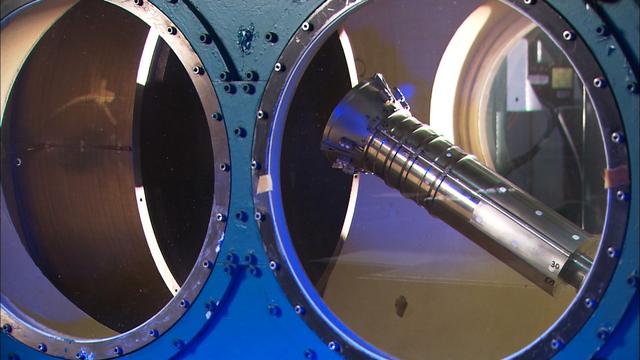
THIS IS A MODEL TEST OF THE 1ST STAGE RE-ENTRY. HEAT TESTING OF A 3% MODEL TO SUPPORT THE ARES/CLV FIRST STAGE RE-ENTRY. THIS OCCURRED AT ARNOLD AIR FORCE BASE, TENNESSEE IN SUPPORT OF THE CONSTELLATION/ARES PROJECT. THIS IMAGE IS EXTRACTED FROM A HIGH DEFINITION VIDEO FILE AND IS THE HIGHEST RESOLUTION AVAILABLE.
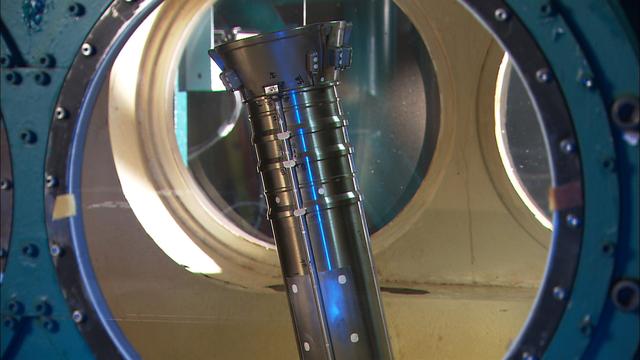
THIS IS A TEST OF THE 1ST STAGE RE-ENTRY VEHICLE. HEAT TESTING OF A 3% MODEL TO SUPPORT THE ARES/ CLV FIRST STAGE RE-ENTRY. THIS TEST OCCURRED AT ARNOLD AIR FORCE BASE, TENNESSEE. THIS TESTING SUPPORTS THE DEVELOPMENT OF THE CONSTELLATION/ARES PROJECT. THIS IMAGE IS EXTRACTED FROM A HIGH DEFINITION VIDEO FILE AND IS THE HIGHEST RESOLUTION AVAILABLE.
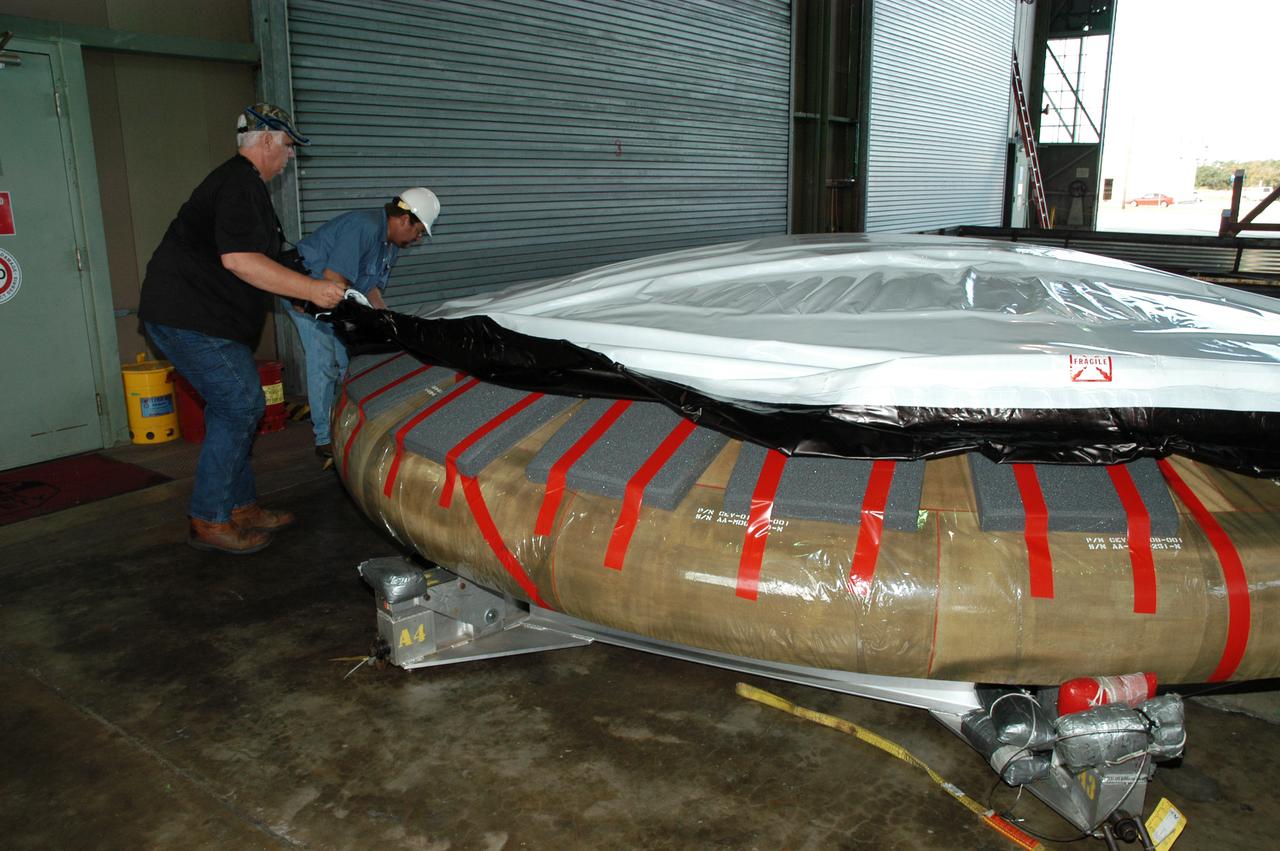
In Hangar N at NASA's Kennedy Space Center, a heat shield for the Constellation crew exploration vehicle, or CEV, is being prepared for a demonstration. A developmental heat shield for the Orion spacecraft is being tested and evaluated at Kennedy. The shield was designed and assembled by the Boeing Company in Huntington Beach, Calif., for NASA's Constellation Program. The thermal protection system manufacturing demonstration unit is designed to protect astronauts from extreme heat during re-entry to Earth's atmosphere from low Earth orbit and lunar missions. The CEV will be used to dock and gain access to the International Space Station, travel to the moon in the 2018 timeframe and play a crucial role in exploring Mars.
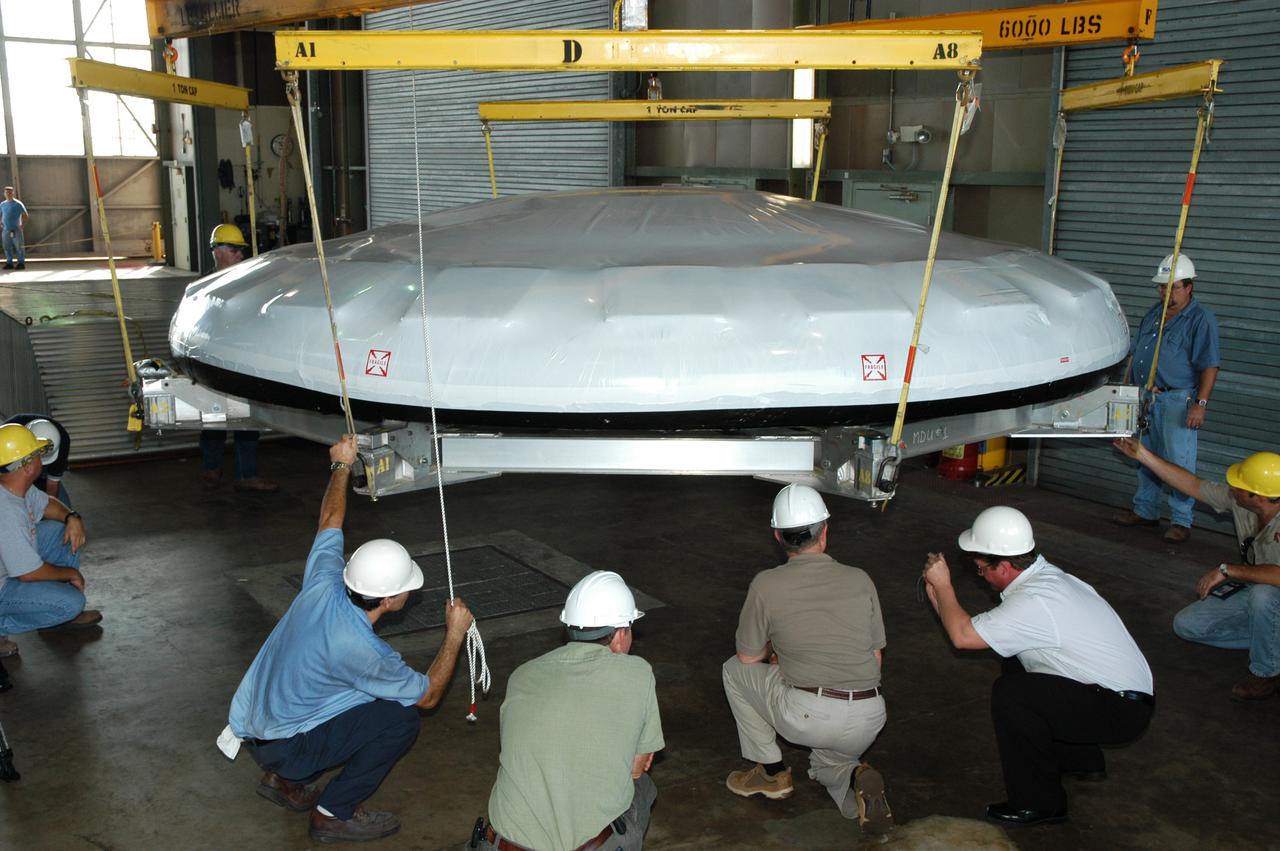
In Hangar N at NASA's Kennedy Space Center, a heat shield for the Constellation crew exploration vehicle, or CEV, is being prepared for a demonstration. A developmental heat shield for the Orion spacecraft is being tested and evaluated at Kennedy. The shield was designed and assembled by the Boeing Company in Huntington Beach, Calif., for NASA's Constellation Program. The thermal protection system manufacturing demonstration unit is designed to protect astronauts from extreme heat during re-entry to Earth's atmosphere from low Earth orbit and lunar missions. The CEV will be used to dock and gain access to the International Space Station, travel to the moon in the 2018 timeframe and play a crucial role in exploring Mars.
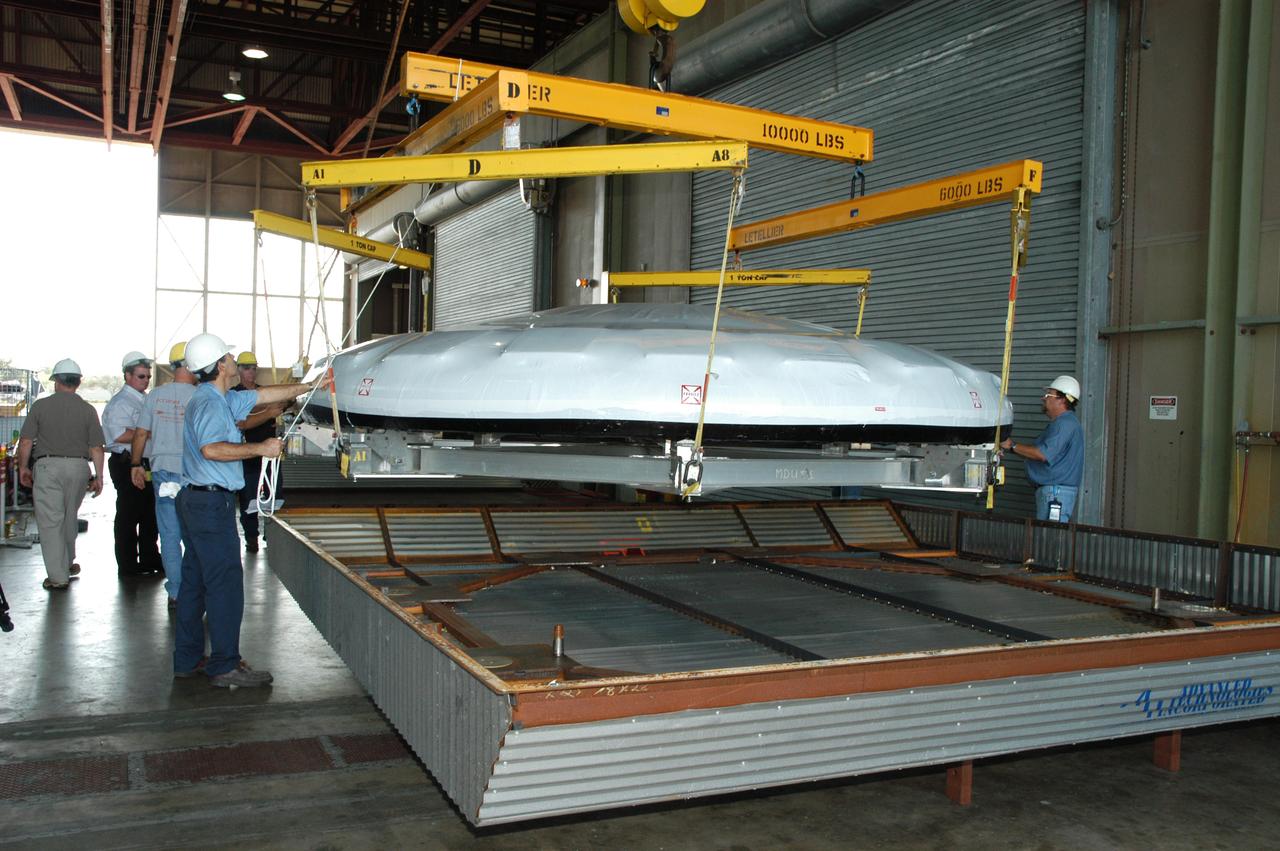
In Hangar N at NASA's Kennedy Space Center, a heat shield for the Constellation crew exploration vehicle, or CEV, is being prepared for a demonstration. A developmental heat shield for the Orion spacecraft is being tested and evaluated at Kennedy. The shield was designed and assembled by the Boeing Company in Huntington Beach, Calif., for NASA's Constellation Program. The thermal protection system manufacturing demonstration unit is designed to protect astronauts from extreme heat during re-entry to Earth's atmosphere from low Earth orbit and lunar missions. The CEV will be used to dock and gain access to the International Space Station, travel to the moon in the 2018 timeframe and play a crucial role in exploring Mars.
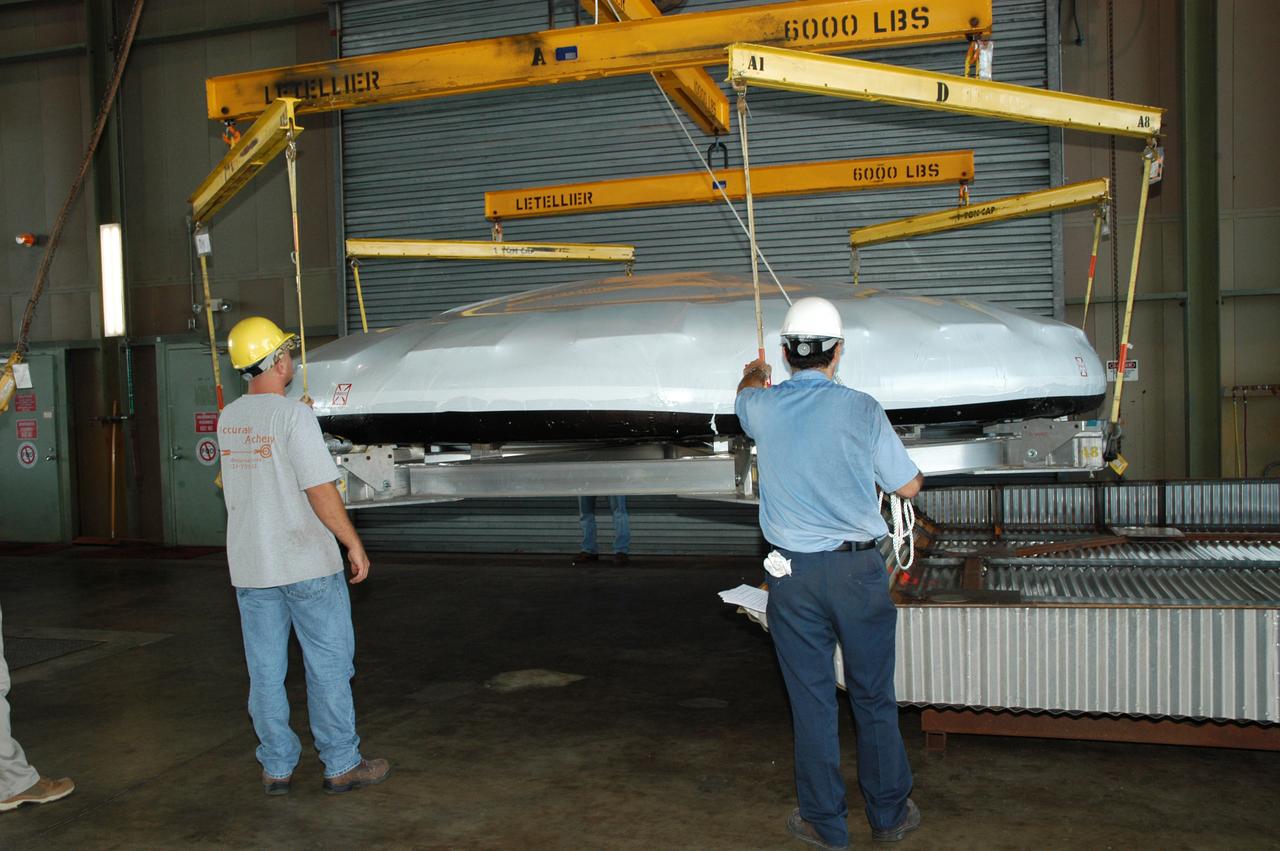
In Hangar N at NASA's Kennedy Space Center, a heat shield for the Constellation crew exploration vehicle, or CEV, is being prepared for a demonstration. A developmental heat shield for the Orion spacecraft is being tested and evaluated at Kennedy. The shield was designed and assembled by the Boeing Company in Huntington Beach, Calif., for NASA's Constellation Program. The thermal protection system manufacturing demonstration unit is designed to protect astronauts from extreme heat during re-entry to Earth's atmosphere from low Earth orbit and lunar missions. The CEV will be used to dock and gain access to the International Space Station, travel to the moon in the 2018 timeframe and play a crucial role in exploring Mars.
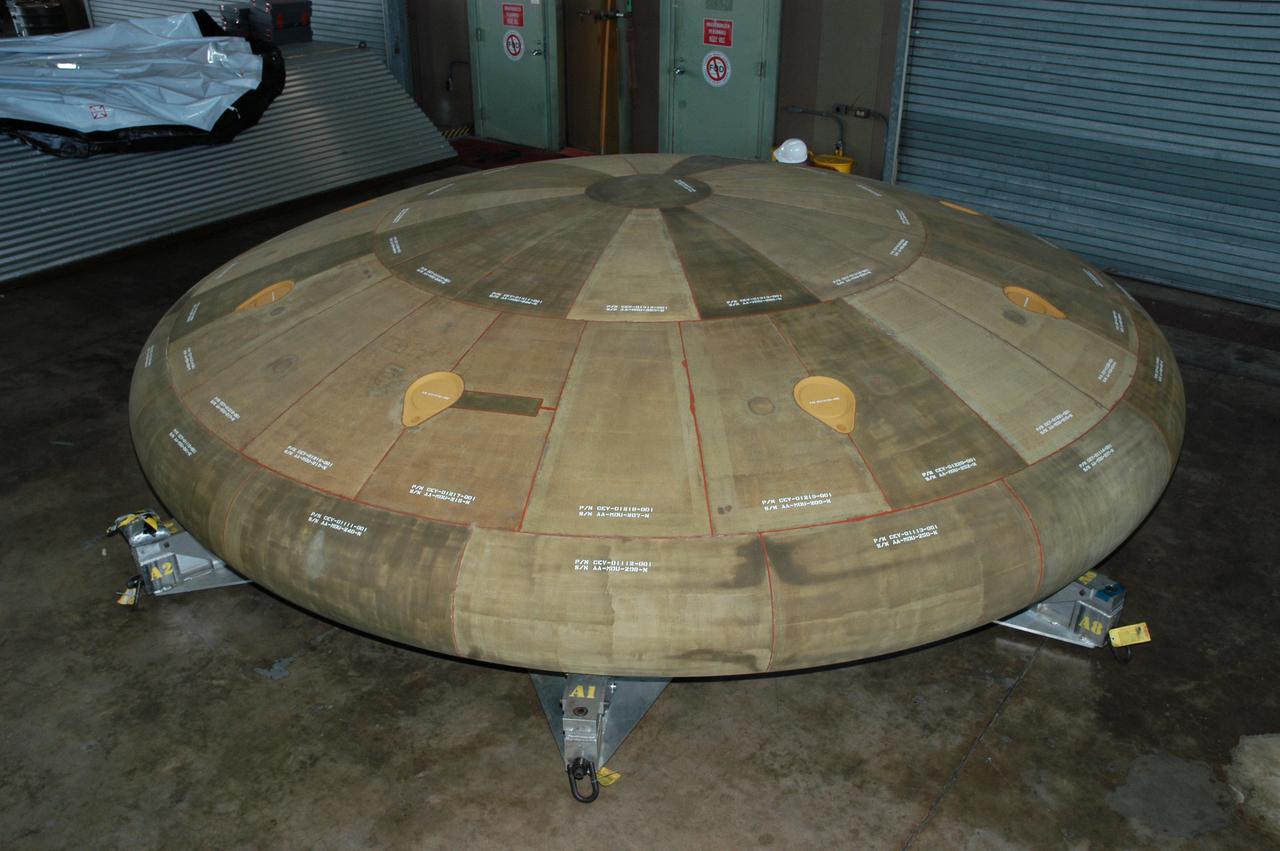
In Hangar N at NASA's Kennedy Space Center, a heat shield for the Constellation crew exploration vehicle, or CEV, is being prepared for a demonstration. A developmental heat shield for the Orion spacecraft is being tested and evaluated at Kennedy. The shield was designed and assembled by the Boeing Company in Huntington Beach, Calif., for NASA's Constellation Program. The thermal protection system manufacturing demonstration unit is designed to protect astronauts from extreme heat during re-entry to Earth's atmosphere from low Earth orbit and lunar missions. The CEV will be used to dock and gain access to the International Space Station, travel to the moon in the 2018 timeframe and play a crucial role in exploring Mars.
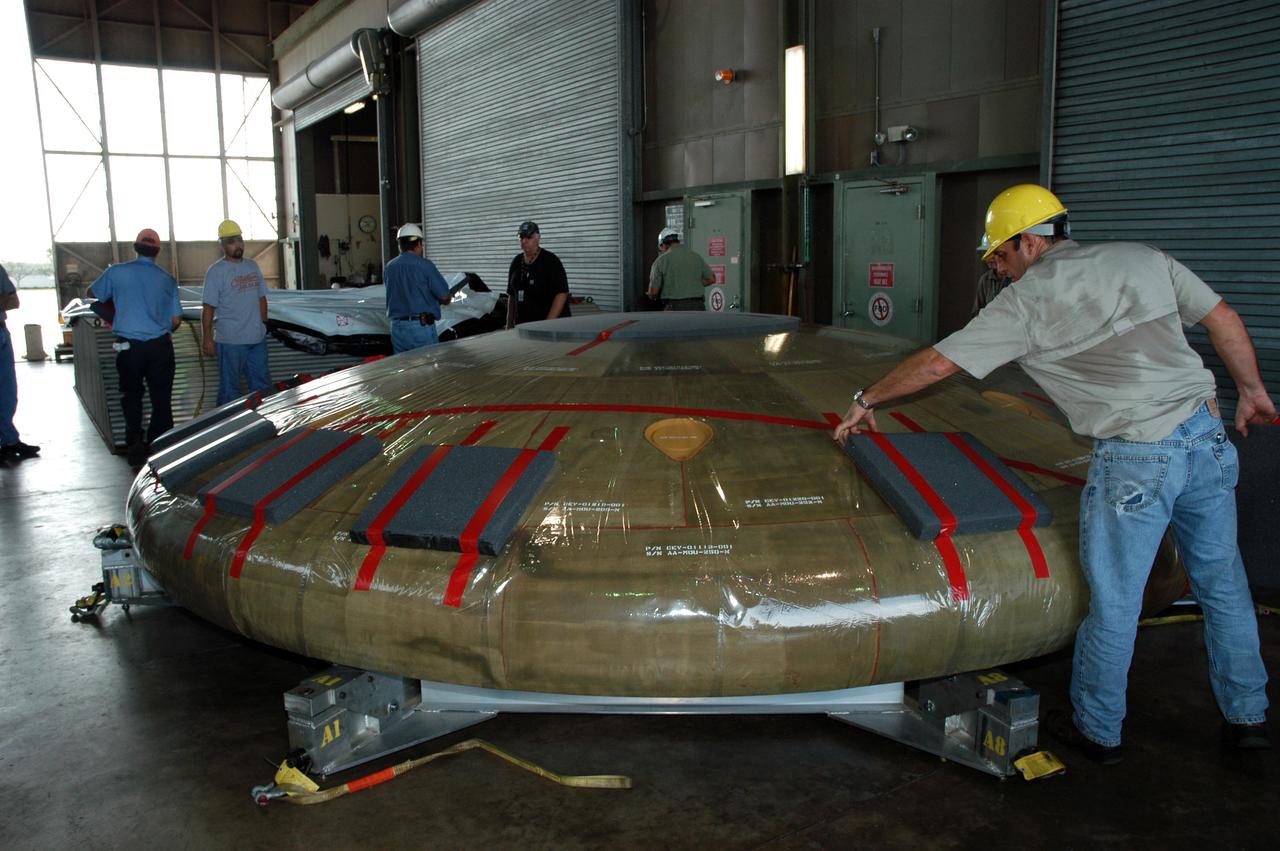
In Hangar N at NASA's Kennedy Space Center, a heat shield for the Constellation crew exploration vehicle, or CEV, is being prepared for a demonstration. A developmental heat shield for the Orion spacecraft is being tested and evaluated at Kennedy. The shield was designed and assembled by the Boeing Company in Huntington Beach, Calif., for NASA's Constellation Program. The thermal protection system manufacturing demonstration unit is designed to protect astronauts from extreme heat during re-entry to Earth's atmosphere from low Earth orbit and lunar missions. The CEV will be used to dock and gain access to the International Space Station, travel to the moon in the 2018 timeframe and play a crucial role in exploring Mars.
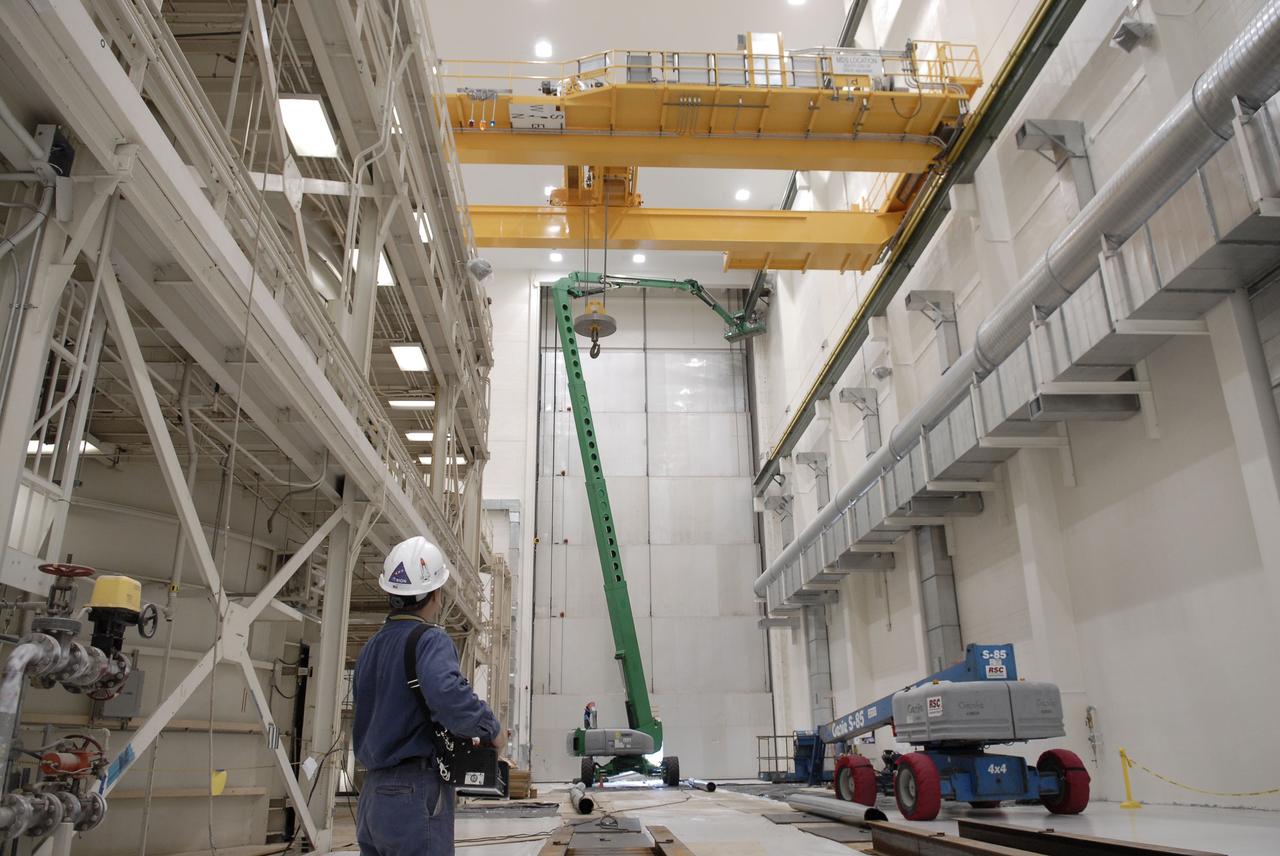
CAPE CANAVERAL, Fla. – Motion of the segments of a new crane is tested inside the Operations and Checkout Building at NASA's Kennedy Space Center in Florida. The new O&C low-bay crane is a 25-ton overhead bridge crane built for Lockheed Martin and Space Florida by American Crane and Equipment Corporation in Douglasville, Pa. The crane has a bridge span of 78’-2” and a hook height of 48’-10”. The crane will be used for lifting and moving flight hardware, fixtures and equipment in support of the Orion spacecraft manufacturing. Part of NASA's Constellation Program, the Orion spacecraft will return humans to the moon and prepare for future voyages to Mars and other destinations in our solar system. Photo credit: NASA/Kim Shiflett