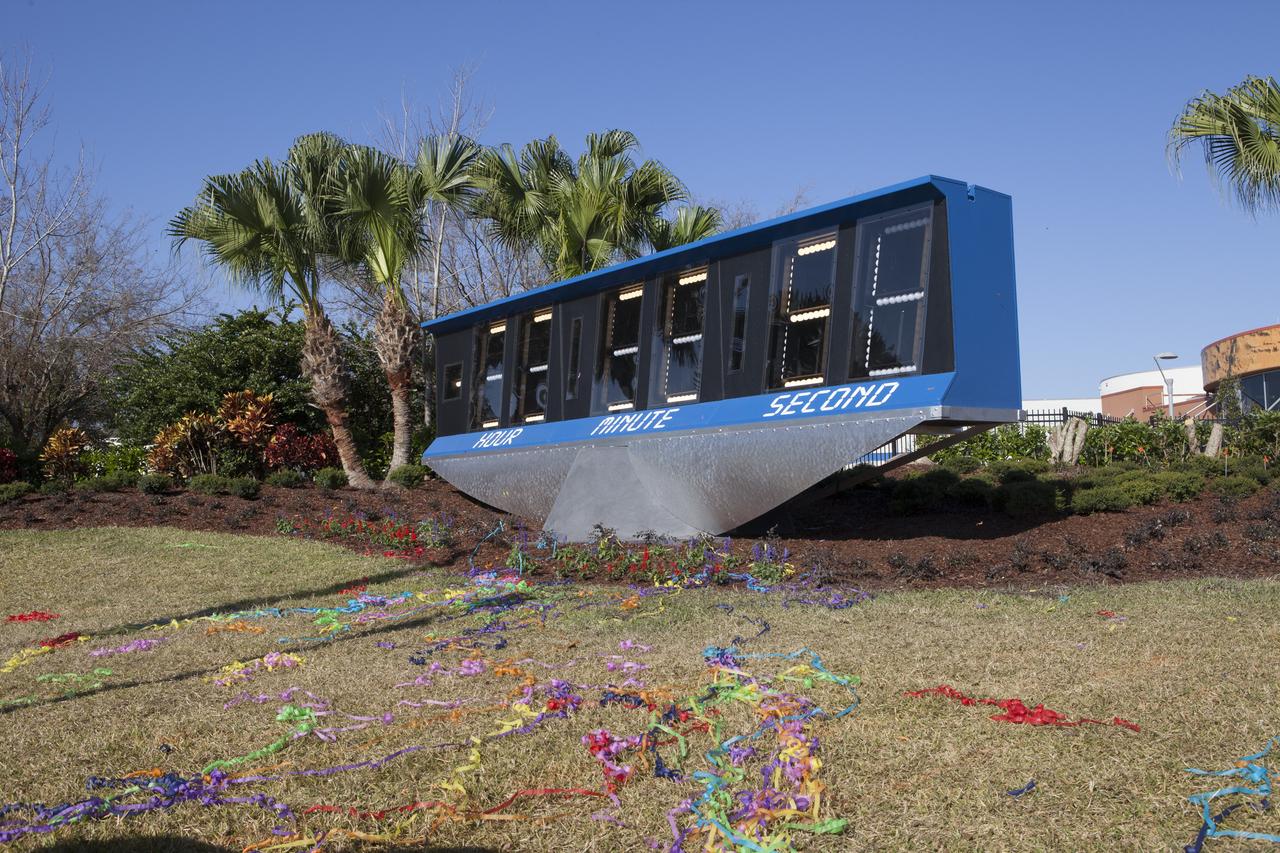
Confetti is launched as the spaceport's historic countdown clock is dedicated as the newest display at the Kennedy Space Center Visitor Complex. Now located at the entrance to the visitor complex, the spaceport's historic countdown clock was used starting with the launch of Apollo 12 on Nov. 14, 1969. Originally set up at the space center's Press Site, the clock operated through the final space shuttle mission, STS-135, launched on July 8, 2011. The old countdown clock was replaced in 2014 with a modern light emitting diode, or LED, display.
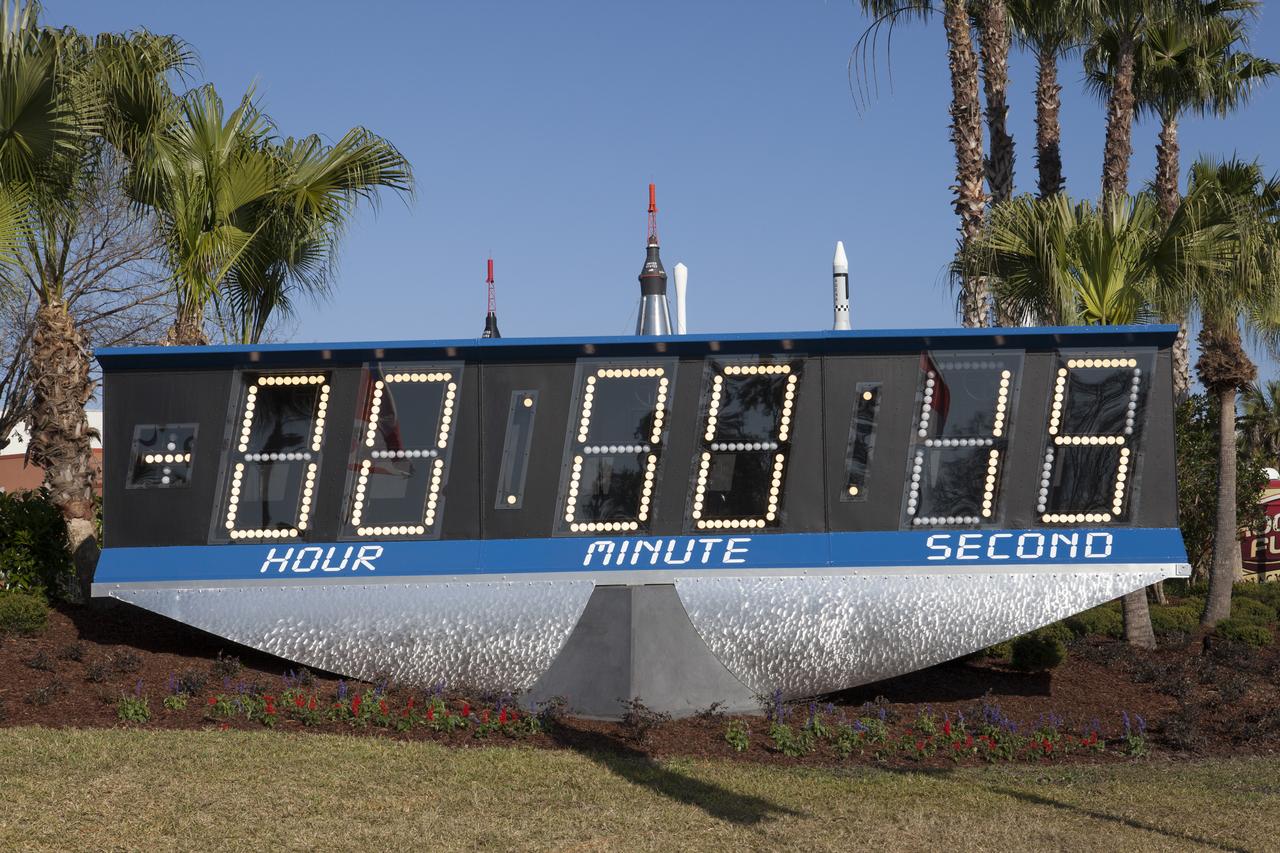
The newest display at the Kennedy Space Center Visitor Complex is the spaceport's historic countdown clock. It is now located at the entrance to the visitor complex. The clock was set up at the space center's Press Site and used from the launch of Apollo 12 on Nov. 14, 1969 to the final space shuttle mission, STS-135, launched on July 8, 2011. The old countdown clock was replaced in 2014 with a modern light emitting diode, or LED, display.
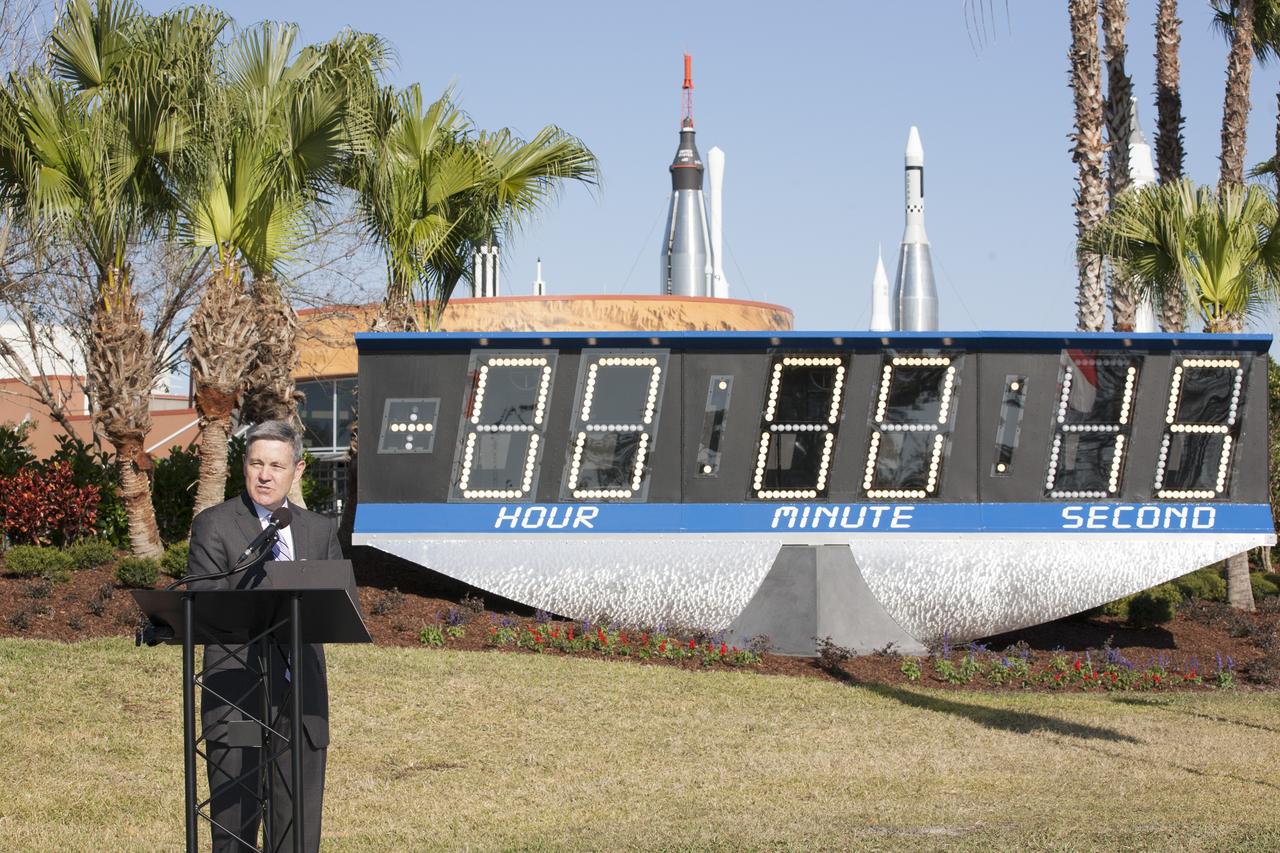
Kennedy Space Center Director Bob Cabana speaks at the dedication of the newest display at the entrance to the center's visitor complex. The historic countdown clock was originally set up at the space center's Press Site and was used from the launch of Apollo 12 on Nov. 14, 1969 to the final space shuttle mission, STS-135, launched on July 8, 2011. The old countdown clock was replaced in 2014 with a modern light emitting diode, or LED, display.
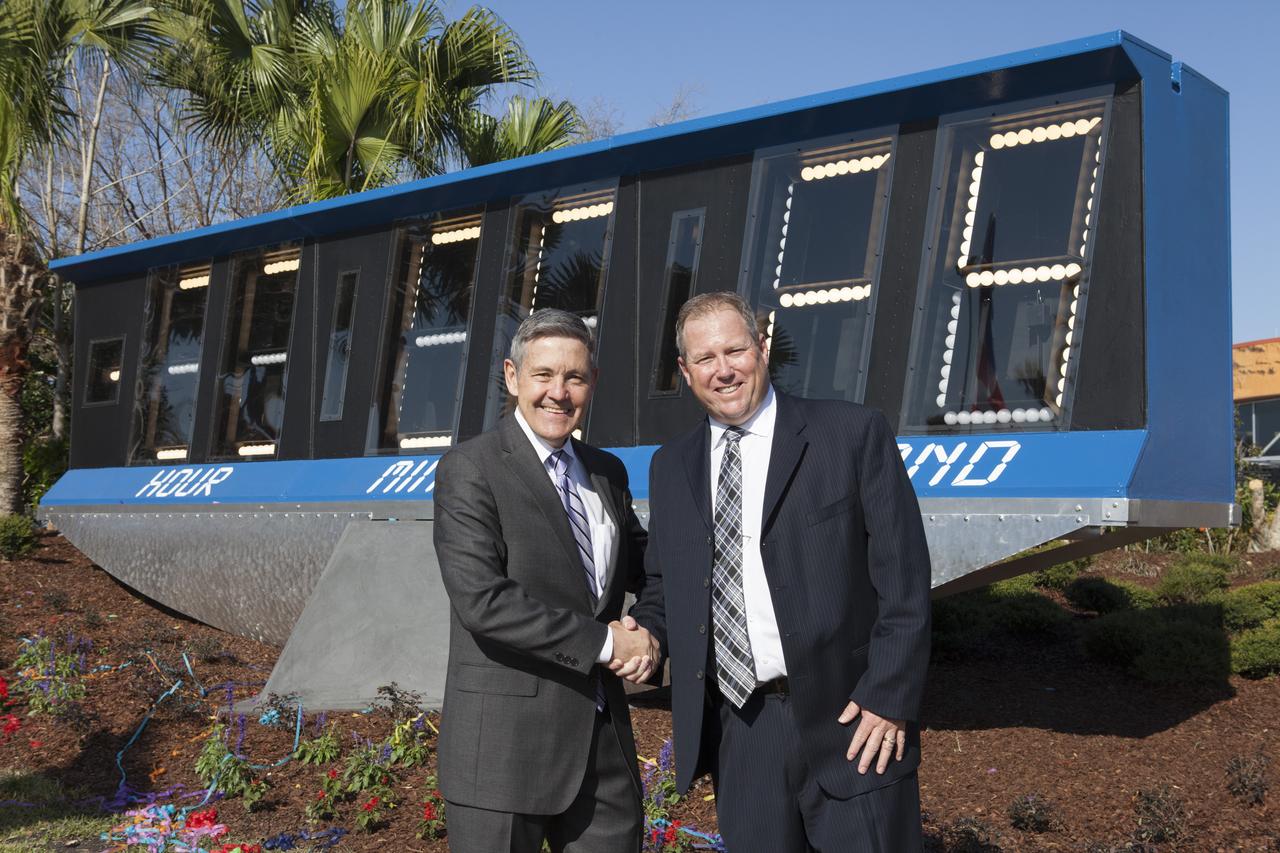
Kennedy Space Center Director Bob Cabana, left, and Therrin Protze, chief operating officer of Kennedy's Visitor Complex, celebrate the dedication of the spaceport's historic countdown clock as the newest display at the center's visitor complex. Now located at the entrance to the visitor complex, the spaceport's historic countdown clock was used starting with the launch of Apollo 12 on Nov. 14, 1969. Originally set up at the space center's Press Site, the clock operated through the final space shuttle mission, STS-135, launched on July 8, 2011. The old countdown clock was replaced in 2014 with a modern light emitting diode, or LED, display.
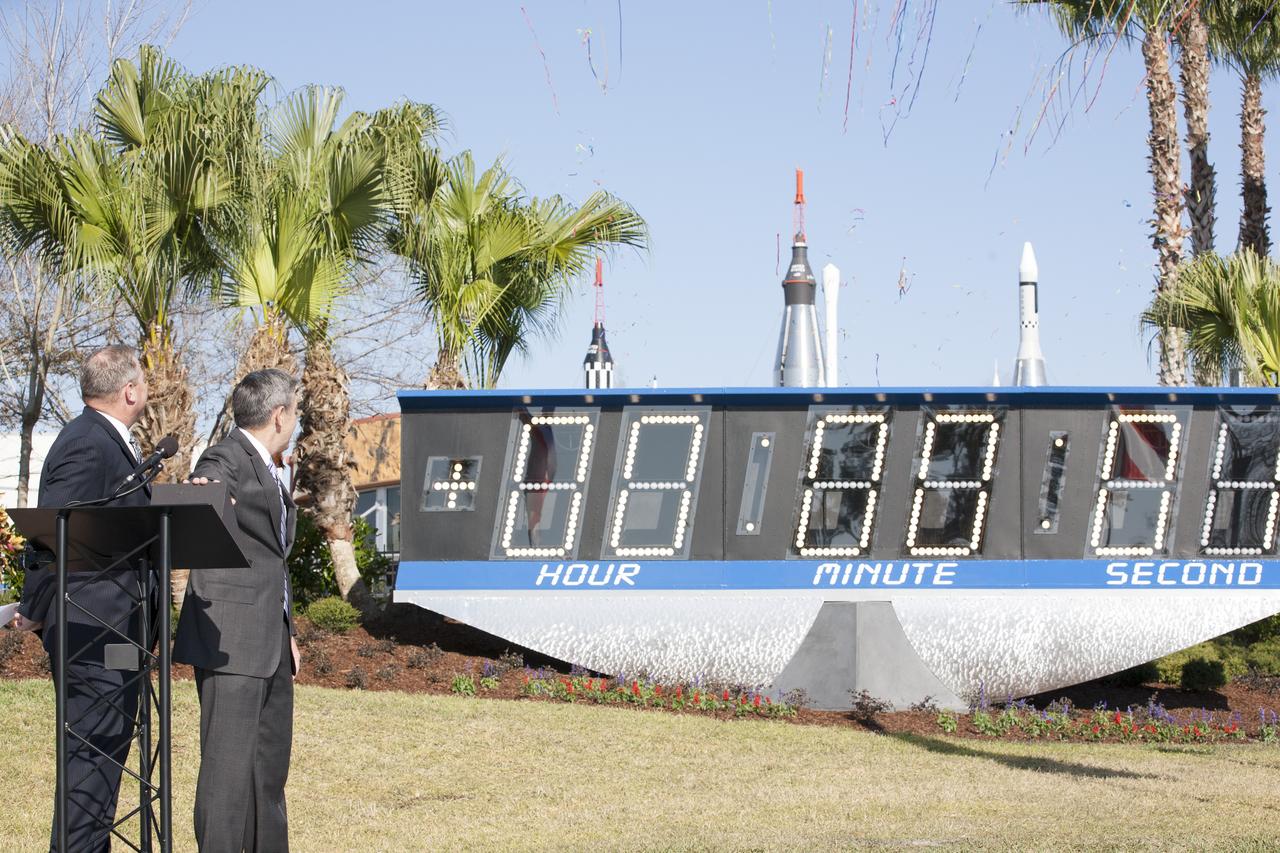
Therrin Protze, chief operating officer of the Kennedy Space Center Visitor Complex, left, and center director Bob Cabana watch as confetti was launched as the spaceport's historic countdown clock is dedicated as the newest display at the entrance to Kennedy's visitor complex. The spaceport's historic countdown clock was used beginning with the launch of Apollo 12 on Nov. 14, 1969. Originally set up at the space center's Press Site, the clock was used through the final space shuttle mission, STS-135, launched on July 8, 2011. The old countdown clock was replaced in 2014 with a modern light emitting diode, or LED, display.
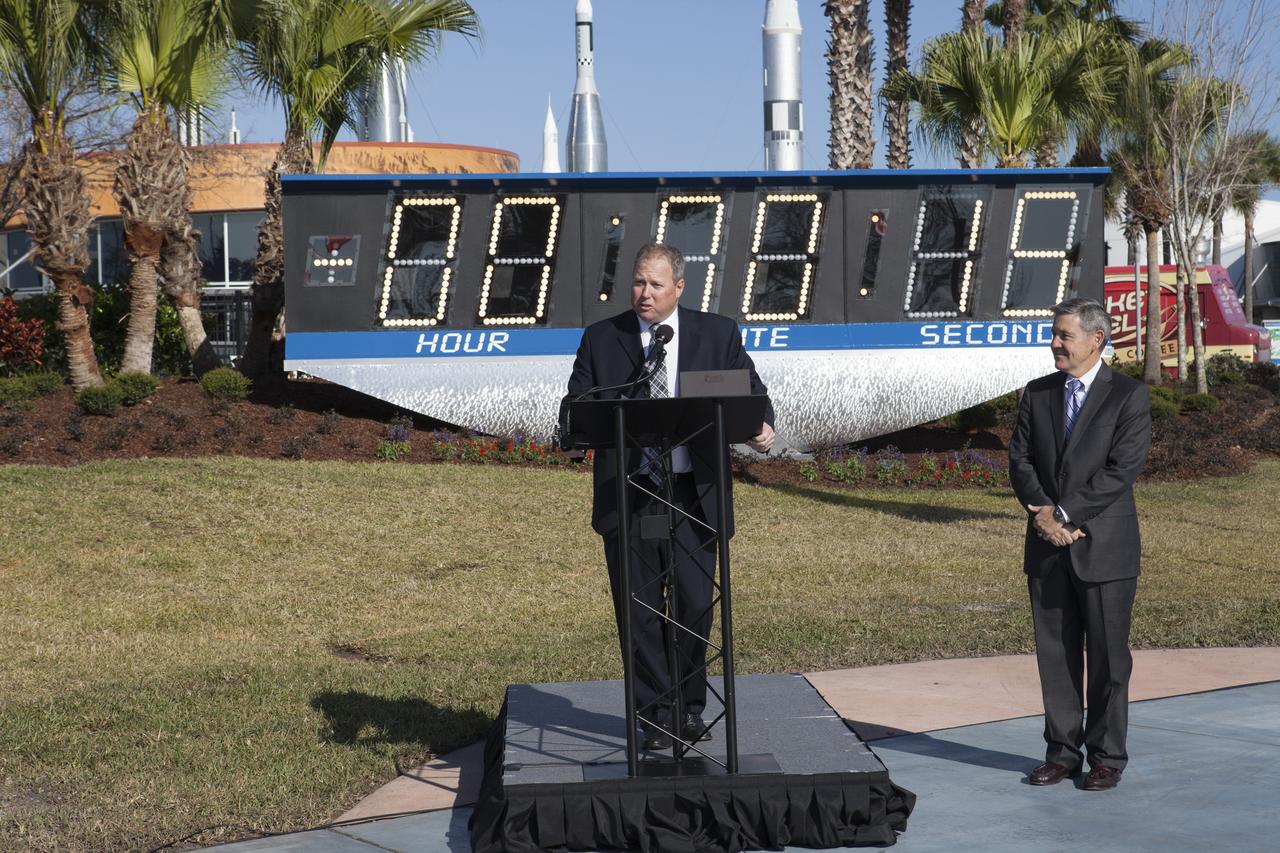
Therrin Protze, chief operating officer of the Kennedy Space Center Visitor Complex, speaks at the dedication of the center's historic countdown clock. To the right is space center director Bob Cabana. Now located at the entrance to the visitor complex, the spaceport's historic countdown clock was used starting with the launch of Apollo 12 on Nov. 14, 1969. Originally set up at the space center's Press Site, the clock was used through the final space shuttle mission, STS-135, launched on July 8, 2011. The old countdown clock was replaced in 2014 with a modern light emitting diode, or LED, display.

An early morning sunrise serves as the backdrop for the countdown clock near the News Center at NASA's Kennedy Space Center in Florida.

An early morning sunrise serves as the backdrop for the countdown clock near the News Center at NASA's Kennedy Space Center in Florida.
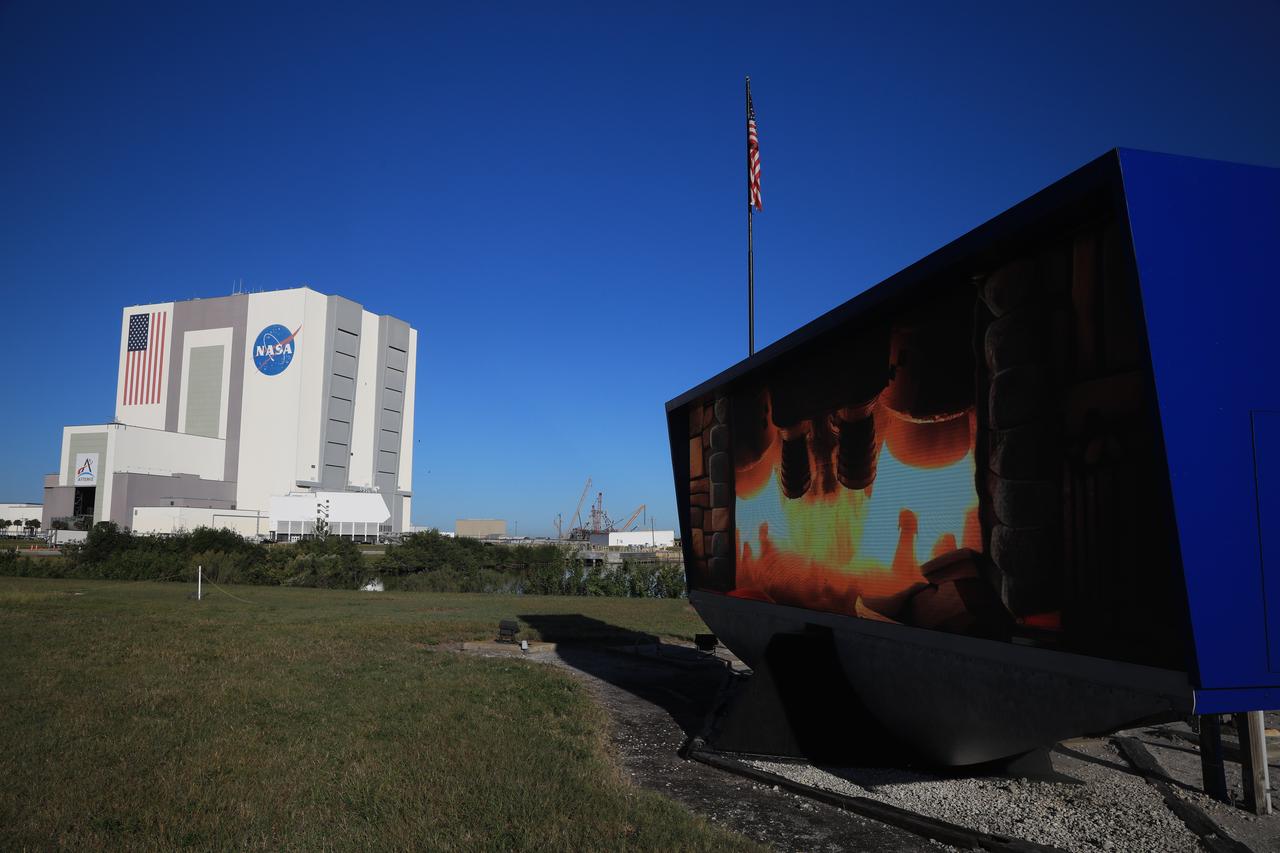
NASA’s SLS (Space Launch System) rocket that launched Artemis I on a mission around the Moon and back becomes a “rocket engine fireplace” back drop video on the historic countdown clock at the NASA News Center at the agency’s Kennedy Space Center on Tuesday, Nov. 26, 2024. The fireplace showcases the SLS rocket’s four RS-25 engines and a pair of solid rocket boosters.
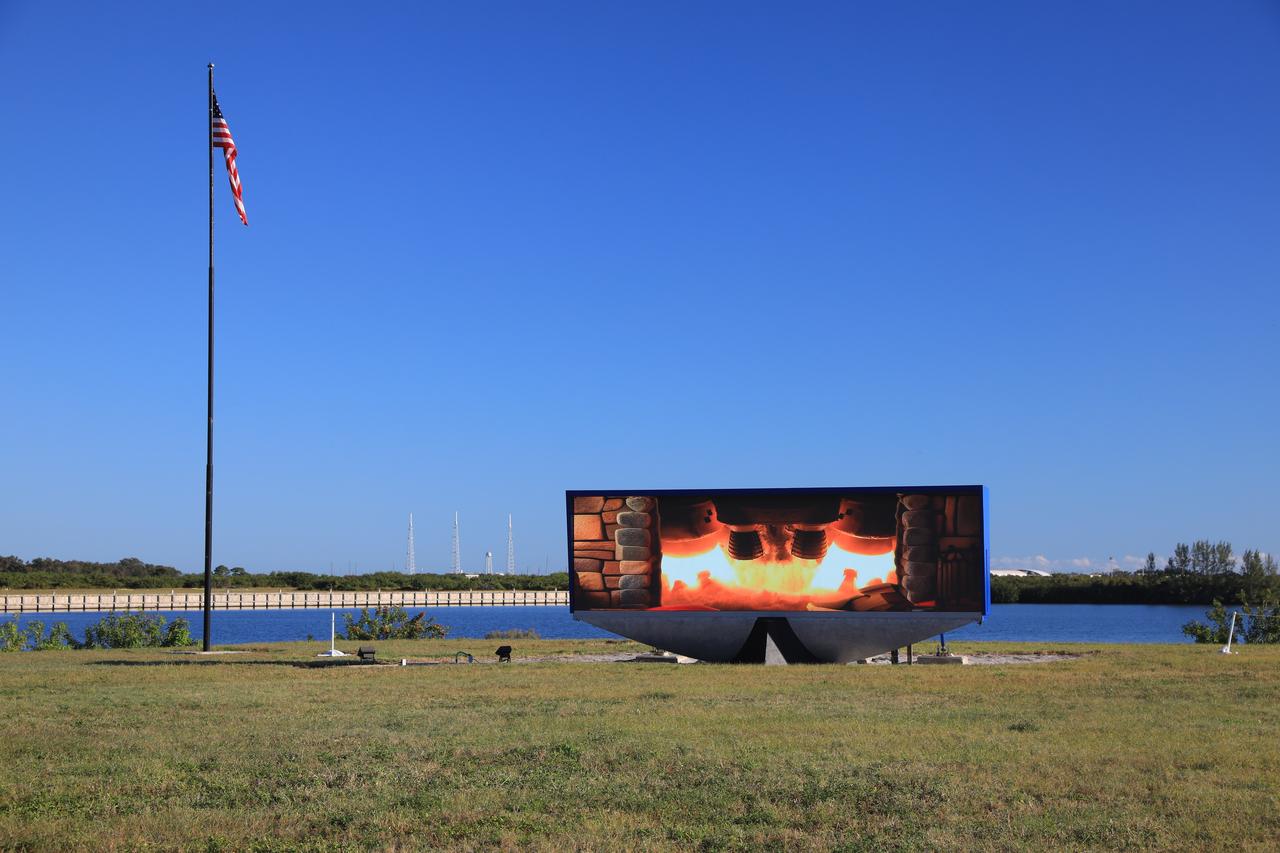
NASA’s SLS (Space Launch System) rocket that launched Artemis I on a mission around the Moon and back becomes a “rocket engine fireplace” back drop video on the historic countdown clock at the NASA News Center at the agency’s Kennedy Space Center on Tuesday, Nov. 26, 2024. The fireplace showcases the SLS rocket’s four RS-25 engines and a pair of solid rocket boosters.
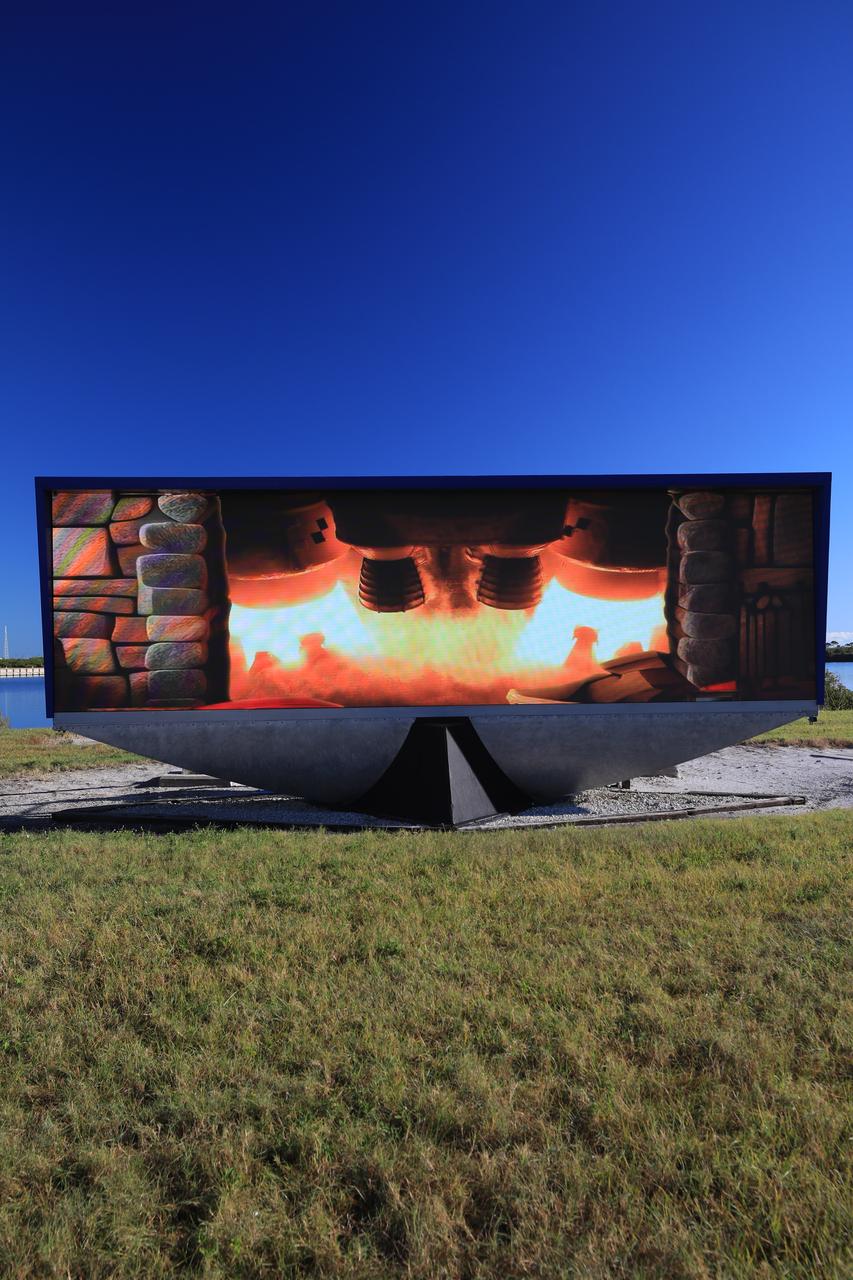
NASA’s SLS (Space Launch System) rocket that launched Artemis I on a mission around the Moon and back becomes a “rocket engine fireplace” back drop video on the historic countdown clock at the NASA News Center at the agency’s Kennedy Space Center on Tuesday, Nov. 26, 2024. The fireplace showcases the SLS rocket’s four RS-25 engines and a pair of solid rocket boosters.
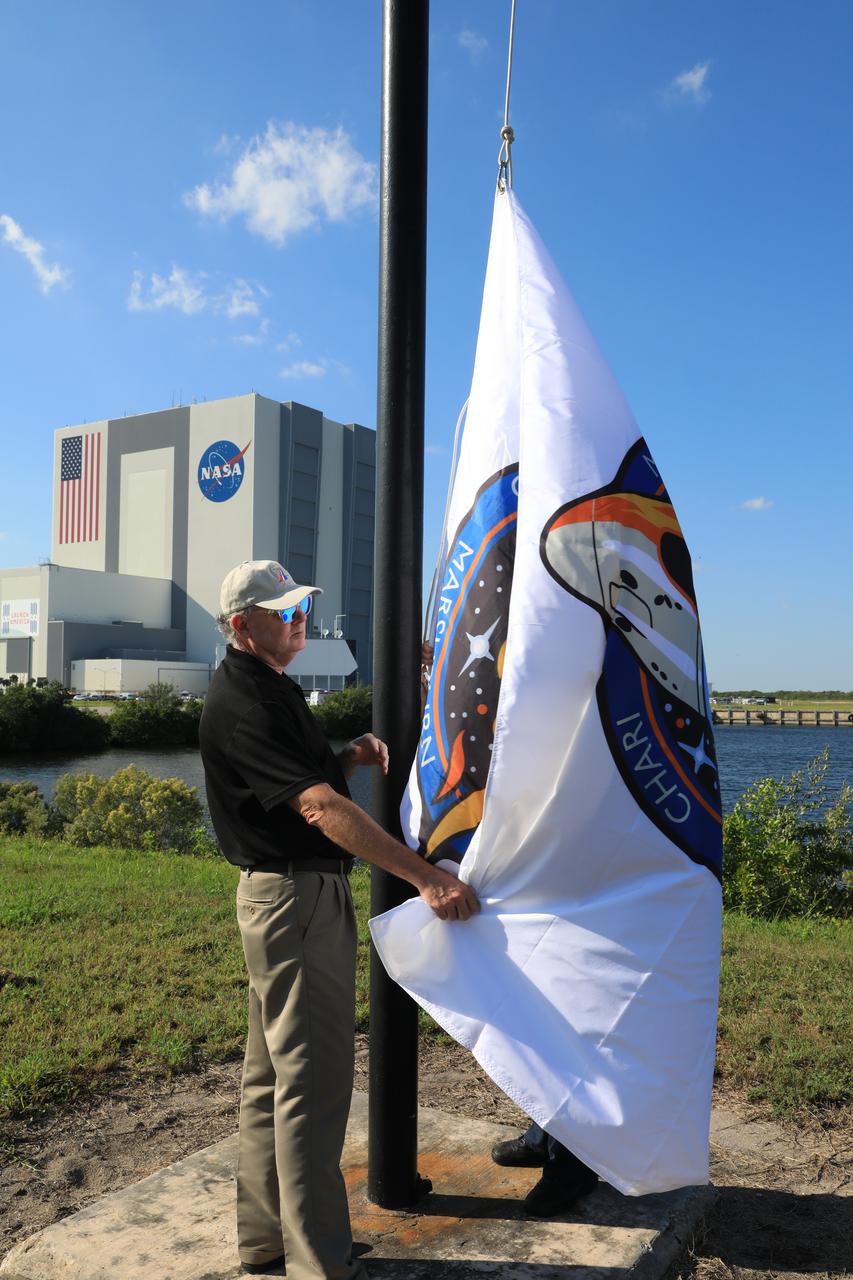
The SpaceX Crew-3 flag is raised near the News Center countdown clock at NASA’s Kennedy Space Center in Florida on Oct. 26, 2021. The SpaceX Falcon 9 with Crew Dragon atop is scheduled to launch no earlier than Nov. 6, at 11:36 p.m. EDT from Launch Complex 39A at Kennedy. Crew Dragon will carry four astronauts to the International Space Station for NASA’s Commercial Crew Program. Crew-3 is the third crew rotation flight to the space station, and the first flight of a new Crew Dragon spacecraft.
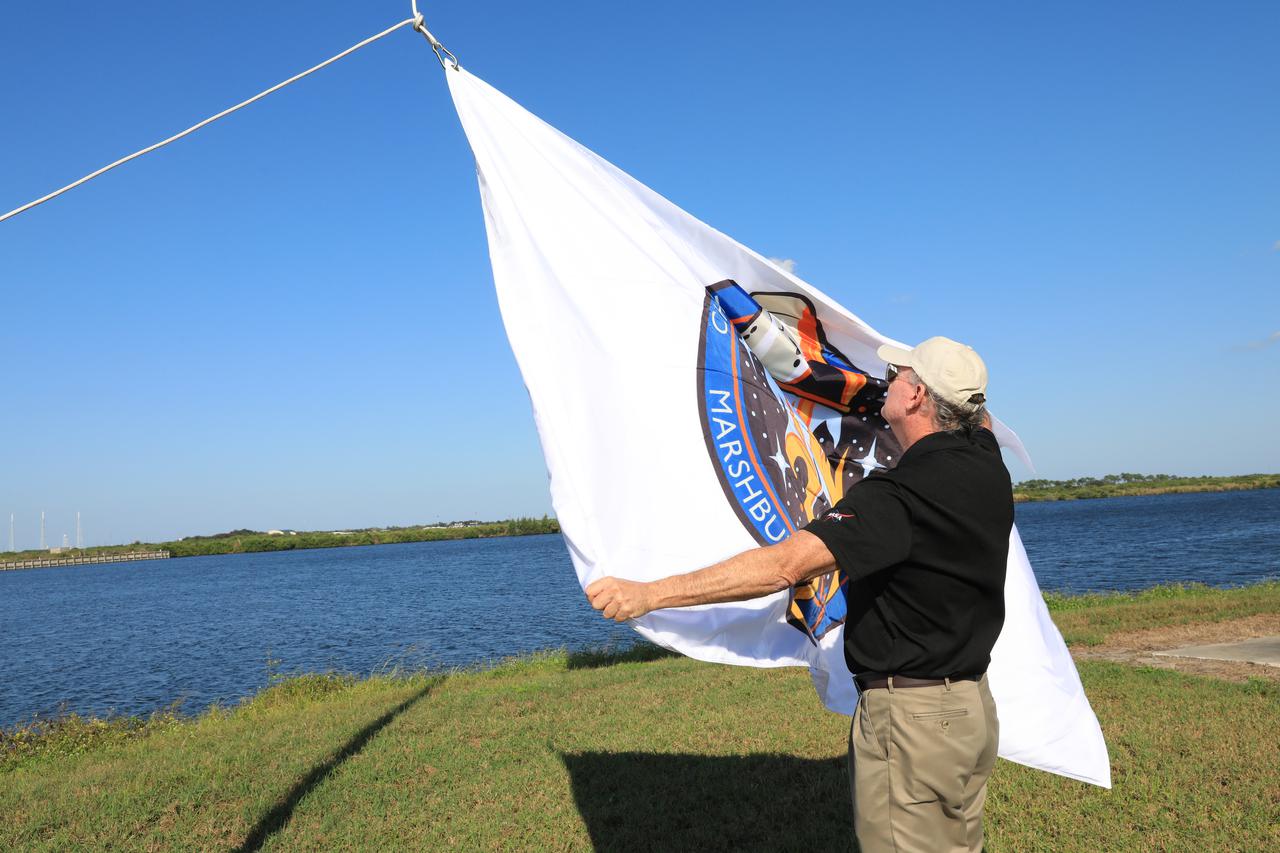
The SpaceX Crew-3 flag is raised near the News Center countdown clock at NASA’s Kennedy Space Center in Florida on Oct. 26, 2021. The SpaceX Falcon 9 with Crew Dragon atop is scheduled to launch no earlier than Nov. 6, at 11:36 p.m. EDT from Launch Complex 39A at Kennedy. Crew Dragon will carry four astronauts to the International Space Station for NASA’s Commercial Crew Program. Crew-3 is the third crew rotation flight to the space station, and the first flight of a new Crew Dragon spacecraft.
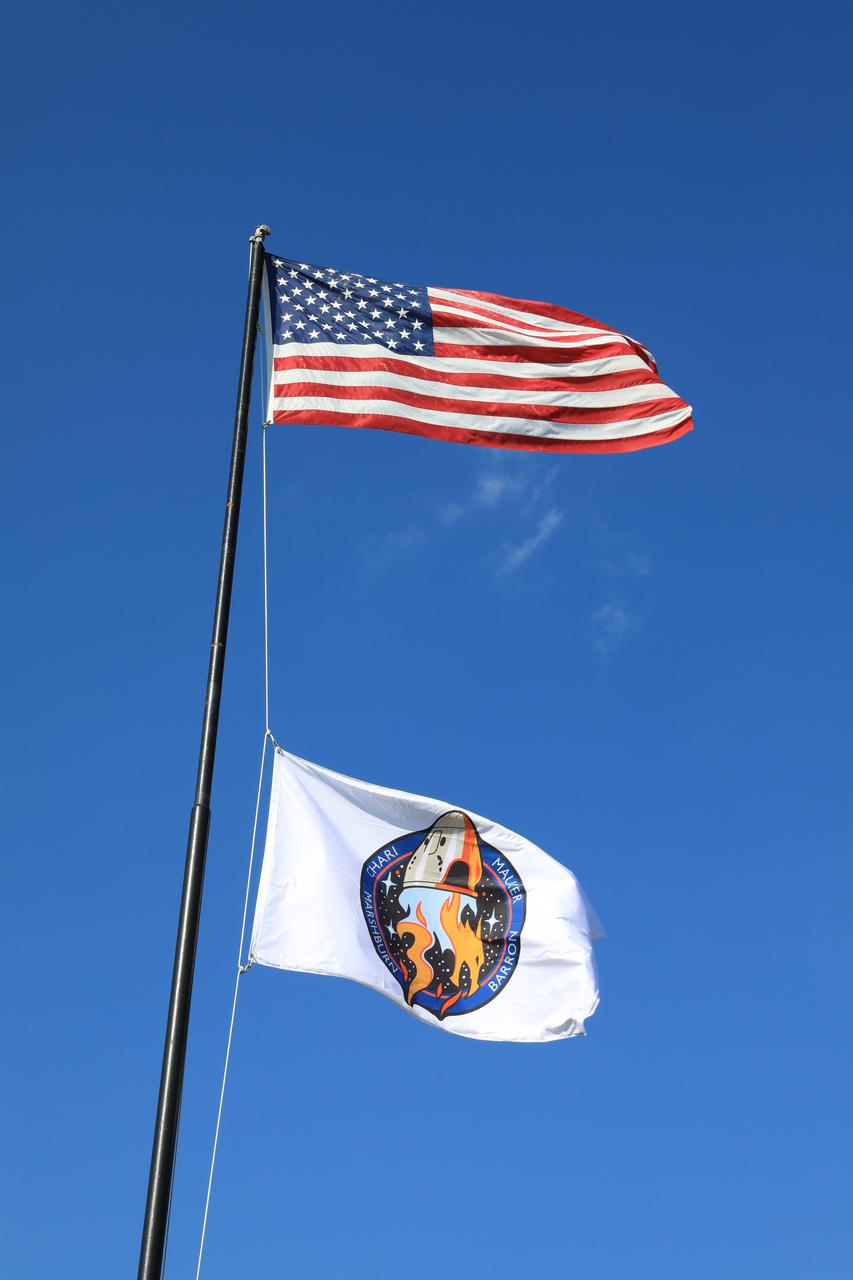
Against the backdrop of a clear blue sky, the SpaceX Crew-3 flag is raised below the American flag near the News Center countdown clock at NASA’s Kennedy Space Center in Florida on Oct. 26, 2021. The SpaceX Falcon 9 with Crew Dragon atop is scheduled to launch no earlier than Nov. 6, at 11:36 p.m. EDT from Launch Complex 39A at Kennedy. Crew Dragon will carry four astronauts to the International Space Station for NASA’s Commercial Crew Program. Crew-3 is the third crew rotation flight to the space station, and the first flight of a new Crew Dragon spacecraft.
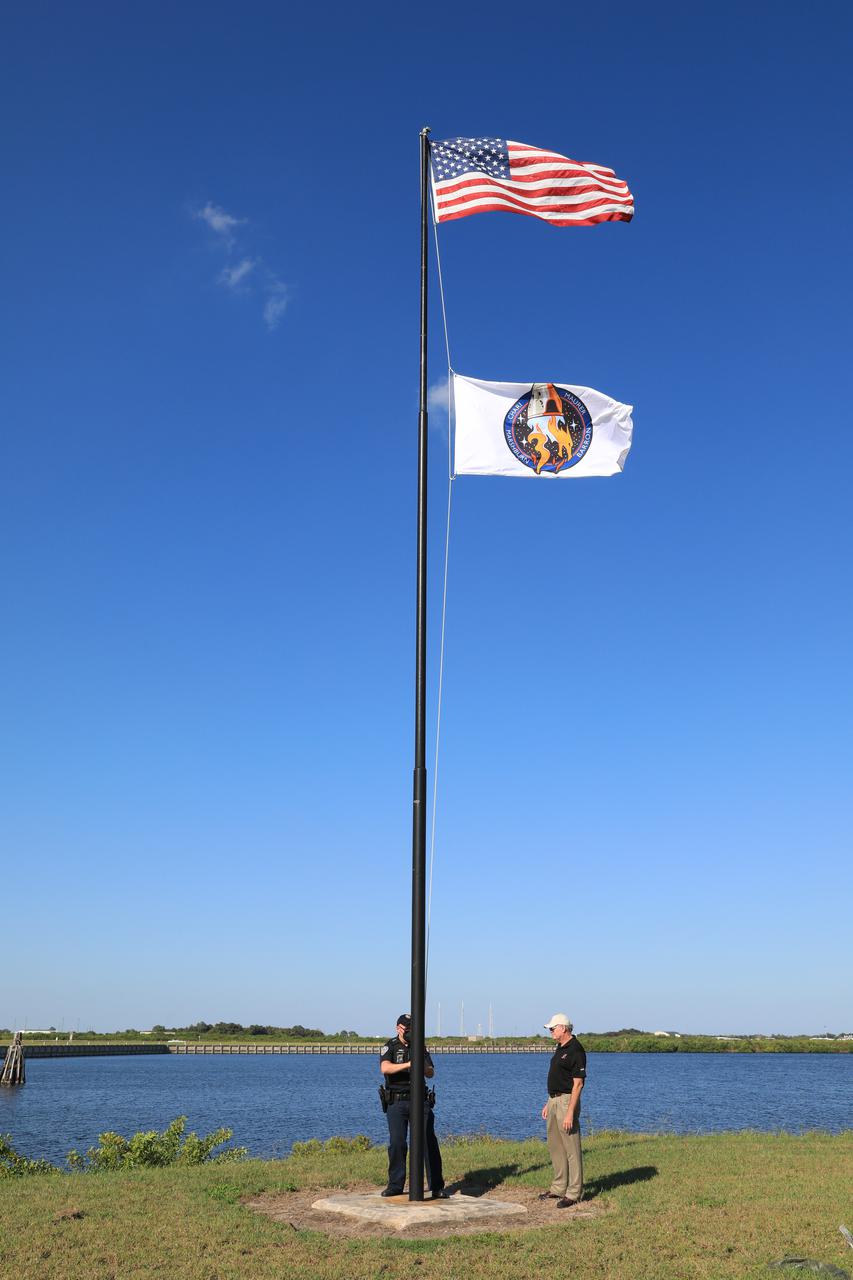
The SpaceX Crew-3 flag is raised below the American flag near the News Center countdown clock at NASA’s Kennedy Space Center in Florida on Oct. 26, 2021. The SpaceX Falcon 9 with Crew Dragon atop is scheduled to launch no earlier than Nov. 6, at 11:36 p.m. EDT from Launch Complex 39A at Kennedy. Crew Dragon will carry four astronauts to the International Space Station for NASA’s Commercial Crew Program. Crew-3 is the third crew rotation flight to the space station, and the first flight of a new Crew Dragon spacecraft.
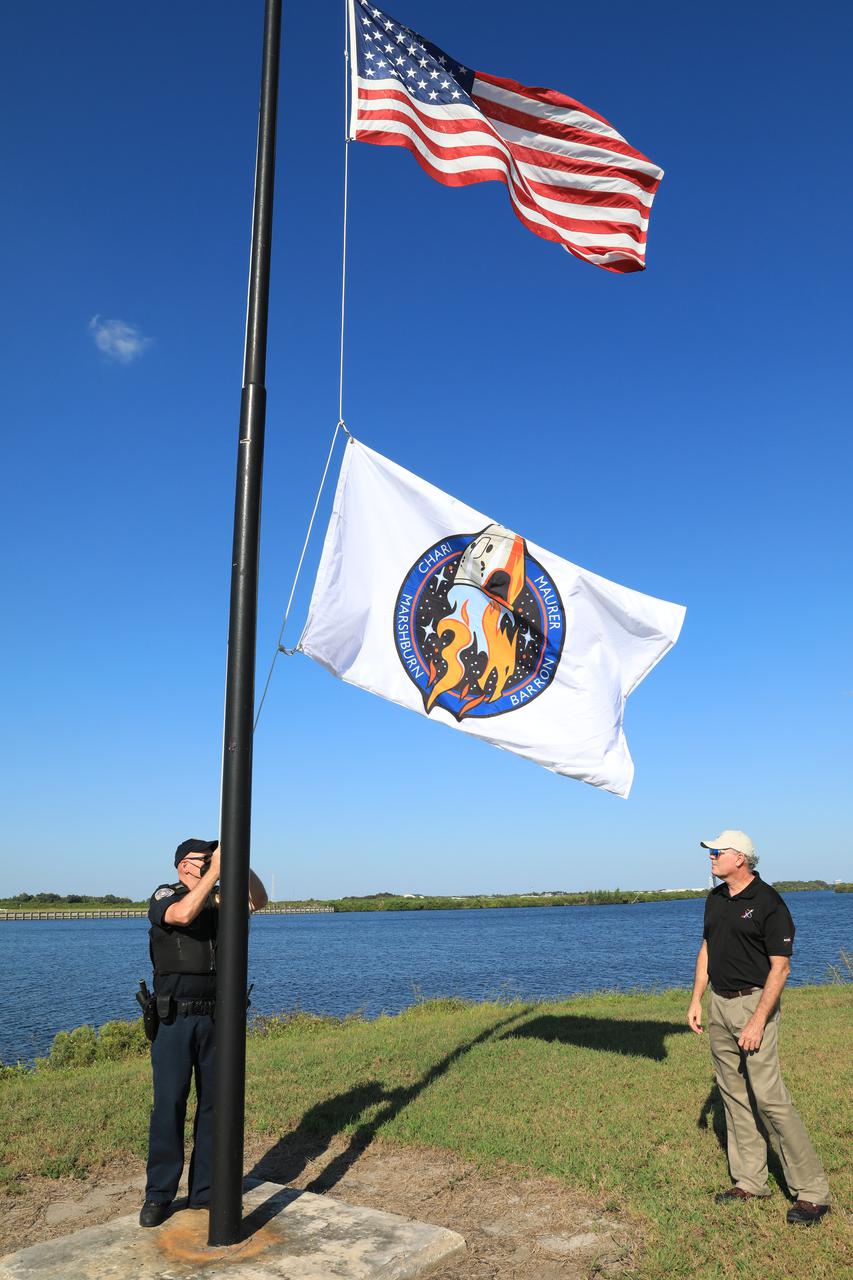
The SpaceX Crew-3 flag is raised below the American flag near the News Center countdown clock at NASA’s Kennedy Space Center in Florida on Oct. 26, 2021. The SpaceX Falcon 9 with Crew Dragon atop is scheduled to launch no earlier than Nov. 6, at 11:36 p.m. EDT from Launch Complex 39A at Kennedy. Crew Dragon will carry four astronauts to the International Space Station for NASA’s Commercial Crew Program. Crew-3 is the third crew rotation flight to the space station, and the first flight of a new Crew Dragon spacecraft.
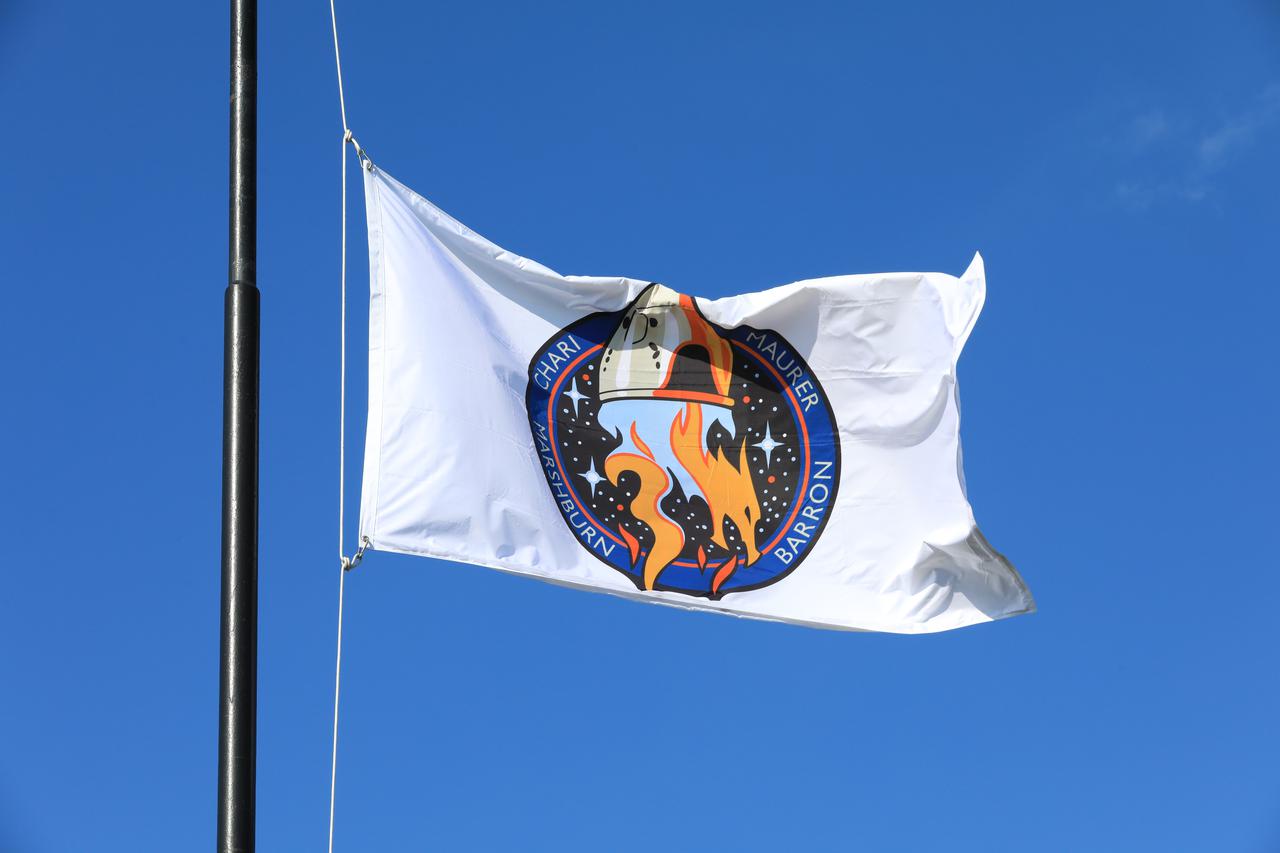
Against the backdrop of a clear blue sky, the SpaceX Crew-3 flag is shown fully raised near the News Center countdown clock at NASA’s Kennedy Space Center in Florida on Oct. 26, 2021. The SpaceX Falcon 9 with Crew Dragon atop is scheduled to launch no earlier than Nov. 6, at 11:36 p.m. EDT from Launch Complex 39A at Kennedy. Crew Dragon will carry four astronauts to the International Space Station for NASA’s Commercial Crew Program. Crew-3 is the third crew rotation flight to the space station, and the first flight of a new Crew Dragon spacecraft.
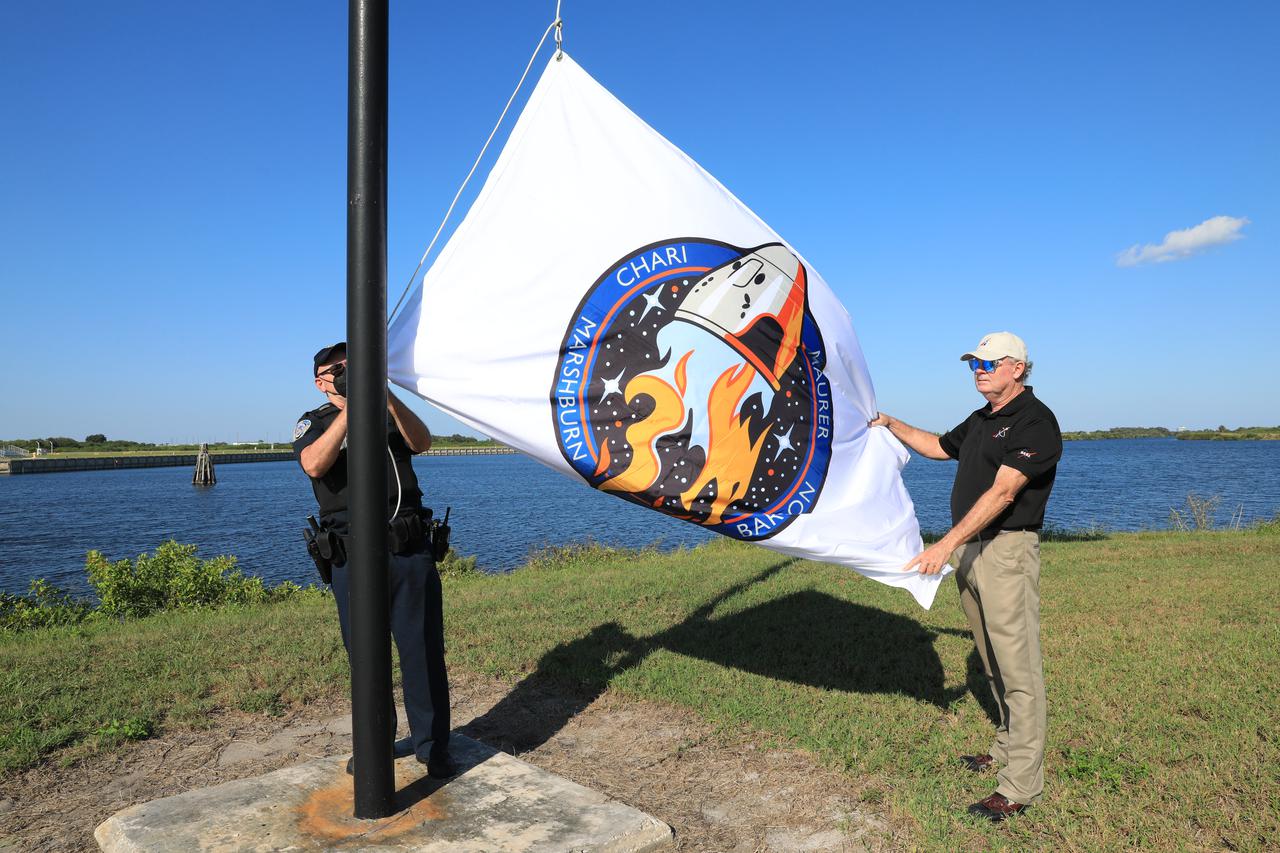
The SpaceX Crew-3 flag is raised near the News Center countdown clock at NASA’s Kennedy Space Center in Florida on Oct. 26, 2021. The SpaceX Falcon 9 with Crew Dragon atop is scheduled to launch no earlier than Nov. 6, at 11:36 p.m. EDT from Launch Complex 39A at Kennedy. Crew Dragon will carry four astronauts to the International Space Station for NASA’s Commercial Crew Program. Crew-3 is the third crew rotation flight to the space station, and the first flight of a new Crew Dragon spacecraft.
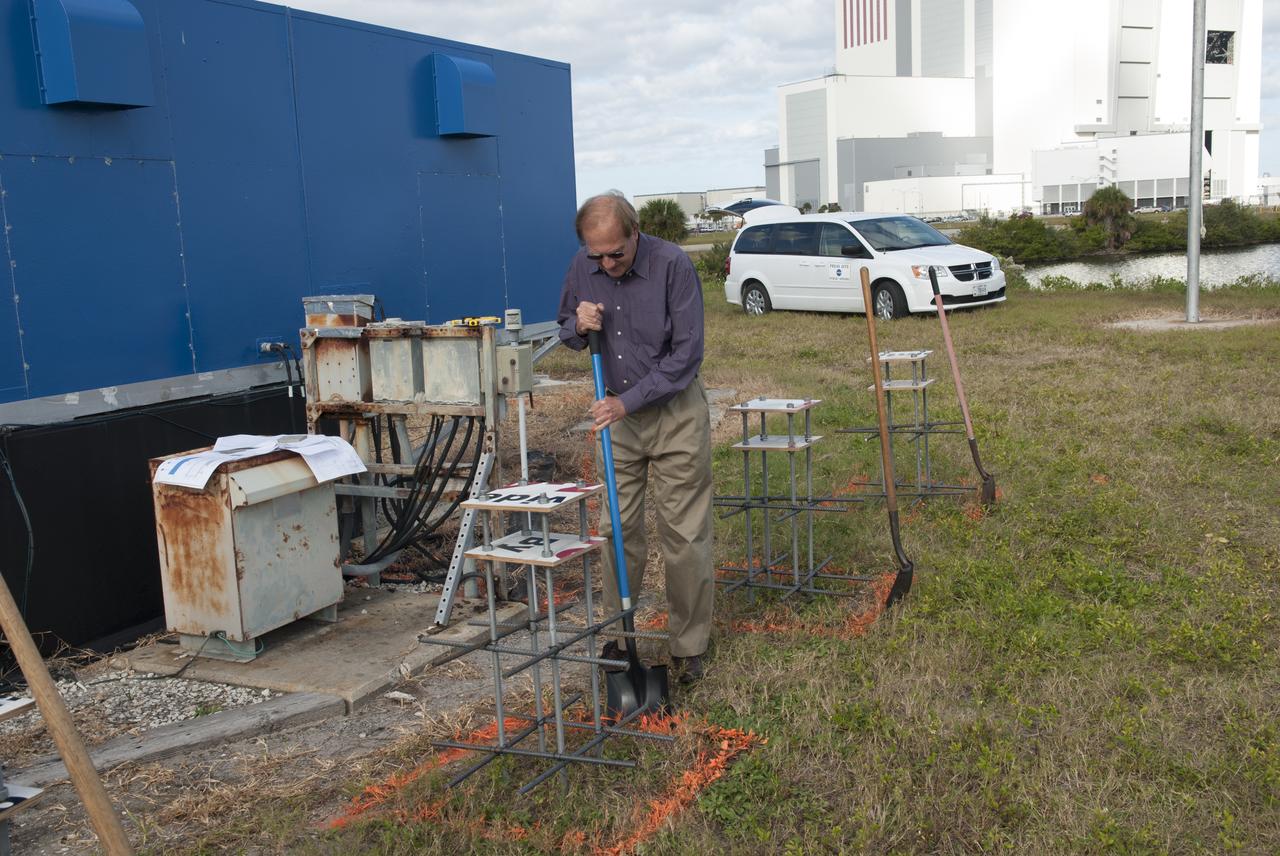
At NASA's Kennedy Space Center in Florida, Public Affairs Officer George Diller digs in behind the current countdown clock during the groundbreaking ceremony for the new countdown clock. The old timepiece was designed by Kennedy engineers and built by Kennedy technicians in 1969. Not including the triangular concrete and aluminum base, the famous landmark is nearly 6 feet 70 inches high, 26 feet 315 inches wide and 3 feet deep. The new display will be similar in size, with the screen being nearly 26 feet wide by 7 feet high.
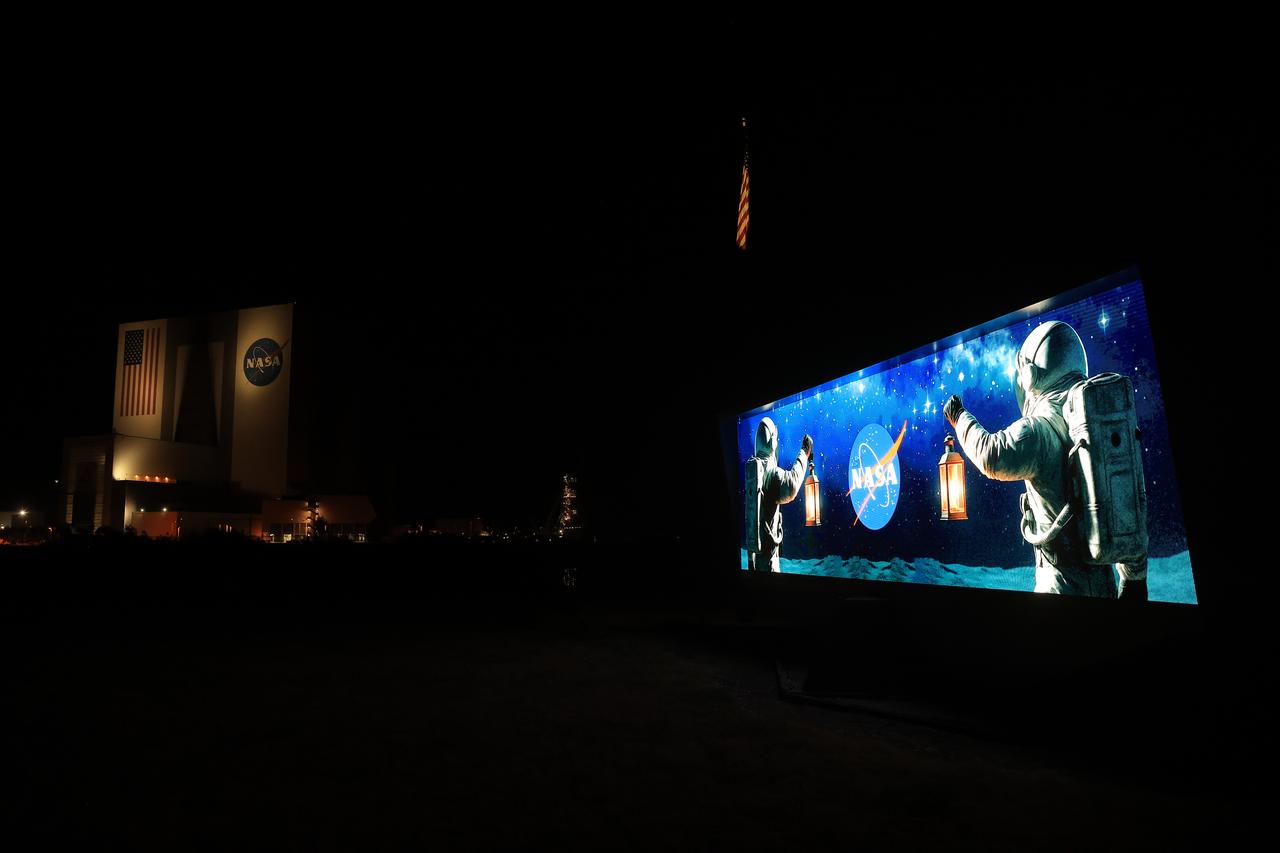
The historic countdown clock by the NASA News Center at the agency’s Kennedy Space Center in Florida on Friday, April 18, 2025, displays a graphic commemorating the 250th anniversary of Paul Revere’s midnight ride. The display is part of an initiative for all federal agencies to place two lights in a window as a symbol of the two lanterns placed in the steeple of Boston’s Old North Church used to signal to Revere and William Dawes to begin the famous midnight ride warning fellow minutemen in the Province of Massachusetts Bay that British soldiers were coming by sea.
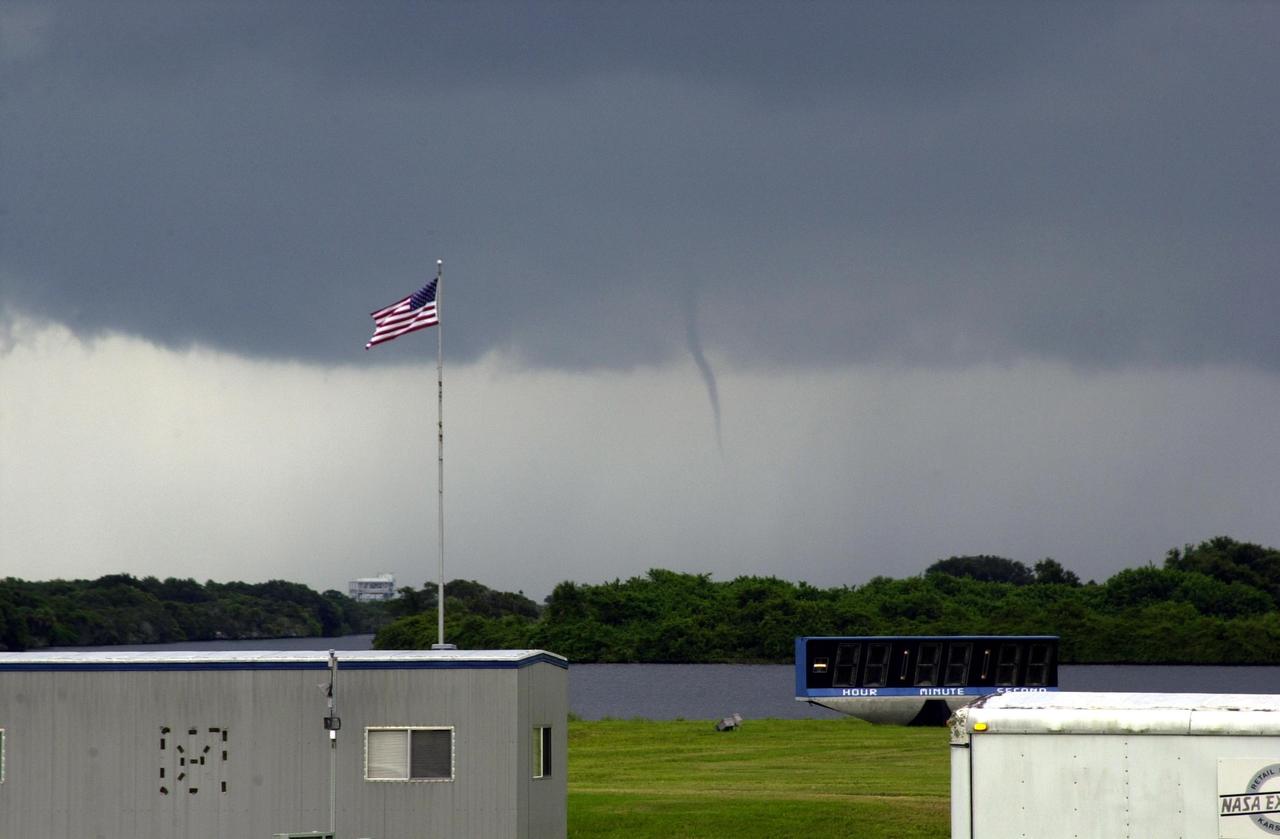
KENNEDY SPACE CENTER, FLA. -- A small water spout forms east of Launch Complex 39, Kennedy Space Center. The American flag is flying at the Press Site, near the mission countdown clock.
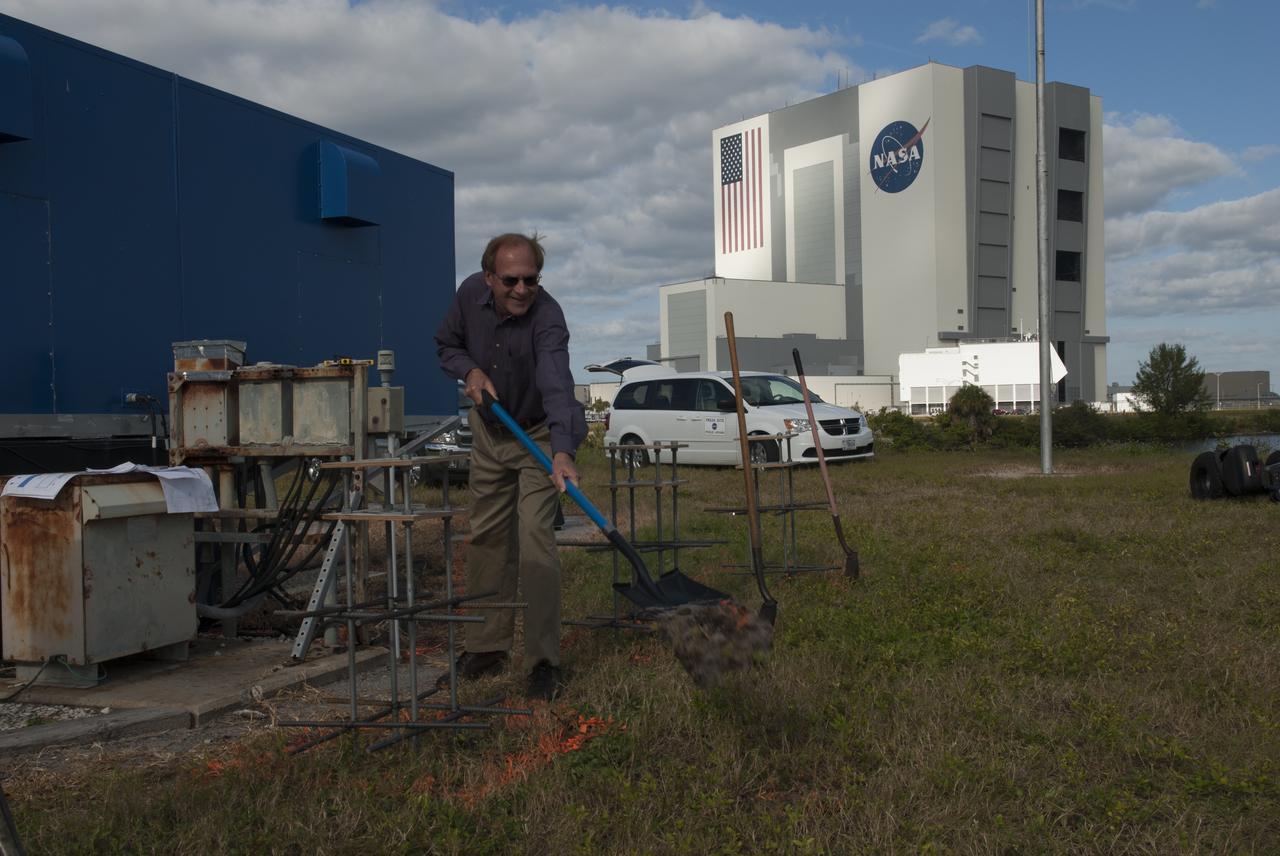
At NASA's Kennedy Space Center in Florida, Public Affairs Officer George Diller shovels the first scoop of soil behind the current countdown clock during the groundbreaking ceremony for the new countdown clock. The old timepiece was designed by Kennedy engineers and built by Kennedy technicians in 1969. Not including the triangular concrete and aluminum base, the famous landmark is nearly 6 feet 70 inches high, 26 feet 315 inches wide and 3 feet deep. The new display will be similar in size, with the screen being nearly 26 feet wide by 7 feet high.
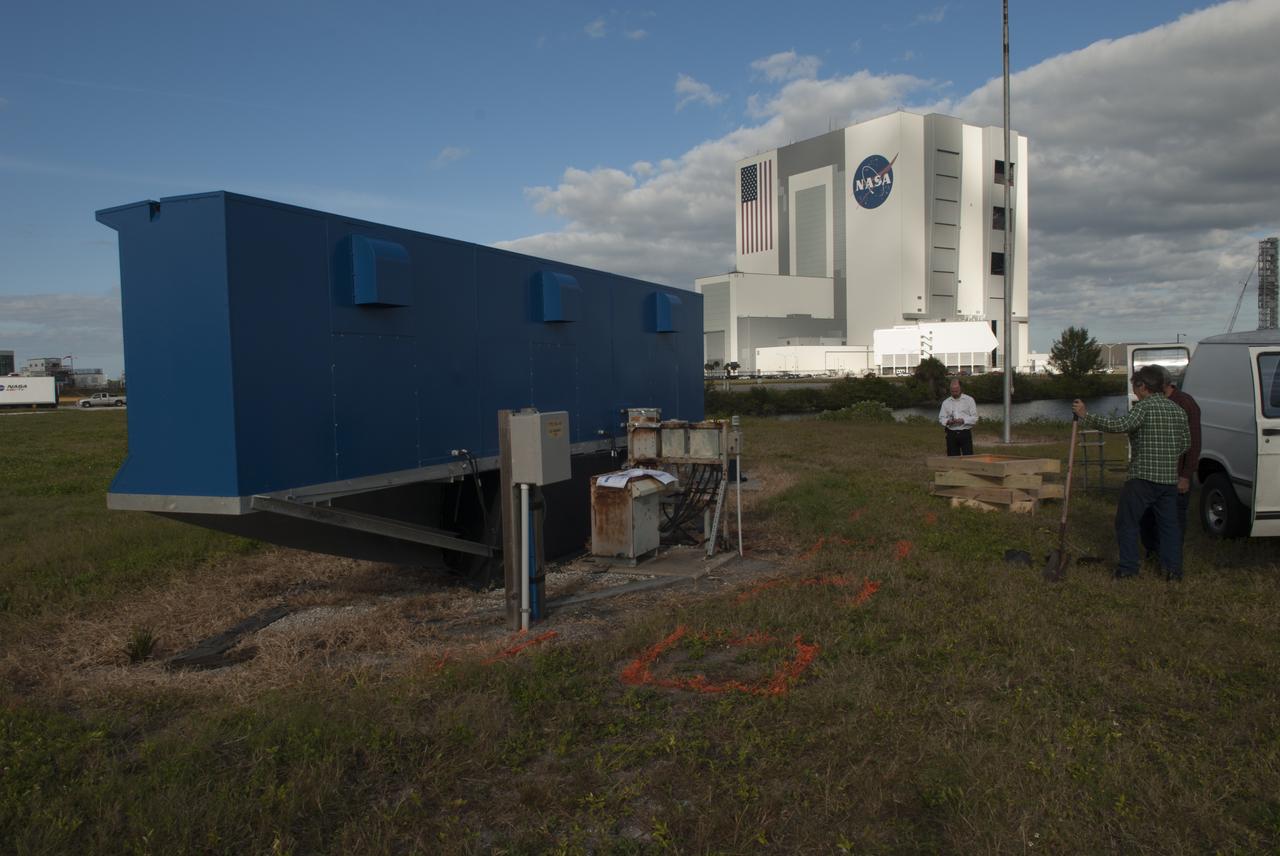
At NASA's Kennedy Space Center in Florida, Kennedy TV senior systems engineer Ronald Gonser, left, Jeff Pratt and Frank Morse with Abacus Technology prep the area behind the current countdown clock for the groundbreaking ceremony for the new countdown clock. The old timepiece was designed by Kennedy engineers and built by Kennedy technicians in 1969. Not including the triangular concrete and aluminum base, the famous landmark is nearly 6 feet 70 inches high, 26 feet 315 inches wide and 3 feet deep. The new display will be similar in size, with the screen being nearly 26 feet wide by 7 feet high.
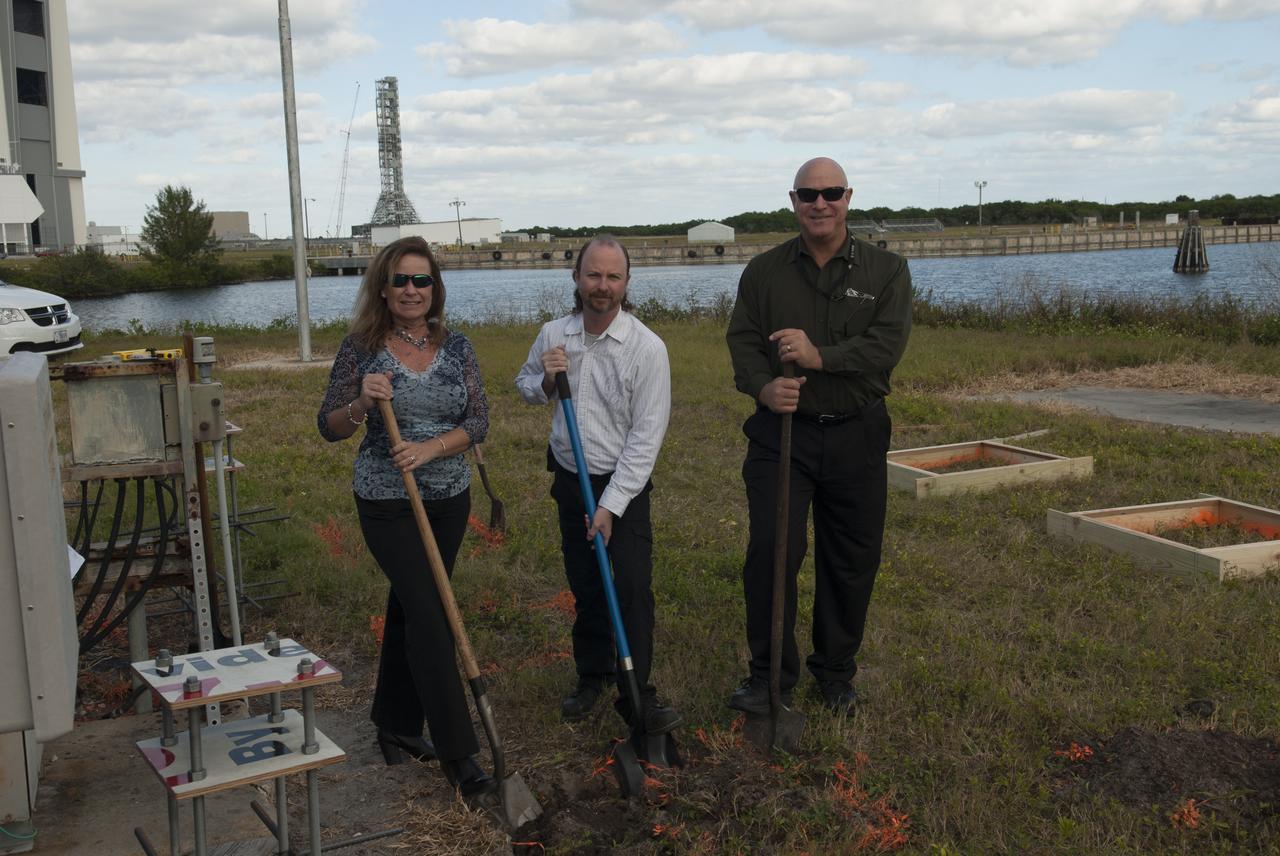
At NASA's Kennedy Space Center in Florida, Project Manager Sonja Hernandez, Kennedy TV senior systems engineer Ronald Gonser and Kennedy/IMCS senior manager Jeff Van Pelt dig in behind the current countdown clock during the groundbreaking ceremony for the new countdown clock. The old timepiece was designed by Kennedy engineers and built by Kennedy technicians in 1969. Not including the triangular concrete and aluminum base, the famous landmark is nearly 6 feet 70 inches high, 26 feet 315 inches wide and 3 feet deep. The new display will be similar in size, with the screen being nearly 26 feet wide by 7 feet high.
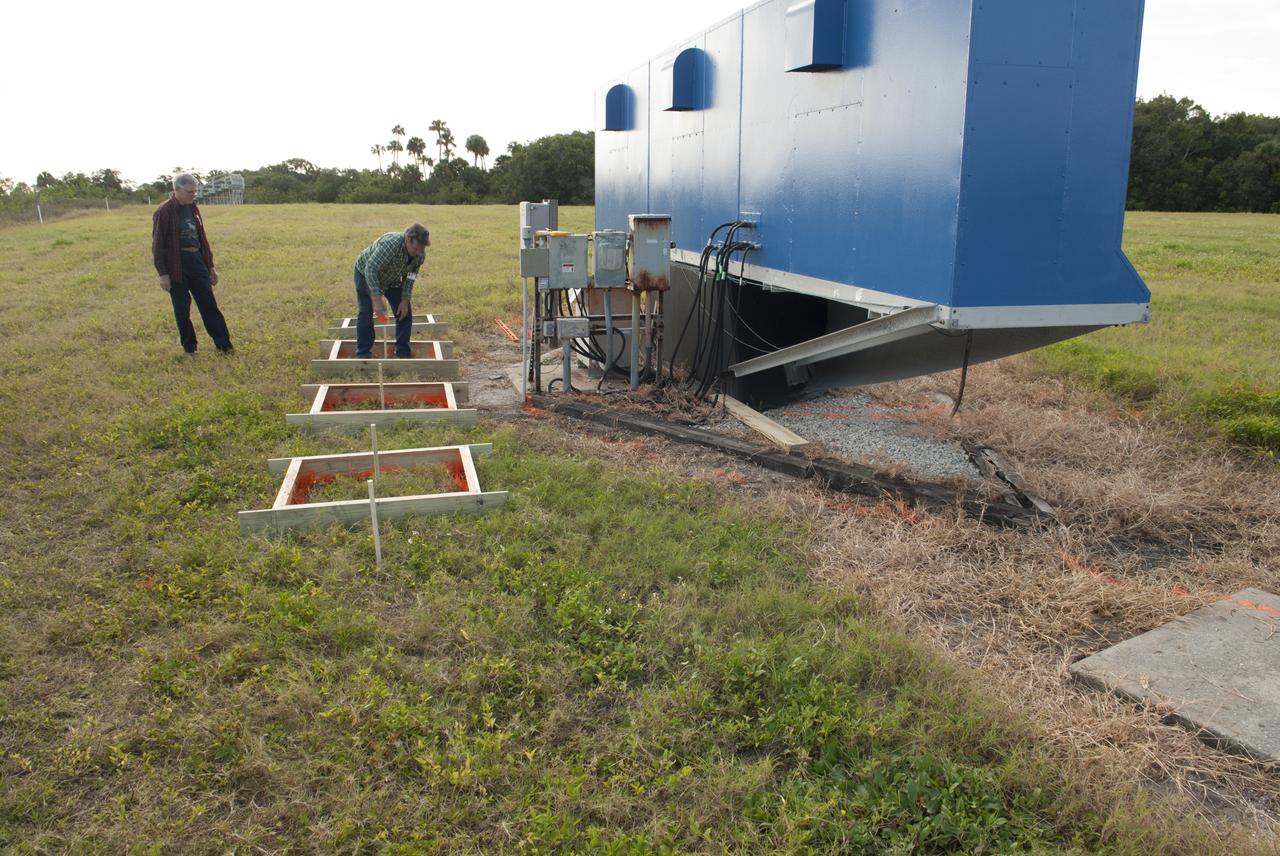
At NASA's Kennedy Space Center in Florida, Jeff Pratt and Frank Morse with Abacus Technology prep the area behind the current countdown clock for the groundbreaking ceremony for the new countdown clock. The old timepiece was designed by Kennedy engineers and built by Kennedy technicians in 1969. Not including the triangular concrete and aluminum base, the famous landmark is nearly 6 feet 70 inches high, 26 feet 315 inches wide and 3 feet deep. The new display will be similar in size, with the screen being nearly 26 feet wide by 7 feet high.
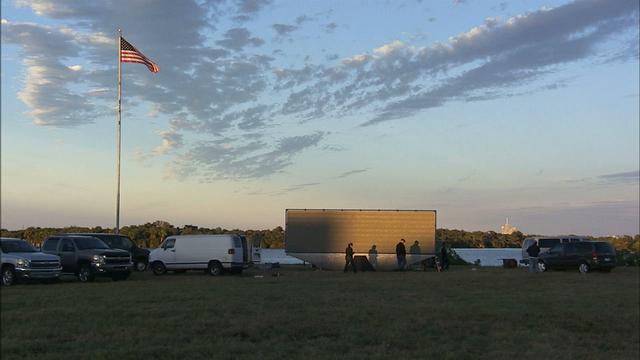
At NASA's Kennedy Space Center in Florida, the new countdown clock at the spaceport's Press Site is being tested. The modern, multimedia display is similar to the screens seen at sporting venues. The new screen will be nearly 26 feet wide by 7 feet high, a foot taller than the original clock. The historic countdown clock was designed by Kennedy engineers and built by space center technicians before Apollo 12 in 1969. NASA has requested to acquire the countdown clock from the agency’s Artifact Working Group at the agency's Headquarters for display at the Kennedy Space Center Visitor Complex.
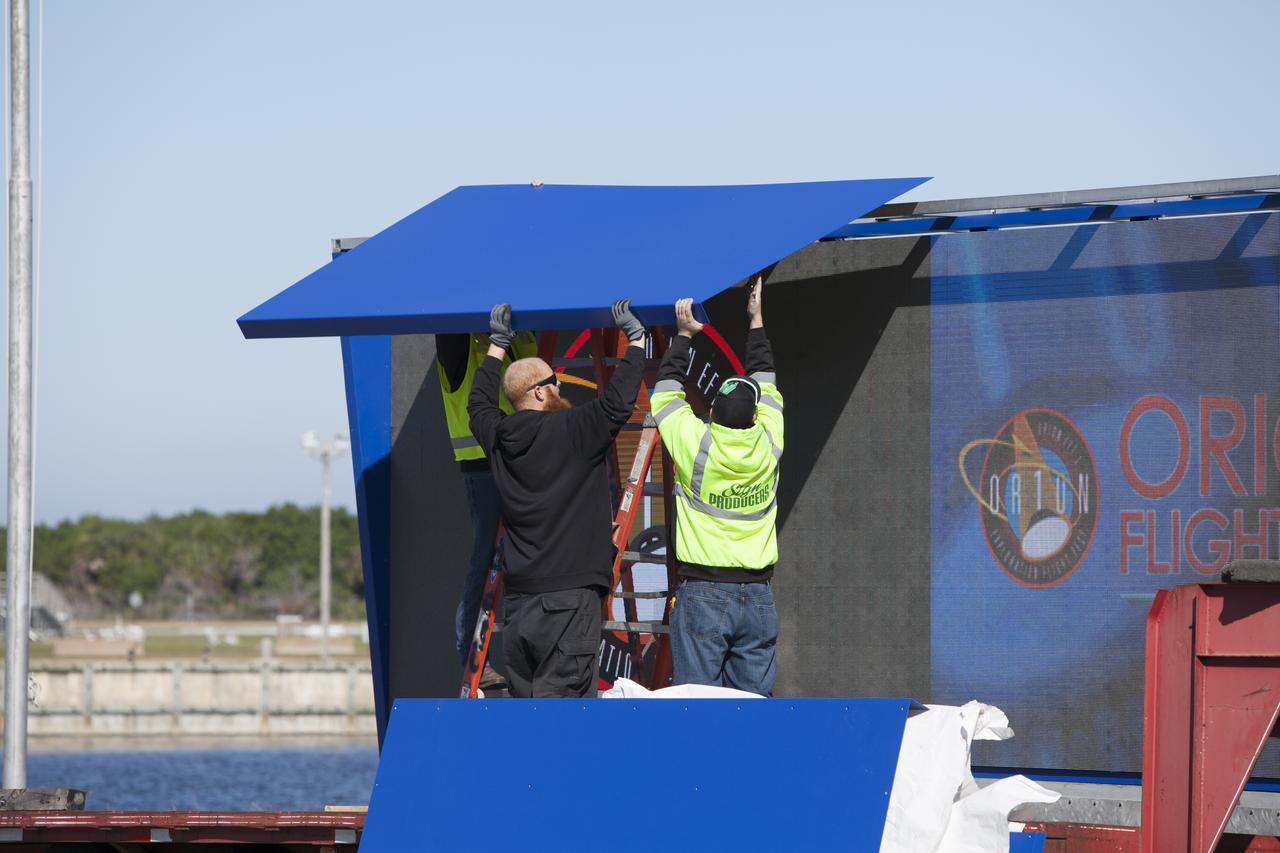
At NASA's Kennedy Space Center in Florida, a shade is placed around the new countdown clock at the spaceport's Press Site. The modern, multimedia display is similar to the screens seen at sporting venues. The new screen is nearly 26 feet wide by 7 feet high, a foot taller than the original clock. The historic countdown clock was designed by Kennedy engineers and built by space center technicians before Apollo 12 in 1969. NASA has acquired the countdown clock from the agency’s Artifact Working Group at the agency's Headquarters for display at the Kennedy Space Center Visitor Complex.
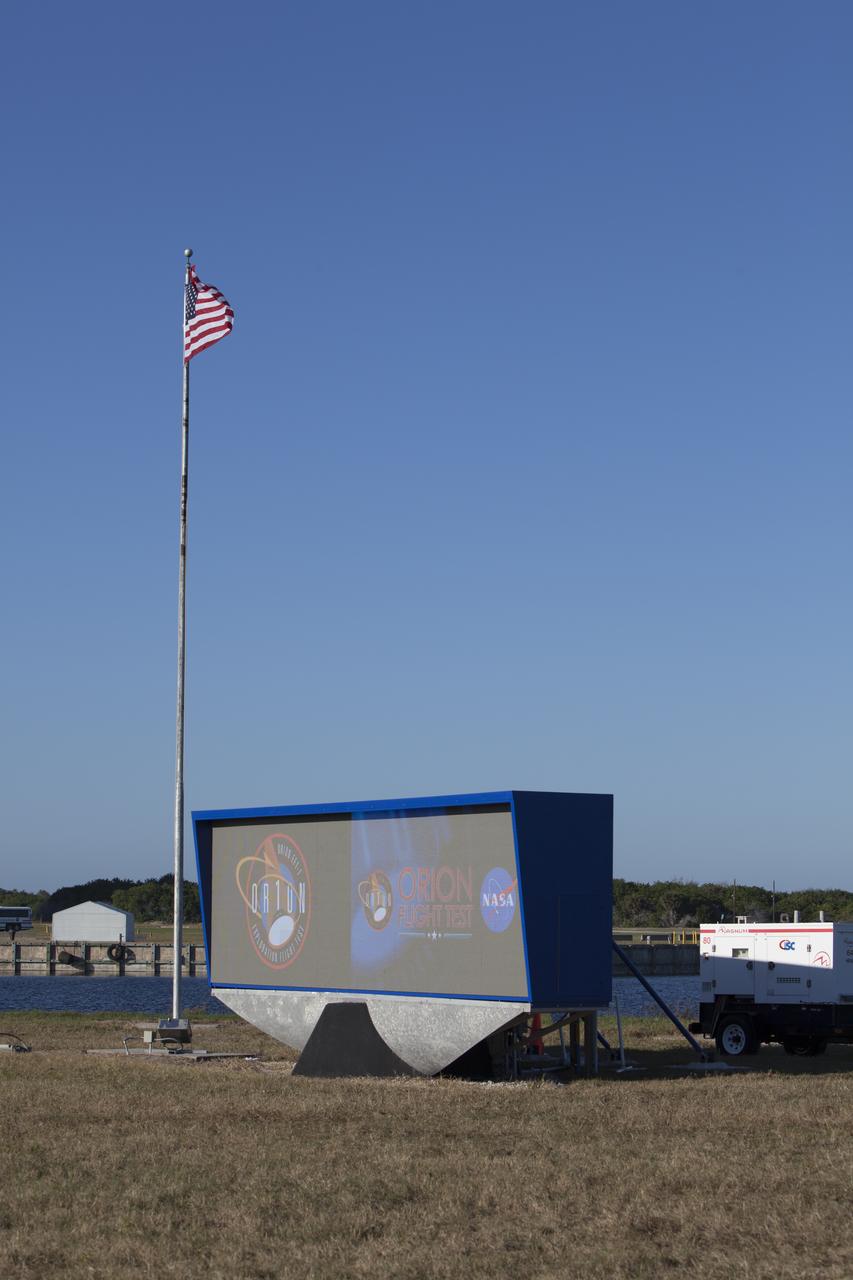
At NASA's Kennedy Space Center in Florida, a shade is placed around the new countdown clock at the spaceport's Press Site. The modern, multimedia display is similar to the screens seen at sporting venues. The new screen is nearly 26 feet wide by 7 feet high, a foot taller than the original clock. The historic countdown clock was designed by Kennedy engineers and built by space center technicians before Apollo 12 in 1969. NASA has acquired the countdown clock from the agency’s Artifact Working Group at the agency's Headquarters for display at the Kennedy Space Center Visitor Complex.
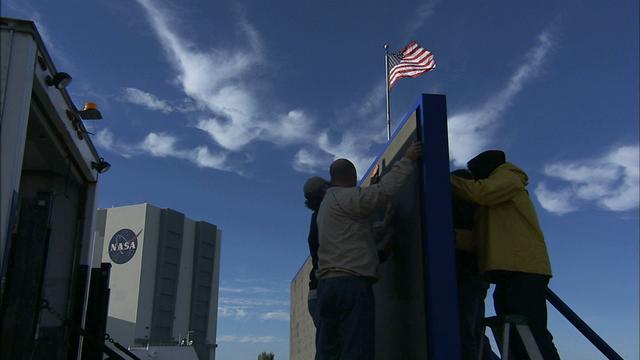
At NASA's Kennedy Space Center in Florida, work continues to install 24 light emitting diode LED panels in the new countdown clock at the spaceport's Press Site. The modern, multimedia display is similar to the screens seen at sporting venues. The new screen will be nearly 26 feet wide by 7 feet high, a foot taller than the original clock. The historic countdown clock was designed by Kennedy engineers and built by space center technicians before Apollo 12 in 1969. NASA has requested to acquire the countdown clock from the agency’s Artifact Working Group at the agency's Headquarters for display at the Kennedy Space Center Visitor Complex.
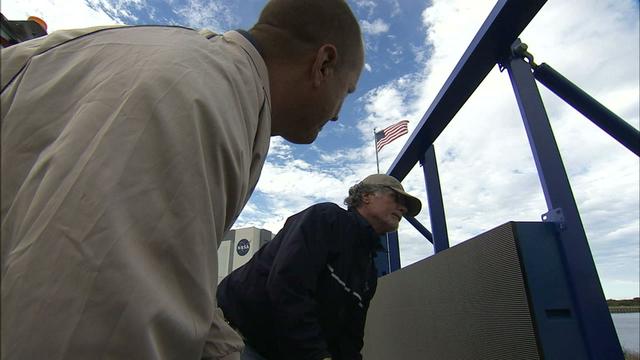
At NASA's Kennedy Space Center in Florida, work continues to install 24 light emitting diode LED panels in the new countdown clock at the spaceport's Press Site. The modern, multimedia display is similar to the screens seen at sporting venues. The new screen will be nearly 26 feet wide by 7 feet high, a foot taller than the original clock. The historic countdown clock was designed by Kennedy engineers and built by space center technicians before Apollo 12 in 1969. NASA has requested to acquire the countdown clock from the agency’s Artifact Working Group at the agency's Headquarters for display at the Kennedy Space Center Visitor Complex.
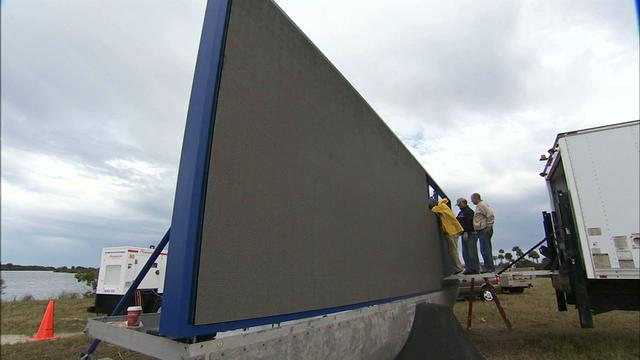
At NASA's Kennedy Space Center in Florida, work continues to install 24 light emitting diode LED panels in the new countdown clock at the spaceport's Press Site. The modern, multimedia display is similar to the screens seen at sporting venues. The new screen will be nearly 26 feet wide by 7 feet high, a foot taller than the original clock. The historic countdown clock was designed by Kennedy engineers and built by space center technicians before Apollo 12 in 1969. NASA has requested to acquire the countdown clock from the agency’s Artifact Working Group at the agency's Headquarters for display at the Kennedy Space Center Visitor Complex.
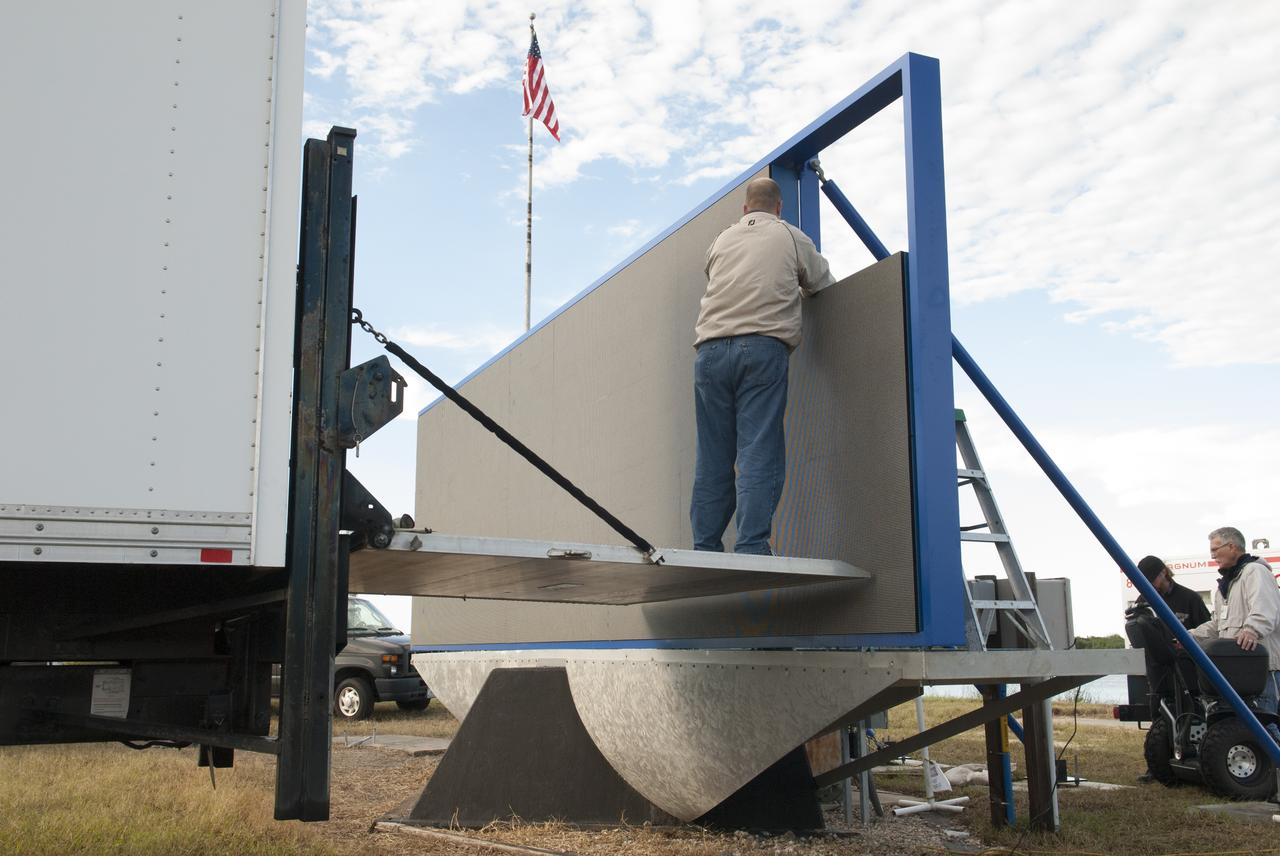
At NASA's Kennedy Space Center in Florida, work continues to install 24 light emitting diode LED panels in the new countdown clock at the spaceport's Press Site. The modern, multimedia display is similar to the screens seen at sporting venues. The new screen will be nearly 26 feet wide by 7 feet high, a foot taller than the original clock. The historic countdown clock was designed by Kennedy engineers and built by space center technicians before Apollo 12 in 1969. NASA has requested to acquire the countdown clock from the agency’s Artifact Working Group at the agency's Headquarters for display at the Kennedy Space Center Visitor Complex.

At NASA's Kennedy Space Center in Florida, a shade is placed around the new countdown clock at the spaceport's Press Site. The modern, multimedia display is similar to the screens seen at sporting venues. The new screen is nearly 26 feet wide by 7 feet high, a foot taller than the original clock. The historic countdown clock was designed by Kennedy engineers and built by space center technicians before Apollo 12 in 1969. NASA has acquired the countdown clock from the agency’s Artifact Working Group at the agency's Headquarters for display at the Kennedy Space Center Visitor Complex.
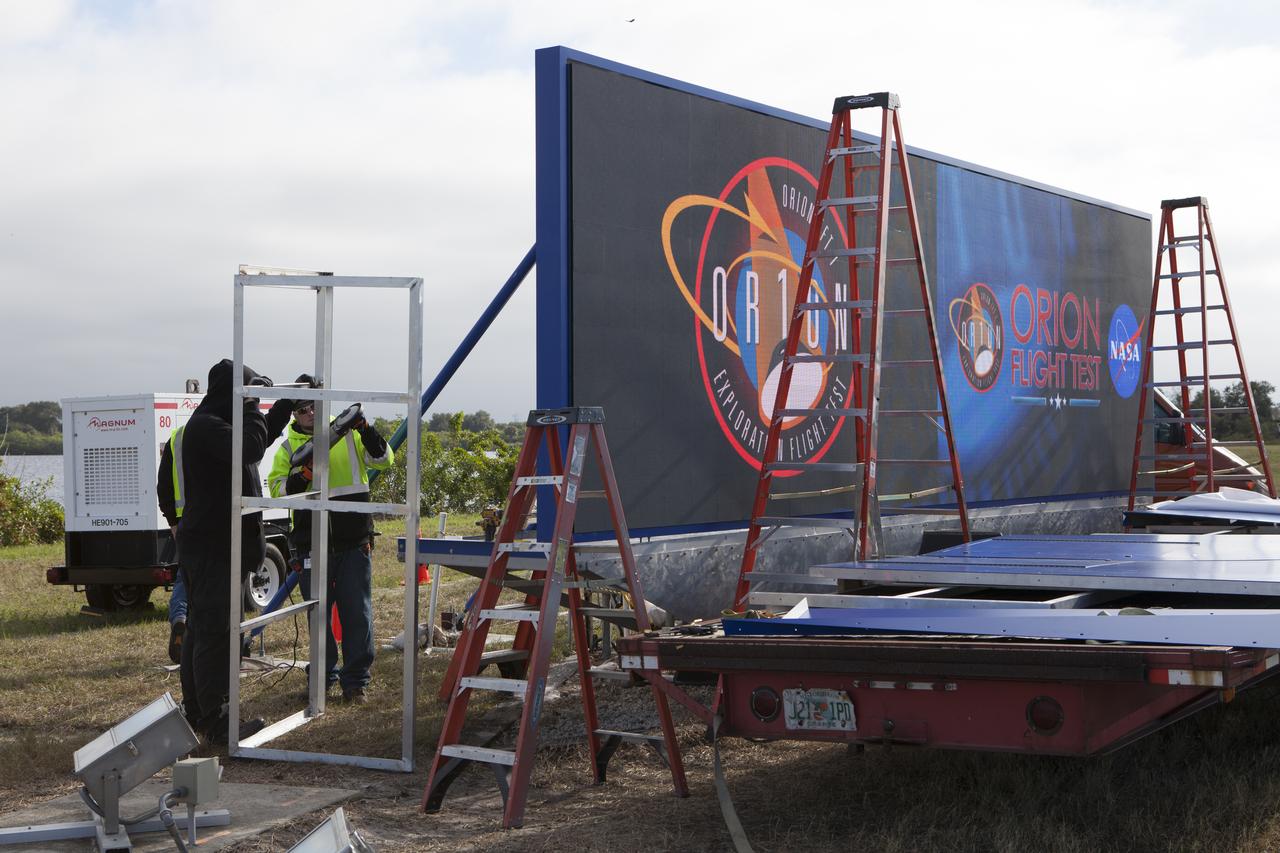
At NASA's Kennedy Space Center in Florida, a shade is placed around the new countdown clock at the spaceport's Press Site. The modern, multimedia display is similar to the screens seen at sporting venues. The new screen is nearly 26 feet wide by 7 feet high, a foot taller than the original clock. The historic countdown clock was designed by Kennedy engineers and built by space center technicians before Apollo 12 in 1969. NASA has acquired the countdown clock from the agency’s Artifact Working Group at the agency's Headquarters for display at the Kennedy Space Center Visitor Complex.
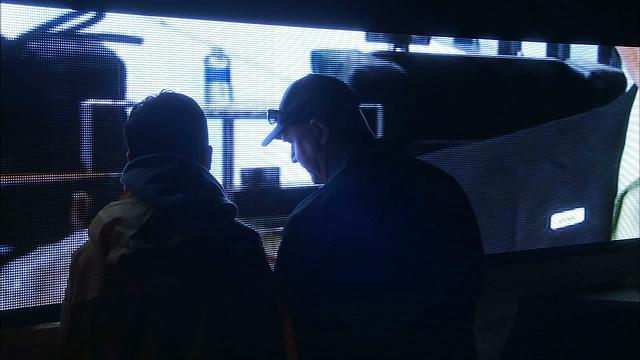
At NASA's Kennedy Space Center in Florida, the new countdown clock at the spaceport's Press Site is being tested. The modern, multimedia display is similar to the screens seen at sporting venues. The new screen will be nearly 26 feet wide by 7 feet high, a foot taller than the original clock. The historic countdown clock was designed by Kennedy engineers and built by space center technicians before Apollo 12 in 1969. NASA has requested to acquire the countdown clock from the agency’s Artifact Working Group at the agency's Headquarters for display at the Kennedy Space Center Visitor Complex.
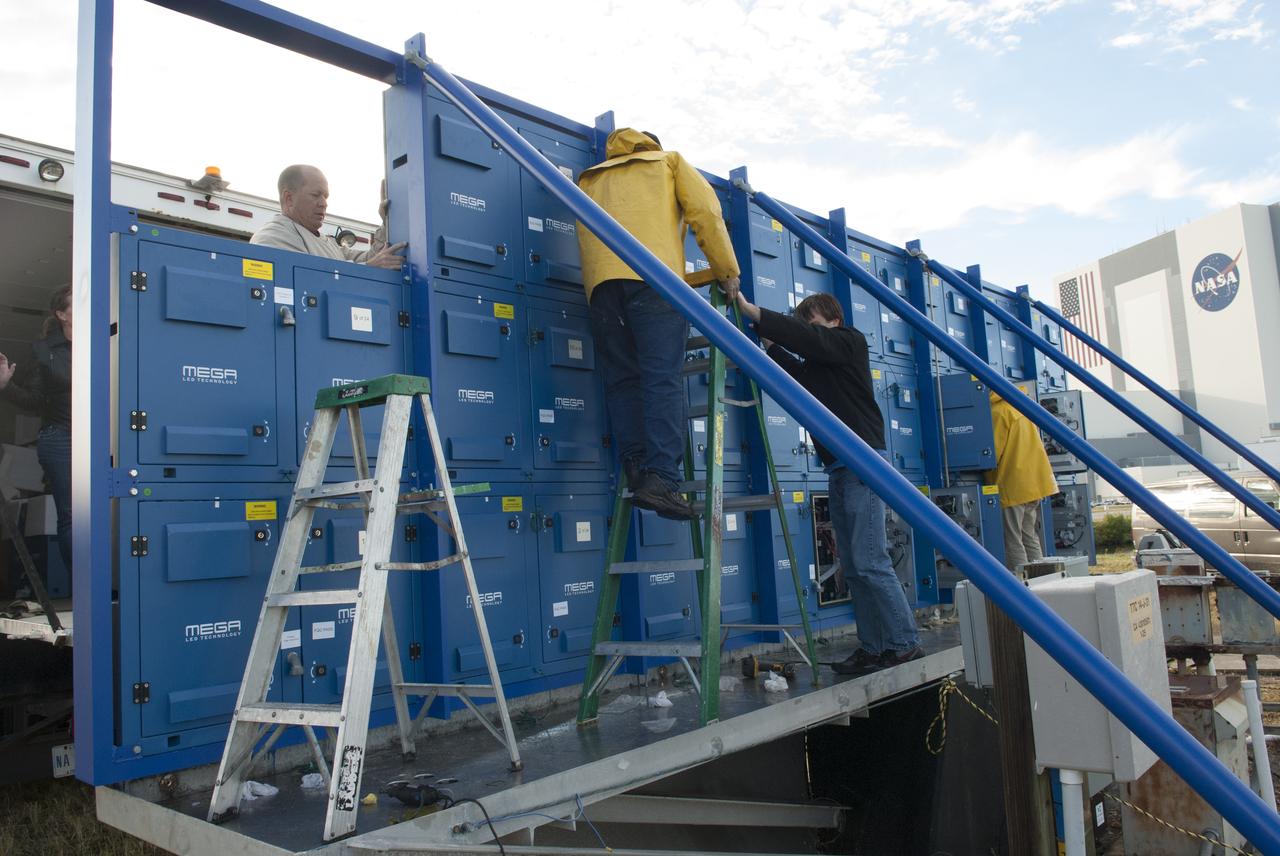
At NASA's Kennedy Space Center in Florida, work continues to install 24 light emitting diode LED panels in the new countdown clock at the spaceport's Press Site. The modern, multimedia display is similar to the screens seen at sporting venues. The new screen will be nearly 26 feet wide by 7 feet high, a foot taller than the original clock. The historic countdown clock was designed by Kennedy engineers and built by space center technicians before Apollo 12 in 1969. NASA has requested to acquire the countdown clock from the agency’s Artifact Working Group at the agency's Headquarters for display at the Kennedy Space Center Visitor Complex.
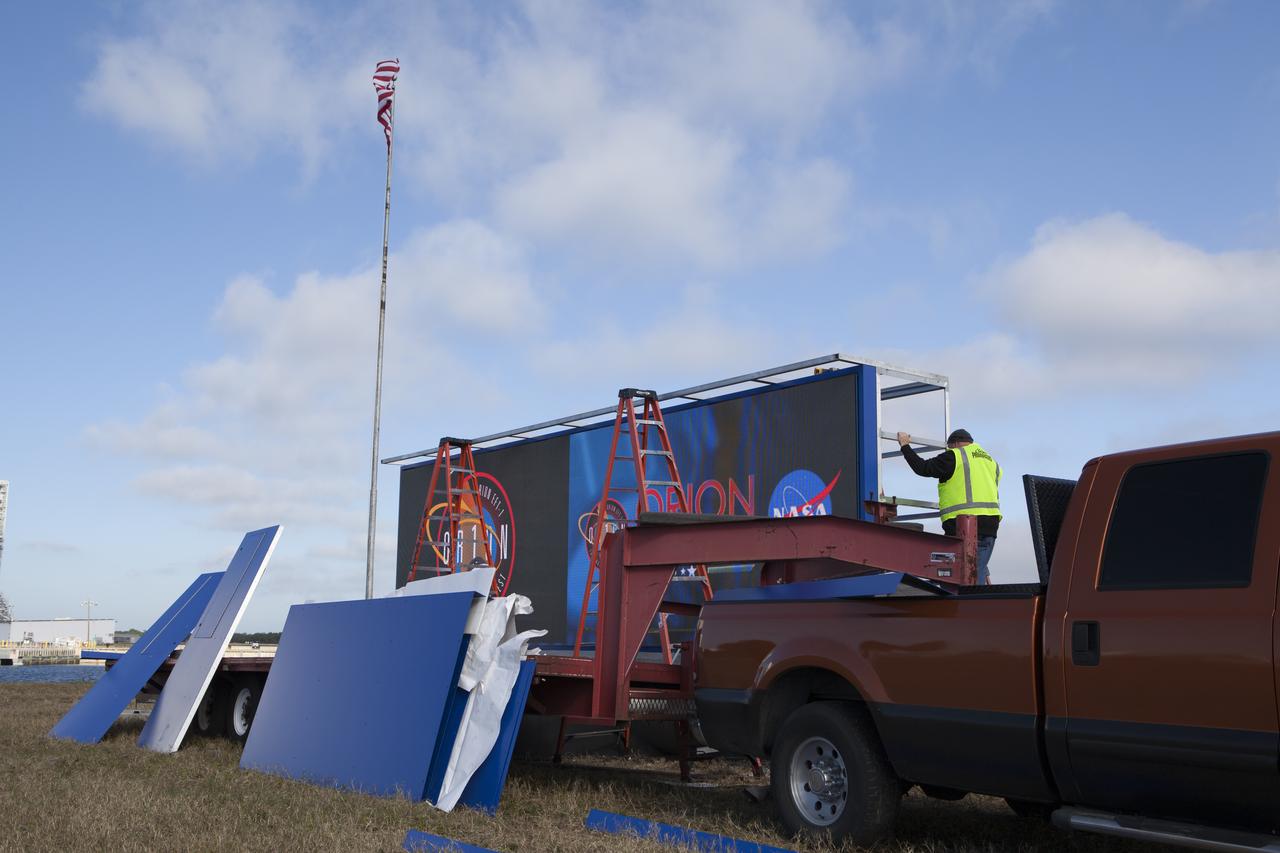
At NASA's Kennedy Space Center in Florida, a shade is placed around the new countdown clock at the spaceport's Press Site. The modern, multimedia display is similar to the screens seen at sporting venues. The new screen is nearly 26 feet wide by 7 feet high, a foot taller than the original clock. The historic countdown clock was designed by Kennedy engineers and built by space center technicians before Apollo 12 in 1969. NASA has acquired the countdown clock from the agency’s Artifact Working Group at the agency's Headquarters for display at the Kennedy Space Center Visitor Complex.
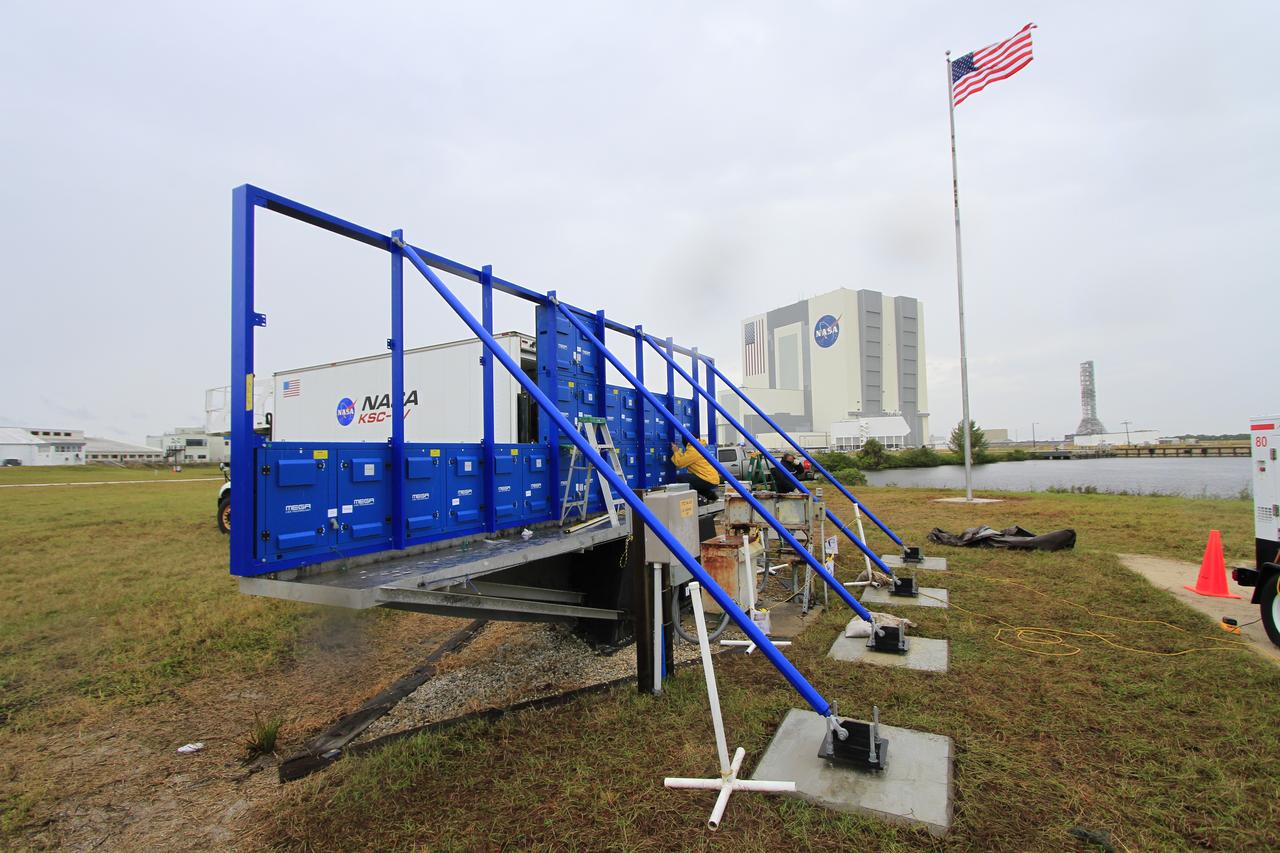
At NASA's Kennedy Space Center in Florida, work continues to install 24 light emitting diode LED panels in the new countdown clock at the spaceport's Press Site. The modern, multimedia display is similar to the screens seen at sporting venues. The new screen will be nearly 26 feet wide by 7 feet high, a foot taller than the original clock. The historic countdown clock was designed by Kennedy engineers and built by space center technicians before Apollo 12 in 1969. NASA has requested to acquire the countdown clock from the agency’s Artifact Working Group at the agency's Headquarters for likely display at the Kennedy Space Center Visitor Complex.
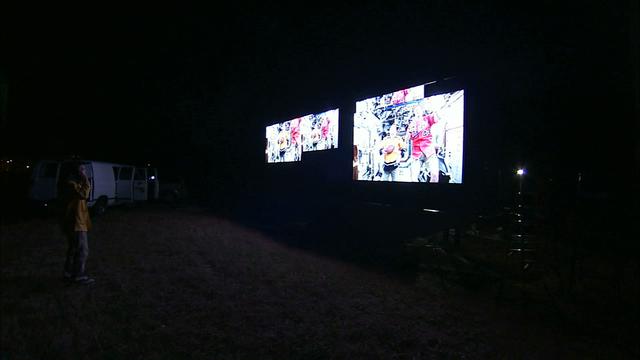
At NASA's Kennedy Space Center in Florida, the new countdown clock at the spaceport's Press Site is being tested. The modern, multimedia display is similar to the screens seen at sporting venues. The new screen will be nearly 26 feet wide by 7 feet high, a foot taller than the original clock. The historic countdown clock was designed by Kennedy engineers and built by space center technicians before Apollo 12 in 1969. NASA has requested to acquire the countdown clock from the agency’s Artifact Working Group at the agency's Headquarters for display at the Kennedy Space Center Visitor Complex.
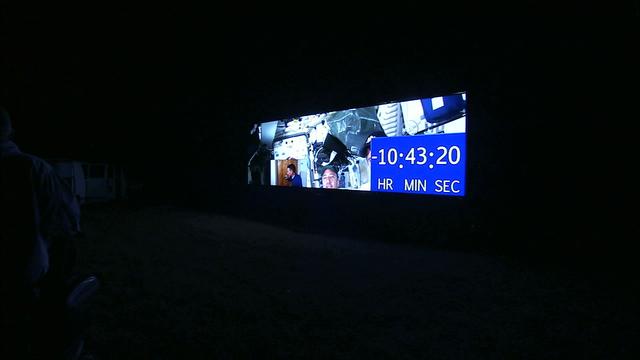
At NASA's Kennedy Space Center in Florida, the new countdown clock at the spaceport's Press Site is being tested. The modern, multimedia display is similar to the screens seen at sporting venues. The new screen will be nearly 26 feet wide by 7 feet high, a foot taller than the original clock. The historic countdown clock was designed by Kennedy engineers and built by space center technicians before Apollo 12 in 1969. NASA has requested to acquire the countdown clock from the agency’s Artifact Working Group at the agency's Headquarters for display at the Kennedy Space Center Visitor Complex.
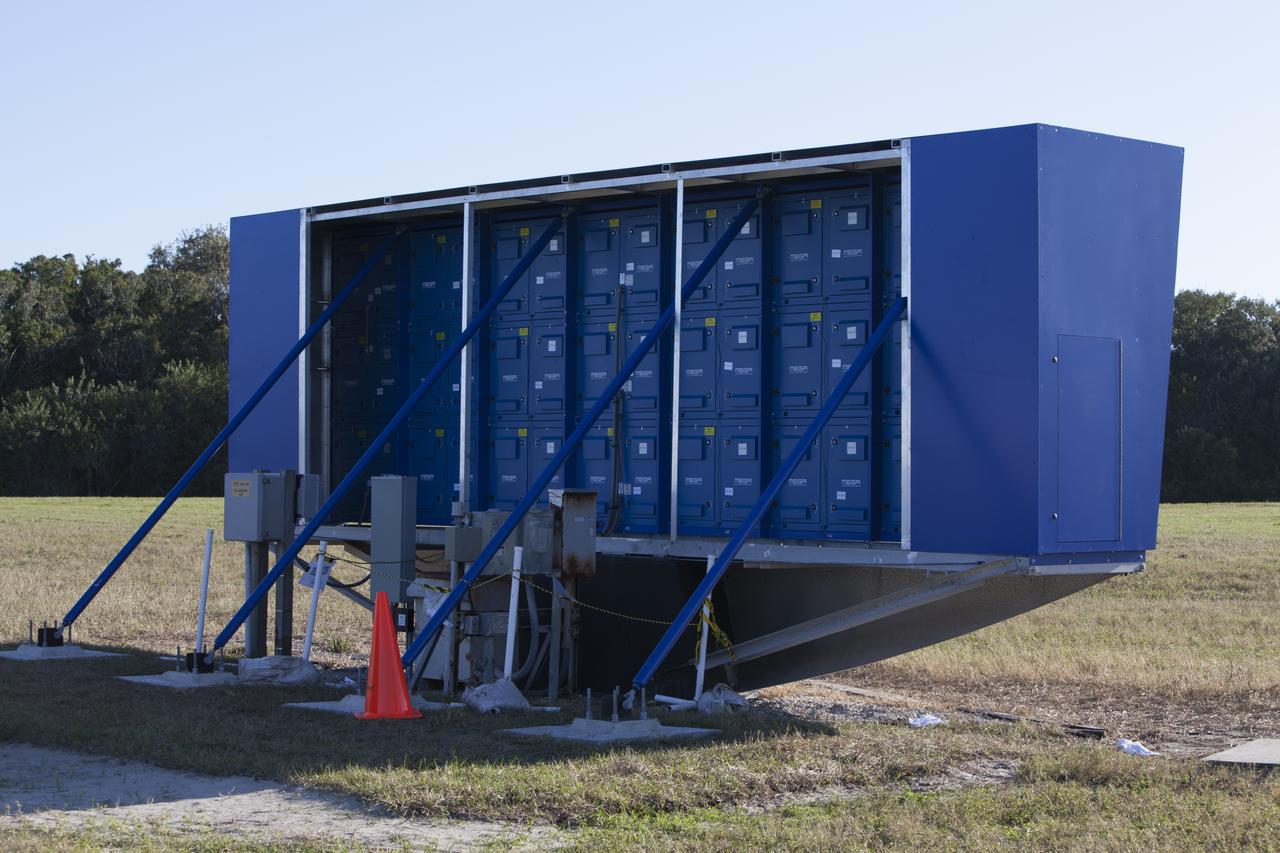
At NASA's Kennedy Space Center in Florida, a shade is placed around the new countdown clock at the spaceport's Press Site. The modern, multimedia display is similar to the screens seen at sporting venues. The new screen is nearly 26 feet wide by 7 feet high, a foot taller than the original clock. The historic countdown clock was designed by Kennedy engineers and built by space center technicians before Apollo 12 in 1969. NASA has acquired the countdown clock from the agency’s Artifact Working Group at the agency's Headquarters for display at the Kennedy Space Center Visitor Complex.
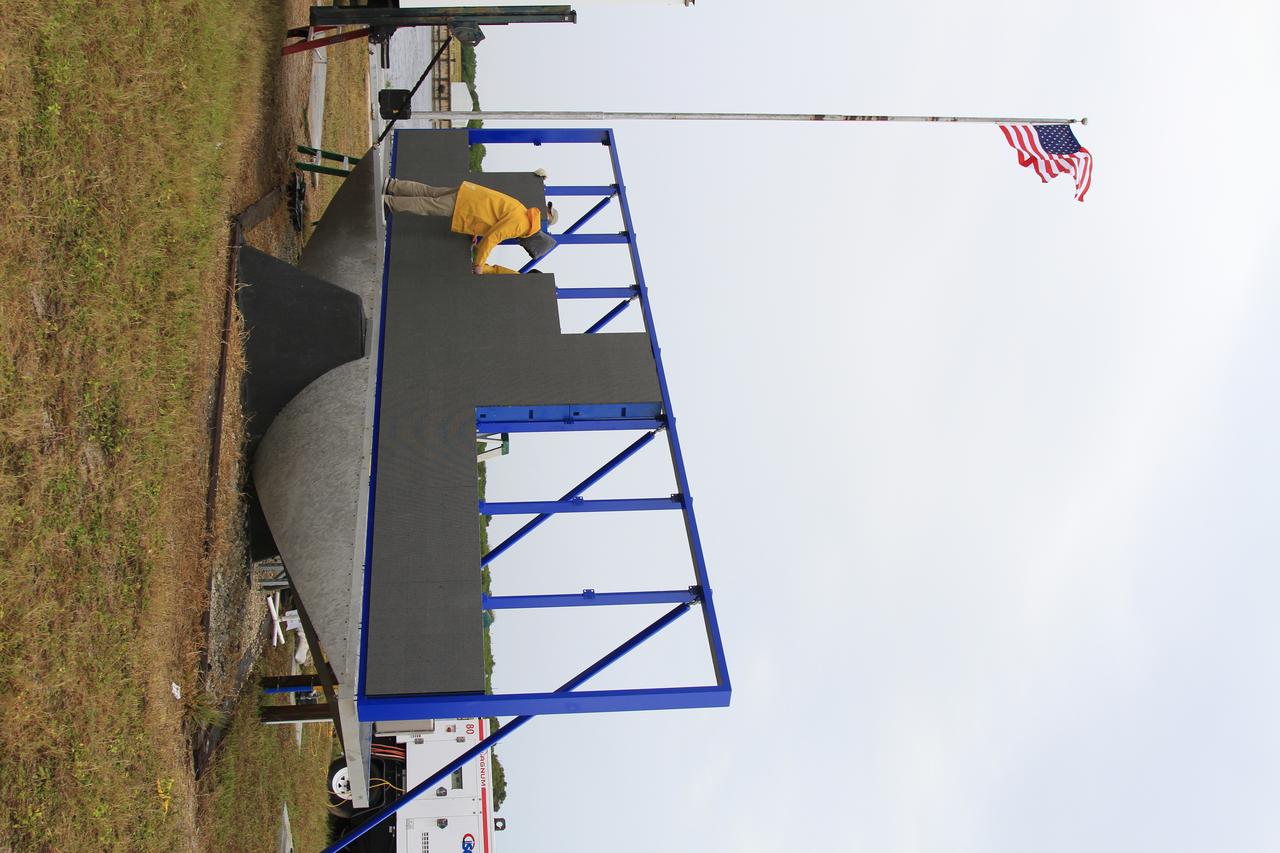
At NASA's Kennedy Space Center in Florida, work continues to install 24 light emitting diode LED panels in the new countdown clock at the spaceport's Press Site. The modern, multimedia display is similar to the screens seen at sporting venues. The new screen will be nearly 26 feet wide by 7 feet high, a foot taller than the original clock. The historic countdown clock was designed by Kennedy engineers and built by space center technicians before Apollo 12 in 1969. NASA has requested to acquire the countdown clock from the agency’s Artifact Working Group at the agency's Headquarters for likely display at the Kennedy Space Center Visitor Complex.
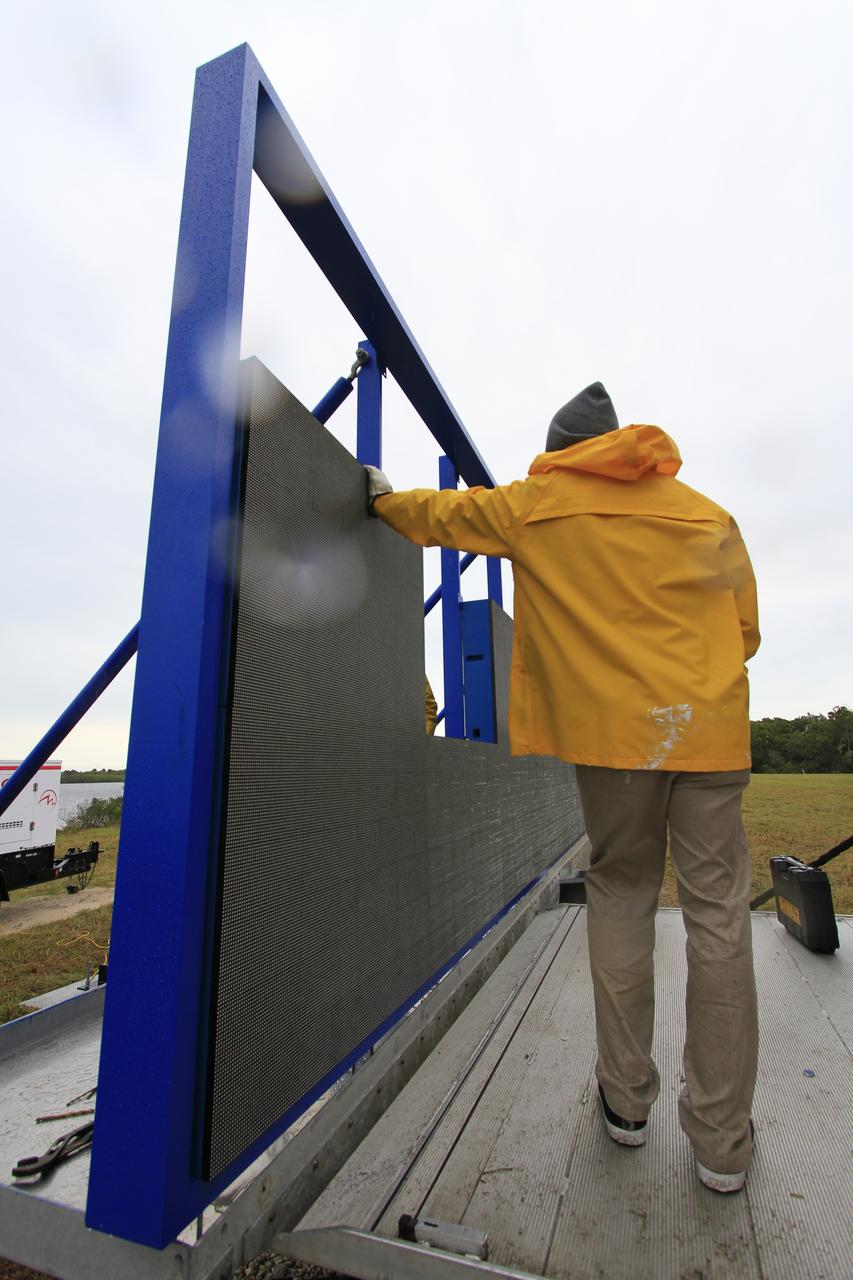
At NASA's Kennedy Space Center in Florida, work continues to install 24 light emitting diode LED panels in the new countdown clock at the spaceport's Press Site. The modern, multimedia display is similar to the screens seen at sporting venues. The new screen will be nearly 26 feet wide by 7 feet high, a foot taller than the original clock. The historic countdown clock was designed by Kennedy engineers and built by space center technicians before Apollo 12 in 1969. NASA has requested to acquire the countdown clock from the agency’s Artifact Working Group at the agency's Headquarters for likely display at the Kennedy Space Center Visitor Complex.
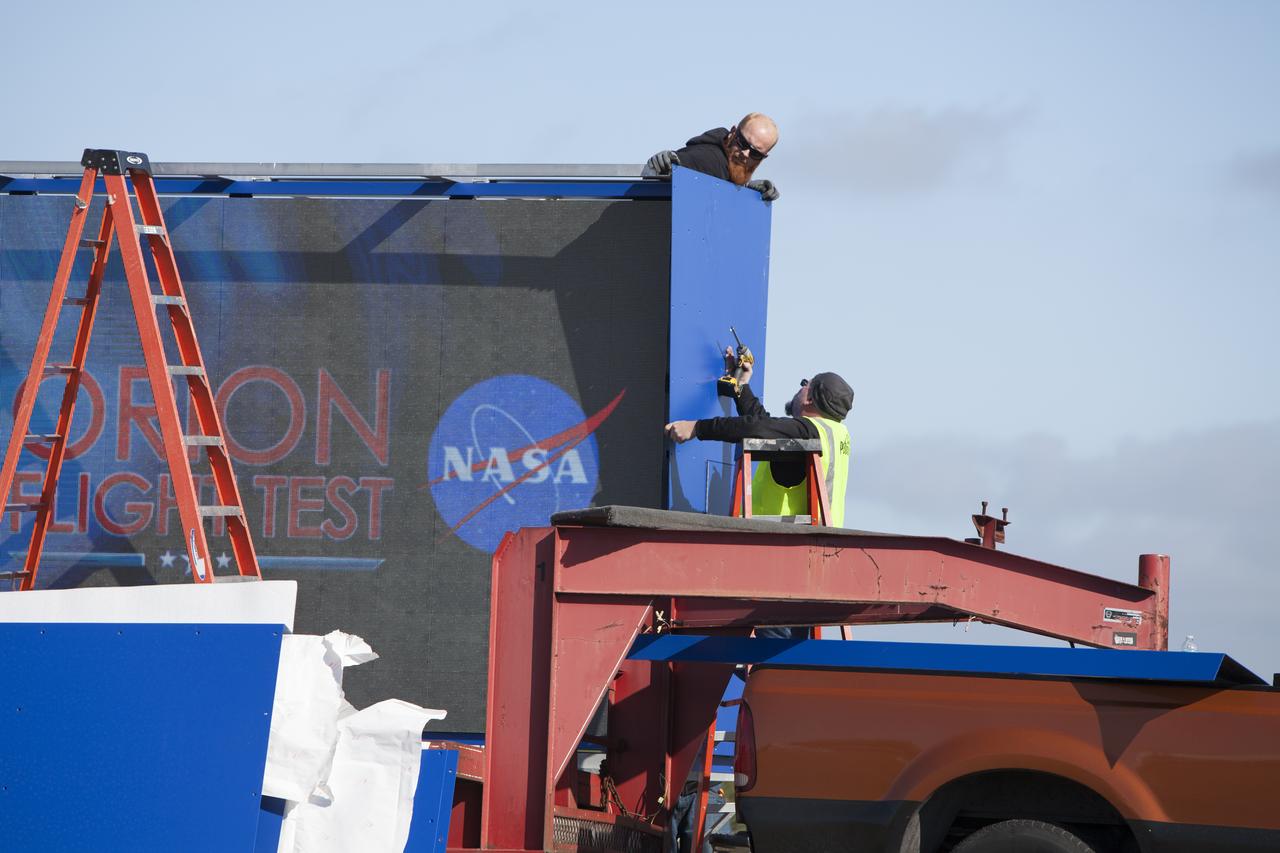
At NASA's Kennedy Space Center in Florida, a shade is placed around the new countdown clock at the spaceport's Press Site. The modern, multimedia display is similar to the screens seen at sporting venues. The new screen is nearly 26 feet wide by 7 feet high, a foot taller than the original clock. The historic countdown clock was designed by Kennedy engineers and built by space center technicians before Apollo 12 in 1969. NASA has acquired the countdown clock from the agency’s Artifact Working Group at the agency's Headquarters for display at the Kennedy Space Center Visitor Complex.
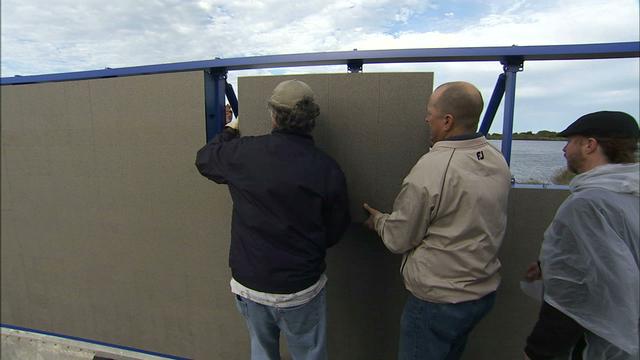
At NASA's Kennedy Space Center in Florida, work continues to install 24 light emitting diode LED panels in the new countdown clock at the spaceport's Press Site. The modern, multimedia display is similar to the screens seen at sporting venues. The new screen will be nearly 26 feet wide by 7 feet high, a foot taller than the original clock. The historic countdown clock was designed by Kennedy engineers and built by space center technicians before Apollo 12 in 1969. NASA has requested to acquire the countdown clock from the agency’s Artifact Working Group at the agency's Headquarters for display at the Kennedy Space Center Visitor Complex.
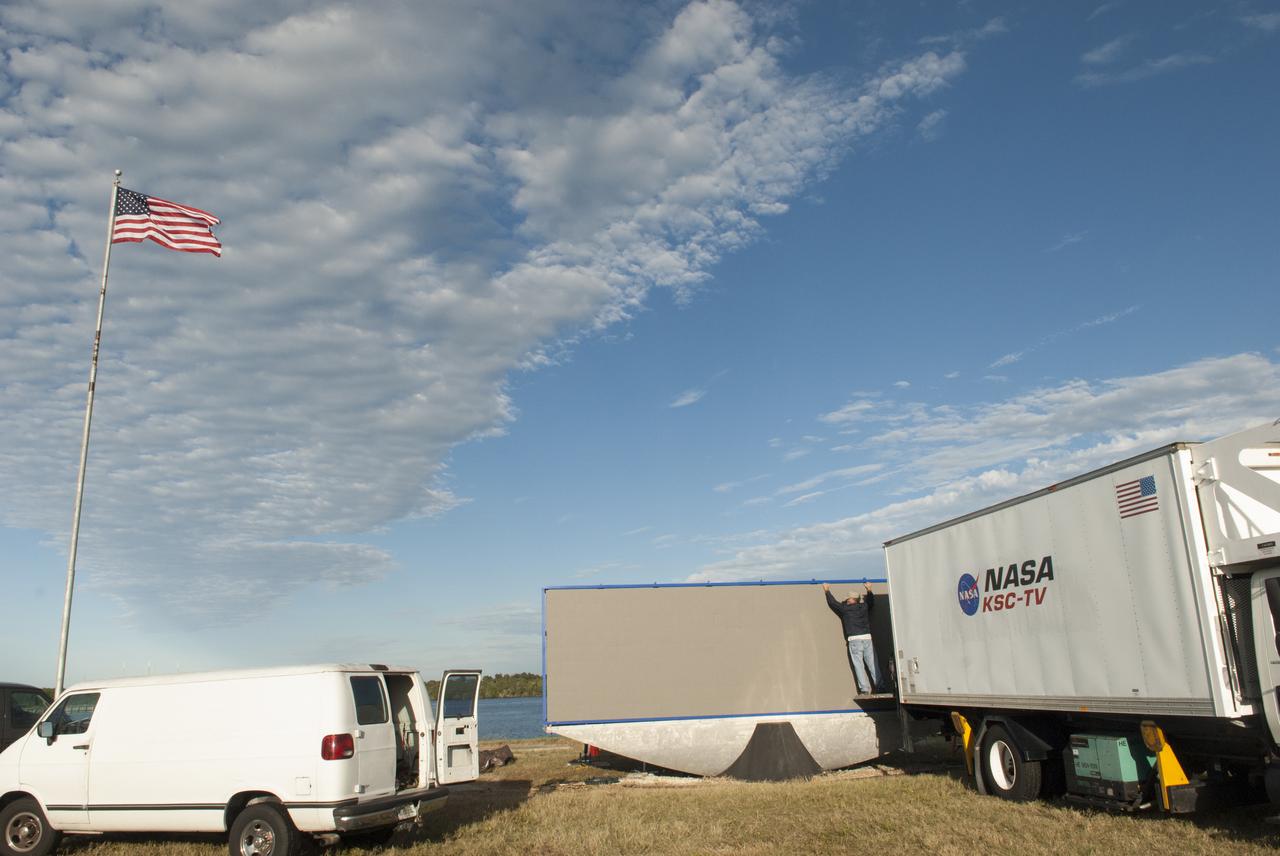
At NASA's Kennedy Space Center in Florida, work continues to install 24 light emitting diode LED panels in the new countdown clock at the spaceport's Press Site. The modern, multimedia display is similar to the screens seen at sporting venues. The new screen will be nearly 26 feet wide by 7 feet high, a foot taller than the original clock. The historic countdown clock was designed by Kennedy engineers and built by space center technicians before Apollo 12 in 1969. NASA has requested to acquire the countdown clock from the agency’s Artifact Working Group at the agency's Headquarters for display at the Kennedy Space Center Visitor Complex.
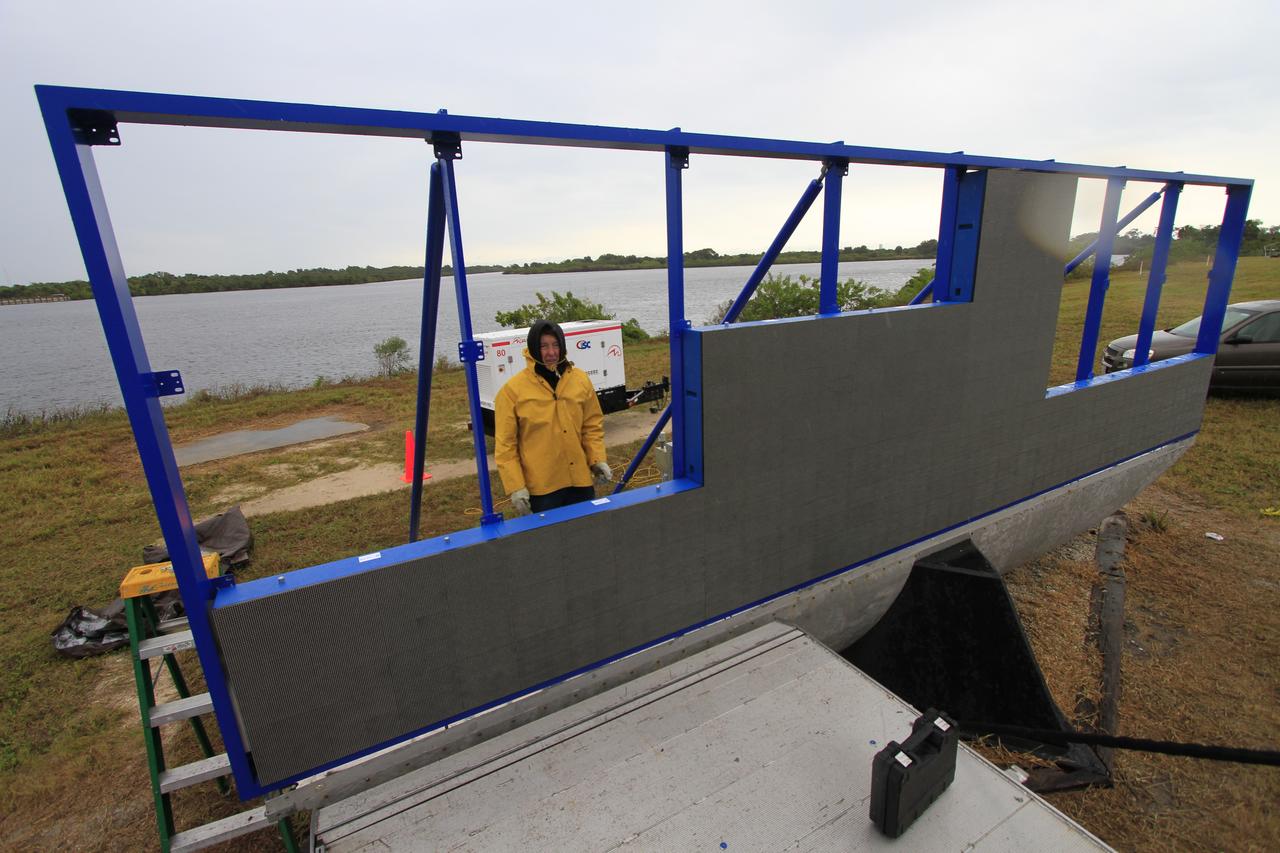
At NASA's Kennedy Space Center in Florida, work continues to install 24 light emitting diode LED panels in the new countdown clock at the spaceport's Press Site. The modern, multimedia display is similar to the screens seen at sporting venues. The new screen will be nearly 26 feet wide by 7 feet high, a foot taller than the original clock. The historic countdown clock was designed by Kennedy engineers and built by space center technicians before Apollo 12 in 1969. NASA has requested to acquire the countdown clock from the agency’s Artifact Working Group at the agency's Headquarters for likely display at the Kennedy Space Center Visitor Complex.
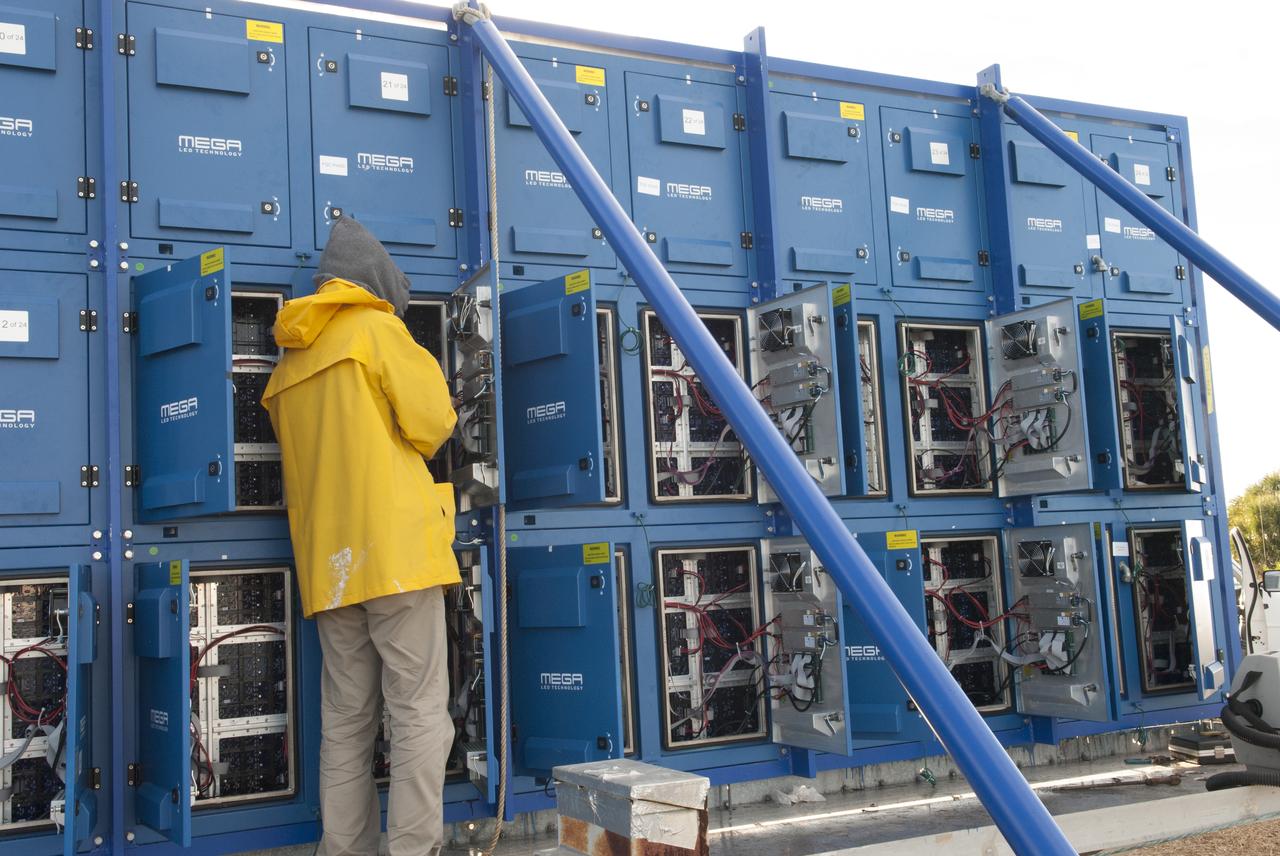
At NASA's Kennedy Space Center in Florida, work continues to install 24 light emitting diode LED panels in the new countdown clock at the spaceport's Press Site. The modern, multimedia display is similar to the screens seen at sporting venues. The new screen will be nearly 26 feet wide by 7 feet high, a foot taller than the original clock. The historic countdown clock was designed by Kennedy engineers and built by space center technicians before Apollo 12 in 1969. NASA has requested to acquire the countdown clock from the agency’s Artifact Working Group at the agency's Headquarters for display at the Kennedy Space Center Visitor Complex.
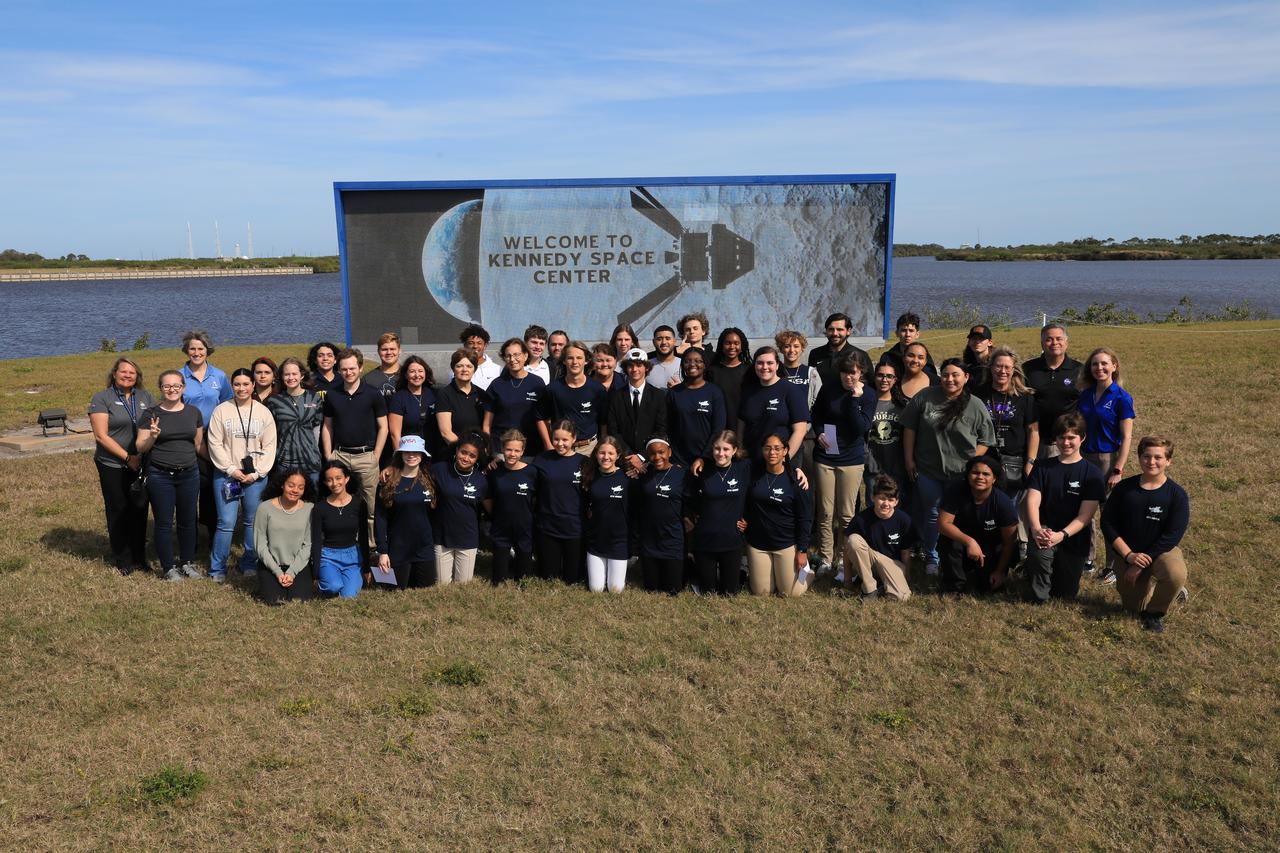
Students from Florida’s St. Cloud High School and Storm Grove Middle School in Vero Beach pose in front of the countdown clock at NASA’s Kennedy Space Center in Florida on Jan. 19, 2023. As part of NASA’s NextGen STEM project, students were invited to tour the facilities at the spaceport before participating in a televised briefing inside the John Holliman Auditorium of the News Center, featuring Kennedy Space Center Deputy Director Kelvin Manning; Artemis Launch Director Charlie Blackwell-Thompson; Manager of the Space Launch System Resident Management Office Elkin Norena; and Space Launch Delta 45 Weather Officer Melody Lovin. Along with the students participating in person, middle and high school students across the country had the opportunity to ask questions of the panel via phone to discuss the Artemis I mission and the agency’s future of human space exploration.
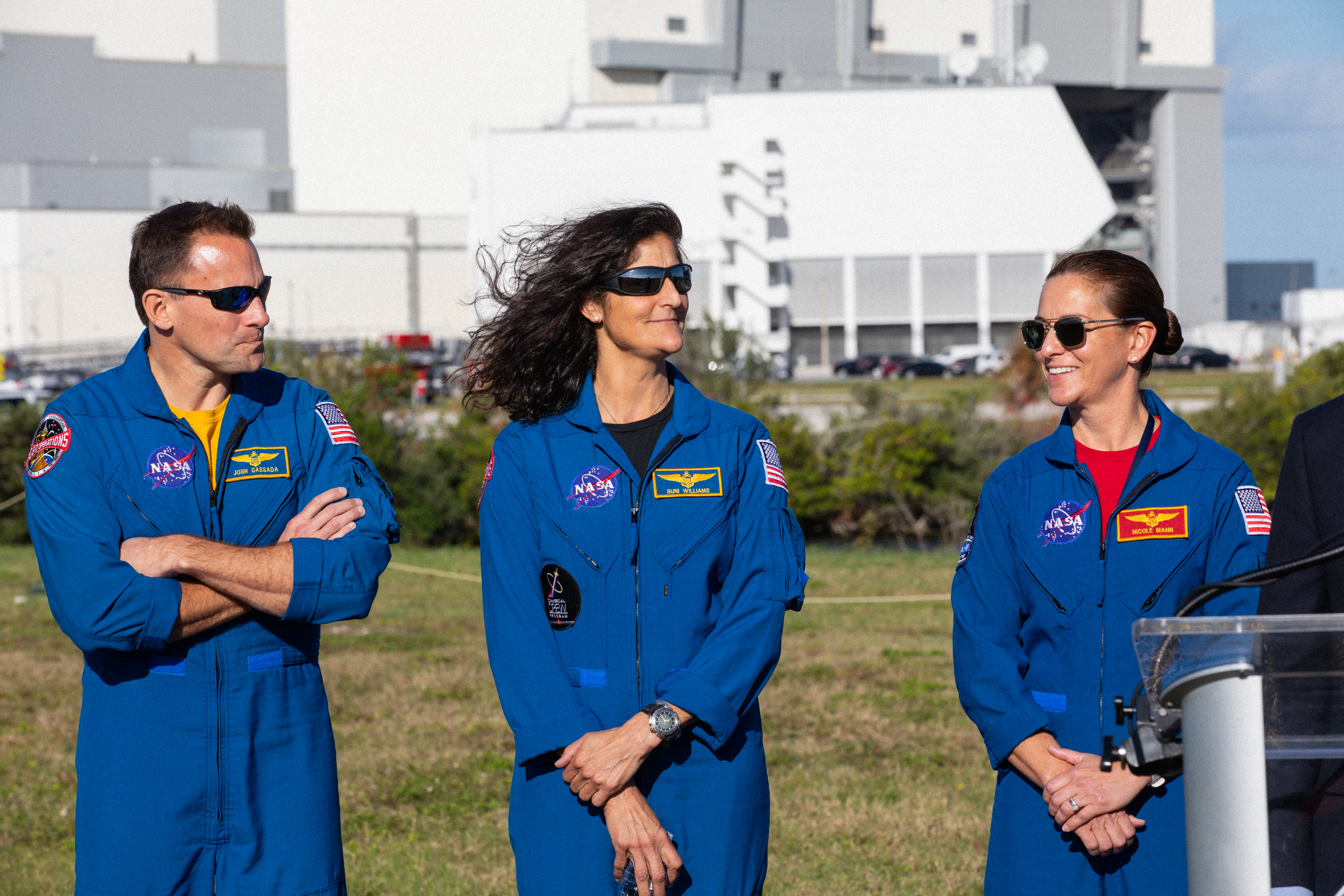
From left, NASA astronauts Josh Cassada, Suni Williams and Nicole Mann participate in a Boeing Orbital Flight Test media briefing near the countdown clock at the Florida spaceport on Dec. 19, 2019. Boeing’s CST-100 Starliner spacecraft will launch atop a United Launch Alliance Atlas V rocket from Space Launch Complex 41 at Cape Canaveral Air Force Station. The uncrewed Orbital Flight Test will be the Starliner’s first flight to the International Space Station for NASA’s Commercial Crew Program.
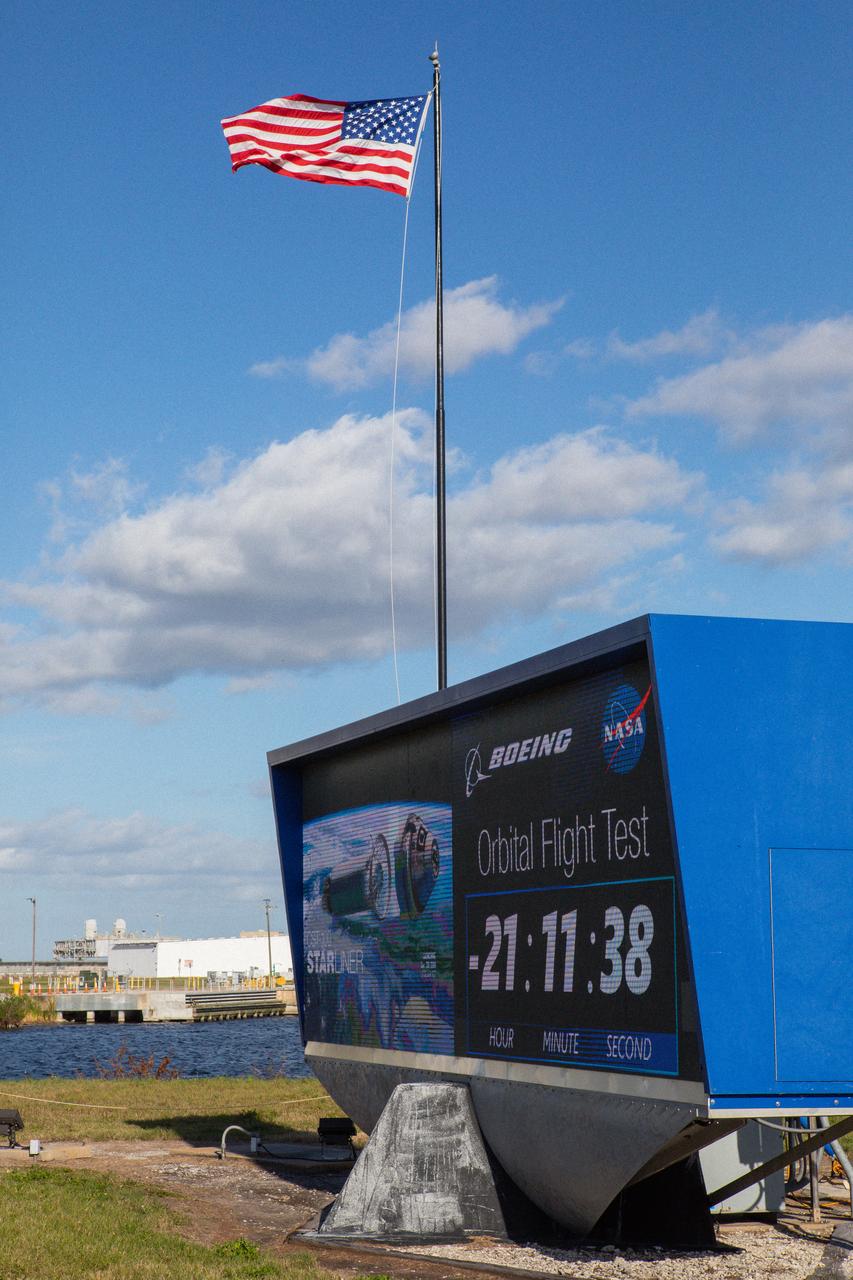
The countdown clock at NASA’s Kennedy Space Center in Florida is photographed during a Boeing Orbital Flight Test media briefing on Dec. 19, 2019. Boeing’s CST-100 Starliner spacecraft will launch atop a United Launch Alliance Atlas V rocket from Space Launch Complex 41 at Cape Canaveral Air Force Station. The uncrewed Orbital Flight Test will be the Starliner’s first flight to the International Space Station for NASA’s Commercial Crew Program.
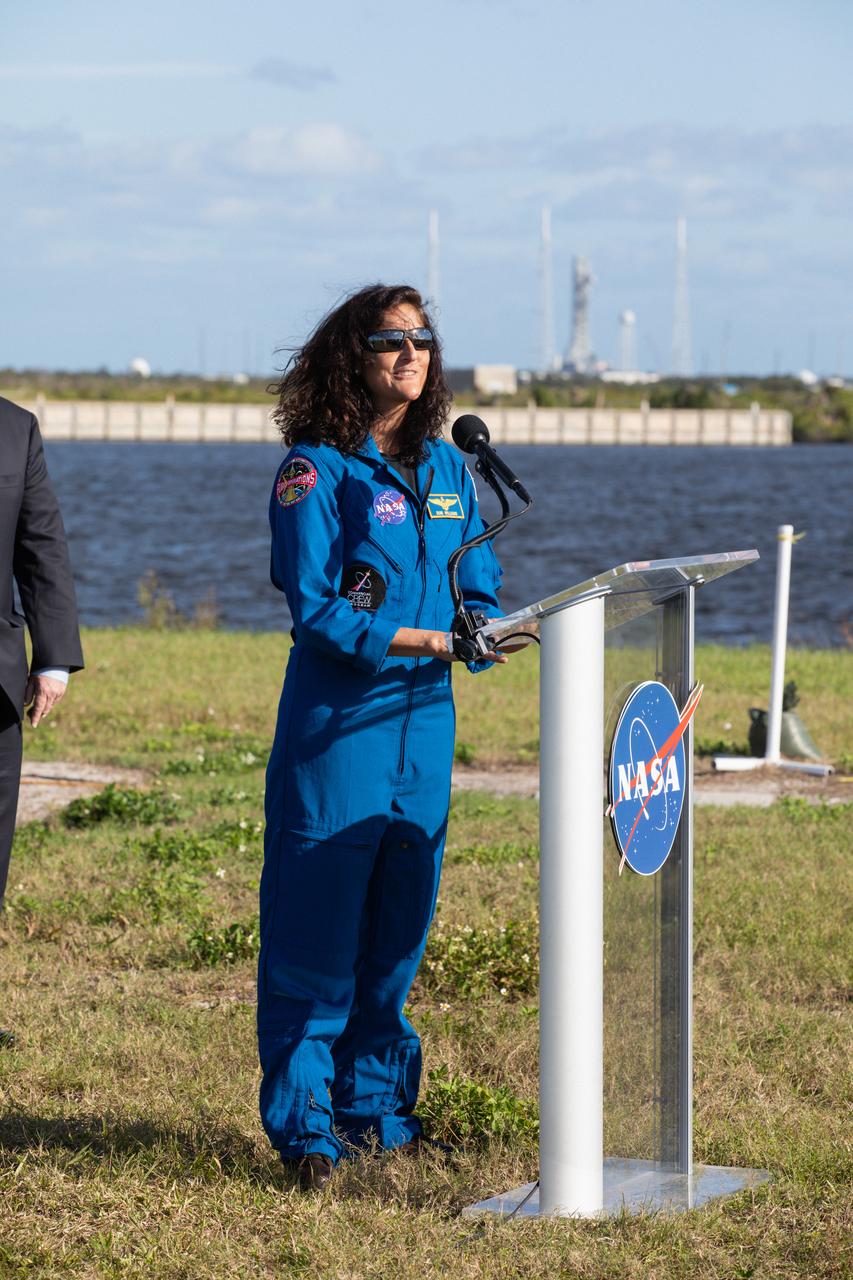
Suni Williams, NASA astronaut, participates in a Boeing Orbital Flight Test media briefing near the countdown clock at the Florida spaceport on Dec. 19, 2019. Boeing’s CST-100 Starliner spacecraft will launch atop a United Launch Alliance Atlas V rocket from Space Launch Complex 41 at Cape Canaveral Air Force Station. The uncrewed Orbital Flight Test will be the Starliner’s first flight to the International Space Station for NASA’s Commercial Crew Program.
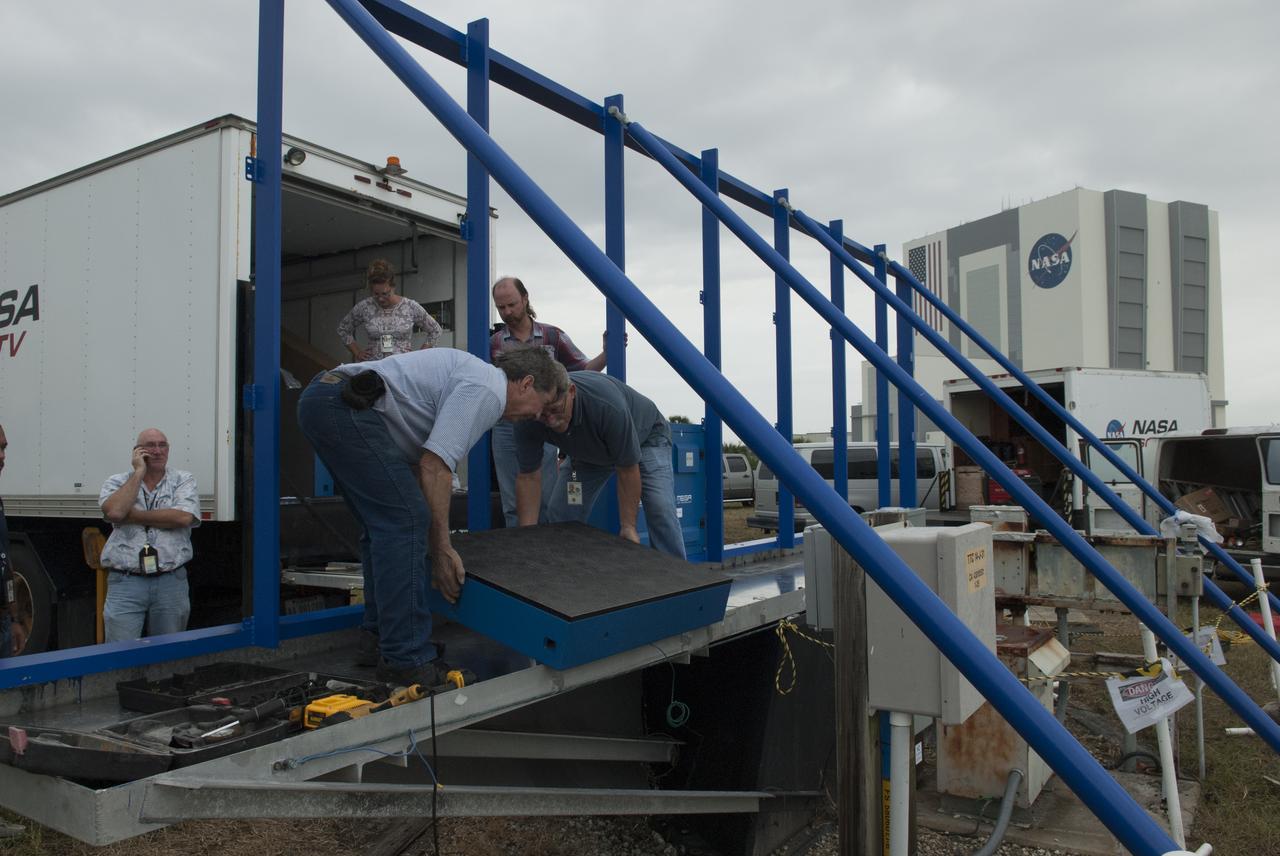
At NASA's Kennedy Space Center in Florida, assembly has begun on the first of 24 light emitting diode LED panels for installation in the new countdown clock at the spaceport's Press Site. The new modern, multimedia display will be similar to the screens seen at sporting venues. The new screen will be nearly 26 feet wide by 7 feet high, a foot taller than the original clock. The historic countdown clock was designed by Kennedy engineers and built by space center technicians before Apollo 12 in 1969. NASA has requested to acquire the countdown clock from the agency’s Artifact Working Group at the agency's Headquarters for likely display at the Kennedy Space Center Visitor Complex.
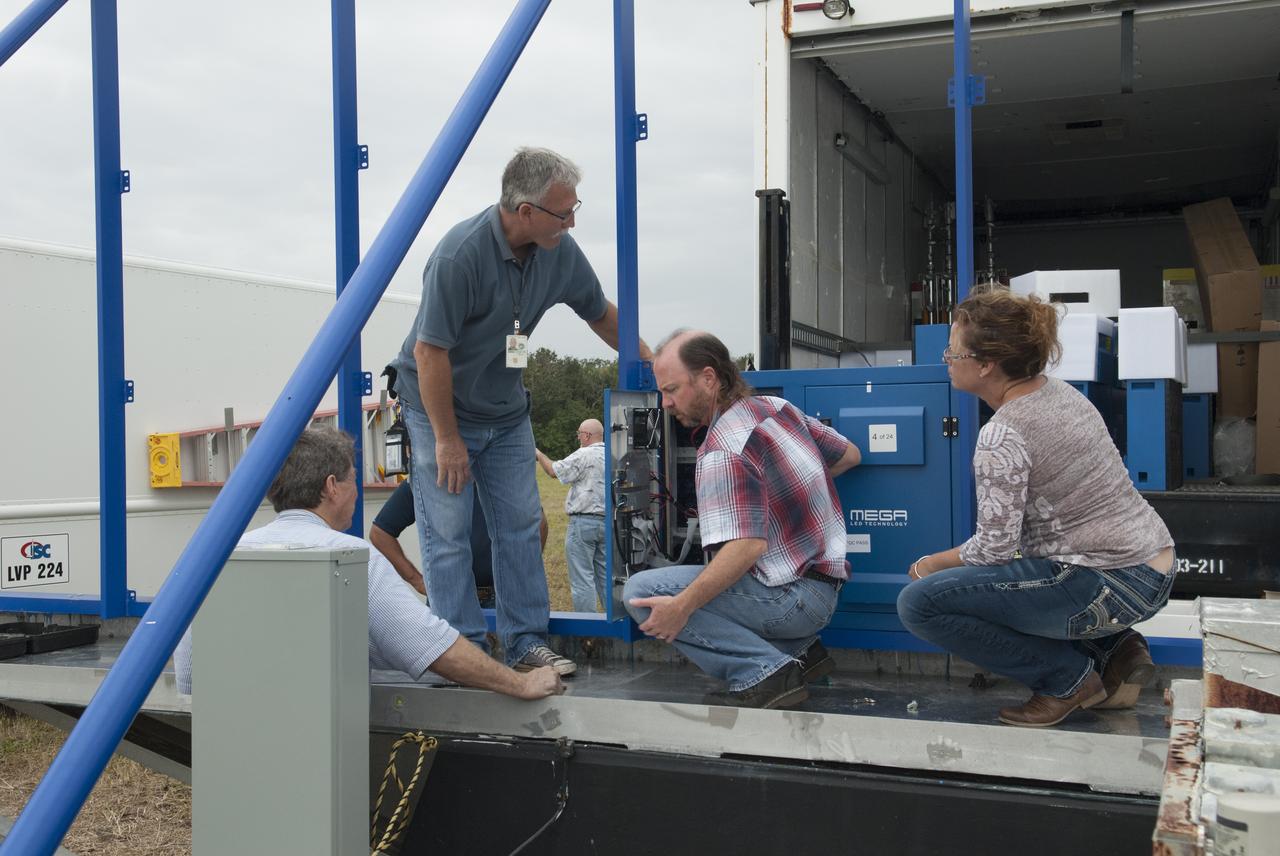
At NASA's Kennedy Space Center in Florida, assembly has begun on the first of 24 light emitting diode LED panels for installation in the new countdown clock at the spaceport's Press Site. The new modern, multimedia display will be similar to the screens seen at sporting venues. The new screen will be nearly 26 feet wide by 7 feet high, a foot taller than the original clock. The historic countdown clock was designed by Kennedy engineers and built by space center technicians before Apollo 12 in 1969. NASA has requested to acquire the countdown clock from the agency’s Artifact Working Group at the agency's Headquarters for likely display at the Kennedy Space Center Visitor Complex.
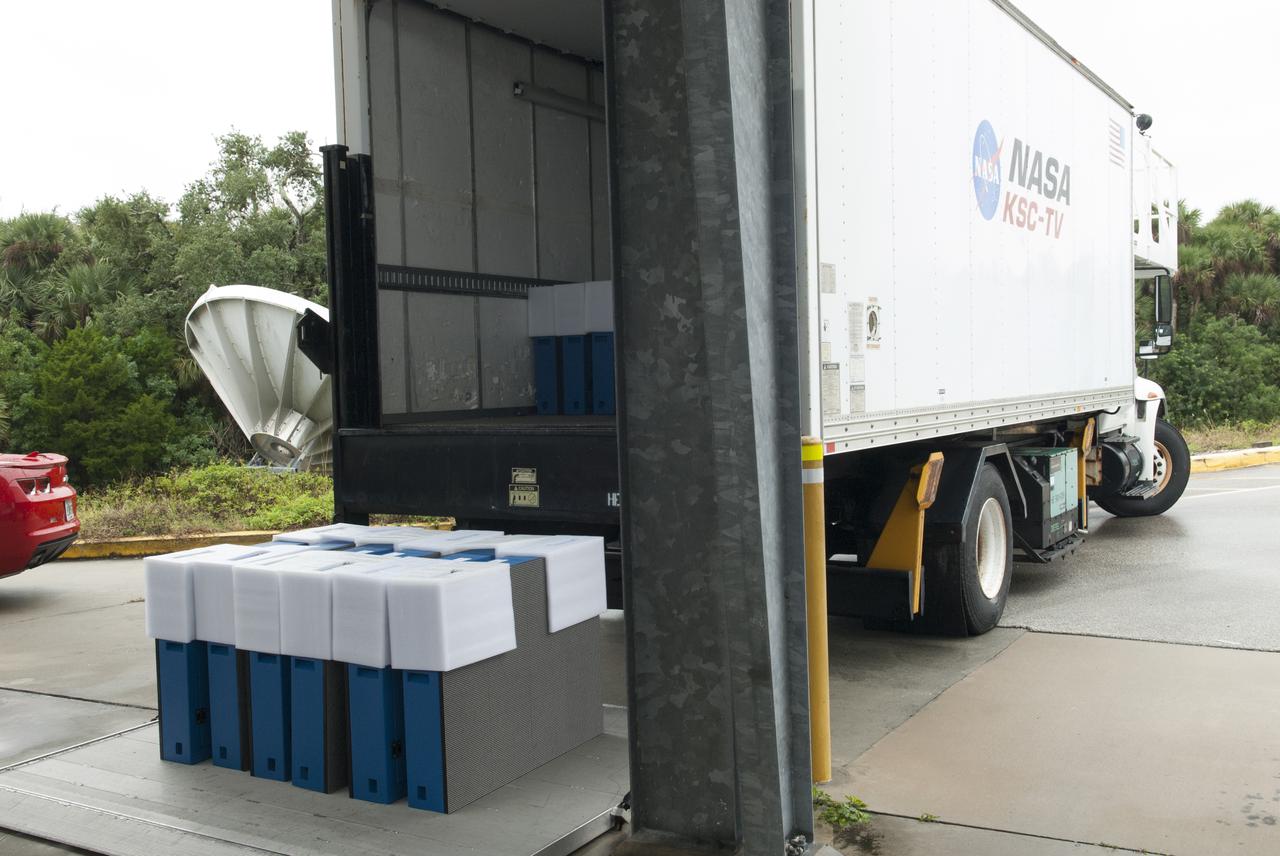
At NASA's Kennedy Space Center in Florida, the first of 24 light emitting diode LED panels have arrived for installation in the new countdown clock at the spaceport's Press Site. A new modern, multimedia display soon will be installed, similar to the screens seen at sporting venues. The new screen will be nearly 26 feet wide by 7 feet high, a foot taller than the original clock. The historic countdown clock was designed by Kennedy engineers and built by space center technicians before Apollo 12 in 1969. NASA has requested to acquire the countdown clock from the agency’s Artifact Working Group at the agency's Headquarters for likely display at the Kennedy Space Center Visitor Complex.
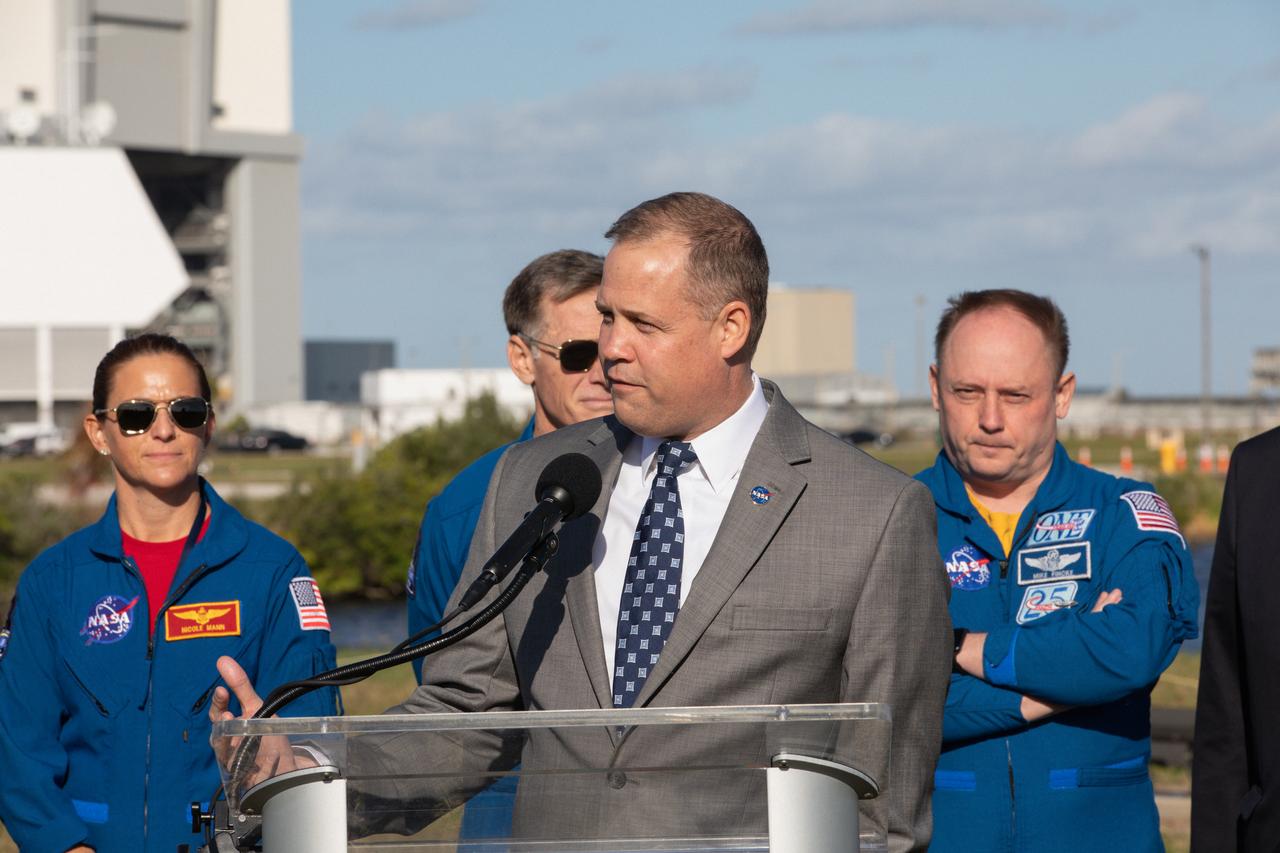
Jim Bridenstine, NASA administrator, participates in a Boeing Orbital Flight Test media briefing near the countdown clock at the Florida spaceport on Dec. 19, 2019. In the background from left to right are NASA astronaut Nicole Mann, Boeing astronaut Chris Ferguson and NASA astronaut Mike Finke. Boeing’s CST-100 Starliner spacecraft will launch atop a United Launch Alliance Atlas V rocket from Space Launch Complex 41 at Cape Canaveral Air Force Station. The uncrewed Orbital Flight Test will be the Starliner’s first flight to the International Space Station for NASA’s Commercial Crew Program.
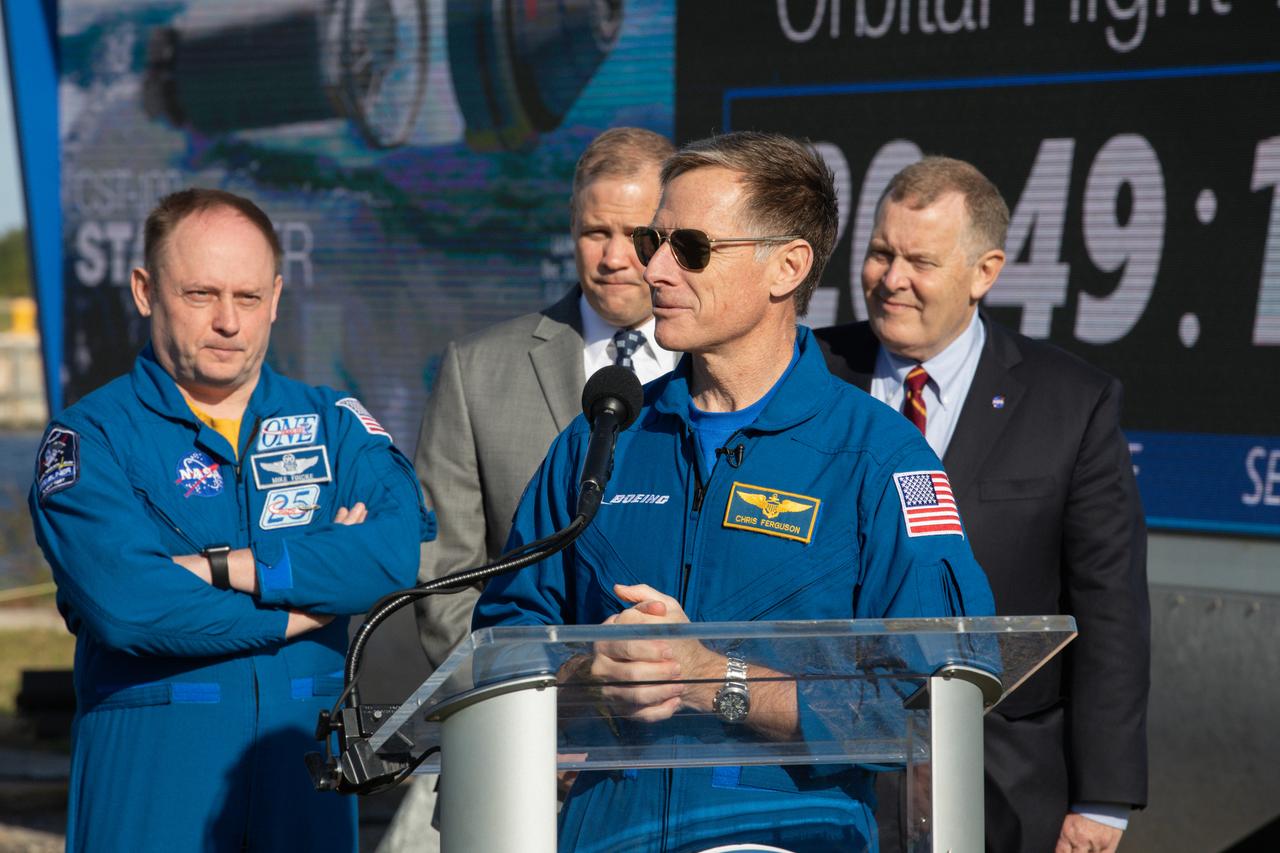
Chris Ferguson, Boeing astronaut, participates in a Boeing Orbital Flight Test media briefing near the countdown clock at the Florida spaceport on Dec. 19, 2019. In the background from left to right are NASA astronaut Mike Finke, NASA Administrator Jim Bridenstine and Deputy Administrator Jim Morhard. Boeing’s CST-100 Starliner spacecraft will launch atop a United Launch Alliance Atlas V rocket from Space Launch Complex 41 at Cape Canaveral Air Force Station. The uncrewed Orbital Flight Test will be the Starliner’s first flight to the International Space Station for NASA’s Commercial Crew Program.
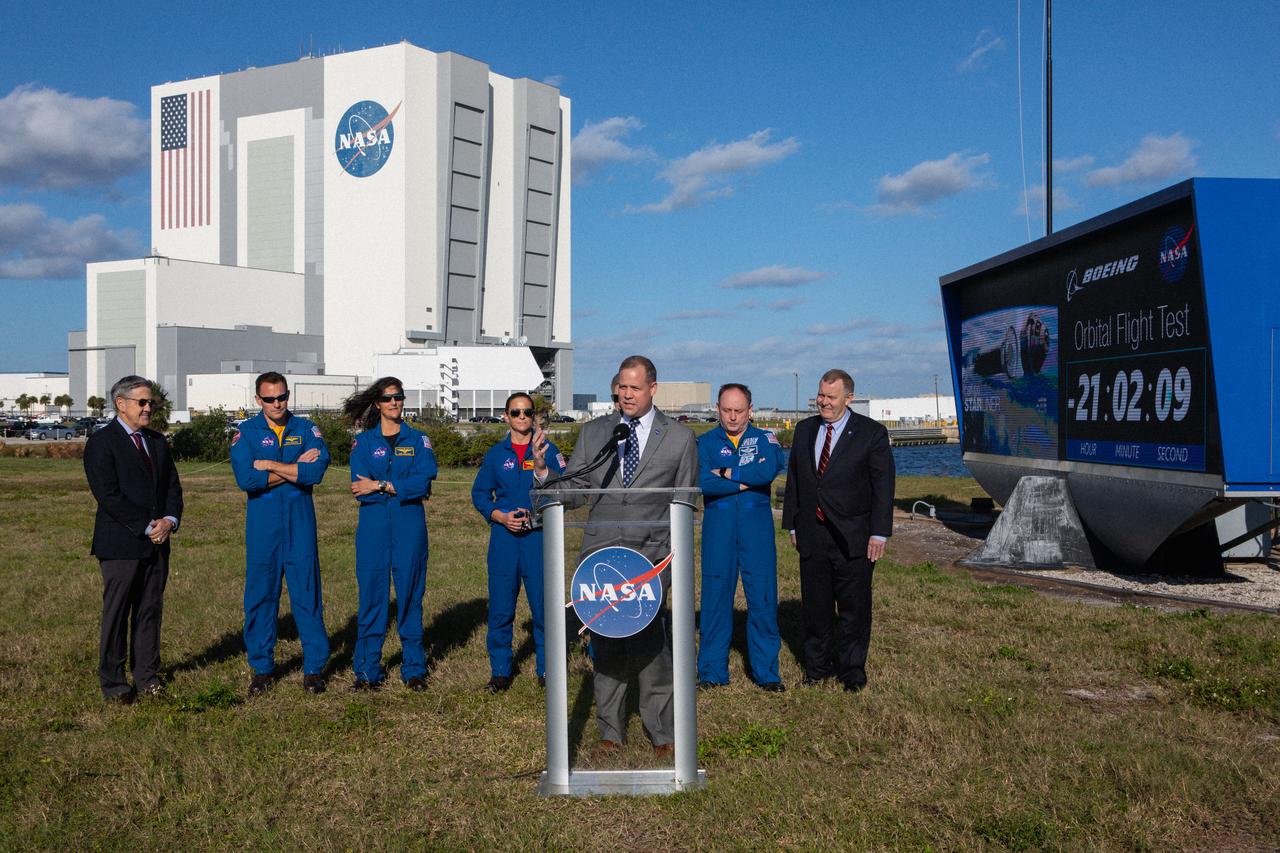
Jim Bridenstine, NASA administrator, participates in a Boeing Orbital Flight Test media briefing near the countdown clock at the Florida spaceport on Dec. 19, 2019. In the background from left to right are Kennedy Space Center Director Bob Cabana; NASA astronauts Josh Cassada, Suni Williams, Nicole Mann and Mike Finke; and NASA Deputy Administrator Jim Morhard. Boeing’s CST-100 Starliner spacecraft will launch atop a United Launch Alliance Atlas V rocket from Space Launch Complex 41 at Cape Canaveral Air Force Station. The uncrewed Orbital Flight Test will be the Starliner’s first flight to the International Space Station for NASA’s Commercial Crew Program.

Bob Cabana, Kennedy Space Center director, participates in a Boeing Orbital Flight Test media briefing near the countdown clock at the Florida spaceport on Dec. 19, 2019. In the background from left to right are NASA astronaut Nicole Mann, Boeing astronaut Chris Ferguson and NASA astronaut Mike Finke. Boeing’s CST-100 Starliner spacecraft will launch atop a United Launch Alliance Atlas V rocket from Space Launch Complex 41 at Cape Canaveral Air Force Station. The uncrewed Orbital Flight Test will be the Starliner’s first flight to the International Space Station for NASA’s Commercial Crew Program.
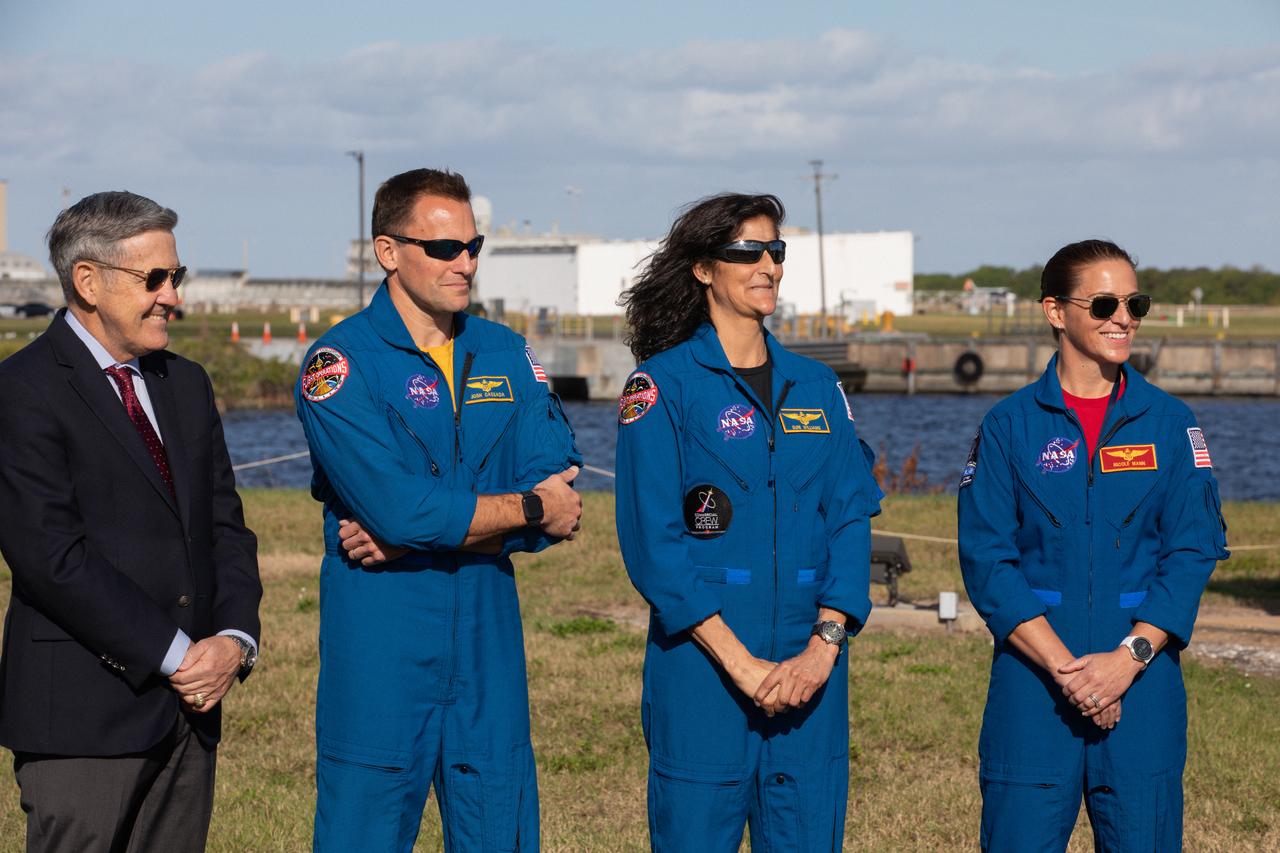
From left, Kennedy Space Center Director Bob Cabana and NASA astronauts Josh Cassada, Suni Williams and Nicole Mann participate in a Boeing Orbital Flight Test media briefing near the countdown clock at the Florida spaceport on Dec. 19, 2019. Boeing’s CST-100 Starliner spacecraft will launch atop a United Launch Alliance Atlas V rocket from Space Launch Complex 41 at Cape Canaveral Air Force Station. The uncrewed Orbital Flight Test will be the Starliner’s first flight to the International Space Station for NASA’s Commercial Crew Program.
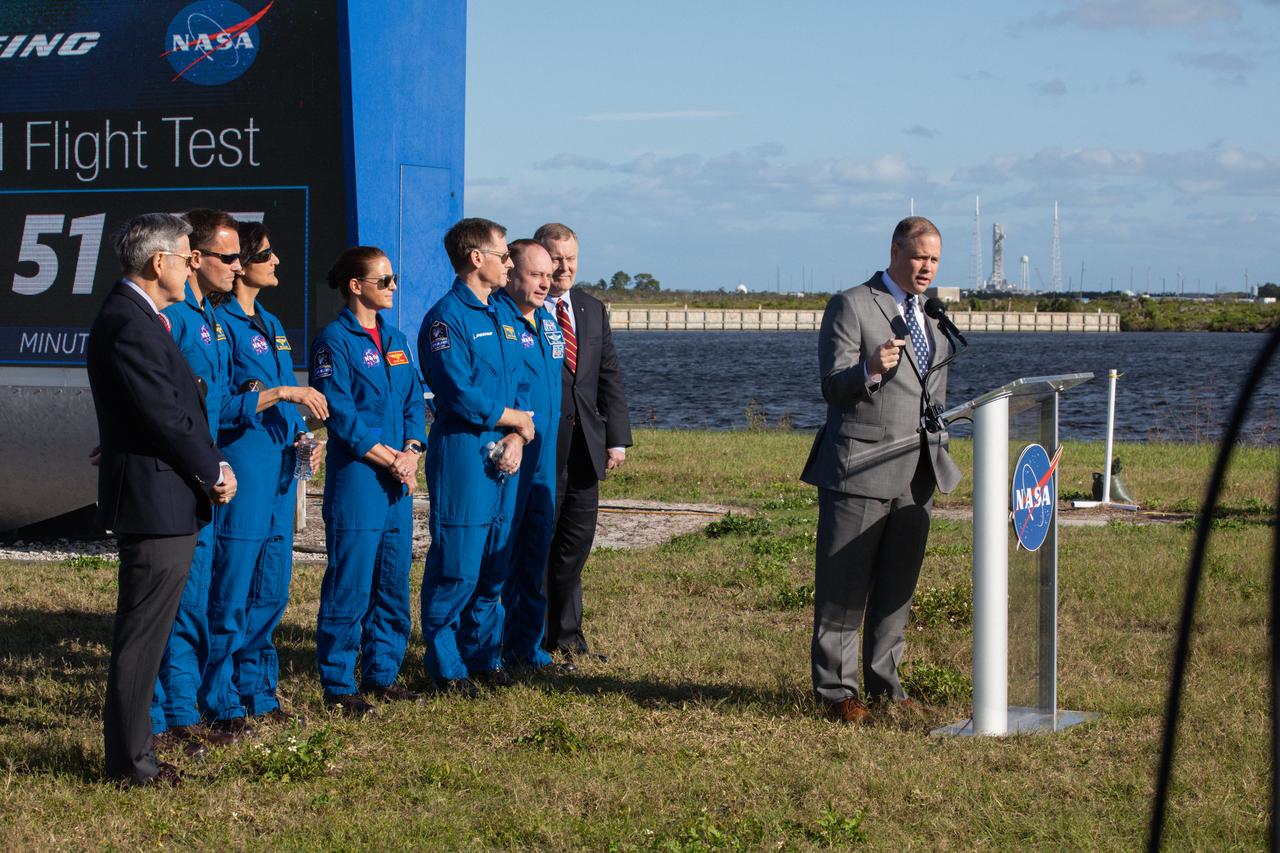
Jim Bridenstine, NASA administrator, participates in a Boeing Orbital Flight Test media briefing near the countdown clock at the Florida spaceport on Dec. 19, 2019. In the background from left to right are Cabana; NASA astronauts Josh Cassada, Suni Williams and Nicole Mann; Boeing astronaut Chris Ferguson; NASA astronaut Mike Finke; and NASA Deputy Administrator Jim Morhard. Boeing’s CST-100 Starliner spacecraft will launch atop a United Launch Alliance Atlas V rocket from Space Launch Complex 41 at Cape Canaveral Air Force Station. The uncrewed Orbital Flight Test will be the Starliner’s first flight to the International Space Station for NASA’s Commercial Crew Program.
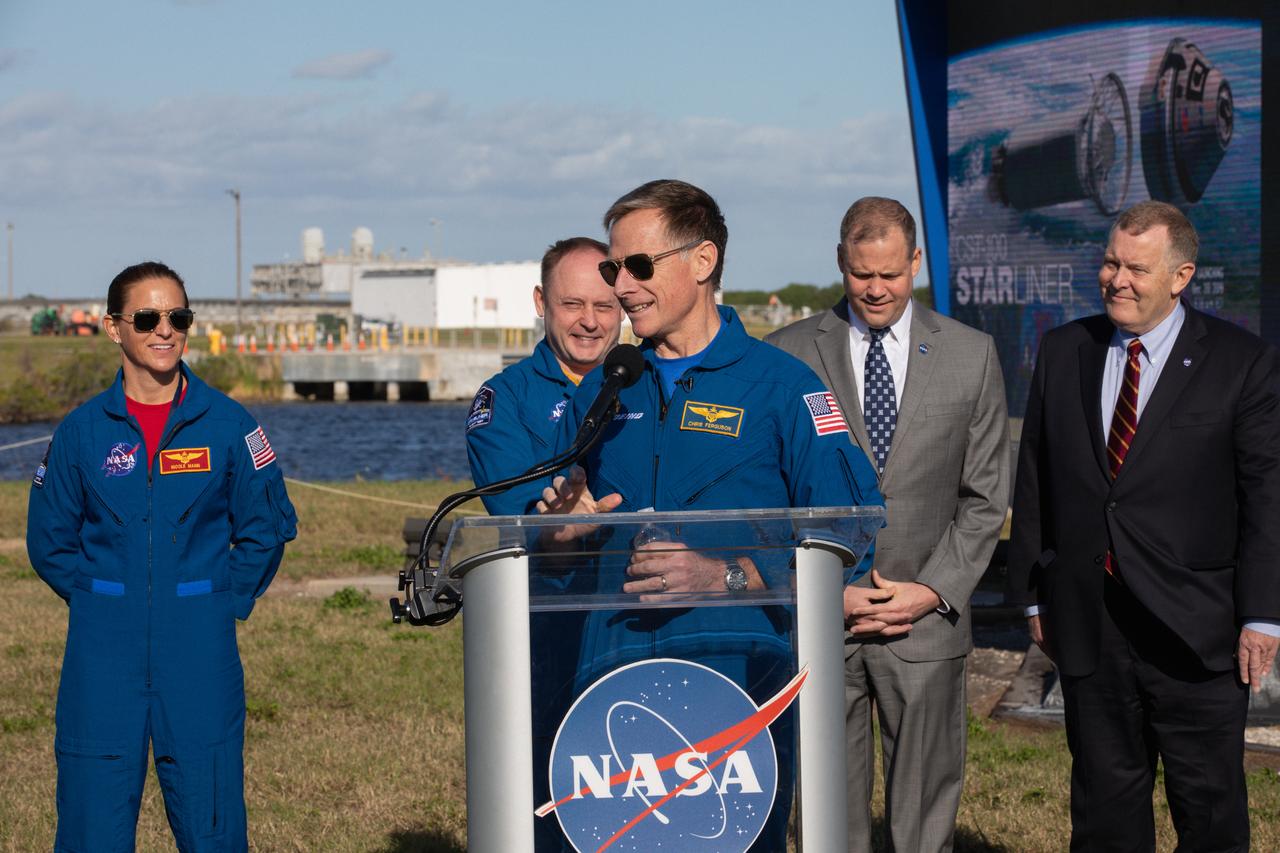
Chris Ferguson, Boeing astronaut, participates in a Boeing Orbital Flight Test media briefing near the countdown clock at the Florida spaceport on Dec. 19, 2019. In the background from left to right are NASA astronauts Nicole Mann and Mike Finke, NASA Administrator Jim Bridenstine and Deputy Administrator Jim Morhard. Boeing’s CST-100 Starliner spacecraft will launch atop a United Launch Alliance Atlas V rocket from Space Launch Complex 41 at Cape Canaveral Air Force Station. The uncrewed Orbital Flight Test will be the Starliner’s first flight to the International Space Station for NASA’s Commercial Crew Program.
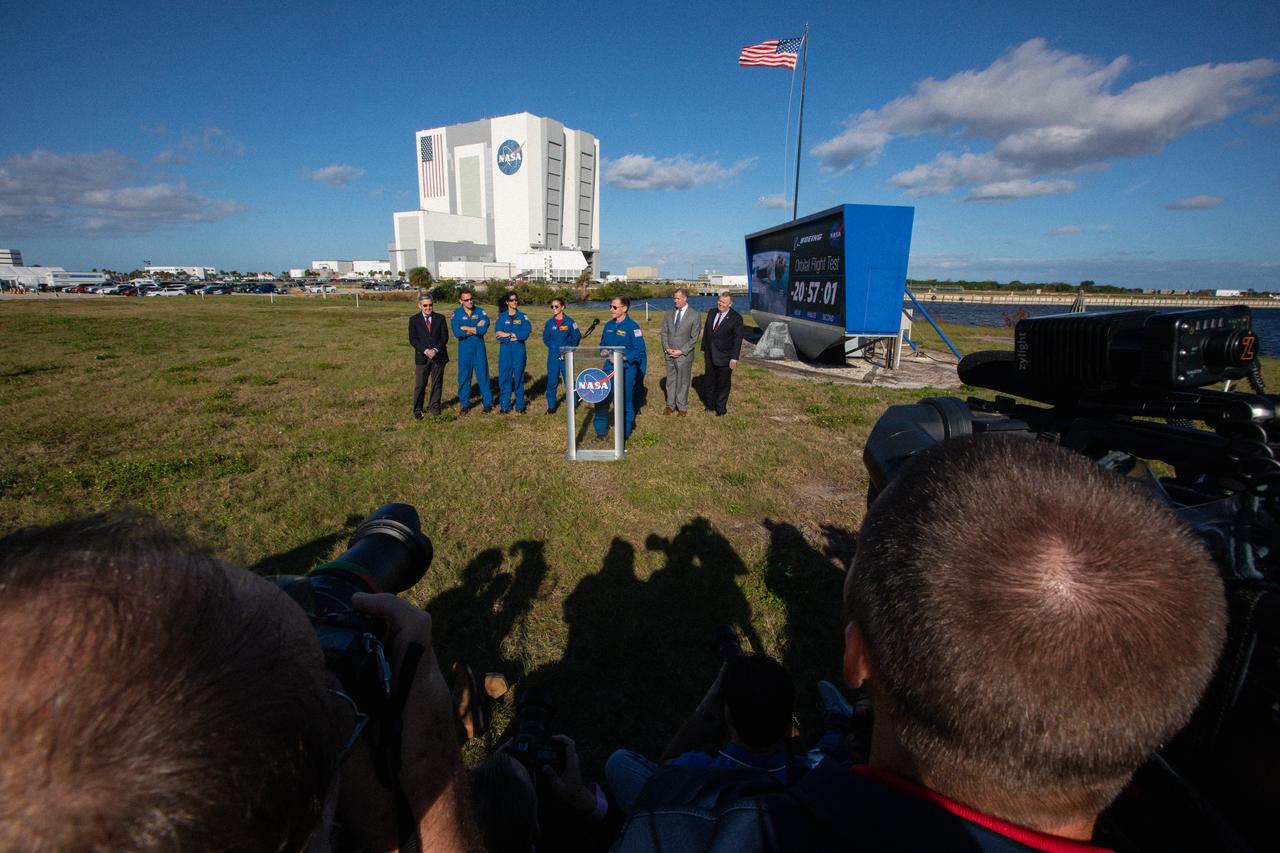
Chris Ferguson, Boeing astronaut, participates in a Boeing Orbital Flight Test media briefing near the countdown clock at the Florida spaceport on Dec. 19, 2019. In the background from left to right are Kennedy Space Center Director Bob Cabana; NASA astronauts Josh Cassada, Suni Williams and Nicole Mann; NASA Administrator Jim Bridenstine; and Deputy Administrator Jim Morhard. Boeing’s CST-100 Starliner spacecraft will launch atop a United Launch Alliance Atlas V rocket from Space Launch Complex 41 at Cape Canaveral Air Force Station. The uncrewed Orbital Flight Test will be the Starliner’s first flight to the International Space Station for NASA’s Commercial Crew Program.
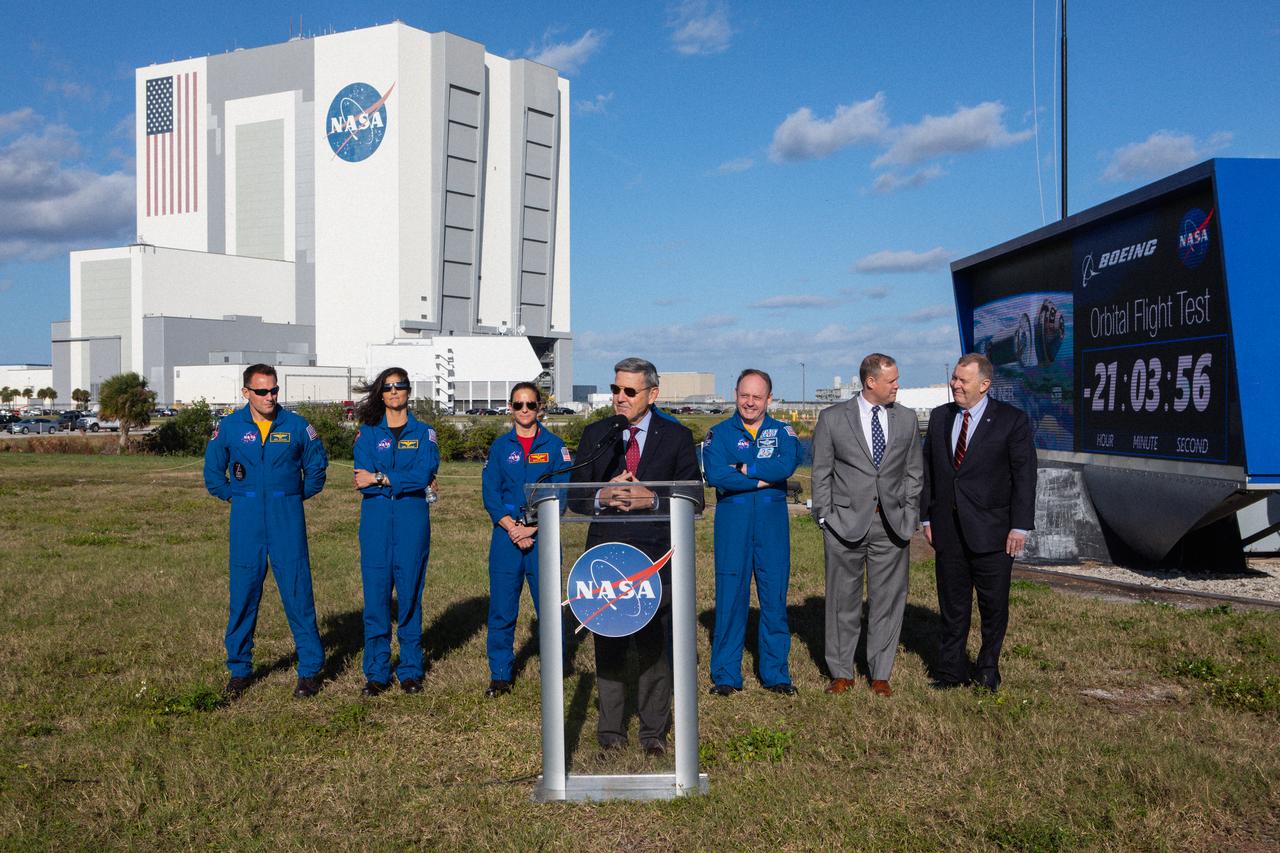
Bob Cabana, Kennedy Space Center director, participates in a Boeing Orbital Flight Test media briefing near the countdown clock at the Florida spaceport on Dec. 19, 2019. In the background from left to right are NASA astronauts Josh Cassada, Suni Williams, Nicole Mann and Mike Finke; NASA Administrator Jim Bridenstine; and Deputy Administrator Jim Morhard. Boeing’s CST-100 Starliner spacecraft will launch atop a United Launch Alliance Atlas V rocket from Space Launch Complex 41 at Cape Canaveral Air Force Station. The uncrewed Orbital Flight Test will be the Starliner’s first flight to the International Space Station for NASA’s Commercial Crew Program.
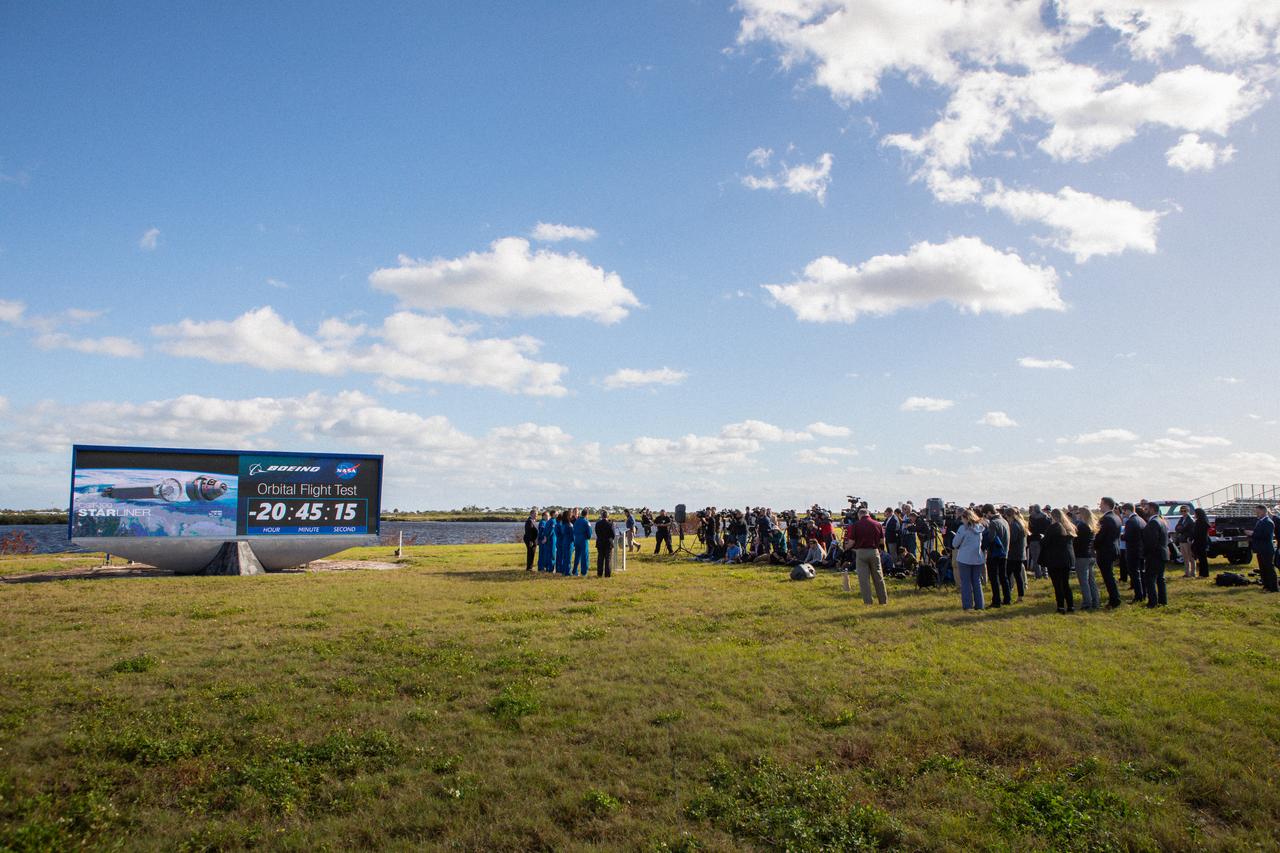
NASA Administrator Jim Bridenstine, Kennedy Space Center Director Bob Cabana, and astronauts representing NASA and Boeing participate in a Boeing Orbital Flight Test media briefing near the countdown clock at the Florida spaceport on Dec. 19, 2019. Boeing’s CST-100 Starliner spacecraft will launch atop a United Launch Alliance Atlas V rocket from Space Launch Complex 41 at Cape Canaveral Air Force Station. The uncrewed Orbital Flight Test will be the Starliner’s first flight to the International Space Station for NASA’s Commercial Crew Program.
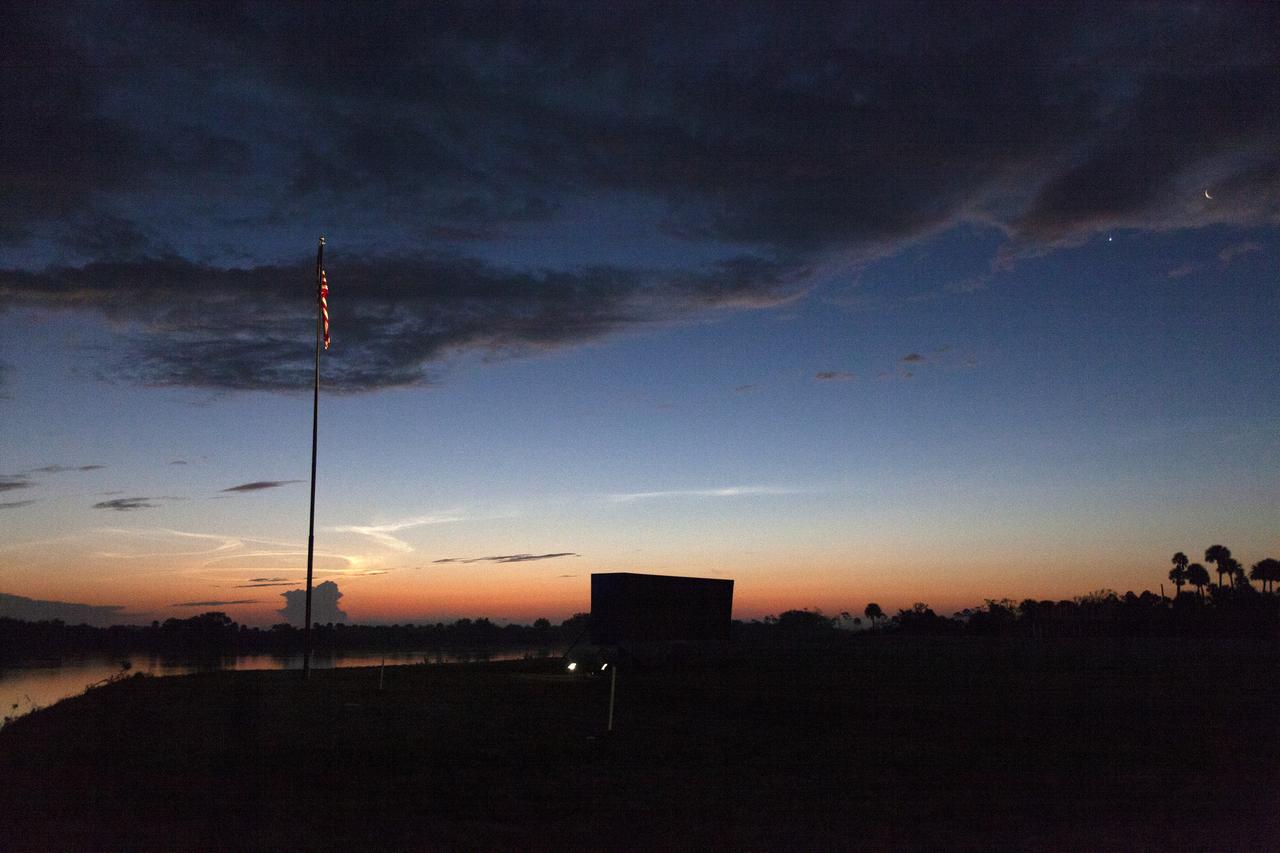
A sunrise serves as the backdrop for the countdown clock and American Flag near the Press Site at NASA’s Kennedy Space Center in Florida following the successful launch of SpaceX’s uncrewed Demo-1 flight test from Launch Complex 39A on March 2, 2019. The company’s Crew Dragon spacecraft lifted off atop a Falcon 9 rocket and traveled to the International Space Station, where it validated end-to-end systems and capabilities in preparation for certification to fly crew.
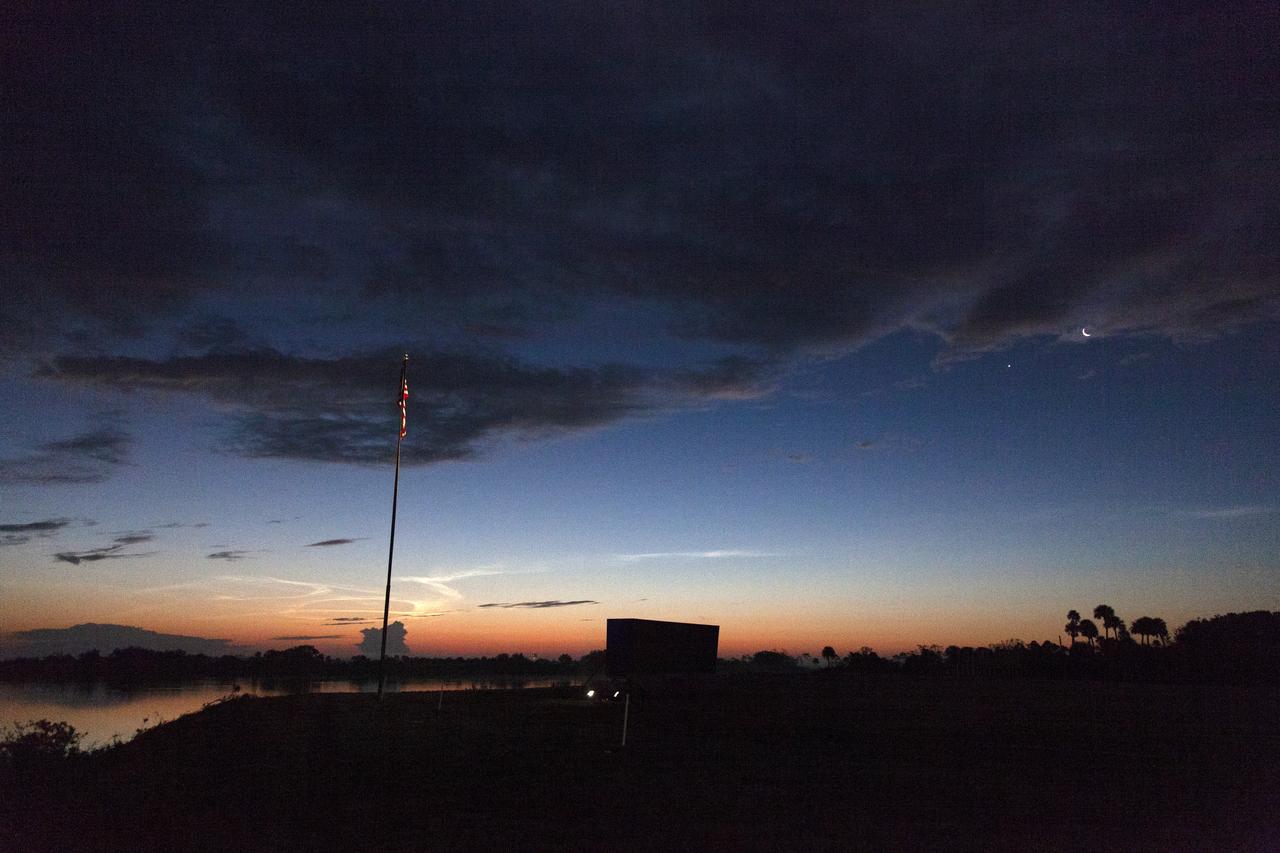
A sunrise serves as the backdrop for the countdown clock and American Flag near the Press Site at NASA’s Kennedy Space Center in Florida following the successful launch of SpaceX’s uncrewed Demo-1 flight test from Launch Complex 39A on March 2, 2019. The company’s Crew Dragon spacecraft lifted off atop a Falcon 9 rocket and traveled to the International Space Station, where it validated end-to-end systems and capabilities in preparation for certification to fly crew.
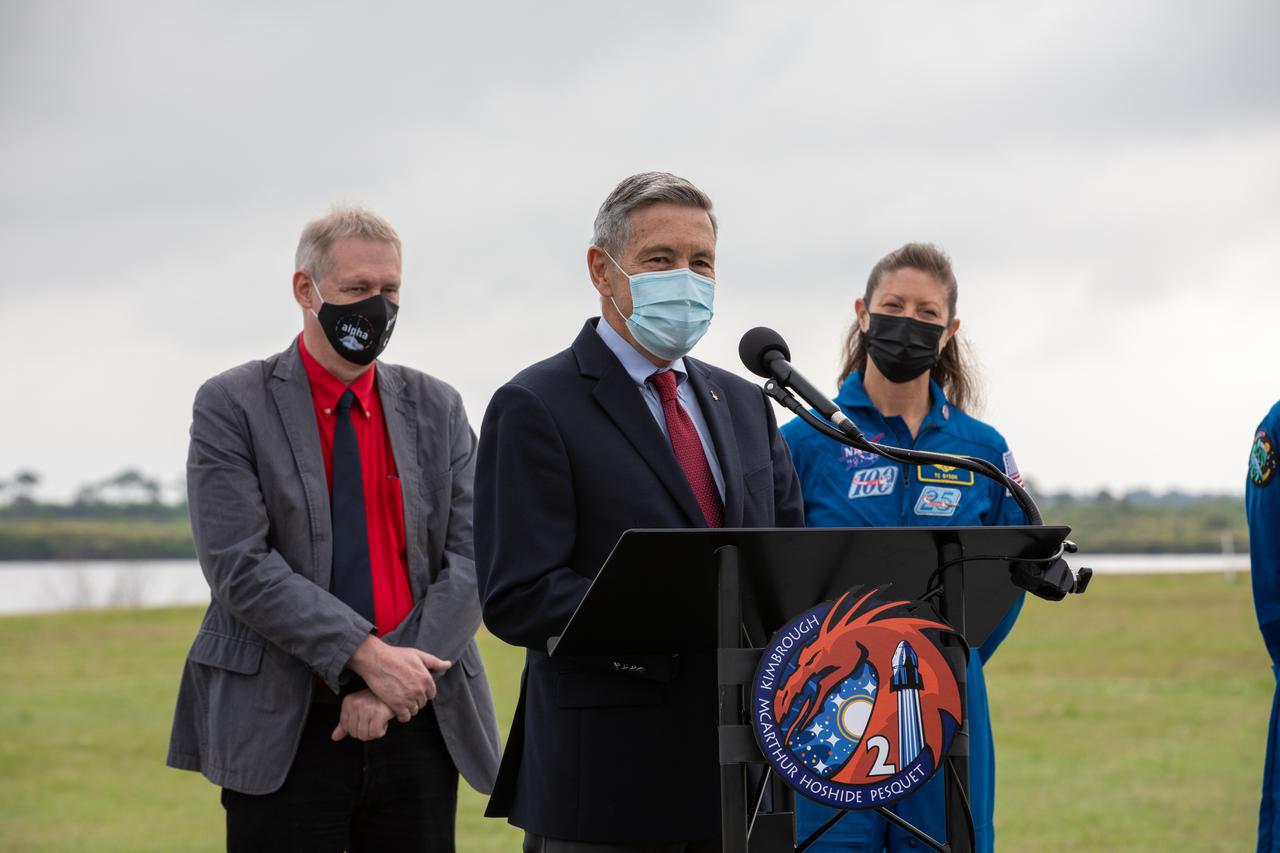
Kennedy Space Center Director Bob Cabana addresses members of the news media during a press briefing April 21, 2021, near the Press Site countdown clock at Kennedy ahead of the agency’s SpaceX Crew-2 launch. NASA astronauts Shane Kimbrough and Megan McArthur, JAXA astronaut Akihiko Hoshide, and ESA astronaut Thomas Pesquet will fly on Crew-2, the second crew rotation mission to the International Space Station as part of NASA’s Commercial Crew Program. They will launch aboard SpaceX’s Crew Dragon spacecraft, named Endeavour, powered by the company’s Falcon 9 rocket. Liftoff is set for Friday, April 23, at 5:49 a.m. EDT.
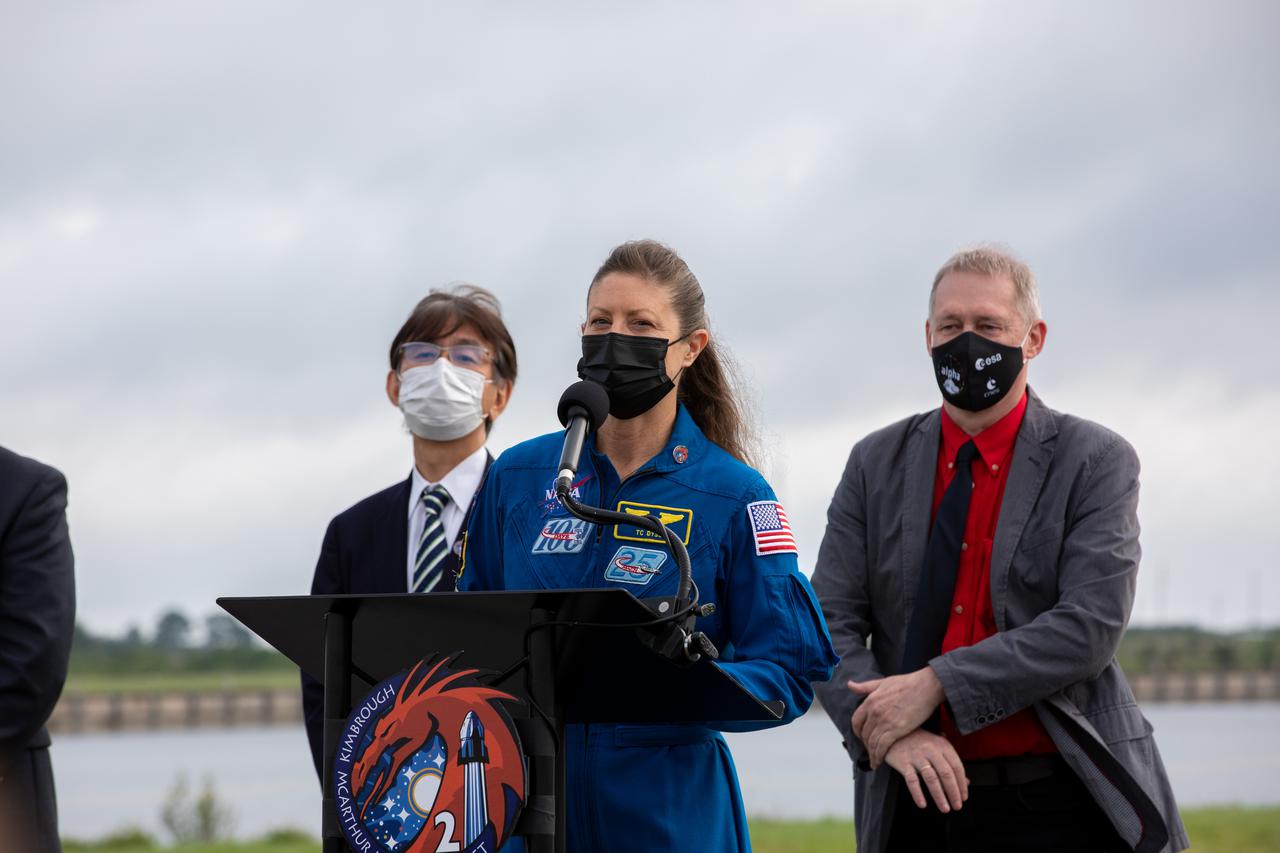
NASA astronaut Tracy Caldwell Dyson addresses members of the news media during a press briefing April 21, 2021, near the Press Site countdown clock at NASA’s Kennedy Space Center in Florida ahead of the agency’s SpaceX Crew-2 launch. NASA astronauts Shane Kimbrough and Megan McArthur, JAXA astronaut Akihiko Hoshide, and ESA astronaut Thomas Pesquet will fly on Crew-2, the second crew rotation mission to the International Space Station as part of NASA’s Commercial Crew Program. They will launch aboard SpaceX’s Crew Dragon spacecraft, named Endeavour, powered by the company’s Falcon 9 rocket. Liftoff is set for Friday, April 23, at 5:49 a.m. EDT.
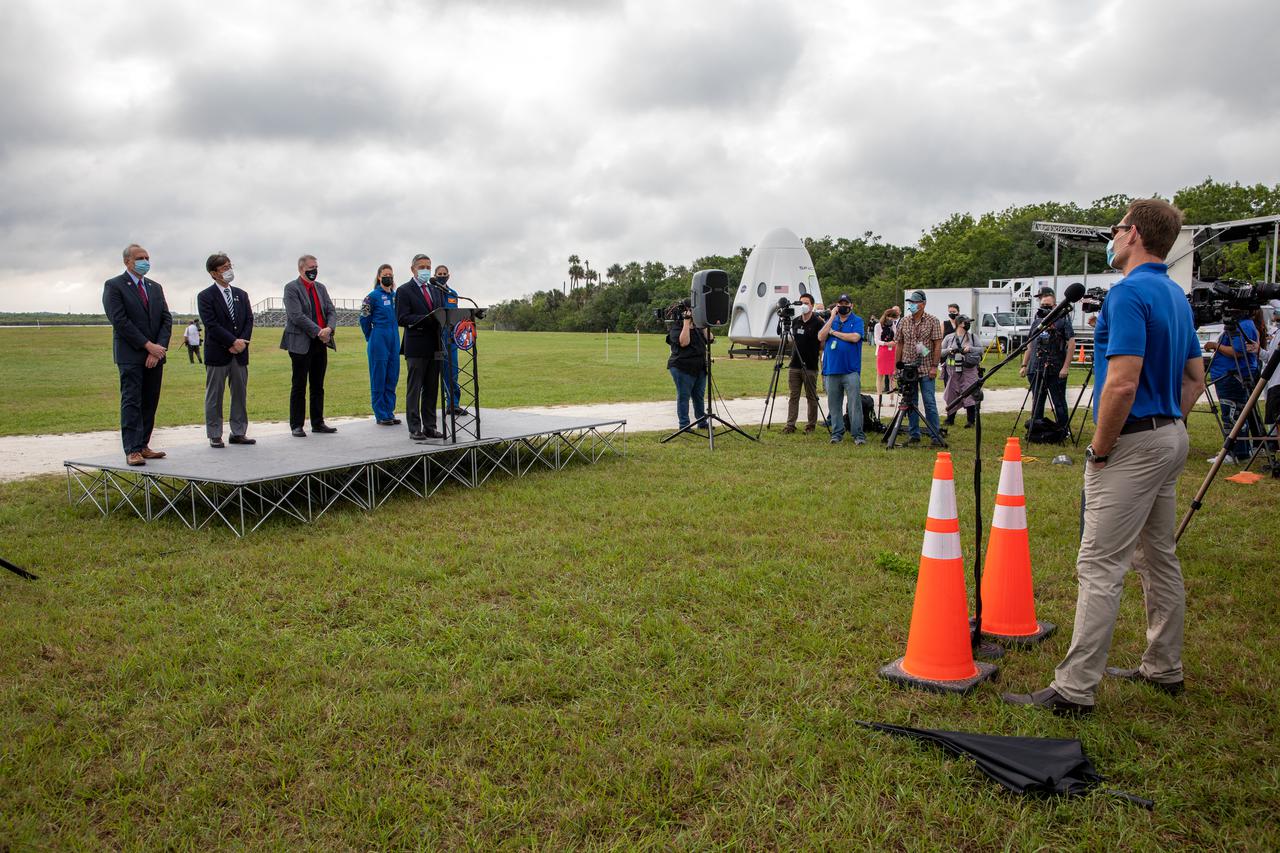
Members of the news media attend a press briefing April 21, 2021, near the Press Site countdown clock at NASA’s Kennedy Space Center in Florida ahead of the agency’s SpaceX Crew-2 launch. Crew-2 is the second regular crew mission of a U.S. commercial spacecraft with astronauts to the International Space Station as part of NASA’s Commercial Crew Program. The SpaceX Crew Dragon Endeavour capsule will launch atop the company’s Falcon 9 rocket from Launch Complex 39A to the space station for a six-month science mission. Liftoff is targeted for Friday, April 23, at 5:49 a.m. EDT.
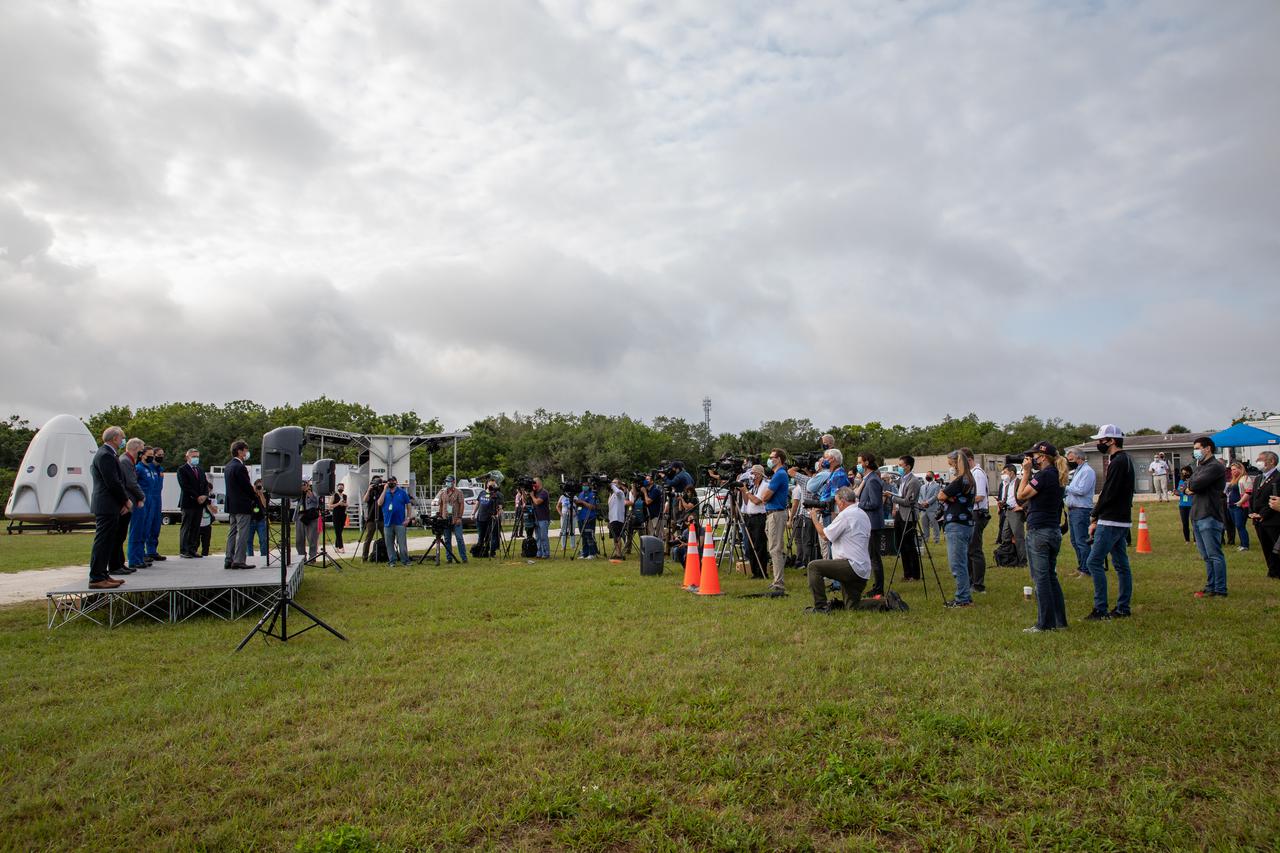
Members of the news media attend a press briefing April 21, 2021, near the Press Site countdown clock at NASA’s Kennedy Space Center in Florida ahead of the agency’s SpaceX Crew-2 launch. Crew-2 is the second regular crew mission of a U.S. commercial spacecraft with astronauts to the International Space Station as part of NASA’s Commercial Crew Program. The SpaceX Crew Dragon Endeavour capsule will launch atop the company’s Falcon 9 rocket from Launch Complex 39A to the space station for a six-month science mission. Liftoff is targeted for Friday, April 23, at 5:49 a.m. EDT.
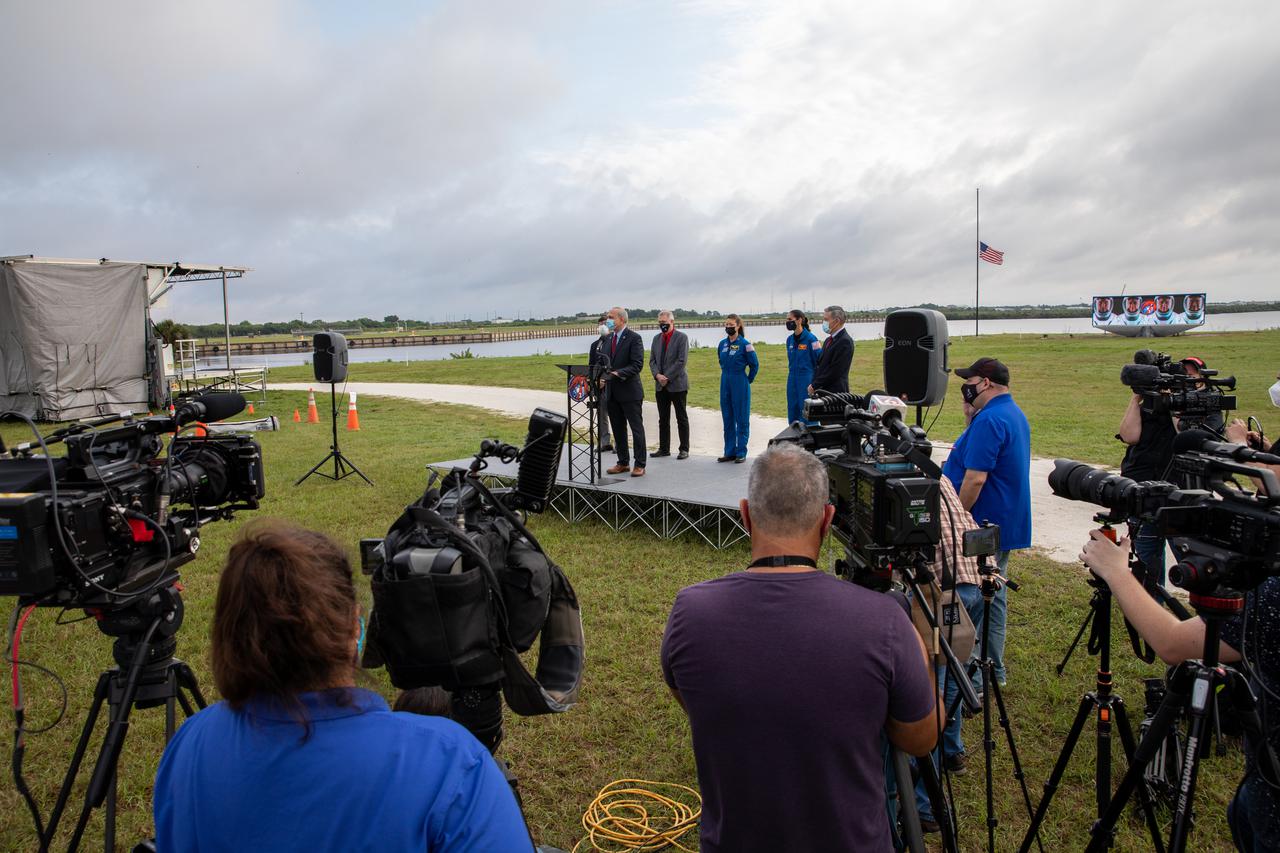
Members of the news media attend a press briefing April 21, 2021, near the Press Site countdown clock at NASA’s Kennedy Space Center in Florida ahead of the agency’s SpaceX Crew-2 launch. Crew-2 is the second regular crew mission of a U.S. commercial spacecraft with astronauts to the International Space Station as part of NASA’s Commercial Crew Program. The SpaceX Crew Dragon Endeavour capsule will launch atop the company’s Falcon 9 rocket from Launch Complex 39A to the space station for a six-month science mission. Liftoff is targeted for Friday, April 23, at 5:49 a.m. EDT.
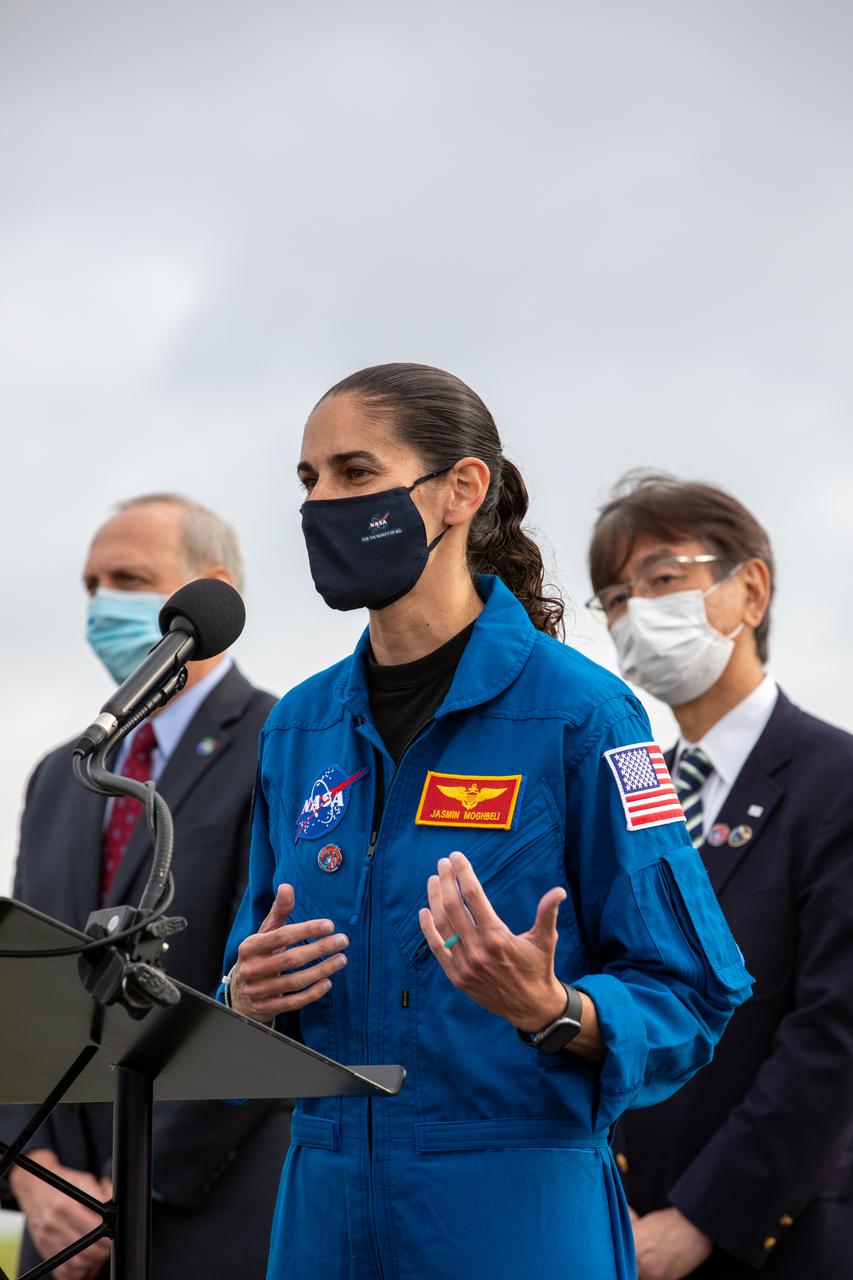
NASA astronaut Jasmin Moghbeli addresses members of the news media during a press briefing April 21, 2021, near the Press Site countdown clock at NASA’s Kennedy Space Center in Florida ahead of the agency’s SpaceX Crew-2 launch. NASA astronauts Shane Kimbrough and Megan McArthur, JAXA astronaut Akihiko Hoshide, and ESA astronaut Thomas Pesquet will fly on Crew-2, the second crew rotation mission to the International Space Station as part of NASA’s Commercial Crew Program. They will launch aboard SpaceX’s Crew Dragon spacecraft, named Endeavour, powered by the company’s Falcon 9 rocket. Liftoff is set for Friday, April 23, at 5:49 a.m. EDT.
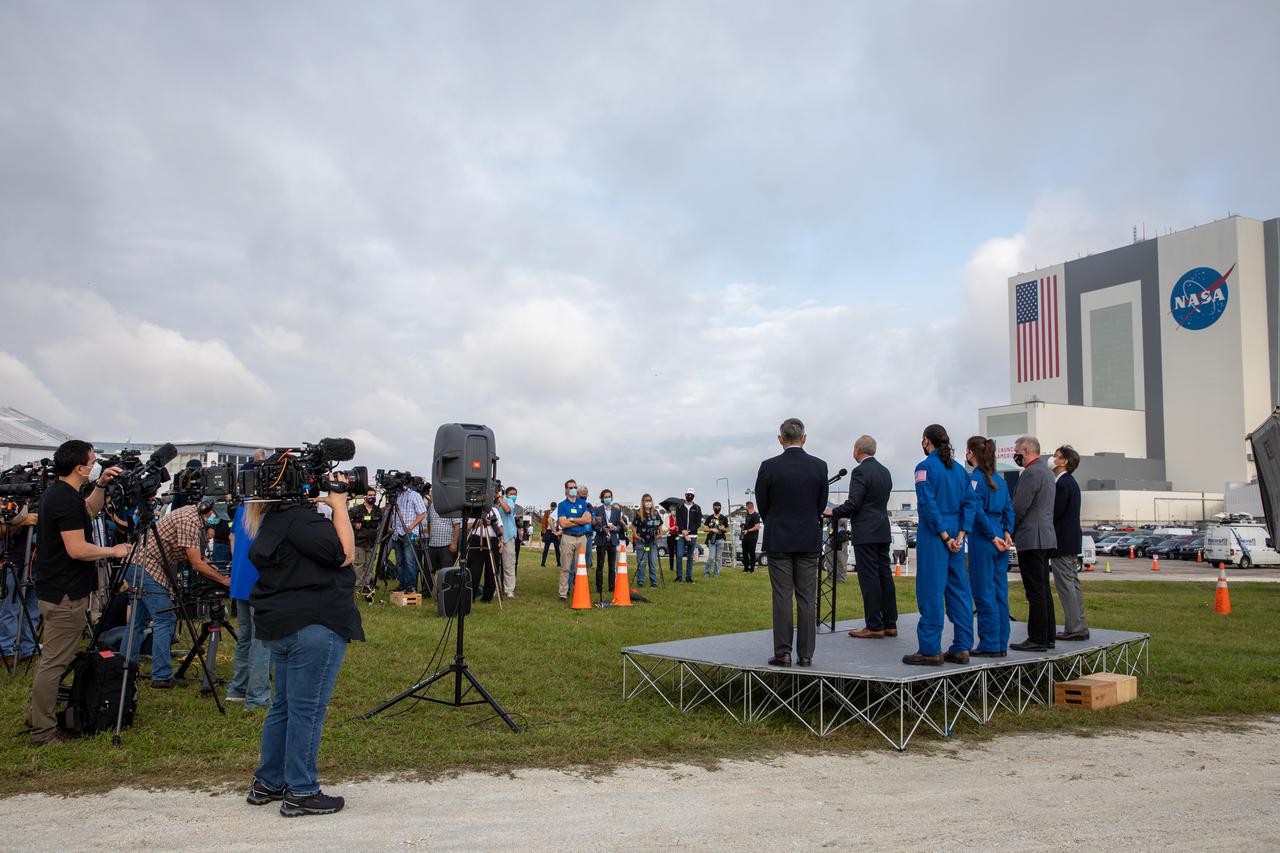
Members of the news media attend a press briefing April 21, 2021, near the Press Site countdown clock at NASA’s Kennedy Space Center in Florida ahead of the agency’s SpaceX Crew-2 launch. Crew-2 is the second regular crew mission of a U.S. commercial spacecraft with astronauts to the International Space Station as part of NASA’s Commercial Crew Program. The SpaceX Crew Dragon Endeavour capsule will launch atop the company’s Falcon 9 rocket from Launch Complex 39A to the space station for a six-month science mission. Liftoff is targeted for Friday, April 23, at 5:49 a.m. EDT.
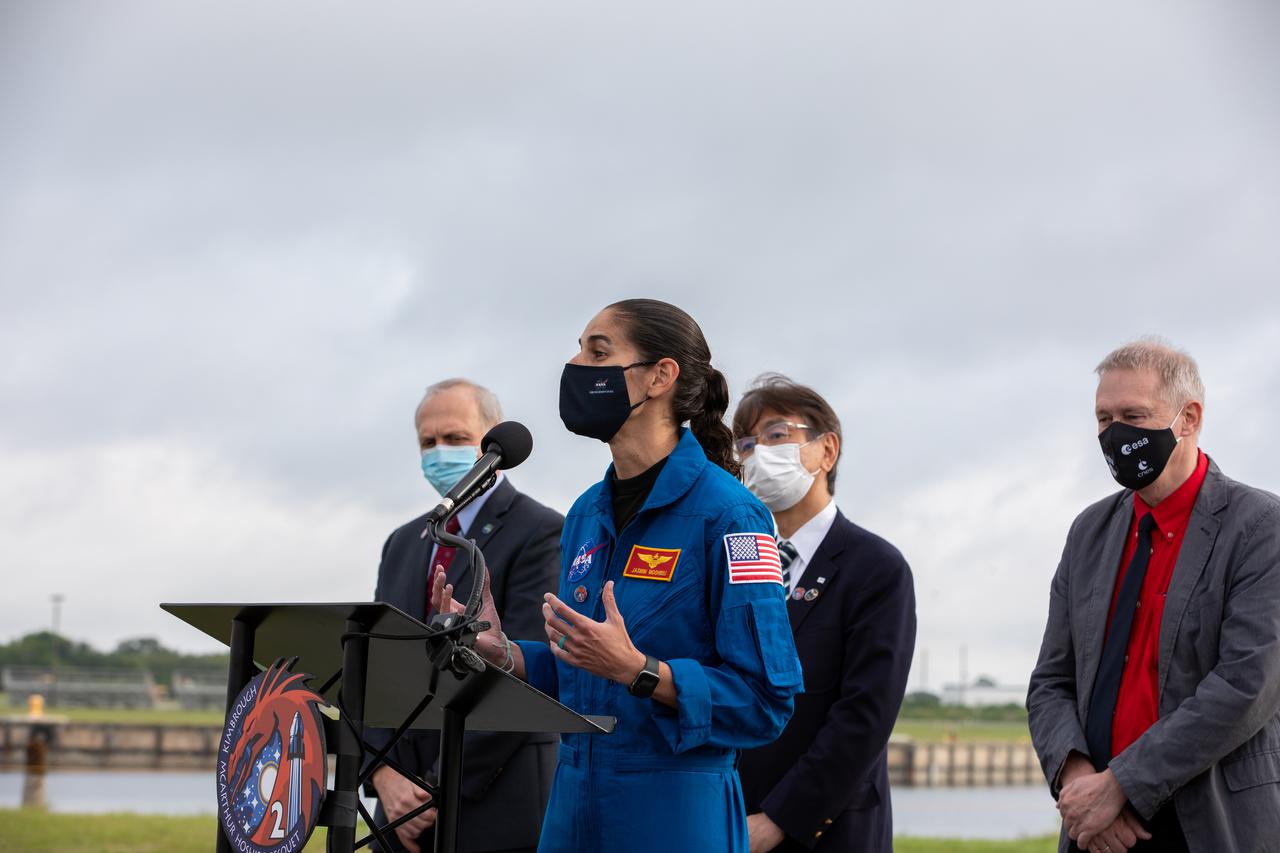
NASA astronaut Jasmin Moghbeli addresses members of the news media during a press briefing April 21, 2021, near the Press Site countdown clock at NASA’s Kennedy Space Center in Florida ahead of the agency’s SpaceX Crew-2 launch. NASA astronauts Shane Kimbrough and Megan McArthur, JAXA astronaut Akihiko Hoshide, and ESA astronaut Thomas Pesquet will fly on Crew-2, the second crew rotation mission to the International Space Station as part of NASA’s Commercial Crew Program. They will launch aboard SpaceX’s Crew Dragon spacecraft, named Endeavour, powered by the company’s Falcon 9 rocket. Liftoff is set for Friday, April 23, at 5:49 a.m. EDT.
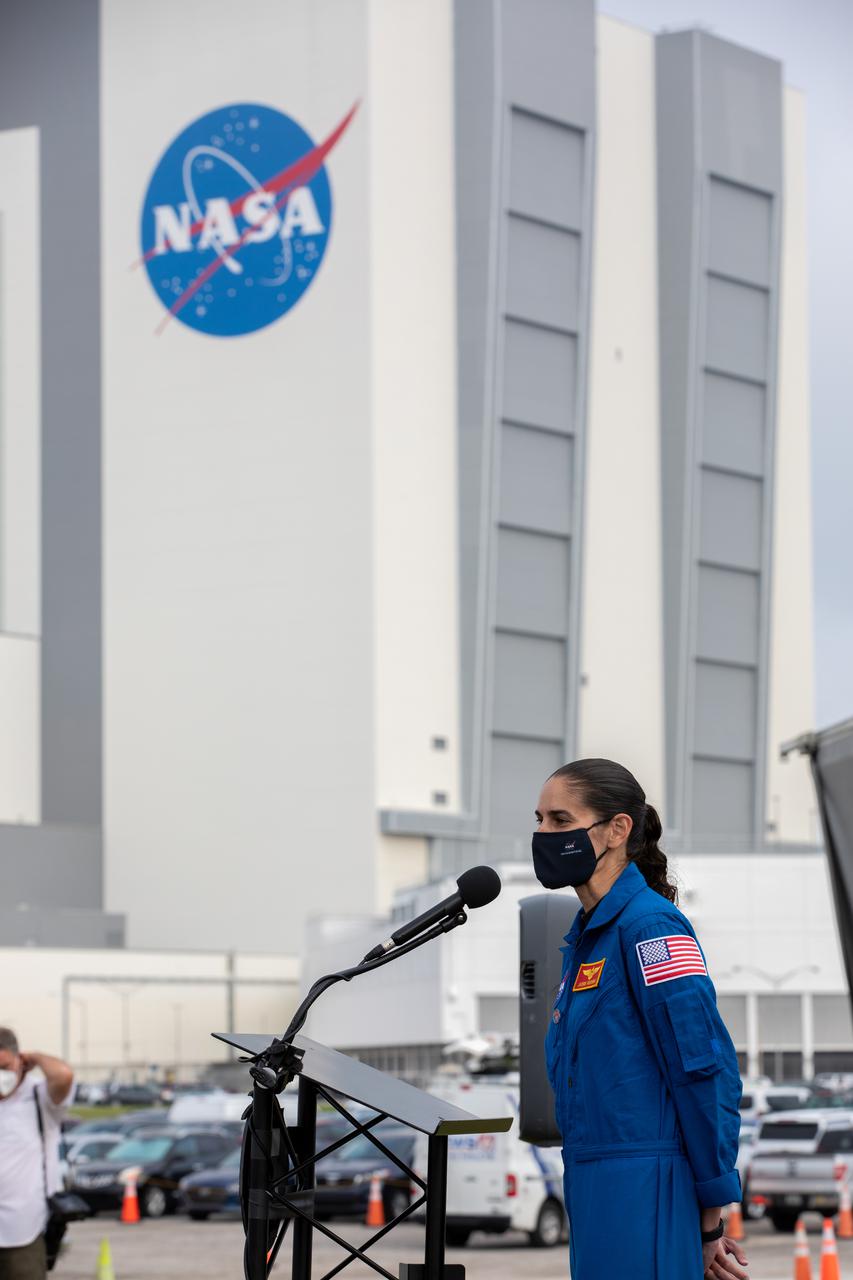
NASA astronaut Jasmin Moghbeli addresses members of the news media during a press briefing April 21, 2021, near the Press Site countdown clock at NASA’s Kennedy Space Center in Florida ahead of the agency’s SpaceX Crew-2 launch. NASA astronauts Shane Kimbrough and Megan McArthur, JAXA astronaut Akihiko Hoshide, and ESA astronaut Thomas Pesquet will fly on Crew-2, the second crew rotation mission to the International Space Station as part of NASA’s Commercial Crew Program. They will launch aboard SpaceX’s Crew Dragon spacecraft, named Endeavour, powered by the company’s Falcon 9 rocket. Liftoff is set for Friday, April 23, at 5:49 a.m. EDT.
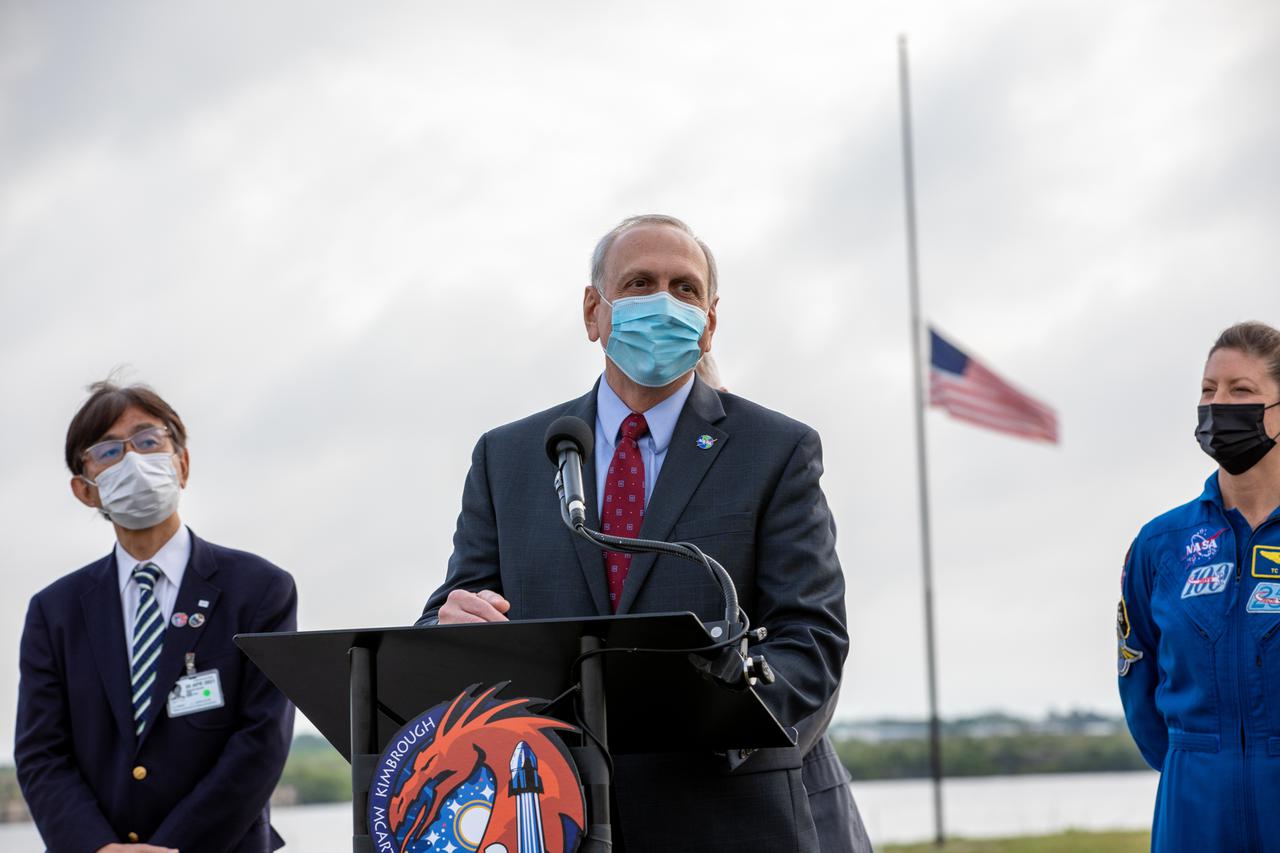
Steve Jurczyk, acting NASA administrator, addresses members of the news media during a press briefing April 21, 2021, near the Press Site countdown clock at NASA’s Kennedy Space Center in Florida ahead of the agency’s SpaceX Crew-2 launch. NASA astronauts Shane Kimbrough and Megan McArthur, JAXA astronaut Akihiko Hoshide, and ESA astronaut Thomas Pesquet will fly on Crew-2, the second crew rotation mission to the International Space Station as part of NASA’s Commercial Crew Program. They will launch aboard SpaceX’s Crew Dragon spacecraft, named Endeavour, powered by the company’s Falcon 9 rocket. Liftoff is set for Friday, April 23, at 5:49 a.m. EDT.
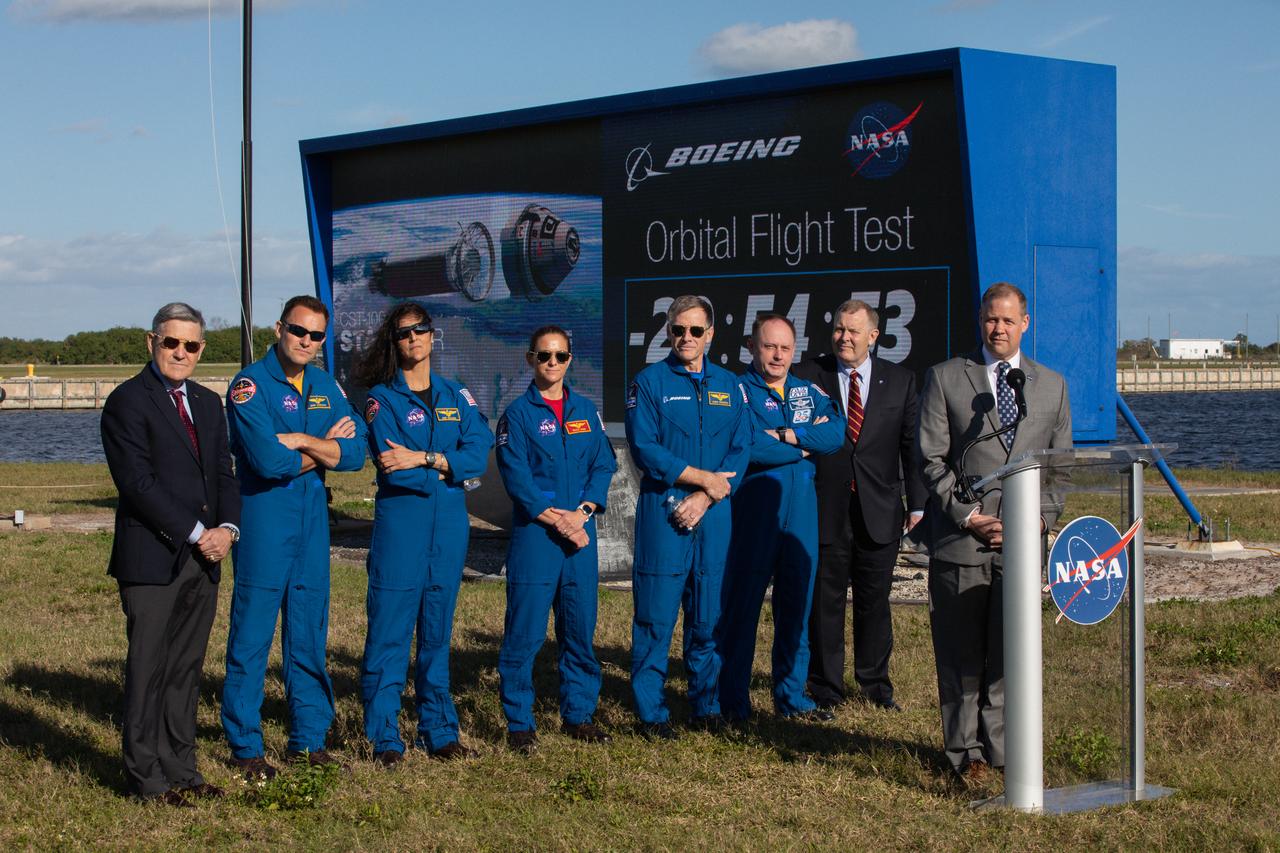
NASA Administrator Jim Bridenstine, Kennedy Space Center Director Bob Cabana, and astronauts representing NASA and Boeing participate in a Boeing Orbital Flight Test media briefing near the countdown clock at the Florida spaceport on Dec. 19, 2019. From left to right are Cabana; NASA astronauts Josh Cassada, Suni Williams and Nicole Mann; Boeing astronaut Chris Ferguson; NASA astronaut Mike Finke; NASA Deputy Administrator Jim Morhard; and Bridenstine. Boeing’s CST-100 Starliner spacecraft will launch atop a United Launch Alliance Atlas V rocket from Space Launch Complex 41 at Cape Canaveral Air Force Station. The uncrewed Orbital Flight Test will be the Starliner’s first flight to the International Space Station for NASA’s Commercial Crew Program.

NASA Administrator Jim Bridenstine, Kennedy Space Center Director Bob Cabana, and astronauts representing NASA and Boeing participate in a Boeing Orbital Flight Test media briefing near the countdown clock at the Florida spaceport on Dec. 19, 2019. From left to right are Cabana; NASA astronauts Josh Cassada, Suni Williams and Nicole Mann; Boeing astronaut Chris Ferguson; NASA astronaut Mike Finke; NASA Deputy Administrator Jim Morhard; and Bridenstine. Boeing’s CST-100 Starliner spacecraft will launch atop a United Launch Alliance Atlas V rocket from Space Launch Complex 41 at Cape Canaveral Air Force Station. The uncrewed Orbital Flight Test will be the Starliner’s first flight to the International Space Station for NASA’s Commercial Crew Program.
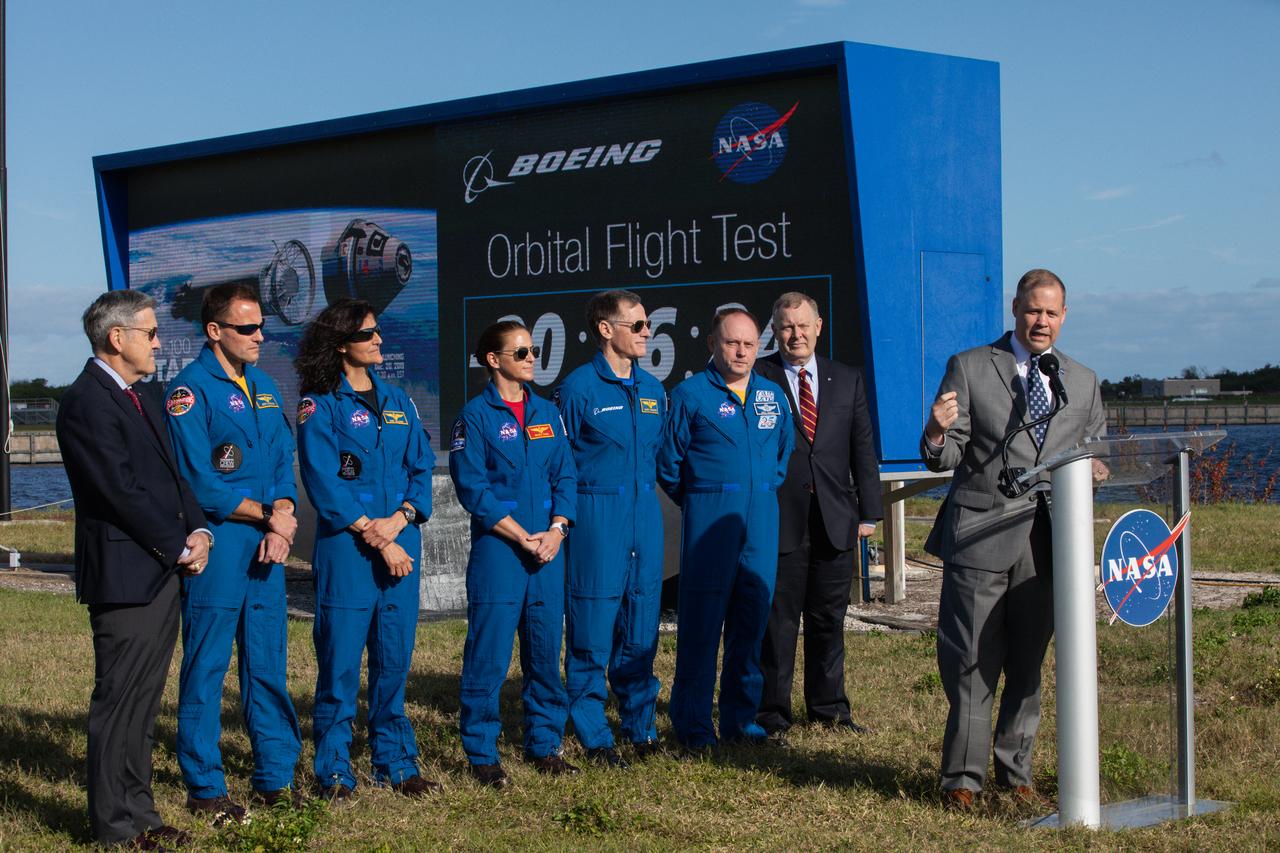
NASA Administrator Jim Bridenstine, Kennedy Space Center Director Bob Cabana, and astronauts representing NASA and Boeing participate in a Boeing Orbital Flight Test media briefing near the countdown clock at the Florida spaceport on Dec. 19, 2019. From left to right are Cabana; NASA astronauts Josh Cassada, Suni Williams and Nicole Mann; Boeing astronaut Chris Ferguson; NASA astronaut Mike Finke; NASA Deputy Administrator Jim Morhard; and Bridenstine. Boeing’s CST-100 Starliner spacecraft will launch atop a United Launch Alliance Atlas V rocket from Space Launch Complex 41 at Cape Canaveral Air Force Station. The uncrewed Orbital Flight Test will be the Starliner’s first flight to the International Space Station for NASA’s Commercial Crew Program.
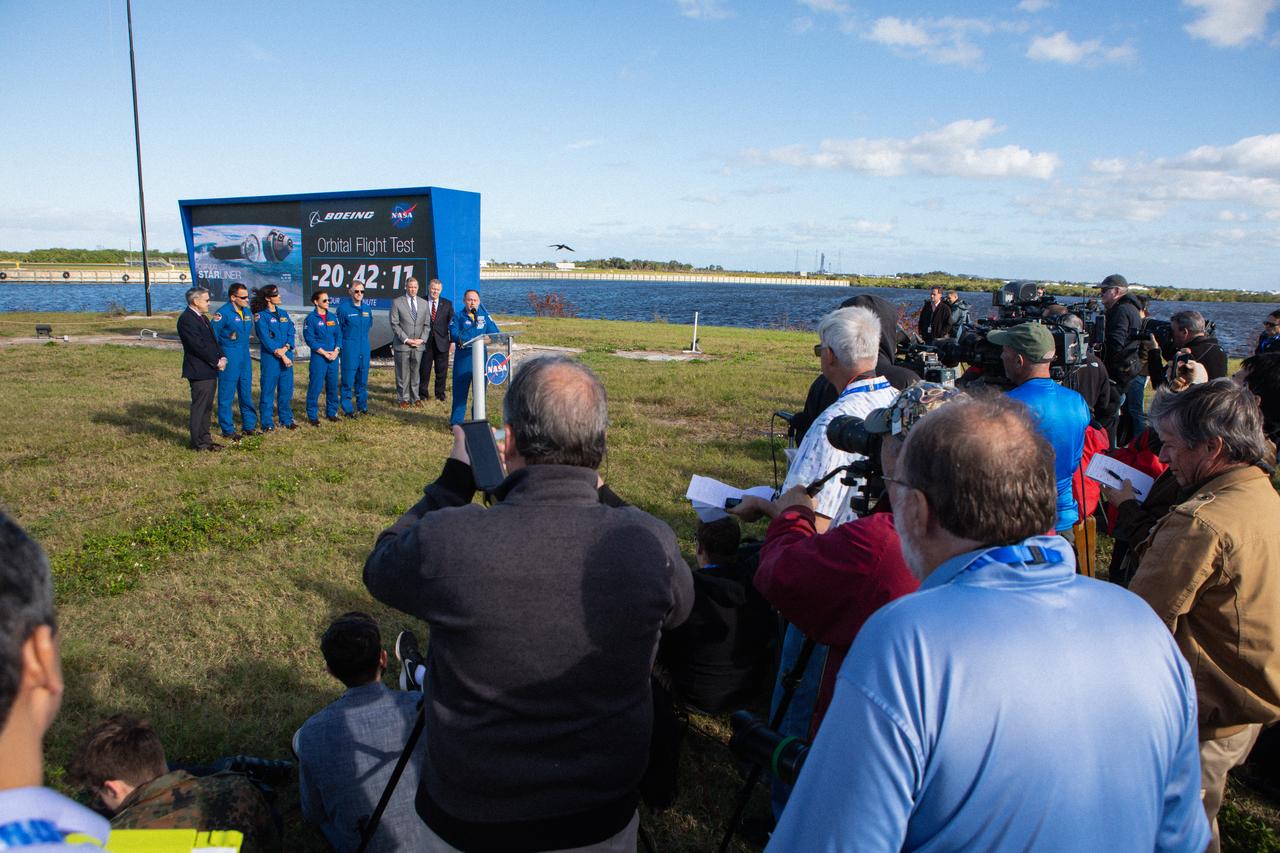
NASA Administrator Jim Bridenstine, Kennedy Space Center Director Bob Cabana, and astronauts representing NASA and Boeing participate in a Boeing Orbital Flight Test media briefing near the countdown clock at the Florida spaceport on Dec. 19, 2019. From left to right are Cabana; NASA astronauts Josh Cassada, Suni Williams and Nicole Mann; Boeing astronaut Chris Ferguson; Bridenstine; NASA Deputy Administrator Jim Morhard; and NASA astronaut Mike Finke. Boeing’s CST-100 Starliner spacecraft will launch atop a United Launch Alliance Atlas V rocket from Space Launch Complex 41 at Cape Canaveral Air Force Station. The uncrewed Orbital Flight Test will be the Starliner’s first flight to the International Space Station for NASA’s Commercial Crew Program.
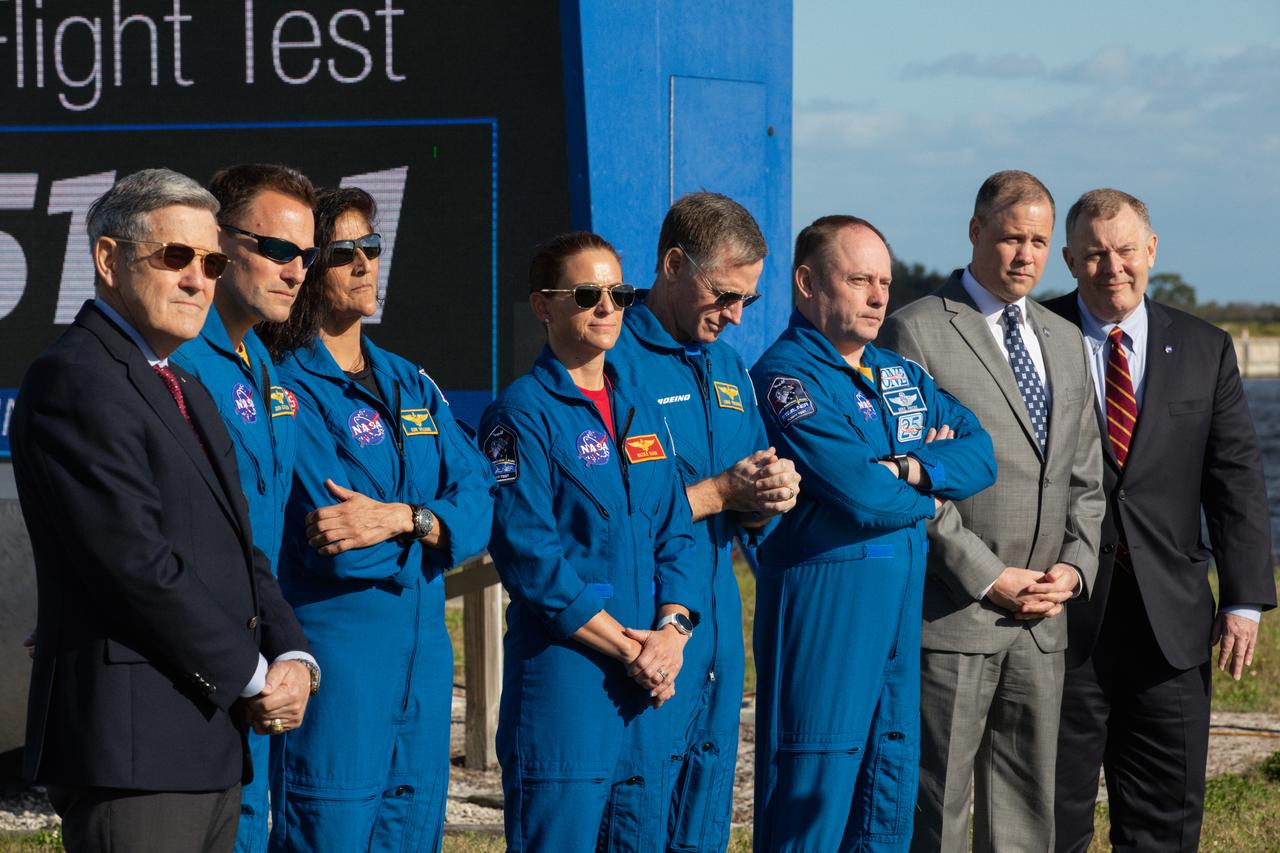
NASA Administrator Jim Bridenstine, Kennedy Space Center Director Bob Cabana, and astronauts representing NASA and Boeing participate in a Boeing Orbital Flight Test media briefing near the countdown clock at the Florida spaceport on Dec. 19, 2019. From left to right are Cabana; NASA astronauts Josh Cassada, Suni Williams and Nicole Mann; Boeing astronaut Chris Ferguson; NASA astronaut Mike Finke; Bridenstine; and NASA Deputy Administrator Jim Morhard. Boeing’s CST-100 Starliner spacecraft will launch atop a United Launch Alliance Atlas V rocket from Space Launch Complex 41 at Cape Canaveral Air Force Station. The uncrewed Orbital Flight Test will be the Starliner’s first flight to the International Space Station for NASA’s Commercial Crew Program.
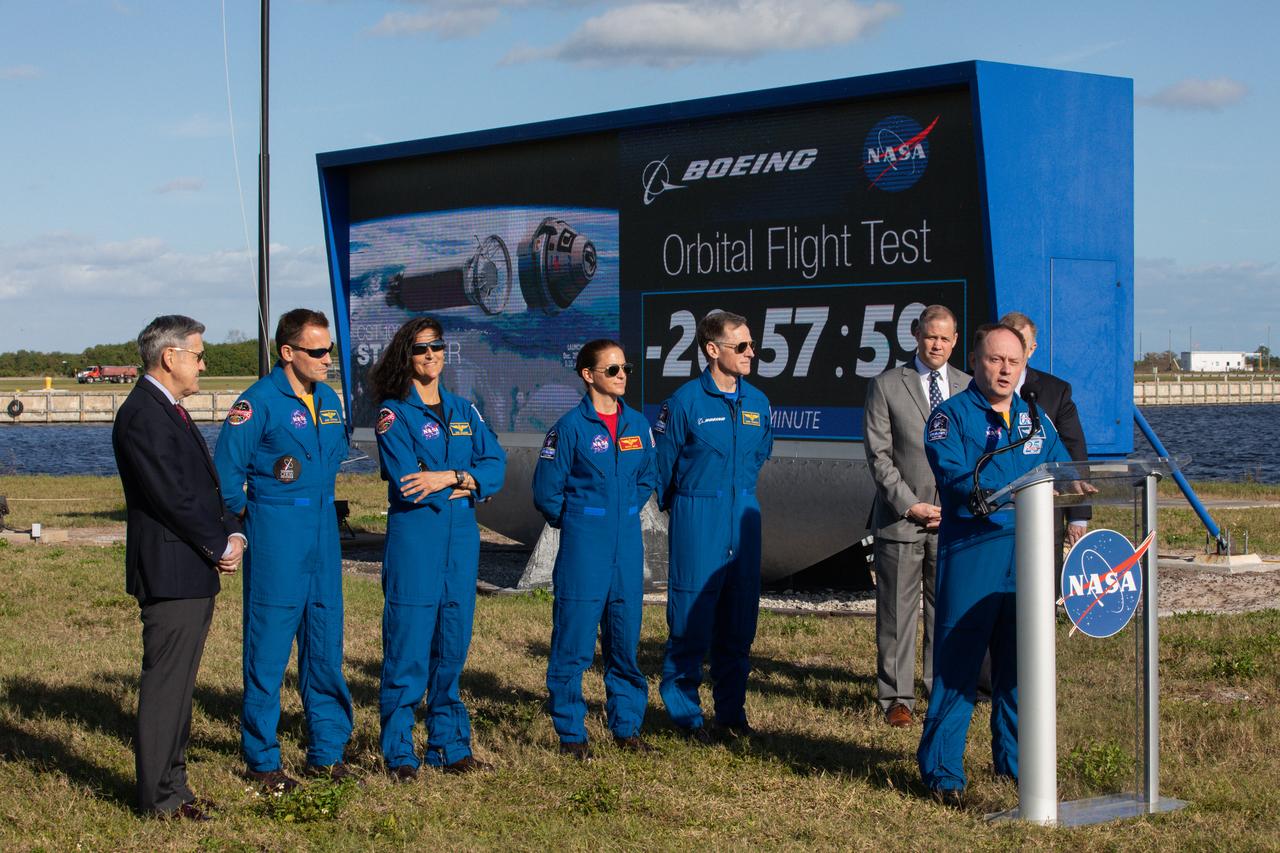
Mike Finke, NASA astronaut, participates in a Boeing Orbital Flight Test media briefing near the countdown clock at the Florida spaceport on Dec. 19, 2019. In the background from left to right are Kennedy Space Center Director Bob Cabana; NASA astronauts Josh Cassada, Suni Williams and Nicole Mann; Boeing astronaut Chris Ferguson; NASA Administrator Jim Bridenstine; and Deputy Administrator Jim Morhard. Boeing’s CST-100 Starliner spacecraft will launch atop a United Launch Alliance Atlas V rocket from Space Launch Complex 41 at Cape Canaveral Air Force Station. The uncrewed Orbital Flight Test will be the Starliner’s first flight to the International Space Station for NASA’s Commercial Crew Program.
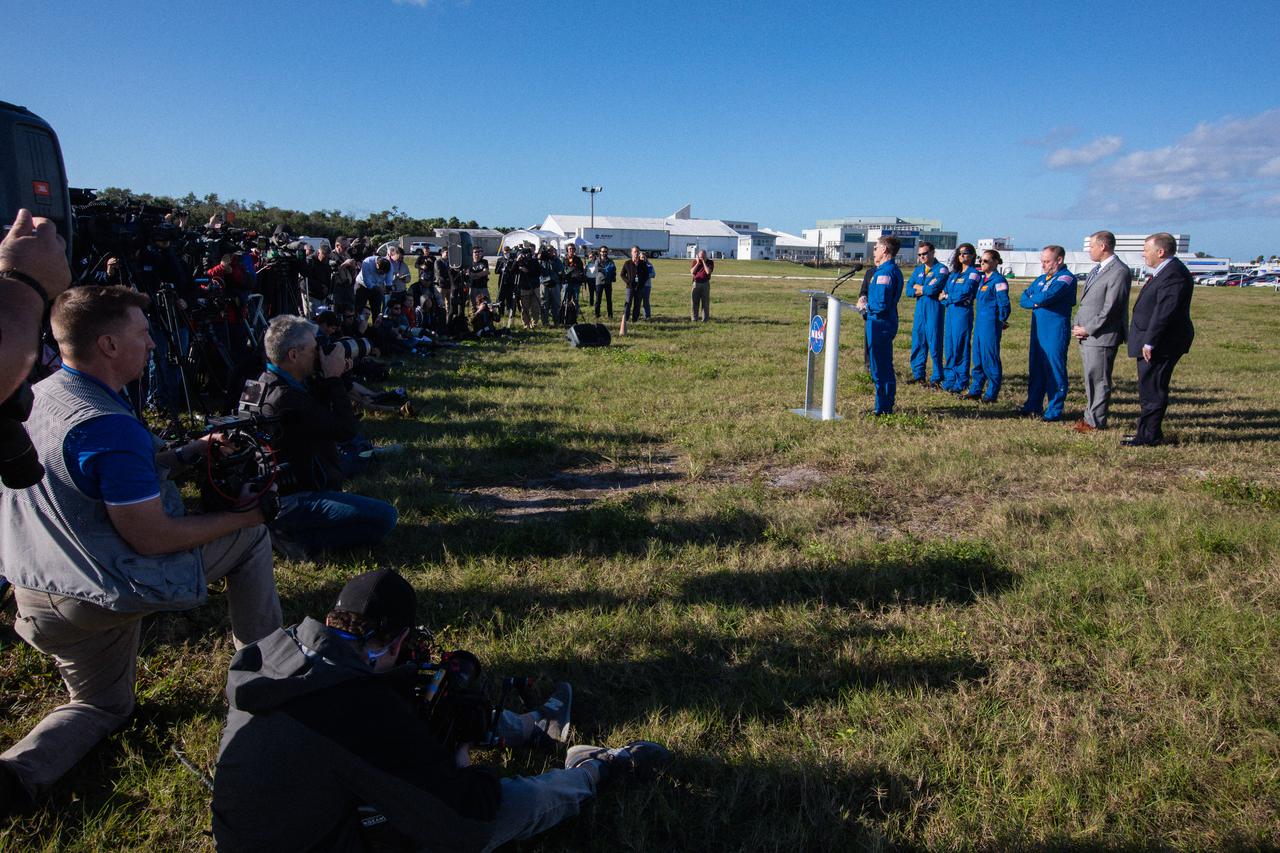
Chris Ferguson, Boeing astronaut, participates in a Boeing Orbital Flight Test media briefing near the countdown clock at the Florida spaceport on Dec. 19, 2019. In the background from left to right are Kennedy Space Center Director Bob Cabana; NASA astronauts Josh Cassada, Suni Williams, Nicole Mann and Mike Finke; NASA Administrator Jim Bridenstine; and Deputy Administrator Jim Morhard. Boeing’s CST-100 Starliner spacecraft will launch atop a United Launch Alliance Atlas V rocket from Space Launch Complex 41 at Cape Canaveral Air Force Station. The uncrewed Orbital Flight Test will be the Starliner’s first flight to the International Space Station for NASA’s Commercial Crew Program.
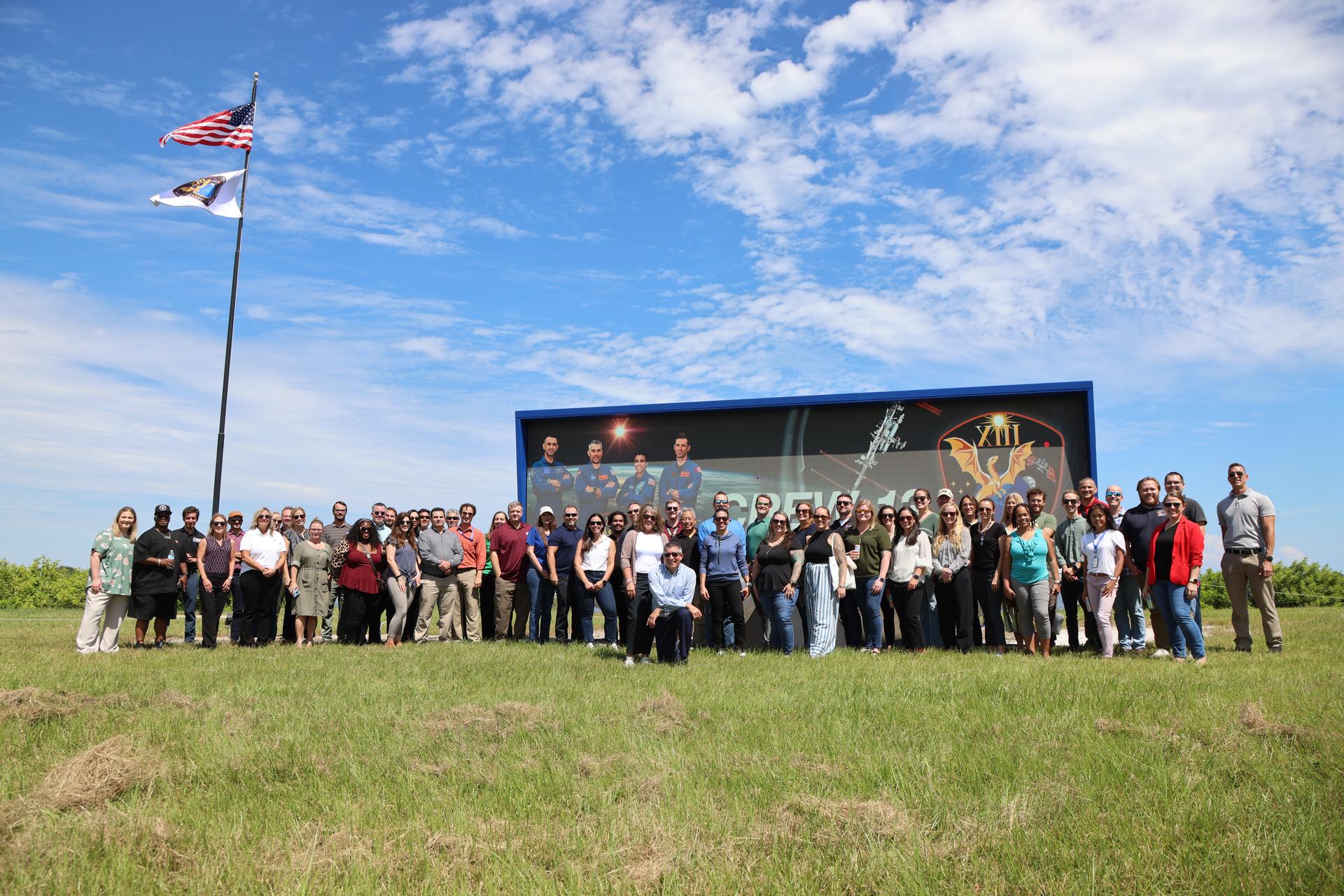
Members of NASA's Commercial Crew Office within the Low Earth Orbit Program pose for a photograph with the agency’s SpaceX Crew-13 mission flag near the countdown clock at the NASA News Center at the agency’s Kennedy Space Center in Florida on Tuesday, Sept. 29, 2026. The Crew-13 mission will send NASA astronauts Jessica Watkins and Luke Delaney, CSA (Canadian Space Agency) astronaut Joshua Kutryk, and Roscosmos cosmonaut Sergey Teteryatnikov to the International Space Station aboard SpaceX’s Dragon spacecraft and Falcon 9 rocket at 11:10 a.m. EDT on Thursday, Oct. 1, from Cape Canaveral Space Force Station’s Space Launch Complex 40.
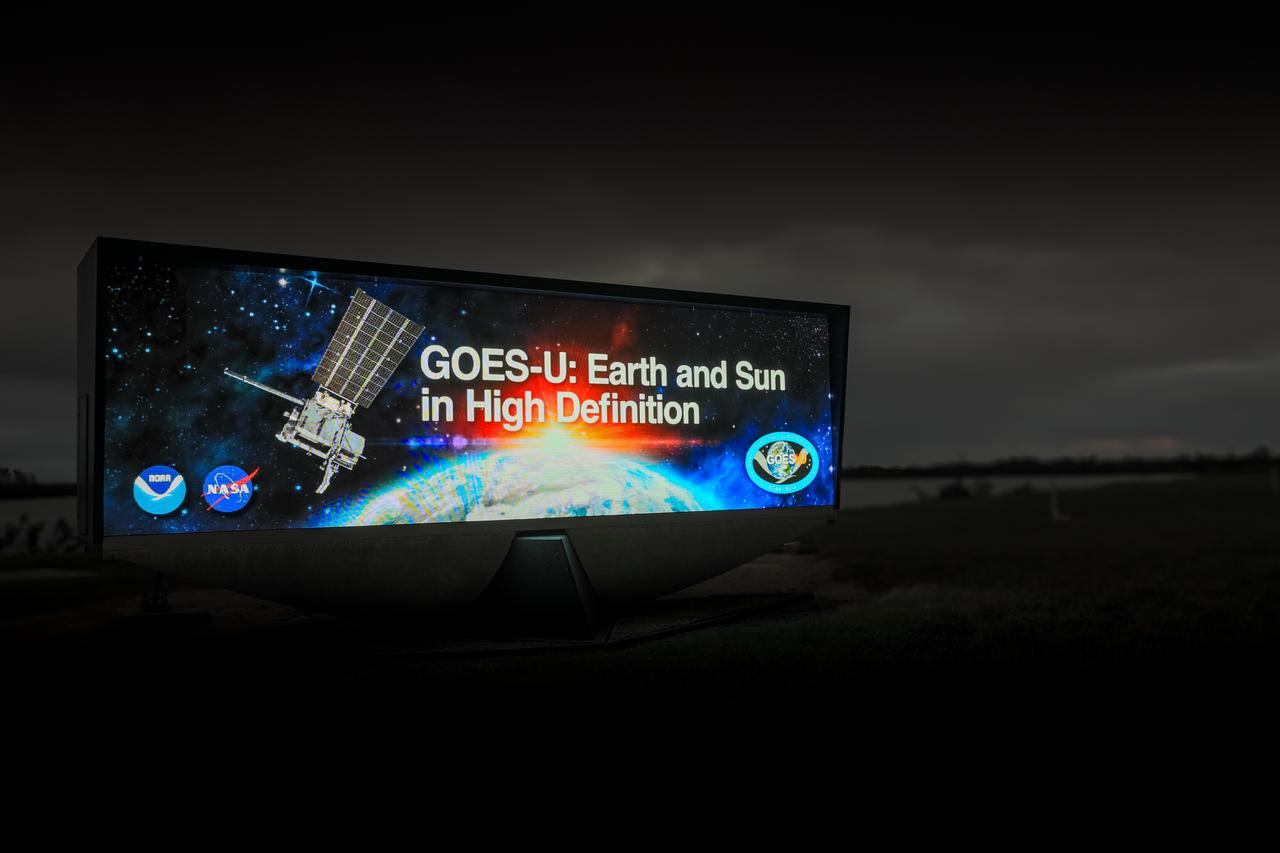
NOAA’s Geostationary Operational Environmental Satellite-U (GOES-U) mission graphic is displayed on the historic countdown clock at Kennedy Space Center’s NASA News Center in Florida on Tuesday, Jan. 23, 2024. GOES-U is the fourth and final satellite in NOAA's GOES-R series of advanced geostationary weather satellites. Data from the GOES satellite constellation – consisting of the GOES-R, GOES-S, GOES-T and GOES-U spacecraft – enables forecasters to predict, observe, and track local weather events that affect public safety like thunderstorms, hurricanes, and wildfires.
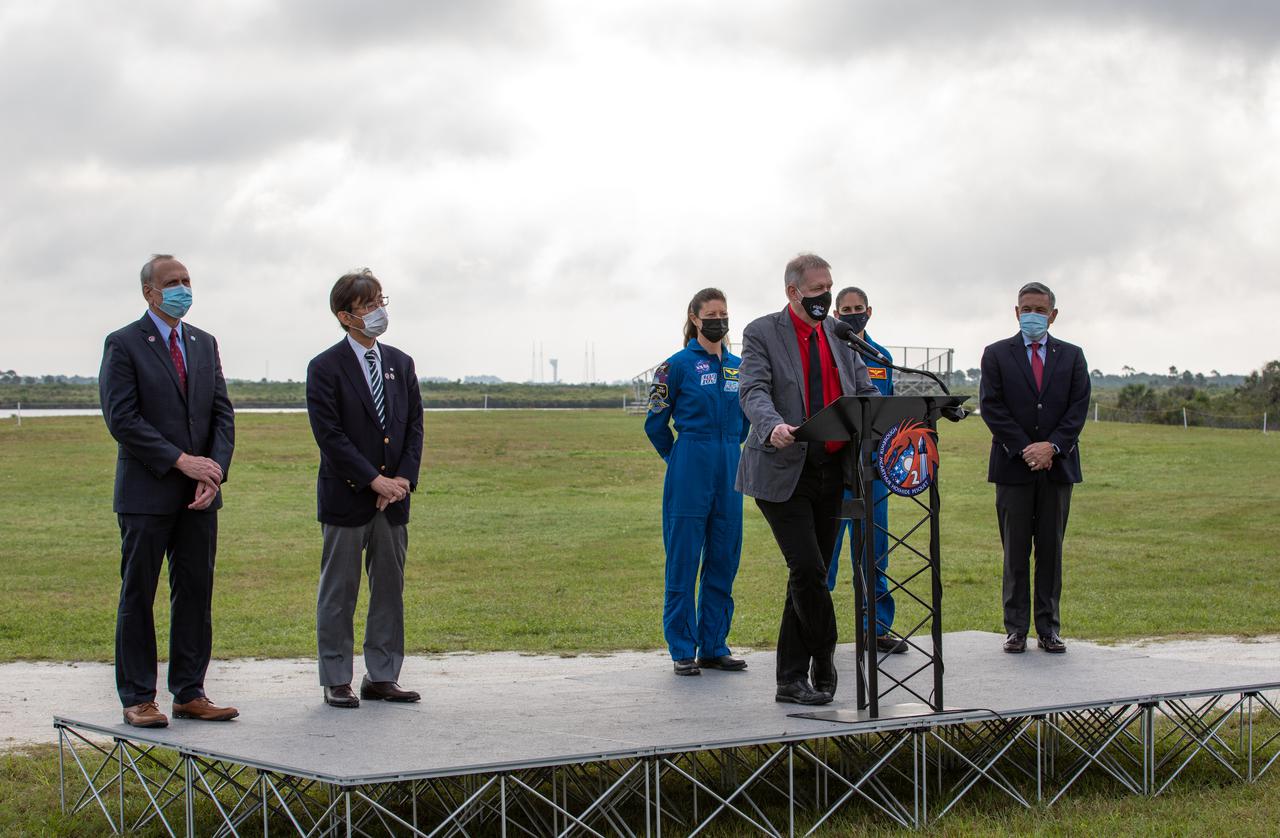
Frank de Winne, manager, International Space Station Program, ESA, addresses members of the news media during a press briefing April 21, 2021, near the Press Site countdown clock at NASA’s Kennedy Space Center in Florida ahead of the agency’s SpaceX Crew-2 launch. NASA astronauts Shane Kimbrough and Megan McArthur, JAXA astronaut Akihiko Hoshide, and ESA astronaut Thomas Pesquet will fly on Crew-2, the second crew rotation mission to the International Space Station as part of NASA’s Commercial Crew Program. They will launch aboard SpaceX’s Crew Dragon spacecraft, named Endeavour, powered by the company’s Falcon 9 rocket. Liftoff is set for Friday, April 23, at 5:49 a.m. EDT.
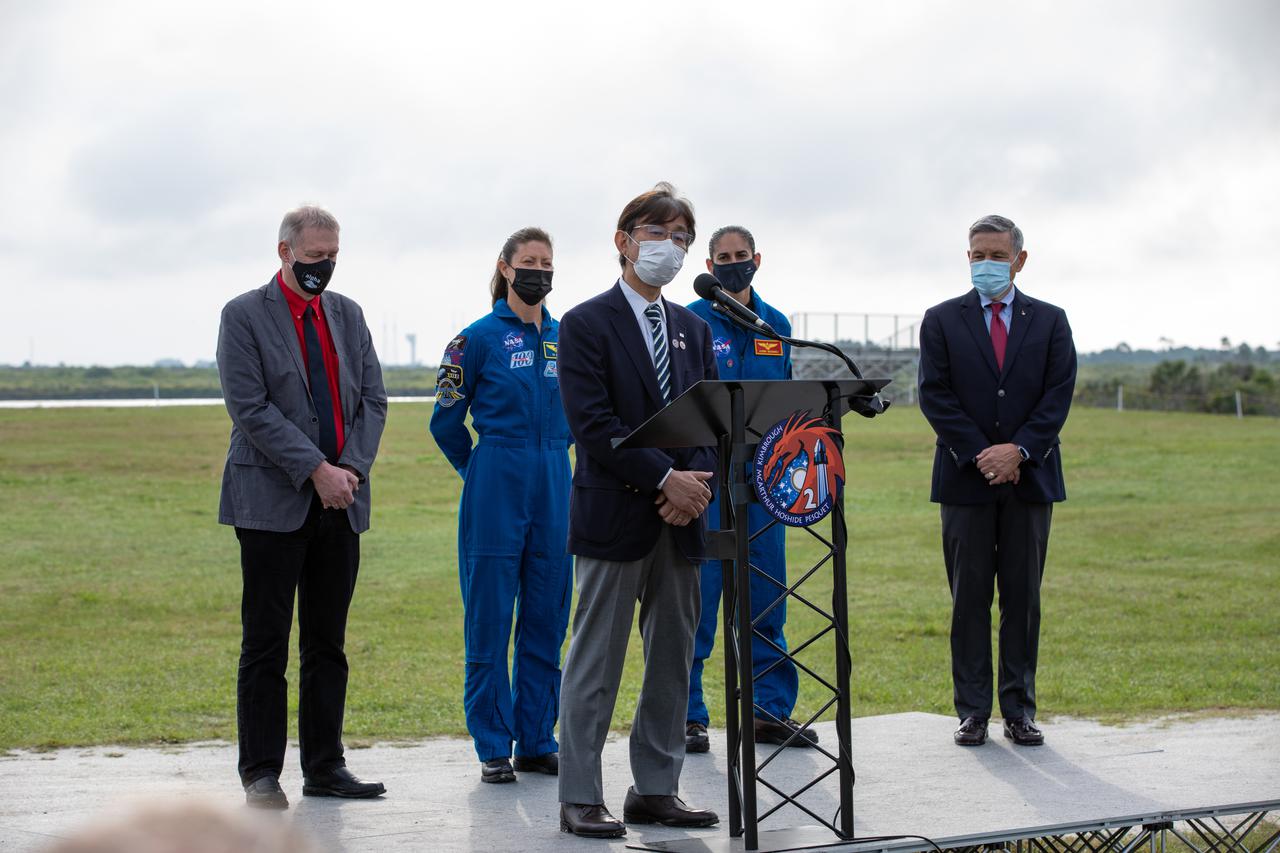
Hiroshi Sasaki, vice president and director general, JAXA’s Human Spaceflight Technology Directorate, addresses members of the news media during a press briefing April 21, 2021, near the Press Site countdown clock at NASA’s Kennedy Space Center in Florida ahead of the agency’s SpaceX Crew-2 launch. NASA astronauts Shane Kimbrough and Megan McArthur, JAXA astronaut Akihiko Hoshide, and ESA astronaut Thomas Pesquet will fly on Crew-2, the second crew rotation mission to the International Space Station as part of NASA’s Commercial Crew Program. They will launch aboard SpaceX’s Crew Dragon spacecraft, named Endeavour, powered by the company’s Falcon 9 rocket. Liftoff is set for Friday, April 23, at 5:49 a.m. EDT.
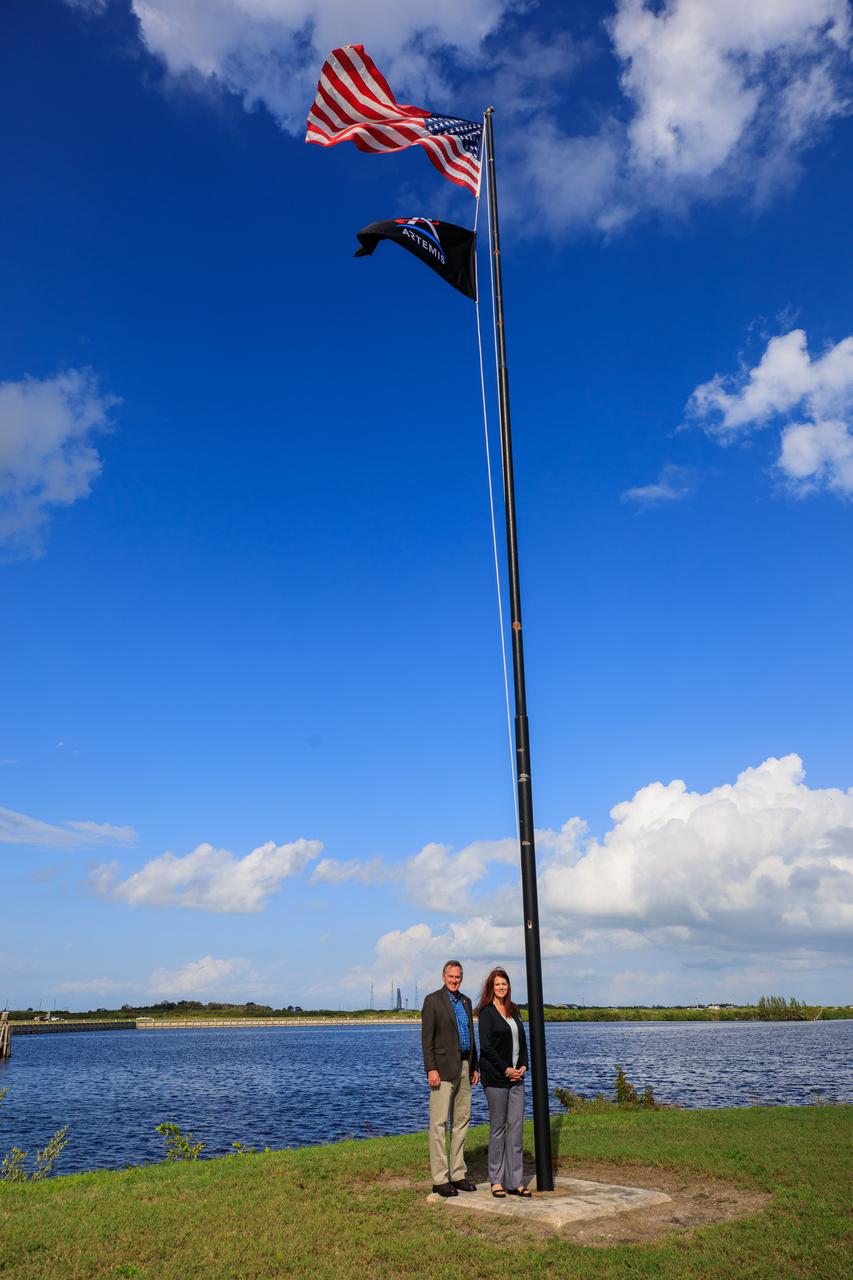
Exploration Ground Systems Manager Mike Bolger (left) and Artemis I Launch Director Charlie Blackwell-Thompson (right) raise the Artemis flag near the countdown clock at NASA’s Kennedy Space Center in Florida on Nov. 14, 2022. NASA’s Space Launch System (SLS) rocket and Orion spacecraft can be seen in the background at Kennedy’s Launch Pad 39B. The uncrewed Artemis I flight will be the first integrated test of the agency’s SLS rocket and Orion spacecraft and is scheduled to launch Wednesday, Nov. 16. The primary goal of Artemis I is to thoroughly test the integrated systems before crewed missions by launching Orion atop the SLS rocket, operating the spacecraft in a deep space environment, testing Orion’s heat shield, and recovering the crew module after reentry, descent, and splashdown. During the flight, Orion will launch atop the world’s most powerful rocket and fly farther than any human-rated spacecraft has ever flown, paving the way for human deep space exploration and demonstrating our commitment and capability to extend human presence to the Moon and beyond.
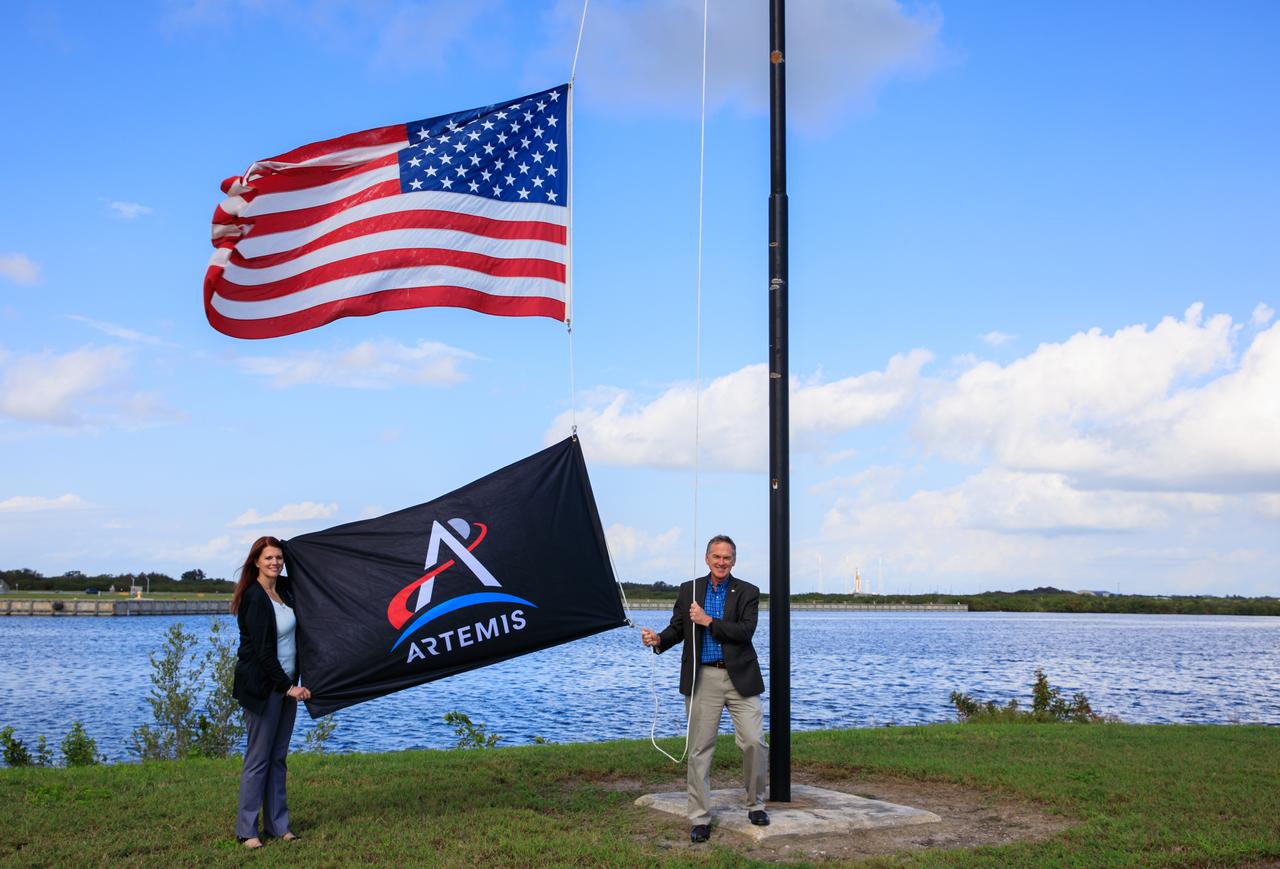
Artemis I Launch Director Charlie Blackwell-Thompson (left) and Exploration Ground Systems Manager Mike Bolger (right) raise the Artemis flag near the countdown clock at NASA’s Kennedy Space Center in Florida on Nov. 14, 2022. NASA’s Space Launch System (SLS) rocket and Orion spacecraft can be seen in the background at Kennedy’s Launch Pad 39B. The uncrewed Artemis I flight will be the first integrated test of the agency’s SLS rocket and Orion spacecraft and is scheduled to launch Wednesday, Nov. 16. The primary goal of Artemis I is to thoroughly test the integrated systems before crewed missions by launching Orion atop the SLS rocket, operating the spacecraft in a deep space environment, testing Orion’s heat shield, and recovering the crew module after reentry, descent, and splashdown. During the flight, Orion will launch atop the world’s most powerful rocket and fly farther than any human-rated spacecraft has ever flown, paving the way for human deep space exploration and demonstrating our commitment and capability to extend human presence to the Moon and beyond.
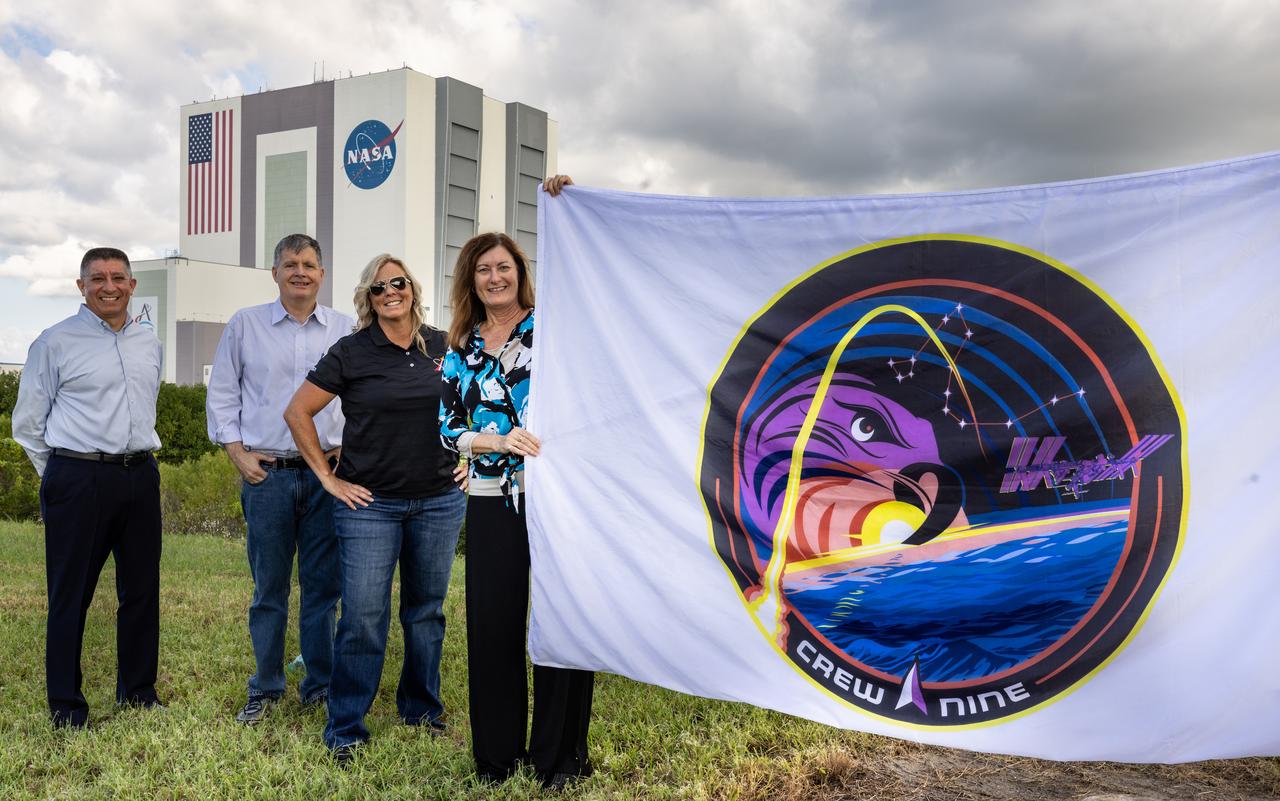
From left, Richard Jones, CCP (Commercial Crew Program) deputy program manager at NASA’s Johnson Space Center in Houston; Steve Stich, program manager for CCP; Dana Hutcherson, CCP deputy program manager at NASA’s Kennedy Space Center in Florida; and Deb Cole, CCP technical manager, pose with the agency’s SpaceX Crew-9 mission flag near the countdown clock at the NASA News Center at Kennedy on Tuesday, Sept. 24, 2024. The Crew-9 mission will send NASA astronaut Nick Hague and Roscosmos cosmonaut Aleksandr Gorbunov to the International Space Station aboard SpaceX’s Dragon spacecraft and Falcon 9 rocket.
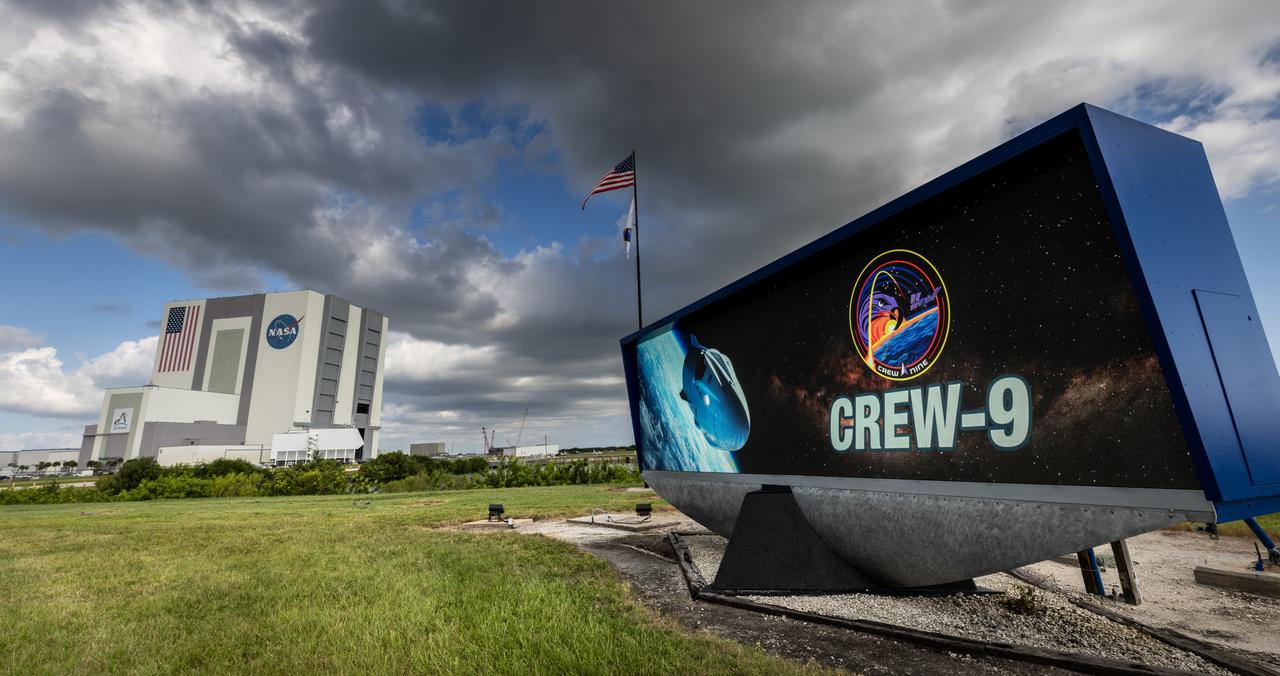
A graphic for NASA’s SpaceX Crew-9 mission is displayed on the historic countdown clock at the NASA News Center at the agency’s Kennedy Space Center in Florida on Tuesday, Sept. 24, 2024. The Crew-9 mission will send NASA astronaut Nick Hague and Roscosmos cosmonaut Aleksandr Gorbunov to the International Space Station aboard SpaceX’s Dragon spacecraft and Falcon 9 rocket. Launch is targeted for 1:17 p.m. EDT Saturday, Sept. 28, 2024, from Space Launch Complex-40 at Cape Canaveral Space Force Station in Florida.
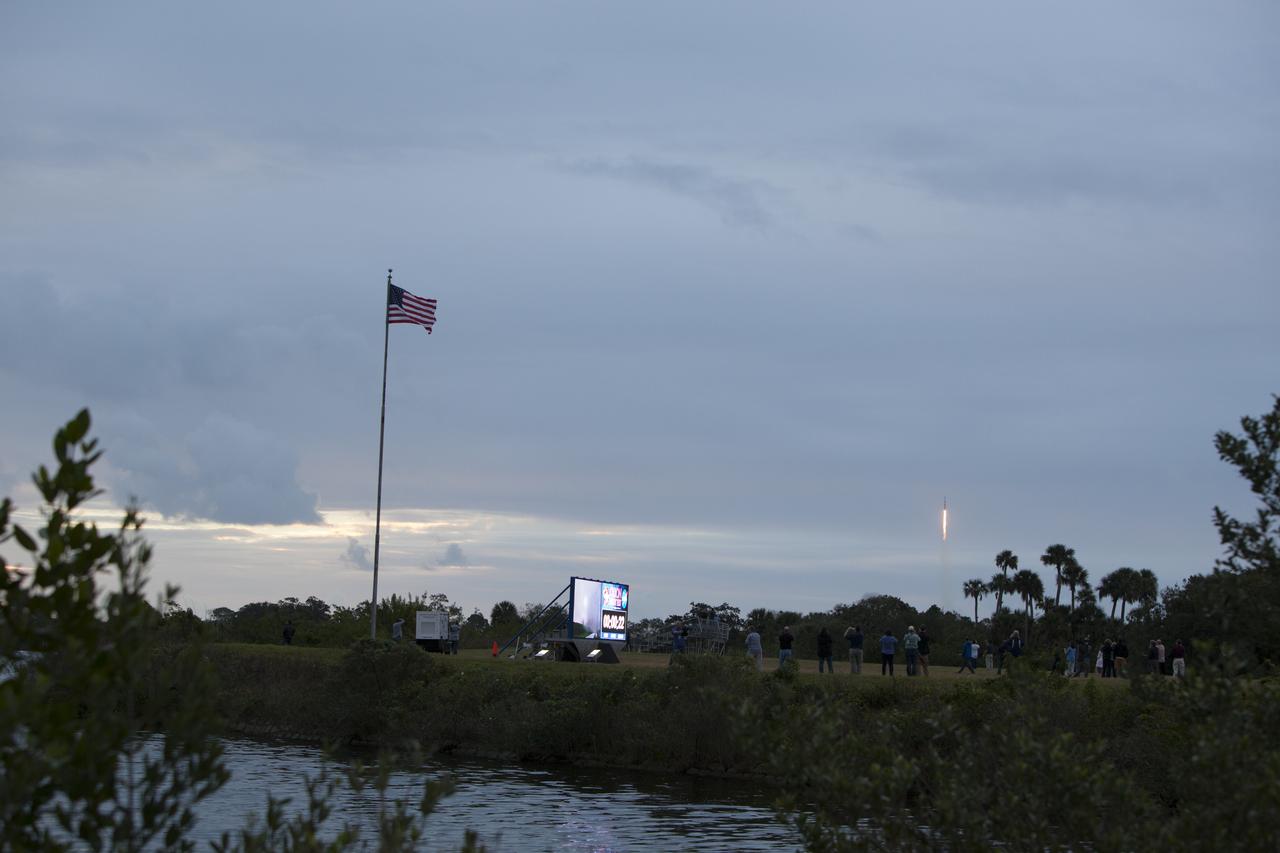
A Delta IV Heavy rocket lifts off from Space Launch Complex 37 at Cape Canaveral Air Force Station in Florida carrying NASA's Orion spacecraft on an unpiloted flight test to Earth orbit. In the foreground is the newly upgraded countdown clock at the spaceport's Press Site. Liftoff was at 7:05 a.m. EST. During the two-orbit, four-and-a-half hour mission, engineers will evaluate the systems critical to crew safety, the launch abort system, the heat shield and the parachute system.
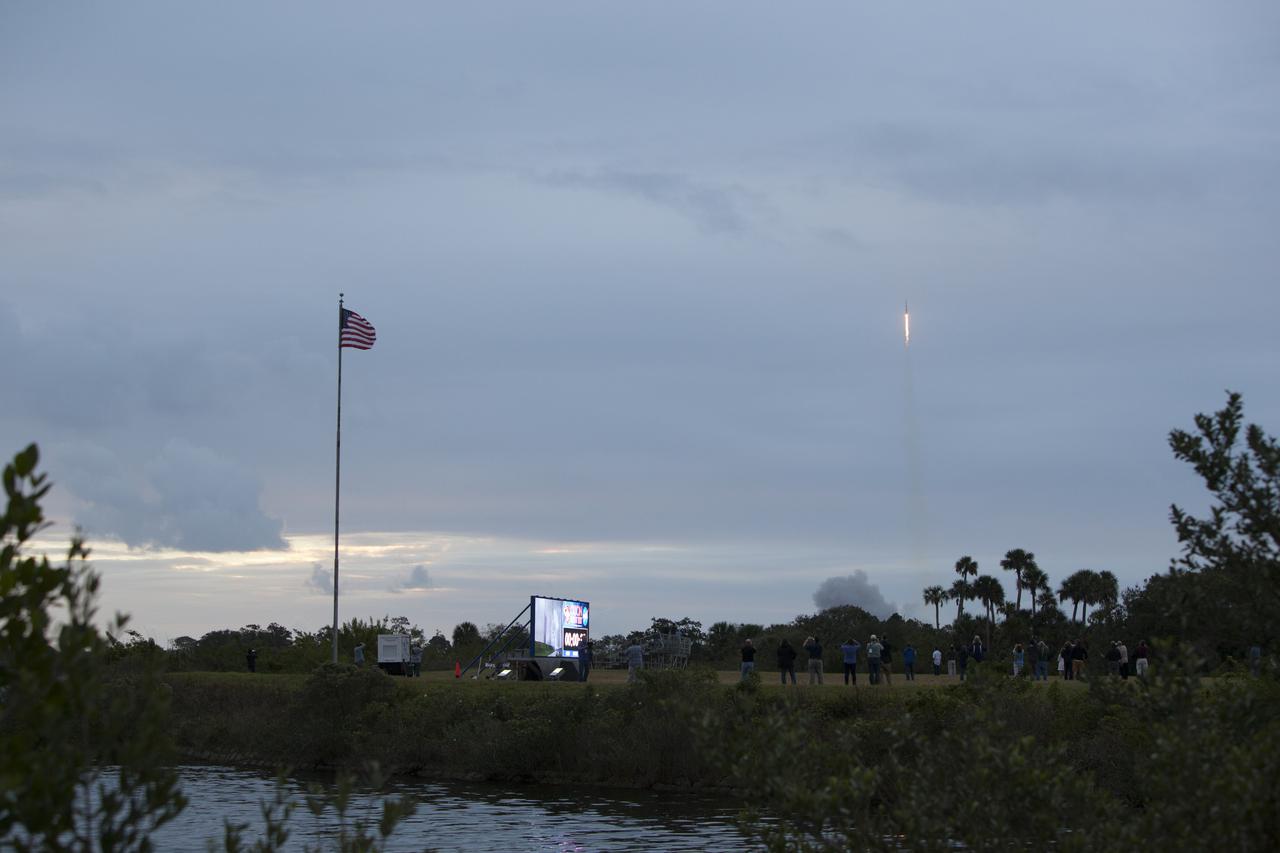
A Delta IV Heavy rocket lifts off from Space Launch Complex 37 at Cape Canaveral Air Force Station in Florida carrying NASA's Orion spacecraft on an unpiloted flight test to Earth orbit. In the foreground is the newly upgraded countdown clock at the spaceport's Press Site. Liftoff was at 7:05 a.m. EST. During the two-orbit, four-and-a-half hour mission, engineers will evaluate the systems critical to crew safety, the launch abort system, the heat shield and the parachute system.
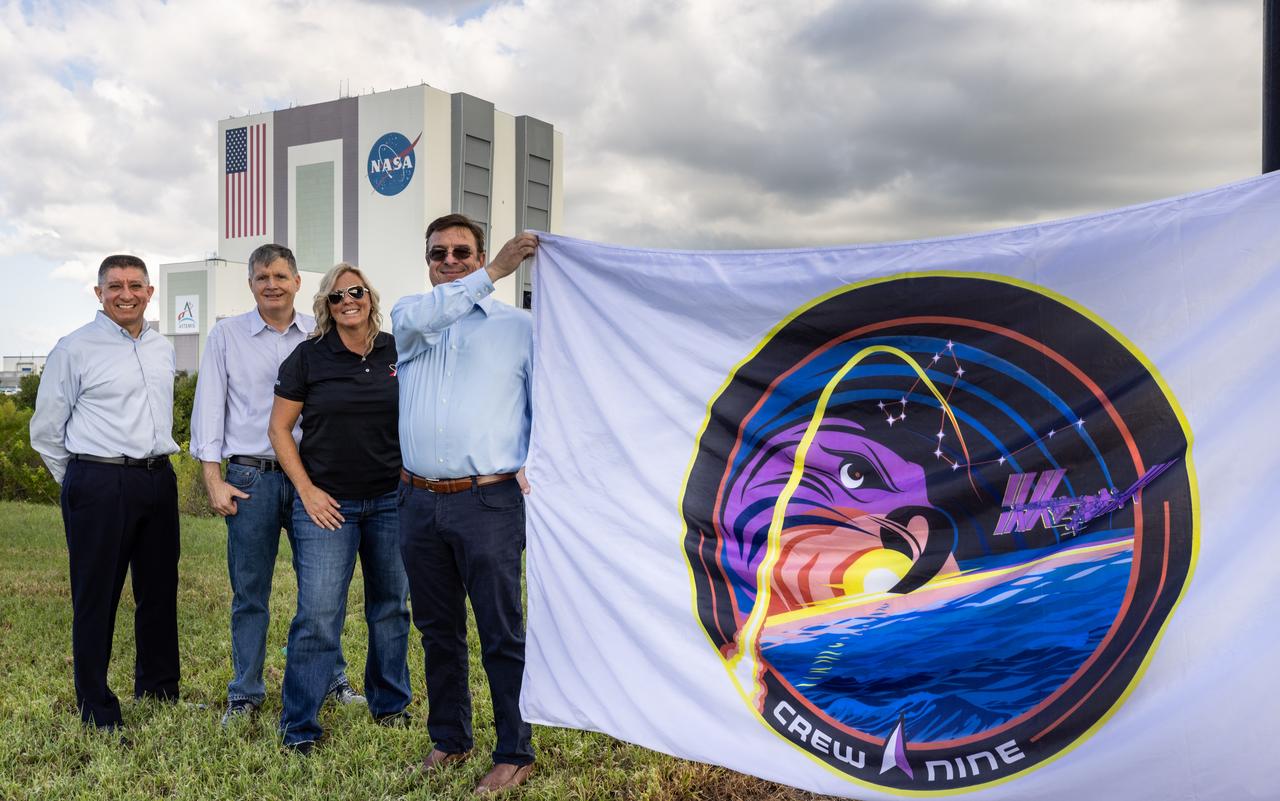
From left, Richard Jones, CCP (Commercial Crew Program) deputy program manager at NASA’s Johnson Space Center in Houston; Steve Stich, program manager for CCP; Dana Hutcherson, CCP deputy program manager at NASA’s Kennedy Space Center in Florida; and David Forrest, deputy manager, SE&I (Systems Engineering and Integration) Office, NASA’s Commercial Low Earth Orbit Development Program, pose with the agency’s SpaceX Crew-9 mission flag near the countdown clock at the NASA News Center at Kennedy on Tuesday, Sept. 24, 2024. Forrest previously served as deputy manager for CCP’s SE&I Office at Kennedy. The Crew-9 mission will send NASA astronaut Nick Hague and Roscosmos cosmonaut Aleksandr Gorbunov to the International Space Station aboard SpaceX’s Dragon spacecraft and Falcon 9 rocket.
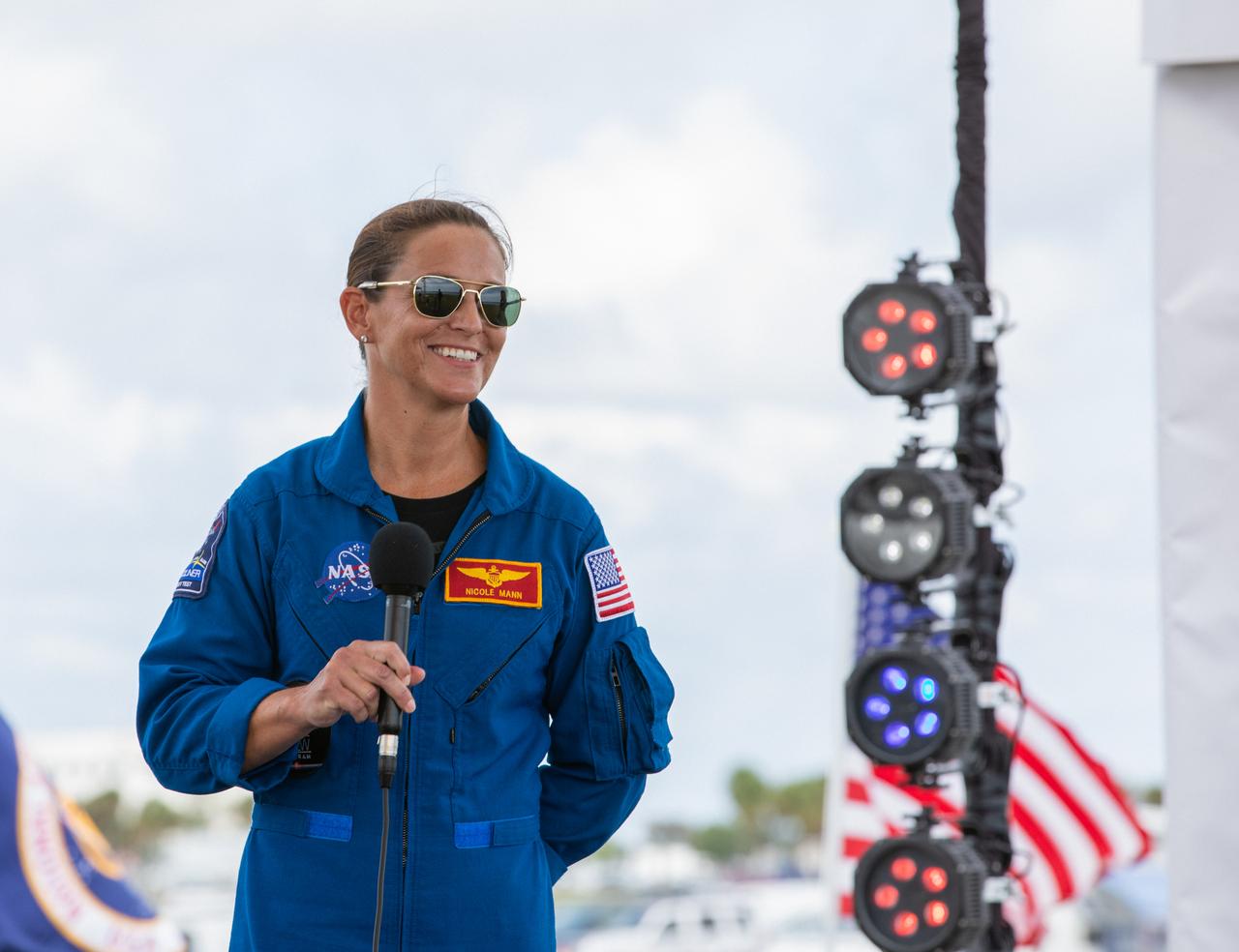
NASA astronaut Nicole Mann participates in a NASA Social YouTube Live briefing May 29, 2020, near the Press Site countdown clock at the agency’s Kennedy Space Center in Florida ahead of NASA’s SpaceX Demo-2 launch. The launch, initially scheduled for May 27, was scrubbed due to unfavorable weather conditions. The next launch attempt is Saturday, May 30. A SpaceX Falcon 9 rocket and Crew Dragon spacecraft are scheduled to lift off from Kennedy’s Launch Complex 39A, carrying NASA astronauts Robert Behnken and Douglas Hurley to the International Space Station. This will mark the first launch of astronauts from U.S. soil to the space station since the conclusion of the Space Shuttle Program in 2011. Part of the agency’s Commercial Crew Program, this will be SpaceX’s final flight test, paving the way for NASA to certify the crew transportation system for regular, crewed flights to the orbiting laboratory. Liftoff is scheduled for 3:22 p.m. EDT.
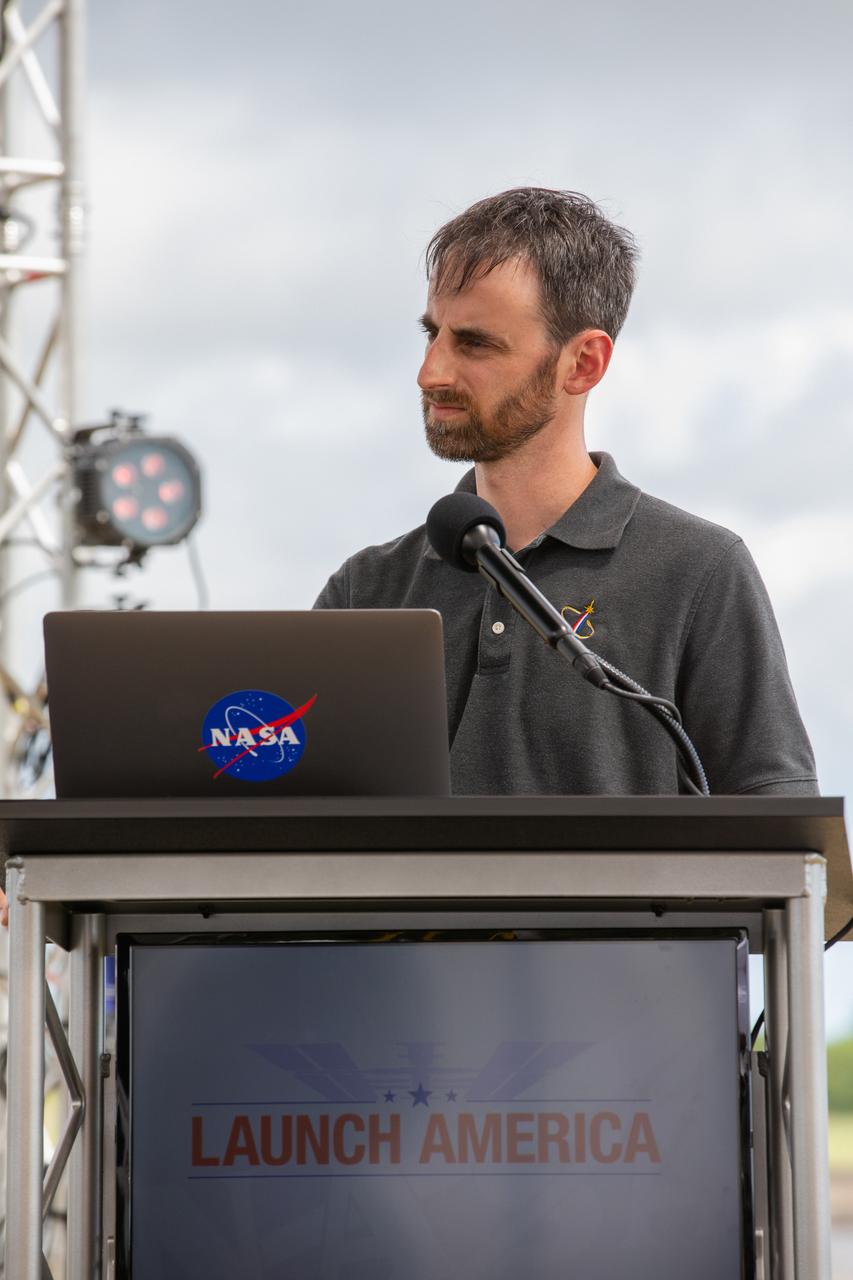
Joshua Santora, with NASA Communications, participates in a NASA Social YouTube Live briefing May 29, 2020, near the Press Site countdown clock at the agency’s Kennedy Space Center in Florida ahead of NASA’s SpaceX Demo-2 launch. The launch, initially scheduled for May 27, was scrubbed due to unfavorable weather conditions. The next launch attempt is Saturday, May 30. A SpaceX Falcon 9 rocket and Crew Dragon spacecraft are scheduled to lift off from Kennedy’s Launch Complex 39A, carrying NASA astronauts Robert Behnken and Douglas Hurley to the International Space Station. This will mark the first launch of astronauts from U.S. soil to the space station since the conclusion of the Space Shuttle Program in 2011. Part of the agency’s Commercial Crew Program, this will be SpaceX’s final flight test, paving the way for NASA to certify the crew transportation system for regular, crewed flights to the orbiting laboratory. Liftoff is scheduled for 3:22 p.m. EDT.
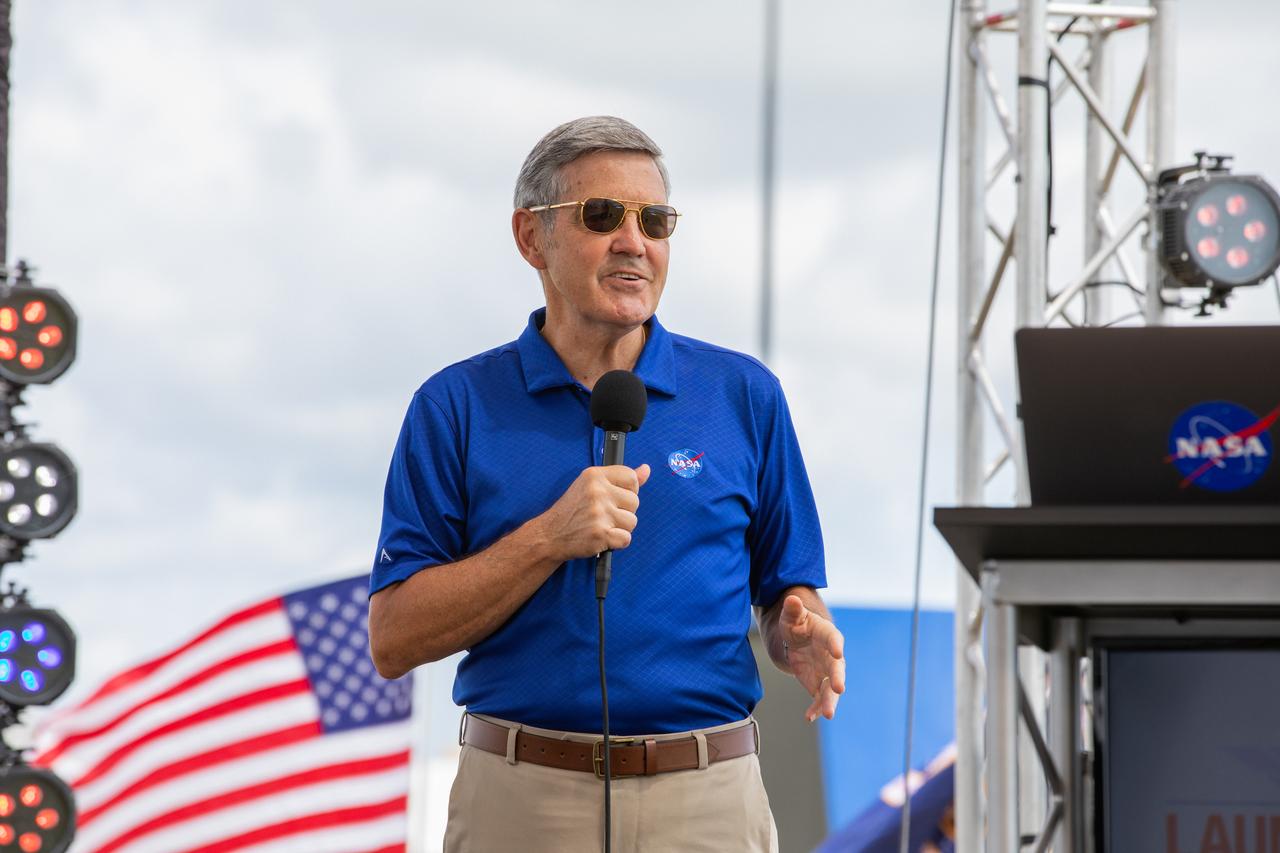
Kennedy Space Center Director Bob Cabana participates in a NASA Social YouTube Live briefing May 29, 2020, near the Press Site countdown clock at Kennedy ahead of NASA’s SpaceX Demo-2 launch. The launch, initially scheduled for May 27, was scrubbed due to unfavorable weather conditions. The next launch attempt is Saturday, May 30. A SpaceX Falcon 9 rocket and Crew Dragon spacecraft are scheduled to lift off from Kennedy’s Launch Complex 39A, carrying NASA astronauts Robert Behnken and Douglas Hurley to the International Space Station. This will mark the first launch of astronauts from U.S. soil to the space station since the conclusion of the Space Shuttle Program in 2011. Part of the agency’s Commercial Crew Program, this will be SpaceX’s final flight test, paving the way for NASA to certify the crew transportation system for regular, crewed flights to the orbiting laboratory. Liftoff is scheduled for 3:22 p.m. EDT.

From left, Richard Jones, CCP (Commercial Crew Program) deputy program manager at NASA’s Johnson Space Center in Houston; Steve Stich, program manager for CCP; Dana Hutcherson, CCP deputy program manager at NASA’s Kennedy Space Center in Florida; and Diana Oglesby, director, Strategic Integration and Management Division, Space Operations Mission Directorate, pose with the agency’s SpaceX Crew-9 mission flag near the countdown clock at the NASA News Center at the Kennedy on Tuesday, Sept. 24, 2024. Oglesby previously served as manager of CCP’s Program Control and Integration Office at Kennedy. The Crew-9 mission will send NASA astronaut Nick Hague and Roscosmos cosmonaut Aleksandr Gorbunov to the International Space Station aboard SpaceX’s Dragon spacecraft and Falcon 9 rocket.
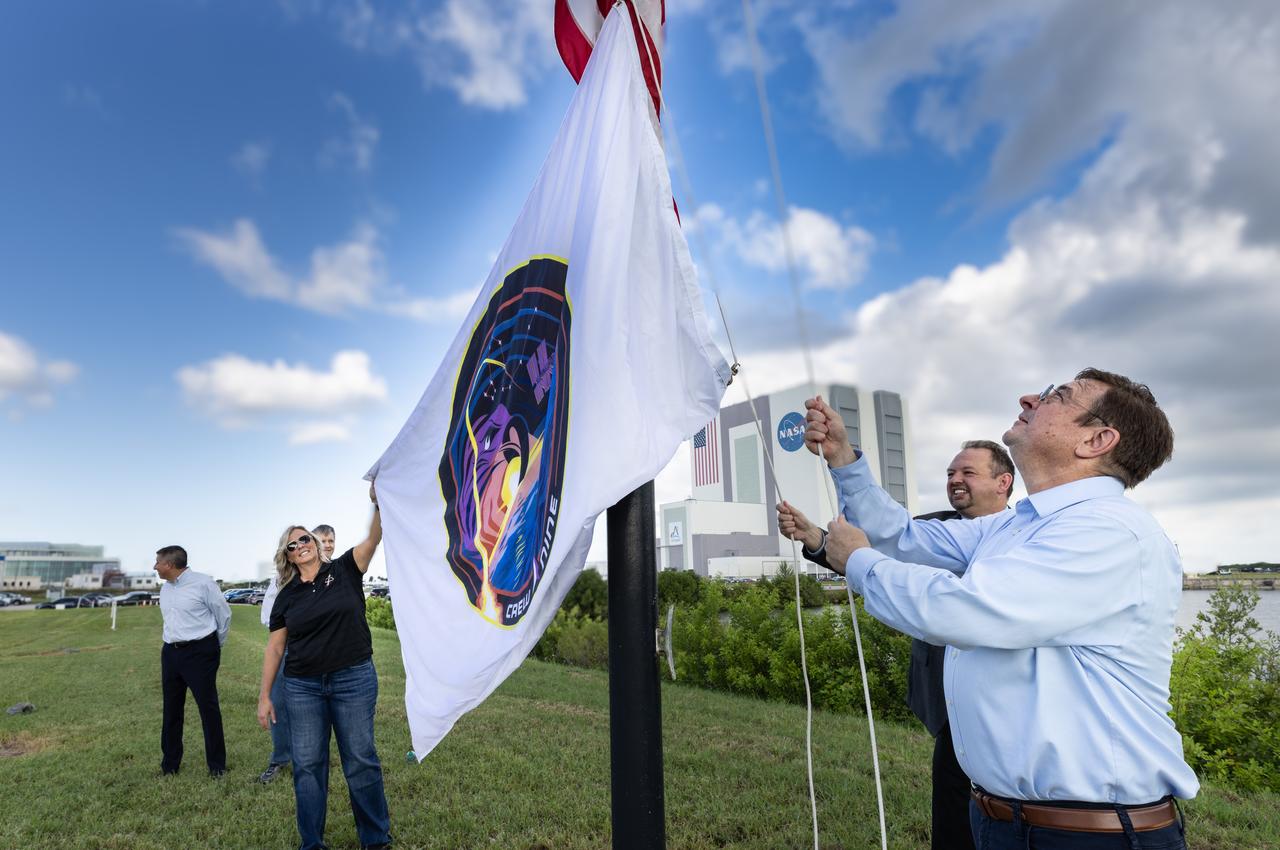
David Forrest (right), deputy manager of the SE&I (Systems Engineering and Integration) Office in NASA’s Commercial Low Earth Orbit Development Program, with help of NASA’s CCP (Commercial Crew Program) Deputy Program Manager Dana Hutcherson and NASA Public Affairs Officer Steven Siceloff, raises the agency’s SpaceX Crew-9 mission flag near the countdown clock at the NASA News Center at the agency’s Kennedy Space Center in Florida on Tuesday, Sept. 24, 2024. Forrest previously served as deputy manager for CCP’s SE&I Office at Kennedy. In the background is CCP’s Deputy Program Manager at NASA’s Johnson Space Center in Houston Richard Jones (far left) and CCP program manager Steve Stich. The Crew-9 mission will send NASA astronaut Nick Hague and Roscosmos cosmonaut Aleksandr Gorbunov to the International Space Station aboard SpaceX’s Dragon spacecraft and Falcon 9 rocket.