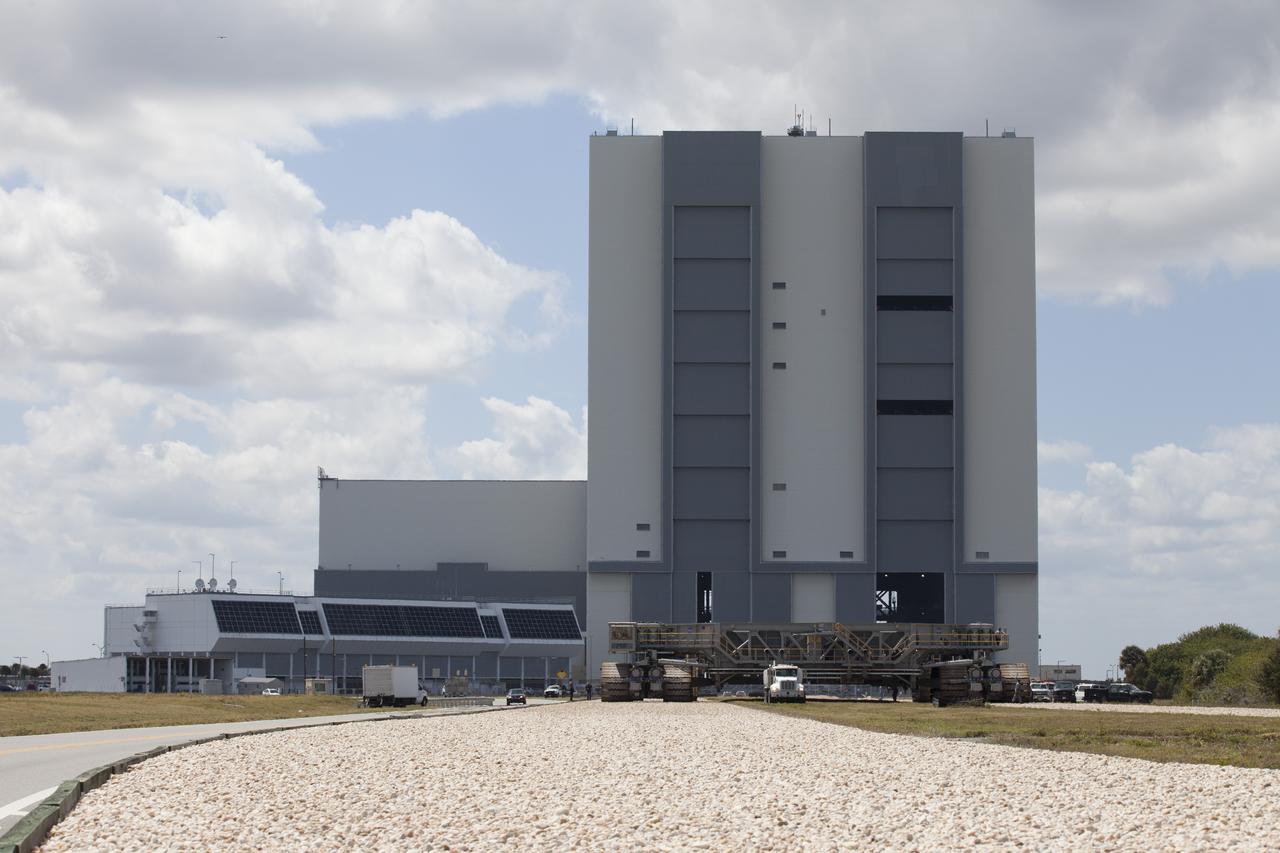
NASA’s upgraded crawler-transporter 2 (CT-2) begins its trek from the Vehicle Assembly Building (VAB) at the agency’s Kennedy Space Center in Florida to Launch Pad 39B to test recently completed upgrades and modifications for NASA’s journey to Mars. The Ground Systems Development and Operations Program at Kennedy oversaw upgrades to the crawler in the VAB. The crawler will carry the mobile launcher with Orion atop the Space Launch System rocket to Pad 39B for Exploration Mission-1, scheduled for 2018.
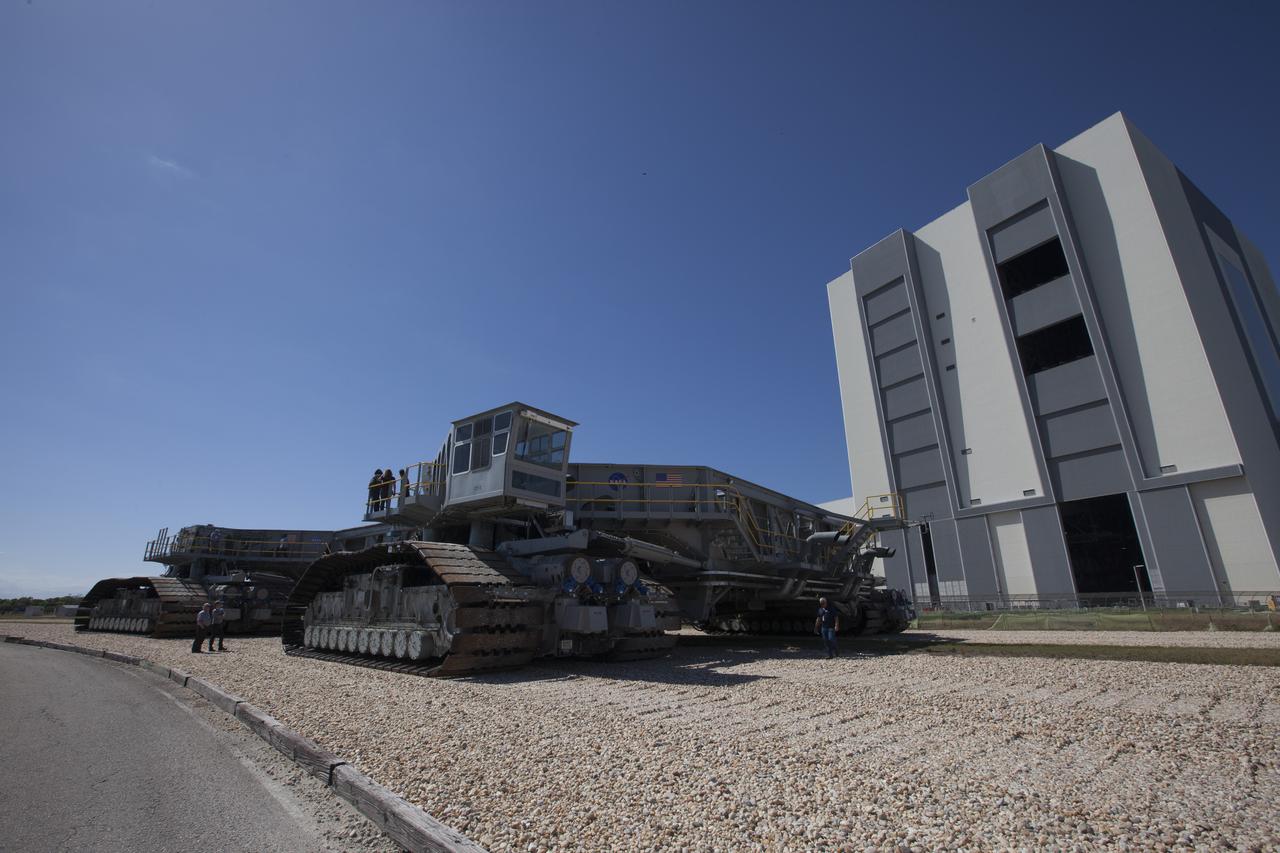
NASA’s upgraded crawler-transporter 2 (CT-2) travels along the crawlerway from the Vehicle Assembly Building (VAB) at the agency’s Kennedy Space Center in Florida on its trek to Launch Pad 39B to test recently completed upgrades and modifications for NASA’s journey to Mars. The Ground Systems Development and Operations Program at Kennedy oversaw upgrades to the crawler in the VAB. The crawler will carry the mobile launcher with Orion atop the Space Launch System rocket to Pad 39B for Exploration Mission-1, scheduled for 2018.

NASA’s upgraded crawler-transporter 2 (CT-2) begins its trek from the Vehicle Assembly Building (VAB) at the agency’s Kennedy Space Center in Florida to Launch Pad 39B to test recently completed upgrades and modifications for NASA’s journey to Mars. The Ground Systems Development and Operations Program at Kennedy oversaw upgrades to the crawler in the VAB. The crawler will carry the mobile launcher with Orion atop the Space Launch System rocket to Pad 39B for Exploration Mission-1, scheduled for 2018.
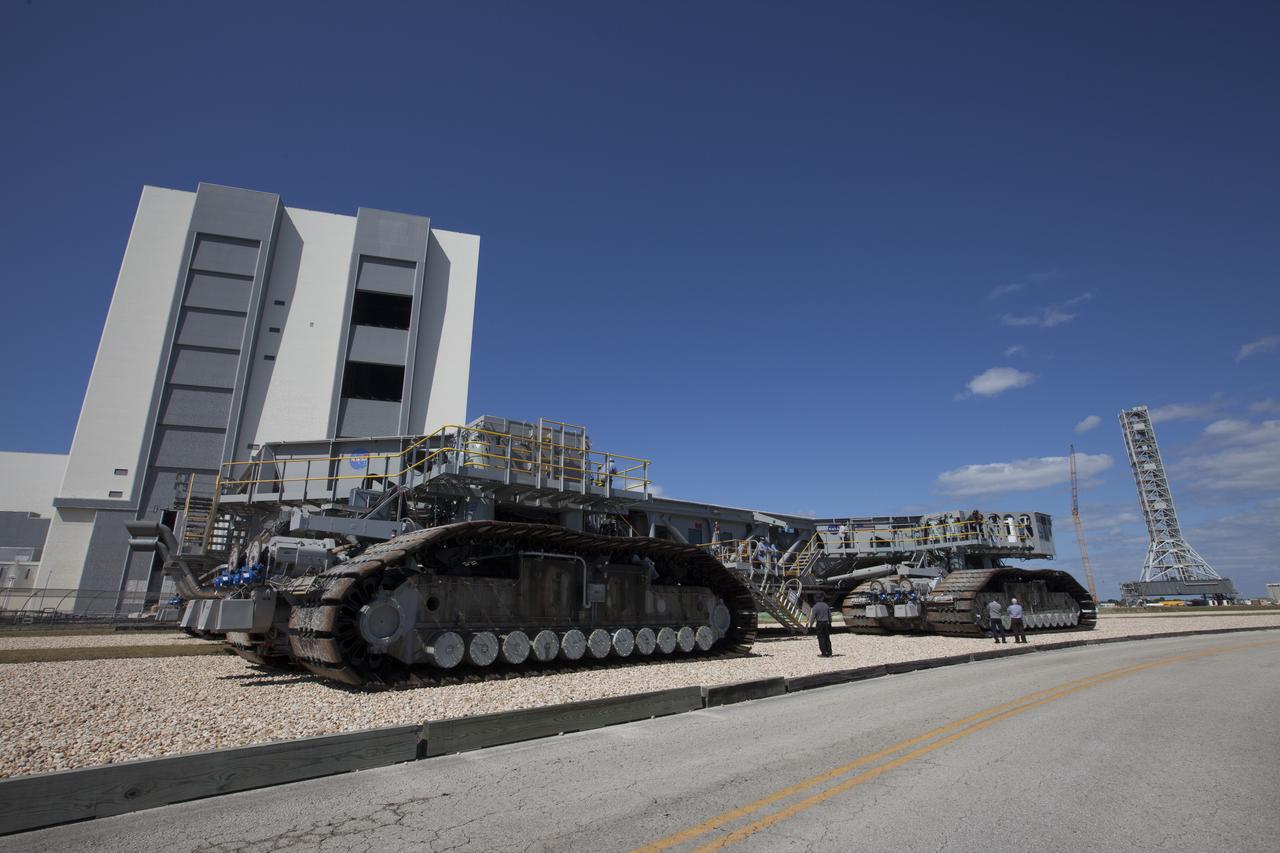
NASA’s upgraded crawler-transporter 2 (CT-2) has exited the Vehicle Assembly Building (VAB) at the agency’s Kennedy Space Center in Florida for its trek along the crawlerway to Launch Pad 39B to test recently completed upgrades and modifications for NASA’s journey to Mars. The Ground Systems Development and Operations Program at Kennedy oversaw upgrades to the crawler in the VAB. The crawler will carry the mobile launcher with Orion atop the Space Launch System rocket to Pad 39B for Exploration Mission-1, scheduled for 2018.
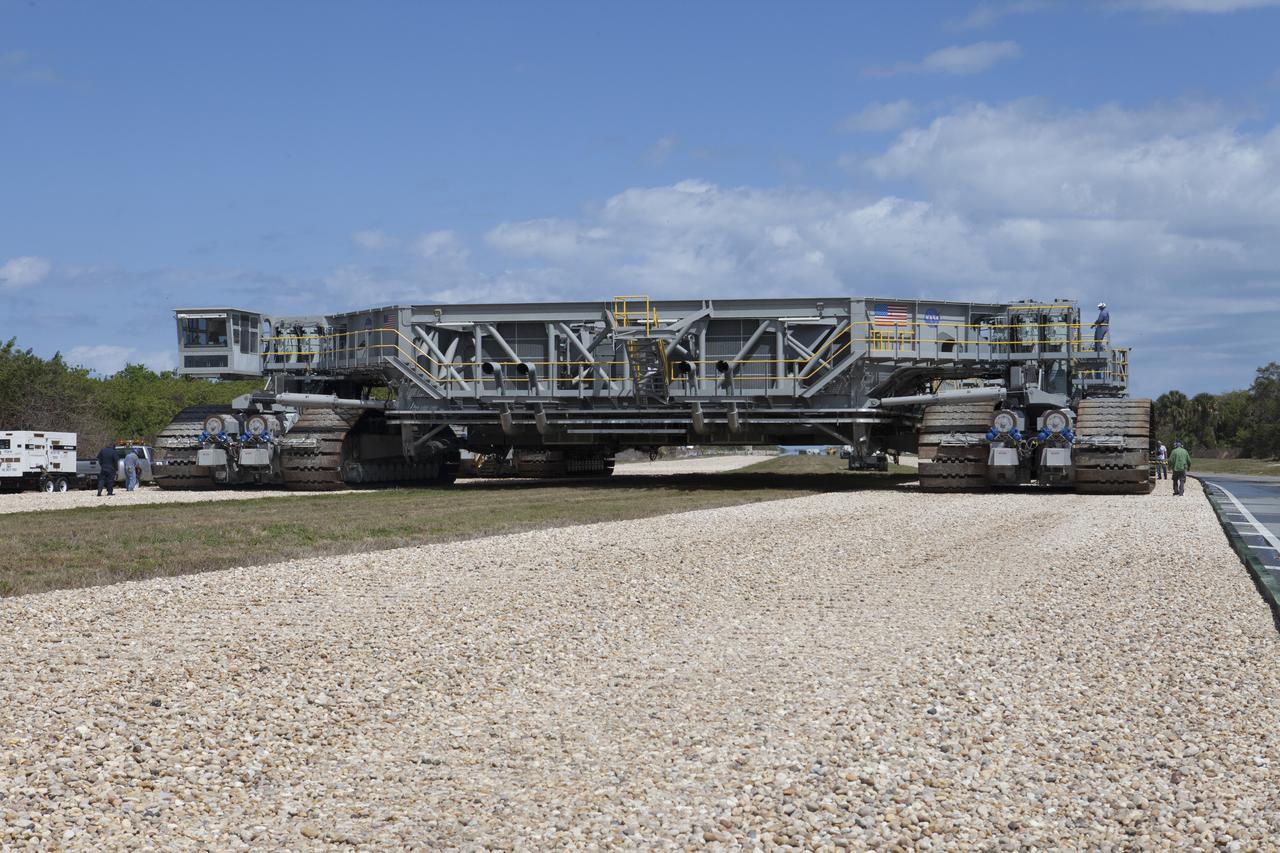
Technicians walk alongside NASA’s upgraded crawler-transporter 2 (CT-2) as it continues the trek on the crawlerway from the Vehicle Assembly Building (VAB) at the agency’s Kennedy Space Center in Florida to Launch Pad 39B to test recently completed upgrades and modifications for NASA’s journey to Mars. The Ground Systems Development and Operations Program at Kennedy oversaw upgrades to the crawler in the VAB. The crawler will carry the mobile launcher with Orion atop the Space Launch System rocket to Pad 39B for Exploration Mission-1, scheduled for 2018.
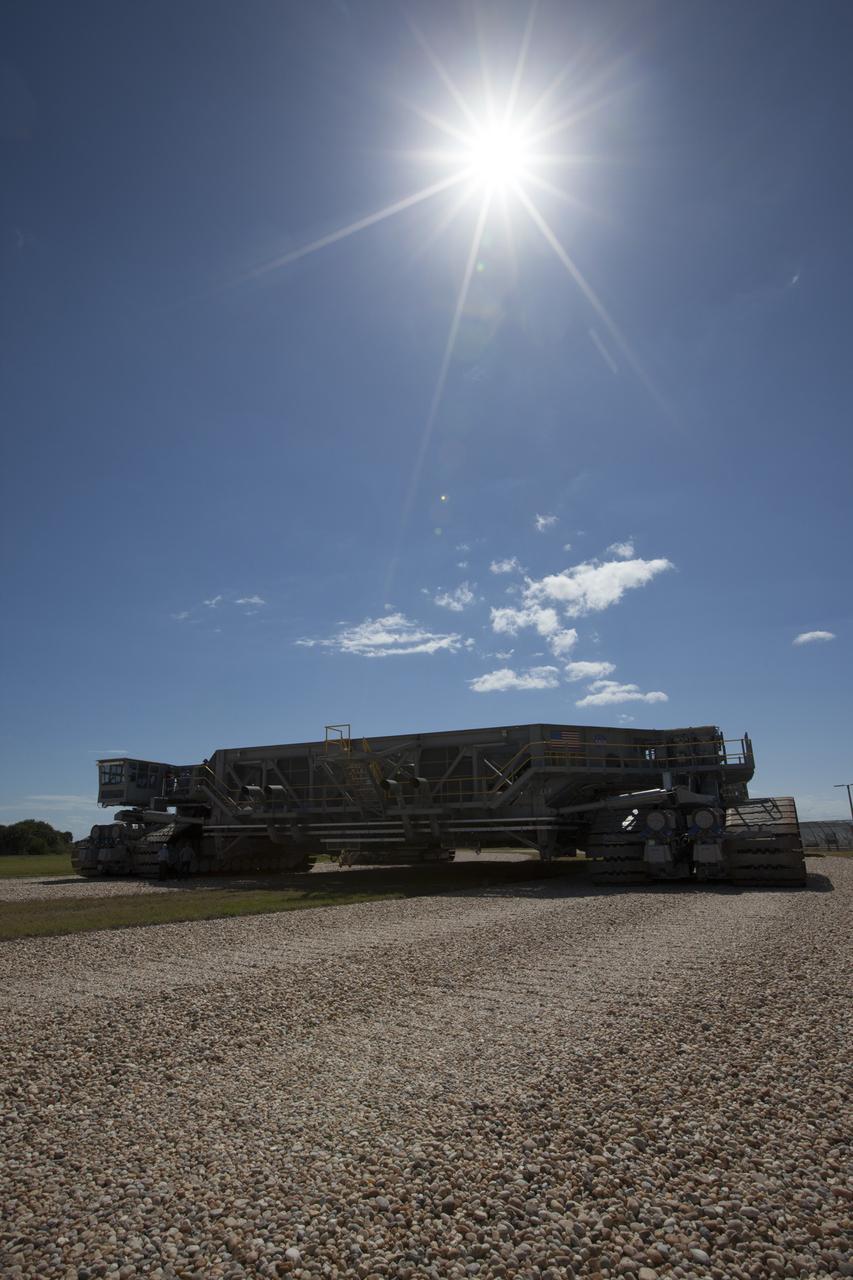
NASA’s upgraded crawler-transporter 2 (CT-2) travels along the crawlerway during its trek to Launch Pad 39B at the agency’s Kennedy Space Center in Florida, to test recently completed upgrades and modifications for NASA’s journey to Mars. The Ground Systems Development and Operations Program at Kennedy oversaw upgrades to the crawler in the Vehicle Assembly Building. The crawler will carry the mobile launcher with Orion atop the Space Launch System rocket to Pad 39B for Exploration Mission-1, scheduled for 2018.
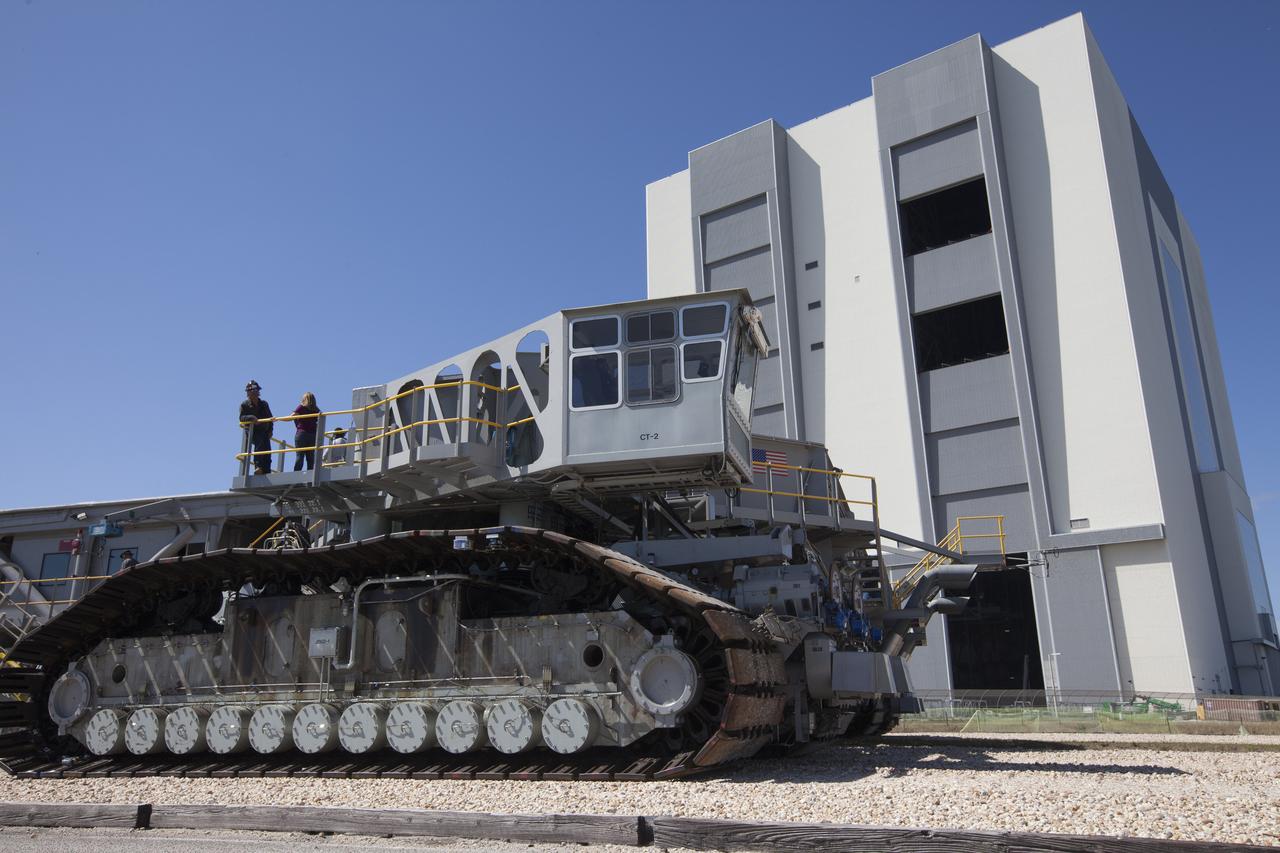
NASA’s upgraded crawler-transporter 2 (CT-2) has exited the Vehicle Assembly Building (VAB) at the agency’s Kennedy Space Center in Florida for its trek along the crawlerway to Launch Pad 39B to test recently completed upgrades and modifications for NASA’s journey to Mars. The Ground Systems Development and Operations Program at Kennedy oversaw upgrades to the crawler in the VAB. The crawler will carry the mobile launcher with Orion atop the Space Launch System rocket to Pad 39B for Exploration Mission-1, scheduled for 2018.
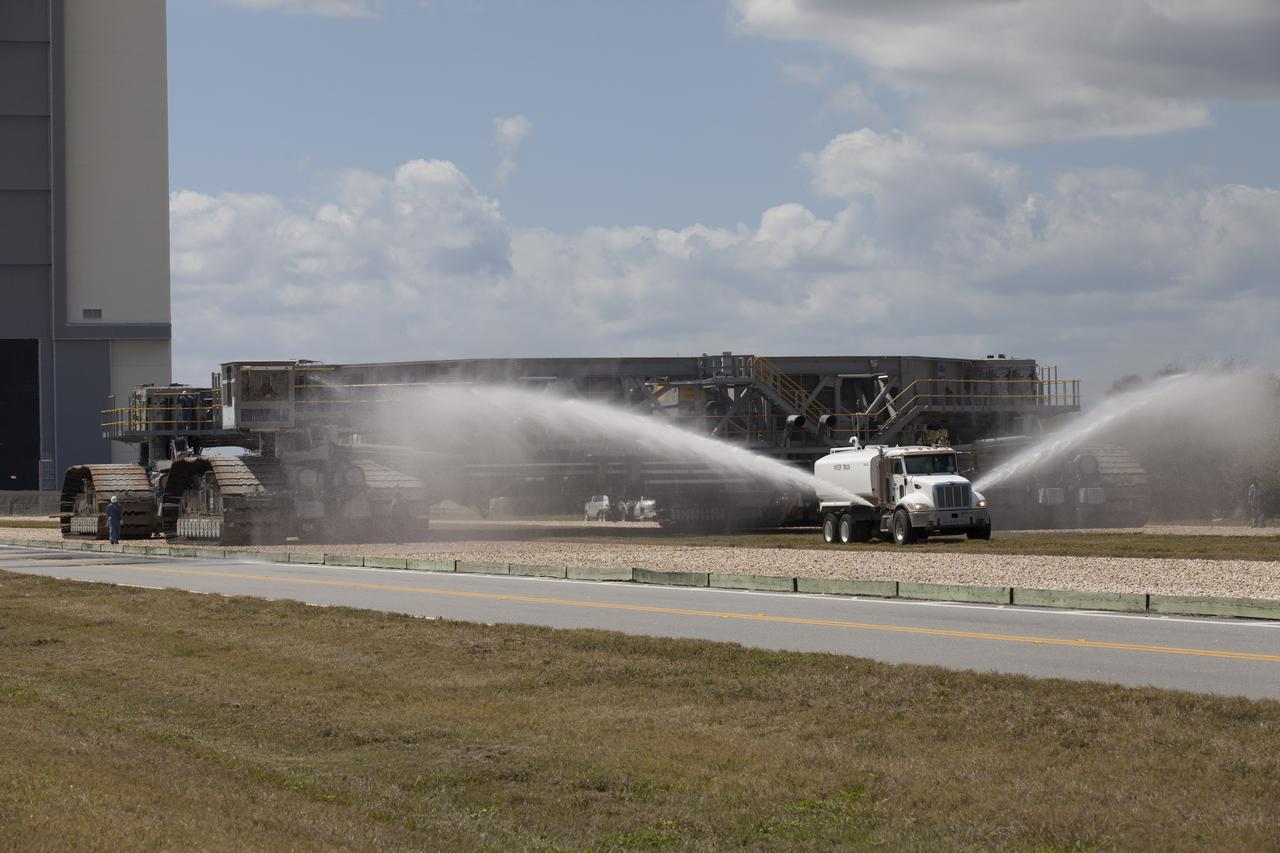
A truck sprays water in front of NASA’s upgraded crawler-transporter 2 (CT-2) to control dust as it begins the trek from the Vehicle Assembly Building (VAB) at the agency’s Kennedy Space Center in Florida to Launch Pad 39B to test recently completed upgrades and modifications for NASA’s journey to Mars. The Ground Systems Development and Operations Program at Kennedy oversaw upgrades to the crawler in the VAB. The crawler will carry the mobile launcher with Orion atop the Space Launch System rocket to Pad 39B for Exploration Mission-1, scheduled for 2018.
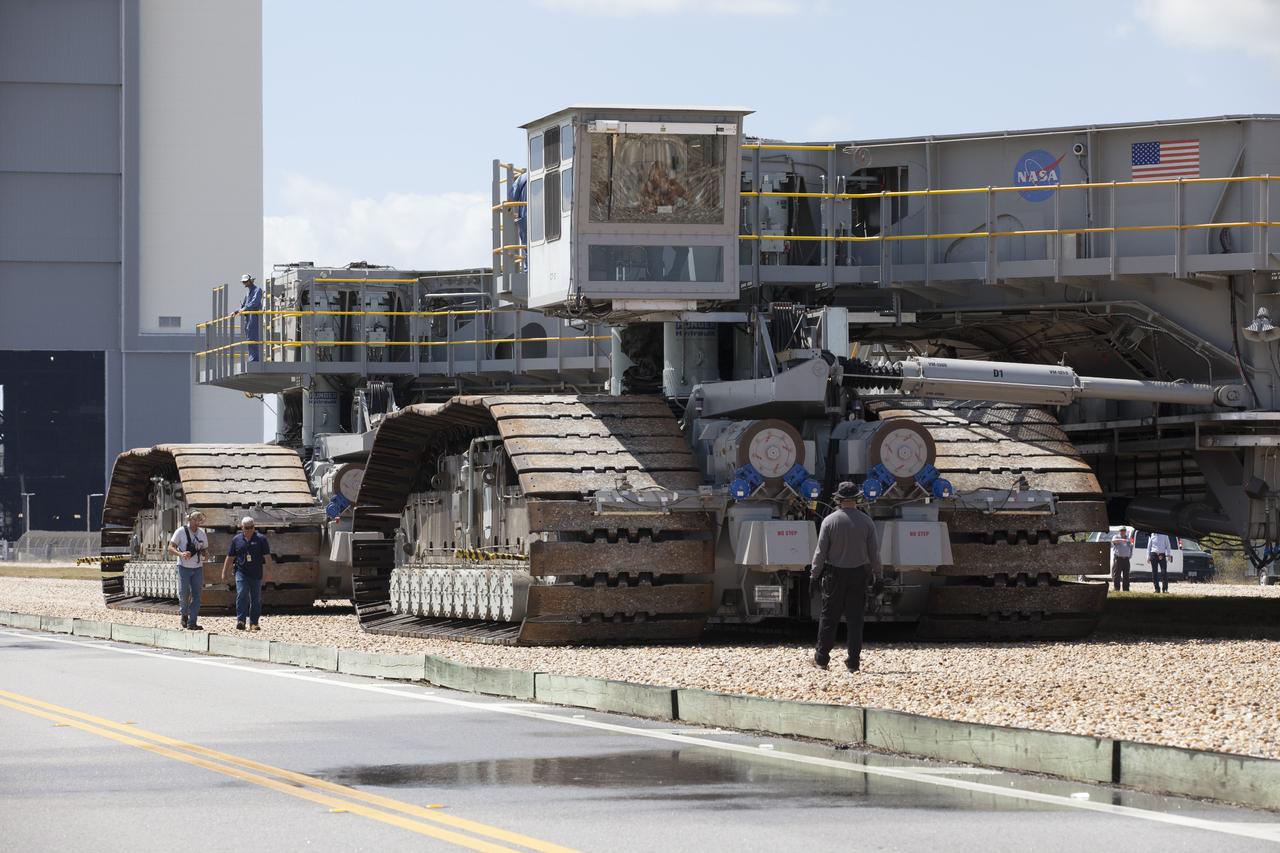
Technicians walk alongside NASA’s upgraded crawler-transporter 2 (CT-2) as it continues the trek along the crawlerway from the Vehicle Assembly Building (VAB) at the agency’s Kennedy Space Center in Florida to Launch Pad 39B to test recently completed upgrades and modifications for NASA’s journey to Mars. The Ground Systems Development and Operations Program at Kennedy oversaw upgrades to the crawler in the VAB. The crawler will carry the mobile launcher with Orion atop the Space Launch System rocket to Pad 39B for Exploration Mission-1, scheduled for 2018.

NASA’s upgraded crawler-transporter 2 (CT-2) begins its trek from the Vehicle Assembly Building (VAB) at the agency’s Kennedy Space Center in Florida to Launch Pad 39B to test recently completed upgrades and modifications for NASA’s journey to Mars. The Ground Systems Development and Operations Program at Kennedy oversaw upgrades to the crawler in the VAB. The crawler will carry the mobile launcher with Orion atop the Space Launch System rocket to Pad 39B for Exploration Mission-1, scheduled for 2018.
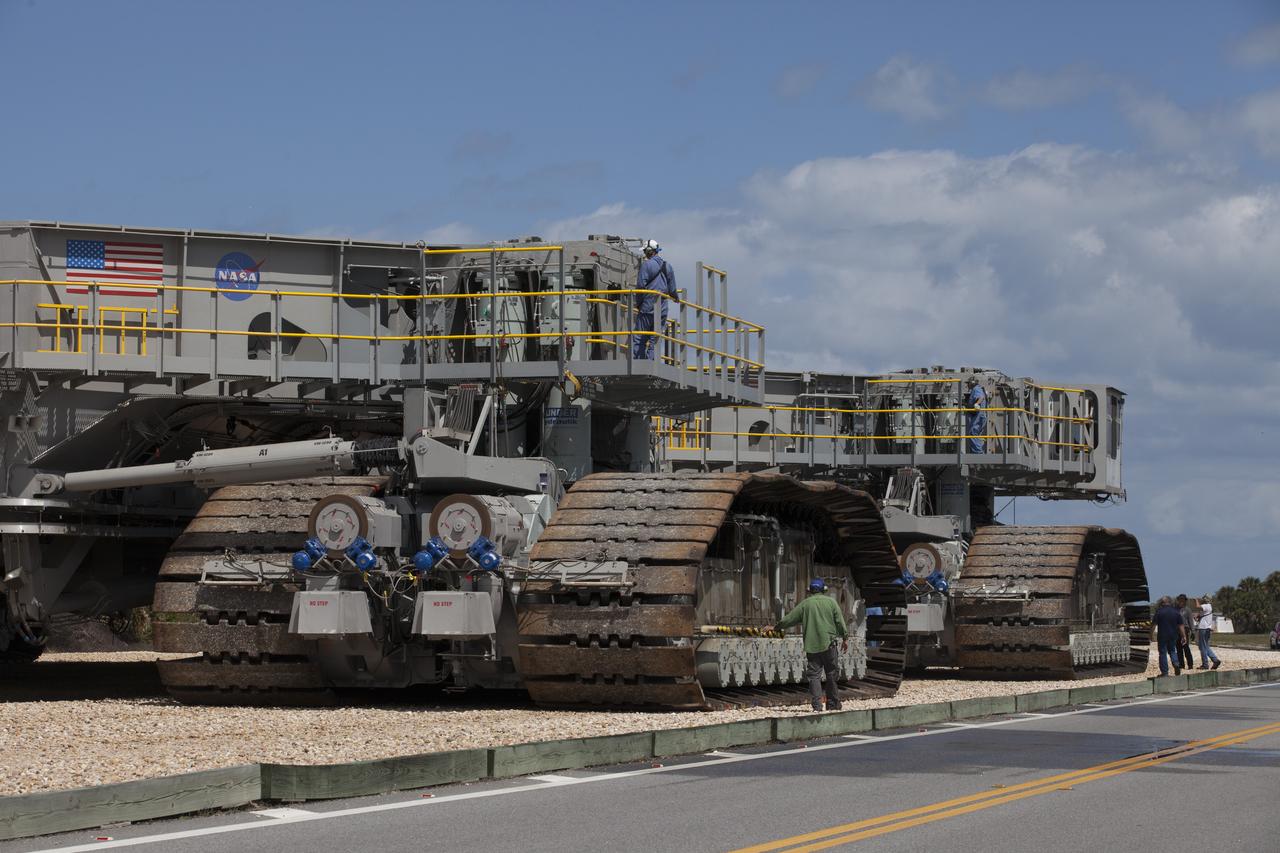
Technicians walk alongside NASA’s upgraded crawler-transporter 2 (CT-2) as it continues the trek on the crawlerway from the Vehicle Assembly Building (VAB) at the agency’s Kennedy Space Center in Florida to Launch Pad 39B to test recently completed upgrades and modifications for NASA’s journey to Mars. The Ground Systems Development and Operations Program at Kennedy oversaw upgrades to the crawler in the VAB. The crawler will carry the mobile launcher with Orion atop the Space Launch System rocket to Pad 39B for Exploration Mission-1, scheduled for 2018.
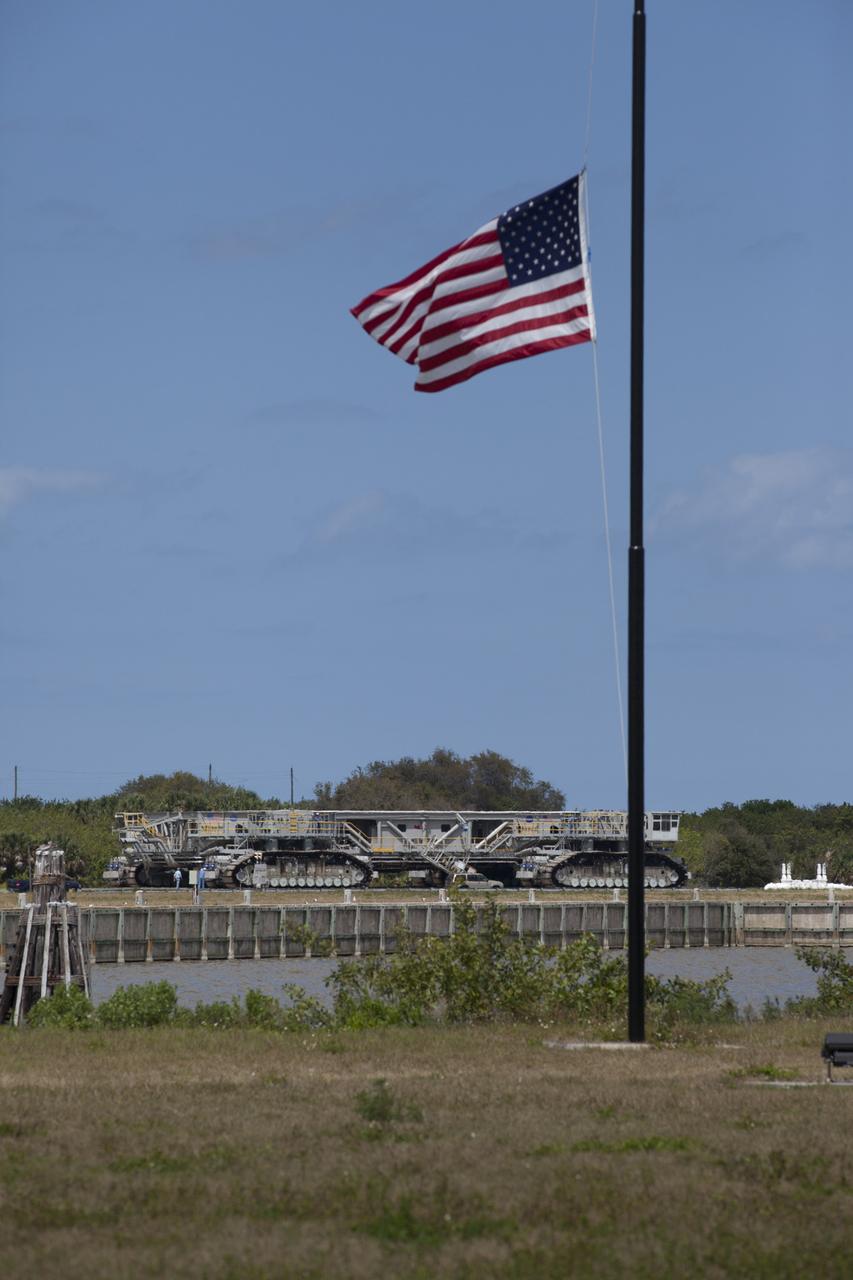
An American flag flutters in the breeze as NASA’s upgraded crawler-transporter 2 (CT-2) travels along the crawlerway during its trek to Launch Pad 39B at the agency’s Kennedy Space Center in Florida, to test recently completed upgrades and modifications for NASA’s journey to Mars. The Ground Systems Development and Operations Program at Kennedy oversaw upgrades to the crawler in the Vehicle Assembly Building. The crawler will carry the mobile launcher with Orion atop the Space Launch System rocket to Pad 39B for Exploration Mission-1, scheduled for 2018.
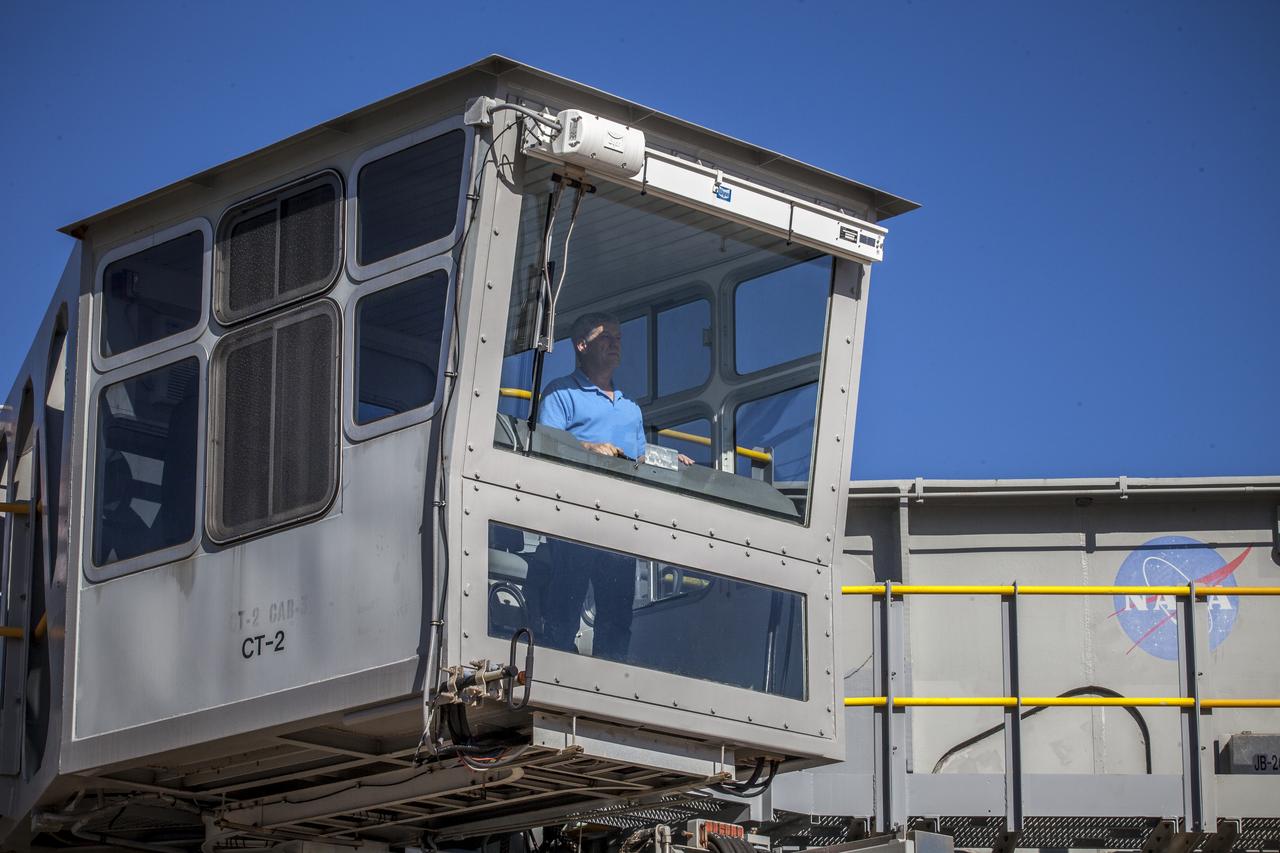
Sam Dove, a crawler-transporter engineer with Jacobs on the Test and Operations Support Contract, is inside the operator cab of crawler-transporter 2 on the crawlerway at NASA's Kennedy Space Center in Florida, on Aug. 27, 2018. CT-2 will carry the mobile launcher for the first time to Launch Pad 39B for a fit check of key systems that will support the launch of the agency's Space Launch System rocket and Orion spacecraft on Exploration Mission-1. The crawler also will carry the mobile launcher to the Vehicle Assembly Building for system checks and fit checks with the 10 levels of new platforms in High Bay 3.
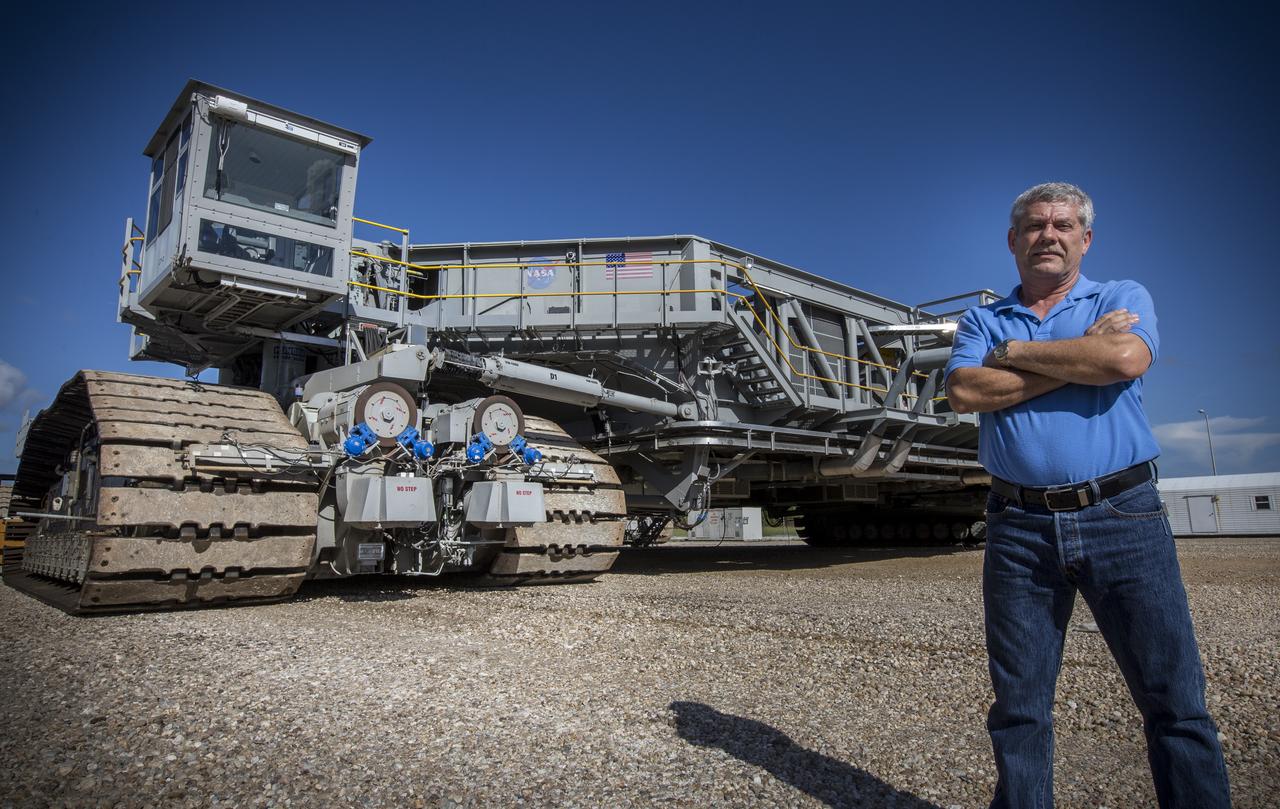
Sam Dove, a crawler-transporter engineer with Jacobs on the Test and Operations Support Contract, stands in front of crawler-transporter 2 on the crawlerway at NASA's Kennedy Space Center in Florida, on Aug. 27, 2018. CT-2 will carry the mobile launcher for the first time to Launch Pad 39B for a fit check of key systems that will support the launch of the agency's Space Launch System rocket and Orion spacecraft on Exploration Mission-1. The crawler also will carry the mobile launcher to the Vehicle Assembly Building for system checks and fit checks with the 10 levels of new platforms in High Bay 3.
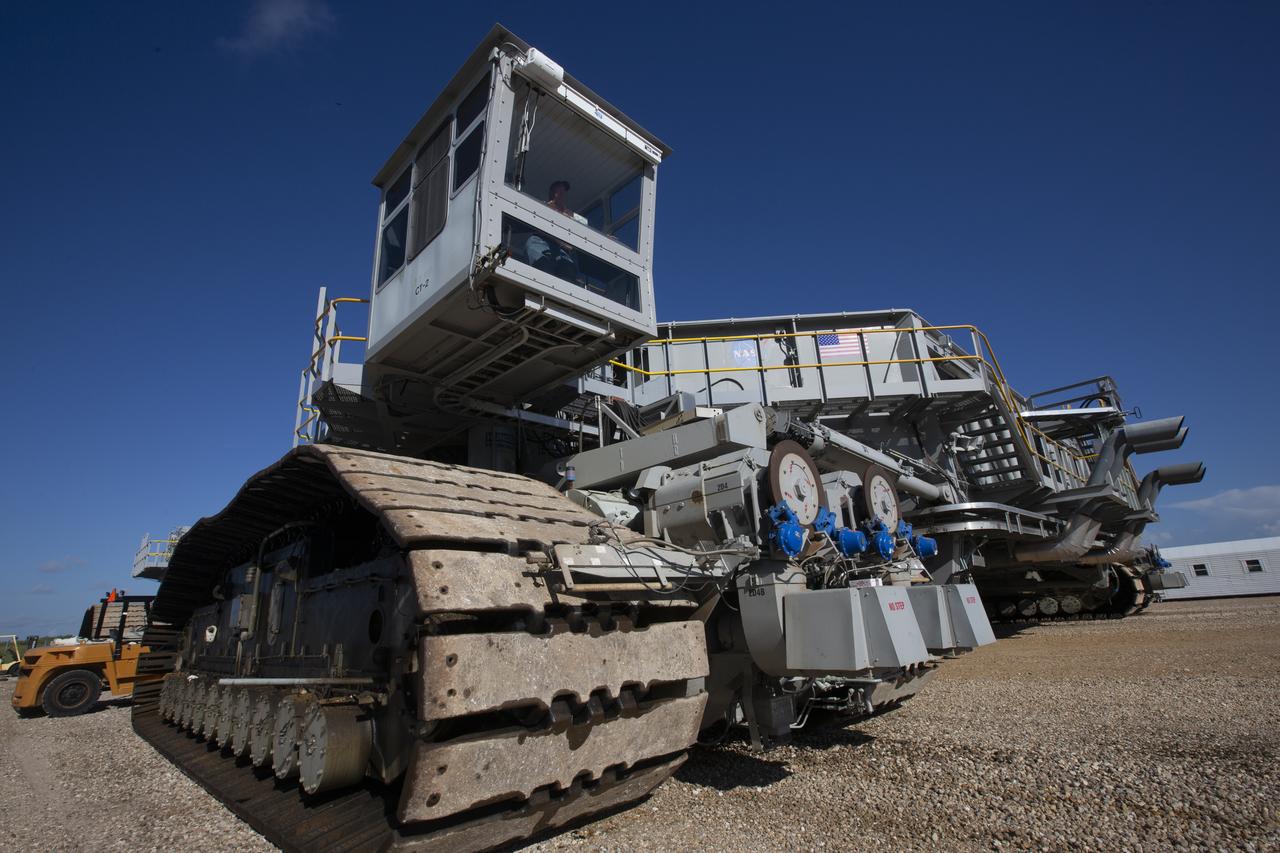
Sam Dove, a crawler-transporter engineer with Jacobs on the Test and Operations Support Contract, is inside the operator cab of crawler-transporter 2 on the crawlerway at NASA's Kennedy Space Center in Florida, on Aug. 27, 2018. CT-2 will carry the mobile launcher for the first time to Launch Pad 39B for a fit check of key systems that will support the launch of the agency's Space Launch System rocket and Orion spacecraft on Exploration Mission-1. The crawler also will carry the mobile launcher to the Vehicle Assembly Building for system checks and fit checks with the 10 levels of new work platforms in High Bay 3.
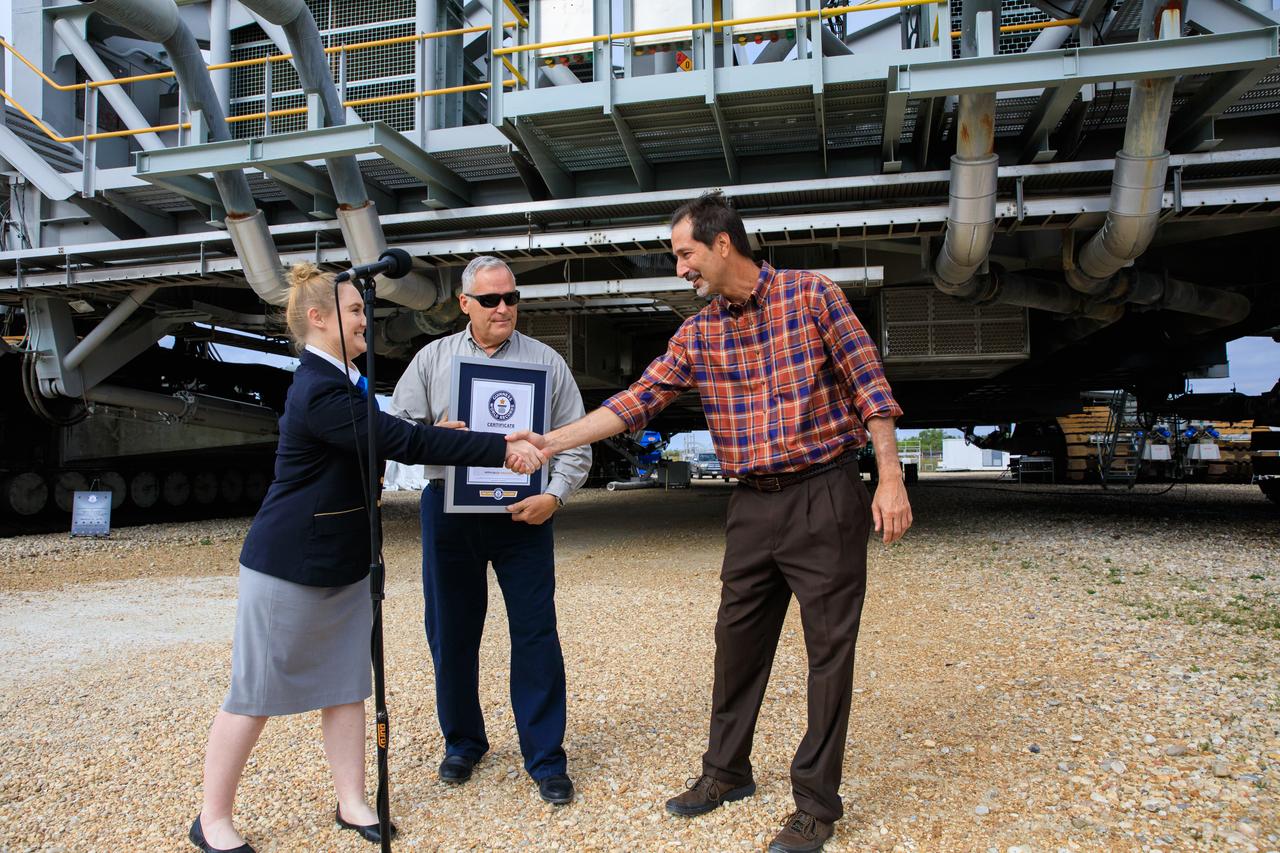
Guinness World Records adjudicator Hannah Ortman shakes hands NASA’s Crawler Element Operations Manager John Giles during a ceremony on March 29, 2023, at the agency’s Kennedy Space Center in Florida. Also in the photo is Brett Raulerson, Jacobs TOSC Crawlers, Transporters and Structures group manager. Guinness World Records officially designated NASA’s Crawler Transporter 2 as the heaviest self-powered vehicle, weighing approximately 6.65 million pounds. The crawler is responsible for carrying the Space Launch System rocket and Orion spacecraft for the Artemis missions to and from the launch pad.
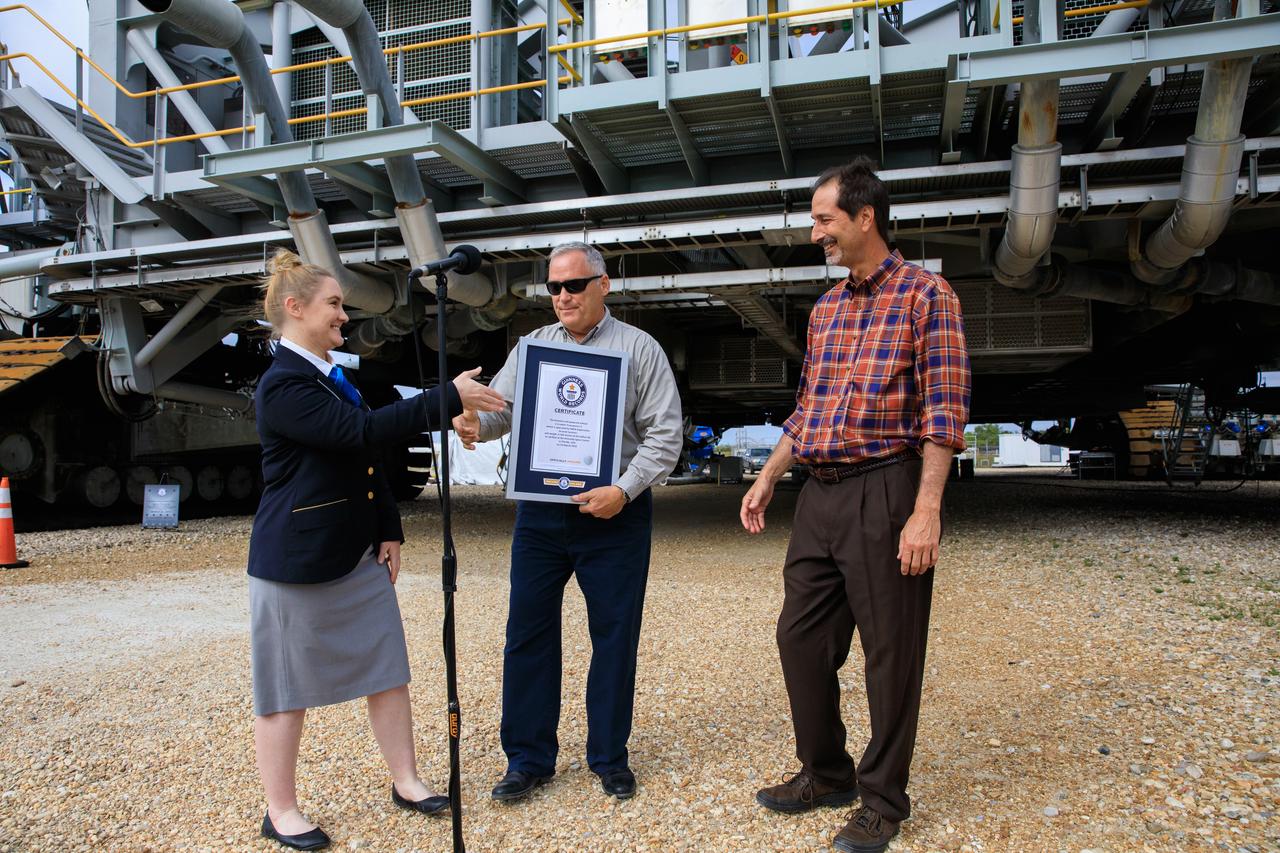
Guinness World Records adjudicator Hannah Ortman shakes hands with Brett Raulerson, Jacobs TOSC Crawlers, Transporters and Structures group manager, left, and John Giles, NASA’s Crawler Element Operations manager, during a ceremony on March 29, 2023, at the agency’s Kennedy Space Center in Florida. Guinness World Records officially designated NASA’s Crawler Transporter 2 as the heaviest self-powered vehicle, weighing approximately 6.65 million pounds. The crawler is responsible for carrying the Space Launch System rocket and Orion spacecraft for the Artemis missions to and from the launch pad.
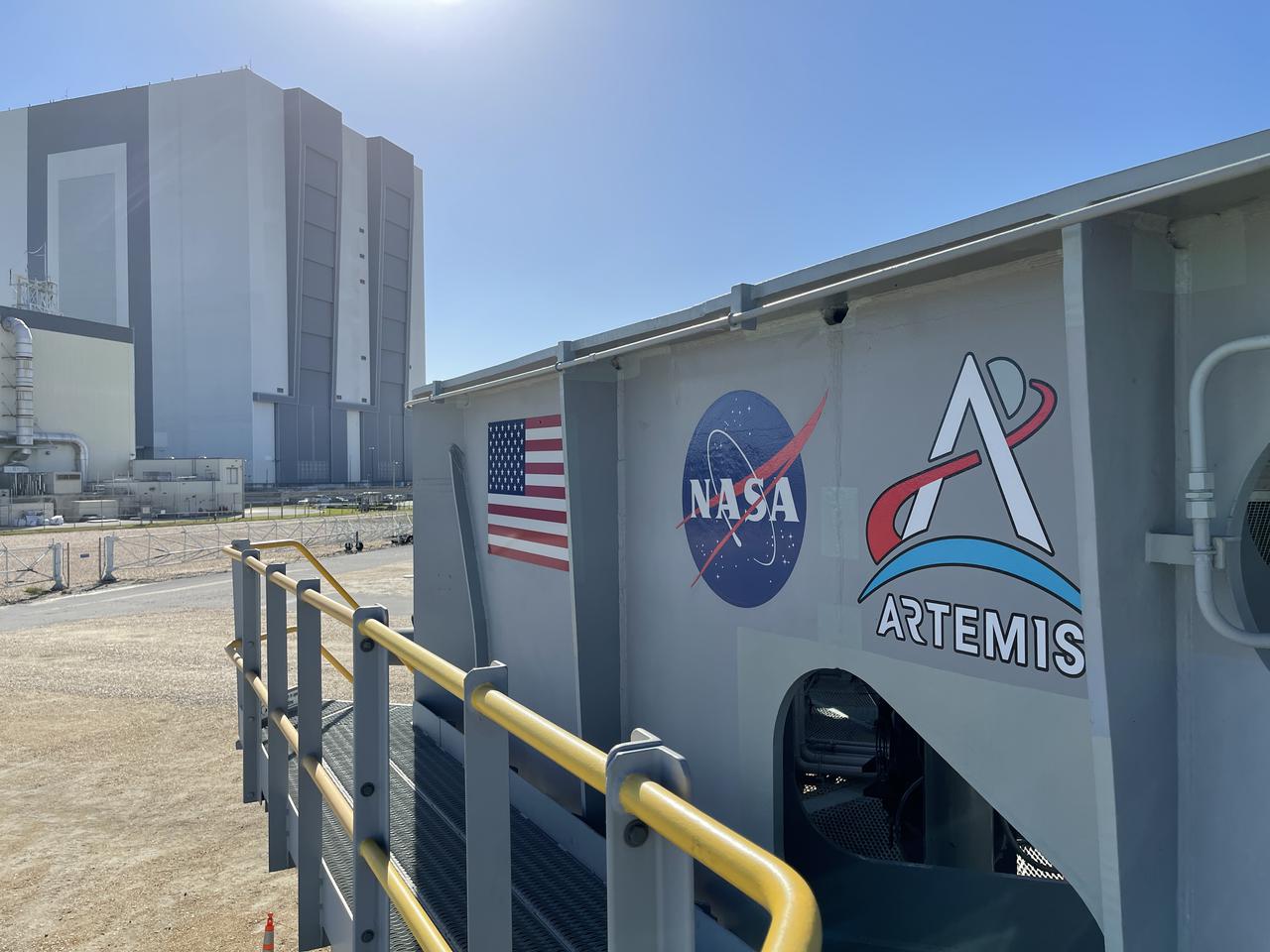
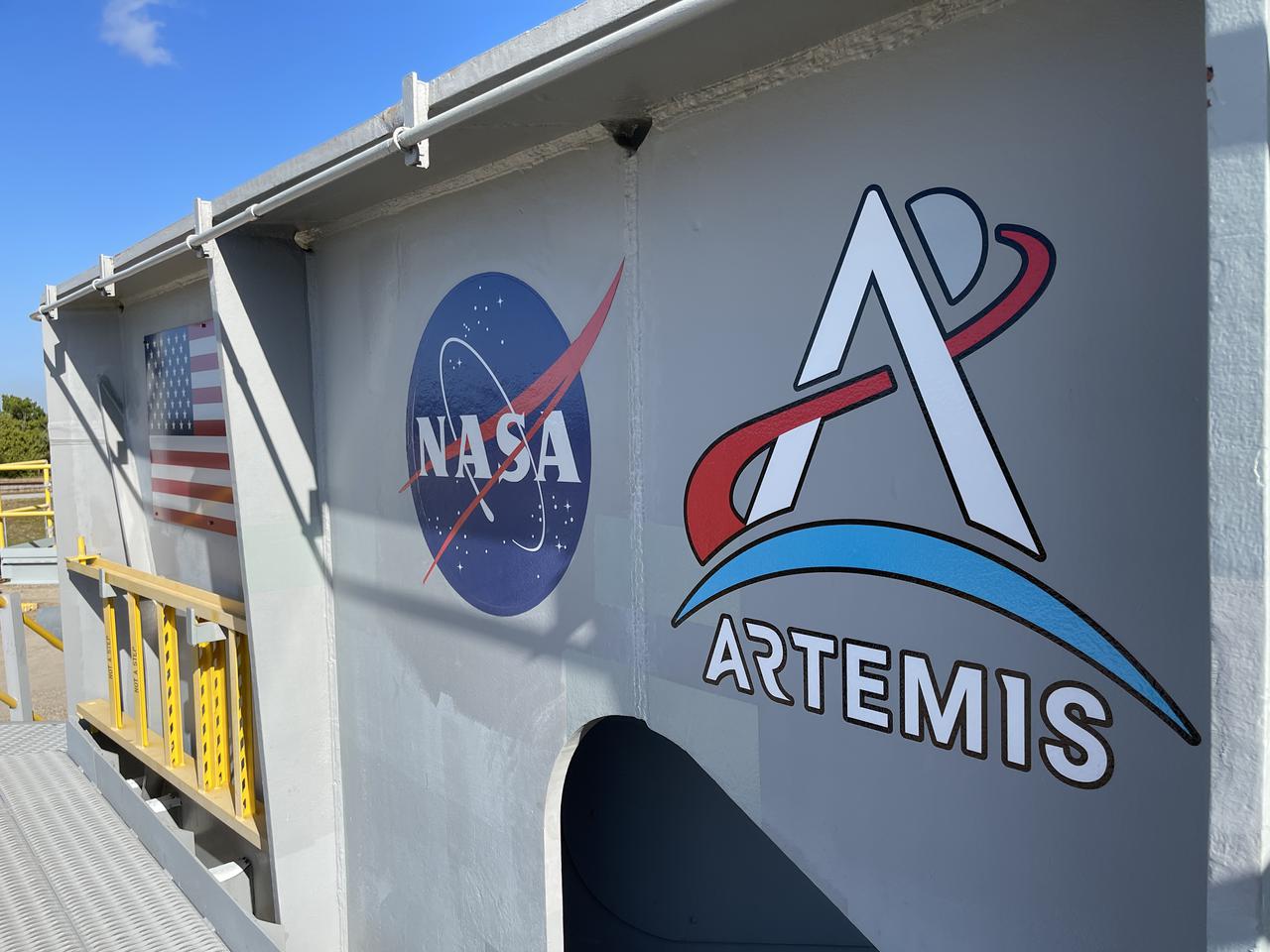
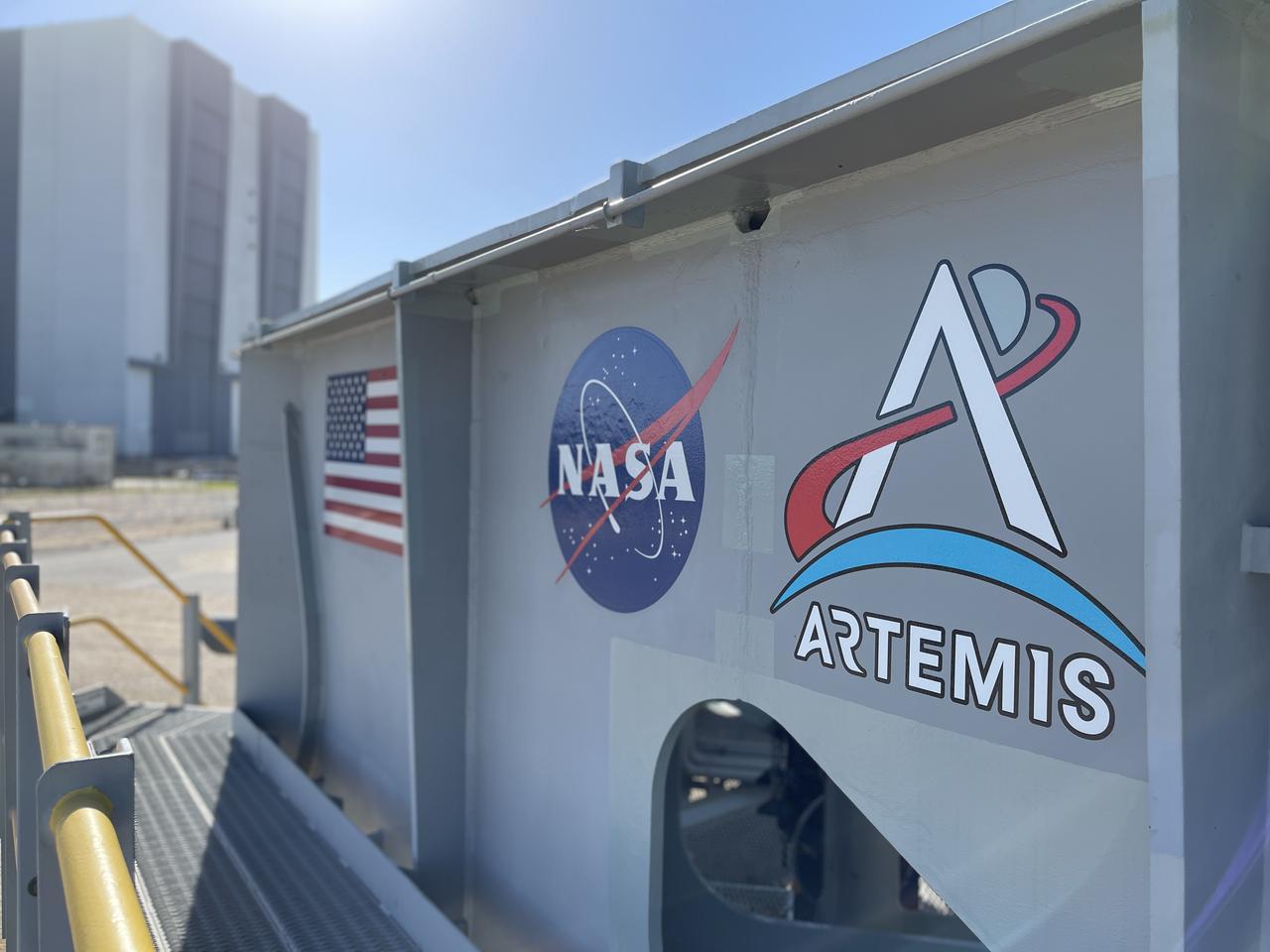
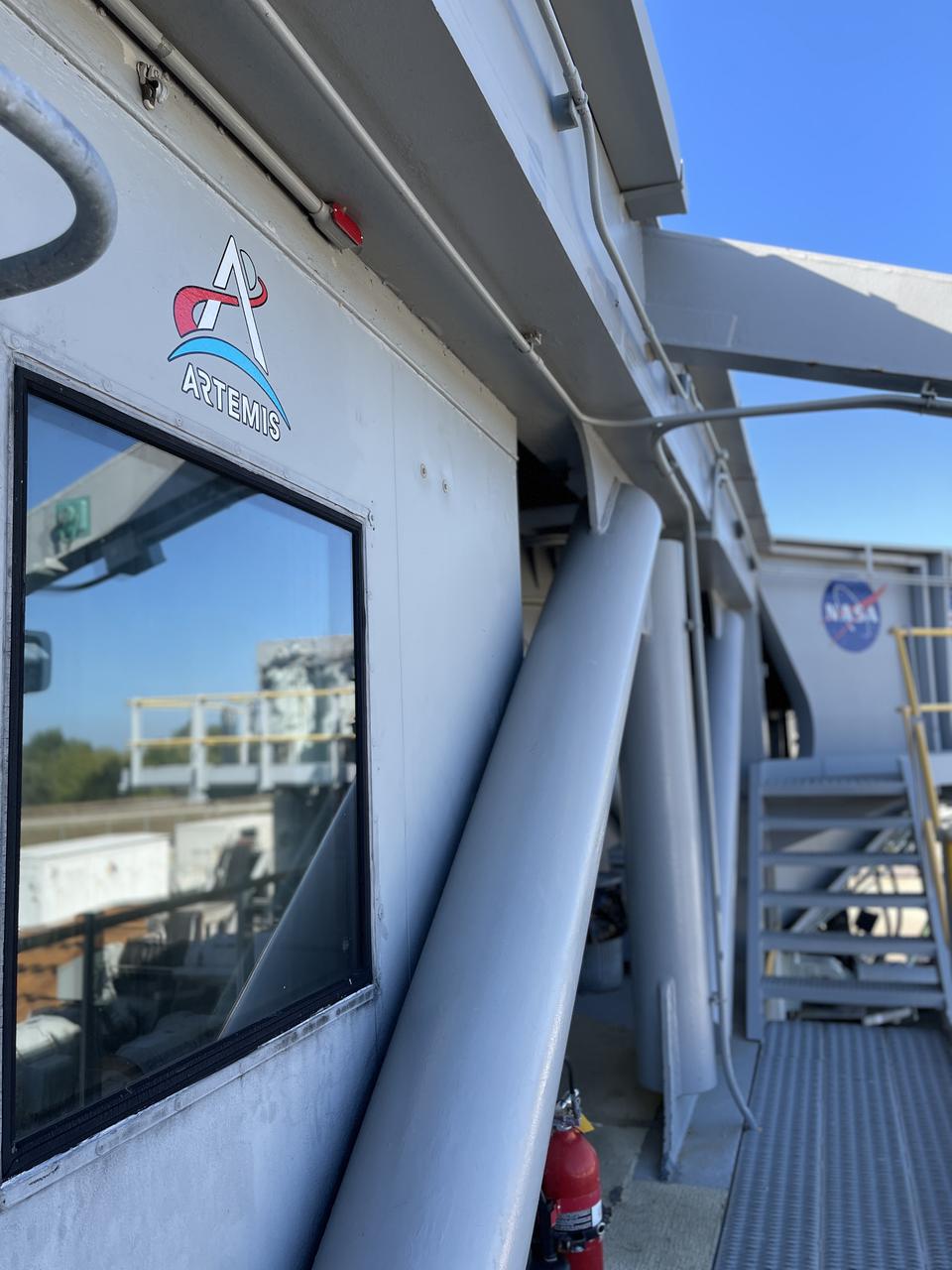
Eight new NASA Artemis logos (four large, four small) were installed on Crawler-Transporter 2 at Kennedy Space Center in preparation for the upcoming launch of Artemis I. The Vehicle Assembly Building, in back, is where NASA's Space Launch System and Orion Spacecraft are currently stacked and being prepared to roll out on top of the crawler to Launch Pad 39B for the first time.
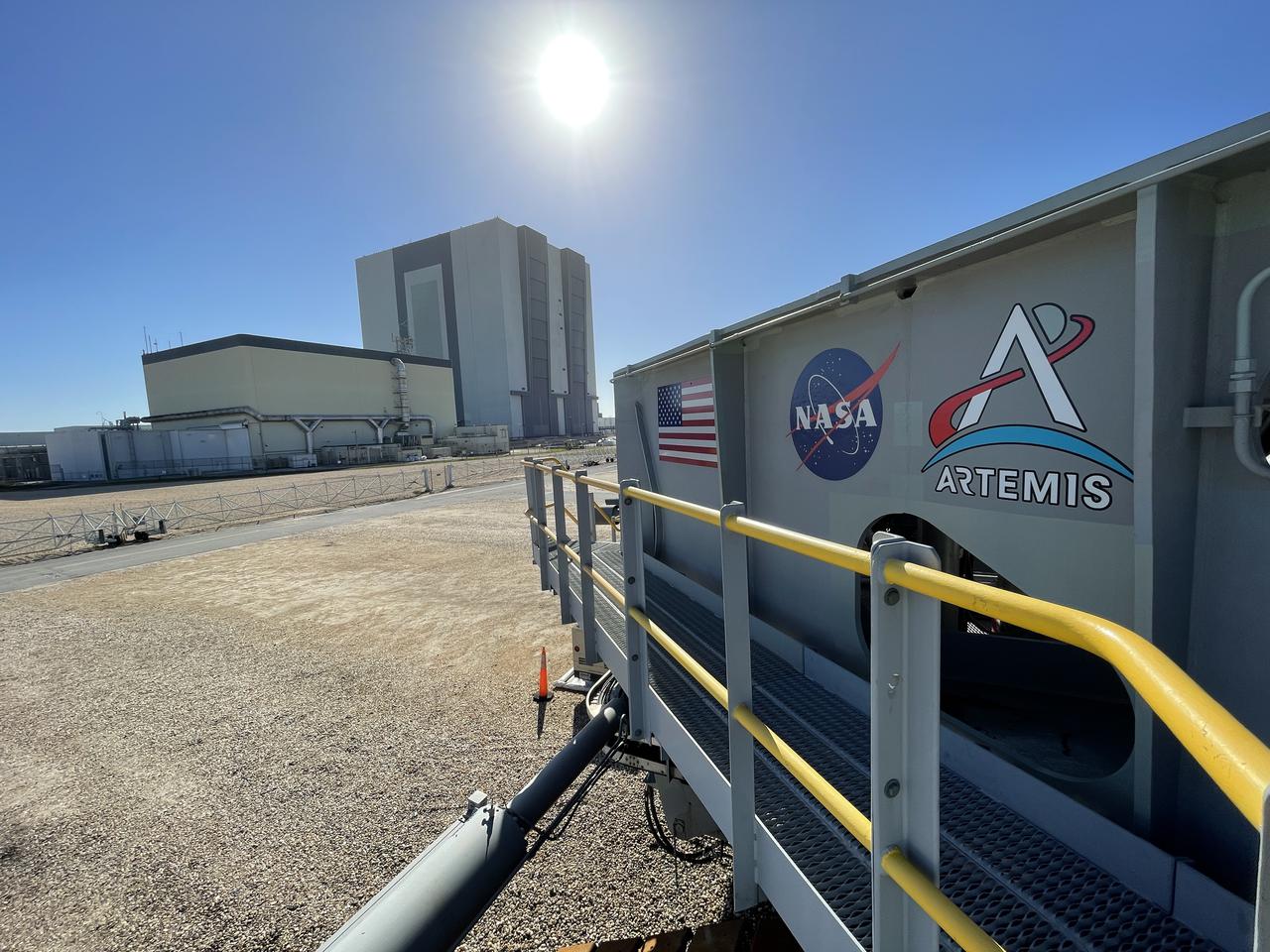
Eight new NASA Artemis logos (four large, four small) were installed on Crawler-Transporter 2 at Kennedy Space Center in preparation for the upcoming launch of Artemis I. The Vehicle Assembly Building, in back, is where NASA's Space Launch System and Orion Spacecraft are currently stacked and being prepared to roll out on top of the crawler to Launch Pad 39B for the first time.
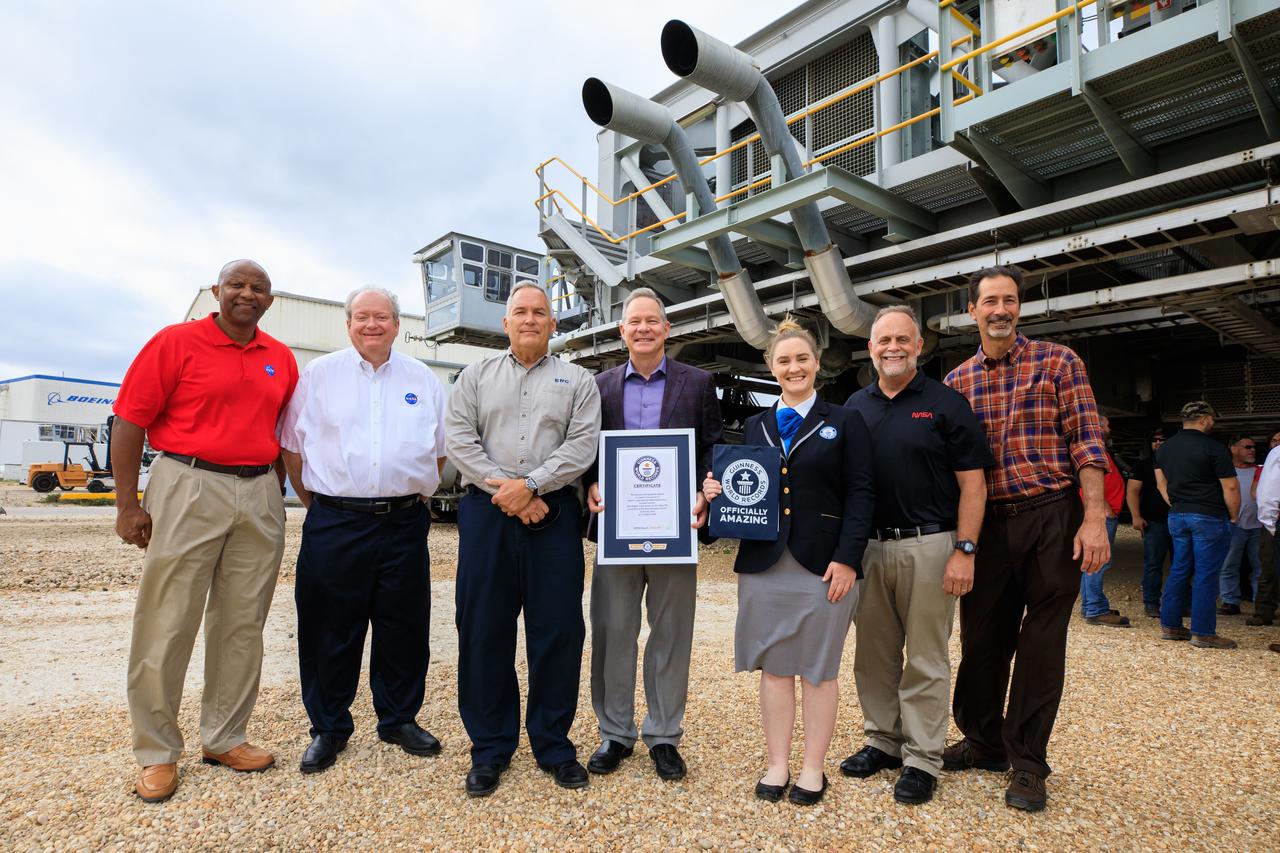
Guinness World Records officially designated NASA’s Crawler Transporter 2 as the heaviest self-powered vehicle, weighing approximately 6.65 million pounds. During a March 29, 2023, ceremony at the agency's Kennedy Space Center in Florida, Guinness World Records presented a certificate to teams with the Exploration Ground Systems Program and Kennedy leadership. Pictured, from left, are: Kelvin Manning, Kennedy deputy director; Burt Summerfield, Kennedy associate director, management; Brett Raulerson, Jacobs TOSC Crawlers, Transporters and Structures group manager; Gary Casteel, Jacobs director, Ground Systems Support; Hannah Ortman, Guinness World Records adjudicator; Shawn Quinn, NASA’s Exploration Ground Systems manager; and John Giles, NASA’s Crawler Element Operations manager.
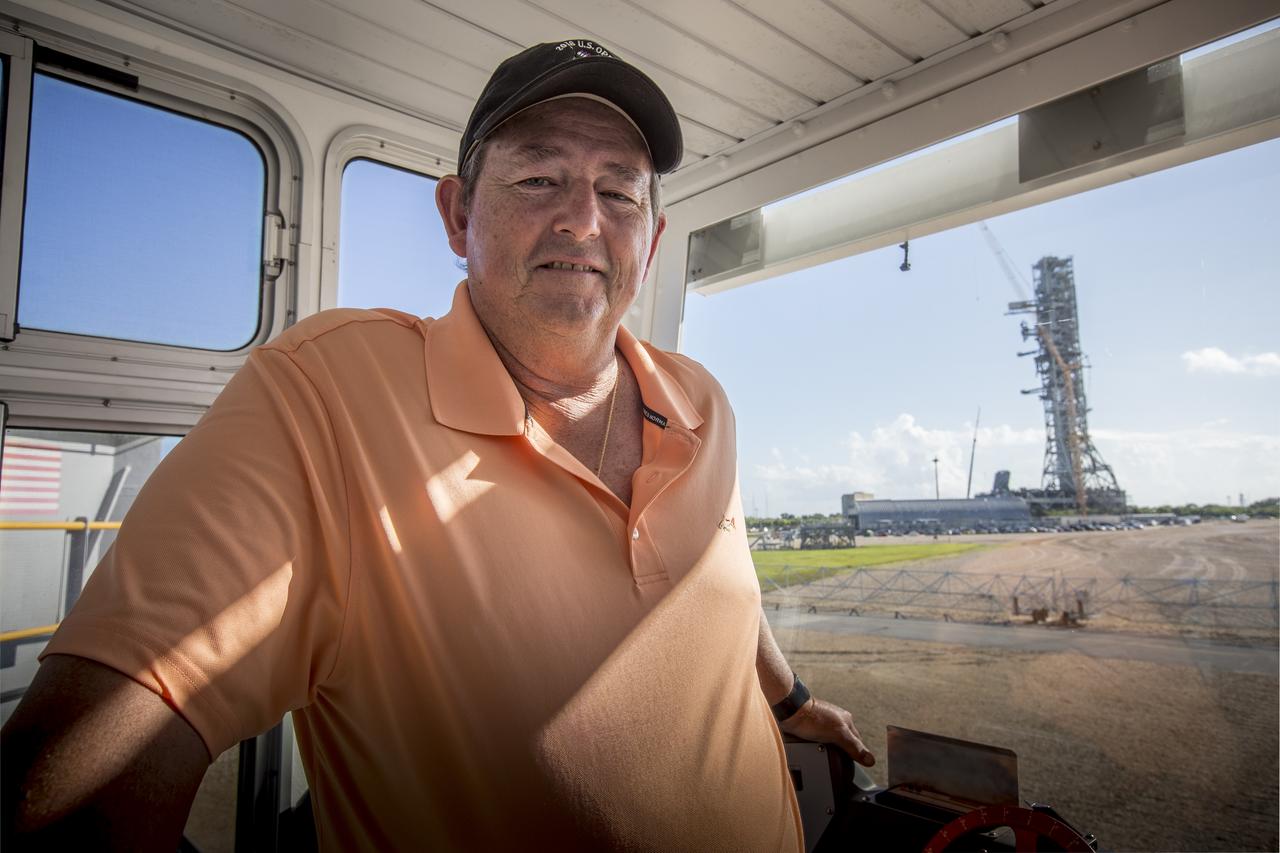
Bob Myers, a mechanical systems engineer with ERC on the Test and Operations Support Contract, is inside the operator cab of crawler-transporter 2 on the crawlerway at NASA's Kennedy Space Center in Florida, on Aug. 27, 2018. CT-2 will carry the mobile launcher for the first time to Launch Pad 39B for a fit check of key systems that will support the launch of the agency's Space Launch System rocket and Orion spacecraft on Exploration Mission-1. The crawler also will carry the mobile launcher to the Vehicle Assembly Building for system checks and fit checks with the 10 levels of new work platforms in High Bay 3.
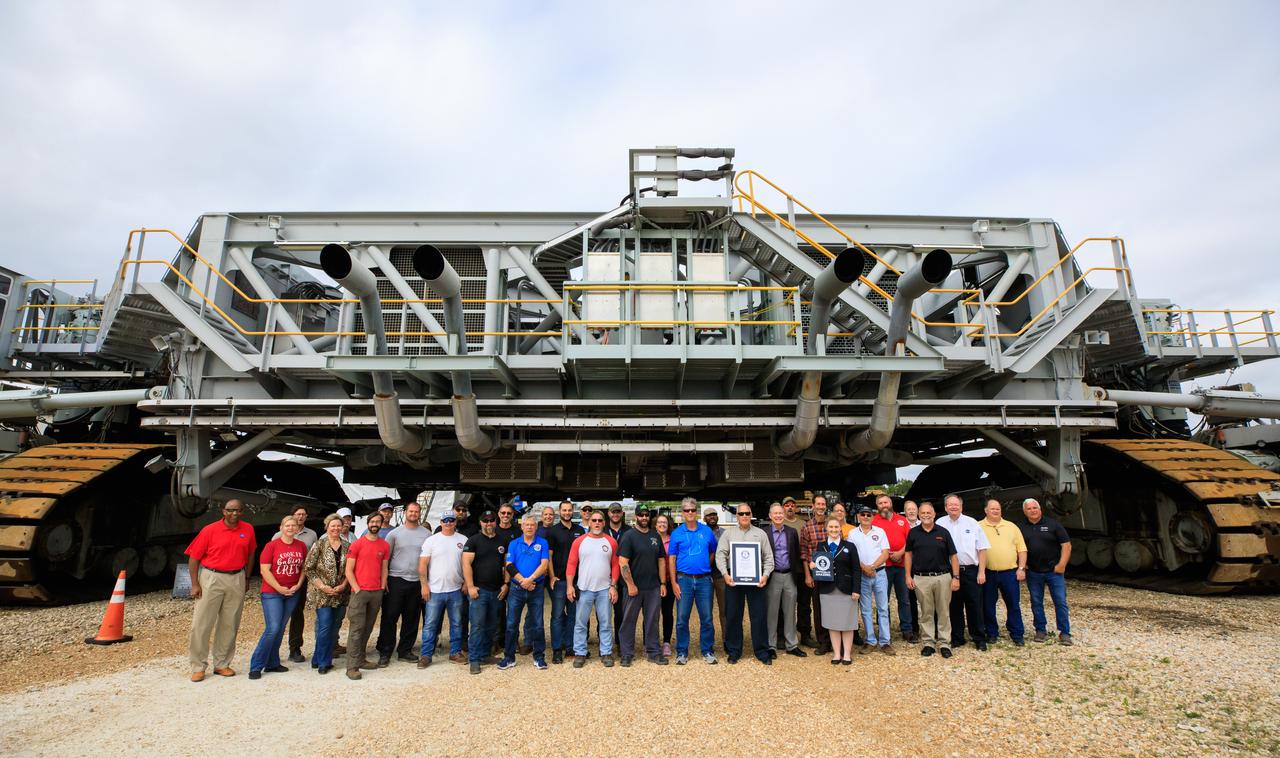
Guinness World Records officially designated NASA’s Crawler Transporter 2 as the heaviest self-powered vehicle, weighing approximately 6.65 million pounds. During a March 29, 2023, ceremony at the agency's Kennedy Space Center in Florida, Guinness World Records presented a certificate to teams with the Exploration Ground Systems Program and Kennedy leadership. The crawler is responsible for carrying the Space Launch System rocket and Orion spacecraft for the Artemis missions to and from the launch pad.
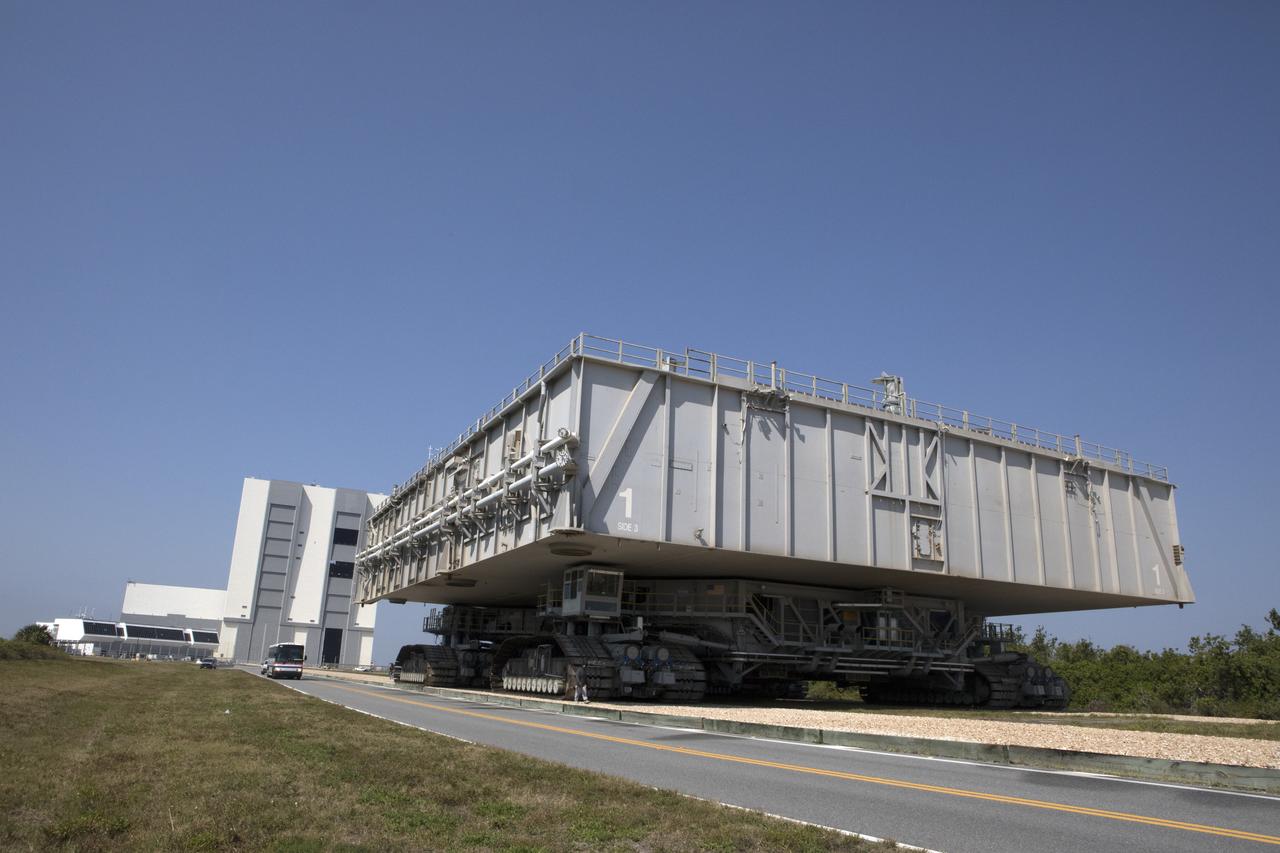
NASA's upgraded crawler-transporter 2 (CT-2), carrying mobile launcher platform 1, moves slowly along the crawlerway toward the Vehicle Assembly Building at the agency's Kennedy Space Center in Florida. The crawler's upgrades and modifications were monitored and tested during a loaded test to the crawlerway Pad A/B split. CT-2 will return to the crawler yard. The crawler is being tested to confirm it is ready to support the load of the mobile launcher carrying the Space Launch System with Orion atop for the first test flight, Exploration Mission 1. The Ground Systems Development and Operations Program at Kennedy is managing upgrades to the crawler.
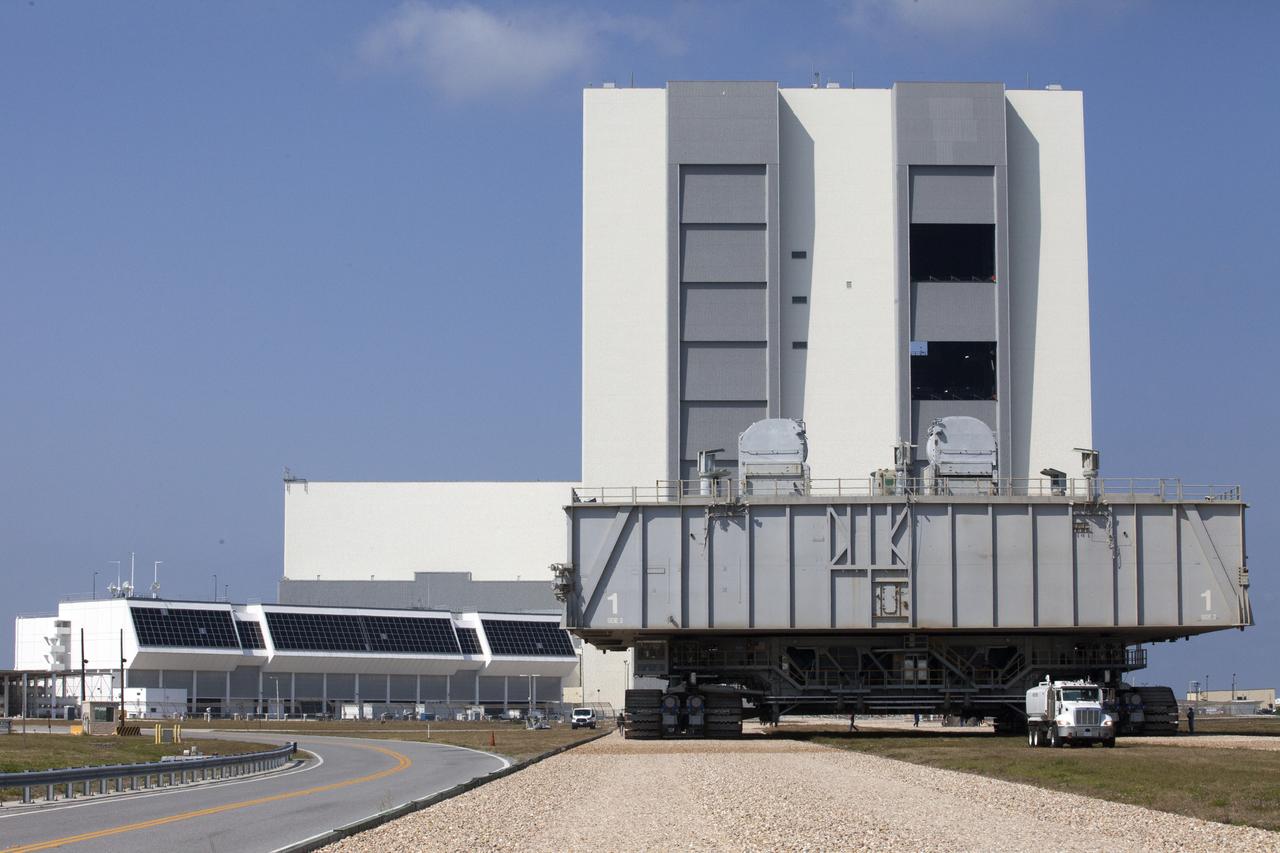
NASA’s upgraded crawler-transporter 2 (CT-2) travels slowly along the crawlerway carrying mobile launcher platform 1 at the agency’s Kennedy Space Center in Florida. The crawler's upgrades and modifications were being monitored and tested under loaded conditions during its travel to the Pad A/B split and back to the crawler yard to confirm it is ready to support the load of the mobile launcher carrying the Space Launch System with Orion atop for the first test flight, Exploration Mission 1. A truck sprays water in front of the crawler to control dust as the large vehicle moves along. The Ground Systems Development and Operations Program at Kennedy is managing upgrades to the crawler.
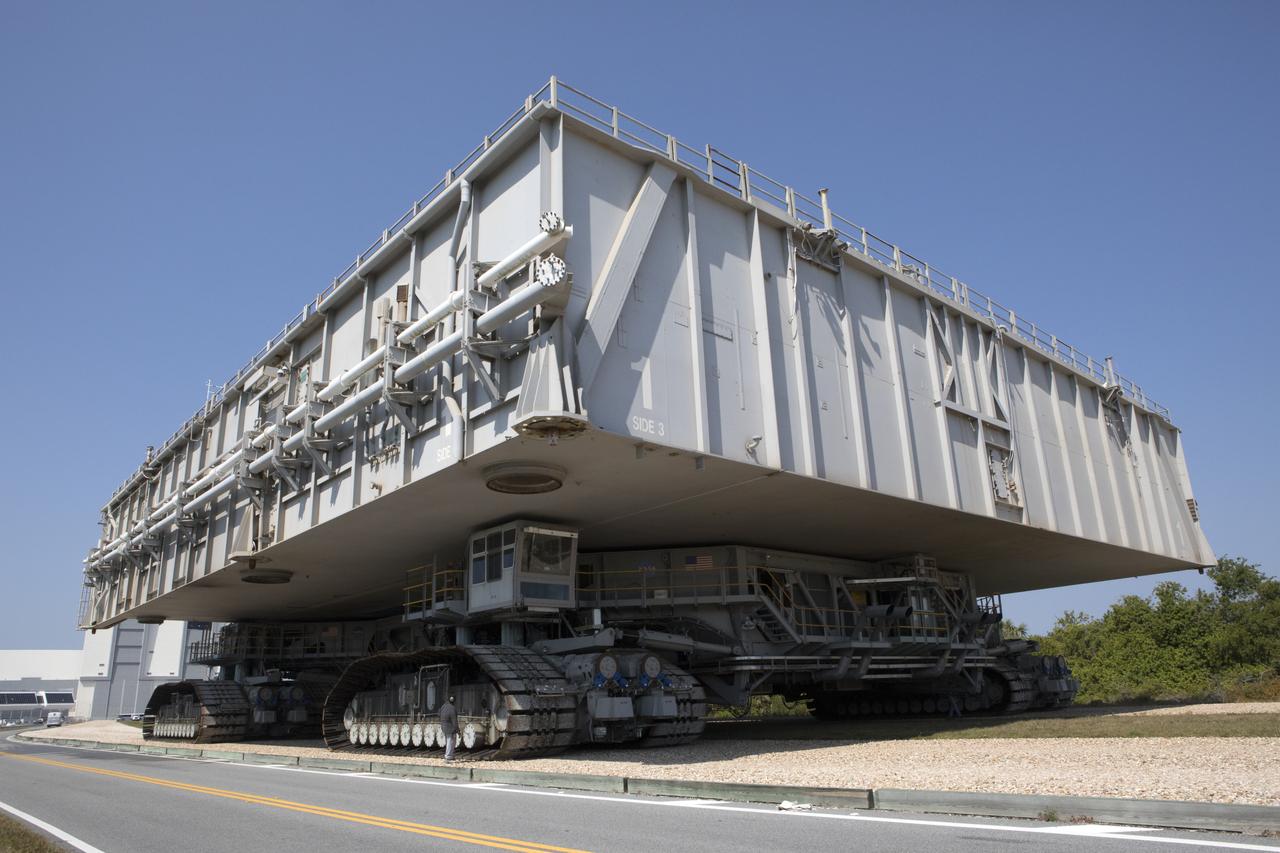
NASA's upgraded crawler-transporter 2 (CT-2), carrying mobile launcher platform 1, moves slowly along the crawlerway toward the Vehicle Assembly Building at the agency's Kennedy Space Center in Florida. The crawler's upgrades and modifications were monitored and tested during a loaded test to the crawlerway Pad A/B split. CT-2 will return to the crawler yard. The crawler is being tested to confirm it is ready to support the load of the mobile launcher carrying the Space Launch System with Orion atop for the first test flight, Exploration Mission 1. The Ground Systems Development and Operations Program at Kennedy is managing upgrades to the crawler.
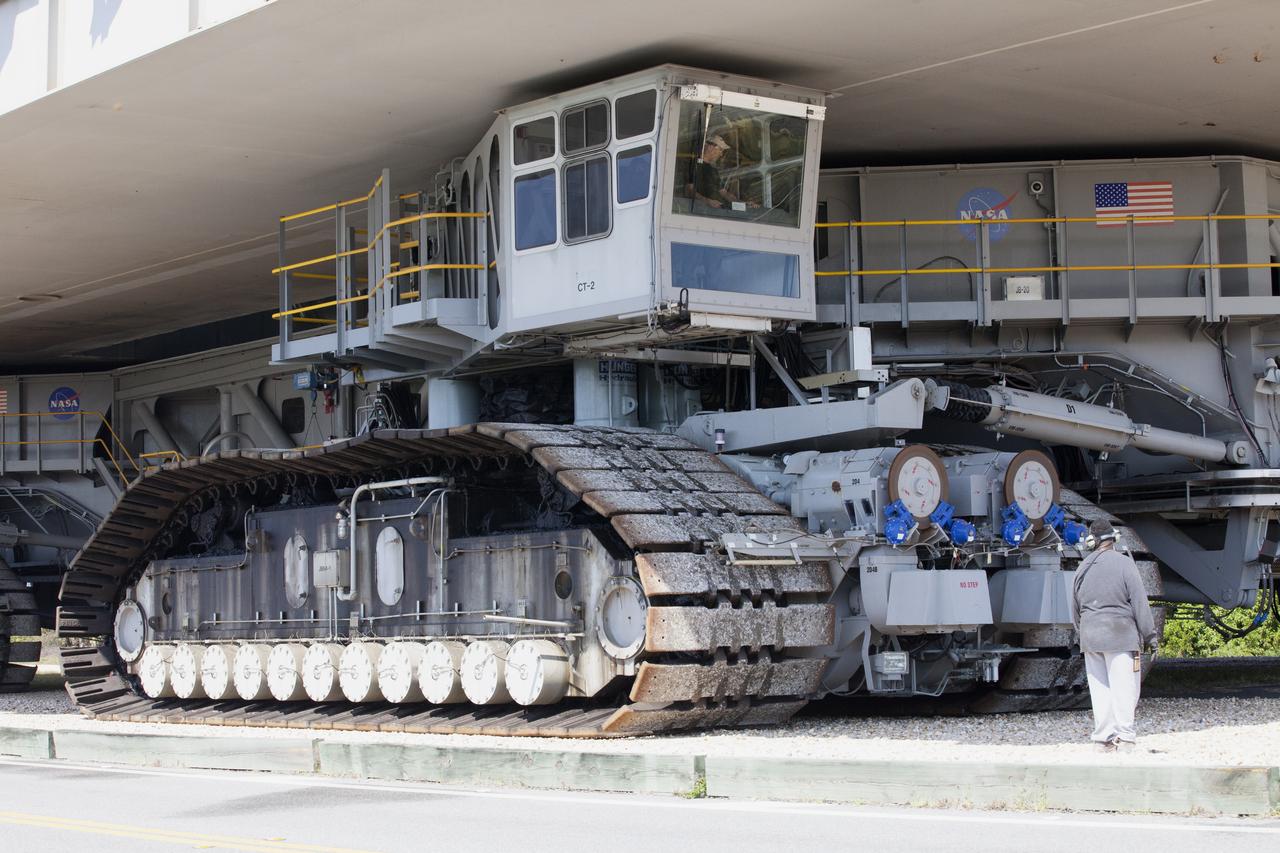
NASA's upgraded crawler-transporter 2 (CT-2), carrying mobile launcher platform 1, moves slowly along the crawlerway at the agency's Kennedy Space Center in Florida. The crawler's upgrades and modifications will be monitored and tested under loaded conditions during its travel to the crawlerway Pad A/B split and back to the crawler yard to confirm it is ready to support the load of the mobile launcher carrying the Space Launch System with Orion atop for the first test flight, Exploration Mission 1. The Ground Systems Development and Operations Program at Kennedy is managing upgrades to the crawler.
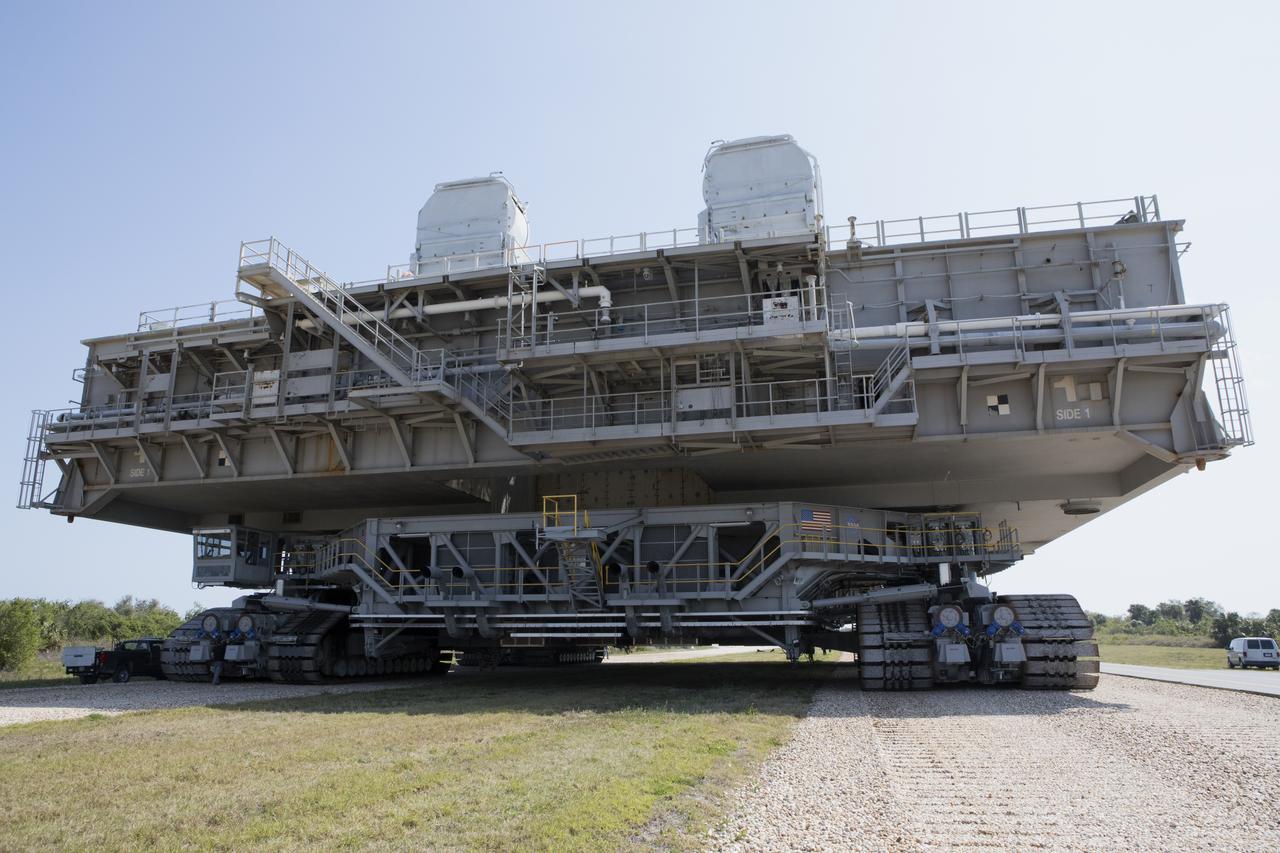
NASA's upgraded crawler-transporter 2 (CT-2), carrying mobile launcher platform 1, moves slowly along the crawlerway at the agency's Kennedy Space Center in Florida. The crawler's upgrades and modifications will be monitored and tested under loaded conditions during its travel to the crawlerway Pad A/B split and back to the crawler yard to confirm it is ready to support the load of the mobile launcher carrying the Space Launch System with Orion atop for the first test flight, Exploration Mission 1. The Ground Systems Development and Operations Program at Kennedy is managing upgrades to the crawler.
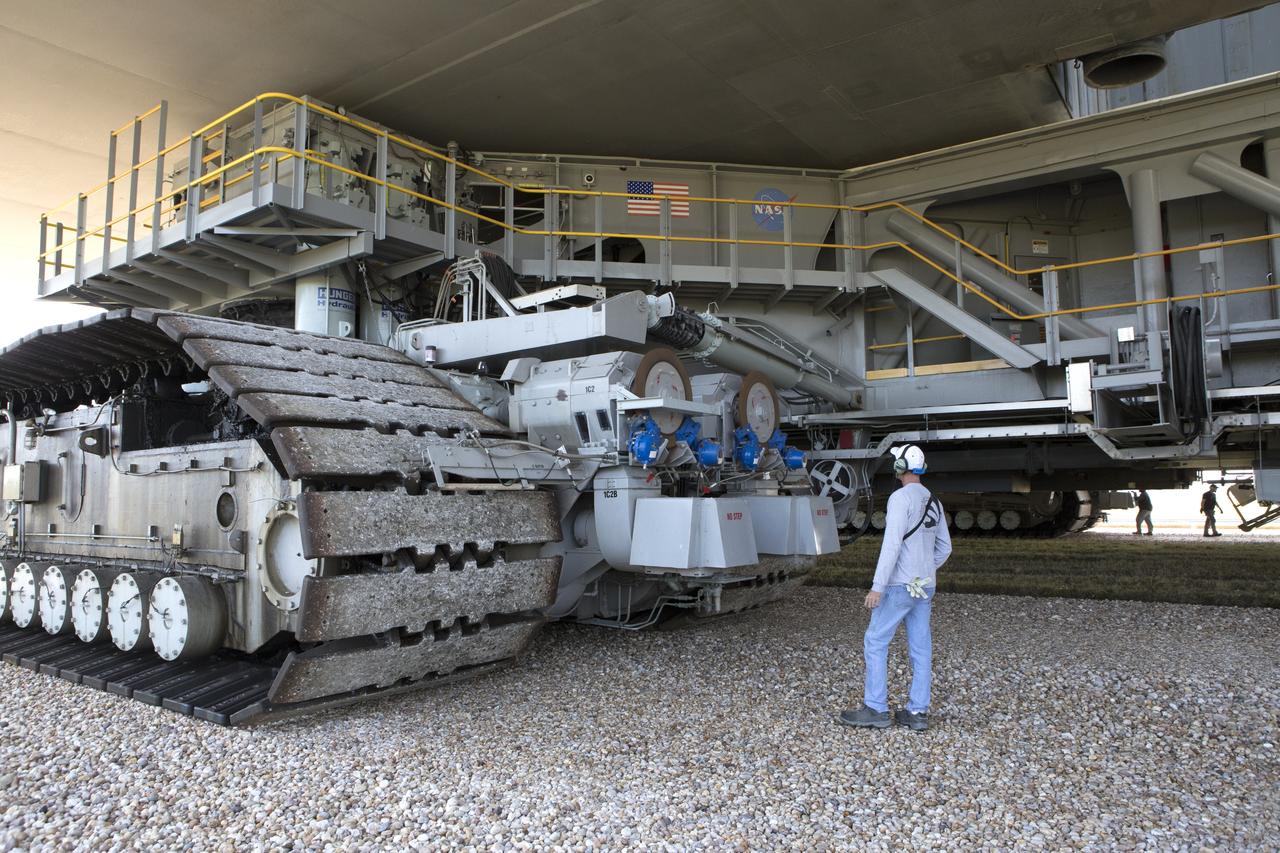
During a load test of NASA's upgraded crawler-transporter 2 (CT-2), a ground support technician watches as the giant vehicle travels along the crawlerway at the agency’s Kennedy Space Center in Florida. The crawler's upgrades and modifications will be monitored and tested under loaded conditions during its travel to the crawlerway Pad A/B split and back to the crawler yard to confirm it is ready to support the load of the mobile launcher carrying the Space Launch System with Orion atop for the first test flight, Exploration Mission 1. The Ground Systems Development and Operations Program at Kennedy is managing upgrades to the crawler.
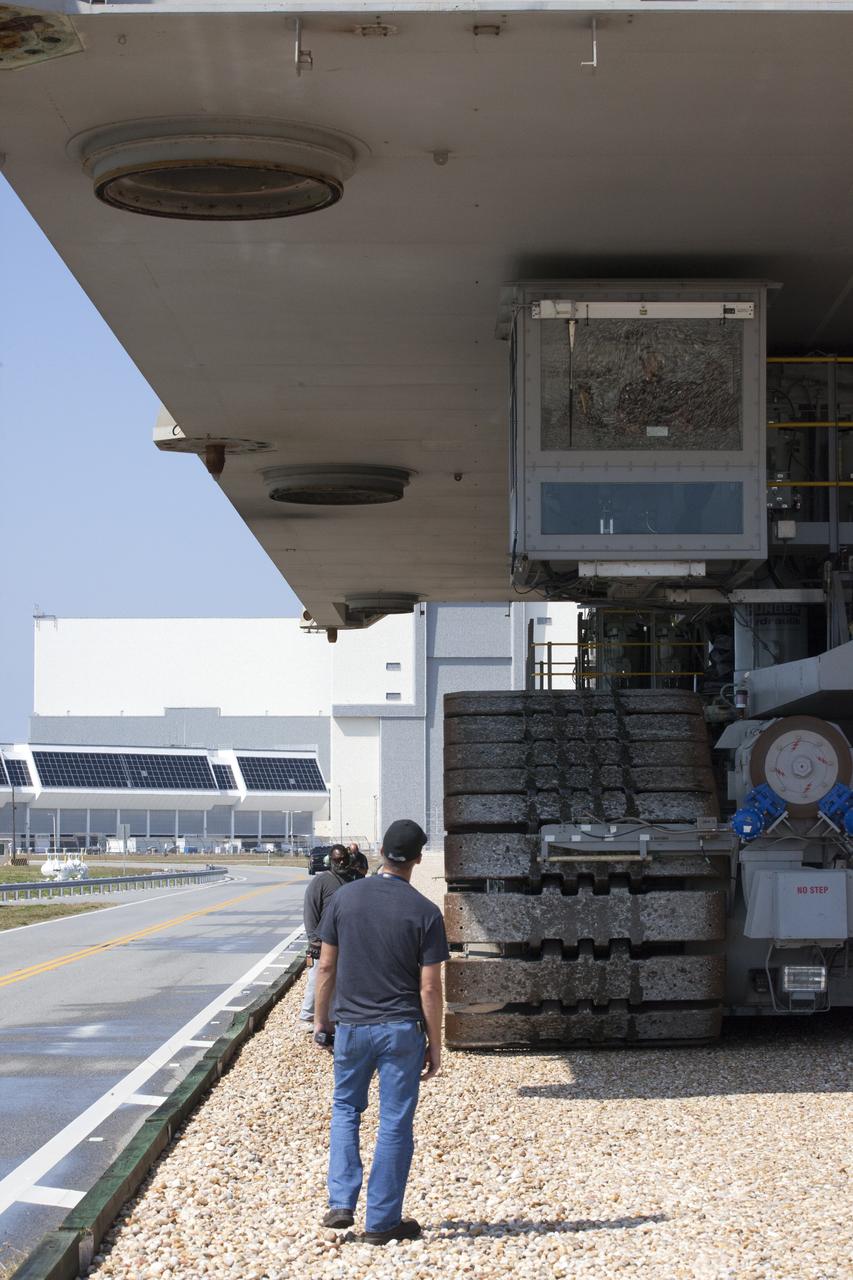
Ground support technicians walk alongside NASA's upgraded crawler-transporter 2 (CT-2), carrying mobile launcher platform 1, as it slowly travels on the crawlerway at the agency's Kennedy Space Center in Florida. The crawler's upgrades and modifications will be monitored and tested under loaded conditions during its travel to the crawlerway Pad A/B split and back to the crawler yard to confirm it is ready to support the load of the mobile launcher carrying the Space Launch System with Orion atop for the first test flight, Exploration Mission 1. The Ground Systems Development and Operations Program at Kennedy is managing upgrades to the crawler.
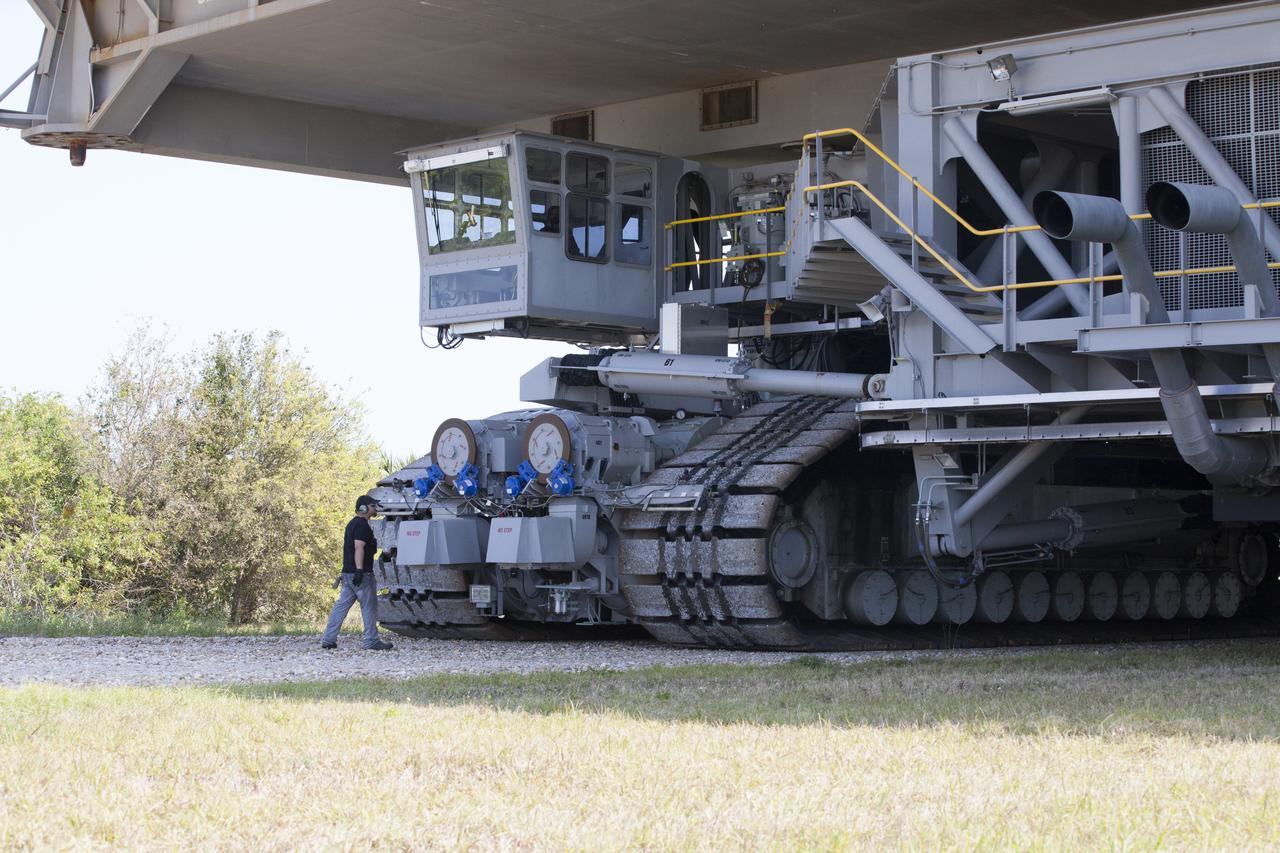
NASA's upgraded crawler-transporter 2 (CT-2) travels slowly along the crawlerway, carrying the mobile launcher platform at the agency's Kennedy Space Center in Florida. The crawler's upgrades and modifications will be monitored and tested under loaded conditions during its travel to the crawlerway Pad A/B split and back to the crawler yard to confirm it is ready to support the load of the mobile launcher carrying the Space Launch System with Orion atop for the first test flight, Exploration Mission 1. The Ground Systems Development and Operations Program at Kennedy is managing upgrades to the crawler.

NASA's upgraded crawler-transporter 2 (CT-2) picks up mobile launcher platform 1 (MLP1) at the MLP park site near the Vehicle Assembly at the agency's Kennedy Space Center in Florida. The crawler's upgrades and modifications will be monitored and tested under loaded conditions during its travel to the crawlerway Pad A/B split and back to the crawler yard to confirm it is ready to support the load of the mobile launcher carrying the Space Launch System with Orion atop for the first test flight, Exploration Mission 1. The Ground Systems Development and Operations Program at Kennedy is managing upgrades to the crawler.
Eight new NASA Artemis logos (four large, four small) were installed on Crawler-Transporter 2 at Kennedy Space Center in preparation for the upcoming launch of Artemis I. Named after the twin sister of Apollo, Artemis is the Goddess of the Moon. The Artemis missions will take humanity back to the Moon and beyond, beginning a new legacy of deep space exploration.
Eight new NASA Artemis logos (four large, four small) were installed on Crawler-Transporter 2 at Kennedy Space Center in preparation for the upcoming launch of Artemis I. Named after the twin sister of Apollo, Artemis is the Goddess of the Moon. The Artemis missions will take humanity back to the Moon and beyond, beginning a new legacy of deep space exploration.
Eight new NASA Artemis logos (four large, four small) were installed on Crawler-Transporter 2 at Kennedy Space Center in preparation for the upcoming launch of Artemis I. Named after the twin sister of Apollo, Artemis is the Goddess of the Moon. The Artemis missions will take humanity back to the Moon and beyond, beginning a new legacy of deep space exploration.
Eight new NASA Artemis logos (four large, four small) were installed on Crawler-Transporter 2 at Kennedy Space Center in preparation for the upcoming launch of Artemis I. Named after the twin sister of Apollo, Artemis is the Goddess of the Moon. The Artemis missions will take humanity back to the Moon and beyond, beginning a new legacy of deep space exploration.
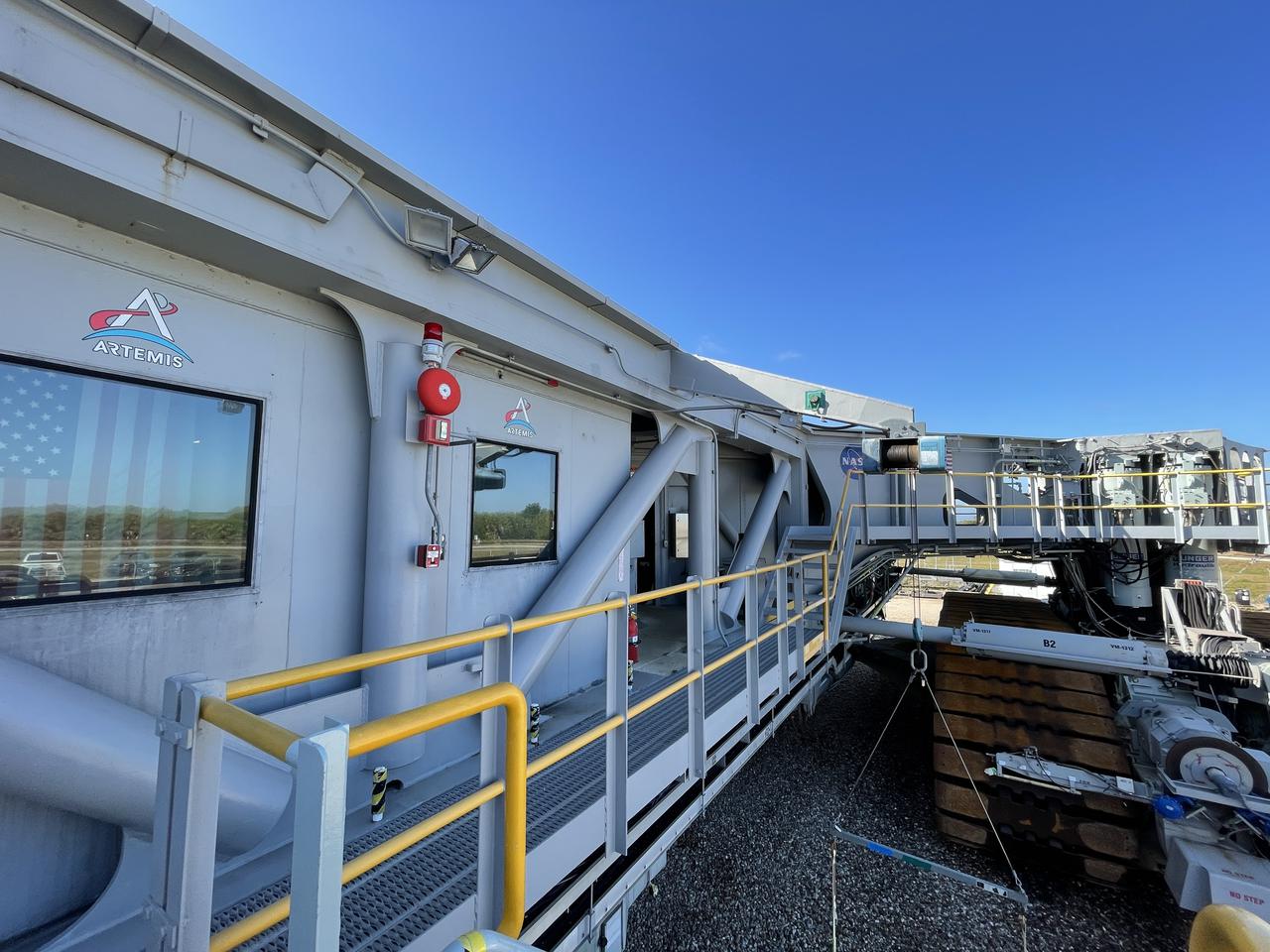
Eight new NASA Artemis logos (four large, four small) were installed on Crawler-Transporter 2 at Kennedy Space Center in preparation for the upcoming launch of Artemis I. Named after the twin sister of Apollo, Artemis is the Goddess of the Moon. The Artemis missions will take humanity back to the Moon and beyond, beginning a new legacy of deep space exploration.
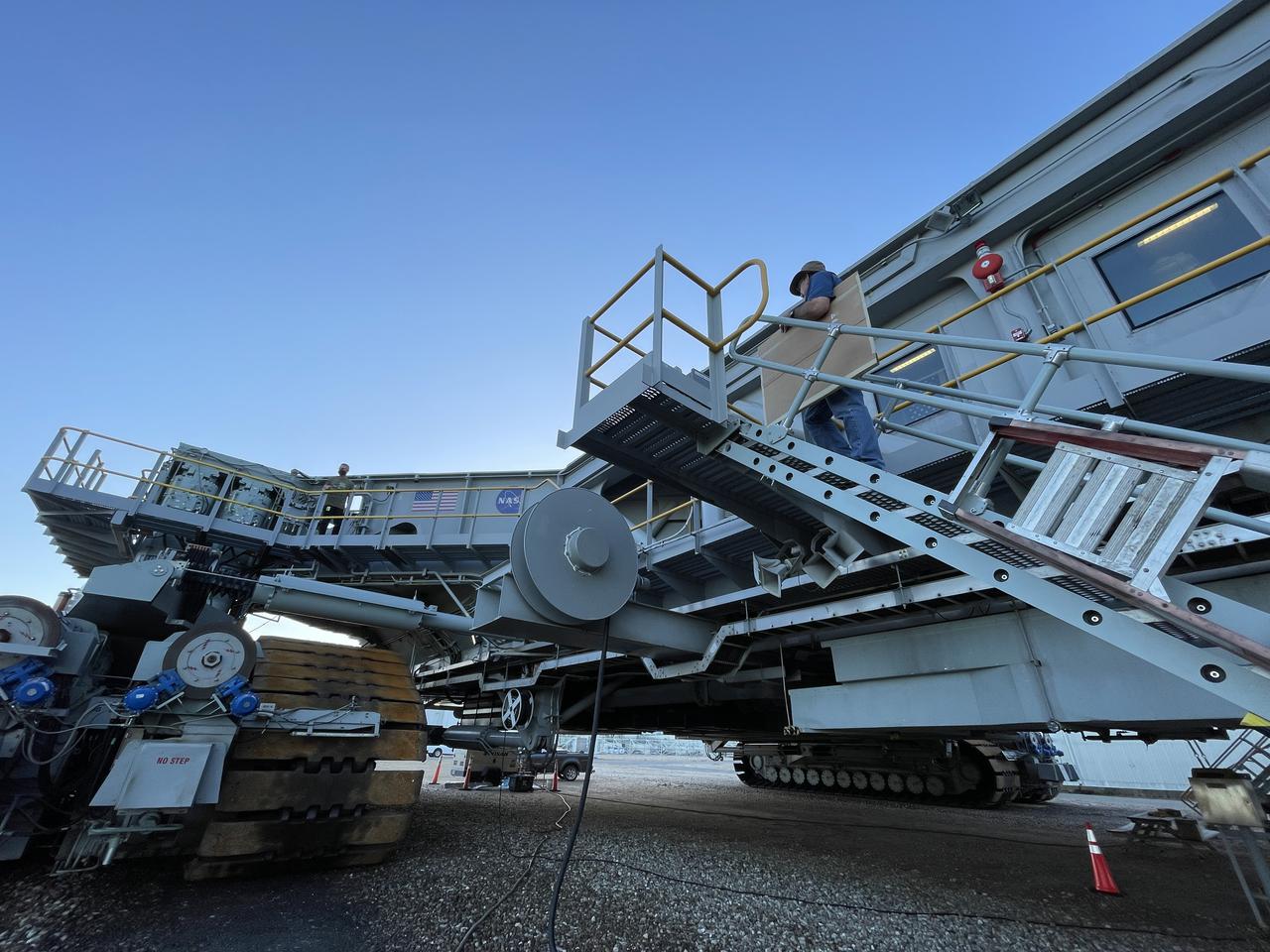
Graphic Artist Kim Keller carries up the eight new NASA Artemis logos (four large, four small) for installation on Crawler-Transporter 2 at Kennedy Space Center in Florida. The new logos were installed in preparation for the upcoming launch of Artemis I. Named after the twin sister of Apollo, Artemis is the Goddess of the Moon. The Artemis missions will take humanity back to the Moon and beyond, beginning a new legacy of deep space exploration.
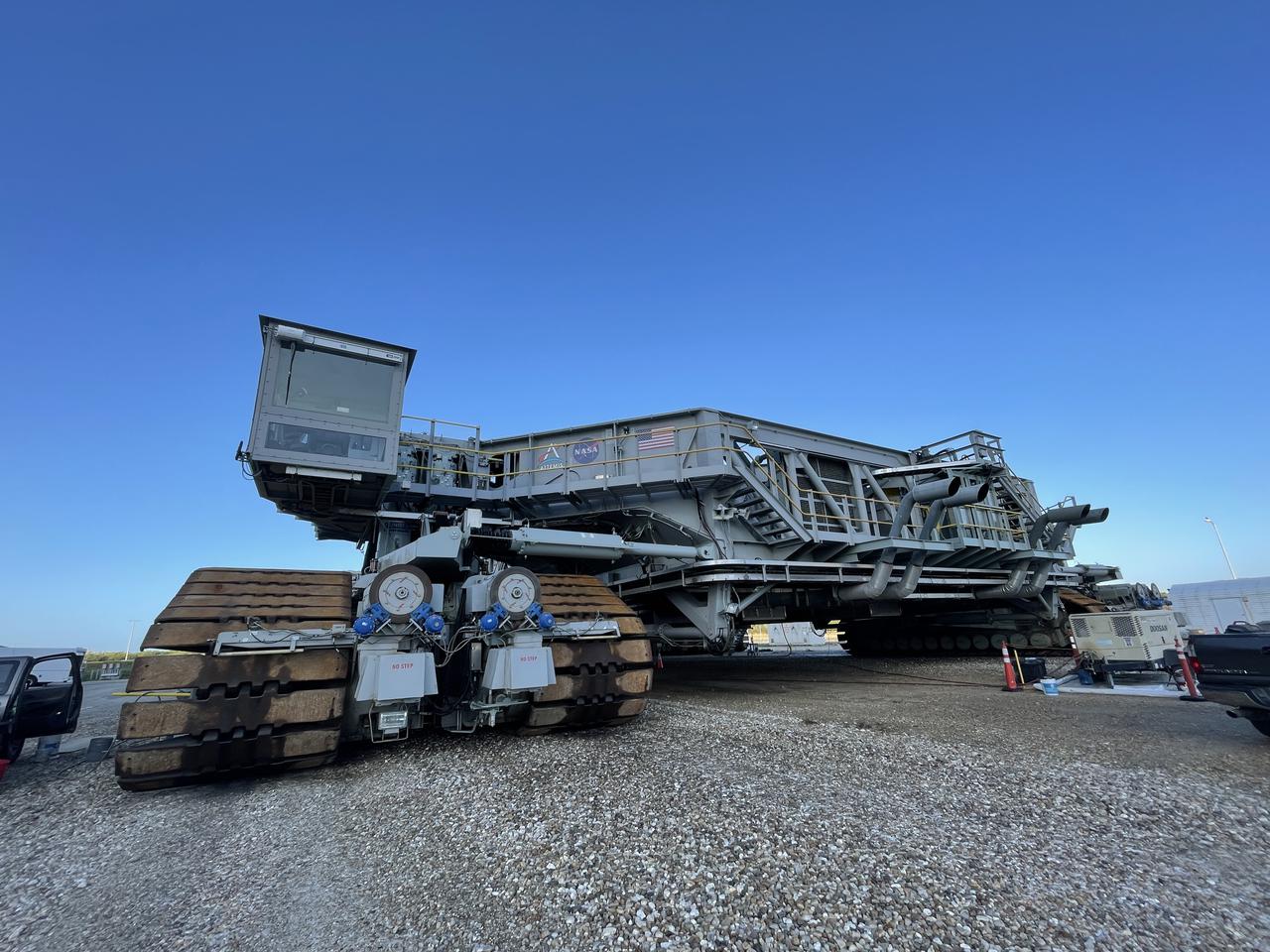
Eight new NASA Artemis logos (four large, four small) were installed on Crawler-Transporter 2 at Kennedy Space Center in preparation for the upcoming launch of Artemis I. Named after the twin sister of Apollo, Artemis is the Goddess of the Moon. The Artemis missions will take humanity back to the Moon and beyond, beginning a new legacy of deep space exploration.
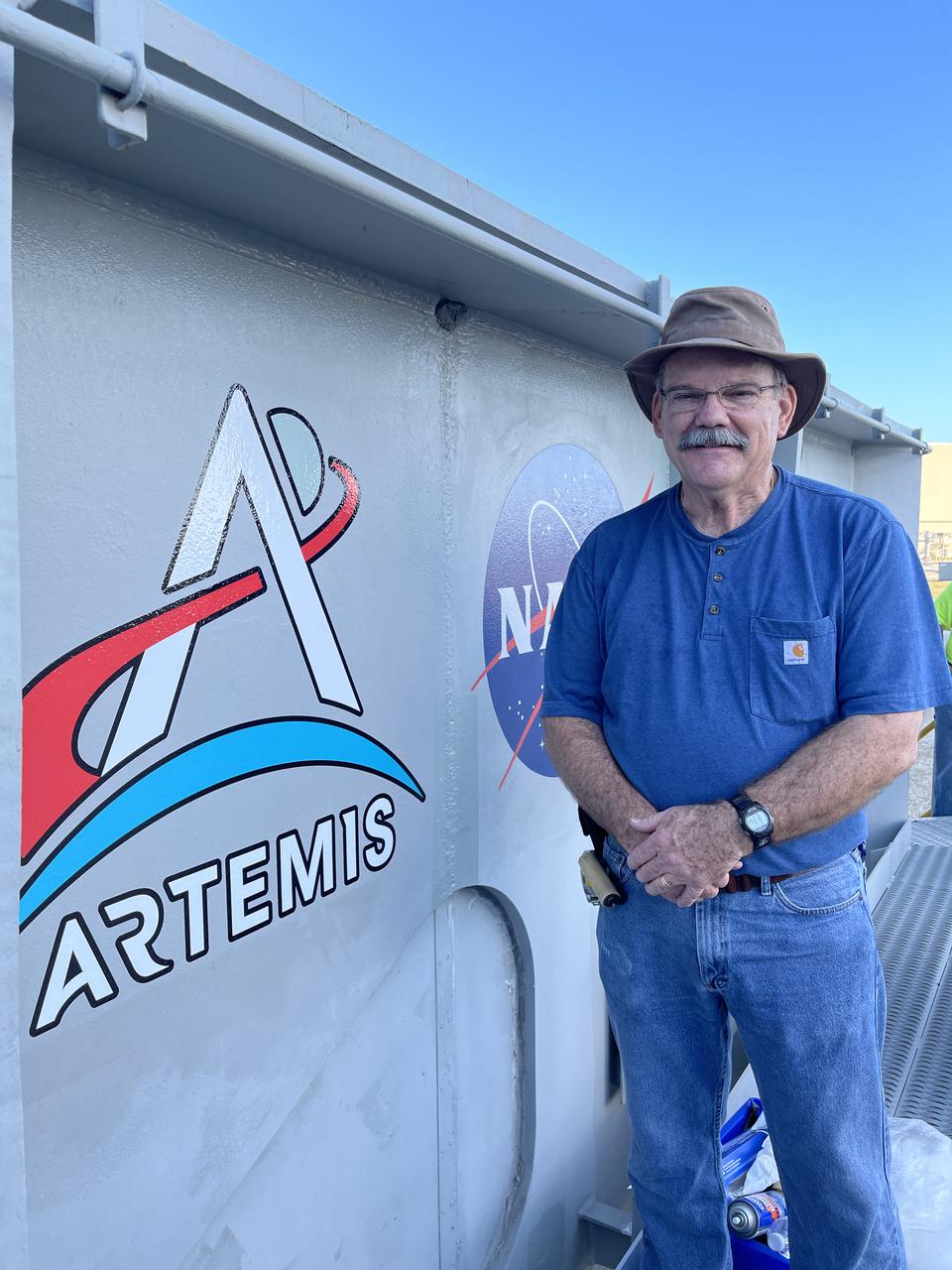
Graphic Artist Kim Keller with one of the eight new NASA Artemis logos (four large, four small) on Crawler-Transporter 2 at Kennedy Space Center in Florida. The new logos were installed in preparation for the upcoming launch of Artemis I. Named after the twin sister of Apollo, Artemis is the Goddess of the Moon. The Artemis missions will take humanity back to the Moon and beyond, beginning a new legacy of deep space exploration.
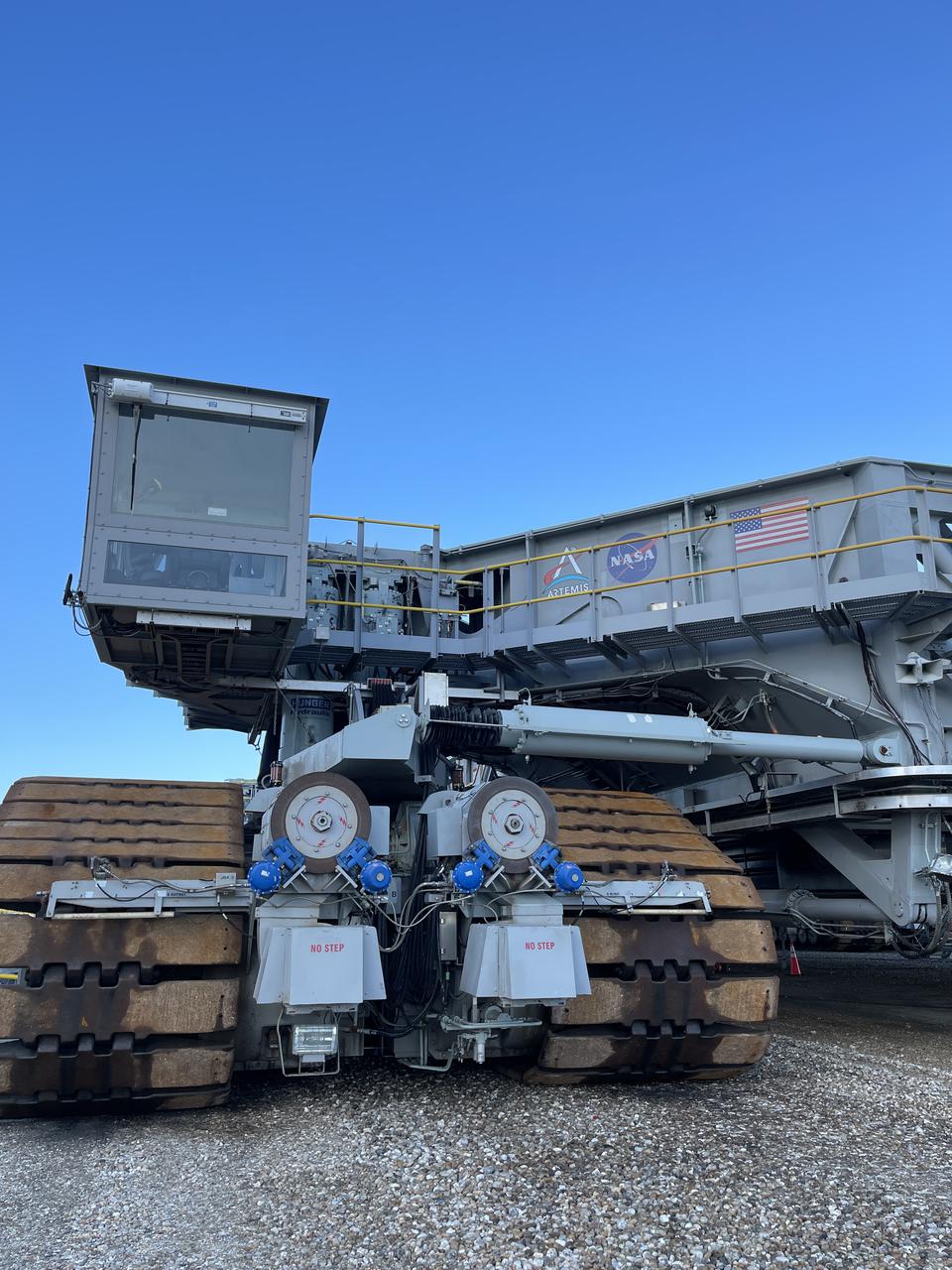
Eight new NASA Artemis logos (four large, four small) were installed on Crawler-Transporter 2 at Kennedy Space Center in preparation for the upcoming launch of Artemis I. Named after the twin sister of Apollo, Artemis is the Goddess of the Moon. The Artemis missions will take humanity back to the Moon and beyond, beginning a new legacy of deep space exploration.
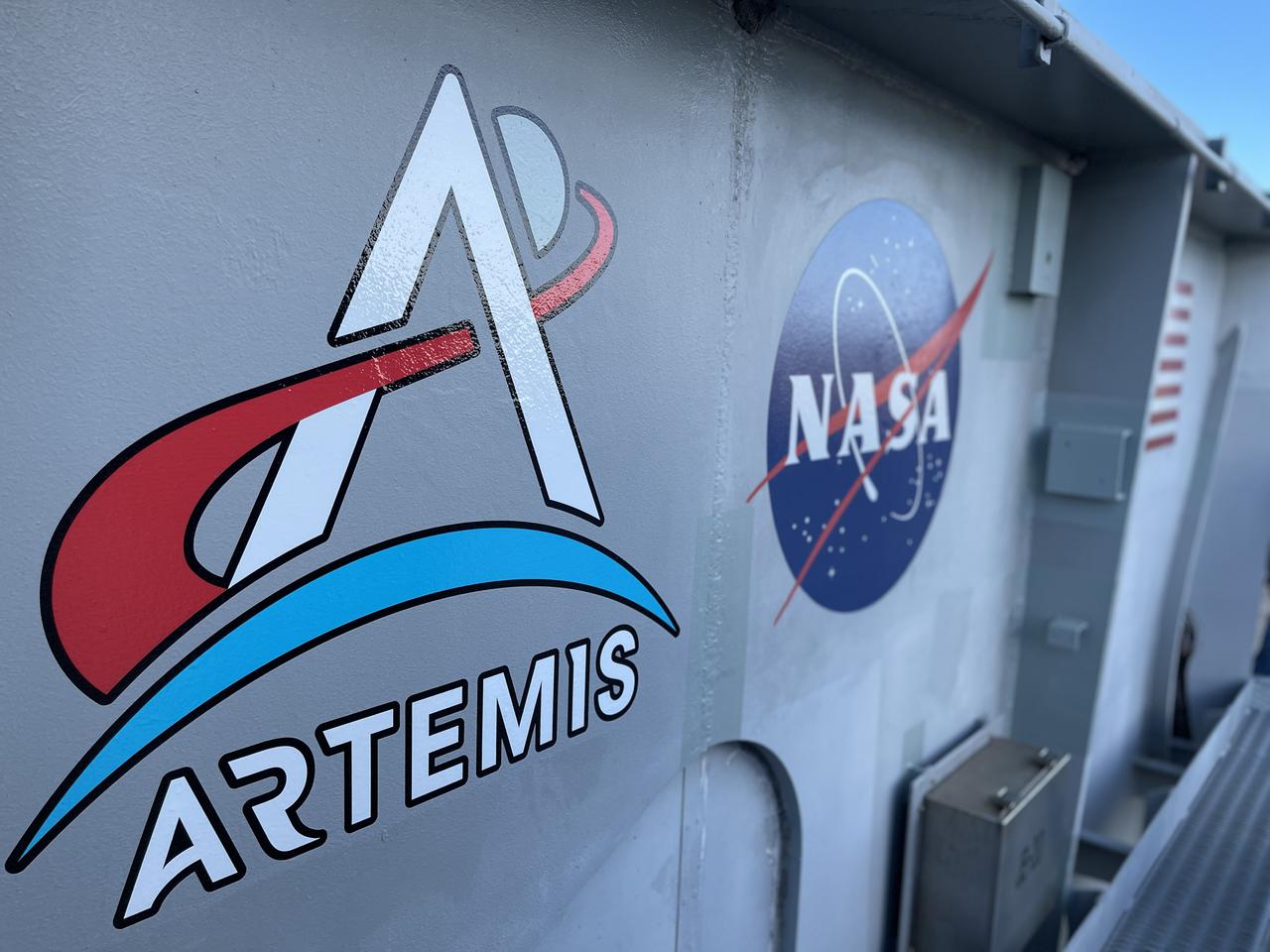
Eight new NASA Artemis logos (four large, four small) were installed on Crawler-Transporter 2 at Kennedy Space Center in preparation for the upcoming launch of Artemis I. Named after the twin sister of Apollo, Artemis is the Goddess of the Moon. The Artemis missions will take humanity back to the Moon and beyond, beginning a new legacy of deep space exploration.
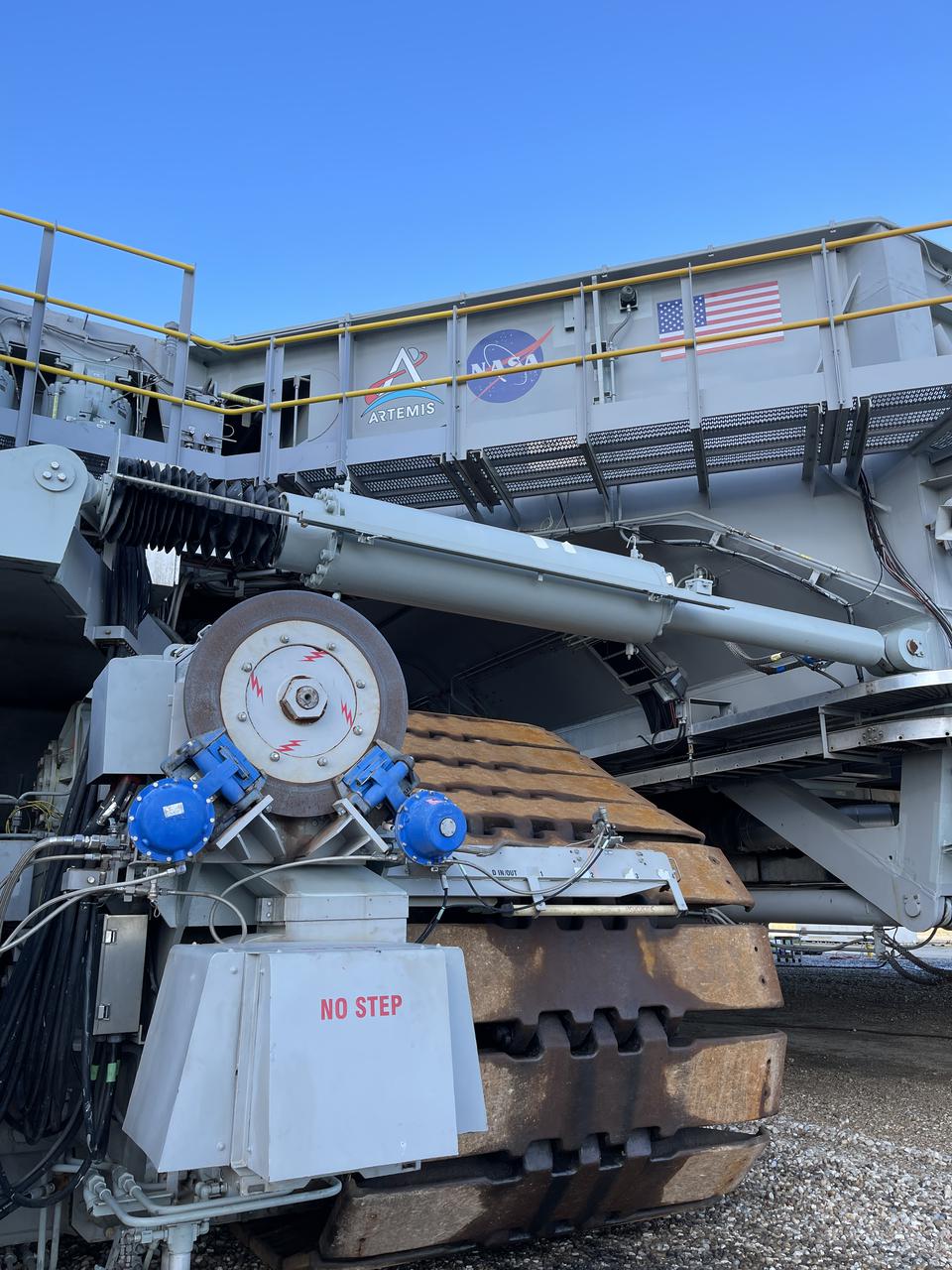
Eight new NASA Artemis logos (four large, four small) were installed on Crawler-Transporter 2 at Kennedy Space Center in preparation for the upcoming launch of Artemis I. Named after the twin sister of Apollo, Artemis is the Goddess of the Moon. The Artemis missions will take humanity back to the Moon and beyond, beginning a new legacy of deep space exploration.
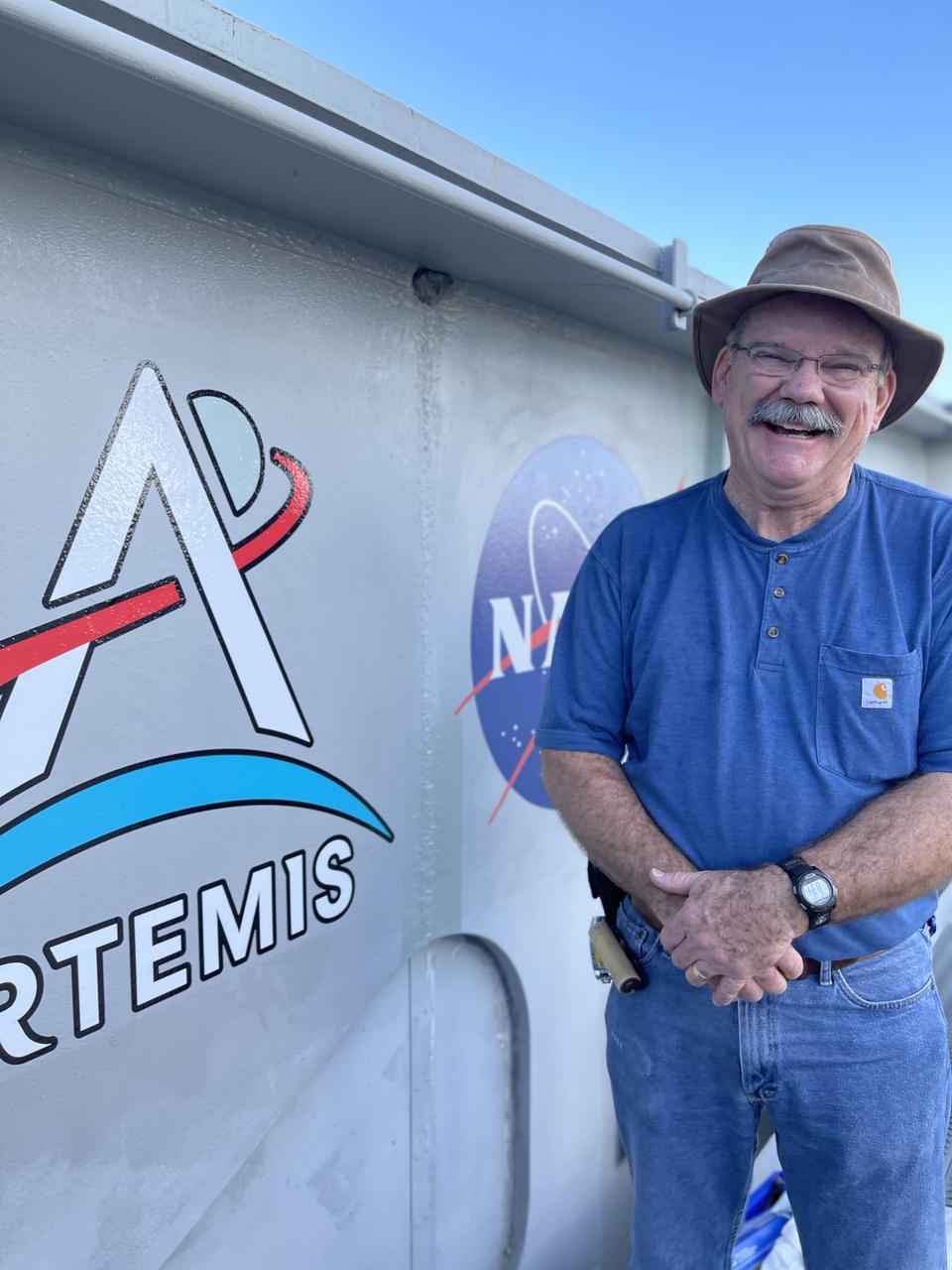
Graphic Artist Kim Keller with one of the eight new NASA Artemis logos (four large, four small) on Crawler-Transporter 2 at Kennedy Space Center in Florida. The new logos were installed in preparation for the upcoming launch of Artemis I. Named after the twin sister of Apollo, Artemis is the Goddess of the Moon. The Artemis missions will take humanity back to the Moon and beyond, beginning a new legacy of deep space exploration.
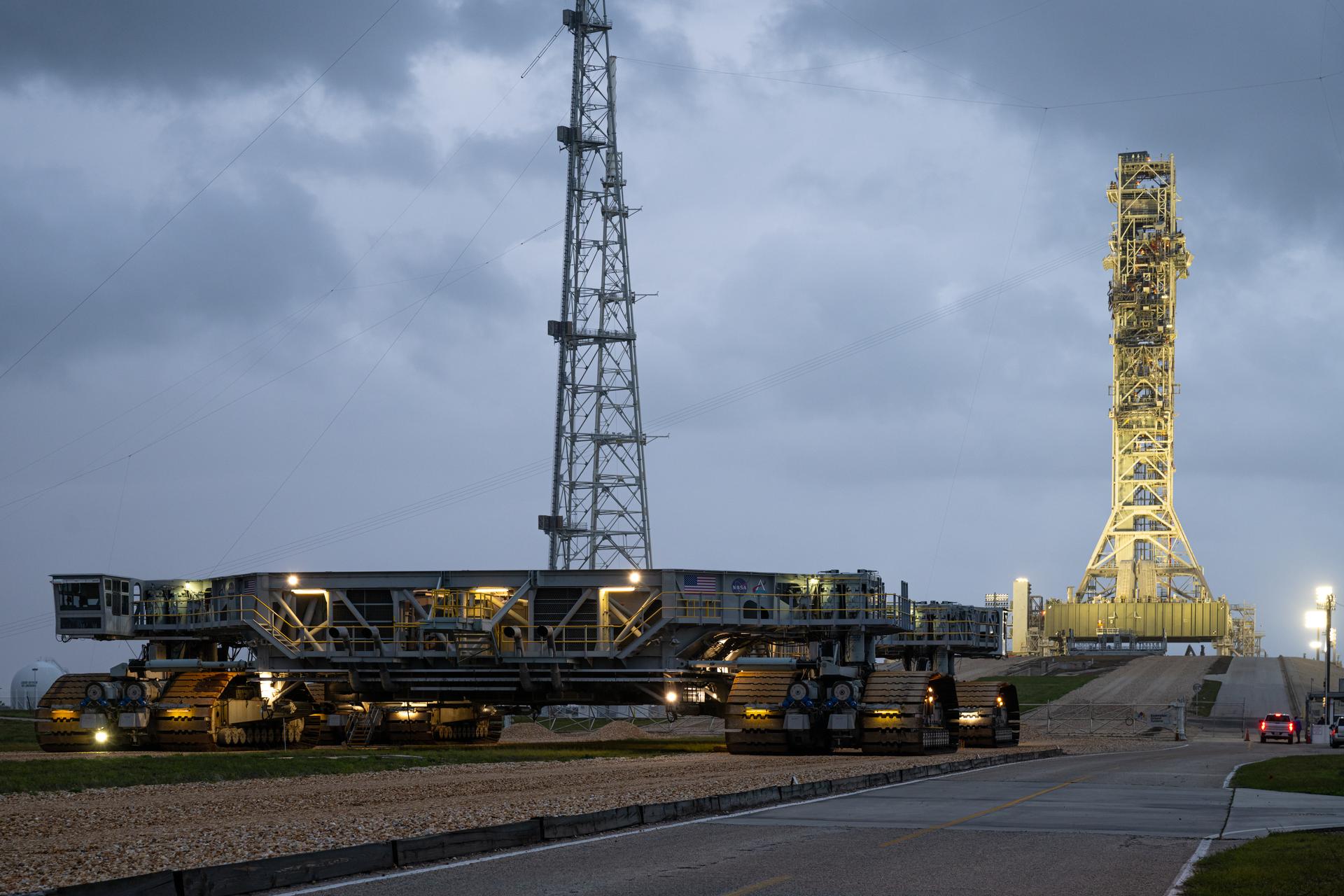
Crawler Transporter 2 is seen outside the gate of Launch Complex 39B, Wednesday, Apr. 8, 2026, at NASA’s Kennedy Space Center in Florida. Photo Credit: (NASA/John Kraus)
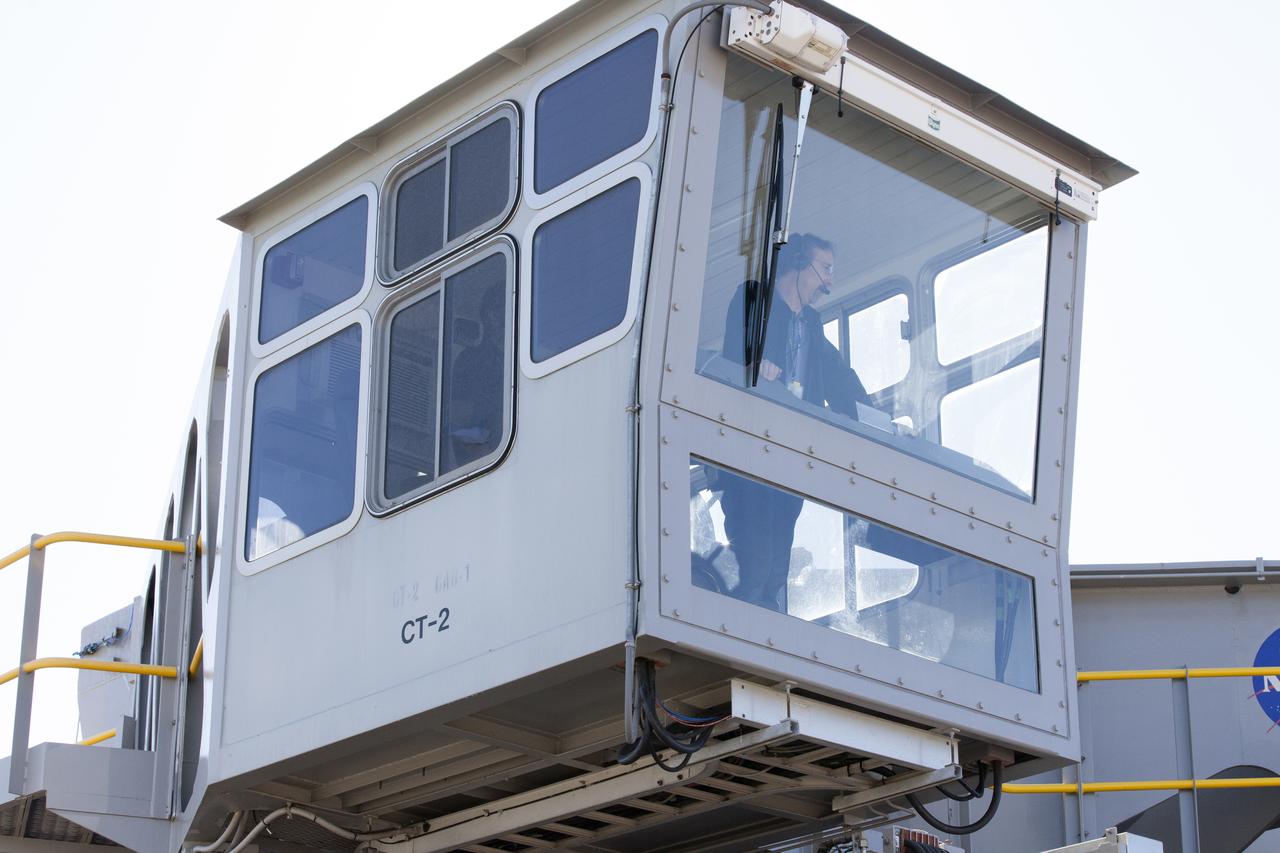
Brad Lawarre, a crawler engineer and driver on the Test and Operations Support Contract, monitors the progress from one of the crawler-transporter 2 (CT-2) cabs as the vehicle moves slowly along the crawlerway toward the Vehicle Assembly Building at NASA's Kennedy Space Center Florida. The crawler took a trip to the Pad A/B split to test upgrades recently completed that will allow the giant vehicle to handle the load of the agency's Space Launch System rocket and Orion spacecraft atop the mobile launcher. The Ground Systems Development and Operations Program oversaw upgrades to the 50-year-old CT-2. New generators, gear assemblies, jacking, equalizing and leveling (JEL) hydraulic cylinders, roller bearings and brakes were installed, and other components were upgraded to prepare for Exploration Mission 1.
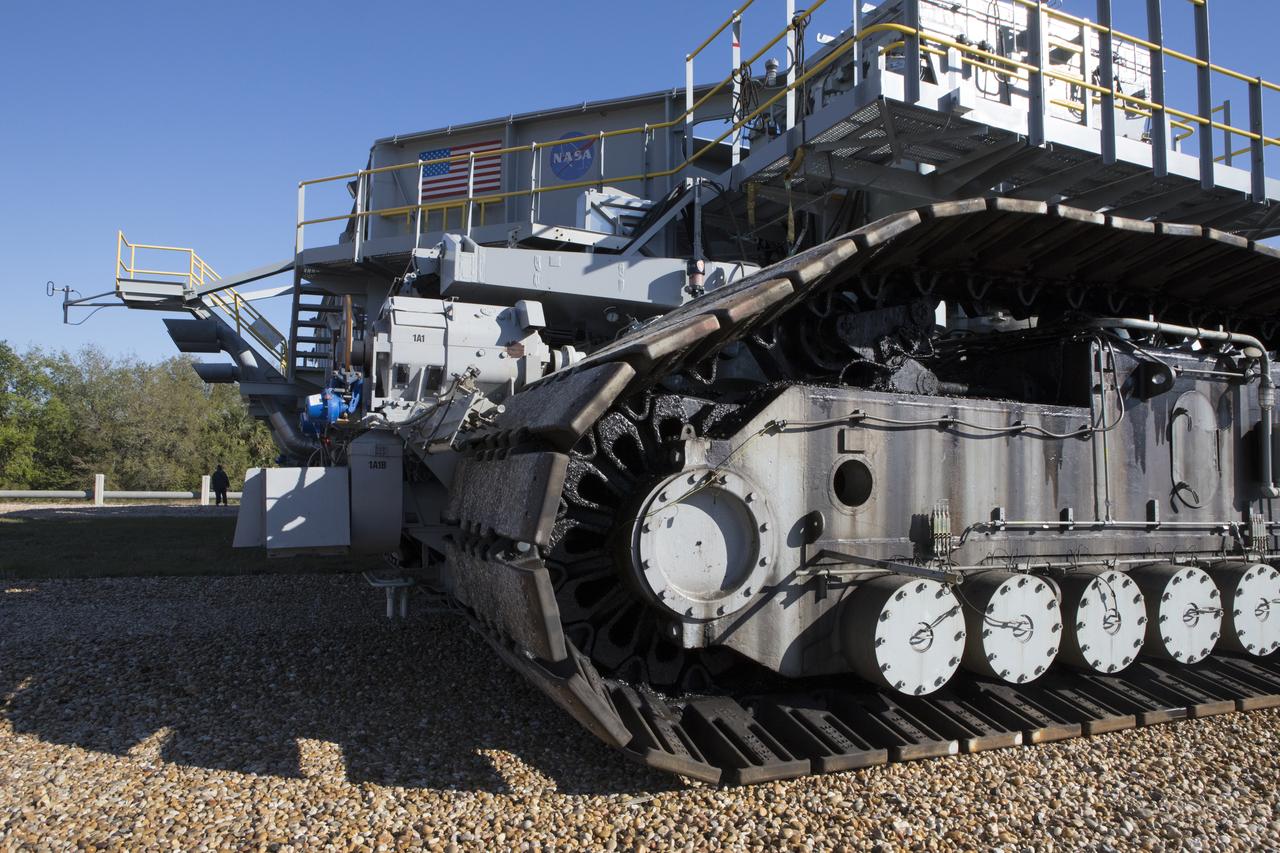
Crawler-transporter 2 (CT-2) moves slowly along the crawlerway on its way back to the Vehicle Assembly Building at NASA's Kennedy Space Center in Florida. The crawler took a trip to the Pad A/B split to test upgrades recently completed that will allow the giant vehicle to handle the load of the agency's Space Launch System rocket and Orion spacecraft atop the mobile launcher. The Ground Systems Development and Operations Program oversaw upgrades to the 50-year-old CT-2. New generators, gear assemblies, jacking, equalizing and leveling (JEL) hydraulic cylinders, roller bearings and brakes were installed, and other components were upgraded to prepare for Exploration Mission 1.
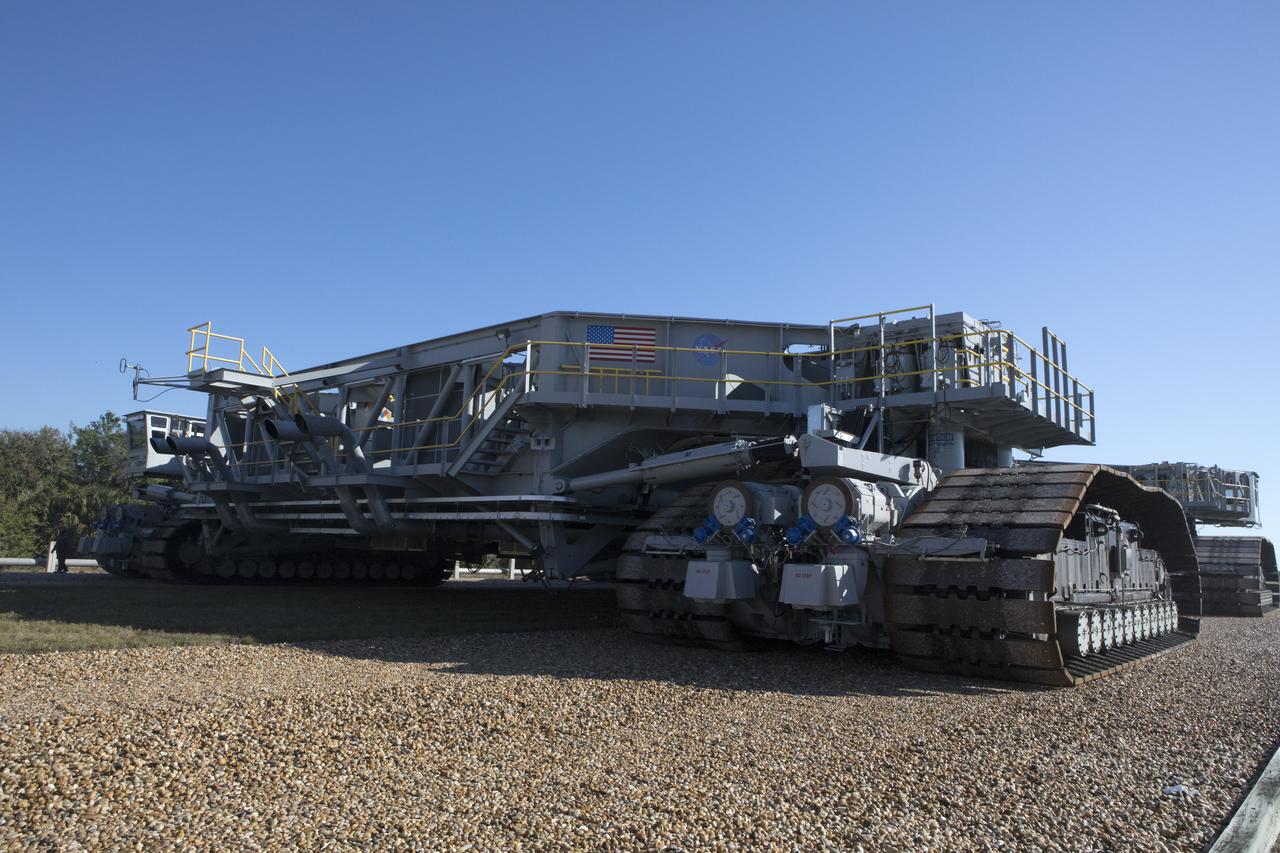
Crawler-transporter 2 (CT-2) moves slowly along the crawlerway on its way back to the Vehicle Assembly Building at NASA's Kennedy Space Center in Florida. The crawler took a trip to the Pad A/B split to test upgrades recently completed that will allow the giant vehicle to handle the load of the agency's Space Launch System rocket and Orion spacecraft atop the mobile launcher. The Ground Systems Development and Operations Program oversaw upgrades to the 50-year-old CT-2. New generators, gear assemblies, jacking, equalizing and leveling (JEL) hydraulic cylinders, roller bearings and brakes were installed, and other components were upgraded to prepare for Exploration Mission 1.
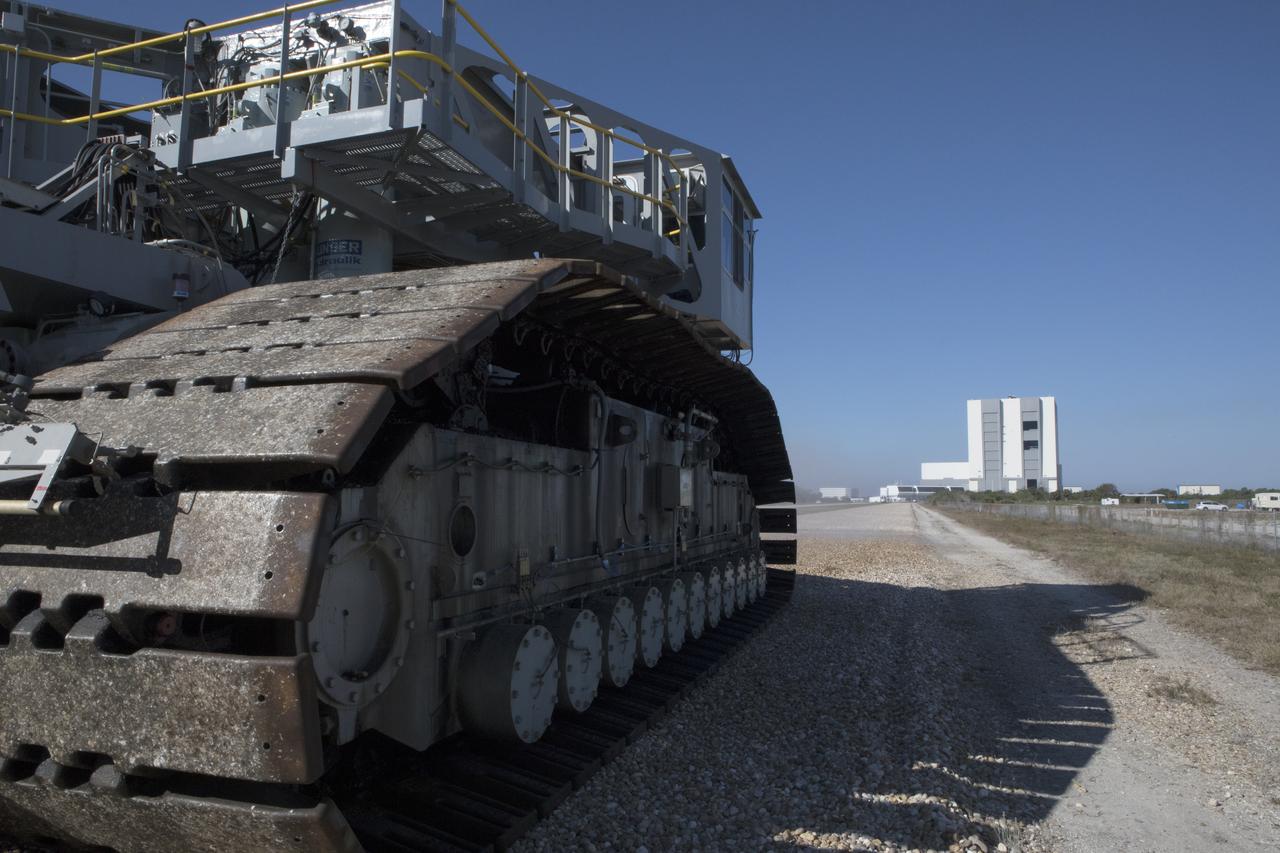
Crawler-transporter 2 (CT-2) moves slowly along the crawlerway toward the Vehicle Assembly Building (in the background) at NASA's Kennedy Space Center in Florida. The crawler took a trip to the Pad A/B split to test upgrades recently completed that will allow the giant vehicle to handle the load of the agency's Space Launch System rocket and Orion spacecraft atop the mobile launcher. The Ground Systems Development and Operations Program oversaw upgrades to the 50-year-old CT-2. New generators, gear assemblies, jacking, equalizing and leveling (JEL) hydraulic cylinders, roller bearings and brakes were installed, and other components were upgraded to prepare for Exploration Mission 1.
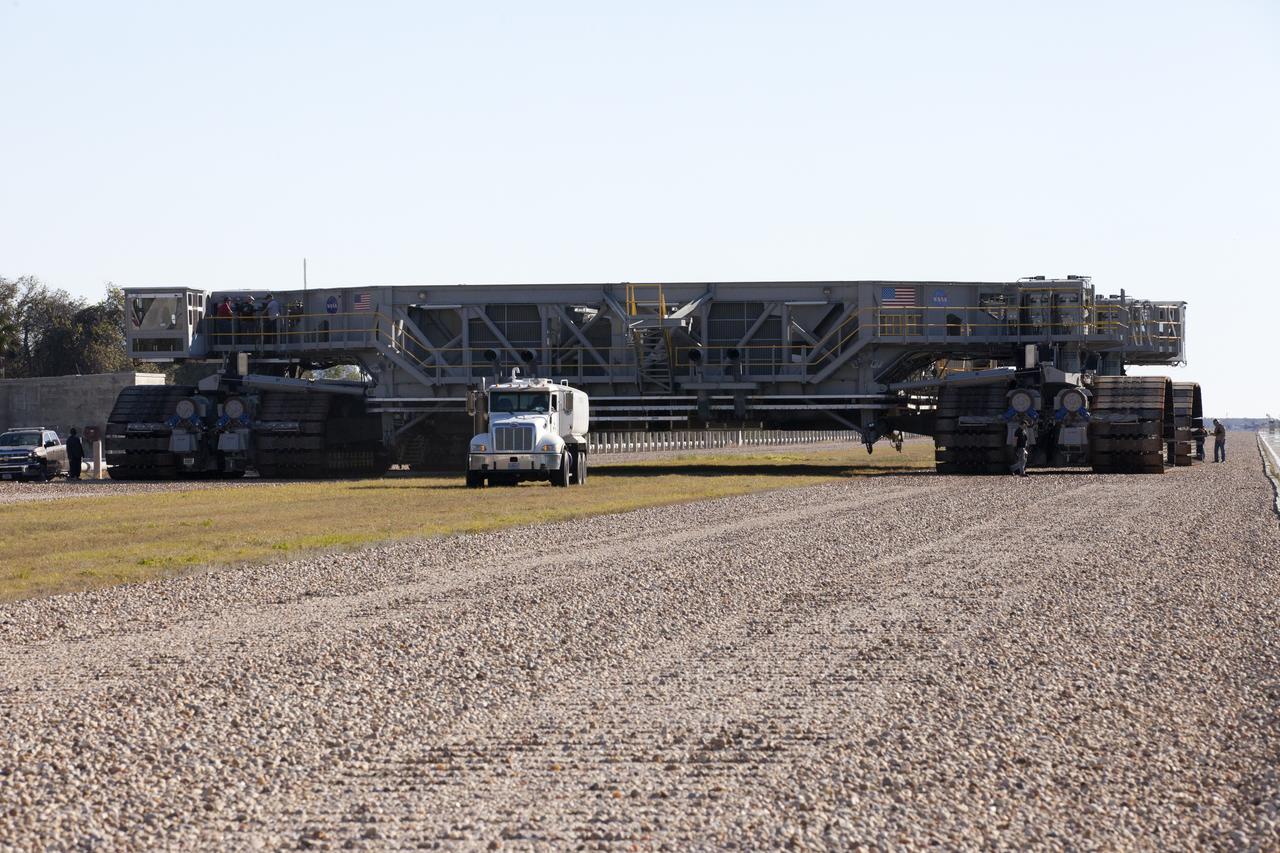
Crawler-transport 2 (CT-2) moves slowly along the crawlerway on its way back to the Vehicle Assembly Building at NASA's Kennedy Space Center in Florida. The crawler took a trip to the pad A/B split to test upgrades recently completed that will allow the giant vehicle to handle the load of the agency's Space Launch System rocket and Orion spacecraft atop the mobile launcher. The Ground Systems Development and Operations Program oversaw upgrades to the 50-year-old CT-2. New generators, gear assemblies, jacking, equalizing and leveling (JEL) hydraulic cylinders, roller bearings and brakes were installed, and other components were upgraded to prepare for Exploration Mission 1.
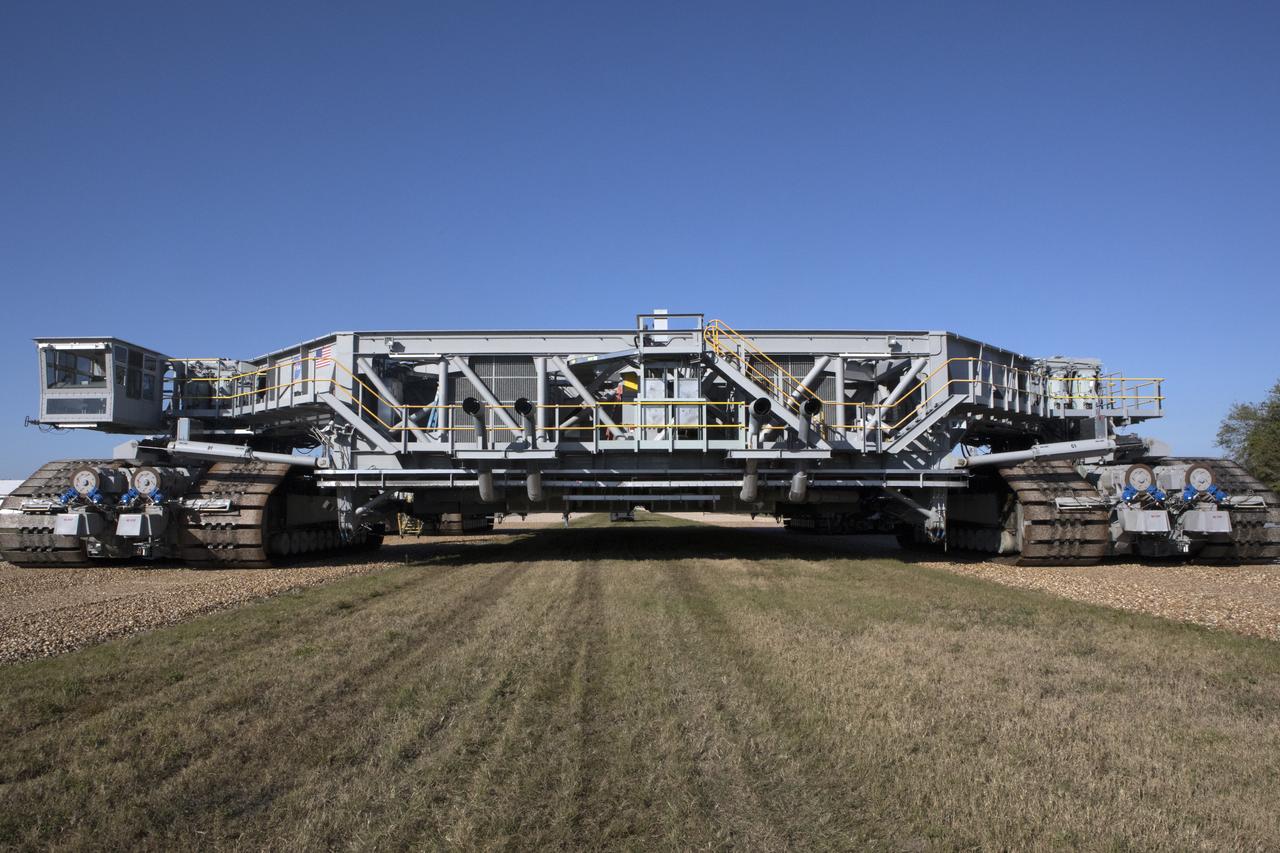
A full view of crawler-transporter 2 (CT-2) as it moves slowly along the crawlerway on its way back to the Vehicle Assembly Building at NASA's Kennedy Space Center in Florida. The crawler took a trip to the Pad A/B split to test upgrades recently completed that will allow the giant vehicle to handle the load of the agency's Space Launch System rocket and Orion spacecraft atop the mobile launcher. The Ground Systems Development and Operations Program oversaw upgrades to the 50-year-old CT-2. New generators, gear assemblies, jacking, equalizing and leveling (JEL) hydraulic cylinders, roller bearings and brakes were installed, and other components were upgraded to prepare for Exploration Mission 1.
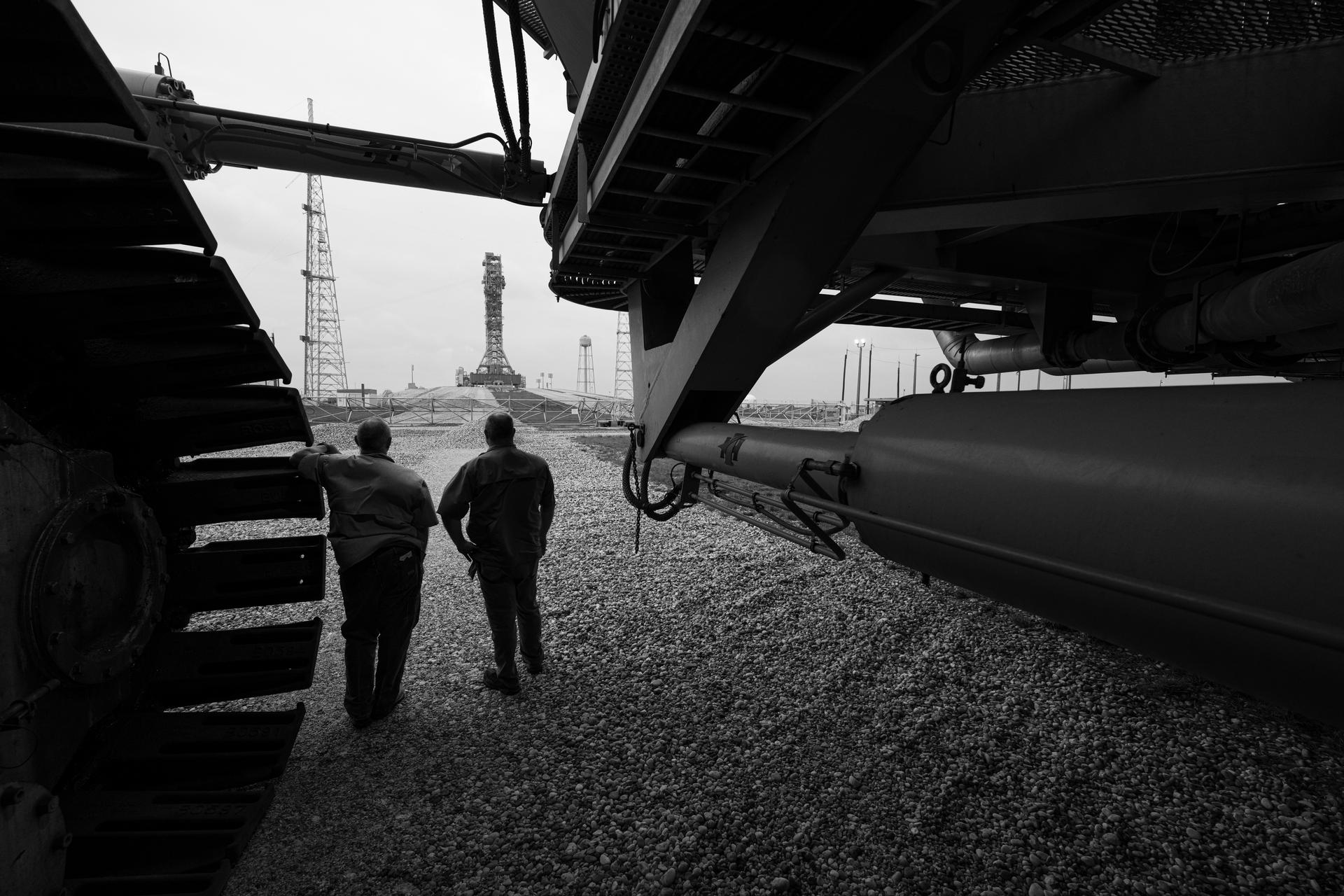
Clark Ford, element operations manager at NASA's Kennedy Space Center, left, and Doug Levine, contractor security manager at NASA's Kennedy Space Center, right, pose for a photograph with Crawler Transporter 2 outside the gate of Launch Complex 39B, Wednesday, Apr. 8, 2026, at NASA’s Kennedy Space Center in Florida. Photo Credit: (NASA/John Kraus)
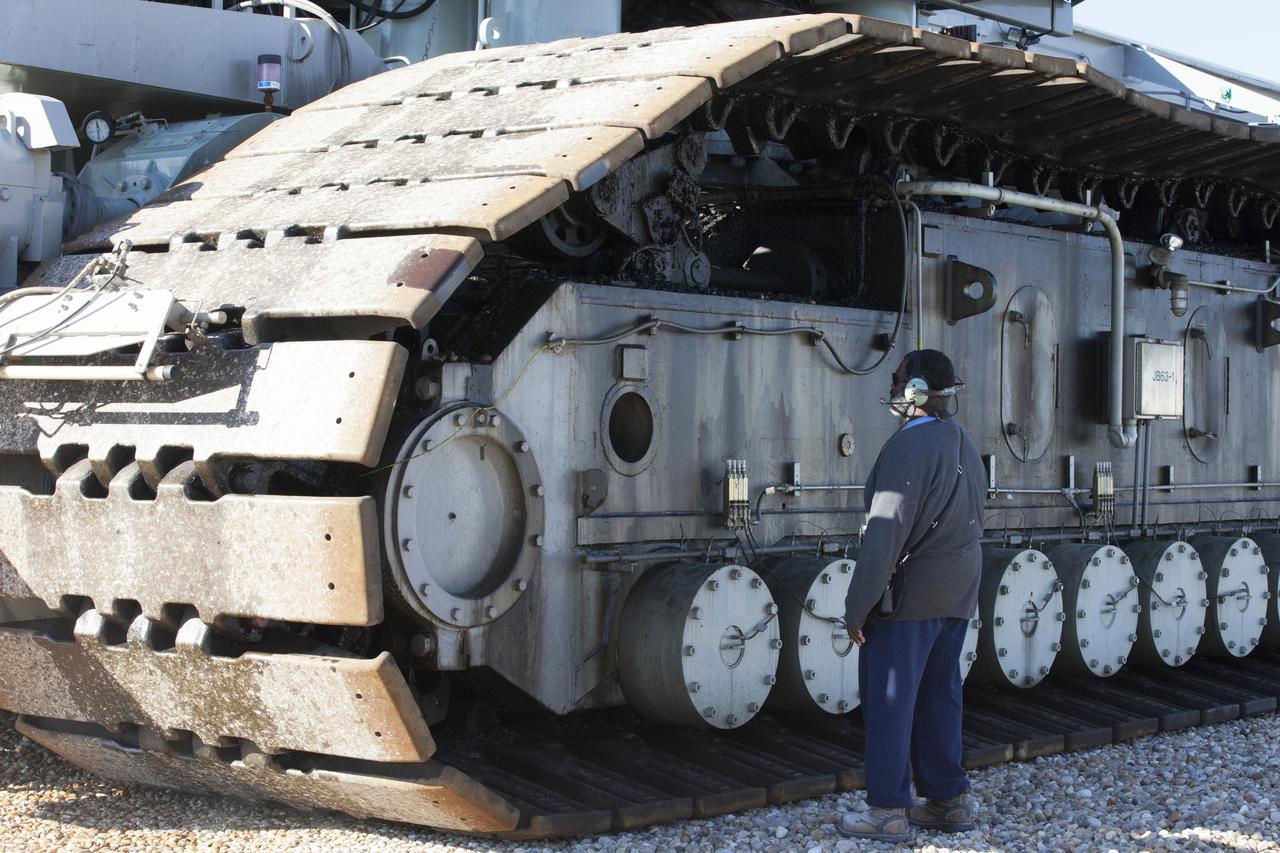
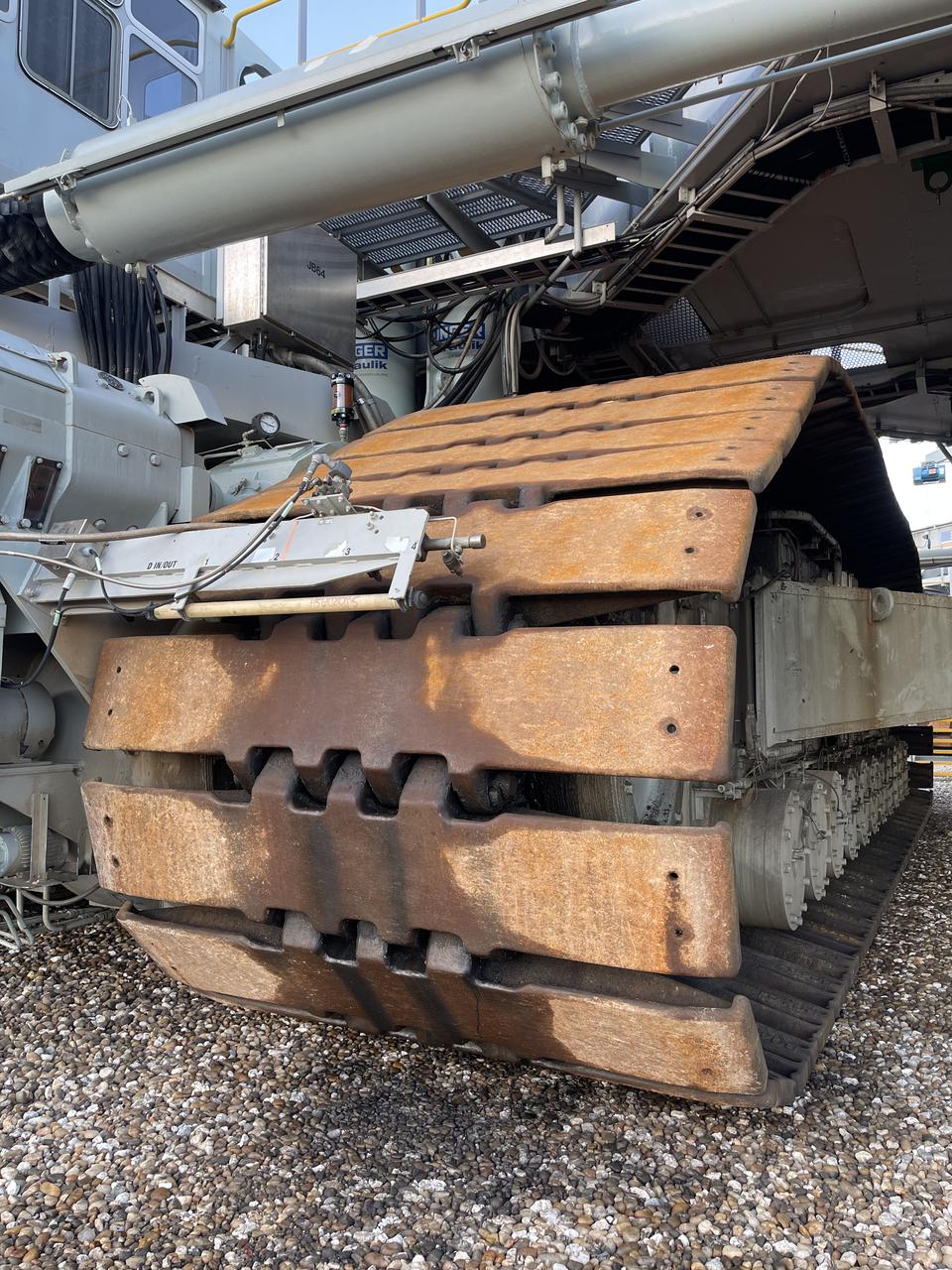
A ground support technician checks the giant treads on crawler-transporter 2 (CT-2) as the vehicle moves slowly along the crawlerway toward the Vehicle Assembly Building at NASA's Kennedy Space Center in Florida. The crawler took a trip to the pad A/B split to test upgrades recently completed that will allow the giant vehicle to handle the load of the agency's Space Launch System rocket and Orion spacecraft atop the mobile launcher. The Ground Systems Development and Operations Program oversaw upgrades to the 50-year-old CT-2. New generators, gear assemblies, jacking, equalizing and leveling (JEL) hydraulic cylinders, roller bearings and brakes were installed, and other components were upgraded to prepare for Exploration Mission 1.
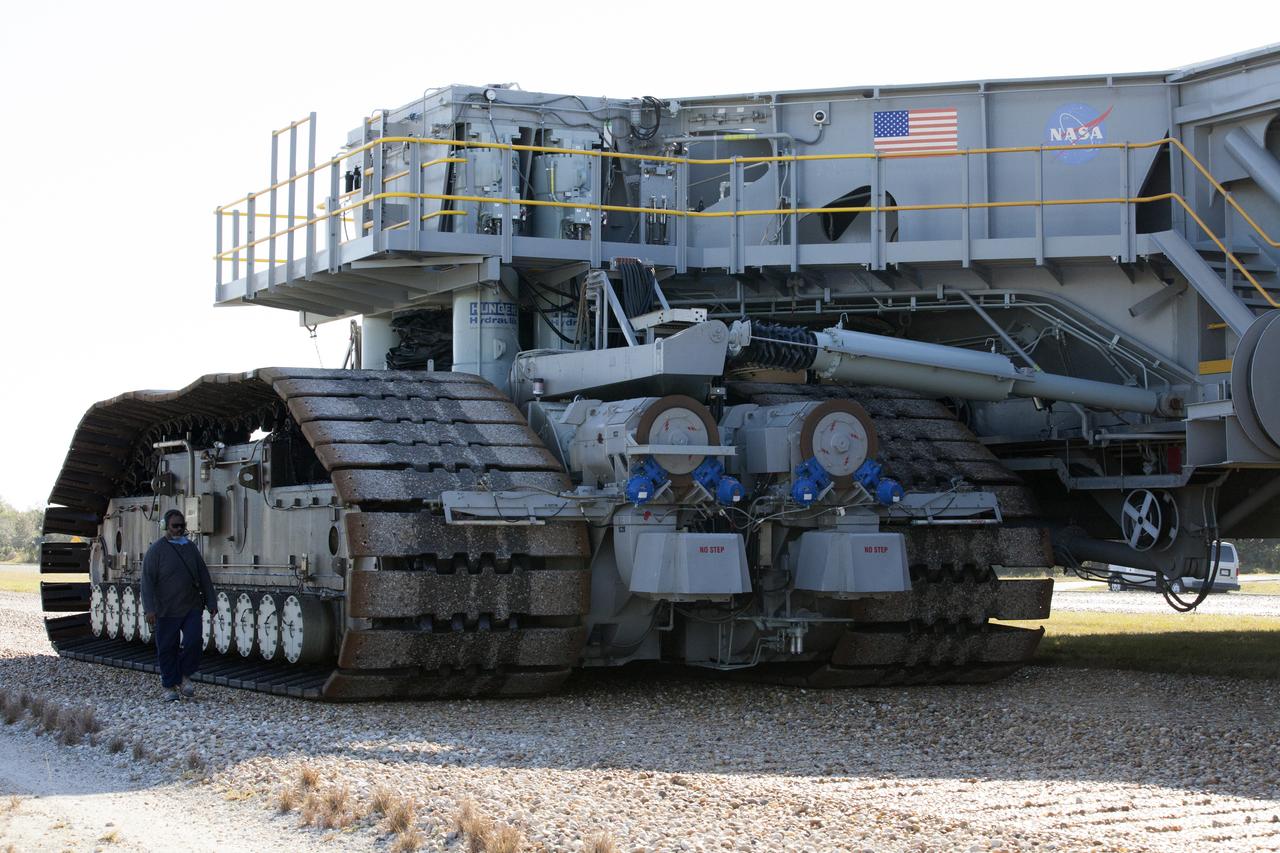
A ground support technician walks alongside crawler-transporter 2 (CT-2) as the vehicle moves slowly along the crawlerway toward the Vehicle Assembly Building at NASA's Kennedy Space Center in Florida. The crawler took a trip to the Pad A/B split to test upgrades recently completed that will allow the giant vehicle to handle the load of the agency's Space Launch System rocket and Orion spacecraft atop the mobile launcher. The Ground Systems Development and Operations Program oversaw upgrades to the 50-year-old CT-2. New generators, gear assemblies, jacking, equalizing and leveling (JEL) hydraulic cylinders, roller bearings and brakes were installed, and other components were upgraded to prepare for Exploration Mission 1.
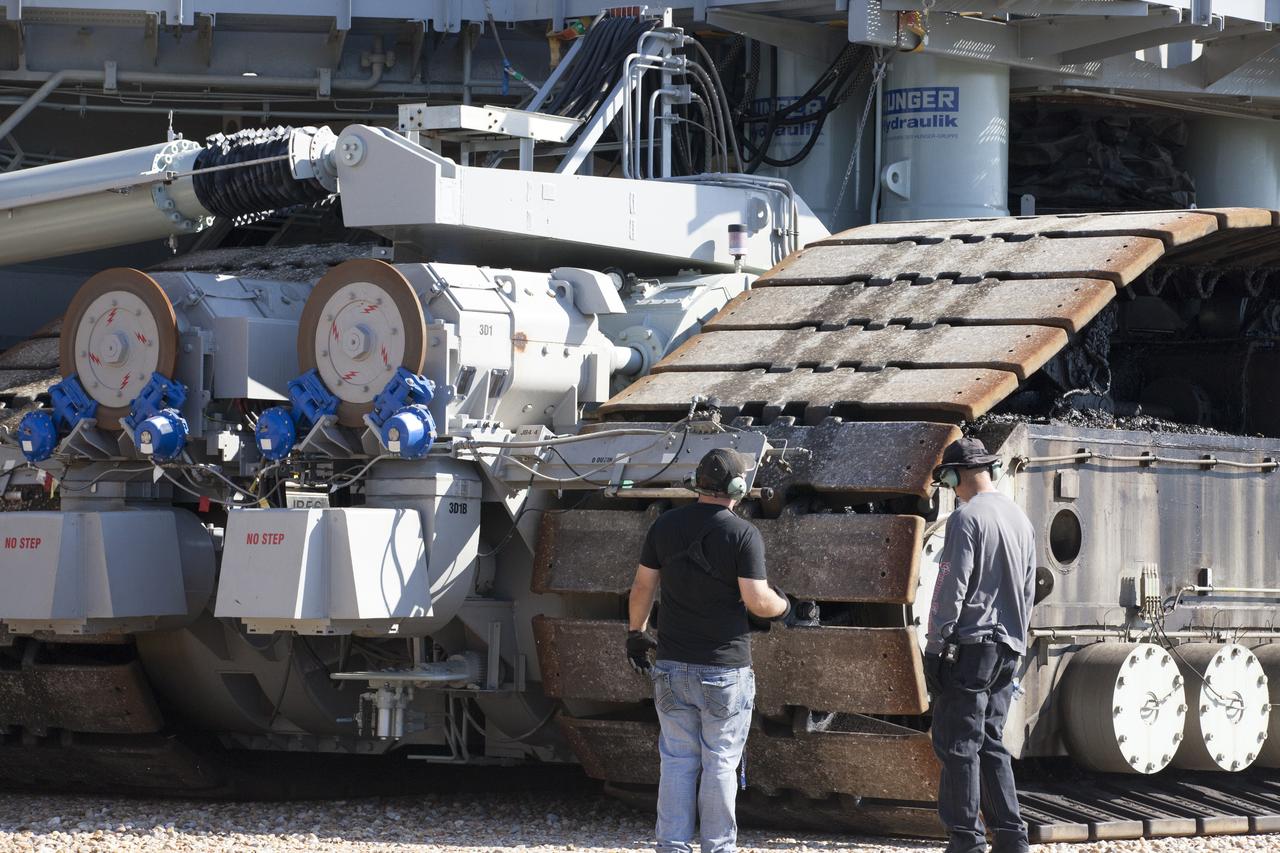
Ground support technicians check out the treads on crawler-transporter 2 (CT-2) as the vehicle moves slowly along the crawlerway toward the Vehicle Assembly Building at NASA's Kennedy Space Center in Florida. The crawler took a trip to the Pad A/B split to test upgrades recently completed that will allow the giant vehicle to handle the load of the agency's Space Launch System rocket and Orion spacecraft atop the mobile launcher. The Ground Systems Development and Operations Program oversaw upgrades to the 50-year-old CT-2. New generators, gear assemblies, jacking, equalizing and leveling (JEL) hydraulic cylinders, roller bearings and brakes were installed, and other components were upgraded to prepare for Exploration Mission 1.
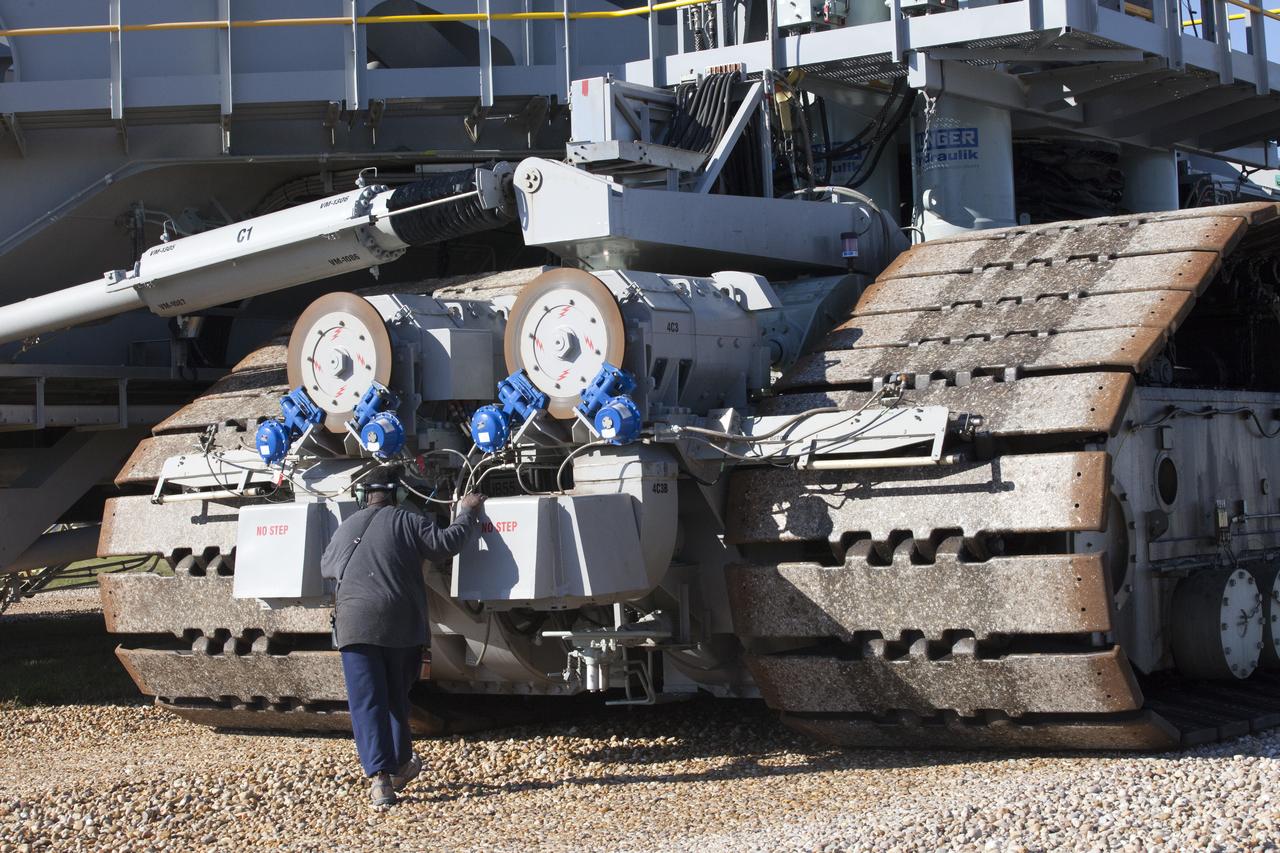
A ground support technician checks the new hydraulic cylinders on crawler-transporter 2 (CT-2) as the vehicle moves slowly along the crawlerway toward the Vehicle Assembly Building at NASA's Kennedy Space Center in Florida. The crawler took a trip to the Pad A/B split to test upgrades recently completed that will allow the giant vehicle to handle the load of the agency's Space Launch System rocket and Orion spacecraft atop the mobile launcher. The Ground Systems Development and Operations Program oversaw upgrades to the 50-year-old CT-2. New generators, gear assemblies, jacking, equalizing and leveling (JEL) hydraulic cylinders, roller bearings and brakes were installed, and other components were upgraded to prepare for Exploration Mission 1.
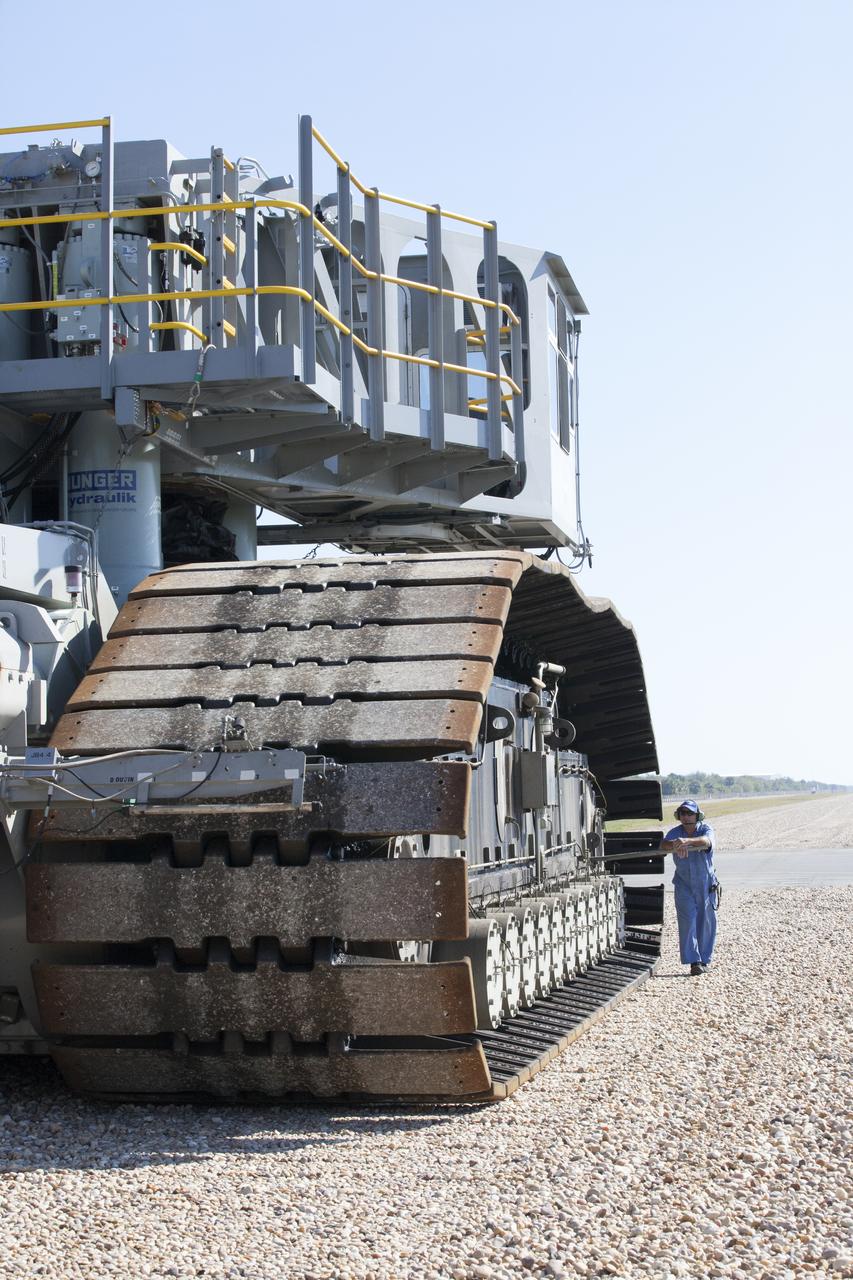
A ground support technician walks alongside crawler-transporter 2 (CT-2) as the vehicle moves slowly along the crawlerway toward the Vehicle Assembly Building at NASA's Kennedy Space Center in Florida. The crawler took a trip to the Pad A/B split to test upgrades recently completed that will allow the giant vehicle to handle the load of the agency's Space Launch System rocket and Orion spacecraft atop the mobile launcher. The Ground Systems Development and Operations Program oversaw upgrades to the 50-year-old CT-2. New generators, gear assemblies, jacking, equalizing and leveling (JEL) hydraulic cylinders, roller bearings and brakes were installed, and other components were upgraded to prepare for Exploration Mission 1.
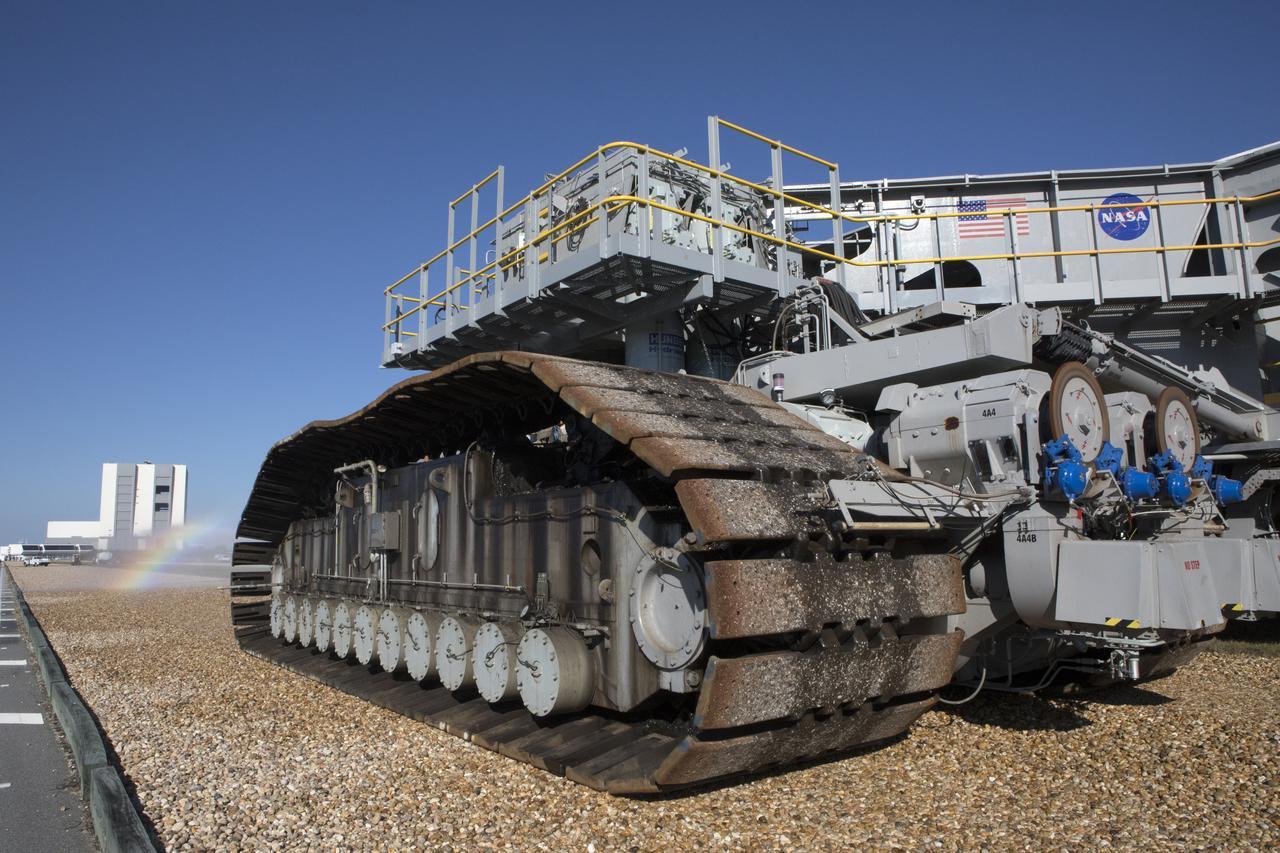
Crawler-transporter 2 (CT-2) moves slowly along the crawlerway on its way back to the Vehicle Assembly Building (in view in the background) at NASA's Kennedy Space Center in Florida. Water sprayed by a truck in front to reduce dust creates a small rainbow. The crawler took a trip to the Pad A/B split to test upgrades recently completed that will allow the giant vehicle to handle the load of the agency's Space Launch System rocket and Orion spacecraft atop the mobile launcher. The Ground Systems Development and Operations Program oversaw upgrades to the 50-year-old CT-2. New generators, gear assemblies, jacking, equalizing and leveling (JEL) hydraulic cylinders, roller bearings and brakes were installed, and other components were upgraded to prepare for Exploration Mission 1.
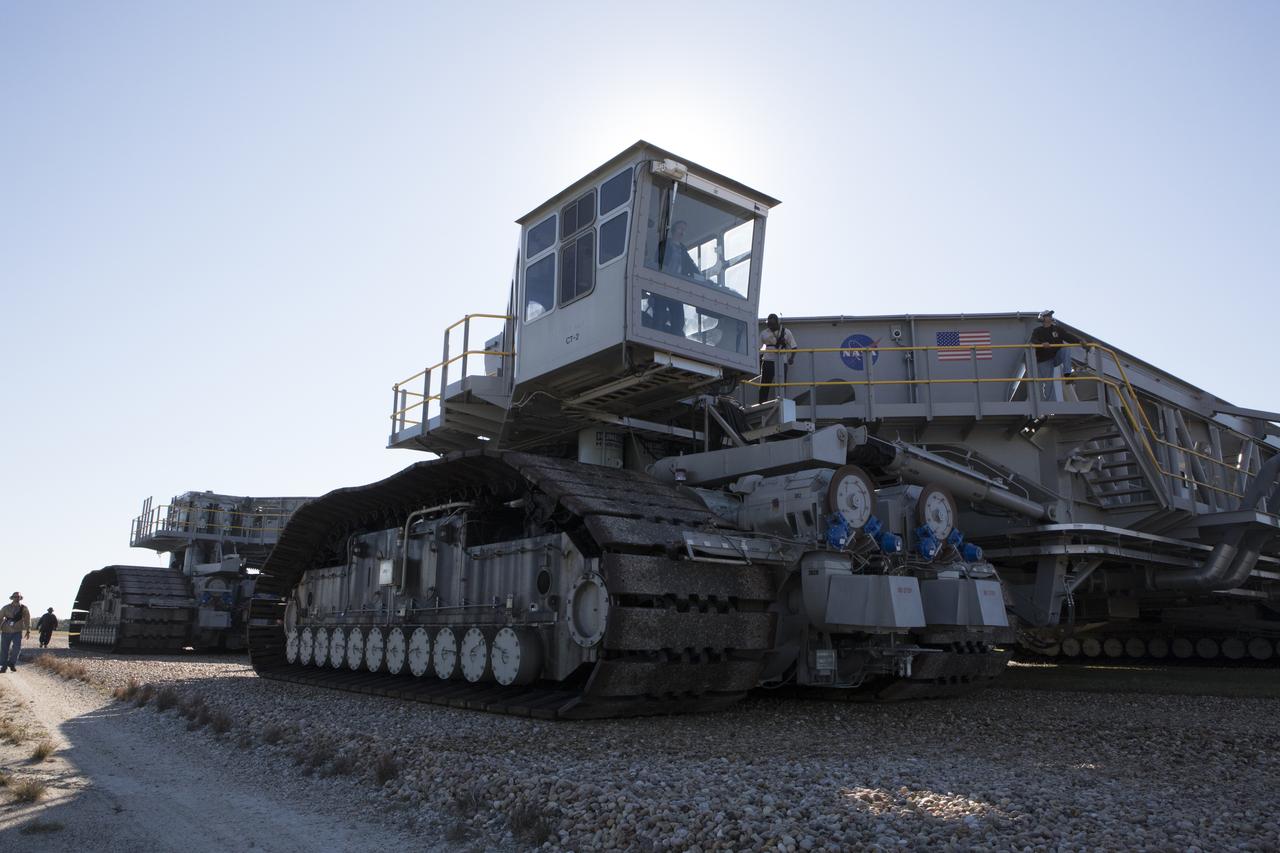
Ground support technicians walks alongside crawler-transporter 2 (CT-2) as the vehicle moves slowly along the crawlerway toward the Vehicle Assembly Building at NASA's Kennedy Space Center in Florida. The crawler took a trip to the Pad A/B split to test upgrades recently completed that will allow the giant vehicle to handle the load of the agency's Space Launch System rocket and Orion spacecraft atop the mobile launcher. The Ground Systems Development and Operations Program oversaw upgrades to the 50-year-old CT-2. New generators, gear assemblies, jacking, equalizing and leveling (JEL) hydraulic cylinders, roller bearings and brakes were installed, and other components were upgraded to prepare for Exploration Mission 1.
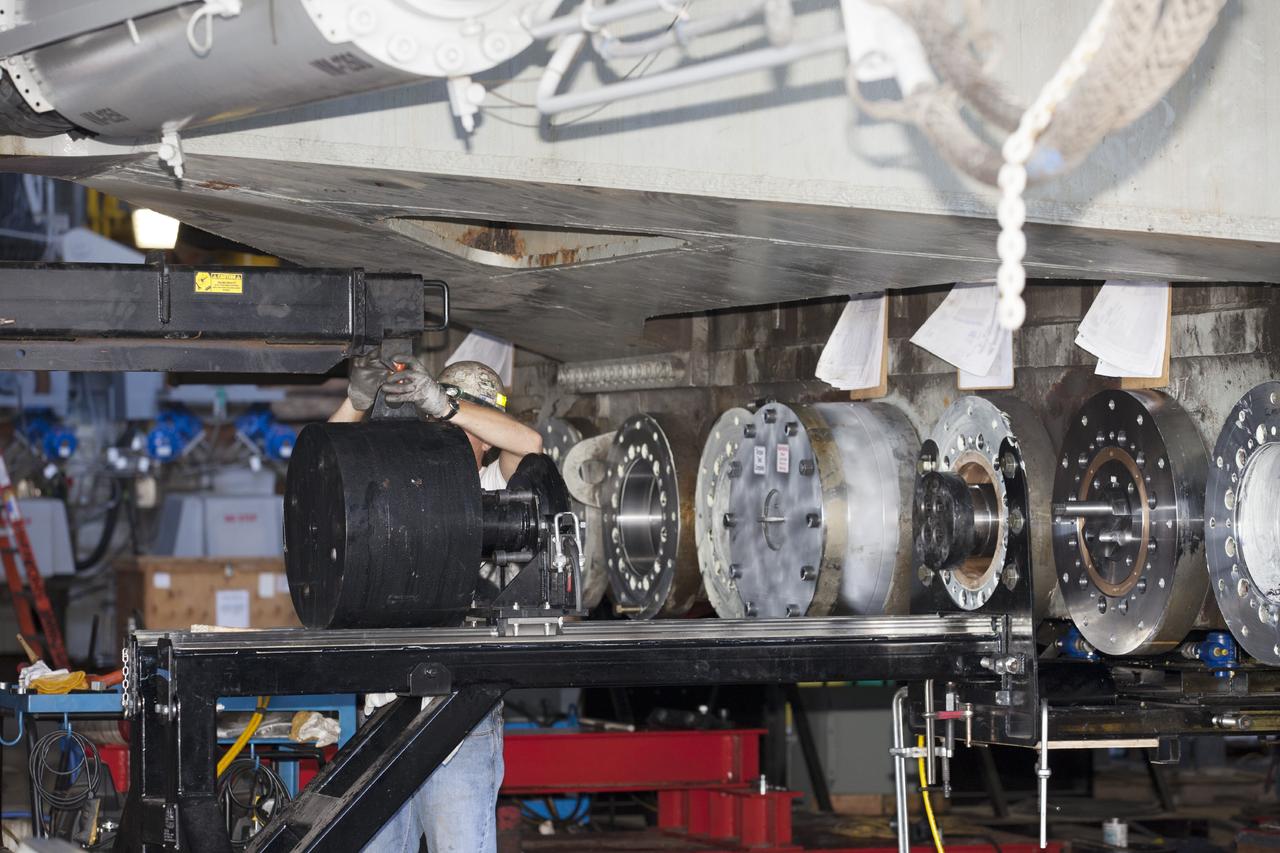
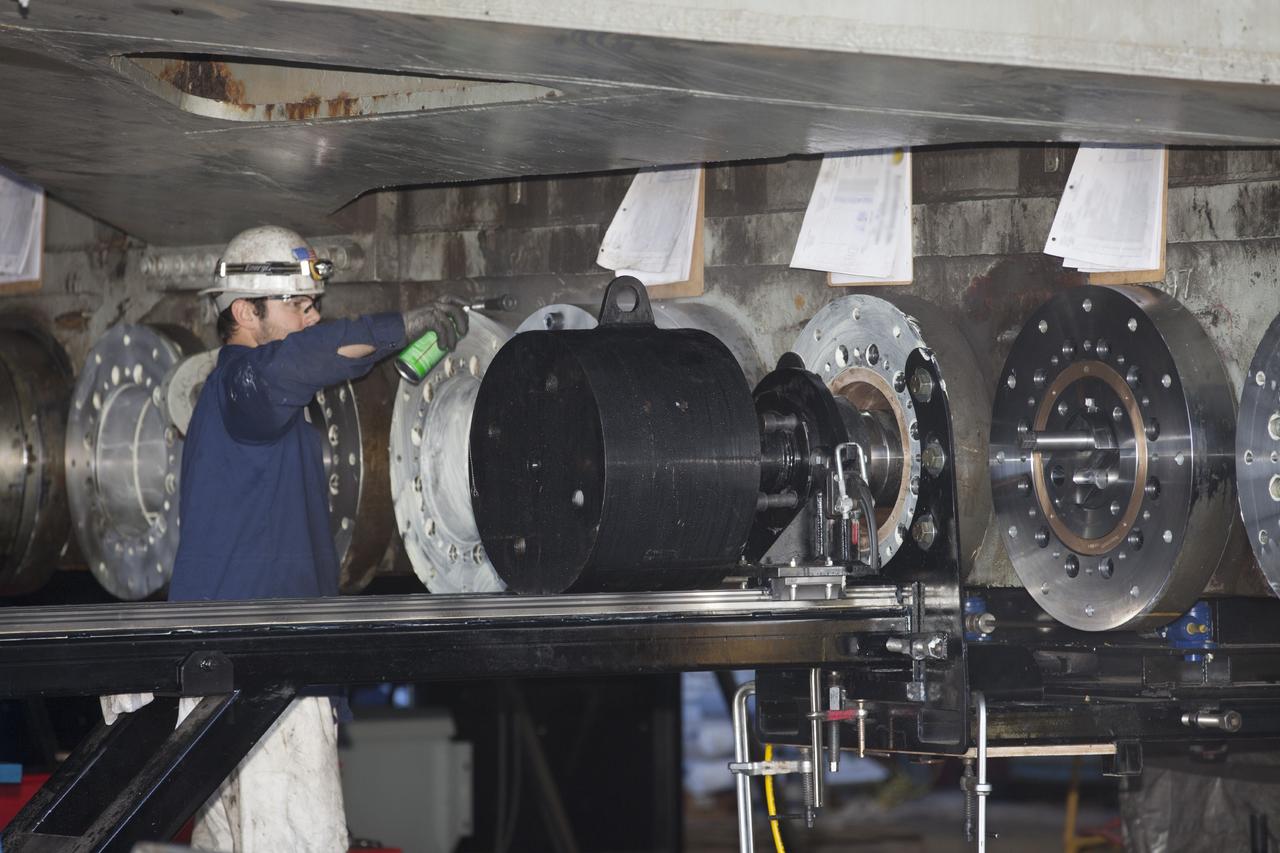
CAPE CANAVERAL, Fla. -- A technician completes the installation of a new bearing on crawler-transporter 2 in Vehicle Assembly Building High Bay 2 at NASA's Kennedy Space Center in Florida. Modifications underway on the crawler are designed to ensure its ability to transport launch vehicles currently under development, such as the agency’s Space Launch System, to the launch pad. Present modifications represent a redesign and upgrade to the roller bearings and assemblies originally installed on the crawler. The Ground Systems Development and Operations Program office at Kennedy is overseeing the upgrades. For more than 45 years the crawler-transporters were used to transport the mobile launcher platform carrying the Apollo-Saturn V rockets and space shuttles to Launch Pads 39A and 39B. For more information, visit http://www.nasa.gov/exploration/systems/ground/crawler-transporter_bearings_prt.htm. Photo credit: NASA/Kim Shiflett
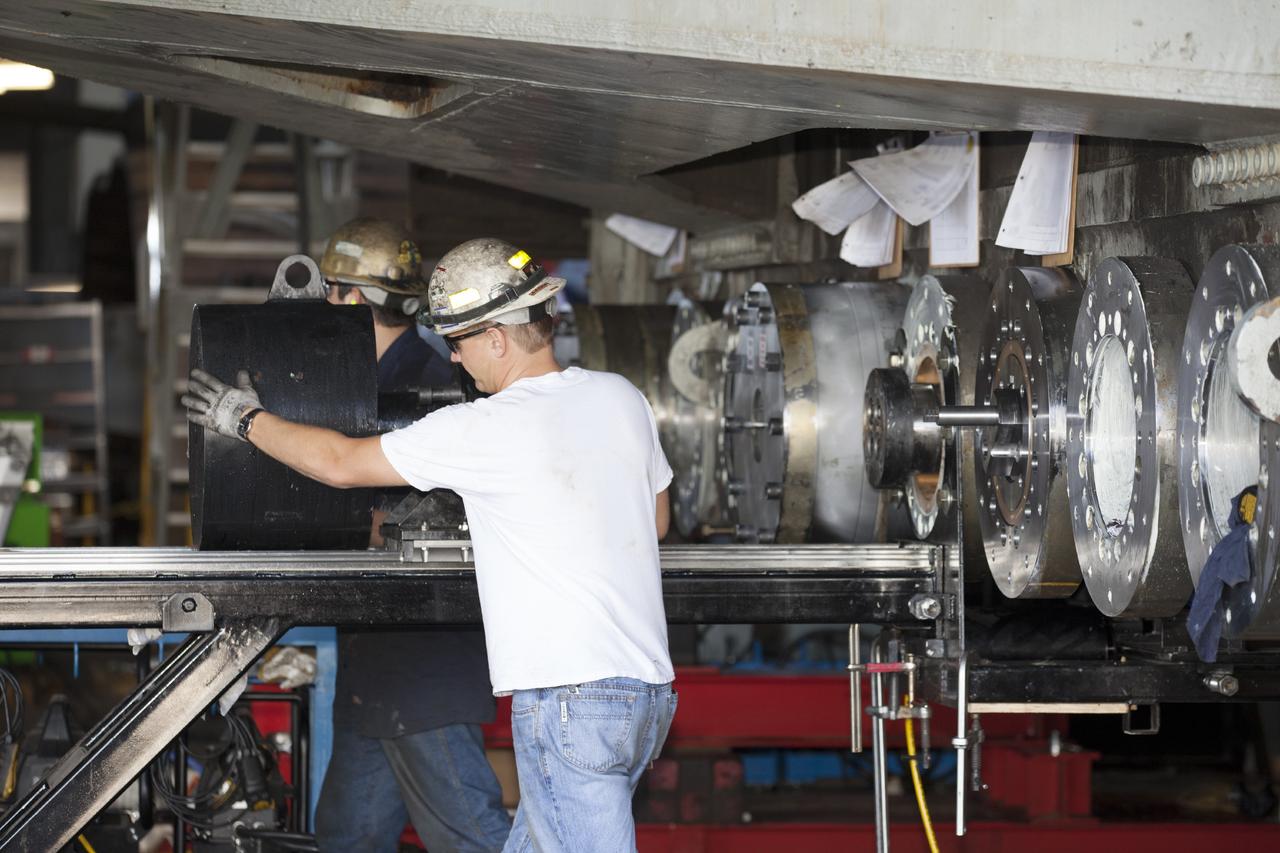
CAPE CANAVERAL, Fla. -- Technicians complete the installation of a new bearing on crawler-transporter 2 in Vehicle Assembly Building High Bay 2 at NASA's Kennedy Space Center in Florida. Modifications underway on the crawler are designed to ensure its ability to transport launch vehicles currently under development, such as the agency’s Space Launch System, to the launch pad. Present modifications represent a redesign and upgrade to the roller bearings and assemblies originally installed on the crawler. The Ground Systems Development and Operations Program office at Kennedy is overseeing the upgrades. For more than 45 years the crawler-transporters were used to transport the mobile launcher platform carrying the Apollo-Saturn V rockets and space shuttles to Launch Pads 39A and 39B. For more information, visit http://www.nasa.gov/exploration/systems/ground/crawler-transporter_bearings_prt.htm. Photo credit: NASA/Kim Shiflett
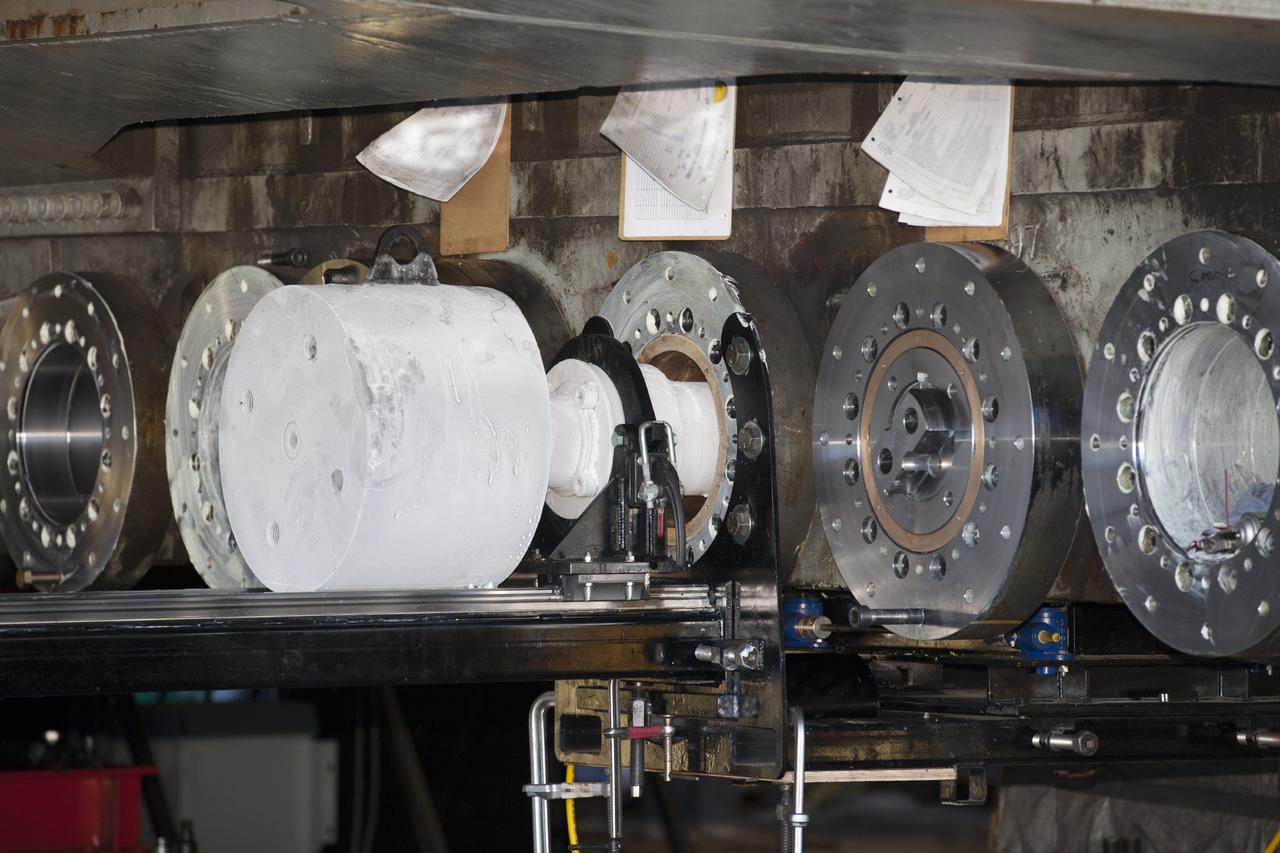
CAPE CANAVERAL, Fla. -- The installation of new bearings on crawler-transporter 2 is underway in Vehicle Assembly Building High Bay 2 at NASA's Kennedy Space Center in Florida. Modifications underway on the crawler are designed to ensure its ability to transport launch vehicles currently under development, such as the agency’s Space Launch System, to the launch pad. Present modifications represent a redesign and upgrade to the roller bearings and assemblies originally installed on the crawler. The Ground Systems Development and Operations Program office at Kennedy is overseeing the upgrades. For more than 45 years the crawler-transporters were used to transport the mobile launcher platform carrying the Apollo-Saturn V rockets and space shuttles to Launch Pads 39A and 39B. For more information, visit http://www.nasa.gov/exploration/systems/ground/crawler-transporter_bearings_prt.htm. Photo credit: NASA/Kim Shiflett
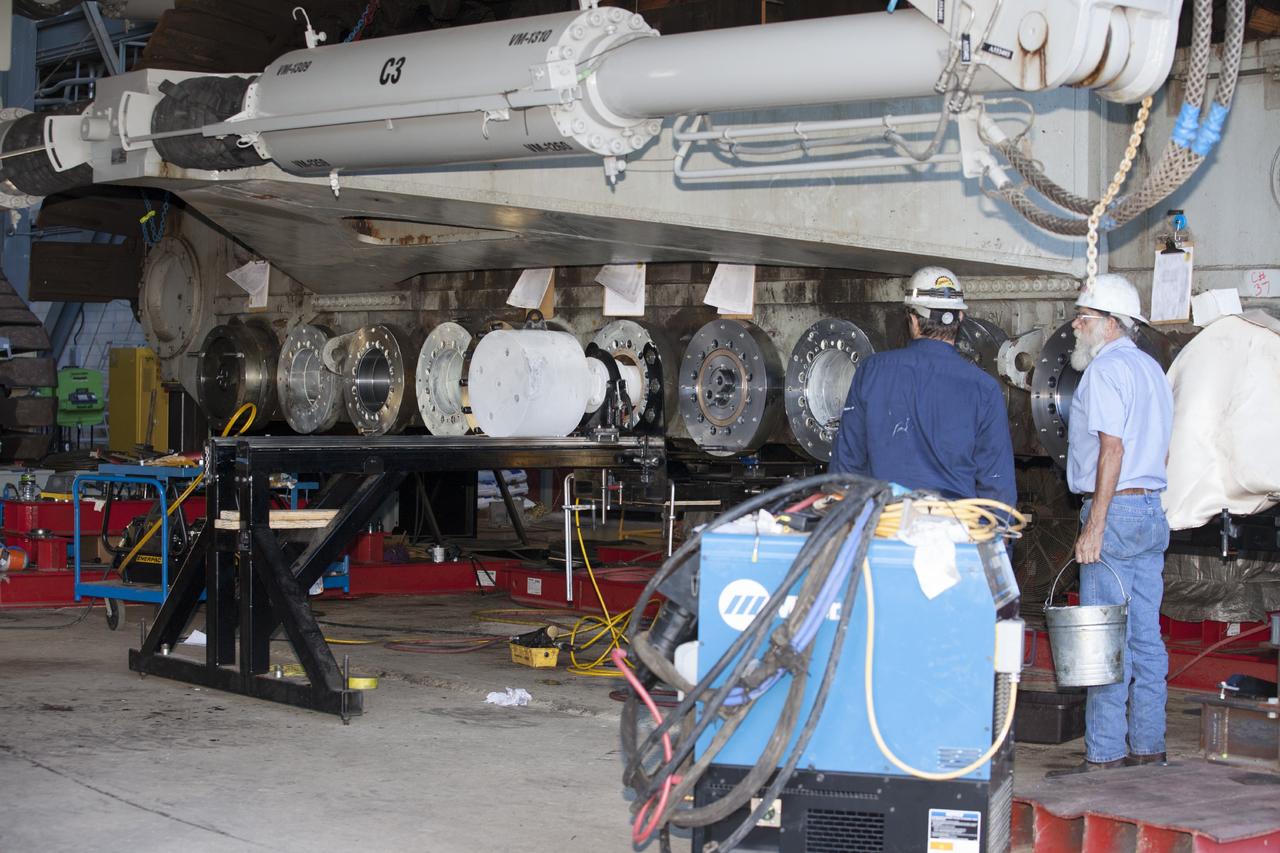
CAPE CANAVERAL, Fla. -- The installation of new bearings on crawler-transporter 2 is underway in Vehicle Assembly Building High Bay 2 at NASA's Kennedy Space Center in Florida. Modifications underway on the crawler are designed to ensure its ability to transport launch vehicles currently under development, such as the agency’s Space Launch System, to the launch pad. Present modifications represent a redesign and upgrade to the roller bearings and assemblies originally installed on the crawler. The Ground Systems Development and Operations Program office at Kennedy is overseeing the upgrades. For more than 45 years the crawler-transporters were used to transport the mobile launcher platform carrying the Apollo-Saturn V rockets and space shuttles to Launch Pads 39A and 39B. For more information, visit http://www.nasa.gov/exploration/systems/ground/crawler-transporter_bearings_prt.htm. Photo credit: NASA/Kim Shiflett
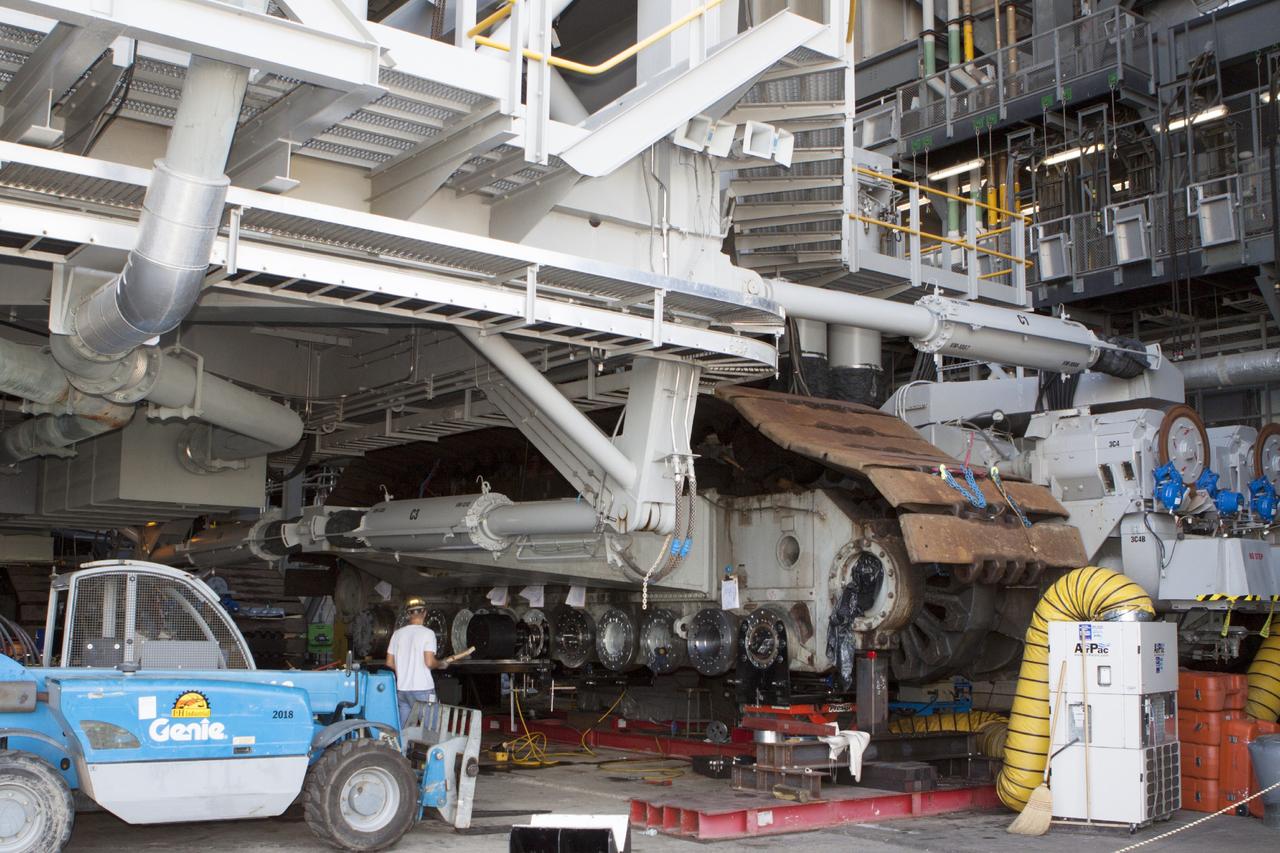
CAPE CANAVERAL, Fla. -- Steady progress is made on the installation of new bearings on crawler-transporter 2 in Vehicle Assembly Building High Bay 2 at NASA's Kennedy Space Center in Florida. Modifications underway on the crawler are designed to ensure its ability to transport launch vehicles currently under development, such as the agency’s Space Launch System, to the launch pad. Present modifications represent a redesign and upgrade to the roller bearings and assemblies originally installed on the crawler. The Ground Systems Development and Operations Program office at Kennedy is overseeing the upgrades. For more than 45 years the crawler-transporters were used to transport the mobile launcher platform carrying the Apollo-Saturn V rockets and space shuttles to Launch Pads 39A and 39B. For more information, visit http://www.nasa.gov/exploration/systems/ground/crawler-transporter_bearings_prt.htm. Photo credit: NASA/Kim Shiflett
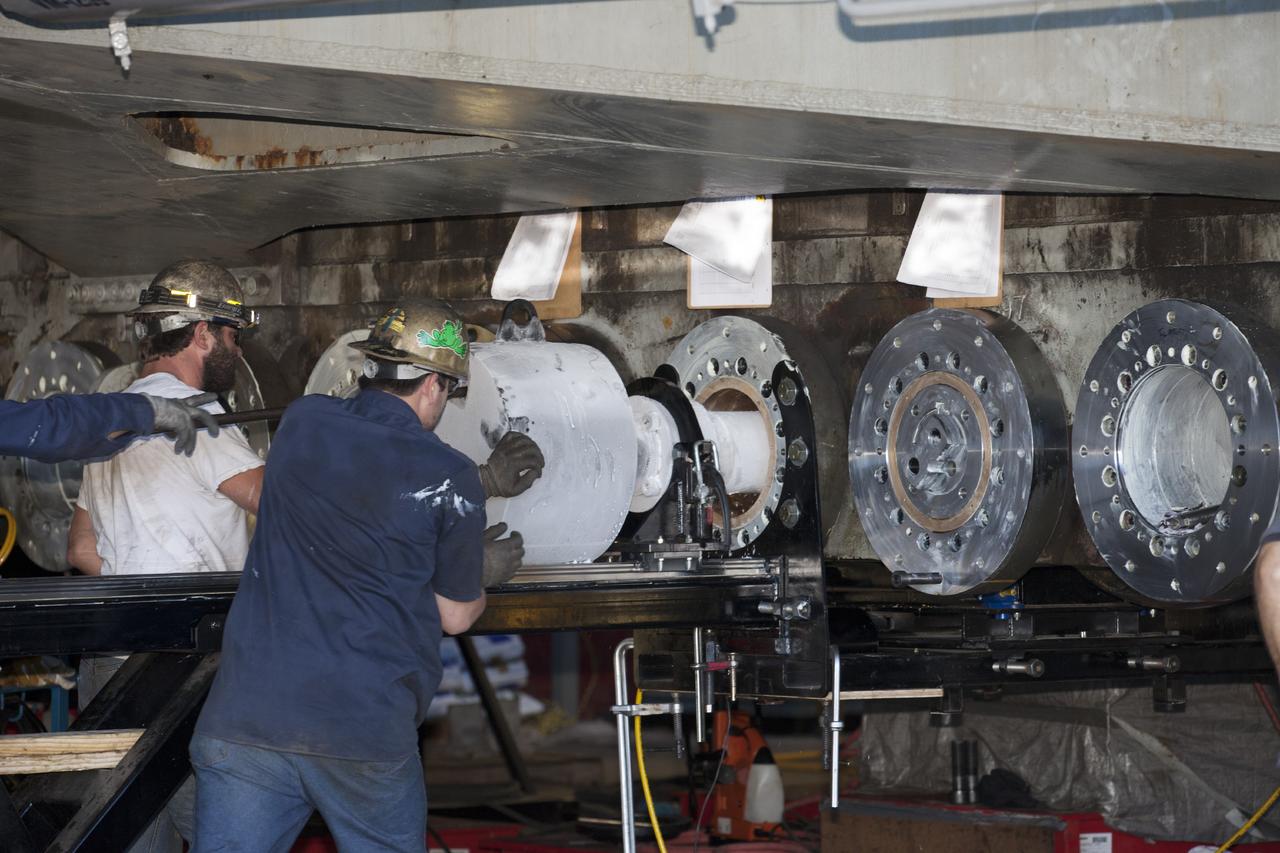
CAPE CANAVERAL, Fla. -- Technicians install a new bearing on crawler-transporter 2 in the Vehicle Assembly Building High Bay 2 at NASA's Kennedy Space Center in Florida. Modifications underway on the crawler are designed to ensure its ability to transport launch vehicles currently under development, such as the agency’s Space Launch System, to the launch pad. Present modifications represent a redesign and upgrade to the roller bearings and assemblies originally installed on the crawler. The Ground Systems Development and Operations Program office at Kennedy is overseeing the upgrades. For more than 45 years the crawler-transporters were used to transport the mobile launcher platform carrying the Apollo-Saturn V rockets and space shuttles to Launch Pads 39A and 39B. For more information, visit http://www.nasa.gov/exploration/systems/ground/crawler-transporter_bearings_prt.htm. Photo credit: NASA/Kim Shiflett
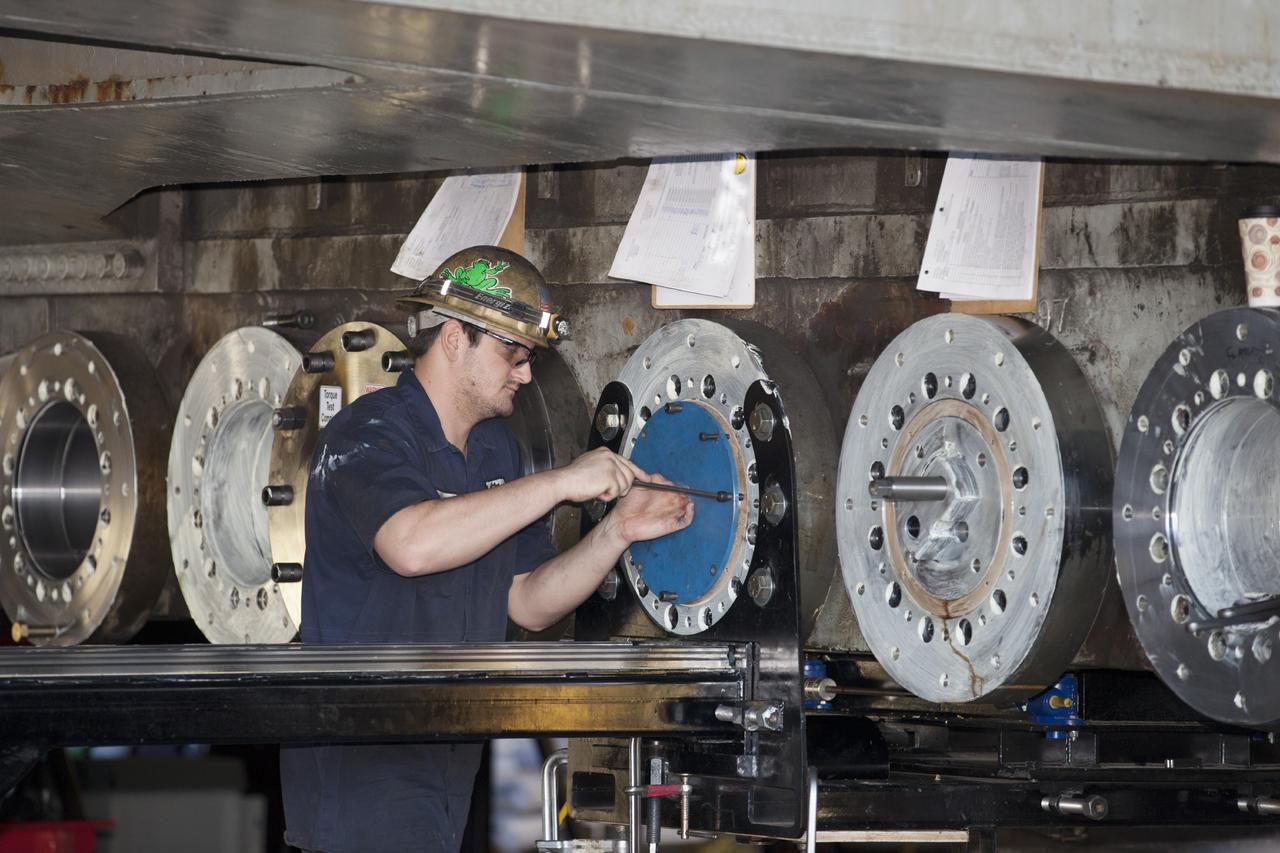
CAPE CANAVERAL, Fla. -- A technician installs a new bearing on crawler-transporter 2 in Vehicle Assembly Building High Bay 2 at NASA's Kennedy Space Center in Florida. Modifications underway on the crawler are designed to ensure its ability to transport launch vehicles currently under development, such as the agency’s Space Launch System, to the launch pad. Present modifications represent a redesign and upgrade to the roller bearings and assemblies originally installed on the crawler. The Ground Systems Development and Operations Program office at Kennedy is overseeing the upgrades. For more than 45 years the crawler-transporters were used to transport the mobile launcher platform carrying the Apollo-Saturn V rockets and space shuttles to Launch Pads 39A and 39B. For more information, visit http://www.nasa.gov/exploration/systems/ground/crawler-transporter_bearings_prt.htm. Photo credit: NASA/Kim Shiflett
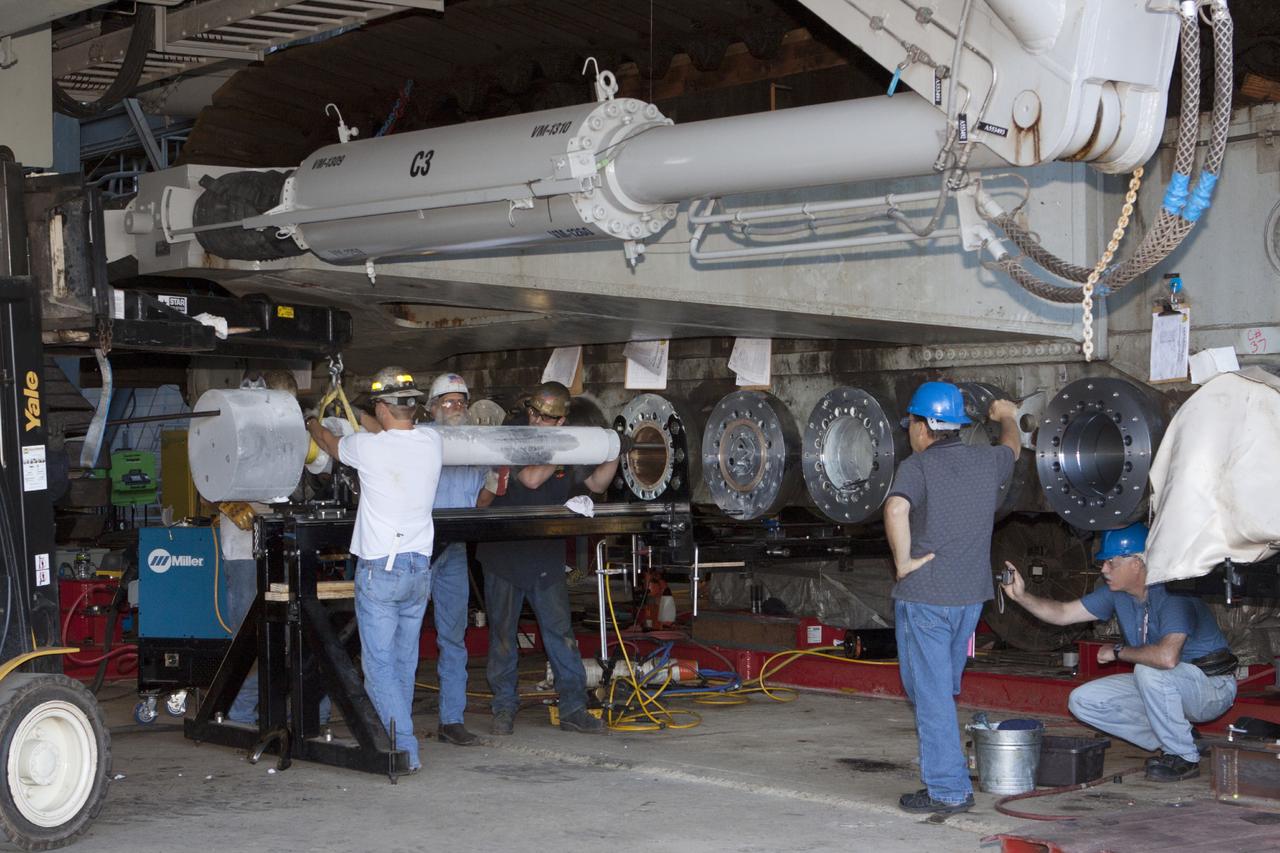
CAPE CANAVERAL, Fla. -- Technicians install a new bearing on crawler-transporter 2 in Vehicle Assembly Building High Bay 2 at NASA's Kennedy Space Center in Florida. Modifications underway on the crawler are designed to ensure its ability to transport launch vehicles currently under development, such as the agency’s Space Launch System, to the launch pad. Present modifications represent a redesign and upgrade to the roller bearings and assemblies originally installed on the crawler. The Ground Systems Development and Operations Program office at Kennedy is overseeing the upgrades. For more than 45 years the crawler-transporters were used to transport the mobile launcher platform carrying the Apollo-Saturn V rockets and space shuttles to Launch Pads 39A and 39B. For more information, visit http://www.nasa.gov/exploration/systems/ground/crawler-transporter_bearings_prt.htm. Photo credit: NASA/Kim Shiflett
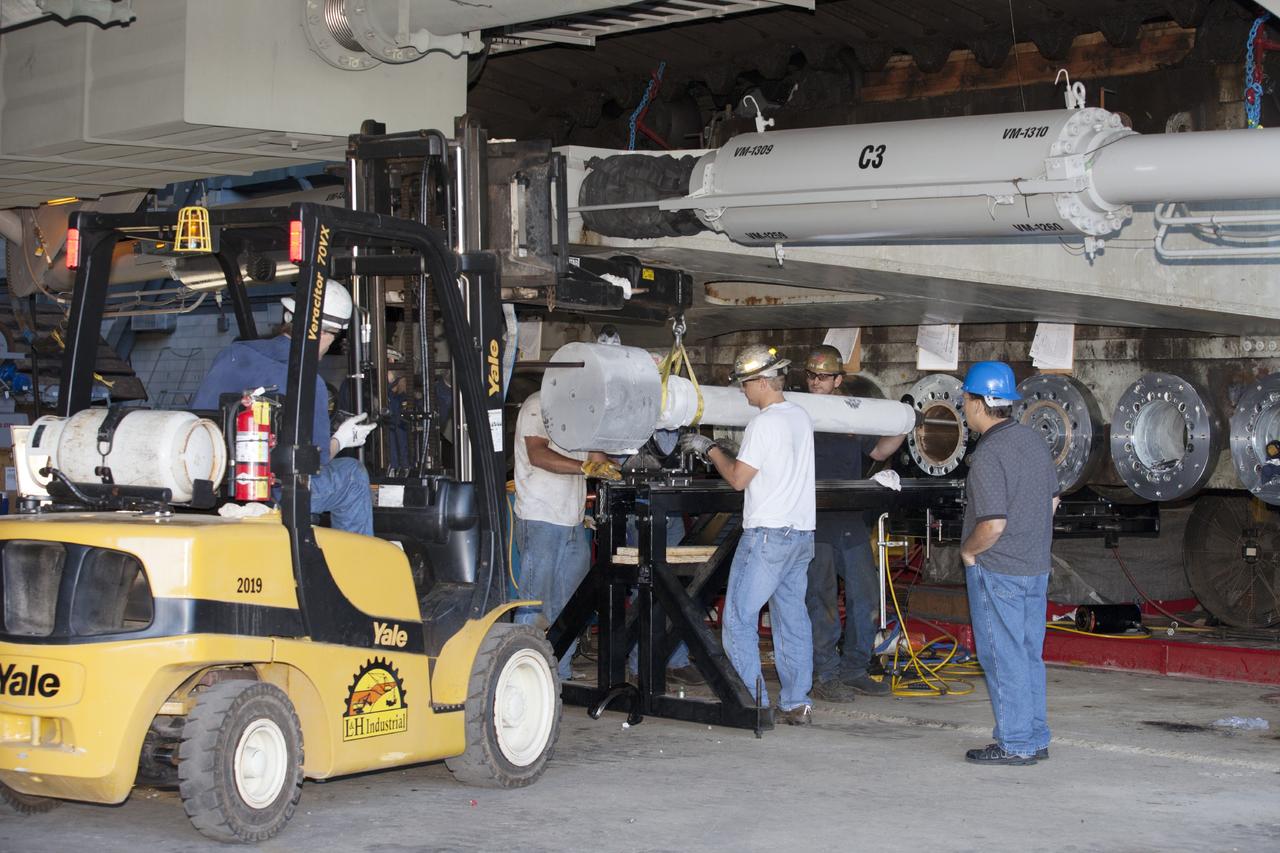
CAPE CANAVERAL, Fla. -- Technicians install a new bearing on crawler-transporter 2 in Vehicle Assembly Building High Bay 2 at NASA's Kennedy Space Center in Florida. Modifications underway on the crawler are designed to ensure its ability to transport launch vehicles currently under development, such as the agency’s Space Launch System, to the launch pad. Present modifications represent a redesign and upgrade to the roller bearings and assemblies originally installed on the crawler. The Ground Systems Development and Operations Program office at Kennedy is overseeing the upgrades. For more than 45 years the crawler-transporters were used to transport the mobile launcher platform carrying the Apollo-Saturn V rockets and space shuttles to Launch Pads 39A and 39B. For more information, visit http://www.nasa.gov/exploration/systems/ground/crawler-transporter_bearings_prt.htm. Photo credit: NASA/Kim Shiflett
CAPE CANAVERAL, Fla. -- A technician completes the installation of a new bearing on crawler-transporter 2 in Vehicle Assembly Building High Bay 2 at NASA's Kennedy Space Center in Florida. Modifications underway on the crawler are designed to ensure its ability to transport launch vehicles currently under development, such as the agency’s Space Launch System, to the launch pad. Present modifications represent a redesign and upgrade to the roller bearings and assemblies originally installed on the crawler. The Ground Systems Development and Operations Program office at Kennedy is overseeing the upgrades. For more than 45 years the crawler-transporters were used to transport the mobile launcher platform carrying the Apollo-Saturn V rockets and space shuttles to Launch Pads 39A and 39B. For more information, visit http://www.nasa.gov/exploration/systems/ground/crawler-transporter_bearings_prt.htm. Photo credit: NASA/Kim Shiflett
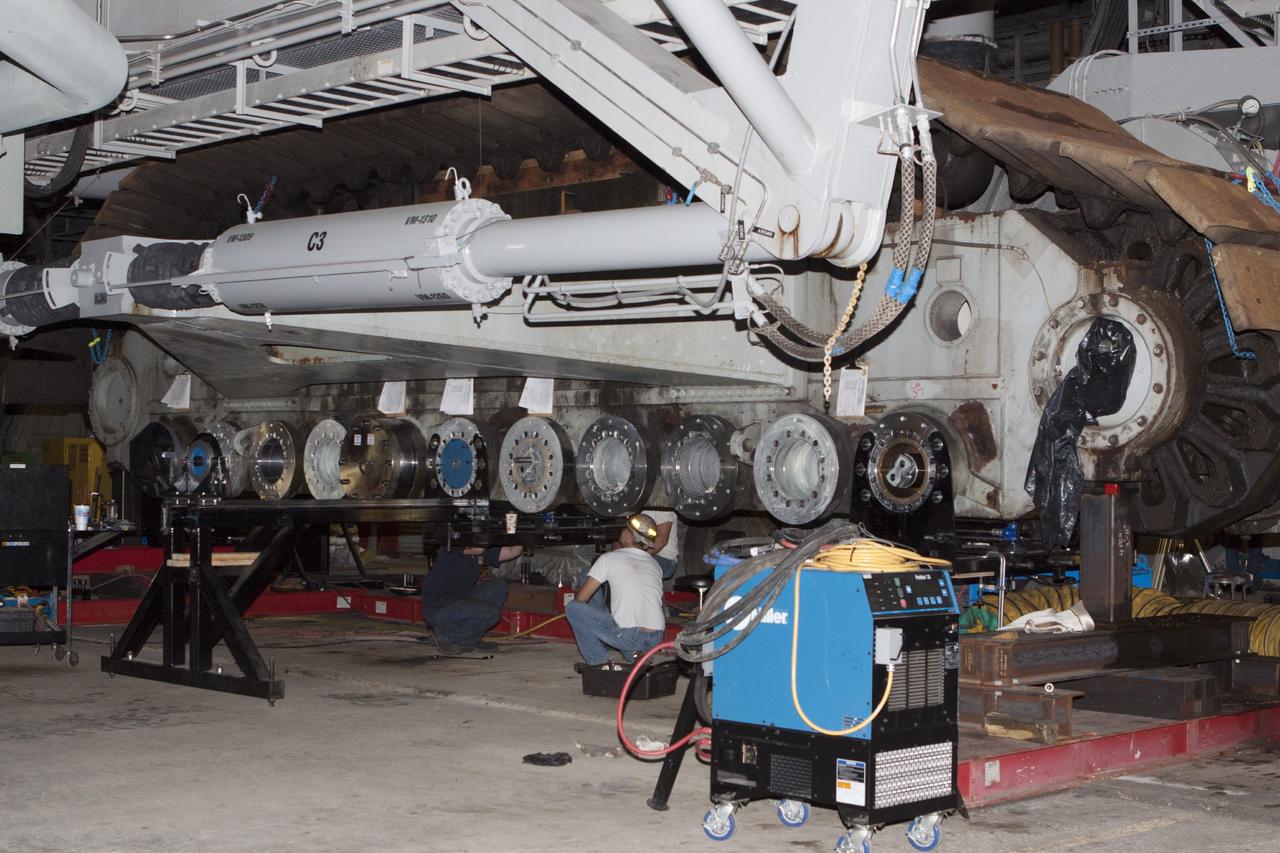
CAPE CANAVERAL, Fla. -- Preparations are underway to install new bearings on crawler-transporter 2 in the Vehicle Assembly Building High Bay 2 at NASA's Kennedy Space Center in Florida. Modifications underway on the crawler are designed to ensure its ability to transport launch vehicles currently under development, such as the agency’s Space Launch System, to the launch pad. Present modifications represent a redesign and upgrade to the roller bearings and assemblies originally installed on the crawler. The Ground Systems Development and Operations Program office at Kennedy is overseeing the upgrades. For more than 45 years the crawler-transporters were used to transport the mobile launcher platform carrying the Apollo-Saturn V rockets and space shuttles to Launch Pads 39A and 39B. For more information, visit http://www.nasa.gov/exploration/systems/ground/crawler-transporter_bearings_prt.htm. Photo credit: NASA/Kim Shiflett
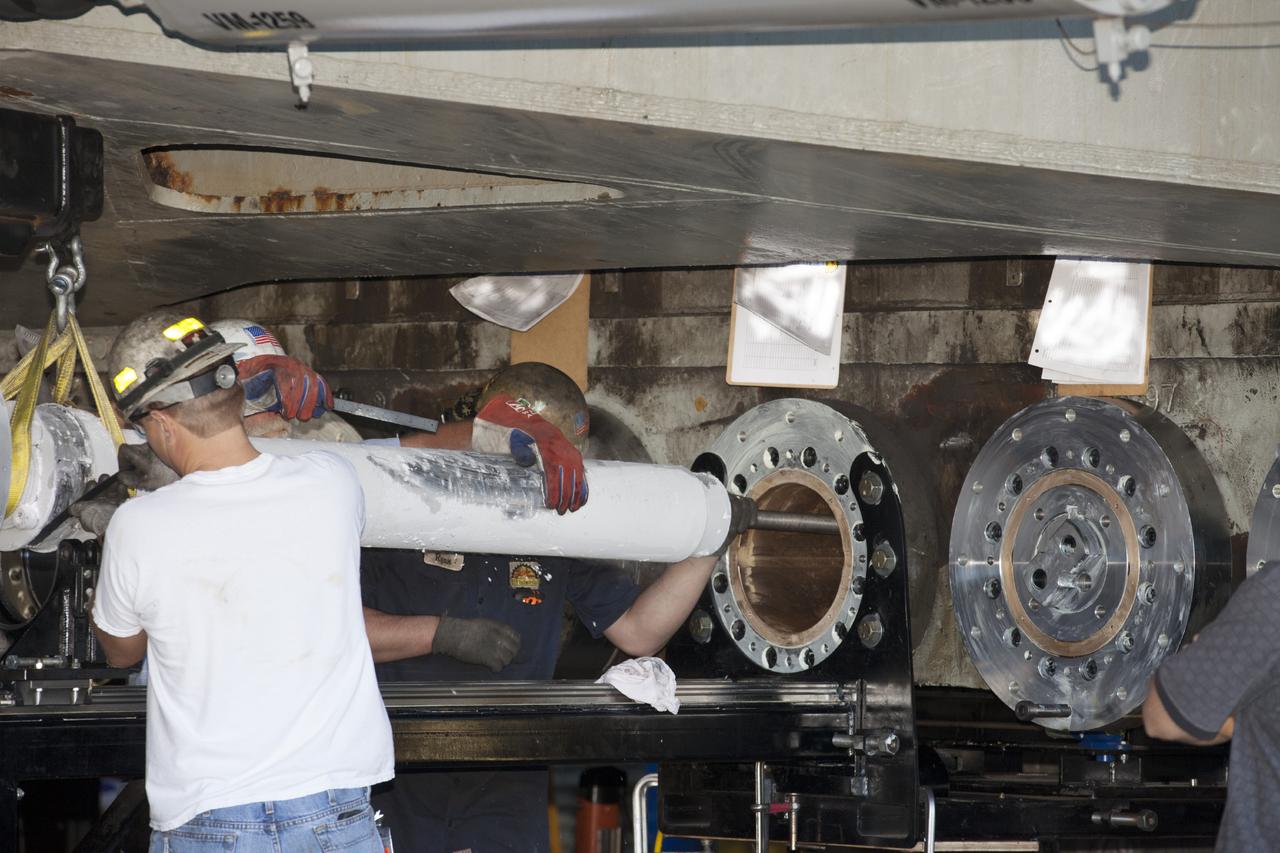
CAPE CANAVERAL, Fla. -- A technician installs a new bearing on crawler-transporter 2 in Vehicle Assembly Building High Bay 2 at NASA's Kennedy Space Center in Florida. Modifications underway on the crawler are designed to ensure its ability to transport launch vehicles currently under development, such as the agency’s Space Launch System, to the launch pad. Present modifications represent a redesign and upgrade to the roller bearings and assemblies originally installed on the crawler. The Ground Systems Development and Operations Program office at Kennedy is overseeing the upgrades. For more than 45 years the crawler-transporters were used to transport the mobile launcher platform carrying the Apollo-Saturn V rockets and space shuttles to Launch Pads 39A and 39B. For more information, visit http://www.nasa.gov/exploration/systems/ground/crawler-transporter_bearings_prt.htm. Photo credit: NASA/Kim Shiflett
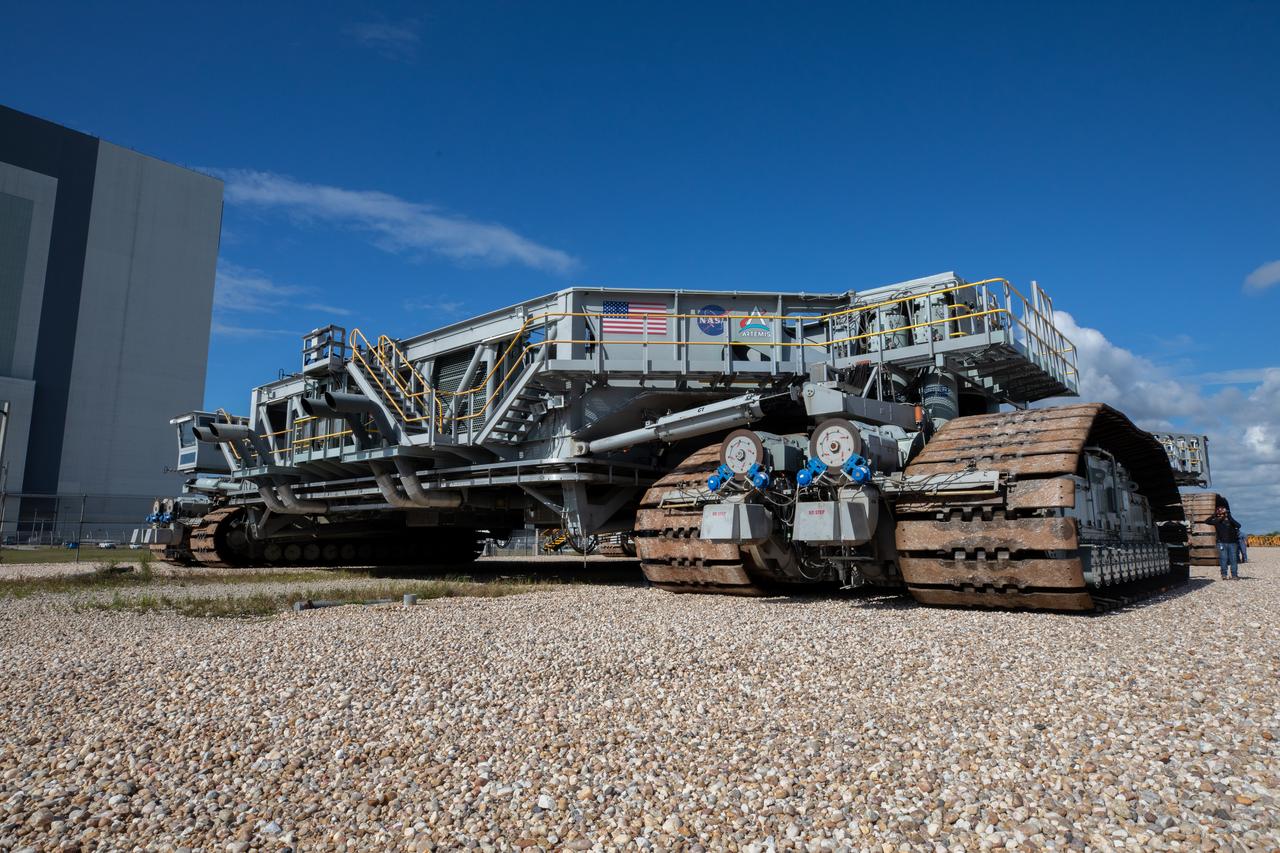
Engineers and technicians drive crawler-transporter 2 along the crawlerway toward the Vehicle Assembly Building (VAB) at NASA’s Kennedy Space Center in Florida on June 1, 2022. The crawler will go inside the VAB, where it will slide under the Artemis I Space Launch System with the Orion spacecraft atop on the mobile launcher and carry it to Launch Complex 39B for a wet dress rehearsal test ahead of the Artemis I launch. Artemis I will be the first integrated test of the SLS and Orion spacecraft. In later missions, NASA will land the first woman and the first person of color on the surface of the Moon, paving the way for a long-term lunar presence and serving as a steppingstone on the way to Mars.
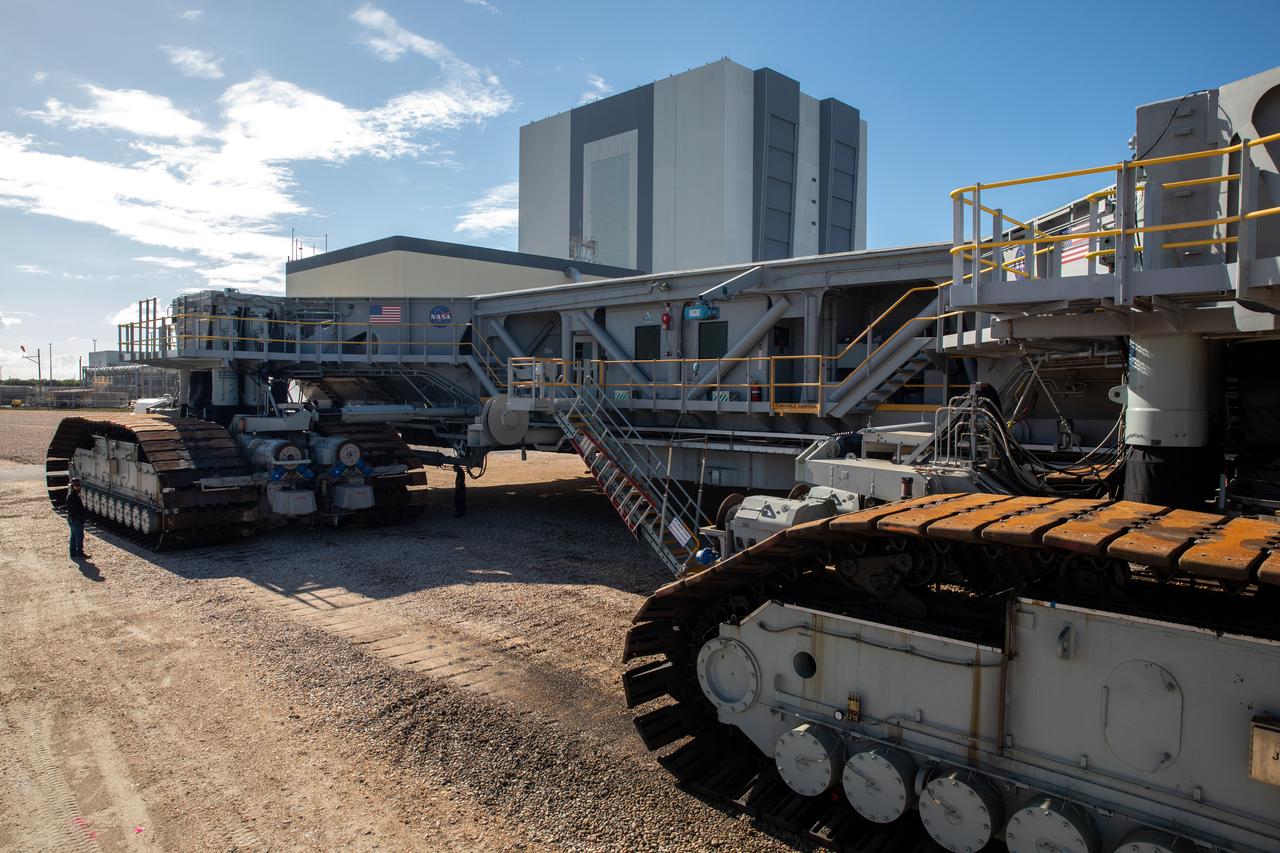
Engineers and technicians drive crawler-transporter 2 along the crawlerway toward the Vehicle Assembly Building (VAB) at NASA’s Kennedy Space Center in Florida on June 1, 2022. The crawler will go inside the VAB, where it will slide under the Artemis I Space Launch System with the Orion spacecraft atop on the mobile launcher and carry it to Launch Complex 39B for a wet dress rehearsal test ahead of the Artemis I launch. Artemis I will be the first integrated test of the SLS and Orion spacecraft. In later missions, NASA will land the first woman and the first person of color on the surface of the Moon, paving the way for a long-term lunar presence and serving as a steppingstone on the way to Mars.
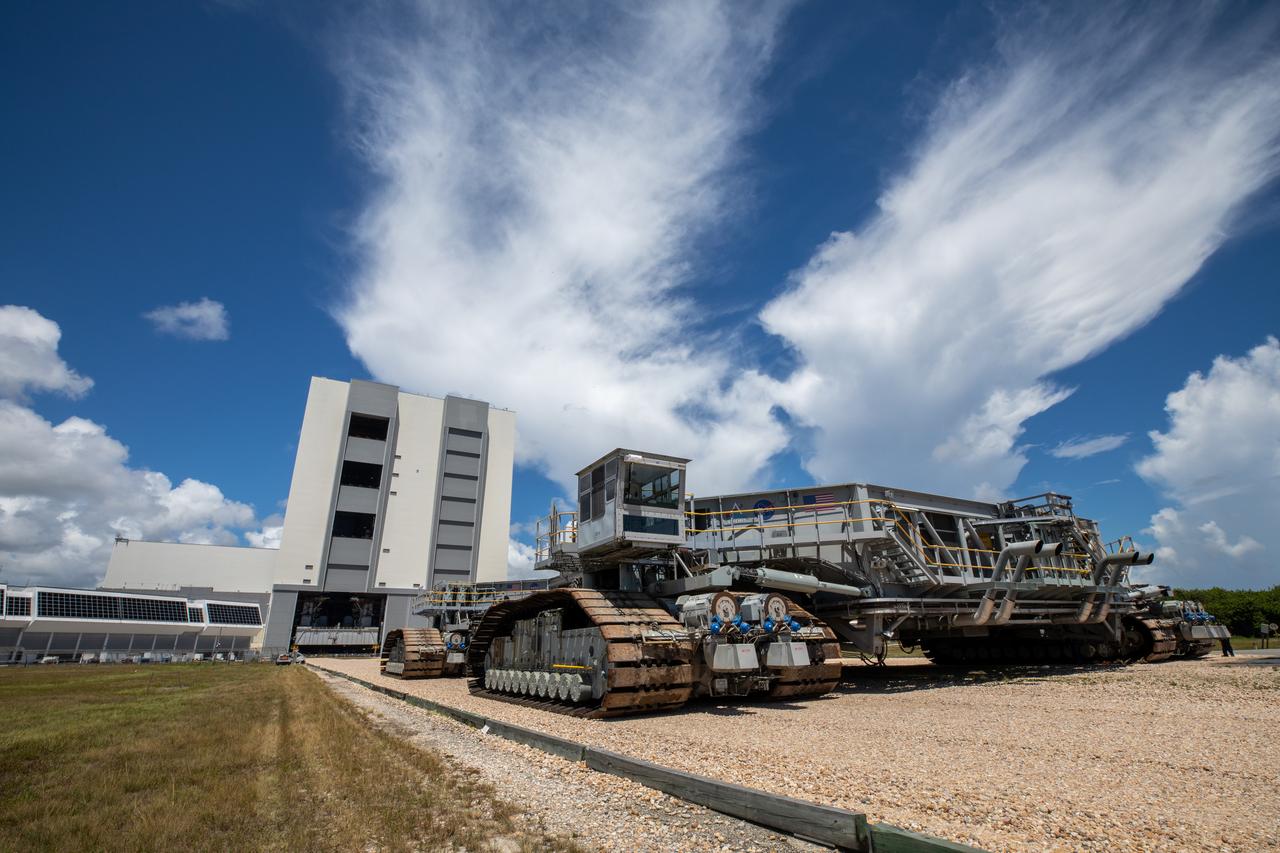
The crawler-transporter, driven by engineers, approaches the Vehicle Assembly Building (VAB) at NASA’s Kennedy Space Center in Florida on June 1, 2022. The crawler will go inside the VAB, where it will slide under the Artemis I Space Launch System with the Orion spacecraft atop on the mobile launcher and carry it to Launch Complex 39B for a wet dress rehearsal test ahead of the Artemis I launch. Artemis I will be the first integrated test of the SLS and Orion spacecraft. In later missions, NASA will land the first woman and the first person of color on the surface of the Moon, paving the way for a long-term lunar presence and serving as a steppingstone on the way to Mars.
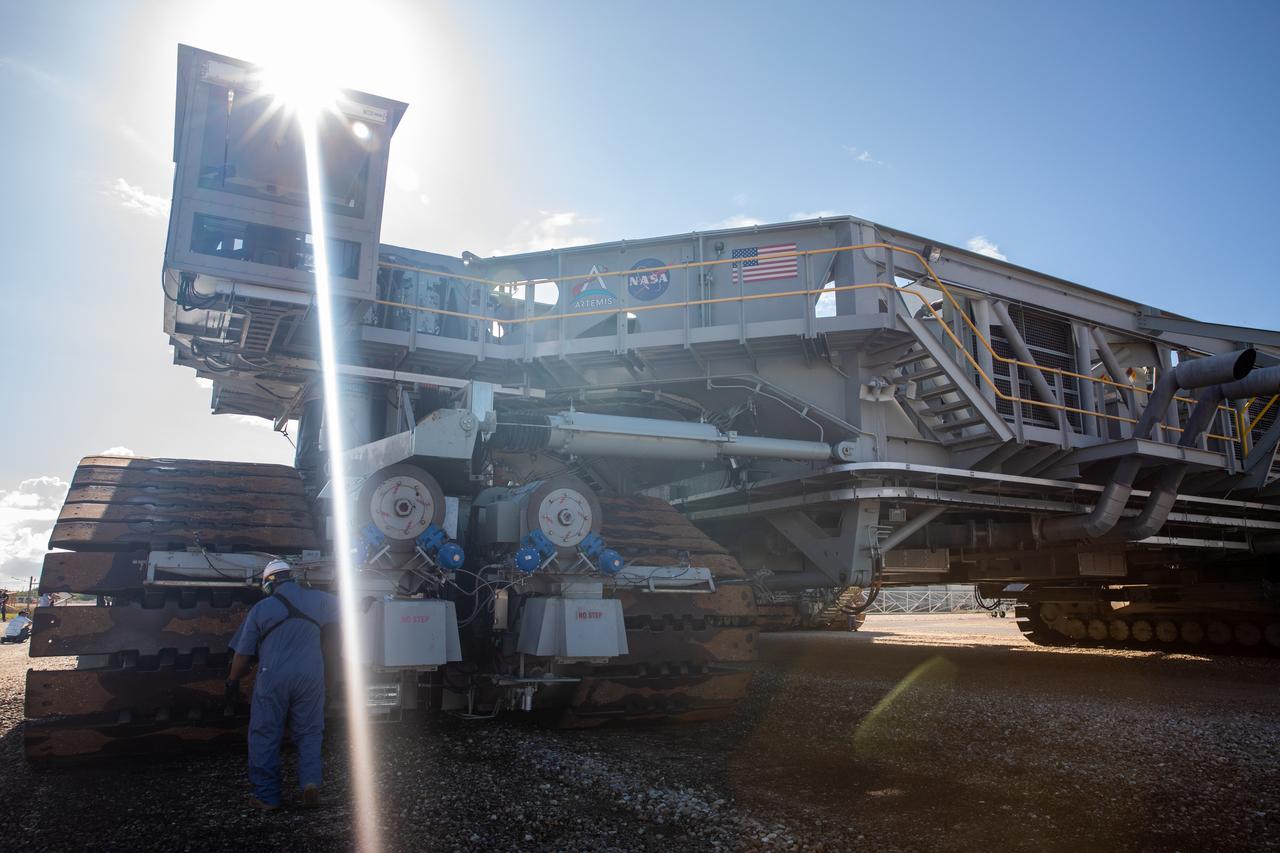
The sun reflects off the cab as engineers and technicians drive crawler-transporter 2 along the crawlerway toward the Vehicle Assembly Building (VAB) at NASA’s Kennedy Space Center in Florida on June 1, 2022. The crawler will go inside the VAB, where it will slide under the Artemis I Space Launch System with the Orion spacecraft atop on the mobile launcher and carry it to Launch Complex 39B for a wet dress rehearsal test ahead of the Artemis I launch. Artemis I will be the first integrated test of the SLS and Orion spacecraft. In later missions, NASA will land the first woman and the first person of color on the surface of the Moon, paving the way for a long-term lunar presence and serving as a steppingstone on the way to Mars.
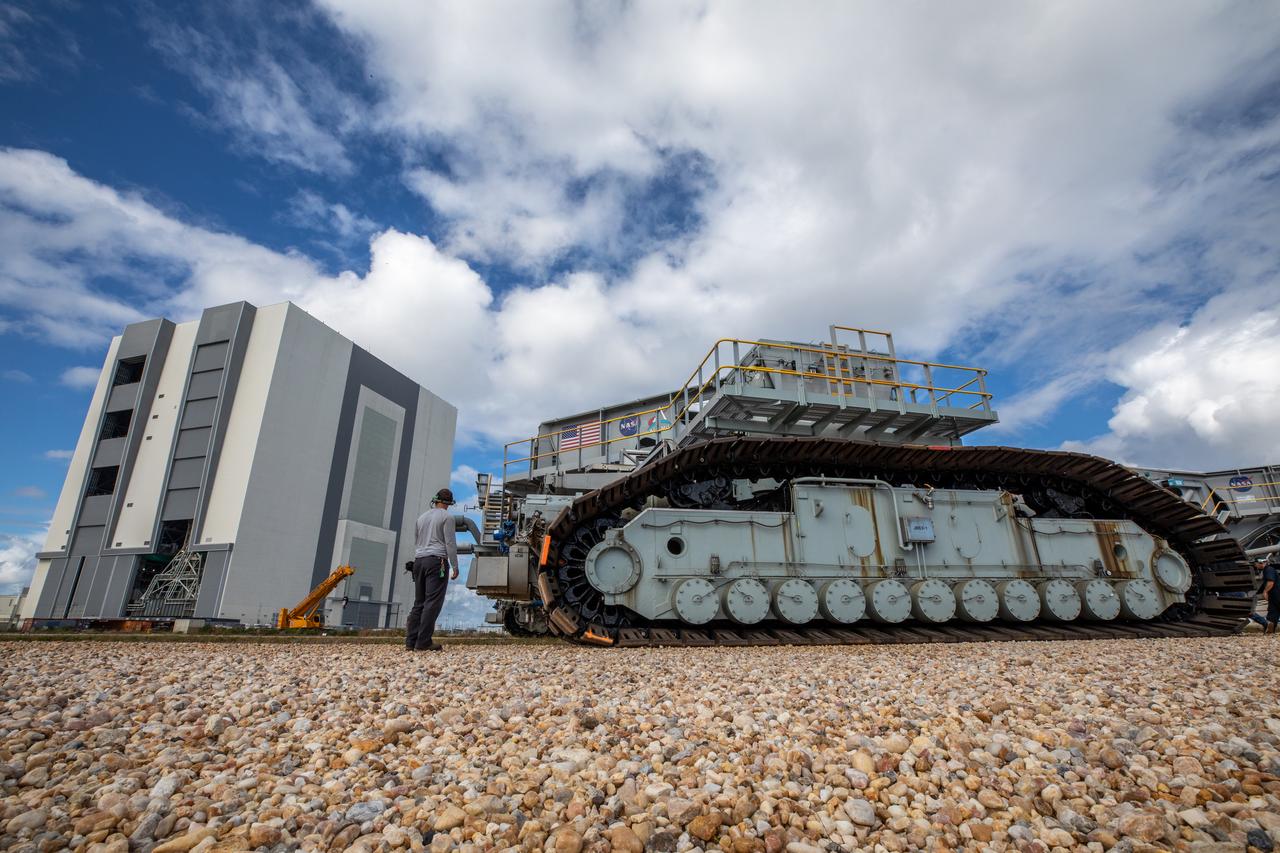
Technicians check equipment on crawler-transporter 2 during its trip to the Vehicle Assembly Building (VAB) at NASA’s Kennedy Space Center in Florida on June 1, 2022. The crawler will go inside the VAB, where it will slide under the Artemis I Space Launch System with the Orion spacecraft atop on the mobile launcher and carry it to Launch Complex 39B for a wet dress rehearsal test ahead of the Artemis I launch. Artemis I will be the first integrated test of the SLS and Orion spacecraft. In later missions, NASA will land the first woman and the first person of color on the surface of the Moon, paving the way for a long-term lunar presence and serving as a steppingstone on the way to Mars.
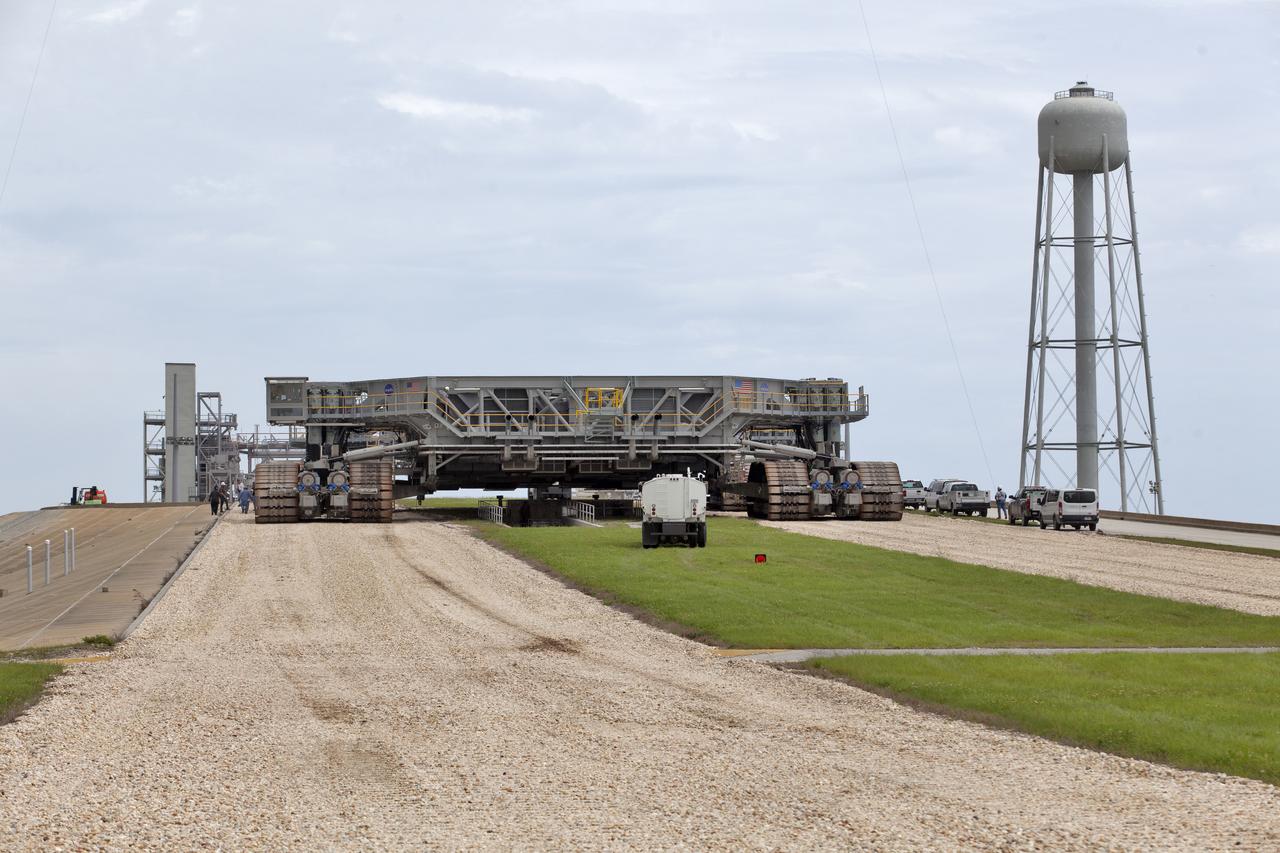
Crawler-transporter 2 (CT-2) moves slowly up the ramp to the surface of Launch Pad 39B for a fit check on May 22, 2018, at NASA's Kennedy Space Center in Florida. The test drive to the pad confirms that all of the recent modifications to CT-2 and Pad 39B are operational to support the launch of the agency's Space Launch System rocket and Orion spacecraft on Exploration Mission-1. Exploration Ground Systems managed the modifications and upgrades to CT-2 and Pad 39B to prepare for EM-1 and deep space exploration missions.
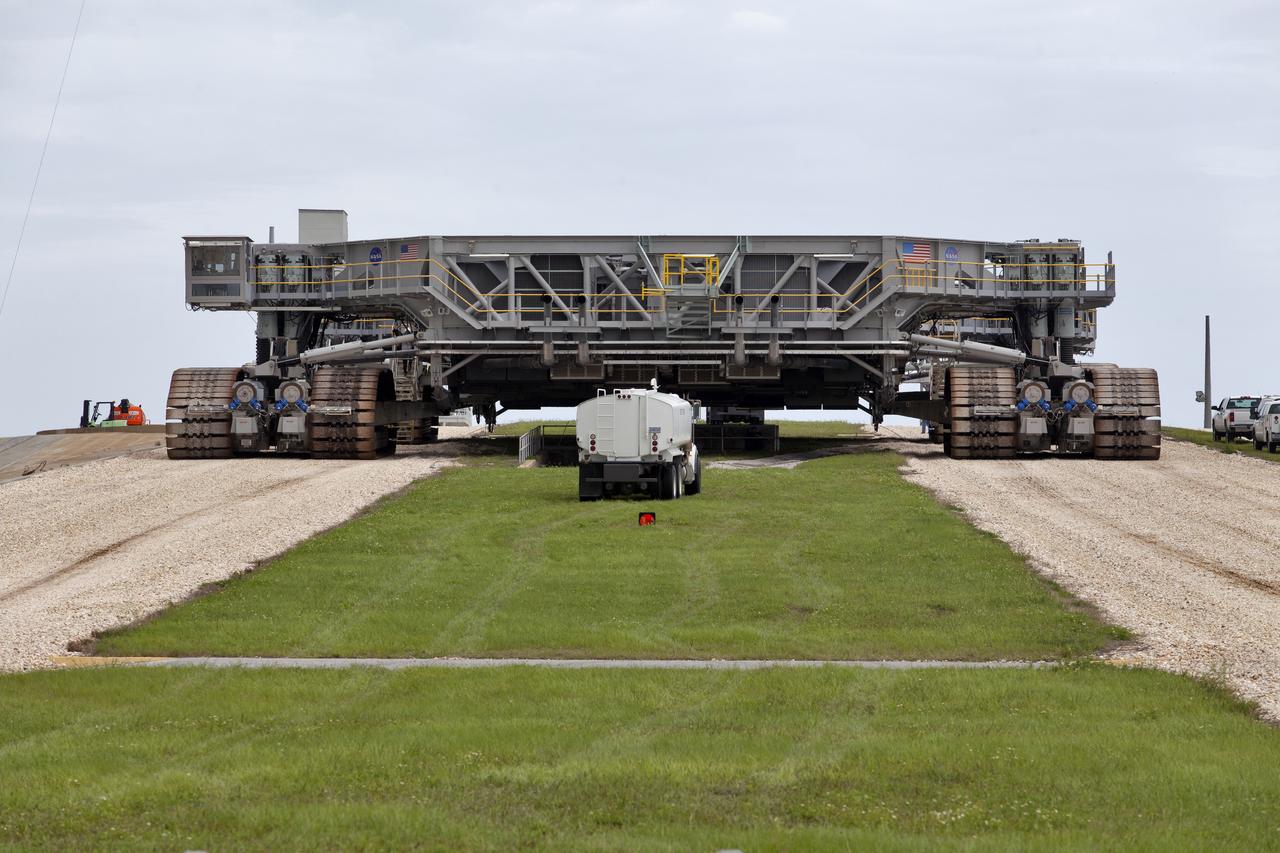
Crawler-transporter 2 (CT-2) moves slowly up the ramp to the surface of Launch Pad 39B for a fit check on May 22, 2018, at NASA's Kennedy Space Center in Florida. The test drive to the pad confirms that all of the recent modifications to CT-2 and Pad 39B are operational to support the launch of the agency's Space Launch System rocket and Orion spacecraft on Exploration Mission-1. Exploration Ground Systems managed the modifications and upgrades to CT-2 and Pad 39B to prepare for EM-1 and deep space exploration missions.
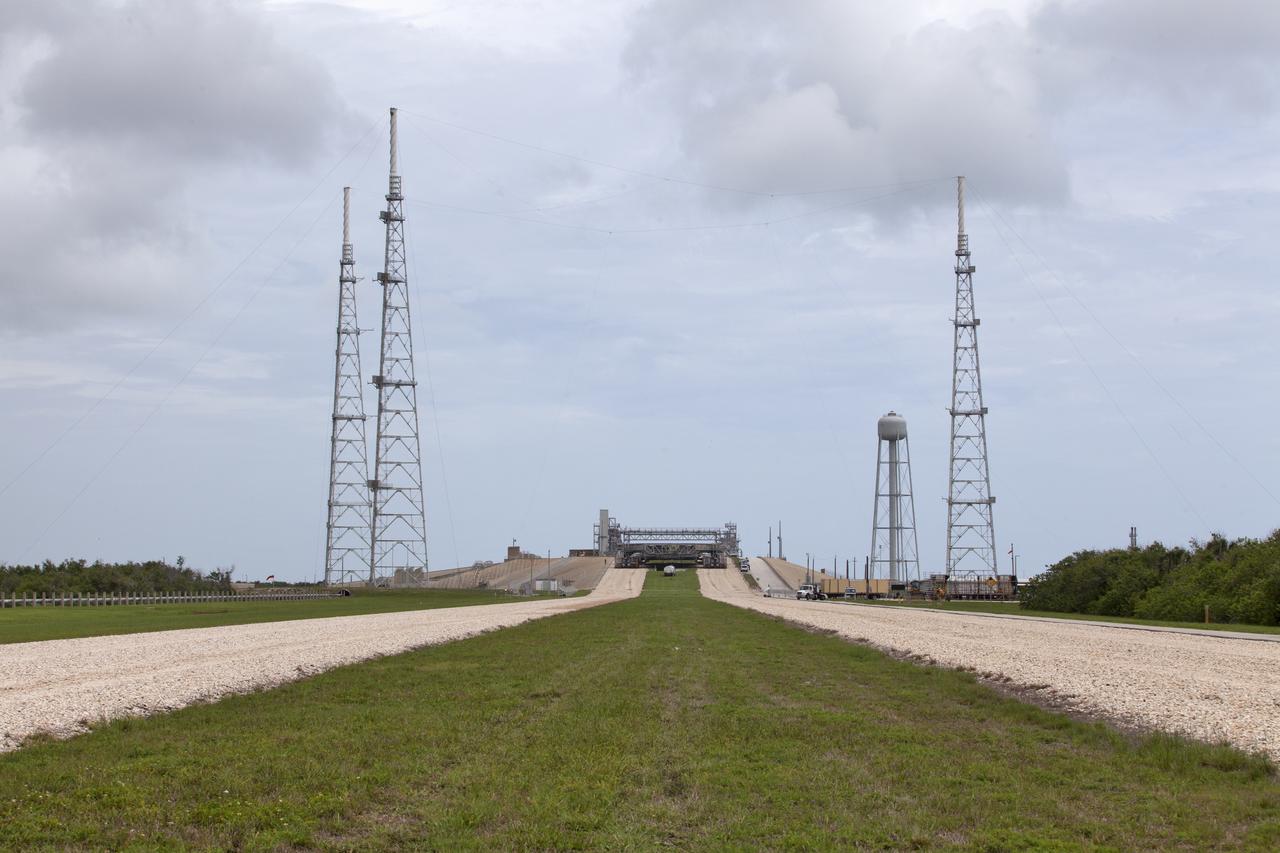
Crawler-transporter 2 (CT-2) moves slowly up the ramp to the surface of Launch Pad 39B for a fit check on May 22, 2018, at NASA's Kennedy Space Center in Florida. The test drive to the pad confirms that all of the recent modifications to CT-2 and Pad 39B are operational to support the launch of the agency's Space Launch System rocket and Orion spacecraft on Exploration Mission-1. Exploration Ground Systems managed the modifications and upgrades to CT-2 and Pad 39B to prepare for EM-1 and deep space exploration missions.
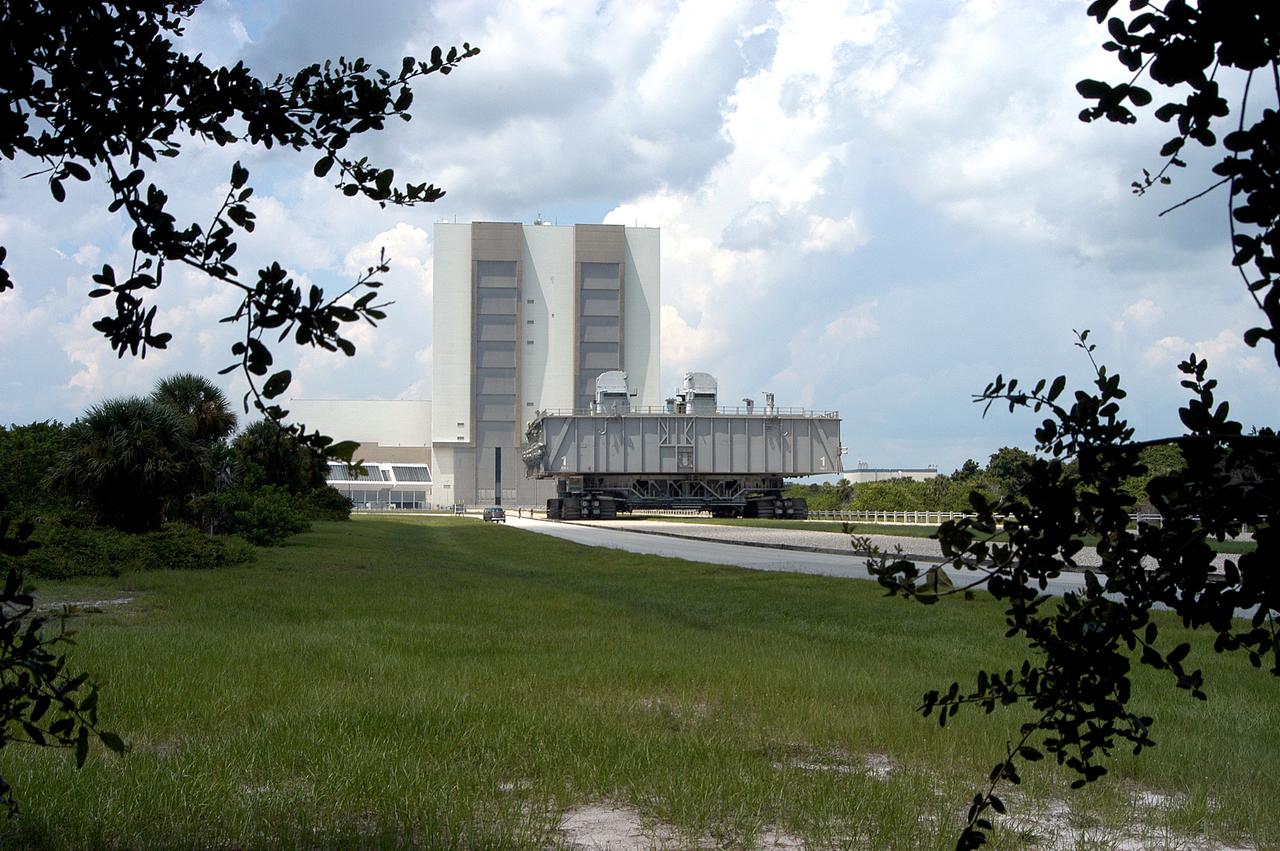
KENNEDY SPACE CENTER, FLA. -Crawler-transporter (CT) number 2, moves away from the Vehicle Assembly Building, with a Mobile Launcher Platform on top, on a test run to the launch pad. The CT recently underwent modifications to the cab. The CT moves Space Shuttle vehicles between the VAB and launch pad. Moving on four double-tracked crawlers, the CT uses a laser guidance system and a leveling system for the journey that keeps the top of a Space Shuttle vertical within plus- or minus-10 minutes of arc. The system enables the CT-MLP-Shuttle to negotiate the ramp leading to the launch pads and keep the load level. Unloaded, the CT weighs 6 million pounds.
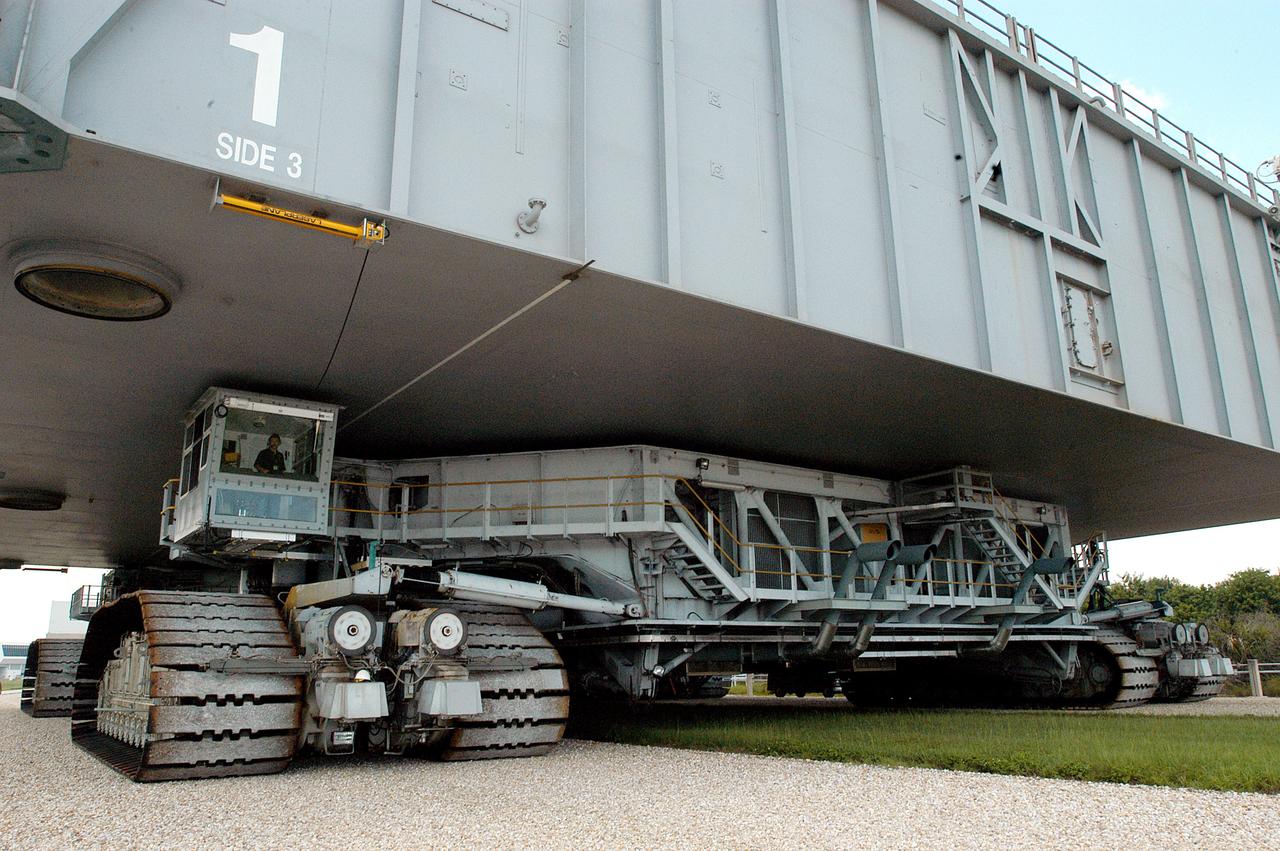
KENNEDY SPACE CENTER, FLA. - A closeup of crawler-transporter (CT) number 2 shows the cab (left, above the tracks) that recently underwent modifications. The CT is transporting a Mobile Launch Platform (MLP) on a test run to the pad. The CT moves Space Shuttle vehicles, situated on the MLP, between the VAB and launch pad. Moving on four double-tracked crawlers, the CT uses a laser guidance system and a leveling system for the journey that keeps the top of a Space Shuttle vertical within plus- or minus-10 minutes of arc. The system enables the CT-MLP-Shuttle to negotiate the ramp leading to the launch pads and keep the load level. Unloaded, the CT weighs 6 million pounds. Seen on top of the MLP are two tail service masts that support the fluid, gas and electrical requirements of the orbiter’s liquid oxygen and liquid hydrogen aft umbilicals.
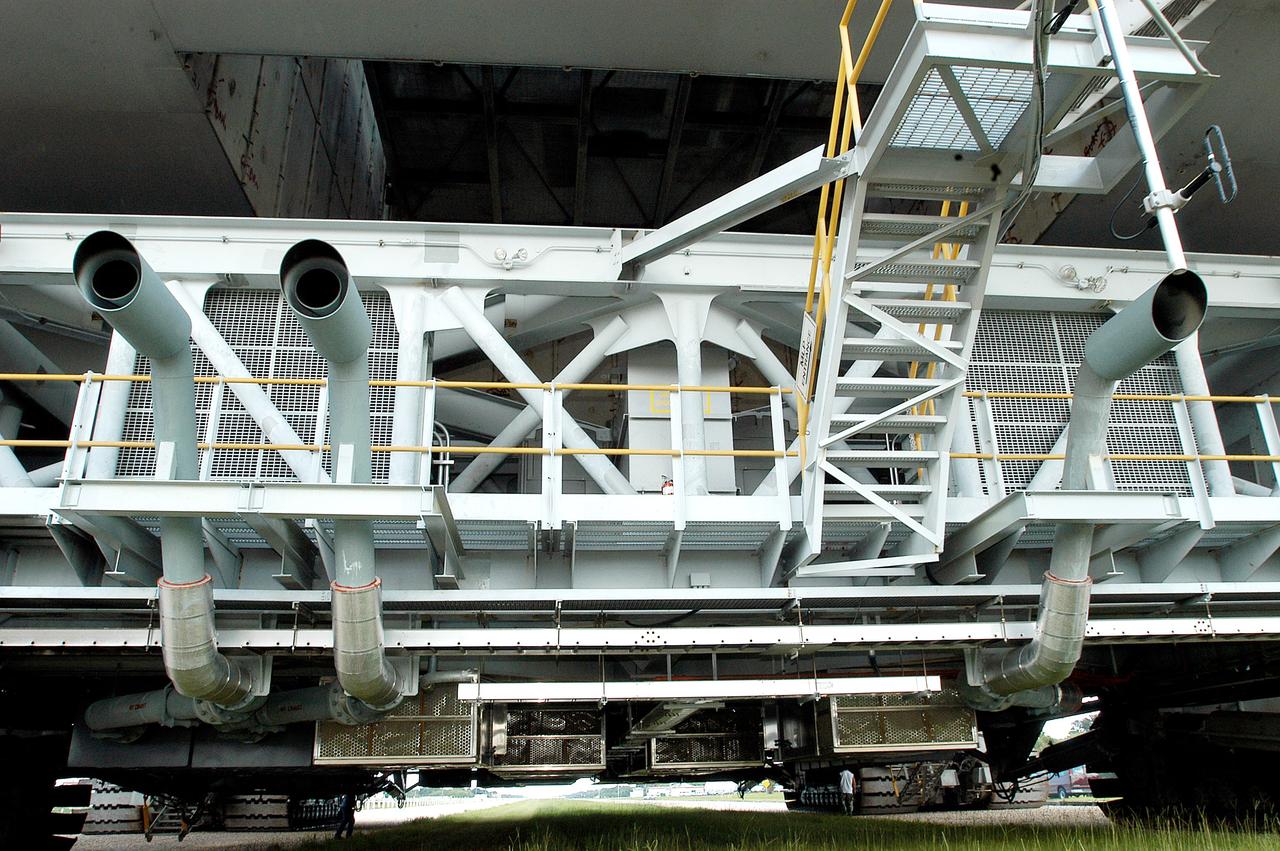
KENNEDY SPACE CENTER, FLA. - A closeup of crawler-transportation (CT) number 2 shows the new muffler system on the vehicle. The CT also recently underwent modifications to the cab. The CT is transporting a Mobile Launch Platform (MLP). The CT moves Space Shuttle vehicles, situated on the MLP, between the VAB and launch pad. Moving on four double-tracked crawlers, the CT uses a laser guidance system and a leveling system for the journey that keeps the top of a Space Shuttle vertical within plus- or minus-10 minutes of arc. The system enables the CT-MLP-Shuttle to negotiate the ramp leading to the launch pads and keep the load level. Unloaded, the CT weighs 6 million pounds. Seen on top of the MLP are two tail service masts that support the fluid, gas and electrical requirements of the orbiter’s liquid oxygen and liquid hydrogen aft umbilicals.
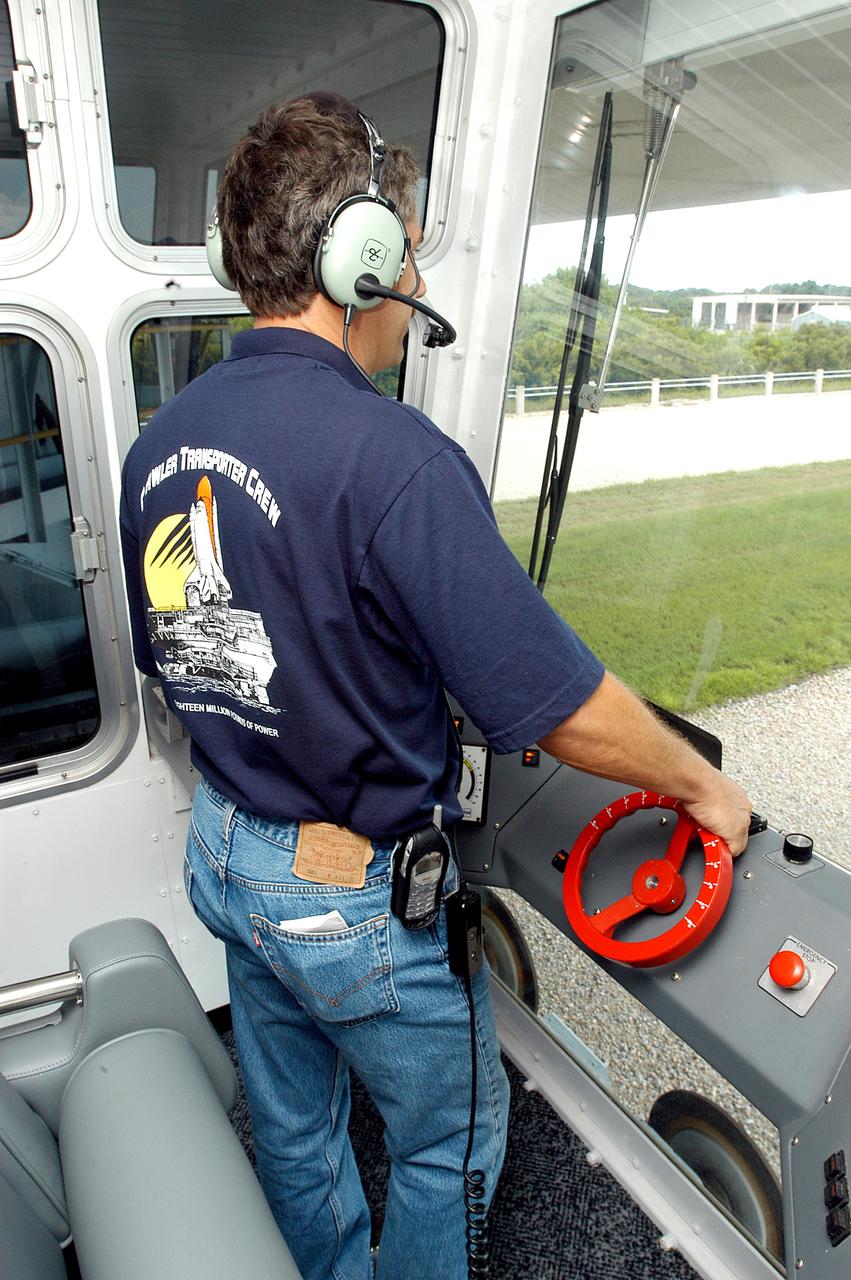
KENNEDY SPACE CENTER, FLA. - Inside the cab of crawler-transporter (CT) number 2, driver Sam Dove, with United Space Alliance, operates the vehicle on a test run to the launch pad. The CT recently underwent modifications to the cab. The CT is transporting a Mobile Launch Platform (MLP). The CT moves Space Shuttle vehicles, situated on the MLP, between the VAB and launch pad. Moving on four double-tracked crawlers, the CT uses a laser guidance system and a leveling system for the journey that keeps the top of a Space Shuttle vertical within plus- or minus-10 minutes of arc. The system enables the CT-MLP-Shuttle to negotiate the ramp leading to the launch pads and keep the load level. Unloaded, the CT weighs 6 million pounds. Seen on top of the MLP are two tail service masts that support the fluid, gas and electrical requirements of the orbiter’s liquid oxygen and liquid hydrogen aft umbilicals.
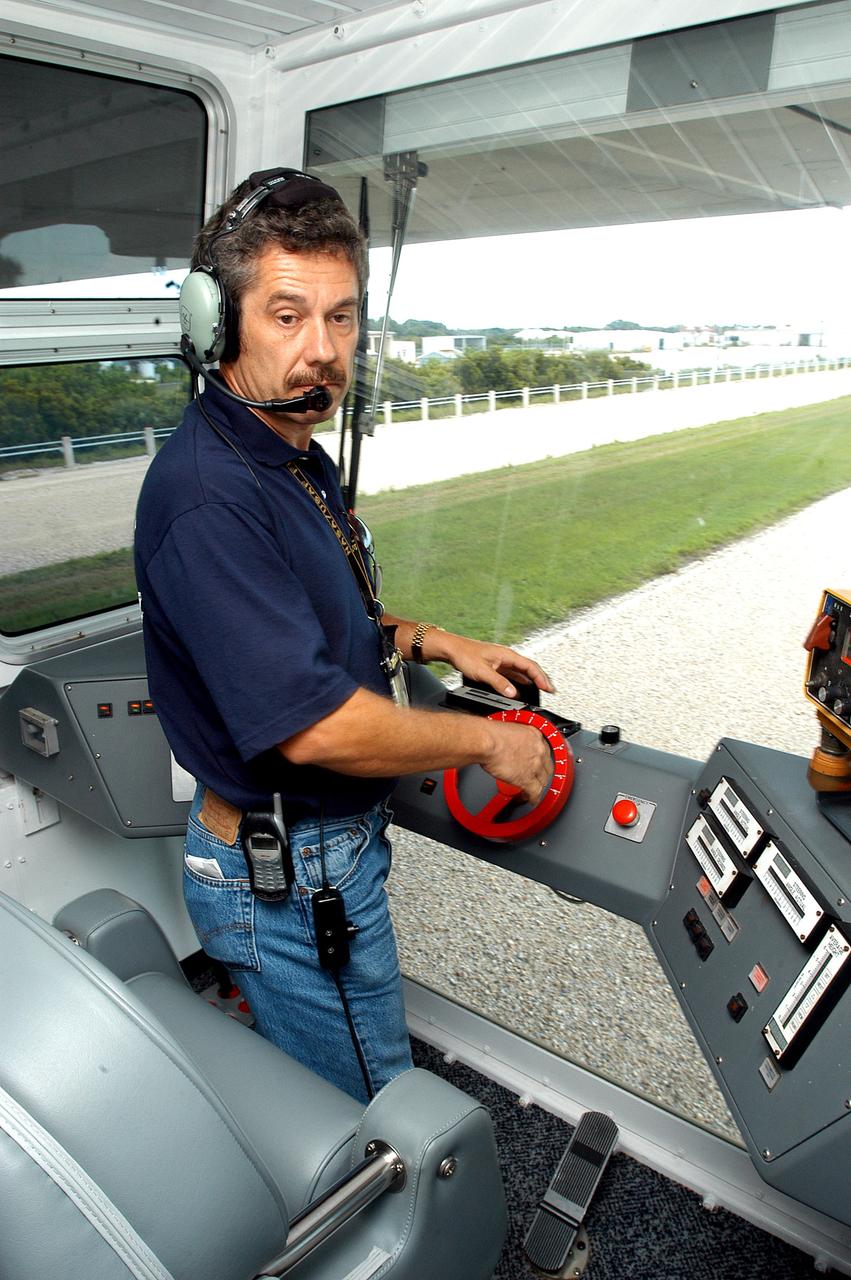
KENNEDY SPACE CENTER, FLA. - Inside the cab of crawler-transporter (CT) number 2, driver Sam Dove, with United Space Alliance, operates the vehicle on a test run to the launch pad. The CT recently underwent modifications to the cab. The CT is transporting a Mobile Launch Platform (MLP). The CT moves Space Shuttle vehicles, situated on the MLP, between the VAB and launch pad. Moving on four double-tracked crawlers, the CT uses a laser guidance system and a leveling system for the journey that keeps the top of a Space Shuttle vertical within plus- or minus-10 minutes of arc. The system enables the CT-MLP-Shuttle to negotiate the ramp leading to the launch pads and keep the load level. Unloaded, the CT weighs 6 million pounds. Seen on top of the MLP are two tail service masts that support the fluid, gas and electrical requirements of the orbiter’s liquid oxygen and liquid hydrogen aft umbilicals.
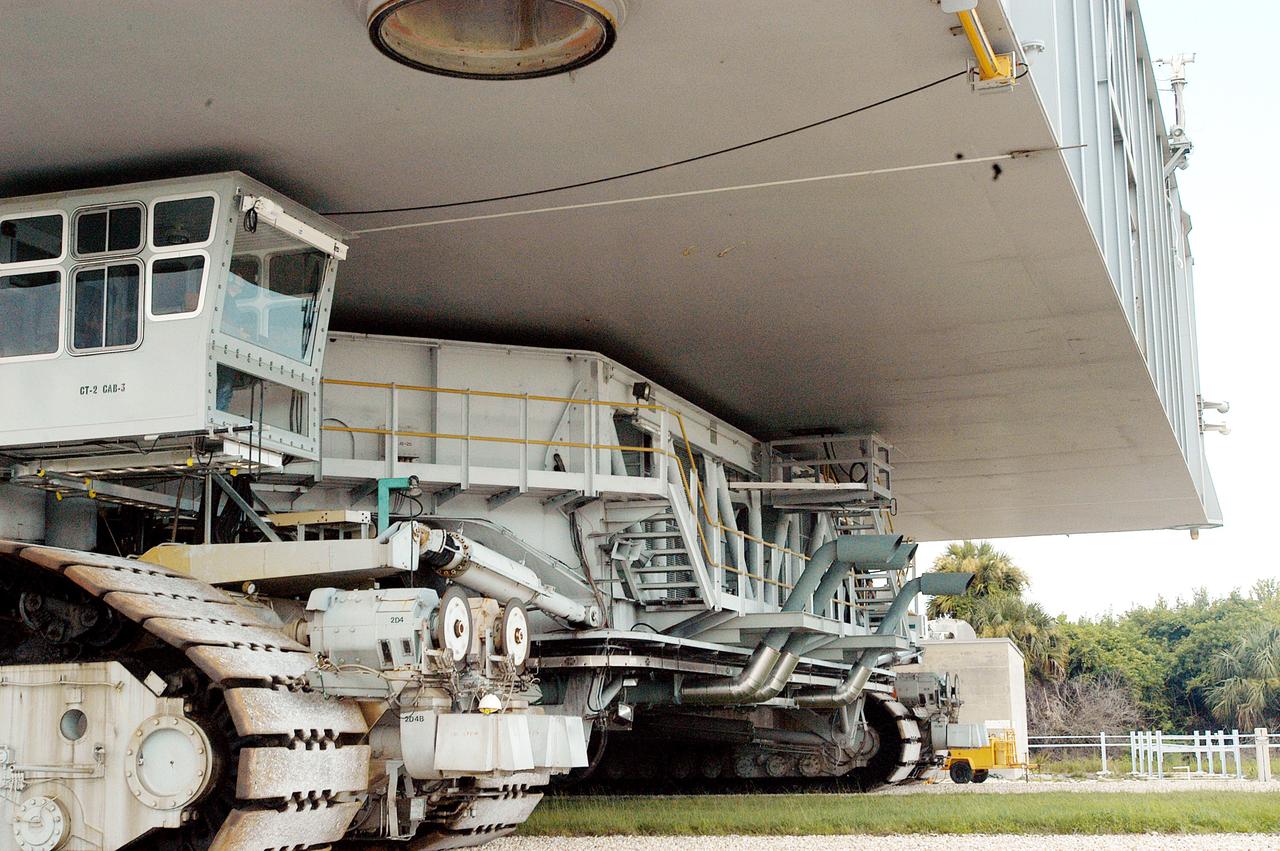
KENNEDY SPACE CENTER, FLA. - A closeup of crawler-transporter (CT) number 2 shows the cab, at left, that recently underwent modifications. The CT is transporting a Mobile Launch Platform (MLP) on a test run to the pad. The CT moves Space Shuttle vehicles, situated on the MLP, between the VAB and launch pad. Moving on four double-tracked crawlers, the CT uses a laser guidance system and a leveling system for the journey that keeps the top of a Space Shuttle vertical within plus- or minus-10 minutes of arc. The system enables the CT-MLP-Shuttle to negotiate the ramp leading to the launch pads and keep the load level. Unloaded, the CT weighs 6 million pounds. Seen on top of the MLP are two tail service masts that support the fluid, gas and electrical requirements of the orbiter’s liquid oxygen and liquid hydrogen aft umbilicals.
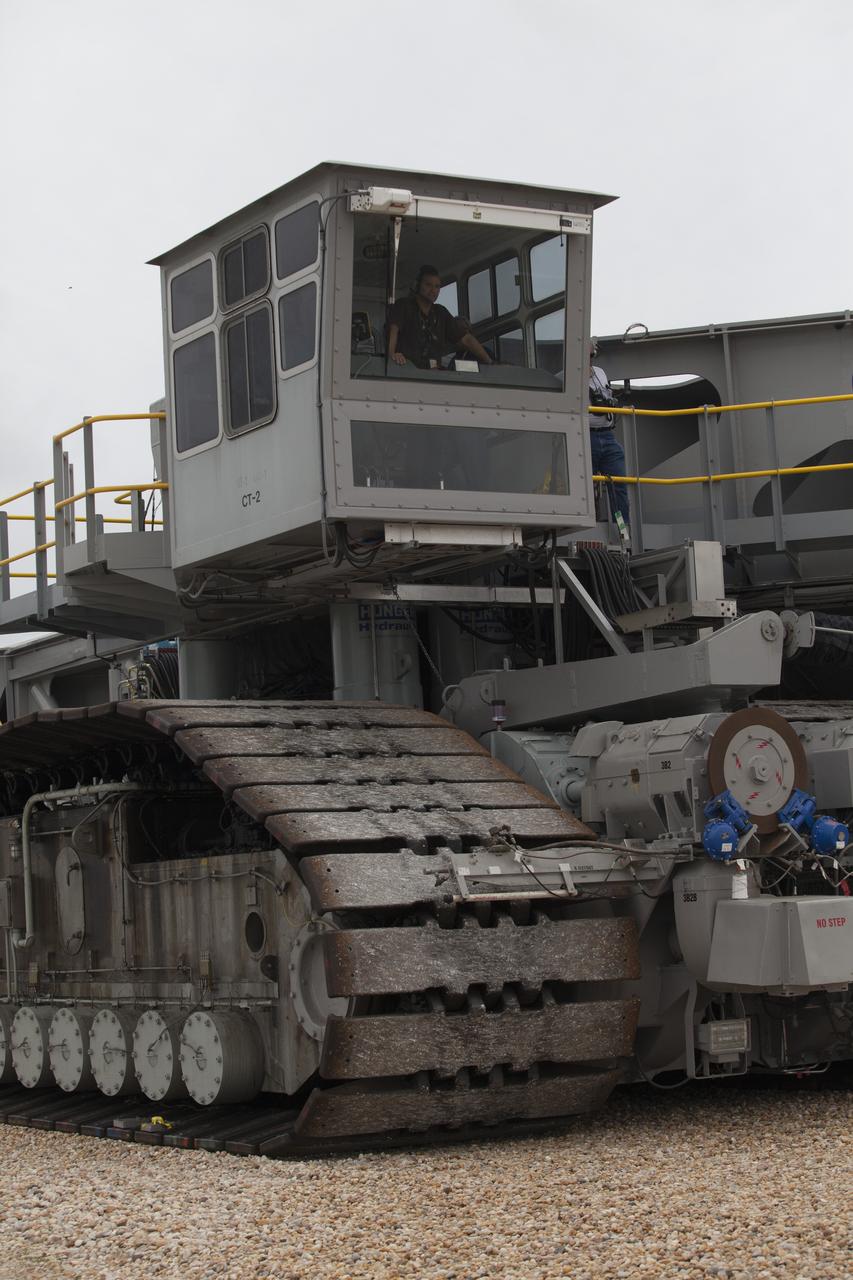
NASA’s upgraded crawler-transporter 2 (CT-2) returns to the Vehicle Assembly Building (VAB) from its trek to Launch Pad 39B at the agency’s Kennedy Space Center in Florida. CT-2 was driven along the crawlerway and onto Pad 39B to test recently completed upgrades and modifications for NASA’s journey to Mars. The Ground Systems Development and Operations Program at Kennedy oversaw upgrades to the crawler in the VAB. The crawler will carry the mobile launcher with Orion atop the Space Launch System rocket to Pad 39B for Exploration Mission 1.
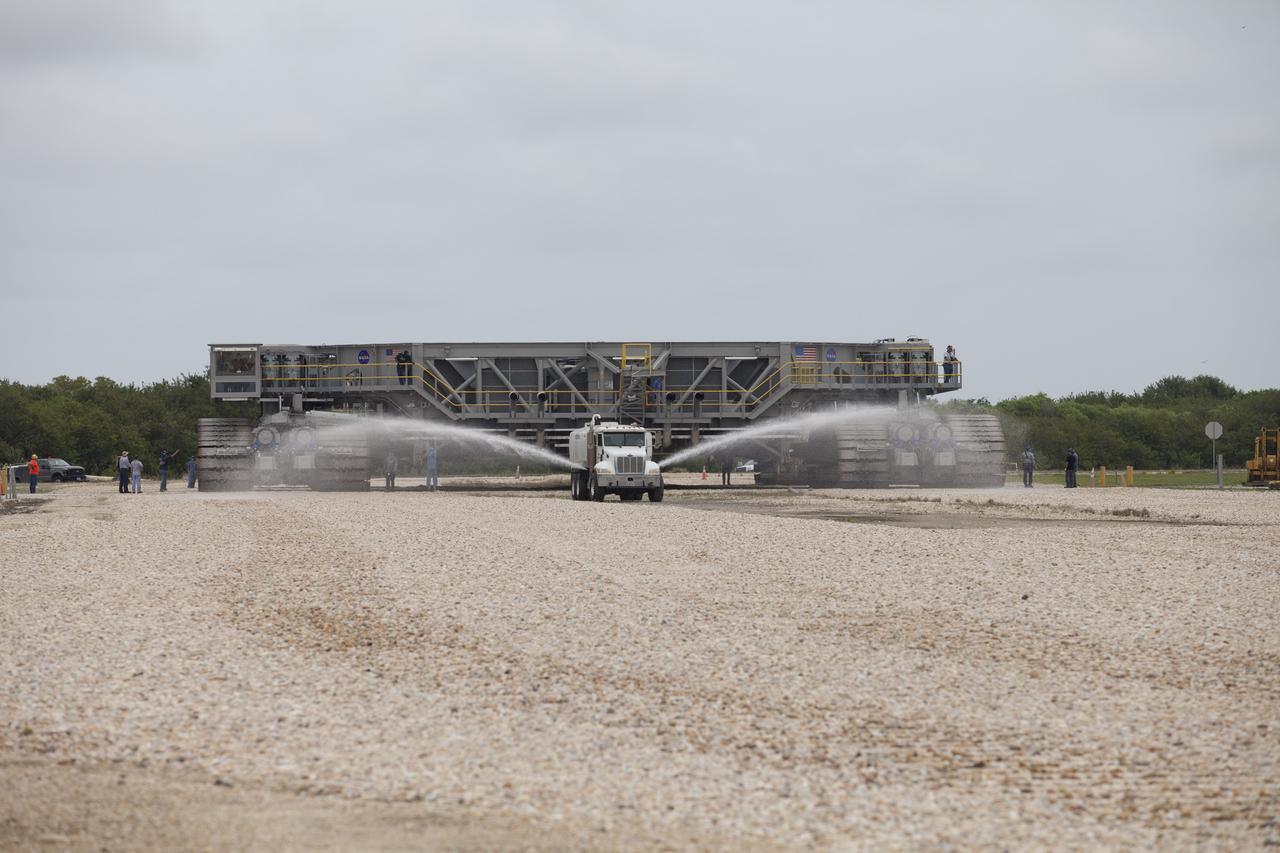
NASA’s upgraded crawler-transporter 2 (CT-2) returns from its trek to Launch Pad 39B at the agency’s Kennedy Space Center in Florida. CT-2 traveled to Pad 39B to test recently completed upgrades and modifications to support NASA’s journey to Mars. A truck sprays water in front of the crawler to control dust as the large vehicle moves along. The Ground Systems Development and Operations Program at Kennedy oversaw upgrades to the crawler in the Vehicle Assembly Building. The crawler will carry the mobile launcher with Orion atop the Space Launch System rocket to Pad 39B for Exploration Mission 1.
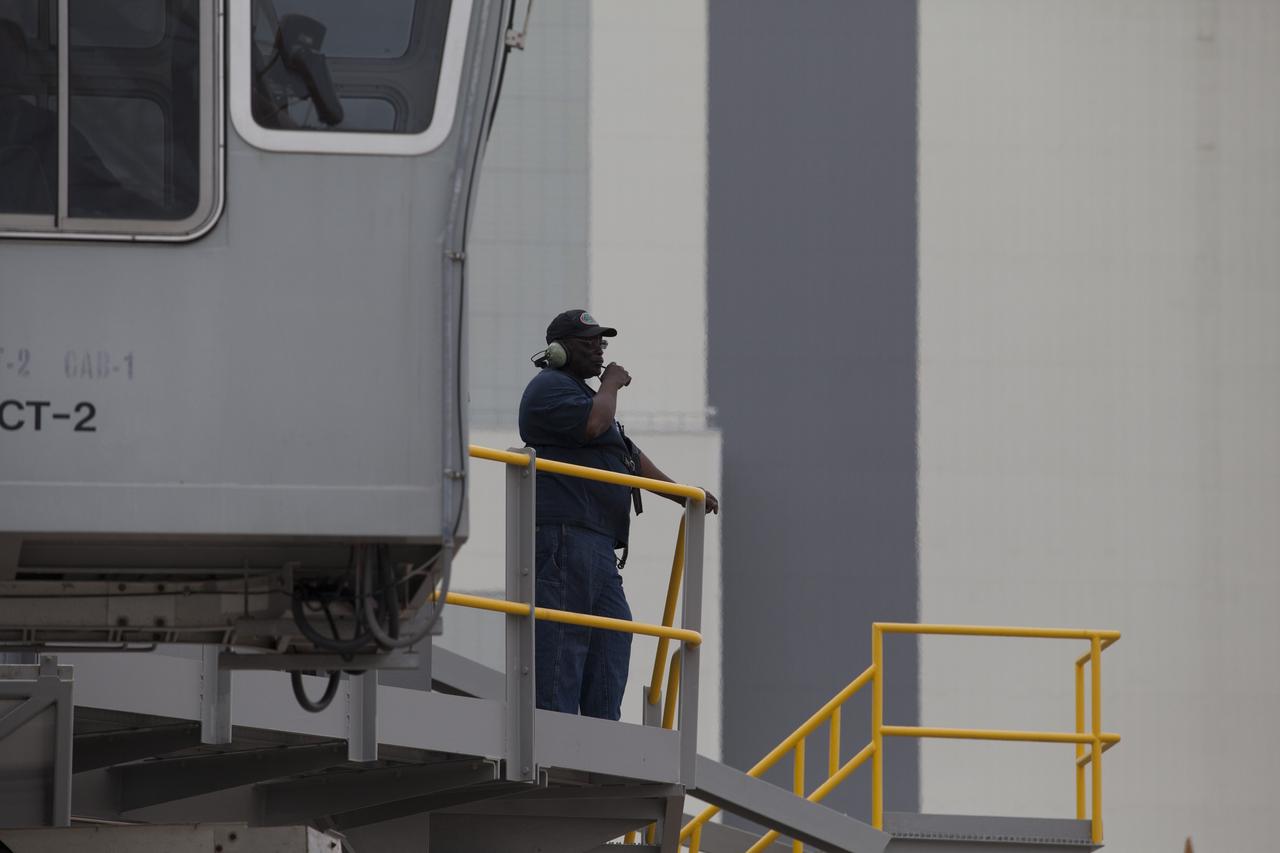
A technician communicates with the driver of NASA’s upgraded crawler-transporter 2 (CT-2) during the return drive to the Vehicle Assembly Building (VAB) at the agency’s Kennedy Space Center in Florida from its test drive to Launch Pad 39B. The crawler’s recently completed upgrades and modifications were tested to ensure the vehicle will be ready to support NASA’s journey to Mars. The Ground Systems Development and Operations Program at Kennedy oversaw upgrades to the crawler in the VAB. The crawler will carry the mobile launcher with Orion atop the Space Launch System rocket to Pad 39B for Exploration Mission 1.
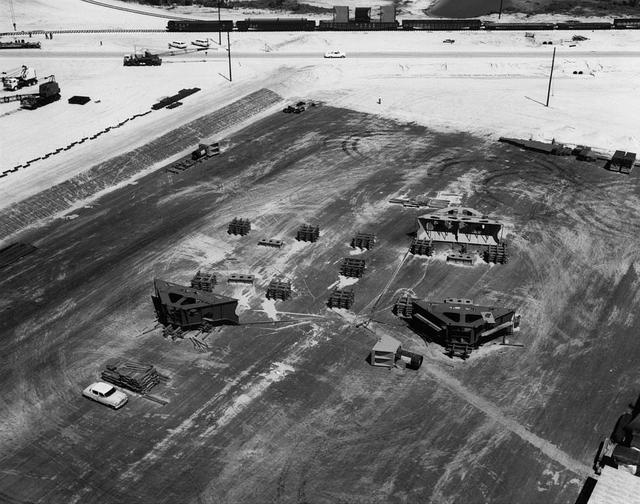
View of CT Assembly
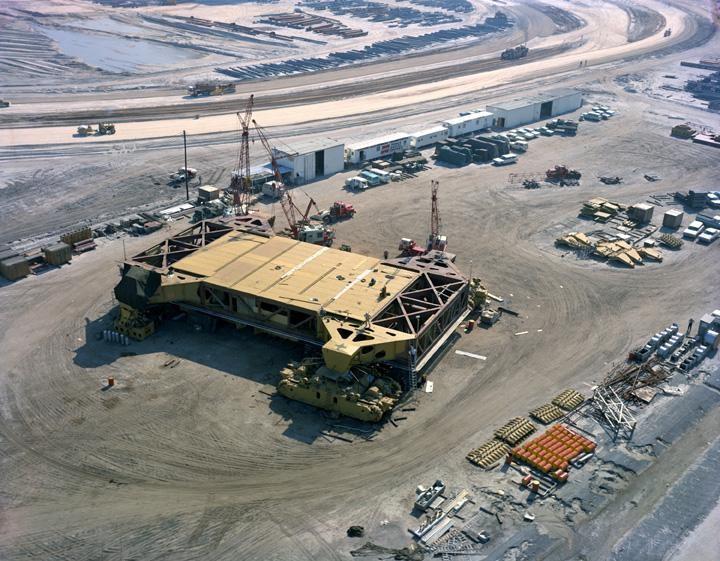
View of CT
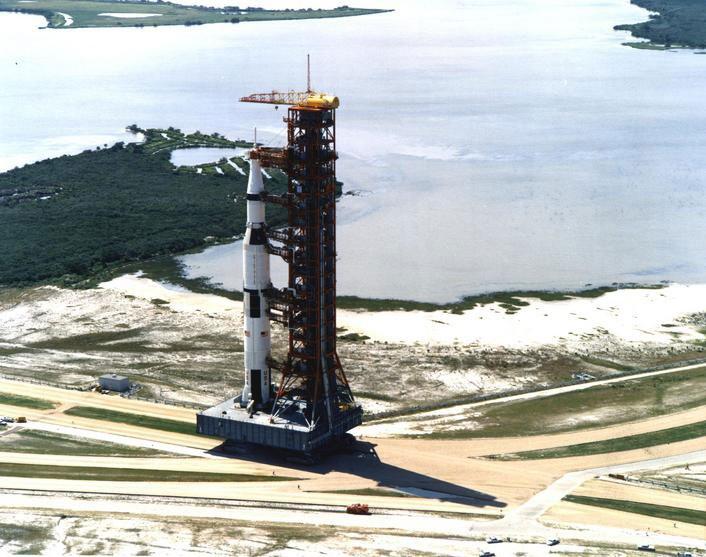
View of ML on CT
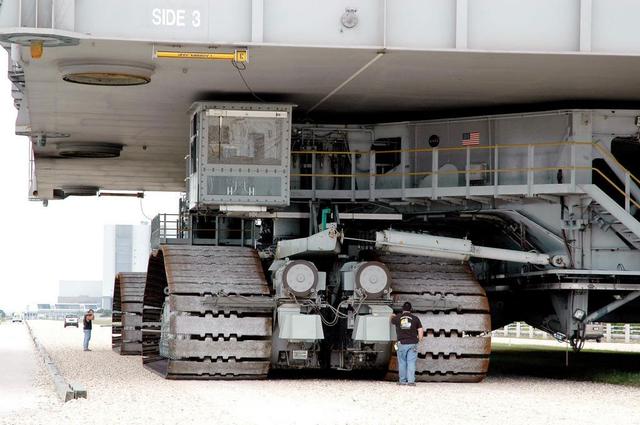
View of CT
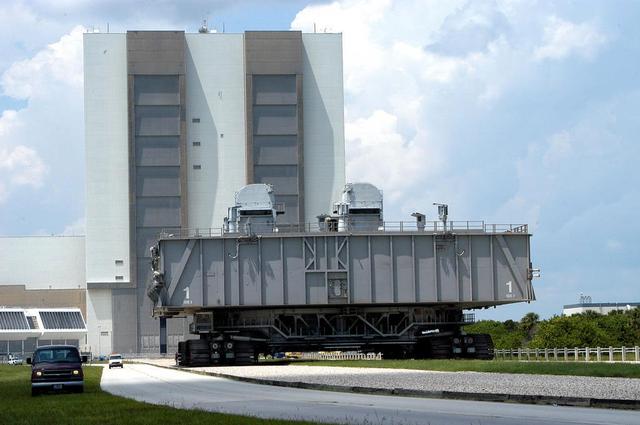
View of CT
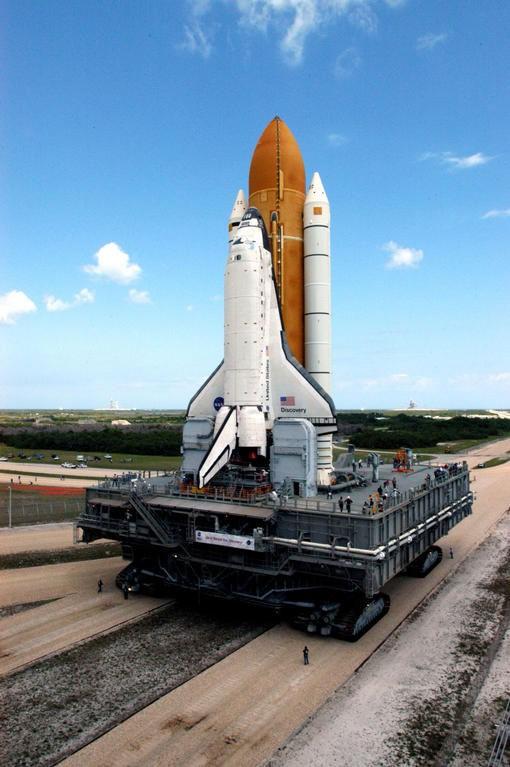
View of Space Shuttle and MLP on CT
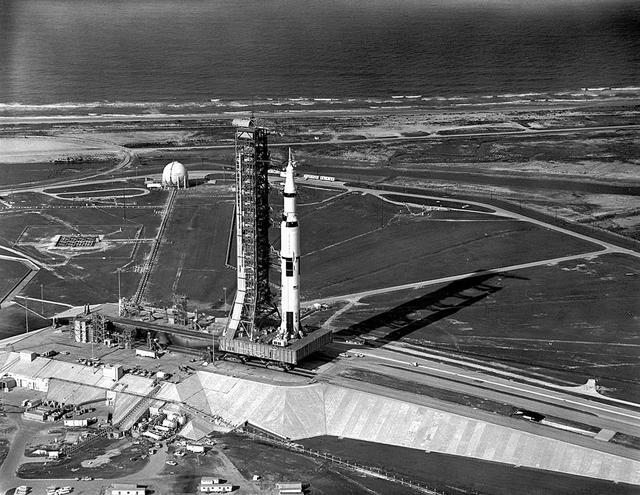
View of ML on CT
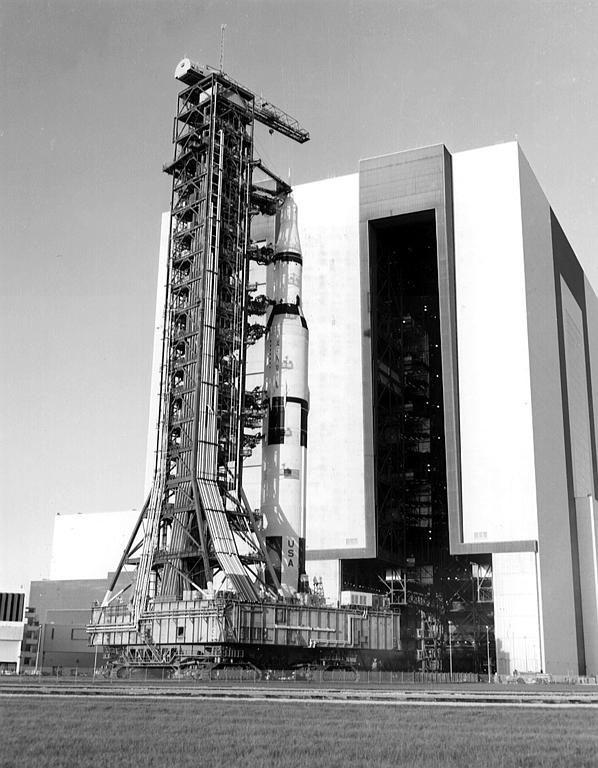
View of ML on CT
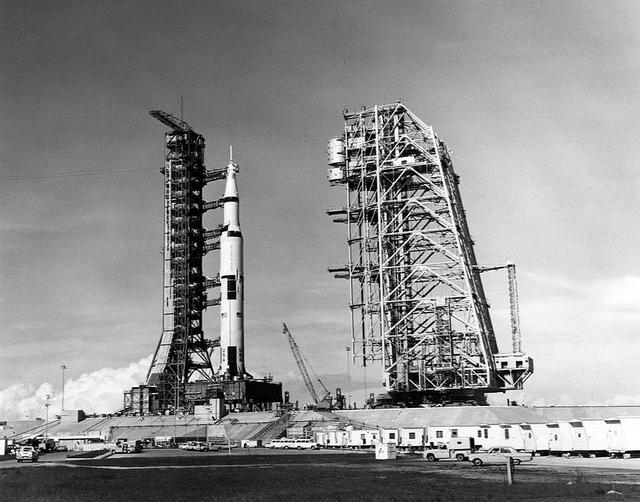
View of ML on CT
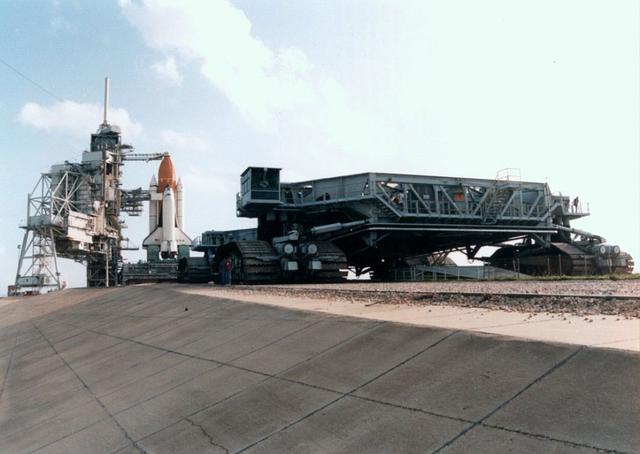
View of ML on CT
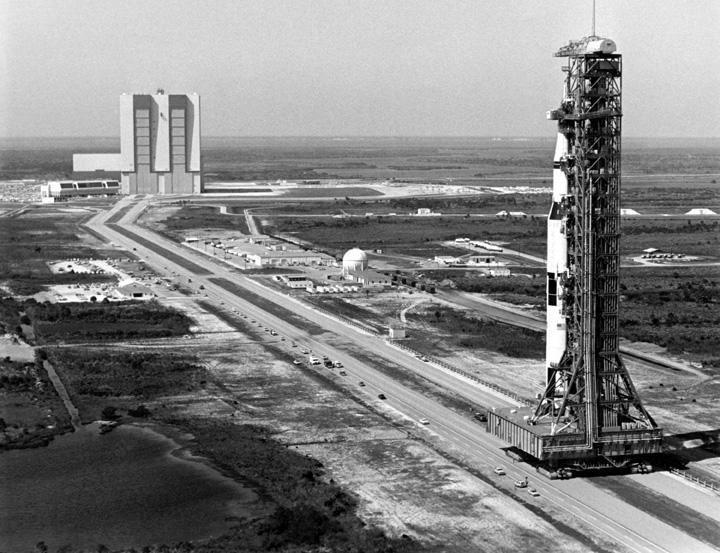
View of ML on CT
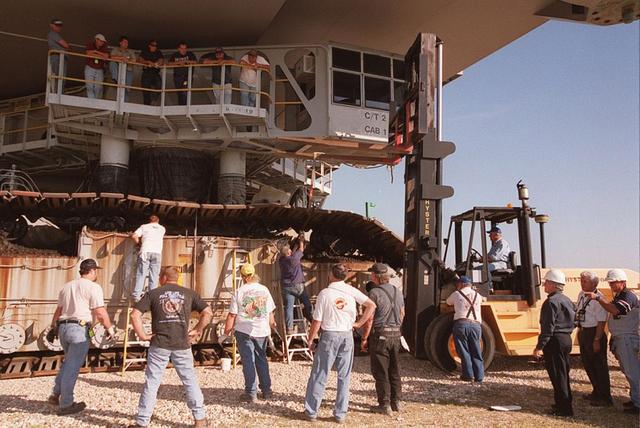
View of CT
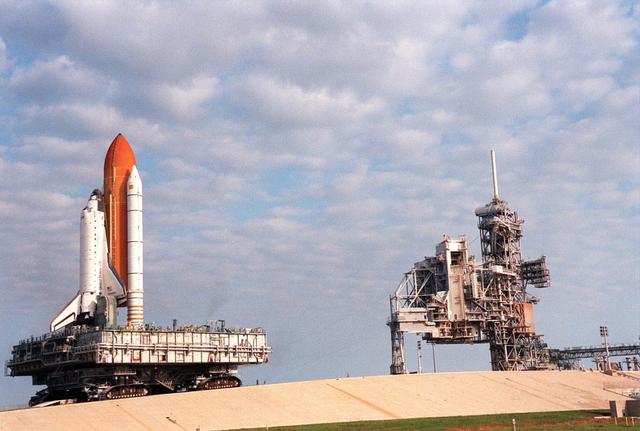
View of Space Shuttle and MLP on CT