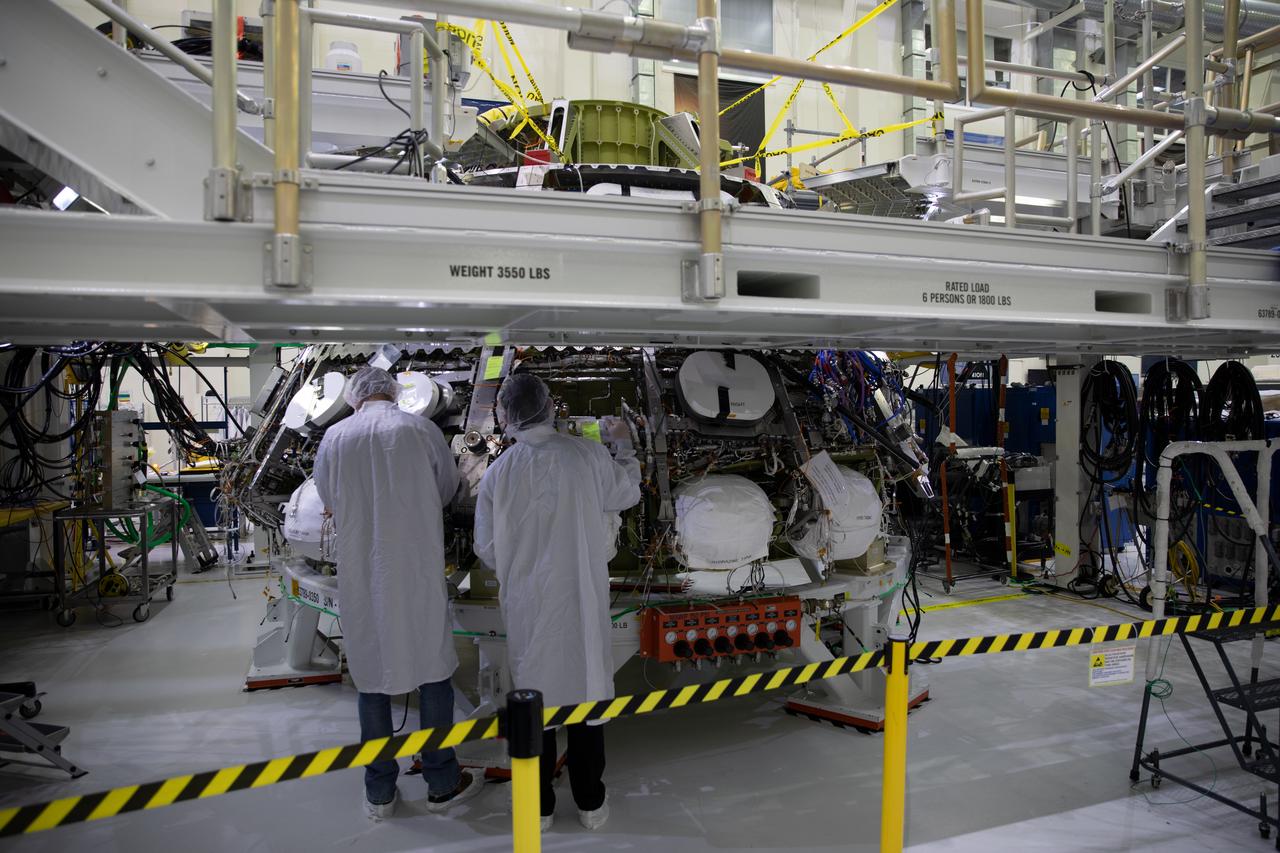
Technicians inside the Neil Armstrong Operations and Checkout Building power on the Orion crew module for the Artemis II mission for the first time at NASA’s Kennedy Space Center in Florida on May 27, 2022. The capsule will carry astronauts on a trip around the Moon during the first crewed Artemis flight, helping set the stage for future lunar landings. Through Artemis, NASA will land the first woman and the first person of color on the Moon and establish long-term lunar exploration in preparation for missions to Mars.
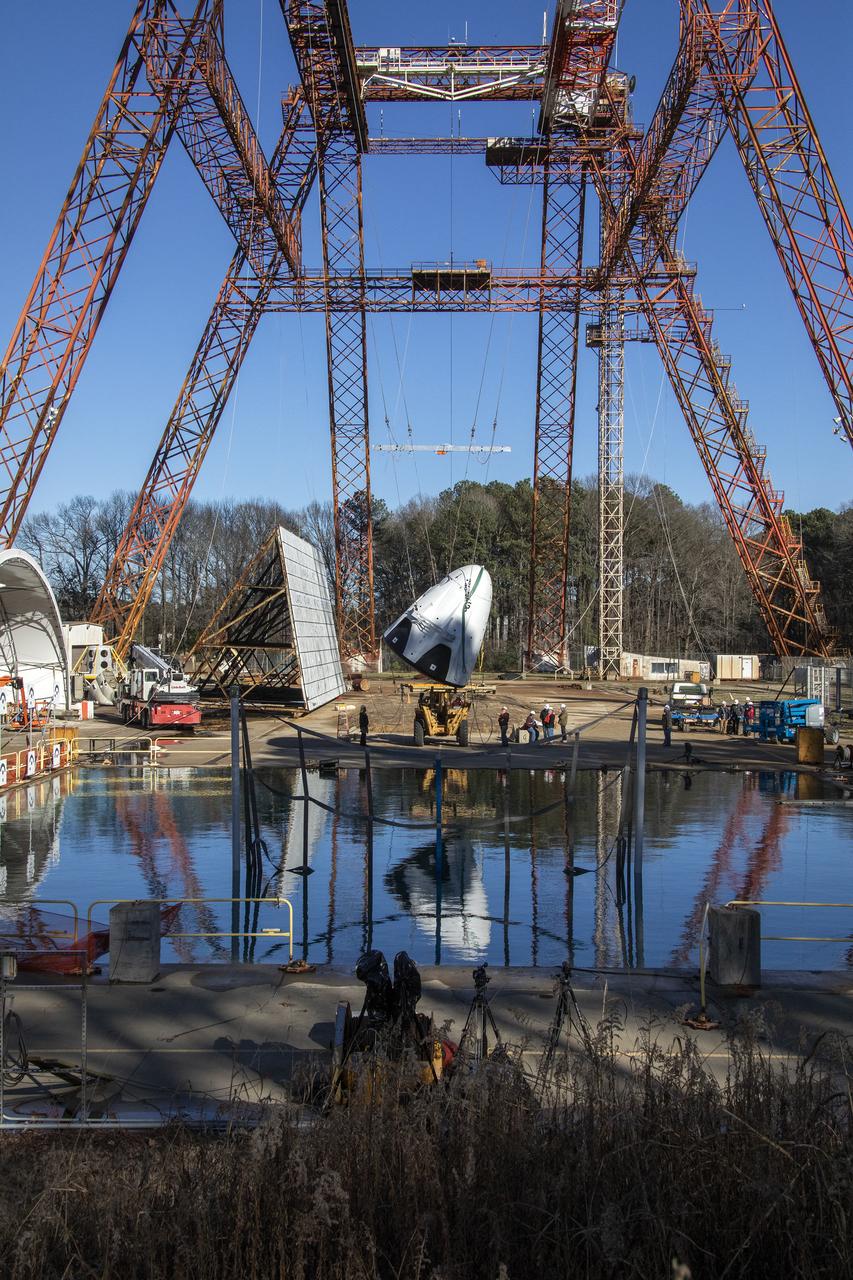
The Space X capsule being tested at NASA Langley’s Splash Test Basin. A series of drop tests into the Hydro Impact Basin at the Landing and Impact Research Facility at NASA’s Langley Research Center in Hampton, Virginia helped SpaceX’s Crew Dragon capsule prepare to safely land astronauts. A mock-up of the capsule with two instrumented crash test devices seated inside was tested in March 2019, representing how the capsule may impact the water during splashdown with different wind and parachute dynamics. Data collected helps understand pressures on the capsule and how those forces affect the spacecraft and occupants. Crew Dragon will carry NASA astronauts Bob Behnken and Doug Hurley to the International Space Station in the Demo-2 mission, the final SpaceX flight test for NASA’s Commercial Crew Program and the first flight of astronauts to orbit from U.S. soil since the space shuttle’s retirement in 2011. (NASA/ David C. Bowman)
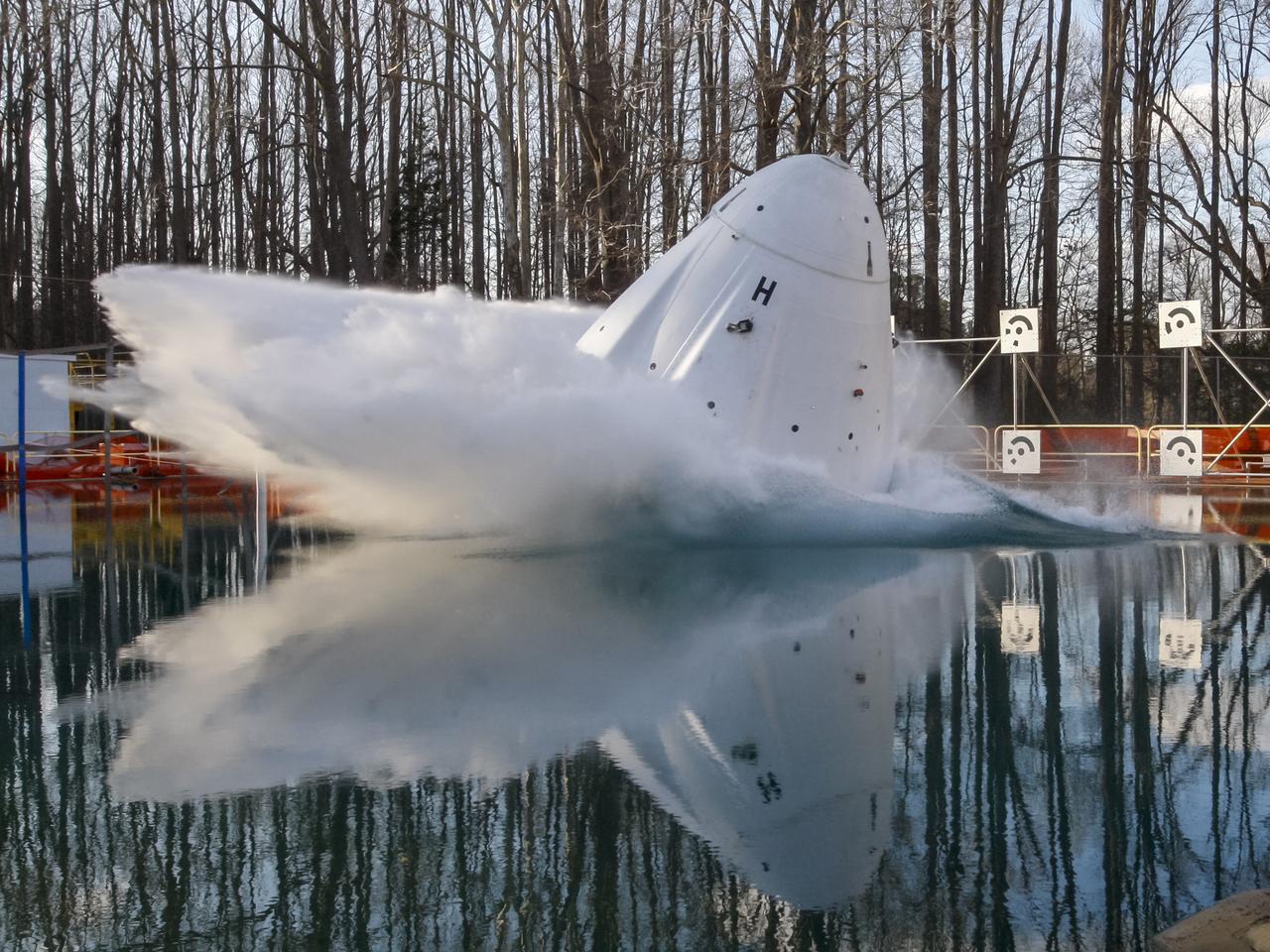
The Space X capsule being tested at NASA Langley’s Splash Test Basin. A series of drop tests into the Hydro Impact Basin at the Landing and Impact Research Facility at NASA’s Langley Research Center in Hampton, Virginia helped SpaceX’s Crew Dragon capsule prepare to safely land astronauts. A mock-up of the capsule with two instrumented crash test devices seated inside was tested in March 2019, representing how the capsule may impact the water during splashdown with different wind and parachute dynamics. Data collected helps understand pressures on the capsule and how those forces affect the spacecraft and occupants. Crew Dragon will carry NASA astronauts Bob Behnken and Doug Hurley to the International Space Station in the Demo-2 mission, the final SpaceX flight test for NASA’s Commercial Crew Program and the first flight of astronauts to orbit from U.S. soil since the space shuttle’s retirement in 2011. (NASA/ David C. Bowman)
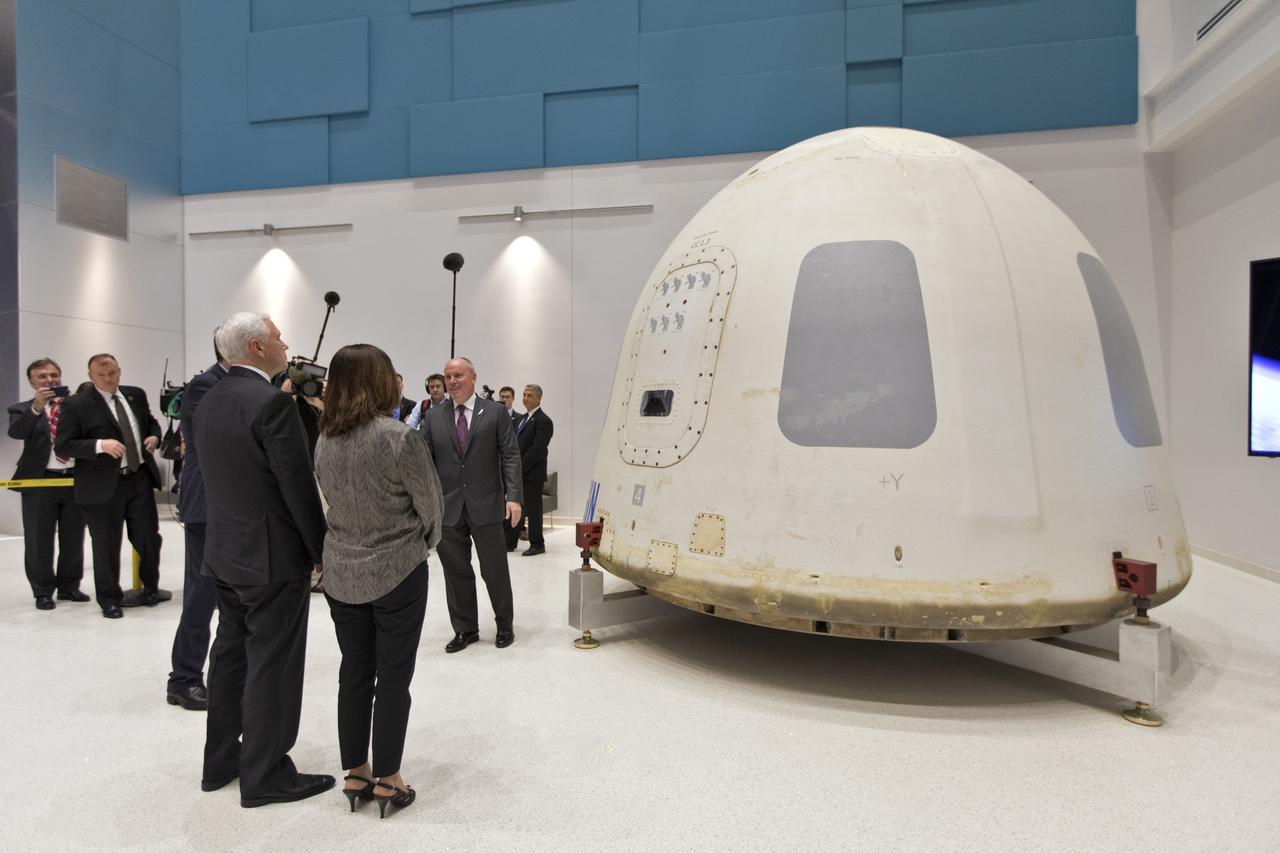
Vice President Mike Pence, second from right, and his wife, Karen Pence, tour the Blue Origin Manufacturing Facility near NASA's Kennedy Space Center in Florida, on Feb. 20, 2018. Vice President Pence viewed the flown New Shepard Booster and Crew Capsule. The Crew Capsule, in view, flew seven times, including a pad abort test and an escape test at maximum dynamic pressure. During his visit, Pence will chair a meeting of the National Space Council on Feb. 21, 2018 in the high bay of NASA Kennedy Space Center's Space Station Processing Facility. The council's role is to advise the president regarding national space policy and strategy, and review the nation's long-range goals for space activities.
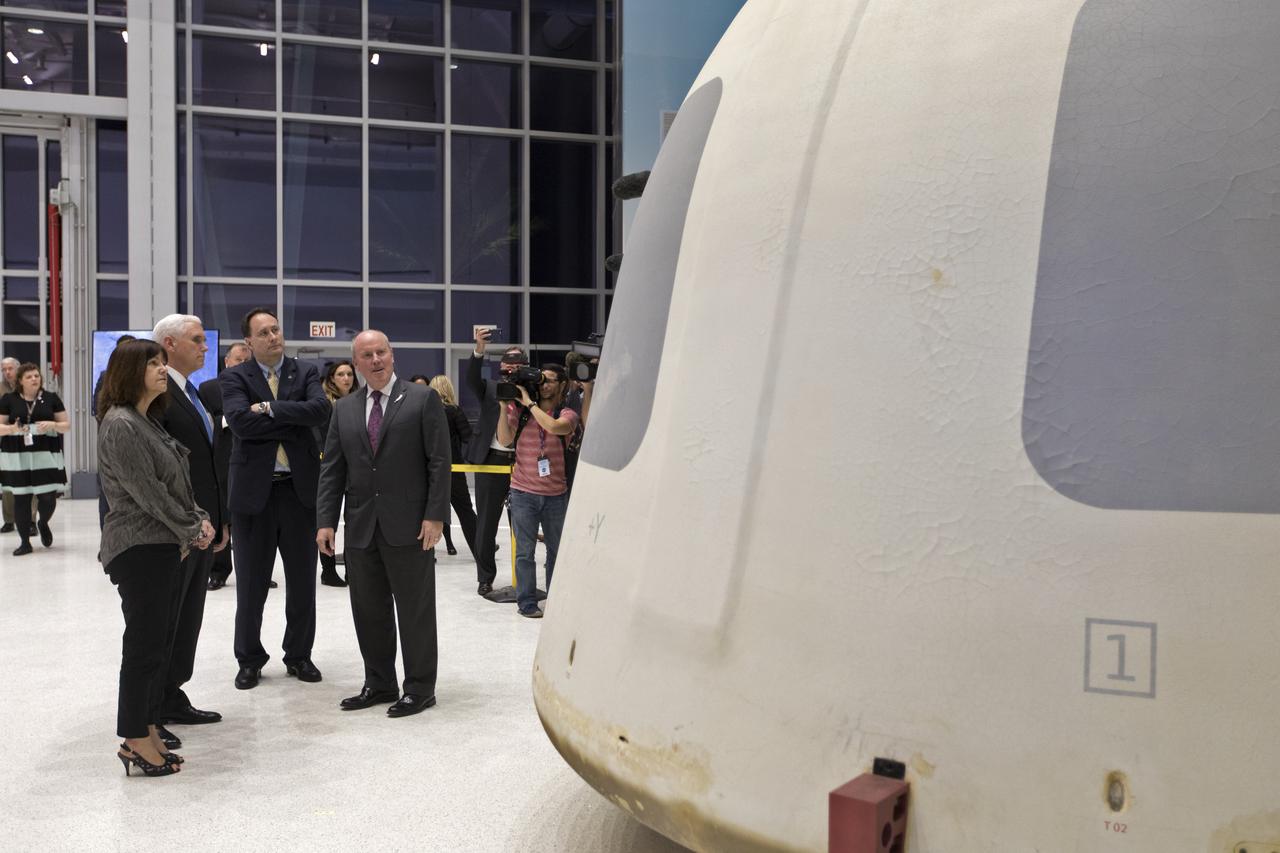
Vice President Mike Pence, second from left, tours the Blue Origin Manufacturing Facility near NASA's Kennedy Space Center in Florida, on Feb. 20, 2018. At far left is the vice president's wife, Karen Pence. To the right of Vice President Pence are acting NASA Administrator Robert Lightfoot and Blue Origin CEO Robert Smith. Pence viewed the flown New Shepard Booster and Crew Capsule. The Crew Capsule, in view, flew seven times, including a pad abort test and an escape test at maximum dynamic pressure. During his visit, Pence will chair a meeting of the National Space Council on Feb. 21, 2018 in the high bay of NASA Kennedy Space Center's Space Station Processing Facility. The council's role is to advise the president regarding national space policy and strategy, and review the nation's long-range goals for space activities.
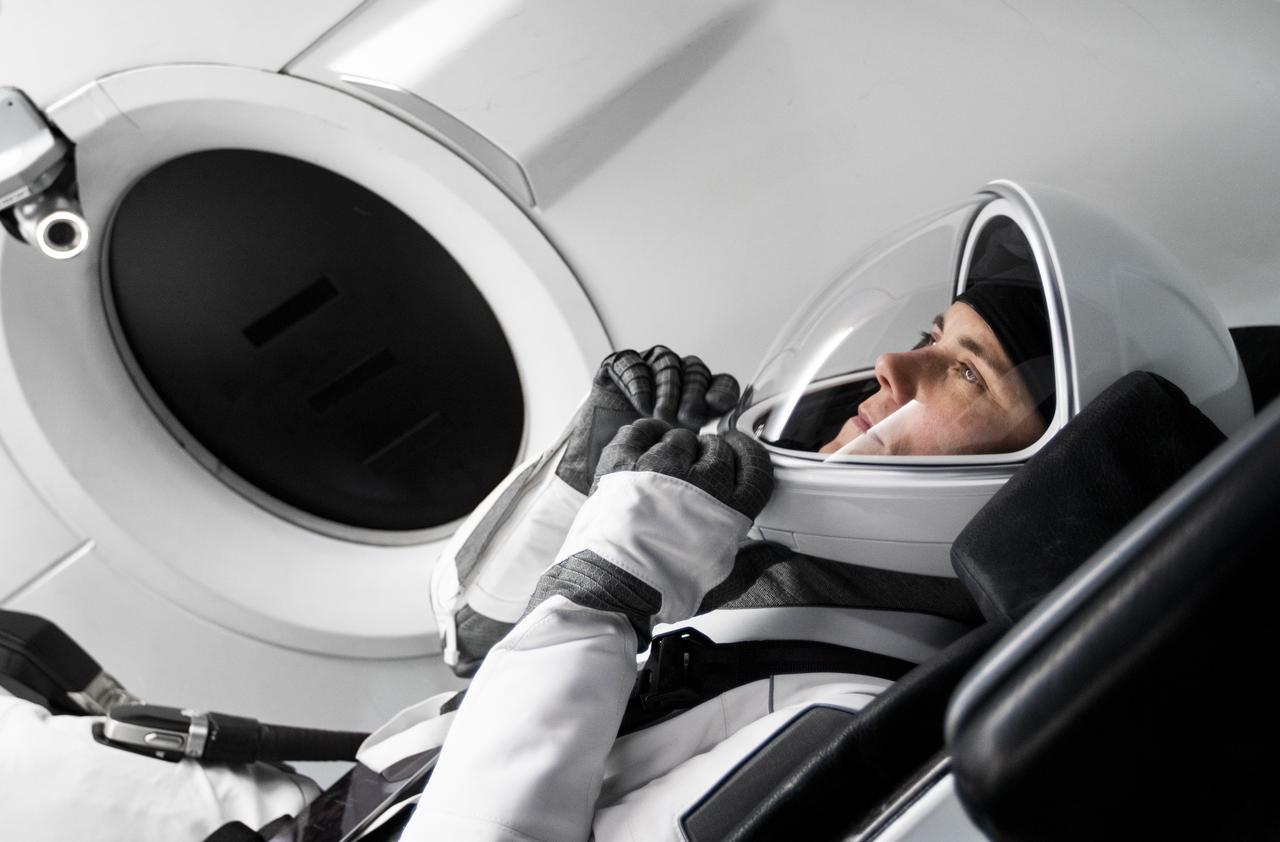
Cosmonaut Anna Kikina sits in a mockup of the spacecraft that will take NASA's SpaceX Crew-5 mission to the International Space Station during a training at SpaceX in Hawthorne, Claifornia.
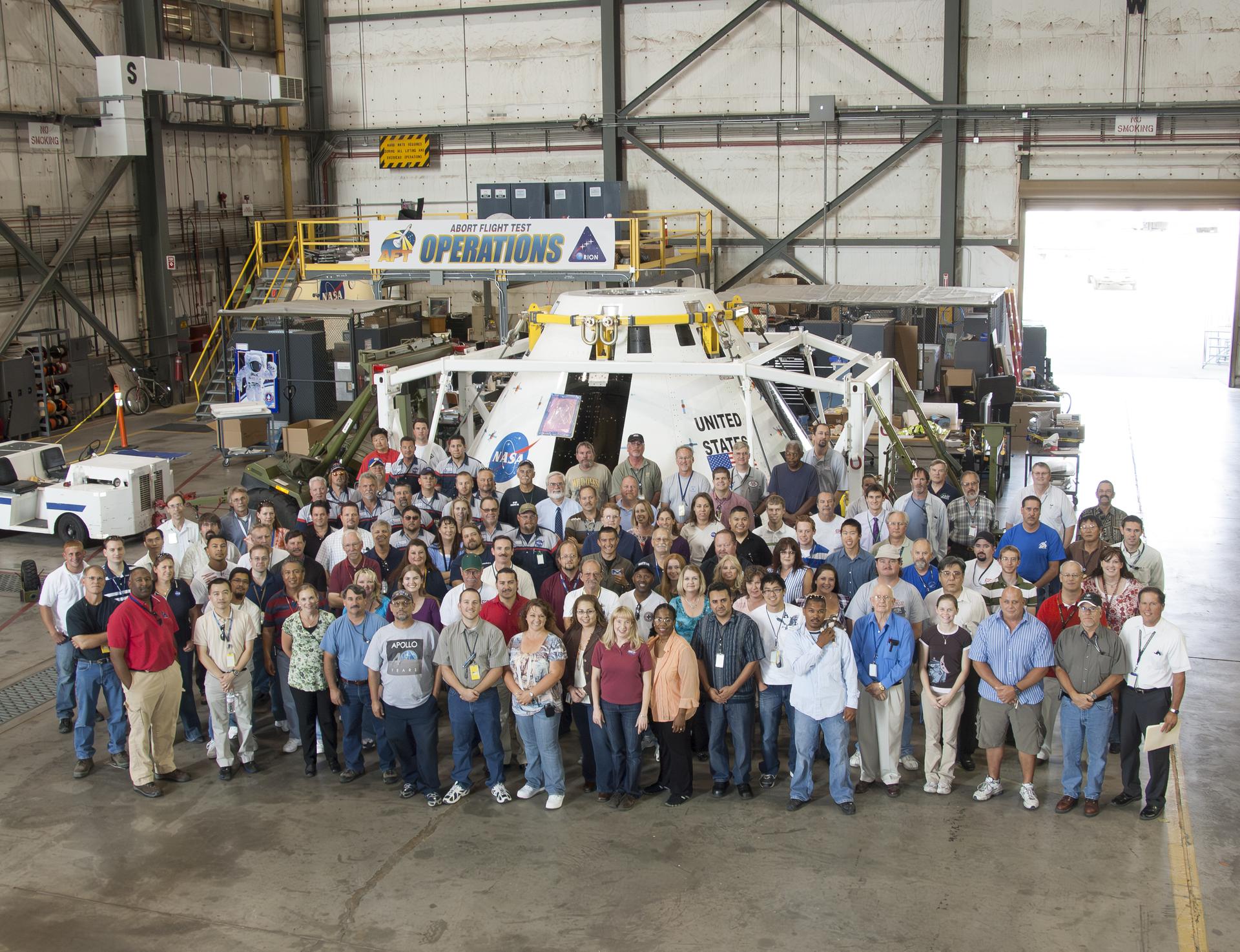
Teamwork was on full display at NASA’s Armstrong Flight Research Center in Edwards, California, on Aug. 13, 2009, as engineers and technicians prepared the Pad Abort-1 vehicle – the Orion launch abort system development test article. After assembly and integration, the mock crew capsule was transported to the U.S. Army’s White Sands Missile Range in New Mexico where it successfully completed its test on May 6, 2010.

NASA Dryden technicians take measurements inside a fit-check mockup for prior to systems installation on a boilerplate Orion launch abort test crew capsule. A mockup Orion crew module has been constructed by NASA Dryden Flight Research Center's Fabrication Branch. The mockup is being used to develop integration procedures for avionics and instrumentation in advance of the arrival of the first abort flight test article.
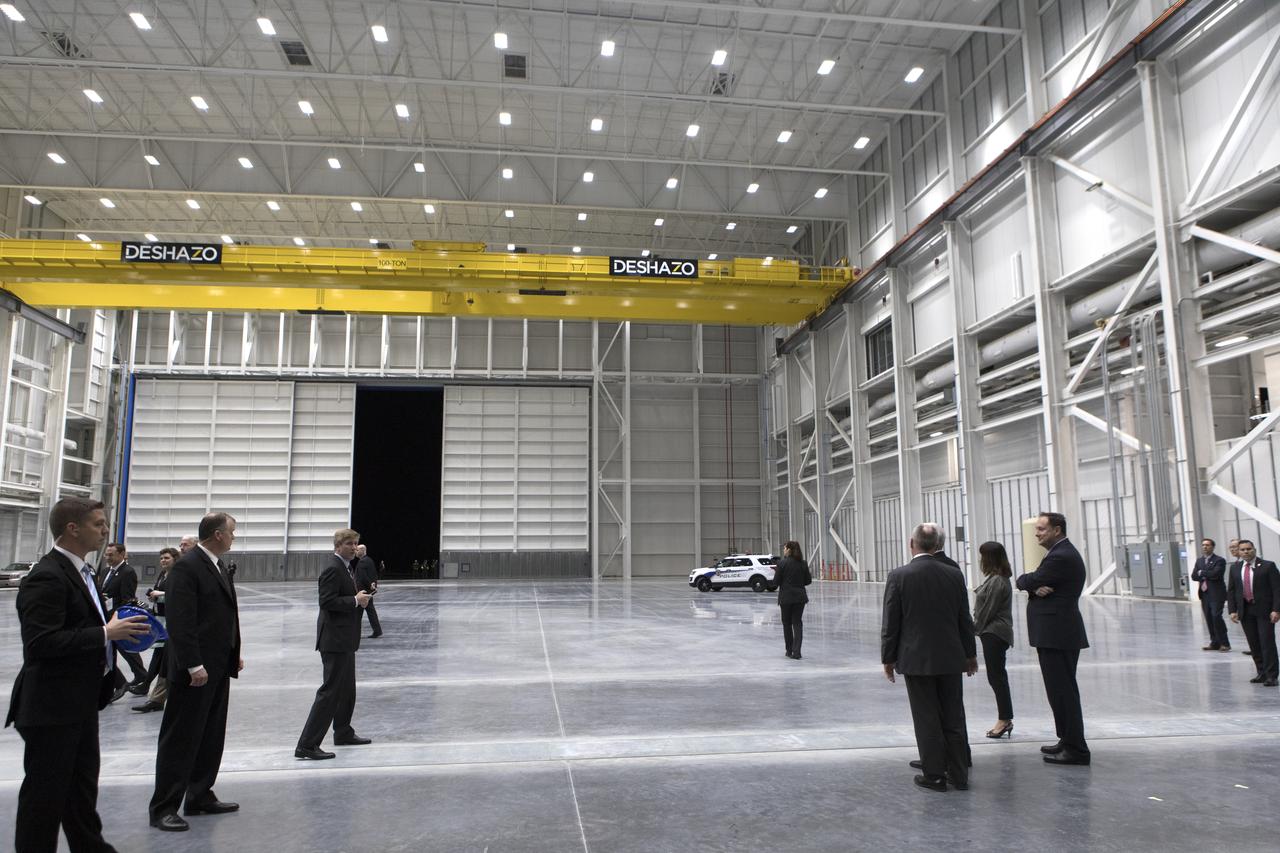
Vice President Mike Pence, hidden at right, tours the Blue Origin Manufacturing Facility near NASA's Kennedy Space Center in Florida, on Feb. 20, 2018. At far right is the vice president's wife, Karen Pence. Behind her at right are Blue Origin CEO Robert Smith, and acting NASA Administrator Robert Lightfoot. Vice President Pence viewed the flown New Shepard Booster and Crew Capsule. The booster was the first launch vehicle with a successful vertical takeoff and vertical landing to demonstrate reusability. During his visit, Pence will chair a meeting of the National Space Council on Feb. 21, 2018 in the high bay of NASA Kennedy Space Center's Space Station Processing Facility. The council's role is to advise the president regarding national space policy and strategy, and review the nation's long-range goals for space activities.
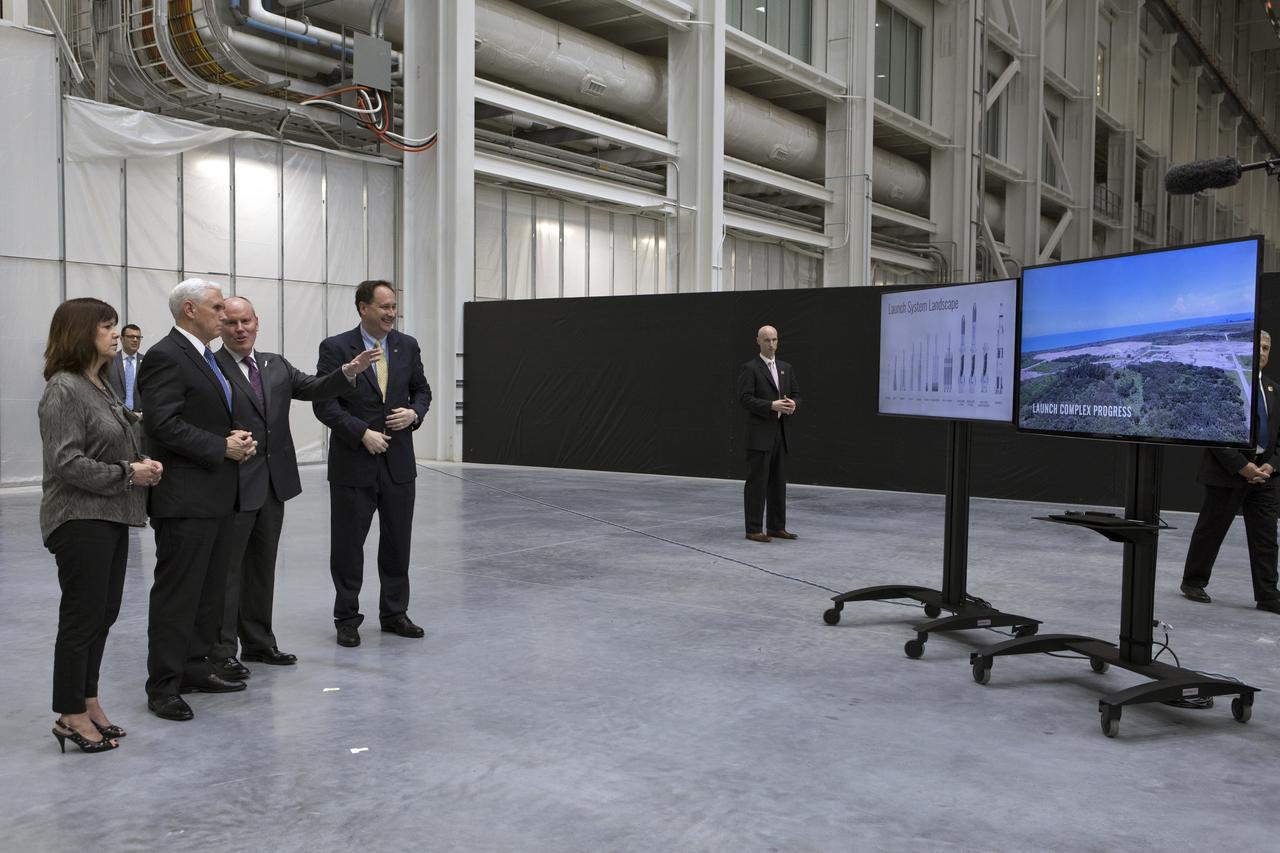
Vice President Mike Pence, second from left, tours the Blue Origin Manufacturing Facility near NASA's Kennedy Space Center in Florida, on Feb. 20, 2018. At left is the vice president's wife, Karen Pence. To his right are Blue Origin CEO Robert Smith, and acting NASA Administrator Robert Lightfoot. Vice President Pence viewed the flown New Shepard Booster and Crew Capsule. The booster was the first launch vehicle with a successful vertical takeoff and vertical landing to demonstrate reusability. During his visit, Pence will chair a meeting of the National Space Council on Feb. 21, 2018 in the high bay of NASA Kennedy Space Center's Space Station Processing Facility. The council's role is to advise the president regarding national space policy and strategy, and review the nation's long-range goals for space activities.
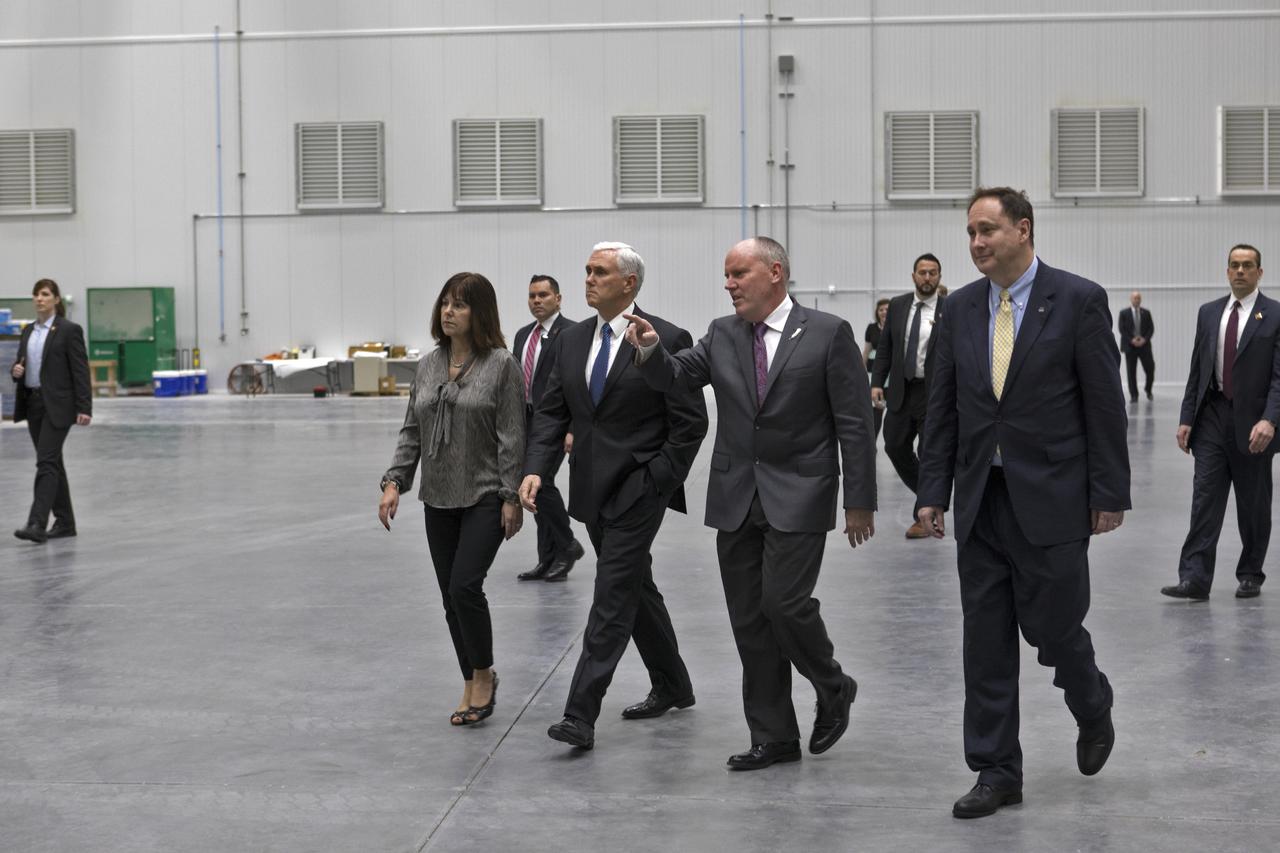
Vice President Mike Pence, second from left, tours the Blue Origin Manufacturing Facility near NASA's Kennedy Space Center in Florida, on Feb. 20, 2018. At left is the vice president's wife, Karen Pence. To his right are Blue Origin CEO Robert Smith, and acting NASA Administrator Robert Lightfoot. Vice President Pence viewed the flown New Shepard Booster and Crew Capsule. The booster was the first launch vehicle with a successful vertical takeoff and vertical landing to demonstrate reusability. During his visit, Pence will chair a meeting of the National Space Council on Feb. 21, 2018 in the high bay of NASA Kennedy Space Center's Space Station Processing Facility. The council's role is to advise the president regarding national space policy and strategy, and review the nation's long-range goals for space activities.
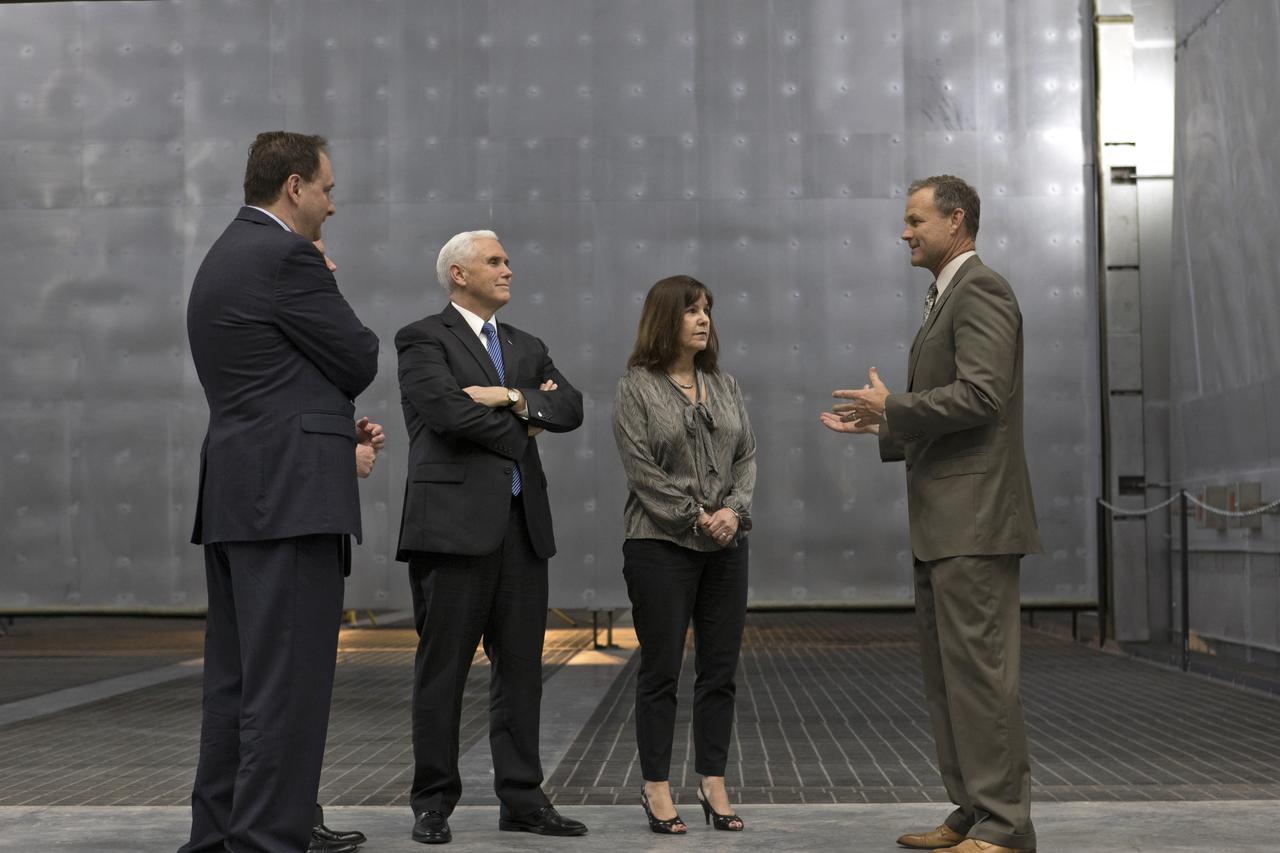
Vice President Mike Pence, second from left, tours the Blue Origin Manufacturing Facility near NASA's Kennedy Space Center in Florida, on Feb. 20, 2018. To his left is acting NASA Administrator Robert Lightfoot. At right is the vice president's wife, Karen Pence. At far right is Scott Henderson, Blue Origin director of Test and Flight Operations. Vice President Pence viewed the flown New Shepard Booster and Crew Capsule. The booster was the first launch vehicle with a successful vertical takeoff and vertical landing to demonstrate reusability. During his visit, Pence will chair a meeting of the National Space Council on Feb. 21, 2018 in the high bay of NASA Kennedy Space Center's Space Station Processing Facility. The council's role is to advise the president regarding national space policy and strategy, and review the nation's long-range goals for space activities.
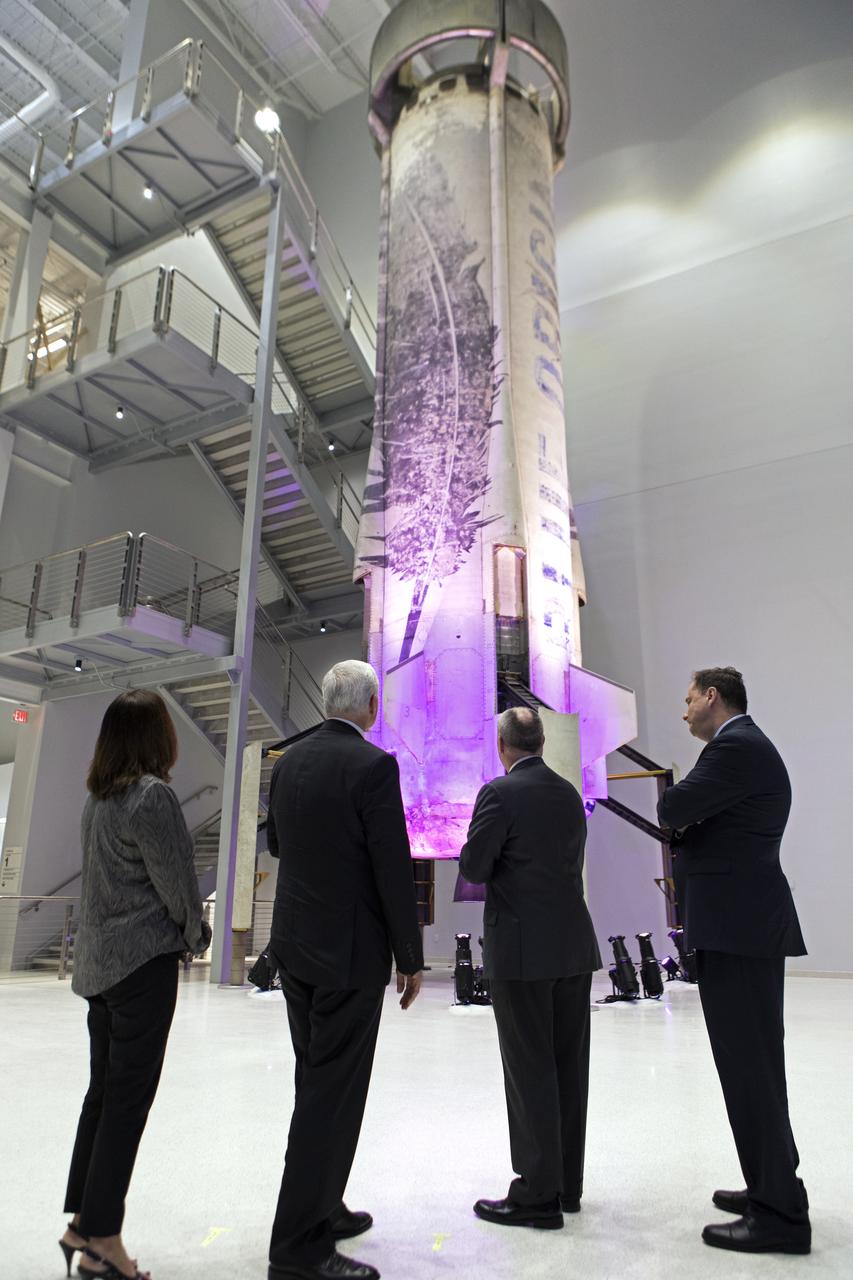
Vice President Mike Pence, second from left, tours the Blue Origin Manufacturing Facility near NASA's Kennedy Space Center in Florida, on Feb. 20, 2018. At left is the vice president's wife, Karen Pence. To his right are Blue Origin CEO Robert Smith, and acting NASA Administrator Robert Lightfoot. Vice President Pence viewed the flown New Shepard Booster and Crew Capsule. The booster was the first launch vehicle with a successful vertical takeoff and vertical landing to demonstrate reusability. During his visit, Pence will chair a meeting of the National Space Council on Feb. 21, 2018 in the high bay of NASA Kennedy Space Center's Space Station Processing Facility. The council's role is to advise the president regarding national space policy and strategy, and review the nation's long-range goals for space activities.

Vice President Mike Pence, second from left, tours the Blue Origin Manufacturing Facility near NASA's Kennedy Space Center in Florida, on Feb. 20, 2018. To his left is his wife, Karen Pence. To his right are Blue Origin CEO Robert Smith, and acting NASA Administrator Robert Lightfoot. Vice President Pence viewed the flown New Shepard Booster and Crew Capsule. The booster was the first launch vehicle with a successful vertical takeoff and vertical landing to demonstrate reusability. During his visit, Pence will chair a meeting of the National Space Council on Feb. 21, 2018 in the high bay of NASA Kennedy Space Center's Space Station Processing Facility. The council's role is to advise the president regarding national space policy and strategy, and review the nation's long-range goals for space activities.
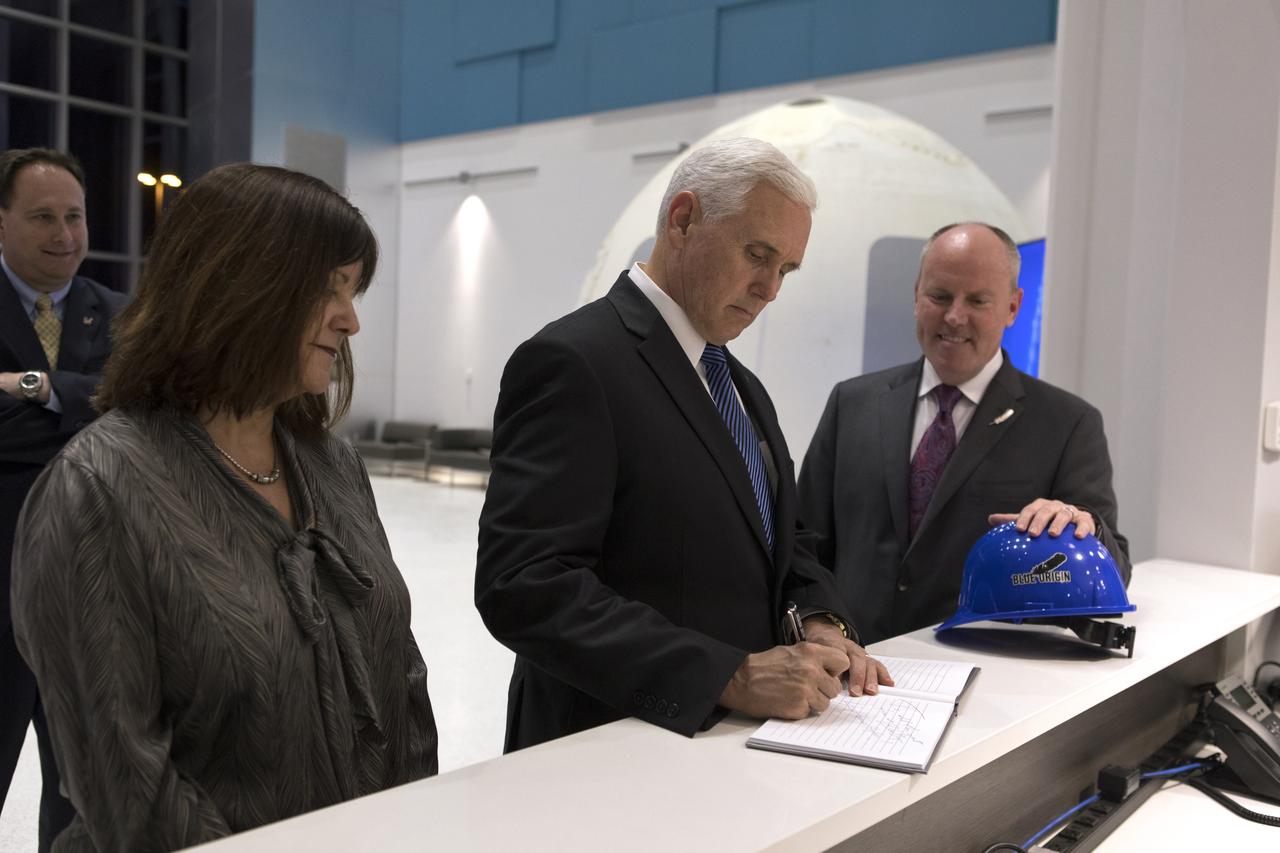
Vice President Mike Pence, center, signs a guest book during his tour of the Blue Origin Manufacturing Facility near NASA's Kennedy Space Center in Florida, on Feb. 20, 2018. At left is the vice president's wife, Karen Pence. To his right is Blue Origin CEO Robert Smith. Behind them is acting NASA Administrator Robert Lightfoot. Vice President Pence viewed the flown New Shepard Booster and Crew Capsule. The booster was the first launch vehicle with a successful vertical takeoff and vertical landing to demonstrate reusability. During his visit, Pence will chair a meeting of the National Space Council on Feb. 21, 2018 in the high bay of NASA Kennedy Space Center's Space Station Processing Facility. The council's role is to advise the president regarding national space policy and strategy, and review the nation's long-range goals for space activities.
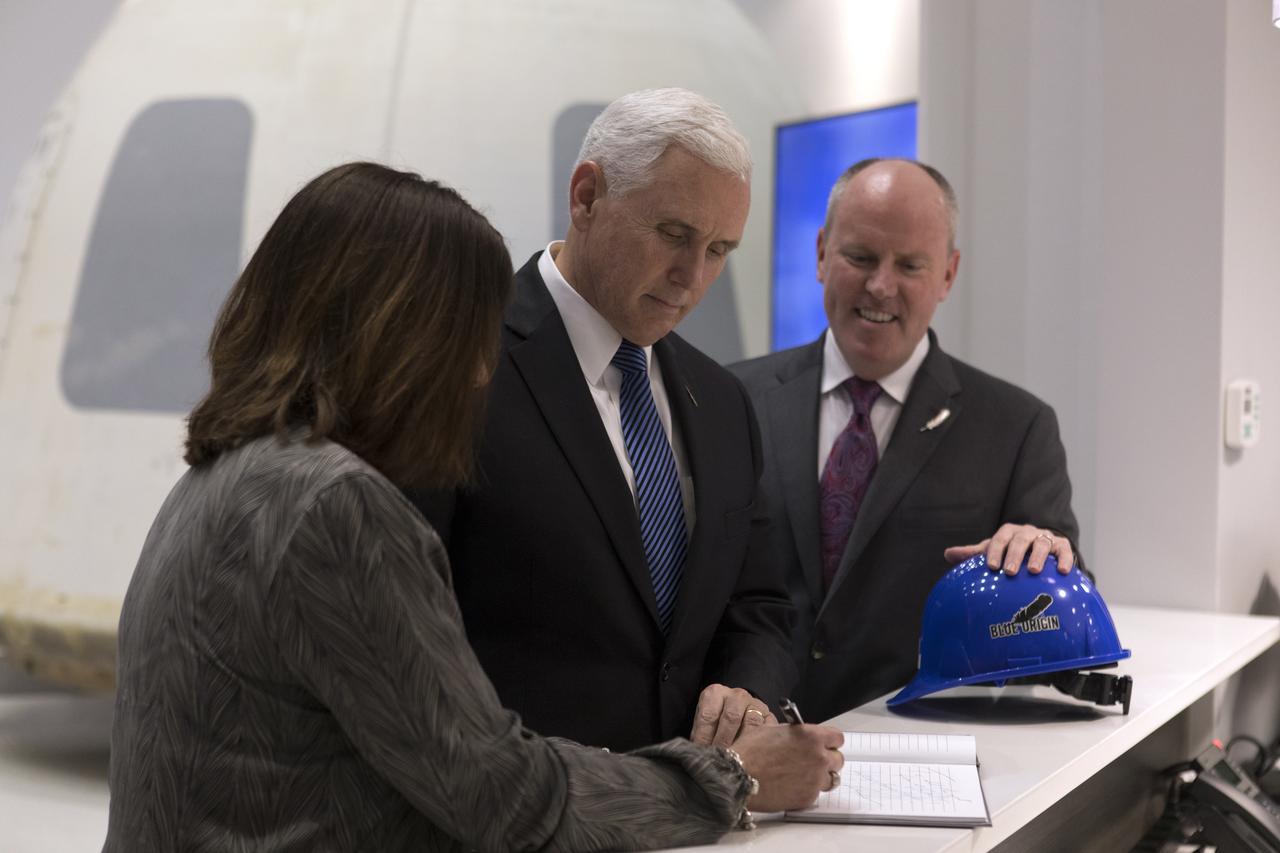
Vice President Mike Pence, center, and his wife, Karen Pence, sign a guest book during a tour of the Blue Origin Manufacturing Facility near NASA's Kennedy Space Center in Florida, on Feb. 20, 2018. At right is Blue Origin CEO Robert Smith. Vice President Pence viewed the flown New Shepard Booster and Crew Capsule. The booster was the first launch vehicle with a successful vertical takeoff and vertical landing to demonstrate reusability. During his visit, Pence will chair a meeting of the National Space Council on Feb. 21, 2018 in the high bay of NASA Kennedy Space Center's Space Station Processing Facility. The council's role is to advise the president regarding national space policy and strategy, and review the nation's long-range goals for space activities.
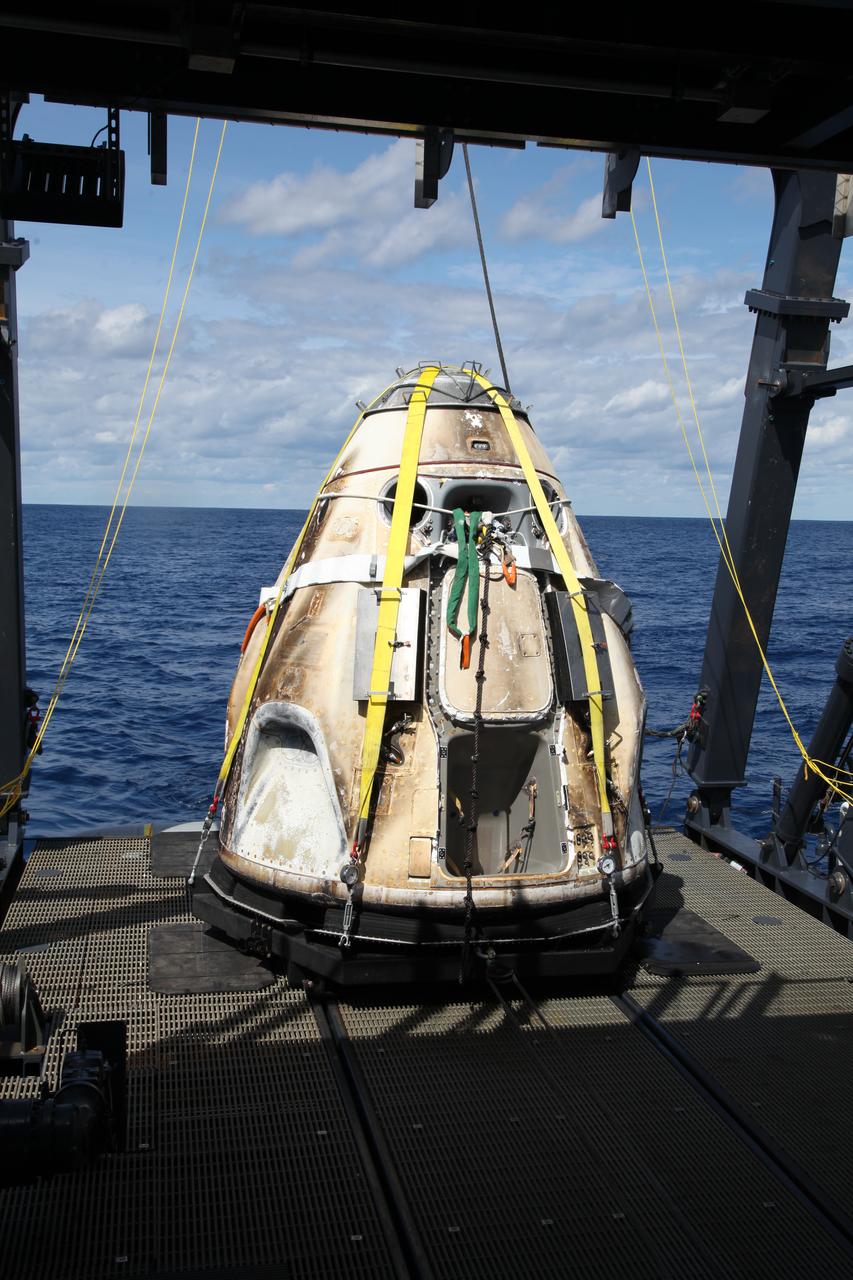
SpaceX’s Crew Dragon is loaded onto the company’s recovery ship, Go Searcher, in the Atlantic Ocean, about 200 miles off Florida’s east coast, on March 8, after returning from the International Space Station on the Demo-1 mission. The uncrewed spacecraft docked to the orbiting laboratory on March 3, following a 2:49 a.m. EST liftoff aboard a SpaceX Falcon 9 rocket from Launch Complex 39A at NASA’s Kennedy Space Center in Florida on March 2. The spacecraft undocked at 2:32 a.m., March 8, splashing down in the Atlantic Ocean, at 8:45 a.m. SpaceX’s inaugural flight with NASA’s Commercial Crew Program is the first flight test of a space system designed for humans built and operated by a commercial company through a public-private partnership. NASA and SpaceX will use data from Demo-1 to further prepare for Demo-2, the crewed flight test that will carry NASA astronauts Bob Behnken and Doug Hurley to the International Space Station later this year.
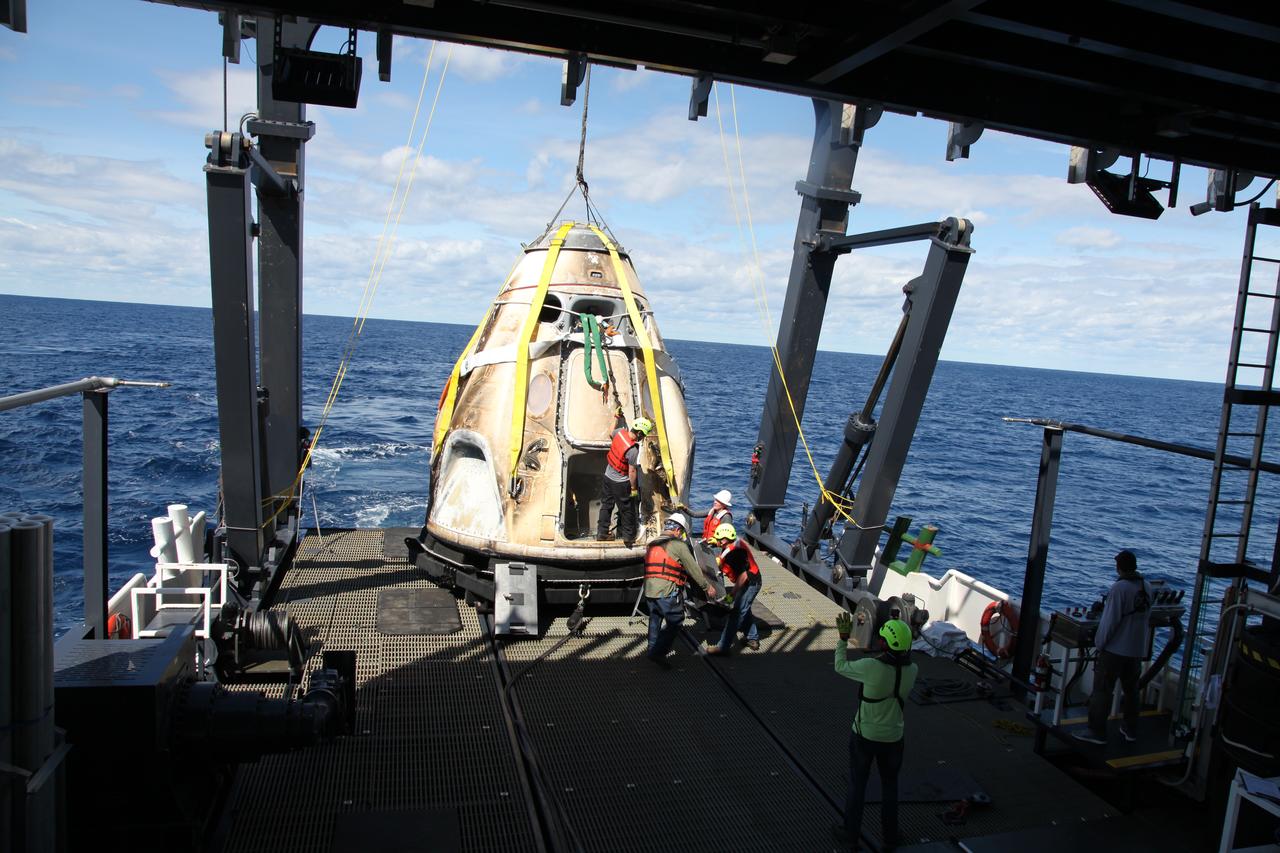
SpaceX’s Crew Dragon is loaded onto the company’s recovery ship, Go Searcher, in the Atlantic Ocean, about 200 miles off Florida’s east coast, on March 8, after returning from the International Space Station on the Demo-1 mission. The uncrewed spacecraft docked to the orbiting laboratory on March 3, following a 2:49 a.m. EST liftoff aboard a SpaceX Falcon 9 rocket from Launch Complex 39A at NASA’s Kennedy Space Center in Florida on March 2. The spacecraft undocked at 2:32 a.m., March 8, splashing down in the Atlantic Ocean, at 8:45 a.m. SpaceX’s inaugural flight with NASA’s Commercial Crew Program is the first flight test of a space system designed for humans built and operated by a commercial company through a public-private partnership. NASA and SpaceX will use data from Demo-1 to further prepare for Demo-2, the crewed flight test that will carry NASA astronauts Bob Behnken and Doug Hurley to the International Space Station later this year.
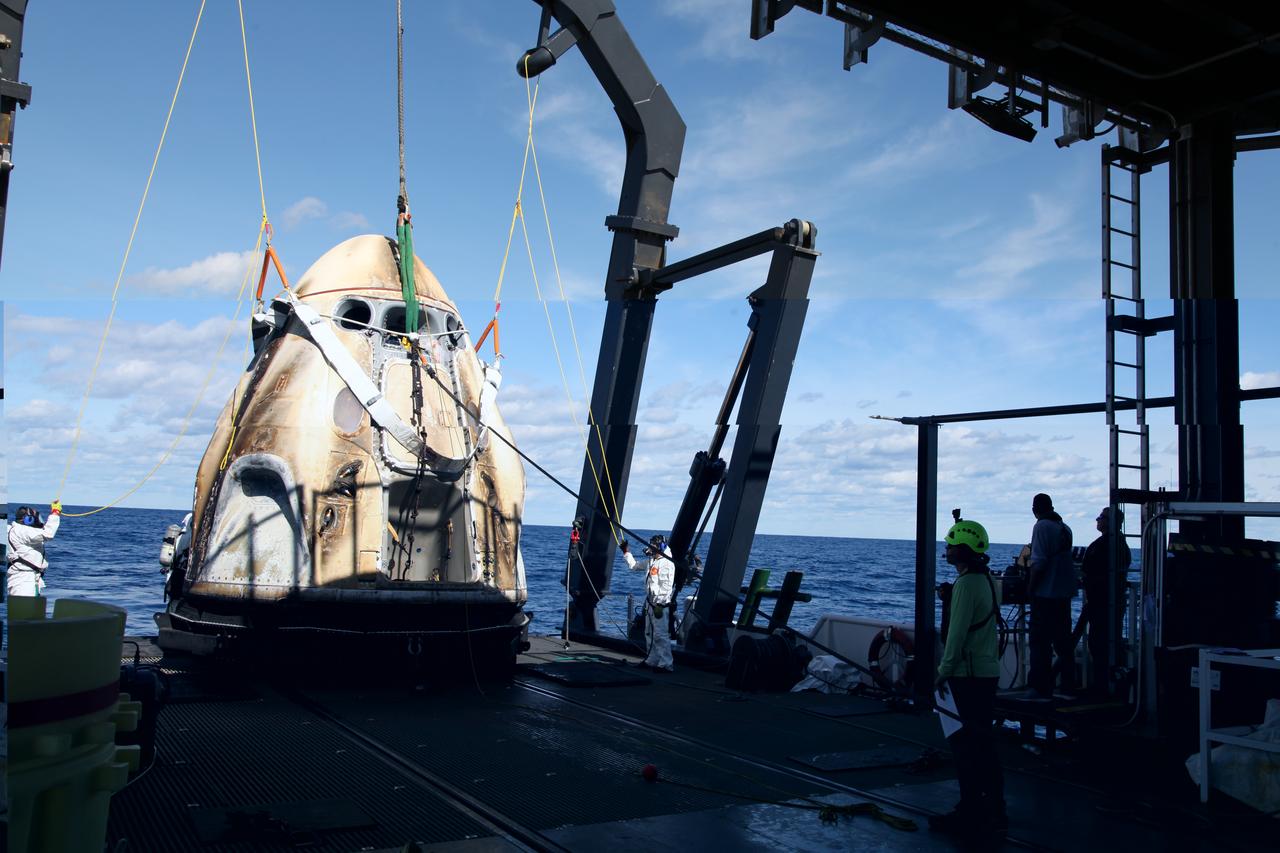
SpaceX’s Crew Dragon is loaded onto the company’s recovery ship, Go Searcher, in the Atlantic Ocean, about 200 miles off Florida’s east coast, on March 8, after returning from the International Space Station on the Demo-1 mission. The uncrewed spacecraft docked to the orbiting laboratory on March 3, following a 2:49 a.m. EST liftoff aboard a SpaceX Falcon 9 rocket from Launch Complex 39A at NASA’s Kennedy Space Center in Florida on March 2. The spacecraft undocked at 2:32 a.m., March 8, splashing down in the Atlantic Ocean, at 8:45 a.m. SpaceX’s inaugural flight with NASA’s Commercial Crew Program is the first flight test of a space system designed for humans built and operated by a commercial company through a public-private partnership. NASA and SpaceX will use data from Demo-1 to further prepare for Demo-2, the crewed flight test that will carry NASA astronauts Bob Behnken and Doug Hurley to the International Space Station later this year.
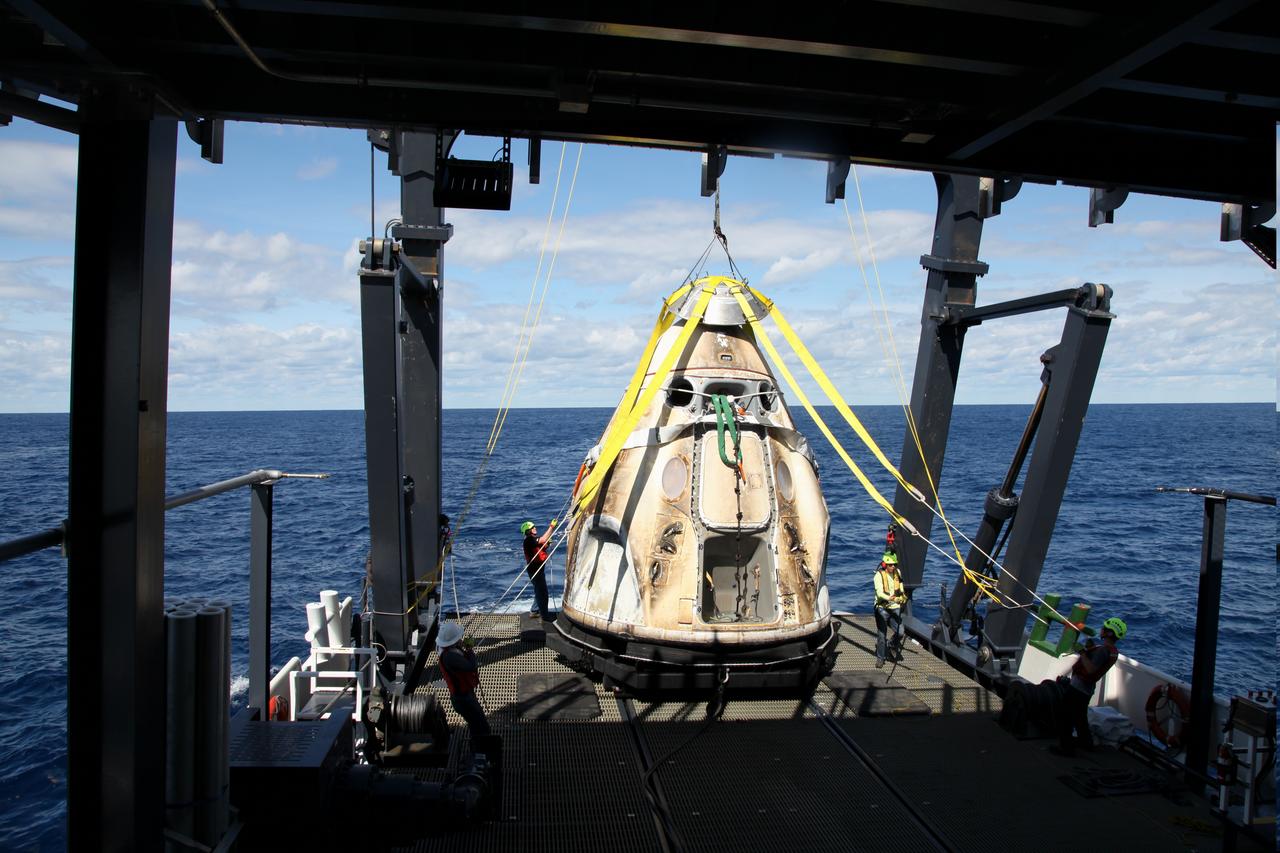
SpaceX’s Crew Dragon is loaded onto the company’s recovery ship, Go Searcher, in the Atlantic Ocean, about 200 miles off Florida’s east coast, on March 8, after returning from the International Space Station on the Demo-1 mission. The uncrewed spacecraft docked to the orbiting laboratory on March 3, following a 2:49 a.m. EST liftoff aboard a SpaceX Falcon 9 rocket from Launch Complex 39A at NASA’s Kennedy Space Center in Florida on March 2. The spacecraft undocked at 2:32 a.m., March 8, splashing down in the Atlantic Ocean, at 8:45 a.m. SpaceX’s inaugural flight with NASA’s Commercial Crew Program is the first flight test of a space system designed for humans built and operated by a commercial company through a public-private partnership. NASA and SpaceX will use data from Demo-1 to further prepare for Demo-2, the crewed flight test that will carry NASA astronauts Bob Behnken and Doug Hurley to the International Space Station later this year.
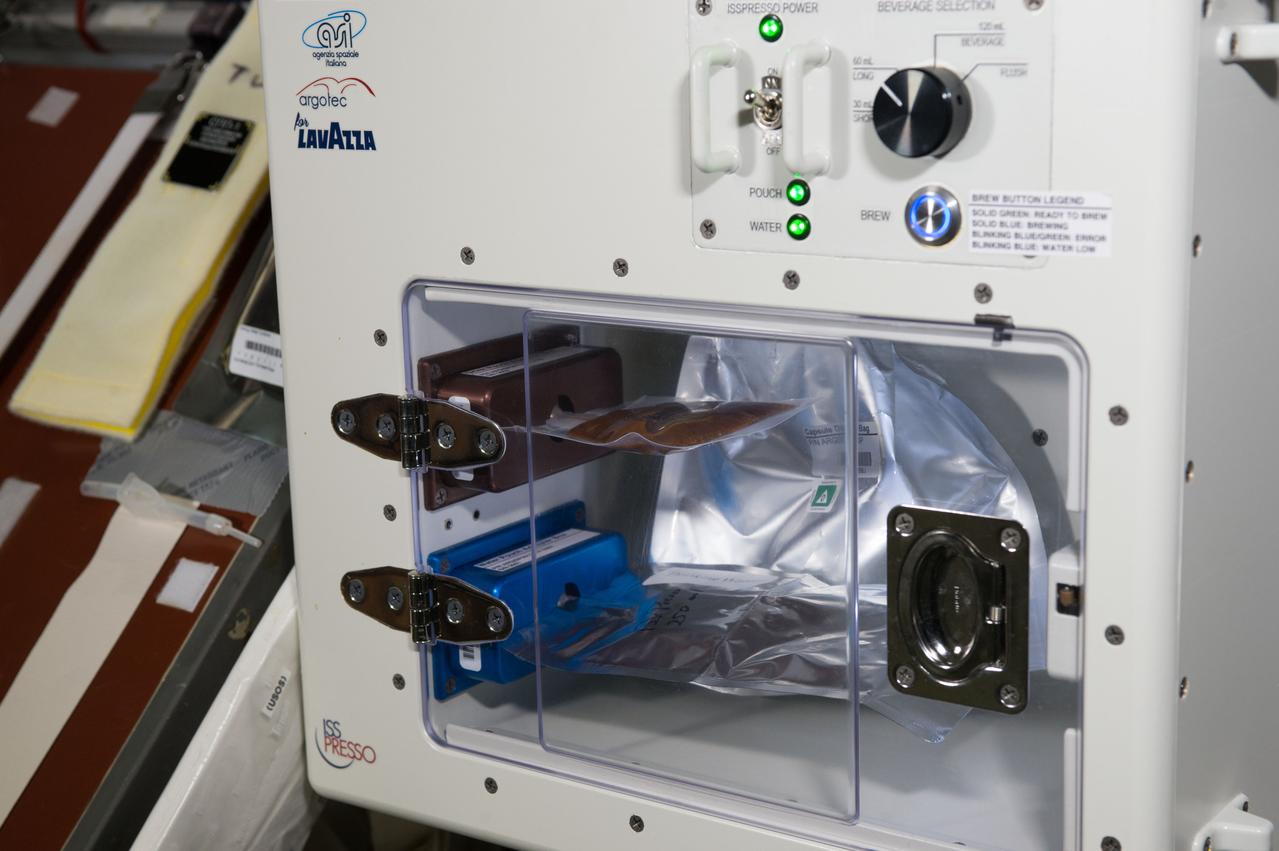
ISS043E160227 (05/03/2015) --- The new ISSpresso machine was recently installed on the International Space Station. In order to utilize the ISSpresso, a NASA standard drink bag is installed, along with a capsule containing the beverage item that the crew member wishes to drink. After the item has been brewed, the used capsule and the drink bag are removed.
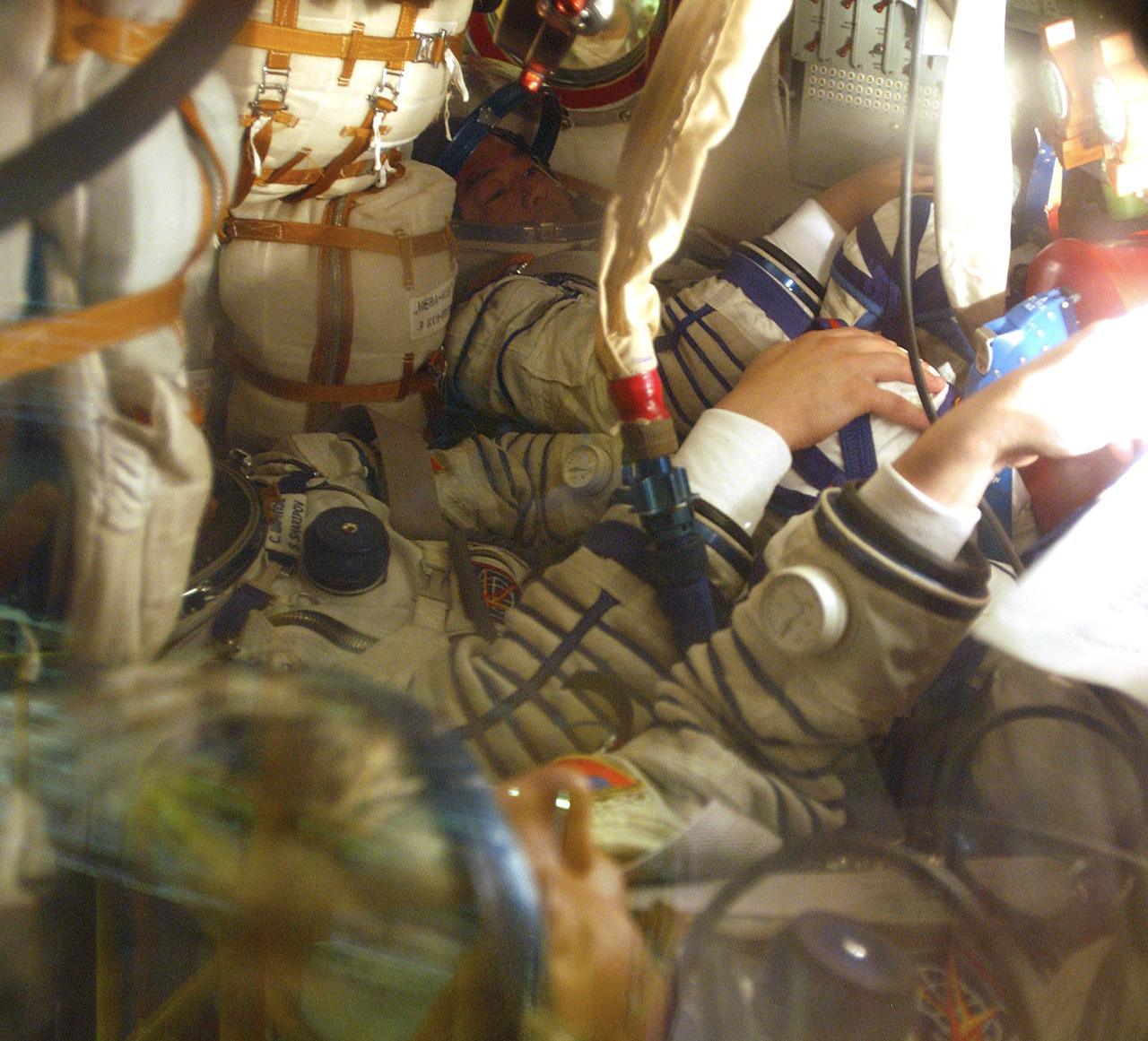
The Expedition 10 crew is seen inside the Soyuz capsule in this view made by looking through the capsule window during a dress rehearsal of launch day activities, Friday, Oct. 5, 2004, at the Baikonur Cosmodrome in Kazakhstan. Photo Credit: (NASA/Bill Ingalls)

Space Station Freedom option A showing two Soyuz Assured Crew Return Vehicle (ACRV) capsules docked at berthing ports.
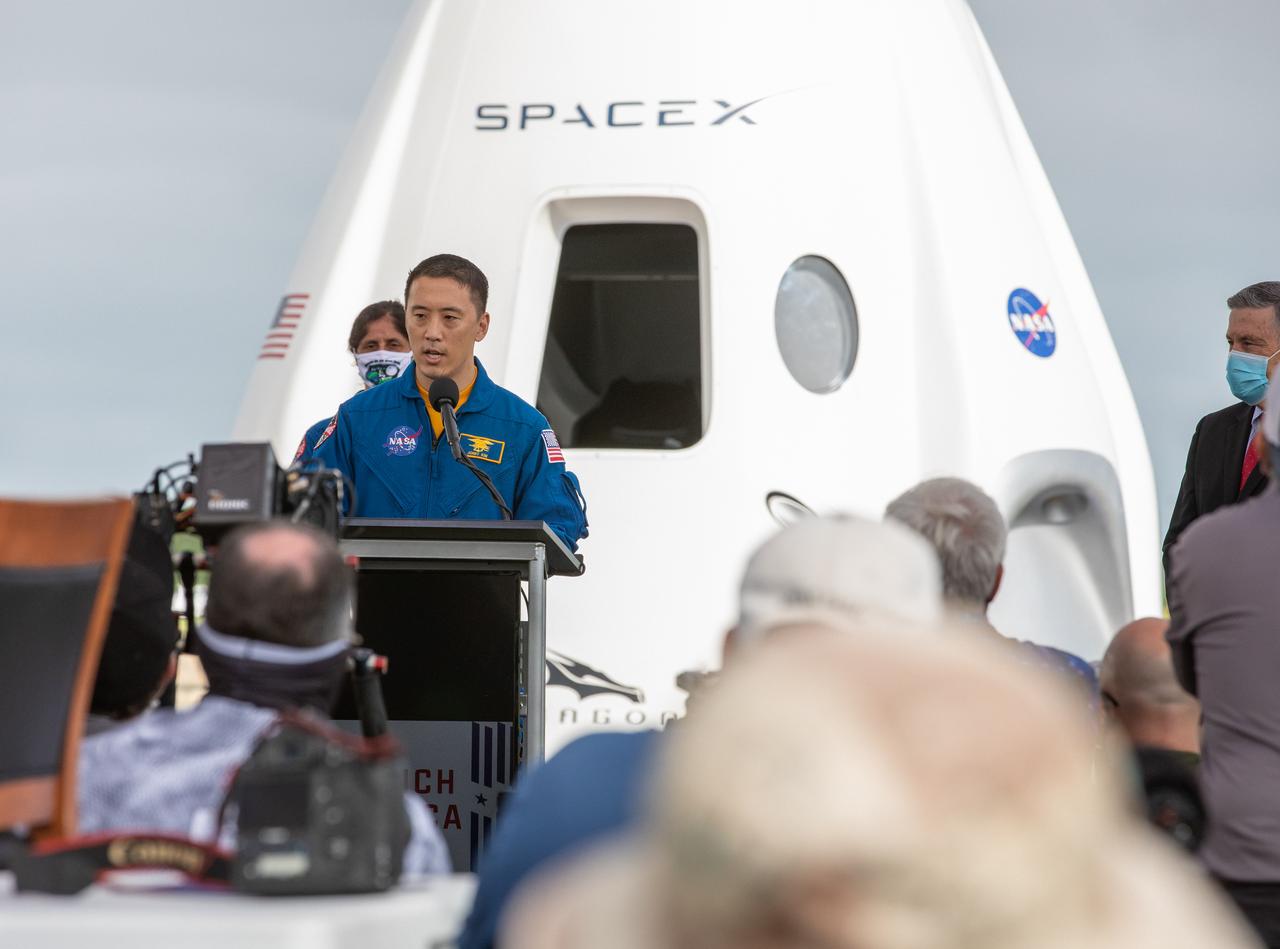
NASA astronaut Jonny Kim, speaks during a press briefing Nov. 13, 2020, near the Press Site countdown clock at the agency’s Kennedy Space Center in Florida ahead of NASA’s SpaceX Crew-1 launch. Behind him is a mock-up of the SpaceX Crew Dragon capsule. Crew-1 is the first regular crew mission of a U.S. commercial spacecraft with astronauts to the International Space Station as part of NASA’s Commercial Crew Program. The SpaceX Crew Dragon Resilience capsule will launch atop the company’s Falcon 9 rocket from Launch Complex 39A to the space station for a six-month science mission.
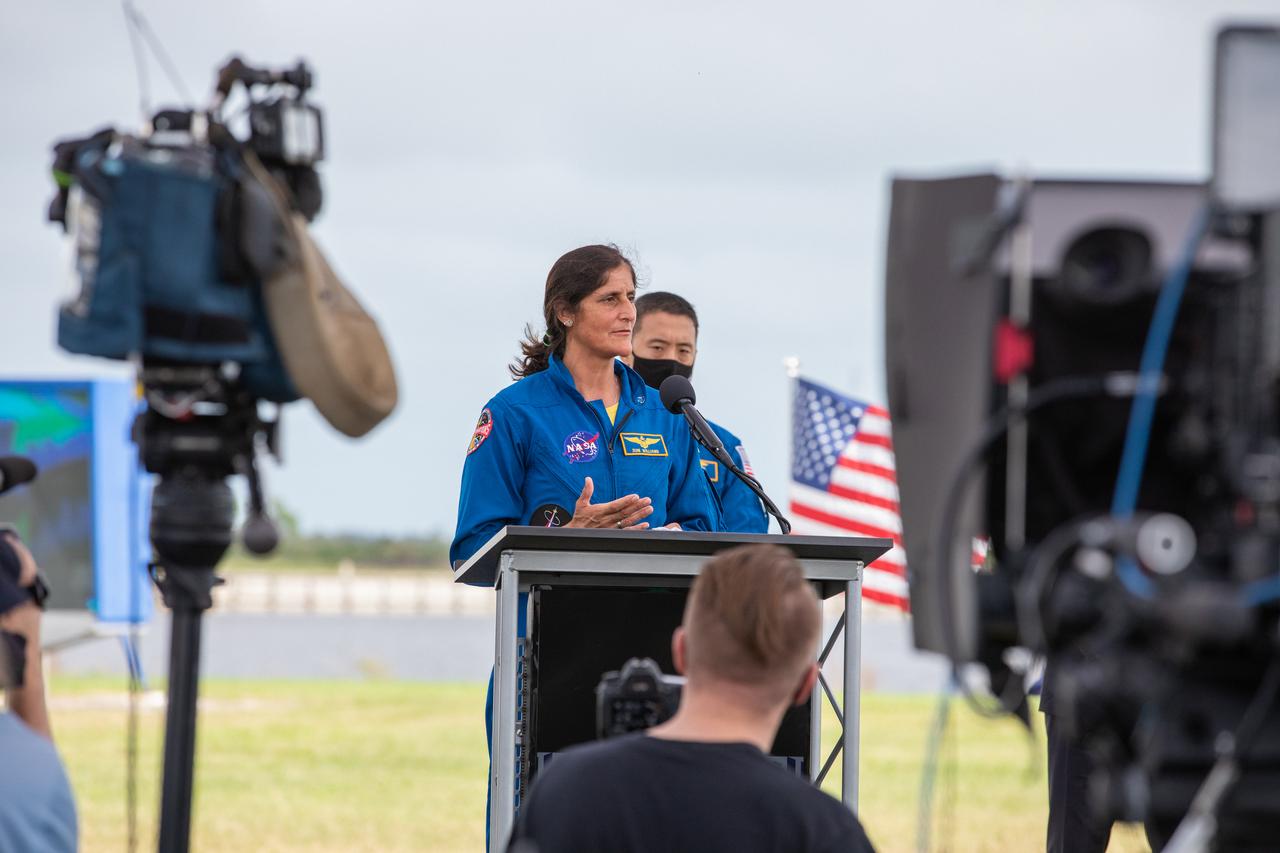
NASA astronaut Sunita Williams, speaks during a press briefing Nov. 13, 2020, near the Press Site countdown clock at the agency’s Kennedy Space Center in Florida ahead of NASA’s SpaceX Crew-1 launch. Behind him is a mock-up of the SpaceX Crew Dragon capsule. Crew-1 is the first regular crew mission of a U.S. commercial spacecraft with astronauts to the International Space Station as part of NASA’s Commercial Crew Program. The SpaceX Crew Dragon Resilience capsule will launch atop the company’s Falcon 9 rocket from Launch Complex 39A to the space station for a six-month science mission.
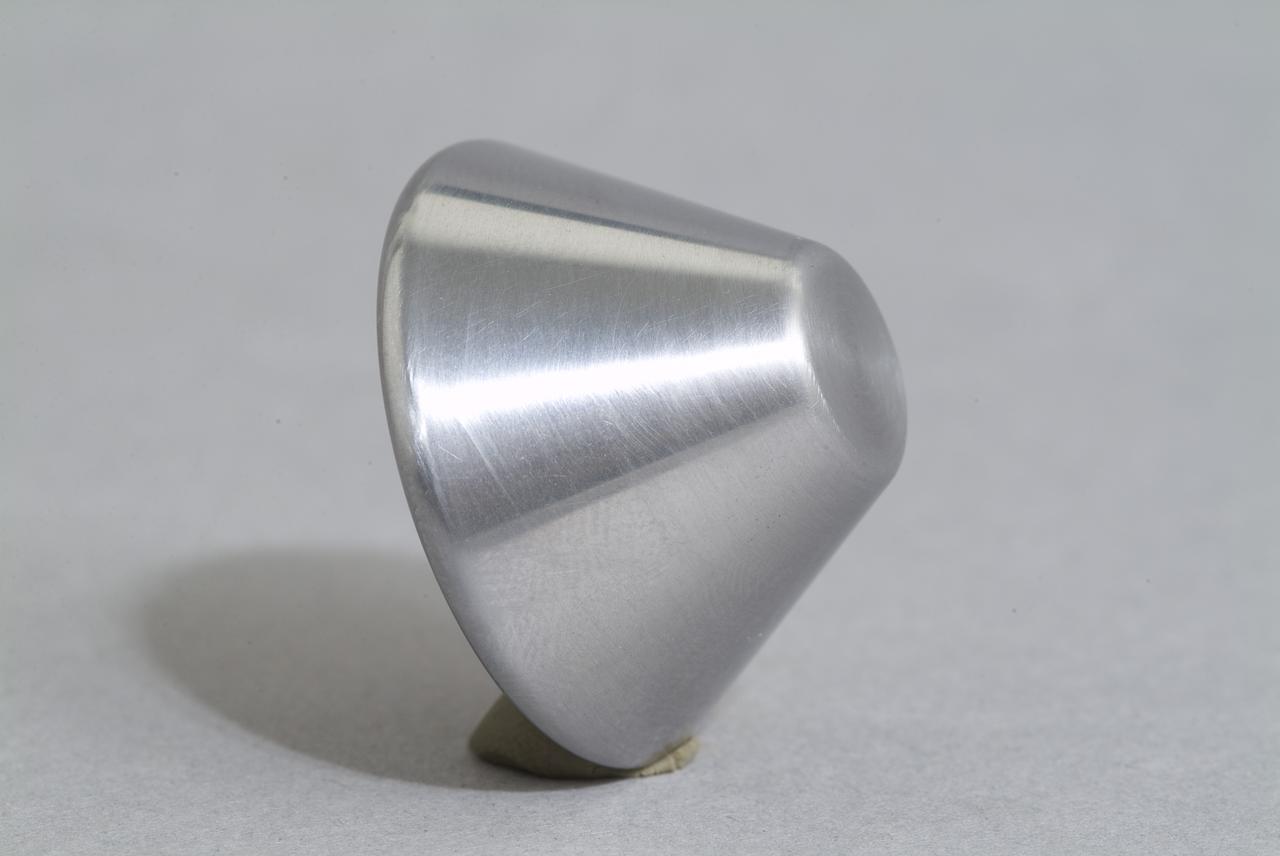
CEV (Crew Escape Vehicle) capsule Balistic Range testing to examine static and dynamic stability characteristics (at the Hypervelocity Free-Flight Facility) HFF
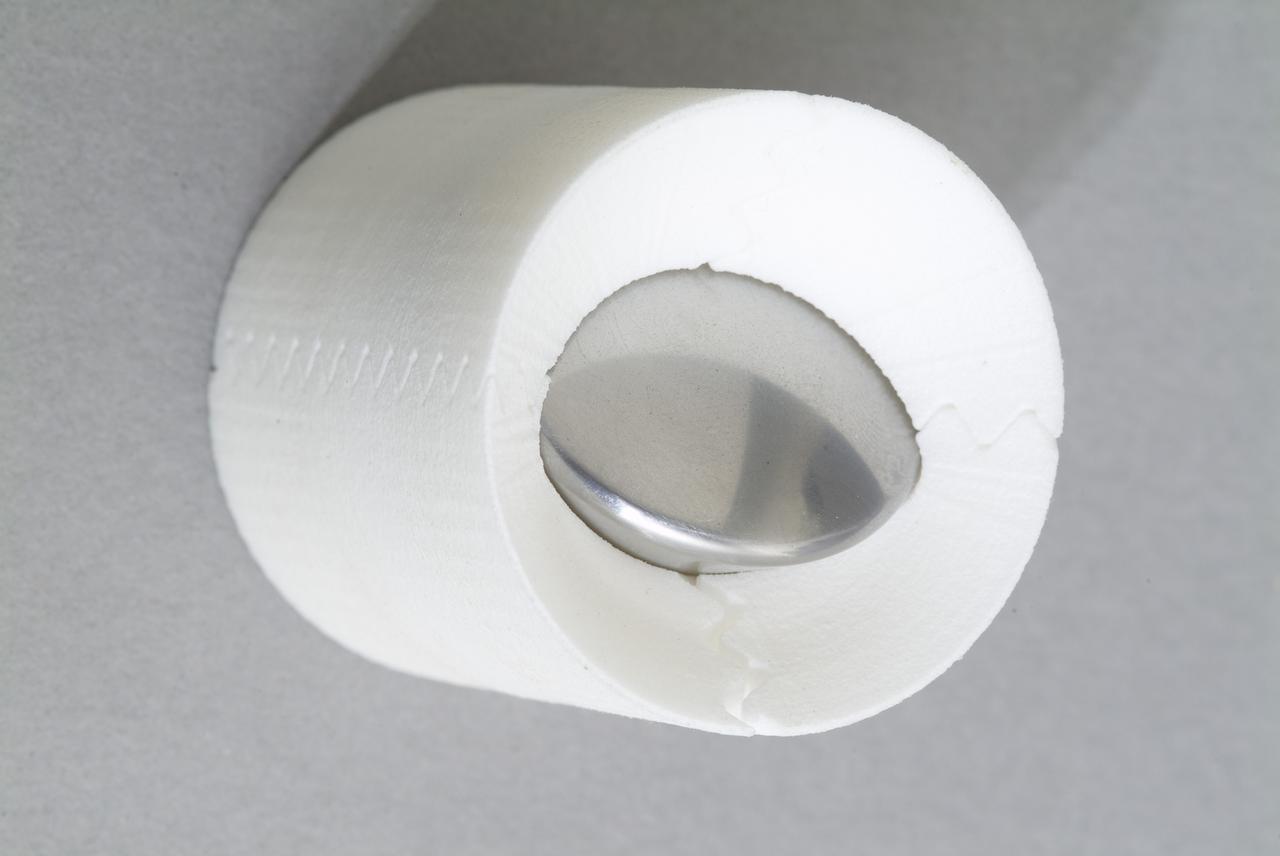
CEV (Crew Escape Vehicle) capsule Balistic Range testing to examine static and dynamic stability characteristics (at the Hypervelocity Free-Flight Facility) HFF
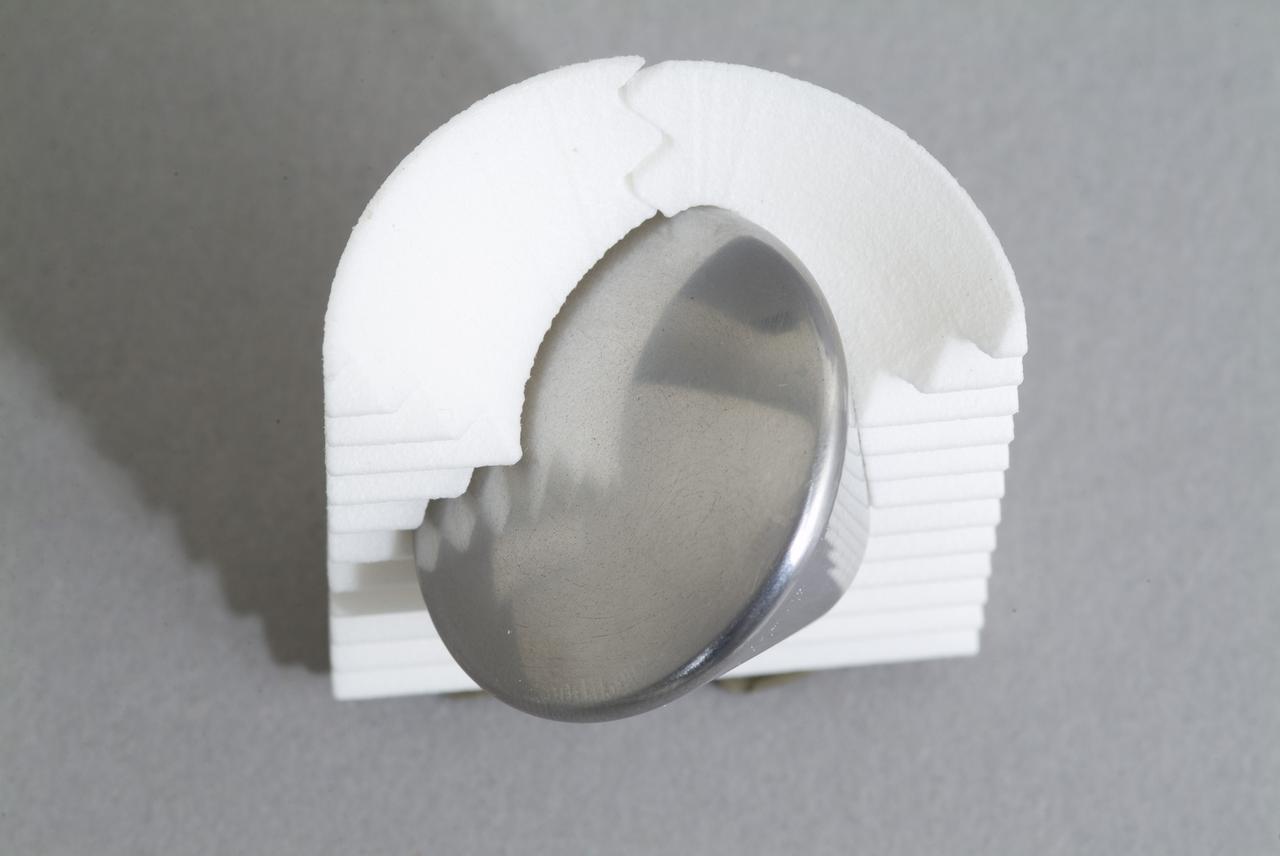
CEV (Crew Escape Vehicle) capsule Balistic Range testing to examine static and dynamic stability characteristics (at the Hypervelocity Free-Flight Facility) HFF
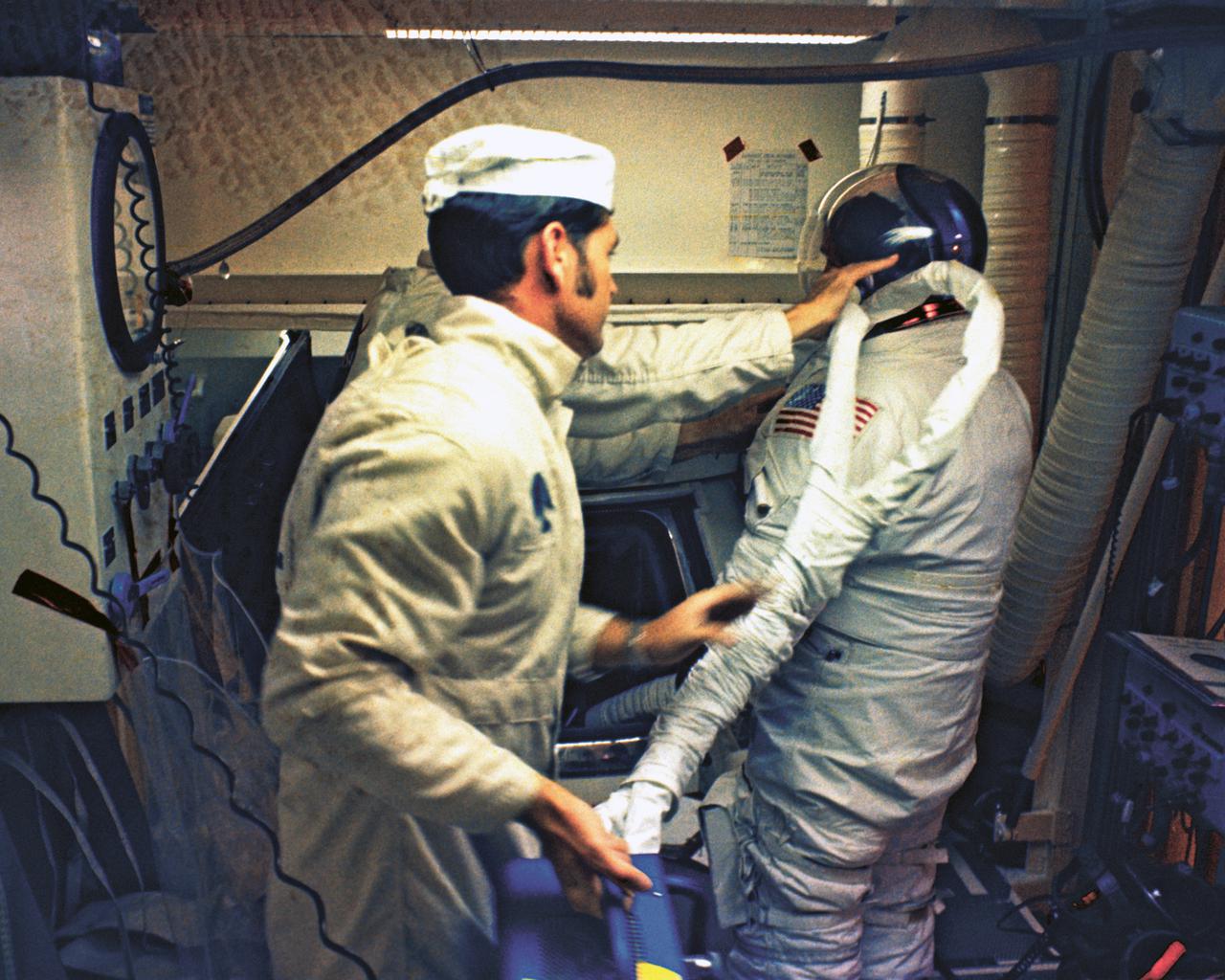
CAPE CANAVERAL, Fla. – The Apollo 15 crew climbs inside the Apollo capsule on launch day before lifting off on a mission to the moon. Photo credit: NASA
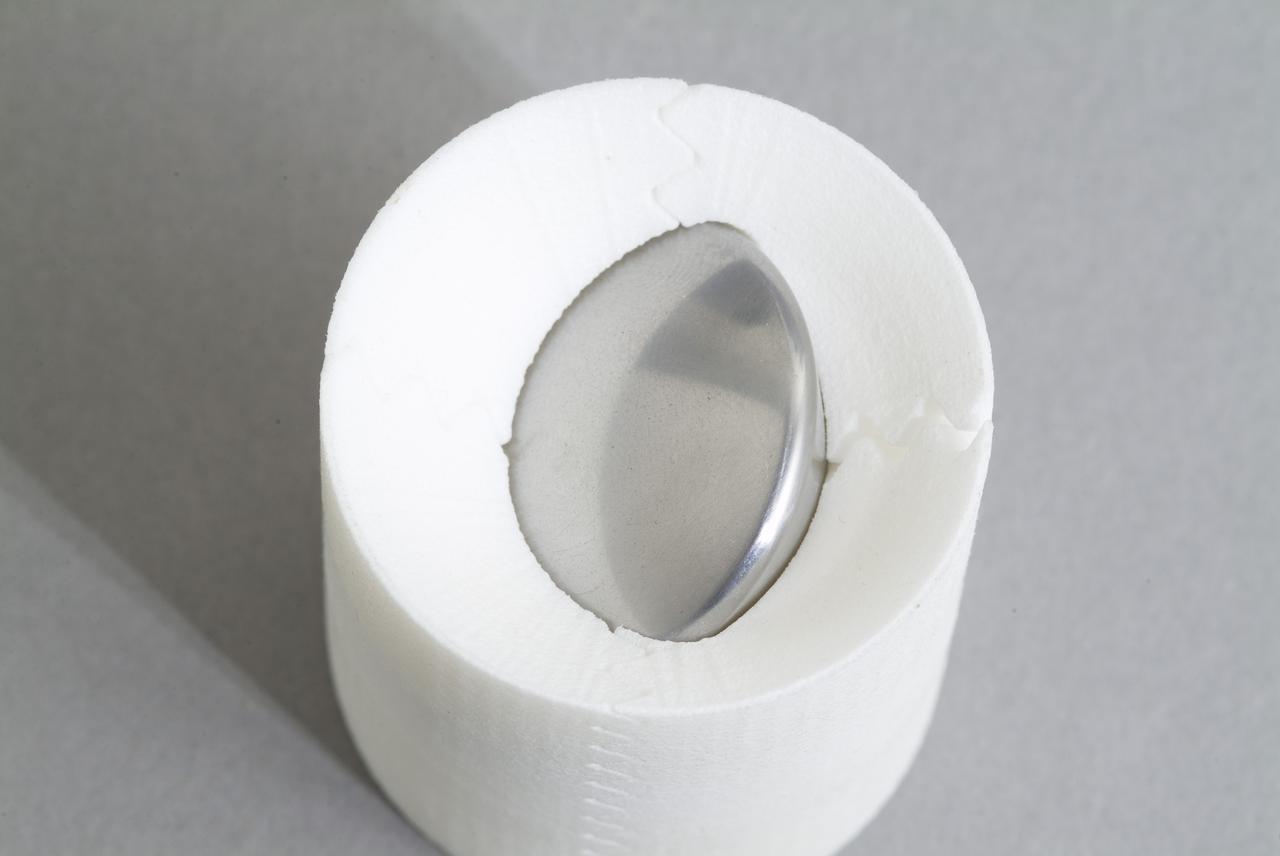
CEV (Crew Escape Vehicle) capsule Balistic Range testing to examine static and dynamic stability characteristics (at the Hypervelocity Free-Flight Facility) HFF
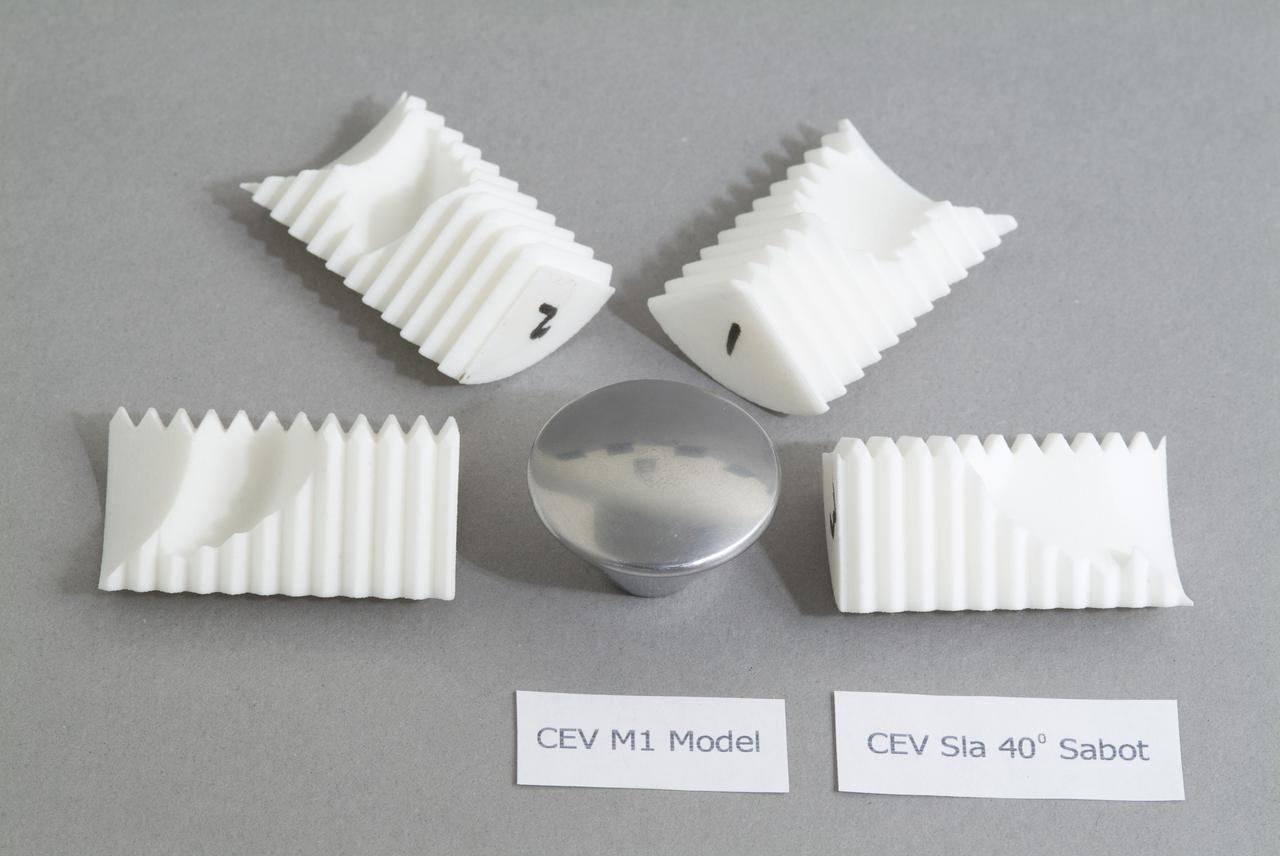
CEV (Crew Escape Vehicle) capsule Balistic Range testing to examine static and dynamic stability characteristics (at the Hypervelocity Free-Flight Facility) HFF
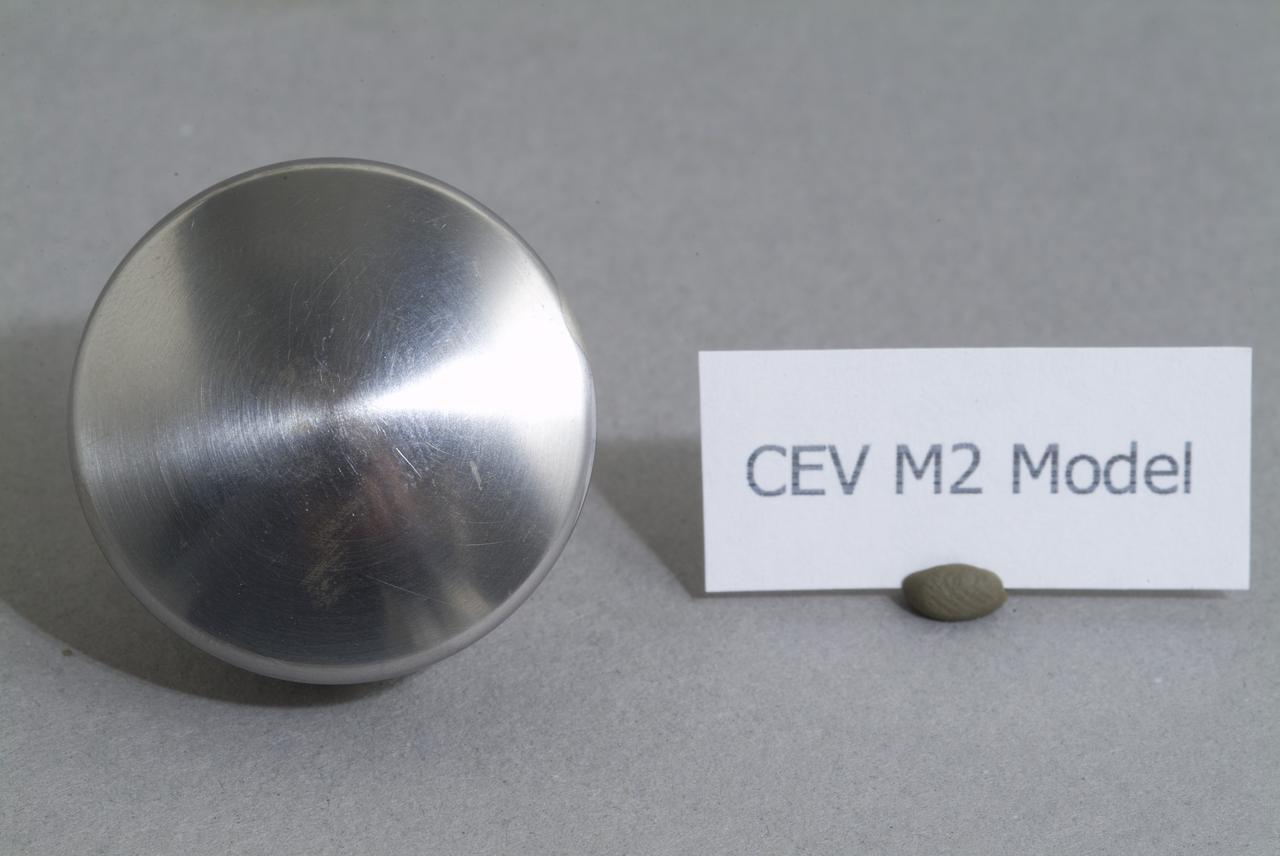
CEV (Crew Escape Vehicle) capsule Balistic Range testing to examine static and dynamic stability characteristics (at the Hypervelocity Free-Flight Facility) HFF
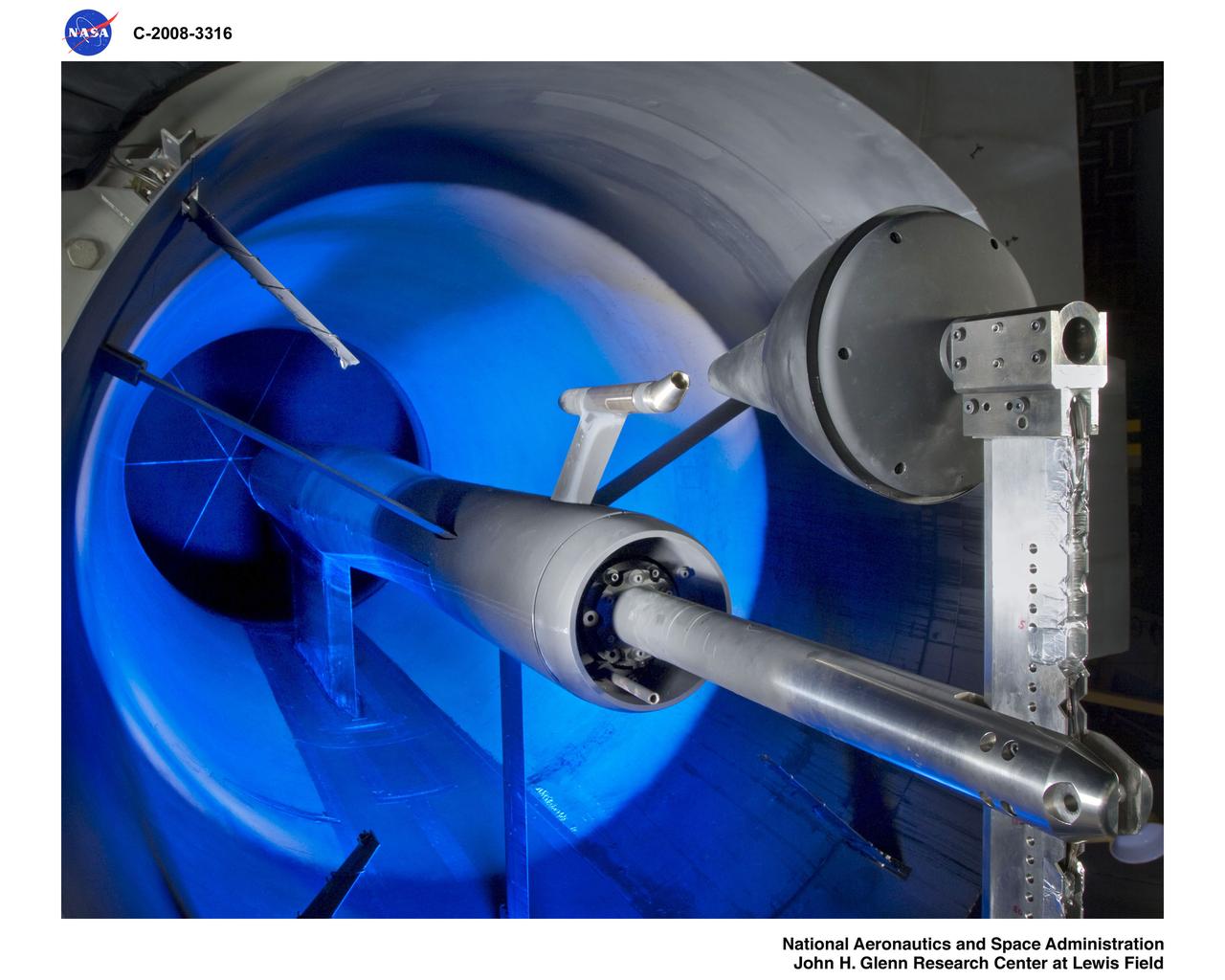
Noise Accoustical Test Rig (NATR) Crew Exploration Vehicle (CEV) 85-AA-Constellation, Orion Capsule and nozzle on front of NATR
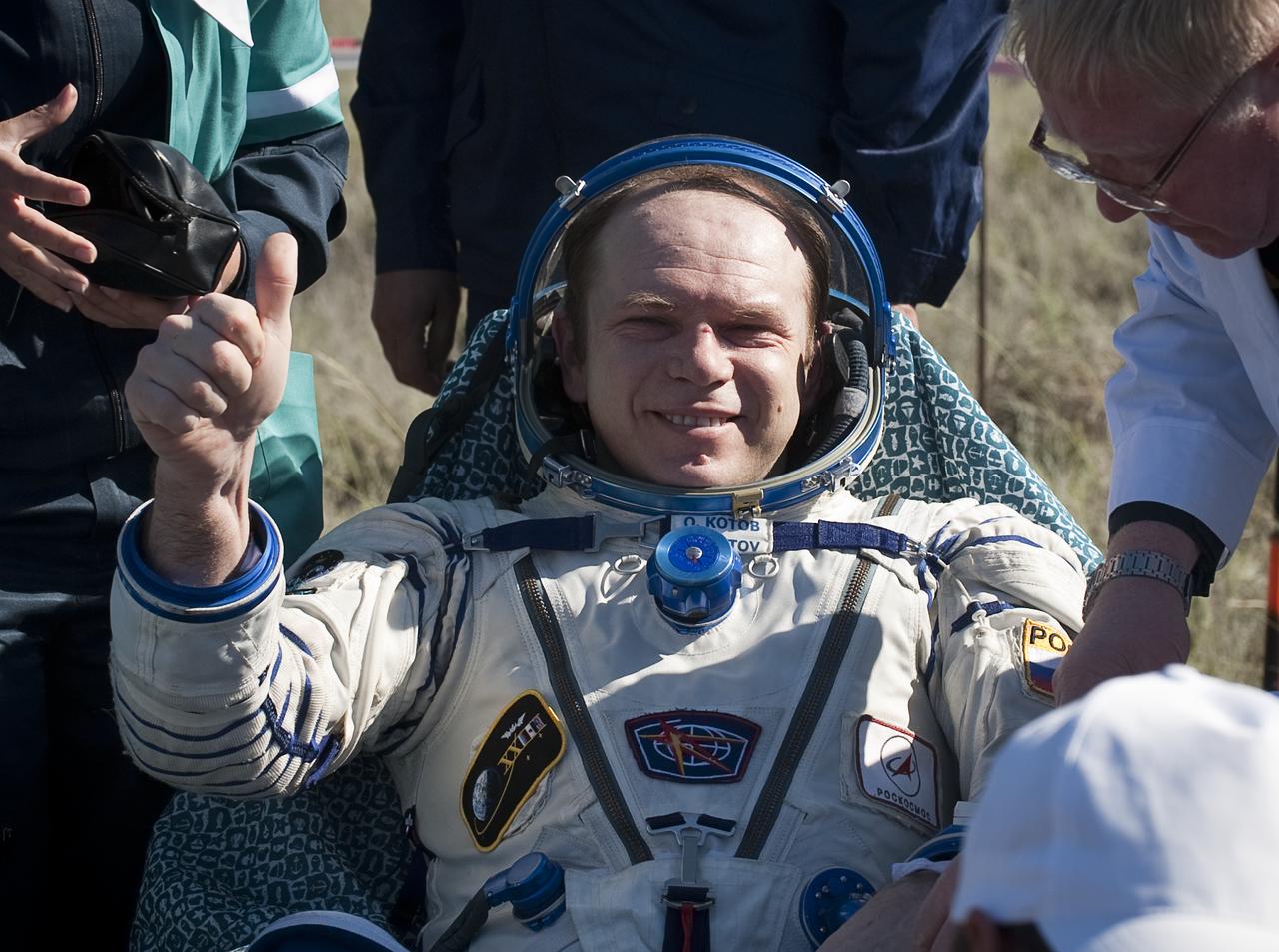
Expedition 23 Commander Oleg Kotov is seen sitting in a chair outside the Soyuz Capsule just minutes after he and fellow crew members T.J. Creamer and Soichi Noguchi landed in their Soyuz TMA-17 capsule near the town of Zhezkazgan, Kazakhstan on Wednesday, June 2, 2010. NASA Astronaut Creamer, Russian Cosmonaut Kotov and Japanese Astronaut Noguchi are returning from six months onboard the International Space Station where they served as members of the Expedition 22 and 23 crews. Photo Credit: (NASA/Bill Ingalls)
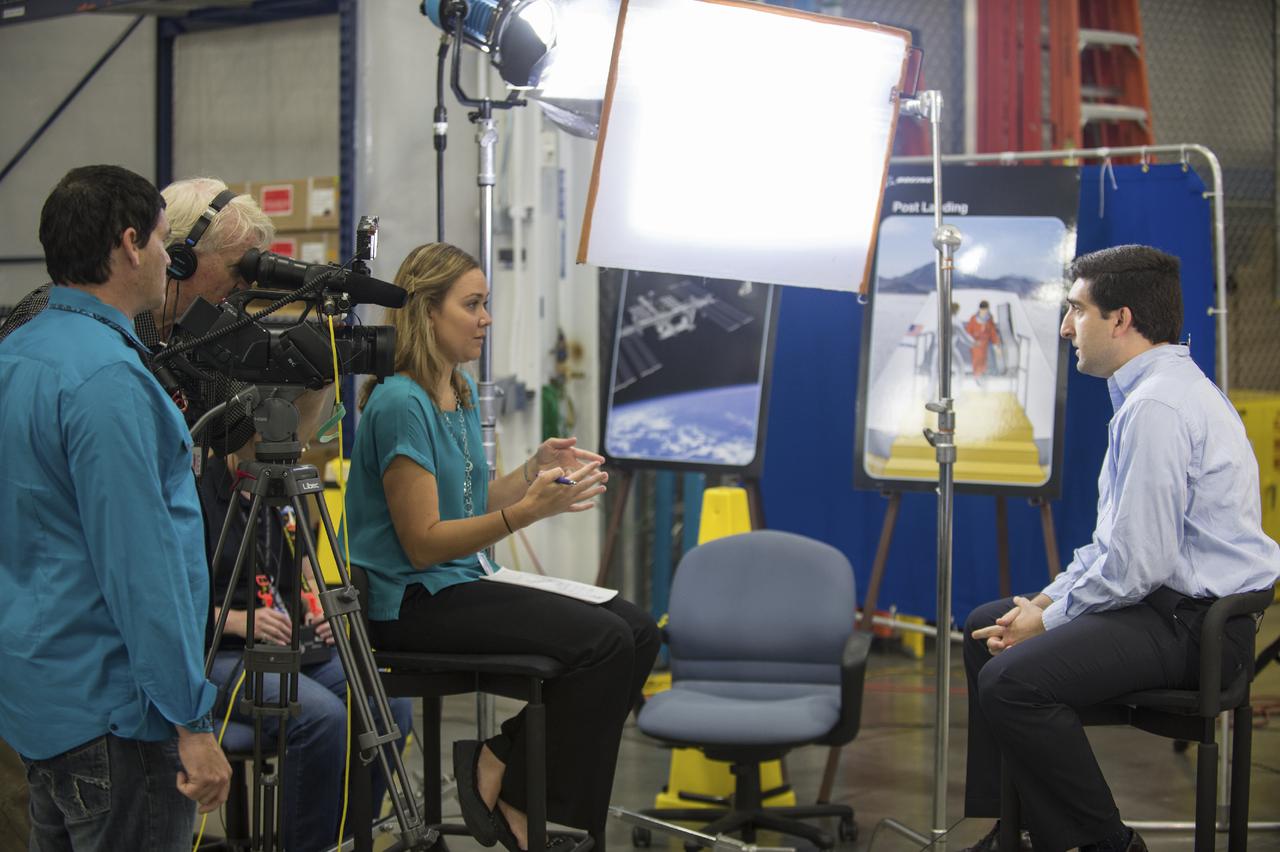
Crew Commercial Office's PAO activities for Boeing's rollout of their CST-100 capsule - "First Look" Media Event. Photo Date: July 23, 2013. Location: Boeing - Houston Product Support Center. Photographer: Robert Markowitz
Crew Commercial Office's PAO activities for Boeing's rollout of their CST-100 capsule - "First Look" Media Event. Photo Date: July 22, 2013. Location: Boeing - Houston Product Support Center. Photographer: Robert Markowitz
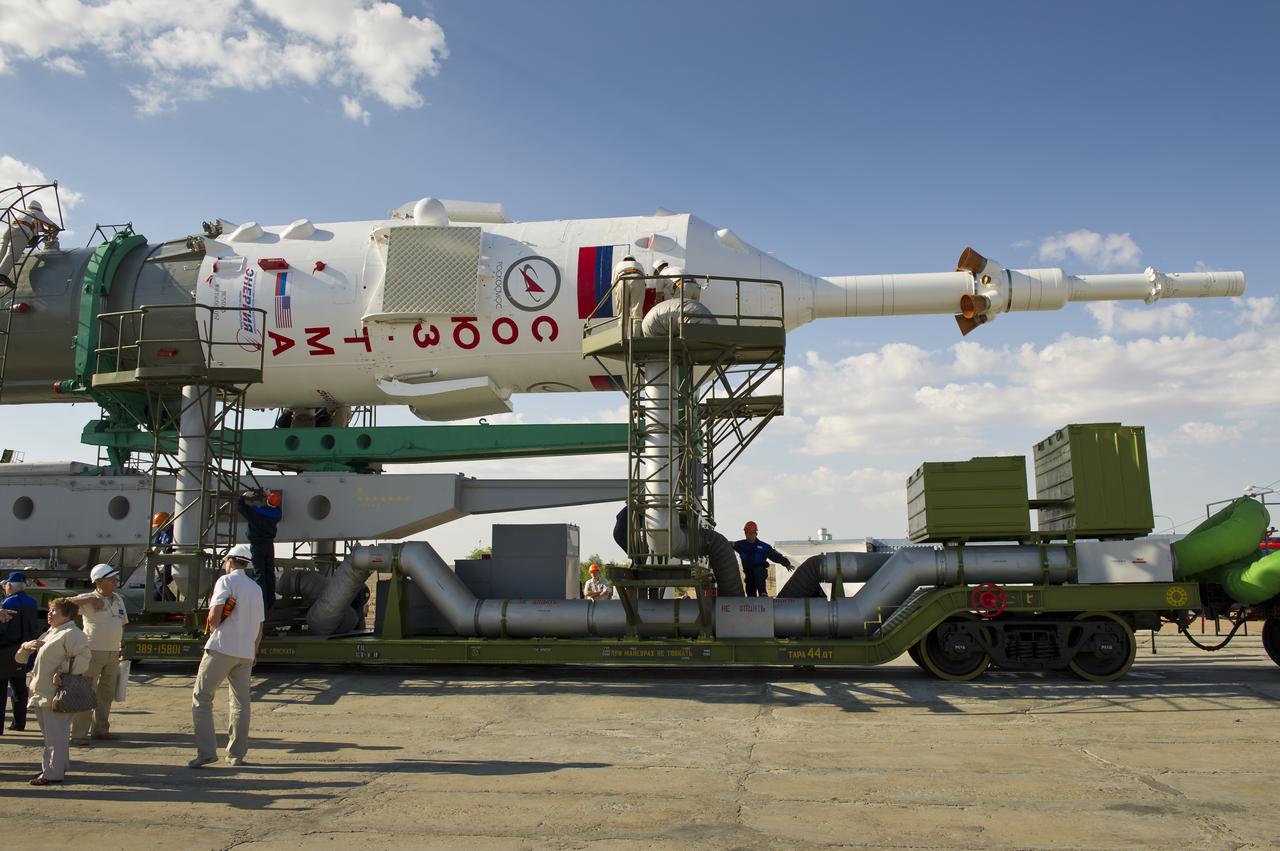
The upper stage of the Soyuz TMA-02M rocket, in which the crew capsule is located, is pictured here as it arrives at the launch pad on Sunday, June 5, 2011 at the Baikonur Cosmodrome in Kazakhstan. Photo Credit: (NASA/Carla Cioffi)

CEV (Crew Escape Vehicle) capsule Balistic Range testing to examine static and dynamic stability characteristics (at the Hypervelocity Free-Flight Facility) HFF - Bon Bowling machining sabot to find dimensions
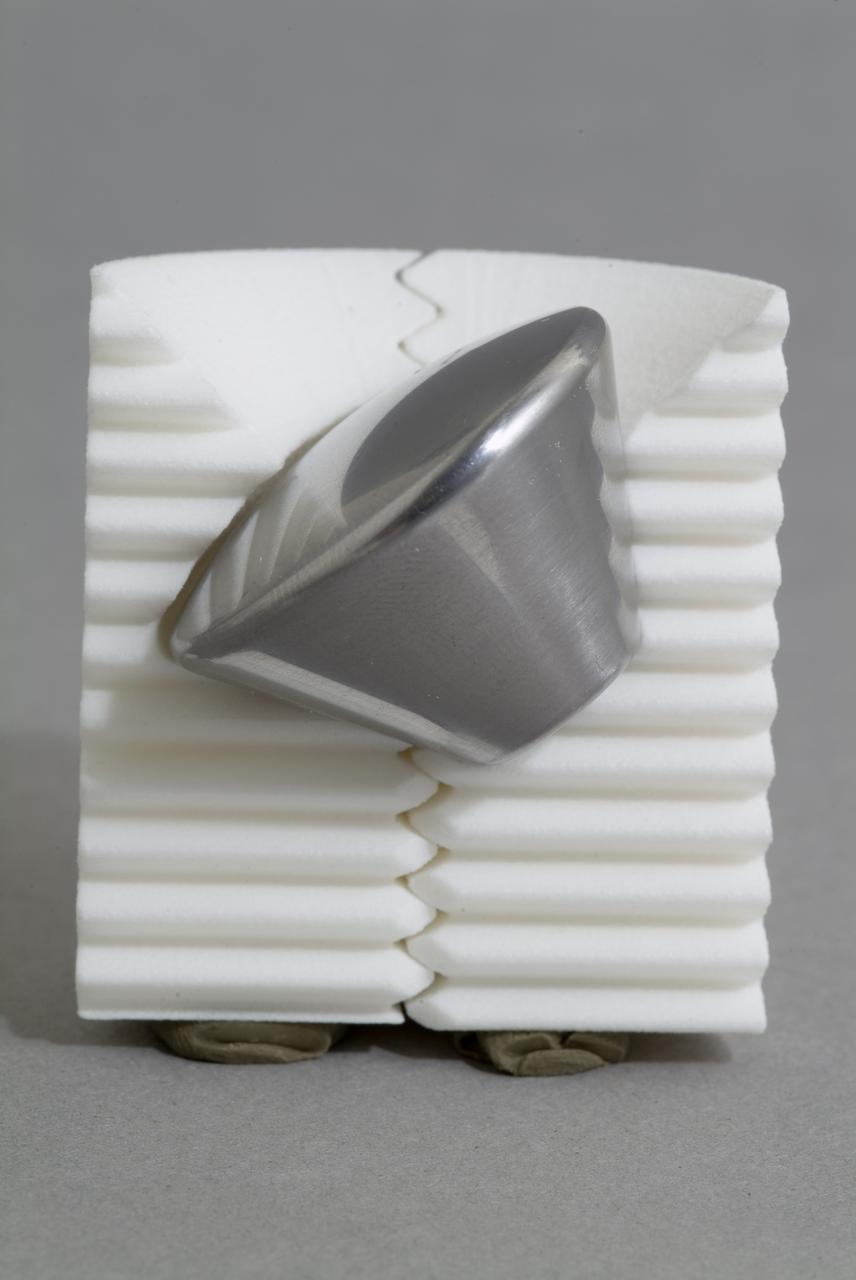
CEV (Crew Escape Vehicle) capsule Balistic Range testing to examine static and dynamic stability characteristics (at the Hypervelocity Free-Flight Facility) HFF - model M-1 in 40 degree initial launch angle with sabot
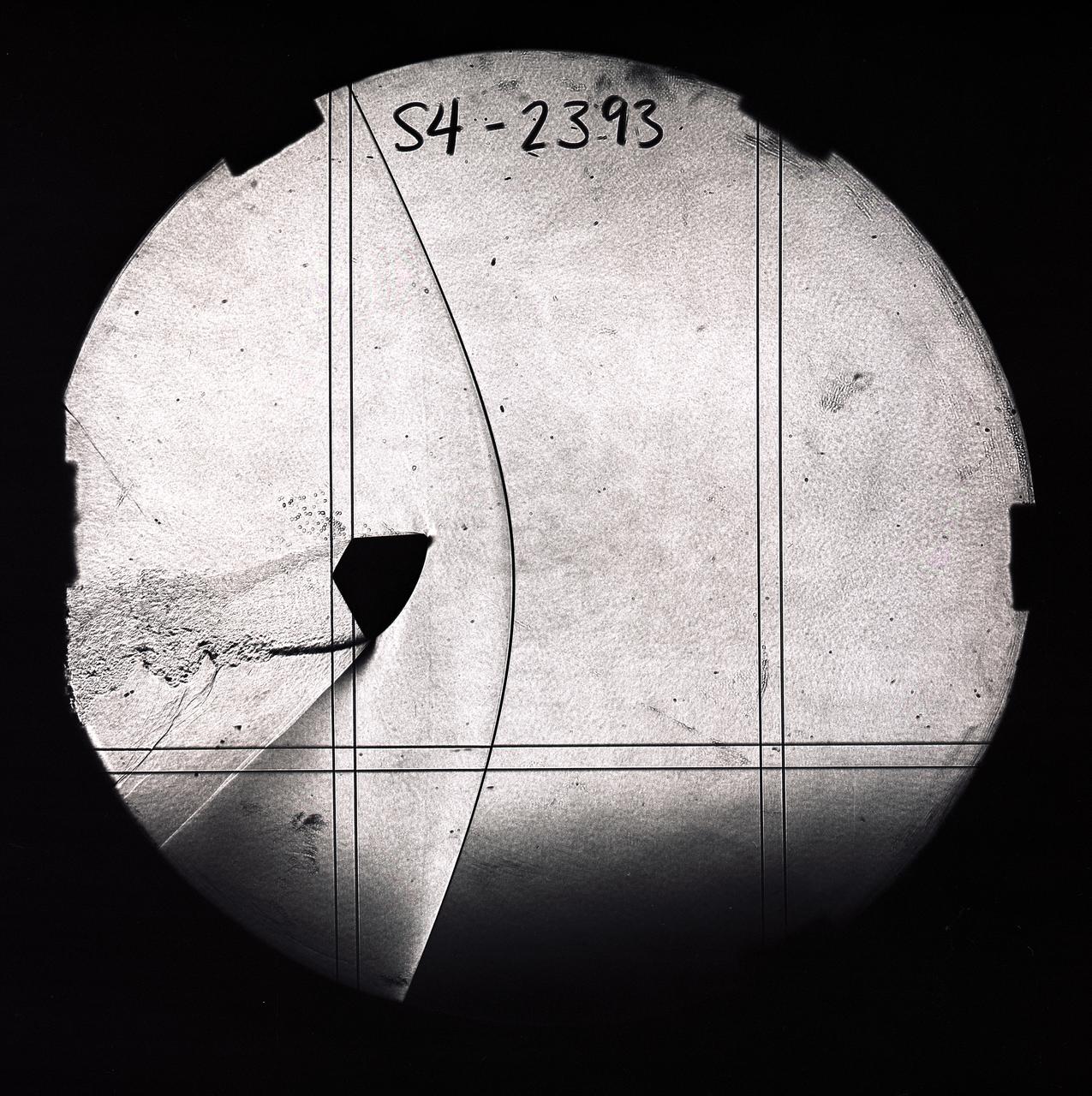
CEV (Crew Escape Vehicle) capsule Balistic Range testing to examine static and dynamic stability characteristics (at the Hypervelocity Free-Flight Facility) HFF - scans of shadowgraphs from 8x10 film images
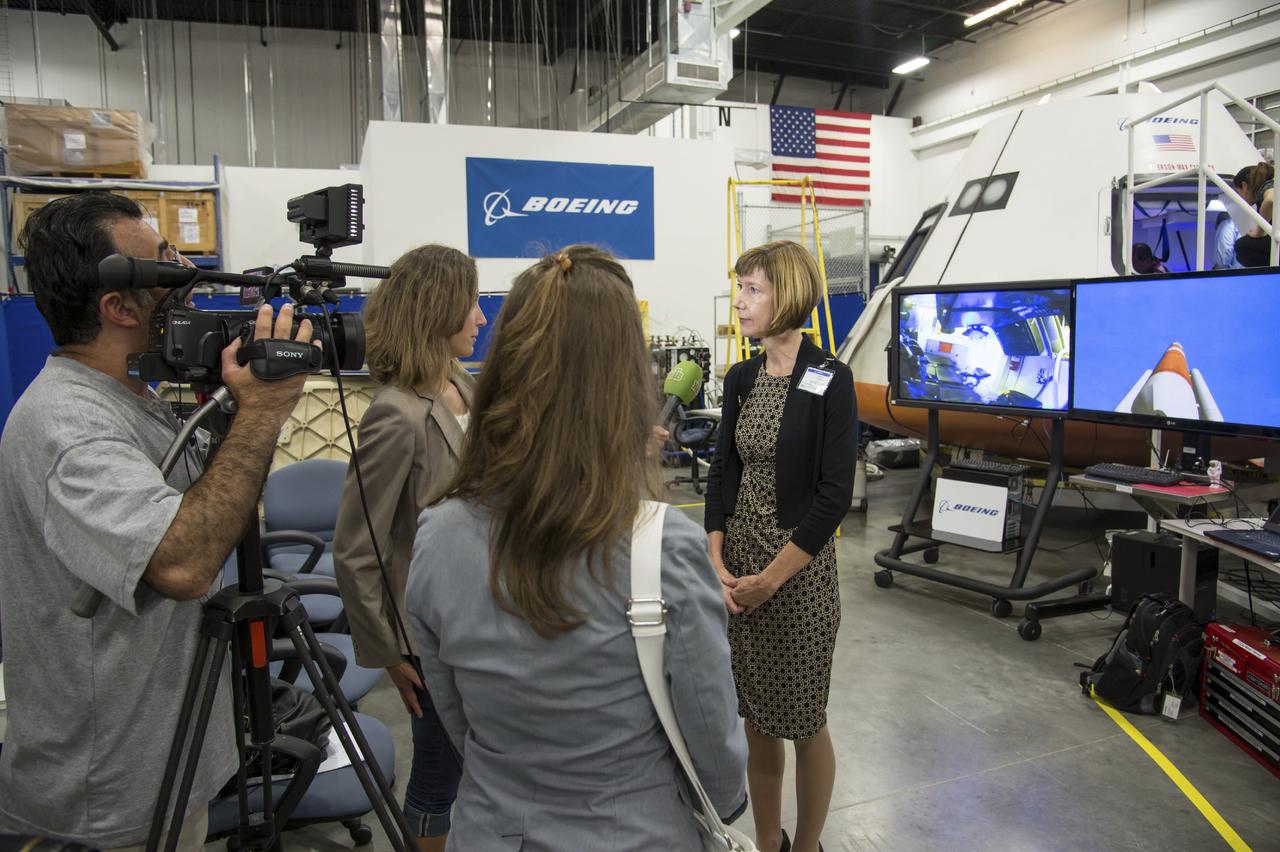
Crew Commercial Office's PAO activities for Boeing's rollout of their CST-100 capsule - "First Look" Media Event. Photo Date: July 22, 2013. Location: Boeing - Houston Product Support Center. Photographer: Robert Markowitz
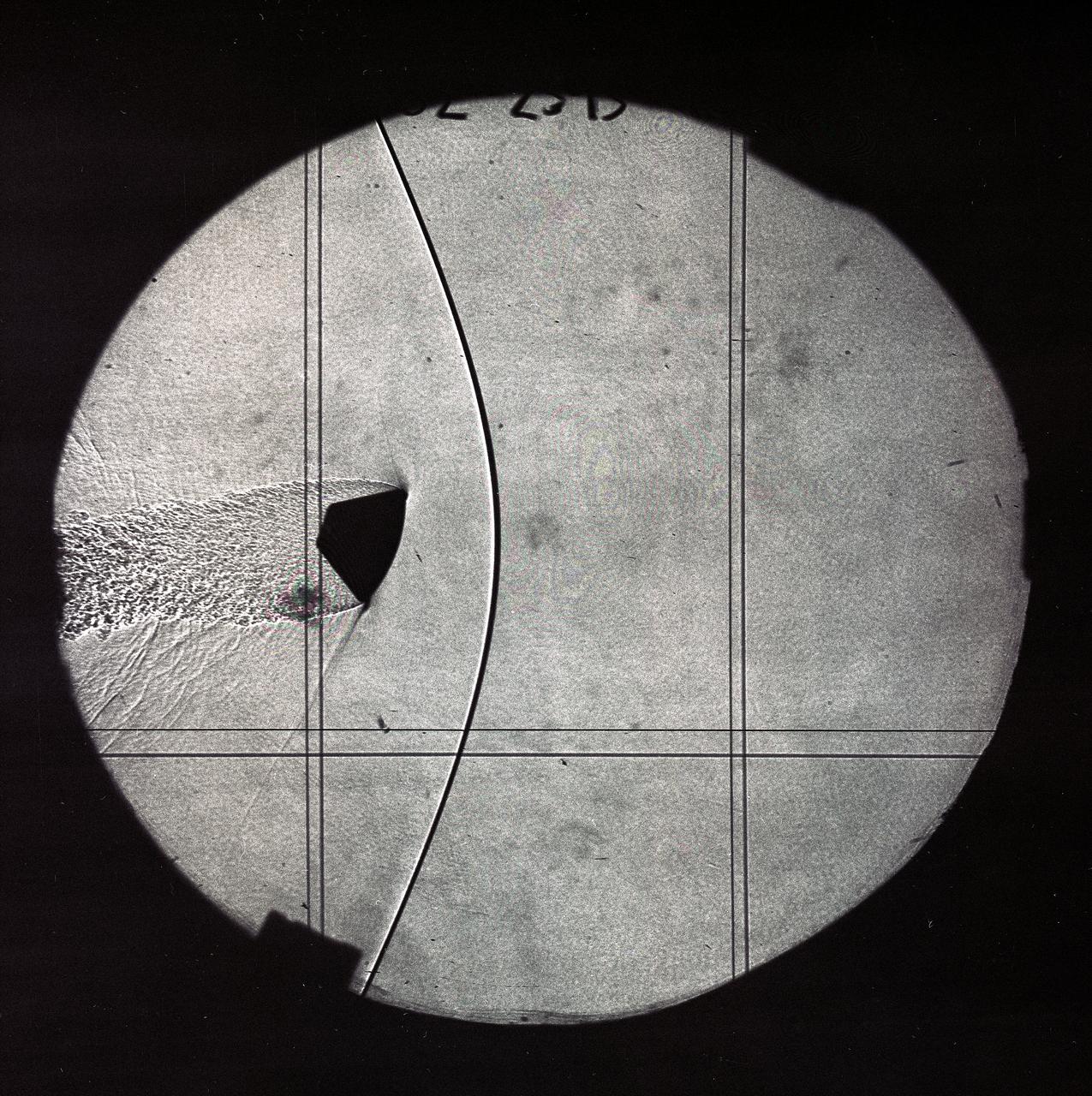
CEV (Crew Escape Vehicle) capsule Balistic Range testing to examine static and dynamic stability characteristics (at the Hypervelocity Free-Flight Facility) HFF - scans of shadowgraphs from 8x10 film images
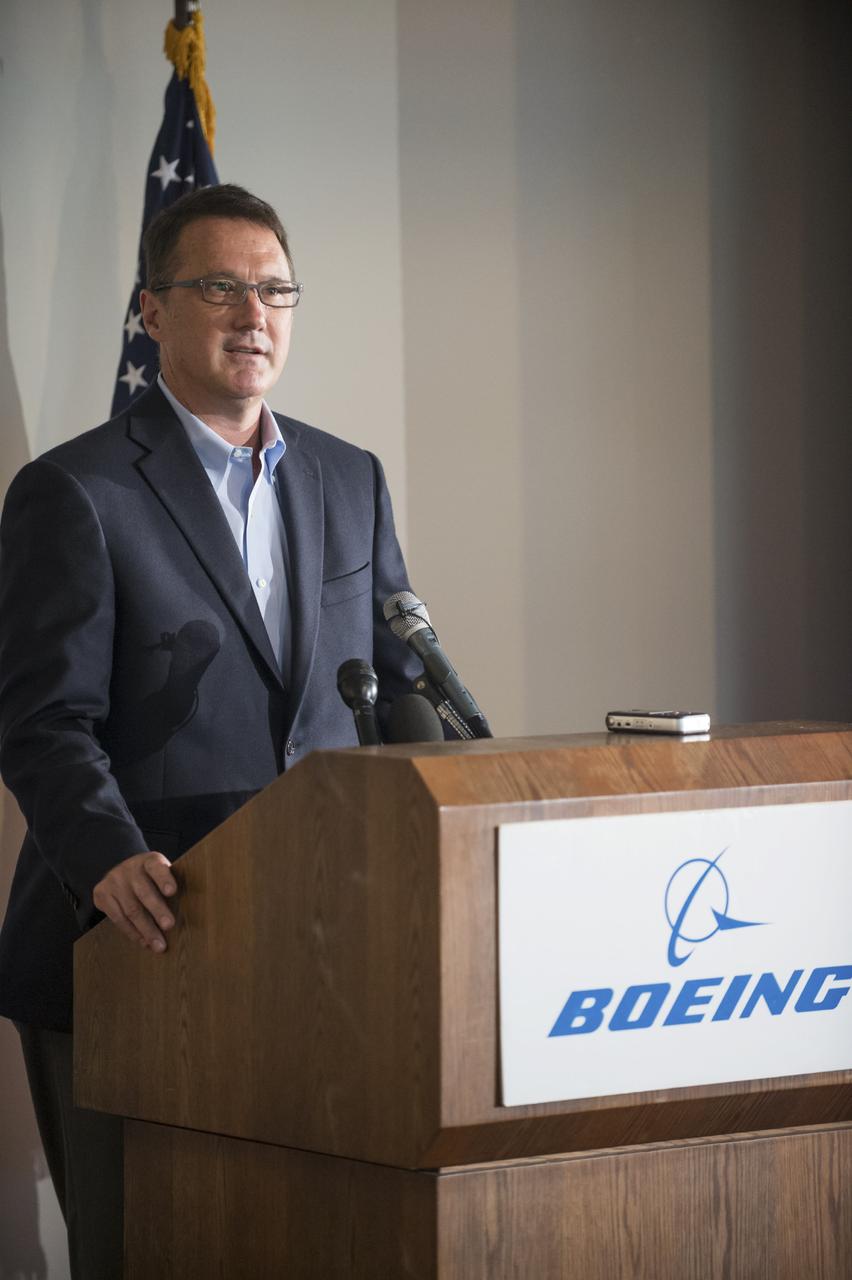
Crew Commercial Office's PAO activities for Boeing's rollout of their CST-100 capsule - "First Look" Media Event. Photo Date: July 22, 2013. Location: Boeing - Houston Product Support Center. Photographer: Robert Markowitz
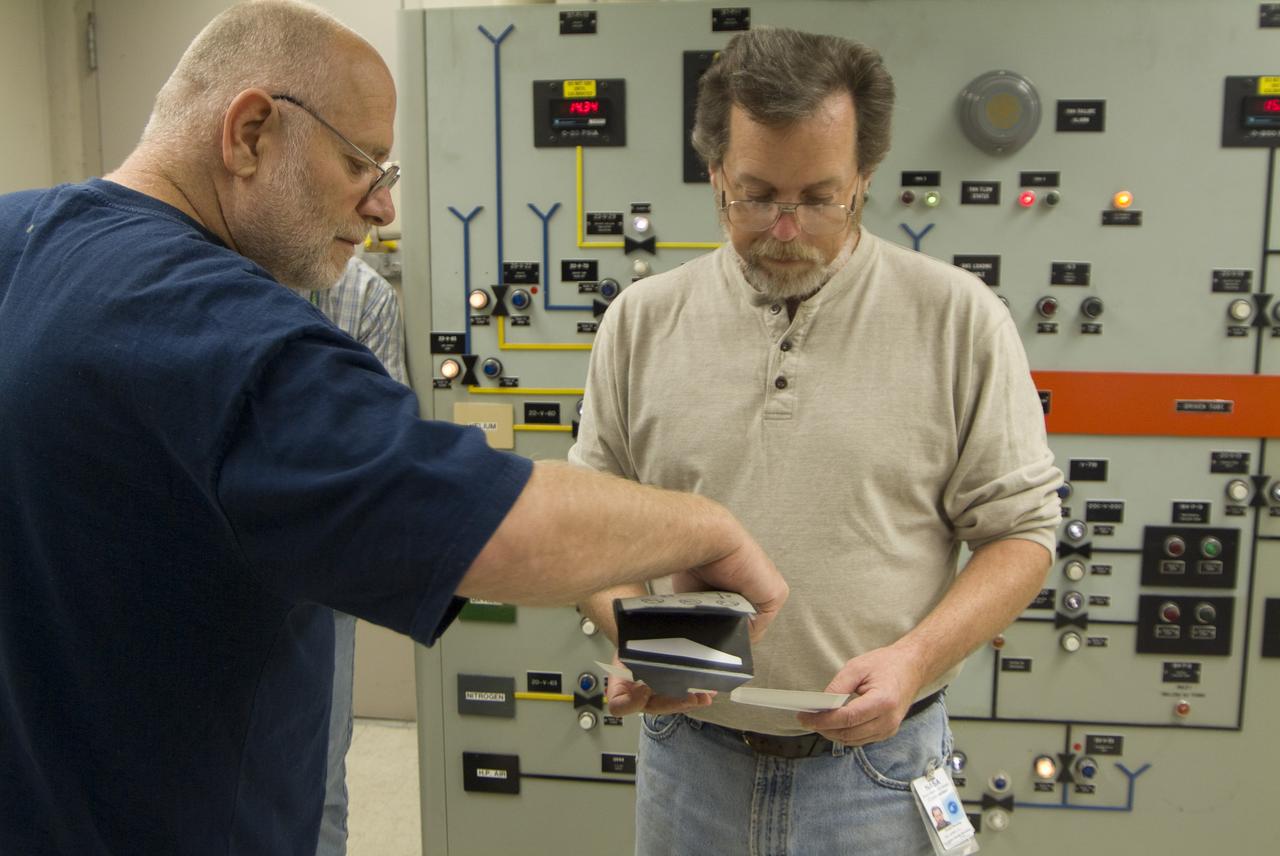
CEV (Crew Escape Vehicle) capsule Balistic Range testing to examine static and dynamic stability characteristics (at the Hypervelocity Free-Flight Facility) HFF - Don Holt (L) & Don Bowling (r) in control room examining poloroids
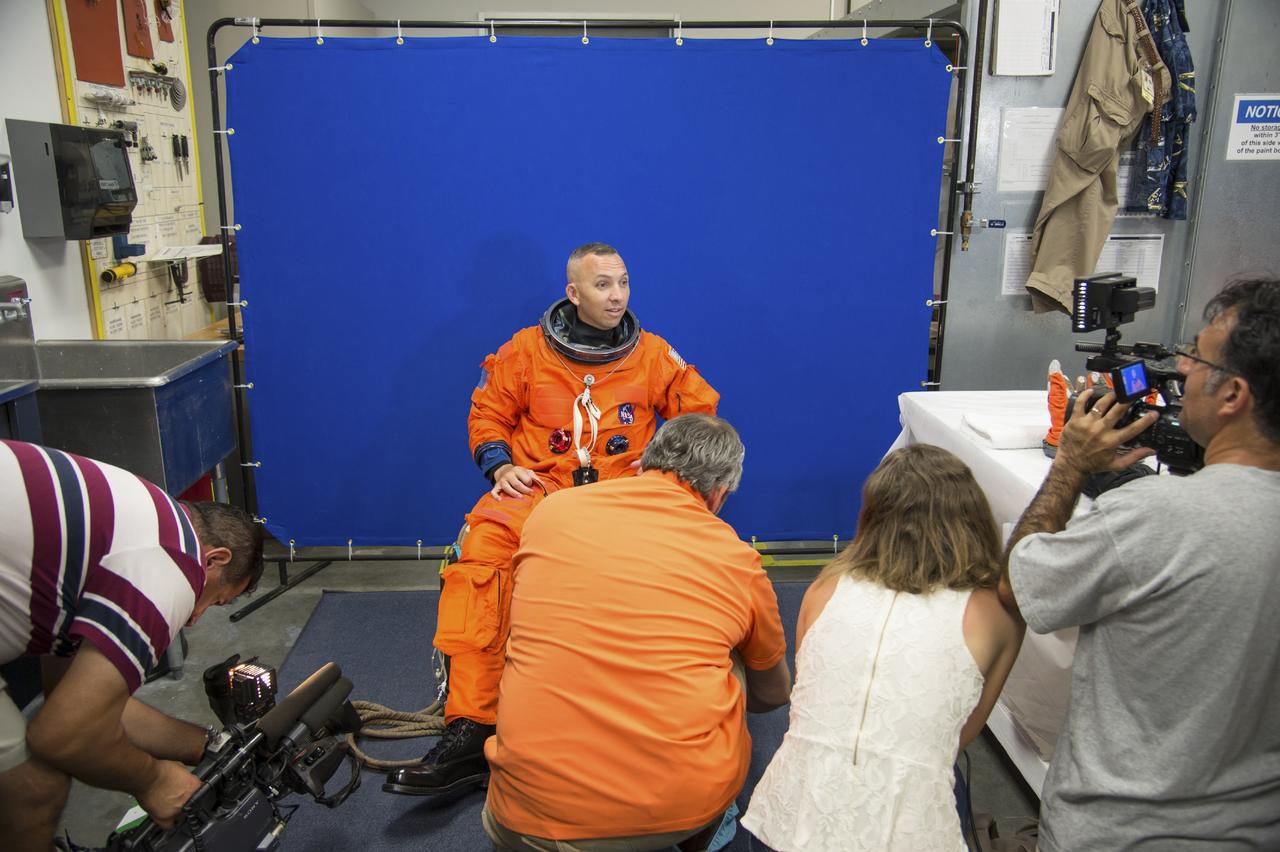
Crew Commercial Office's PAO activities for Boeing's rollout of their CST-100 capsule - "First Look" Media Event. Photo Date: July 22, 2013. Location: Boeing - Houston Product Support Center. Photographer: Robert Markowitz
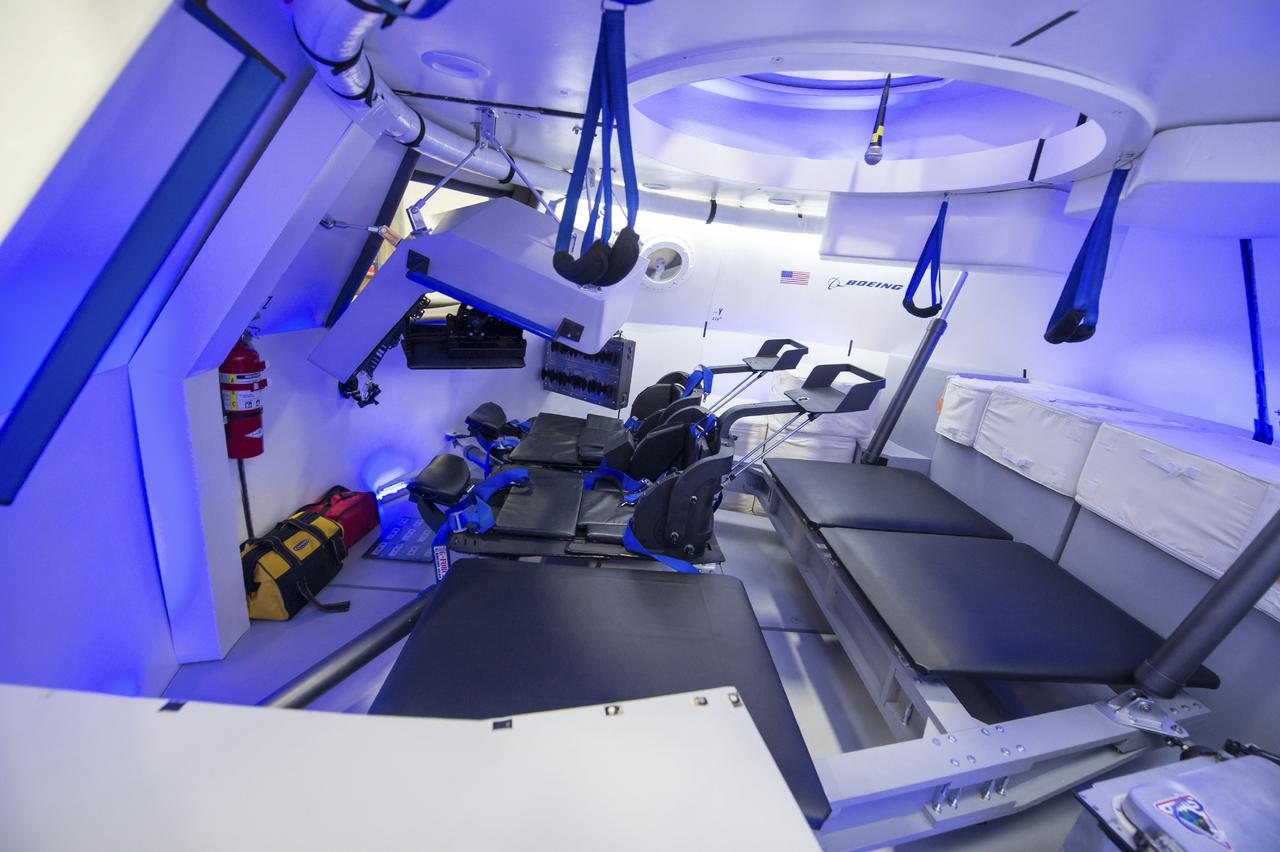
Crew Commercial Office's PAO activities for Boeing's rollout of their CST-100 capsule - "First Look" Media Event. Photo Date: July 22, 2013. Location: Boeing - Houston Product Support Center. Photographer: Robert Markowitz
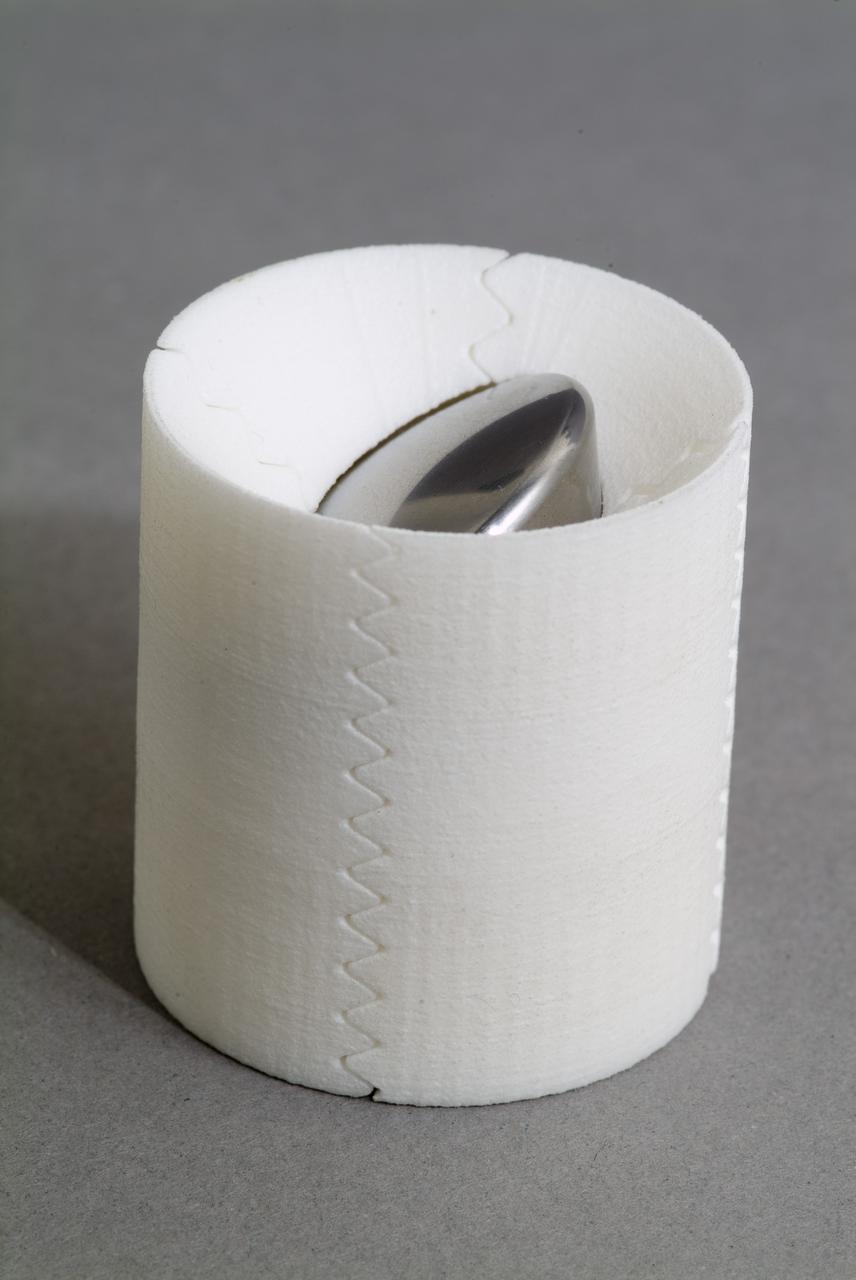
CEV (Crew Escape Vehicle) capsule Balistic Range testing to examine static and dynamic stability characteristics (at the Hypervelocity Free-Flight Facility) HFF - model M-1 in 40 degree initial launch angle with sabot
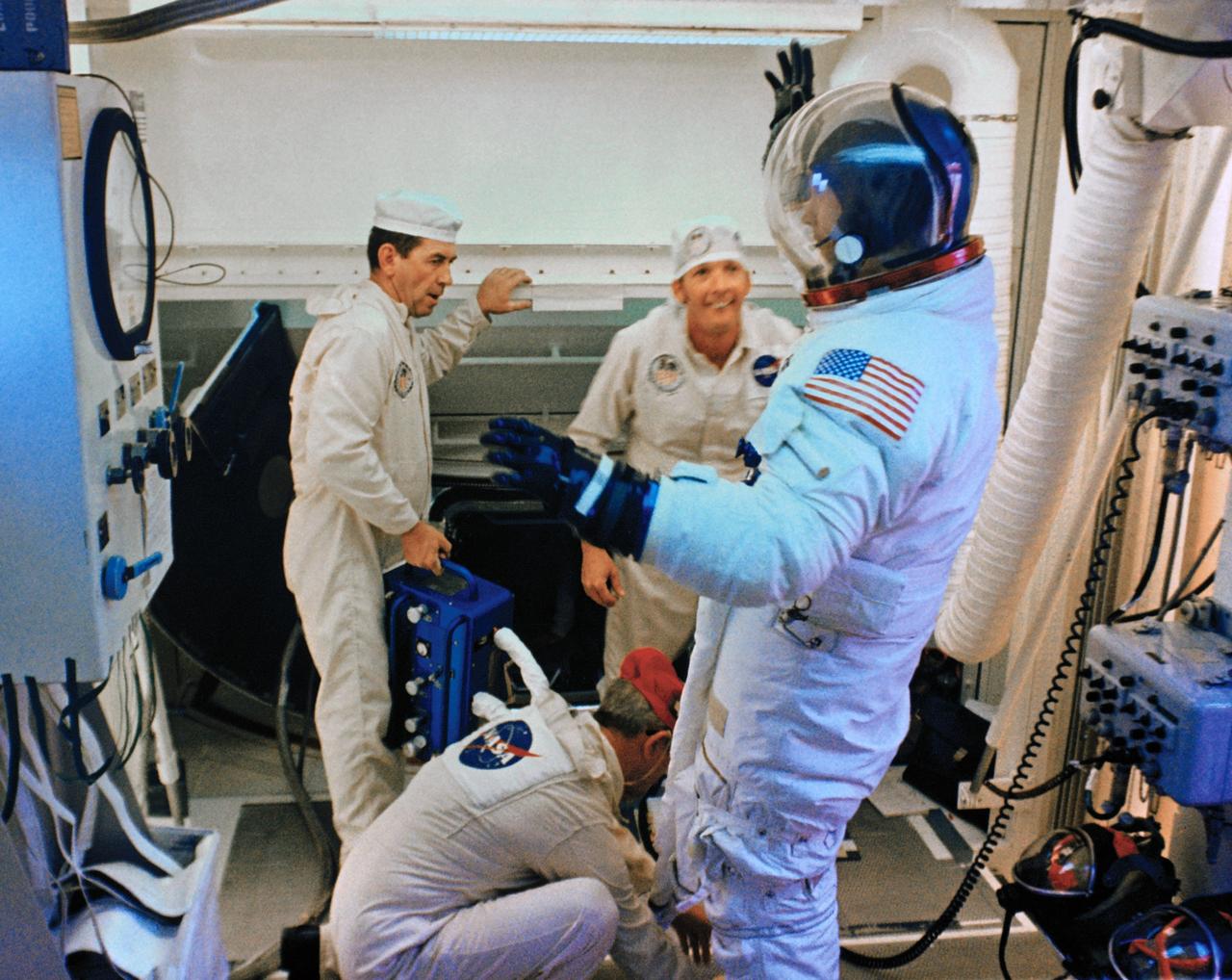
CAPE CANAVERAL, Fla. – The Apollo 16 crew prepares to climb inside the Apollo capsule on launch day before lifting off on a mission to the moon. Photo credit: NASA
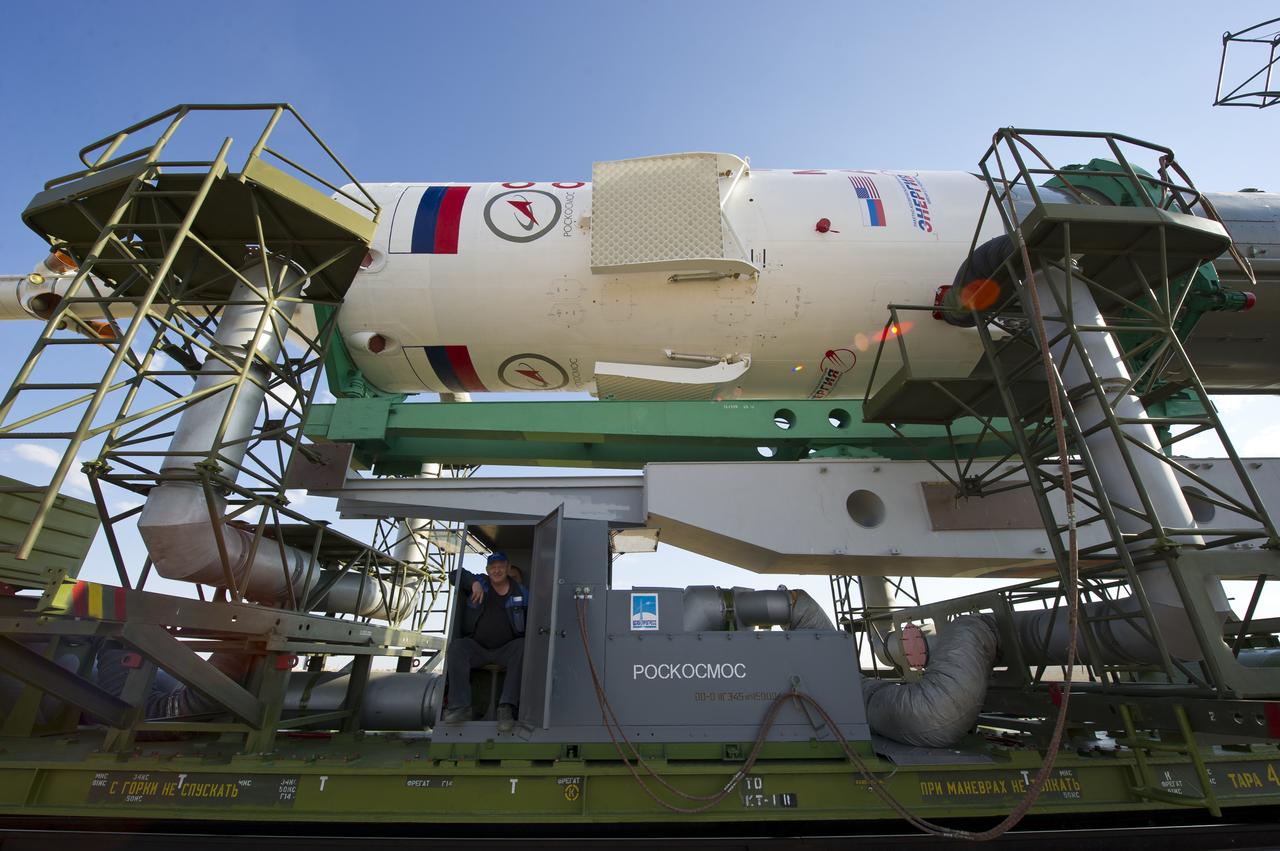
The upper stage of the Soyuz TMA-02M rocket in which the crew capsule is located is pictured here during the rollout of the rocket on Sunday, June 5, 2011 at the Baikonur Cosmodrome in Kazakhstan. Photo Credit: (NASA/Carla Cioffi)
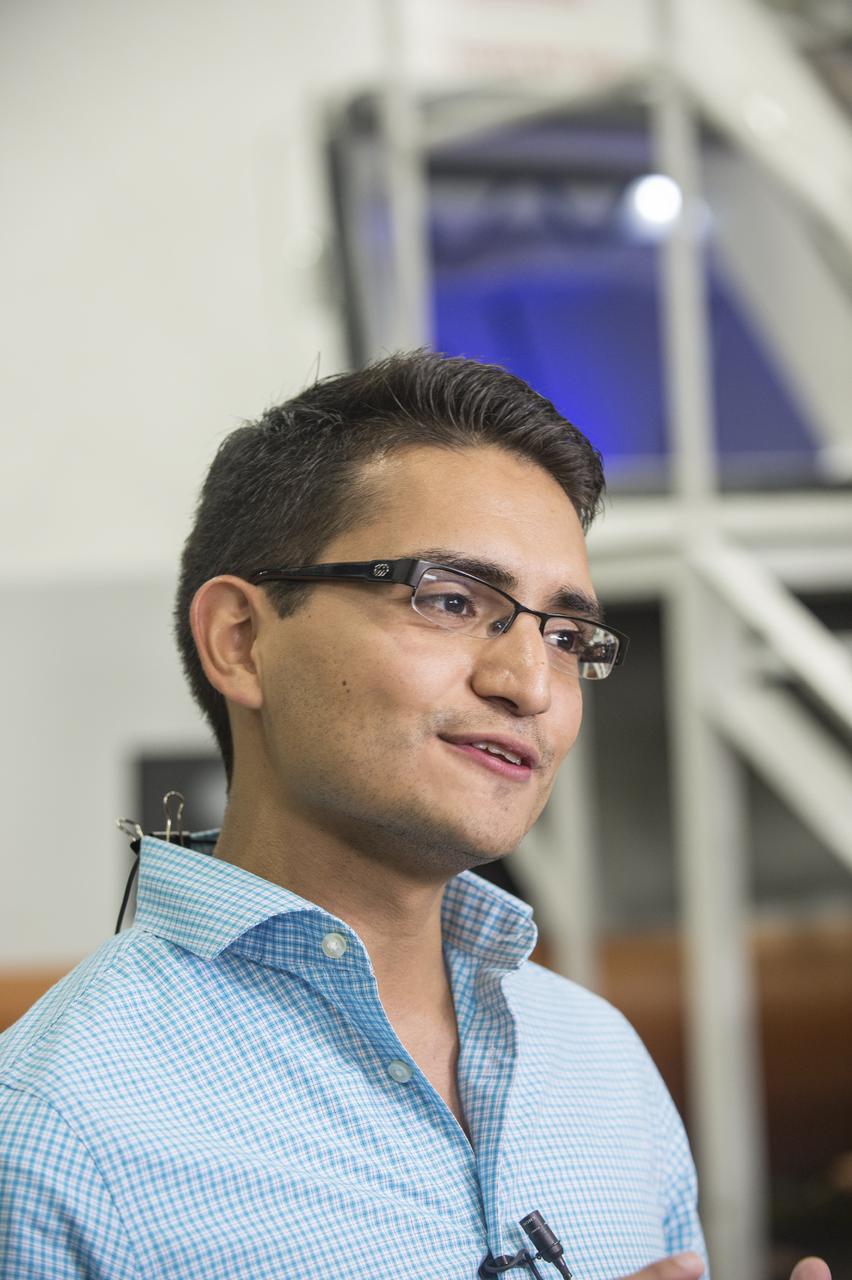
Crew Commercial Office's PAO activities for Boeing's rollout of their CST-100 capsule - "First Look" Media Event. Photo Date: July 23, 2013. Location: Boeing - Houston Product Support Center. Photographer: Robert Markowitz
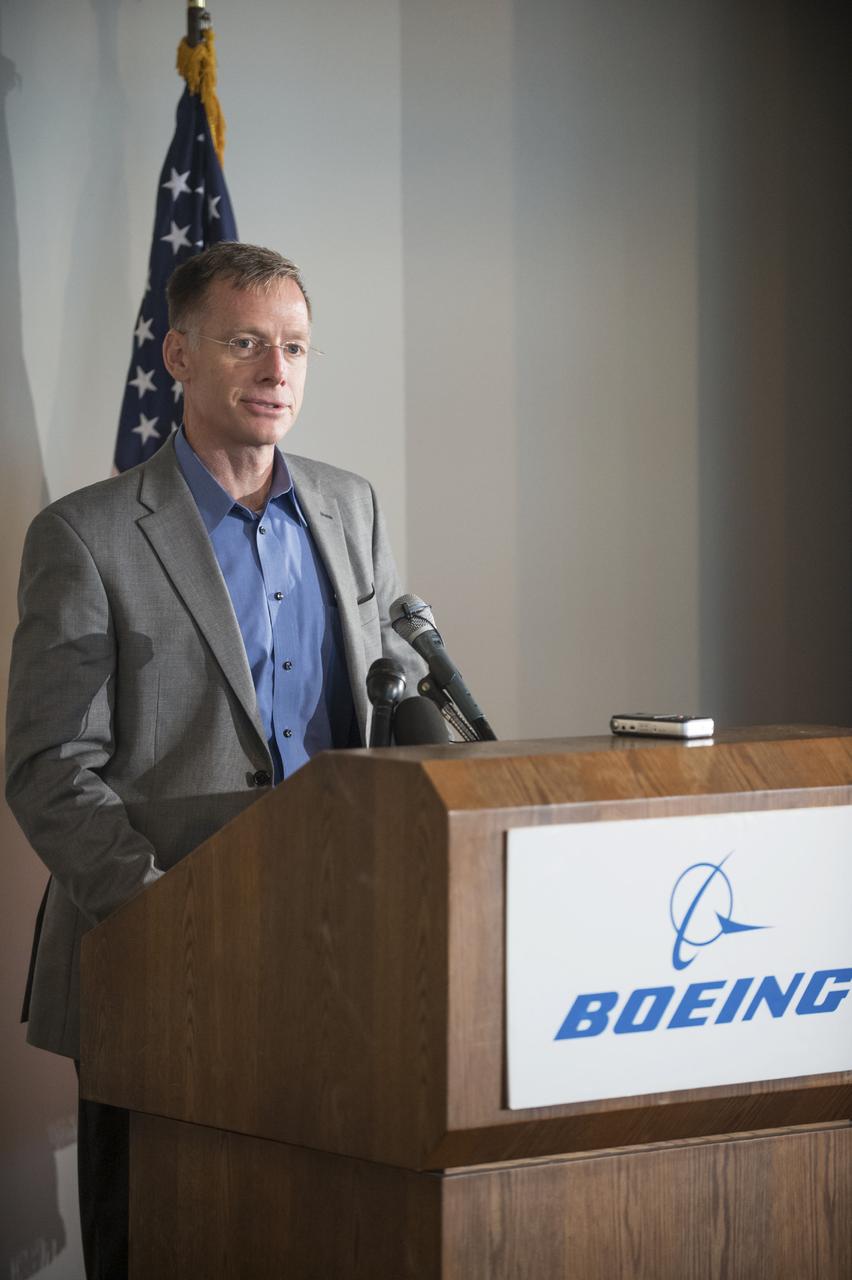
Crew Commercial Office's PAO activities for Boeing's rollout of their CST-100 capsule - "First Look" Media Event. Photo Date: July 22, 2013. Location: Boeing - Houston Product Support Center. Photographer: Robert Markowitz
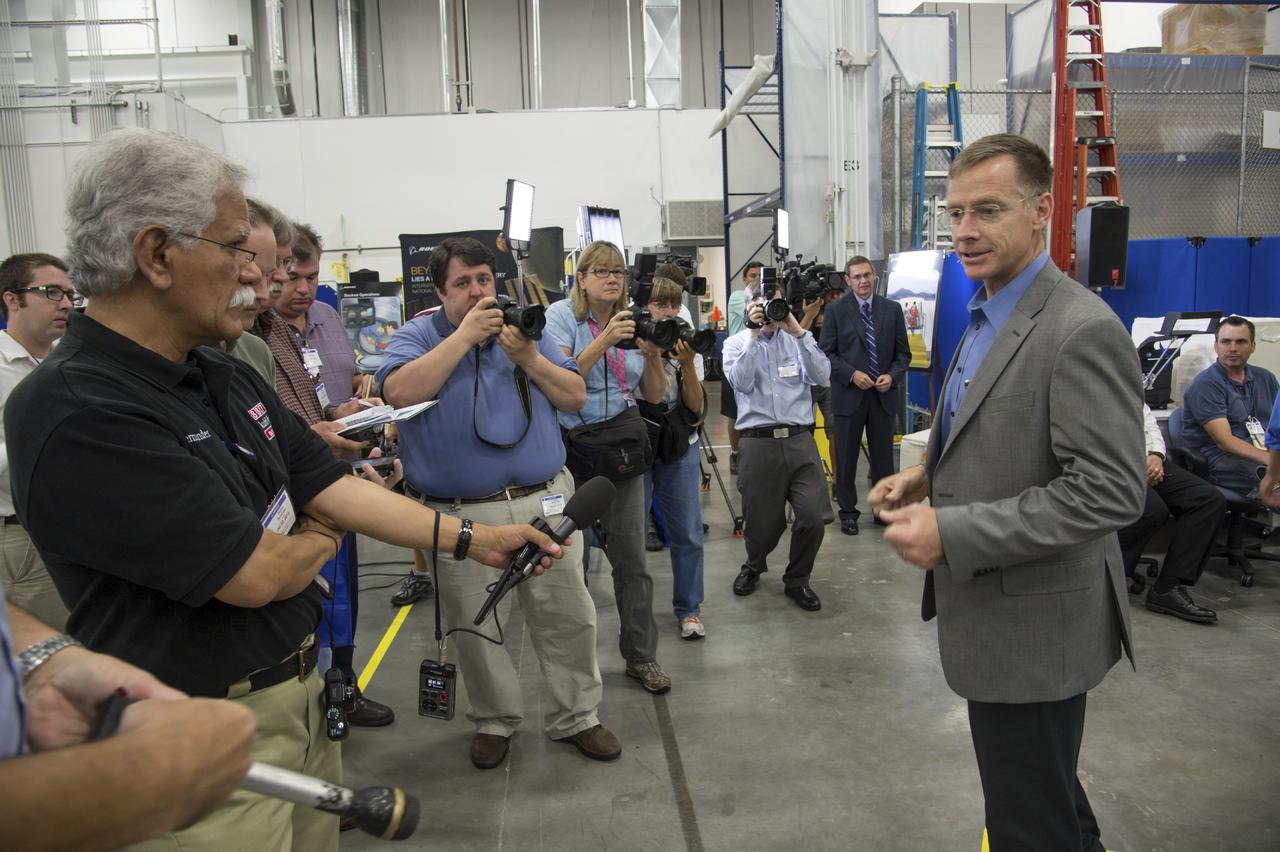
Crew Commercial Office's PAO activities for Boeing's rollout of their CST-100 capsule - "First Look" Media Event. Photo Date: July 22, 2013. Location: Boeing - Houston Product Support Center. Photographer: Robert Markowitz
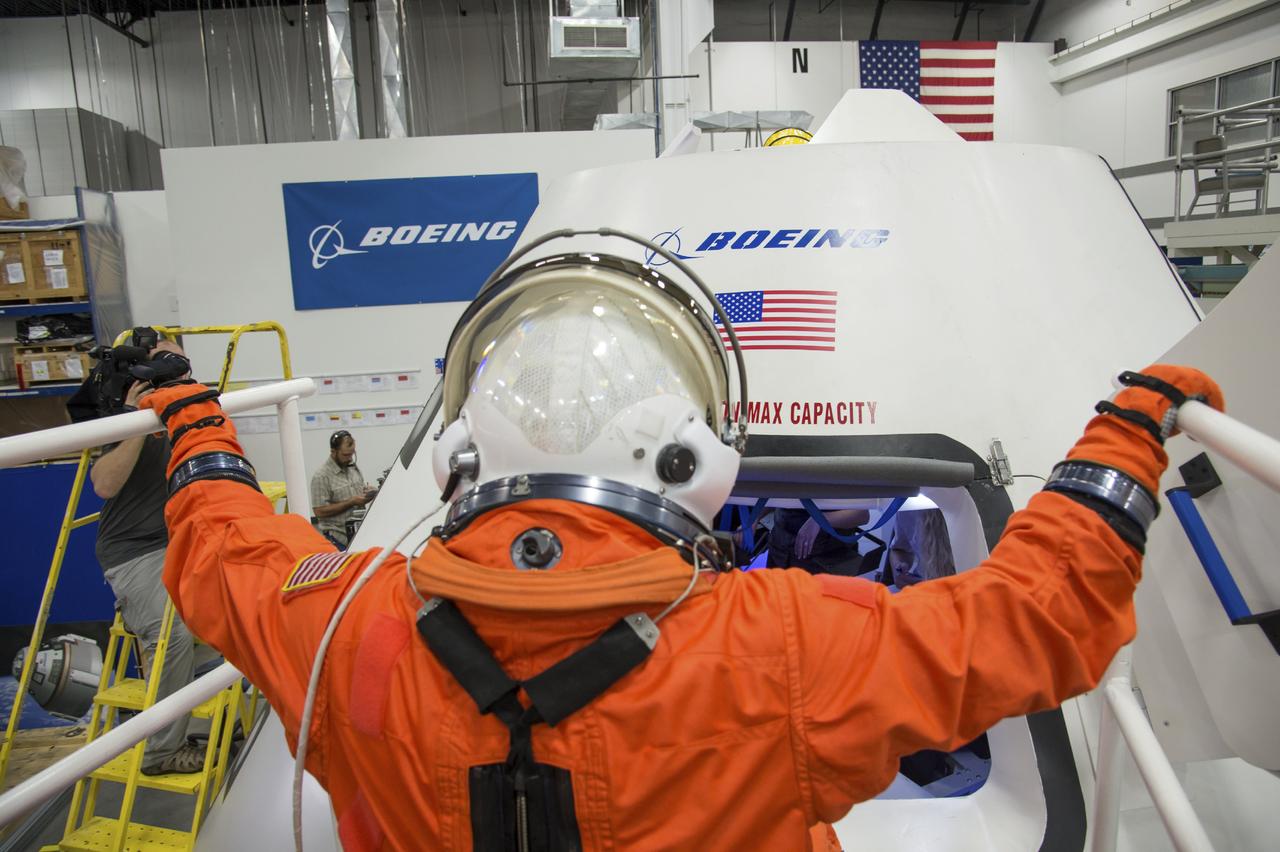
Crew Commercial Office's PAO activities for Boeing's rollout of their CST-100 capsule - "First Look" Media Event. Photo Date: July 22, 2013. Location: Boeing - Houston Product Support Center. Photographer: Robert Markowitz
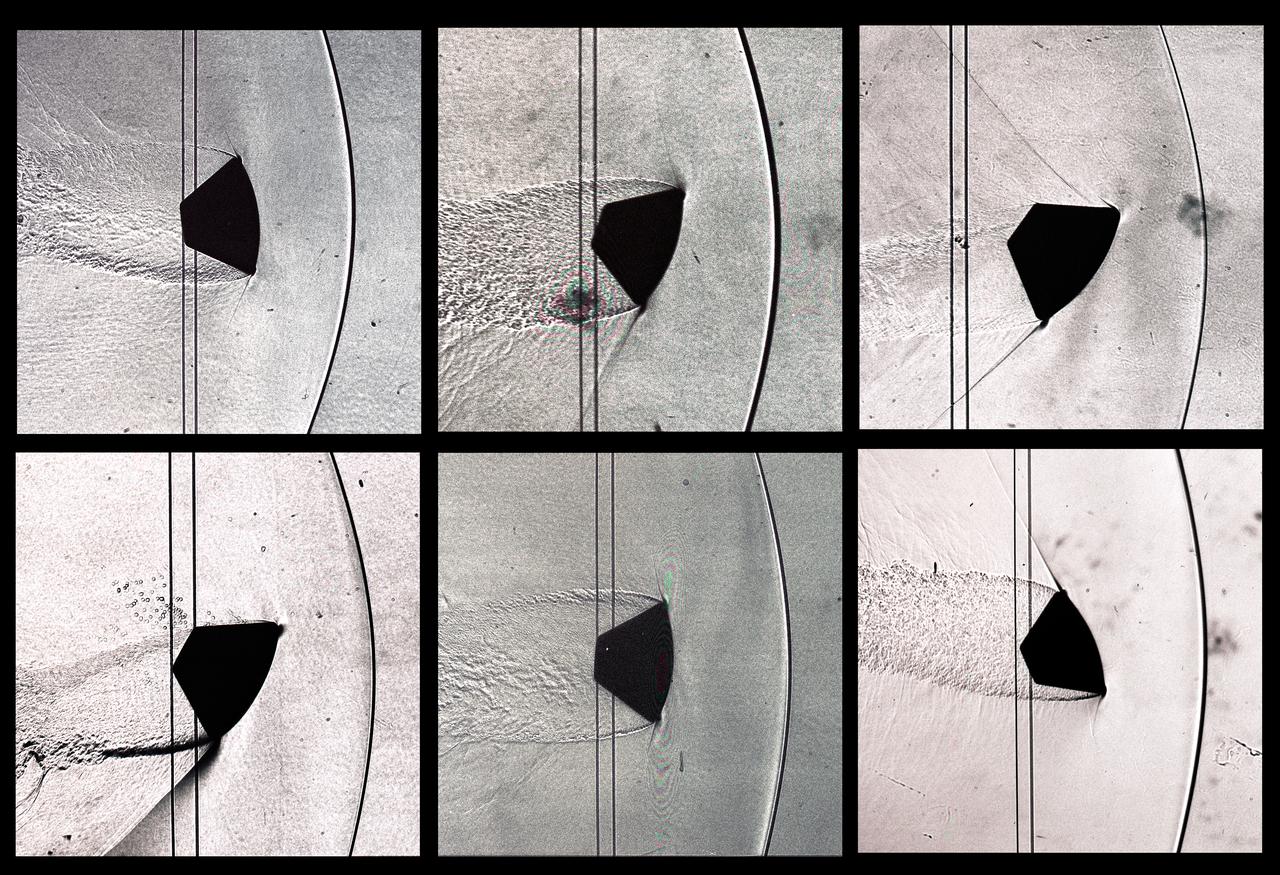
CEV (Crew Escape Vehicle) capsule Balistic Range testing to examine static and dynamic stability characteristics (at the Hypervelocity Free-Flight Facility) HFF - scans of shadowgraphs from 8x10 film images
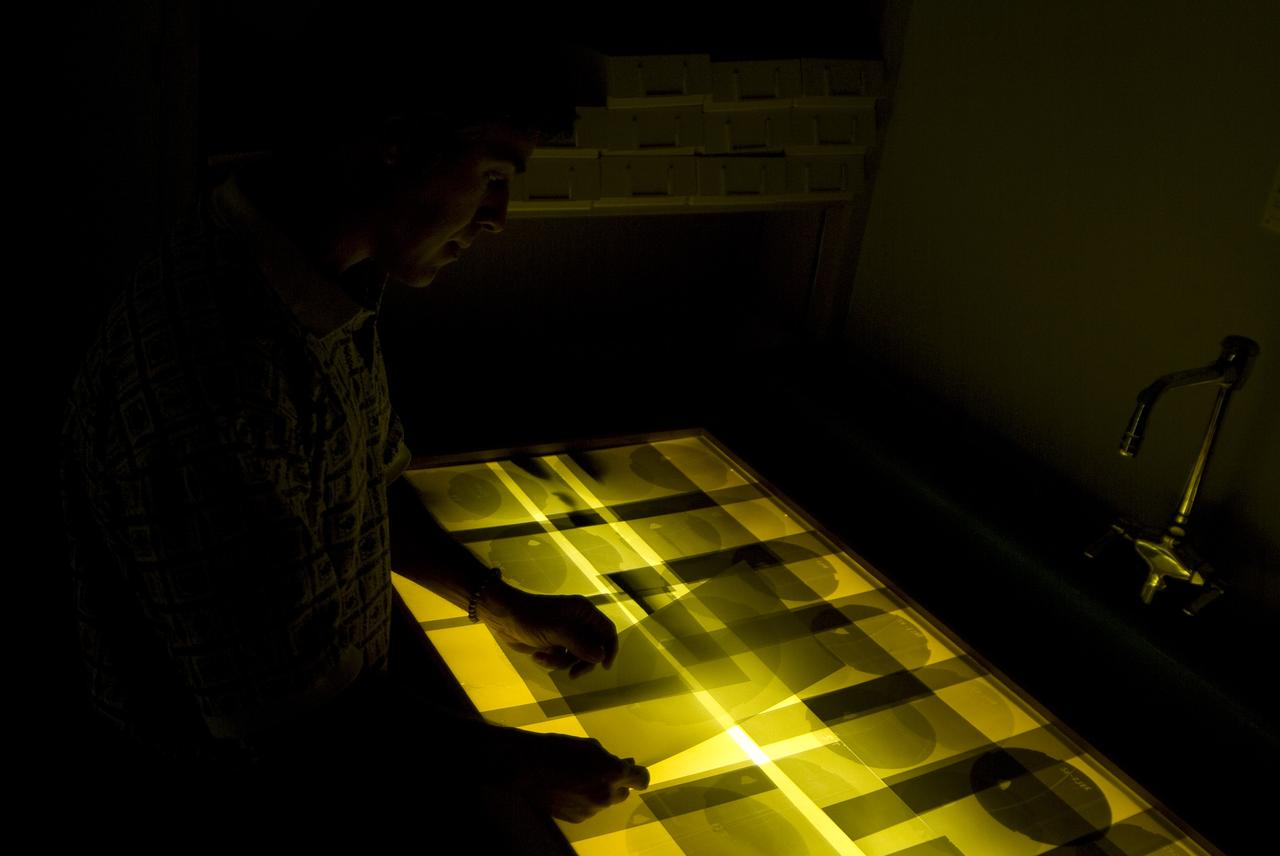
CEV (Crew Escape Vehicle) capsule Balistic Range testing to examine static and dynamic stability characteristics (at the Hypervelocity Free-Flight Facility) HFF - Chuck Cornelison viewing 8x10 shadowgraph images
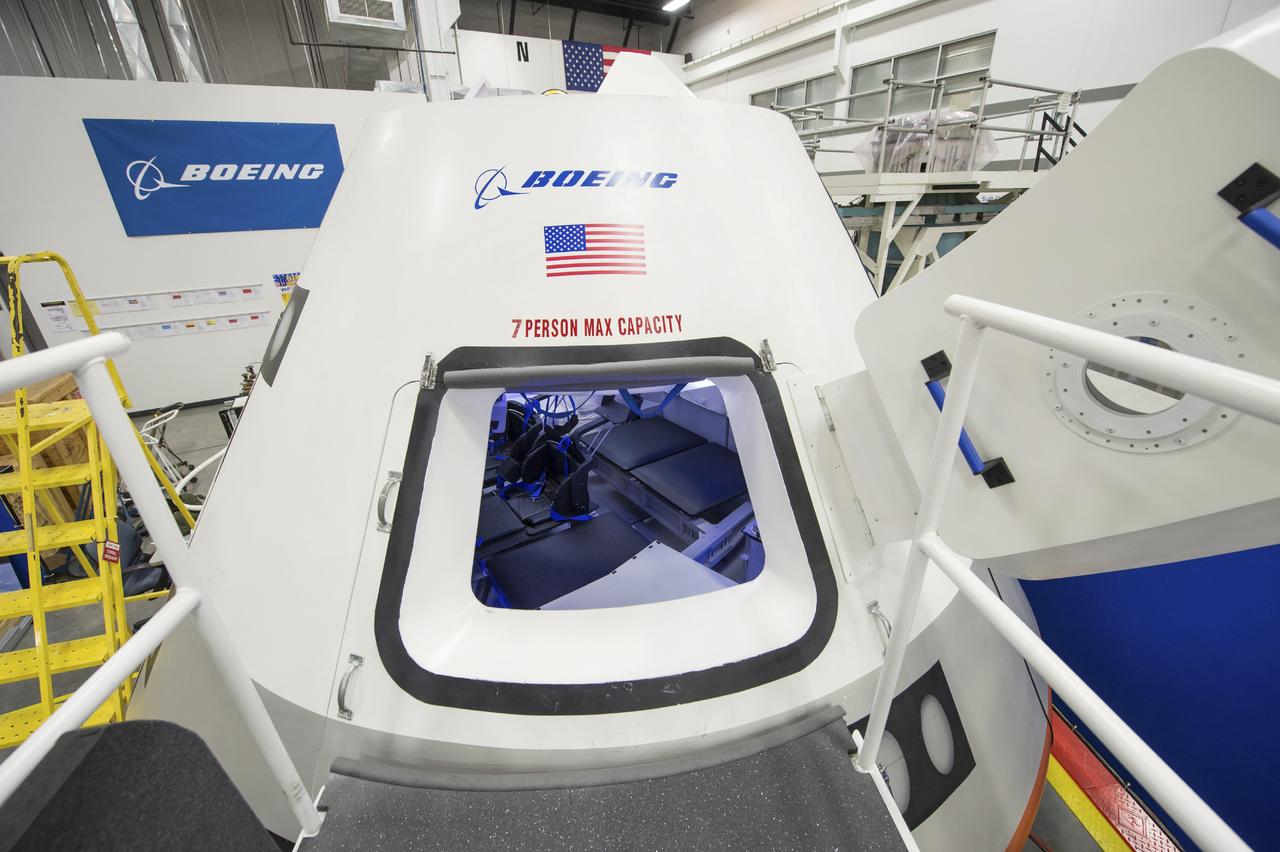
Crew Commercial Office's PAO activities for Boeing's rollout of their CST-100 capsule - "First Look" Media Event. Photo Date: July 22, 2013. Location: Boeing - Houston Product Support Center. Photographer: Robert Markowitz
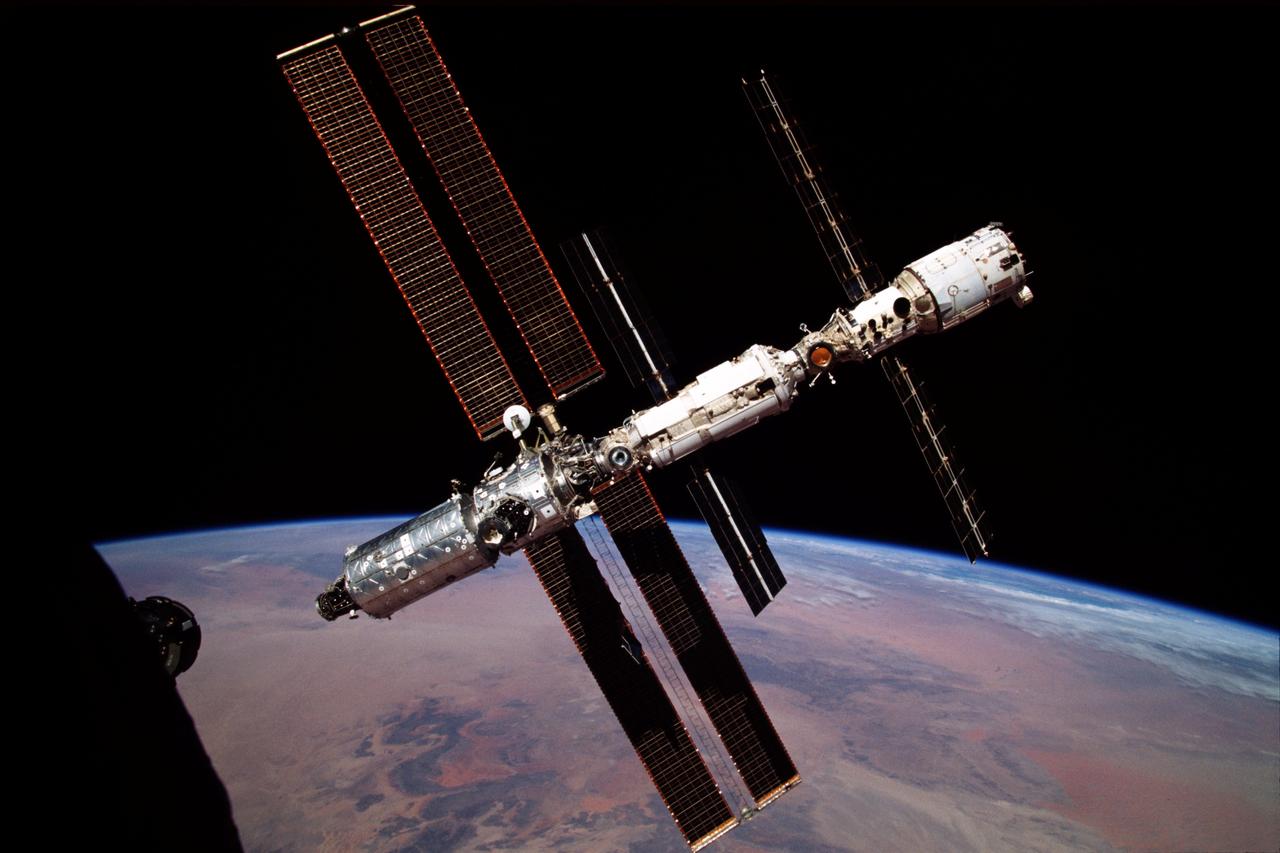
ISS001-389-023 (24 February 2001) --- The International Space Station (ISS), backdropped against the darkness of space and Earth at its horizon, was photographed by the Expedition One crew during a flyaround aboard a Soyuz capsule.
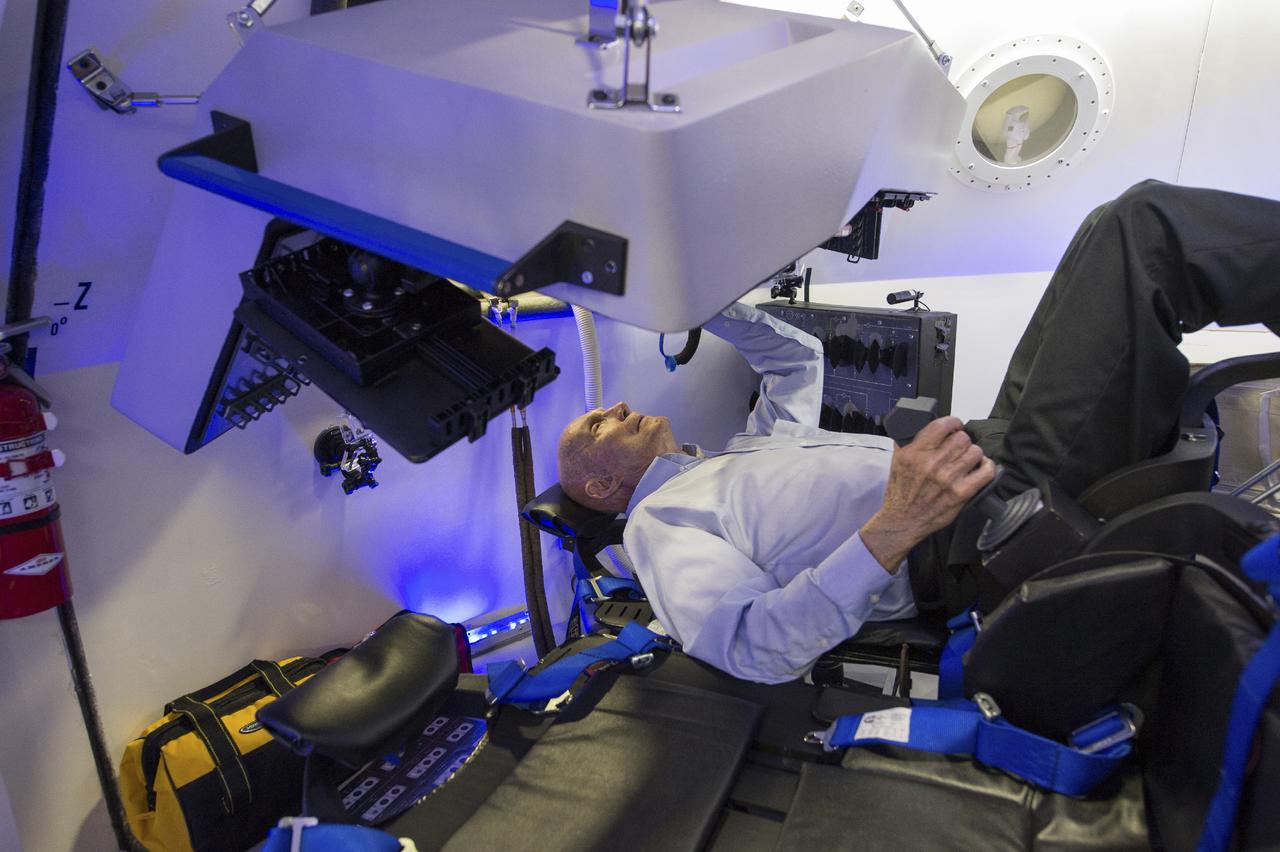
Crew Commercial Office's PAO activities for Boeing's rollout of their CST-100 capsule - "First Look" Media Event. Photo Date: July 23, 2013. Location: Boeing - Houston Product Support Center. Photographer: Robert Markowitz
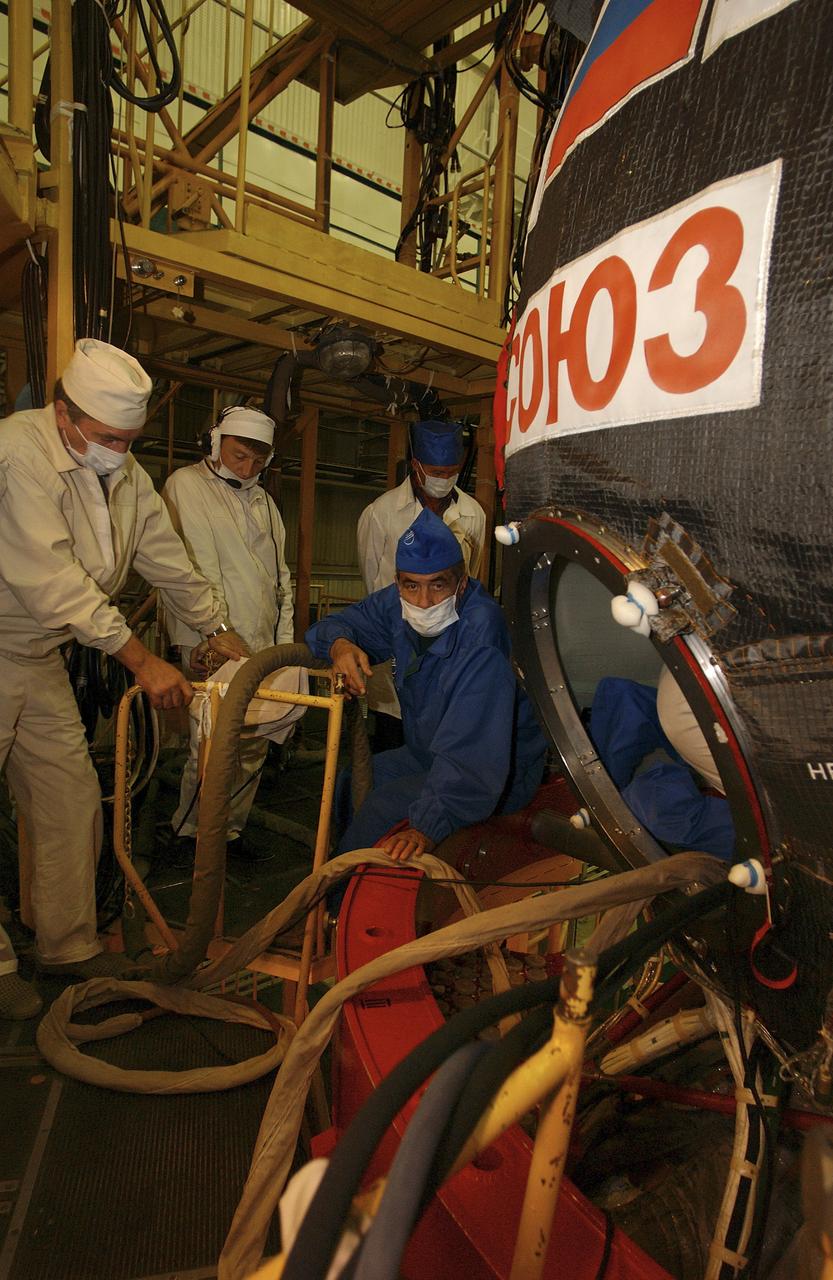
Technicians and engineers wait outside the Soyuz capsule for the crew of Expedition 10 to emerge after a dress rehearsal of launch day activities, Friday, Oct. 5, 2004, at the Baikonur Cosmodrome in Kazakhstan. Photo Credit: (NASA/Bill Ingalls)
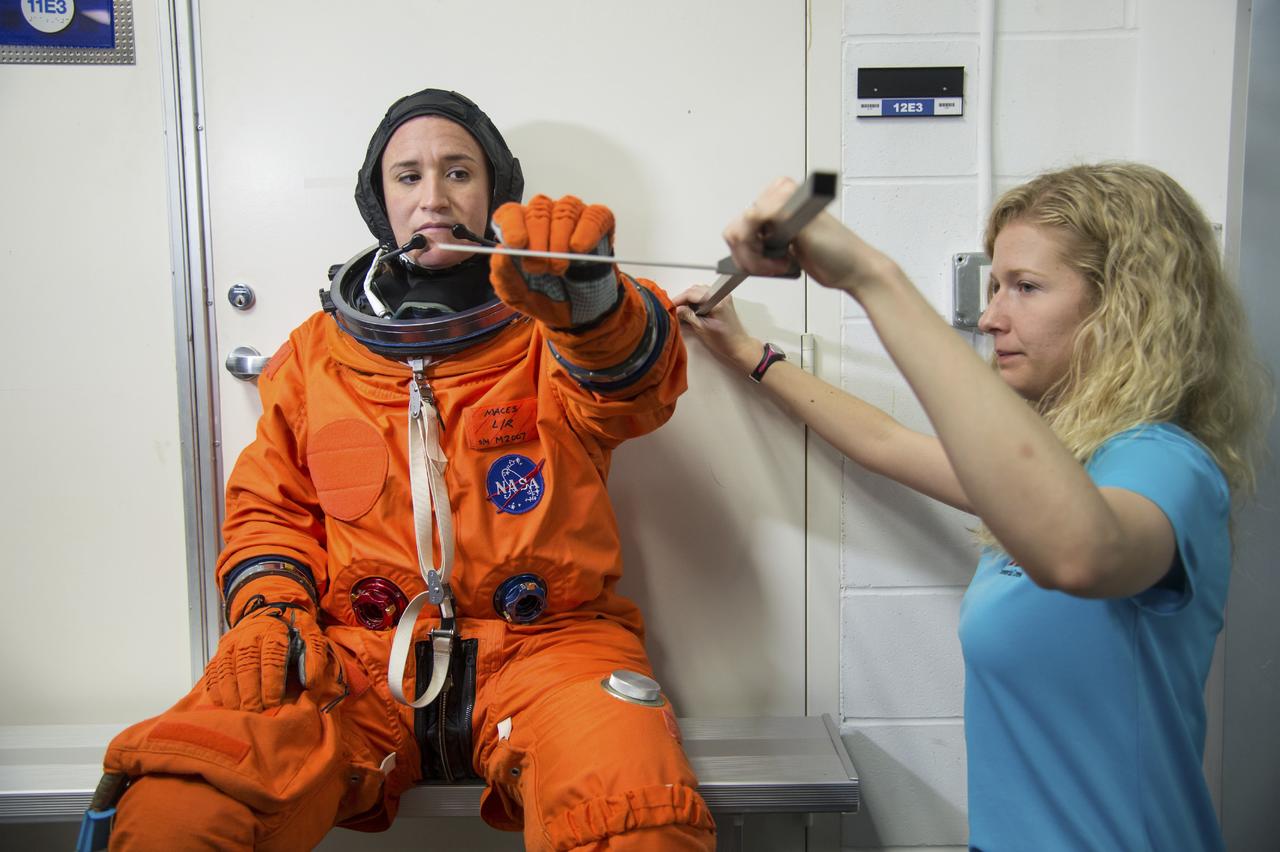
Crew Commercial Office's PAO activities for Boeing's rollout of their CST-100 capsule - "First Look" Media Event. Photo Date: July 22, 2013. Location: Boeing - Houston Product Support Center. Photographer: Robert Markowitz
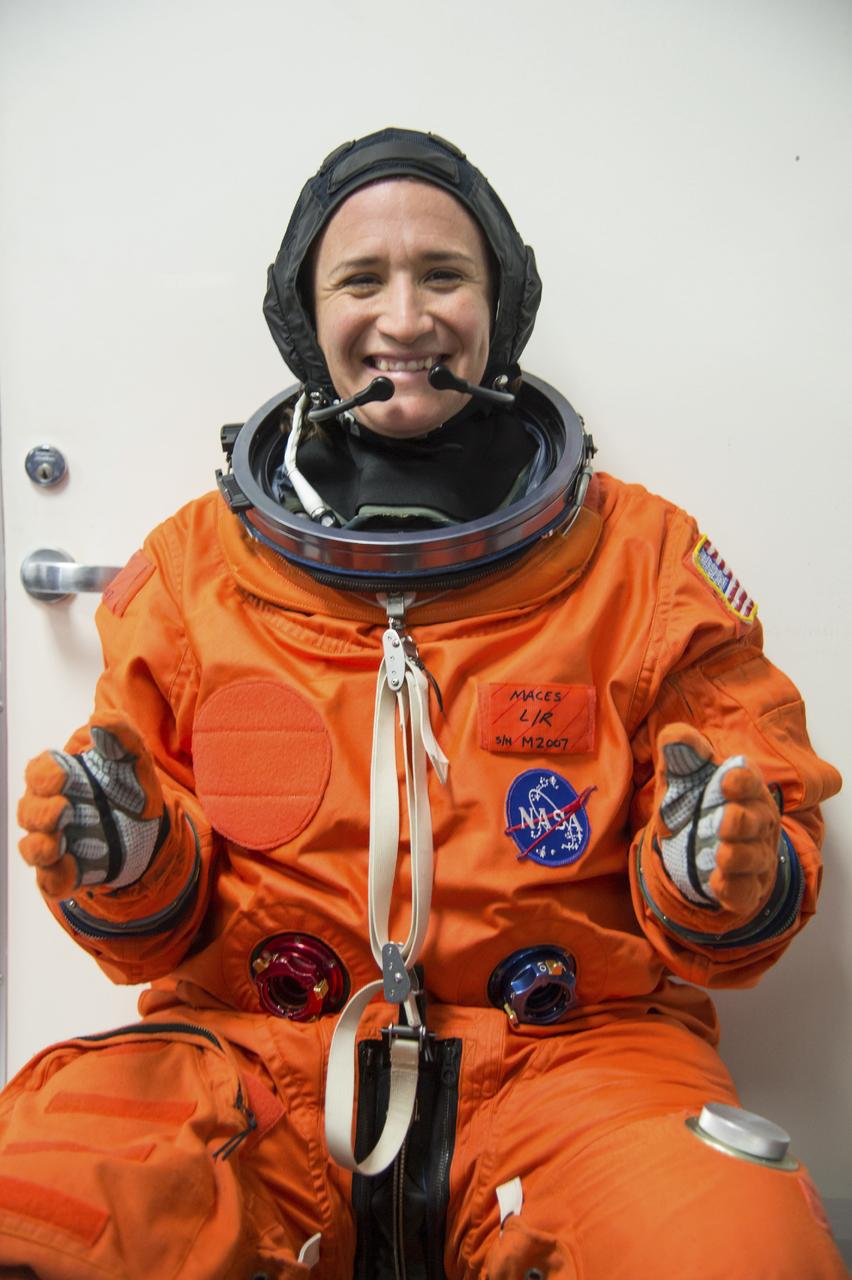
Crew Commercial Office's PAO activities for Boeing's rollout of their CST-100 capsule - "First Look" Media Event. Photo Date: July 22, 2013. Location: Boeing - Houston Product Support Center. Photographer: Robert Markowitz
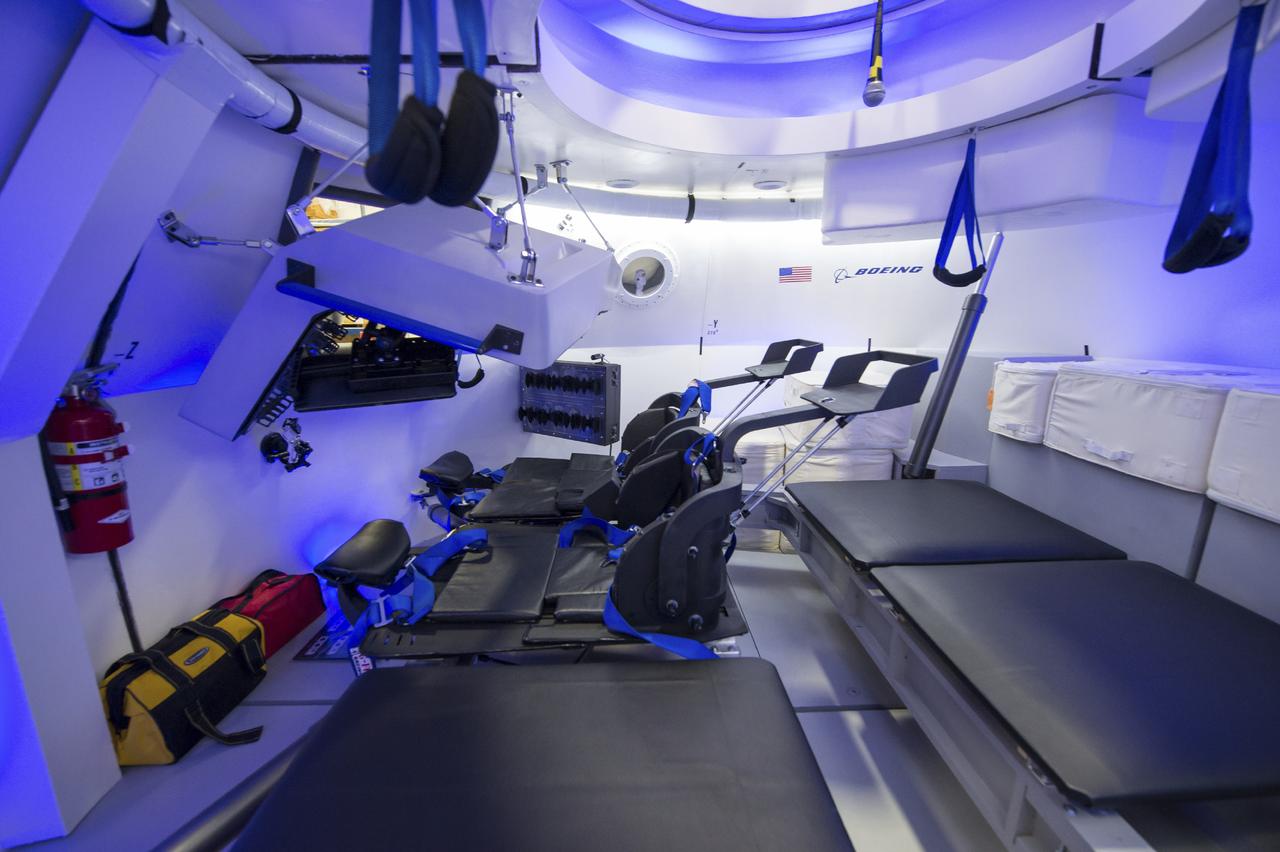
Crew Commercial Office's PAO activities for Boeing's rollout of their CST-100 capsule - "First Look" Media Event. Photo Date: July 22, 2013. Location: Boeing - Houston Product Support Center. Photographer: Robert Markowitz
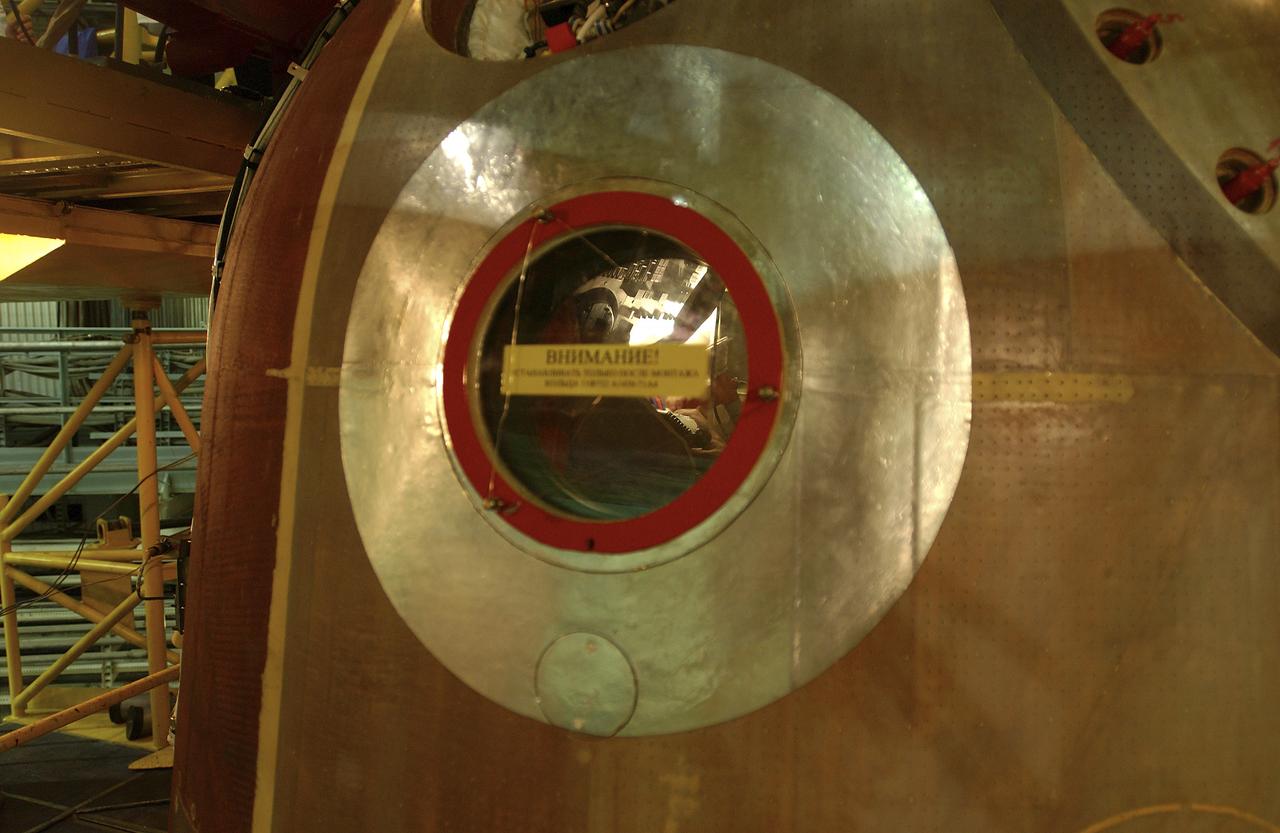
The instrument panel of the Soyuz is barely visible through the small window in this viww taken while the crew is inside the capsule for the fit check, Friday, Oct. 5, 2004, at the Baikonur Cosmodrome in Kazakhstan. Photo Credit: (NASA/Bill Ingalls)
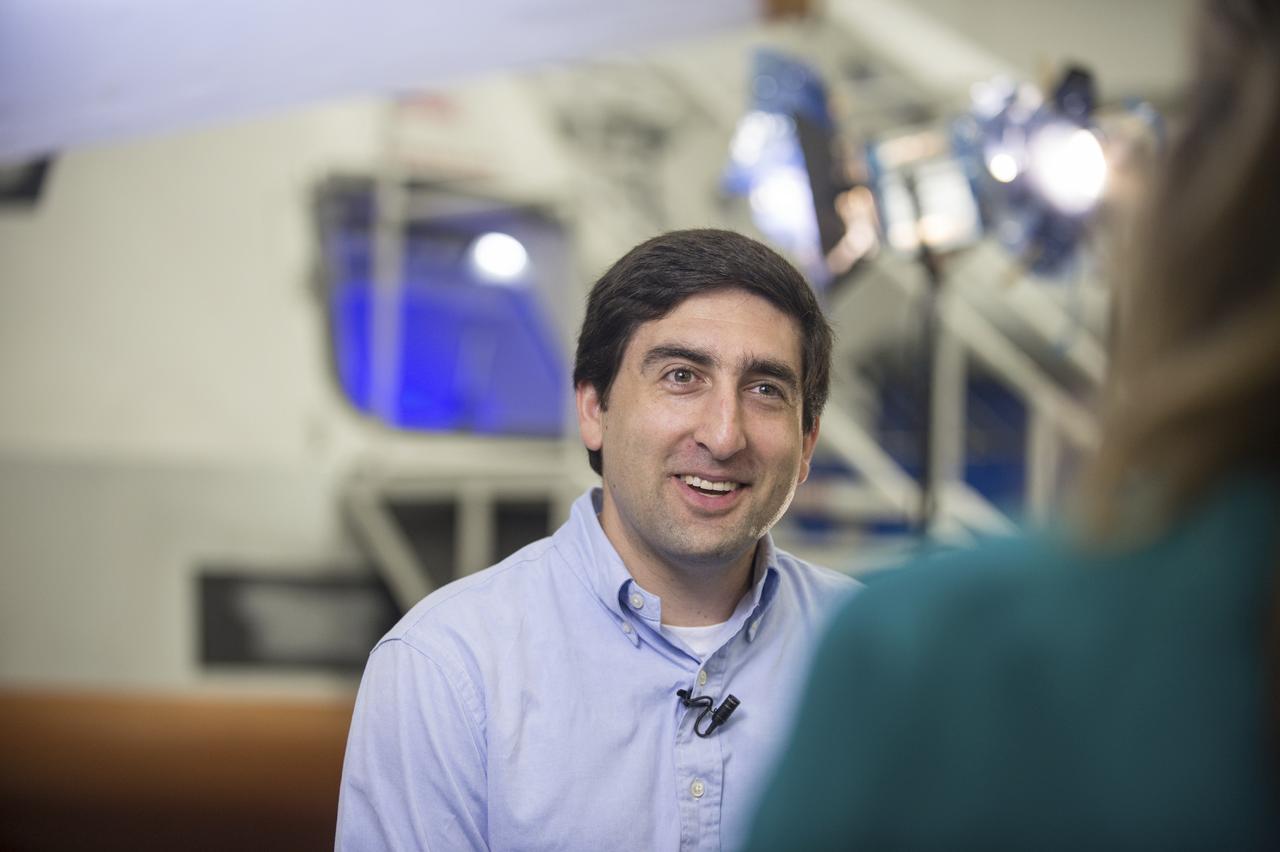
Crew Commercial Office's PAO activities for Boeing's rollout of their CST-100 capsule - "First Look" Media Event. Photo Date: July 23, 2013. Location: Boeing - Houston Product Support Center. Photographer: Robert Markowitz
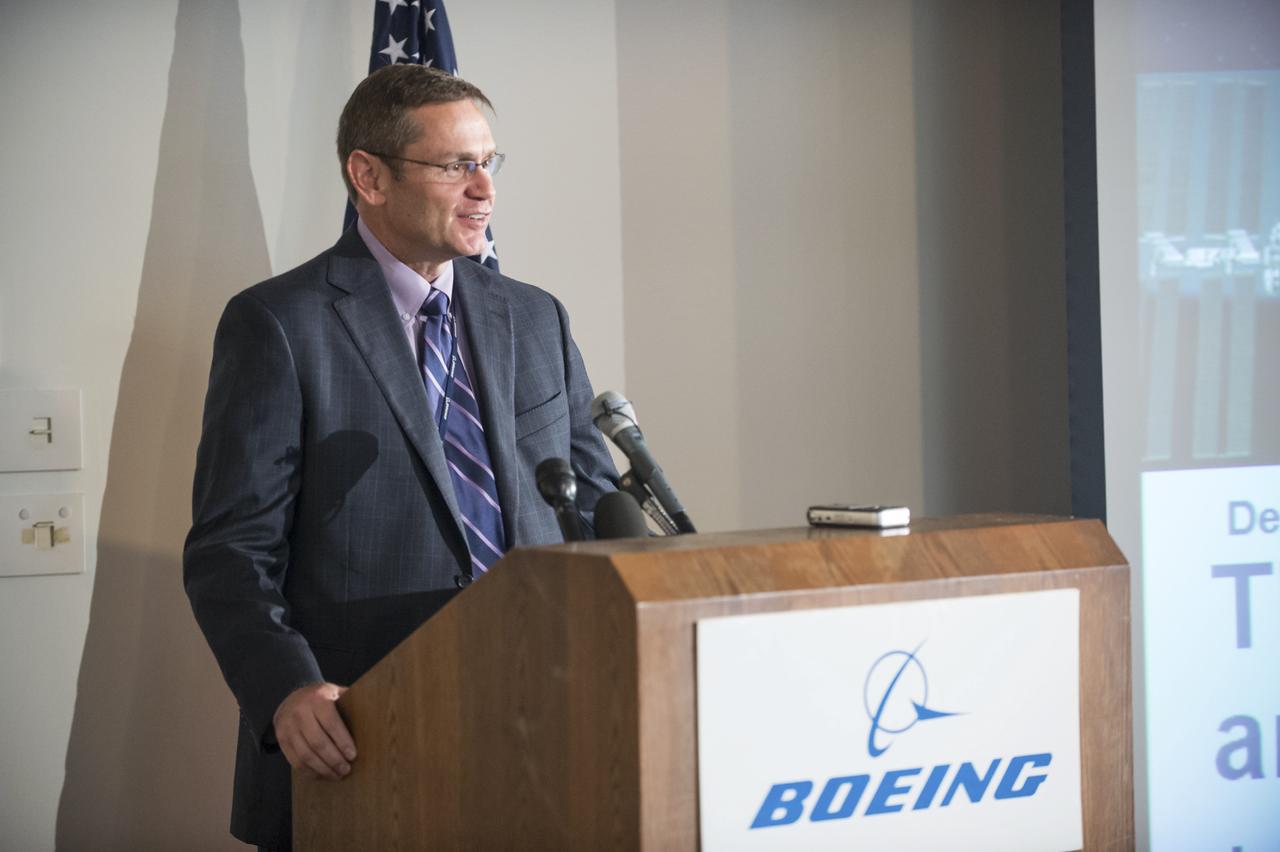
Crew Commercial Office's PAO activities for Boeing's rollout of their CST-100 capsule - "First Look" Media Event. Photo Date: July 22, 2013. Location: Boeing - Houston Product Support Center. Photographer: Robert Markowitz
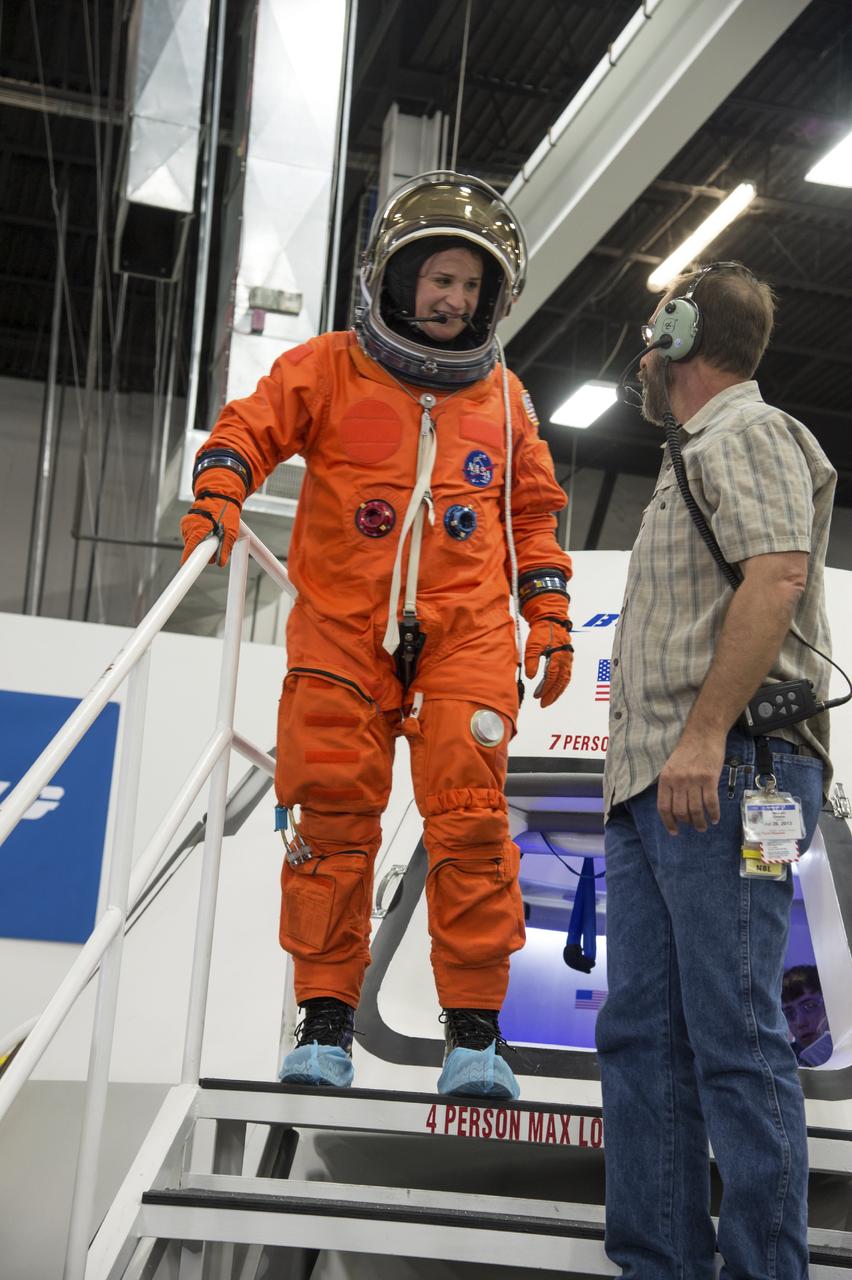
Crew Commercial Office's PAO activities for Boeing's rollout of their CST-100 capsule - "First Look" Media Event. Photo Date: July 22, 2013. Location: Boeing - Houston Product Support Center. Photographer: Robert Markowitz
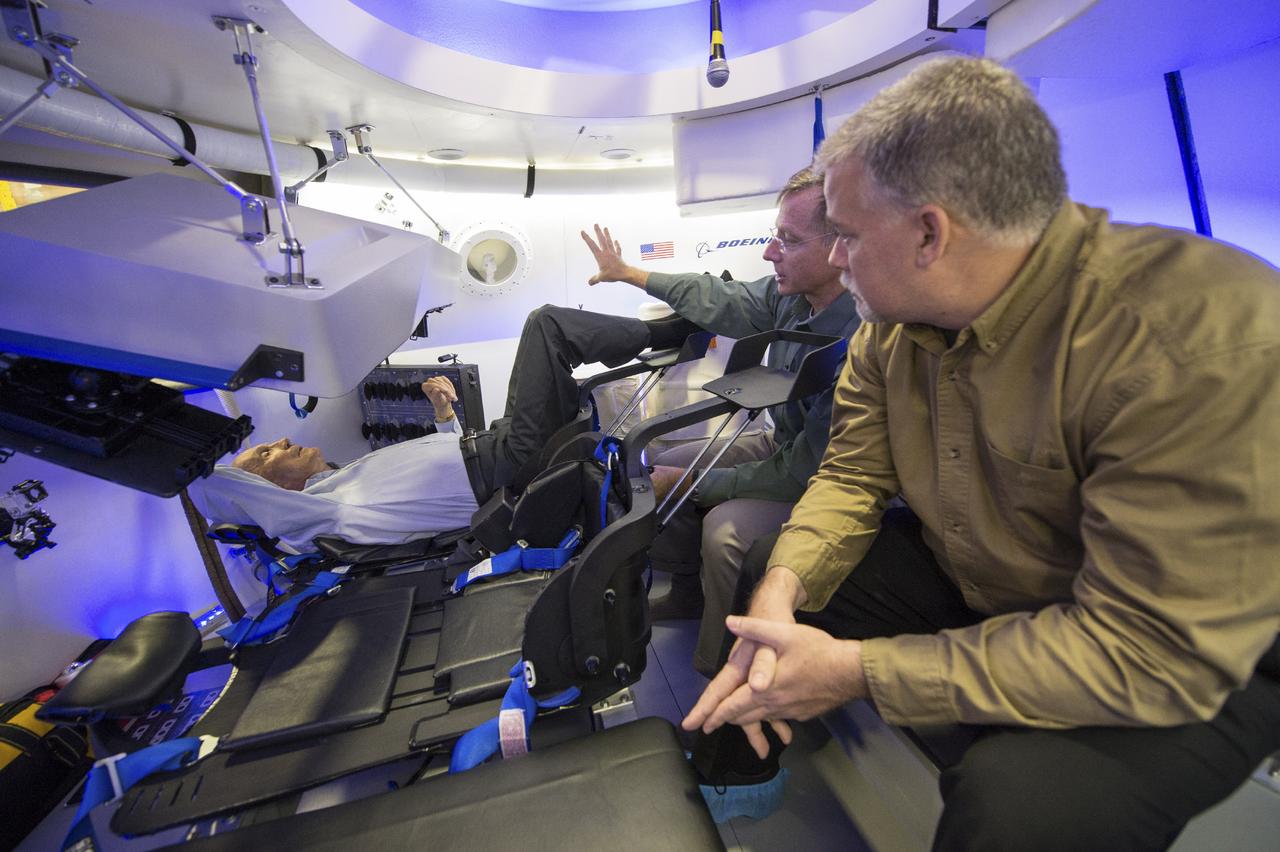
Crew Commercial Office's PAO activities for Boeing's rollout of their CST-100 capsule - "First Look" Media Event. Photo Date: July 23, 2013. Location: Boeing - Houston Product Support Center. Photographer: Robert Markowitz
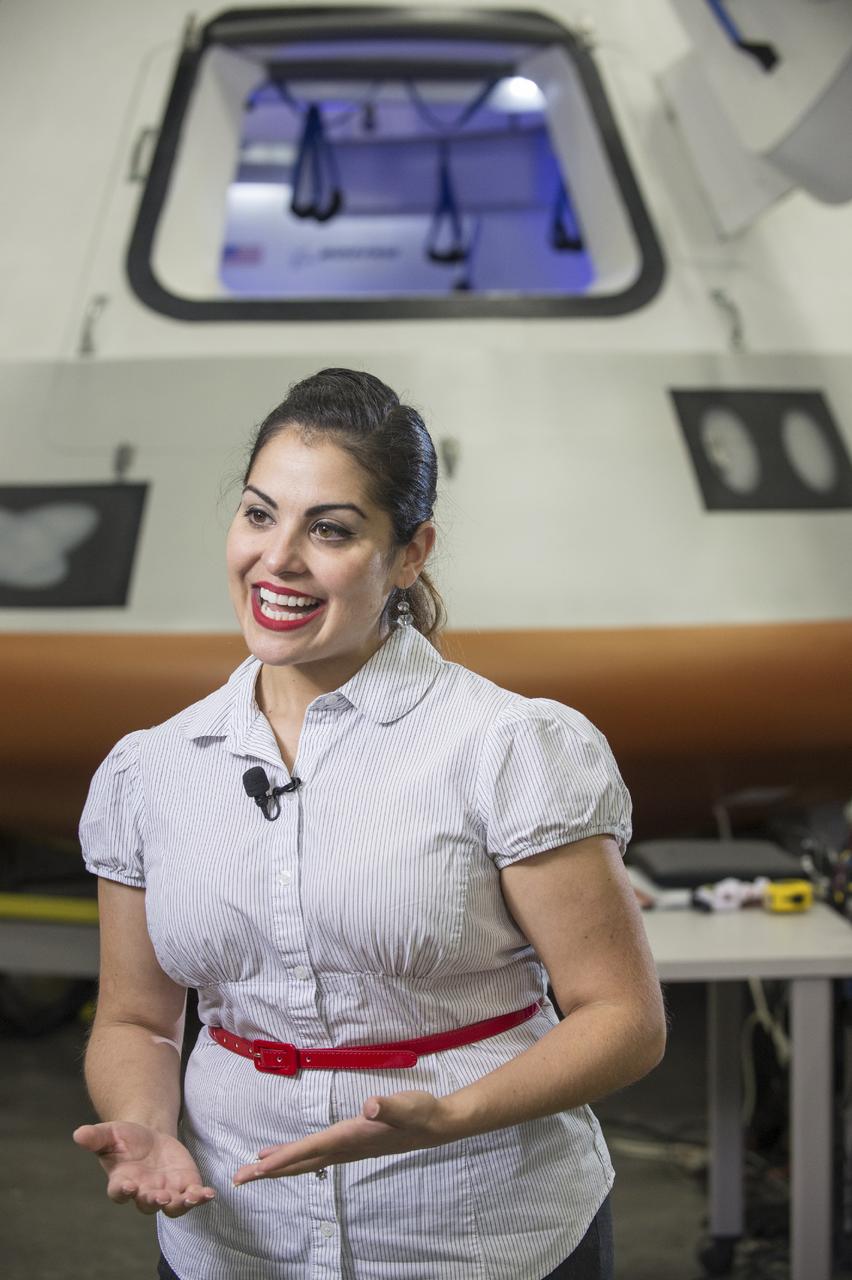
Crew Commercial Office's PAO activities for Boeing's rollout of their CST-100 capsule - "First Look" Media Event. Photo Date: July 23, 2013. Location: Boeing - Houston Product Support Center. Photographer: Robert Markowitz
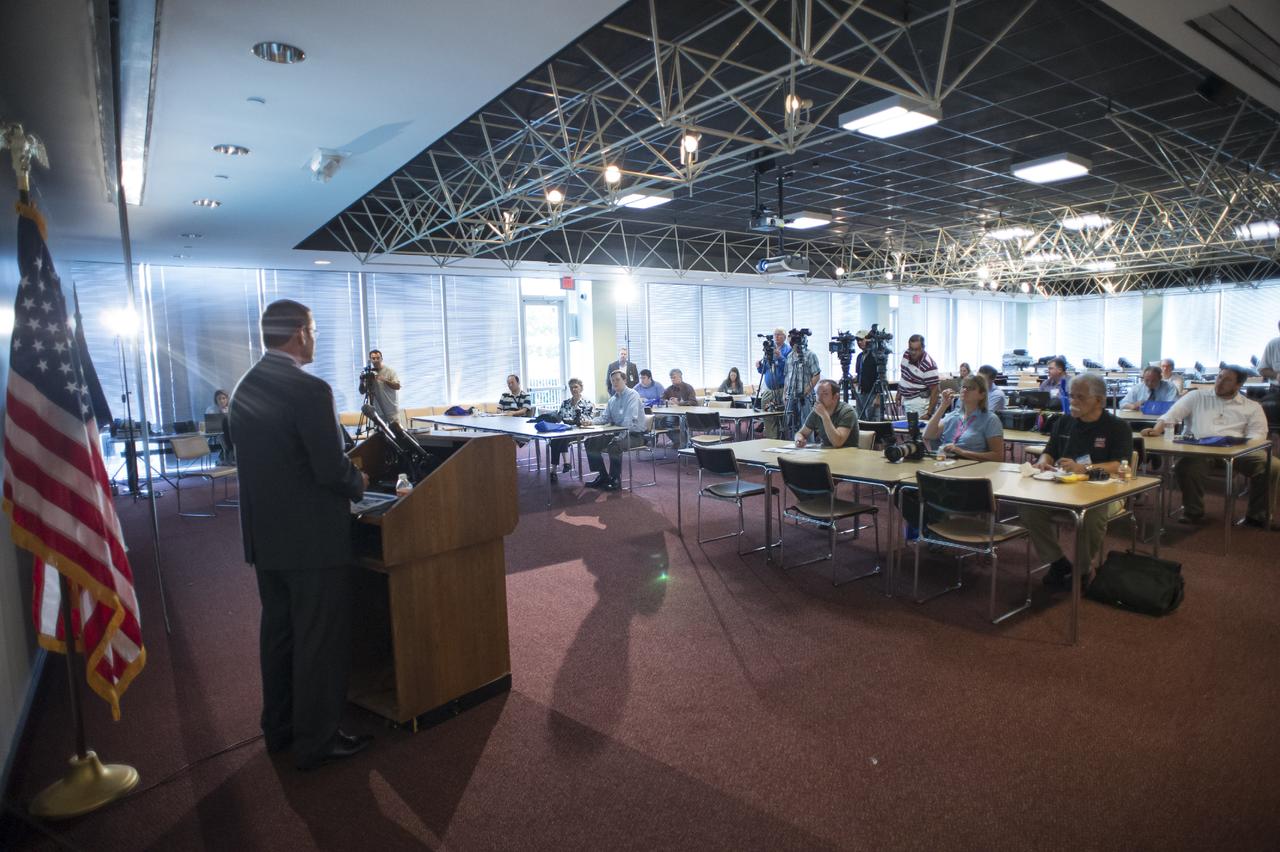
Crew Commercial Office's PAO activities for Boeing's rollout of their CST-100 capsule - "First Look" Media Event. Photo Date: July 22, 2013. Location: Boeing - Houston Product Support Center. Photographer: Robert Markowitz
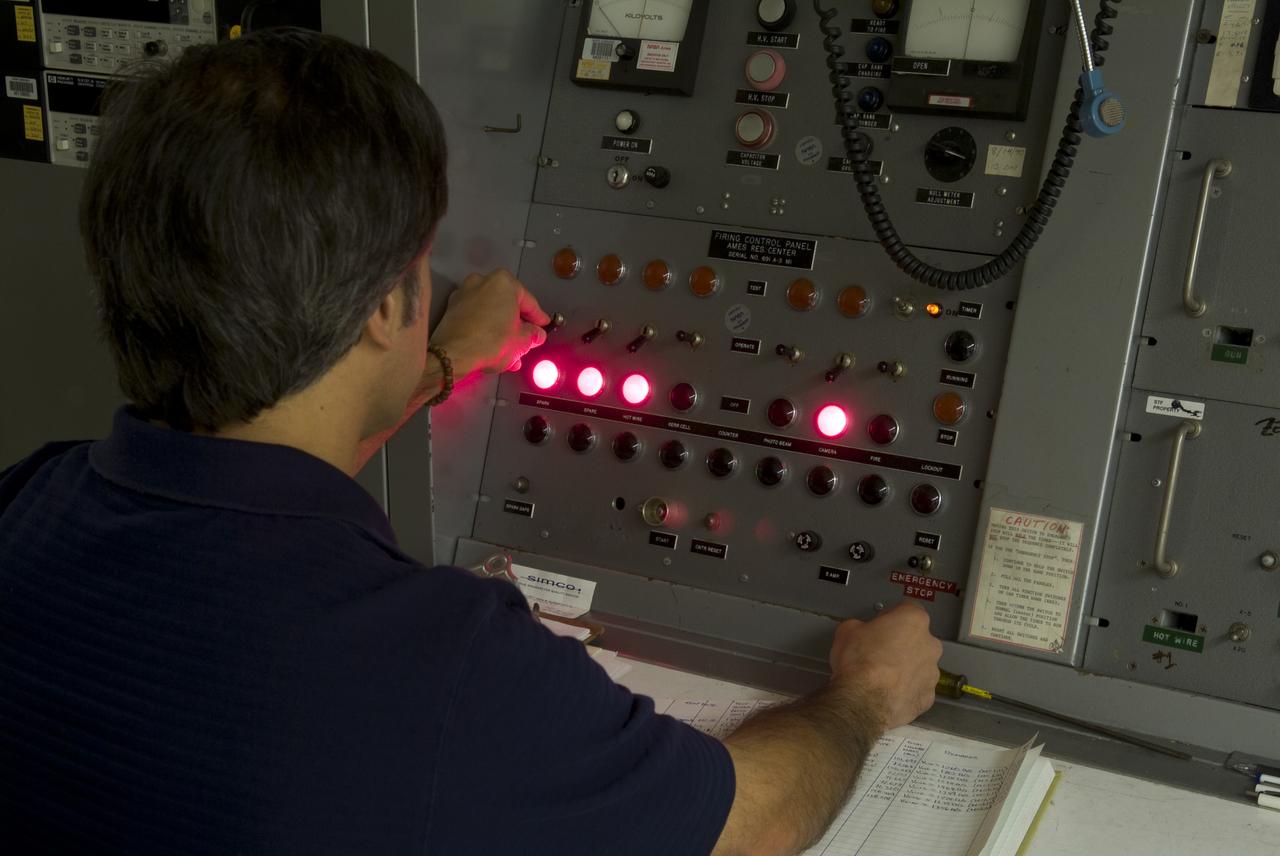
CEV (Crew Escape Vehicle) capsule Balistic Range testing to examine static and dynamic stability characteristics (at the Hypervelocity Free-Flight Facility) HFF Chuck Cornelison operating 'Firing' control pannel
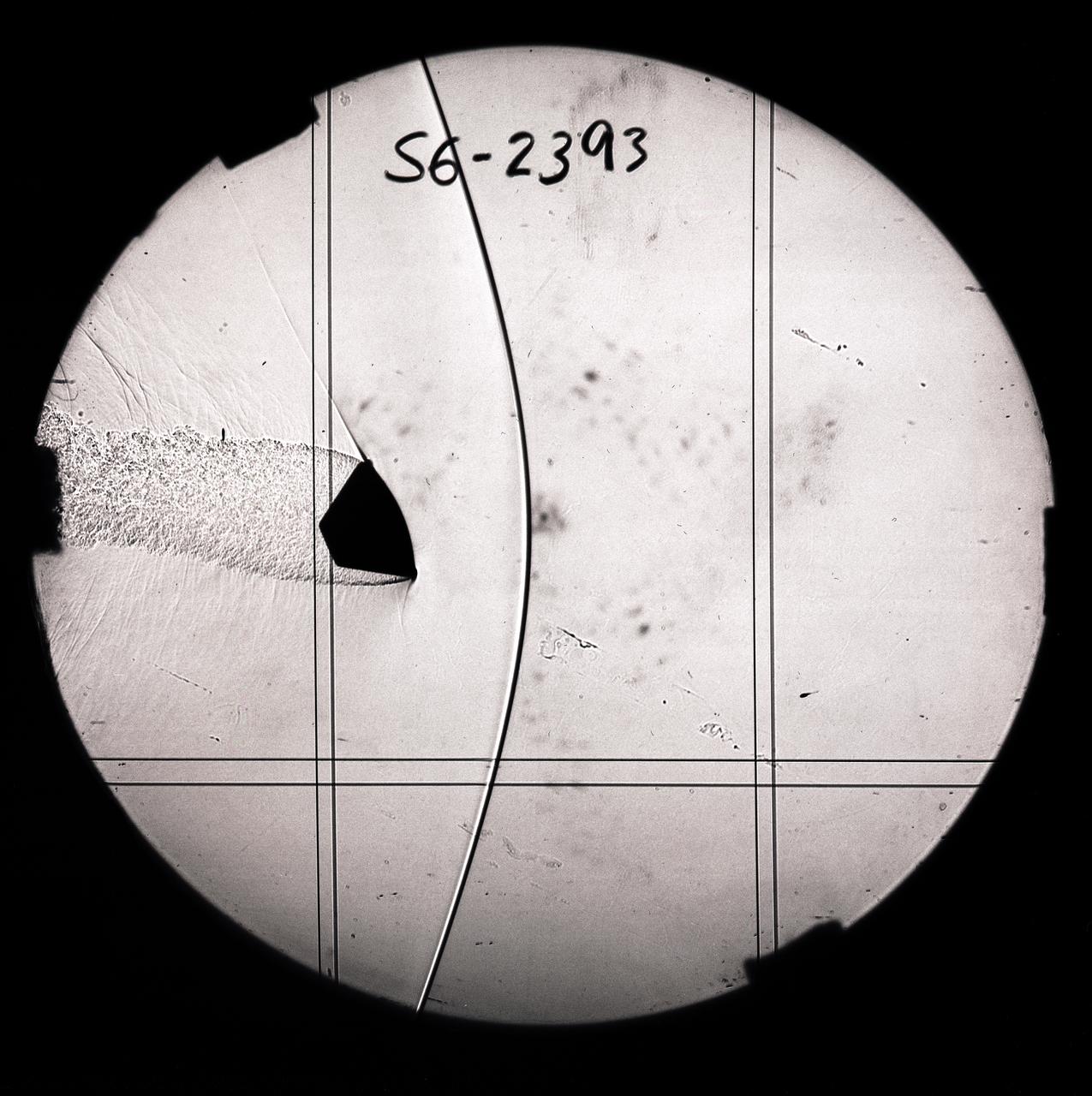
CEV (Crew Escape Vehicle) capsule Balistic Range testing to examine static and dynamic stability characteristics (at the Hypervelocity Free-Flight Facility) HFF - scans of shadowgraphs from 8x10 film images
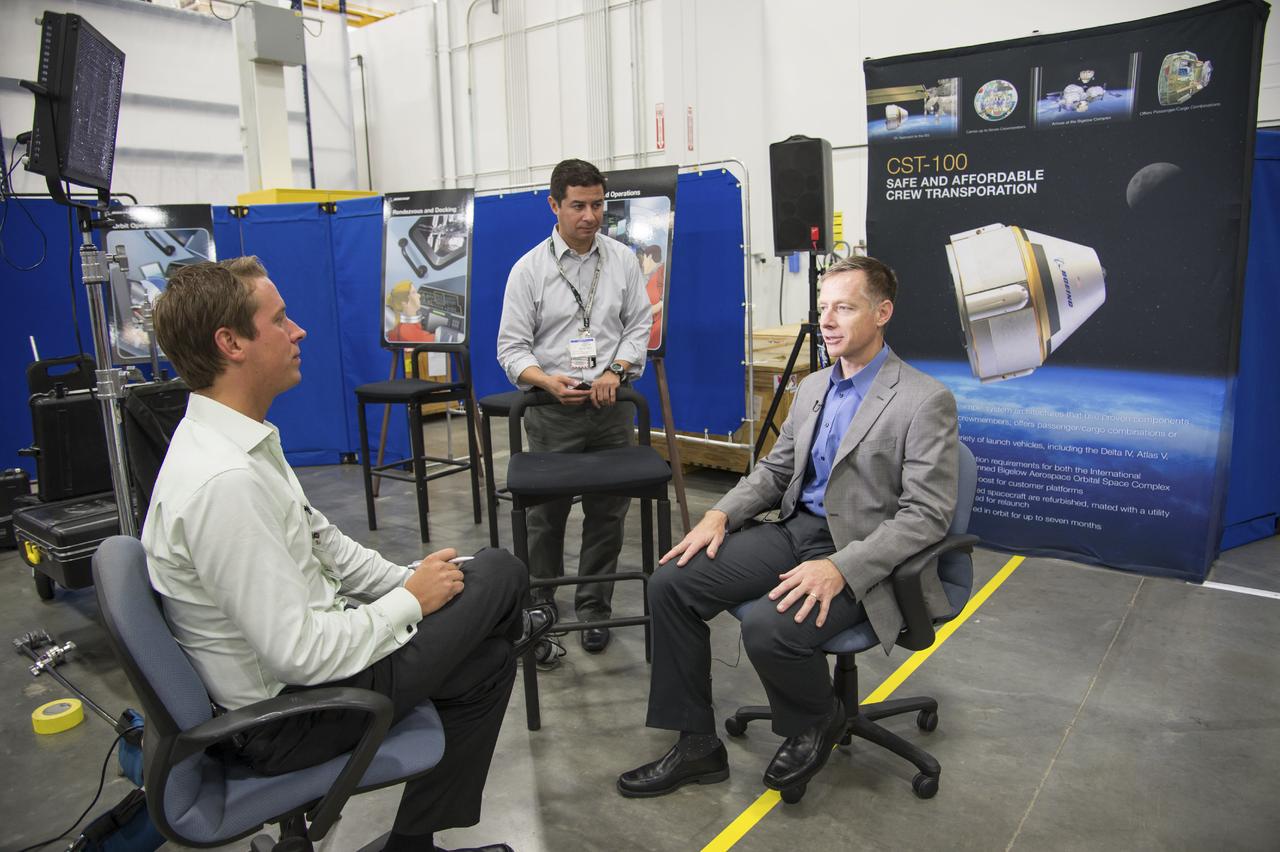
Crew Commercial Office's PAO activities for Boeing's rollout of their CST-100 capsule - "First Look" Media Event. Photo Date: July 22, 2013. Location: Boeing - Houston Product Support Center. Photographer: Robert Markowitz
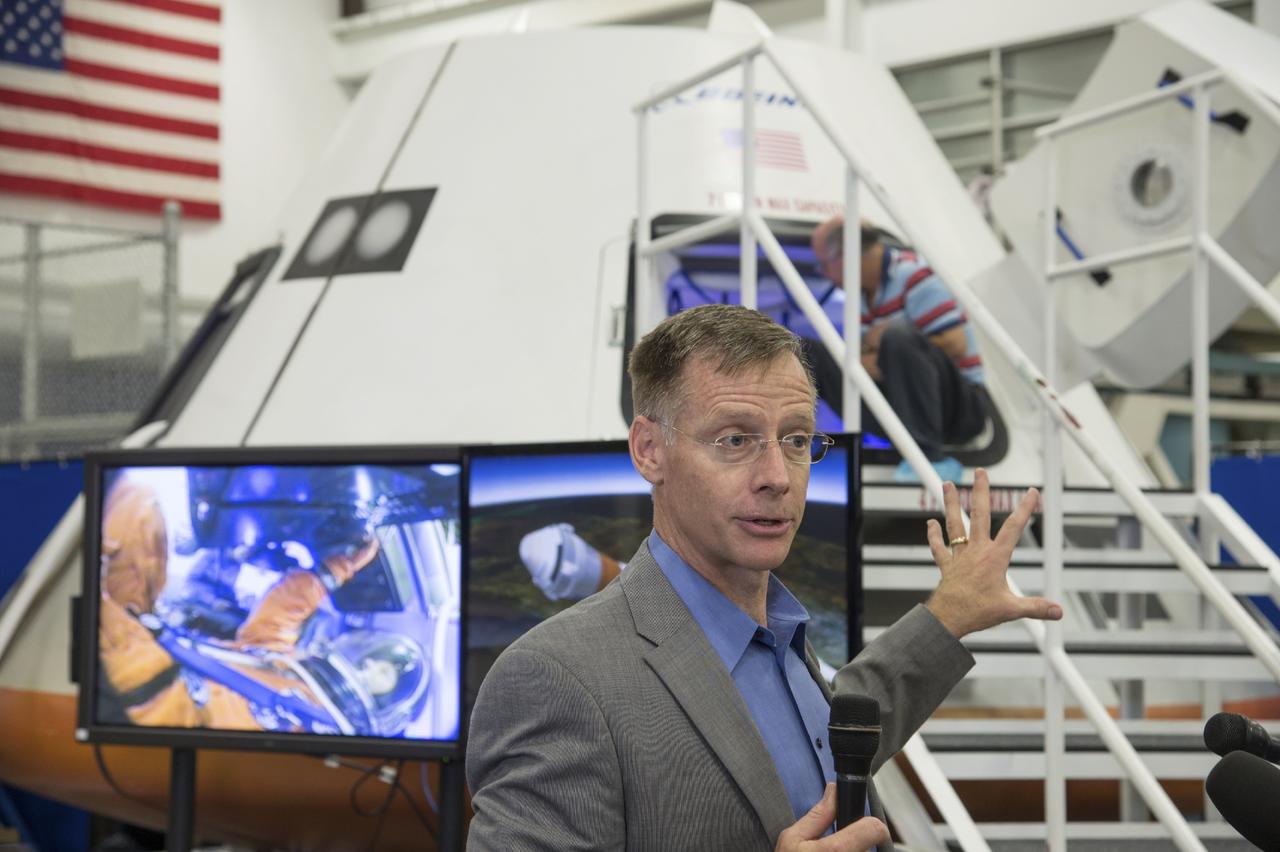
Crew Commercial Office's PAO activities for Boeing's rollout of their CST-100 capsule - "First Look" Media Event. Photo Date: July 22, 2013. Location: Boeing - Houston Product Support Center. Photographer: Robert Markowitz
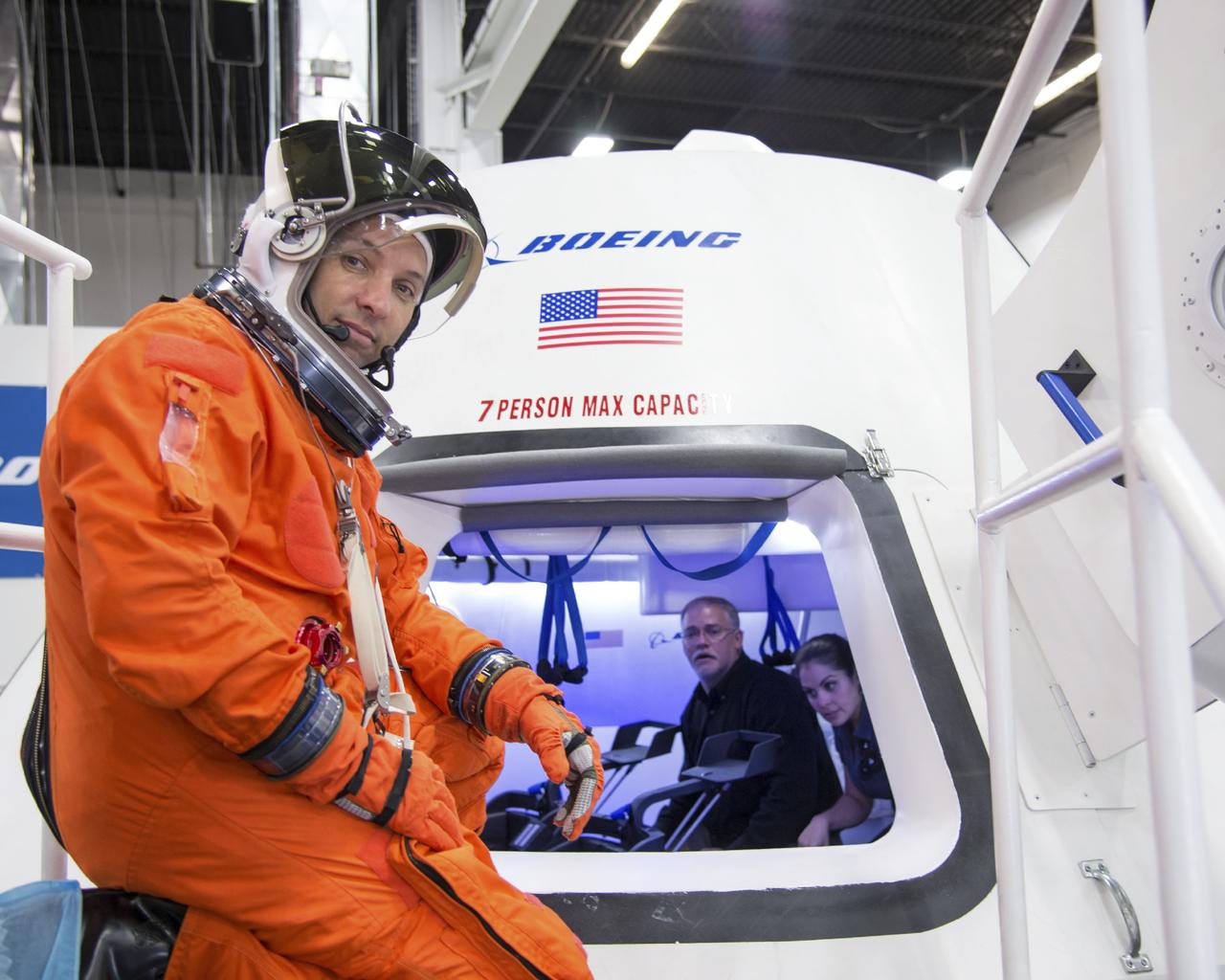
Crew Commercial Office's PAO activities for Boeing's rollout of their CST-100 capsule - "First Look" Media Event. Photo Date: July 22, 2013. Location: Boeing - Houston Product Support Center. Photographer: Robert Markowitz
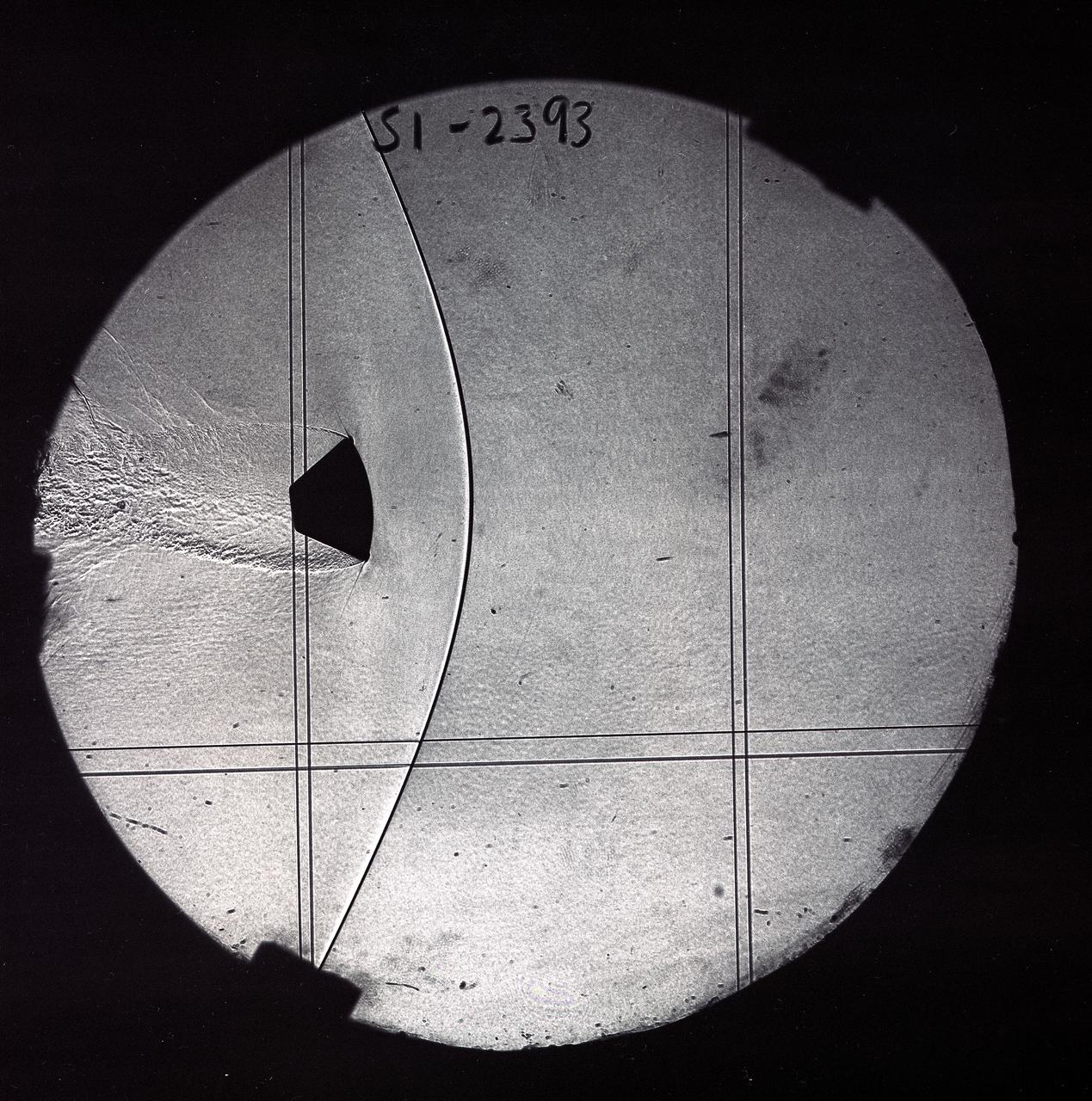
CEV (Crew Escape Vehicle) capsule Balistic Range testing to examine static and dynamic stability characteristics (at the Hypervelocity Free-Flight Facility) HFF - scans of shadowgraphs from 8x10 film images

From left to right: JAXA astronaut Koichi Wakata, and NASA Astronauts Nicole Mann and Josh Cassada receive training on their crew capsule at SpaceX headquarters in Hawthorne, California.
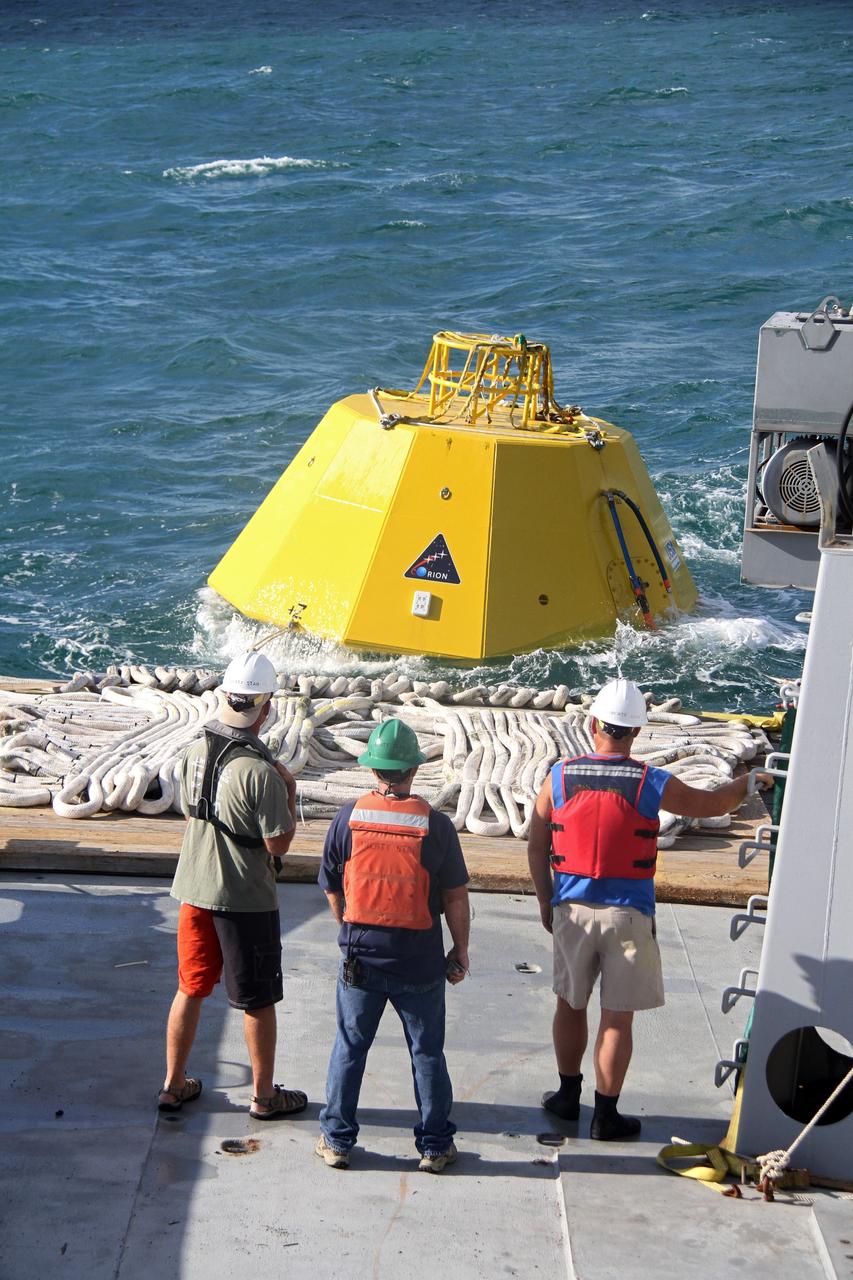
CAPE CANAVERAL, Fla. – Workers on the deck of NASA's Liberty Star ship prepare for testing in the Atlantic Ocean of an Orion flight test capsule to begin. The Crew Module Recovery Attach Fitting Test (CRAFT) on the capsule, which began at-sea operations Nov. 29, is under way. Multiple attach clips are being evaluated against the current recovery cleat configuration by U.S. Air Force pararescue jumpers (PJs) and a U.S. Navy diver. The 21st Century Ground Systems Program will use data collected from the tests to help develop ground operations support equipment that could be used to recover an uncrewed Orion flight test capsule after splashdown. The Orion Multi-Purpose Crew Vehicle is NASA's next-generation spacecraft being developed for deep space missions to asteroids, moons and other interplanetary destinations throughout the solar system. For more information, visit http://www.nasa.gov/orion. Photo credit: NASA/Cory Huston
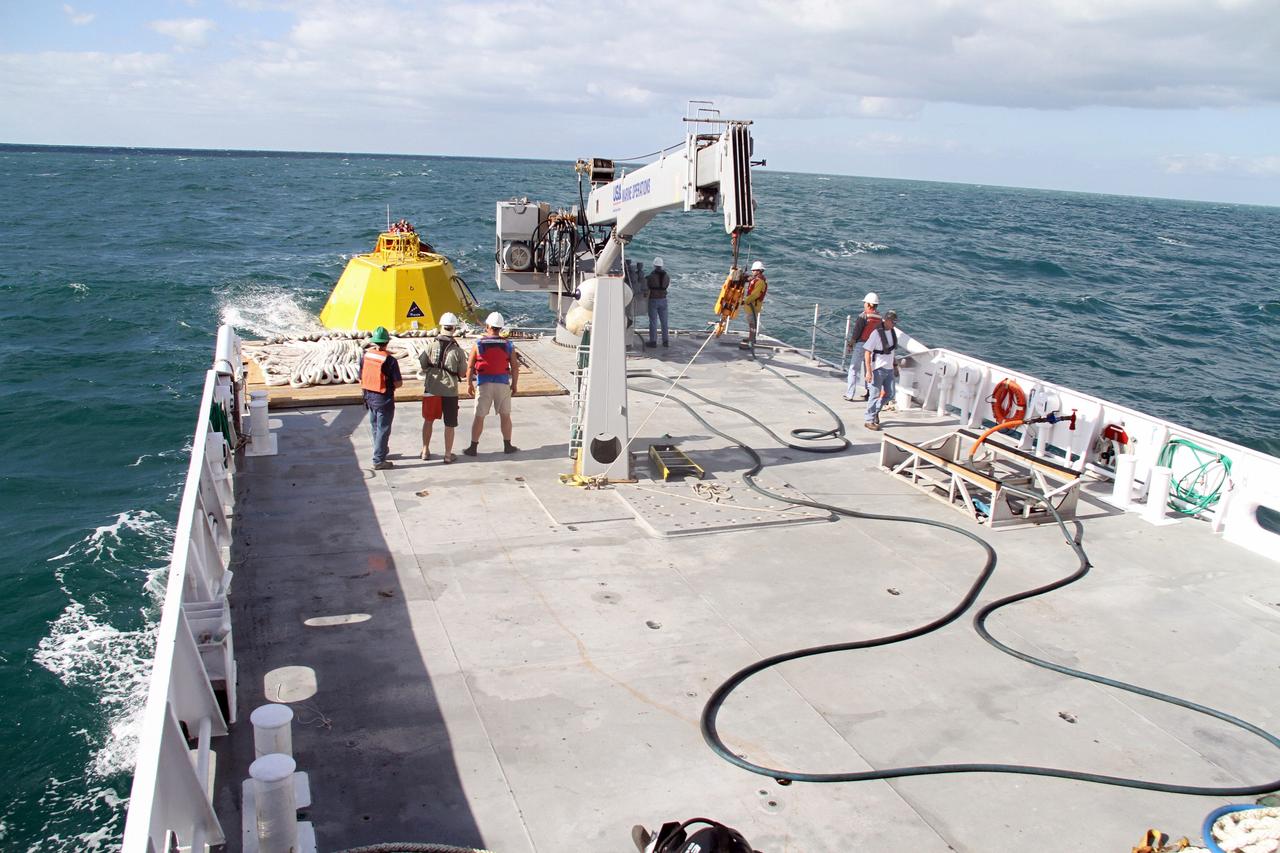
CAPE CANAVERAL, Fla. – Workers on the deck of NASA's Liberty Star ship prepare for testing in the Atlantic Ocean of an Orion flight test capsule to begin. The Crew Module Recovery Attach Fitting Test (CRAFT) on the capsule, which began at-sea operations Nov. 29, is under way. Multiple attach clips are being evaluated against the current recovery cleat configuration by U.S. Air Force pararescue jumpers (PJs) and a U.S. Navy diver. The 21st Century Ground Systems Program will use data collected from the tests to help develop ground operations support equipment that could be used to recover an uncrewed Orion flight test capsule after splashdown. The Orion Multi-Purpose Crew Vehicle is NASA's next-generation spacecraft being developed for deep space missions to asteroids, moons and other interplanetary destinations throughout the solar system. For more information, visit http://www.nasa.gov/orion. Photo credit: NASA/Cory Huston
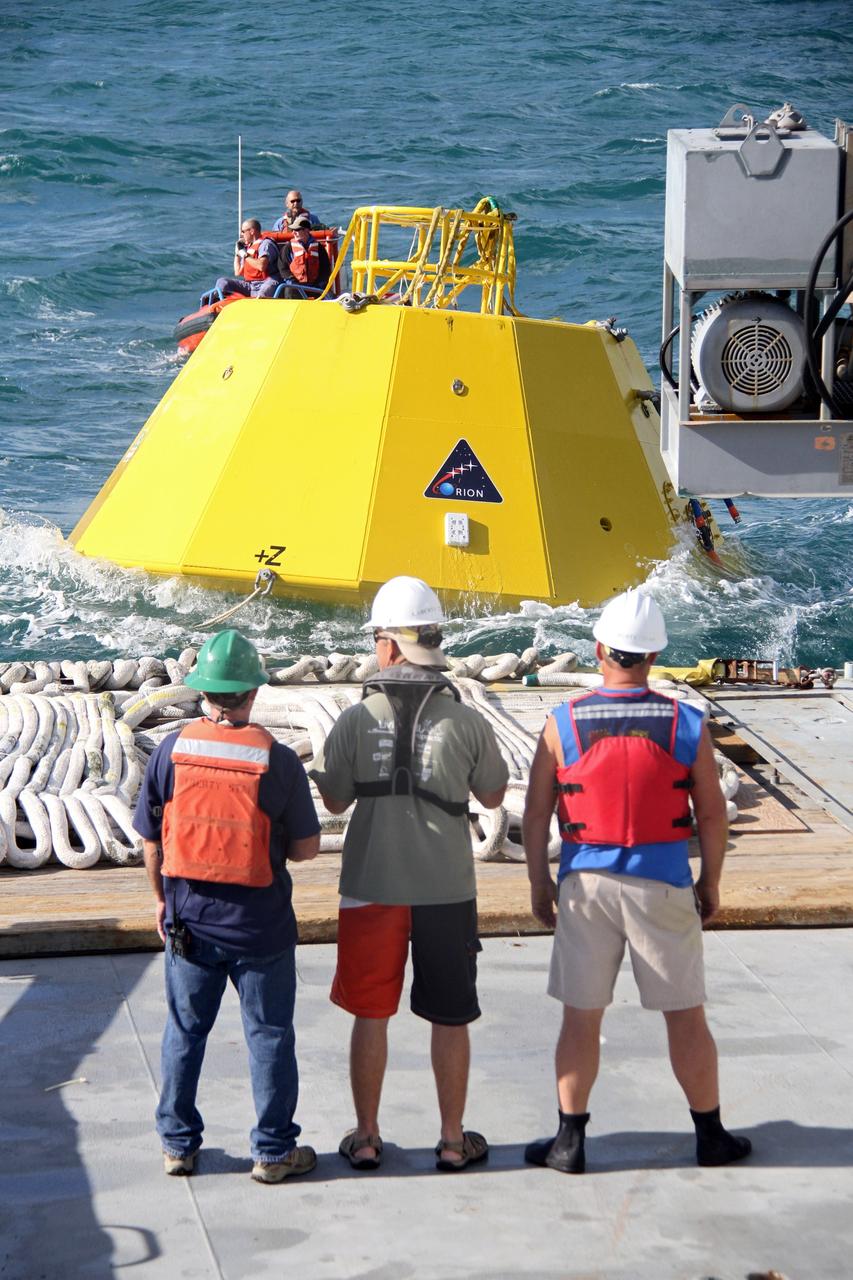
CAPE CANAVERAL, Fla. – Workers, on the deck of NASA's Liberty Star ship and in a boat in the Atlantic Ocean, prepare to begin testing of an Orion flight test capsule. The Crew Module Recovery Attach Fitting Test (CRAFT) on the capsule, which began at-sea operations Nov. 29, is under way. Multiple attach clips are being evaluated against the current recovery cleat configuration by U.S. Air Force pararescue jumpers (PJs) and a U.S. Navy diver. The 21st Century Ground Systems Program will use data collected from the tests to help develop ground operations support equipment that could be used to recover an uncrewed Orion flight test capsule after splashdown. The Orion Multi-Purpose Crew Vehicle is NASA's next-generation spacecraft being developed for deep space missions to asteroids, moons and other interplanetary destinations throughout the solar system. For more information, visit http://www.nasa.gov/orion. Photo credit: NASA/Cory Huston
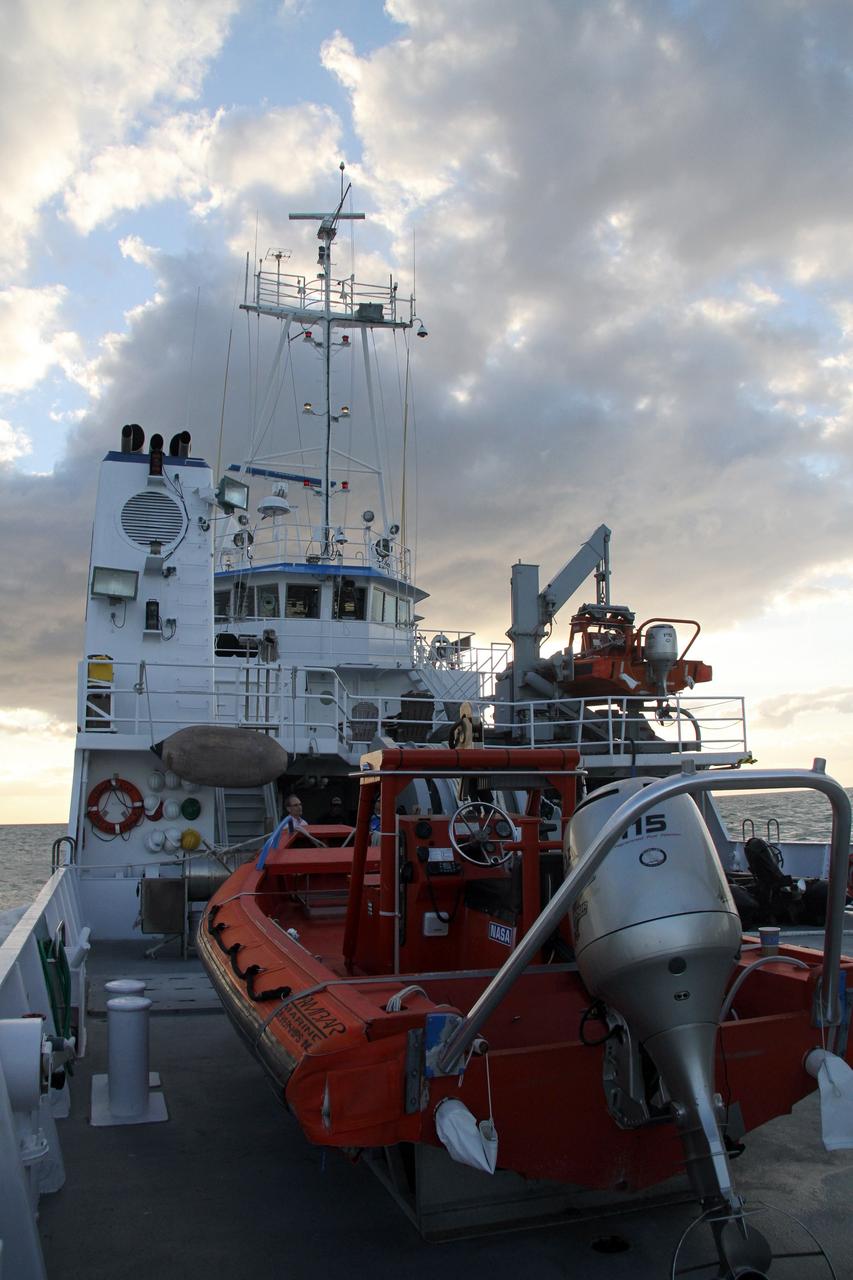
CAPE CANAVERAL, Fla. – NASA's Liberty Star ship heads into the Atlantic Ocean where tests will be performed on an Orion flight test capsule. The Crew Module Recovery Attach Fitting Test (CRAFT) on the capsule, which began at-sea operations Nov. 29, is under way. Multiple attach clips are being evaluated against the current recovery cleat configuration by U.S. Air Force pararescue jumpers (PJs) and a U.S. Navy diver. The 21st Century Ground Systems Program will use data collected from the tests to help develop ground operations support equipment that could be used to recover an uncrewed Orion flight test capsule after splashdown. The Orion Multi-Purpose Crew Vehicle is NASA's next-generation spacecraft being developed for deep space missions to asteroids, moons and other interplanetary destinations throughout the solar system. For more information, visit http://www.nasa.gov/orion. Photo credit: NASA/Cory Huston
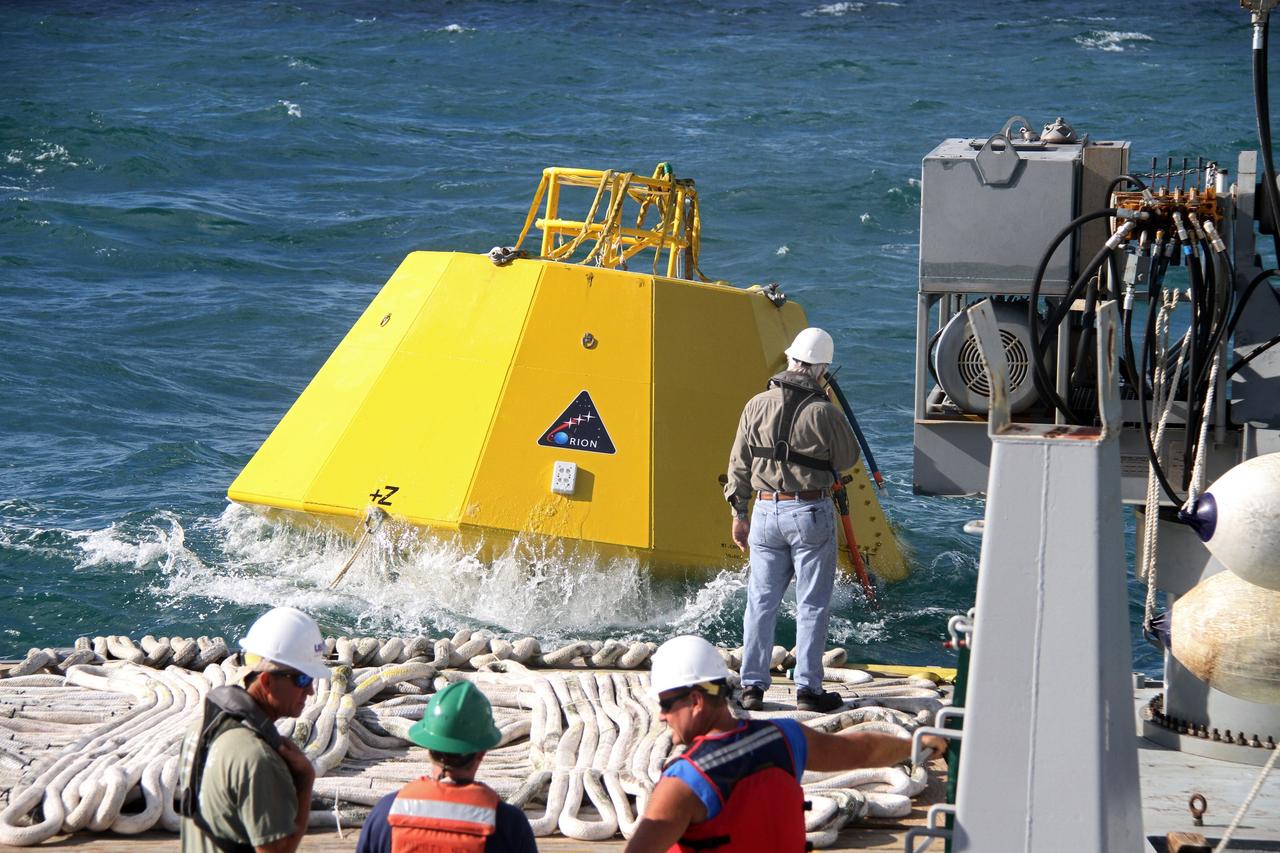
CAPE CANAVERAL, Fla. – An Orion flight test capsule makes a splash into the Atlantic Ocean as it slides from the deck of NASA's Liberty Star ship into the water. The Crew Module Recovery Attach Fitting Test (CRAFT) on the capsule, which began at-sea operations Nov. 29, is under way. Multiple attach clips are being evaluated against the current recovery cleat configuration by U.S. Air Force pararescue jumpers (PJs) and a U.S. Navy diver. The 21st Century Ground Systems Program will use data collected from the tests to help develop ground operations support equipment that could be used to recover an uncrewed Orion flight test capsule after splashdown. The Orion Multi-Purpose Crew Vehicle is NASA's next-generation spacecraft being developed for deep space missions to asteroids, moons and other interplanetary destinations throughout the solar system. For more information, visit http://www.nasa.gov/orion. Photo credit: NASA/Cory Huston
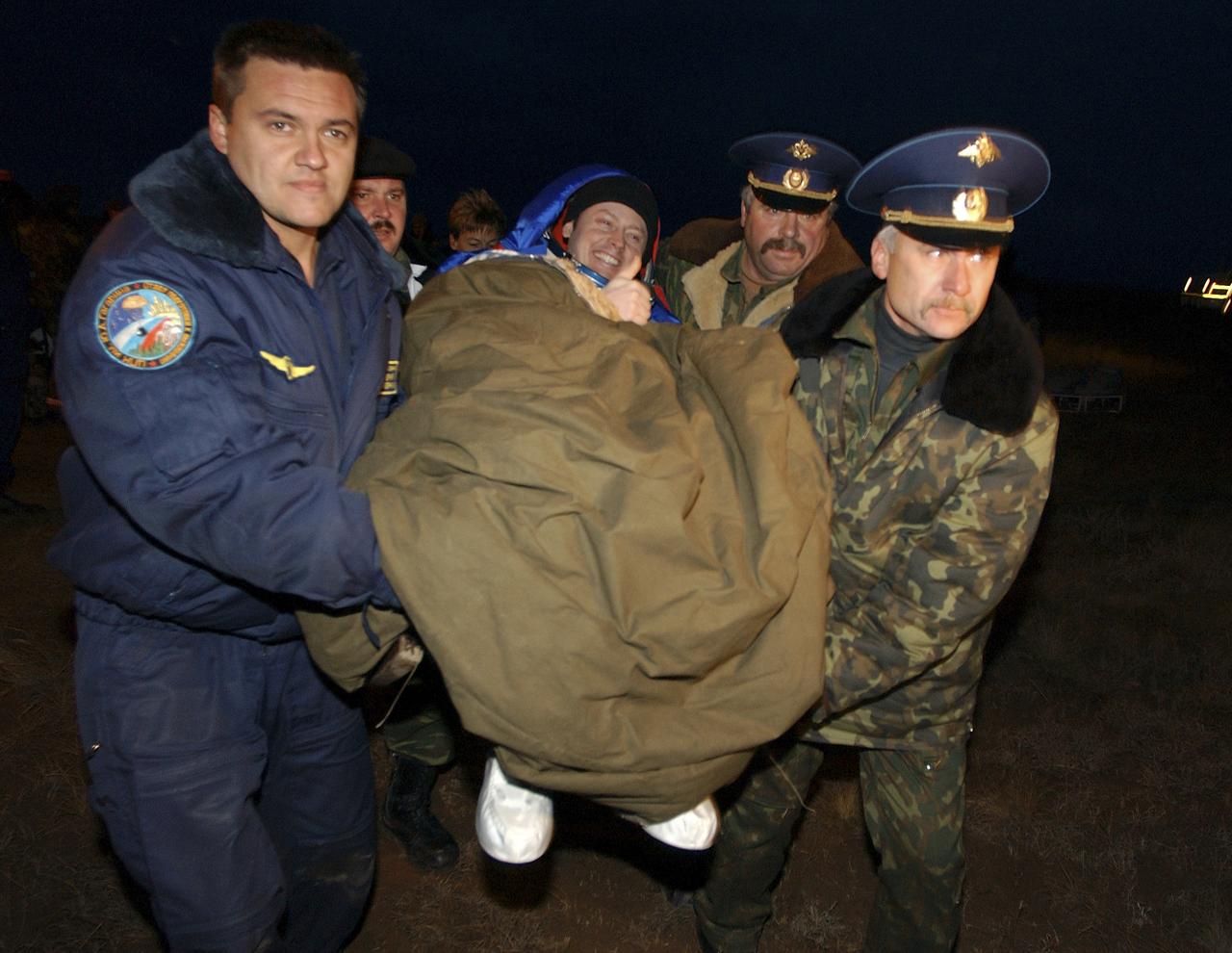
Expedition 9 Flight Engineer Michael Fincke is carried in a chair from the landing site to the medical tent in order to remove his sokol suit. Fincke landed in the Soyuz capsule along with Expedition 9 Commander Gennady Padalka and Russian Space Forces cosmonaut Yuri Shargin. The crew landed in their Soyuz capsule approximately 85 kilometers northeast of Arkalyk in northern Kazakhstan, Sunday, October 24, 2004. Photo Credit: (NASA/Bill Ingalls)
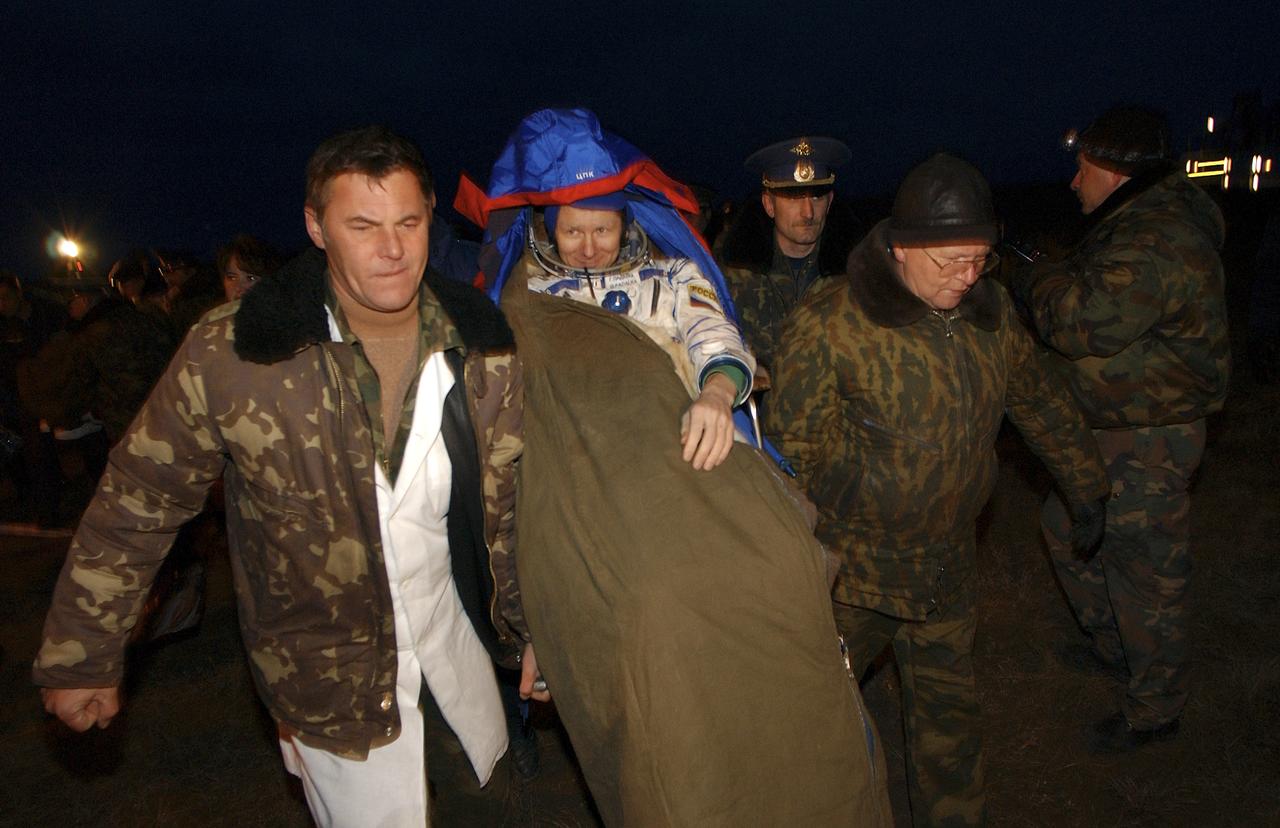
Expedition 9 Commander Gennady Padalka is carried in a chair from the landing site to the medical tent in order to remove his sokol suit. Padalka landed in the Soyuz capsule along with Expedition 9 Flight Engineer Michael Fincke and Russian Space Forces cosmonaut Yuri Shargin. The crew landed in their Soyuz capsule approximately 85 kilometers northeast of Arkalyk in northern Kazakhstan, Sunday, October 24, 2004. Photo Credit: (NASA/Bill Ingalls)
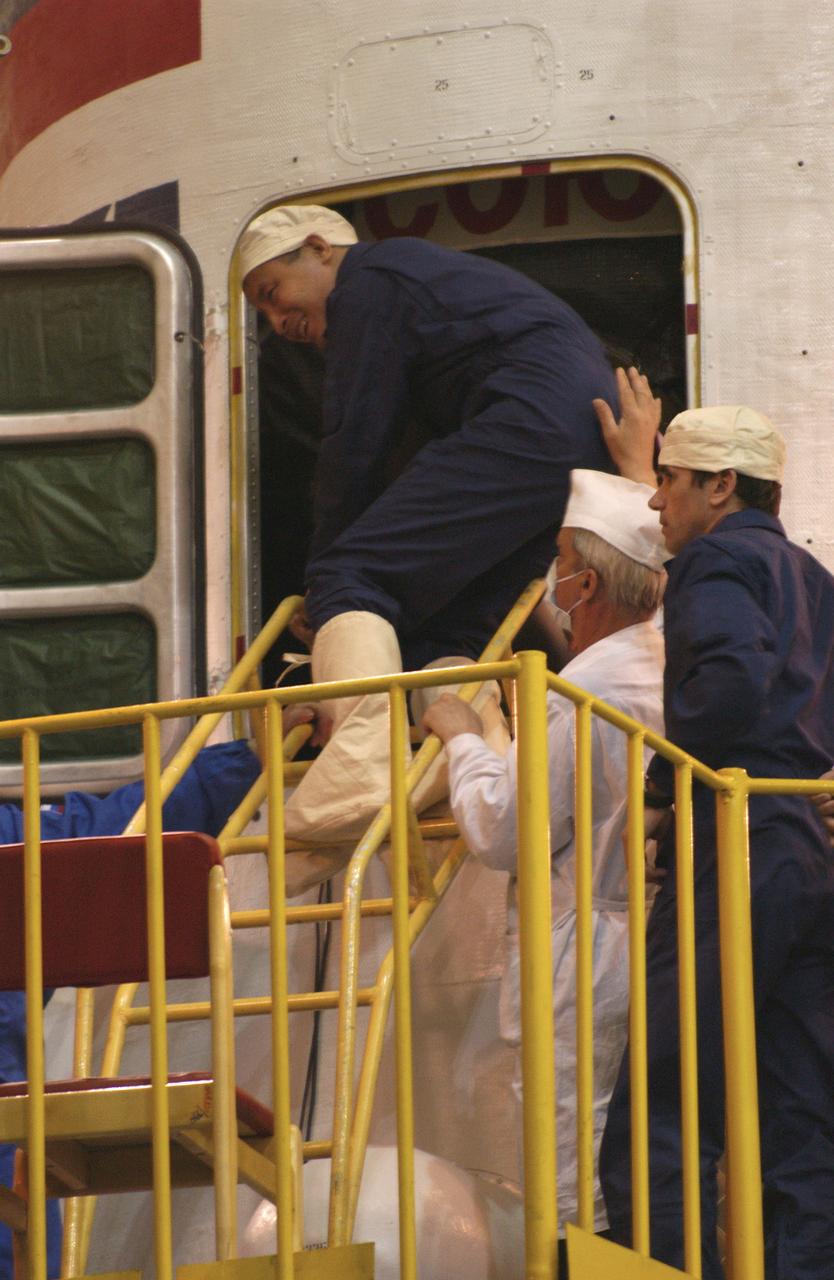
Expedition 7 NASA International Space Station Science Officer and Flight Engineer Edward T. Lu steps out of the Soyuz capsule while Mission Commander Yuri I. Malenchenko looks on. The crew entered the Soyuz capsule for final checks, Tuesday, April 22, 2003, prior to their scheduled launch on Saturday April 26, 2003 from the Baikonur Cosmodrome in Baiknour, Kazakhstan. Photo credit: (NASA/Scott Andrews)
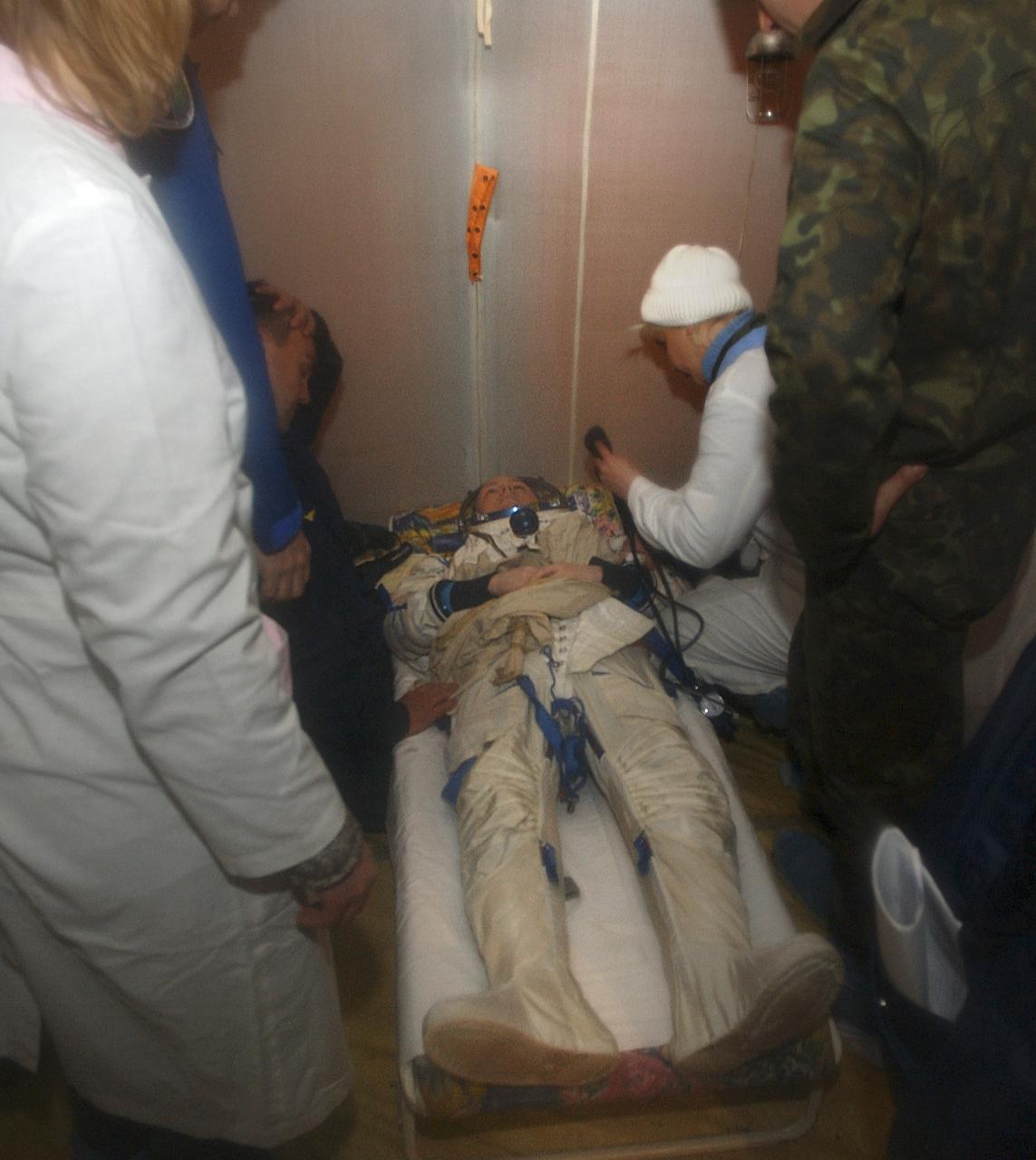
Expedition 9 Flight Engineer Michael Fincke is checked out in the medical tent prior to removal of his sokol suit. Fincke landed in the Soyuz capsule along with Expedition 9 Commander Gennady Padalka and Russian Space Forces cosmonaut Yuri Shargin. The crew landed in their Soyuz capsule approximately 85 kilometers northeast of Arkalyk in northern Kazakhstan, Sunday, October 24, 2004. Photo Credit: (NASA/Bill Ingalls)
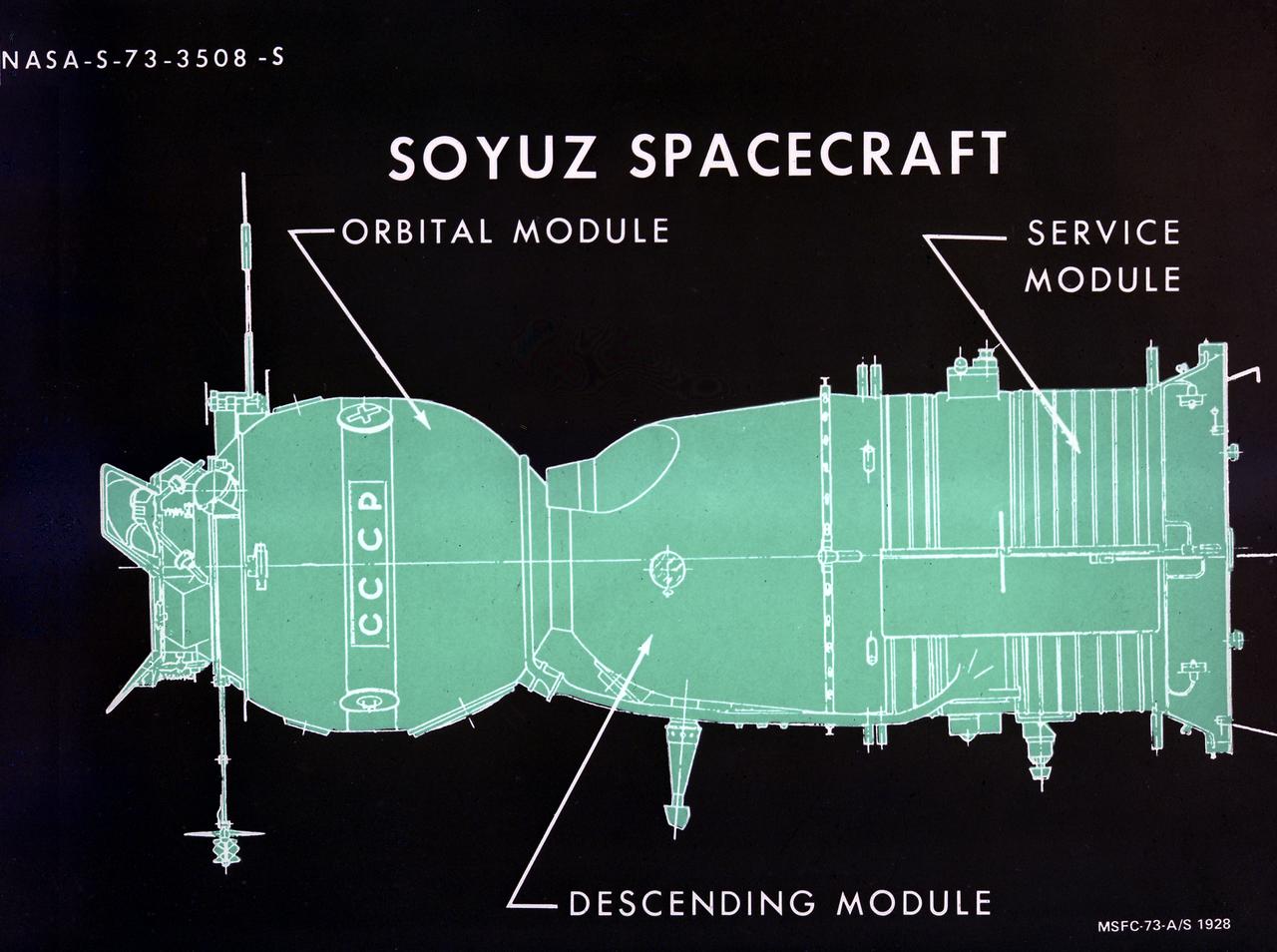
This illustration depicts a configuration of the Soyuz spacecraft for the Apollo-Soyuz Test Project (ASTP). The ASTP was the first international docking of the U.S.'s Apollo spacecraft and the U.S.S.R.'s Soyuz spacecraft in space. For this project, the Soviets built another in their continuing series of Soyuz space capsules. The U.S. used the Saturn IB Apollo capsule. A joint engineering team from the two countries met to develop a docking system that permitted the two spacecraft to link in space and allowed the crews to travel from one spacecraft to the other.
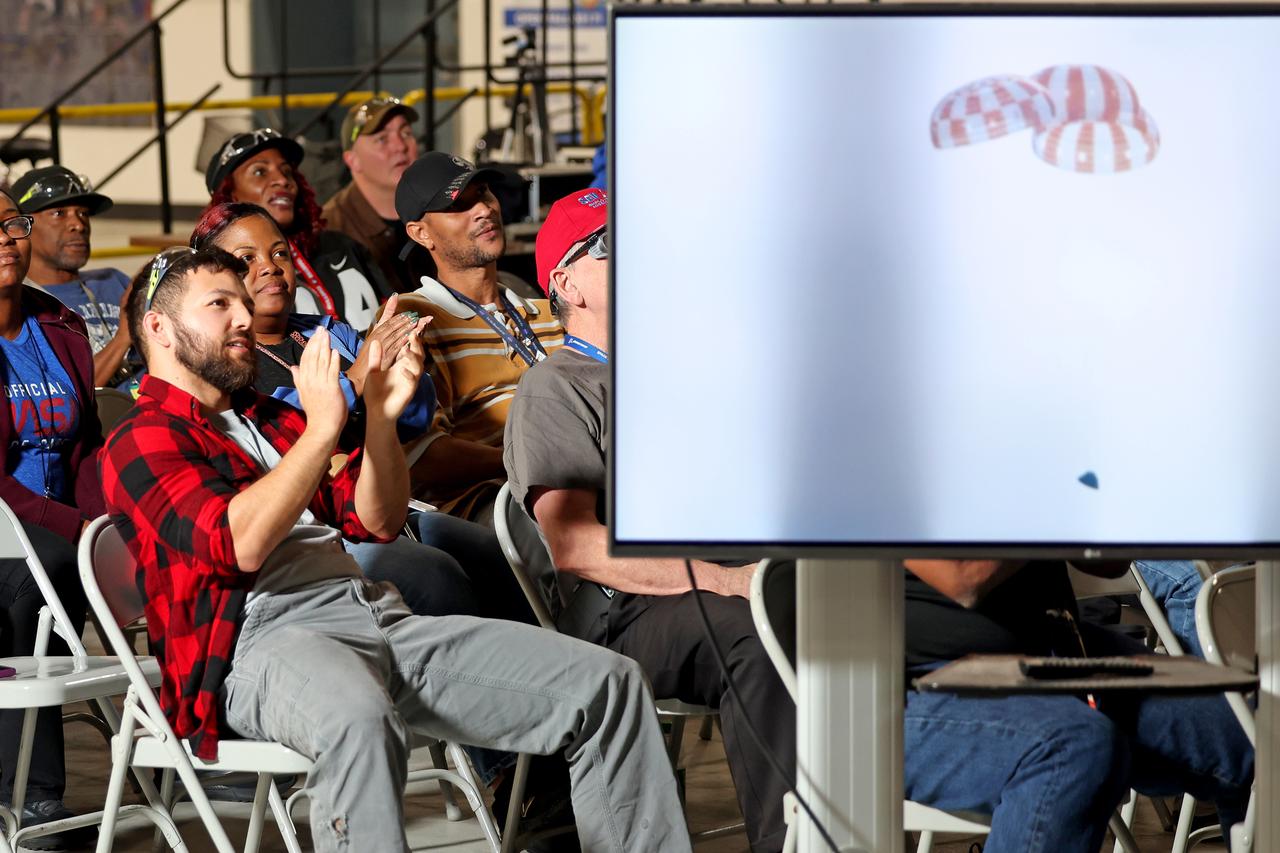
Employees at NASA’s Michoud Assembly Facility in New Orleans gather to watch the completion of NASA’s Artemis I mission with the splashdown of the Orion spacecraft on Dec. 11. The team cheered as the capsule safely returned to Earth following its 25.5-day mission, which brought it further into deep space than any human-rated spacecraft has ever flown before. The Orion crew capsule as well as parts for the launch abort system and the core stage of the Space Launch System rocket were built at the Michoud Assembly Facility. Artemis I is the first in a series of increasingly complex missions to the Moon. With the Artemis missions, NASA will land the first woman and the first person of color on the Moon. No other rocket is capable of carrying astronauts in Orion around the Moon in a single mission. Image credit: NASA/Michael DeMocker

Employees at NASA’s Michoud Assembly Facility in New Orleans gather to watch the completion of NASA’s Artemis I mission with the splashdown of the Orion spacecraft on Dec. 11. The team cheered as the capsule safely returned to Earth following its 25.5-day mission, which brought it further into deep space than any human-rated spacecraft has ever flown before. The Orion crew capsule as well as parts for the launch abort system and the core stage of the Space Launch System rocket were built at the Michoud Assembly Facility. Artemis I is the first in a series of increasingly complex missions to the Moon. With the Artemis missions, NASA will land the first woman and the first person of color on the Moon. No other rocket is capable of carrying astronauts in Orion around the Moon in a single mission. Image credit: NASA/Michael DeMocker

Employees at NASA’s Michoud Assembly Facility in New Orleans gather to watch the completion of NASA’s Artemis I mission with the splashdown of the Orion spacecraft on Dec. 11. The team cheered as the capsule safely returned to Earth following its 25.5-day mission, which brought it further into deep space than any human-rated spacecraft has ever flown before. The Orion crew capsule as well as parts for the launch abort system and the core stage of the Space Launch System rocket were built at the Michoud Assembly Facility. Artemis I is the first in a series of increasingly complex missions to the Moon. With the Artemis missions, NASA will land the first woman and the first person of color on the Moon. No other rocket is capable of carrying astronauts in Orion around the Moon in a single mission. Image credit: NASA/Michael DeMocker
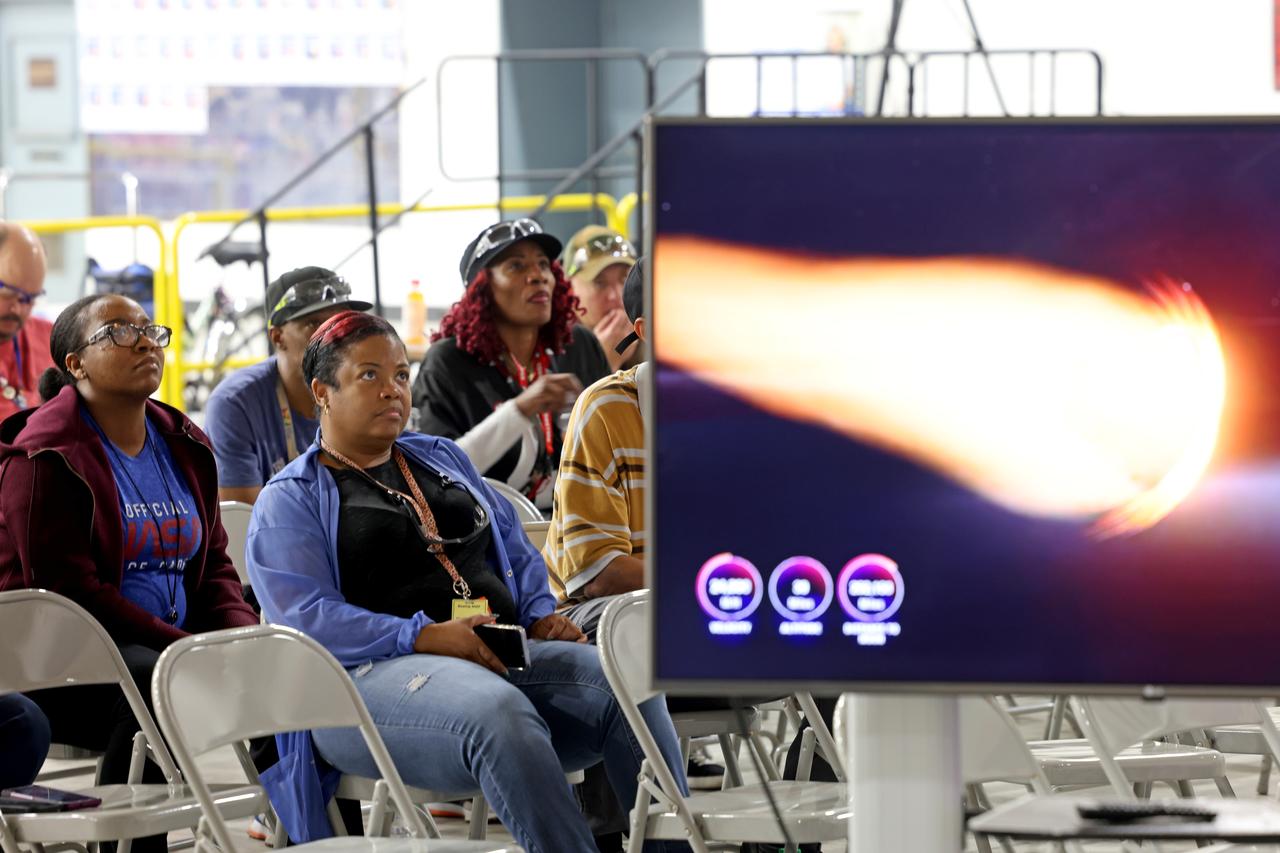
Employees at NASA’s Michoud Assembly Facility in New Orleans gather to watch the completion of NASA’s Artemis I mission with the splashdown of the Orion spacecraft on Dec. 11. The team cheered as the capsule safely returned to Earth following its 25.5-day mission, which brought it further into deep space than any human-rated spacecraft has ever flown before. The Orion crew capsule as well as parts for the launch abort system and the core stage of the Space Launch System rocket were built at the Michoud Assembly Facility. Artemis I is the first in a series of increasingly complex missions to the Moon. With the Artemis missions, NASA will land the first woman and the first person of color on the Moon. No other rocket is capable of carrying astronauts in Orion around the Moon in a single mission. Image credit: NASA/Michael DeMocker
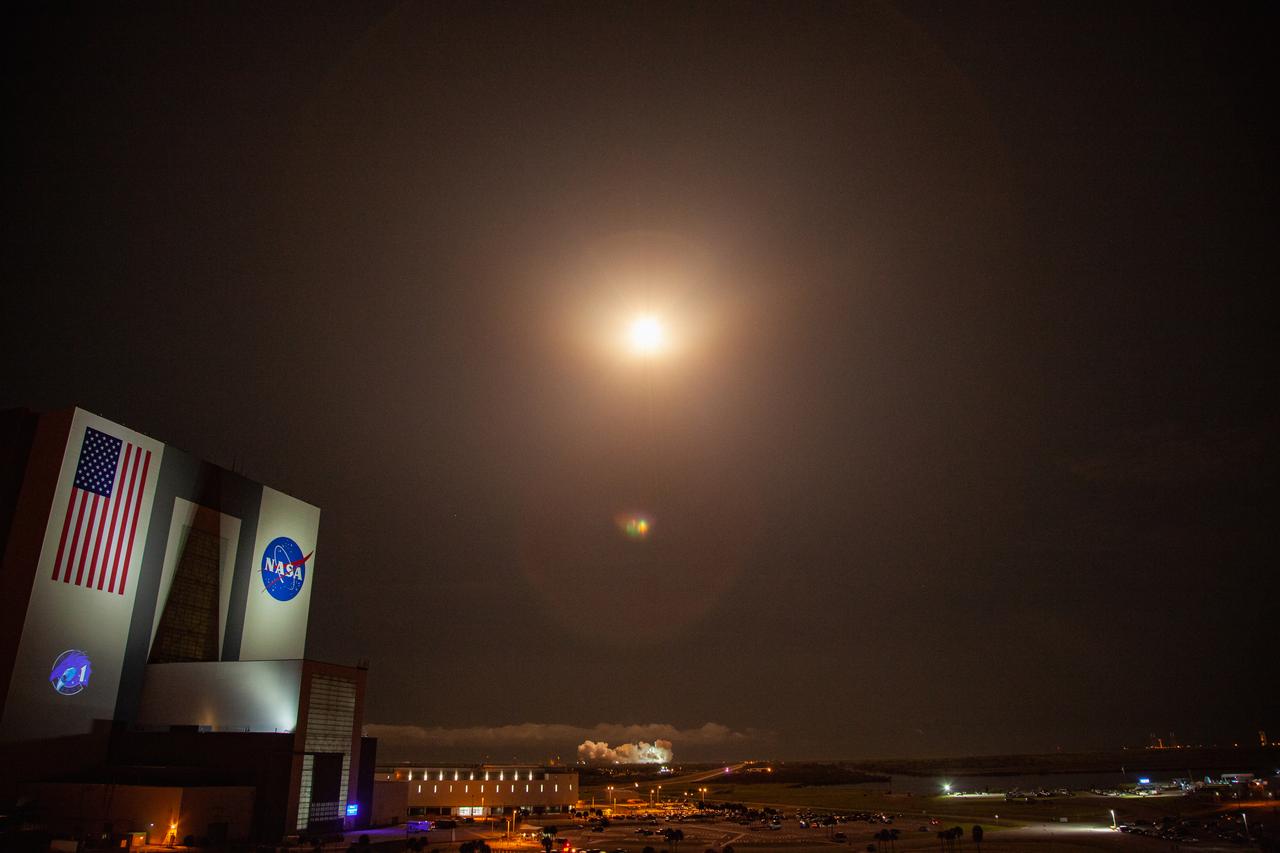
With a view of the iconic Vehicle Assembly Building at left, a SpaceX Falcon 9 rocket soars upward from Launch Complex 39A at NASA’s Kennedy Space Center in Florida on Nov. 15, 2020, carrying the company’s Crew Dragon Resilience capsule. Launch time was at 7:27 p.m. EST. Onboard the capsule are NASA’s SpaceX Crew-1 astronauts, Michael Hopkins, spacecraft commander; Victor Glover, pilot; Shannon Walker, mission specialist; and Japan Aerospace Exploration Agency astronaut Soichi Noguchi, mission specialist. Crew-1 is the first regular crew mission of a U.S. commercial spacecraft with astronauts to the International Space Station as part of NASA’s Commercial Crew Program. The Crew Dragon will dock with the space station and the crew will remain on the orbiting laboratory for a six-month science mission.
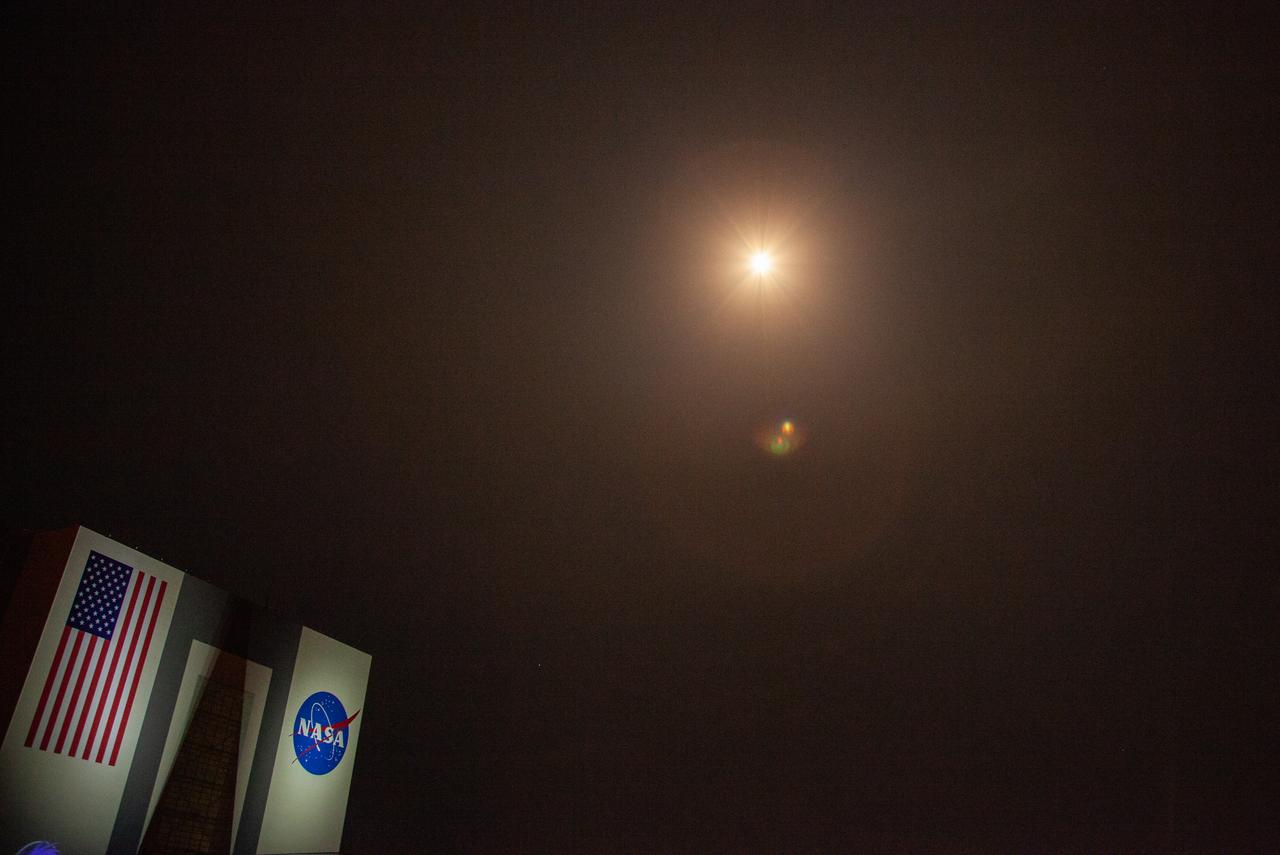
With a view of the iconic Vehicle Assembly Building at left, a SpaceX Falcon 9 rocket soars upward from Launch Complex 39A at NASA’s Kennedy Space Center in Florida on Nov. 15, 2020, carrying the company’s Crew Dragon Resilience capsule. Launch time was at 7:27 p.m. EST. Onboard the capsule are NASA’s SpaceX Crew-1 astronauts, Michael Hopkins, spacecraft commander; Victor Glover, pilot; Shannon Walker, mission specialist; and Japan Aerospace Exploration Agency astronaut Soichi Noguchi, mission specialist. Crew-1 is the first regular crew mission of a U.S. commercial spacecraft with astronauts to the International Space Station as part of NASA’s Commercial Crew Program. The Crew Dragon will dock with the space station and the crew will remain on the orbiting laboratory for a six-month science mission.
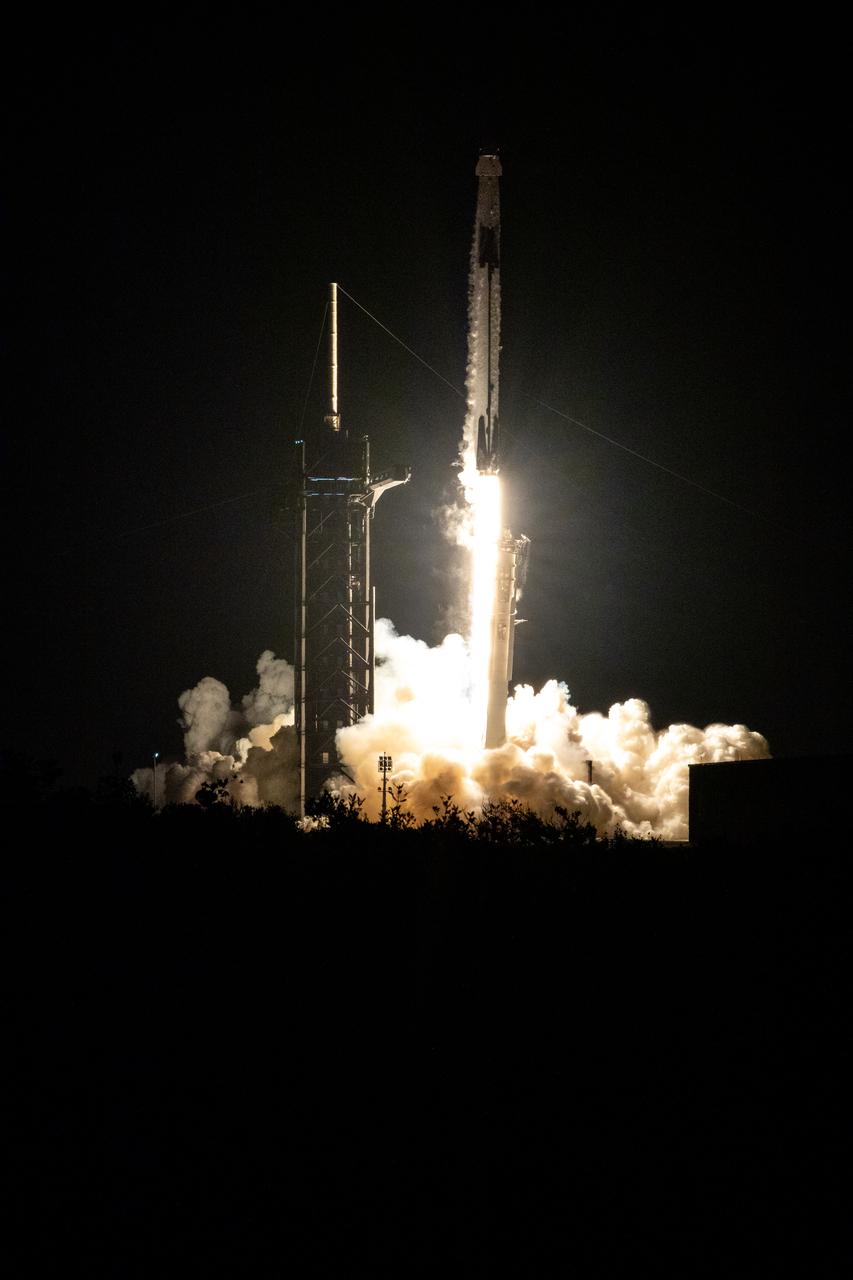
A SpaceX Falcon 9 rocket lifts off at 7:27 p.m. EST from Launch Complex 39A at NASA’s Kennedy Space Center in Florida on Nov. 15, 2020, carrying the company’s Crew Dragon Resilience capsule. Onboard the capsule are NASA’s SpaceX Crew-1 NASA astronauts, Michael Hopkins, spacecraft commander; Victor Glover, pilot; Shannon Walker, mission specialist; and Japan Aerospace Exploration Agency astronaut Soichi Noguchi, mission specialist. Crew-1 is the first regular crew mission of a U.S. commercial spacecraft with astronauts to the International Space Station as part of NASA’s Commercial Crew Program. The Crew Dragon will dock with the space station and the crew will remain on the orbiting laboratory for a six-month science mission.
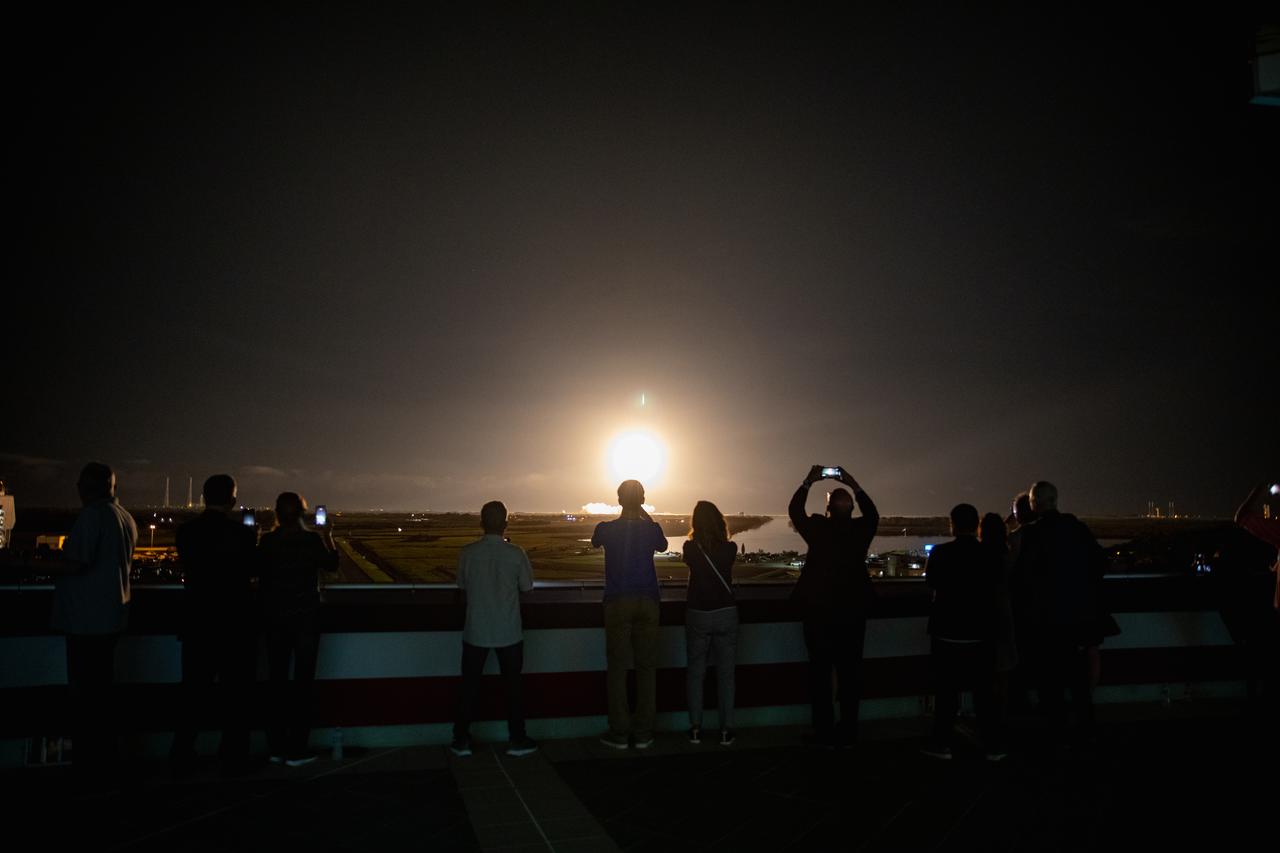
A SpaceX Falcon 9 rocket lifts off at 7:27 p.m. EST from Launch Complex 39A at NASA’s Kennedy Space Center in Florida on Nov. 15, 2020, carrying the company’s Crew Dragon Resilience capsule. Onboard the capsule are NASA’s SpaceX Crew-1 NASA astronauts, Michael Hopkins, spacecraft commander; Victor Glover, pilot; Shannon Walker, mission specialist; and Japan Aerospace Exploration Agency astronaut Soichi Noguchi, mission specialist. Crew-1 is the first regular crew mission of a U.S. commercial spacecraft with astronauts to the International Space Station as part of NASA’s Commercial Crew Program. The Crew Dragon will dock with the space station and the crew will remain on the orbiting laboratory for a six-month science mission.
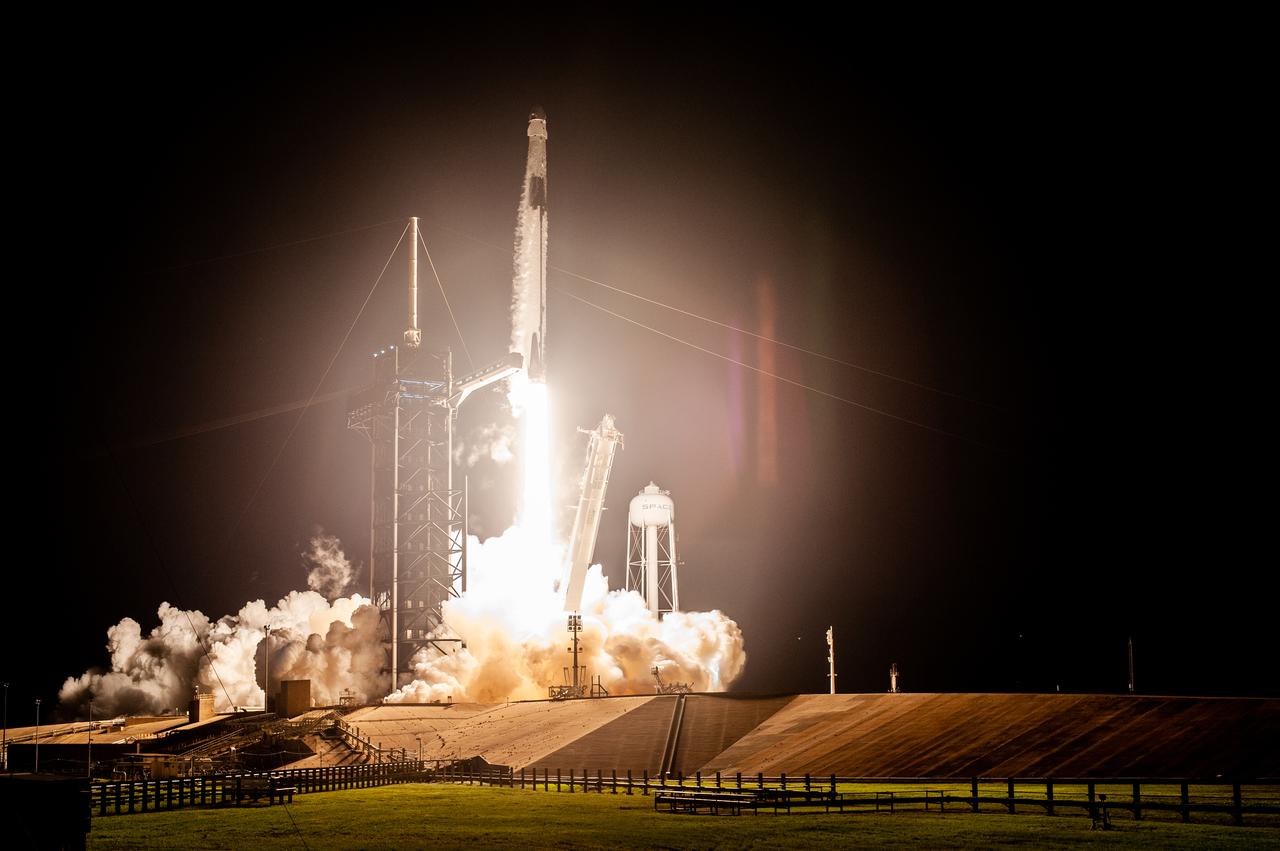
A SpaceX Falcon 9 rocket lifts off at 7:27 p.m. EST from Launch Complex 39A at NASA’s Kennedy Space Center in Florida on Nov. 15, 2020, carrying the company’s Crew Dragon Resilience capsule. Onboard the capsule are NASA’s SpaceX Crew-1 NASA astronauts, Michael Hopkins, spacecraft commander; Victor Glover, pilot; Shannon Walker, mission specialist; and Japan Aerospace Exploration Agency astronaut Soichi Noguchi, mission specialist. Crew-1 is the first regular crew mission of a U.S. commercial spacecraft with astronauts to the International Space Station as part of NASA’s Commercial Crew Program. The Crew Dragon will dock with the space station and the crew will remain on the orbiting laboratory for a six-month science mission.
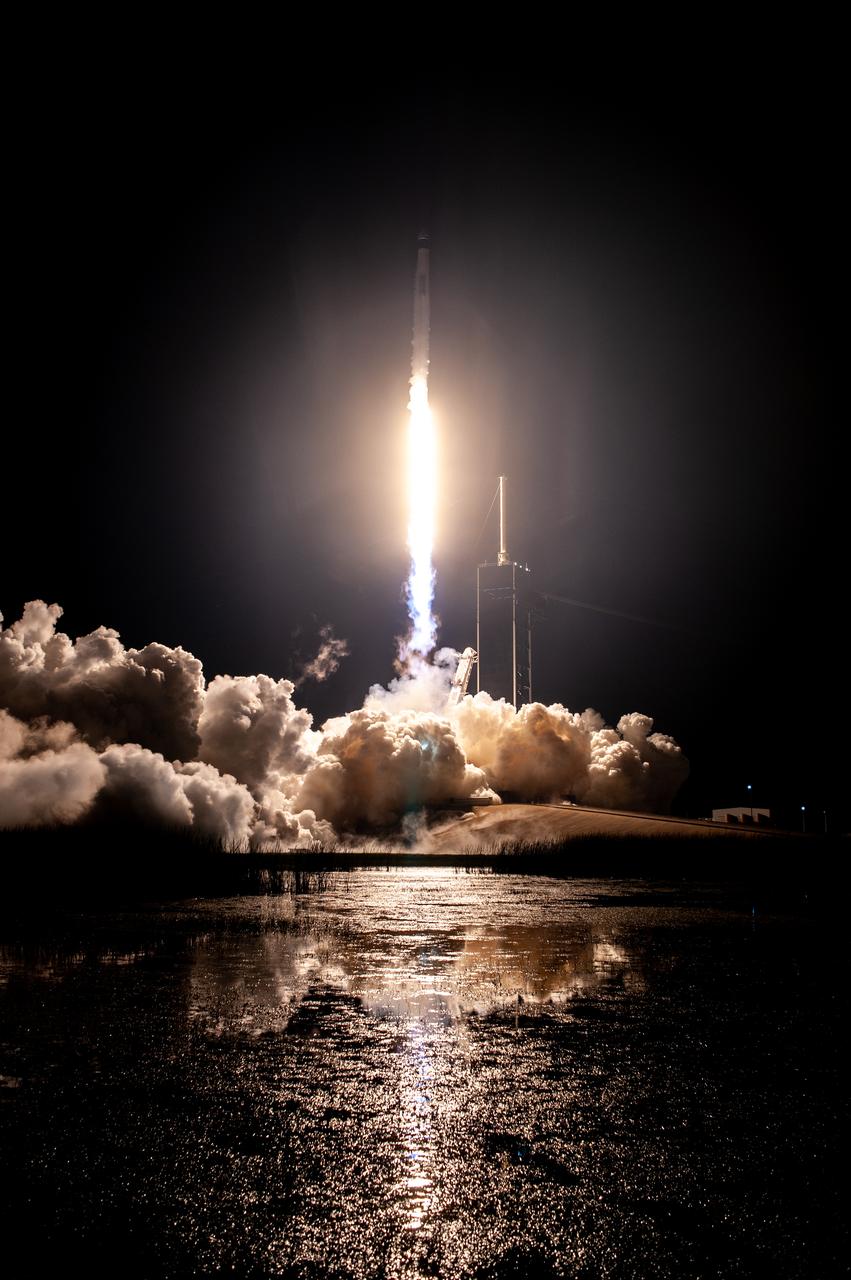
A SpaceX Falcon 9 rocket lifts off at 7:27 p.m. EST from Launch Complex 39A at NASA’s Kennedy Space Center in Florida on Nov. 15, 2020, carrying the company’s Crew Dragon Resilience capsule. Onboard the capsule are NASA’s SpaceX Crew-1 NASA astronauts, Michael Hopkins, spacecraft commander; Victor Glover, pilot; Shannon Walker, mission specialist; and Japan Aerospace Exploration Agency astronaut Soichi Noguchi, mission specialist. Crew-1 is the first regular crew mission of a U.S. commercial spacecraft with astronauts to the International Space Station as part of NASA’s Commercial Crew Program. The Crew Dragon will dock with the space station and the crew will remain on the orbiting laboratory for a six-month science mission.
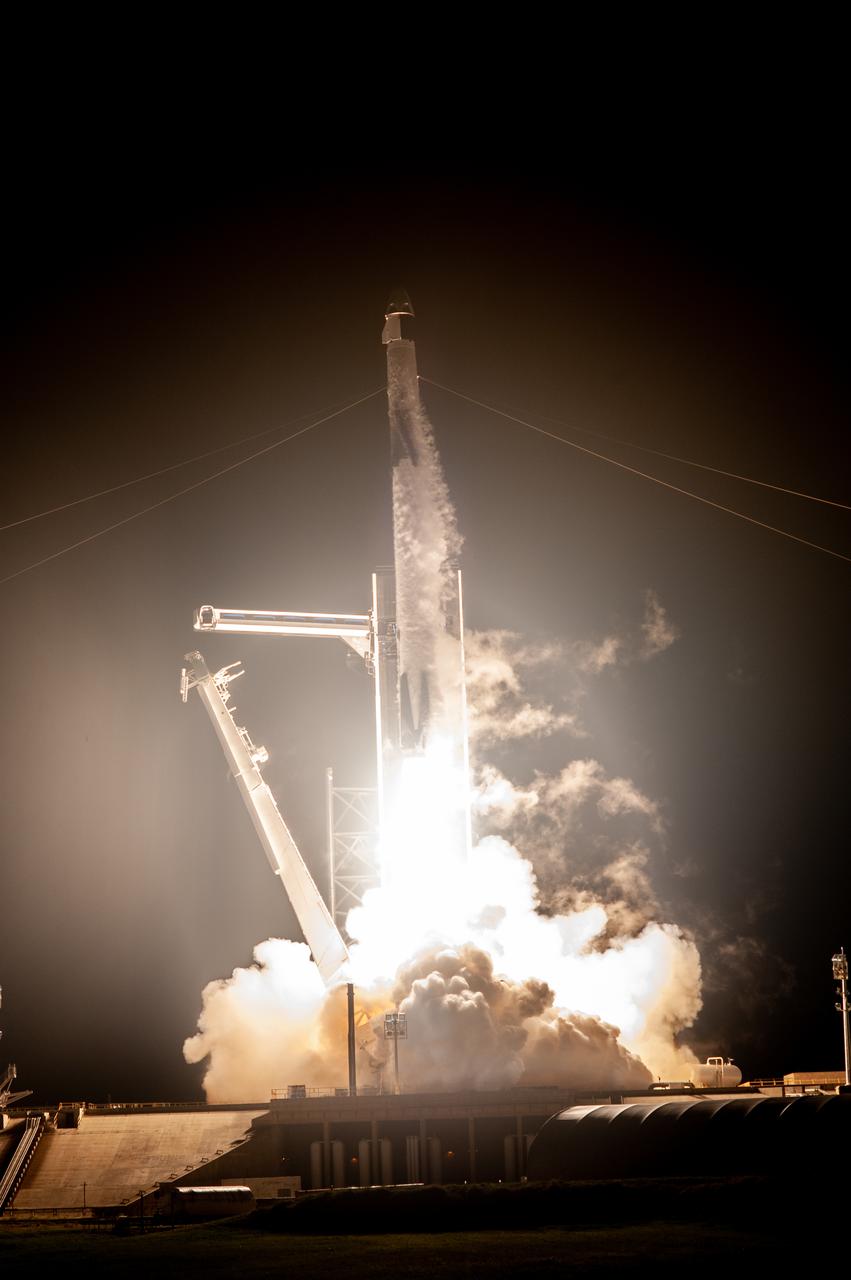
A SpaceX Falcon 9 rocket lifts off at 7:27 p.m. EST from Launch Complex 39A at NASA’s Kennedy Space Center in Florida on Nov. 15, 2020, carrying the company’s Crew Dragon Resilience capsule. Onboard the capsule are NASA’s SpaceX Crew-1 NASA astronauts, Michael Hopkins, spacecraft commander; Victor Glover, pilot; Shannon Walker, mission specialist; and Japan Aerospace Exploration Agency astronaut Soichi Noguchi, mission specialist. Crew-1 is the first regular crew mission of a U.S. commercial spacecraft with astronauts to the International Space Station as part of NASA’s Commercial Crew Program. The Crew Dragon will dock with the space station and the crew will remain on the orbiting laboratory for a six-month science mission.
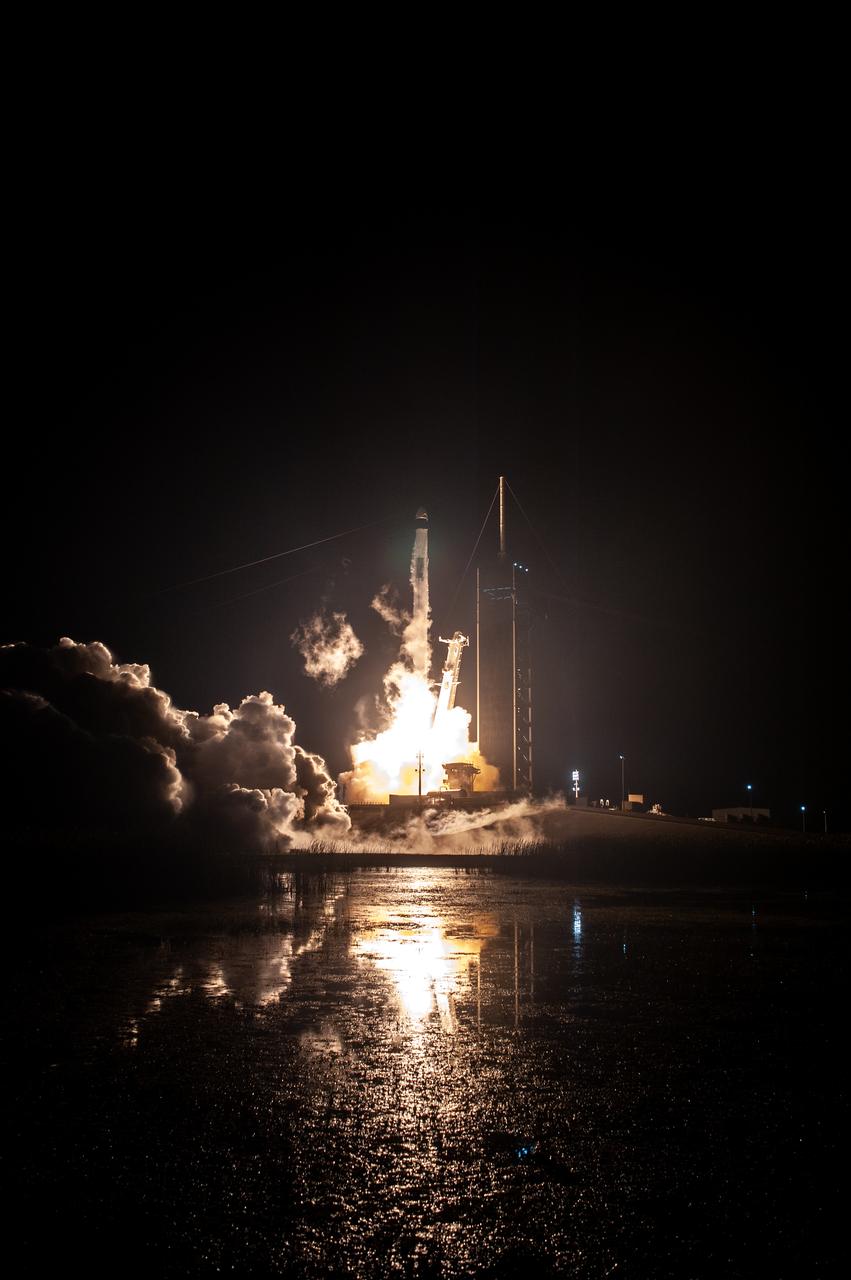
A SpaceX Falcon 9 rocket lifts off at 7:27 p.m. EST from Launch Complex 39A at NASA’s Kennedy Space Center in Florida on Nov. 15, 2020, carrying the company’s Crew Dragon Resilience capsule. Onboard the capsule are NASA’s SpaceX Crew-1 NASA astronauts, Michael Hopkins, spacecraft commander; Victor Glover, pilot; Shannon Walker, mission specialist; and Japan Aerospace Exploration Agency astronaut Soichi Noguchi, mission specialist. Crew-1 is the first regular crew mission of a U.S. commercial spacecraft with astronauts to the International Space Station as part of NASA’s Commercial Crew Program. The Crew Dragon will dock with the space station and the crew will remain on the orbiting laboratory for a six-month science mission.
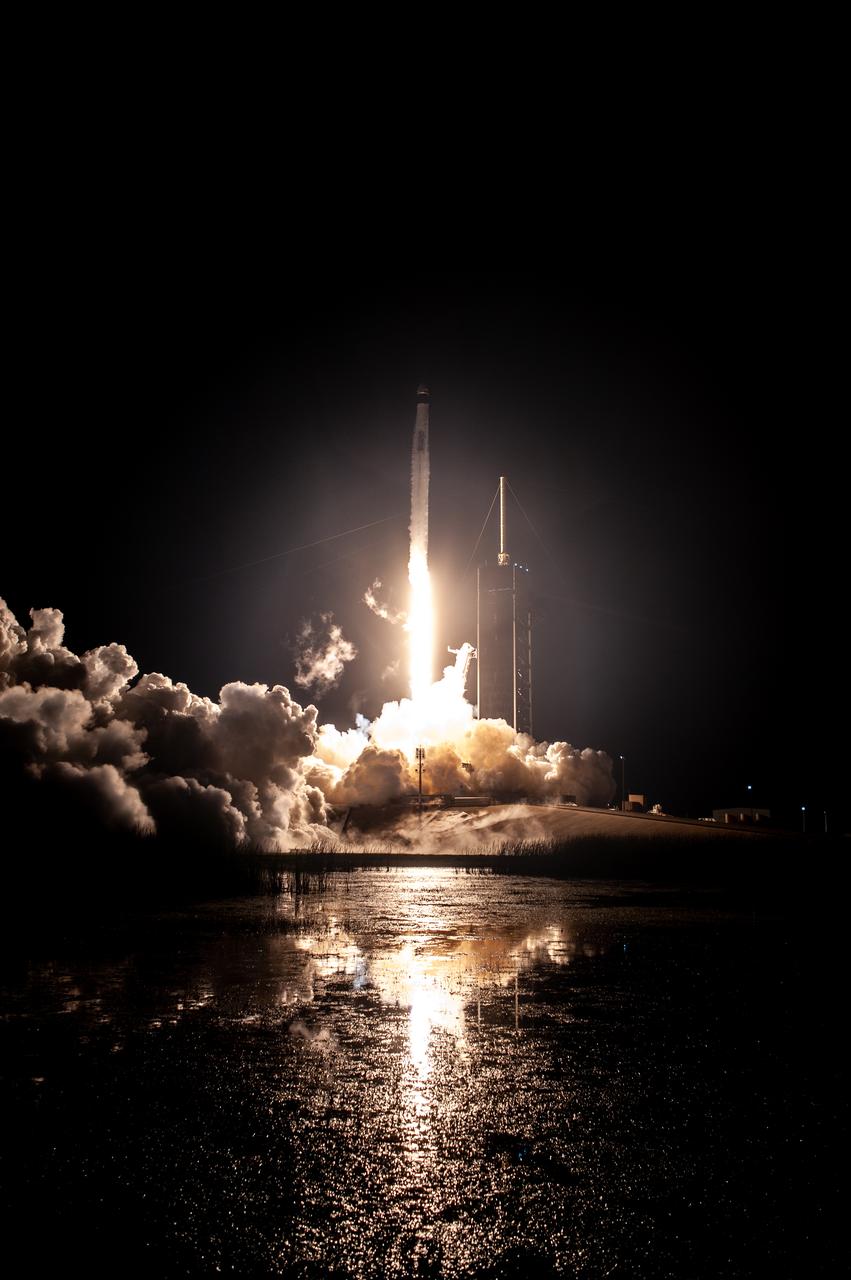
A SpaceX Falcon 9 rocket lifts off at 7:27 p.m. EST from Launch Complex 39A at NASA’s Kennedy Space Center in Florida on Nov. 15, 2020, carrying the company’s Crew Dragon Resilience capsule. Onboard the capsule are NASA’s SpaceX Crew-1 NASA astronauts, Michael Hopkins, spacecraft commander; Victor Glover, pilot; Shannon Walker, mission specialist; and Japan Aerospace Exploration Agency astronaut Soichi Noguchi, mission specialist. Crew-1 is the first regular crew mission of a U.S. commercial spacecraft with astronauts to the International Space Station as part of NASA’s Commercial Crew Program. The Crew Dragon will dock with the space station and the crew will remain on the orbiting laboratory for a six-month science mission.
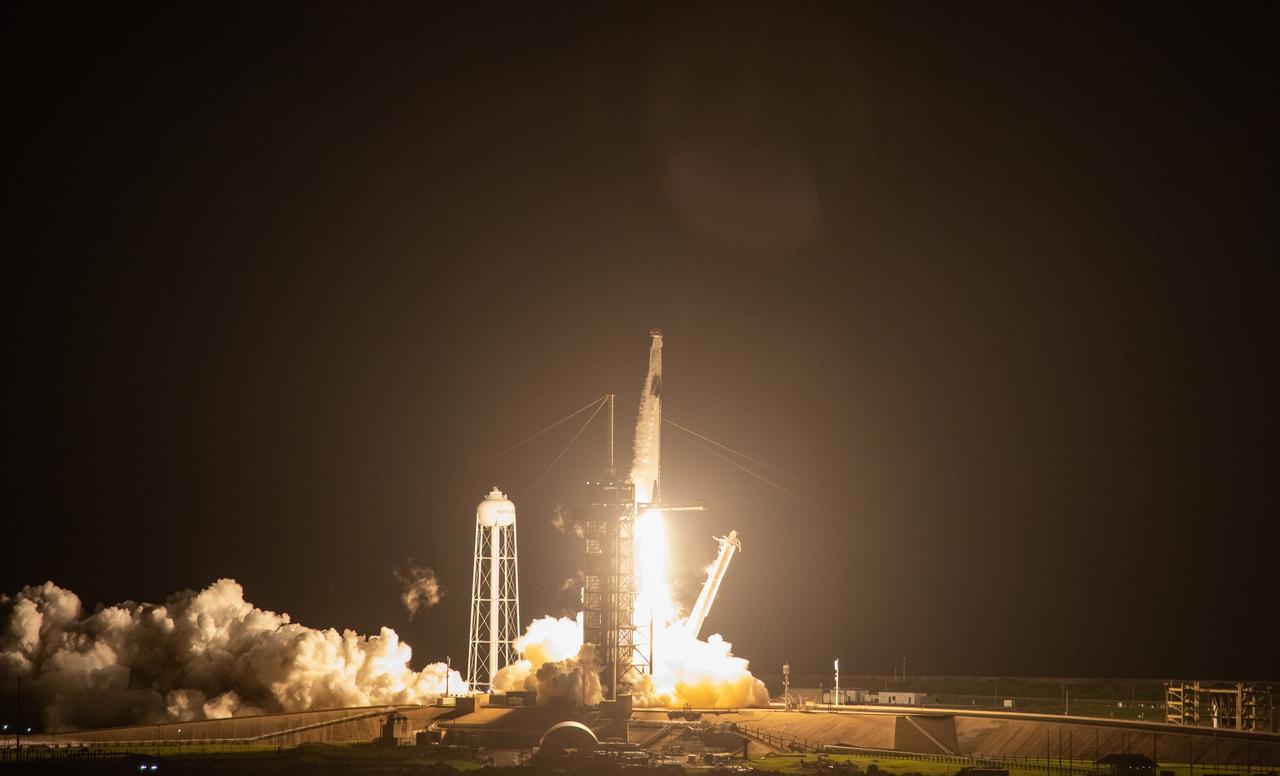
A SpaceX Falcon 9 rocket lifts off at 7:27 p.m. EST from Launch Complex 39A at NASA’s Kennedy Space Center in Florida on Nov. 15, 2020, carrying the company’s Crew Dragon Resilience capsule. Onboard the capsule are NASA’s SpaceX Crew-1 NASA astronauts, Michael Hopkins, spacecraft commander; Victor Glover, pilot; Shannon Walker, mission specialist; and Japan Aerospace Exploration Agency astronaut Soichi Noguchi, mission specialist. Crew-1 is the first regular crew mission of a U.S. commercial spacecraft with astronauts to the International Space Station as part of NASA’s Commercial Crew Program. The Crew Dragon will dock with the space station and the crew will remain on the orbiting laboratory for a six-month science mission.