
James Fesmire transfers a charged Cryogenic Flux Capacitor device to a bath of water in the Cryogenics Test Laboratory at NASA's Kennedy Space Center on Mar. 20, 2019. This demonstration is a visual aid that conveys that a large quantity of fluid is stored in the device at low temperature.
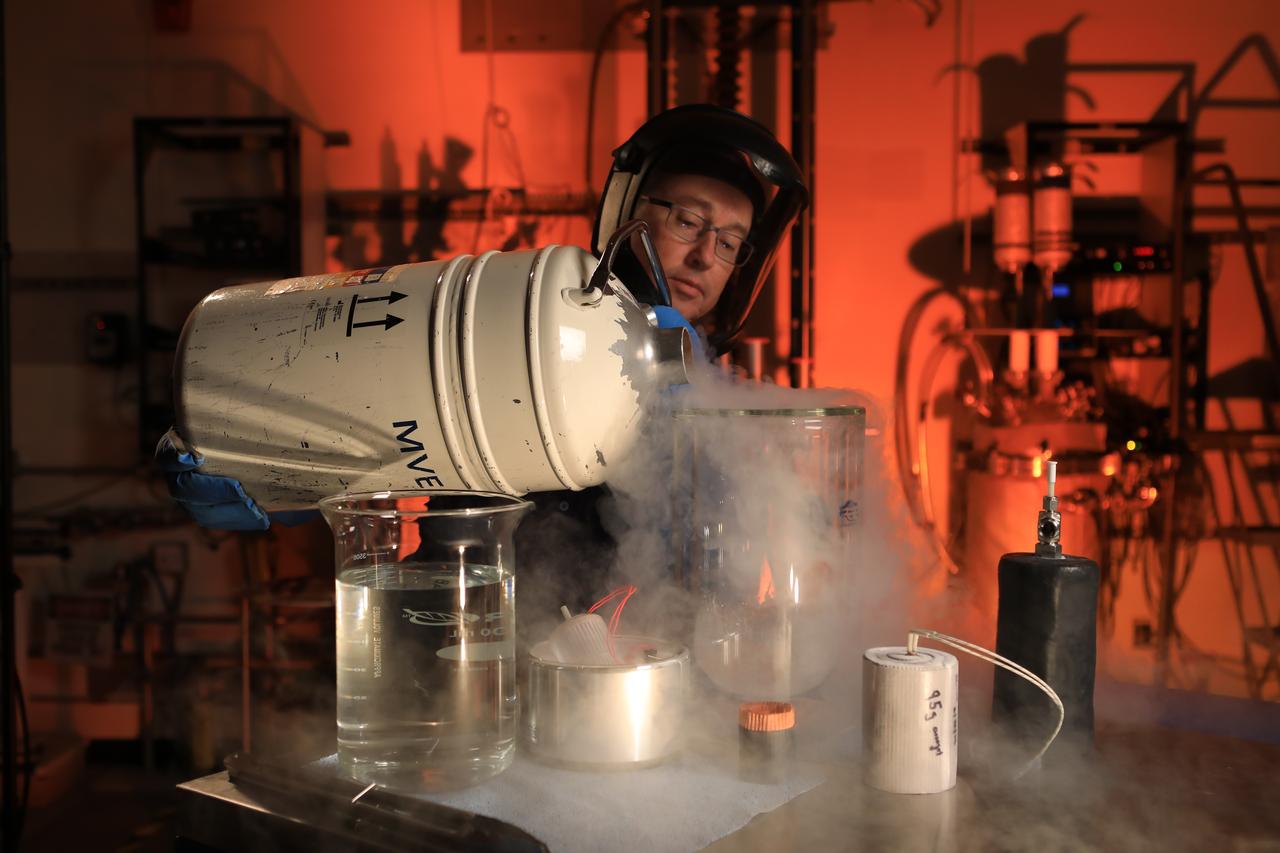
James Fesmire pours liquid nitrogen from a dewar into an insulated glass flask in the Cryogenics Test Laboratory at NASA's Kennedy Space Center on Mar. 20, 2019. See-through flasks are a useful tool in cryogenics to examine various physical phenomena.
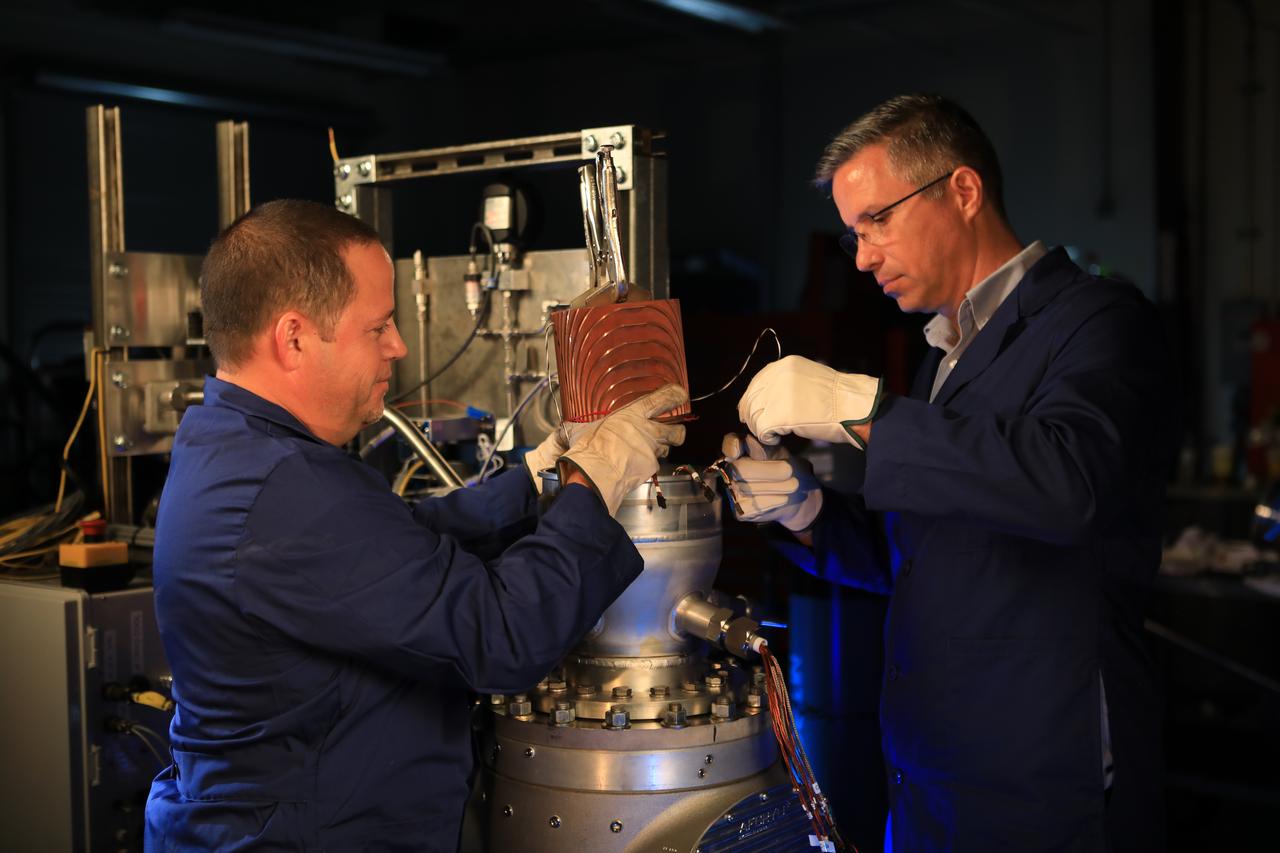
Mark Velasco (left) and Jared Sass assemble a custom cold heat exchanger for freezing carbon dioxide from a simulated Martian environment in the Cryogenics Test Laboratory at NASA's Kennedy Space Center on Mar. 20, 2019.
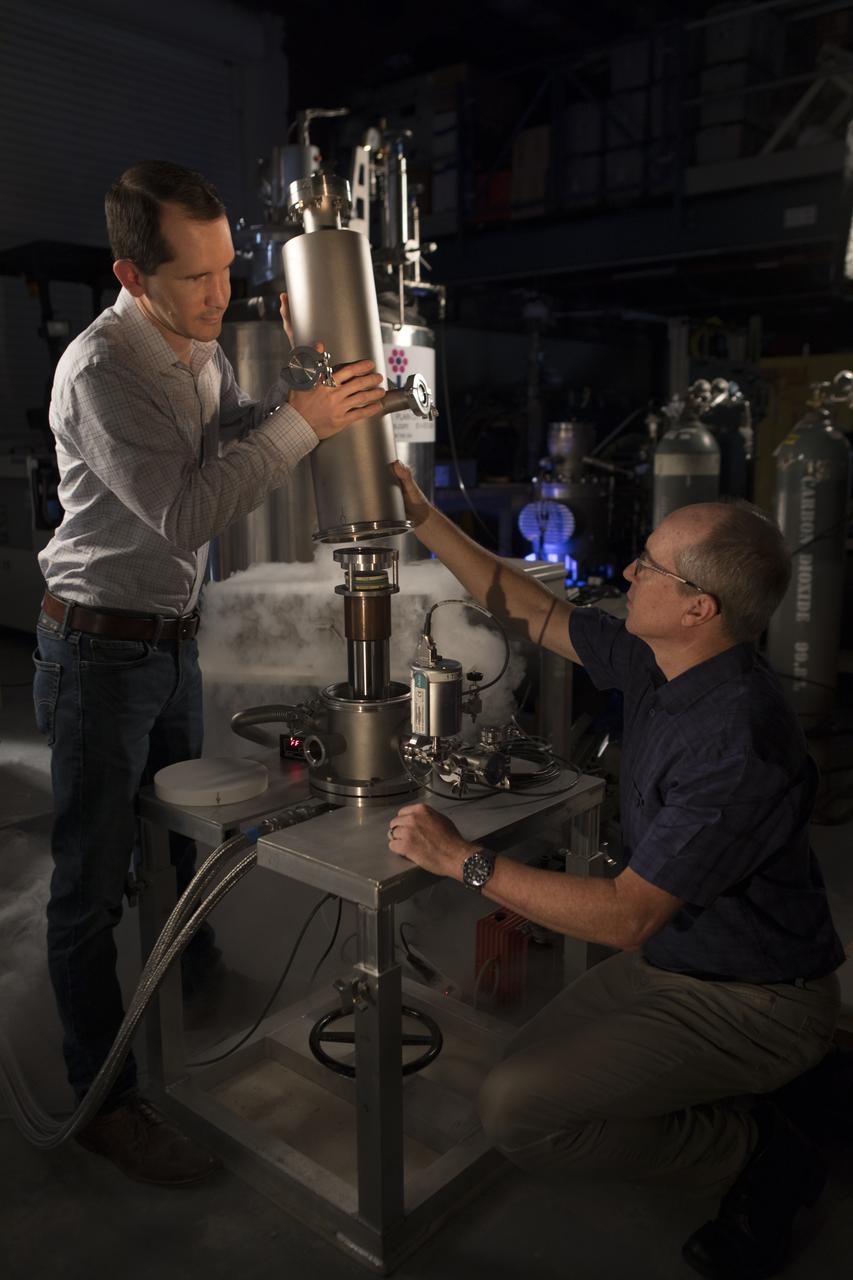
Adam Swanger (left) and James Fesmire assemble a cryocooler-based low temperature materials test in the Cryogenics Test Laboratory at NASA's Kennedy Space Center on Mar. 20, 2019.
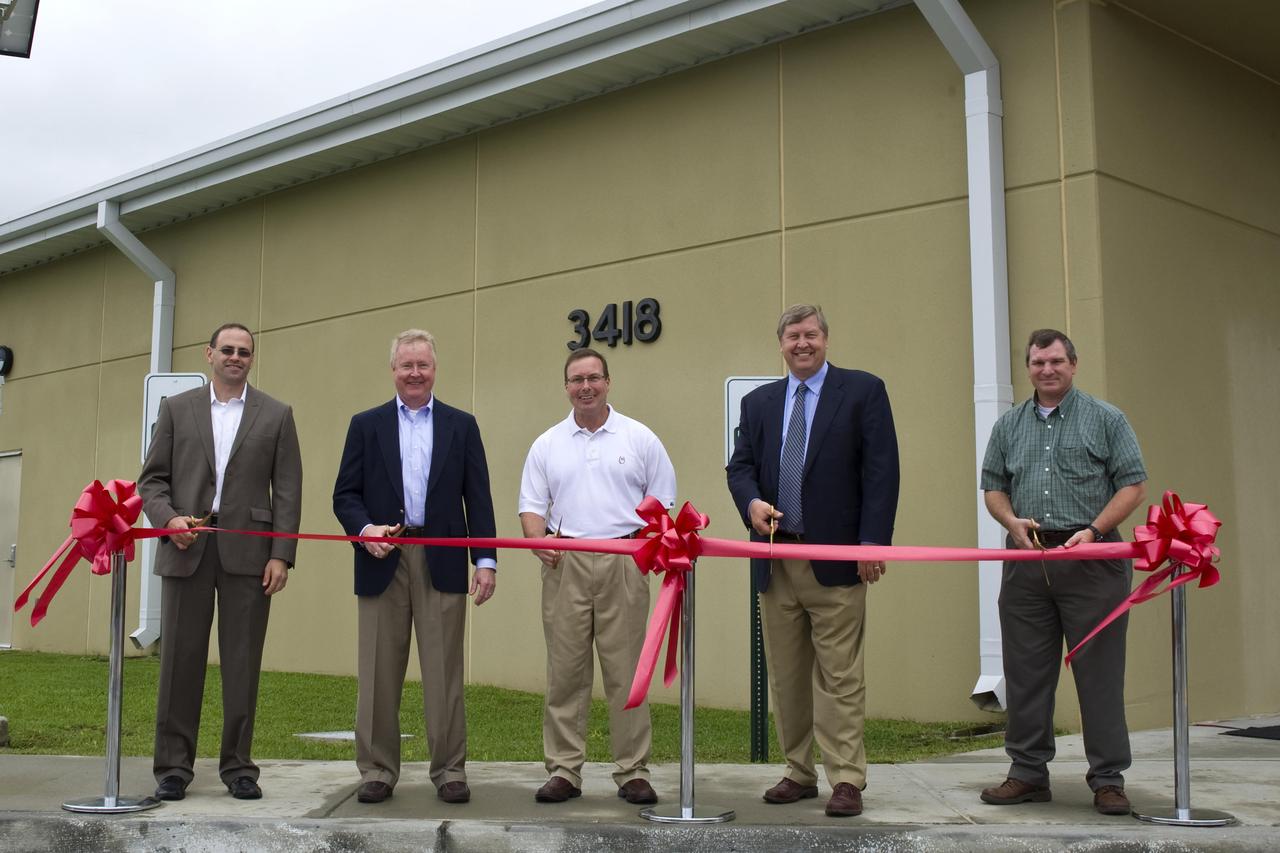
NASA cut the ribbon on a new cryogenics control center at John C. Stennis Space Center on March 30. The new facility is part of a project to strengthen Stennis facilities to withstand the impacts of future storms like hurricane Katrina in 2005. Participants in the ribbon-cutting included (l to r): Jason Zuckerman, director of project management for The McDonnel Group; Keith Brock, director of the NASA Project Directorate at Stennis; Stennis Deputy Director Rick Gilbrech; Steve Jackson, outgoing program manager of the Jacobs Technology NASA Test Operations Group; and Troy Frisbie, Cryo Control Center Construction project manager for NASA Center Operations at Stennis.
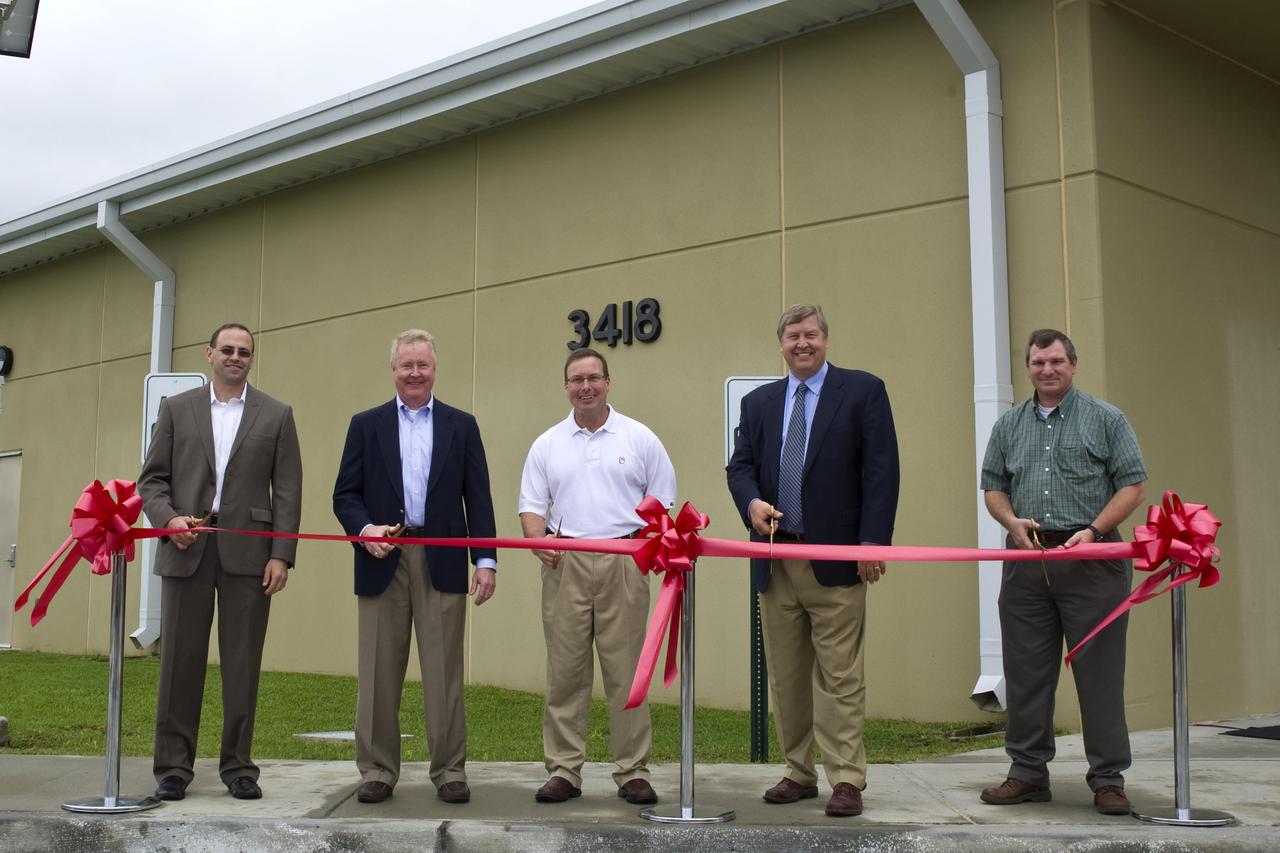
NASA cut the ribbon on a new cryogenics control center at John C. Stennis Space Center on March 30. The new facility is part of a project to strengthen Stennis facilities to withstand the impacts of future storms like hurricane Katrina in 2005. Participants in the ribbon-cutting included (l to r): Jason Zuckerman, director of project management for The McDonnel Group; Keith Brock, director of the NASA Project Directorate at Stennis; Stennis Deputy Director Rick Gilbrech; Steve Jackson of Jacobs Technology; and Troy Frisbie, Cryo Control Center Construction project manager for NASA Center Operations at Stennis.
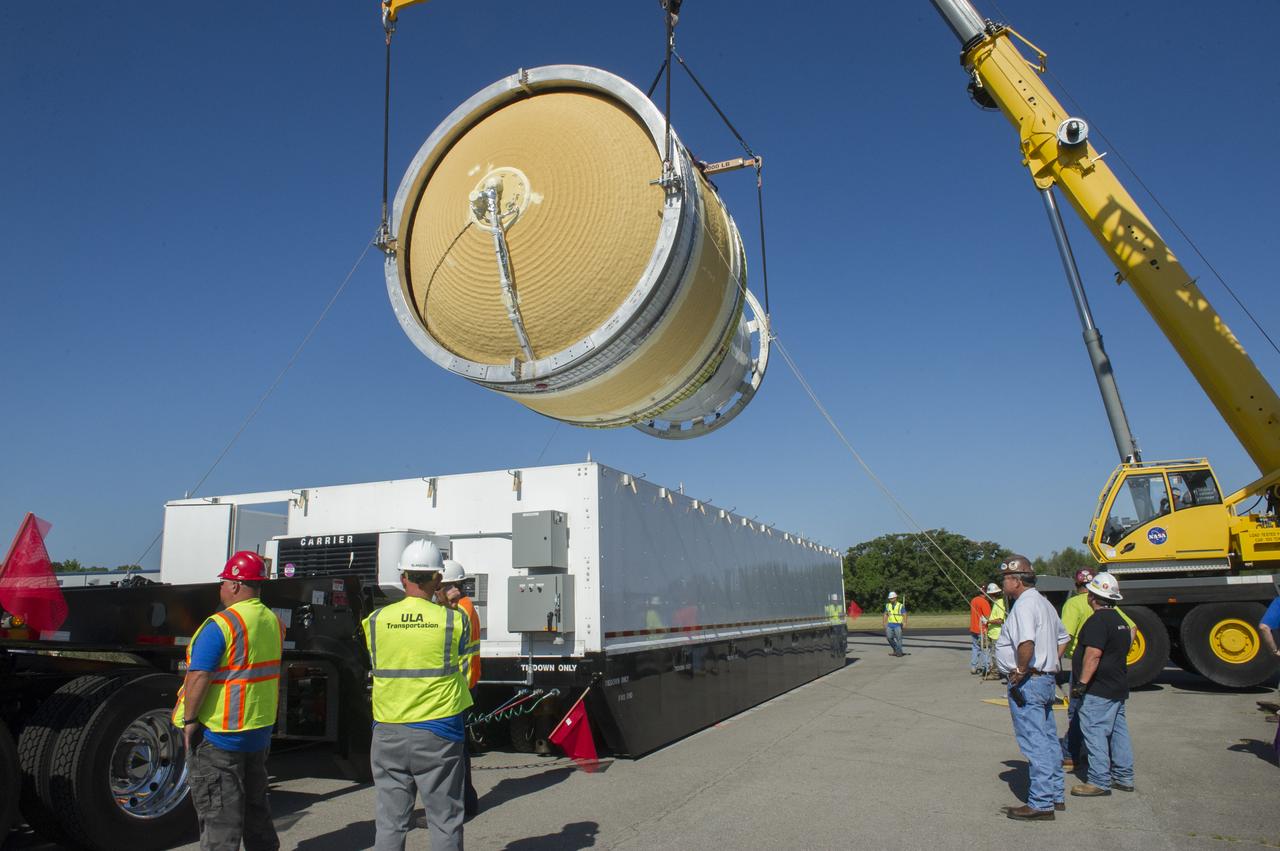
TWO CRANES LIFT THE APPROXIMATELY 8,000-POUND INTERIM CRYOGENIC PROPULSION STAGE TEST ARTICLE OUT OF ITS CRATE AT MARSHALL.
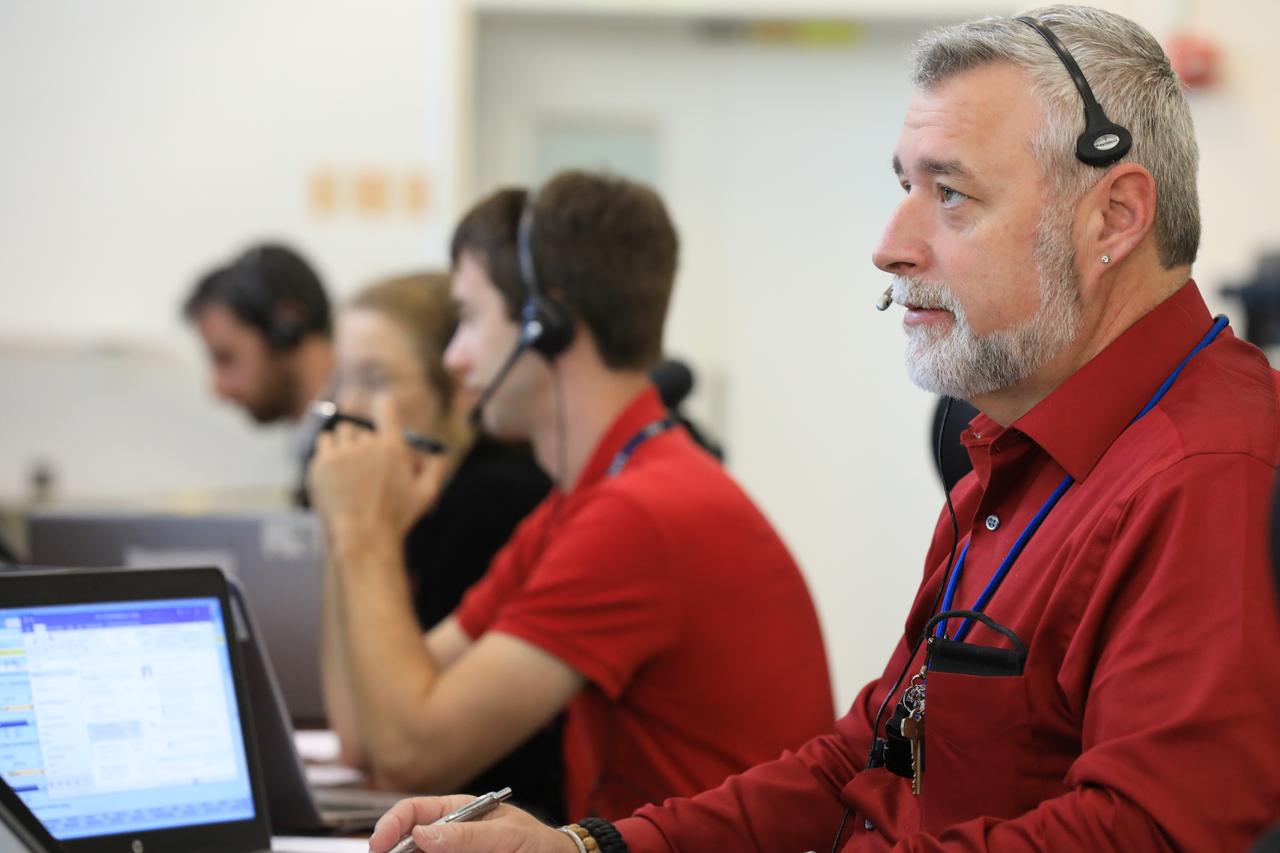
EM-1 Countdown Demonstration with Cryogenic Loading Simulation
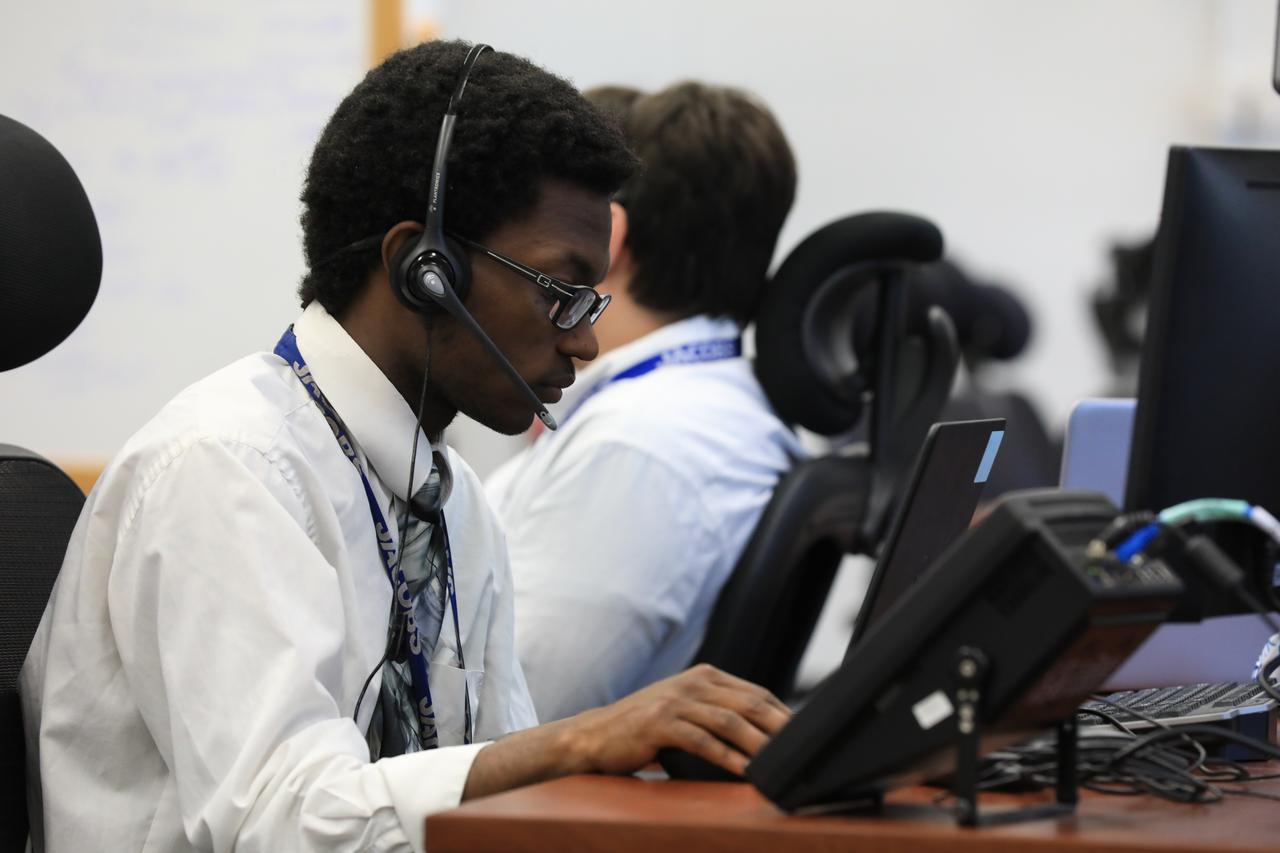
EM-1 Countdown Demonstration with Cryogenic Loading Simulation
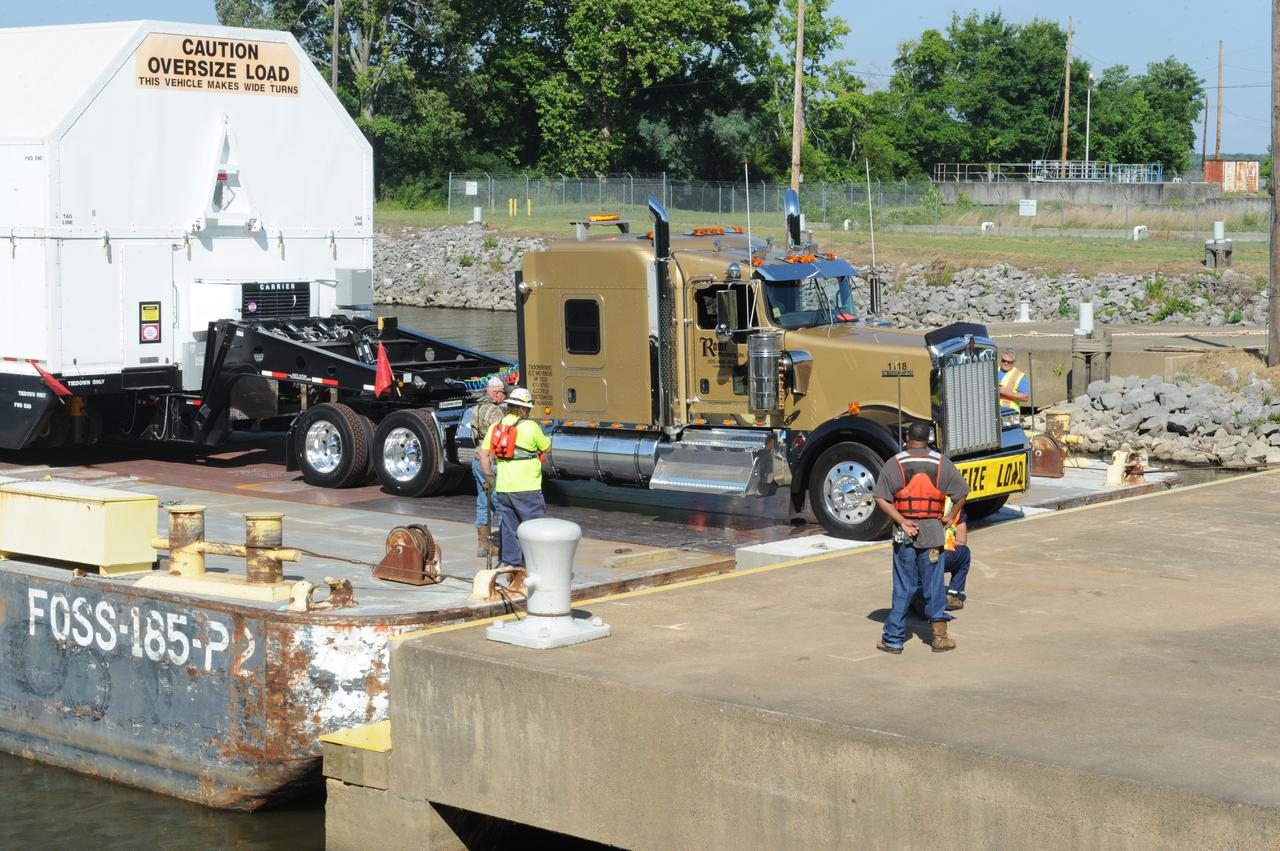
SLS INTERIM CRYOGENIC PROPULSION STAGE TEST ARTICLE ARRIVES AT WEST DOCK ON SHIELDS ROAD AND IS OFF LOADED FROM BARGE
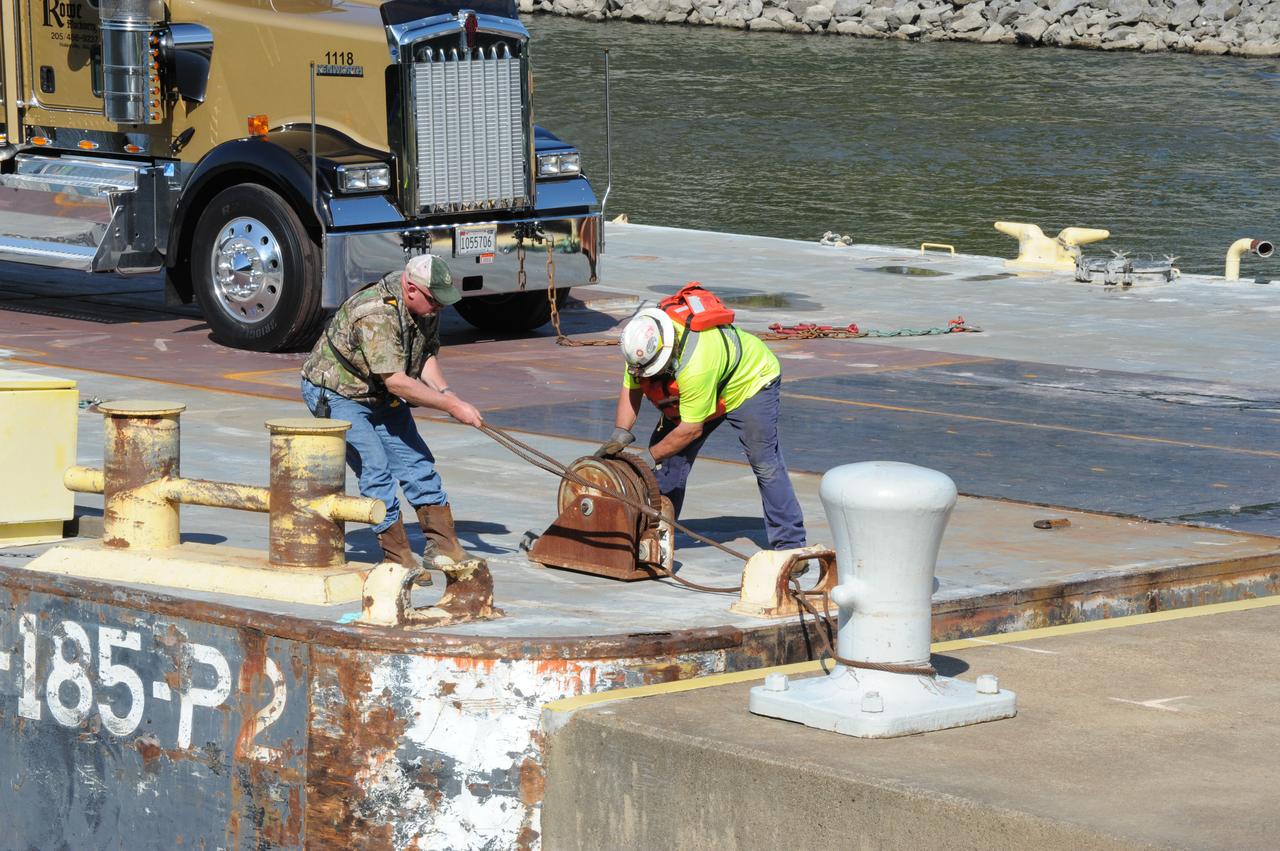
SLS INTERIM CRYOGENIC PROPULSION STAGE TEST ARTICLE ARRIVES AT WEST DOCK ON SHIELDS ROAD AND IS OFF LOADED FROM BARGE
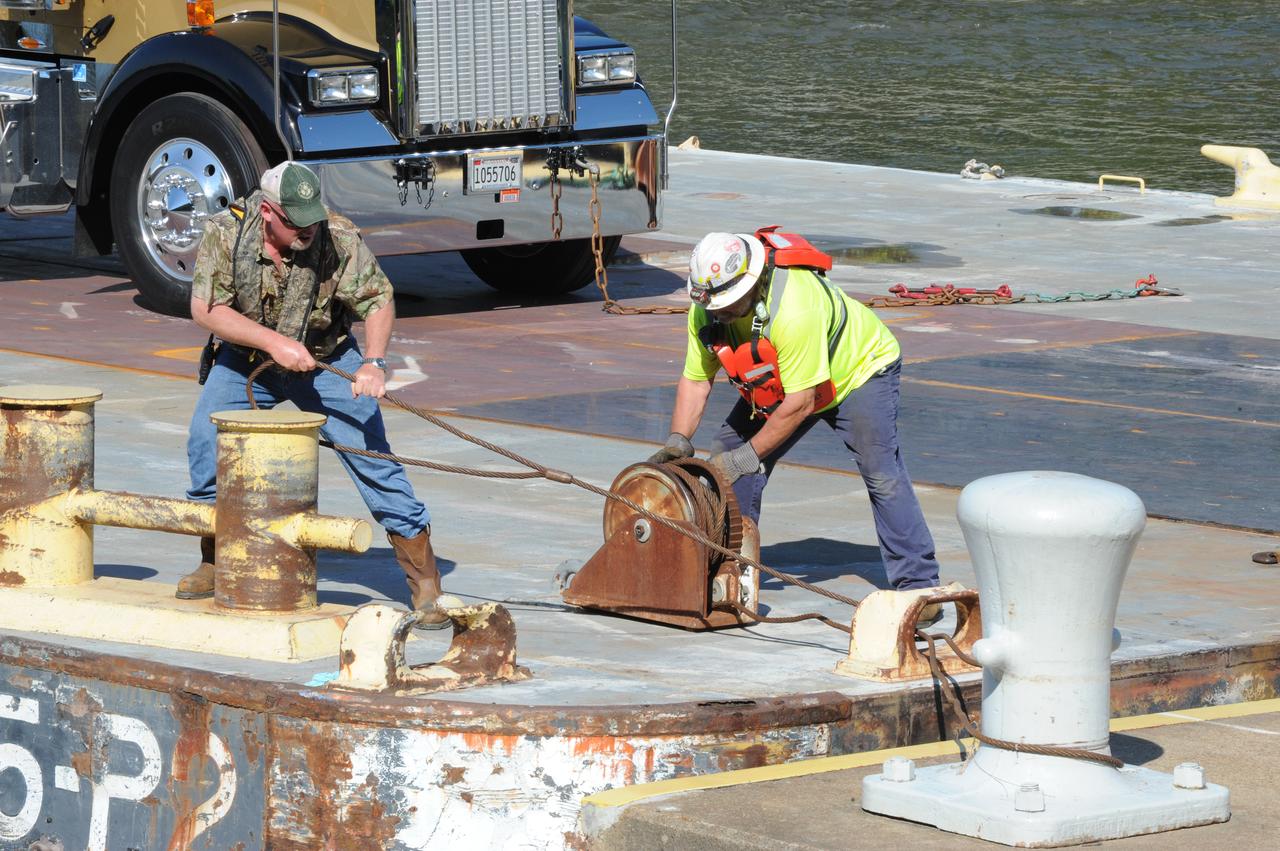
SLS INTERIM CRYOGENIC PROPULSION STAGE TEST ARTICLE ARRIVES AT WEST DOCK ON SHIELDS ROAD AND IS OFF LOADED FROM BARGE
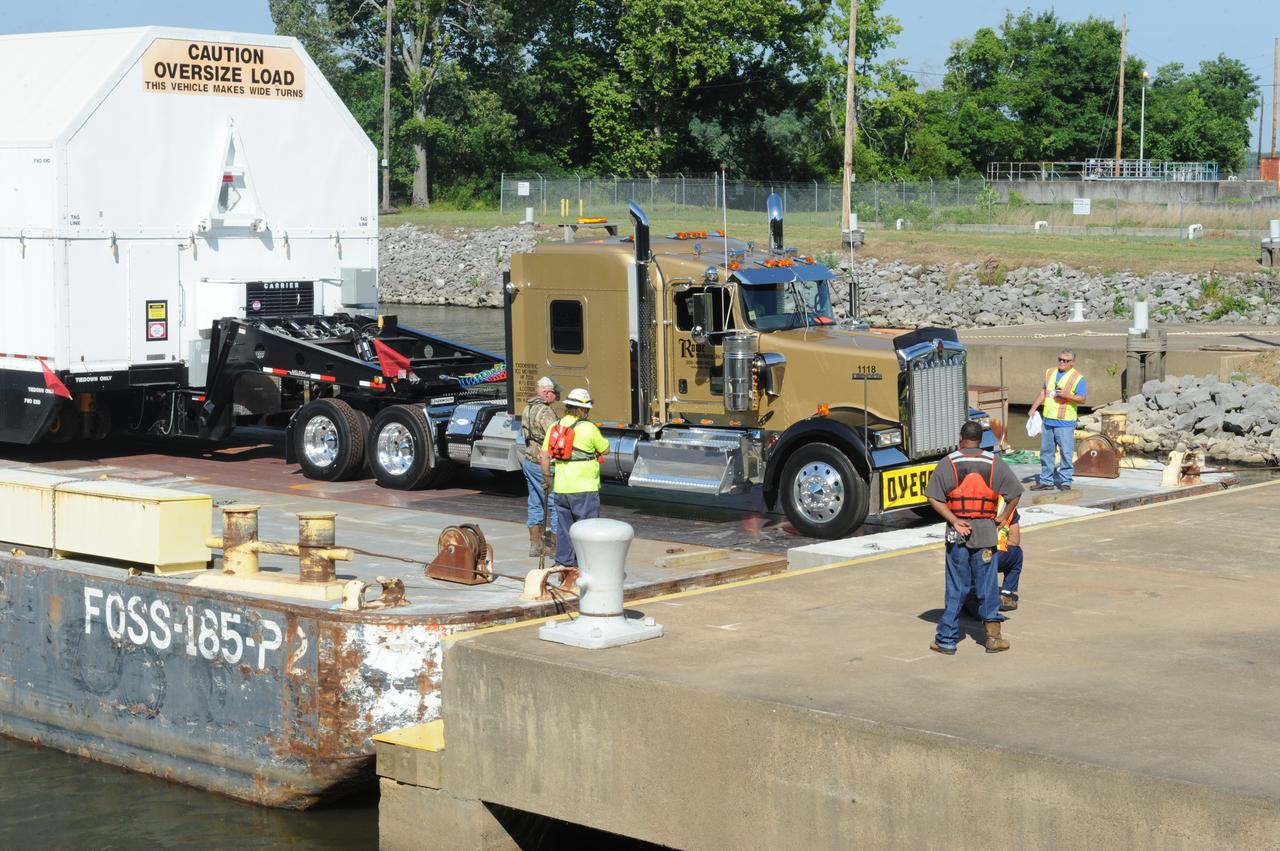
SLS INTERIM CRYOGENIC PROPULSION STAGE TEST ARTICLE ARRIVES AT WEST DOCK ON SHIELDS ROAD AND IS OFF LOADED FROM BARGE
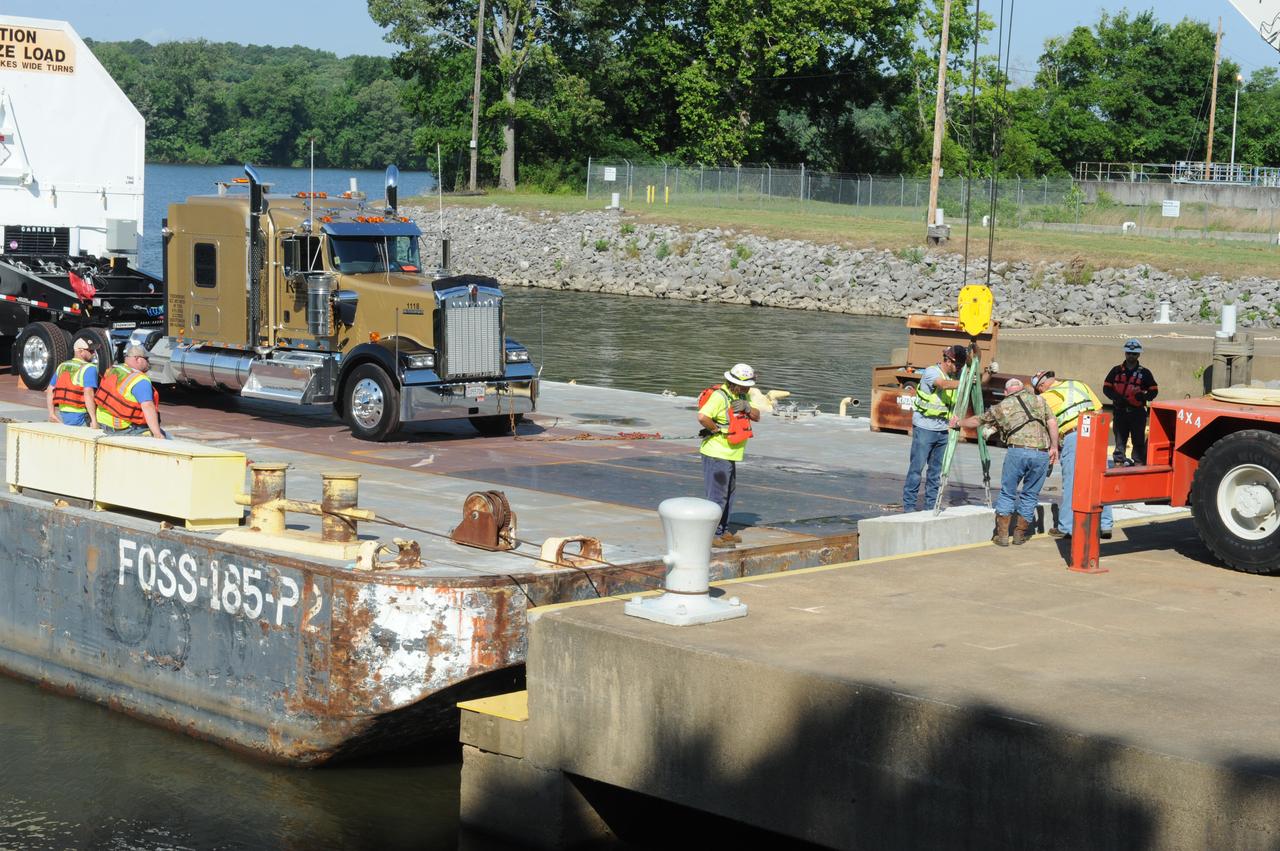
SLS INTERIM CRYOGENIC PROPULSION STAGE TEST ARTICLE ARRIVES AT WEST DOCK ON SHIELDS ROAD AND IS OFF LOADED FROM BARGE
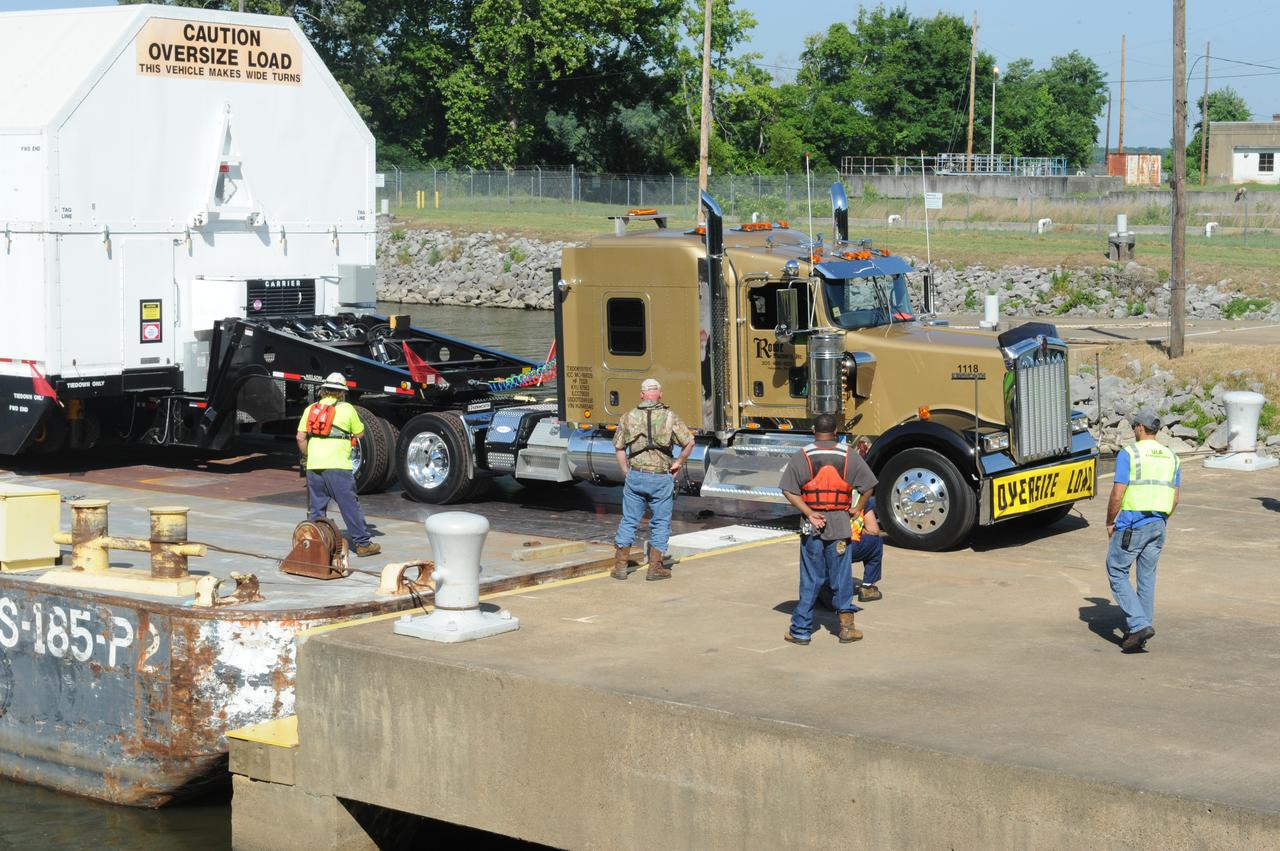
SLS INTERIM CRYOGENIC PROPULSION STAGE TEST ARTICLE ARRIVES AT WEST DOCK ON SHIELDS ROAD AND IS OFF LOADED FROM BARGE
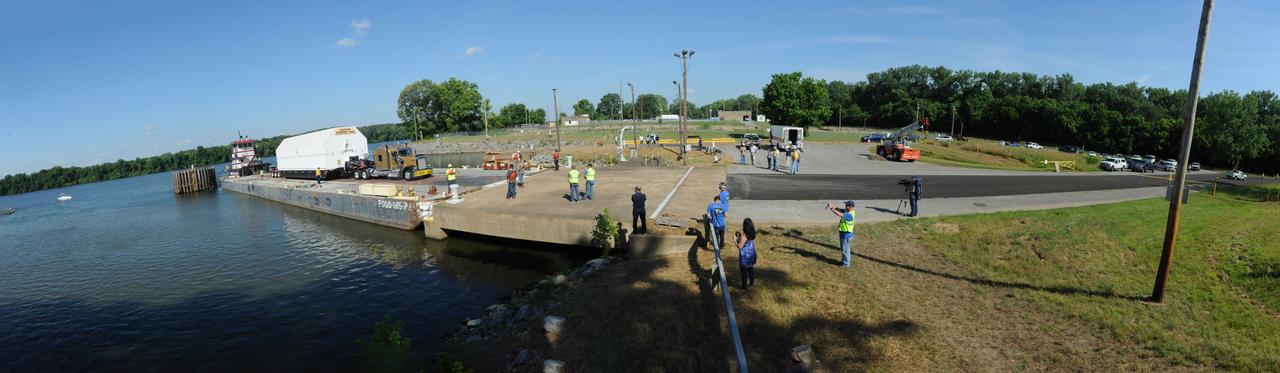
SLS INTERIM CRYOGENIC PROPULSION STAGE TEST ARTICLE ARRIVES AT WEST DOCK ON SHIELDS ROAD AND IS OFF LOADED FROM BARGE
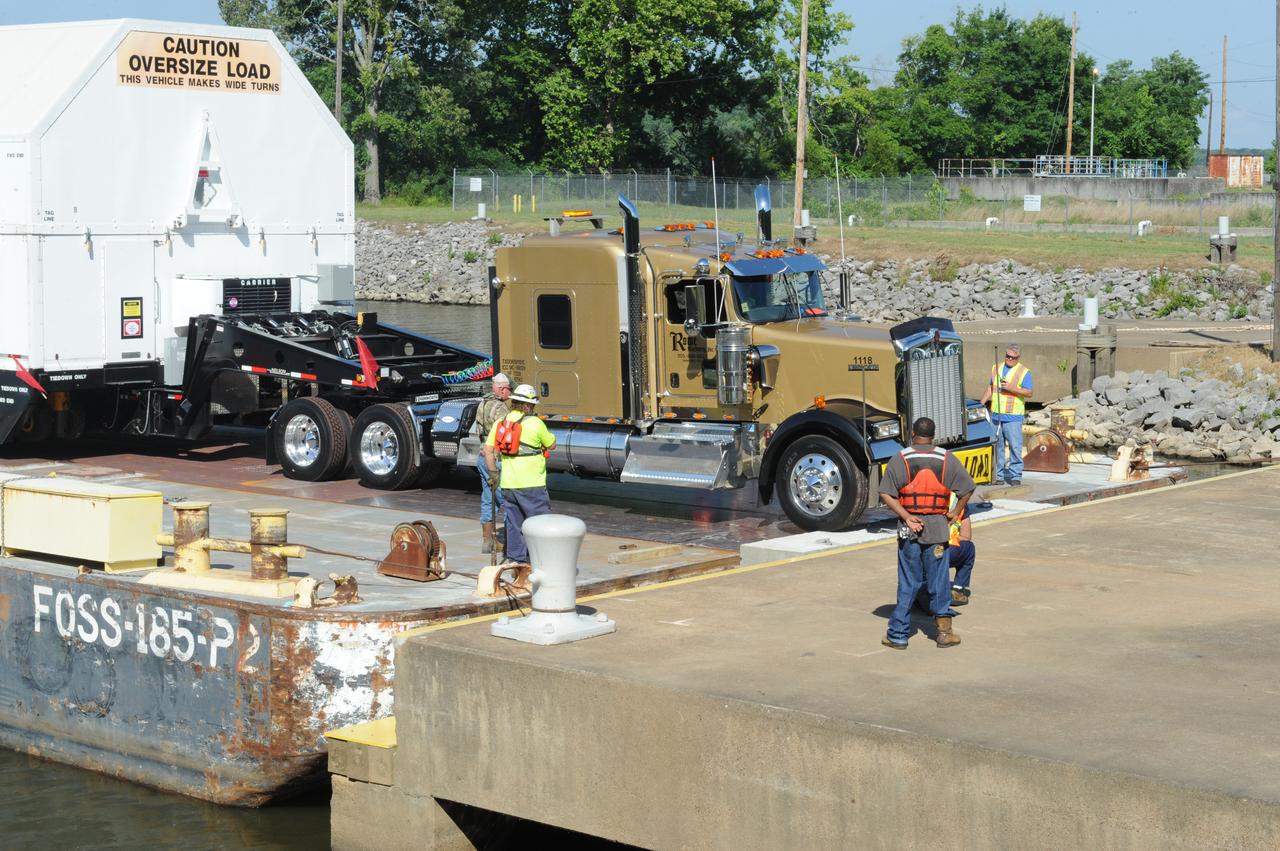
SLS INTERIM CRYOGENIC PROPULSION STAGE TEST ARTICLE ARRIVES AT WEST DOCK ON SHIELDS ROAD AND IS OFF LOADED FROM BARGE
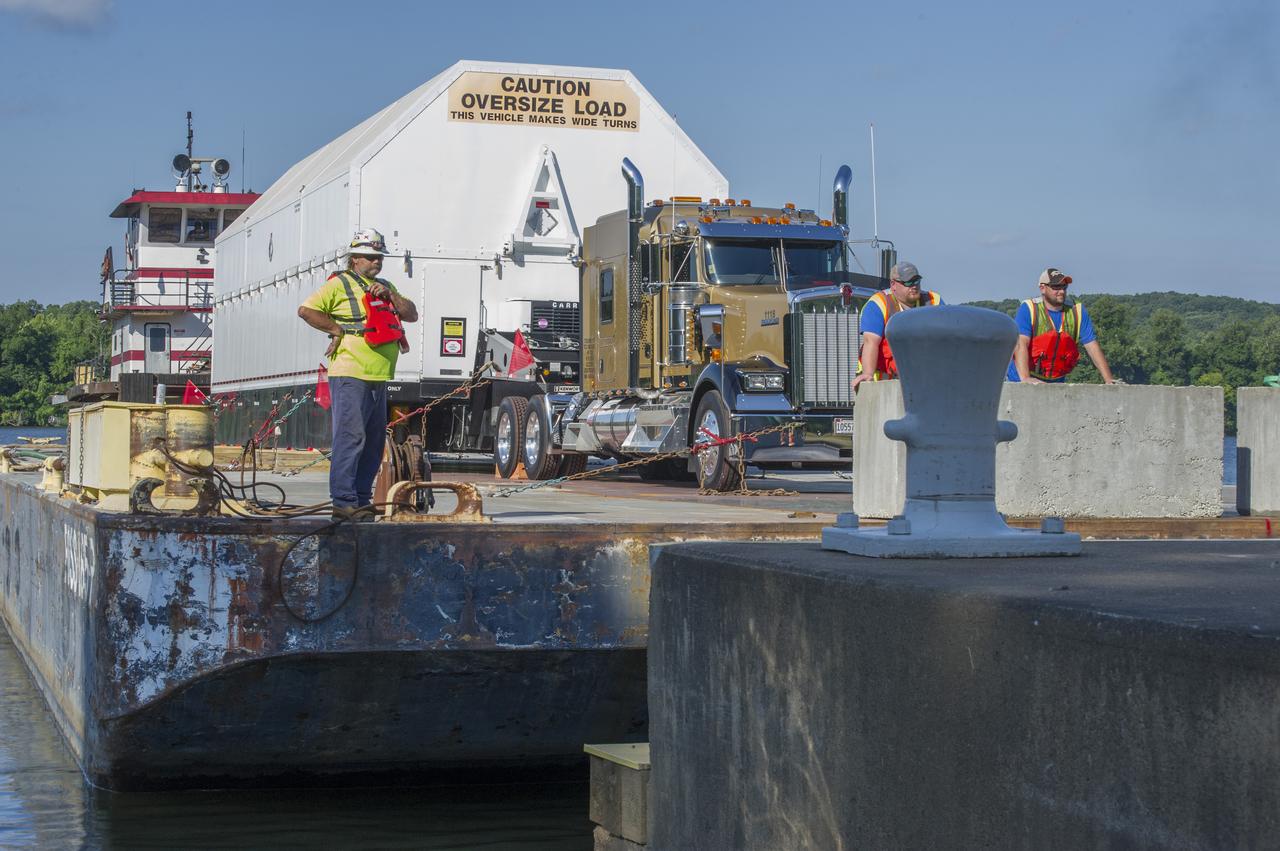
SLS INTERIM CRYOGENIC PROPULSION STAGE TEST ARTICLE ARRIVES AT WEST DOCK ON SHIELDS ROAD AND IS OFF LOADED FROM BARGE
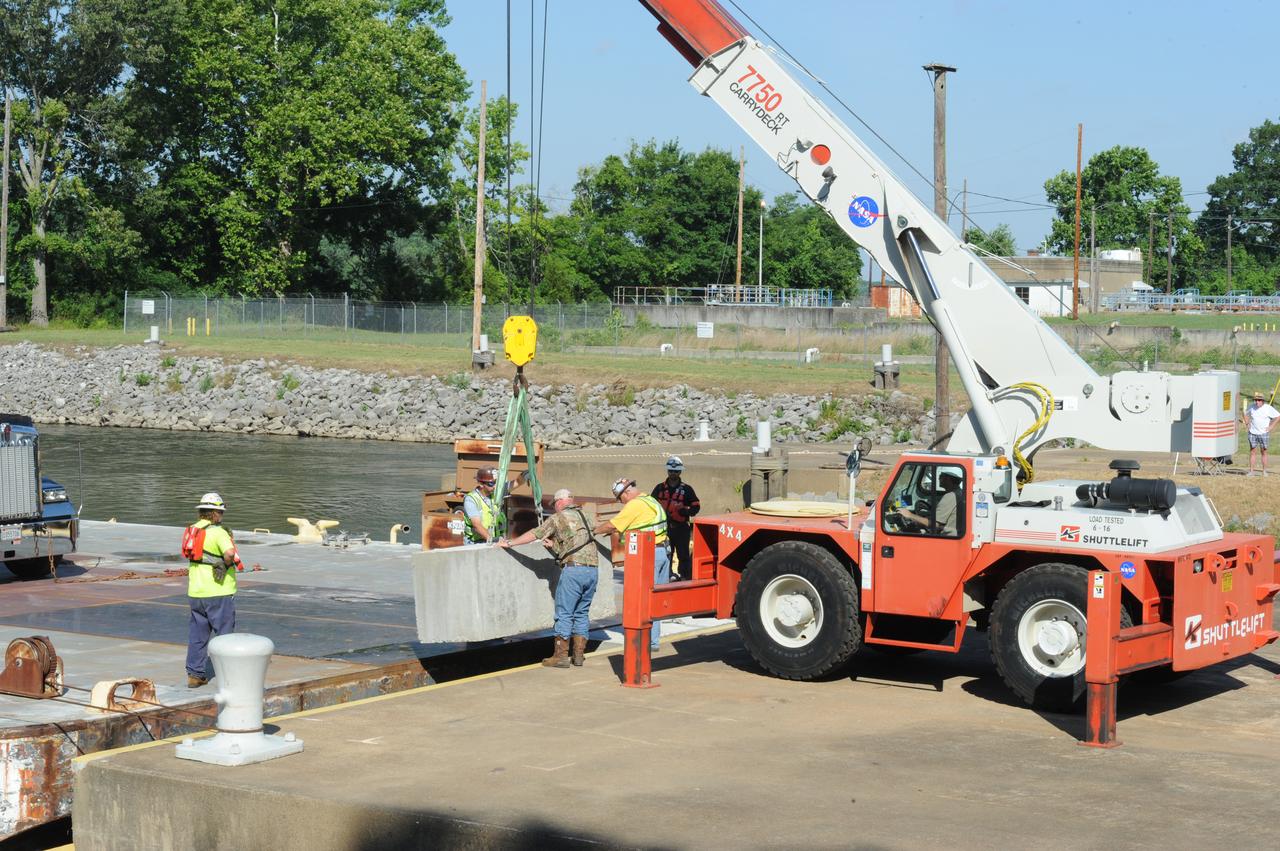
SLS INTERIM CRYOGENIC PROPULSION STAGE TEST ARTICLE ARRIVES AT WEST DOCK ON SHIELDS ROAD AND IS OFF LOADED FROM BARGE
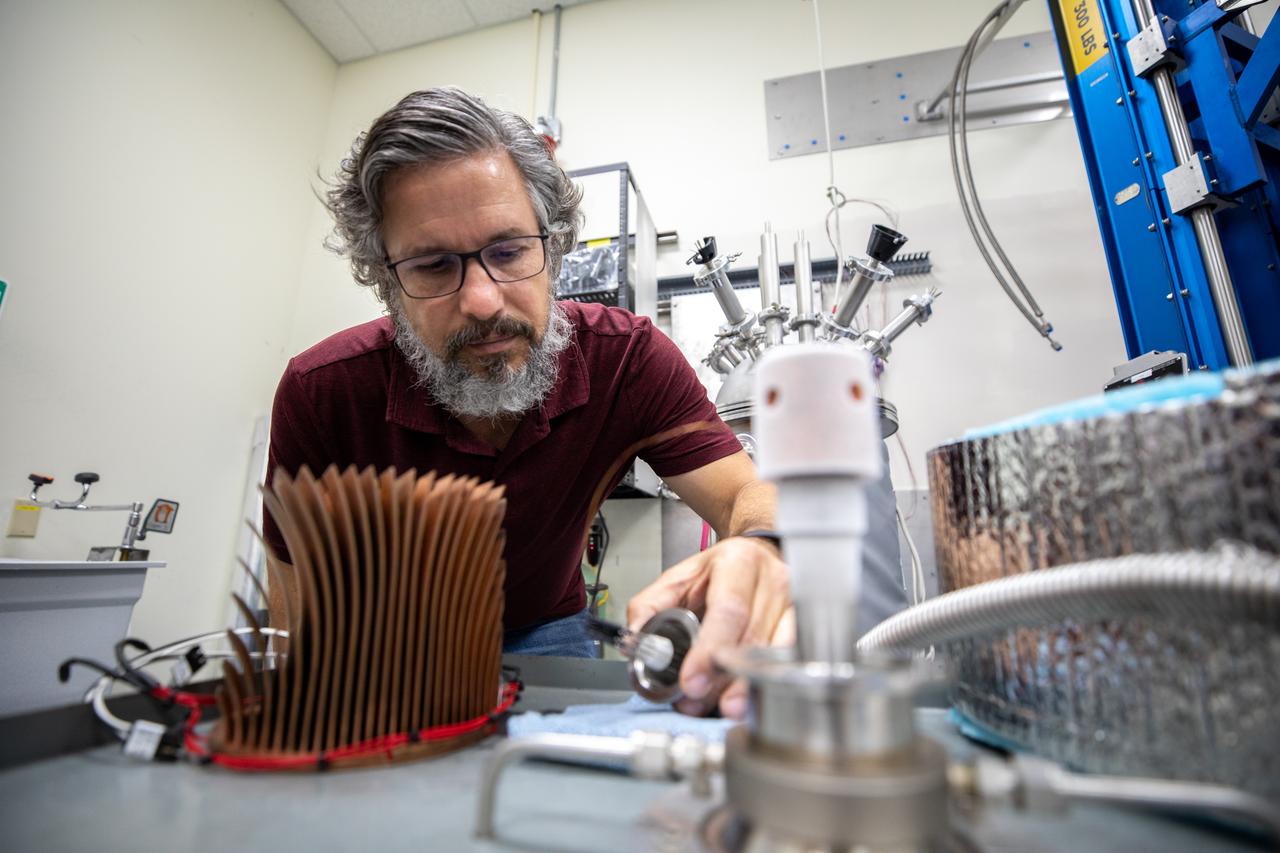
Jared Sass, NASA engineer, monitors a test inside the Cryogenics Test Laboratory at NASA’s Kennedy Space Center in Florida on Oct. 21, 2020. Established in 2000, the Cryogenics Test Laboratory provides a one-of-a kind capability for research, development and application of cross-cutting technologies to meet the needs of industry and government. The test lab provides cryogenic expertise, experimental testing, technical standards development, prototype construction and practical problem-solving for technology development with research institutions and commercial partners.
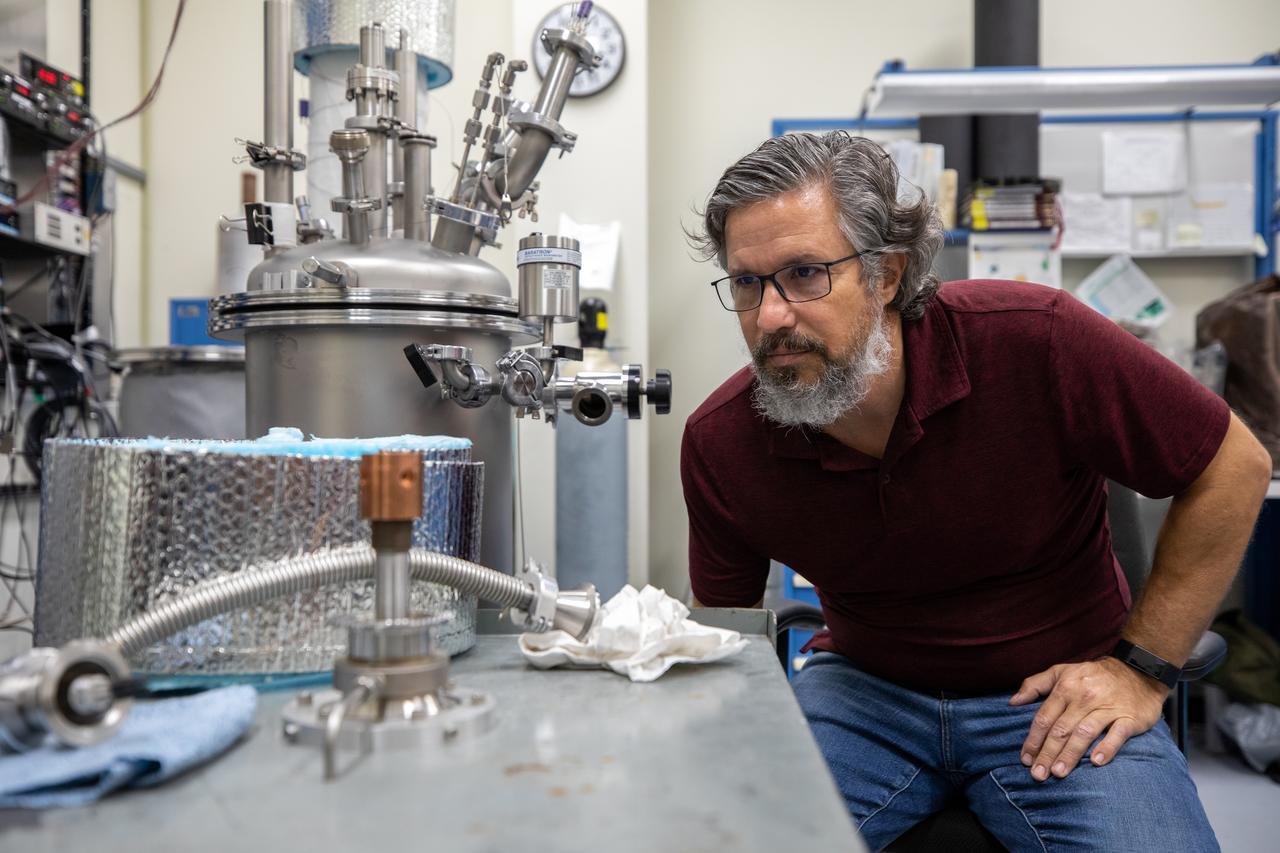
Jared Sass, NASA engineer, monitors a test inside the Cryogenics Test Laboratory at NASA’s Kennedy Space Center in Florida on Oct. 21, 2020. Established in 2000, the Cryogenics Test Laboratory provides a one-of-a kind capability for research, development and application of cross-cutting technologies to meet the needs of industry and government. The test lab provides cryogenic expertise, experimental testing, technical standards development, prototype construction and practical problem-solving for technology development with research institutions and commercial partners.
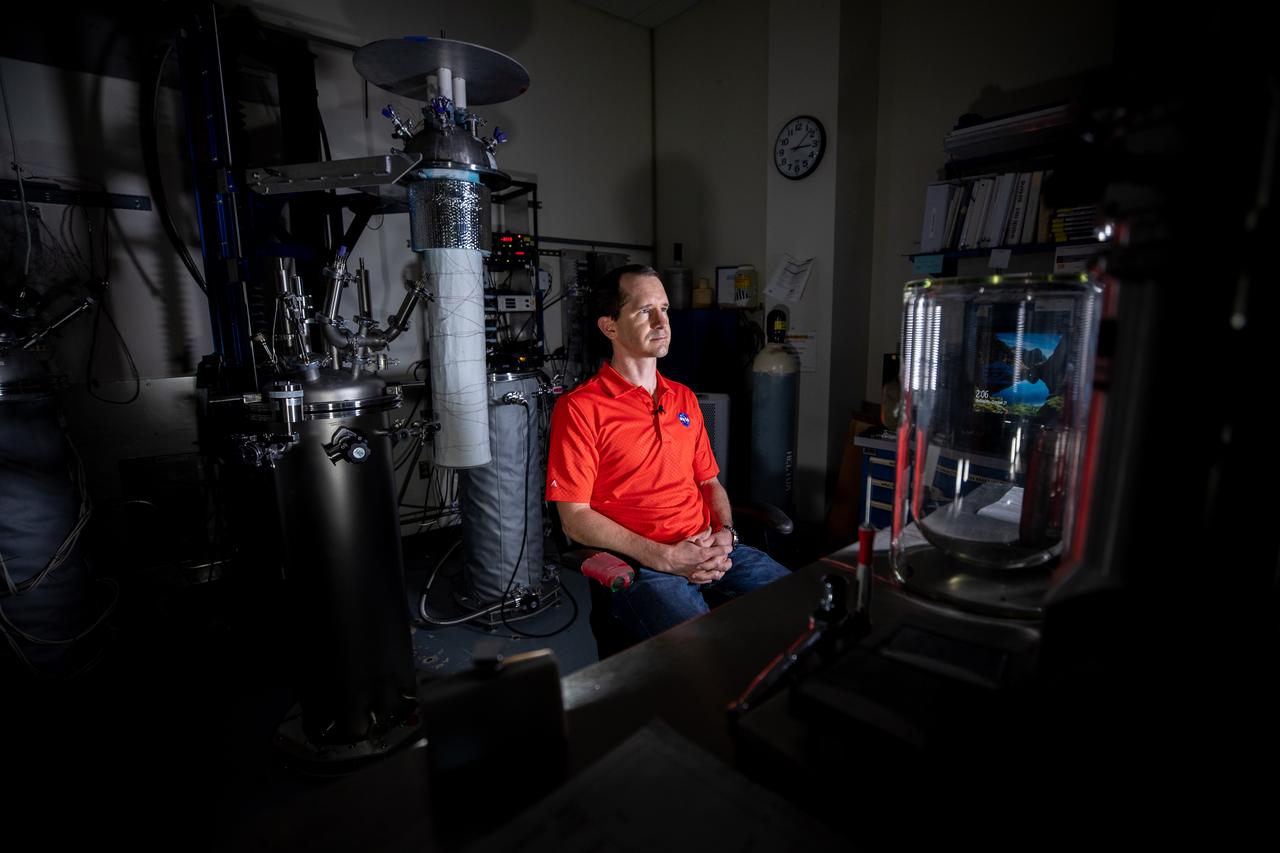
Adam Swanger, NASA engineer, is inside the Cryogenics Test Laboratory at NASA’s Kennedy Space Center in Florida on Oct. 21, 2020. Established in 2000, the Cryogenics Test Laboratory provides a one-of-a kind capability for research, development and application of cross-cutting technologies to meet the needs of industry and government. The test lab provides cryogenic expertise, experimental testing, technical standards development, prototype construction and practical problem-solving for technology development with research institutions and commercial partners.
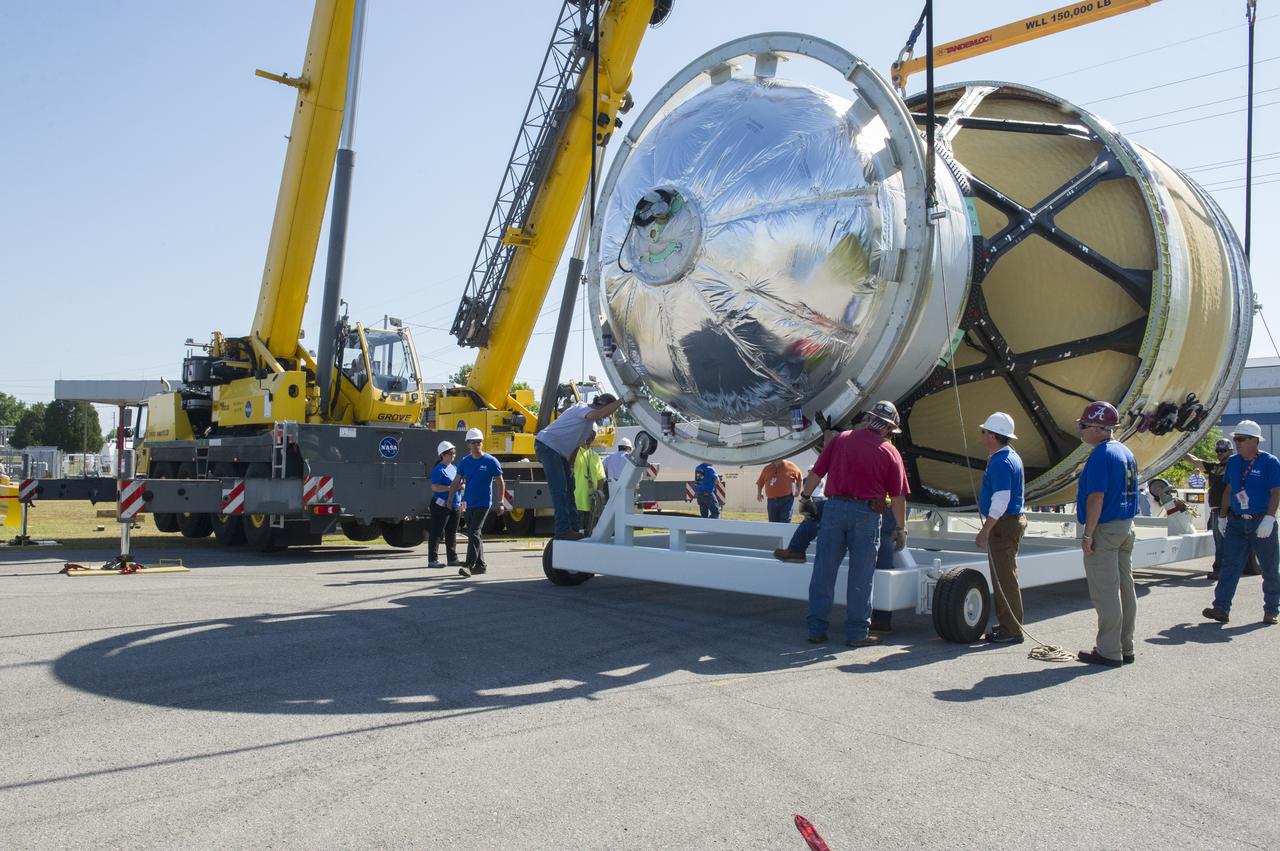
TWO CRANES LIFT THE APPROXIMATELY 8,000-POUND INTERIM CRYOGENIC PROPULSION STAGE TEST ARTICLE OUT OF ITS CRATE AT MARSHALL. THE TEST ARTICLE ARRIVED AT MARSHALL SPACE FLIGHT CENTER VIA BARGE ON THE TENNESSEE RIVER AND WAS TRANSPORTED TO BUILDING 4649 WHERE TESTING WILL BEGIN.
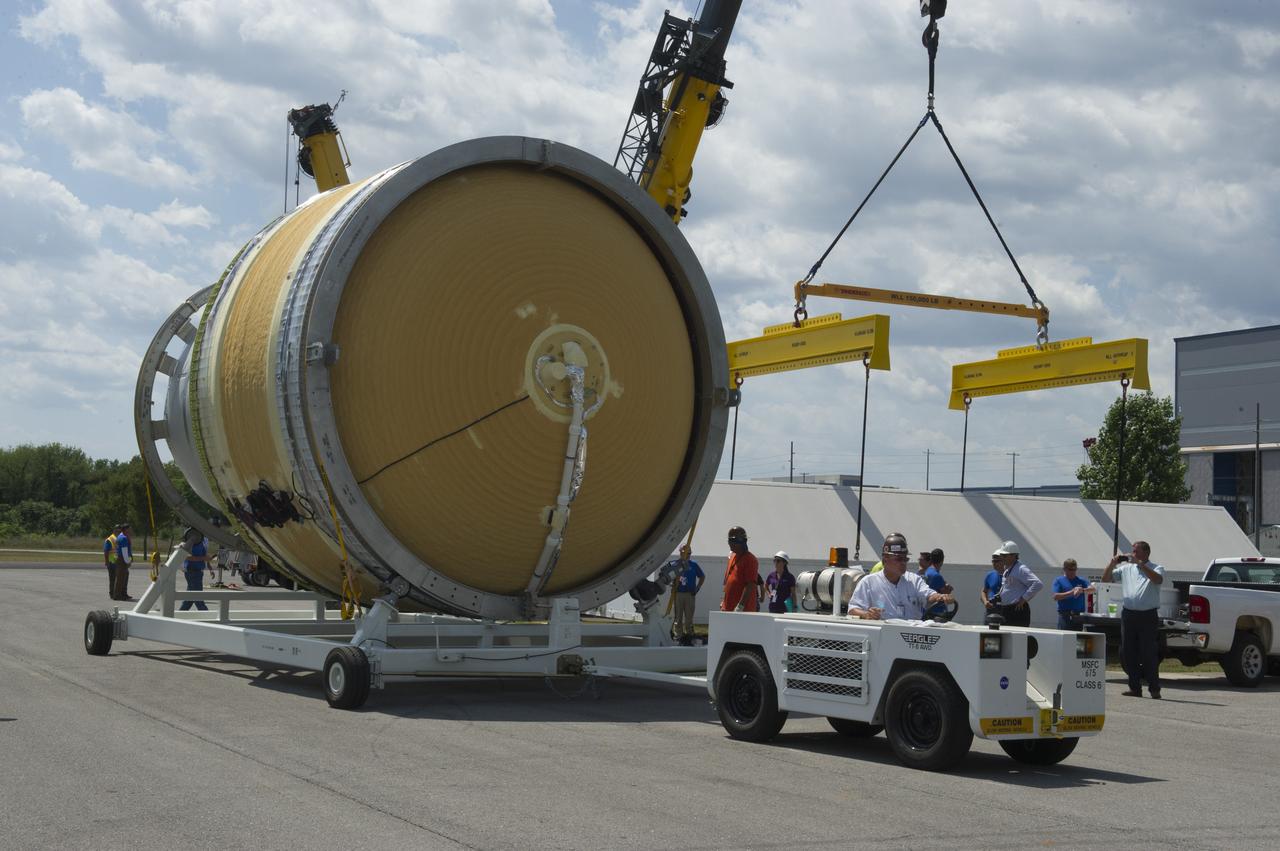
TWO CRANES LIFT THE APPROXIMATELY 8,000-POUND INTERIM CRYOGENIC PROPULSION STAGE TEST ARTICLE OUT OF ITS CRATE AT MARSHALL. THE TEST ARTICLE ARRIVED AT MARSHALL SPACE FLIGHT CENTER VIA BARGE ON THE TENNESSEE RIVER AND WAS TRANSPORTED TO BUILDING 4649 WHERE TESTING WILL BEGIN.
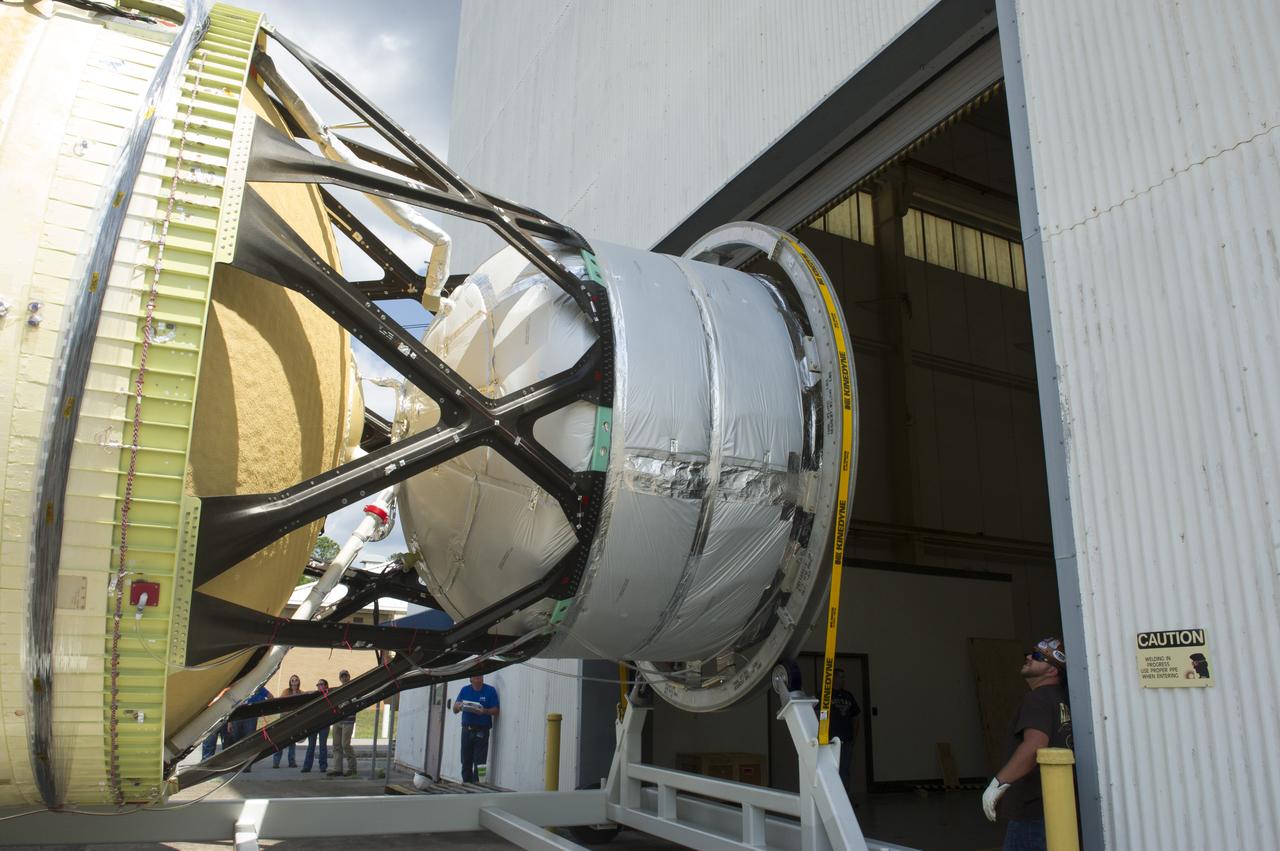
TWO CRANES LIFT THE APPROXIMATELY 8,000-POUND INTERIM CRYOGENIC PROPULSION STAGE TEST ARTICLE OUT OF ITS CRATE AT MARSHALL. THE TEST ARTICLE ARRIVED AT MARSHALL SPACE FLIGHT CENTER VIA BARGE ON THE TENNESSEE RIVER AND WAS TRANSPORTED TO BUILDING 4649 WHERE TESTING WILL BEGIN.
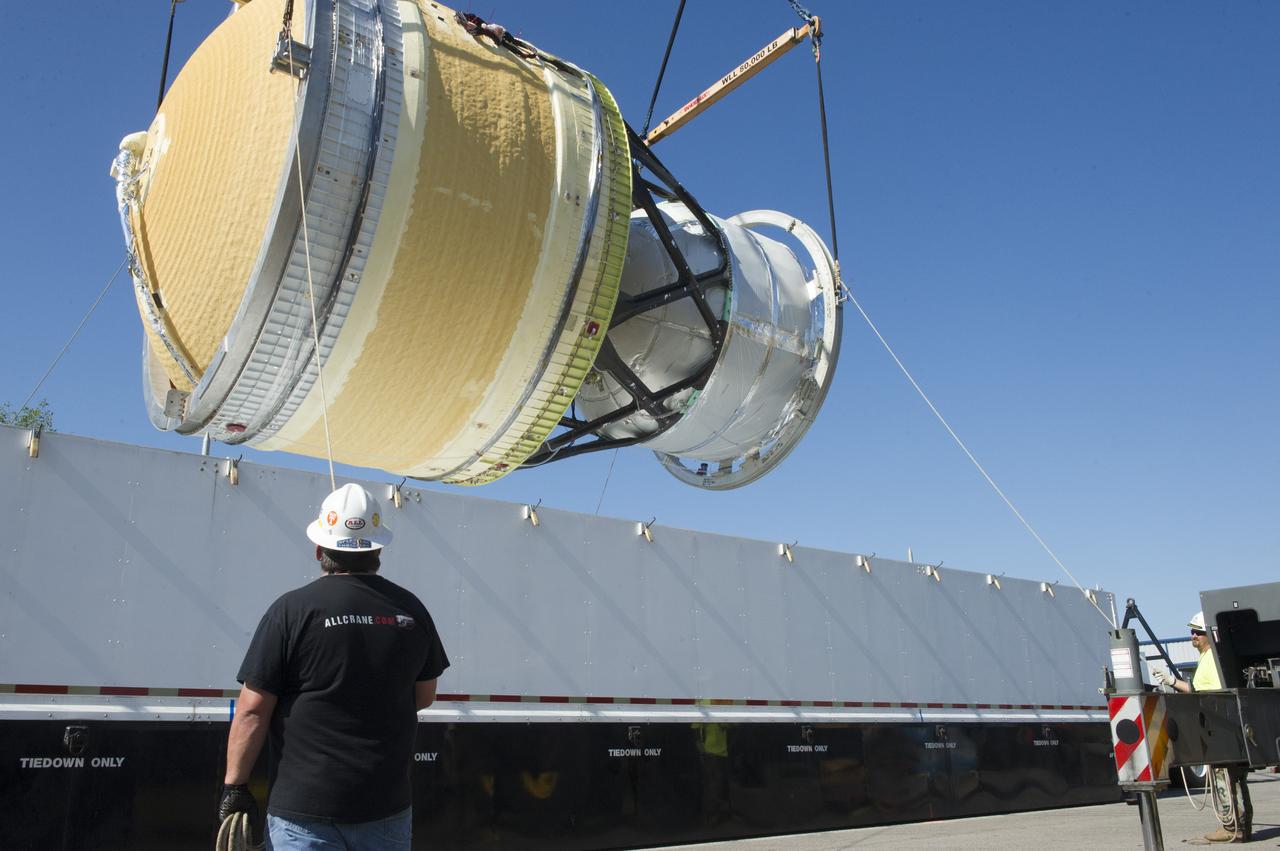
TWO CRANES LIFT THE APPROXIMATELY 8,000-POUND INTERIM CRYOGENIC PROPULSION STAGE TEST ARTICLE OUT OF ITS CRATE AT MARSHALL. THE TEST ARTICLE ARRIVED AT MARSHALL SPACE FLIGHT CENTER VIA BARGE ON THE TENNESSEE RIVER AND WAS TRANSPORTED TO BUILDING 4649 WHERE TESTING WILL BEGIN.
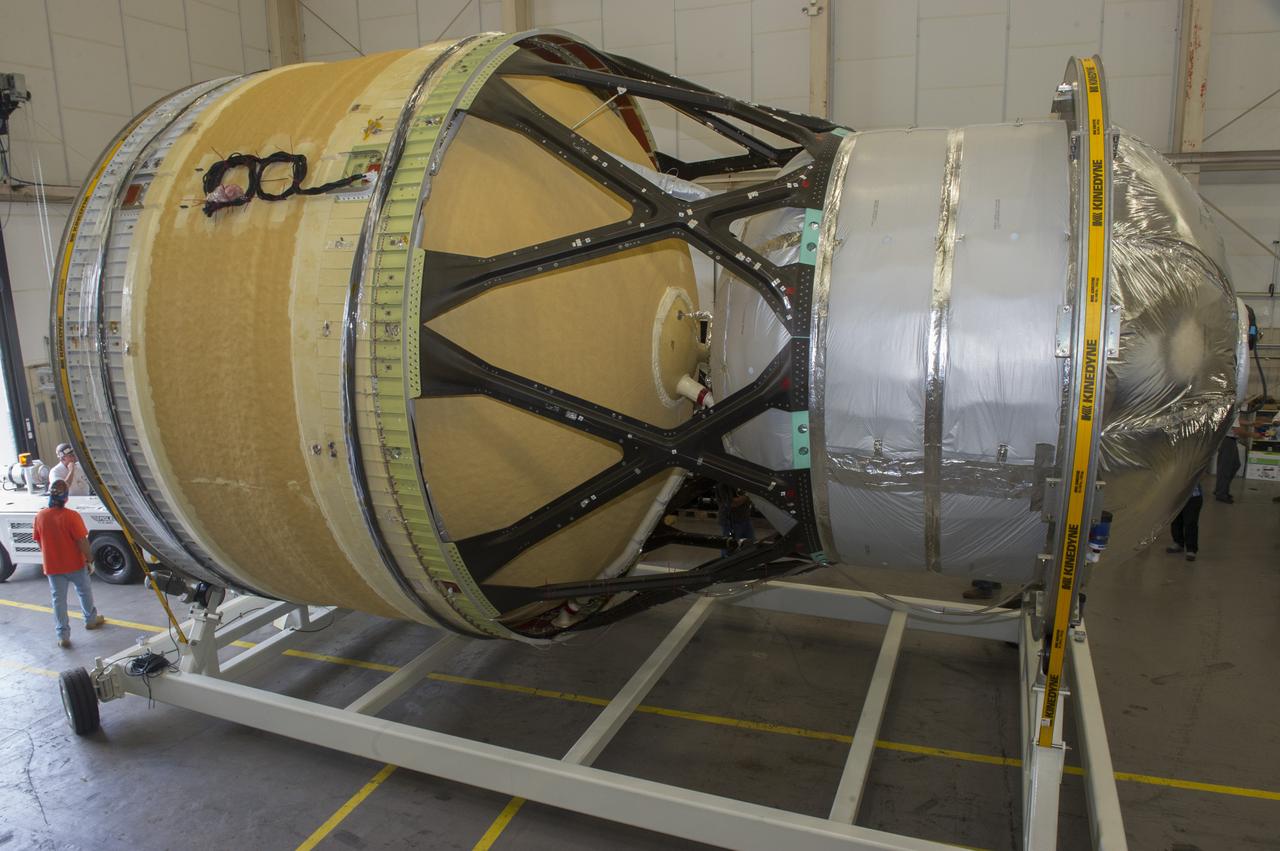
TWO CRANES LIFT THE APPROXIMATELY 8,000-POUND INTERIM CRYOGENIC PROPULSION STAGE TEST ARTICLE OUT OF ITS CRATE AT MARSHALL. THE TEST ARTICLE ARRIVED AT MARSHALL SPACE FLIGHT CENTER VIA BARGE ON THE TENNESSEE RIVER AND WAS TRANSPORTED TO BUILDING 4649 WHERE TESTING WILL BEGIN.
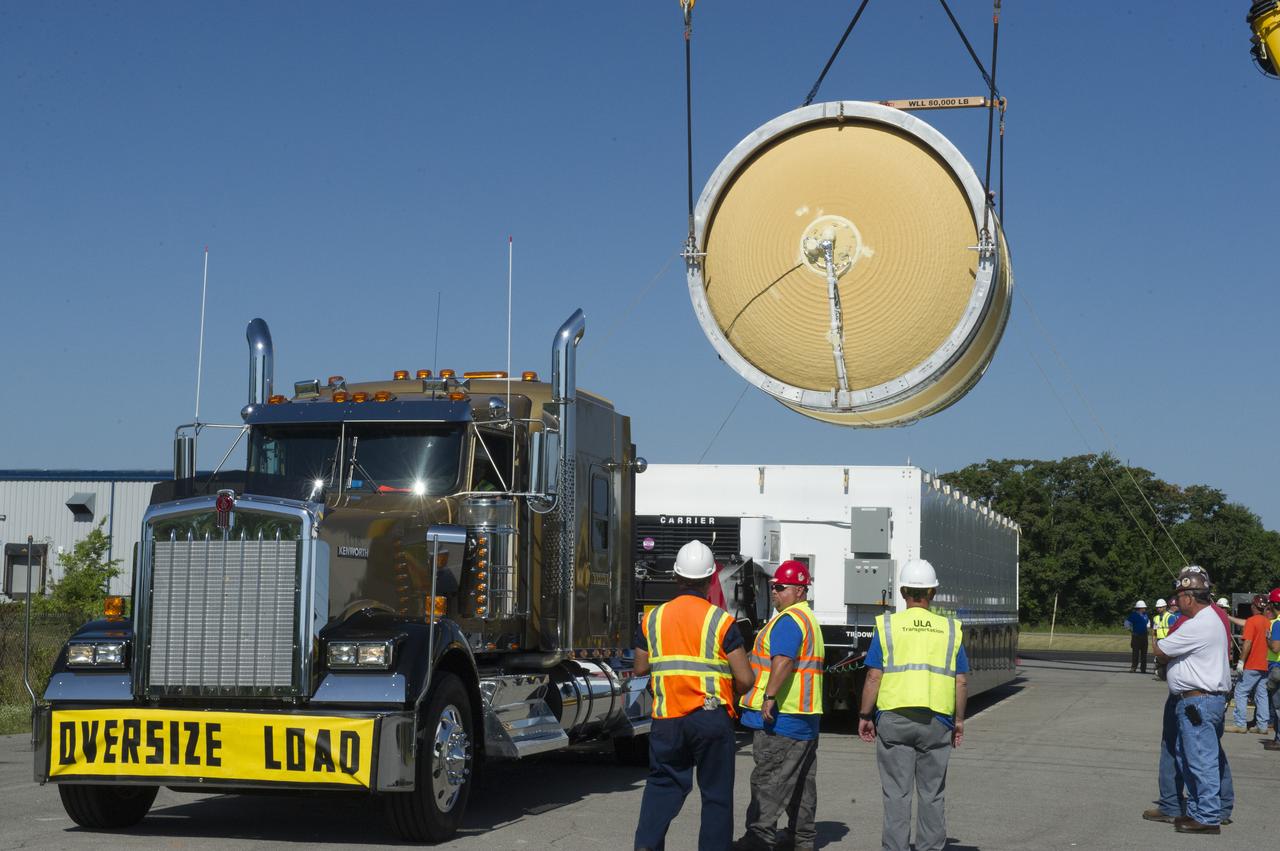
TWO CRANES LIFT THE APPROXIMATELY 8,000-POUND INTERIM CRYOGENIC PROPULSION STAGE TEST ARTICLE OUT OF ITS CRATE AT MARSHALL. THE TEST ARTICLE ARRIVED AT MARSHALL SPACE FLIGHT CENTER VIA BARGE ON THE TENNESSEE RIVER AND WAS TRANSPORTED TO BUILDING 4649 WHERE TESTING WILL BEGIN.
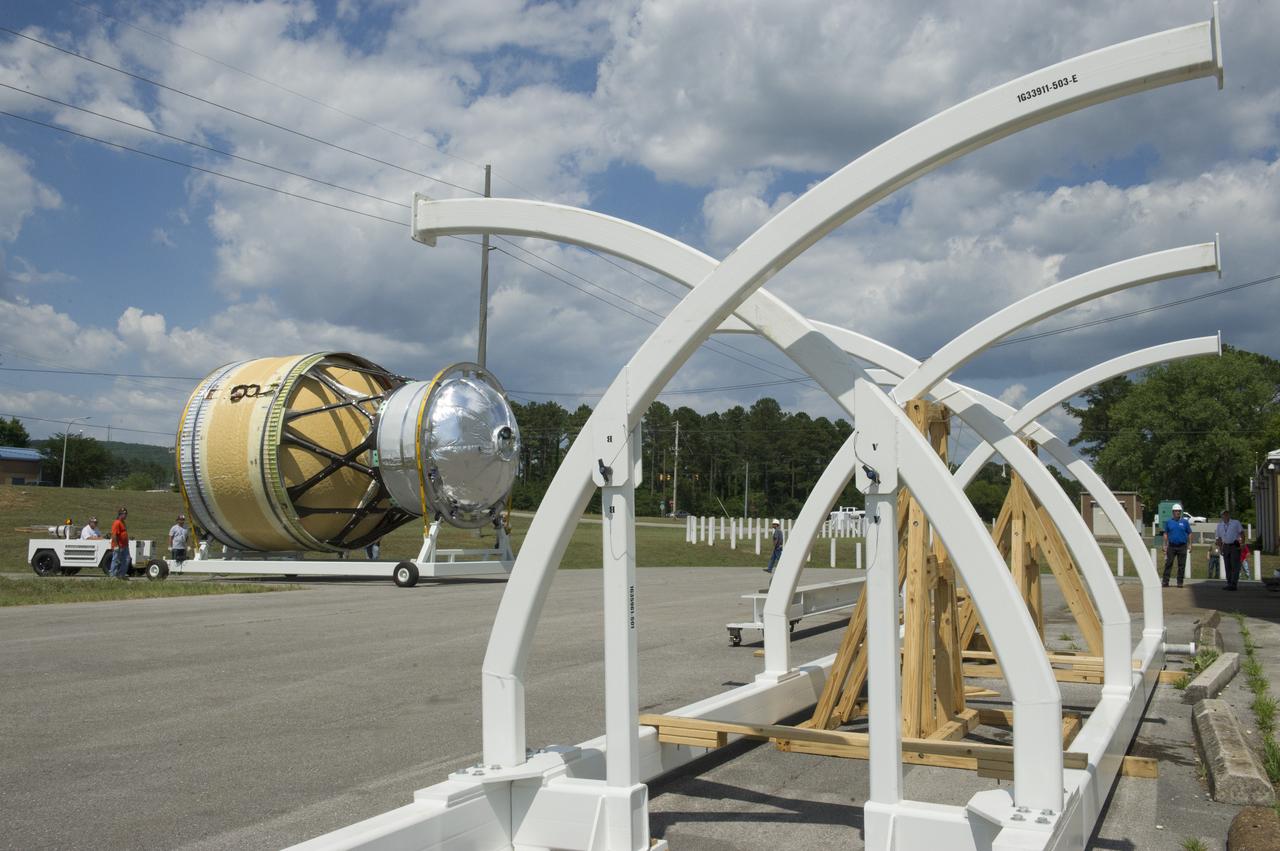
TWO CRANES LIFT THE APPROXIMATELY 8,000-POUND INTERIM CRYOGENIC PROPULSION STAGE TEST ARTICLE OUT OF ITS CRATE AT MARSHALL. THE TEST ARTICLE ARRIVED AT MARSHALL SPACE FLIGHT CENTER VIA BARGE ON THE TENNESSEE RIVER AND WAS TRANSPORTED TO BUILDING 4649 WHERE TESTING WILL BEGIN.
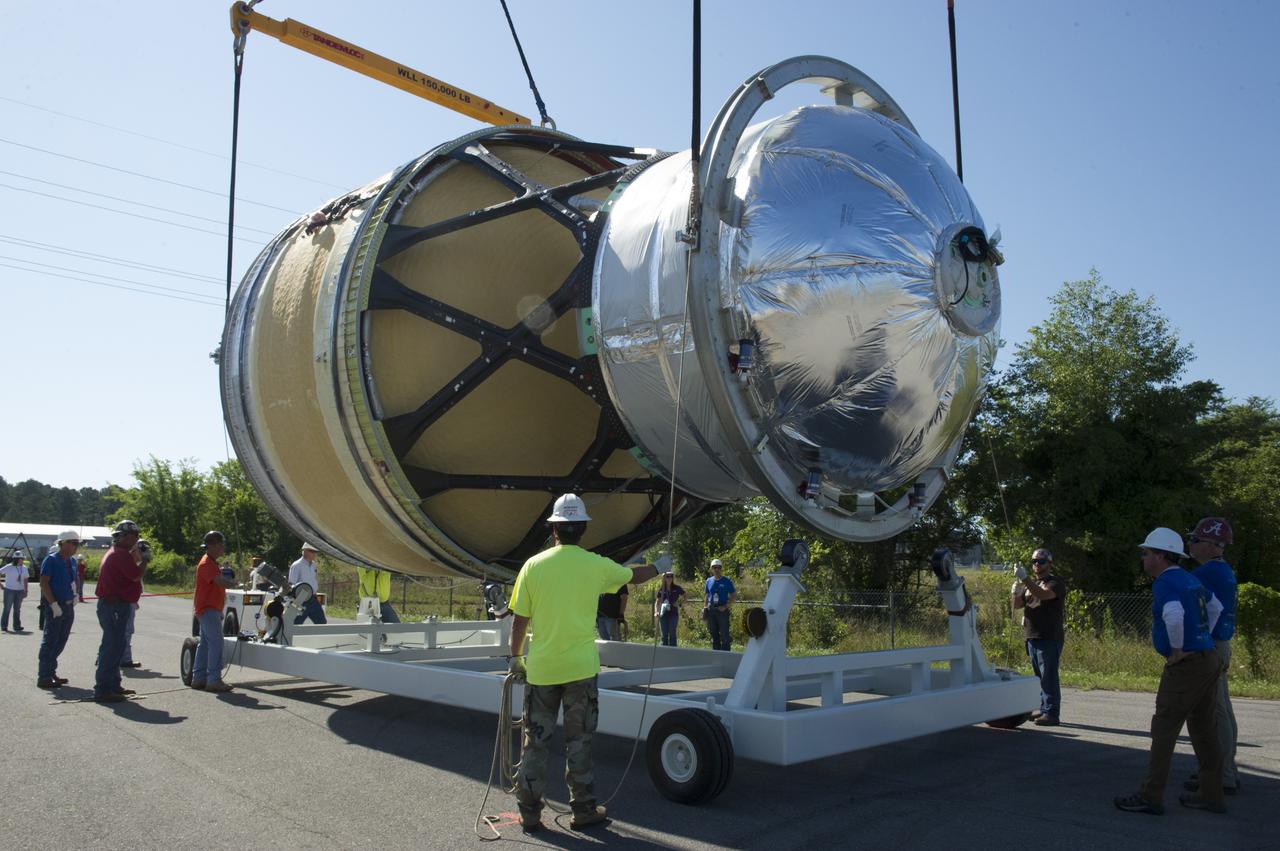
TWO CRANES LIFT THE APPROXIMATELY 8,000-POUND INTERIM CRYOGENIC PROPULSION STAGE TEST ARTICLE OUT OF ITS CRATE AT MARSHALL. THE TEST ARTICLE ARRIVED AT MARSHALL SPACE FLIGHT CENTER VIA BARGE ON THE TENNESSEE RIVER AND WAS TRANSPORTED TO BUILDING 4649 WHERE TESTING WILL BEGIN.
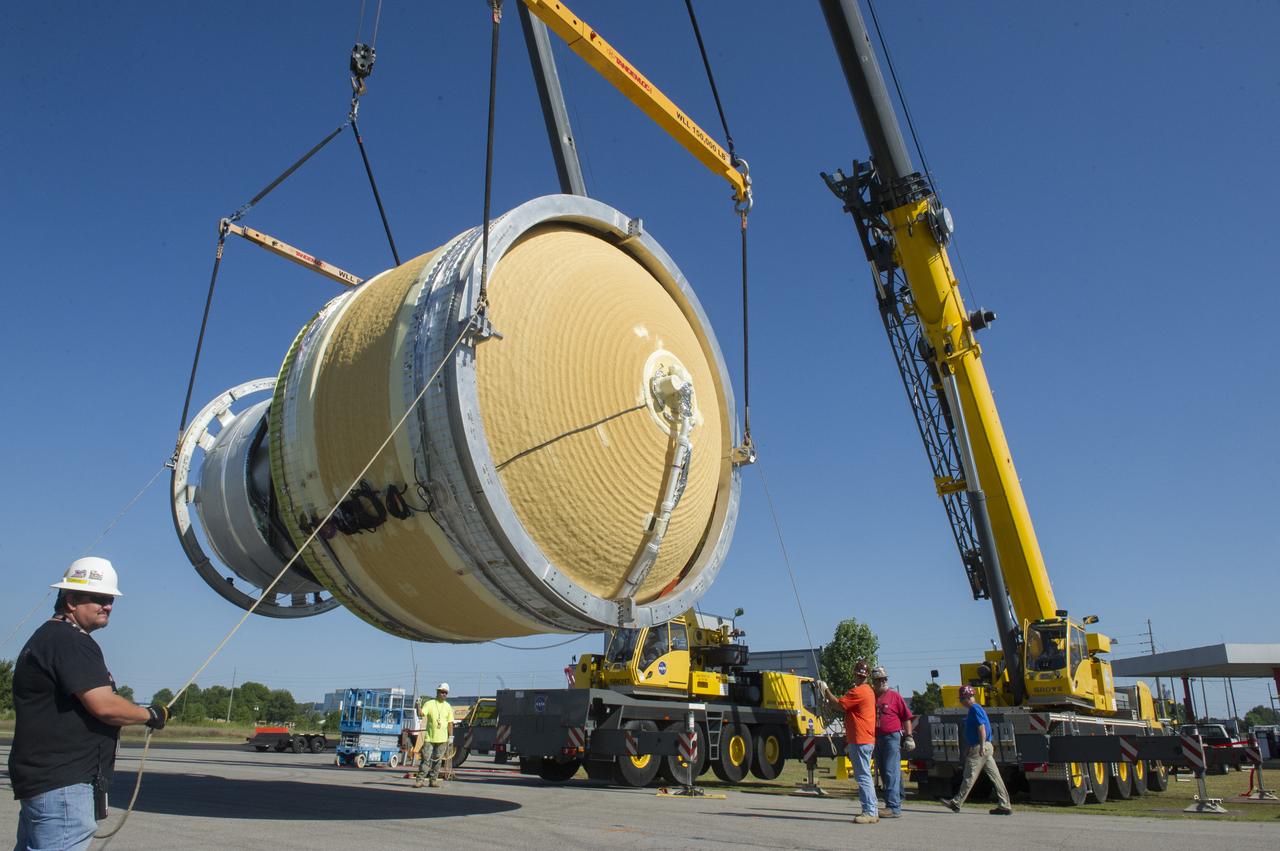
TWO CRANES LIFT THE APPROXIMATELY 8,000-POUND INTERIM CRYOGENIC PROPULSION STAGE TEST ARTICLE OUT OF ITS CRATE AT MARSHALL. THE TEST ARTICLE ARRIVED AT MARSHALL SPACE FLIGHT CENTER VIA BARGE ON THE TENNESSEE RIVER AND WAS TRANSPORTED TO BUILDING 4649 WHERE TESTING WILL BEGIN.
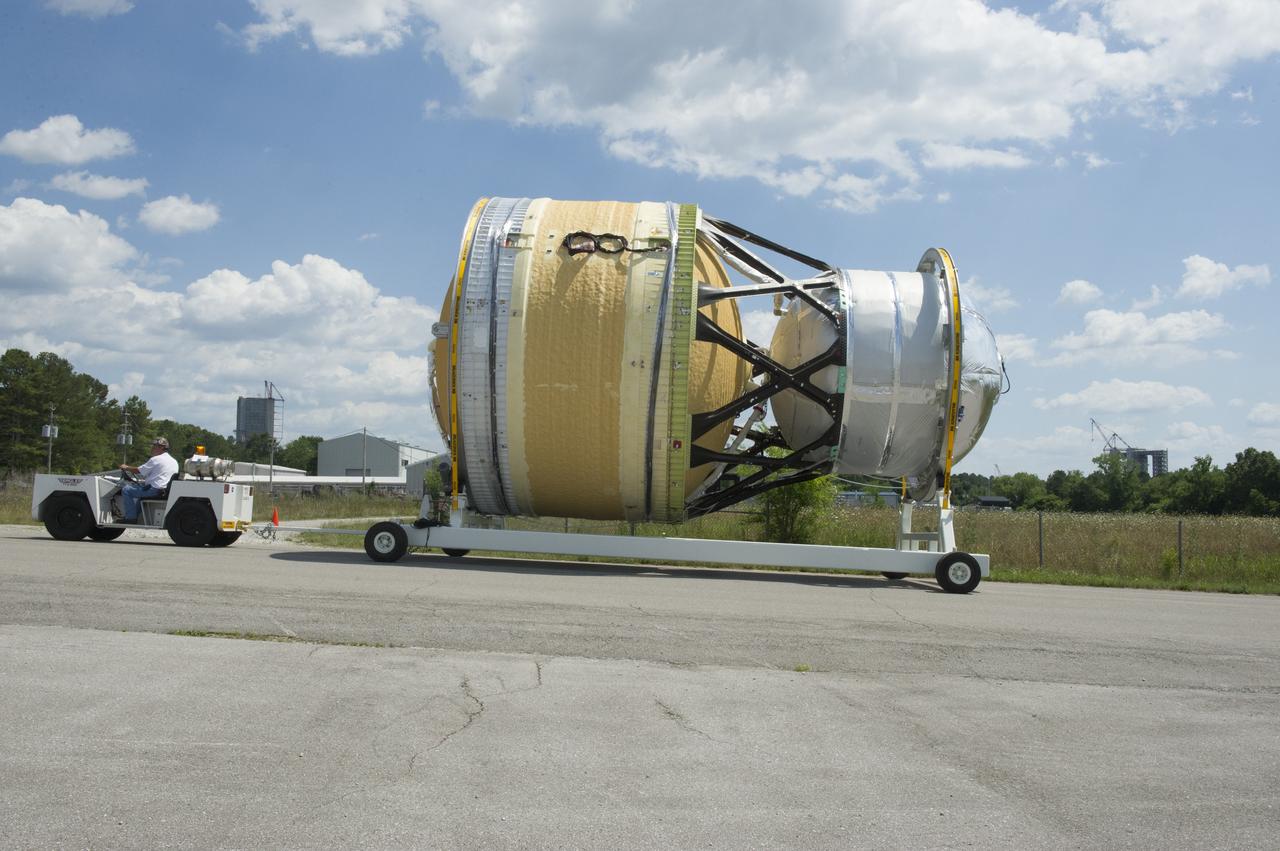
TWO CRANES LIFT THE APPROXIMATELY 8,000-POUND INTERIM CRYOGENIC PROPULSION STAGE TEST ARTICLE OUT OF ITS CRATE AT MARSHALL. THE TEST ARTICLE ARRIVED AT MARSHALL SPACE FLIGHT CENTER VIA BARGE ON THE TENNESSEE RIVER AND WAS TRANSPORTED TO BUILDING 4649 WHERE TESTING WILL BEGIN.
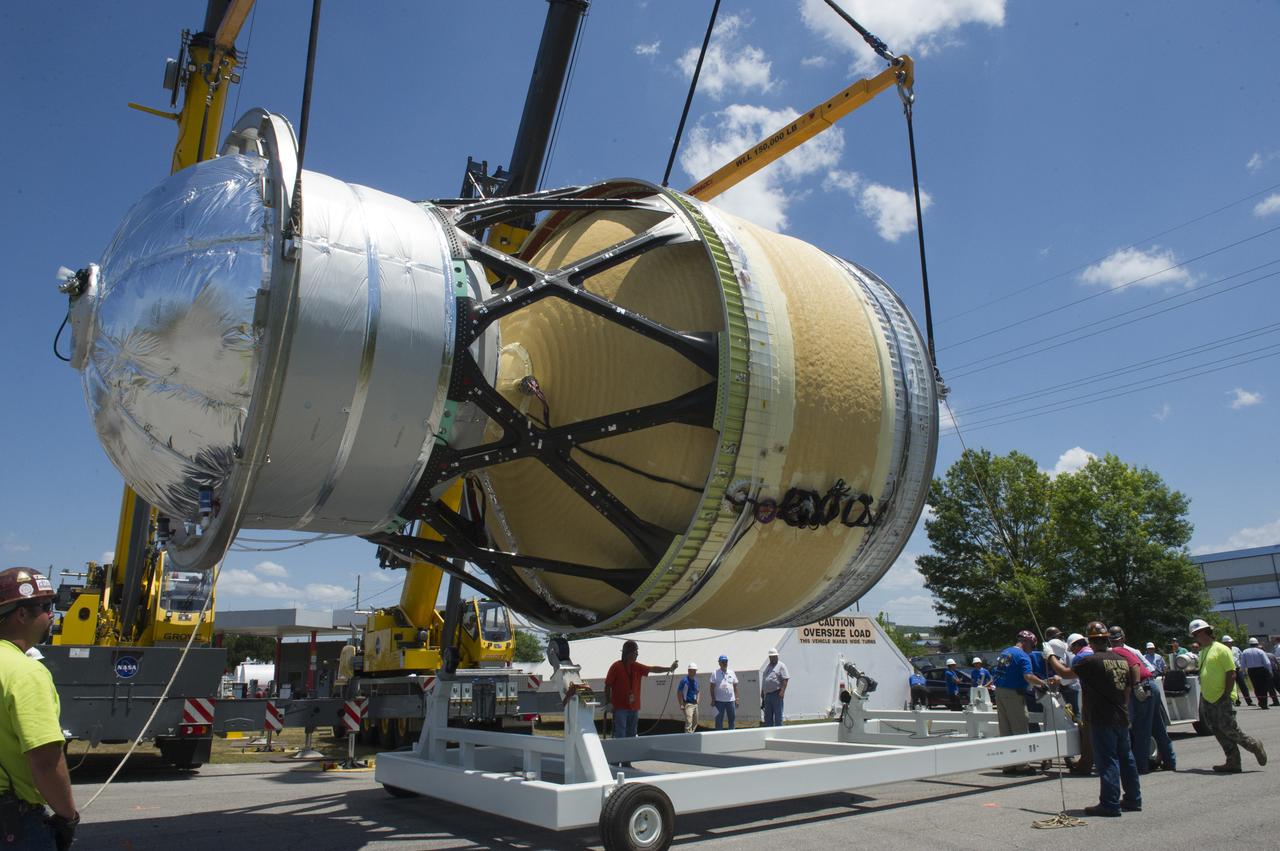
TWO CRANES LIFT THE APPROXIMATELY 8,000-POUND INTERIM CRYOGENIC PROPULSION STAGE TEST ARTICLE OUT OF ITS CRATE AT MARSHALL. THE TEST ARTICLE ARRIVED AT MARSHALL SPACE FLIGHT CENTER VIA BARGE ON THE TENNESSEE RIVER AND WAS TRANSPORTED TO BUILDING 4649 WHERE TESTING WILL BEGIN.
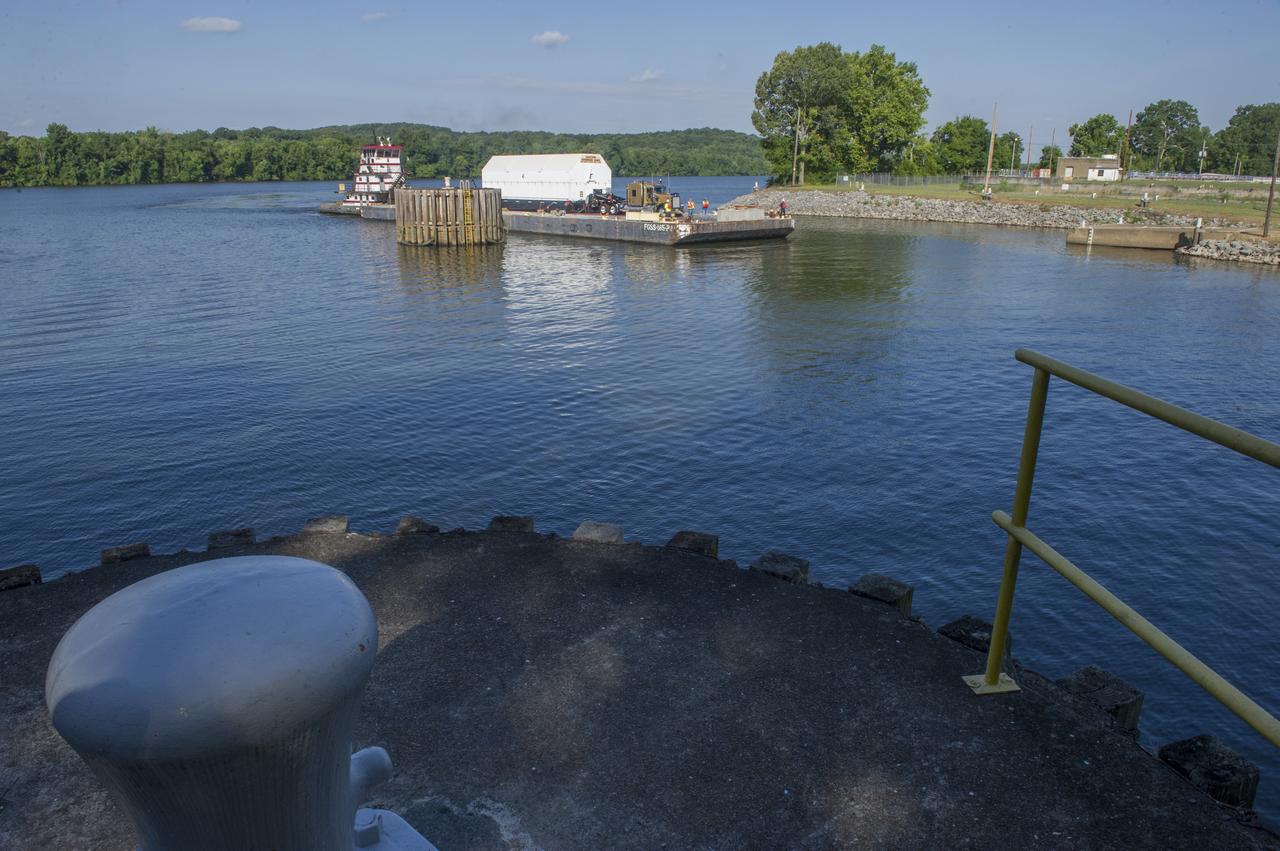
SLS INTERIM CRYOGENIC PROPULSION STAGE TEST ARTICLE ARRIVES AT WEST DOCK ON SHIELDS ROAD AND IS OFF LOADED FROM BARGEUAH ENGINEERING STUDENT ROBERT HILLAN TALKS TO SPACE STATION CREW MEMBERS ABOUT HIS WINNING 3-D PRINTED TOOL DESIGNED FOR USE ON ISS, AND IS INTERVIEWED BY LOCAL MEDIA
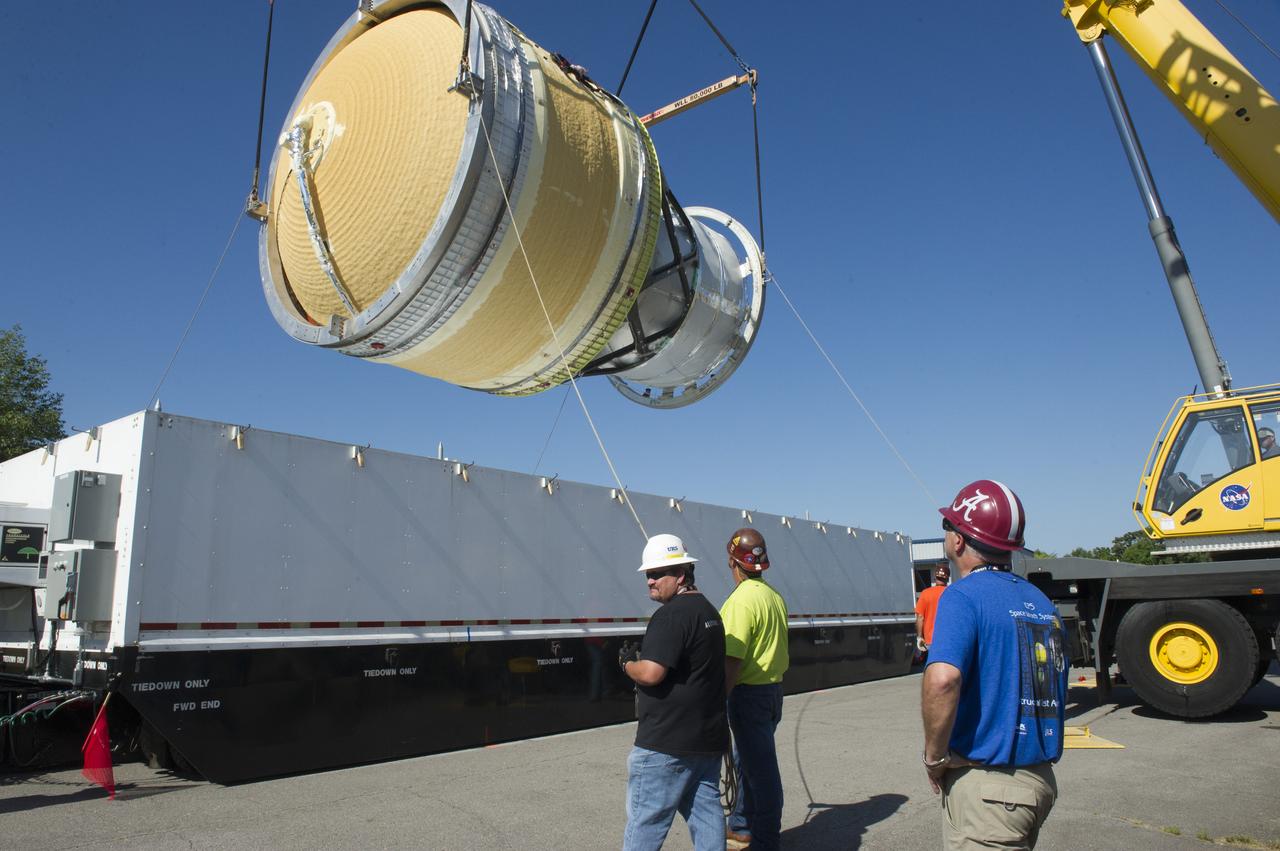
TWO CRANES LIFT THE APPROXIMATELY 8,000-POUND INTERIM CRYOGENIC PROPULSION STAGE TEST ARTICLE OUT OF ITS CRATE AT MARSHALL. THE TEST ARTICLE ARRIVED AT MARSHALL SPACE FLIGHT CENTER VIA BARGE ON THE TENNESSEE RIVER AND WAS TRANSPORTED TO BUILDING 4649 WHERE TESTING WILL BEGIN.
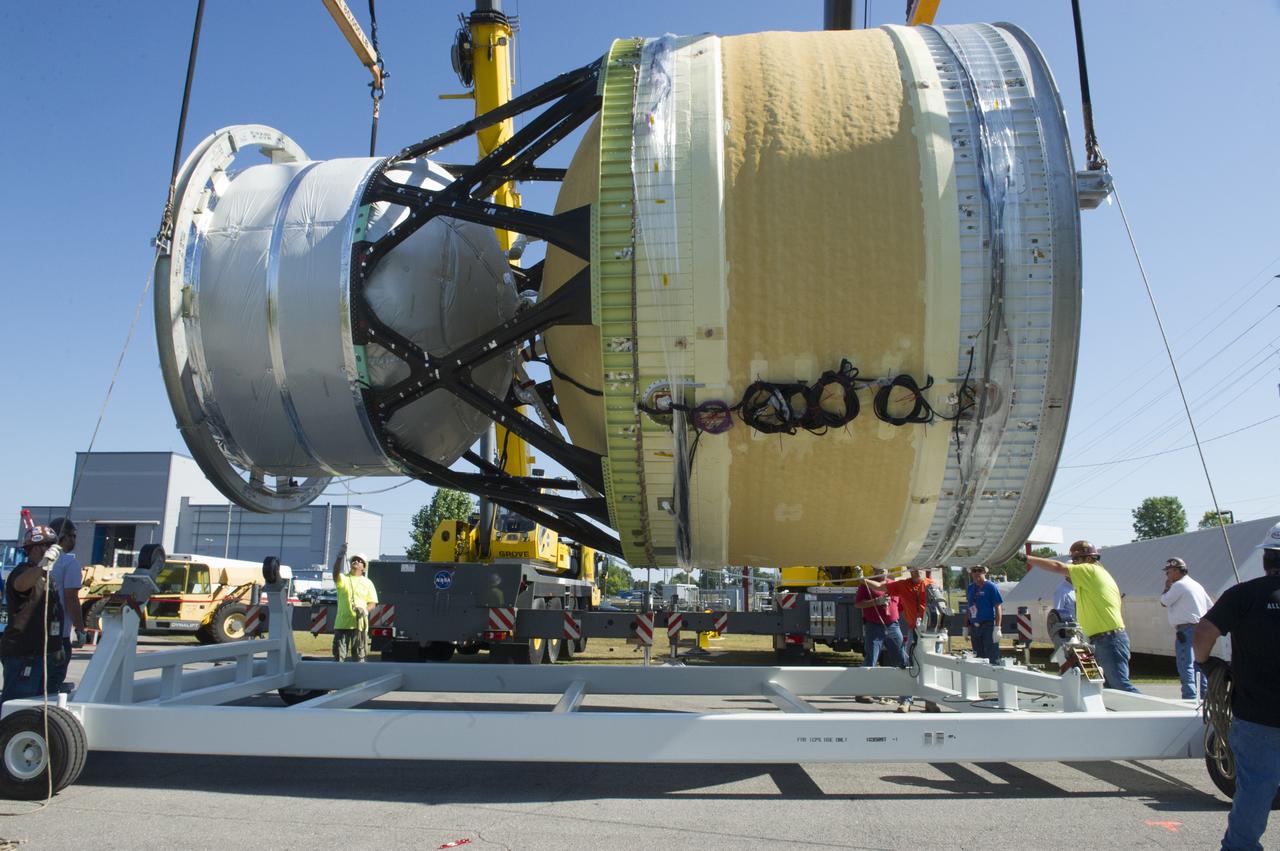
TWO CRANES LIFT THE APPROXIMATELY 8,000-POUND INTERIM CRYOGENIC PROPULSION STAGE TEST ARTICLE OUT OF ITS CRATE AT MARSHALL. THE TEST ARTICLE ARRIVED AT MARSHALL SPACE FLIGHT CENTER VIA BARGE ON THE TENNESSEE RIVER AND WAS TRANSPORTED TO BUILDING 4649 WHERE TESTING WILL BEGIN.
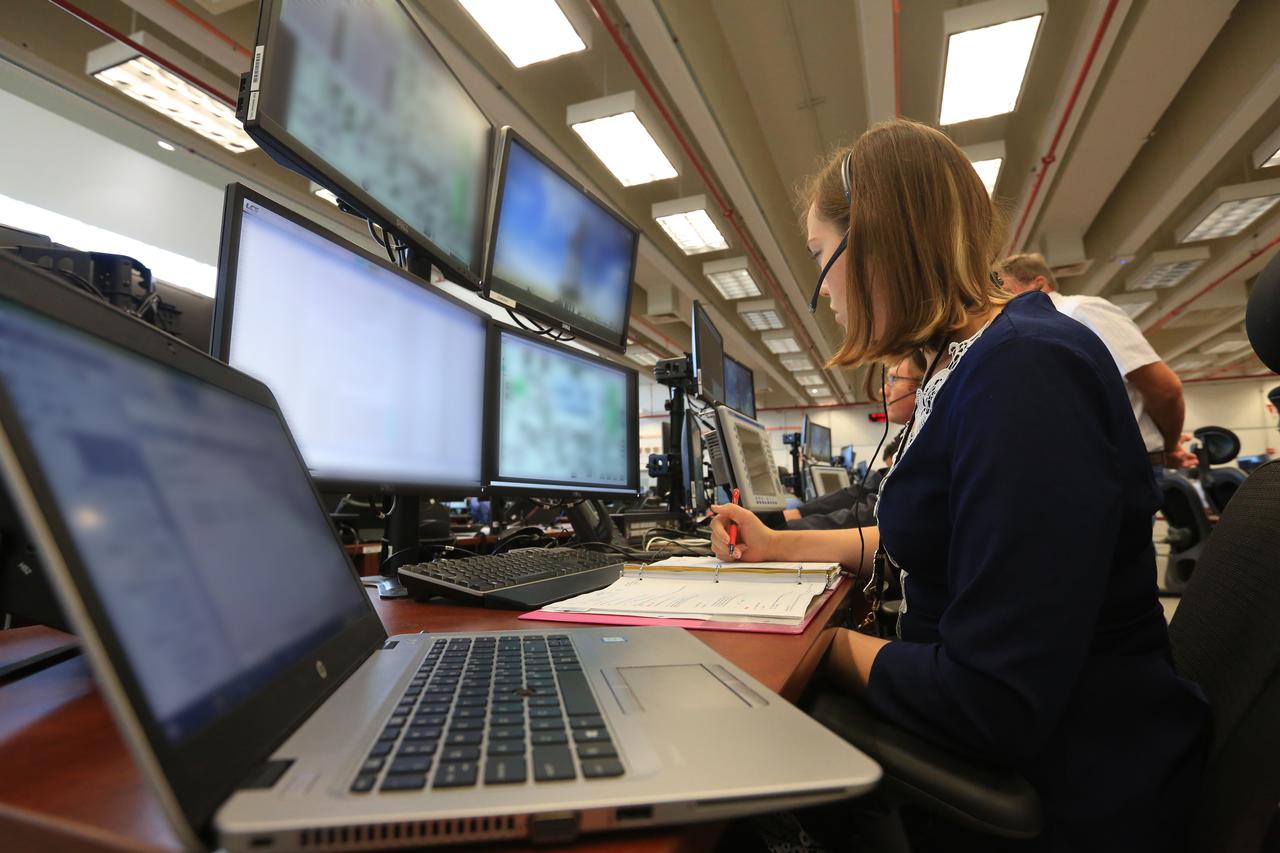
Engineers with NASA and contractor Jacobs monitor their consoles during a countdown demonstration event of cryogenic propellant loading April 12, 2019, inside Firing Room 2 in the Launch Control Center at NASA’s Kennedy Space Center in Florida. The practice simulation involved loading of liquid hydrogen and liquid oxygen into the Space Launch System rocket’s core and upper stages to prepare for Exploration Mission-1 (EM-1). During the tanking exercise, the team worked through surprise issues in real-time. The practice countdown events are training opportunities coordinated by EM-1 Launch Director Charlie Blackwell-Thompson with Exploration Ground Systems.
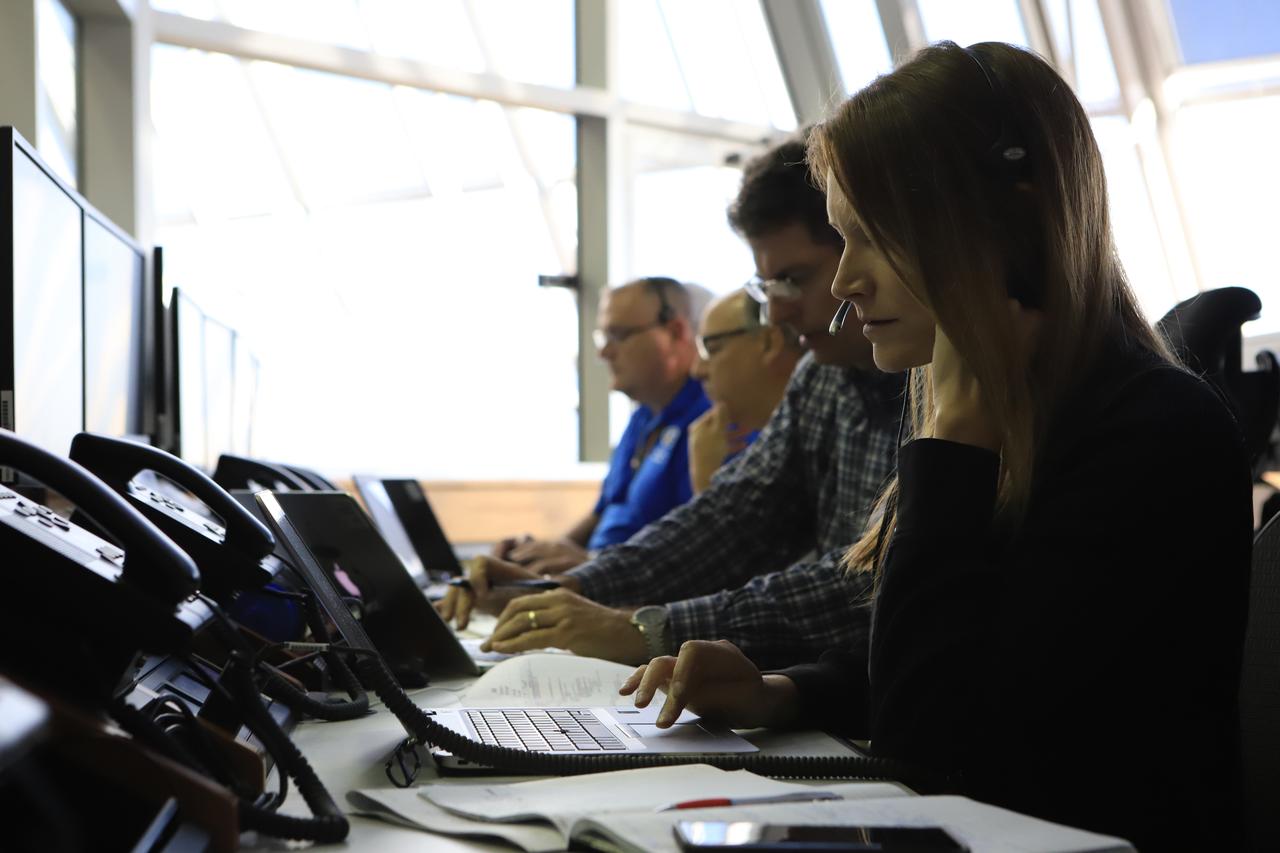
Engineers with NASA and contractor Jacobs monitor their consoles during a countdown demonstration event of cryogenic propellant loading April 12, 2019, inside Firing Room 2 in the Launch Control Center at NASA’s Kennedy Space Center in Florida. The practice simulation involved loading of liquid hydrogen and liquid oxygen into the Space Launch System rocket’s core and upper stages to prepare for Exploration Mission-1 (EM-1). During the tanking exercise, the team worked through surprise issues in real-time. The practice countdown events are training opportunities coordinated by EM-1 Launch Director Charlie Blackwell-Thompson with Exploration Ground Systems.
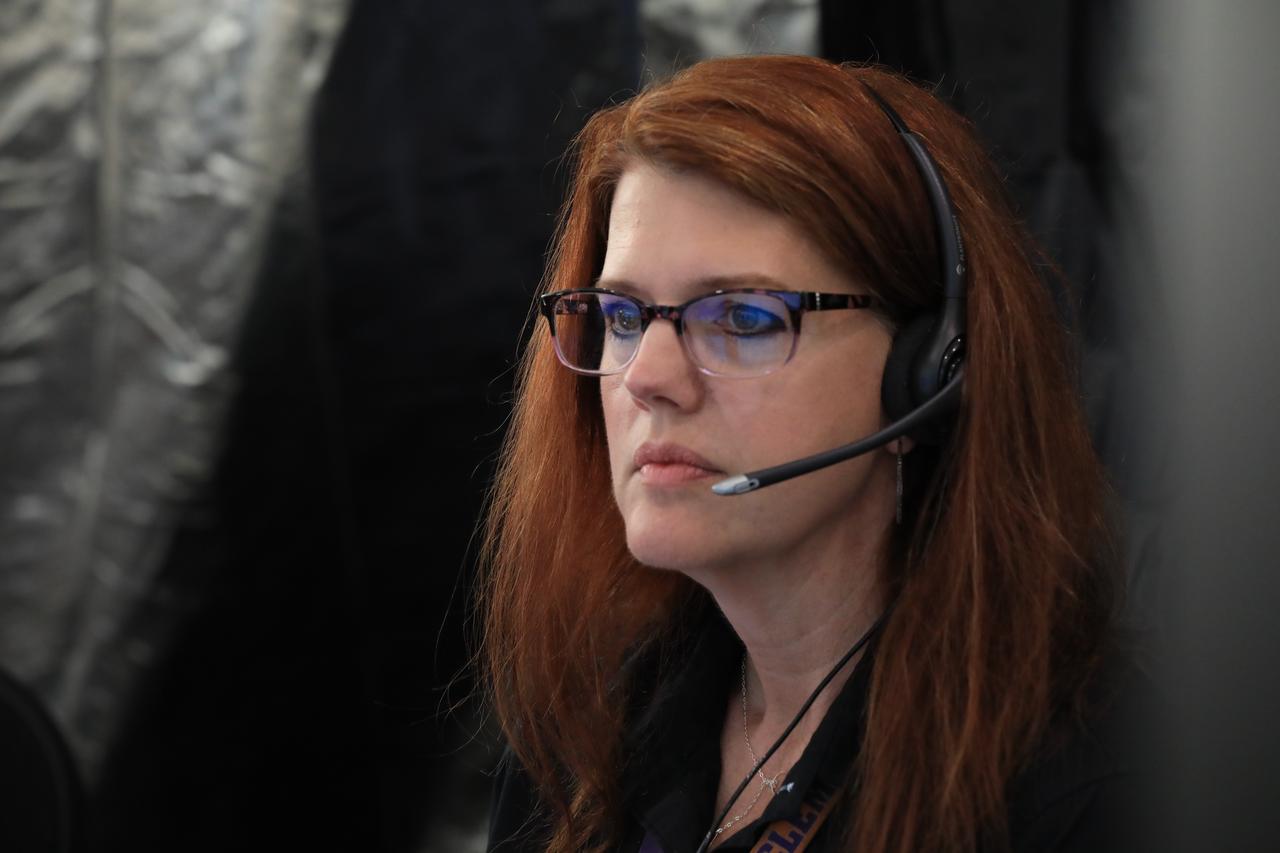
Charlie Blackwell-Thompson, Exploration Mission-1 (EM-1) launch director, leads a countdown demonstration event of cryogenic propellant loading April 12, 2019, inside Firing Room 2 in the Launch Control Center at NASA’s Kennedy Space Center in Florida. The practice simulation involved loading of liquid hydrogen and liquid oxygen into the Space Launch System rocket’s core and upper stages to prepare for EM-1. During the tanking exercise, the team worked through surprise issues in real-time. The practice countdown events are training opportunities coordinated by Blackwell-Thompson with Exploration Ground Systems.
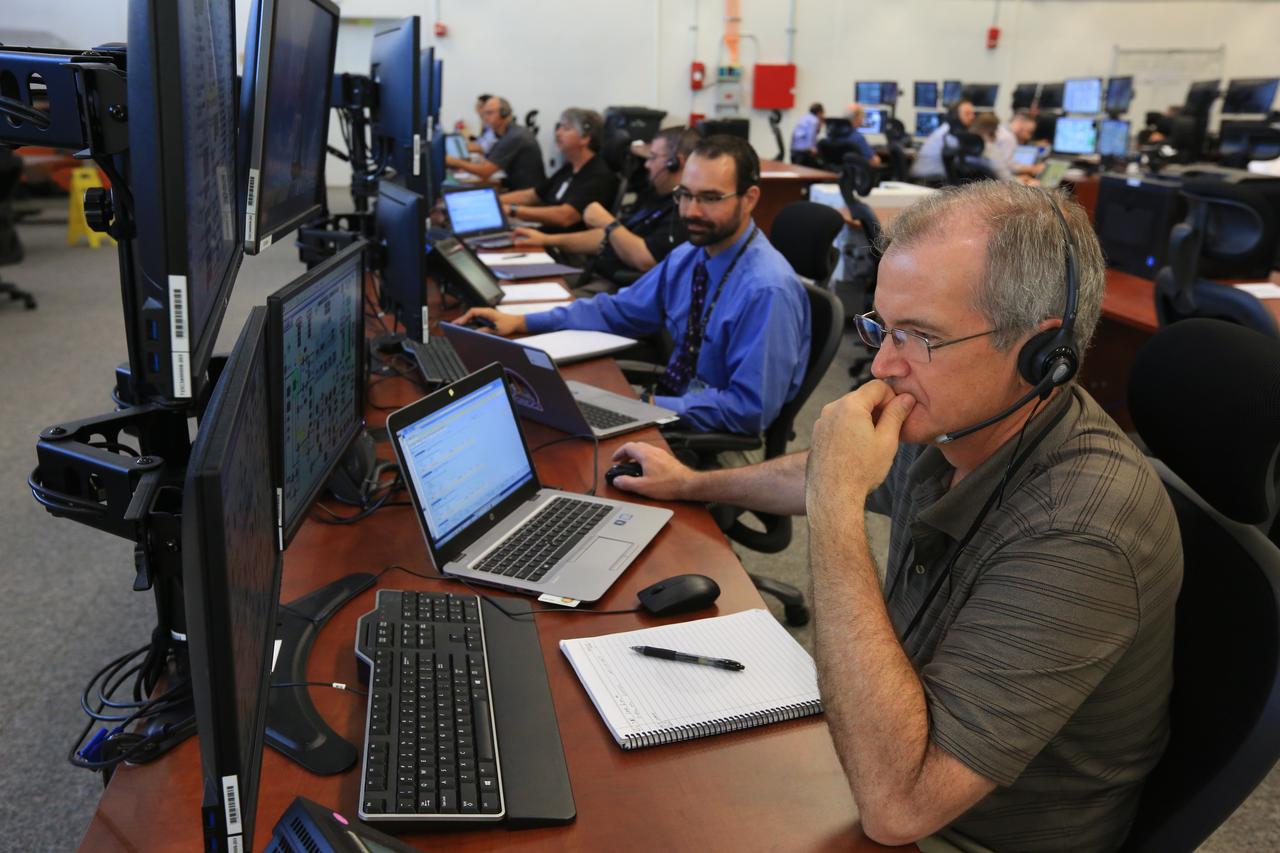
Engineers with NASA and contractor Jacobs monitor their consoles during a countdown demonstration event of cryogenic propellant loading April 12, 2019, inside Firing Room 2 in the Launch Control Center at NASA’s Kennedy Space Center in Florida. The practice simulation involved loading of liquid hydrogen and liquid oxygen into the Space Launch System rocket’s core and upper stages to prepare for Exploration Mission-1 (EM-1). During the tanking exercise, the team worked through surprise issues in real-time. The practice countdown events are training opportunities coordinated by EM-1 Launch Director Charlie Blackwell-Thompson with Exploration Ground Systems.
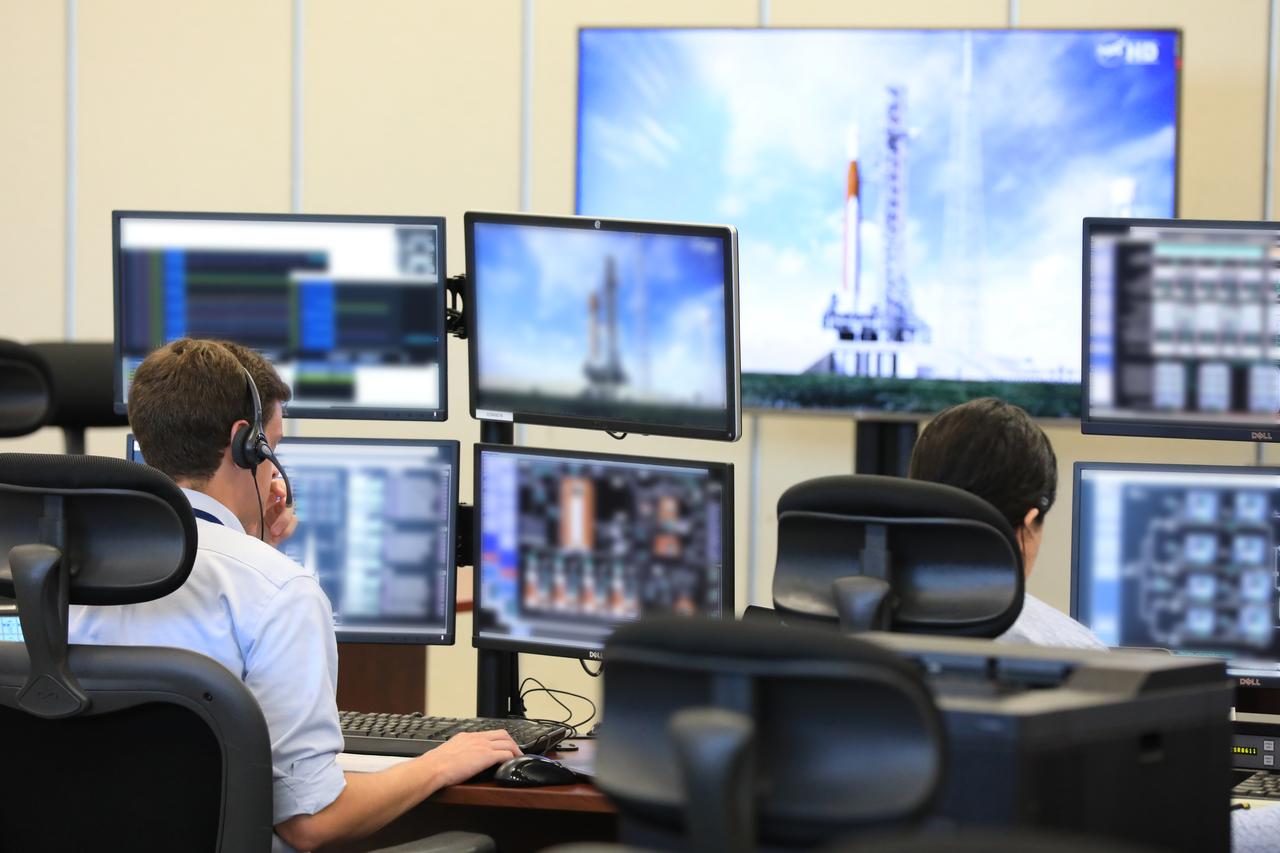
Engineers with Exploration Ground Systems monitor their consoles during a countdown demonstration event of cryogenic propellant loading April 12, 2019, inside Firing Room 2 in the Launch Control Center at NASA’s Kennedy Space Center in Florida. The practice simulation involved loading of liquid hydrogen and liquid oxygen into the Space Launch System rocket’s core and upper stages to prepare for Exploration Mission-1 (EM-1). During the tanking exercise, the team worked through surprise issues in real-time. The practice countdown events are training opportunities coordinated by EM-1 Launch Director Charlie Blackwell-Thompson with Exploration Ground Systems.
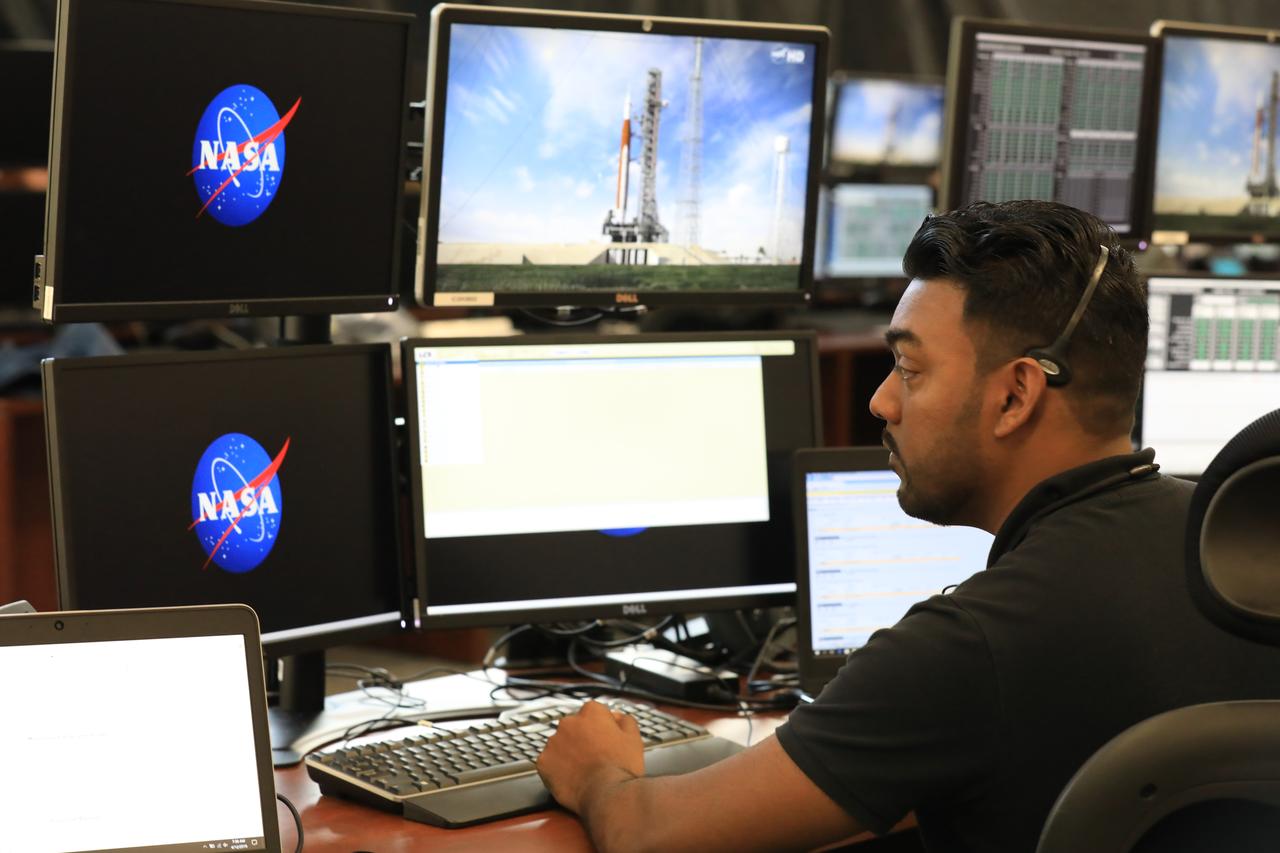
Anthony Bharrat, NASA engine avionics engineer, monitors his console during a countdown demonstration event of cryogenic propellant loading April 12, 2019, inside Firing Room 2 in the Launch Control Center at NASA’s Kennedy Space Center in Florida. The practice simulation involved loading of liquid hydrogen and liquid oxygen into the Space Launch System rocket’s core and upper stages to prepare for Exploration Mission-1 (EM-1). During the tanking exercise, the team worked through surprise issues in real-time. The practice countdown events are training opportunities coordinated by EM-1 Launch Director Charlie Blackwell-Thompson with Exploration Ground Systems.
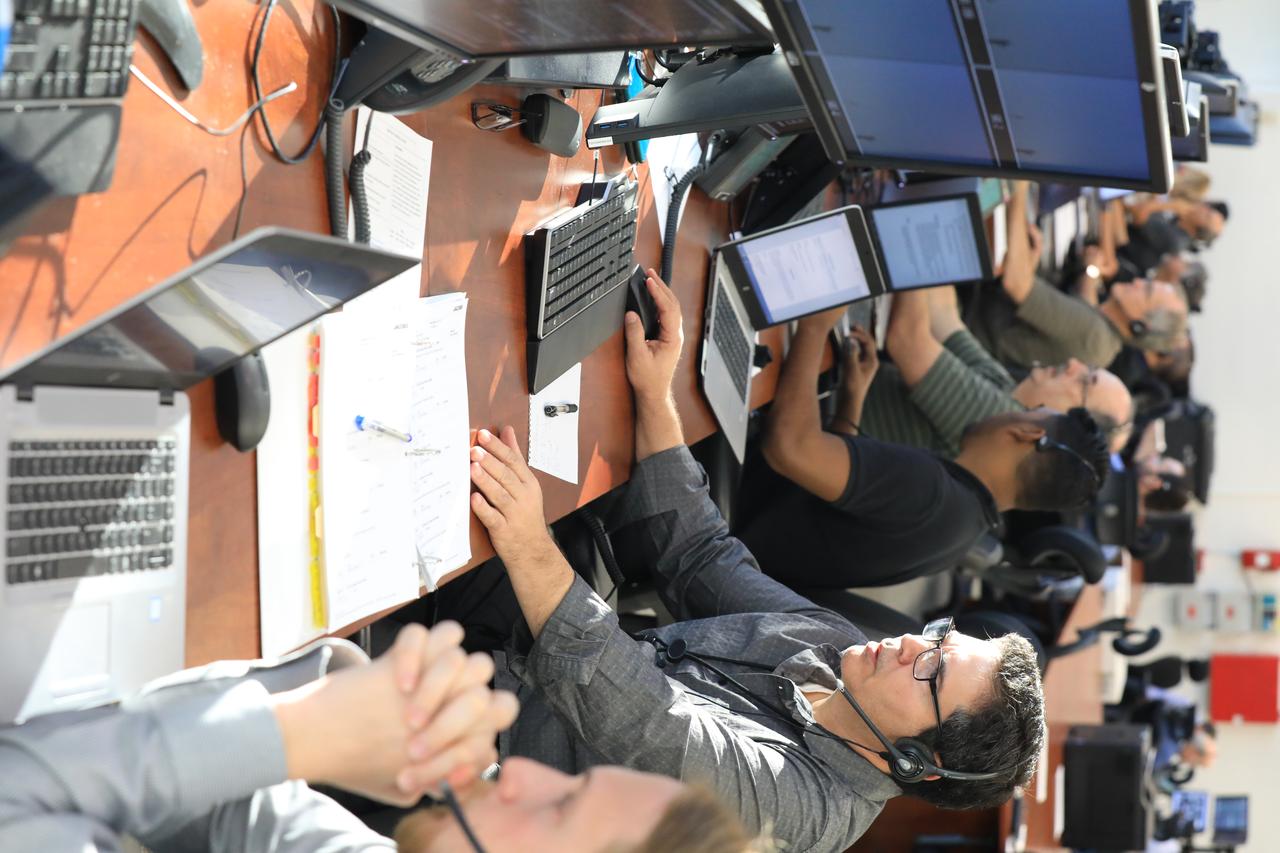
Engineers with NASA and contractor Jacobs monitor their consoles during a countdown demonstration event of cryogenic propellant loading April 12, 2019, inside Firing Room 2 in the Launch Control Center at NASA’s Kennedy Space Center in Florida. The practice simulation involved loading of liquid hydrogen and liquid oxygen into the Space Launch System rocket’s core and upper stages to prepare for Exploration Mission-1 (EM-1). During the tanking exercise, the team worked through surprise issues in real-time. The practice countdown events are training opportunities coordinated by EM-1 Launch Director Charlie Blackwell-Thompson with Exploration Ground Systems.
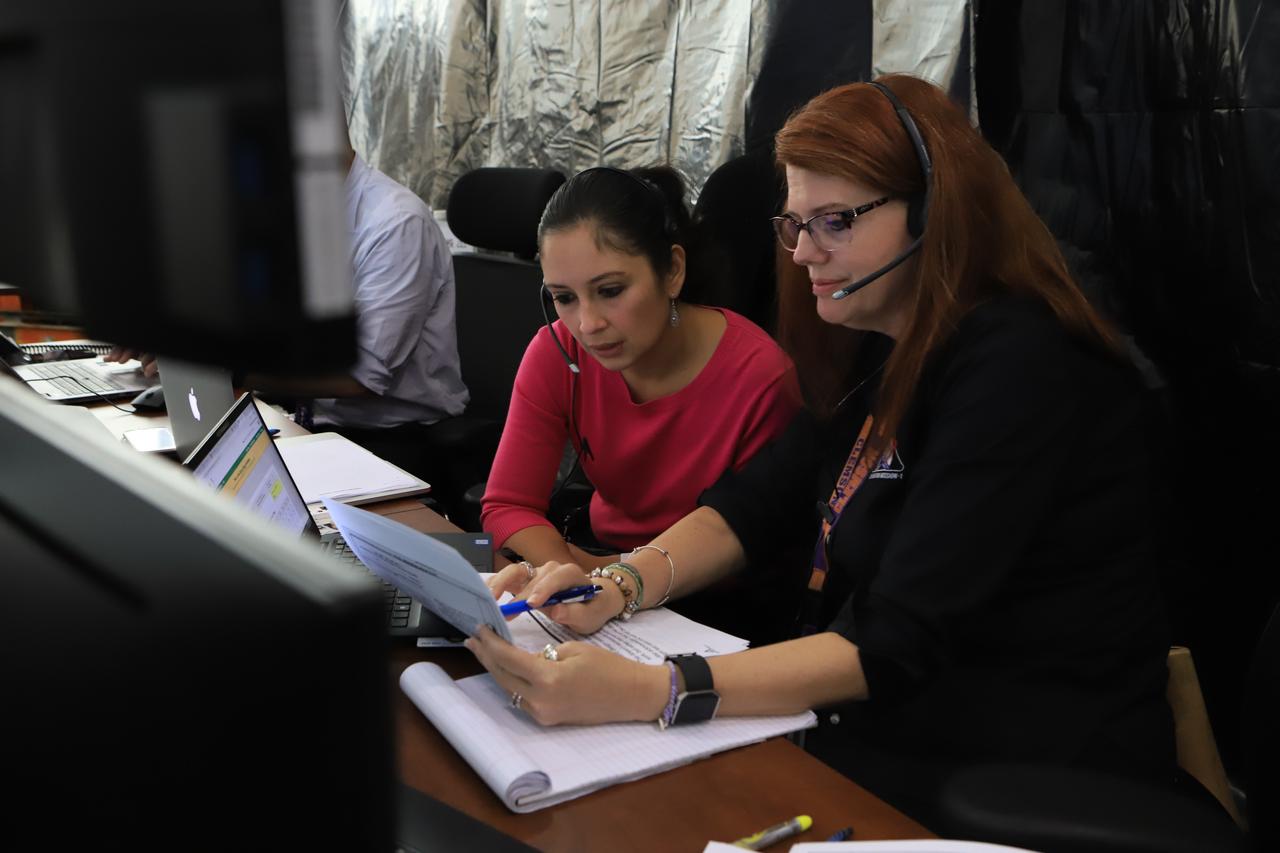
Charlie Blackwell-Thompson, right, Exploration Mission-1 (EM-1) launch director, reviews procedures during a countdown demonstration event of cryogenic propellant loading April 12, 2019, inside Firing Room 2 in the Launch Control Center at NASA’s Kennedy Space Center in Florida. The practice simulation involved loading of liquid hydrogen and liquid oxygen into the Space Launch System rocket’s core and upper stages to prepare for EM-1. During the tanking exercise, the team worked through surprise issues in real-time. The practice countdown events are training opportunities coordinated by Blackwell-Thompson with Exploration Ground Systems.
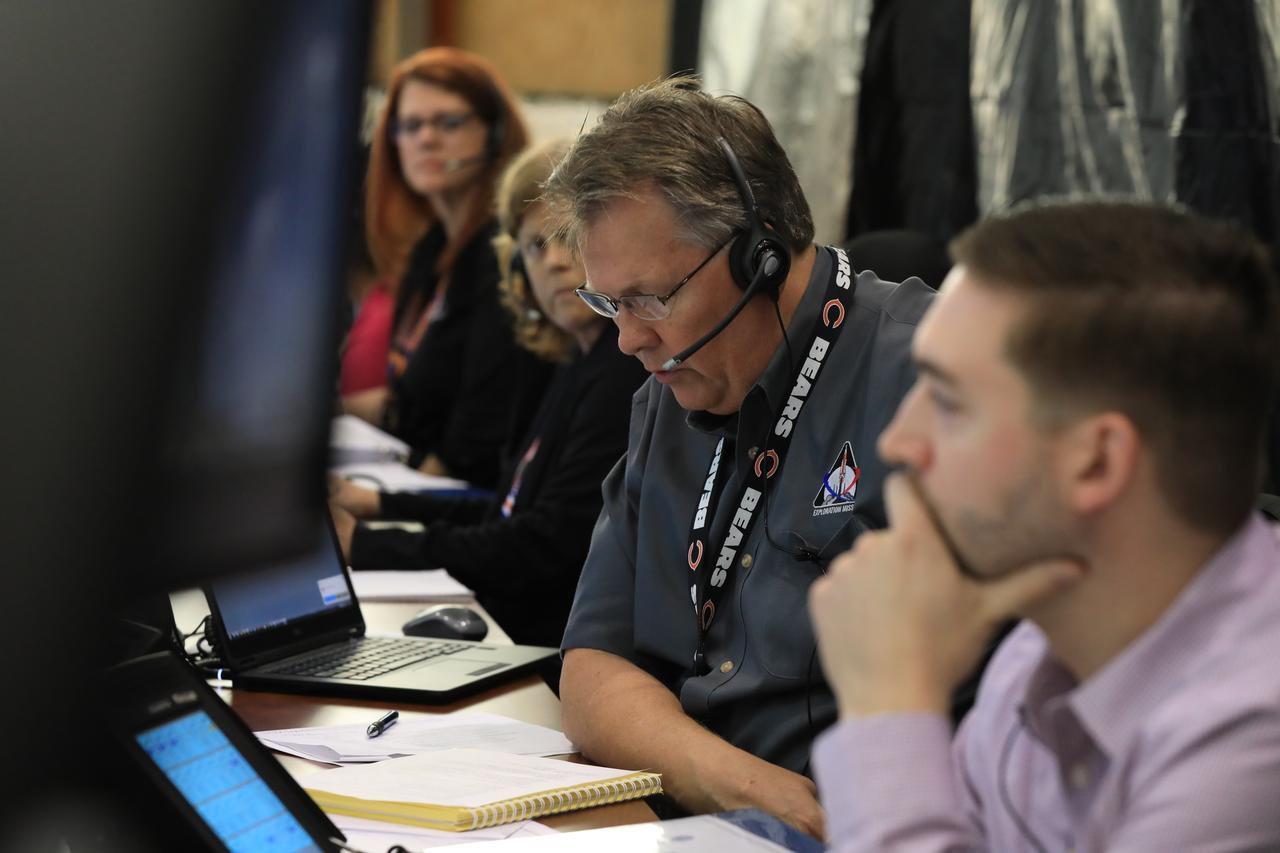
Charlie Blackwell-Thompson, far left, Exploration Mission-1 (EM-1) launch director, and engineers with NASA and Jacobs, participate in a countdown demonstration event of cryogenic propellant loading April 12, 2019, inside Firing Room 2 in the Launch Control Center at NASA’s Kennedy Space Center in Florida. The practice simulation involved loading of liquid hydrogen and liquid oxygen into the Space Launch System rocket’s core and upper stages to prepare for EM-1. During the tanking exercise, the team worked through surprise issues in real-time. The practice countdown events are training opportunities coordinated by Blackwell-Thompson with Exploration Ground Systems.
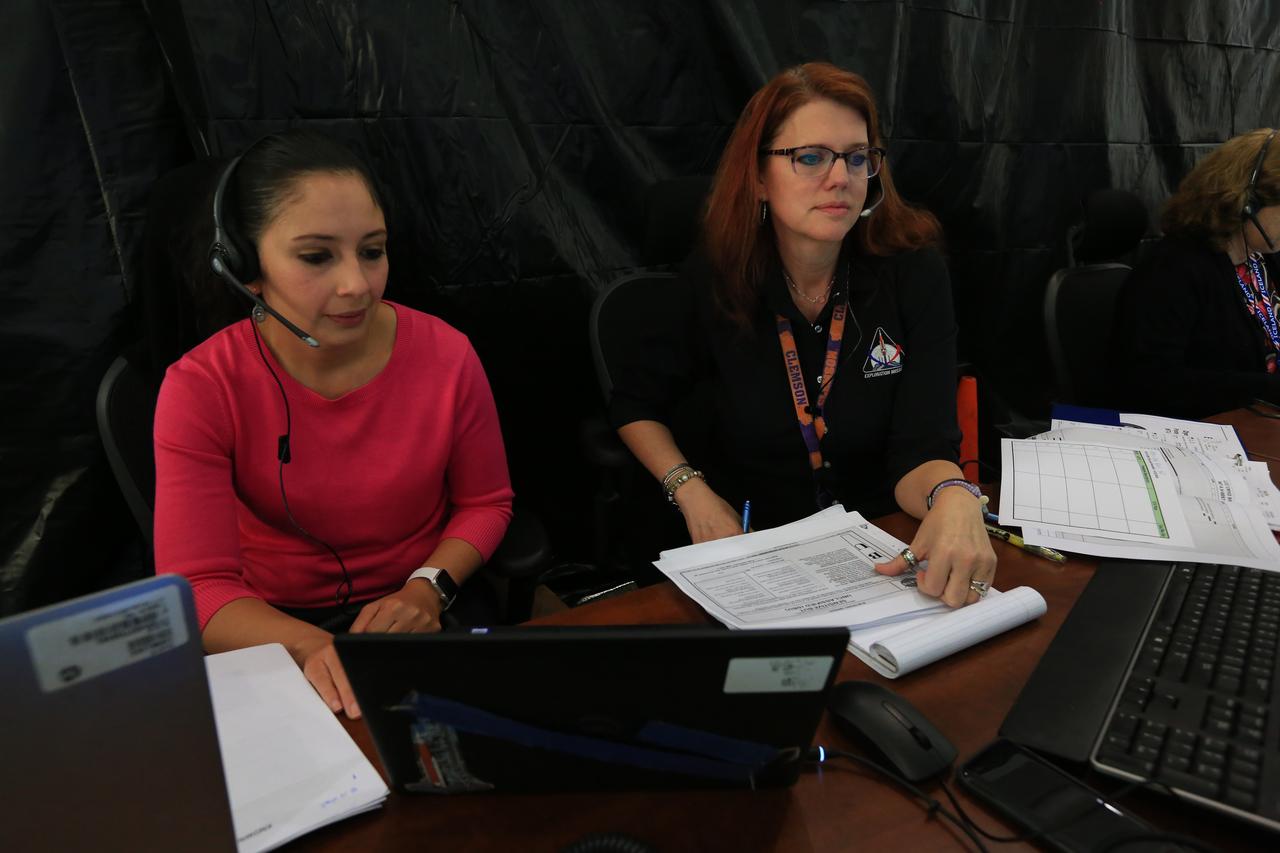
Charlie Blackwell-Thompson, at right, Exploration Mission-1 (EM-1) launch director, leads a countdown demonstration event of cryogenic propellant loading April 12, 2019, inside Firing Room 2 in the Launch Control Center at NASA’s Kennedy Space Center in Florida. Seated next to her is Jessica Parsons, technical assitant to the launch director. The practice simulation involved loading of liquid hydrogen and liquid oxygen into the Space Launch System rocket’s core and upper stages to prepare for EM-1. During the tanking exercise, the team worked through surprise issues in real-time. The practice countdown events are training opportunities coordinated by Blackwell-Thompson with Exploration Ground Systems.
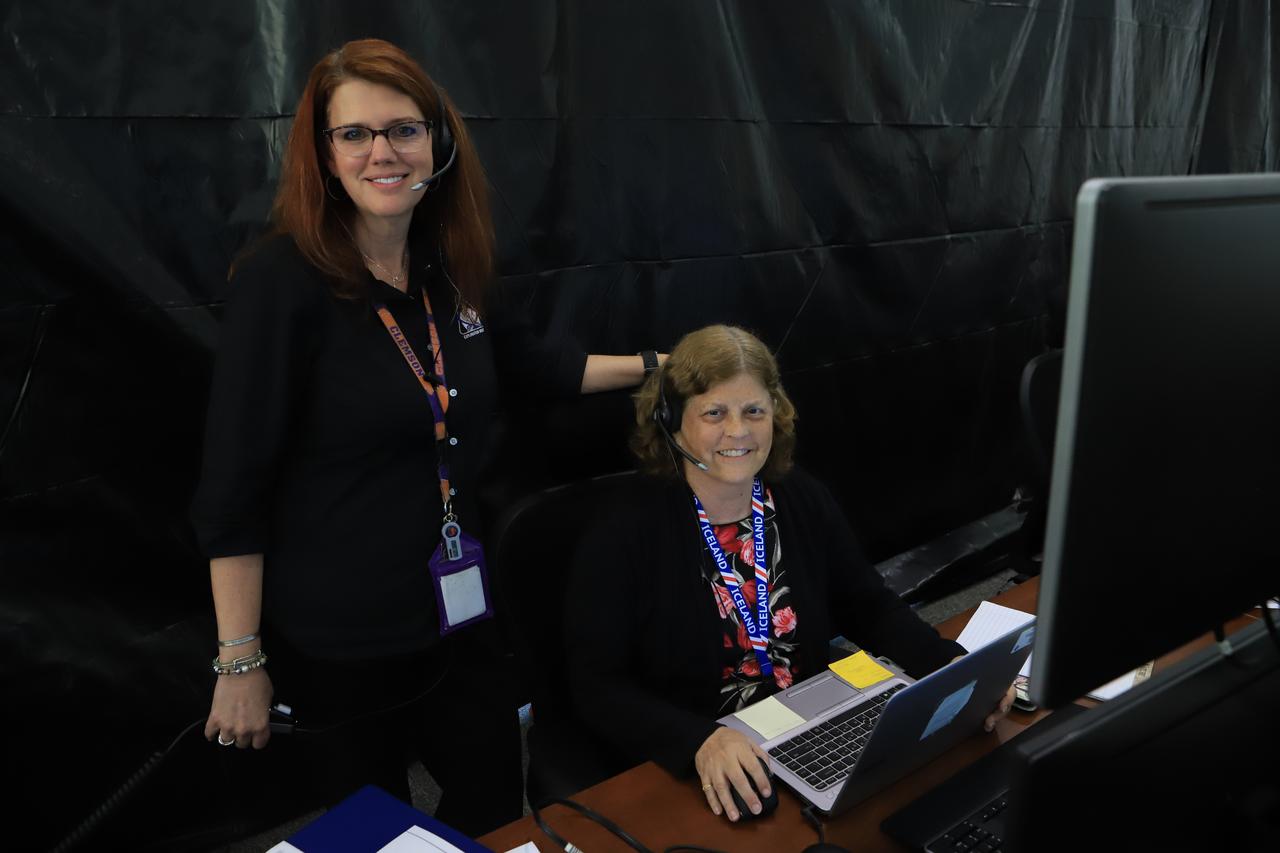
Charlie Blackwell-Thompson, standing, Exploration Mission-1 (EM-1) launch director, leads a countdown demonstration event of cryogenic propellant loading April 12, 2019, inside Firing Room 2 in the Launch Control Center at NASA’s Kennedy Space Center in Florida. Seated is Roberta Wyrick, spacecraft test conductor with contractor Jacobs. The practice simulation involved loading of liquid hydrogen and liquid oxygen into the Space Launch System rocket’s core and upper stages to prepare for EM-1. During the tanking exercise, the team worked through surprise issues in real-time. The practice countdown events are training opportunities coordinated by Blackwell-Thompson with Exploration Ground Systems.
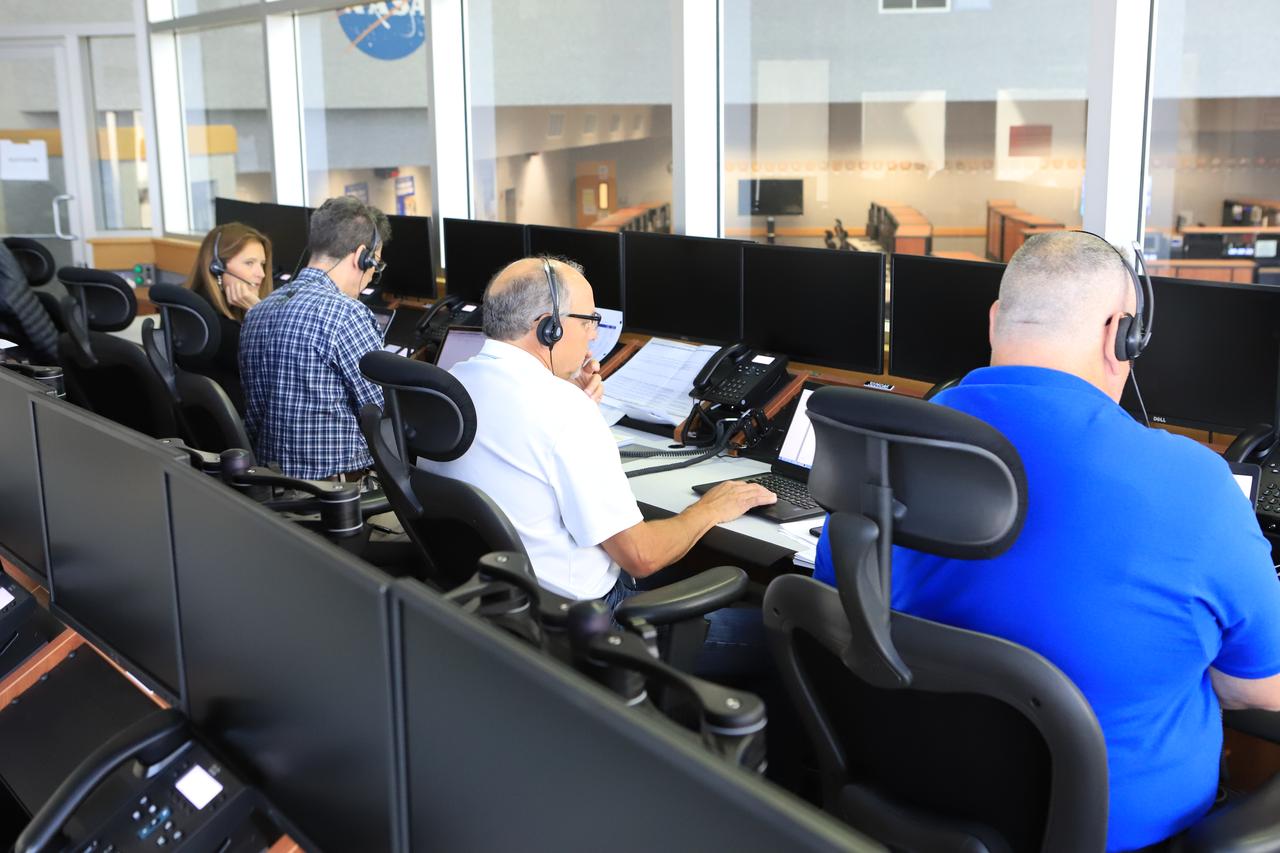
Engineers with NASA and contractor Jacobs monitor their consoles during a countdown demonstration event of cryogenic propellant loading April 12, 2019, inside Firing Room 2 in the Launch Control Center at NASA’s Kennedy Space Center in Florida. The practice simulation involved loading of liquid hydrogen and liquid oxygen into the Space Launch System rocket’s core and upper stages to prepare for Exploration Mission-1 (EM-1). During the tanking exercise, the team worked through surprise issues in real-time. The practice countdown events are training opportunities coordinated by EM-1 Launch Director Charlie Blackwell-Thompson with Exploration Ground Systems.
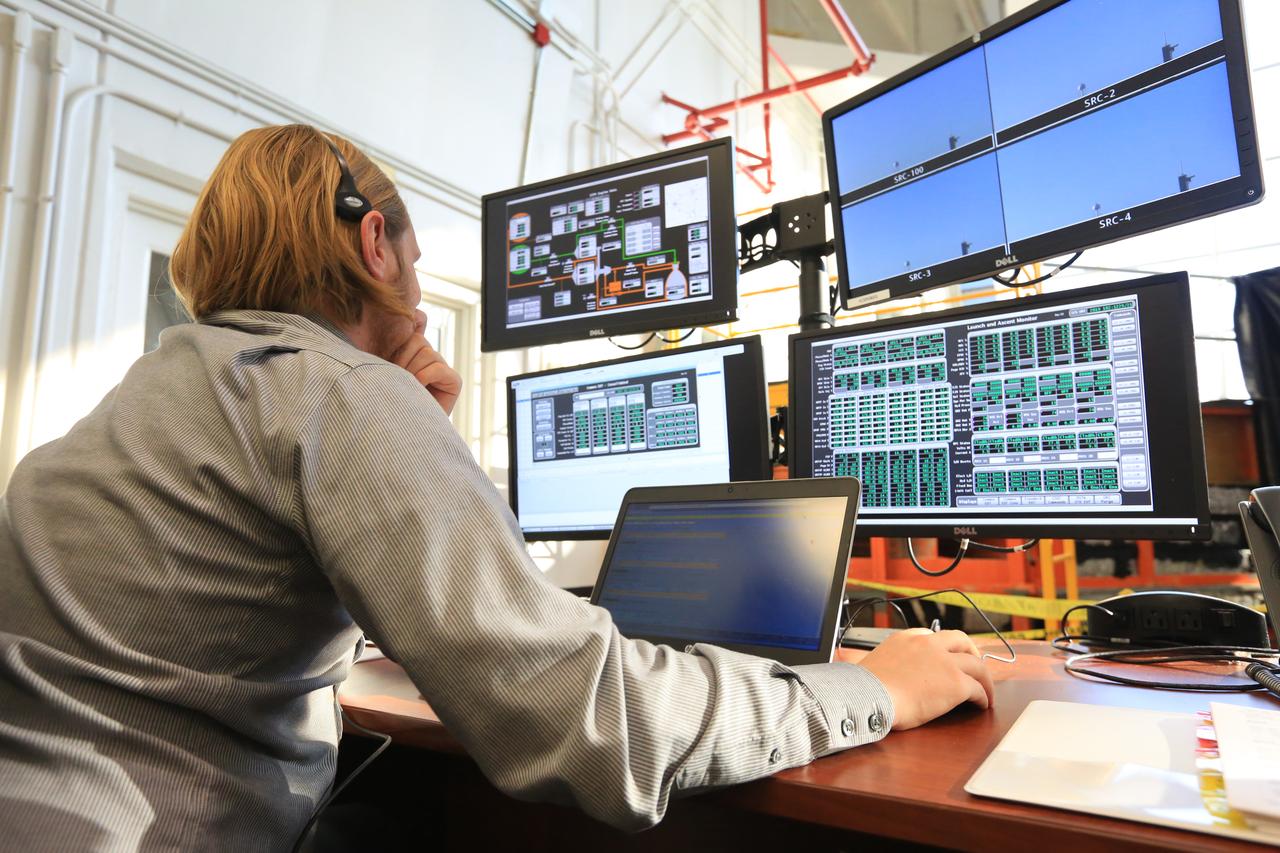
An engineer with NASA monitors his console during a countdown demonstration event of cryogenic propellant loading April 12, 2019, inside Firing Room 2 in the Launch Control Center at NASA’s Kennedy Space Center in Florida. The practice simulation involved loading of liquid hydrogen and liquid oxygen into the Space Launch System rocket’s core and upper stages to prepare for Exploration Mission-1 (EM-1). During the tanking exercise, the team worked through surprise issues in real-time. The practice countdown events are training opportunities coordinated by EM-1 Launch Director Charlie Blackwell-Thompson with Exploration Ground Systems.
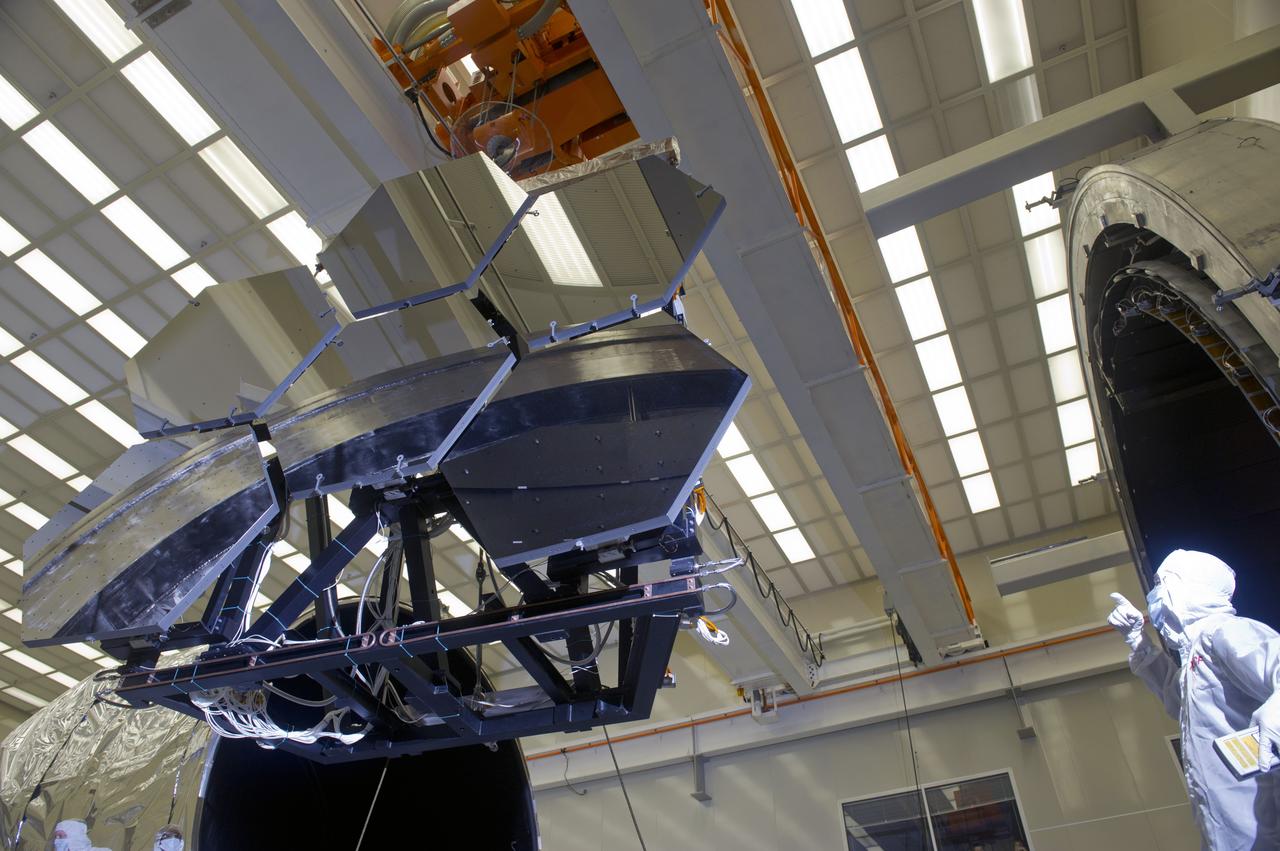
JAMES WEBB SPACE TELESCOPE CRYOGENIC TEST #4 SIX MIRROR DE-INTEGRATION, JULY 13, 2010, MSFC X-RAY & CRYOGENIC FACILITY
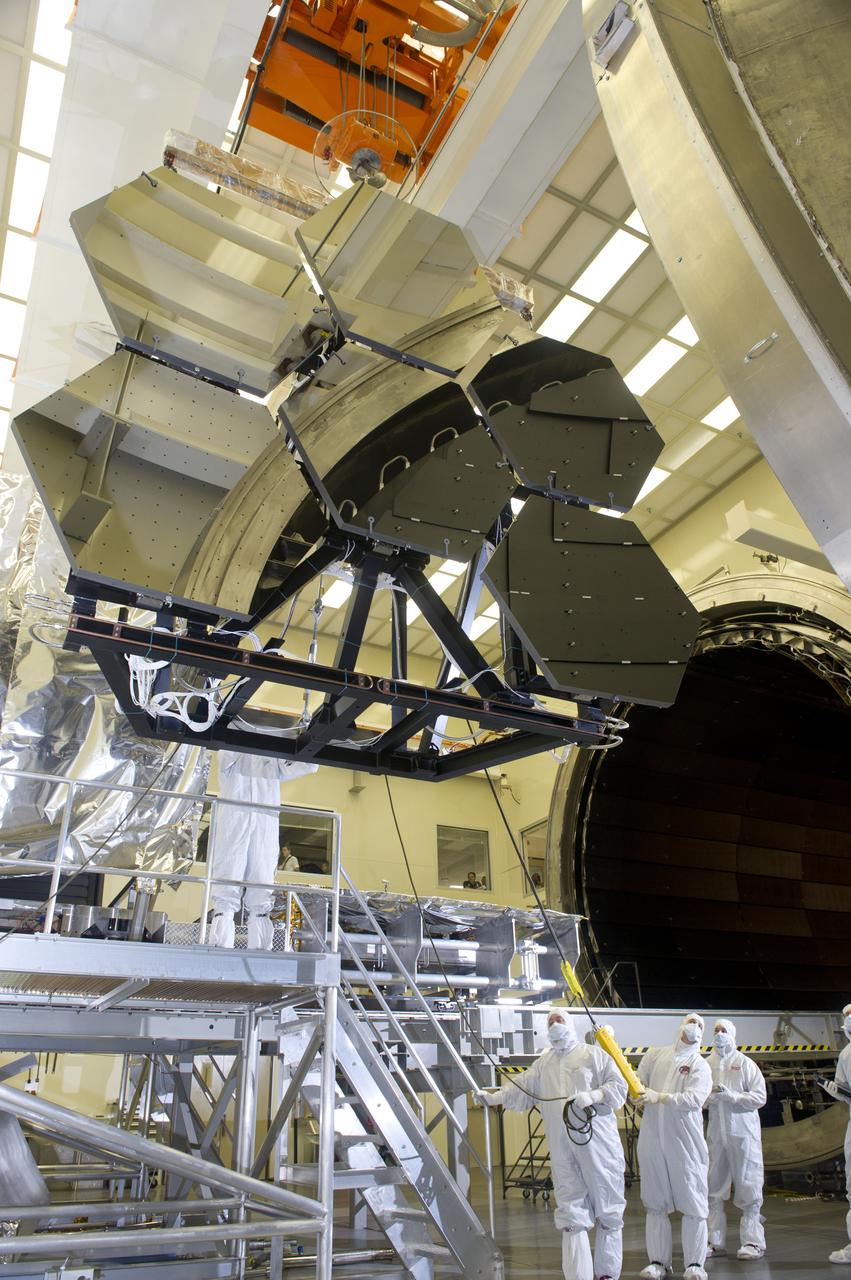
JAMES WEBB SPACE TELESCOPE CRYOGENIC TEST #4 SIX MIRROR DE-INTEGRATION, JULY 13, 2010, MSFC X-RAY & CRYOGENIC FACILITY
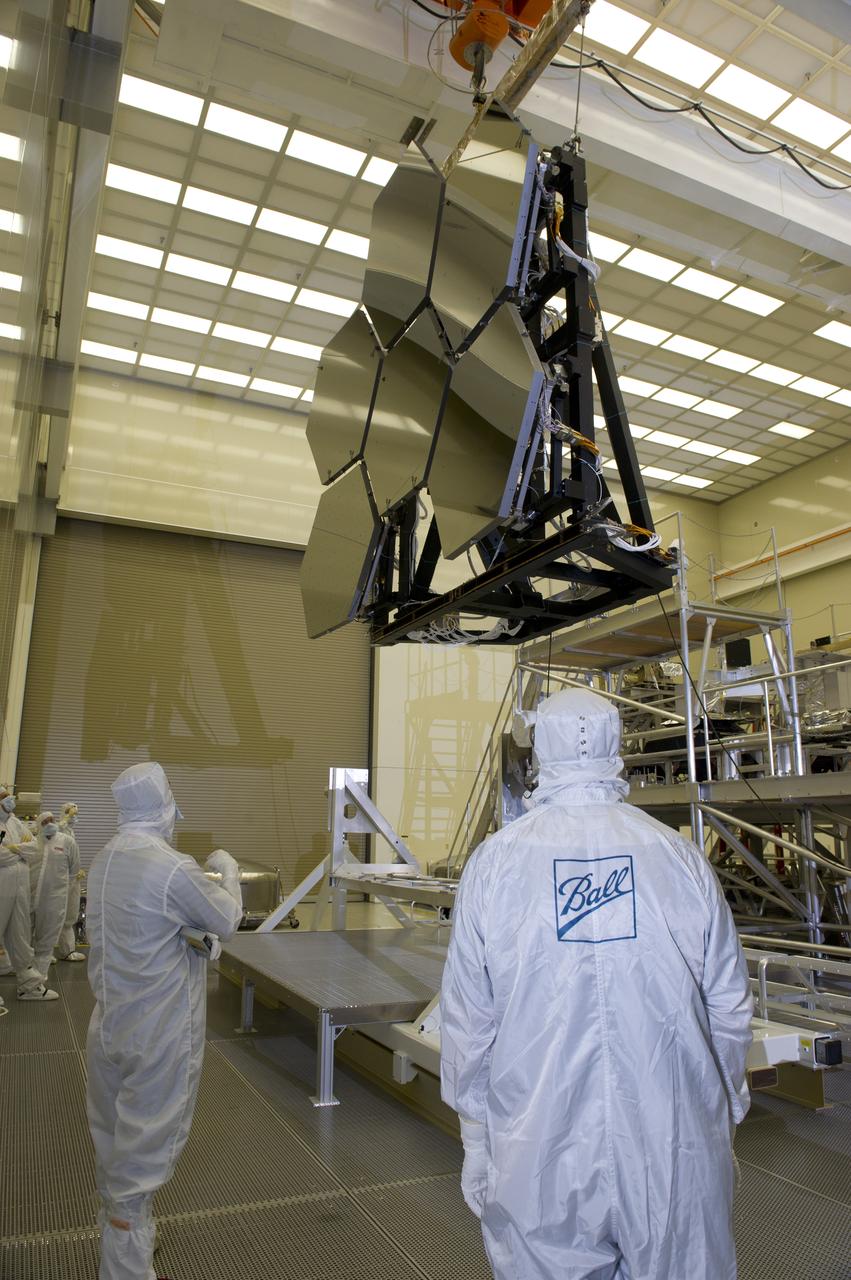
JAMES WEBB SPACE TELESCOPE CRYOGENIC TEST #4 SIX MIRROR DE-INTEGRATION, JULY 13, 2010, MSFC X-RAY & CRYOGENIC FACILITY
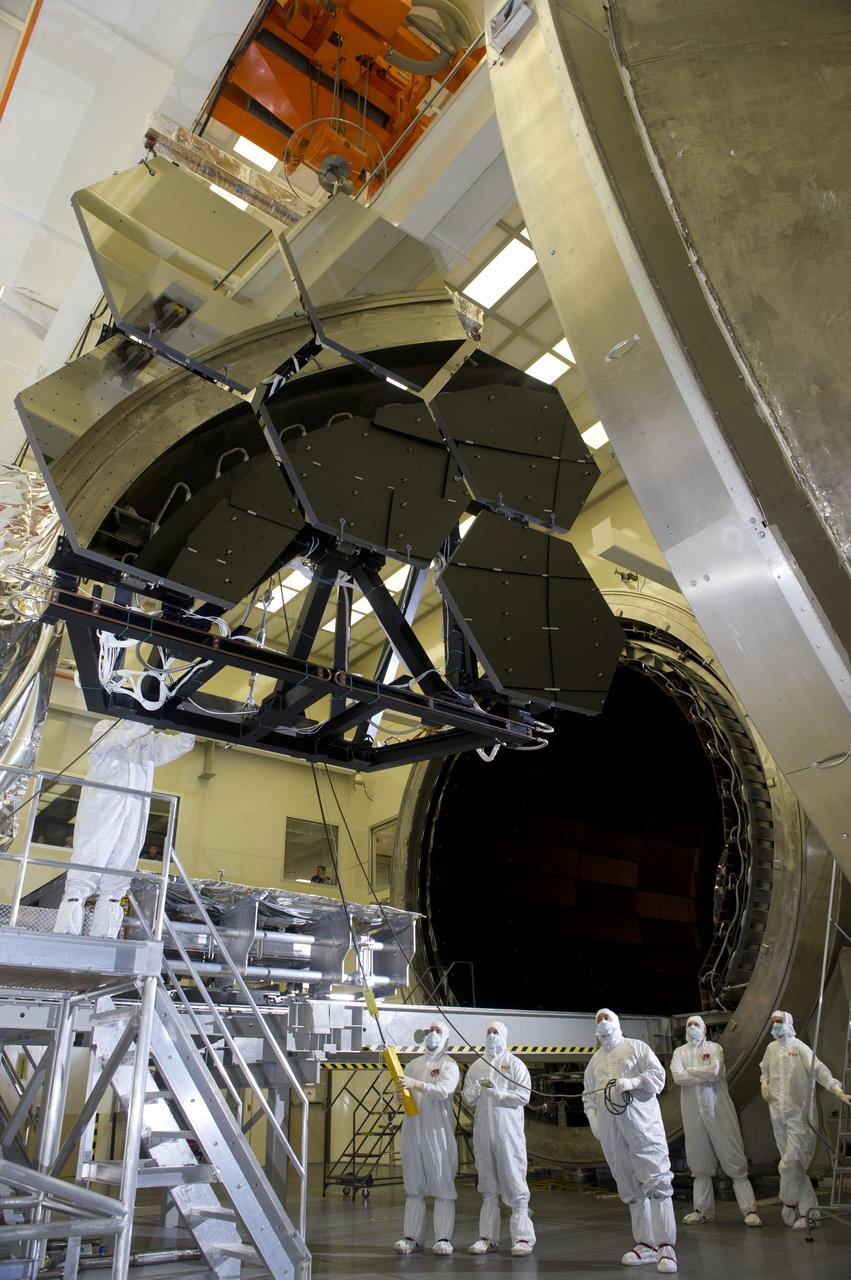
JAMES WEBB SPACE TELESCOPE CRYOGENIC TEST #4 SIX MIRROR DE-INTEGRATION, JULY 13, 2010, MSFC X-RAY & CRYOGENIC FACILITY
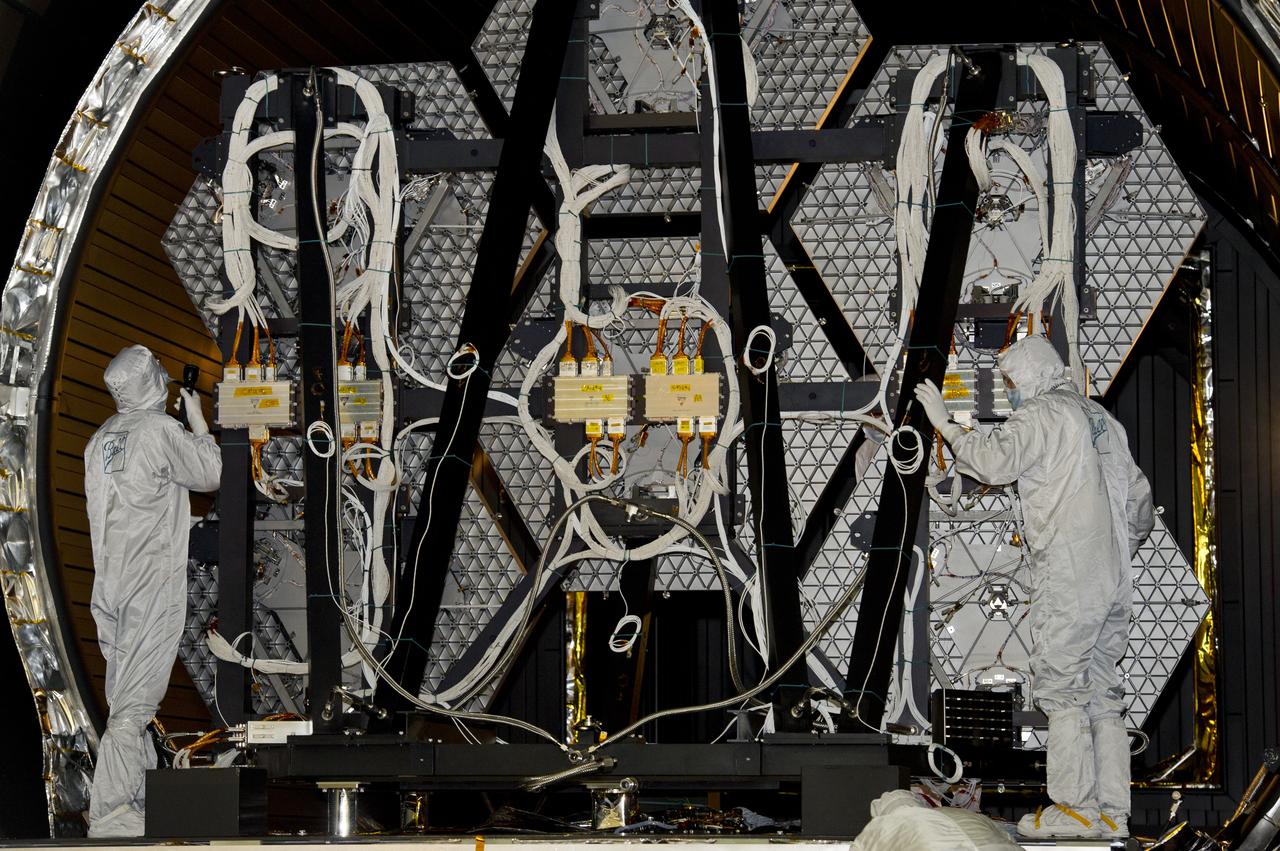
JAMES WEBB SPACE TELESCOPE CRYOGENIC TEST #4 SIX MIRROR DE-INTEGRATION, JULY 13, 2010, MSFC X-RAY & CRYOGENIC FACILITY
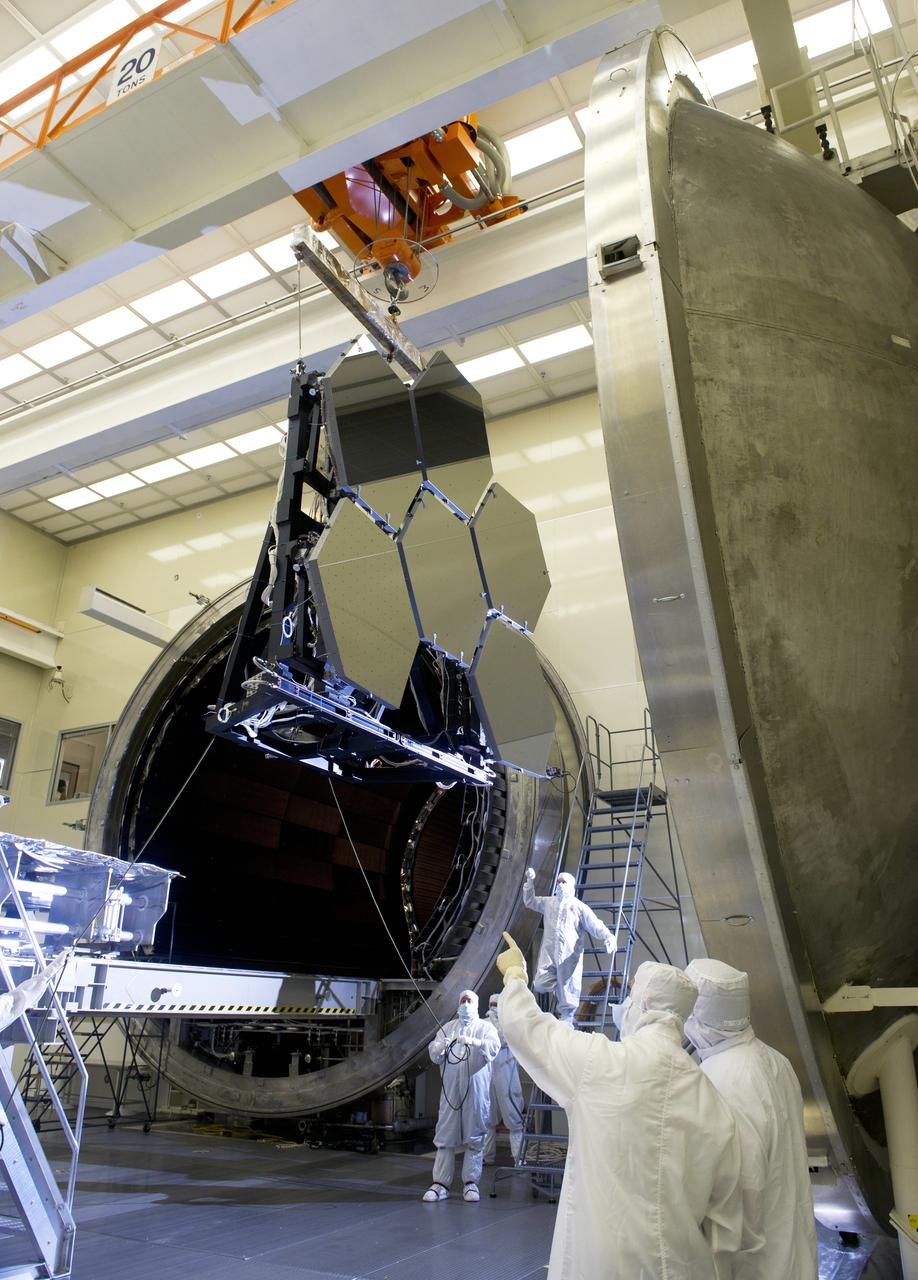
JAMES WEBB SPACE TELESCOPE CRYOGENIC TEST #4 SIX MIRROR DE-INTEGRATION, JULY 13, 2010, MSFC X-RAY & CRYOGENIC FACILITY
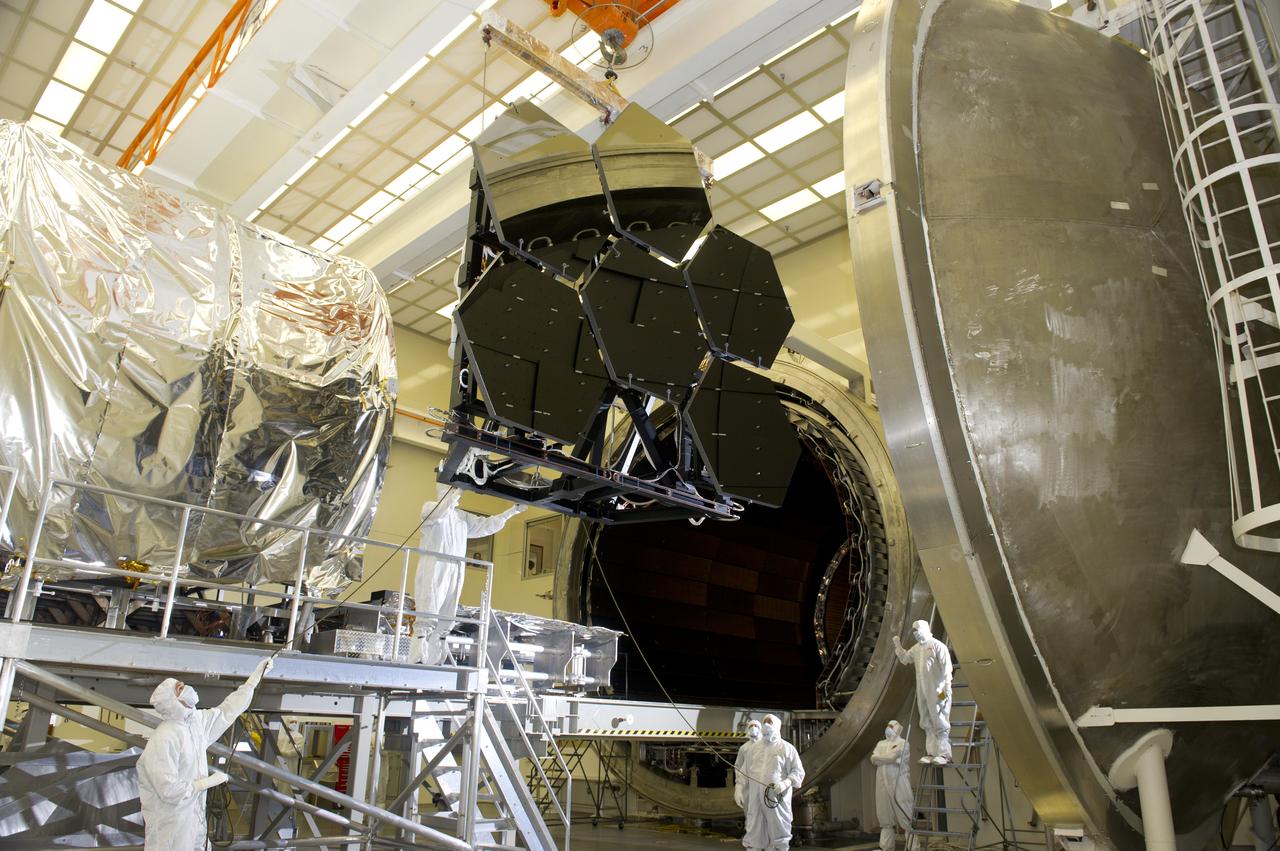
JAMES WEBB SPACE TELESCOPE CRYOGENIC TEST #4 SIX MIRROR DE-INTEGRATION, JULY 13, 2010, MSFC X-RAY & CRYOGENIC FACILITY
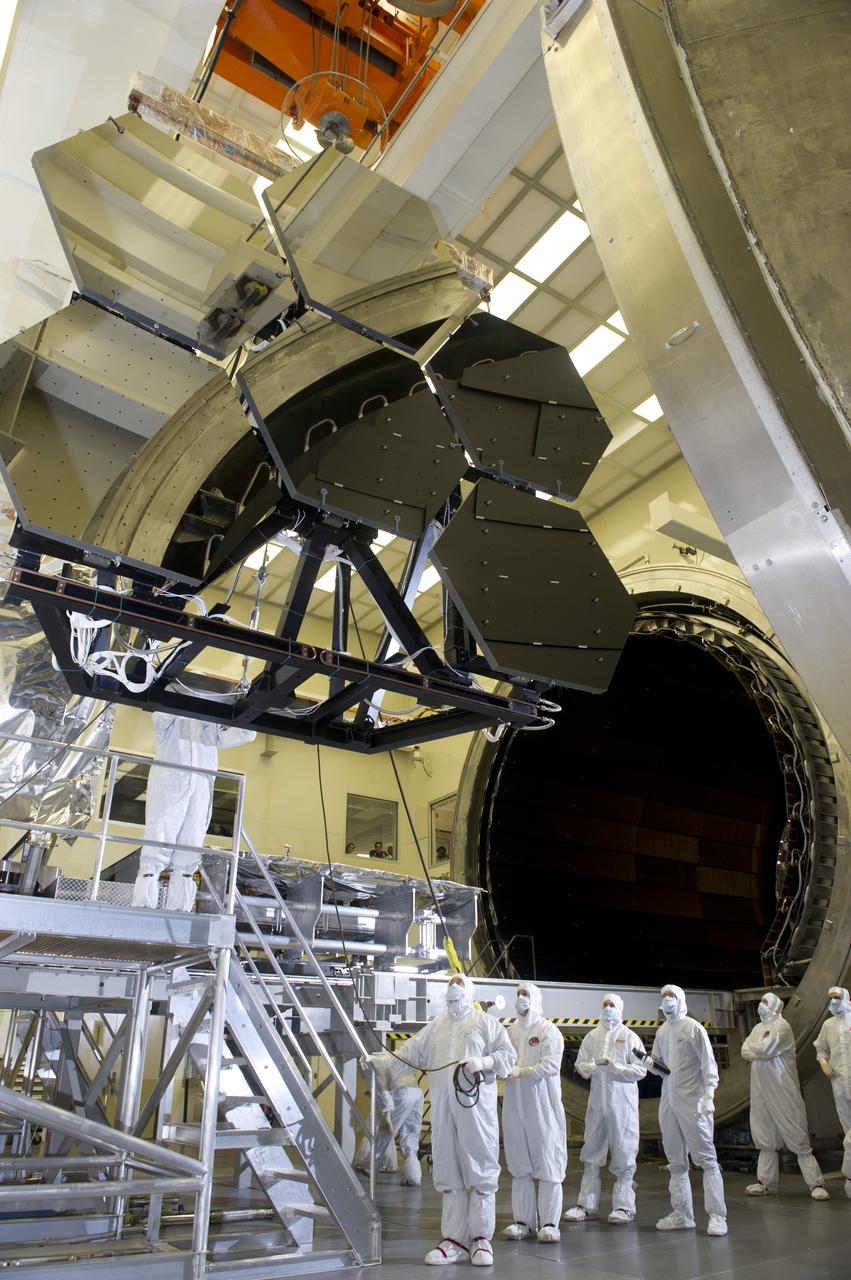
JAMES WEBB SPACE TELESCOPE CRYOGENIC TEST #4 SIX MIRROR DE-INTEGRATION, JULY 13, 2010, MSFC X-RAY & CRYOGENIC FACILITY
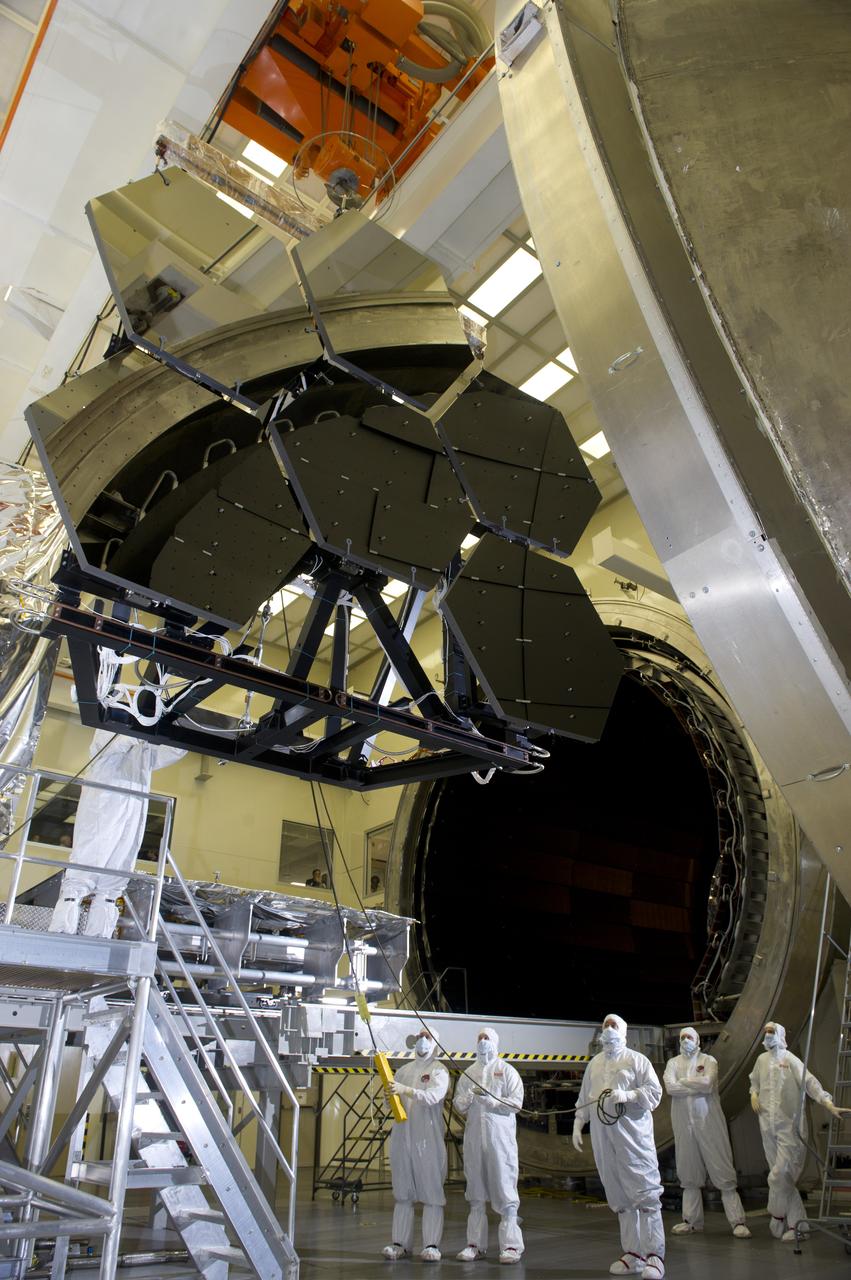
JAMES WEBB SPACE TELESCOPE CRYOGENIC TEST #4 SIX MIRROR DE-INTEGRATION, JULY 13, 2010, MSFC X-RAY & CRYOGENIC FACILITY
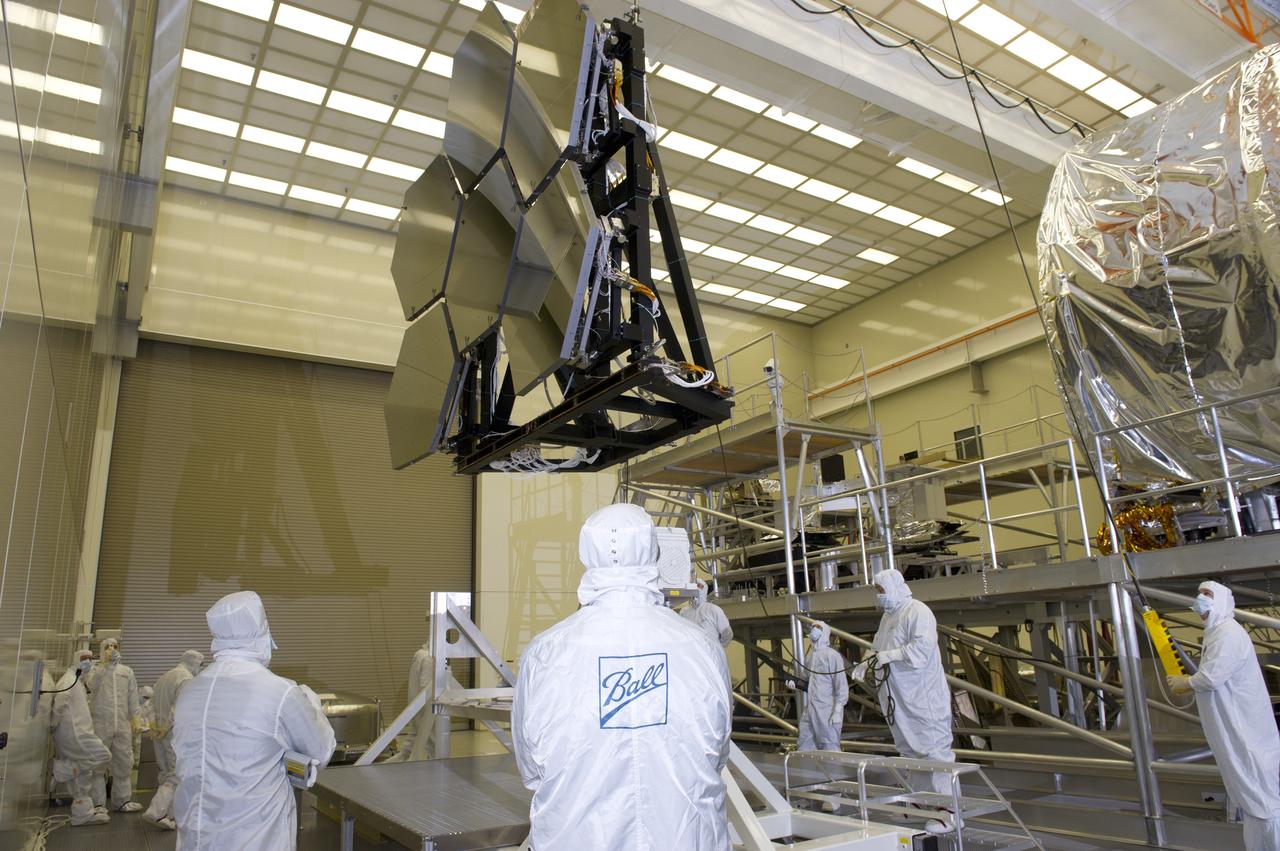
JAMES WEBB SPACE TELESCOPE CRYOGENIC TEST #4 SIX MIRROR DE-INTEGRATION, JULY 13, 2010, MSFC X-RAY & CRYOGENIC FACILITY
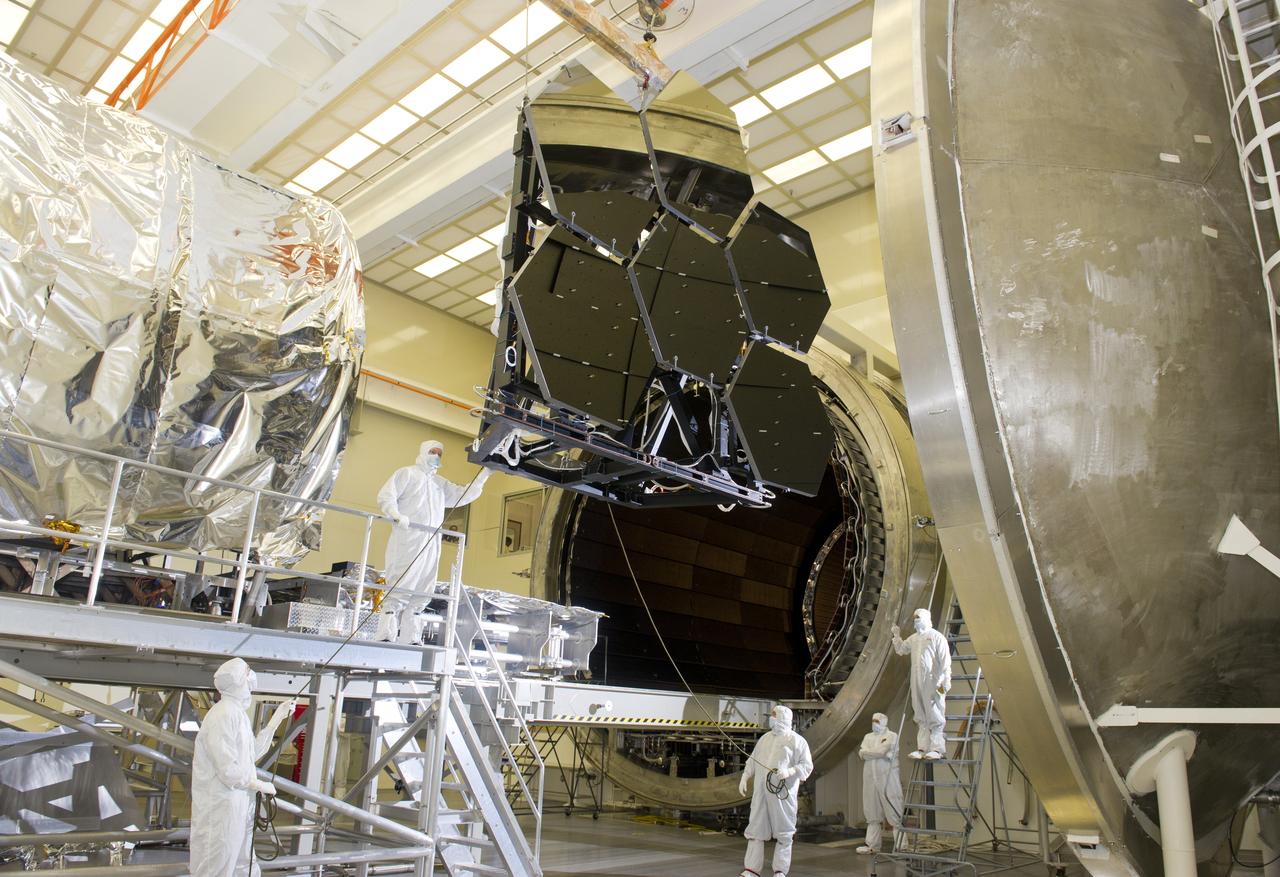
JAMES WEBB SPACE TELESCOPE CRYOGENIC TEST #4 SIX MIRROR DE-INTEGRATION, JULY 13, 2010, MSFC X-RAY & CRYOGENIC FACILITY
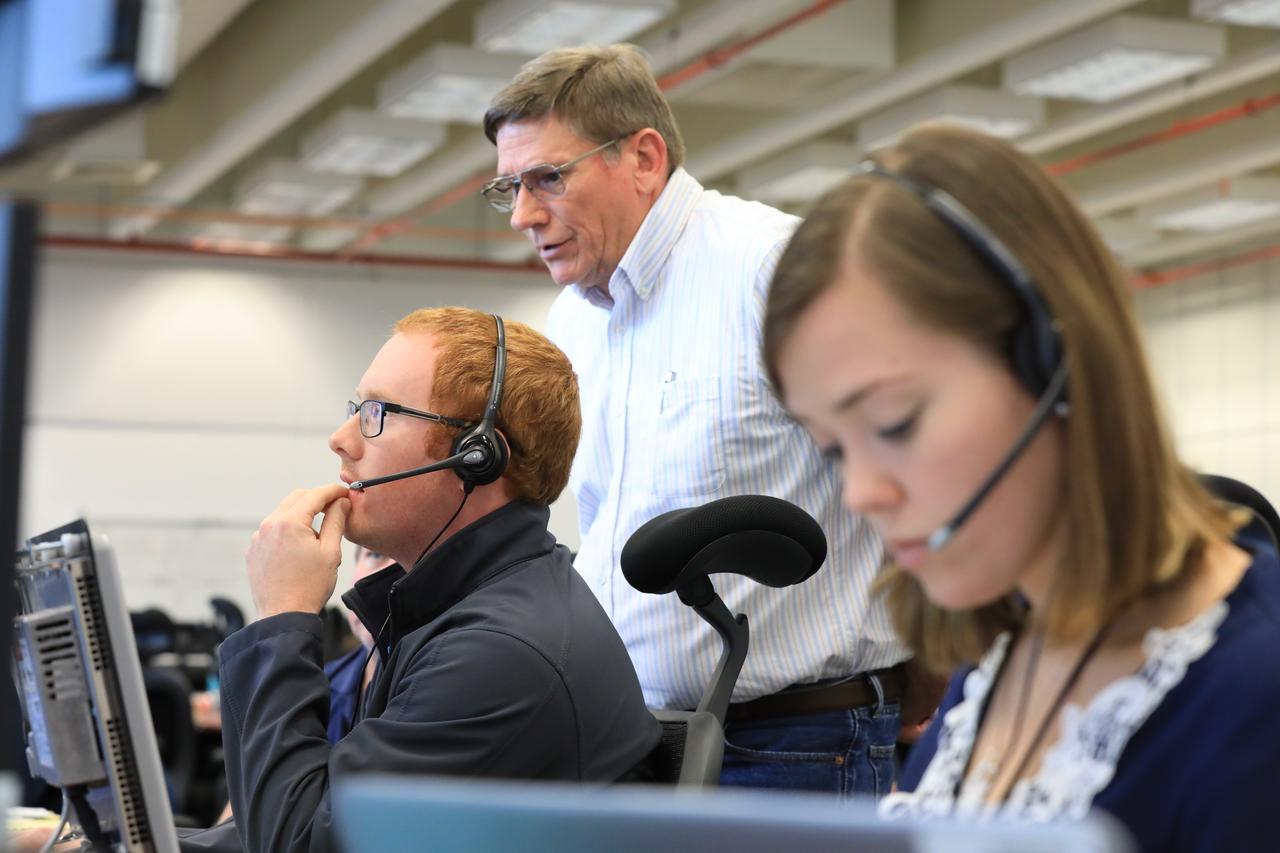
Tom Clark, standing, a manager with contractor ERC, works with Quentin Jones and Emily Hadley, both mechanical engineers for the liquid oxygen system, with ERC, during a countdown demonstration event of cryogenic propellant loading April 12, 2019, inside Firing Room 2 in the Launch Control Center at NASA’s Kennedy Space Center in Florida. The practice simulation involved loading of liquid hydrogen and liquid oxygen into the Space Launch System rocket’s core and upper stages to prepare for Exploration Mission-1 (EM-1). During the tanking exercise, the team worked through surprise issues in real-time. The practice countdown events are training opportunities coordinated by EM-1 Launch Director Charlie Blackwell-Thompson with Exploration Ground Systems.
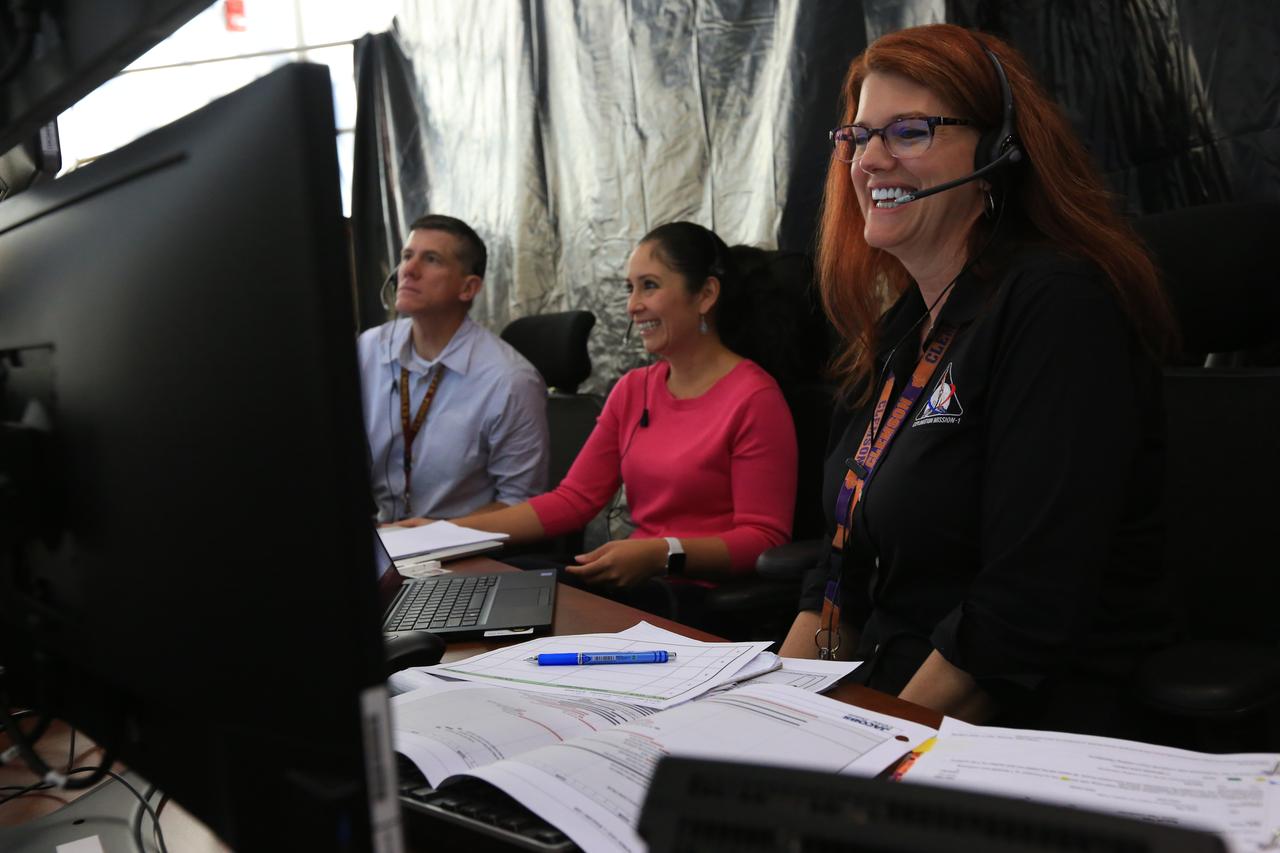
From left, Jeremy Graeber, chief NASA test director; Jessica Parsons, technical assistant to the launch director; and Charlie Blackwell-Thompson, Exploration Mission-1 (EM-1) launch director, participate in a countdown demonstration event of cryogenic propellant loading April 12, 2019, inside Firing Room 2 in the Launch Control Center at NASA’s Kennedy Space Center in Florida. The practice simulation involved loading of liquid hydrogen and liquid oxygen into the Space Launch System rocket’s core and upper stages to prepare for Exploration Mission-1 (EM-1). During the tanking exercise, the team worked through surprise issues in real-time. The practice countdown events are training opportunities coordinated by Blackwell-Thompson with Exploration Ground Systems.
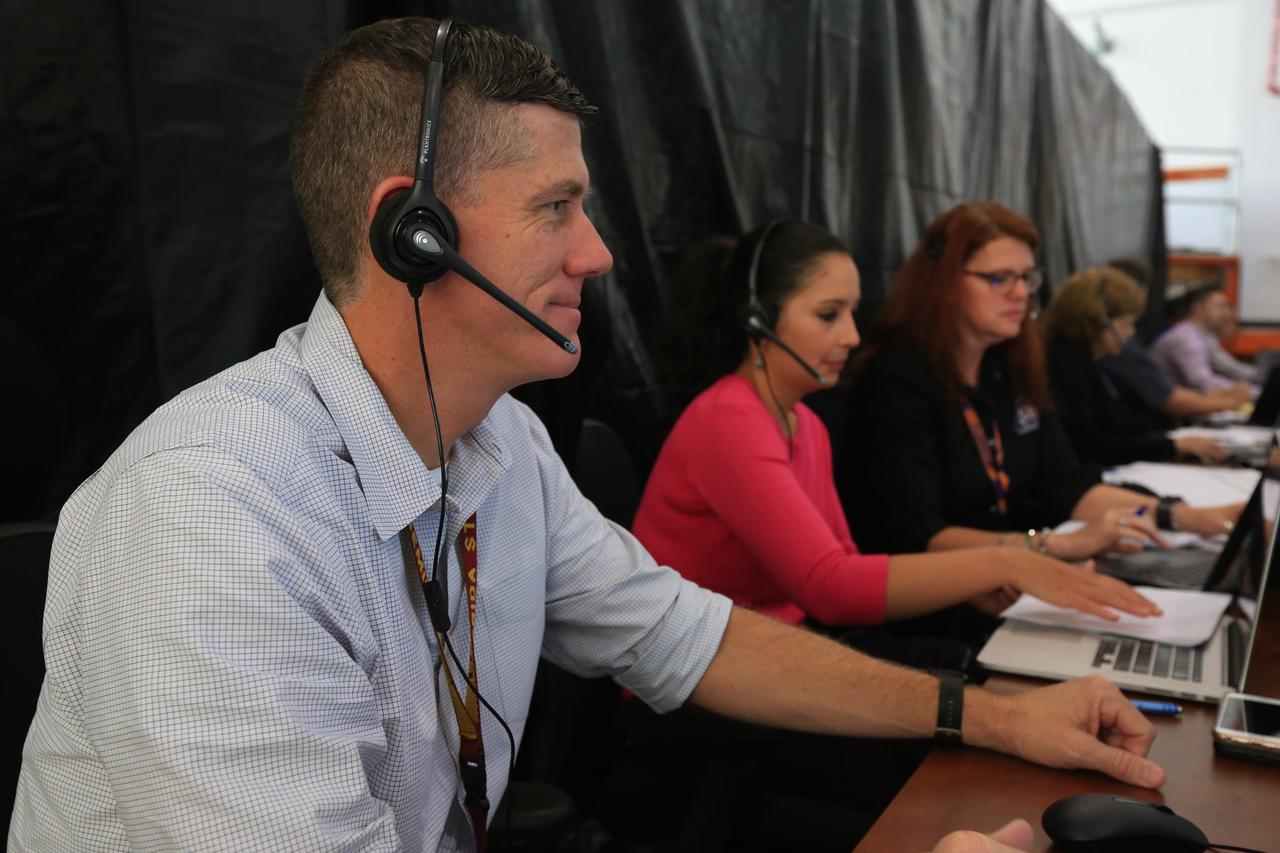
From left, Jeremy Graeber, chief NASA test director; Jessica Parsons, technical assistant to the launch director; and Charlie Blackwell-Thompson, Exploration Mission-1 (EM-1) launch director, participate in a countdown demonstration event of cryogenic propellant loading April 12, 2019, inside Firing Room 2 in the Launch Control Center at NASA’s Kennedy Space Center in Florida. The practice simulation involved loading of liquid hydrogen and liquid oxygen into the Space Launch System rocket’s core and upper stages to prepare for Exploration Mission-1 (EM-1). During the tanking exercise, the team worked through surprise issues in real-time. The practice countdown events are training opportunities coordinated by Blackwell-Thompson with Exploration Ground Systems.
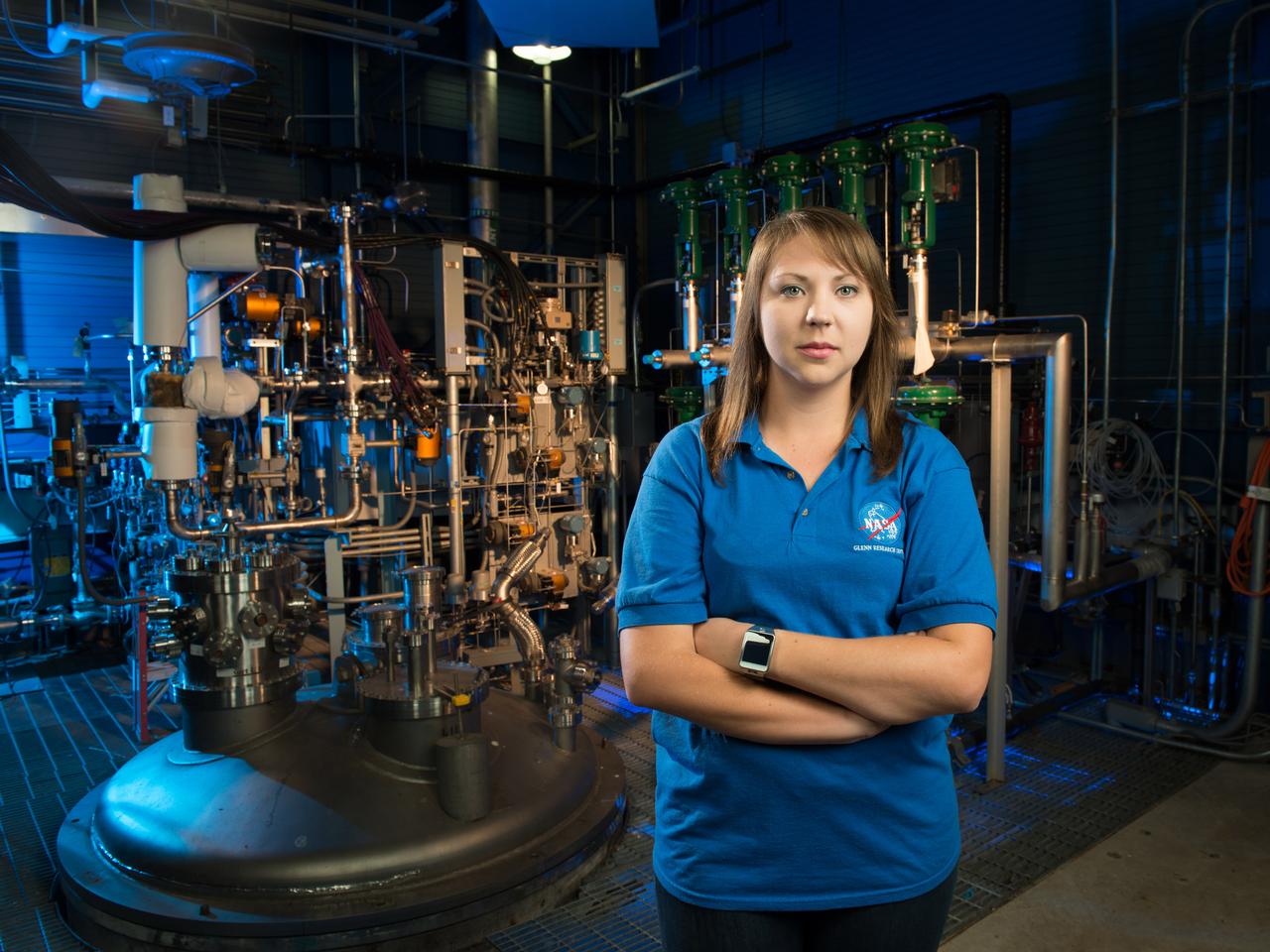
NASA Glenn engineer Monica Guzik in the Small Multi-Purpose Research Facility (SMiRF). The facility provides the ability to simulate the environmental conditions encountered in space for a variety of cryogenic applications such as thermal protection systems, fluid transfer operations and propellant level gauging. SMiRF is a low-cost, small-scale screening facility for concept and component testing of a wide variety of hardware and is capable of testing cryogenic hydrogen, oxygen, methane and nitrogen.
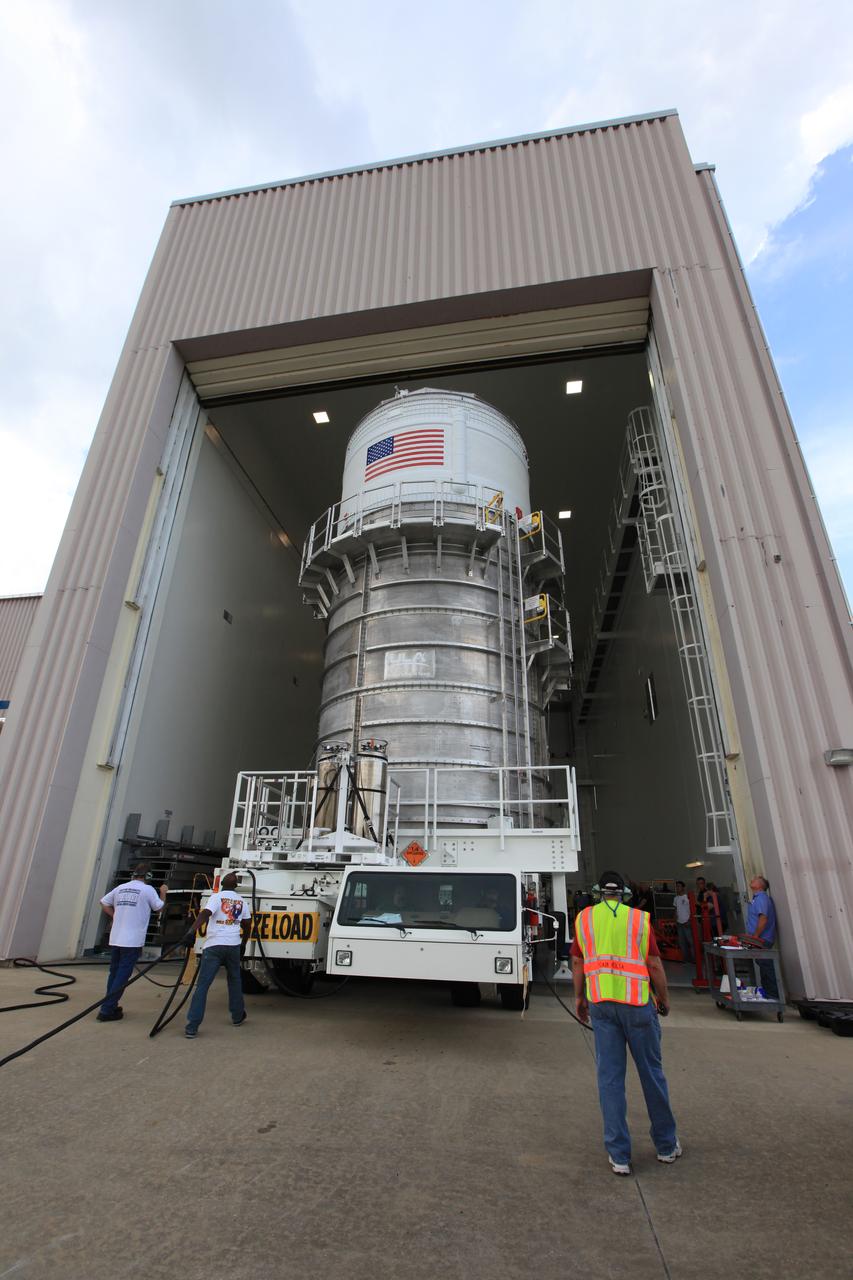
Packed inside its canister, the Interim Cryogenic Propulsion Stage (ICPS) for NASA's Space Launch System (SLS) rocket is moved into the low bay entrance of the Space Station Processing Facility at NASA's Kennedy Space Center in Florida. The ICPS is the first integrated piece of flight hardware to arrive for the SLS. It is the in-space stage that is located toward the top of the rocket, between the Launch Vehicle Stage Adapter and the Orion Spacecraft Adapter. It will provide some of the in-space propulsion during Orion's first flight test atop the SLS on Exploration Mission-1.
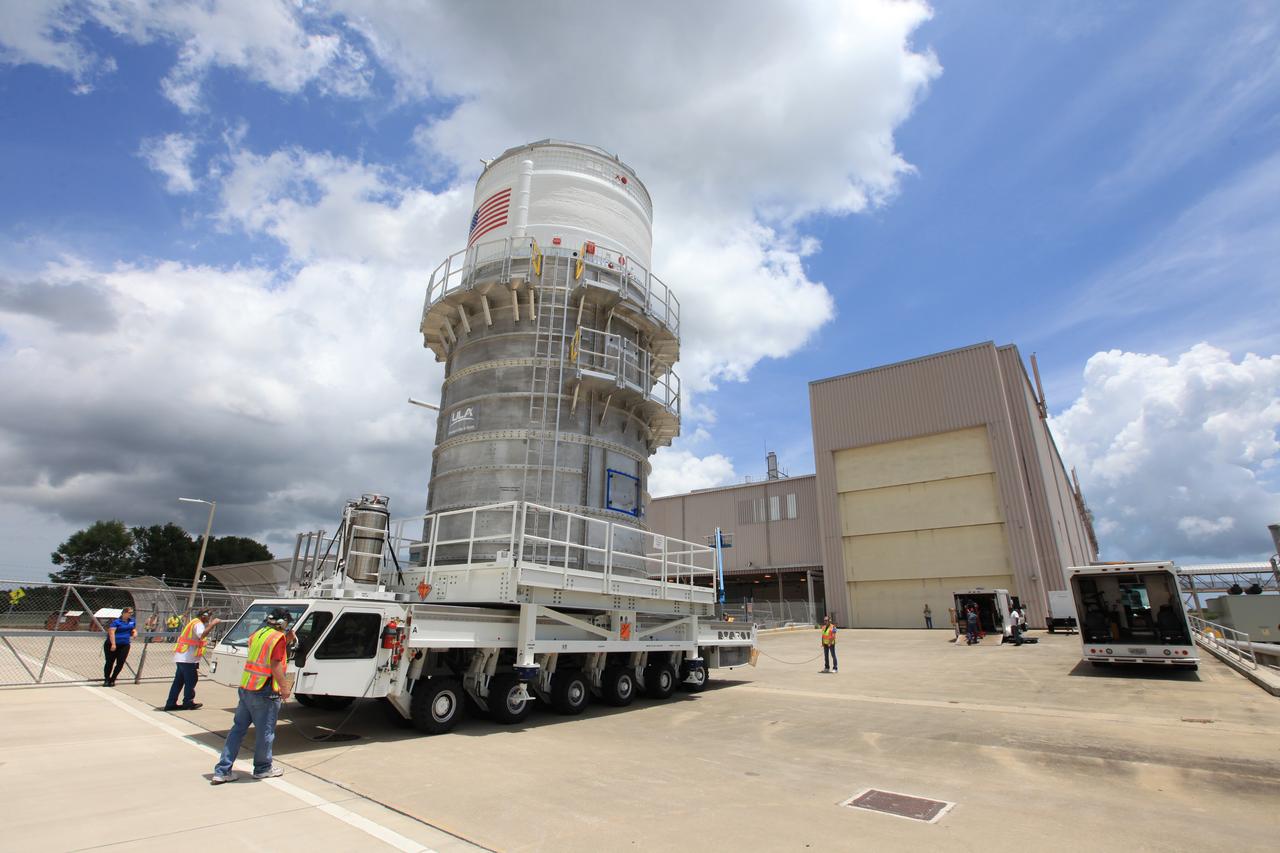
Packed inside its canister, the Interim Cryogenic Propulsion Stage (ICPS) for NASA's Space Launch System (SLS) rocket arrives at the low bay entrance of the Space Station Processing Facility at NASA's Kennedy Space Center in Florida. The ICPS is the first integrated piece of flight hardware to arrive for the SLS. It is the in-space stage that is located toward the top of the rocket, between the Launch Vehicle Stage Adapter and the Orion Spacecraft Adapter. It will provide some of the in-space propulsion during Orion's first flight test atop the SLS on Exploration Mission-1.
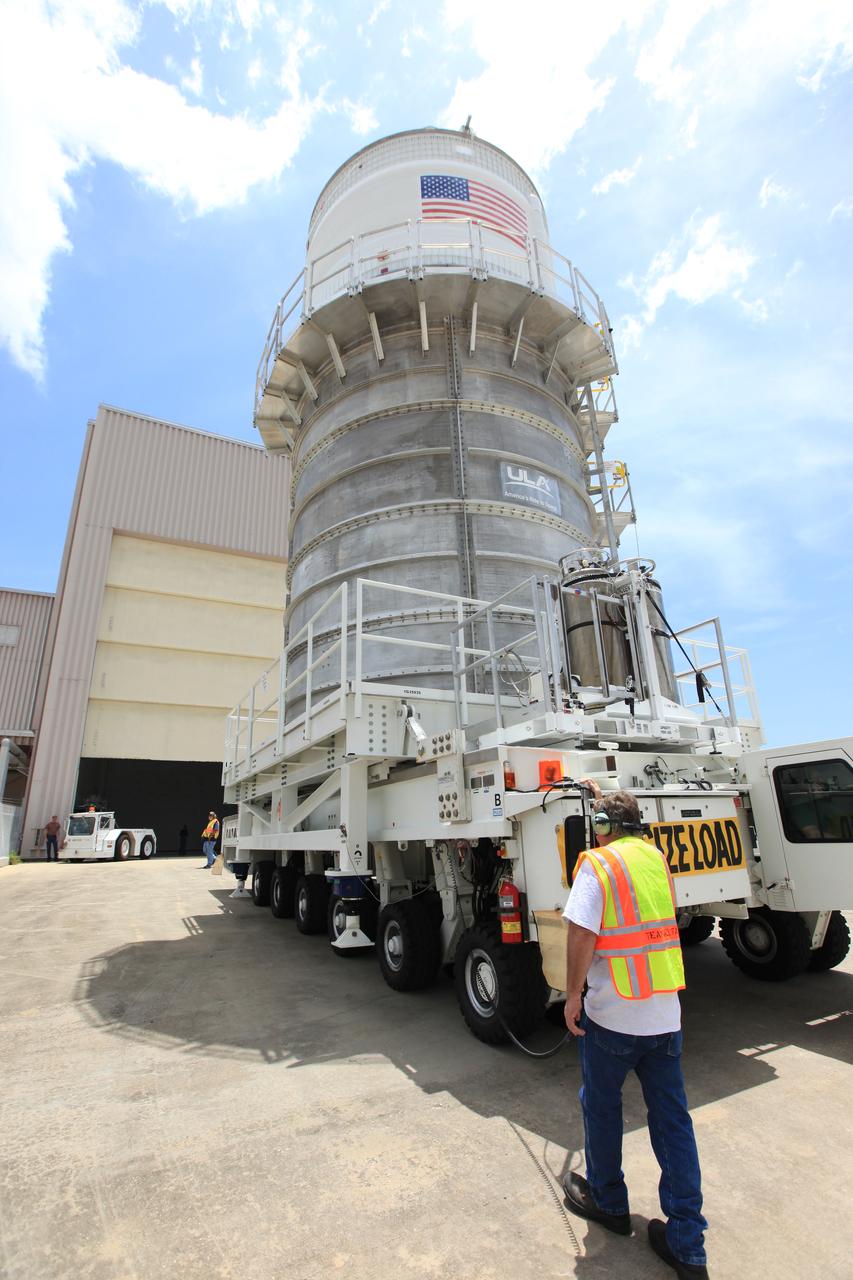
Packed inside its canister, the Interim Cryogenic Propulsion Stage (ICPS) for NASA's Space Launch System (SLS) rocket arrives at the low bay entrance of the Space Station Processing Facility at NASA's Kennedy Space Center in Florida. The ICPS is the first integrated piece of flight hardware to arrive for the SLS. It is the in-space stage that is located toward the top of the rocket, between the Launch Vehicle Stage Adapter and the Orion Spacecraft Adapter. It will provide some of the in-space propulsion during Orion's first flight test atop the SLS on Exploration Mission-1.
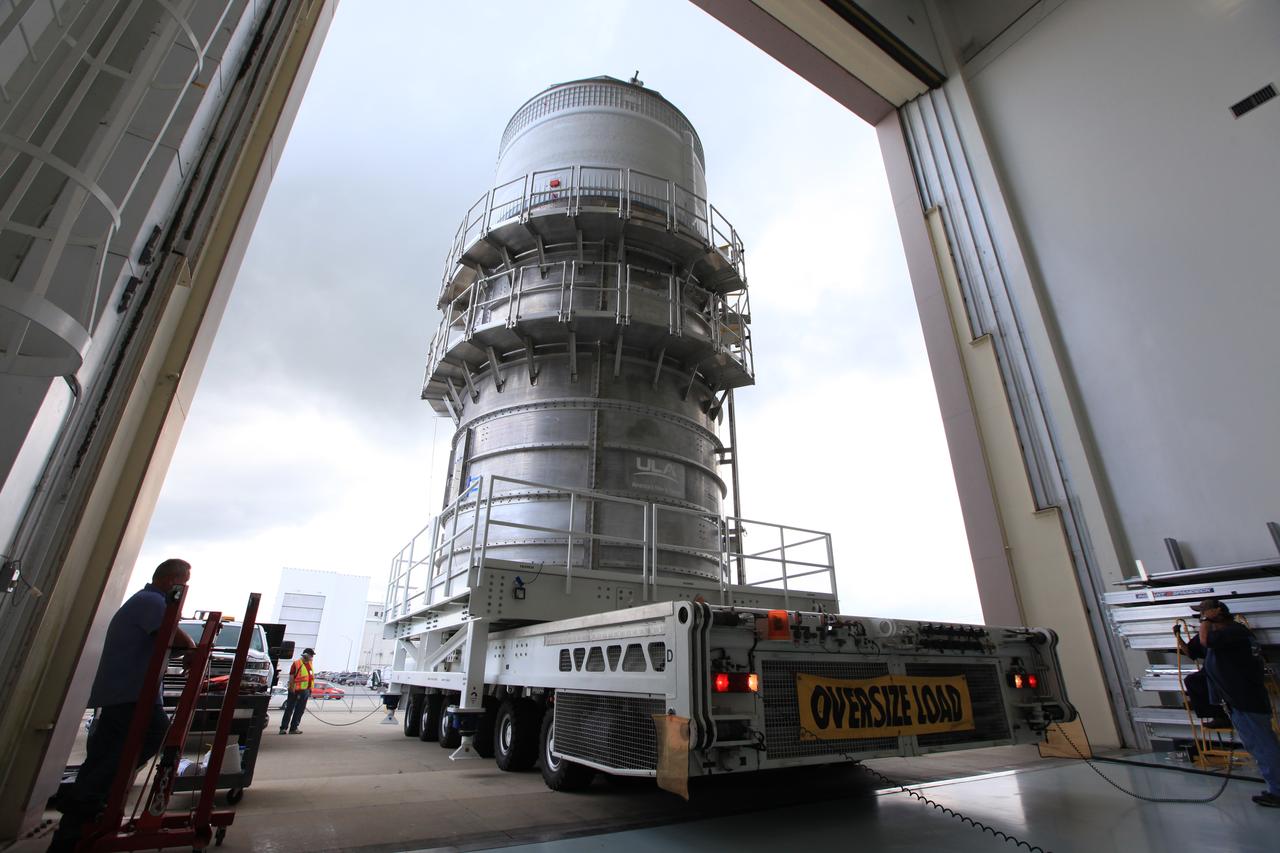
Packed inside its canister, the Interim Cryogenic Propulsion Stage (ICPS) for NASA's Space Launch System (SLS) rocket is moved into the low bay entrance of the Space Station Processing Facility at NASA's Kennedy Space Center in Florida. The ICPS is the first integrated piece of flight hardware to arrive for the SLS. It is the in-space stage that is located toward the top of the rocket, between the Launch Vehicle Stage Adapter and the Orion Spacecraft Adapter. It will provide some of the in-space propulsion during Orion's first flight test atop the SLS on Exploration Mission-1.
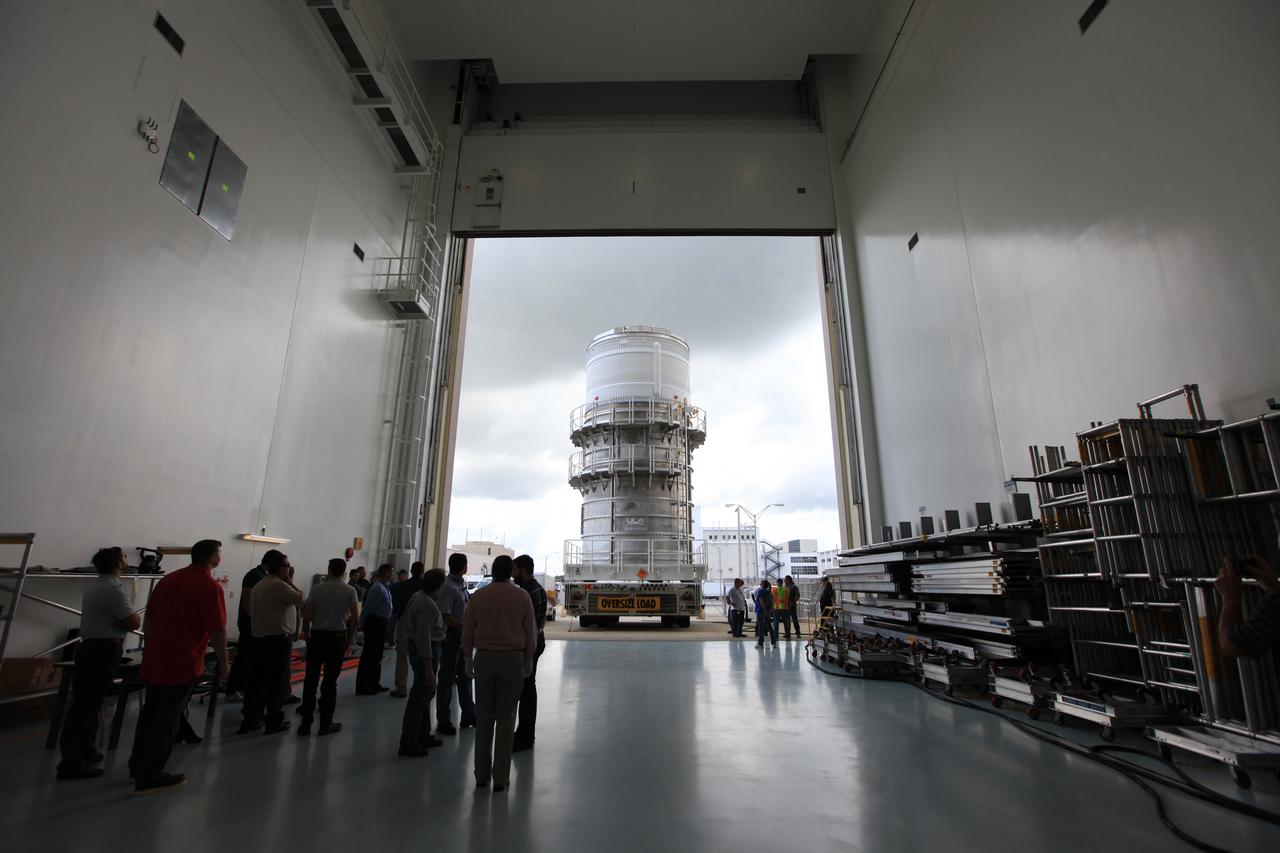
Packed inside its canister, the Interim Cryogenic Propulsion Stage (ICPS) for NASA's Space Launch System (SLS) rocket arrives at the low bay entrance of the Space Station Processing Facility at NASA's Kennedy Space Center in Florida. The ICPS is the first integrated piece of flight hardware to arrive for the SLS. It is the in-space stage that is located toward the top of the rocket, between the Launch Vehicle Stage Adapter and the Orion Spacecraft Adapter. It will provide some of the in-space propulsion during Orion's first flight test atop the SLS on Exploration Mission-1.
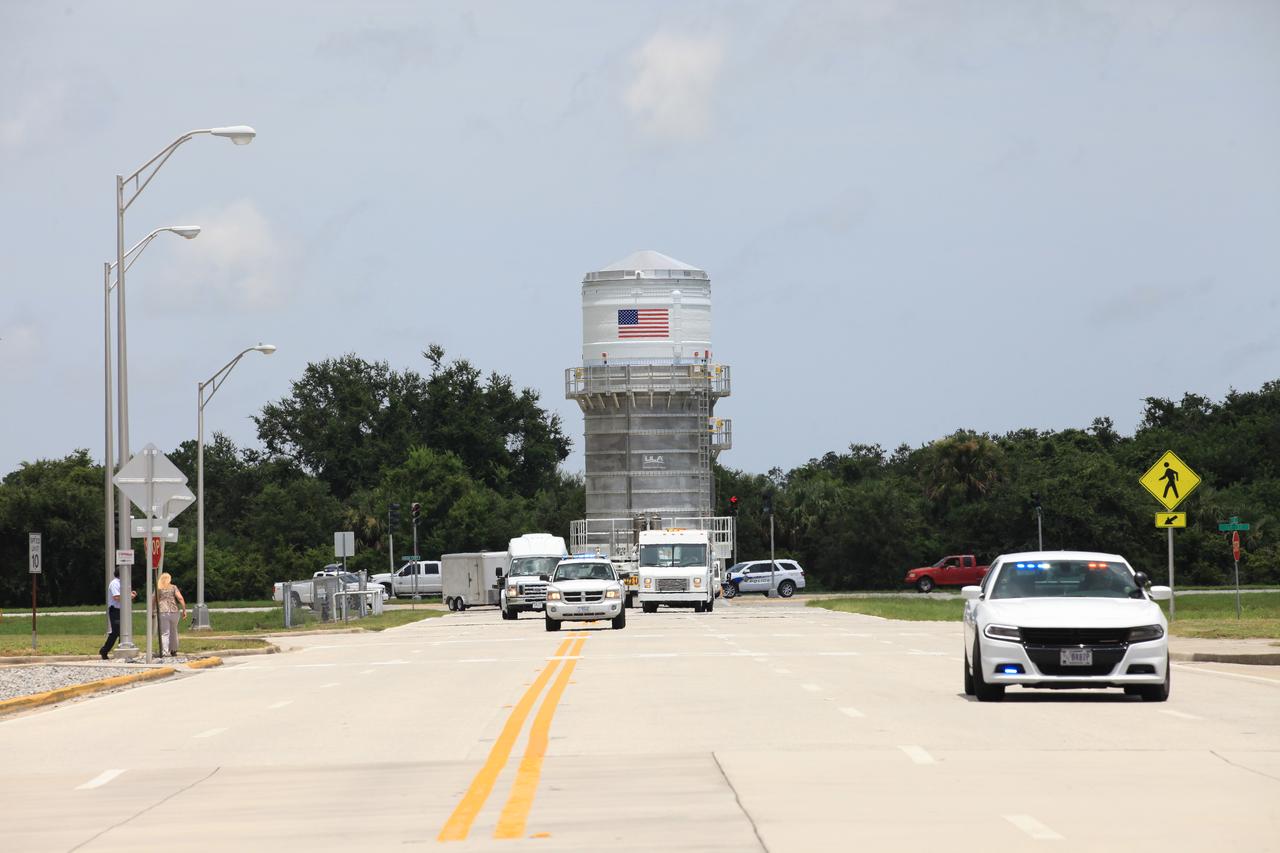
Packed inside its canister, the Interim Cryogenic Propulsion Stage (ICPS) for NASA's Space Launch System (SLS) rocket is being transported to the Space Station Processing Facility at NASA's Kennedy Space Center in Florida. The ICPS is the first integrated piece of flight hardware to arrive for the SLS. It is the in-space stage that is located toward the top of the rocket, between the Launch Vehicle Stage Adapter and the Orion Spacecraft Adapter. It will provide some of the in-space propulsion during Orion's first flight test atop the SLS on Exploration Mission-1.
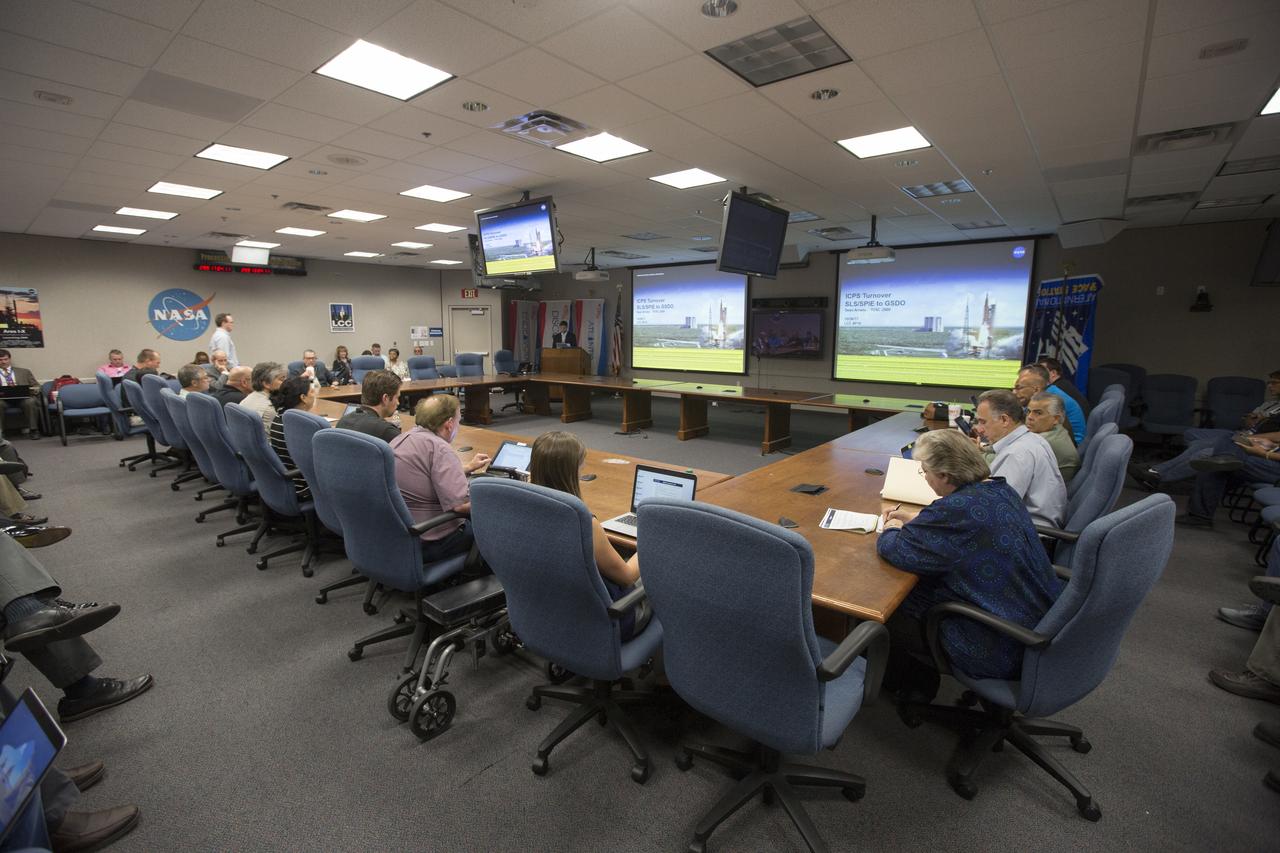
Meeting in the Launch Control Center of NASA's Kennedy Space Center in Florida, officials of the agency's Spacecraft/Payload Integration and Evolution (SPIE) organization formally turn over processing of the Space Launch System (SLS) rocket's Interim Cryogenic Propulsion Stage (ICPS) to the center's Ground Systems Development and Operations (GSDO) directorate. The ICPS is the first integrated piece of flight hardware to arrive in preparation for the uncrewed Exploration Mission-1. With the Orion attached, the ICPS sits atop the SLS rocket and will provide the spacecraft with the additional thrust needed to travel tens of thousands of miles beyond the Moon.
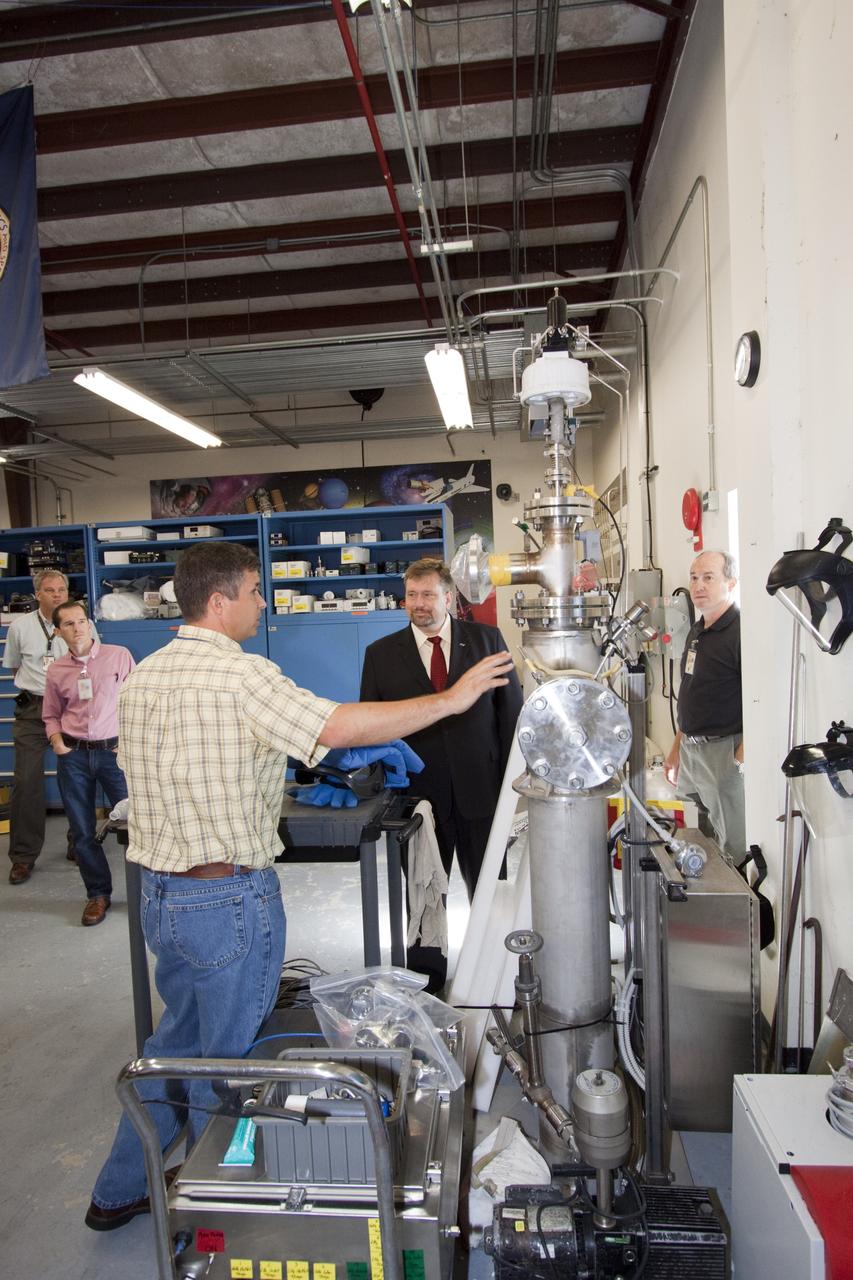
CAPE CANAVERAL, Fla. – Jared Sass talks to Dr. Mason Peck, NASA's chief technologist, inside the Cryogenics lab at NASA's Kennedy Space Center in Florida as Robert Johnson, left, Adam Swanger and James Fesmire look on. Photo credit: NASA/Jim Grossmann
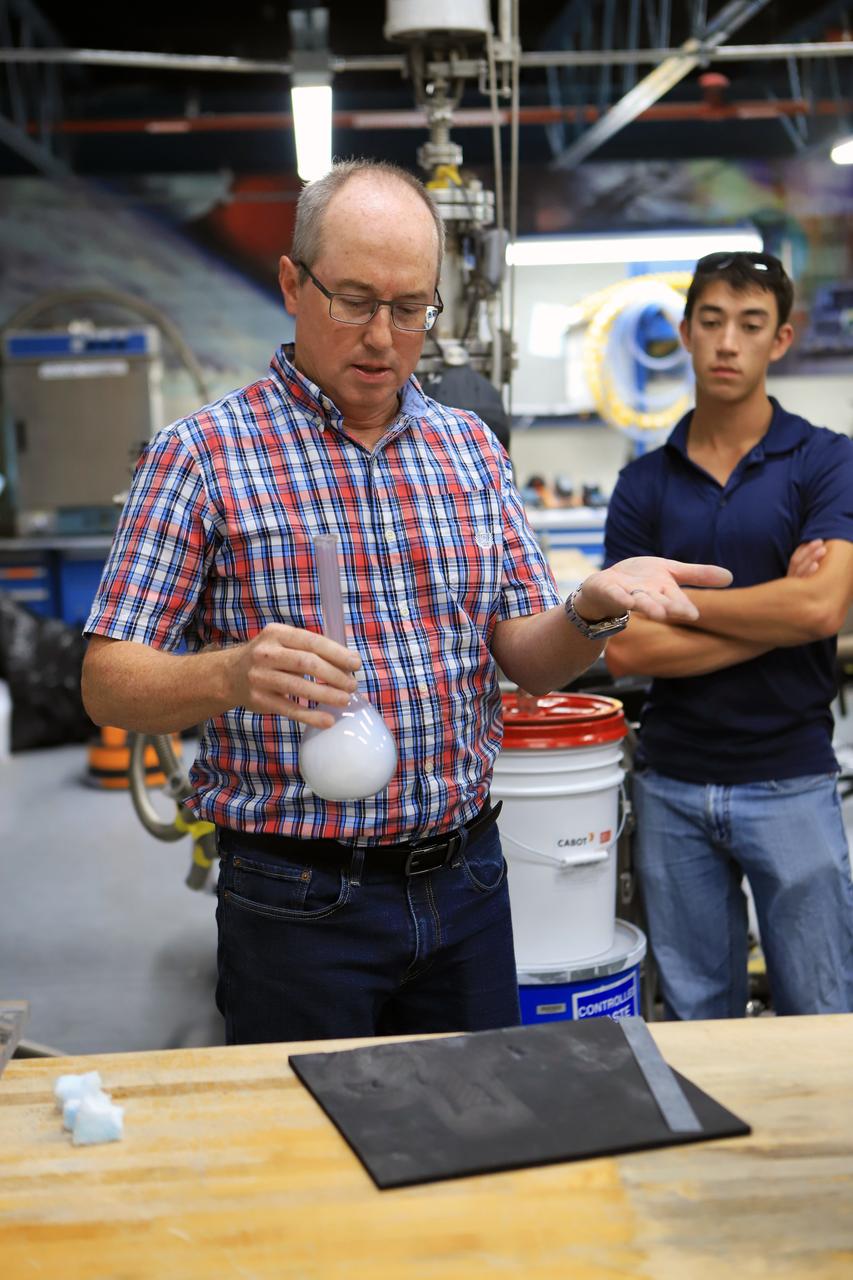
James Fesmire, Ph.D., left, NASA lead engineer for the Cryogenics Testbed, and Adam Swanger, cryogenics engineer, hold a training session on Nov. 6, 2018, at the Cryogenics Laboratory at NASA's Kennedy Space Center in Florida. The training is for personnel who will be working to insulate pipes on the mobile launcher (ML). The ML is equipped with cryogenic fluid lines that will deliver hydrogen and oxygen to NASA's Space Launch System rocket. The lines must be kept well-insulated to maintain temperatures cold enough to keep fluids in a liquid state. In a new process, workers are learning how to pack spaces between pipes with aerogel granules in the same manner as they will on the ML.
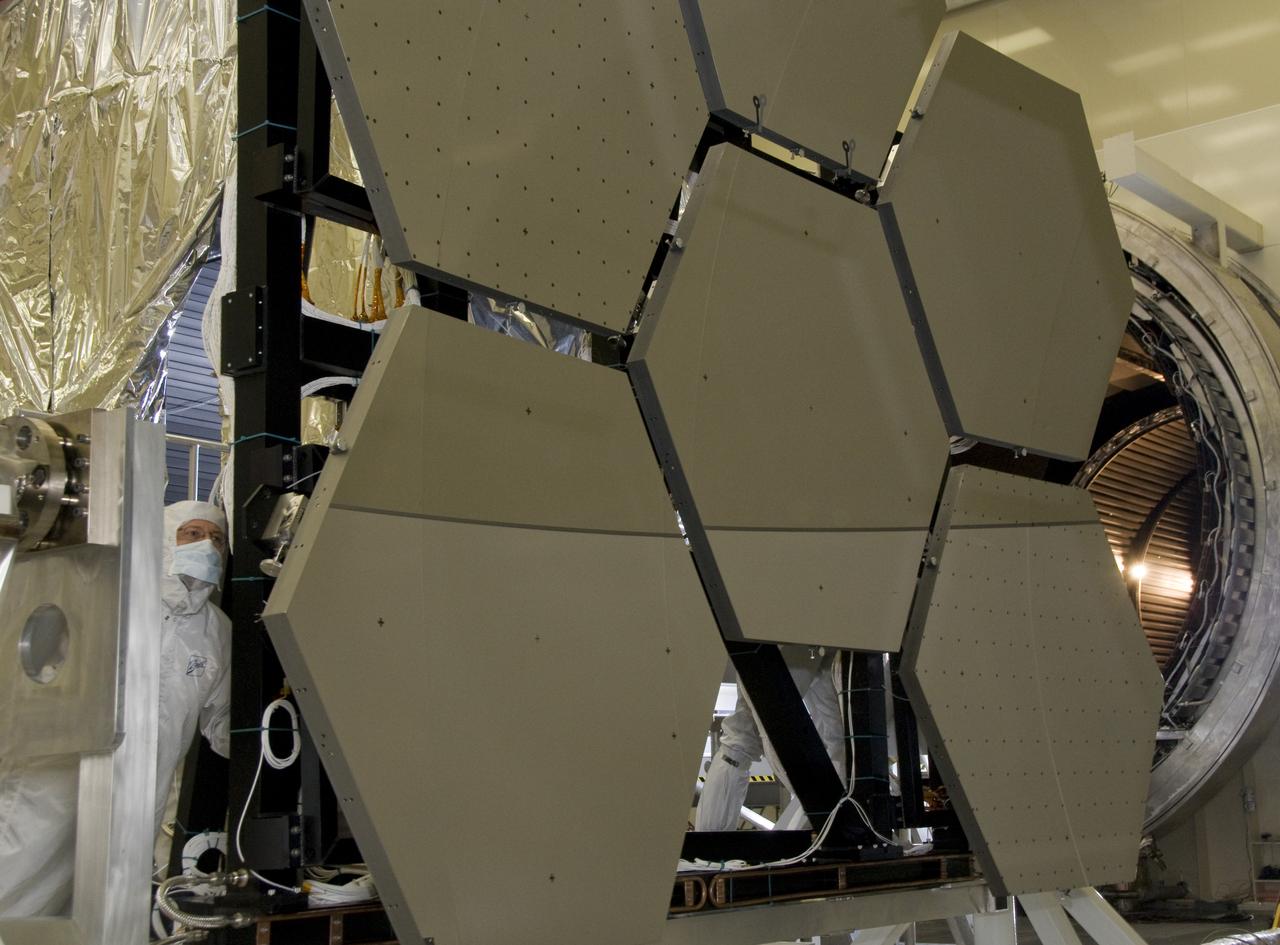
SIX OF THE EIGHTEEN JAMES WEBB SPACE TELESCOPE MIRROR SEGMENTS ARE BEING PREPPED TO MOVE INTO THE X-RAY AND CRYOGENIC FACILITY FOR TESTING.
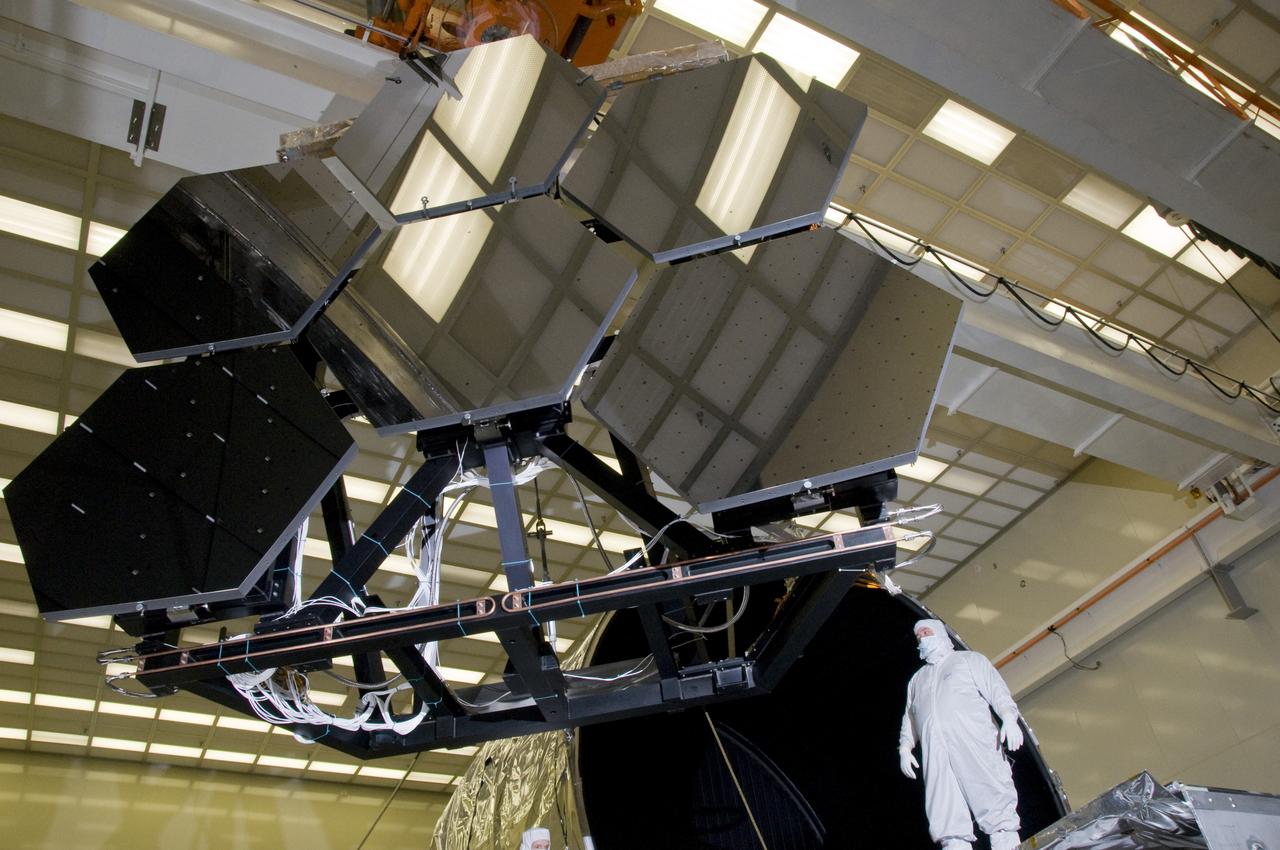
SIX OF THE EIGHTEEN JAMES WEBB SPACE TELESCOPE MIRROR SEGMENTS ARE BEING PREPPED TO MOVE INTO THE X-RAY AND CRYOGENIC FACILITY FOR TESTING.
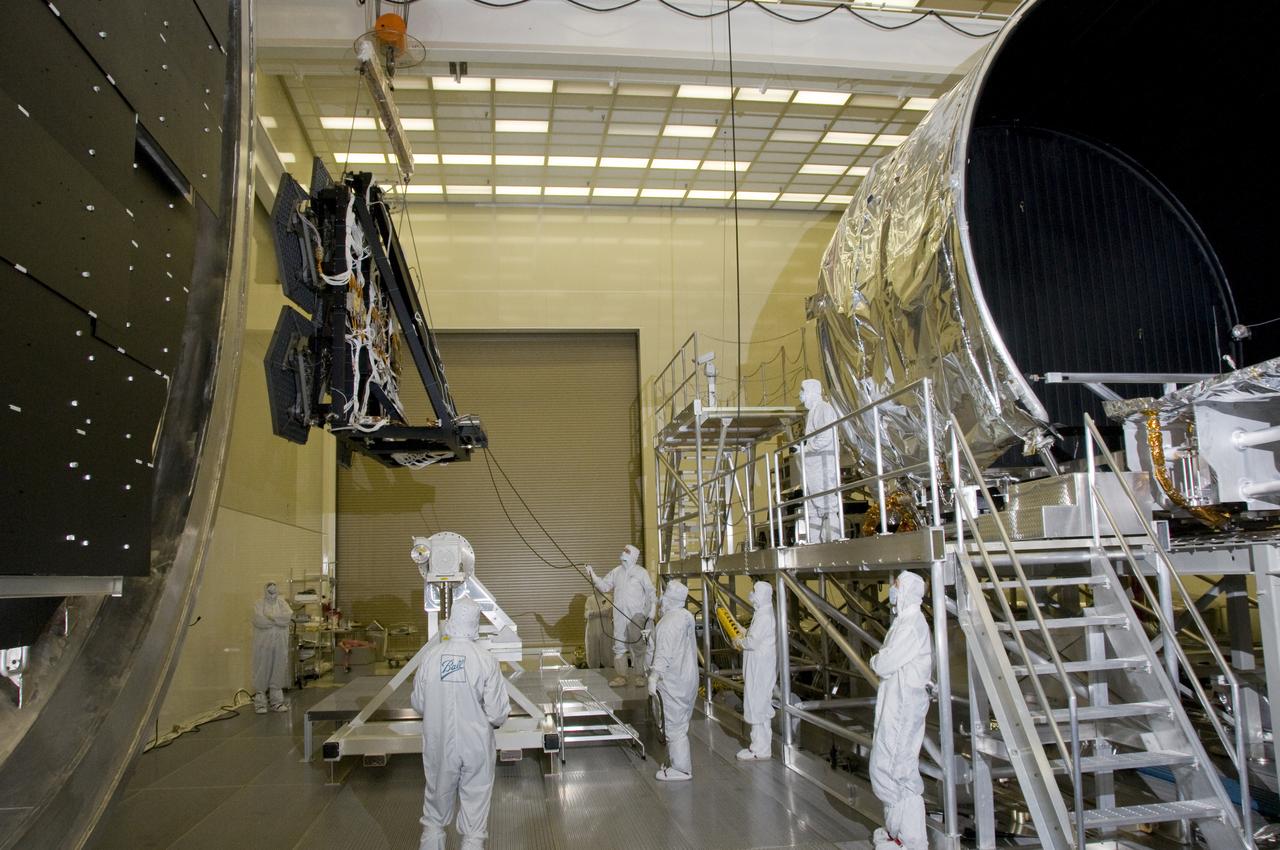
SIX OF THE EIGHTEEN JAMES WEBB SPACE TELESCOPE MIRROR SEGMENTS ARE BEING PREPPED TO MOVE INTO THE X-RAY AND CRYOGENIC FACILITY FOR TESTING.
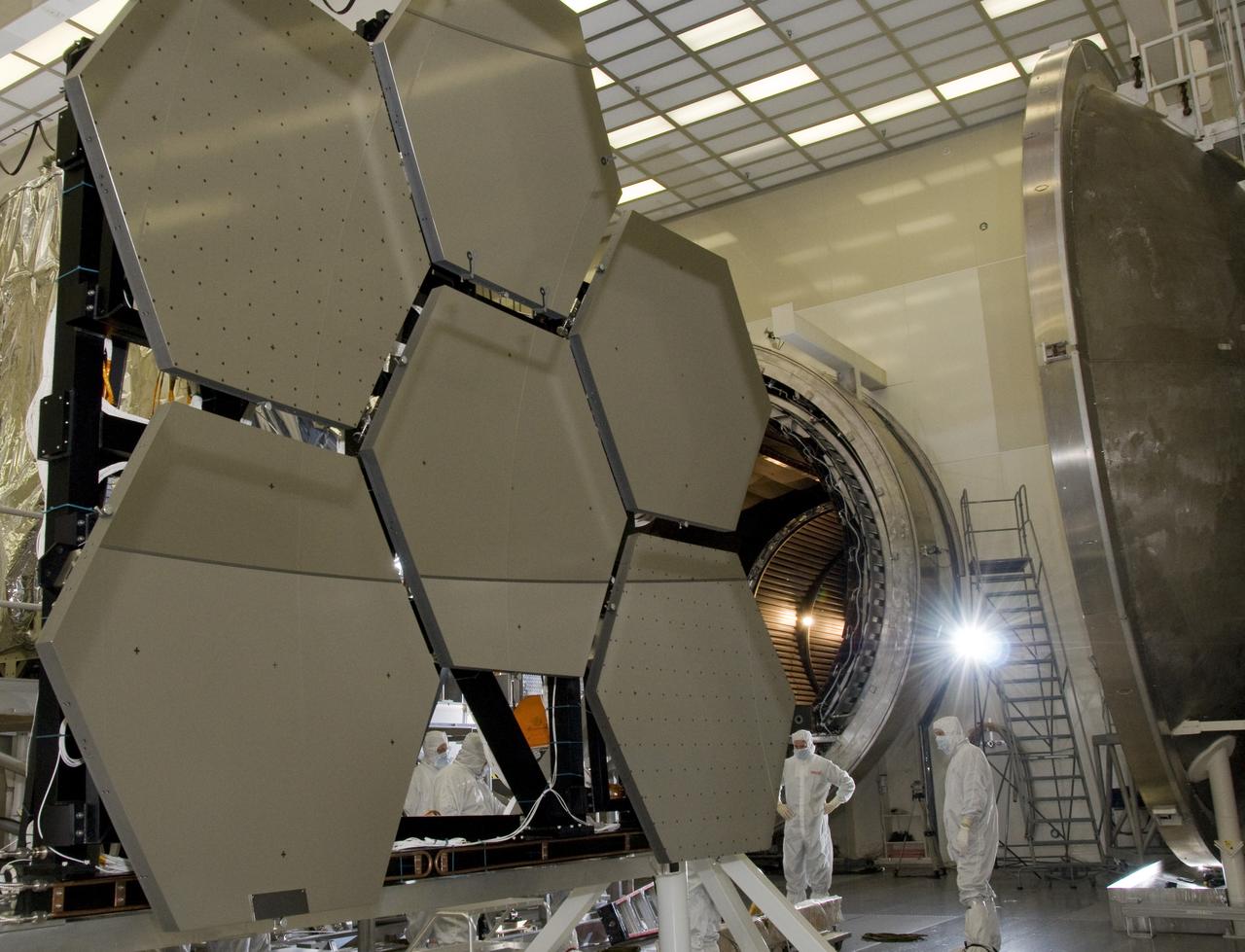
SIX OF THE EIGHTEEN JAMES WEBB SPACE TELESCOPE MIRROR SEGMENTS ARE BEING PREPPED TO MOVE INTO THE X-RAY AND CRYOGENIC FACILITY FOR TESTING.
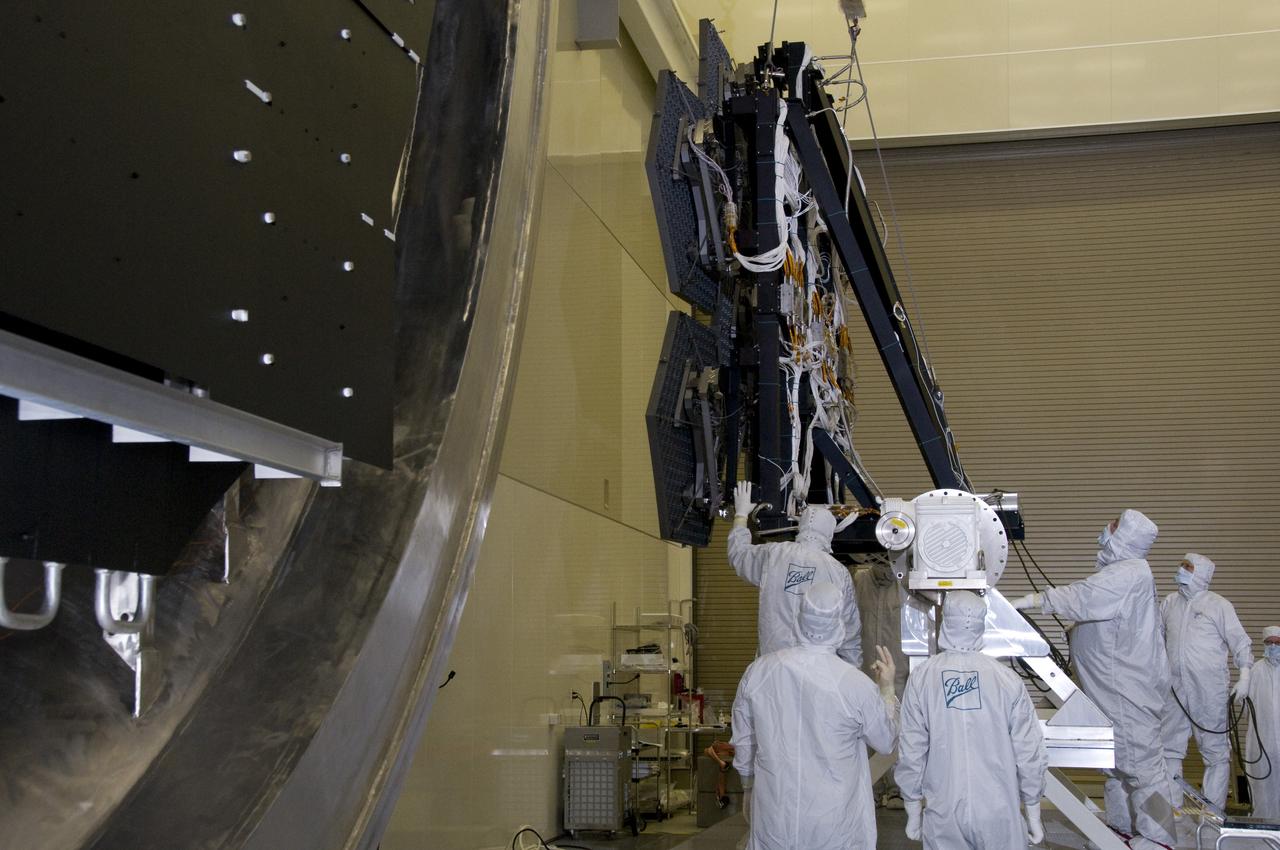
SIX OF THE EIGHTEEN JAMES WEBB SPACE TELESCOPE MIRROR SEGMENTS ARE BEING PREPPED TO MOVE INTO THE X-RAY AND CRYOGENIC FACILITY FOR TESTING.
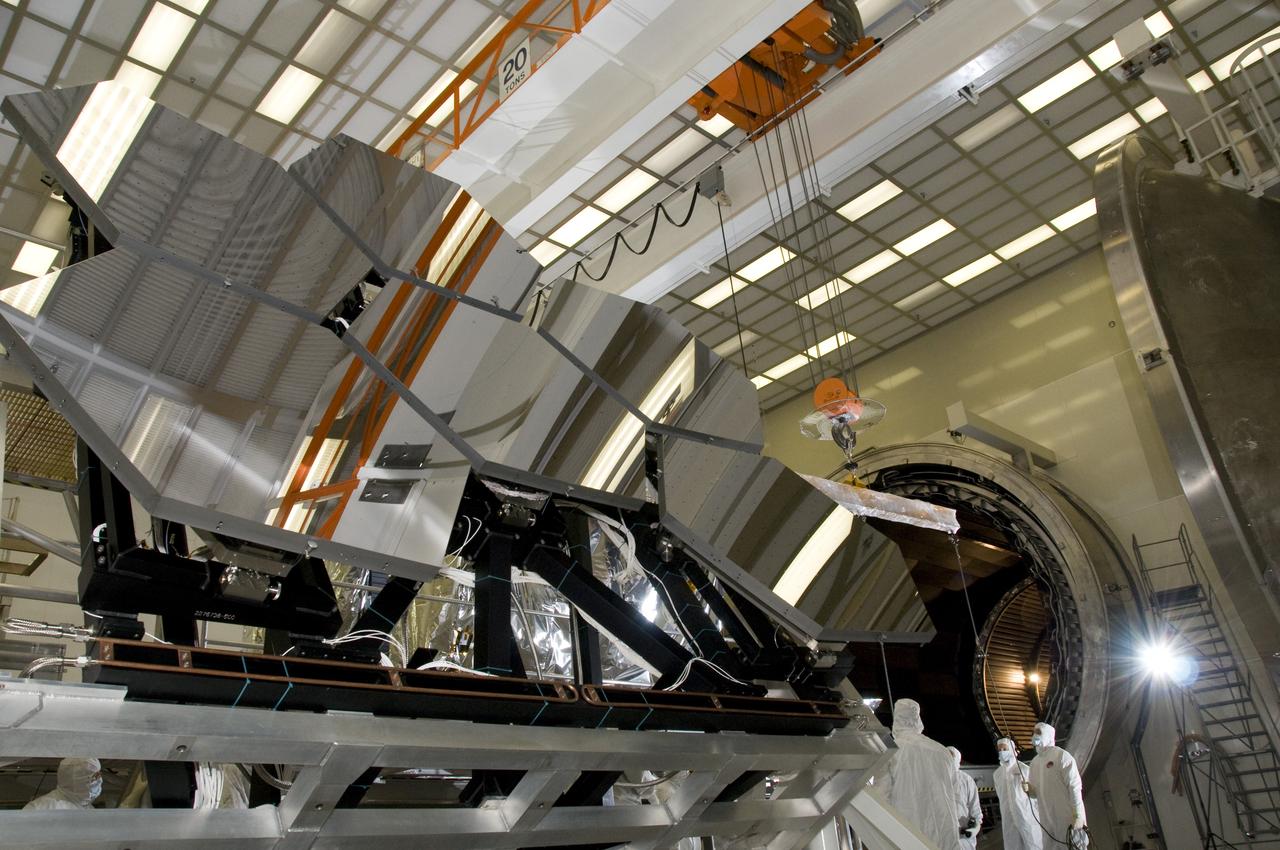
SIX OF THE EIGHTEEN JAMES WEBB SPACE TELESCOPE MIRROR SEGMENTS ARE BEING PREPPED TO MOVE INTO THE X-RAY AND CRYOGENIC FACILITY FOR TESTING.
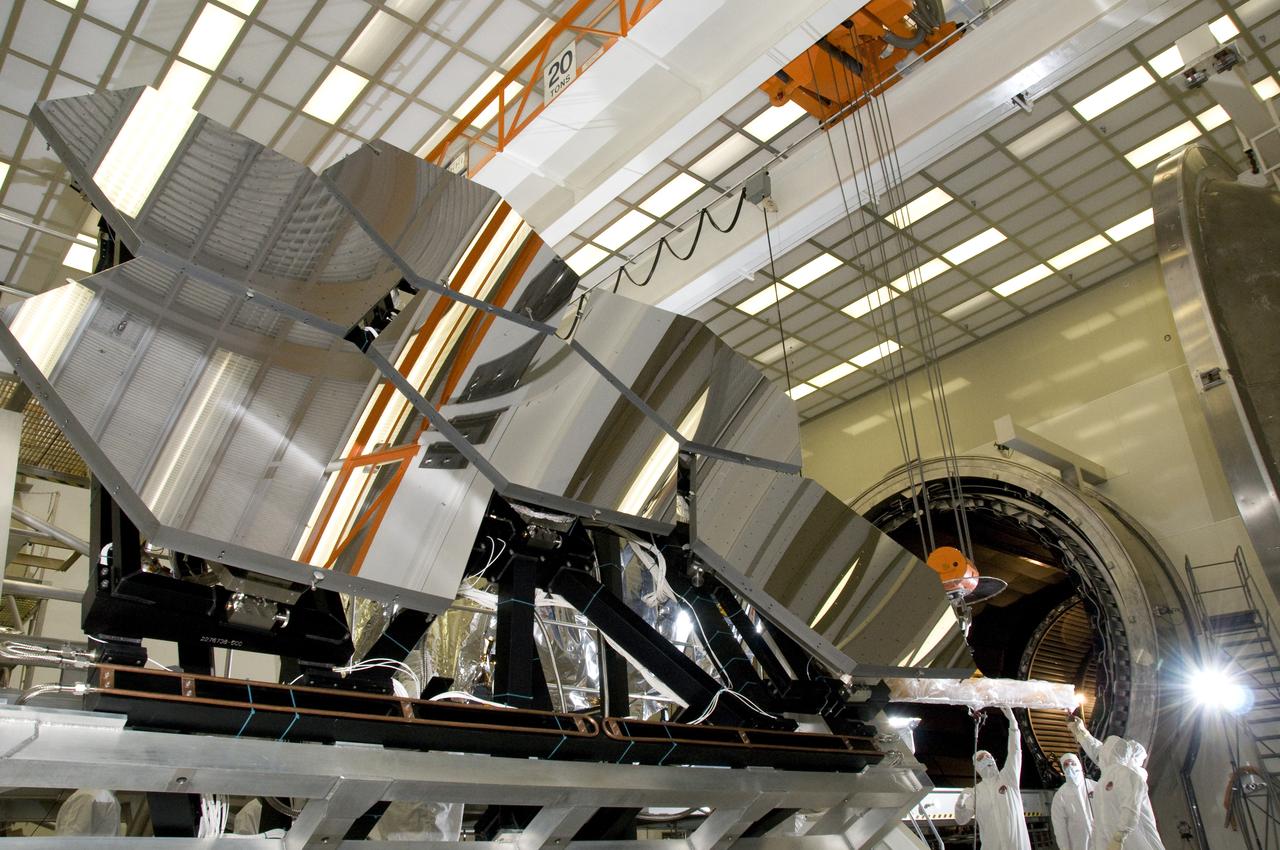
SIX OF THE EIGHTEEN JAMES WEBB SPACE TELESCOPE MIRROR SEGMENTS ARE BEING PREPPED TO MOVE INTO THE X-RAY AND CRYOGENIC FACILITY FOR TESTING.
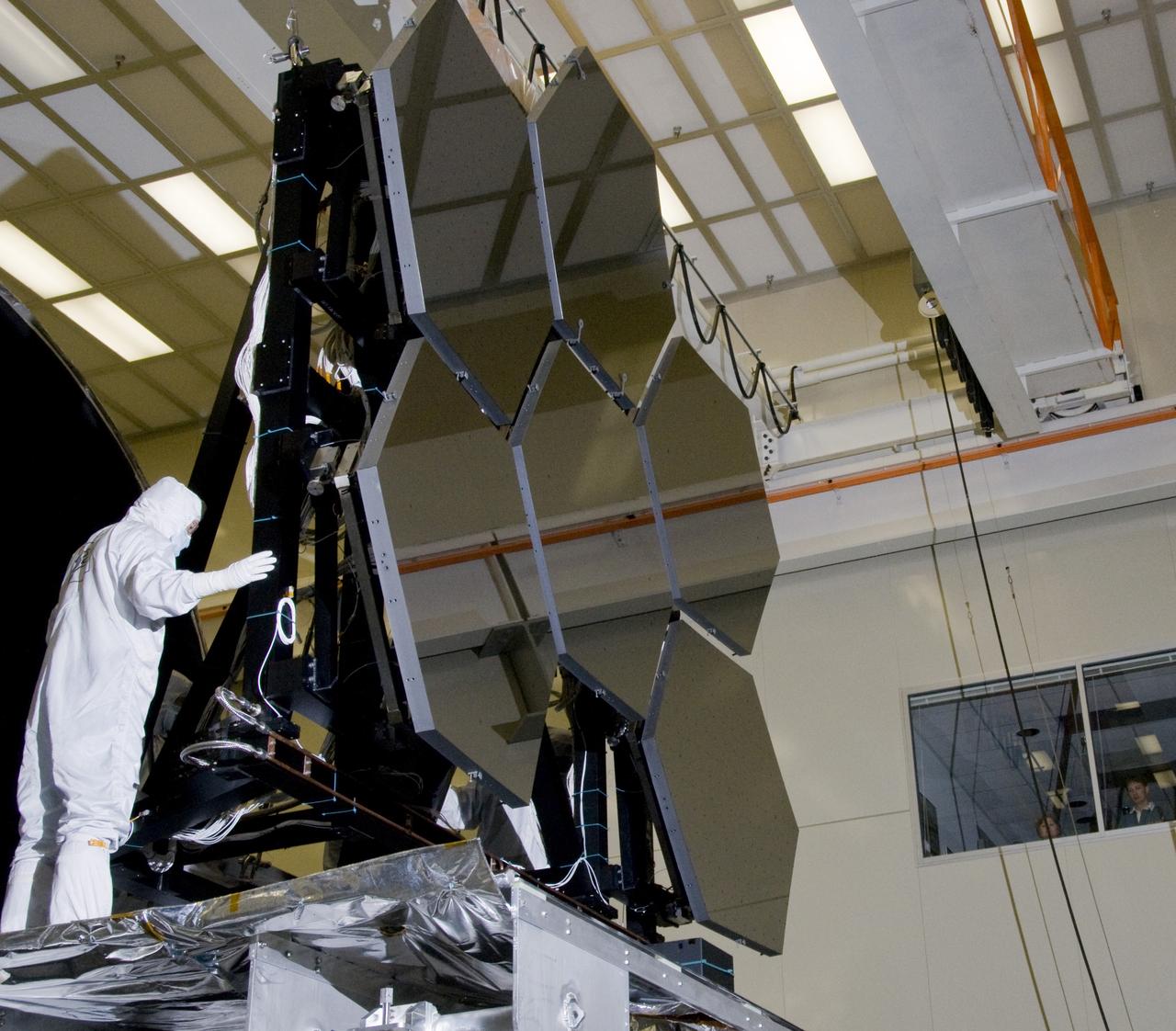
SIX OF THE EIGHTEEN JAMES WEBB SPACE TELESCOPE MIRROR SEGMENTS ARE BEING PREPPED TO MOVE INTO THE X-RAY AND CRYOGENIC FACILITY FOR TESTING.
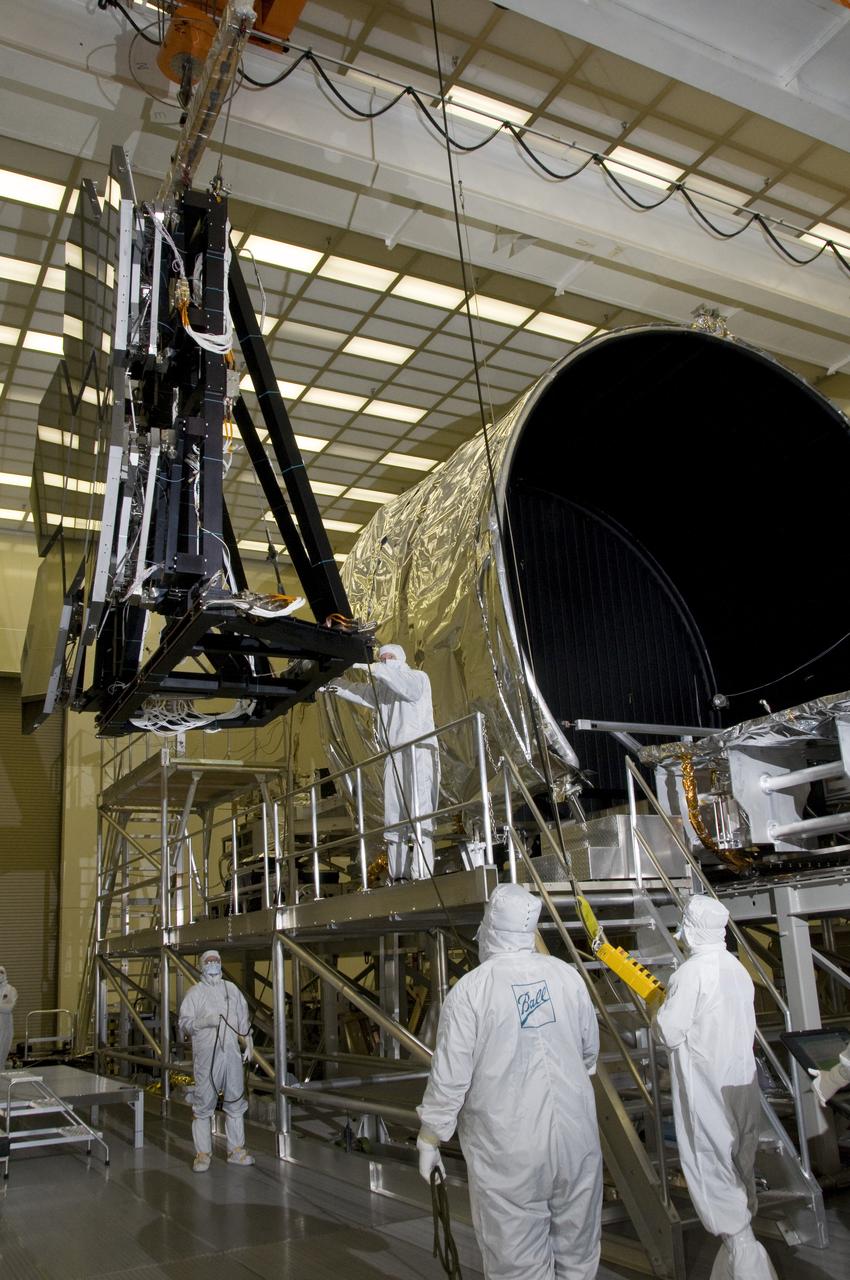
SIX OF THE EIGHTEEN JAMES WEBB SPACE TELESCOPE MIRROR SEGMENTS ARE BEING PREPPED TO MOVE INTO THE X-RAY AND CRYOGENIC FACILITY FOR TESTING.
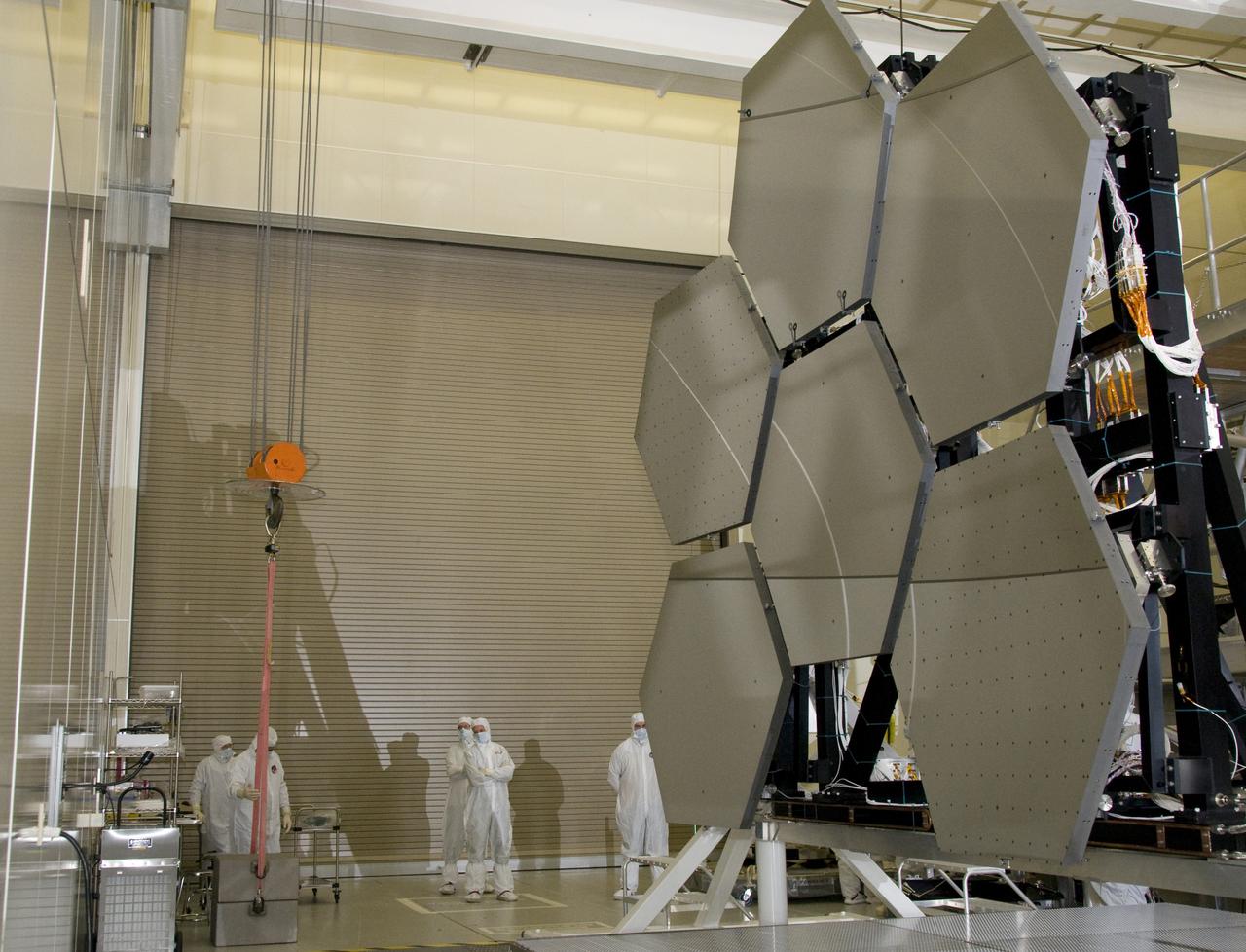
SIX OF THE EIGHTEEN JAMES WEBB SPACE TELESCOPE MIRROR SEGMENTS ARE BEING PREPPED TO MOVE INTO THE X-RAY AND CRYOGENIC FACILITY FOR TESTING.
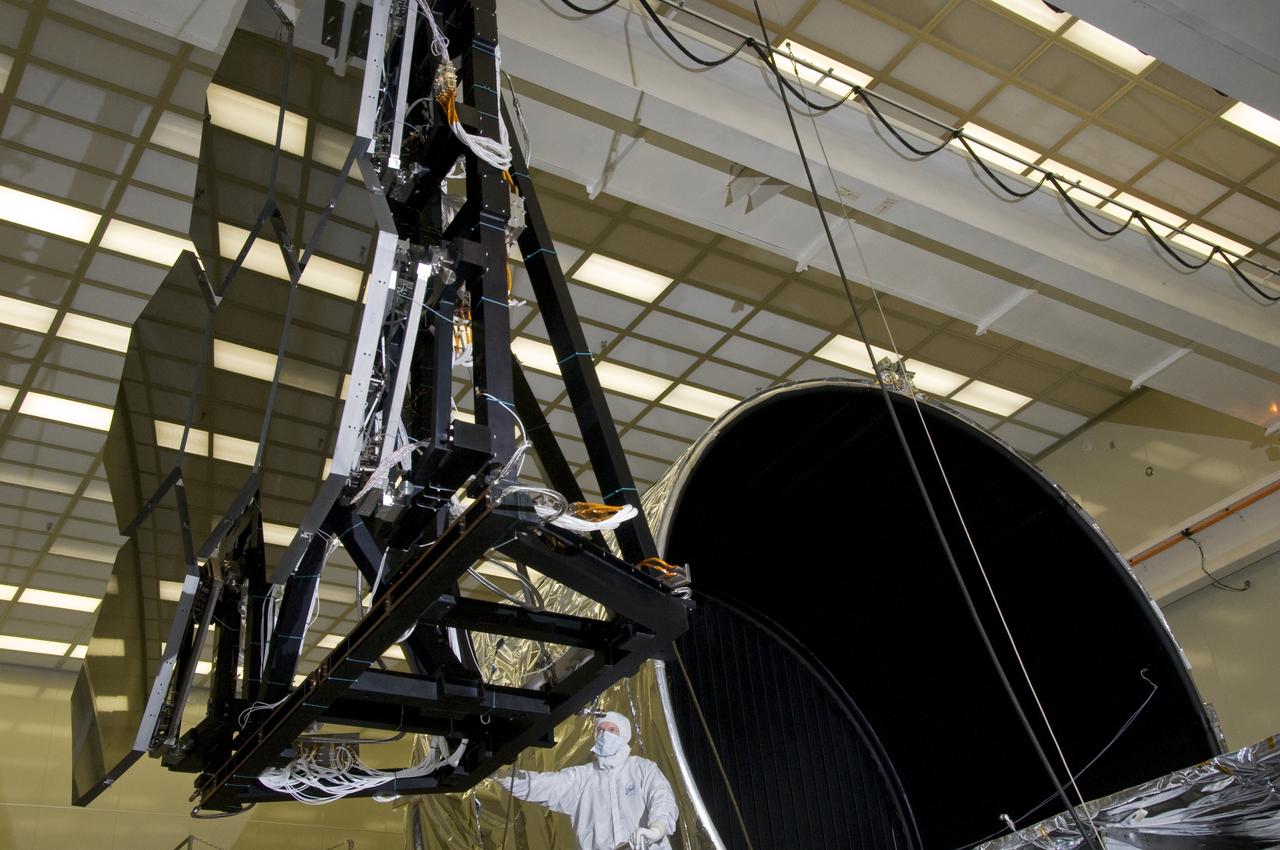
SIX OF THE EIGHTEEN JAMES WEBB SPACE TELESCOPE MIRROR SEGMENTS ARE BEING PREPPED TO MOVE INTO THE X-RAY AND CRYOGENIC FACILITY FOR TESTING.
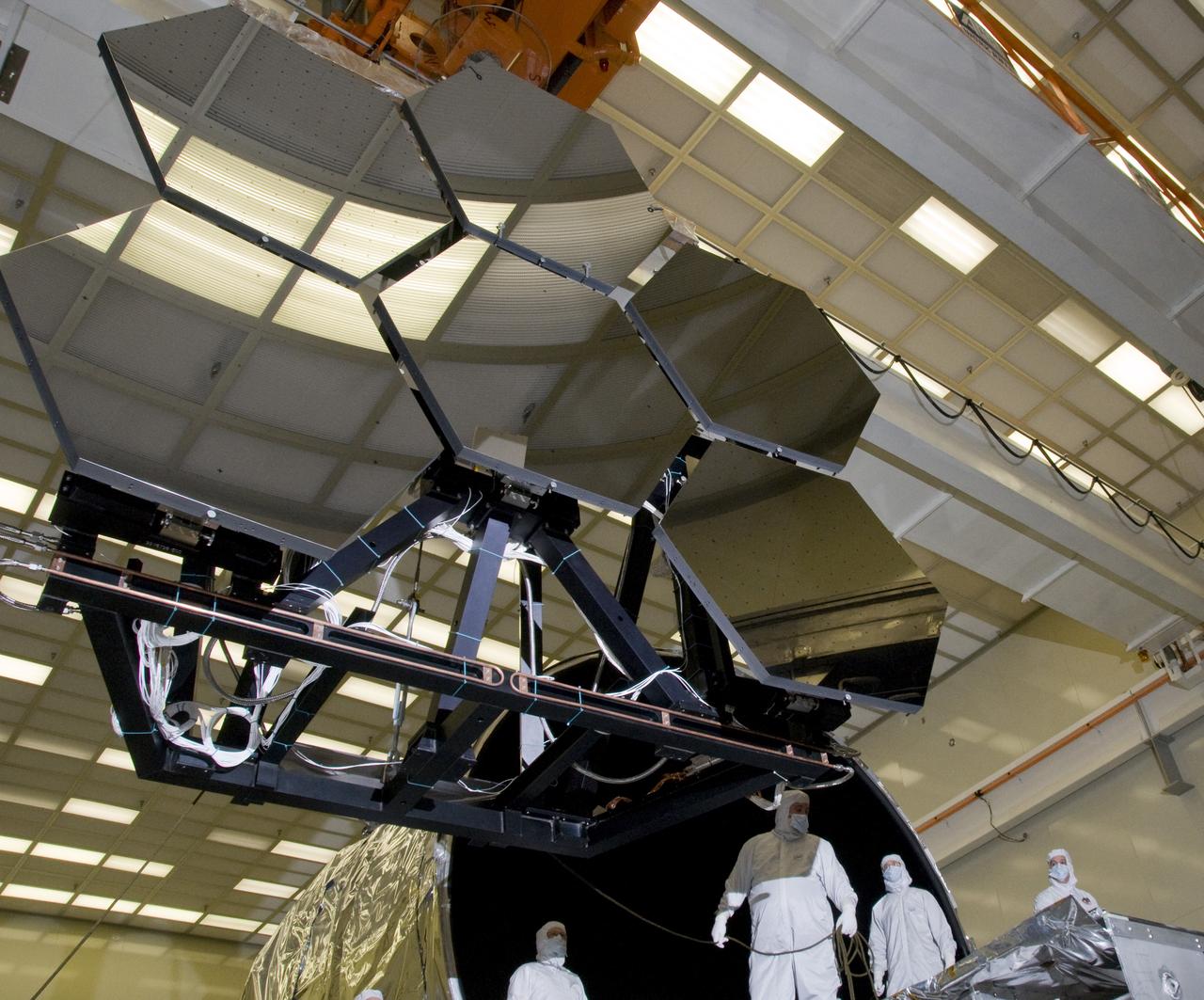
SIX OF THE EIGHTEEN JAMES WEBB SPACE TELESCOPE MIRROR SEGMENTS ARE BEING PREPPED TO MOVE INTO THE X-RAY AND CRYOGENIC FACILITY FOR TESTING.
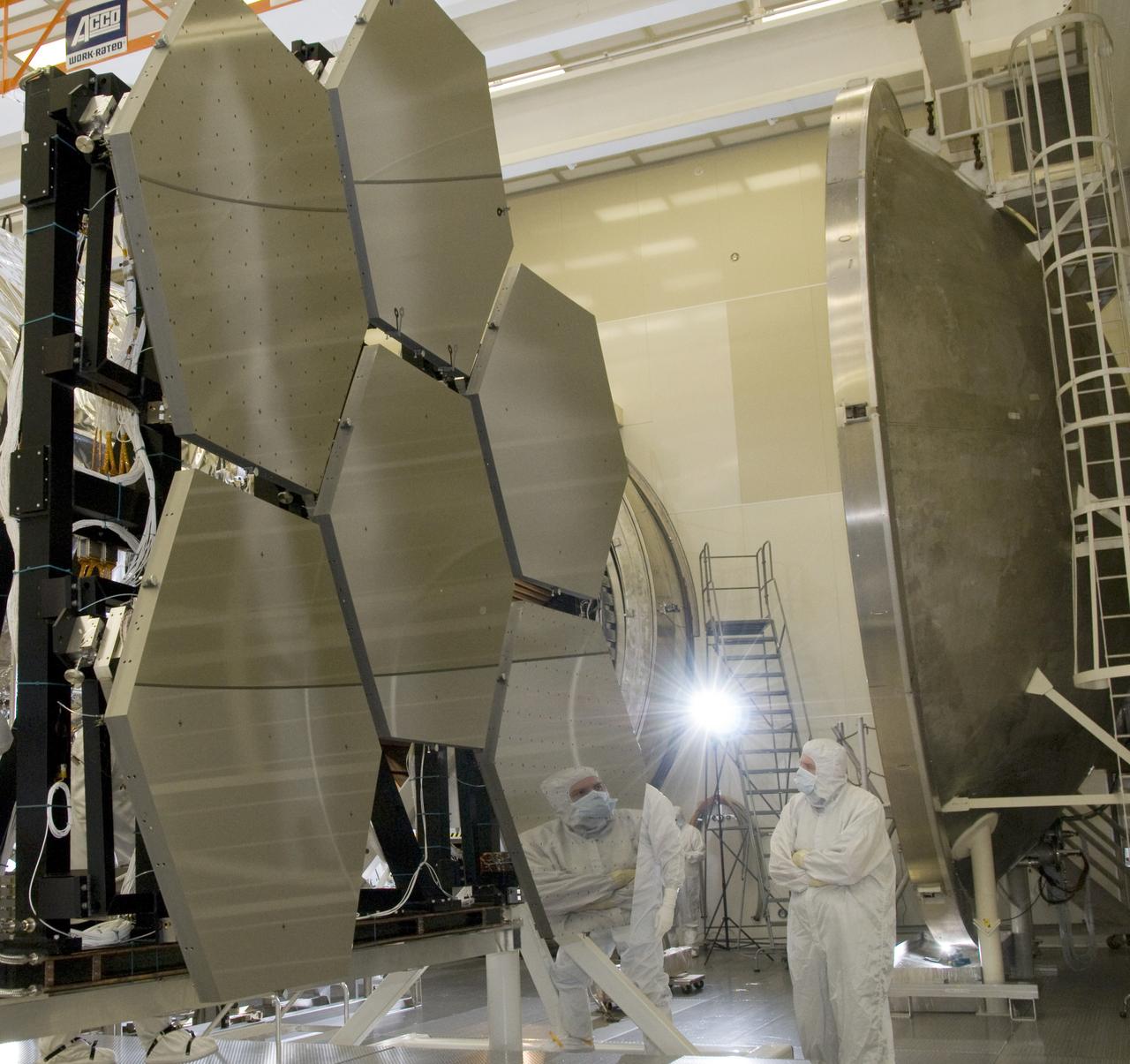
SIX OF THE EIGHTEEN JAMES WEBB SPACE TELESCOPE MIRROR SEGMENTS ARE BEING PREPPED TO MOVE INTO THE X-RAY AND CRYOGENIC FACILITY FOR TESTING.
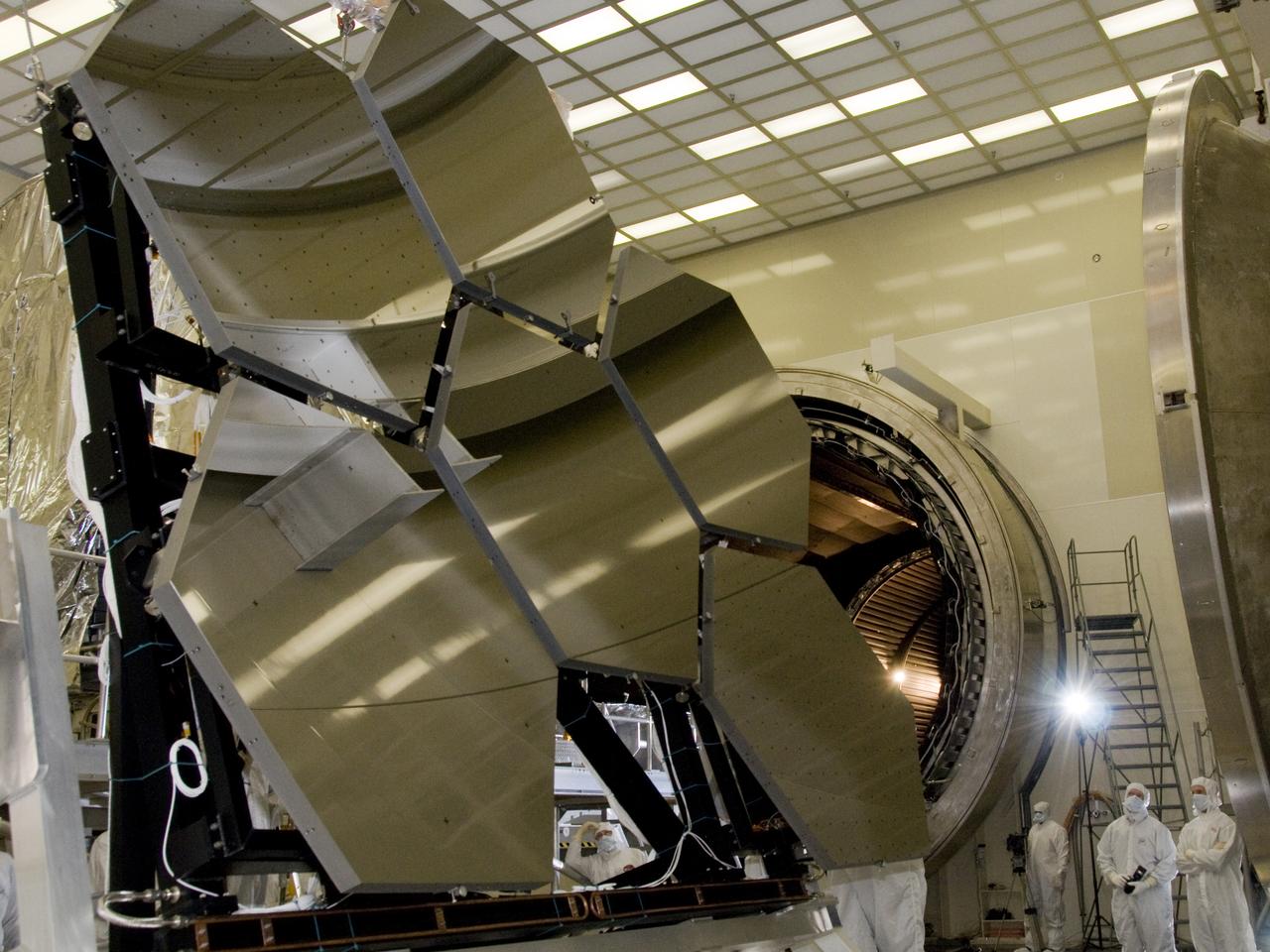
SIX OF THE EIGHTEEN JAMES WEBB SPACE TELESCOPE MIRROR SEGMENTS ARE BEING PREPPED TO MOVE INTO THE X-RAY AND CRYOGENIC FACILITY FOR TESTING.
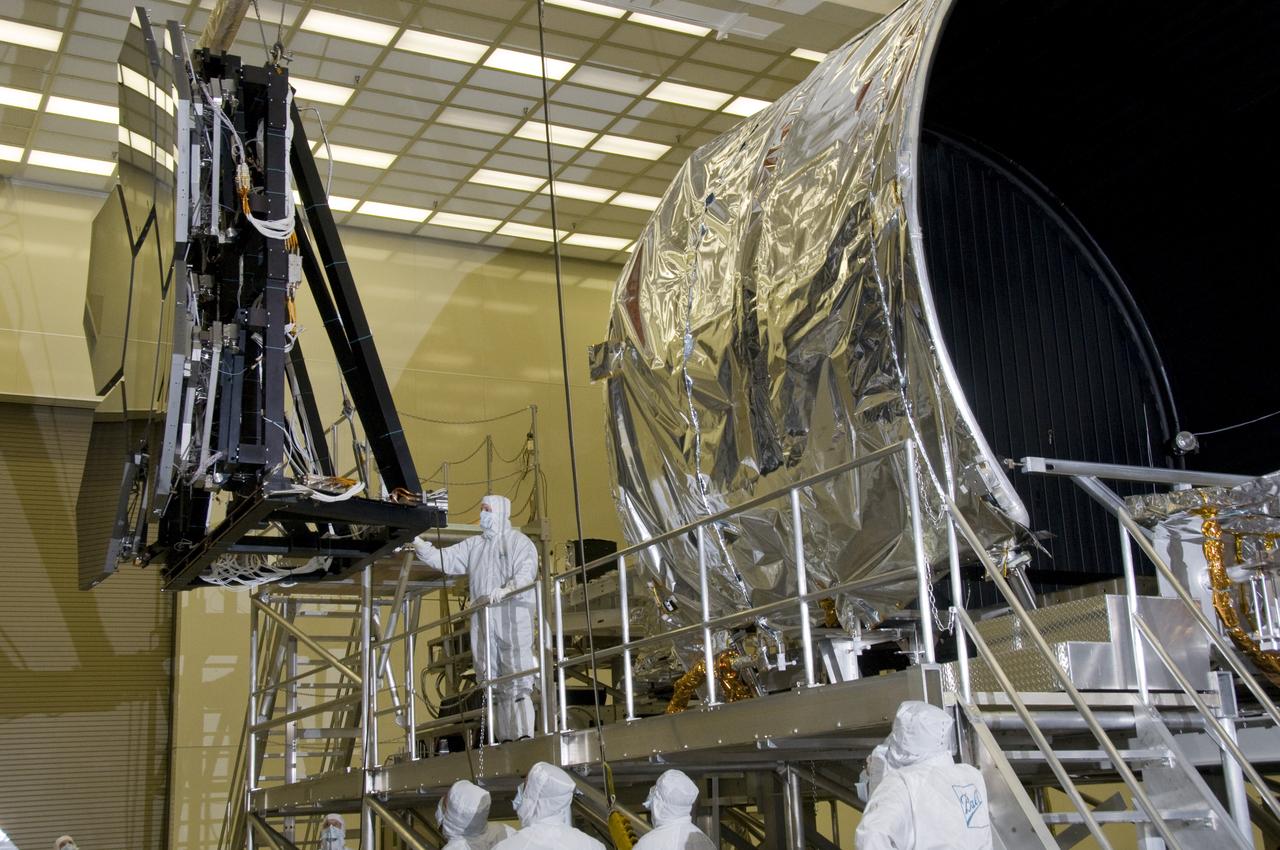
SIX OF THE EIGHTEEN JAMES WEBB SPACE TELESCOPE MIRROR SEGMENTS ARE BEING PREPPED TO MOVE INTO THE X-RAY AND CRYOGENIC FACILITY FOR TESTING.
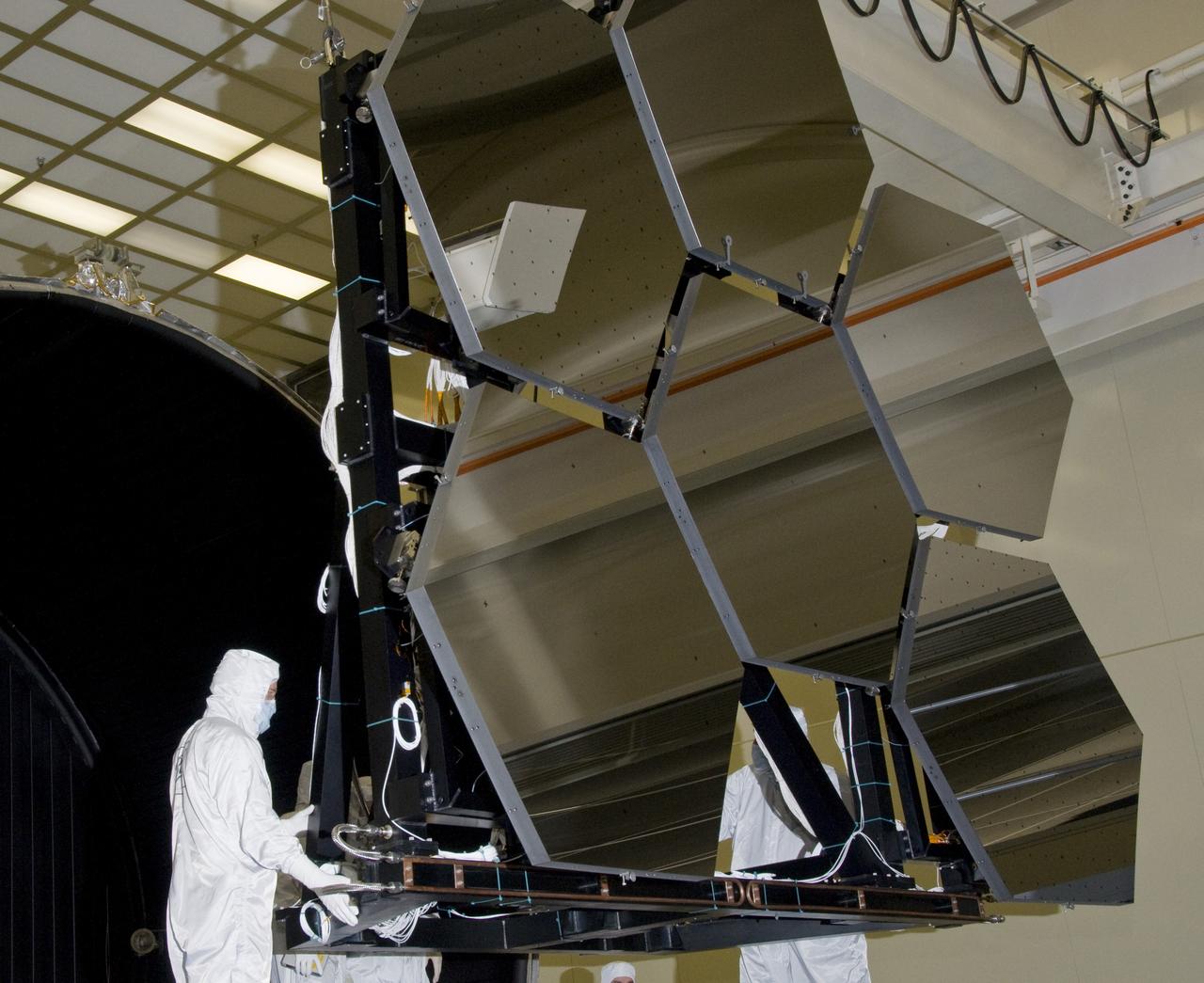
SIX OF THE EIGHTEEN JAMES WEBB SPACE TELESCOPE MIRROR SEGMENTS ARE BEING PREPPED TO MOVE INTO THE X-RAY AND CRYOGENIC FACILITY FOR TESTING.
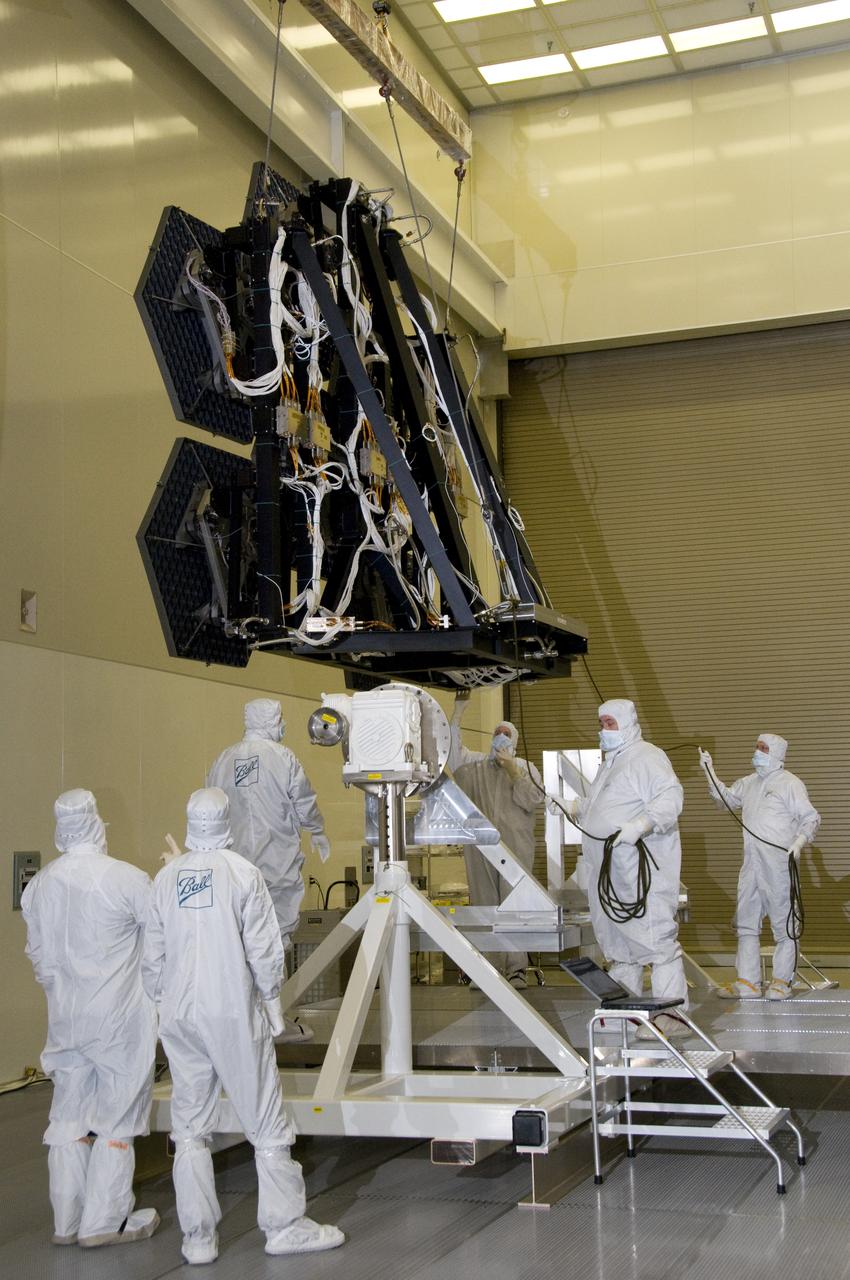
SIX OF THE EIGHTEEN JAMES WEBB SPACE TELESCOPE MIRROR SEGMENTS ARE BEING PREPPED TO MOVE INTO THE X-RAY AND CRYOGENIC FACILITY FOR TESTING.

SIX OF THE EIGHTEEN JAMES WEBB SPACE TELESCOPE MIRROR SEGMENTS ARE BEING PREPPED TO MOVE INTO THE X-RAY AND CRYOGENIC FACILITY FOR TESTING.
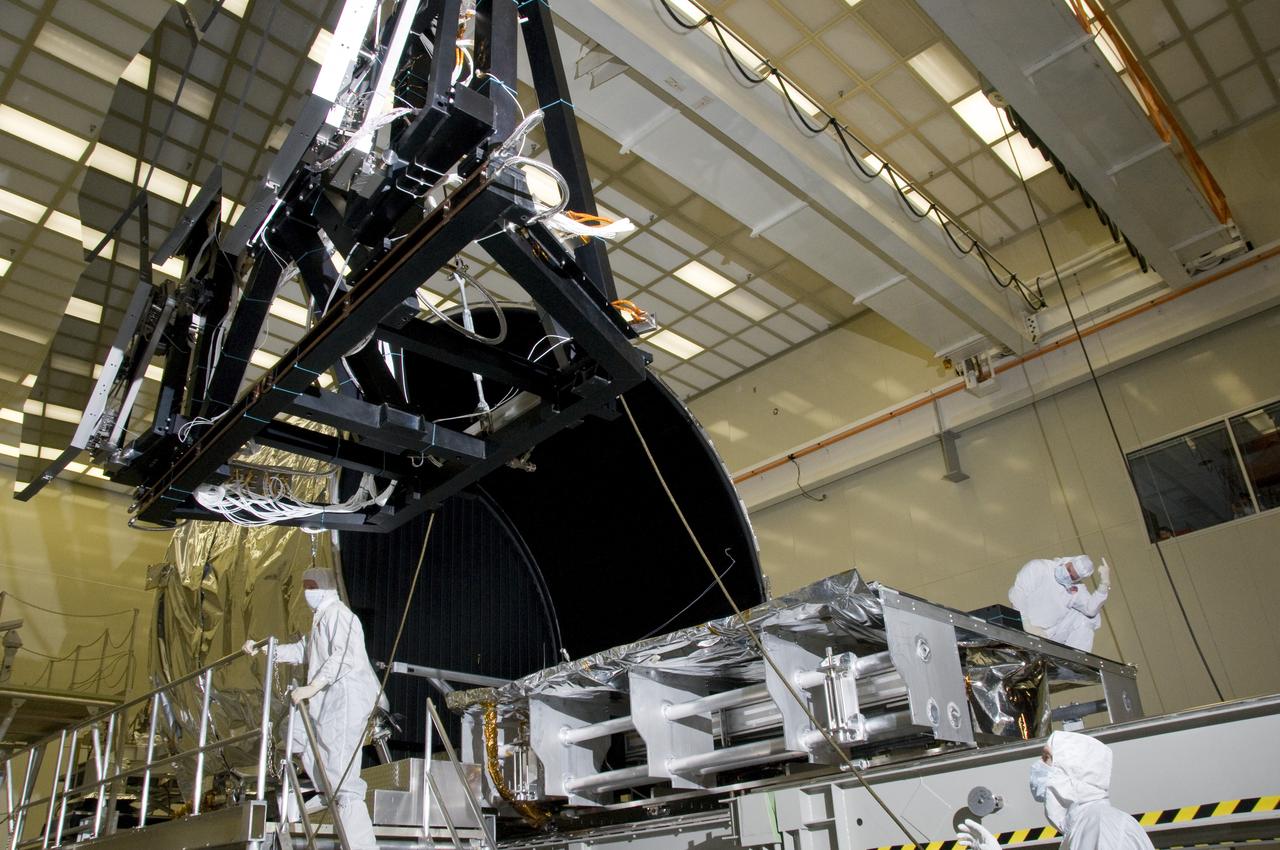
SIX OF THE EIGHTEEN JAMES WEBB SPACE TELESCOPE MIRROR SEGMENTS ARE BEING PREPPED TO MOVE INTO THE X-RAY AND CRYOGENIC FACILITY FOR TESTING.
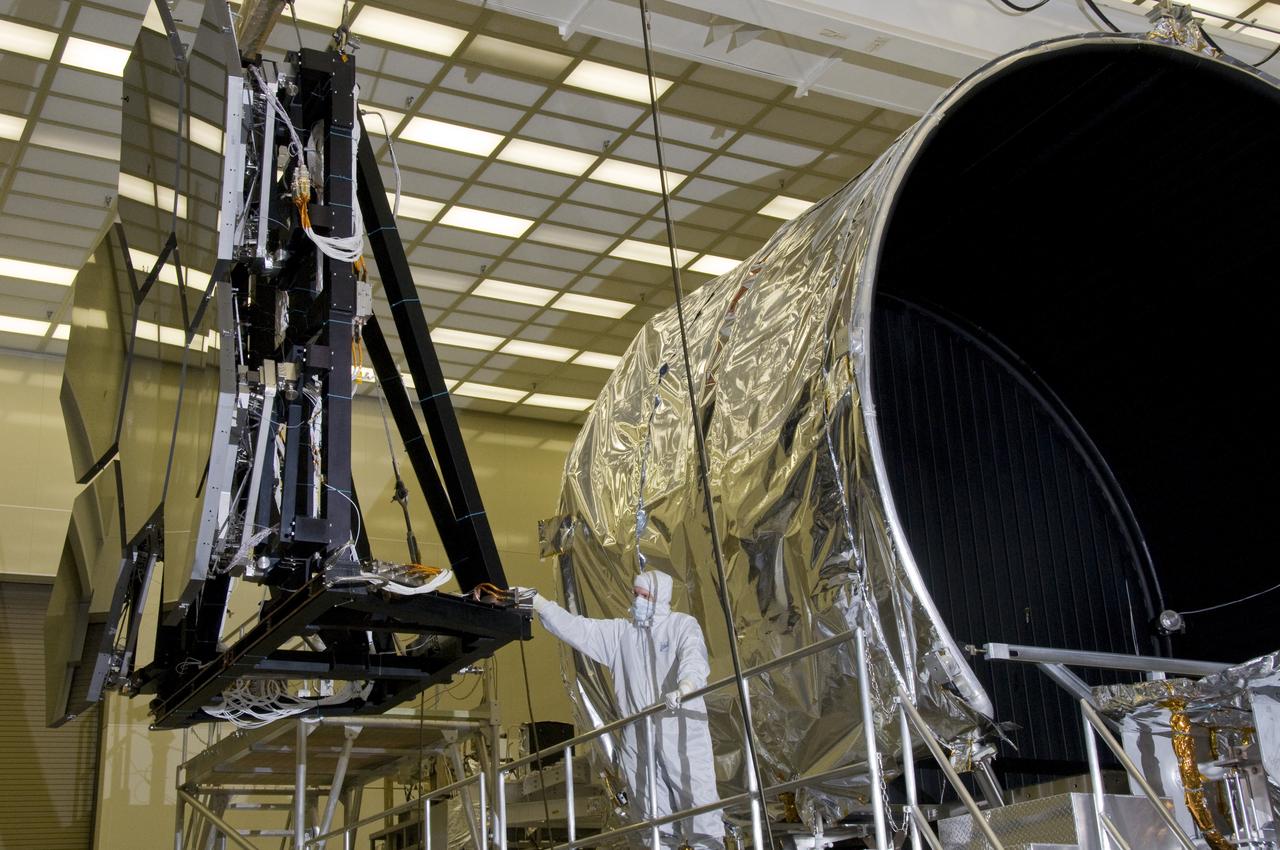
SIX OF THE EIGHTEEN JAMES WEBB SPACE TELESCOPE MIRROR SEGMENTS ARE BEING PREPPED TO MOVE INTO THE X-RAY AND CRYOGENIC FACILITY FOR TESTING.
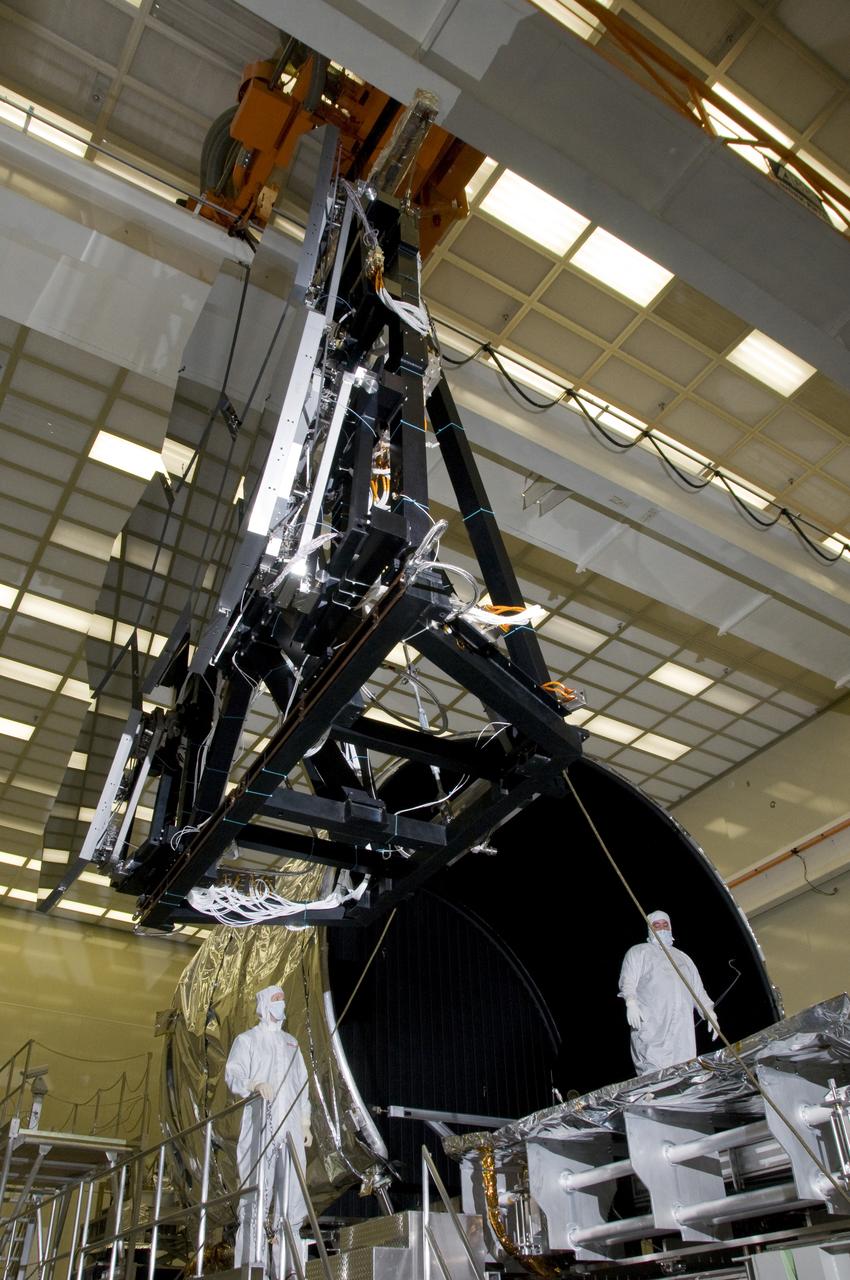
SIX OF THE EIGHTEEN JAMES WEBB SPACE TELESCOPE MIRROR SEGMENTS ARE BEING PREPPED TO MOVE INTO THE X-RAY AND CRYOGENIC FACILITY FOR TESTING.
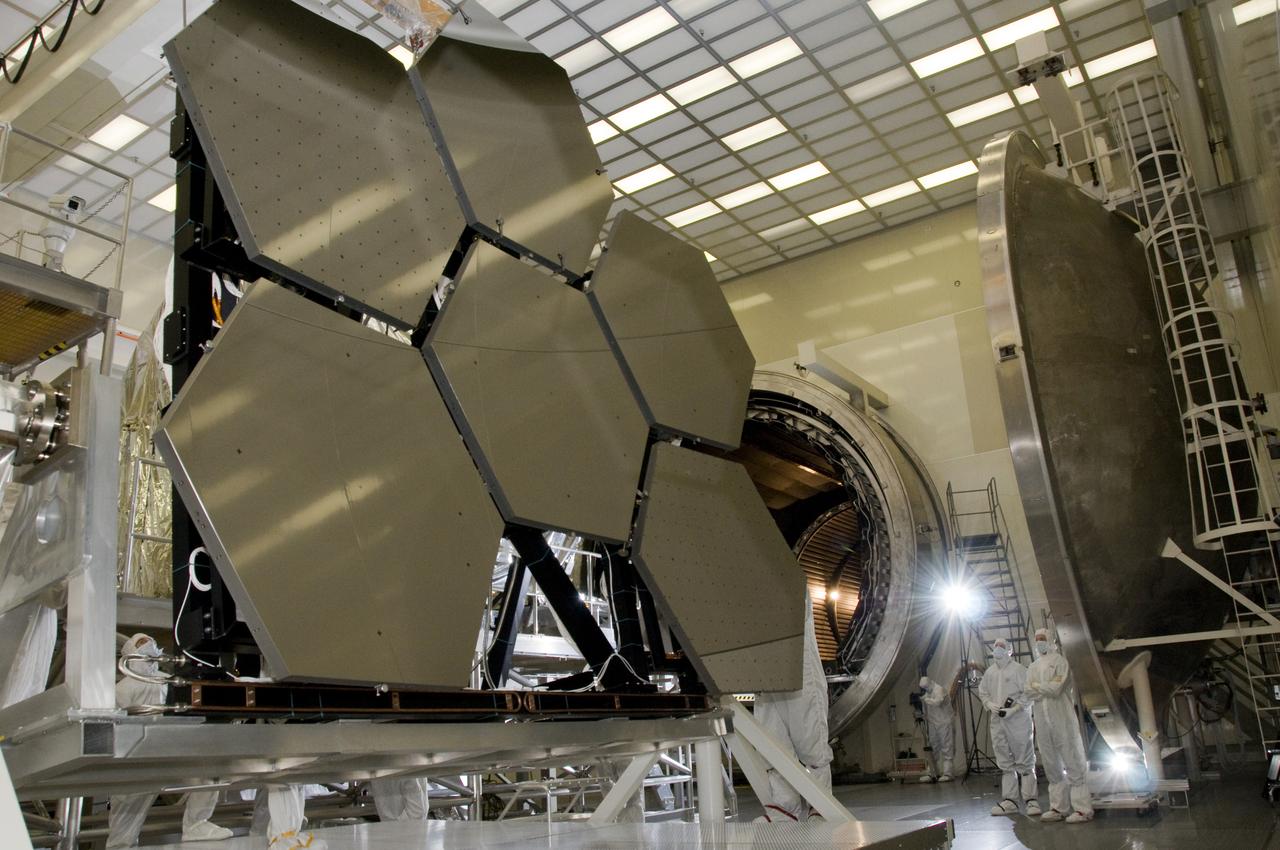
SIX OF THE EIGHTEEN JAMES WEBB SPACE TELESCOPE MIRROR SEGMENTS ARE BEING PREPPED TO MOVE INTO THE X-RAY AND CRYOGENIC FACILITY FOR TESTING.
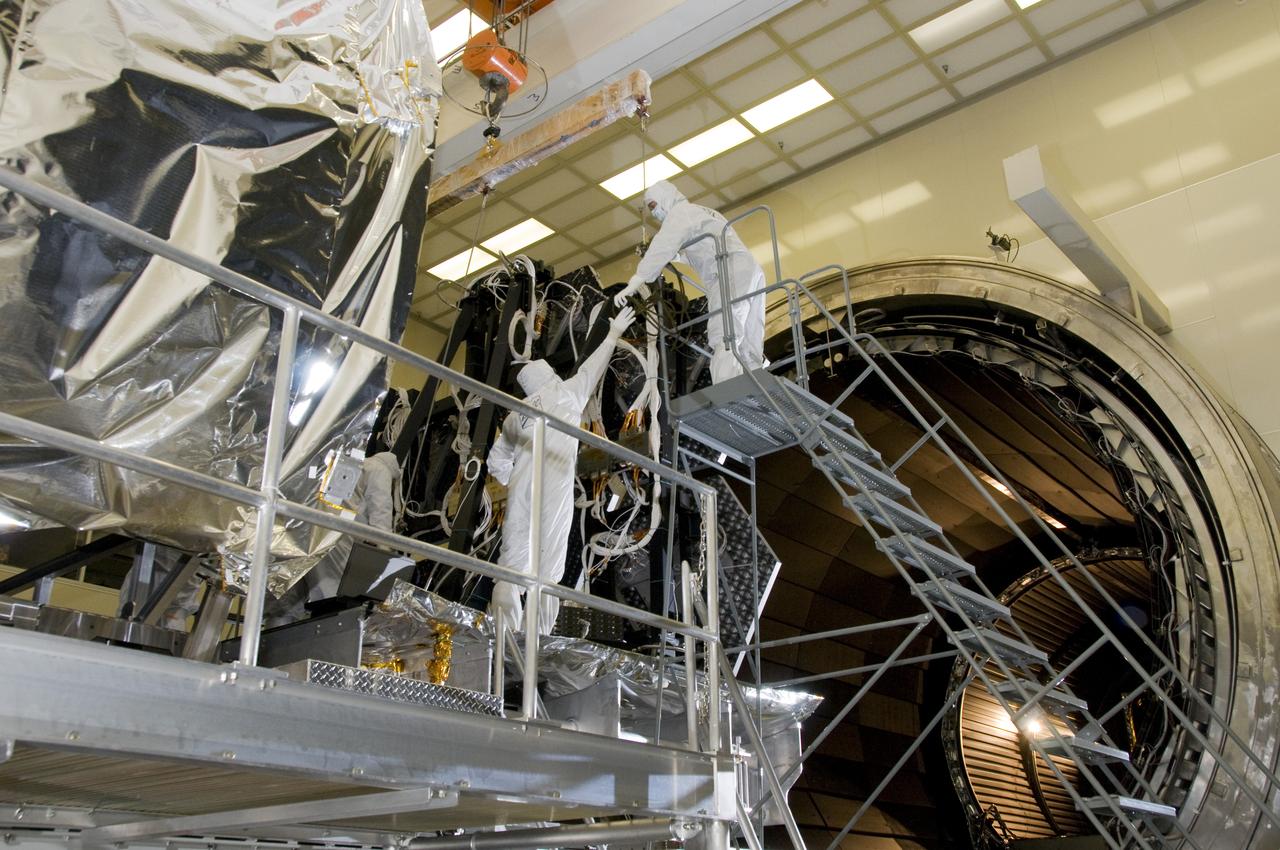
SIX OF THE EIGHTEEN JAMES WEBB SPACE TELESCOPE MIRROR SEGMENTS ARE BEING PREPPED TO MOVE INTO THE X-RAY AND CRYOGENIC FACILITY FOR TESTING.
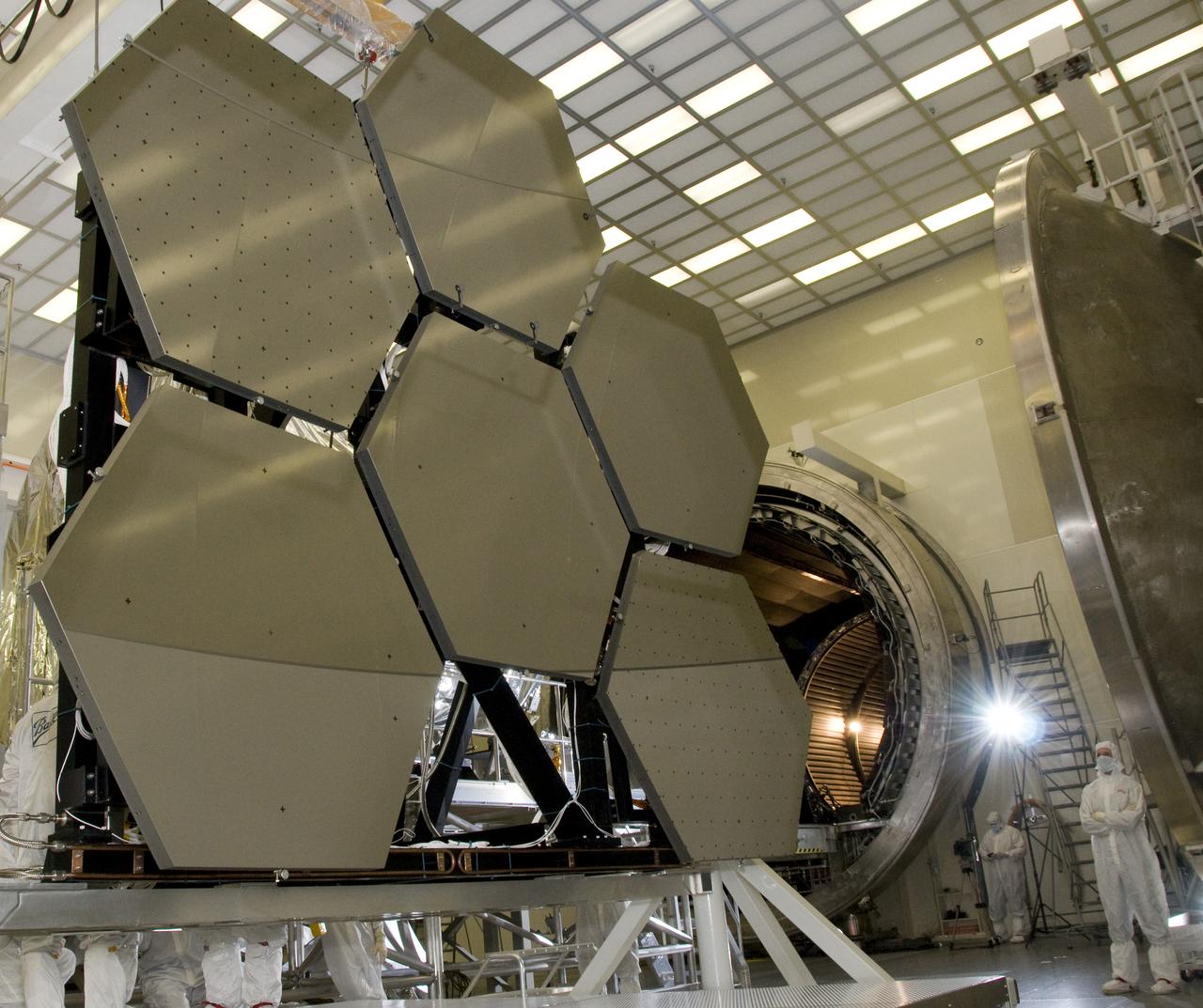
SIX OF THE EIGHTEEN JAMES WEBB SPACE TELESCOPE MIRROR SEGMENTS ARE BEING PREPPED TO MOVE INTO THE X-RAY AND CRYOGENIC FACILITY FOR TESTING.
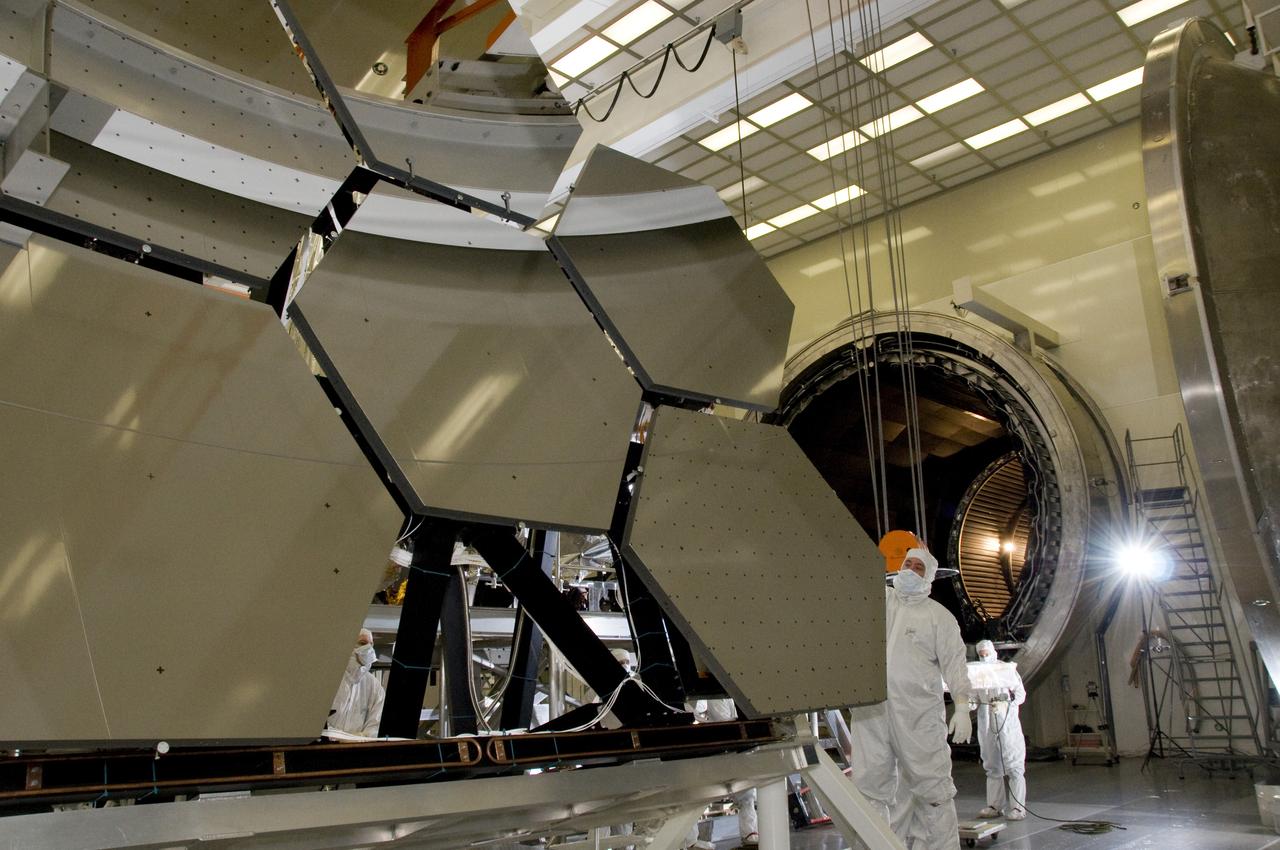
SIX OF THE EIGHTEEN JAMES WEBB SPACE TELESCOPE MIRROR SEGMENTS ARE BEING PREPPED TO MOVE INTO THE X-RAY AND CRYOGENIC FACILITY FOR TESTING.
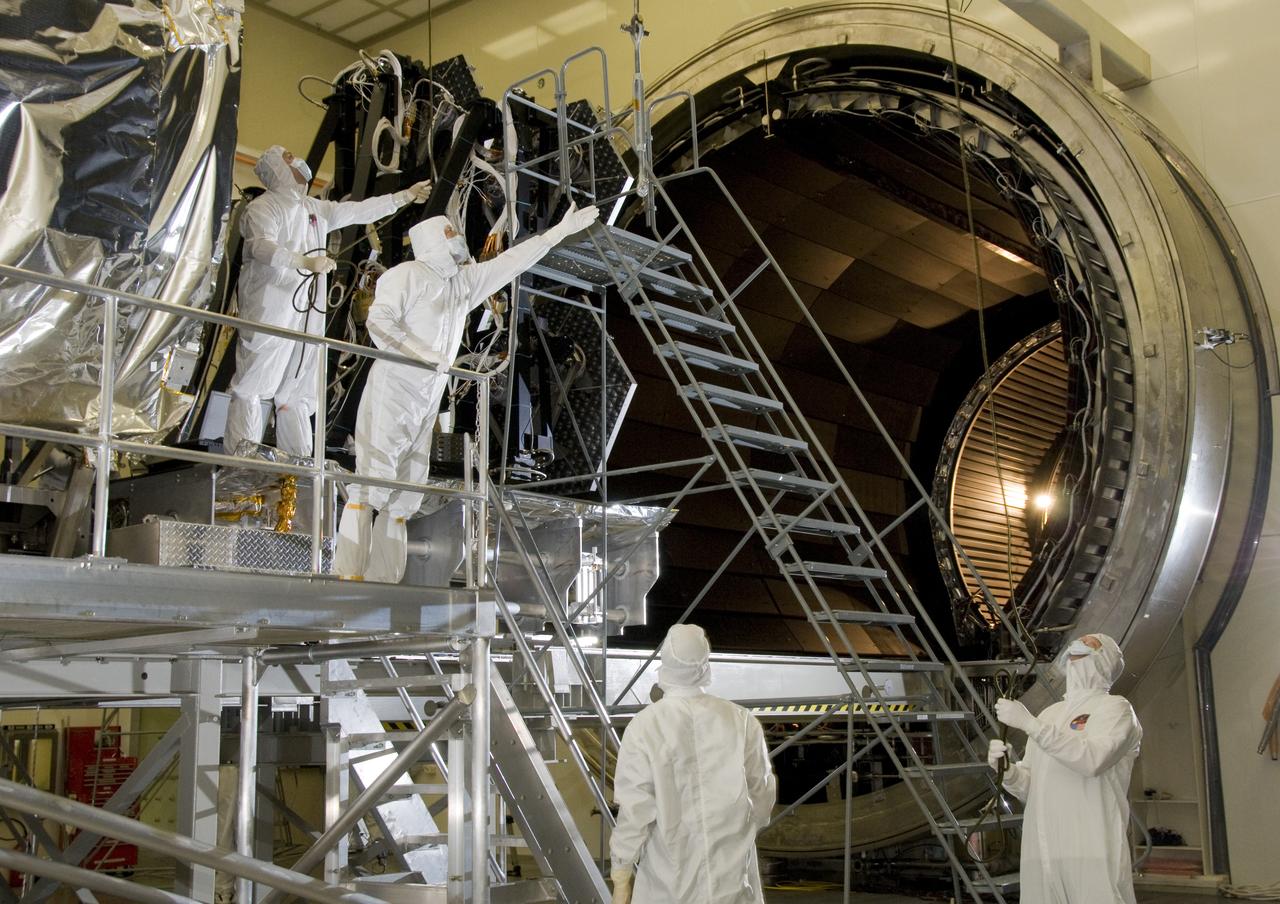
SIX OF THE EIGHTEEN JAMES WEBB SPACE TELESCOPE MIRROR SEGMENTS ARE BEING PREPPED TO MOVE INTO THE X-RAY AND CRYOGENIC FACILITY FOR TESTING.
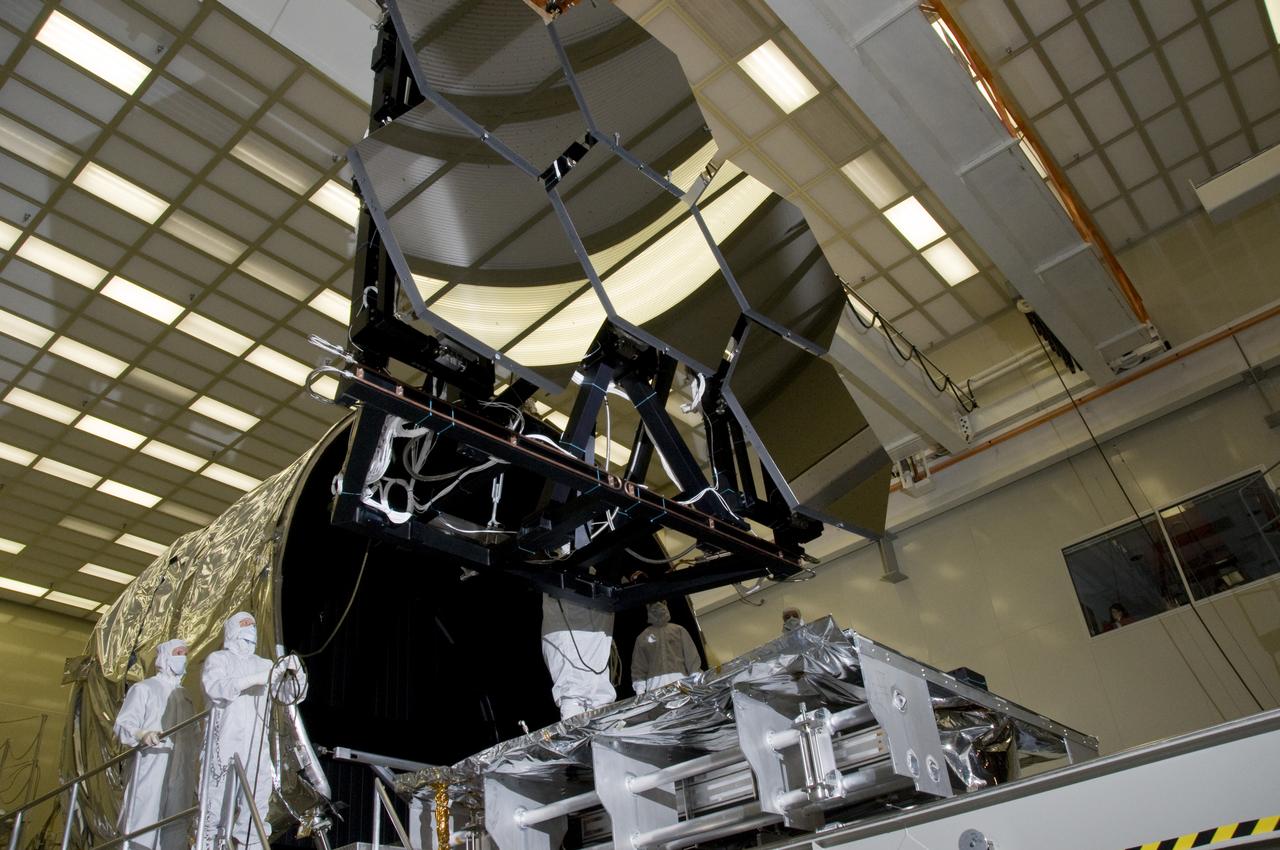
SIX OF THE EIGHTEEN JAMES WEBB SPACE TELESCOPE MIRROR SEGMENTS ARE BEING PREPPED TO MOVE INTO THE X-RAY AND CRYOGENIC FACILITY FOR TESTING.