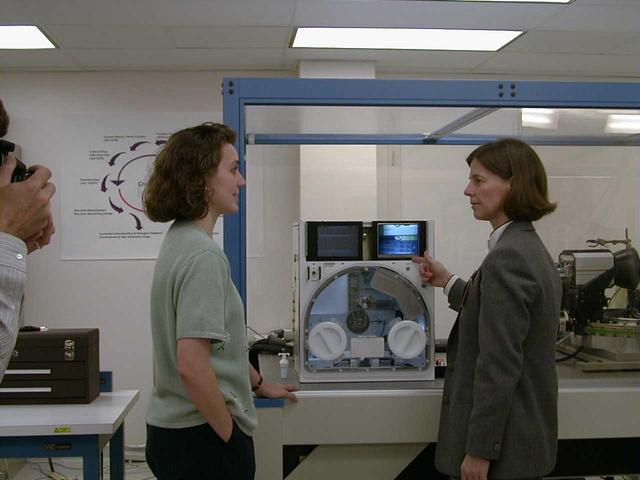
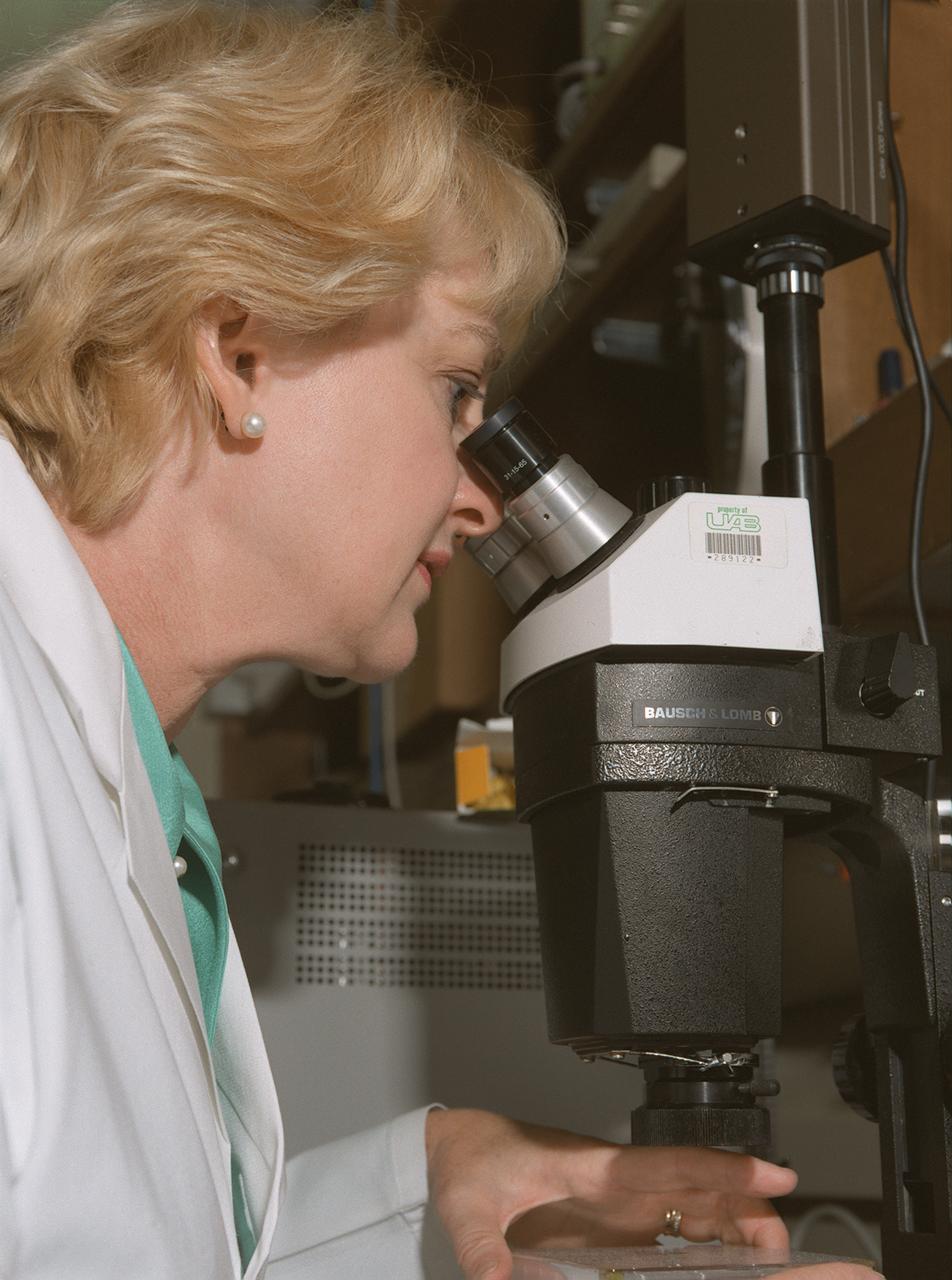
University of Alabama engineer Stacey Giles briefs NASA astronaut Dr. Bornie Dunbar about the design and capabilities of the X-ray Crystallography Facility under development at the Center for Macromolecular Crystallography of the University of Alabama at Birmingham, AL, April 21, 1999. The X-ray Crystallography Facility is designed to speed the collection of protein structure information from crystals grown aboard the International Space Station. By measuring and mapping the protein crystal structure in space, researchers will avoid exposing the delicate crystals to the rigors of space travel and make important research data available to scientists much faster. The X-ray Crystallography facility is being designed and developed by the Center for Macromolecular Crystallography of the University of Alabama at Birmingham, a NASA Commercial Space Center.
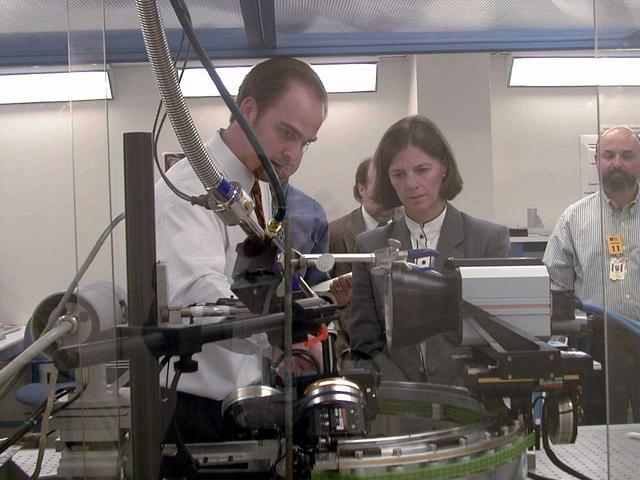
University of Alabama engineer Lance Weiss briefs NASA astronaut Dr. Bornie Dunbar about the design and capabilities of the X-ray Crystallography Facility under development at the Center for Macromolecular Crystallography of the University of Alabama at Birmingham, AL, April 21, 1999. The X-ray Crystallography Facility is designed to speed the collection of protein structure information from crystals grown aboard the International Space Station. By measuring and mapping the protein crystal structure in space, researchers will avoid exposing the delicate crystals to the rigors of space travel and make important research data available to scientists much faster. The X-ray Crystallography facility is being designed and developed by the Center for Macromolecular Crystallography of the University of Alabama at Birmingham, a NASA Commercial Space Center.
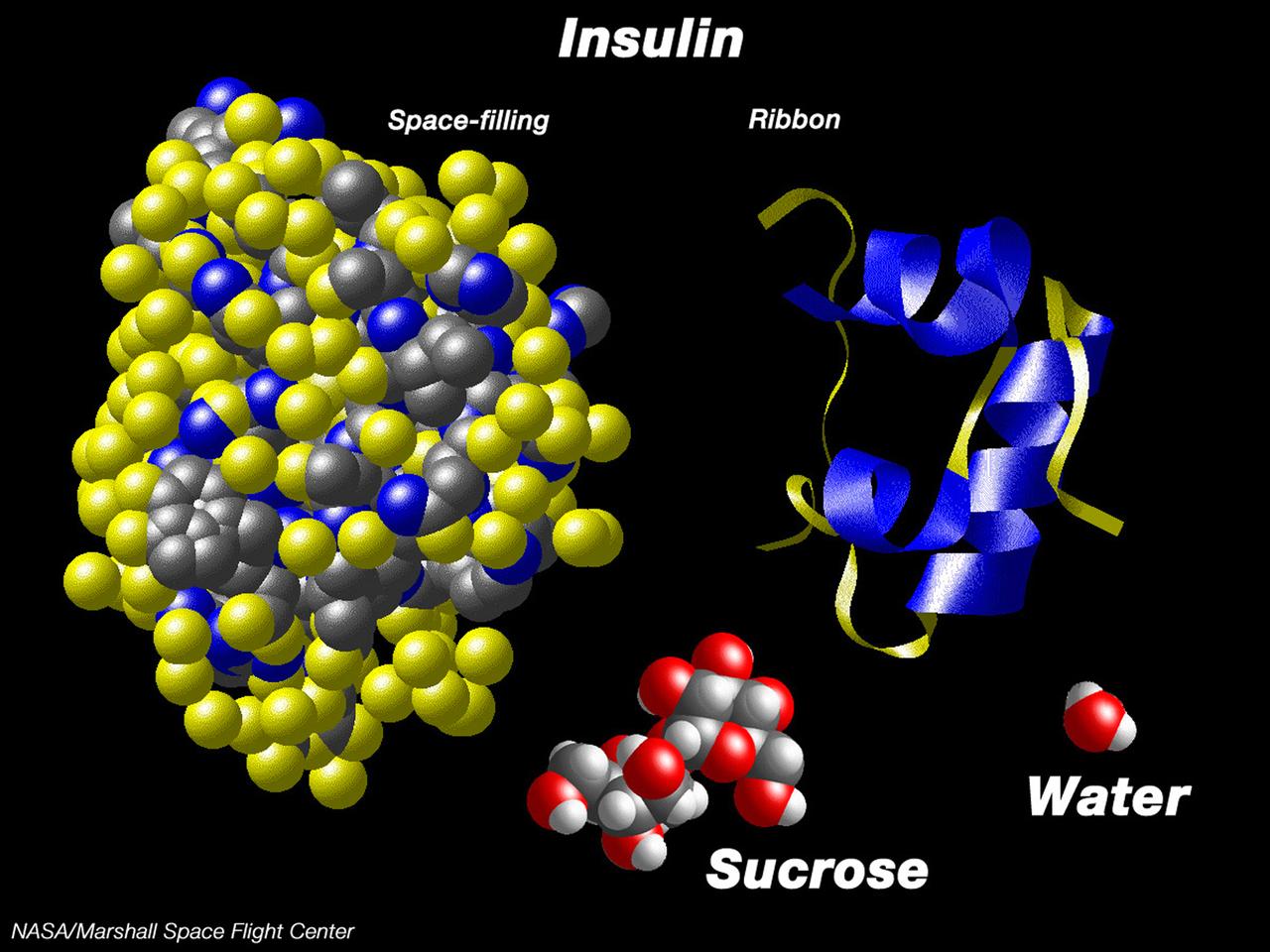
This computer graphic depicts the relative complexity of crystallizing large proteins in order to study their structures through x-ray crystallography. Insulin is a vital protein whose structure has several subtle points that scientists are still trying to determine. Large molecules such as insuline are complex with structures that are comparatively difficult to understand. For comparison, a sugar molecule (which many people have grown as hard crystals in science glass) and a water molecule are shown. These images were produced with the Macmolecule program. Photo credit: NASA/Marshall Space Flight Center (MSFC)

Edward Snell, a National Research Council research fellow at NASA's Marshall Space Flight Center (MSFC), prepares a protein crystal for analysis by x-ray crystallography as part of NASA's structural biology program. The small, individual crystals are bombarded with x-rays to produce diffraction patterns, a map of the intensity of the x-rays as they reflect through the crystal.
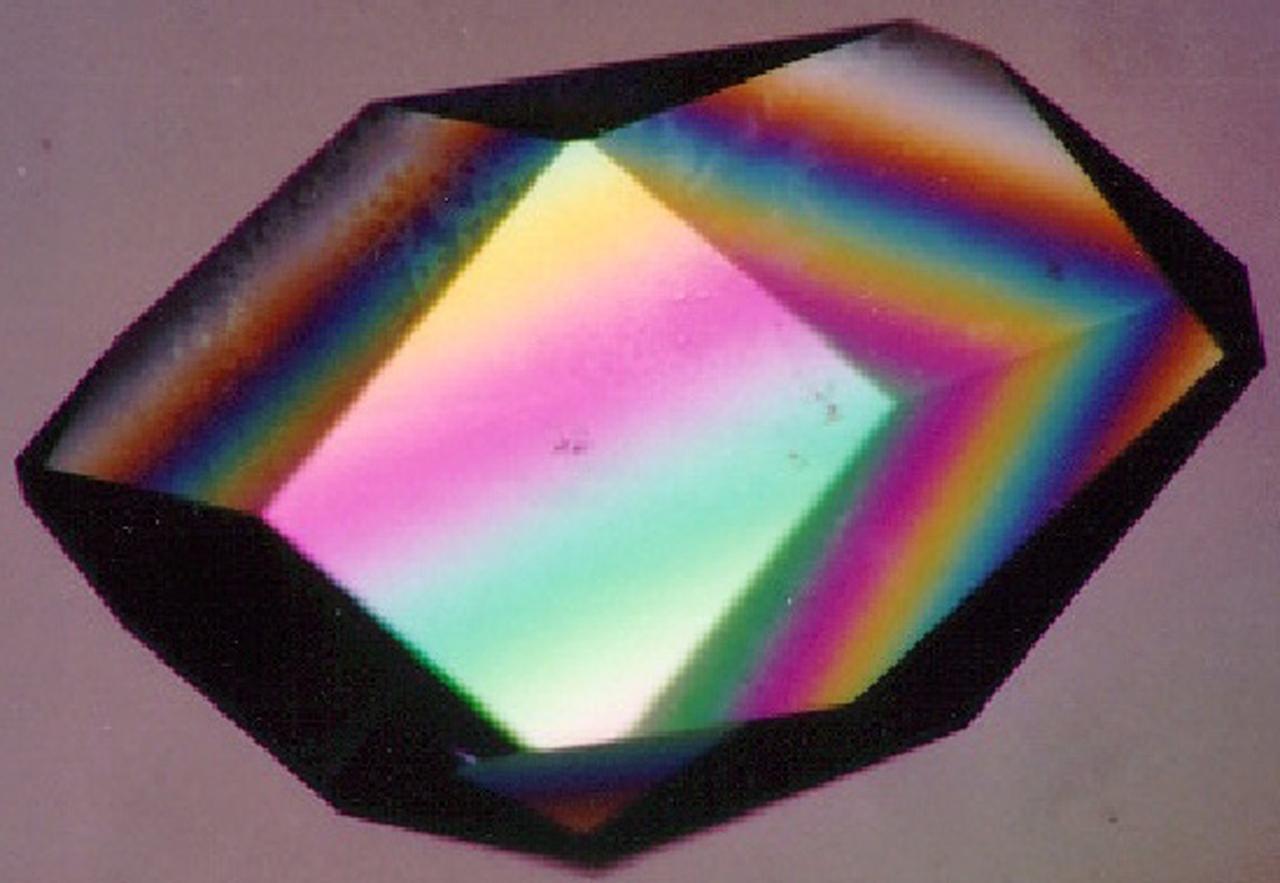
To the crystallographer, this may not be a diamond but it is just as priceless. A Lysozyme crystal grown in orbit looks great under a microscope, but the real test is X-ray crystallography. The colors are caused by polarizing filters. Proteins can form crystals generated by rows and columns of molecules that form up like soldiers on a parade ground. Shining X-rays through a crystal will produce a pattern of dots that can be decoded to reveal the arrangement of the atoms in the molecules making up the crystal. Like the troops in formation, uniformity and order are everything in X-ray crystallography. X-rays have much shorter wavelengths than visible light, so the best looking crystals under the microscope won't necessarily pass muster under the X-rays. In order to have crystals to use for X-ray diffraction studies, crystals need to be fairly large and well ordered. Scientists also need lots of crystals since exposure to air, the process of X-raying them, and other factors destroy them. Growing protein crystals in space has yielded striking results. Lysozyme's structure is well known and it has become a standard in many crystallization studies on Earth and in space.
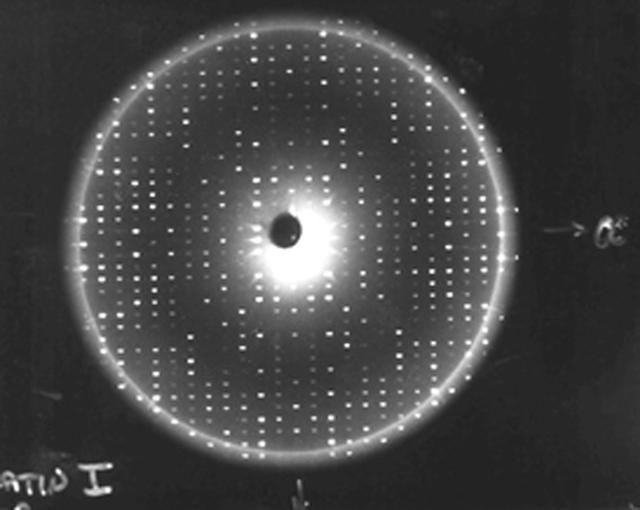
X-rays diffracted from a well-ordered protein crystal create sharp patterns of scattered light on film. A computer can use these patterns to generate a model of a protein molecule. To analyze the selected crystal, an X-ray crystallographer shines X-rays through the crystal. Unlike a single dental X-ray, which produces a shadow image of a tooth, these X-rays have to be taken many times from different angles to produce a pattern from the scattered light, a map of the intensity of the X-rays after they diffract through the crystal. The X-rays bounce off the electron clouds that form the outer structure of each atom. A flawed crystal will yield a blurry pattern; a well-ordered protein crystal yields a series of sharp diffraction patterns. From these patterns, researchers build an electron density map. With powerful computers and a lot of calculations, scientists can use the electron density patterns to determine the structure of the protein and make a computer-generated model of the structure. The models let researchers improve their understanding of how the protein functions. They also allow scientists to look for receptor sites and active areas that control a protein's function and role in the progress of diseases. From there, pharmaceutical researchers can design molecules that fit the active site, much like a key and lock, so that the protein is locked without affecting the rest of the body. This is called structure-based drug design.
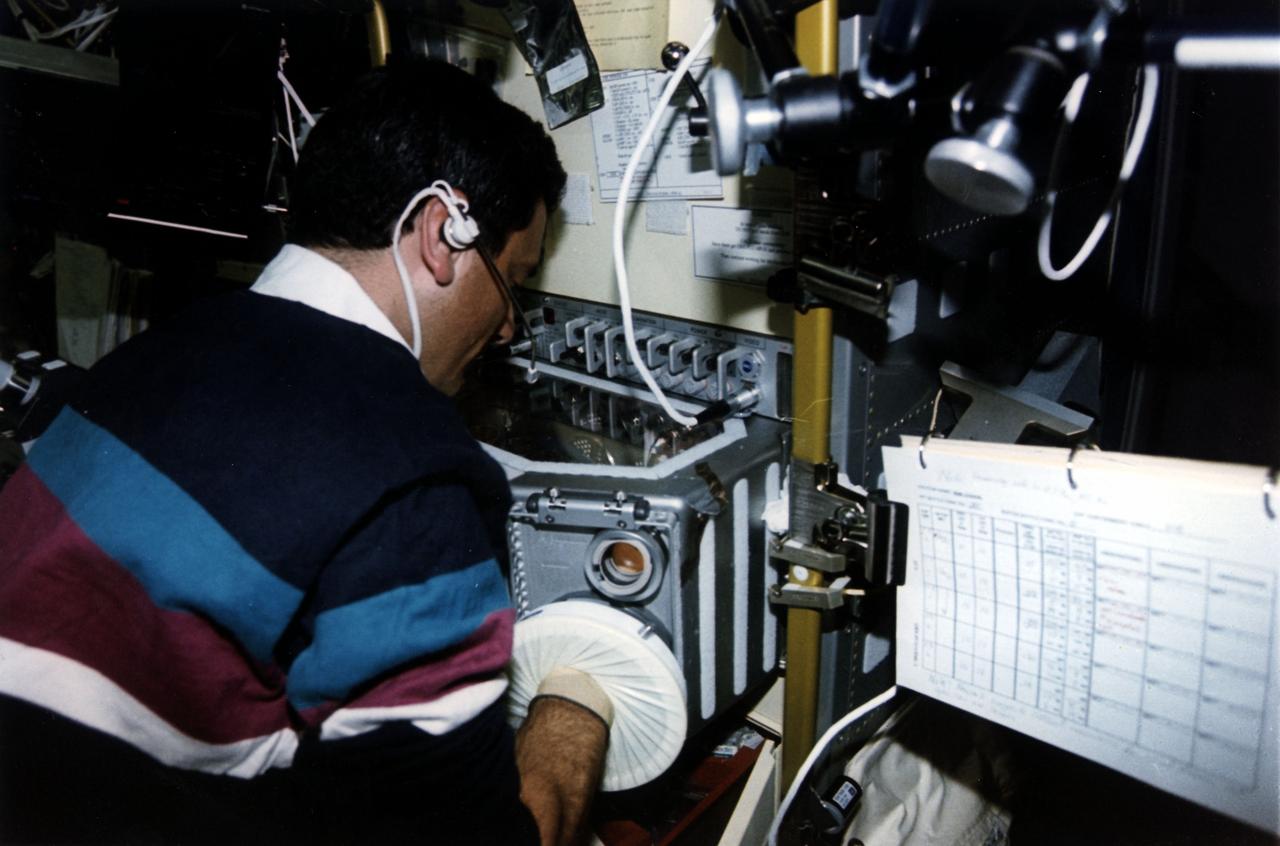
Dr. Larry DeLucas operating the USML-1 Glovebox (GBX) during the USML-1 (STS-50) mission. Dr. DeLucas was a Payload Specialist during the USML-1 mission and is Associate Director of the Center for Macromolecular Crystallography at The University of Alabama at Birmingham.
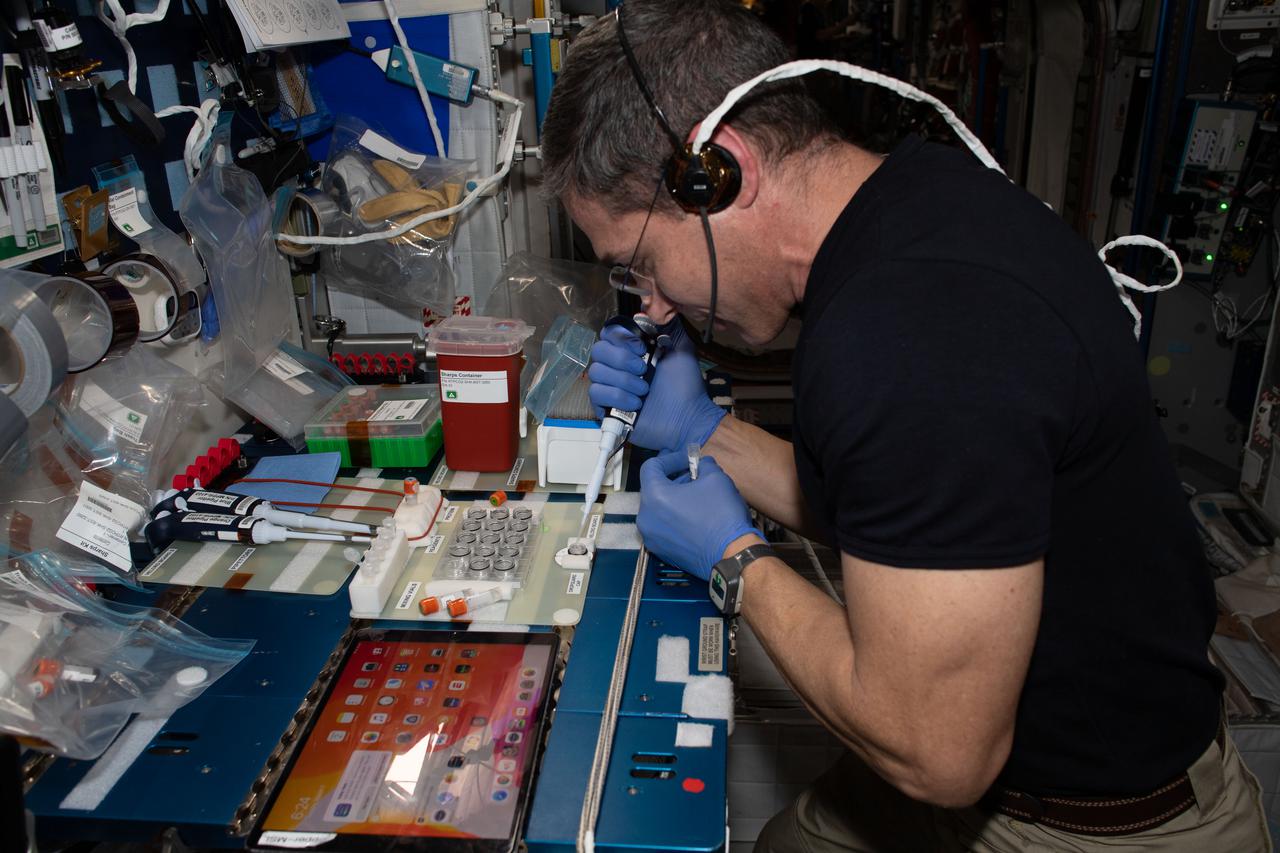
iss064e039017 (March 2, 2021) --- NASA astronaut Michael Hopkins loads protein crystallography plates with protein solutions for the Phase II Real-time Protein Crystal Growth experiment, a space commercialization study, that could benefit the pharmaceutical and biotechnology industries.
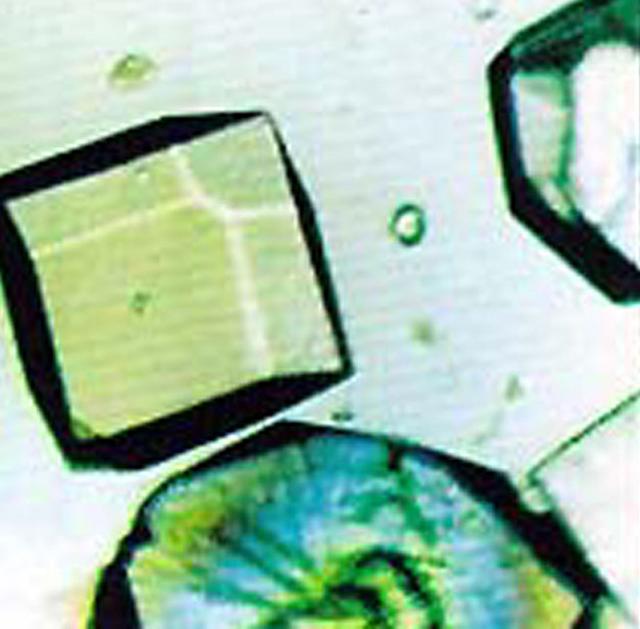
Protein isolated from hen egg-white and functions as a bacteriostatic enzyme by degrading bacterial cell walls. First enzyme ever characterized by protein crystallography. It is used as an excellent model system for better understanding parameters involved in microgravity experiments with data from laboratory experiments to study the equilibrium rate of hanging drop experiments in microgravity.

iss064e038995 (March 2, 2021) --- NASA astronaut and Expedition 64 Flight Engineer Michael Hopkins loads protein crystallography plates with protein solutions for the Phase II Real-time Protein Crystal Growth experiment, a space commercialization study, that could benefit the pharmaceutical and biotechnology industries.
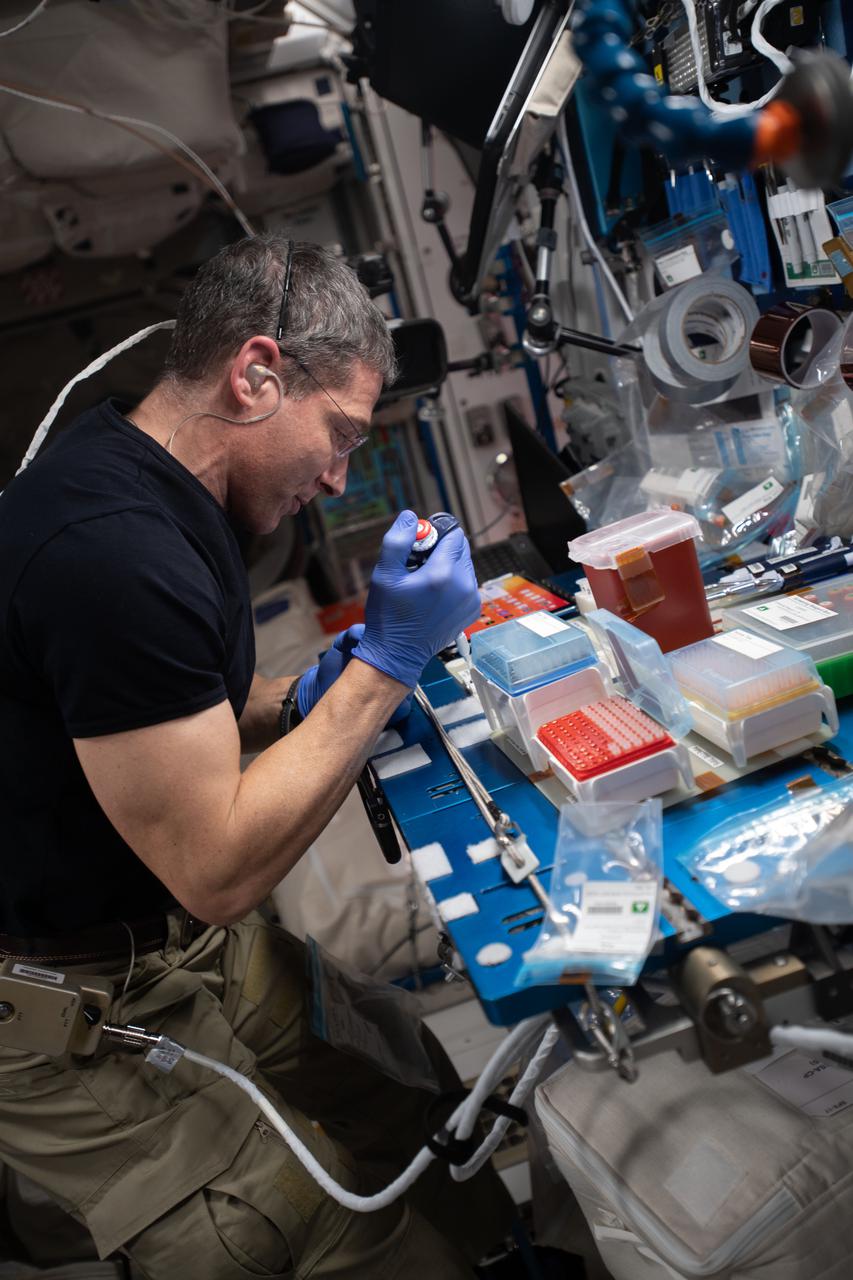
iss064e039273 (March 2, 2021) --- NASA astronaut and Expedition 64 Flight Engineer Michael Hopkins loads protein crystallography plates with protein solutions for the Phase II Real-time Protein Crystal Growth experiment, a space commercialization study, that could benefit the pharmaceutical and biotechnology industries.
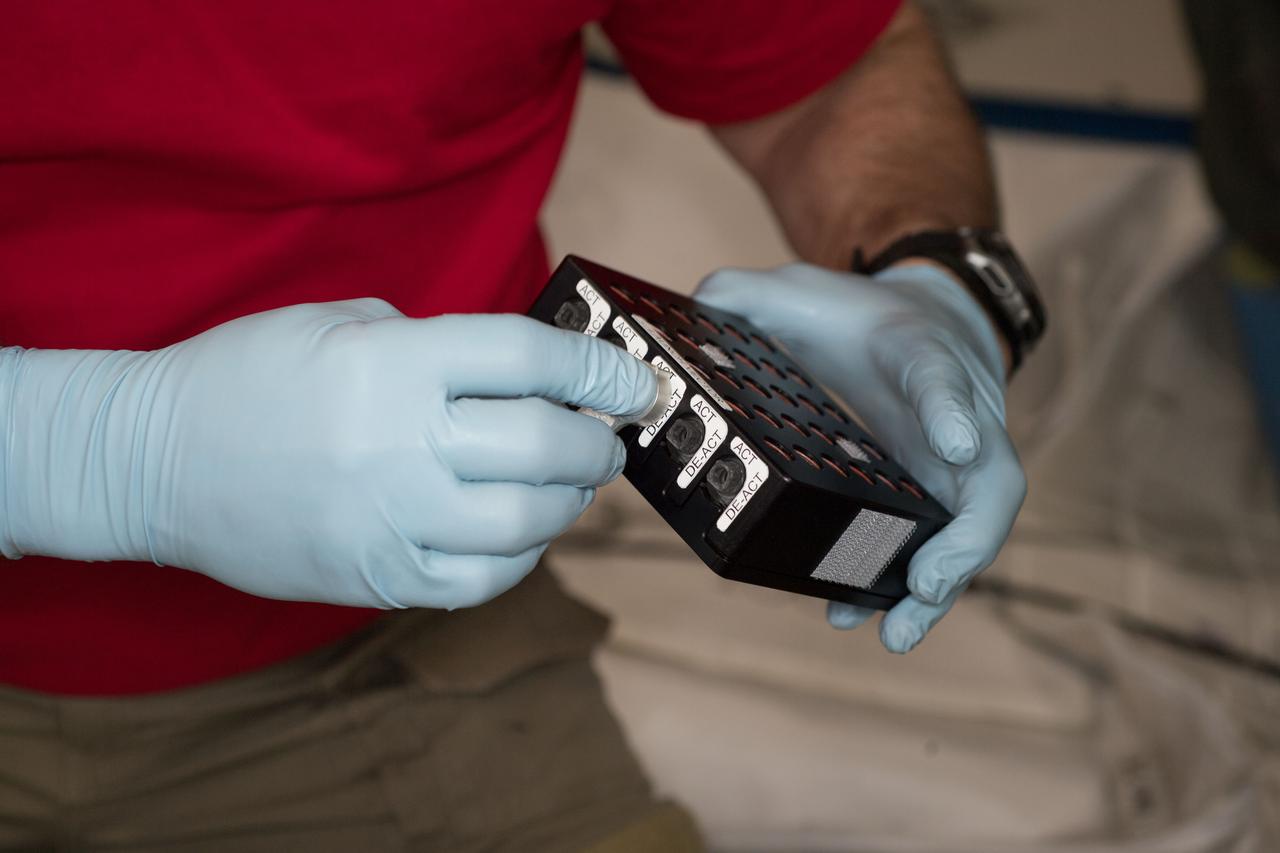
iss055e010753 (4/5/2018) --- Photographic documentation of CASIS Protein Crystal Growth (PCG) -11 hardware during CS-DCB-Unpack2 activity aboard the International Space Station (ISS). Neutron Crystallographic Studies of Human Acetylcholinesterase for the Design of Accelerated Reactivators (CASIS PCG 11) produces acetylcholinesterase crystals, a neurotransmitter enzyme. Crystals grown in microgravity are larger, of higher-quality and can be used for a technique called macromolecular neutron crystallography (MNC) to locate hydrogen atoms in the crystal’s structure.
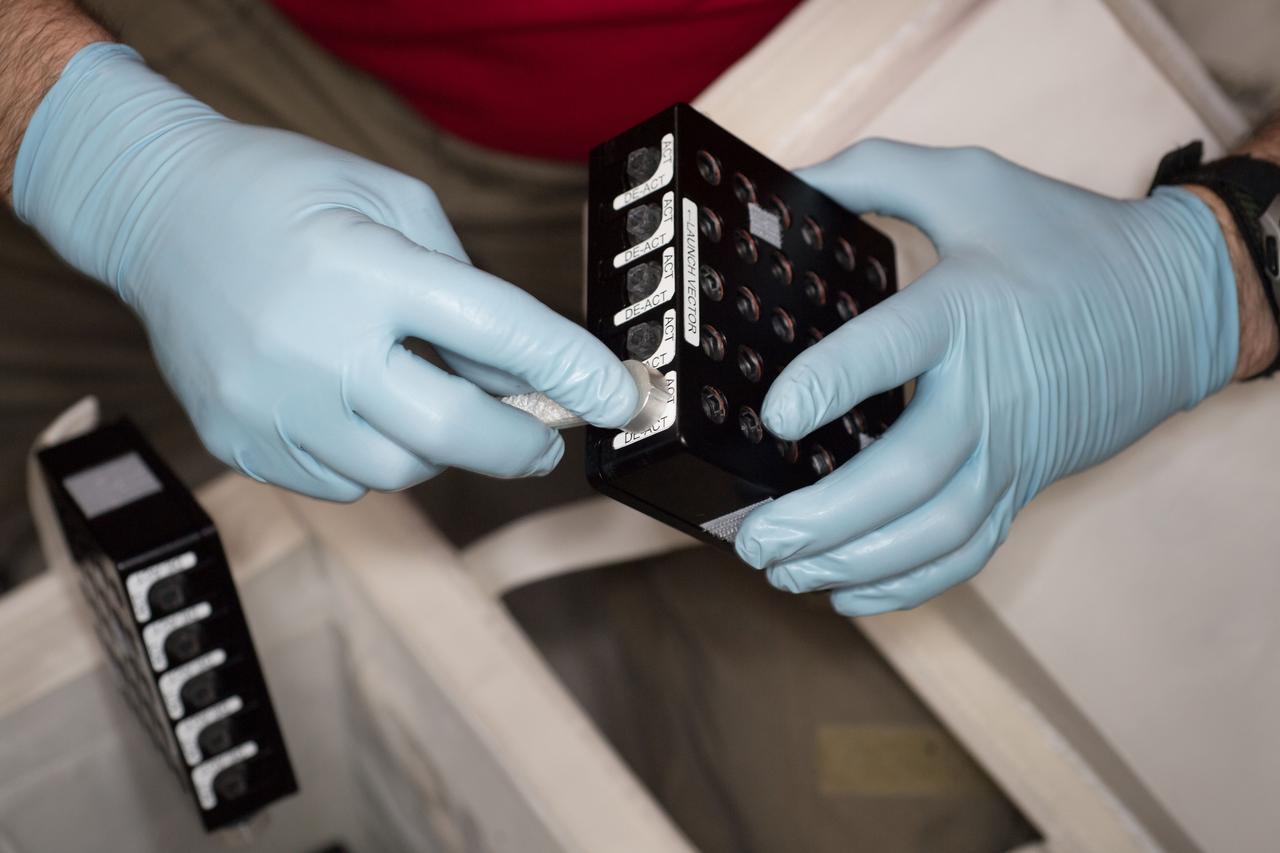
iss055e010761 (4/5/2018) --- Photographic documentation of CASIS Protein Crystal Growth (PCG) -11 hardware during CS-DCB-Unpack2 activity aboard the International Space Station (ISS). Neutron Crystallographic Studies of Human Acetylcholinesterase for the Design of Accelerated Reactivators (CASIS PCG 11) produces acetylcholinesterase crystals, a neurotransmitter enzyme. Crystals grown in microgravity are larger, of higher-quality and can be used for a technique called macromolecular neutron crystallography (MNC) to locate hydrogen atoms in the crystal’s structure.
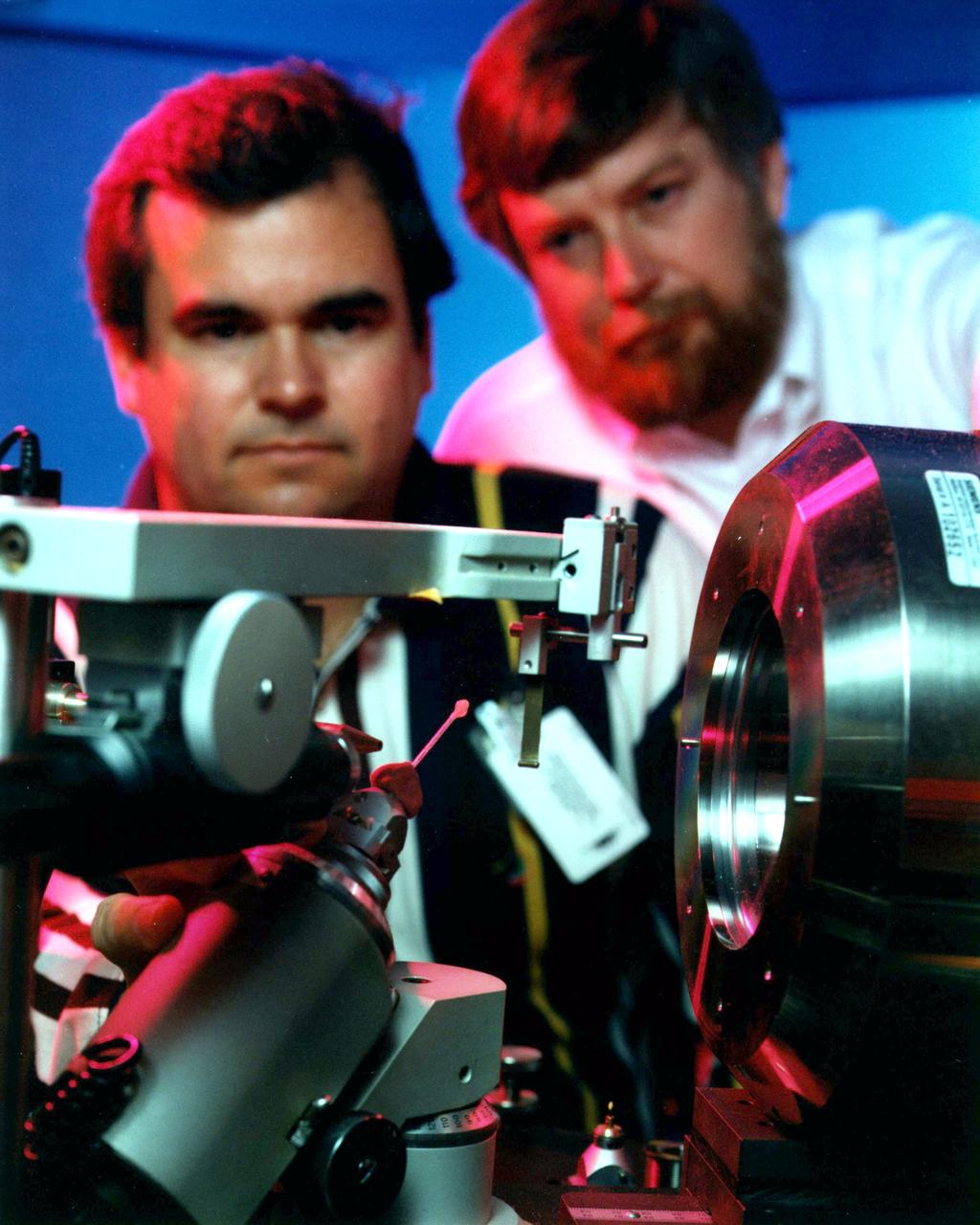
Dan Carter and Charles Sisk center a Lysozyme Protein crystal grown aboard the USML-2 shuttle mission. Protein isolated from hen egg-white and functions as a bacteriostatic enzyme by degrading bacterial cell walls. First enzyme ever characterized by protein crystallography. It is used as an excellent model system for better understanding parameters involved in microgravity crystal growth experiments. The goal is to compare kinetic data from microgravity experiments with data from laboratory experiments to study the equilibrium.
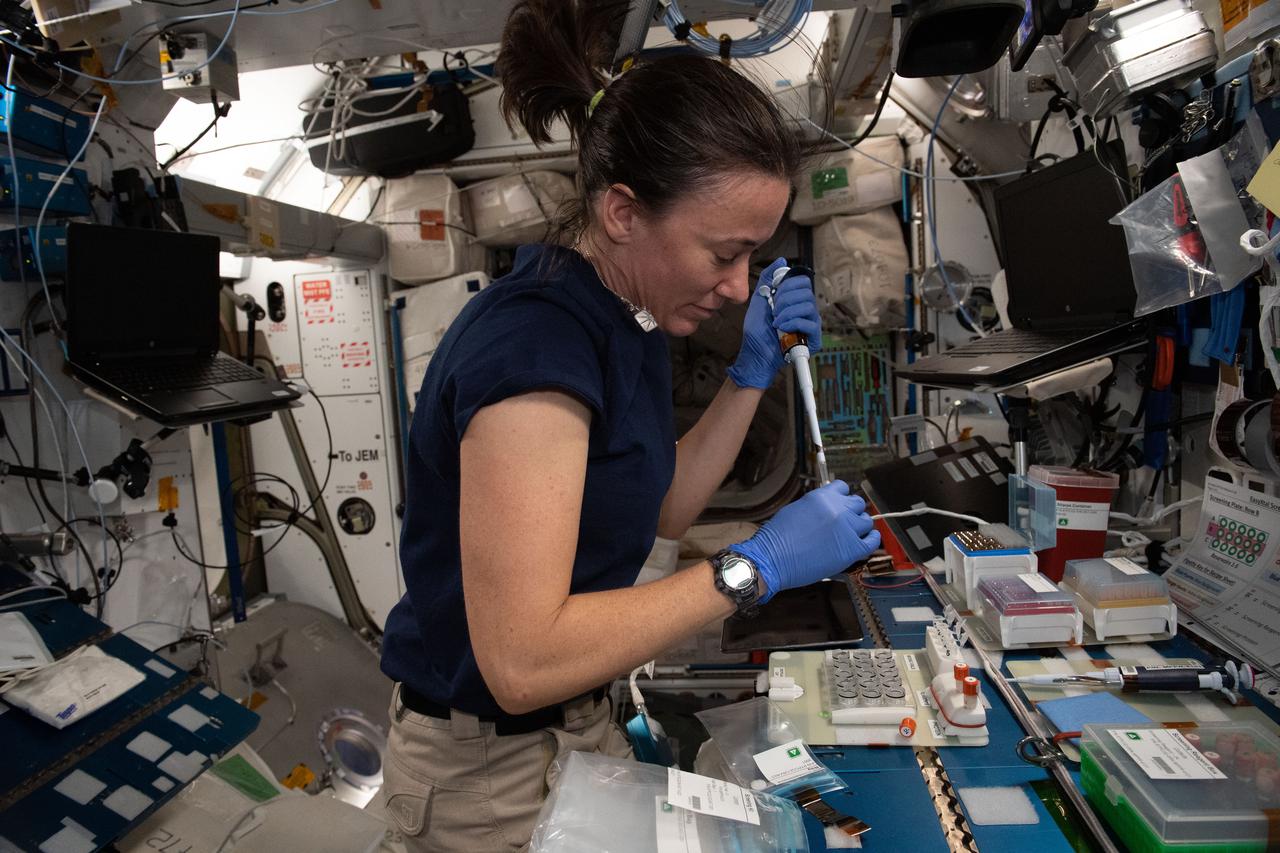
iss065e085491 (June 3, 2021) --- NASA astronaut and Expedition 65 Flight Engineer Megan McArthur loads protein crystallography plates with protein solutions for the Real-time Protein Crystal Growth experiment. The biotechnology study demonstrates new methods for producing high-quality protein crystals in microgravity. Results may help identify new targets and develop better drugs to treat a variety of diseases on Earth and advance the commercialization of low-Earth orbit.
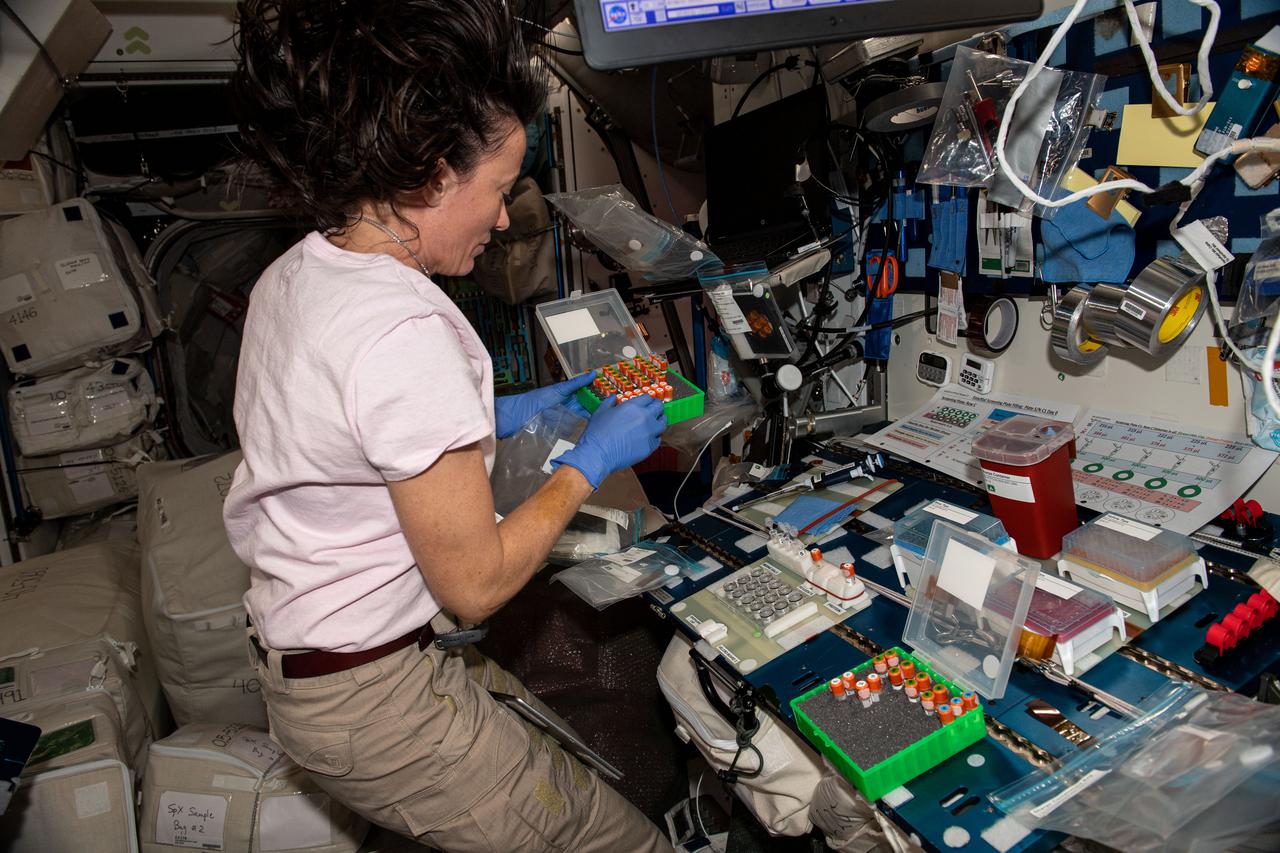
iss065e144296 (June 14, 2021) --- NASA astronaut and Expedition 65 Flight Engineer Megan McArthur loads protein crystallography plates with protein solutions, mixes them with custom salt solutions, then seals and transfers the plates for incubation for the Real-Time Protein Crystal Growth-2 experiment. The biotechnology study looks at new ways to produce high-quality protein crystals which could lead to new disease therapies on Earth.
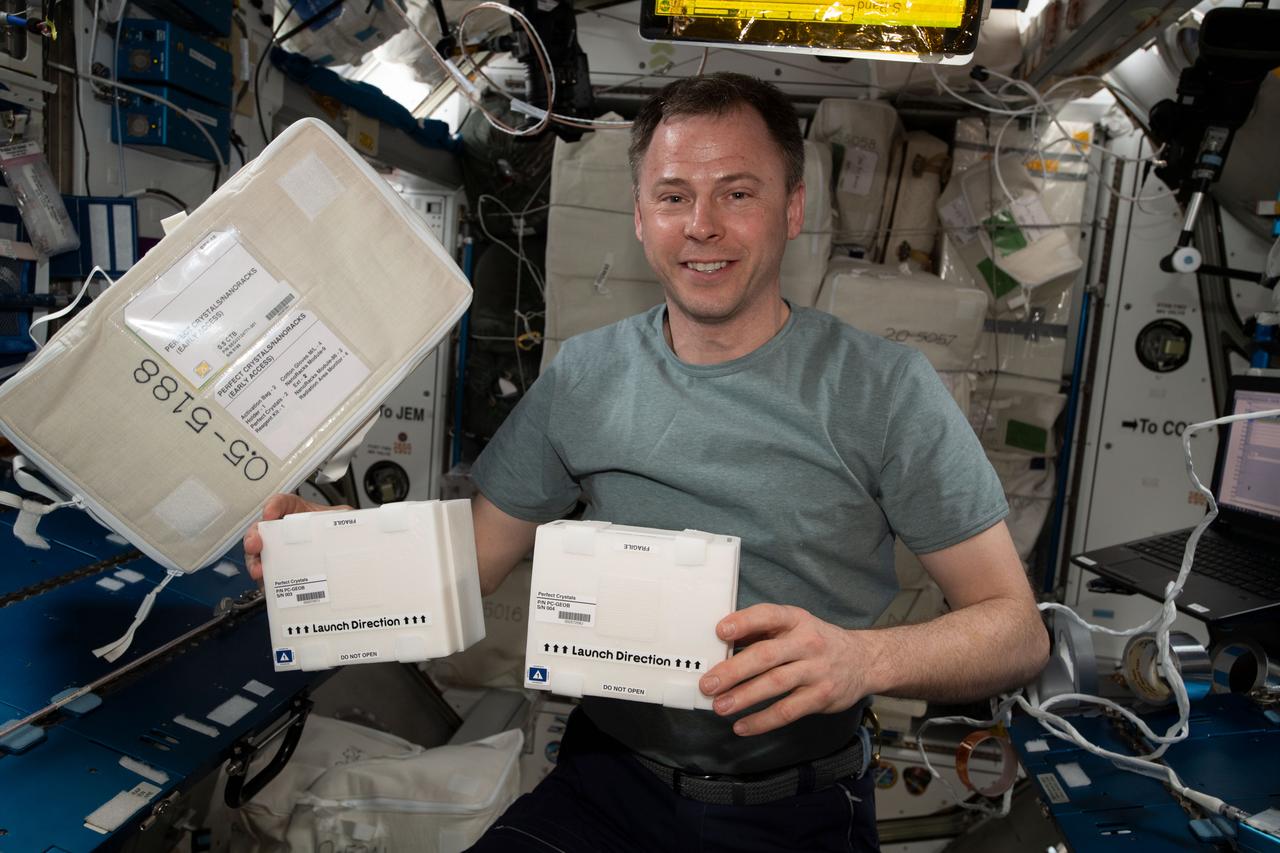
iss060e015022 (7/28/2019) — NASA astronaut Nick Hague is shown holding the Perfect Crystals investigation samples within Styrofoam containers in Node 3 aboard the International Space Station (ISS). Growth of Large, Perfect Protein Crystals for Neutron Crystallography (Perfect Crystals) crystallizes human manganese superoxide dismutase in order to analyze its shape. This sheds light on how the antioxidant protein helps protect the human body from oxidizing radiation and oxides created as a byproduct of metabolism.
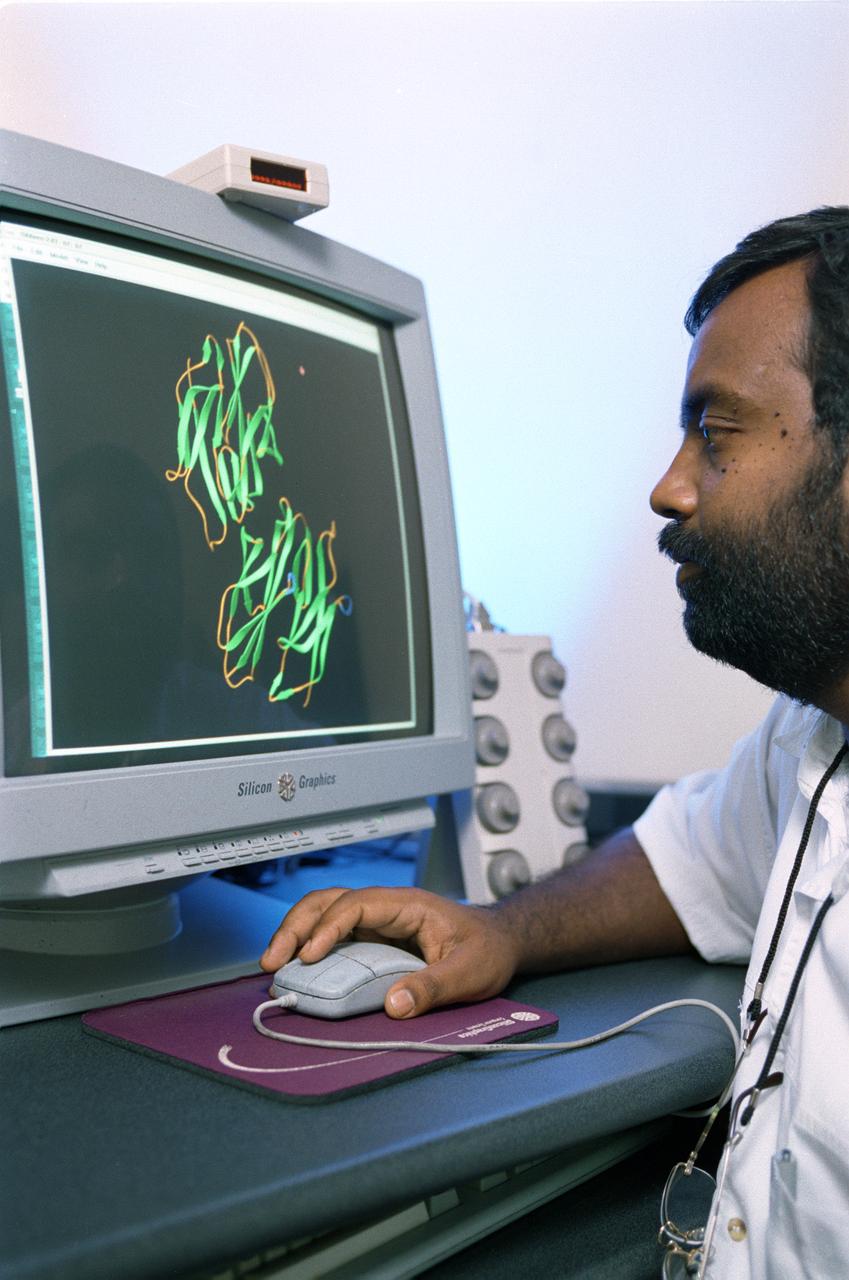
Diabetic patients may someday reduce their insulin injections and lead more normal lives because of new insights gained through innovative space research in which insulin crystals were grown on the Space Shuttle. Results from a 1994 insulin crystals growth experiment in space are leading to a new understanding of protein insulin. Lack of insulin is the cause of diabetes, a disease that accounts for one-seventh of the nation's health care costs. Champion Deivanaygam, a researcher at the Center for Macromolecular Crystallography at the University of Alabama in Birmingham, assists in this work. Photo credit: NASA/Marshall Space Flight Center (MSFC)
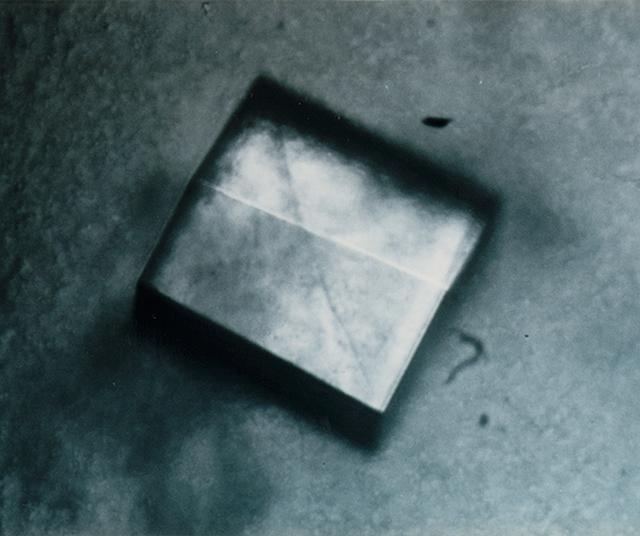
Diabetic patients may someday reduce their insulin injections and lead more normal lives because of new insights gained through irnovative space research in which insulin crystals were grown on the Space Shuttle. Results from a 1994 insulin crystal growth experiment in space are leading to a new understanding of protein insulin. Lack of insulin is the cause of diabetes, a desease that accounts for one-seventh of the nation's health care costs. Dr. Marianna Long, associate director of the Center of Macromolecular Crystallography at the University of Alabama at Birmingham, is a co-investigator on the research. Photo credit: NASA/Marshall Space Flight Center (MSFC)
Data shows that elevated sialidase in bacterial vaginosis patients correlates to premature births in women. Bacterial sialidase also plays a significant role in the unusual colonization of Pseudomonas aeruginosa in cystic fibrosis patients. Crystals of Salmonella sialidase have been reproduced and are used for studying the inhibitor-enzyme complexes. These inhibitors may also be used to inhibit a trans-sialidase of Trypanosome cruzi, a very similar enzyme to bacterial sialidase, therefore preventing T. cruzi infection, the causitive agent of Chagas' disease. The Center for Macromolecular Crystallography suggests that inhibitors of bacterial sialidases can be used as prophylactic drugs to prevent bacterial infections in these critical cases.
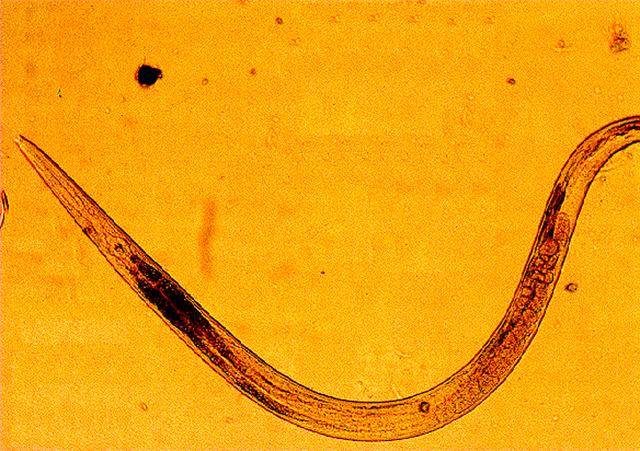
Over a billion of mostly third world people are infected with a roundworm known as ascarids. Ascarids are tiny parasites that infect the intestinal tract of vertebrates. Movement of the larvae into the brain or other parts of the body can prove fatal. Space-based research is providing new hope in combating these parasitic worms. Ascarids are dependent upon a substance known as malic enzyme to regulate certain bodily functions. A new drug designed to interfere with normal functioning of malic enzyme should prove deadly to ascarids. The Center for Macromolecular Crystallography, along with the University of North Texas grew malic enzyme crystals on the USML-1 Spacelab mission. Although these crystals proved to be smaller than ground based ones, they were more perfectly formed, therefore producing better data for drug design.
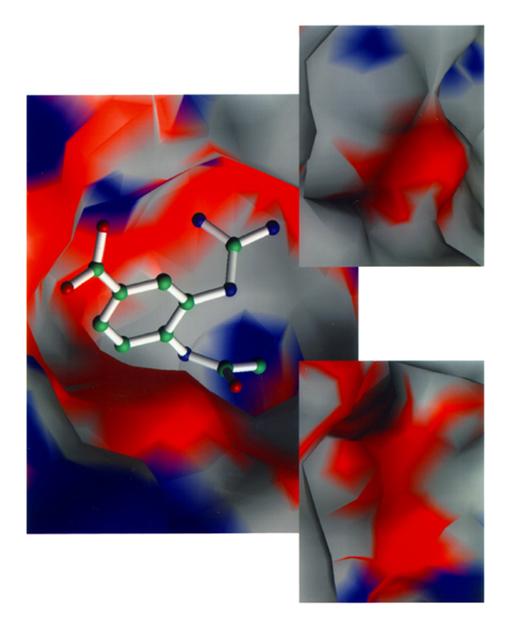
The loss of productivity due to flu is staggering. Costs range as much as $20 billio a year. High mutation rates of the flu virus have hindered development of new drugs or vaccines. The secret lies in a small molecule which is attached to the host cell's surface. Each flu virus, no matter what strain, must remove this small molecule to escape the host cell to spread infection. Using data from space and earth grown crystals, researchers from the Center of Macromolecular Crystallography (CMC) are desining drugs to bind with this protein's active site. This lock and key fit reduces the spread of flu in the body by blocking its escape route. In collaboration with its corporate partner, the CMC has refined drug structure in preparation for clinical trials. Tested and approved relief is expected to reach drugstores by year 2004.

The crew patch of STS-73, the second flight of the United States Microgravity Laboratory (USML-2), depicts the Space Shuttle Columbia in the vastness of space. In the foreground are the classic regular polyhedrons that were investigated by Plato and later Euclid. The Pythagoreans were also fascinated by the symmetrical three-dimensional objects whose sides are the same regular polygon. The tetrahedron, the cube, the octahedron, and the icosahedron were each associated with the Natural Elements of that time: fire (on this mission represented as combustion science); Earth (crystallography), air and water (fluid physics). An additional icon shown as the infinity symbol was added to further convey the discipline of fluid mechanics. The shape of the emblem represents a fifth polyhedron, a dodecahedron, which the Pythagoreans thought corresponded to a fifth element that represented the cosmos.

STS073-S-001 (May 1995) --- The crew patch of STS-73, the second flight of the United States Microgravity Laboratory (USML-2), depicts the space shuttle Columbia in the vastness of space. In the foreground are the classic regular polyhedrons that were investigated by Plato and later Euclid. The Pythagoreans were also fascinated by the symmetrical three-dimensional objects whose sides are the same regular polygon. The tetrahedron, the cube, the octahedron, and the icosahedron were each associated with the "Natural Elements" of that time: fire (on this mission represented as combustion science); Earth (crystallography), air and water (fluid physics). An additional icon shown as the infinity symbol was added to further convey the discipline of fluid mechanics. The shape of the emblem represents a fifth polyhedron, a dodecahedron, which the Pythagoreans thought corresponded to a fifth element that represented the cosmos. The NASA insignia design for space shuttle flights is reserved for use by the astronauts and for other official use as the NASA Administrator may authorize. Public availability has been approved only in the forms of illustrations by the various news media. When and if there is any change in this policy, which is not anticipated, the change will be publicly announced. Photo credit: NASA
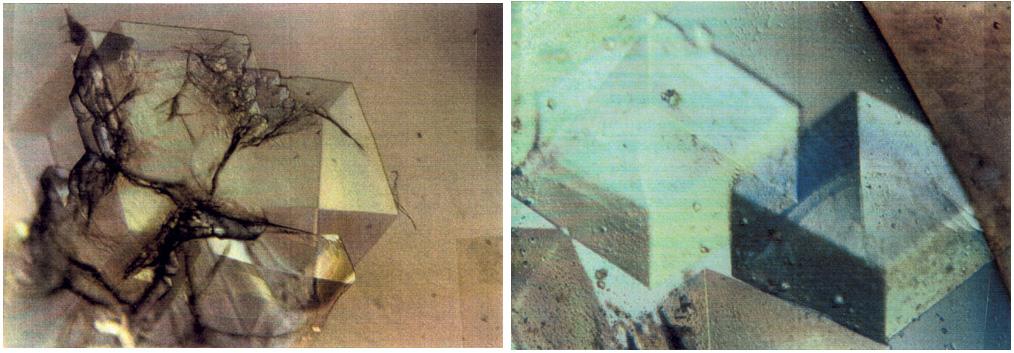
Proteins are the building blocks of our bodies and the living world around us. Within our bodies proteins make it possible for red blood cells to carry oxygen throughout the body. Others help transmit nerve impulses so we can hear, smell and feel the world around us. While others play a crucial role in preventing or causing disease. If the structure of a protein is known, then companies can develop new or improved drugs to fight the disease of which the protein is a part. To determine protein structure, researchers must grow near-perfect crystals of the protein. On Earth convection currents, sedimentation and other gravity-induced phenomena hamper crystal growth efforts. In microgravity researchers can grow near-perfect crystals in an environment free of these effects. Because of the enormous potential for new pharmaceutical products the Center for Macromolecular Crystallography--the NASA Commercial Space Center responsible for commercial protein crystal growth efforts has more than fifty major industry and academic partners. Research on crystals of human insulin could lead to improved treatments for diabetes.
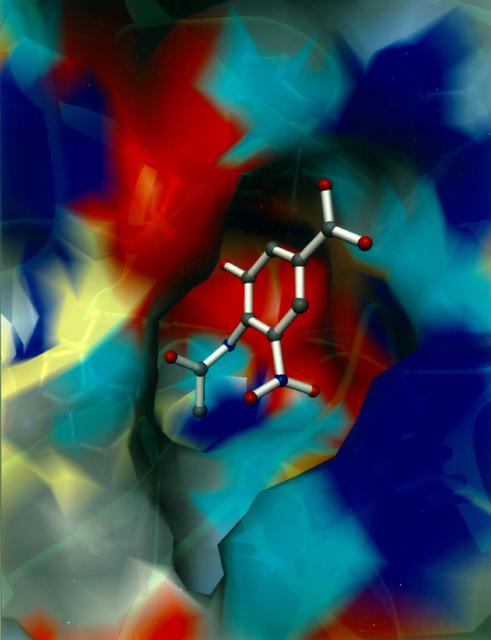
The reproduction process of all strains of influenza are dependent on the same enzyme neuraminidase. Pharmaceutical companies have been developing drugs that can inhibit the function of neuraminidase hoping to create an effective weapon against the flu. Researchers from the pharmaceutical industry and from the Center for Macromolecular Crystallography have grown crystals of neuraminidase in space. These improved, space-grown crystals have provided information that have helped design drugs which form a stronger interaction with the enzyme. These drugs inhibit neuraminidase by attaching themselves to the enzyme. Since the drugs are less likely to detach from the enzyme, they are more effective, require smaller dosages, and have fewer side effects. Shown here is a segmented representation of the neuraminidase inhibitor compound sitting inside a cave-like contour of the neuraminidase enzyme surface. This cave-like formation present in every neuraminidase enzyme is the active site crucial to the flu's ability to infect. The space-grown crystals of neuraminidase have provided significant new details about the three-dimensional characteristics of this active site thus allowing researchers to design drugs that fit tighter into the site. Principal Investigator: Dr. Larry DeLucas