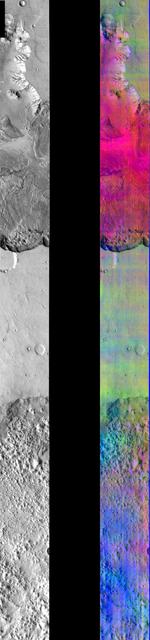
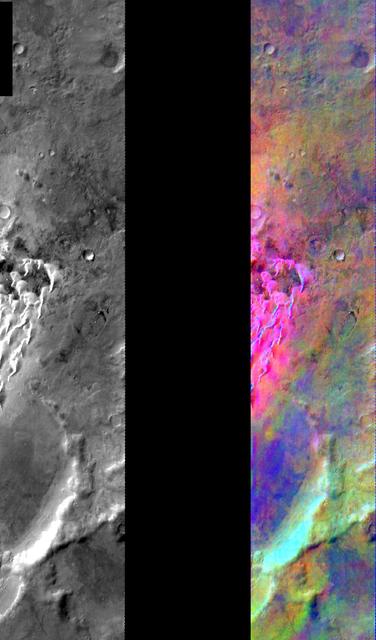
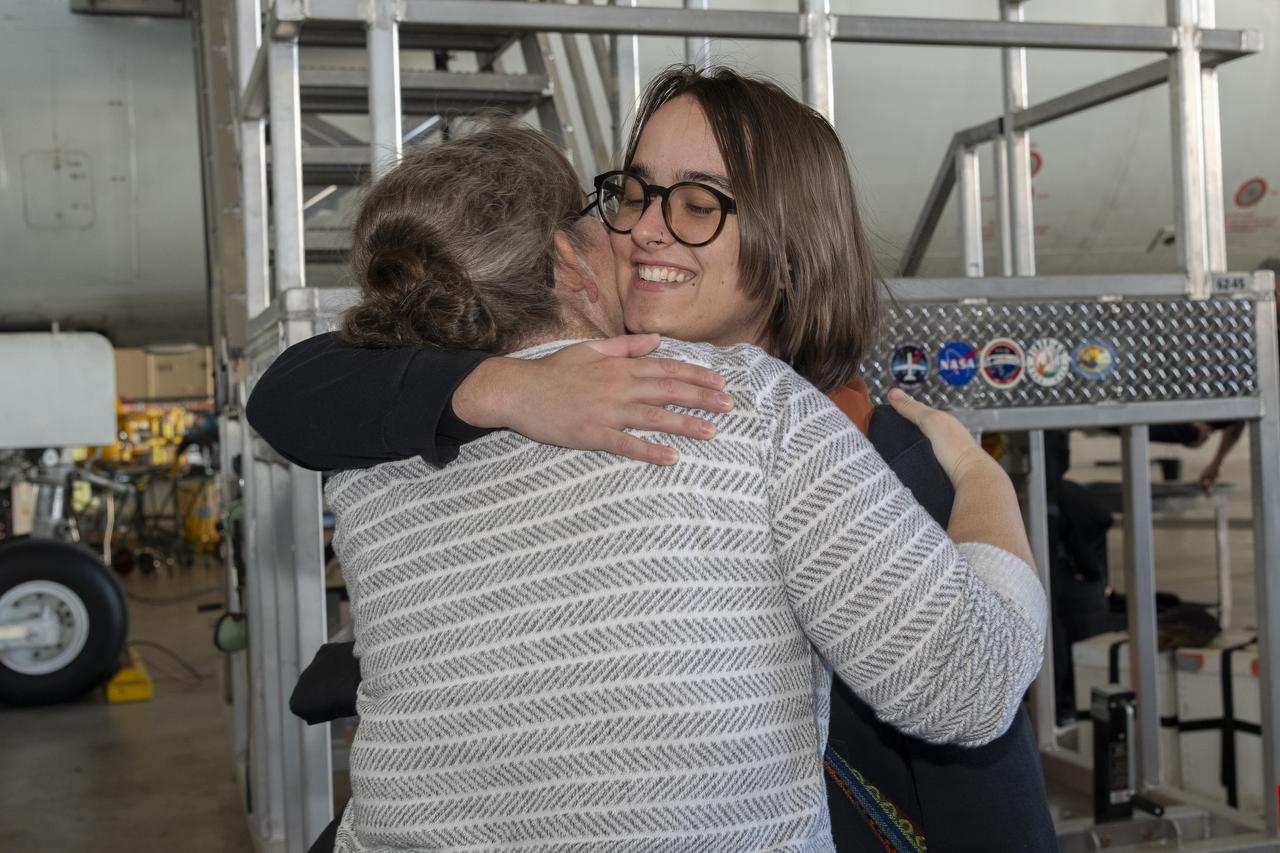
Canyon in DCS Color
Canyon in DCS Color
DCS in Hesperia Planum
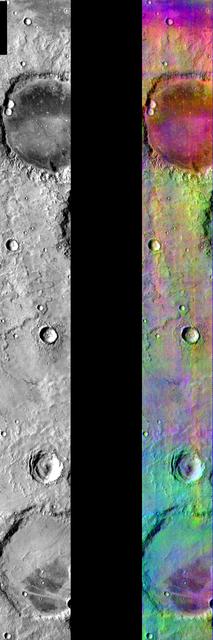
Kaiser Crater DCS
Kaiser Crater DCS
DCS Color near Mare Cimmerium
DCS of Syrtis Major Sand Migration
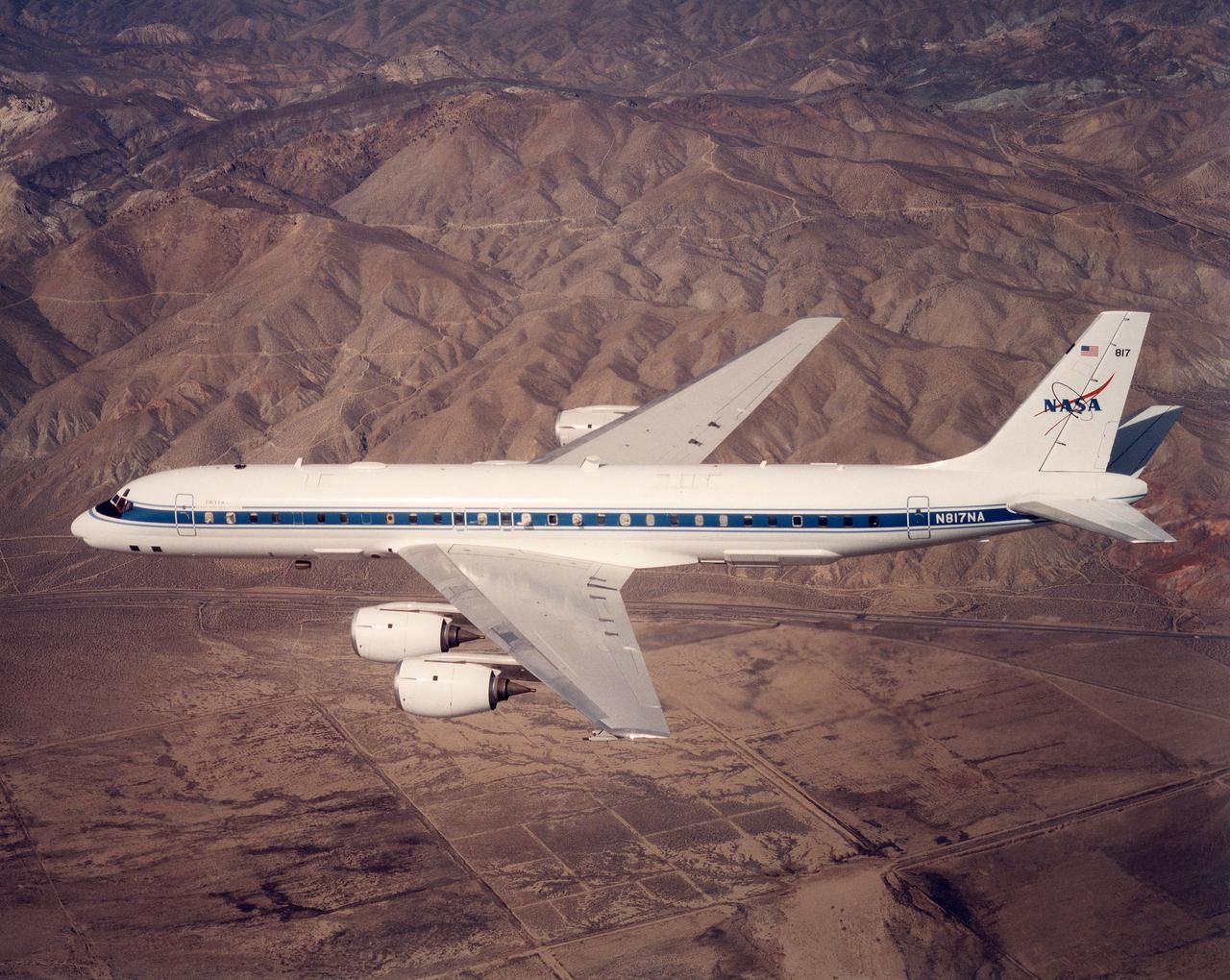
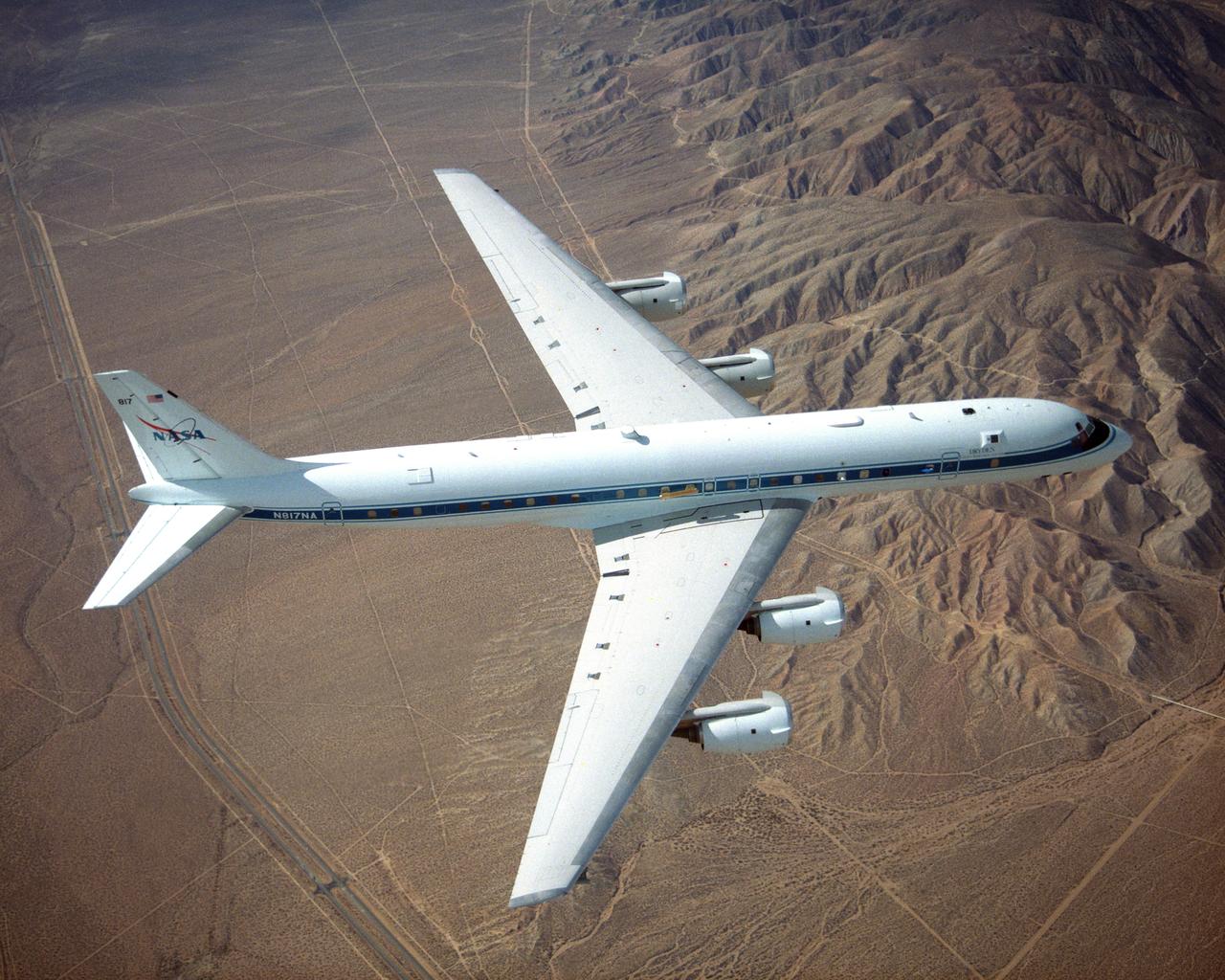
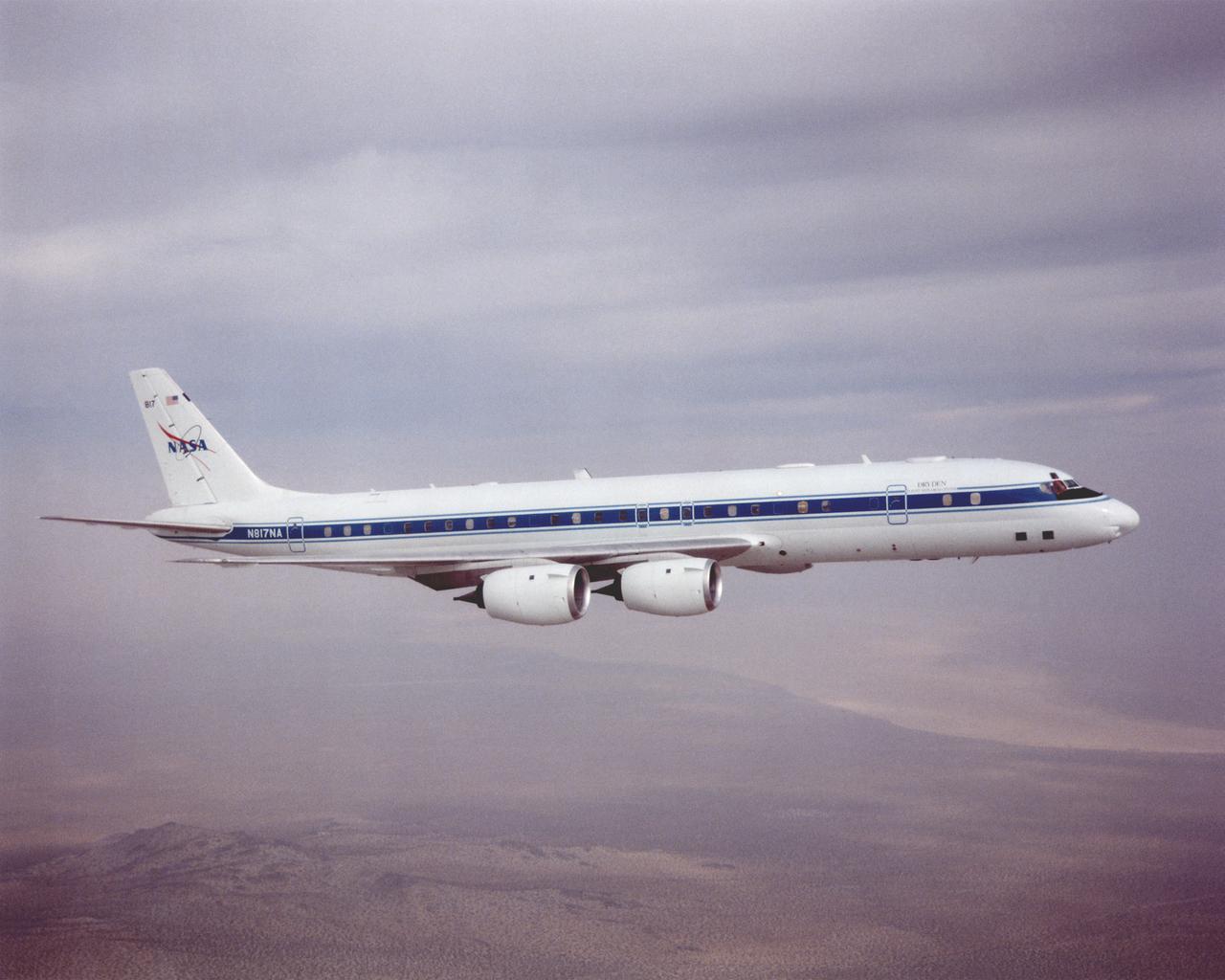
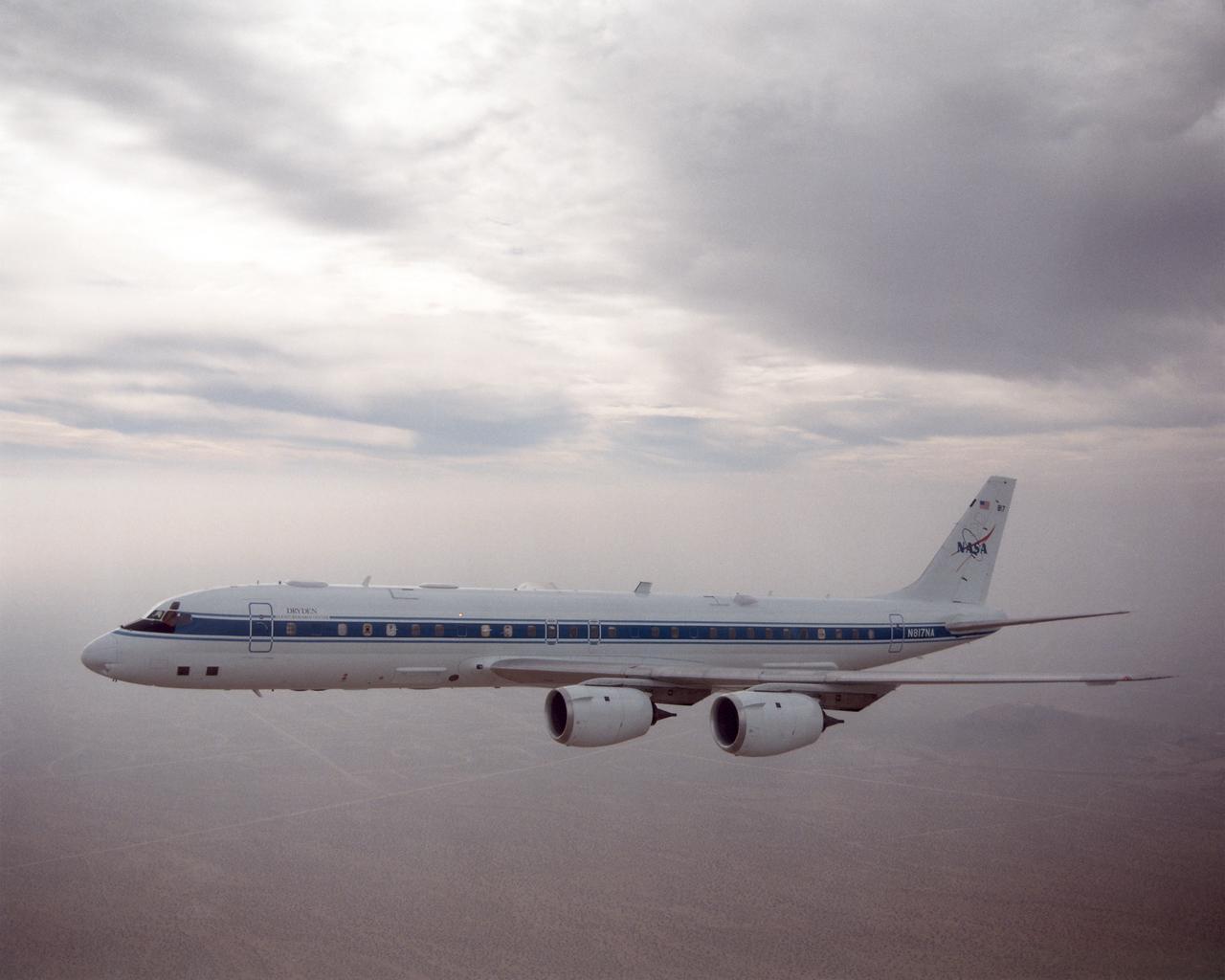
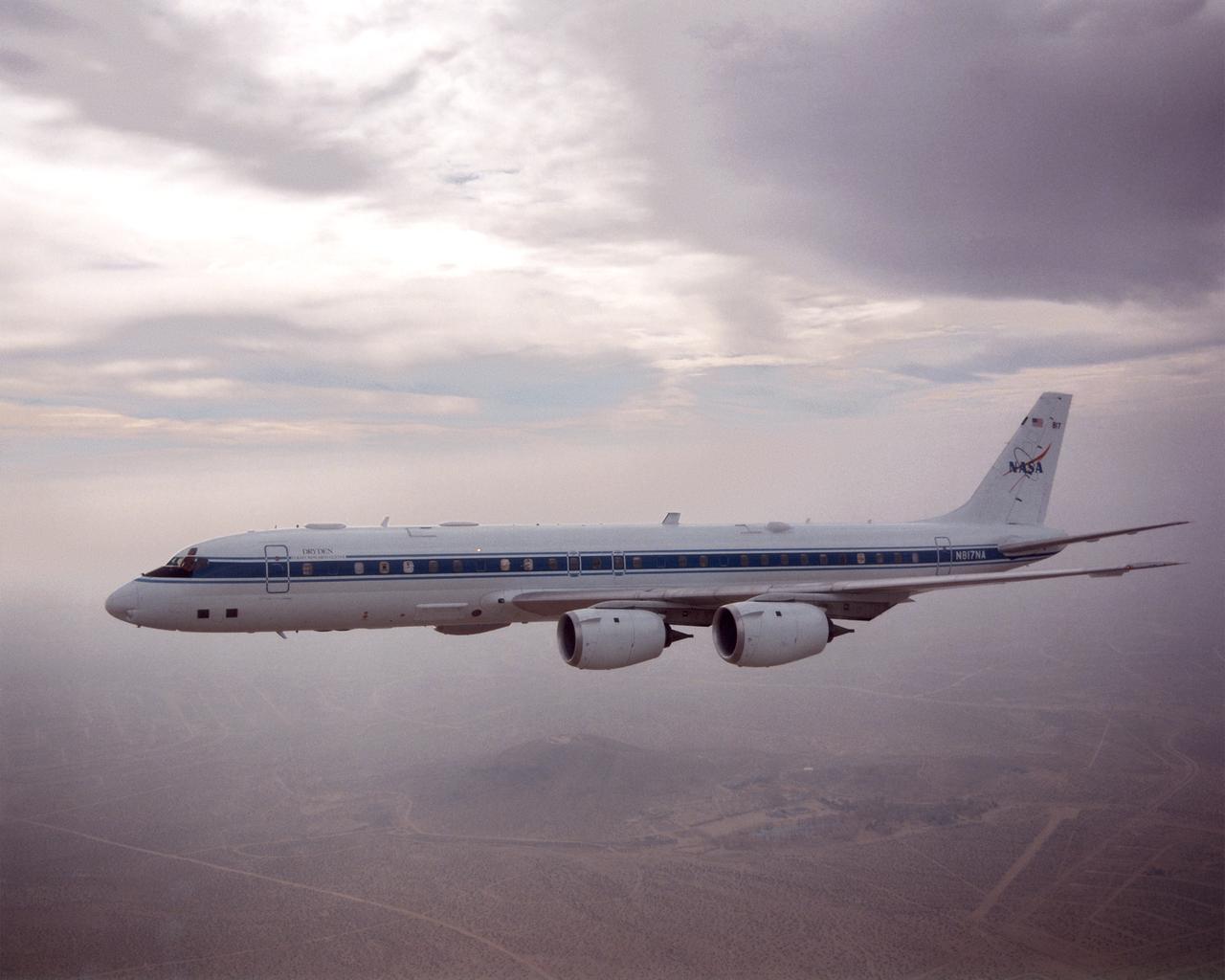
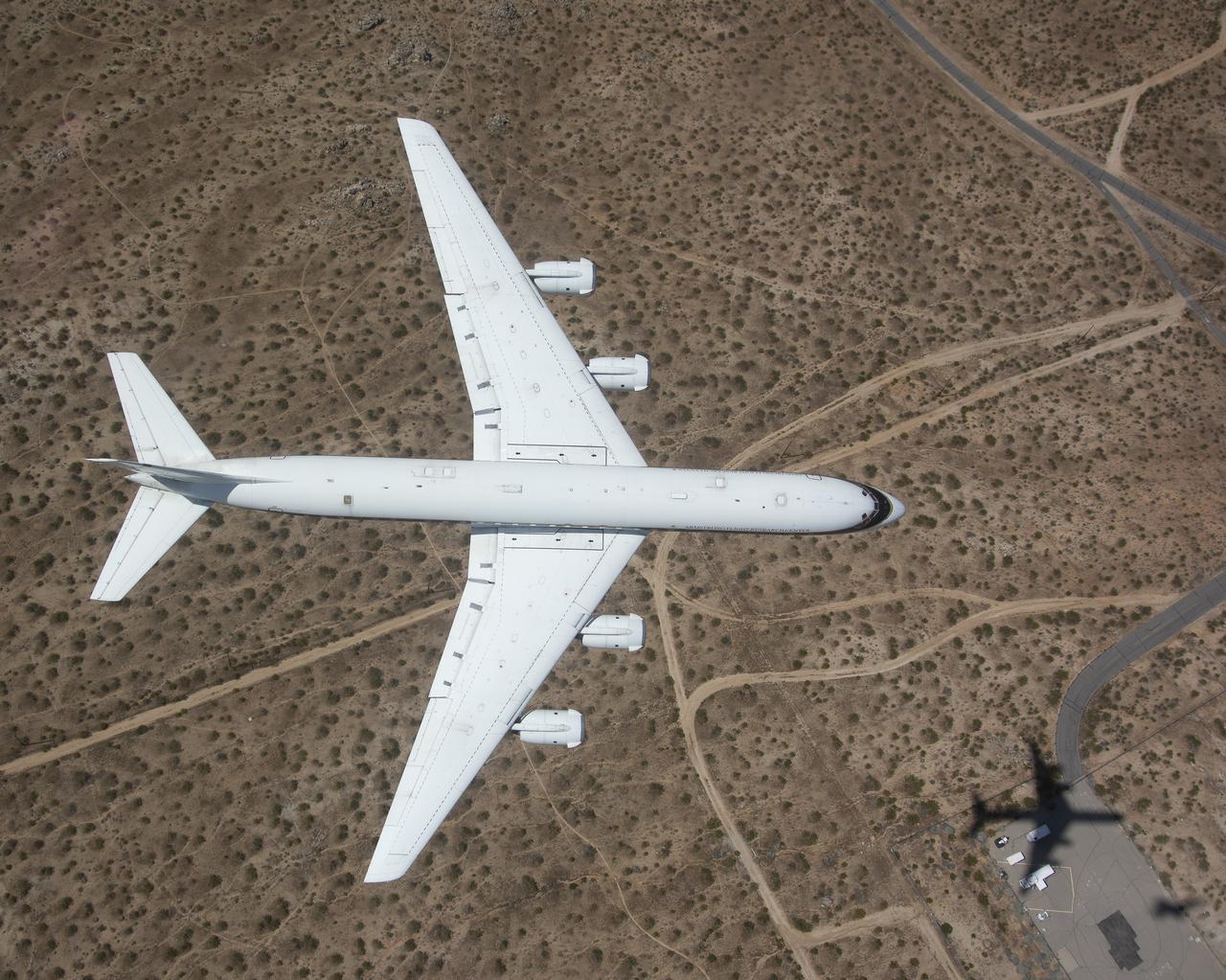
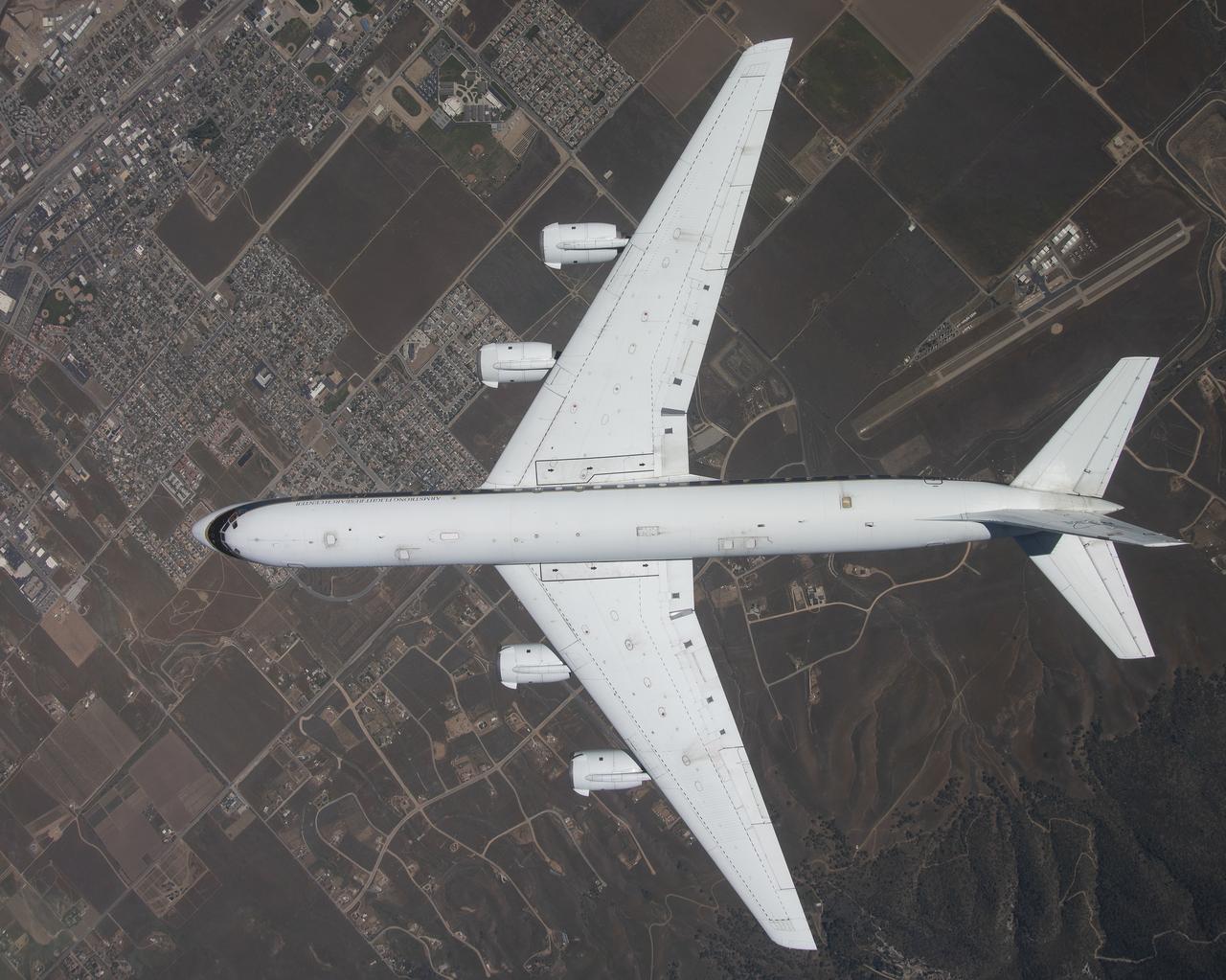
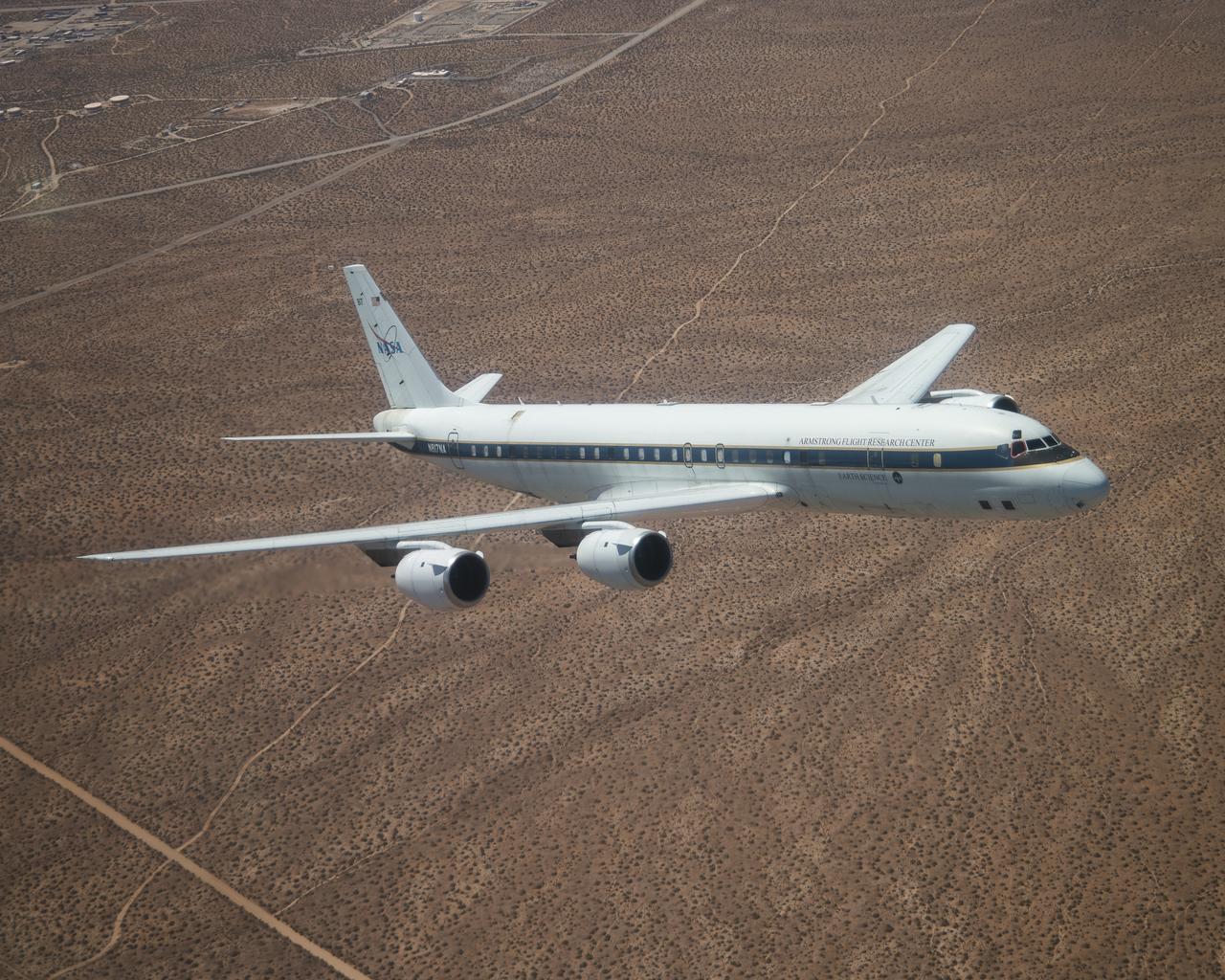
DC-8 Airborne Laboratory in flight
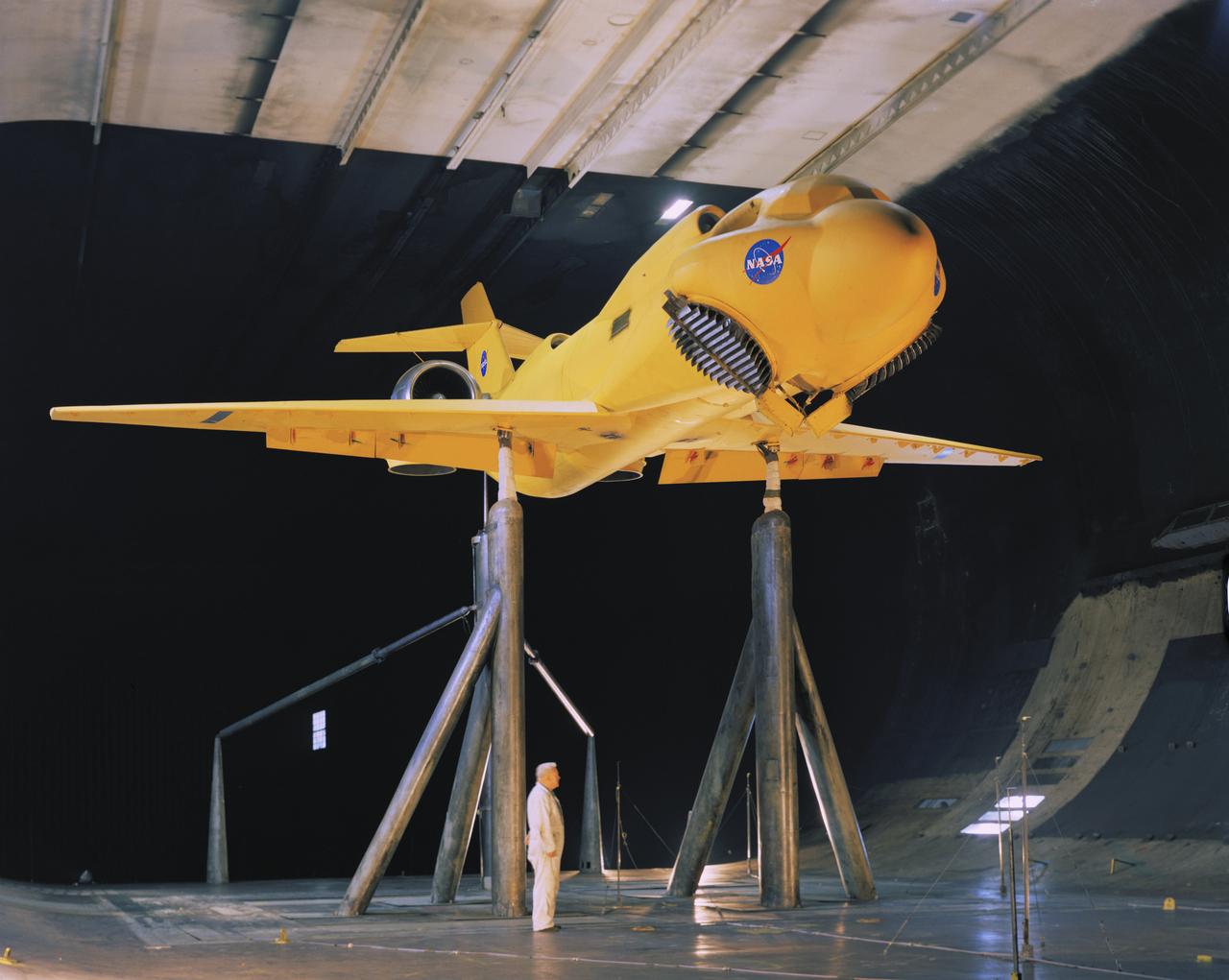
3/4 front view of McDonnell-Douglas Large-Scale lift fan, vertical and/or short take-off and landing (V/STOL), transport model. Francis Malerick in photograph.  The McDonnell Douglas DC-9 (initially known as the Douglas DC-9) is a twin-engine, single-aisle jet airliner.
DC-9 V/STOL Transport Model in the 40x80 Foot Wind Tunnel.
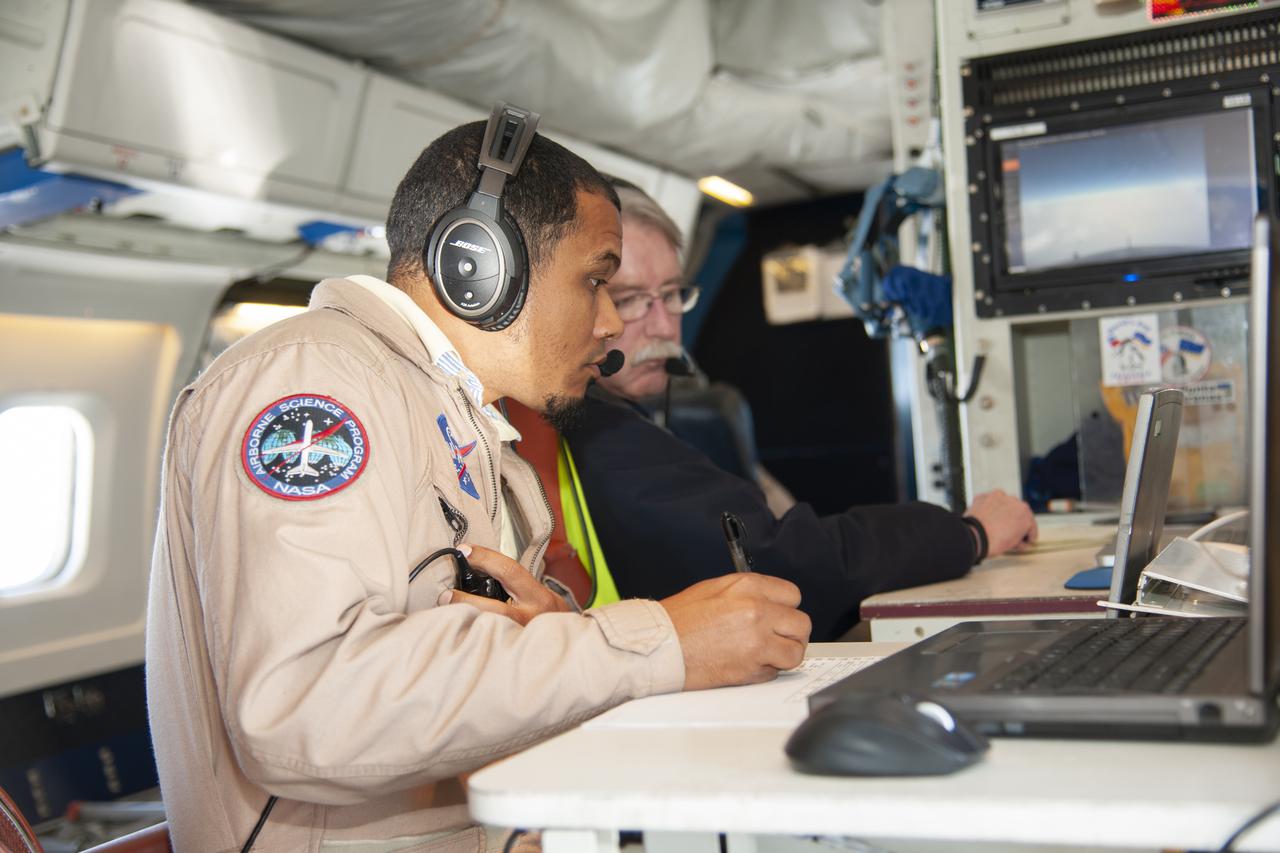
Matt Berry, left, and Chris Jennison examine incoming data on NASA’s DC-8 airborne science aircraft. The 62-year-old ex-airliner is one of seven DC-8s still flying.
Incoming Data Aboard DC-8
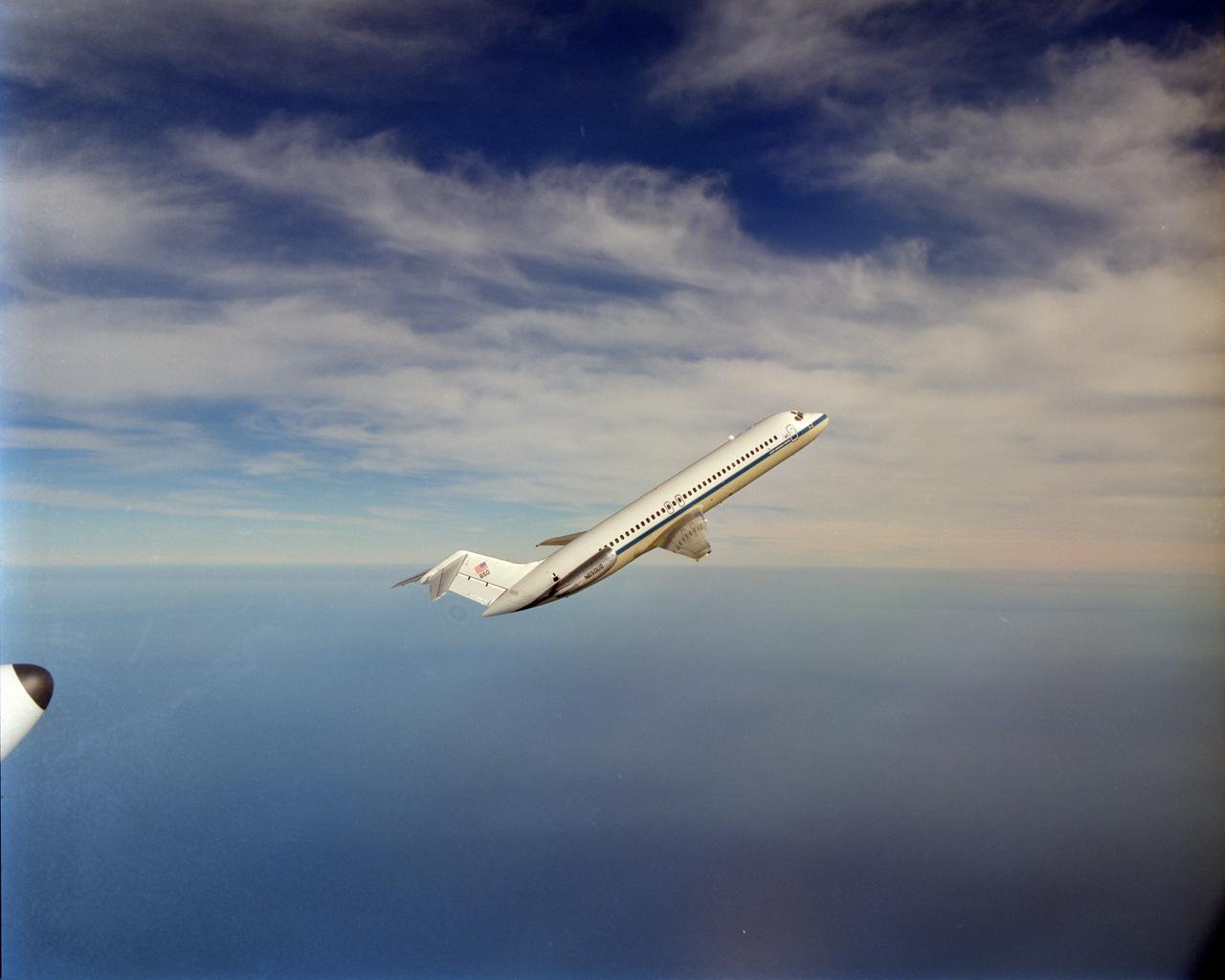
NASA aircraft DC-9 microgravity plane performs it's first test parabolas over Lake Erie.  This was photographed by the NASA Glenn Lear Jet in a chase plane configuration.
GRC-1994-C-04159
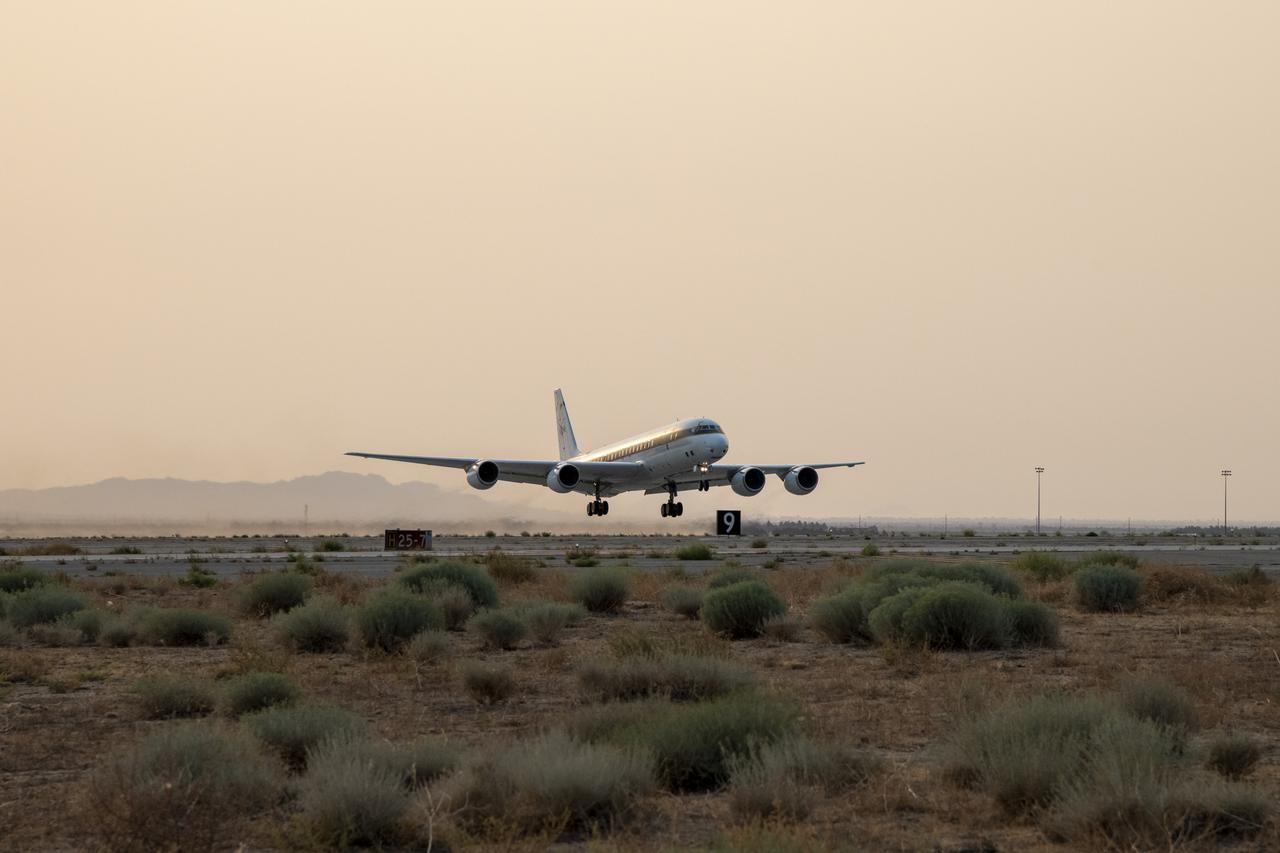
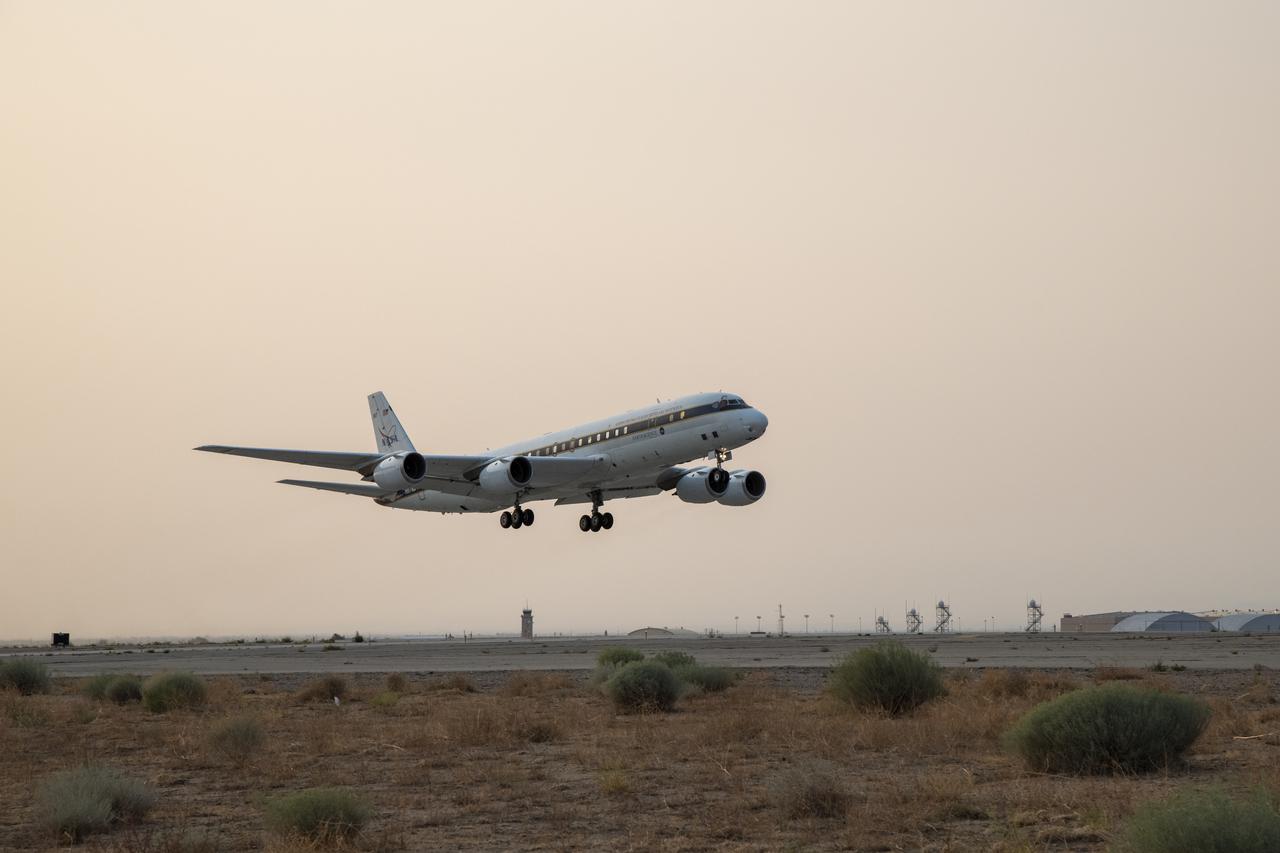
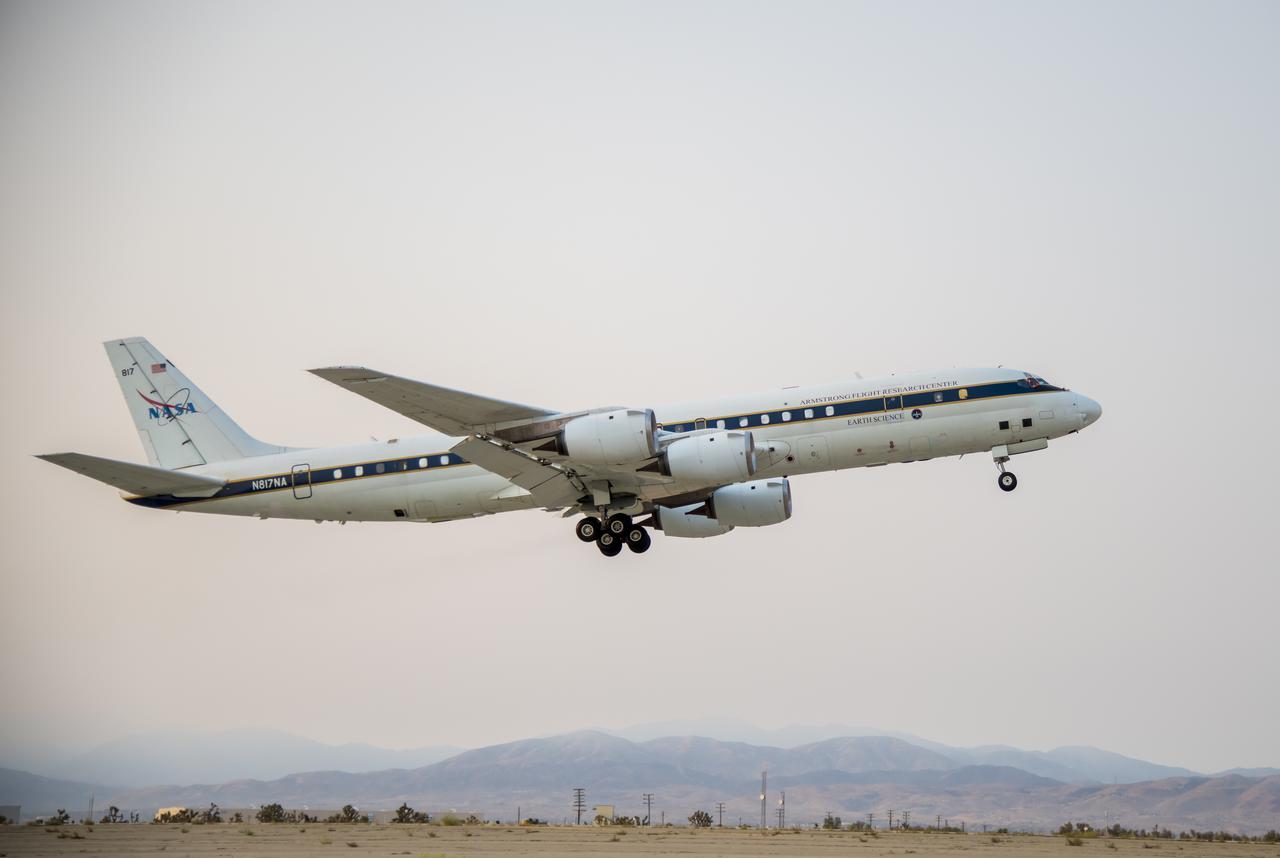
DC-8 lifts off from Air Force Plant 42 in Palmdale, Calif.
DC-8 Lift Off
DC-8 lifts off from Air Force Plant 42 in Palmdale, Calif.
DC-8 Lift Off
DC-8 lifts off from Air Force Plant 42 in Palmdale, Calif.
DC-8 Lift Off
DC-8 lifts off from Air Force Plant 42 in Palmdale, Calif.
DC-8 Lift Off
DC-8 lifts off from Air Force Plant 42 in Palmdale, Calif.
DC-8 Lift Off
DC-8 lifts off from Air Force Plant 42 in Palmdale, Calif.
DC-8 Lift Off
DC-8 lifts off from Air Force Plant 42 in Palmdale, Calif.
DC-8 Lift Off
DC-8 lifts off from Air Force Plant 42 in Palmdale, Calif.
DC-8 Lift Off
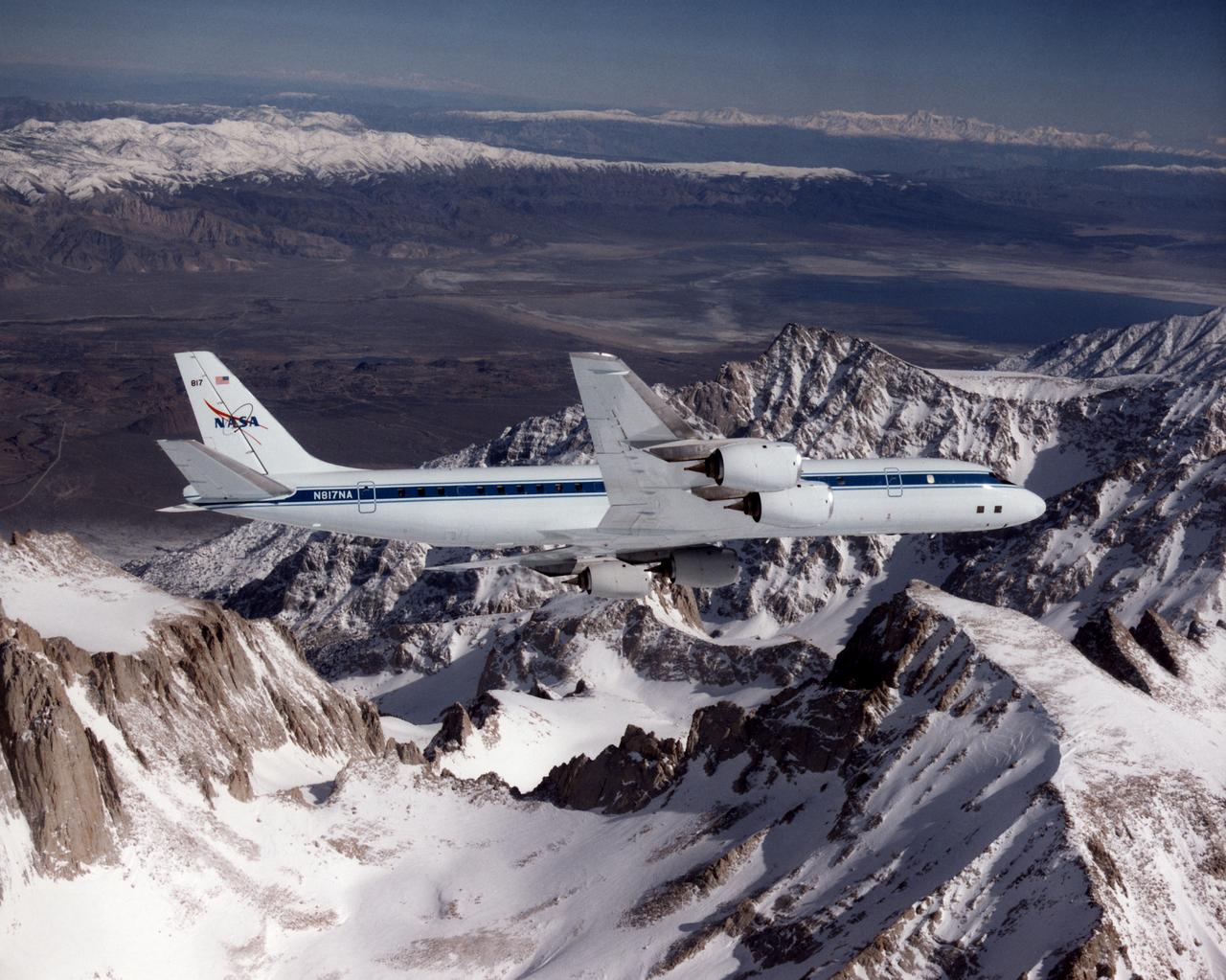
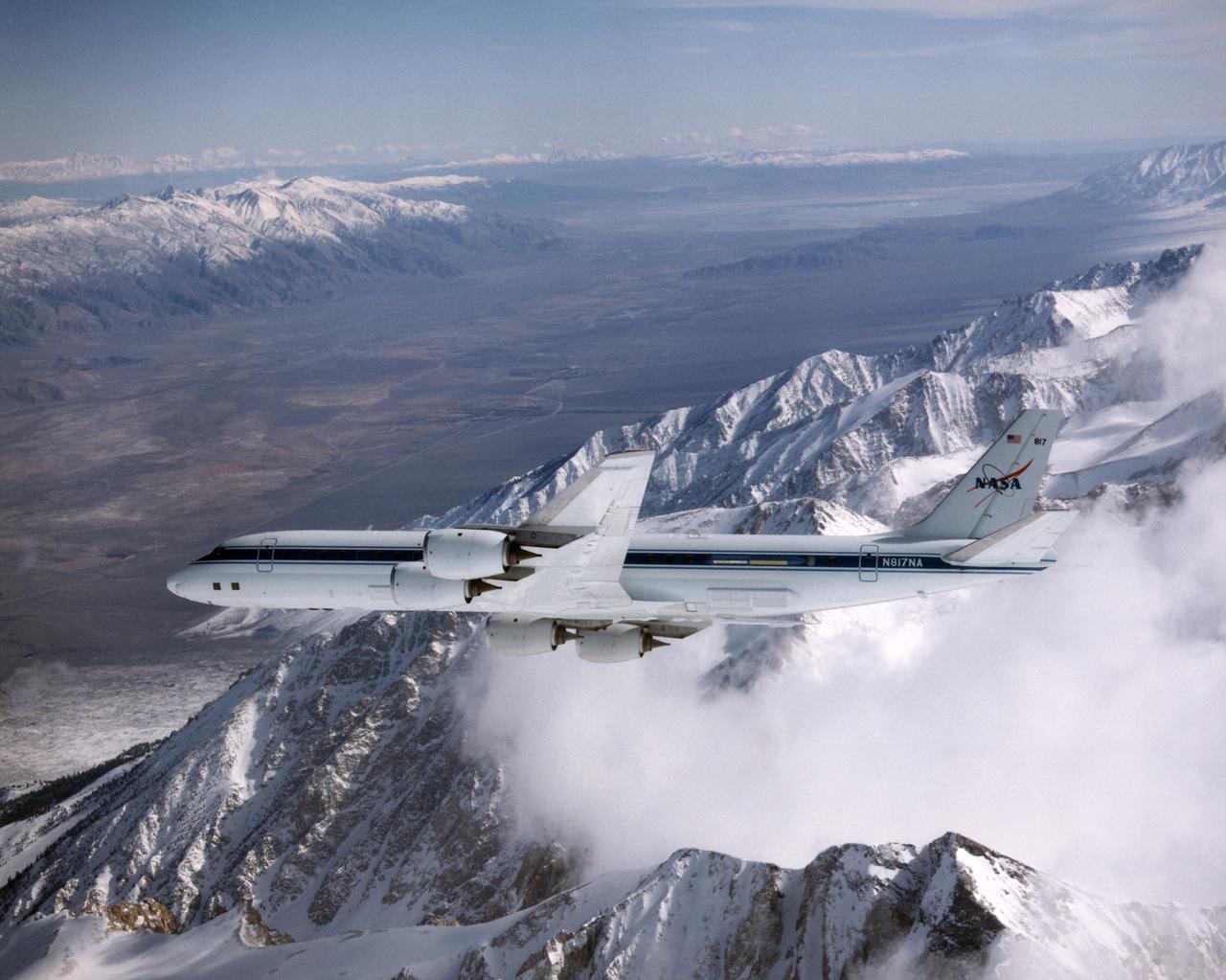
The DC-8 banking over the jagged peak of Mount Whitney on a February 25, 1998 flight. The DC-8 and a pair of ER-2 aircraft are operated by the Airborne Science program at the NASA Dryden Flight Research Center. NASA, other governmental agencies, academia, and scientific and technical organizations employ the DC-8 for a variety of experiments.
DC-8 Airborne Laboratory in flight over Mt. Whitney
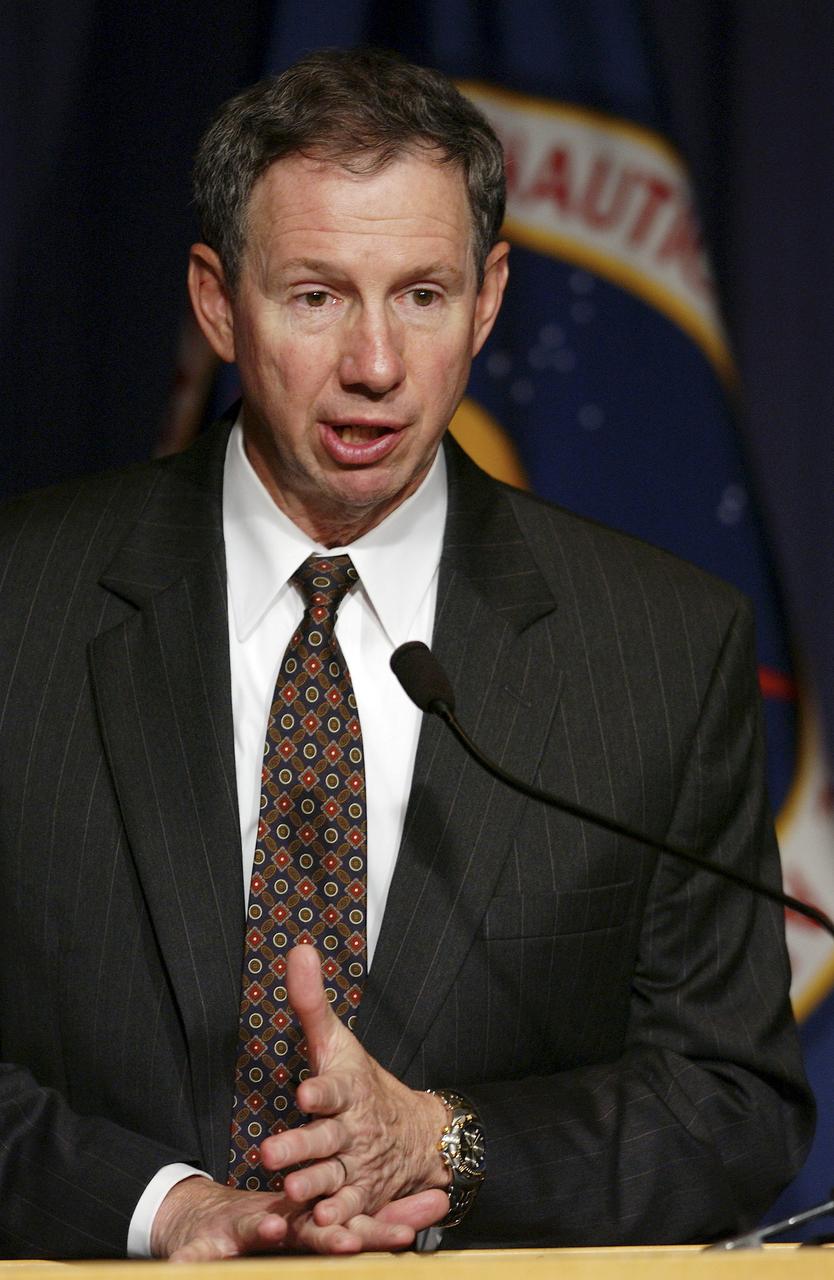
Portrait, Michael Griffin, Administrator, National Aeronautics and Space Administration (NASA). Washington, DC, April 25, 2005.  Photo Credit: (NASA/Renee Bouchard)
Michael Griffin Official Portrait
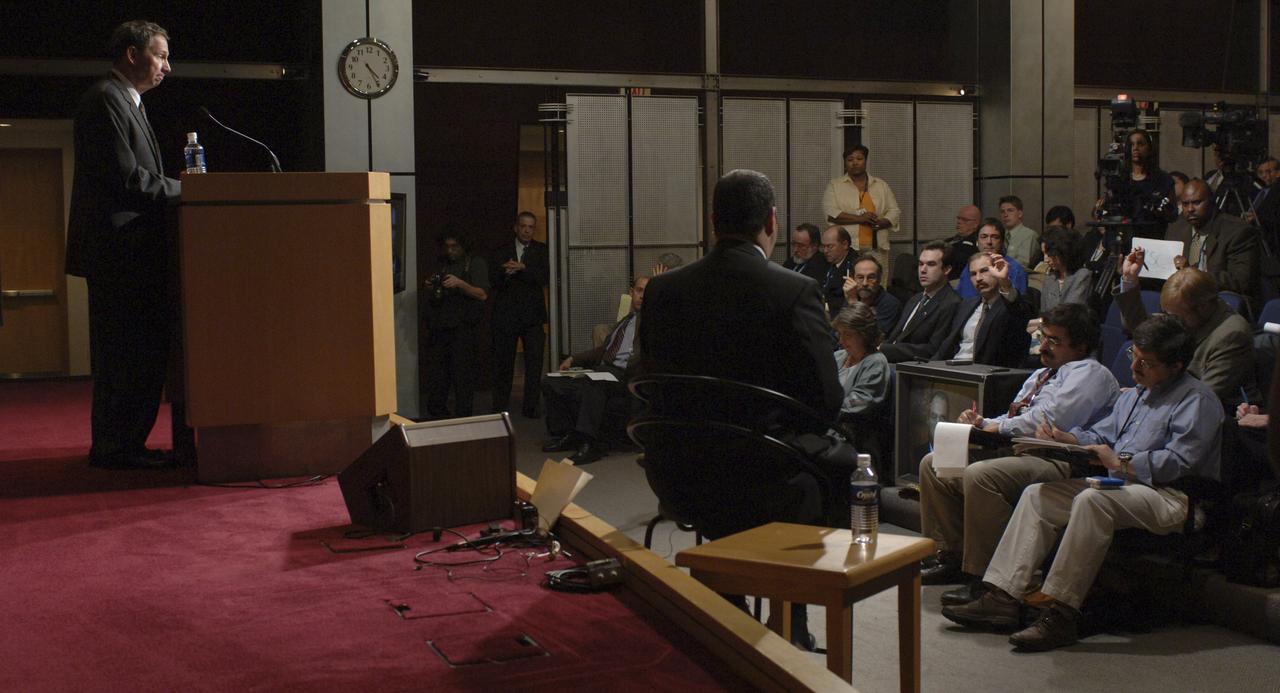
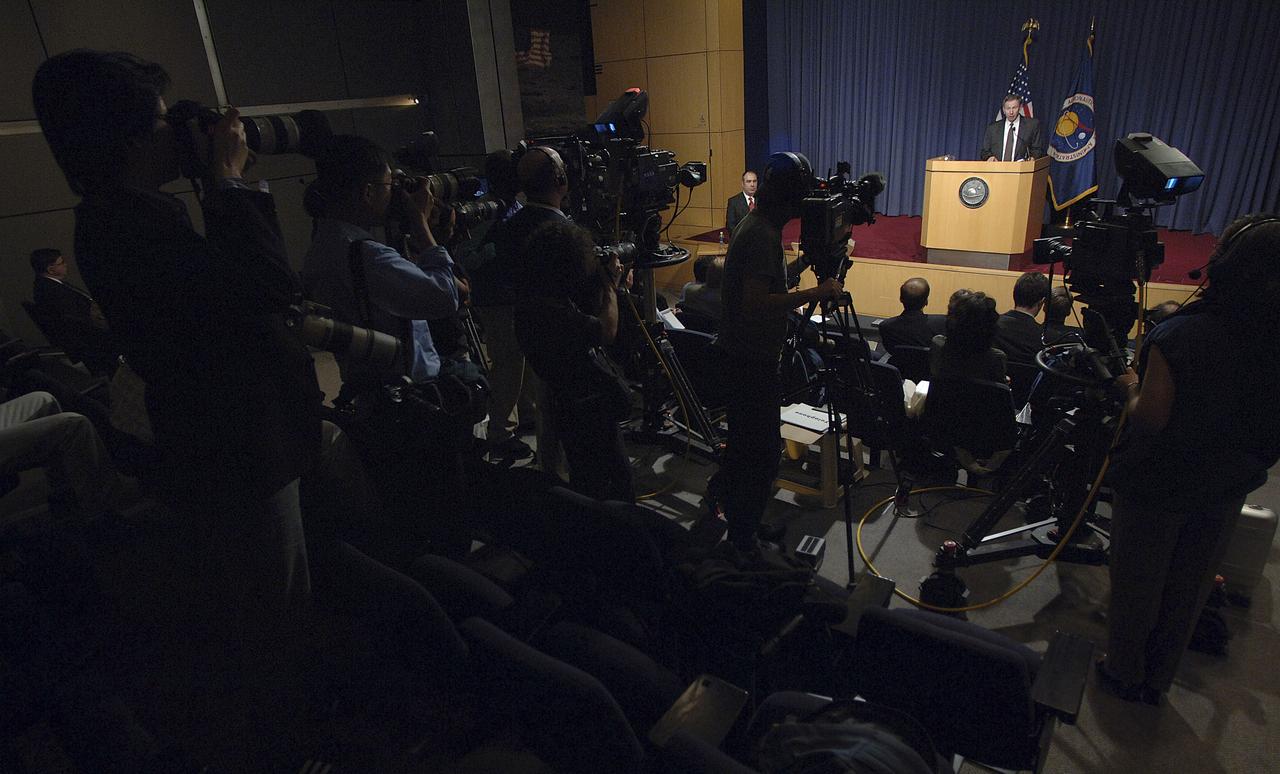
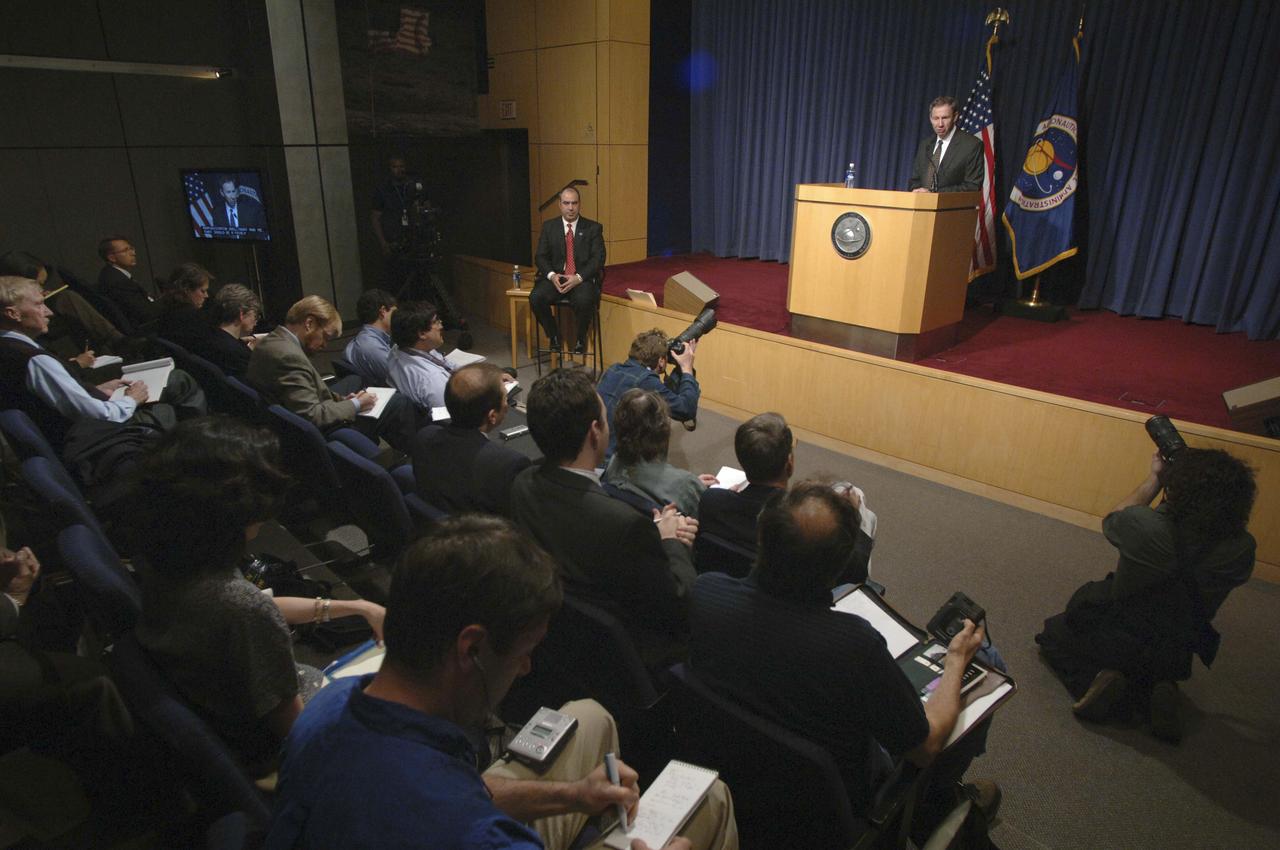
Michael Griffin addresses the media during his first press conference as NASA Administrator, Monday, April 18, 2005, at NASA Headquarters in Washington, DC.  Photo Credit: (NASA/Renee Bouchard)
Michael Griffin First Press Conference
Michael Griffin addresses the media during his first press conference as NASA Administrator, Monday, April 18, 2005, at NASA Headquarters in Washington, DC.  Photo Credit: (NASA/Renee Bouchard)
Michael Griffin First Press Conference
Michael Griffin addresses the media during his first press conference as NASA Administrator, Monday, April 18, 2005, at NASA Headquarters in Washington, DC.  Photo Credit: (NASA/Renee Bouchard)
Michael Griffin First Press Conference
Michael Griffin addresses the media during his first press conference as NASA Administrator, Monday, April 18, 2005, at NASA Headquarters in Washington, DC.  Photo Credit: (NASA/Renee Bouchard)
Michael Griffin First Press Conference
Michael Griffin addresses the media during his first press conference as NASA Administrator, Monday, April 18, 2005, at NASA Headquarters in Washington, DC.  Photo Credit: (NASA/Renee Bouchard)
Michael Griffin First Press Conference
Michael Griffin addresses the media during his first press conference as NASA Administrator, Monday, April 18, 2005, at NASA Headquarters in Washington, DC.  Photo Credit: (NASA/Renee Bouchard)
Michael Griffin First Press Conference
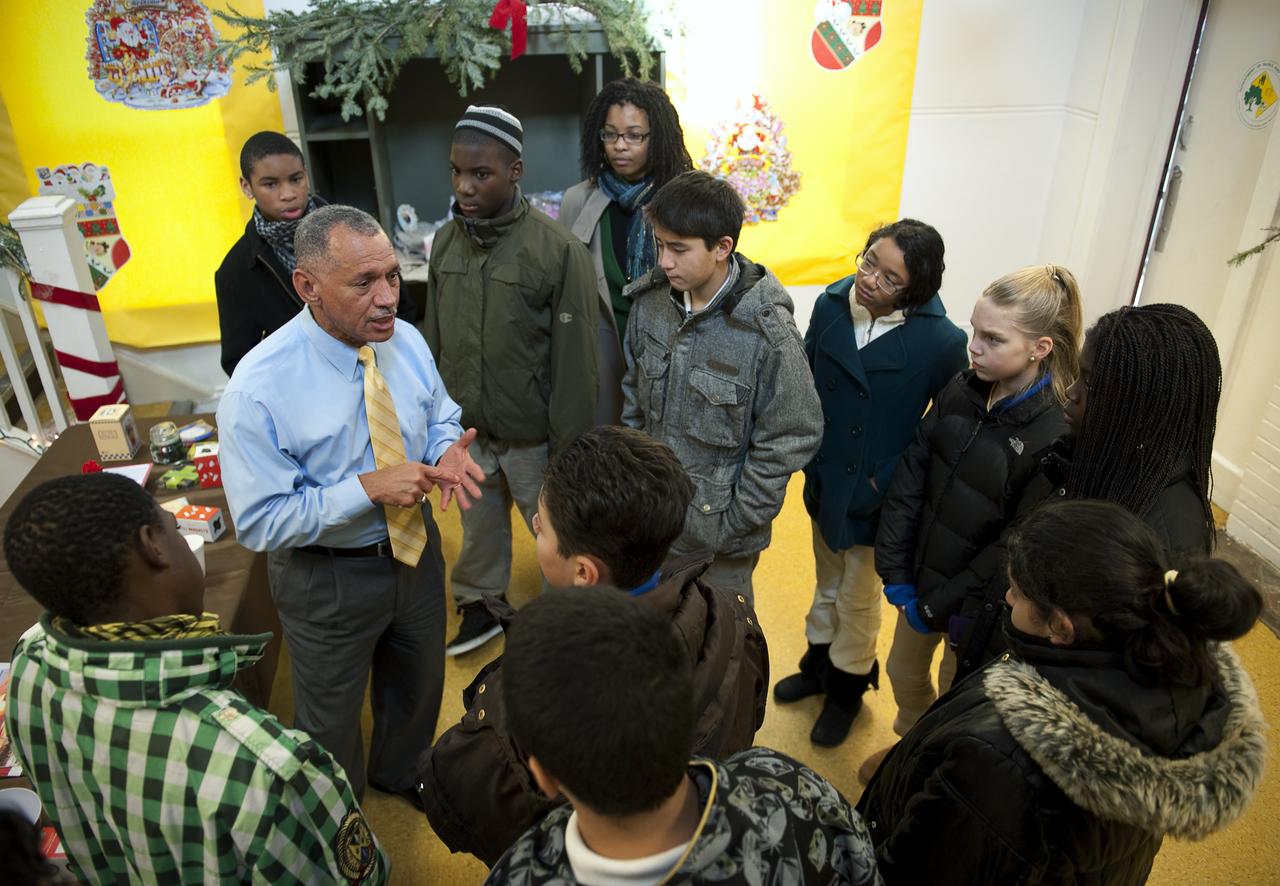
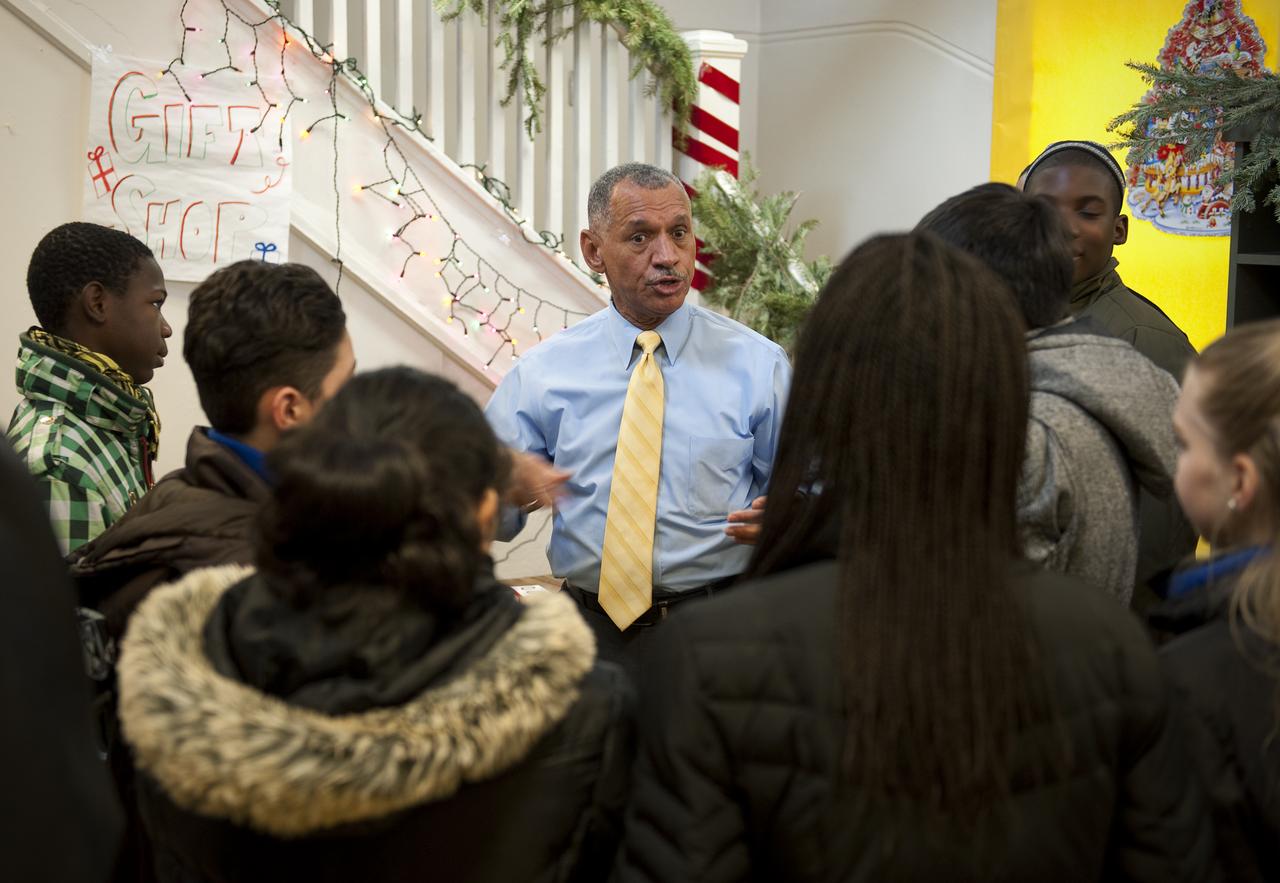
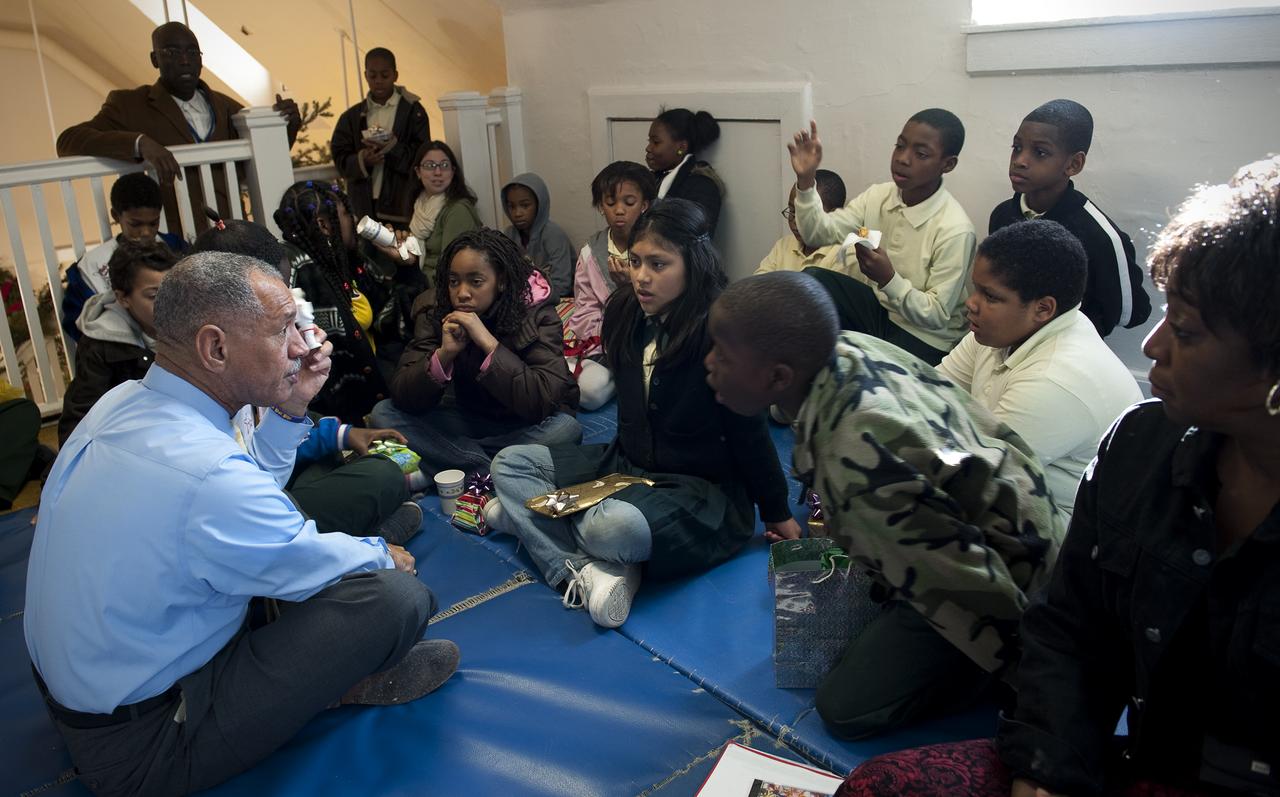
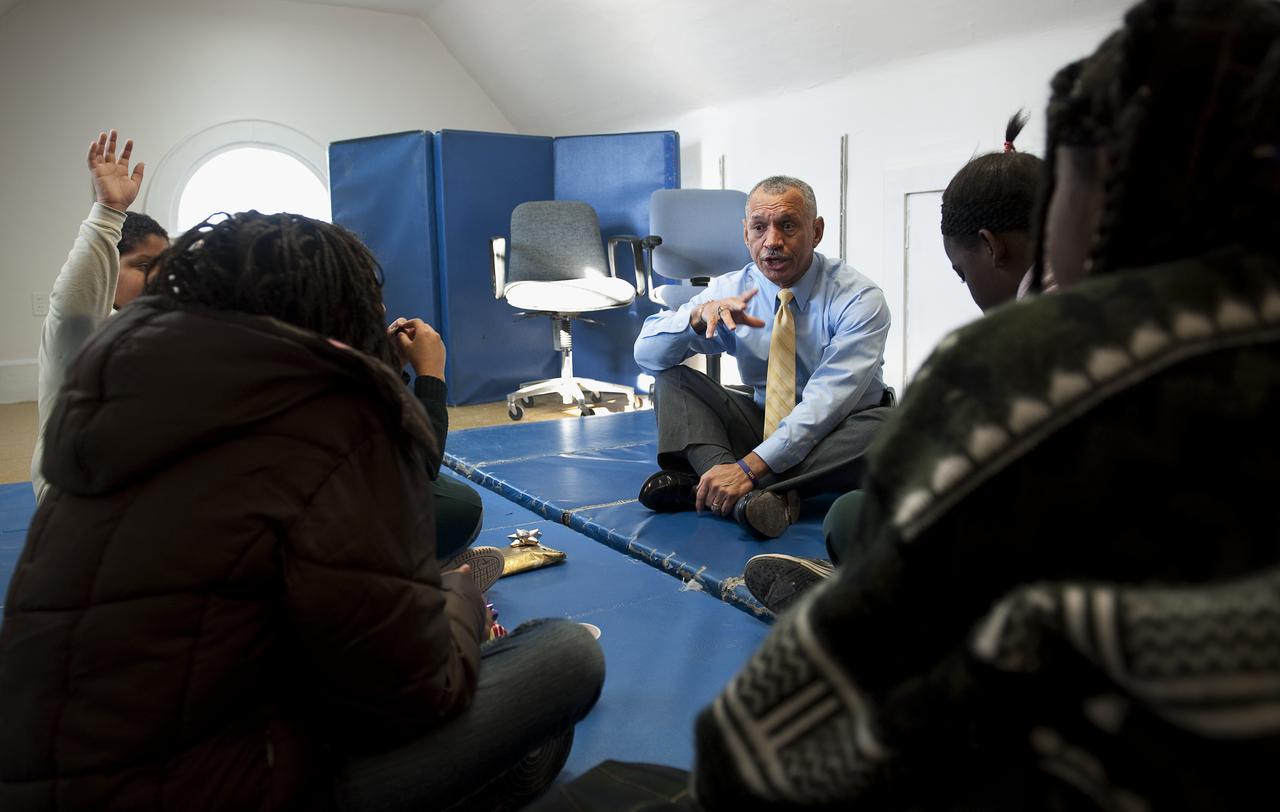
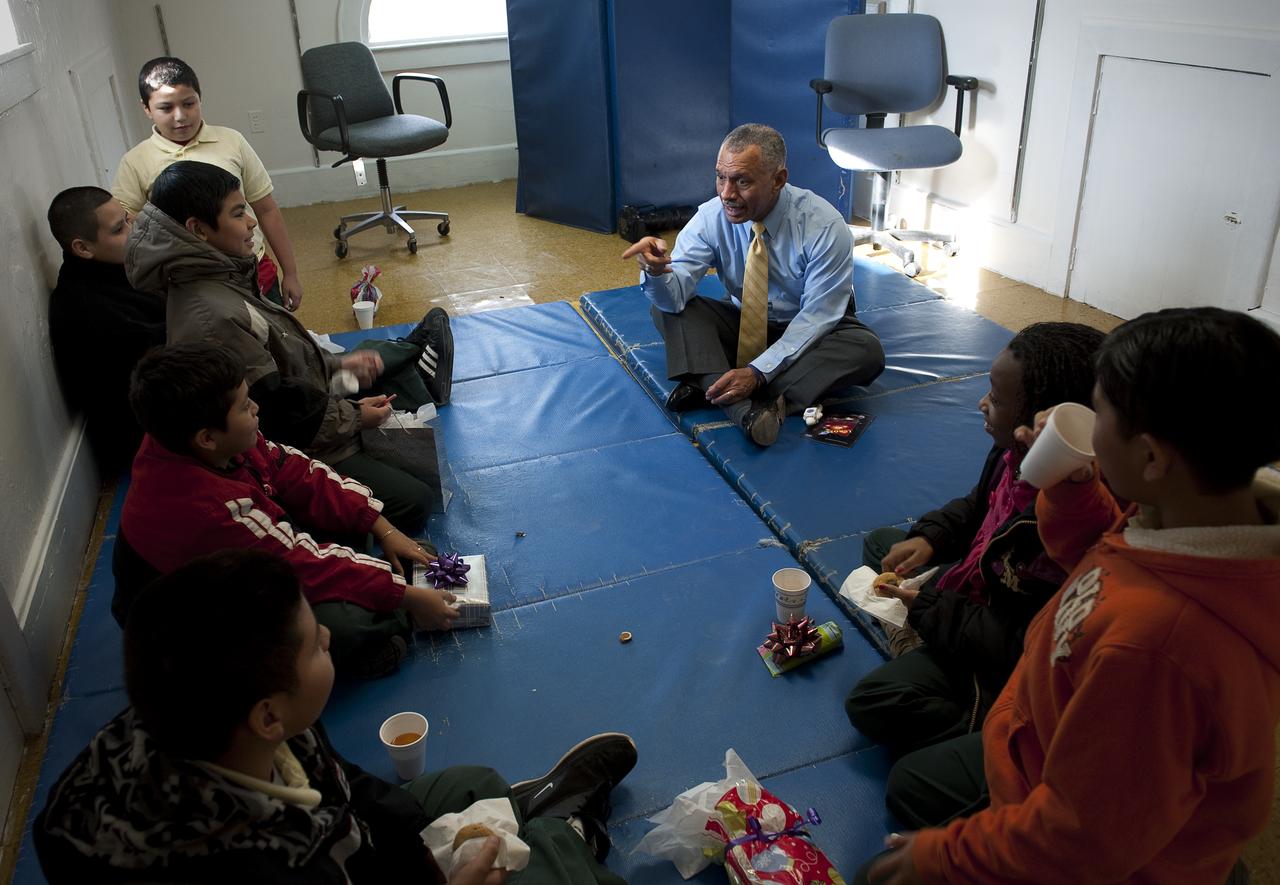
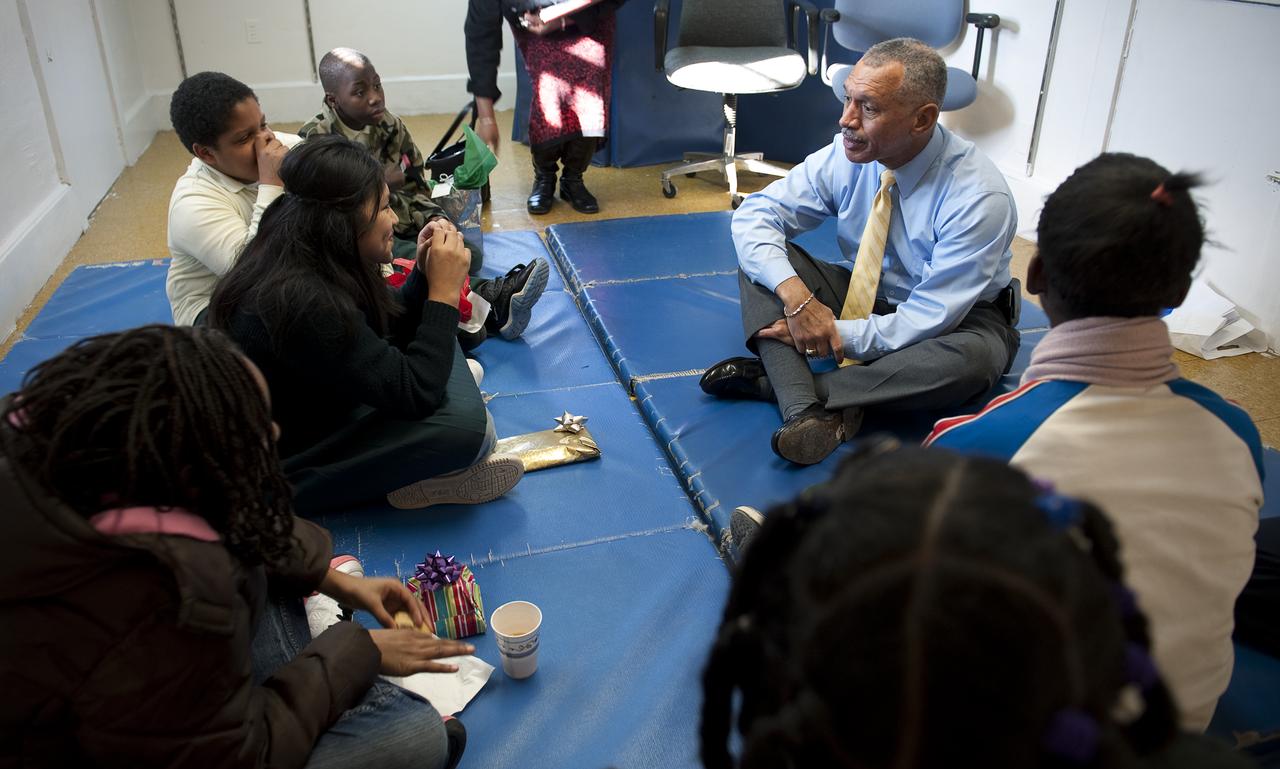
NASA Administrator Charles Bolden spent time volunteering with DC Cares at the Park View Recreation Center in Washington, DC for their Santa's Workshop program, Monday, Dec. 14, 2009.  Mr. Bolden spoke with students about his experience as a former NASA astronaut and current NASA Administrator, encouraging them to study math and science and to stay in school.  Photo Credit:  (NASA/Bill Ingalls)
NASA Administrator Bolden Volunteers with the DC Cares Program
NASA Administrator Charles Bolden spent time volunteering with DC Cares at the Park View Recreation Center in Washington, DC for their Santa's Workshop program, Monday, Dec. 14, 2009.  Mr. Bolden spoke with students about his experience as a former NASA astronaut and current NASA Administrator, encouraging them to study math and science and to stay in school.  Photo Credit:  (NASA/Bill Ingalls)
NASA Administrator Bolden Volunteers with the DC Cares Program
NASA Administrator Charles Bolden spent time volunteering with DC Cares at the Park View Recreation Center in Washington, DC for their Santa's Workshop program, Monday, Dec. 14, 2009.  Mr. Bolden spoke with students about his experience as a former NASA astronaut and current NASA Administrator, encouraging them to study math and science and to stay in school.  Photo Credit:  (NASA/Bill Ingalls)
NASA Administrator Bolden Volunteers with the DC Cares Program
NASA Administrator Charles Bolden spent time volunteering with DC Cares at the Park View Recreation Center in Washington, DC for their Santa's Workshop program, Monday, Dec. 14, 2009.  Mr. Bolden spoke with students about his experience as a former NASA astronaut and current NASA Administrator, encouraging them to study math and science and to stay in school.  Photo Credit:  (NASA/Bill Ingalls)
NASA Administrator Bolden Volunteers with the DC Cares Program
NASA Administrator Charles Bolden spent time volunteering with DC Cares at the Park View Recreation Center in Washington, DC for their Santa's Workshop program, Monday, Dec. 14, 2009.  Mr. Bolden spoke with students about his experience as a former NASA astronaut and current NASA Administrator, encouraging them to study math and science and to stay in school.  Photo Credit:  (NASA/Bill Ingalls)
NASA Administrator Bolden Volunteers with the DC Cares Program
NASA Administrator Charles Bolden spent time volunteering with DC Cares at the Park View Recreation Center in Washington, DC for their Santa's Workshop program, Monday, Dec. 14, 2009.  Mr. Bolden spoke with students about his experience as a former NASA astronaut and current NASA Administrator, encouraging them to study math and science and to stay in school.  Photo Credit:  (NASA/Bill Ingalls)
NASA Administrator Bolden Volunteers with the DC Cares Program
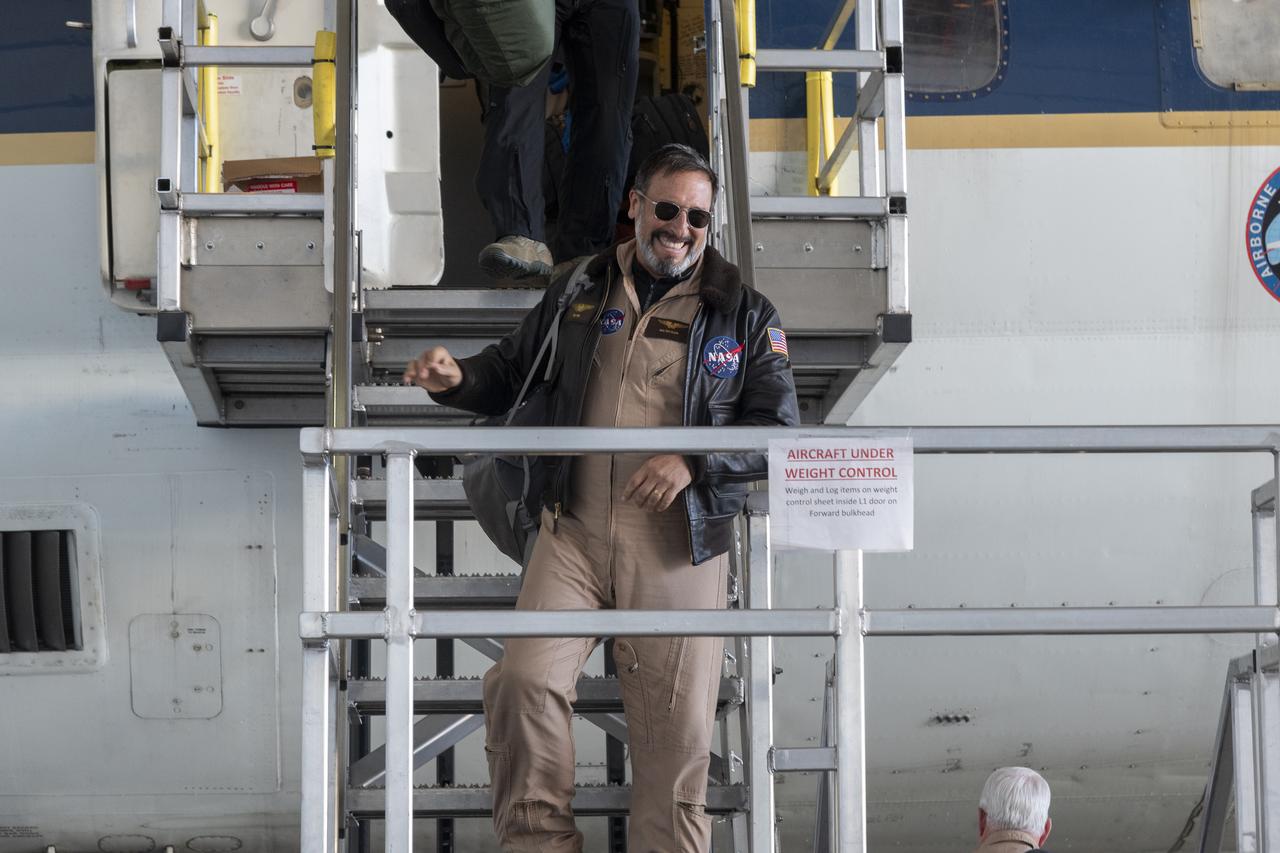
Walter Klein, DC-8 navigator, exits the aircraft cabin and is welcomed with applause from a supportive team after the DC-8 aircraft and crew return to NASA’s Armstrong Flight Research Center Building 703 in Palmdale, California, on April 1, 2024, following the aircraft’s final mission in support of the Airborne and Satellite Investigation of Asian Air Quality (ASIA-AQ).
NASA’s DC-8 Returns from Final Mission
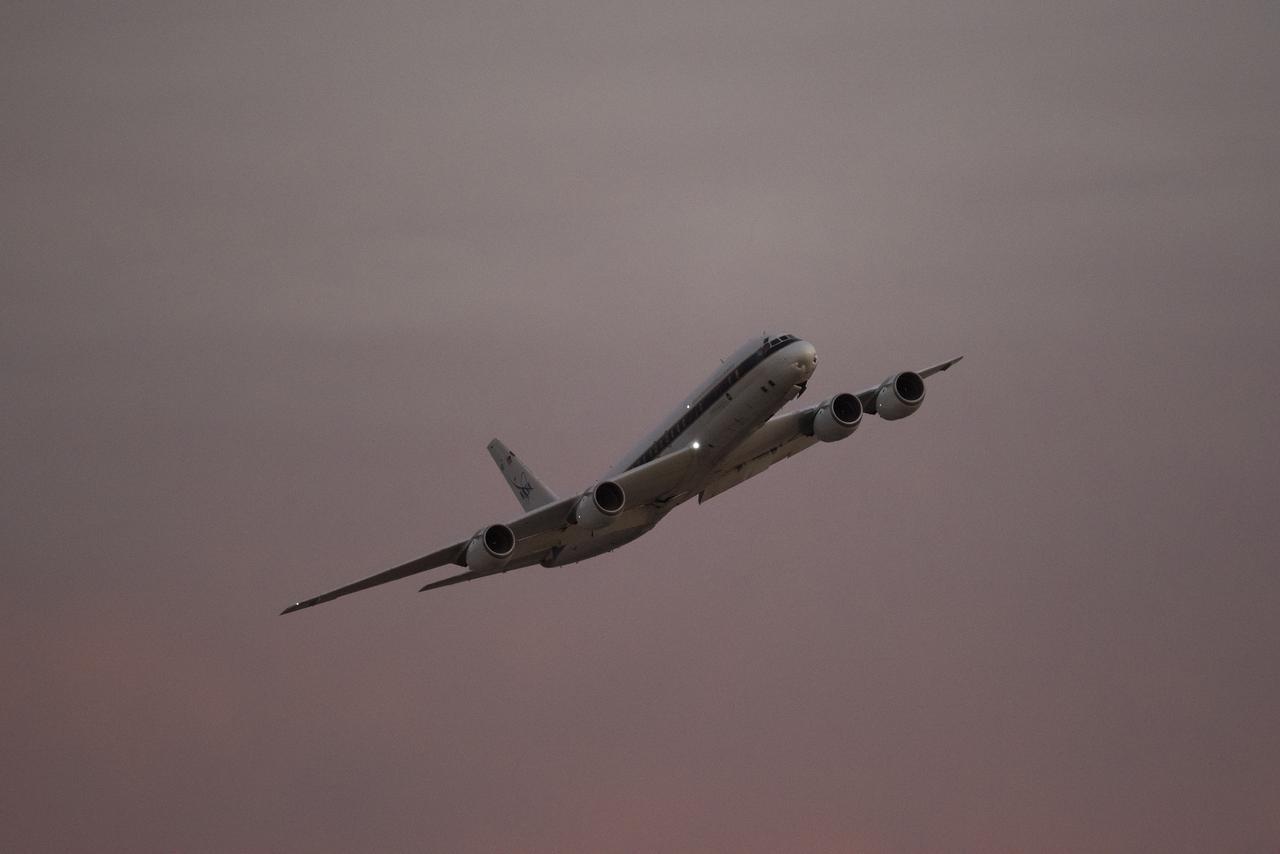
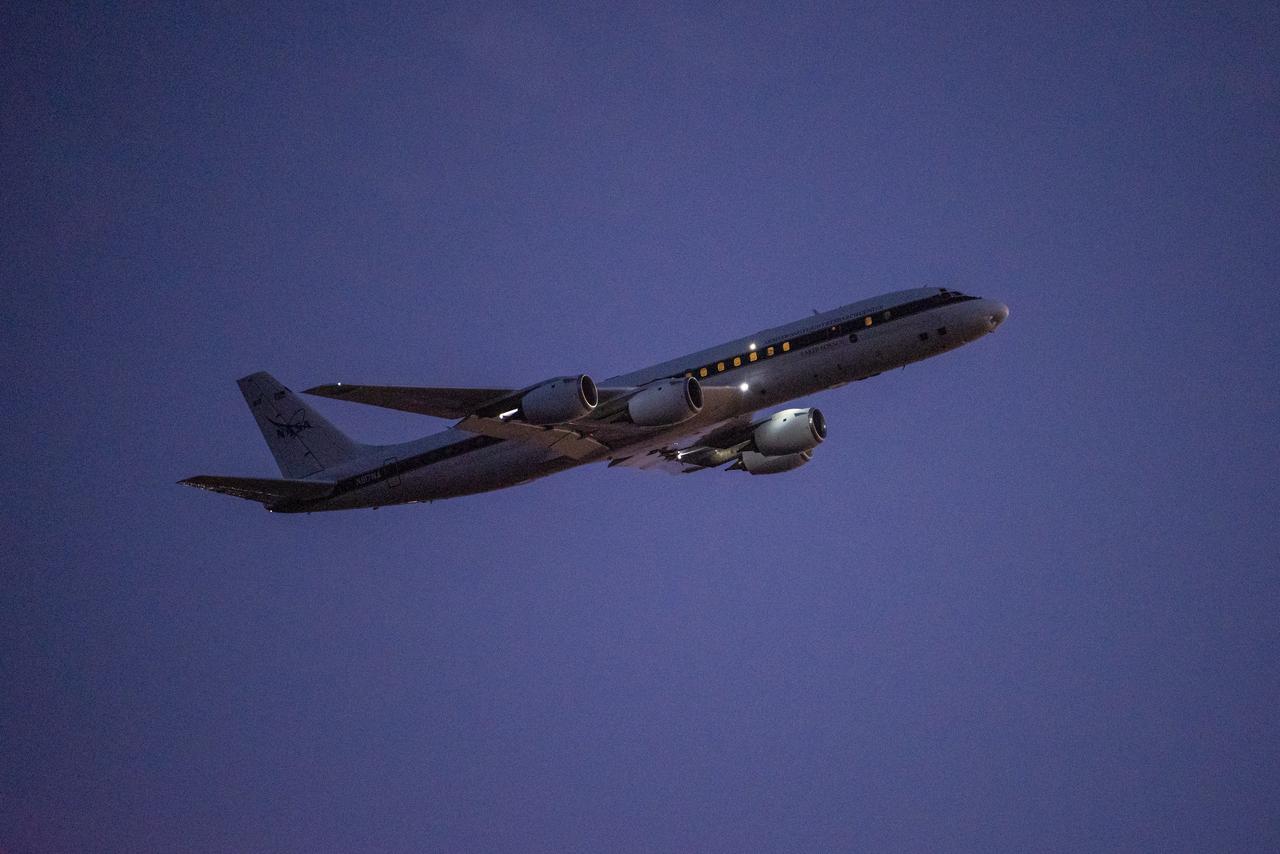
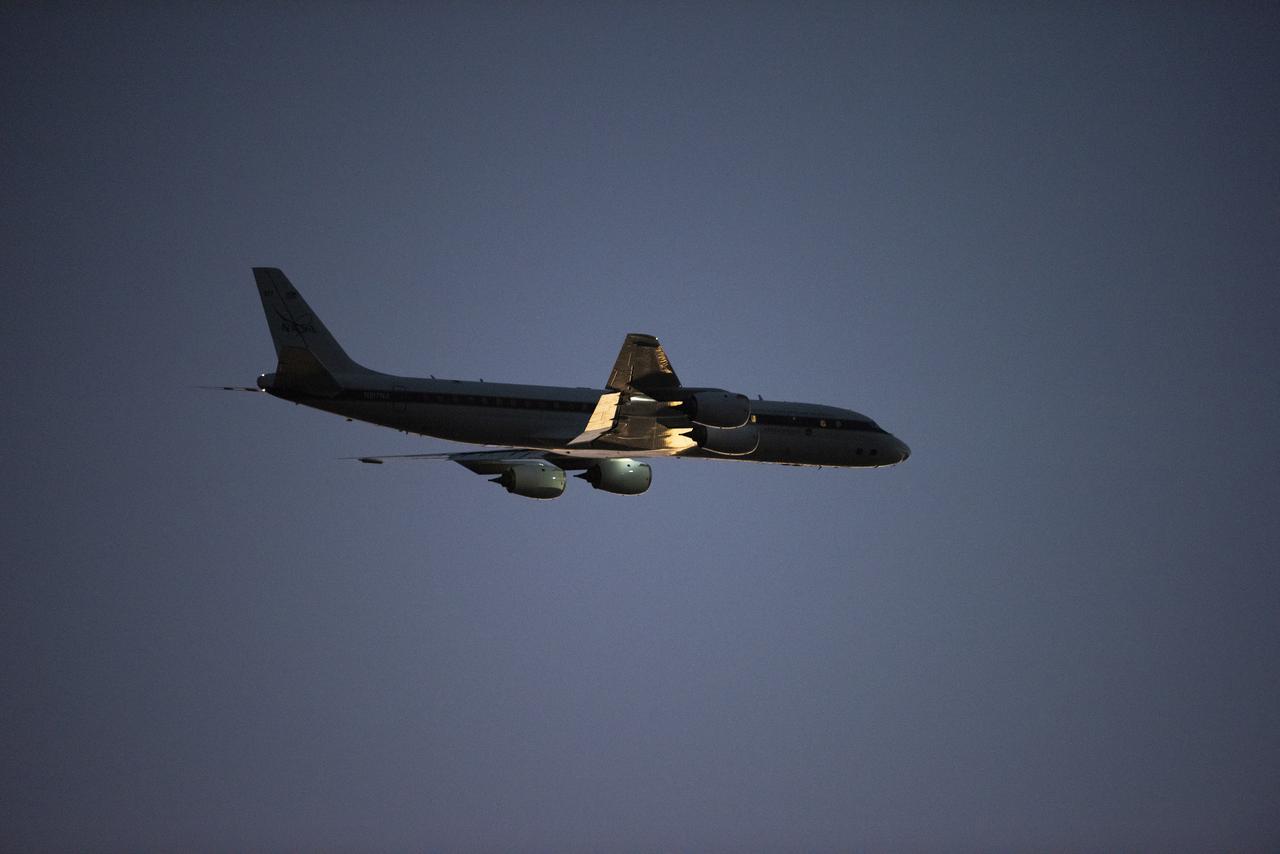
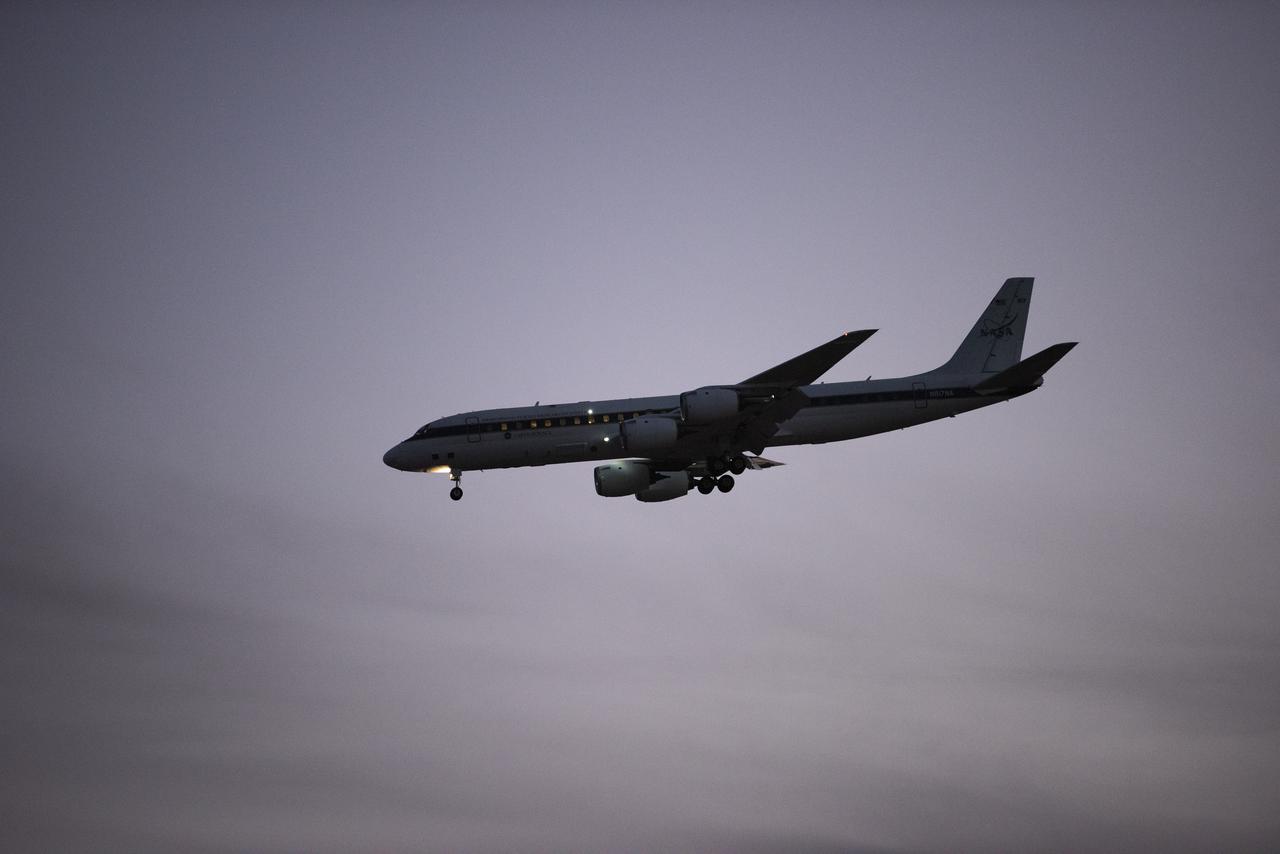
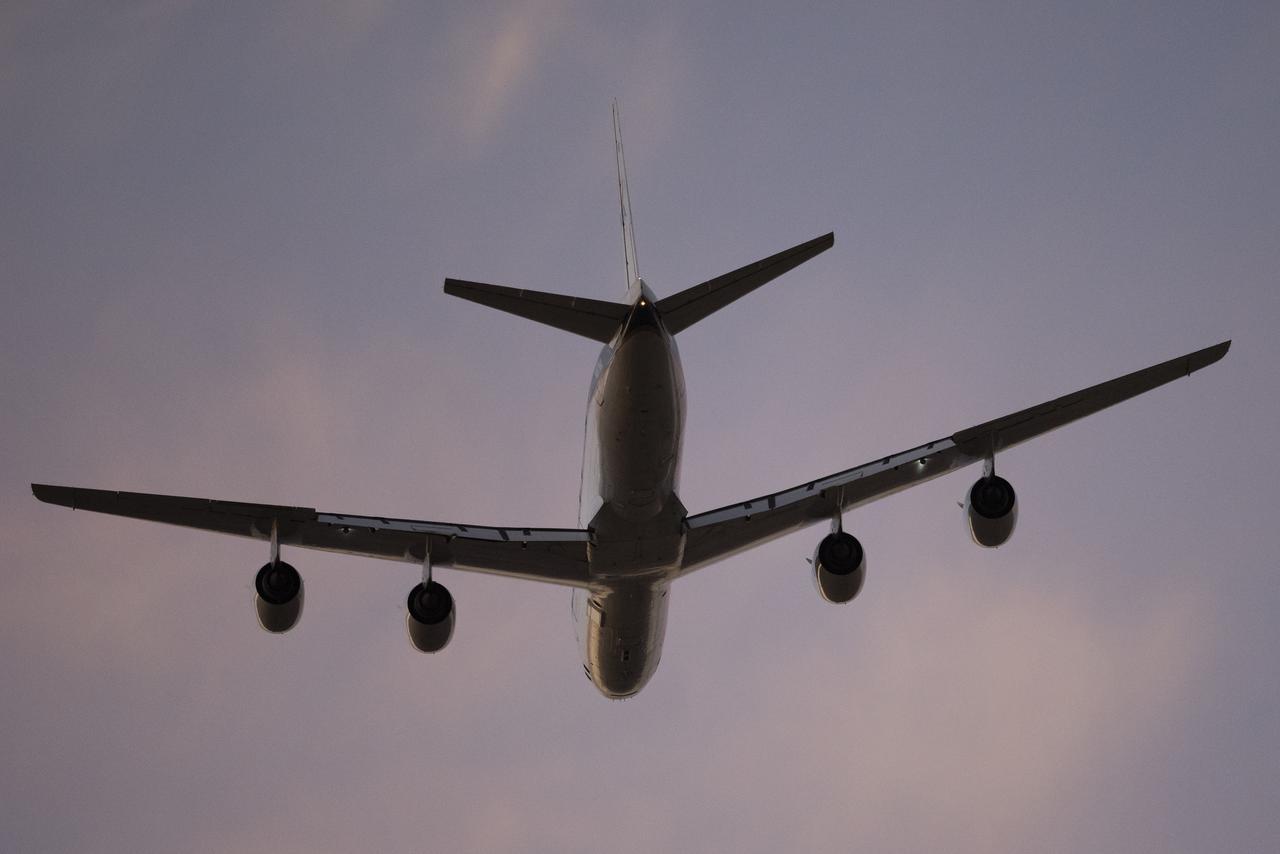
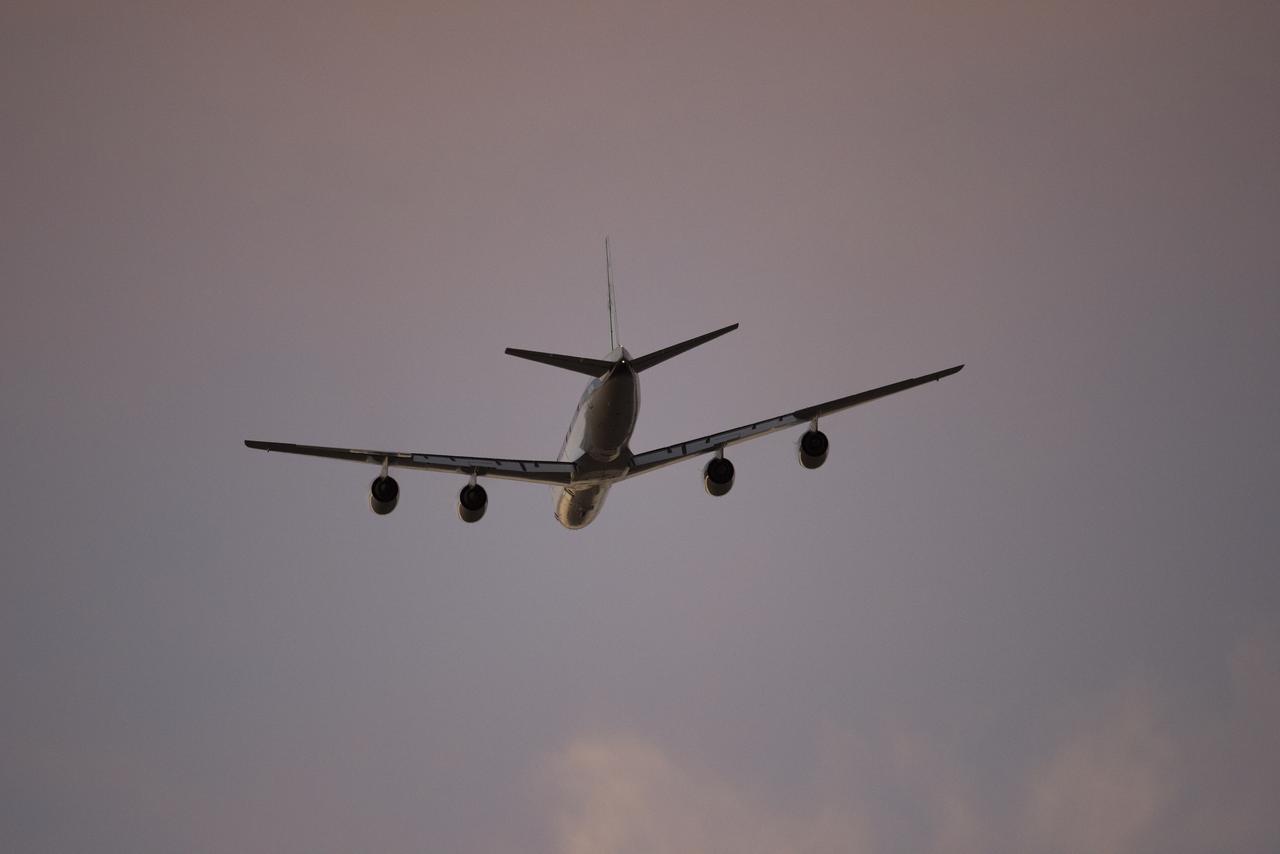
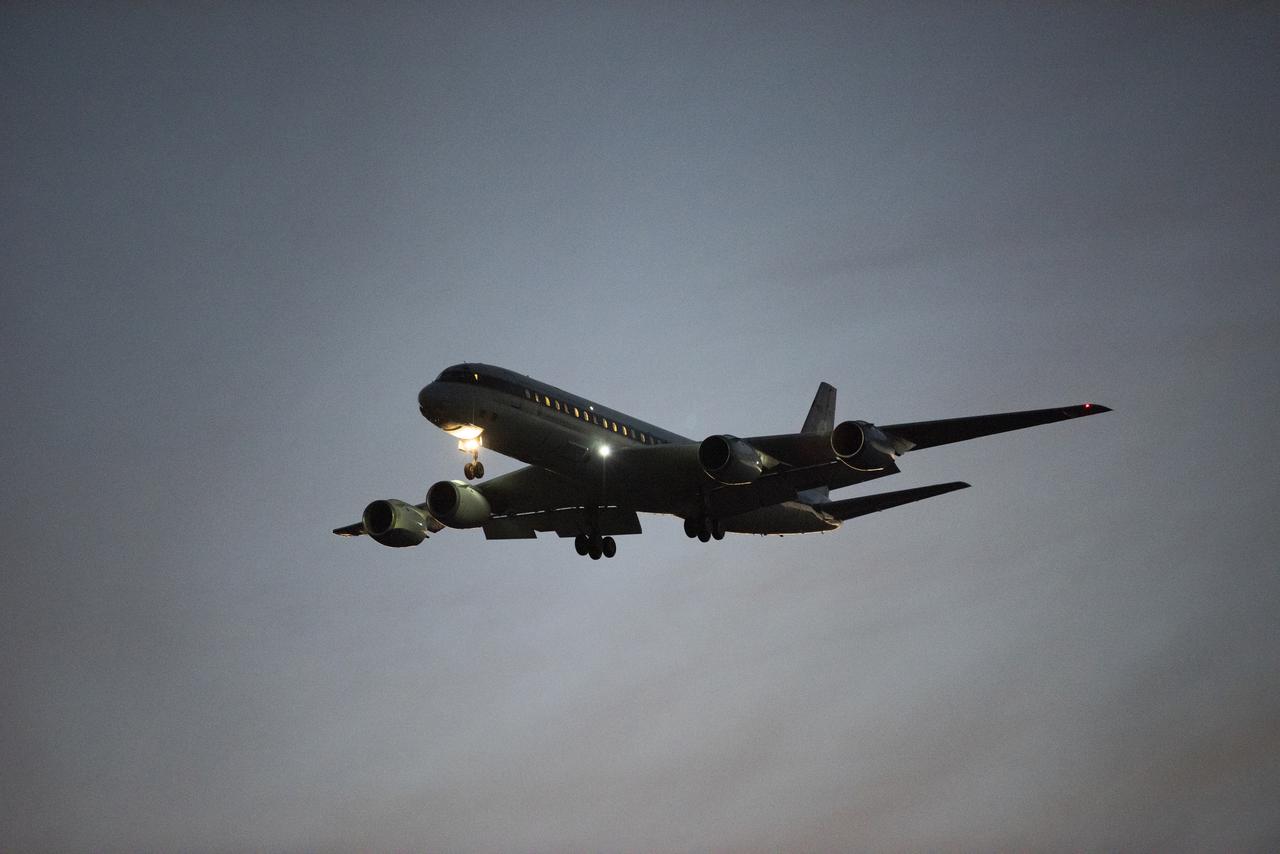
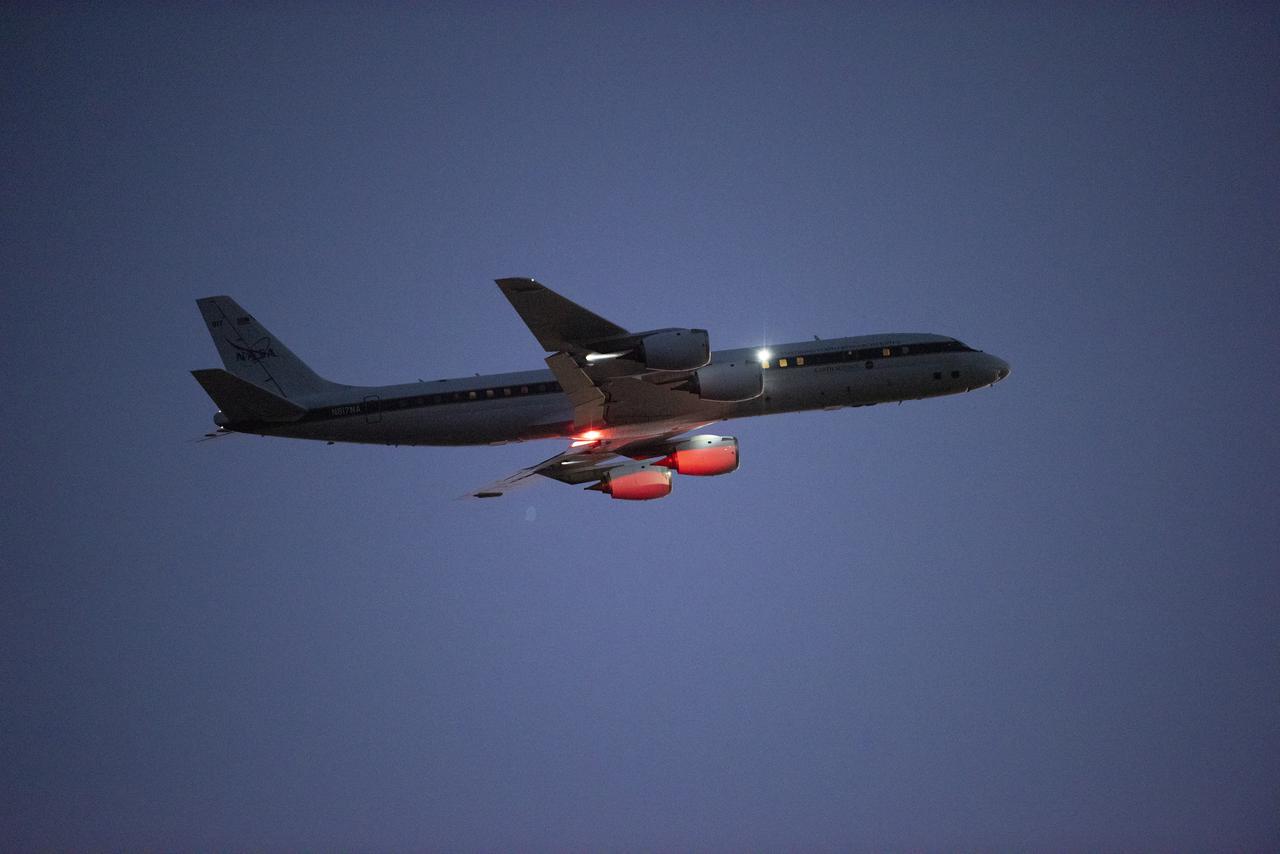
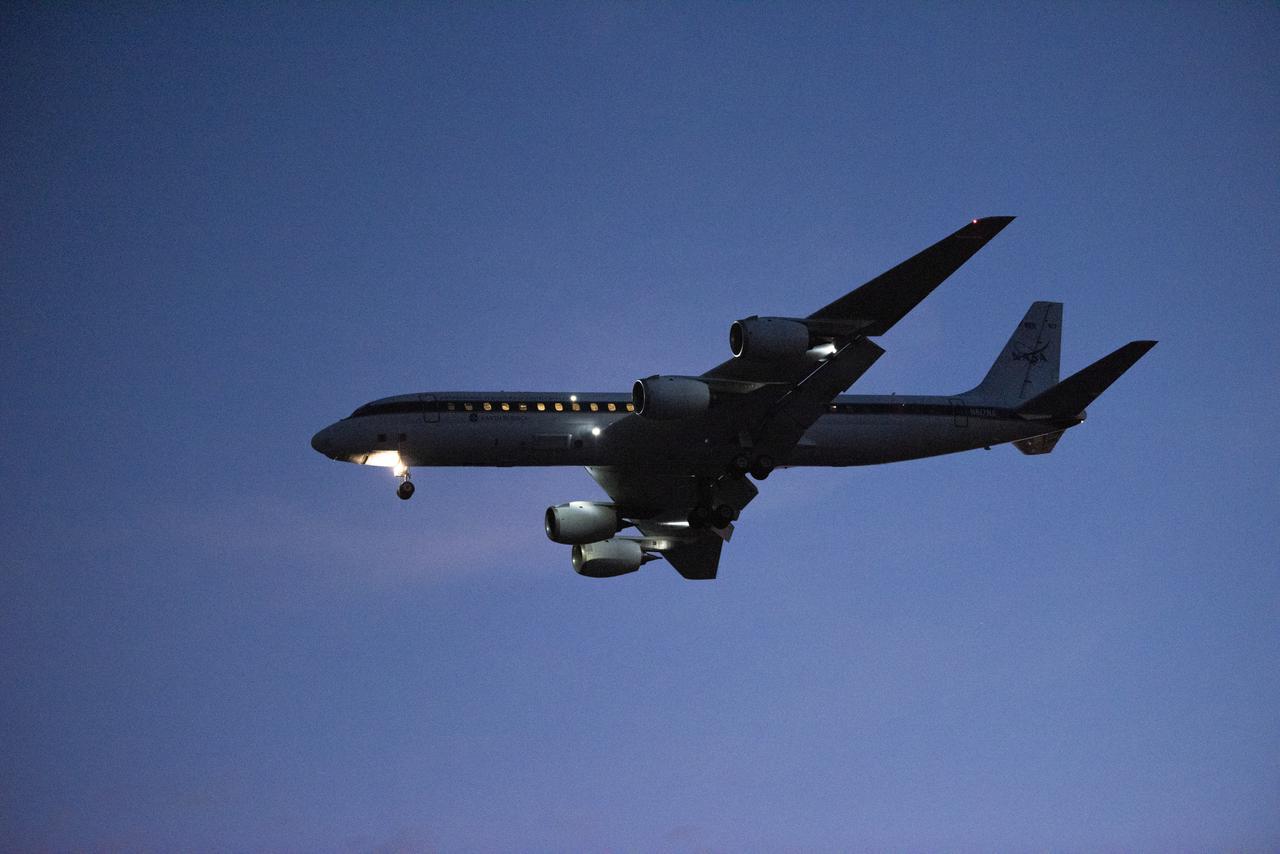
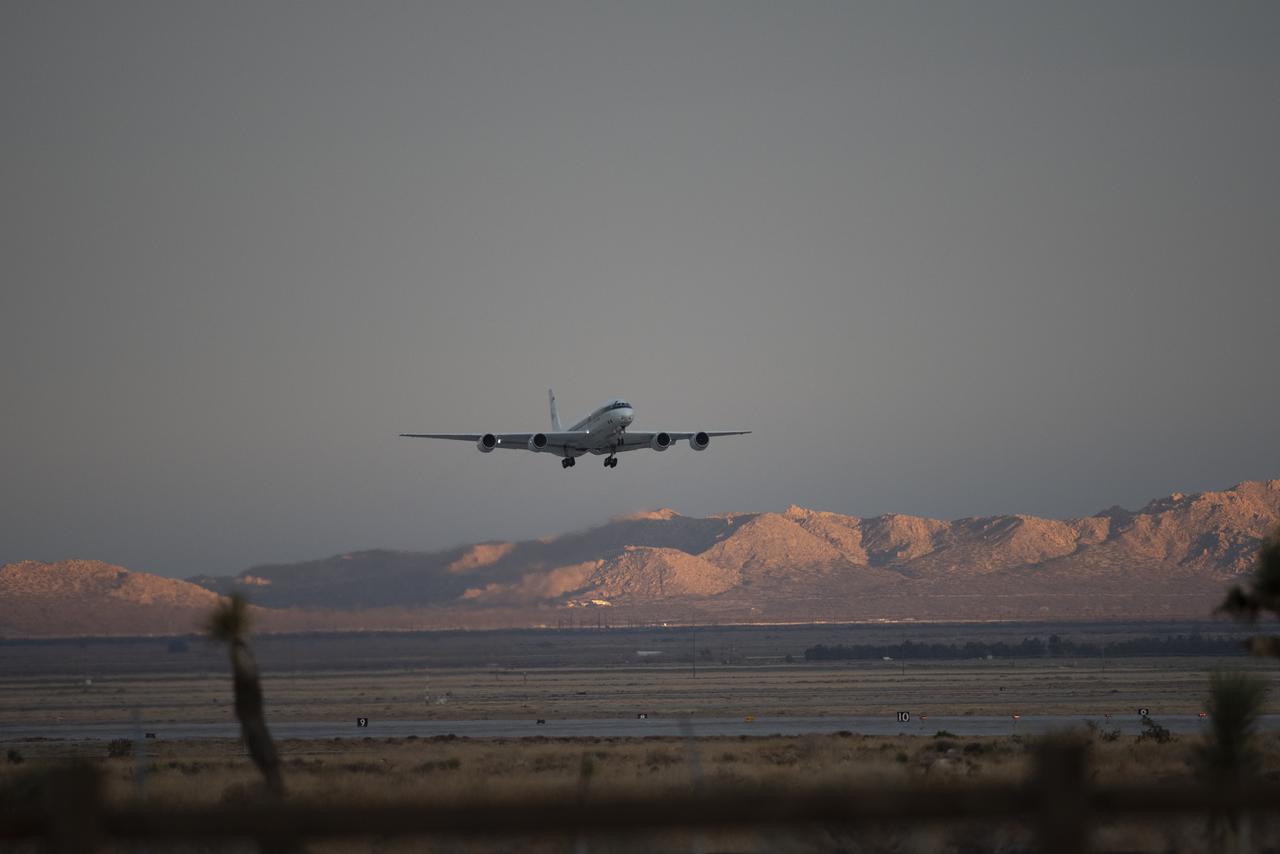
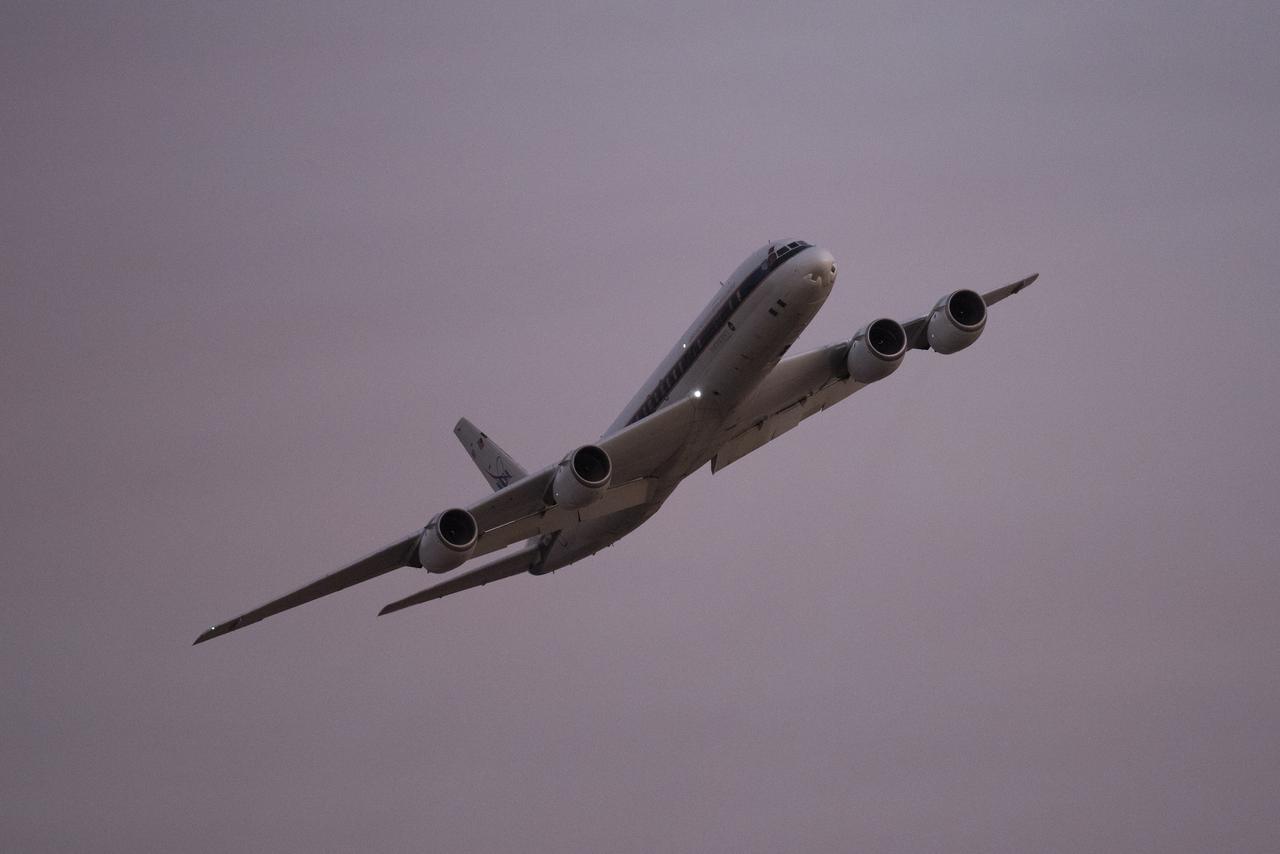
DC-8 lifts off from Air Force Plant 42 in Palmdale, Calif., at sunset.
DC-8 Sunset Lift Off
DC-8 lifts off from Air Force Plant 42 in Palmdale, Calif., at sunset.
DC-8 Sunset Lift Off
DC-8 lifts off from Air Force Plant 42 in Palmdale, Calif., at sunset.
DC-8 Sunset Lift Off
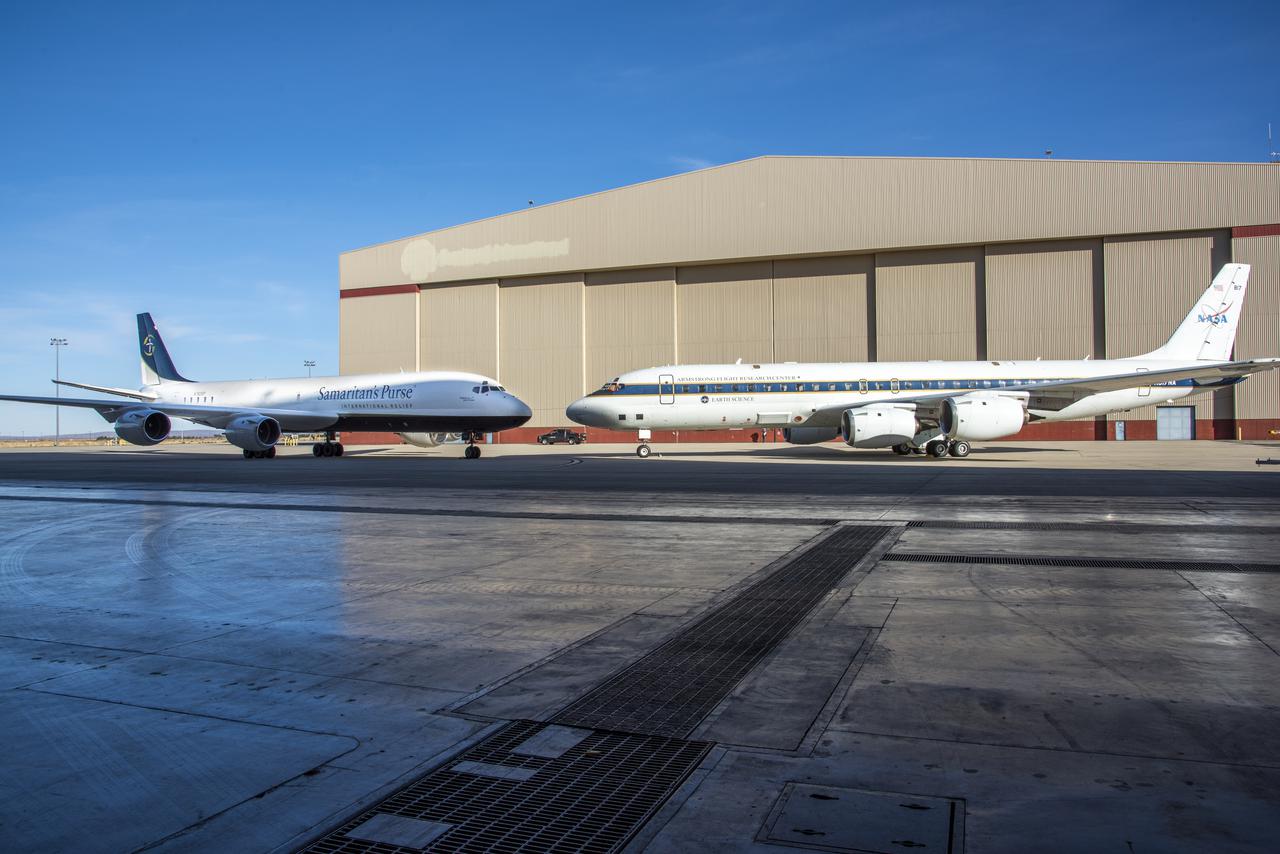
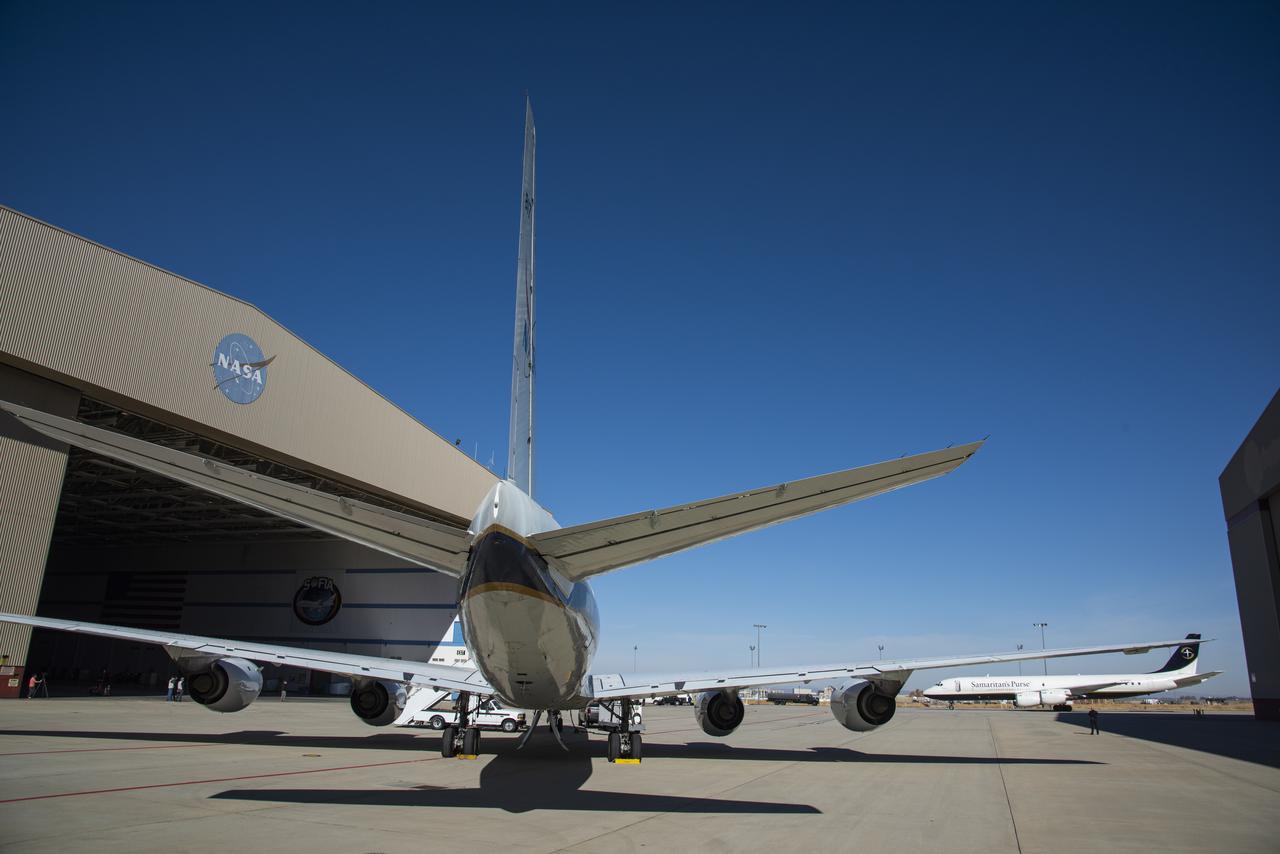
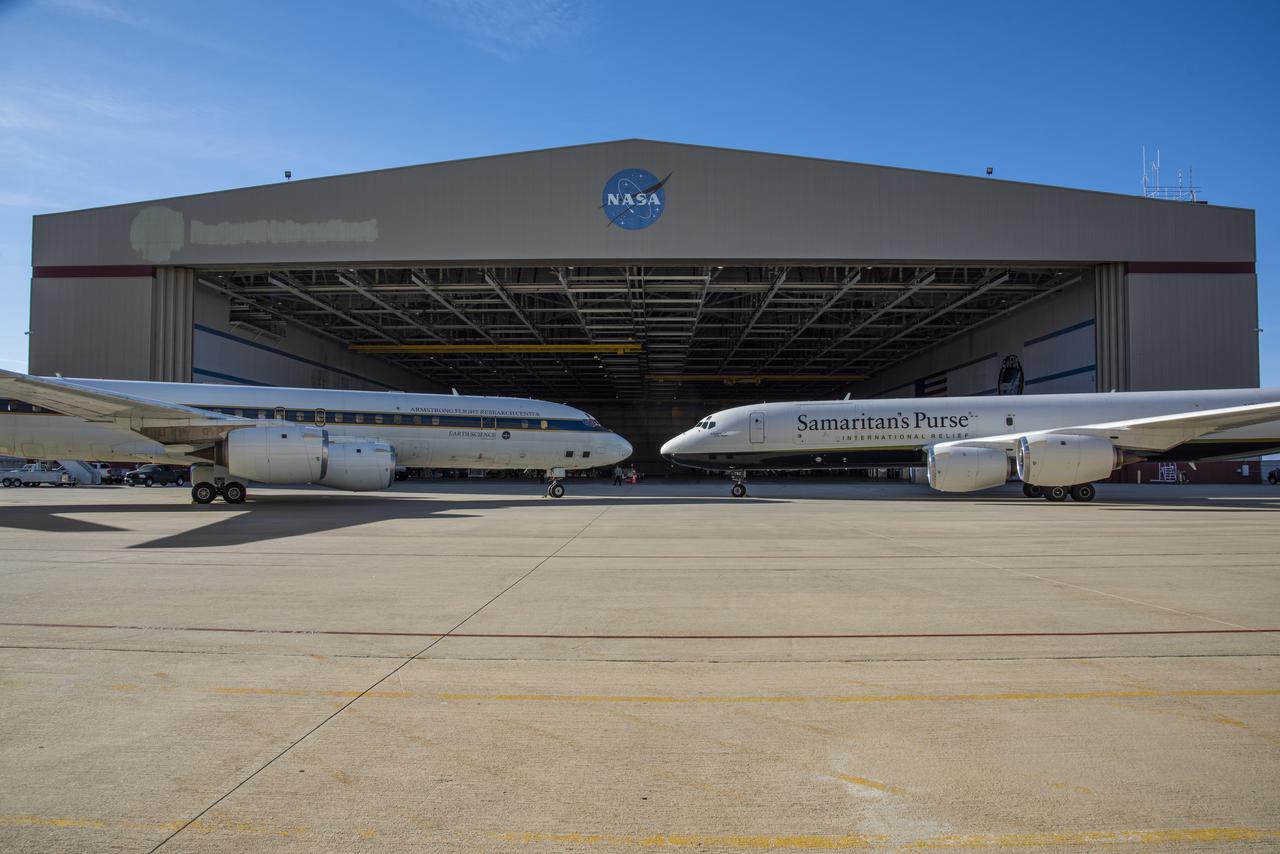
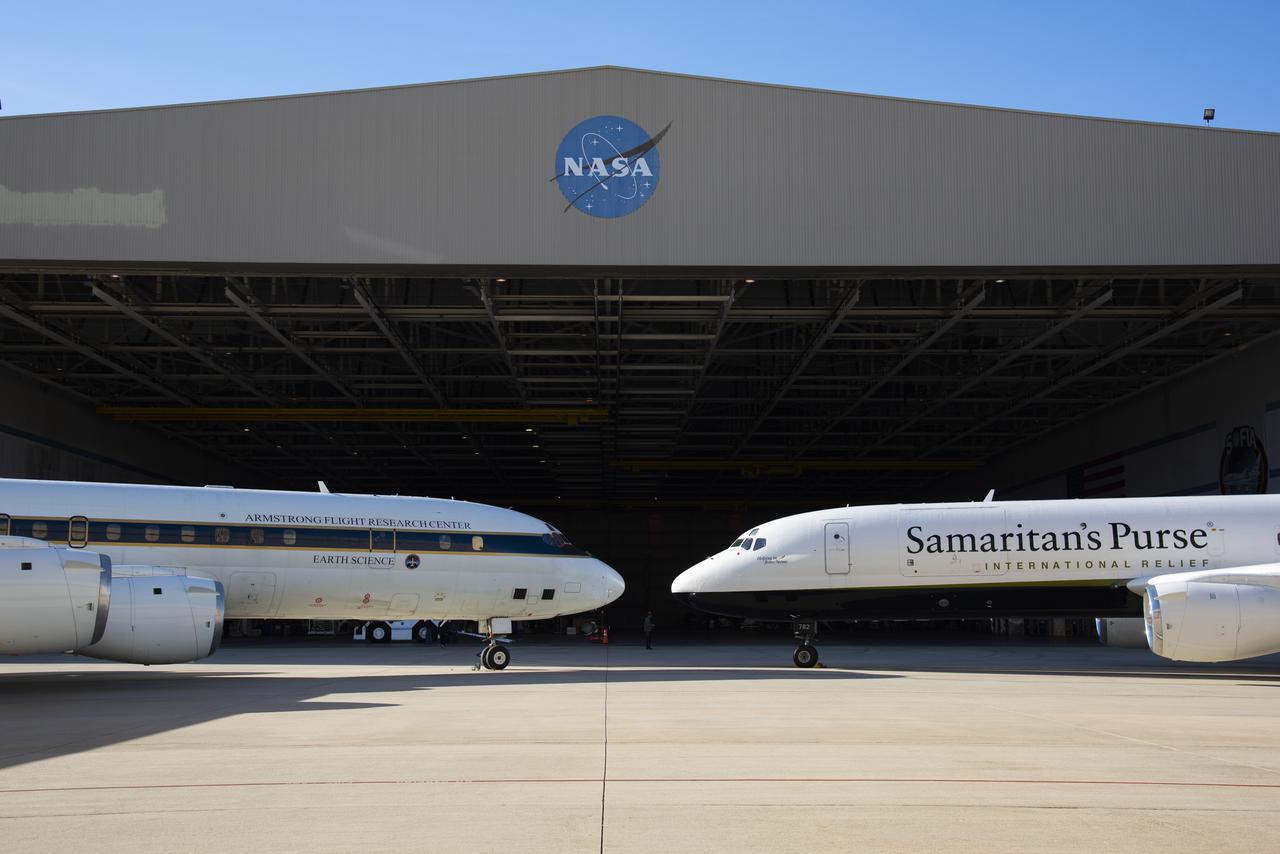
NASA and Samaritan's Purse DC-8 aircrafts met on the ramp in front of NASA's Armstrong Flight Research Center Building 703.
NASA and Samaritan's Purse DC-8
DC-8 lifts off from Air Force Plant 42 in Palmdale, Calif., at sunset.
DC-8 Sunset Lift Off
DC-8 lifts off from Air Force Plant 42 in Palmdale, Calif., at sunset.
DC-8 Sunset Lift Off
DC-8 lifts off from Air Force Plant 42 in Palmdale, Calif., at sunset.
DC-8 Sunset Lift Off
DC-8 lifts off from Air Force Plant 42 in Palmdale, Calif., at sunset.
DC-8 Sunset Lift Off
DC-8 lifts off from Air Force Plant 42 in Palmdale, Calif., at sunset.
DC-8 Sunset Lift Off
DC-8 lifts off from Air Force Plant 42 in Palmdale, Calif., at sunset.
DC-8 Sunset Lift Off
DC-8 lifts off from Air Force Plant 42 in Palmdale, Calif., at sunset.
DC-8 Sunset Lift Off
DC-8 lifts off from Air Force Plant 42 in Palmdale, Calif., at sunset.
DC-8 Sunset Lift Off
NASA and Samaritan's Purse DC-8 aircrafts met on the ramp in front of NASA's Armstrong Flight Research Center Building 703.
NASA and Samaritan's Purse DC-8
DC-8 lifts off from Air Force Plant 42 in Palmdale, Calif., at sunset.
DC-8 Sunset Lift Off
NASA and Samaritan's Purse DC-8 aircrafts met on the ramp in front of NASA's Armstrong Flight Research Center Building 703.
NASA and Samaritan's Purse DC-8
DC-8 lifts off from Air Force Plant 42 in Palmdale, Calif., at sunset.
DC-8 Sunset Lift Off
DC-8 lifts off from Air Force Plant 42 in Palmdale, Calif., at sunset.
DC-8 Sunset Lift Off
DC-8 lifts off from Air Force Plant 42 in Palmdale, Calif., at sunset.
DC-8 Sunset Lift Off
 NASA and Samaritan’s Purse DC-8 aircrafts met on the ramp in front of NASA’s Armstrong Flight Research Center Building 703.
NASA and Samaritan’s Purse DC-8
NASA and Samaritan's Purse DC-8 aircrafts met on the ramp in front of NASA's Armstrong Flight Research Center Building 703.
NASA and Samaritan's Purse DC-8
DC-8 lifts off from Air Force Plant 42 in Palmdale, Calif., at sunset.
DC-8 Sunset Lift Off
NASA's DC-8 taking off to St. Croix in support of the Convective Processes Experiment - Aerosols and Winds campaign (CPEX-AW) on Aug 17, 2021.
DC-8 CPEX-AW Deployment
NASA's DC-8 taking off to St. Croix in support of the Convective Processes Experiment - Aerosols and Winds campaign (CPEX-AW) on Aug 17, 2021.
DC-8 CPEX-AW Deployment
NASA’s DC-8 taking off to St. Croix in support of the Convective Processes Experiment – Aerosols and Winds campaign (CPEX-AW) on Aug 17, 2021.
DC-8 CPEX-AW Deployment
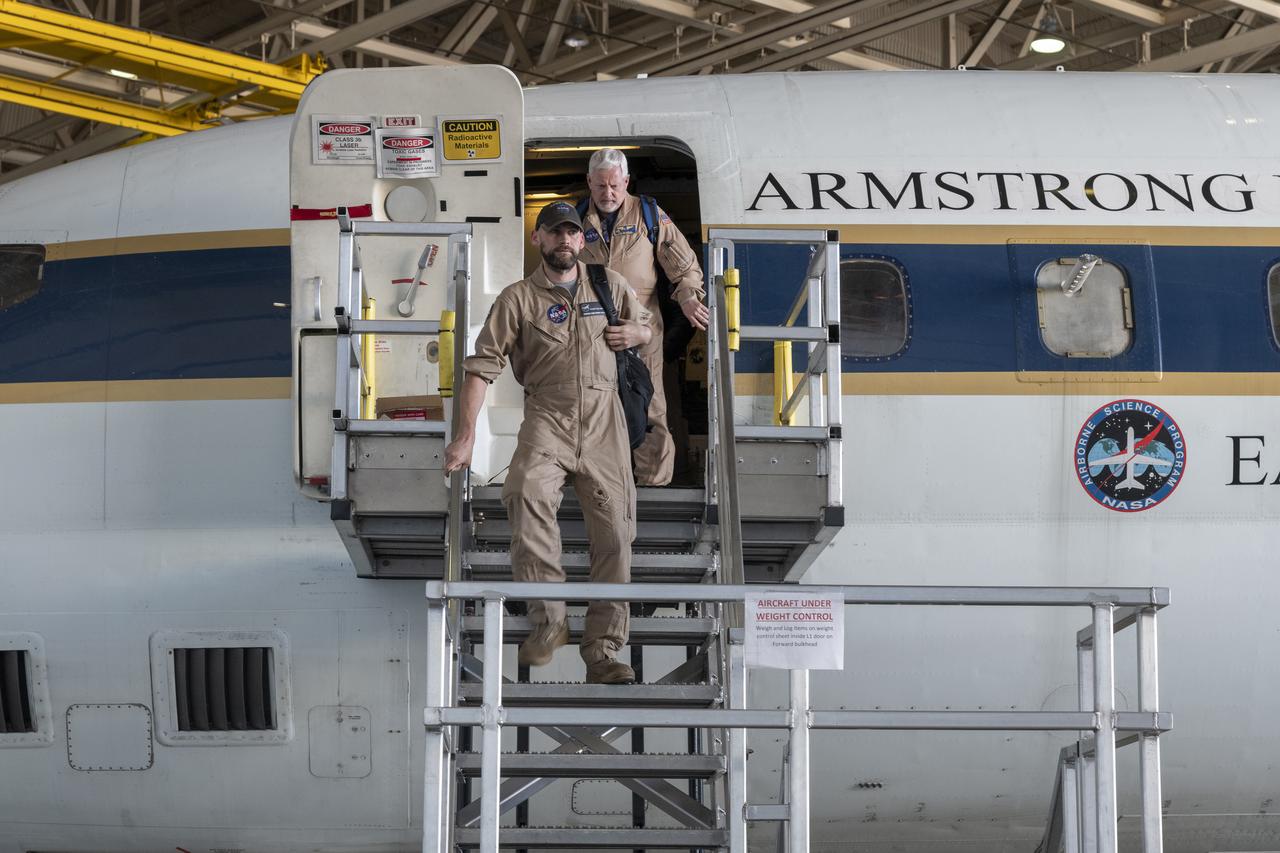
Kelly Jellison, avionics lead, and Tim Sandon, flight engineer, exit the DC-8 aircraft cabin and are welcomed with applause from a supportive team after the DC-8 aircraft and crew return to NASA’s Armstrong Flight Research Center Building 703 in Palmdale, California, on April 1, 2024, following the aircraft’s final mission in support of the Airborne and Satellite Investigation of Asian Air Quality (ASIA-AQ).
NASA’s DC-8 Returns from Final Mission
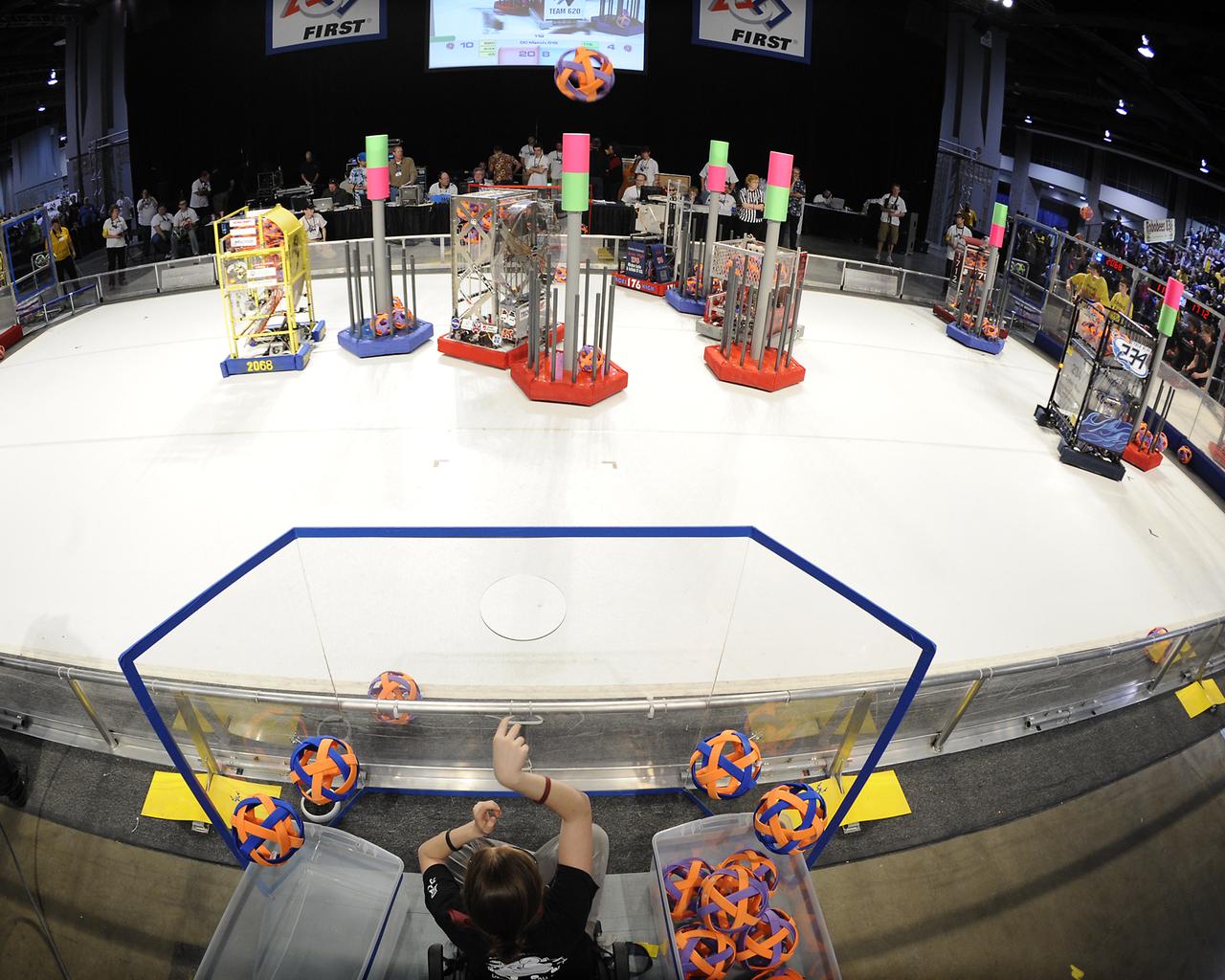
Students compete in the Washington, DC regional FIRST Robotics Competition at the Washington, DC Conventioln Center, Saturday Feb., 28, 2009.   Photo Credit: (NASA/Bill Ingalls)
FIRST Robotics Competition
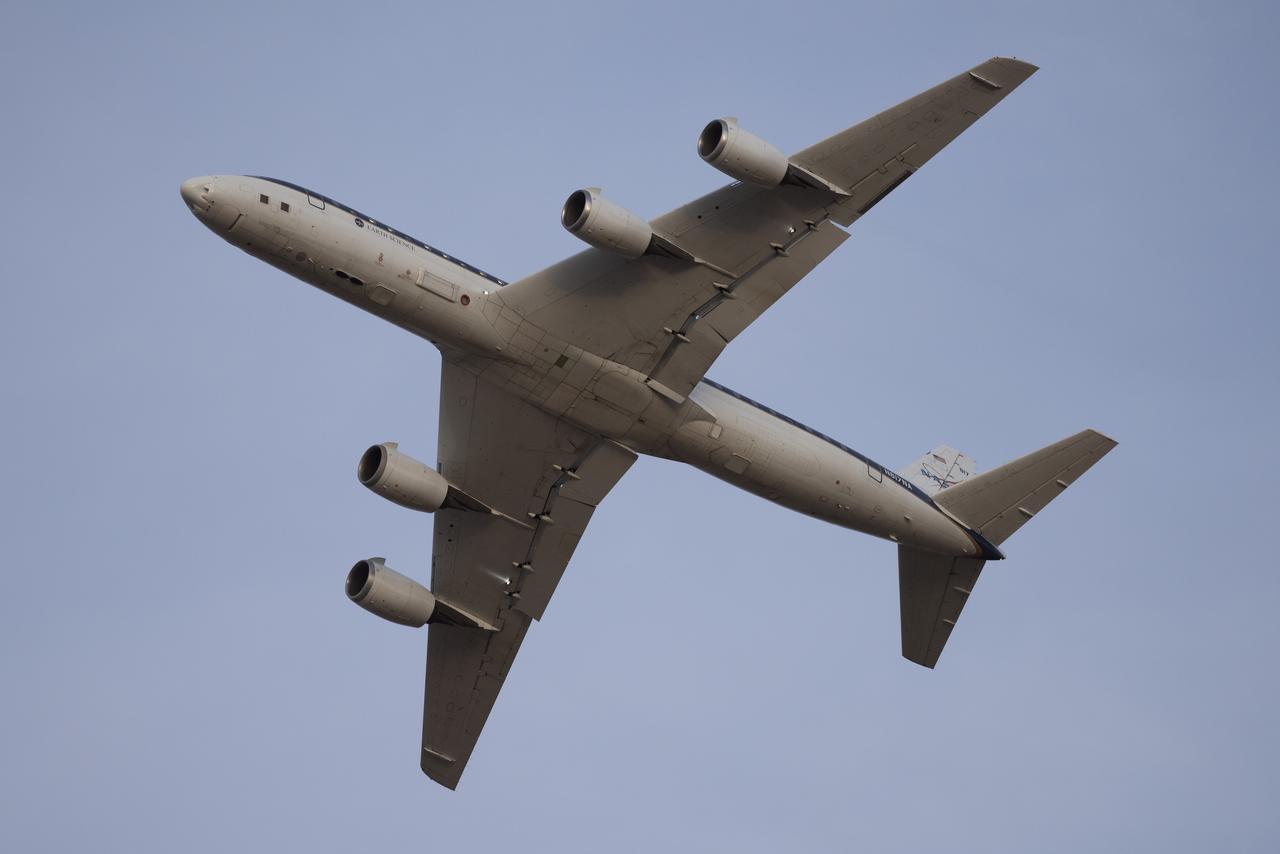
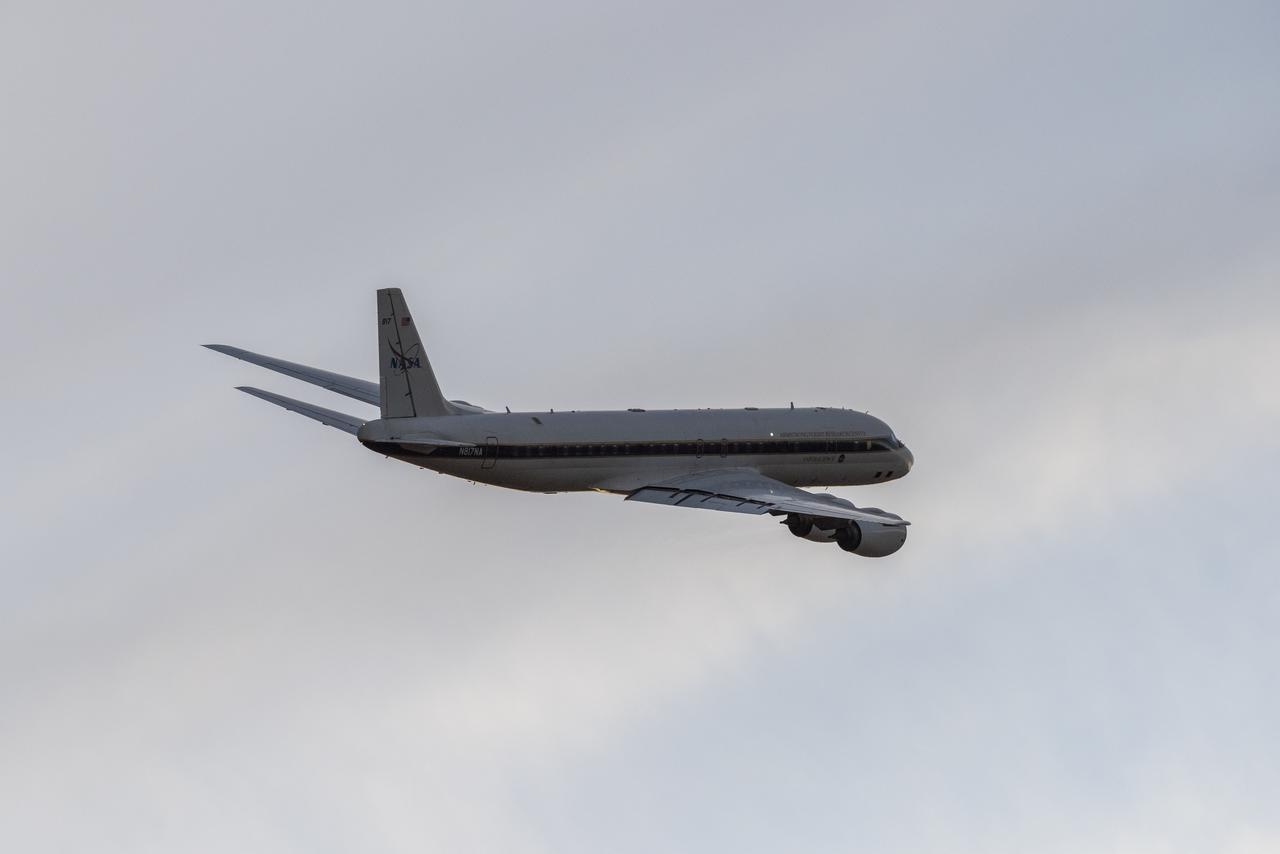
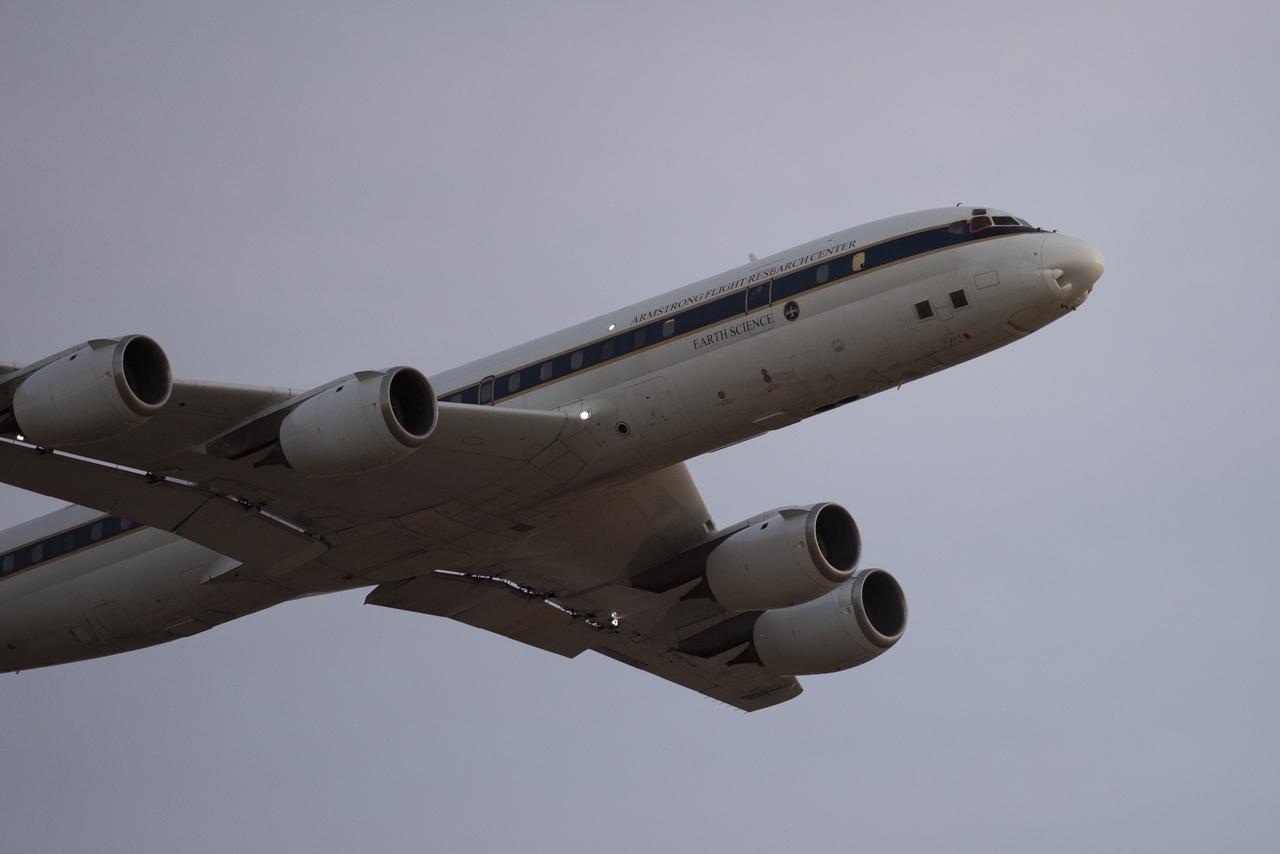
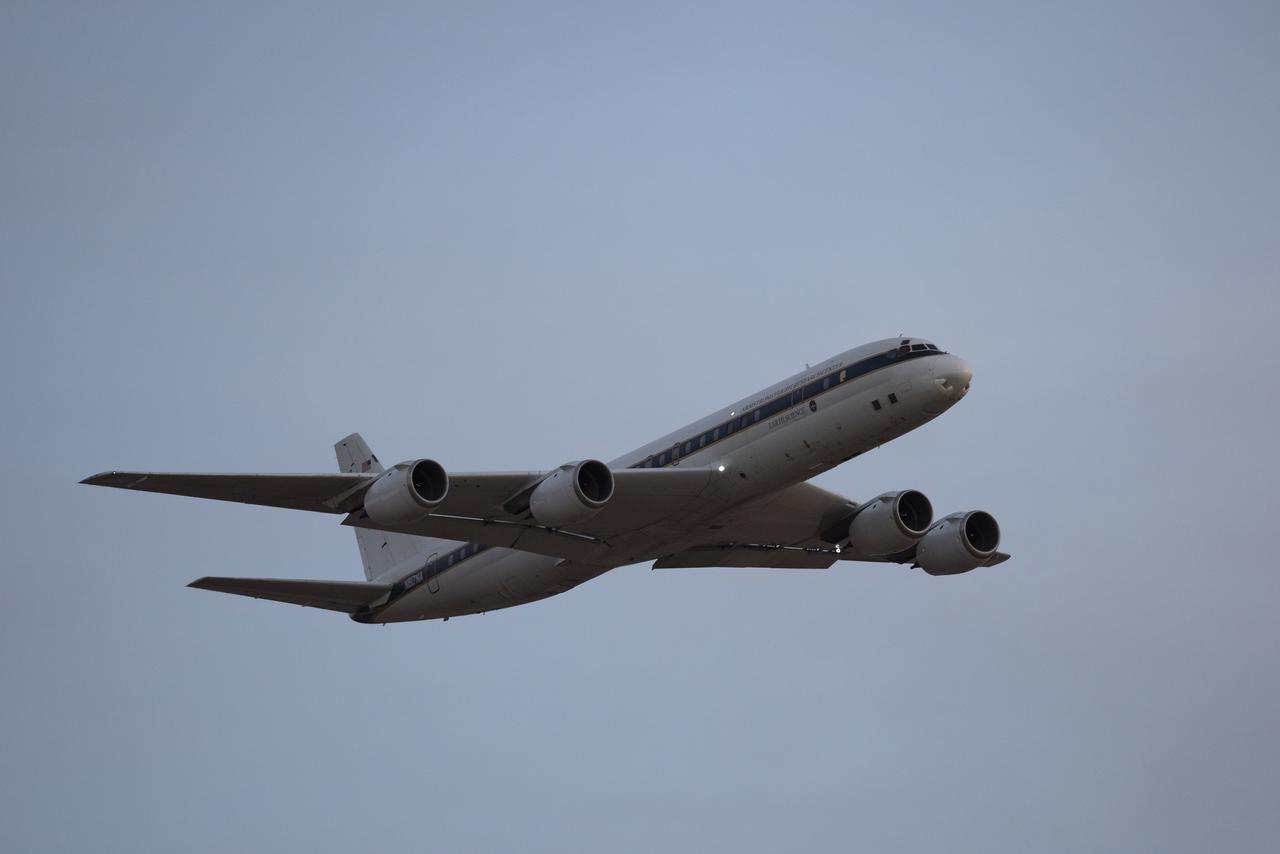
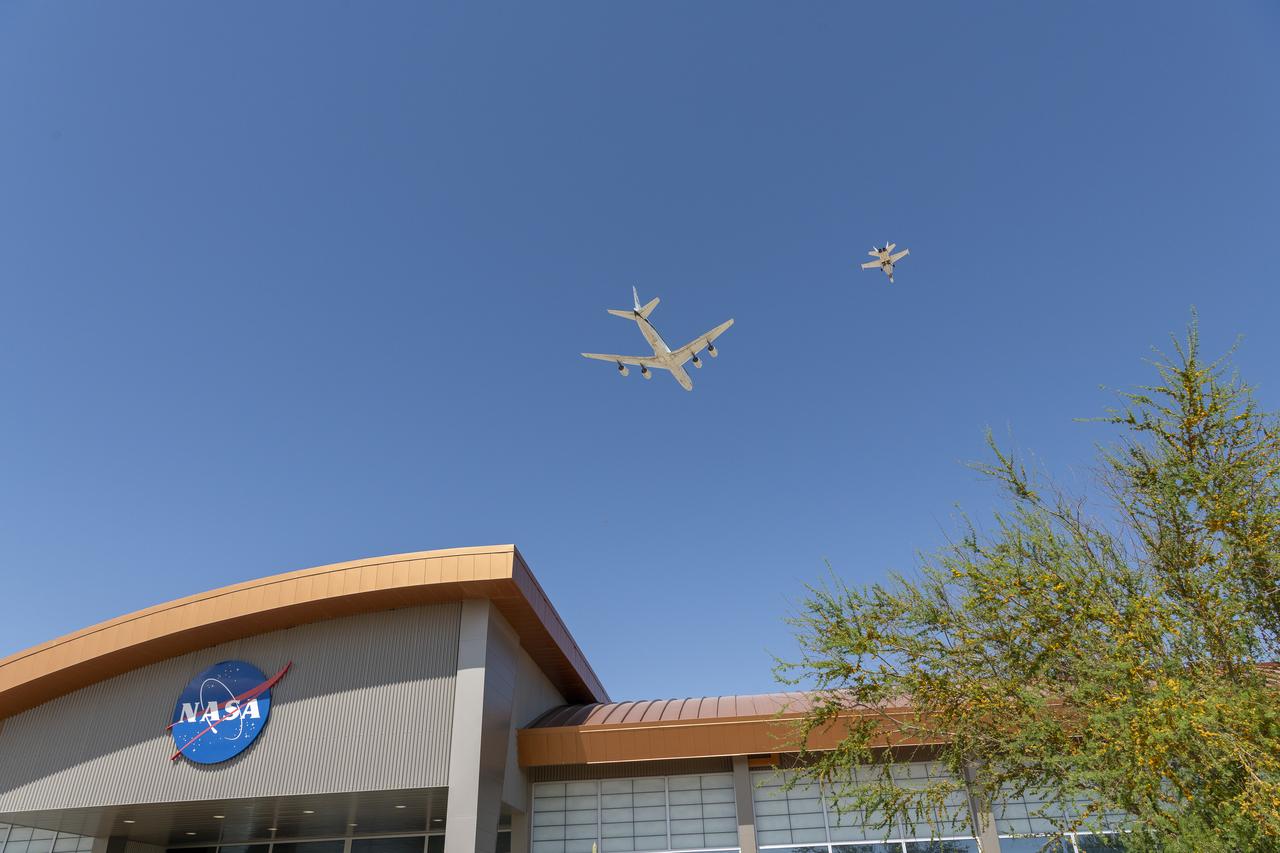
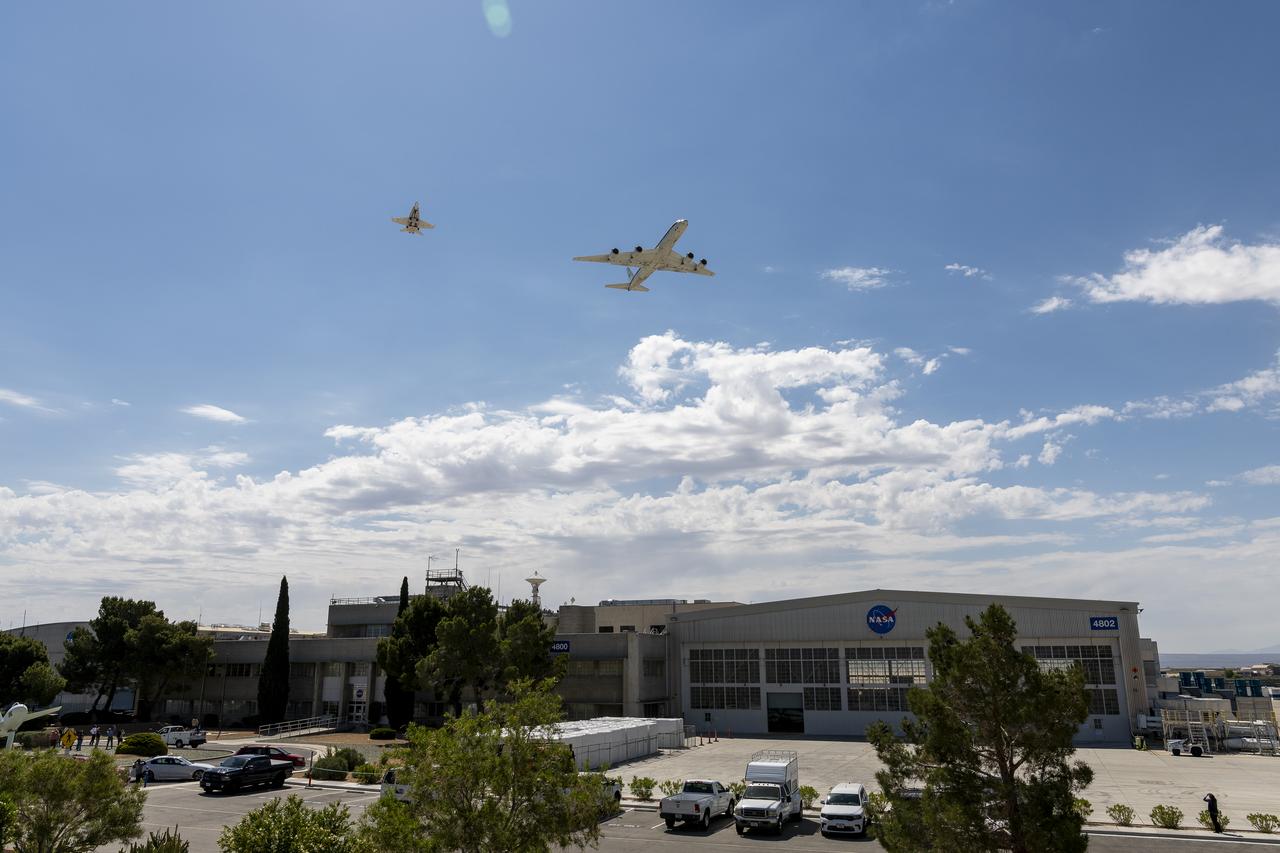
The DC-8 flies low for the last time over NASA’s Armstrong Flight Research Center in Edwards, California, before it retires to Idaho State University in Pocatello, Idaho. The DC-8 will provide real-world experience to train future aircraft technicians at the college’s Aircraft Maintenance Technology Program.
NASA Bids Farewell to DC-8
The DC-8 flies low for the last time over NASA’s Armstrong Flight Research Center in Edwards, California, before it retires to Idaho State University in Pocatello, Idaho. The DC-8 will provide real-world experience to train future aircraft technicians at the college’s Aircraft Maintenance Technology Program.
NASA Bids Farewell to DC-8
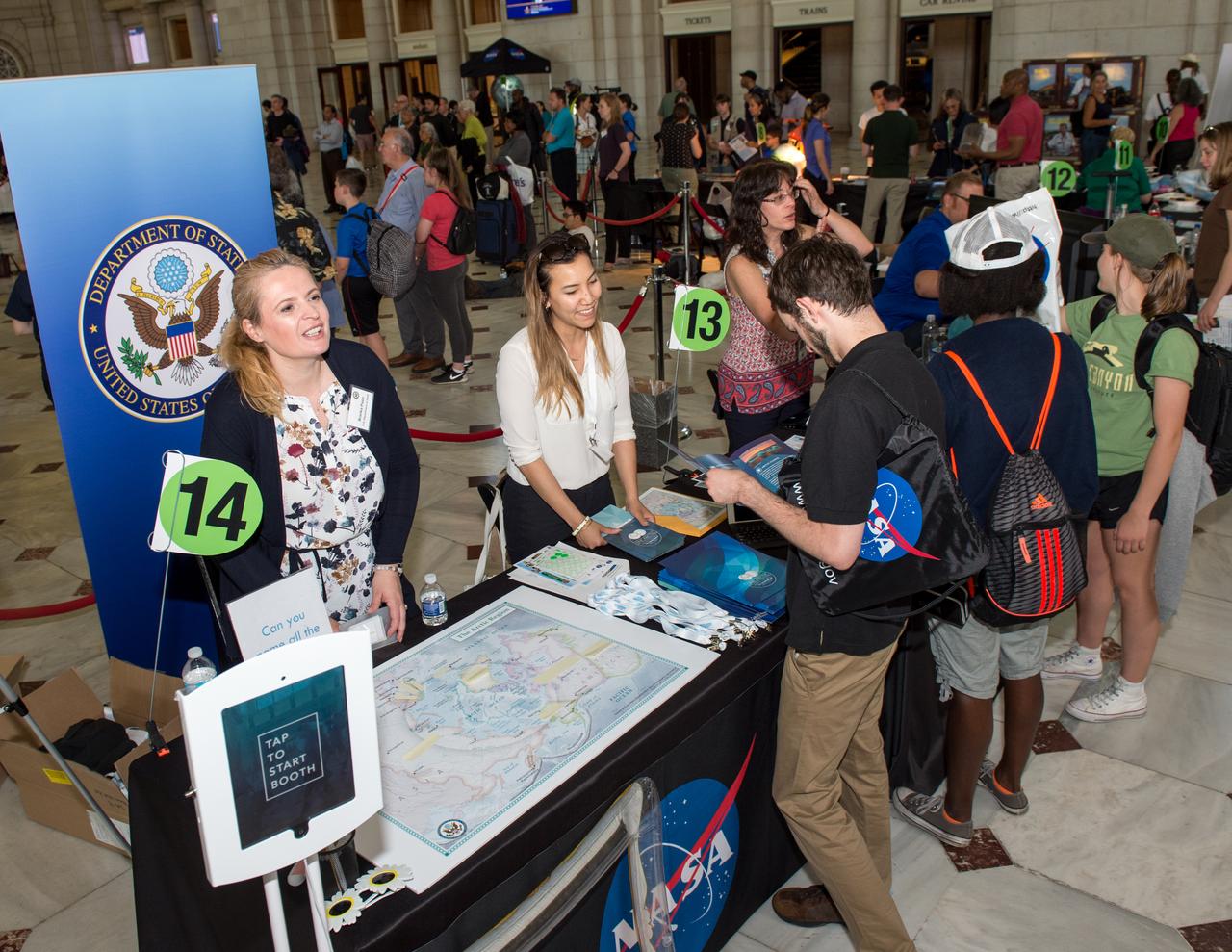
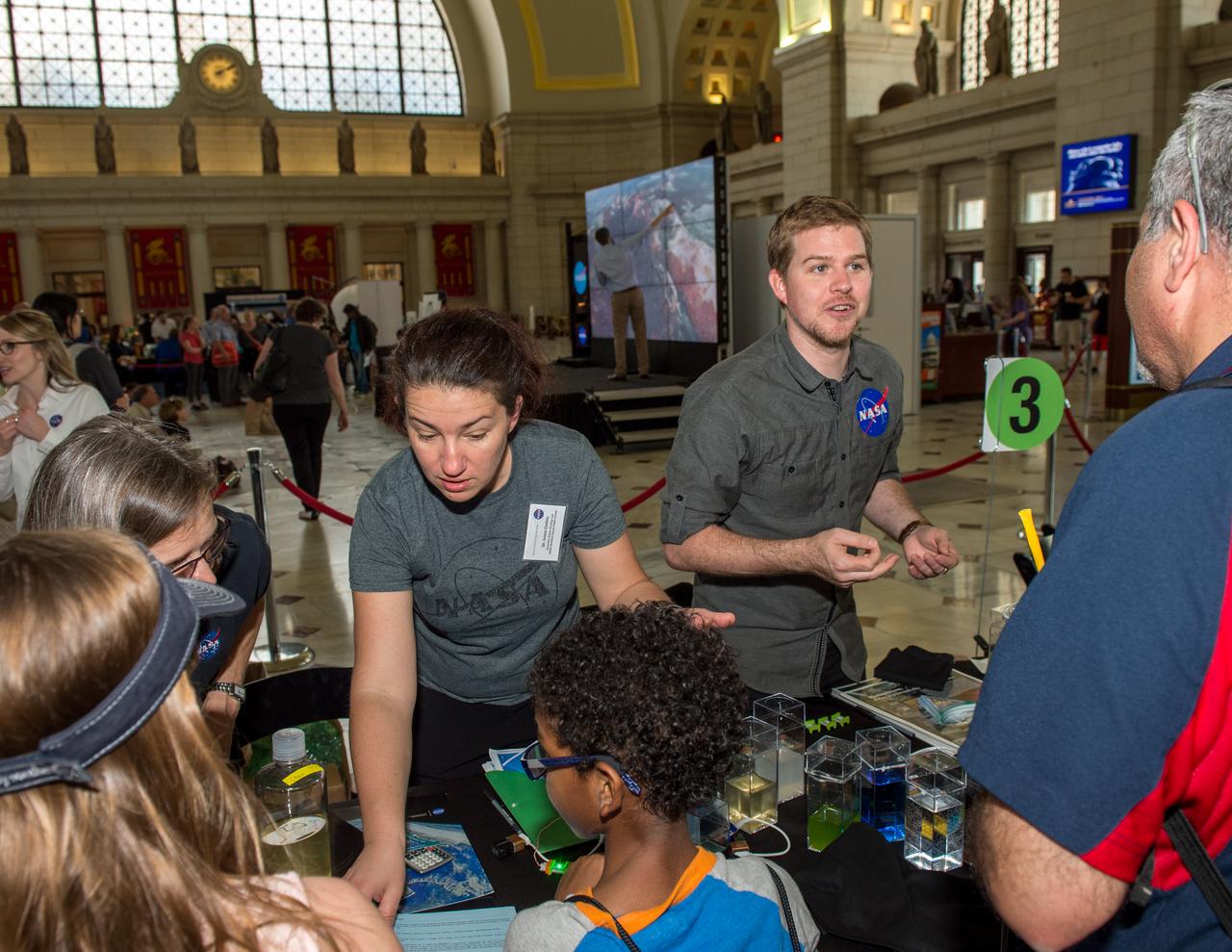
2017 NASA Earth Day at Union Station, Washington DC
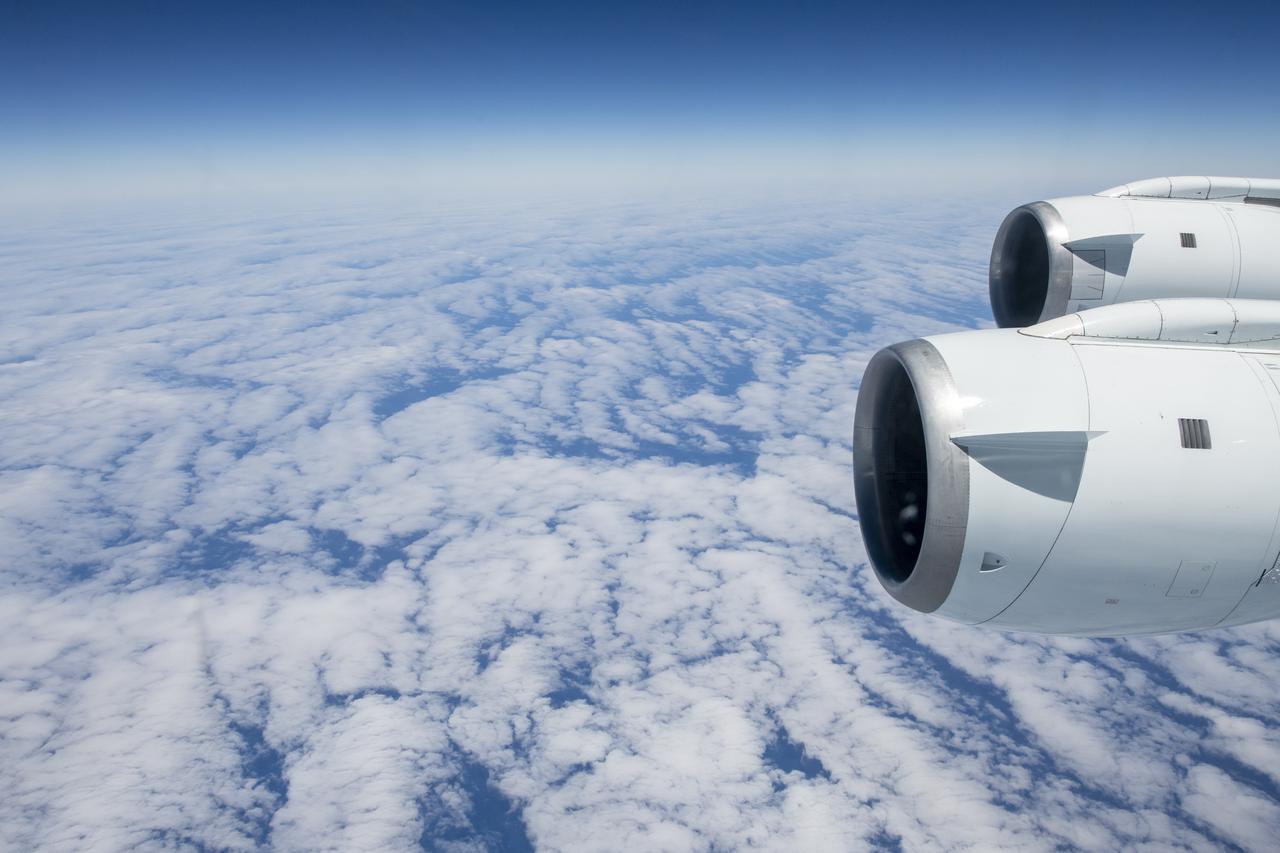
NASA's Armstrong Flight Research Center flies the DC-8 airborne science laboratory in support of the Convective Processes Experiment - Aerosols and Winds campaign, CPEX-AW,  on Aug 6, 2021.
DC-8 CPEX-AW Science Flight
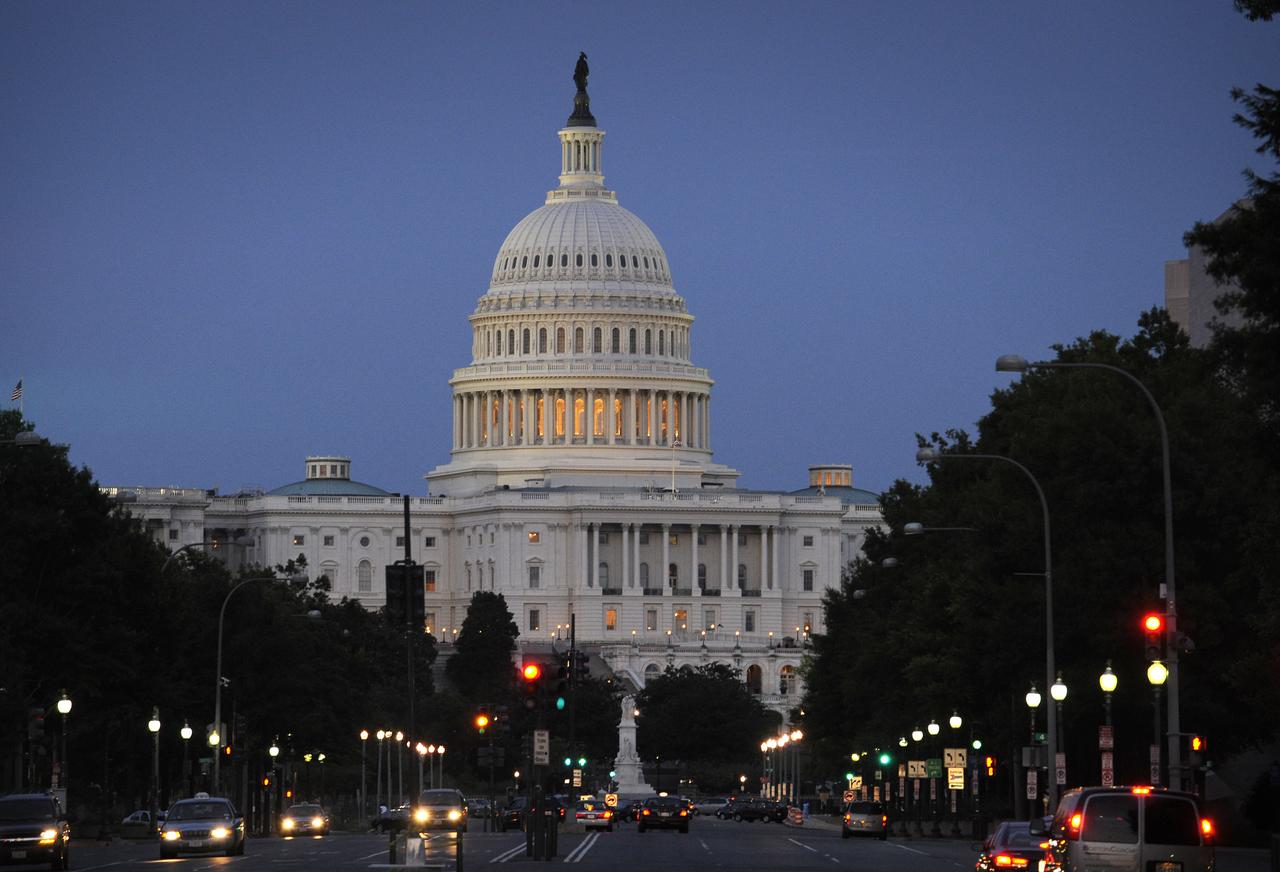
The U.S. Capitol Building is seen late in the evening from Pennsylvania Avenue on Tuesday, June 24, 2008, Washington, DC. Photo Credit: (NASA/Bill Ingalls)
U.S. Captiol Building
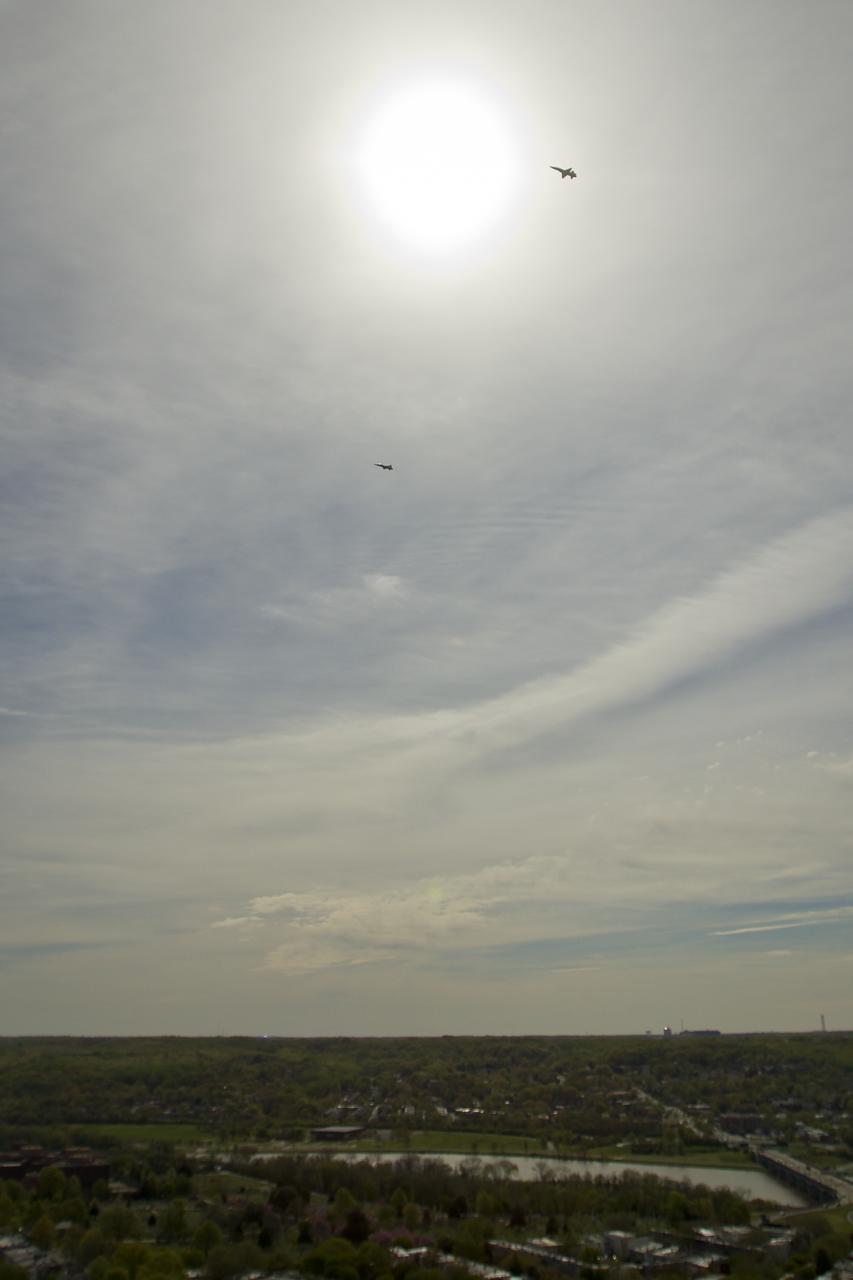
Two NASA T-38 training jets are seen as they fly over Washington, DC, Thursday, April 5, 2012.  NASA, in cooperation with the Federal Aviation Administration, conducted training and photographic flights over the DC metropolitan area.  T-38 aircraft have been used for astronaut training for more than 30 years as they allow pilots and mission specialists to think quickly in changing situations, mental experiences the astronauts say are critical to practicing for the rigors of spaceflight.  Photo Credit:  (NASA/Bill Ingalls)
T-38 Aircraft Fly Over Washington
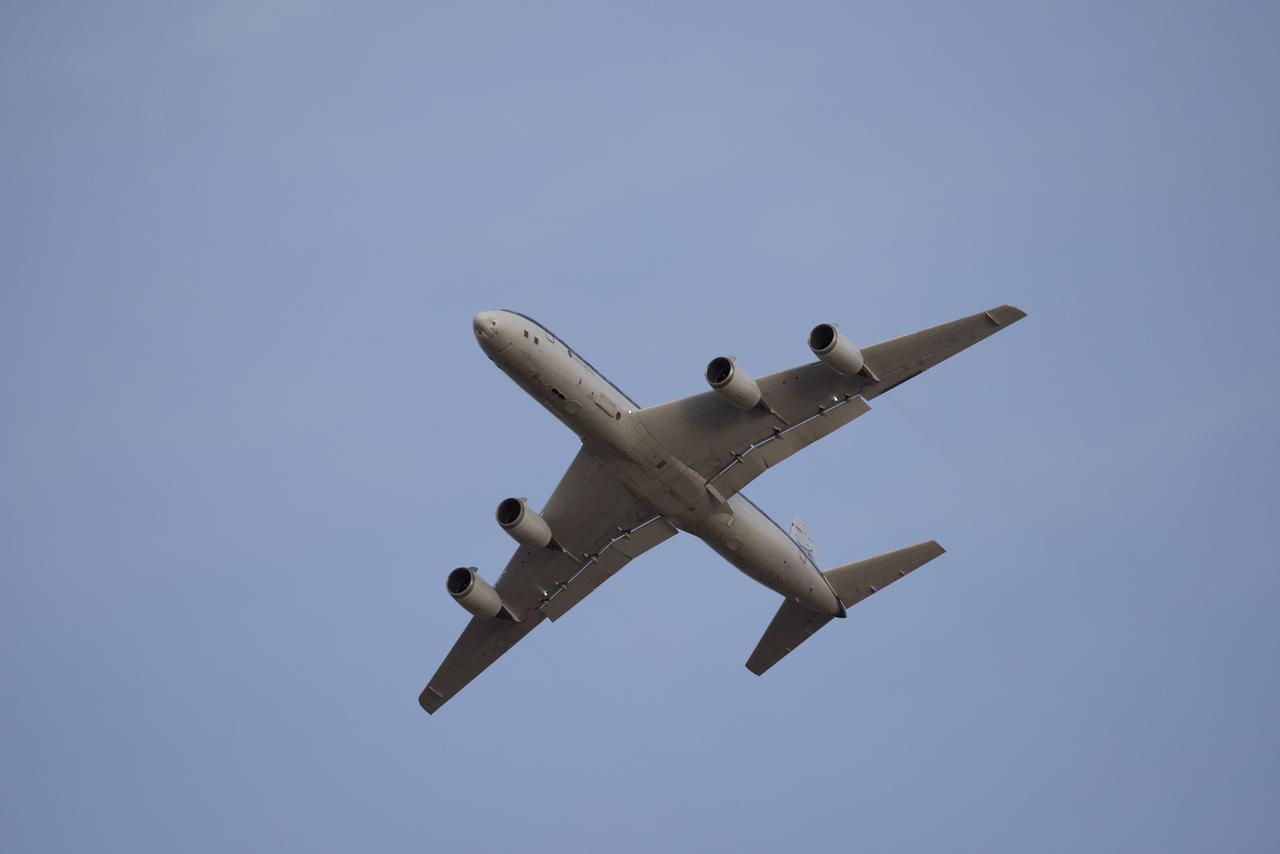
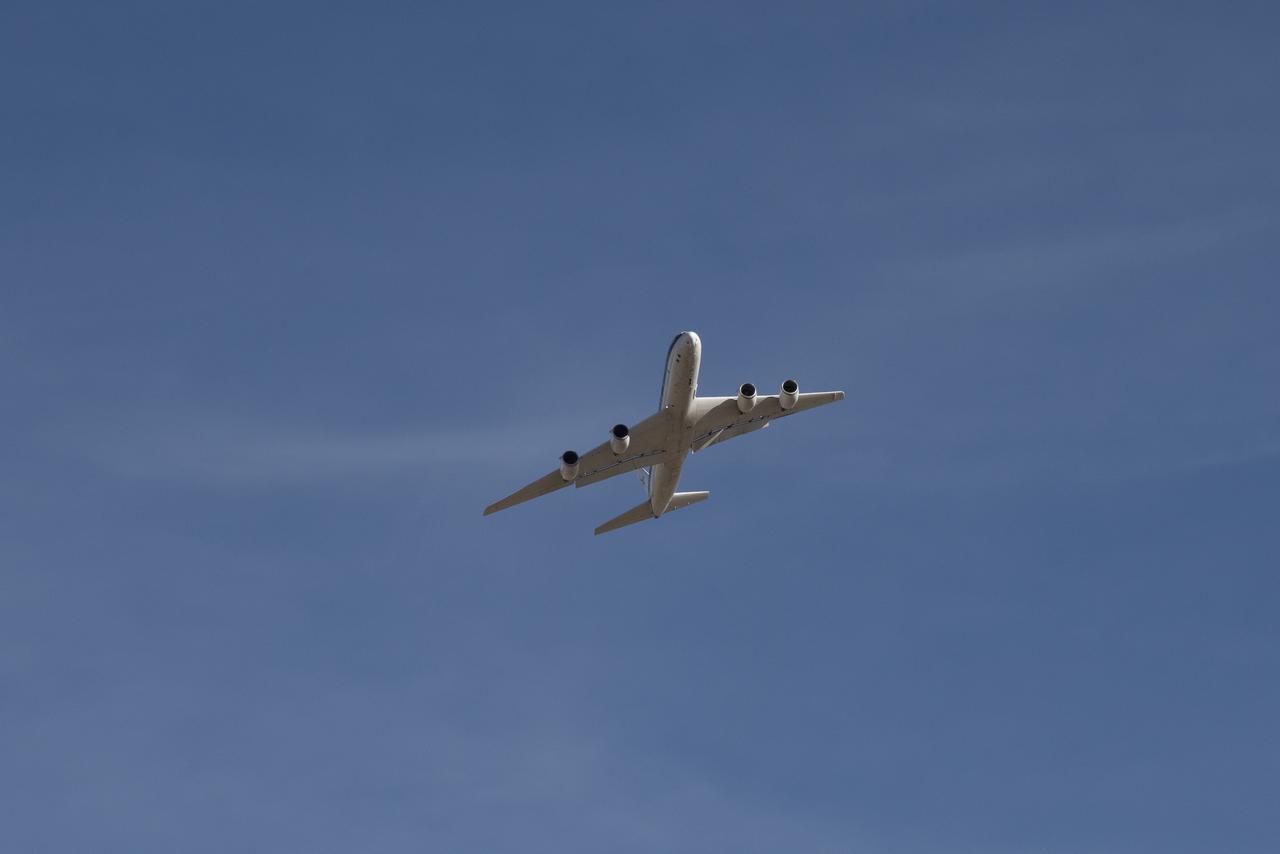
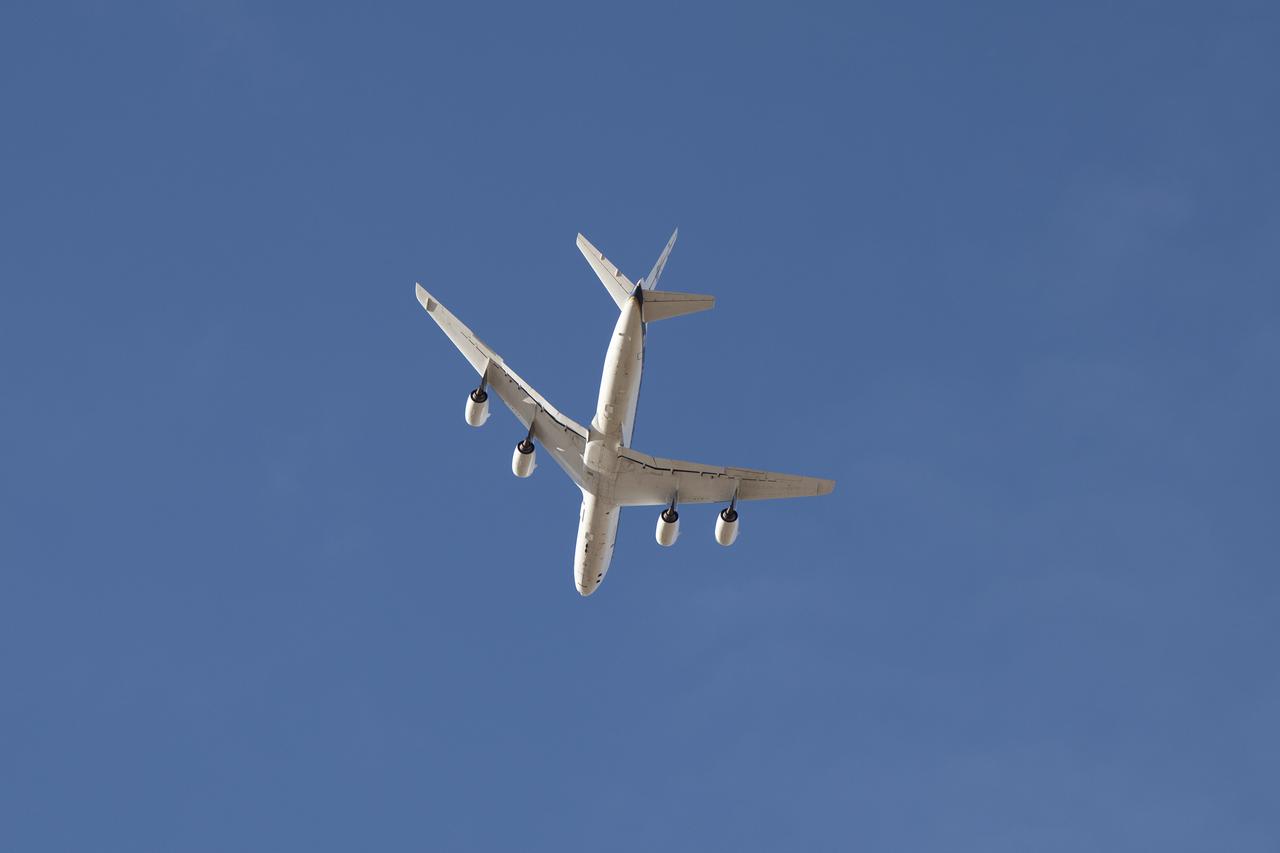
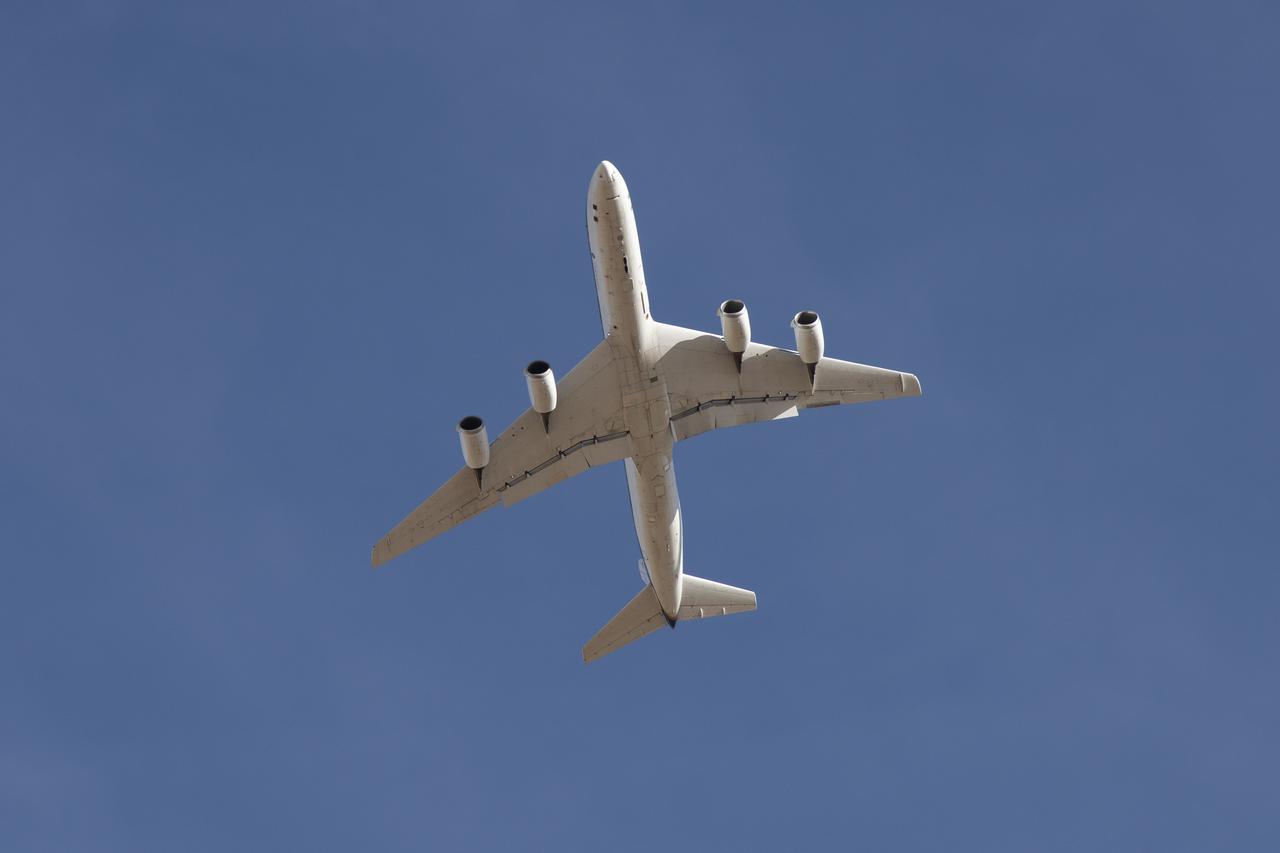
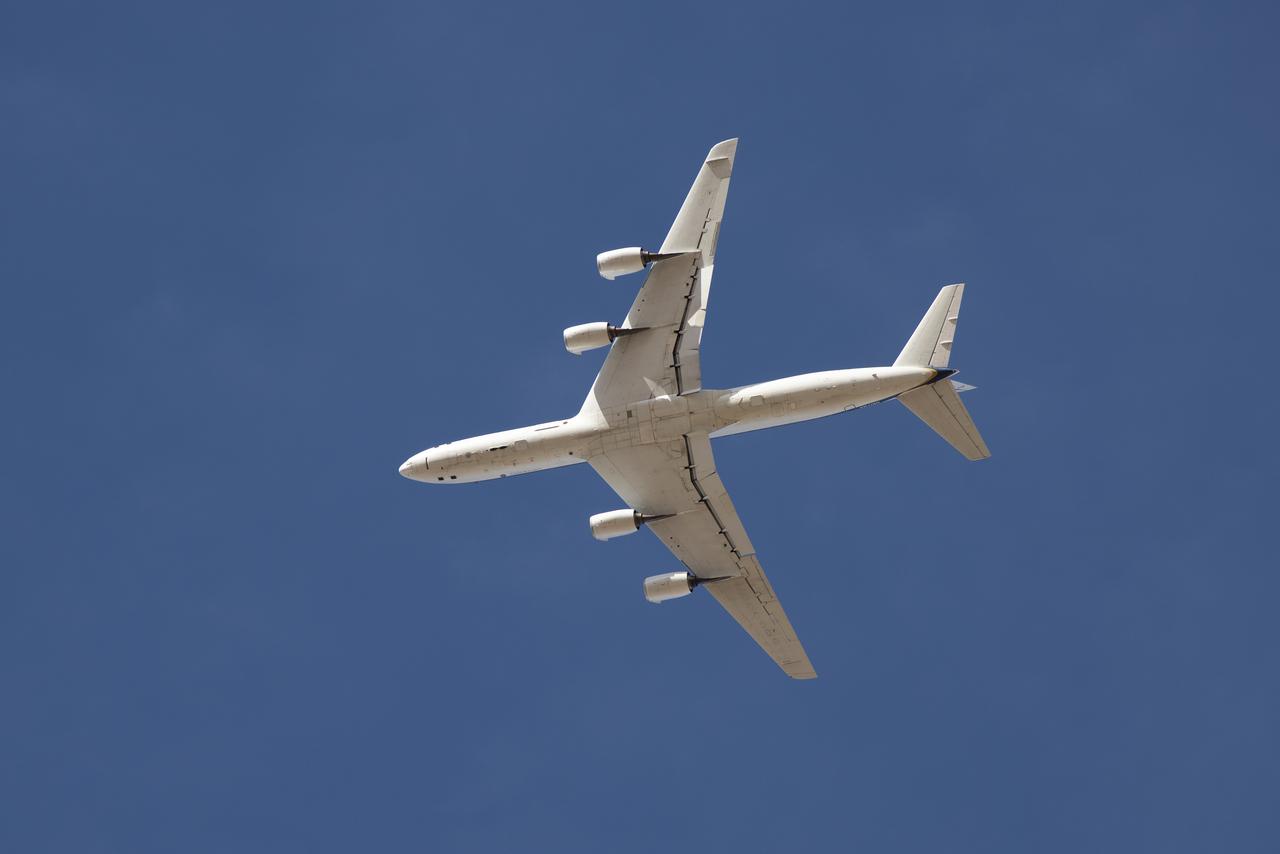
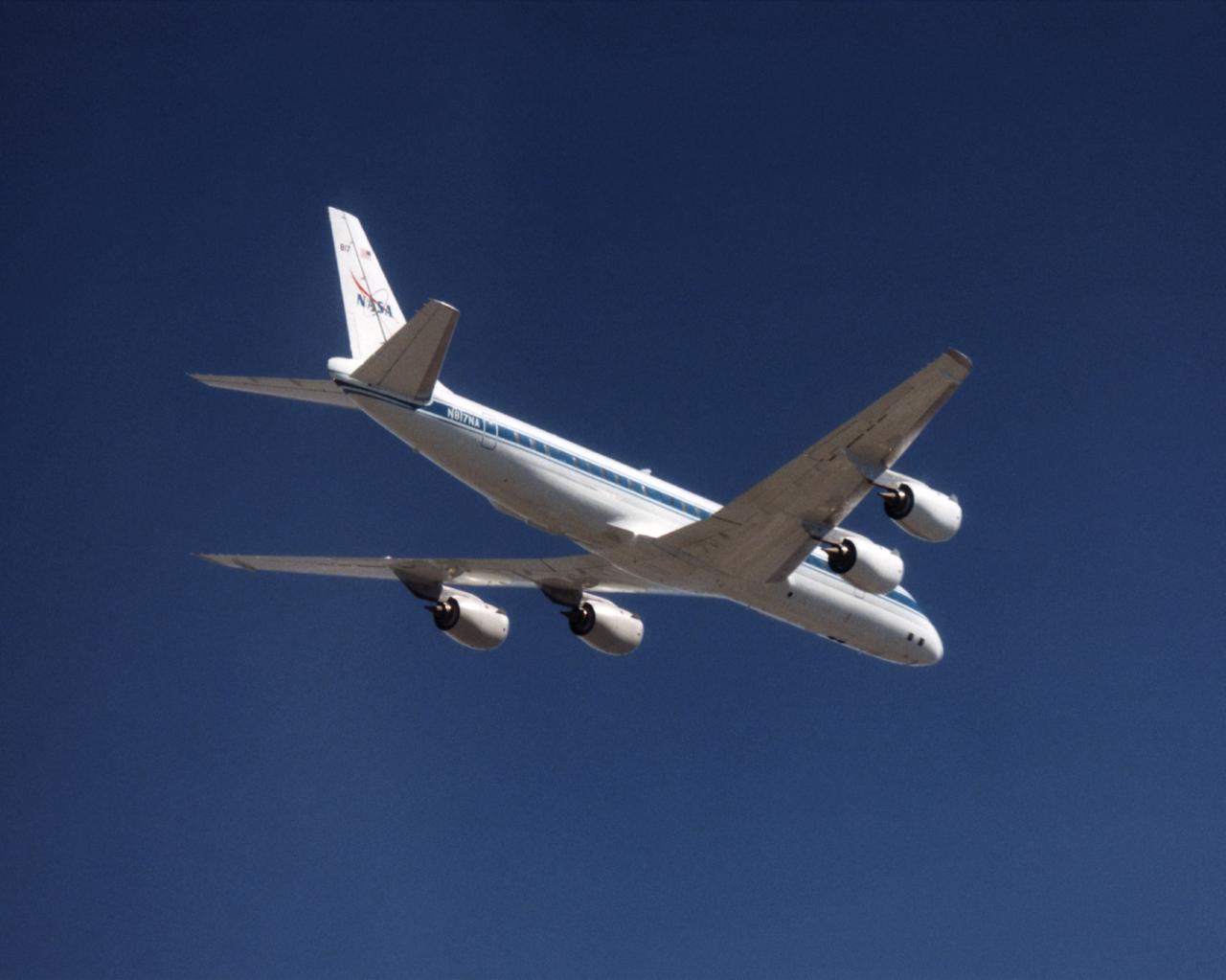
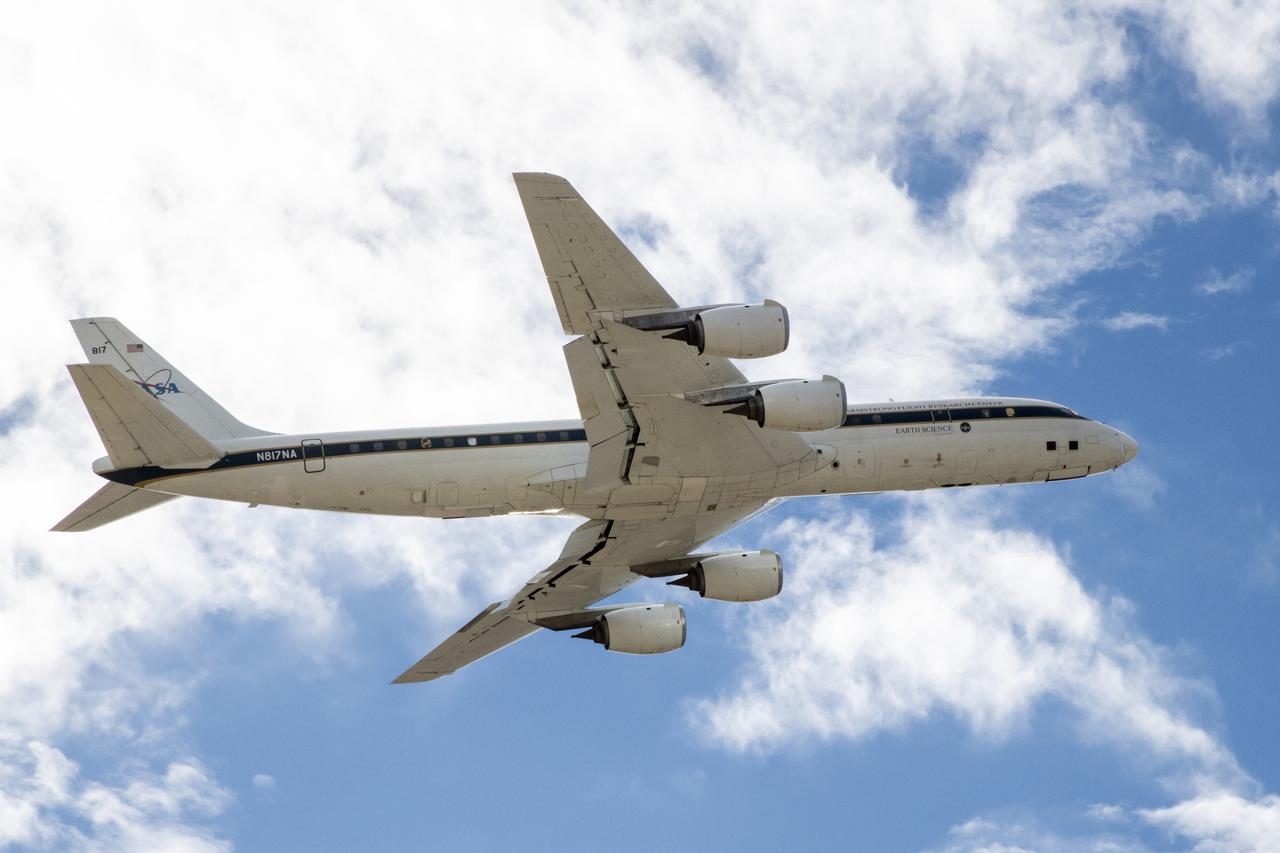
The NASA DC-8 in a right bank over the rugged Sierra Nevada Mountains. The former airliner is a "dash-72" model and has a range of 5,500 miles. The craft can stay airborne for 12 hours and has an operational speed range between 300 and 500 knots. The research flights are made at between 500 and 41,000 feet. The aircraft can carry up to 30,000 lbs of research/science payload equipment installed in 15 mission-definable spaces. In this photo, the aircraft is shown in flight from below, with the DC-8 silhouetted against a blue sky.
DC-8 Airborne Laboratory in flight
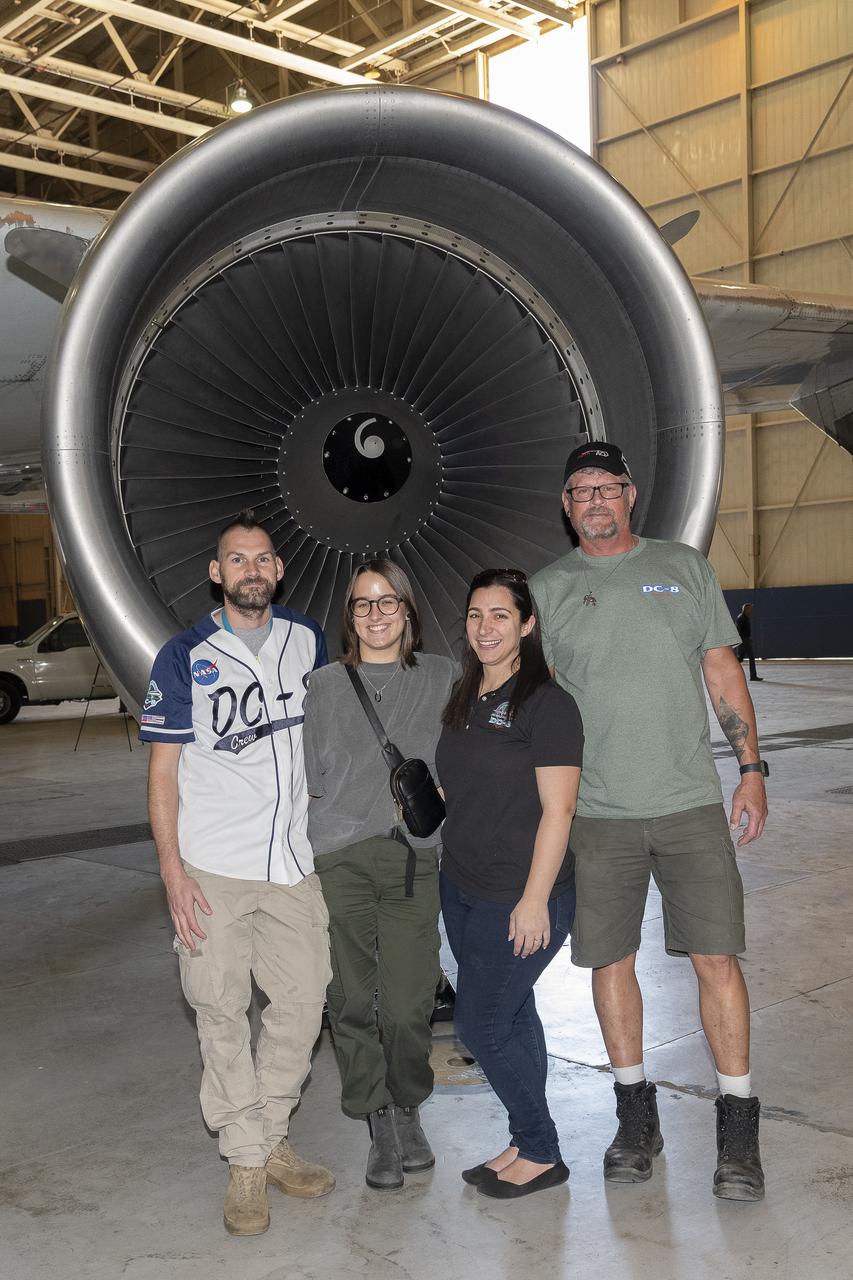
Members of past science missions pose together in front of the DC-8 aircraft’s left engine turbine at NASA’s Armstrong Flight Research Center Building 703 in Palmdale, California. From left are avionics lead Kelly Jellison, chemical scientist Katherine Ball, DC-8 Deputy Program Manager Kirsten Boogaard, and DC-8 safety engineer Garry Moors. On May 2, 2024, NASA personnel, friends, and family celebrated the DC-8 staff, aircraft, and science campaigns.
NASA Armstrong Event Celebrates NASA DC-8 Aircraft
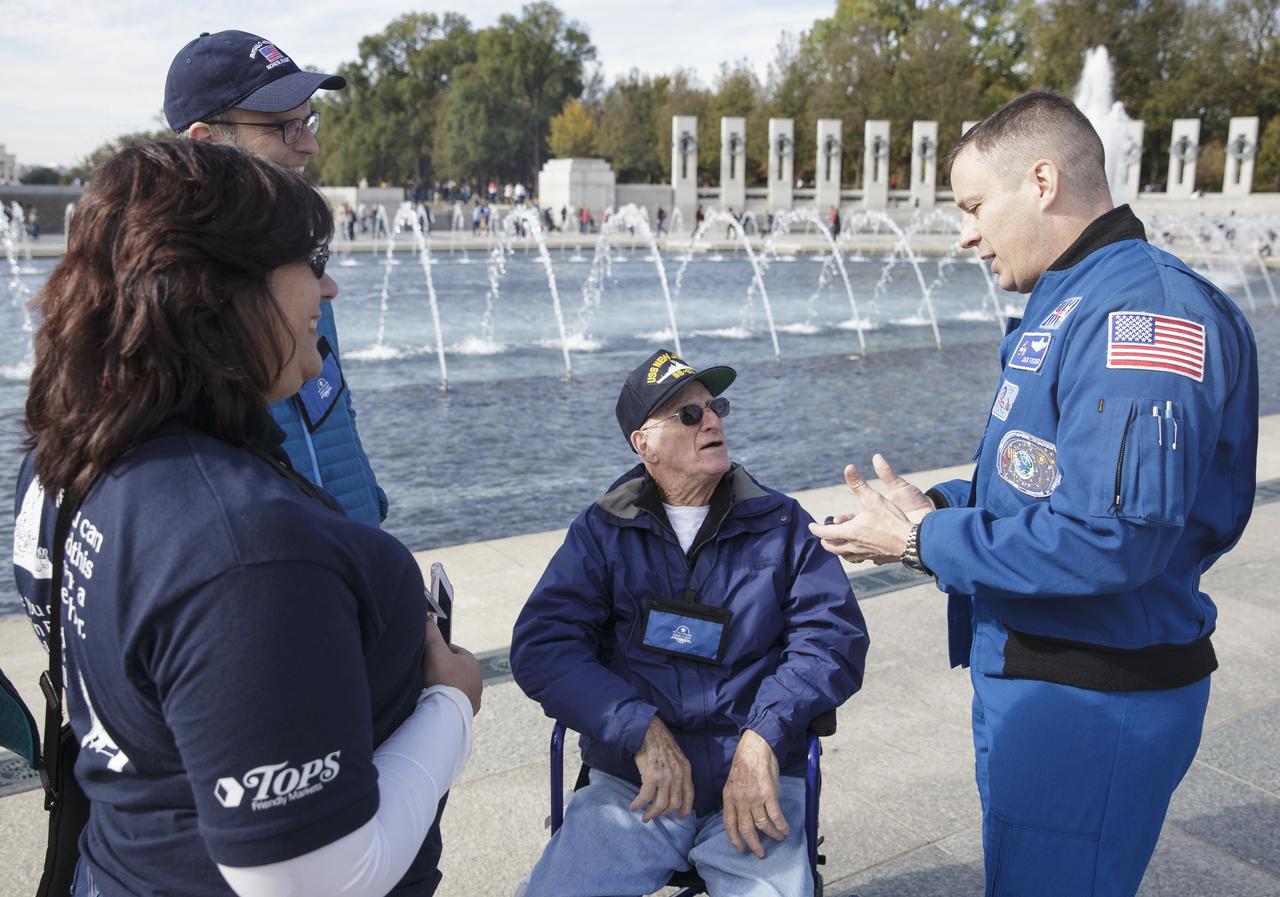
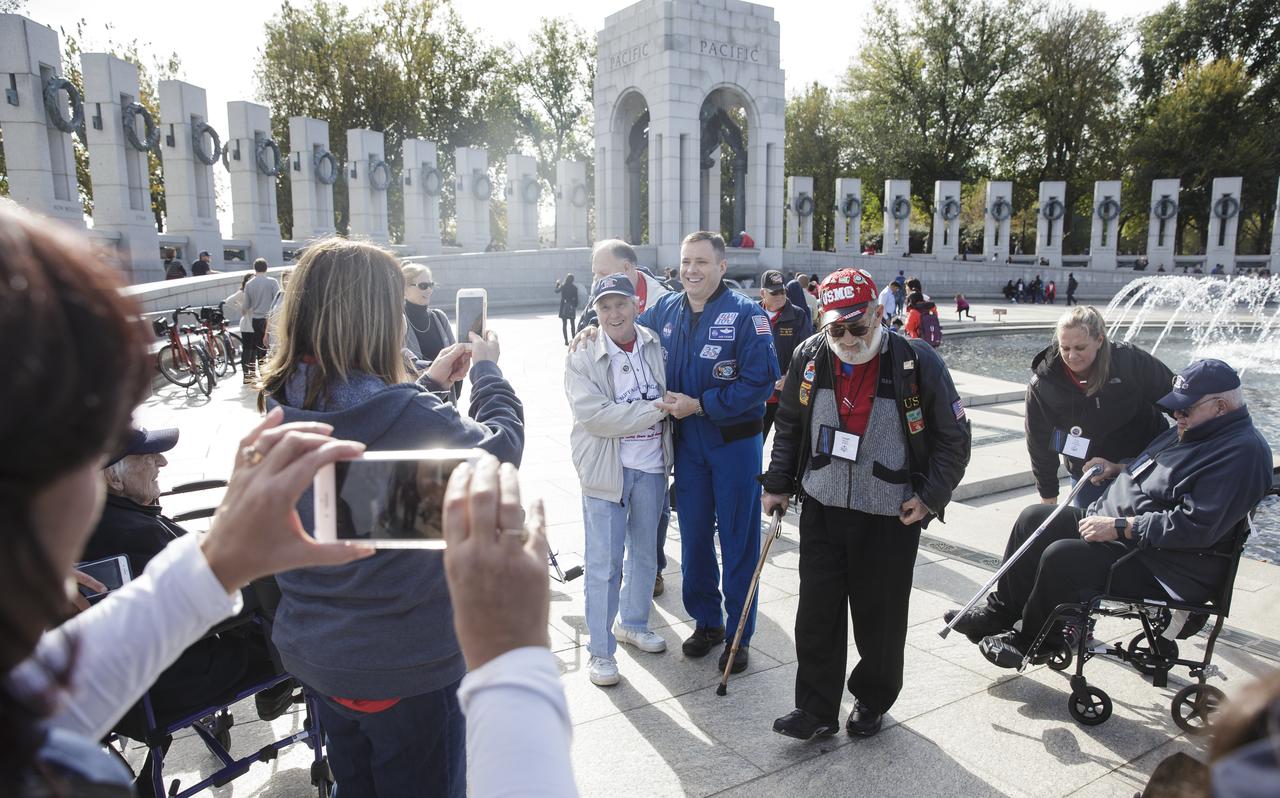
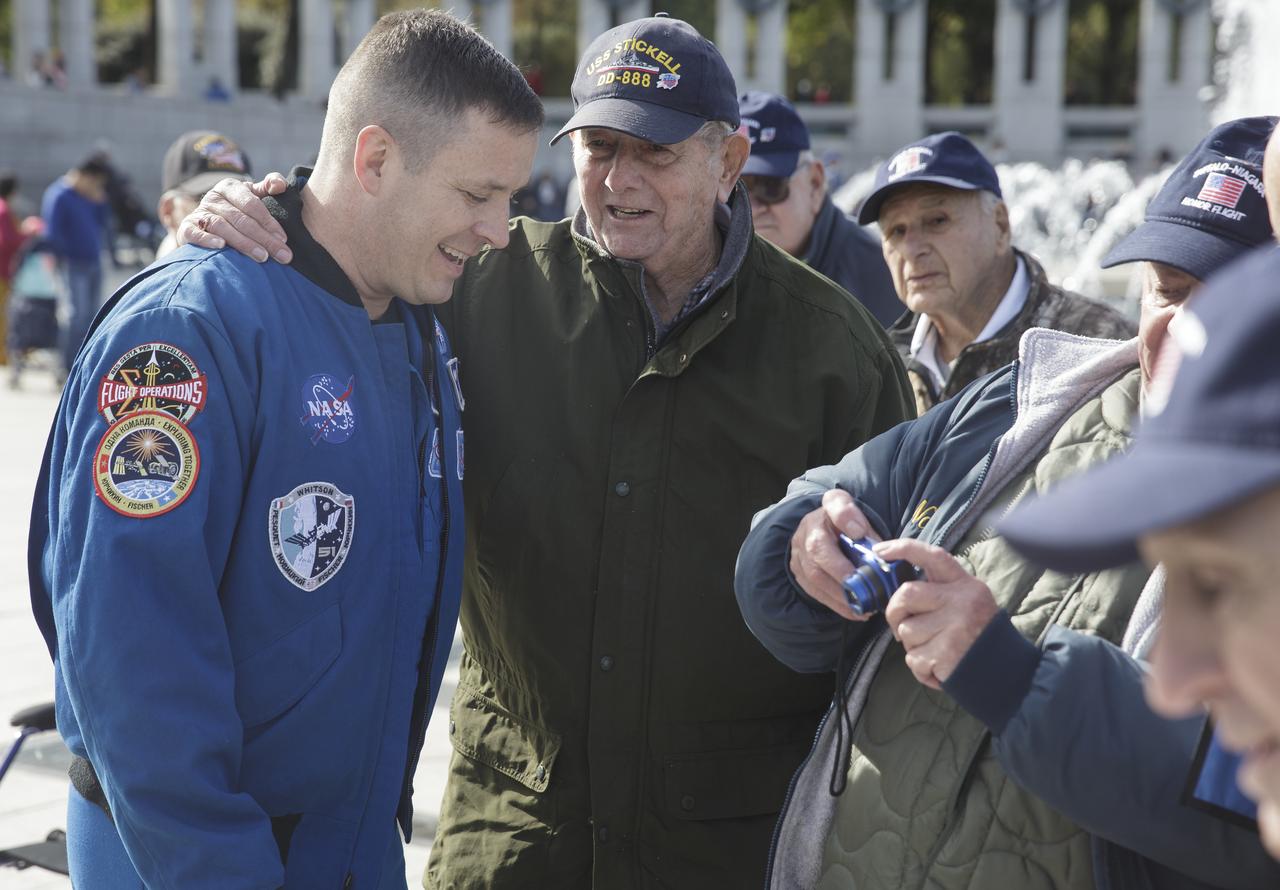
NASA astronaut Jack Fischer talks with veterans at the World War II Memorial who traveled to Washington, DC with the Buffalo Niagara Honor Flight, Saturday, Nov. 4, 2017.  Photo Credit: (NASA/Joel Kowsky)
Astronaut Jack Fischer with Honor Flight Veterans
NASA astronaut Jack Fischer talks with veterans at the World War II Memorial who traveled to Washington, DC with the Buffalo Niagara Honor Flight, Saturday, Nov. 4, 2017.  Photo Credit: (NASA/Joel Kowsky)
Astronaut Jack Fischer with Honor Flight Veterans
NASA astronaut Jack Fischer talks with veterans at the World War II Memorial who traveled to Washington, DC with the Buffalo Niagara Honor Flight, Saturday, Nov. 4, 2017.  Photo Credit: (NASA/Joel Kowsky)
Astronaut Jack Fischer with Honor Flight Veterans
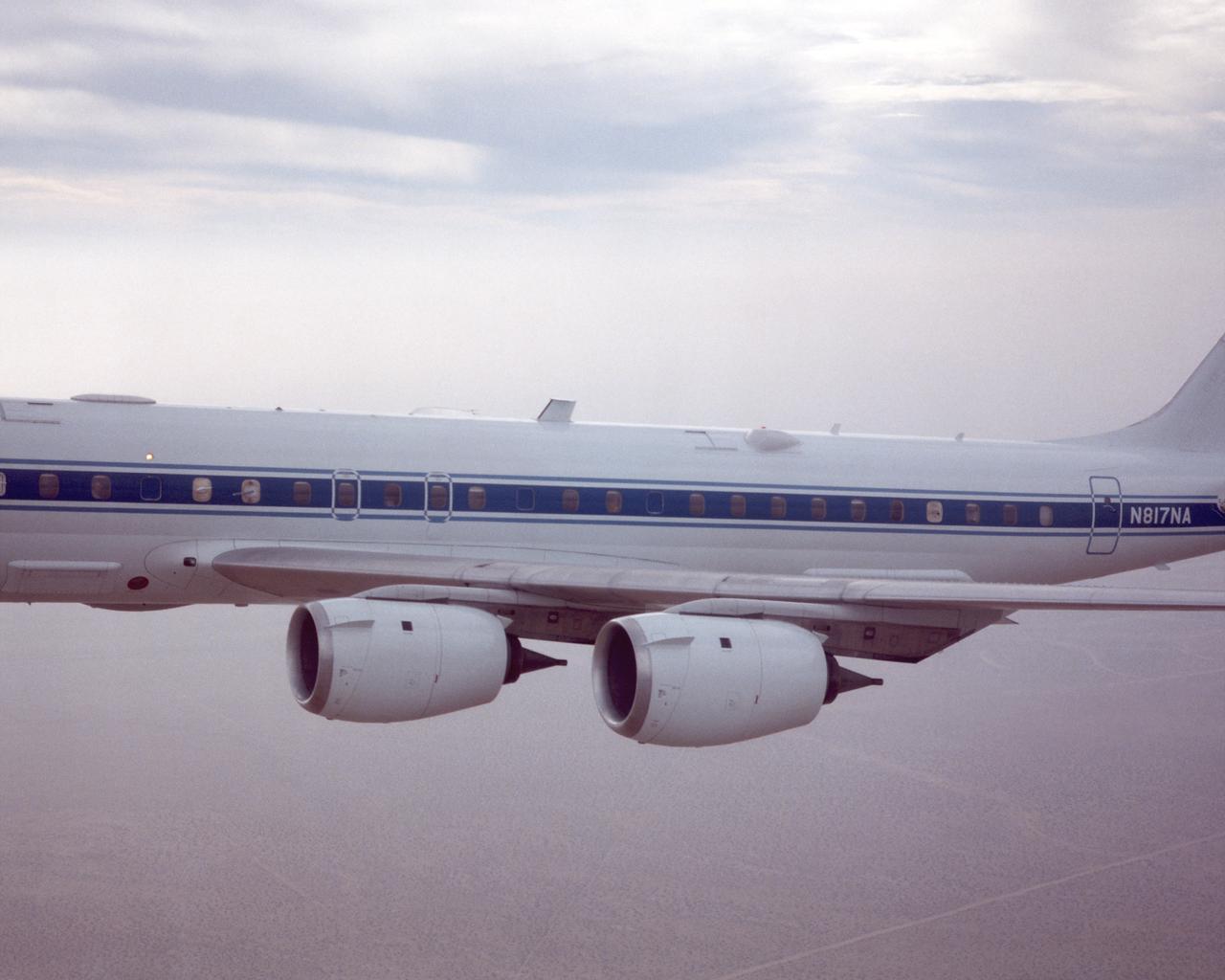
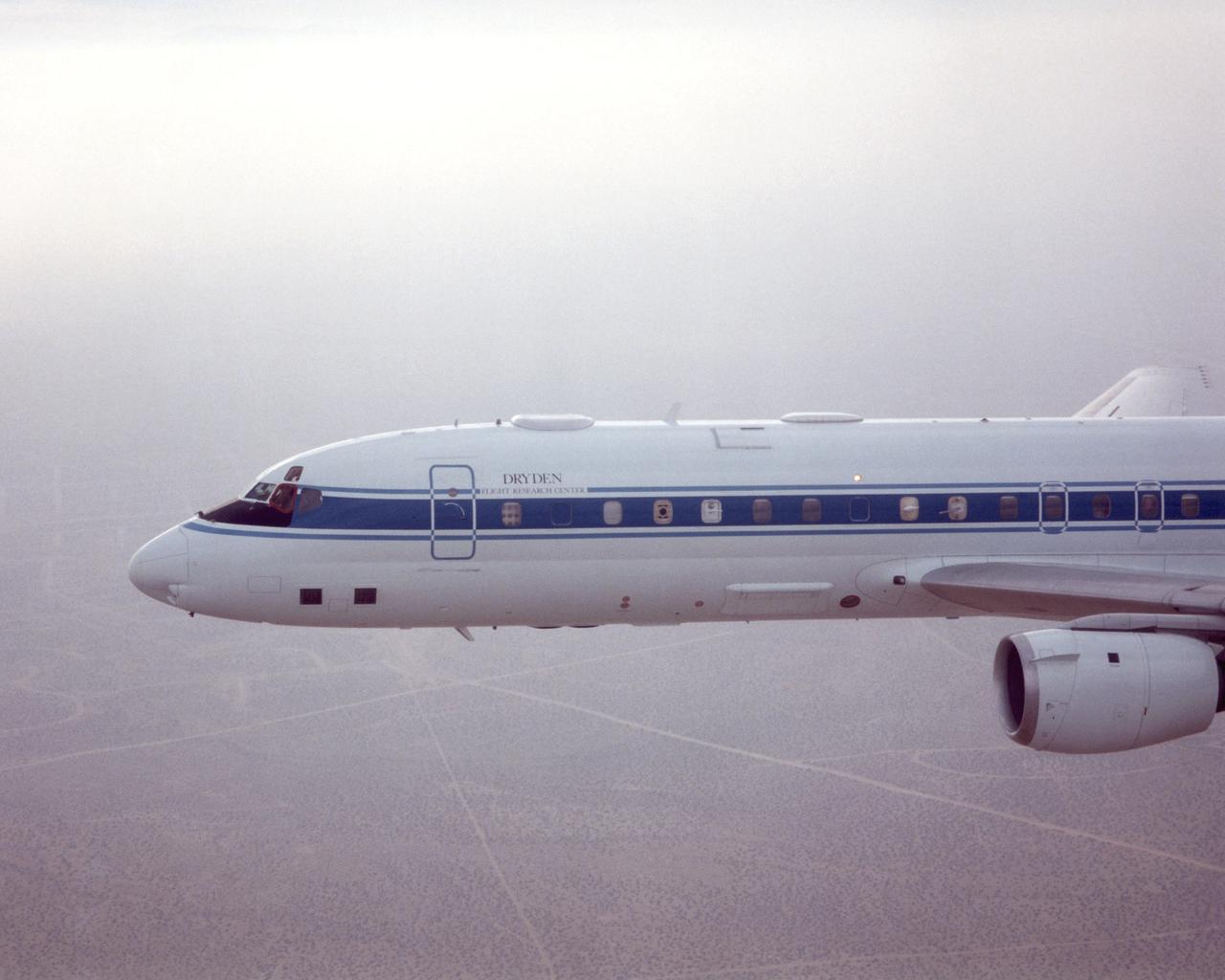
DC-8 returning from AFWEX deployment showing AeroSAPIENT Ku-band antennas
DC-8 returning from AFWEX deployment showing AeroSAPIENT Ku-band transmit antenna (aft 62 degree port)
DC-8 Airborne Laboratory in banked flight over snow-capped Sierra Nevada mountain range
DC-8 returning from AFWEX deployment showing AeroSAPIENT Ku-band receive antenna (fwd zenith port)
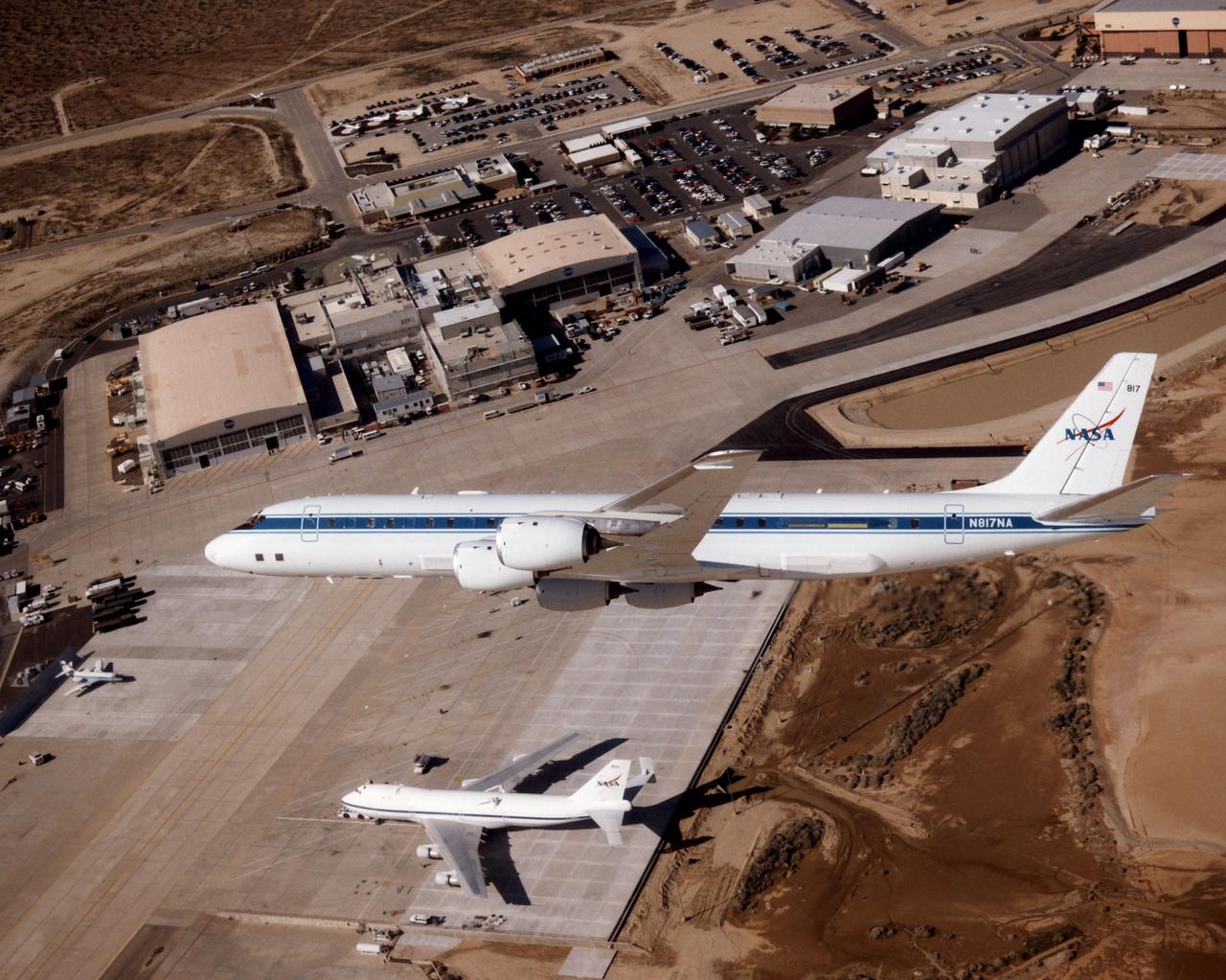
The DC-8 aircraft is seen making a banking turn high above the NASA Dryden ramp. This view of the DC-8's left side reveals some of the modifications necessary for particular on-board experiments. To the right of the DC-8 is the edge of Rogers Dry Lake. Above the aircraft's forward fuselage is the Dryden Flight Research Center headquarters building, while other NASA facilities extend down the flightline to the right. Below the DC-8 is the Shuttle Carrier Aircraft (SCA), on which are visible attachment points for the Shuttle Orbiter.
DC-8 Airborne Laboratory in flight over NASA Dryden center with SCA 747 on ramp
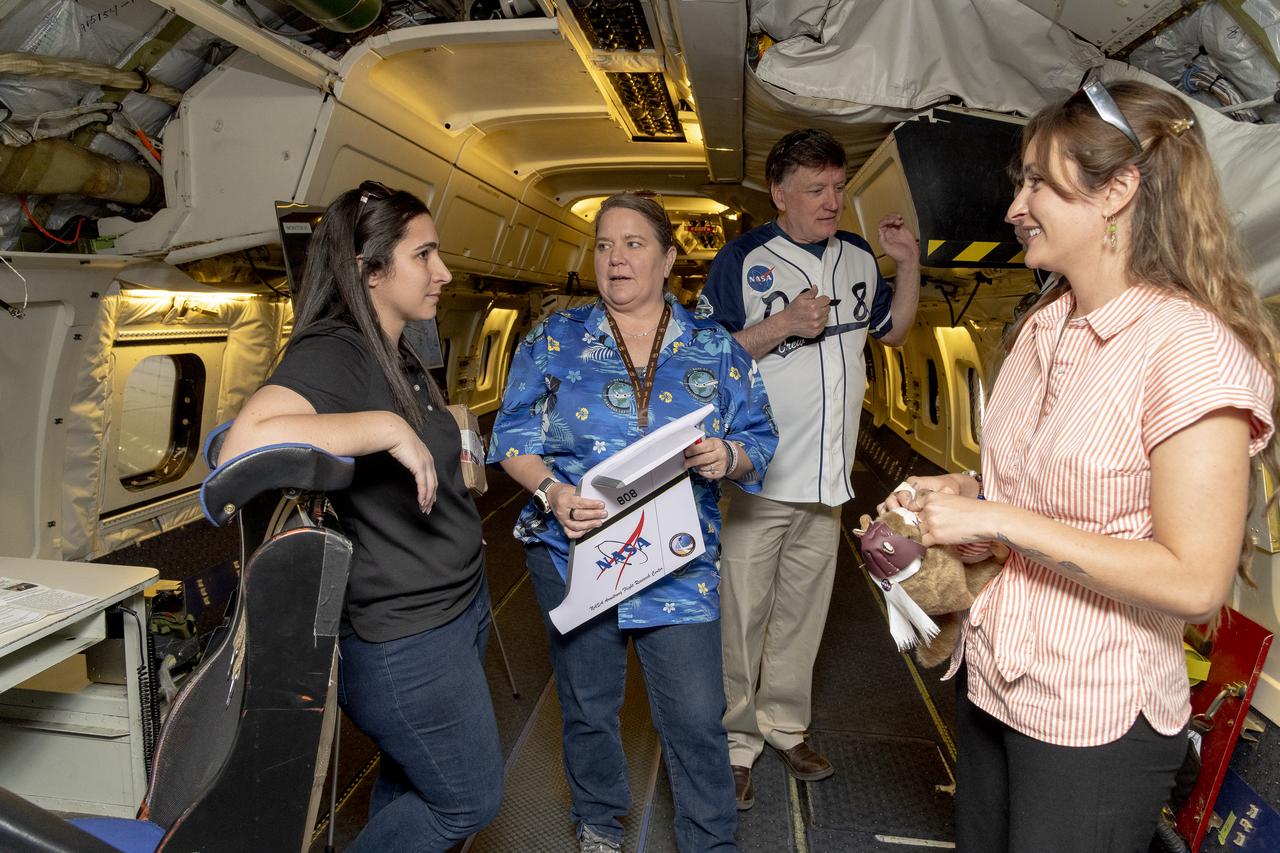
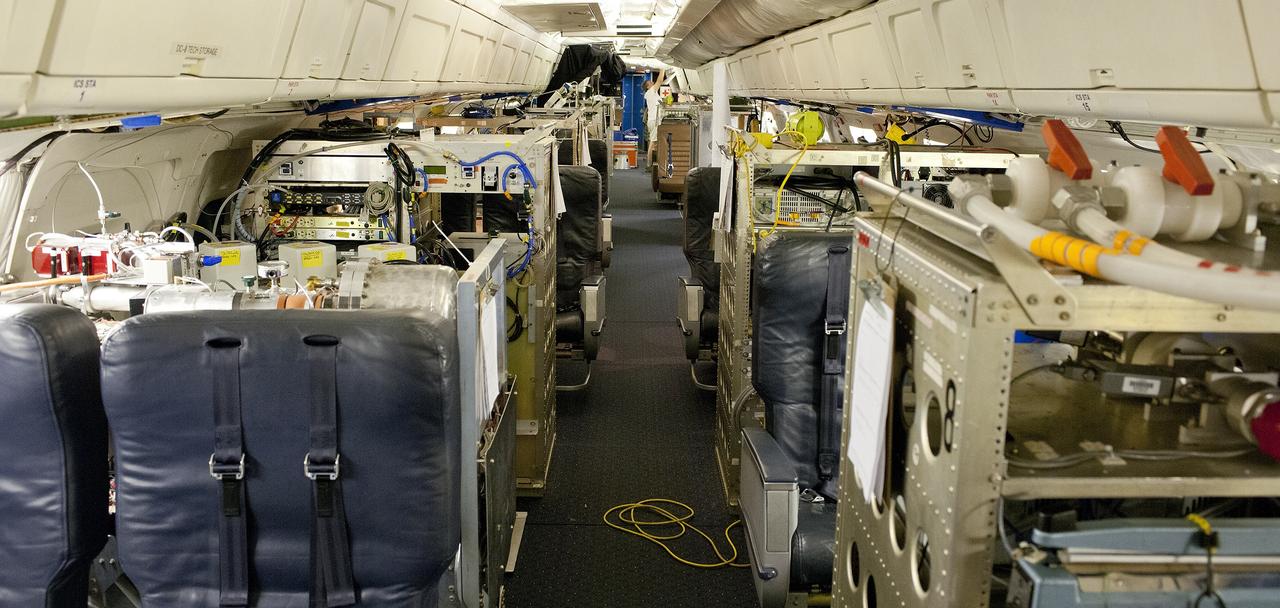
Members of the DC-8 program team tour an empty aircraft and recall past missions. Usually the DC-8 has between 15 and 30 instrument racks installed for a given science mission. The aircraft was spacious by comparison on May 2, 2024, when NASA personnel, friends, and family gathered at NASA’s Armstrong Flight Research Center Building 703 in Palmdale, California to celebrate the DC-8 staff, aircraft, and science campaigns. Conversing here are DC-8 aircraft deputy manager Kirsten Boogaard, left, with NASA Armstrong pilot Carrie Worth, Mike Zimmerman, and NASA Armstrong public affairs specialist for airborne science, Erica Heim.

NASA Armstrong Event Celebrates NASA DC-8 Aircraft
NASA's Armstrong Flight Research Center flies the DC-8 airborne science laboratory in support of the Convective Processes Experiment - Aerosols and Winds campaign, CPEX-AW, on Aug 6, 2021. From left to right: Nils Larson, David Fedors and Mark Crane
DC-8 CPEX-AW Science Flight
A group of university students and mentors flew aboard NASA Armstrong Flight Research Center’s DC-8 aircraft to study air quality as part of NASA’s Student Airborne Research Program (SARP). Based at NASA’s Armstrong Building 703 in Palmdale, California, the DC-8 flew over the Central Valley to measure pollution and monitor air quality on Tuesday, June 21, 2022.
NASA Flies Students on DC-8 to Study Air Quality
NASA's DC-8 flying laboratory is fully loaded with seats and instrument racks in preparation for NASA's 2013 SEAC4RS climate science mission.
ED13-0225-033
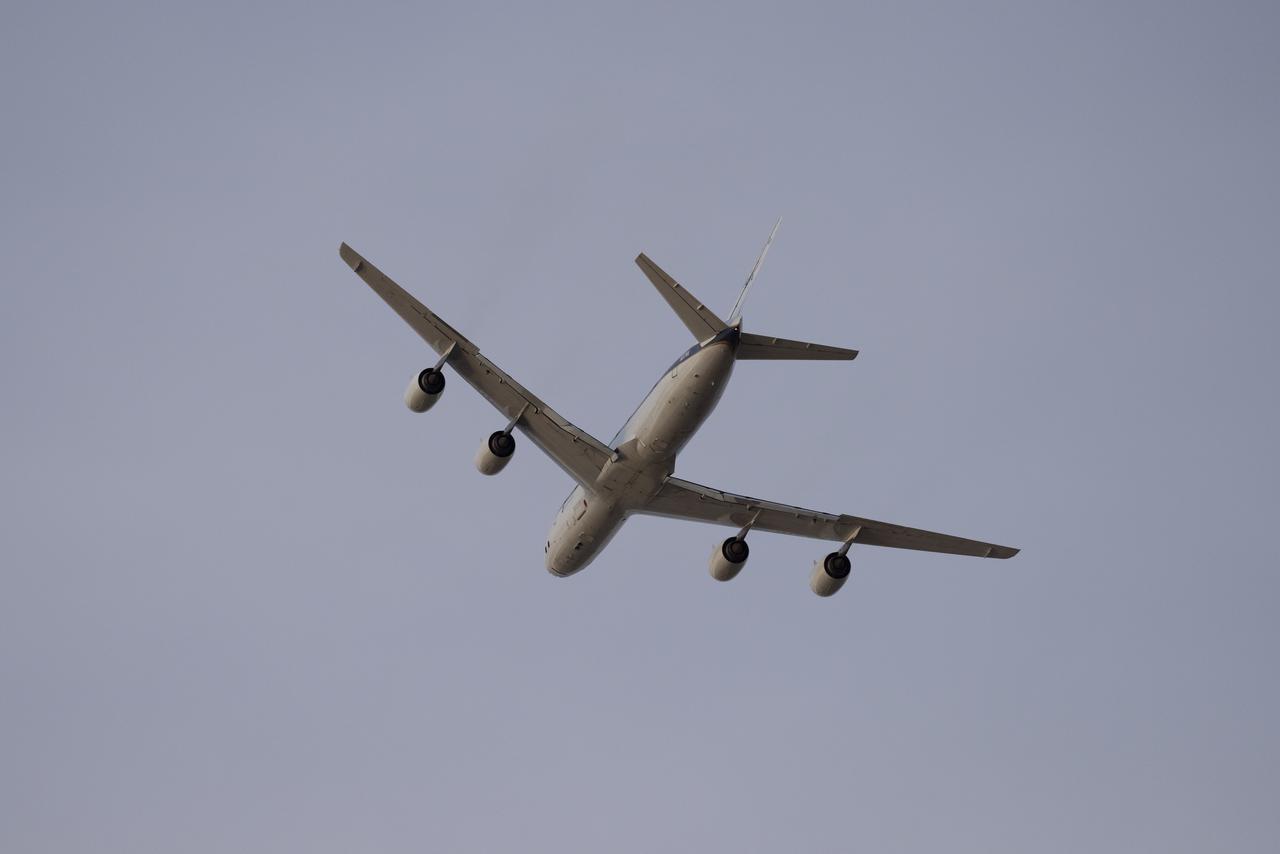
The DC-8 is shown overhead during its final flight from NASA’s Armstrong Flight Research Center Building 703 in Palmdale, California, before it retires to Idaho State University in Pocatello, Idaho. The DC-8 will provide real-world experience to train future aircraft technicians at the college’s Aircraft Maintenance Technology Program.
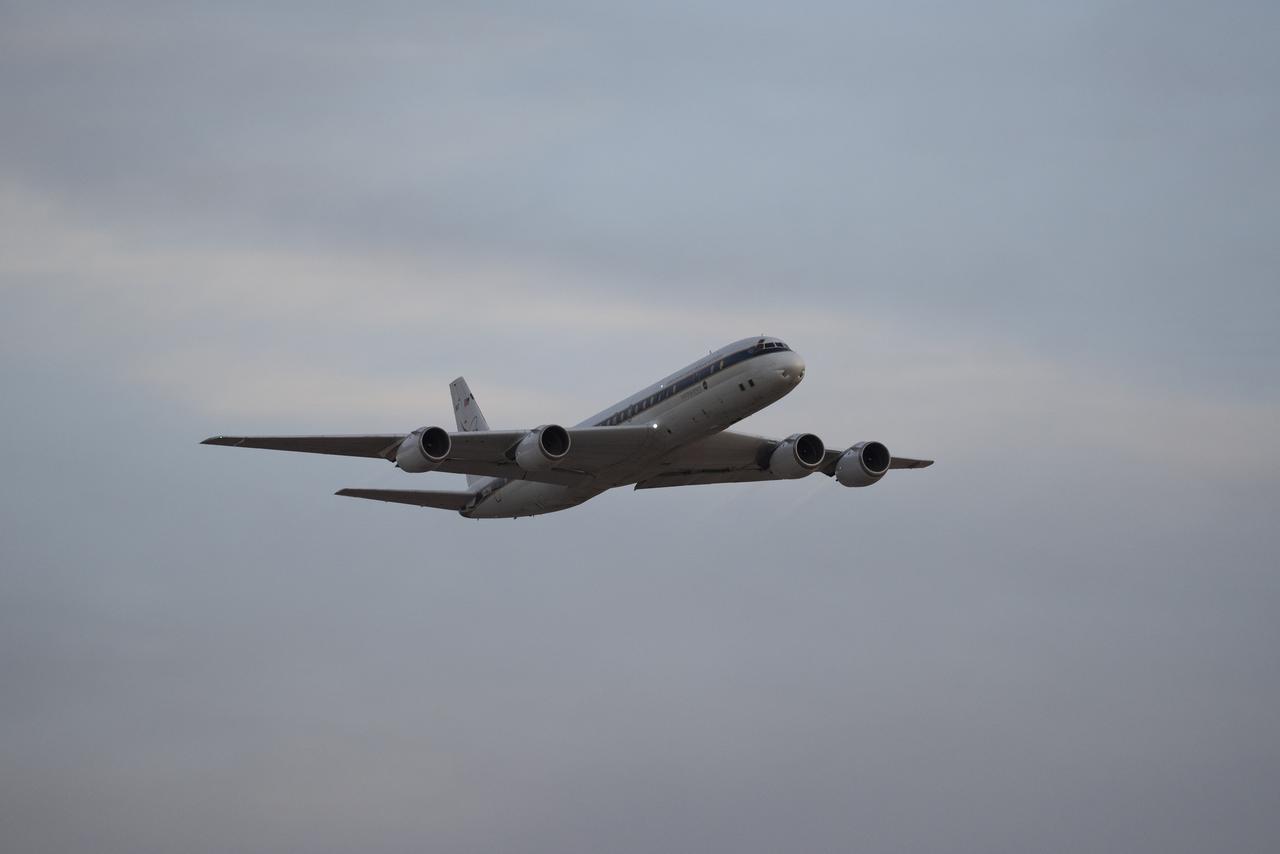
NASA’s DC-8 Conducts Final Flight
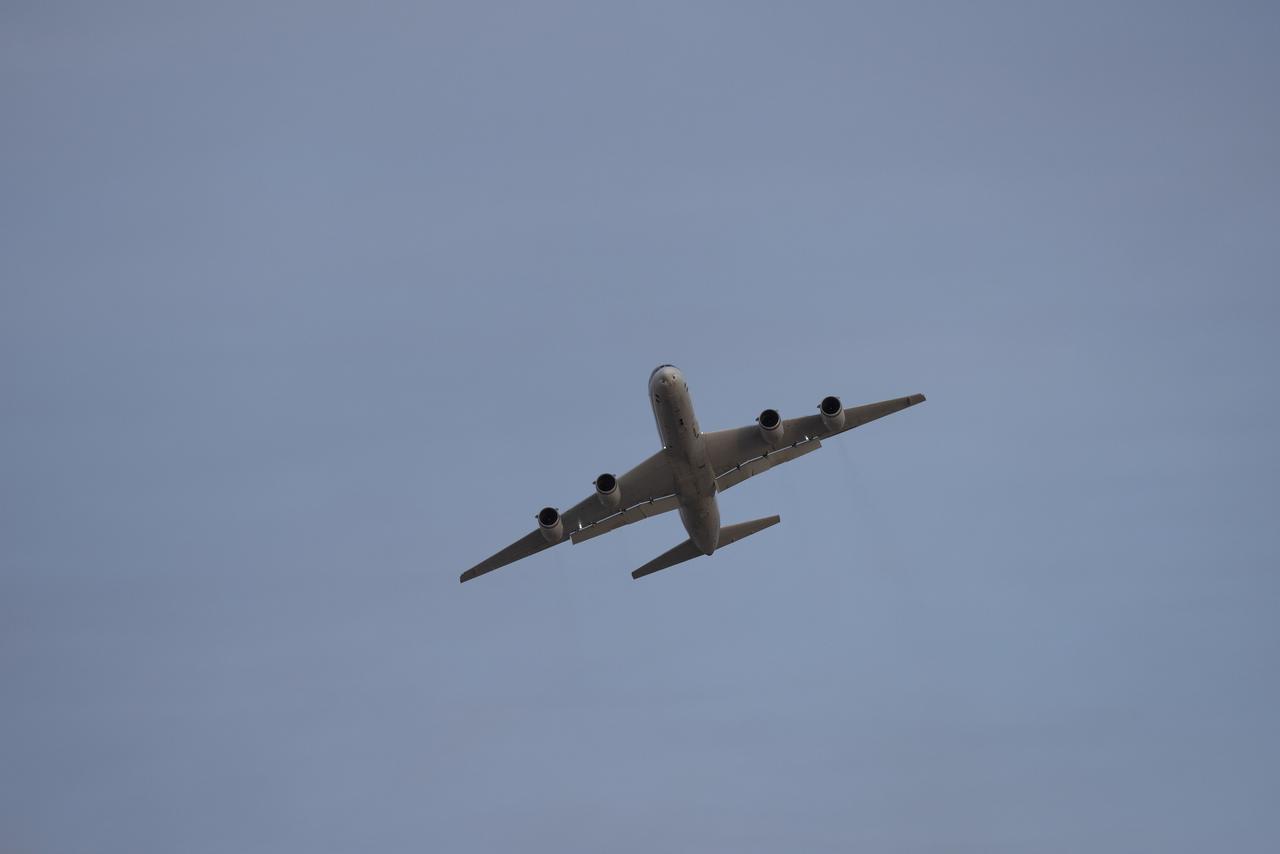
The DC-8 flies for the last time from NASA’s Armstrong Flight Research Center Building 703 in Palmdale, California, to Idaho State University in Pocatello, Idaho. The DC-8 will provide real-world experience to train future aircraft technicians at the college’s Aircraft Maintenance Technology Program.
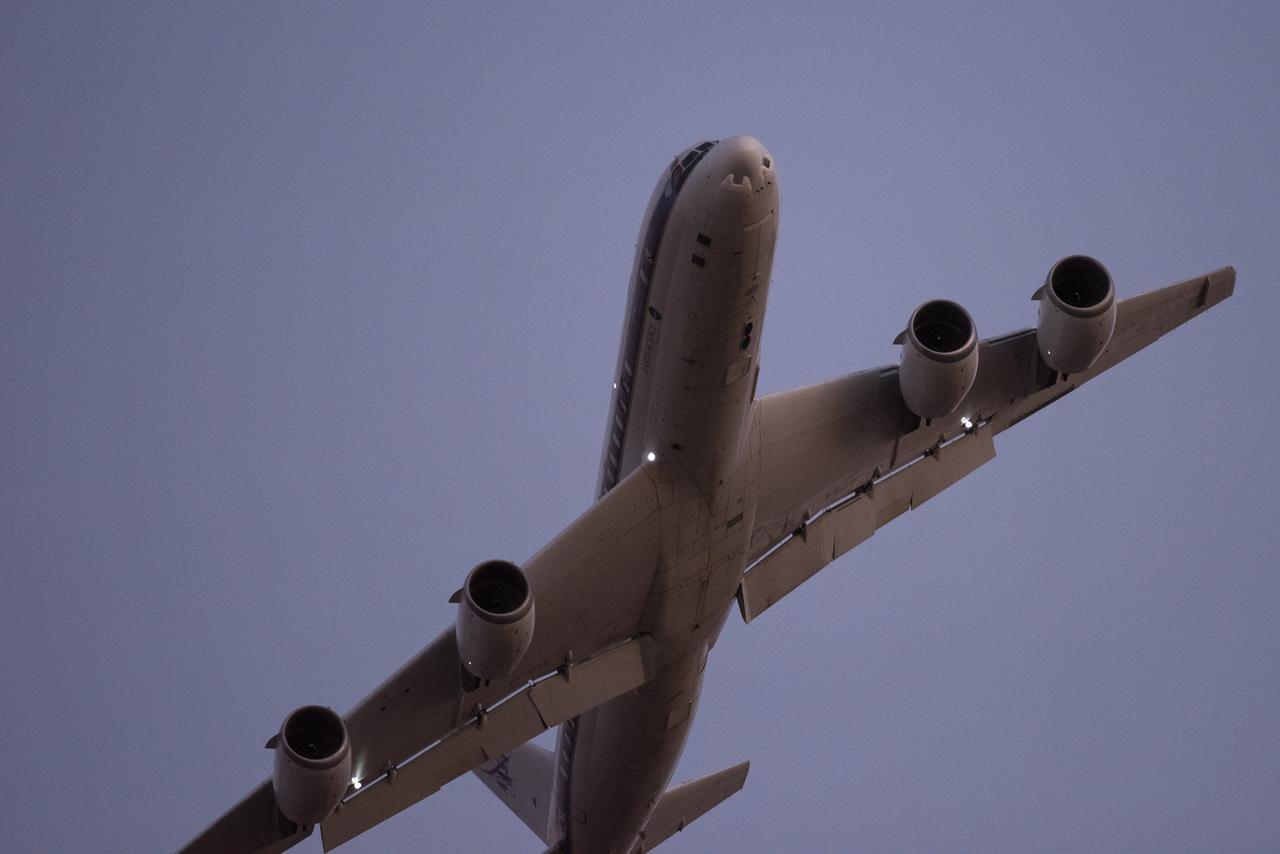
NASA’s DC-8 Conducts Final Flight
The DC-8 flies for the last time from NASA’s Armstrong Flight Research Center Building 703 in Palmdale, California, before it retires to Idaho State University in Pocatello, Idaho. The DC-8 will provide real-world experience to train future aircraft technicians at the college’s Aircraft Maintenance Technology Program.
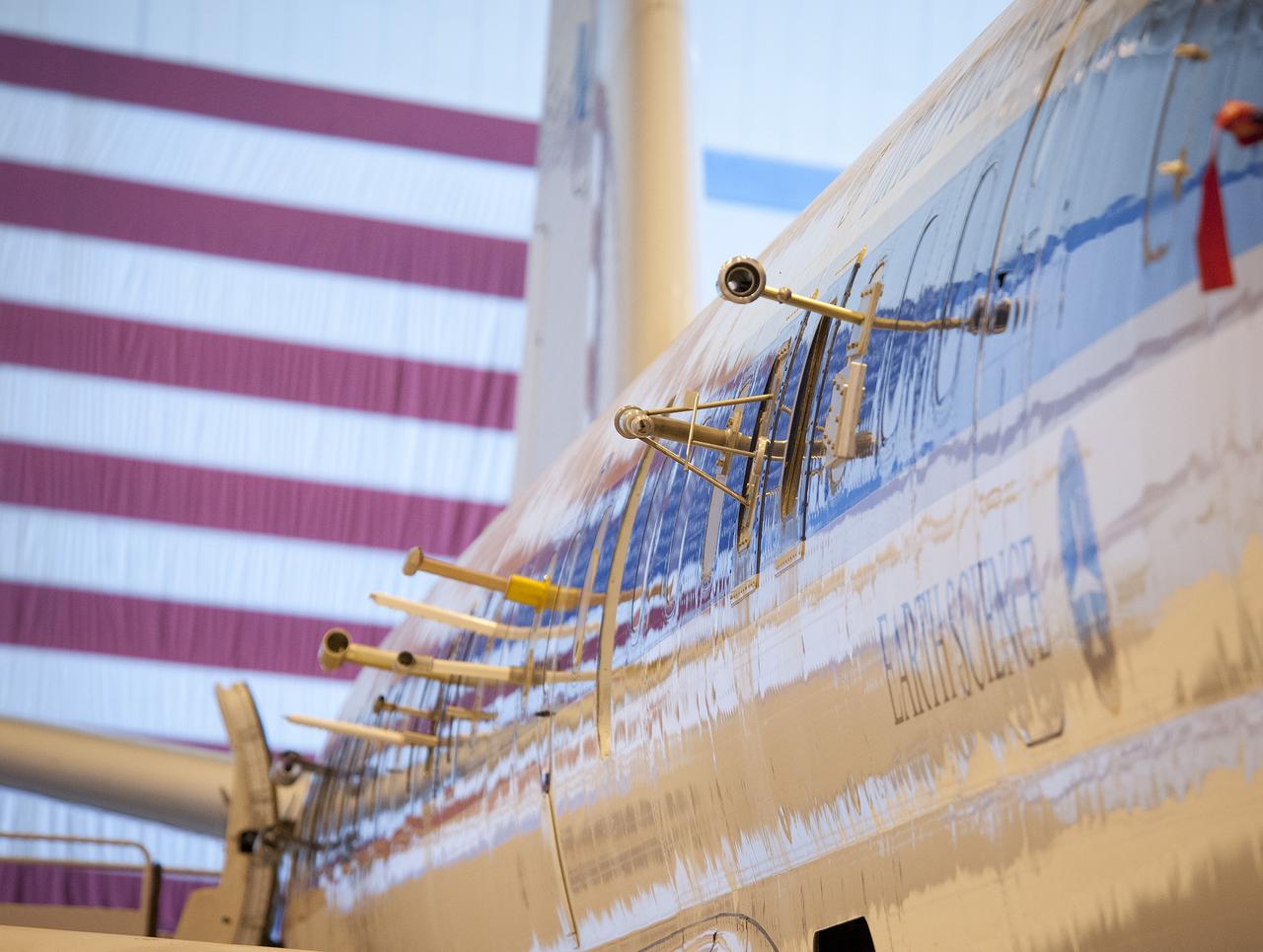
NASA’s DC-8 Conducts Final Flight
The DC-8 flies for the last time from NASA’s Armstrong Flight Research Center Building 703 in Palmdale, California, before it retires to Idaho State University in Pocatello, Idaho. The DC-8 will provide real-world experience to train future aircraft technicians at the college’s Aircraft Maintenance Technology Program.
NASA’s DC-8 Flies for Last Time
NASA’s Armstrong Flight Research Center DC-8 taking off from Building 703 in Palmdale, CA for the Student Airborne Research Program flights on December 7, 2021.
NASA DC-8 SARP 2020-21
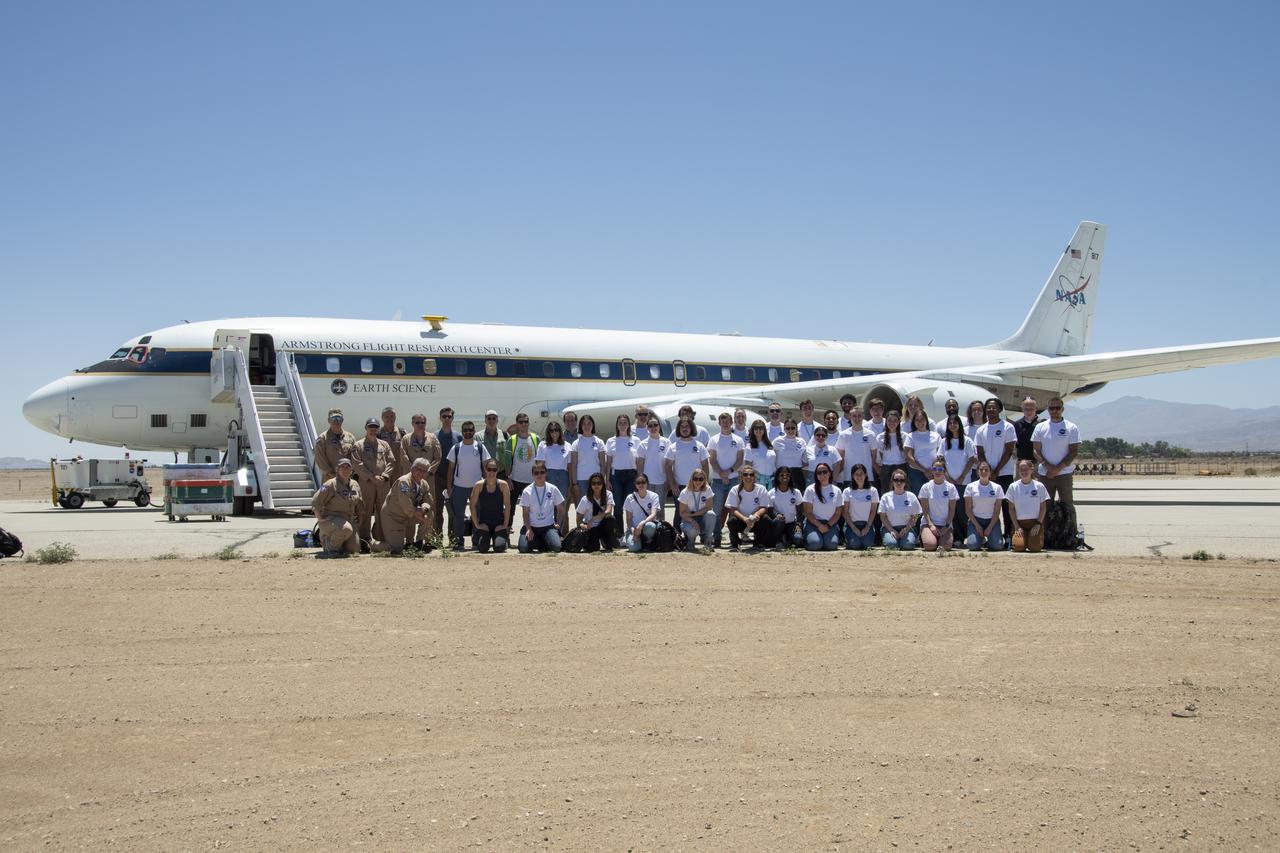
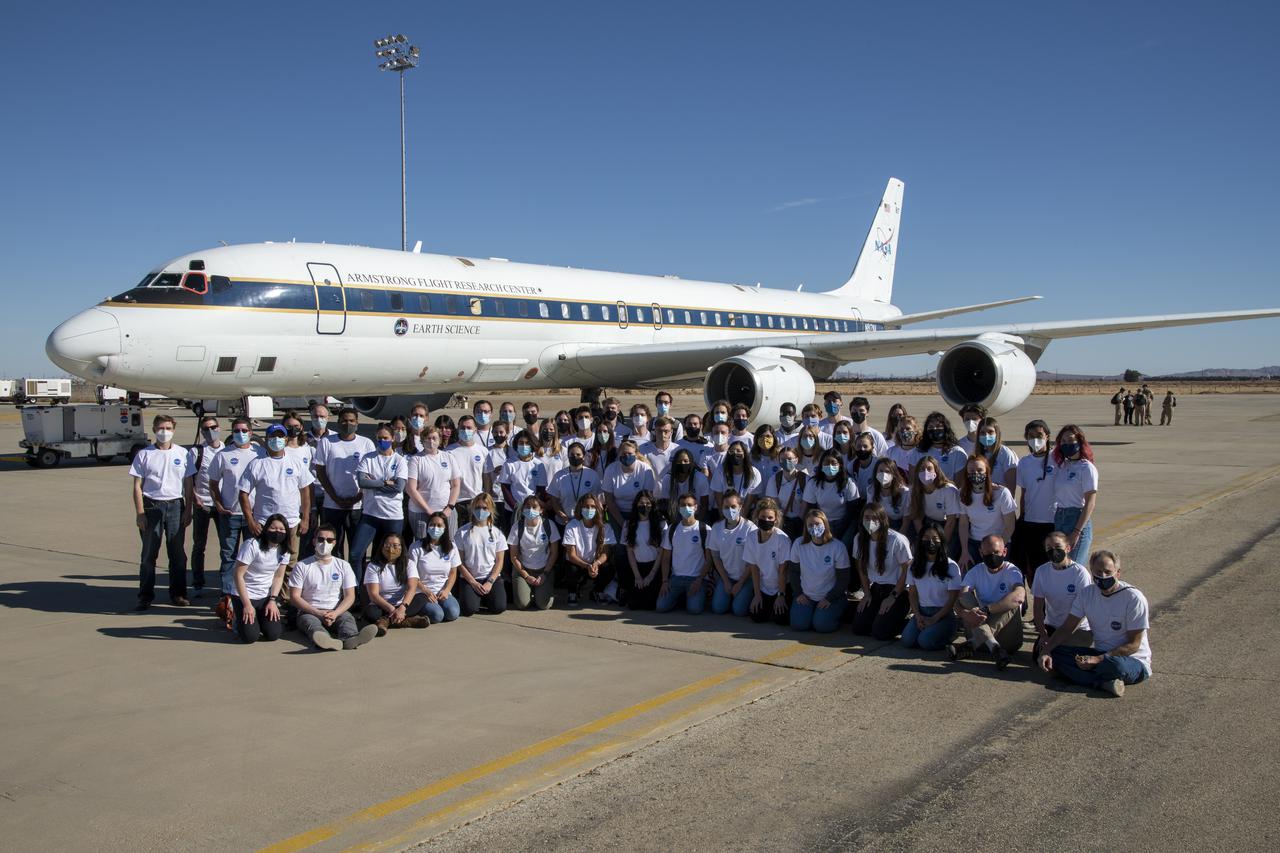
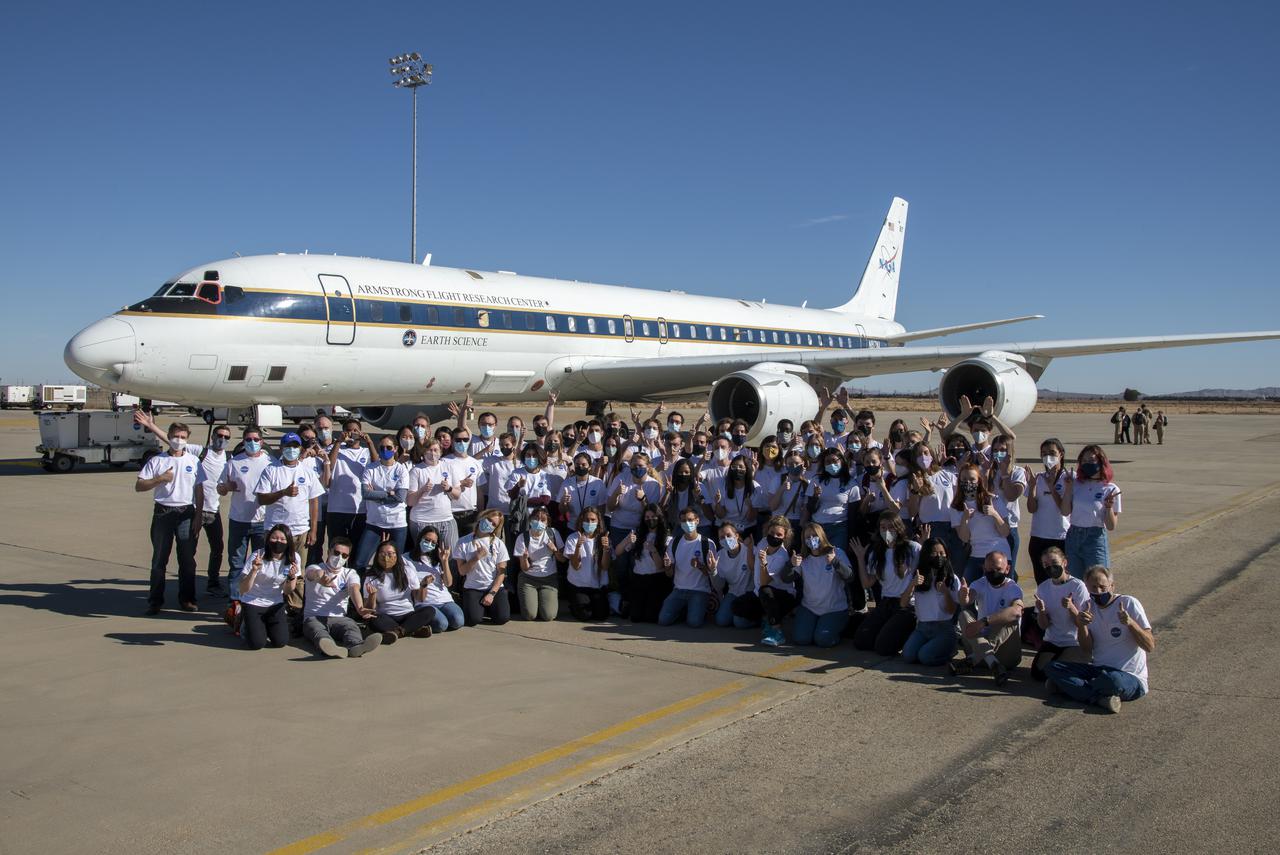
NASA Student Airborne Research Program students, mentors and faculty pose in front of NASA’s DC-8 on December 7, 2021 at Armstrong Flight Research Center Building 703.
NASA DC-8 SARP 2020-21
NASA Student Airborne Research Program students, mentors and faculty pose in front of NASA's DC-8 on December 7, 2021 at Armstrong Flight Research Center Building 703.
NASA DC-8 SARP 2020-21
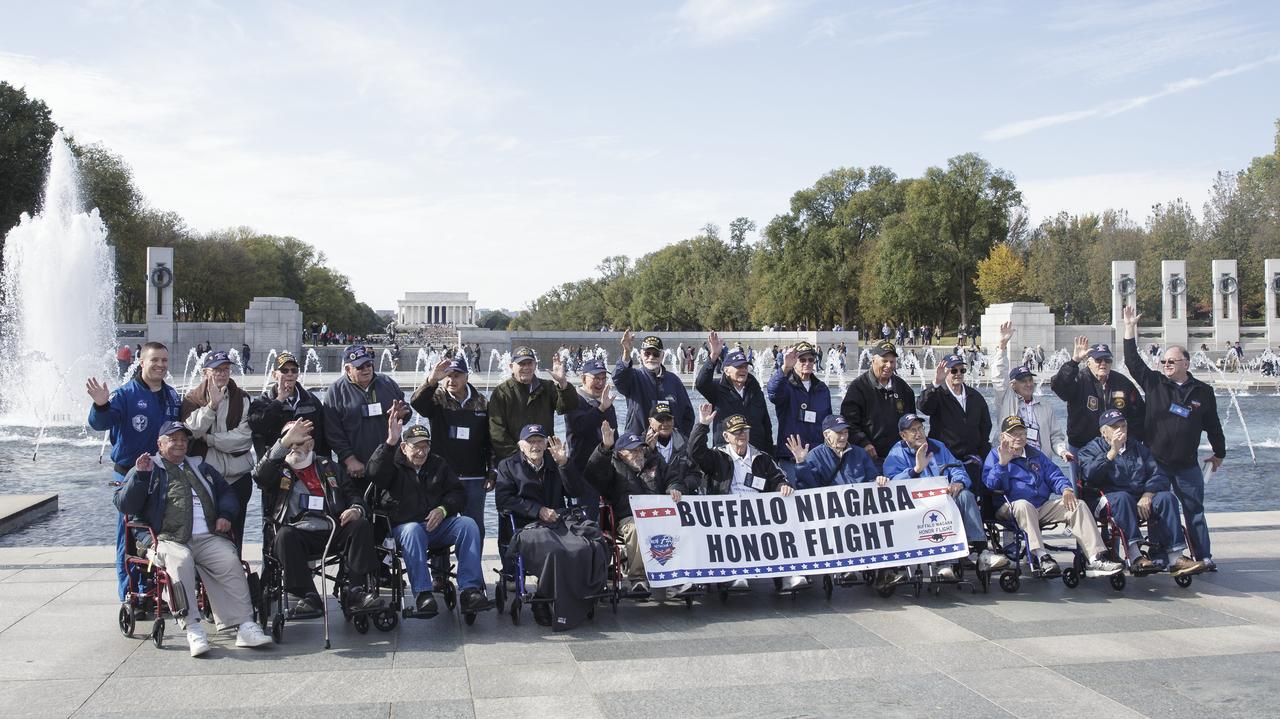
NASA astronaut Jack Fischer poses for a group photo at the World War II Memorial with veterans who traveled to Washington, DC with the Buffalo Niagara Honor Flight, Saturday, Nov. 4, 2017.  Photo Credit: (NASA/Joel Kowsky)
Astronaut Jack Fischer with Honor Flight Veterans
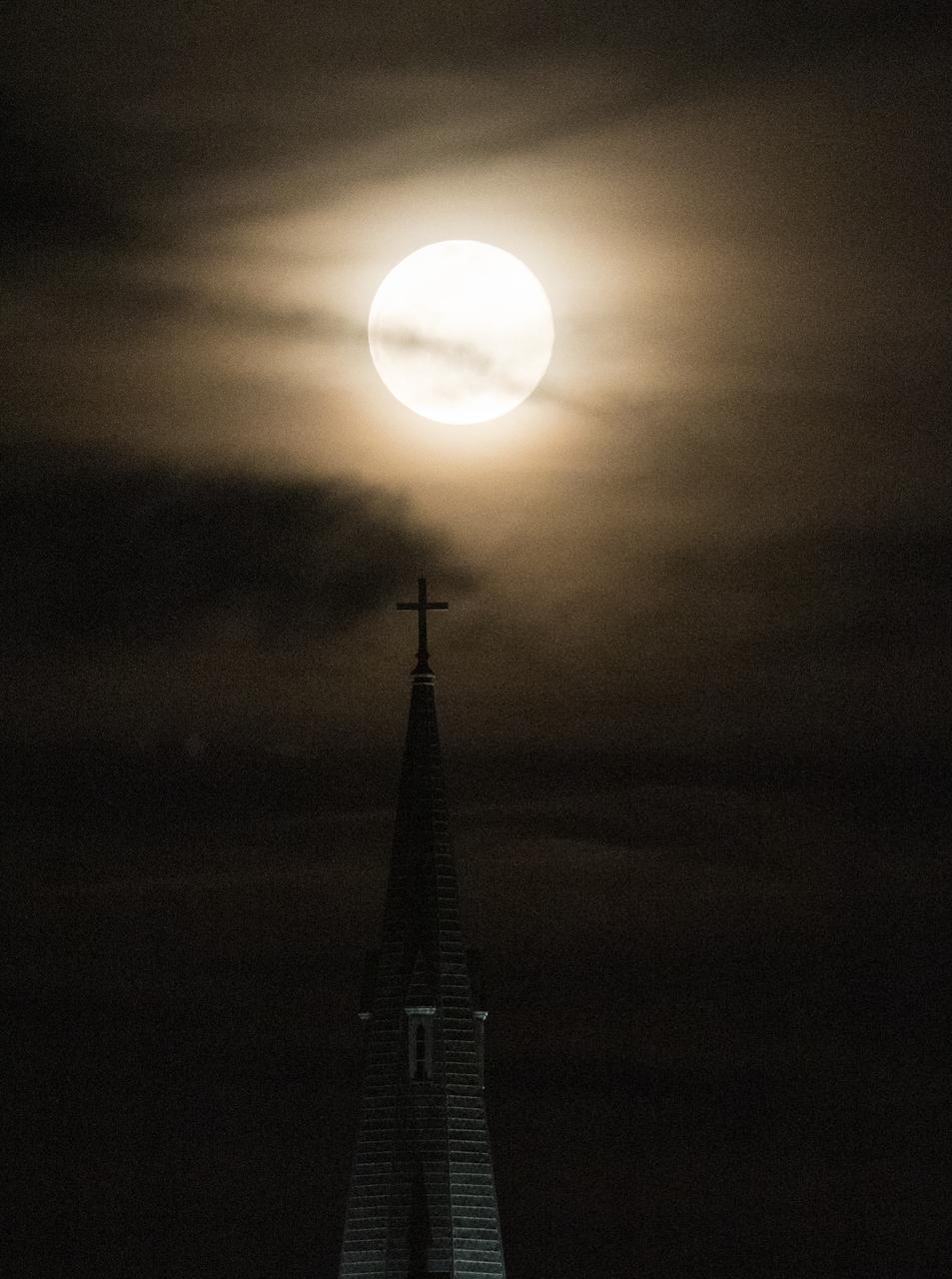
The Moon, or supermoon, is seen as it rises behind the spire of St. Dominic Church, Monday, March 9, 2020, in Washington, DC. A supermoon occurs when the Moon’s orbit is closet (perigee) to Earth. Photo Credit: (NASA/Joel Kowsky)
Supermoon
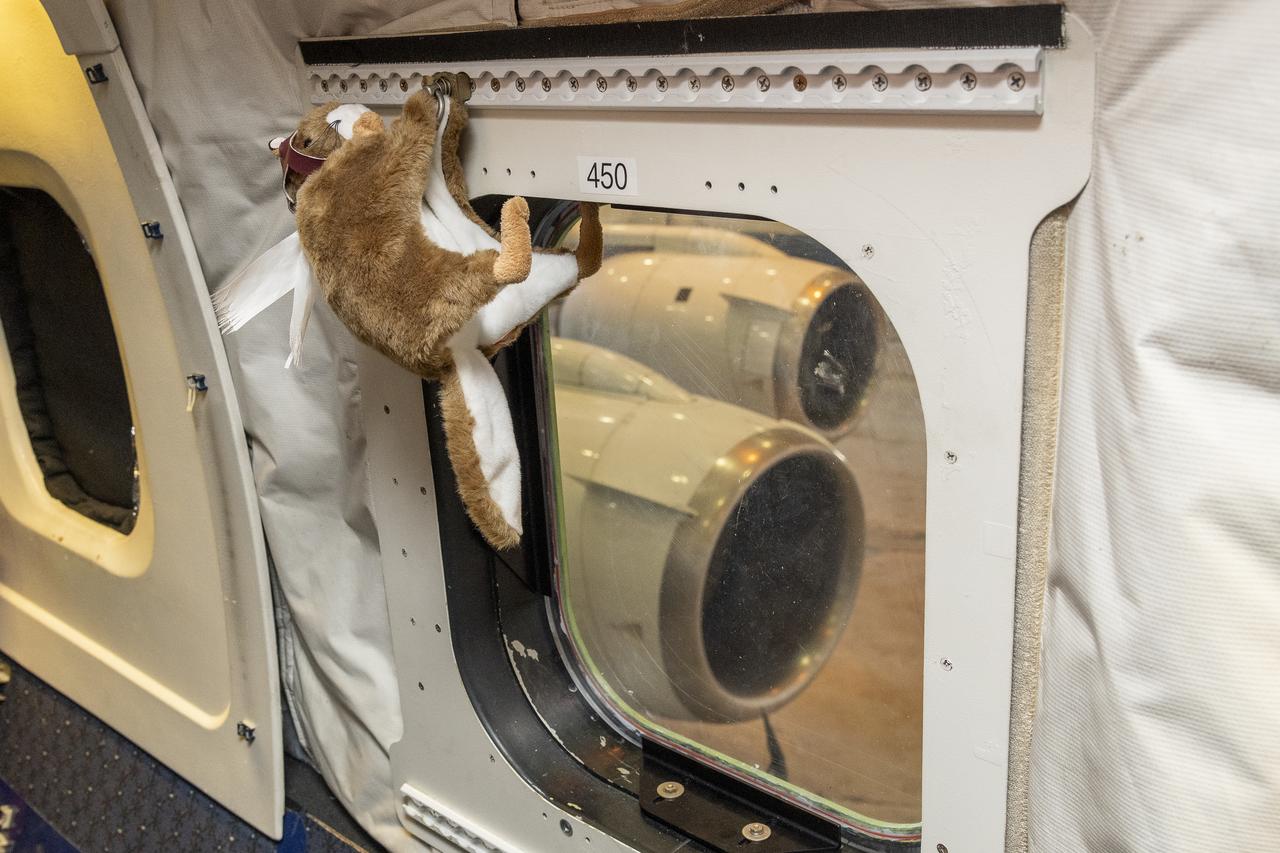
Orville, NASA’s high-flying squirrel, hangs onto the DC-8 aircraft at NASA’s Armstrong Flight Research Center Building 703 in Palmdale, California. On May 2, 2024, NASA personnel, friends, and family celebrated the DC-8 staff, aircraft, and science campaigns.
NASA Armstrong Event Celebrates NASA DC-8 Aircraft
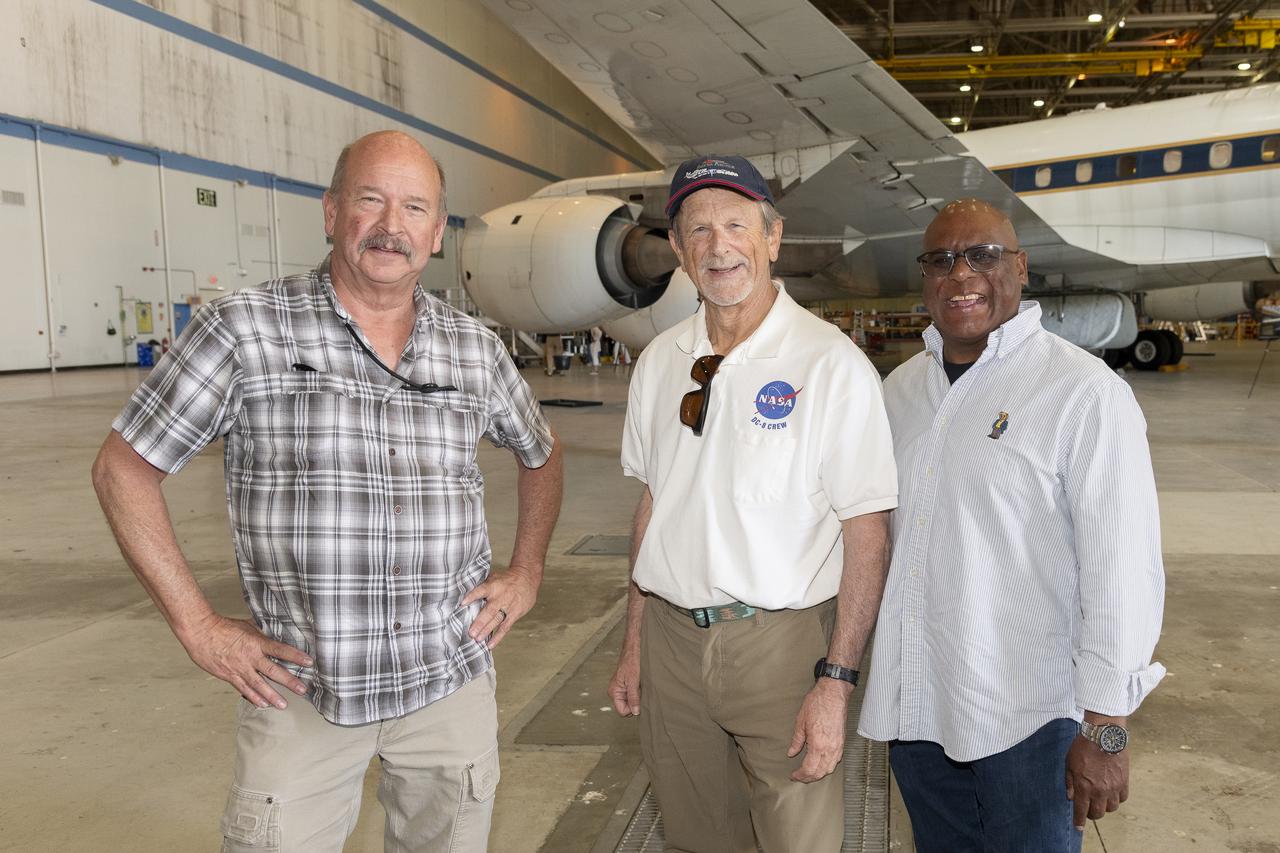
Rocky Radcliff, Kevin Hall, and Herman “Chico” Rijfkogel stand in front of NASA’s DC-8 aircraft at the agency’s Armstrong Flight Research Center Building 703 in Palmdale, California. On May 2, 2024, NASA personnel, friends, and family celebrated the DC-8 staff, aircraft, and science campaigns.
NASA Armstrong Event Celebrates NASA DC-8 Aircraft
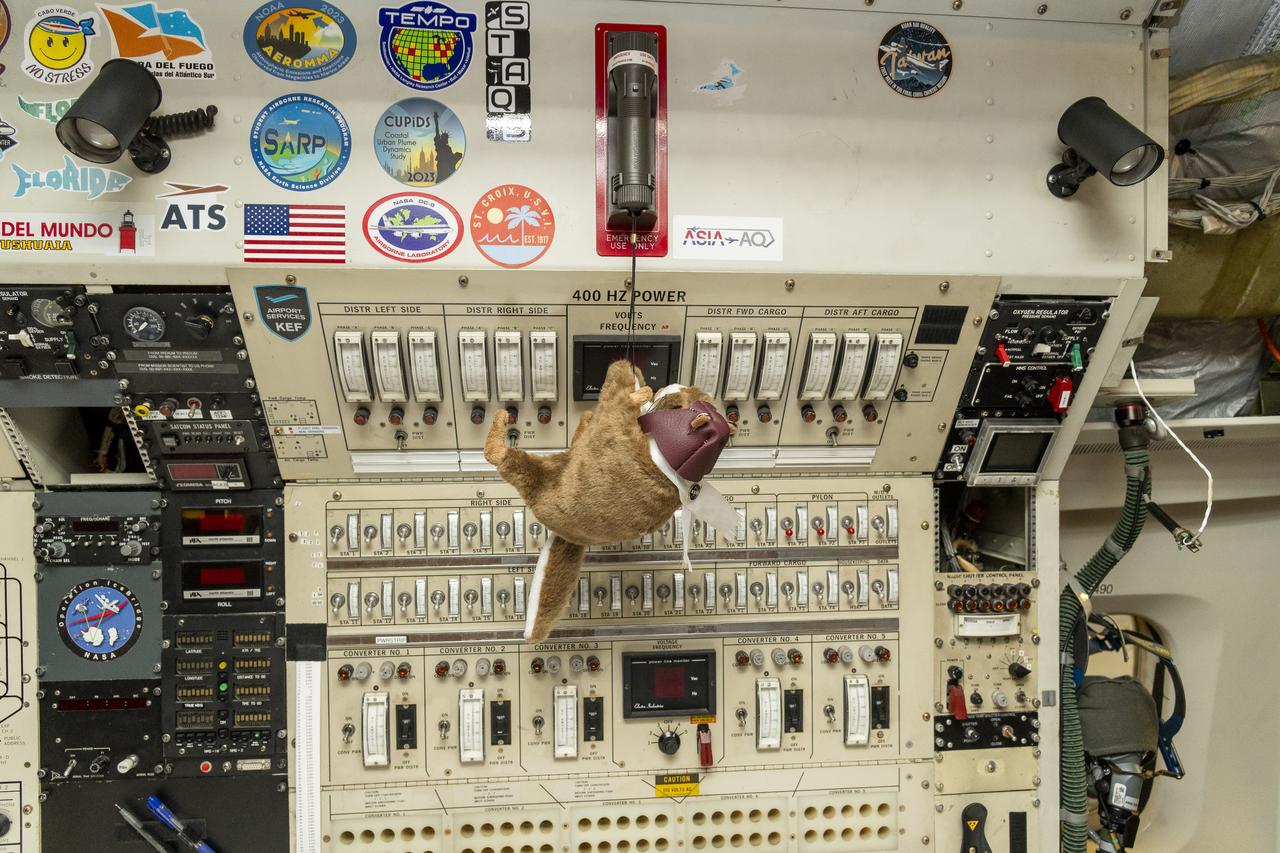
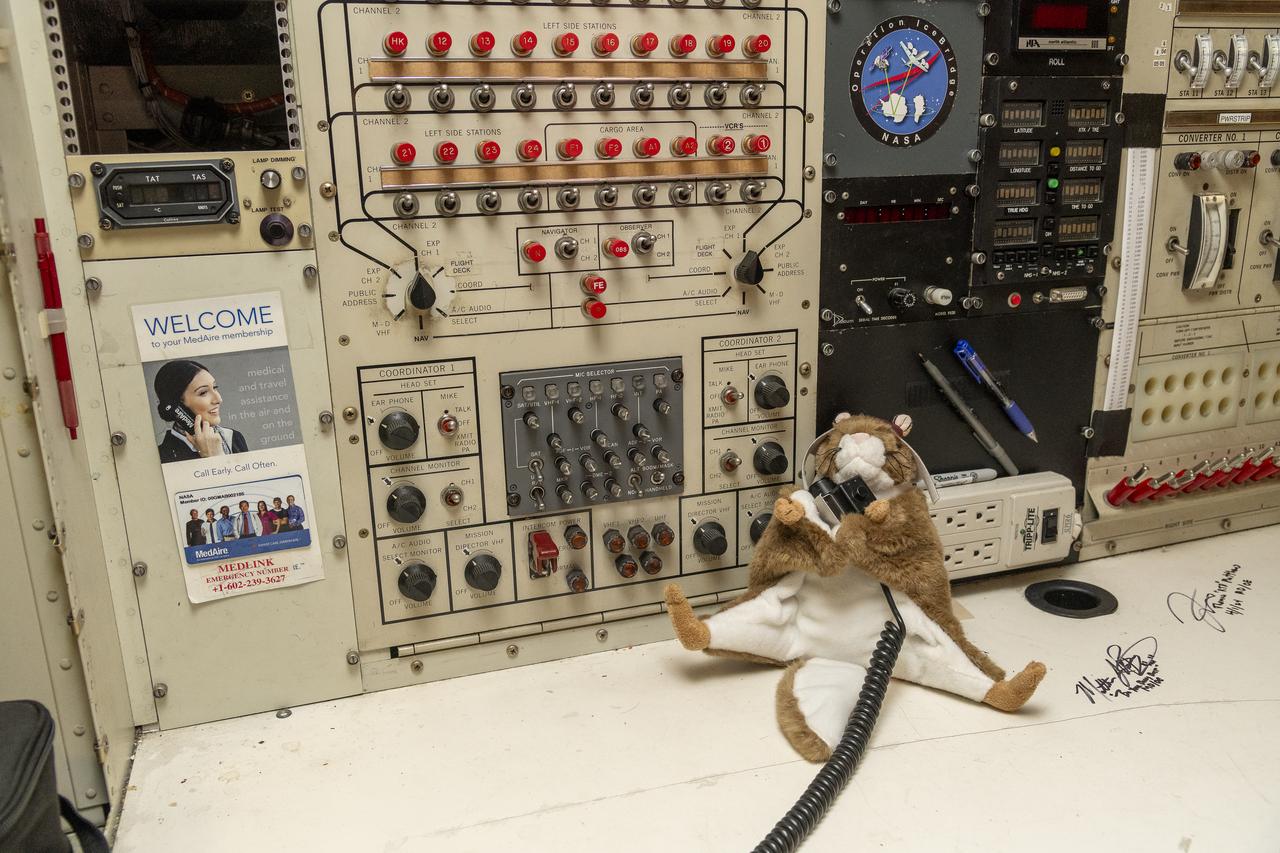
Orville, NASA’s high-flying squirrel, uses the microphone at the mission director station onboard the DC-8 aircraft at NASA’s Armstrong Flight Research Center Building 703 in Palmdale, California. On May 2, 2024, NASA personnel, friends, and family celebrated the DC-8 staff, aircraft, and science campaigns.
NASA Armstrong Event Celebrates NASA DC-8 Aircraft
People tour the inside of the DC-8 aircraft at NASA’s Armstrong Flight Research Center Building 703 in Palmdale, California. On May 2, 2024, NASA personnel, friends, and family celebrated the DC-8 staff, aircraft, and science campaigns.
NASA Armstrong Event Celebrates NASA DC-8 Aircraft
Orville, NASA’s high-flying squirrel, finds mischief onboard the DC-8 aircraft at NASA’s Armstrong Flight Research Center Building 703 in Palmdale, California. On May 2, 2024, NASA personnel, friends, and family celebrated the DC-8 staff, aircraft, and science campaigns.
NASA Armstrong Event Celebrates NASA DC-8 Aircraft
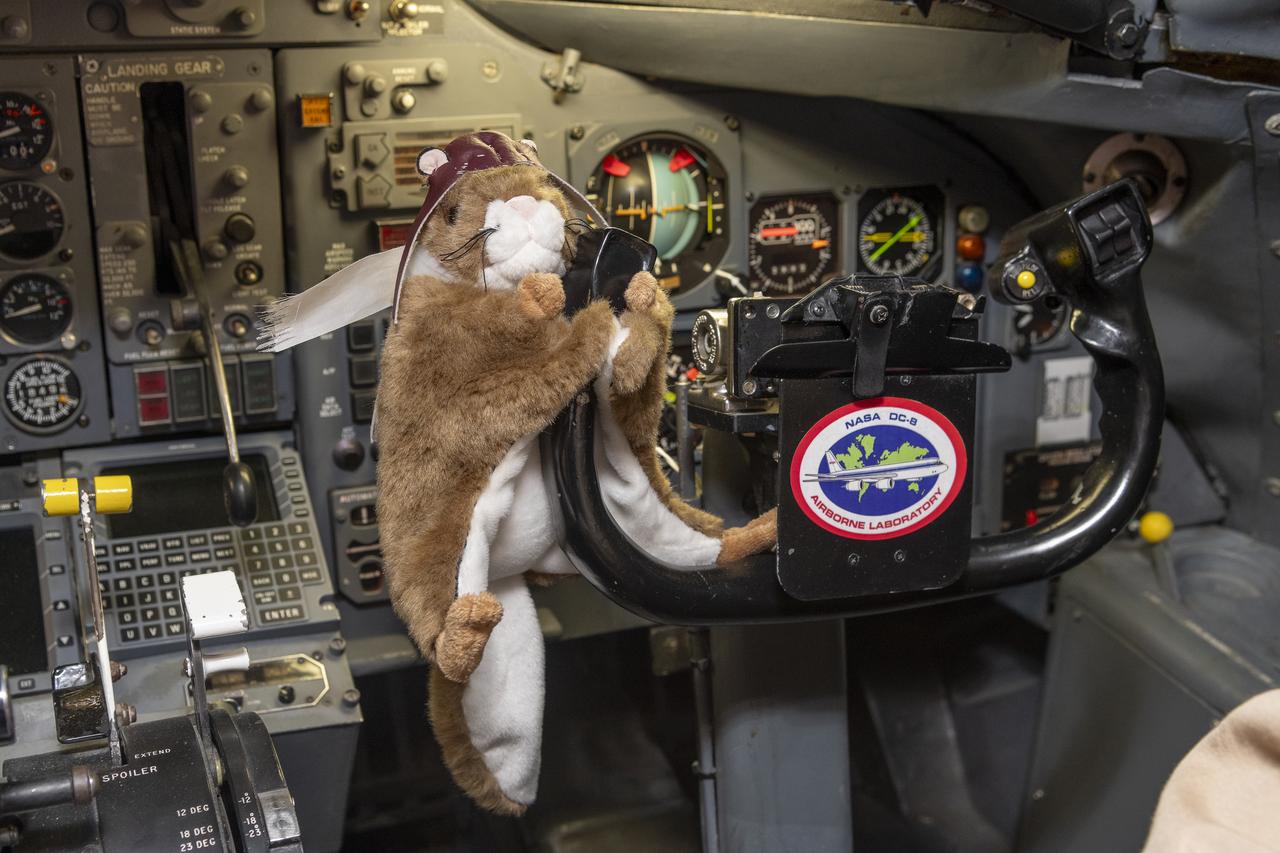
Orville, NASA’s high-flying squirrel, tries his paw at piloting the DC-8 aircraft at NASA’s Armstrong Flight Research Center Building 703 in Palmdale, California. On May 2, 2024, NASA personnel, friends, and family celebrated the DC-8 staff, aircraft, and science campaigns.
NASA Armstrong Event Celebrates NASA DC-8 Aircraft
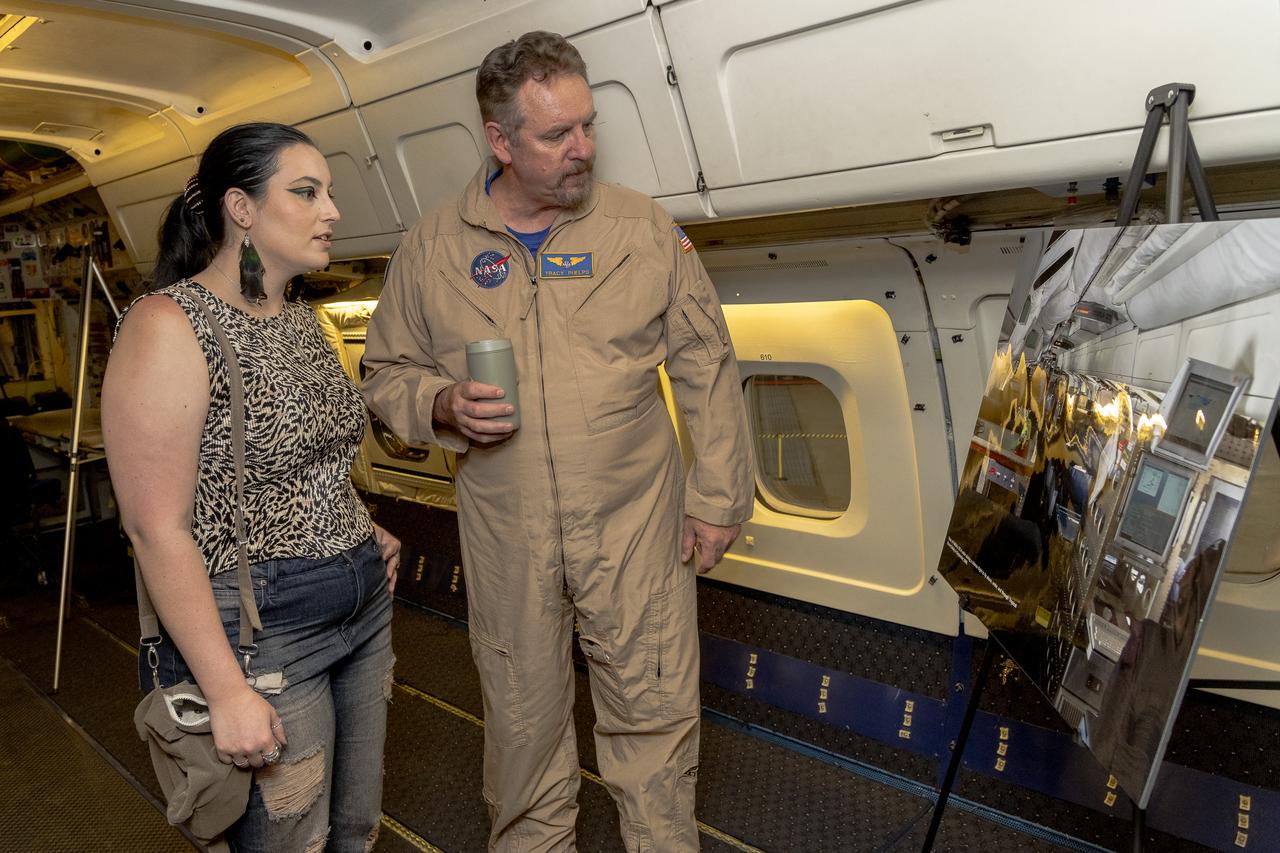
NASA pilot Tracy Phelps and his daughter Rachael Phelps look at a poster onboard the DC-8 at NASA’s Armstrong Flight Research Center Building 703 in Palmdale, California. On May 2, 2024, NASA personnel, friends, and family celebrated the DC-8 staff, aircraft, and science campaigns.
NASA Armstrong Event Celebrates NASA DC-8 Aircraft
Guests at NASA Headquarters in Washington, DC prepare for a Tweetup on July 21, 2009. Nearly 200 of NASA’s Twitter followers are in attendance, which features a presentation and a question and answer session with the crew of the STS-125 shuttle mission to repair the Hubble Space Telescope.  Photo Credit: (Carla Cioffi)
STS-125 Tweetup
Guests at NASA Headquarters in Washington, DC prepare for a Tweetup on July 21, 2009. Nearly 200 of NASA’s Twitter followers are in attendance, which features a presentation and a question and answer session with the crew of the STS-125 shuttle mission to repair the Hubble Space Telescope.  Photo Credit: (Carla Cioffi)
STS-125 Tweetup