
DSS43 is a 70-meter-wide (230-feet-wide) radio antenna at the Deep Space Network's Canberra facility in Australia. It is the only antenna that can send commands to the Voyager 2 spacecraft. https://photojournal.jpl.nasa.gov/catalog/PIA23682
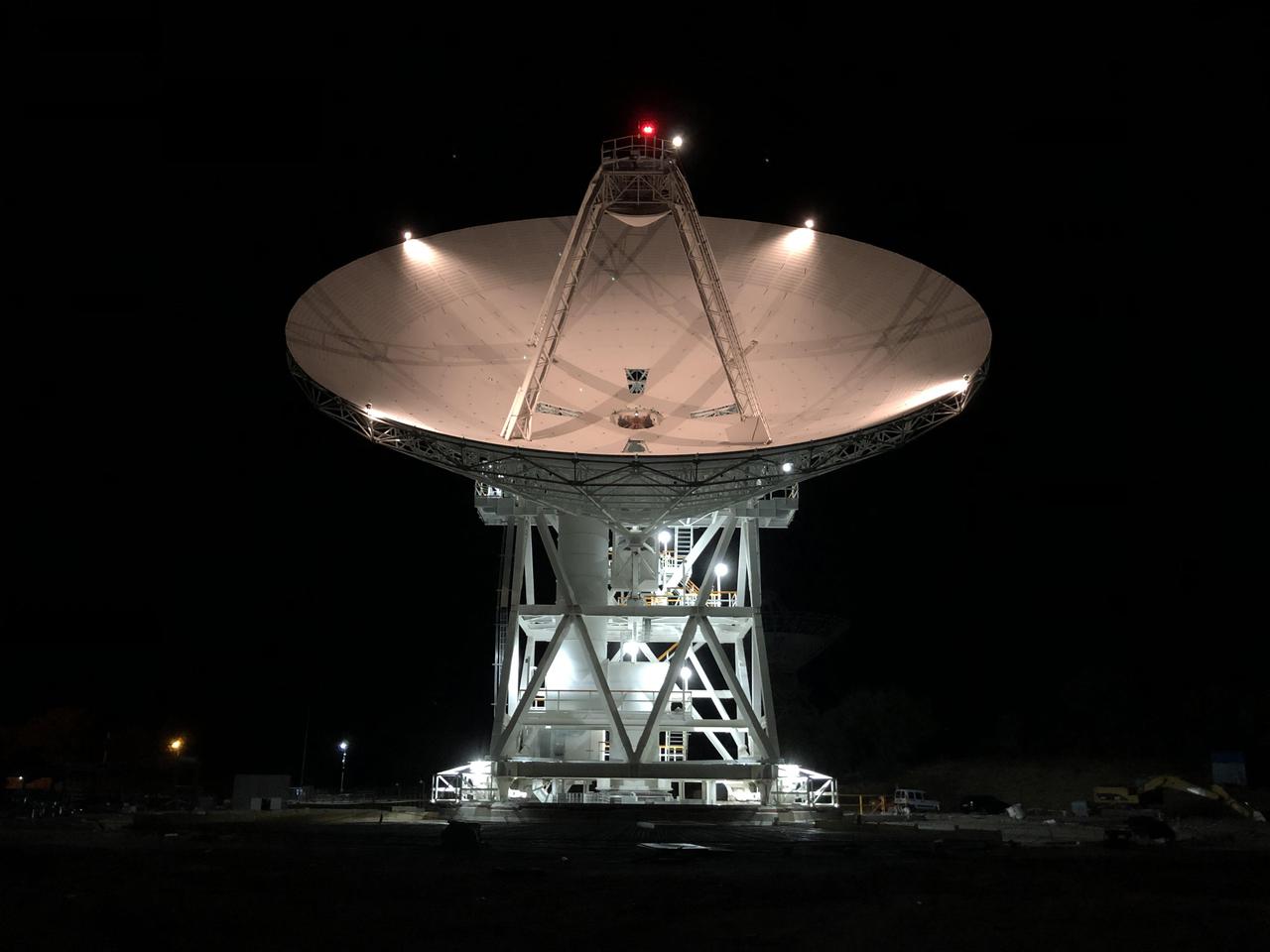
Deep Space Station 56, or DSS-56, is a powerful 34-meter-wide (112-foot-wide) antenna that was added to the Deep Space Network's Madrid Deep Space Communications Complex in Spain in early 2021 after beginning construction in 2017. Deep Space Network (DSN) radio antennas communicate with spacecraft throughout the solar system. Previous antennas have been limited in the frequency bands they can receive and transmit, often being restricted to communicating only with specific spacecraft. DSS-56 is the first to use the DSN's full range of communication frequencies. This means DSS-56 is an "all-in-one" antenna that can communicate with all the missions that the DSN supports and can be used as a backup for any of the Madrid complex's other antennas. With the addition of DSS-56 and other 34-meter antennas to all three DSN complexes, the network is preparing to play a critical role in ensuring communication and navigation support for upcoming Moon and Mars missions and the crewed Artemis missions. https://photojournal.jpl.nasa.gov/catalog/PIA24163
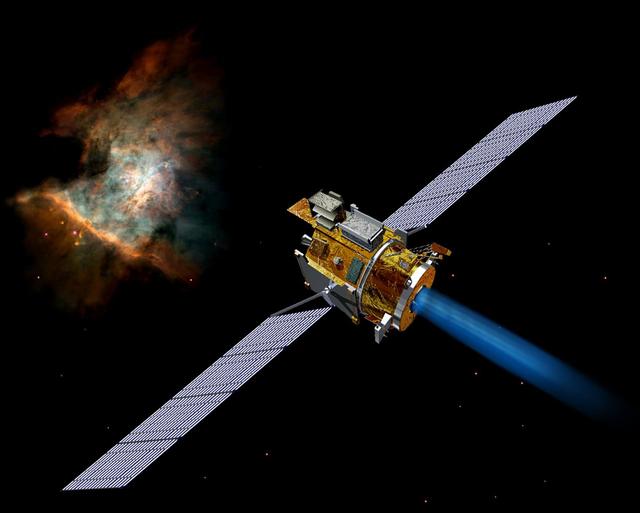
Artist concept of the Deep Space 1 spacecraft from December, 2002. http://photojournal.jpl.nasa.gov/catalog/PIA04242
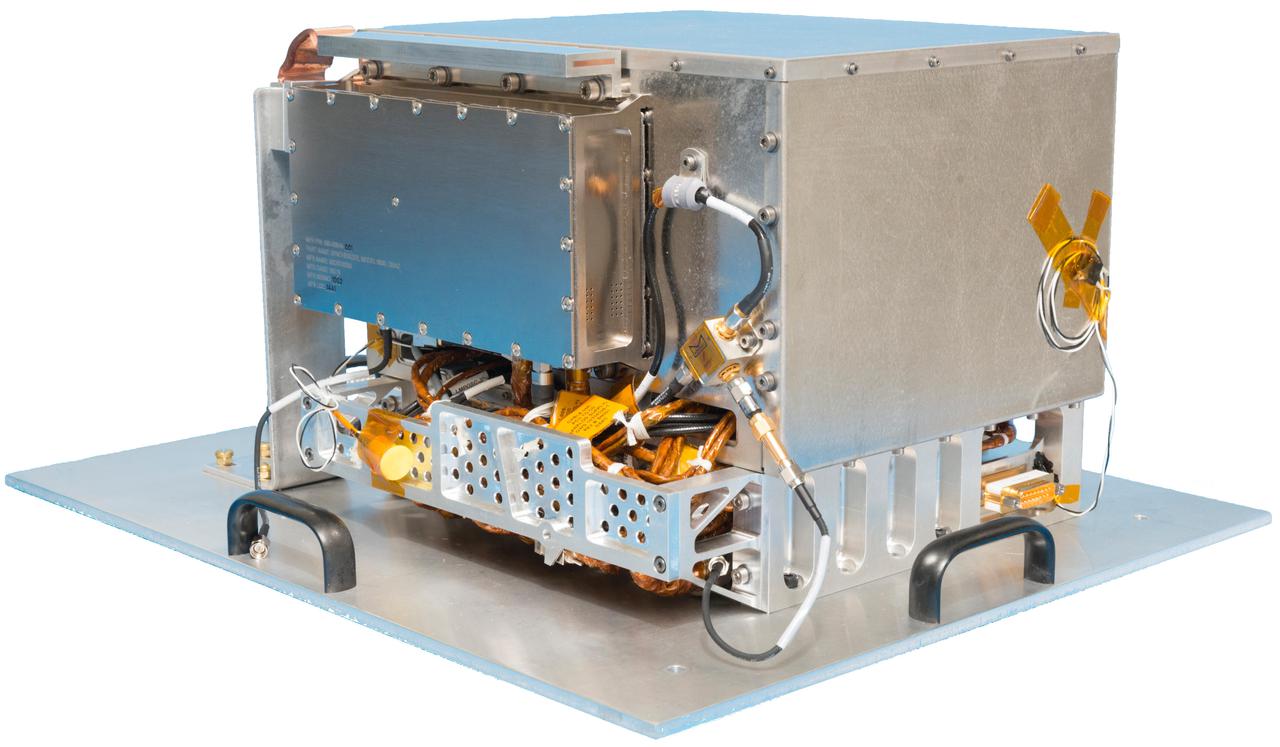
NASA's Deep Space Atomic Clock could revolutionize deep space navigation. One key requirement for the technology demonstration was a compact design. The complete hardware package is shown here and is only about 10 inches (25 centimeters) on each side. https://photojournal.jpl.nasa.gov/catalog/PIA24573
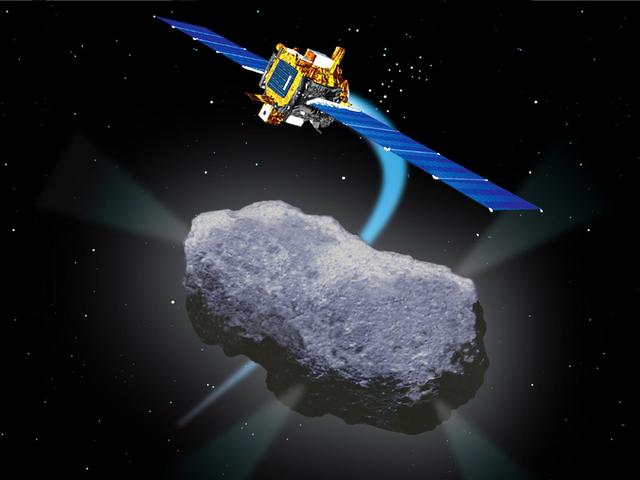
Artist concept of NASA Deep Space 1 Encounter with Comet Borrelly.
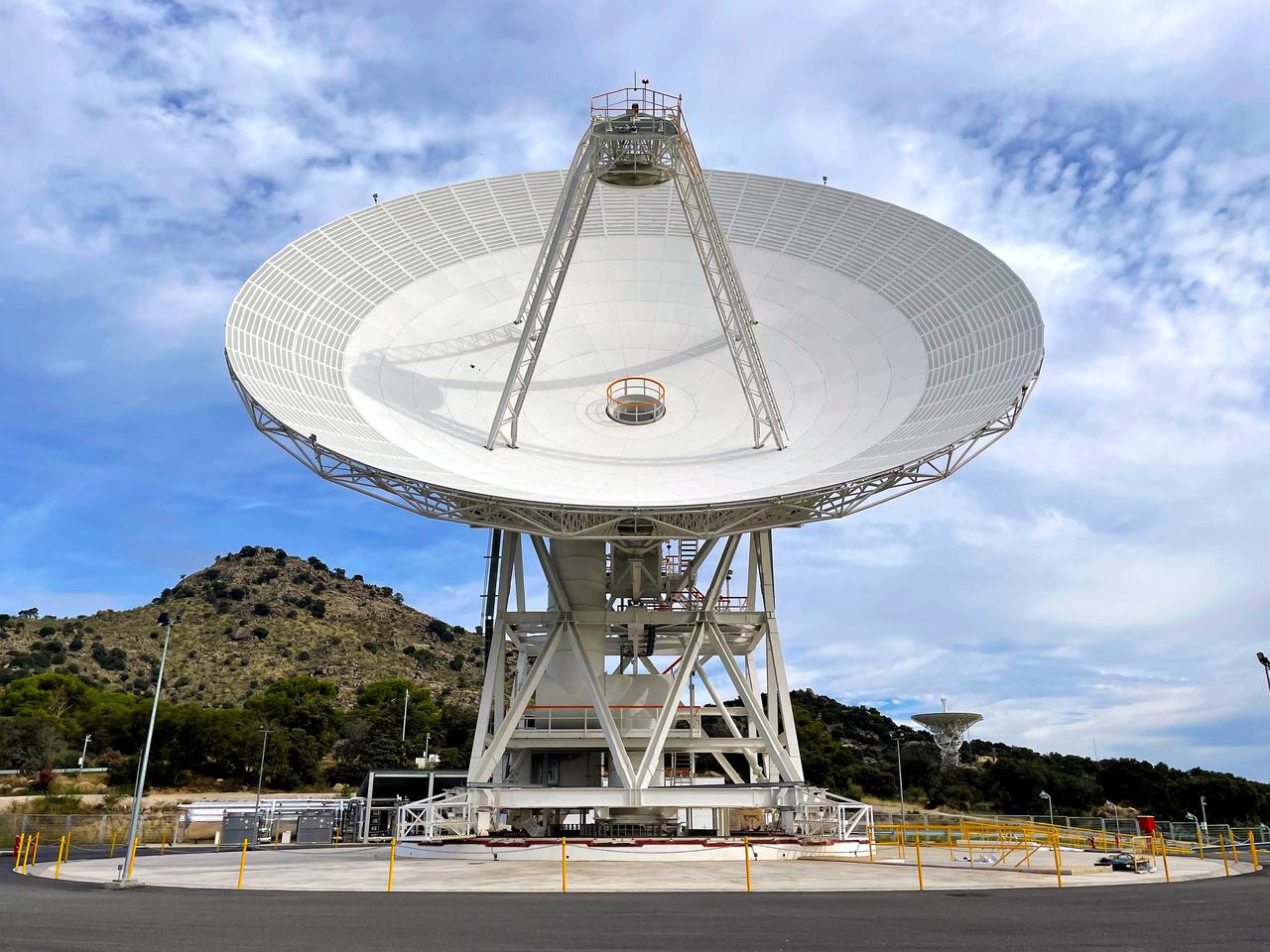
Deep Space Station 53, or DSS-53, is a new 34-meter (111-foot) beam waveguide antenna that went online in February 2022 at NASA's Deep Space Network's ground station in Madrid. DSS-53 is the fourth of six antennas being added to expand the DSN's capacity and meet the needs of a growing number of spacecraft. When the project is complete, each of the network's three ground stations around the globe will have four beam waveguide antennas. The Madrid Deep Space Communications Complex is the first to have completed its build-out as part of project. Construction on DSS-53 began in 2016. https://photojournal.jpl.nasa.gov/catalog/PIA25136
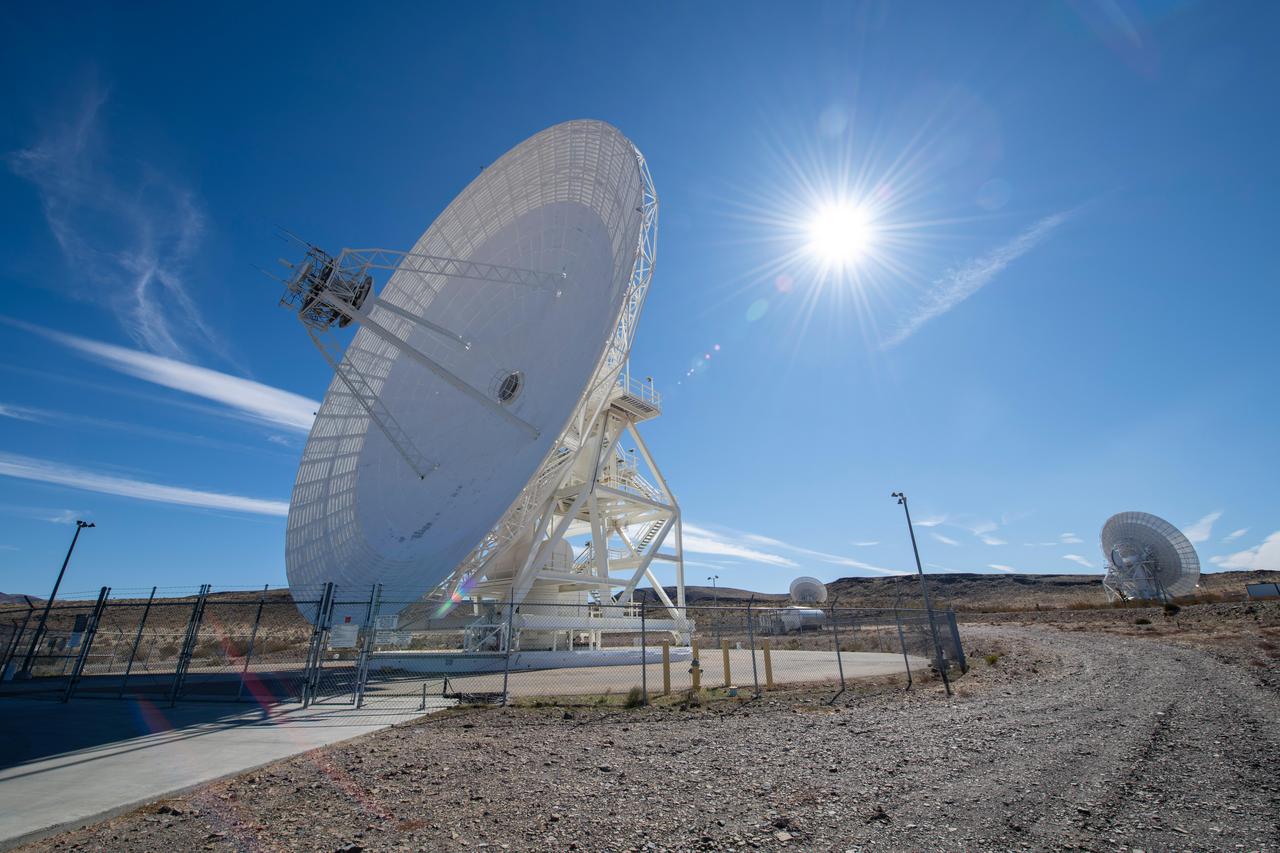
Antenna dishes at NASA's Deep Space Network complex in Goldstone, California, photographed on Feb. 11, 2020. https://photojournal.jpl.nasa.gov/catalog/PIA23214
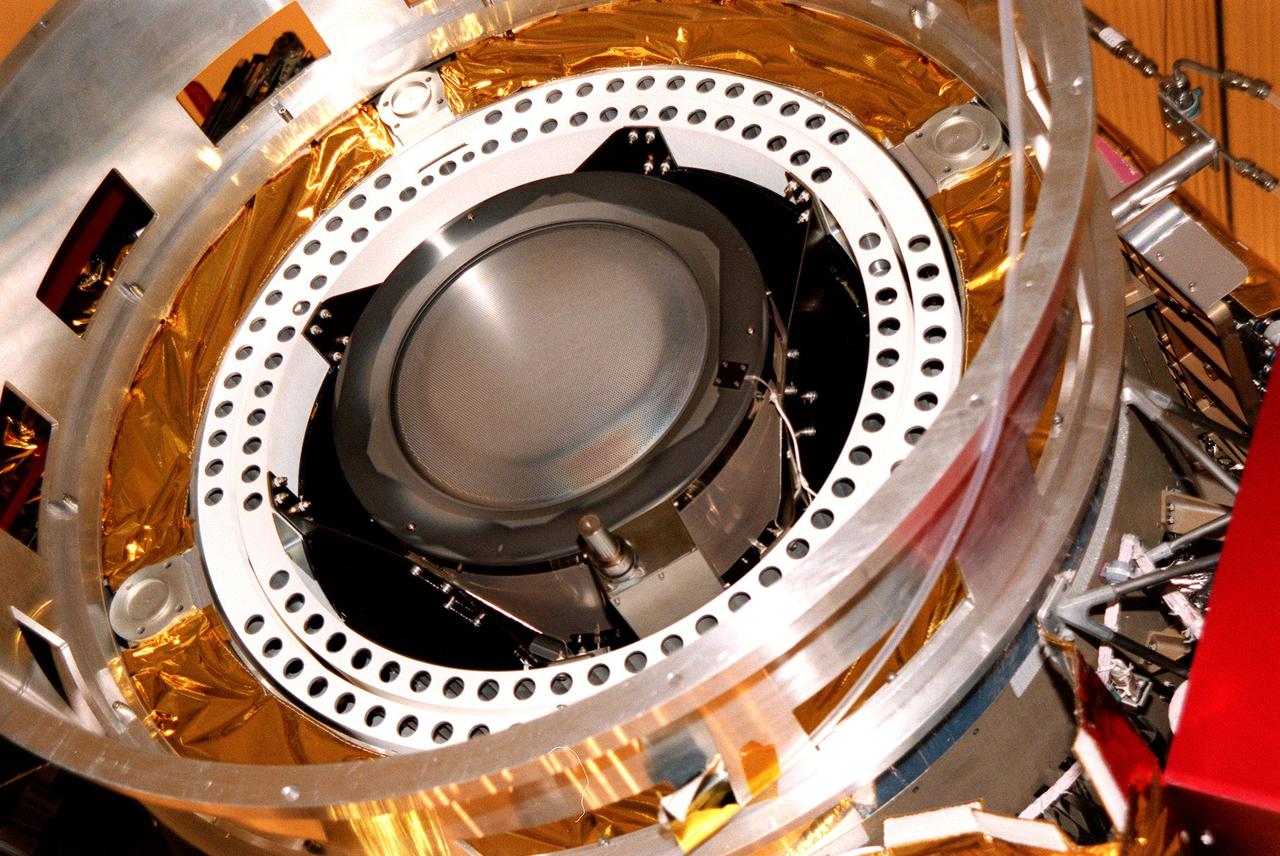
Kennedy Space Center, Florida. - Deep Space 1 is lifted from its work platform, giving a closeup view of the experimental solar-powered ion propulsion engine. The ion propulsion engine is the first non-chemical propulsion to be used as the primary means of propelling a spacecraft. The first flight in NASA's New Millennium Program, Deep Space 1 is designed to validate 12 new technologies for scientific space missions of the next century. Another onboard experiment includes software that tracks celestial bodies so the spacecraft can make its own navigation decisions without the intervention of ground controllers. Deep Space 1 will complete most of its mission objectives within the first two months, but may also do a flyby of a near-Earth asteroid, 1992 KD, in July 1999. Deep Space 1 will be launched aboard a Boeing Delta 7326 rocket from Launch Pad 17A, Cape Canaveral Air Station, in October. Delta II rockets are medium capacity expendable launch vehicles derived from the Delta family of rockets built and launched since 1960. Since then there have been more than 245 Delta launches. http://photojournal.jpl.nasa.gov/catalog/PIA04232
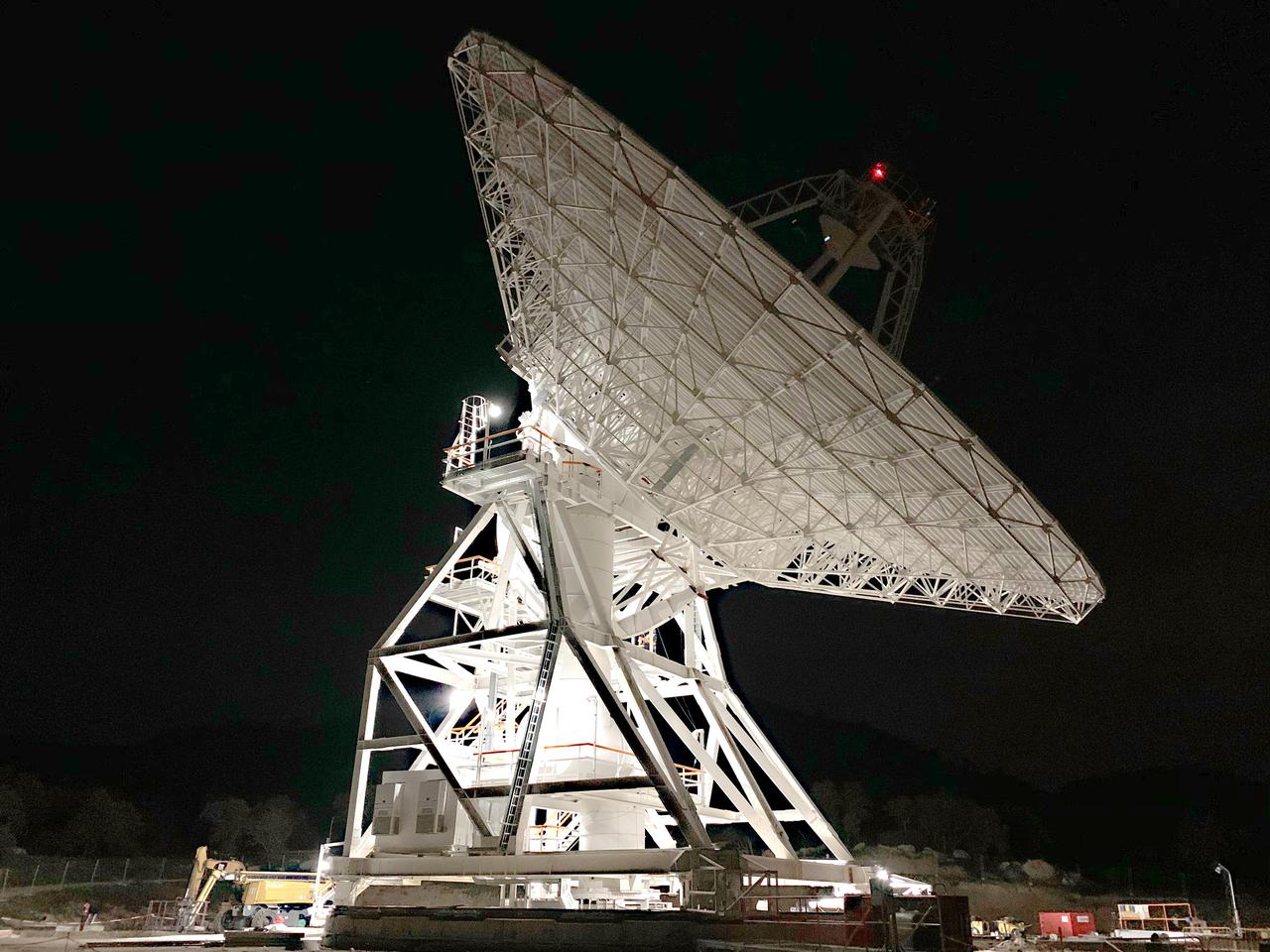
Deep Space Station 53, or DSS-53, is a new 34-meter (111-foot) beam waveguide antenna that went online in February 2022 at the Madrid ground station of NASA's Deep Space Network (DSN). DSS-53 is the fourth of six antennas being added to expand the DSN's capacity and meet the needs of a growing number of spacecraft. When the project is complete, each of the network's three ground stations around the globe will have four beam waveguide antennas. The Madrid Deep Space Communications Complex is the first to have completed its build-out as part of project. Construction on DSS-53 began in 2016. https://photojournal.jpl.nasa.gov/catalog/PIA25137
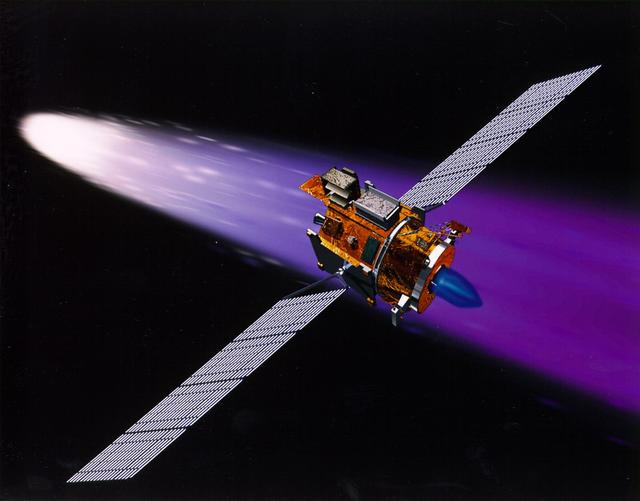
NASA's New Millennium Deep Space 1 spacecraft approaching the comet 19P/Borrelly. With its primary mission to serve as a technology demonstrator--testing ion propulsion and 11 other advanced technologies--successfully completed in September 1999, Deep Space 1 is now headed for a risky, exciting rendezvous with Comet Borrelly. NASA extended the mission, taking advantage of the ion propulsion and other systems to target the daring encounter with the comet in September 2001. Once a sci-fi dream, the ion propulsion engine has powered the spacecraft for over 12,000 hours. Another onboard experiment includes software that tracks celestial bodies so the spacecraft can make its own navigation decisions without the intervention of ground controllers. The first flight in NASA's New Millennium Program, Deep Space 1 was launched October 24, 1998 aboard a Boeing Delta 7326 rocket from Cape Canaveral Air Station, FL. Deep Space 1 successfully completed and exceeded its mission objectives in July 1999 and flew by a near-Earth asteroid, Braille (1992 KD), in September 1999. http://photojournal.jpl.nasa.gov/catalog/PIA04604
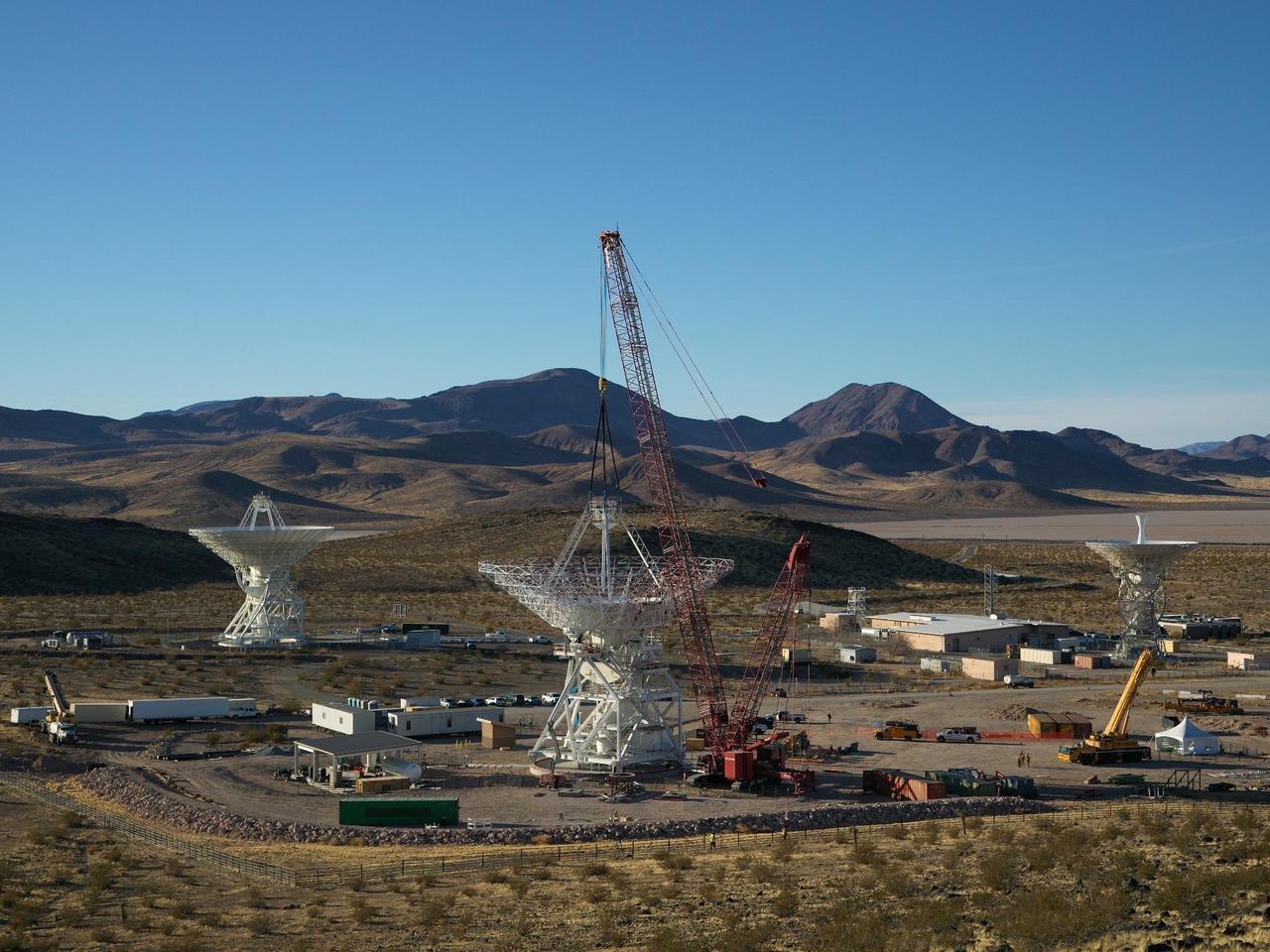
A crane lowers a four-legged support structure called a quadripod onto the steel framework of the Deep Space Station 23 (DSS-23) reflector dish on Dec. 18, 2024. The reflector framework was bolted into place earlier in the day, and the quadripod, which weighs 16 ½ tons, was the last major component to be installed that day. The reflector dish will be fitted with panels to create a curved surface to collect radio frequency signals. The quadripod features a curved subreflector that will direct radio frequency signals from deep space that bounce off the main reflector into the antenna's receiver in its pedestal, where the antenna's receivers are housed. The new 112-foot-wide (34-meter-wide) dish is located at the Deep Space Network's Goldstone Space Communications Complex near Barstow, California. A multi-frequency beam waveguide antenna, DSS-23 will come online in 2026, boosting the DSN's capacity and enhance NASA's deep space communications capabilities for decades to come. It is the fifth of six new beam waveguide antennas to be added to the network, following DSS-53, which was added at the DSN's Madrid complex in 2022. The DSN allows missions to track, send commands to, and receive scientific data from faraway spacecraft. It is managed by NASA's Jet Propulsion Laboratory in Southern California for the agency's Space Communications and Navigation (SCaN) program, which is located at NASA Headquarters within the Space Operations Mission Directorate. https://photojournal.jpl.nasa.gov/catalog/PIA26455
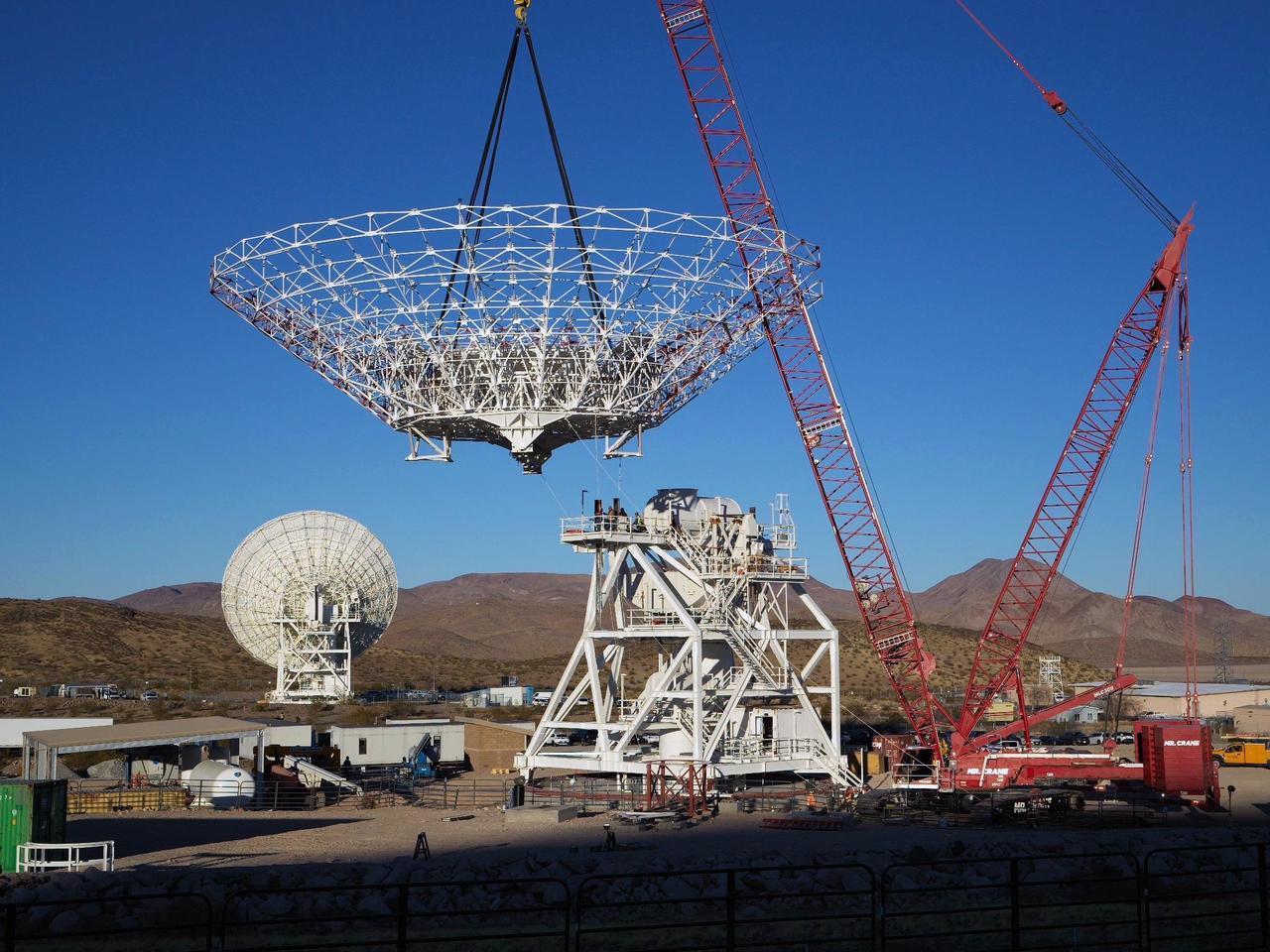
A crane lowers the 112-foot-wide (34-meter-wide) steel framework for the Deep Space Station 23 (DSS-23) reflector dish into position on Dec. 18, 2024, at the Deep Space Network's Goldstone Space Communications Complex near Barstow, California. A multi-frequency beam waveguide antenna, DSS-23 will boost the DSN's capacity and enhance NASA's deep space communications capabilities for decades to come. Once online in 2026, DSS-23 will be the fifth of six new beam waveguide antennas to be added to the network, following DSS-53, which was added at the DSN's Madrid complex in 2022. After the reflector skeleton was bolted into place, engineers placed what's called a quadripod into the center of the structure. A four-legged support structure weighing 16 ½ tons, the quadripod is fitted with a curved subreflector that will direct radio frequency signals from deep space that bounce off the main reflector into the antenna's pedestal where the antenna's receivers are housed. Next steps: to fit panels onto the steel skeleton of the parabolic reflector to create a curved surface to collect radio frequency signals. The DSN allows missions to track, send commands to, and receive scientific data from faraway spacecraft. It is managed by NASA's Jet Propulsion Laboratory in Southern California for the agency's Space Communications and Navigation (SCaN) program, which is located at NASA Headquarters within the Space Operations Mission Directorate. https://photojournal.jpl.nasa.gov/catalog/PIA26454
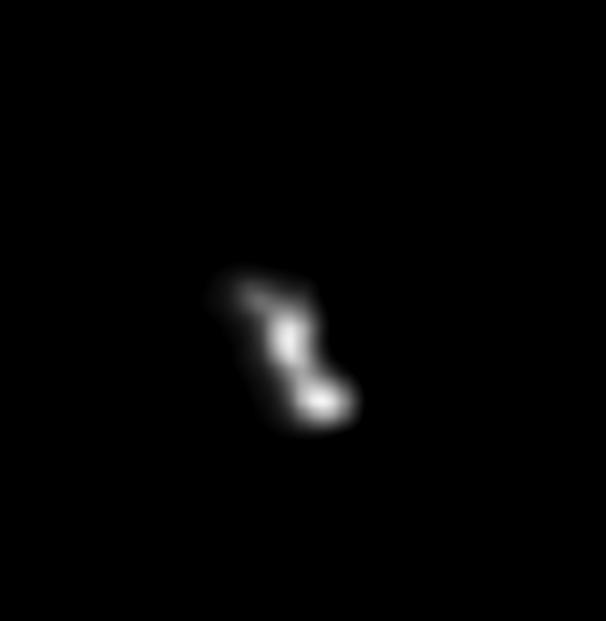
This image was created from a composite of two images which were taken 914 seconds and 932 seconds after NASA Deep Space 1 encounter with the asteroid 9969 Braille.
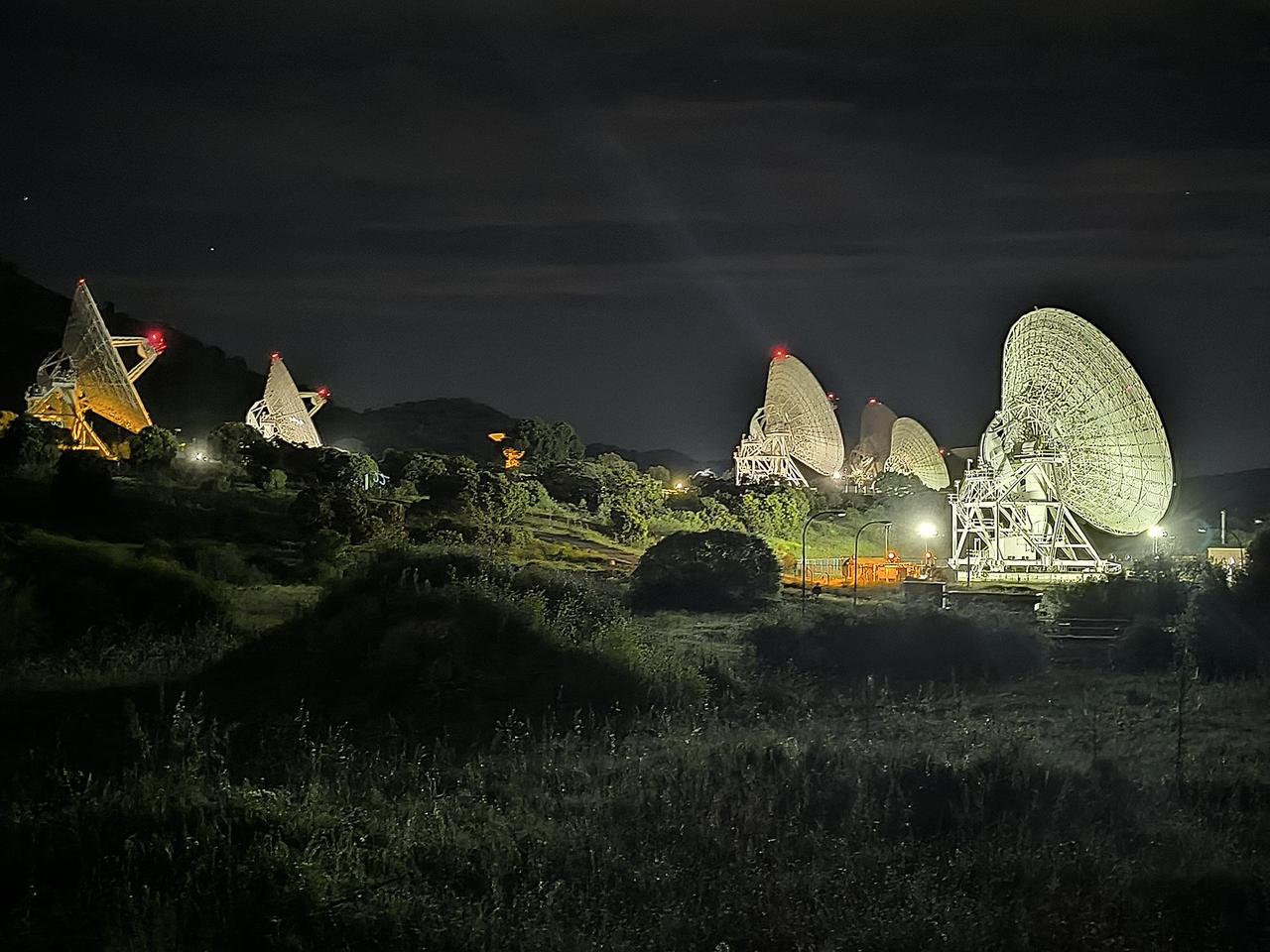
In a historic first, all six radio frequency antennas at the Madrid Deep Space Communication Complex – part of NASA's Deep Space Network (DSN) – carried out a test to receive data from the agency's Voyager 1 spacecraft at the same time on April 20, 2024. Known as "arraying," combining the receiving power of several antennas allows the DSN to collect the very faint signals from faraway spacecraft. A five-antenna array is currently needed to downlink science data from the spacecraft's Plasma Wave System (PWS) instrument. As Voyager gets further way, six antennas will be needed. The Voyager team is currently working to fix an issue on the spacecraft that has prevented it from sending back science data since November. Though the antennas located at the DSN's three complexes – Goldstone in California, Canberra in Australia, and Madrid – have been arrayed before, this is the first instance of six antennas being arrayed at once. Madrid is the only deep space communication complex currently with six operational antennas (the other two complexes have four apiece). Each complex consists of one 70-meter (230-foot) antenna and several 34-meter (112-foot) antennas. Voyager 1 is over 15 billion miles (24 billion kilometers) away, so its signal on Earth is far fainter than any other spacecraft with which the DSN communicates. It currently takes Voyager 1's signal over 22 ½ hours to travel from the spacecraft to Earth. To better receive Voyager 1's radio communications, a large antenna – or an array of multiple smaller antennas – can be used. Voyager 1 and its twin, Voyager 2, are the only spacecraft ever to fly in interstellar space (the space between stars). https://photojournal.jpl.nasa.gov/catalog/PIA26147
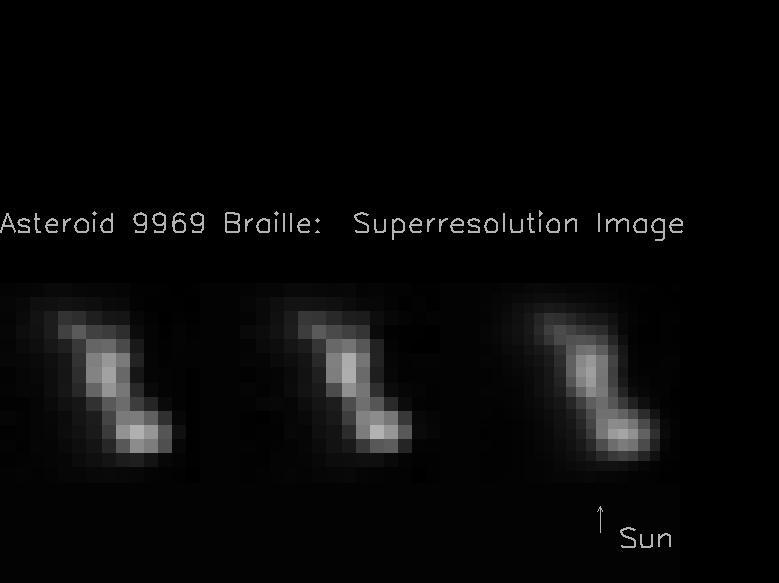
The two images on the left hand side of this composite image frame were taken 914 seconds and 932 seconds after the NASA Deep Space 1 encounter with the asteroid 9969 Braille. The image on the right was created by combining the two images on the left.
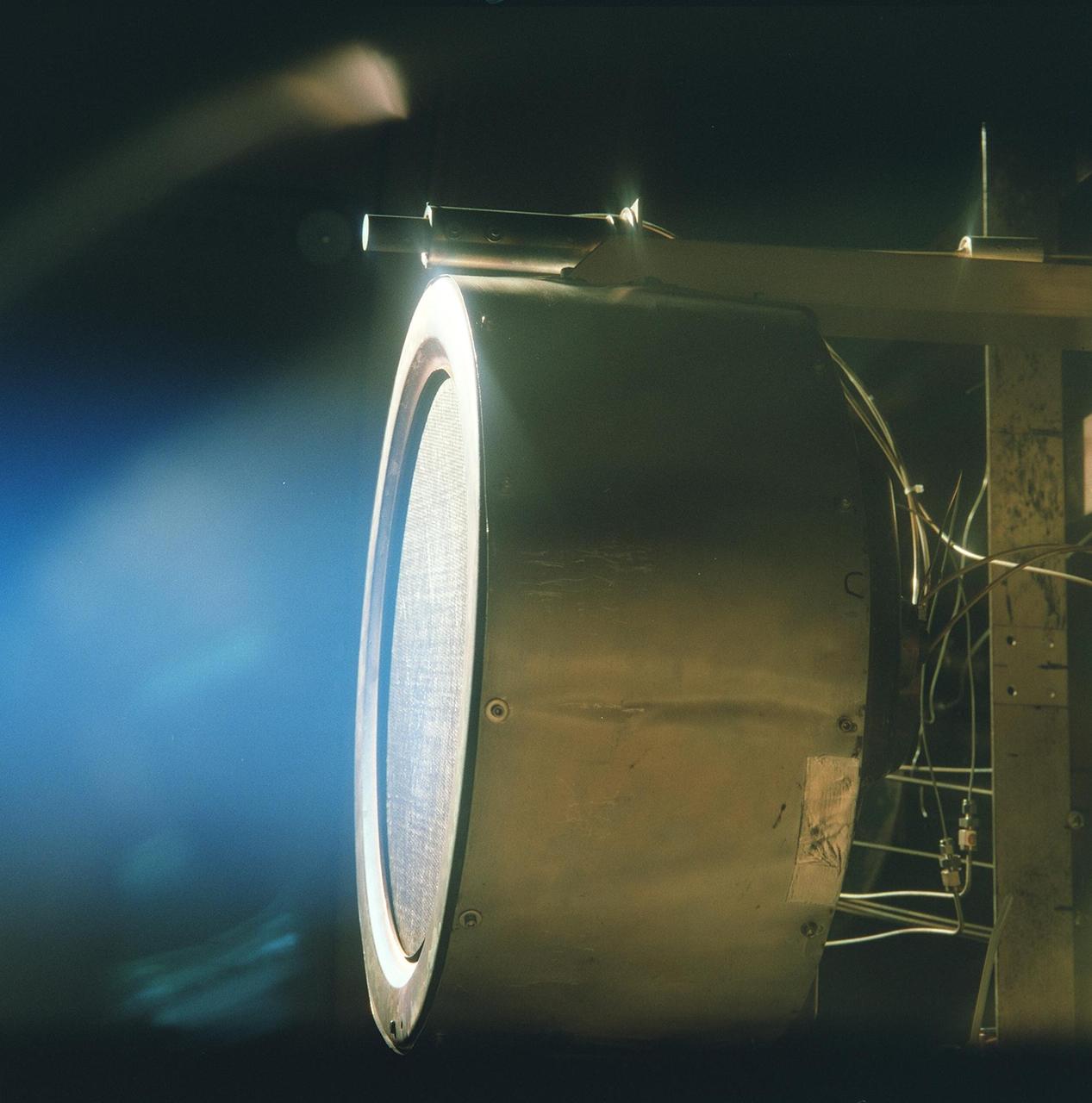
This image of a xenon ion engine prototype, photographed through a port of the vacuum chamber where it was being tested at NASA's Jet Propulsion Laboratory, shows the faint blue glow of charged atoms being emitted from the engine. The engine is now in an ongoing extended- life test, in a vacuum test chamber at JPL, and has run for almost 500 days (12,000 hours) and is scheduled to complete nearly 625 days (15,000 hours) by the end of 2001. A similar engine powers the New Millennium Program's flagship mission, Deep Space 1, which uses the ion engine in a trip through the solar system. The engine, weighing 17.6 pounds (8 kilograms), is 15.7 inches (40 centimeters) in diameter and 15.7 inches long. The actual thrust comes from accelerating and expelling positively charged xenon atoms, or ions. While the ions are fired in great numbers out the thruster at more than 110,000 kilometers (68,000 miles) per hour, their mass is so low that the engine produces a gentle thrust of only 90 millinewtons (20-thousandths of a pound). http://photojournal.jpl.nasa.gov/catalog/PIA04238
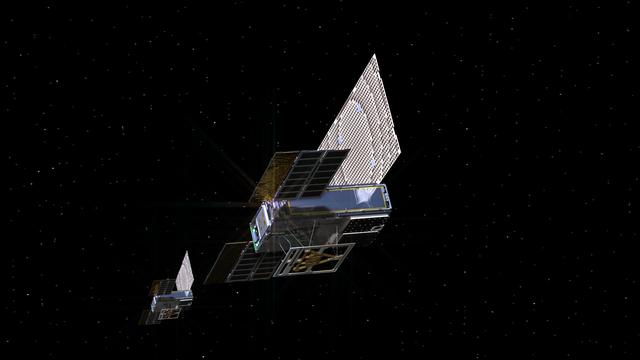
An artist's rendering of the twin Mars Cube One (MarCO) spacecraft as they fly through deep space. The MarCOs will be the first CubeSats -- a kind of modular, mini-satellite -- attempting to fly to another planet. They're designed to fly along behind NASA's InSight lander on its cruise to Mars. If they make the journey, they will test a relay of data about InSight's entry, descent and landing back to Earth. Though InSight's mission will not depend on the success of the MarCOs, they will be a test of how CubeSats can be used in deep space. https://photojournal.jpl.nasa.gov/catalog/PIA22314
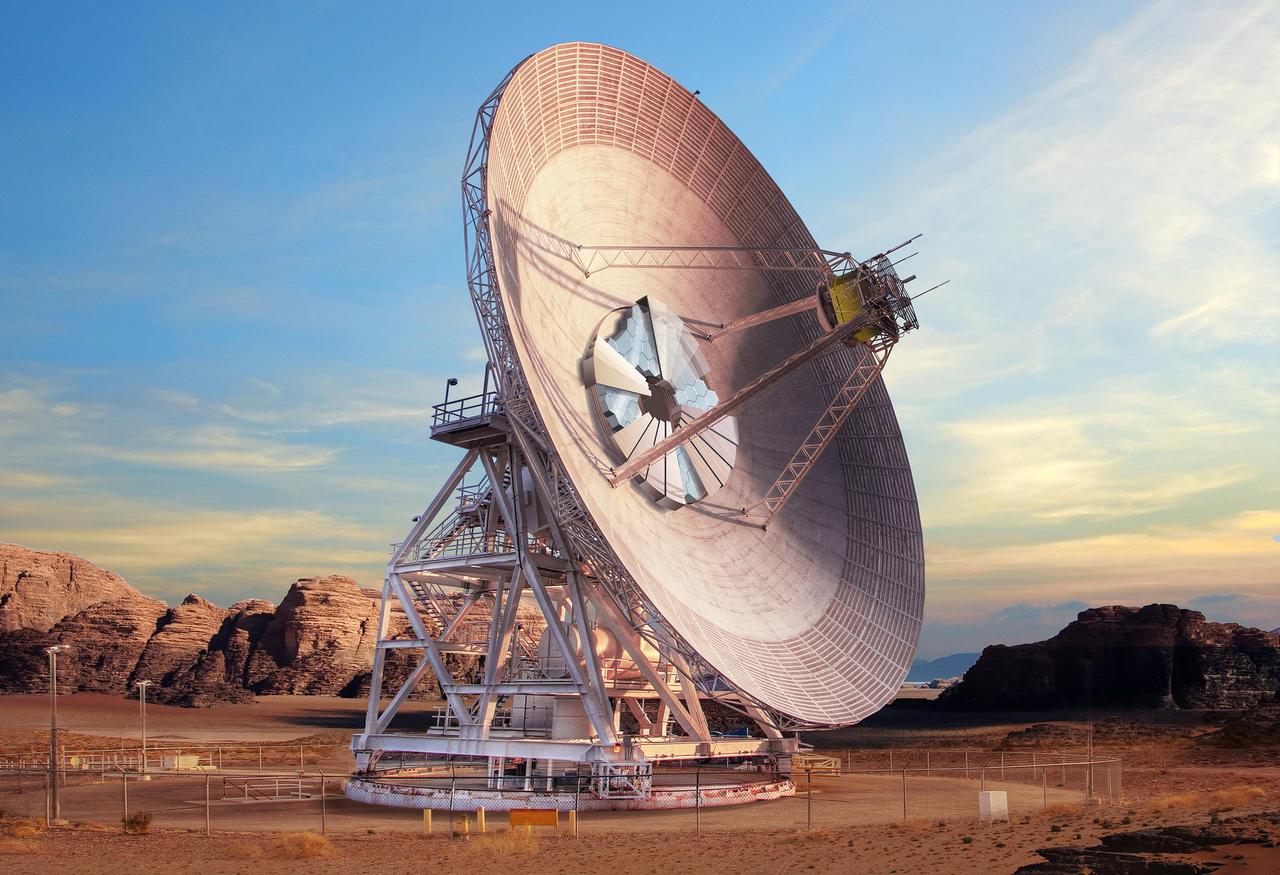
This artist's concept shows what Deep Space Station-23, a new antenna dish at the Deep Space Network's complex in Goldstone, California, will look like when complete in several years. DSS-23 will communicate with NASA's deep space missions using radio waves and lasers. Retractable covers will be able to fan out across the mirrors at the center of the dish to protect them from the elements. https://photojournal.jpl.nasa.gov/catalog/PIA23617
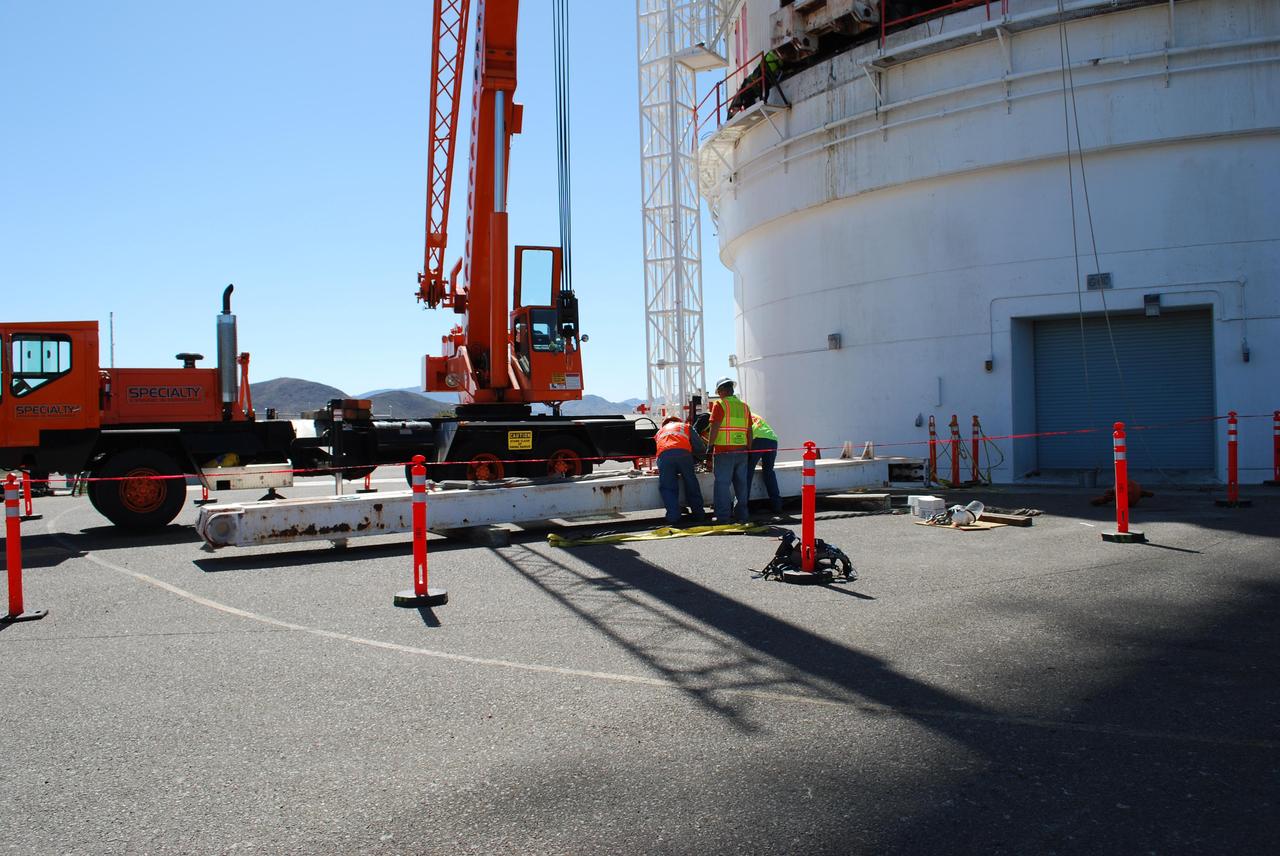
Workers at NASA Deep Space Network Goldstone Deep Space Communications Complex prepare a support leg that would help raise a portion of the giant Mars antenna.
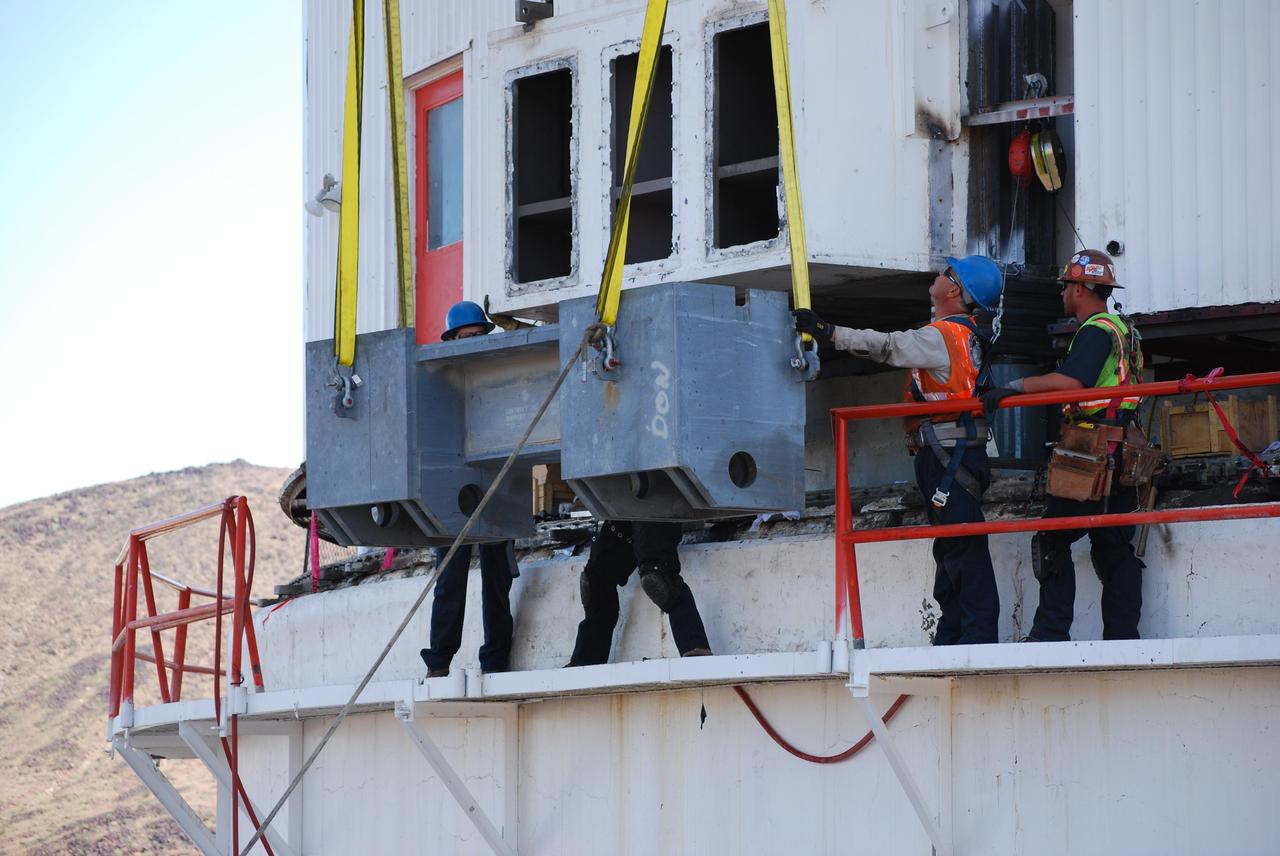
As part of a major refurbishment for the giant Mars antenna at NASA Deep Space Network Goldstone Deep Space Communications Complex, a stringer box is lowered into place.
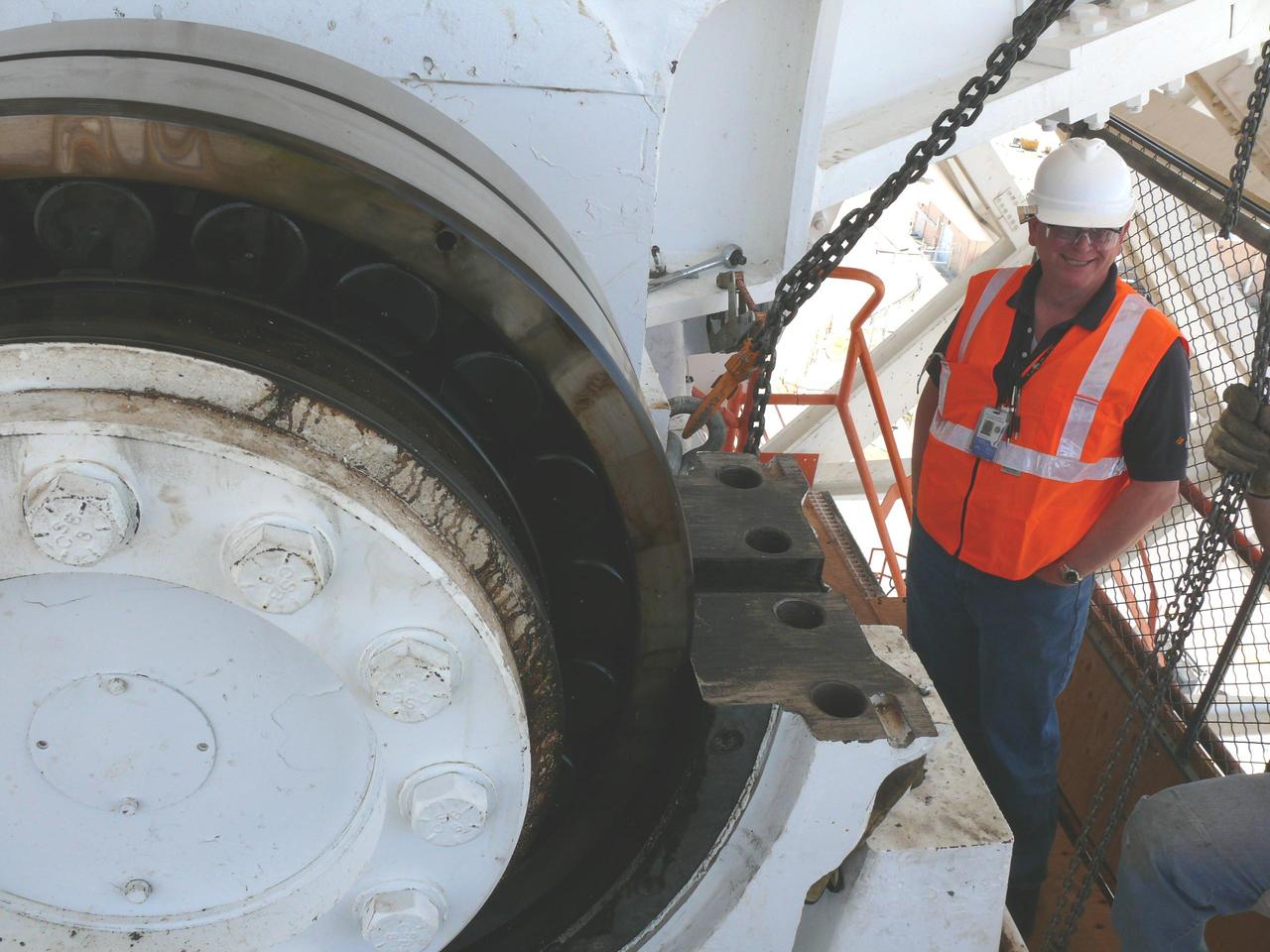
The giant Mars antenna at NASA Deep Space Network Goldstone Deep Space Communications Complex replaced four elevation bearings as part of a major refurbishment.
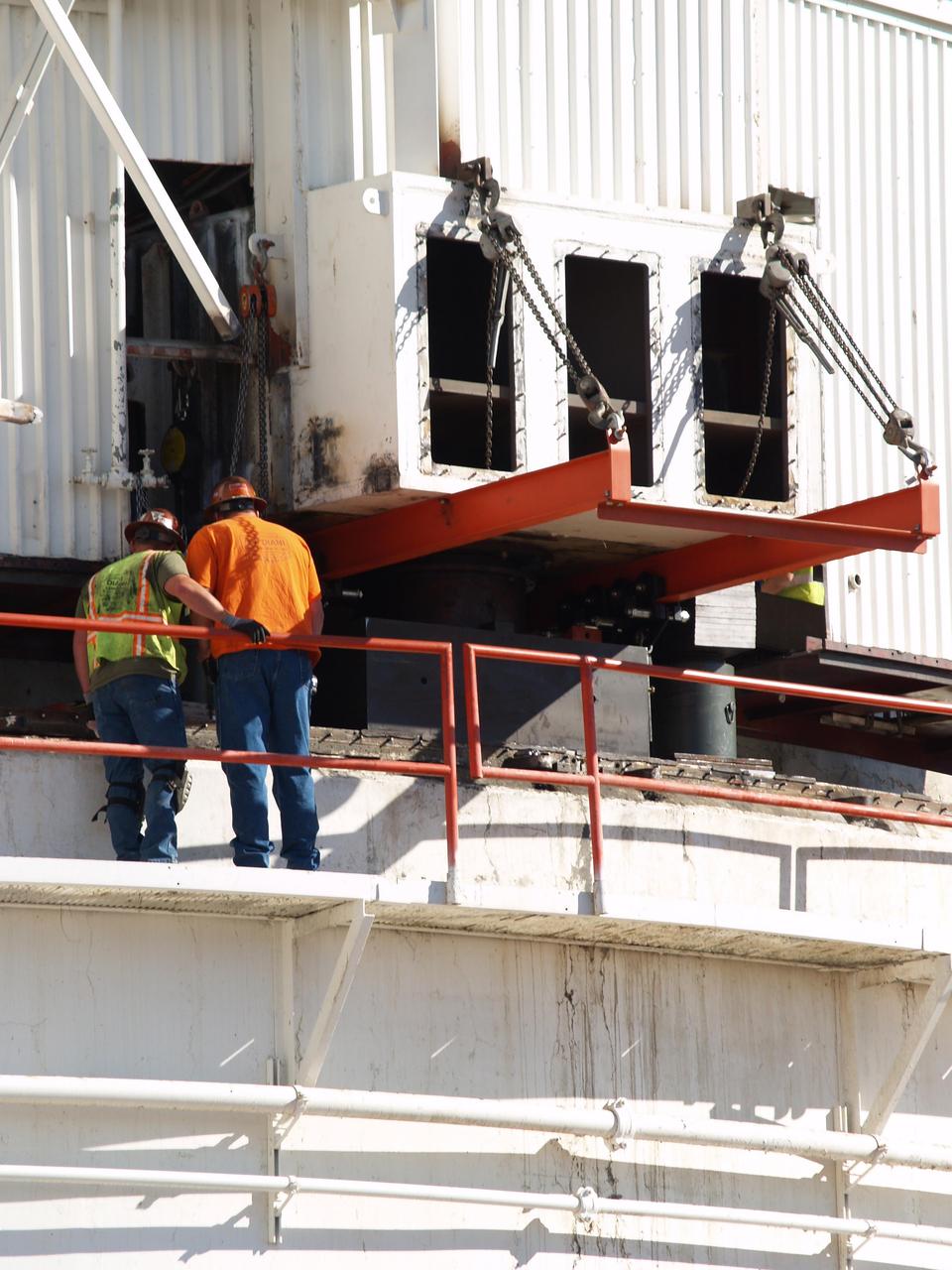
Workers at NASA Deep Space Network Goldstone Deep Space Communications Complex check on a set of jacks used to raise the upper part of the giant Mars antenna.
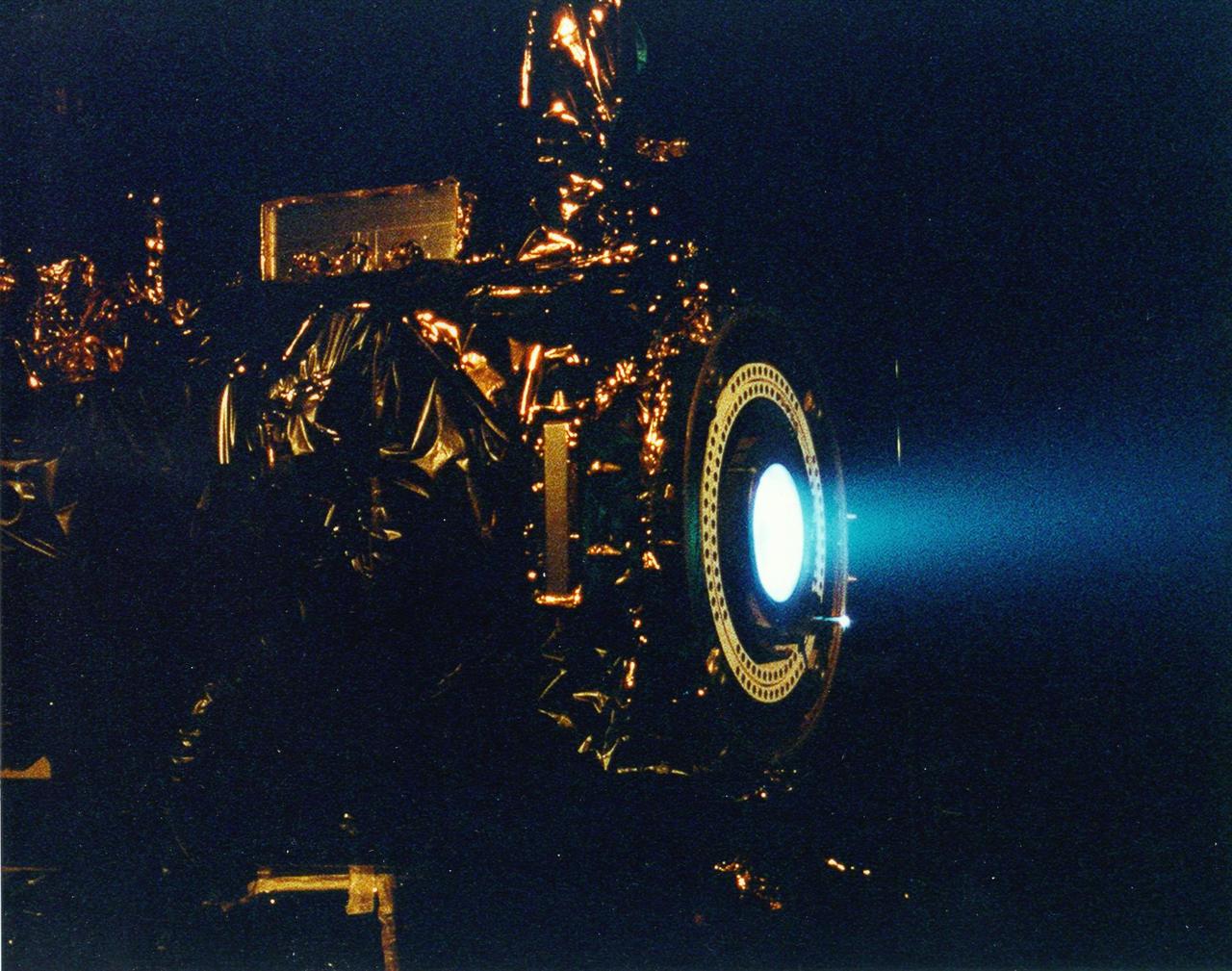
This image of a xenon ion engine, photographed through a port of the vacuum chamber where it was being tested at NASA's Jet Propulsion Laboratory, shows the faint blue glow of charged atoms being emitted from the engine. The ion propulsion engine is the first non-chemical propulsion to be used as the primary means of propelling a spacecraft. Though the thrust of the ion propulsion is about the same as the downward pressure of a single sheet of paper, by the end of the mission, the ion engine will have changed the spacecraft speed by about 13,700 kilometers/hour (8500 miles/hour). Even then, it will have expended only about 64 kg of its 81.5 kg supply of xenon propellant. http://photojournal.jpl.nasa.gov/catalog/PIA04247

Deep Space Station 13 (DSS-13) at NASA's Goldstone Deep Space Communications Complex near Barstow, California – part of the agency's Deep Space Network – is a 34-meter (112-foot) experimental antenna that has been retrofitted with an optical terminal (the boxy instrument below the center of the antenna's dish). Since November 2023, DSS-13 has been tracking the downlink laser of the Deep Space Optical Communications (DSOC) experiment that is aboard NASA's Psyche mission, which launched on Oct. 13, 2023. In a first, the antenna also synchronously received radio-frequency signals from the spacecraft as it travels through deep space on its way to investigate the metal-rich asteroid Psyche. The laser signal collected by the camera is then transmitted through optical fiber that feeds into a cryogenically cooled semiconducting nanowire single photon detector. Designed and built by JPL's Microdevices Laboratory, the detector is identical to the one used at Caltech's Palomar Observatory, in San Diego County, California, that acts as DSOC's downlink ground station. Goldstone is one of three complexes that comprise NASA's Deep Space Network, which provides radio communications for all of the agency's interplanetary spacecraft and is also utilized for radio astronomy and radar observations of the solar system and the universe. NASA's Jet Propulsion Laboratory, a division of Caltech in Pasadena, California, manages the DSN for the agency. https://photojournal.jpl.nasa.gov/catalog/PIA26148
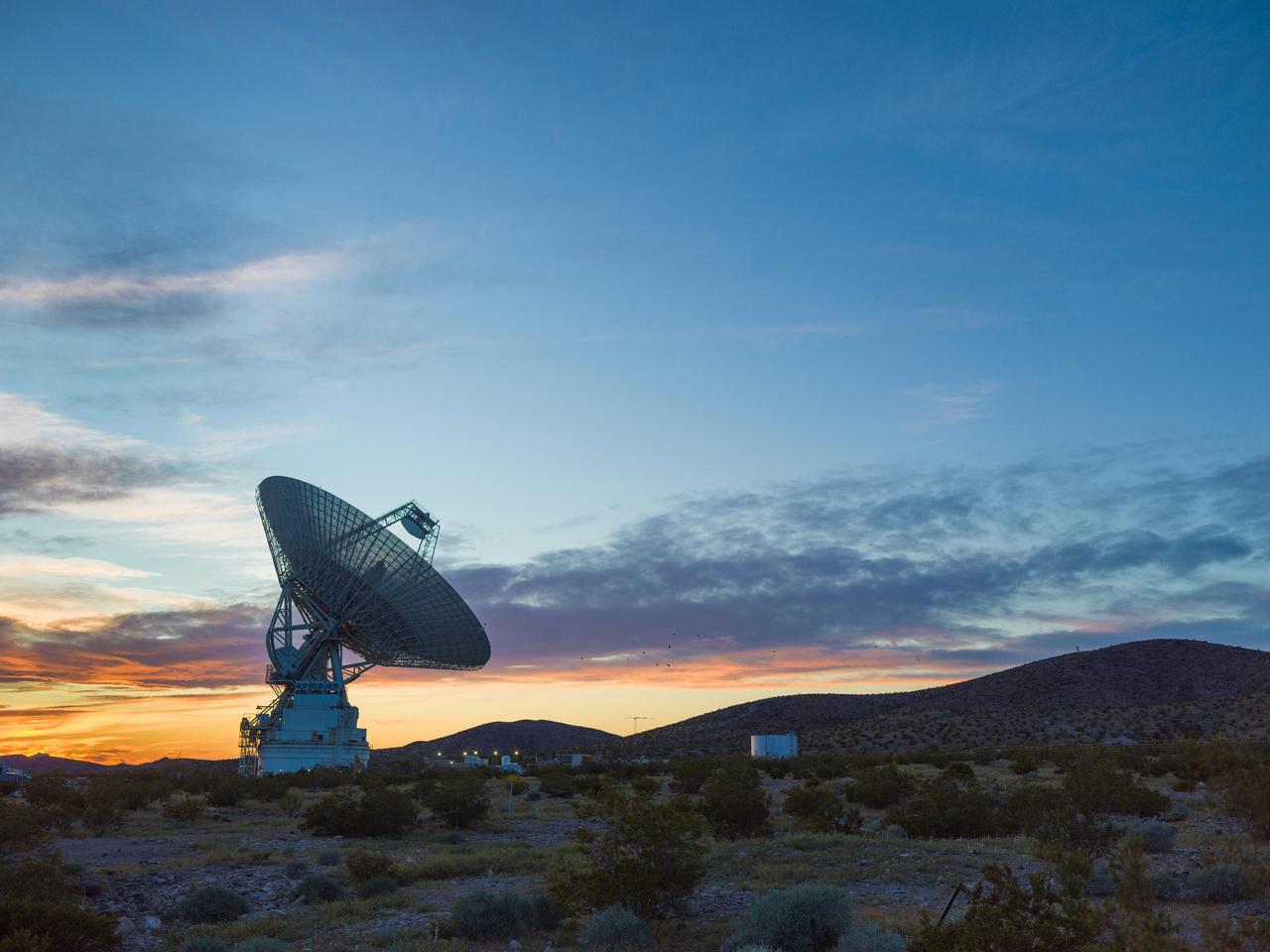
This sunset photo shows Deep Space Station 14 (DSS-14), the 230-foot-wide (70-meter) antenna at the Goldstone Deep Space Communications Complex near Barstow, California, part of NASA's Deep Space Network. The network's three complexes around the globe support communications with dozens of deep space missions. DSS-14 is also the agency's Goldstone Solar System Radar, which is used to observe asteroids that come close to Earth. https://photojournal.jpl.nasa.gov/catalog/PIA26150
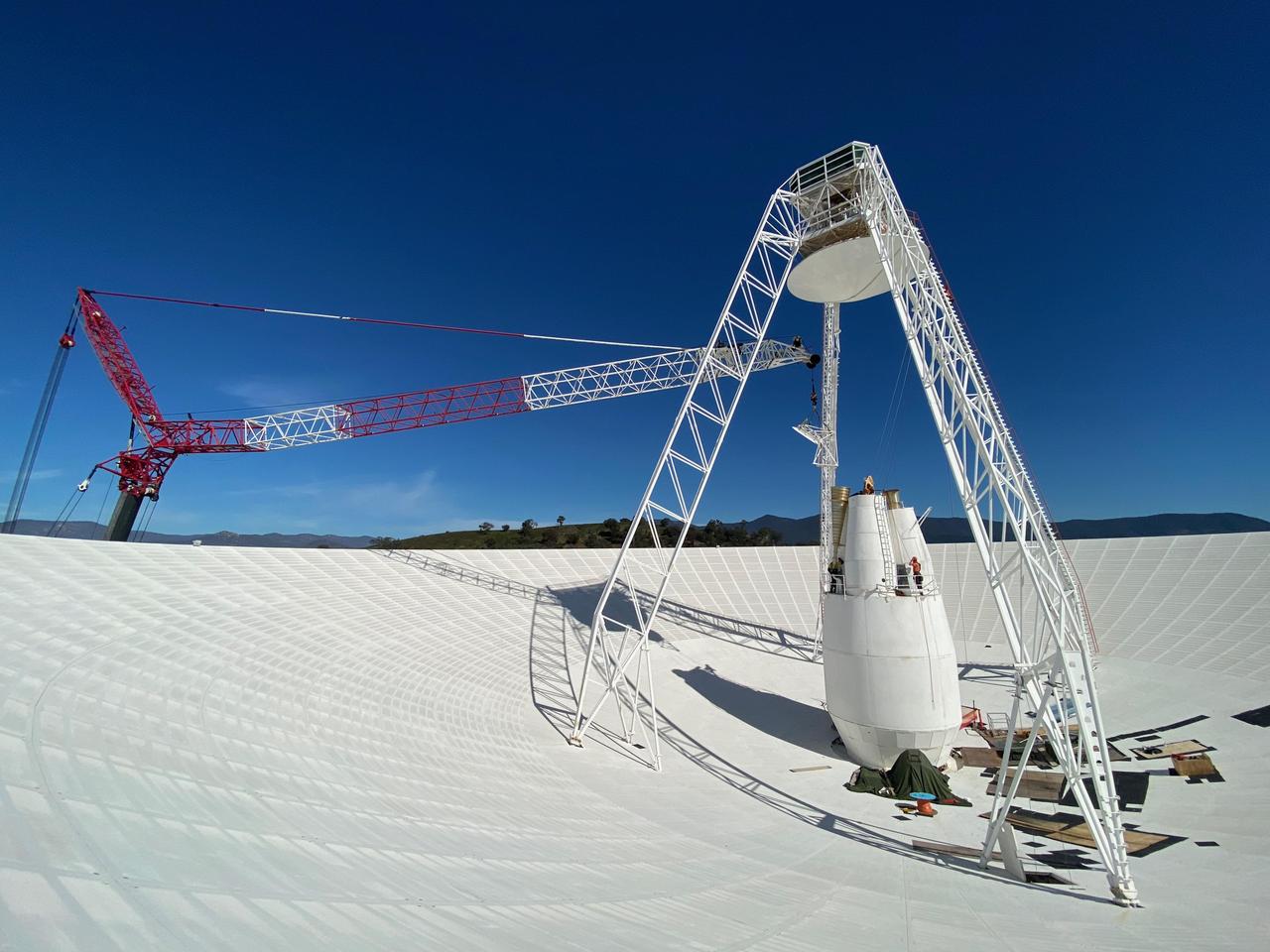
The antenna of the Deep Space Network's Deep Space Station 43 (DSS-43) in Canberra, Australia, spans 70 meters (230 foot) and stands 73 meters (239 foot), dwarfing workers as they perform upgrades on the central cone that contains sensitive transmitters and receivers. A giant crane assisted with the replacement of parts that had been operating on the antenna for over 40 years. One of several antennas located at the Canberra Deep Space Network station, DSS-43 is the largest and responsible for transmitting commands to NASA's Voyager 2 spacecraft. Since early March 2020, DSS-43 has been offline for the upgrades, which are expected to continue until January 2021. https://photojournal.jpl.nasa.gov/catalog/PIA23795
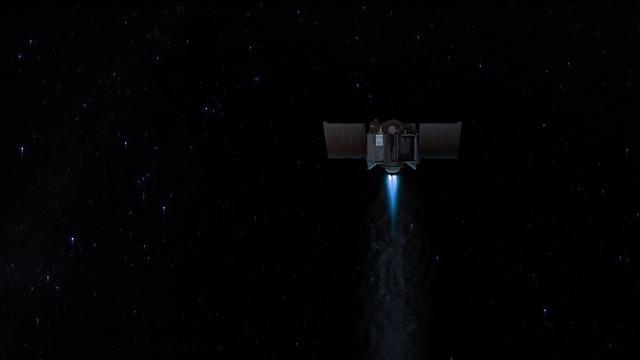
NASA's Origins, Spectral Interpretation, Resource Identification, and Security–Regolith Explorer, OSIRIS-REx, spacecraft executed its first deep space maneuver Dec. 28, 2016, putting it on course for an Earth flyby in September 2017. The team will continue to examine telemetry and tracking data as it becomes available at the current low data rate and will have more information in January. Image credit: University of Arizona <b><a href="http://www.nasa.gov/audience/formedia/features/MP_Photo_Guidelines.html" rel="nofollow">NASA image use policy.</a></b> <b><a href="http://www.nasa.gov/centers/goddard/home/index.html" rel="nofollow">NASA Goddard Space Flight Center</a></b> enables NASA’s mission through four scientific endeavors: Earth Science, Heliophysics, Solar System Exploration, and Astrophysics. Goddard plays a leading role in NASA’s accomplishments by contributing compelling scientific knowledge to advance the Agency’s mission. <b>Follow us on <a href="http://twitter.com/NASAGoddardPix" rel="nofollow">Twitter</a></b> <b>Like us on <a href="http://www.facebook.com/pages/Greenbelt-MD/NASA-Goddard/395013845897?ref=tsd" rel="nofollow">Facebook</a></b> <b>Find us on <a href="http://instagrid.me/nasagoddard/?vm=grid" rel="nofollow">Instagram</a></b>
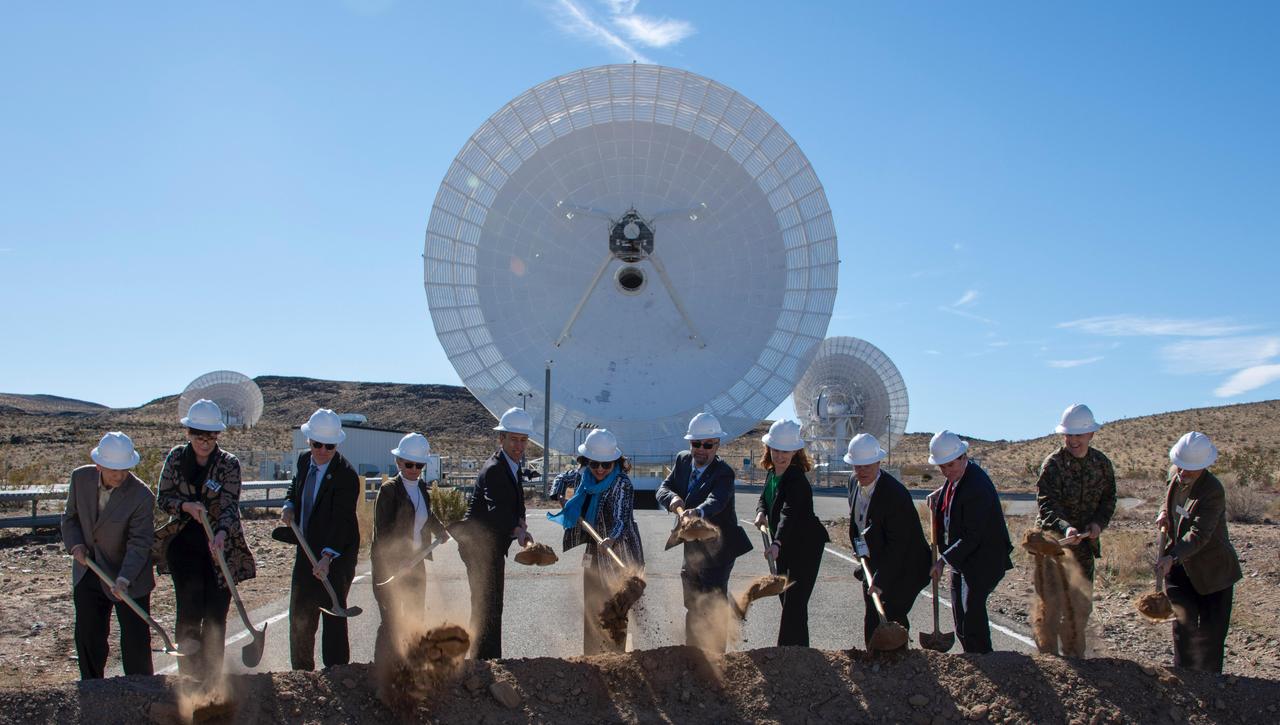
On Feb. 11, 2020, NASA, JPL, military and local officials broke ground in Goldstone, California, for a new antenna in the agency's Deep Space Network, which communicates with all its deep space missions. When completed in 2 ½ years, the new 112-foot-wide (34-meter-wide) antenna dish will include mirrors and a special receiver for optical, or laser, communications from deep space missions. https://photojournal.jpl.nasa.gov/catalog/PIA23618
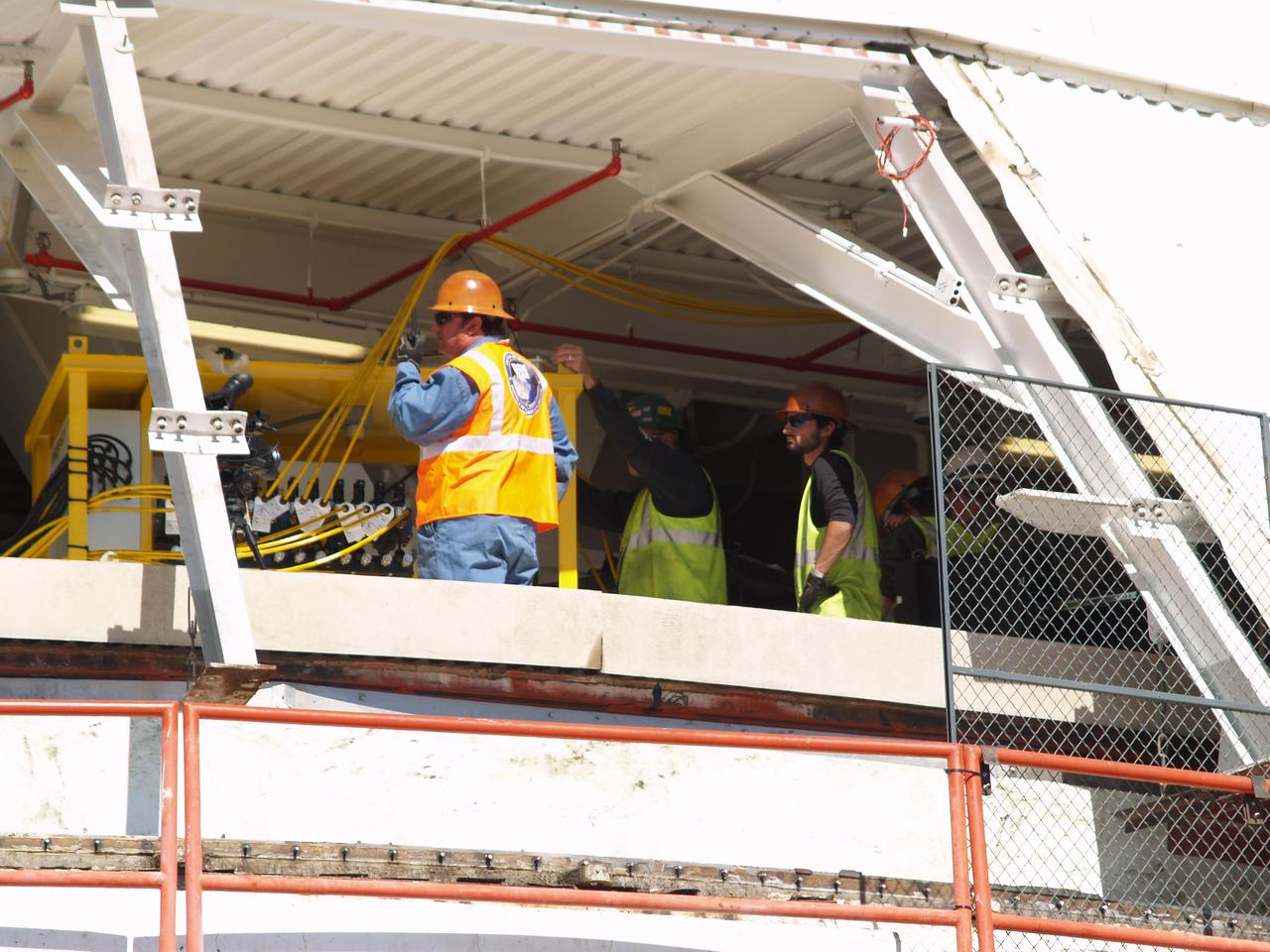
A worker at NASA Deep Space Network Goldstone Deep Space Communications Complex radios to his colleagues that 12 jacks are ready to lift the upper section of the giant Mars antenna.
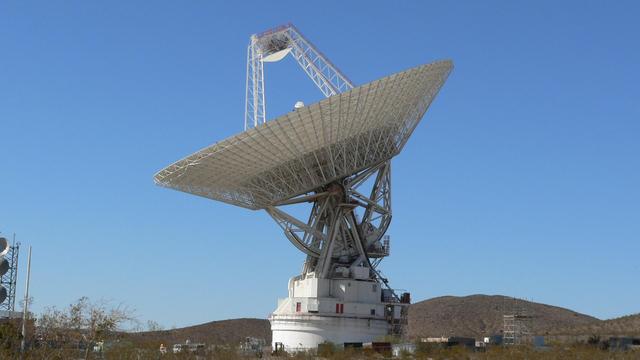
The giant, 70-meter-wide antenna at NASA Deep Space Network complex in Goldstone, Calif., tracks a spacecraft on Nov. 17, 2009. This antenna, officially known as Deep Space Station 14, is also nicknamed the Mars antenna.
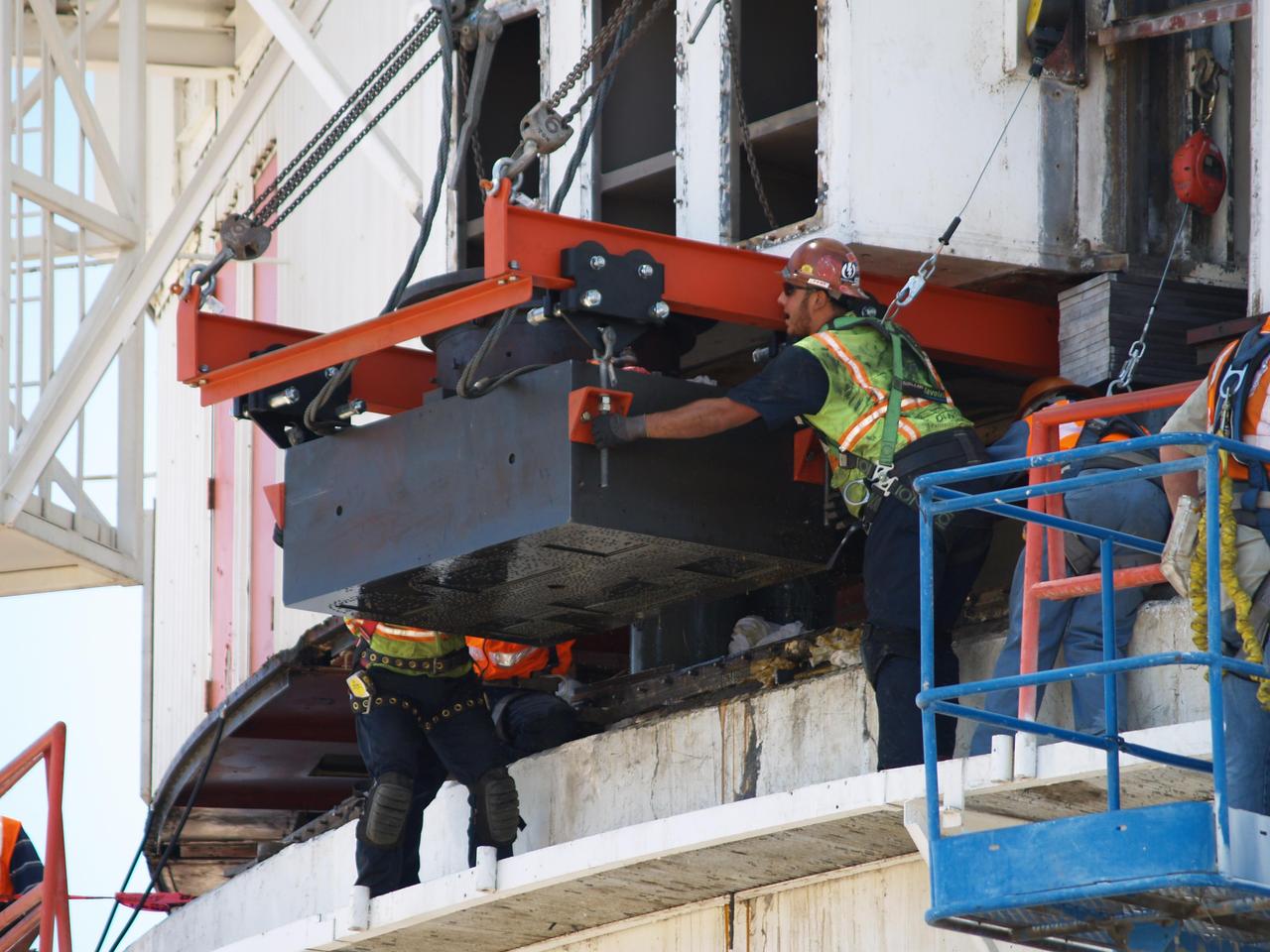
On May 3, 2010, workers at NASA Deep Space Network Goldstone Deep Space Communications Complex removed one of the large steel pads that help the giant Mars antenna rotate sideways.
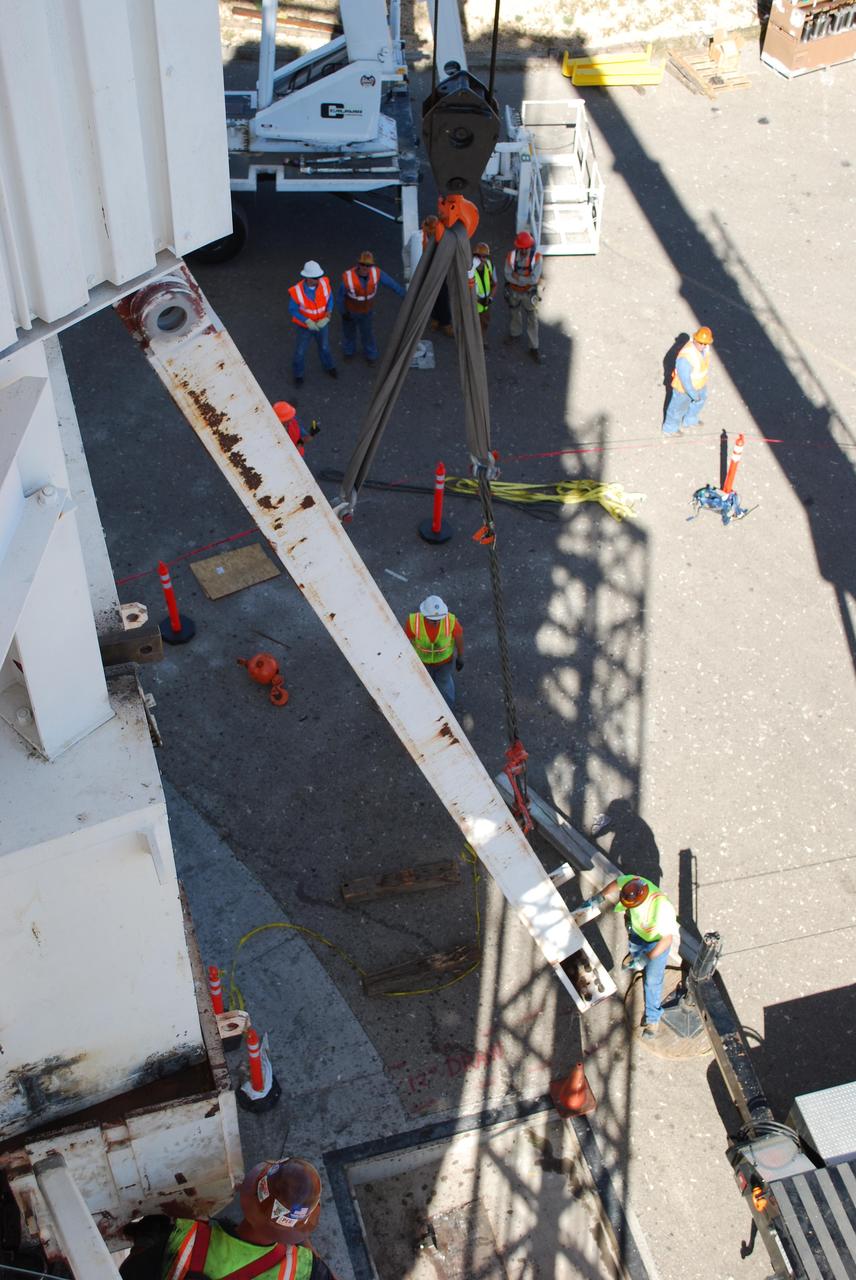
Workers at NASA Deep Space Network Goldstone Deep Space Communications Complex put into place a set of support legs to help hold up a portion of the giant Mars antenna on May 4, 2010.
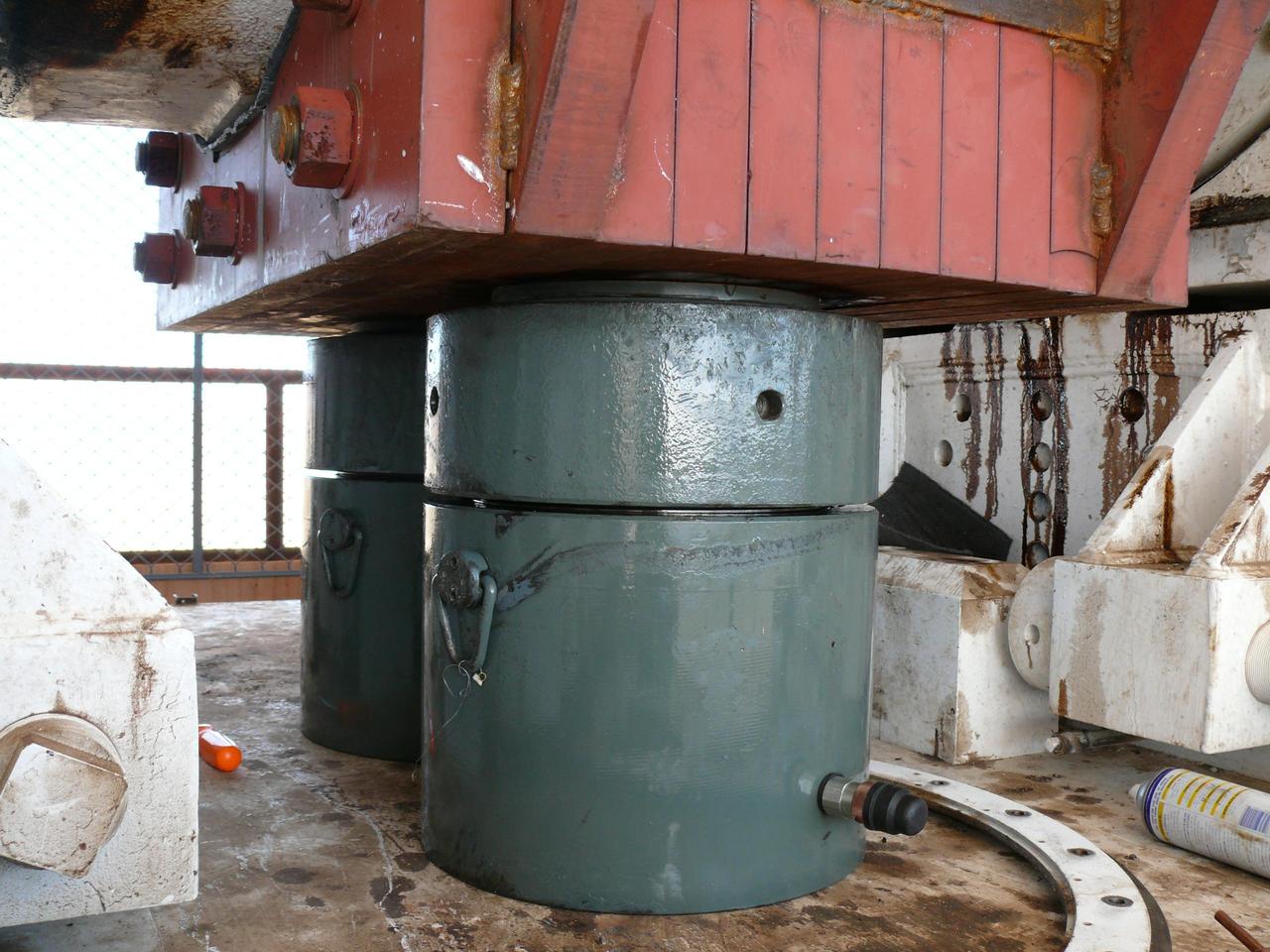
A major refurbishment of the giant Mars antenna at NASA Deep Space Network Goldstone Deep Space Communications Complex in California Mojave Desert required workers to jack up millions of pounds of delicate scientific equipment.
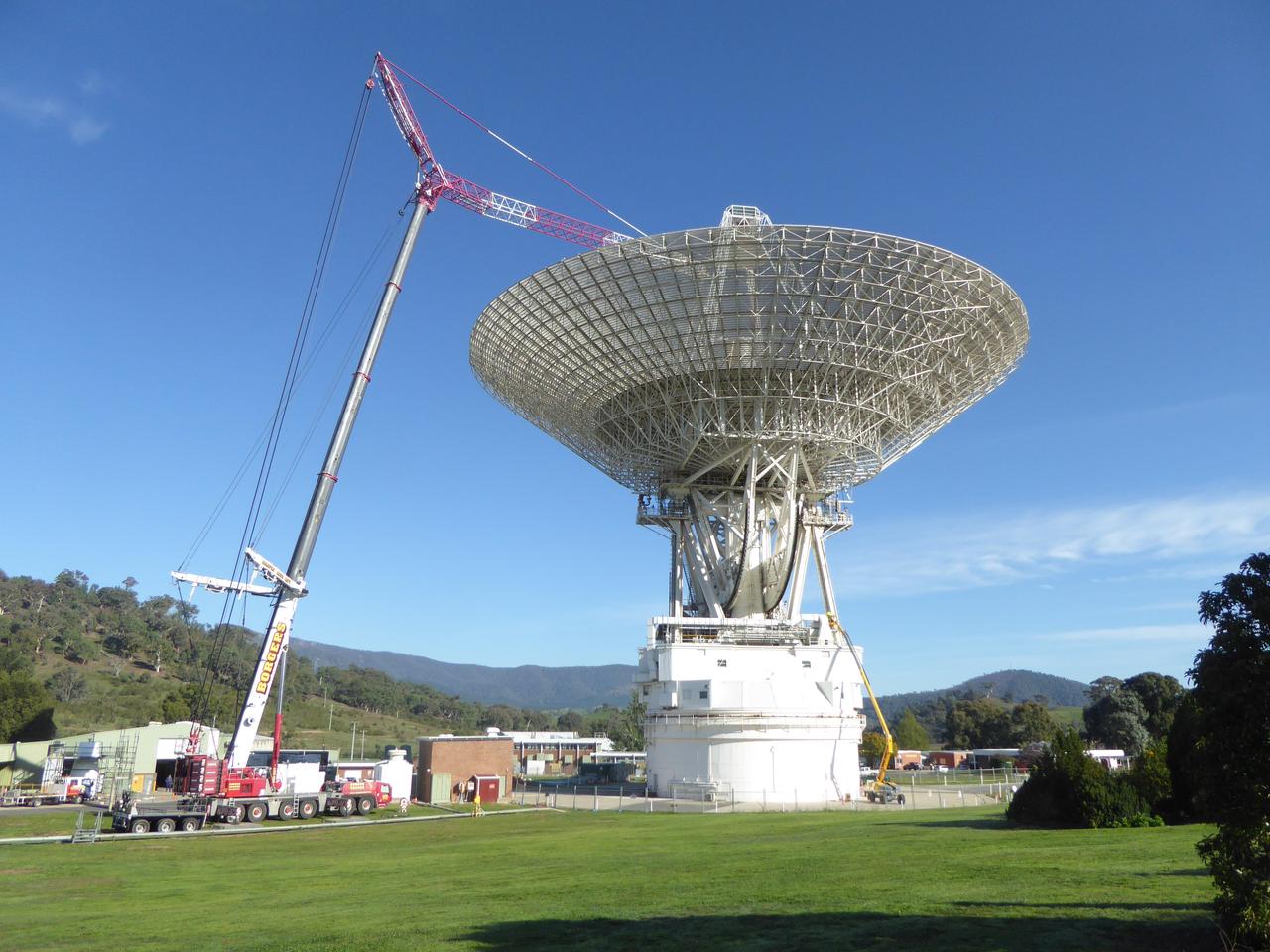
Located in Canberra, Australia, the Deep Space Network's Deep Space Station 43 spans 70 meters (230 feet), making it the largest steerable parabolic antenna in the Southern Hemisphere. Since March 2020, it has been undergoing upgrades — expected to be complete in January 2021 — to prepare the 48-year-old dish for future exploration of the Moon, Mars, and beyond. NASA operates three Deep Space Network stations, located in California, Spain, and Australia; each has a 70-meter (230-feet) antenna, plus several 34-meter (111-foot) dishes to support dozens of spacecraft exploring the solar system. https://photojournal.jpl.nasa.gov/catalog/PIA23797

Suzanne Dodd, the director for the Interplanetary Network Directorate at NASA's Jet Propulsion Laboratory in Southern California, addresses an audience at the Deep Space Network's Canberra complex on March 19, 2025. That day marked 60 years since the Australian facility joined the network. JPL's Interplanetary Network Directorate oversees the Deep Space Network's three complexes in Canberra, Madrid, and Goldstone, near Barstow, California. JPL manages the Deep Space Network for the agency's Space Communications and Navigation program at NASA Headquarters in Washington. https://photojournal.jpl.nasa.gov/catalog/PIA26585
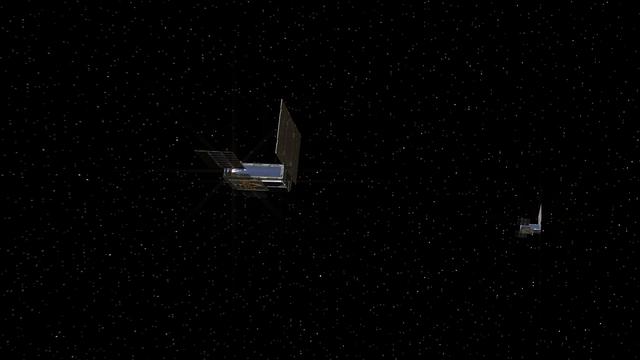
An artist's rendering of the twin Mars Cube One (MarCO) spacecraft on their cruise in deep space. The MarCOs will be the first CubeSats -- a kind of modular, mini-satellite -- attempting to fly to another planet. They're designed to fly along behind NASA's InSight lander on its cruise to Mars. If they make the journey, they will test a relay of data about InSight's entry, descent and landing back to Earth. Though InSight's mission will not depend on the success of the MarCOs, they will be a test of how CubeSats can be used in deep space. https://photojournal.jpl.nasa.gov/catalog/PIA22315
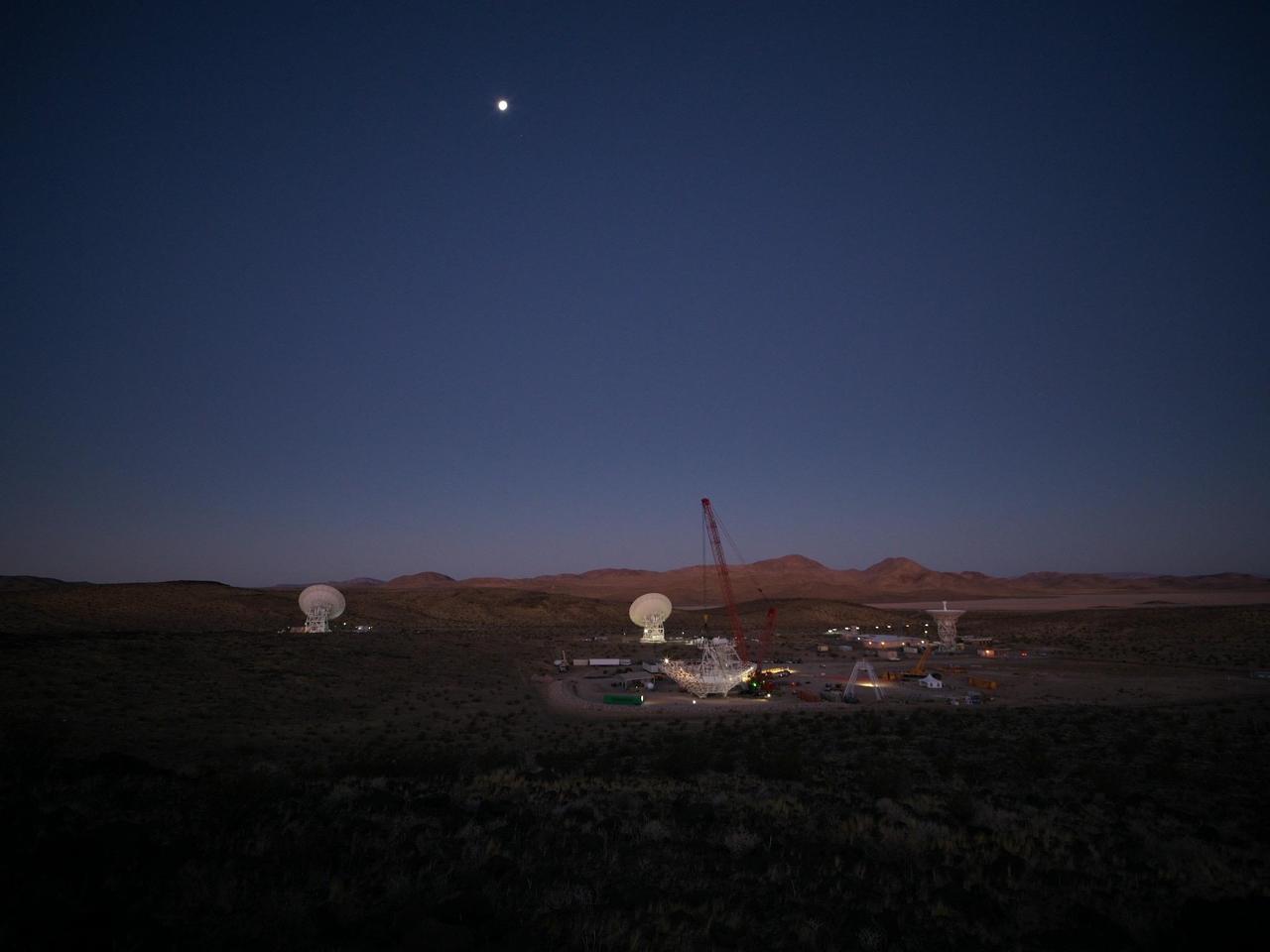
In the early morning of Dec. 18, 2024, a crane looms over the 112-foot-wide (34-meter-wide) steel framework for Deep Space Station 23 (DSS-23) reflector dish, which will soon be lowered into position on the antenna's base structure. Located at the Deep Space Network's Goldstone Space Communications Complex near Barstow, California, DSS-23 is a multi-frequency beam waveguide antenna that will boost the DSN's capacity and enhance NASA's deep space communications capabilities for decades to come. In the background are, from left to right, the beam waveguide antennas DSS-25 and DSS-26, and the decommissioned 85-foot (26-meter) Apollo antenna. https://photojournal.jpl.nasa.gov/catalog/PIA26456
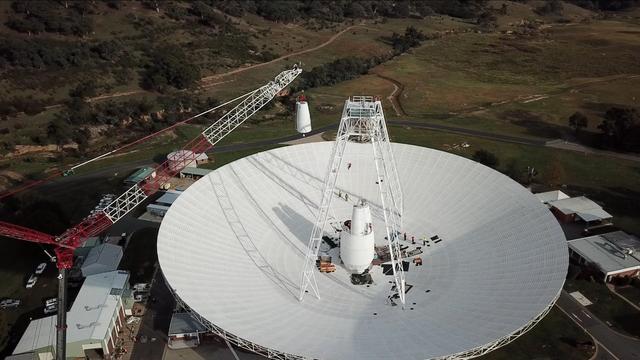
In a delicate operation, a 400-ton crane lifts the new X-band cone into the 70-meter (230-foot) Deep Space Network's Deep Space Station 43 (DSS-43) dish in Canberra, Australia. The new cone houses upgraded receiver and transmitter equipment for the 48-year-old antenna. One of several antennas located at the Canberra site, DSS-43 is the largest and responsible for transmitting commands to NASA's Voyager spacecraft. Since early March 2020, DSS43 has been offline for upgrades, which are expected to continue until January 2021. https://photojournal.jpl.nasa.gov/catalog/PIA23796
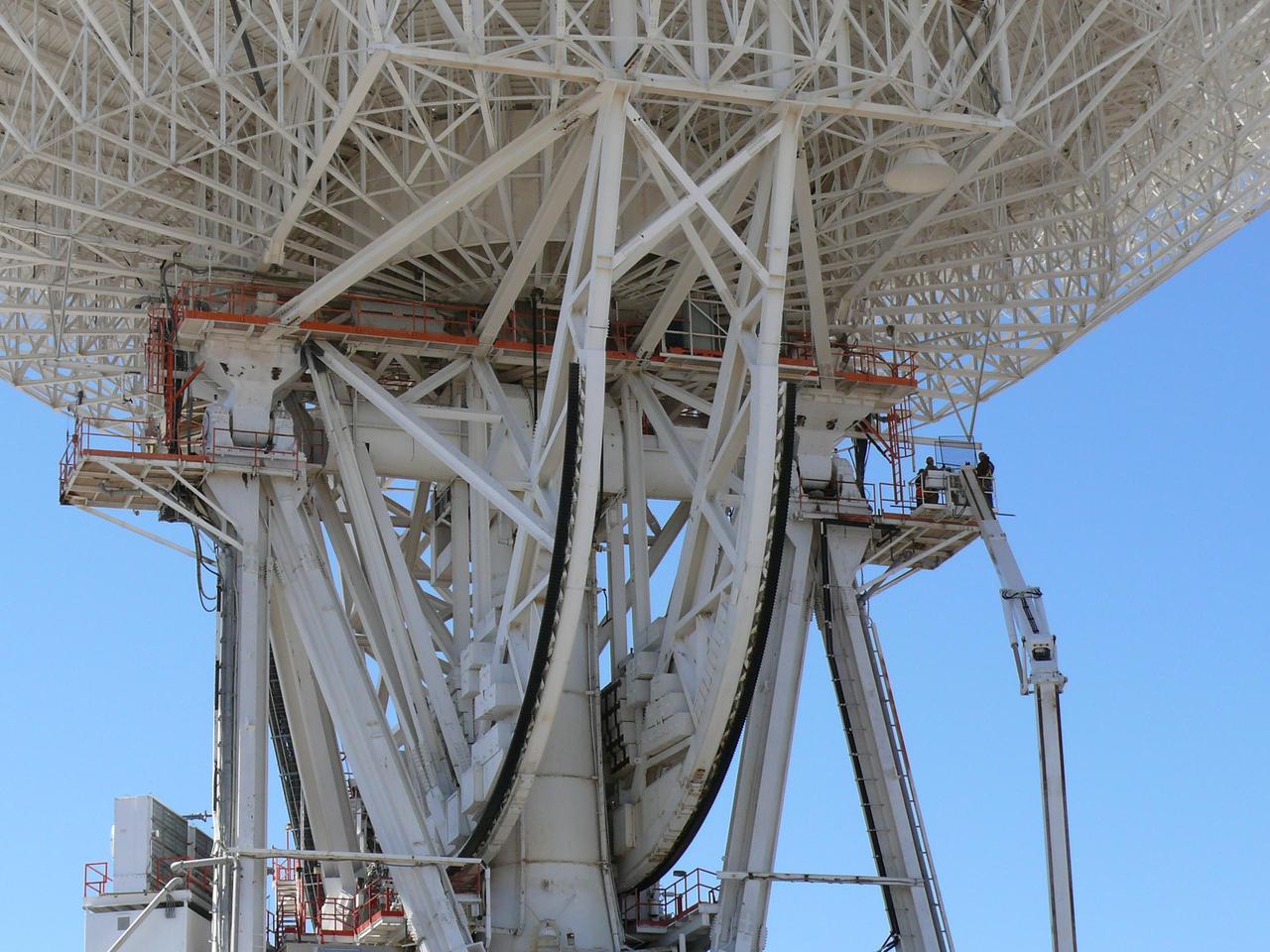
Work began on March 11, 2010 to replace a set of elevation bearings on the giant Mars antenna at NASA Deep Space Network complex in Goldstone, Calif.
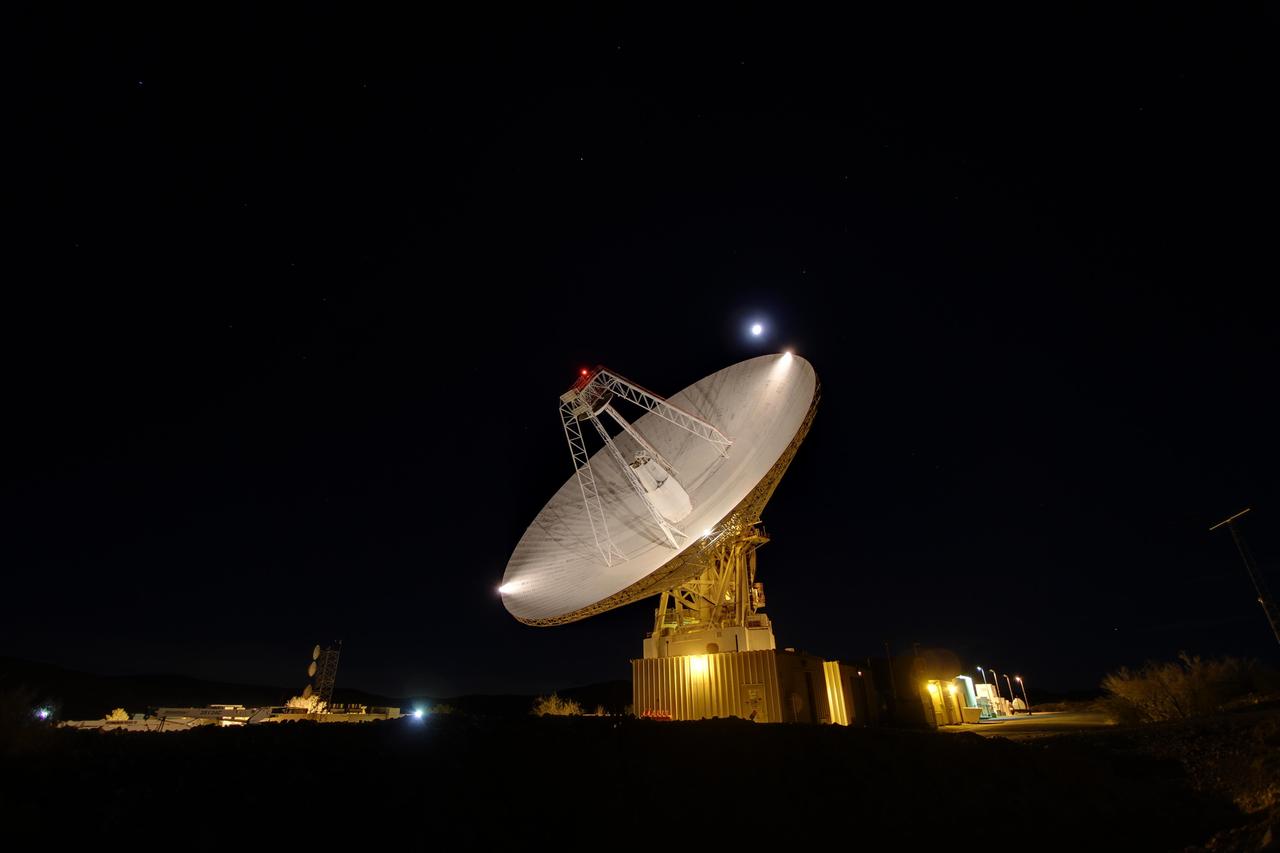
Goldstone 230-foot 70-m antenna tracks under a full moon. The Goldstone Deep Space Communications Complex is located in the Mojave Desert in California, USA.
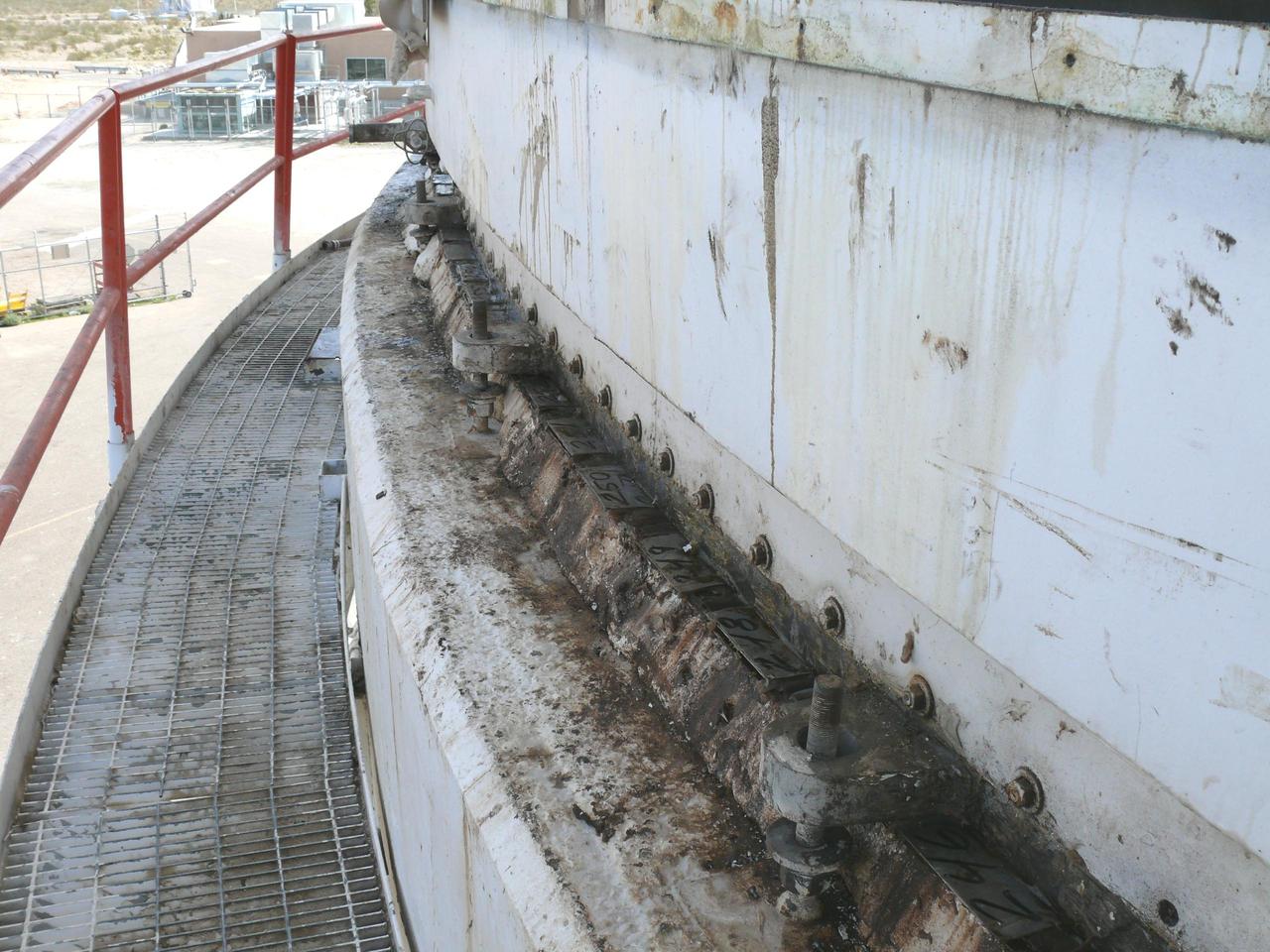
This image, taken on March 22, 2010, shows the condition of grout that was replaced in the giant Mars antenna at NASA Deep Space Network Goldstone, Calif. complex.
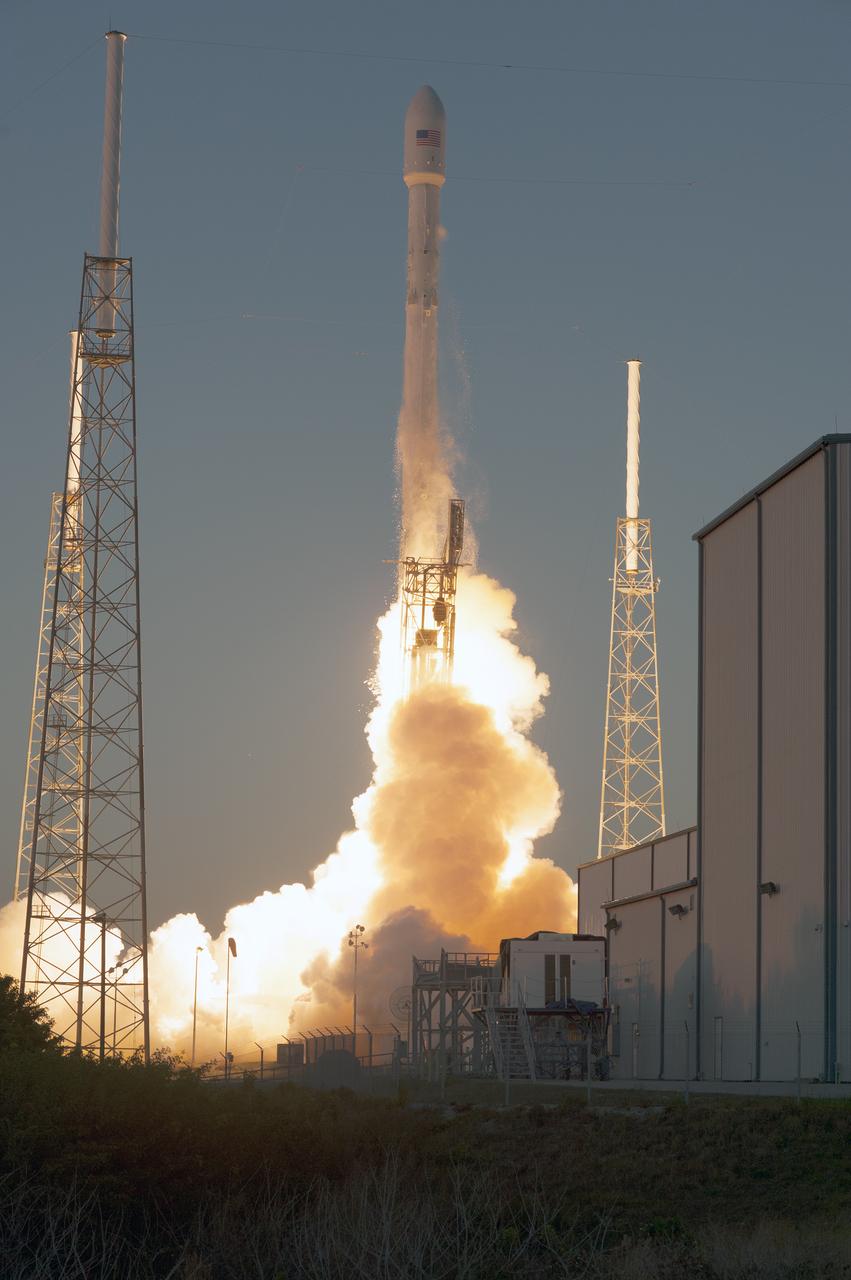
Open Image KSC-2015-1368.KSC-2015-1368 (02/11/2015) --- The SpaceX Falcon 9 rocket carrying NOAA’s Deep Space Climate Observatory spacecraft, or DSCOVR, lifts off from Space Launch Complex 40 at Cape Canaveral Air Force Station in Florida. Liftoff occurred at 6:03 p.m. EST. DSCOVR is a partnership between NOAA, NASA and the U.S. Air Force, and will maintain the nation's real-time solar wind monitoring capabilities. To learn more about DSCOVR, visit <a href="http://www.nesdis.noaa.gov/DSCOVR" rel="nofollow">www.nesdis.noaa.gov/DSCOVR</a>. Photo credit: NASA/Tony Gray and Tim Powers
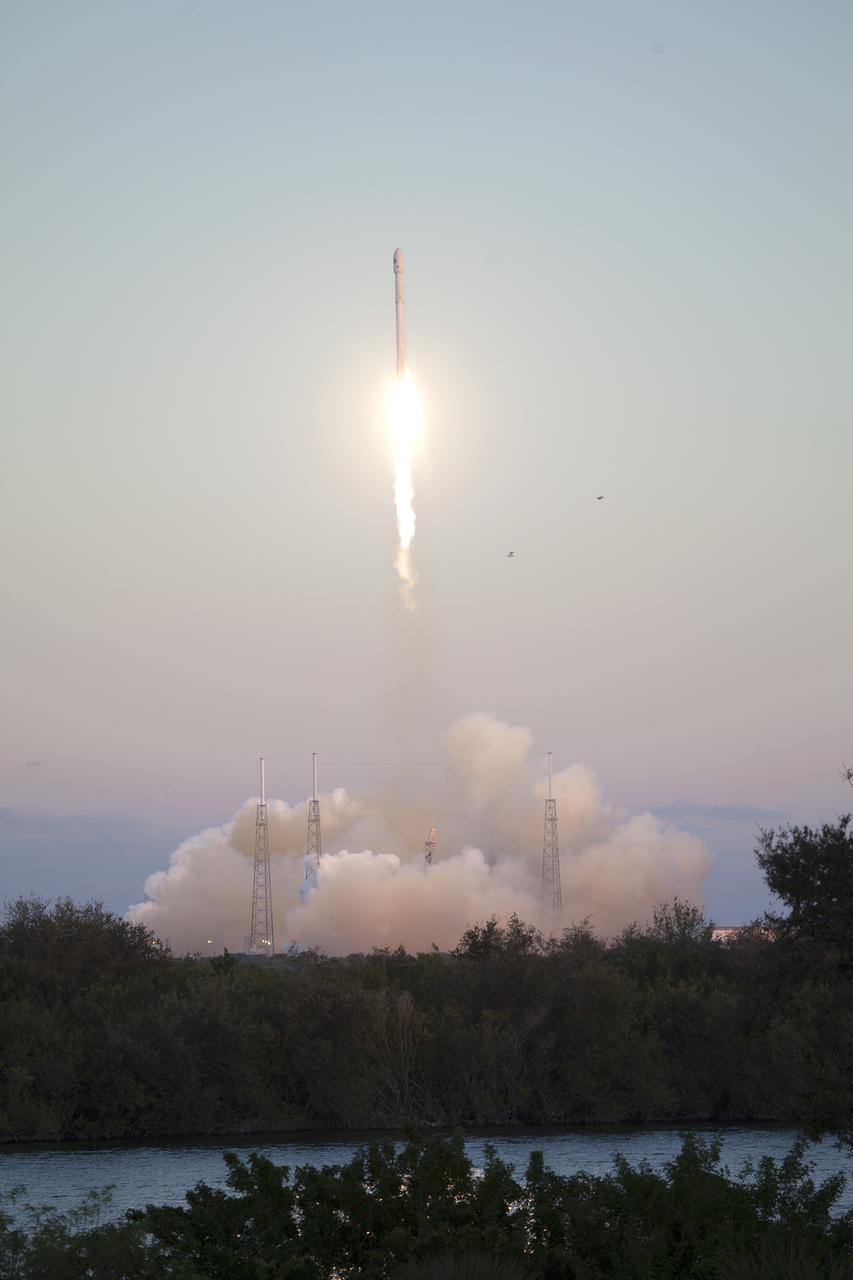
KSC-2015-1341 (02/11/2015) --- The SpaceX Falcon 9 rocket carrying NOAA’s Deep Space Climate Observatory spacecraft, or DSCOVR, lifts off from Space Launch Complex 40 at Cape Canaveral Air Force Station in Florida. Liftoff occurred at 6:03 p.m. EST. DSCOVR is a partnership between NOAA, NASA and the U.S. Air Force, and will maintain the nation's real-time solar wind monitoring capabilities. To learn more about DSCOVR, visit <a href="http://www.nesdis.noaa.gov/DSCOVR" rel="nofollow">www.nesdis.noaa.gov/DSCOVR</a>. Photo credit: NASA/Ben Smegelsky
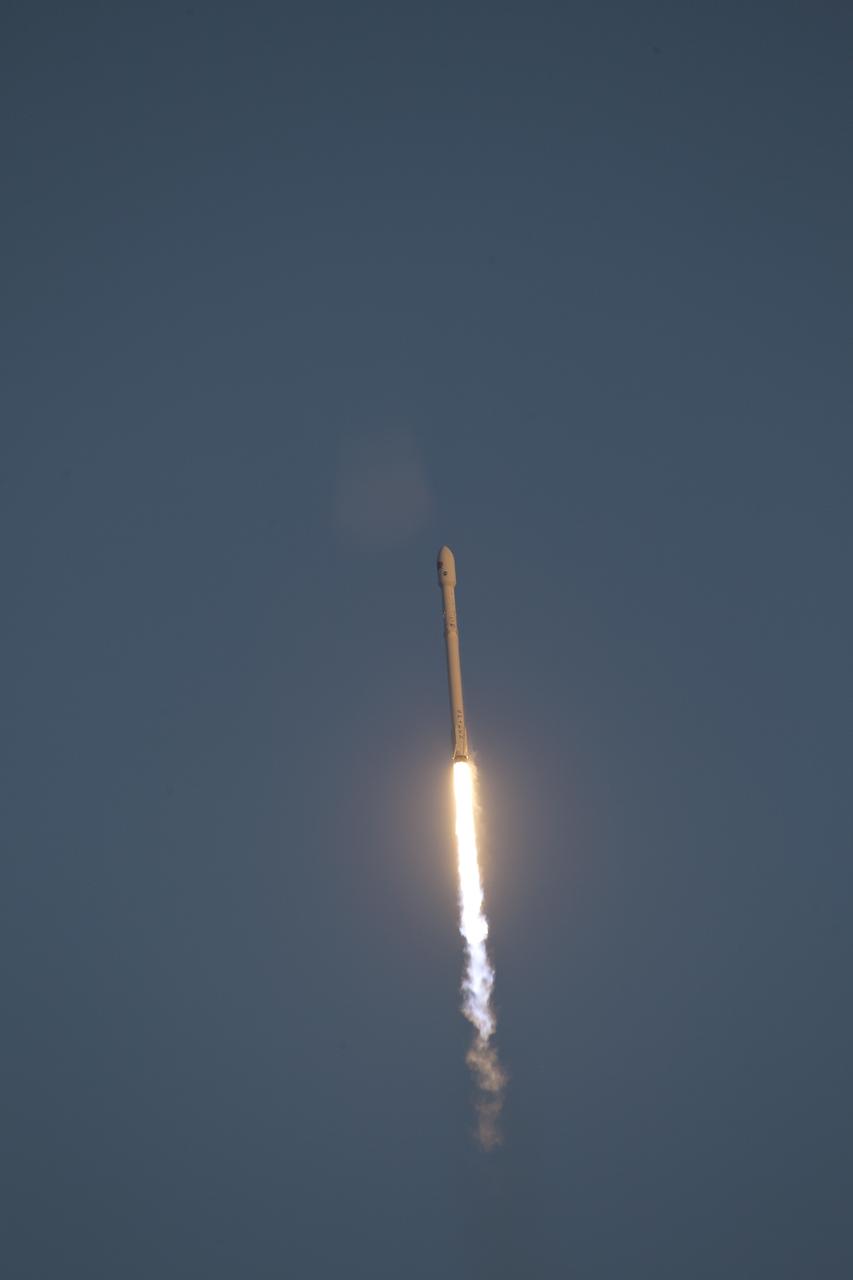
KSC-2015-1342 (02/11/2015) --- Backdropped by a bright blue sky, the SpaceX Falcon 9 rocket carrying NOAA’s Deep Space Climate Observatory spacecraft, or DSCOVR, soars away from Space Launch Complex 40 at Cape Canaveral Air Force Station in Florida. Liftoff occurred at 6:03 p.m. EST. DSCOVR is a partnership between NOAA, NASA and the U.S. Air Force, and will maintain the nation's real-time solar wind monitoring capabilities. To learn more about DSCOVR, visit <a href="http://www.nesdis.noaa.gov/DSCOVR" rel="nofollow">www.nesdis.noaa.gov/DSCOVR</a>. Photo credit: NASA/Ben Smegelsky..
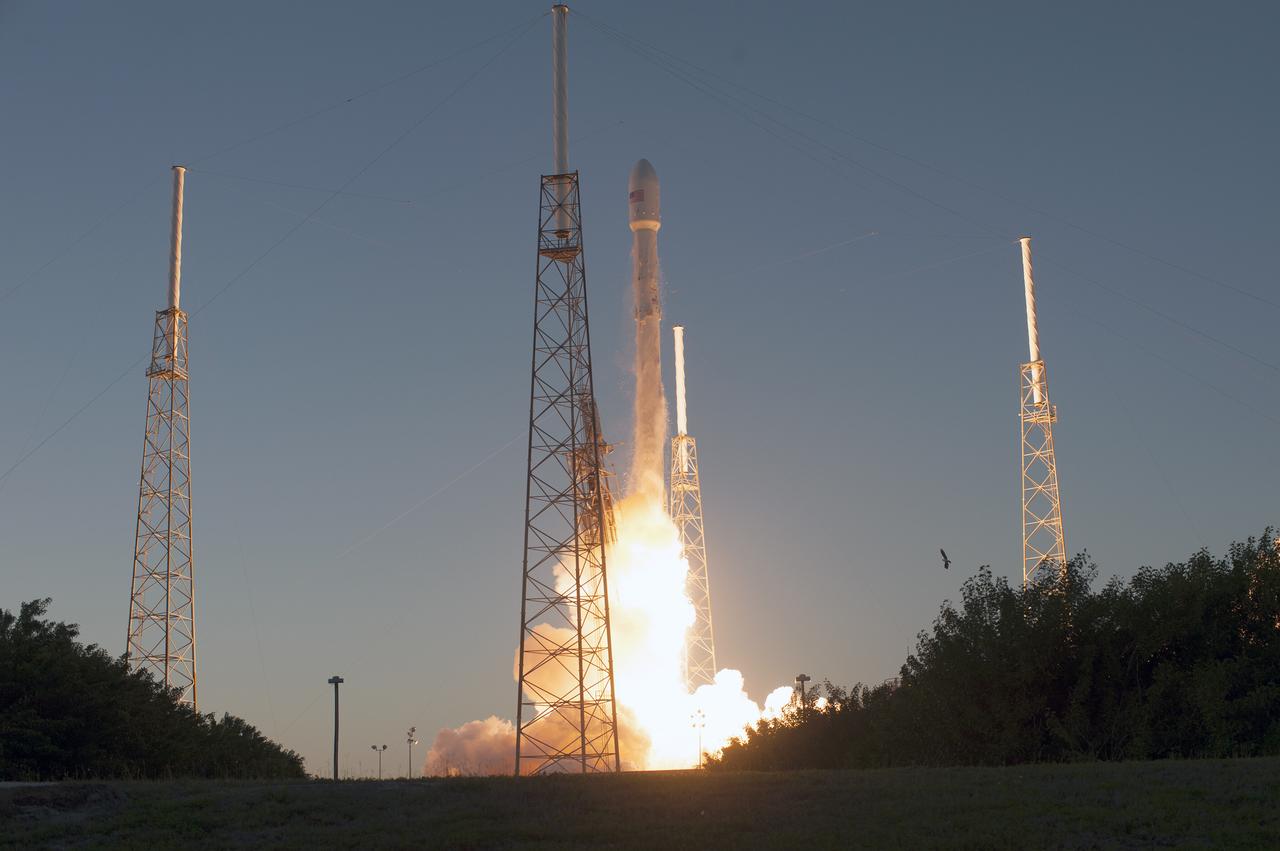
KSC-2015-1363 (02/11/2015) --- The SpaceX Falcon 9 rocket carrying NOAA’s Deep Space Climate Observatory spacecraft, or DSCOVR, lifts off from Space Launch Complex 40 at Cape Canaveral Air Force Station in Florida at 6:03 p.m. EST. DSCOVR is a partnership between NOAA, NASA and the U.S. Air Force, and will maintain the nation's real-time solar wind monitoring capabilities. To learn more about DSCOVR, visit <a href="http://www.nesdis.noaa.gov/DSCOVR" rel="nofollow">www.nesdis.noaa.gov/DSCOVR</a>. Photo credit: NASA/Tony Gray and Tim Powers
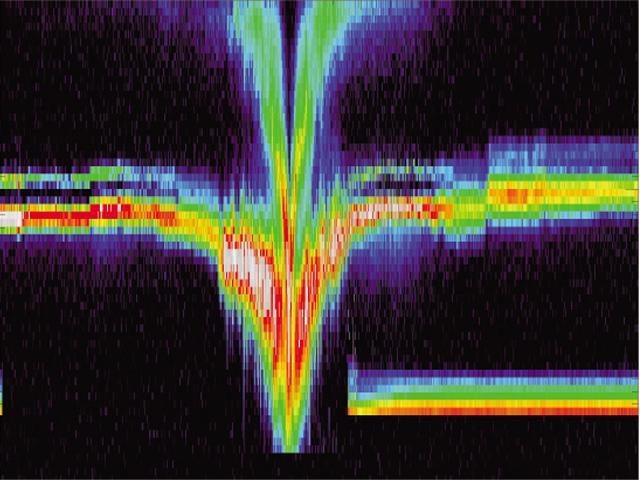
Over 1300 energy spectra taken on September 22, 2001 from the ion and electron instruments on NASA Deep Space 1 span a region of 1,400,000 kilometers 870,000 miles centered on the closest approach to the nucleus of comet Borrelly.
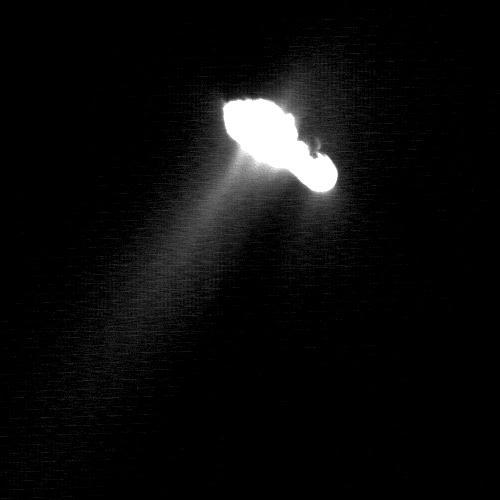
This image, taken by NASA Deep Space 1 on September 22, 2001, has been enhanced to reveal dust being ejected from the nucleus of comet Borrelly. As a result, the nucleus is bright white in the image.
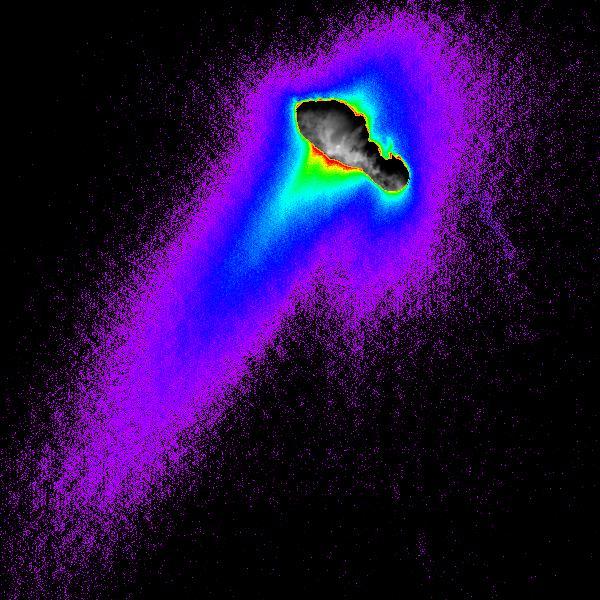
A composite of images from NASA Deep Space 1 spacecraft shows features of comet Borrelly nucleus, dust jets escaping the nucleus and the cloud-like coma of dust and gases surrounding the nucleus.
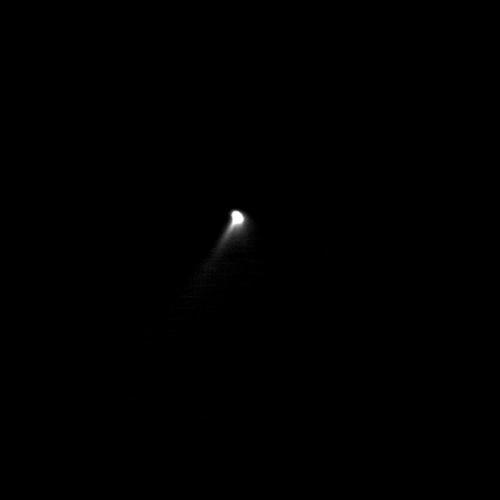
The solid nucleus of comet Borrelly is barely resolved in this image from NASA Deep Space 1, enhanced to reveal the highly collimated dust extending towards the bottom left corner of the picture.
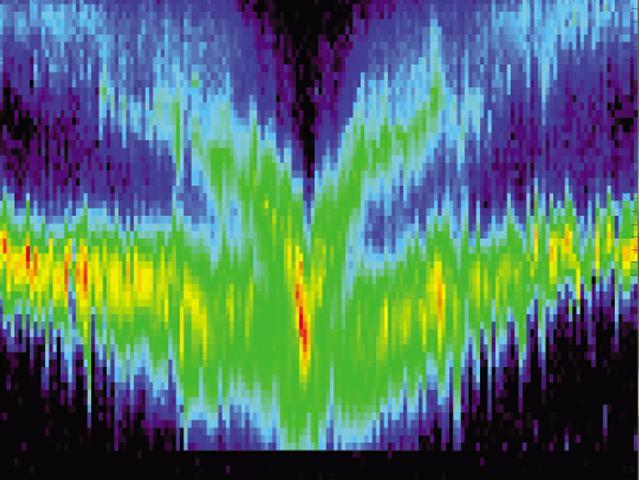
NASA Deep Space 1 flew by comet Borrelly on September 22, 2001 and took these measurements with its plasma instruments. These data show that the flow of ions around the comet rocky, icy nucleus.
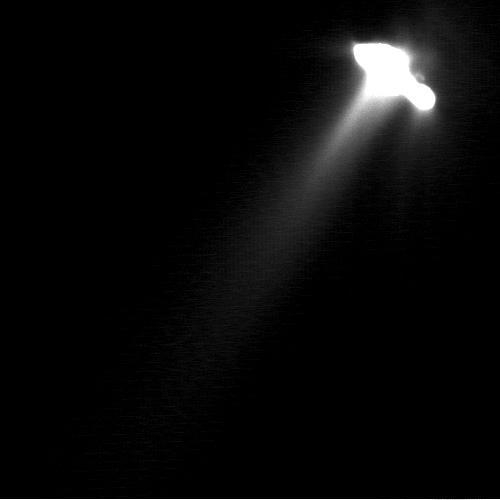
This very long exposure was taken by NASA Deep Space 1 to show detailed structures in the faint parts of comet Borrelly inner coma. As a result, the nucleus has been greatly over-exposed and its shape appears distorted.
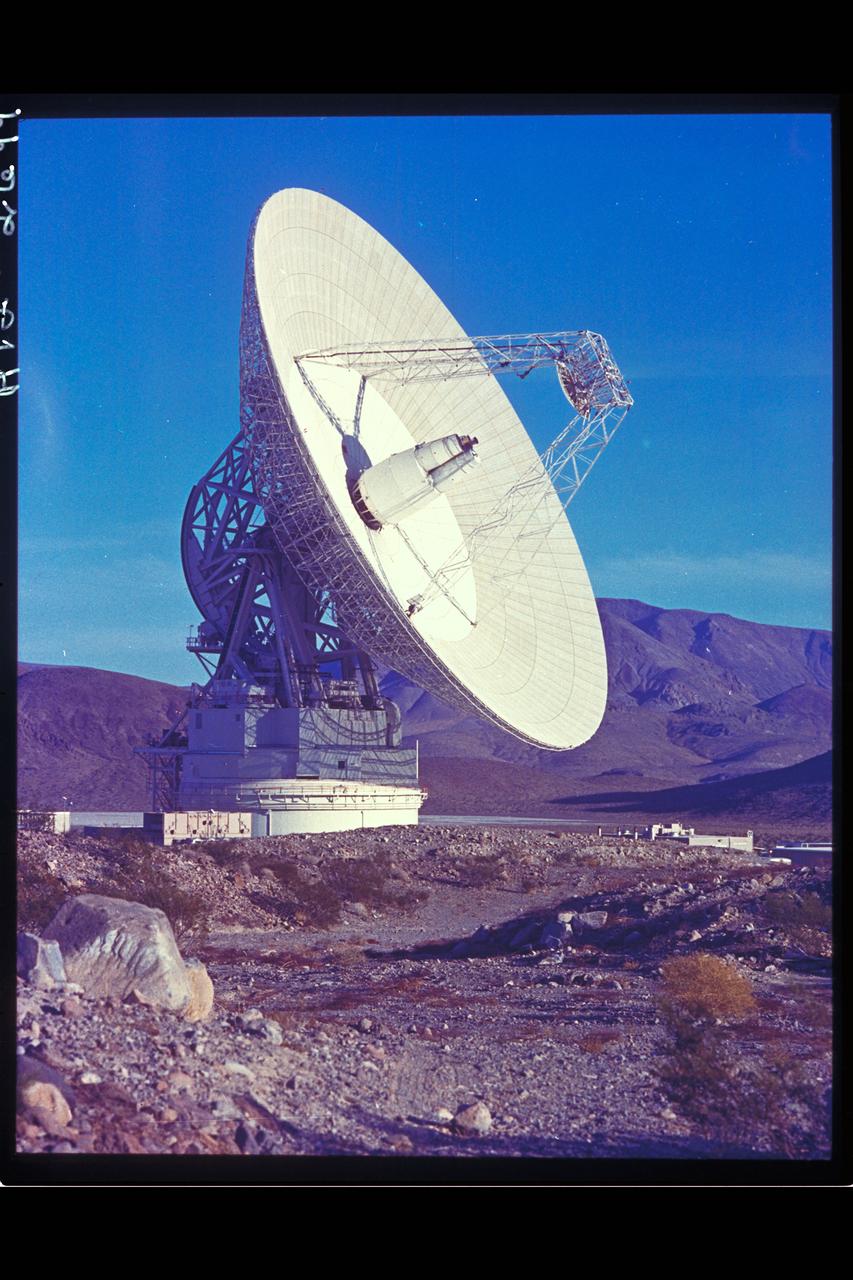
Deep Space Antenna 210' at Goldstone, CA (JPL ref: P-116594AC)
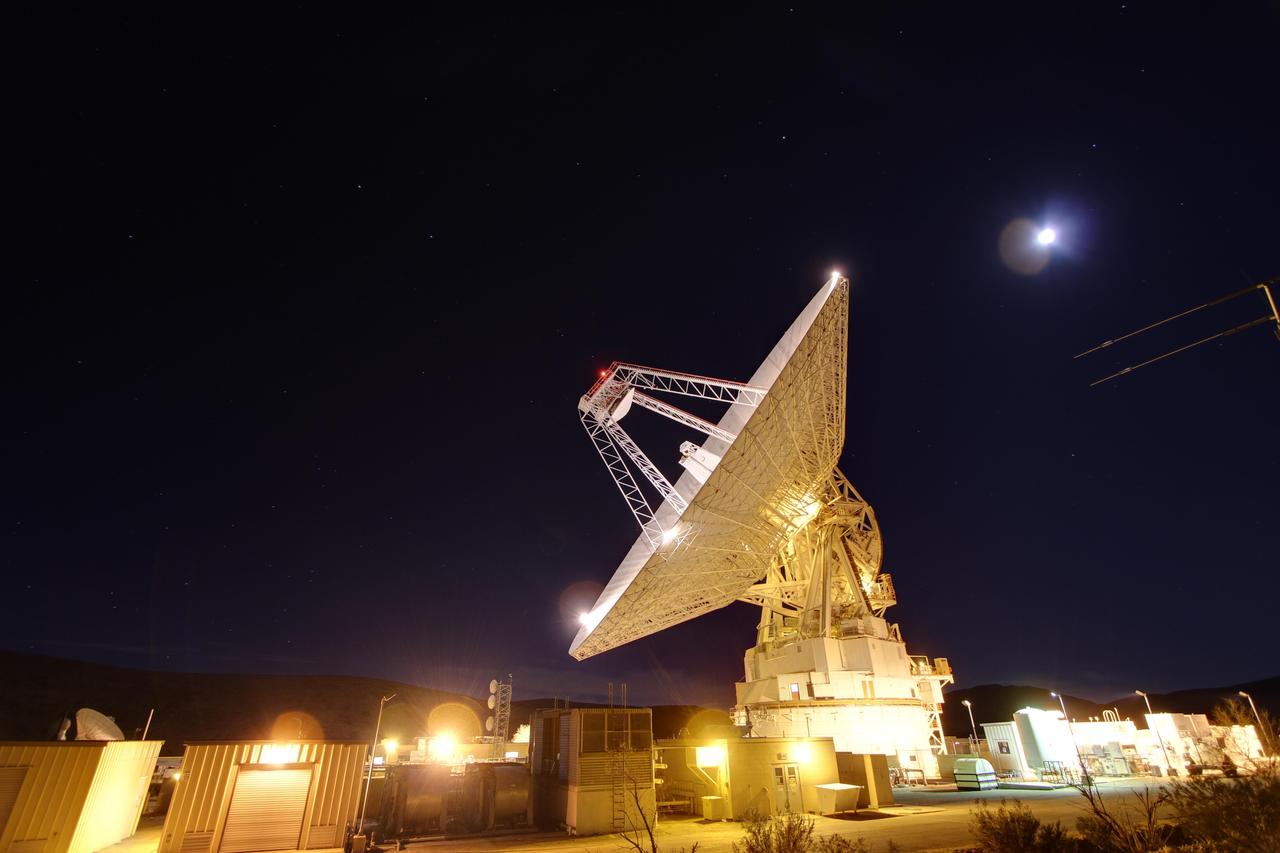
Late night in the desert: Goldstone 230-foot 70-meter antenna tracks spacecraft day and night. This photograph was taken on Jan. 11, 2012. The Goldstone Deep Space Communications Complex is located in the Mojave Desert in California, USA.
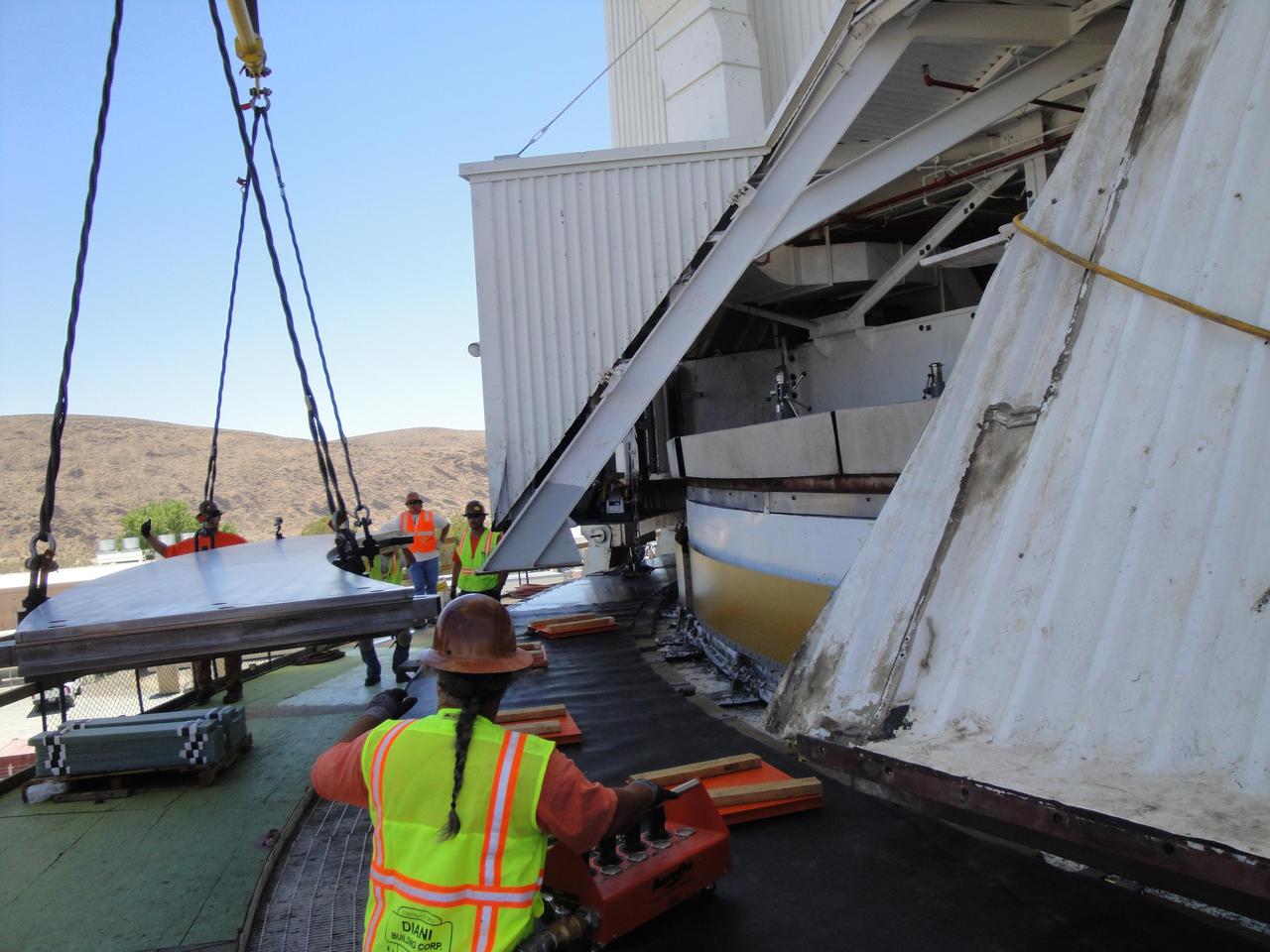
Workers in Goldstone, Calif., guide a new runner segment into the hydrostatic bearing assembly of a giant, 70-meter-wide 230-foot-wide antenna that is a critical part of NASA Deep Space Network.
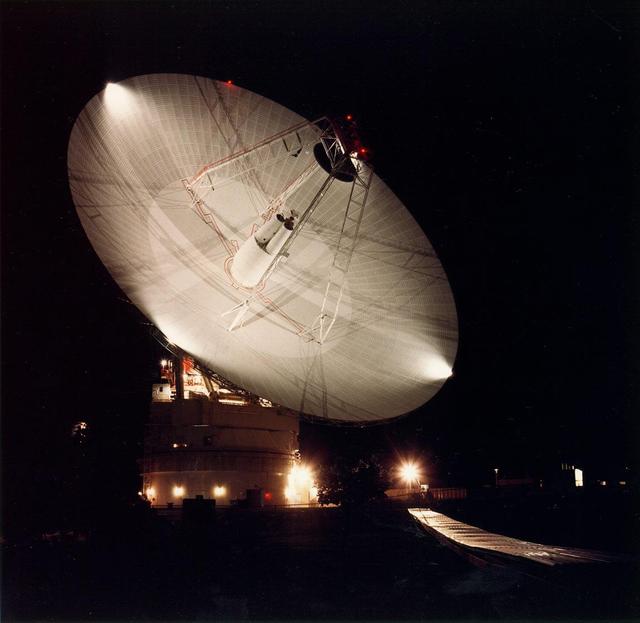
Night shot of the 70m antenna at Goldstone, California. The parabolic dish is 70m 230 ft. in diameter. The Goldstone Deep Space Communications Complex, located in the Mojave Desert in California, is one of three complexes which comprise NASA DSN.
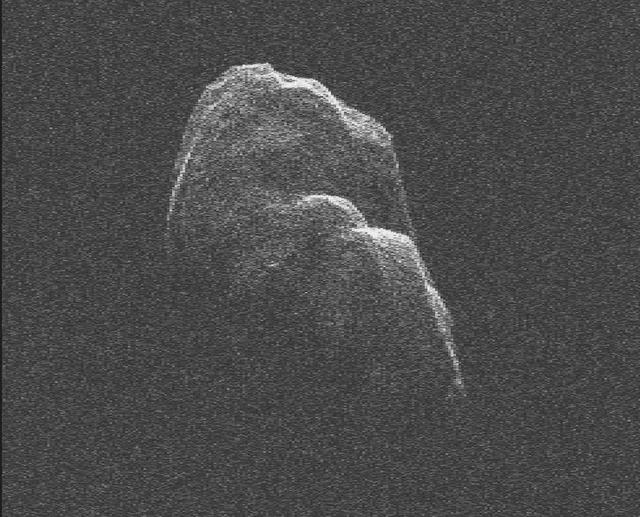
This image of asteroid Toutatis was generated with data collected using NASA Deep Space Network antenna at Goldstone, Calif., on Dec. 12 and 13, 2012 and indicates that it is an elongated, irregularly shaped object with ridges and perhaps craters.
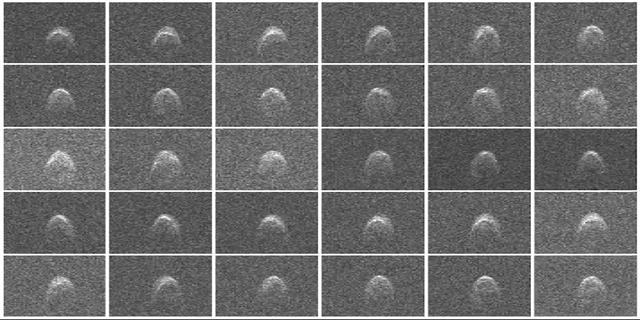
This collage of radar images of near-Earth asteroid 2005 WK4 was collected by NASA scientists using the 230-foot 70-meter Deep Space Network antenna at Goldstone, Calif., on Aug. 8, 2013.
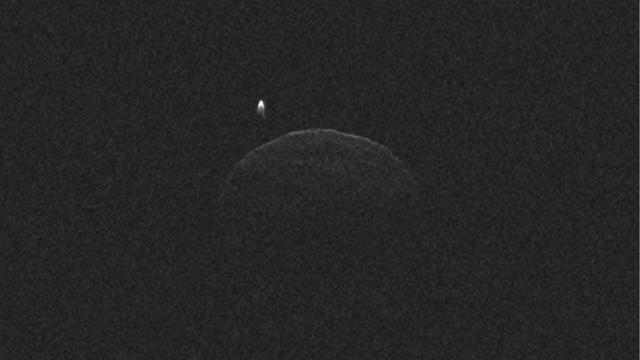
This radar imagery of asteroid 1998 QE2 and its moon was generated from data collected by NASA 230-foot-wide 70-meter Deep Space Network antenna at Goldstone, Calif., on June 1, 2013.
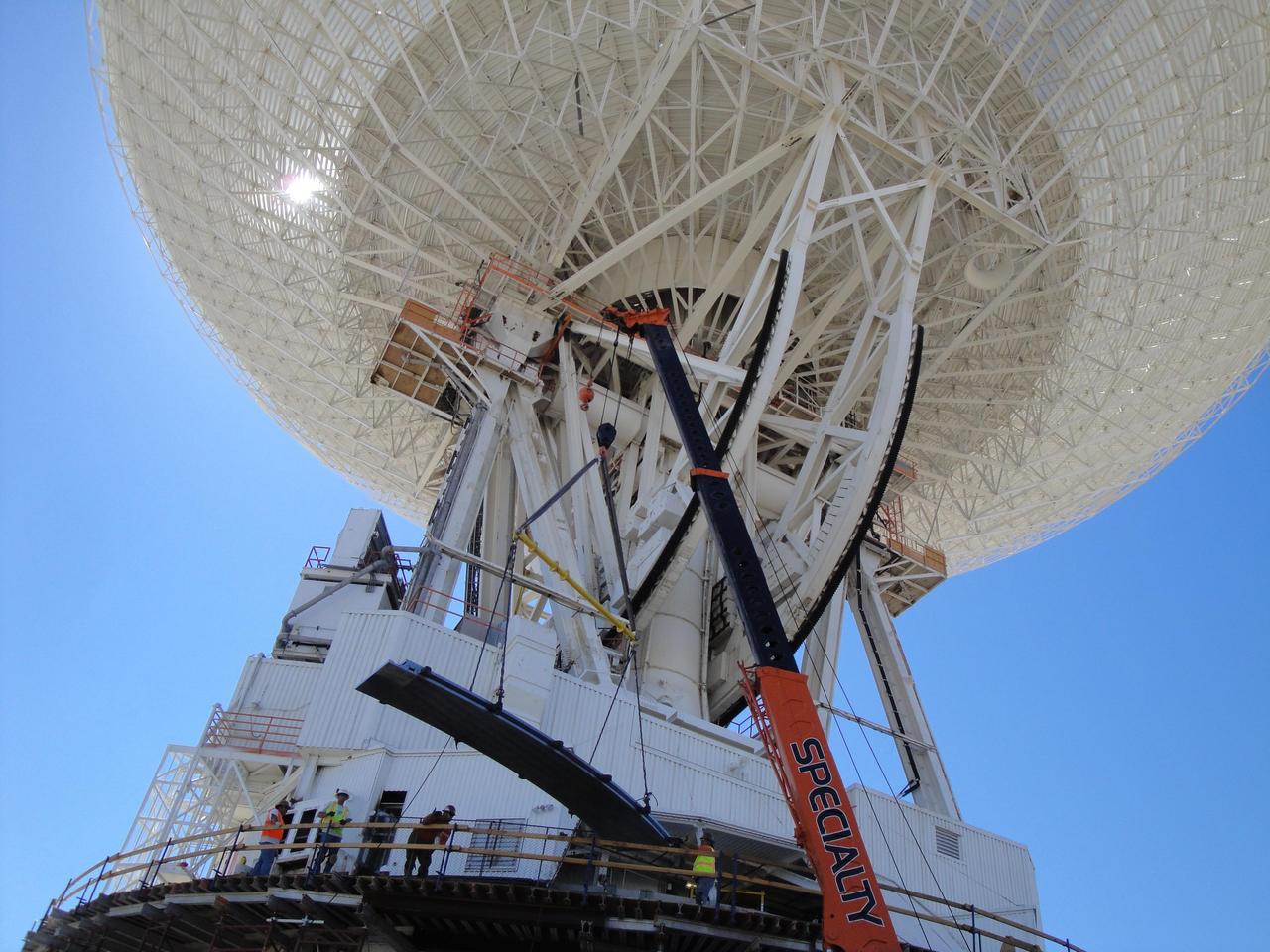
Under the unflinching summer sun, workers at NASA Deep Space Network complex in Goldstone, Calif., use a crane to lift a runner segment that is part of major surgery on a giant, 70-meter-wide antenna.
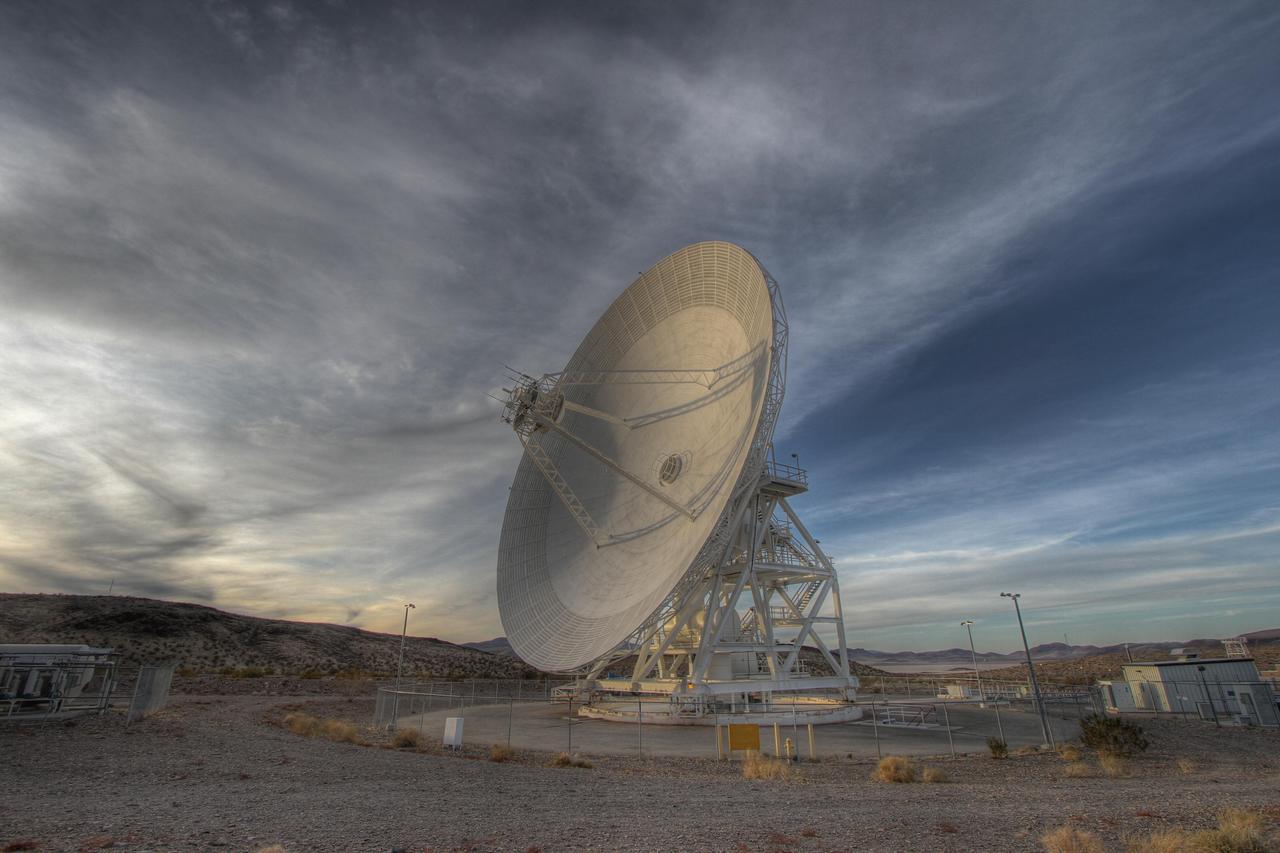
Goldstone 111.5-foot 34-meter Beam Waveguide tracks a spacecraft as it comes into view. The Goldstone Deep Space Communications Complex is located in the Mojave Desert in California, USA.
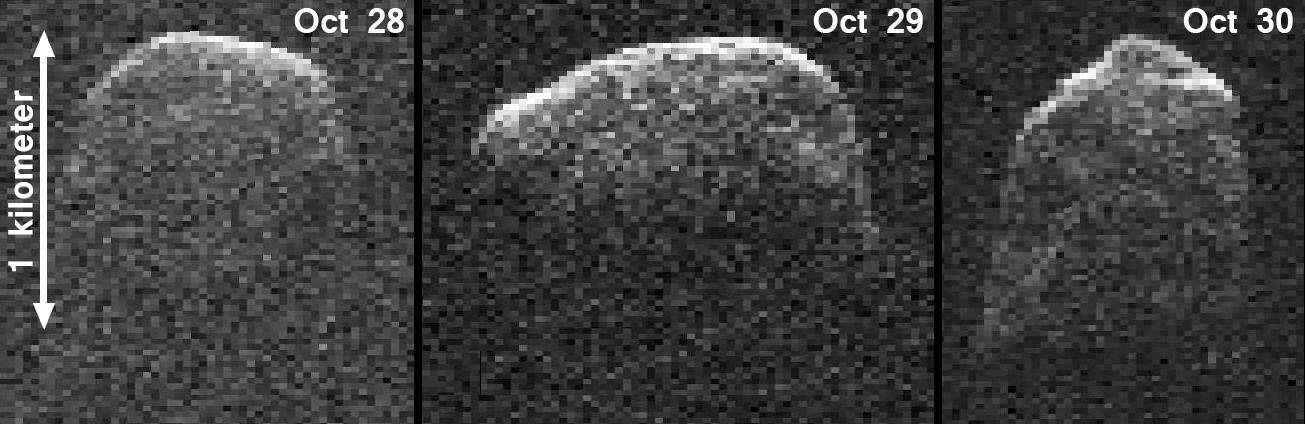
This composite image of asteroid 2007 PA8 was obtained using data taken by NASA 230-foot-wide 70-meter Deep Space Network antenna at Goldstone, Calif.
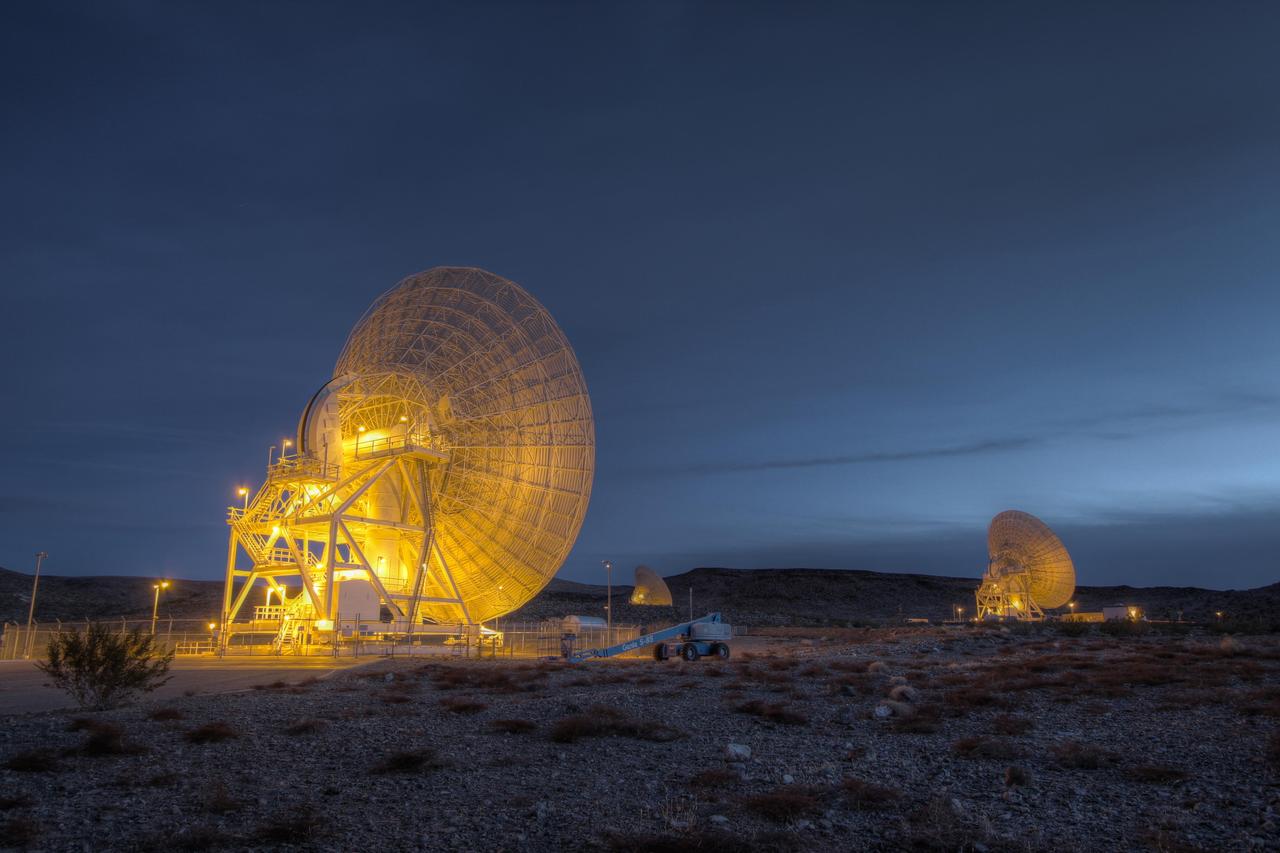
Beam Wave Guide antennas at Goldstone, known as the Beam Waveguide Cluster. They are located in an area at Goldstone called Apollo Valley. The Goldstone Deep Space Communications Complex is located in the Mojave Desert in California, USA.
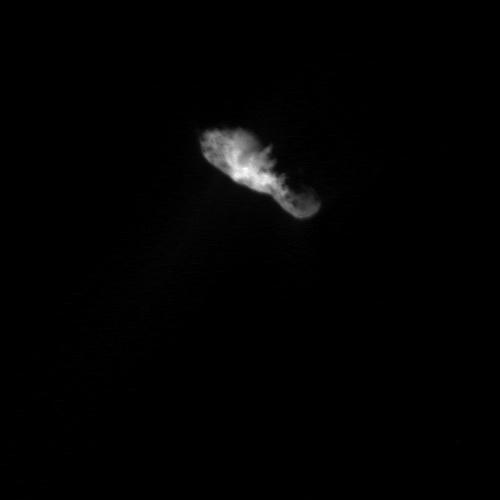
Sunlight illuminates the bowling-pin shaped nucleus from directly below comet Borrelly as seen by NASA Deep Space 1. At this distance, many features become vivid on the surface of the nucleus, including a jagged line between day and night on the comet.
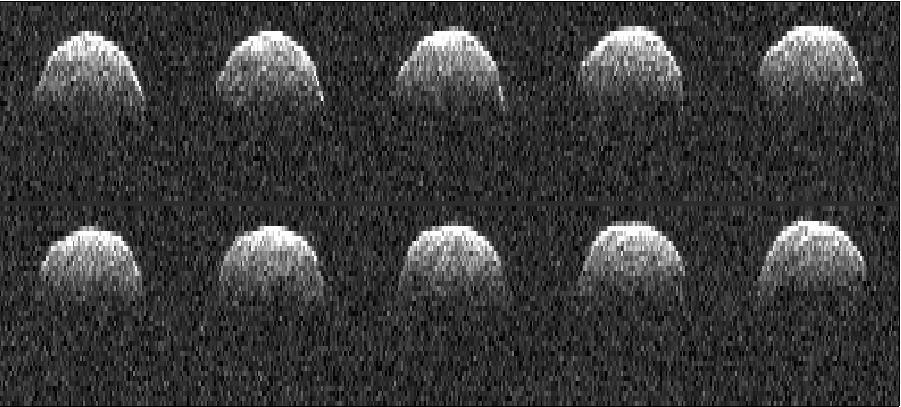
This radar image of asteroid 1999 RQ36 was obtained NASA Deep Space Network antenna in Goldstone, Calif. on Sept 23, 1999. NASA detects, tracks and characterizes asteroids and comets passing close to Earth using both ground- and space-based telescopes.

This radar image of asteroid 2005 YU55 was obtained NASA Deep Space Network antenna in Goldstone, Calif. on Nov. 7, 2011, when the space rock was at 3.6 lunar distances, which is about 860,000 miles, or 1.38 million kilometers, from Earth.
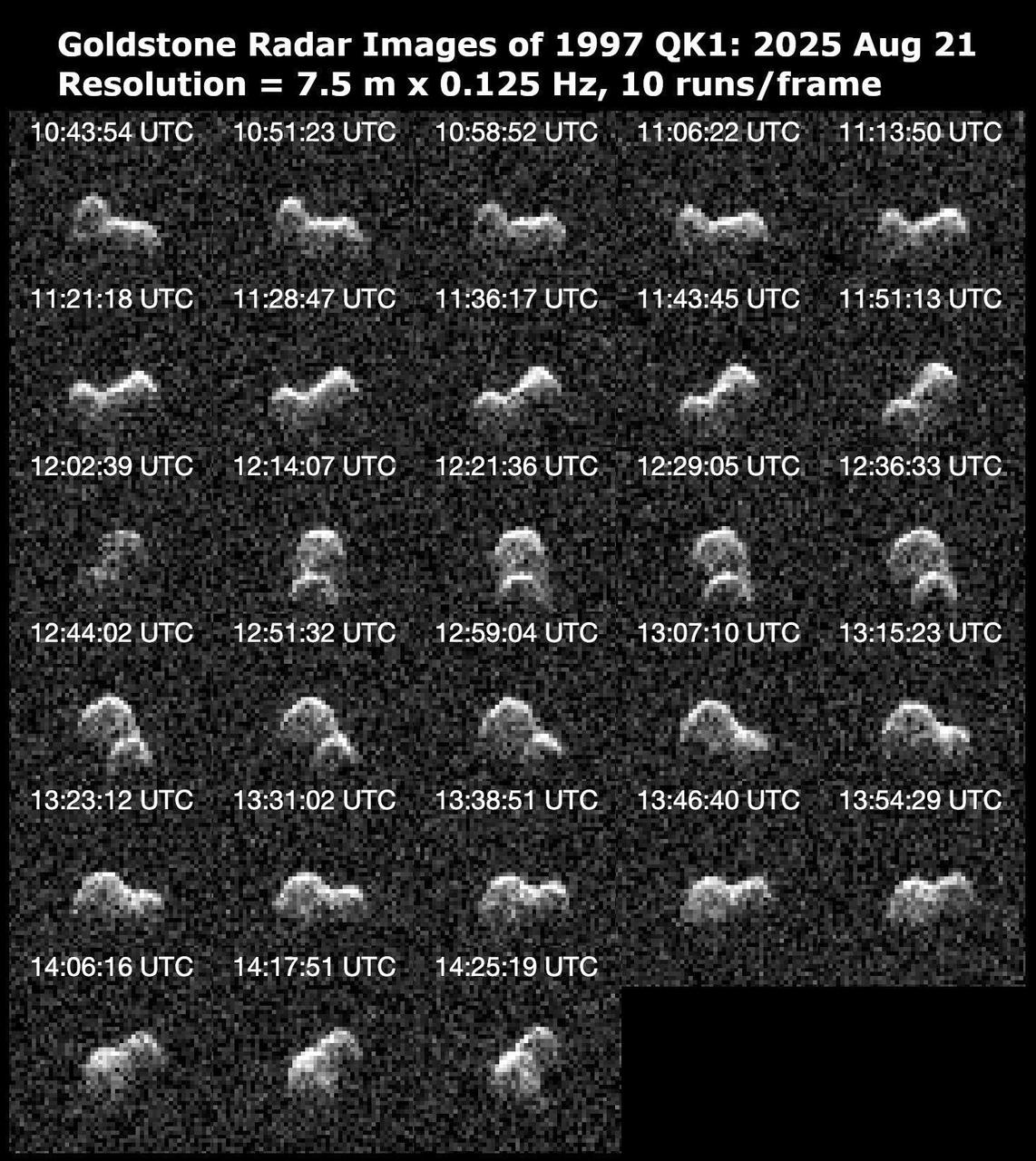
Asteroid 1997 QK1 is shown to be an elongated, peanut-shaped near-Earth object in this series of 28 radar images obtained by the Deep Space Network's Goldstone Solar System Radar on Aug. 21, 2025. The asteroid is about 660 feet (200 meters) long and completes one rotation every 4.8 hours. It passed closest to our planet on the day before these observations were made at a distance of about 1.9 million miles (3 million kilometers), or within eight times the distance between Earth and the Moon. The 2025 flyby is the closest that 1997 QK1 has approached to Earth in more than 350 years. Prior to the recent Goldstone observations, very little was known about the asteroid. These observations resolve surface features down to a resolution of about 25 feet (7.5 meters) and reveal that the object has two rounded lobes that are connected, with one lobe twice the size of the other. Both lobes appear to have concavities that are tens of meters deep. Asteroid 1997 QK1 is likely a "contact binary," one of dozens of such objects imaged by Goldstone. At least 15% of near-Earth asteroids larger than about 660 feet (200 meters) have a contact binary shape. The asteroid is classified as potentially hazardous, but it does not pose a hazard to Earth for the foreseeable future. These Goldstone measurements have greatly reduced the uncertainties in the asteroid's distance from Earth and in its future motion for many decades. The Goldstone Solar System Radar Group is supported by NASA's Near-Earth Object Observations Program within the Planetary Defense Coordination Office at the agency's headquarters in Washington. Managed by NASA's Jet Propulsion Laboratory, the Deep Space Network receives programmatic oversight from Space Communications and Navigation program office within the Space Operations Mission Directorate, also at NASA Headquarters. https://photojournal.jpl.nasa.gov/catalog/PIA26588

NASA Special Assistant to the Administrator Mark Sirangelo testifies during the House Subcommittee on Space and Aeronautics hearing titled "Keeping our sights on Mars: A Review of NASA's Deep Space Exploration Programs and Lunar Proposal", Wednesday, May 8, 2019 at the Rayburn House Office Building in Washington. Photo Credit: (NASA/Bill Ingalls)

NASA Special Assistant to the Administrator Mark Sirangelo testifies during the House Subcommittee on Space and Aeronautics hearing titled "Keeping our sights on Mars: A Review of NASA's Deep Space Exploration Programs and Lunar Proposal", Wednesday, May 8, 2019 at the Rayburn House Office Building in Washington. Photo Credit: (NASA/Bill Ingalls)

Chair Kendra Horn, D-OK., opens the House Subcommittee on Space and Aeronautics hearing titled "Keeping our sights on Mars: A Review of NASA's Deep Space Exploration Programs and Lunar Proposal", Wednesday, May 8, 2019 at the Rayburn House Office Building in Washington. Photo Credit: (NASA/Bill Ingalls)

NASA Special Assistant to the Administrator Mark Sirangelo testifies during the House Subcommittee on Space and Aeronautics hearing titled "Keeping our sights on Mars: A Review of NASA's Deep Space Exploration Programs and Lunar Proposal", Wednesday, May 8, 2019 at the Rayburn House Office Building in Washington. Photo Credit: (NASA/Bill Ingalls)
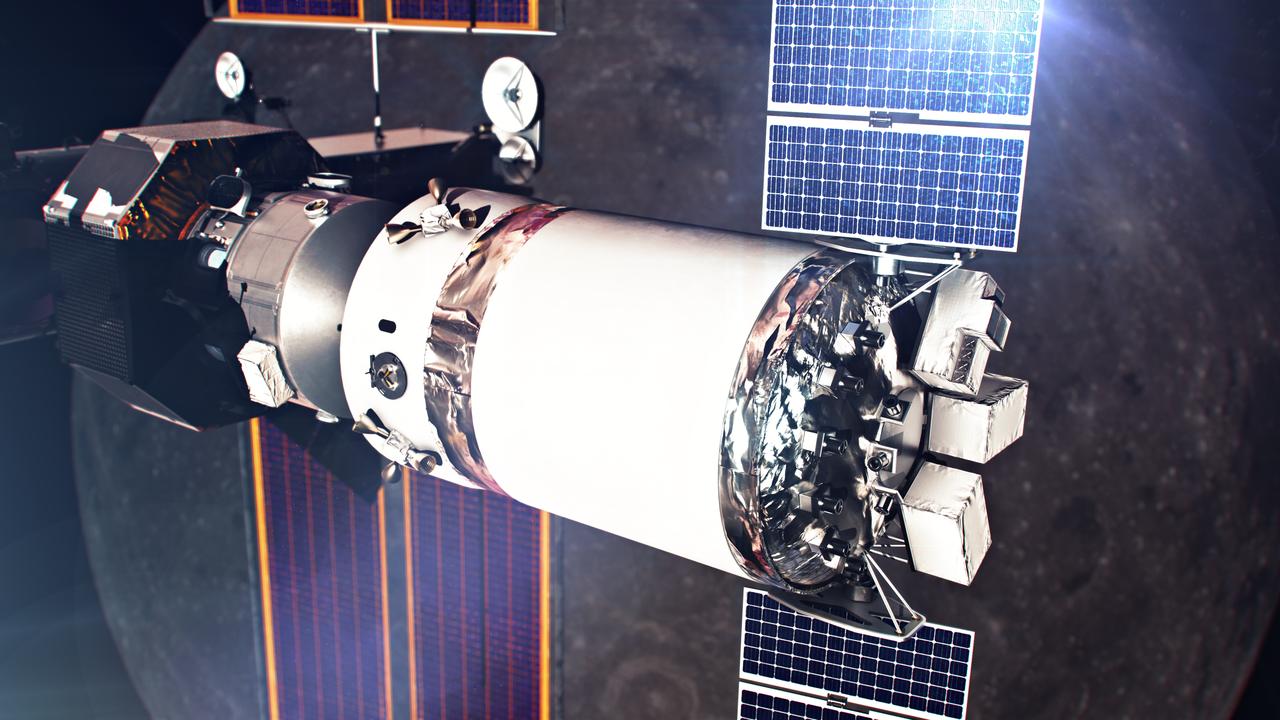
NASA has awarded the first Gateway Logistics Services contract to SpaceX to deliver cargo, experiments and other supplies to Gateway for the Artemis IV mission in September 2028, the first time that crew will travel to Gateway.

This artist's concept depicts NASA's Near-Earth Object Surveyor (NEO Surveyor) in deep space. After launch, the spacecraft will travel a million miles to a region of gravitational stability – called the L1 Lagrange point – between Earth and the Sun. From there, its large sunshade will block the glare and heat of sunlight, allowing the mission to discover and track near-Earth objects as they approach Earth from the direction of the Sun, which is difficult for other observatories to do. The black-paneled angular structure in the belly of the spacecraft is the instrument enclosure that is being built at NASA's Jet Propulsion Laboratory in Southern California. The spacecraft's only instrument, its infrared telescope, will be installed inside the enclosure. Fabricated from dark composite material that allows heat to escape, the enclosure will help keep the telescope cool and prevent its own heat from obscuring observations. https://photojournal.jpl.nasa.gov/catalog/PIA26388
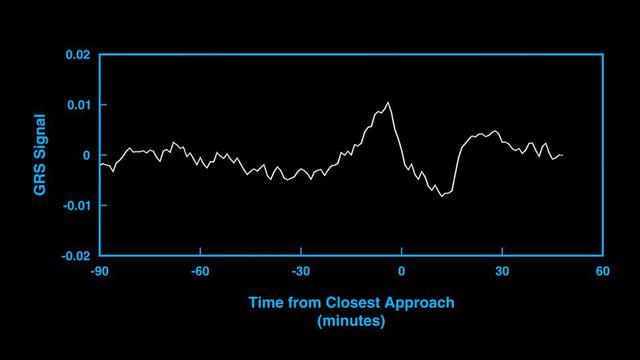
This animation and audio represent the subtle gravitational signal acquired by an antenna of NASA's Deep Space Network as the agency's Juno spacecraft performed a close flyby of Jupiter's Great Red Spot in July 2019. The changes in the signal frequency represent the changes in the local gravity as the spacecraft flew low overhead. Juno flew twice over the Great Red Spot in 2019, with the goal of picking up the subtle gravitational signal of the vortex. The concentration of mass caused by the powerful winds surrounding the Great Red Spot minutely change the spacecraft's velocity, inducing a Doppler shift on the radio signals relayed back to Earth. Movie available at https://photojournal.jpl.nasa.gov/catalog/PIA24963

Chair of the Space and Aeronautics Subcommittee, Congresswoman Kendra Horn, D-Okla., speaks during a Space and Aeronautics Subcommittee of the House Science, Space, and Technology Committee hearing titled, “Developing Core Capabilities for Deep Space Exploration: An Update on NASA's SLS, Orion, and Exploration Ground Systems," Wednesday, September 18, 2019 at the Rayburn House Office Building in Washington. Photo Credit: (NASA/Aubrey Gemignani)

Acting NASA Associate Administrator for Human Exploration and Operations, Ken Bowersox, reacts during a Space and Aeronautics Subcommittee of the House Science, Space, and Technology Committee hearing titled, “Developing Core Capabilities for Deep Space Exploration: An Update on NASA's SLS, Orion, and Exploration Ground Systems," Wednesday, September 18, 2019 at the Rayburn House Office Building in Washington. Photo Credit: (NASA/Aubrey Gemignani)

Acting NASA Associate Administrator for Human Exploration and Operations, Ken Bowersox, testifies during a Space and Aeronautics Subcommittee of the House Science, Space, and Technology Committee hearing titled, “Developing Core Capabilities for Deep Space Exploration: An Update on NASA's SLS, Orion, and Exploration Ground Systems," Wednesday, September 18, 2019 at the Rayburn House Office Building in Washington. Photo Credit: (NASA/Aubrey Gemignani)

Acting NASA Associate Administrator for Human Exploration and Operations, Ken Bowersox, testifies during a Space and Aeronautics Subcommittee of the House Science, Space, and Technology Committee hearing titled, “Developing Core Capabilities for Deep Space Exploration: An Update on NASA's SLS, Orion, and Exploration Ground Systems," Wednesday, September 18, 2019 at the Rayburn House Office Building in Washington. Photo Credit: (NASA/Aubrey Gemignani)

Acting NASA Associate Administrator for Human Exploration and Operations, Ken Bowersox, testifies during a Space and Aeronautics Subcommittee of the House Science, Space, and Technology Committee hearing titled, “Developing Core Capabilities for Deep Space Exploration: An Update on NASA's SLS, Orion, and Exploration Ground Systems," Wednesday, September 18, 2019 at the Rayburn House Office Building in Washington. Photo Credit: (NASA/Aubrey Gemignani)

Cristina Chaplain, director, Contracting and National Security Acquisitions, U.S. Government Accountability Office (GAO), testifies during a Space and Aeronautics Subcommittee of the House Science, Space, and Technology Committee hearing titled, “Developing Core Capabilities for Deep Space Exploration: An Update on NASA's SLS, Orion, and Exploration Ground Systems," Wednesday, September 18, 2019 at the Rayburn House Office Building in Washington. Photo Credit: (NASA/Aubrey Gemignani)

Acting NASA Associate Administrator for Human Exploration and Operations, Ken Bowersox, shoes are seen during a Space and Aeronautics Subcommittee of the House Science, Space, and Technology Committee hearing titled, “Developing Core Capabilities for Deep Space Exploration: An Update on NASA's SLS, Orion, and Exploration Ground Systems," Wednesday, September 18, 2019 at the Rayburn House Office Building in Washington. Photo Credit: (NASA/Aubrey Gemignani)

Acting NASA Associate Administrator for Human Exploration and Operations, Ken Bowersox, testifies during a Space and Aeronautics Subcommittee of the House Science, Space, and Technology Committee hearing titled, “Developing Core Capabilities for Deep Space Exploration: An Update on NASA's SLS, Orion, and Exploration Ground Systems," Wednesday, September 18, 2019 at the Rayburn House Office Building in Washington. Photo Credit: (NASA/Aubrey Gemignani)
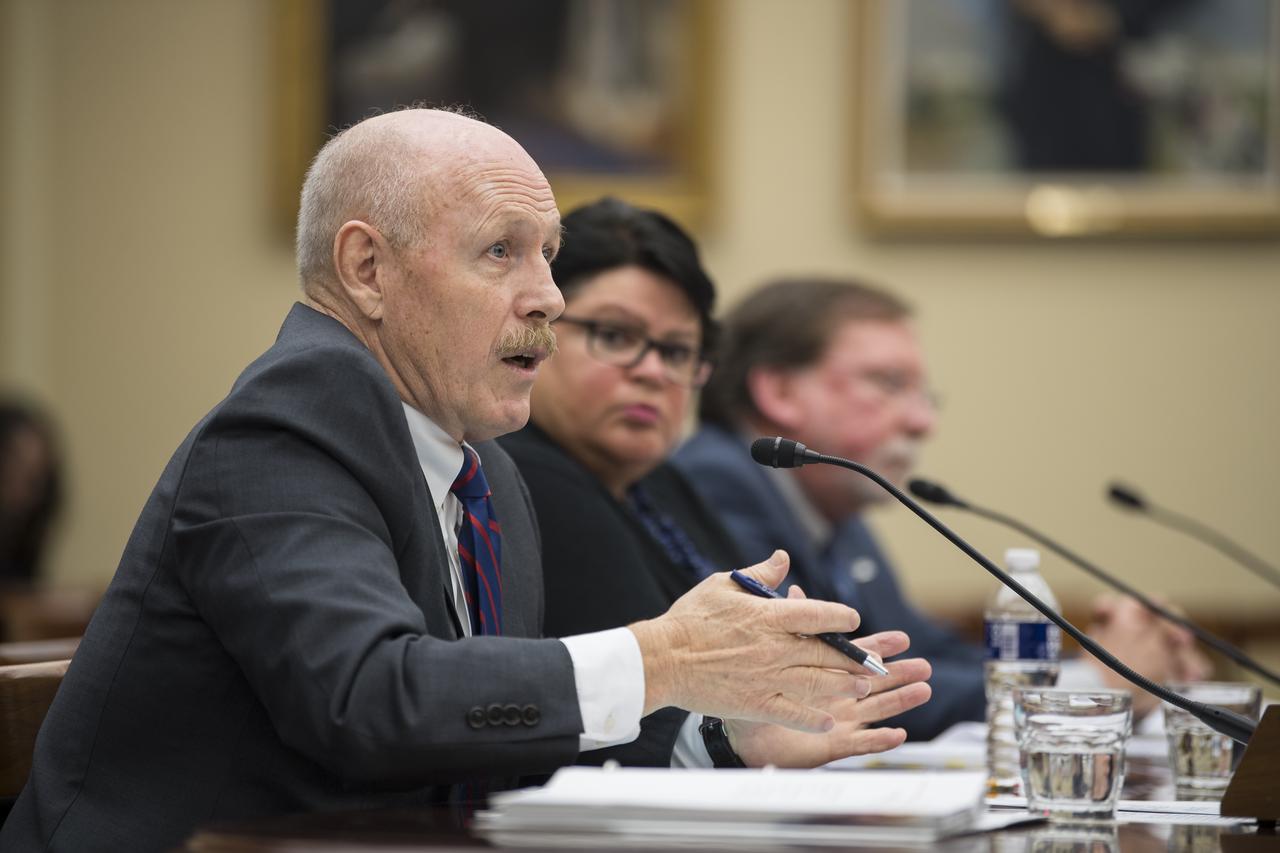
Acting NASA Associate Administrator for Human Exploration and Operations, Ken Bowersox, testifies during a Space and Aeronautics Subcommittee of the House Science, Space, and Technology Committee hearing titled, “Developing Core Capabilities for Deep Space Exploration: An Update on NASA's SLS, Orion, and Exploration Ground Systems," Wednesday, September 18, 2019 at the Rayburn House Office Building in Washington. Photo Credit: (NASA/Aubrey Gemignani)

Acting NASA Associate Administrator for Human Exploration and Operations, Ken Bowersox, takes notes during a Space and Aeronautics Subcommittee of the House Science, Space, and Technology Committee hearing titled, “Developing Core Capabilities for Deep Space Exploration: An Update on NASA's SLS, Orion, and Exploration Ground Systems," Wednesday, September 18, 2019 at the Rayburn House Office Building in Washington. Photo Credit: (NASA/Aubrey Gemignani)

Acting NASA Associate Administrator for Human Exploration and Operations, Ken Bowersox, testifies during a Space and Aeronautics Subcommittee of the House Science, Space, and Technology Committee hearing titled, “Developing Core Capabilities for Deep Space Exploration: An Update on NASA's SLS, Orion, and Exploration Ground Systems," Wednesday, September 18, 2019 at the Rayburn House Office Building in Washington. Photo Credit: (NASA/Aubrey Gemignani)

Acting NASA Associate Administrator for Human Exploration and Operations, Ken Bowersox, takes notes during a Space and Aeronautics Subcommittee of the House Science, Space, and Technology Committee hearing titled, “Developing Core Capabilities for Deep Space Exploration: An Update on NASA's SLS, Orion, and Exploration Ground Systems," Wednesday, September 18, 2019 at the Rayburn House Office Building in Washington. Photo Credit: (NASA/Aubrey Gemignani)

Doug Cooke, owner, Cooke Concepts and Solutions, testifies during a Space and Aeronautics Subcommittee of the House Science, Space, and Technology Committee hearing titled, “Developing Core Capabilities for Deep Space Exploration: An Update on NASA's SLS, Orion, and Exploration Ground Systems," Wednesday, September 18, 2019 at the Rayburn House Office Building in Washington. Photo Credit: (NASA/Aubrey Gemignani)

Acting NASA Associate Administrator for Human Exploration and Operations, Ken Bowersox, testifies during a Space and Aeronautics Subcommittee of the House Science, Space, and Technology Committee hearing titled, “Developing Core Capabilities for Deep Space Exploration: An Update on NASA's SLS, Orion, and Exploration Ground Systems," Wednesday, September 18, 2019 at the Rayburn House Office Building in Washington. Photo Credit: (NASA/Aubrey Gemignani)

Congressman Brian Babin, R-Texas, asks a question during a Space and Aeronautics Subcommittee of the House Science, Space, and Technology Committee hearing titled, “Developing Core Capabilities for Deep Space Exploration: An Update on NASA's SLS, Orion, and Exploration Ground Systems," Wednesday, September 18, 2019 at the Rayburn House Office Building in Washington. Photo Credit: (NASA/Aubrey Gemignani)

NASA Special Assistant to the Administrator Mark Sirangelo listens as NASA Associate Administrator, Human Exploration and Operations William Gerstenmaier testifies during the House Subcommittee on Space and Aeronautics hearing titled "Keeping our sights on Mars: A Review of NASA's Deep Space Exploration Programs and Lunar Proposal", Wednesday, May 8, 2019 at the Rayburn House Office Building in Washington. Photo Credit: (NASA/Bill Ingalls)

NASA Associate Administrator, Human Exploration and Operations William Gerstenmaier testifies during the House Subcommittee on Space and Aeronautics hearing titled "Keeping our sights on Mars: A Review of NASA's Deep Space Exploration Programs and Lunar Proposal", Wednesday, May 8, 2019 at the Rayburn House Office Building in Washington. Photo Credit: (NASA/Bill Ingalls)

Rep. Brian Babin, R - Texas, gives opening remarks during the House Subcommittee on Space and Aeronautics hearing titled "Keeping our sights on Mars: A Review of NASA's Deep Space Exploration Programs and Lunar Proposal", Wednesday, May 8, 2019 at the Rayburn House Office Building in Washington. Photo Credit: (NASA/Bill Ingalls)

Portraits of past House Science and Technology Committee Chairmen, Sherwood Boehlert, left, and Ralph Hall are seen as NASA Associate Administrator, Human Exploration and Operations William Gerstenmaier testifies during a House Subcommittee on Space and Aeronautics hearing titled "Keeping our sights on Mars: A Review of NASA's Deep Space Exploration Programs and Lunar Proposal", Wednesday, May 8, 2019 at the Rayburn House Office Building in Washington. Photo Credit: (NASA/Bill Ingalls)
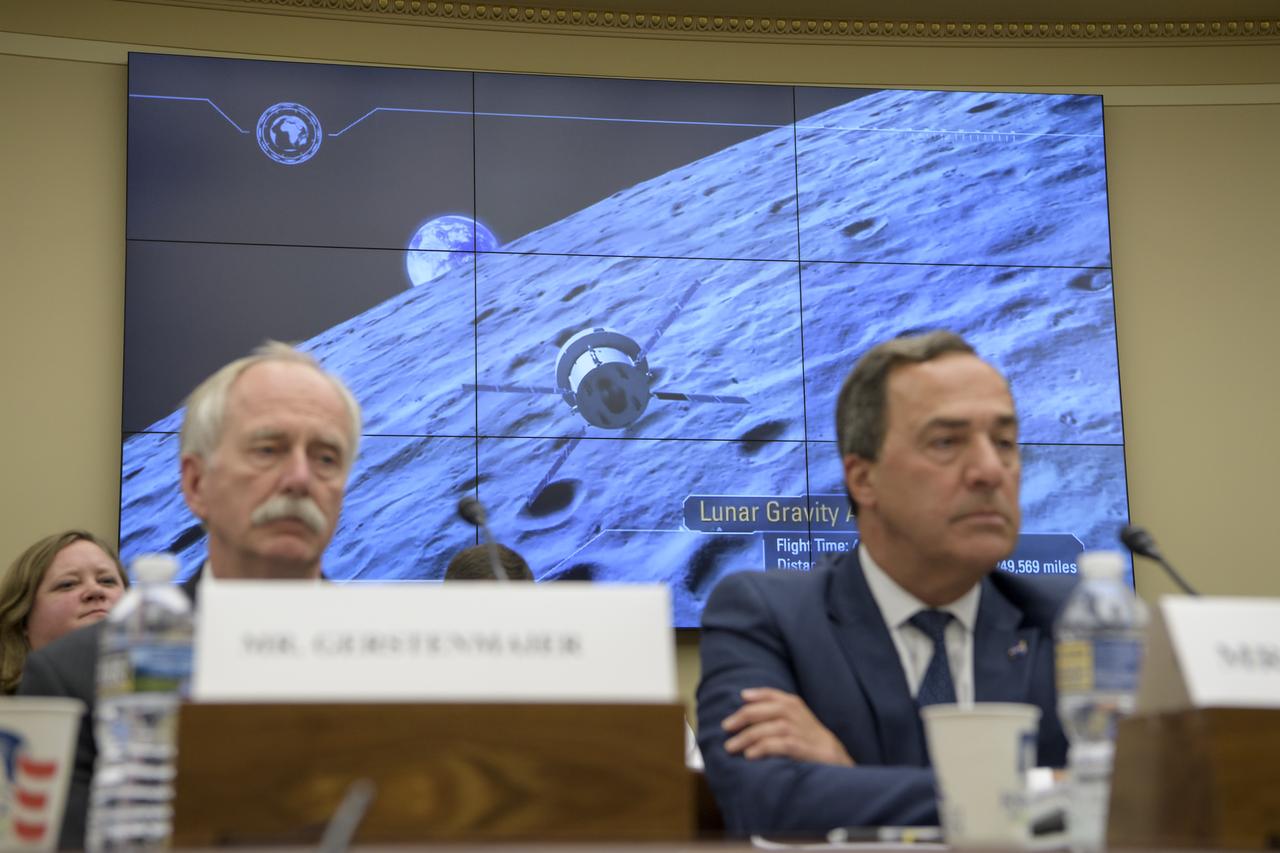
NASA Associate Administrator, Human Exploration and Operations William Gerstenmaier, left, and NASA Special Assistant to the Administrator Mark Sirangelo, watch as a video is played during the House Subcommittee on Space and Aeronautics hearing titled "Keeping our sights on Mars: A Review of NASA's Deep Space Exploration Programs and Lunar Proposal", Wednesday, May 8, 2019 at the Rayburn House Office Building in Washington. Photo Credit: (NASA/Bill Ingalls)

NASA Associate Administrator, Human Exploration and Operations William Gerstenmaier testifies during the House Subcommittee on Space and Aeronautics hearing titled "Keeping our sights on Mars: A Review of NASA's Deep Space Exploration Programs and Lunar Proposal", Wednesday, May 8, 2019 at the Rayburn House Office Building in Washington. Photo Credit: (NASA/Bill Ingalls)

NASA Associate Administrator, Human Exploration and Operations William Gerstenmaier, left, NASA Associate Administrator for Legislative Affairs Suzanne Gillen, center, and NASA Special Assistant to the Administrator Mark Sirangelo, confer prior to the start of the House Subcommittee on Space and Aeronautics hearing titled "Keeping our sights on Mars: A Review of NASA's Deep Space Exploration Programs and Lunar Proposal", Wednesday, May 8, 2019 at the Rayburn House Office Building in Washington. Photo Credit: (NASA/Bill Ingalls)

NASA Associate Administrator, Human Exploration and Operations William Gerstenmaier, left, and NASA Special Assistant to the Administrator Mark Sirangelo, testify during the House Subcommittee on Space and Aeronautics hearing titled "Keeping our sights on Mars: A Review of NASA's Deep Space Exploration Programs and Lunar Proposal", Wednesday, May 8, 2019 at the Rayburn House Office Building in Washington. Photo Credit: (NASA/Bill Ingalls)

NASA Associate Administrator, Human Exploration and Operations William Gerstenmaier testifies during the House Subcommittee on Space and Aeronautics hearing titled "Keeping our sights on Mars: A Review of NASA's Deep Space Exploration Programs and Lunar Proposal", Wednesday, May 8, 2019 at the Rayburn House Office Building in Washington. Photo Credit: (NASA/Bill Ingalls)

Dr. Patricia Sanders, Chair, Aerospace Safety Advisory Panel testifies during the House Subcommittee on Space and Aeronautics hearing titled "Keeping our sights on Mars: A Review of NASA's Deep Space Exploration Programs and Lunar Proposal", Wednesday, May 8, 2019 at the Rayburn House Office Building in Washington. Photo Credit: (NASA/Bill Ingalls)

Dr. Jonathan Lunine, Director, Cornell Center for Astrophysics and Planetary Science, Co-Chair of the Former Committee on Human Spaceflight, National Academies of Sciences, Engineering, and Medicine testifies during the House Subcommittee on Space and Aeronautics hearing titled "Keeping our sights on Mars: A Review of NASA's Deep Space Exploration Programs and Lunar Proposal", Wednesday, May 8, 2019 at the Rayburn House Office Building in Washington. Photo Credit: (NASA/Bill Ingalls)
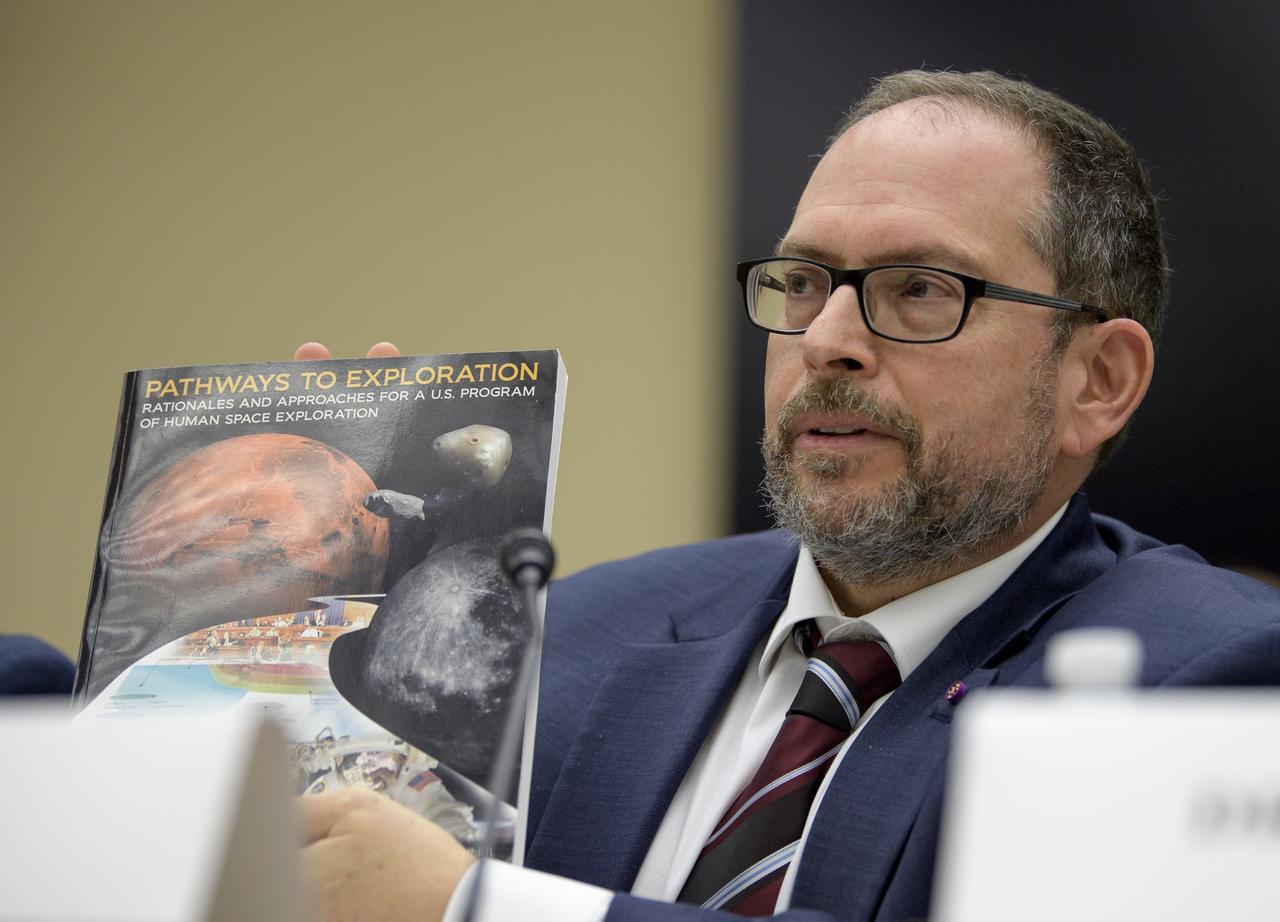
Dr. Jonathan Lunine, Director, Cornell Center for Astrophysics and Planetary Science, Co-Chair of the Former Committee on Human Spaceflight, National Academies of Sciences, Engineering, and Medicine testifies during the House Subcommittee on Space and Aeronautics hearing titled "Keeping our sights on Mars: A Review of NASA's Deep Space Exploration Programs and Lunar Proposal", Wednesday, May 8, 2019 at the Rayburn House Office Building in Washington. Photo Credit: (NASA/Bill Ingalls)